
Hidden Halal Restaurants Beijing: Chongqing Chicken Pot, Hotan Xinjiang Food and Muslim-Friendly Dining
Reposted from the web
Summary: This Beijing halal food guide follows the author’s post-reopening restaurant visits, featuring halal Chongqing chicken pot, Hotan-style Xinjiang food, and other local Muslim-friendly dining finds.

— Hello, Travel —
I cannot be blamed for the slow updates lately. Beijing did not allow dining in, so I had nowhere to visit for food reviews. As soon as the policy loosened, I got restless and took my family and friends to check out new restaurants one by one. I have many new discoveries this time. Life is already full of bumps, and since I cannot travel far, finding joy in tasting local delicacies right here at home is a good way to cope.
1
Sichuan-Chongqing: Yueji Chongqing Chicken Pot (Chongqing jigongbao)
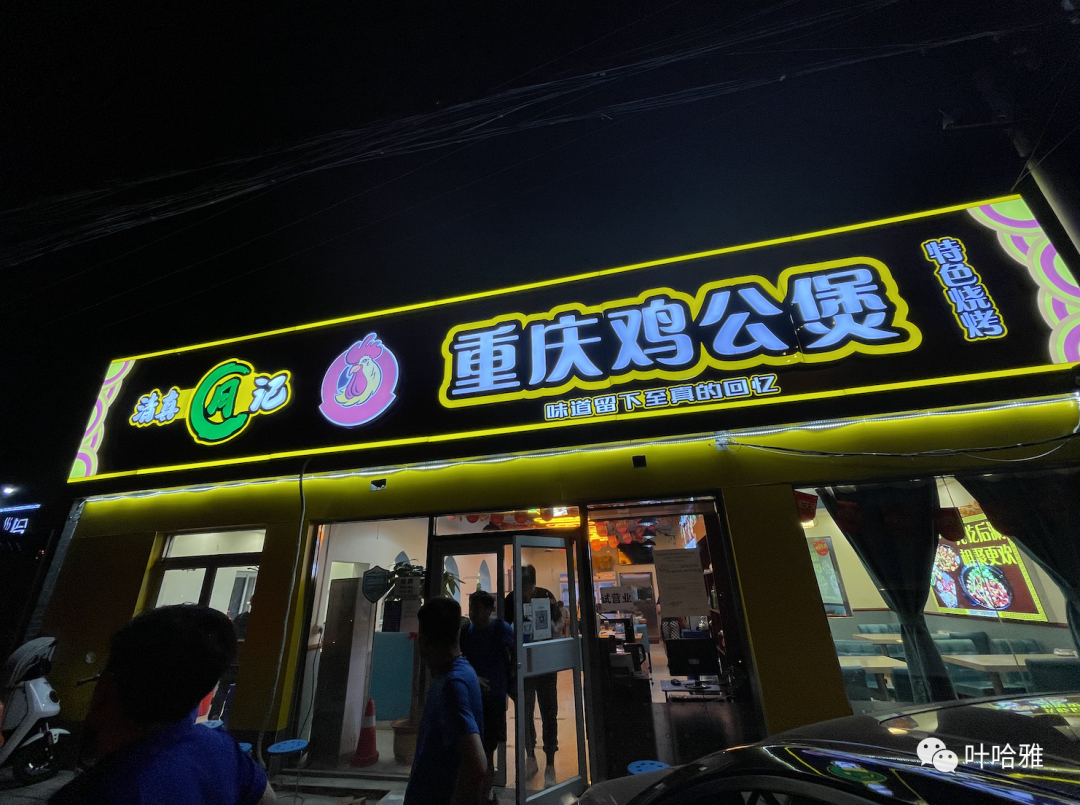
Although it is called Chongqing Chicken Pot, it is actually an innovative mix of Chongqing braised rooster and Chongqing dry-pot chicken created outside of Chongqing. It has nothing to do with local Chongqing food, but in the Chongqing dialect, a rooster is called a 'jigong'. This is the first halal Chongqing Chicken Pot in Beijing.
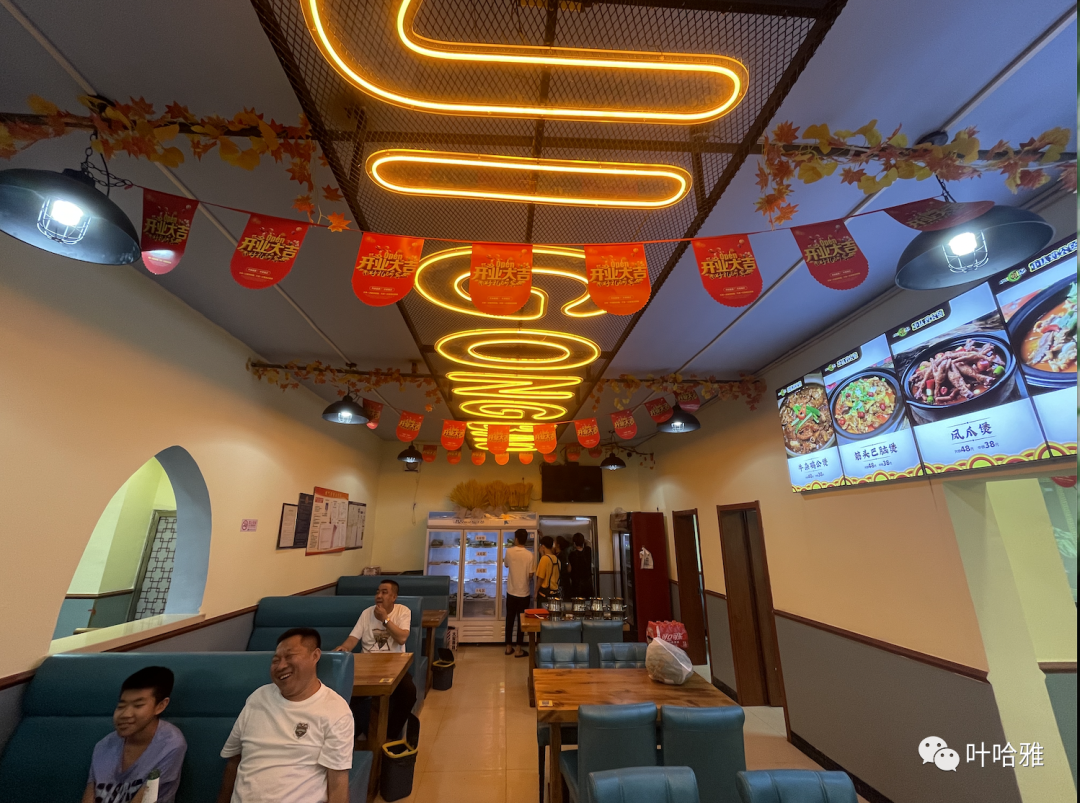
The new shop is located on Beifaxin Road in Shunyi. The owner is from Jingyuan, Ningxia, and runs a noodle shop in Shuangjing. Making this chicken pot is a bold move, and choosing Shunyi was a decision based on lower operating costs.
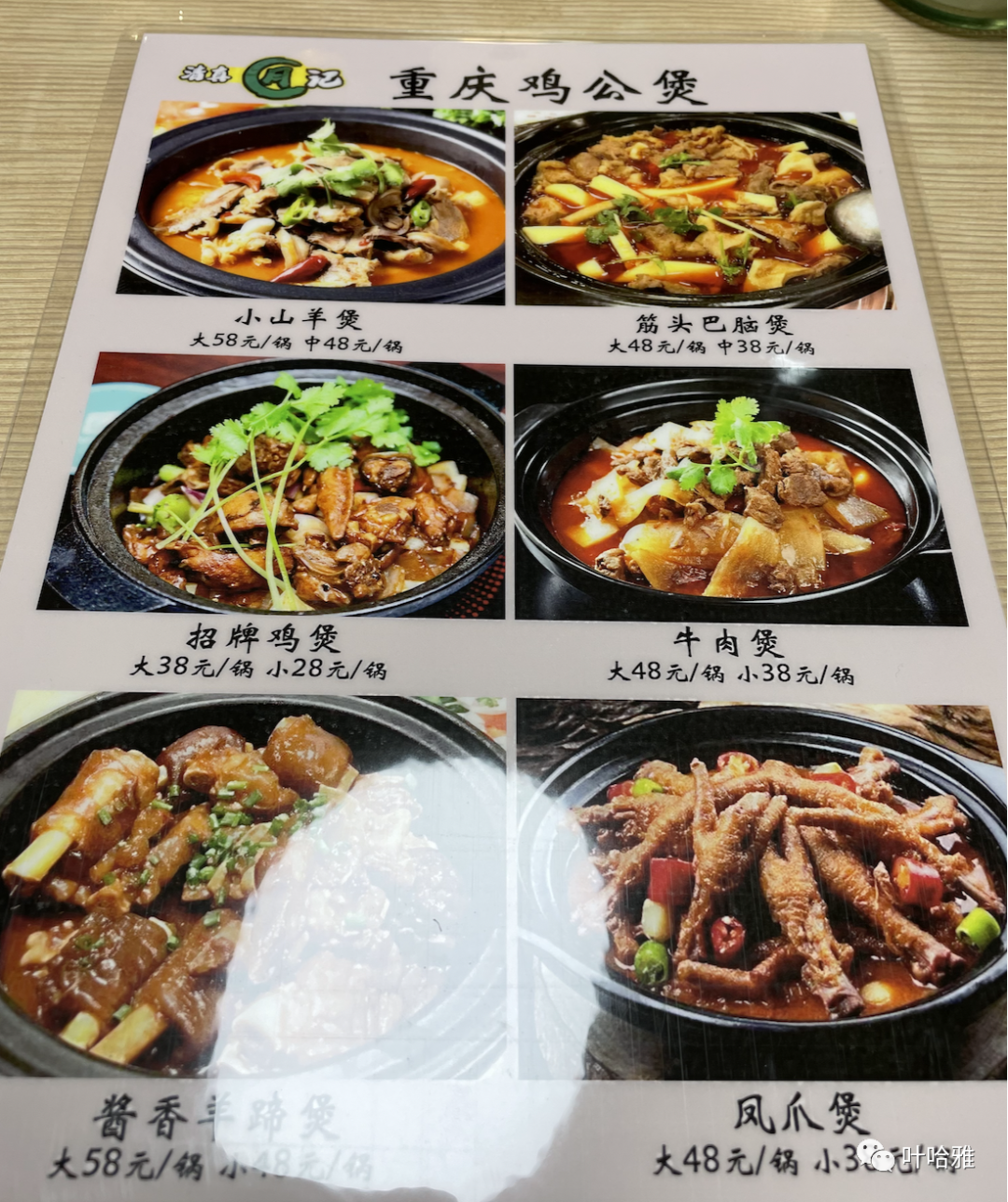
It is not easy to travel from the city center to Shunyi. We chose five pots to taste: chicken pot, beef pot, chicken feet pot, lamb pot, and beef tendon and brisket pot (jintou banao).
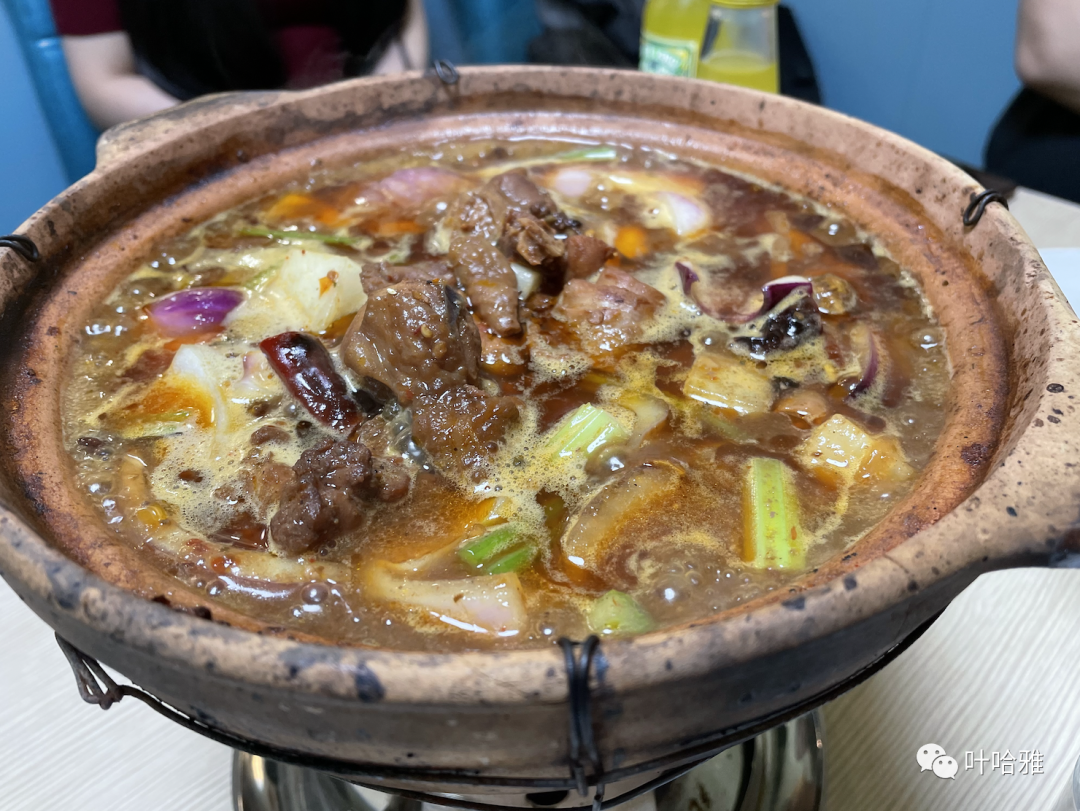
I liked the signature chicken pot and beef pot the best. They are full of spices. You can add side dishes to the pot and eat it like a hot pot. You can choose your own spice level, and they can even make it non-spicy.
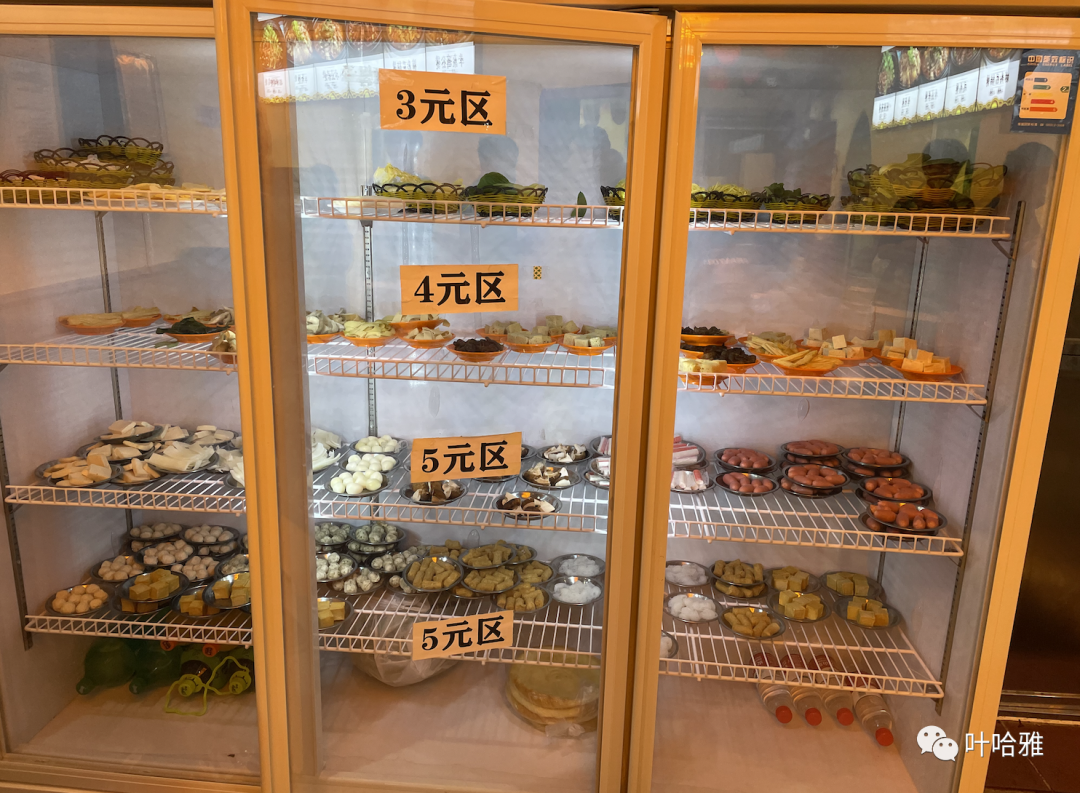
Address: No. 43, Beifaxin Section, Nanjiao Road, Shunyi.
2
Xinjiang: Hotan Canteen (Hotan shitang)
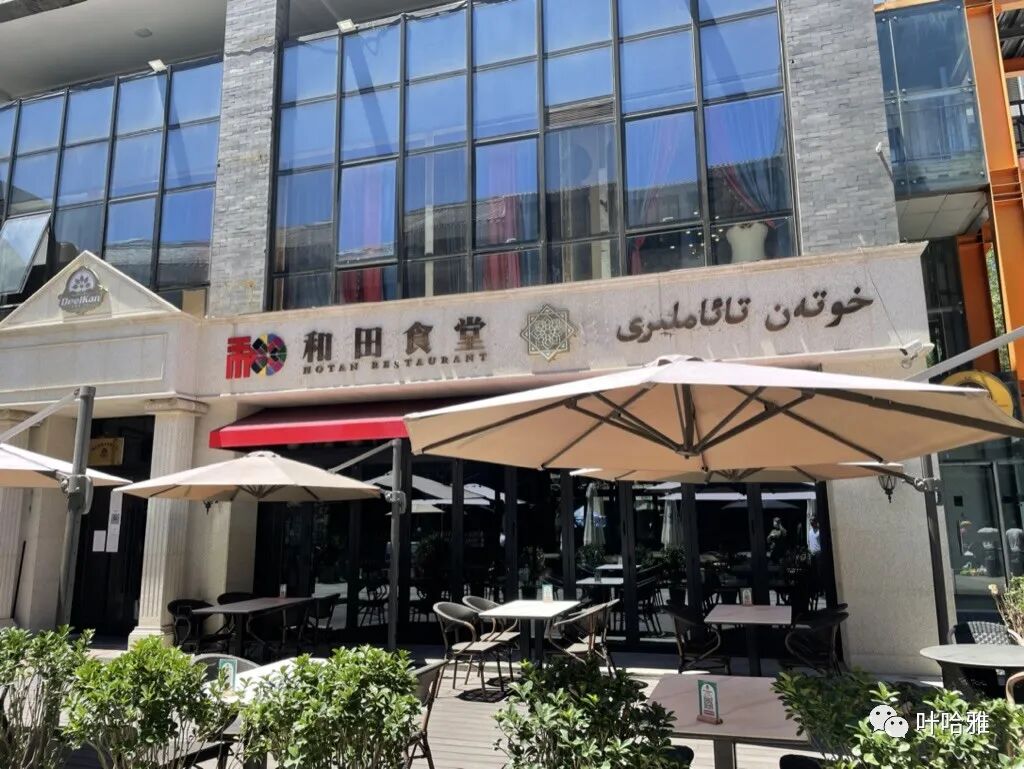
The Chaoyang branch of Hotan Canteen is where Lumi's Secret used to be. Lumi's Secret has moved to Urumqi. People say the Hotan government strongly supports the Hotan Canteen project and recommended many excellent chefs from southern Xinjiang to come to Beijing. Hotan Canteen opened two shops in Beijing at the same time; the other one is in Maliandao. I visited both. The decor is different, but the flavors are very authentic.
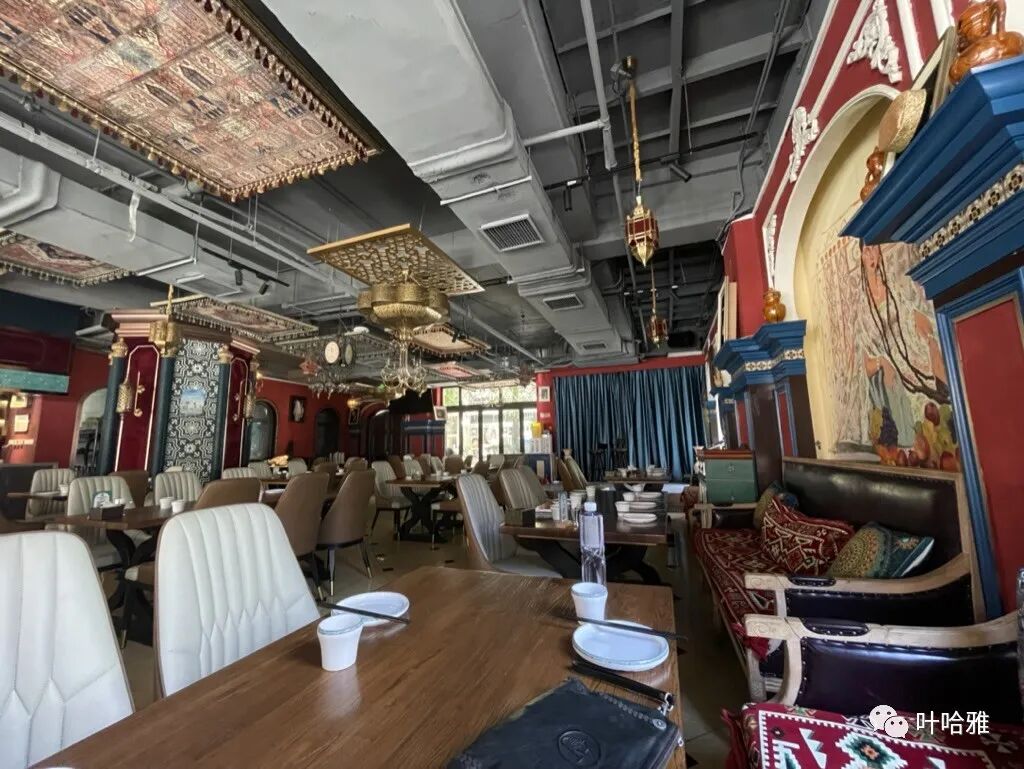
The Chaoyang branch has more Xinjiang elements, while the Maliandao branch feels more like a restaurant from northwestern Inner Mongolia.
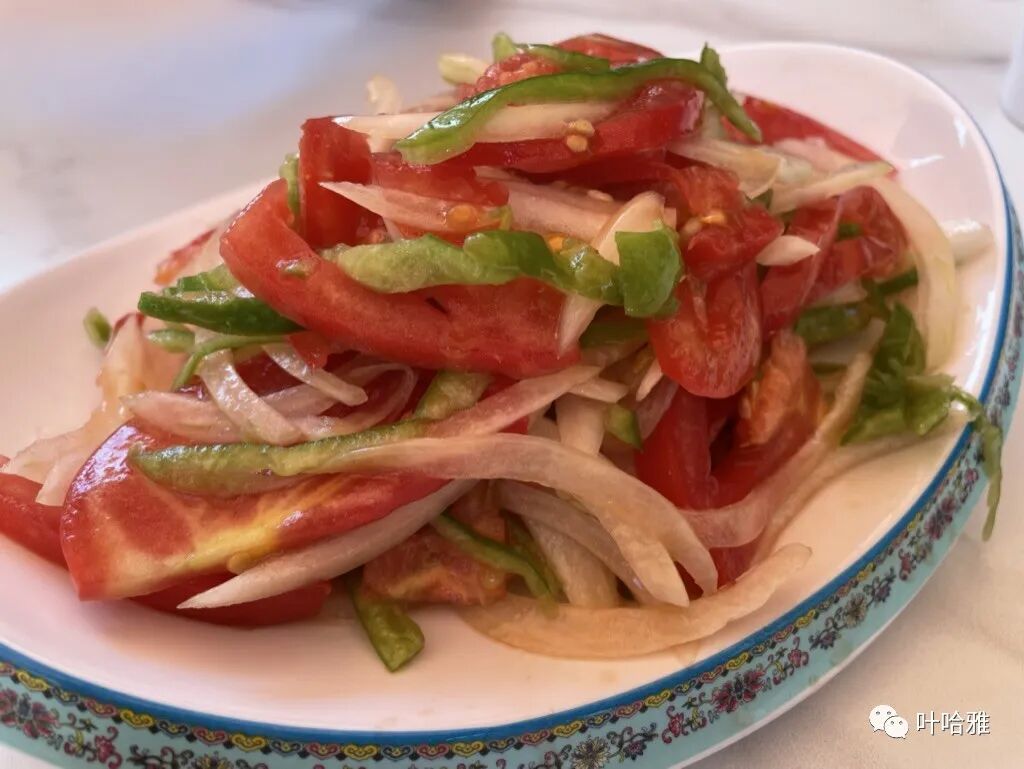
Xinjiang Onion, Pepper, and Tomato Salad (pilahong)
One of the signature Xinjiang cold dishes is pilahong. 'Pi' refers to 'piyanzi', which means onion. 'La' means pepper, here using green peppers. 'Hong' means red, referring to tomatoes.
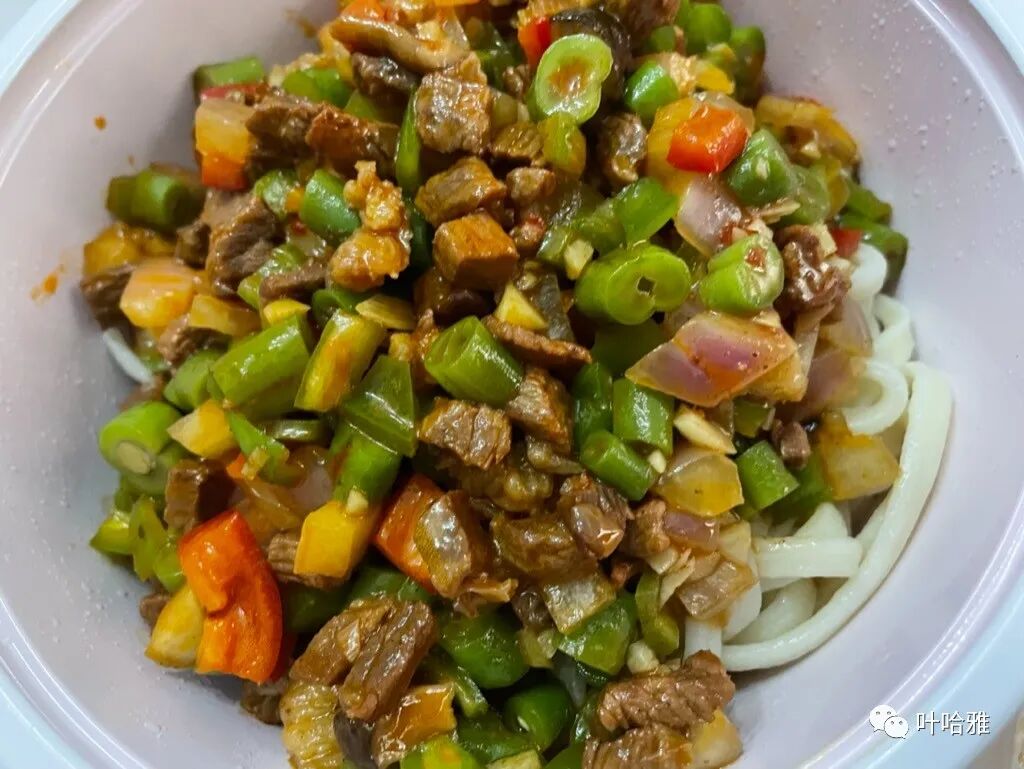
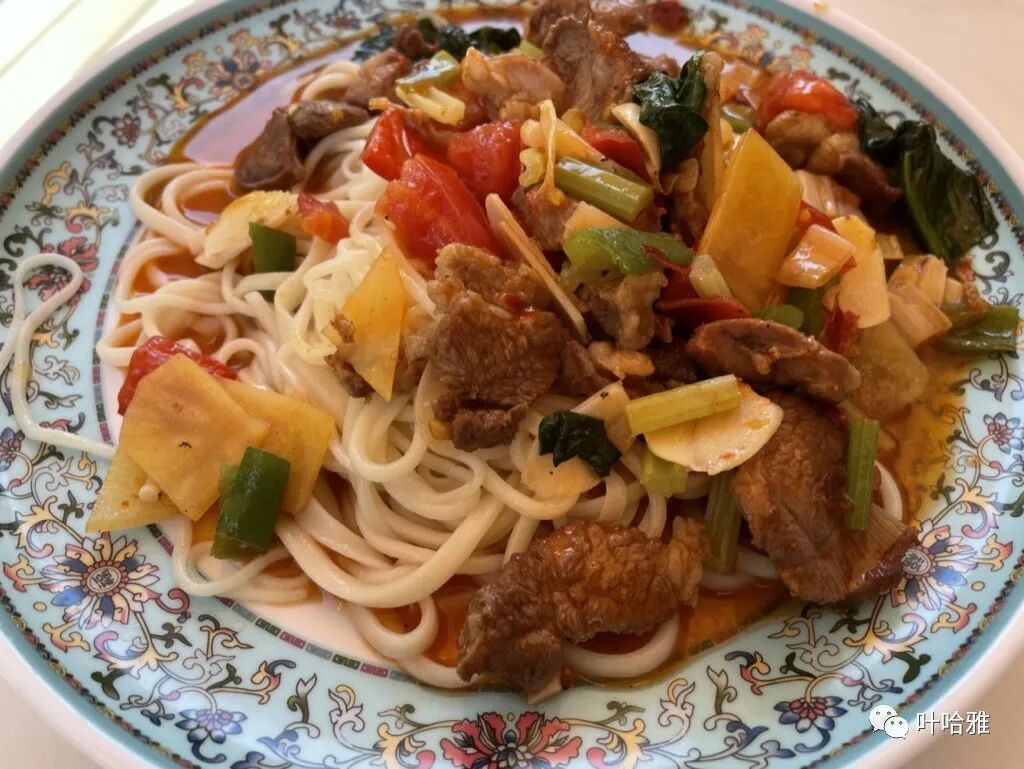
Minced meat noodles (suirou banmian) and hand-pulled noodles (latiaozi). The key to these two staples is whether the noodles are chewy. People say using salt water to knead the dough makes the texture even better.
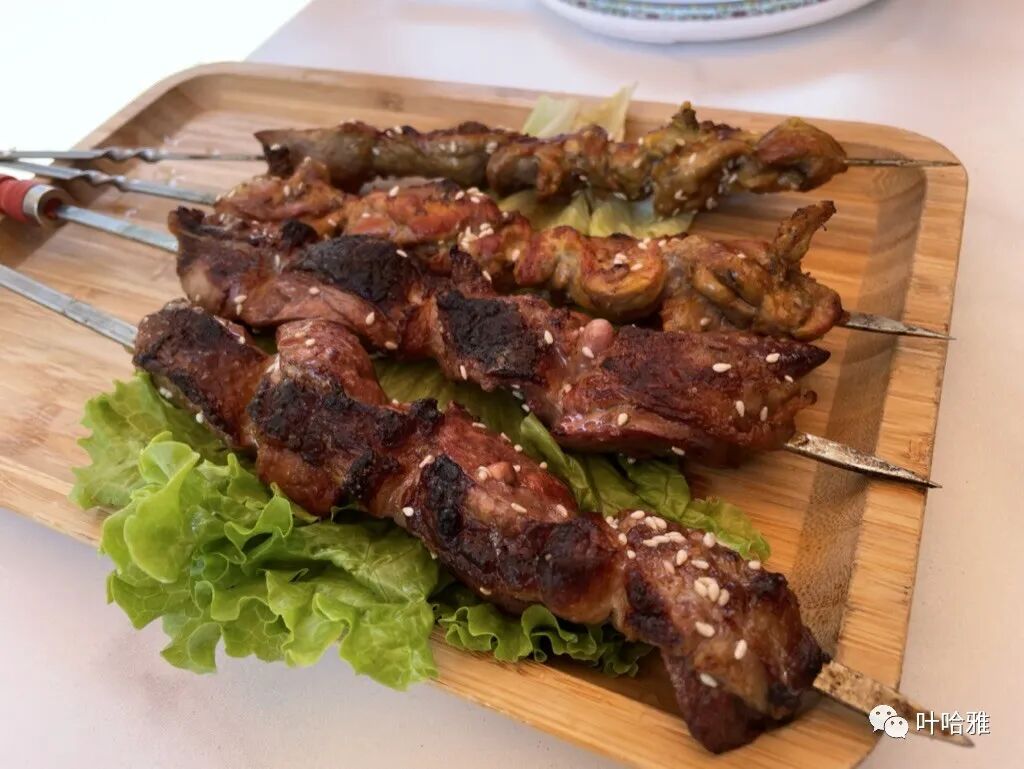
For barbecue, we chose salt-water grilled meat and liver wrapped in fat (youbaogan). I feel the barbecue at Hotan Canteen is not as fragrant as at Ali Restaurant, but the liver wrapped in fat is still quite delicious.
Address: 39 Shenlu Street, Chaoyang District.
3
Canakkale, Turkey.
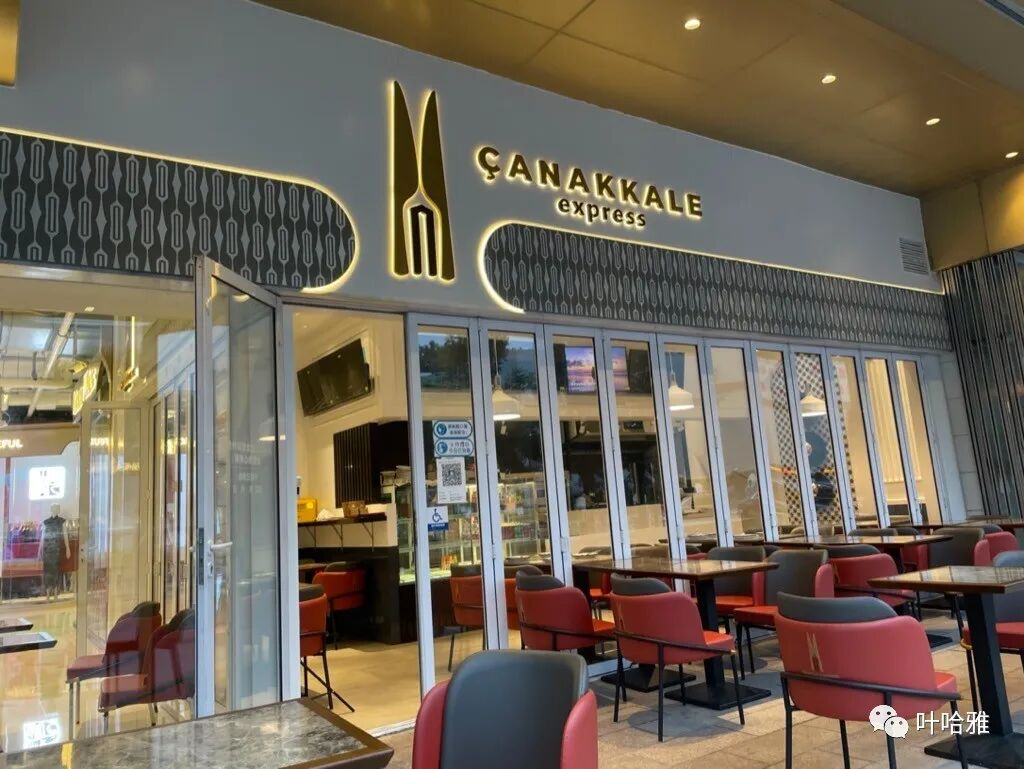
Canakkale.
Its predecessor was Doner Kebap.
The team is the same as before. The owner is from Azerbaijan, and the staff and chefs are Uyghurs from Urumqi. This time, they renovated, changed the name, and expanded the dining area.
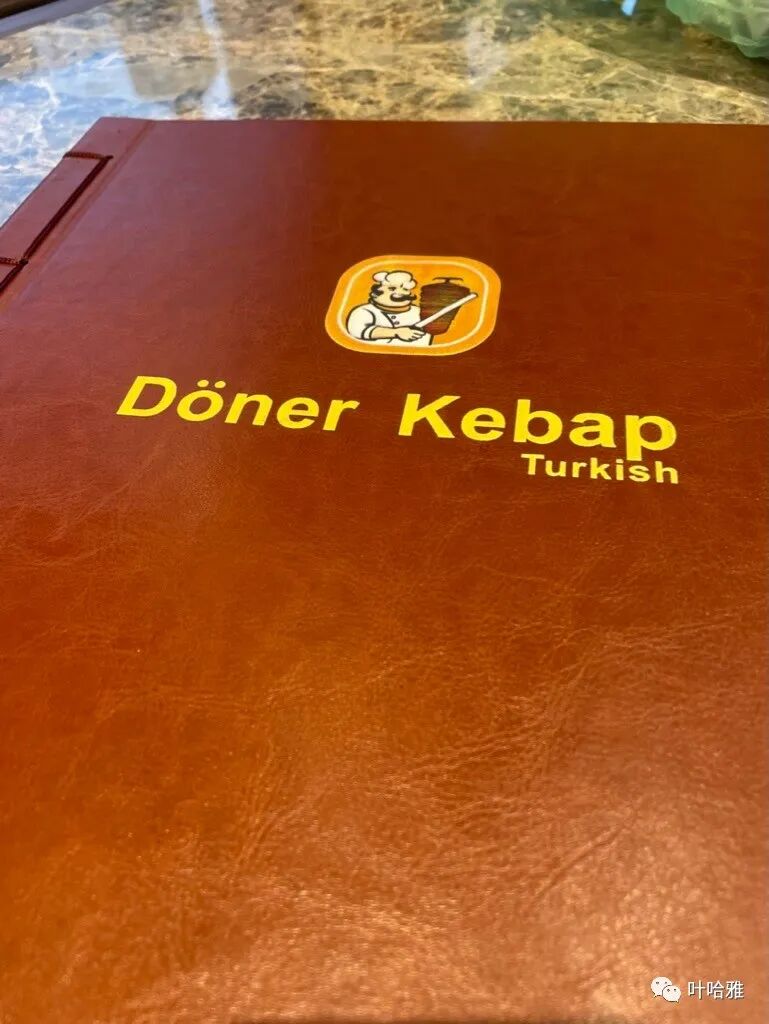
The Doner Kebap in Sanlitun and the Canakkale on Shenlu Street are both owned by this Azerbaijani owner.
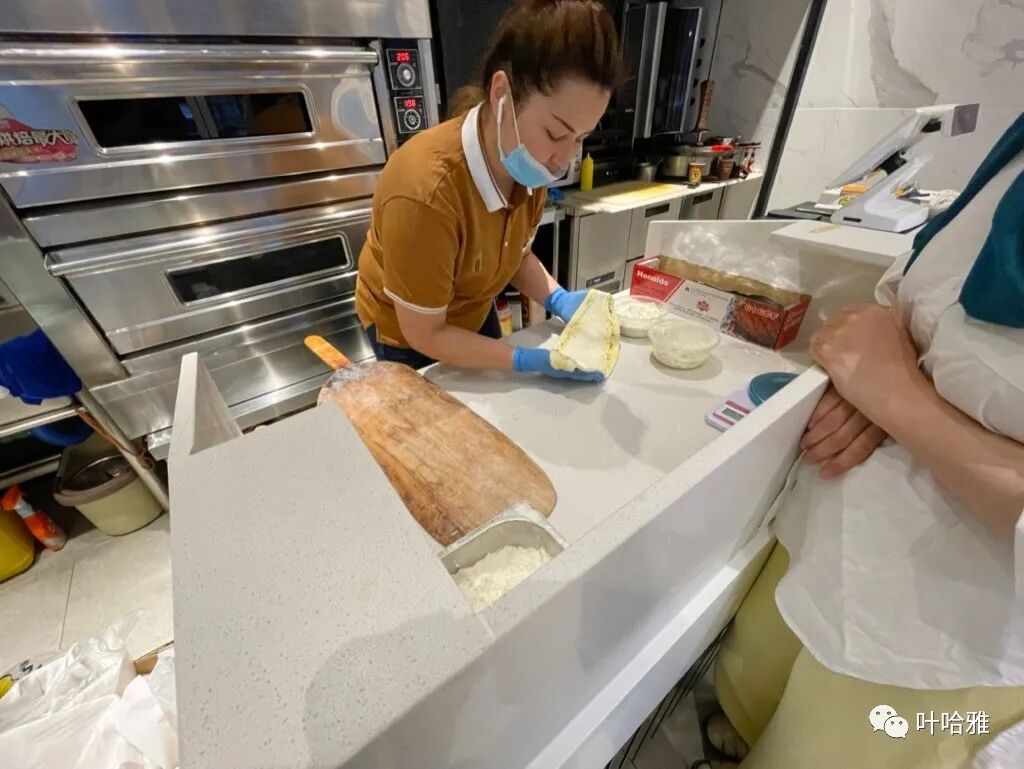
In the open kitchen, we watched this Uyghur girl make flatbread (pide) by hand. We chose the goat cheese pide.
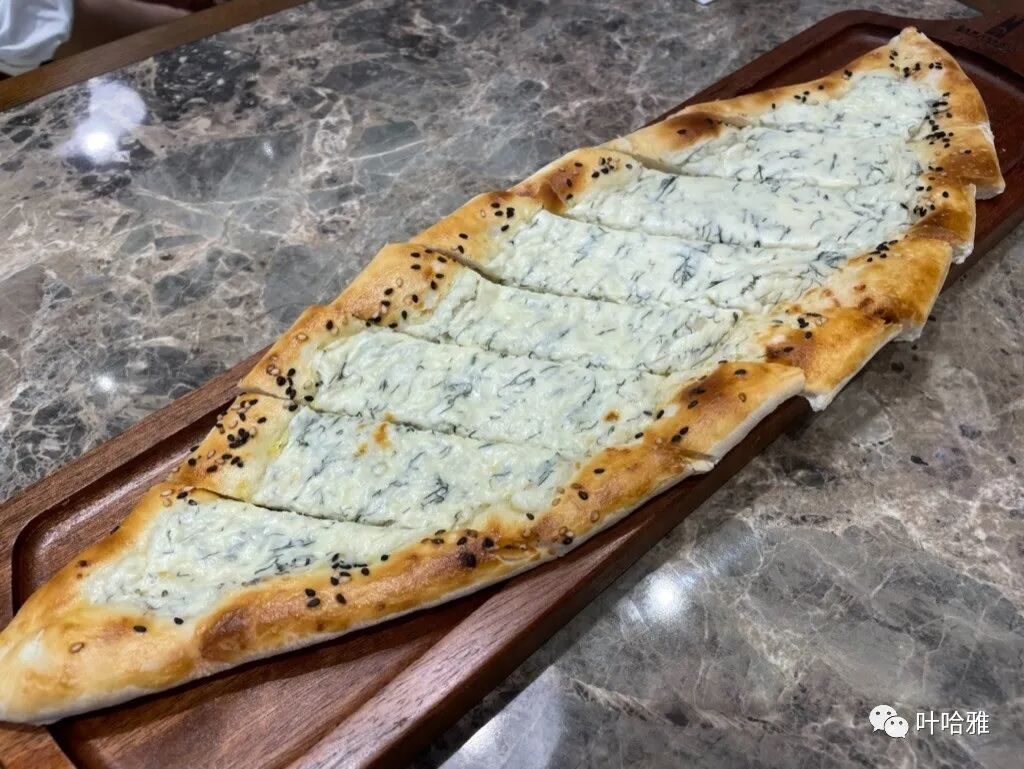
The goat cheese was sprinkled with dill. Dill is also called tu huixiang; it looks very similar and has a nice aroma. It is a common seasoning in Central Asian cuisine.
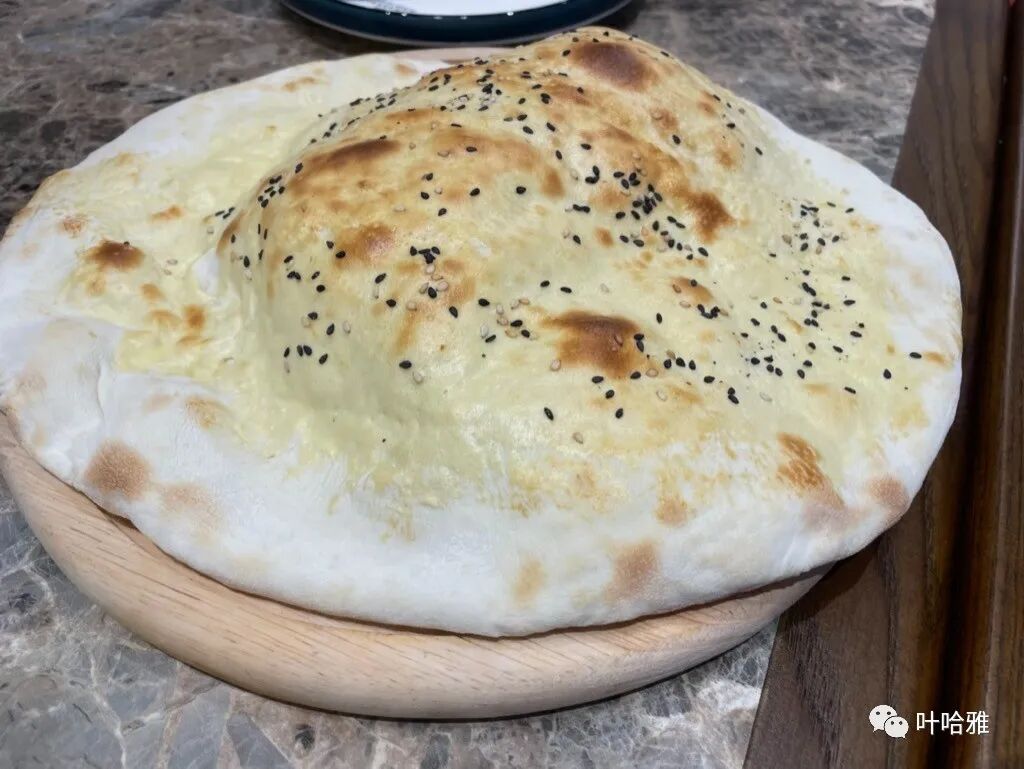
Turkish balloon bread (qiqiu bing) is hollow inside with a thin layer. It looks round like a balloon when it is freshly made.
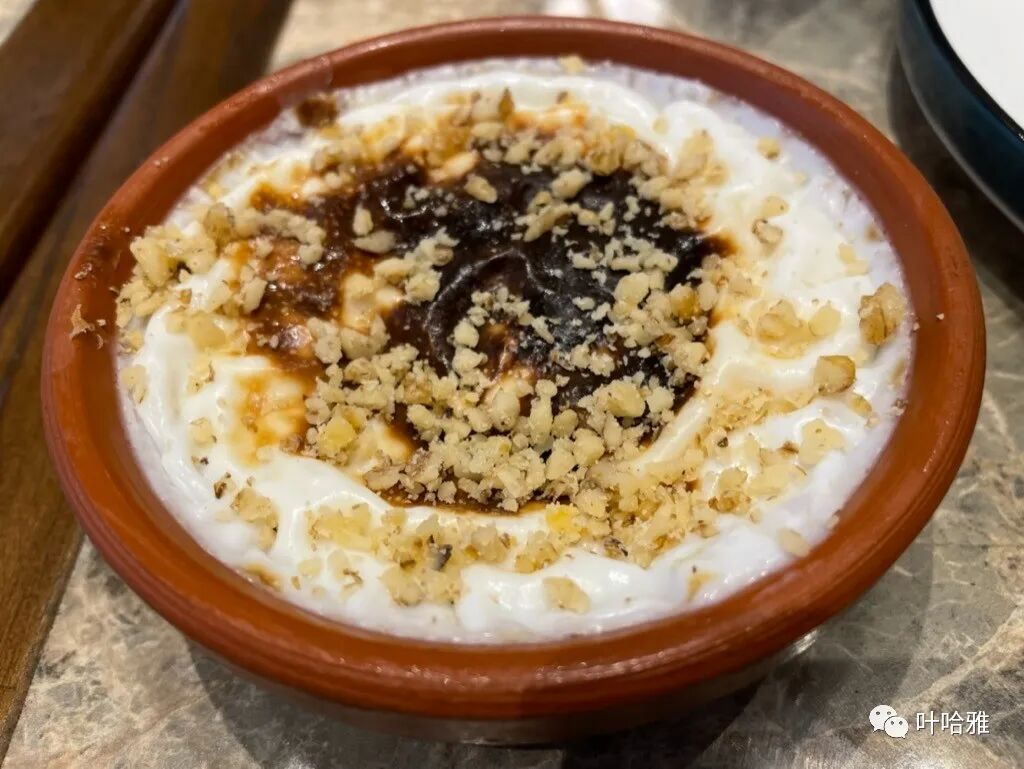
Rice pudding (mi buding) is a dessert made from rice that originated in the Middle East.
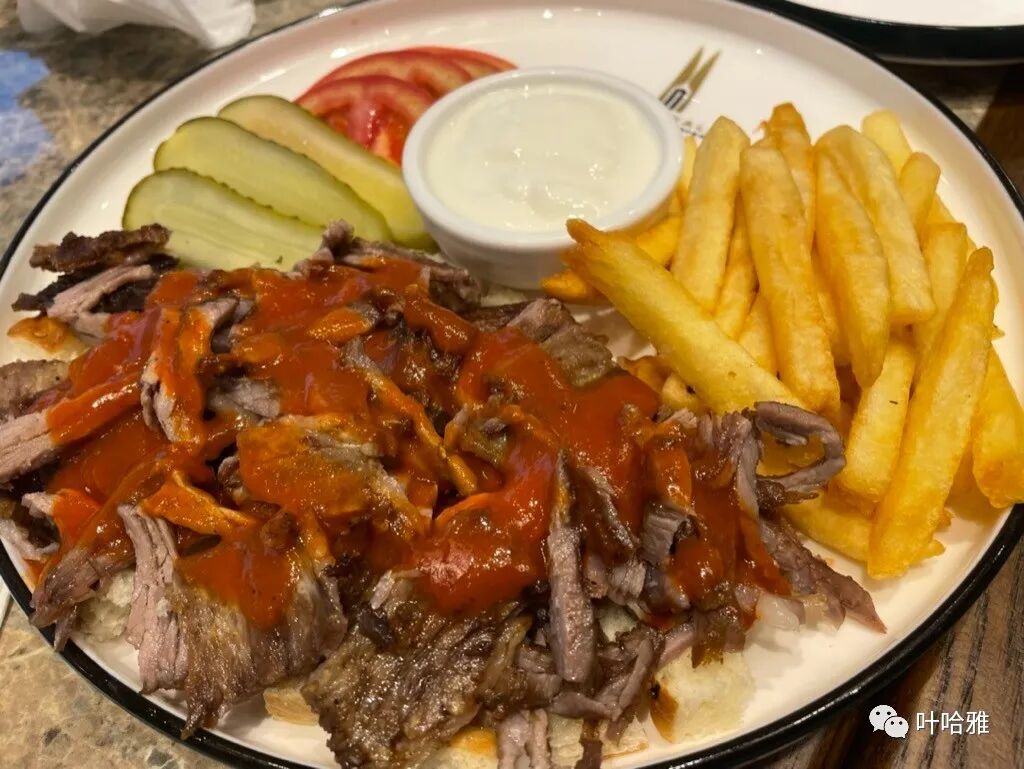
The Turkish roast beef platter comes with pickles and french fries. The white sauce is a savory yogurt, which is best eaten with the Turkish balloon bread.
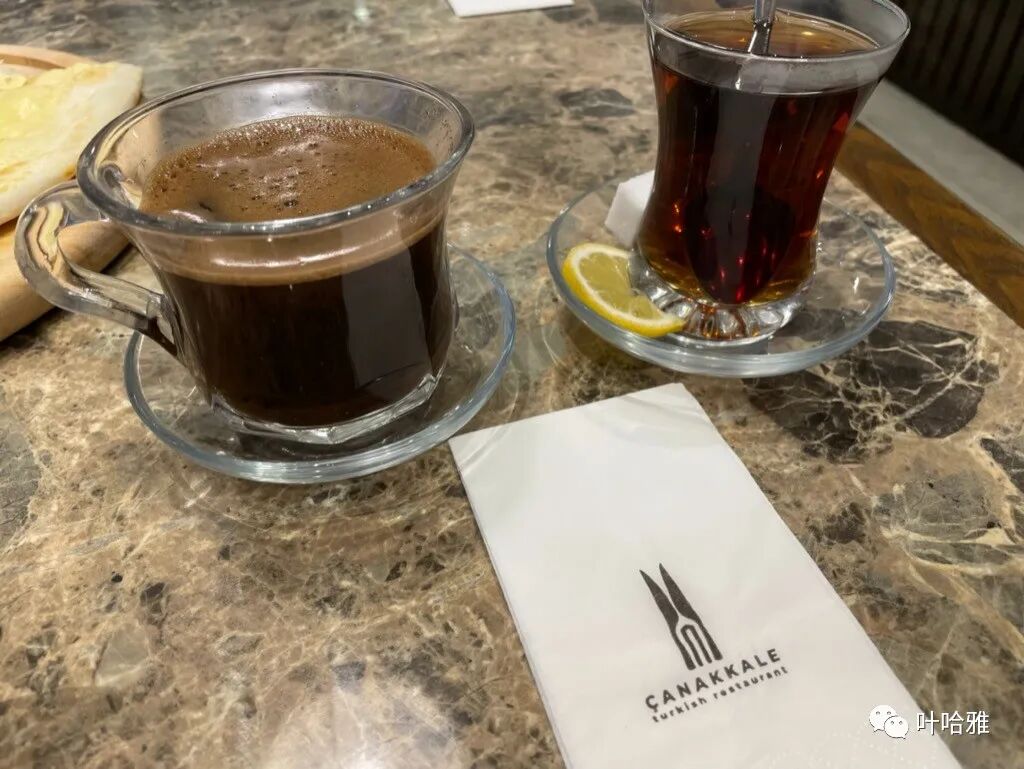
This is a halal restaurant that does not serve alcohol. For drinks, I ordered a Turkish coffee and black tea. I have to complain that Turkish coffee should be served in a delicate cup; using a clear glass coffee cup does not look very nice.
4
Indian and Pakistani: Masala Spice Indian Restaurant.
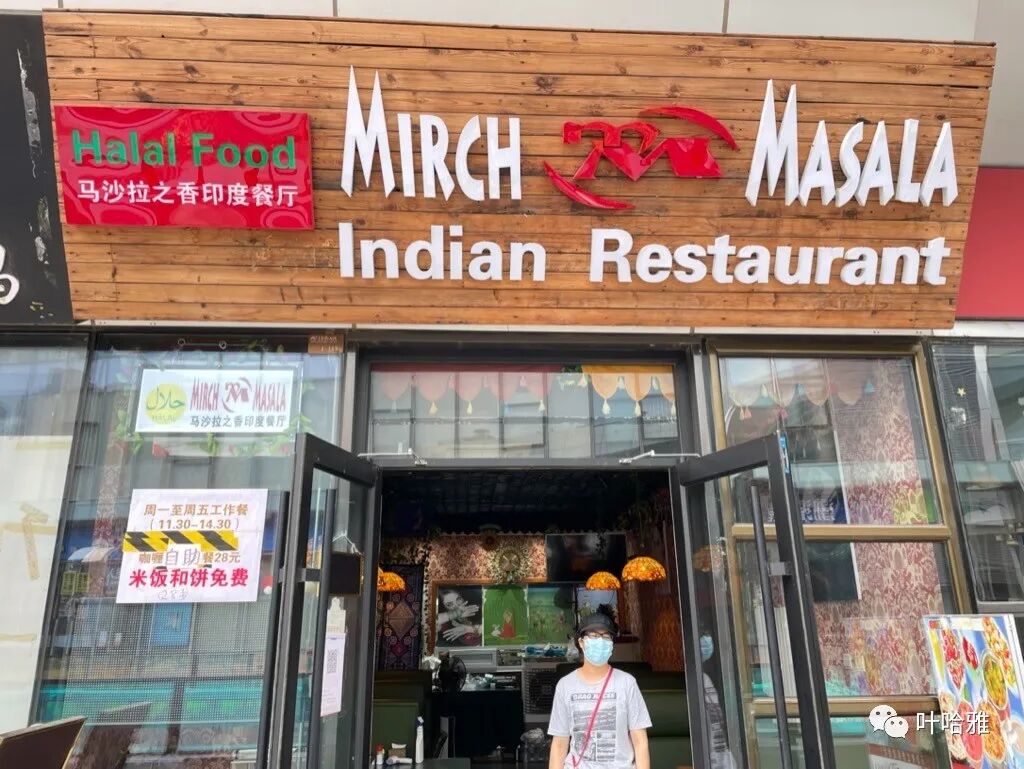
This restaurant was originally on Xiushui Street and was open for over ten years. It just moved to Tongzhou Wanda Plaza this year. The owner is Pakistani, and his wife is from Northeast China. They have two chubby mixed-race sons.
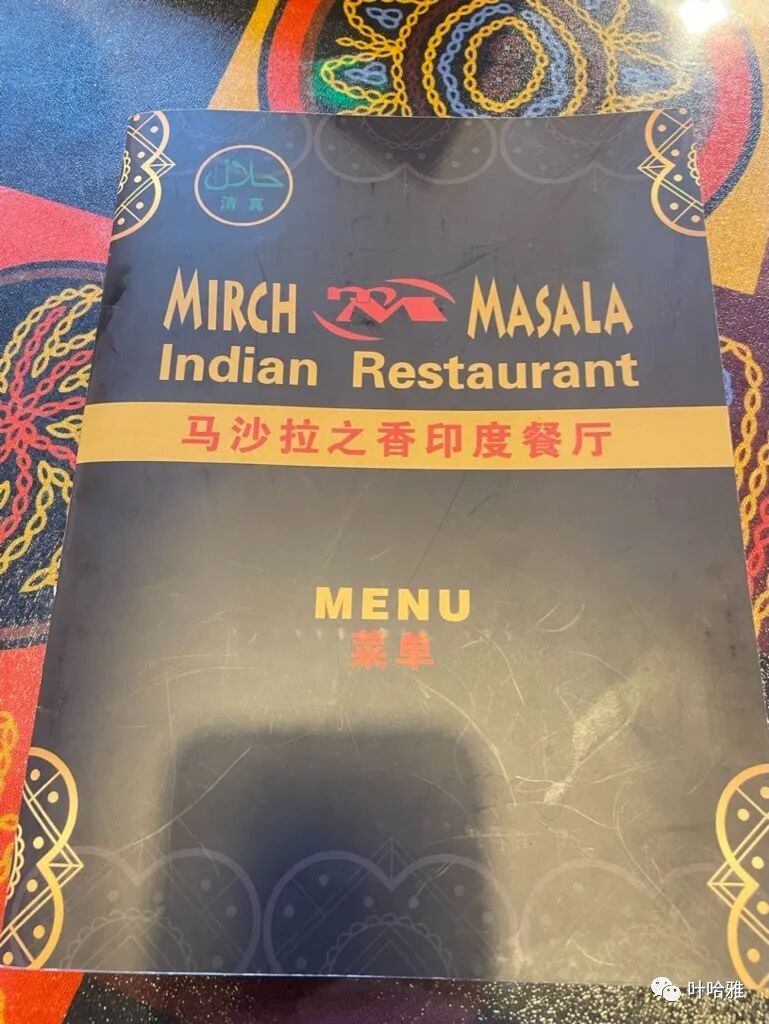
I counted, and there are at least 11 halal Indian and Pakistani restaurants in Beijing: Shalima, Indian Kitchen, Hanbaba, Zamzam, Sultan Pakistan, Love Curry, Asian Tribe, Saduli, Ganges Indian Restaurant, Razz Music Restaurant, and this Masala Spice. These restaurants have all been in business for a long time.
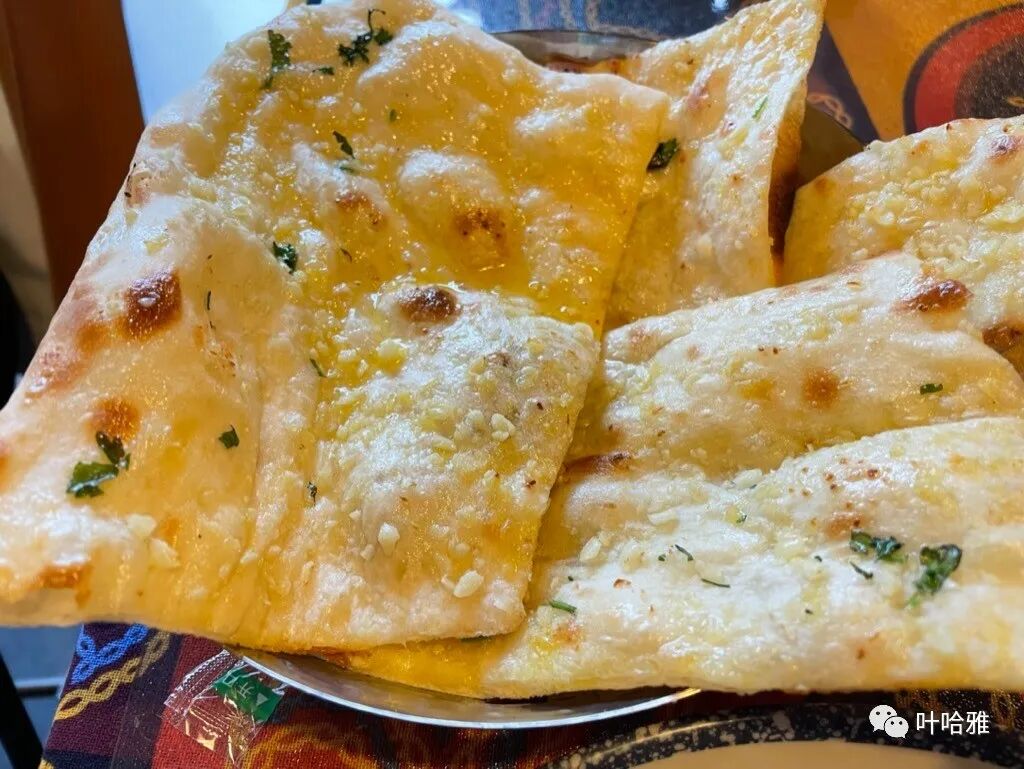
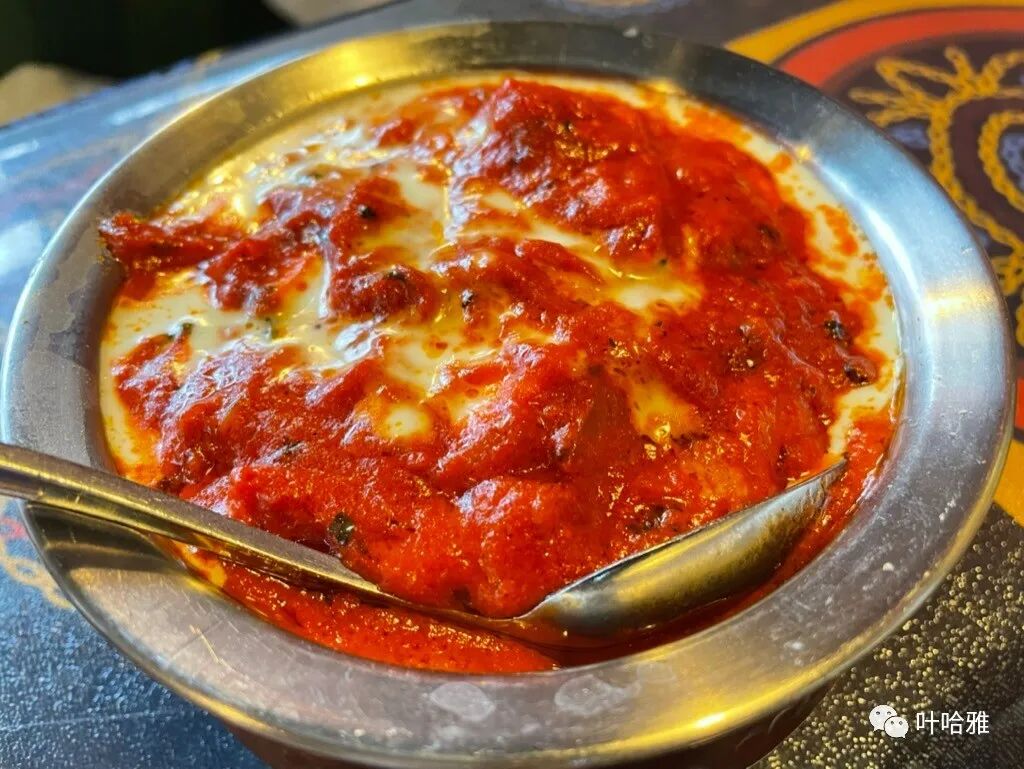
When eating Indian and Pakistani food, butter naan dipped in curry sauce is a must-order for me. I usually eat three naans; it is my favorite Indian and Pakistani food combination.
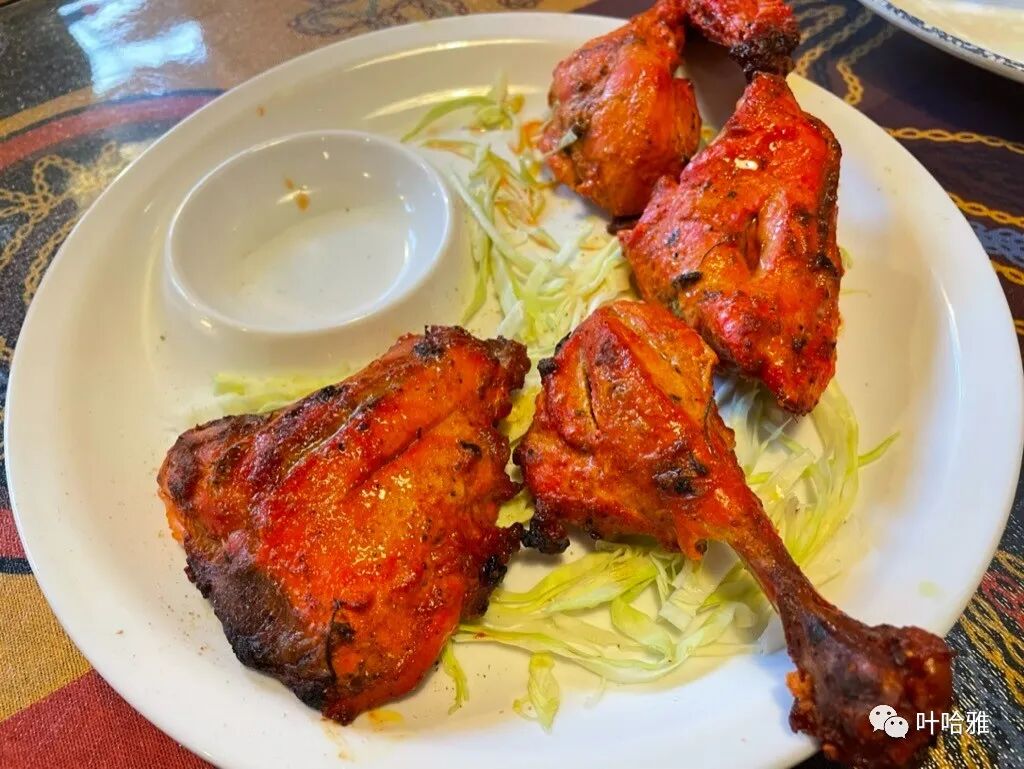
I eat Indian and Pakistani barbecue sometimes, but I definitely love Chinese barbecue the most.
They also serve the Indian snack Panipuri, which became popular after the movie Dangal. The little shells are semi-finished products just like shrimp crackers; you buy them and deep-fry them. You fill them with sour sauce, pop the whole thing in your mouth, and take a bite for a complex mix of flavors.
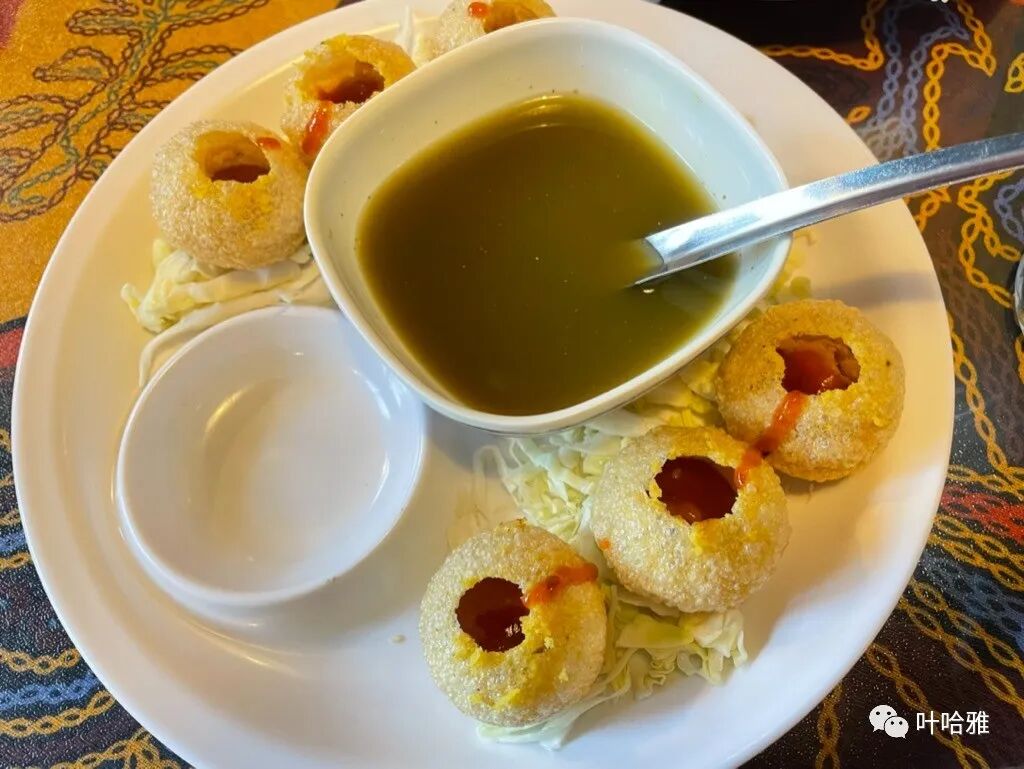
Address: Shop 113, 1st Floor, Zone A, Jinjie, Tongzhou Wanda Plaza.
5
Henan Big Beard Skewer Shop (Dahuzi Chuanchuanxiang).
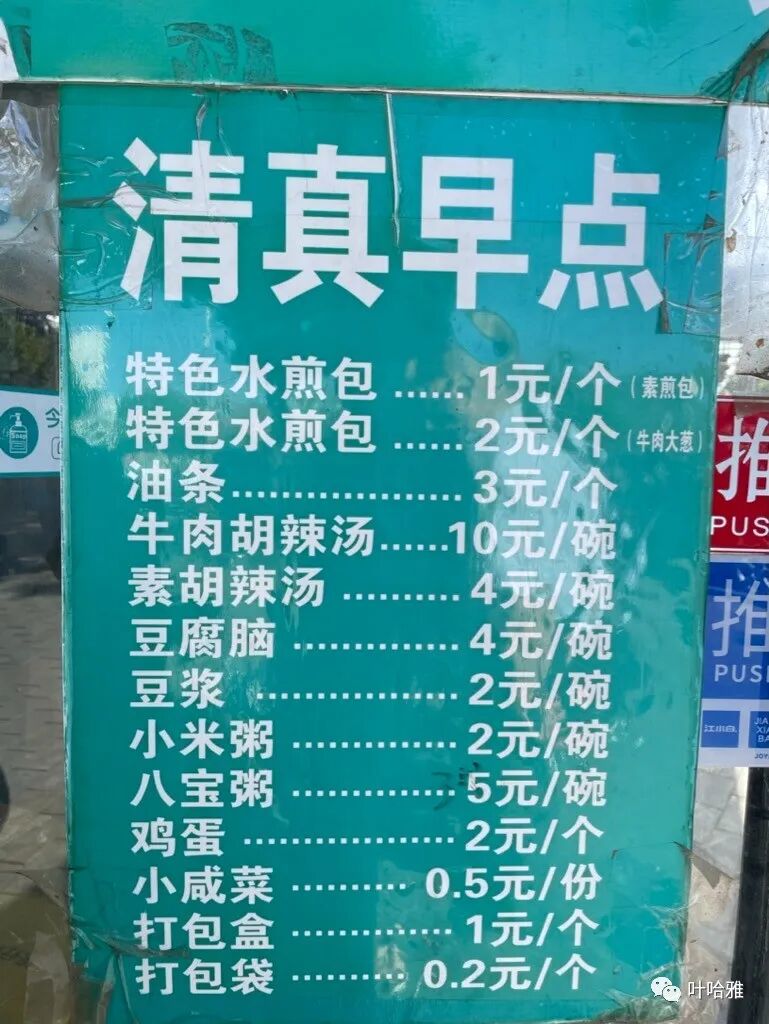
I have recommended the Big Beard Skewer Shop in Changying before. I am mentioning it again because they added spicy soup (hulatang) and pan-fried buns (shuijianbao) to their breakfast menu, and the taste is very authentic. The owner is a Hui Muslim from Henan.
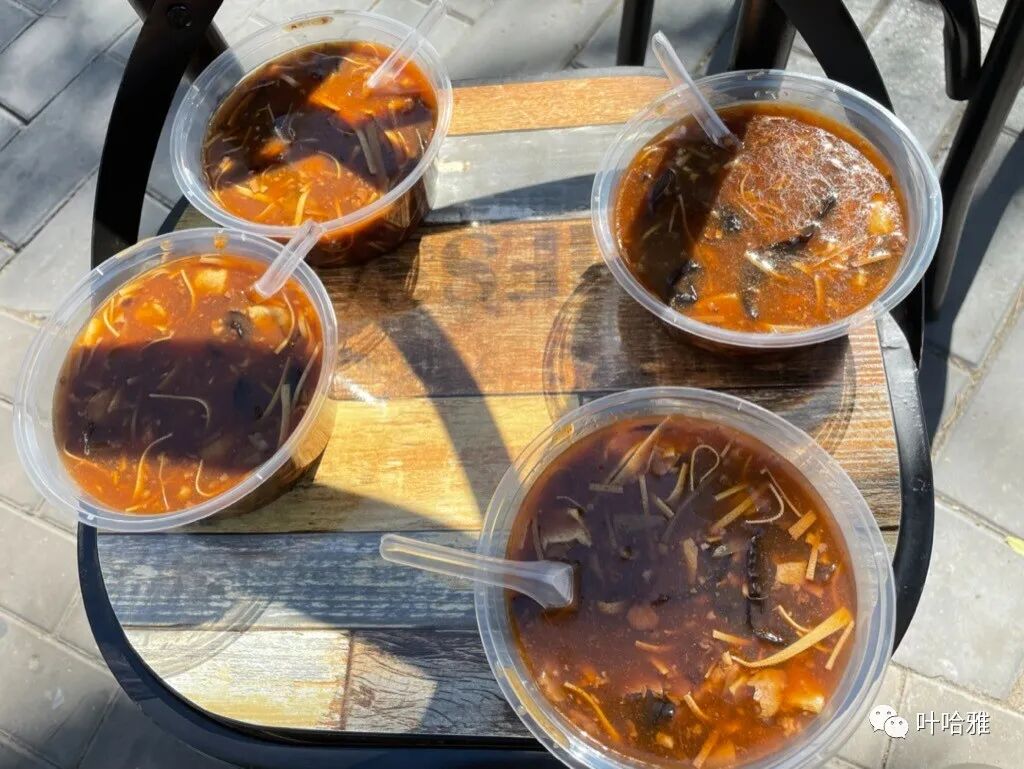
After hearing this good news, we went early in the morning to have a bowl of spicy soup. It was exactly the same as what I ate in Henan, with a very authentic flavor. I also recommend their pan-fried buns. They are packed with plenty of beef filling, no vermicelli used as filler, and they are delicious.
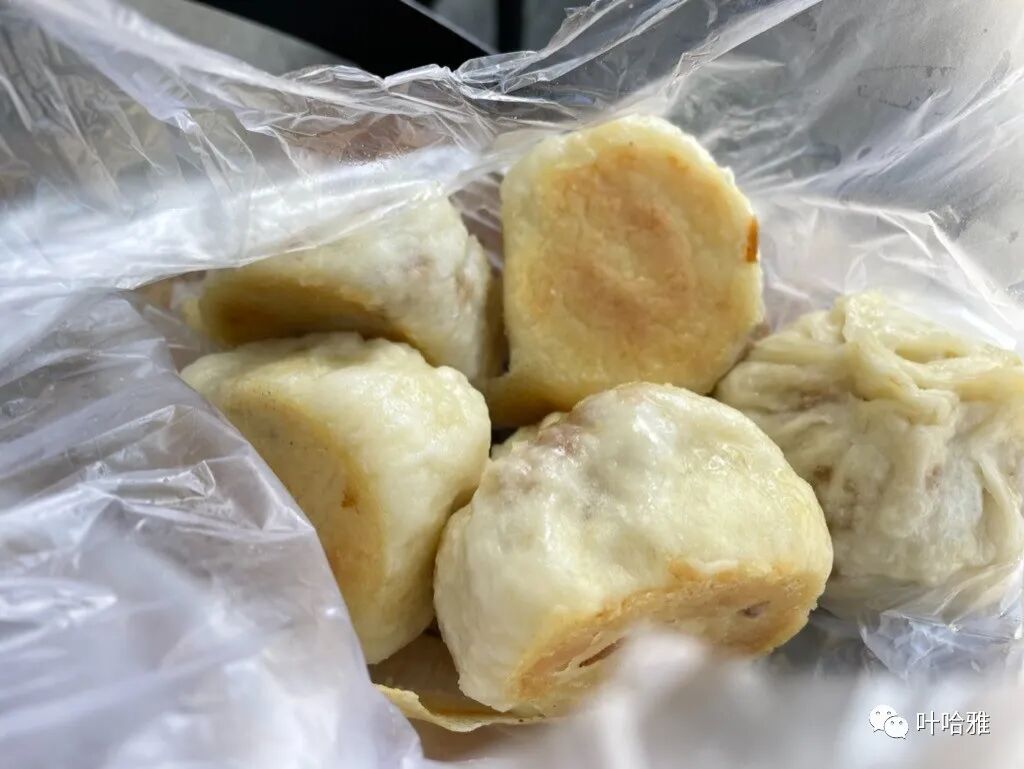
After eating the pan-fried buns that day, we still wanted more. We heard that Qingyanfang in Changying sells small steamed buns (xiaolongbao) in the morning, so we went for a second breakfast.
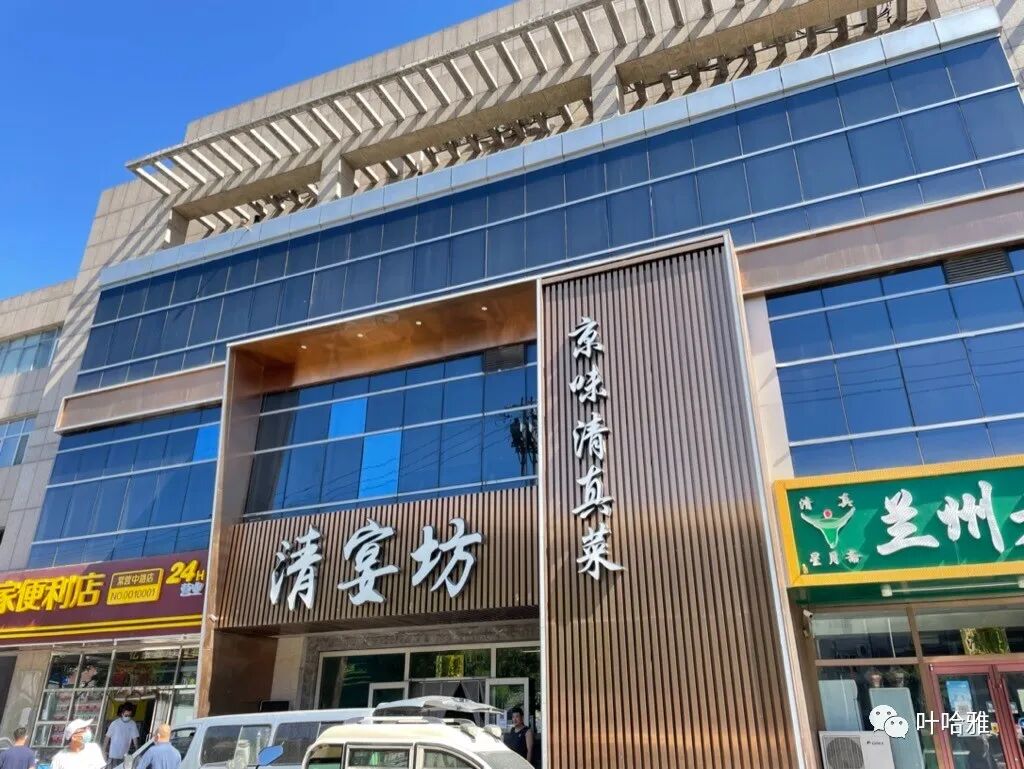
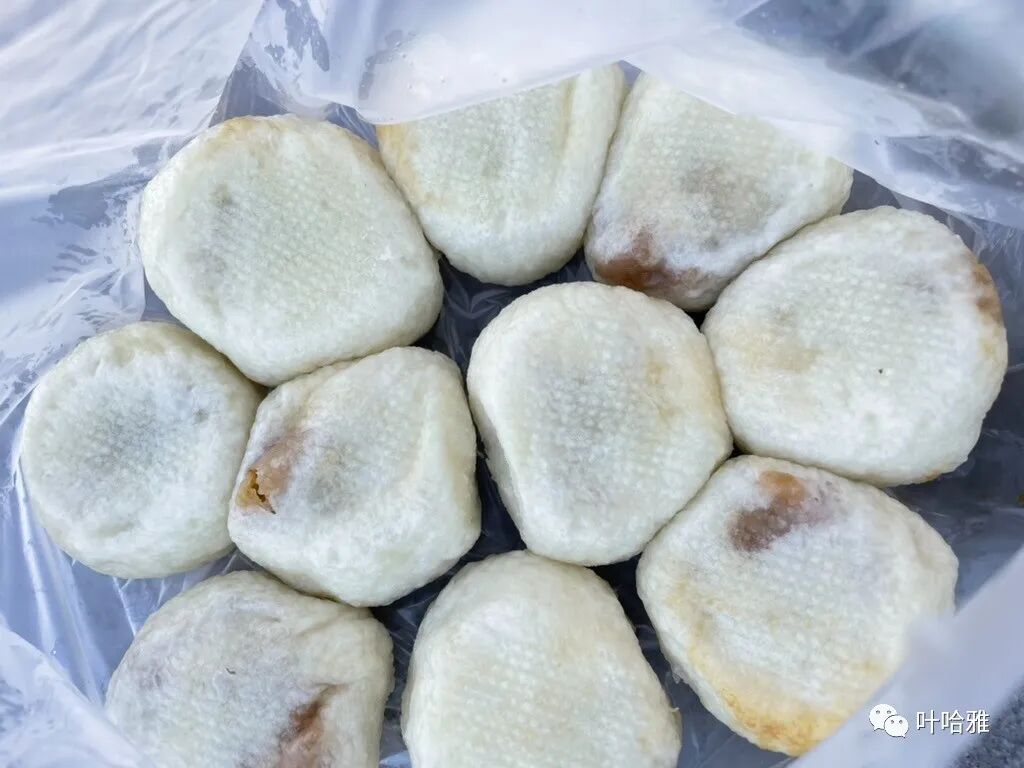
The small steamed buns cost 12 yuan for a steamer of 10. I like this kind of small bun, especially the delicate style from Northwest China, but these ones did not taste as good as the pan-fried buns at Big Beard.
Address: Changying Minzu Jiayuan.
6
Xinjiang Afanti Naan Pit Baked Buns (Kaobaozi).
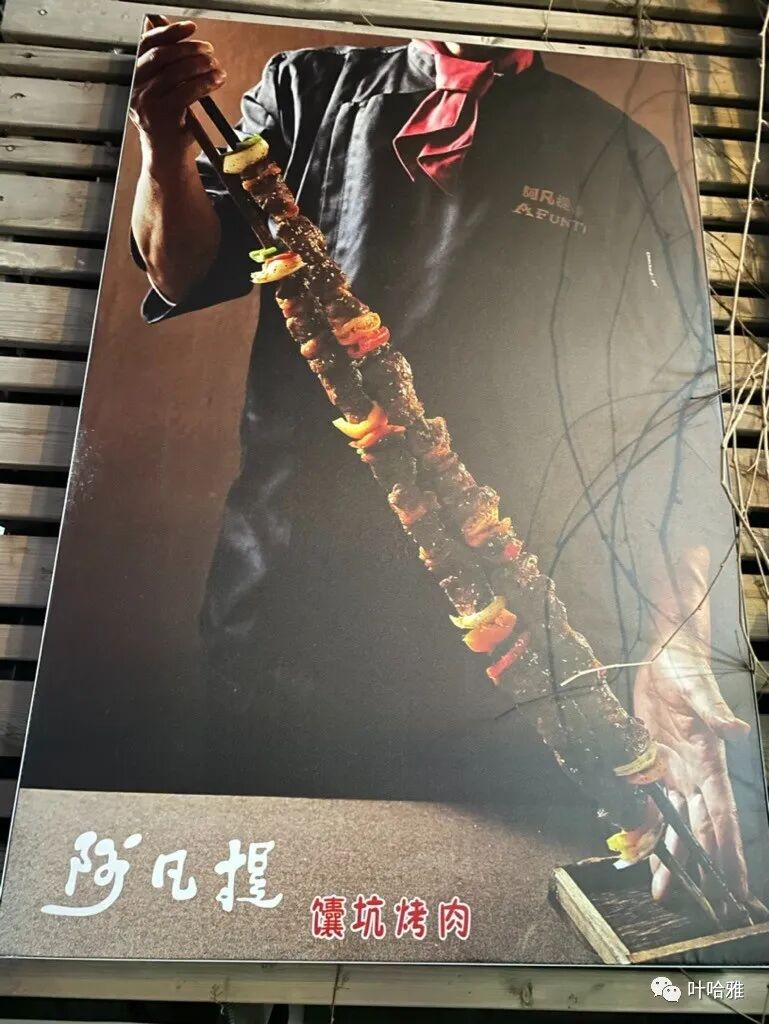
A Uyghur friend recommended this Xinjiang restaurant with a lot of history. It has been open for at least twenty years, though it has moved to different locations. The shop features a naan pit for charcoal grilling. Once barbecue is taken away from charcoal fire, the flavor really isn't quite the same.
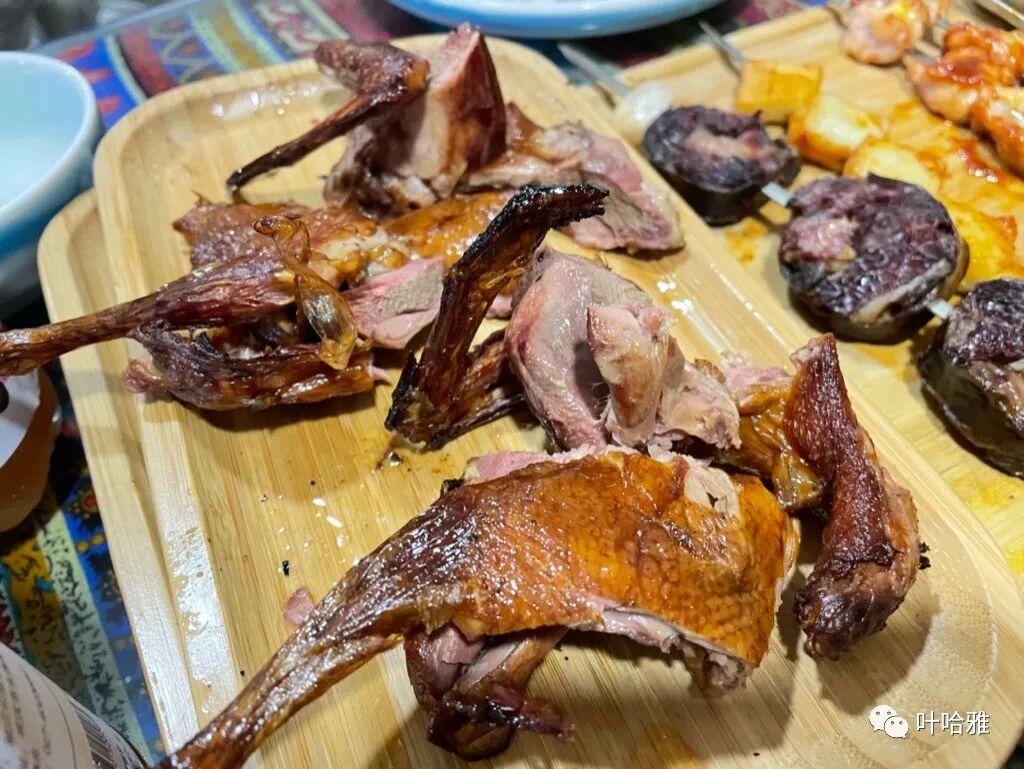
We ate Xinjiang-style grilled meats at the shop, including grilled pigeon, grilled horse sausage, and grilled lamb liver.
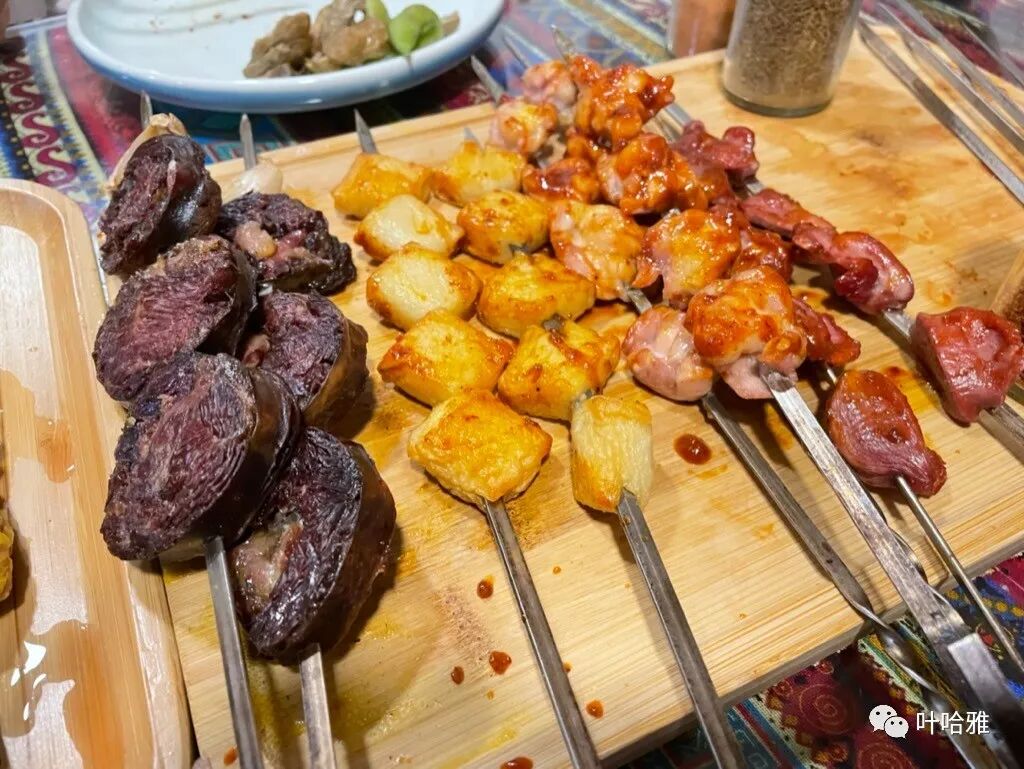
The owner of Afanti is a Han Chinese from Beijing and is very talkative. The chefs he hires are all Uyghurs from Southern Xinjiang. He says the chefs are very strict about ingredients and will only use meat from Niujie.
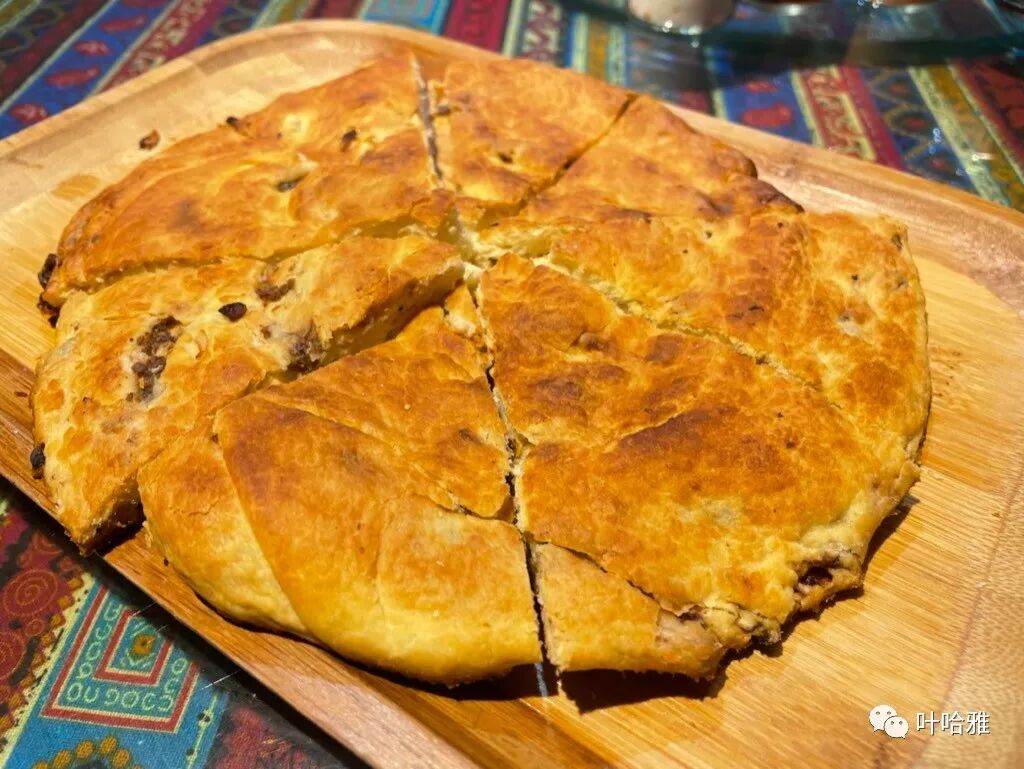
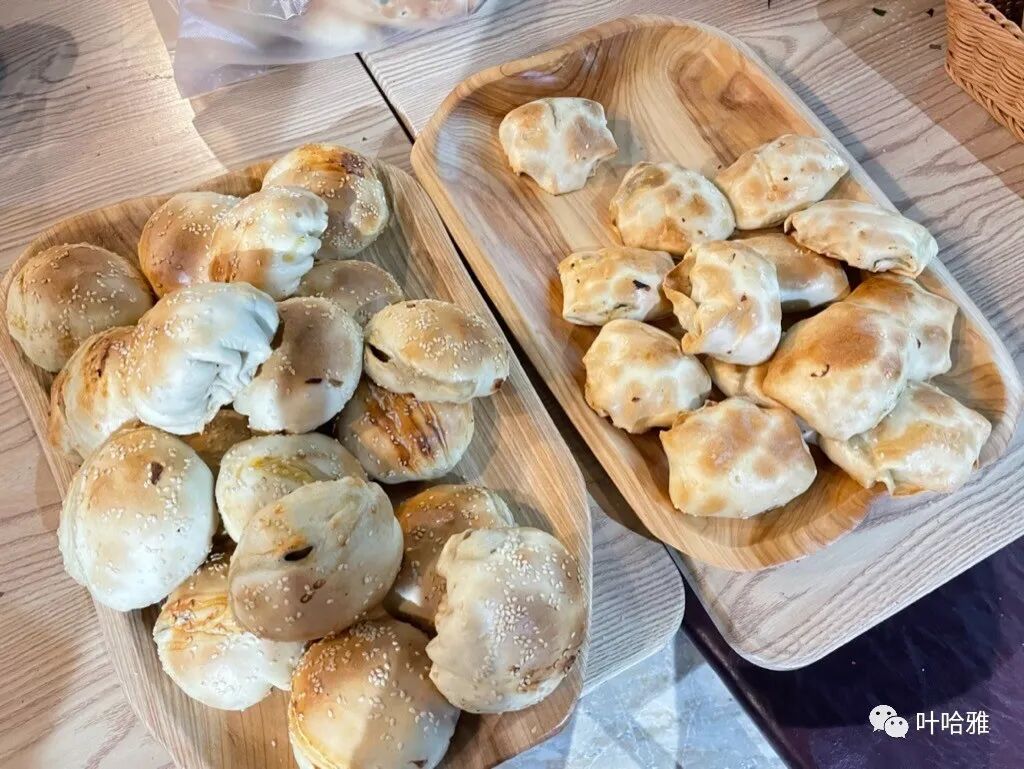
The highlight of this shop is the coal fire, which allows for charcoal grilling, making the baked buns and naan very fragrant.
Address: Building D15, East District, Gaobeidian, Taojiawan.
7
Quick meal: halal grilled meat cubes (kaorouding).
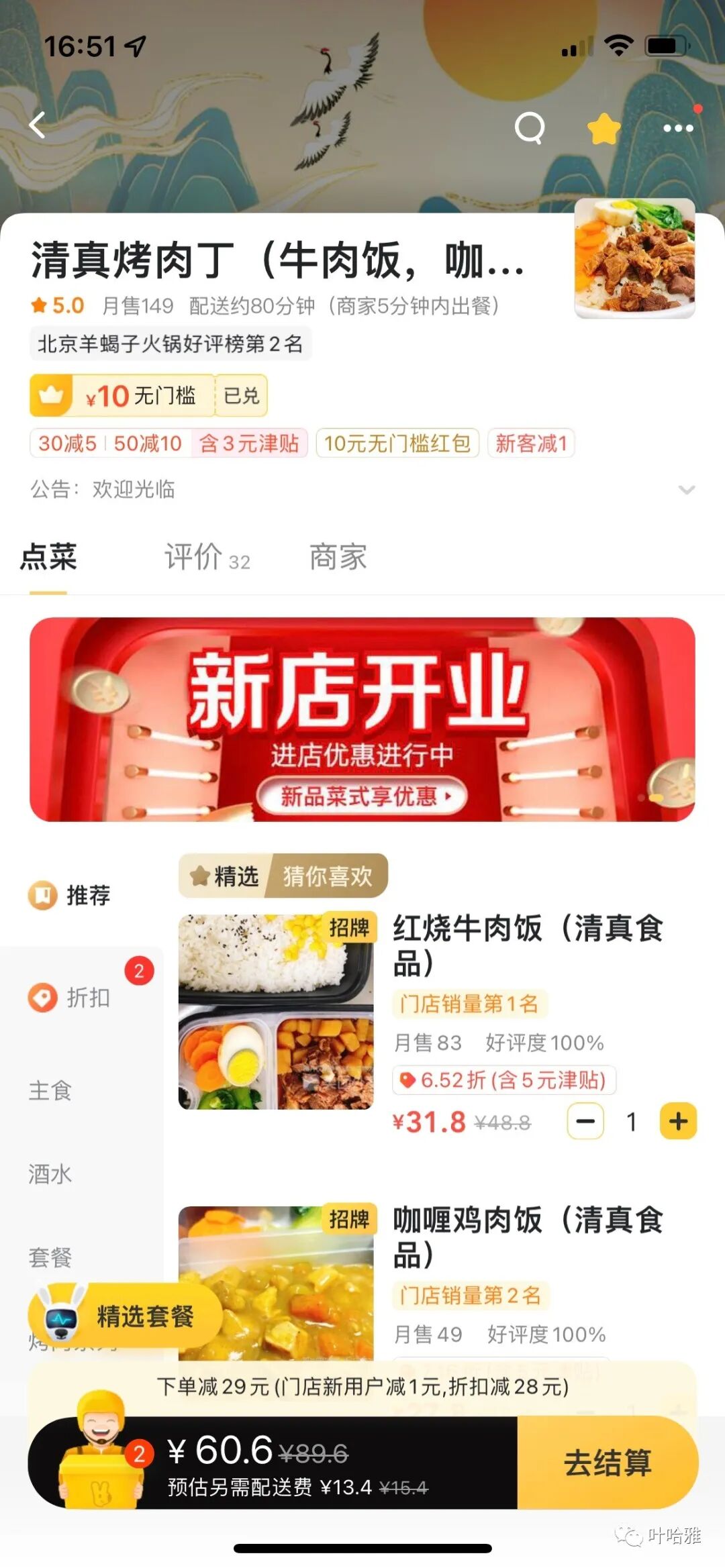
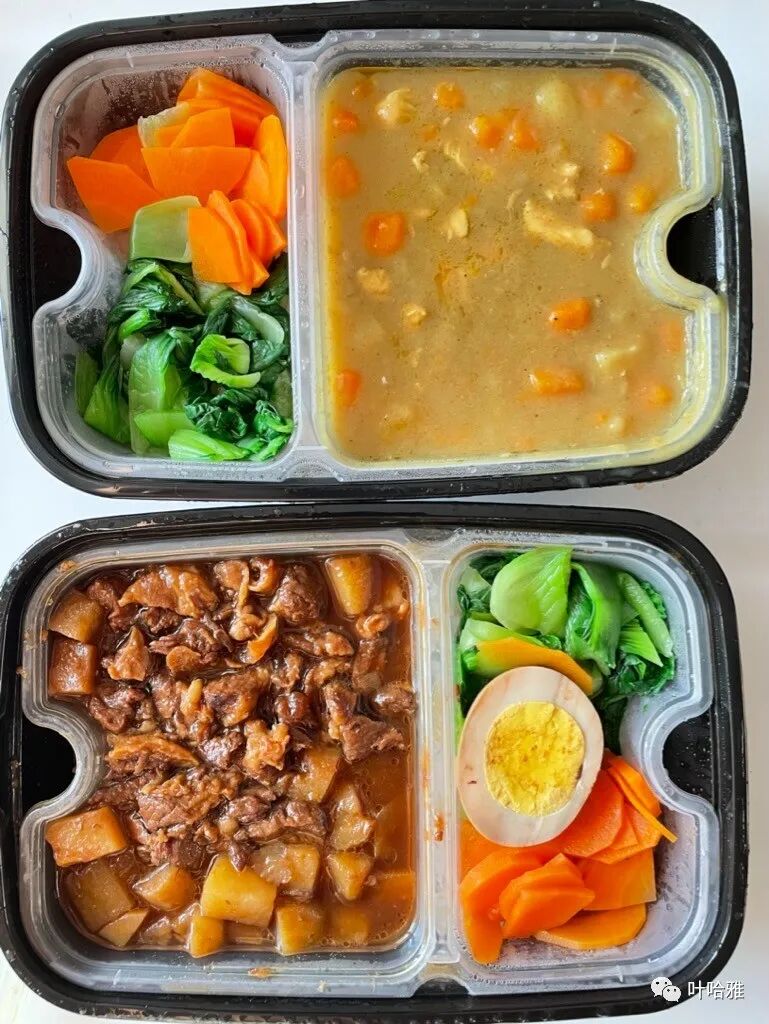
When dining in was not allowed in Beijing a while ago, I found this new shop on Meituan. It is in Fengtai District. I ordered delivery twice and thought it was delicious.
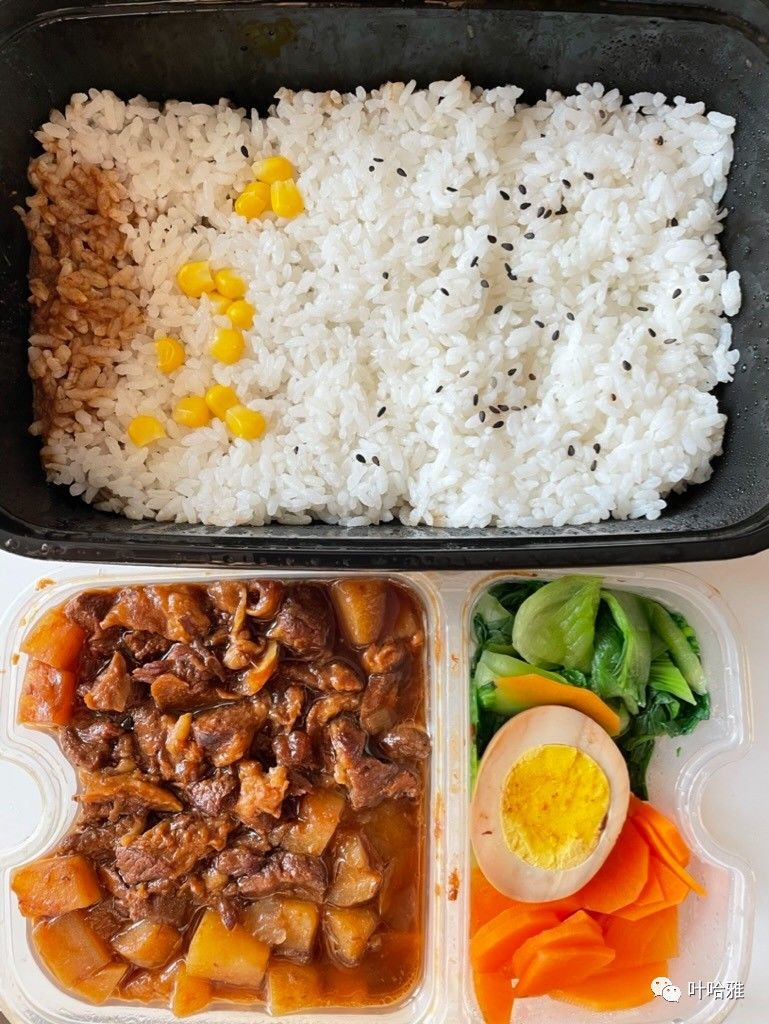
They have all kinds of boxed meals. I had the grilled meat rice, chicken curry rice, and potato beef rice. They were all very tasty, with balanced flavors and not greasy, though it is a bit far from my home.
Address: Room 105, Floor 1, Building 1, Courtyard 11, Shunliutiao, Dongtiejiangying, Fengtai District.
8
Qinghai: Qingyu Yogurt.
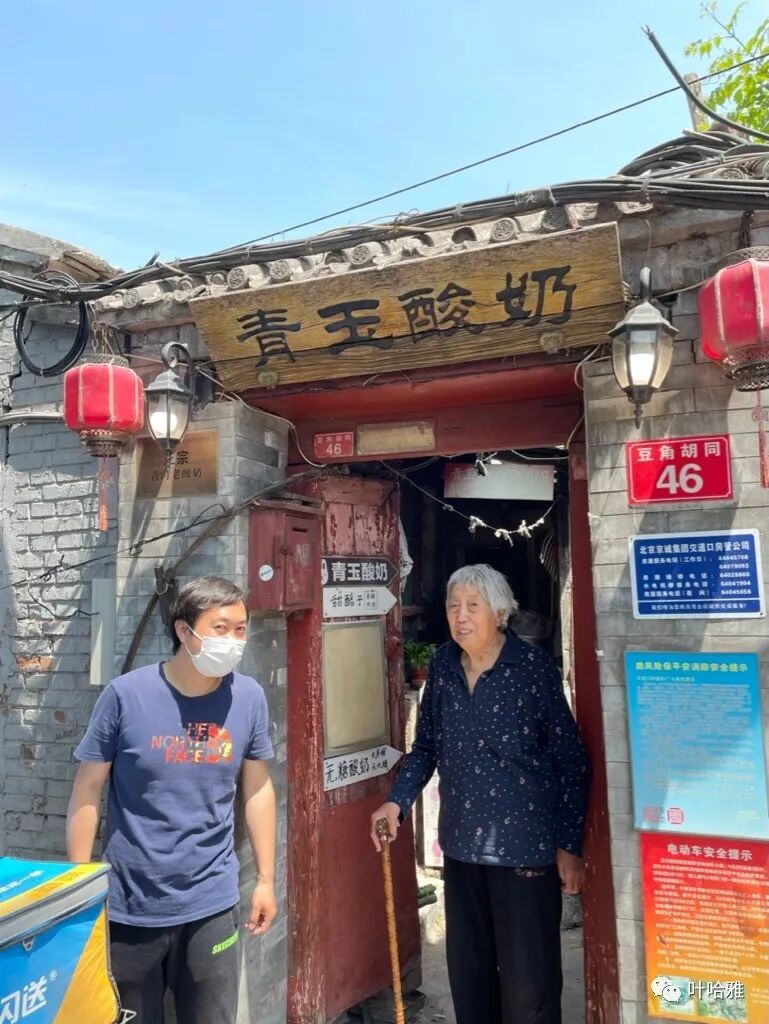
Qingyu Yogurt is not a halal restaurant, but it is a yogurt shop run by Han Chinese people from Qinghai, and they do not serve alcohol.
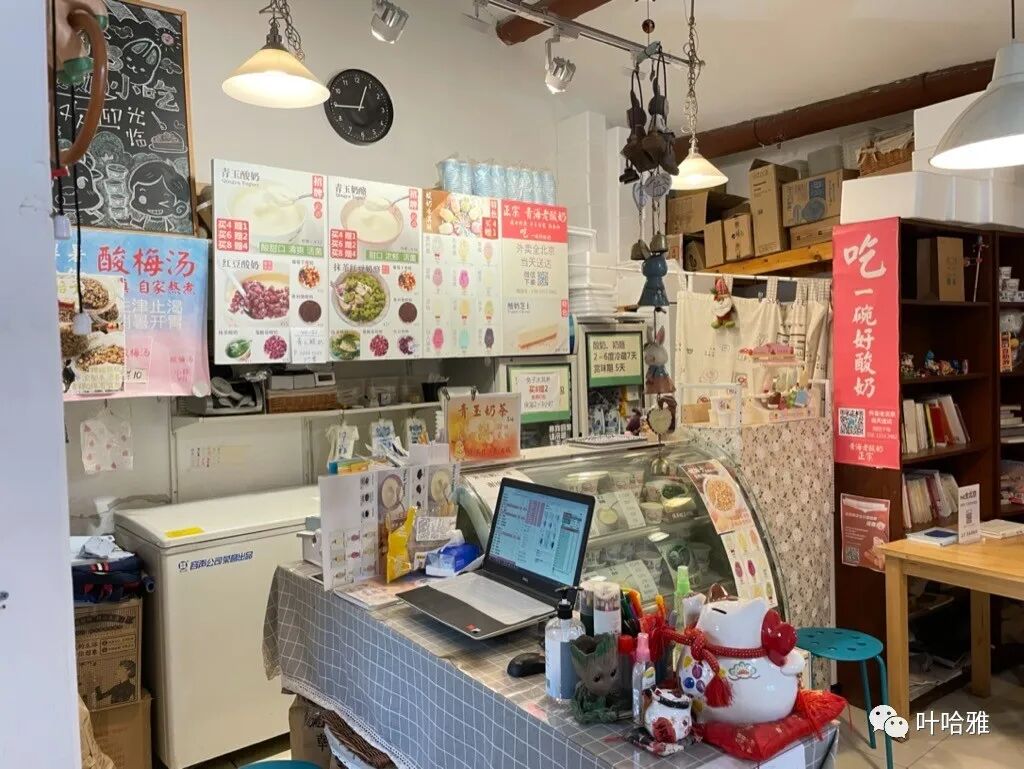
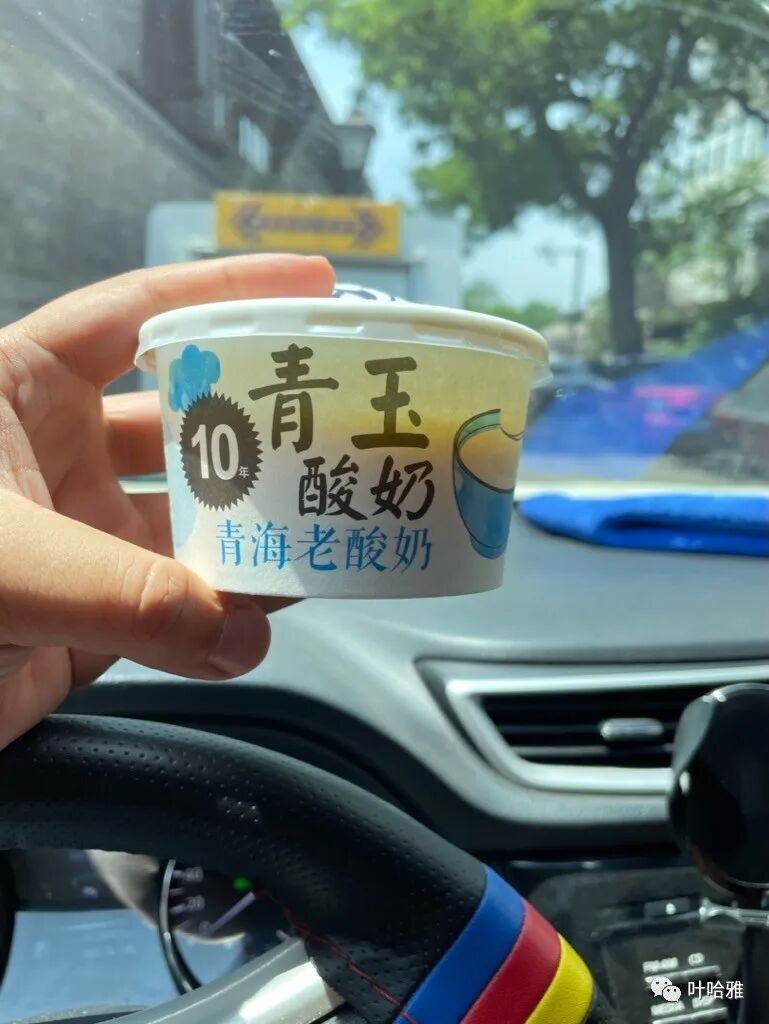
The shop is in a hutong in Houhai and has been there for 10 years. The owner is from Ledu. I have tried their yogurt, cheese, and ice cream. The cheese and yogurt are especially delicious. The ice cream is also good, but it is a very small piece for over ten yuan, so it is not great value for money.
The yogurt, cheese, and ice cream can be delivered via Shansong. I suggest buying them in person to try when you are strolling and cooling off in Houhai.
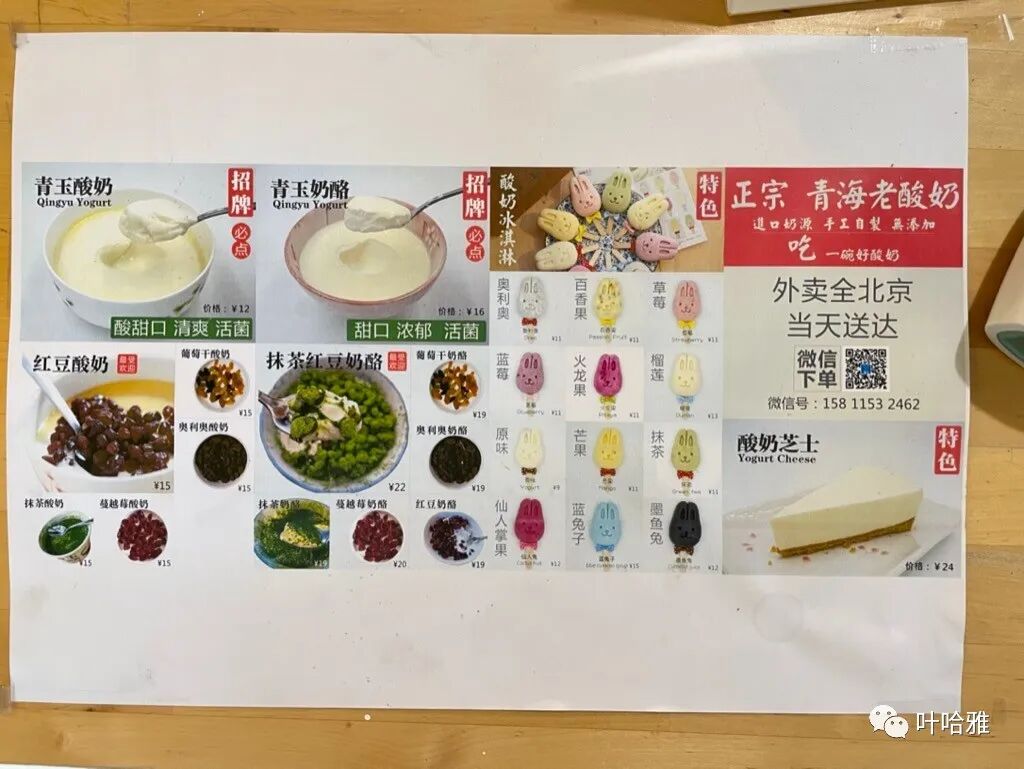
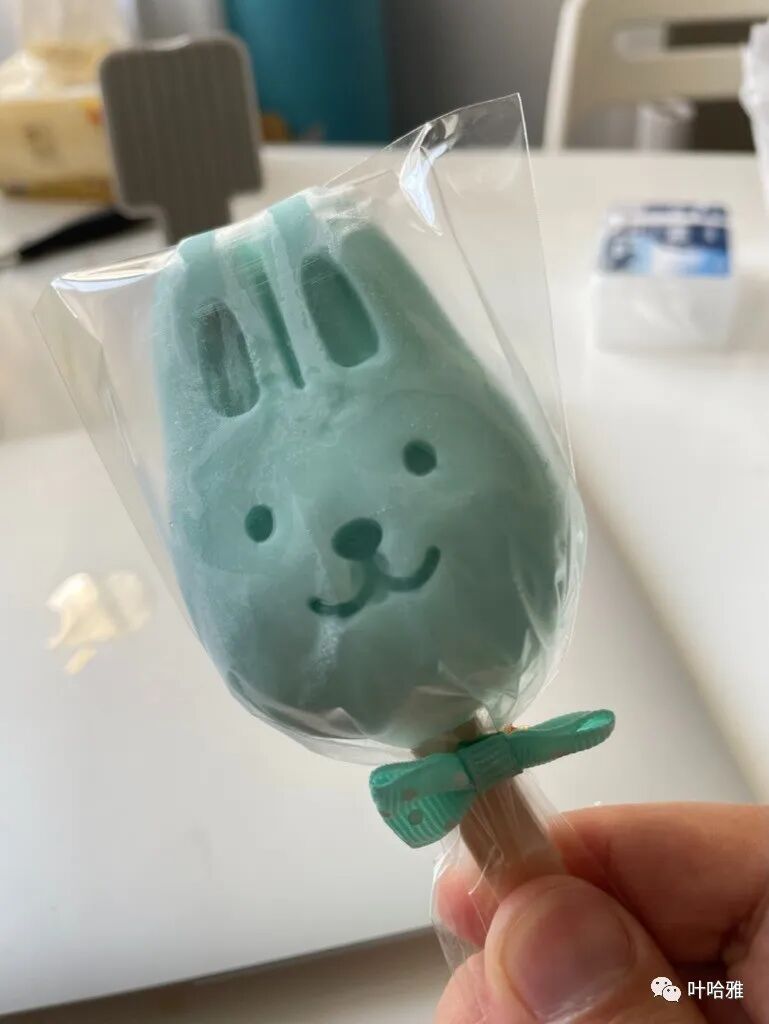
The ice cream is made with milk and comes in a small rabbit mold, which looks very delicate. I have tried every flavor, and the original flavor is the best.
Address: Doujiao Hutong, Shichahai.
9
Light meal: Gudaoxiang.
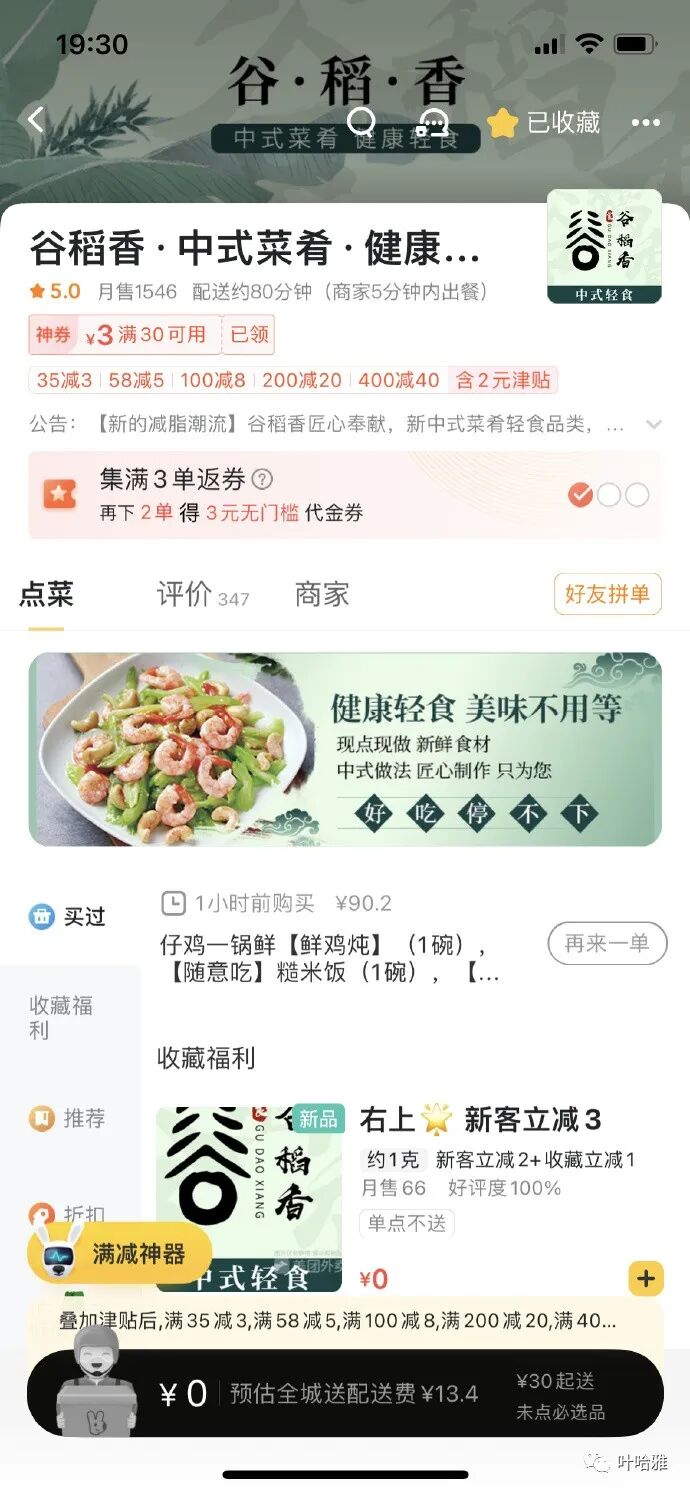
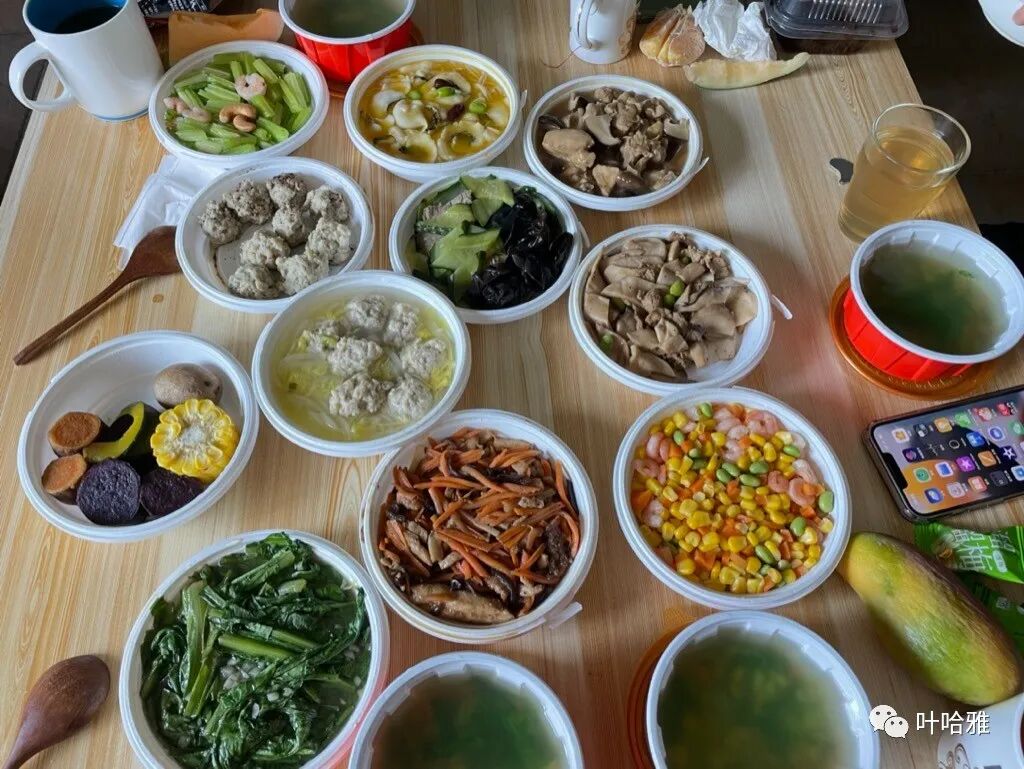
Gudaoxiang is the first halal light meal delivery shop in Beijing. They only do delivery, no dine-in. There are currently three chain stores in Beijing, all of which are halal. The owner is a Hui Muslim from Dachang, and the franchise store is run by a young Hui Muslim lady from Ningxia, so you can eat there with peace of mind.
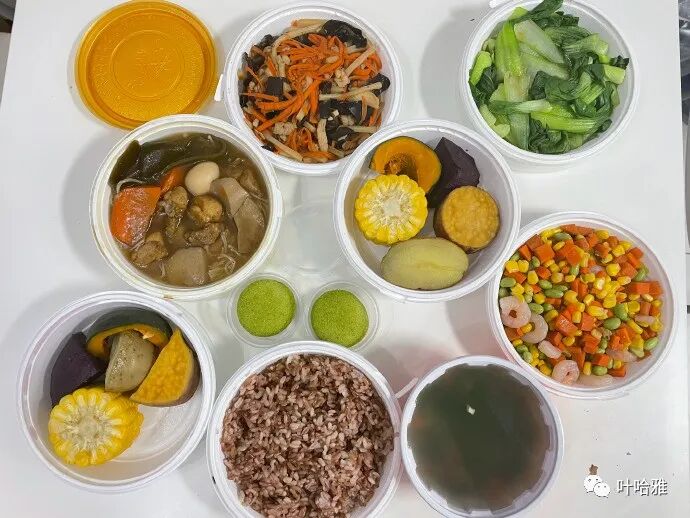
During the time when dining in was not allowed in Beijing, we ordered these light meals several times. We are used to eating big fish and meat, so we often want something light, but there are very few such light meals in Hui Muslim restaurants. I had tried a place called Yunshang Light Meal in Yanjiao before and thought it was good, but this Gudaoxiang suits the general public's taste better and has a reasonable nutritional balance.
Address: Search for "Gudaoxiang" on Meituan delivery. There is one shop at Zaojunmiao and one at Chaoyangmen.
Summary: This Beijing halal food guide follows the author’s post-reopening restaurant visits, featuring halal Chongqing chicken pot, Hotan-style Xinjiang food, and other local Muslim-friendly dining finds.
— Hello, Travel —
I cannot be blamed for the slow updates lately. Beijing did not allow dining in, so I had nowhere to visit for food reviews. As soon as the policy loosened, I got restless and took my family and friends to check out new restaurants one by one. I have many new discoveries this time. Life is already full of bumps, and since I cannot travel far, finding joy in tasting local delicacies right here at home is a good way to cope.
1
Sichuan-Chongqing: Yueji Chongqing Chicken Pot (Chongqing jigongbao)
Although it is called Chongqing Chicken Pot, it is actually an innovative mix of Chongqing braised rooster and Chongqing dry-pot chicken created outside of Chongqing. It has nothing to do with local Chongqing food, but in the Chongqing dialect, a rooster is called a 'jigong'. This is the first halal Chongqing Chicken Pot in Beijing.
The new shop is located on Beifaxin Road in Shunyi. The owner is from Jingyuan, Ningxia, and runs a noodle shop in Shuangjing. Making this chicken pot is a bold move, and choosing Shunyi was a decision based on lower operating costs.
It is not easy to travel from the city center to Shunyi. We chose five pots to taste: chicken pot, beef pot, chicken feet pot, lamb pot, and beef tendon and brisket pot (jintou banao).
I liked the signature chicken pot and beef pot the best. They are full of spices. You can add side dishes to the pot and eat it like a hot pot. You can choose your own spice level, and they can even make it non-spicy.
Address: No. 43, Beifaxin Section, Nanjiao Road, Shunyi.
2
Xinjiang: Hotan Canteen (Hotan shitang)
The Chaoyang branch of Hotan Canteen is where Lumi's Secret used to be. Lumi's Secret has moved to Urumqi. People say the Hotan government strongly supports the Hotan Canteen project and recommended many excellent chefs from southern Xinjiang to come to Beijing. Hotan Canteen opened two shops in Beijing at the same time; the other one is in Maliandao. I visited both. The decor is different, but the flavors are very authentic.
The Chaoyang branch has more Xinjiang elements, while the Maliandao branch feels more like a restaurant from northwestern Inner Mongolia.
Xinjiang Onion, Pepper, and Tomato Salad (pilahong)
One of the signature Xinjiang cold dishes is pilahong. 'Pi' refers to 'piyanzi', which means onion. 'La' means pepper, here using green peppers. 'Hong' means red, referring to tomatoes.
Minced meat noodles (suirou banmian) and hand-pulled noodles (latiaozi). The key to these two staples is whether the noodles are chewy. People say using salt water to knead the dough makes the texture even better.
For barbecue, we chose salt-water grilled meat and liver wrapped in fat (youbaogan). I feel the barbecue at Hotan Canteen is not as fragrant as at Ali Restaurant, but the liver wrapped in fat is still quite delicious.
Address: 39 Shenlu Street, Chaoyang District.
3
Canakkale, Turkey.
Canakkale.
Its predecessor was Doner Kebap.
The team is the same as before. The owner is from Azerbaijan, and the staff and chefs are Uyghurs from Urumqi. This time, they renovated, changed the name, and expanded the dining area.
The Doner Kebap in Sanlitun and the Canakkale on Shenlu Street are both owned by this Azerbaijani owner.
In the open kitchen, we watched this Uyghur girl make flatbread (pide) by hand. We chose the goat cheese pide.
The goat cheese was sprinkled with dill. Dill is also called tu huixiang; it looks very similar and has a nice aroma. It is a common seasoning in Central Asian cuisine.
Turkish balloon bread (qiqiu bing) is hollow inside with a thin layer. It looks round like a balloon when it is freshly made.
Rice pudding (mi buding) is a dessert made from rice that originated in the Middle East.
The Turkish roast beef platter comes with pickles and french fries. The white sauce is a savory yogurt, which is best eaten with the Turkish balloon bread.
This is a halal restaurant that does not serve alcohol. For drinks, I ordered a Turkish coffee and black tea. I have to complain that Turkish coffee should be served in a delicate cup; using a clear glass coffee cup does not look very nice.
4
Indian and Pakistani: Masala Spice Indian Restaurant.
This restaurant was originally on Xiushui Street and was open for over ten years. It just moved to Tongzhou Wanda Plaza this year. The owner is Pakistani, and his wife is from Northeast China. They have two chubby mixed-race sons.
I counted, and there are at least 11 halal Indian and Pakistani restaurants in Beijing: Shalima, Indian Kitchen, Hanbaba, Zamzam, Sultan Pakistan, Love Curry, Asian Tribe, Saduli, Ganges Indian Restaurant, Razz Music Restaurant, and this Masala Spice. These restaurants have all been in business for a long time.
When eating Indian and Pakistani food, butter naan dipped in curry sauce is a must-order for me. I usually eat three naans; it is my favorite Indian and Pakistani food combination.
I eat Indian and Pakistani barbecue sometimes, but I definitely love Chinese barbecue the most.
They also serve the Indian snack Panipuri, which became popular after the movie Dangal. The little shells are semi-finished products just like shrimp crackers; you buy them and deep-fry them. You fill them with sour sauce, pop the whole thing in your mouth, and take a bite for a complex mix of flavors.
Address: Shop 113, 1st Floor, Zone A, Jinjie, Tongzhou Wanda Plaza.
5
Henan Big Beard Skewer Shop (Dahuzi Chuanchuanxiang).
I have recommended the Big Beard Skewer Shop in Changying before. I am mentioning it again because they added spicy soup (hulatang) and pan-fried buns (shuijianbao) to their breakfast menu, and the taste is very authentic. The owner is a Hui Muslim from Henan.
After hearing this good news, we went early in the morning to have a bowl of spicy soup. It was exactly the same as what I ate in Henan, with a very authentic flavor. I also recommend their pan-fried buns. They are packed with plenty of beef filling, no vermicelli used as filler, and they are delicious.
After eating the pan-fried buns that day, we still wanted more. We heard that Qingyanfang in Changying sells small steamed buns (xiaolongbao) in the morning, so we went for a second breakfast.
The small steamed buns cost 12 yuan for a steamer of 10. I like this kind of small bun, especially the delicate style from Northwest China, but these ones did not taste as good as the pan-fried buns at Big Beard.
Address: Changying Minzu Jiayuan.
6
Xinjiang Afanti Naan Pit Baked Buns (Kaobaozi).
A Uyghur friend recommended this Xinjiang restaurant with a lot of history. It has been open for at least twenty years, though it has moved to different locations. The shop features a naan pit for charcoal grilling. Once barbecue is taken away from charcoal fire, the flavor really isn't quite the same.
We ate Xinjiang-style grilled meats at the shop, including grilled pigeon, grilled horse sausage, and grilled lamb liver.
The owner of Afanti is a Han Chinese from Beijing and is very talkative. The chefs he hires are all Uyghurs from Southern Xinjiang. He says the chefs are very strict about ingredients and will only use meat from Niujie.
The highlight of this shop is the coal fire, which allows for charcoal grilling, making the baked buns and naan very fragrant.
Address: Building D15, East District, Gaobeidian, Taojiawan.
7
Quick meal: halal grilled meat cubes (kaorouding).
When dining in was not allowed in Beijing a while ago, I found this new shop on Meituan. It is in Fengtai District. I ordered delivery twice and thought it was delicious.
They have all kinds of boxed meals. I had the grilled meat rice, chicken curry rice, and potato beef rice. They were all very tasty, with balanced flavors and not greasy, though it is a bit far from my home.
Address: Room 105, Floor 1, Building 1, Courtyard 11, Shunliutiao, Dongtiejiangying, Fengtai District.
8
Qinghai: Qingyu Yogurt.
Qingyu Yogurt is not a halal restaurant, but it is a yogurt shop run by Han Chinese people from Qinghai, and they do not serve alcohol.
The shop is in a hutong in Houhai and has been there for 10 years. The owner is from Ledu. I have tried their yogurt, cheese, and ice cream. The cheese and yogurt are especially delicious. The ice cream is also good, but it is a very small piece for over ten yuan, so it is not great value for money.
The yogurt, cheese, and ice cream can be delivered via Shansong. I suggest buying them in person to try when you are strolling and cooling off in Houhai.
The ice cream is made with milk and comes in a small rabbit mold, which looks very delicate. I have tried every flavor, and the original flavor is the best.
Address: Doujiao Hutong, Shichahai.
9
Light meal: Gudaoxiang.
Gudaoxiang is the first halal light meal delivery shop in Beijing. They only do delivery, no dine-in. There are currently three chain stores in Beijing, all of which are halal. The owner is a Hui Muslim from Dachang, and the franchise store is run by a young Hui Muslim lady from Ningxia, so you can eat there with peace of mind.
During the time when dining in was not allowed in Beijing, we ordered these light meals several times. We are used to eating big fish and meat, so we often want something light, but there are very few such light meals in Hui Muslim restaurants. I had tried a place called Yunshang Light Meal in Yanjiao before and thought it was good, but this Gudaoxiang suits the general public's taste better and has a reasonable nutritional balance.
Address: Search for "Gudaoxiang" on Meituan delivery. There is one shop at Zaojunmiao and one at Chaoyangmen.
