
Best Halal Restaurant Beijing: Hotpot, Pakistani Food, Ningxia Cuisine and Hui Restaurants
Reposted from the web
Summary: This Beijing halal food guide highlights new Muslim-friendly restaurants across the city, from Henan huimian and Pakistani masala dishes to Ningxia cuisine, hotpot, and other authentic Hui Muslim food spots.

— Hello, Travel —
This article is a bit late. First, my son is about to be born, so I have been staying by my wife's side almost every moment and going out less. Second, I have been waiting for news that the famous Chengdu halal hotpot brand Niububi is opening in Beijing. Now that Niububi is here, Beijing truly lives up to its reputation as a world capital of halal food.
1
Henan-style: Old Yao's Secret Braised Noodles (huimian).
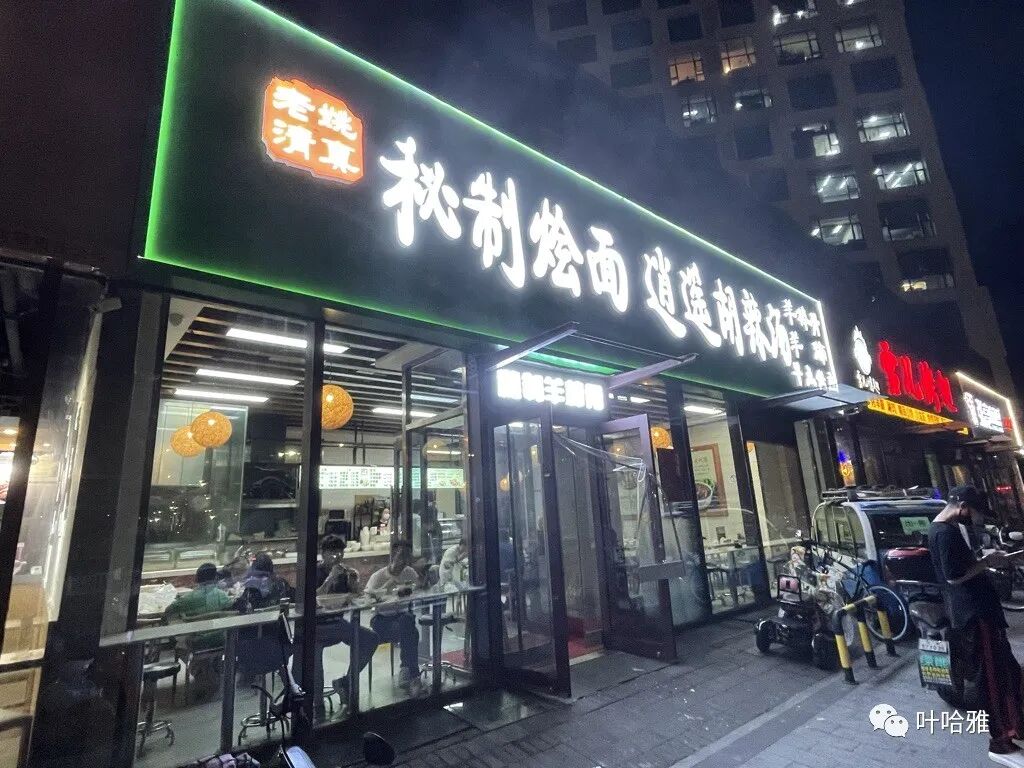
Old Yao runs two Henan braised noodle shops in Daxing. The one in the photo is not far from the Xihongmen Joy Breeze (Huiju) mall. For breakfast, they serve spicy pepper soup (hulatang) and pan-fried buns (shuijianbao). Note that these two Henan specialties are only sold as breakfast in the morning; after noon, you can only order braised noodles.
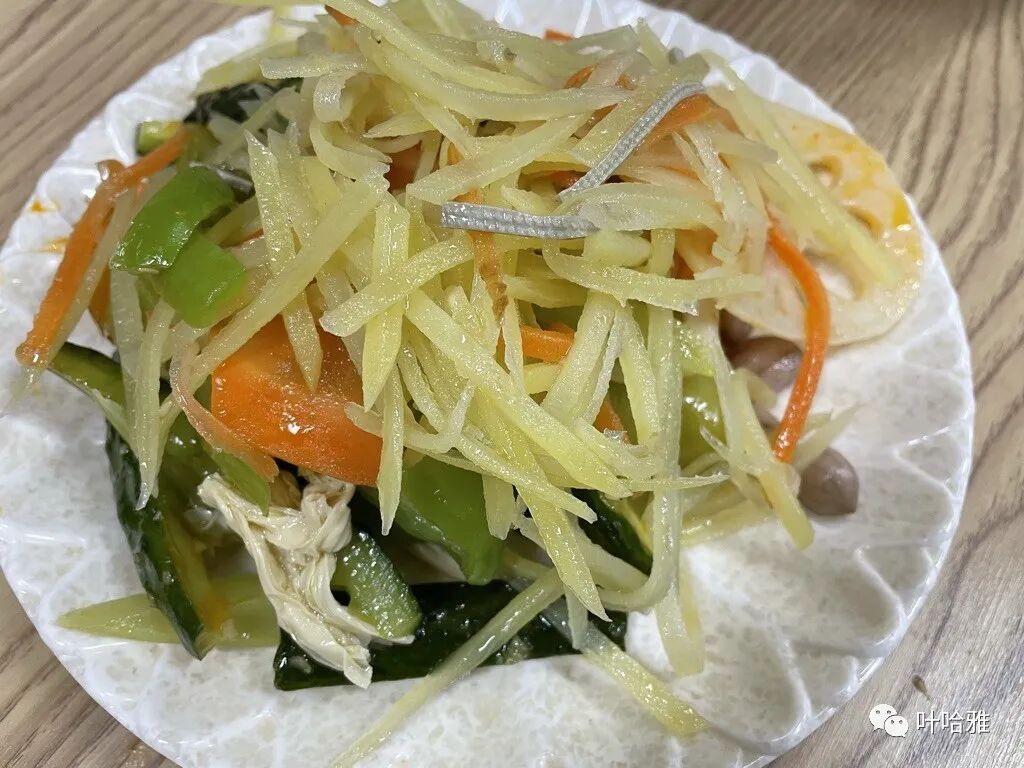
The cold dishes at this Henan braised noodle shop are a highlight. There is a wide variety, and they give you a plate to help yourself. Whether it is a good deal depends on how much food you can pile onto that one plate.
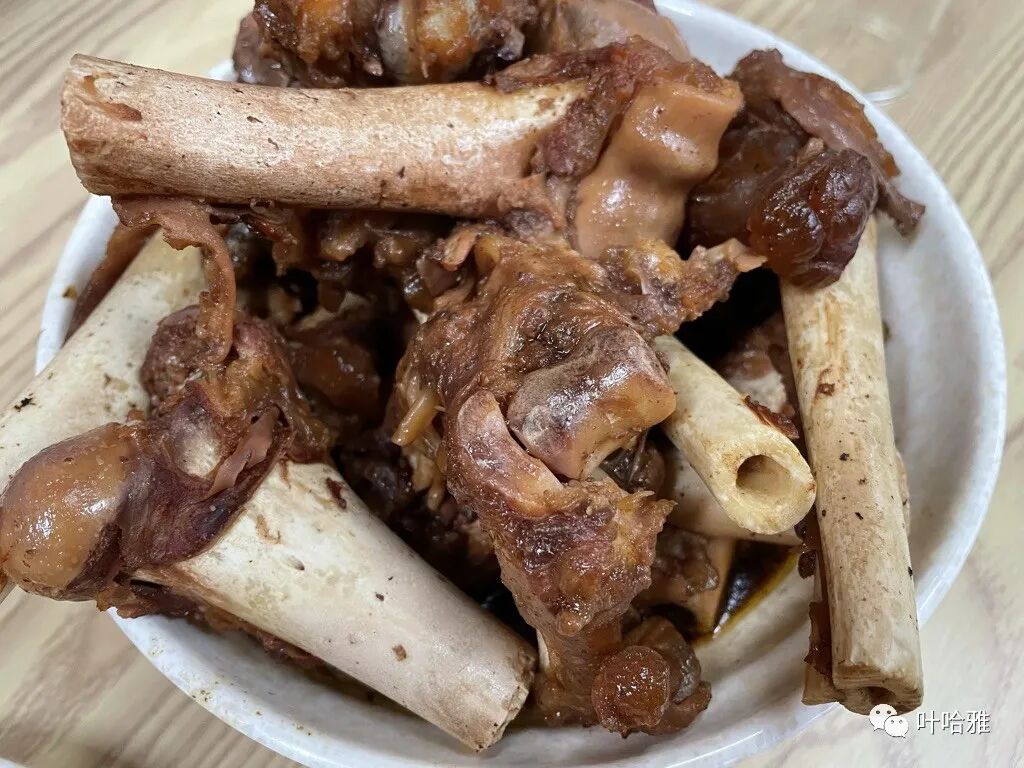
If you come in the afternoon or evening, the shop only serves beef bone and nourishing lamb braised noodles. Of course, both taste very authentic.
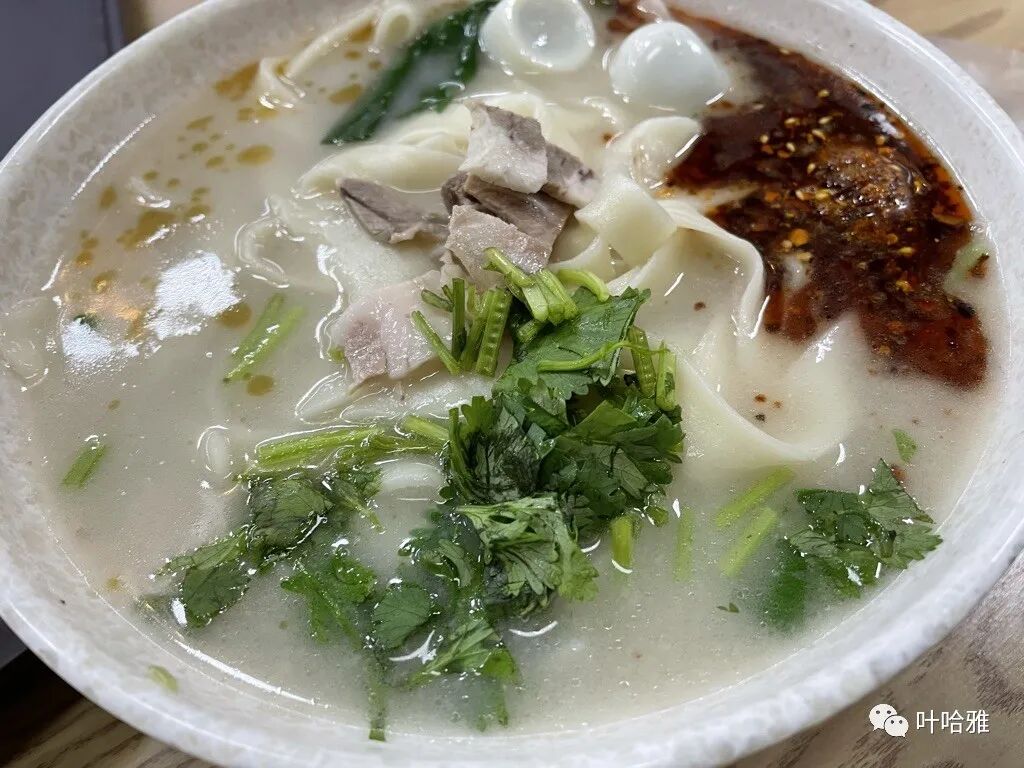
There are more halal Henan restaurants in Beijing now. For higher-end stir-fry, there is Yufu Shenchu; for snack stalls, there is Guhuaijie Mawu; in Huilongguan, there is Liangji Braised Noodles; and near Caoqiao, there is Xuyiwani Braised Noodles.
2
Indian-Pakistani Cuisine: Sultan Pakistan Restaurant.
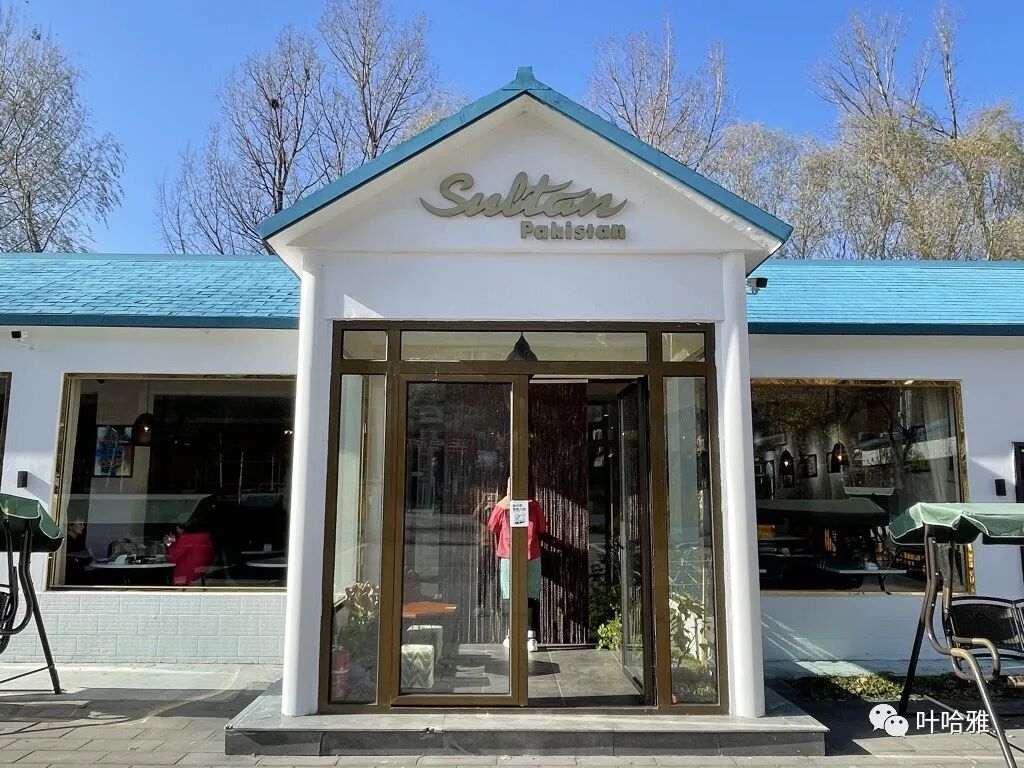
A new Indian-Pakistani halal courtyard restaurant has opened in Huatai Village, Sanduhe, Huairou. The courtyard is very spacious with easy parking. I like the style of this place; it is bright, airy, clean, and tidy.
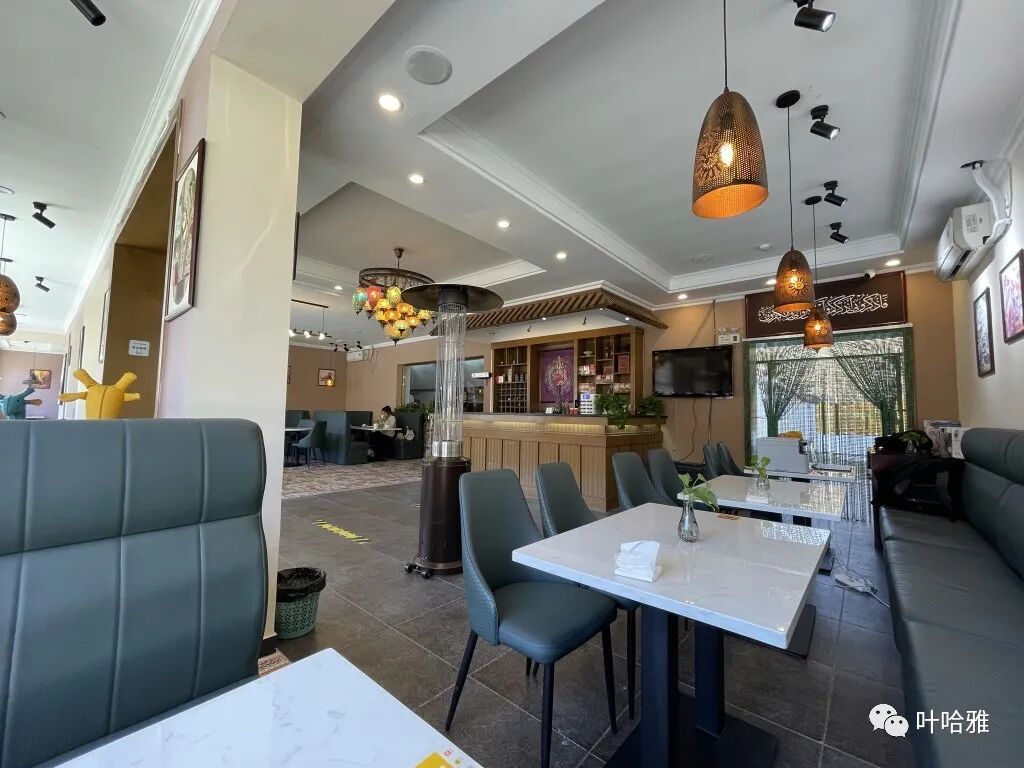
The chef is from Pakistan, and the owner is a local from Huairou. I asked her why she decided to open an Indian-Pakistani restaurant in an area crowded with farmhouse-style eateries. She said she has spent years with Pakistani friends and has long followed a halal lifestyle. She also has another chain store in Huairou county called Masala Pakistan Restaurant.
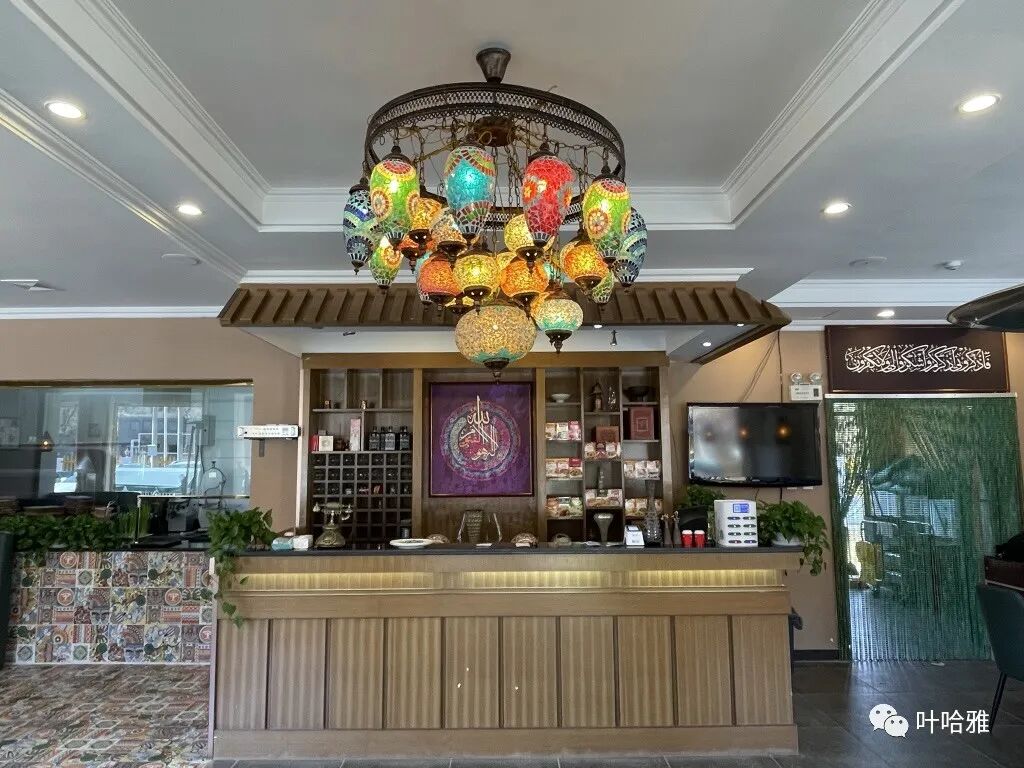
Many people ask me what masala actually tastes like. Masala is just a general term for Indian spices; a mixture of many Indian spices is called masala.
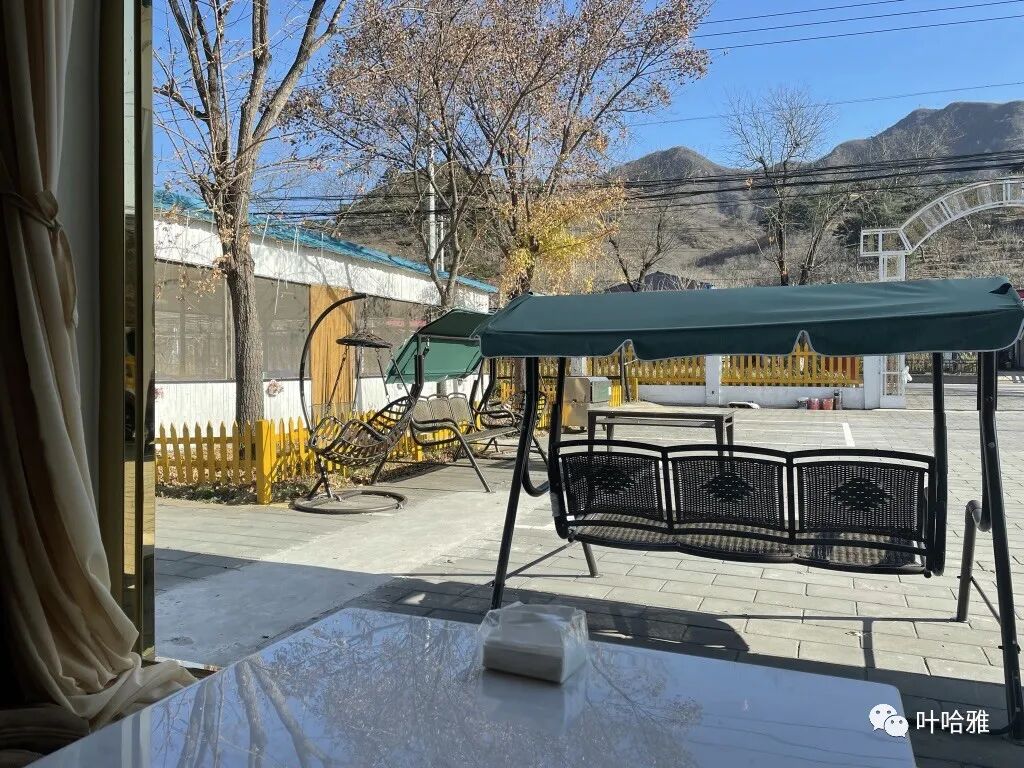
Because there are not many halal restaurants in the Huairou area, and even fewer with unique features, friends visiting the Mutianyu Great Wall, Hongluo Mosque, or Yanqi Lake scenic areas can stop by this Indian-Pakistani restaurant for a meal.
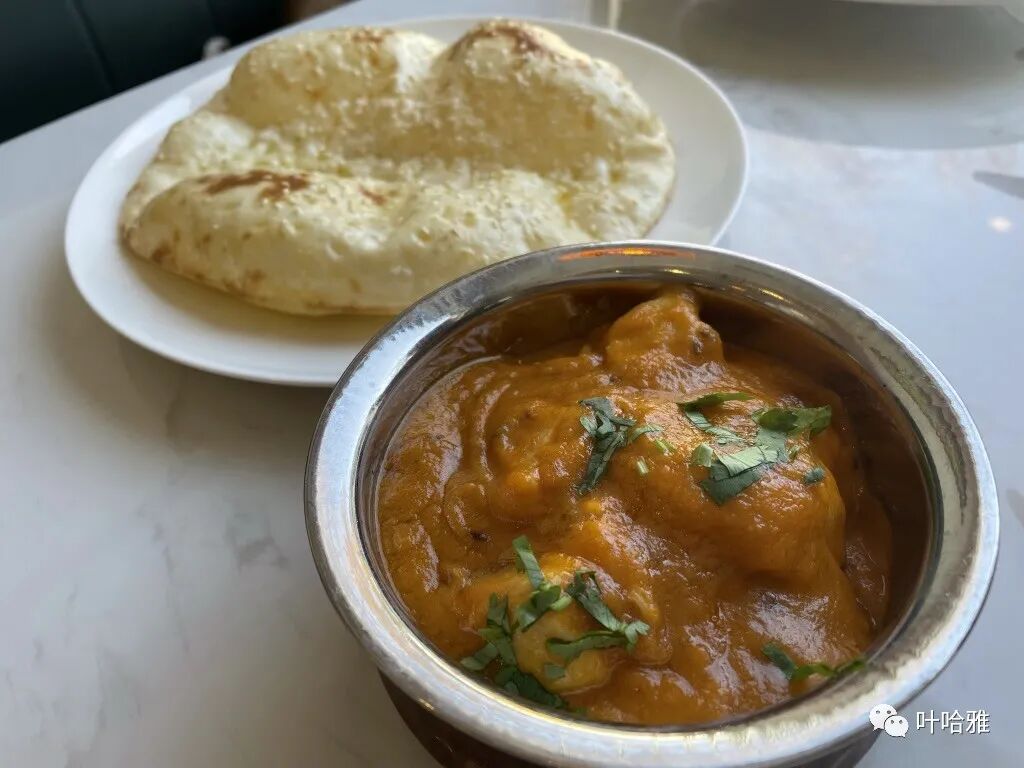
When I eat Indian-Pakistani food, I must have butter naan and chicken curry. One piece of naan is never enough. The most I have ever eaten was four pieces at an Indian-Pakistani restaurant in Nha Trang, Vietnam. I really love the smell of toasted wheat.
In my heart, Khan Baba ranks first for Indian-Pakistani food in Beijing, followed by Shalimar Indian-Pakistani Restaurant in Shunyi. While some other Indian restaurants are labeled halal, I have doubts about the owners' faith, and the decor has obvious Hindu features, so they do not feel as reliable to eat at as these two.
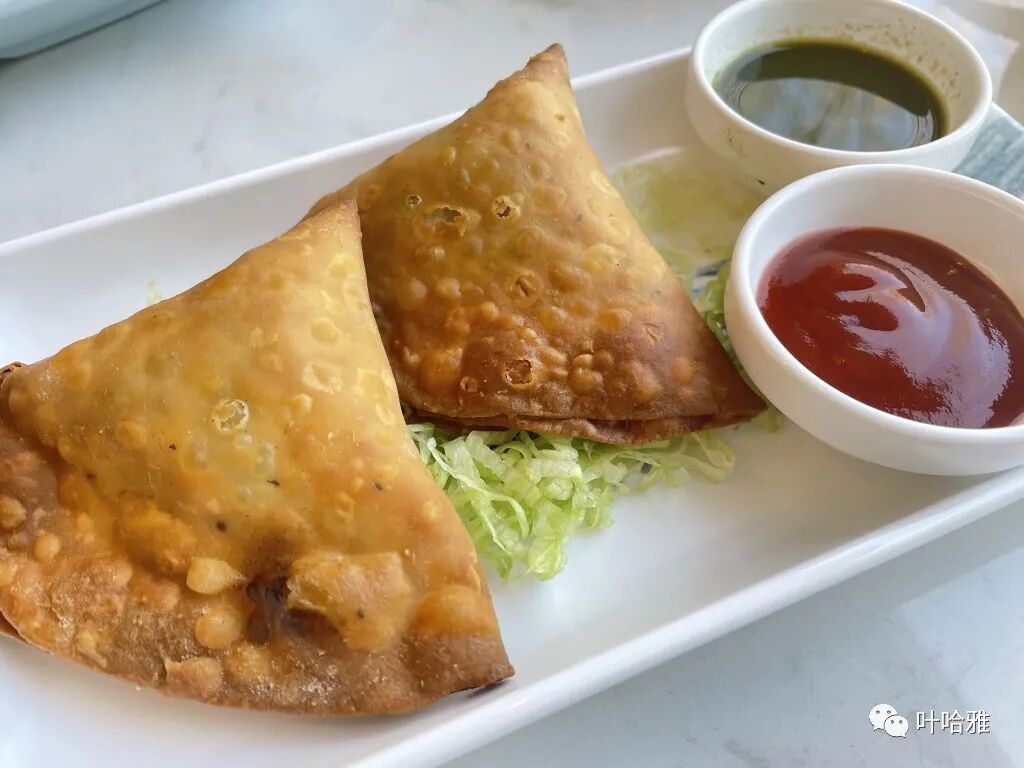
Curry puffs (gali jiao).
3
Tunisian Cuisine at La Medina
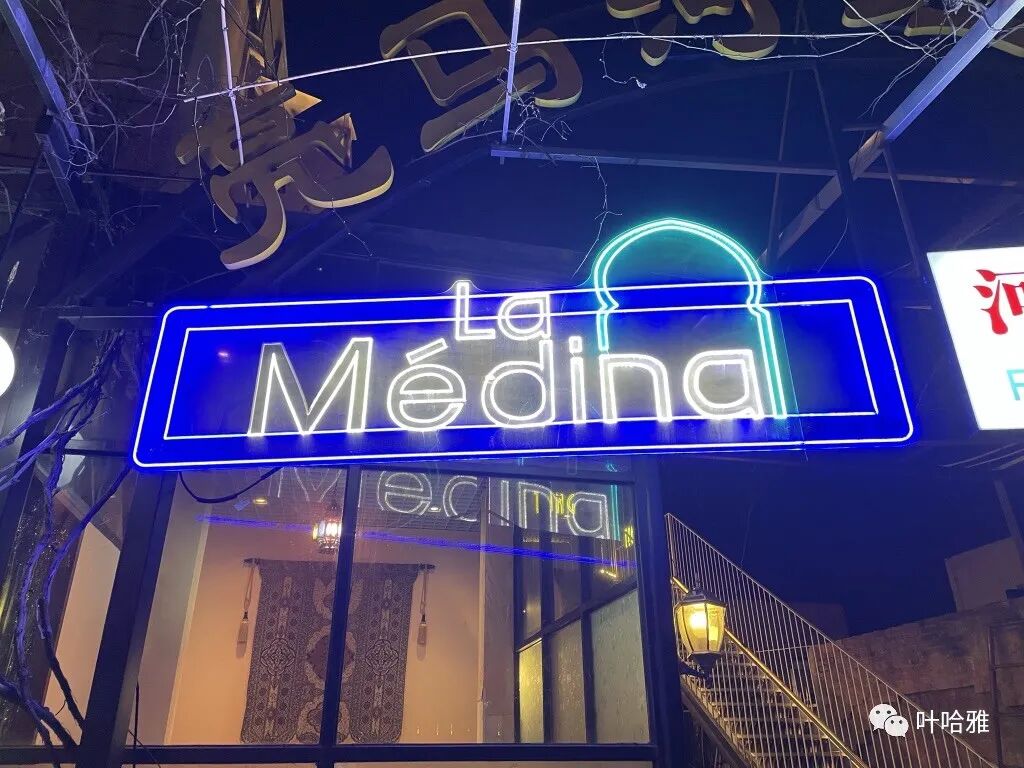
This Tunisian-style restaurant is actually the Mesa Restaurant that opened last year. The location last year was not ideal and the space was small, so this year they moved near the Armenian Embassy.
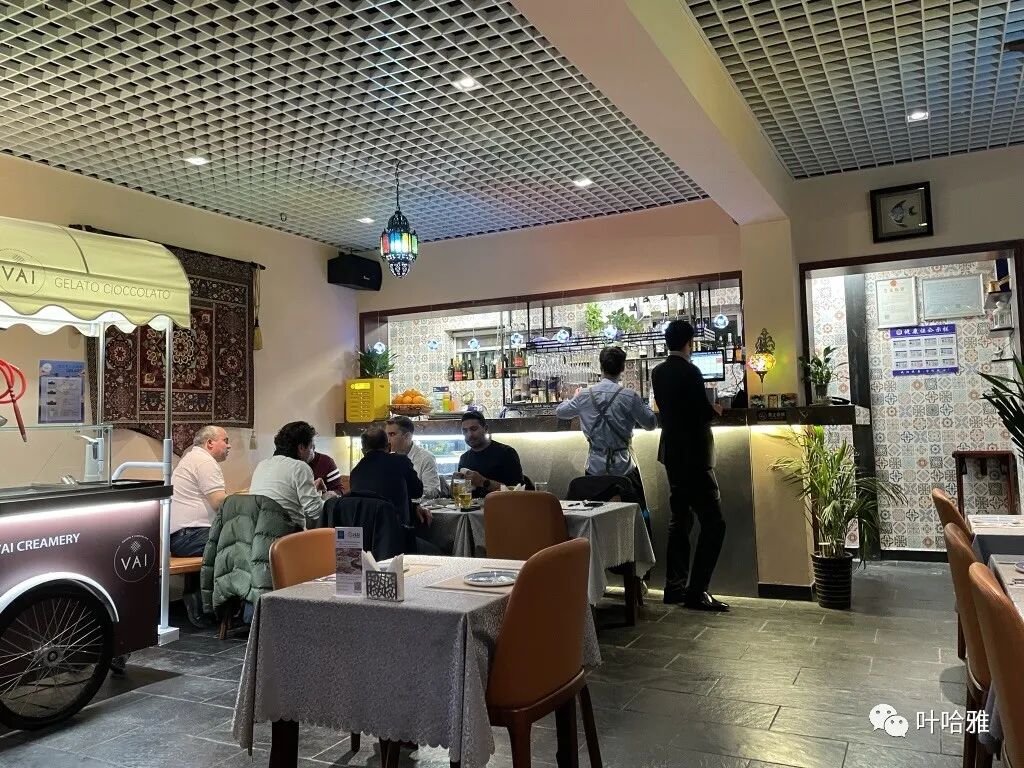
The white man in profile in the photo is the head chef, a Tunisian Arab. We met him last year, and I even asked him to confirm that the restaurant is halal because they did not have a halal sign hanging up.
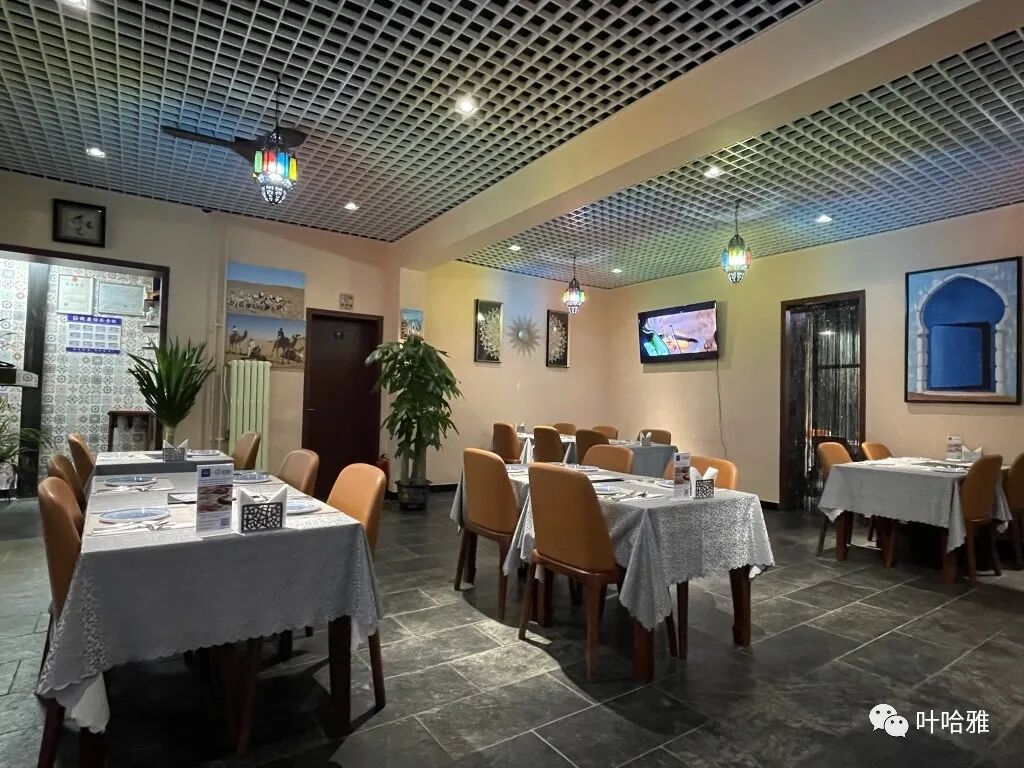
In Beijing now, if a restaurant wants to hang a halal sign with Chinese characters, it must be approved by the Ethnic and Religious Affairs Committee. Otherwise, you have to rely on word of mouth to confirm, which feels like going back to the time of the Prophet.
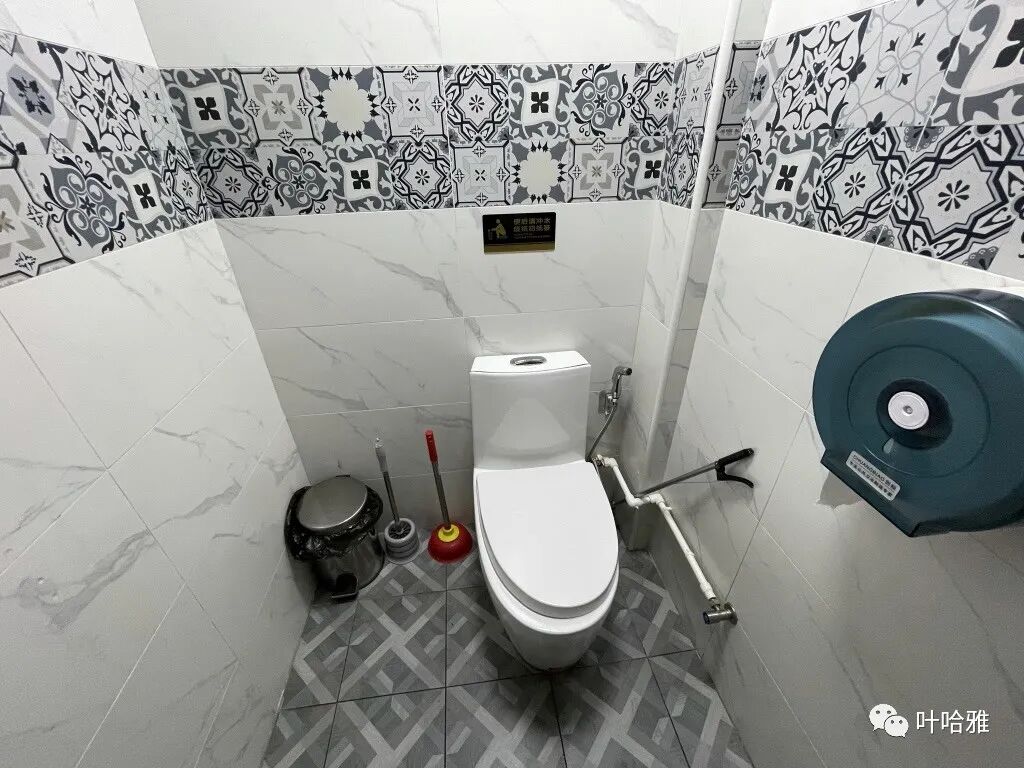
I took a photo of the restaurant's restroom and posted it on WeChat Moments. Many Han Chinese friends asked me why I posted a picture of a toilet. Actually, those who know will understand that the sprayer in this restroom is a facility specifically for Muslims.
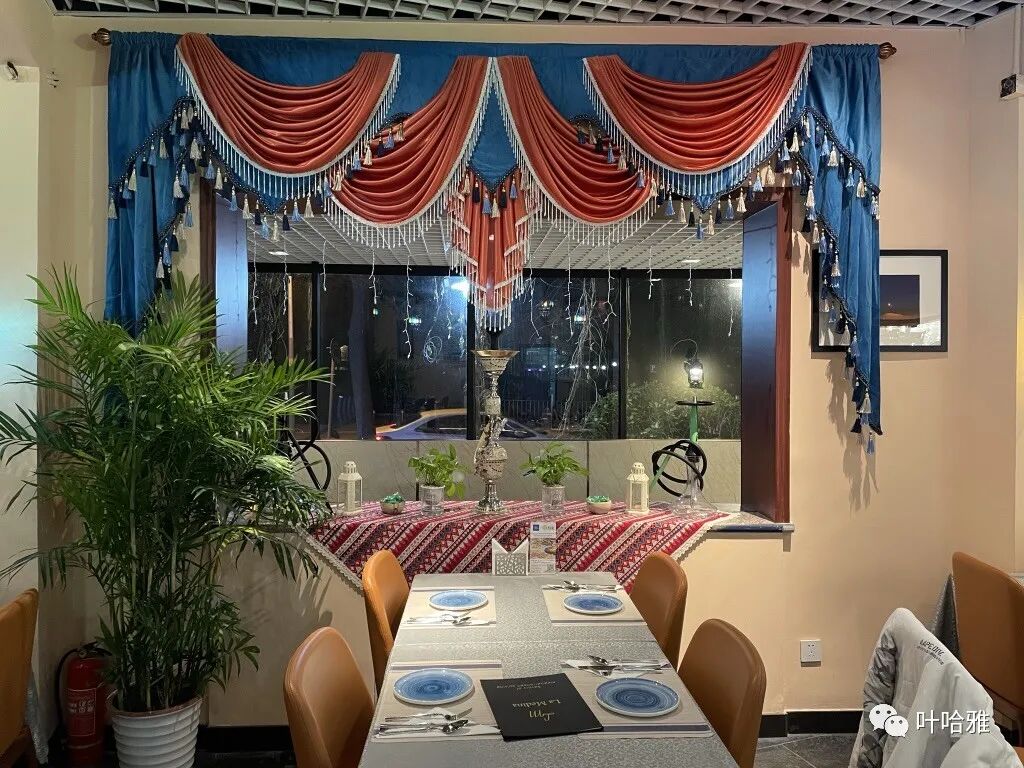
Tunisia is in North Africa and has always been a popular vacation spot for Europeans. Tunisian food is also very unique.
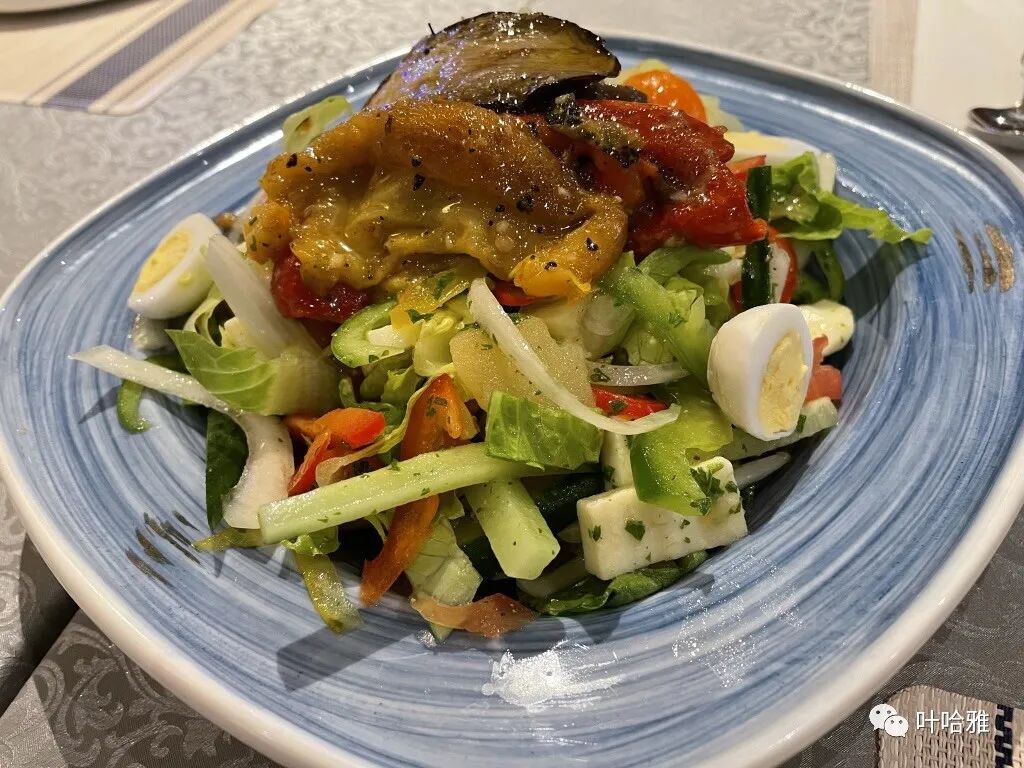
Vegetable salad
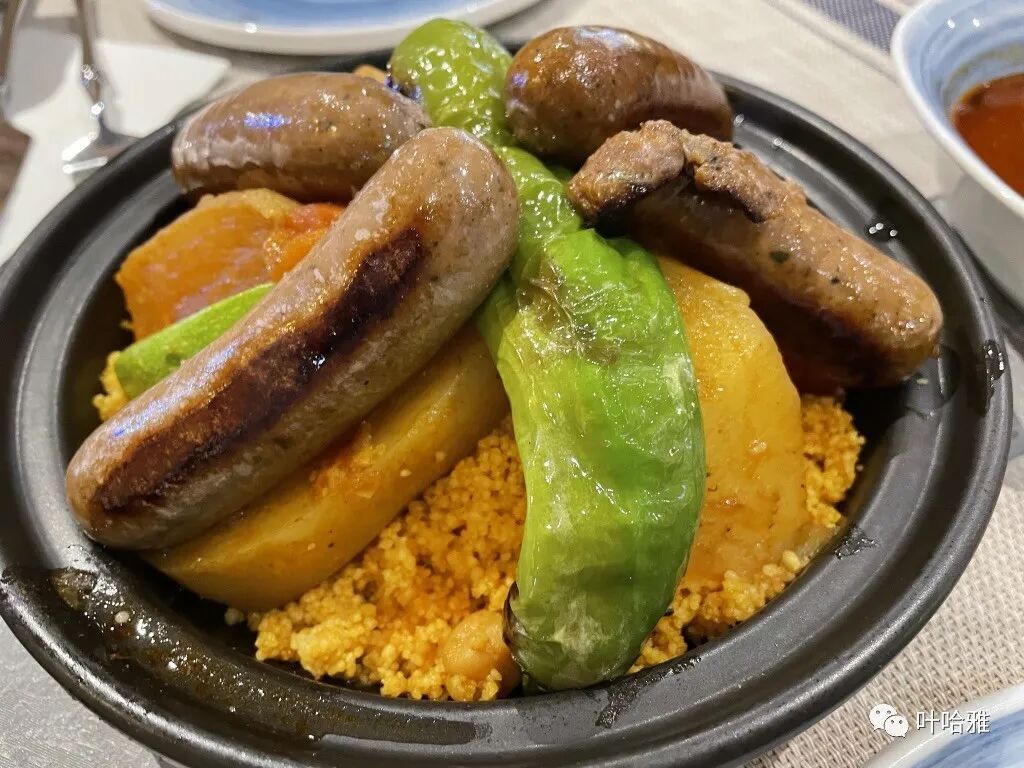
Tunisian couscous (couscous)
This Tunisian couscous looks like millet and tastes like millet, but it is actually made from ground wheat grains. To us, it looks just like millet. On top of the couscous is Tunisian sausage made of beef. It is a bit salty and goes well with roasted peppers.
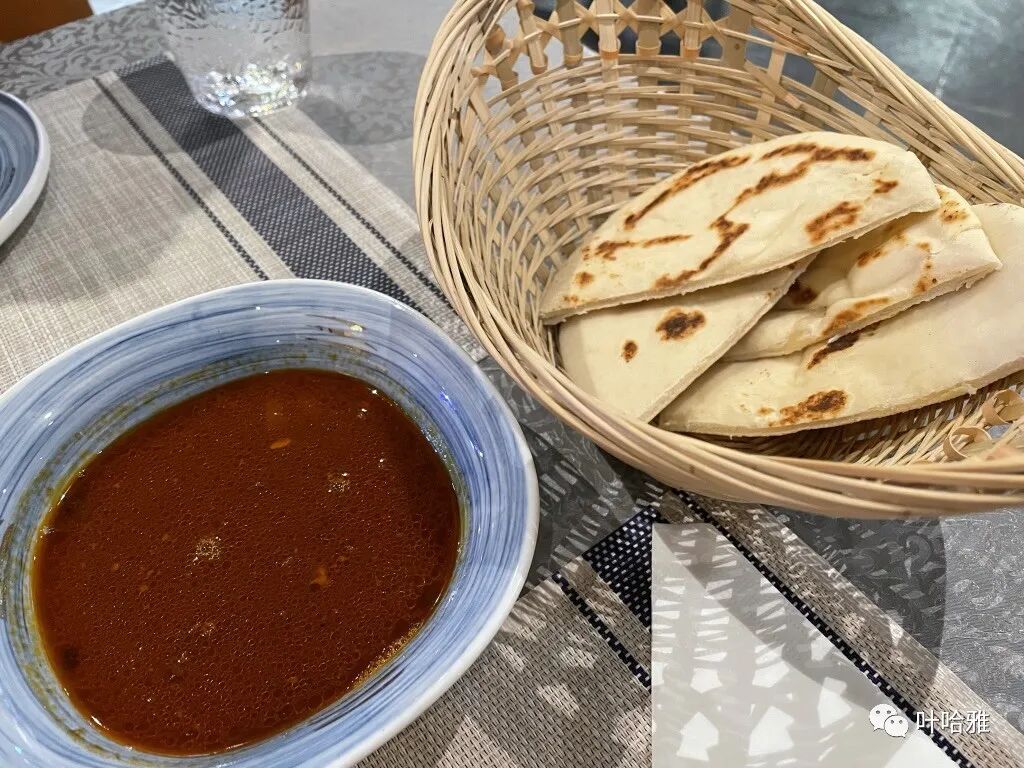
Moroccan bean soup
4
Inner Mongolian flavor at Qingcheng Restaurant (Changping Xihuan Road Branch)
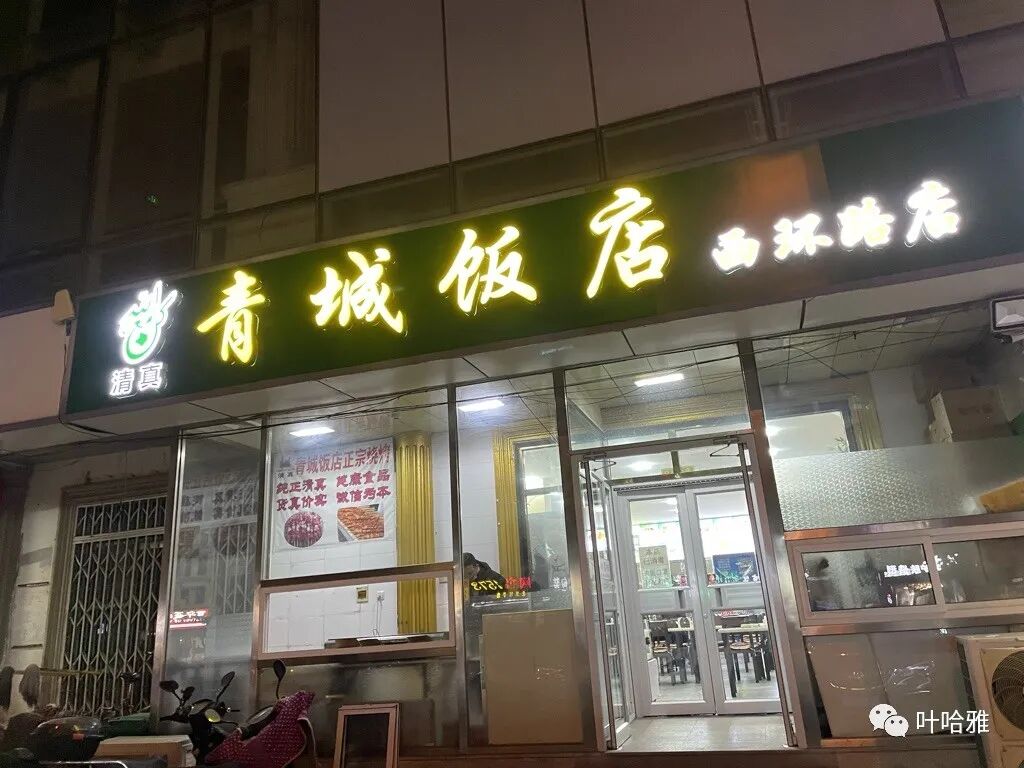
Qingcheng Restaurant started in 1994 and is located in Changping District. I think it is the most authentic Inner Mongolian restaurant in Beijing. I have introduced the old shop before, and today I am introducing this branch. You can eat pot-wrapped beef (guobao niurou) at the main store, and at this branch, you can eat beef tripe hot pot and steamed dumplings (shaomai).
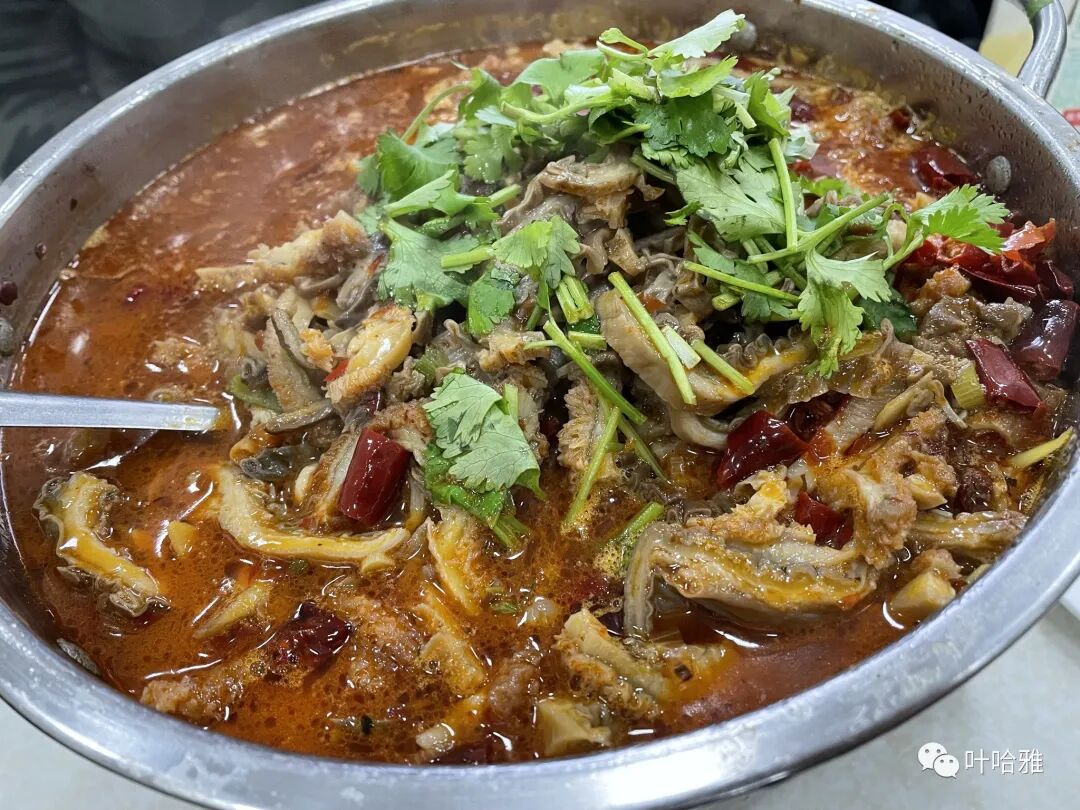
Beef tripe hot pot
A full pot of beef tripe costs only a little over 100 yuan, and the average cost per person is no more than 70 yuan. Prices in Changping are much lower than in the city center.
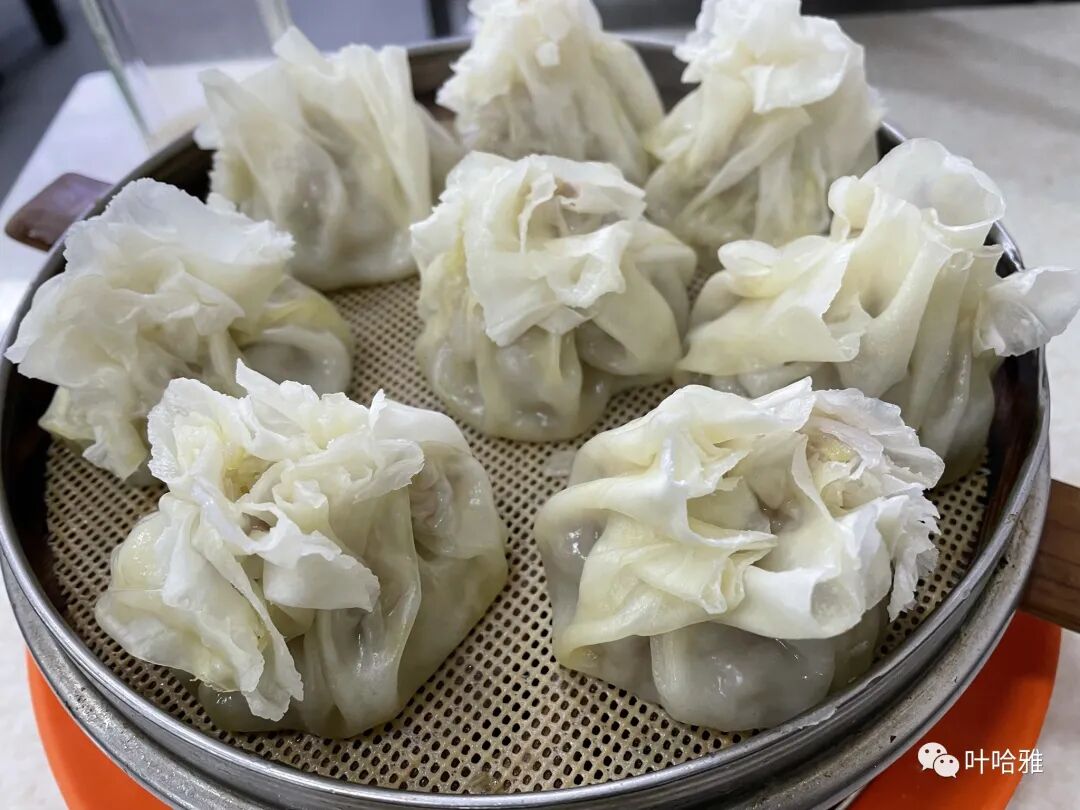
The steamed dumplings are also the most authentic Inner Mongolian flavor I have found in Beijing.
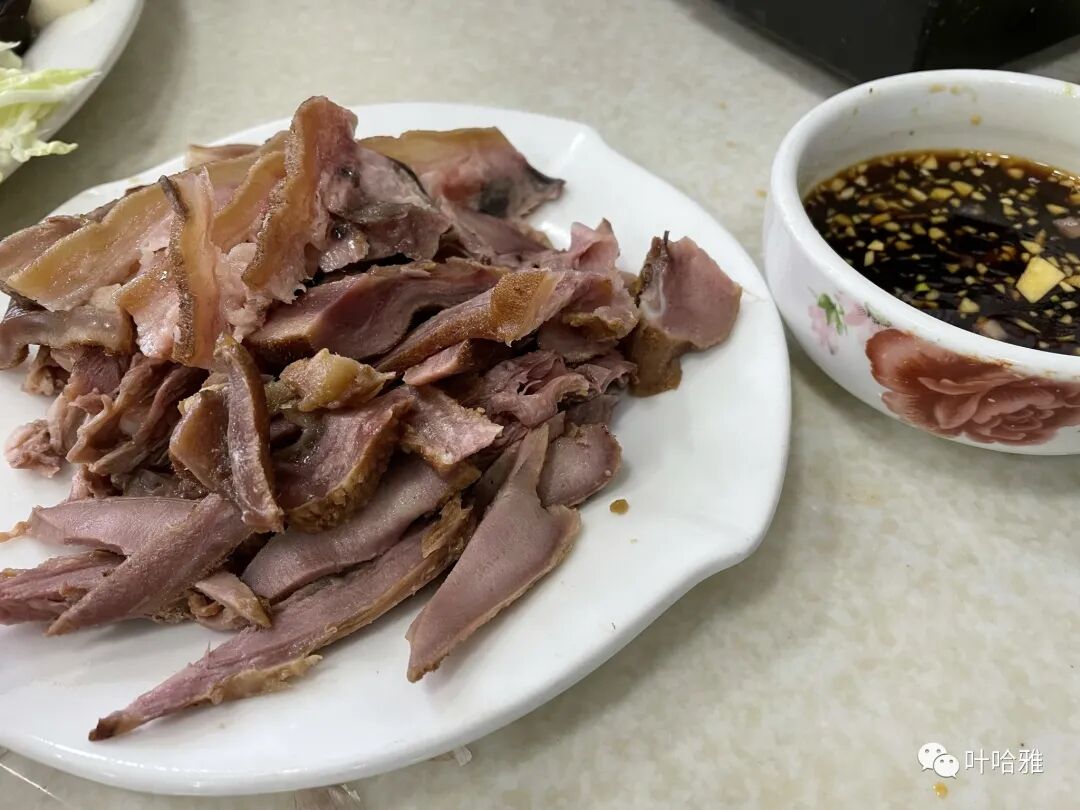
Sheep head meat
5
Qiqihar Flavor: Three Brothers Barbecue
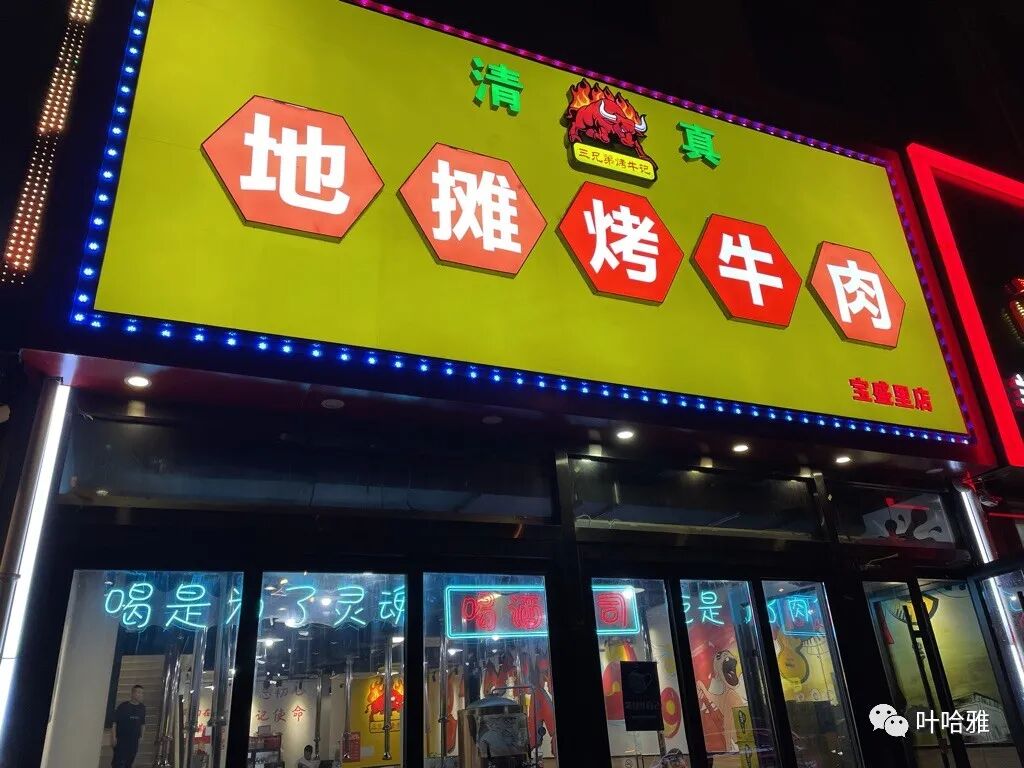
Located on the first floor of Xingmei Building on Qinghe Heiquan Road, this is a Qiqihar-style barbecue restaurant.
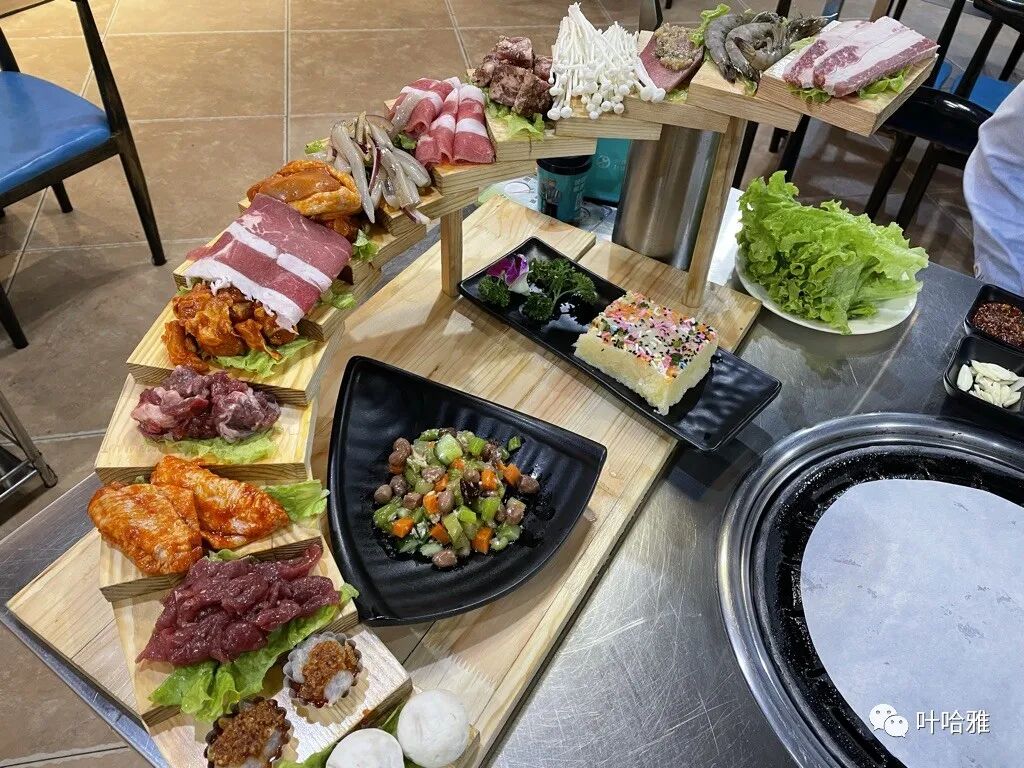
We bought a set meal for two on Dazhong Dianping for 198 yuan.
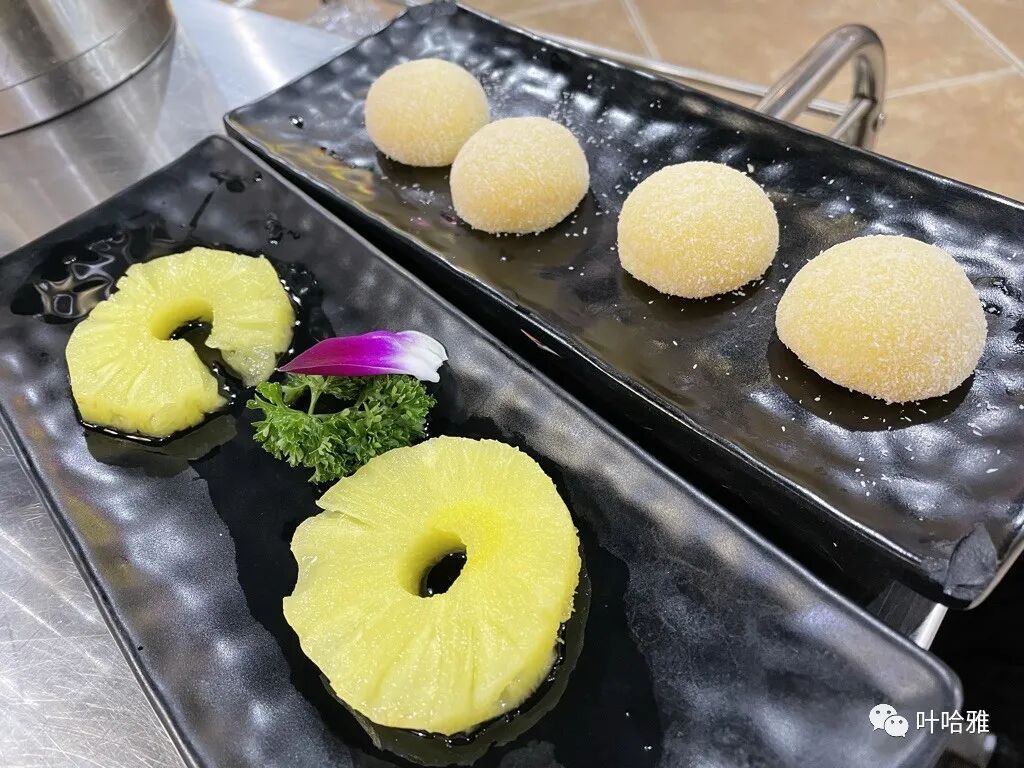
The set meal had a good variety, but the taste was just average. It was cheap, though. There is a Northwest-style restaurant next door, and the two businesses operate together.
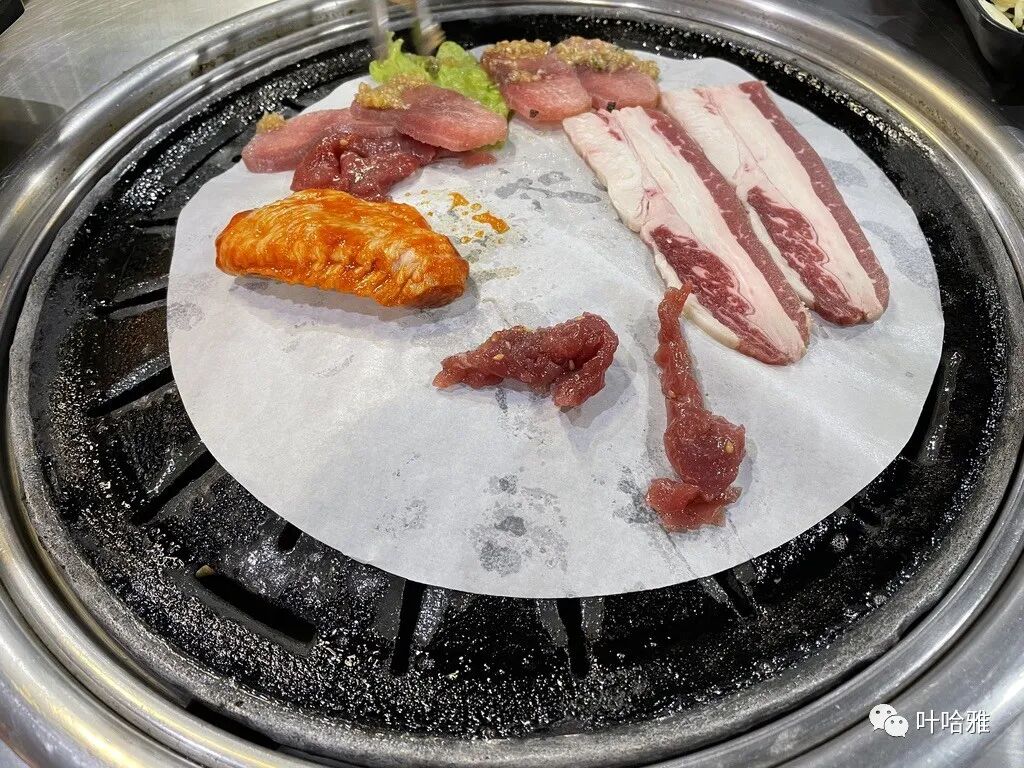
This iron plate barbecue is typical of the Qiqihar style. Since a new Qiqihar barbecue place just opened near Changying, there are now three halal Qiqihar barbecue restaurants in Beijing.
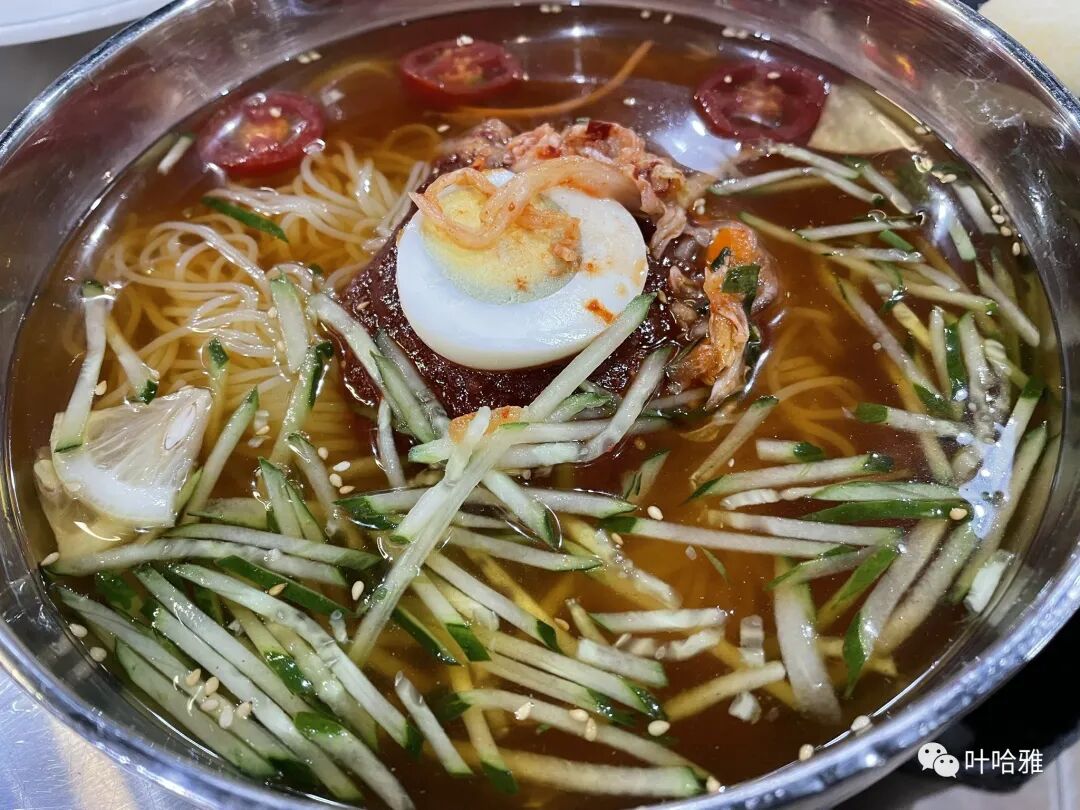
Cold noodles (lengmian), which every Qiqihar barbecue restaurant serves.
6
Qiqihar Flavor: Toupiqi
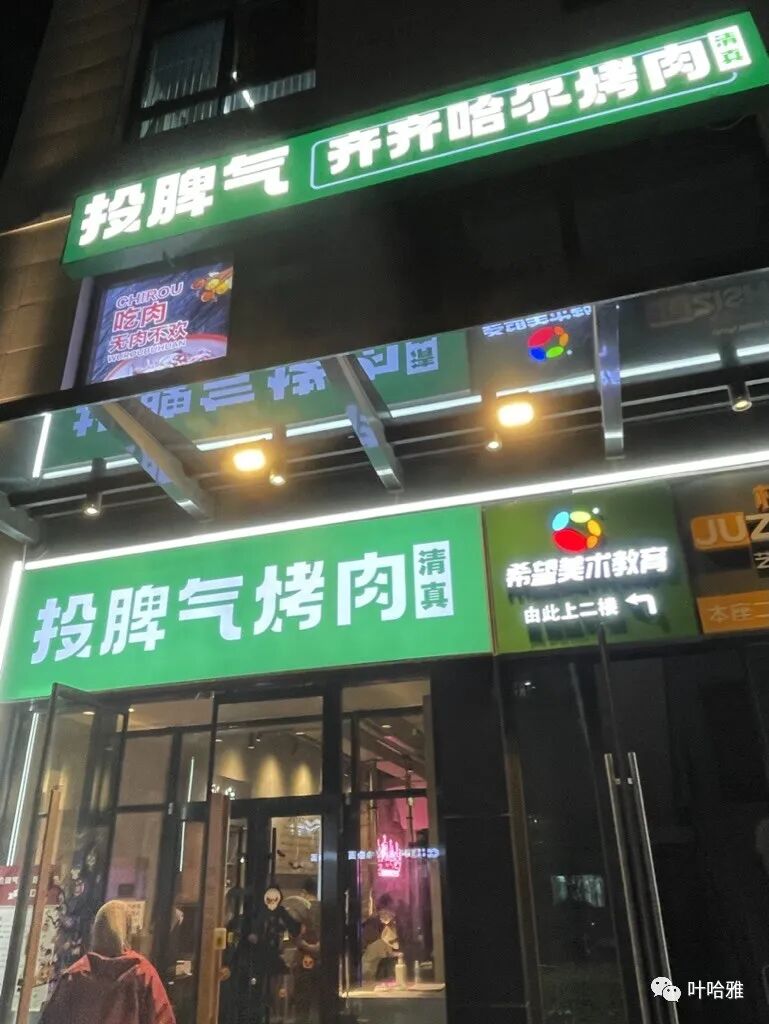
This shop is in Guanzhuang and opened recently. It is the third halal Qiqihar barbecue restaurant in Beijing.
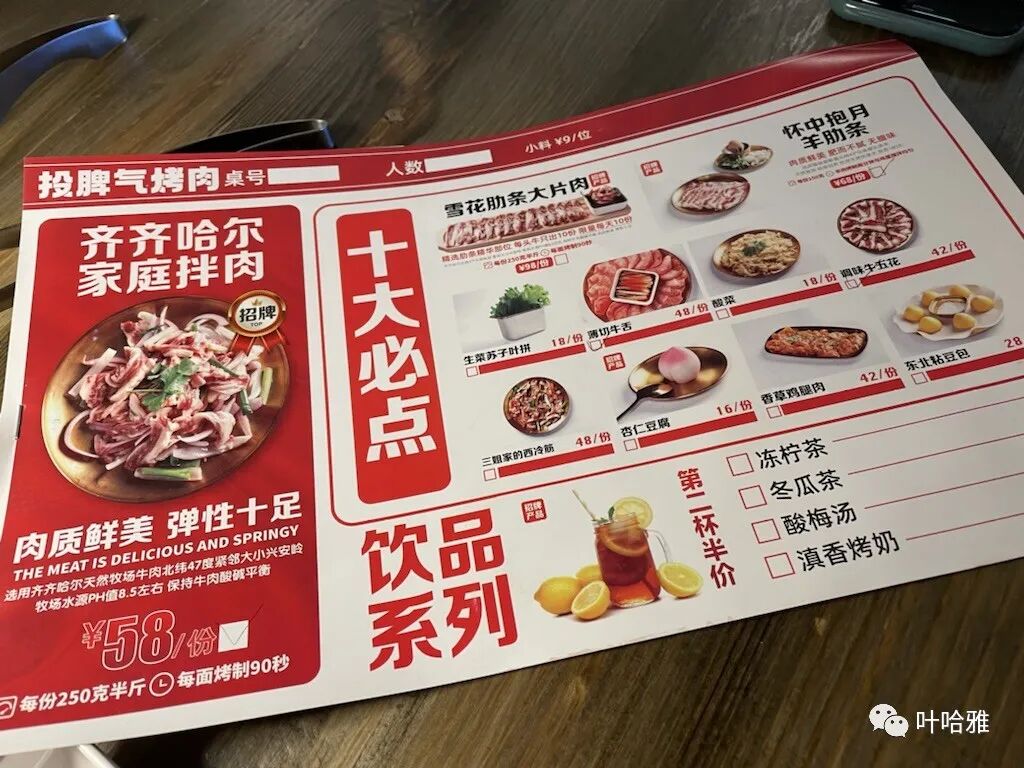
The quality here is much better than at Three Brothers. Since it is located in the Changying area, it would be hard to survive if the meat quality were not good.
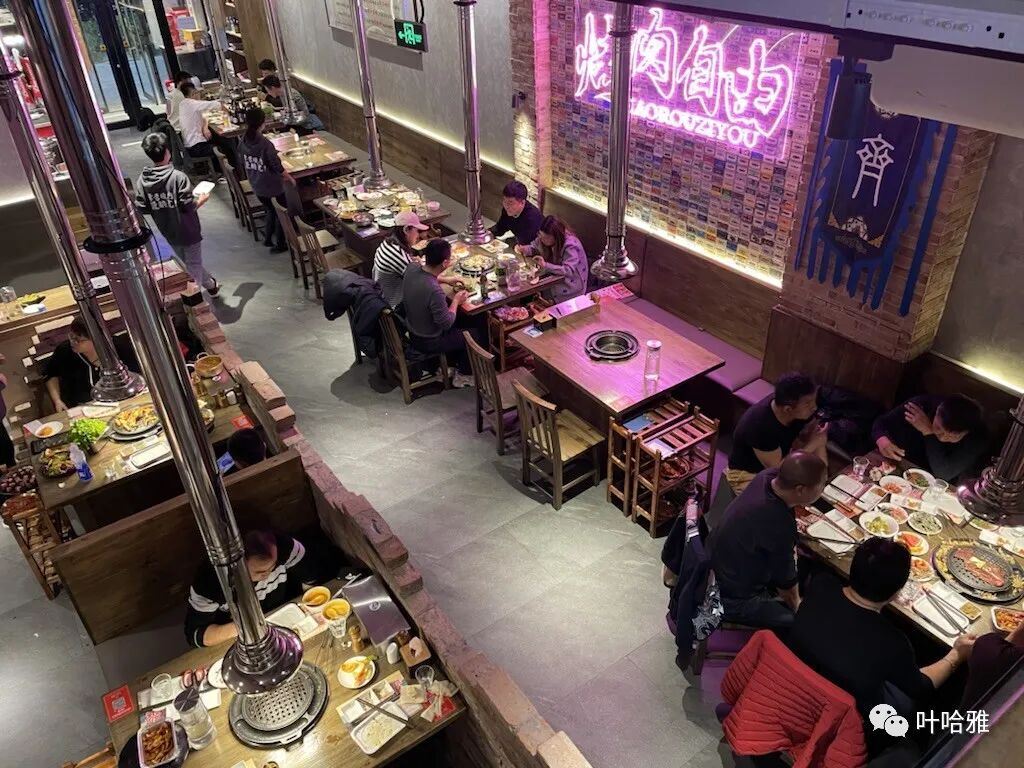
The shop has two floors, plenty of space, and convenient parking at the entrance, making it great for small gatherings with friends.
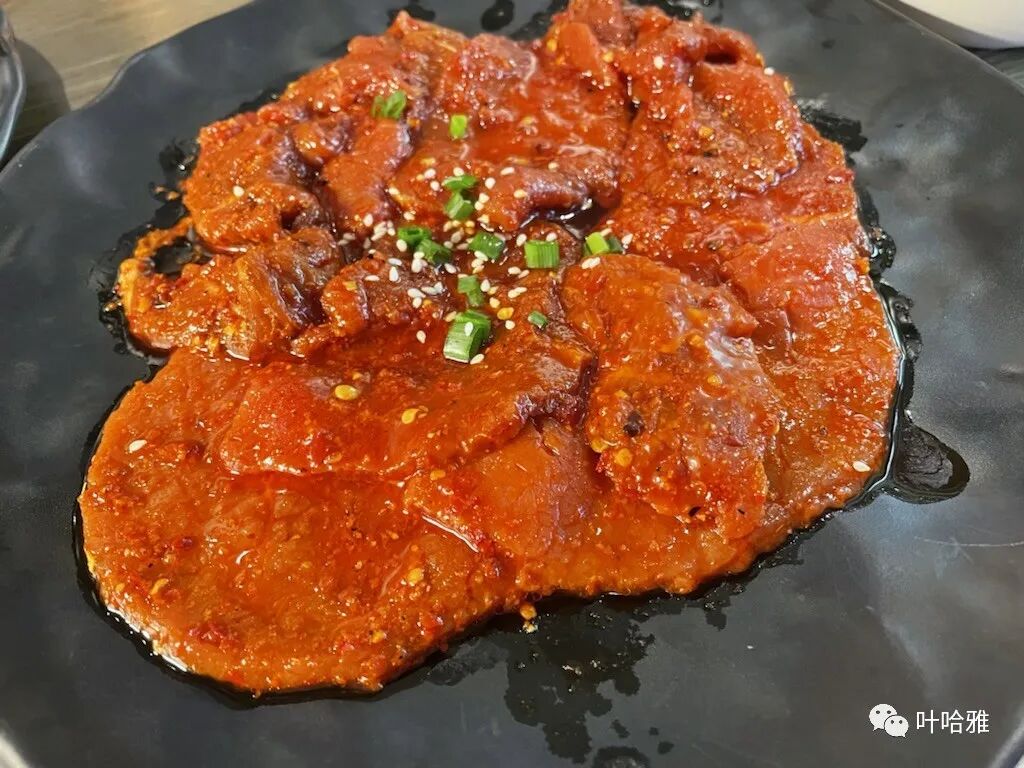
If I had to rank the three big Qiqihar barbecue spots in Beijing, I would put this one in second place and Dajinggai Barbecue Company in first. Dajinggai’s environment is designed to look like a street-side barbecue tent in Qiqihar, which feels more authentic, and their cold noodles and fried rice are delicious.
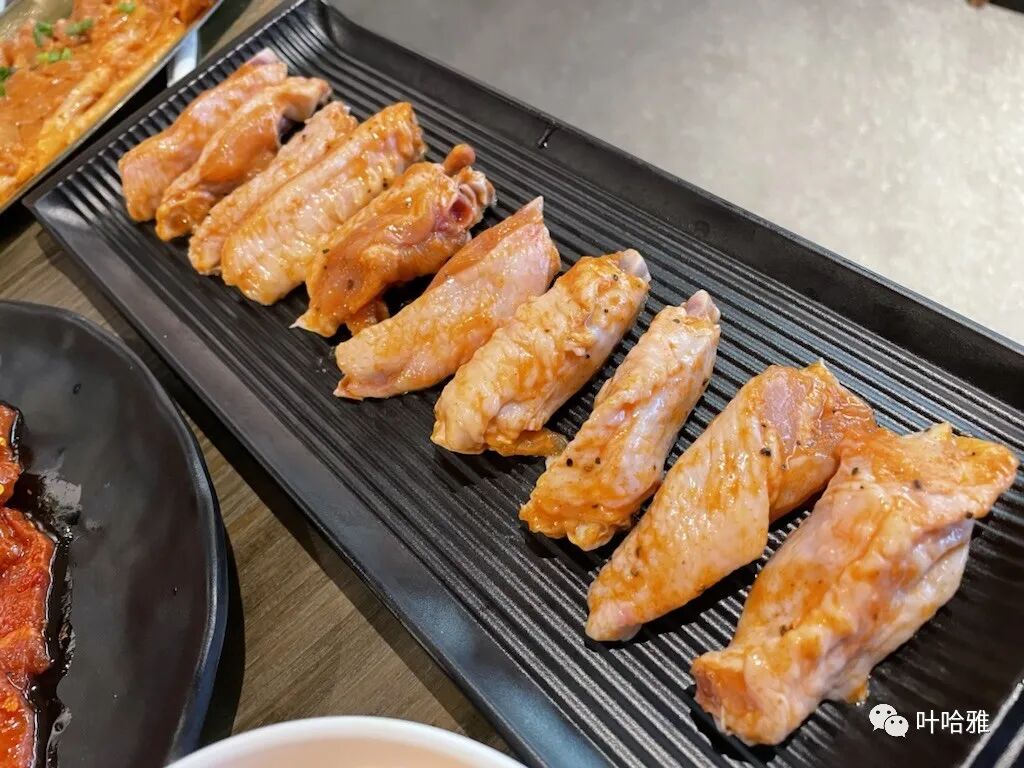
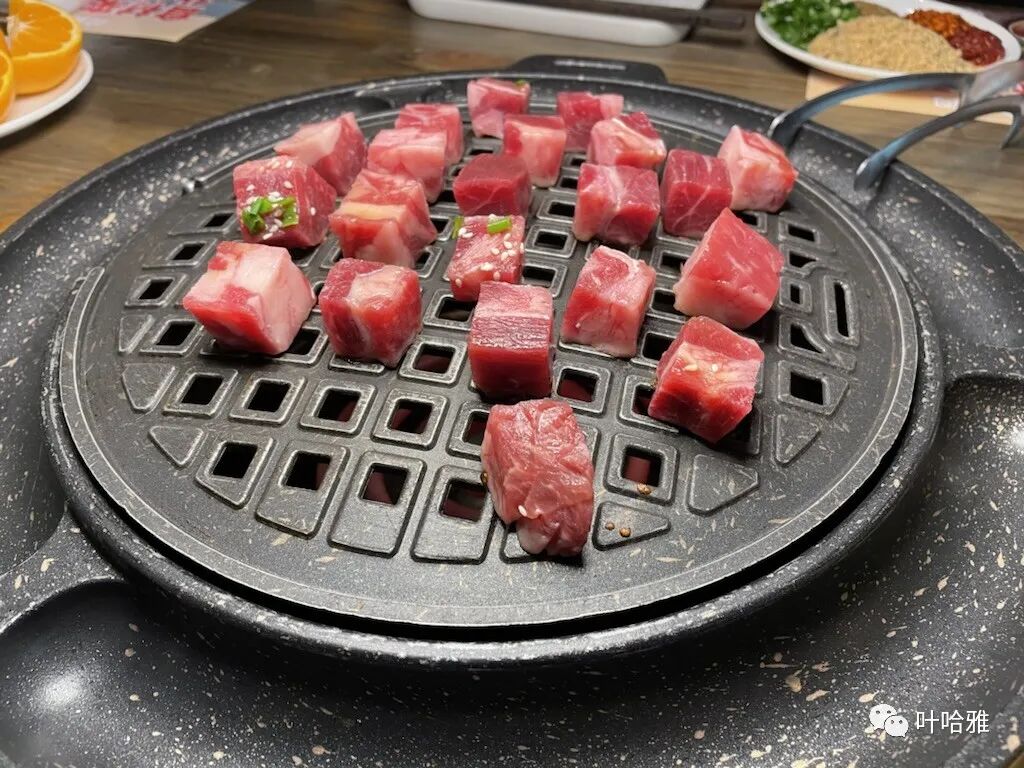
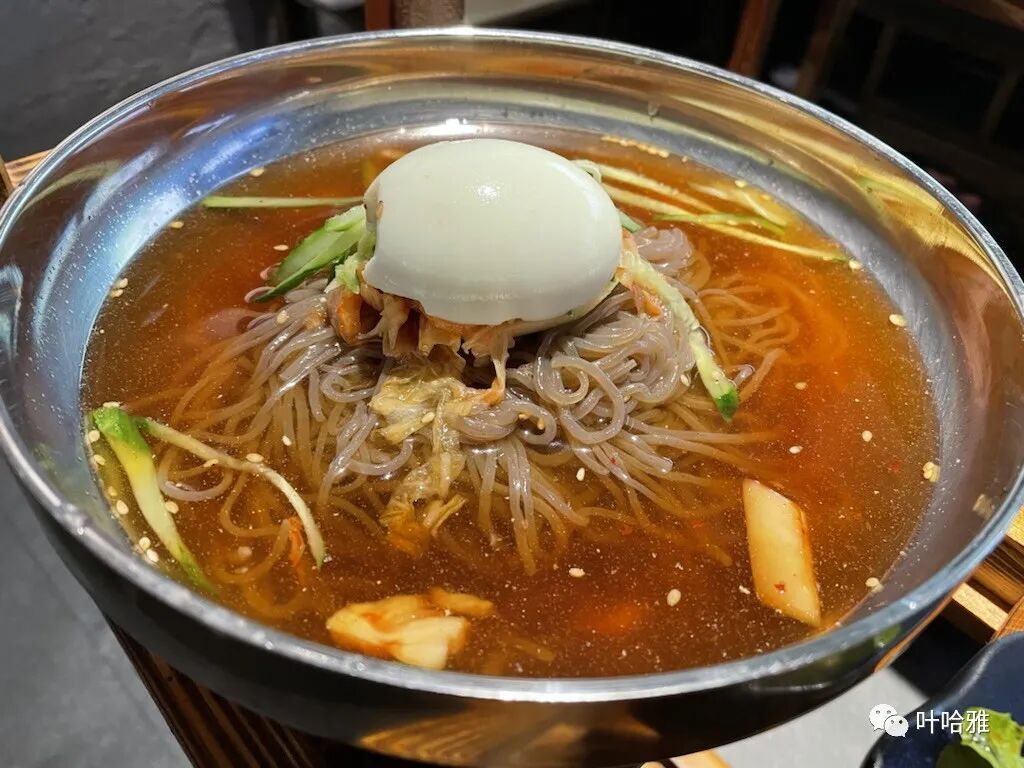
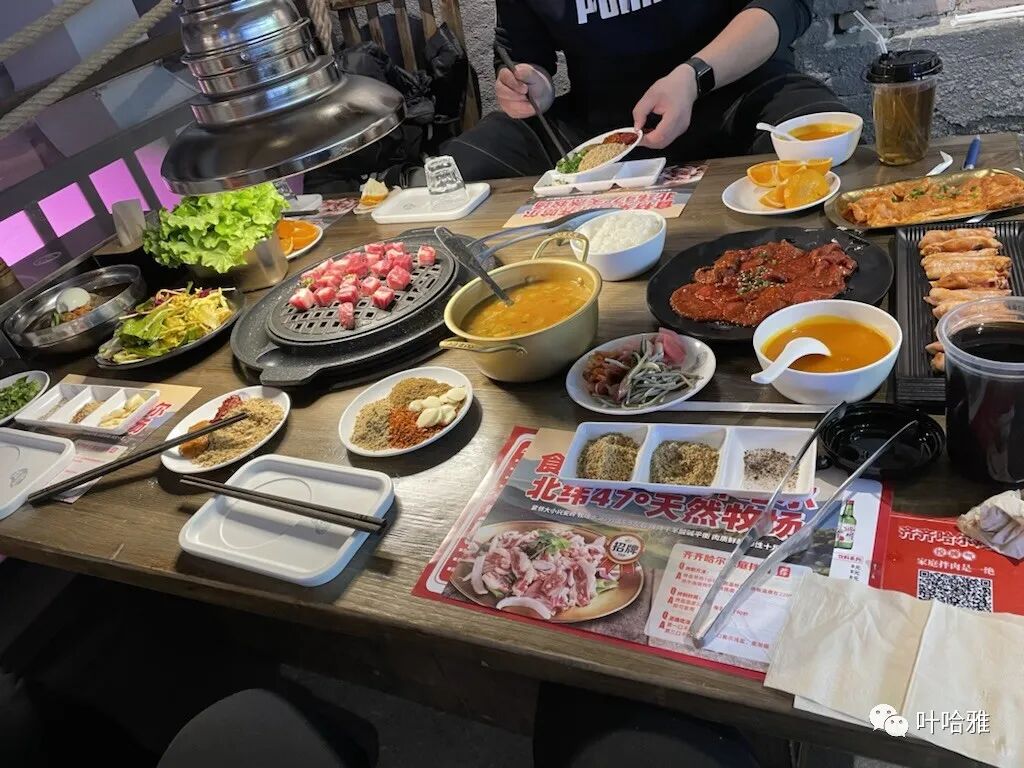
Three of us could not even finish this big table of food. The group-buy price was 191 yuan, which is very affordable.
7
Heilongjiang Flavor: Uncle Oyster Iron Pot Stew
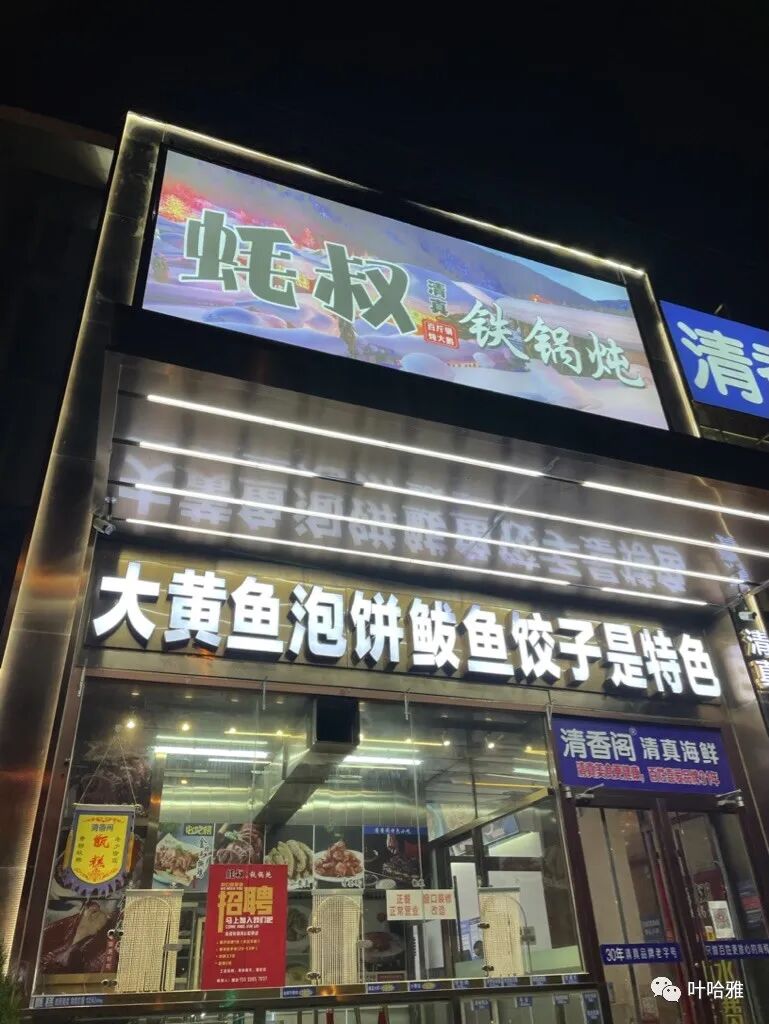
A newly opened Northeast iron pot stew (tieguo dun) restaurant near Jiande Bridge, located in the basement of Qingxiangge Dalian Seafood.
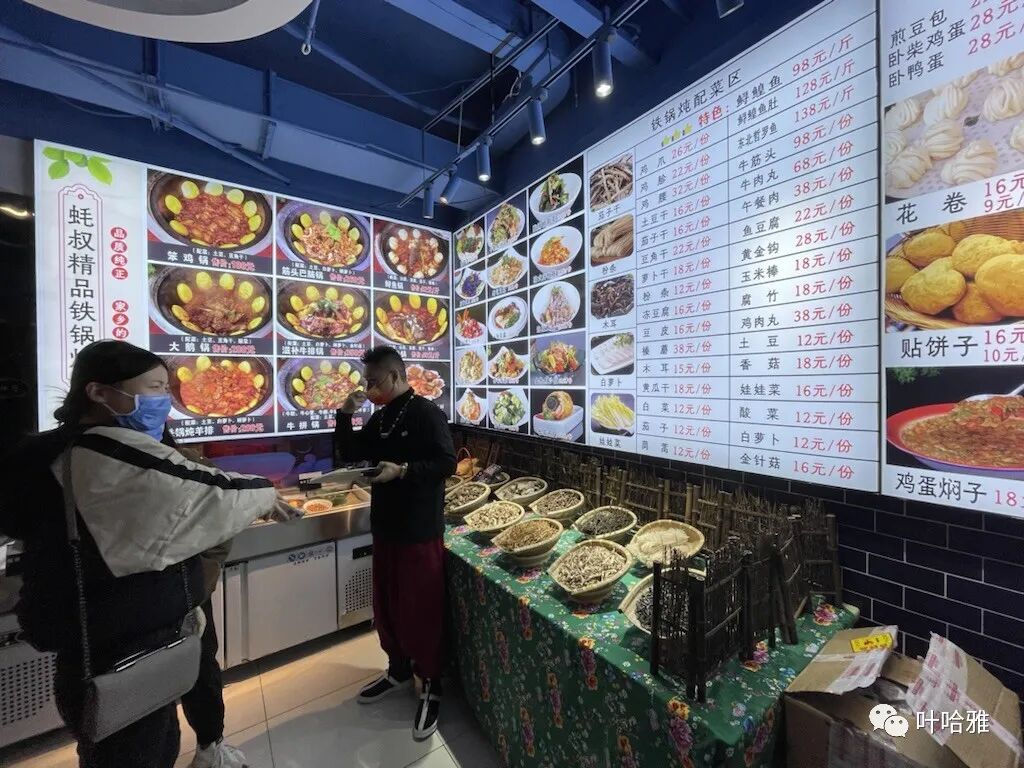
Ever since the halal Erjie Earth Pot Stew (diguo dun) in Xueying, Daxing closed, I have not had authentic Northeast earth pot stew.
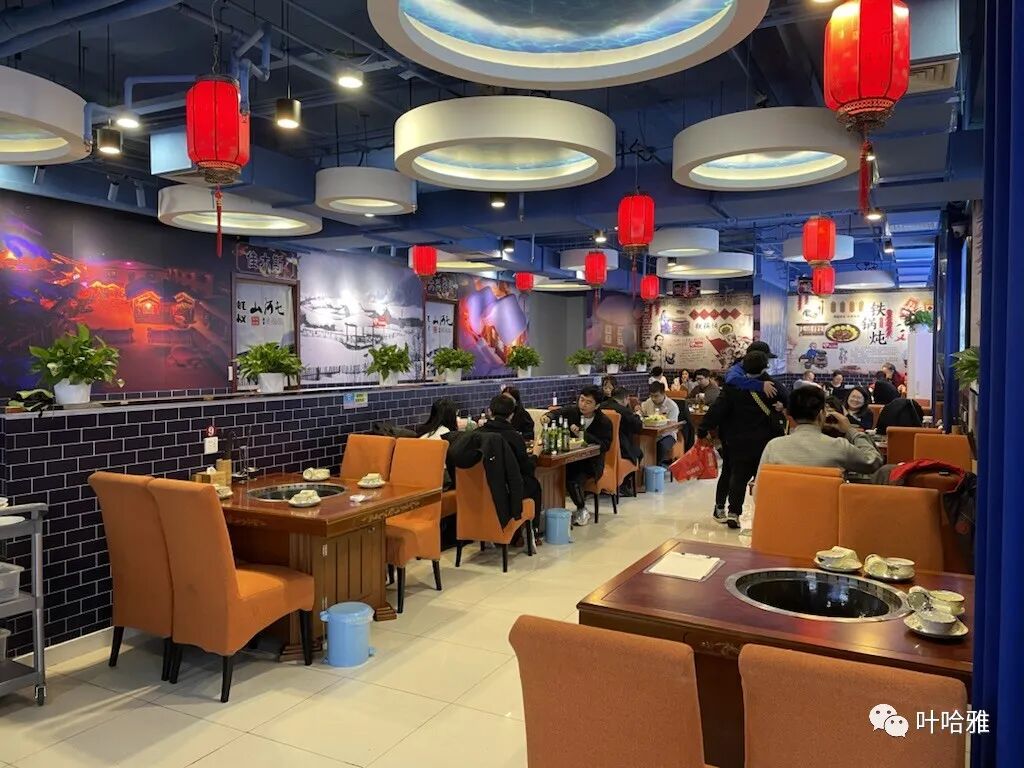
So, I invited three or four friends from the group to come and try it. We had to order the iron pot stewed goose, as you need a group to eat it.
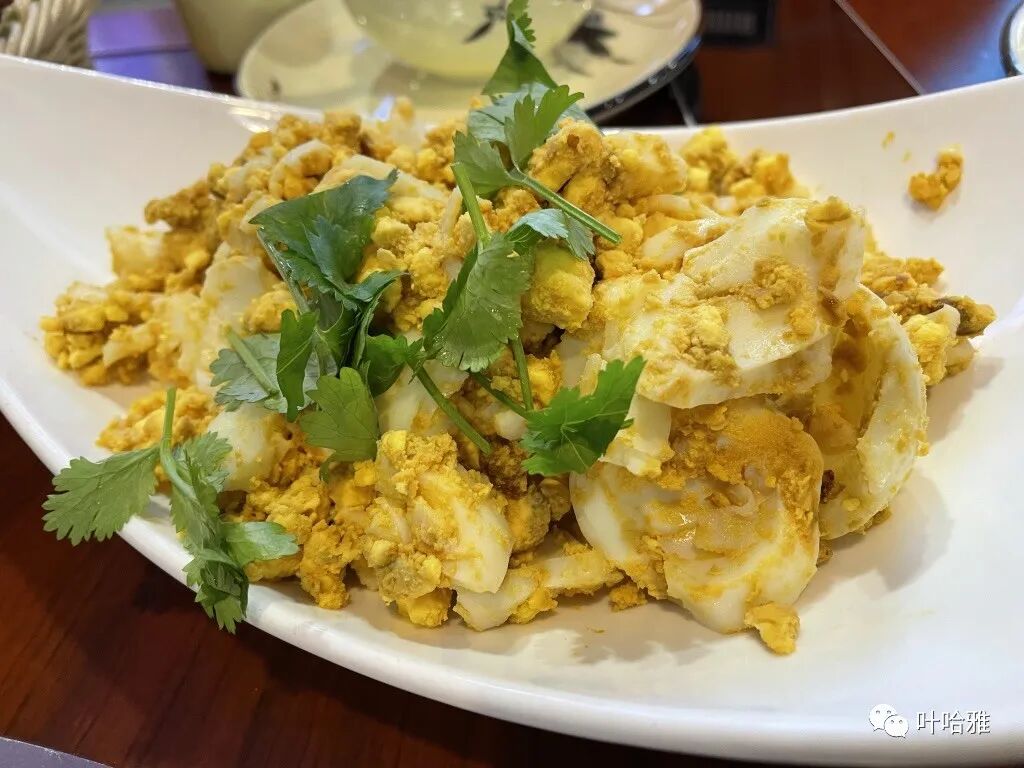
This dish is called mashed garlic egg (suandaodan). It is a home-style specialty from Northeast China made with eggs and has a salty, savory flavor.
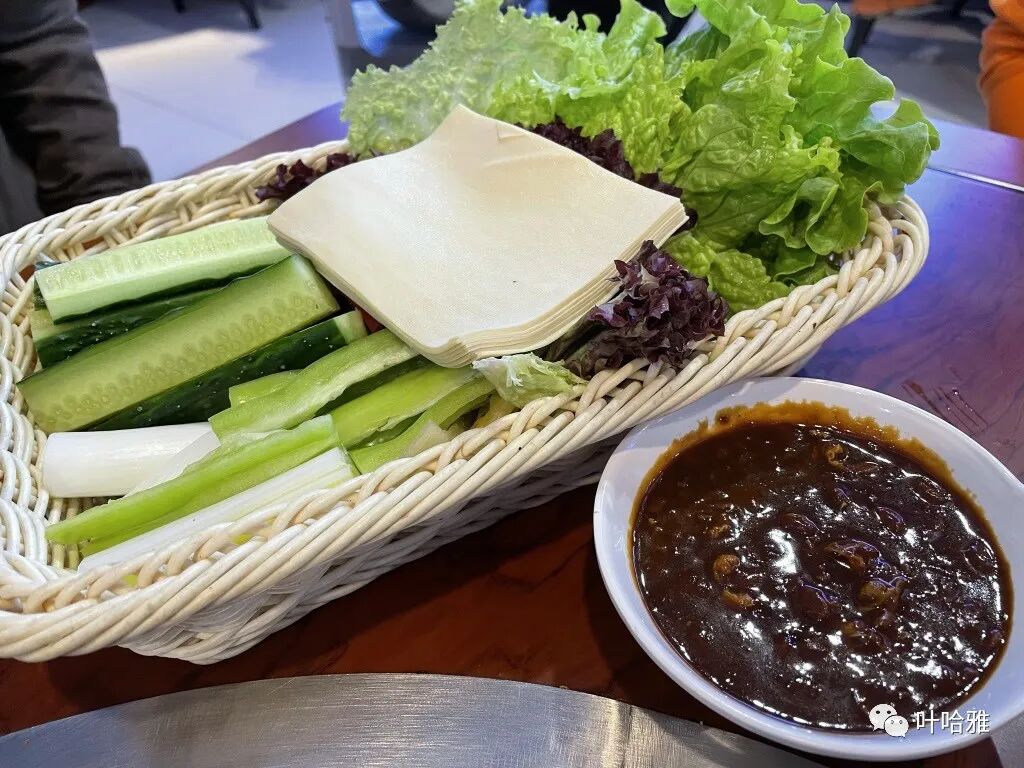
For raw vegetables with dipping sauce (zhanjiangcai), I love the cucumbers and green onions. I have loved eating green onions with soybean paste (dajiang) since I was a kid, especially with a hot, freshly steamed white bun (mantou).
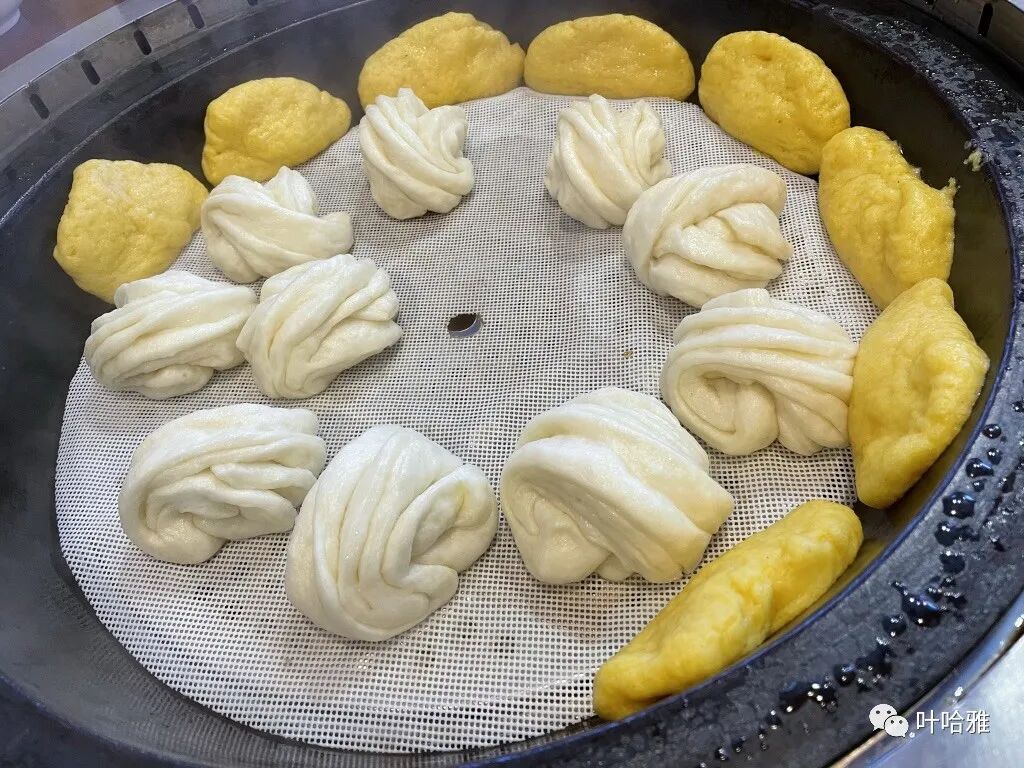
To eat iron pot stewed goose (tieguo dun da'e), first put the chopped goose into the bottom of the pot, then add your choice of side dishes. We chose golden beans, tofu, shiitake mushrooms, and potatoes. Cover the pot and stew for 15 minutes. Place steamed flower rolls (huajuan) and griddle cakes (tiebingzi) on top. When the time is up, the meat below is stewed and the staples on top are steamed. Everything is fresh and delicious.
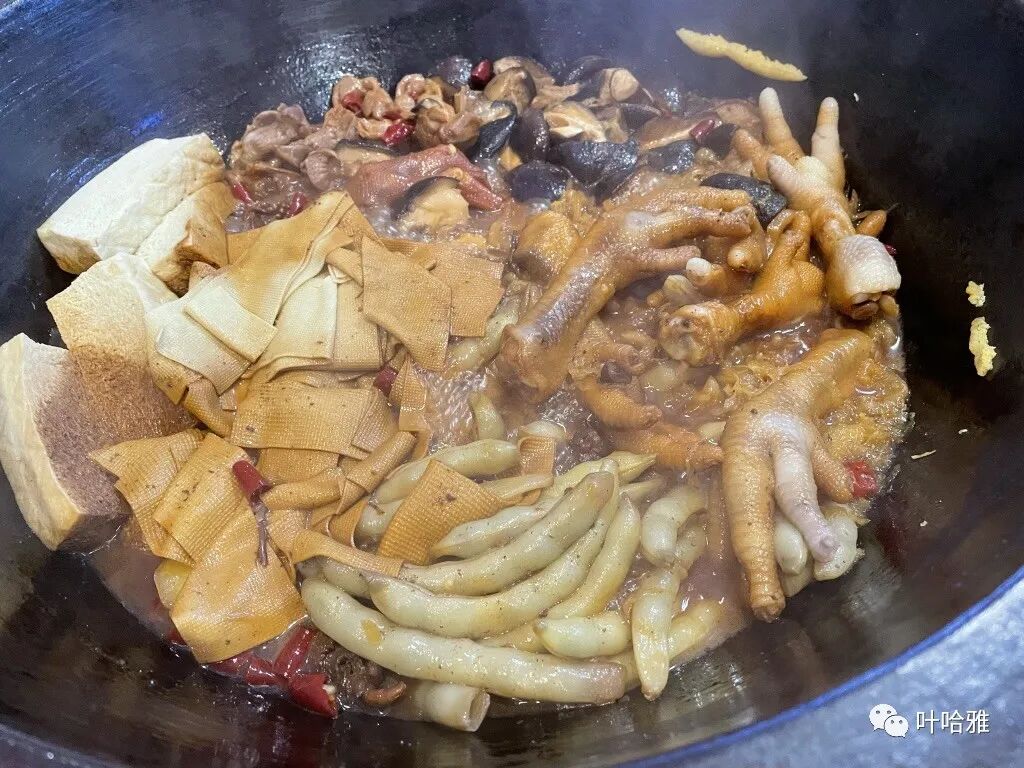
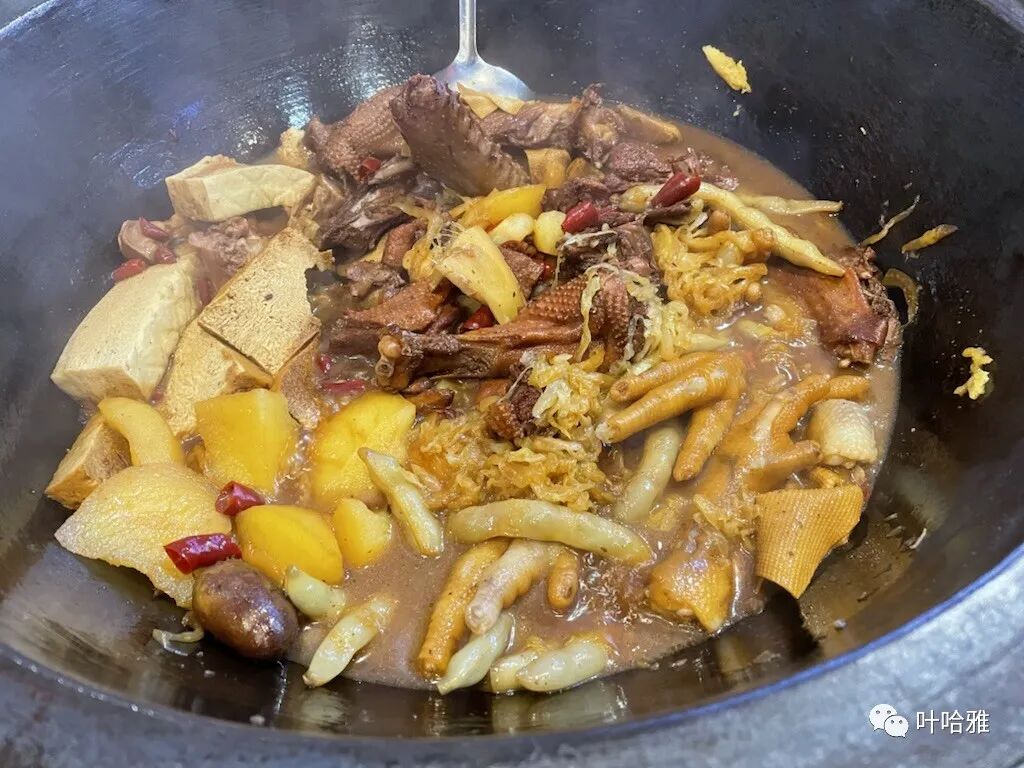
This pot of stewed goose was enough for 6 of us. We finished every bit, and it cost 60 yuan per person.
8
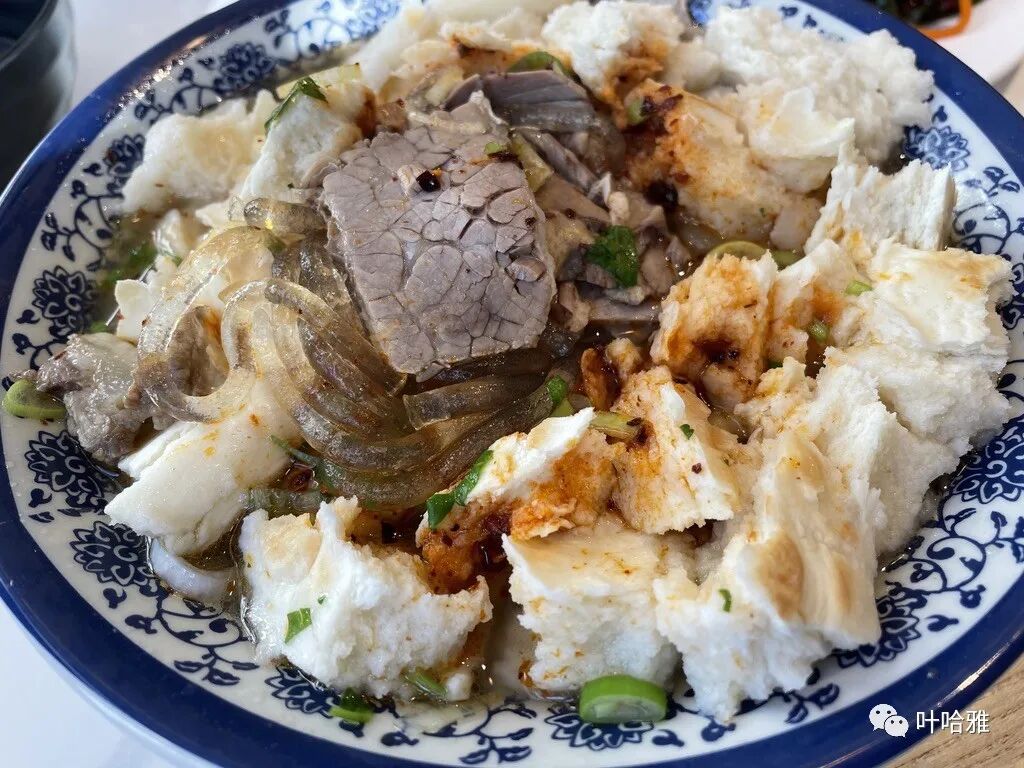
Pingliang Flavor: Longxiang Hui Lamb Pita Bread Soup (yangrou paomo)
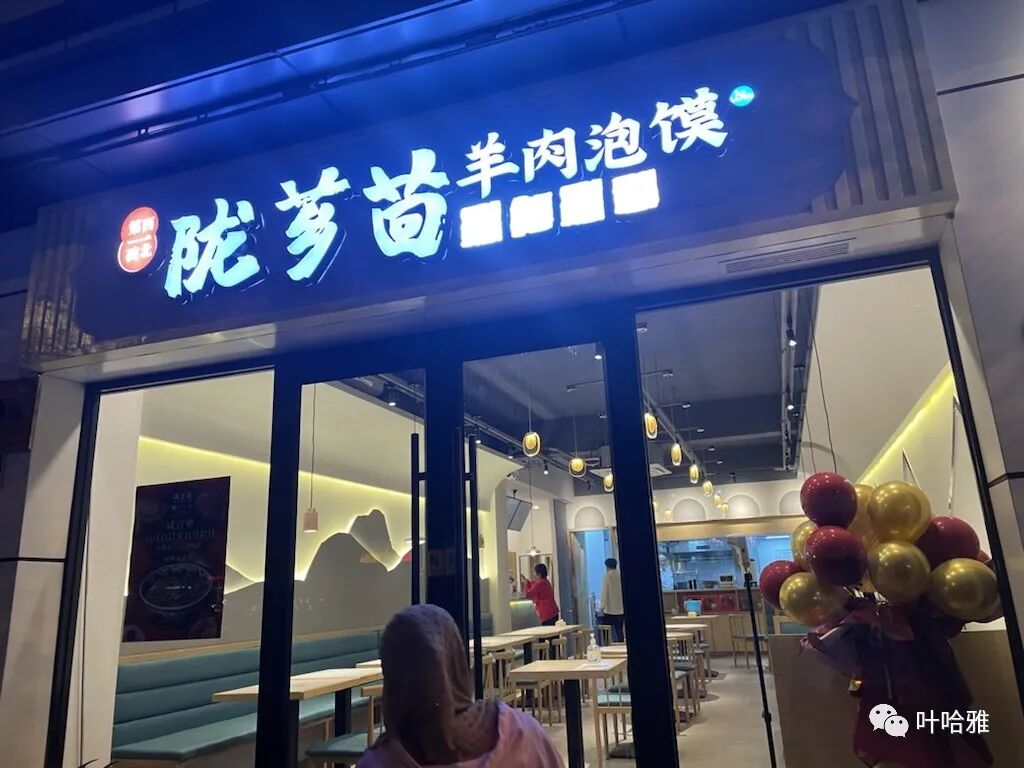
A lamb pita bread soup shop opened on Dongsi Street. People usually think of Xi'an style when they hear about pita bread soup, but this shop has the character 'Long' in its name, so I guessed it was Pingliang style.
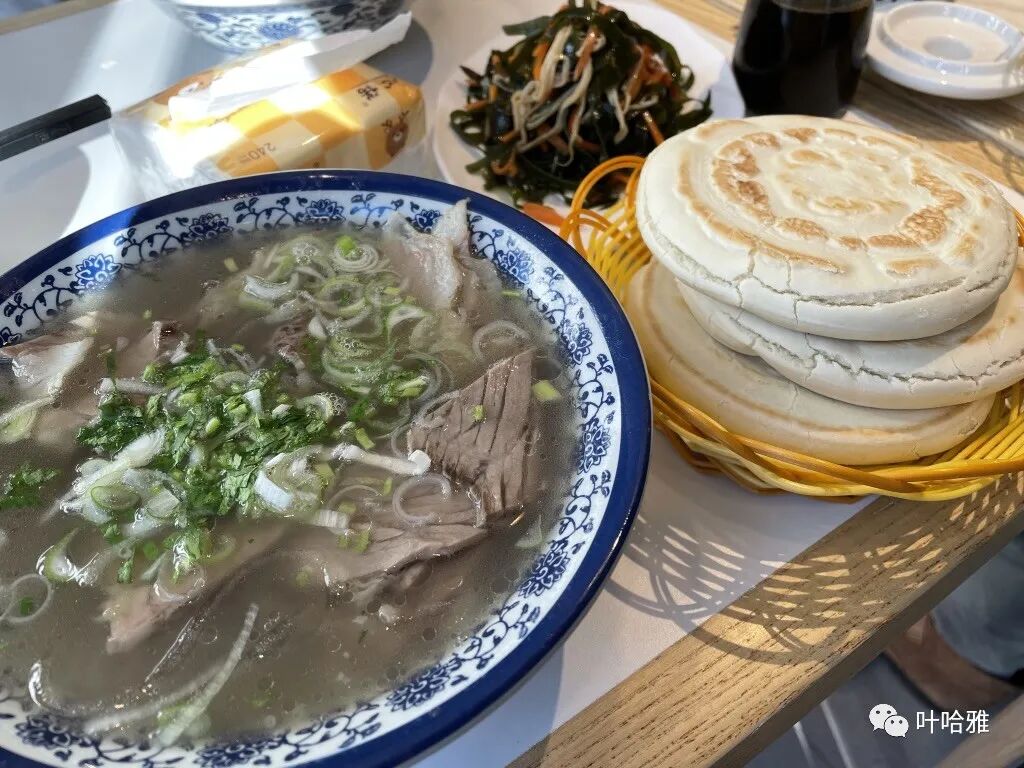
I have many friends from Pingliang, and they often talk about the difference between Pingliang and Xi'an pita bread soup. Pingliang pita bread soup is its own thing; it has more broth, and the bread is fully cooked. Unlike the Xi'an version where the bread is only 70% cooked, you don't need to break the Pingliang bread into tiny pieces. Keep them in larger chunks. It is best to serve the broth and bread separately and soak the bread as you eat.
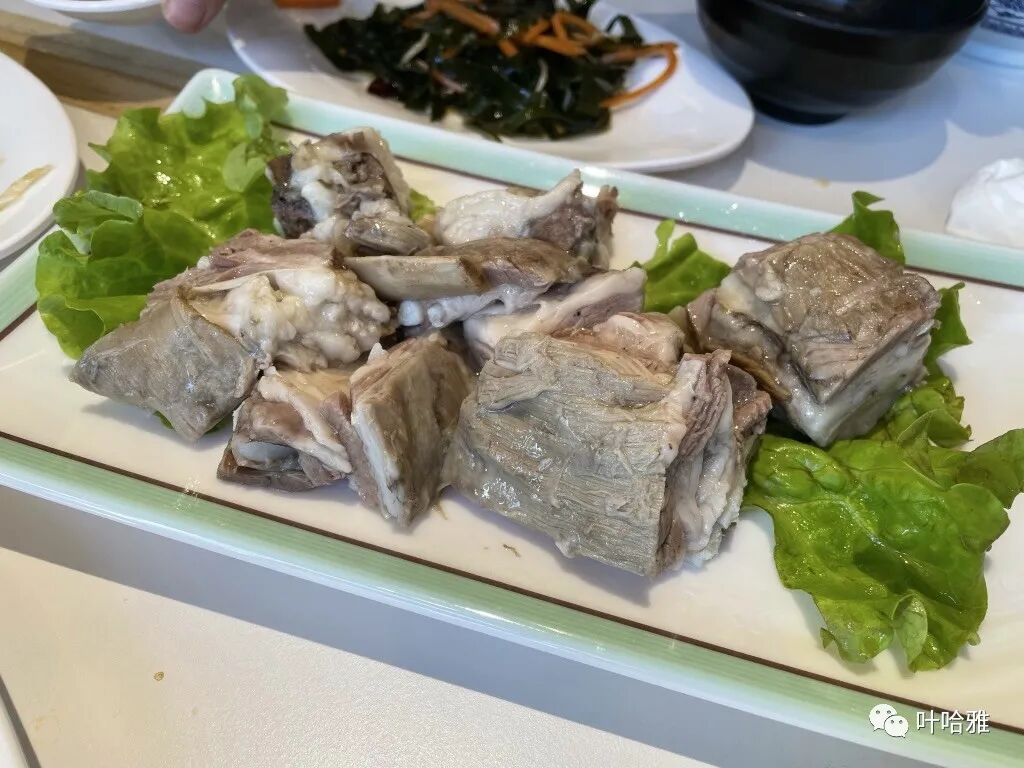
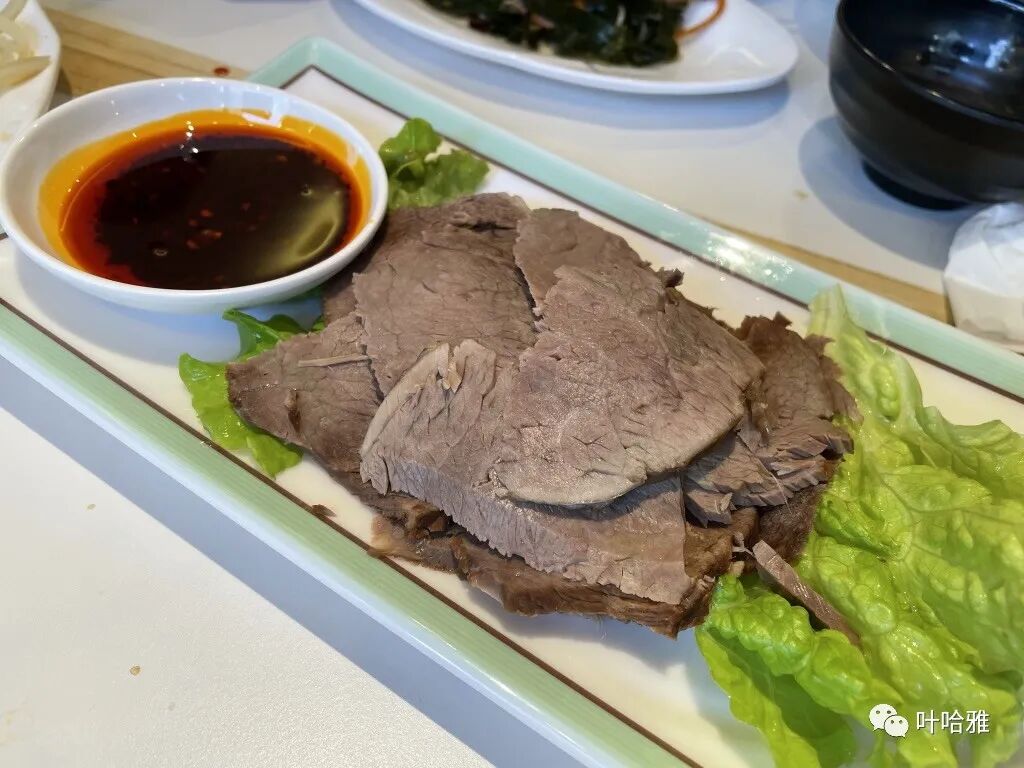
The owner told me the chef comes from the famous Chunhua Restaurant in Pingliang, which all the local elders know. The master chef has spent most of his life cooking and knows his craft well. Besides pita bread soup, you can also get Gansu-style hand-grabbed lamb (shouzhuayangrou) and cold-tossed beef.
I heard they recently added cat-ear noodles (mashi) and cold noodles (liangpi). These are Gansu specialties that are tasty and affordable.
9
Lanzhou Flavor: Silk Road Yilan Spicy Hot Pot (malatang)
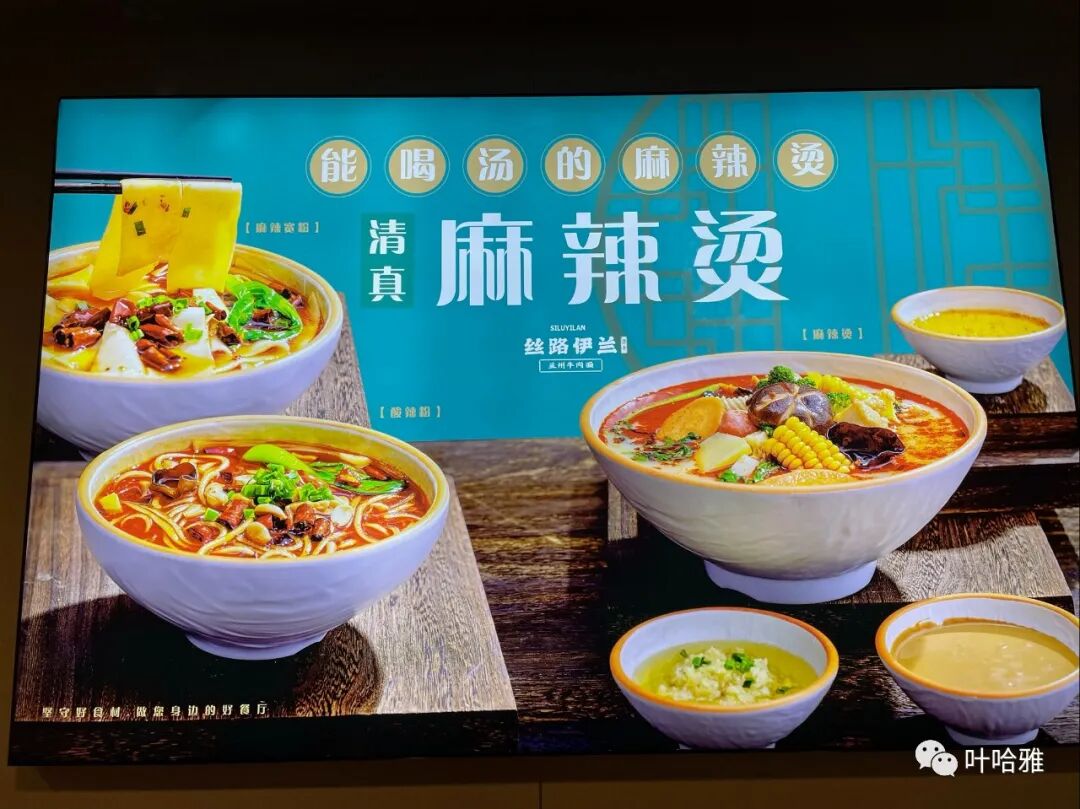
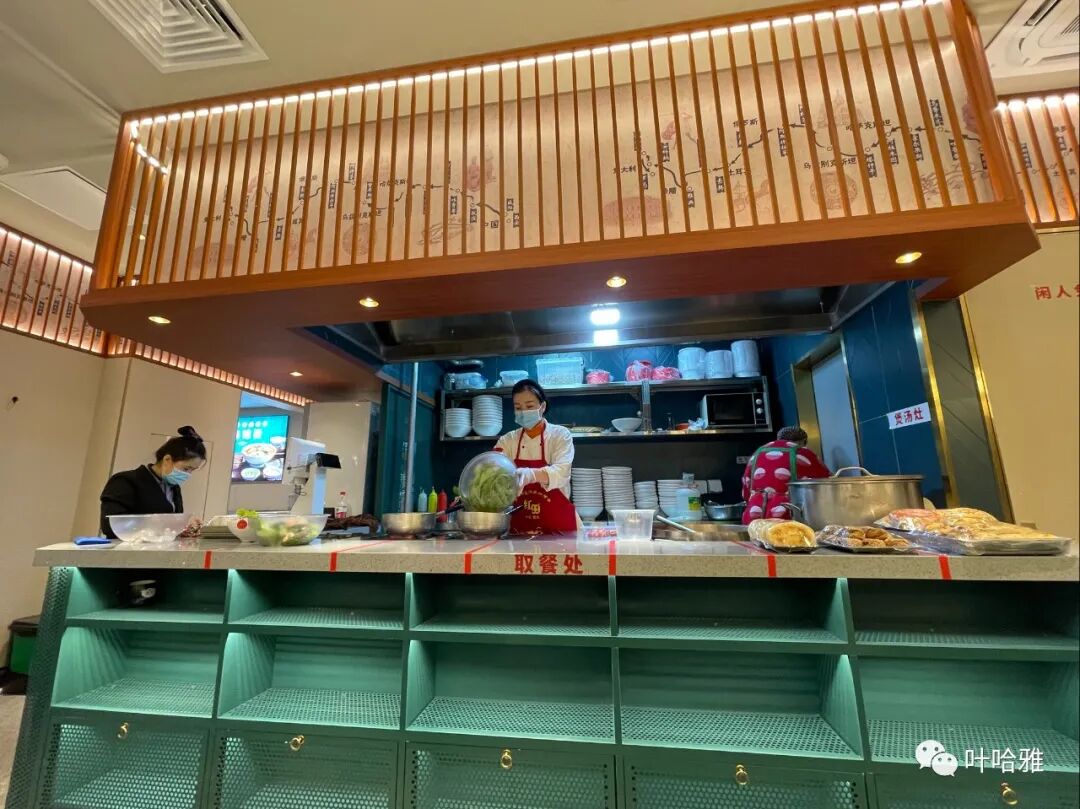
Silk Road Yilan, the only place on Niujie Street that doesn't sell alcohol, recently added spicy hot pot inside their noodle shop. The flavor is great, and it is served in individual pots, making it clean and hygienic.
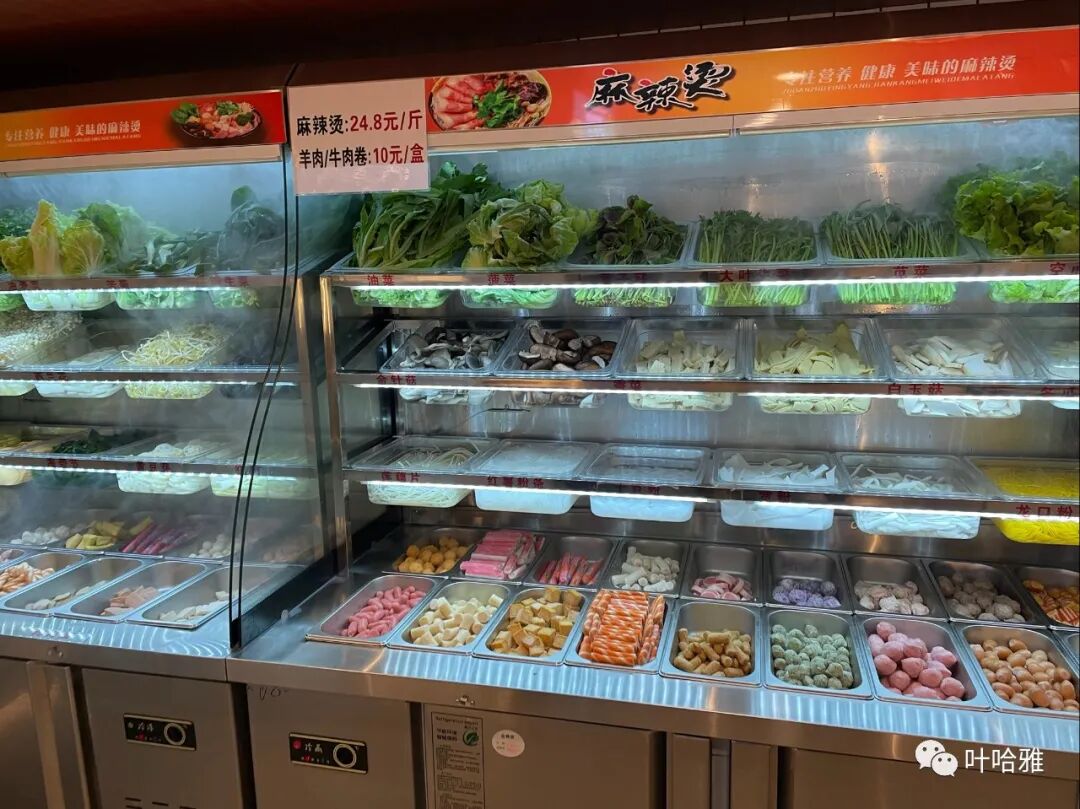
If you don't want noodles and want to eat more vegetables, you should come and try it.
10
Inner Mongolia Flavor: Mengdameng Specialty Roasted Lamb Leg
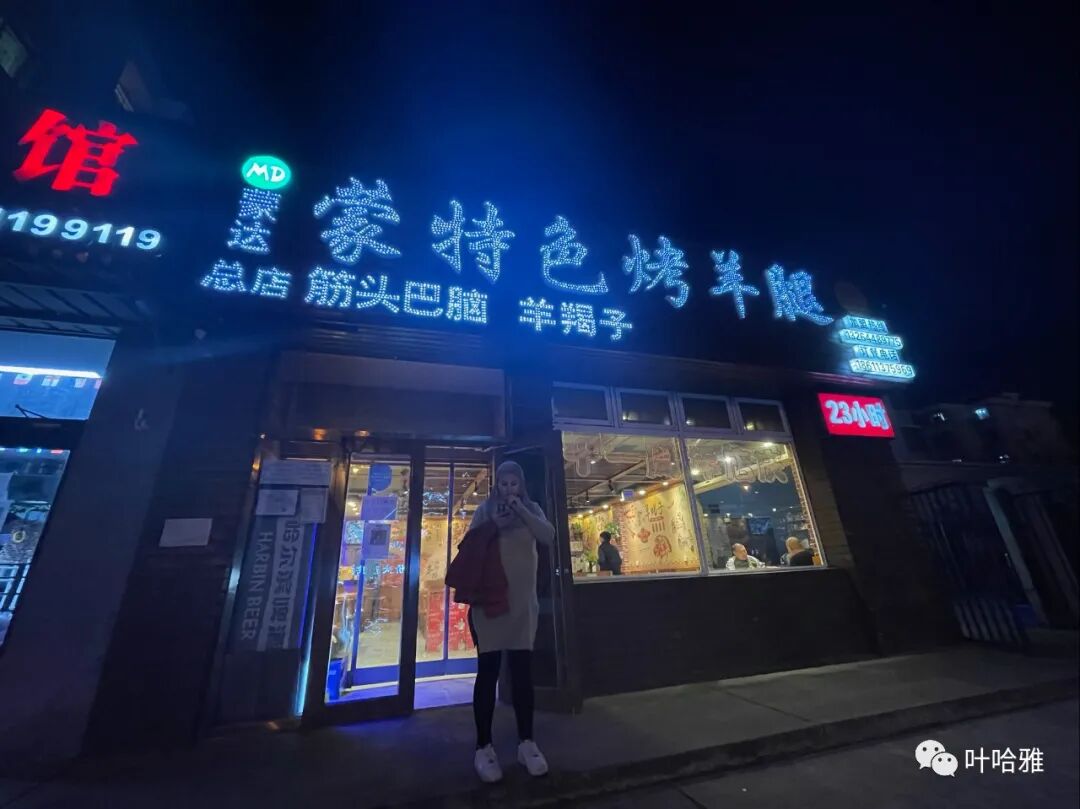
A small Mongolian-style barbecue shop near the Xihongmen Mosque.
I didn't come here for their roasted lamb leg. I eat too much meat usually, so I wanted something light.
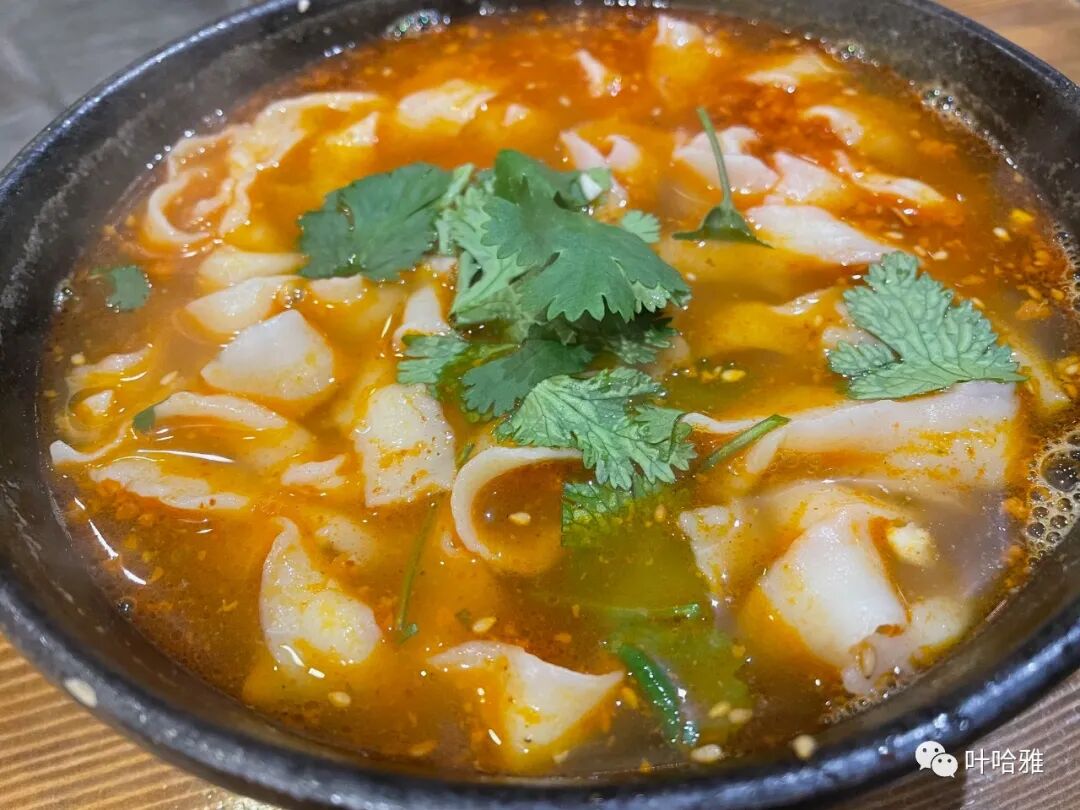
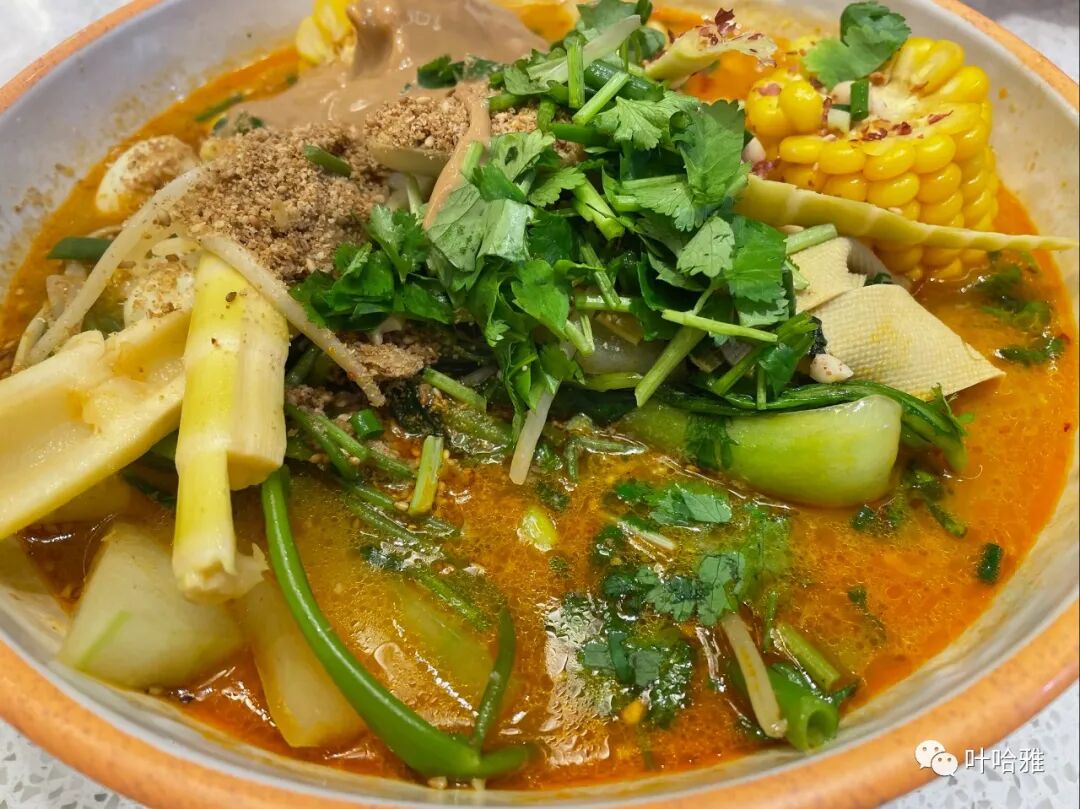
My favorite dish here is the Mongolian big bowl noodles (menggu dawan mian). The noodles are wide and the soup is a bit spicy, but the noodles are chewy. Many friends say it tastes great.
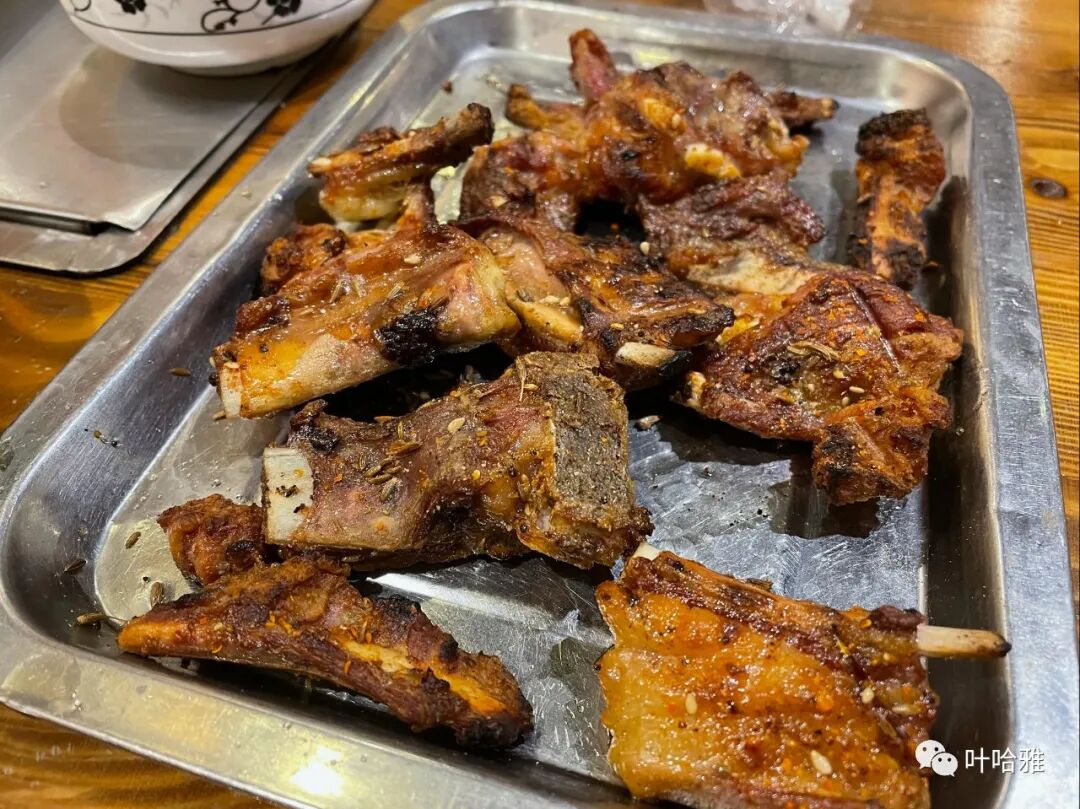
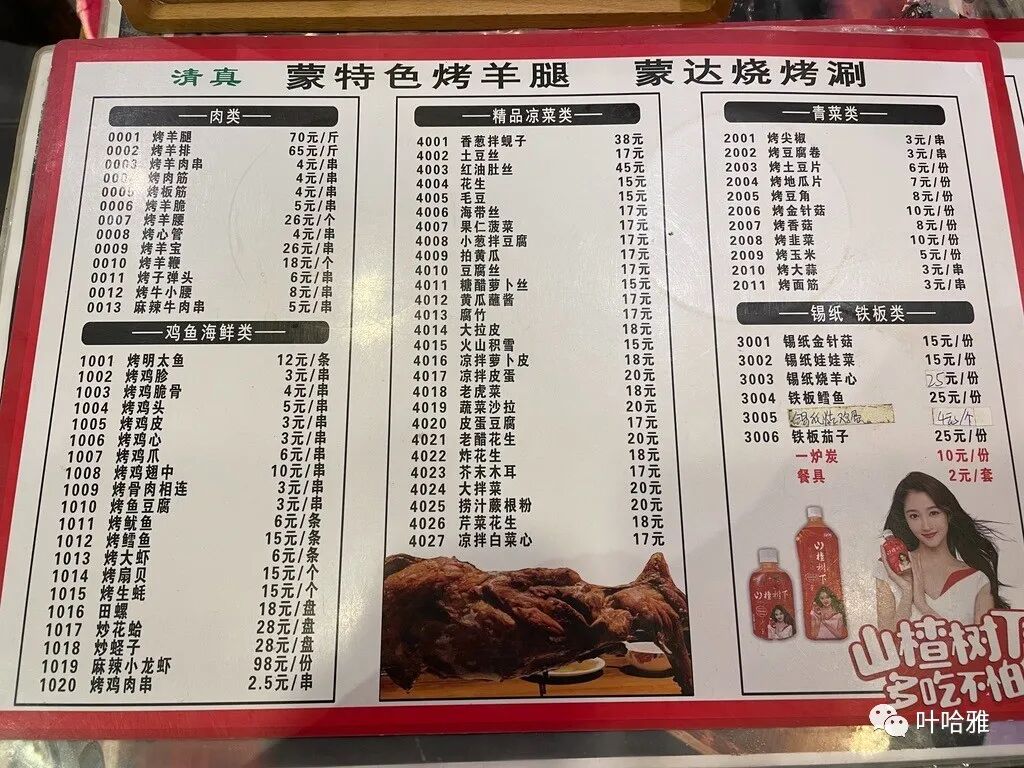
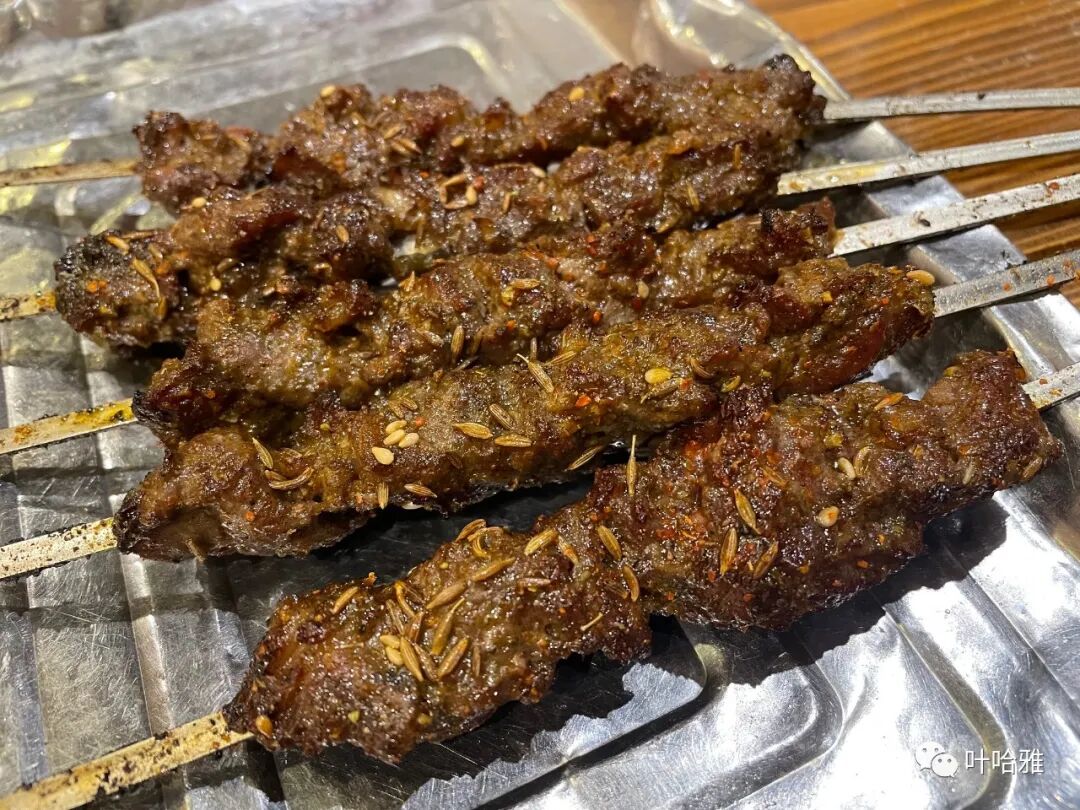
You can order the roasted lamb ribs (kao yangpai) by the jin. These are small lamb ribs.
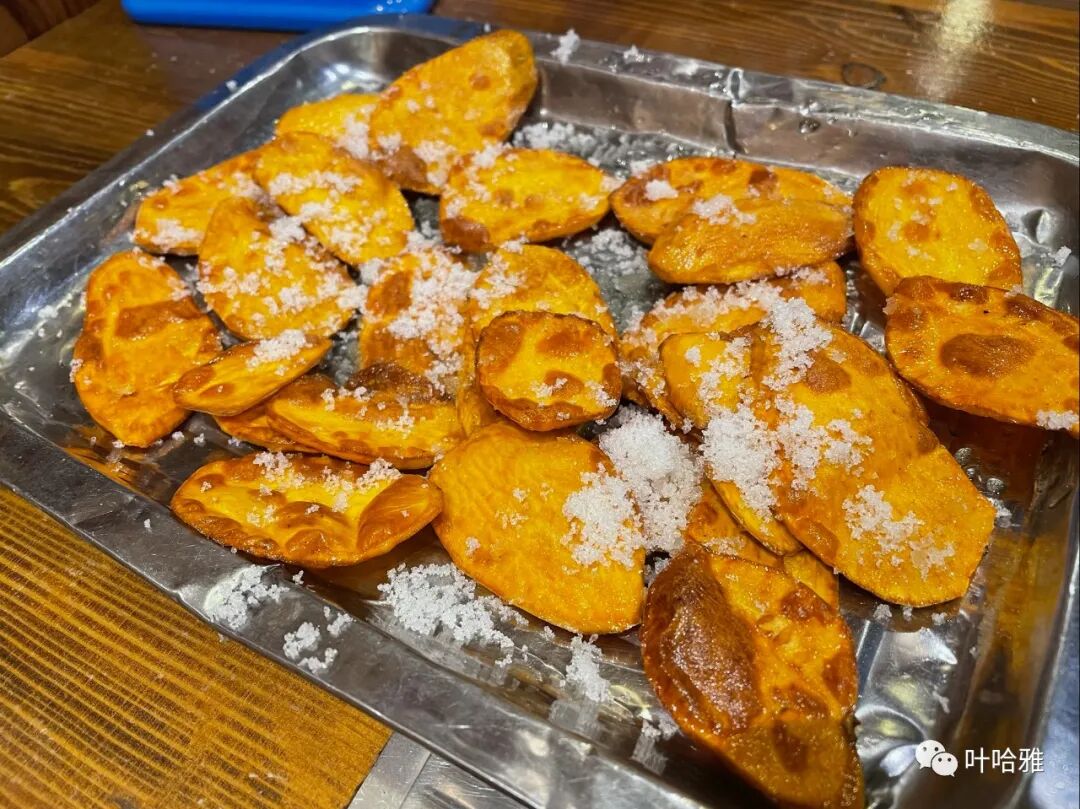
Roasted sweet potato slices (kao digua pian)
11
Sichuan-style Niububi clear oil tripe hot pot
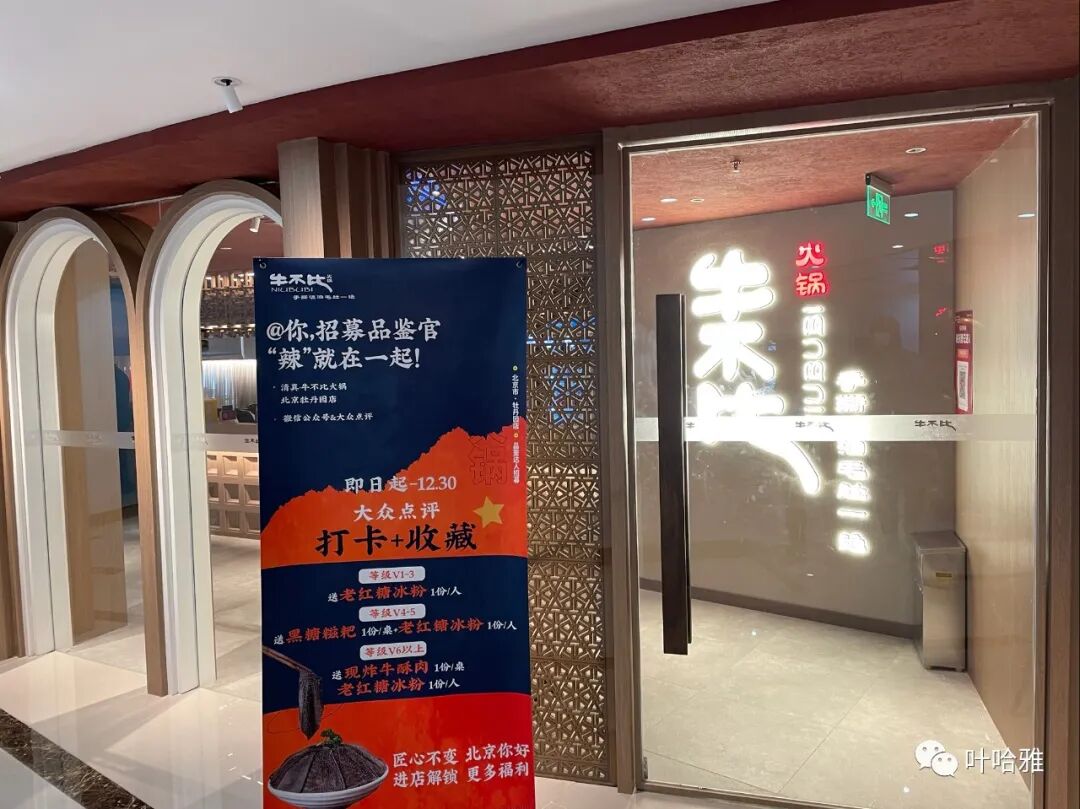
I first ate at Niububi in Chengdu in 2016. That was my first time having authentic halal Chengdu hot pot. I waited in line for over two hours, but it was worth it. I later ate at their Xining branch, but it is a pity that Beijing has never had a truly authentic halal Sichuan hot pot restaurant, only a few cold pot skewer shops.
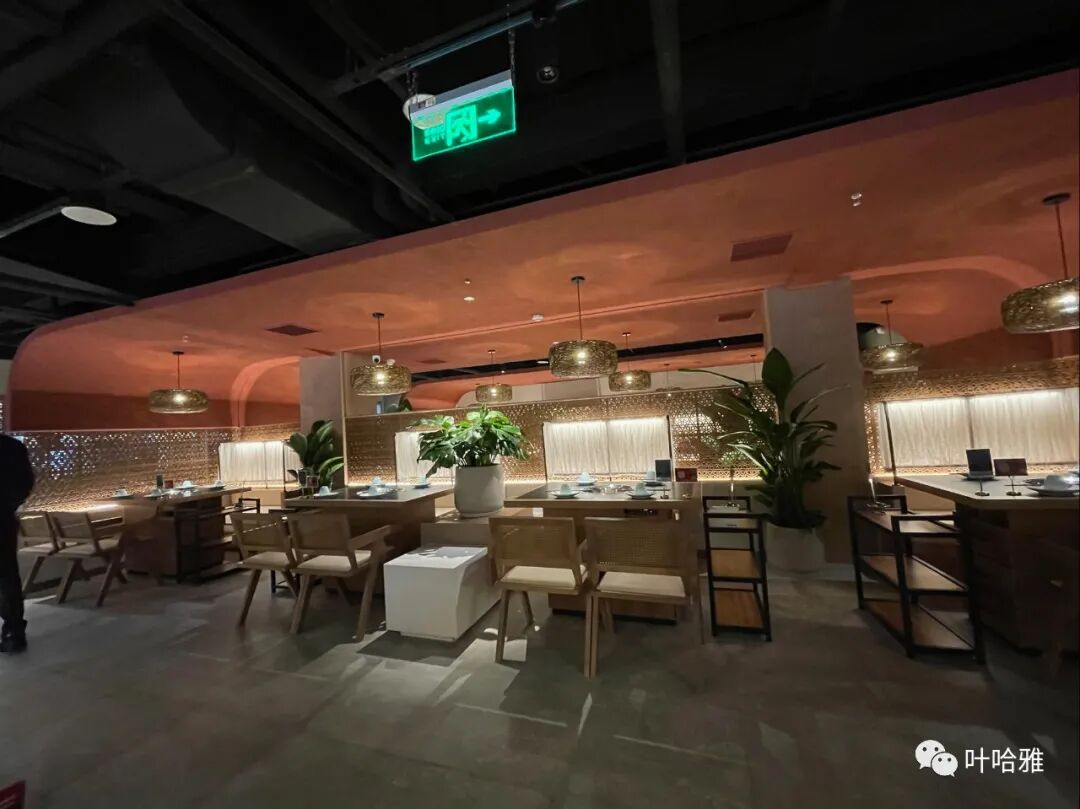
The restaurant is on the second floor of Quanpin Jinsha in Mudanyuan. The space is large, and the interior design was reportedly done by a Hui Muslim designer.
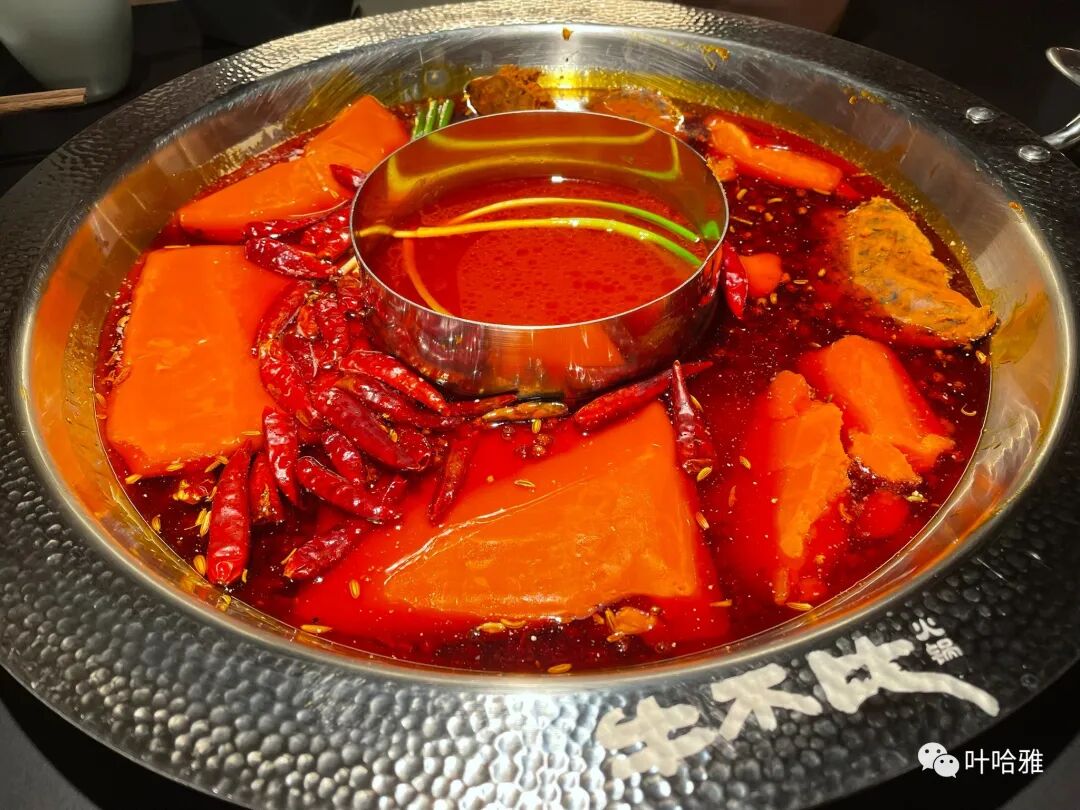
Niububi gets its ingredients from the Tangjiasi Hui Muslim community under Chengdu's jurisdiction, which is the largest livestock trading area in the southwest. The owner of Niububi is a local Sichuan Hui Muslim, and the head chef is also a Sichuan Hui Muslim who is skilled at making Sichuan cuisine.
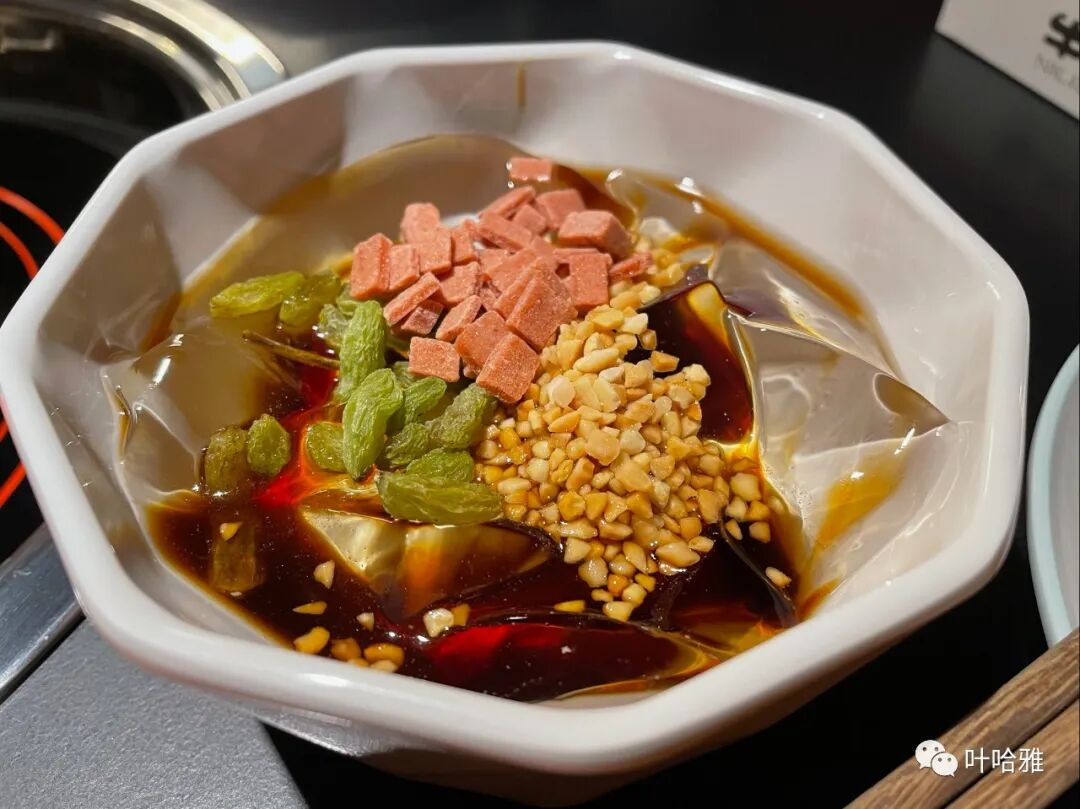
Iced jelly (bingfen)
Iced jelly is a must-have dessert for Sichuan hot pot. It is mainly used to cool down the spice, and it is cold, sour, and sweet.
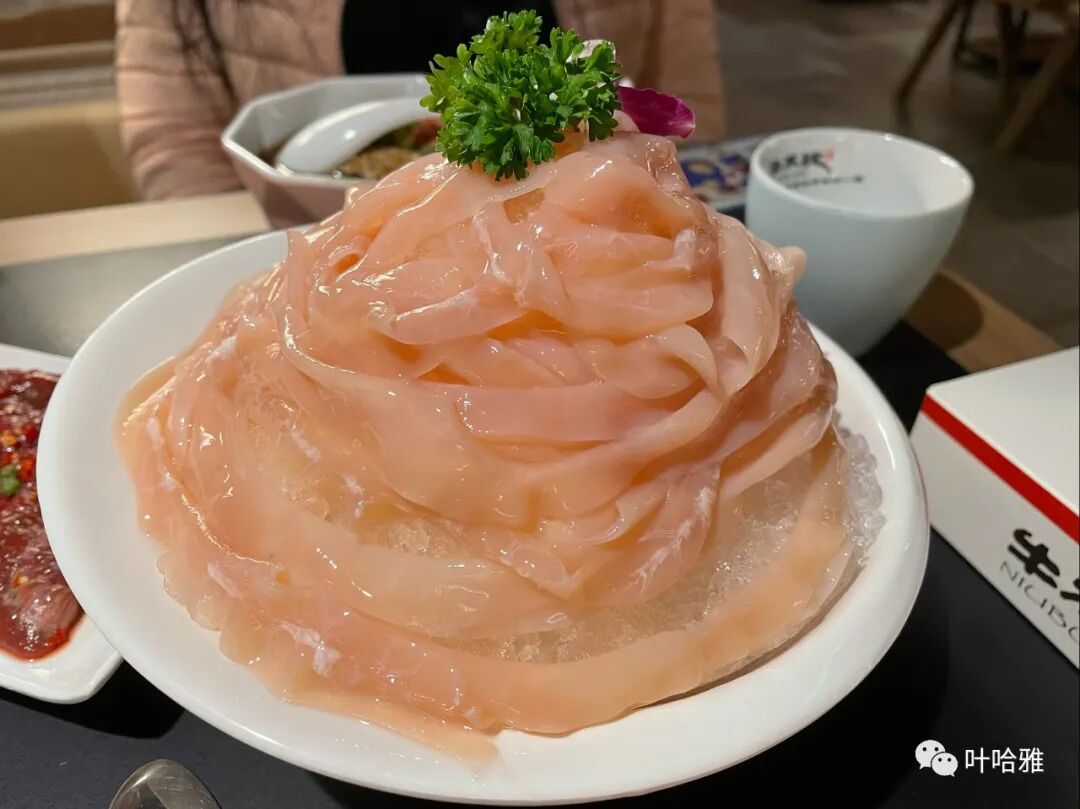
Duck intestines (ya chang)
Duck intestines and tripe are essential dishes for Chengdu hot pot. Duck intestines cook as soon as you dip them in the water.
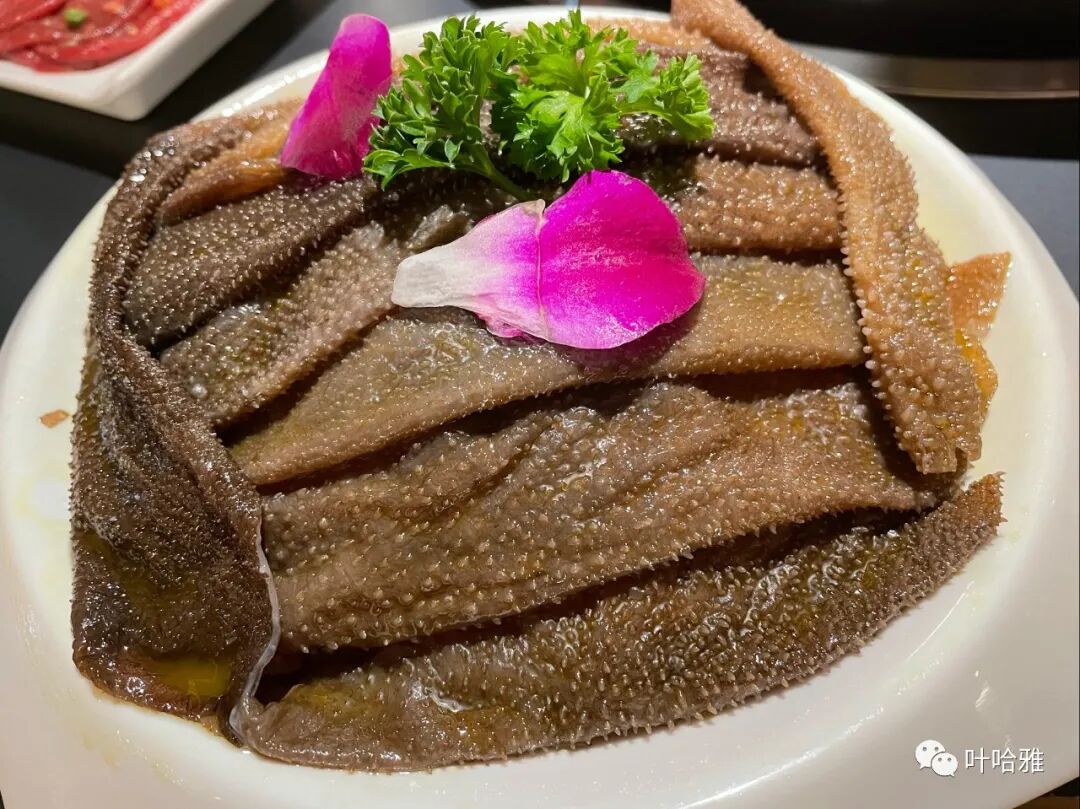
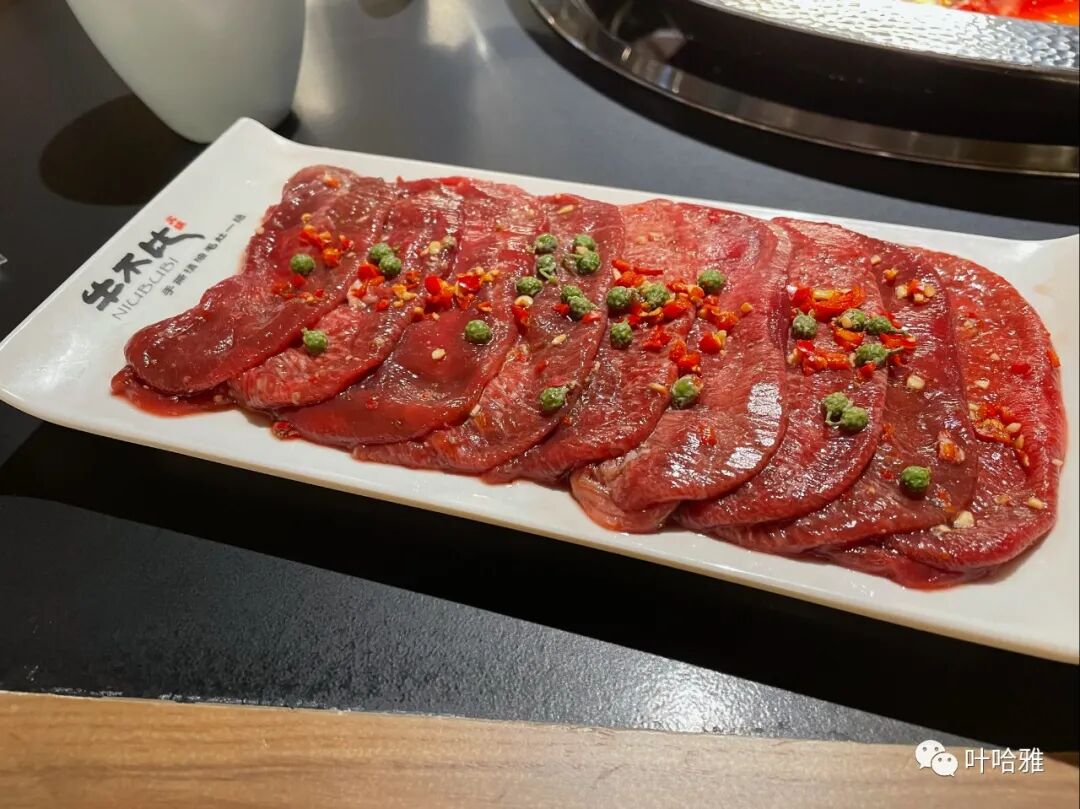
Shabu-shabu tripe (mao du) is their signature specialty. Fresh beef tripe only needs a few seconds in the pot, commonly known as 'seven up, eight down,' otherwise the texture will get tough.
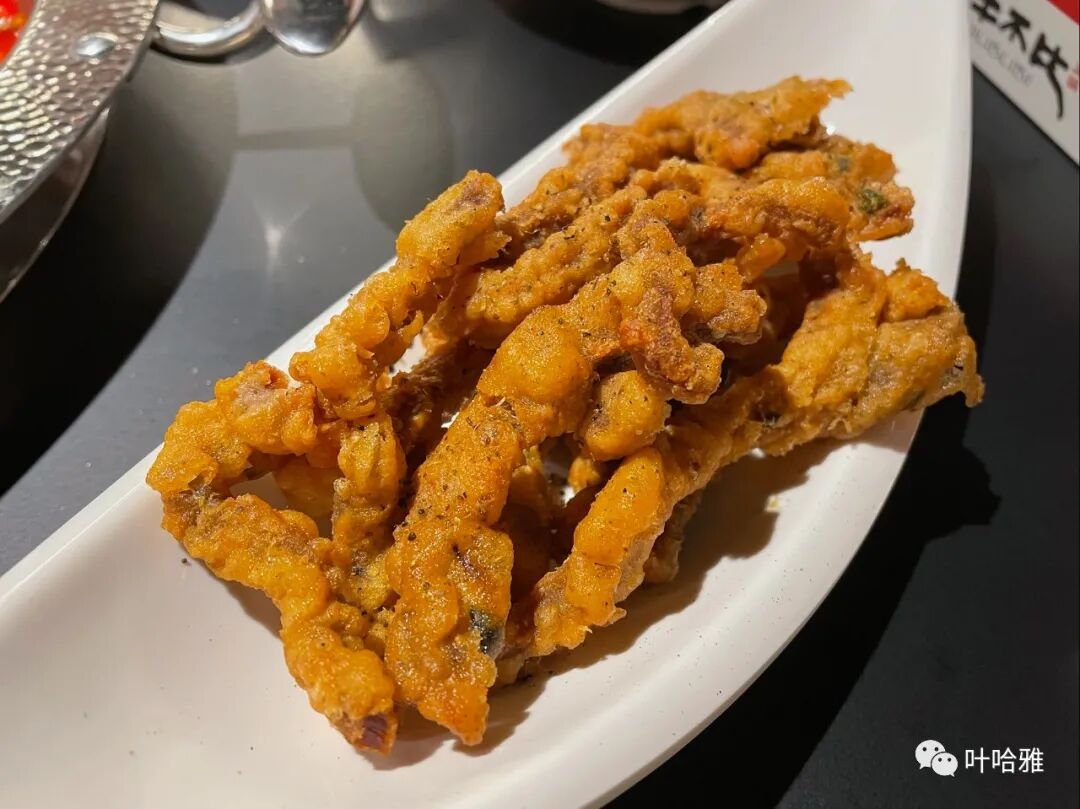
Freshly fried crispy beef (xiao su rou) is also a standard snack for Sichuan hot pot. The beef is tender, fresh, and crispy.
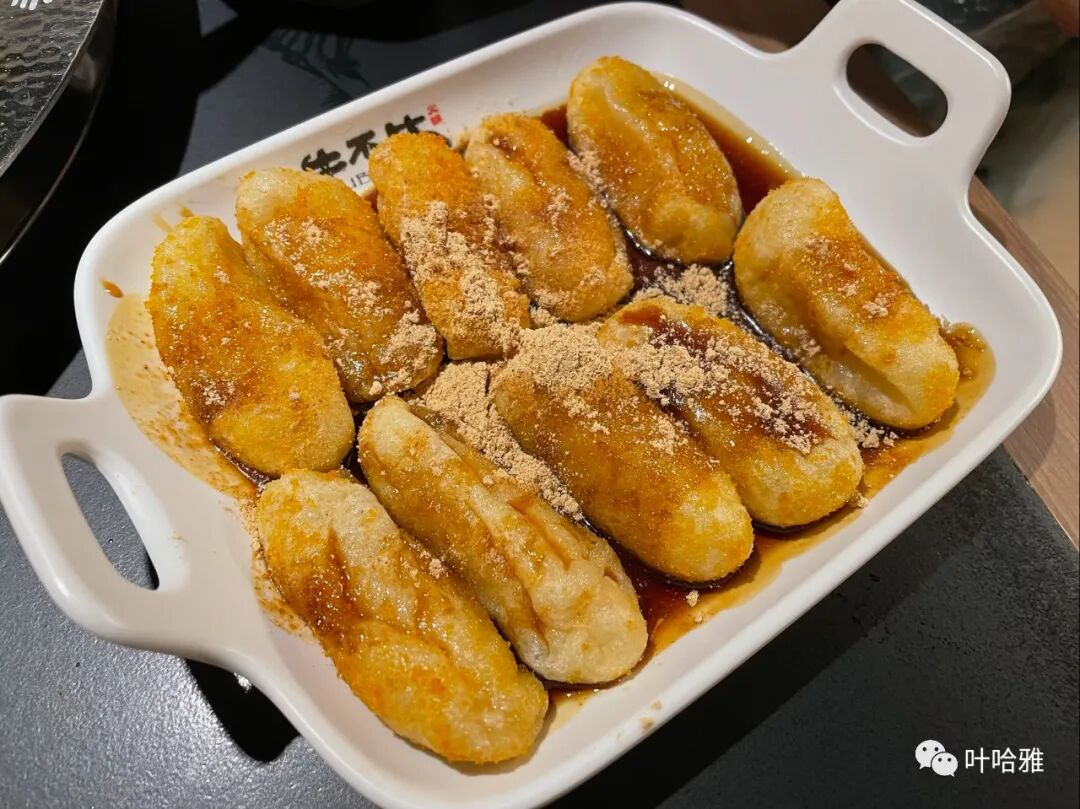
Brown sugar sticky rice cake (hongtang ciba)
Unlike some shops that buy pre-made brown sugar sticky rice cakes to heat up, Niububi makes theirs on the spot to ensure the best texture.
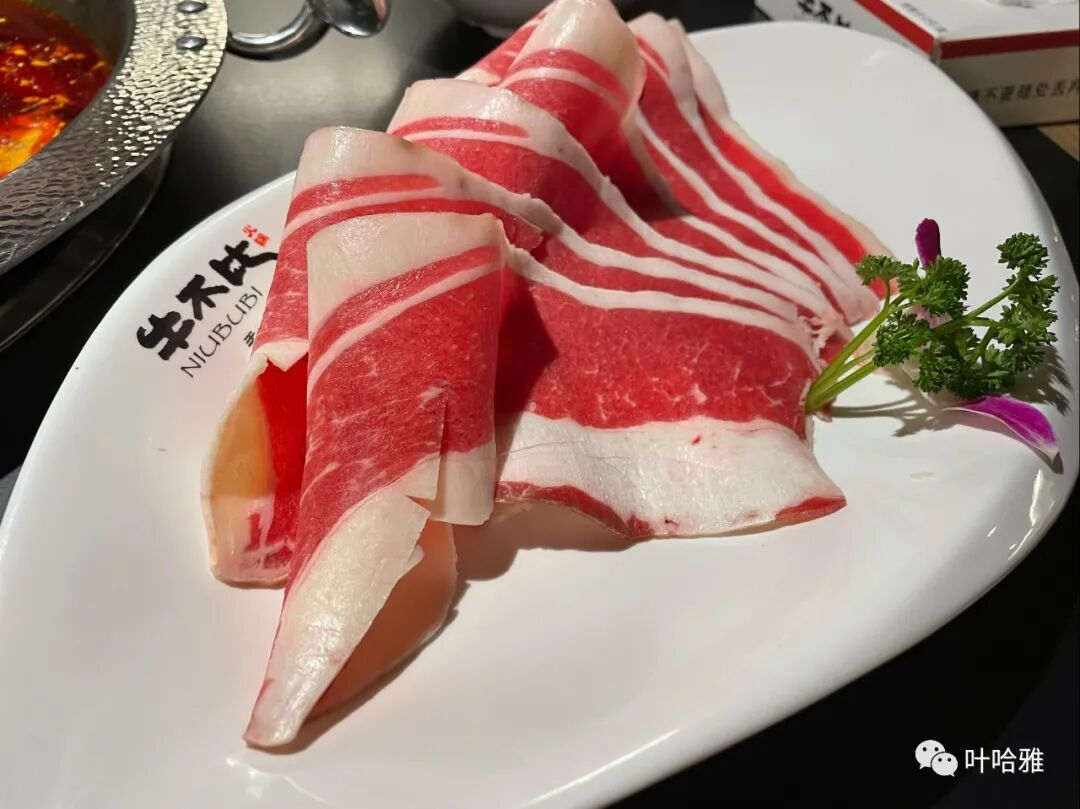
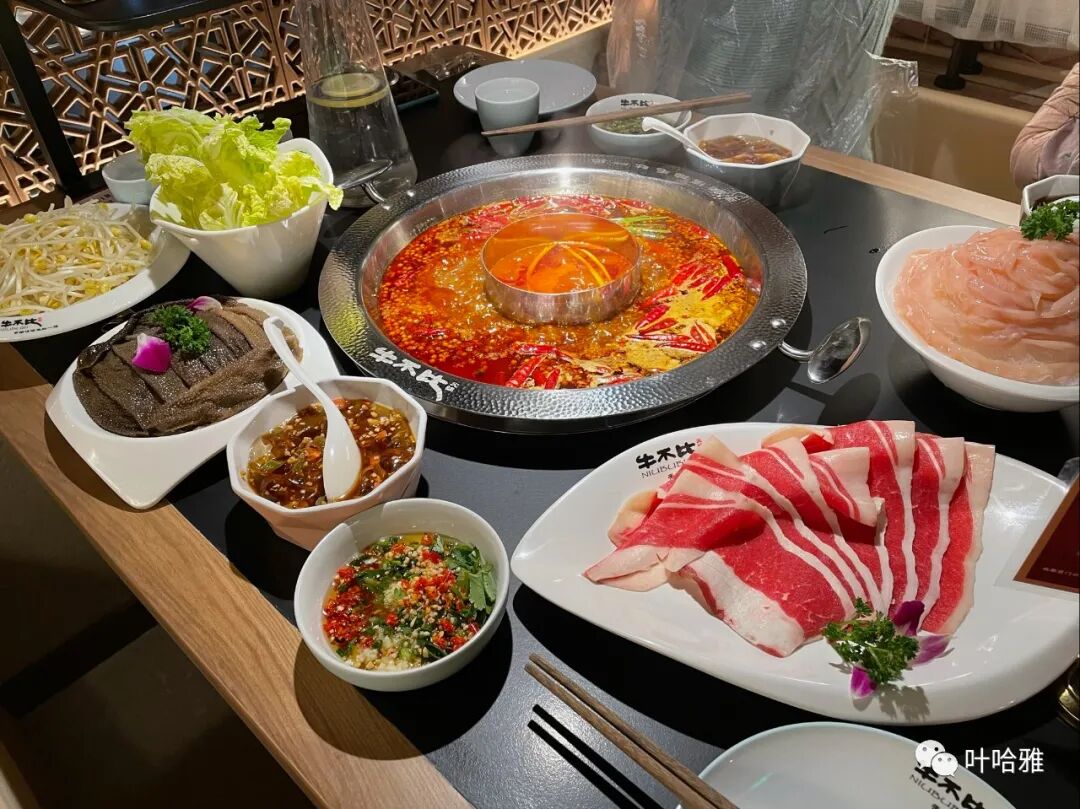
The shop is called Niububi, which means their beef quality is so good it does not need to be compared to anyone else's. The name also sounds like a slang term for awesome. Niububi really is awesome among my friends, and it is the most authentic Sichuan hot pot I have ever had. I am so happy to find the same taste in Beijing as in Chengdu; it gives us one less reason to travel to Chengdu.
From this Sunday the 19th through the 30th, Niububi is holding a soft opening promotion with 32% off everything. Usually, there are no discounts and the average cost is about 150 to 200 yuan per person, so you can save quite a bit with this deal. Don't miss out on these dates.
Summary: This Beijing halal food guide highlights new Muslim-friendly restaurants across the city, from Henan huimian and Pakistani masala dishes to Ningxia cuisine, hotpot, and other authentic Hui Muslim food spots.
— Hello, Travel —
This article is a bit late. First, my son is about to be born, so I have been staying by my wife's side almost every moment and going out less. Second, I have been waiting for news that the famous Chengdu halal hotpot brand Niububi is opening in Beijing. Now that Niububi is here, Beijing truly lives up to its reputation as a world capital of halal food.
1
Henan-style: Old Yao's Secret Braised Noodles (huimian).
Old Yao runs two Henan braised noodle shops in Daxing. The one in the photo is not far from the Xihongmen Joy Breeze (Huiju) mall. For breakfast, they serve spicy pepper soup (hulatang) and pan-fried buns (shuijianbao). Note that these two Henan specialties are only sold as breakfast in the morning; after noon, you can only order braised noodles.
The cold dishes at this Henan braised noodle shop are a highlight. There is a wide variety, and they give you a plate to help yourself. Whether it is a good deal depends on how much food you can pile onto that one plate.
If you come in the afternoon or evening, the shop only serves beef bone and nourishing lamb braised noodles. Of course, both taste very authentic.
There are more halal Henan restaurants in Beijing now. For higher-end stir-fry, there is Yufu Shenchu; for snack stalls, there is Guhuaijie Mawu; in Huilongguan, there is Liangji Braised Noodles; and near Caoqiao, there is Xuyiwani Braised Noodles.
2
Indian-Pakistani Cuisine: Sultan Pakistan Restaurant.
A new Indian-Pakistani halal courtyard restaurant has opened in Huatai Village, Sanduhe, Huairou. The courtyard is very spacious with easy parking. I like the style of this place; it is bright, airy, clean, and tidy.
The chef is from Pakistan, and the owner is a local from Huairou. I asked her why she decided to open an Indian-Pakistani restaurant in an area crowded with farmhouse-style eateries. She said she has spent years with Pakistani friends and has long followed a halal lifestyle. She also has another chain store in Huairou county called Masala Pakistan Restaurant.
Many people ask me what masala actually tastes like. Masala is just a general term for Indian spices; a mixture of many Indian spices is called masala.
Because there are not many halal restaurants in the Huairou area, and even fewer with unique features, friends visiting the Mutianyu Great Wall, Hongluo Mosque, or Yanqi Lake scenic areas can stop by this Indian-Pakistani restaurant for a meal.
When I eat Indian-Pakistani food, I must have butter naan and chicken curry. One piece of naan is never enough. The most I have ever eaten was four pieces at an Indian-Pakistani restaurant in Nha Trang, Vietnam. I really love the smell of toasted wheat.
In my heart, Khan Baba ranks first for Indian-Pakistani food in Beijing, followed by Shalimar Indian-Pakistani Restaurant in Shunyi. While some other Indian restaurants are labeled halal, I have doubts about the owners' faith, and the decor has obvious Hindu features, so they do not feel as reliable to eat at as these two.
Curry puffs (gali jiao).
3
Tunisian Cuisine at La Medina
This Tunisian-style restaurant is actually the Mesa Restaurant that opened last year. The location last year was not ideal and the space was small, so this year they moved near the Armenian Embassy.
The white man in profile in the photo is the head chef, a Tunisian Arab. We met him last year, and I even asked him to confirm that the restaurant is halal because they did not have a halal sign hanging up.
In Beijing now, if a restaurant wants to hang a halal sign with Chinese characters, it must be approved by the Ethnic and Religious Affairs Committee. Otherwise, you have to rely on word of mouth to confirm, which feels like going back to the time of the Prophet.
I took a photo of the restaurant's restroom and posted it on WeChat Moments. Many Han Chinese friends asked me why I posted a picture of a toilet. Actually, those who know will understand that the sprayer in this restroom is a facility specifically for Muslims.
Tunisia is in North Africa and has always been a popular vacation spot for Europeans. Tunisian food is also very unique.
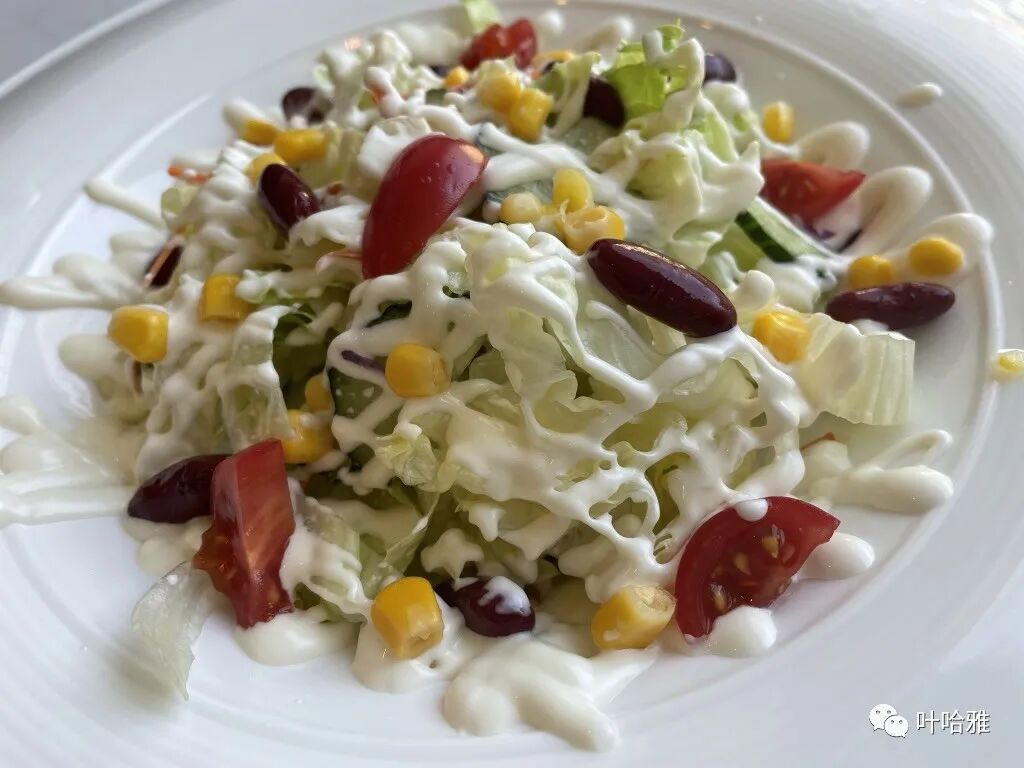
Vegetable salad
Tunisian couscous (couscous)
This Tunisian couscous looks like millet and tastes like millet, but it is actually made from ground wheat grains. To us, it looks just like millet. On top of the couscous is Tunisian sausage made of beef. It is a bit salty and goes well with roasted peppers.
Moroccan bean soup
4
Inner Mongolian flavor at Qingcheng Restaurant (Changping Xihuan Road Branch)
Qingcheng Restaurant started in 1994 and is located in Changping District. I think it is the most authentic Inner Mongolian restaurant in Beijing. I have introduced the old shop before, and today I am introducing this branch. You can eat pot-wrapped beef (guobao niurou) at the main store, and at this branch, you can eat beef tripe hot pot and steamed dumplings (shaomai).
Beef tripe hot pot
A full pot of beef tripe costs only a little over 100 yuan, and the average cost per person is no more than 70 yuan. Prices in Changping are much lower than in the city center.
The steamed dumplings are also the most authentic Inner Mongolian flavor I have found in Beijing.
Sheep head meat
5
Qiqihar Flavor: Three Brothers Barbecue
Located on the first floor of Xingmei Building on Qinghe Heiquan Road, this is a Qiqihar-style barbecue restaurant.
We bought a set meal for two on Dazhong Dianping for 198 yuan.
The set meal had a good variety, but the taste was just average. It was cheap, though. There is a Northwest-style restaurant next door, and the two businesses operate together.
This iron plate barbecue is typical of the Qiqihar style. Since a new Qiqihar barbecue place just opened near Changying, there are now three halal Qiqihar barbecue restaurants in Beijing.
Cold noodles (lengmian), which every Qiqihar barbecue restaurant serves.
6
Qiqihar Flavor: Toupiqi
This shop is in Guanzhuang and opened recently. It is the third halal Qiqihar barbecue restaurant in Beijing.
The quality here is much better than at Three Brothers. Since it is located in the Changying area, it would be hard to survive if the meat quality were not good.
The shop has two floors, plenty of space, and convenient parking at the entrance, making it great for small gatherings with friends.
If I had to rank the three big Qiqihar barbecue spots in Beijing, I would put this one in second place and Dajinggai Barbecue Company in first. Dajinggai’s environment is designed to look like a street-side barbecue tent in Qiqihar, which feels more authentic, and their cold noodles and fried rice are delicious.
Three of us could not even finish this big table of food. The group-buy price was 191 yuan, which is very affordable.
7
Heilongjiang Flavor: Uncle Oyster Iron Pot Stew
A newly opened Northeast iron pot stew (tieguo dun) restaurant near Jiande Bridge, located in the basement of Qingxiangge Dalian Seafood.
Ever since the halal Erjie Earth Pot Stew (diguo dun) in Xueying, Daxing closed, I have not had authentic Northeast earth pot stew.
So, I invited three or four friends from the group to come and try it. We had to order the iron pot stewed goose, as you need a group to eat it.
This dish is called mashed garlic egg (suandaodan). It is a home-style specialty from Northeast China made with eggs and has a salty, savory flavor.
For raw vegetables with dipping sauce (zhanjiangcai), I love the cucumbers and green onions. I have loved eating green onions with soybean paste (dajiang) since I was a kid, especially with a hot, freshly steamed white bun (mantou).
To eat iron pot stewed goose (tieguo dun da'e), first put the chopped goose into the bottom of the pot, then add your choice of side dishes. We chose golden beans, tofu, shiitake mushrooms, and potatoes. Cover the pot and stew for 15 minutes. Place steamed flower rolls (huajuan) and griddle cakes (tiebingzi) on top. When the time is up, the meat below is stewed and the staples on top are steamed. Everything is fresh and delicious.
This pot of stewed goose was enough for 6 of us. We finished every bit, and it cost 60 yuan per person.
8
Pingliang Flavor: Longxiang Hui Lamb Pita Bread Soup (yangrou paomo)
A lamb pita bread soup shop opened on Dongsi Street. People usually think of Xi'an style when they hear about pita bread soup, but this shop has the character 'Long' in its name, so I guessed it was Pingliang style.
I have many friends from Pingliang, and they often talk about the difference between Pingliang and Xi'an pita bread soup. Pingliang pita bread soup is its own thing; it has more broth, and the bread is fully cooked. Unlike the Xi'an version where the bread is only 70% cooked, you don't need to break the Pingliang bread into tiny pieces. Keep them in larger chunks. It is best to serve the broth and bread separately and soak the bread as you eat.
The owner told me the chef comes from the famous Chunhua Restaurant in Pingliang, which all the local elders know. The master chef has spent most of his life cooking and knows his craft well. Besides pita bread soup, you can also get Gansu-style hand-grabbed lamb (shouzhuayangrou) and cold-tossed beef.
I heard they recently added cat-ear noodles (mashi) and cold noodles (liangpi). These are Gansu specialties that are tasty and affordable.
9
Lanzhou Flavor: Silk Road Yilan Spicy Hot Pot (malatang)
Silk Road Yilan, the only place on Niujie Street that doesn't sell alcohol, recently added spicy hot pot inside their noodle shop. The flavor is great, and it is served in individual pots, making it clean and hygienic.
If you don't want noodles and want to eat more vegetables, you should come and try it.
10
Inner Mongolia Flavor: Mengdameng Specialty Roasted Lamb Leg
A small Mongolian-style barbecue shop near the Xihongmen Mosque.
I didn't come here for their roasted lamb leg. I eat too much meat usually, so I wanted something light.
My favorite dish here is the Mongolian big bowl noodles (menggu dawan mian). The noodles are wide and the soup is a bit spicy, but the noodles are chewy. Many friends say it tastes great.
You can order the roasted lamb ribs (kao yangpai) by the jin. These are small lamb ribs.
Roasted sweet potato slices (kao digua pian)
11
Sichuan-style Niububi clear oil tripe hot pot
I first ate at Niububi in Chengdu in 2016. That was my first time having authentic halal Chengdu hot pot. I waited in line for over two hours, but it was worth it. I later ate at their Xining branch, but it is a pity that Beijing has never had a truly authentic halal Sichuan hot pot restaurant, only a few cold pot skewer shops.
The restaurant is on the second floor of Quanpin Jinsha in Mudanyuan. The space is large, and the interior design was reportedly done by a Hui Muslim designer.
Niububi gets its ingredients from the Tangjiasi Hui Muslim community under Chengdu's jurisdiction, which is the largest livestock trading area in the southwest. The owner of Niububi is a local Sichuan Hui Muslim, and the head chef is also a Sichuan Hui Muslim who is skilled at making Sichuan cuisine.
Iced jelly (bingfen)
Iced jelly is a must-have dessert for Sichuan hot pot. It is mainly used to cool down the spice, and it is cold, sour, and sweet.
Duck intestines (ya chang)
Duck intestines and tripe are essential dishes for Chengdu hot pot. Duck intestines cook as soon as you dip them in the water.
Shabu-shabu tripe (mao du) is their signature specialty. Fresh beef tripe only needs a few seconds in the pot, commonly known as 'seven up, eight down,' otherwise the texture will get tough.
Freshly fried crispy beef (xiao su rou) is also a standard snack for Sichuan hot pot. The beef is tender, fresh, and crispy.
Brown sugar sticky rice cake (hongtang ciba)
Unlike some shops that buy pre-made brown sugar sticky rice cakes to heat up, Niububi makes theirs on the spot to ensure the best texture.
The shop is called Niububi, which means their beef quality is so good it does not need to be compared to anyone else's. The name also sounds like a slang term for awesome. Niububi really is awesome among my friends, and it is the most authentic Sichuan hot pot I have ever had. I am so happy to find the same taste in Beijing as in Chengdu; it gives us one less reason to travel to Chengdu.
From this Sunday the 19th through the 30th, Niububi is holding a soft opening promotion with 32% off everything. Usually, there are no discounts and the average cost is about 150 to 200 yuan per person, so you can save quite a bit with this deal. Don't miss out on these dates.
