
Muslim Travel Guide Xinjiang: Shawan Big Plate Chicken, Urumqi Halal Food and Hami Mosques
Reposted from the web
Summary: This Muslim travel guide to Xinjiang follows the route through Shawan, Urumqi, and Hami, covering big plate chicken, Hui Muslim restaurants, Urumqi halal food, shrines, Hami mosques, and final reflections from a region-wide journey.
Travel Notes from Shawan, Urumqi, and Hami is presented here as a firsthand travel account in clear English, beginning with this scene: Ten of my travelogues were deleted one after another recently, likely due to title violations, so I am reposting them after making edits. The account keeps its focus on Urumqi Halal Food, Hui Muslims, Xinjiang Travel while preserving the names, places, food, and historical details from the Chinese source.
Ten of my travelogues were deleted one after another recently, likely due to title violations, so I am reposting them after making edits.
Leaving Yili for Urumqi, you pass through Shawan City in the Tacheng region. Shawan is less than two hundred kilometers from Urumqi and is a very small city, but it is said to be the birthplace of the famous Xinjiang dish, big plate chicken (dapanji).
We arrived in downtown Shawan around 11:00 PM. I called Yulan Qiaotou Big Plate Chicken and Yuwentao Qiaotoubao Big Plate Chicken on the way, only to find out they had sold out of chicken by 7:00 PM. In the city, police stopped our car and checked our IDs. I said salaam to the officer, and he was stunned, asking, 'Are you Hui Muslim?' I said yes and asked if he hadn't already seen my ID. I decided to ask the officer which big plate chicken place was good. He said they were all about the same and we could eat anywhere on this street, so we ended up eating at this Jimiba No. 8 flagship store on Urumqi West Road.
Jimiba No. 8 Flagship Store
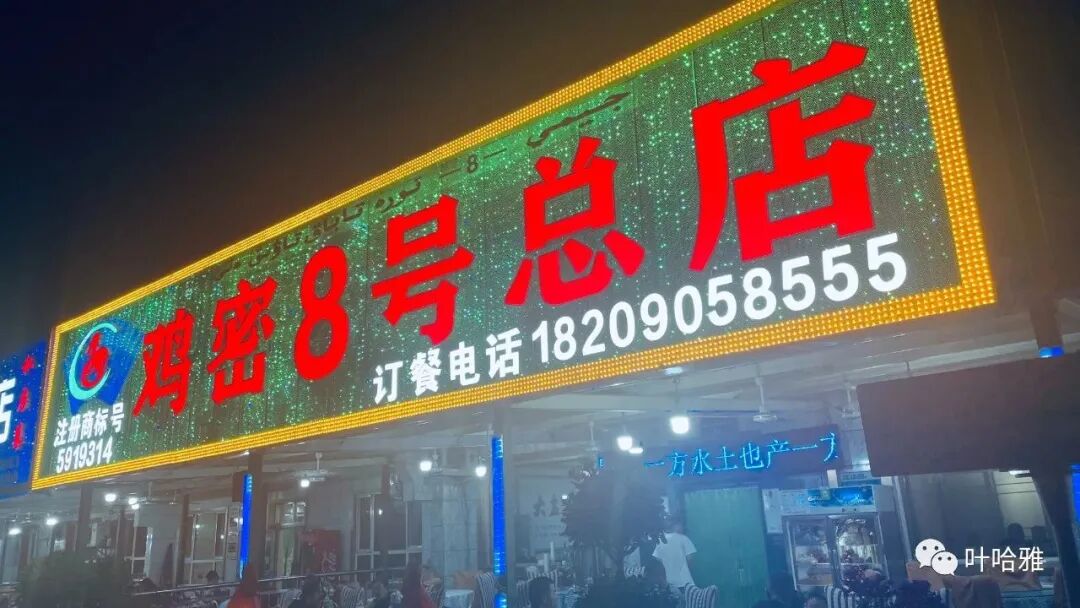
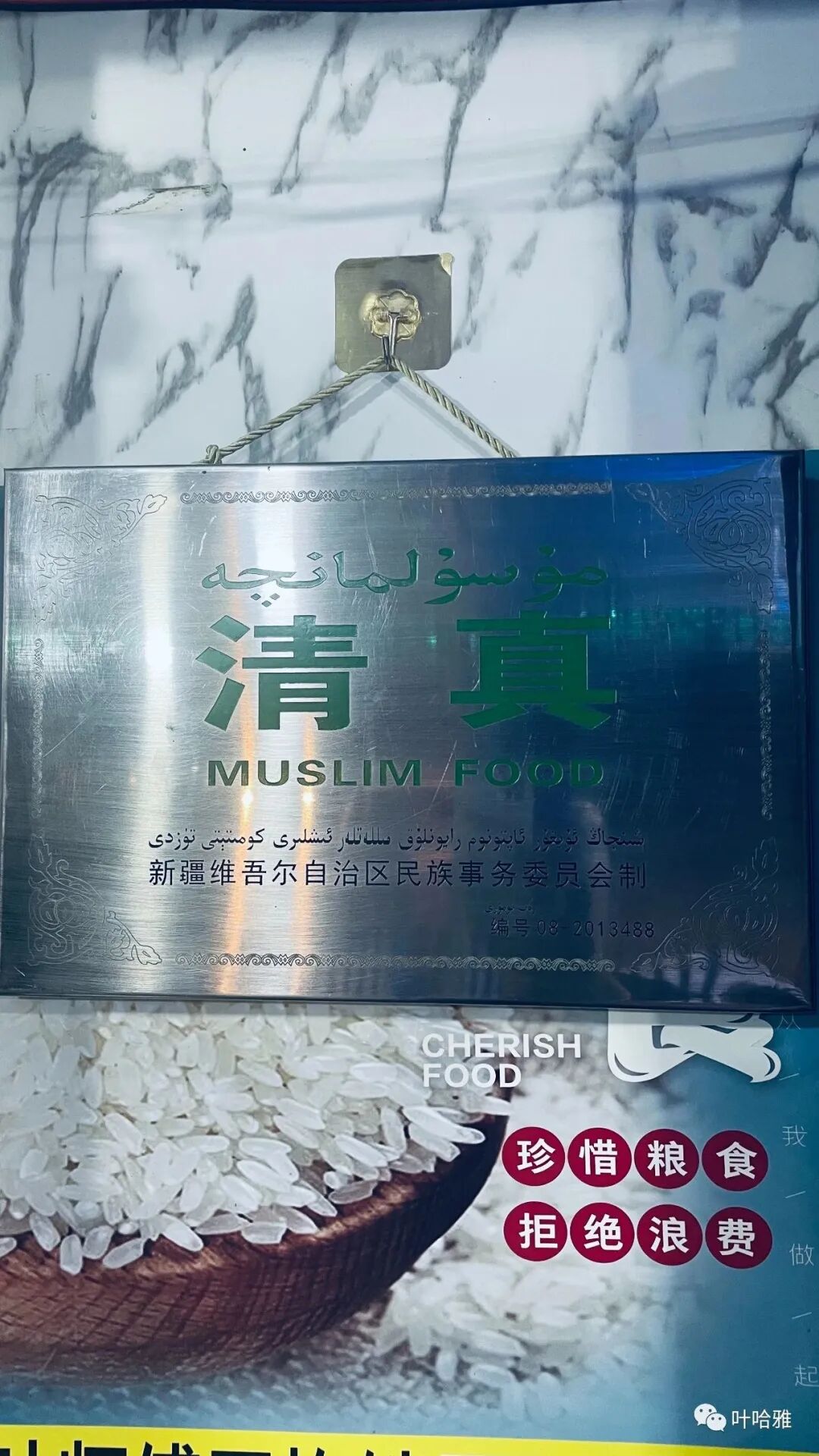
There were still many people at this shop at midnight. What surprised me even more was seeing the long-lost halal certification sign in the shop. This was the first halal sign we had seen in our many days of traveling through Xinjiang.
I asked the owner why the shop was called Jimiba No. 8, and she said they were the eighth shop to open on this street, so they have always been called No. 8.
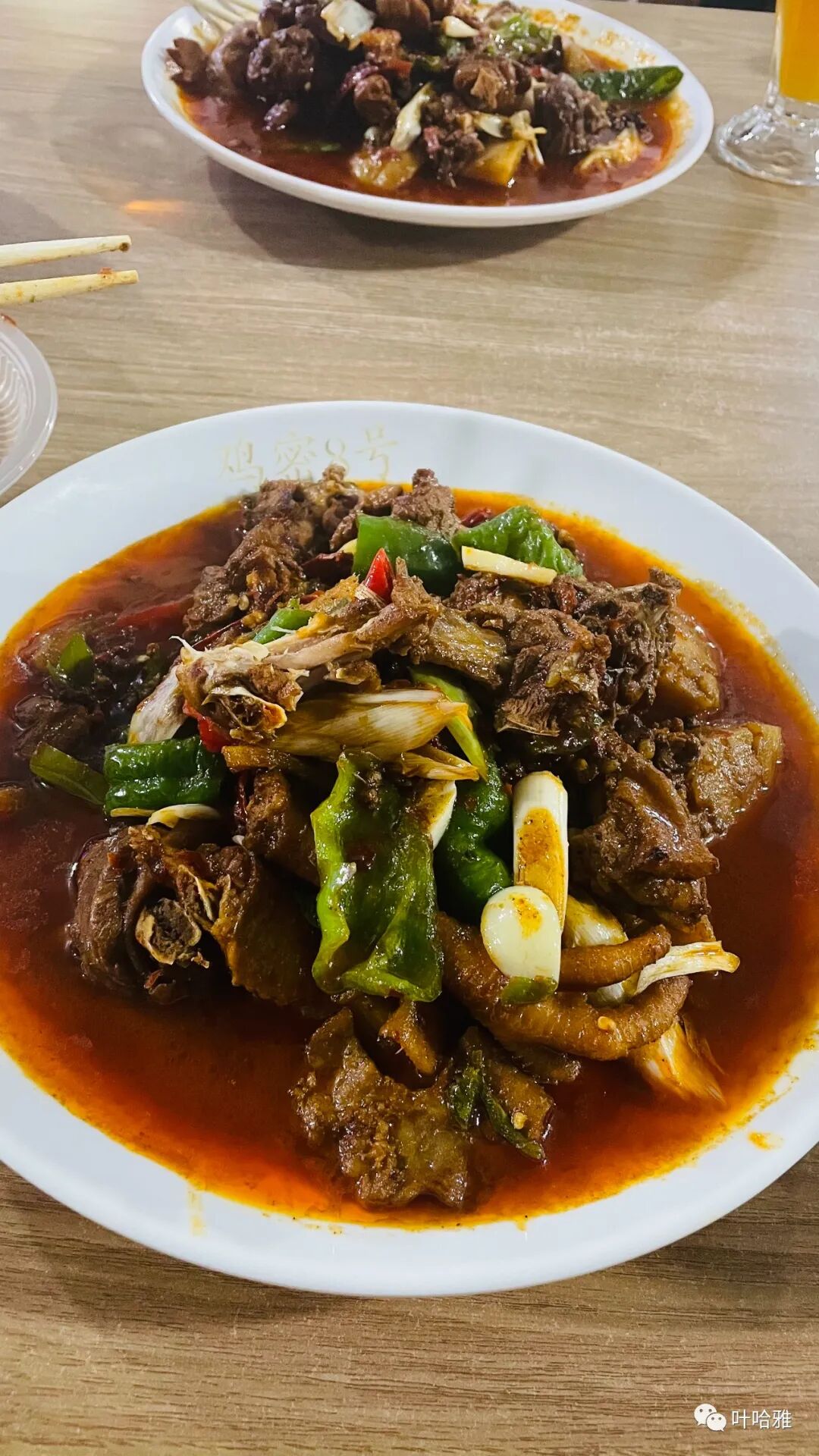
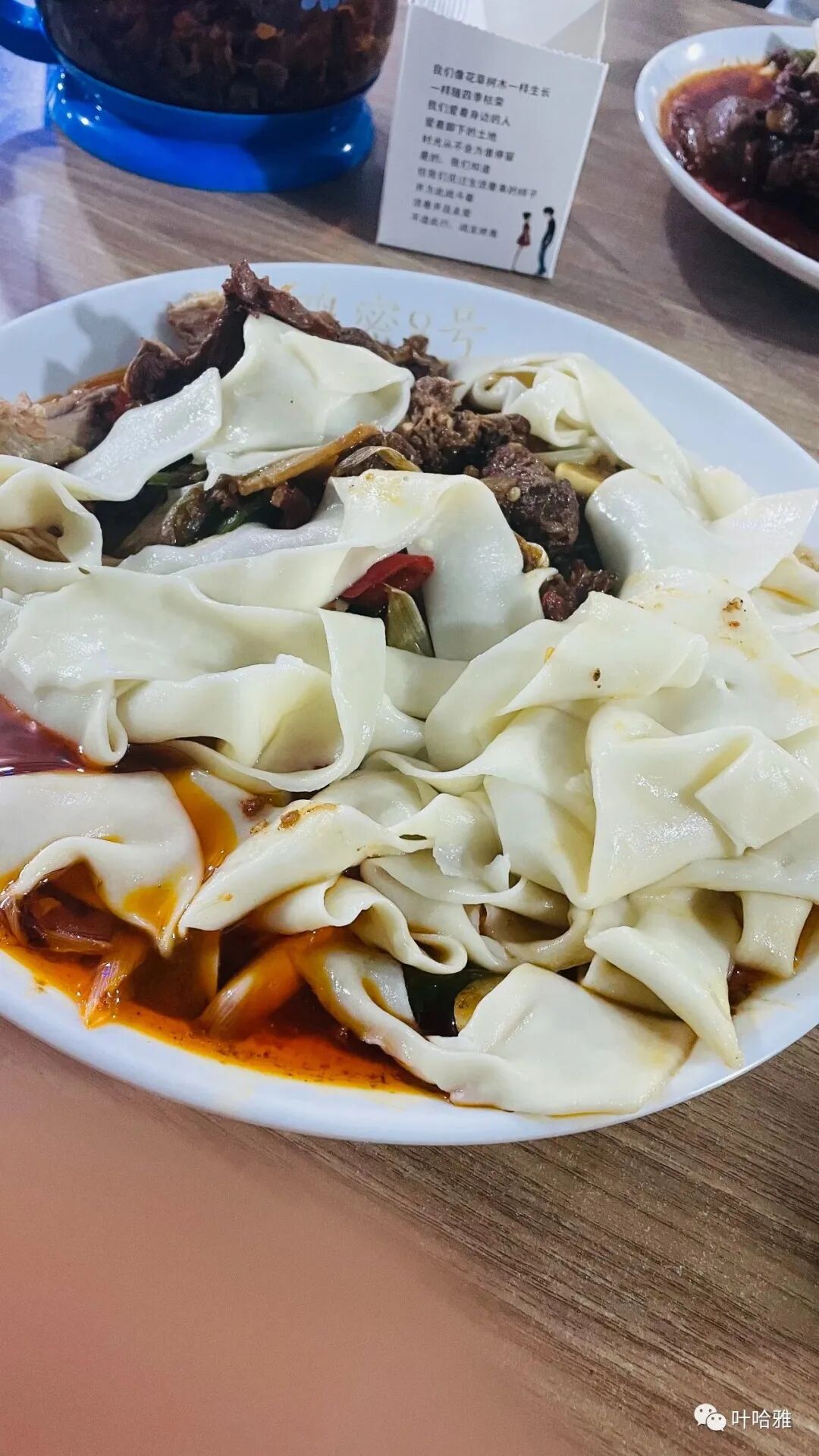
The specialty of Shawan big plate chicken is that it uses a whole chicken per plate. It costs 130 yuan per serving. Since there were two of us, we split it into two large plates, and adding noodles costs extra. This shop is considered an old establishment in Shawan. The taste is fine, but it is not amazing enough to make you scream. Actually, big plate chicken appeared to serve passing truck drivers, focusing on being economical and affordable. It is basically at the level of a rest area fast food for drivers, so there is no need to come to Shawan specifically for it. Besides, I think many Xinjiang restaurants in Beijing can match this level, and some even suit my taste better. Shawan's big plate chicken is quite spicy and the chicken is tough, while Beijingers are used to soft, tender, salty, and savory flavors, so they might not be used to the authentic Shawan taste.
We stayed in Shawan for one night and arrived in Urumqi the next morning. Before checking in, we went straight to the Hamude Restaurant in Midong District, which I had wanted to visit for a long time, for lunch.
Hamude Restaurant
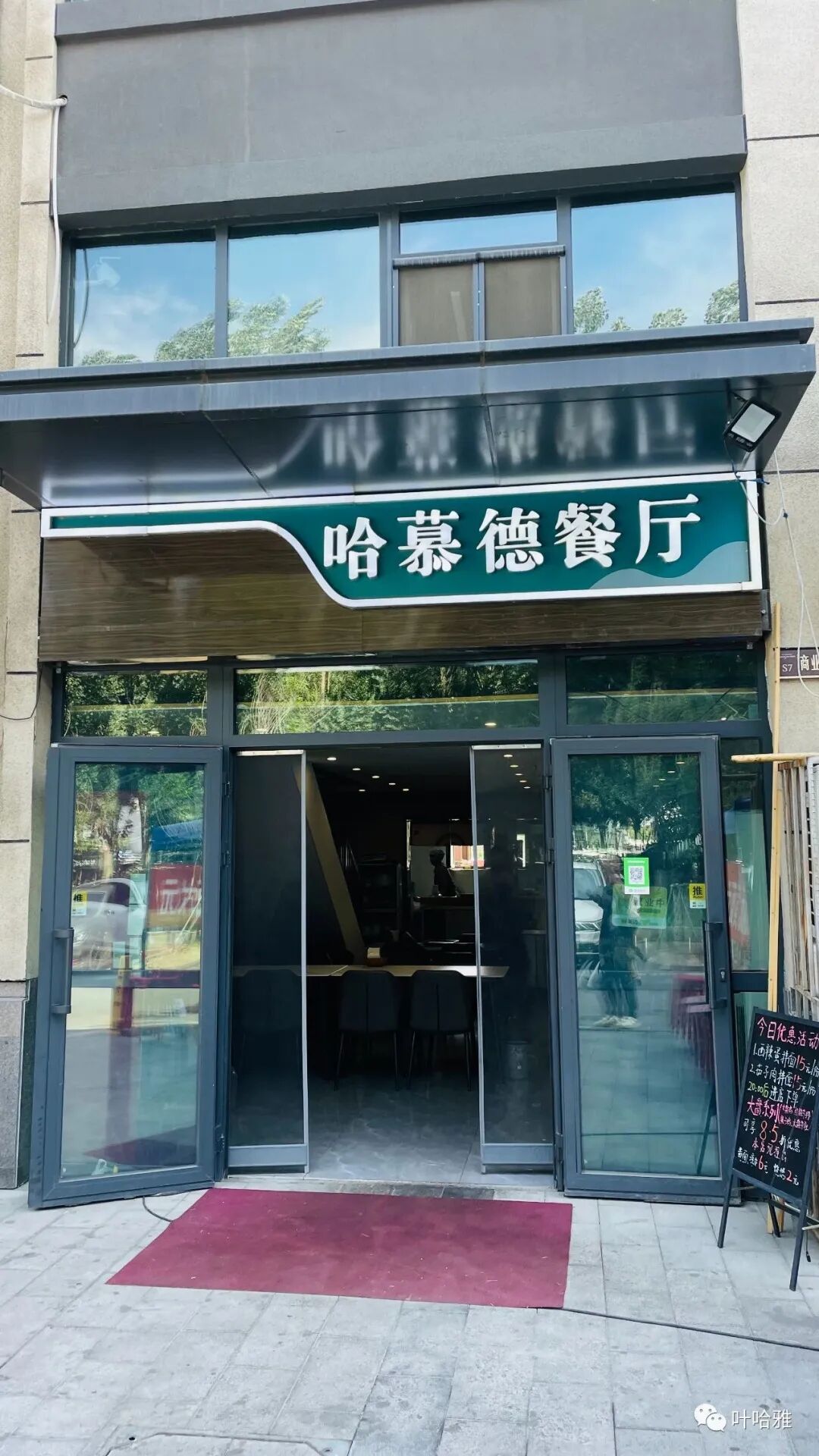
Hamude Restaurant is a family business. Three generations of the family are old Urumqi Hui Muslims who have worked in the catering industry. It is a restaurant family, and everyone from the kitchen to the front of the house is family. The owner is very strict about choosing ingredients. They do not trust meat from slaughterhouses and insist on finding an imam they know to slaughter the beef, lamb, and chicken. This increases their costs, but it guarantees quality.
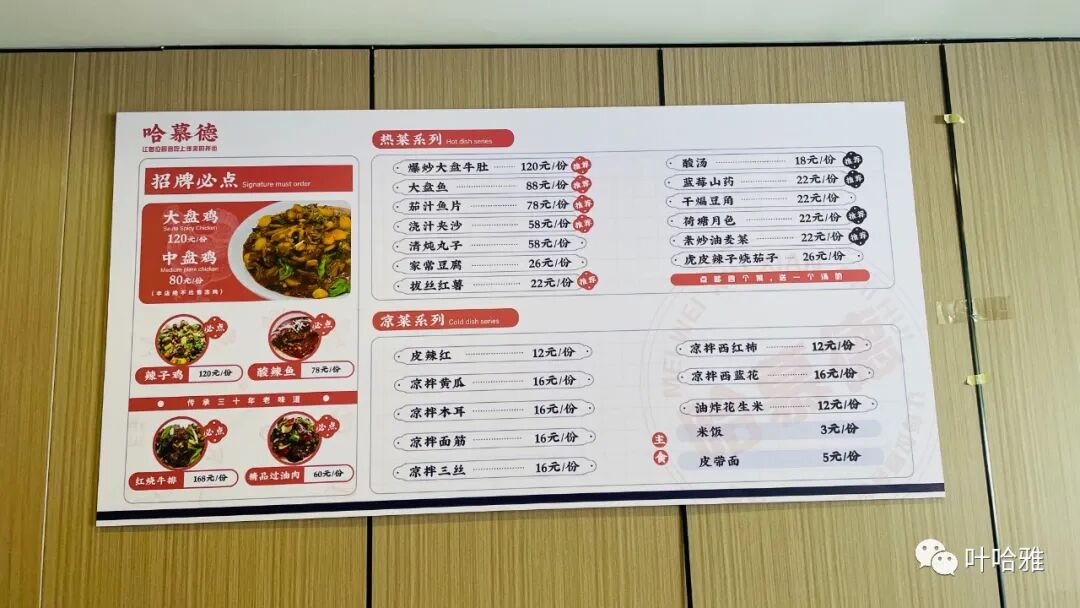
The authorities think the name Hamude does not meet regulations, so they have not issued a halal certification mark. However, this shop is actually more reliable than many restaurants that have the certification, and they do not sell alcohol.
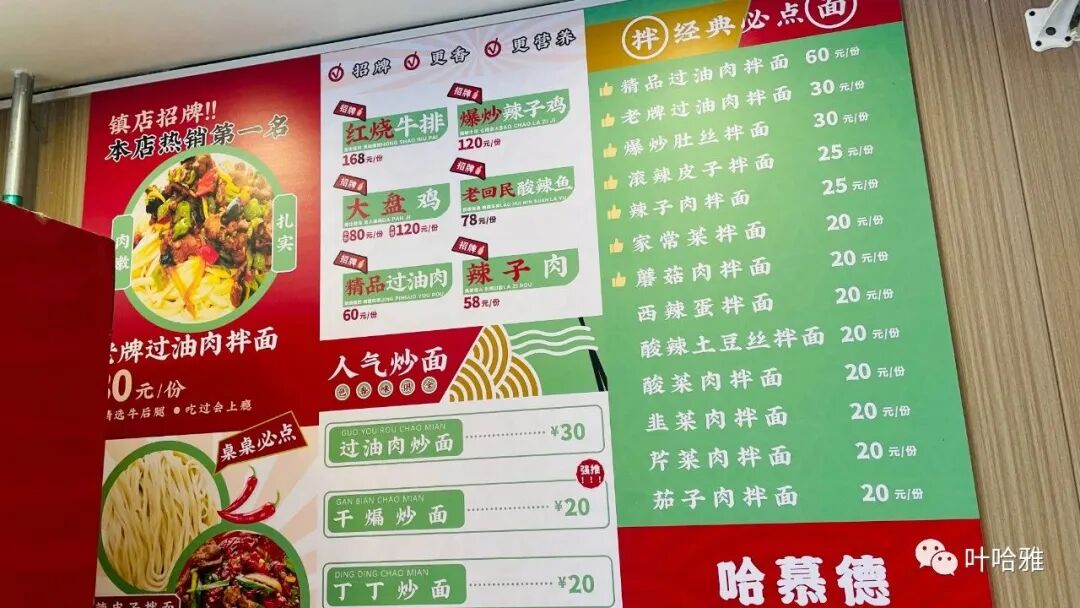
We had been traveling all the way without a proper big meal. This first meal in Urumqi really filled us up, so much so that we only ate this one meal for the day and were not hungry until dinner.
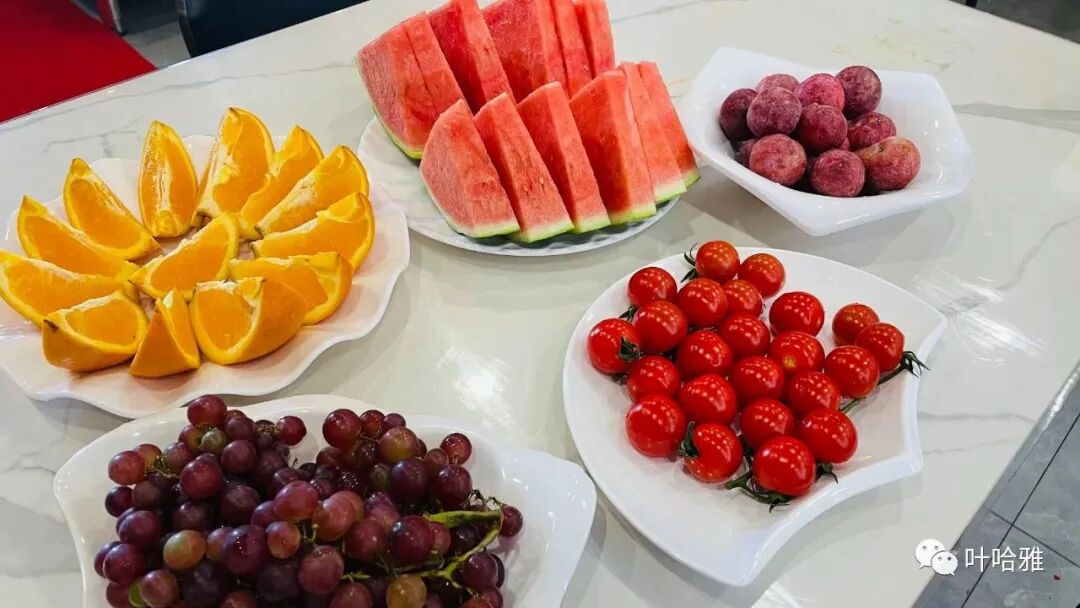
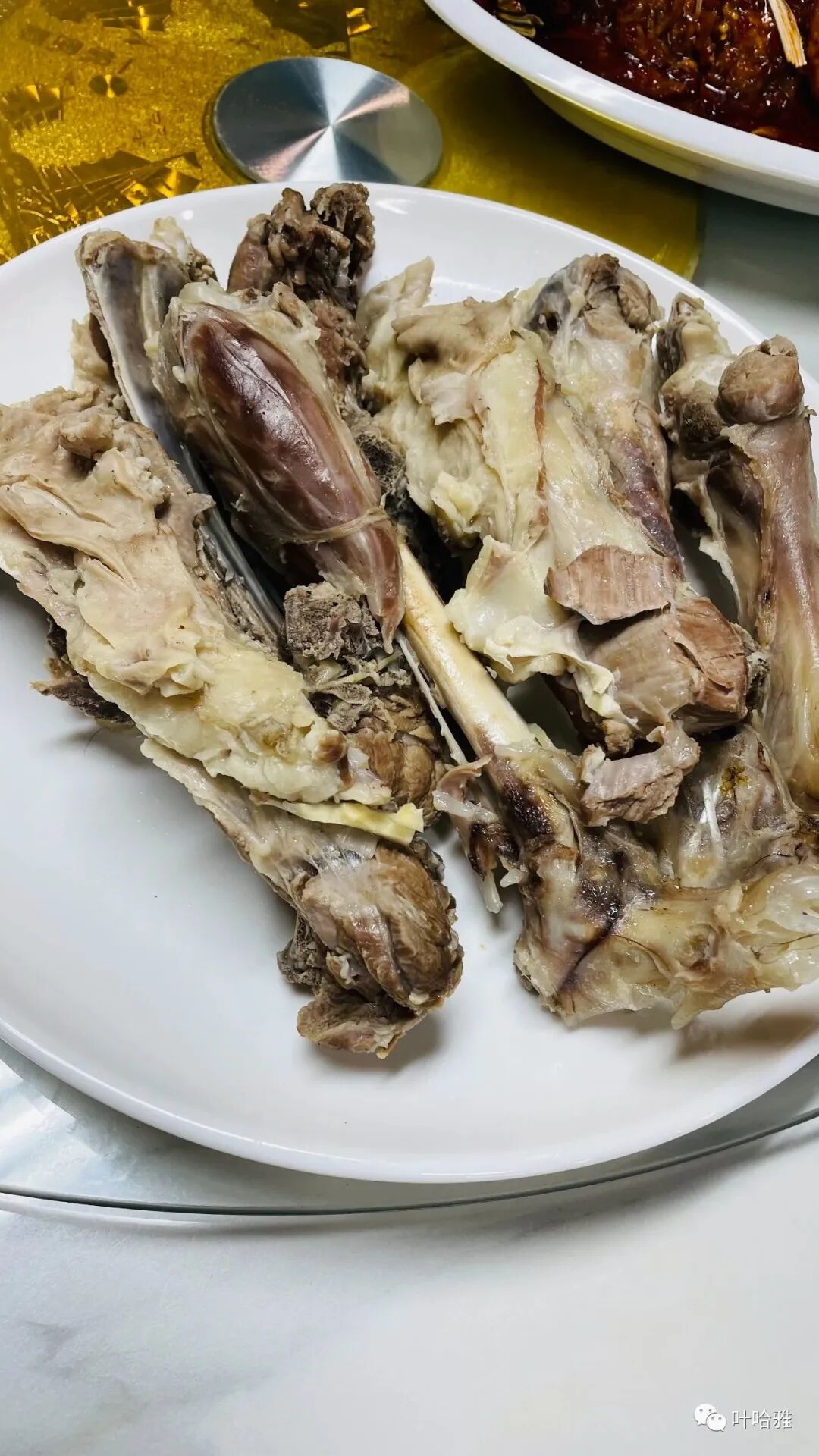
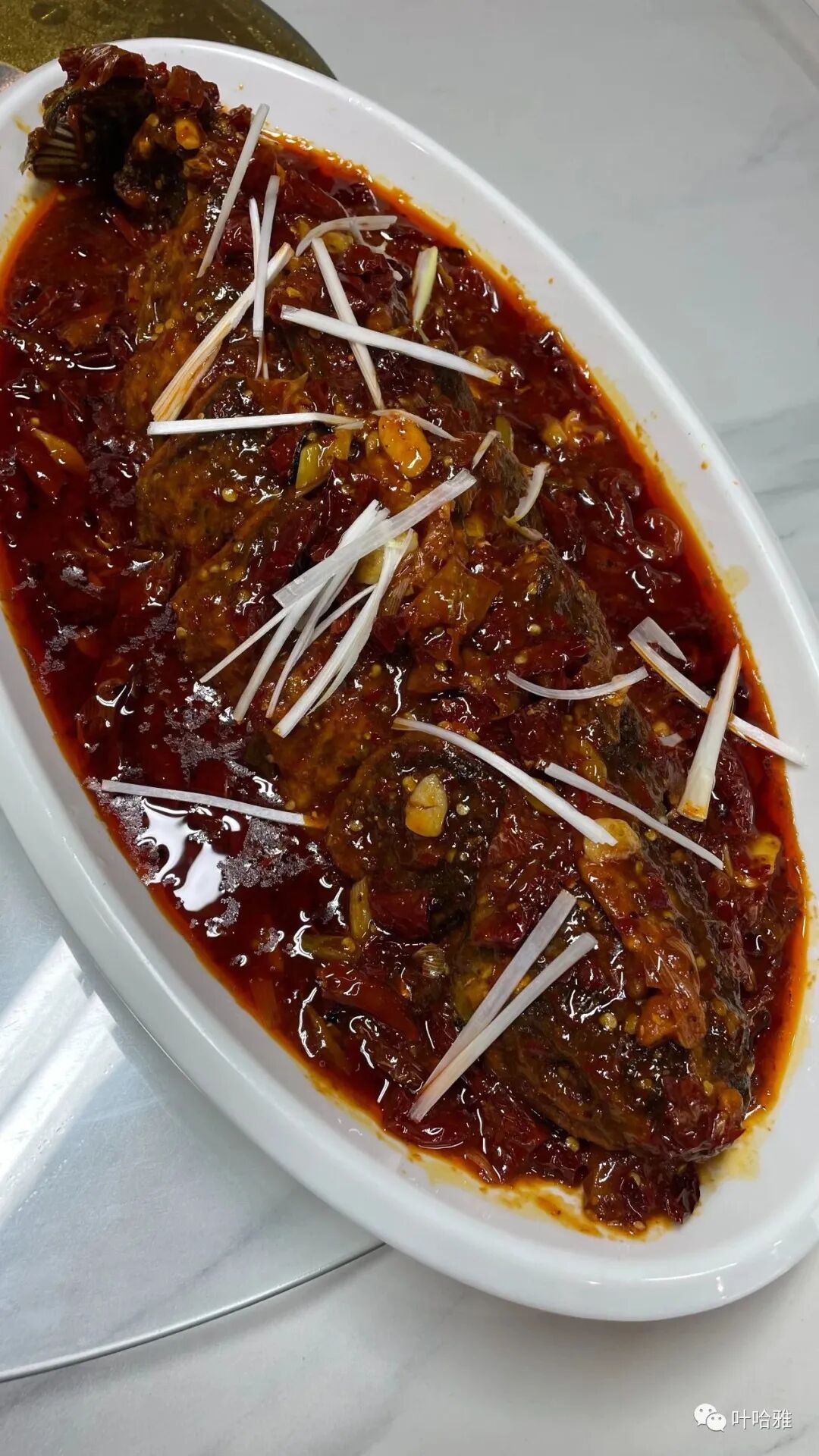
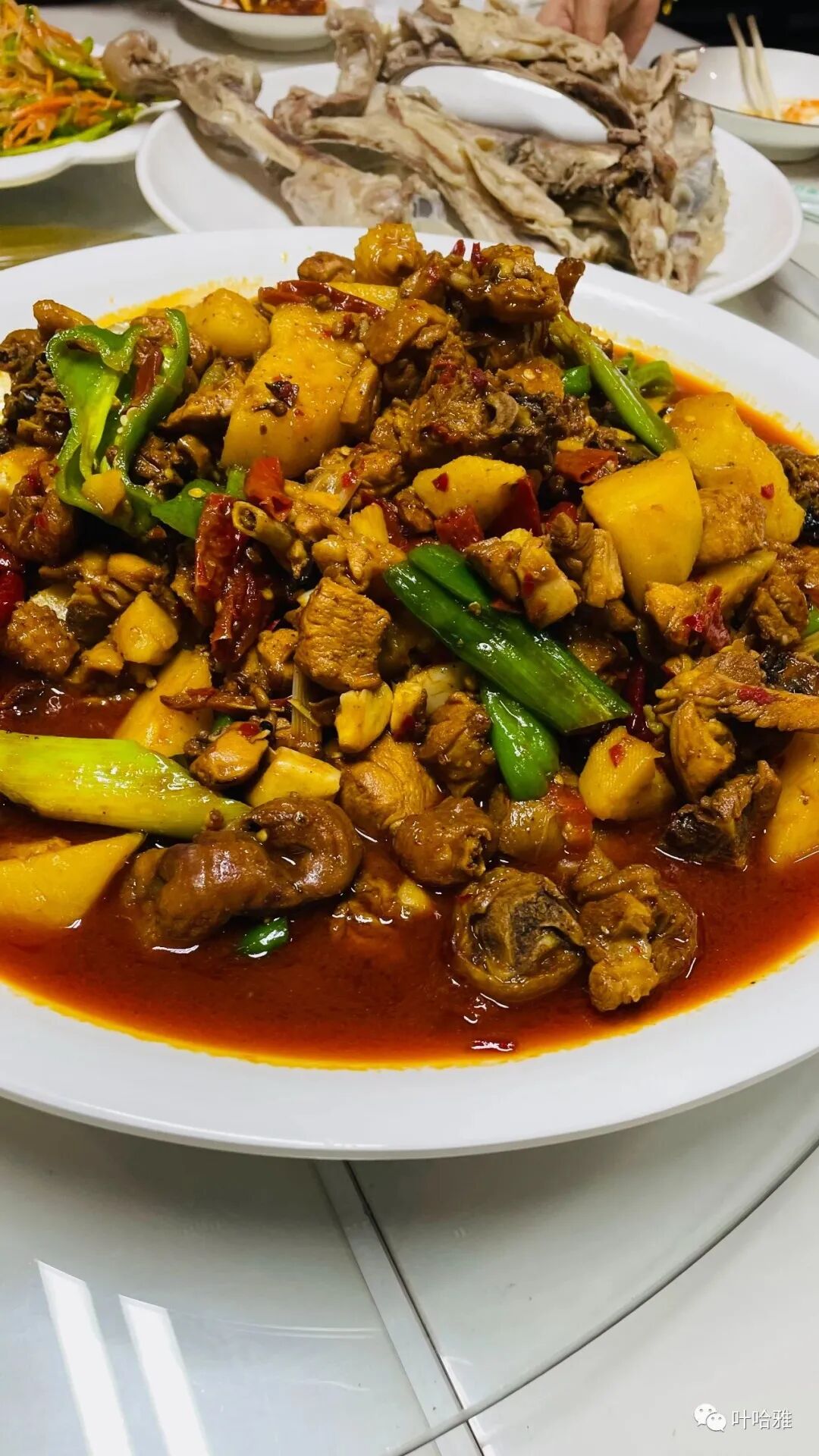
Hamude's big plate chicken (dapanji) is made in the authentic Urumqi Hui Muslim style. The chicken is soft and tender, and the wide belt noodles (pidaimian) served with it are very chewy. It suits our taste better than the one we had in Shawan.
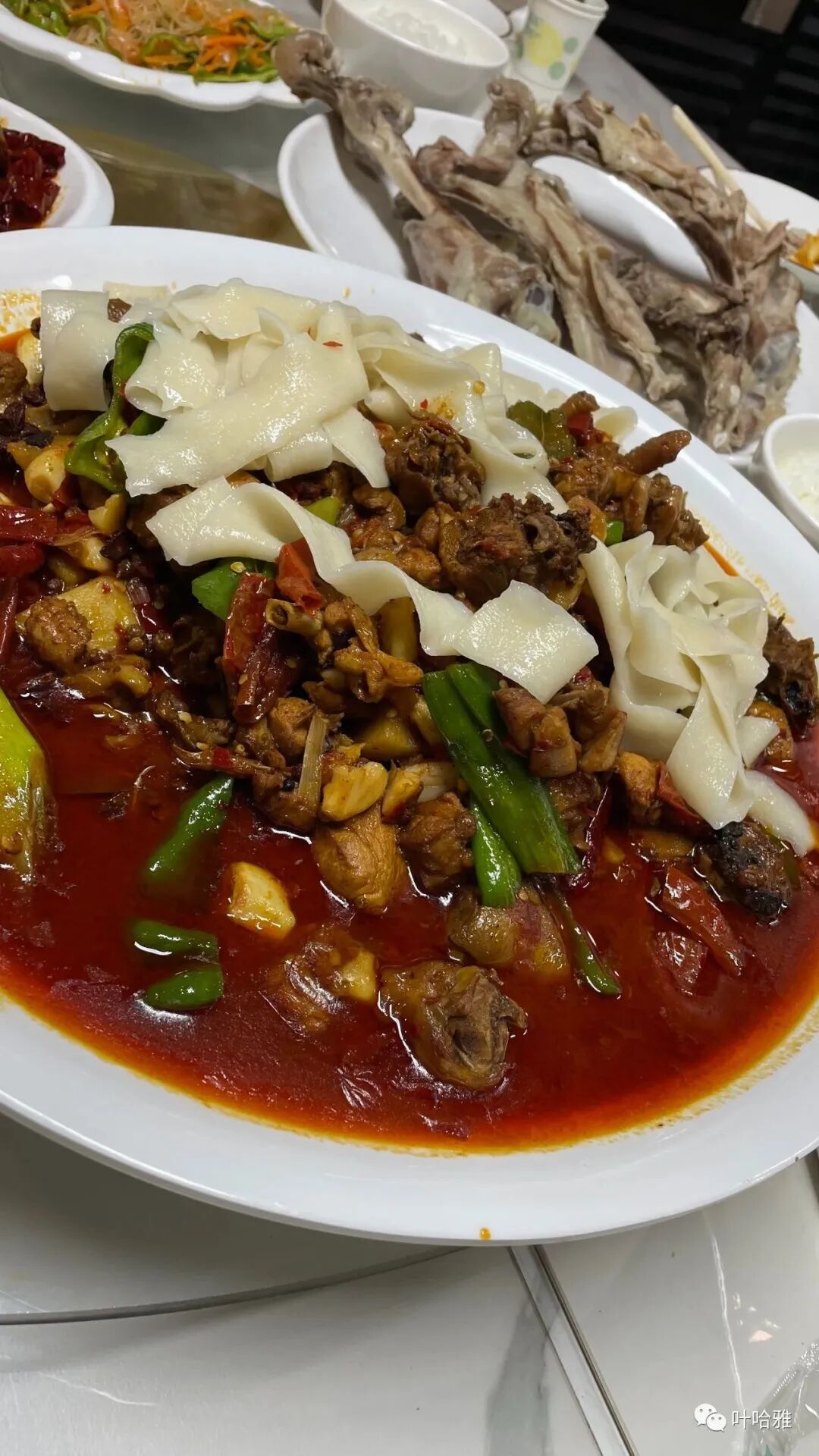
This grilled meat (kaorou) is a very popular barbecue dish in the shop. Many customers think it is cheap and delicious because the owner puts a lot of effort into the ingredients.
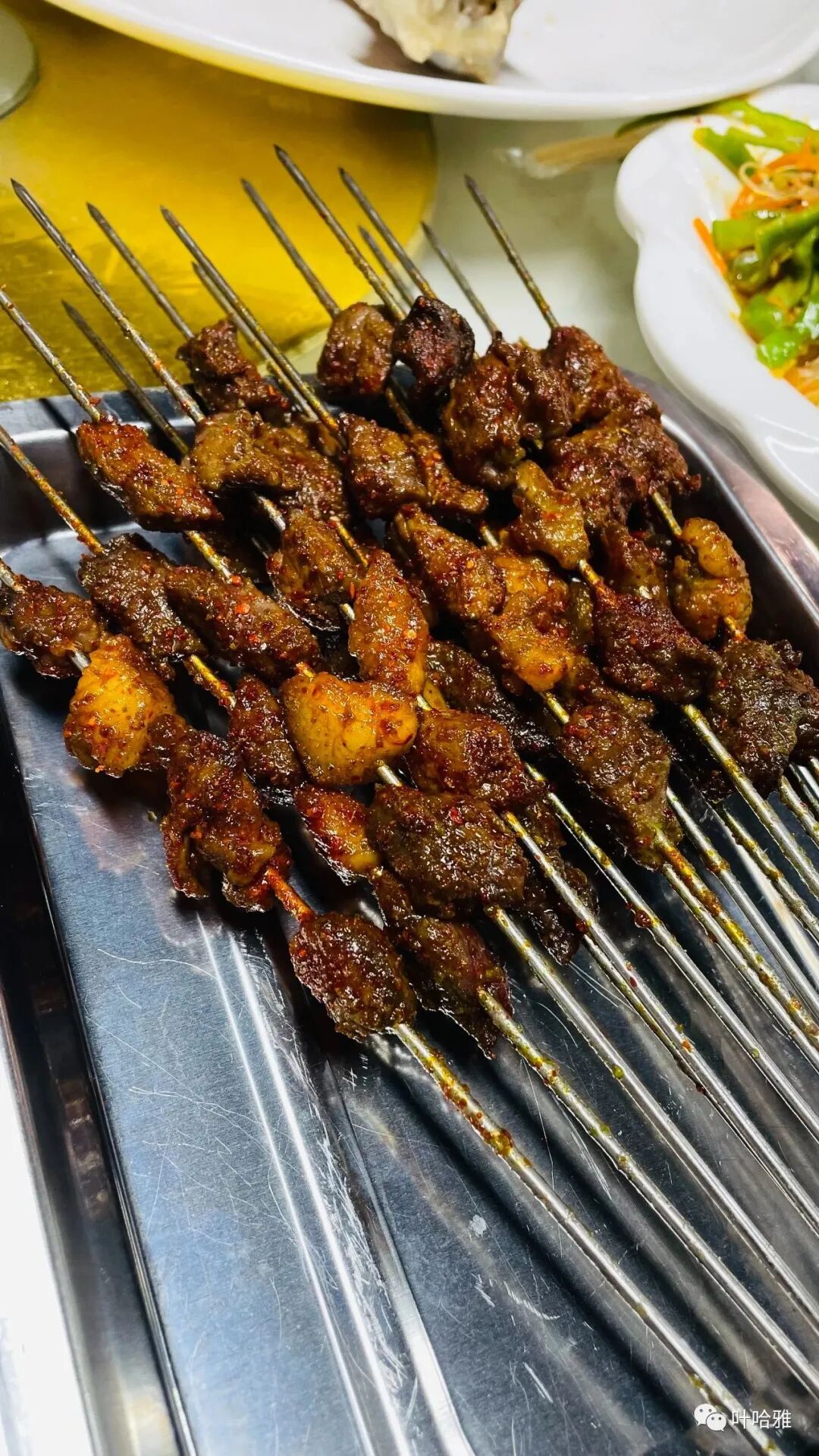
Hamude is located at commercial unit S7-101, Vanke Park No. 5, Midong District. It is a ground-floor shop.
Rumi's Secret
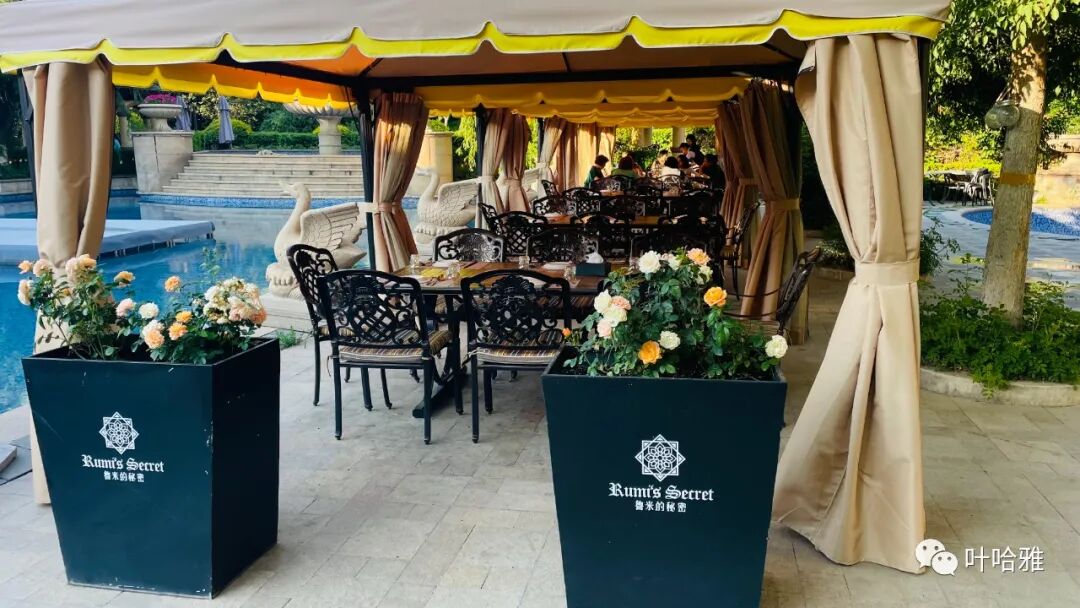
Rumi's Secret used to be in Beijing and just moved back to Urumqi. The owner is a Uyghur from Urumqi, and he insisted on not selling alcohol even when he was in Beijing.
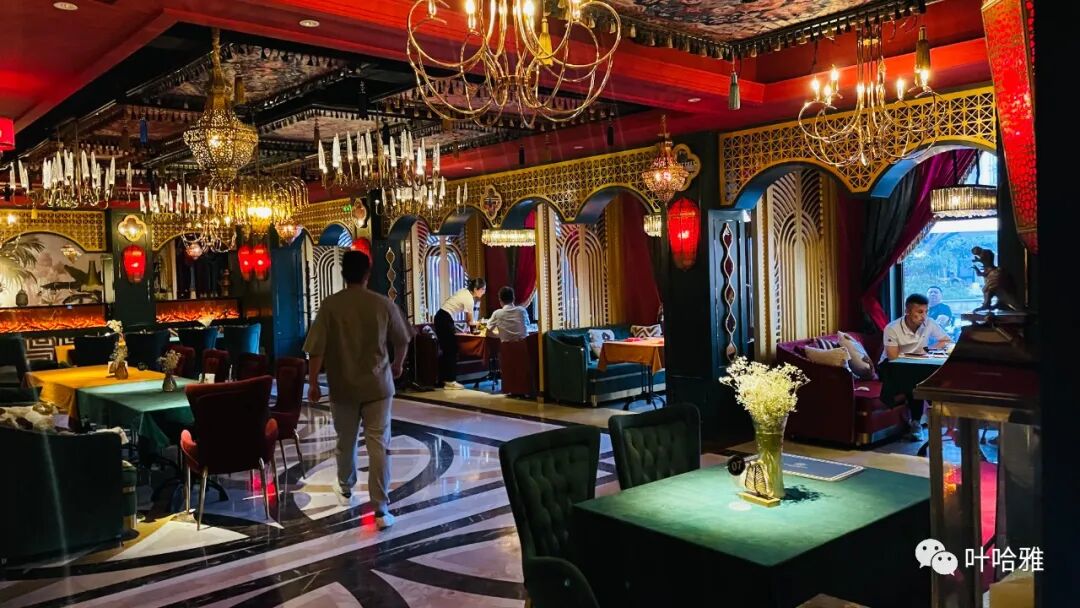
This shop is located inside Greentown Rose Garden in the Shuimogou District of Urumqi. The environment is much better than it was in Beijing, as it now has a garden and a pond.
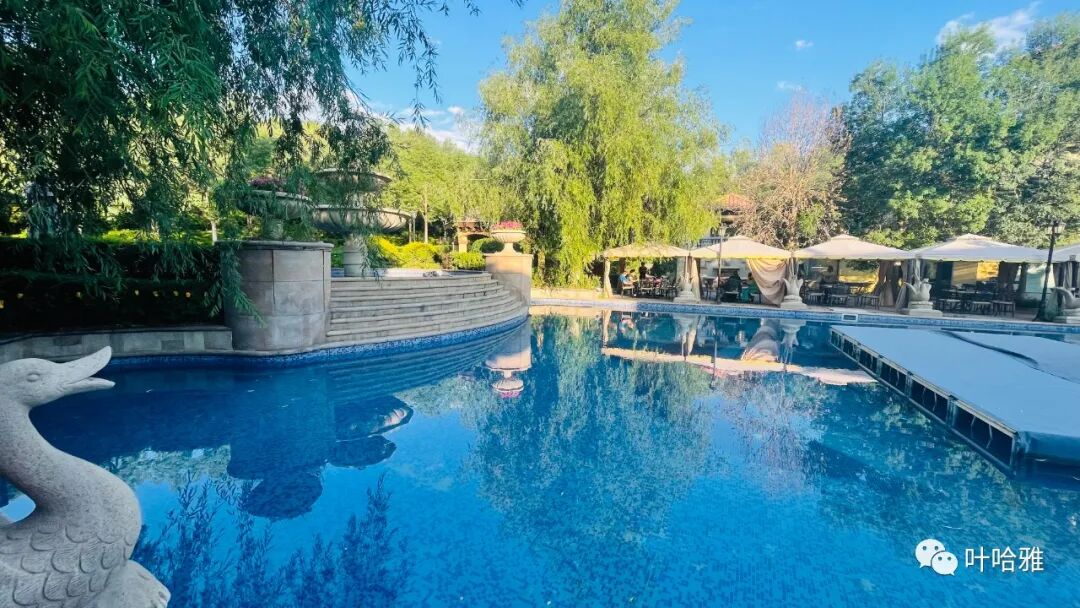
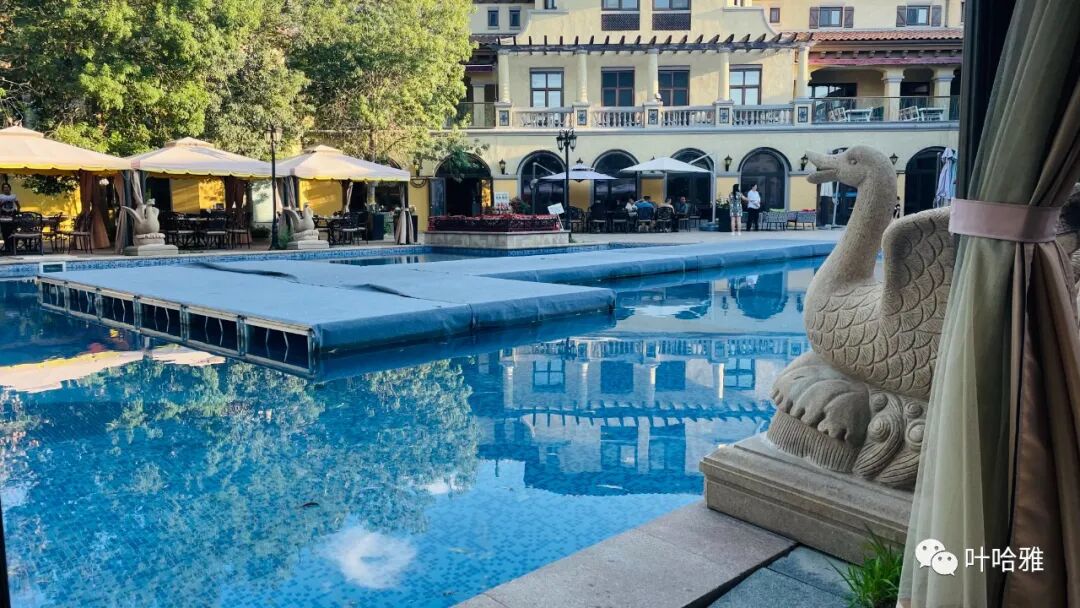
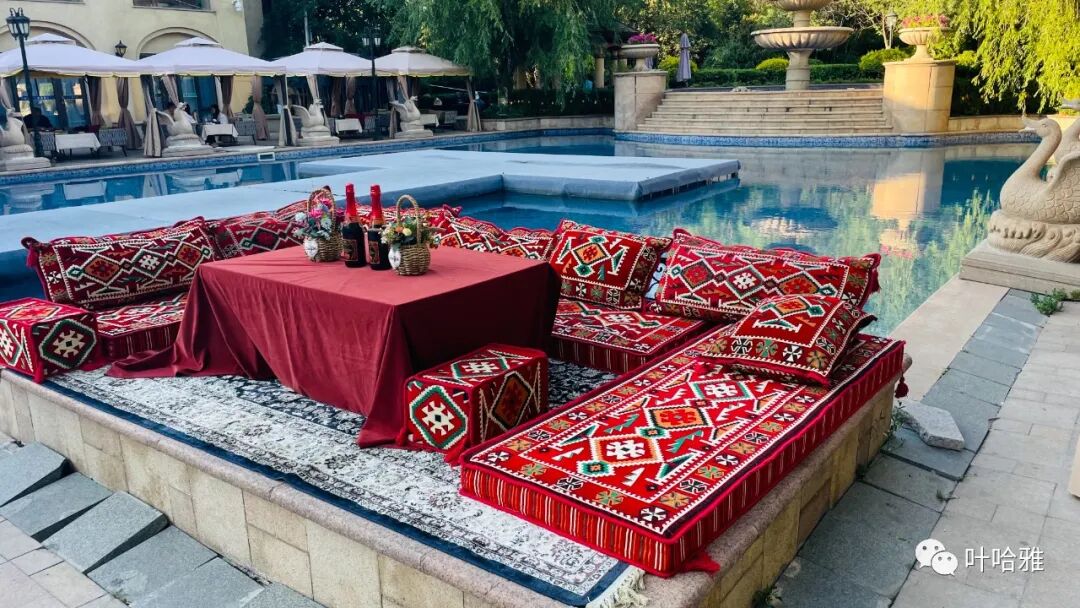
In the evening, there are singers performing with ethnic musical instruments, and the atmosphere is incredibly stylish.
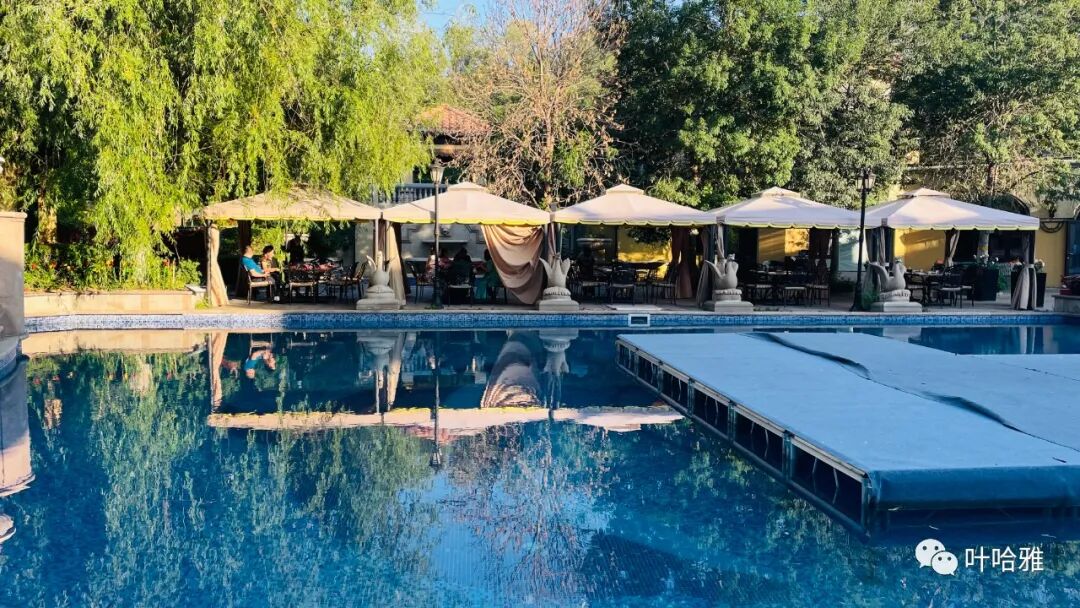
The owner explained that since the outdoor space is the main feature, the restaurant is only open for half the year and closes during the winter. The owner is preparing a branch in Sanya, so you can visit Rumi's Secret in Sanya during the winter in the future.
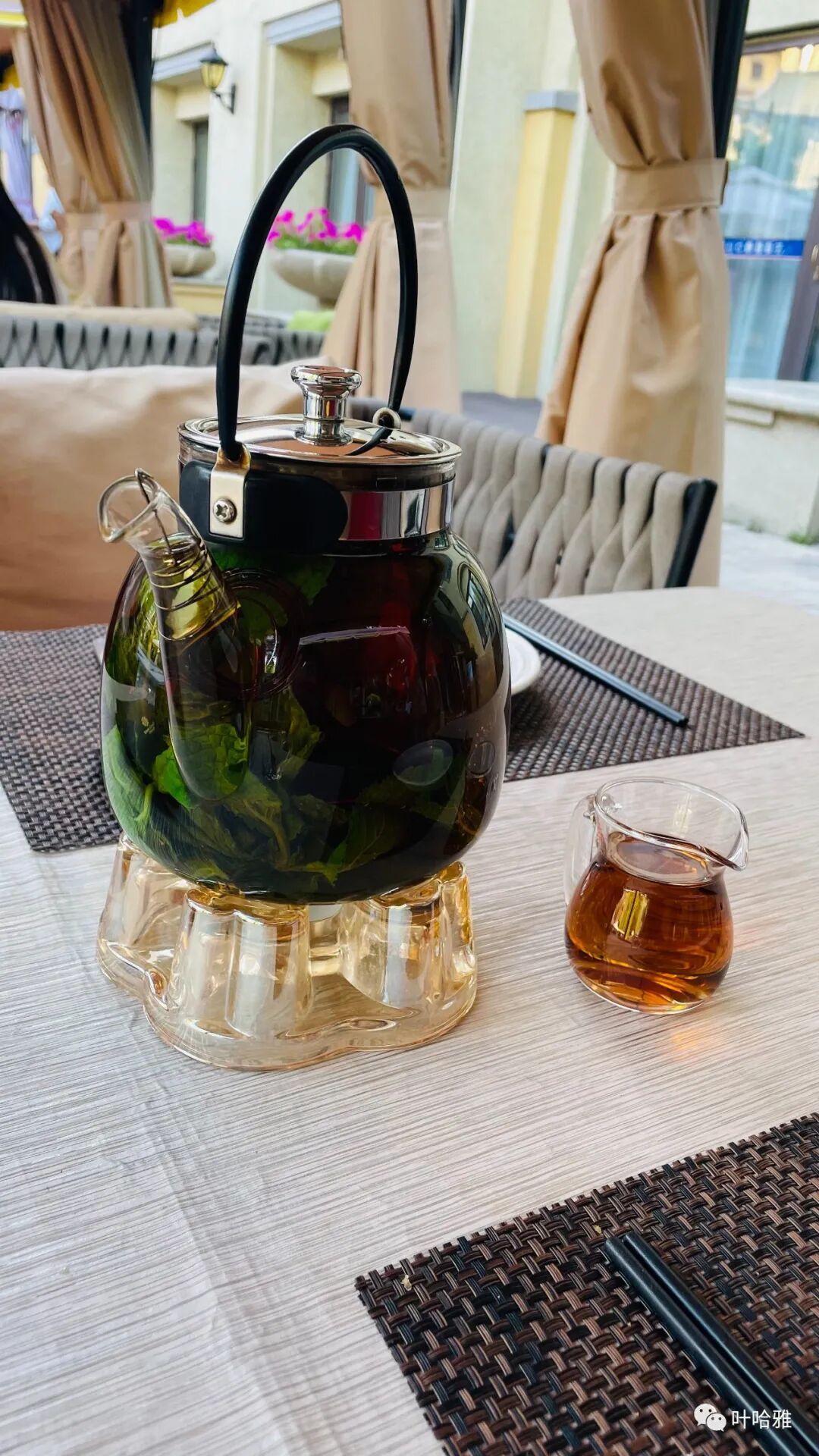
Friends can come here for coffee and afternoon tea, or host parties and gatherings. The food and service are both excellent.
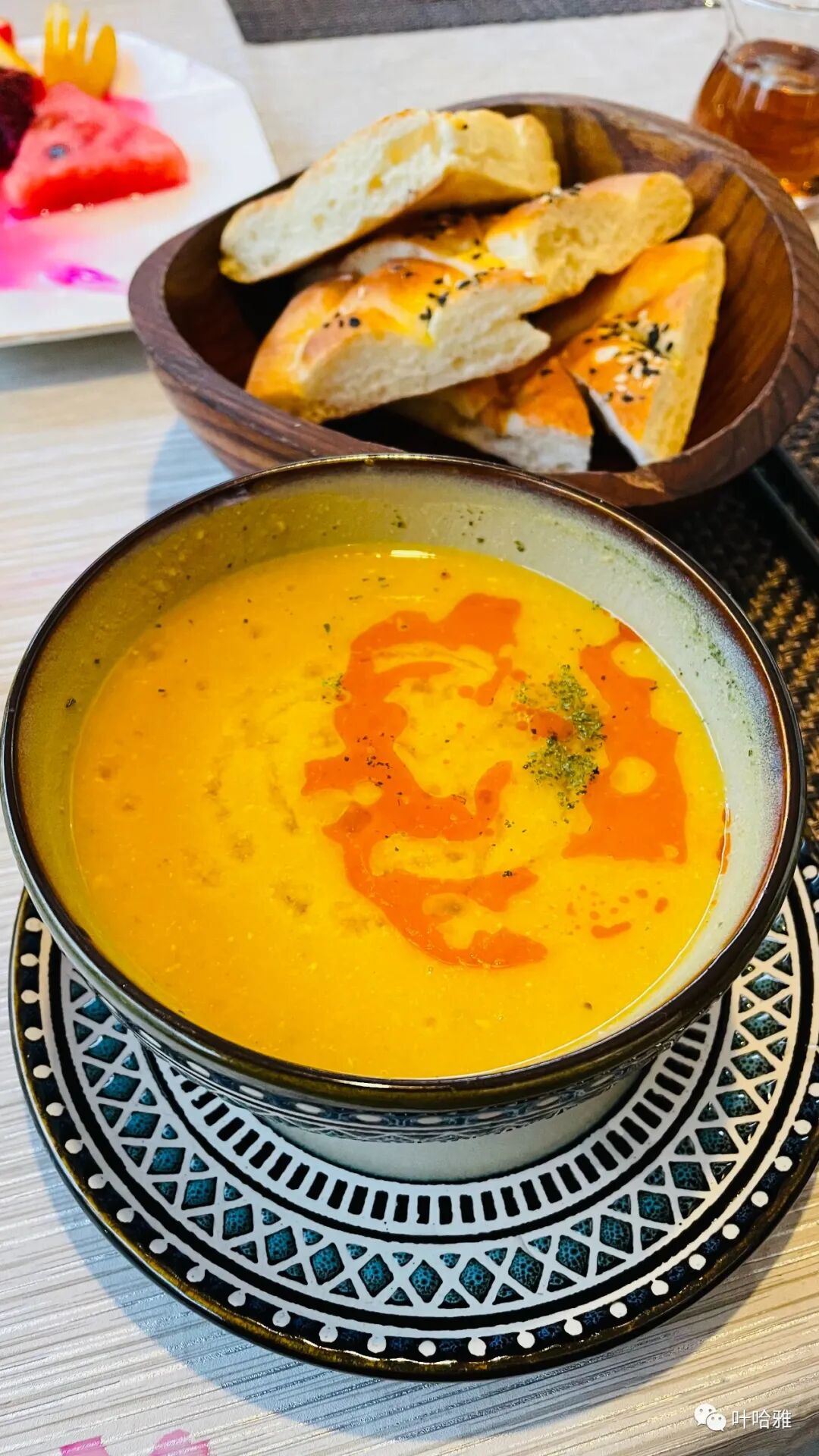
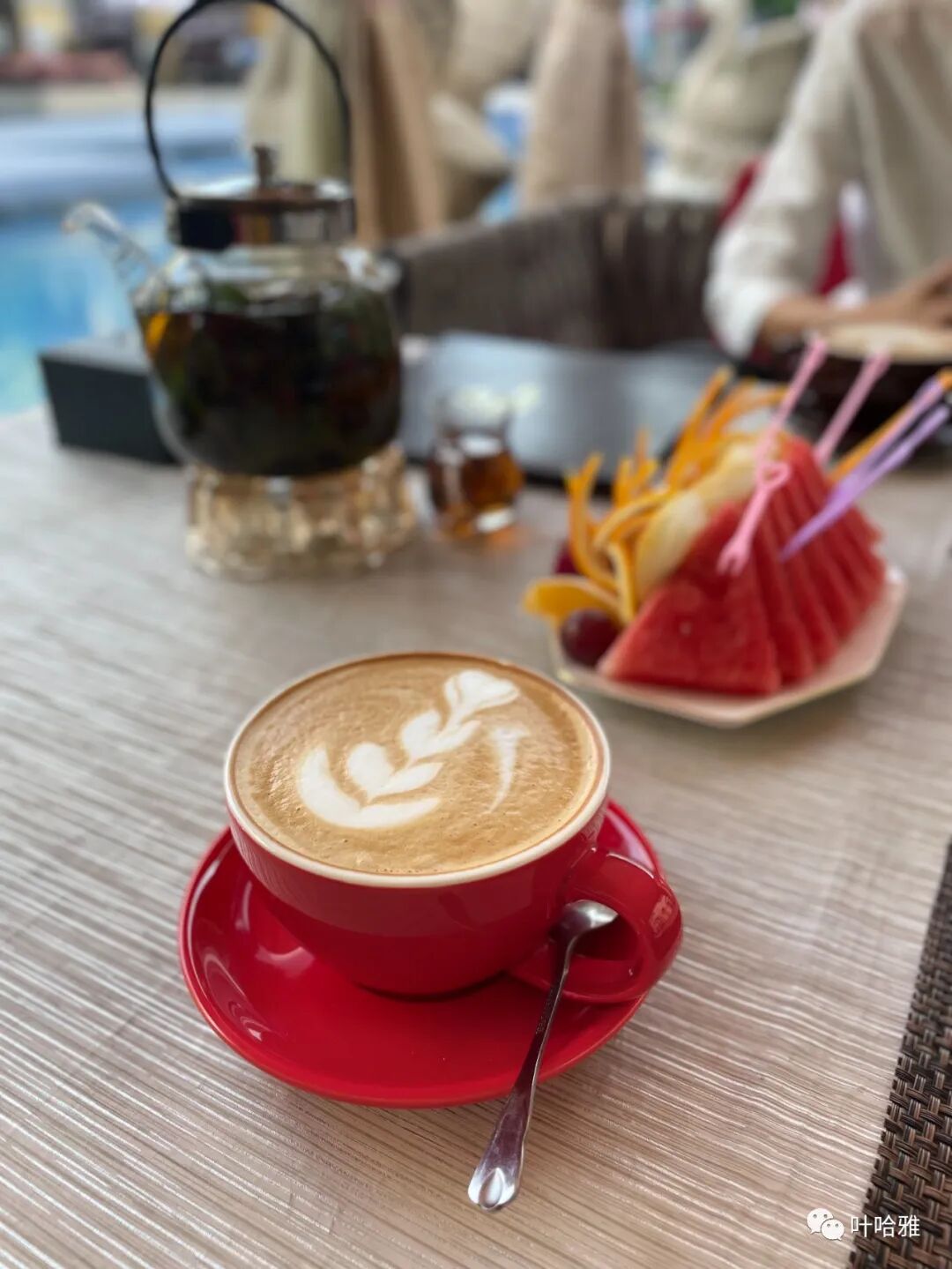
Address: Inside Greentown Rose Garden, Shuimogou District.
Aiju Restaurant.
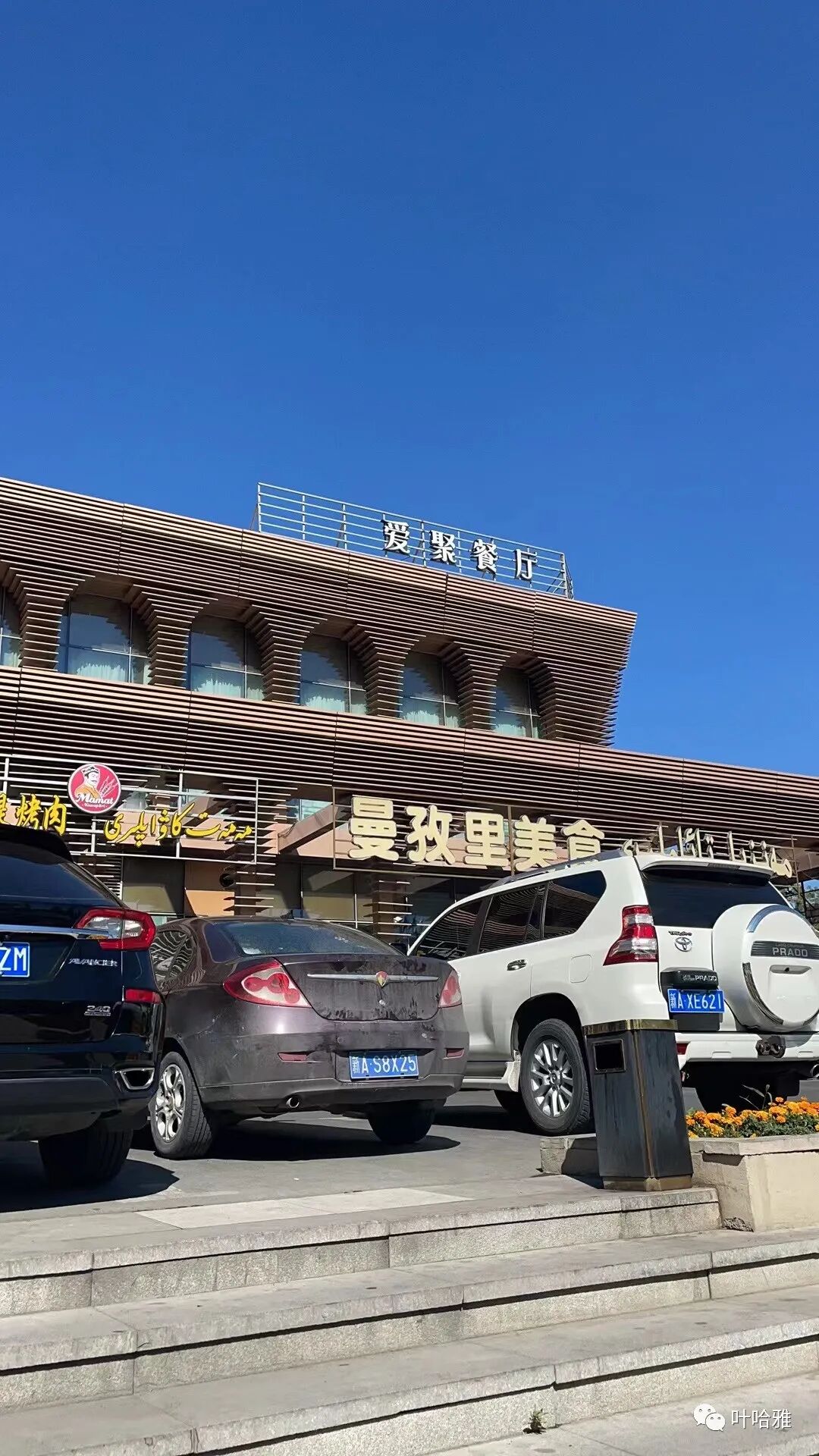
If you like Western food and care about the atmosphere, you can come to Aiju Restaurant in Tianshan District, right across from Vanke Plaza.
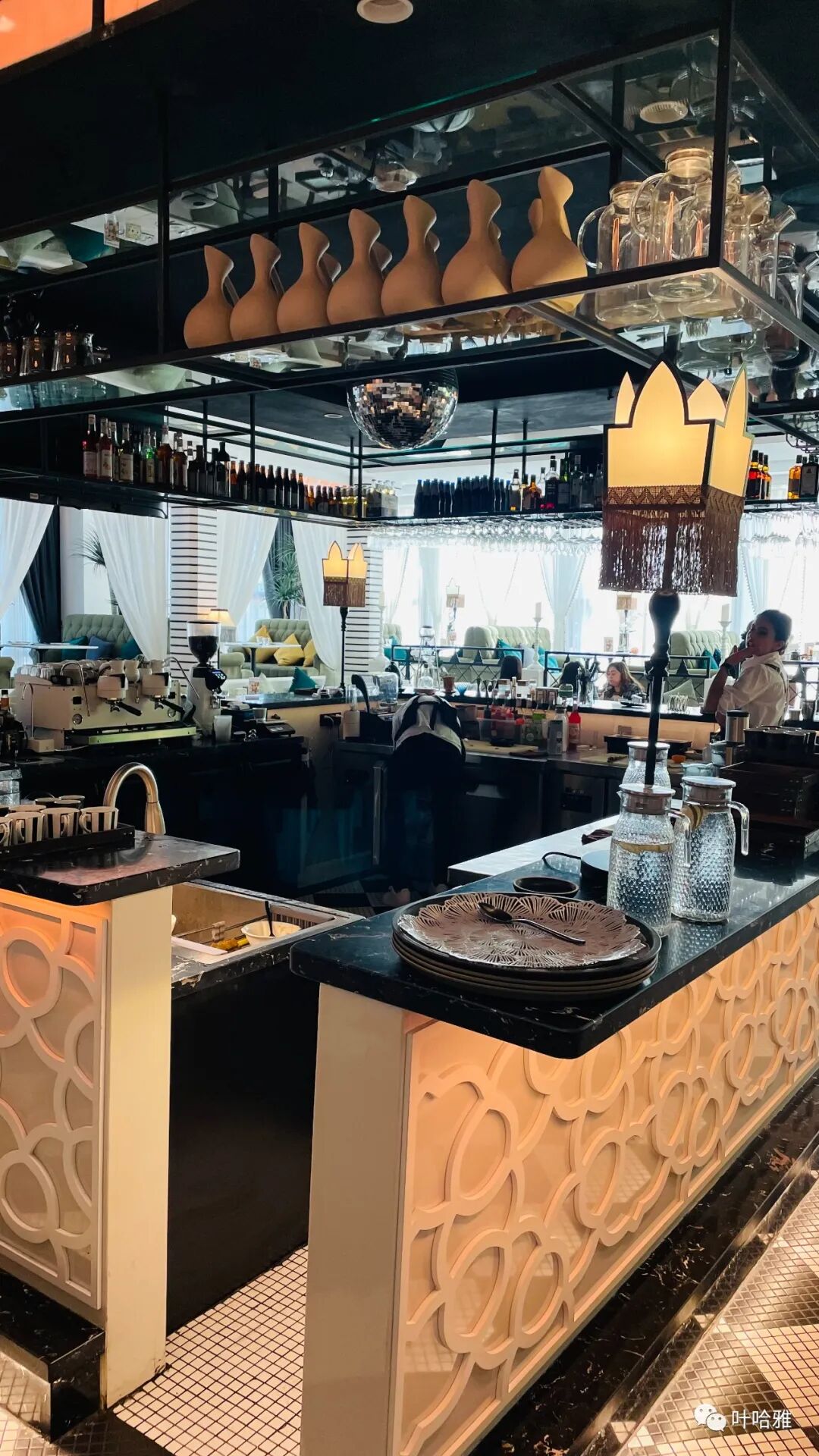
A Uyghur friend brought me here specifically. Most of the people inside are young Uyghurs, and there is a live band performance.
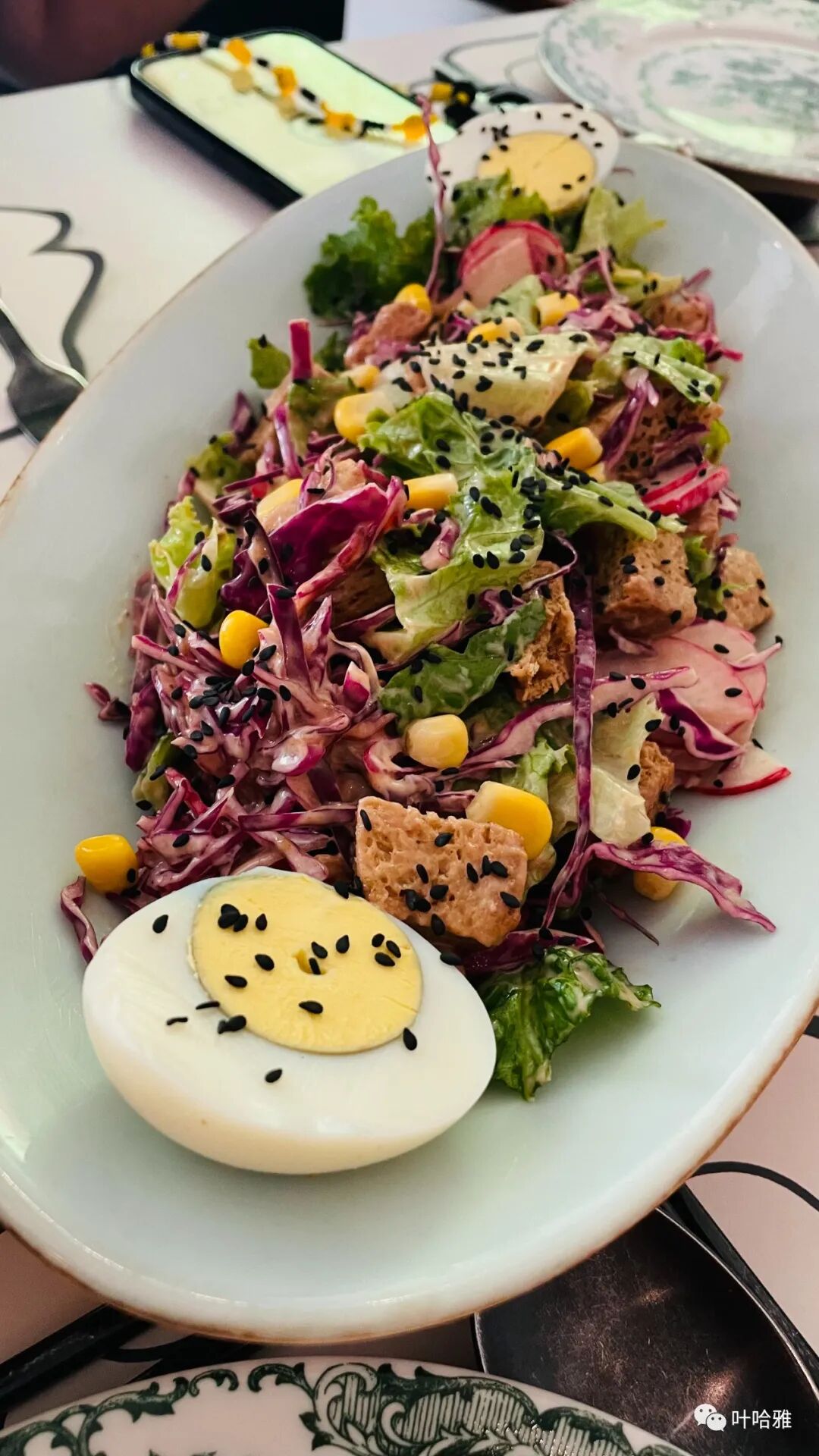
The Western food tastes just as good as in Beijing, and the prices are about the same, with an average cost of over 200 per person.
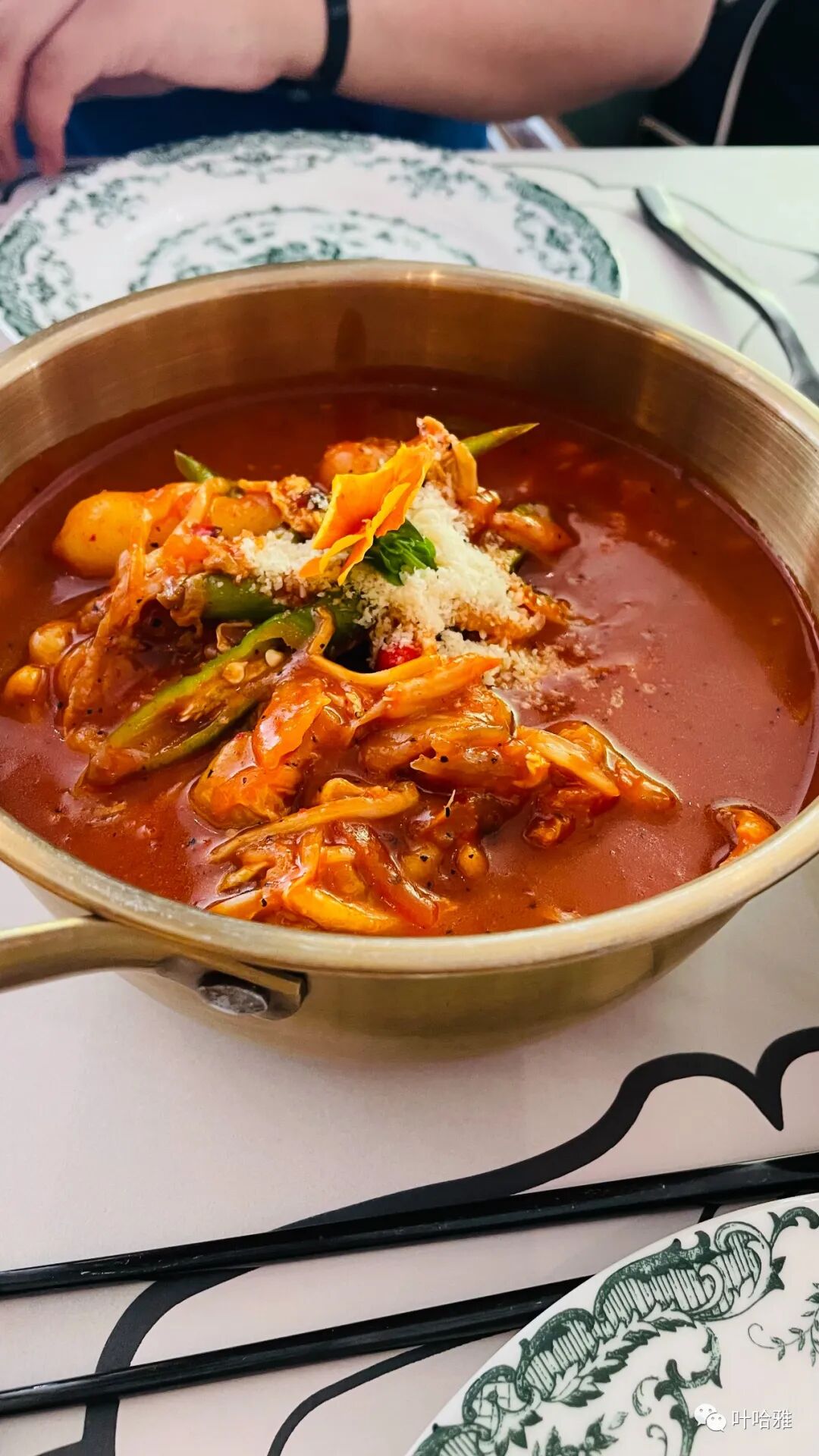
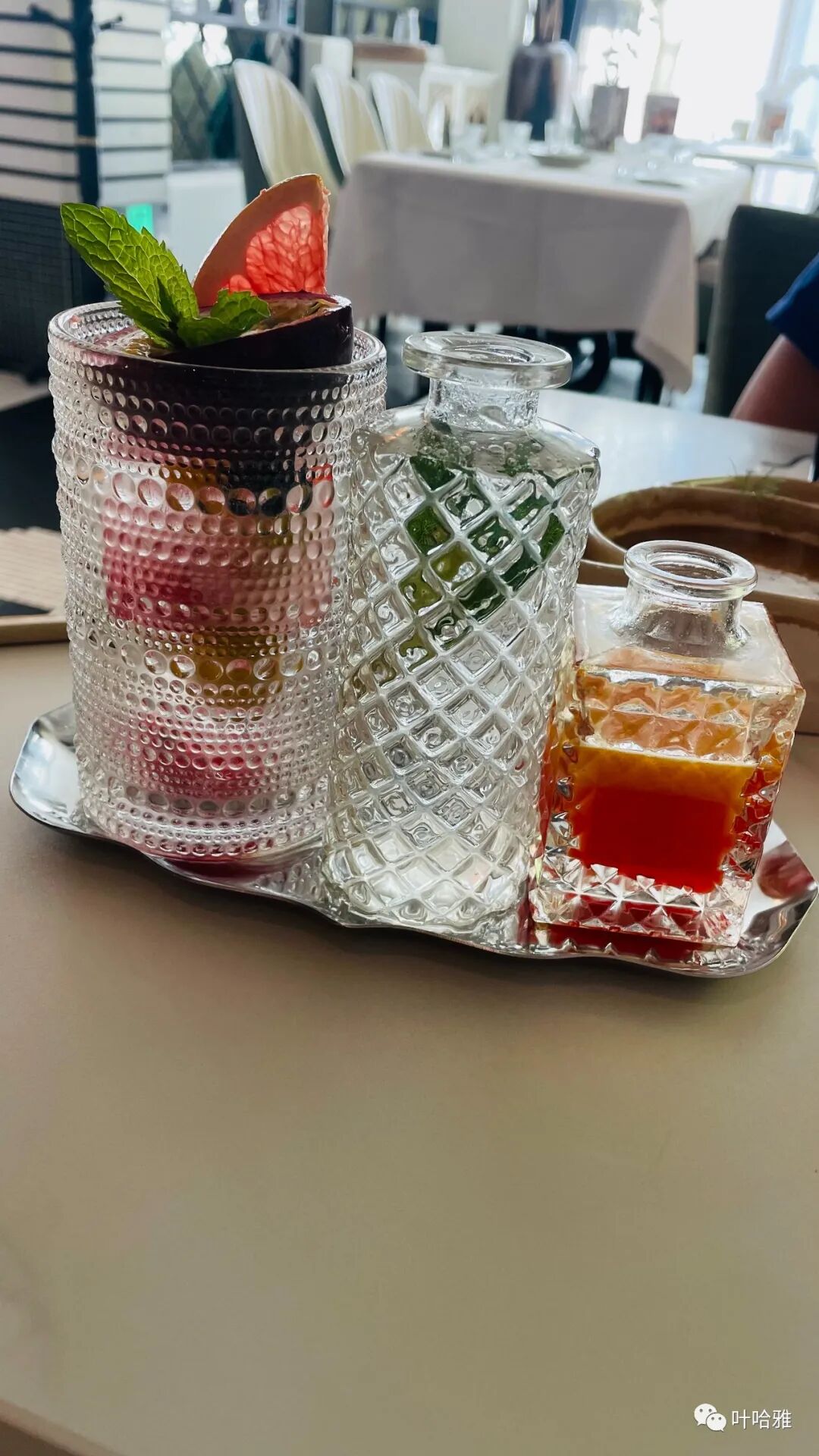
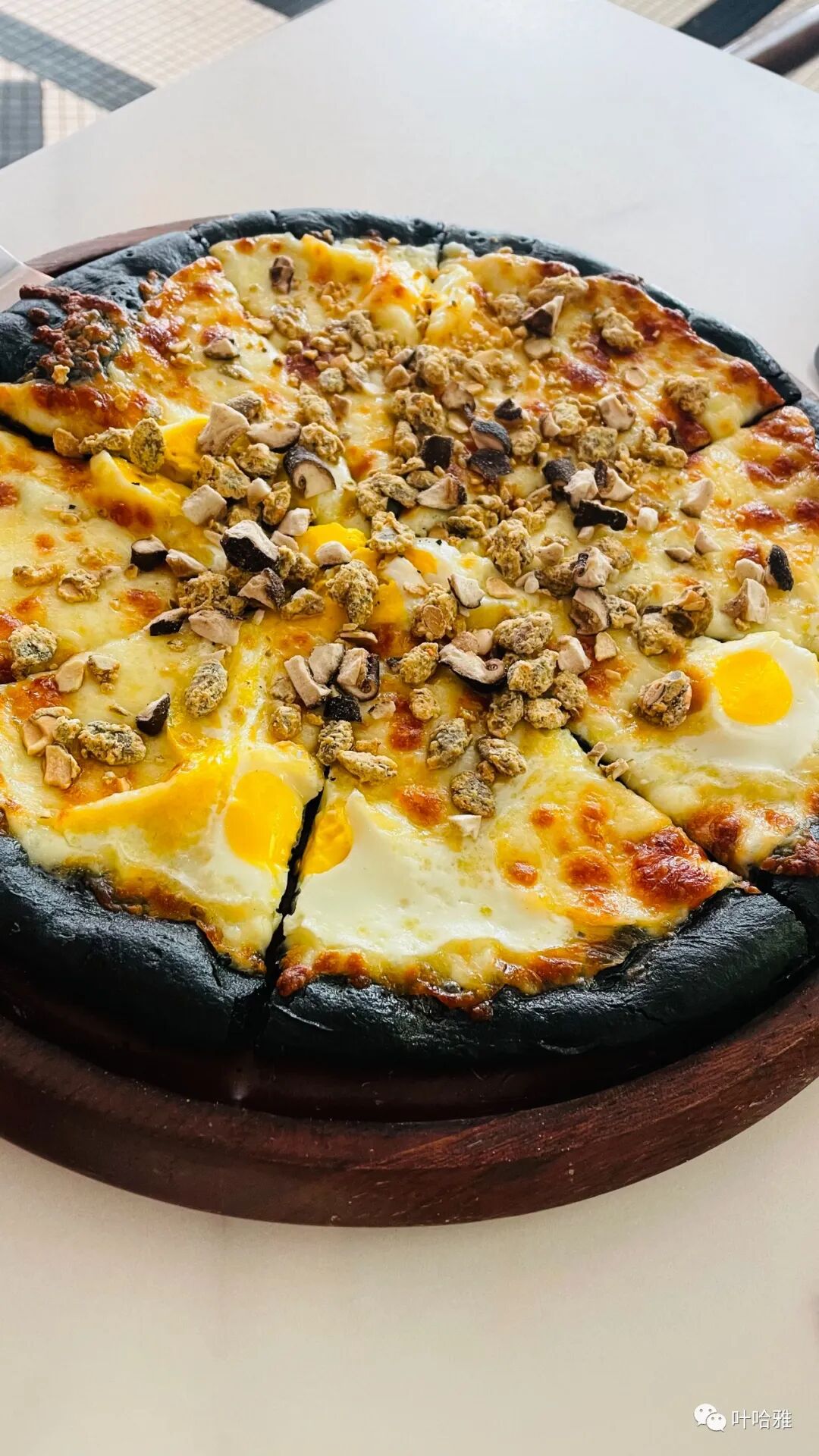
The dishes look, smell, and taste great, and the steak is also good. With unique ethnic singers performing, it is a great place for a date with a wonderful atmosphere.
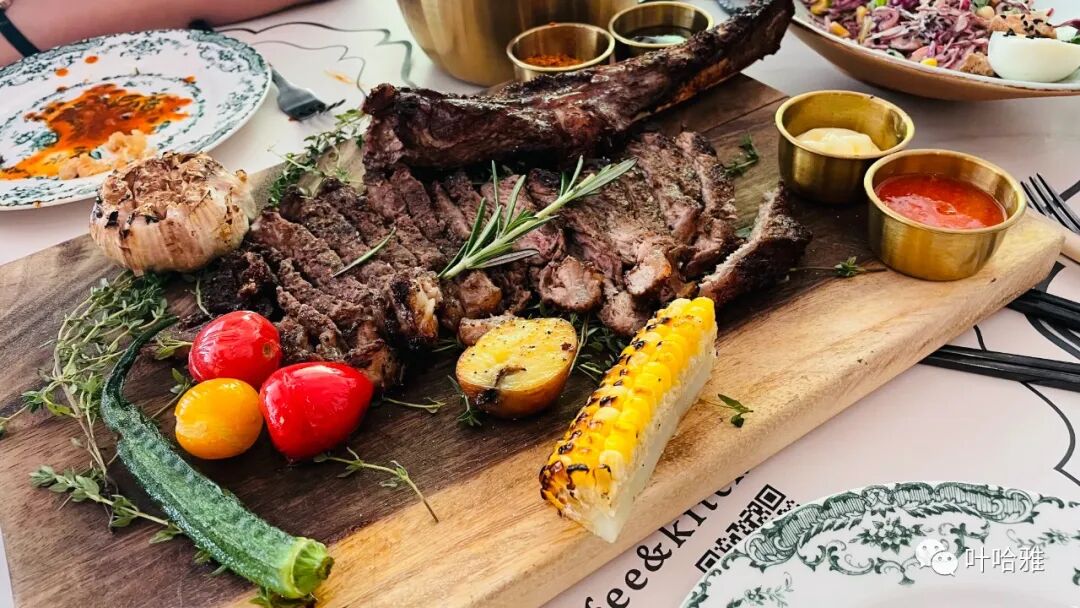
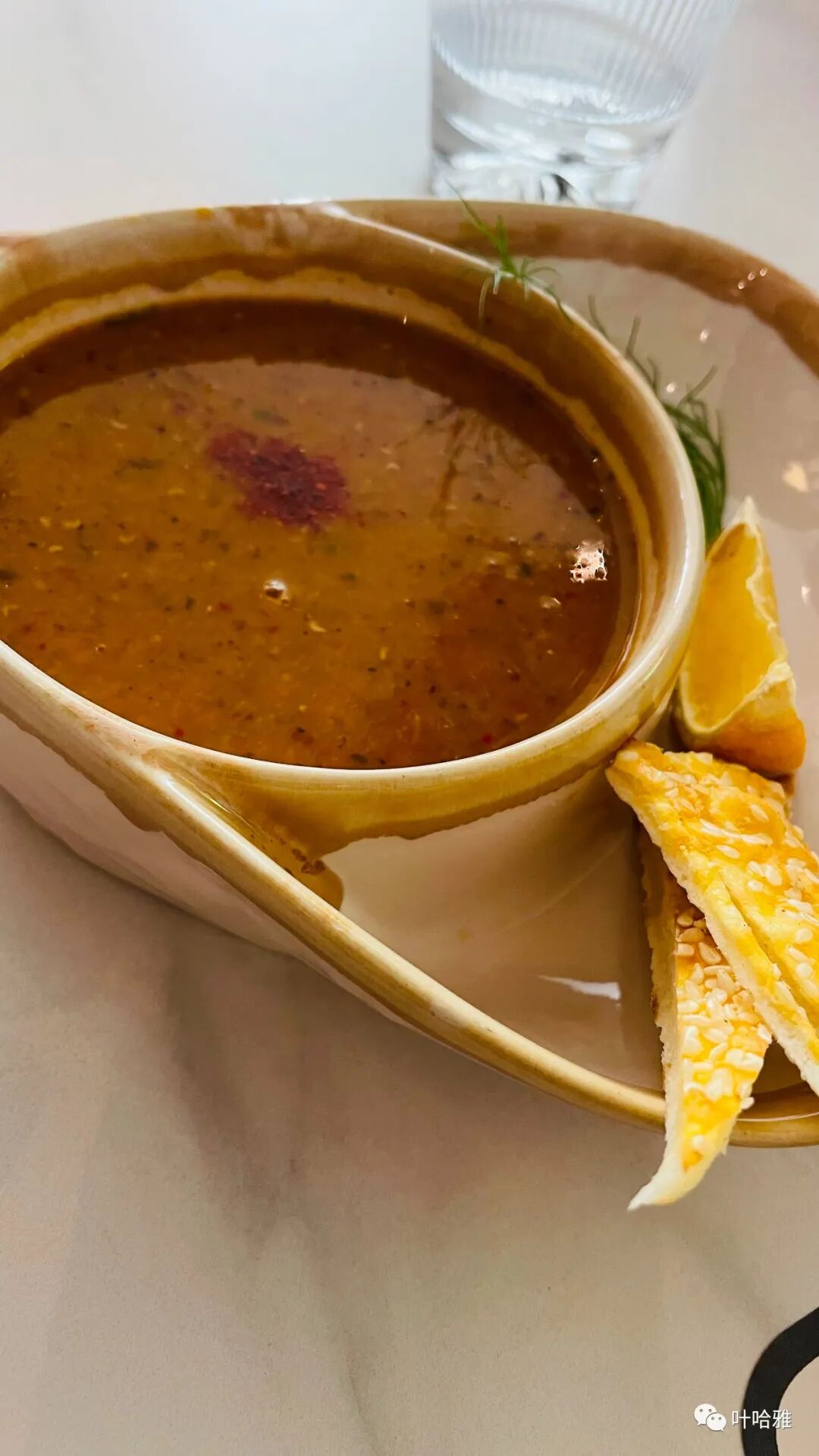
We stayed at the China Southern Pearl Hotel in Urumqi for three days. It is a halal hotel, and there is a Muqam halal restaurant on the second floor.
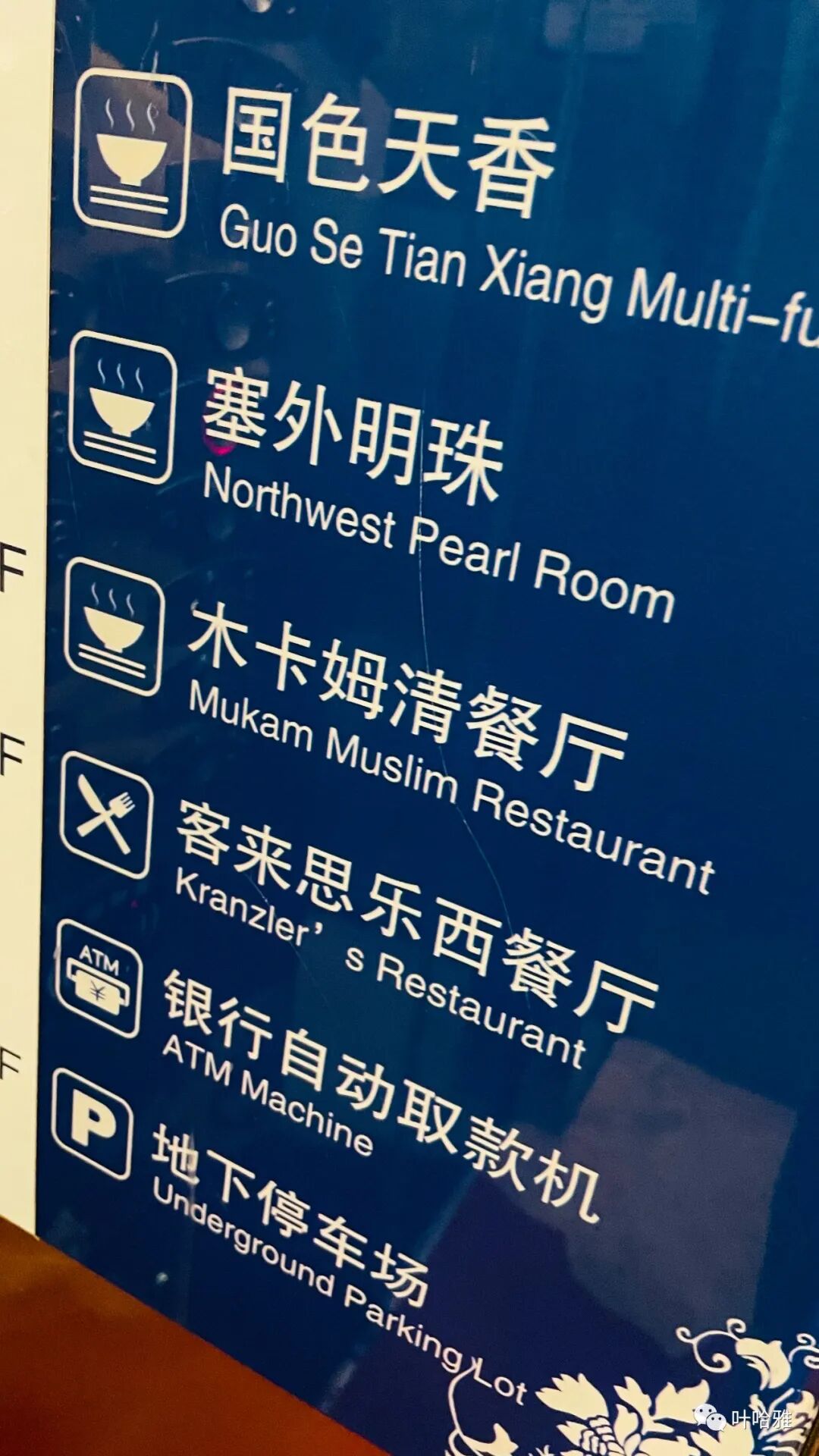
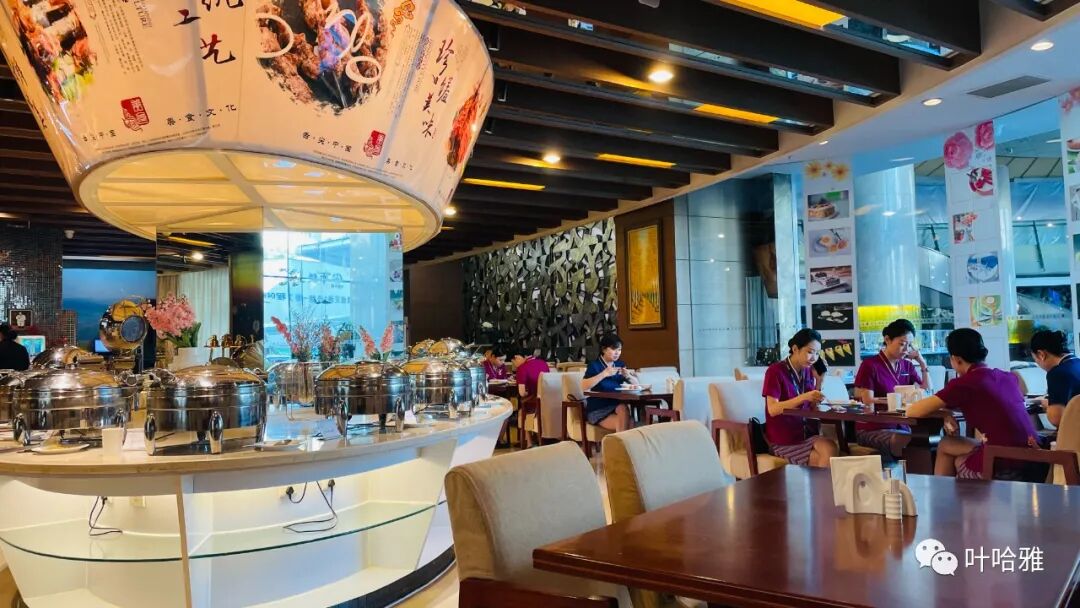
The China Southern Pearl Hotel is also the designated hotel for flight crews, so it is mostly filled with flight attendants and pilots.
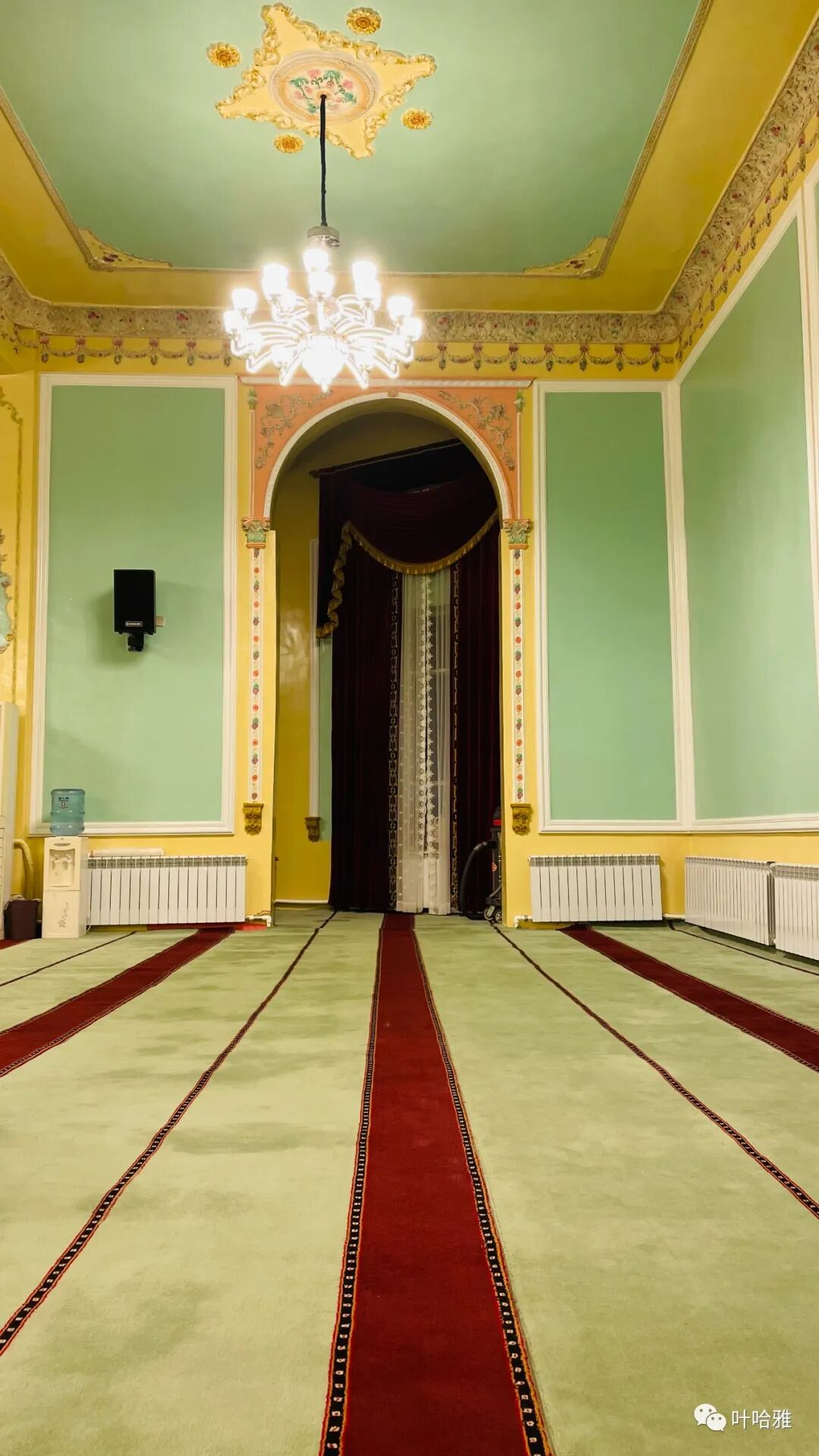
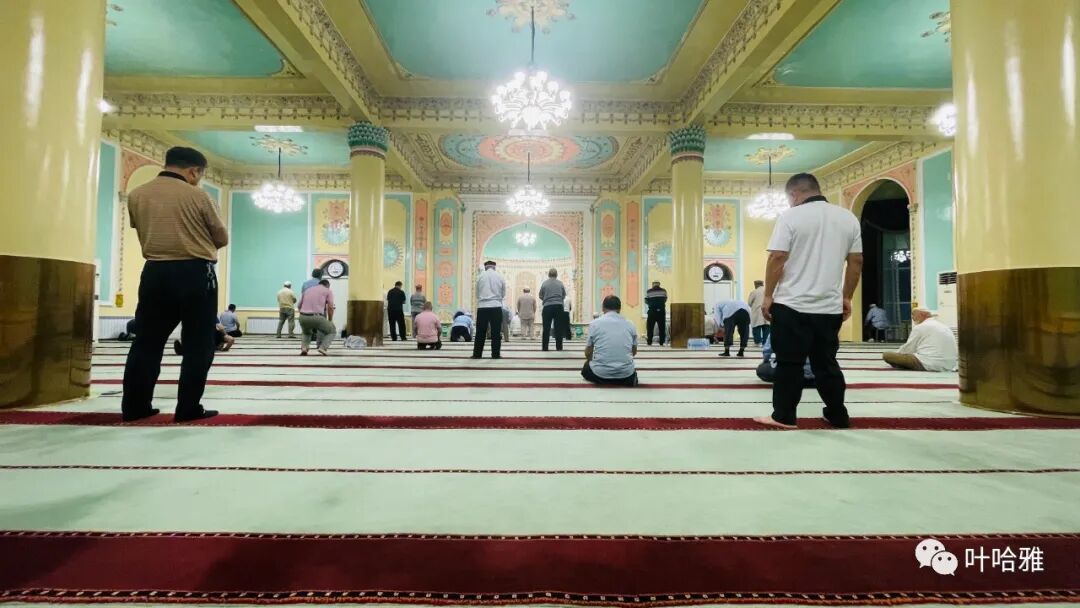
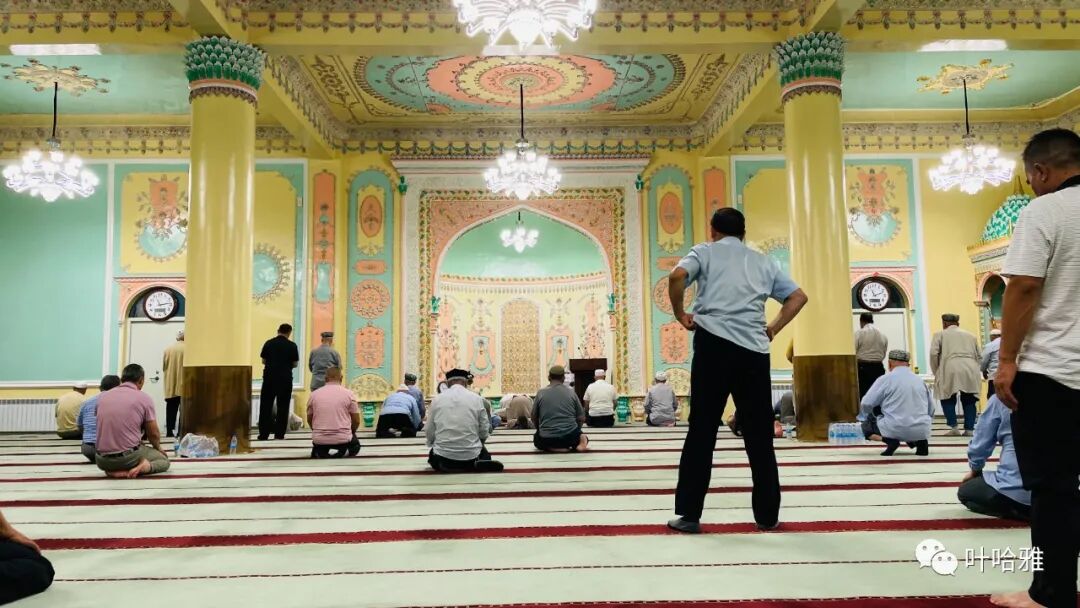
Erdaoqiao Baida Mosque.
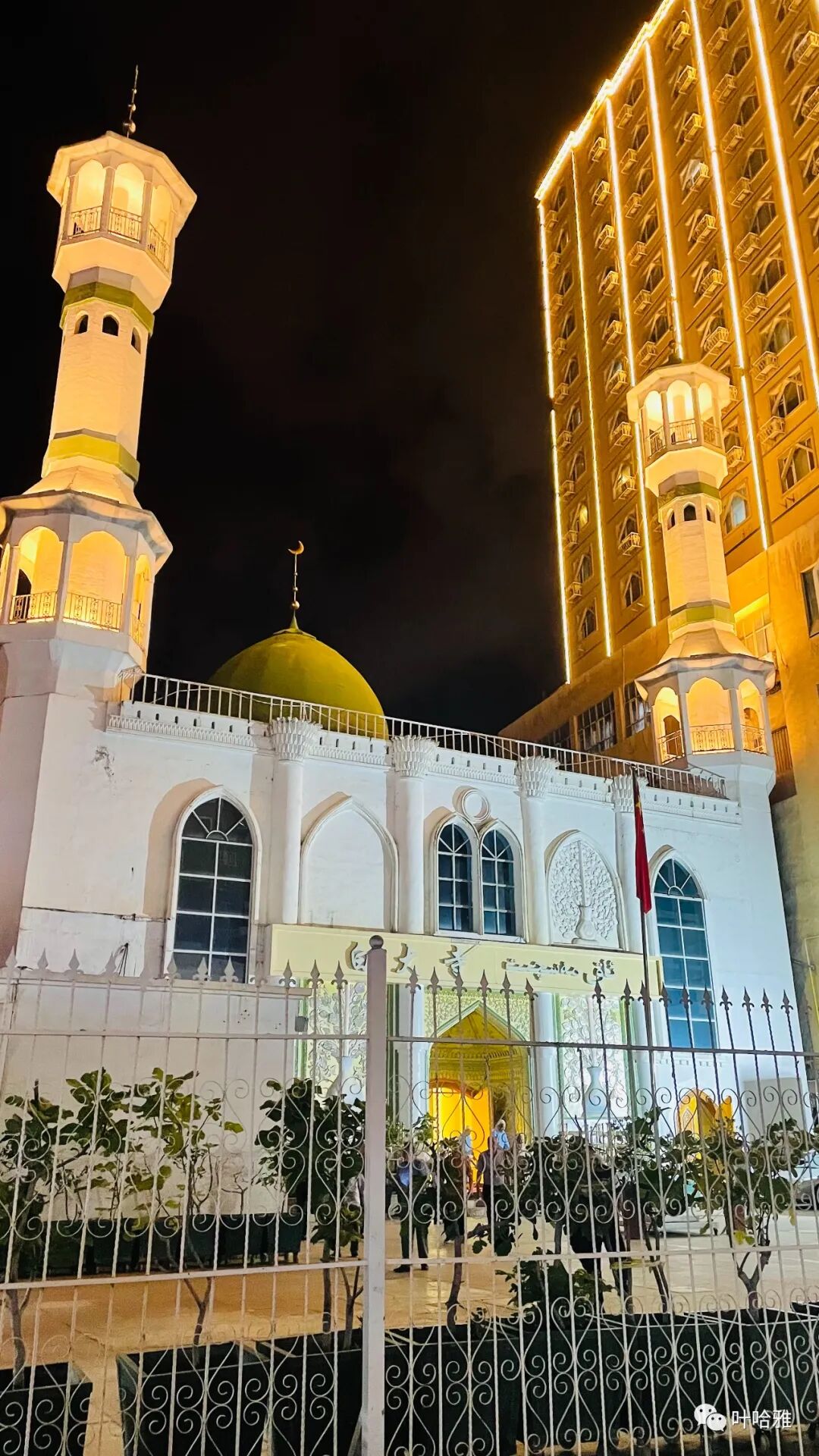
The Baida Mosque in Urumqi is less than a hundred years old. This is my second time here. It is currently open, but you can only enter during prayer times.
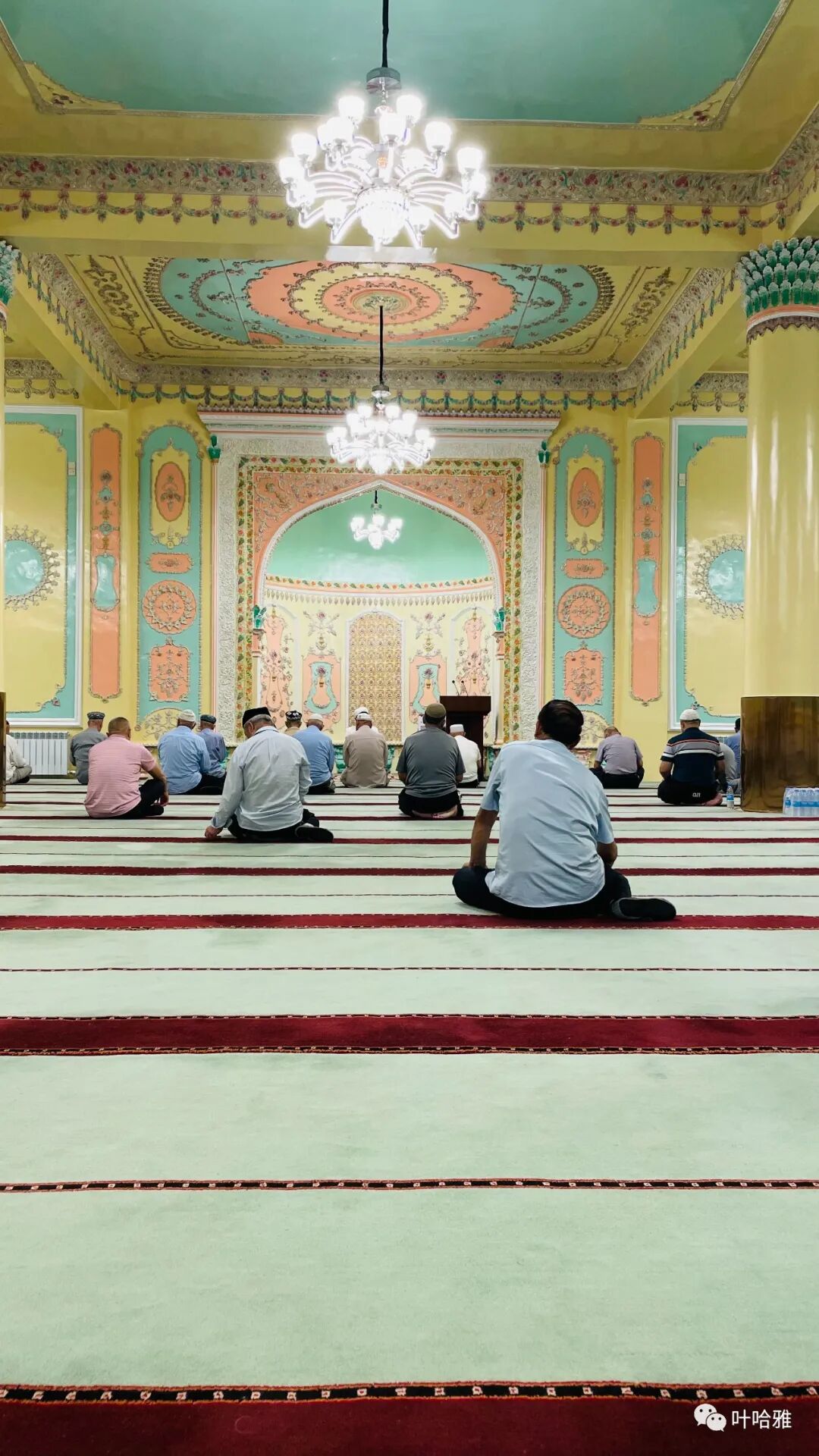
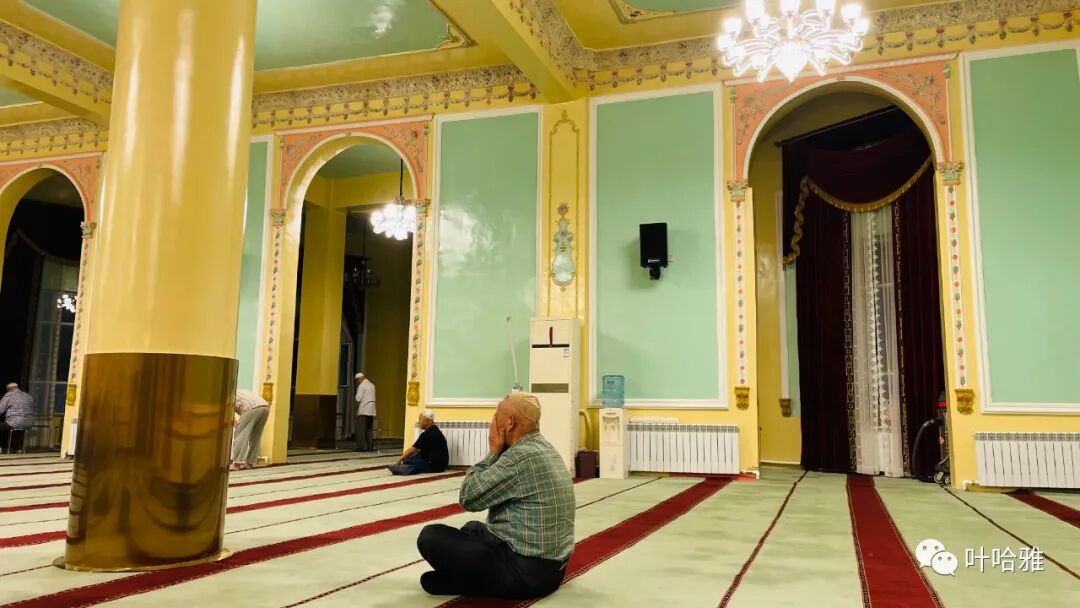
Being able to quietly join a congregational namaz here is a luxury.
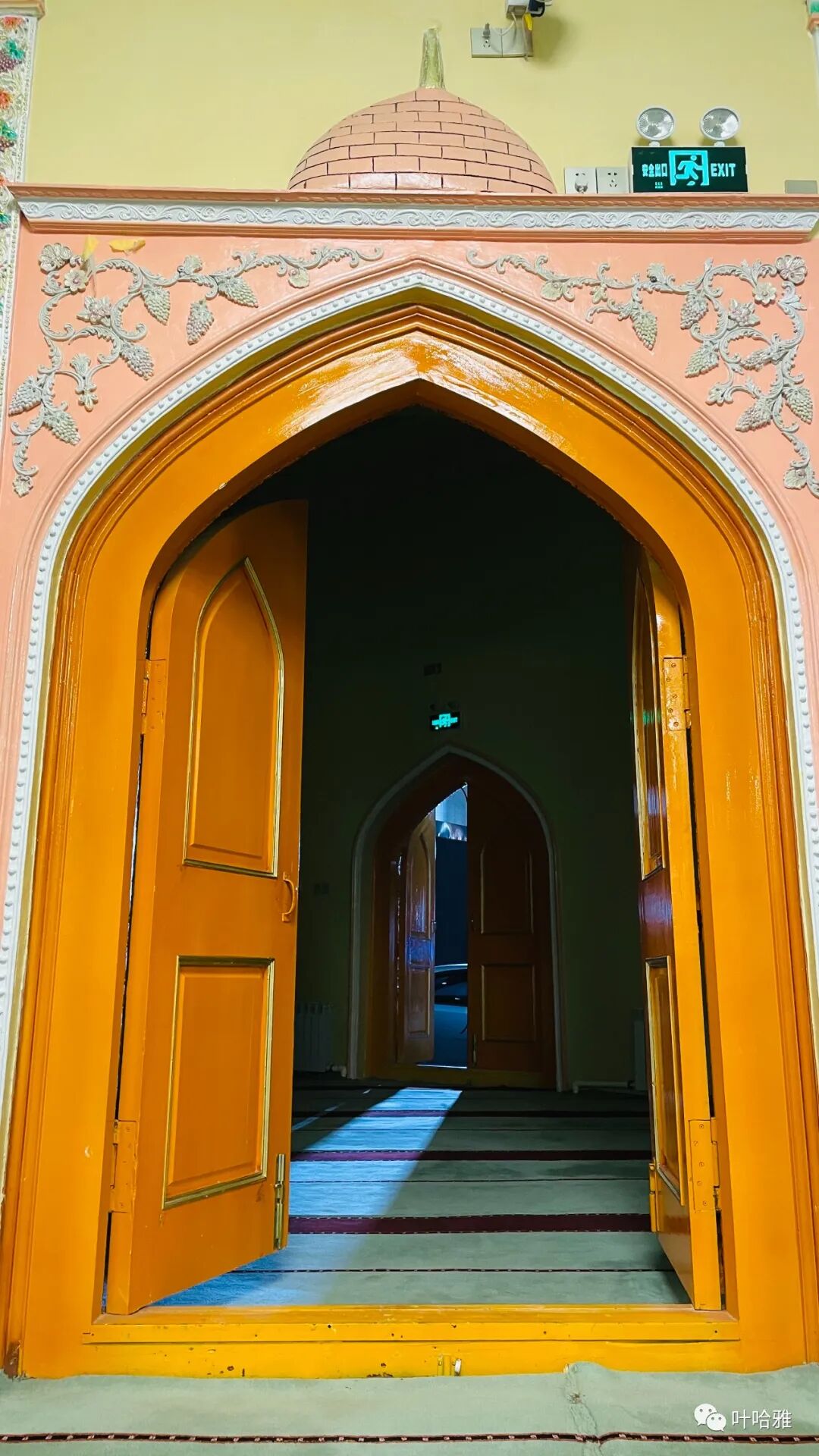
For breakfast in Urumqi, head over to the area near Sunshine City Wenlan Mansion (Yangguangcheng Wenlan Gongguan). There are many small shops here with local ethnic character.
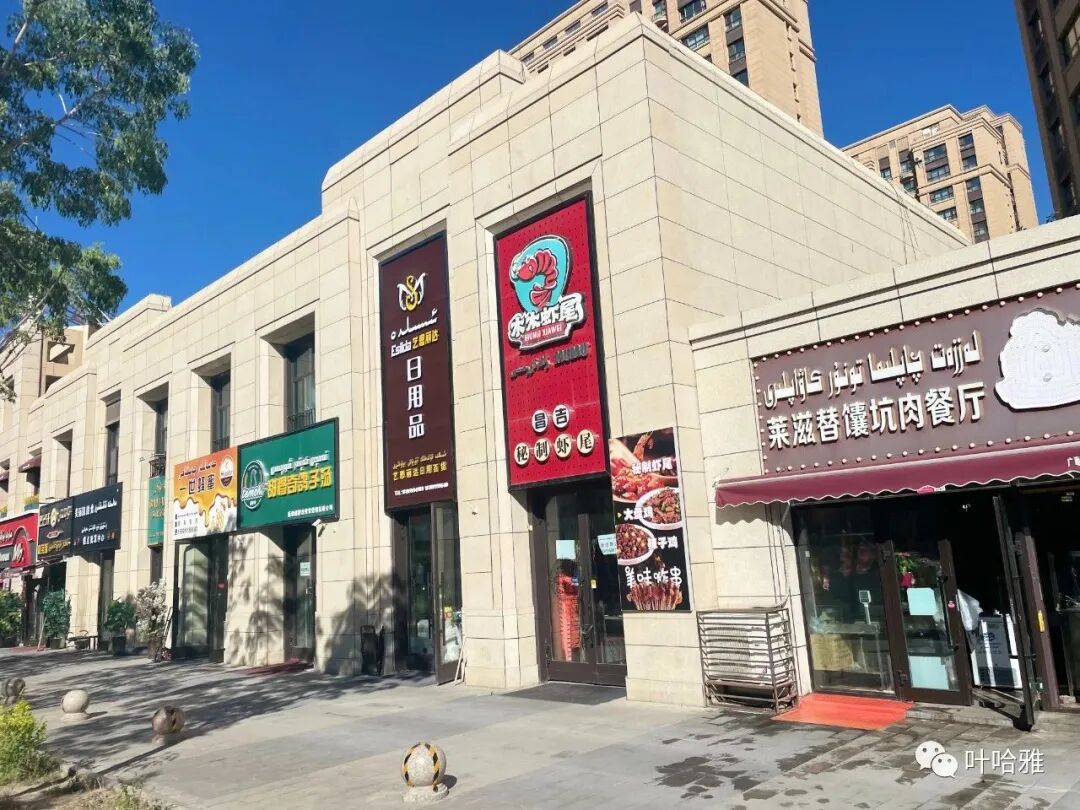
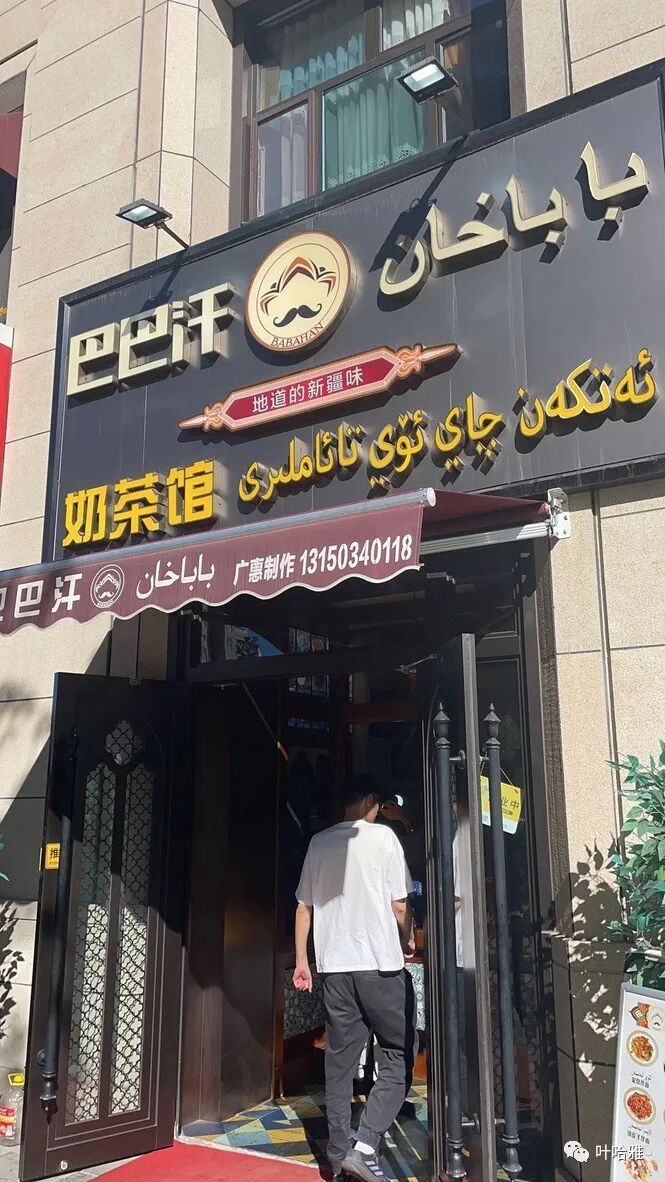
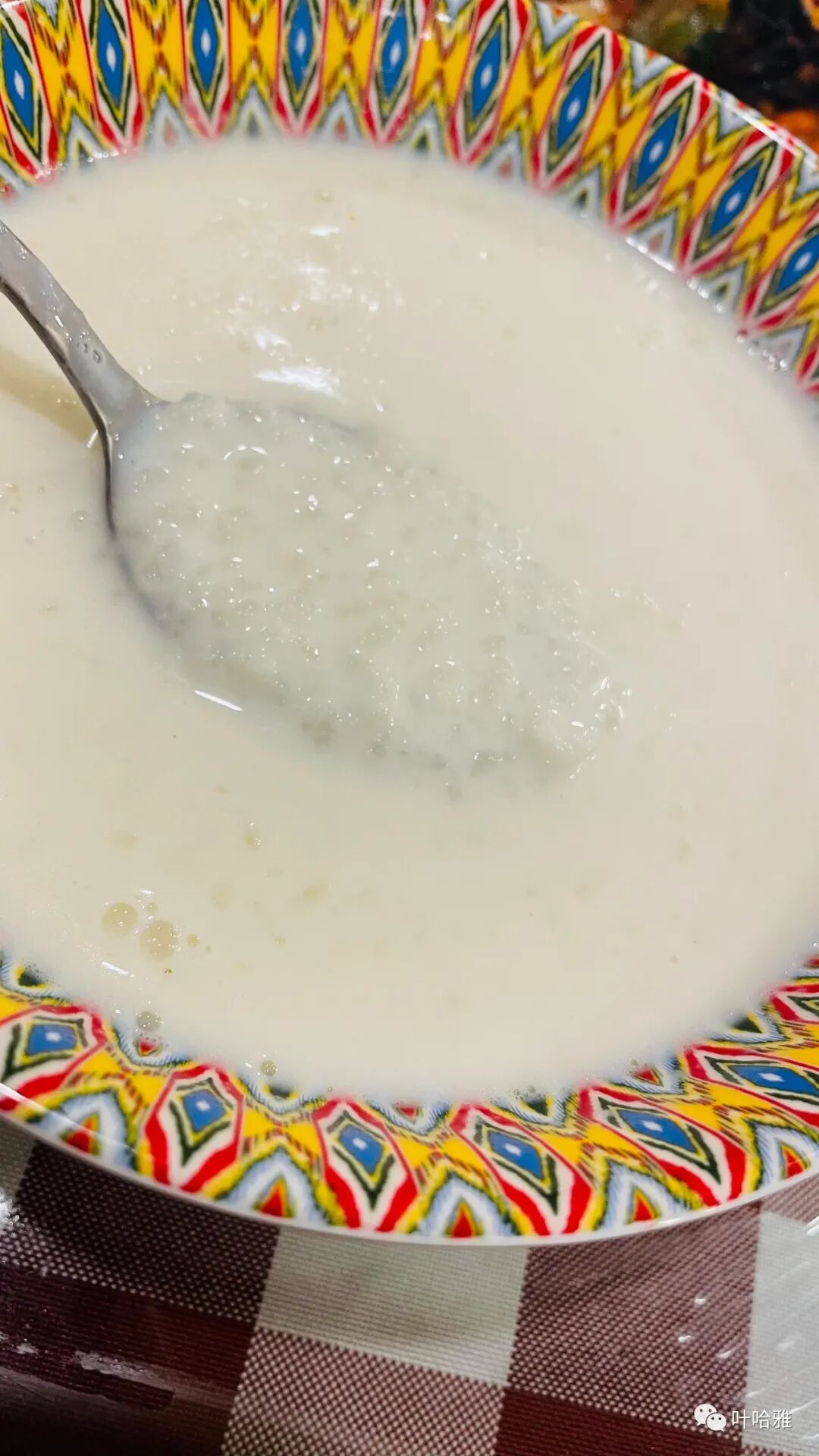
I had steamed buns (baozi) and milk tea at Babahan Milk Tea House, and I also tried the milk rice (naizifan).
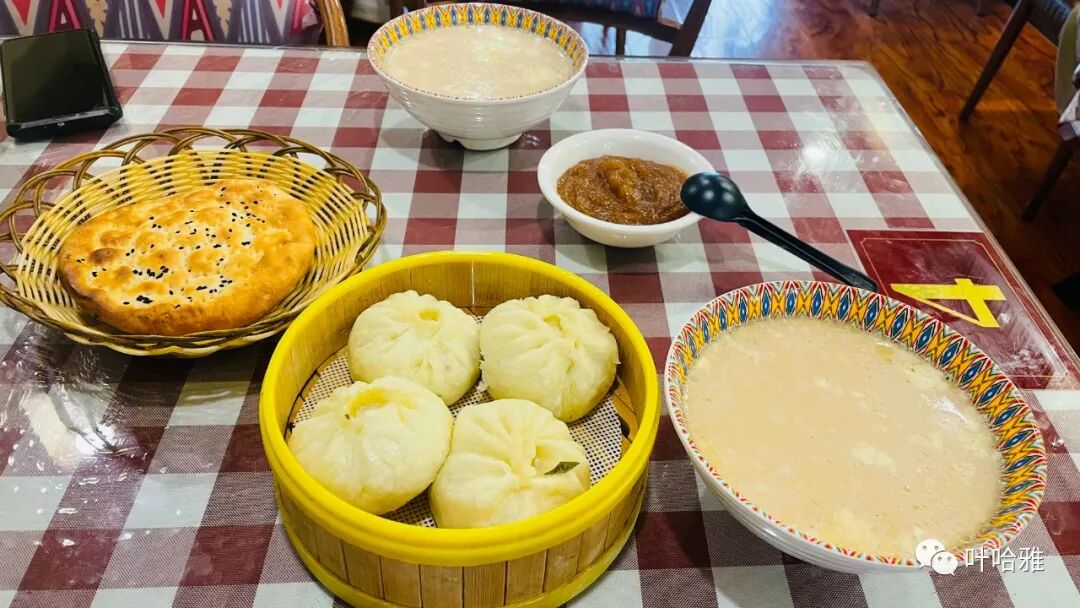
This is my third time in Urumqi. I am meeting friends every day, so what I eat does not really matter anymore.
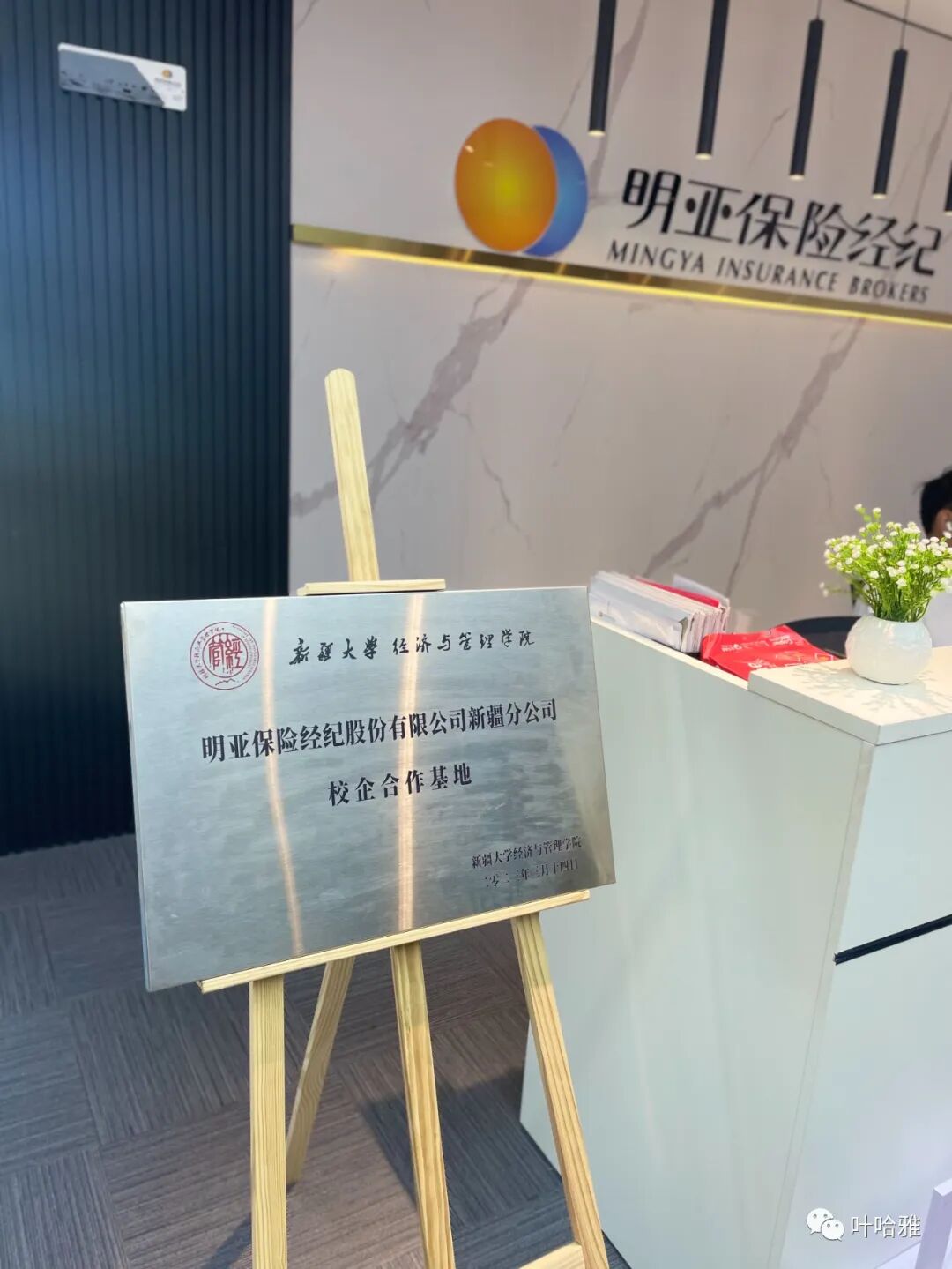
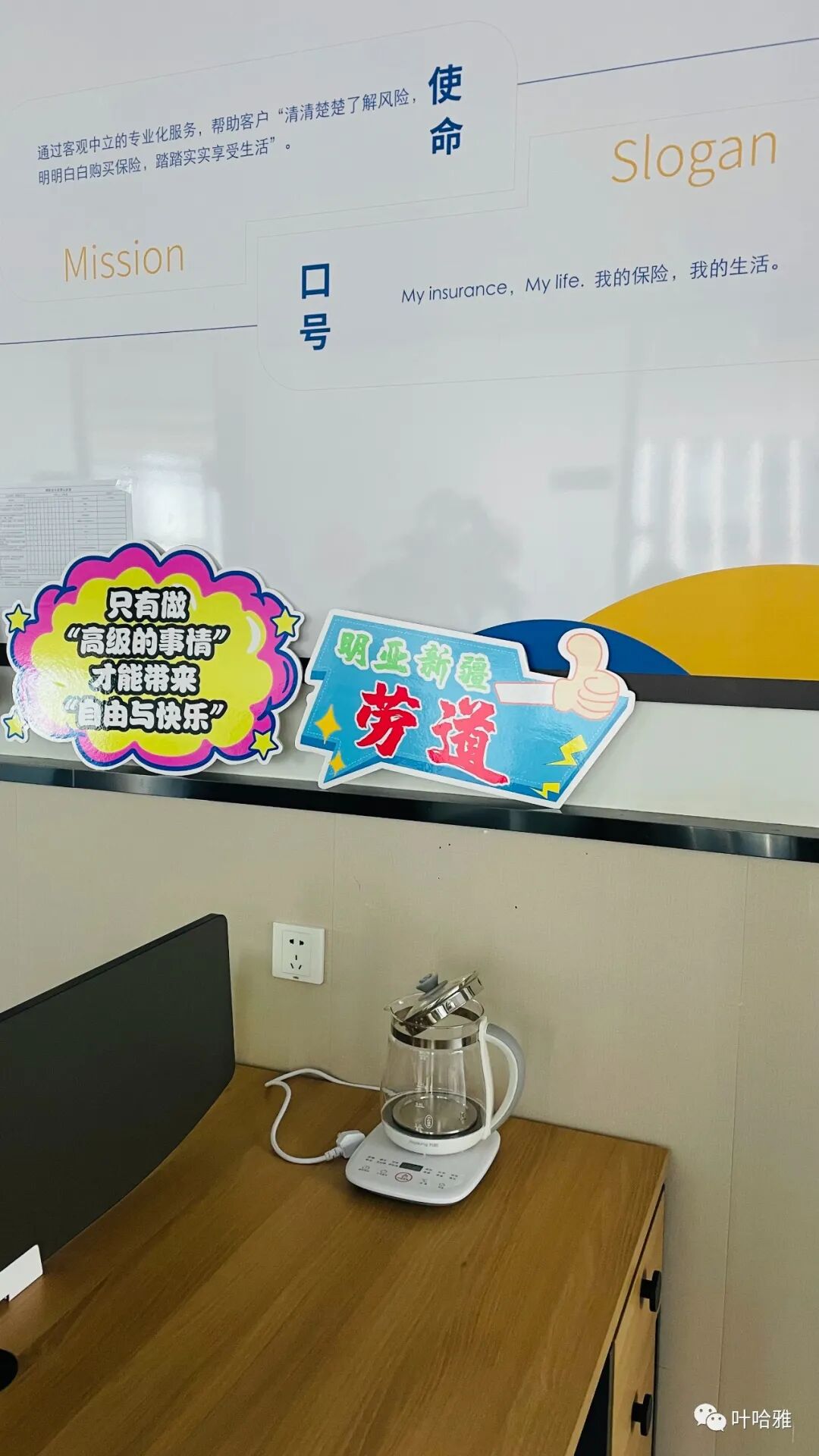
After breakfast, I visited colleagues at the Mingya Xinjiang branch. I met many of them for the first time. My team's furthest partner is in Kashgar, and I welcome everyone to join our Xinjiang branch.
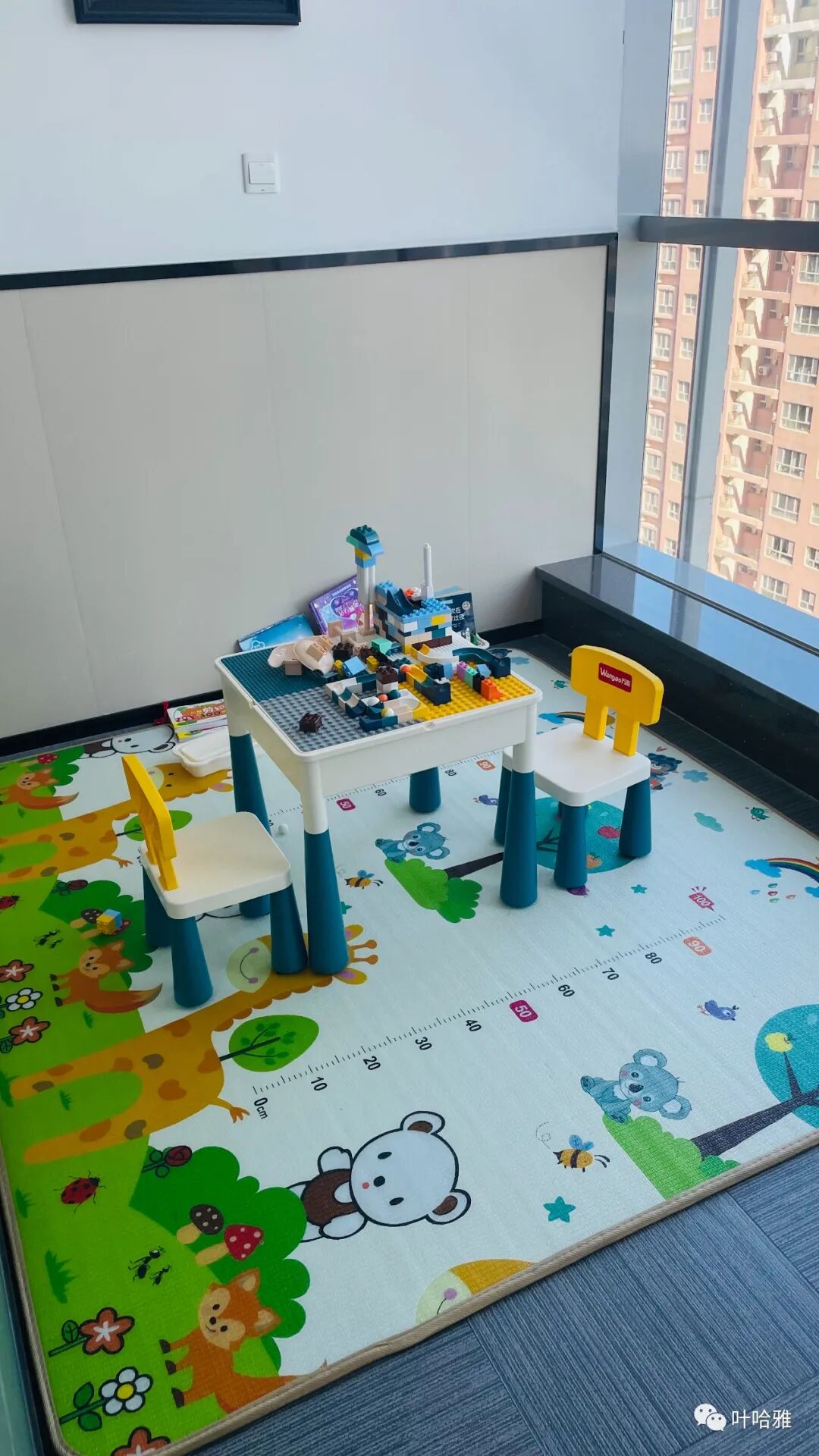
The company has a children's play area for moms who bring their kids to work. At Mingya, you can balance both family and career.
We left Urumqi and headed east, arriving at Tuyugou Mazar Village in less than half a day.
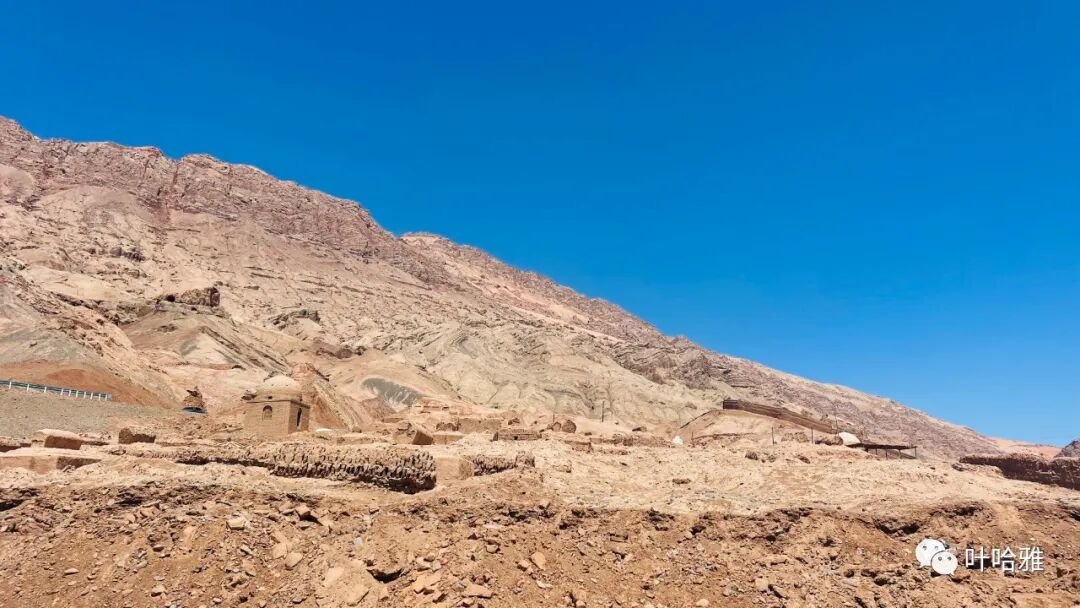
Tuyugou Mazar is said to be the site of the story of the Seven Sleepers and their dog mentioned in the Quran, and locals call it the Saint's Tomb. However, this legend is not widely accepted, as it is generally believed that the story of the seven people and the dog took place in Jordan.
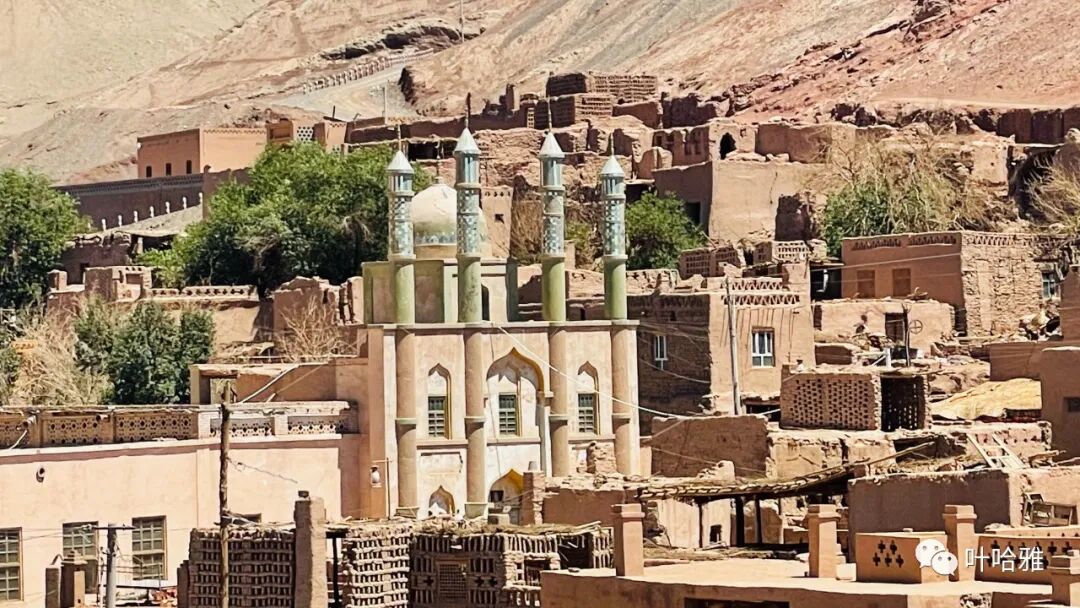
The Mazar is called the Ashab-i-Kahf Mazar. People say a group of people from a country in the west traveled east to seek the truth, reached a cave in the Turpan area, entered it to practice their faith, and never came out again. You need to buy a ticket to enter Mazar Village. I saw the Mazar was closed, so I gave up on the idea of visiting the village because it was just too hot, with daytime temperatures reaching nearly 50 degrees. I have visited the Emin Minaret (Sugongta), Grape Valley, and the Karez Well in Turpan before, so I did not stop there on this trip.
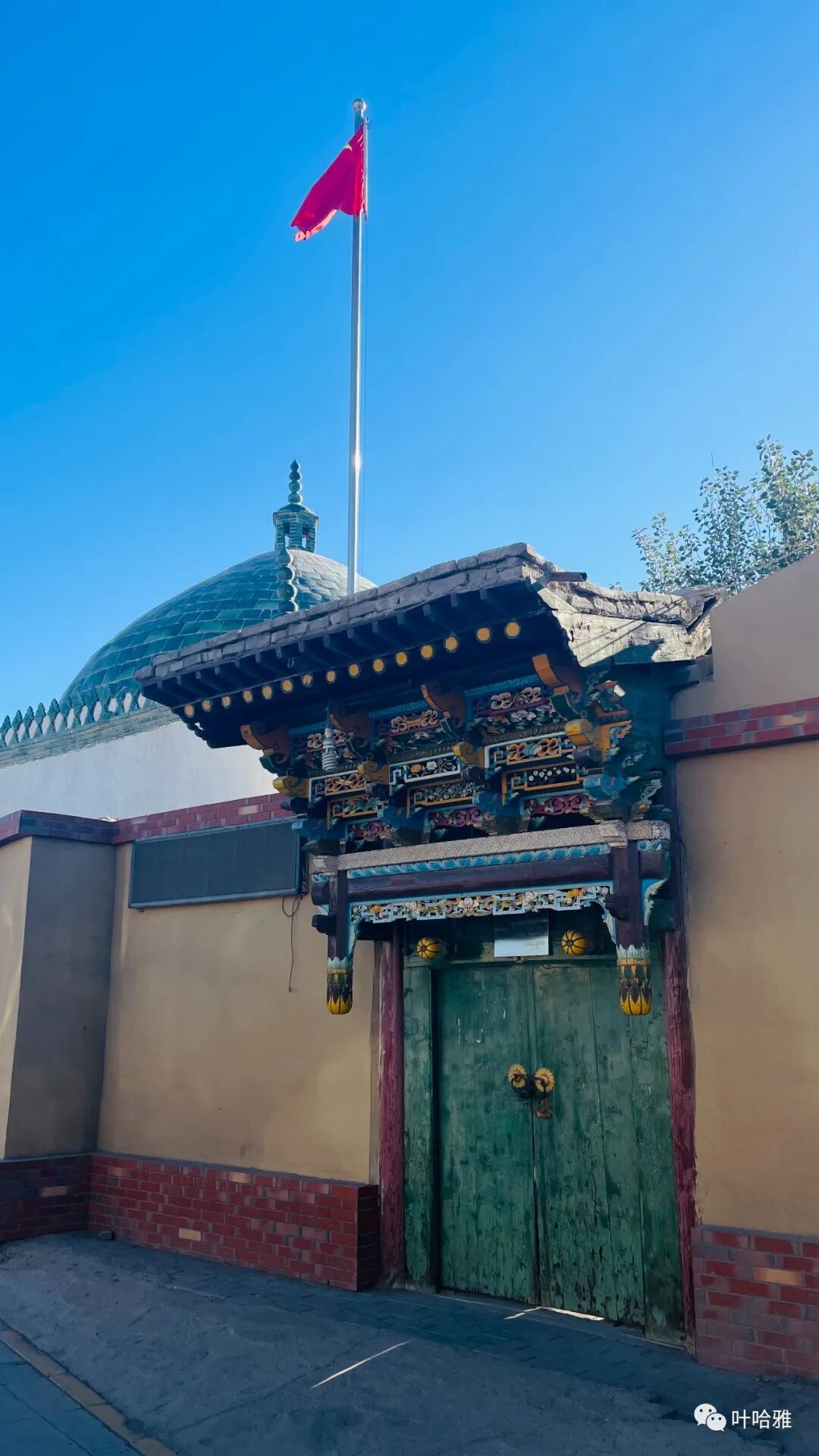
Hami is the last stop on our Xinjiang trip because the Gaisi Gongbei is here, even though the Tomb of the Hami Kings is more famous.
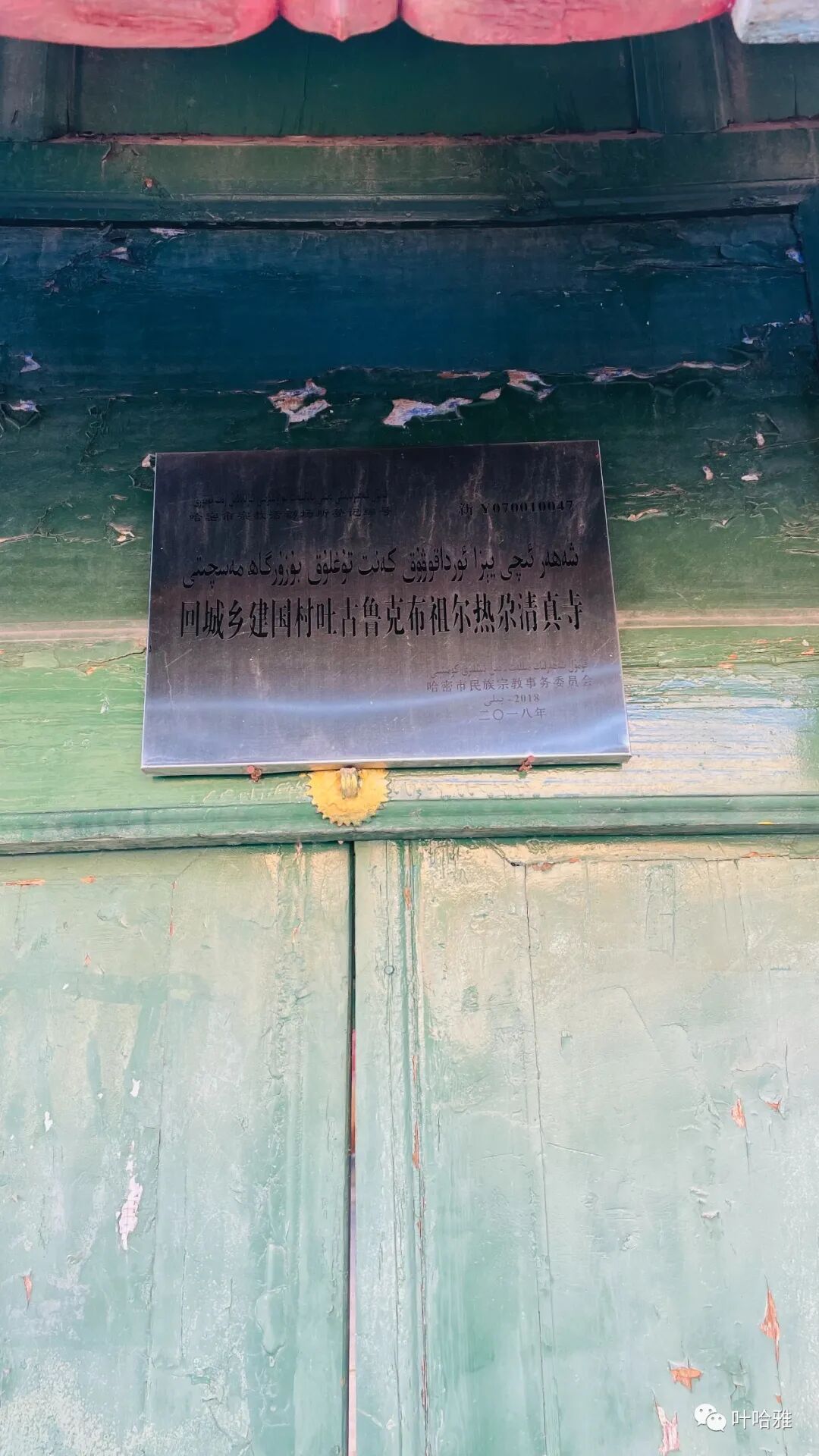
Tuluke Buzuerrega Mosque
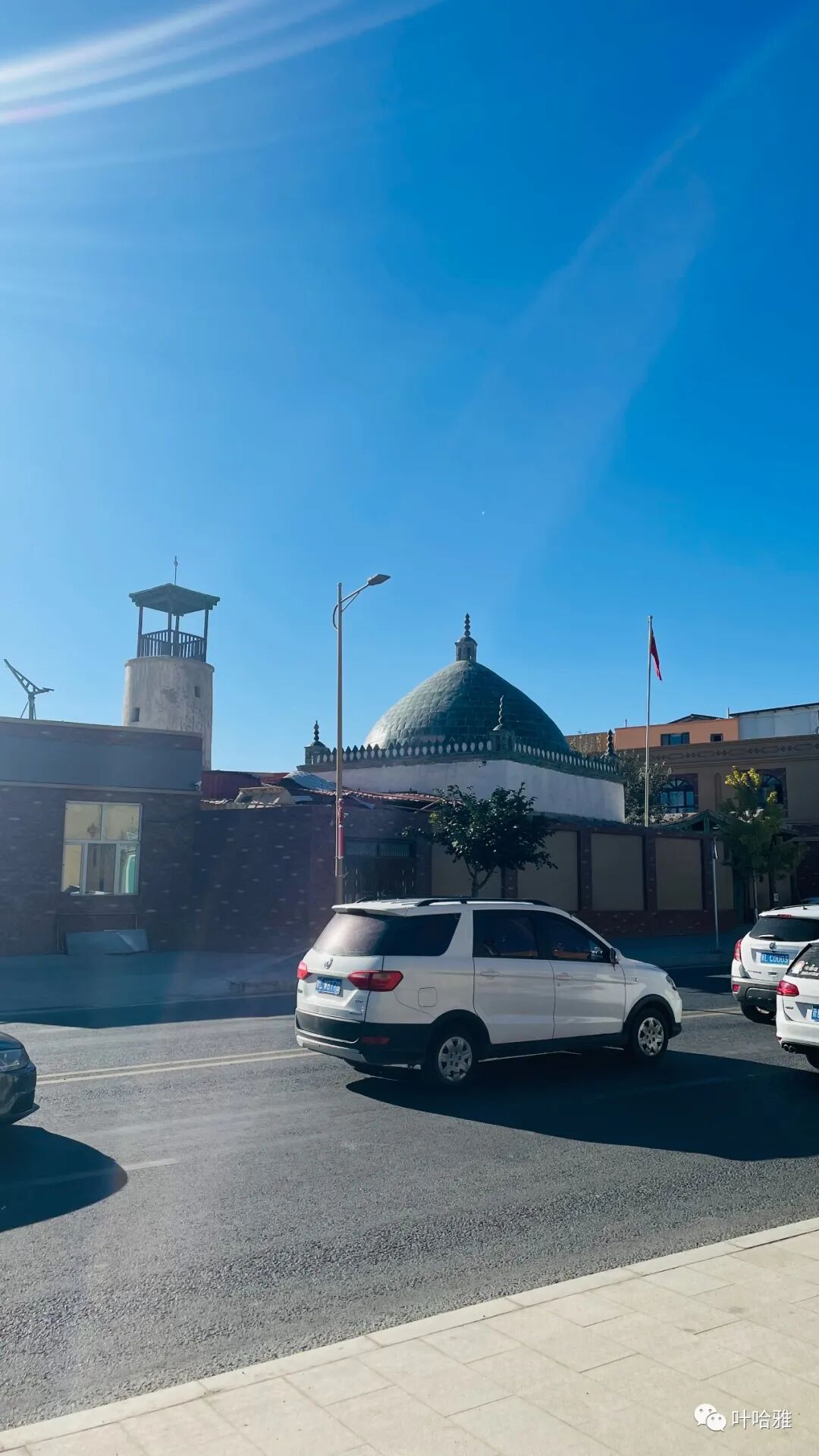
The mosque was closed, the shrine (gongbei) was not open, and some Islamic historical sites I found online do not actually exist anymore.
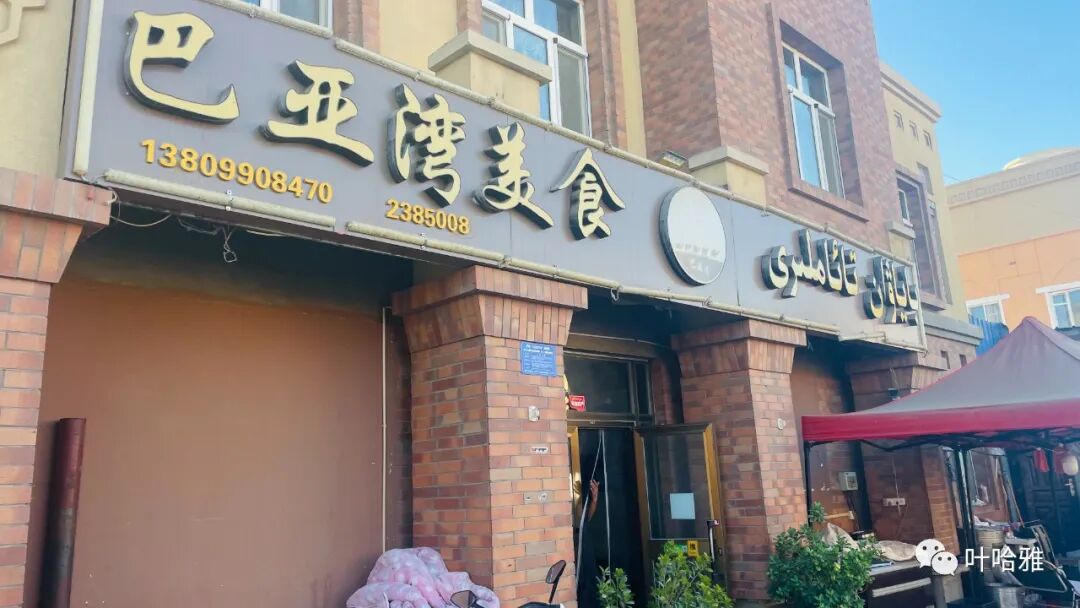
We wandered over to this place, Bayawan Food, to have some mixed noodles (banmian).
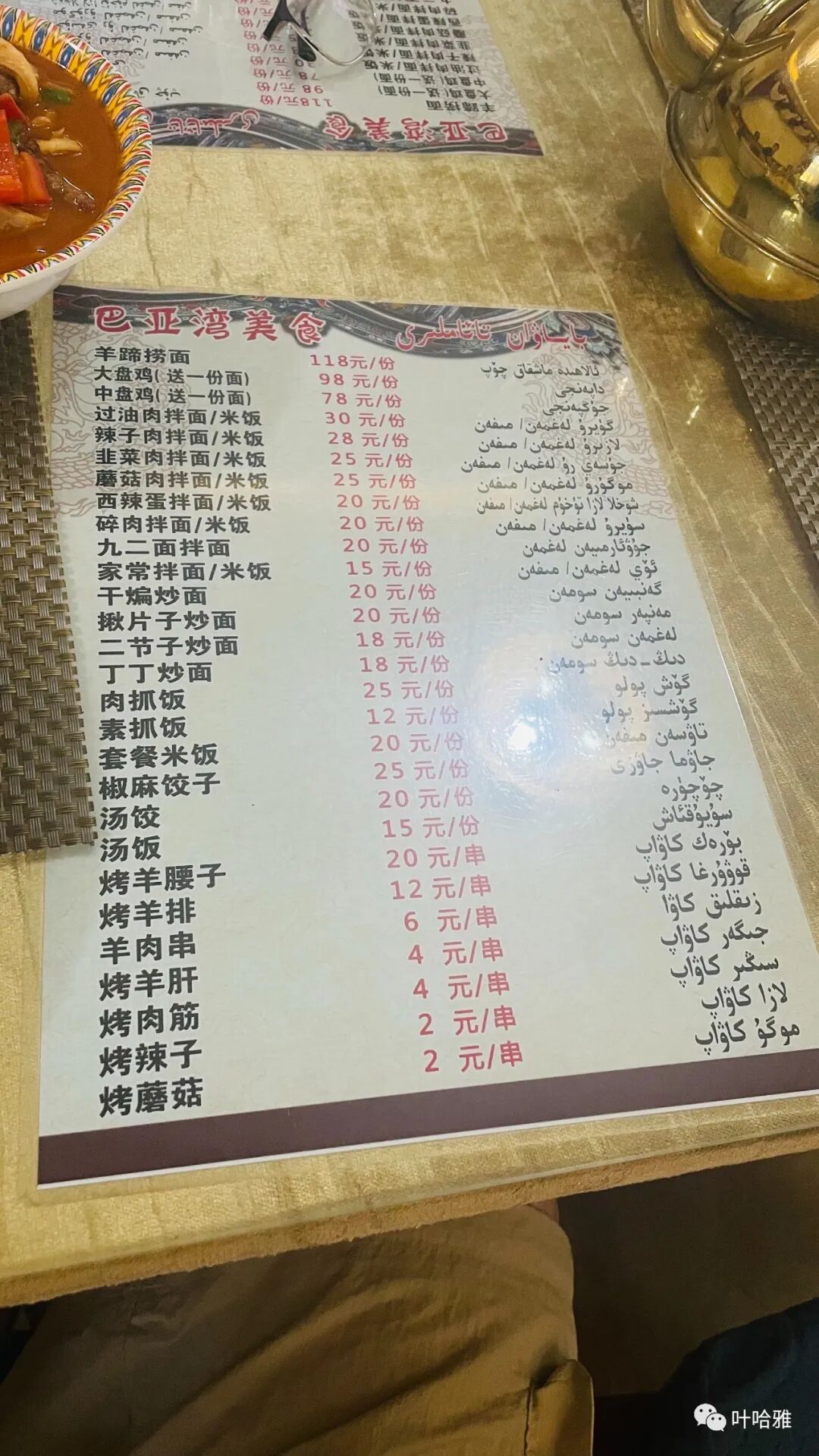
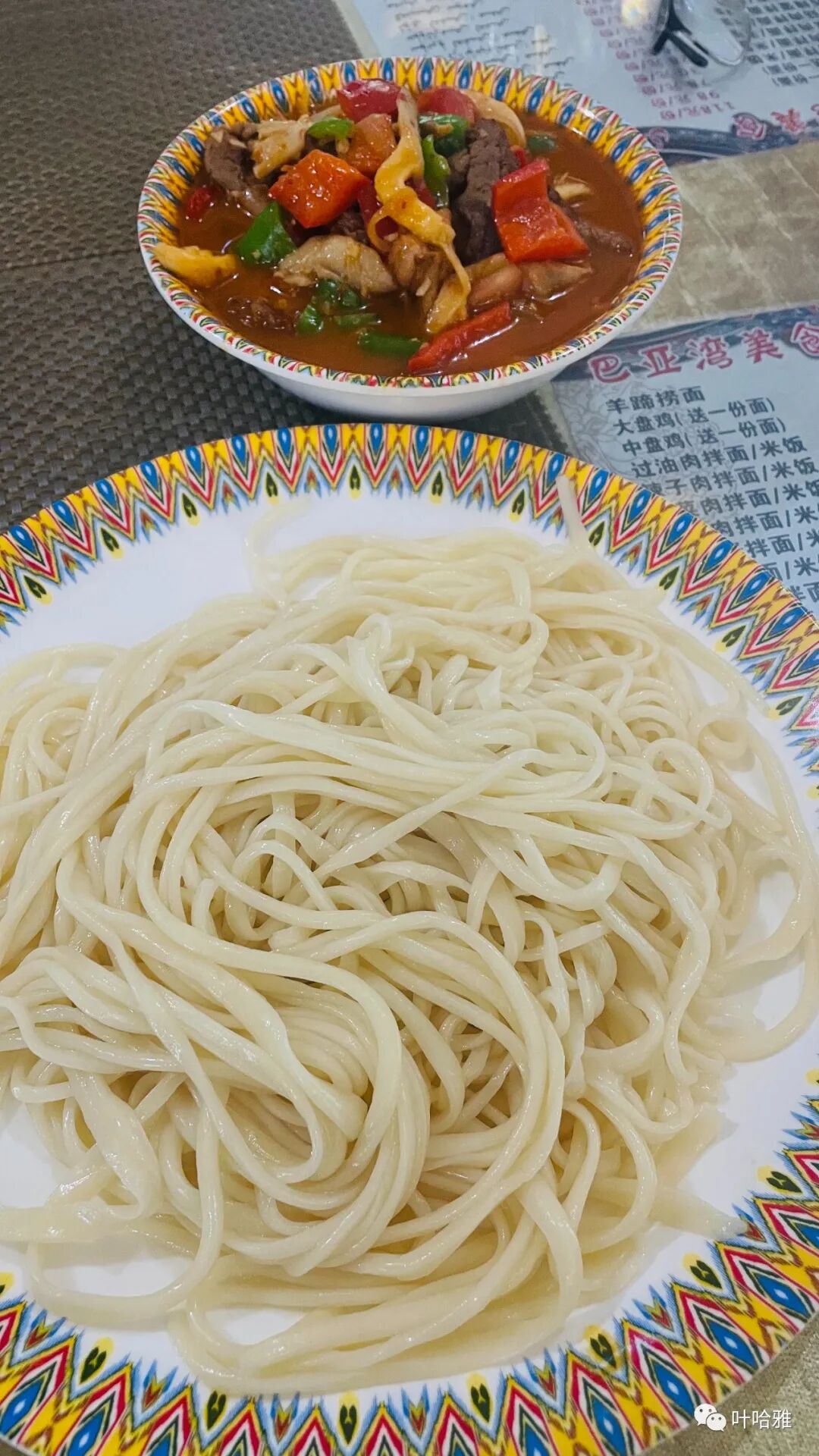
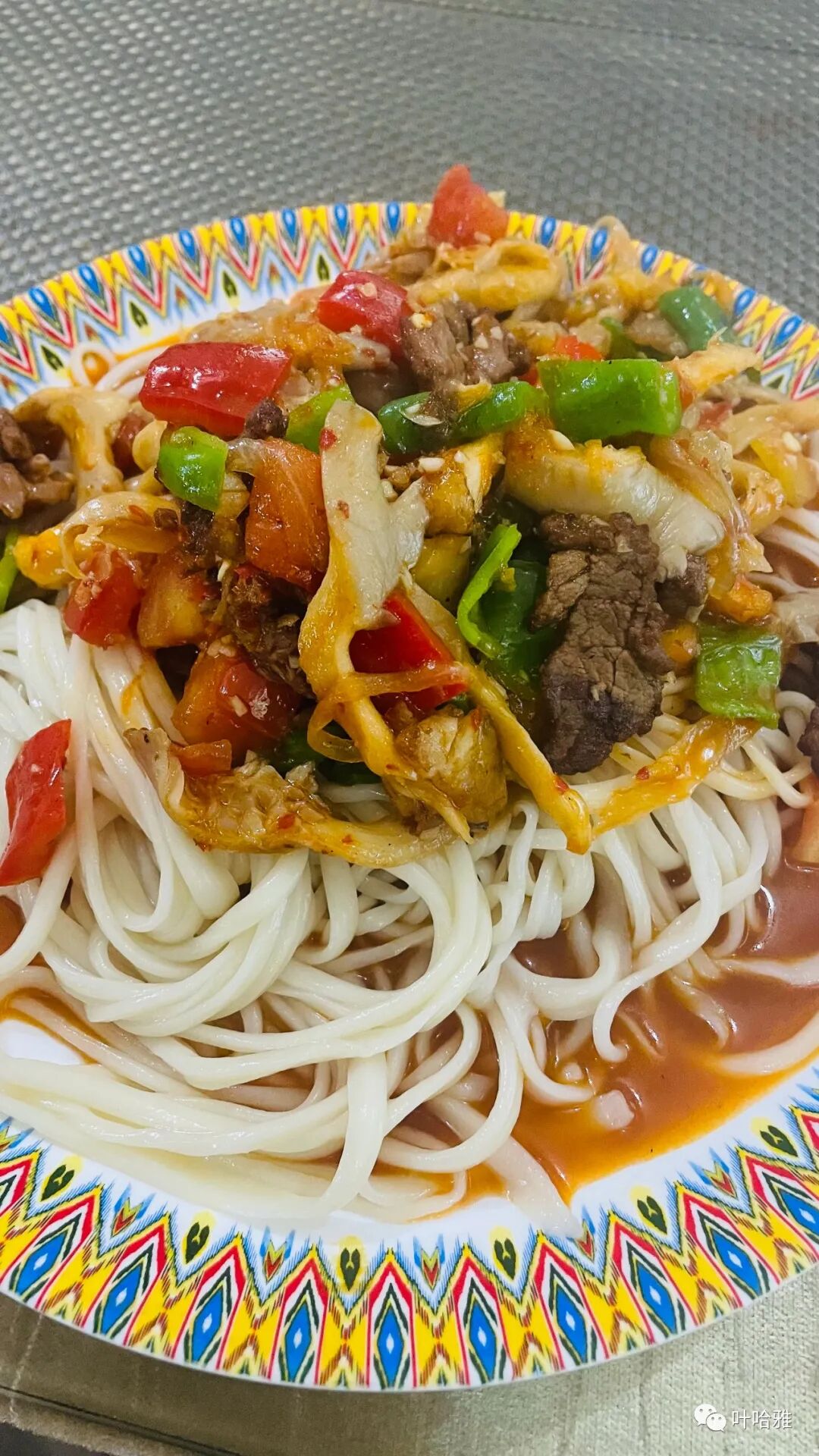
I ordered a serving of mushroom and meat mixed noodles (banmian). It was delicious. You really cannot go wrong with mixed noodles in Xinjiang.
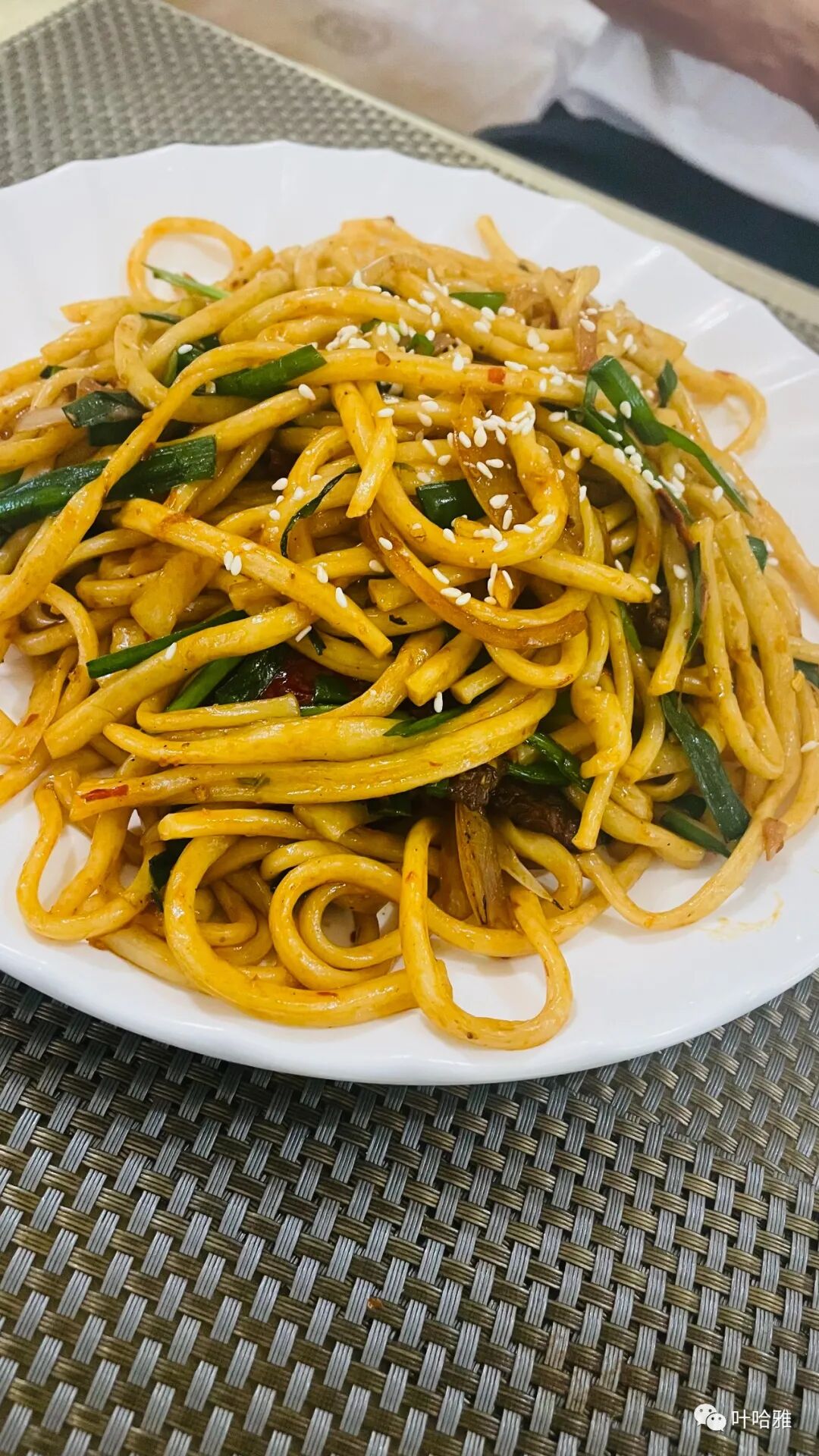
Gais, Wuais, and Wangasi were three Arab sages who came to China to spread the faith during the Tang Dynasty. Gais passed away from illness while passing through Xingxingxia. The King of Hami built a shrine (gongbei) for him there, but his remains were moved to Hami during the Republic of China era. There is no mosque in Xingxingxia now.
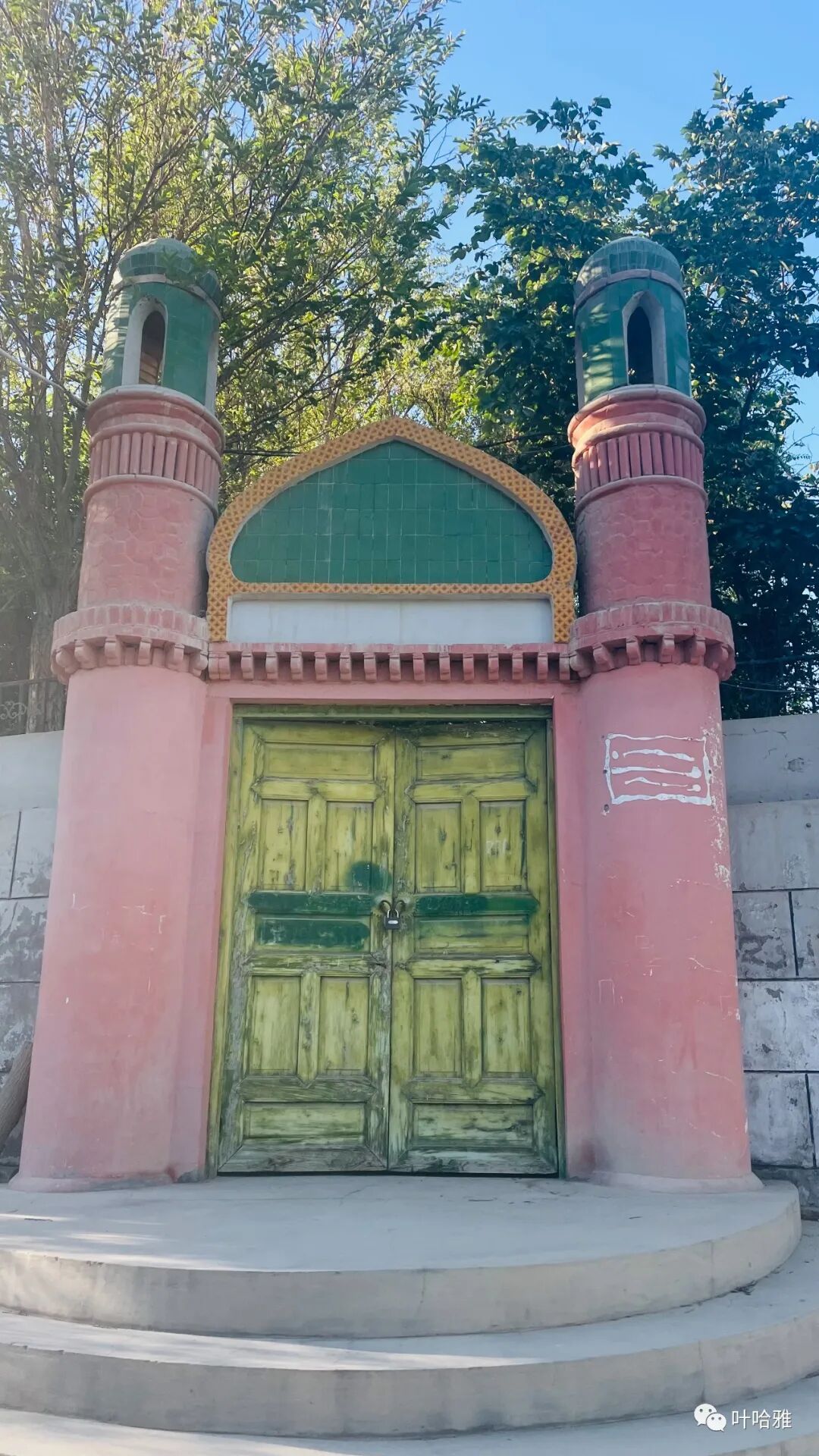
When Sheng Shicai was in power, he had the remains of Gais thrown into the wilderness, but Hui Muslim and Uyghur brothers from Hami secretly recovered them and moved them to the suburbs of Hami for burial.
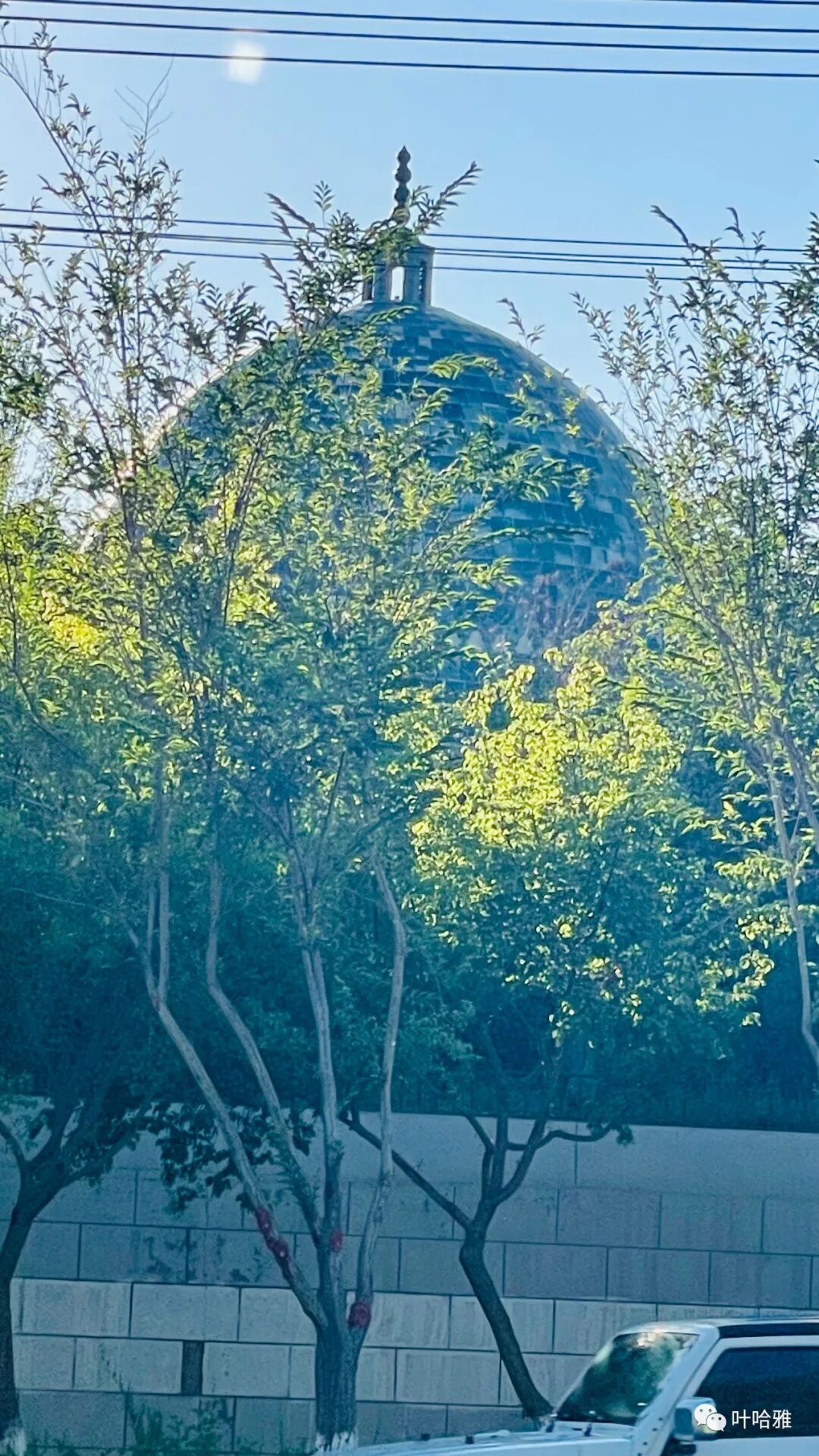
I could only catch a glimpse of the dome of the Gais tomb from the side of the road.
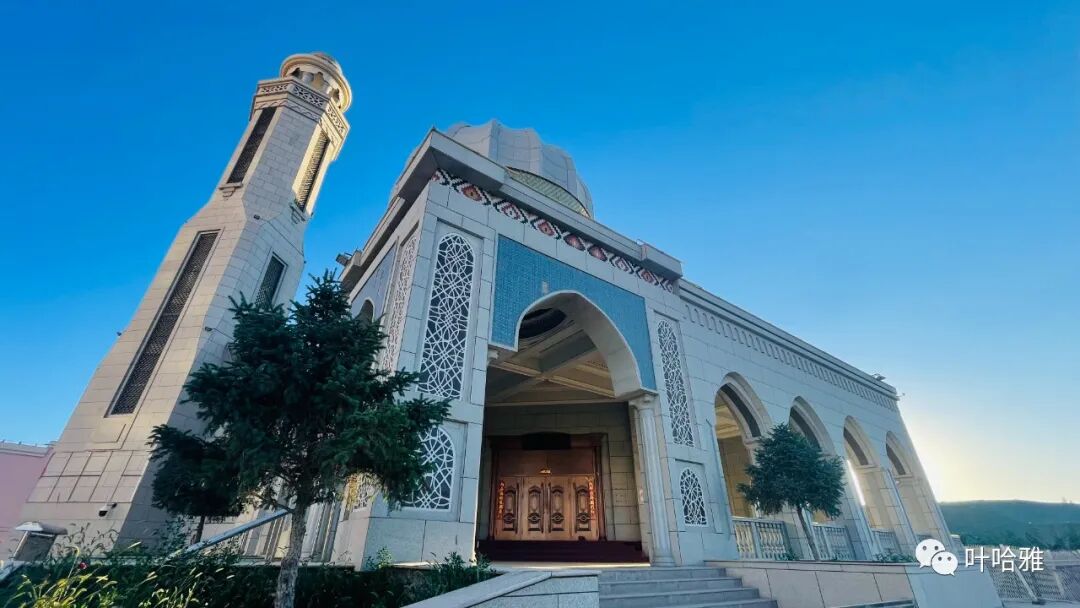
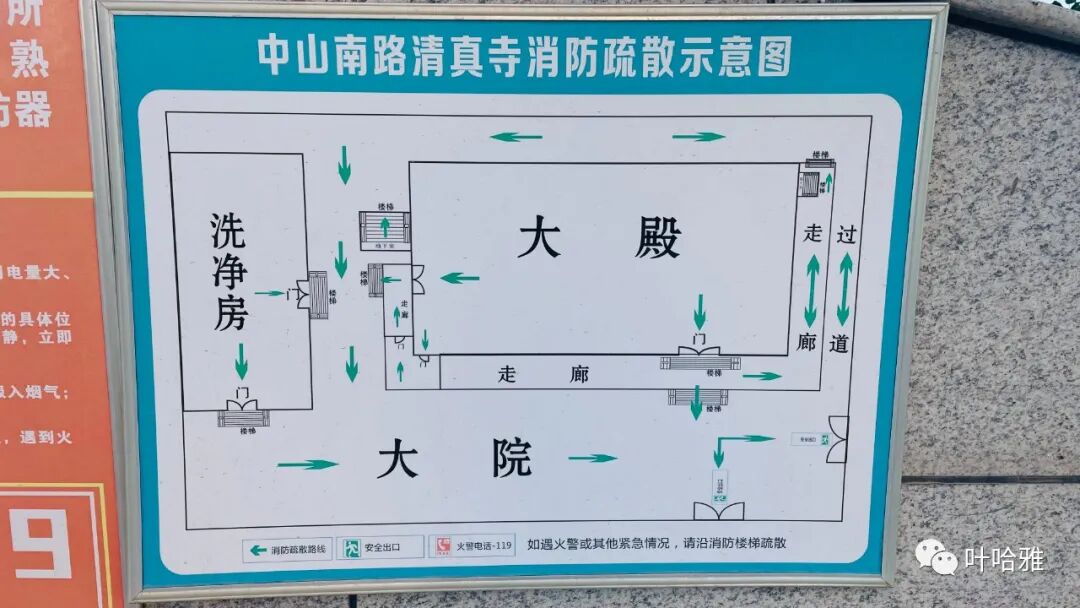
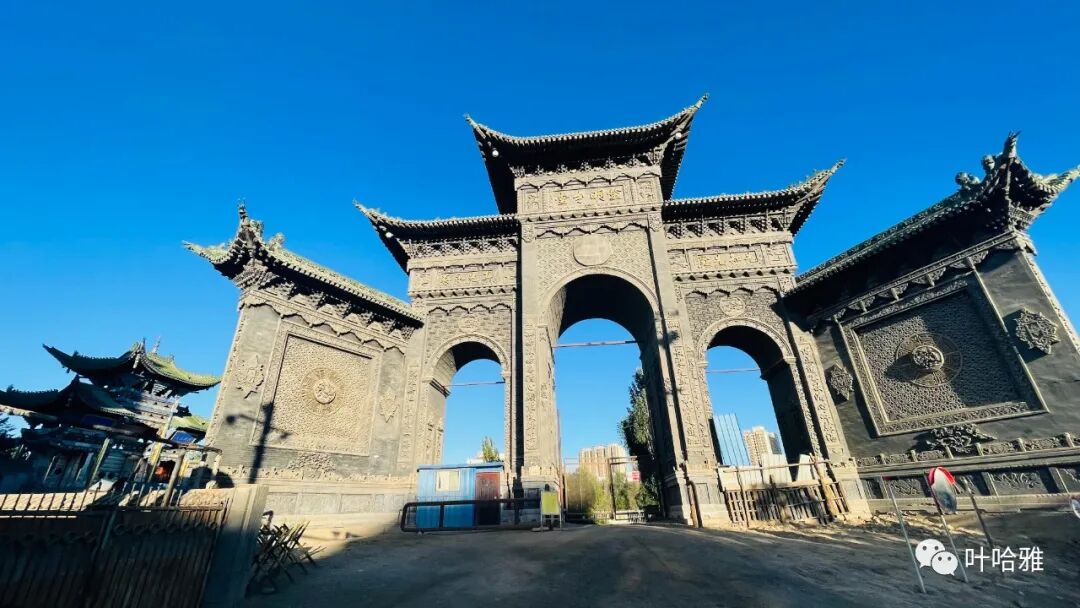
Zhongshan South Road Mosque
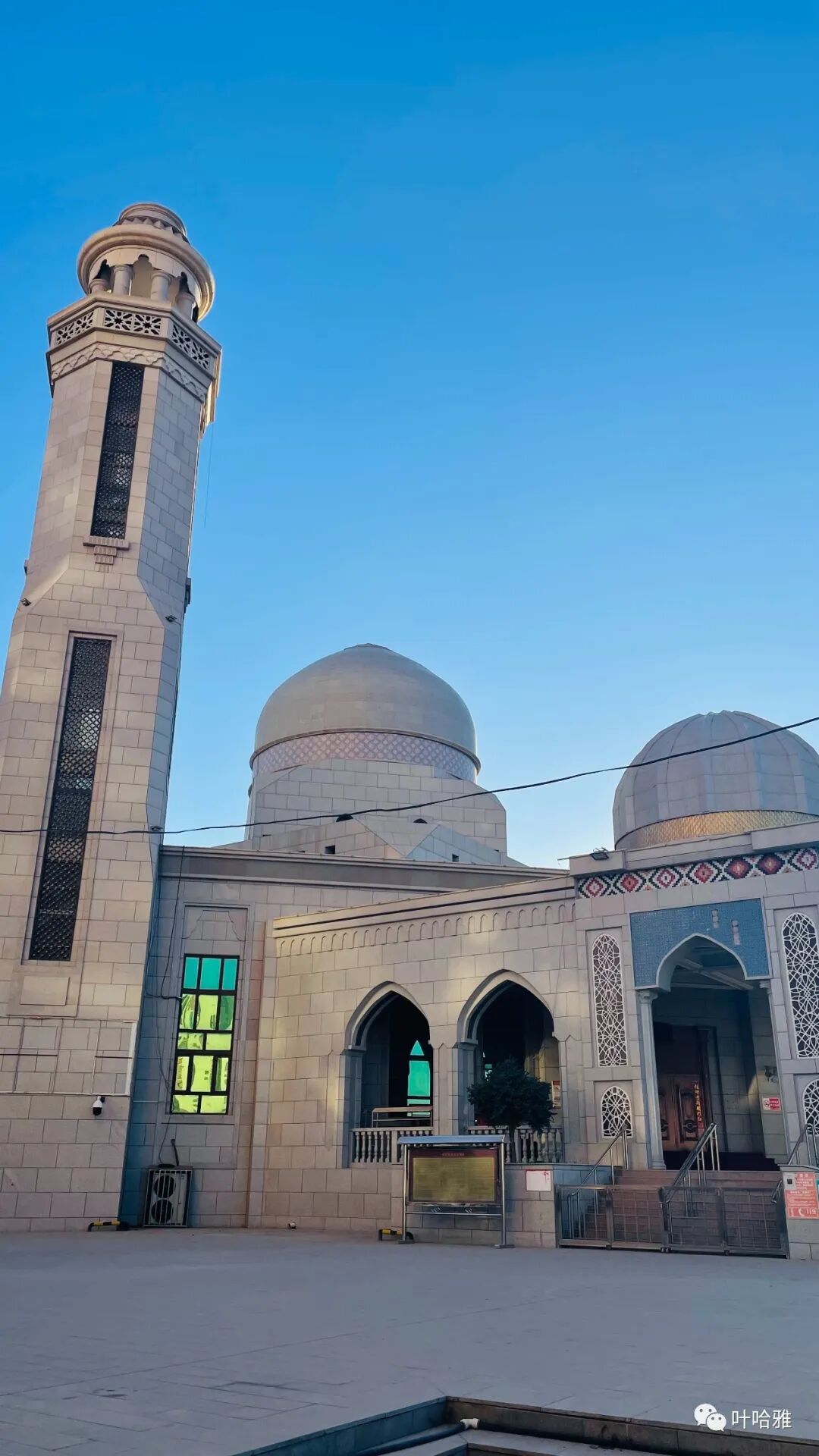
Lingmingtang Hami Branch
The Lingmingtang was also closed. I asked someone there and learned that even the elders cannot come to visit the graves right now.
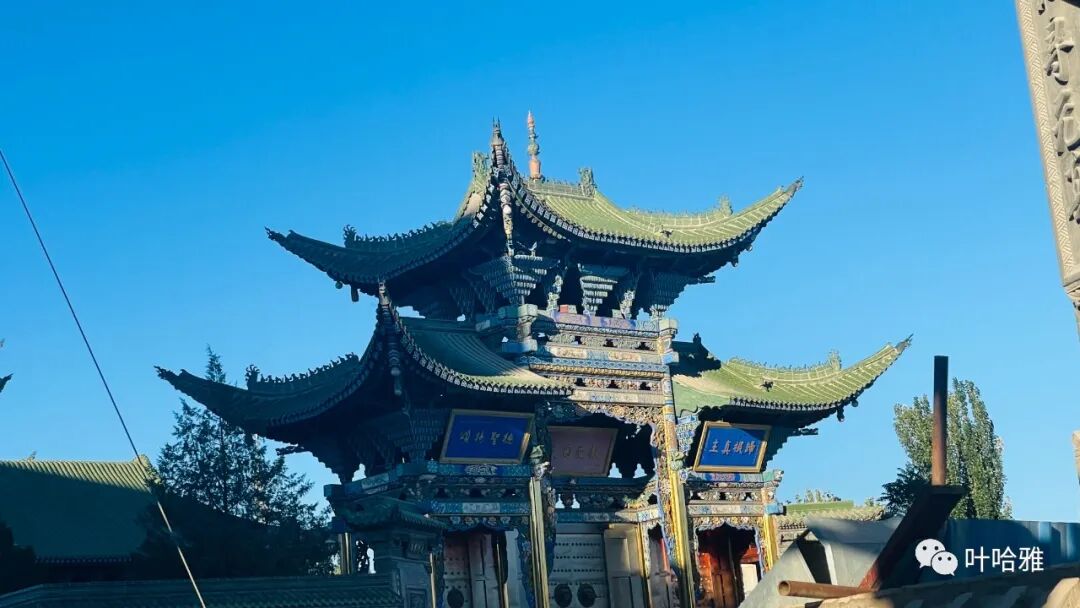
The shrines (gongbei) at Lingmingtang are built in a very grand style and have a distinct traditional Chinese charm.
Hami Shaanxi Grand Mosque
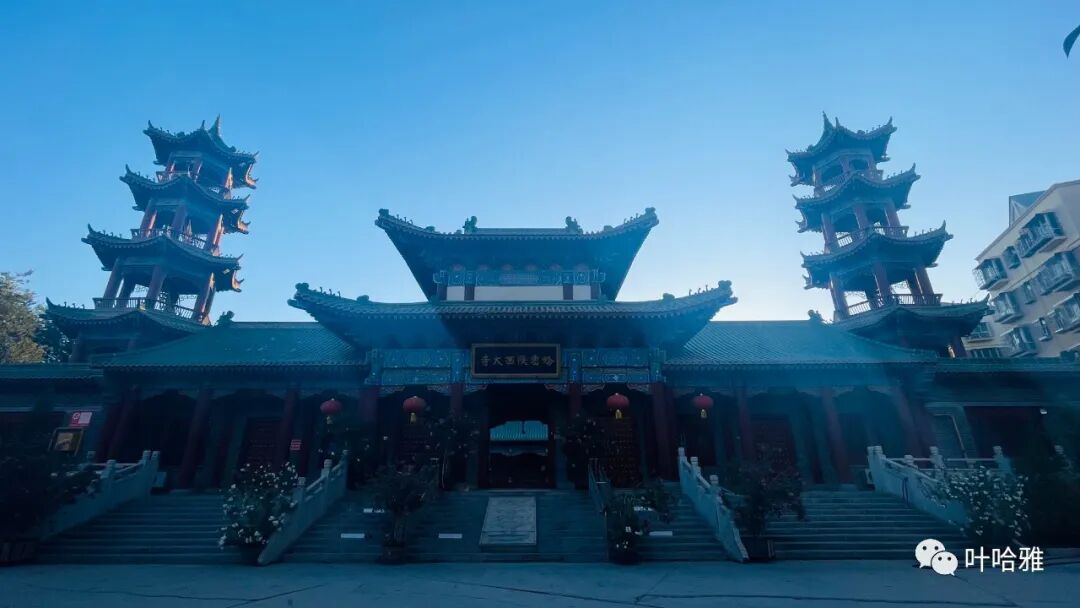
The Hami Shaanxi Grand Mosque was first built during the Tongzhi reign of the Qing Dynasty. It is currently open, and I chatted for a while with an elder from Gansu at the mosque entrance.
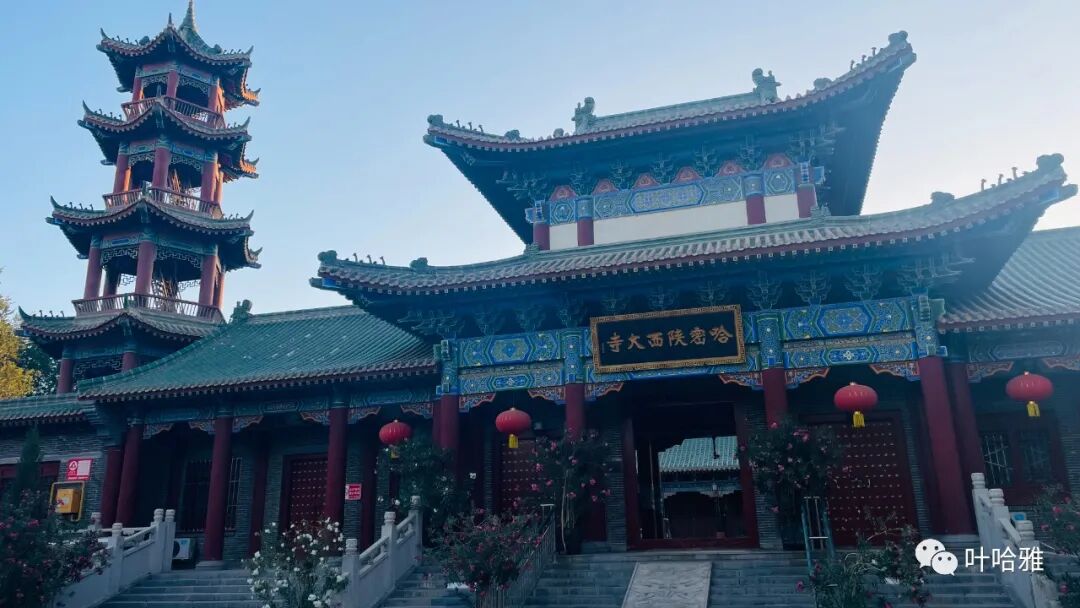
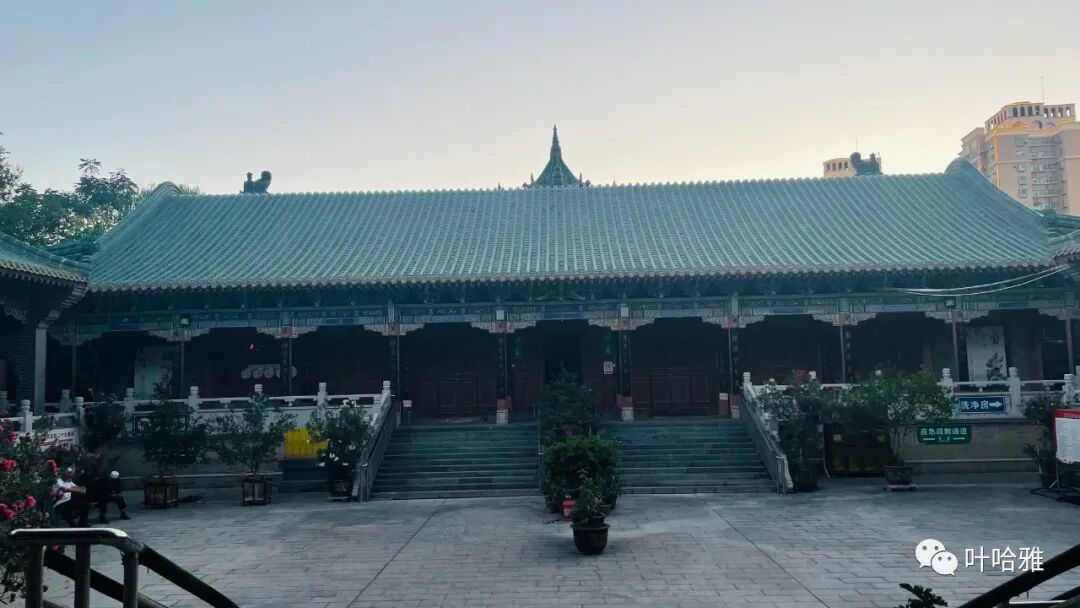
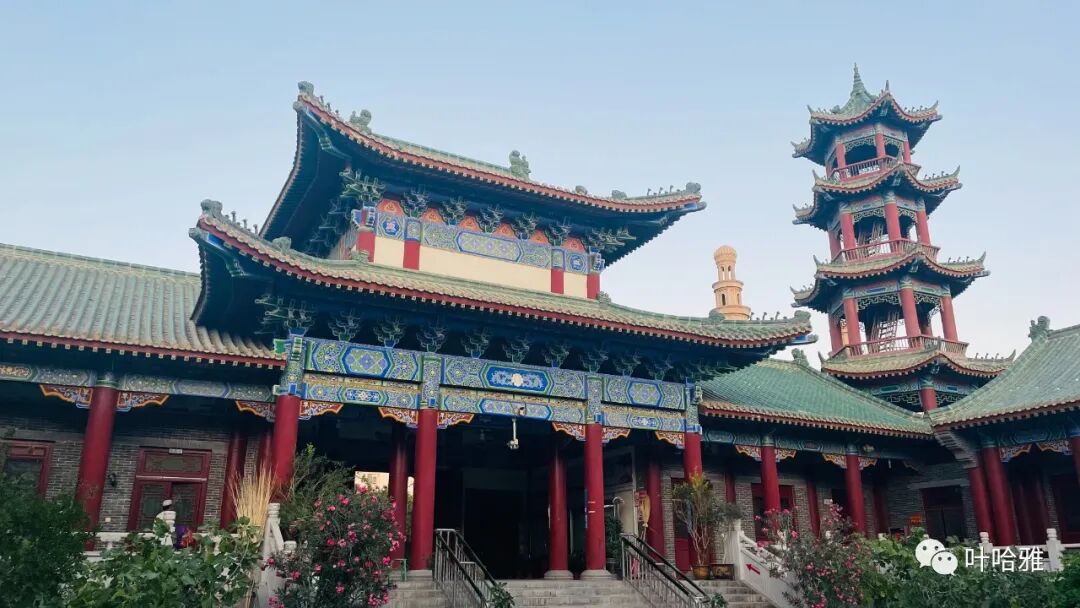
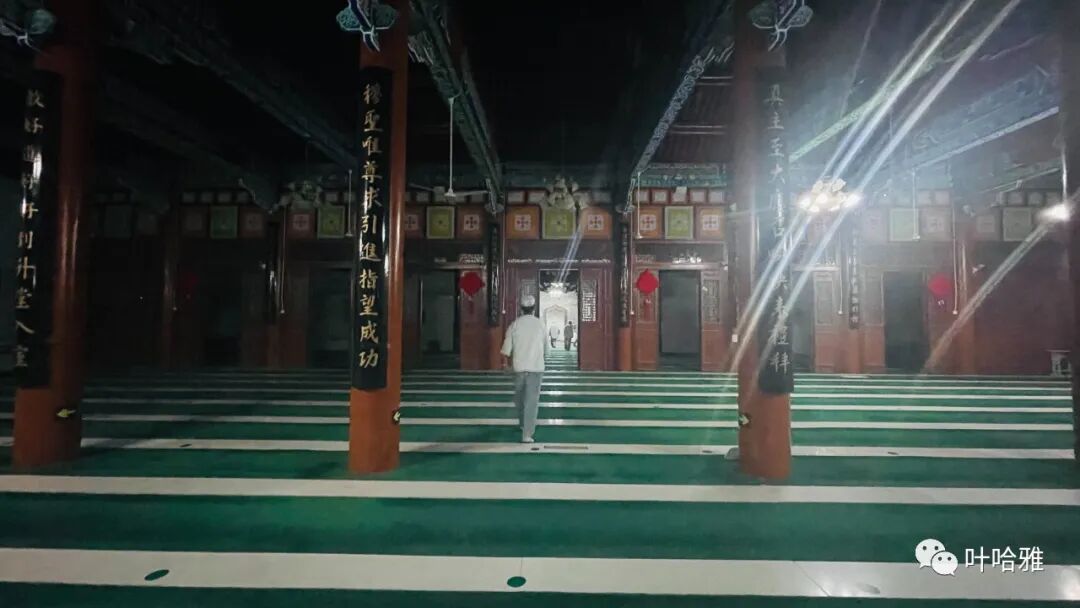
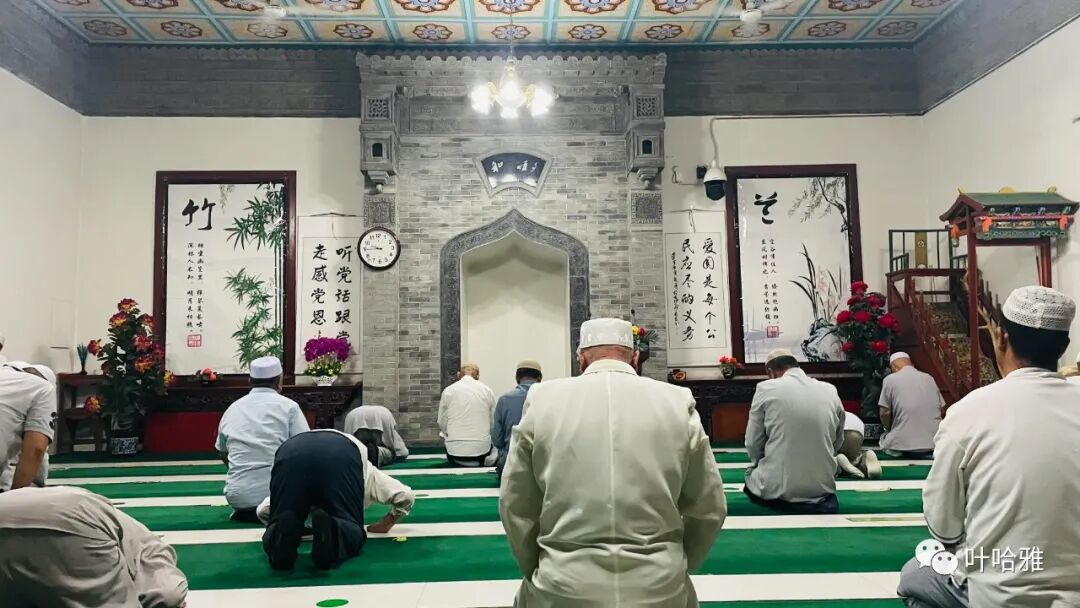
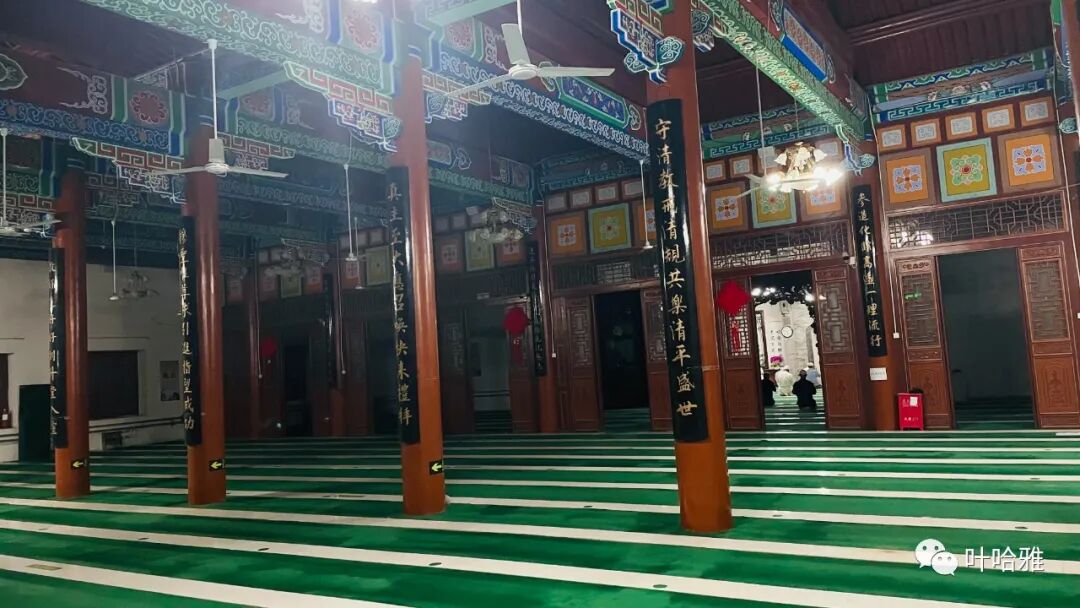
Behind the Shaanxi Grand Mosque (Shaanxi Dasi) is the Uyghur mosque. The Shaanxi Grand Mosque was not necessarily built by people from Shaanxi, but most of the people who pray there are Hui Muslims.
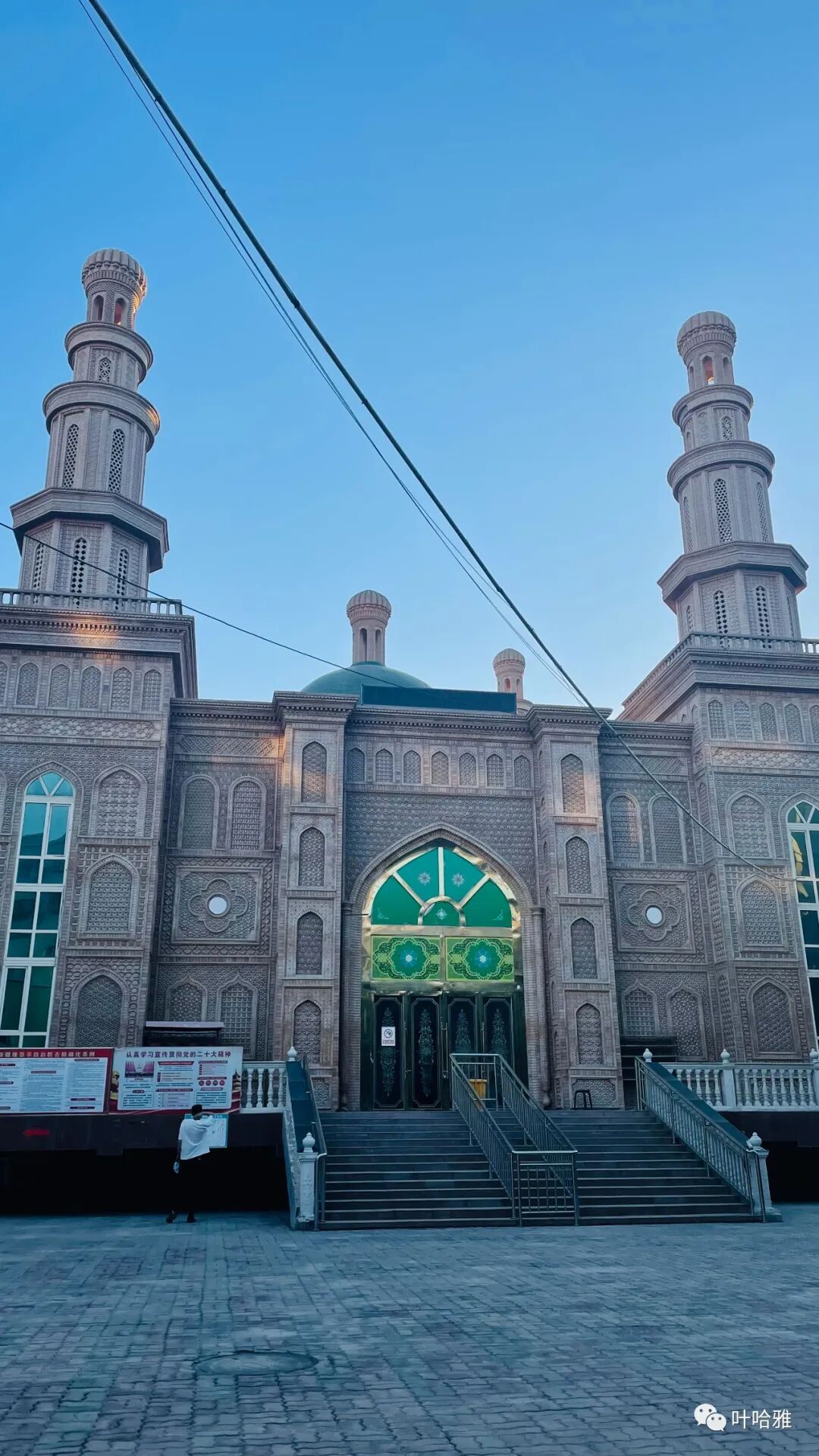
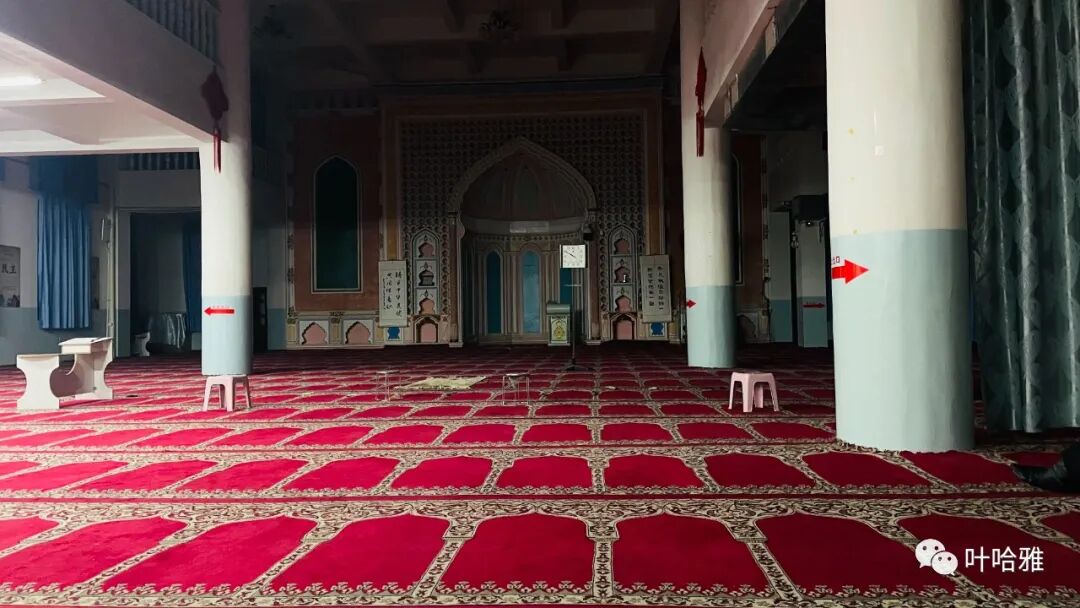
After I finished my namaz at the Shaanxi Grand Mosque in Hami, I went over to the Uyghur mosque to pray two rak'ahs. No one said anything, and the atmosphere was harmonious.
My trip to Xinjiang ends here. This was my third time in Xinjiang, and I have now traveled across the entire region and met the people I wanted to see. My only regret is that I could not enter some of the historical sites. I look forward to coming back in the near future to make up for this.
Summary: This Muslim travel guide to Xinjiang follows the route through Shawan, Urumqi, and Hami, covering big plate chicken, Hui Muslim restaurants, Urumqi halal food, shrines, Hami mosques, and final reflections from a region-wide journey.
Travel Notes from Shawan, Urumqi, and Hami is presented here as a firsthand travel account in clear English, beginning with this scene: Ten of my travelogues were deleted one after another recently, likely due to title violations, so I am reposting them after making edits. The account keeps its focus on Urumqi Halal Food, Hui Muslims, Xinjiang Travel while preserving the names, places, food, and historical details from the Chinese source.
Ten of my travelogues were deleted one after another recently, likely due to title violations, so I am reposting them after making edits.
Leaving Yili for Urumqi, you pass through Shawan City in the Tacheng region. Shawan is less than two hundred kilometers from Urumqi and is a very small city, but it is said to be the birthplace of the famous Xinjiang dish, big plate chicken (dapanji).
We arrived in downtown Shawan around 11:00 PM. I called Yulan Qiaotou Big Plate Chicken and Yuwentao Qiaotoubao Big Plate Chicken on the way, only to find out they had sold out of chicken by 7:00 PM. In the city, police stopped our car and checked our IDs. I said salaam to the officer, and he was stunned, asking, 'Are you Hui Muslim?' I said yes and asked if he hadn't already seen my ID. I decided to ask the officer which big plate chicken place was good. He said they were all about the same and we could eat anywhere on this street, so we ended up eating at this Jimiba No. 8 flagship store on Urumqi West Road.
Jimiba No. 8 Flagship Store
There were still many people at this shop at midnight. What surprised me even more was seeing the long-lost halal certification sign in the shop. This was the first halal sign we had seen in our many days of traveling through Xinjiang.
I asked the owner why the shop was called Jimiba No. 8, and she said they were the eighth shop to open on this street, so they have always been called No. 8.
The specialty of Shawan big plate chicken is that it uses a whole chicken per plate. It costs 130 yuan per serving. Since there were two of us, we split it into two large plates, and adding noodles costs extra. This shop is considered an old establishment in Shawan. The taste is fine, but it is not amazing enough to make you scream. Actually, big plate chicken appeared to serve passing truck drivers, focusing on being economical and affordable. It is basically at the level of a rest area fast food for drivers, so there is no need to come to Shawan specifically for it. Besides, I think many Xinjiang restaurants in Beijing can match this level, and some even suit my taste better. Shawan's big plate chicken is quite spicy and the chicken is tough, while Beijingers are used to soft, tender, salty, and savory flavors, so they might not be used to the authentic Shawan taste.
We stayed in Shawan for one night and arrived in Urumqi the next morning. Before checking in, we went straight to the Hamude Restaurant in Midong District, which I had wanted to visit for a long time, for lunch.
Hamude Restaurant
Hamude Restaurant is a family business. Three generations of the family are old Urumqi Hui Muslims who have worked in the catering industry. It is a restaurant family, and everyone from the kitchen to the front of the house is family. The owner is very strict about choosing ingredients. They do not trust meat from slaughterhouses and insist on finding an imam they know to slaughter the beef, lamb, and chicken. This increases their costs, but it guarantees quality.
The authorities think the name Hamude does not meet regulations, so they have not issued a halal certification mark. However, this shop is actually more reliable than many restaurants that have the certification, and they do not sell alcohol.
We had been traveling all the way without a proper big meal. This first meal in Urumqi really filled us up, so much so that we only ate this one meal for the day and were not hungry until dinner.
Hamude's big plate chicken (dapanji) is made in the authentic Urumqi Hui Muslim style. The chicken is soft and tender, and the wide belt noodles (pidaimian) served with it are very chewy. It suits our taste better than the one we had in Shawan.
This grilled meat (kaorou) is a very popular barbecue dish in the shop. Many customers think it is cheap and delicious because the owner puts a lot of effort into the ingredients.
Hamude is located at commercial unit S7-101, Vanke Park No. 5, Midong District. It is a ground-floor shop.
Rumi's Secret
Rumi's Secret used to be in Beijing and just moved back to Urumqi. The owner is a Uyghur from Urumqi, and he insisted on not selling alcohol even when he was in Beijing.
This shop is located inside Greentown Rose Garden in the Shuimogou District of Urumqi. The environment is much better than it was in Beijing, as it now has a garden and a pond.
In the evening, there are singers performing with ethnic musical instruments, and the atmosphere is incredibly stylish.
The owner explained that since the outdoor space is the main feature, the restaurant is only open for half the year and closes during the winter. The owner is preparing a branch in Sanya, so you can visit Rumi's Secret in Sanya during the winter in the future.
Friends can come here for coffee and afternoon tea, or host parties and gatherings. The food and service are both excellent.
Address: Inside Greentown Rose Garden, Shuimogou District.
Aiju Restaurant.
If you like Western food and care about the atmosphere, you can come to Aiju Restaurant in Tianshan District, right across from Vanke Plaza.
A Uyghur friend brought me here specifically. Most of the people inside are young Uyghurs, and there is a live band performance.
The Western food tastes just as good as in Beijing, and the prices are about the same, with an average cost of over 200 per person.
The dishes look, smell, and taste great, and the steak is also good. With unique ethnic singers performing, it is a great place for a date with a wonderful atmosphere.
We stayed at the China Southern Pearl Hotel in Urumqi for three days. It is a halal hotel, and there is a Muqam halal restaurant on the second floor.
The China Southern Pearl Hotel is also the designated hotel for flight crews, so it is mostly filled with flight attendants and pilots.
Erdaoqiao Baida Mosque.
The Baida Mosque in Urumqi is less than a hundred years old. This is my second time here. It is currently open, but you can only enter during prayer times.
Being able to quietly join a congregational namaz here is a luxury.
For breakfast in Urumqi, head over to the area near Sunshine City Wenlan Mansion (Yangguangcheng Wenlan Gongguan). There are many small shops here with local ethnic character.
I had steamed buns (baozi) and milk tea at Babahan Milk Tea House, and I also tried the milk rice (naizifan).
This is my third time in Urumqi. I am meeting friends every day, so what I eat does not really matter anymore.
After breakfast, I visited colleagues at the Mingya Xinjiang branch. I met many of them for the first time. My team's furthest partner is in Kashgar, and I welcome everyone to join our Xinjiang branch.
The company has a children's play area for moms who bring their kids to work. At Mingya, you can balance both family and career.
We left Urumqi and headed east, arriving at Tuyugou Mazar Village in less than half a day.
Tuyugou Mazar is said to be the site of the story of the Seven Sleepers and their dog mentioned in the Quran, and locals call it the Saint's Tomb. However, this legend is not widely accepted, as it is generally believed that the story of the seven people and the dog took place in Jordan.
The Mazar is called the Ashab-i-Kahf Mazar. People say a group of people from a country in the west traveled east to seek the truth, reached a cave in the Turpan area, entered it to practice their faith, and never came out again. You need to buy a ticket to enter Mazar Village. I saw the Mazar was closed, so I gave up on the idea of visiting the village because it was just too hot, with daytime temperatures reaching nearly 50 degrees. I have visited the Emin Minaret (Sugongta), Grape Valley, and the Karez Well in Turpan before, so I did not stop there on this trip.
Hami is the last stop on our Xinjiang trip because the Gaisi Gongbei is here, even though the Tomb of the Hami Kings is more famous.
Tuluke Buzuerrega Mosque
The mosque was closed, the shrine (gongbei) was not open, and some Islamic historical sites I found online do not actually exist anymore.
We wandered over to this place, Bayawan Food, to have some mixed noodles (banmian).
I ordered a serving of mushroom and meat mixed noodles (banmian). It was delicious. You really cannot go wrong with mixed noodles in Xinjiang.
Gais, Wuais, and Wangasi were three Arab sages who came to China to spread the faith during the Tang Dynasty. Gais passed away from illness while passing through Xingxingxia. The King of Hami built a shrine (gongbei) for him there, but his remains were moved to Hami during the Republic of China era. There is no mosque in Xingxingxia now.
When Sheng Shicai was in power, he had the remains of Gais thrown into the wilderness, but Hui Muslim and Uyghur brothers from Hami secretly recovered them and moved them to the suburbs of Hami for burial.
I could only catch a glimpse of the dome of the Gais tomb from the side of the road.
Zhongshan South Road Mosque
Lingmingtang Hami Branch
The Lingmingtang was also closed. I asked someone there and learned that even the elders cannot come to visit the graves right now.
The shrines (gongbei) at Lingmingtang are built in a very grand style and have a distinct traditional Chinese charm.
Hami Shaanxi Grand Mosque
The Hami Shaanxi Grand Mosque was first built during the Tongzhi reign of the Qing Dynasty. It is currently open, and I chatted for a while with an elder from Gansu at the mosque entrance.
Behind the Shaanxi Grand Mosque (Shaanxi Dasi) is the Uyghur mosque. The Shaanxi Grand Mosque was not necessarily built by people from Shaanxi, but most of the people who pray there are Hui Muslims.
After I finished my namaz at the Shaanxi Grand Mosque in Hami, I went over to the Uyghur mosque to pray two rak'ahs. No one said anything, and the atmosphere was harmonious.
My trip to Xinjiang ends here. This was my third time in Xinjiang, and I have now traveled across the entire region and met the people I wanted to see. My only regret is that I could not enter some of the historical sites. I look forward to coming back in the near future to make up for this.
