
Best Halal Food Kuala Lumpur: Lanzhou Beef Noodles, Halal Dim Sum and Muslim Street Dining
Reposted from the web
Summary: This Kuala Lumpur halal food guide introduces local Muslim dining, Musa Lanzhou Beef Noodles, Arabic barbecue, mamak food, MOZA, Nyonya flavors, street dining, Japanese, Korean, Thai options, and Cantonese-style dim sum.
A Guide to Halal Food in Kuala Lumpur is presented here as a firsthand travel account in clear English, beginning with this scene: This is my third time visiting Malaysia. I spent a long time in Kuala Lumpur, totaling 15 days, plus three days on Redang Island and one day in Malacca. The account keeps its focus on Halal Travel, Yiwu Food, Muslim Travel while preserving the names, places, food, and historical details from the Chinese source.
This is my third time visiting Malaysia. I spent a long time in Kuala Lumpur, totaling 15 days, plus three days on Redang Island and one day in Malacca. I ate at 16 restaurants in Kuala Lumpur and tried 16 different flavors. The food in Kuala Lumpur is so rich, delicious, and affordable that my love for Malaysia has grown even more.
The list of Kuala Lumpur restaurants featured in this post is as follows:
1. Musa Lanzhou Beef Noodles (Musa Lanzhou niurou lamian)
2. HABIBI SURIA Arabic BBQ
3. SELERA AMPANG Indian Mamak stall
4. Islamic Arts Museum MOZA Restaurant
5. KENNY HILLS BISTRO Four Seasons Hotel Afternoon Tea
6. RasaNya Nyonya Restaurant
7. Tapak Urban Street Dining night market
8. DOZO Japanese Cuisine
9. Hong Kong Xuan Chuan Cantonese Restaurant
10. KUNG JUNG Korean BBQ
11. Absolute Thai restaurant
12. PEONY CANTON BOY Cantonese dim sum
13. DOLLY DIM SUM Cantonese dim sum
14. Taco Bell Mexican fast food
15. Din Tai Fung Taiwanese food
16. MAKAN Malaysian buffet
1. Musa Lanzhou Ramen
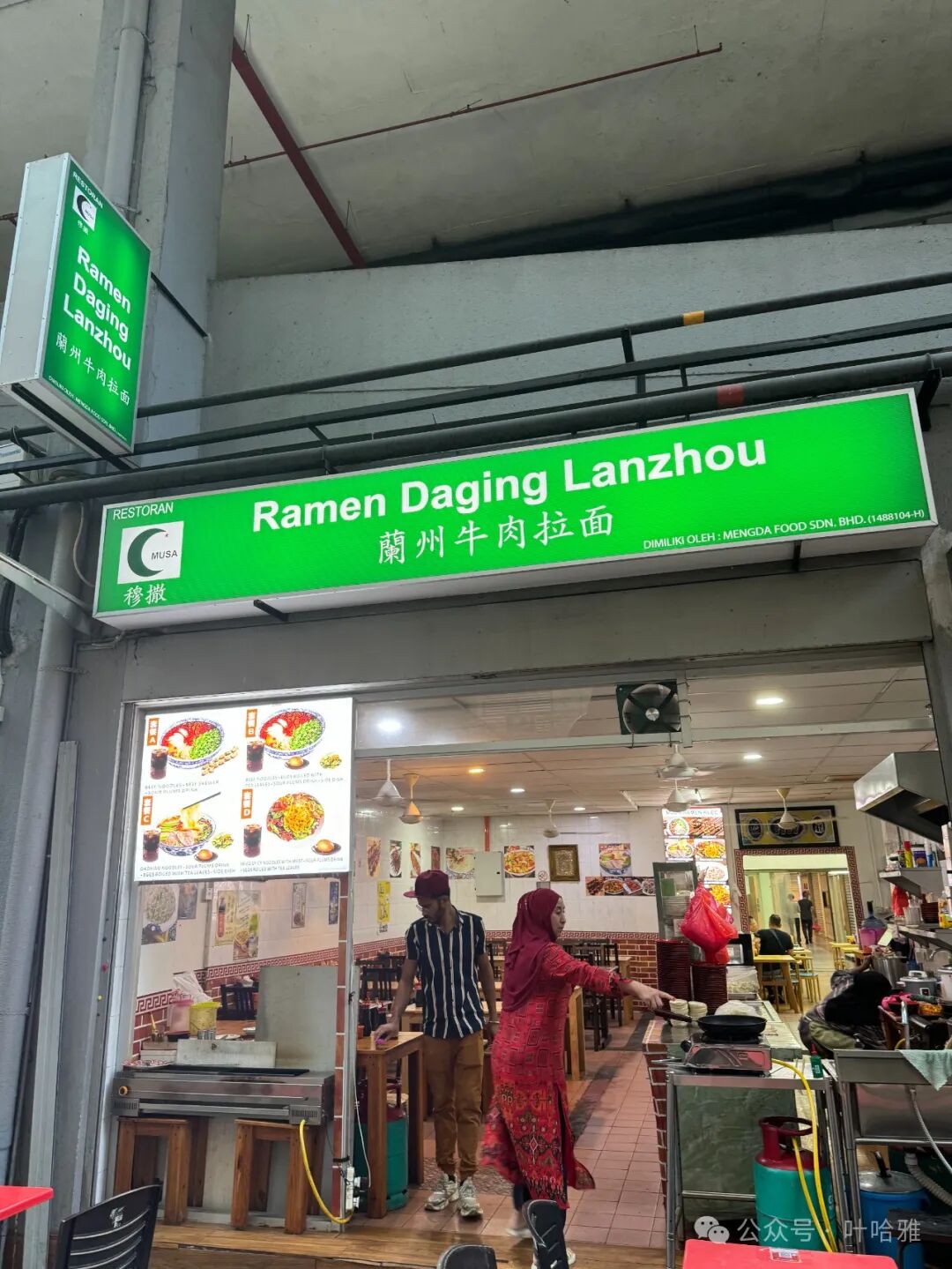
Musa Lanzhou Ramen is located on the ground floor of Wisma Central, right along the street. It is the first ramen shop my mother-in-law opened in Kuala Lumpur. The shop is right next to the Petronas Twin Towers (KLCC), so it is very easy to find. The restaurant is smoke-free and alcohol-free, and it is clean and hygienic.
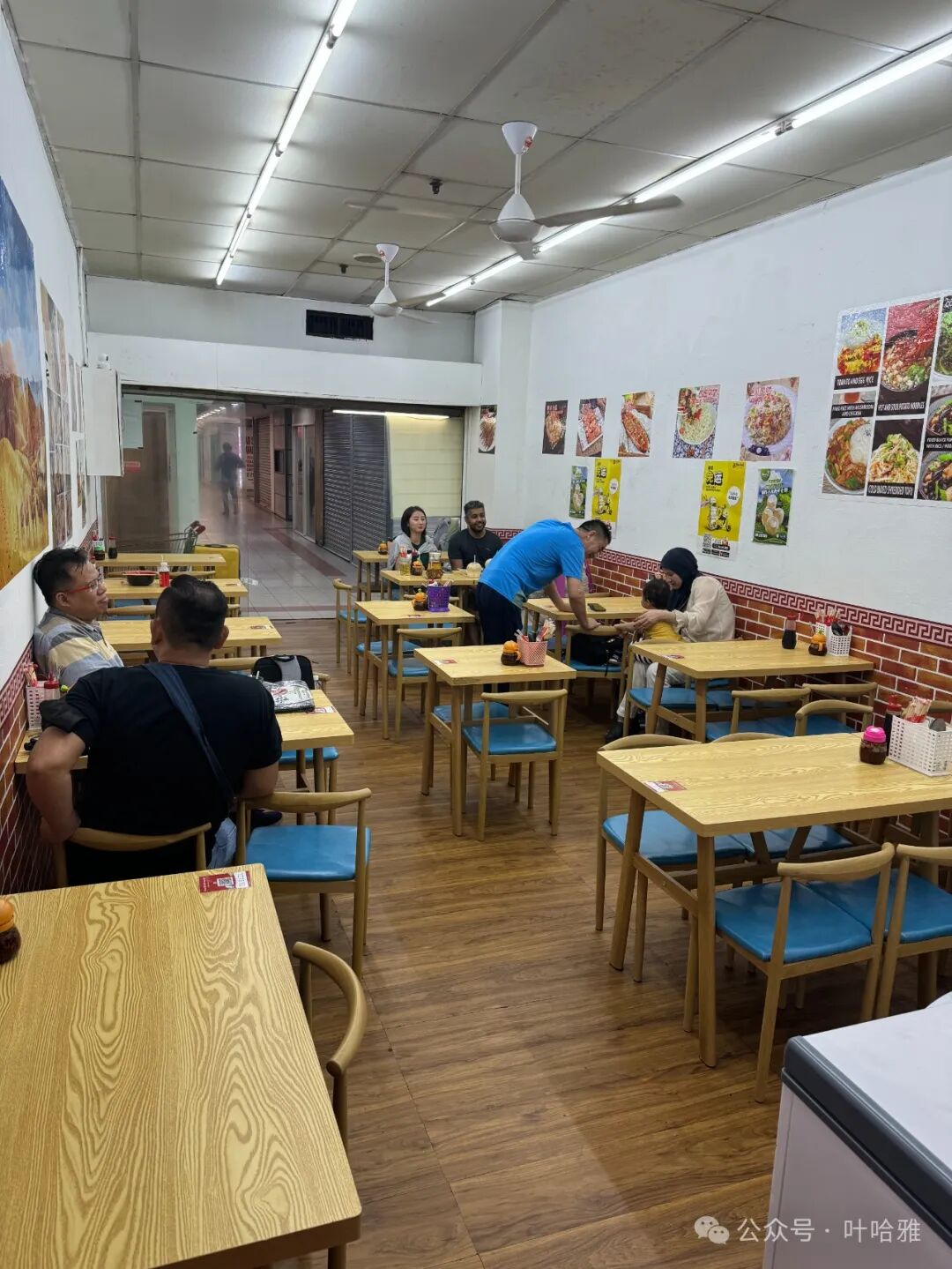
I know many friends struggle with Southeast Asian food, so you can choose to come here for a bowl of ramen.
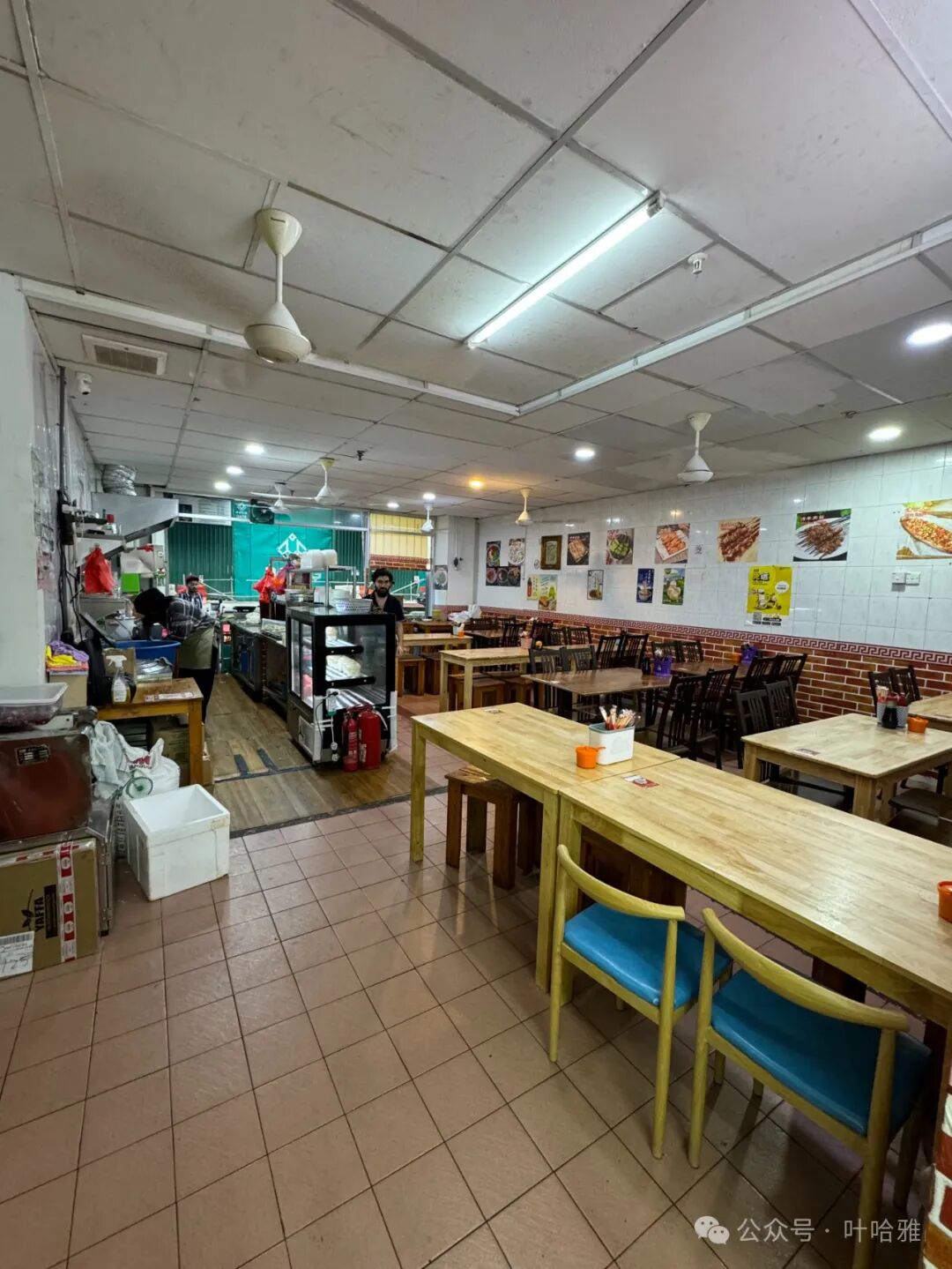
Besides ramen, they also serve mixed noodles, big plate chicken (dapanji), dumplings, and kebabs. The restaurant has been open for over a year and is doing great business, with most customers being Malay.
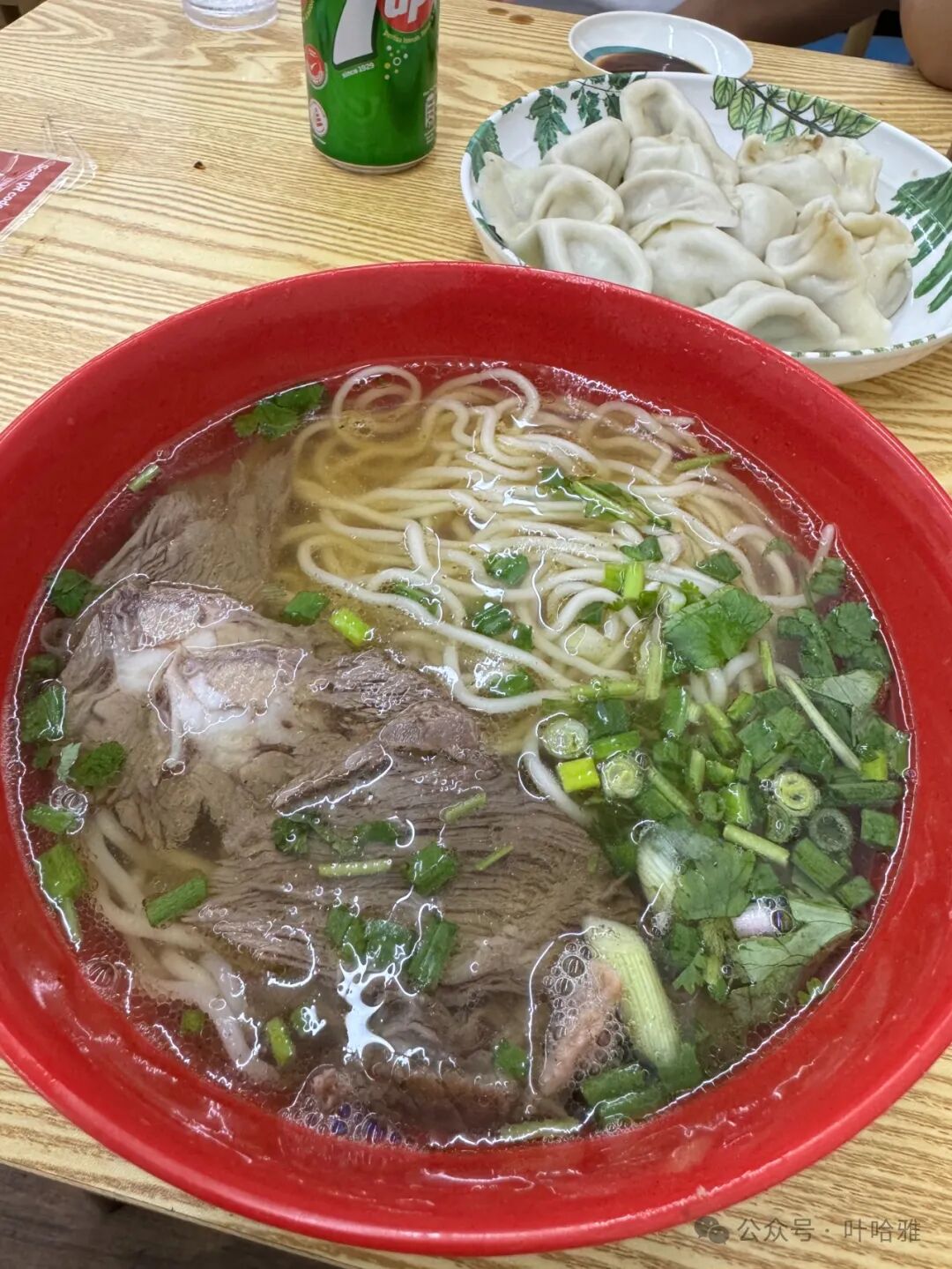
I have hosted many friends from Kuala Lumpur at the shop, and the most popular dishes are the ramen and the kebabs.
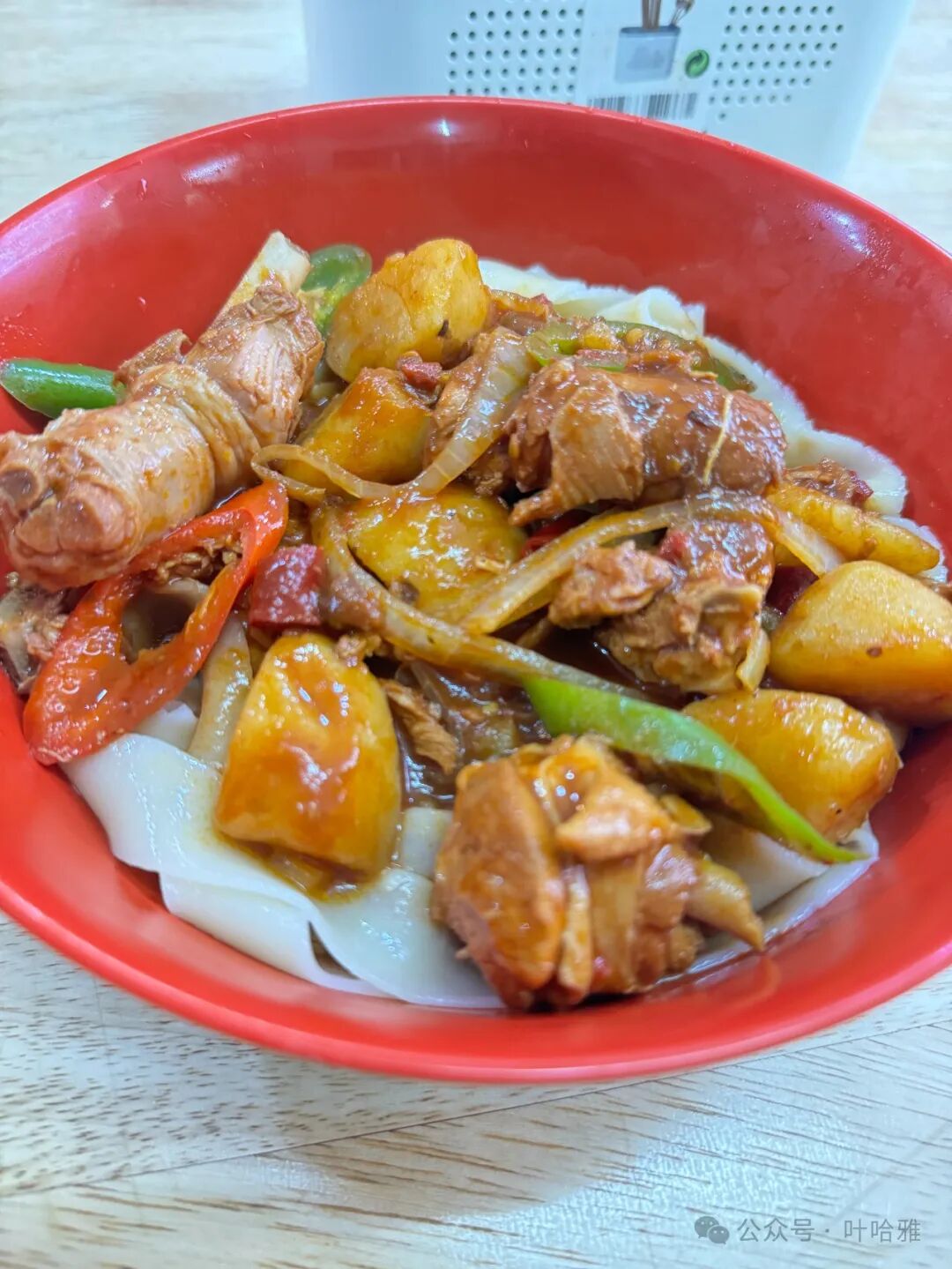
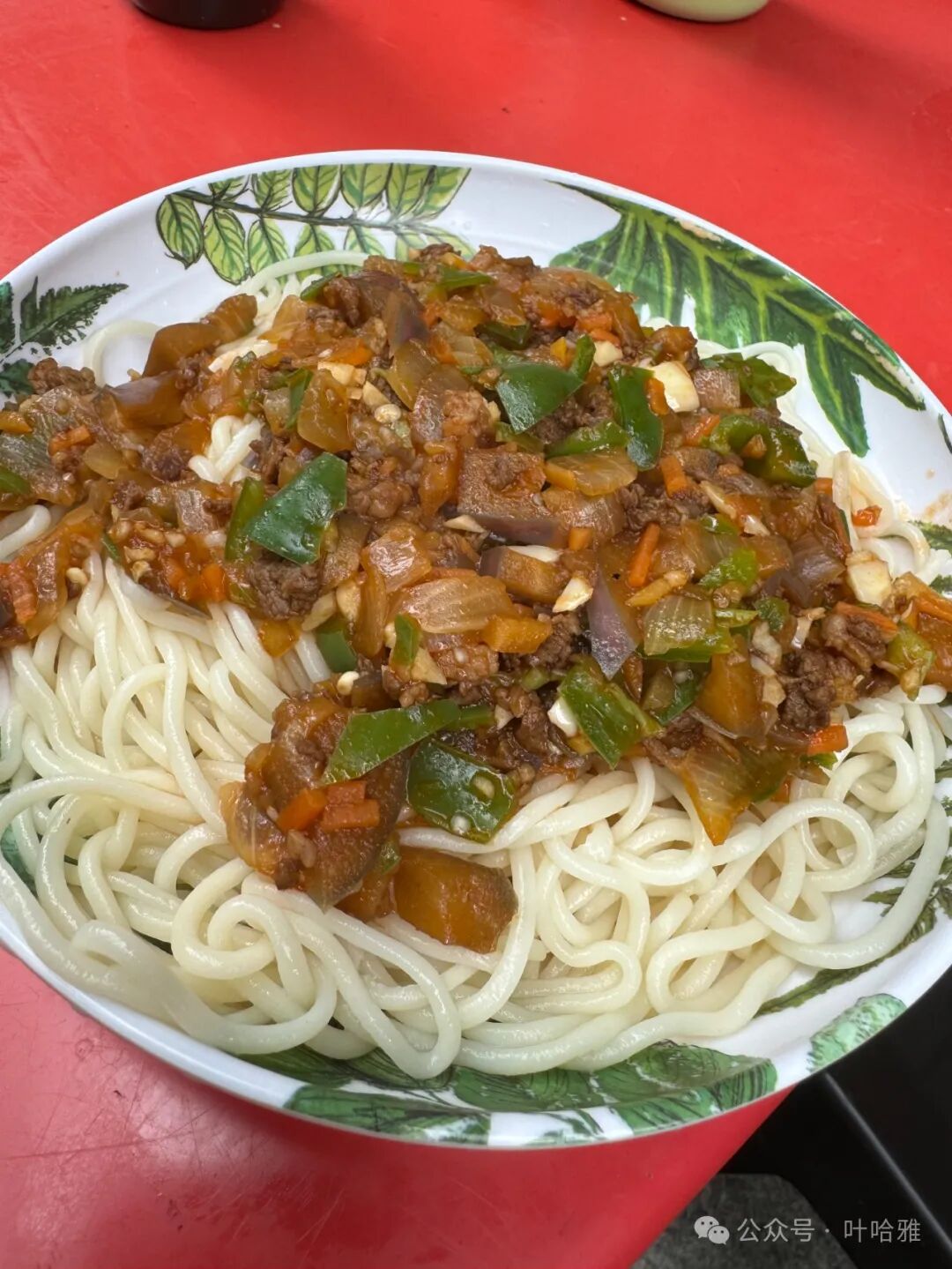
A fresh pot of big plate chicken (dapanji) with wide belt noodles (pidaimian) is also very satisfying, though Malay people prefer mixed noodles (banmian).
2. Habibi Suria
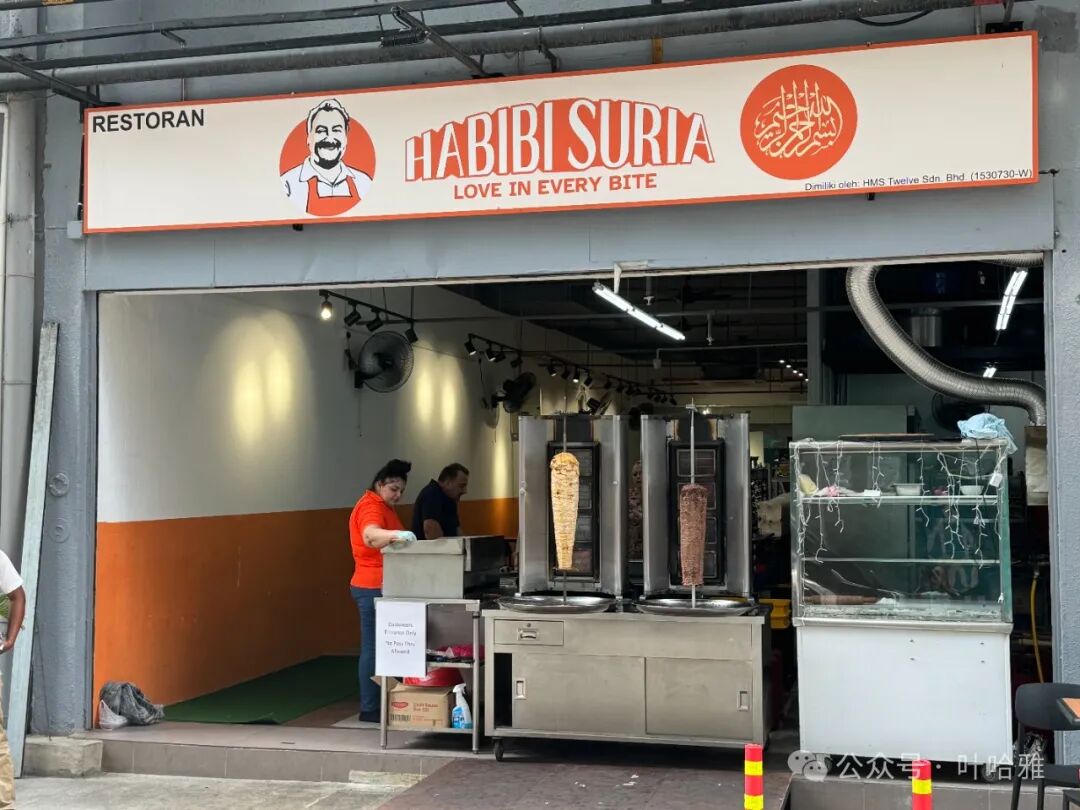
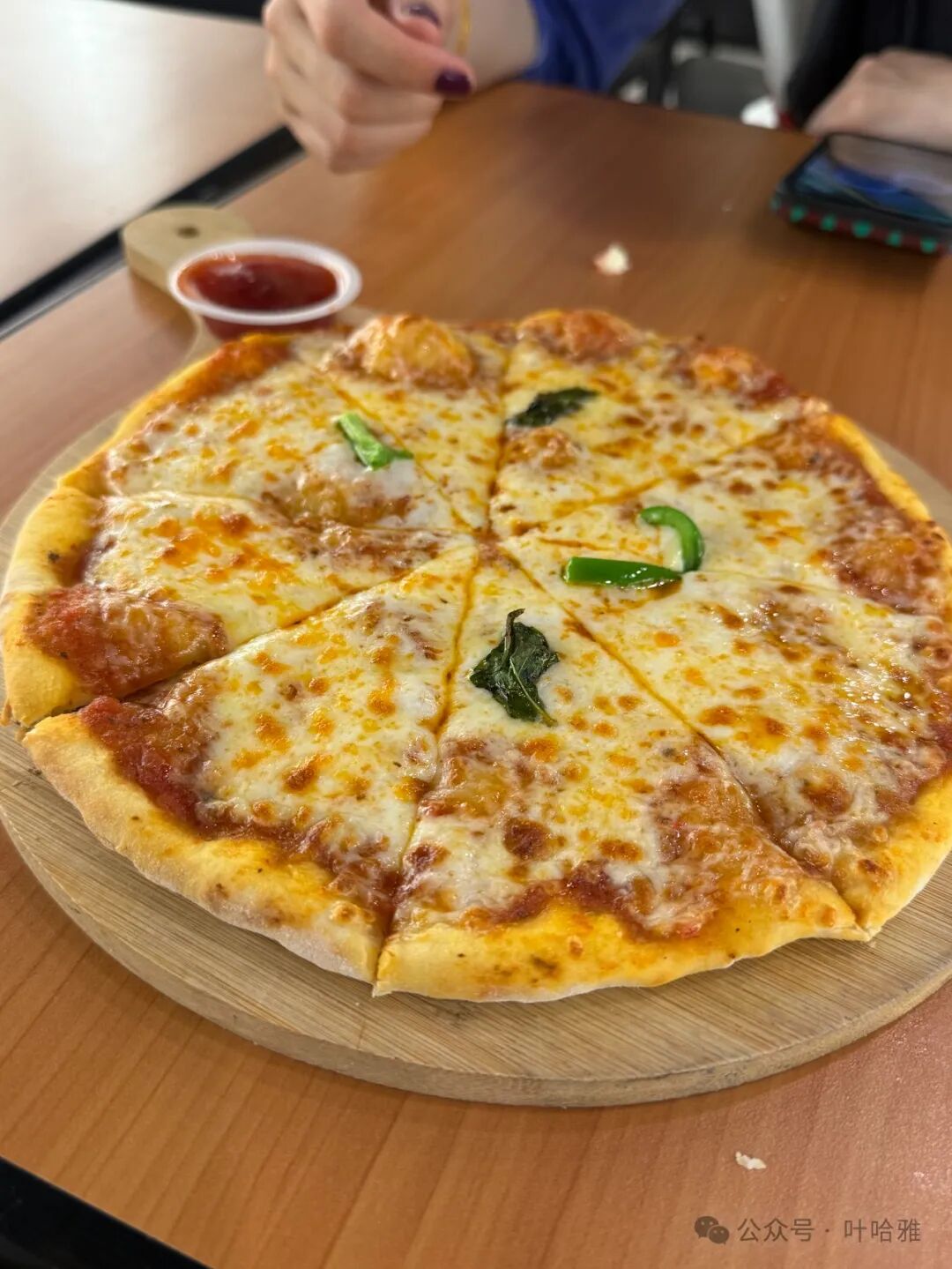
Next door to Musalan Beef Ramen is an Arab-owned grilled meat and pizza shop. Their signature grilled meat wrap (shawarma) isn't as good as their pizza, so when I've had too much ramen, I occasionally go there to order a pizza.
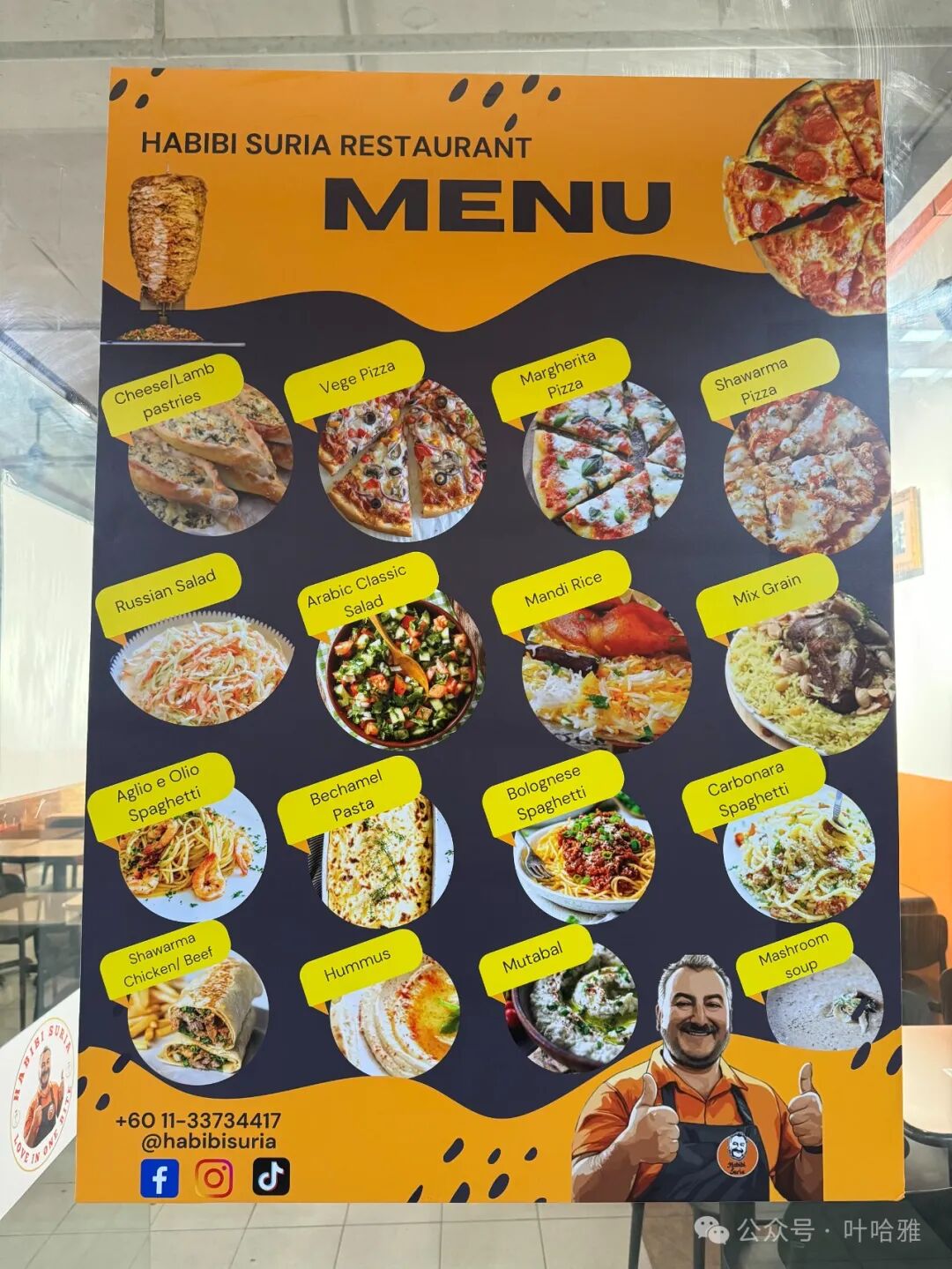
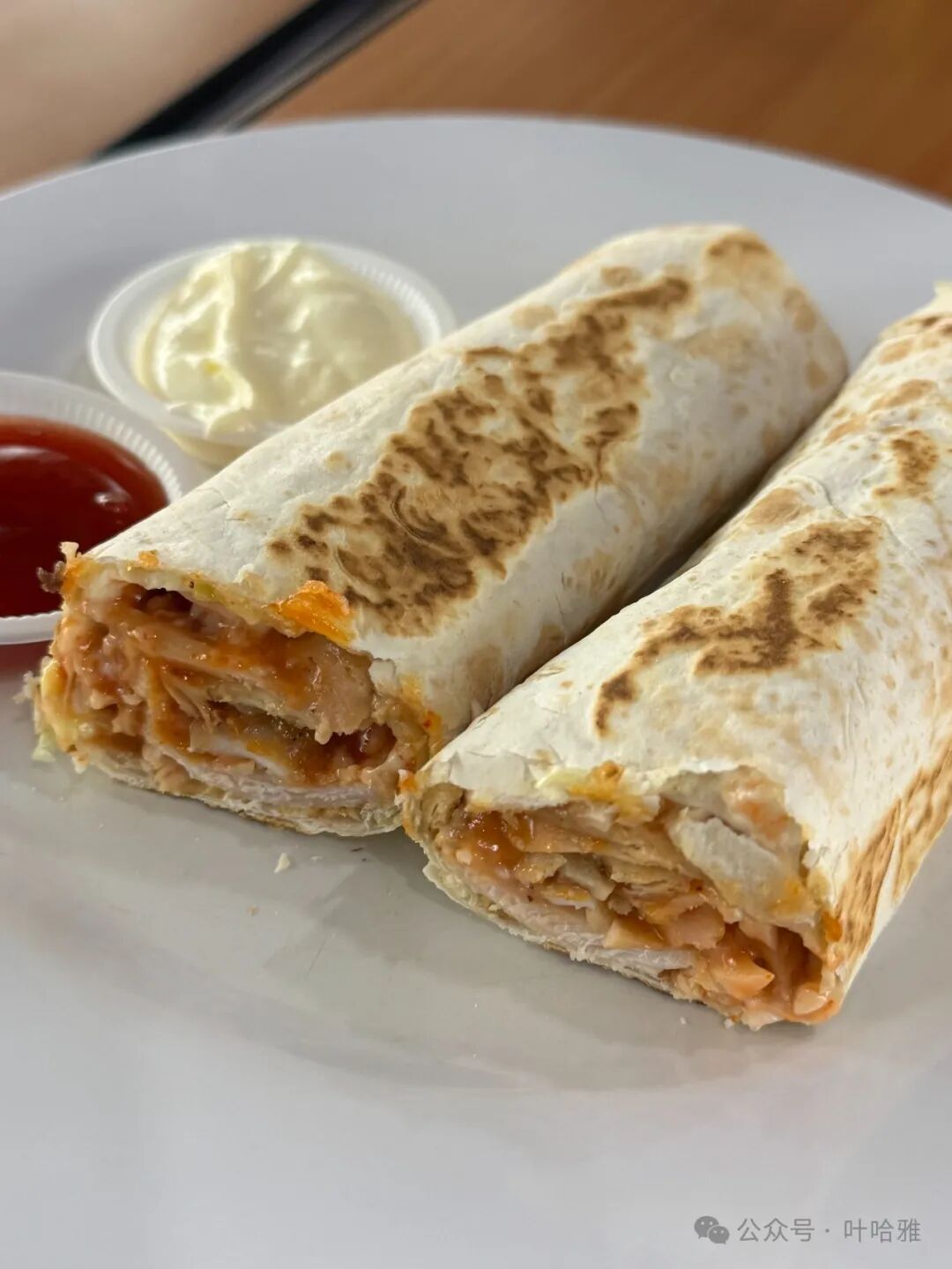
Their pizza is definitely much better than their shawarma. It is always freshly baked and very cheap.
3. SELERA AMPANG Indian Stall
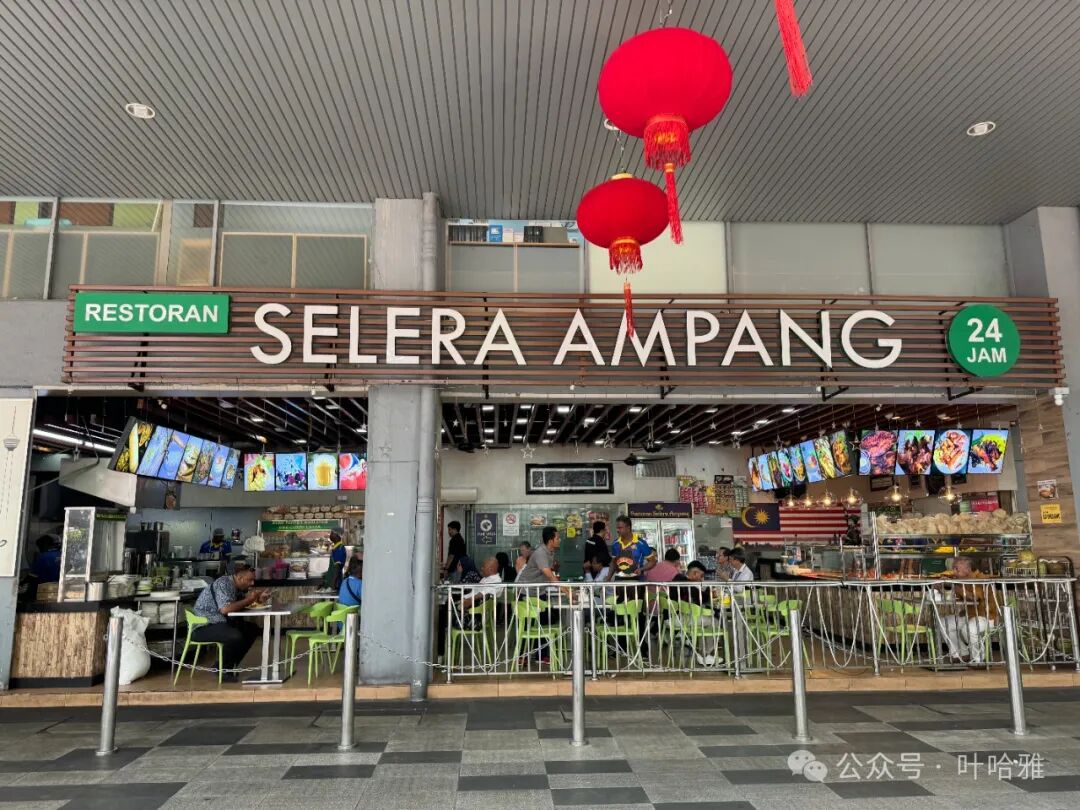
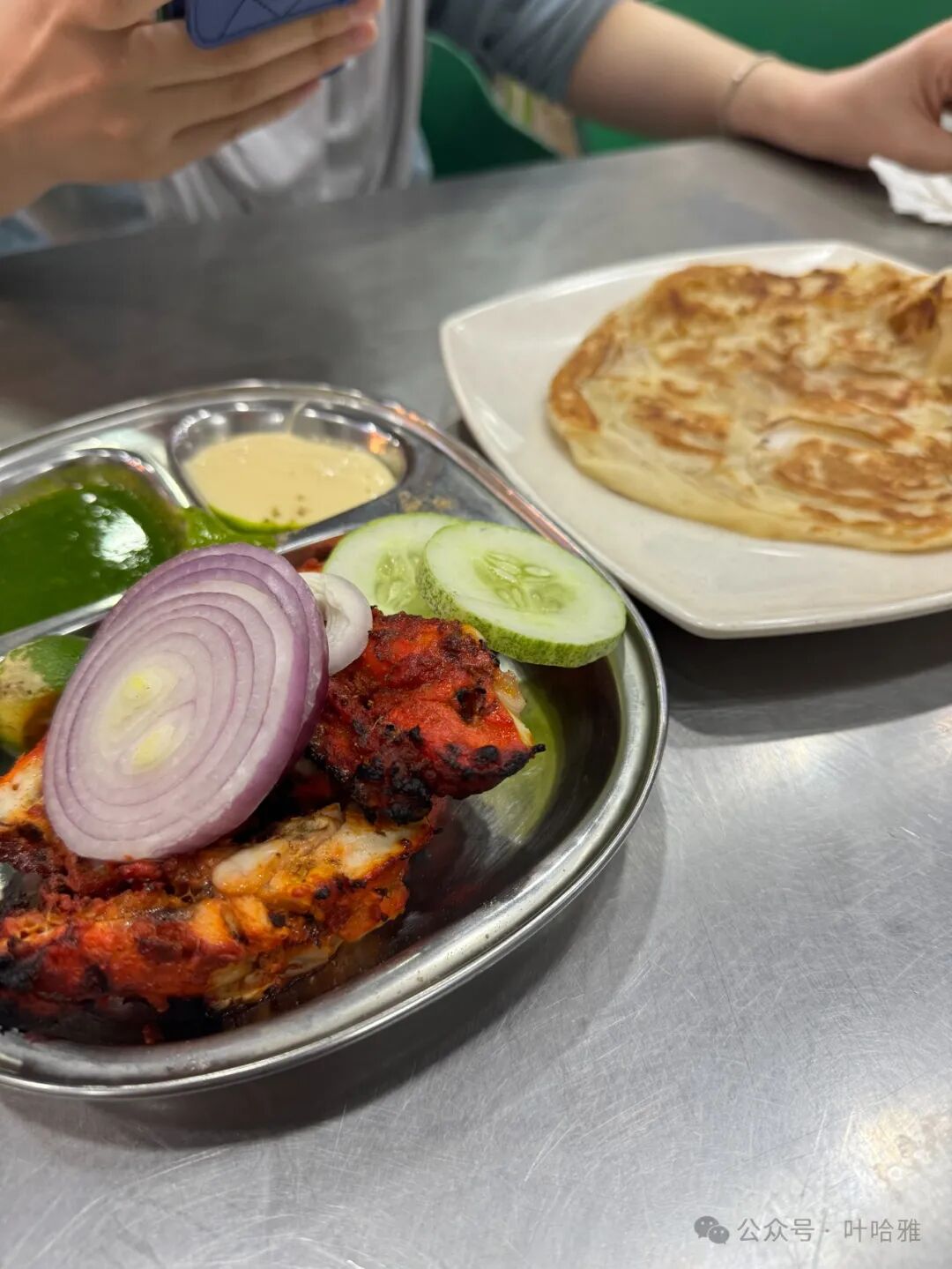
This shop is on the ground floor at the front of the Wisma Central building, while the ramen shop is on the side. This is an Indian fast-food spot. We all like their flatbread wraps (roti). A wrap with a side of grilled chicken makes a great lunch for many office workers, and with a drink, it costs around 20 ringgit.
4. Islamic Arts Museum MOZA Restaurant
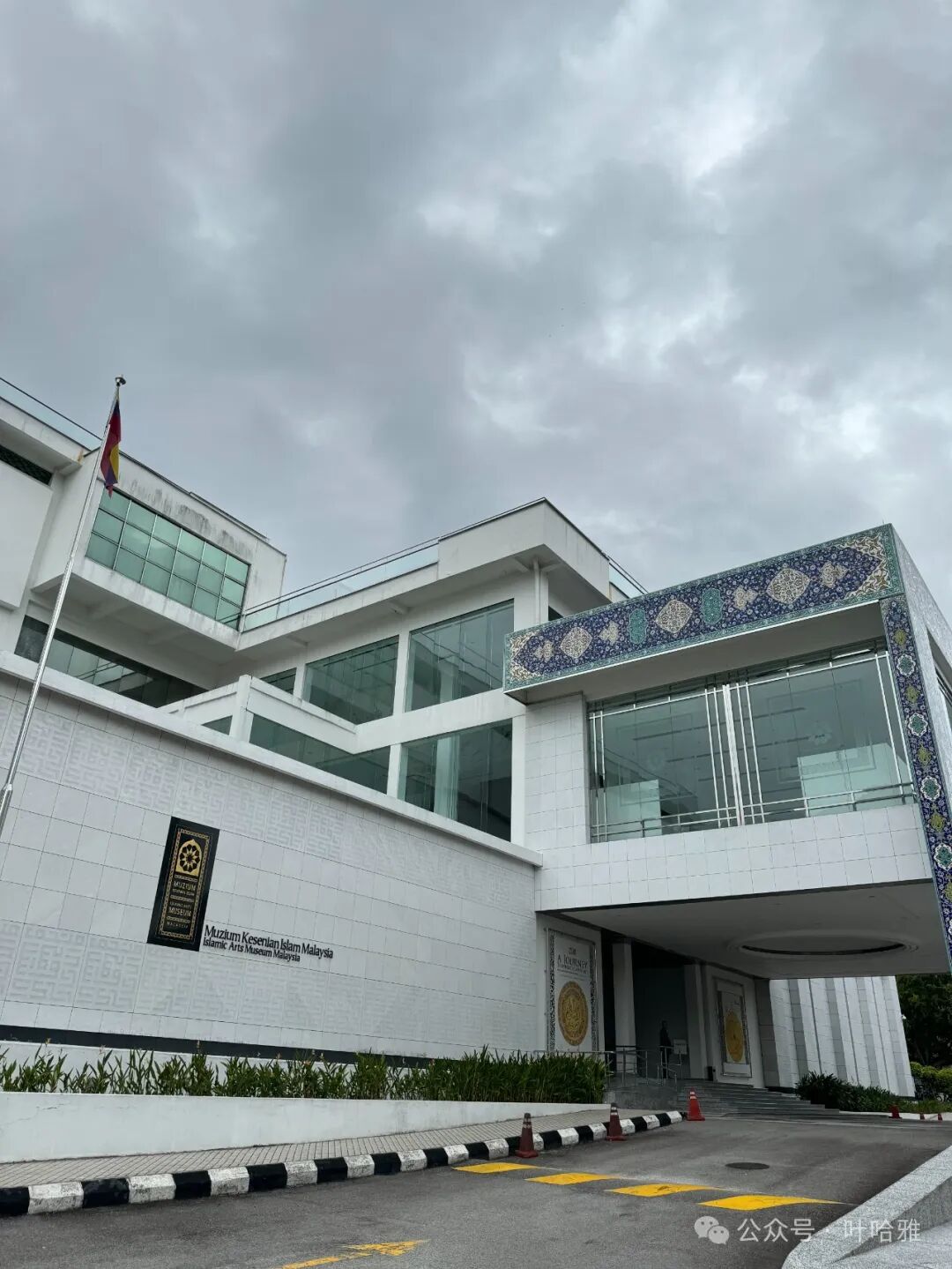
There is an Islamic Arts Museum next to the National Mosque in Kuala Lumpur. This is my second time visiting. My friend from Beijing had an event there, so we met up. After touring the museum, he recommended the MOZA restaurant inside.
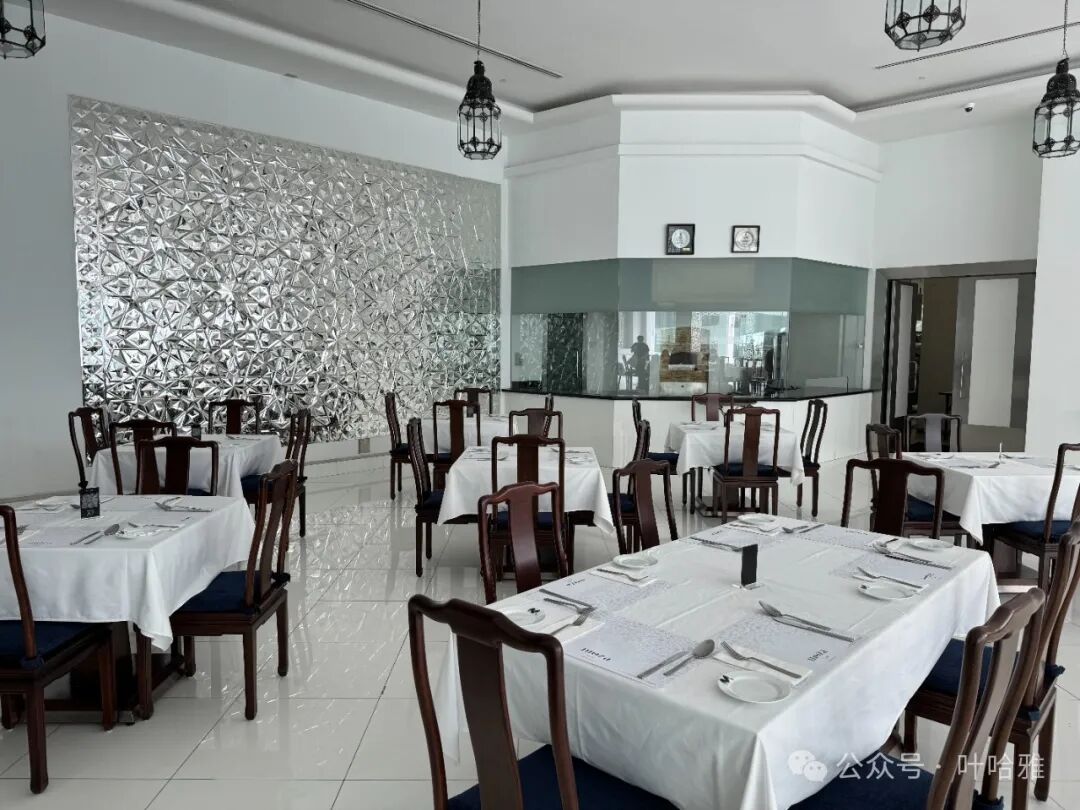
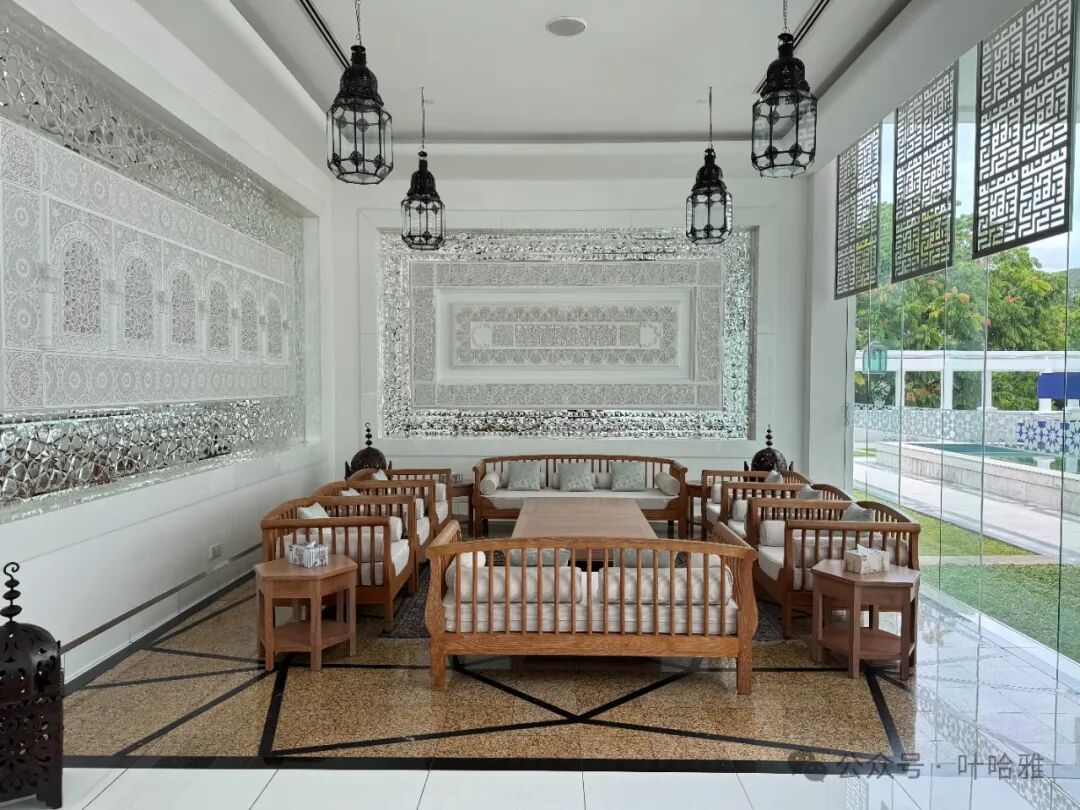
The design of MOZA restaurant incorporates many Islamic historical elements. It is full of style and is the biggest highlight of the restaurant.
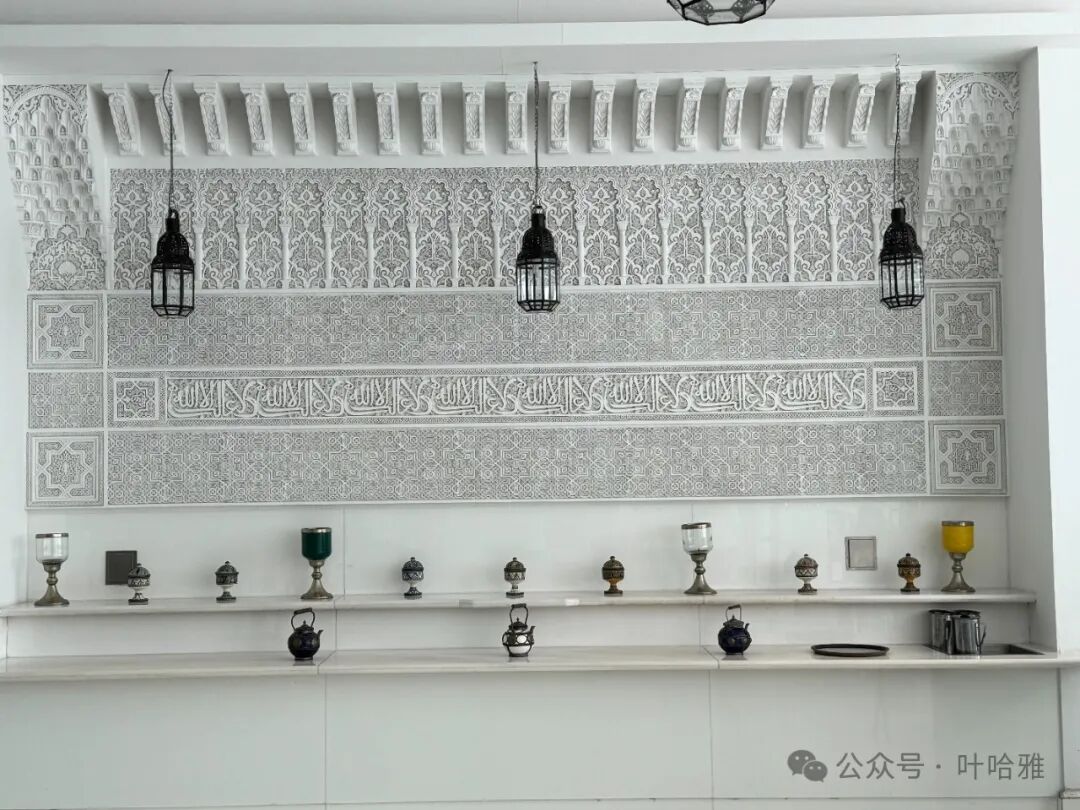
My friend told me that this museum is actually private and houses many precious Islamic artifacts.
The restaurant serves mostly Southeast Asian fusion food along with some Arab-style dishes. The prices are quite affordable, with an average cost of no more than 50 Malaysian ringgit, which is less than 80 Chinese yuan. If you visit the Islamic Arts Museum, remember to eat at the restaurant. The museum entrance fee is only 20 ringgit.
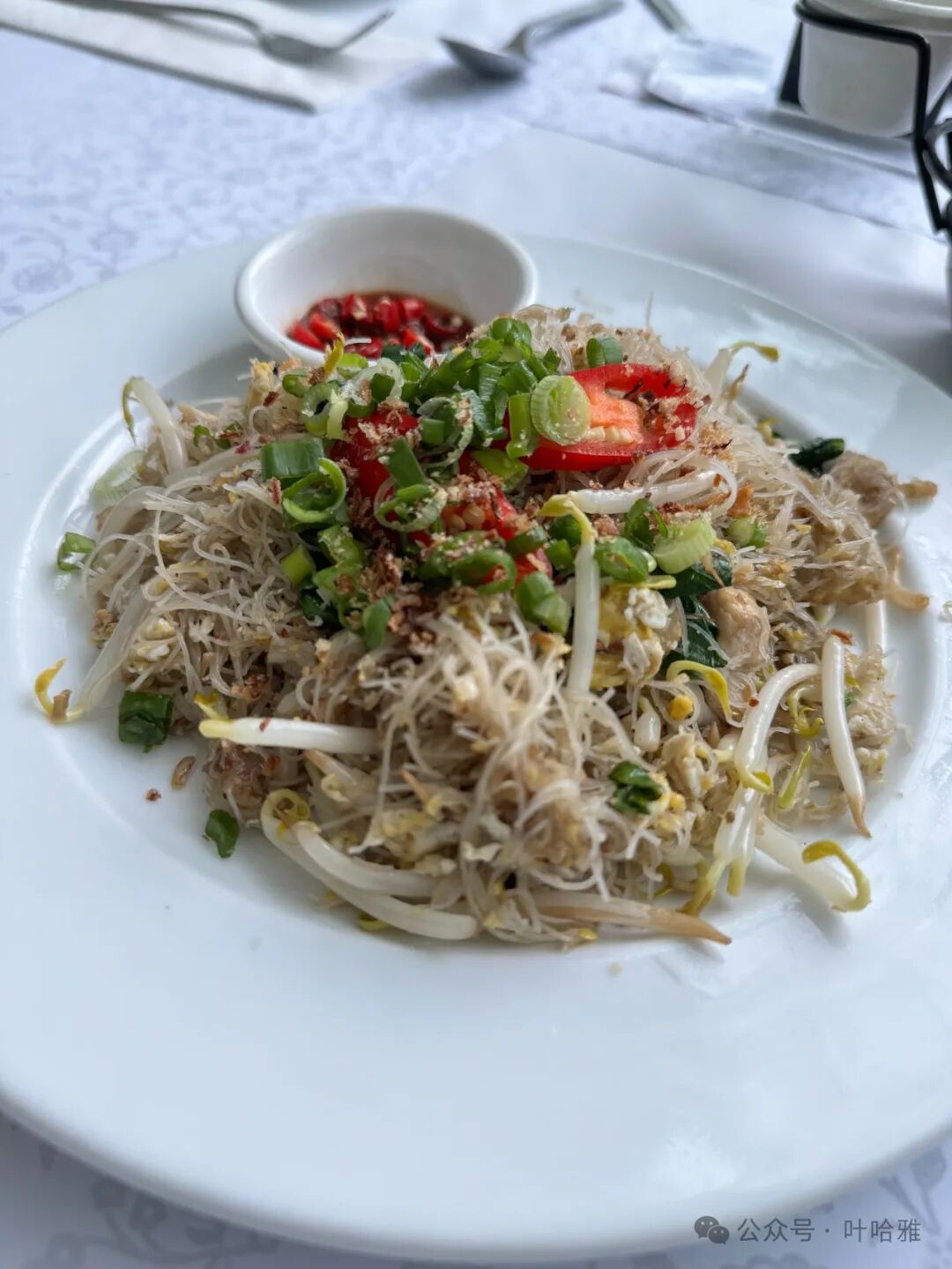
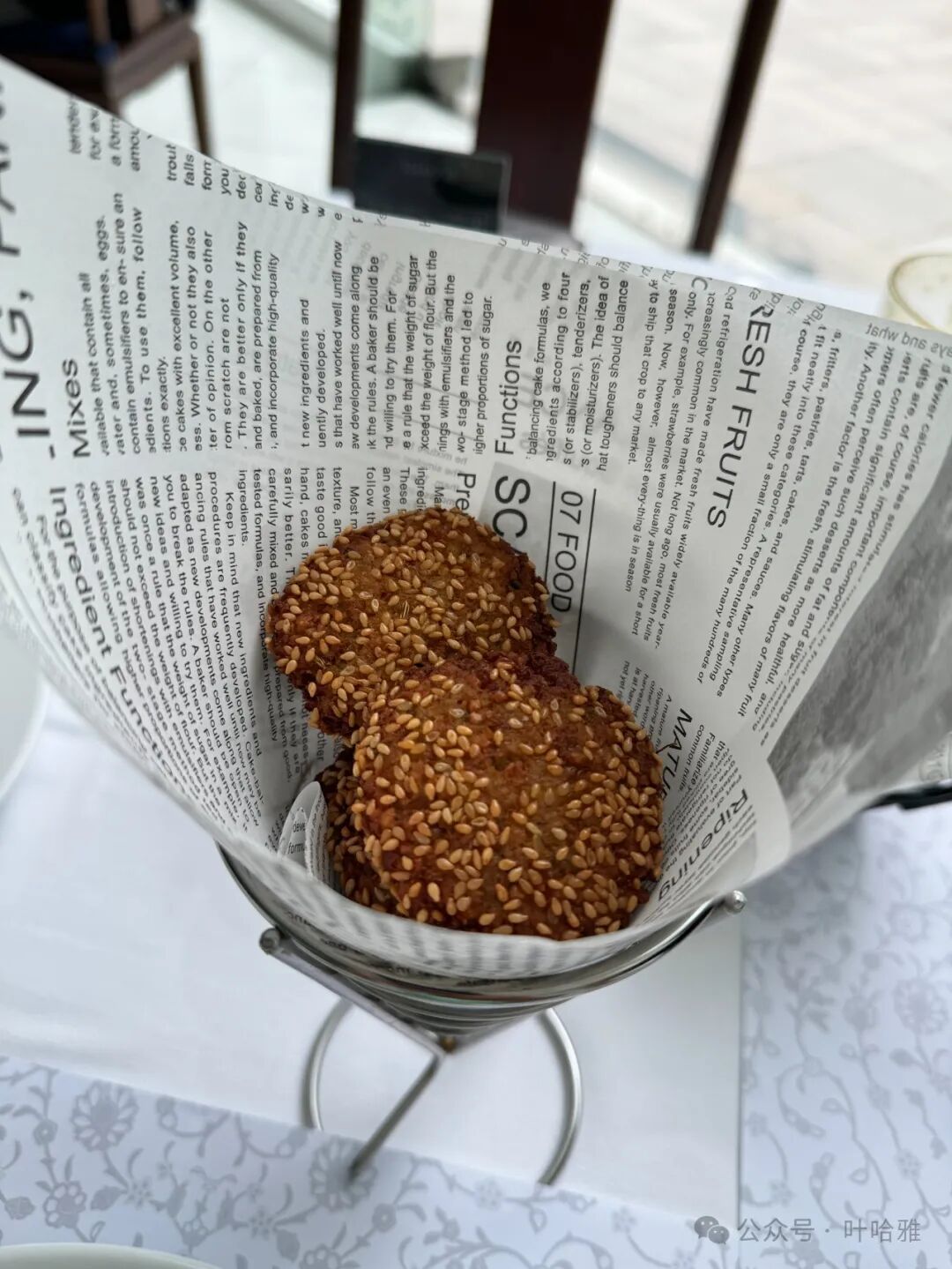
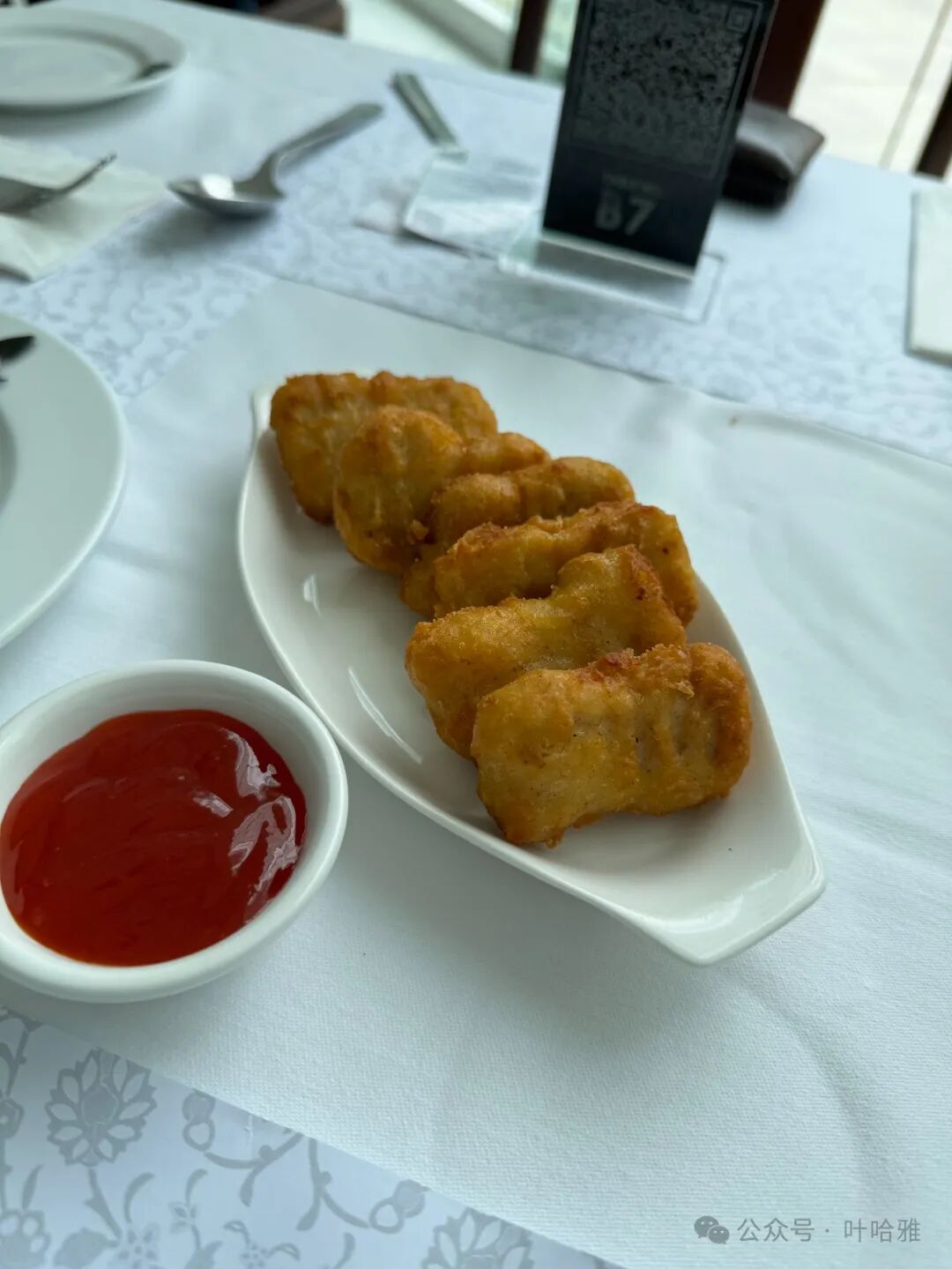
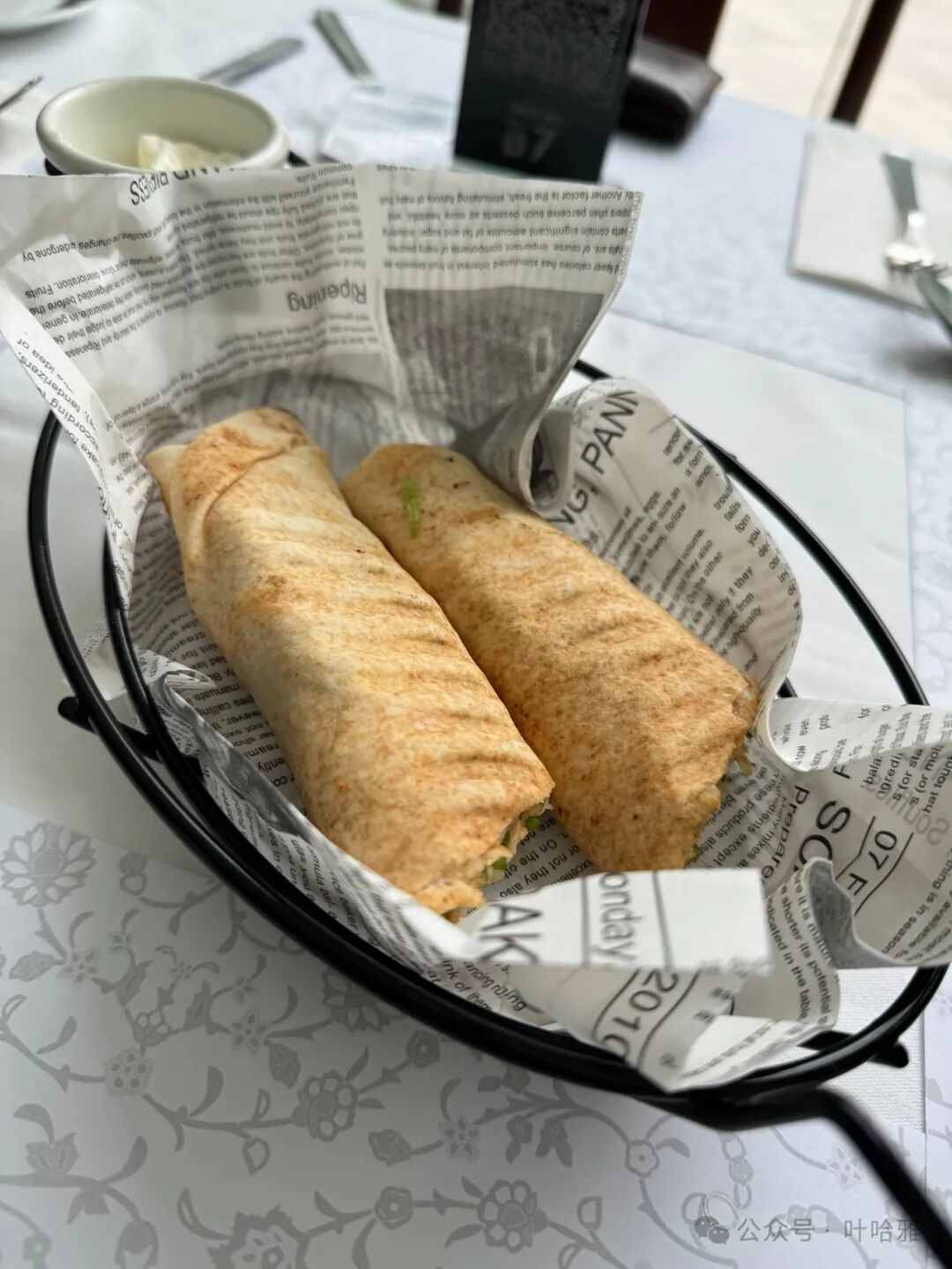
5. KENNY HILLS BISTRO Four Seasons Hotel breakfast and afternoon tea
My wife and sister-in-law brought me to this local trendy restaurant on the ground floor of the Four Seasons Hotel. It has a Western style and is famous for its afternoon tea desserts. This shop is near our home in Kuala Lumpur, just a 5-minute walk from KLCC, and they have other chain locations too.
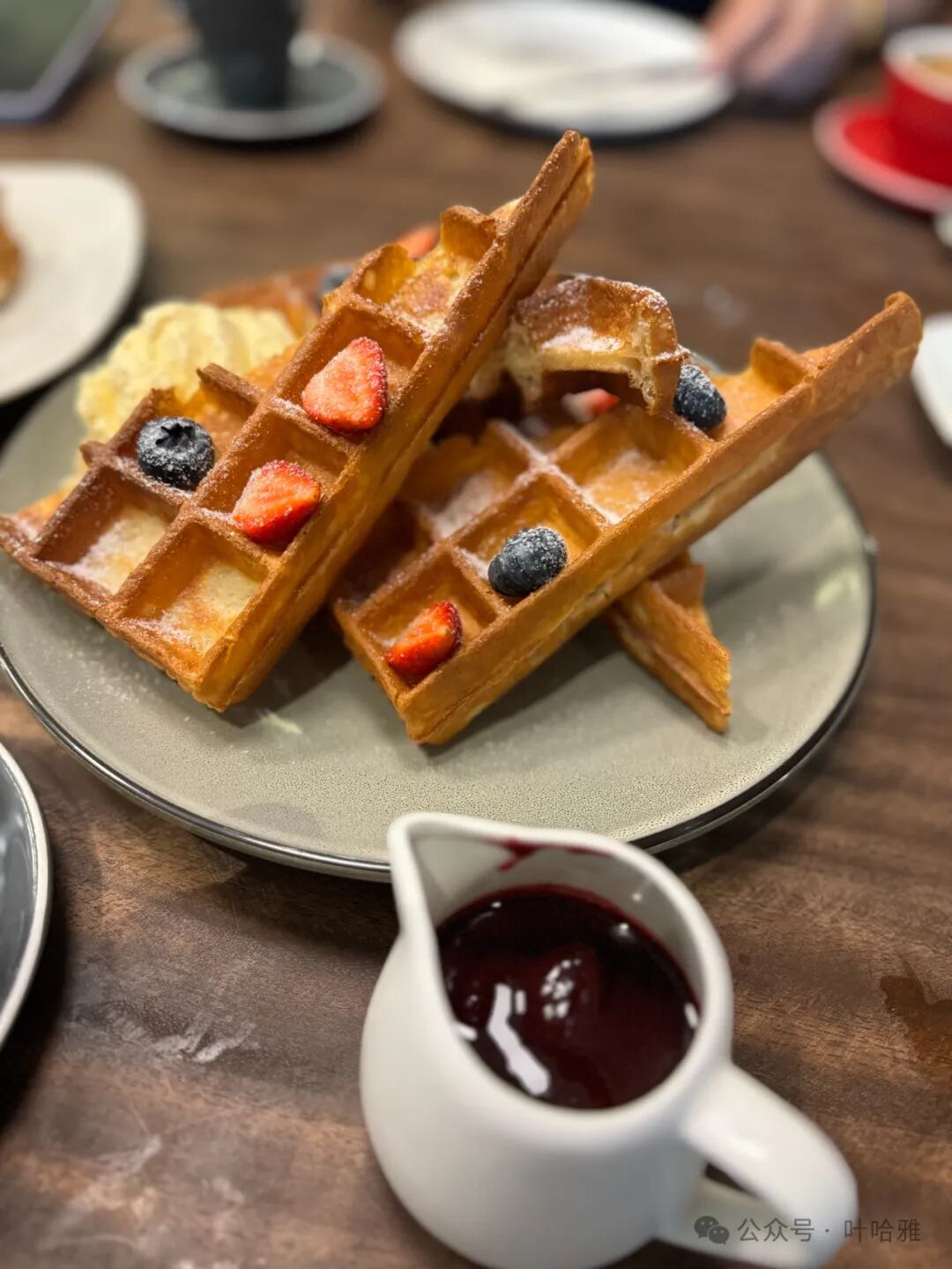
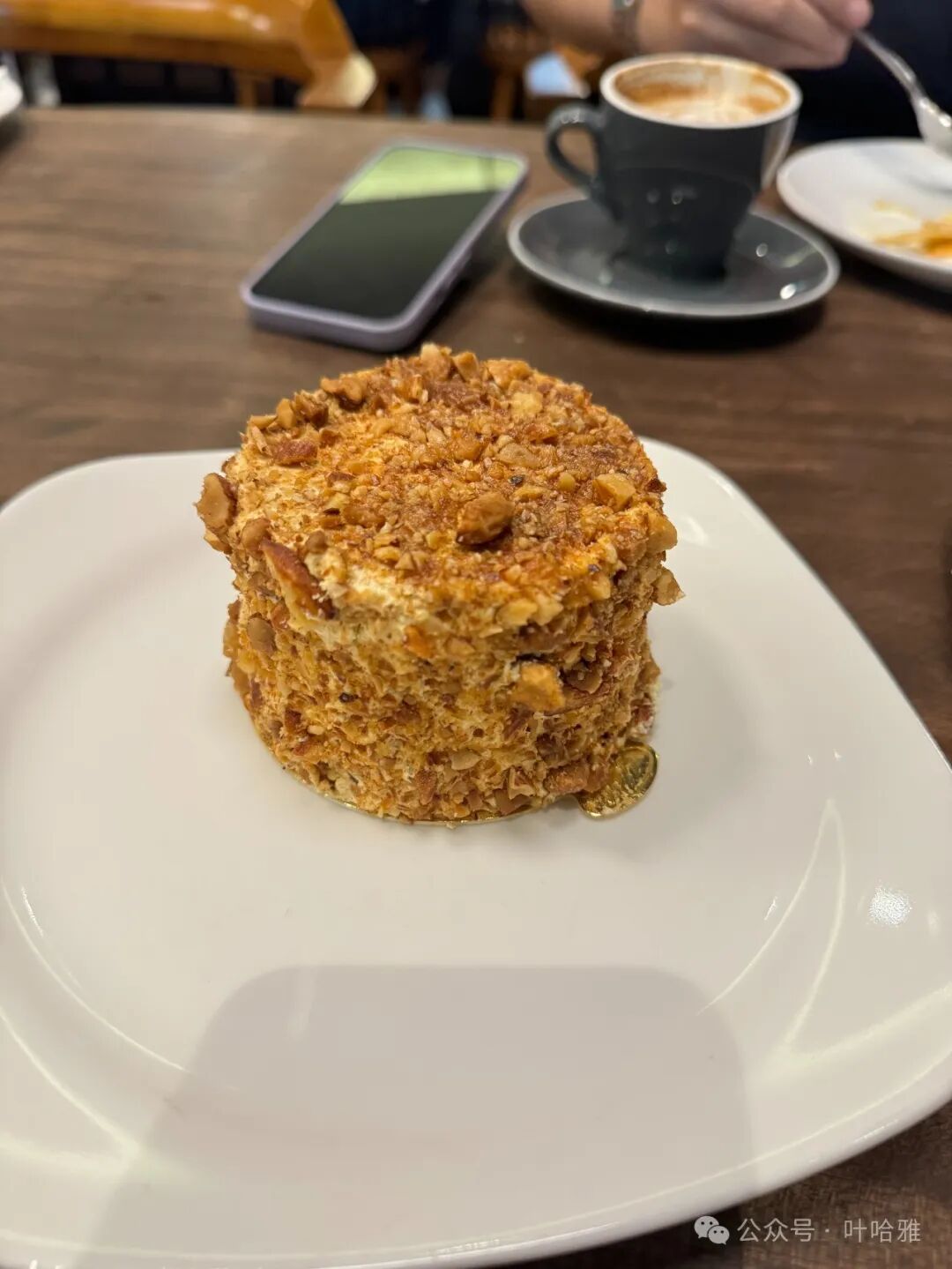
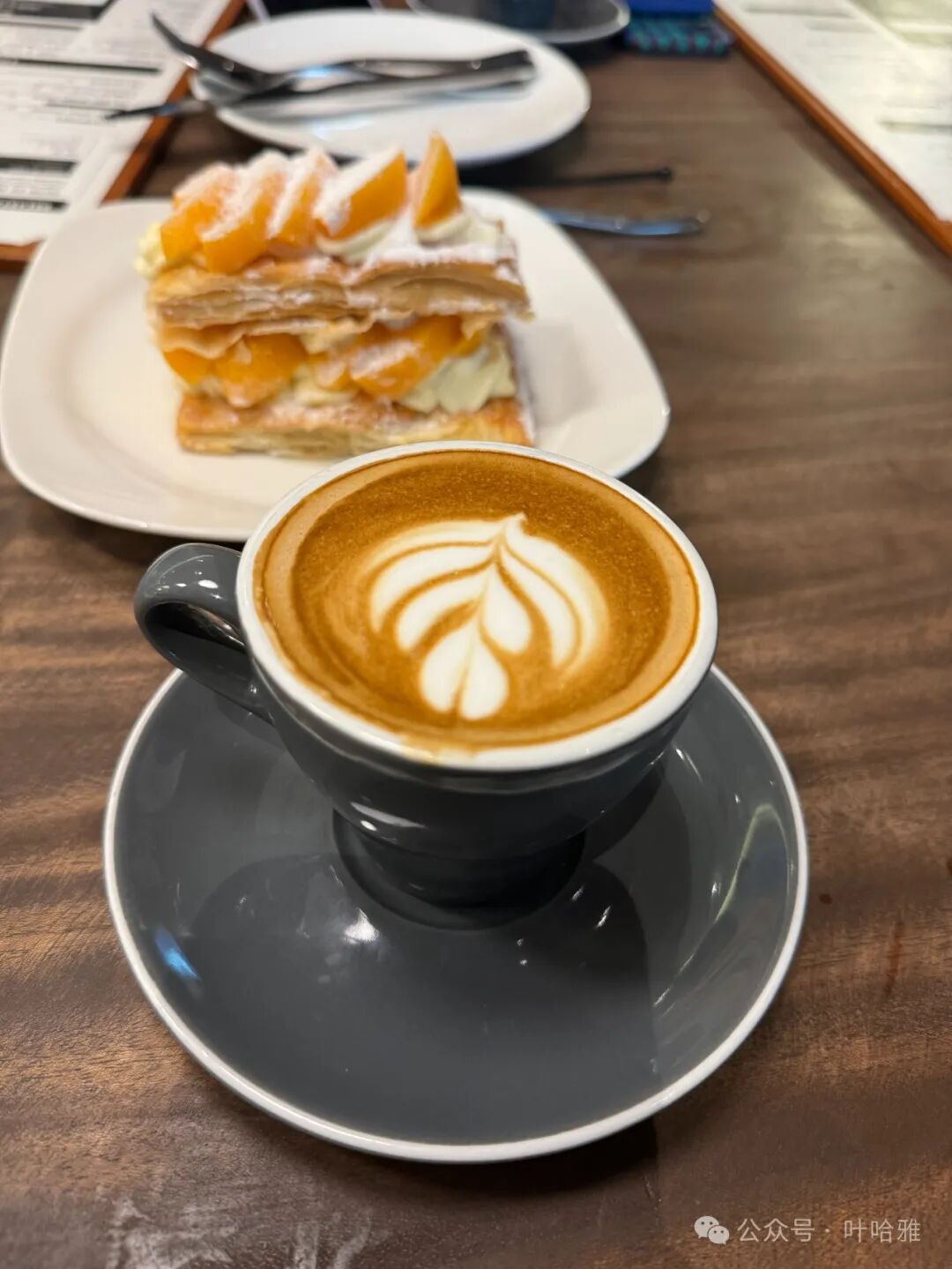
You can see many beautiful Malay ladies taking photos here. The desserts and coffee taste good, and they serve breakfast starting at 8:00 AM.
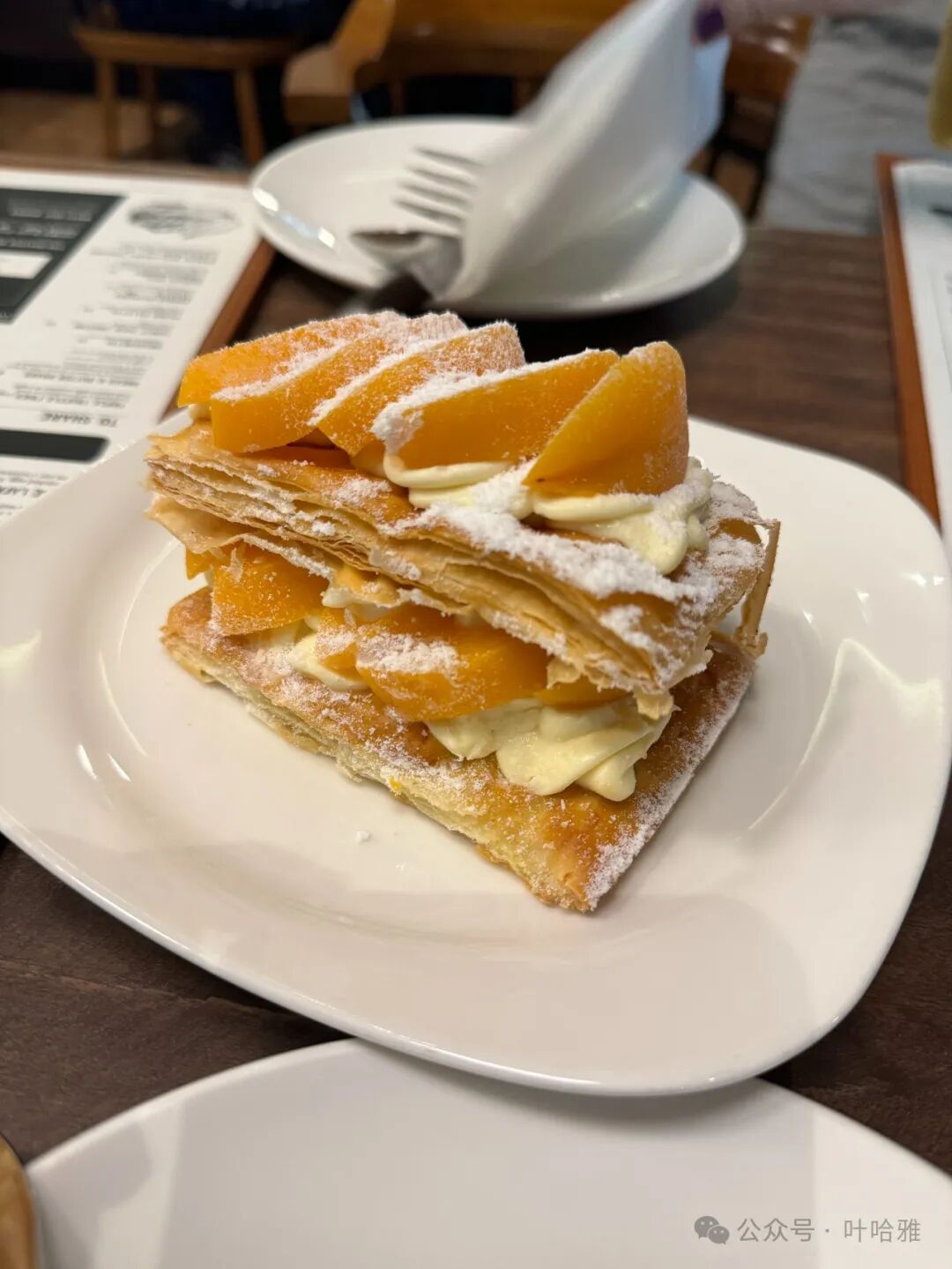
6. RasaNya Nyonya restaurant
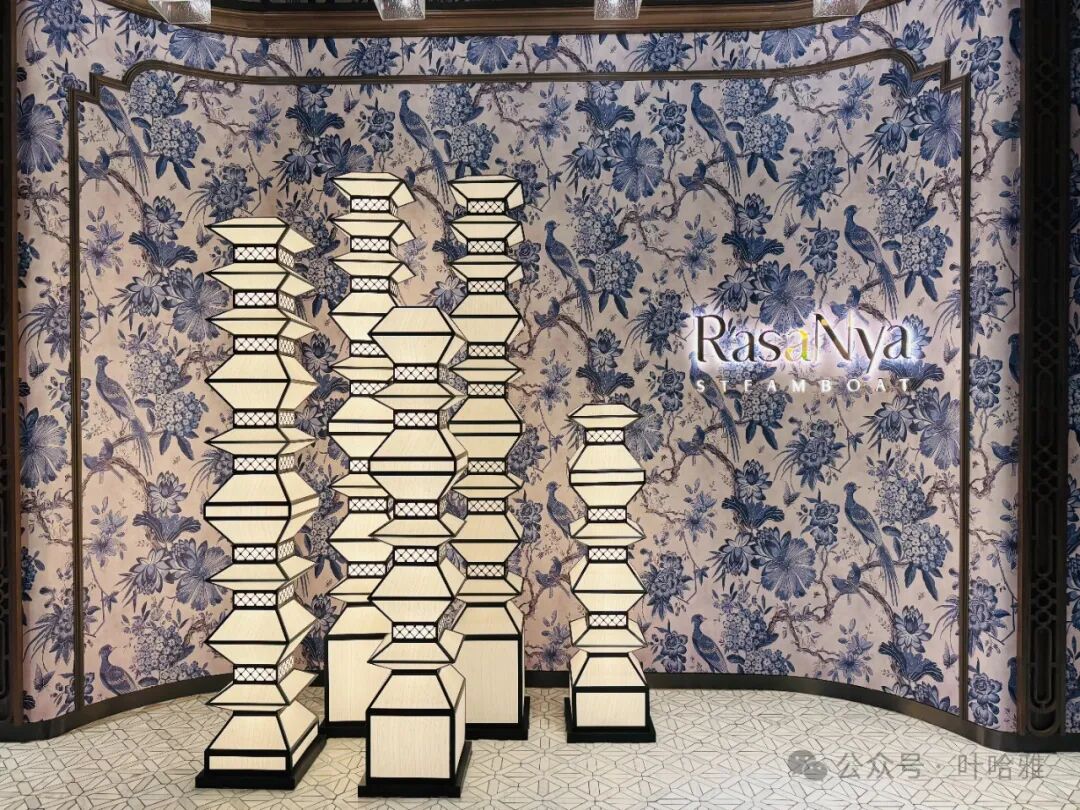
This Nyonya restaurant is on the 8th floor of the Pavilion shopping center. Nyonya people are the descendants of mixed Malay and Chinese heritage, and they have a unique food culture. If you travel to Malaysia, you must try halal Nyonya food, as most Nyonya dishes are not halal. I once ate at one in Malacca, but this Kuala Lumpur location is more upscale and worth a try.
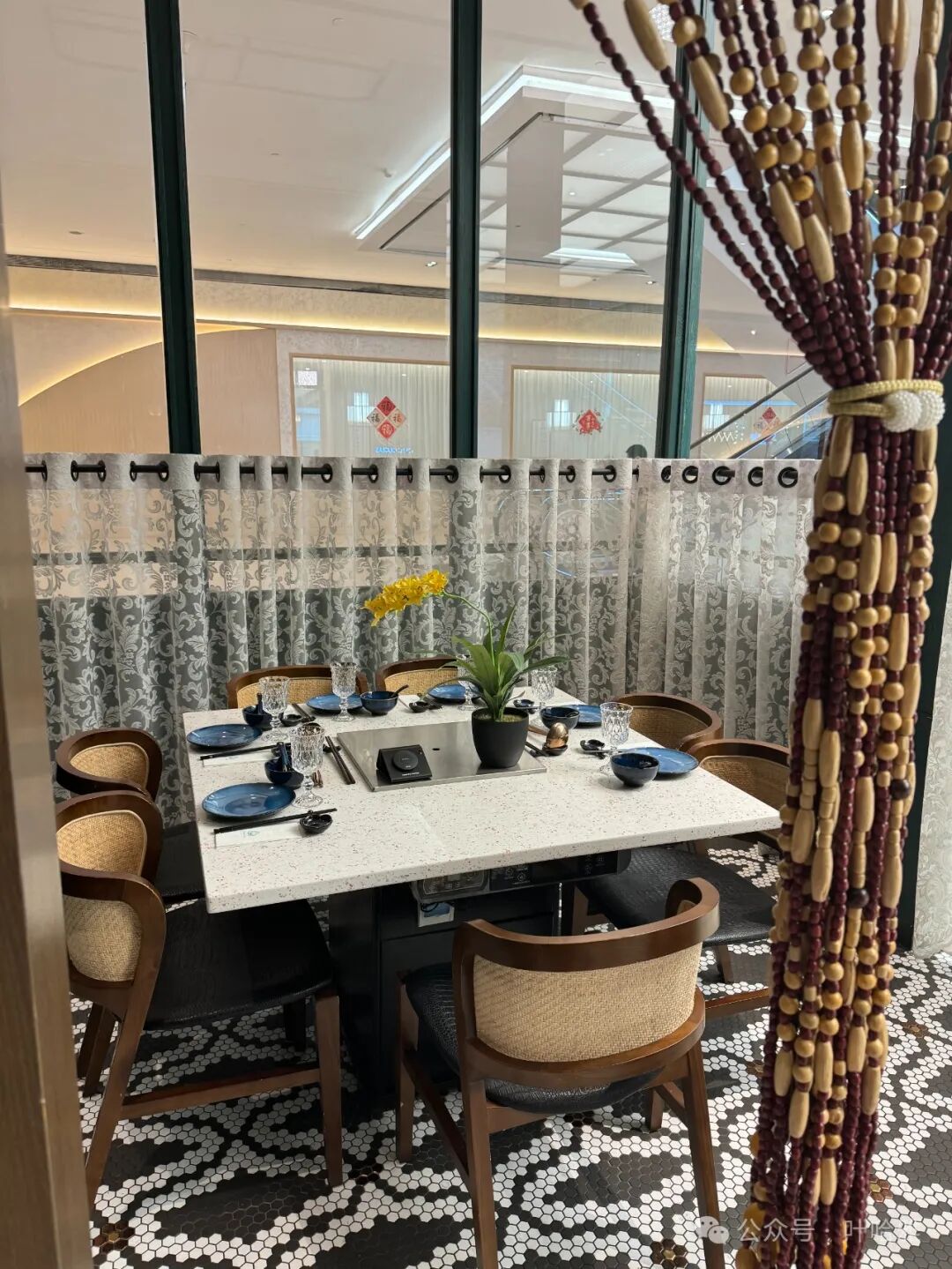
The restaurant's decor caught my eye; it has the elegant vibe of a Nanyang noblewoman.
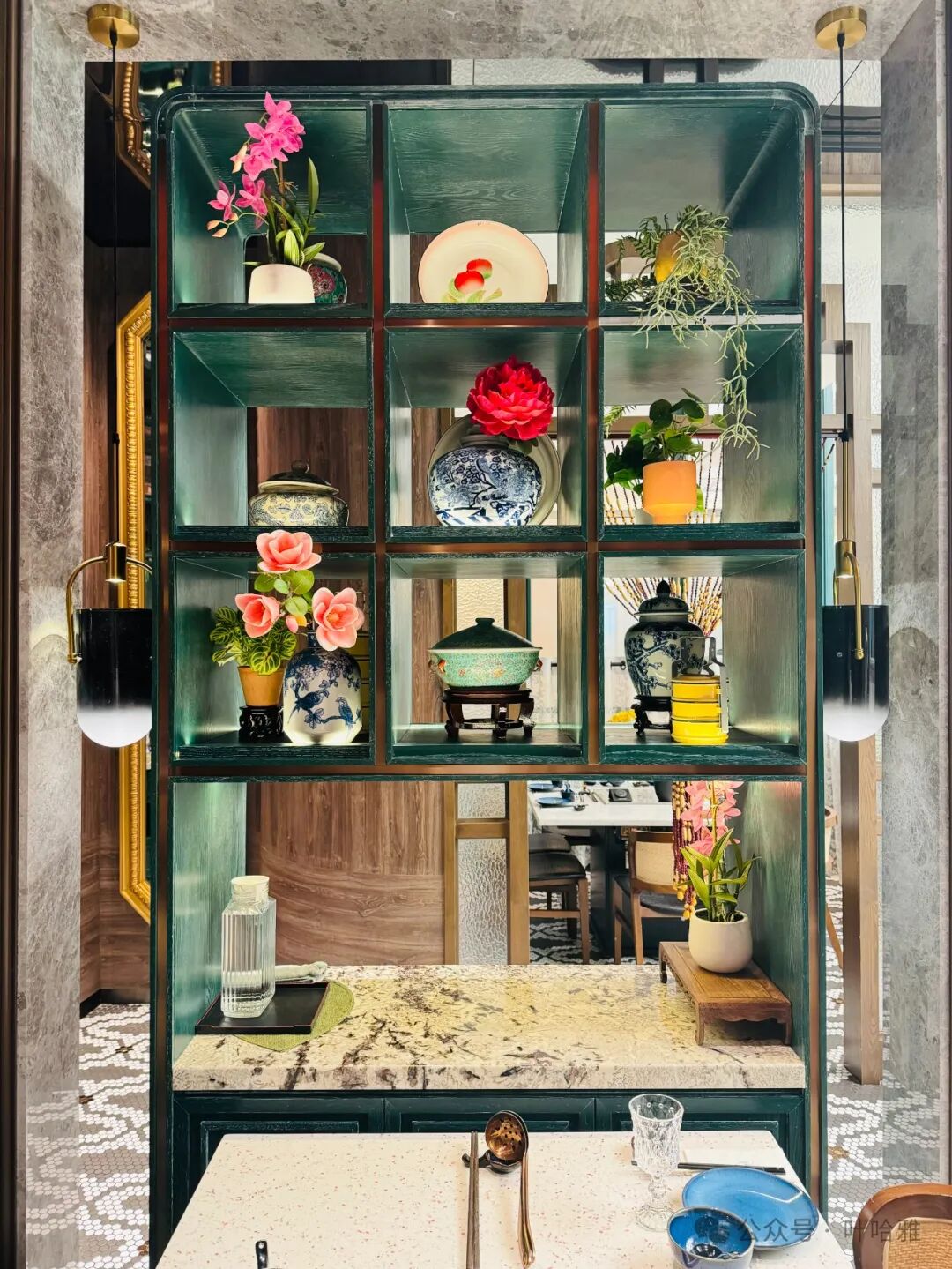
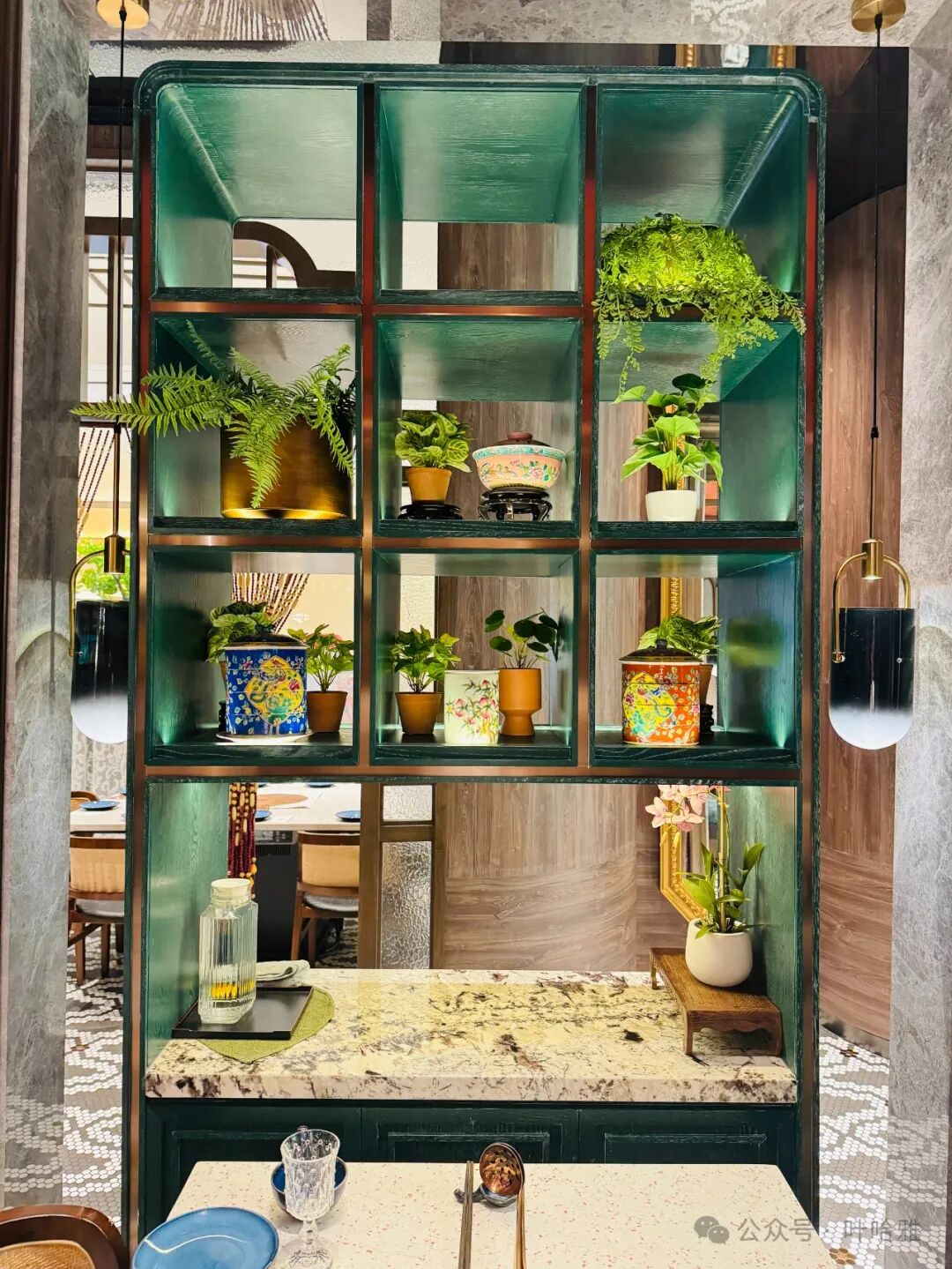
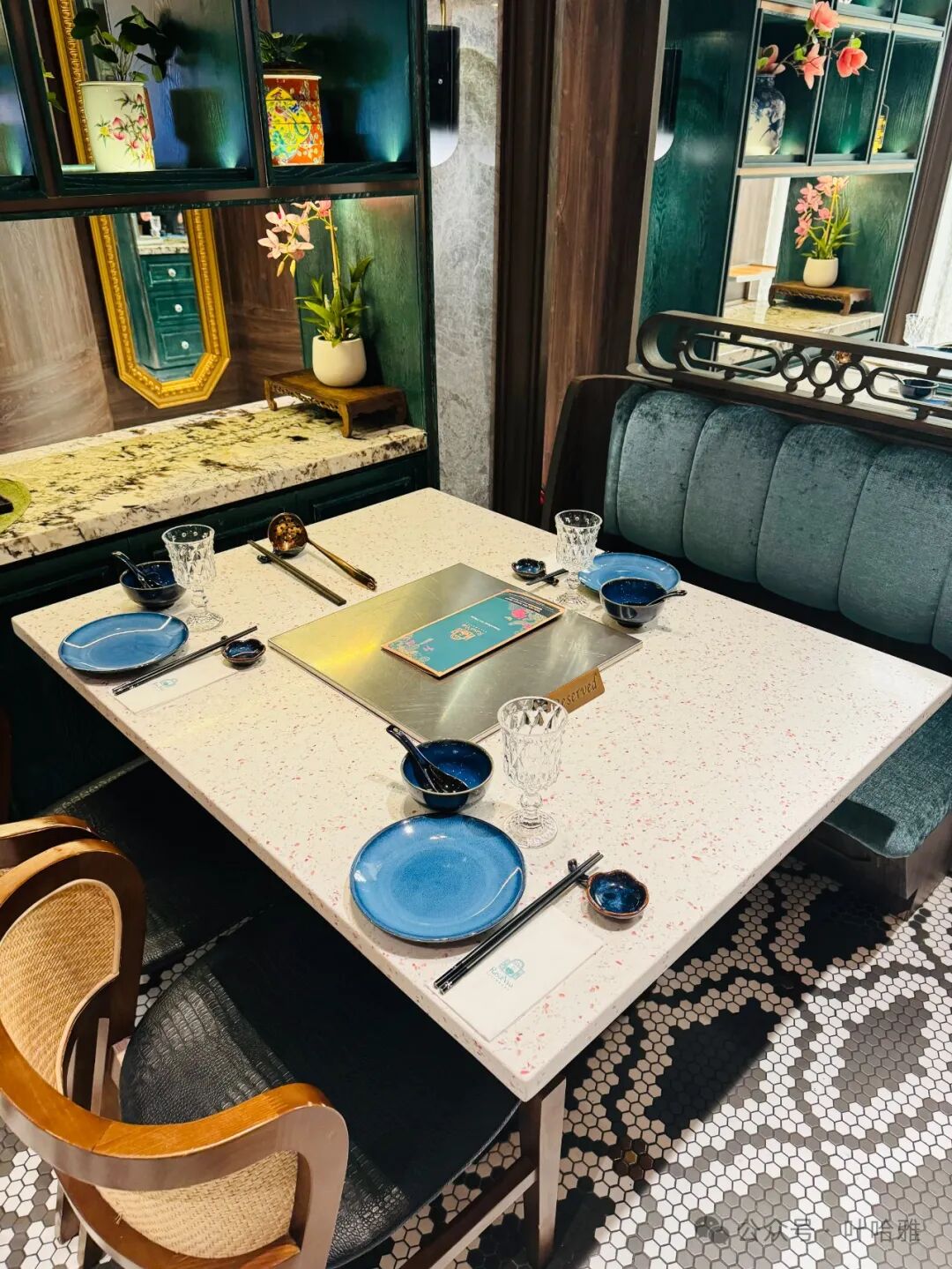
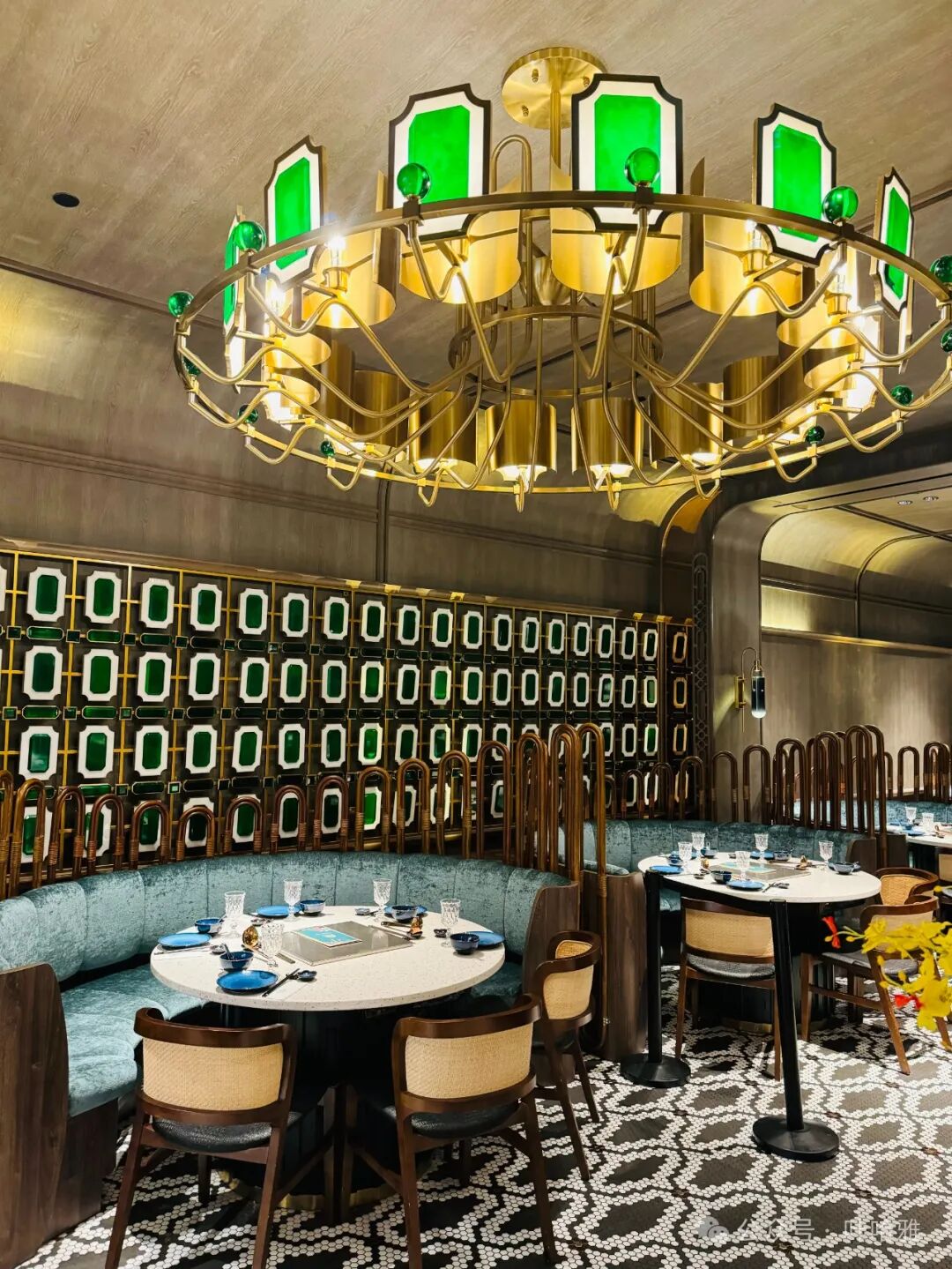
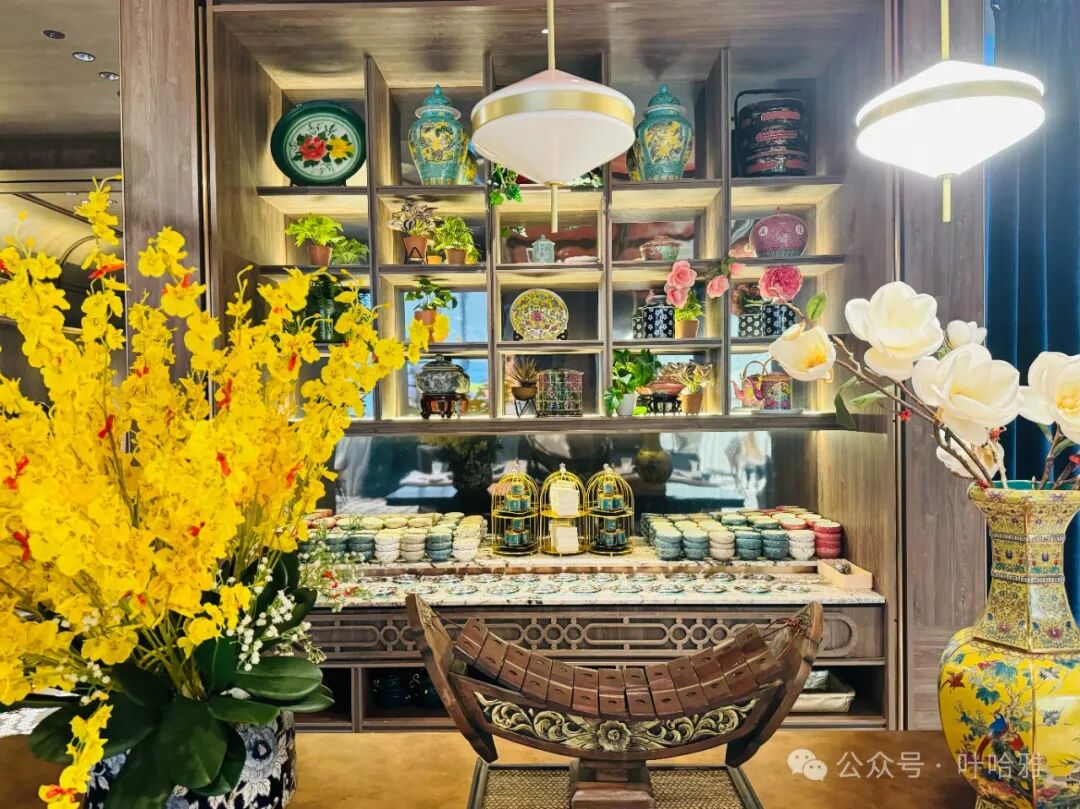
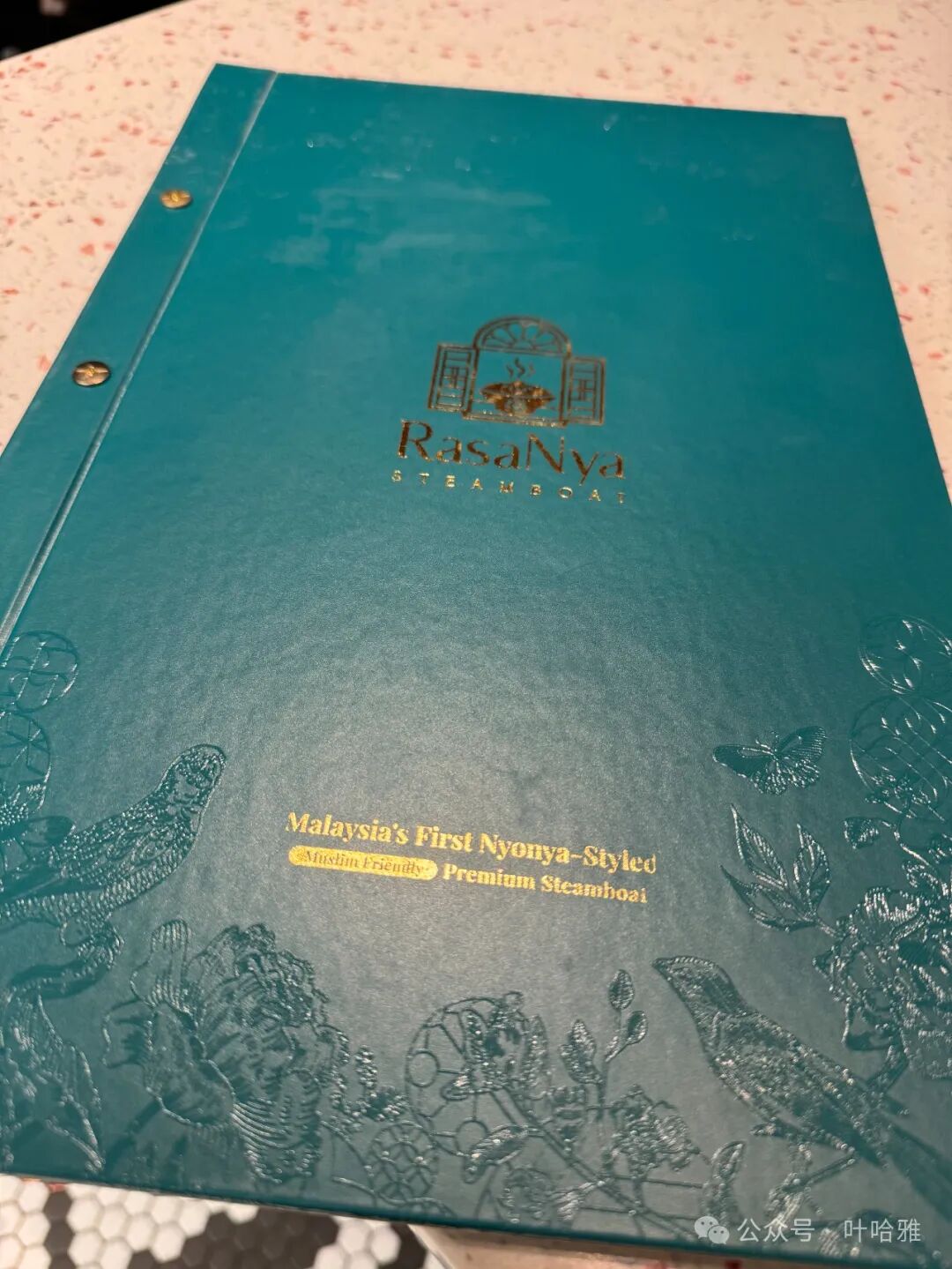
The menu says Muslim Friendly, which means it is a pork-free restaurant. Some restaurants write Pork Free, which also means no pork. In Malaysia, as long as a restaurant has no pork, you can eat there because other meats like chicken, beef, and lamb are halal.
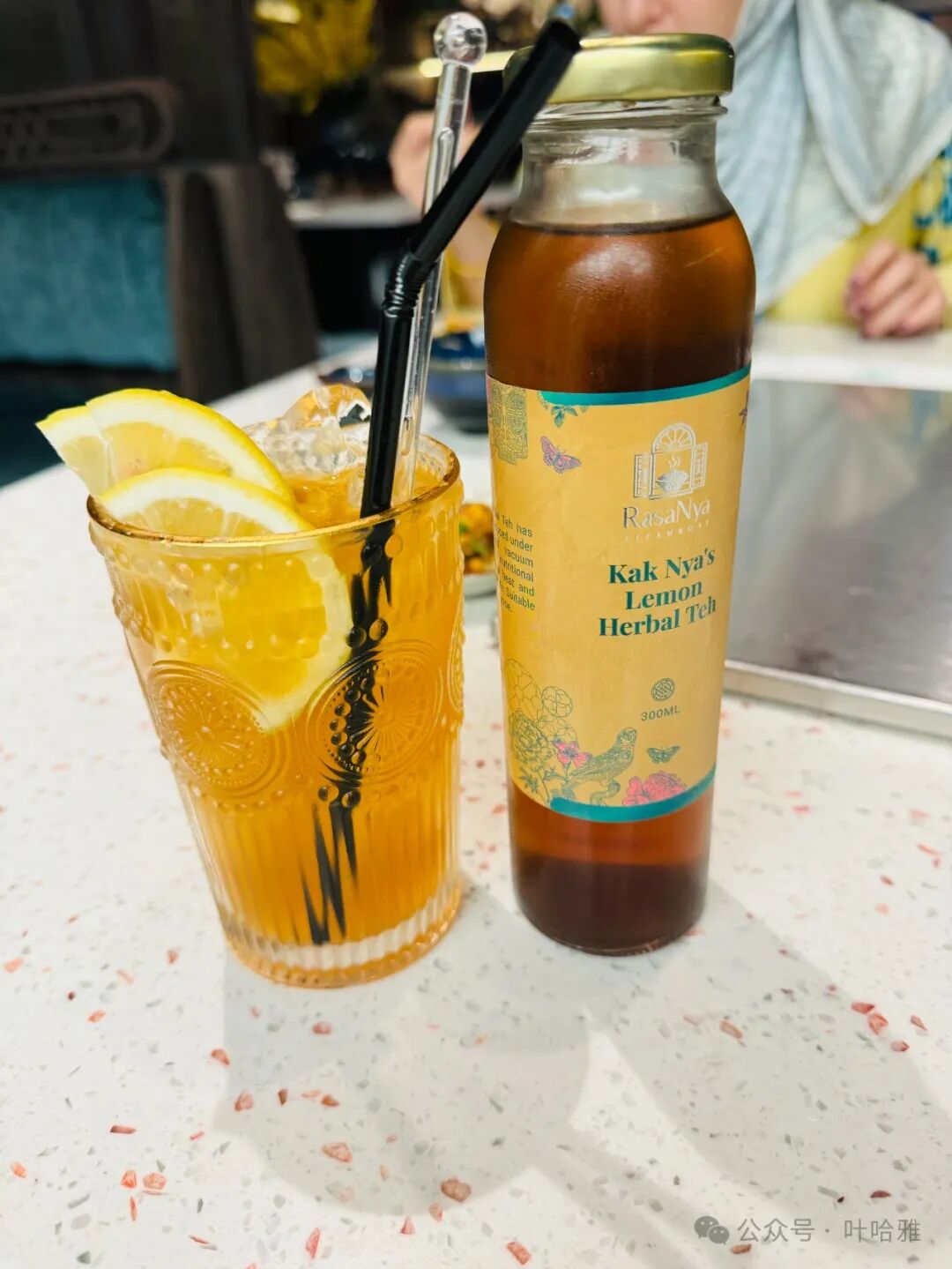
You might wonder why they don't just display a halal certification label. Applying for a Malaysian halal label involves a complicated process and high certification fees. Once certified, restaurants face regular and surprise inspections. Inspectors check that every ingredient has a halal certificate. Even additives without non-halal ingredients are not allowed if they lack certification. Businesses face penalties for non-compliance. That is why you will notice that most restaurants with official halal labels are large chains. Many small and medium-sized restaurants do not display the label and instead hang a dua in the shop. This does not stop Malay people from eating there. You can feel safe eating there if you see Malay people wearing headscarves dining in the shop.
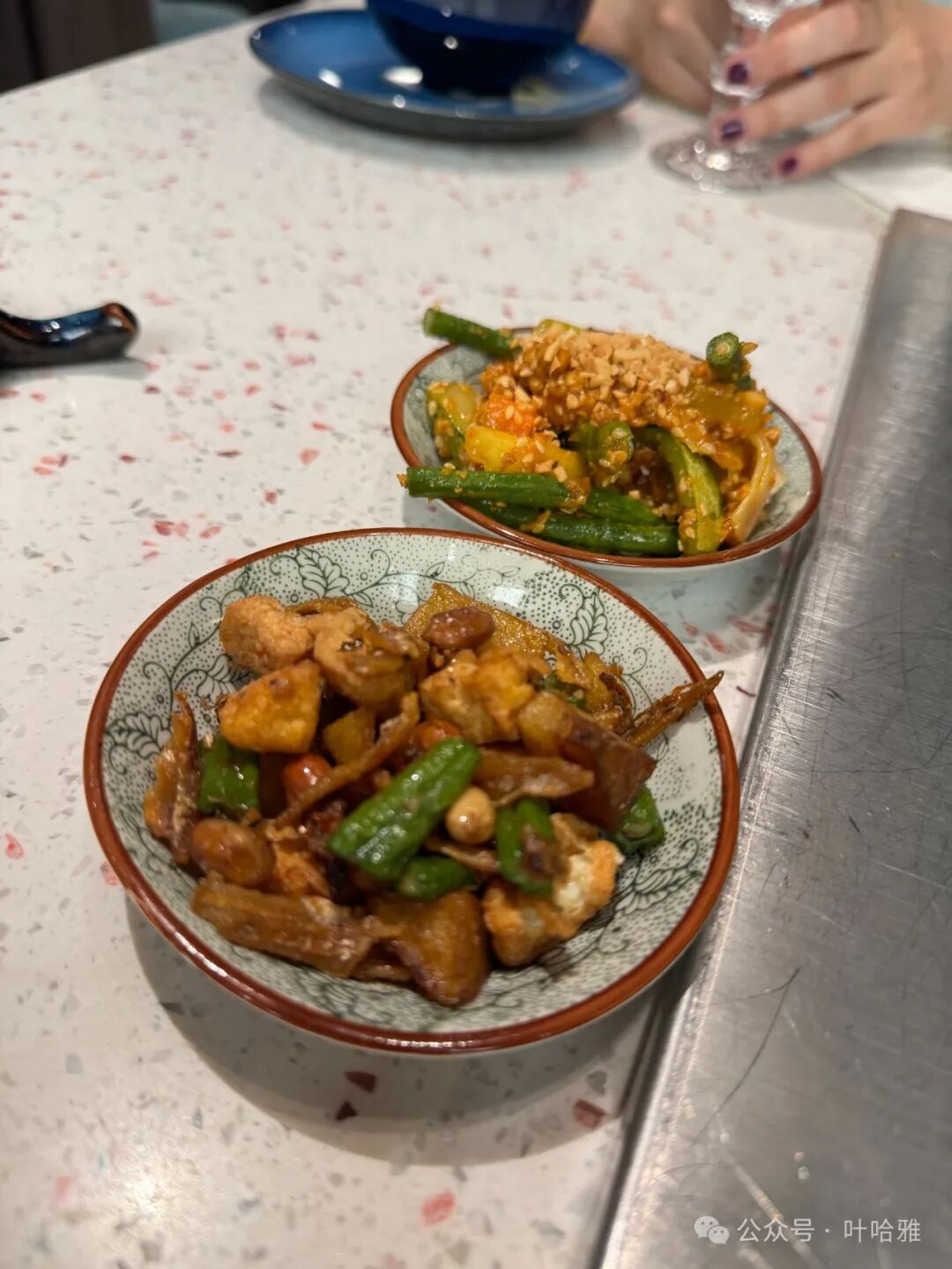
This Nyonya restaurant serves Nanyang-style hot pot with very fresh ingredients, and the dipping sauce bowls come in different colors.
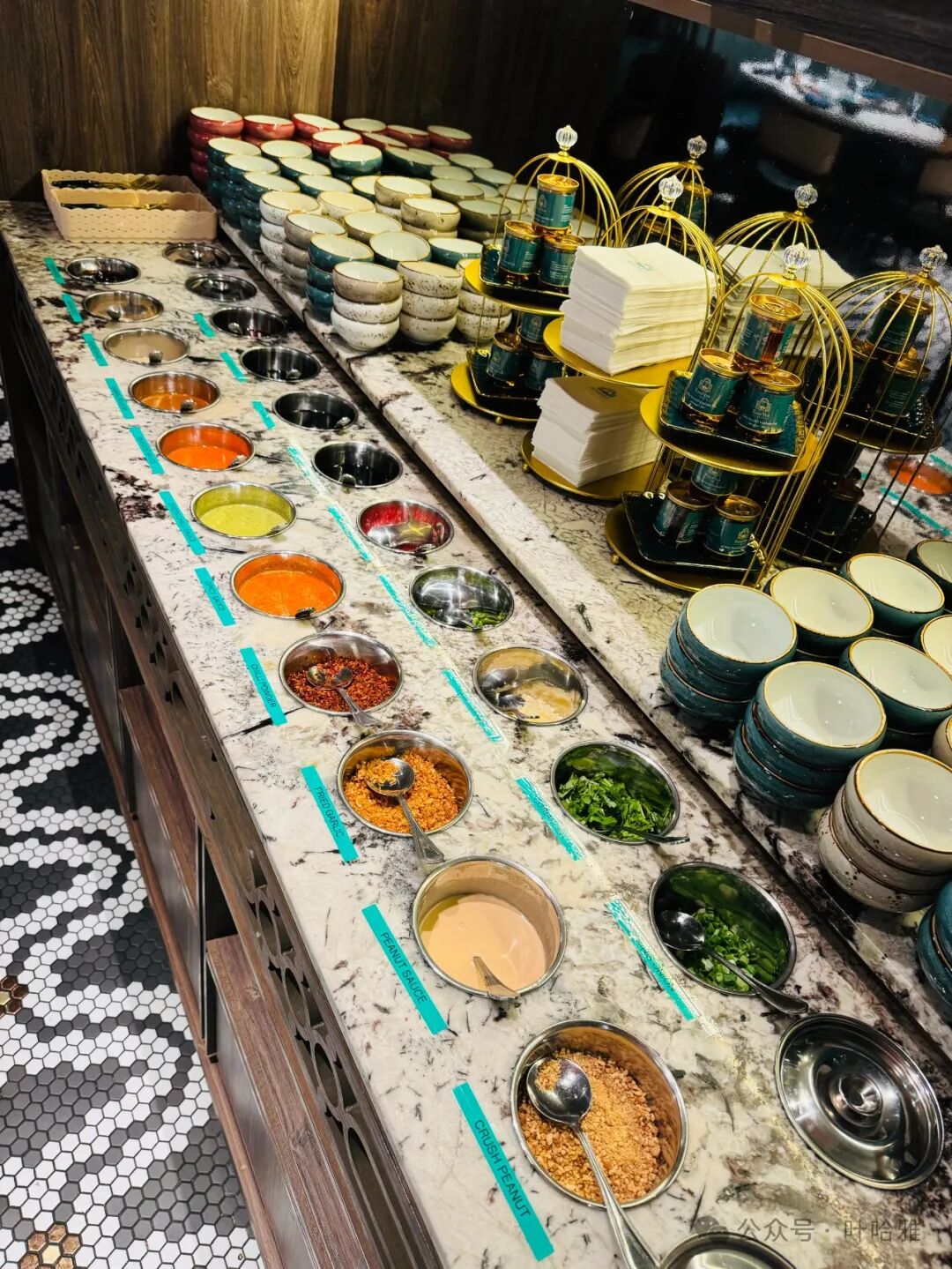
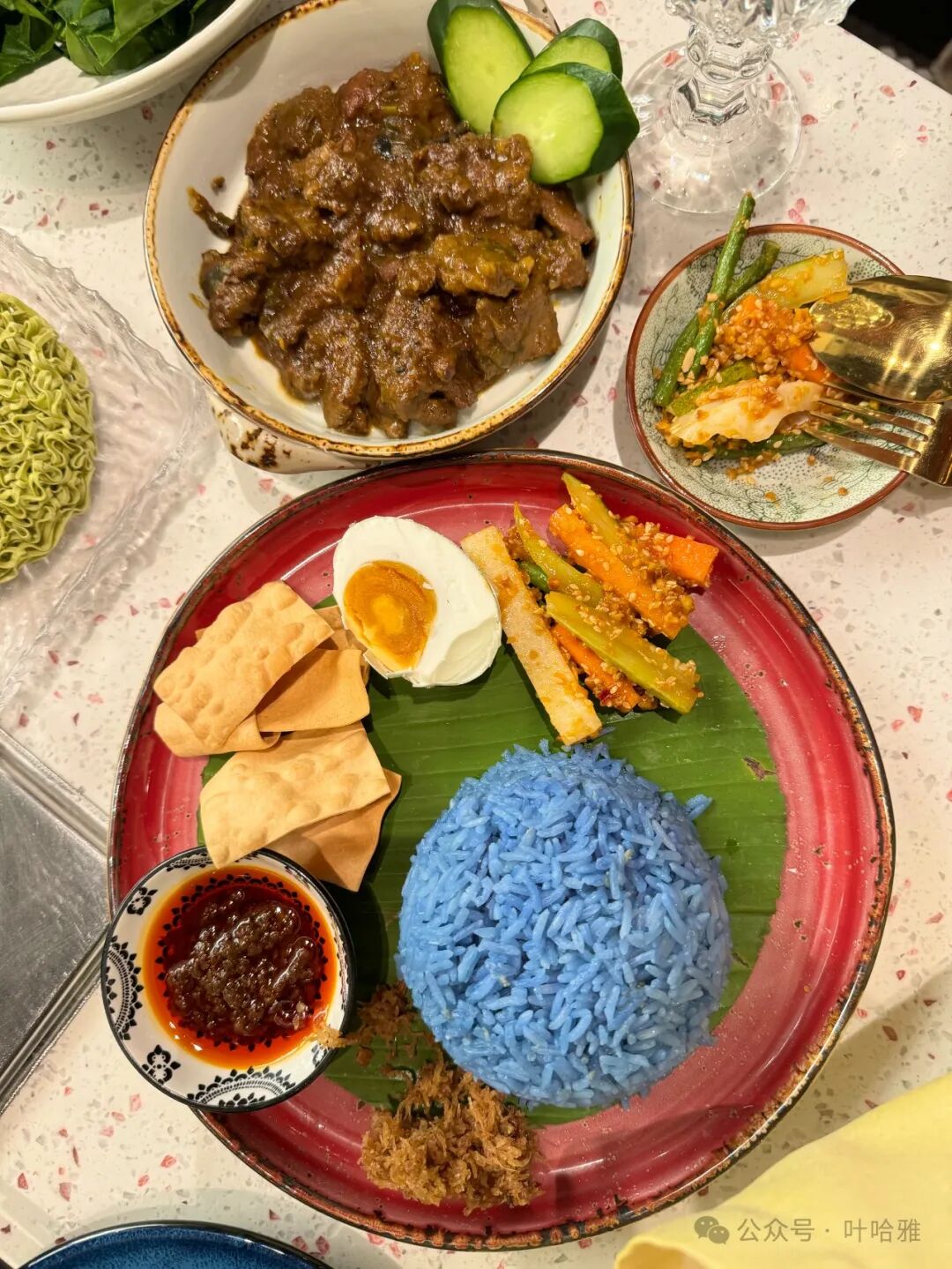
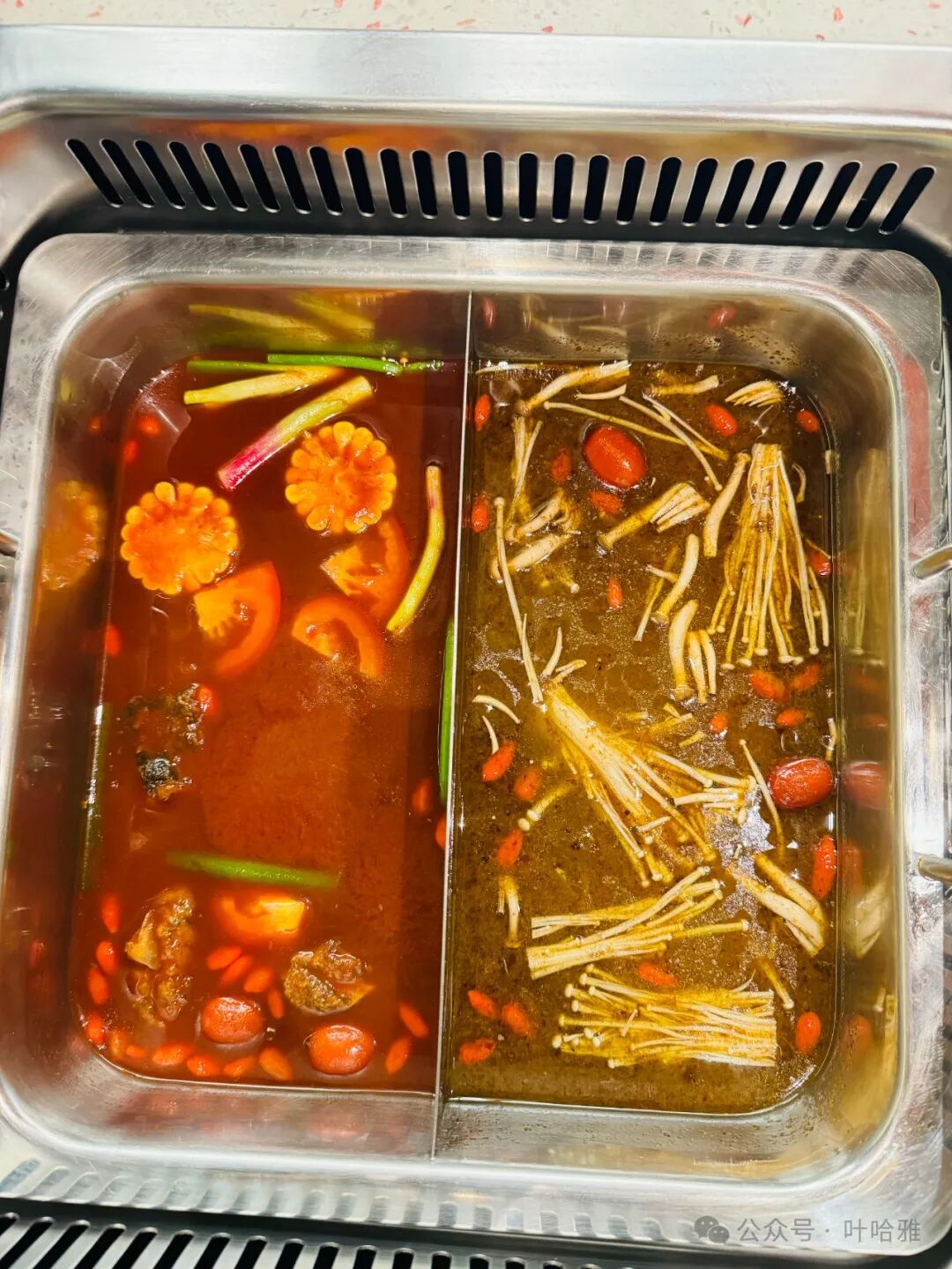
We chose a split pot with tomato broth and black truffle broth. I was surprised when we asked for a refill; the server brought two different pitchers to add broth separately instead of just adding water. It was very thoughtful.
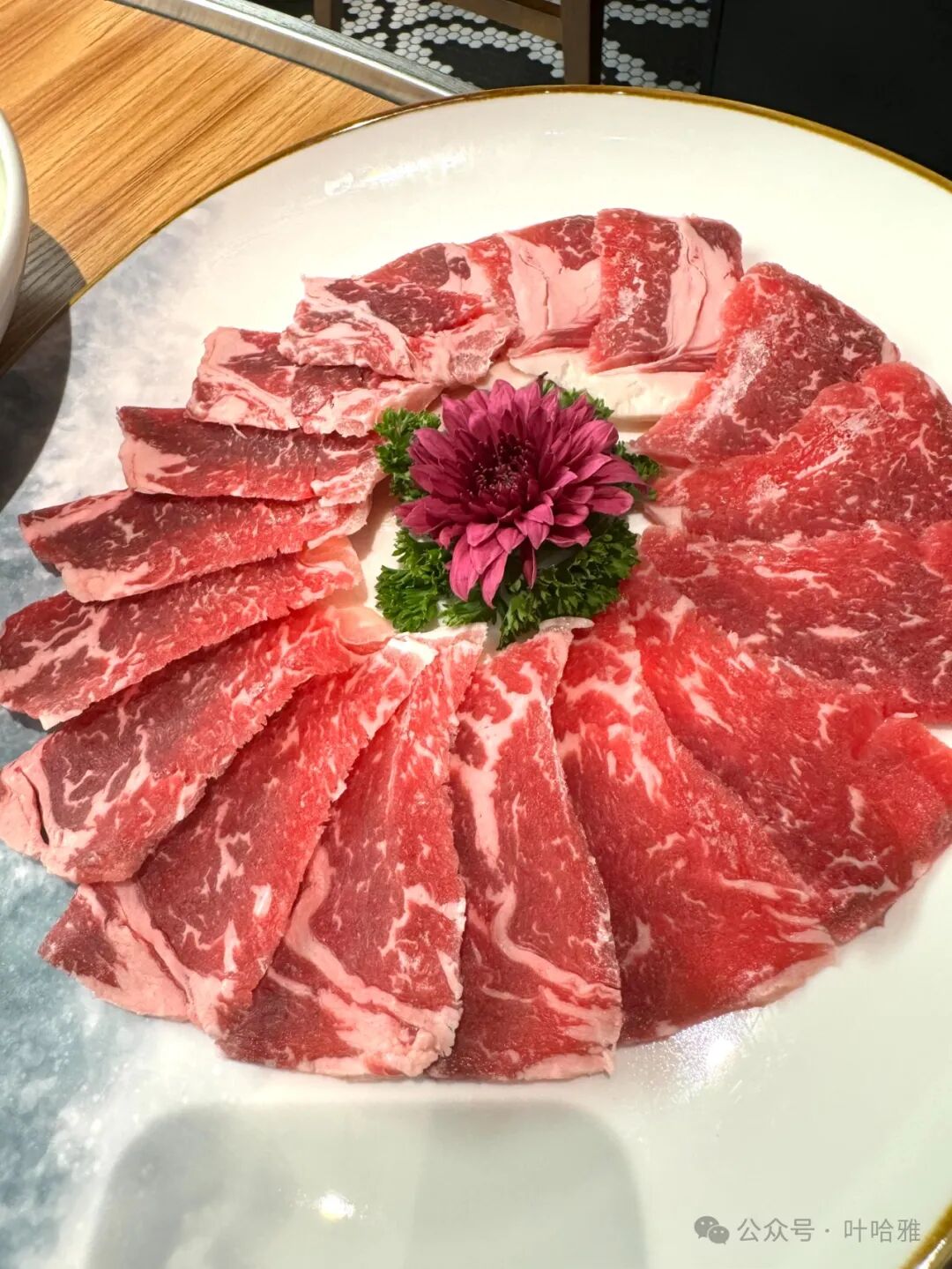
Wagyu beef is expensive in Malaysia, and this was the most expensive meal I had in Kuala Lumpur, costing about 250 yuan per person.
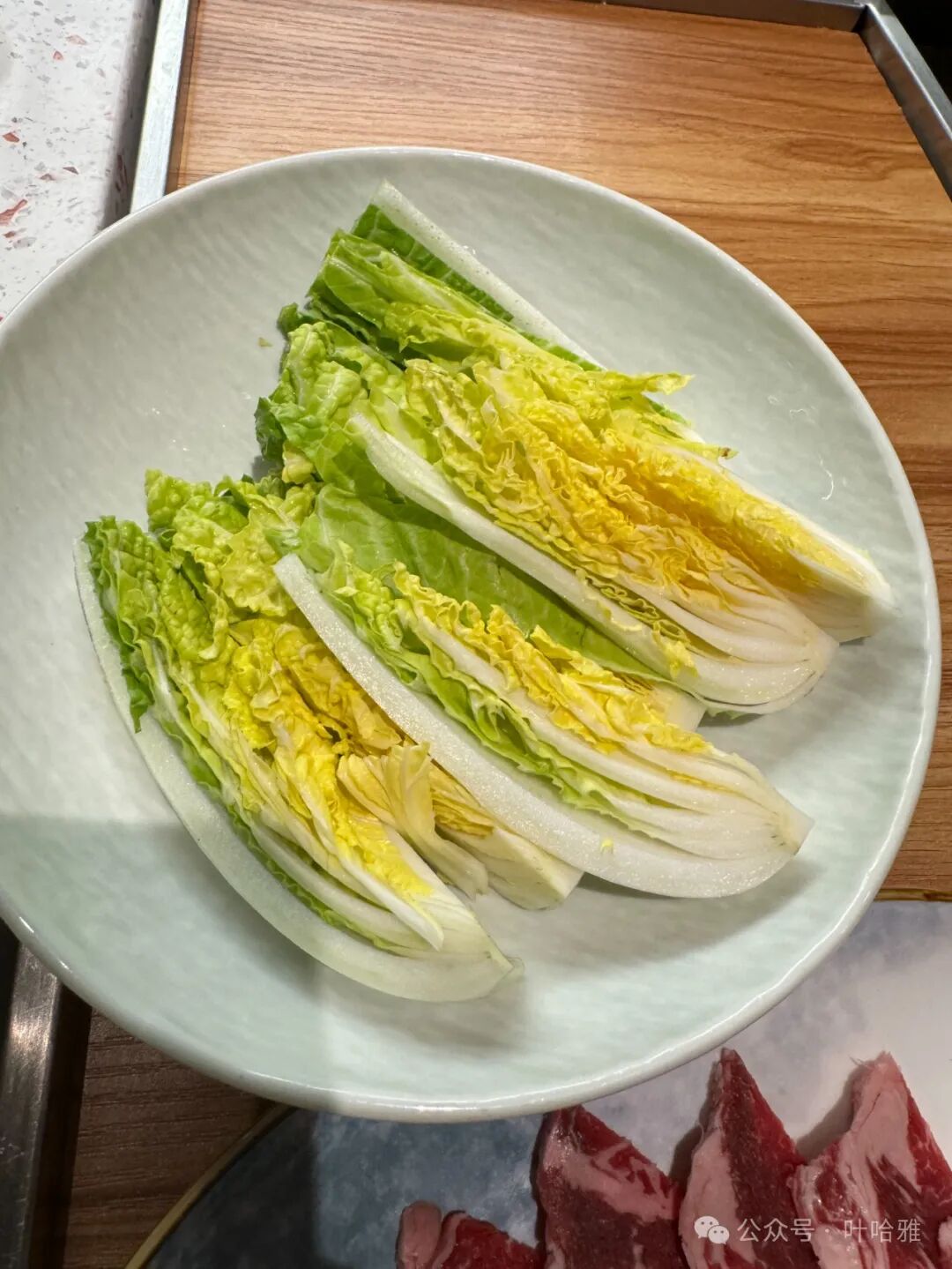
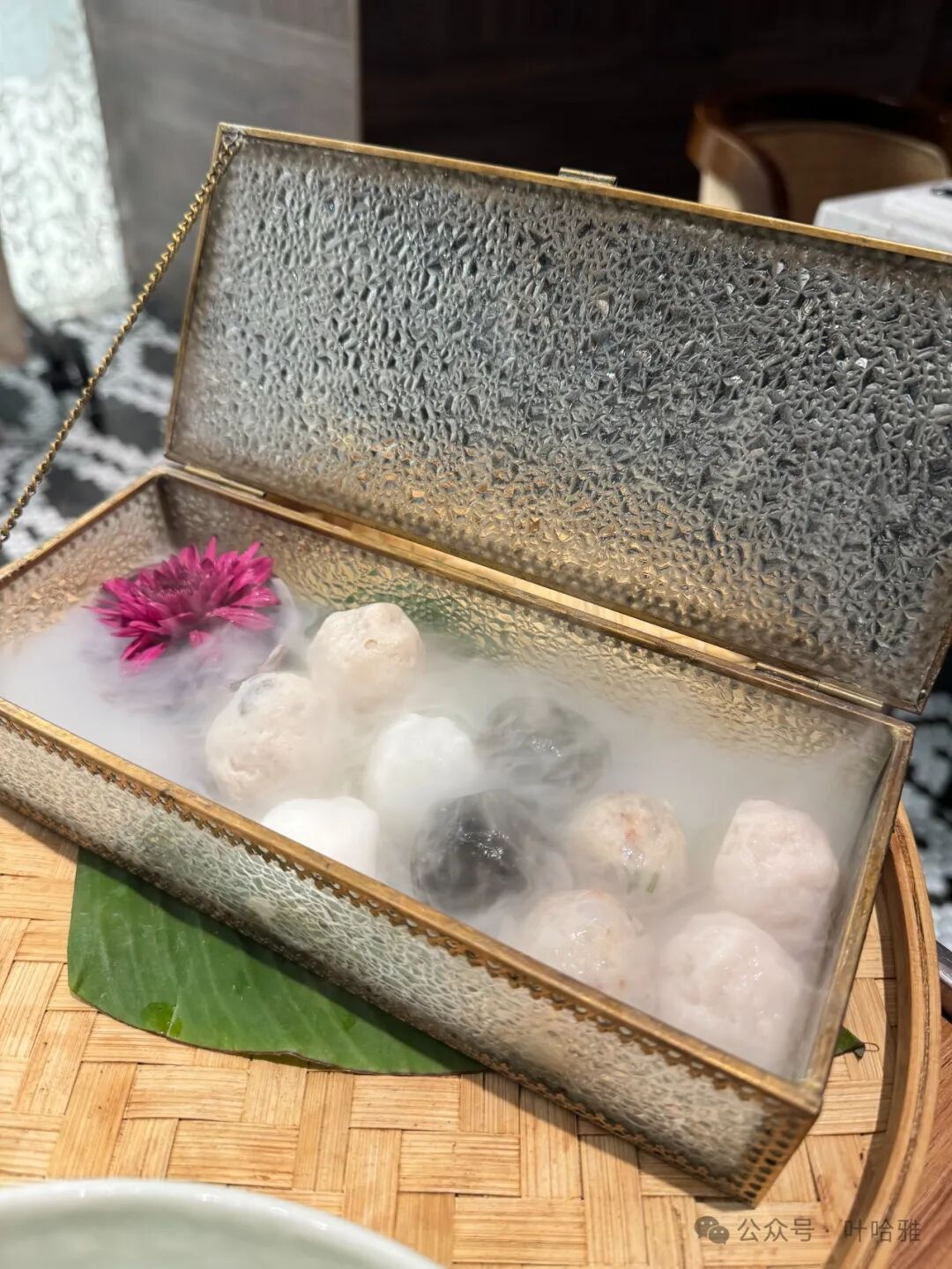
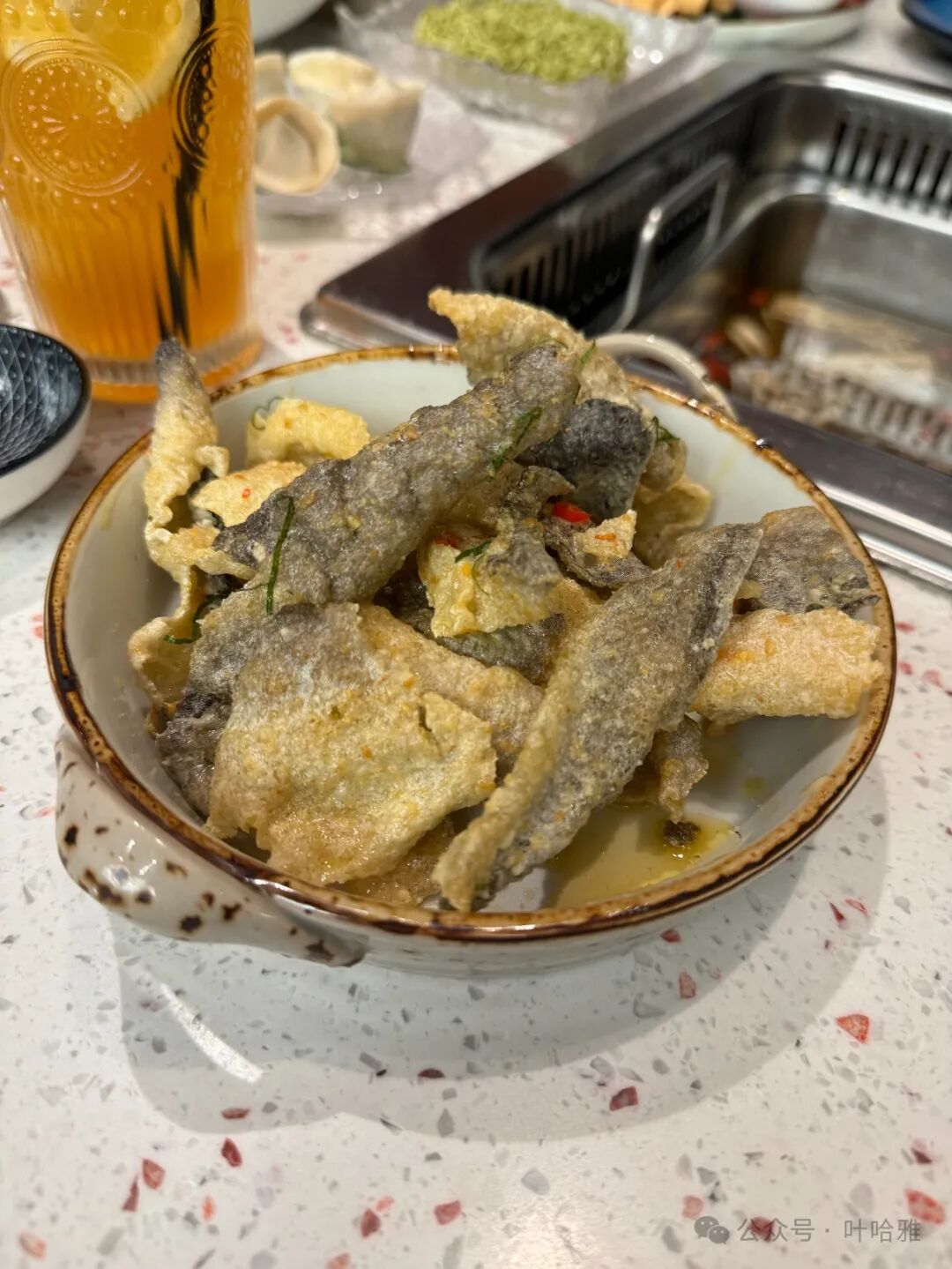
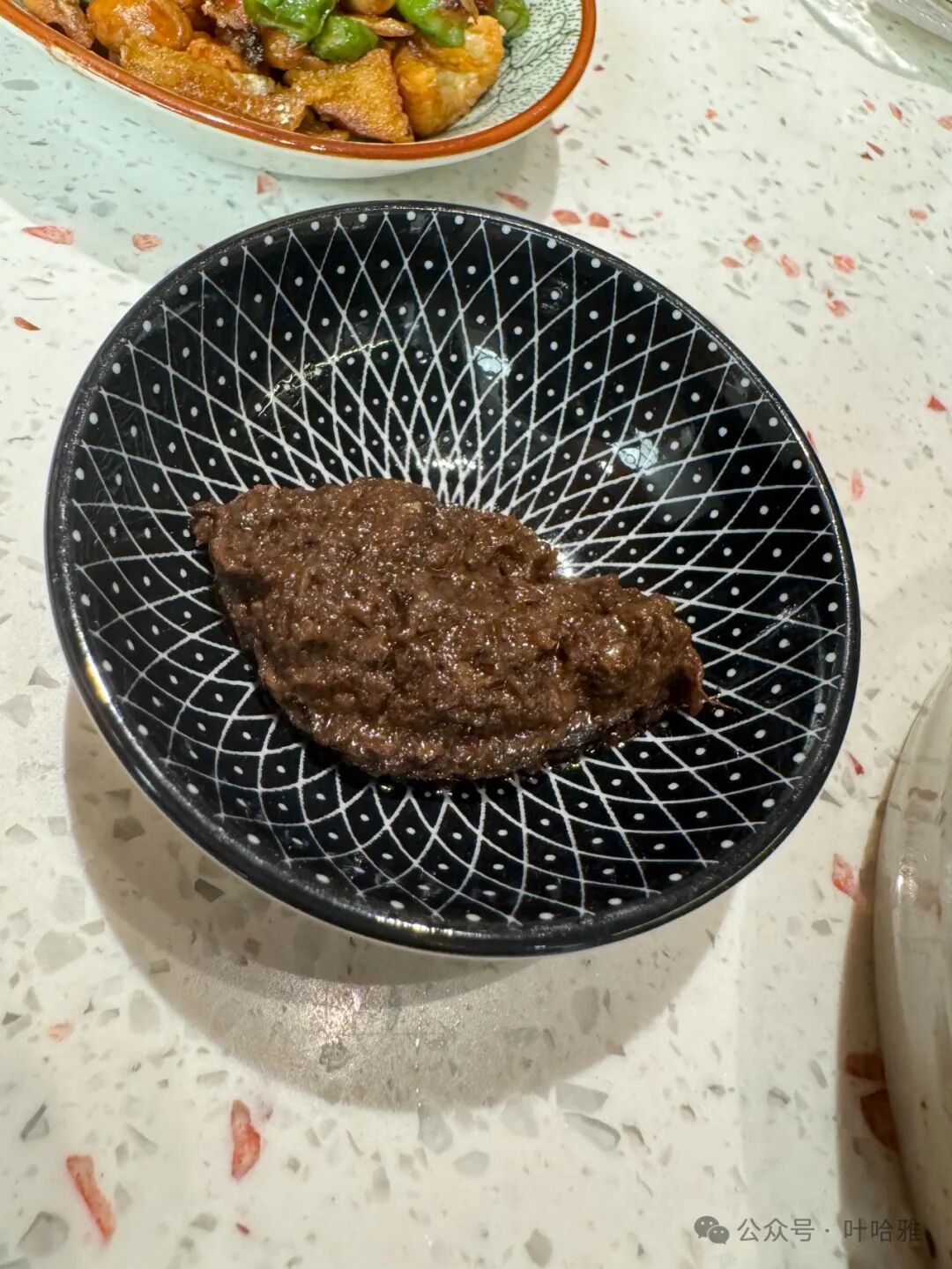
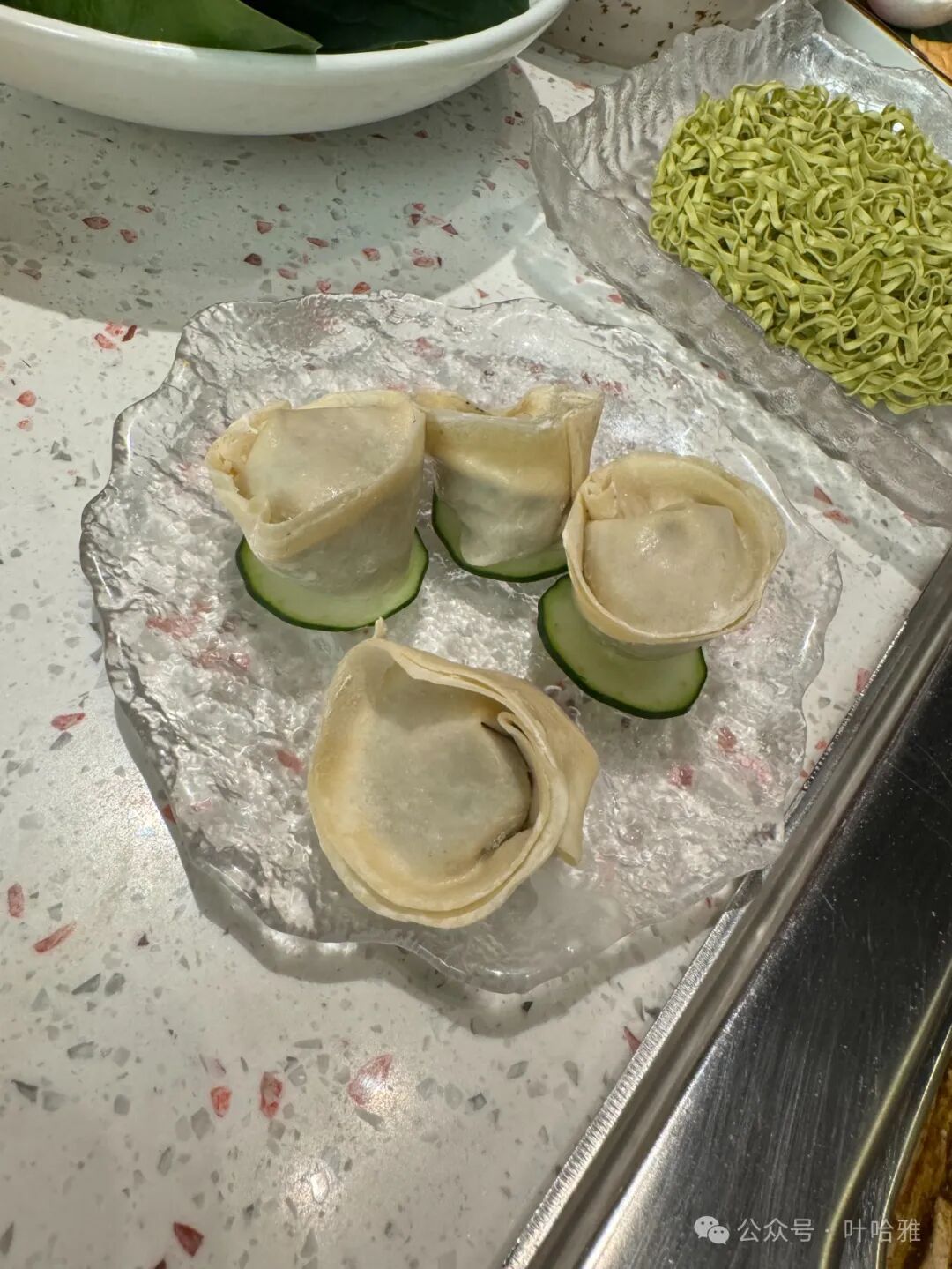
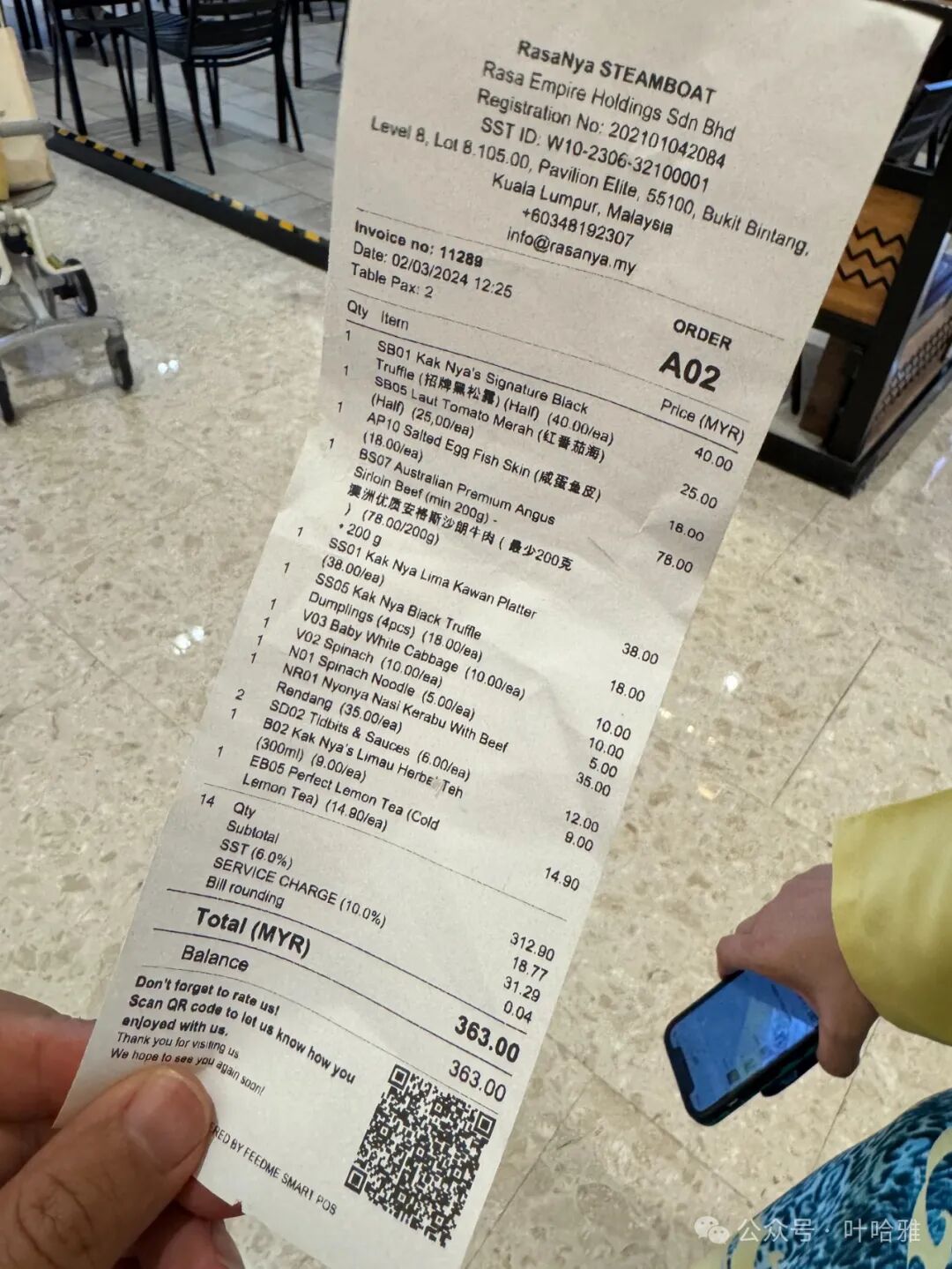
The restaurant adds a 10% service charge. If you skip the hot pot and just order Nyonya cuisine (niangre cai), you won't actually spend that much. The rice and seasonings in the Nyonya cuisine are quite delicious.
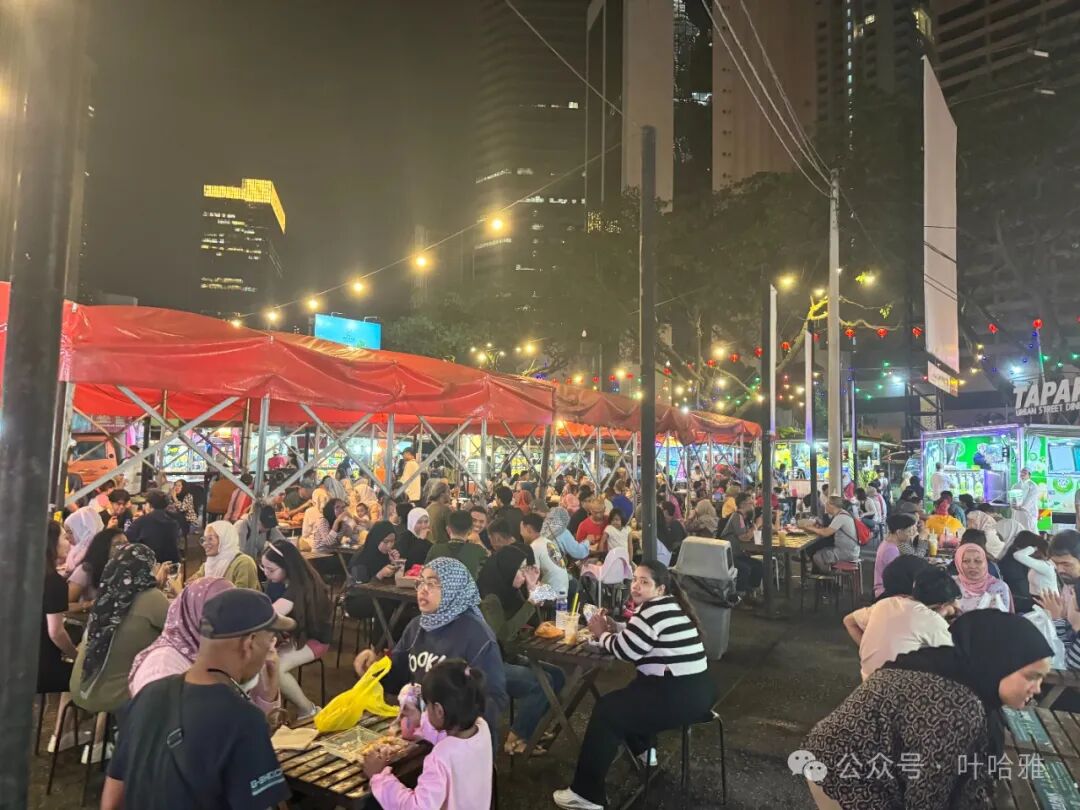
7. Tapak Urban Street Dining night market
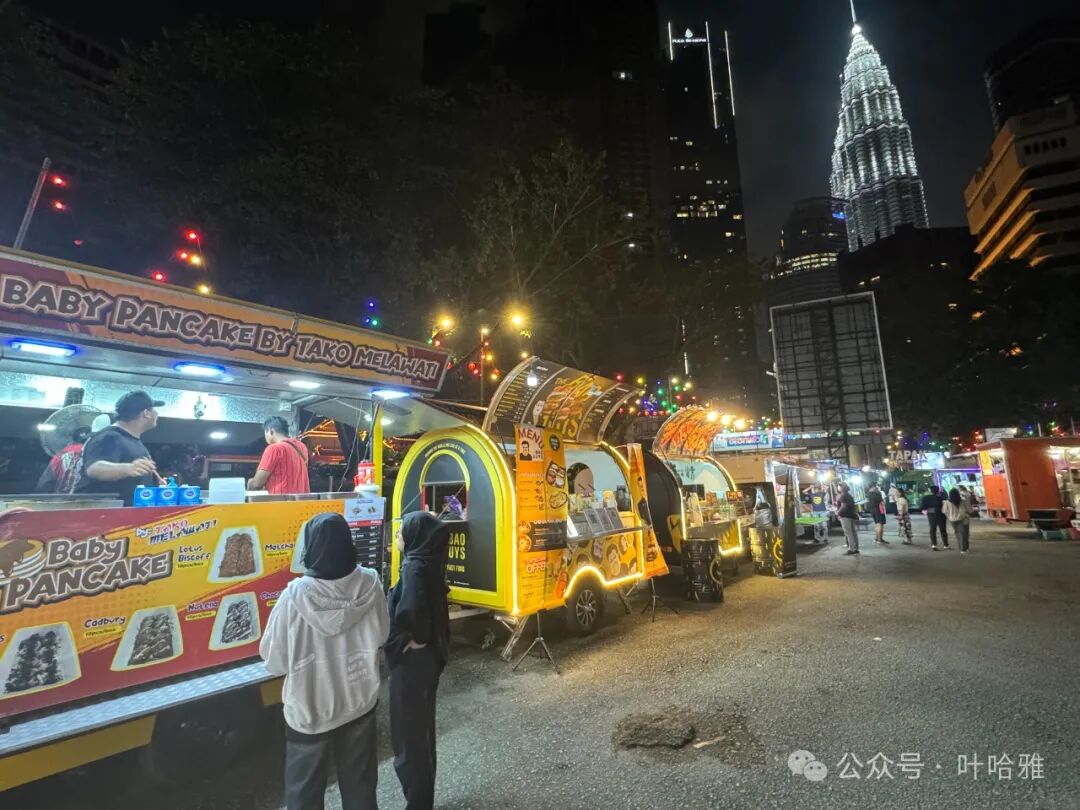
We stayed near KLCC, so our activities were mostly within a one-kilometer radius. You will notice that the restaurants I recommend are all near KLCC, including this night market. You can see the lit-up Petronas Twin Towers not far from the market.
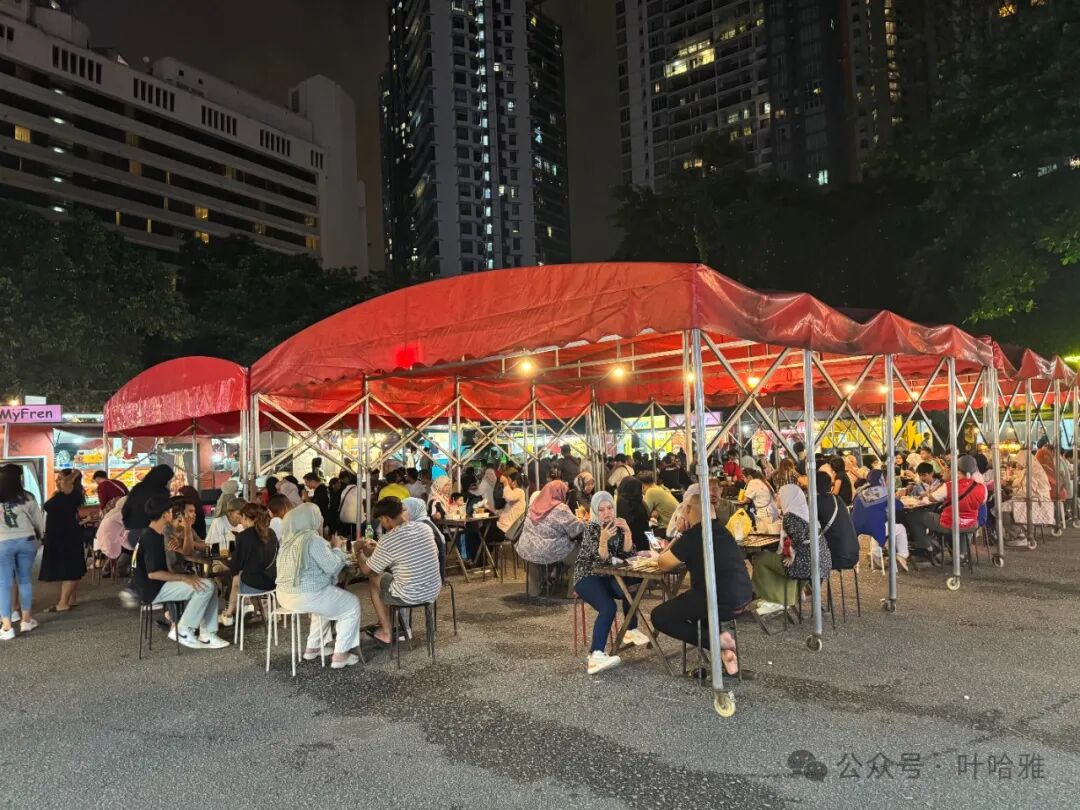
This night market opens at 18:00. It is entirely halal and stays open until the early morning every day. There is even a live band performing, mostly singing Chinese pop songs.
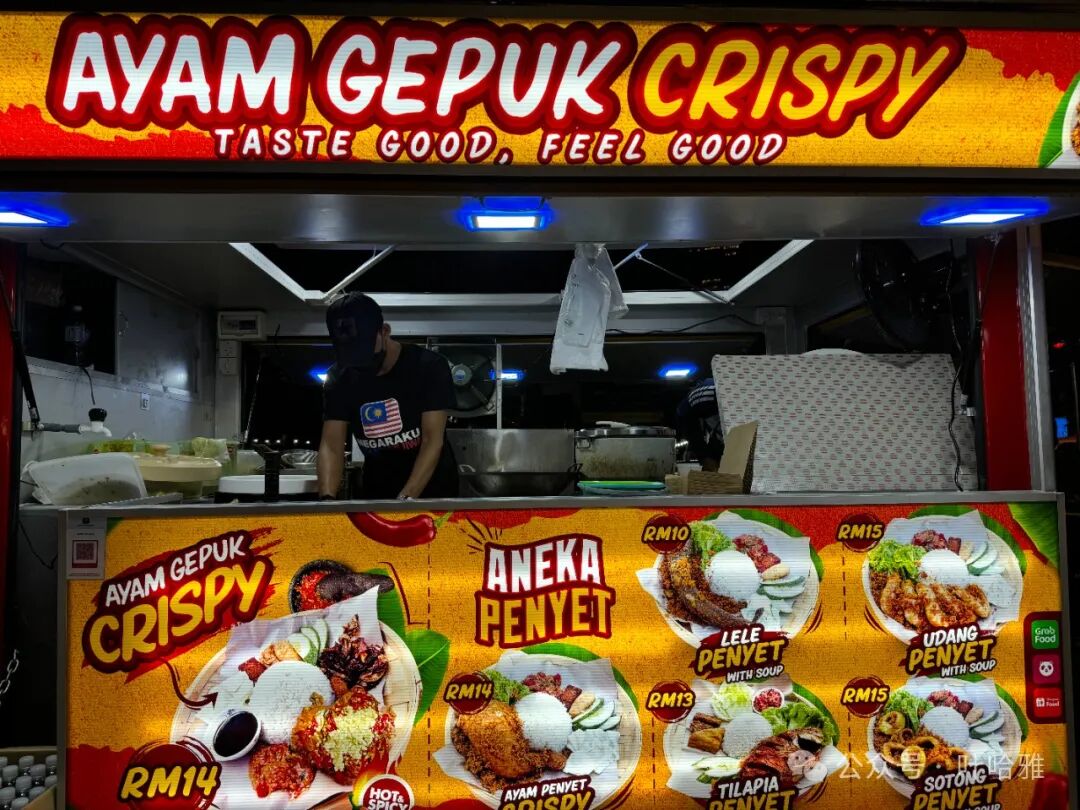
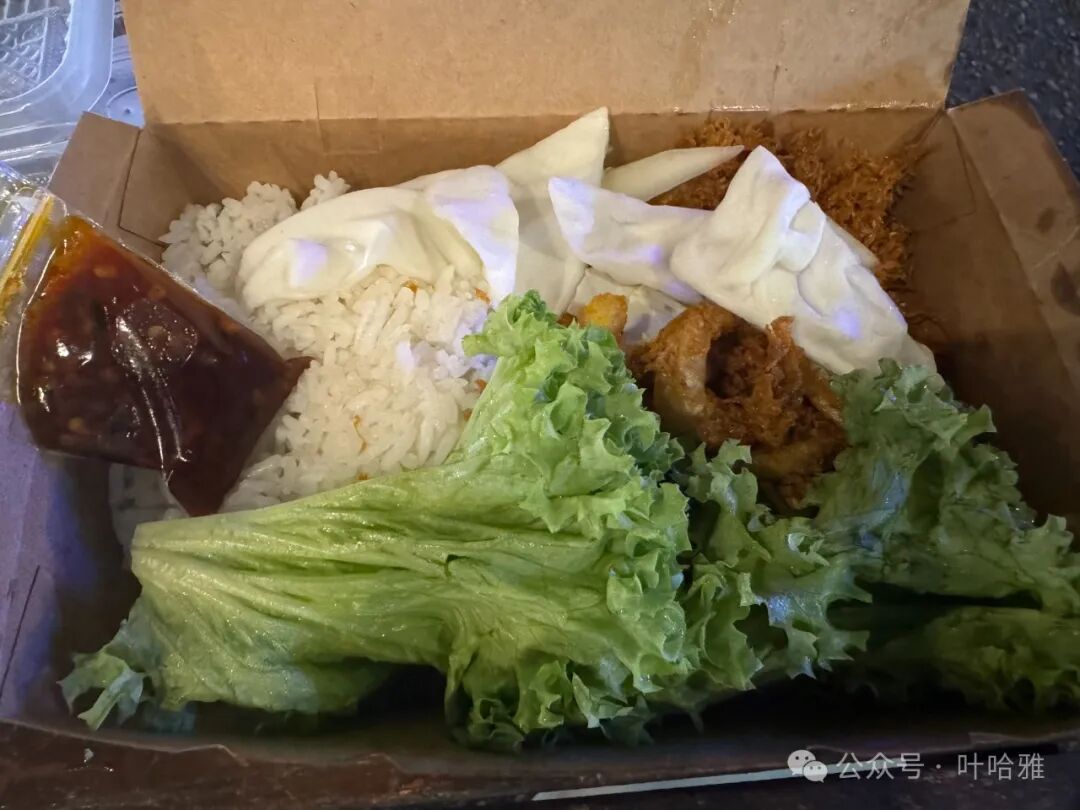
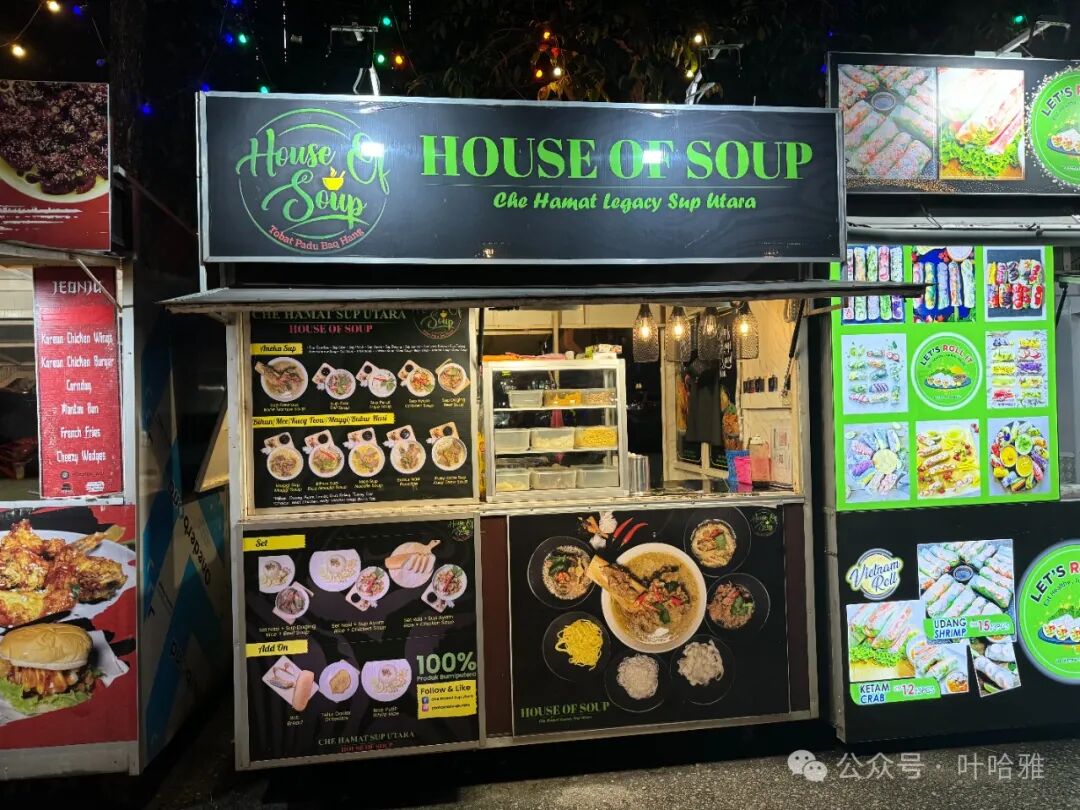
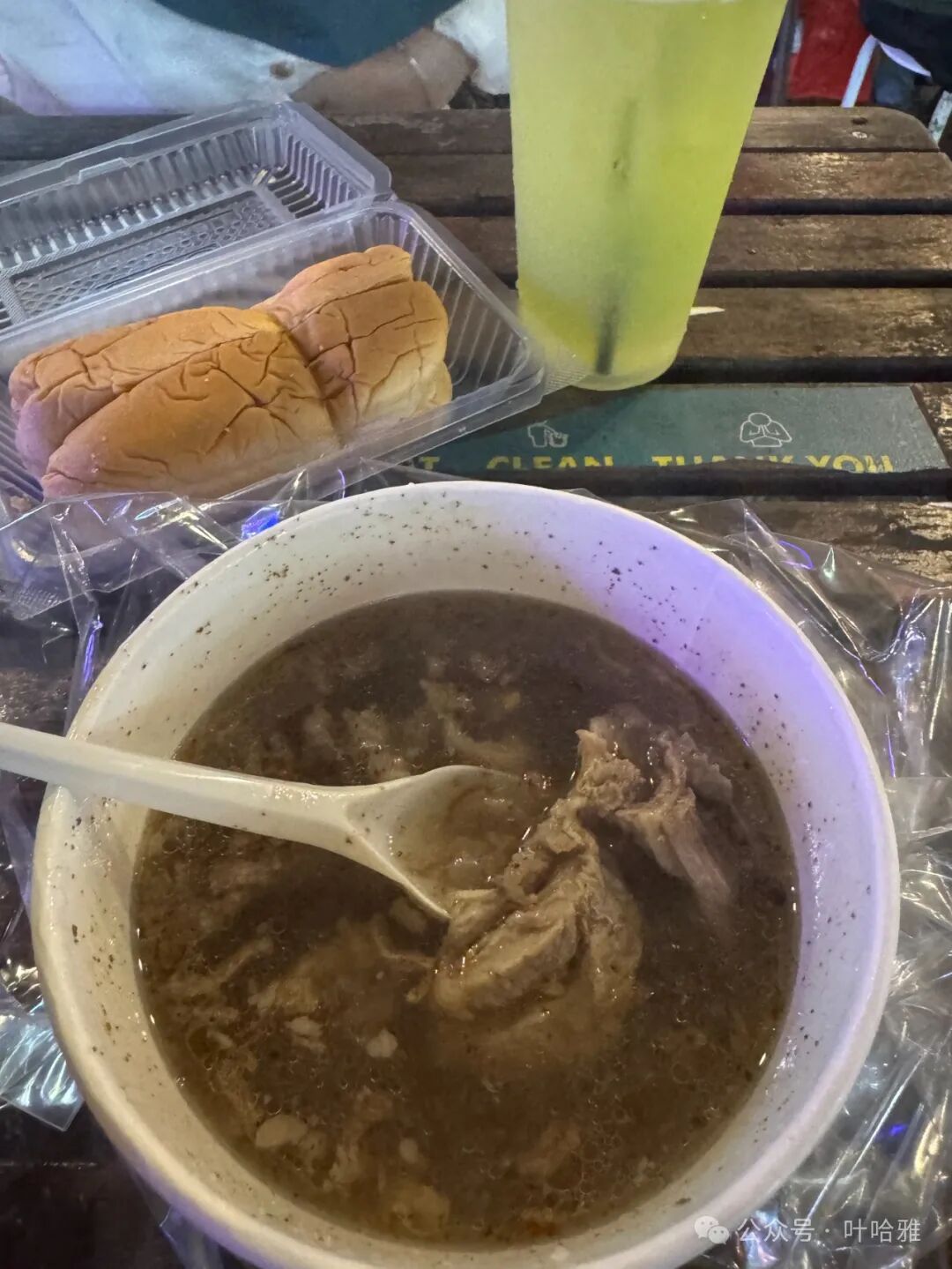
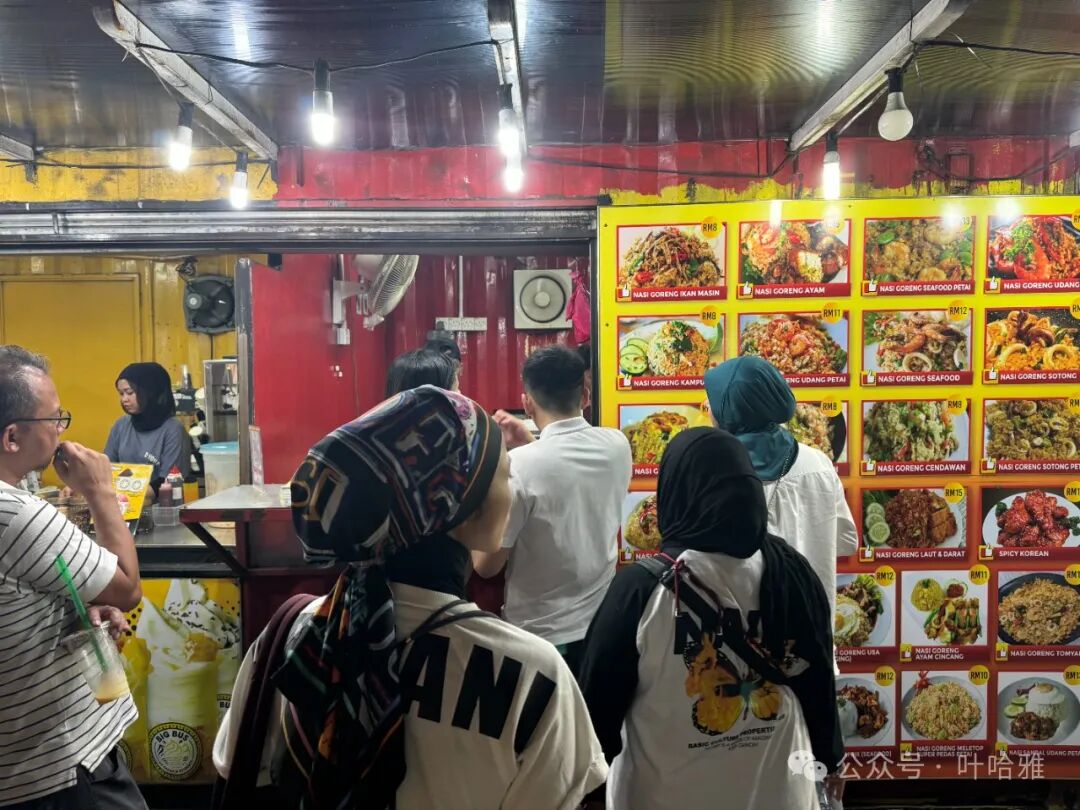
I tried many snacks at this night market myself, and they were all delicious with no bad surprises. Just be sure to bring some small change, as some stalls do not accept Alipay.
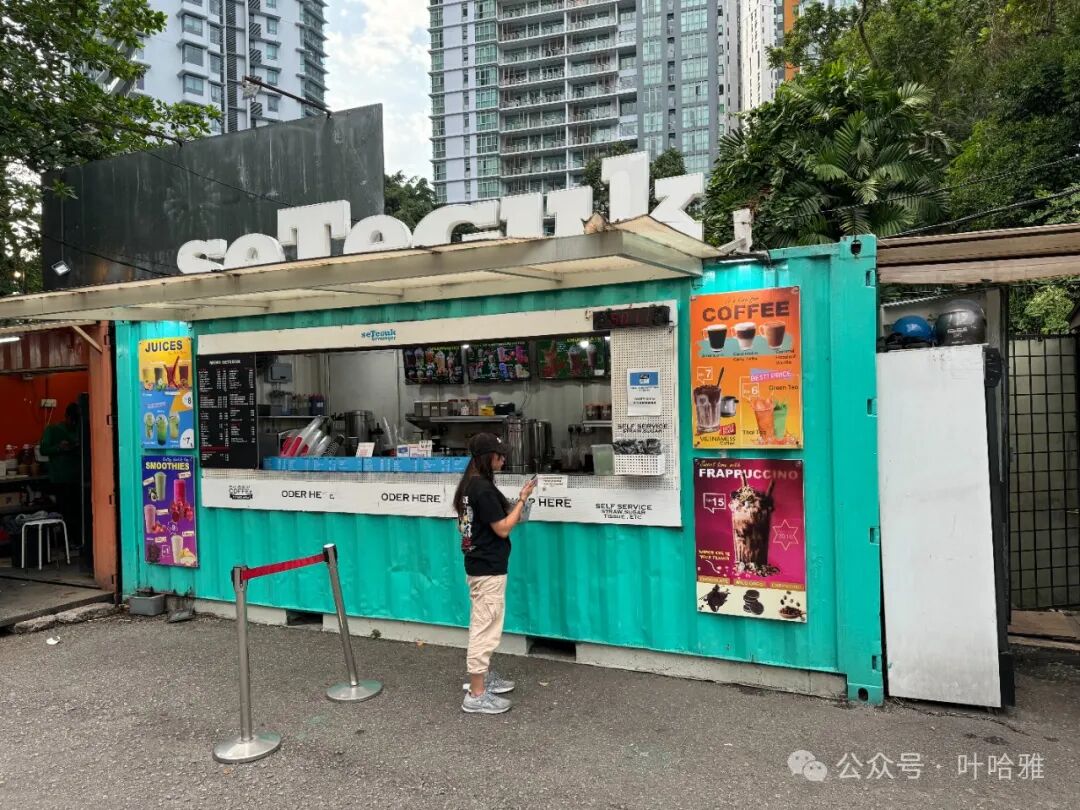
What attracted me most was the fruit juice at the night market. I accidentally bought a cup of apple juice at this stall and it was incredibly good. Since then, I have wandered over here every few days to buy juice. In Malaysia, I love drinking juice the most because it is all freshly squeezed from real fruit with no artificial additives.
One day, while I was holding a cup of juice downstairs at KLCC, a Chinese girl stopped me to ask where I bought the drink.
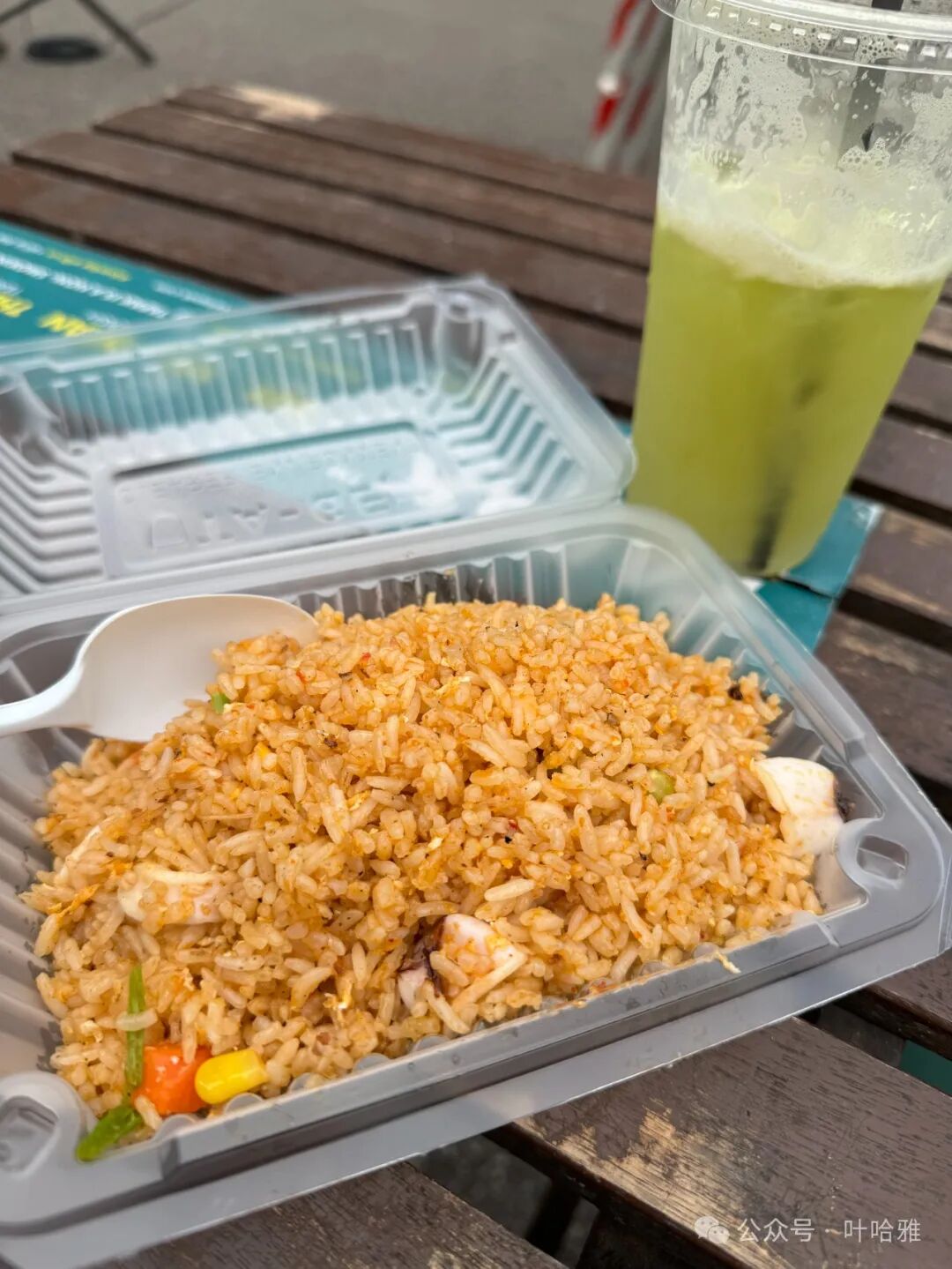
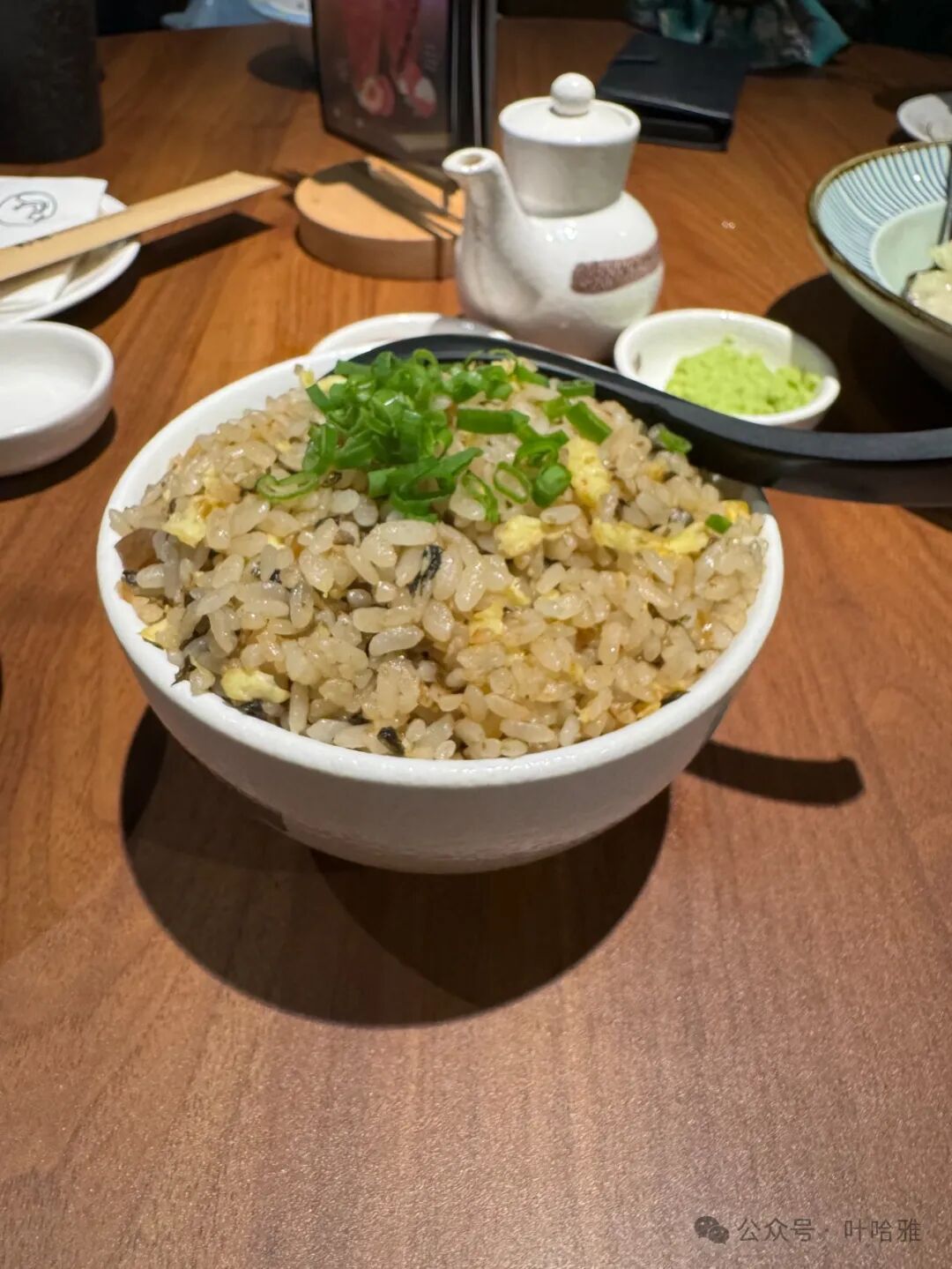
I bought the fried rice shown in the picture below. Paired with the apple juice I bought earlier, this meal only cost 10 yuan.
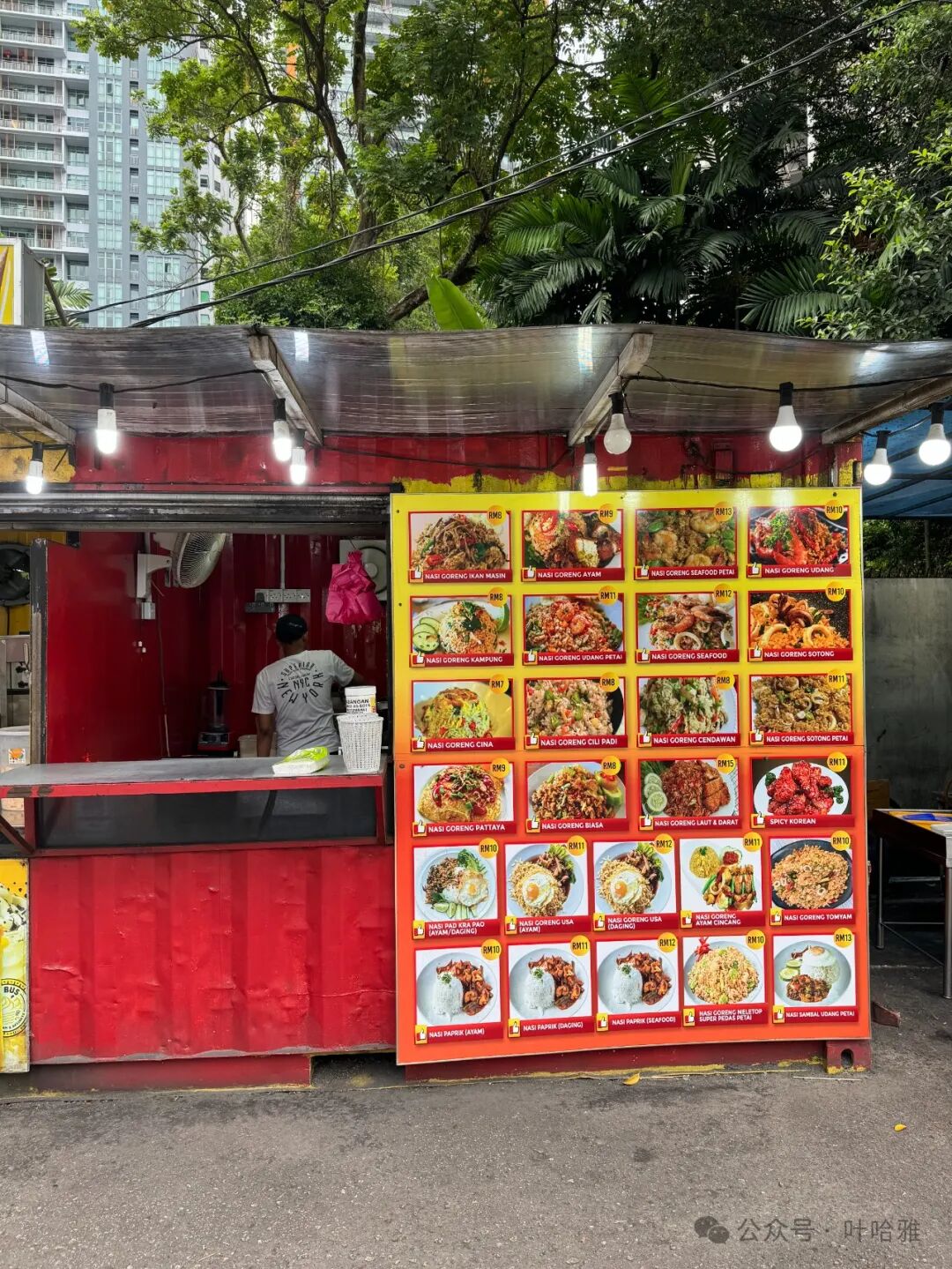
8. DOZO Japanese Restaurant
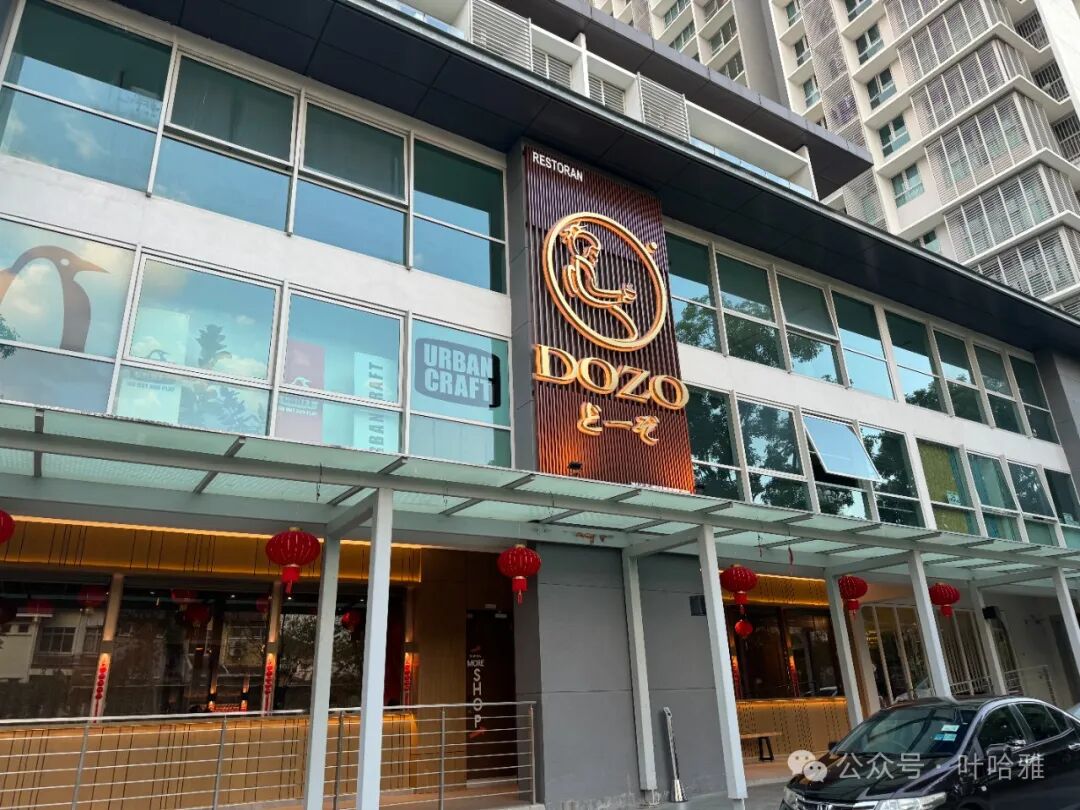
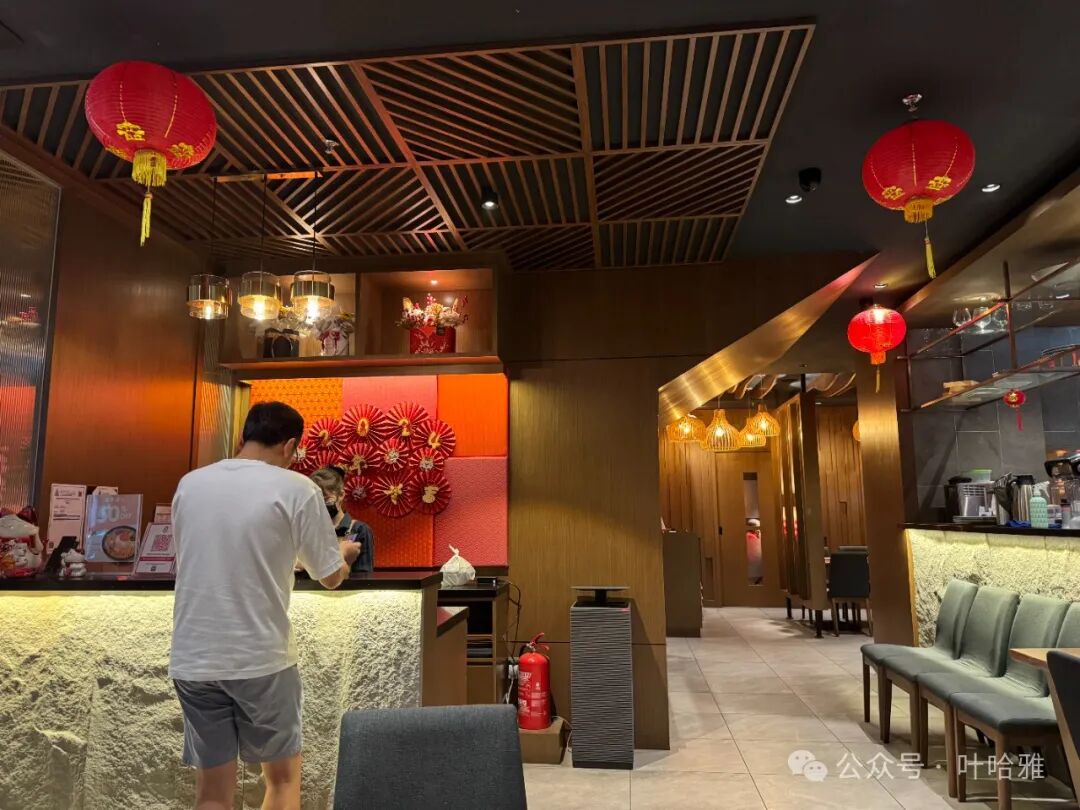
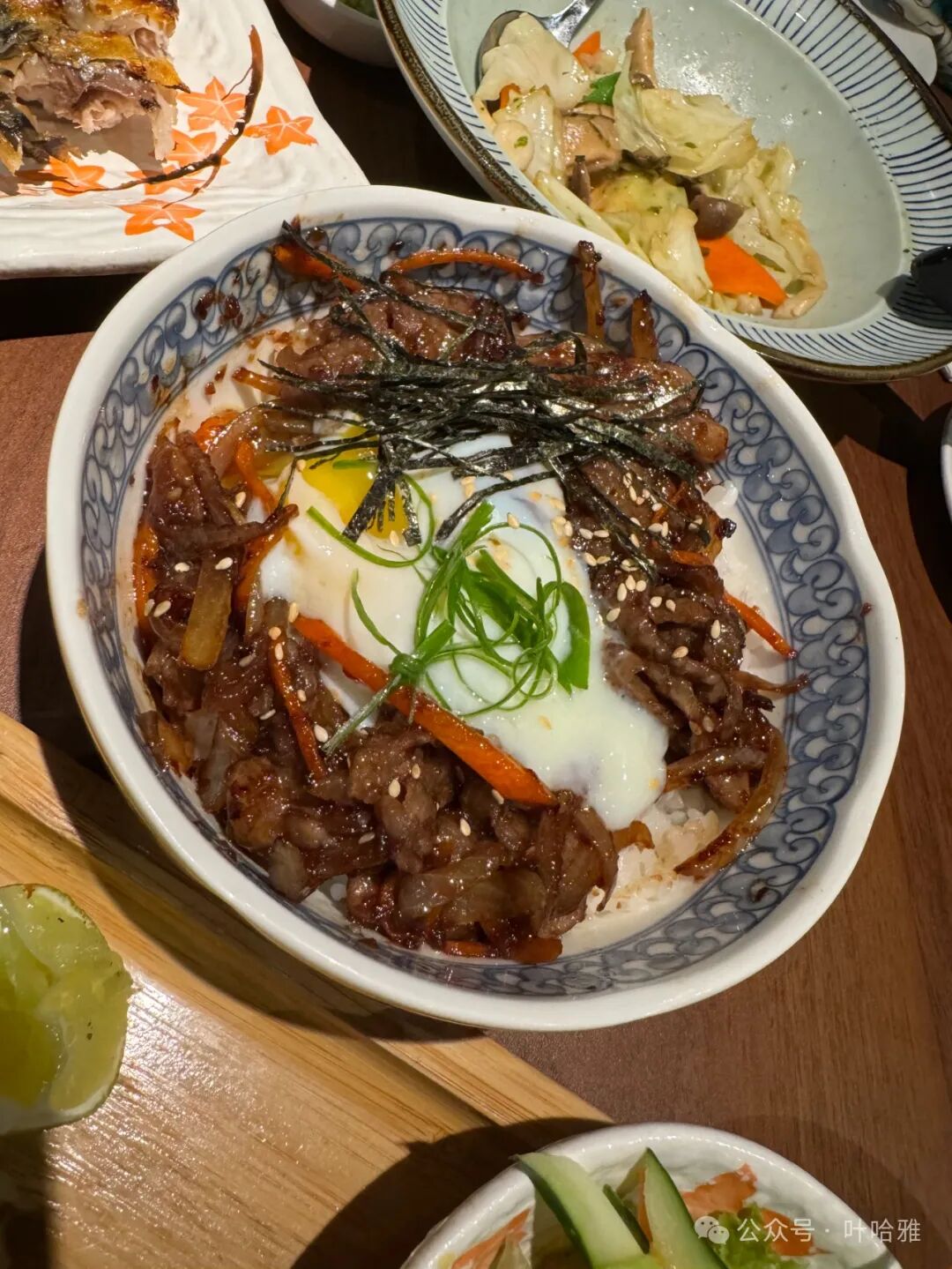
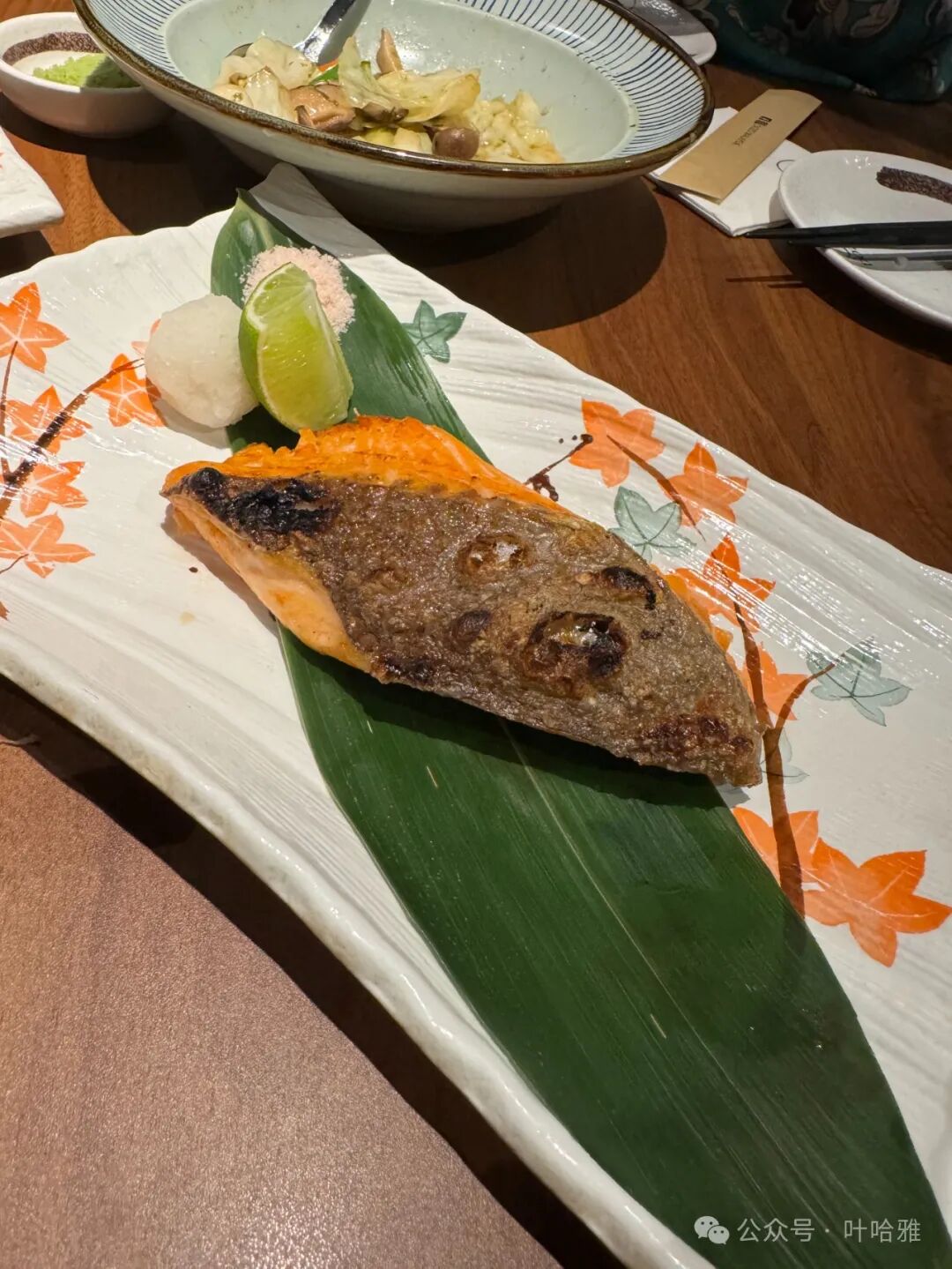
Don't miss the halal Japanese food that is common in Malaysia but rare back home. Since Malaysia was once a Japanese colony, it was influenced by Japanese culture, and the Japanese food here is very close to the quality you find in Japan. The name of this shop means 'please come in' in Japanese. It has high ratings and reasonable prices.
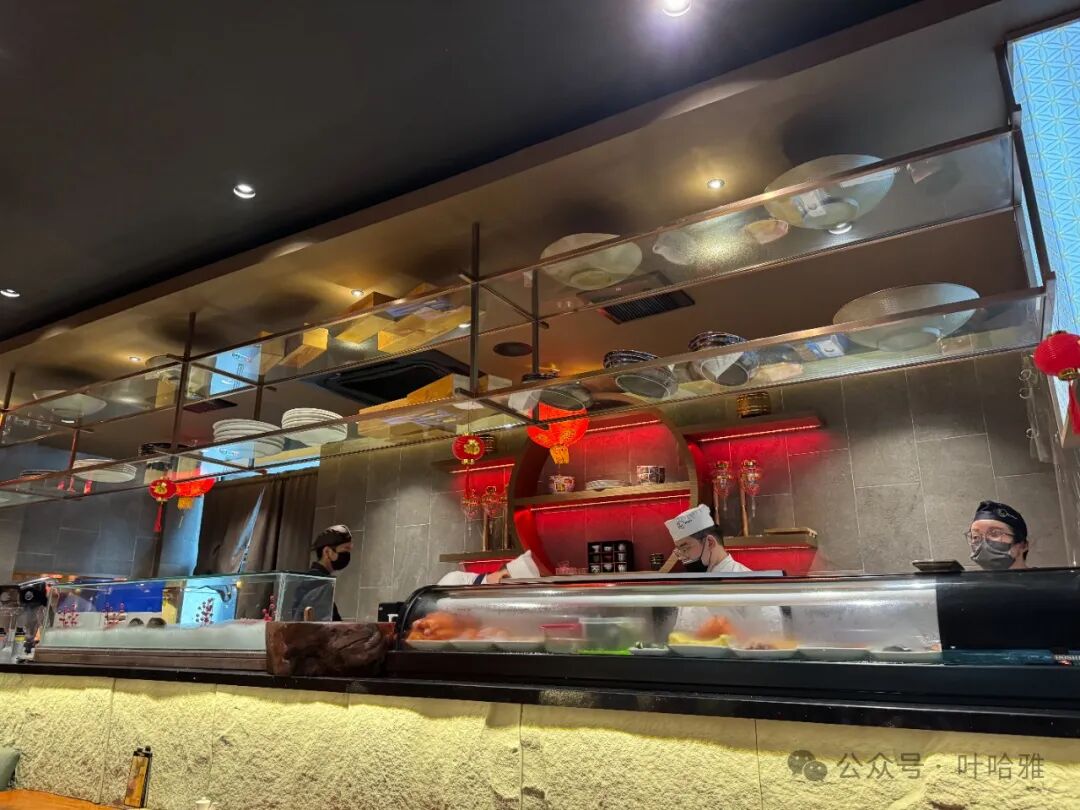
You can eat a full range of famous Japanese dishes here, including grilled meat, sushi, sashimi, udon noodles, tempura, and more.
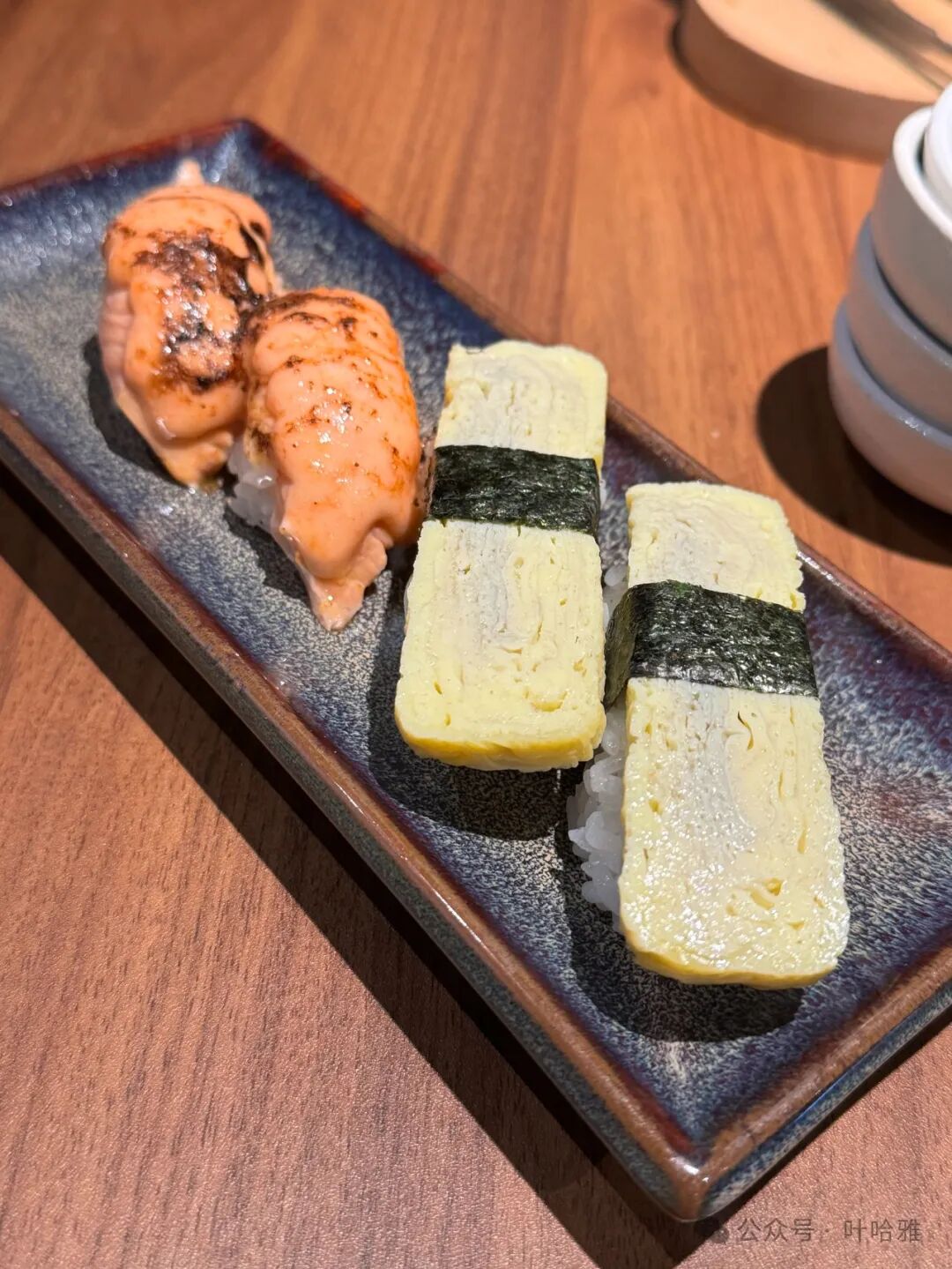
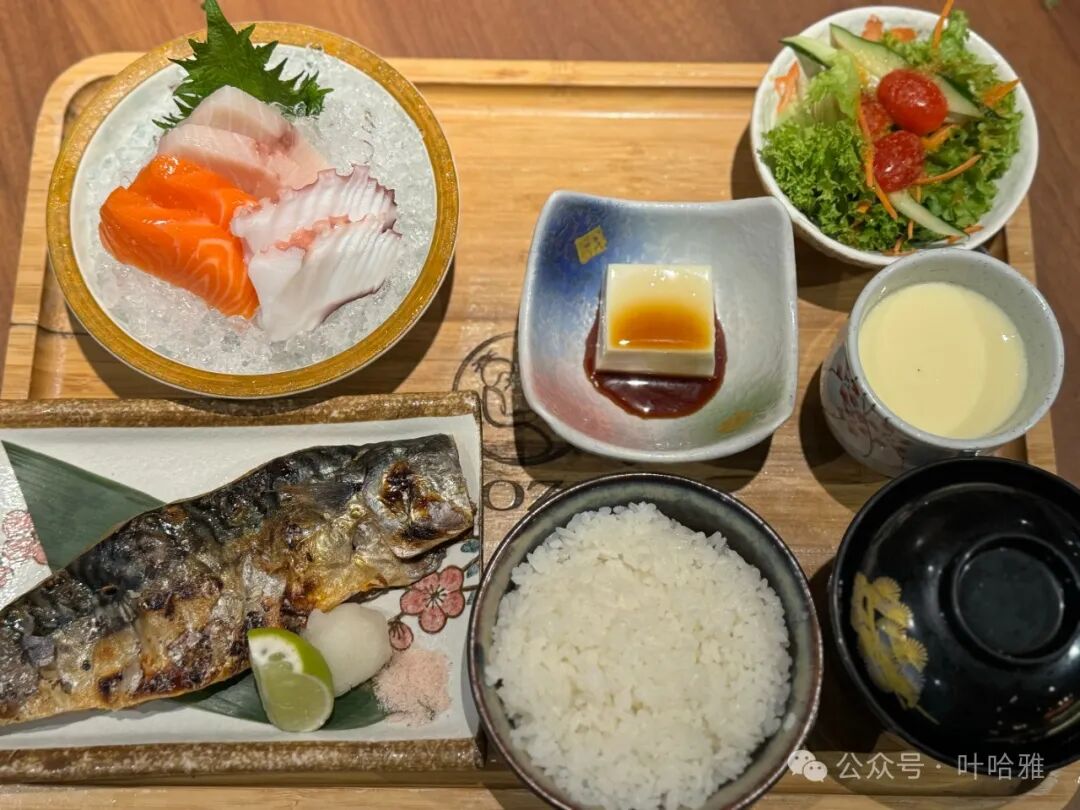
I have to praise the texture of this salmon sashimi; it is excellent. One bite and you know it is not rainbow trout.
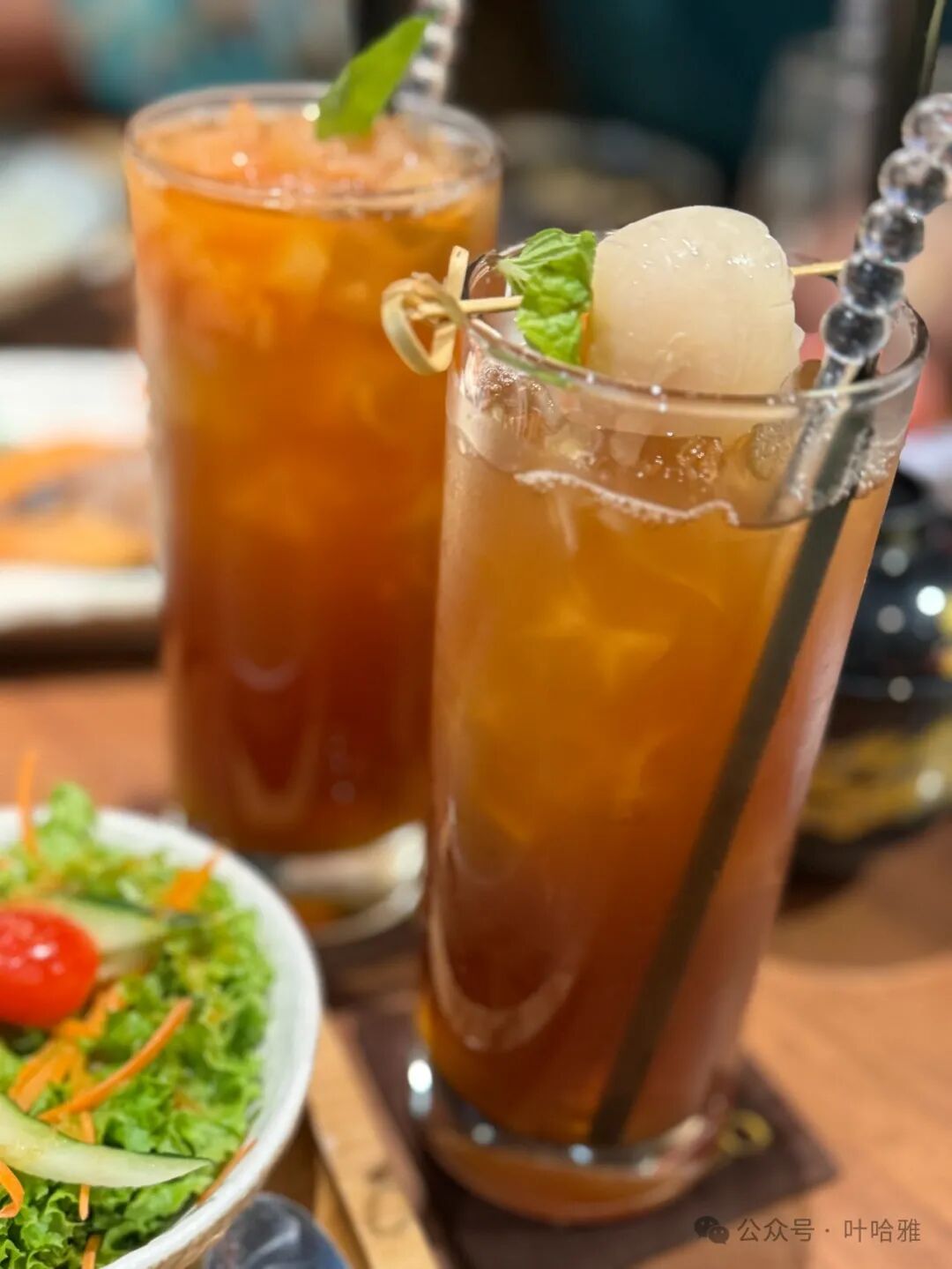
I really love the drinks in Malaysia. This peach juice was buy-one-get-one-free, so both cups are mine.
9. Hong Kong Xuan Chuan Cantonese Restaurant
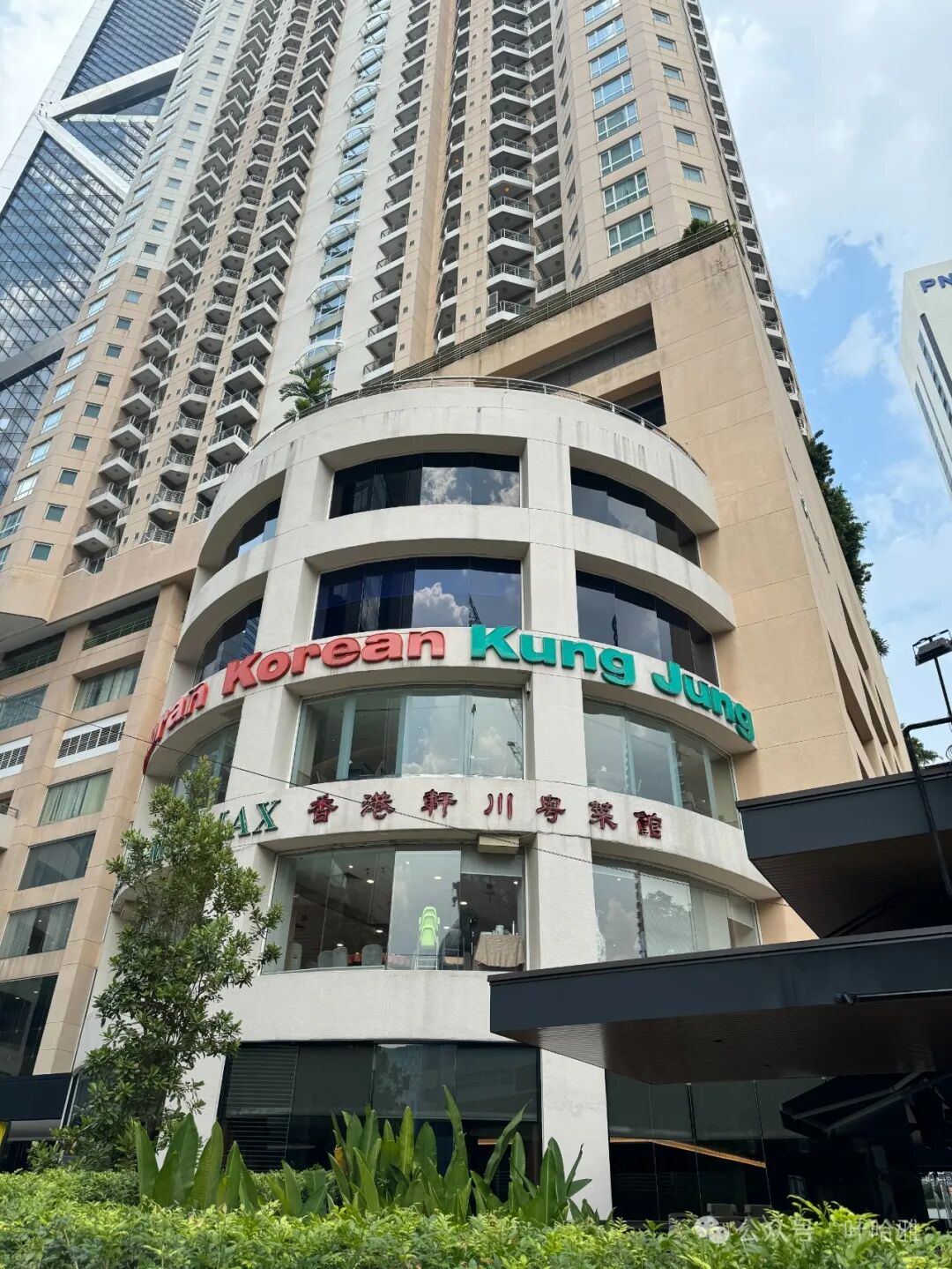
This Hong Kong Xuan restaurant is right across the street from where we are staying. I pass by every day and see it packed with people, mostly Malay locals.
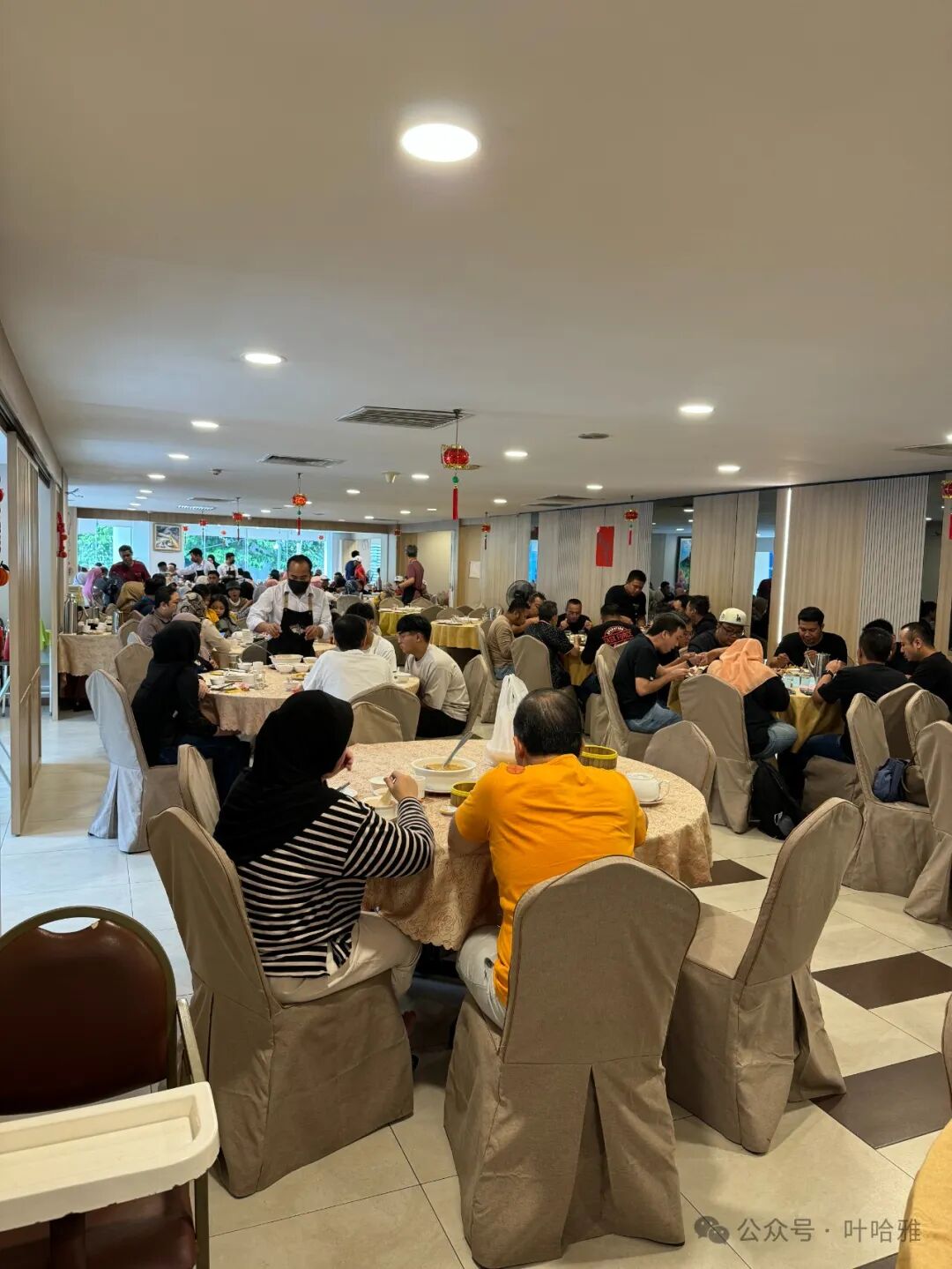
This shop serves dim sum (zaocha) after 11:00 a.m. I do not know why it starts so late; maybe people in Kuala Lumpur are not used to waking up early. Where I live, the earliest you can get breakfast is after 8:00 a.m.
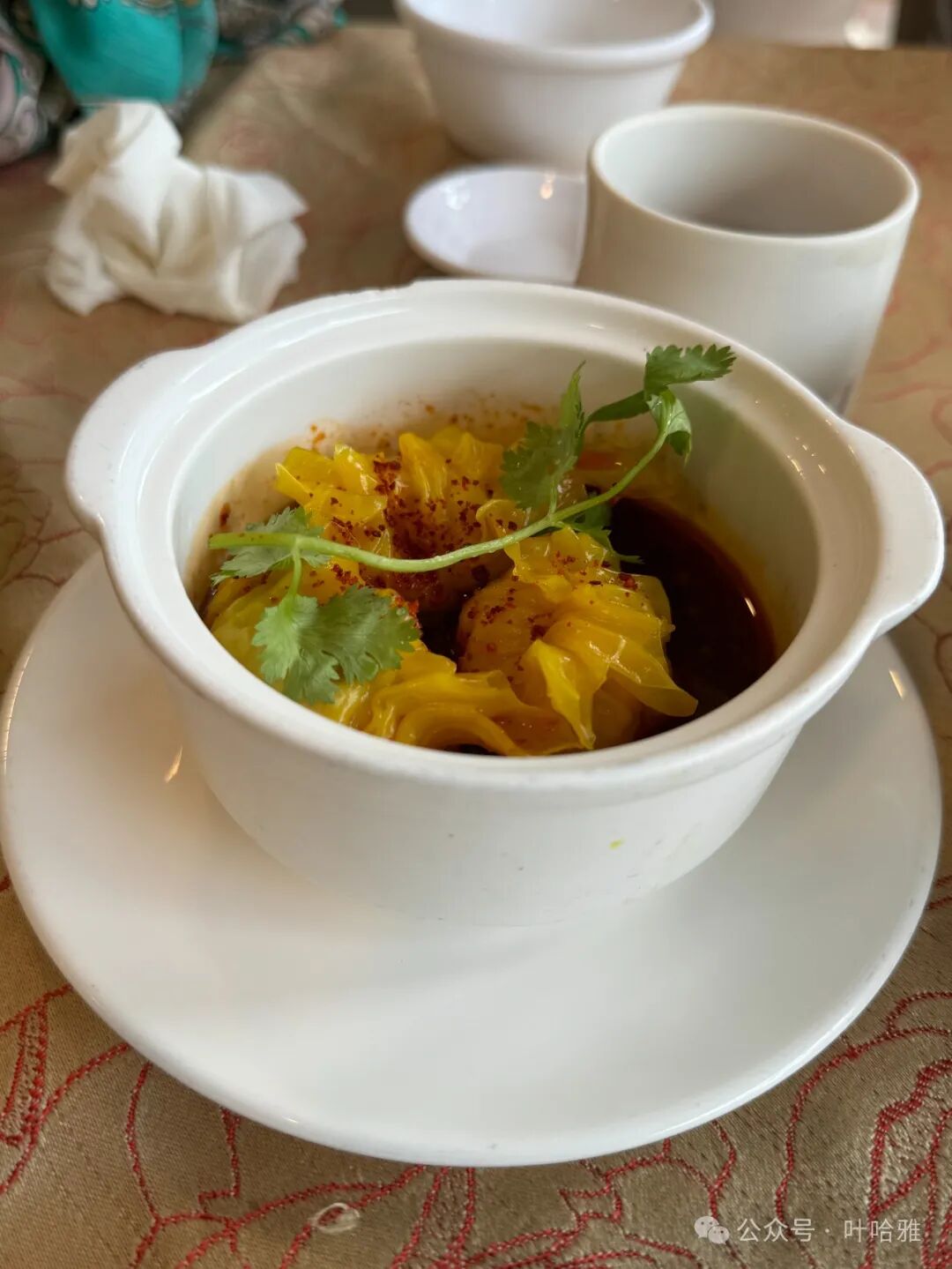
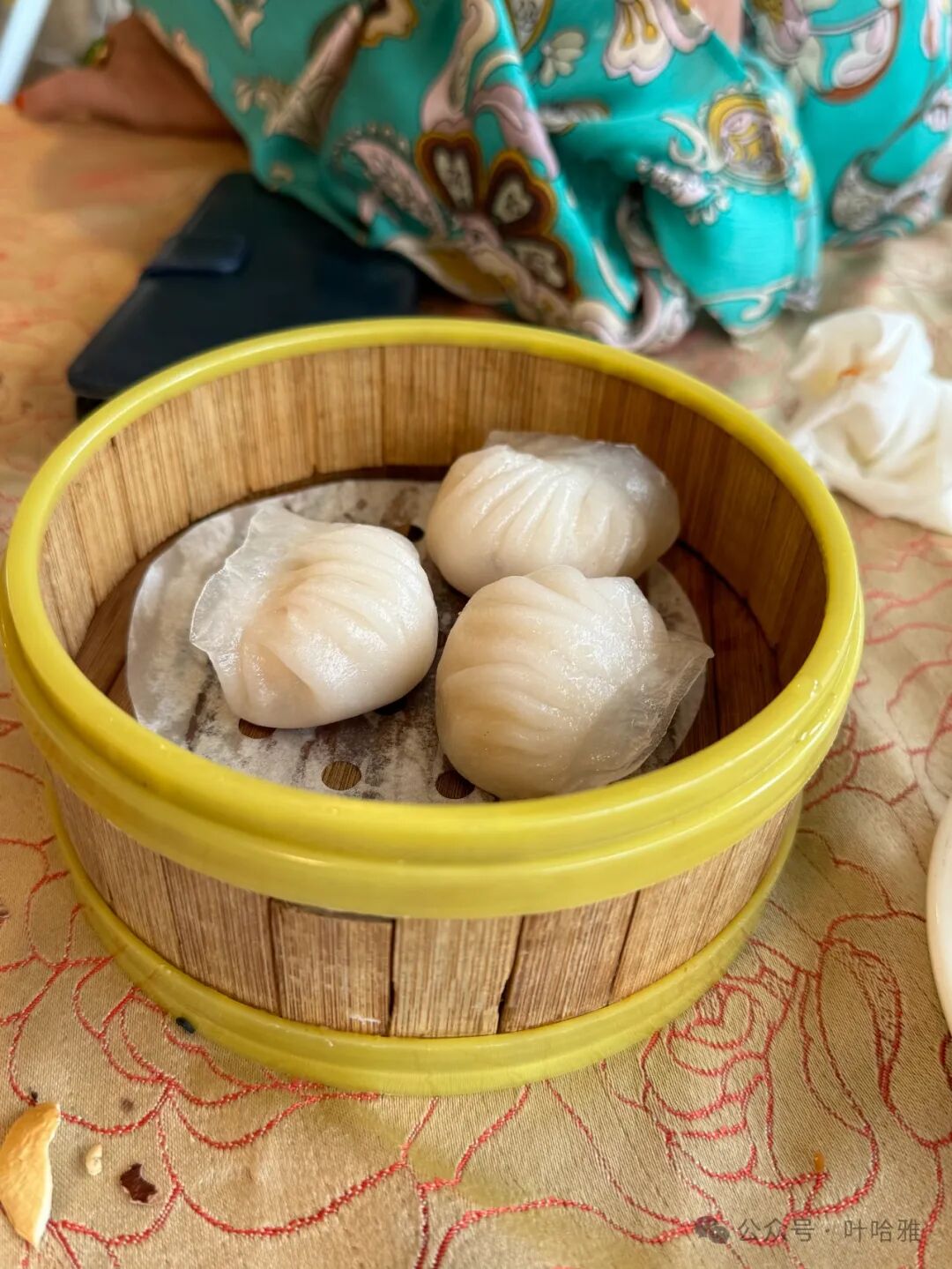
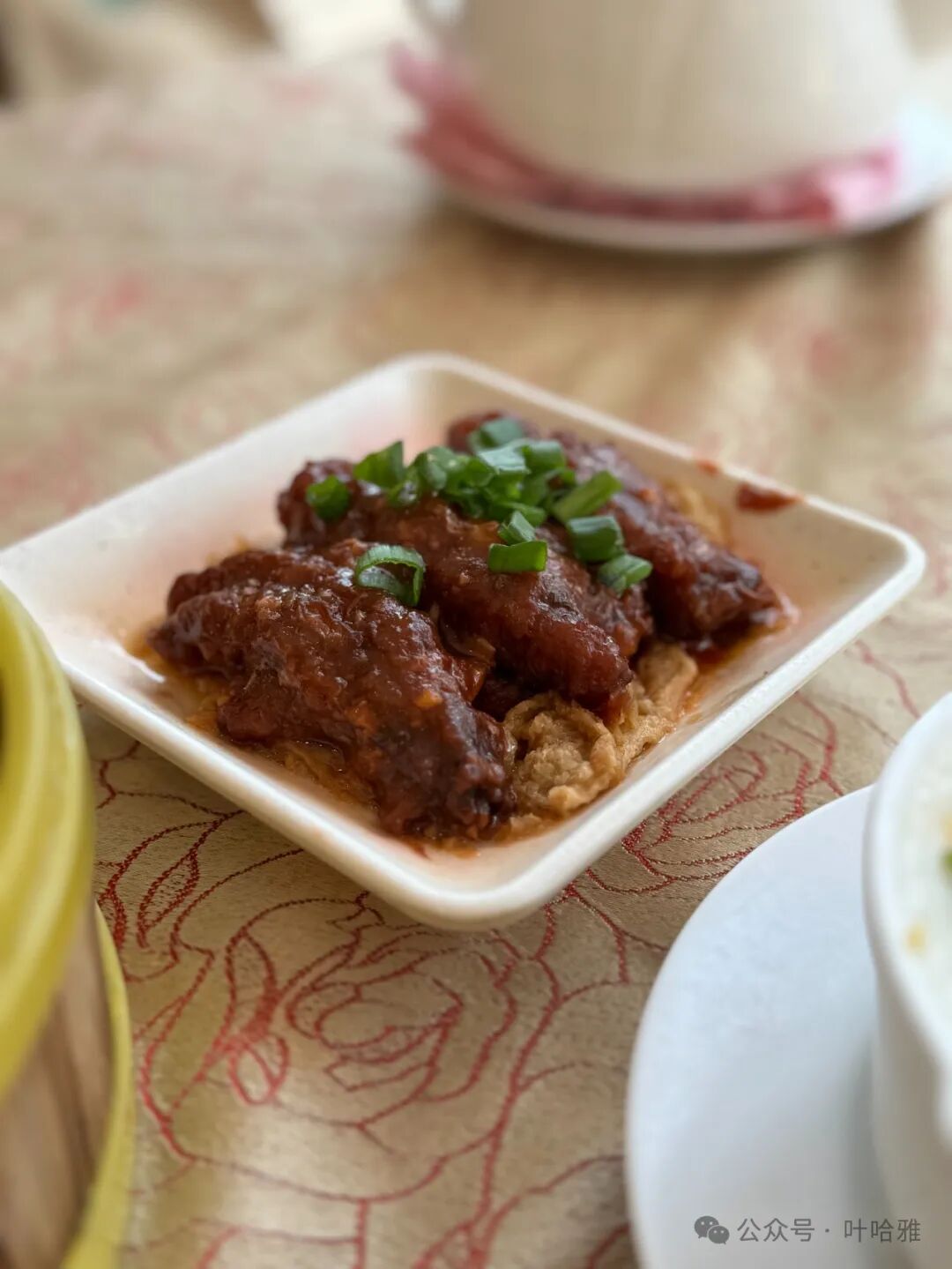
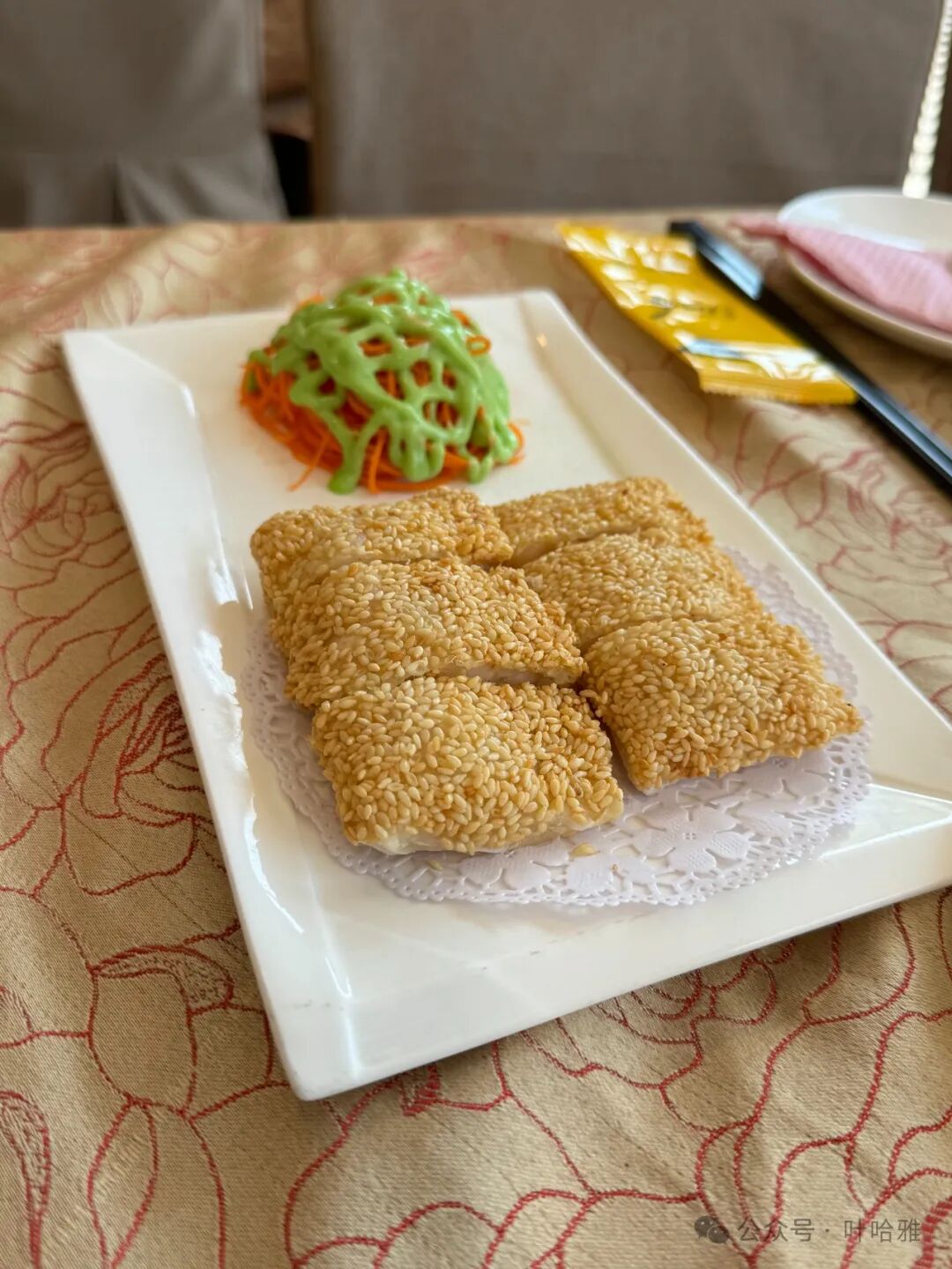
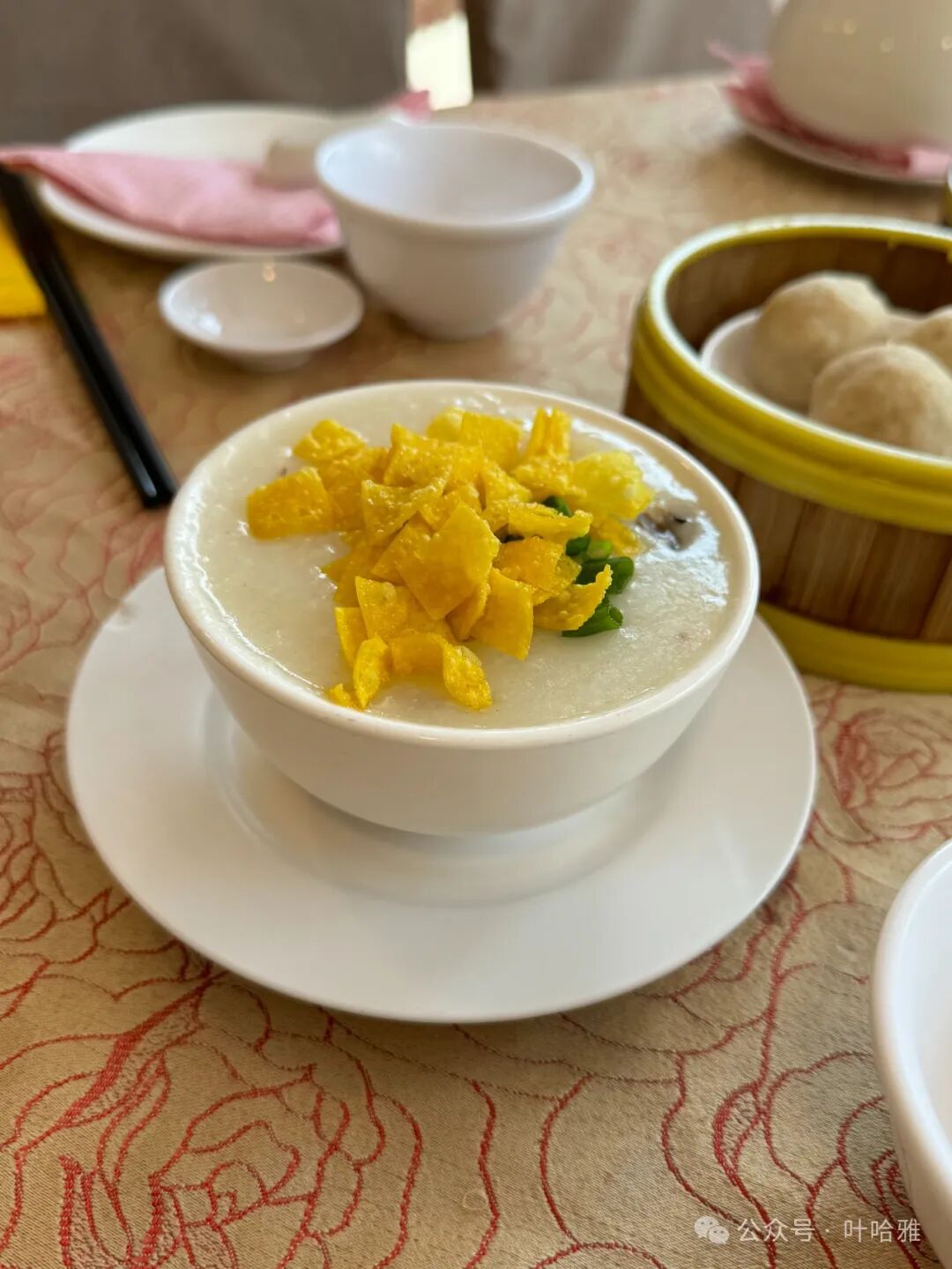
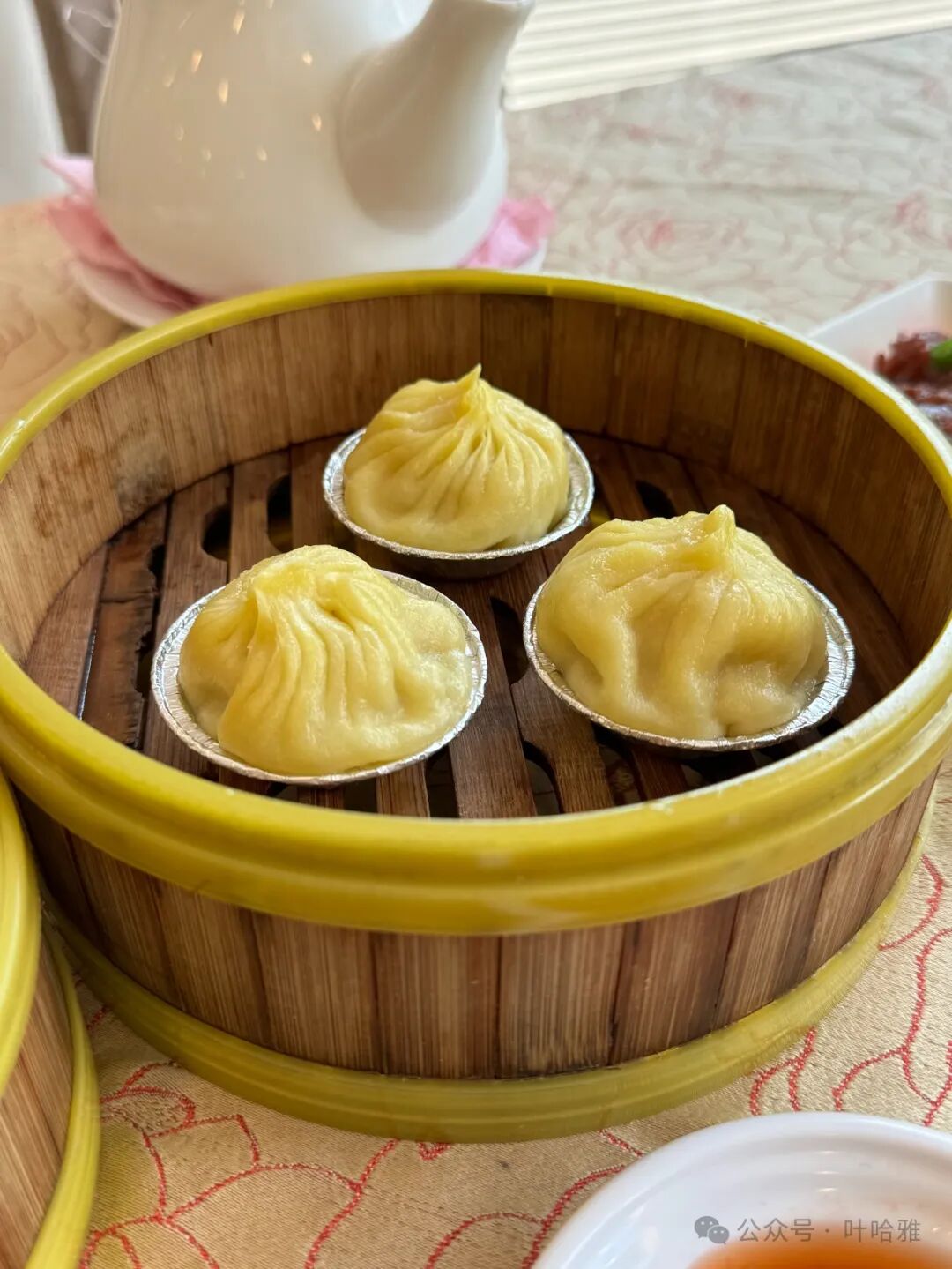
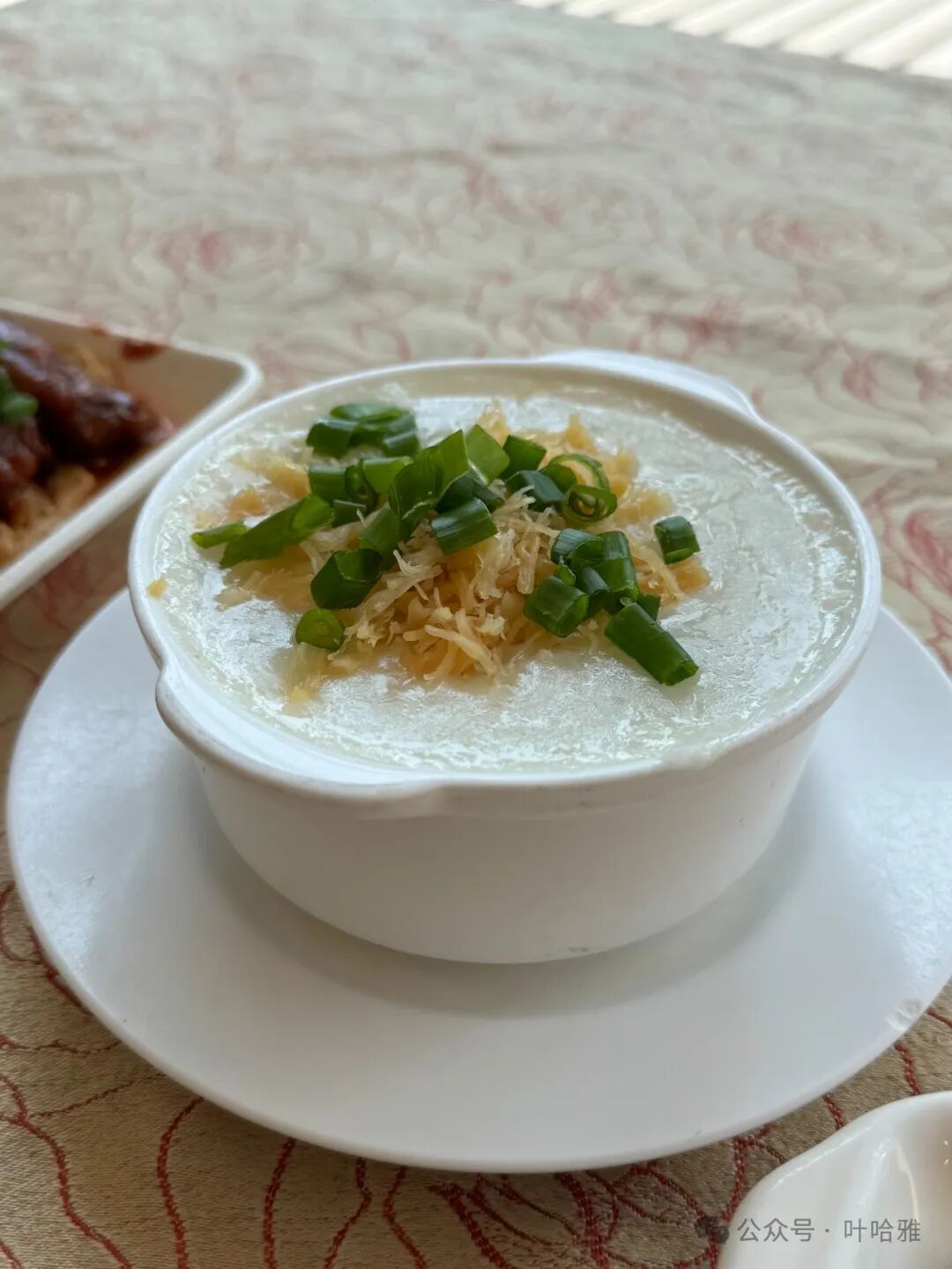
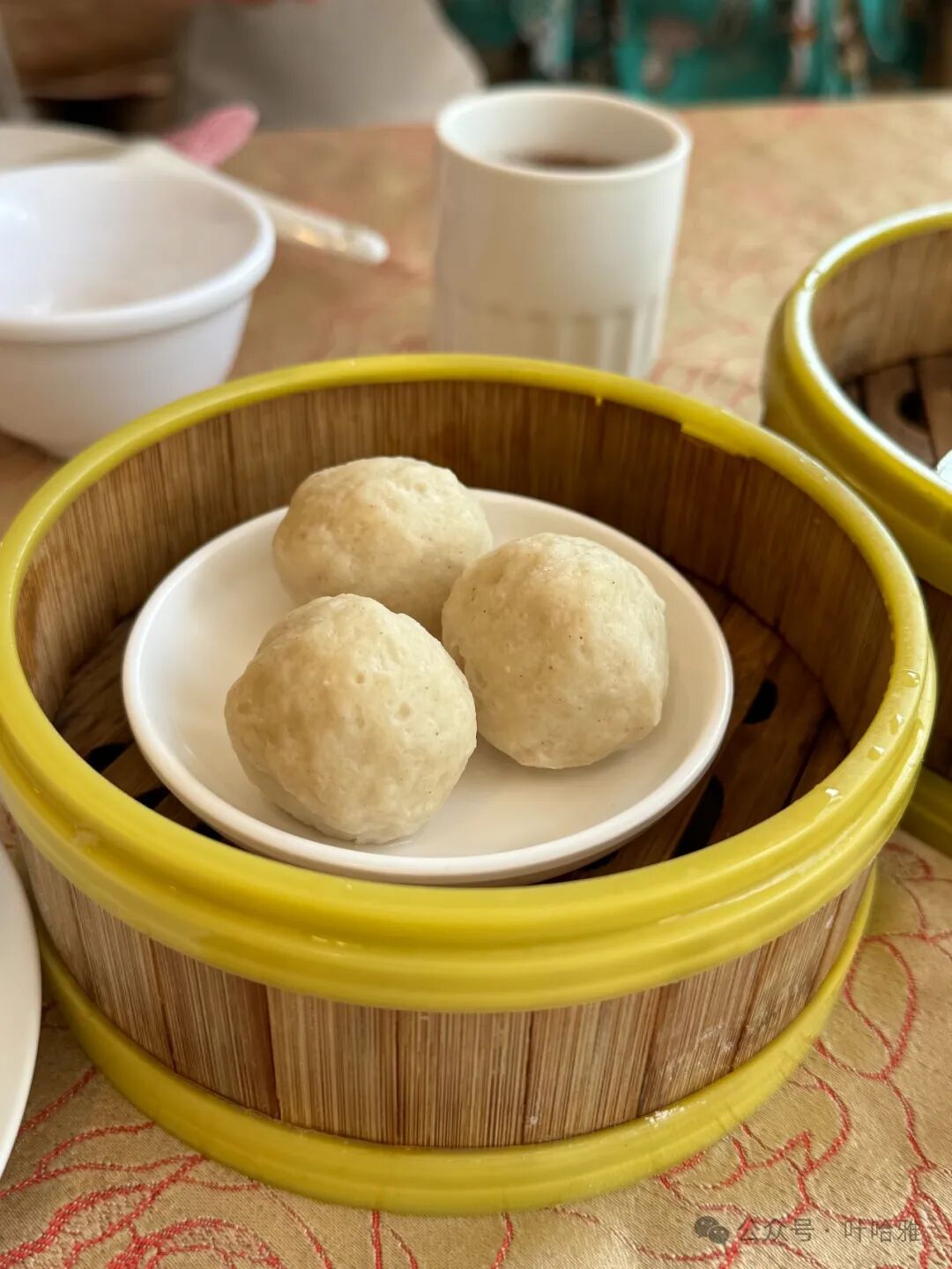
I must say the dim sum at Hong Kong Xuan tastes very authentic. Even the restaurant atmosphere feels like a Hong Kong tea house, and the staff look like traditional Cantonese people. Each dim sum dish only costs a few ringgit. The three of us spent about 100 ringgit for this meal. I have tried three dim sum places in Kuala Lumpur, and every one of them is better than the Hui Muslim restaurant in Guangzhou.
10. KUNG JUNG Korean BBQ
There is a Korean barbecue restaurant upstairs from Hong Kong Xuan that is incredibly busy. You need to book in advance, or you will have to wait in line. We are lucky to stay in this area. We just walk downstairs for 5 to 10 minutes to find all kinds of delicious restaurants.
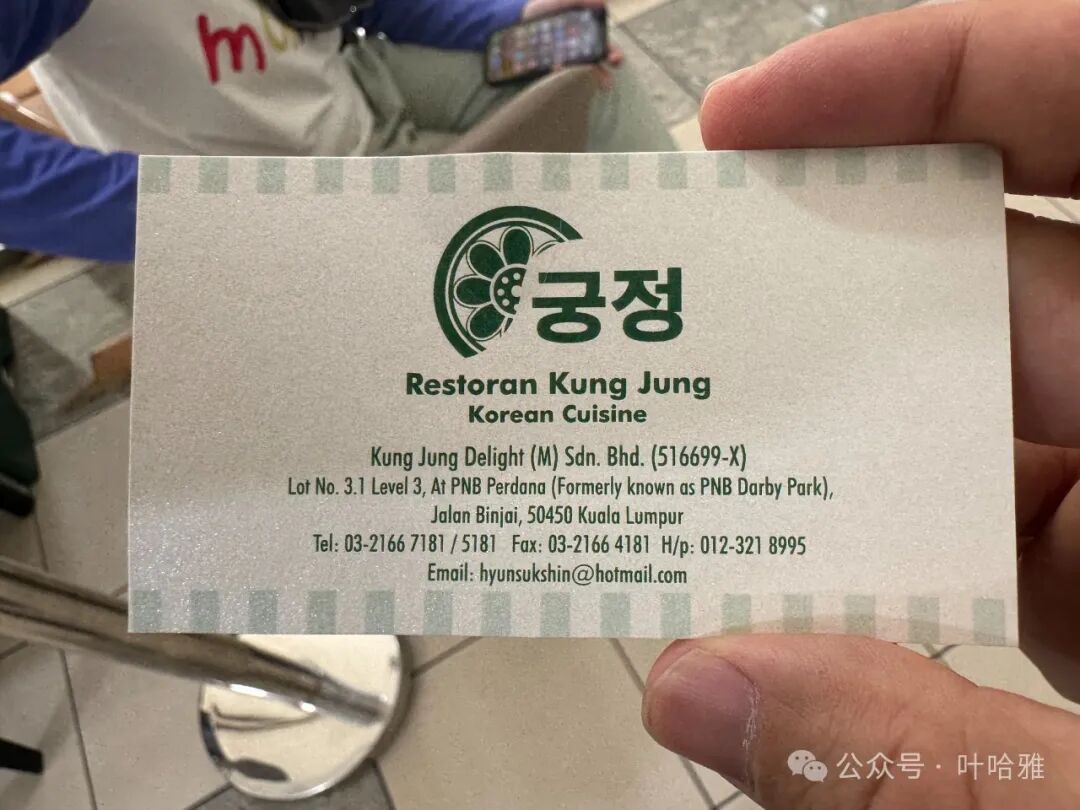
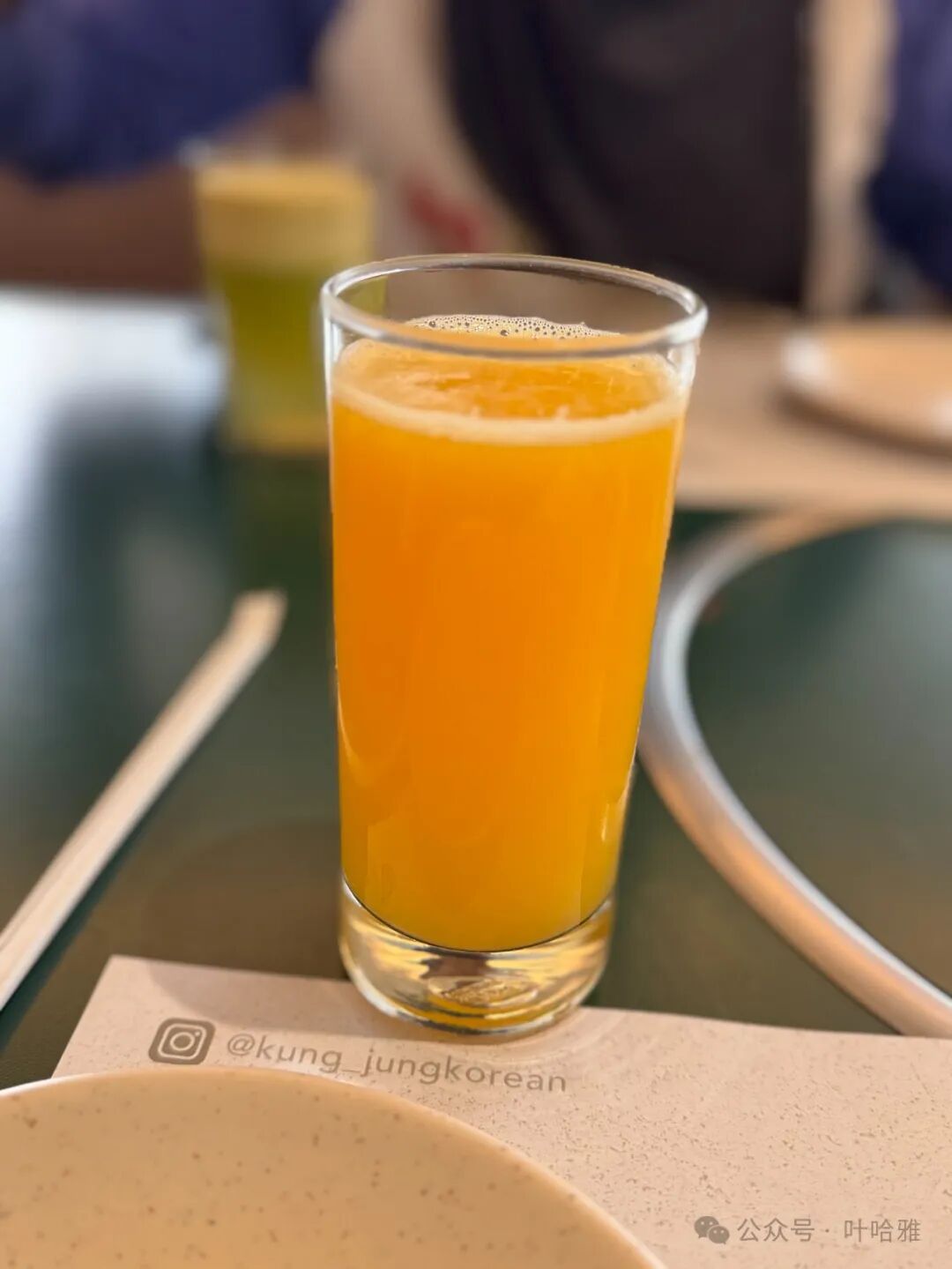
The contact information and address are on the business card.
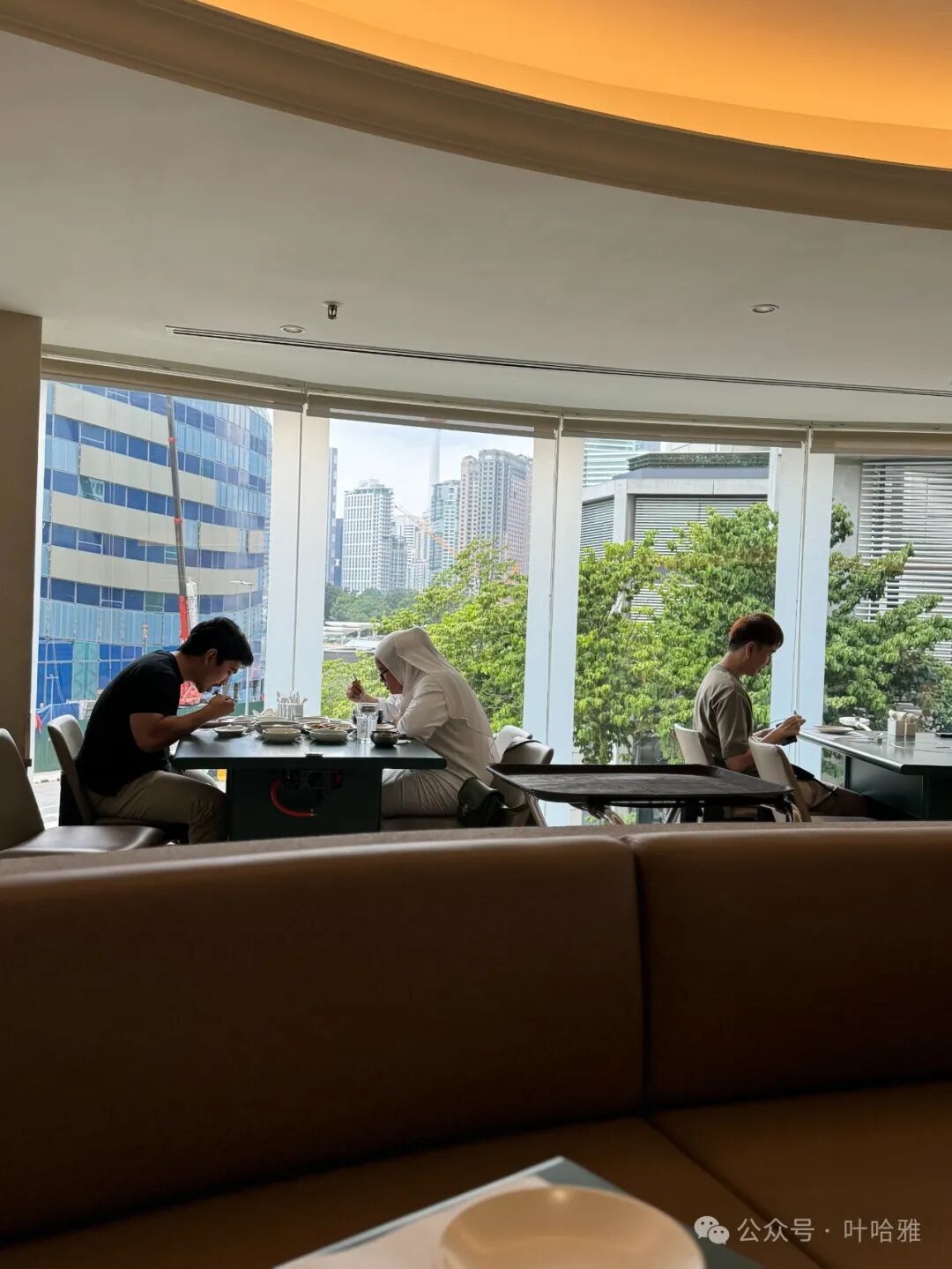
Malay people really like eating Korean barbecue. It seems like they are not very picky about what they eat.
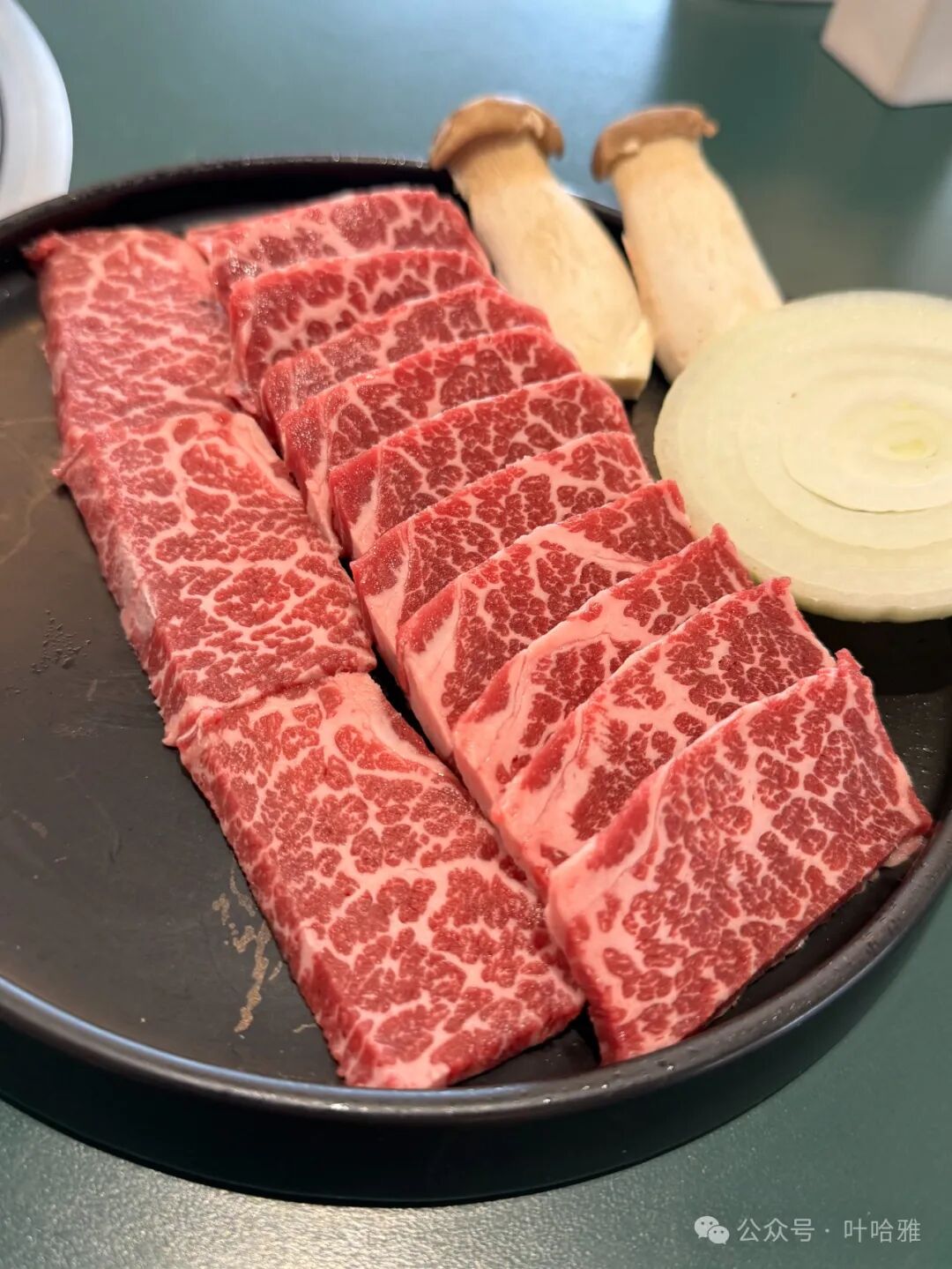
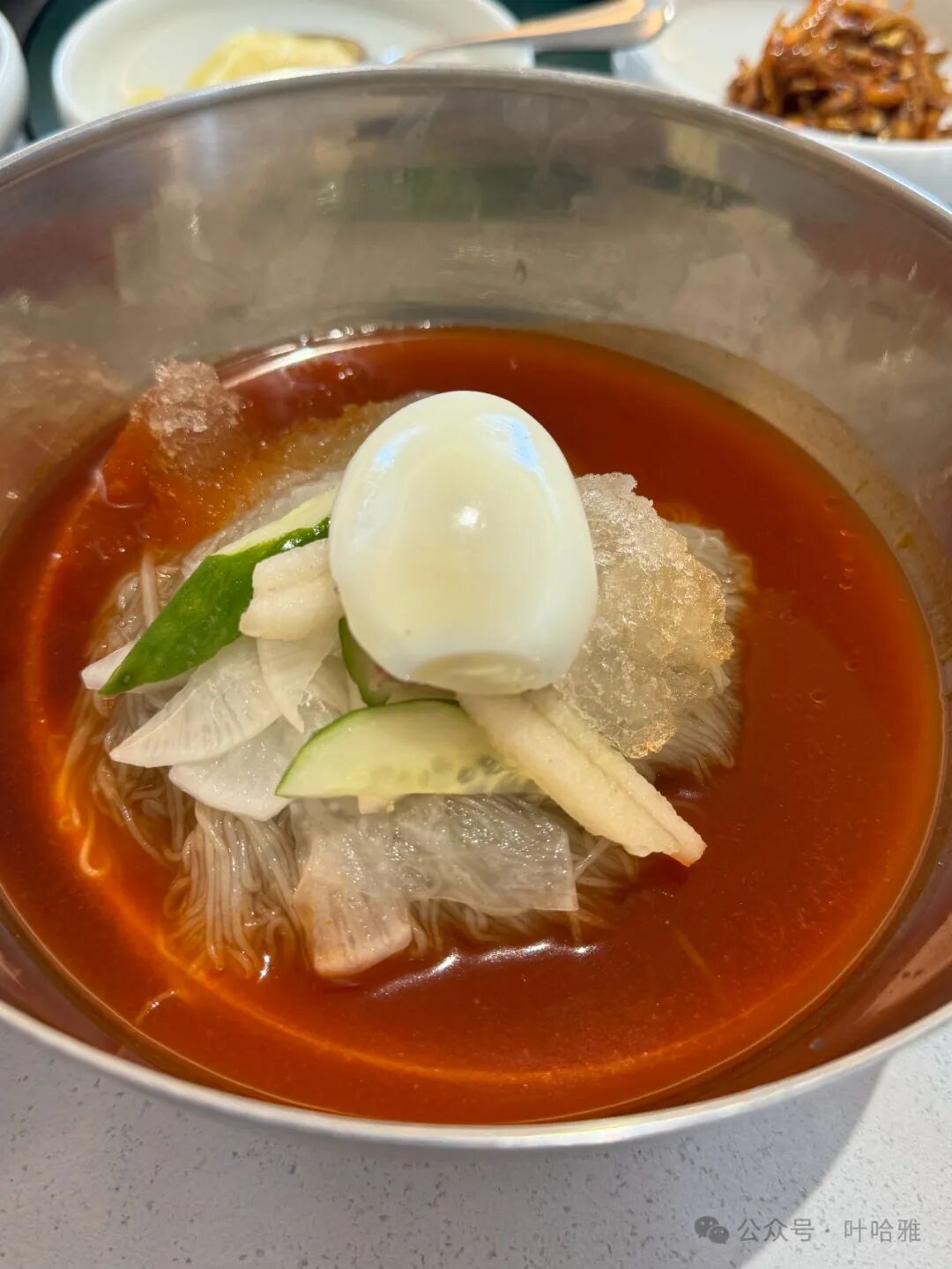
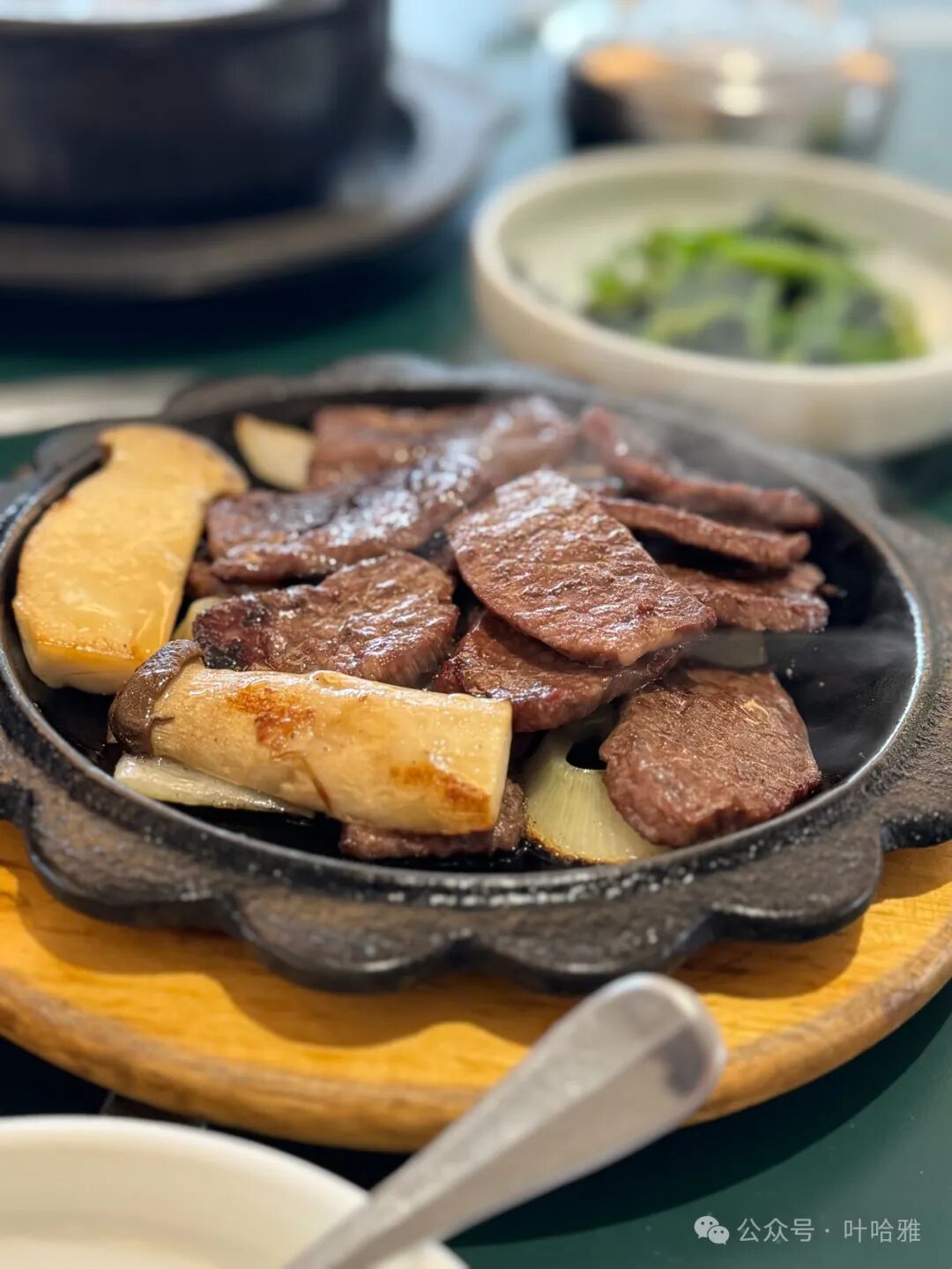
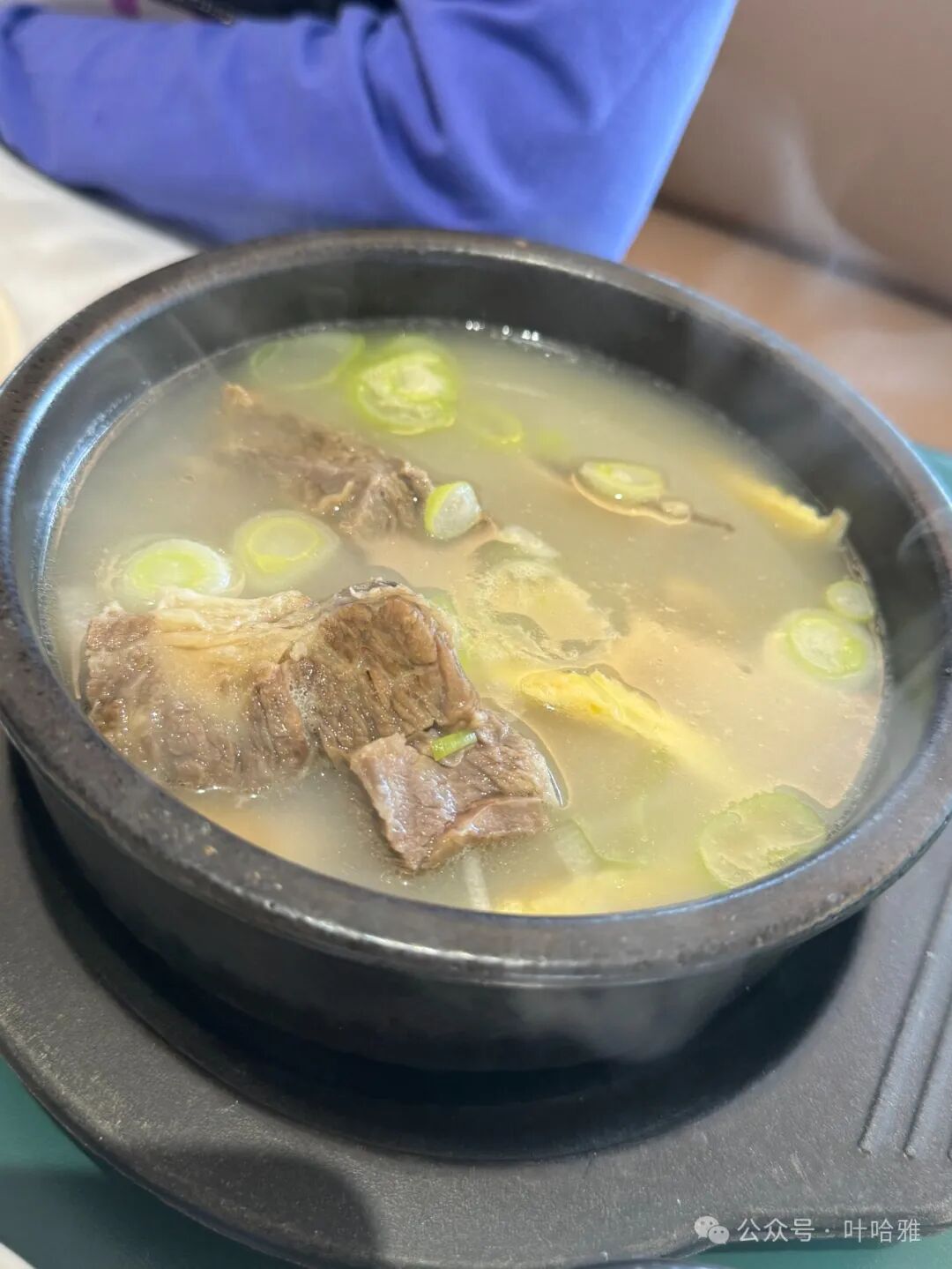
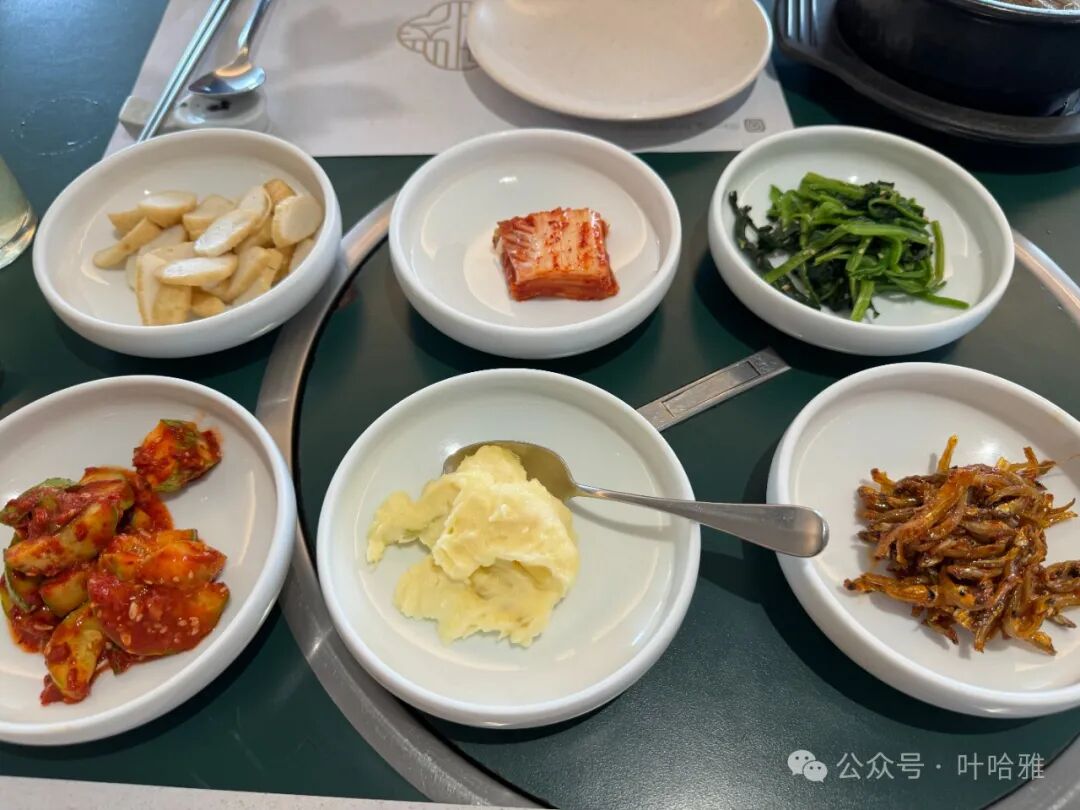
The barbecue at this shop tastes great, but I didn't really like the cold noodles. Compared to barbecue back home, I still prefer eating in Beijing, where you get better value for your money. The average cost per person at this shop is over 150 yuan. If the price were a bit lower, I would feel it was a great deal.
11. Absolute Thai restaurant
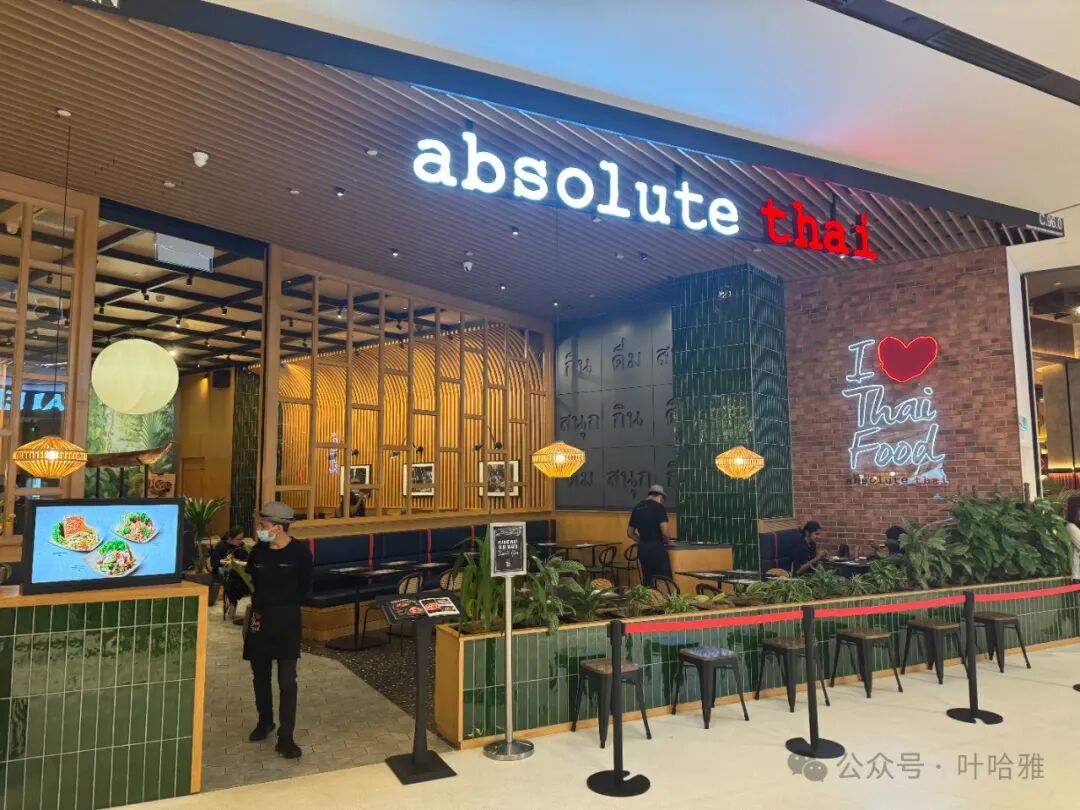
I want to make up for the halal Thai food I can't get in Beijing while I'm in Kuala Lumpur. Thai food in Kuala Lumpur is basically all halal.
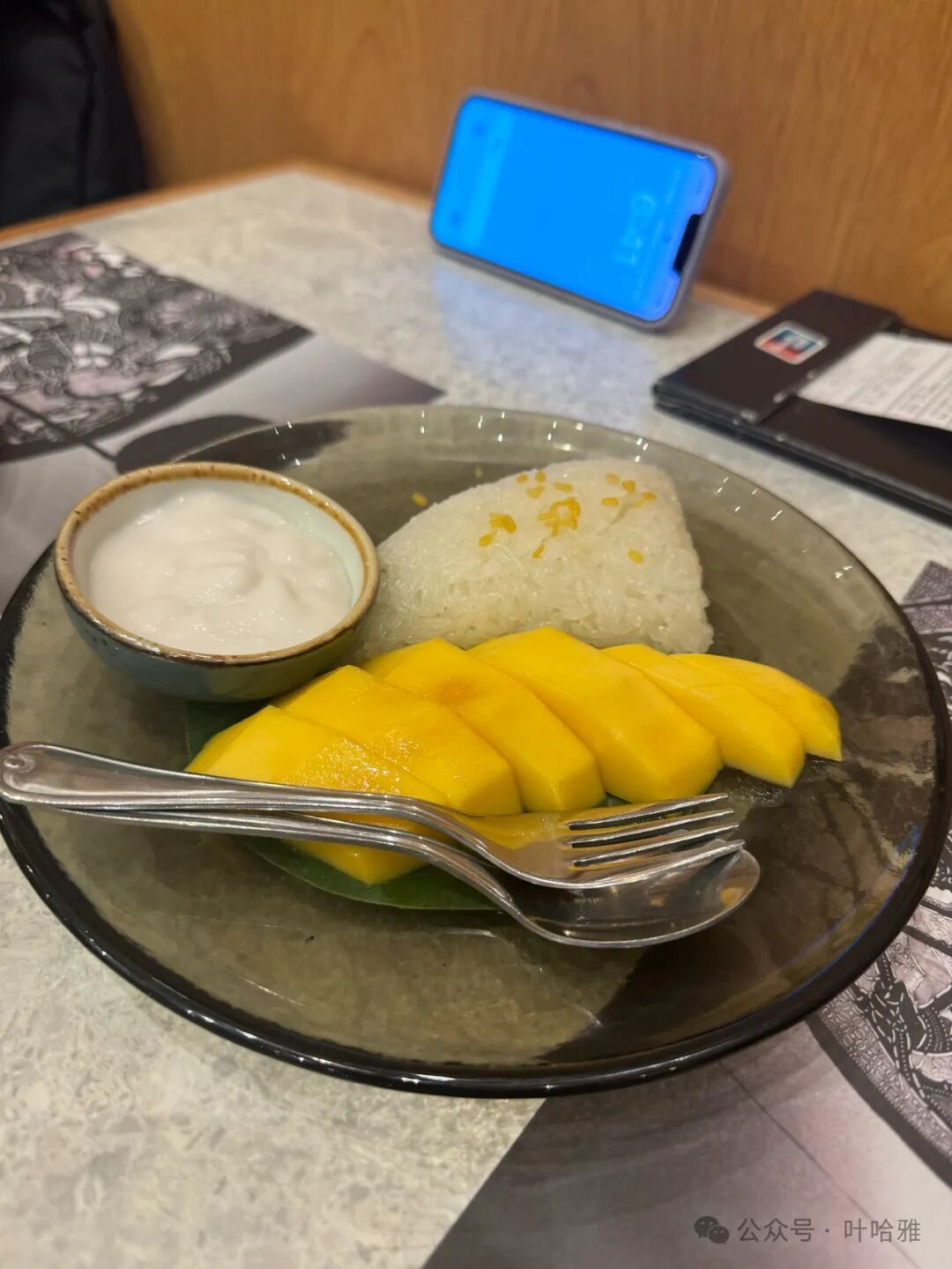
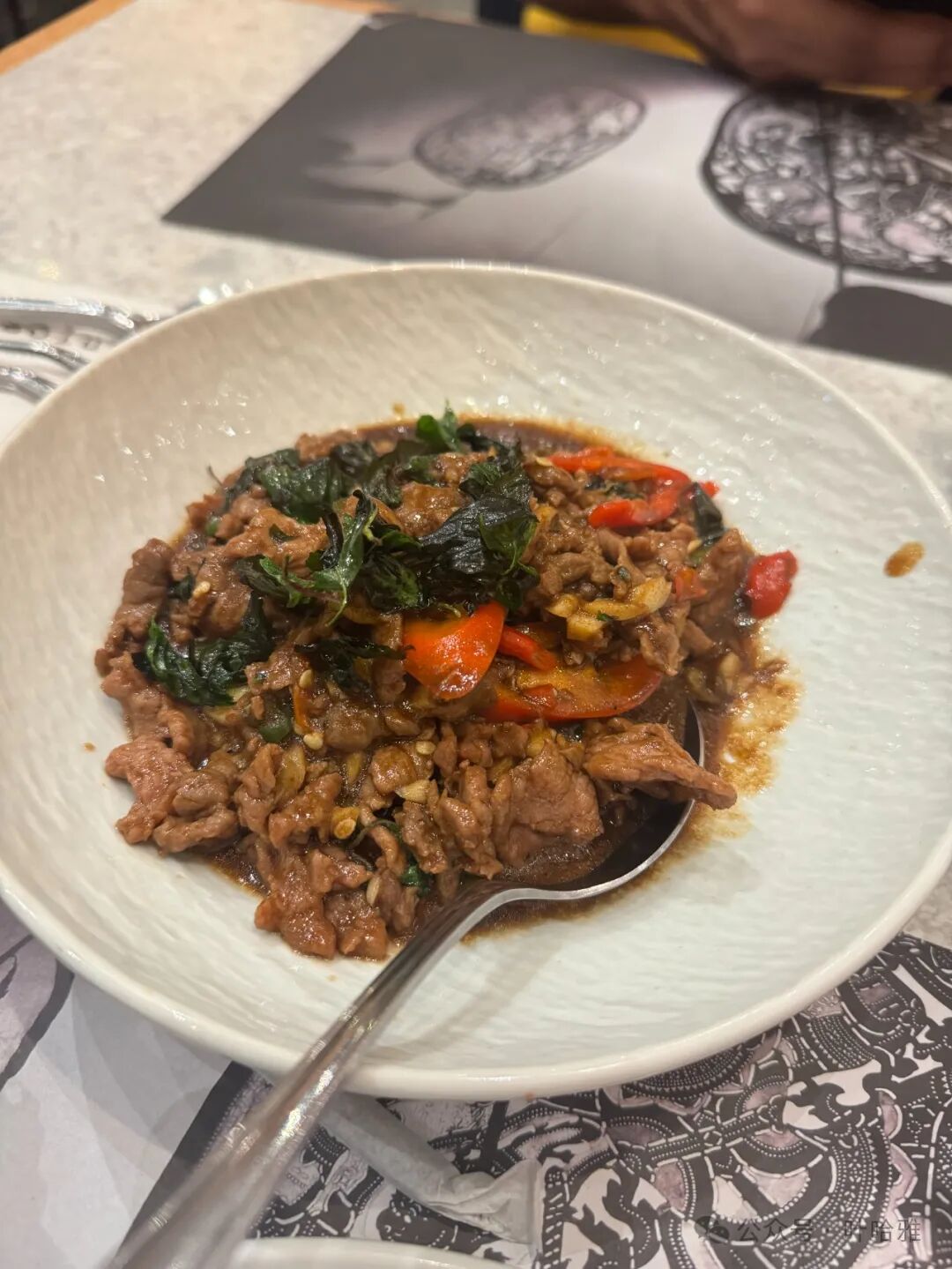
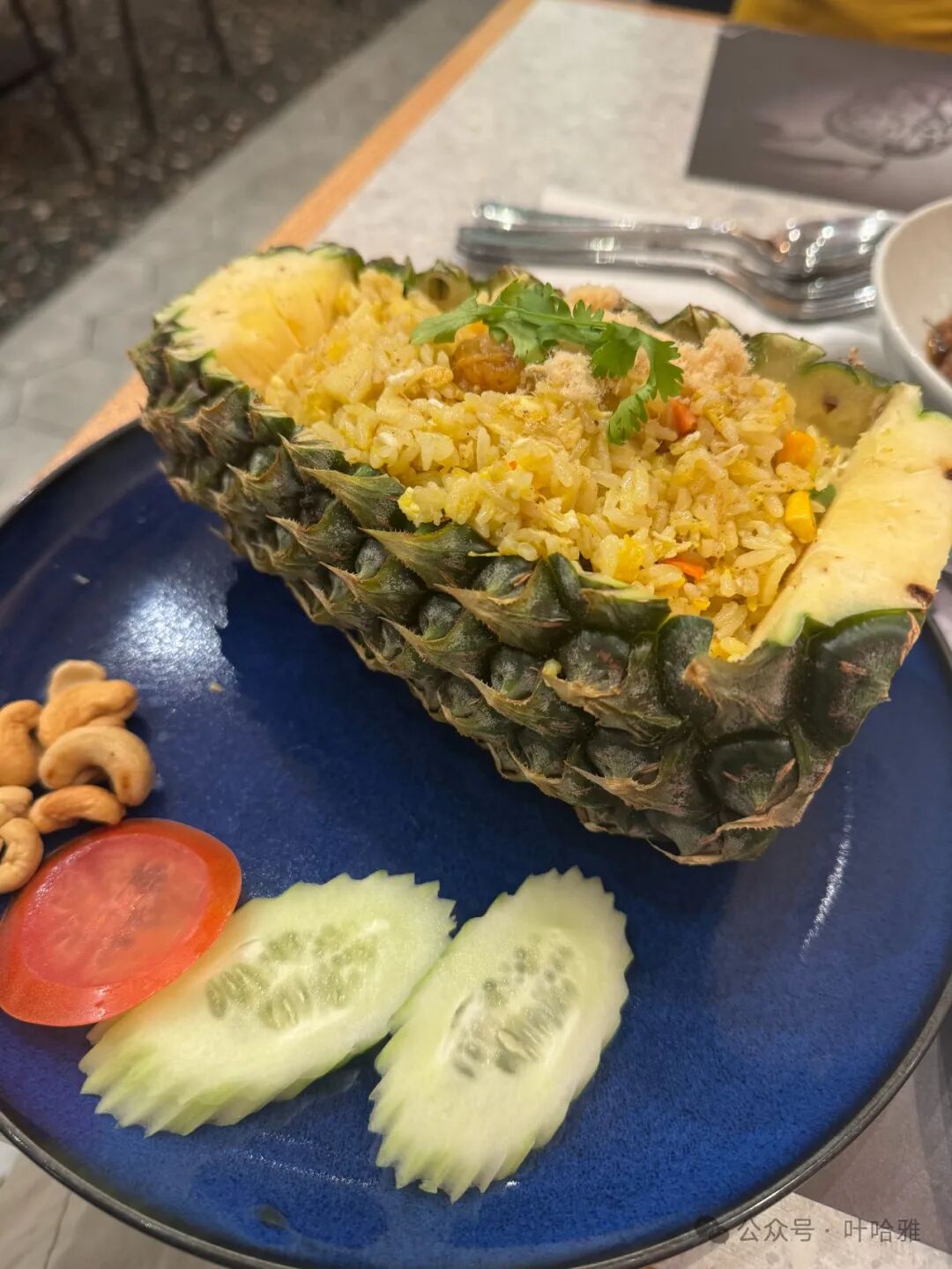
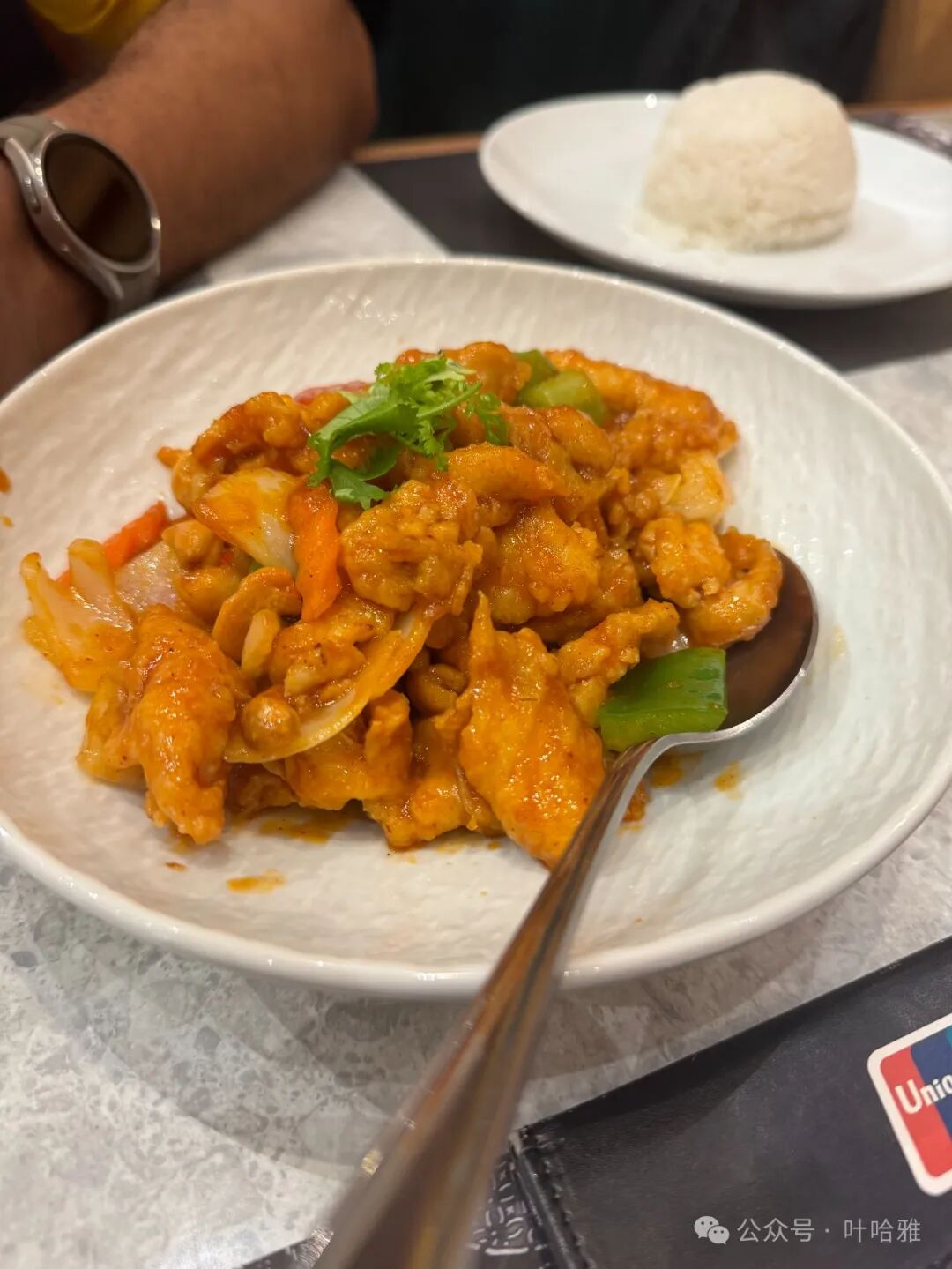
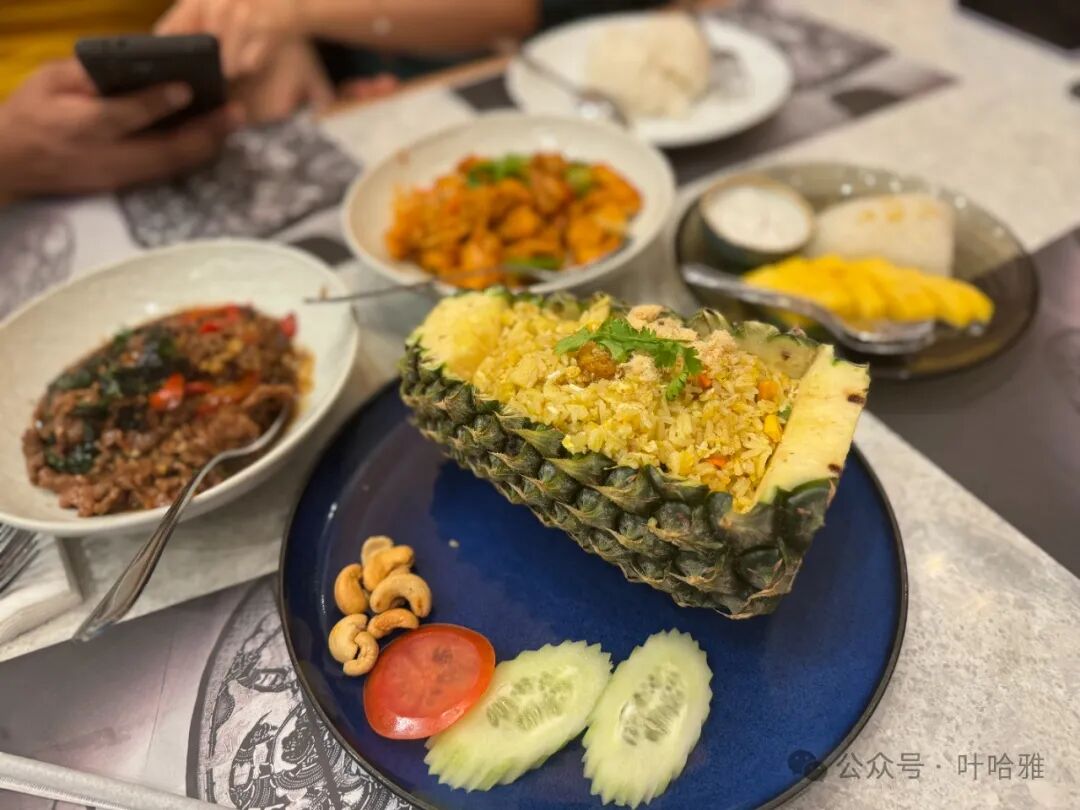
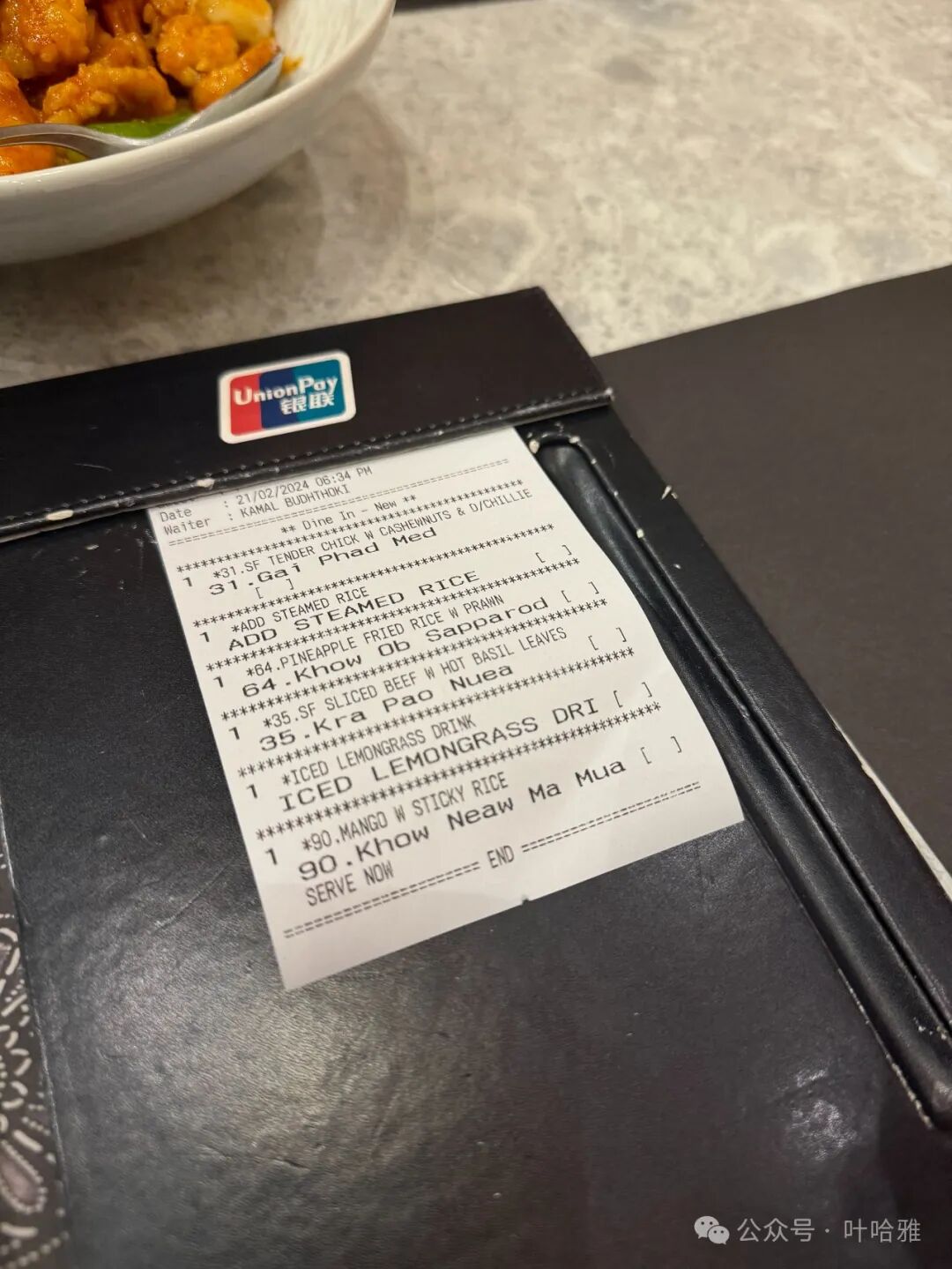
This refined Thai restaurant inside the TRX mall suits my taste perfectly. The pineapple fried rice and the seasoning of the desserts were also amazing.
12. PEONY CANTON BOY
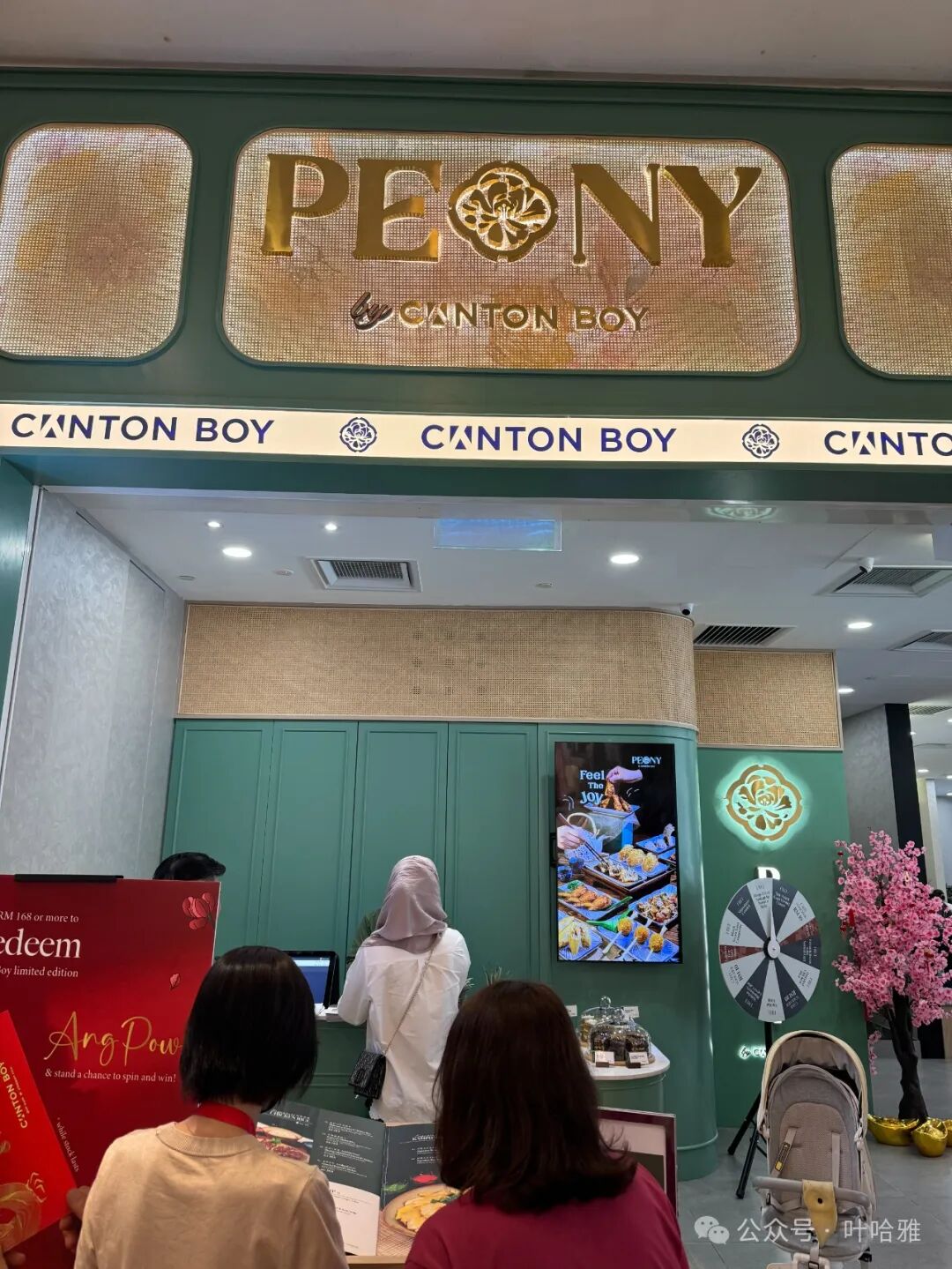
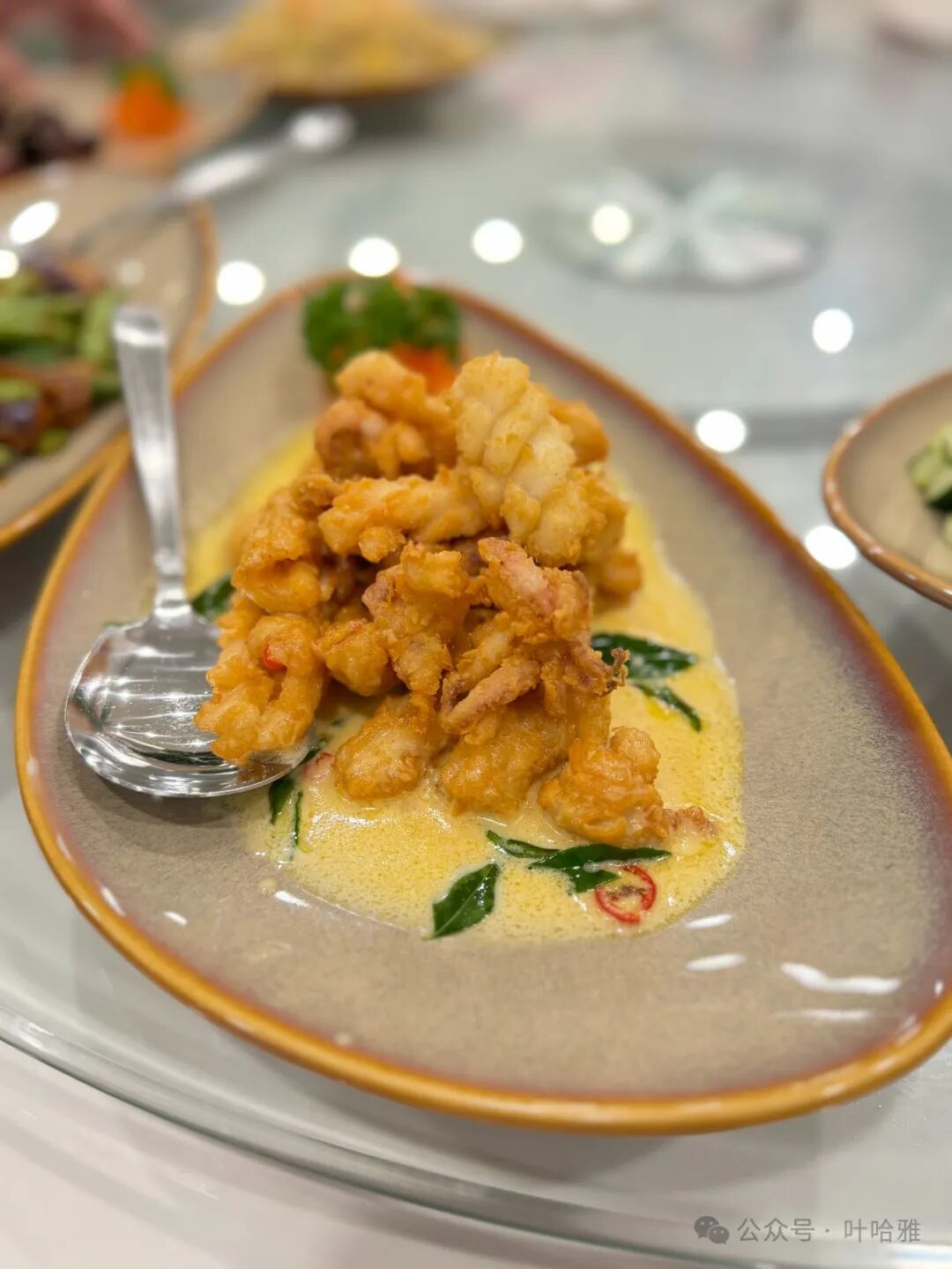
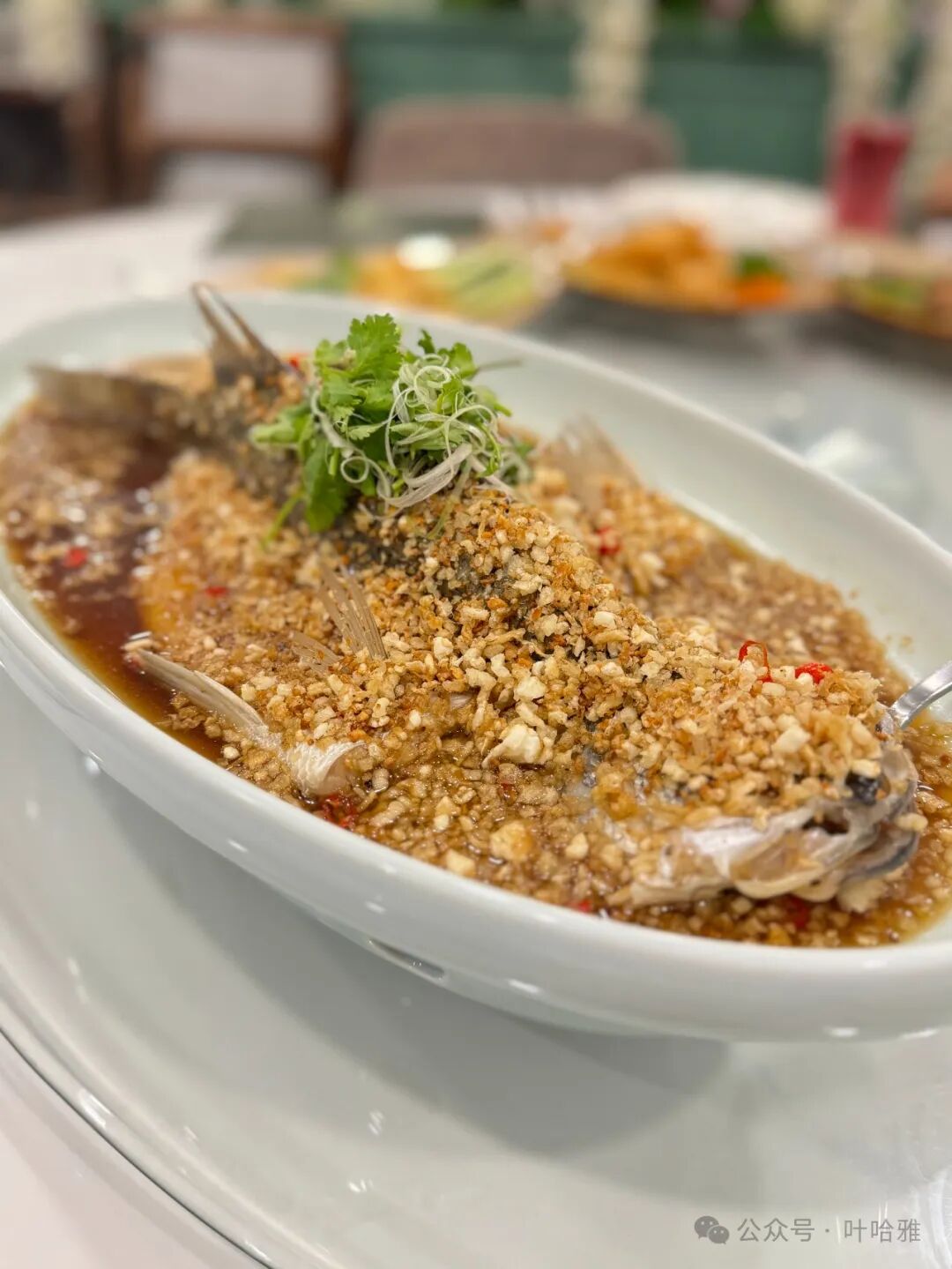
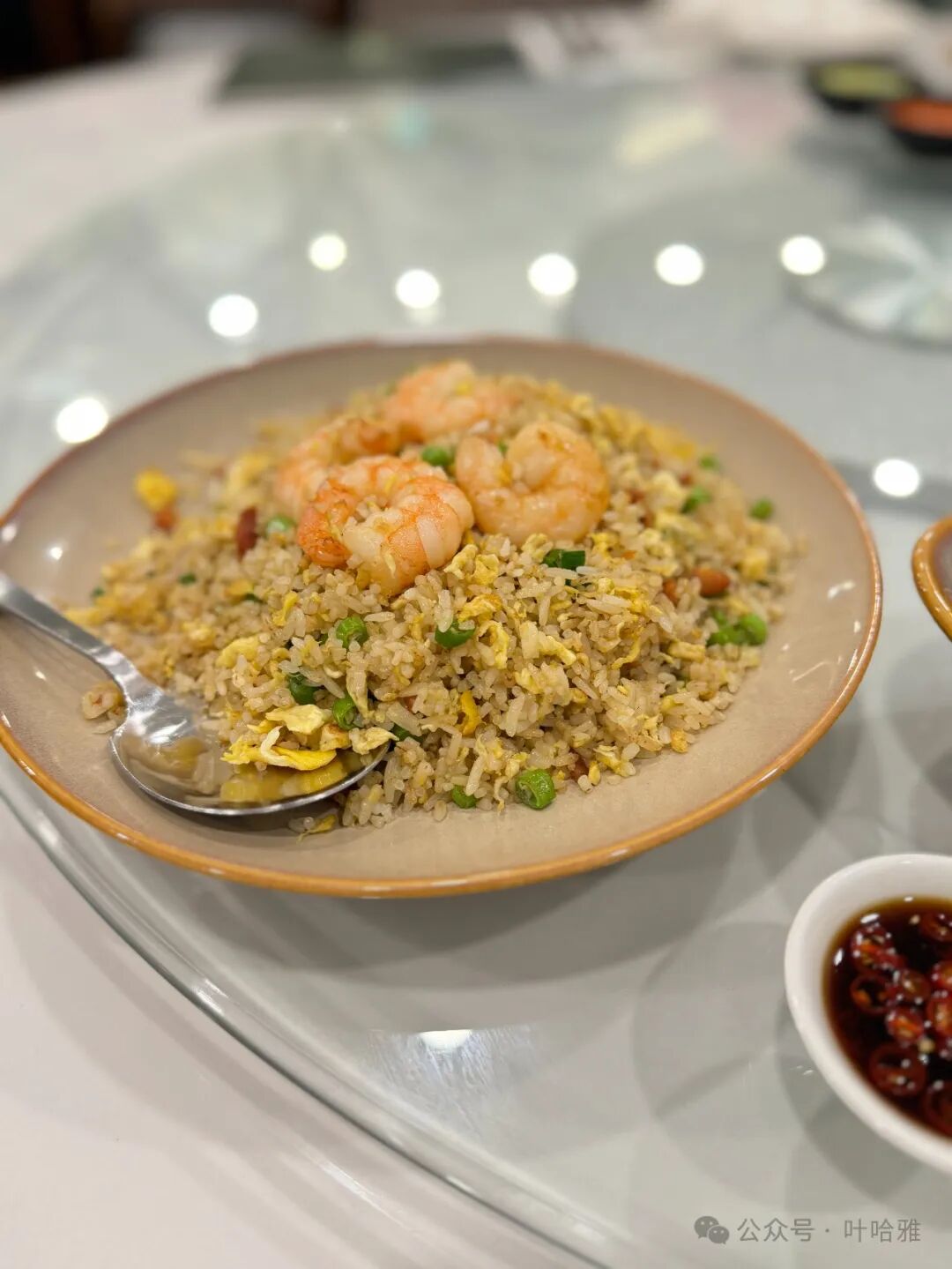
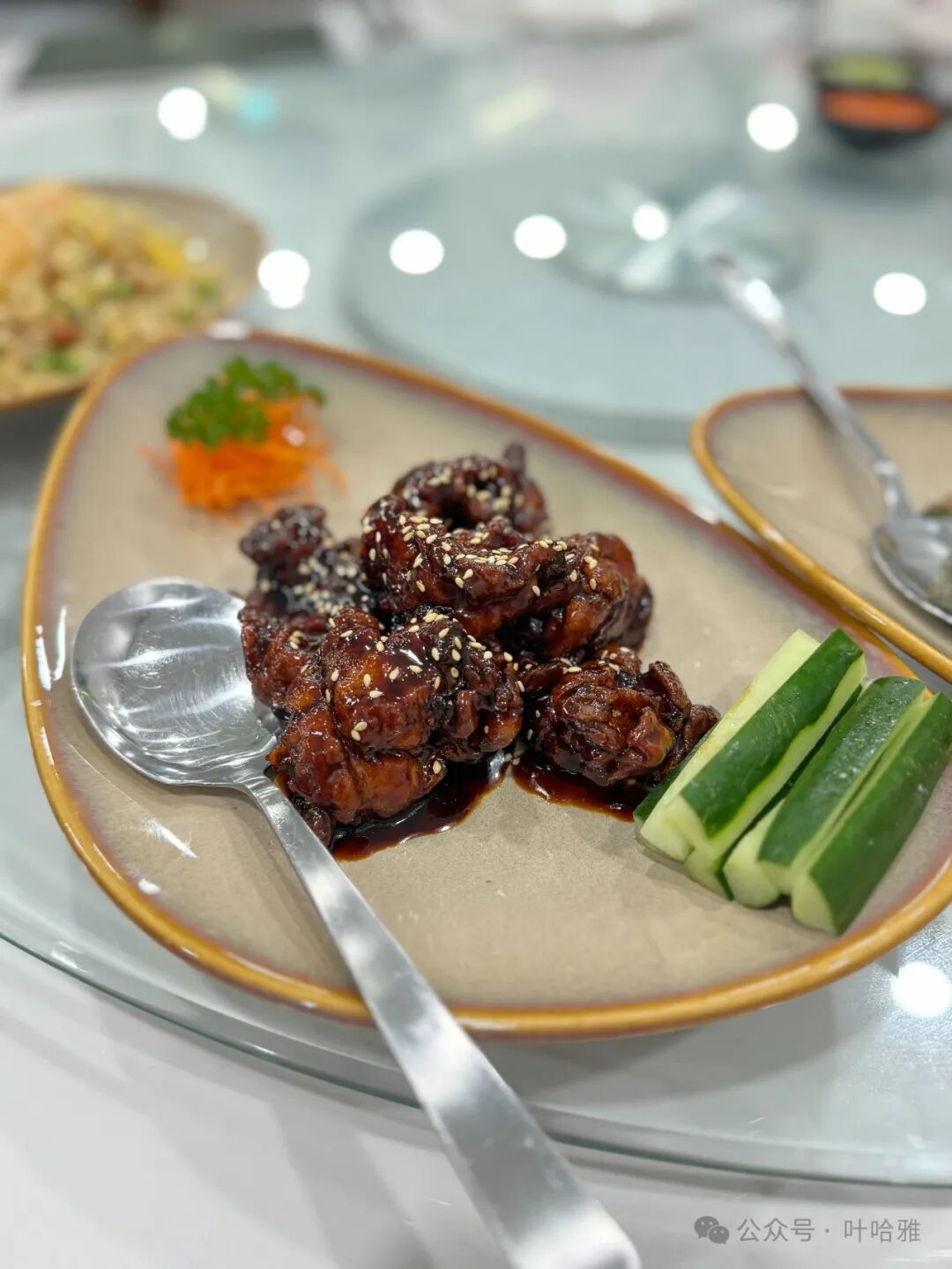
One of my biggest joys in Kuala Lumpur is trying out different styles of morning tea (yum cha). I love eating a rich meal in the morning, which is something I can't enjoy in Beijing. This newly opened Canton Boy is an authentic Cantonese restaurant. Besides morning tea, they also serve main courses. We ate here twice, and I have to say the morning tea satisfied me more.
The shop is at the entrance on the first floor of the AK mall. The huge floor-to-ceiling windows and fresh decor are a delight to the eyes. Some staff are Chinese and can speak Chinese, and every server in the restaurant wears a headscarf, which means this is a halal restaurant.
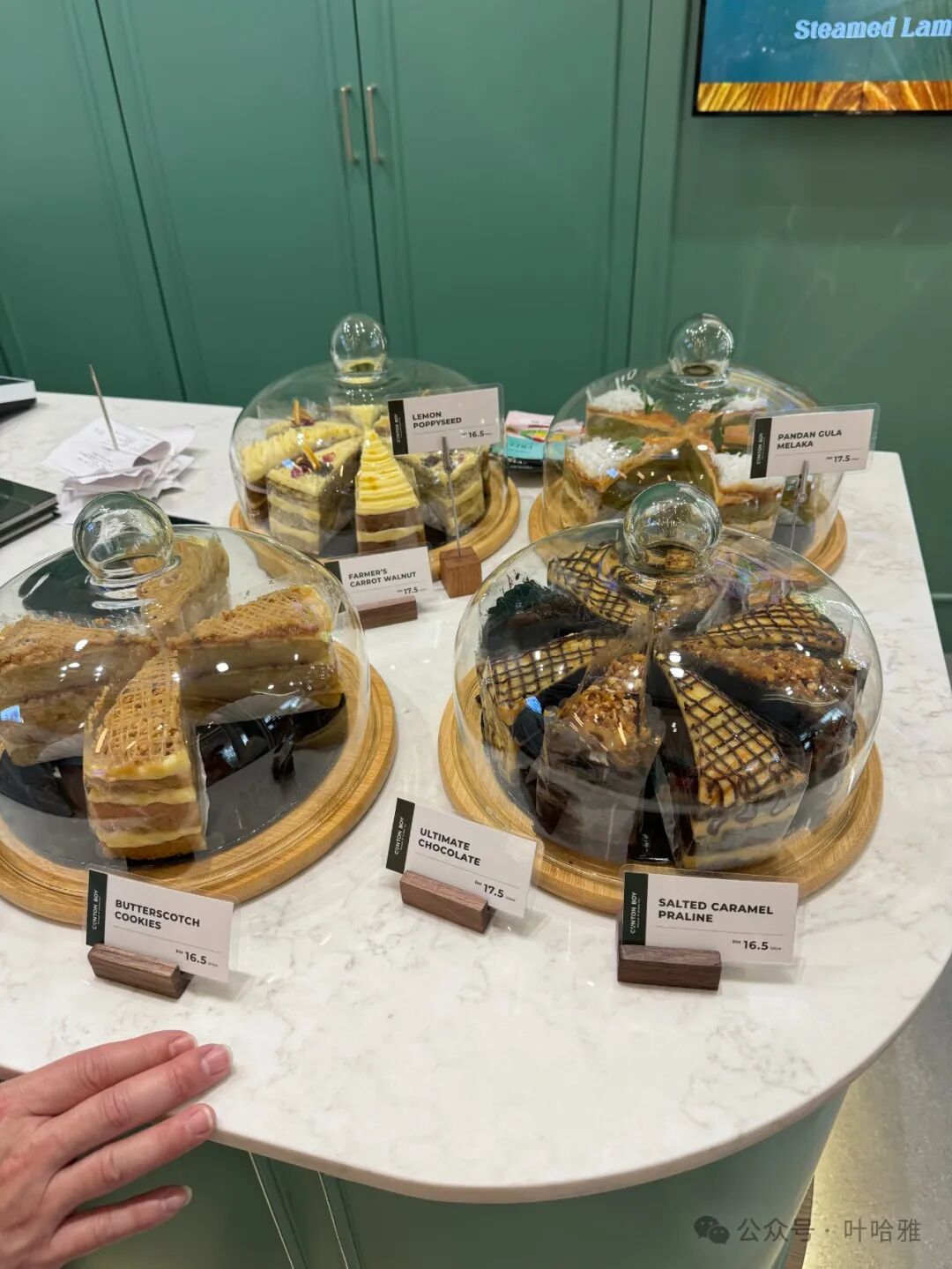
Morning tea starts at 9:00, but that's a bit too late for me. I've already been up for 3 hours by then and am starving, but you don't see many people on the streets here at 9 o'clock.
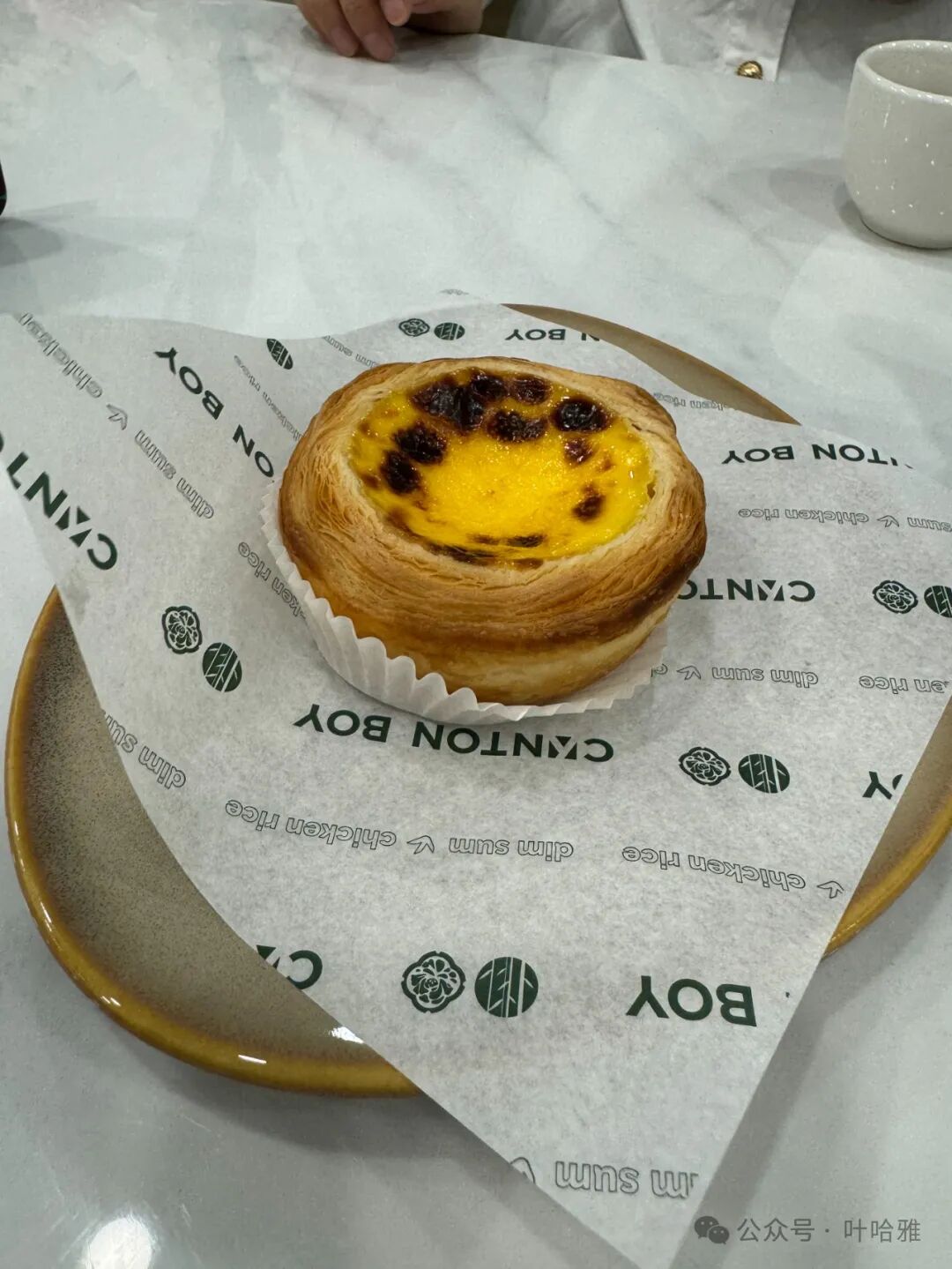
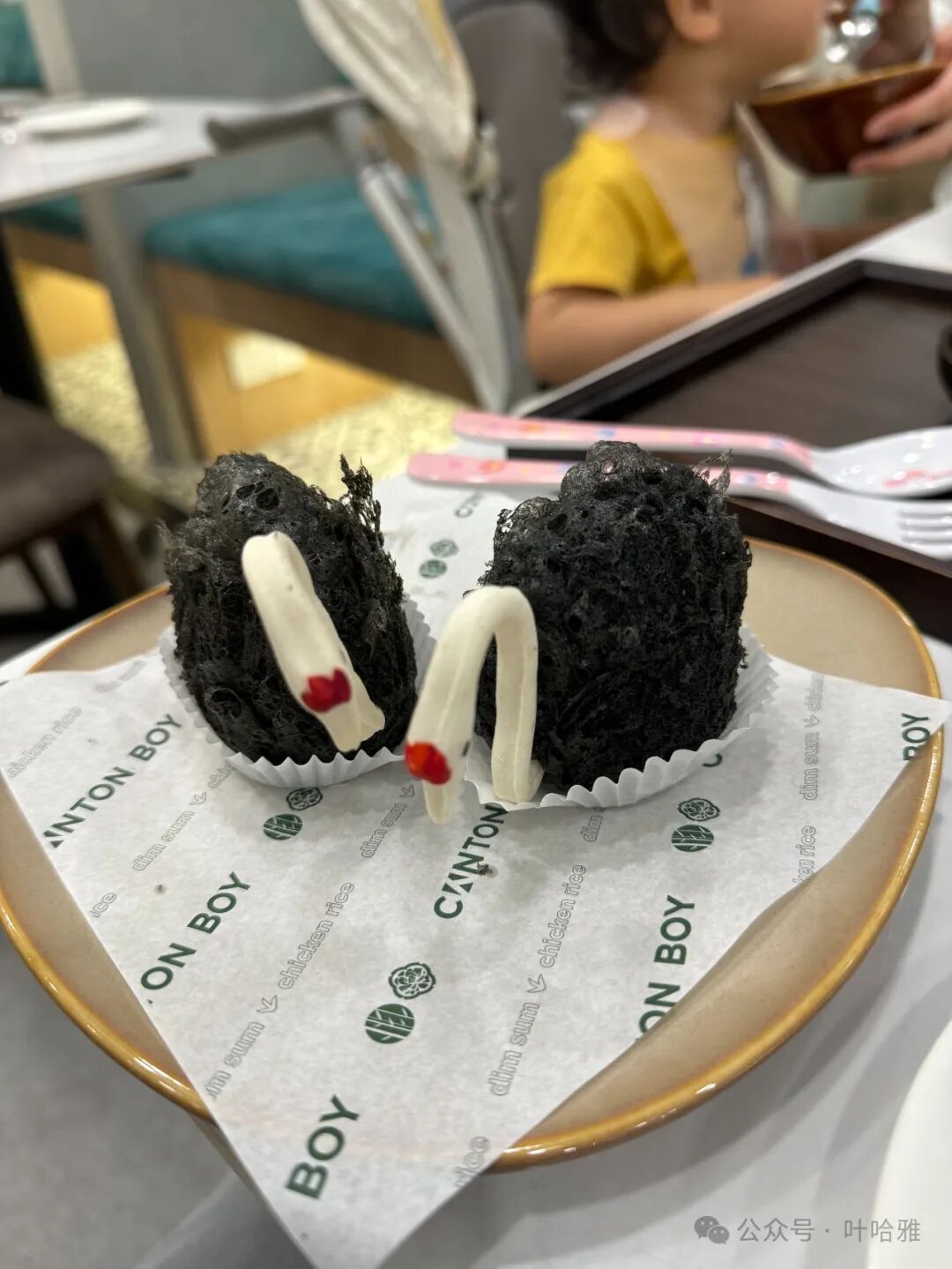
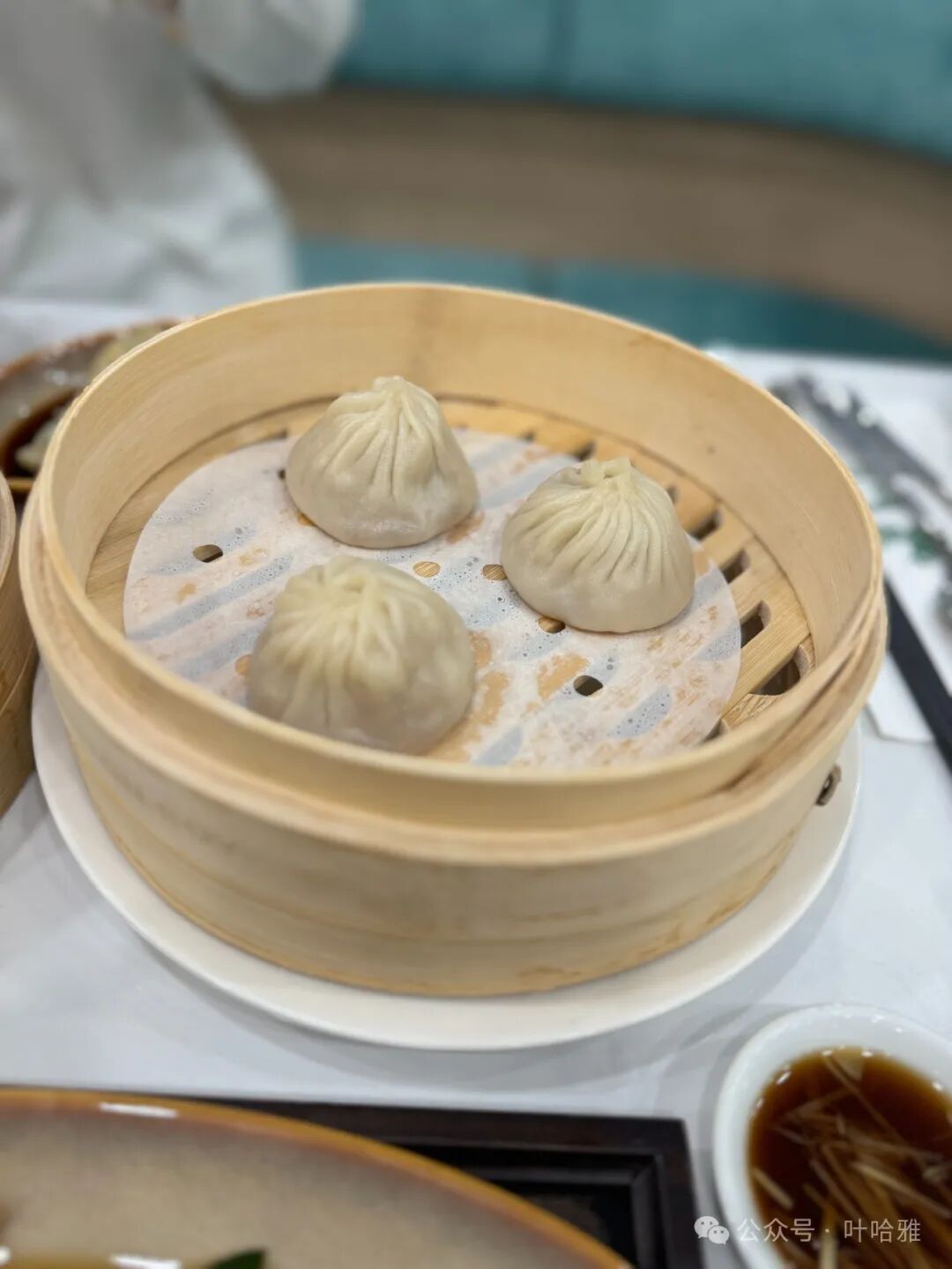
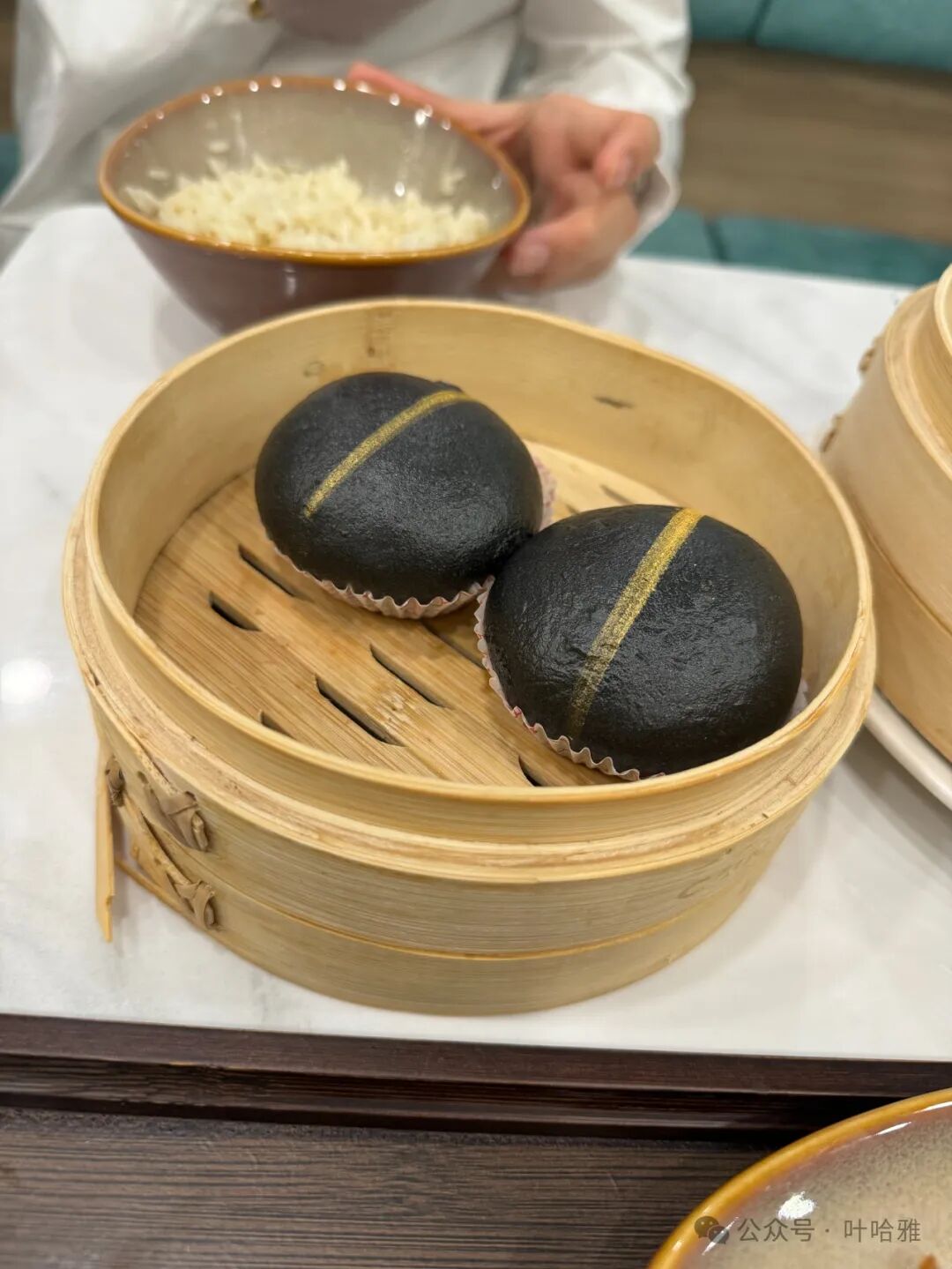
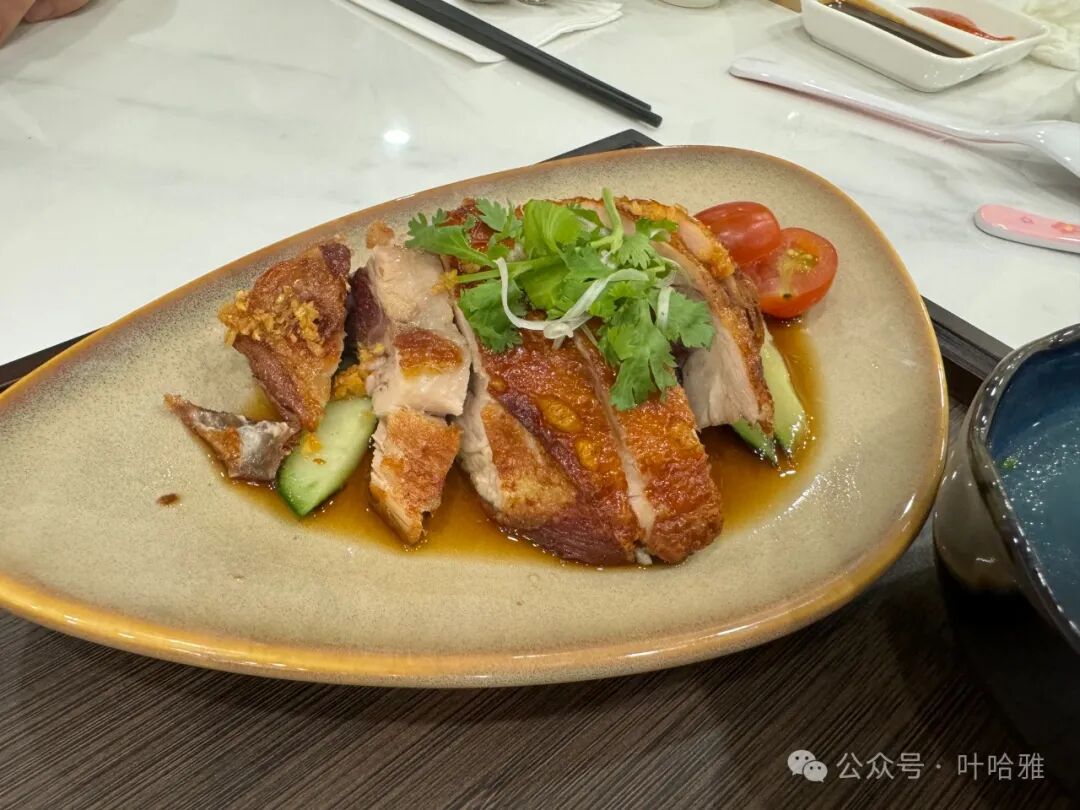
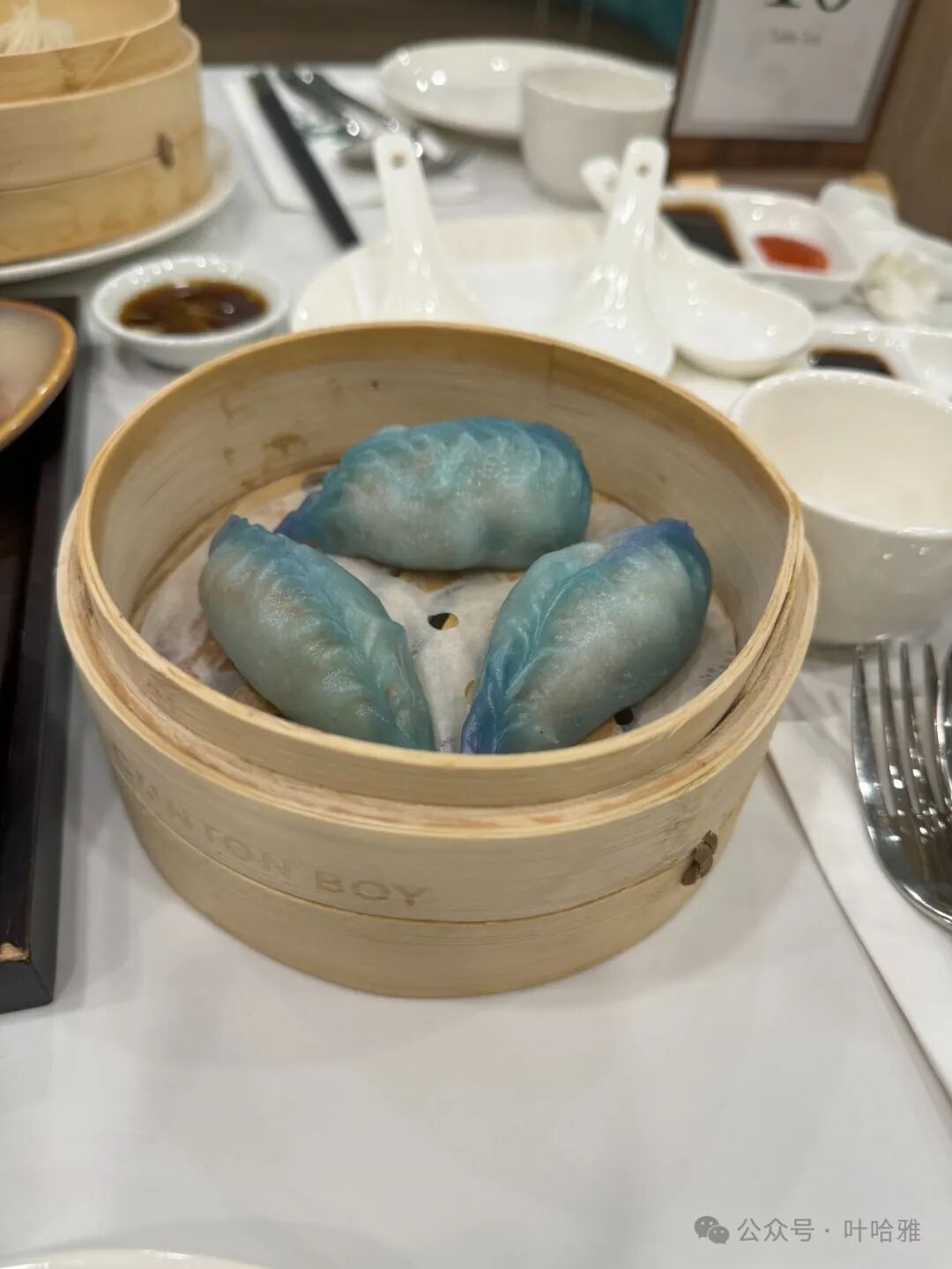
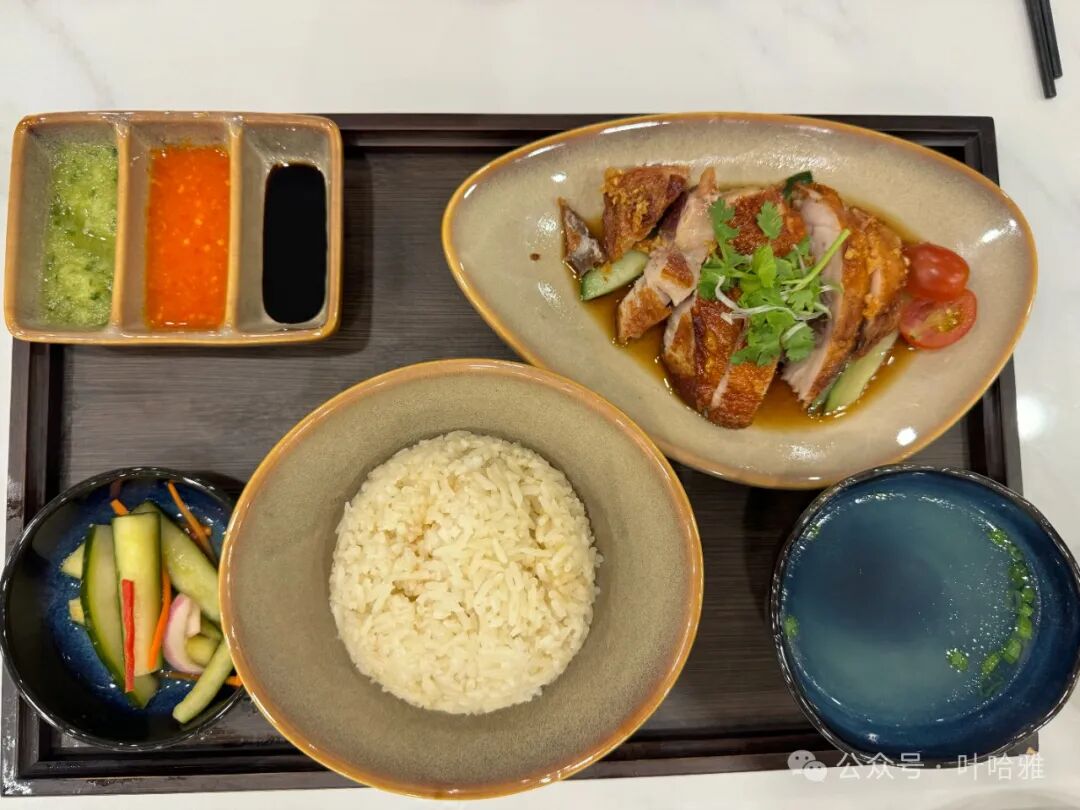
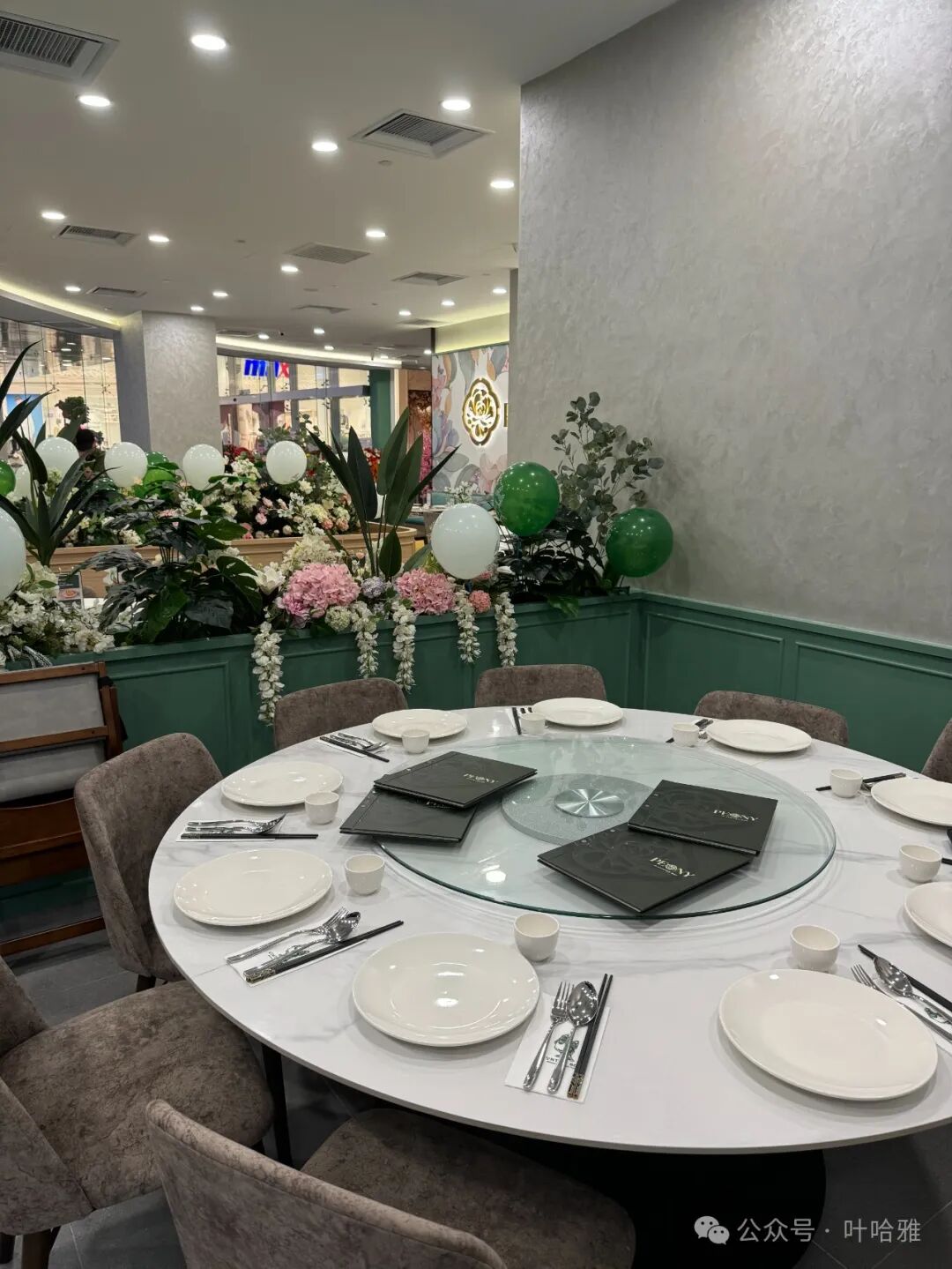
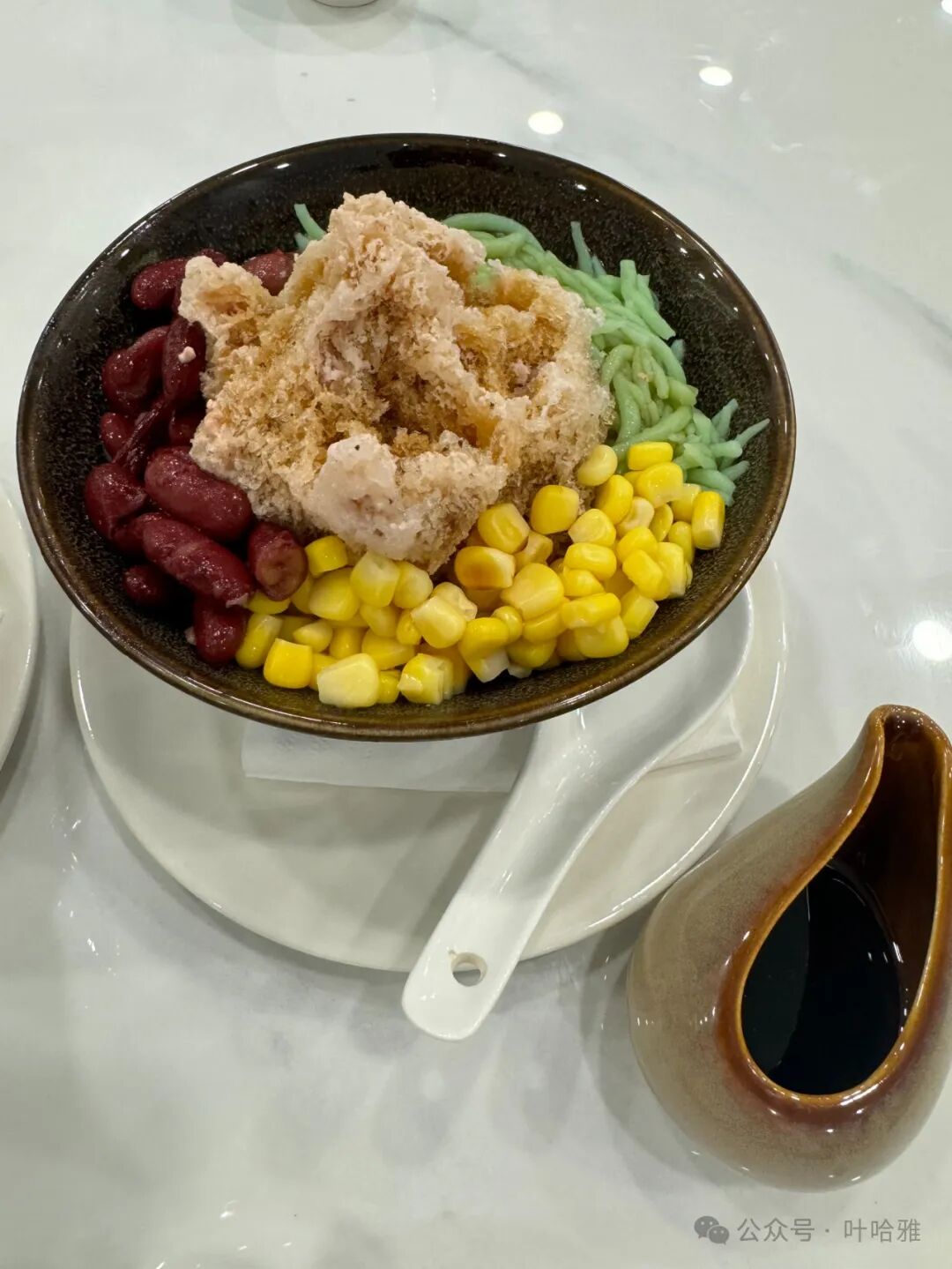
Besides morning tea, I also hosted my brother-in-law's family here. They are second-generation Pakistani immigrants from the UK. They didn't seem used to this Cantonese food; they preferred the mixed noodles at Musa Lanzhou Ramen.
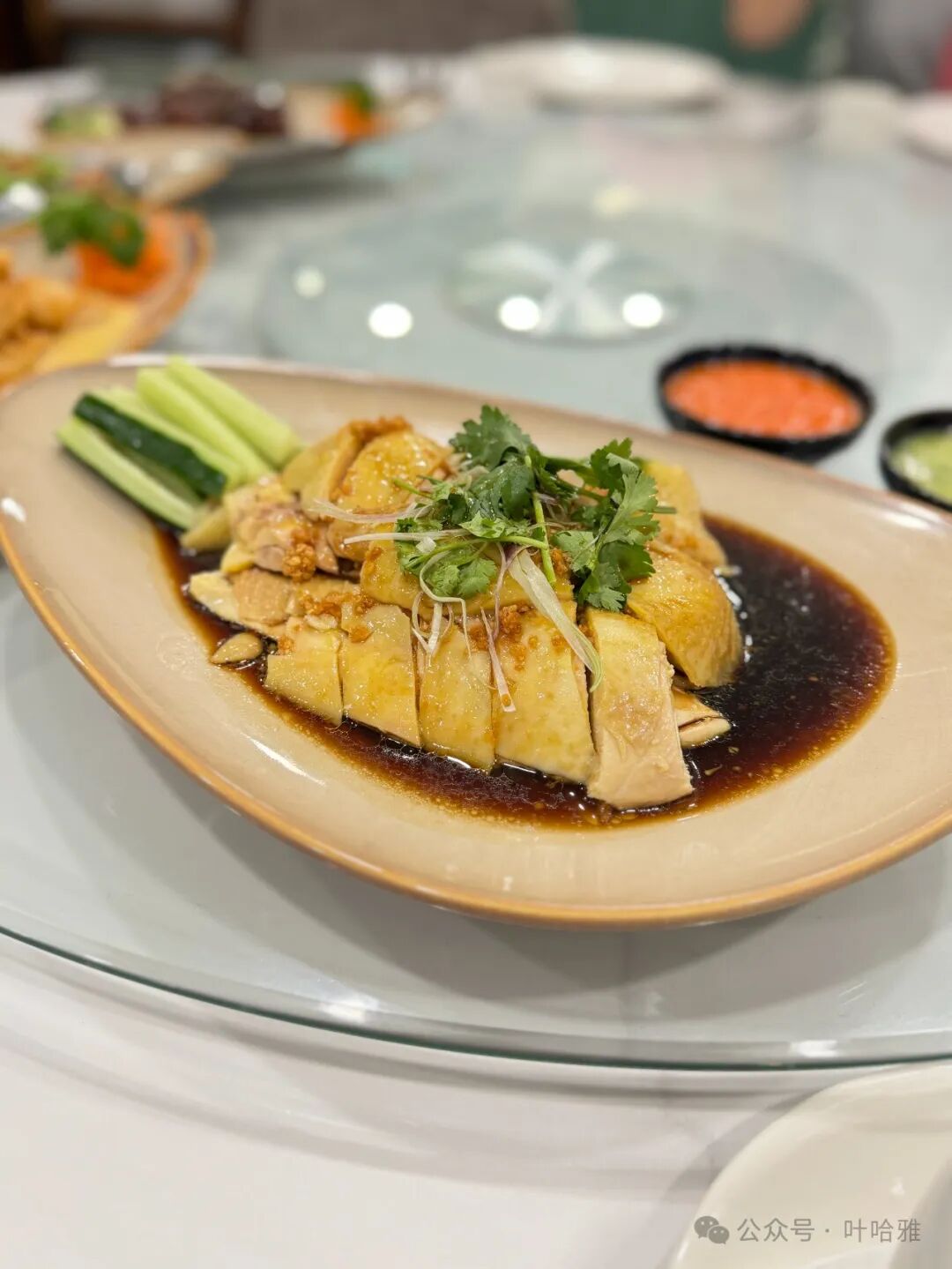
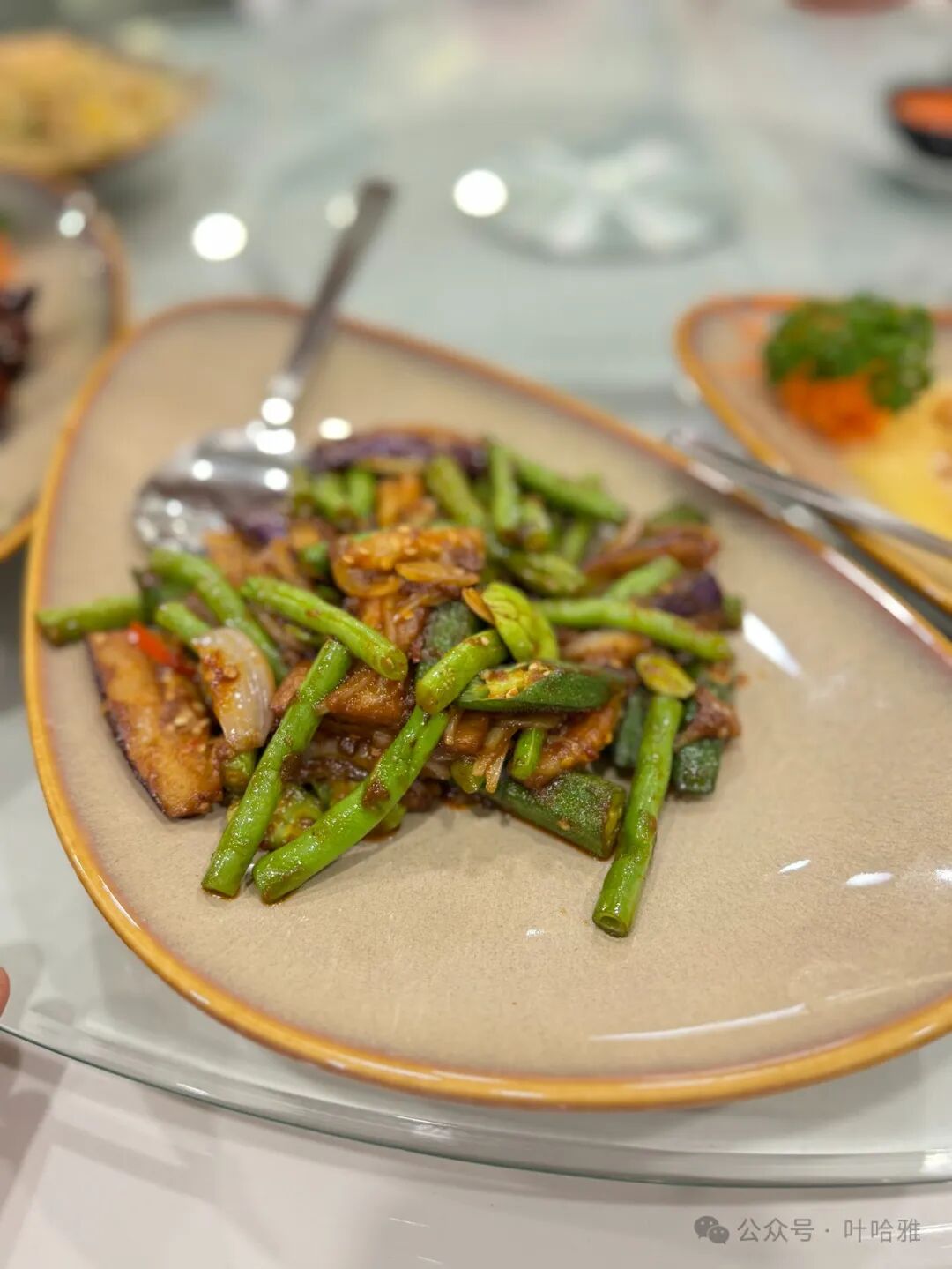
13. DOLLY DIM SUM
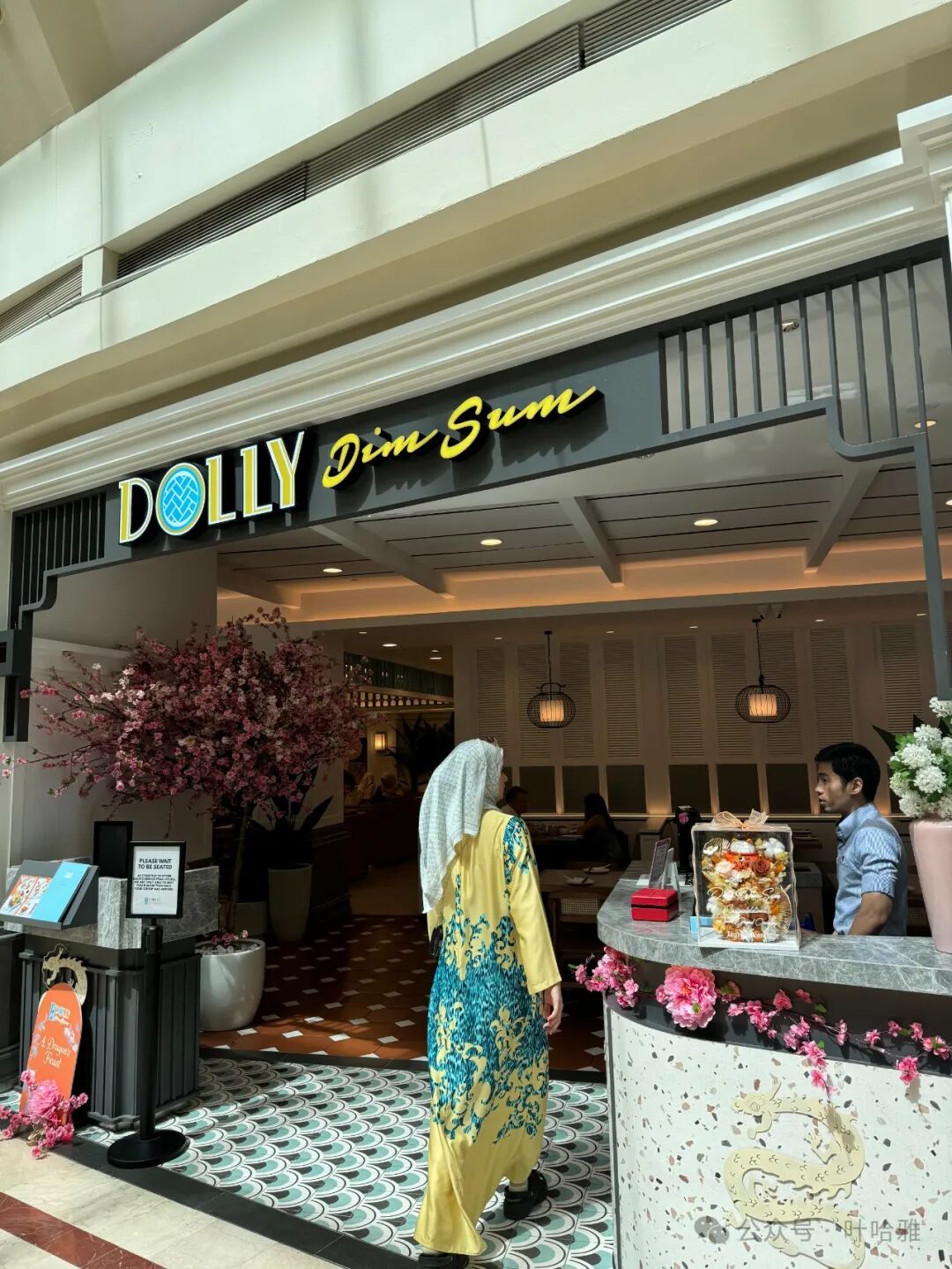
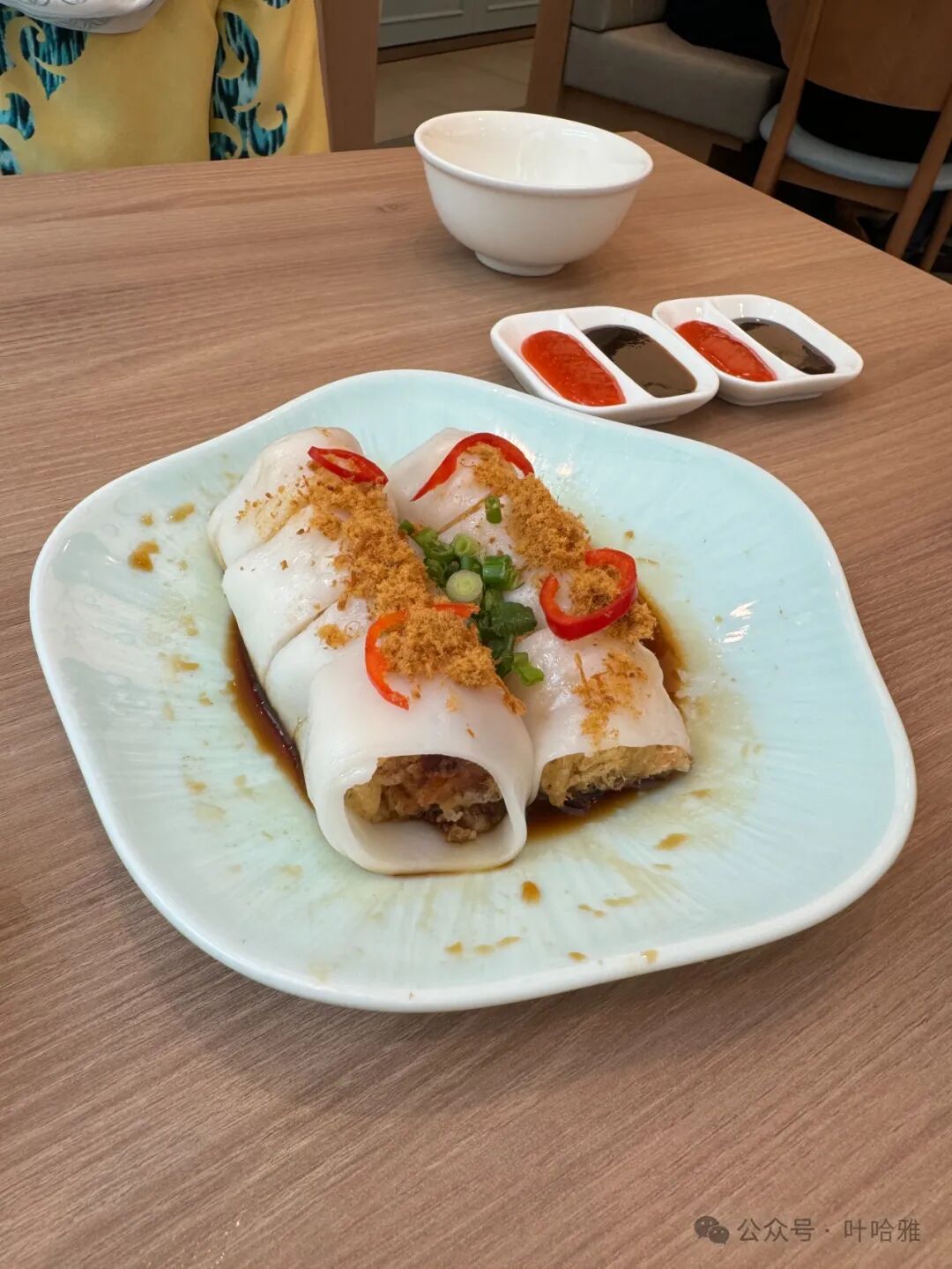
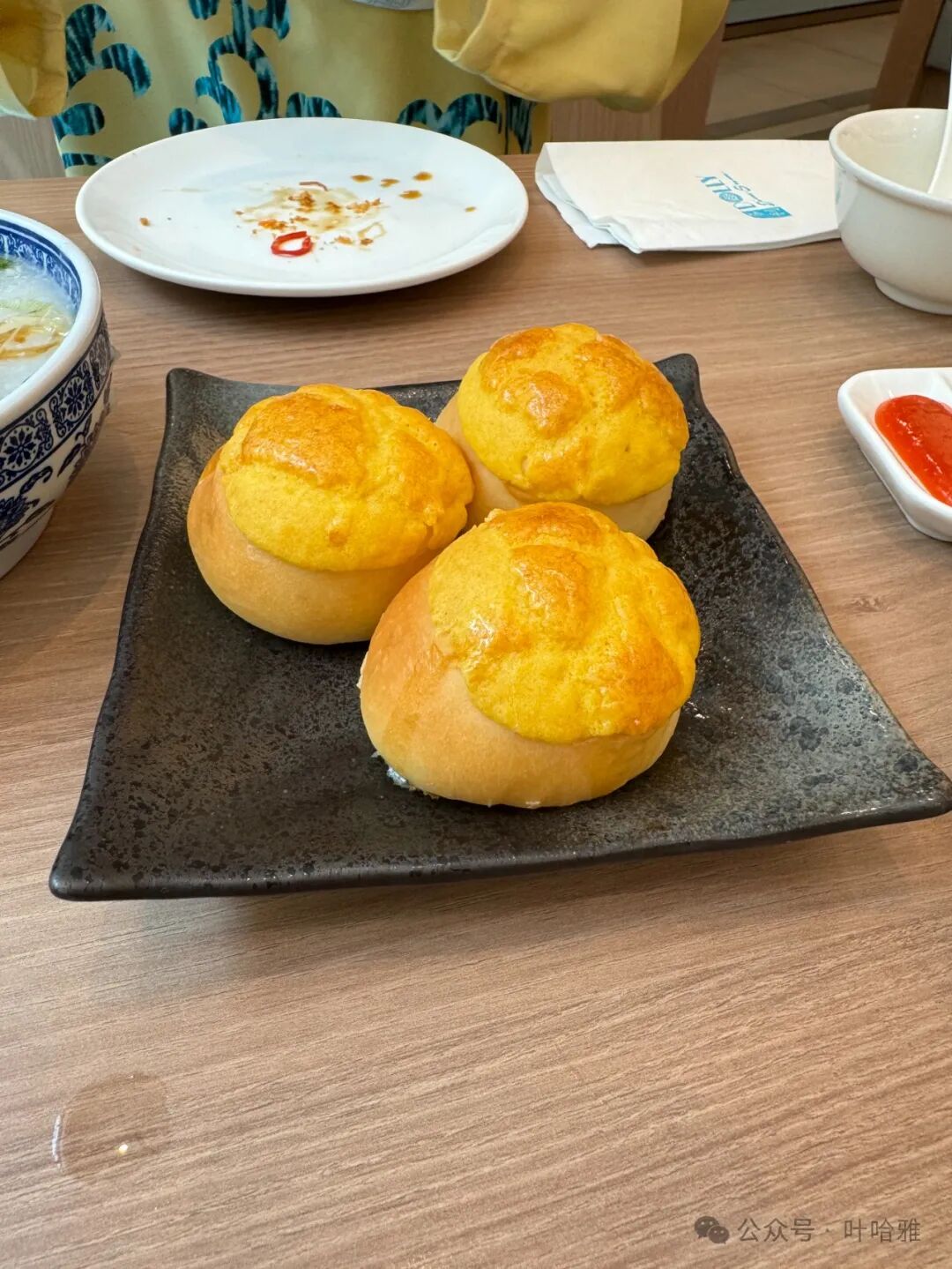
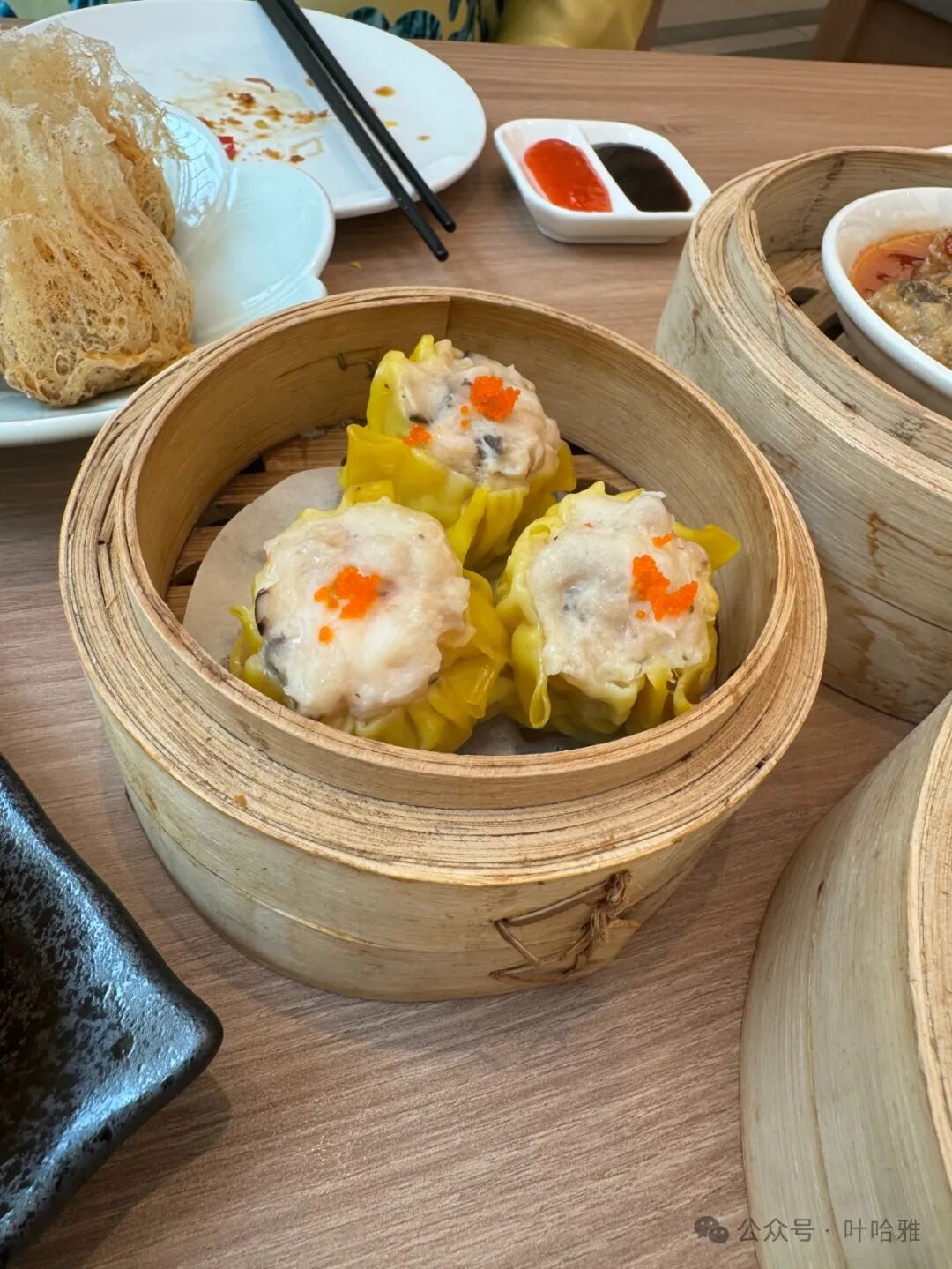
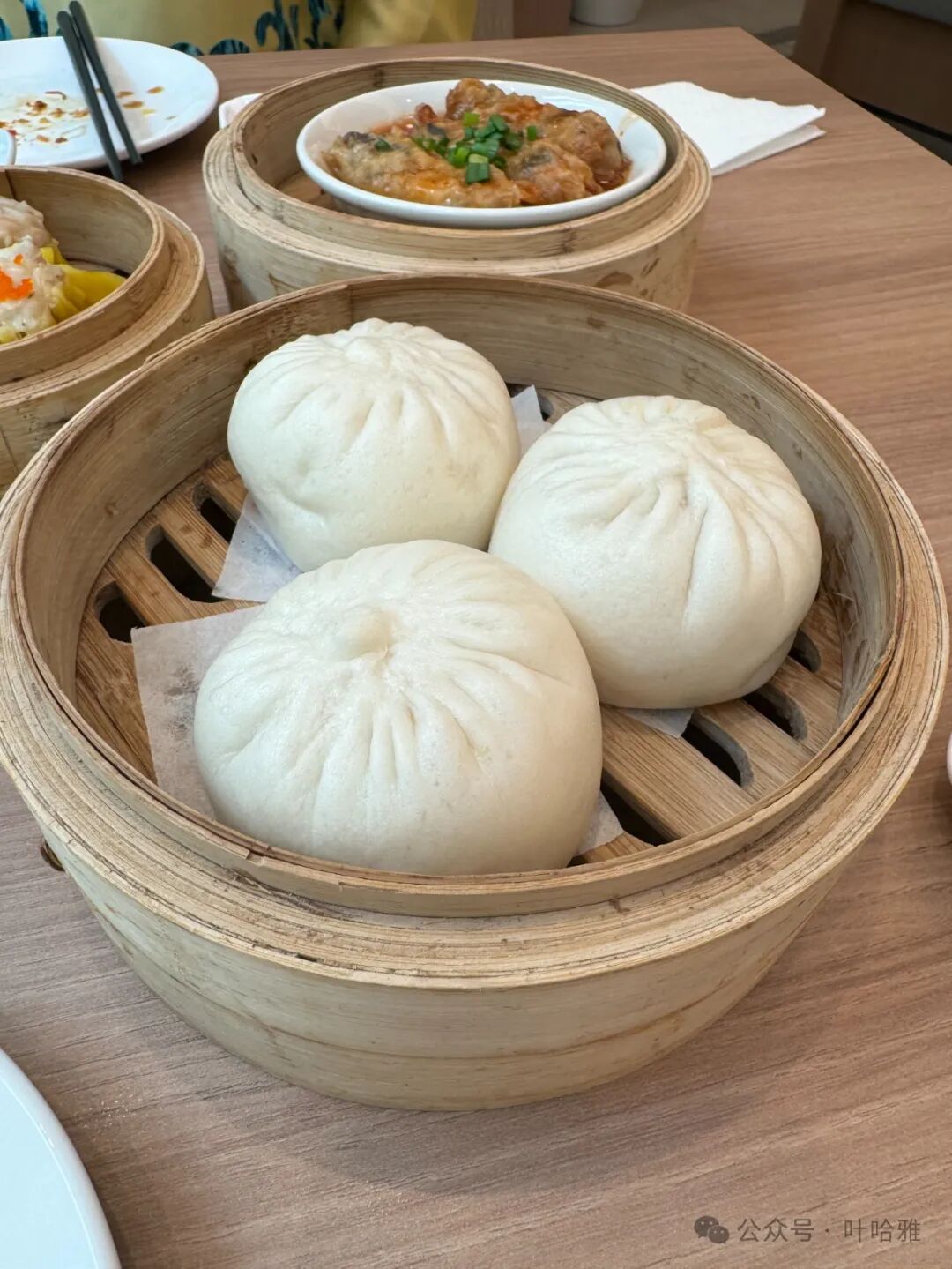
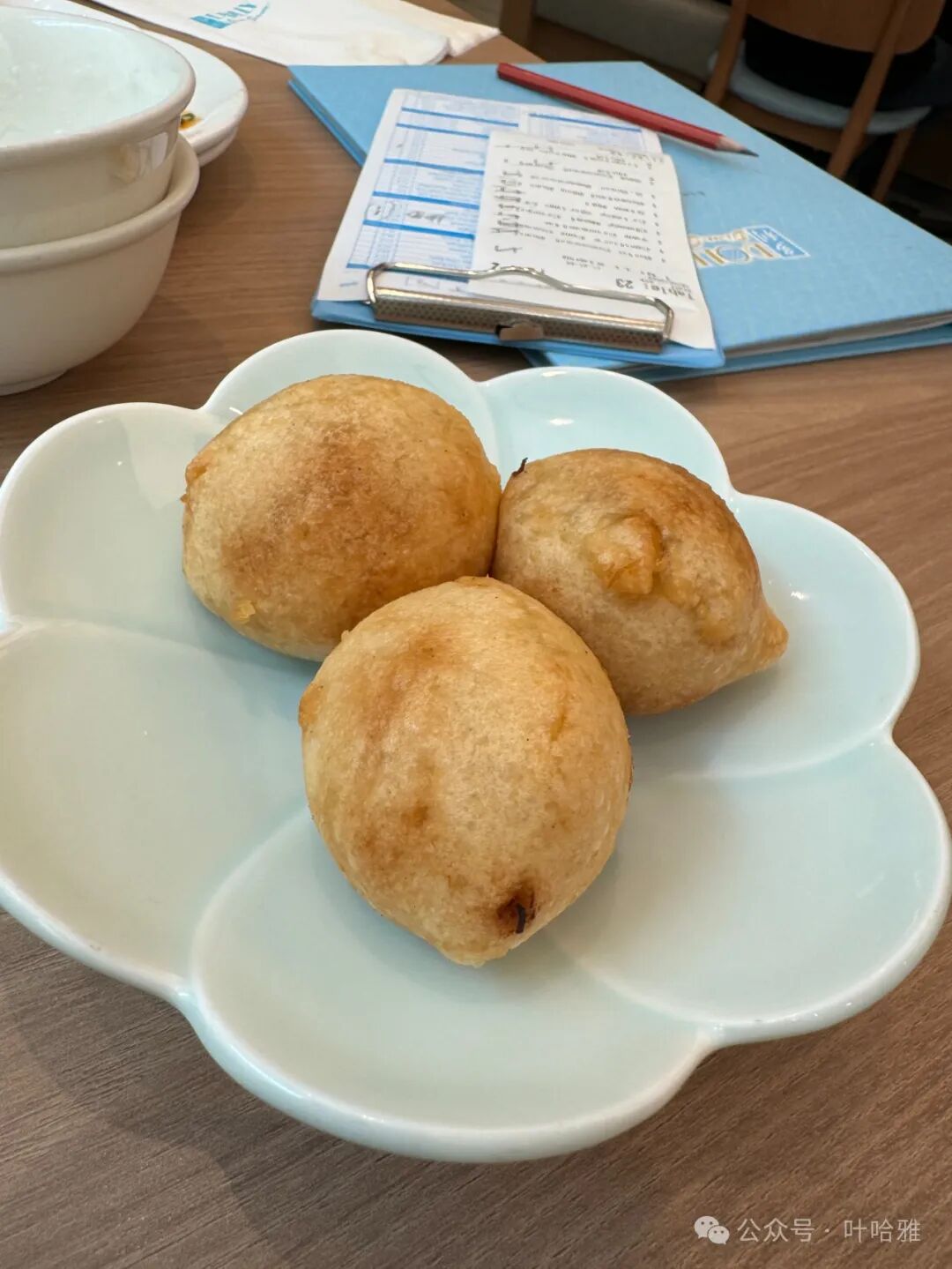
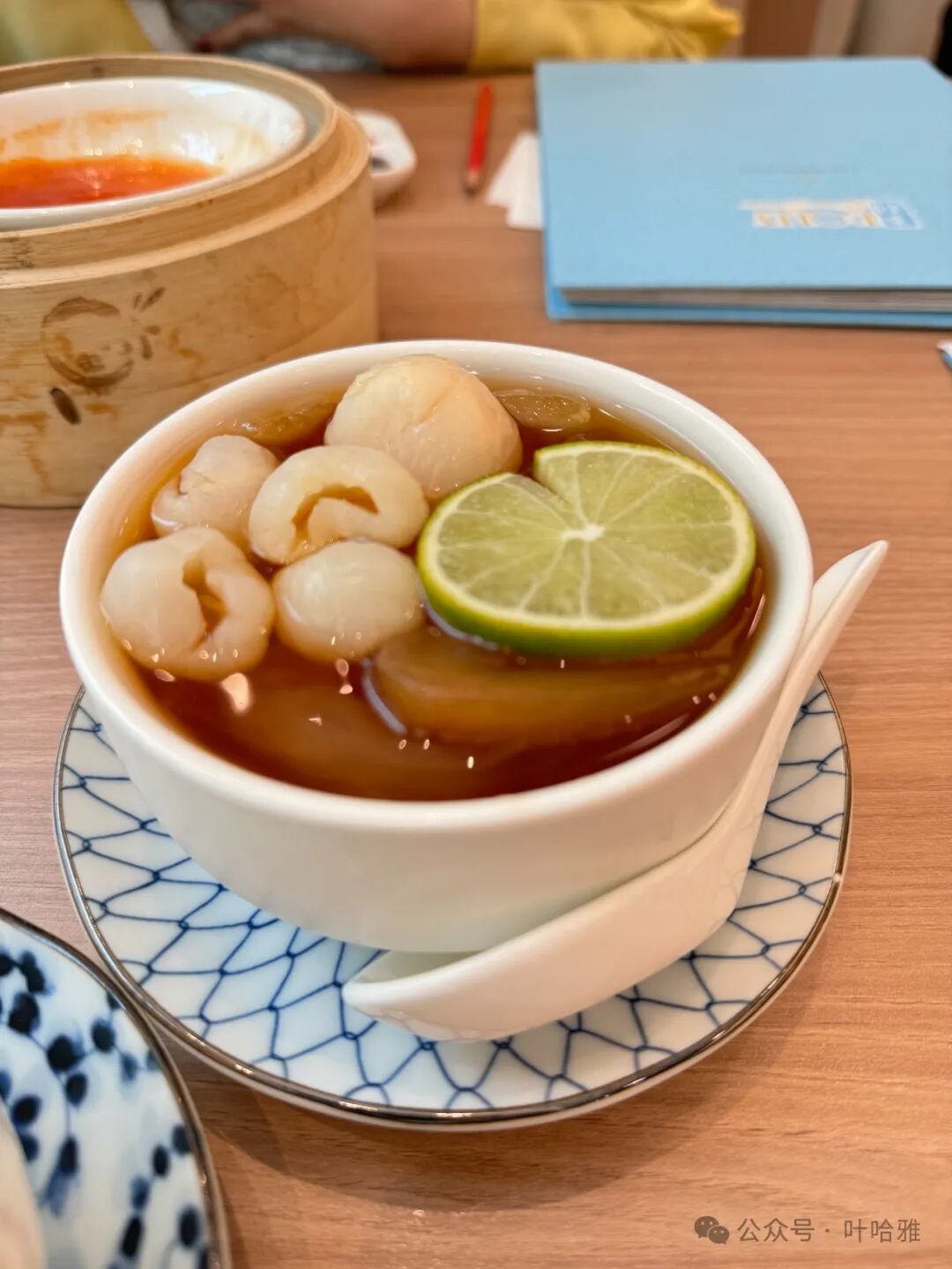
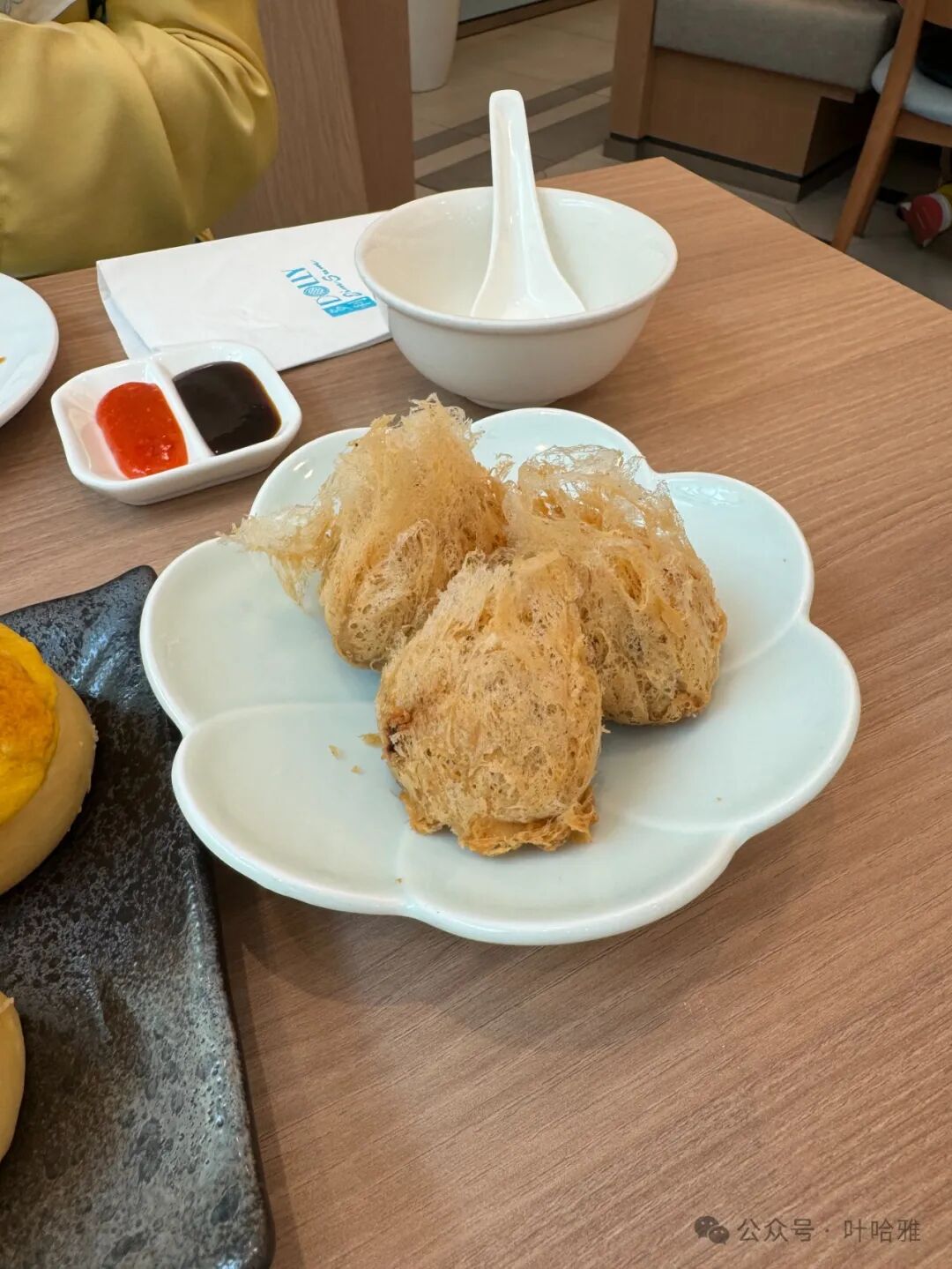
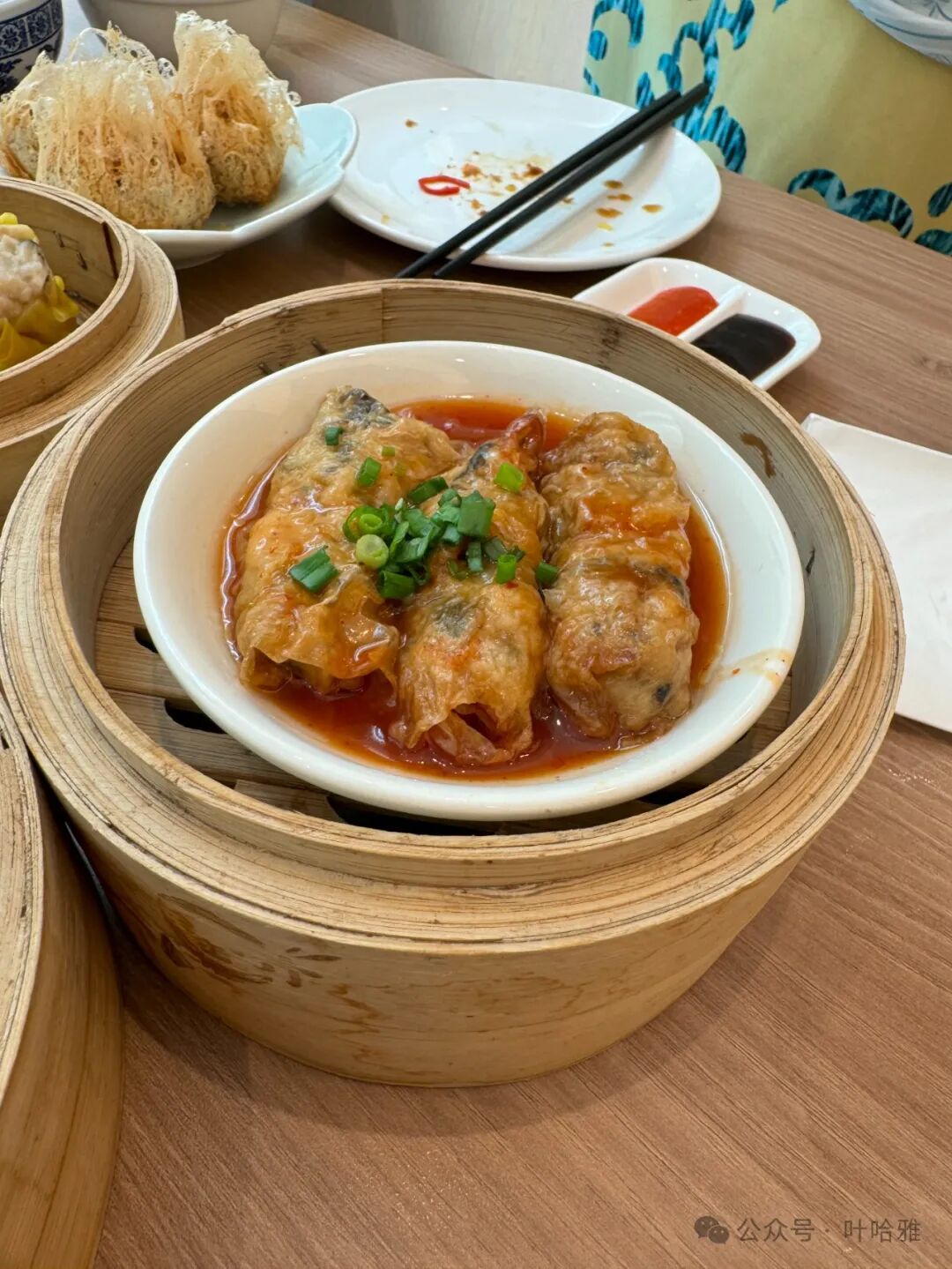
There are so many choices for morning tea in Kuala Lumpur that you could eat something different every day. Nearly half the people here are Chinese, mostly with roots in Guangdong, Guangxi, and Fujian, so you can trust the quality of their morning tea. Dolly Dim Sum (Duo Li) is a chain restaurant. This location is on the fourth floor of KLCC, and you will need to wait in line during peak hours.
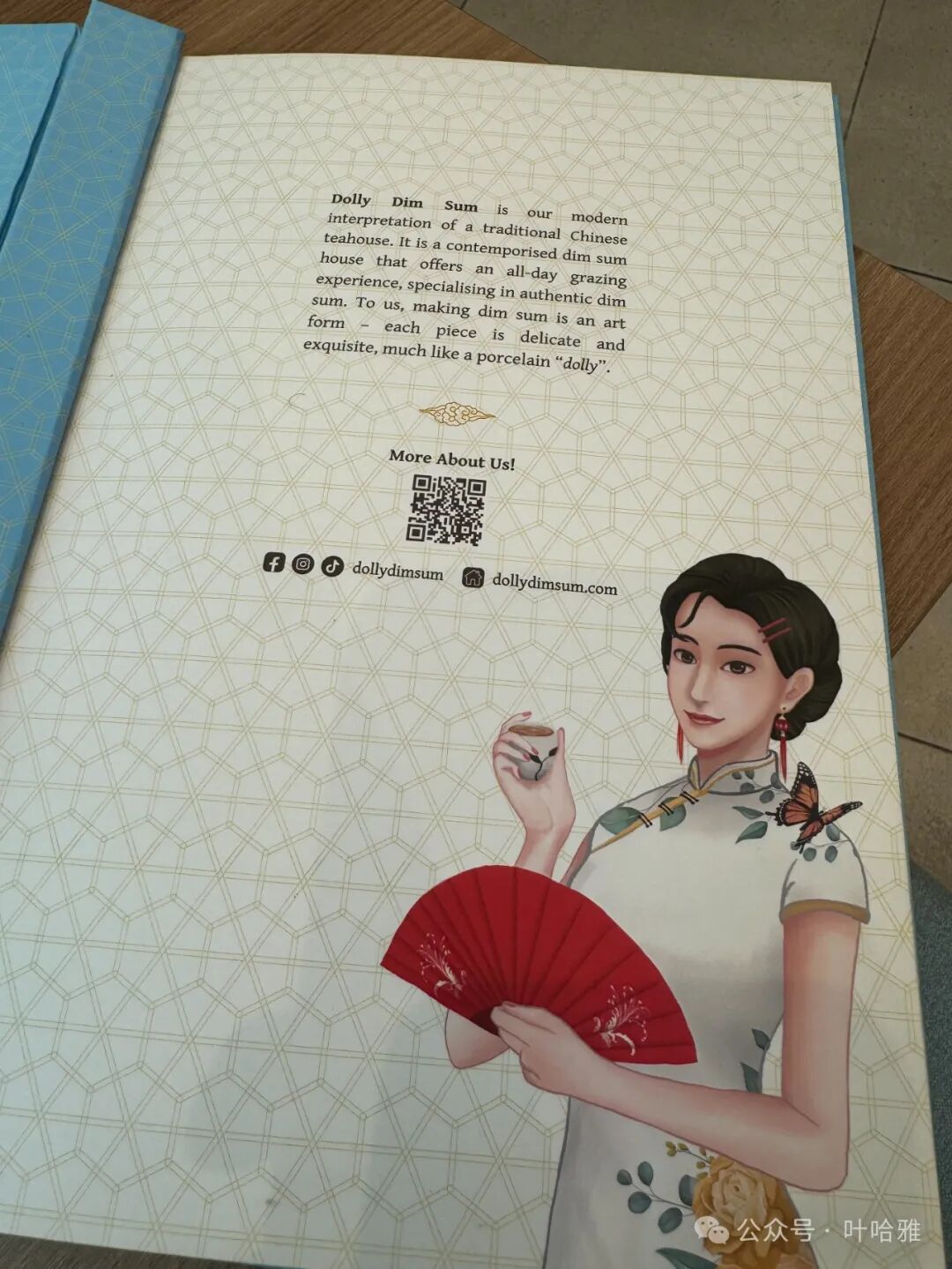
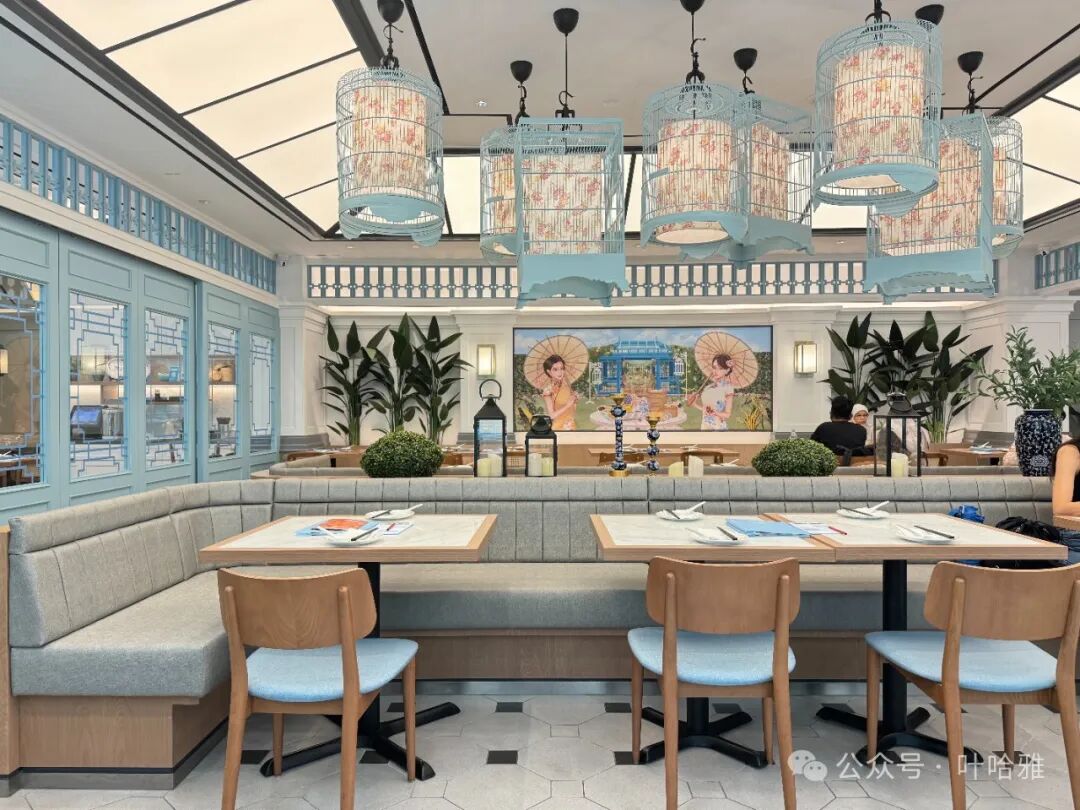
Summary: This Kuala Lumpur halal food guide introduces local Muslim dining, Musa Lanzhou Beef Noodles, Arabic barbecue, mamak food, MOZA, Nyonya flavors, street dining, Japanese, Korean, Thai options, and Cantonese-style dim sum.
A Guide to Halal Food in Kuala Lumpur is presented here as a firsthand travel account in clear English, beginning with this scene: This is my third time visiting Malaysia. I spent a long time in Kuala Lumpur, totaling 15 days, plus three days on Redang Island and one day in Malacca. The account keeps its focus on Halal Travel, Yiwu Food, Muslim Travel while preserving the names, places, food, and historical details from the Chinese source.
This is my third time visiting Malaysia. I spent a long time in Kuala Lumpur, totaling 15 days, plus three days on Redang Island and one day in Malacca. I ate at 16 restaurants in Kuala Lumpur and tried 16 different flavors. The food in Kuala Lumpur is so rich, delicious, and affordable that my love for Malaysia has grown even more.
The list of Kuala Lumpur restaurants featured in this post is as follows:
1. Musa Lanzhou Beef Noodles (Musa Lanzhou niurou lamian)
2. HABIBI SURIA Arabic BBQ
3. SELERA AMPANG Indian Mamak stall
4. Islamic Arts Museum MOZA Restaurant
5. KENNY HILLS BISTRO Four Seasons Hotel Afternoon Tea
6. RasaNya Nyonya Restaurant
7. Tapak Urban Street Dining night market
8. DOZO Japanese Cuisine
9. Hong Kong Xuan Chuan Cantonese Restaurant
10. KUNG JUNG Korean BBQ
11. Absolute Thai restaurant
12. PEONY CANTON BOY Cantonese dim sum
13. DOLLY DIM SUM Cantonese dim sum
14. Taco Bell Mexican fast food
15. Din Tai Fung Taiwanese food
16. MAKAN Malaysian buffet
1. Musa Lanzhou Ramen
Musa Lanzhou Ramen is located on the ground floor of Wisma Central, right along the street. It is the first ramen shop my mother-in-law opened in Kuala Lumpur. The shop is right next to the Petronas Twin Towers (KLCC), so it is very easy to find. The restaurant is smoke-free and alcohol-free, and it is clean and hygienic.
I know many friends struggle with Southeast Asian food, so you can choose to come here for a bowl of ramen.
Besides ramen, they also serve mixed noodles, big plate chicken (dapanji), dumplings, and kebabs. The restaurant has been open for over a year and is doing great business, with most customers being Malay.
I have hosted many friends from Kuala Lumpur at the shop, and the most popular dishes are the ramen and the kebabs.
A fresh pot of big plate chicken (dapanji) with wide belt noodles (pidaimian) is also very satisfying, though Malay people prefer mixed noodles (banmian).
2. Habibi Suria
Next door to Musalan Beef Ramen is an Arab-owned grilled meat and pizza shop. Their signature grilled meat wrap (shawarma) isn't as good as their pizza, so when I've had too much ramen, I occasionally go there to order a pizza.
Their pizza is definitely much better than their shawarma. It is always freshly baked and very cheap.
3. SELERA AMPANG Indian Stall
This shop is on the ground floor at the front of the Wisma Central building, while the ramen shop is on the side. This is an Indian fast-food spot. We all like their flatbread wraps (roti). A wrap with a side of grilled chicken makes a great lunch for many office workers, and with a drink, it costs around 20 ringgit.
4. Islamic Arts Museum MOZA Restaurant
There is an Islamic Arts Museum next to the National Mosque in Kuala Lumpur. This is my second time visiting. My friend from Beijing had an event there, so we met up. After touring the museum, he recommended the MOZA restaurant inside.
The design of MOZA restaurant incorporates many Islamic historical elements. It is full of style and is the biggest highlight of the restaurant.
My friend told me that this museum is actually private and houses many precious Islamic artifacts.
The restaurant serves mostly Southeast Asian fusion food along with some Arab-style dishes. The prices are quite affordable, with an average cost of no more than 50 Malaysian ringgit, which is less than 80 Chinese yuan. If you visit the Islamic Arts Museum, remember to eat at the restaurant. The museum entrance fee is only 20 ringgit.
5. KENNY HILLS BISTRO Four Seasons Hotel breakfast and afternoon tea
My wife and sister-in-law brought me to this local trendy restaurant on the ground floor of the Four Seasons Hotel. It has a Western style and is famous for its afternoon tea desserts. This shop is near our home in Kuala Lumpur, just a 5-minute walk from KLCC, and they have other chain locations too.
You can see many beautiful Malay ladies taking photos here. The desserts and coffee taste good, and they serve breakfast starting at 8:00 AM.
6. RasaNya Nyonya restaurant
This Nyonya restaurant is on the 8th floor of the Pavilion shopping center. Nyonya people are the descendants of mixed Malay and Chinese heritage, and they have a unique food culture. If you travel to Malaysia, you must try halal Nyonya food, as most Nyonya dishes are not halal. I once ate at one in Malacca, but this Kuala Lumpur location is more upscale and worth a try.
The restaurant's decor caught my eye; it has the elegant vibe of a Nanyang noblewoman.
The menu says Muslim Friendly, which means it is a pork-free restaurant. Some restaurants write Pork Free, which also means no pork. In Malaysia, as long as a restaurant has no pork, you can eat there because other meats like chicken, beef, and lamb are halal.
You might wonder why they don't just display a halal certification label. Applying for a Malaysian halal label involves a complicated process and high certification fees. Once certified, restaurants face regular and surprise inspections. Inspectors check that every ingredient has a halal certificate. Even additives without non-halal ingredients are not allowed if they lack certification. Businesses face penalties for non-compliance. That is why you will notice that most restaurants with official halal labels are large chains. Many small and medium-sized restaurants do not display the label and instead hang a dua in the shop. This does not stop Malay people from eating there. You can feel safe eating there if you see Malay people wearing headscarves dining in the shop.
This Nyonya restaurant serves Nanyang-style hot pot with very fresh ingredients, and the dipping sauce bowls come in different colors.
We chose a split pot with tomato broth and black truffle broth. I was surprised when we asked for a refill; the server brought two different pitchers to add broth separately instead of just adding water. It was very thoughtful.
Wagyu beef is expensive in Malaysia, and this was the most expensive meal I had in Kuala Lumpur, costing about 250 yuan per person.
The restaurant adds a 10% service charge. If you skip the hot pot and just order Nyonya cuisine (niangre cai), you won't actually spend that much. The rice and seasonings in the Nyonya cuisine are quite delicious.
7. Tapak Urban Street Dining night market
We stayed near KLCC, so our activities were mostly within a one-kilometer radius. You will notice that the restaurants I recommend are all near KLCC, including this night market. You can see the lit-up Petronas Twin Towers not far from the market.
This night market opens at 18:00. It is entirely halal and stays open until the early morning every day. There is even a live band performing, mostly singing Chinese pop songs.
I tried many snacks at this night market myself, and they were all delicious with no bad surprises. Just be sure to bring some small change, as some stalls do not accept Alipay.
What attracted me most was the fruit juice at the night market. I accidentally bought a cup of apple juice at this stall and it was incredibly good. Since then, I have wandered over here every few days to buy juice. In Malaysia, I love drinking juice the most because it is all freshly squeezed from real fruit with no artificial additives.
One day, while I was holding a cup of juice downstairs at KLCC, a Chinese girl stopped me to ask where I bought the drink.
I bought the fried rice shown in the picture below. Paired with the apple juice I bought earlier, this meal only cost 10 yuan.
8. DOZO Japanese Restaurant
Don't miss the halal Japanese food that is common in Malaysia but rare back home. Since Malaysia was once a Japanese colony, it was influenced by Japanese culture, and the Japanese food here is very close to the quality you find in Japan. The name of this shop means 'please come in' in Japanese. It has high ratings and reasonable prices.
You can eat a full range of famous Japanese dishes here, including grilled meat, sushi, sashimi, udon noodles, tempura, and more.
I have to praise the texture of this salmon sashimi; it is excellent. One bite and you know it is not rainbow trout.
I really love the drinks in Malaysia. This peach juice was buy-one-get-one-free, so both cups are mine.
9. Hong Kong Xuan Chuan Cantonese Restaurant
This Hong Kong Xuan restaurant is right across the street from where we are staying. I pass by every day and see it packed with people, mostly Malay locals.
This shop serves dim sum (zaocha) after 11:00 a.m. I do not know why it starts so late; maybe people in Kuala Lumpur are not used to waking up early. Where I live, the earliest you can get breakfast is after 8:00 a.m.
I must say the dim sum at Hong Kong Xuan tastes very authentic. Even the restaurant atmosphere feels like a Hong Kong tea house, and the staff look like traditional Cantonese people. Each dim sum dish only costs a few ringgit. The three of us spent about 100 ringgit for this meal. I have tried three dim sum places in Kuala Lumpur, and every one of them is better than the Hui Muslim restaurant in Guangzhou.
10. KUNG JUNG Korean BBQ
There is a Korean barbecue restaurant upstairs from Hong Kong Xuan that is incredibly busy. You need to book in advance, or you will have to wait in line. We are lucky to stay in this area. We just walk downstairs for 5 to 10 minutes to find all kinds of delicious restaurants.
The contact information and address are on the business card.
Malay people really like eating Korean barbecue. It seems like they are not very picky about what they eat.
The barbecue at this shop tastes great, but I didn't really like the cold noodles. Compared to barbecue back home, I still prefer eating in Beijing, where you get better value for your money. The average cost per person at this shop is over 150 yuan. If the price were a bit lower, I would feel it was a great deal.
11. Absolute Thai restaurant
I want to make up for the halal Thai food I can't get in Beijing while I'm in Kuala Lumpur. Thai food in Kuala Lumpur is basically all halal.
This refined Thai restaurant inside the TRX mall suits my taste perfectly. The pineapple fried rice and the seasoning of the desserts were also amazing.
12. PEONY CANTON BOY
One of my biggest joys in Kuala Lumpur is trying out different styles of morning tea (yum cha). I love eating a rich meal in the morning, which is something I can't enjoy in Beijing. This newly opened Canton Boy is an authentic Cantonese restaurant. Besides morning tea, they also serve main courses. We ate here twice, and I have to say the morning tea satisfied me more.
The shop is at the entrance on the first floor of the AK mall. The huge floor-to-ceiling windows and fresh decor are a delight to the eyes. Some staff are Chinese and can speak Chinese, and every server in the restaurant wears a headscarf, which means this is a halal restaurant.
Morning tea starts at 9:00, but that's a bit too late for me. I've already been up for 3 hours by then and am starving, but you don't see many people on the streets here at 9 o'clock.
Besides morning tea, I also hosted my brother-in-law's family here. They are second-generation Pakistani immigrants from the UK. They didn't seem used to this Cantonese food; they preferred the mixed noodles at Musa Lanzhou Ramen.
13. DOLLY DIM SUM
There are so many choices for morning tea in Kuala Lumpur that you could eat something different every day. Nearly half the people here are Chinese, mostly with roots in Guangdong, Guangxi, and Fujian, so you can trust the quality of their morning tea. Dolly Dim Sum (Duo Li) is a chain restaurant. This location is on the fourth floor of KLCC, and you will need to wait in line during peak hours.
