

Malaysia Muslim Travel
Best Halal Food Kuala Lumpur: Lanzhou Beef Noodles, Halal Dim Sum and Muslim Street Dining
Articles • yusuf908 posted the article • 0 comments • 180 views • 2026-05-24 00:17
Summary: This Kuala Lumpur halal food guide introduces local Muslim dining, Musa Lanzhou Beef Noodles, Arabic barbecue, mamak food, MOZA, Nyonya flavors, street dining, Japanese, Korean, Thai options, and Cantonese-style dim sum.
A Guide to Halal Food in Kuala Lumpur is presented here as a firsthand travel account in clear English, beginning with this scene: This is my third time visiting Malaysia. I spent a long time in Kuala Lumpur, totaling 15 days, plus three days on Redang Island and one day in Malacca. The account keeps its focus on Halal Travel, Yiwu Food, Muslim Travel while preserving the names, places, food, and historical details from the Chinese source.
This is my third time visiting Malaysia. I spent a long time in Kuala Lumpur, totaling 15 days, plus three days on Redang Island and one day in Malacca. I ate at 16 restaurants in Kuala Lumpur and tried 16 different flavors. The food in Kuala Lumpur is so rich, delicious, and affordable that my love for Malaysia has grown even more.
The list of Kuala Lumpur restaurants featured in this post is as follows:
1. Musa Lanzhou Beef Noodles (Musa Lanzhou niurou lamian)
2. HABIBI SURIA Arabic BBQ
3. SELERA AMPANG Indian Mamak stall
4. Islamic Arts Museum MOZA Restaurant
5. KENNY HILLS BISTRO Four Seasons Hotel Afternoon Tea
6. RasaNya Nyonya Restaurant
7. Tapak Urban Street Dining night market
8. DOZO Japanese Cuisine
9. Hong Kong Xuan Chuan Cantonese Restaurant
10. KUNG JUNG Korean BBQ
11. Absolute Thai restaurant
12. PEONY CANTON BOY Cantonese dim sum
13. DOLLY DIM SUM Cantonese dim sum
14. Taco Bell Mexican fast food
15. Din Tai Fung Taiwanese food
16. MAKAN Malaysian buffet
1. Musa Lanzhou Ramen
Musa Lanzhou Ramen is located on the ground floor of Wisma Central, right along the street. It is the first ramen shop my mother-in-law opened in Kuala Lumpur. The shop is right next to the Petronas Twin Towers (KLCC), so it is very easy to find. The restaurant is smoke-free and alcohol-free, and it is clean and hygienic.
I know many friends struggle with Southeast Asian food, so you can choose to come here for a bowl of ramen.
Besides ramen, they also serve mixed noodles, big plate chicken (dapanji), dumplings, and kebabs. The restaurant has been open for over a year and is doing great business, with most customers being Malay.
I have hosted many friends from Kuala Lumpur at the shop, and the most popular dishes are the ramen and the kebabs.
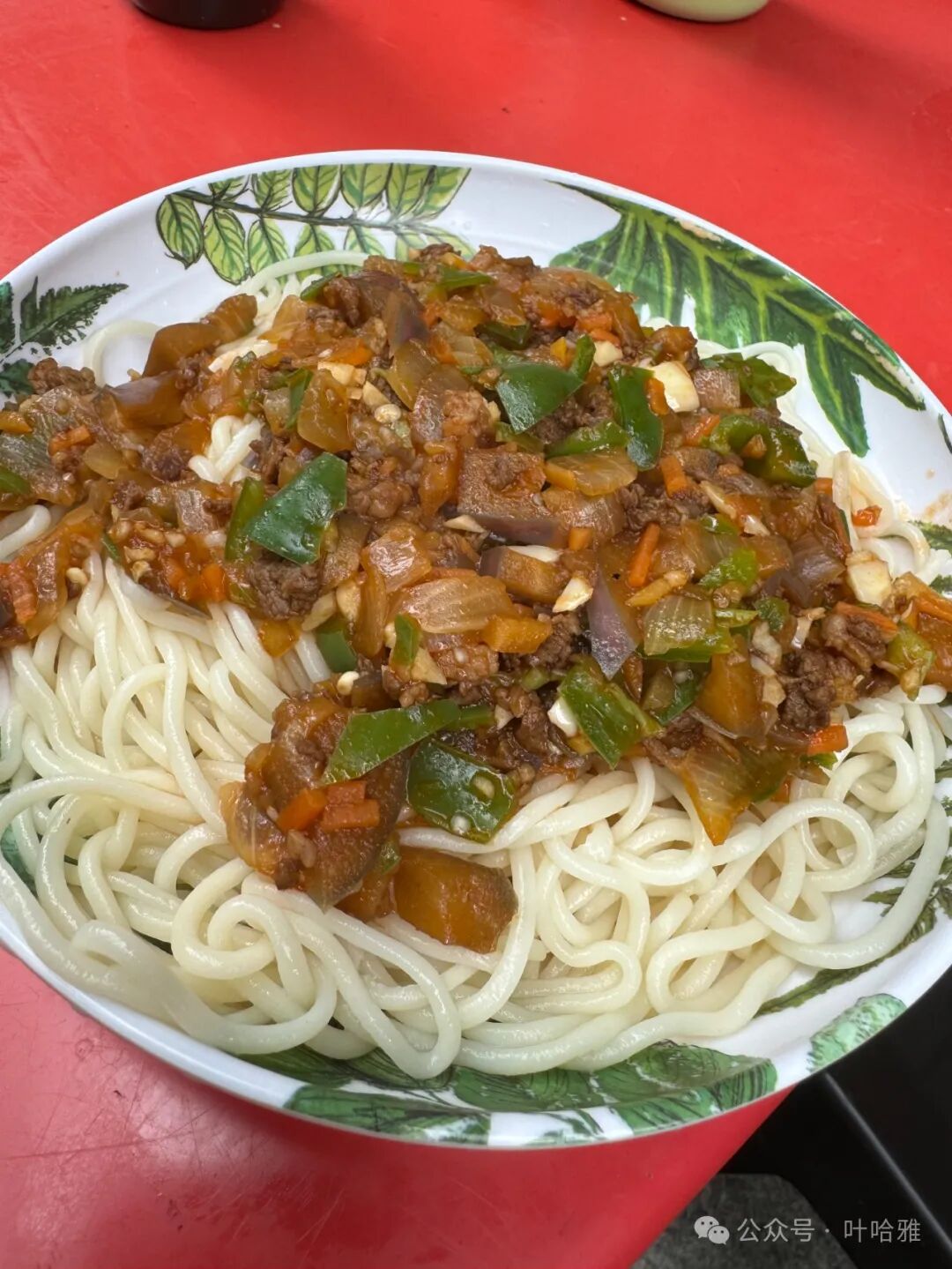
A fresh pot of big plate chicken (dapanji) with wide belt noodles (pidaimian) is also very satisfying, though Malay people prefer mixed noodles (banmian).
2. Habibi Suria
Next door to Musalan Beef Ramen is an Arab-owned grilled meat and pizza shop. Their signature grilled meat wrap (shawarma) isn't as good as their pizza, so when I've had too much ramen, I occasionally go there to order a pizza.
Their pizza is definitely much better than their shawarma. It is always freshly baked and very cheap.
3. SELERA AMPANG Indian Stall
This shop is on the ground floor at the front of the Wisma Central building, while the ramen shop is on the side. This is an Indian fast-food spot. We all like their flatbread wraps (roti). A wrap with a side of grilled chicken makes a great lunch for many office workers, and with a drink, it costs around 20 ringgit.
4. Islamic Arts Museum MOZA Restaurant
There is an Islamic Arts Museum next to the National Mosque in Kuala Lumpur. This is my second time visiting. My friend from Beijing had an event there, so we met up. After touring the museum, he recommended the MOZA restaurant inside.
The design of MOZA restaurant incorporates many Islamic historical elements. It is full of style and is the biggest highlight of the restaurant.
My friend told me that this museum is actually private and houses many precious Islamic artifacts.
The restaurant serves mostly Southeast Asian fusion food along with some Arab-style dishes. The prices are quite affordable, with an average cost of no more than 50 Malaysian ringgit, which is less than 80 Chinese yuan. If you visit the Islamic Arts Museum, remember to eat at the restaurant. The museum entrance fee is only 20 ringgit.
5. KENNY HILLS BISTRO Four Seasons Hotel breakfast and afternoon tea
My wife and sister-in-law brought me to this local trendy restaurant on the ground floor of the Four Seasons Hotel. It has a Western style and is famous for its afternoon tea desserts. This shop is near our home in Kuala Lumpur, just a 5-minute walk from KLCC, and they have other chain locations too.
You can see many beautiful Malay ladies taking photos here. The desserts and coffee taste good, and they serve breakfast starting at 8:00 AM.
6. RasaNya Nyonya restaurant
This Nyonya restaurant is on the 8th floor of the Pavilion shopping center. Nyonya people are the descendants of mixed Malay and Chinese heritage, and they have a unique food culture. If you travel to Malaysia, you must try halal Nyonya food, as most Nyonya dishes are not halal. I once ate at one in Malacca, but this Kuala Lumpur location is more upscale and worth a try.
The restaurant's decor caught my eye; it has the elegant vibe of a Nanyang noblewoman.
The menu says Muslim Friendly, which means it is a pork-free restaurant. Some restaurants write Pork Free, which also means no pork. In Malaysia, as long as a restaurant has no pork, you can eat there because other meats like chicken, beef, and lamb are halal.
You might wonder why they don't just display a halal certification label. Applying for a Malaysian halal label involves a complicated process and high certification fees. Once certified, restaurants face regular and surprise inspections. Inspectors check that every ingredient has a halal certificate. Even additives without non-halal ingredients are not allowed if they lack certification. Businesses face penalties for non-compliance. That is why you will notice that most restaurants with official halal labels are large chains. Many small and medium-sized restaurants do not display the label and instead hang a dua in the shop. This does not stop Malay people from eating there. You can feel safe eating there if you see Malay people wearing headscarves dining in the shop.
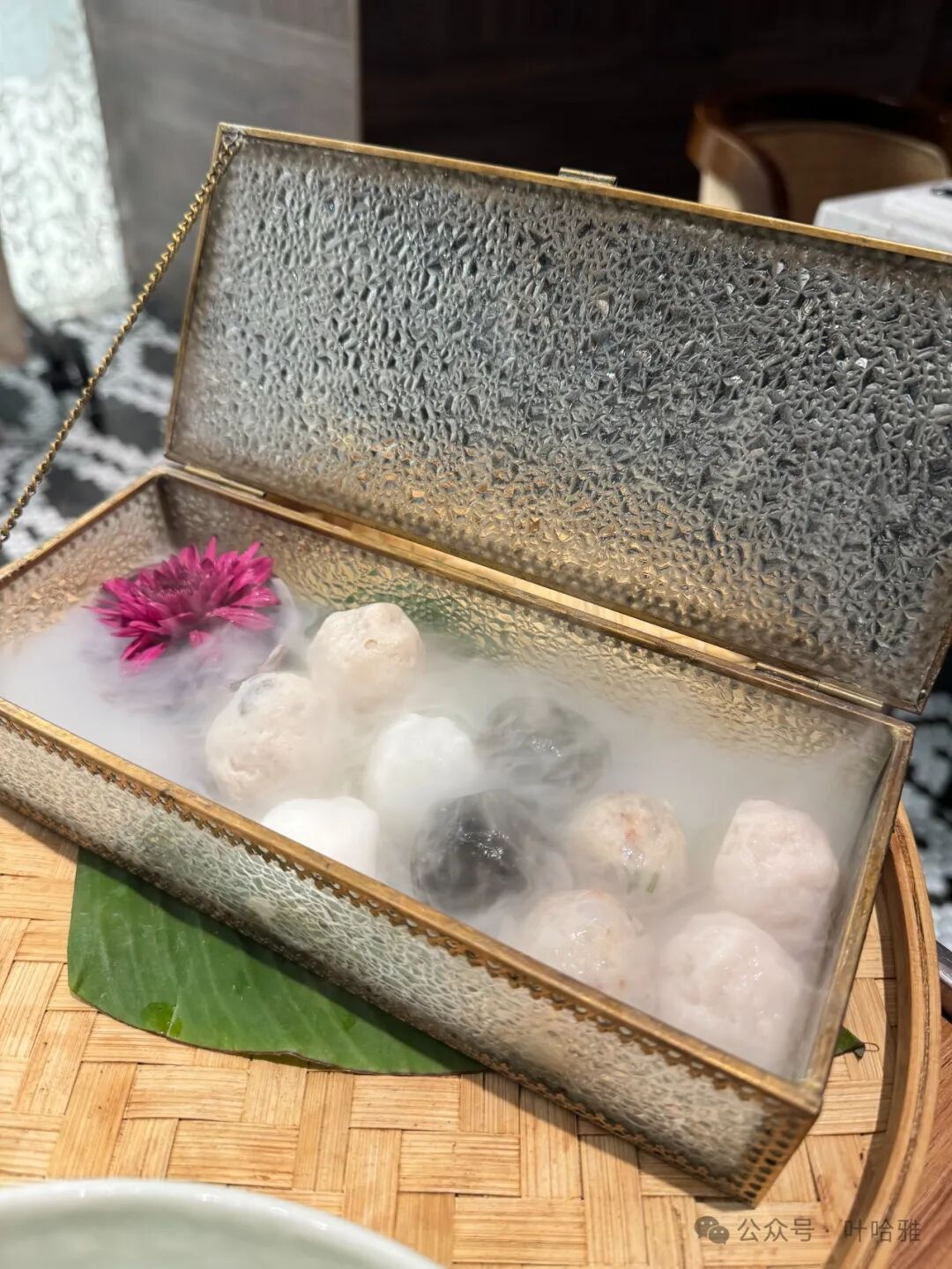
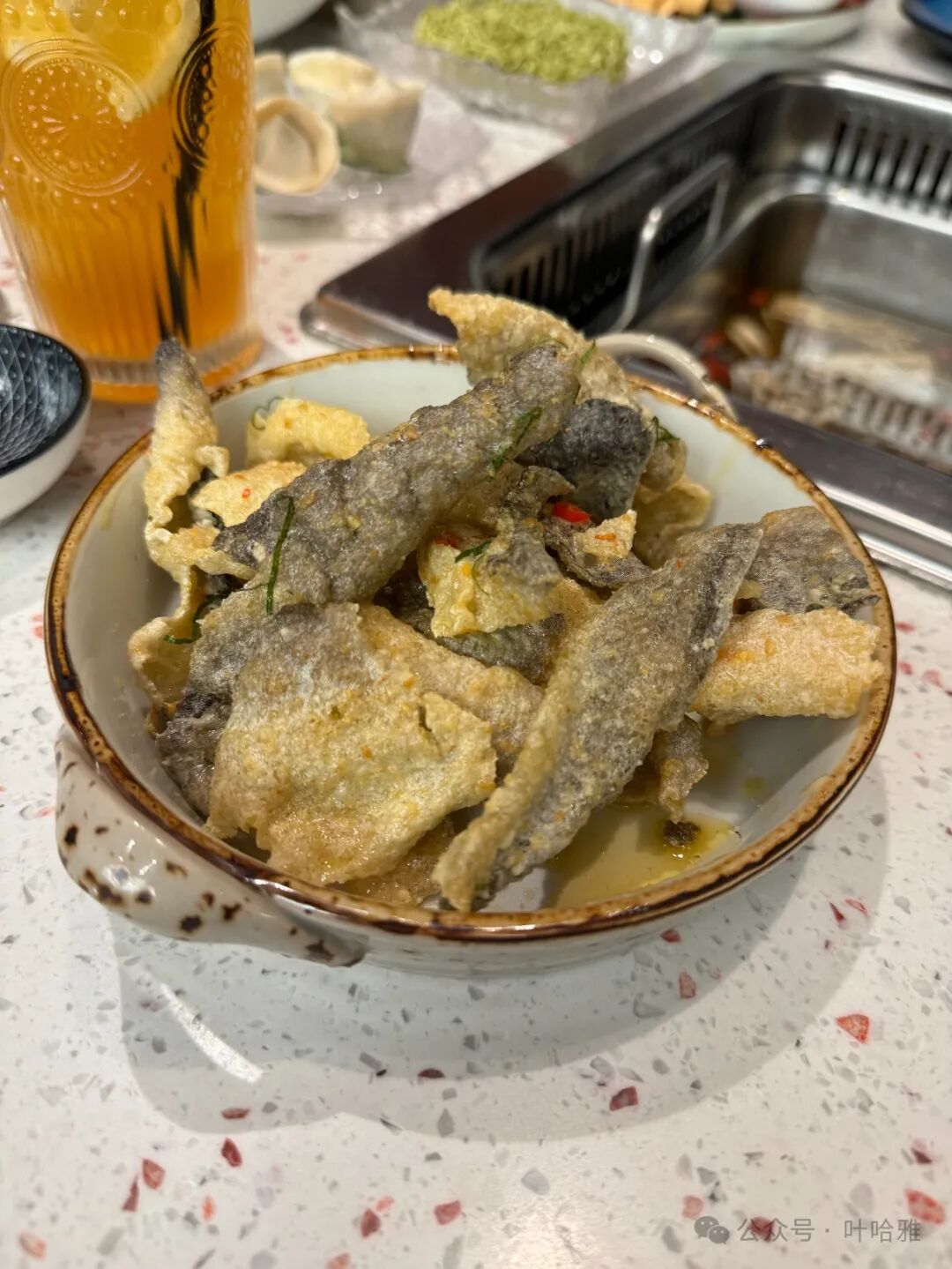
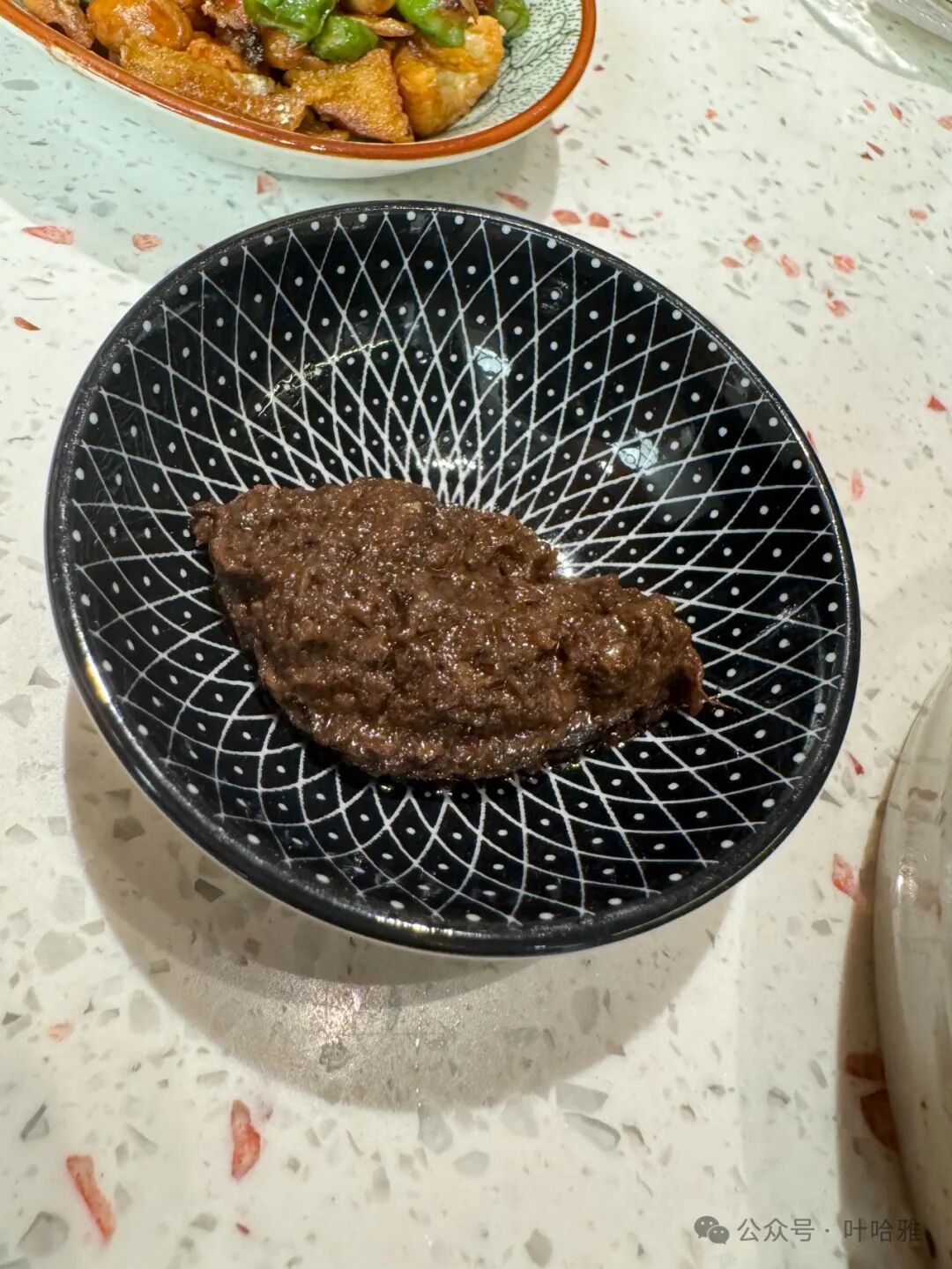
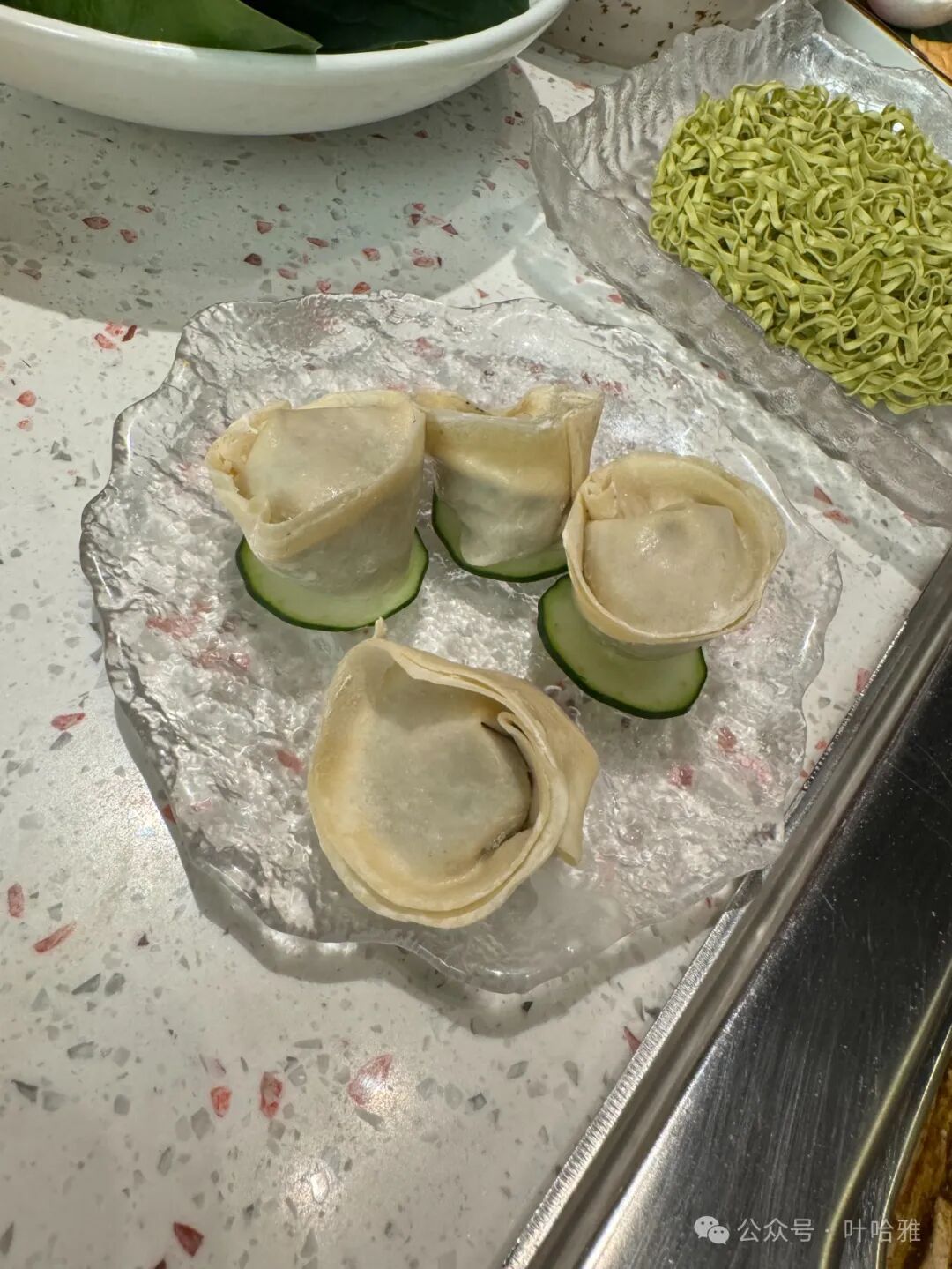
This Nyonya restaurant serves Nanyang-style hot pot with very fresh ingredients, and the dipping sauce bowls come in different colors.
We chose a split pot with tomato broth and black truffle broth. I was surprised when we asked for a refill; the server brought two different pitchers to add broth separately instead of just adding water. It was very thoughtful.
Wagyu beef is expensive in Malaysia, and this was the most expensive meal I had in Kuala Lumpur, costing about 250 yuan per person.
The restaurant adds a 10% service charge. If you skip the hot pot and just order Nyonya cuisine (niangre cai), you won't actually spend that much. The rice and seasonings in the Nyonya cuisine are quite delicious.
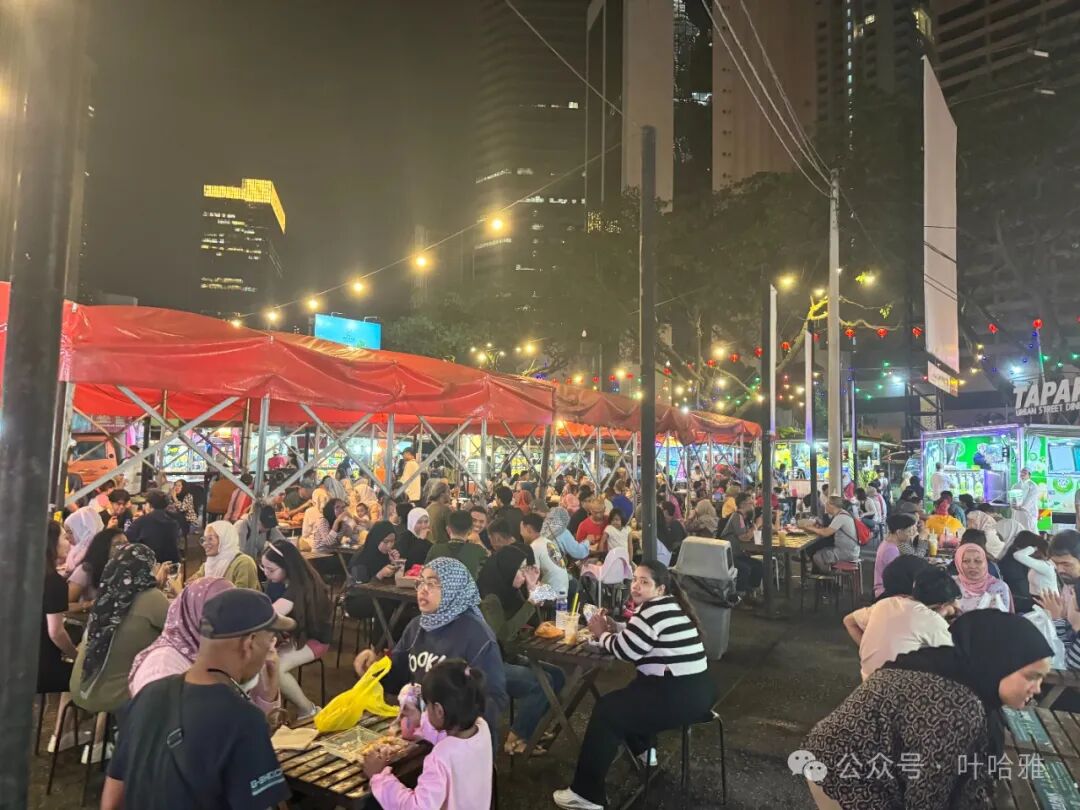
7. Tapak Urban Street Dining night market
We stayed near KLCC, so our activities were mostly within a one-kilometer radius. You will notice that the restaurants I recommend are all near KLCC, including this night market. You can see the lit-up Petronas Twin Towers not far from the market.
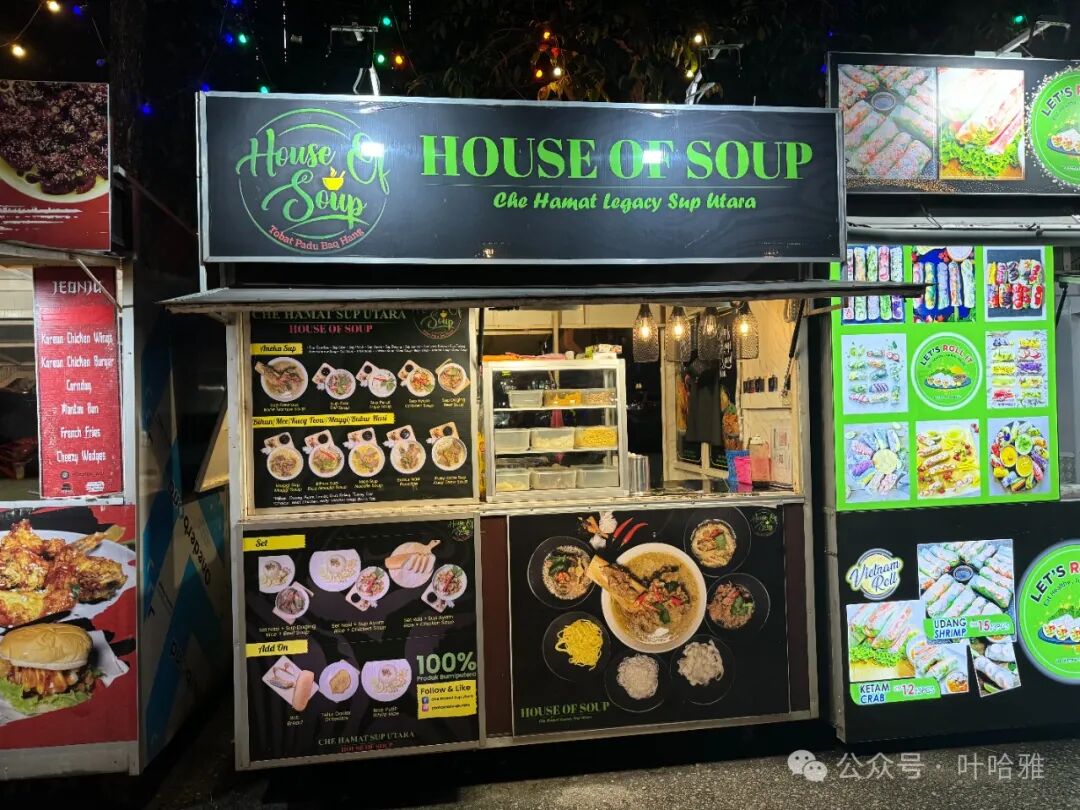
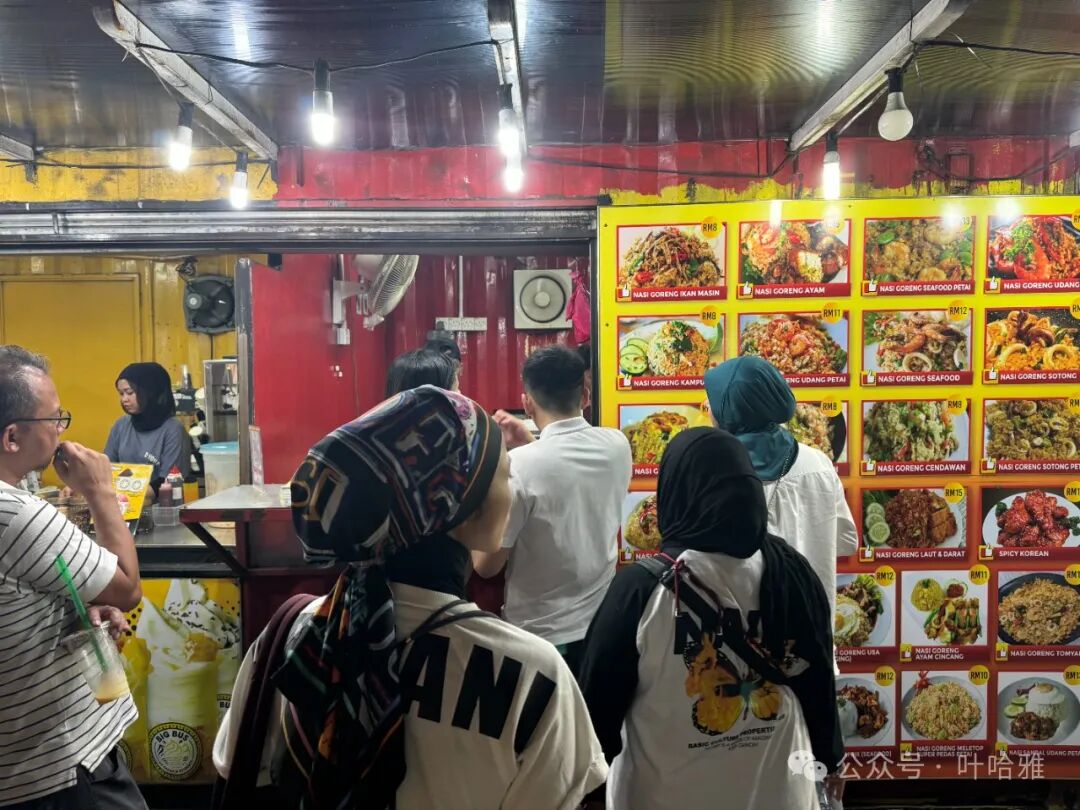
This night market opens at 18:00. It is entirely halal and stays open until the early morning every day. There is even a live band performing, mostly singing Chinese pop songs.
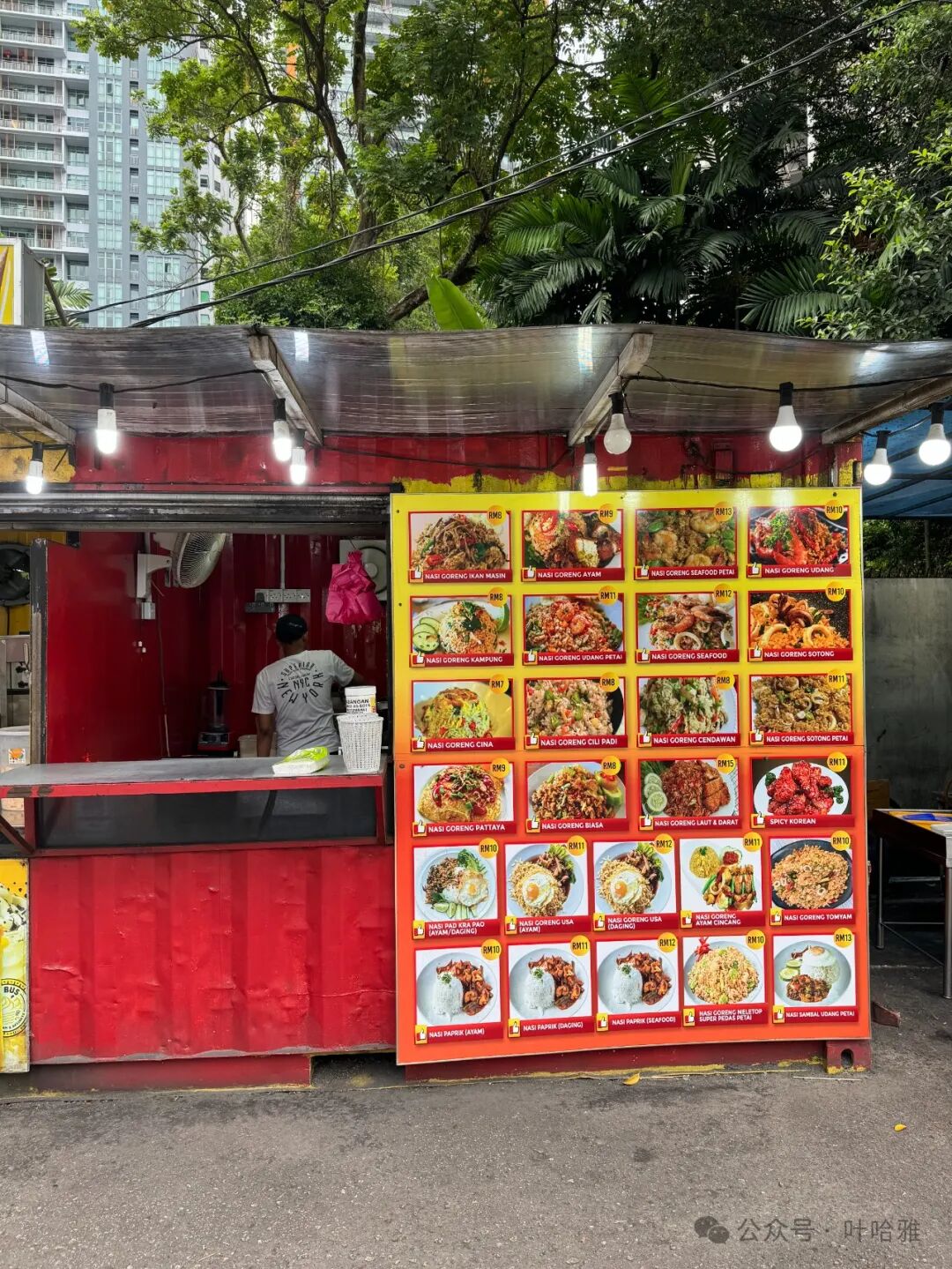
I tried many snacks at this night market myself, and they were all delicious with no bad surprises. Just be sure to bring some small change, as some stalls do not accept Alipay.
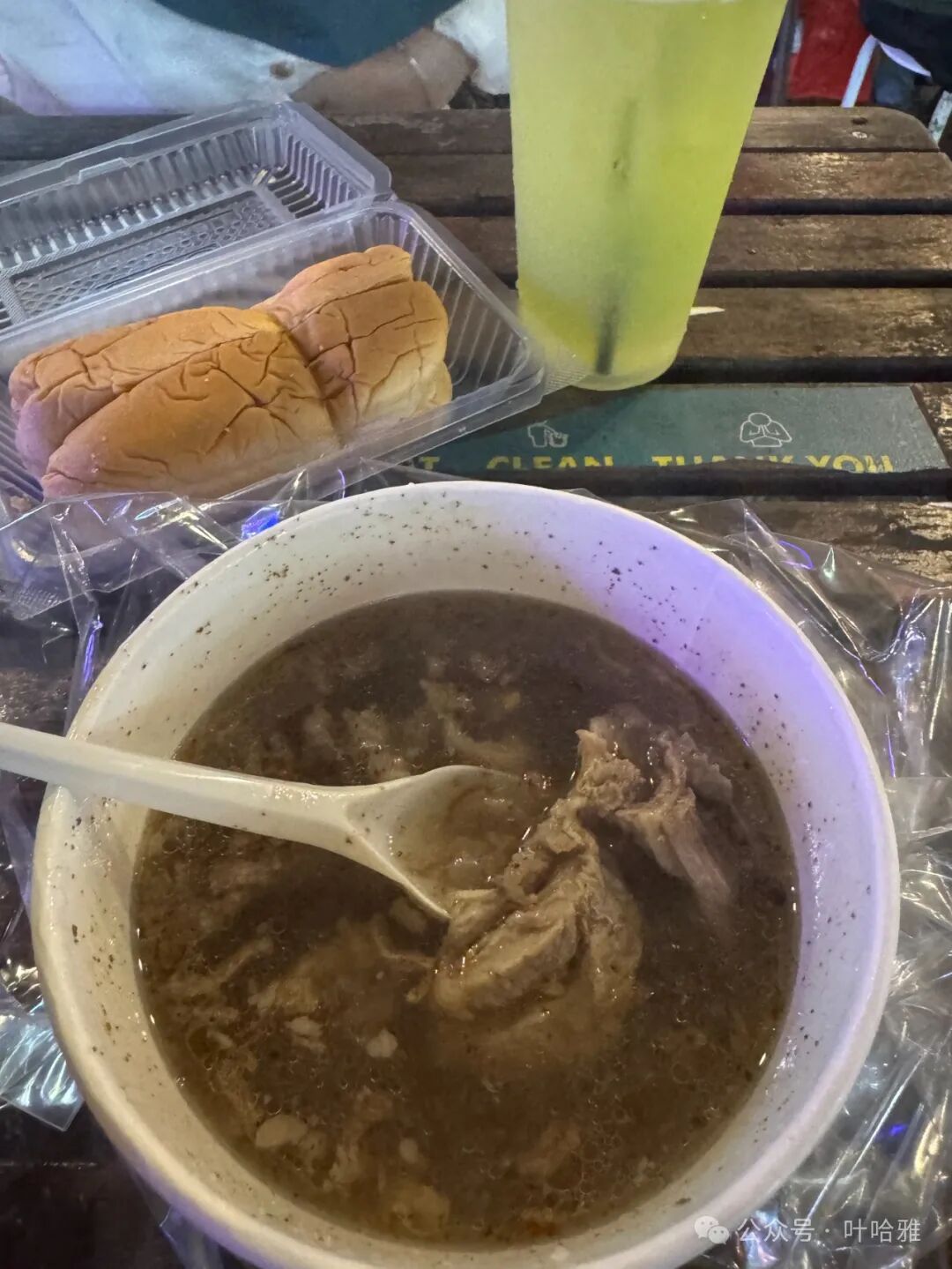
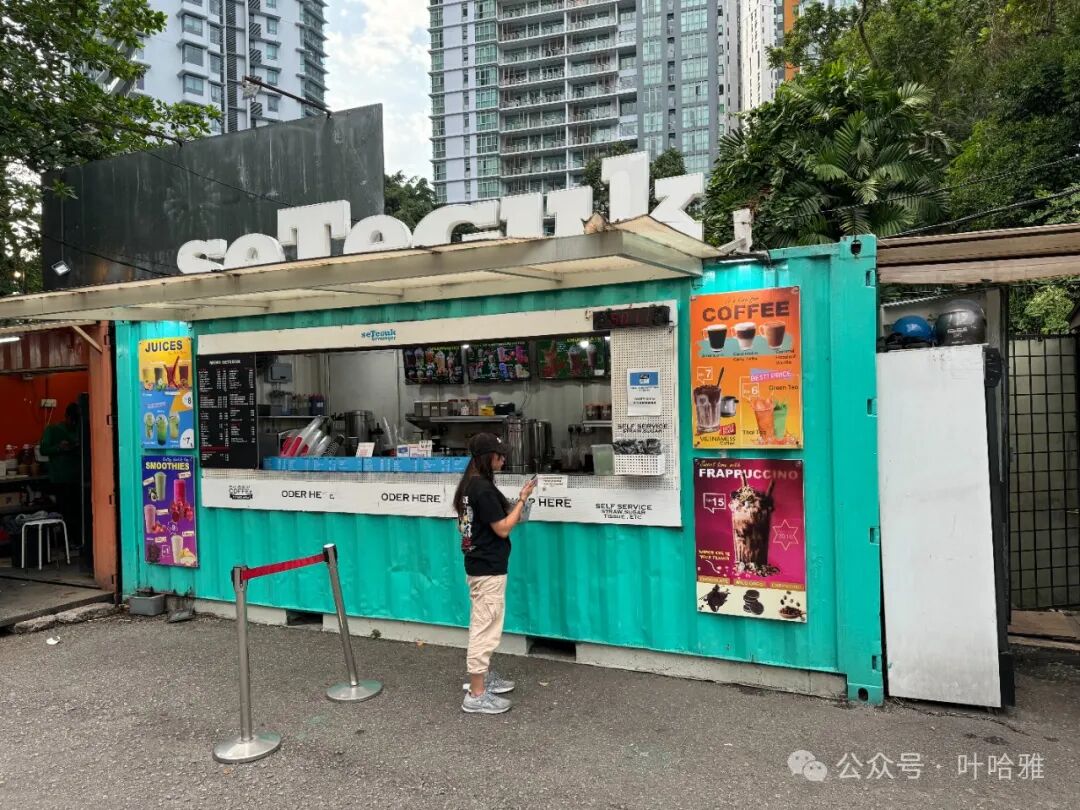
What attracted me most was the fruit juice at the night market. I accidentally bought a cup of apple juice at this stall and it was incredibly good. Since then, I have wandered over here every few days to buy juice. In Malaysia, I love drinking juice the most because it is all freshly squeezed from real fruit with no artificial additives.
One day, while I was holding a cup of juice downstairs at KLCC, a Chinese girl stopped me to ask where I bought the drink.
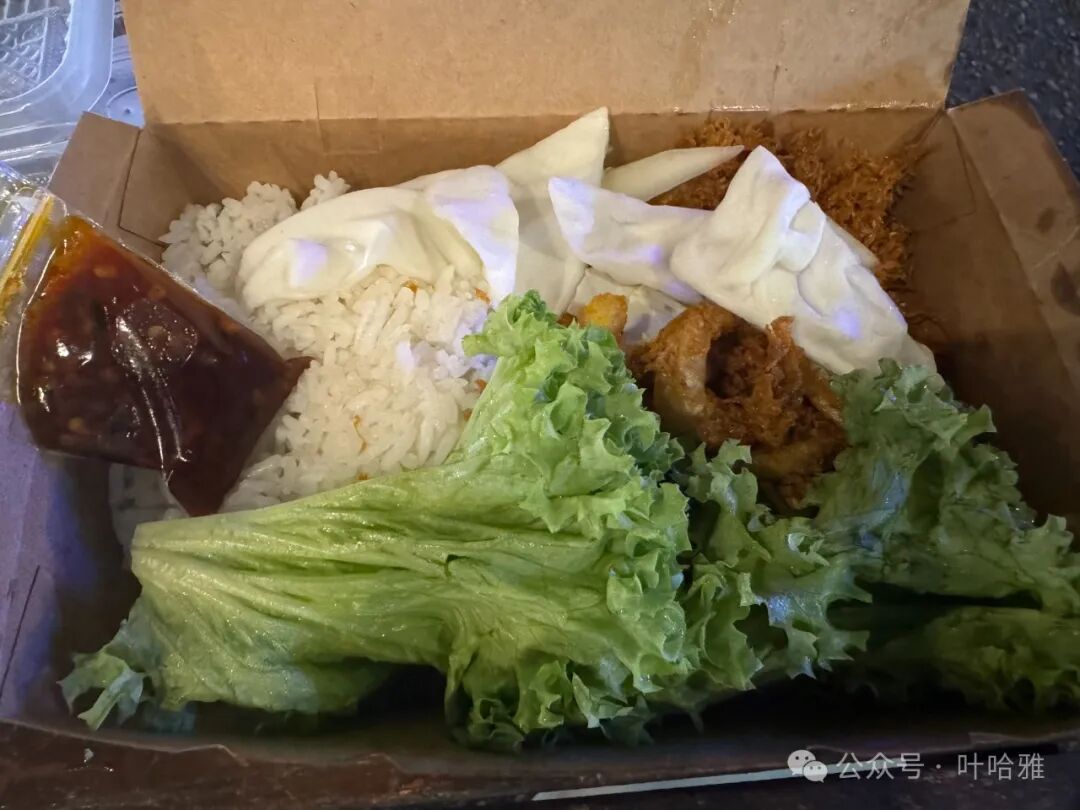
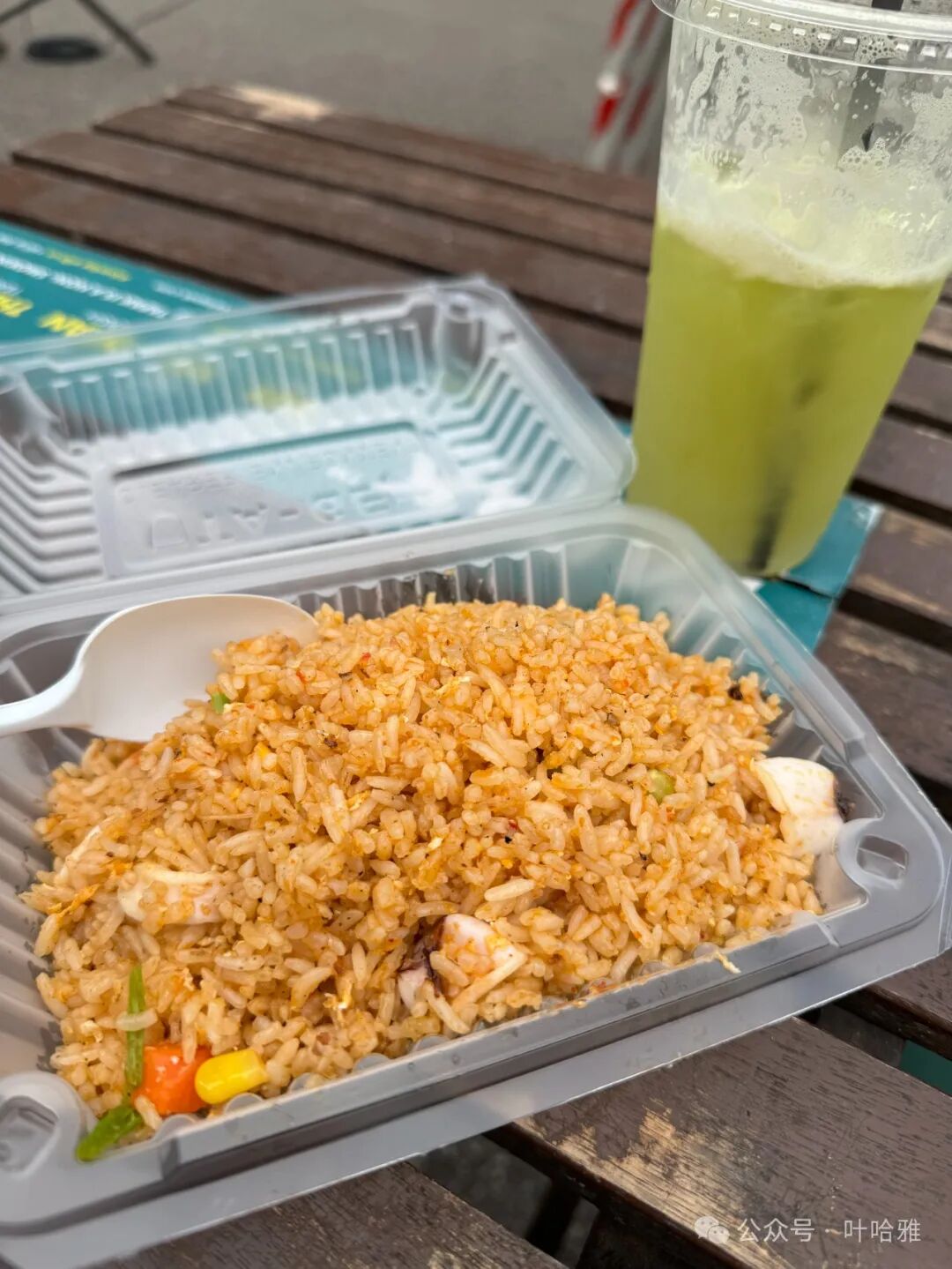
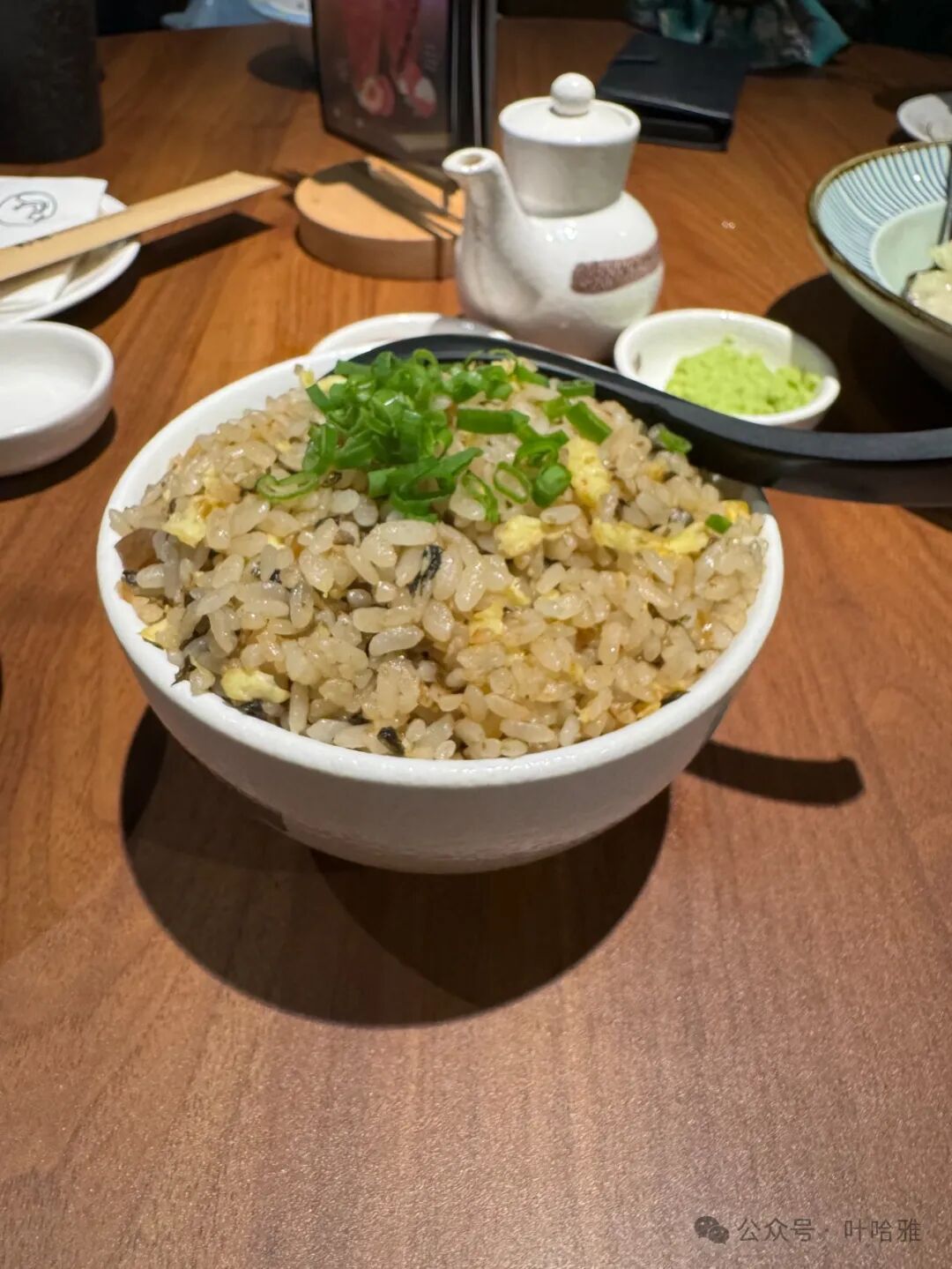
I bought the fried rice shown in the picture below. Paired with the apple juice I bought earlier, this meal only cost 10 yuan.
8. DOZO Japanese Restaurant
Don't miss the halal Japanese food that is common in Malaysia but rare back home. Since Malaysia was once a Japanese colony, it was influenced by Japanese culture, and the Japanese food here is very close to the quality you find in Japan. The name of this shop means 'please come in' in Japanese. It has high ratings and reasonable prices.
You can eat a full range of famous Japanese dishes here, including grilled meat, sushi, sashimi, udon noodles, tempura, and more.
I have to praise the texture of this salmon sashimi; it is excellent. One bite and you know it is not rainbow trout.
I really love the drinks in Malaysia. This peach juice was buy-one-get-one-free, so both cups are mine.
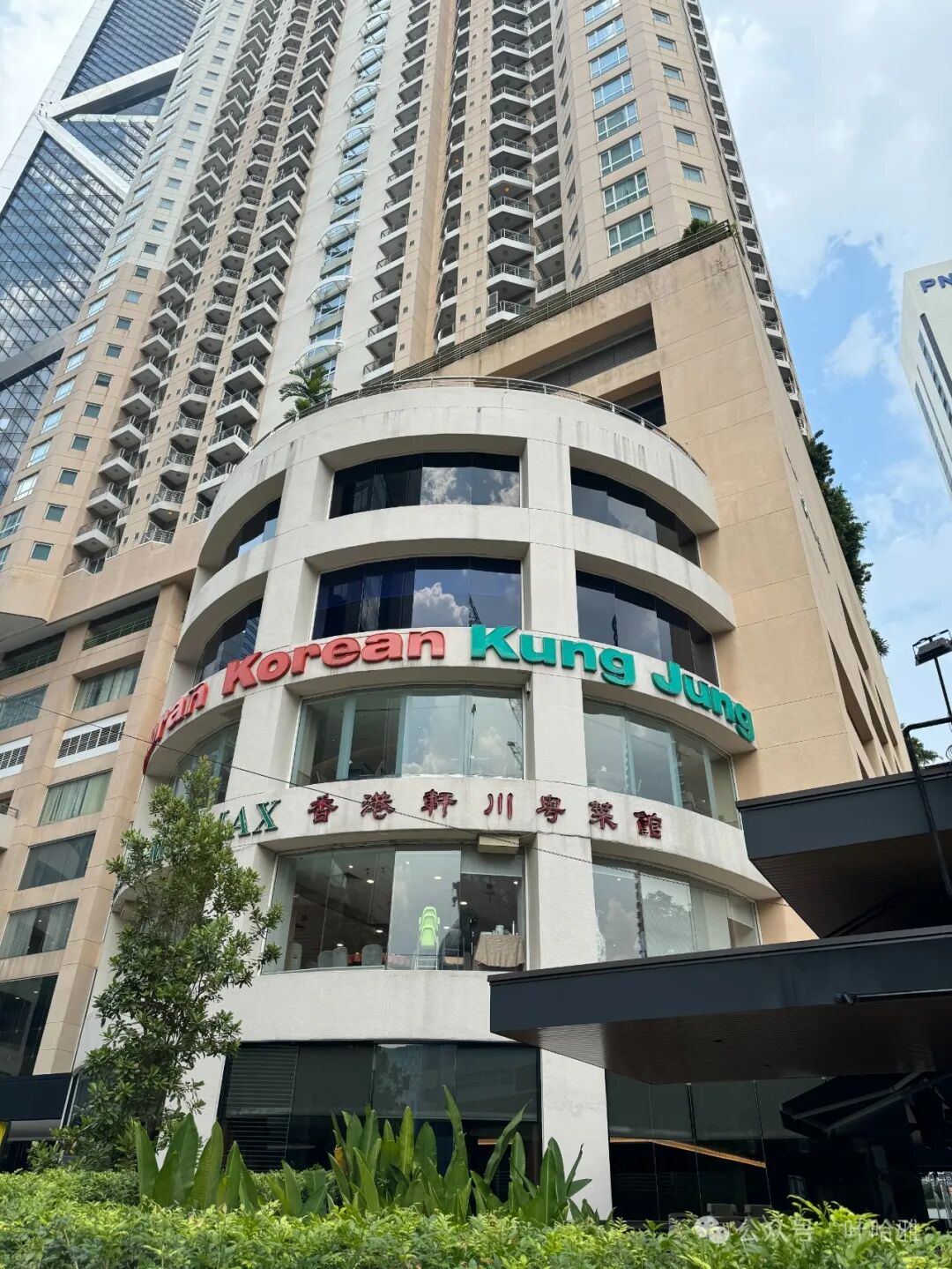
9. Hong Kong Xuan Chuan Cantonese Restaurant
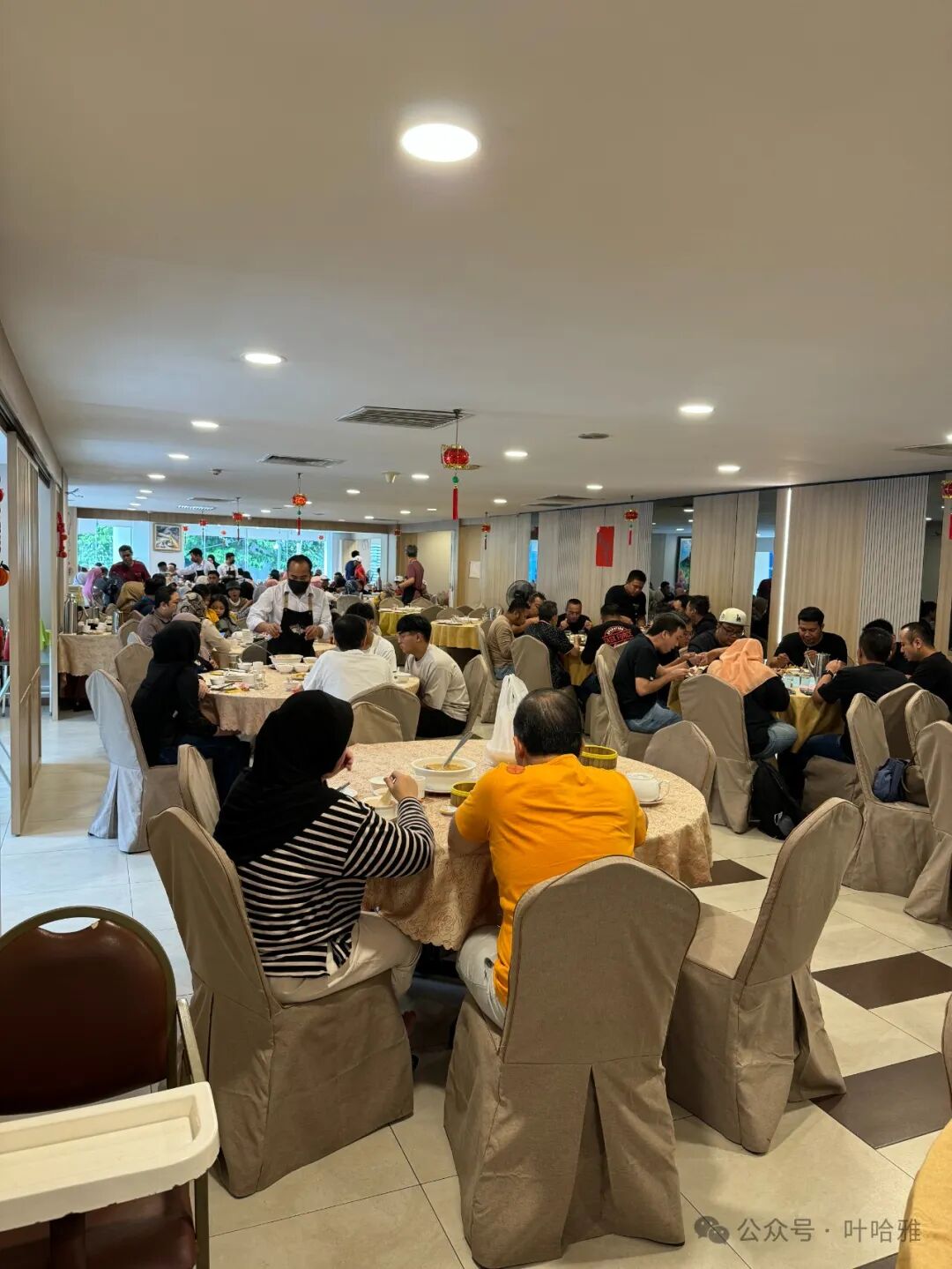
This Hong Kong Xuan restaurant is right across the street from where we are staying. I pass by every day and see it packed with people, mostly Malay locals.
This shop serves dim sum (zaocha) after 11:00 a.m. I do not know why it starts so late; maybe people in Kuala Lumpur are not used to waking up early. Where I live, the earliest you can get breakfast is after 8:00 a.m.
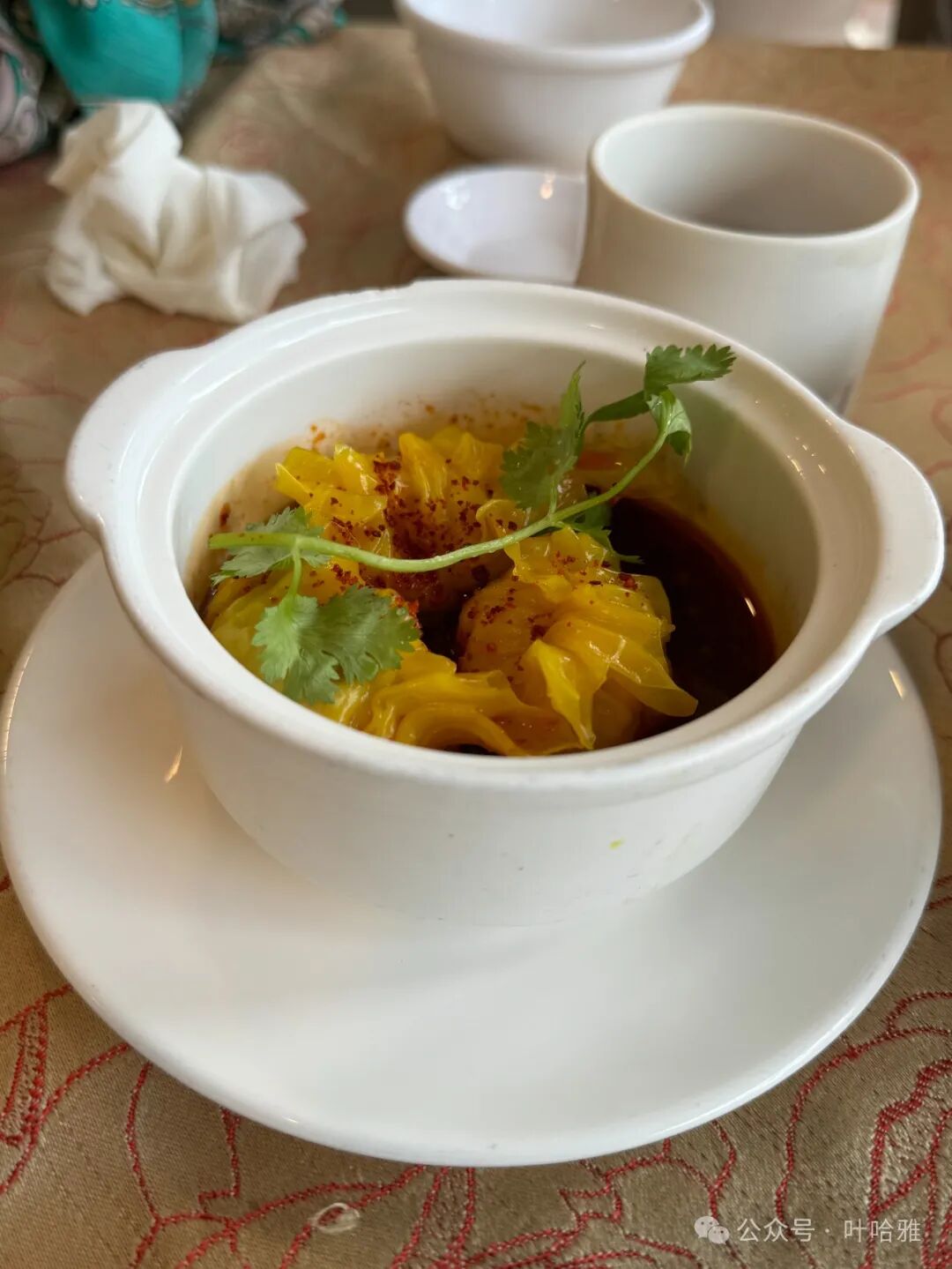
I must say the dim sum at Hong Kong Xuan tastes very authentic. Even the restaurant atmosphere feels like a Hong Kong tea house, and the staff look like traditional Cantonese people. Each dim sum dish only costs a few ringgit. The three of us spent about 100 ringgit for this meal. I have tried three dim sum places in Kuala Lumpur, and every one of them is better than the Hui Muslim restaurant in Guangzhou.
10. KUNG JUNG Korean BBQ
There is a Korean barbecue restaurant upstairs from Hong Kong Xuan that is incredibly busy. You need to book in advance, or you will have to wait in line. We are lucky to stay in this area. We just walk downstairs for 5 to 10 minutes to find all kinds of delicious restaurants.
The contact information and address are on the business card.
Malay people really like eating Korean barbecue. It seems like they are not very picky about what they eat.
The barbecue at this shop tastes great, but I didn't really like the cold noodles. Compared to barbecue back home, I still prefer eating in Beijing, where you get better value for your money. The average cost per person at this shop is over 150 yuan. If the price were a bit lower, I would feel it was a great deal.
11. Absolute Thai restaurant
I want to make up for the halal Thai food I can't get in Beijing while I'm in Kuala Lumpur. Thai food in Kuala Lumpur is basically all halal.
This refined Thai restaurant inside the TRX mall suits my taste perfectly. The pineapple fried rice and the seasoning of the desserts were also amazing.
12. PEONY CANTON BOY
One of my biggest joys in Kuala Lumpur is trying out different styles of morning tea (yum cha). I love eating a rich meal in the morning, which is something I can't enjoy in Beijing. This newly opened Canton Boy is an authentic Cantonese restaurant. Besides morning tea, they also serve main courses. We ate here twice, and I have to say the morning tea satisfied me more.
The shop is at the entrance on the first floor of the AK mall. The huge floor-to-ceiling windows and fresh decor are a delight to the eyes. Some staff are Chinese and can speak Chinese, and every server in the restaurant wears a headscarf, which means this is a halal restaurant.
Morning tea starts at 9:00, but that's a bit too late for me. I've already been up for 3 hours by then and am starving, but you don't see many people on the streets here at 9 o'clock.
Besides morning tea, I also hosted my brother-in-law's family here. They are second-generation Pakistani immigrants from the UK. They didn't seem used to this Cantonese food; they preferred the mixed noodles at Musa Lanzhou Ramen.
13. DOLLY DIM SUM
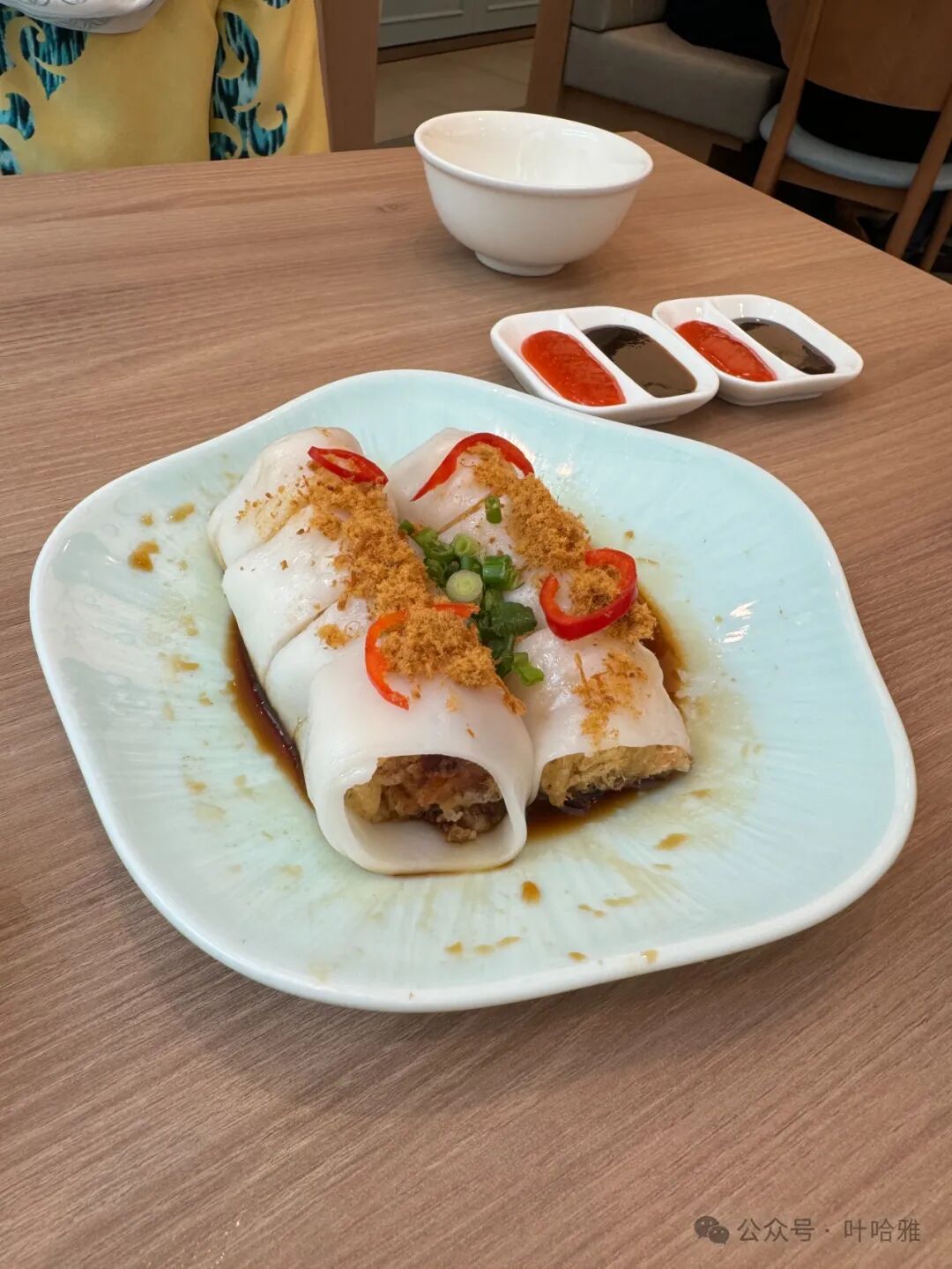
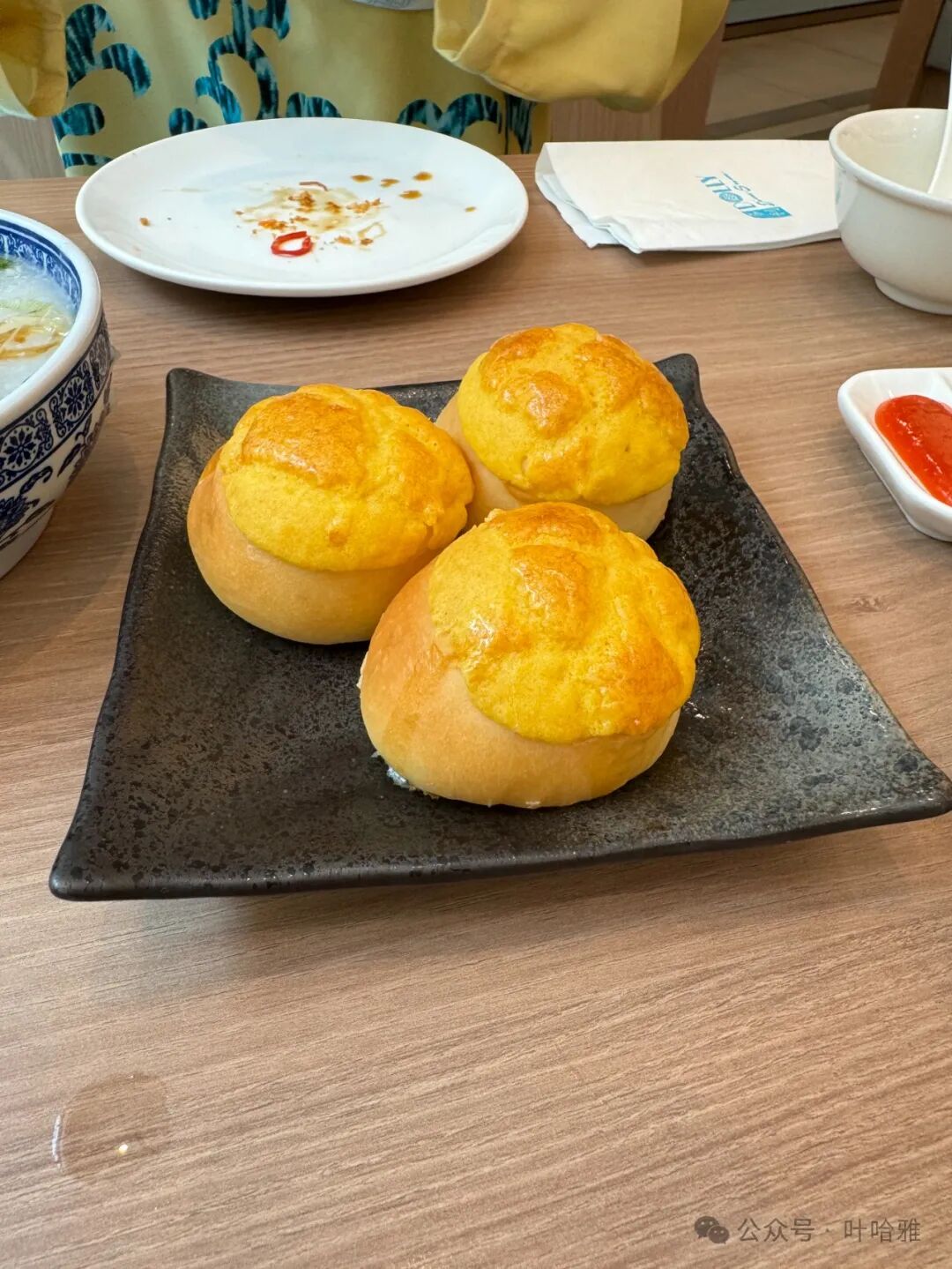
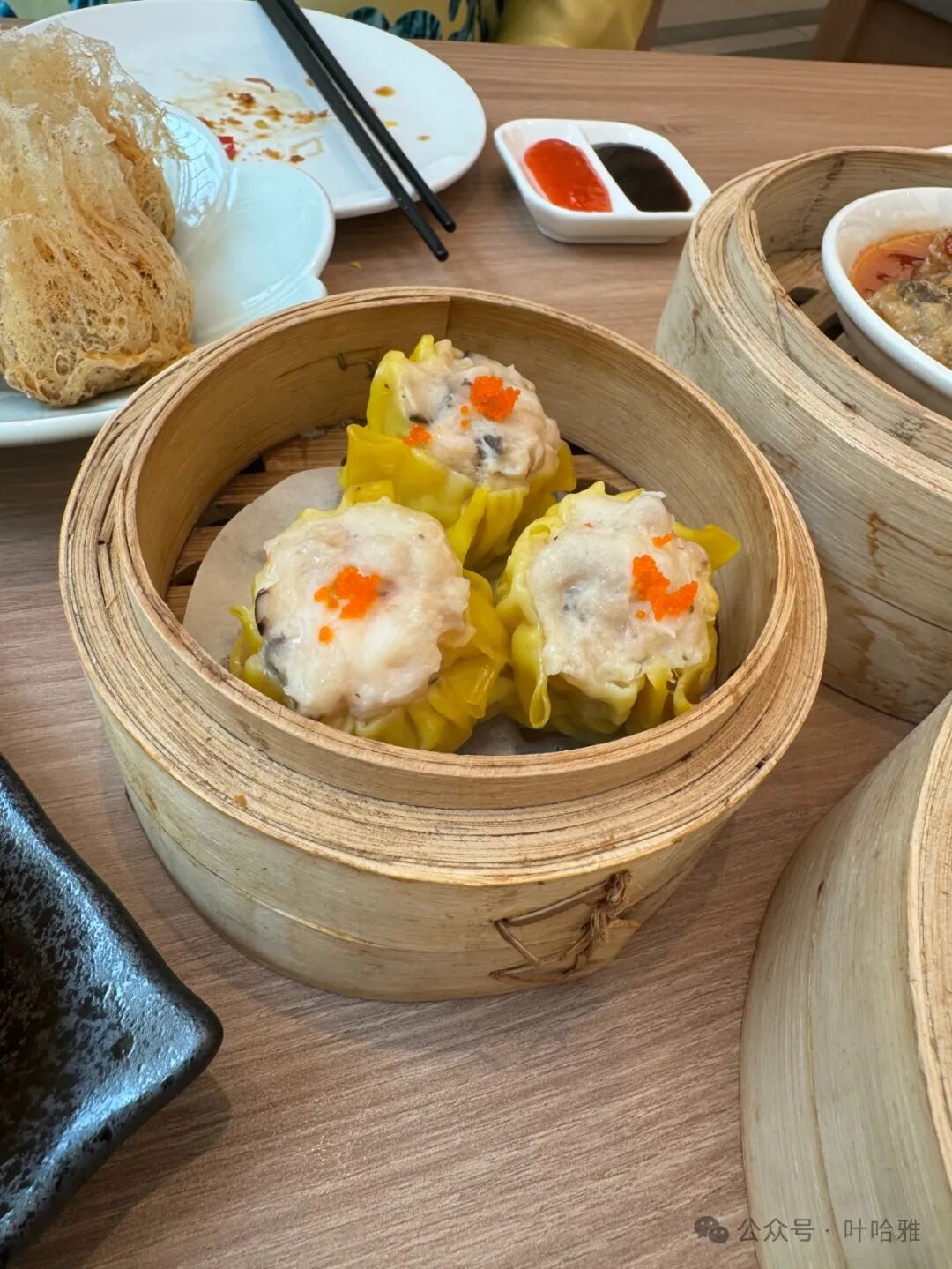
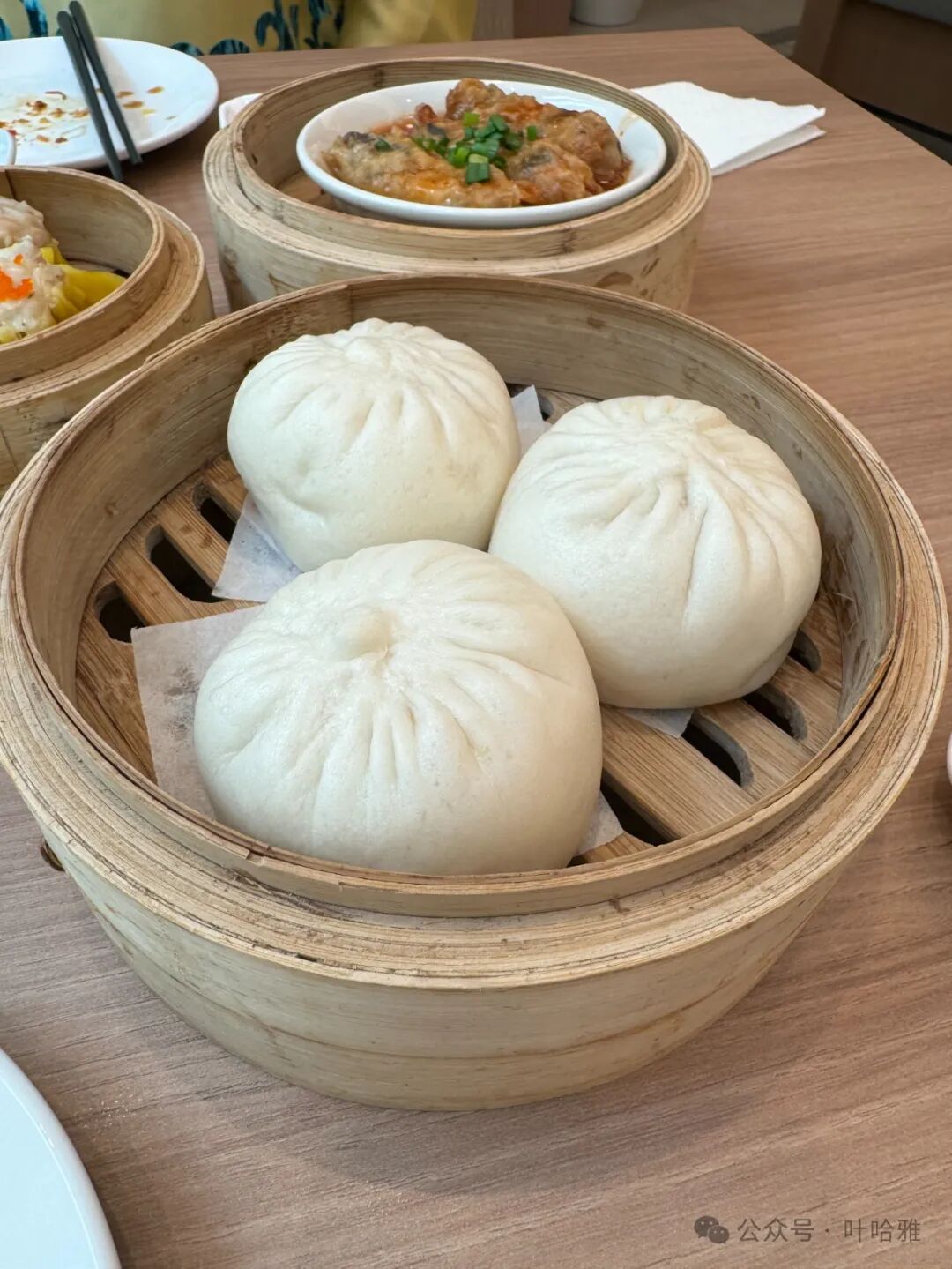
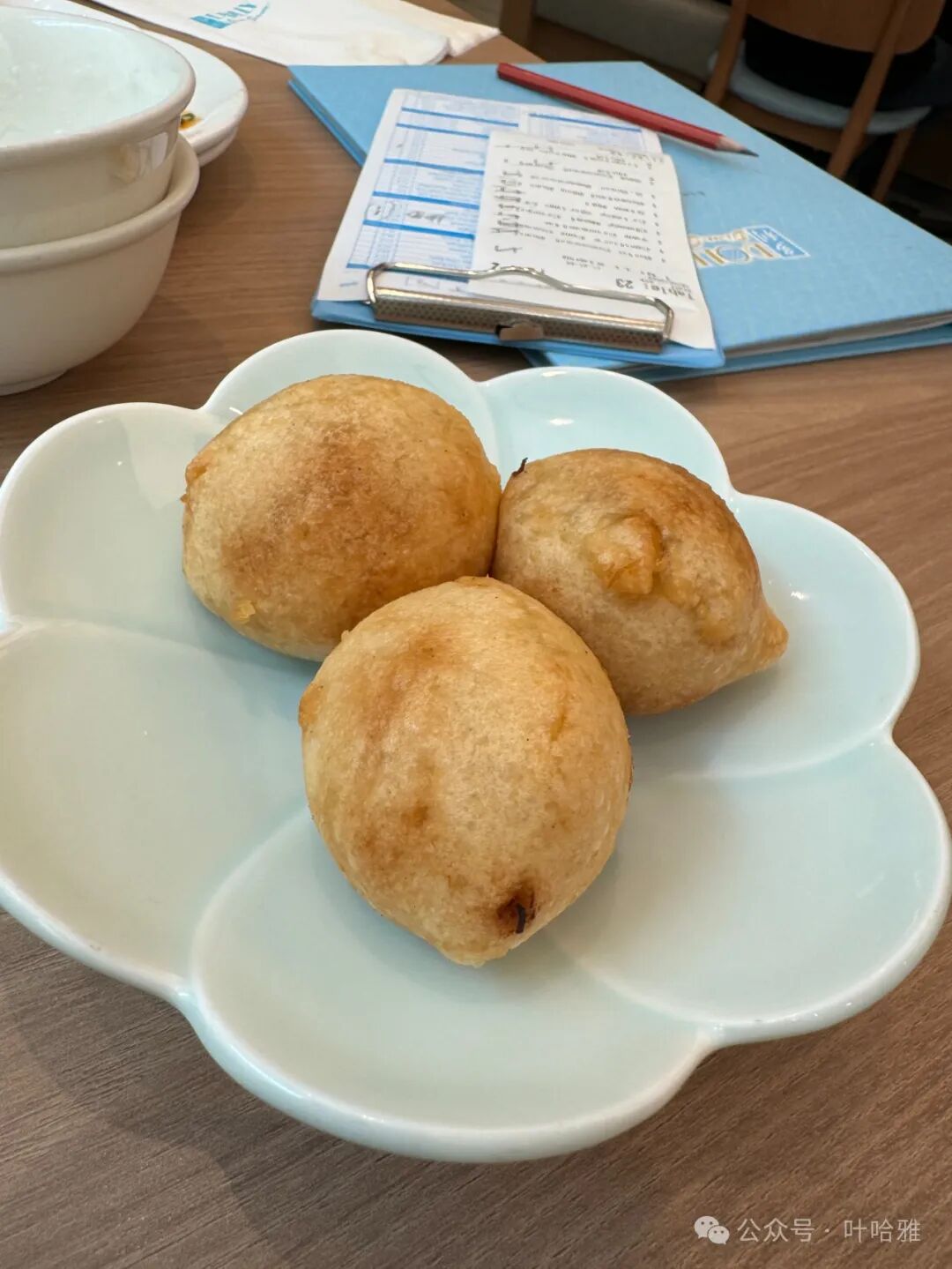
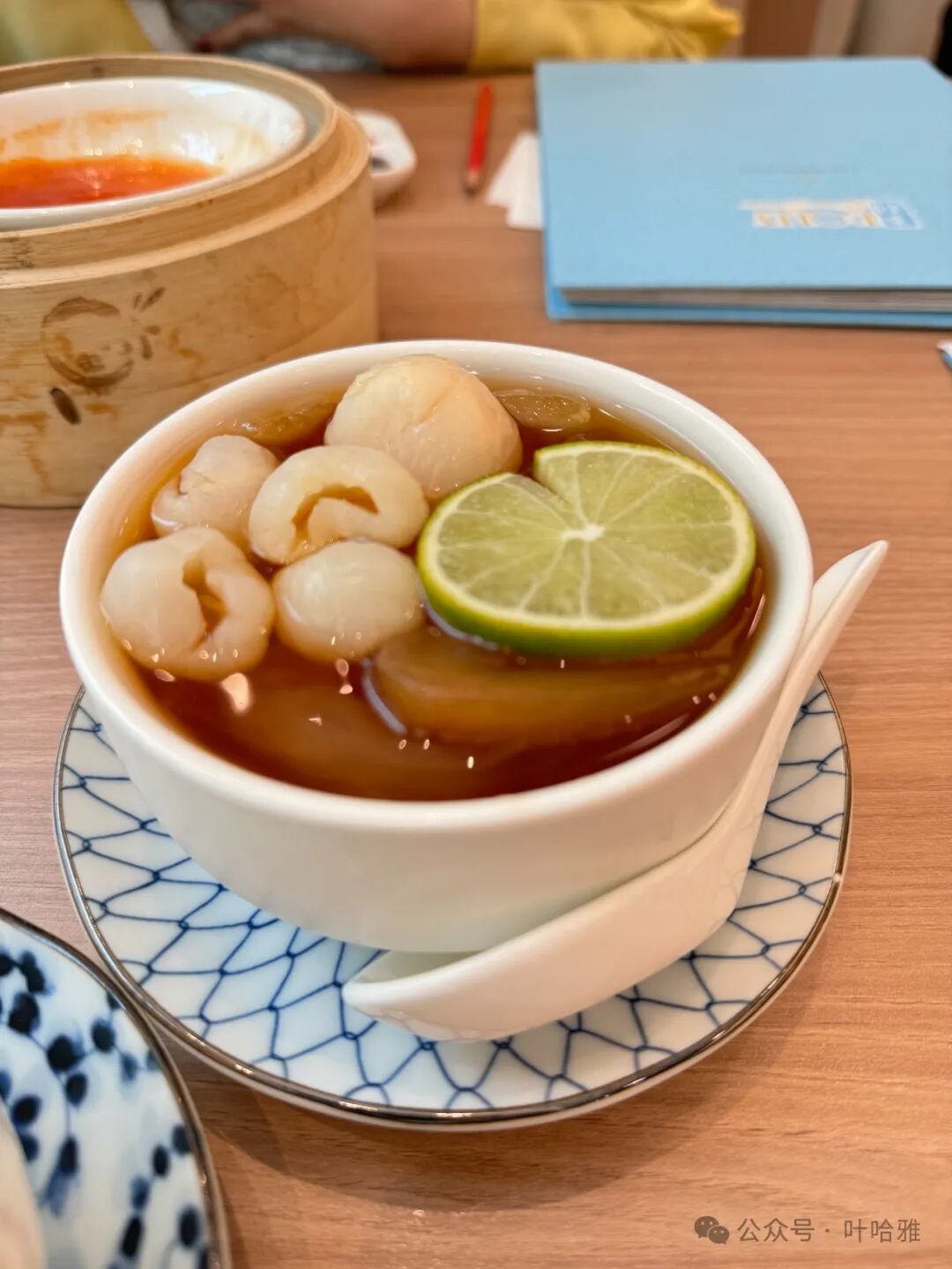
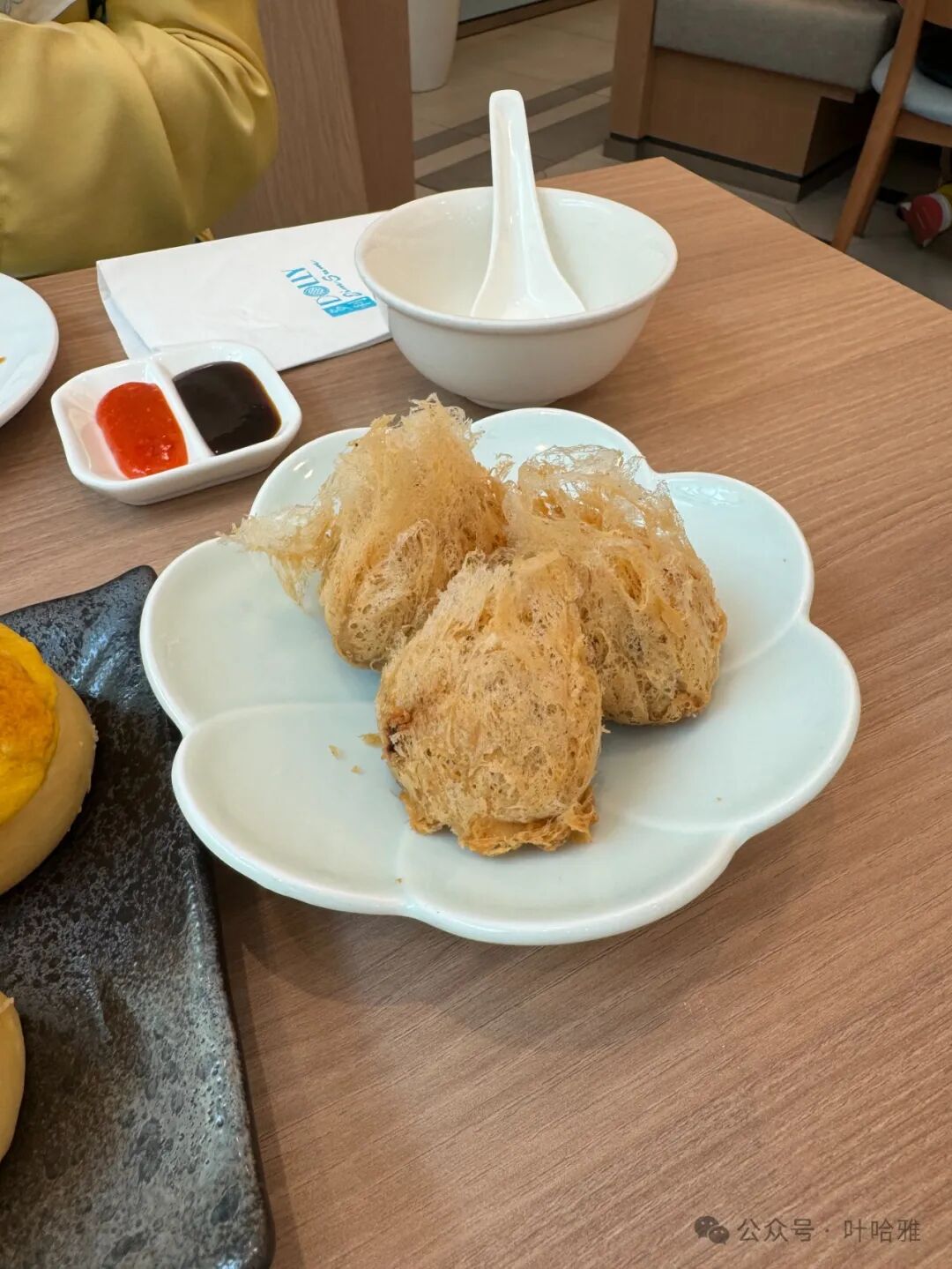
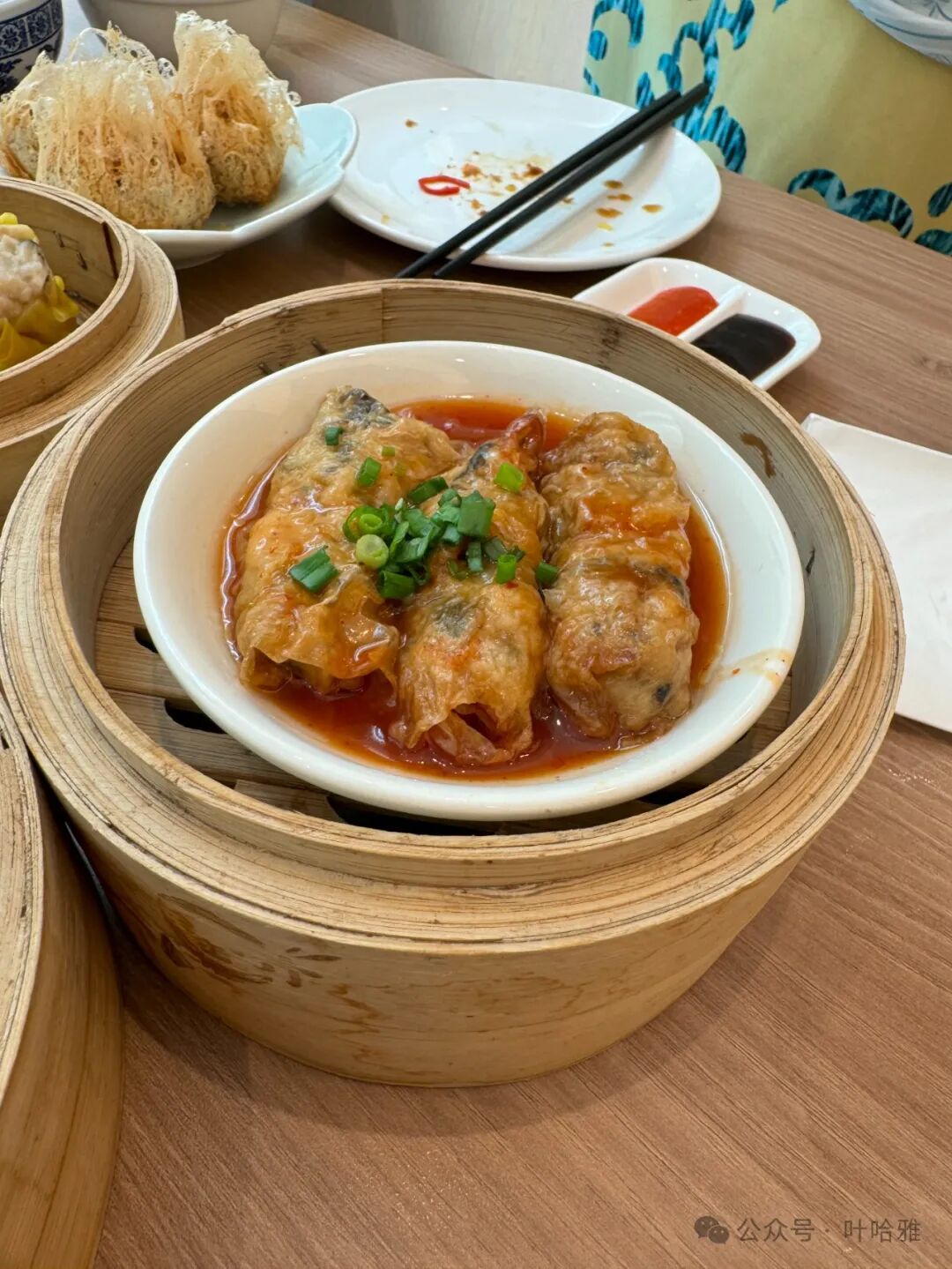
There are so many choices for morning tea in Kuala Lumpur that you could eat something different every day. Nearly half the people here are Chinese, mostly with roots in Guangdong, Guangxi, and Fujian, so you can trust the quality of their morning tea. Dolly Dim Sum (Duo Li) is a chain restaurant. This location is on the fourth floor of KLCC, and you will need to wait in line during peak hours. view all
Summary: This Kuala Lumpur halal food guide introduces local Muslim dining, Musa Lanzhou Beef Noodles, Arabic barbecue, mamak food, MOZA, Nyonya flavors, street dining, Japanese, Korean, Thai options, and Cantonese-style dim sum.
A Guide to Halal Food in Kuala Lumpur is presented here as a firsthand travel account in clear English, beginning with this scene: This is my third time visiting Malaysia. I spent a long time in Kuala Lumpur, totaling 15 days, plus three days on Redang Island and one day in Malacca. The account keeps its focus on Halal Travel, Yiwu Food, Muslim Travel while preserving the names, places, food, and historical details from the Chinese source.
This is my third time visiting Malaysia. I spent a long time in Kuala Lumpur, totaling 15 days, plus three days on Redang Island and one day in Malacca. I ate at 16 restaurants in Kuala Lumpur and tried 16 different flavors. The food in Kuala Lumpur is so rich, delicious, and affordable that my love for Malaysia has grown even more.
The list of Kuala Lumpur restaurants featured in this post is as follows:
1. Musa Lanzhou Beef Noodles (Musa Lanzhou niurou lamian)
2. HABIBI SURIA Arabic BBQ
3. SELERA AMPANG Indian Mamak stall
4. Islamic Arts Museum MOZA Restaurant
5. KENNY HILLS BISTRO Four Seasons Hotel Afternoon Tea
6. RasaNya Nyonya Restaurant
7. Tapak Urban Street Dining night market
8. DOZO Japanese Cuisine
9. Hong Kong Xuan Chuan Cantonese Restaurant
10. KUNG JUNG Korean BBQ
11. Absolute Thai restaurant
12. PEONY CANTON BOY Cantonese dim sum
13. DOLLY DIM SUM Cantonese dim sum
14. Taco Bell Mexican fast food
15. Din Tai Fung Taiwanese food
16. MAKAN Malaysian buffet
1. Musa Lanzhou Ramen
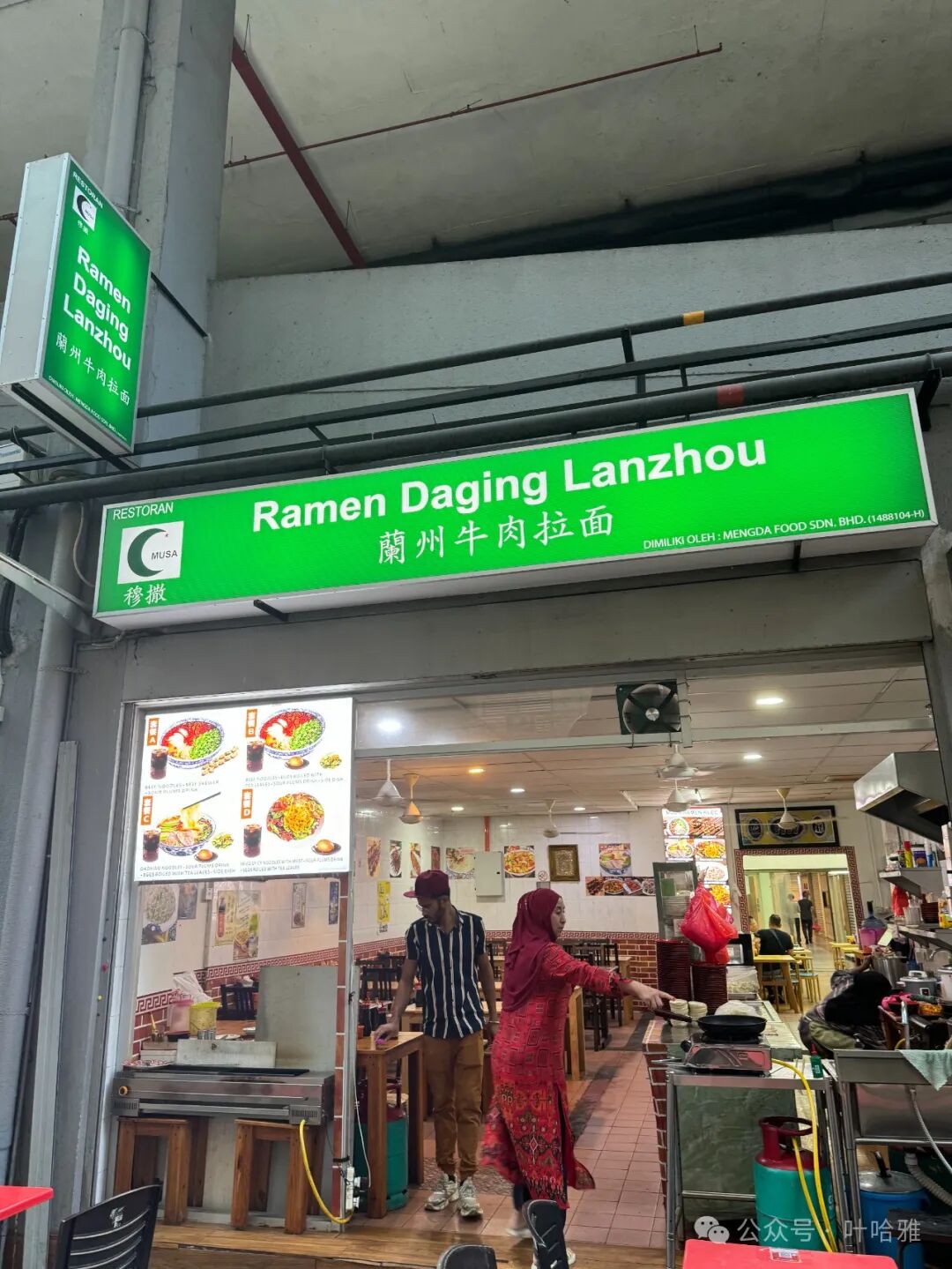
Musa Lanzhou Ramen is located on the ground floor of Wisma Central, right along the street. It is the first ramen shop my mother-in-law opened in Kuala Lumpur. The shop is right next to the Petronas Twin Towers (KLCC), so it is very easy to find. The restaurant is smoke-free and alcohol-free, and it is clean and hygienic.
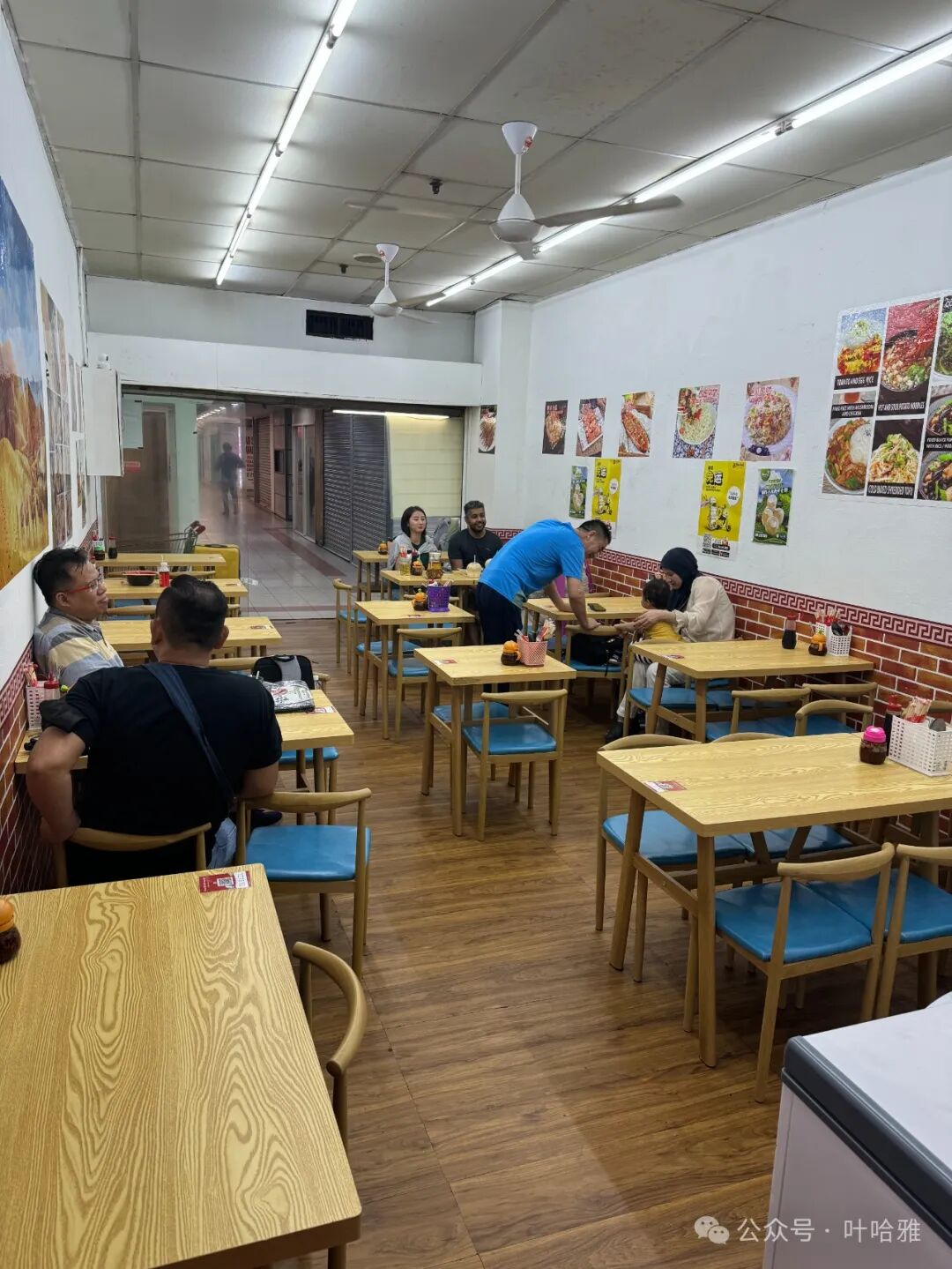
I know many friends struggle with Southeast Asian food, so you can choose to come here for a bowl of ramen.
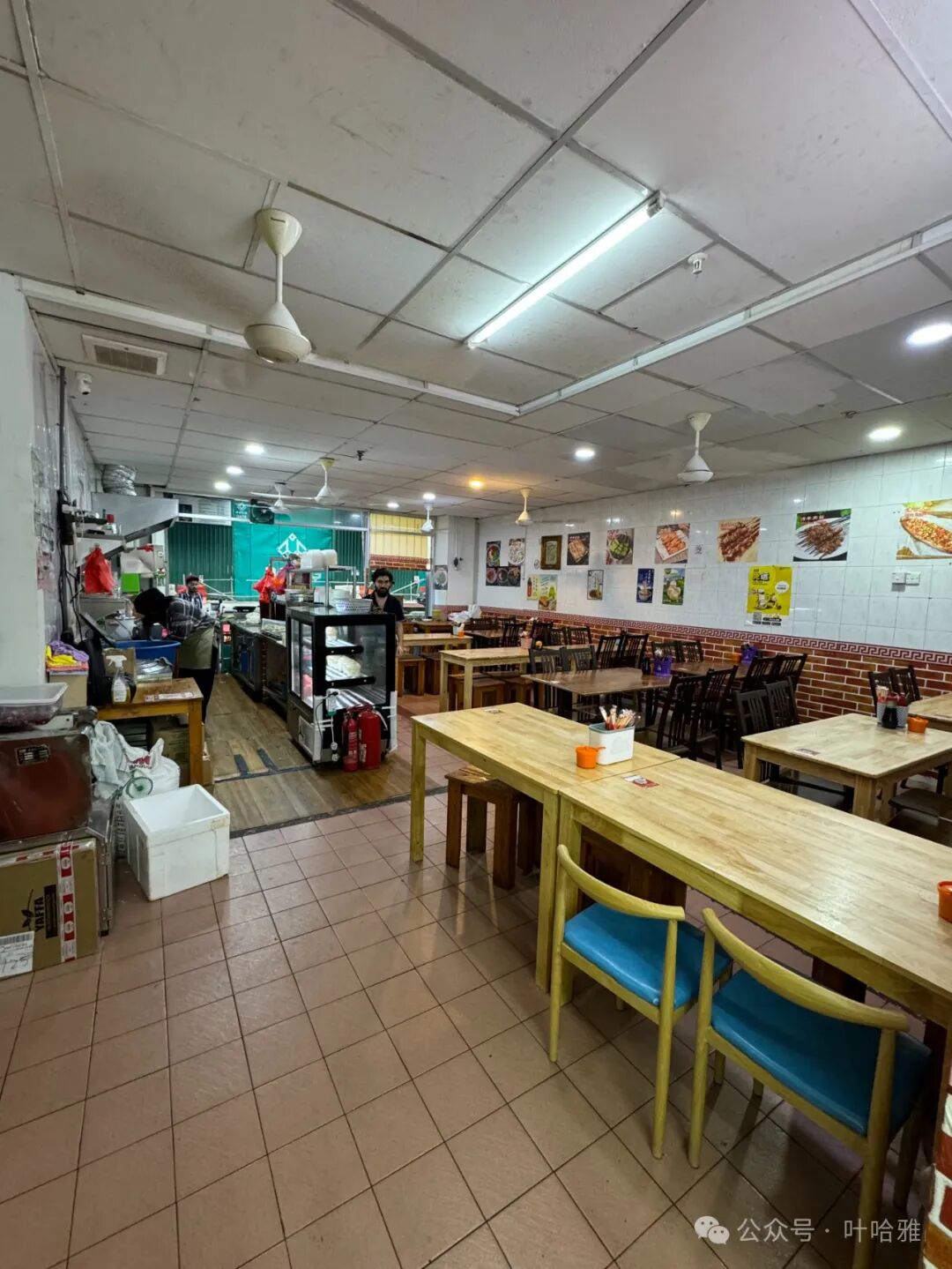
Besides ramen, they also serve mixed noodles, big plate chicken (dapanji), dumplings, and kebabs. The restaurant has been open for over a year and is doing great business, with most customers being Malay.
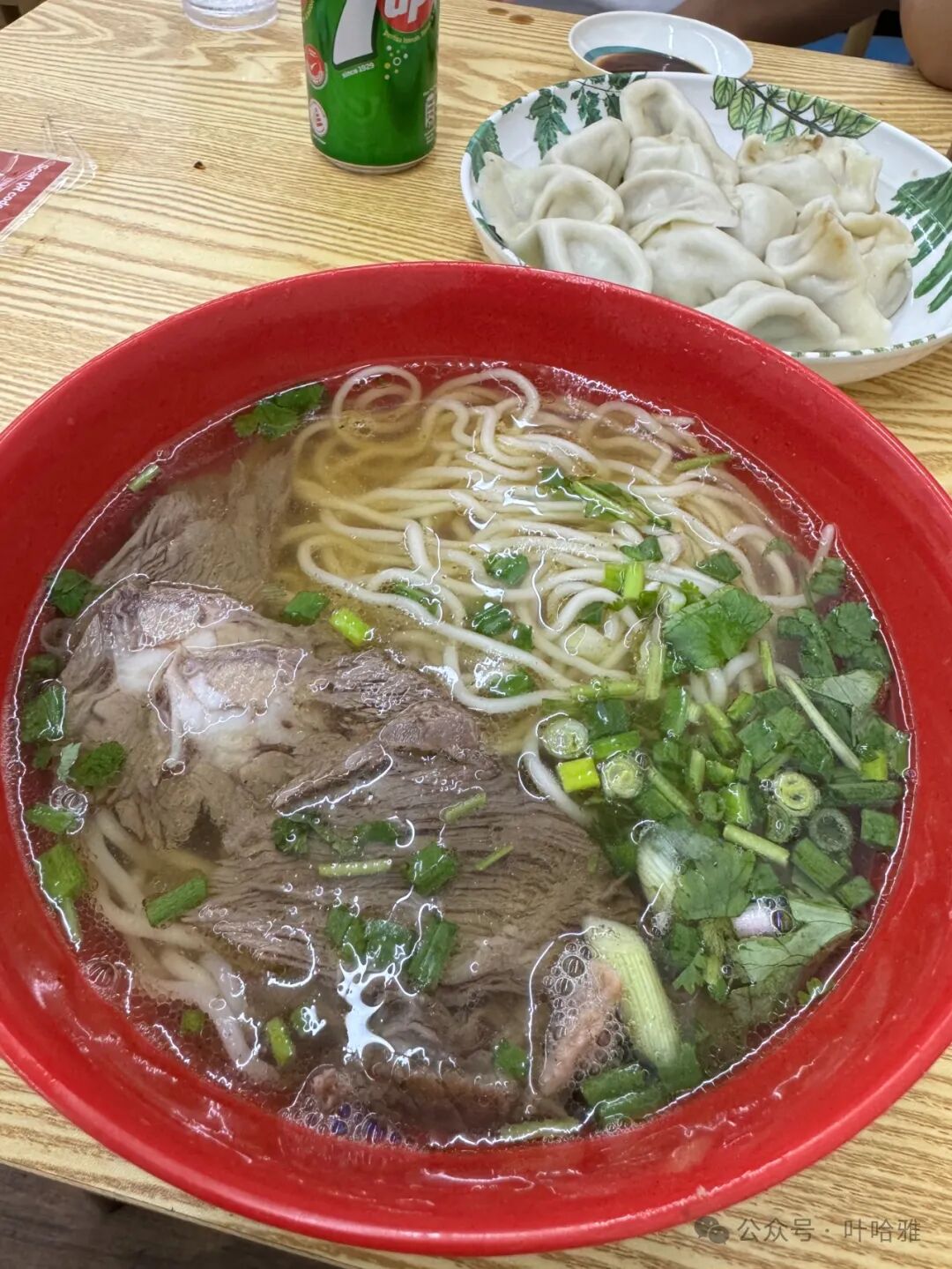
I have hosted many friends from Kuala Lumpur at the shop, and the most popular dishes are the ramen and the kebabs.
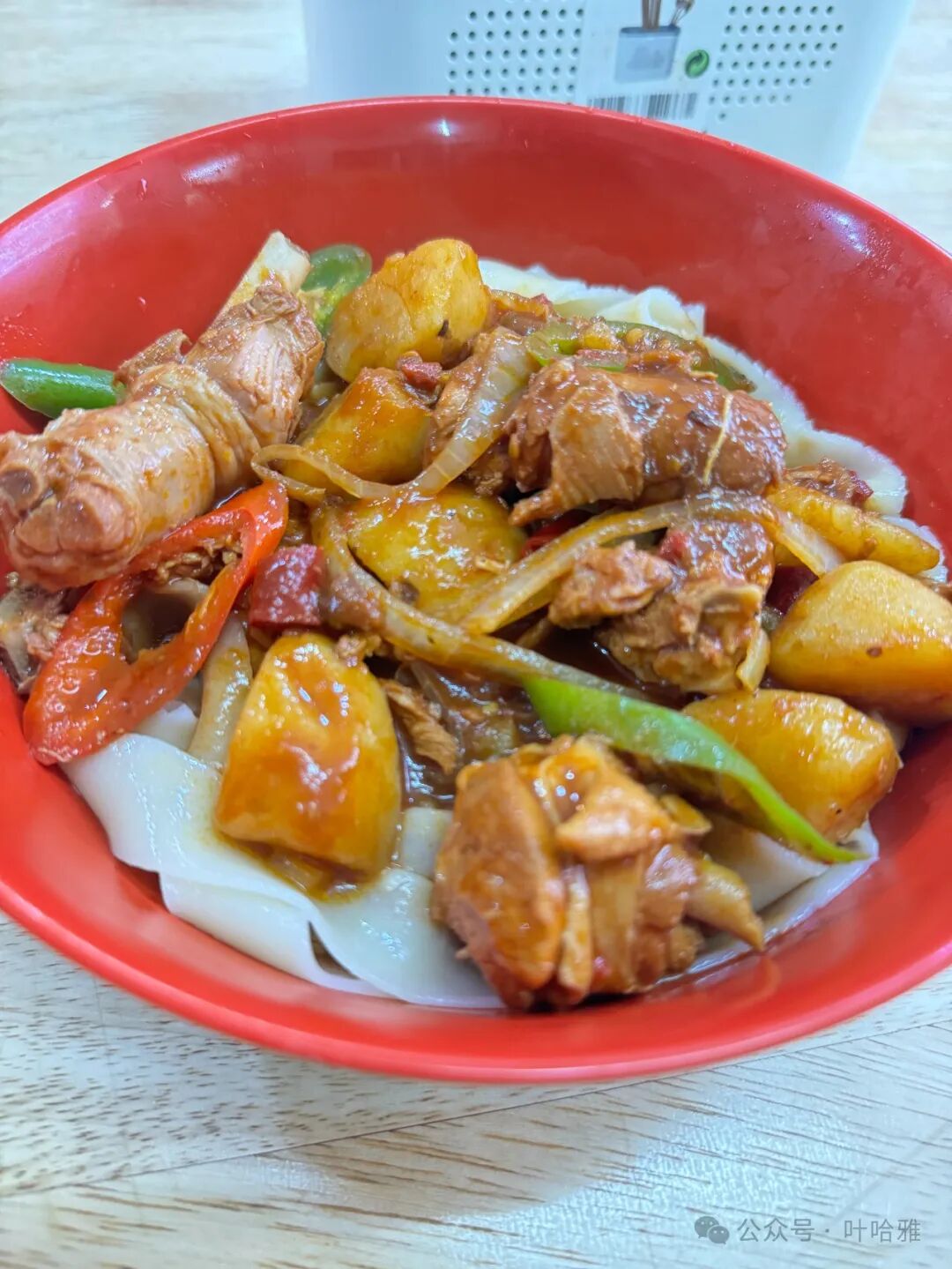
A fresh pot of big plate chicken (dapanji) with wide belt noodles (pidaimian) is also very satisfying, though Malay people prefer mixed noodles (banmian).
2. Habibi Suria
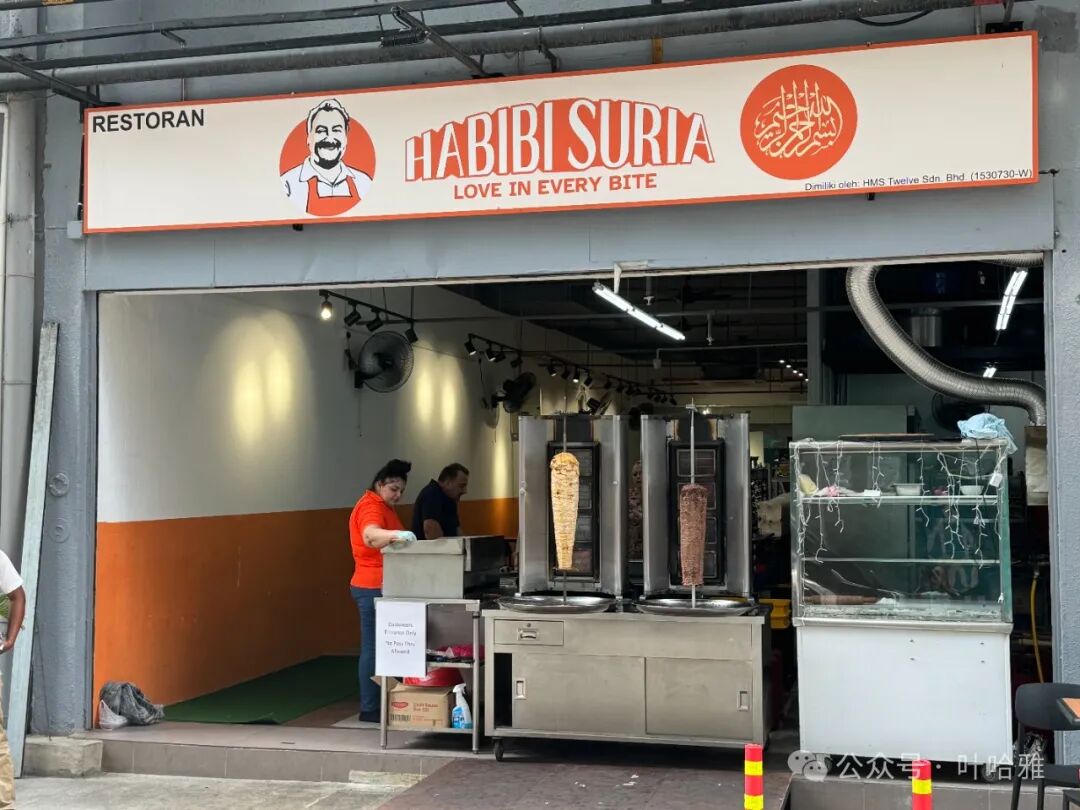
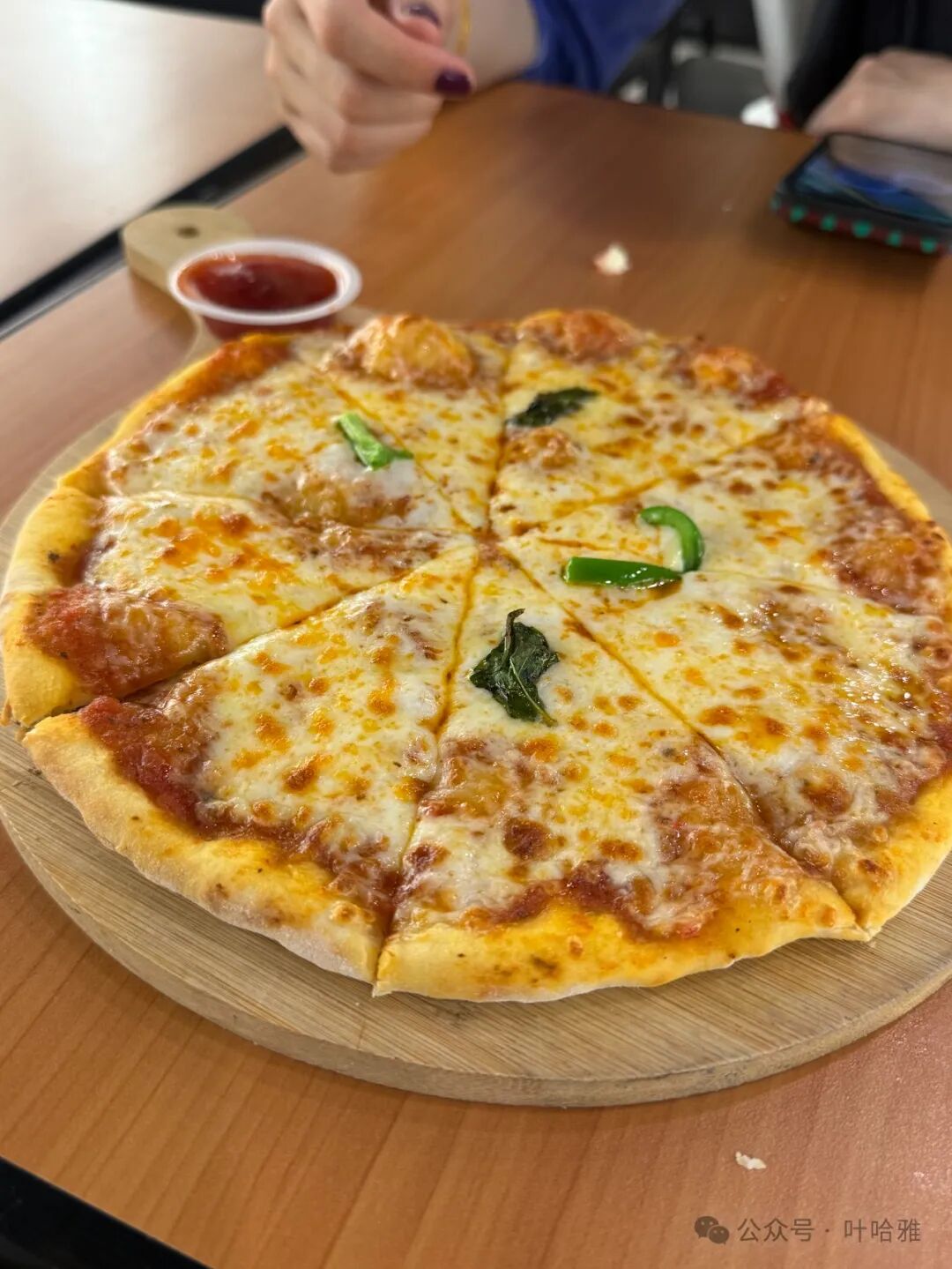
Next door to Musalan Beef Ramen is an Arab-owned grilled meat and pizza shop. Their signature grilled meat wrap (shawarma) isn't as good as their pizza, so when I've had too much ramen, I occasionally go there to order a pizza.
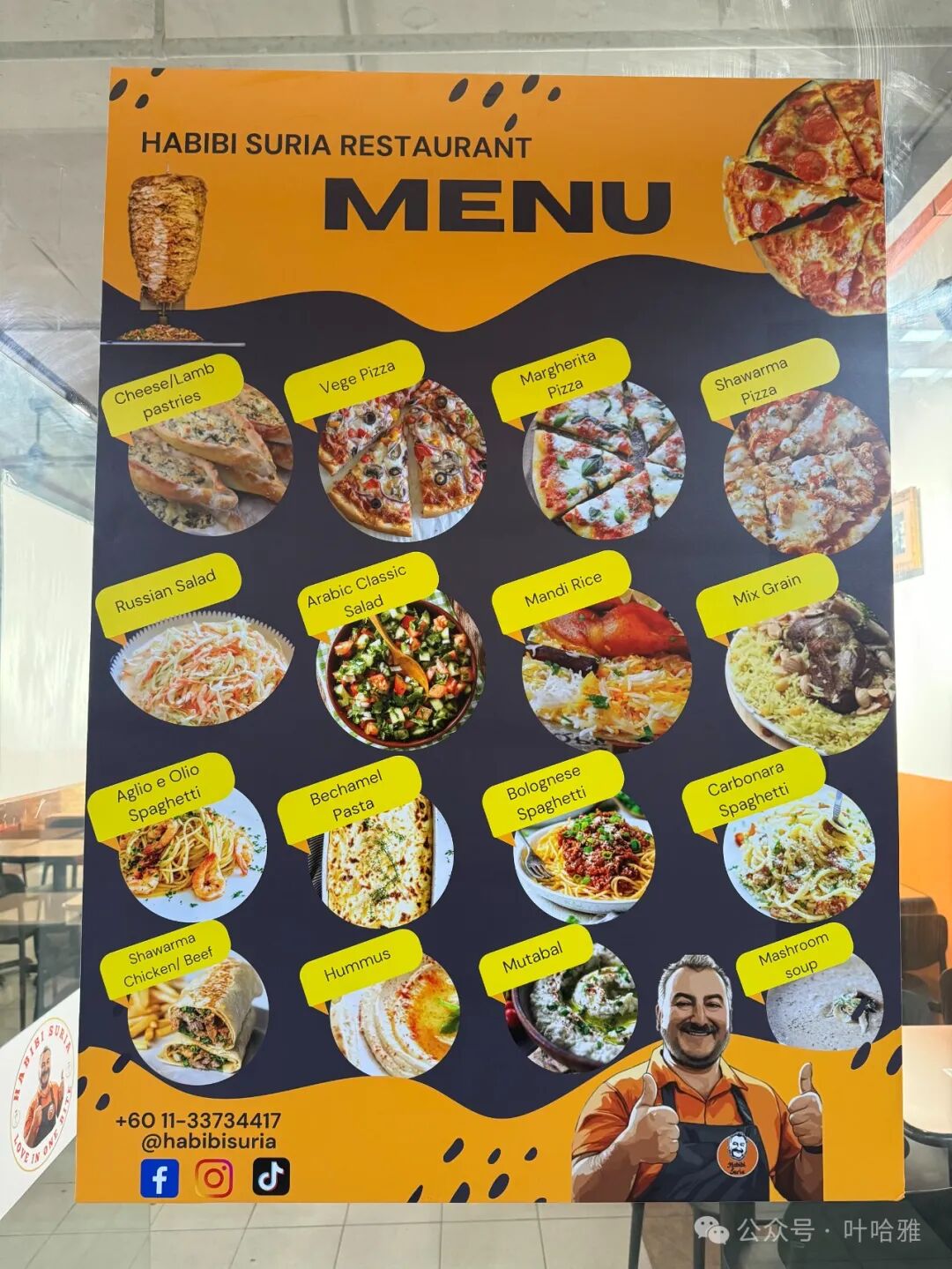
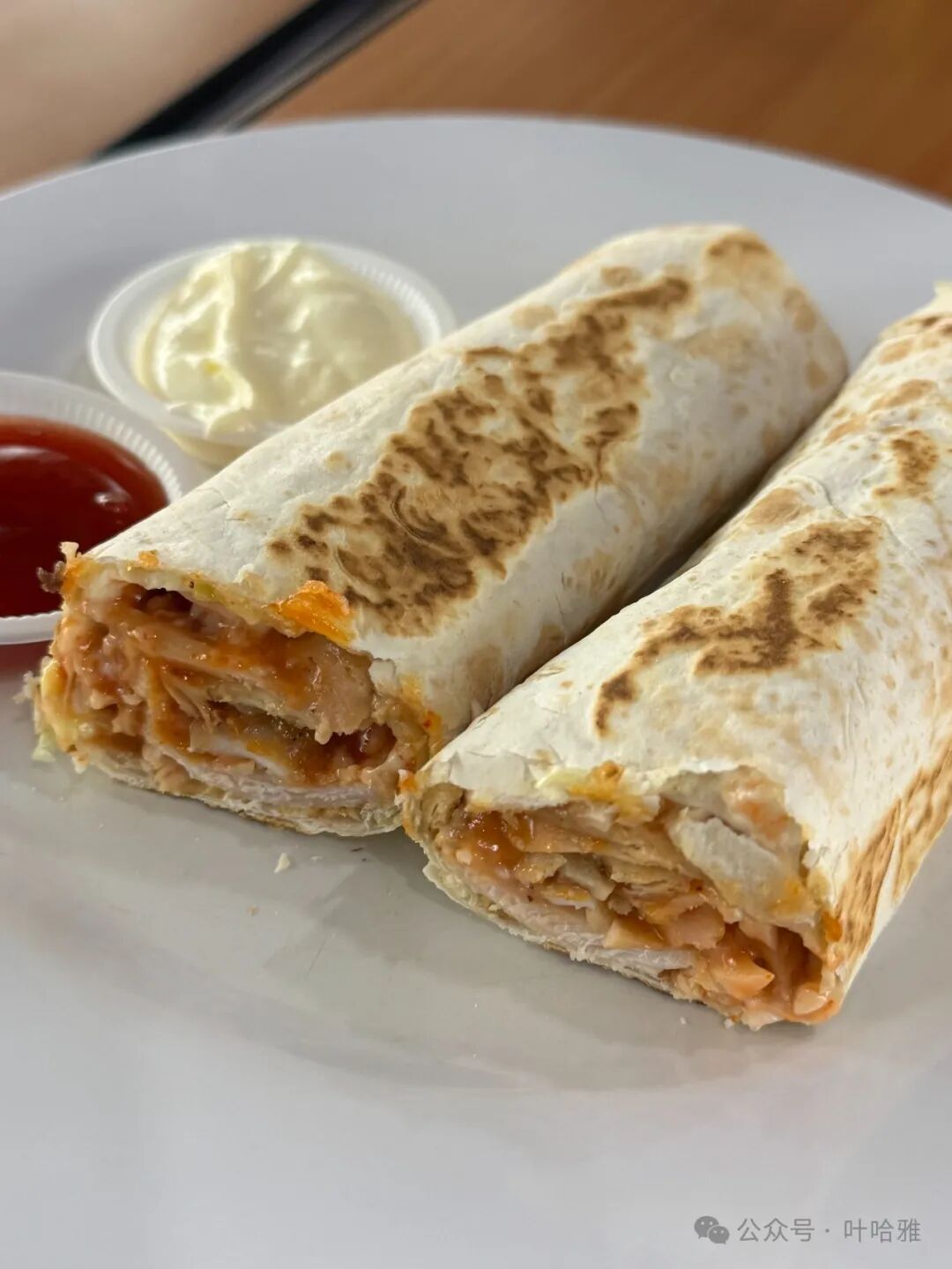
Their pizza is definitely much better than their shawarma. It is always freshly baked and very cheap.
3. SELERA AMPANG Indian Stall
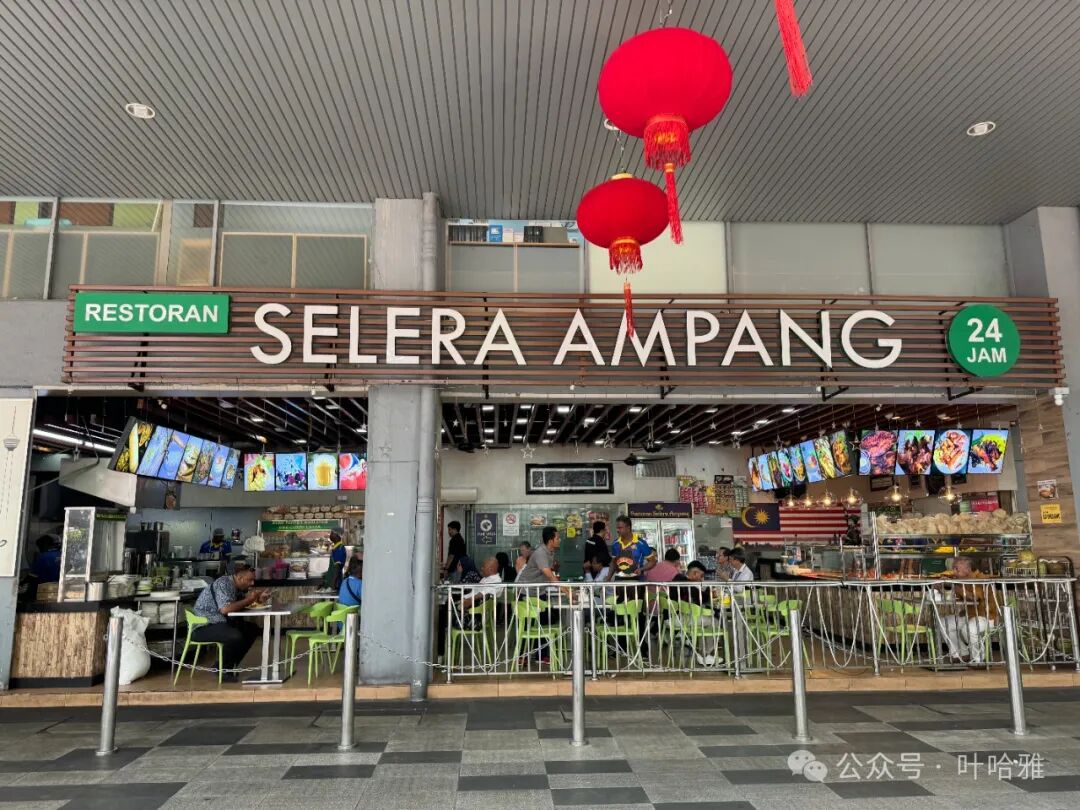
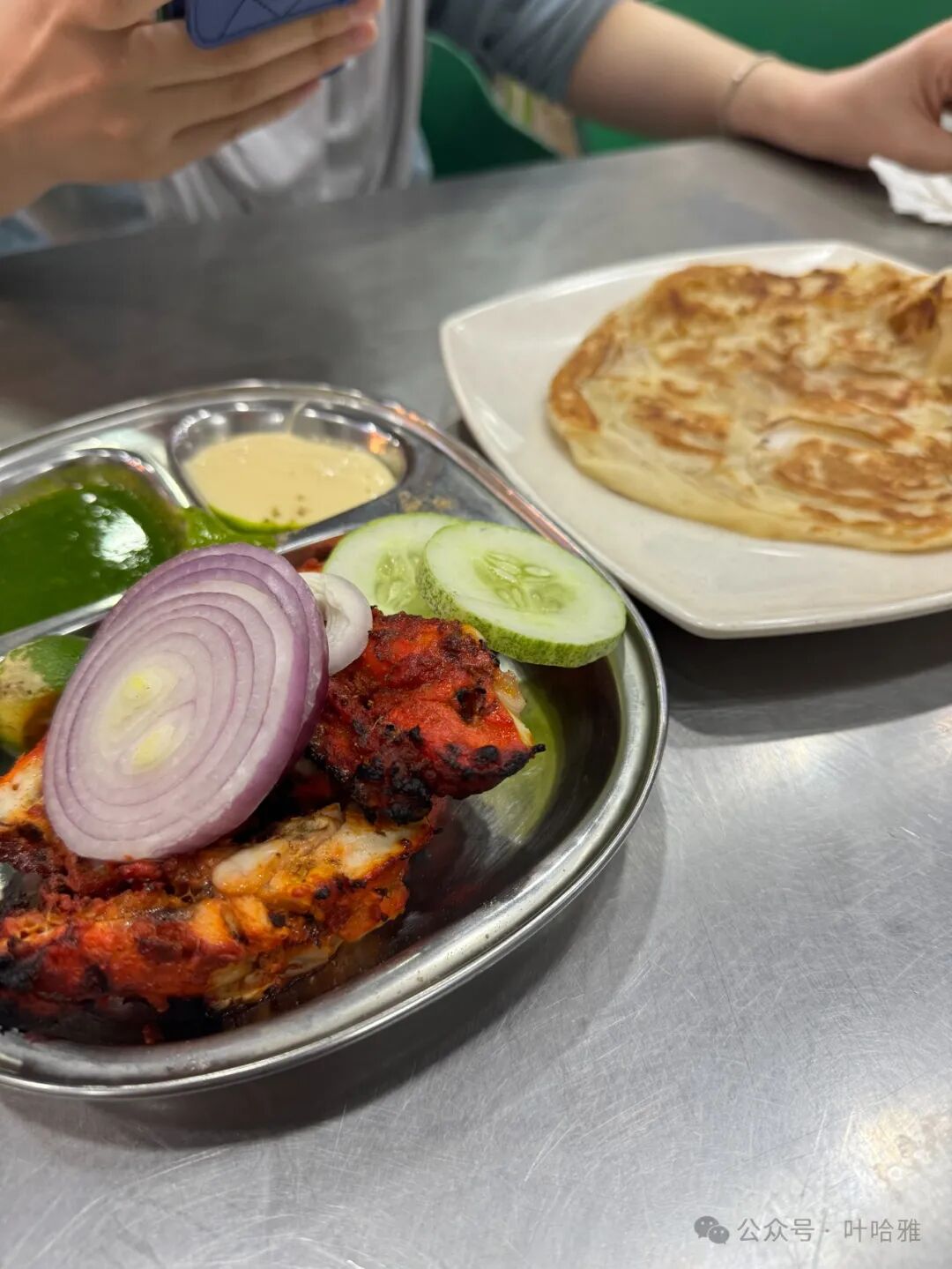
This shop is on the ground floor at the front of the Wisma Central building, while the ramen shop is on the side. This is an Indian fast-food spot. We all like their flatbread wraps (roti). A wrap with a side of grilled chicken makes a great lunch for many office workers, and with a drink, it costs around 20 ringgit.
4. Islamic Arts Museum MOZA Restaurant
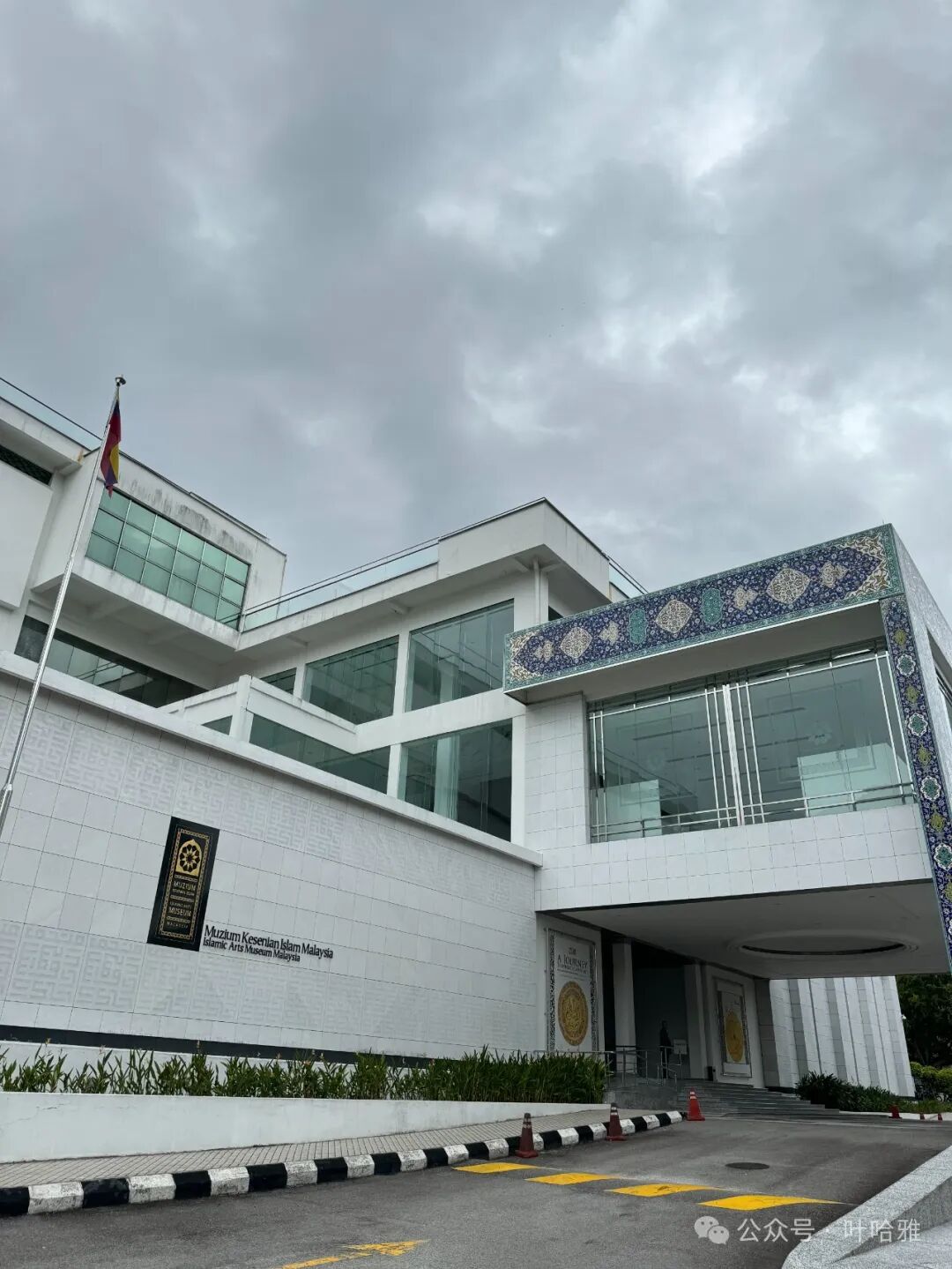
There is an Islamic Arts Museum next to the National Mosque in Kuala Lumpur. This is my second time visiting. My friend from Beijing had an event there, so we met up. After touring the museum, he recommended the MOZA restaurant inside.
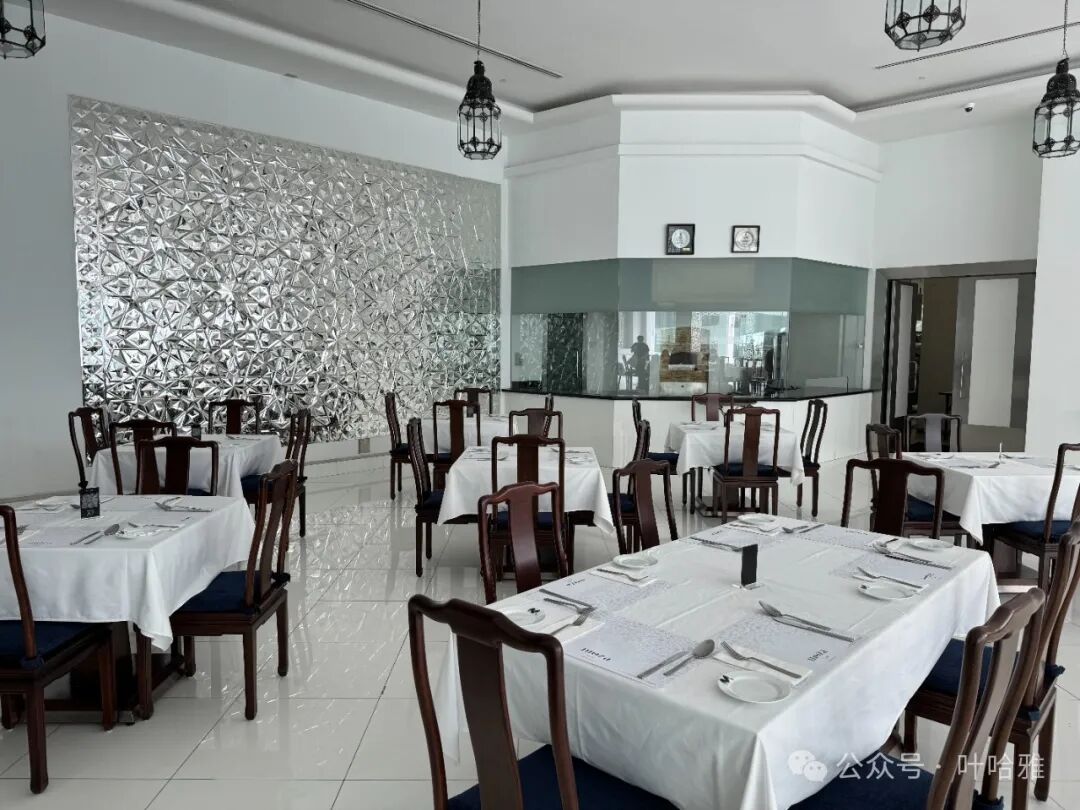
The design of MOZA restaurant incorporates many Islamic historical elements. It is full of style and is the biggest highlight of the restaurant.
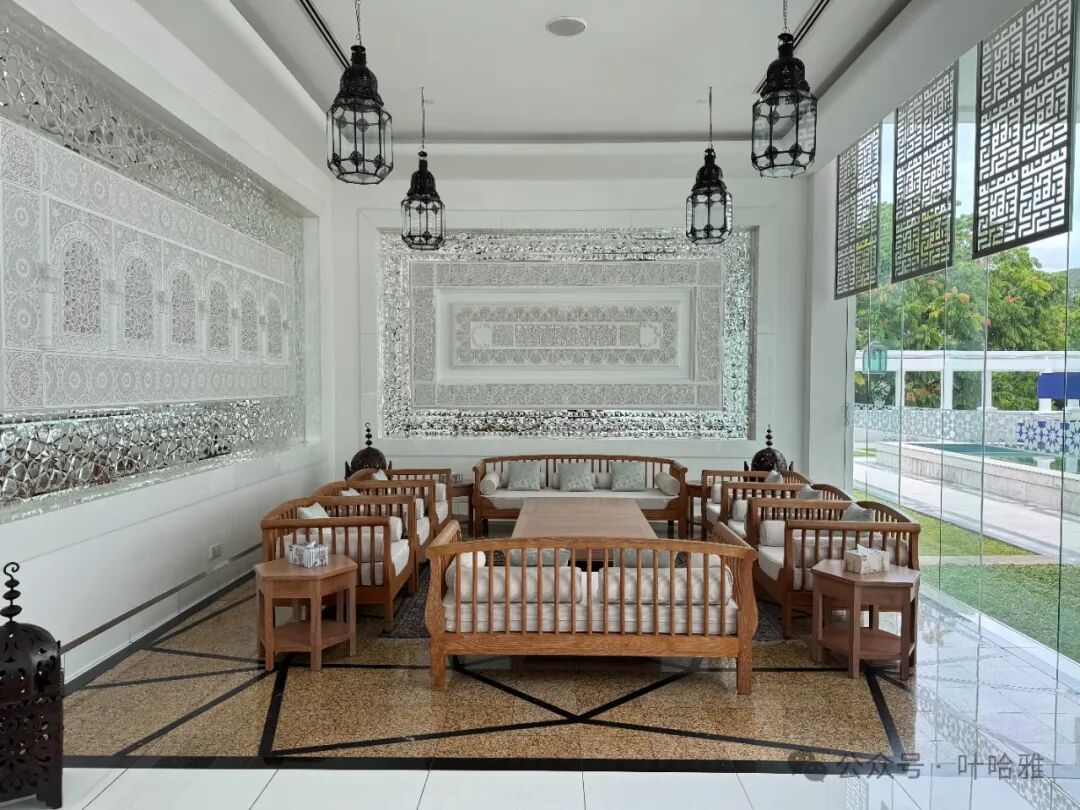
My friend told me that this museum is actually private and houses many precious Islamic artifacts.
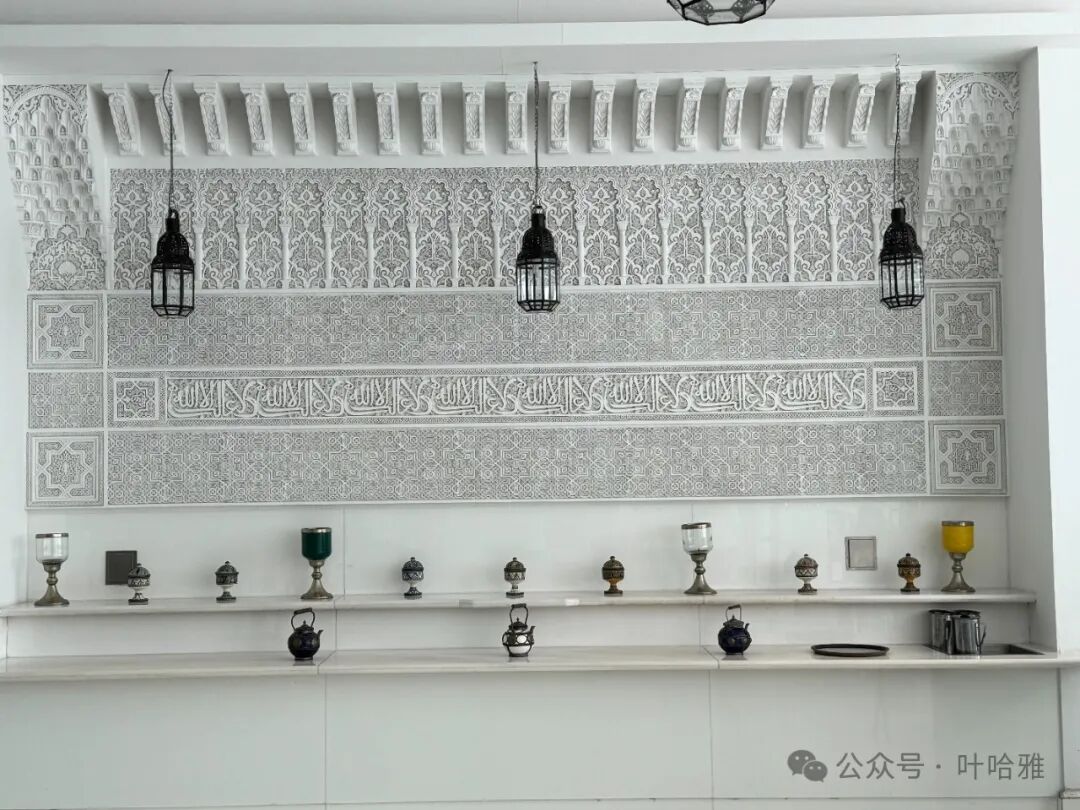
The restaurant serves mostly Southeast Asian fusion food along with some Arab-style dishes. The prices are quite affordable, with an average cost of no more than 50 Malaysian ringgit, which is less than 80 Chinese yuan. If you visit the Islamic Arts Museum, remember to eat at the restaurant. The museum entrance fee is only 20 ringgit.
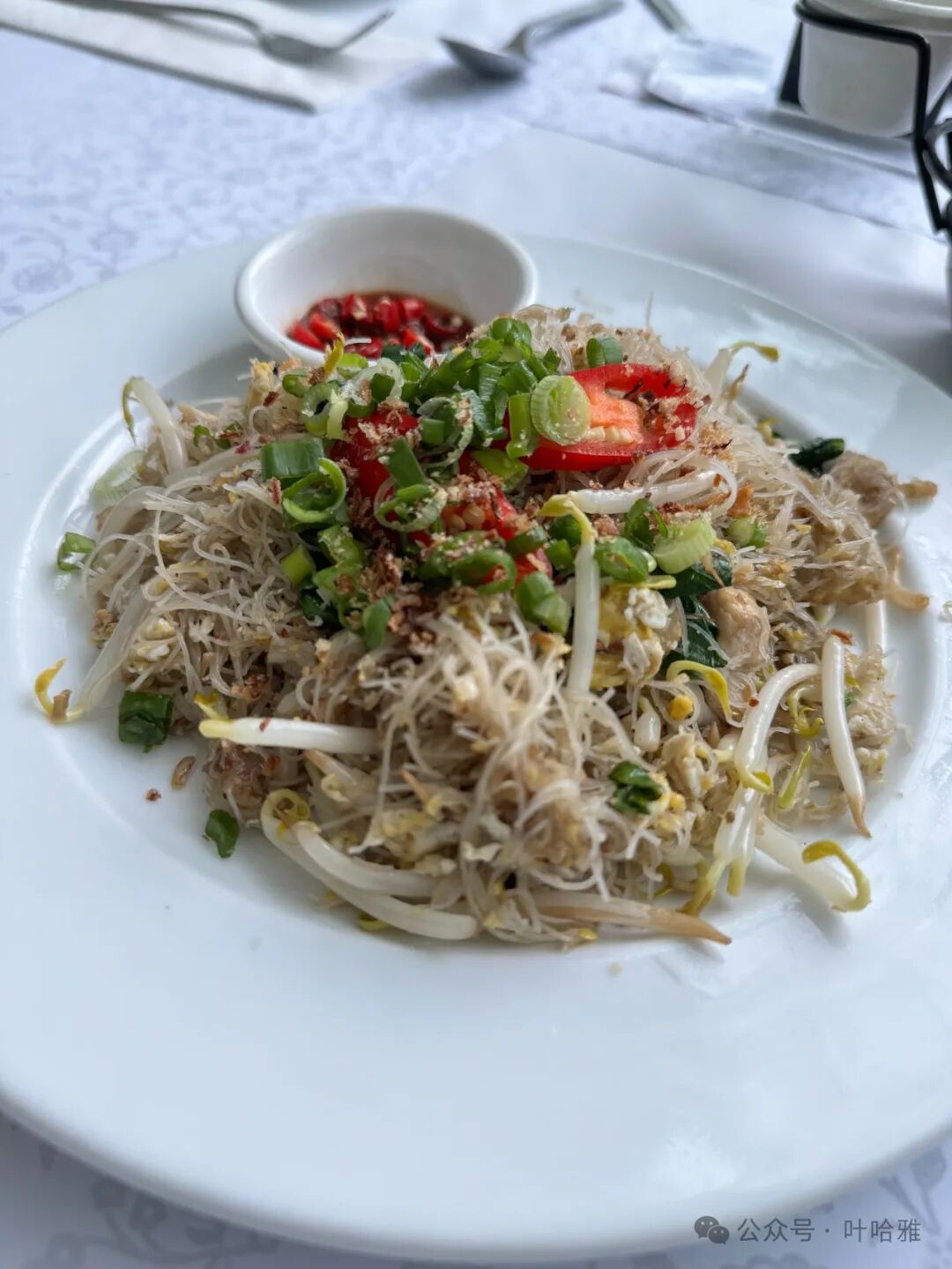
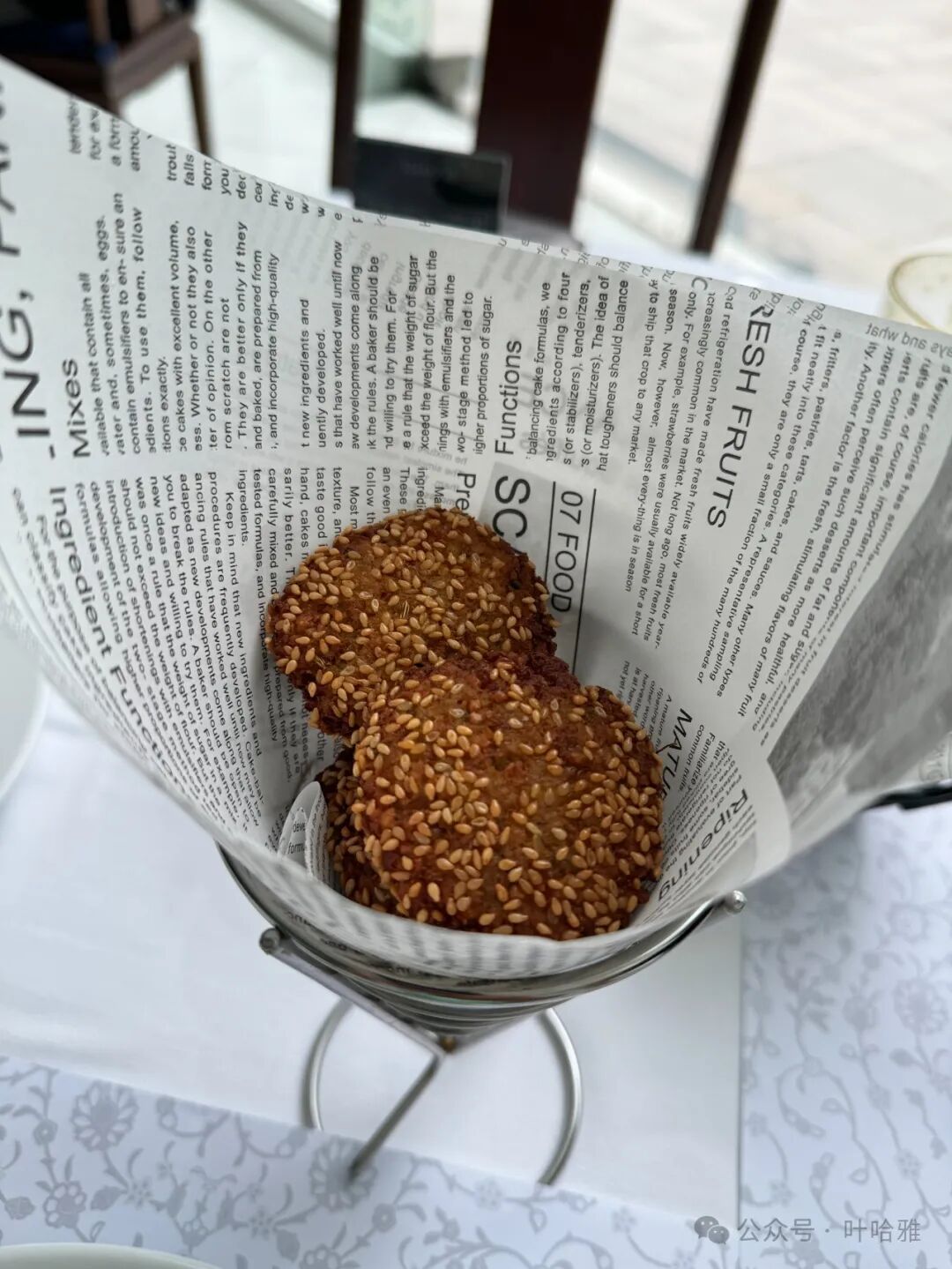
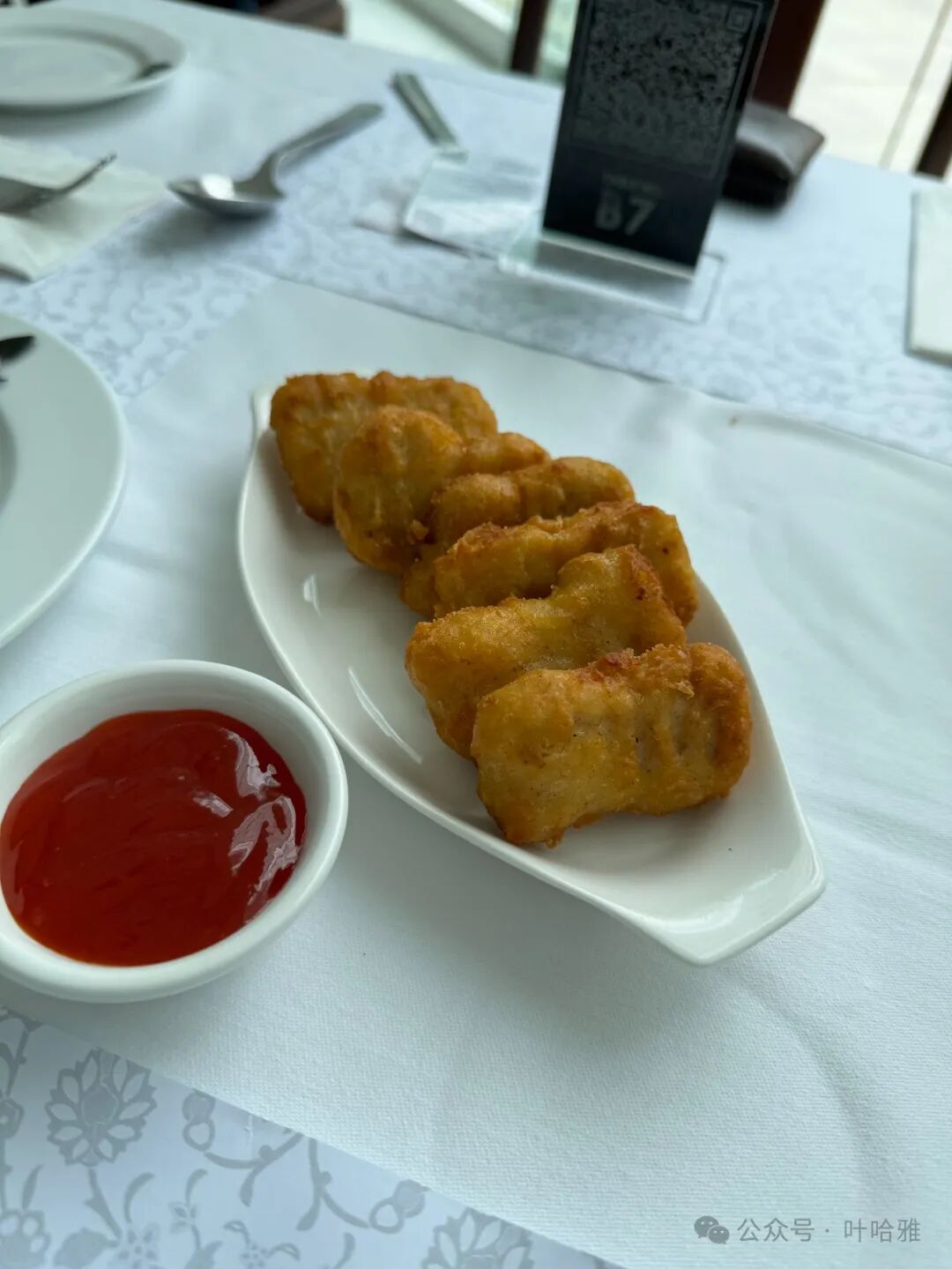
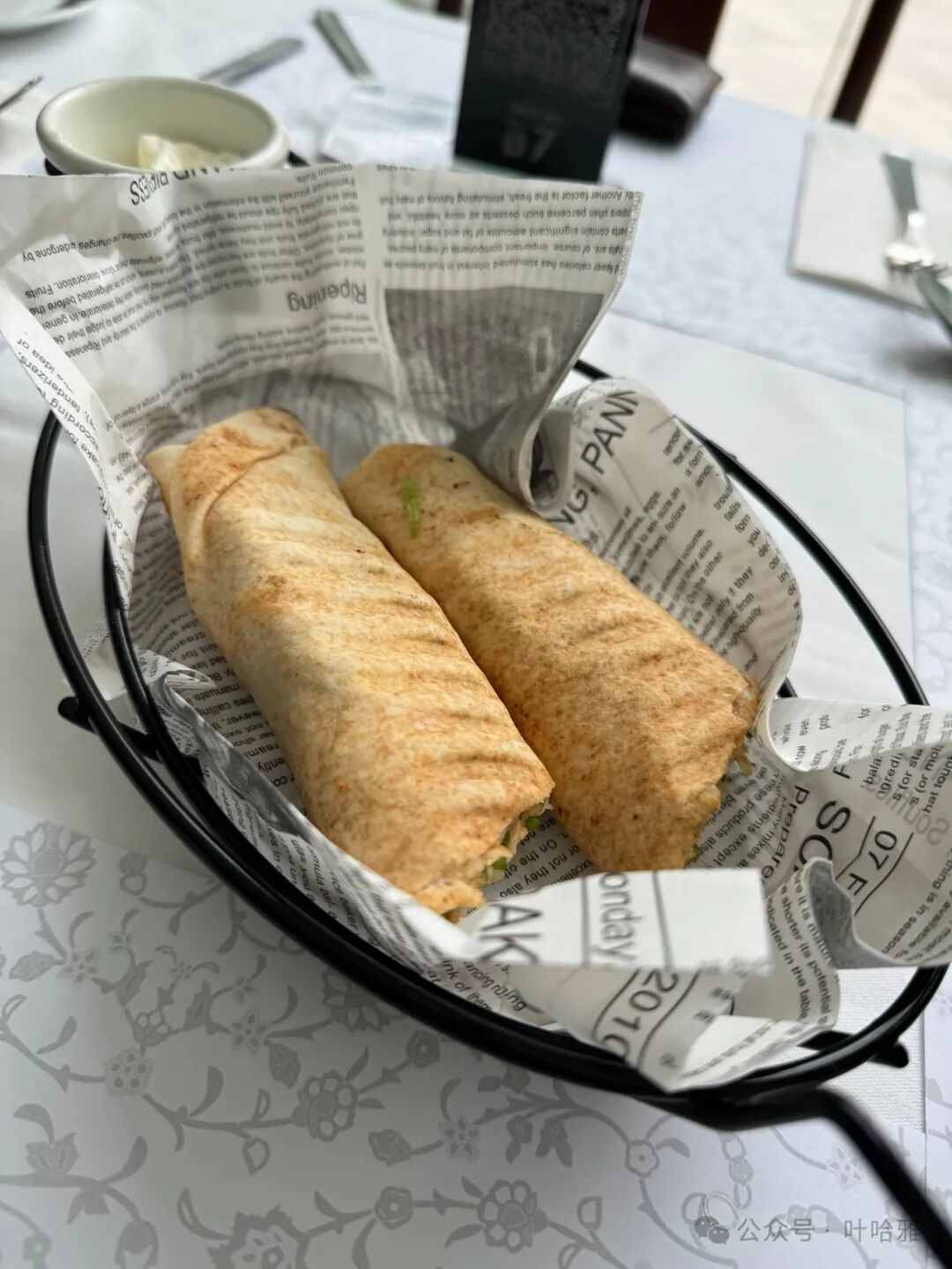
5. KENNY HILLS BISTRO Four Seasons Hotel breakfast and afternoon tea
My wife and sister-in-law brought me to this local trendy restaurant on the ground floor of the Four Seasons Hotel. It has a Western style and is famous for its afternoon tea desserts. This shop is near our home in Kuala Lumpur, just a 5-minute walk from KLCC, and they have other chain locations too.
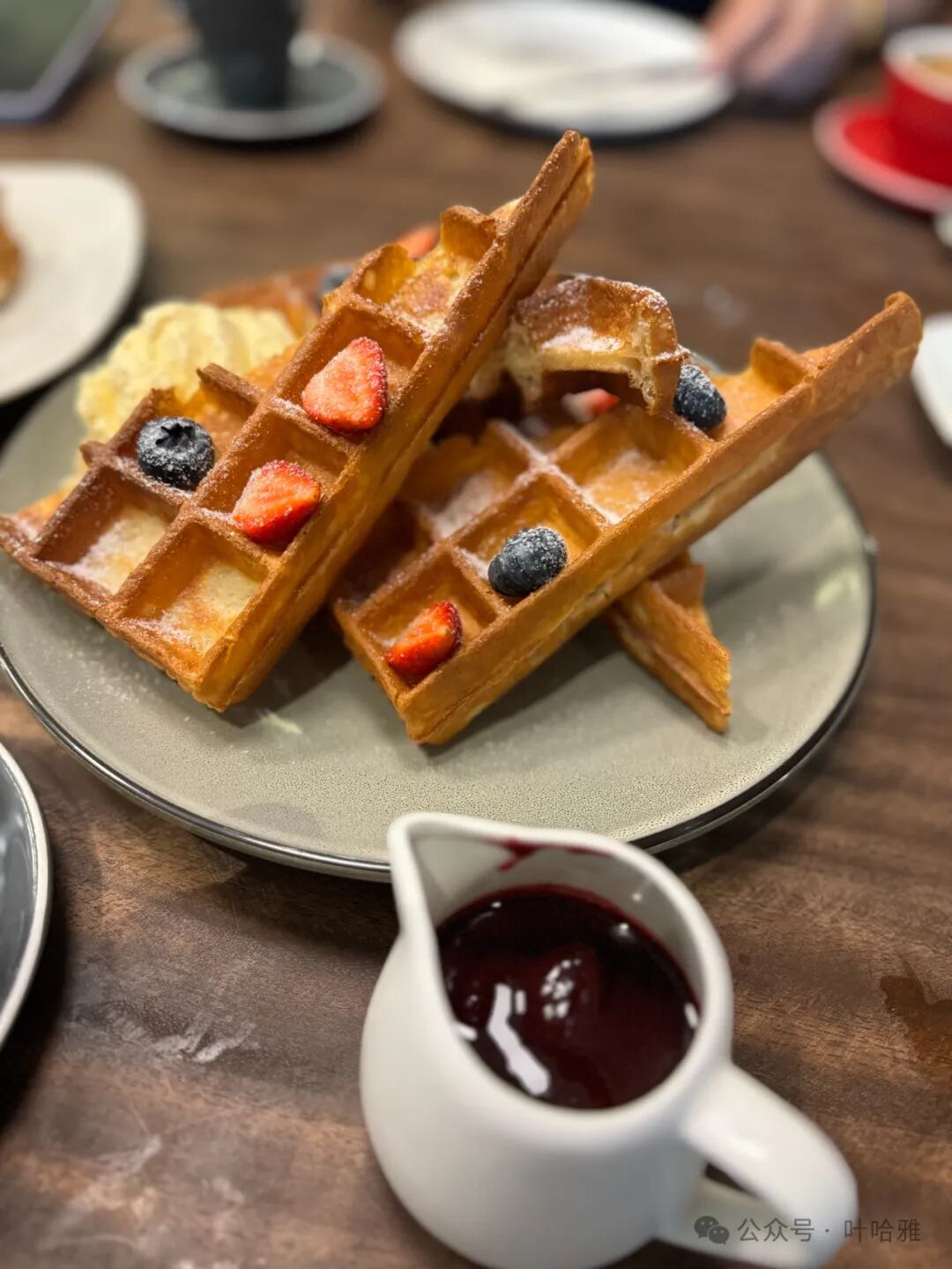
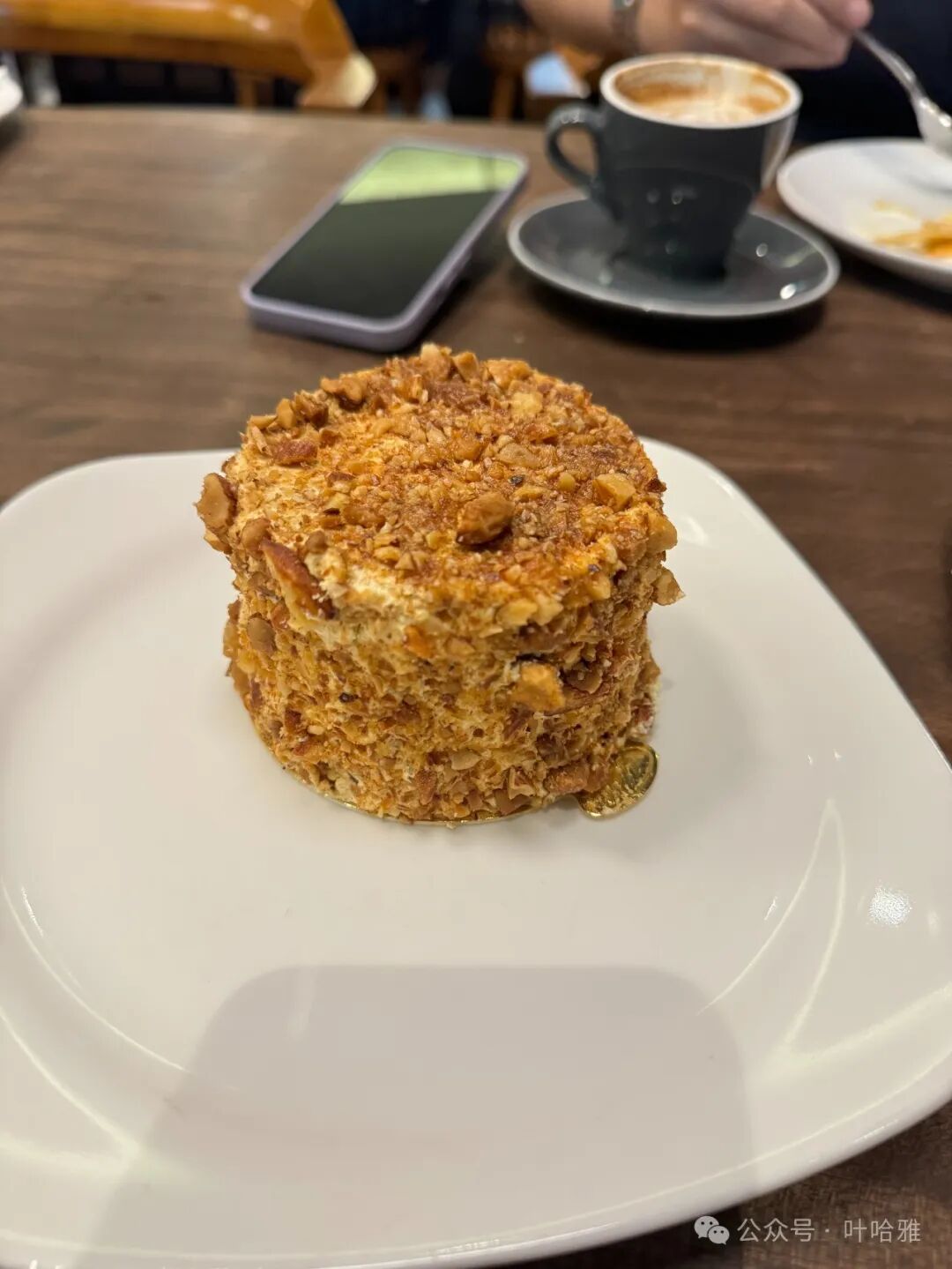
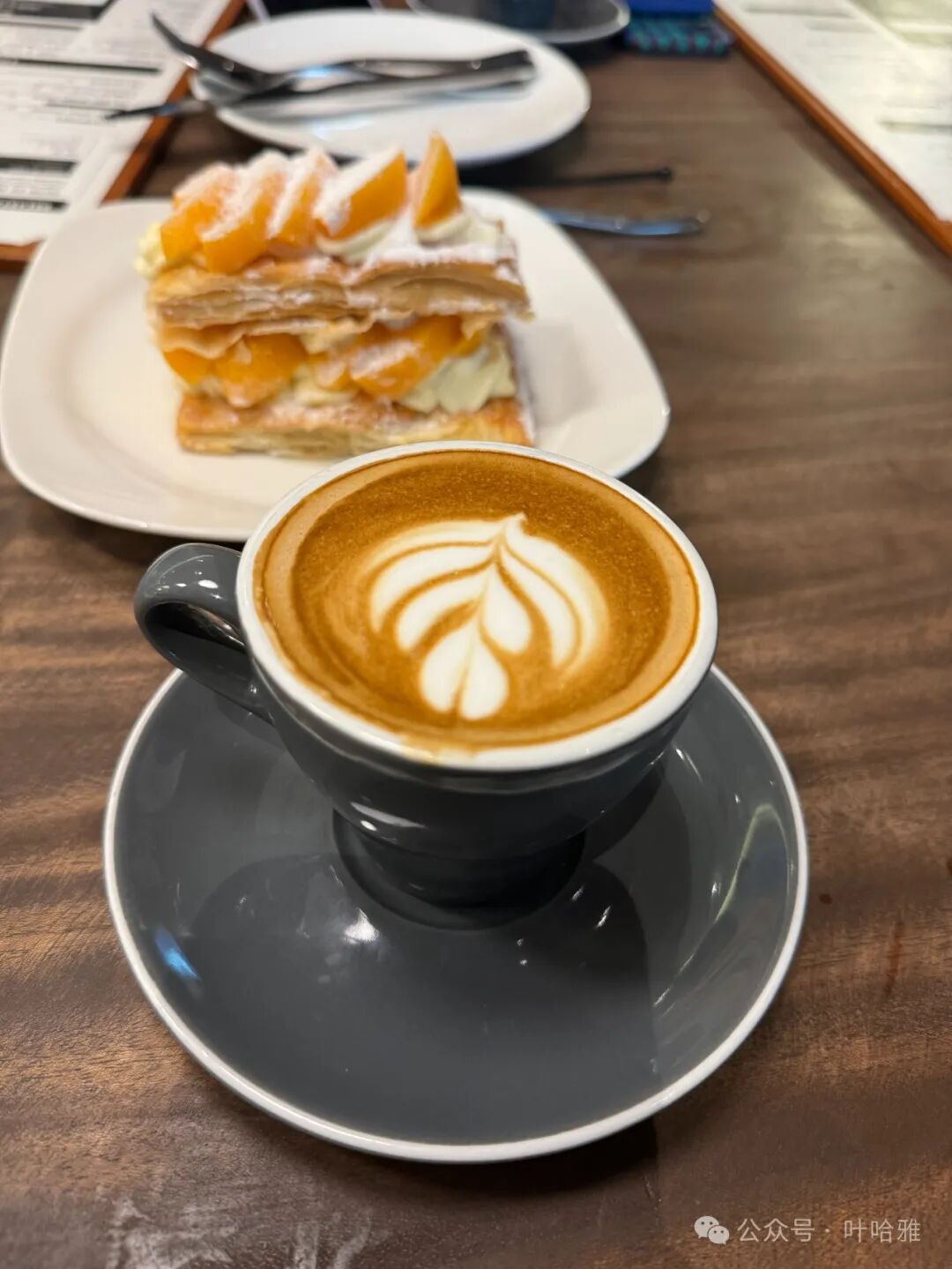
You can see many beautiful Malay ladies taking photos here. The desserts and coffee taste good, and they serve breakfast starting at 8:00 AM.
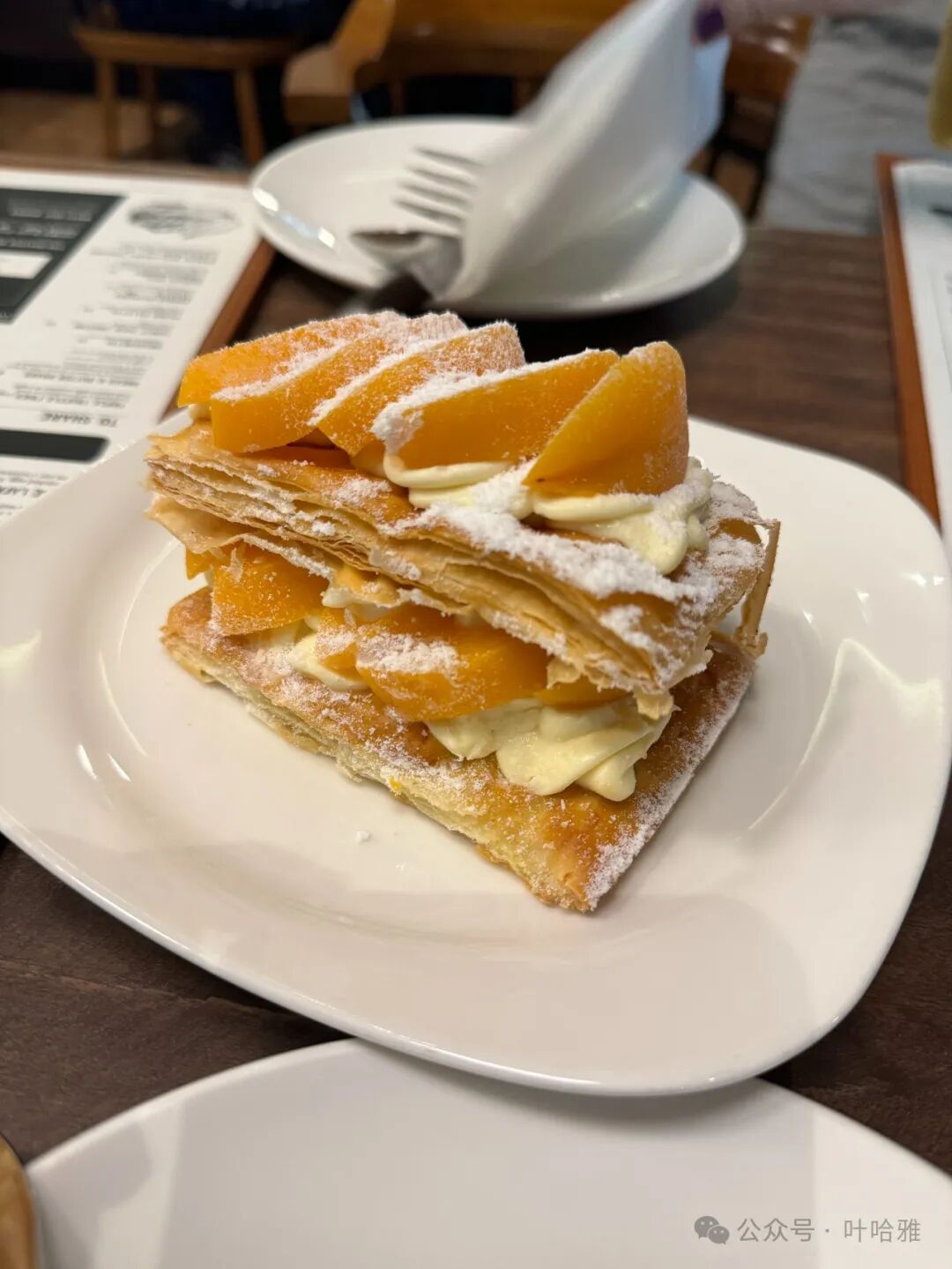
6. RasaNya Nyonya restaurant
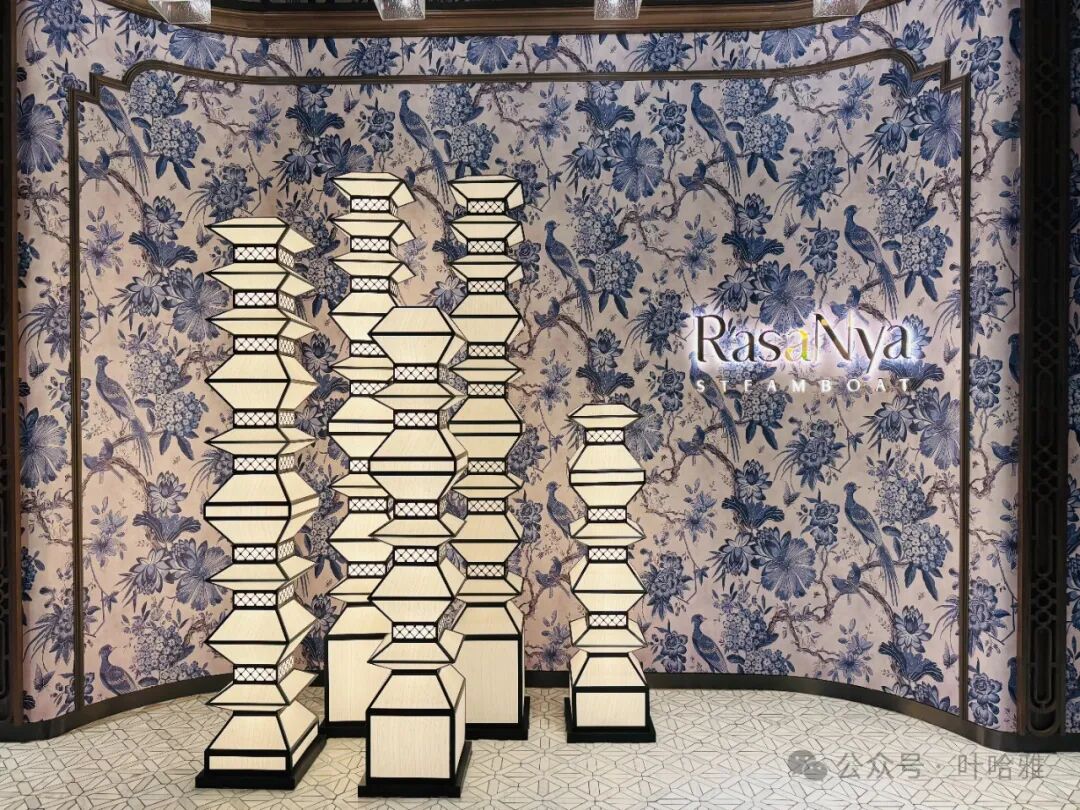
This Nyonya restaurant is on the 8th floor of the Pavilion shopping center. Nyonya people are the descendants of mixed Malay and Chinese heritage, and they have a unique food culture. If you travel to Malaysia, you must try halal Nyonya food, as most Nyonya dishes are not halal. I once ate at one in Malacca, but this Kuala Lumpur location is more upscale and worth a try.
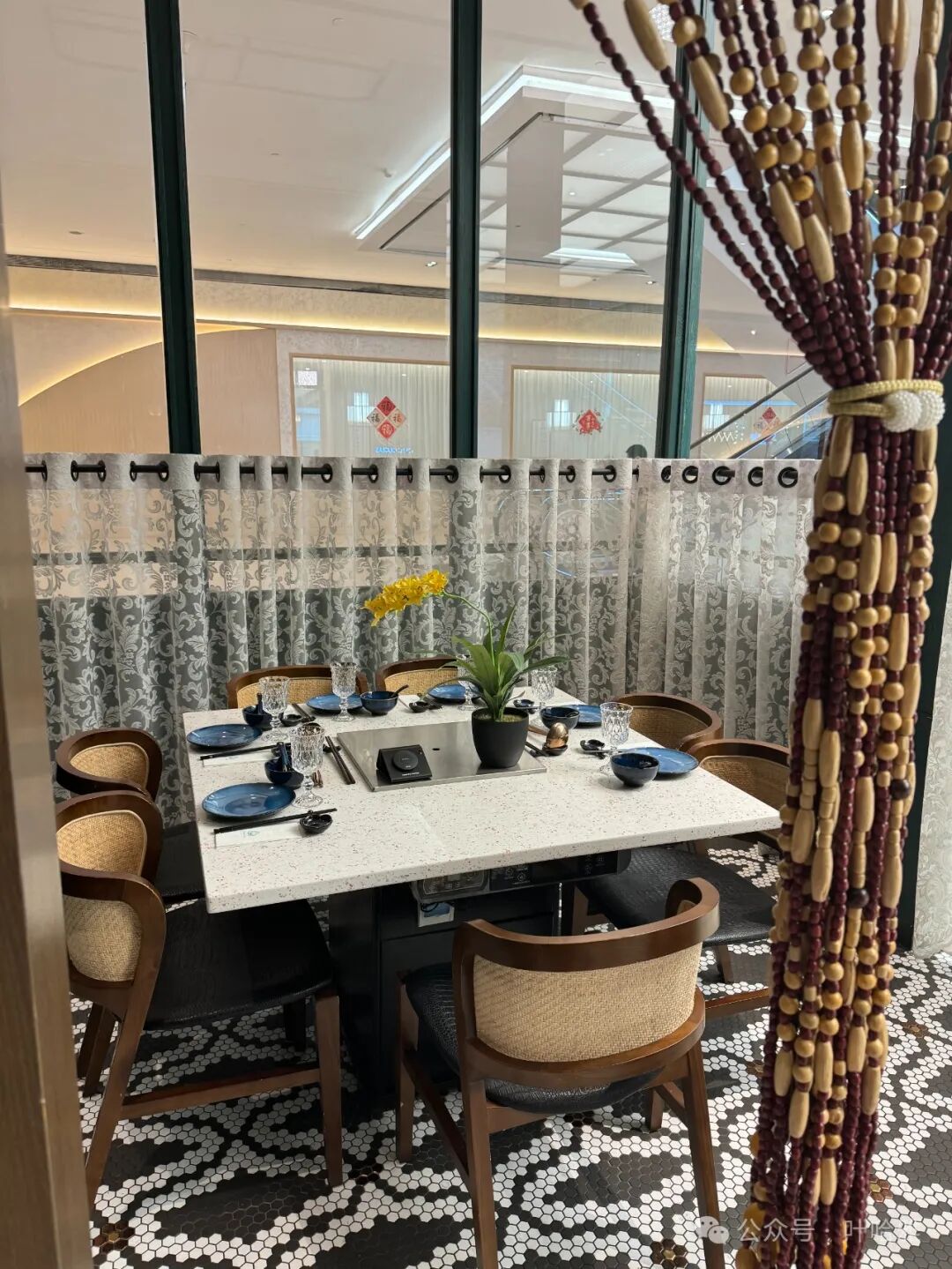
The restaurant's decor caught my eye; it has the elegant vibe of a Nanyang noblewoman.
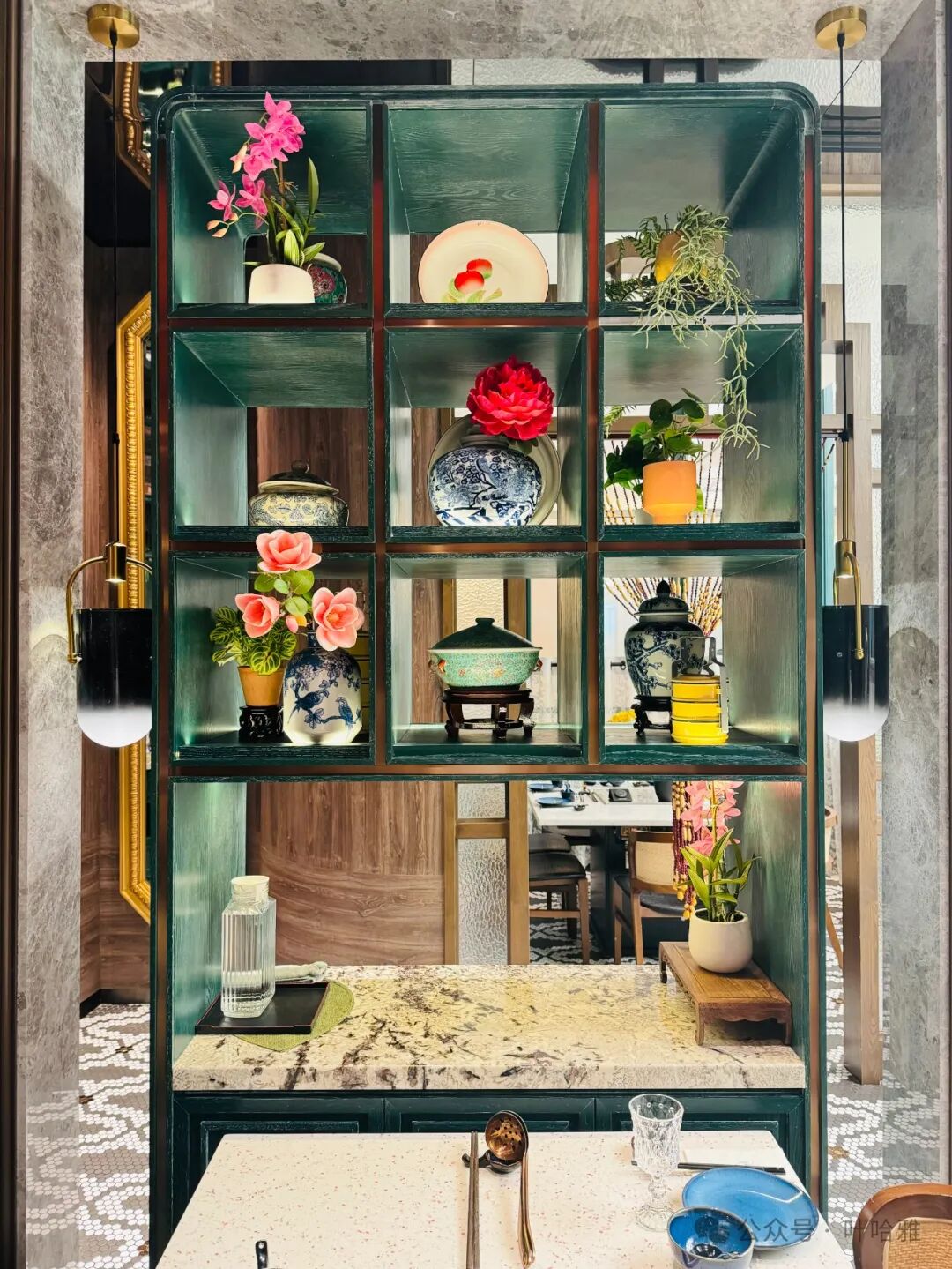
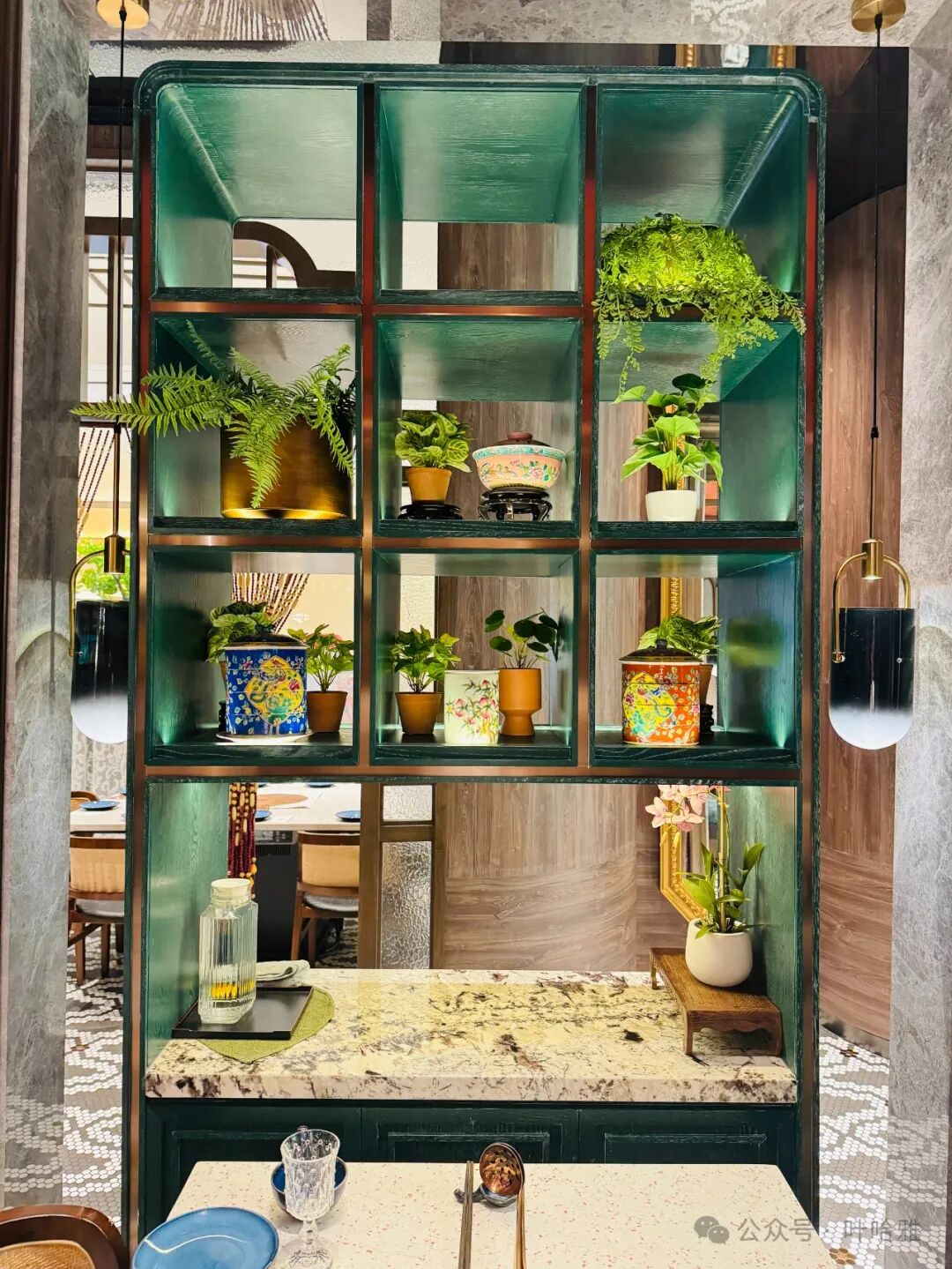
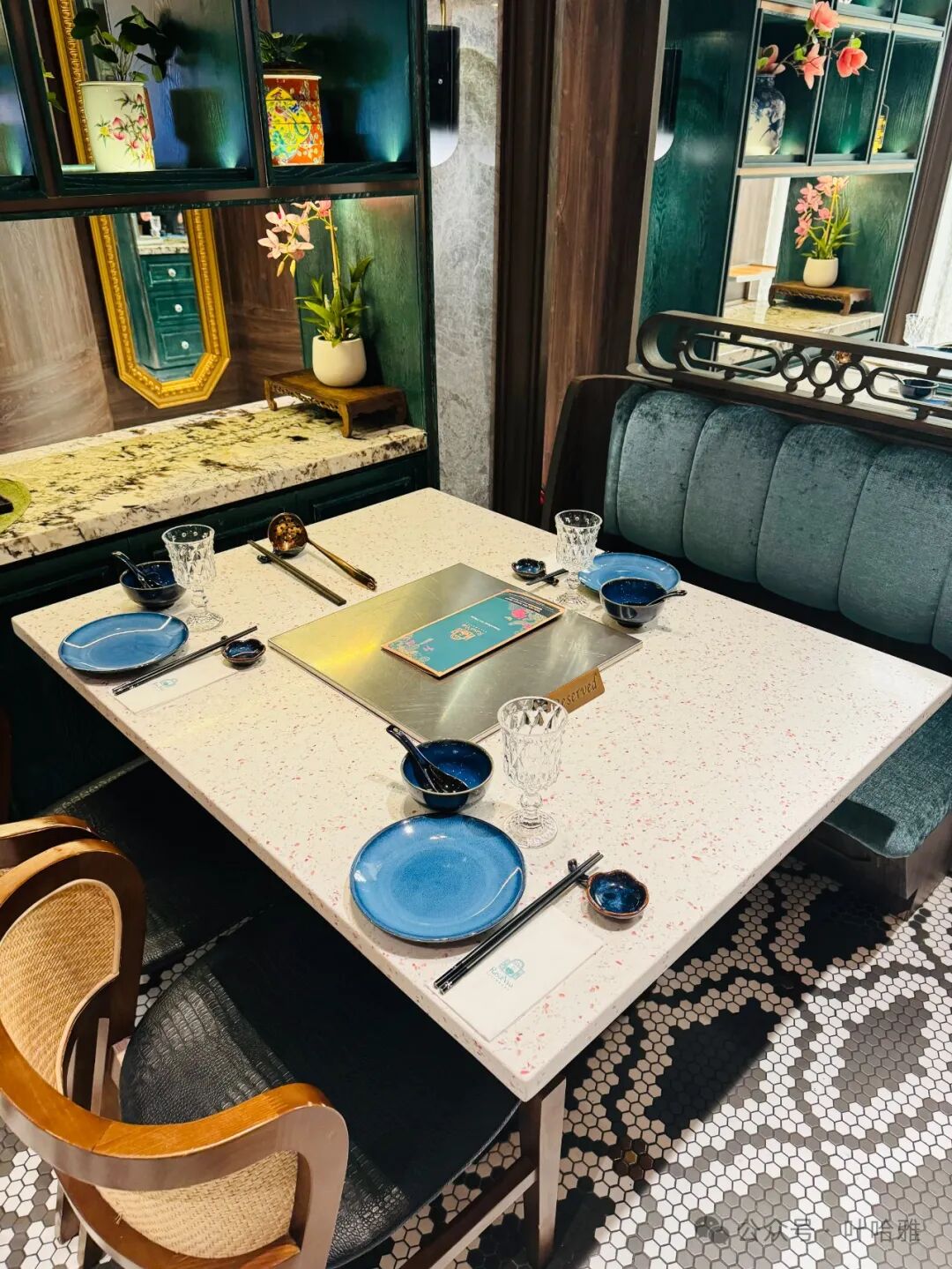
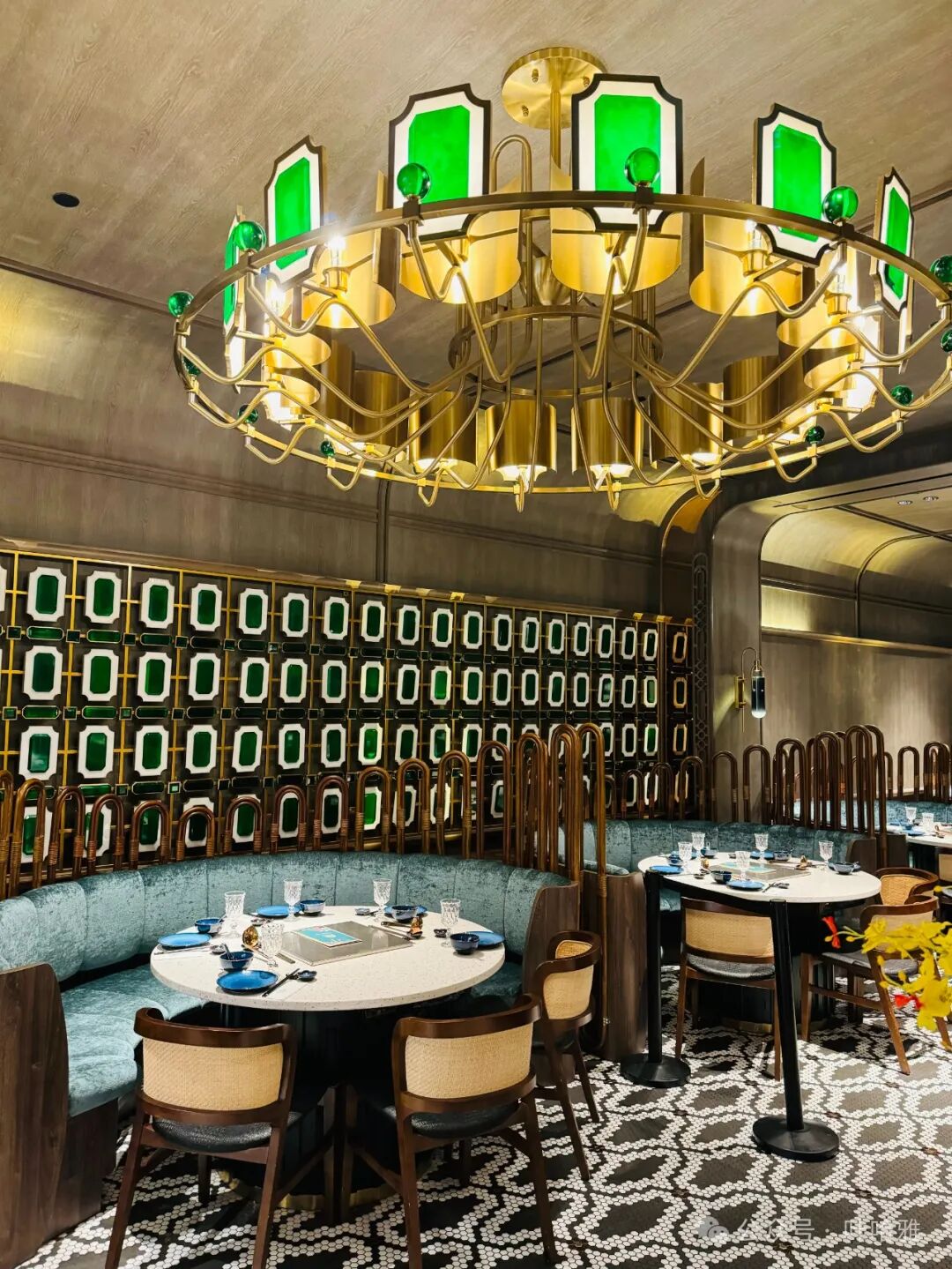
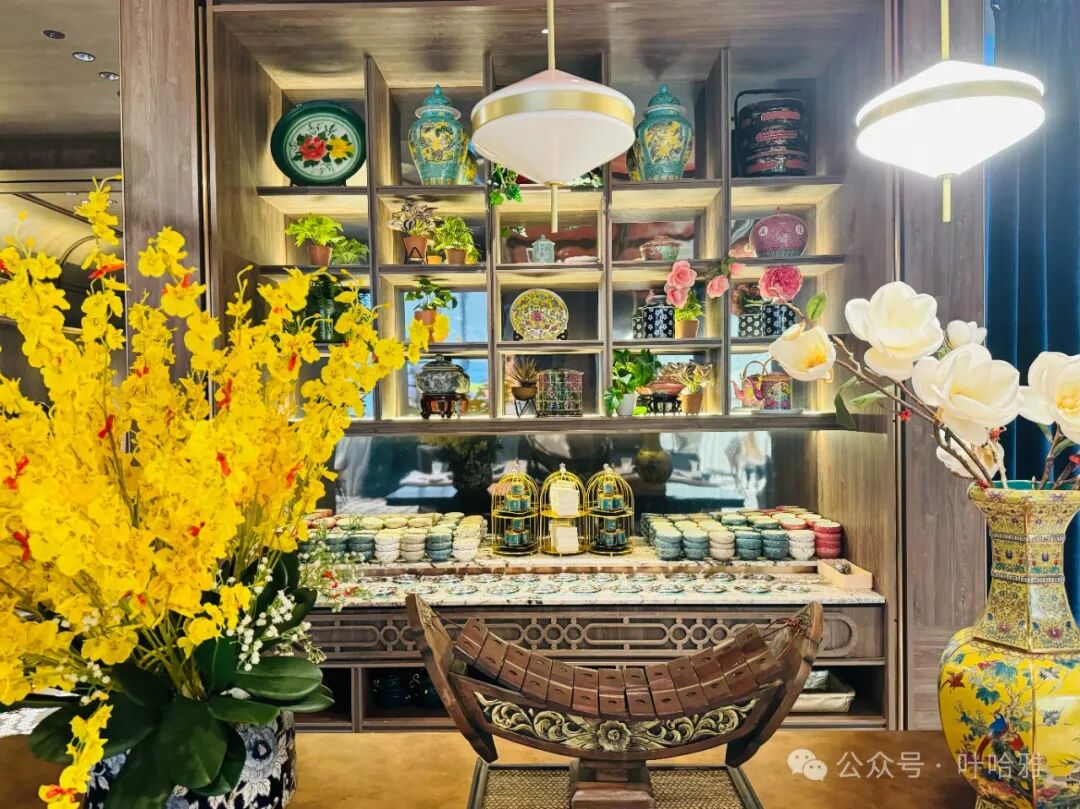
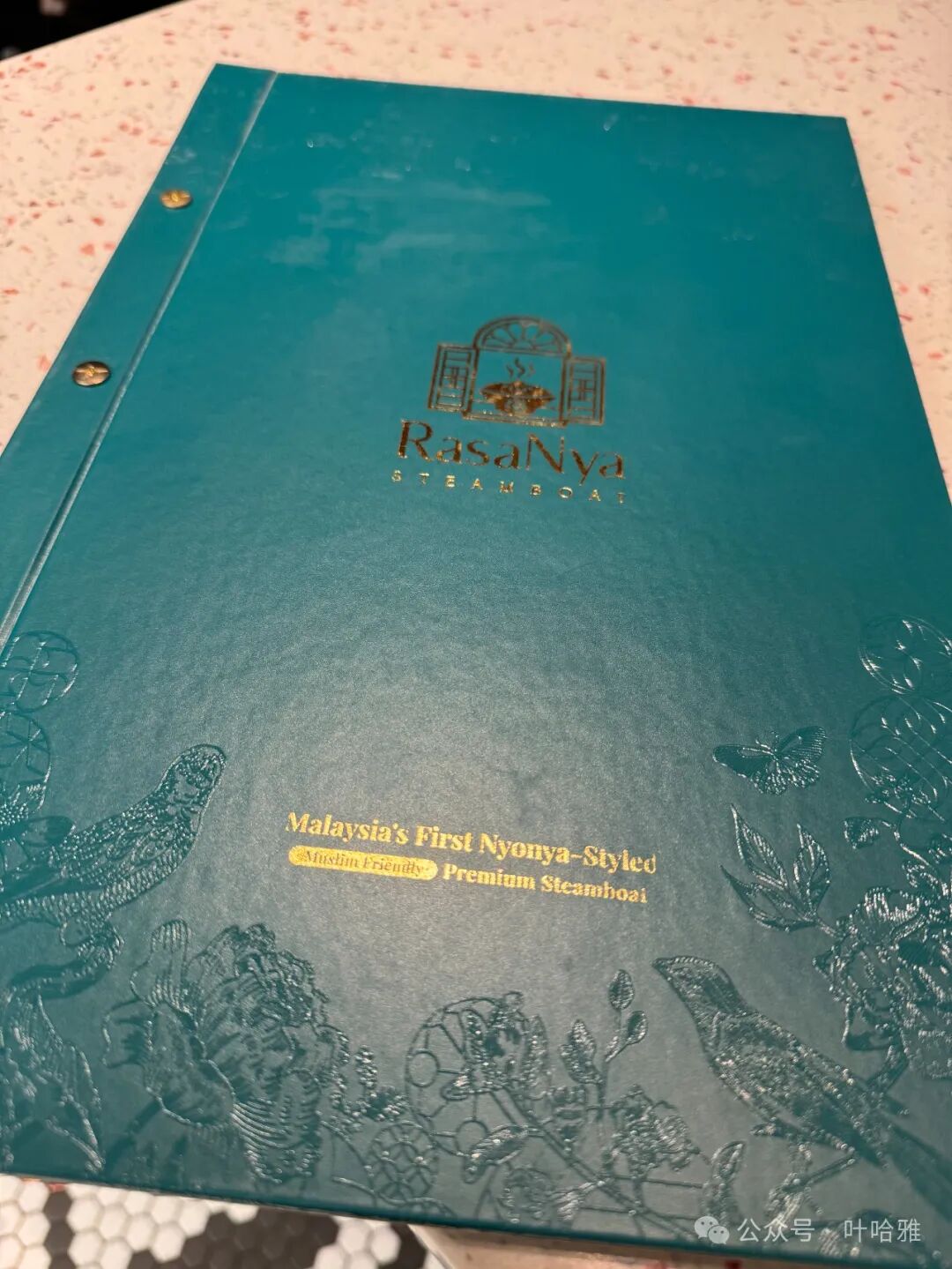
The menu says Muslim Friendly, which means it is a pork-free restaurant. Some restaurants write Pork Free, which also means no pork. In Malaysia, as long as a restaurant has no pork, you can eat there because other meats like chicken, beef, and lamb are halal.
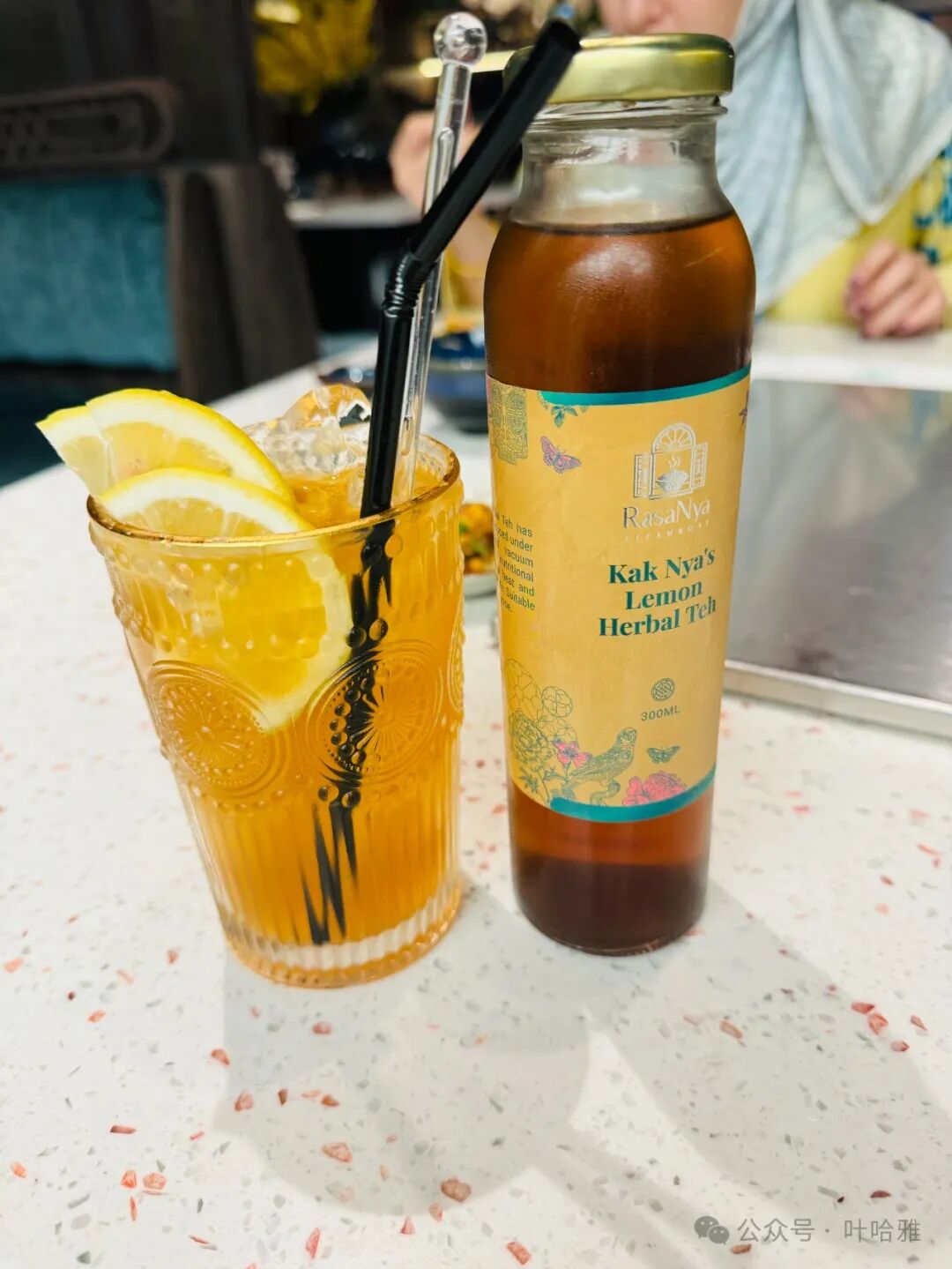
You might wonder why they don't just display a halal certification label. Applying for a Malaysian halal label involves a complicated process and high certification fees. Once certified, restaurants face regular and surprise inspections. Inspectors check that every ingredient has a halal certificate. Even additives without non-halal ingredients are not allowed if they lack certification. Businesses face penalties for non-compliance. That is why you will notice that most restaurants with official halal labels are large chains. Many small and medium-sized restaurants do not display the label and instead hang a dua in the shop. This does not stop Malay people from eating there. You can feel safe eating there if you see Malay people wearing headscarves dining in the shop.
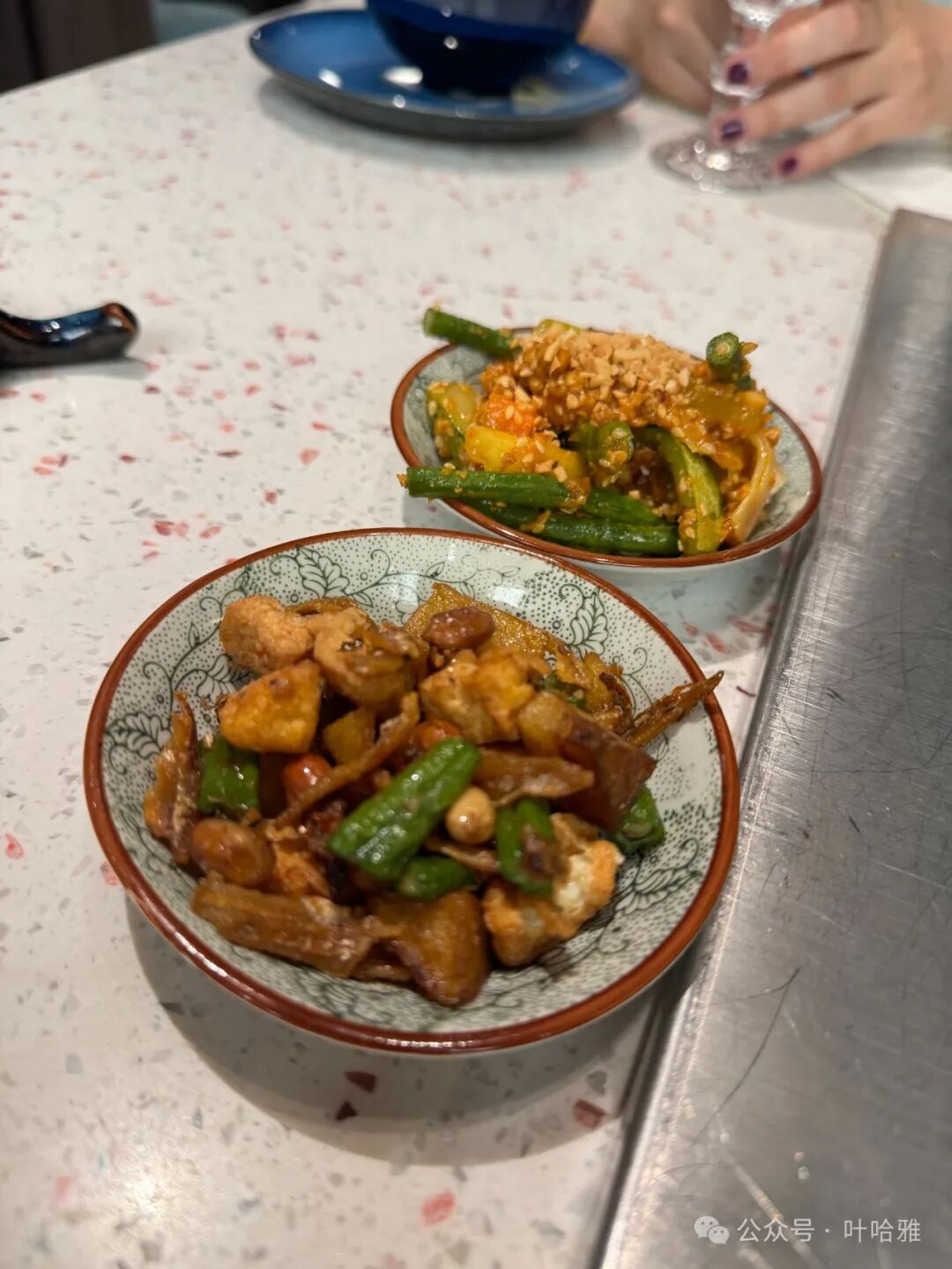
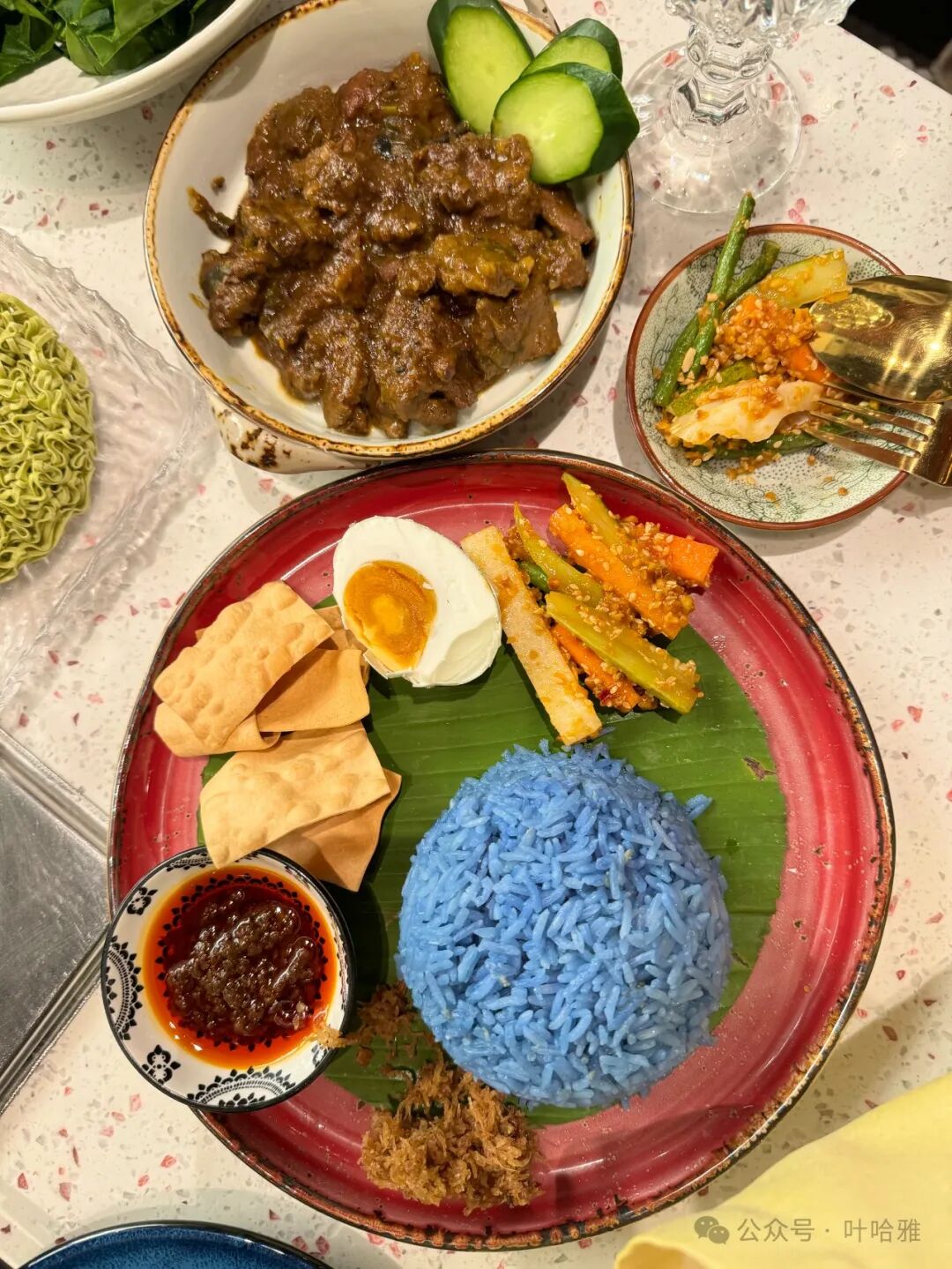
This Nyonya restaurant serves Nanyang-style hot pot with very fresh ingredients, and the dipping sauce bowls come in different colors.
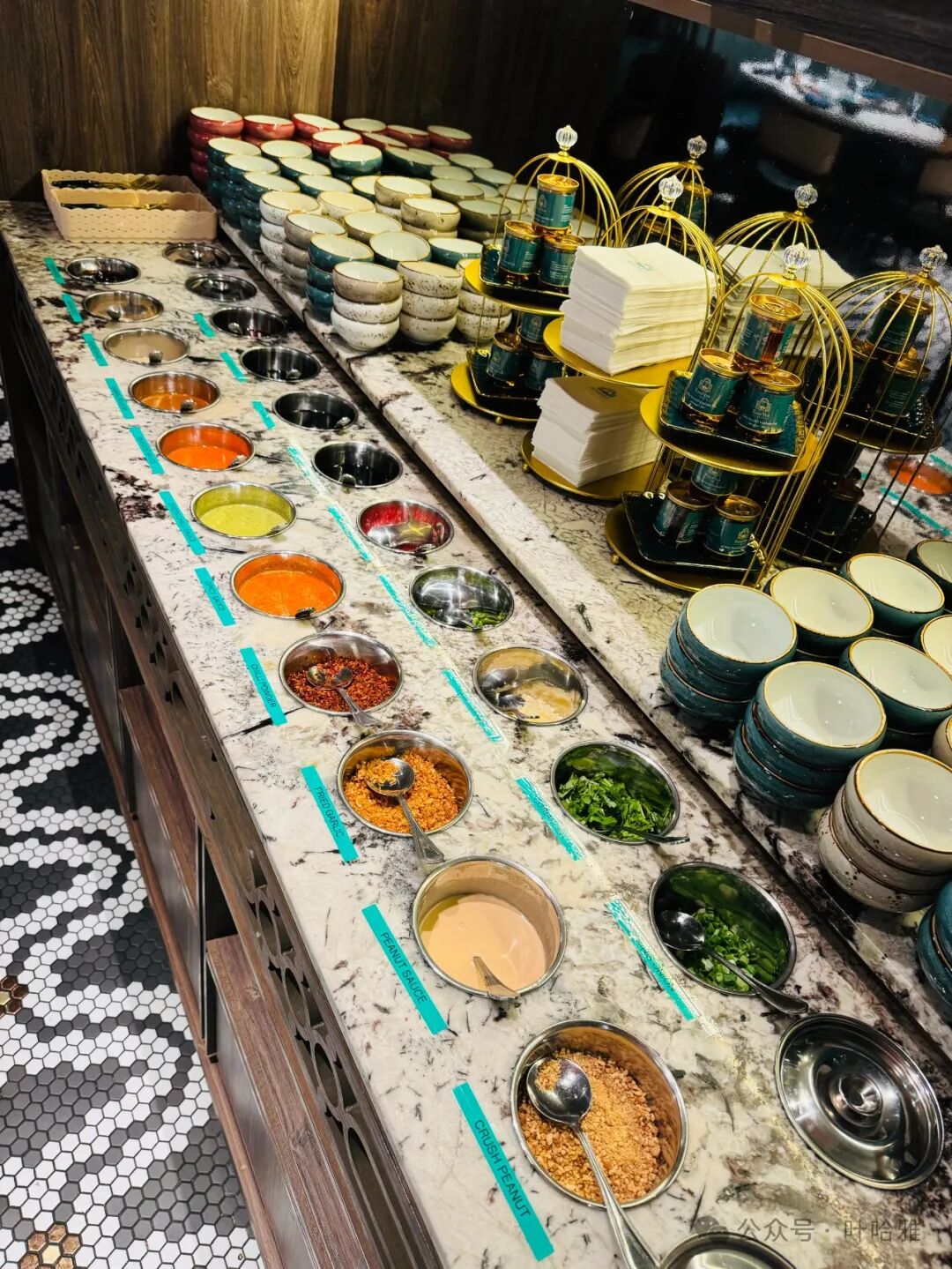
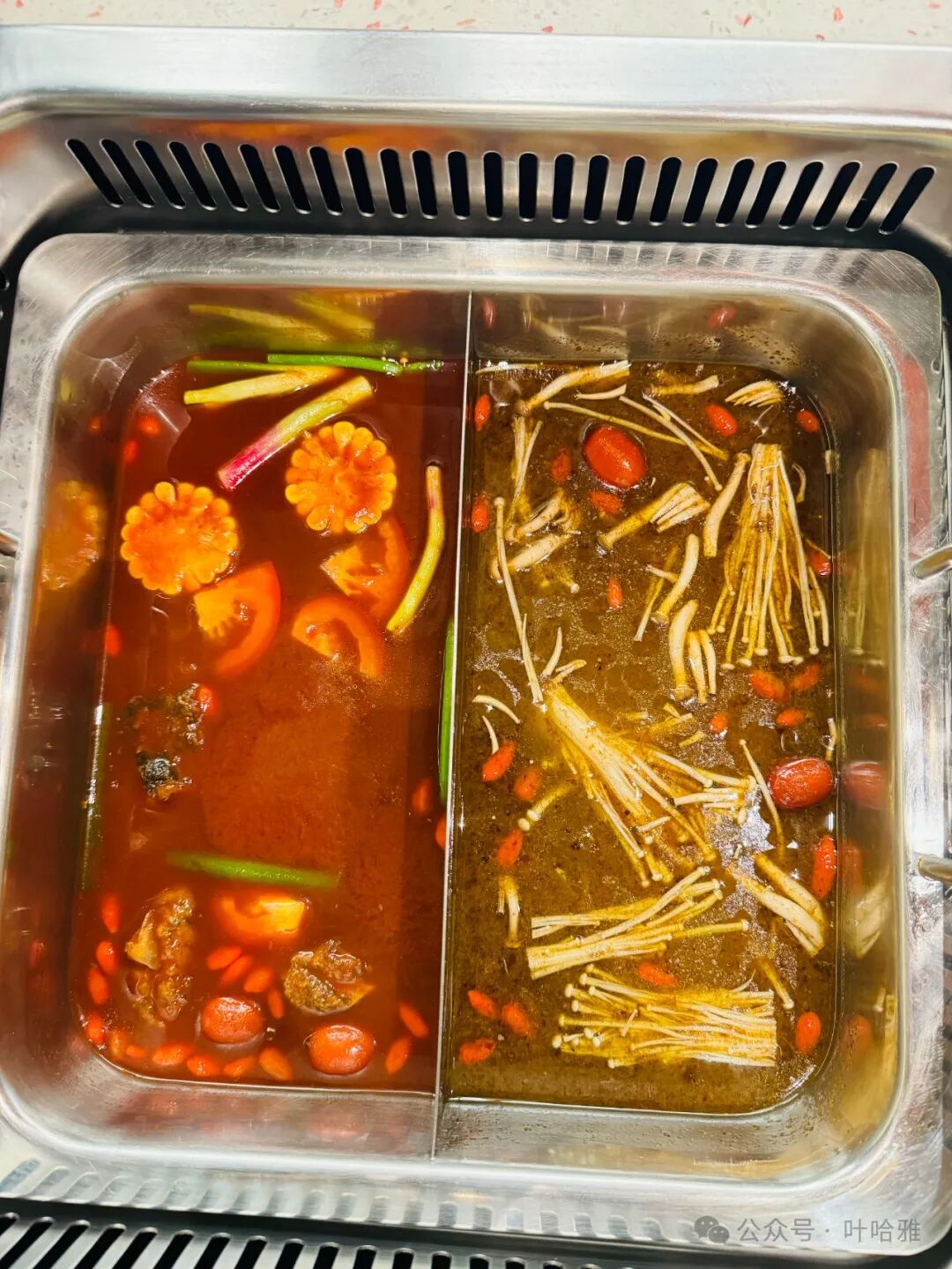
We chose a split pot with tomato broth and black truffle broth. I was surprised when we asked for a refill; the server brought two different pitchers to add broth separately instead of just adding water. It was very thoughtful.
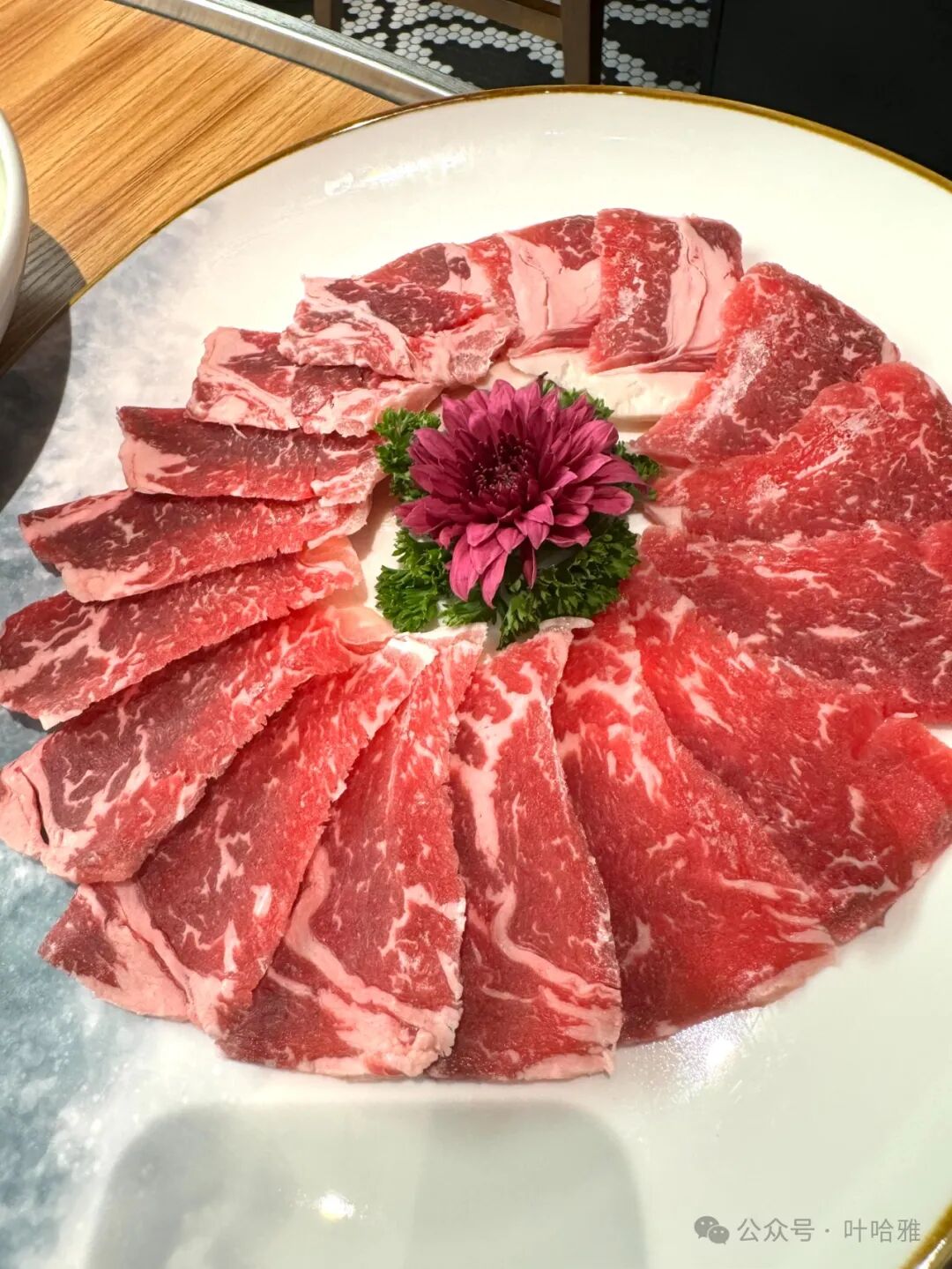
Wagyu beef is expensive in Malaysia, and this was the most expensive meal I had in Kuala Lumpur, costing about 250 yuan per person.
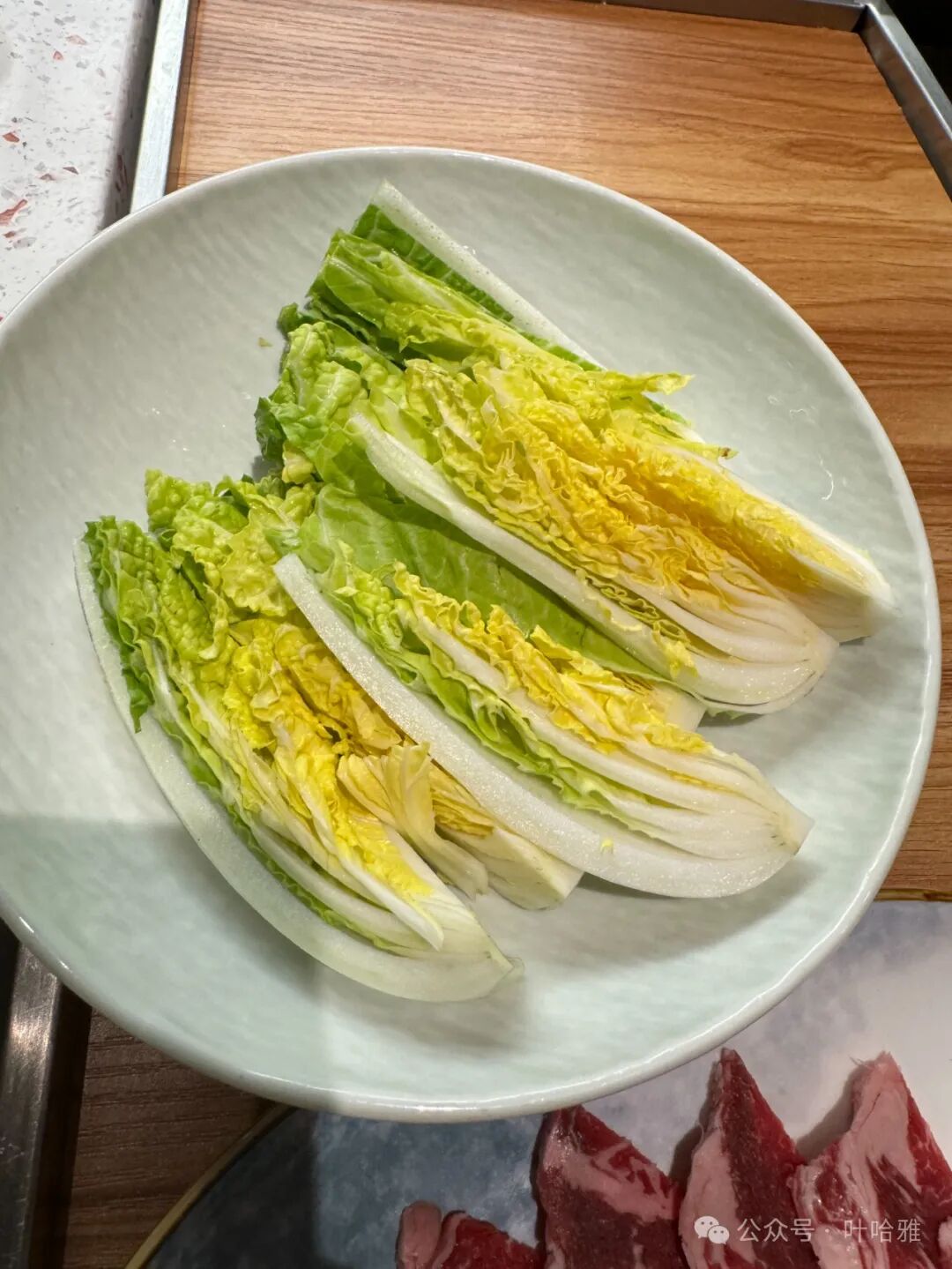
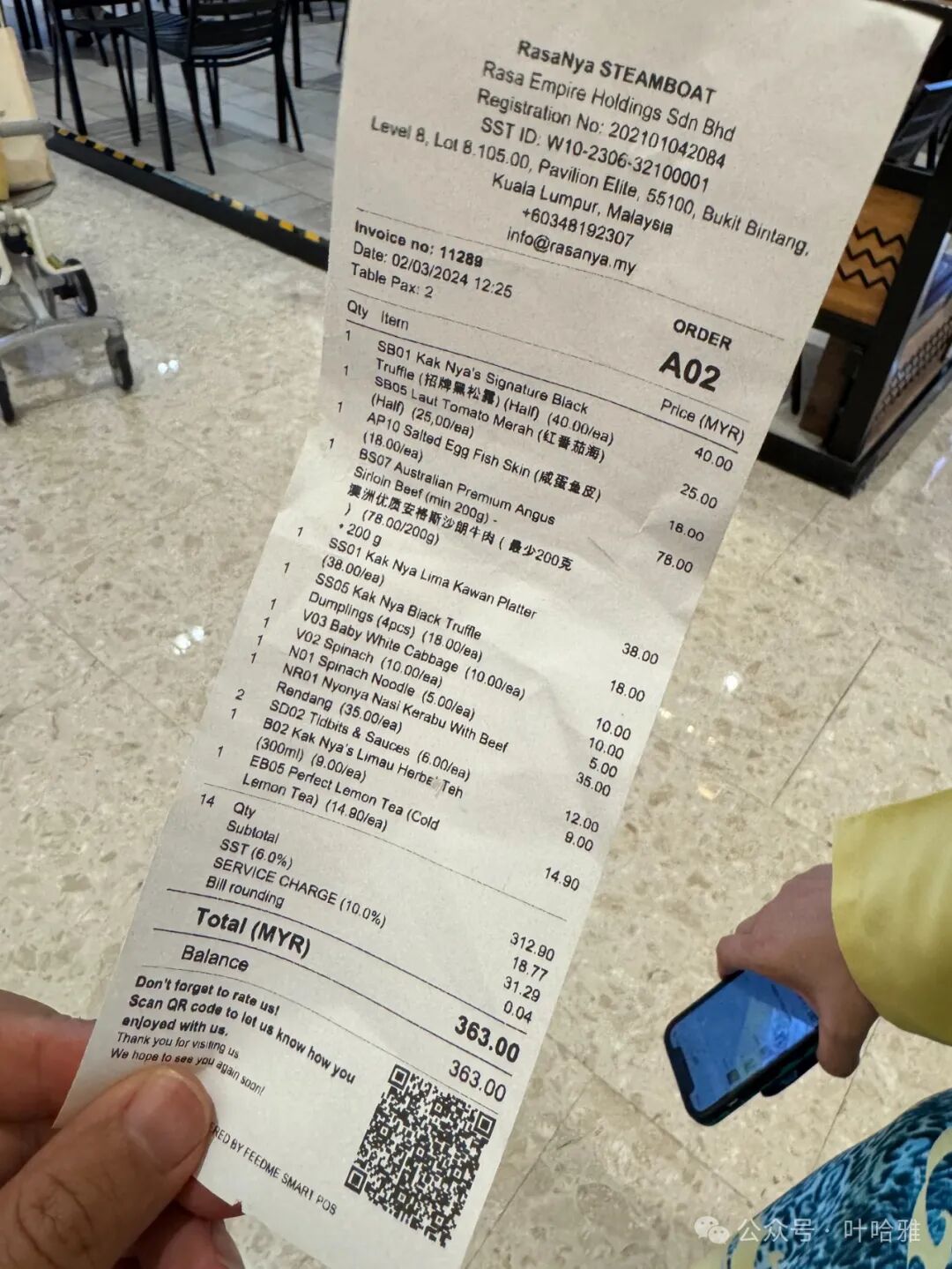
The restaurant adds a 10% service charge. If you skip the hot pot and just order Nyonya cuisine (niangre cai), you won't actually spend that much. The rice and seasonings in the Nyonya cuisine are quite delicious.
7. Tapak Urban Street Dining night market
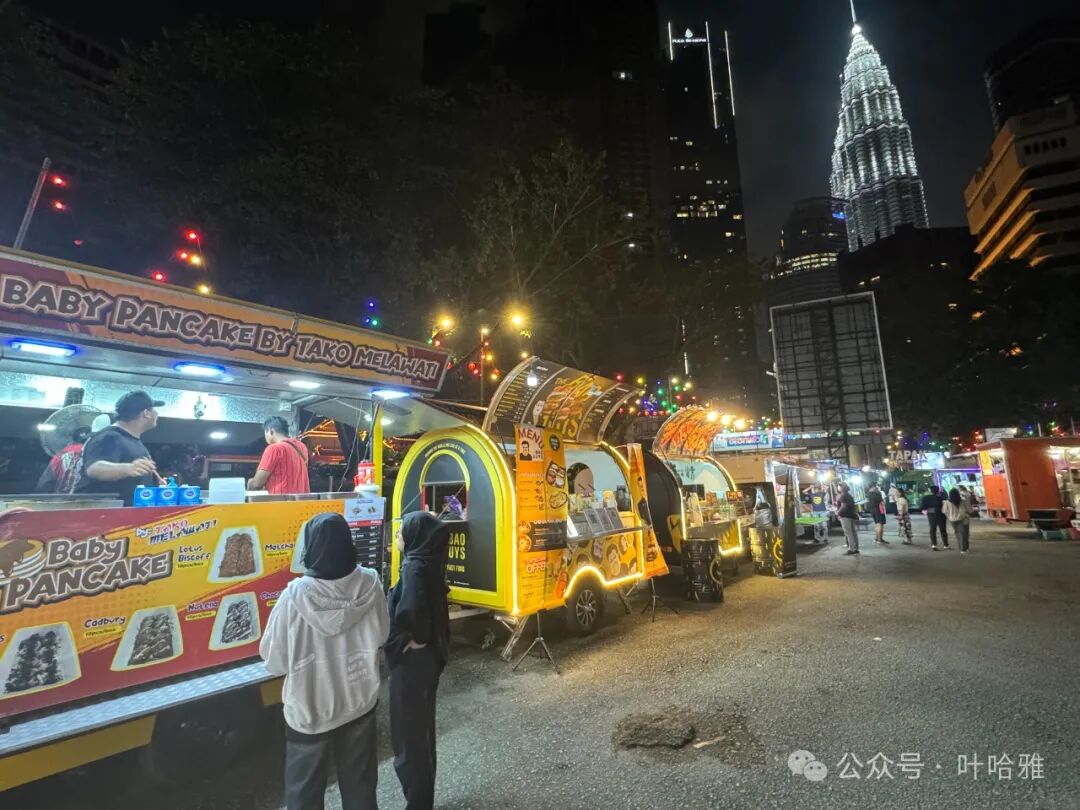
We stayed near KLCC, so our activities were mostly within a one-kilometer radius. You will notice that the restaurants I recommend are all near KLCC, including this night market. You can see the lit-up Petronas Twin Towers not far from the market.
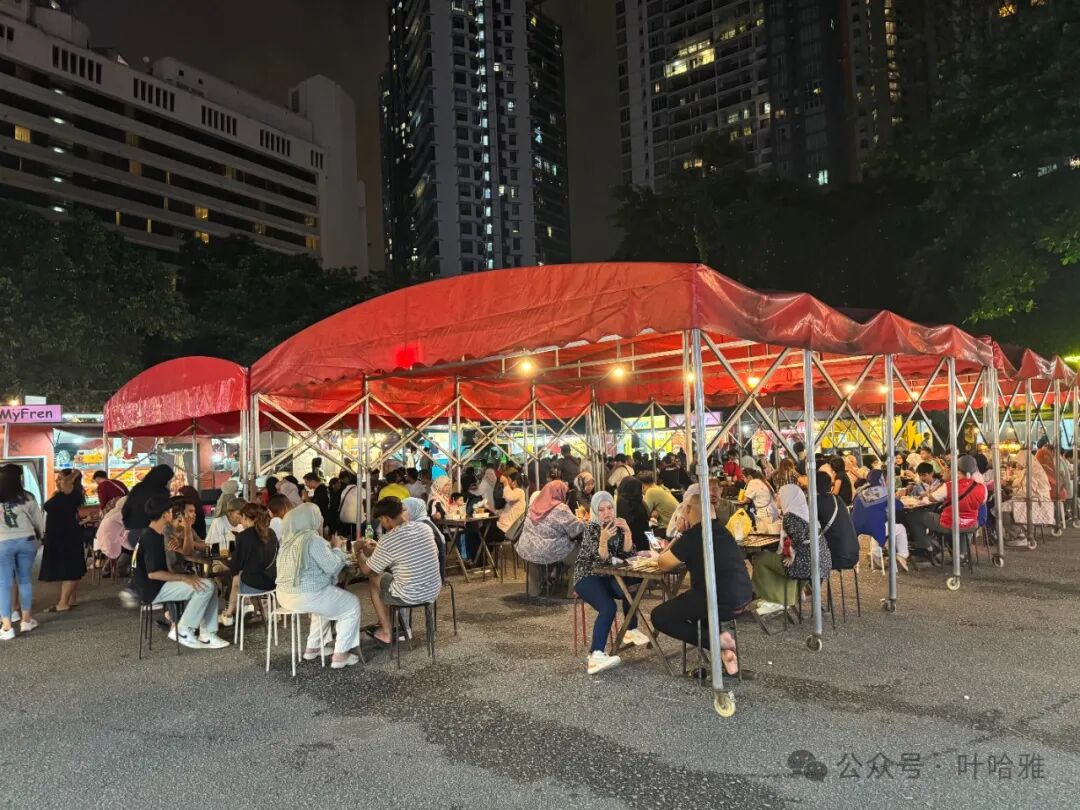
This night market opens at 18:00. It is entirely halal and stays open until the early morning every day. There is even a live band performing, mostly singing Chinese pop songs.
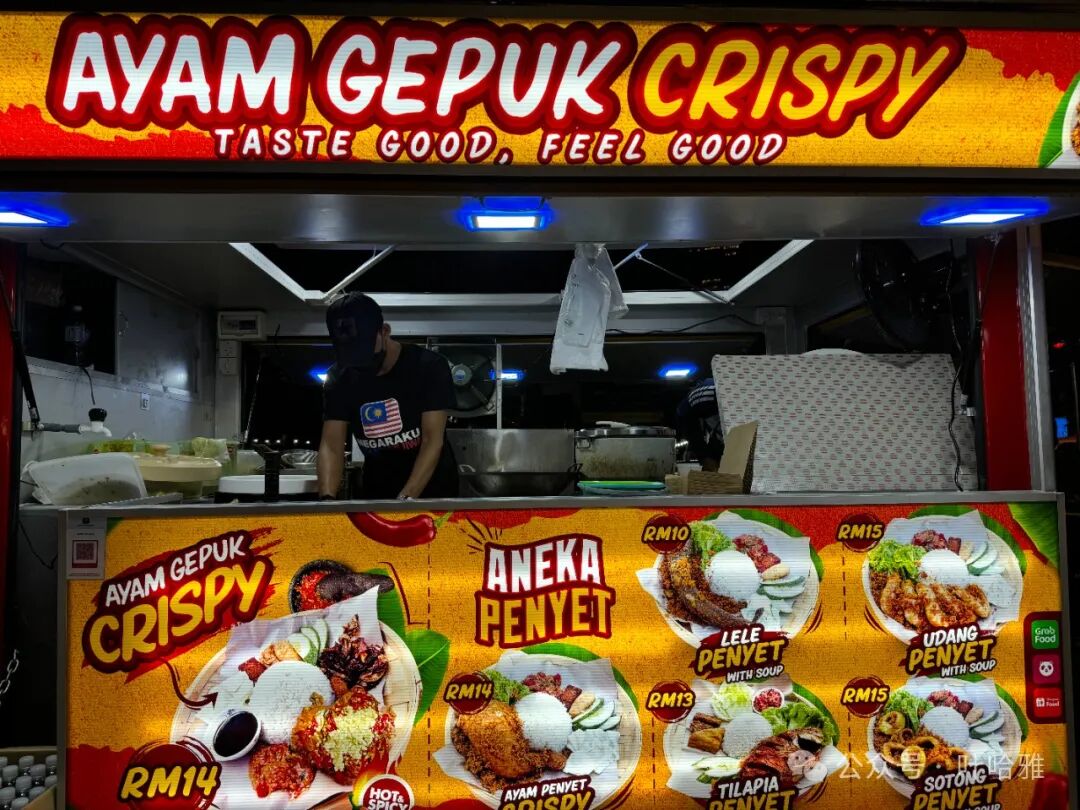
I tried many snacks at this night market myself, and they were all delicious with no bad surprises. Just be sure to bring some small change, as some stalls do not accept Alipay.
What attracted me most was the fruit juice at the night market. I accidentally bought a cup of apple juice at this stall and it was incredibly good. Since then, I have wandered over here every few days to buy juice. In Malaysia, I love drinking juice the most because it is all freshly squeezed from real fruit with no artificial additives.
One day, while I was holding a cup of juice downstairs at KLCC, a Chinese girl stopped me to ask where I bought the drink.
I bought the fried rice shown in the picture below. Paired with the apple juice I bought earlier, this meal only cost 10 yuan.
8. DOZO Japanese Restaurant
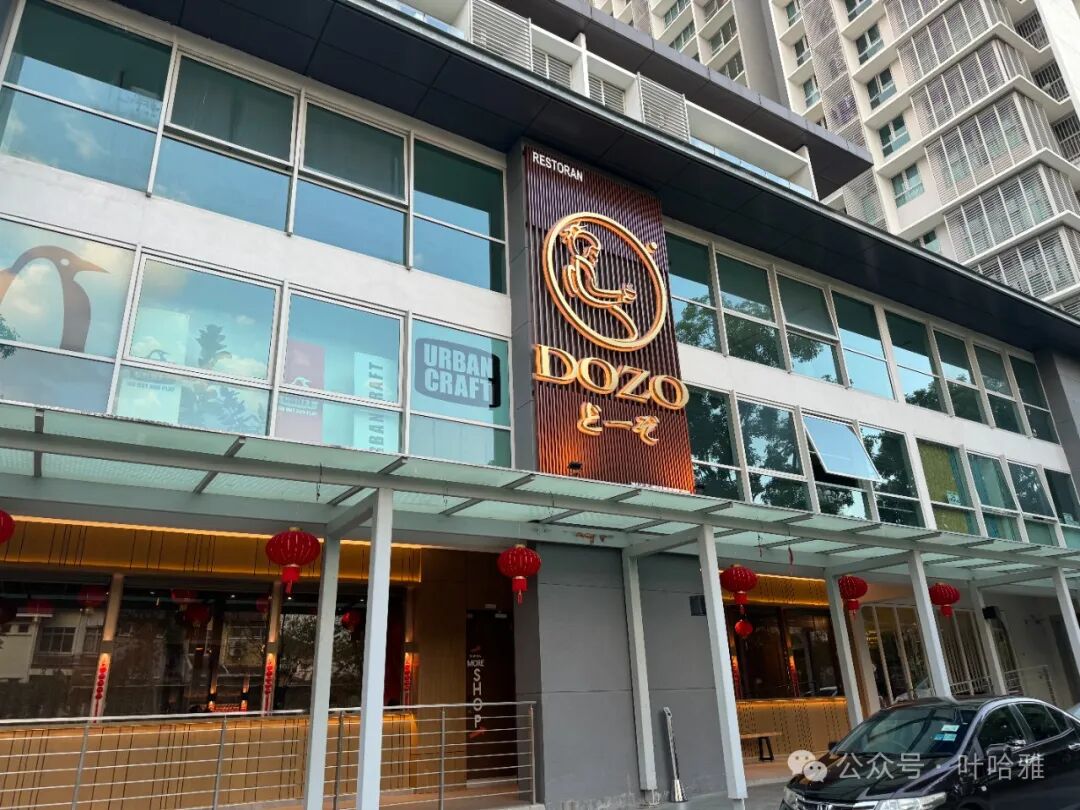
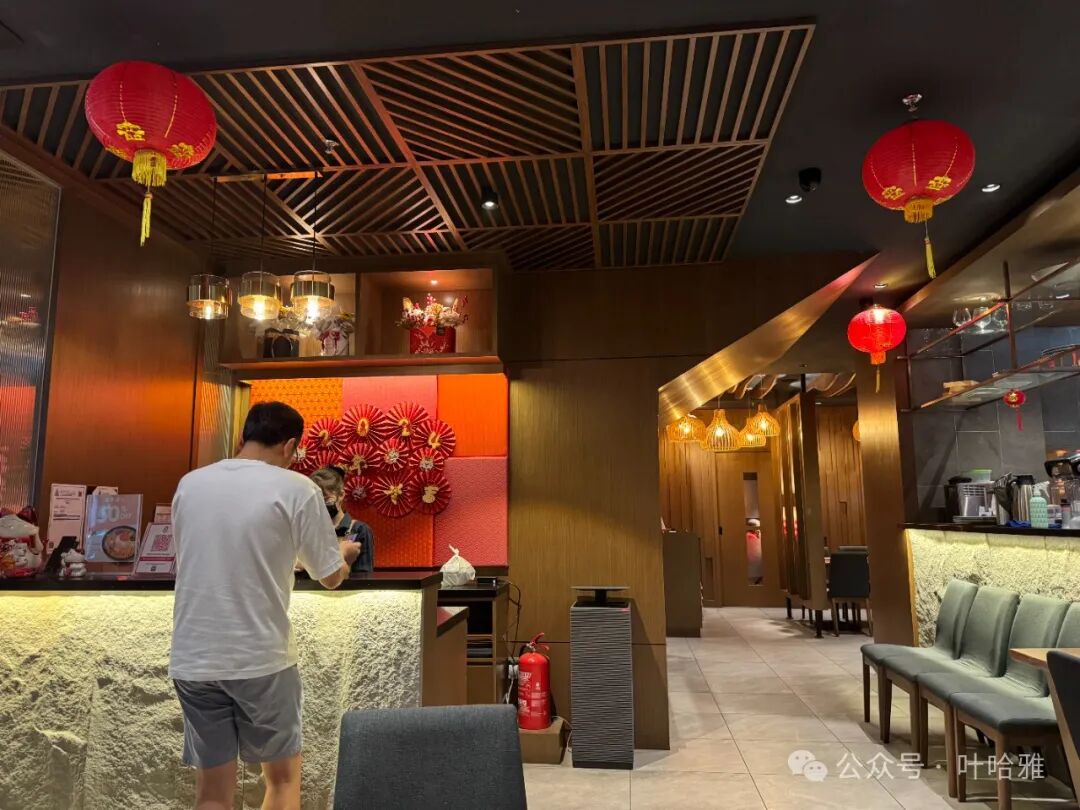
Don't miss the halal Japanese food that is common in Malaysia but rare back home. Since Malaysia was once a Japanese colony, it was influenced by Japanese culture, and the Japanese food here is very close to the quality you find in Japan. The name of this shop means 'please come in' in Japanese. It has high ratings and reasonable prices.
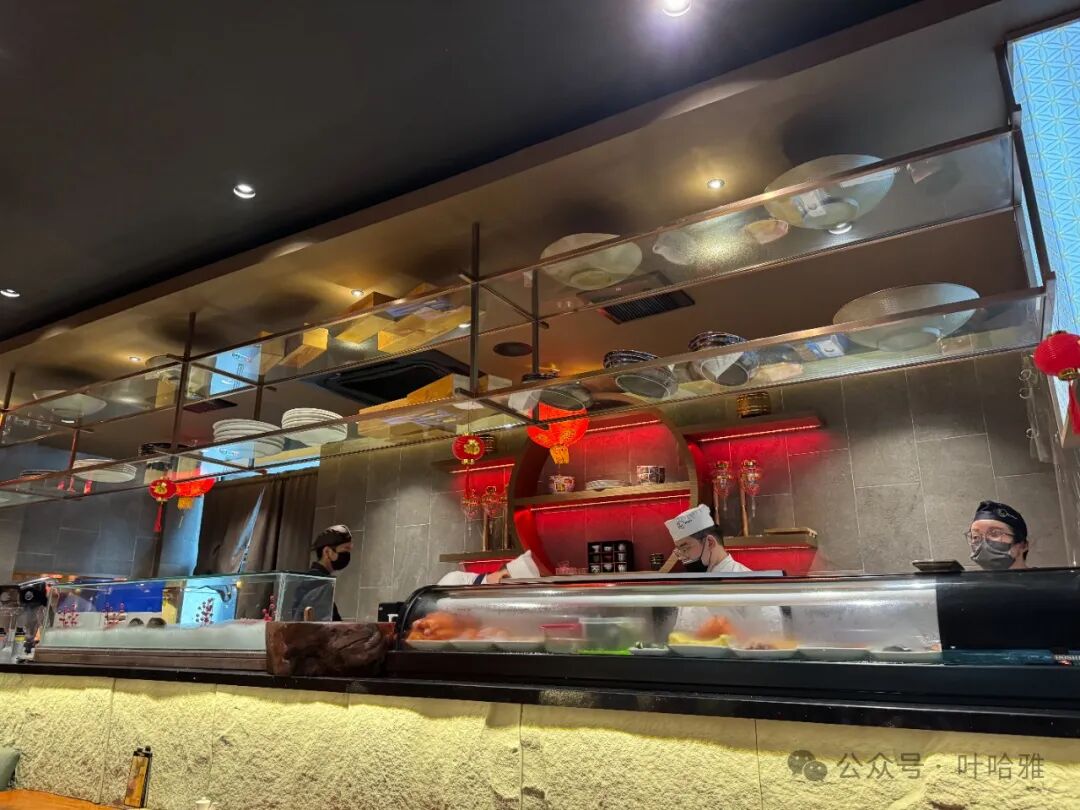
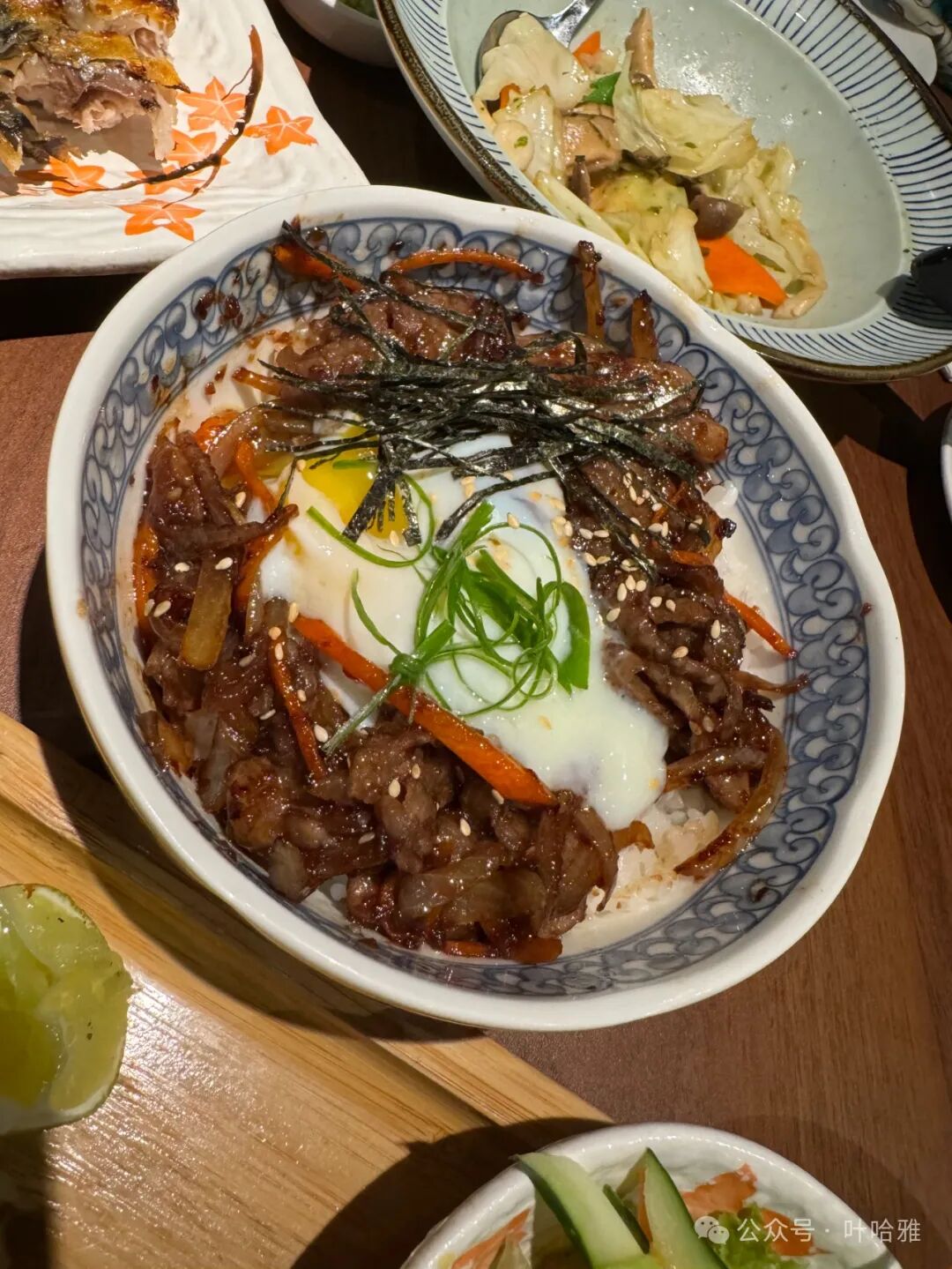
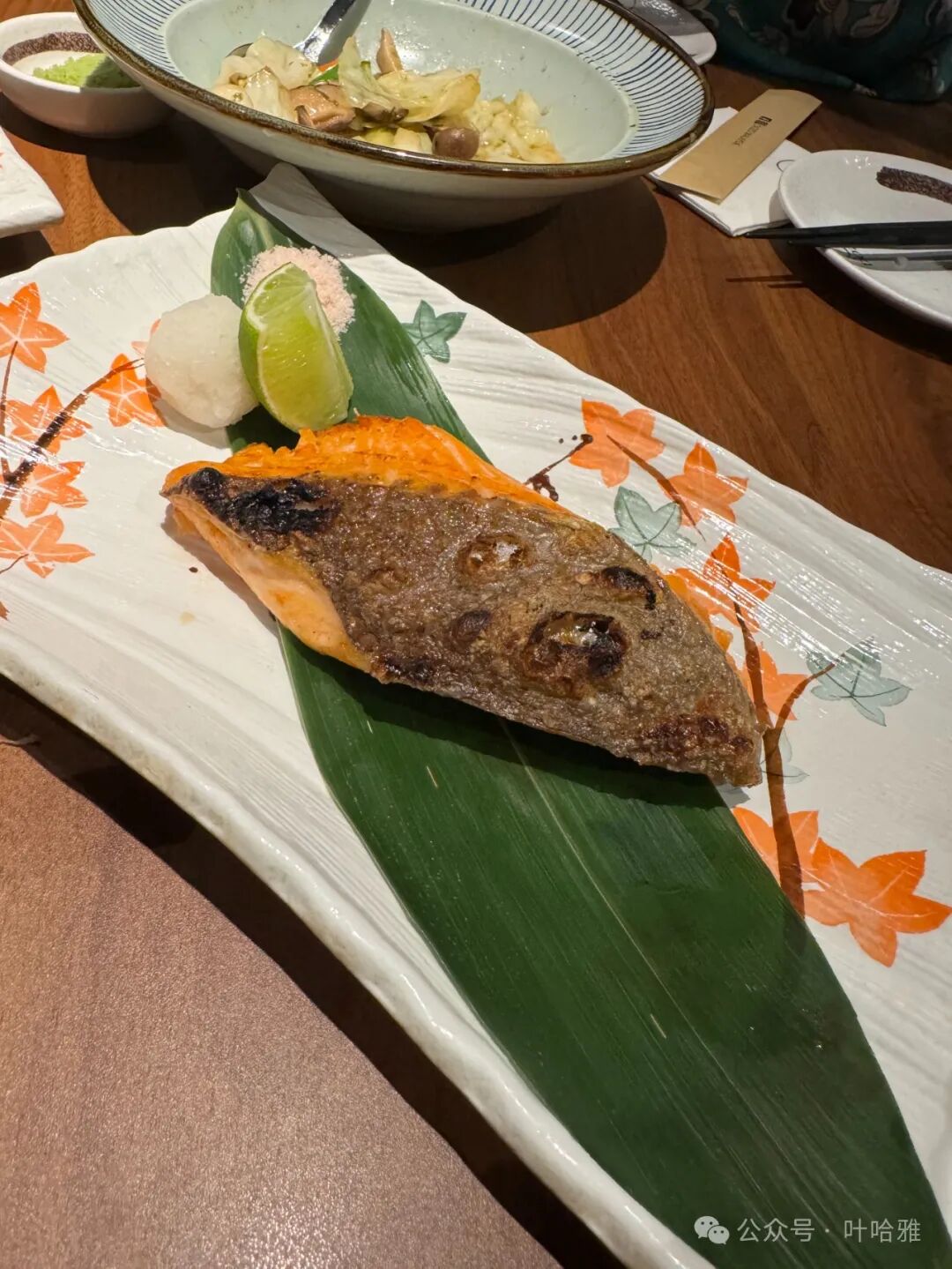
You can eat a full range of famous Japanese dishes here, including grilled meat, sushi, sashimi, udon noodles, tempura, and more.
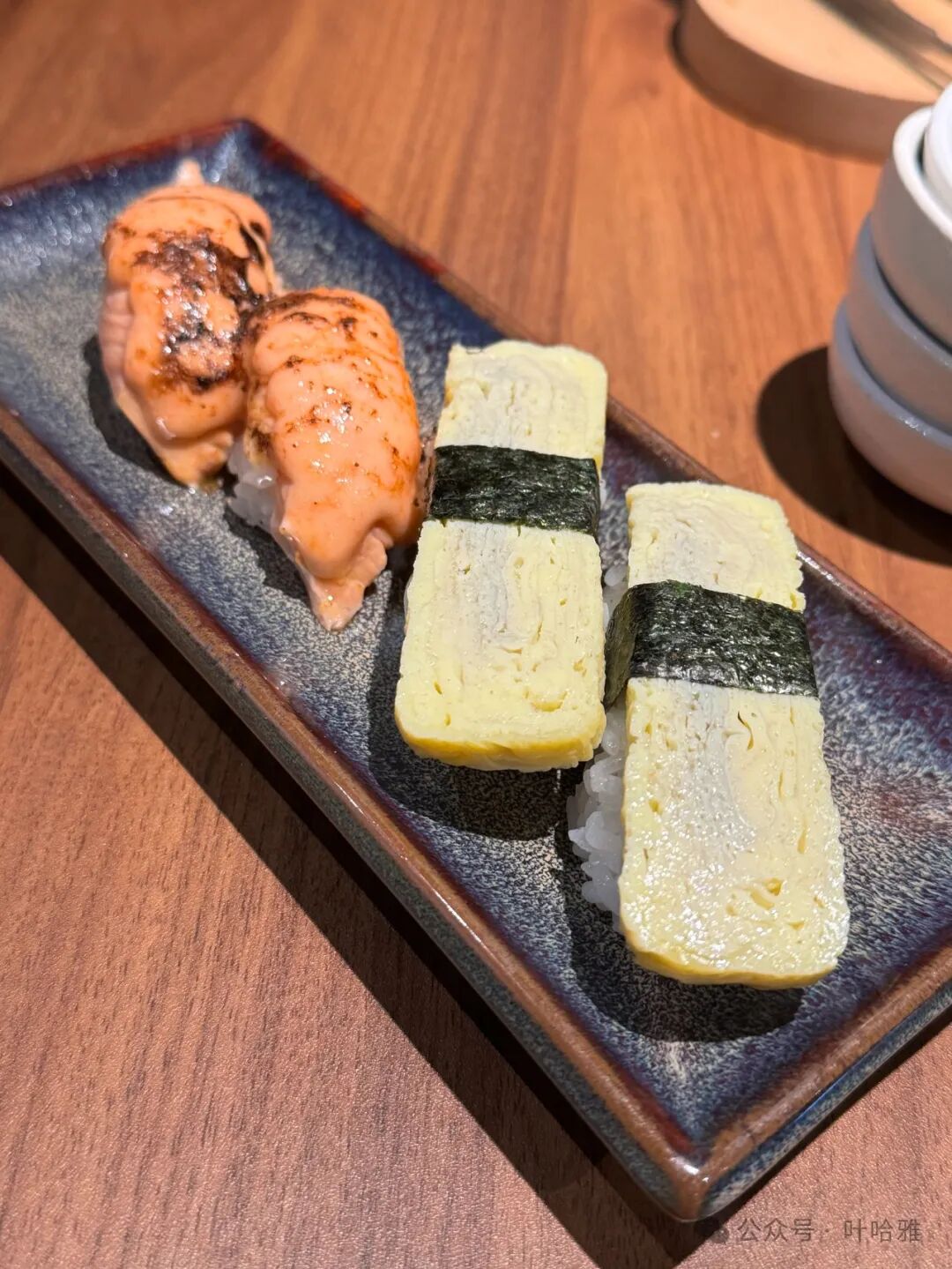
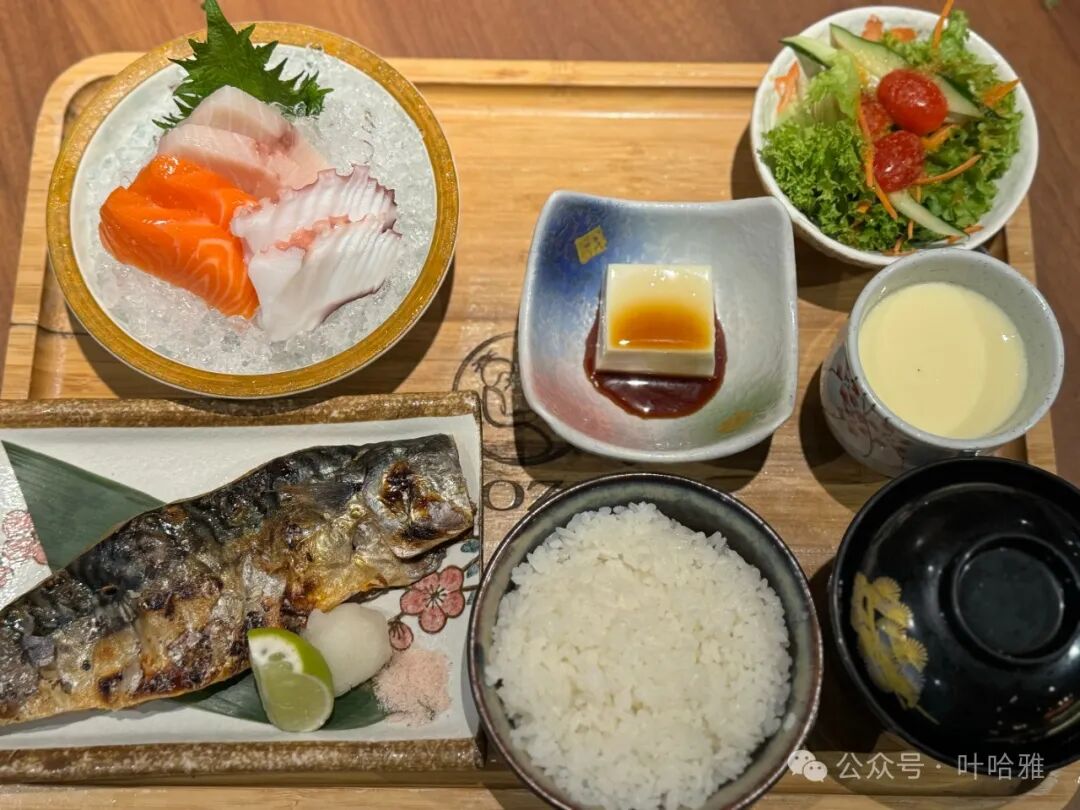
I have to praise the texture of this salmon sashimi; it is excellent. One bite and you know it is not rainbow trout.
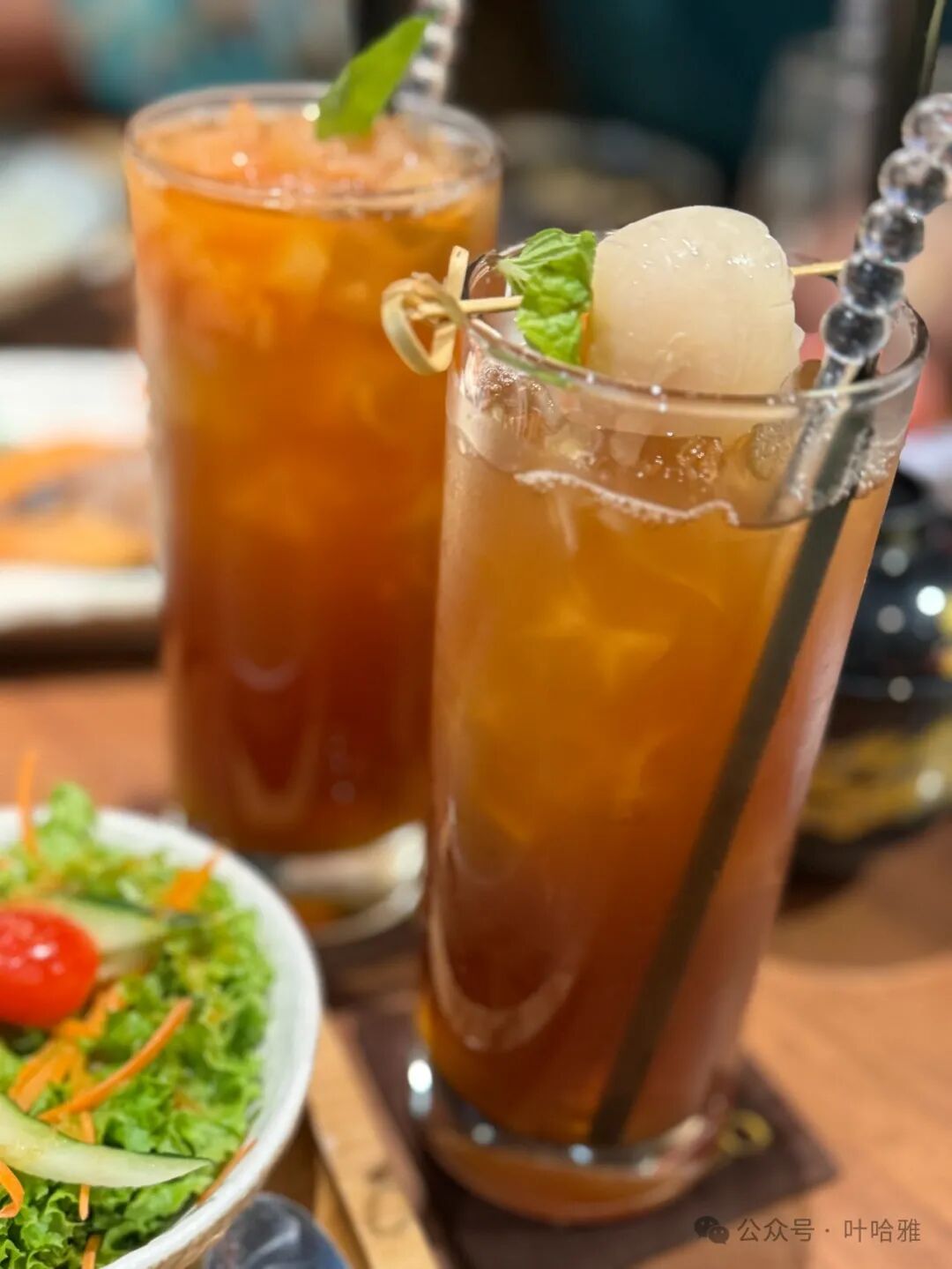
I really love the drinks in Malaysia. This peach juice was buy-one-get-one-free, so both cups are mine.
9. Hong Kong Xuan Chuan Cantonese Restaurant
This Hong Kong Xuan restaurant is right across the street from where we are staying. I pass by every day and see it packed with people, mostly Malay locals.
This shop serves dim sum (zaocha) after 11:00 a.m. I do not know why it starts so late; maybe people in Kuala Lumpur are not used to waking up early. Where I live, the earliest you can get breakfast is after 8:00 a.m.
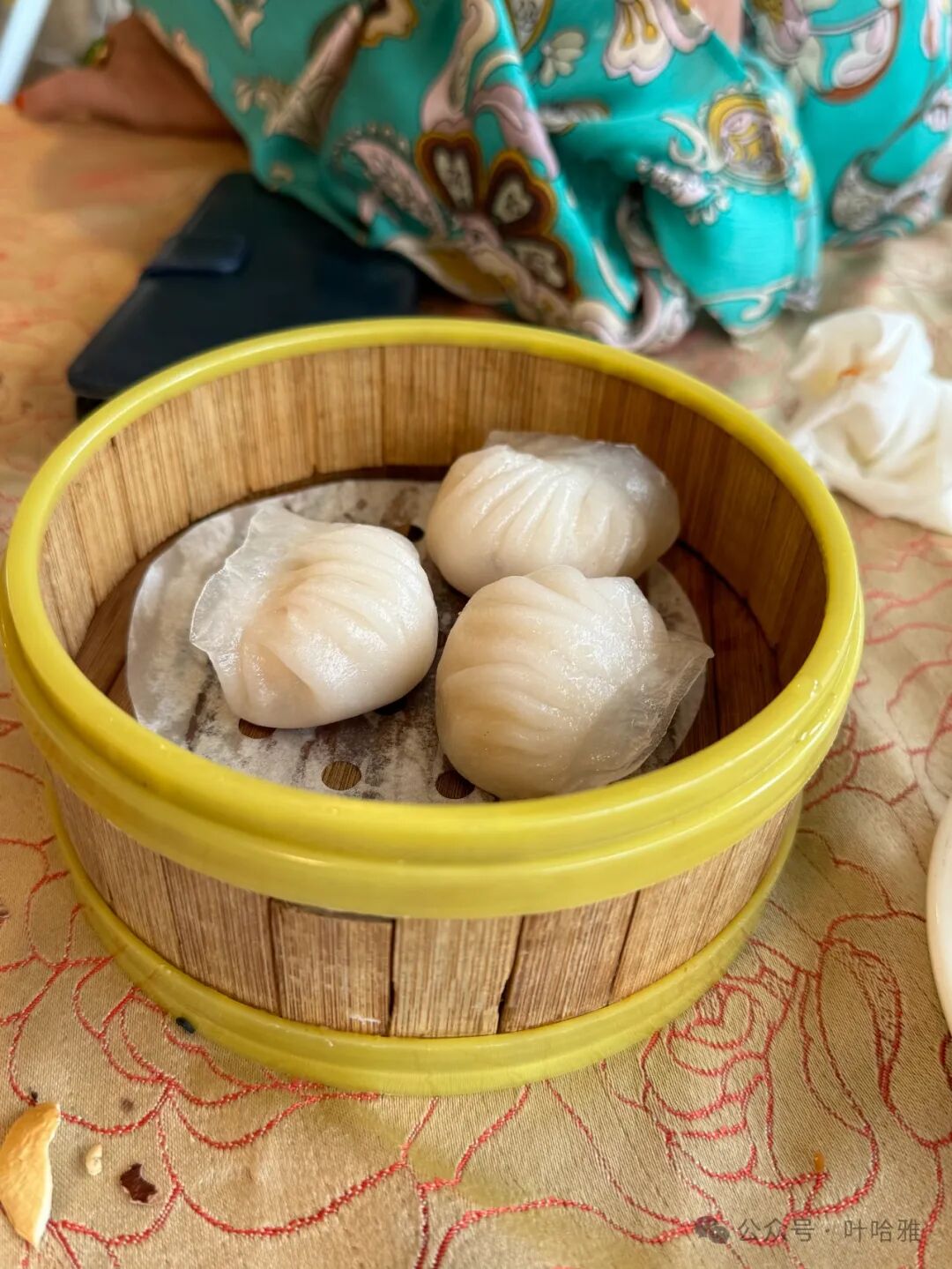
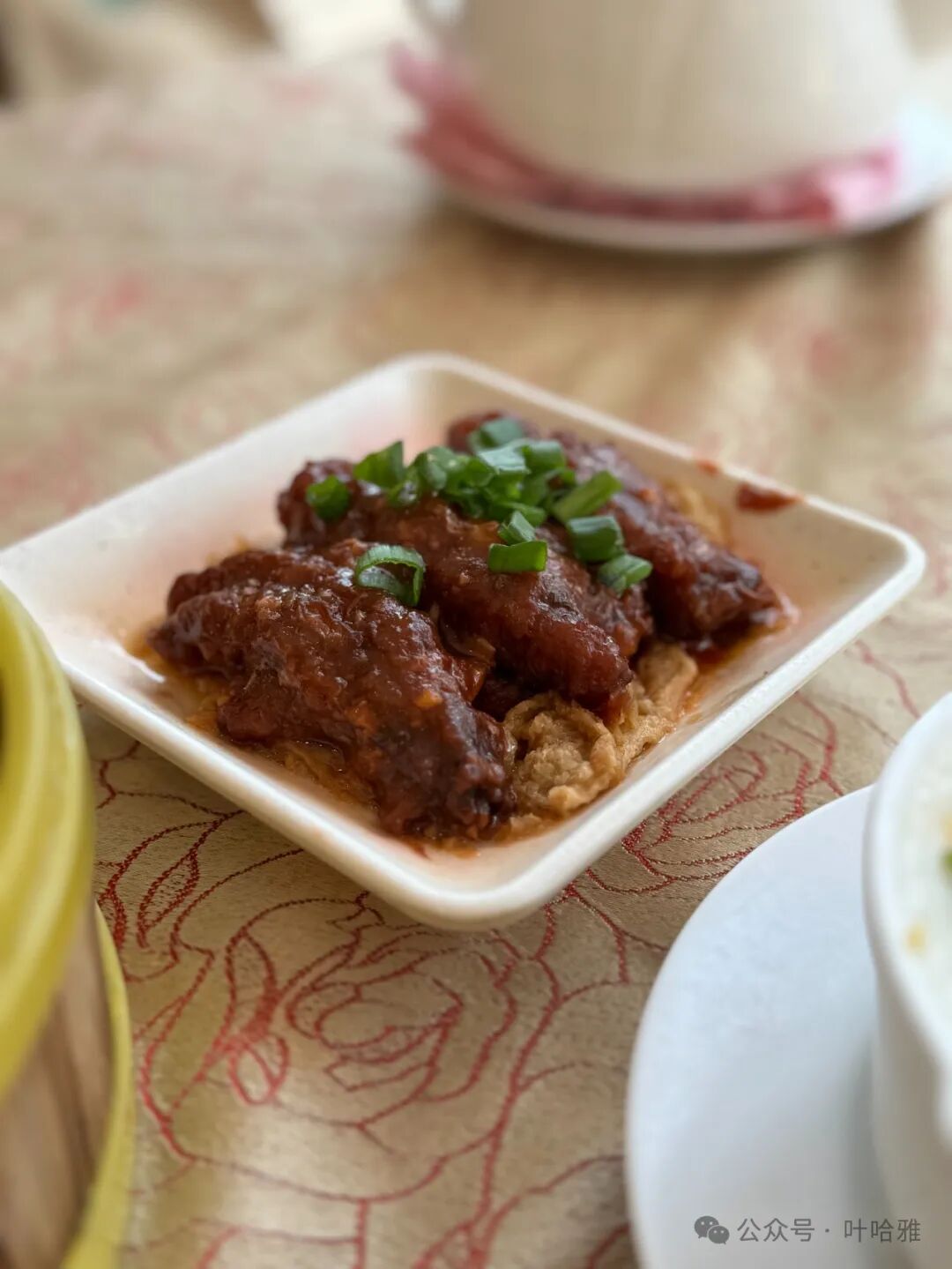
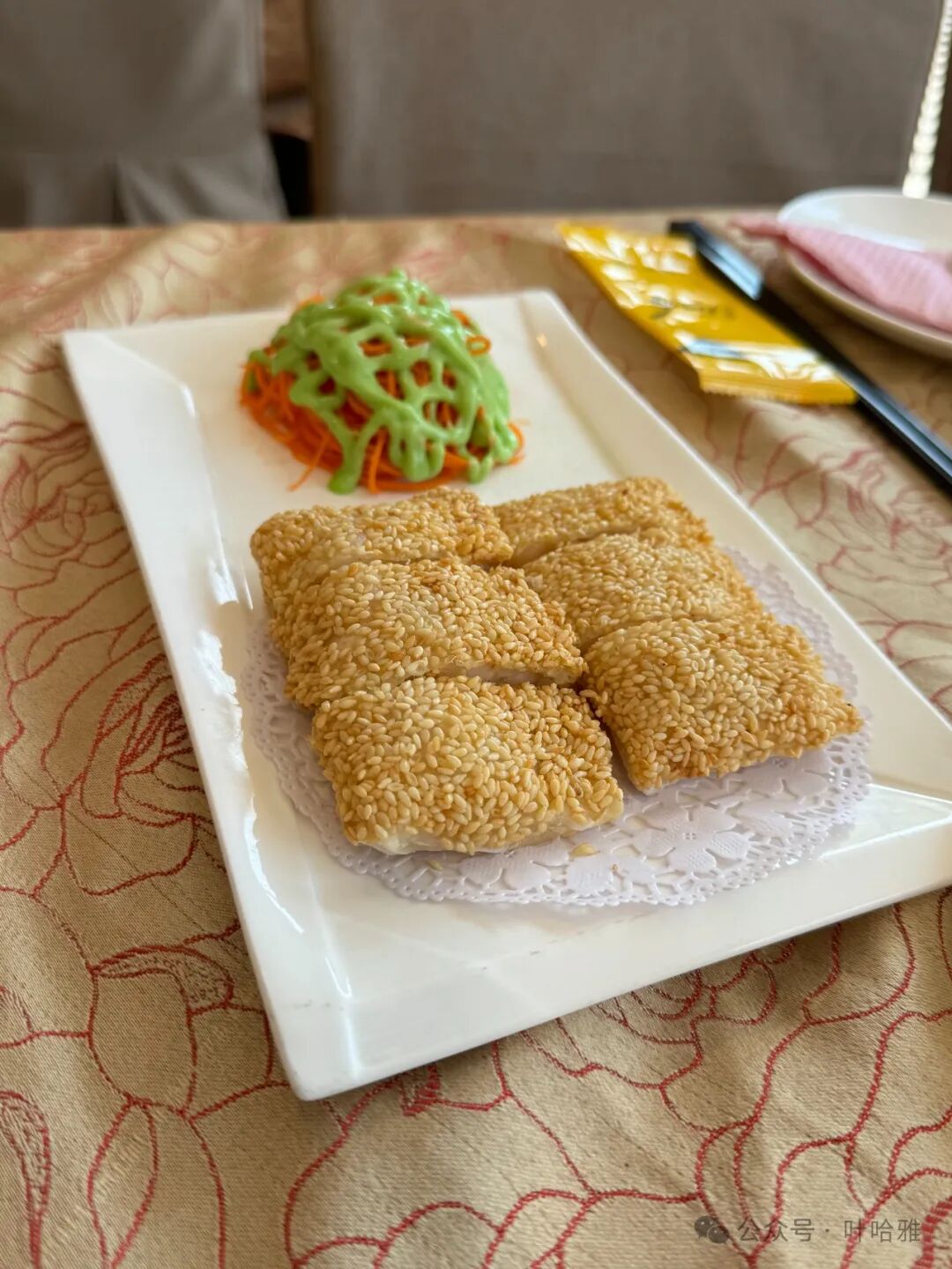
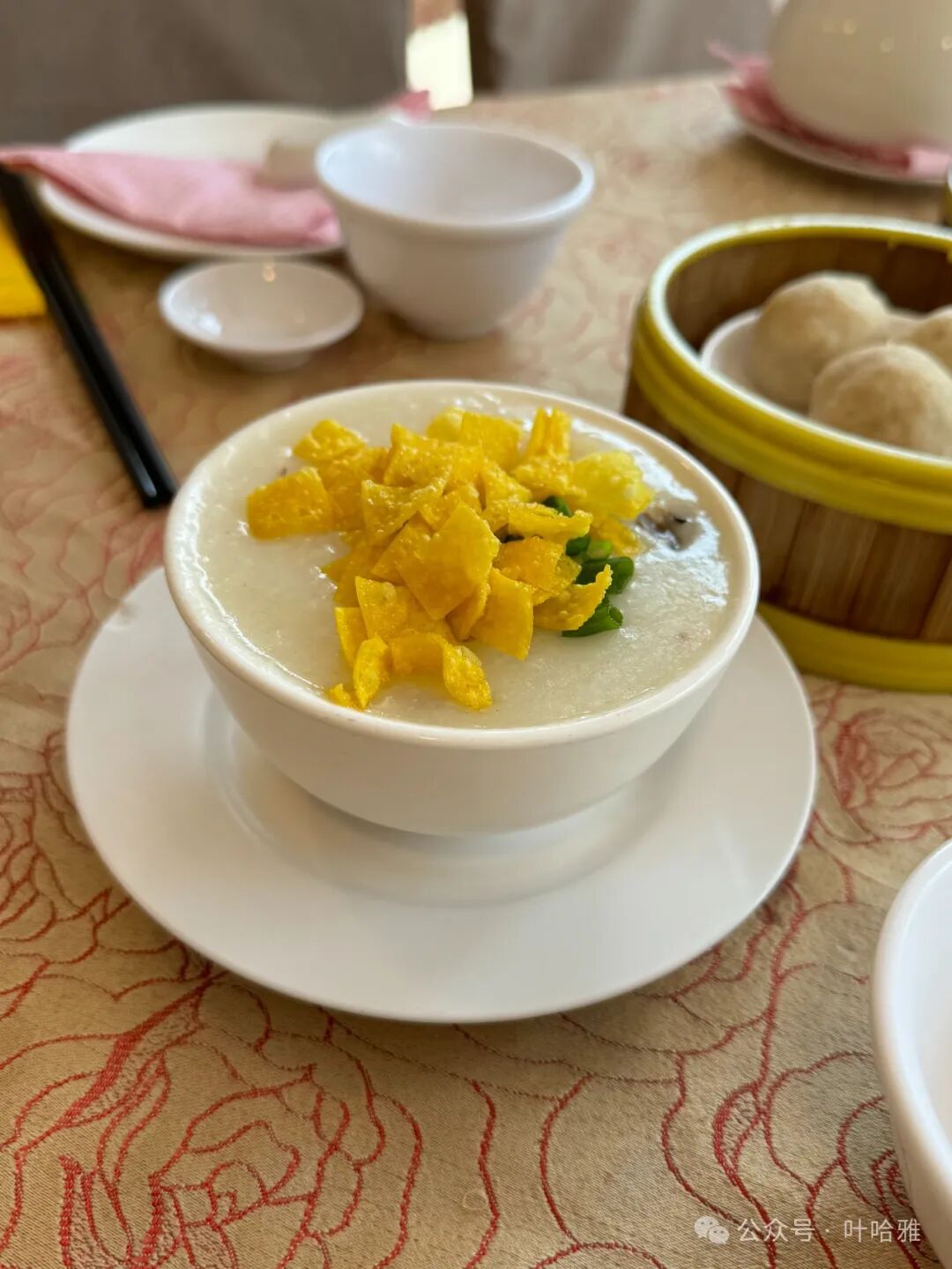
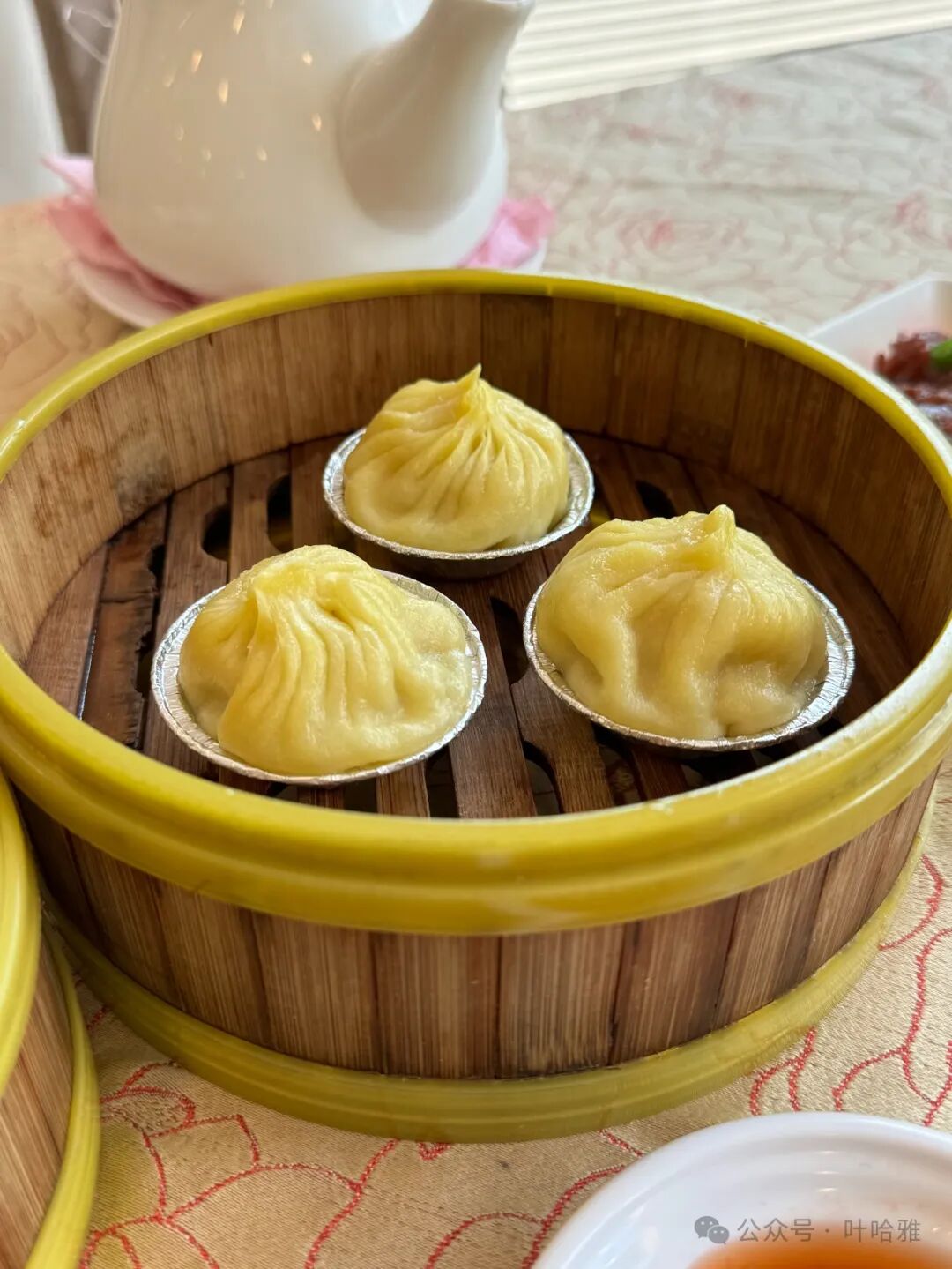
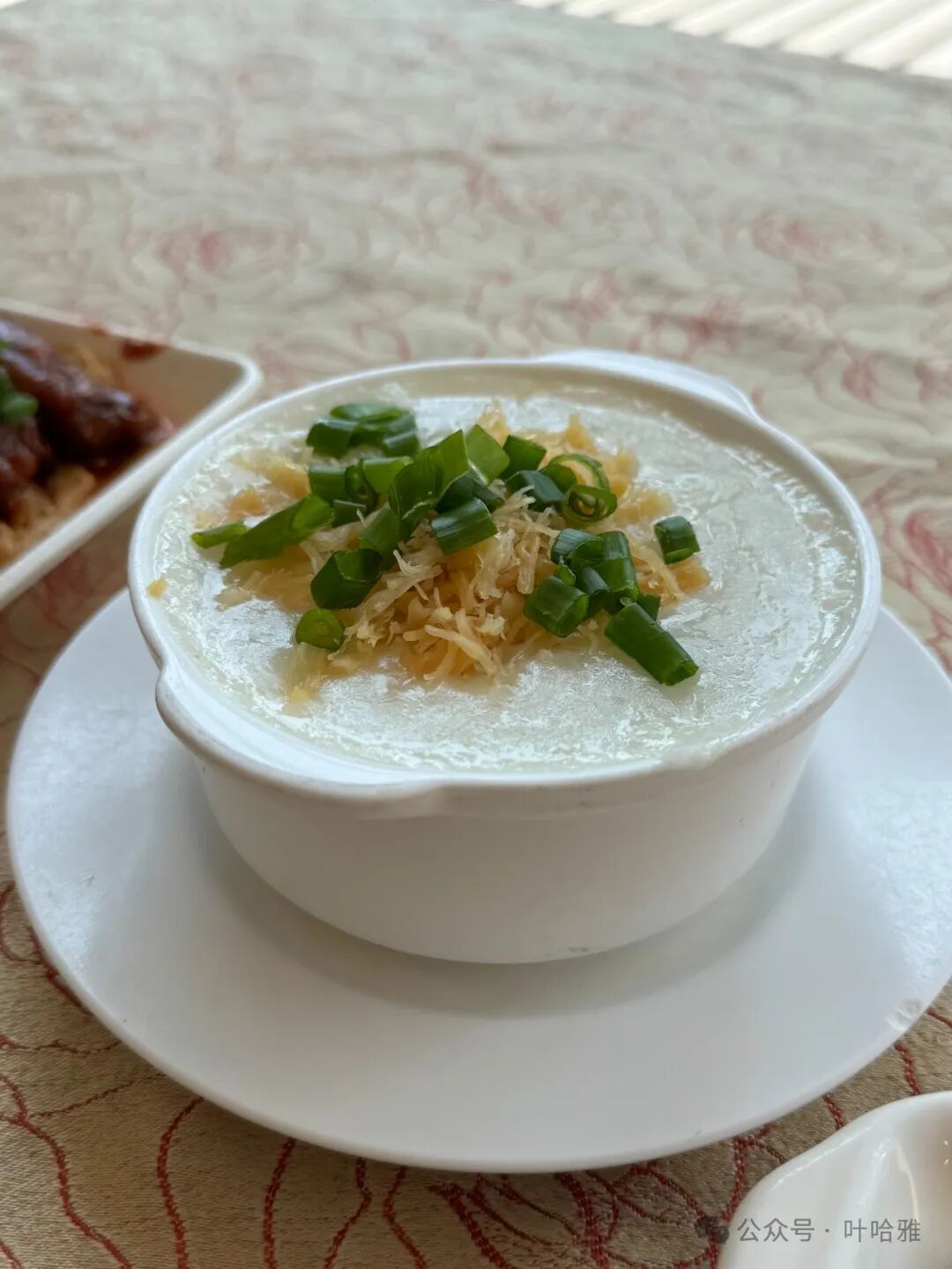
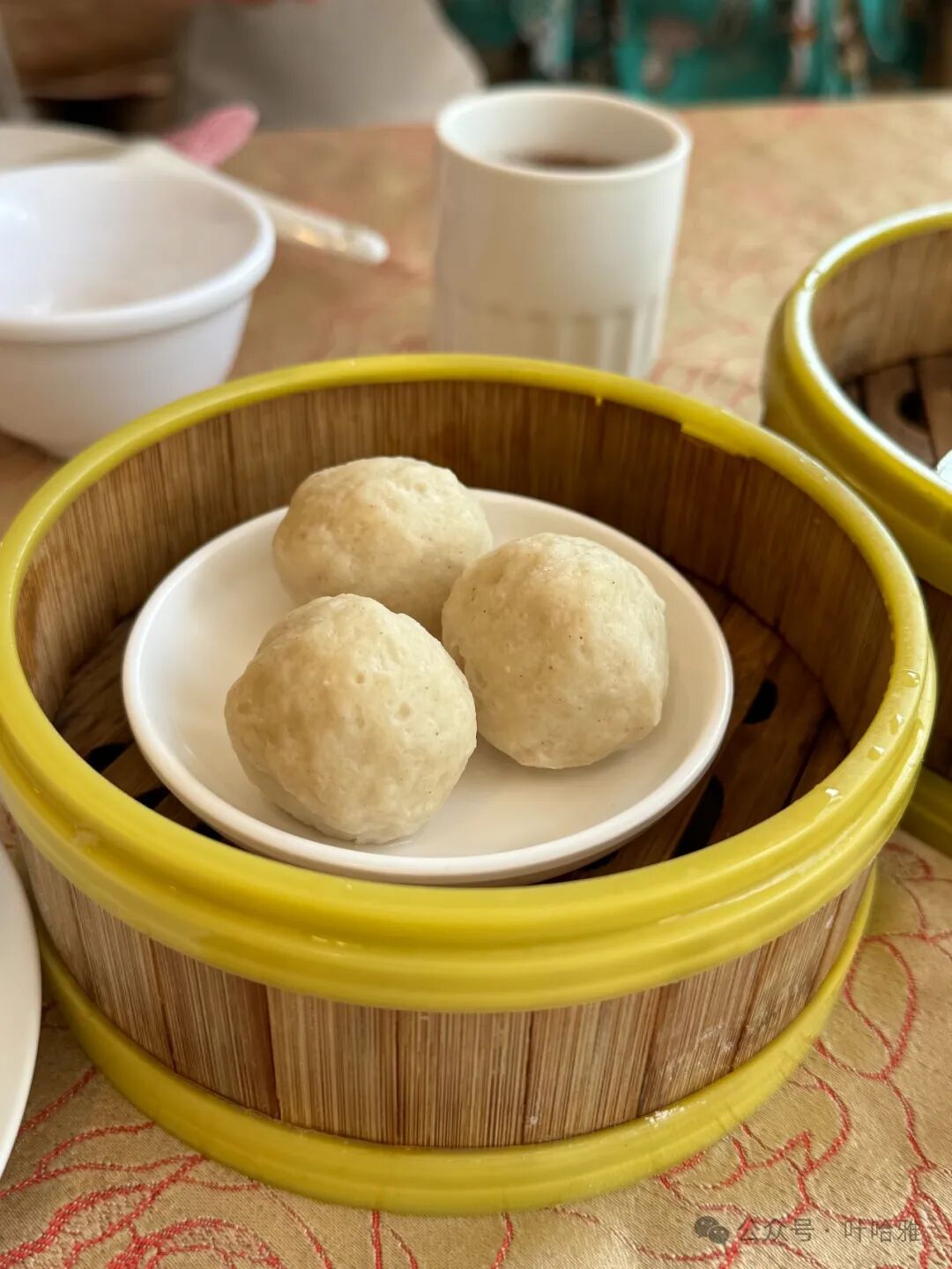
I must say the dim sum at Hong Kong Xuan tastes very authentic. Even the restaurant atmosphere feels like a Hong Kong tea house, and the staff look like traditional Cantonese people. Each dim sum dish only costs a few ringgit. The three of us spent about 100 ringgit for this meal. I have tried three dim sum places in Kuala Lumpur, and every one of them is better than the Hui Muslim restaurant in Guangzhou.
10. KUNG JUNG Korean BBQ
There is a Korean barbecue restaurant upstairs from Hong Kong Xuan that is incredibly busy. You need to book in advance, or you will have to wait in line. We are lucky to stay in this area. We just walk downstairs for 5 to 10 minutes to find all kinds of delicious restaurants.
The contact information and address are on the business card.
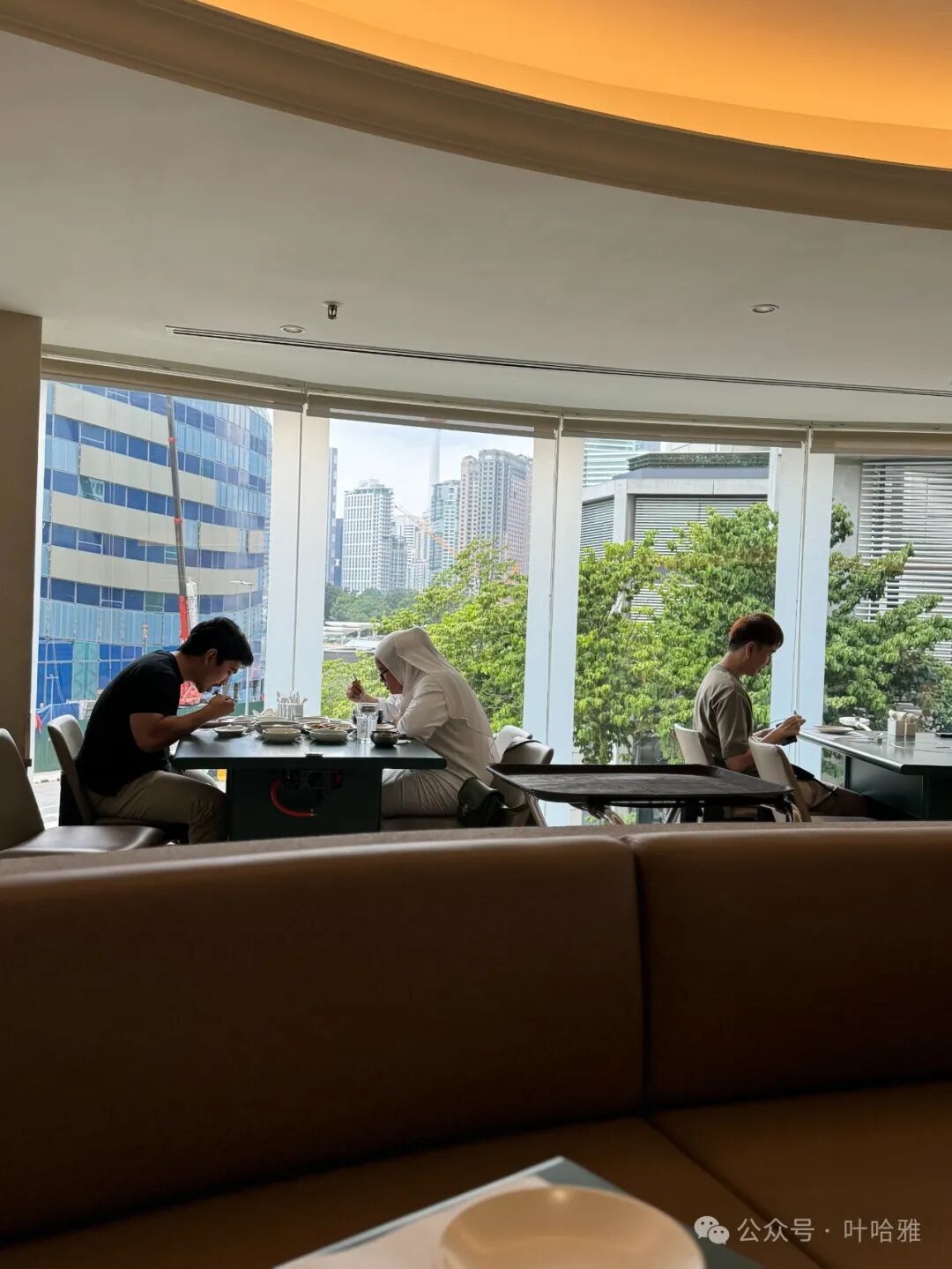
Malay people really like eating Korean barbecue. It seems like they are not very picky about what they eat.
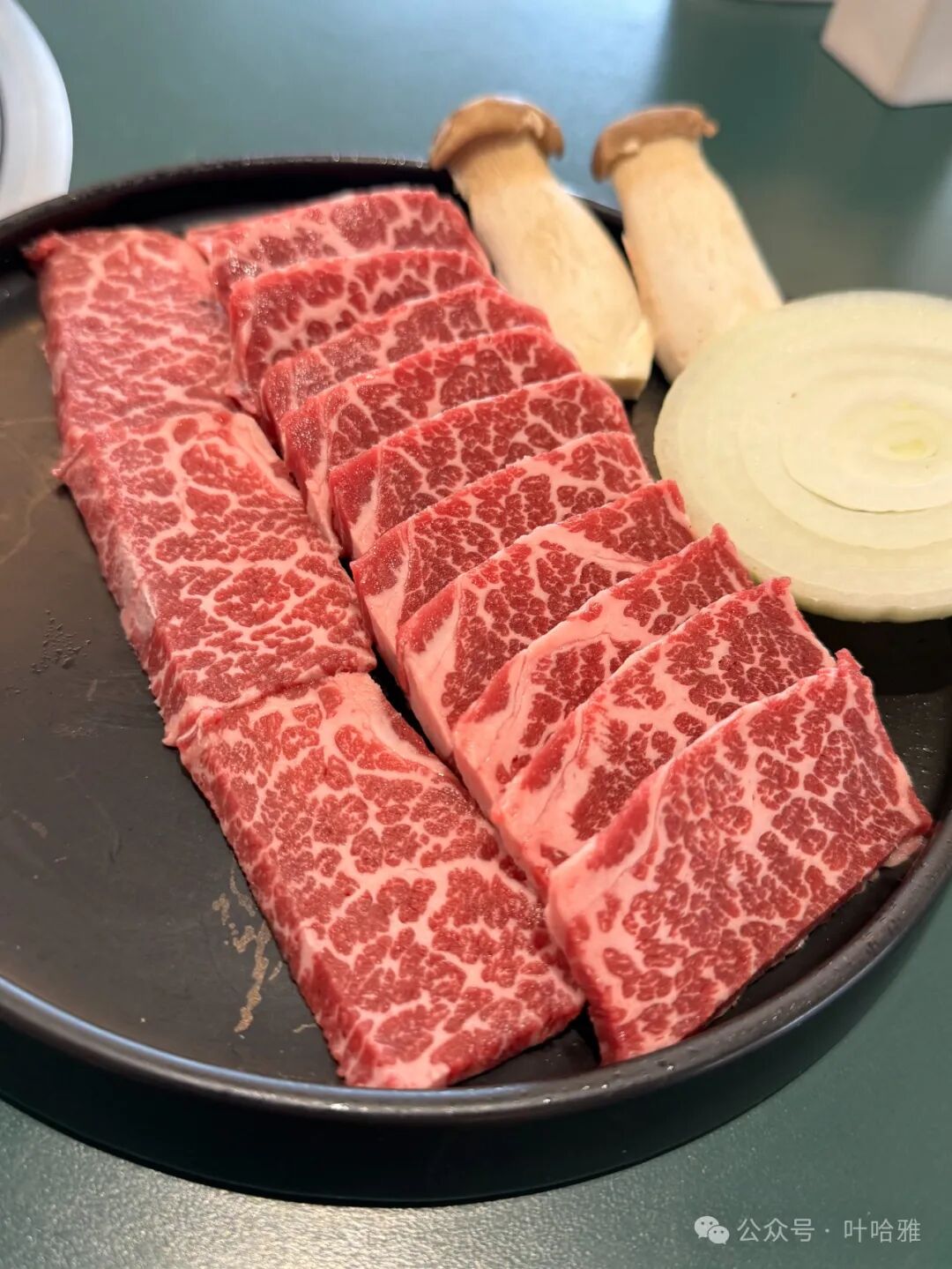
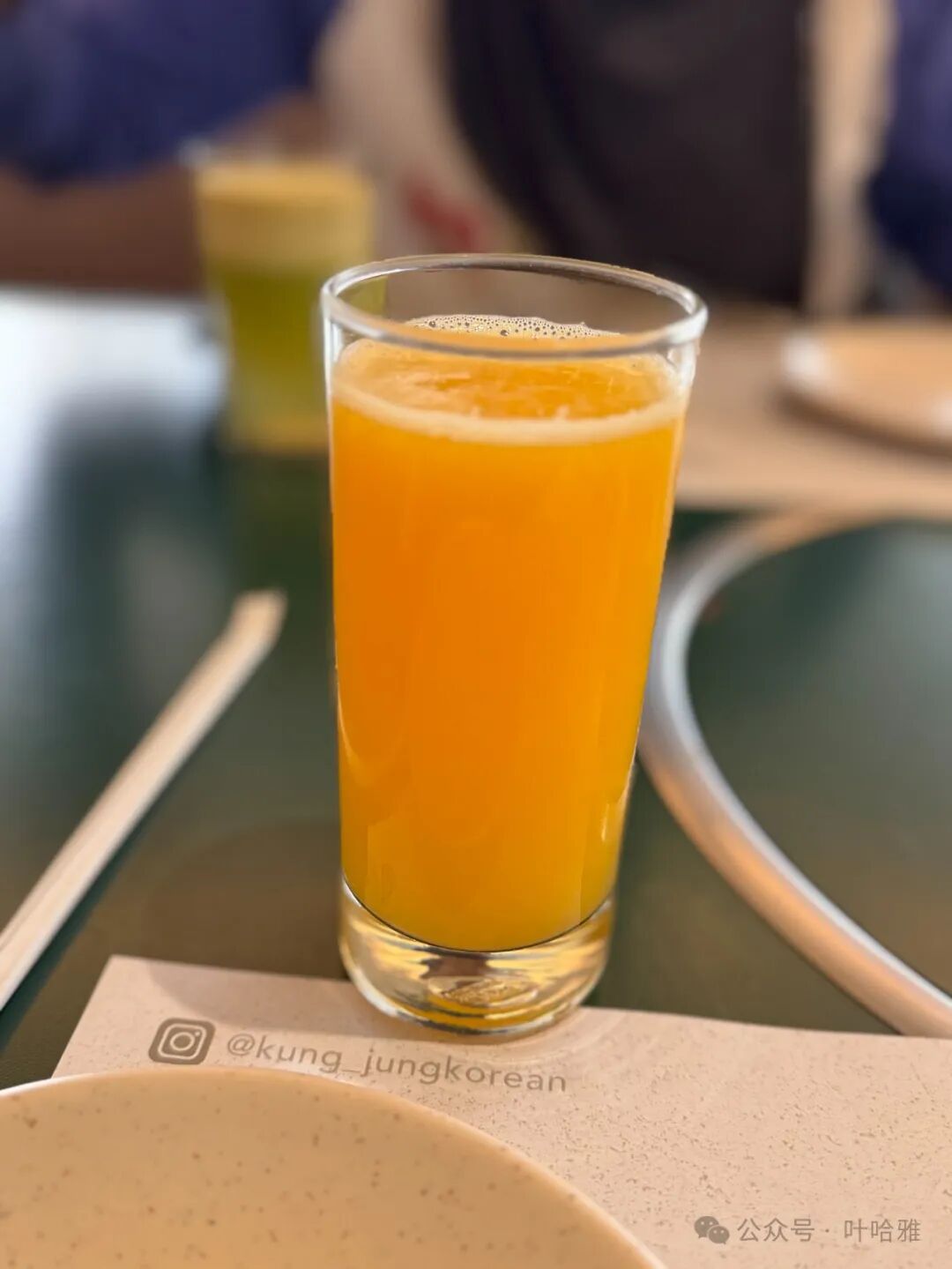
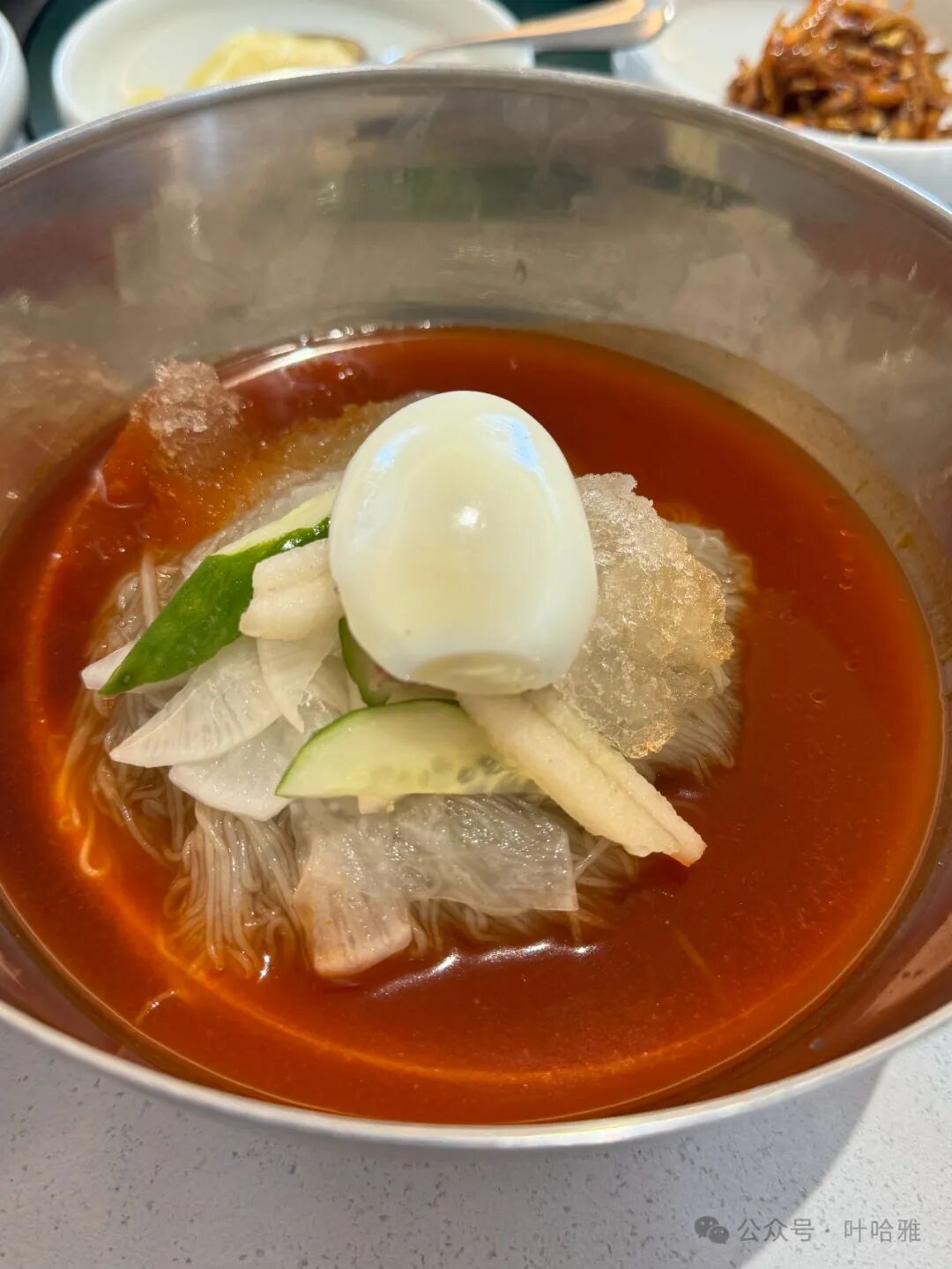
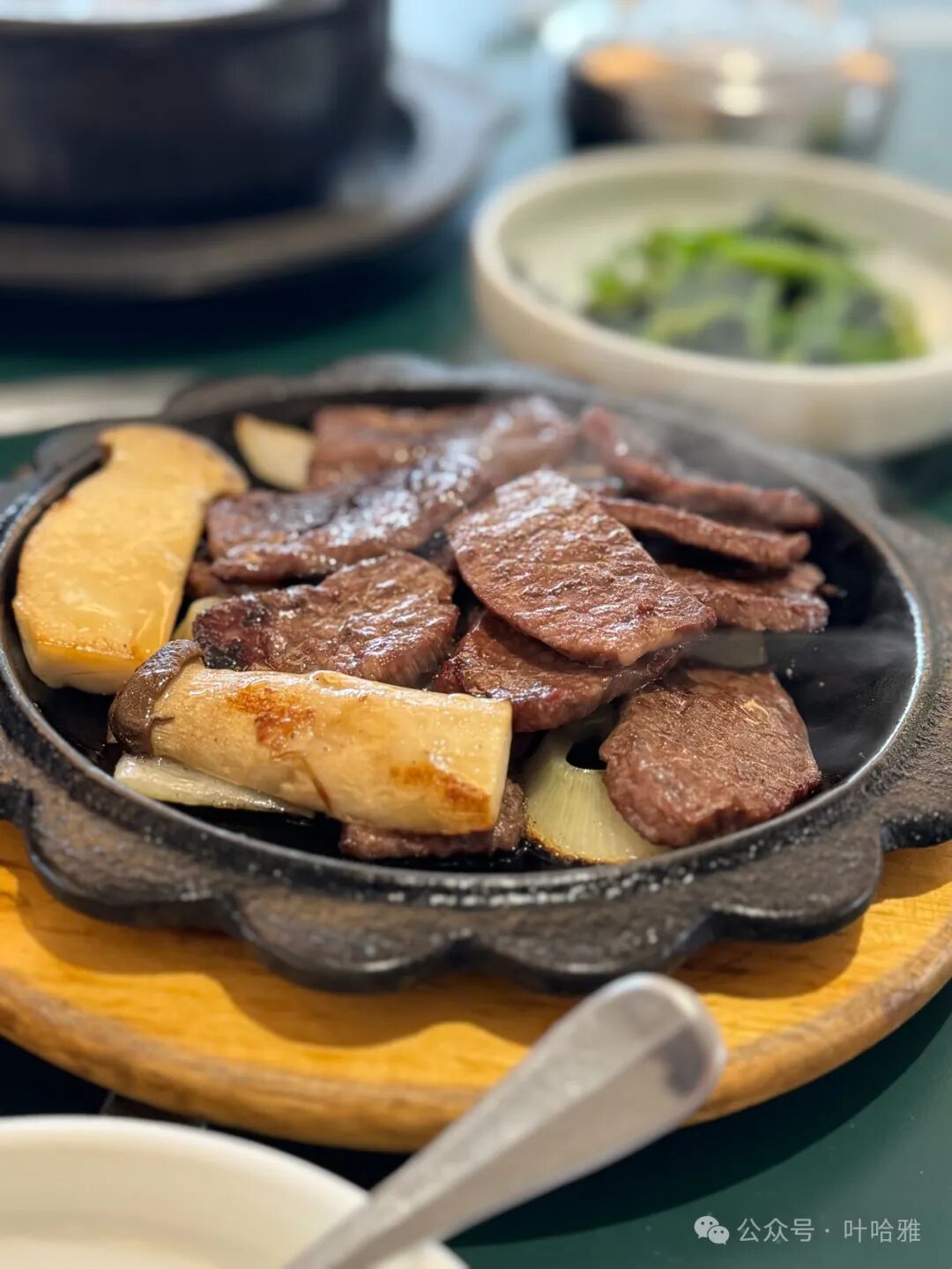
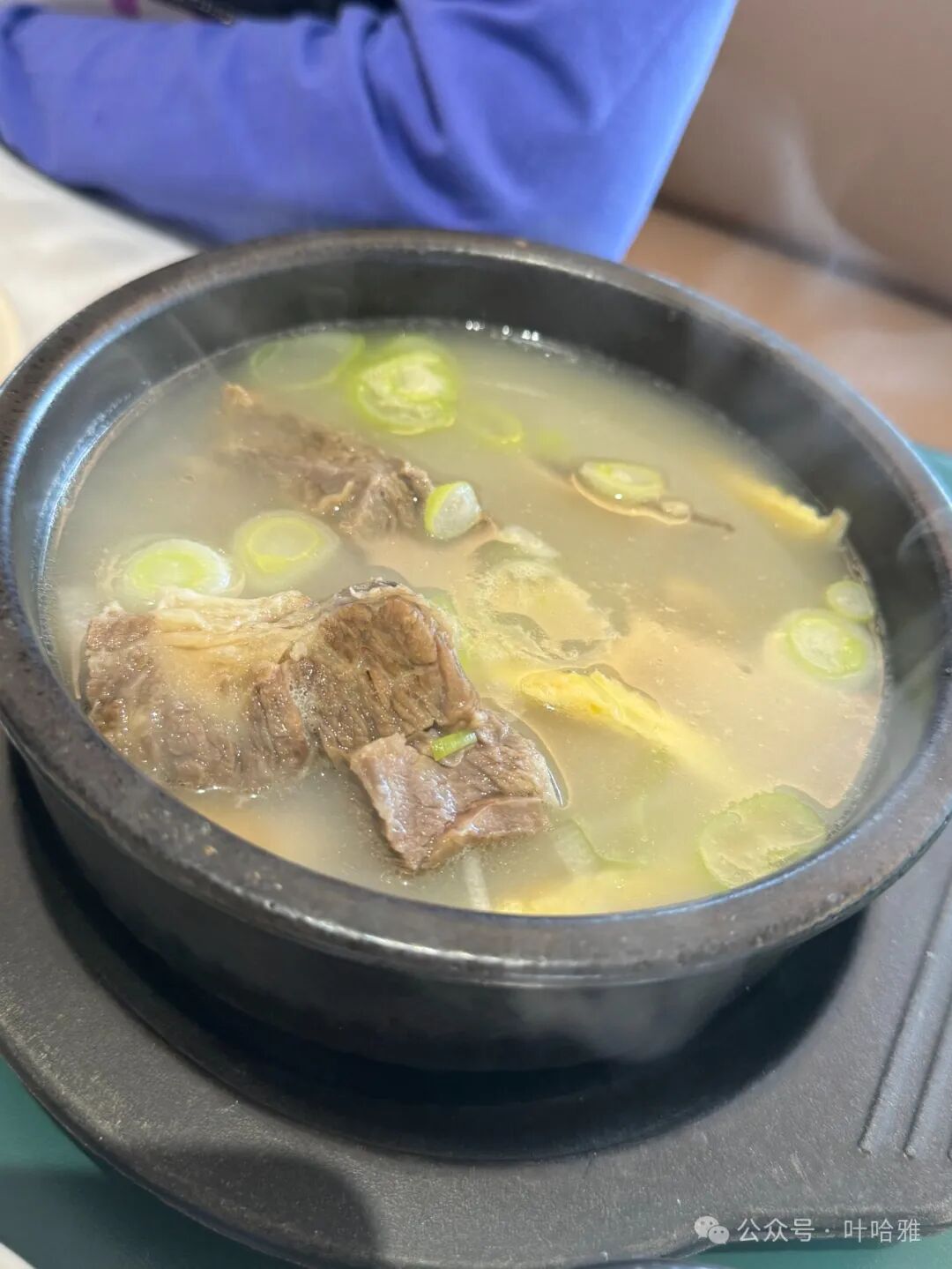
The barbecue at this shop tastes great, but I didn't really like the cold noodles. Compared to barbecue back home, I still prefer eating in Beijing, where you get better value for your money. The average cost per person at this shop is over 150 yuan. If the price were a bit lower, I would feel it was a great deal.
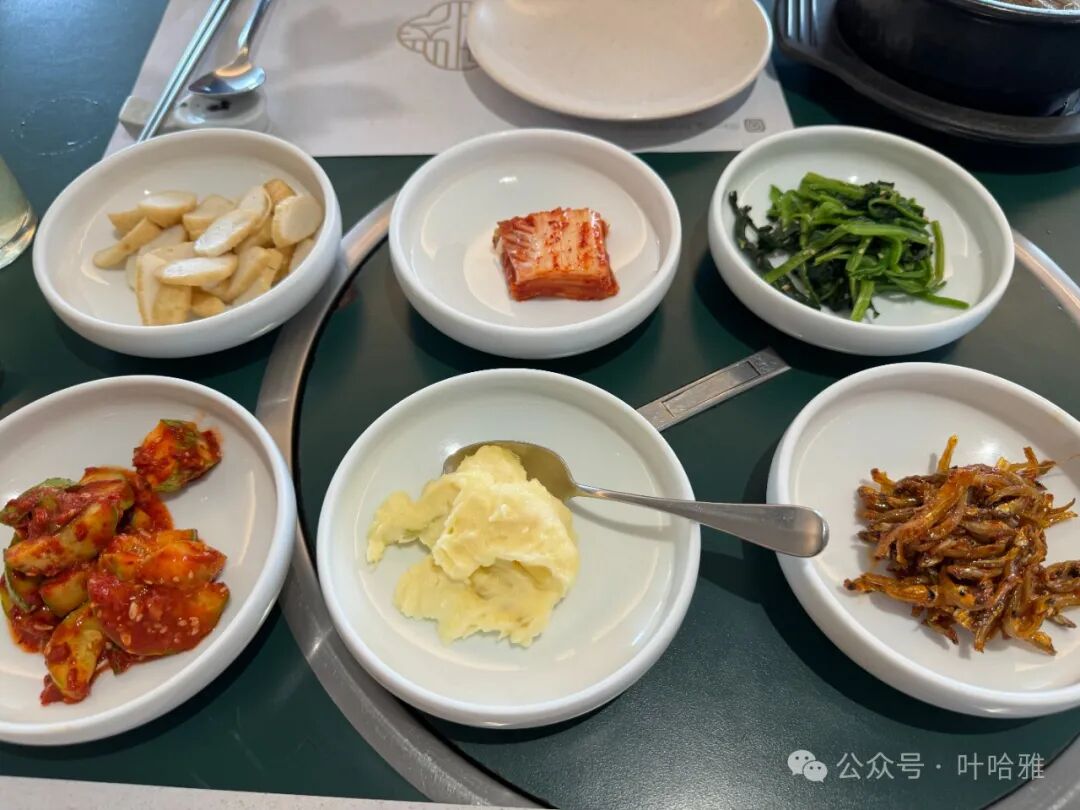
11. Absolute Thai restaurant
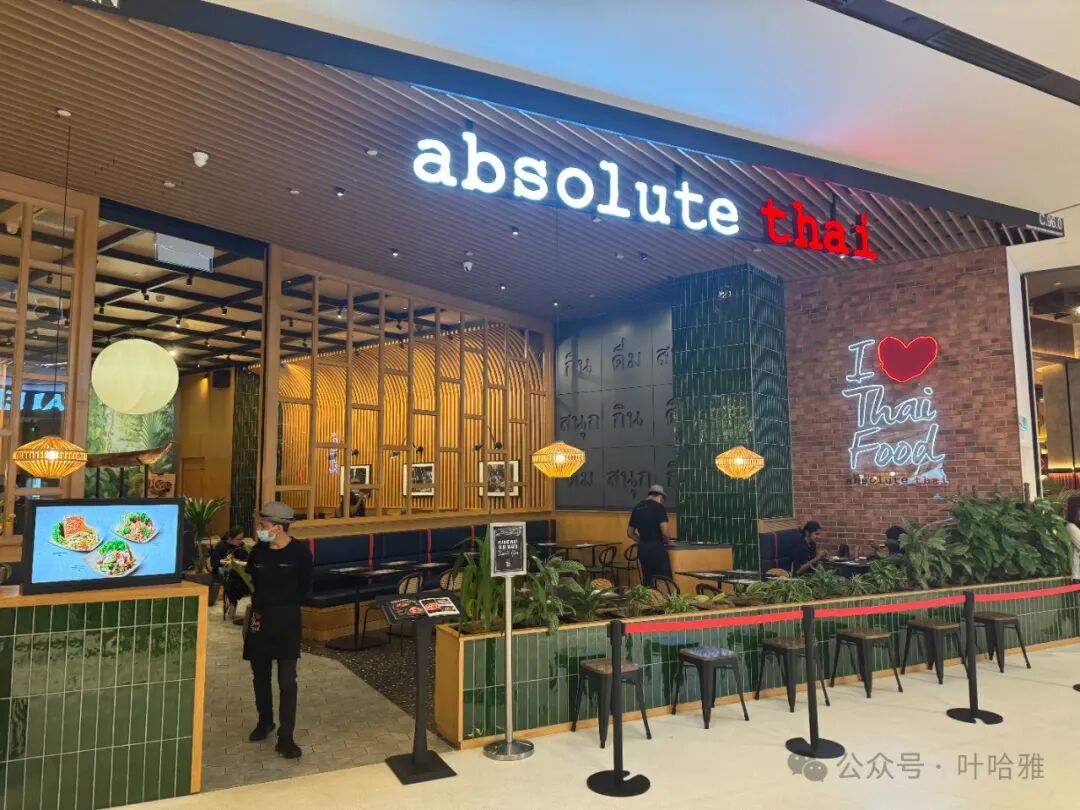
I want to make up for the halal Thai food I can't get in Beijing while I'm in Kuala Lumpur. Thai food in Kuala Lumpur is basically all halal.
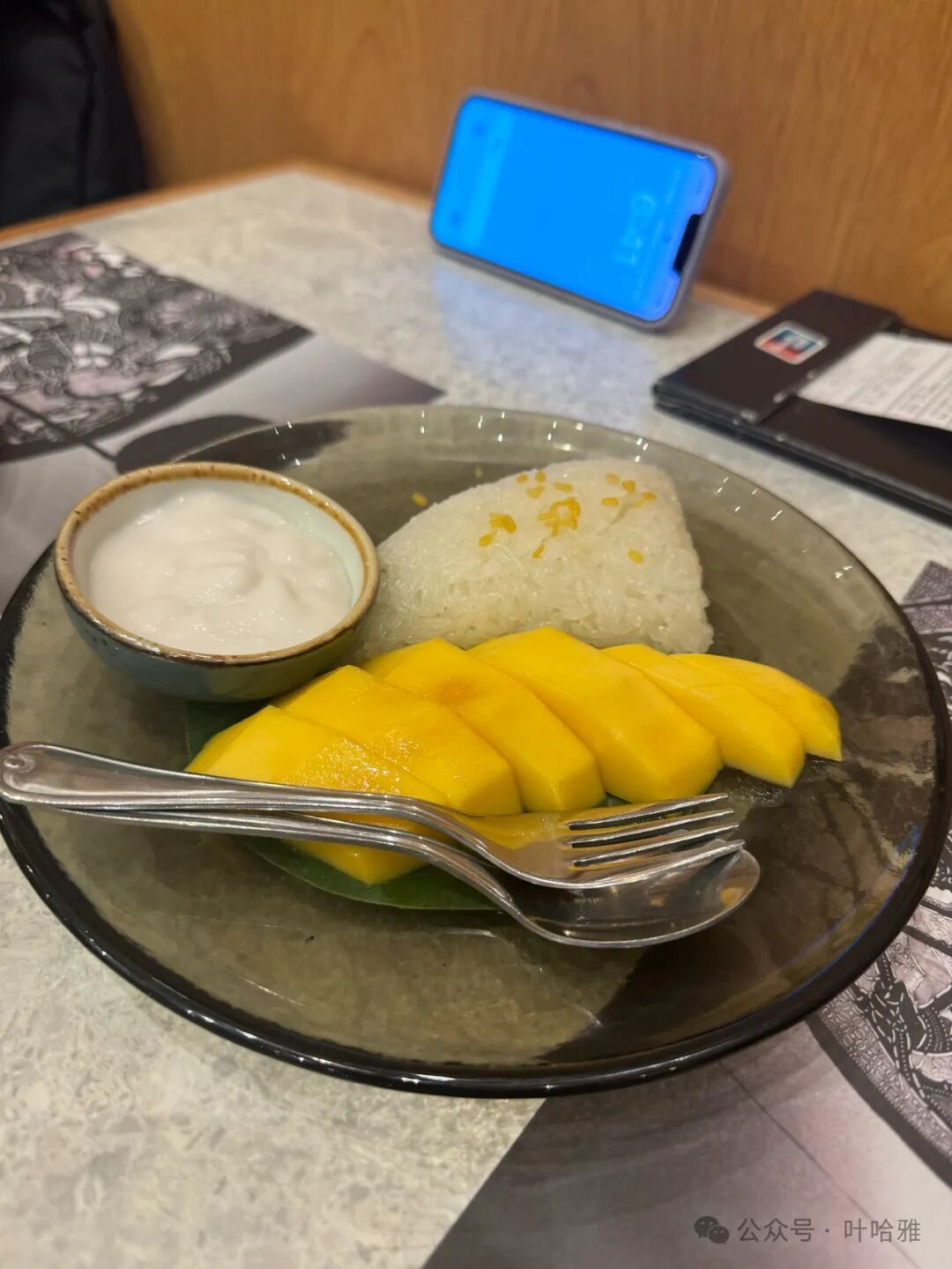
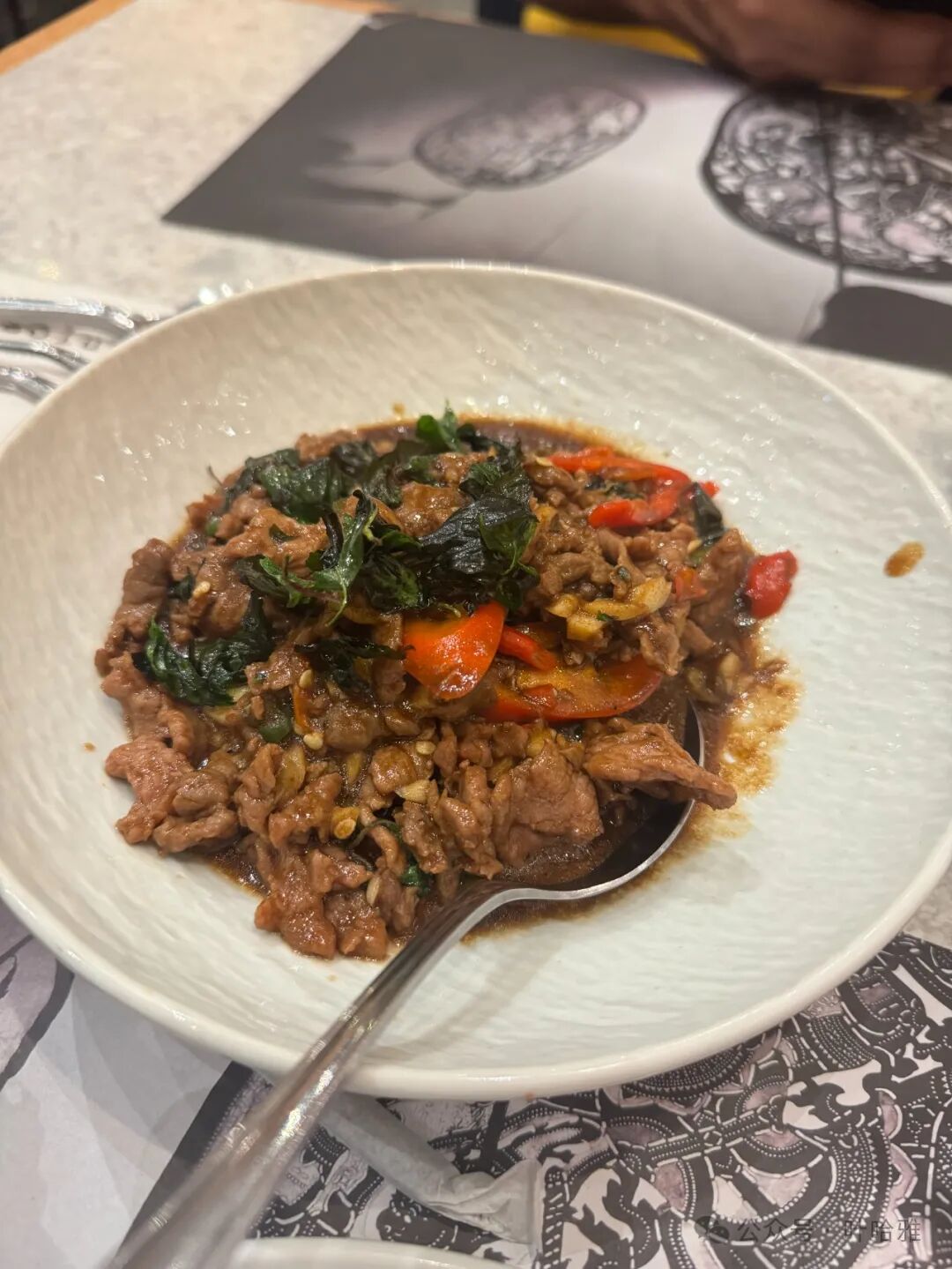
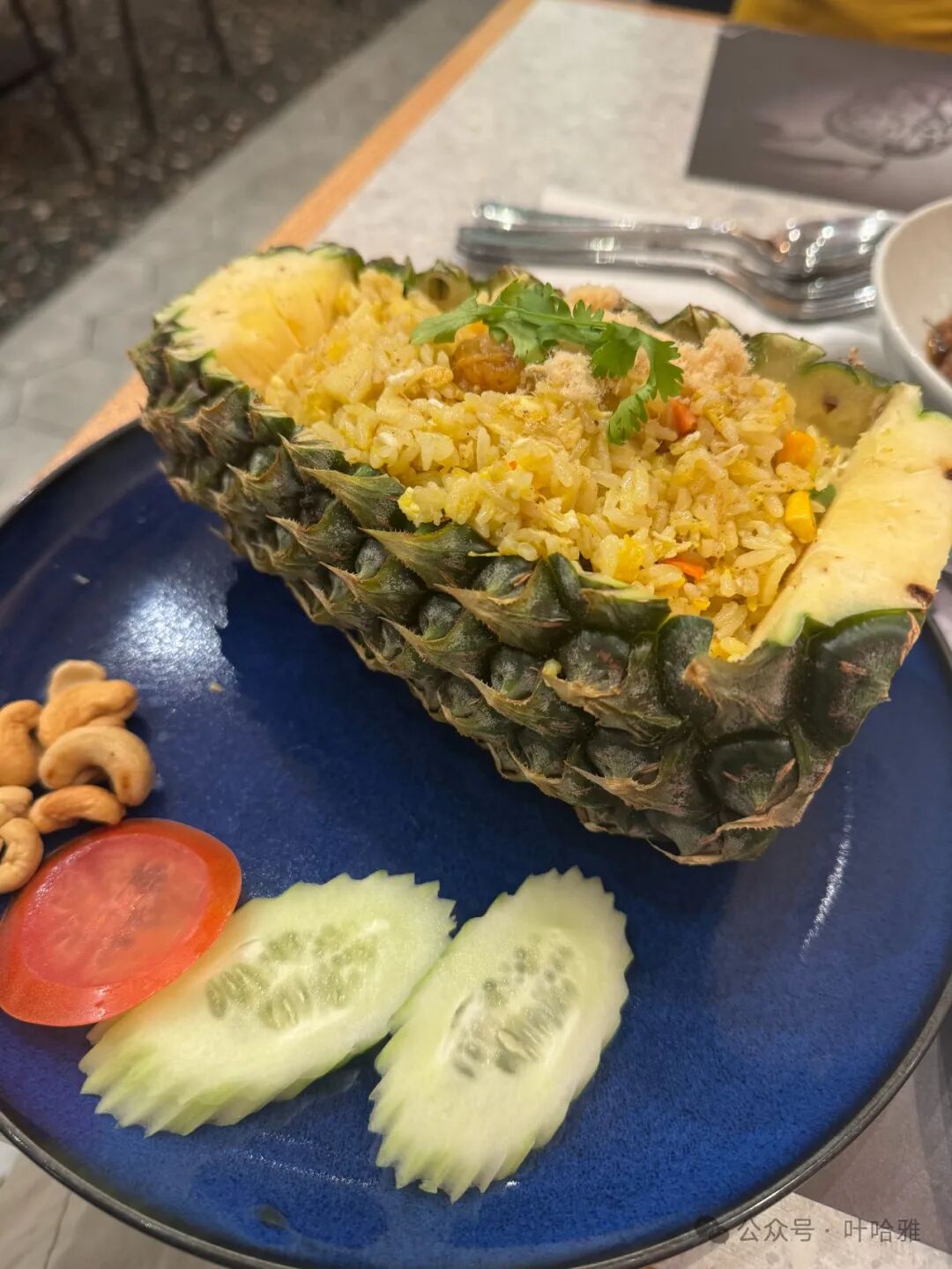
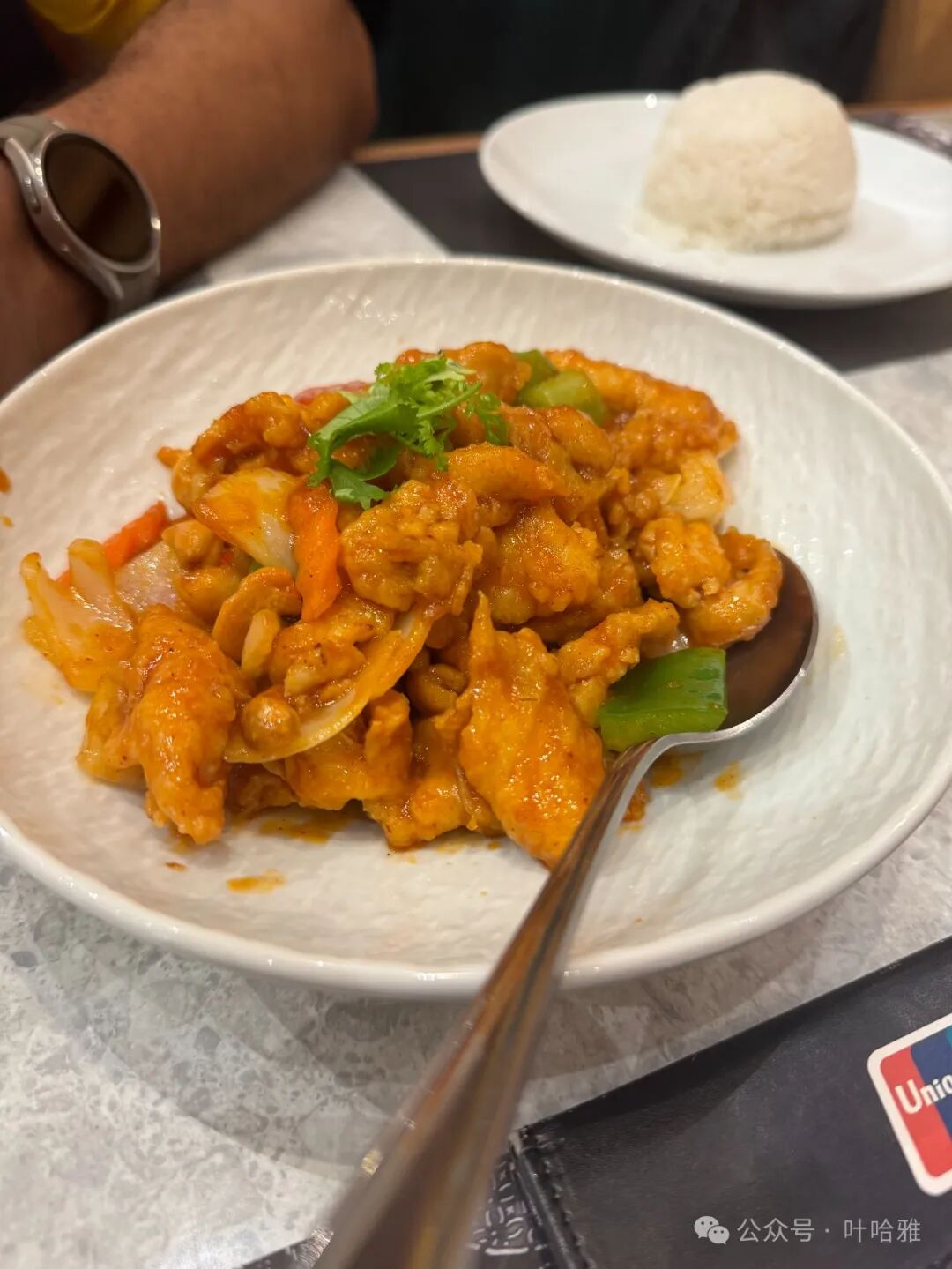
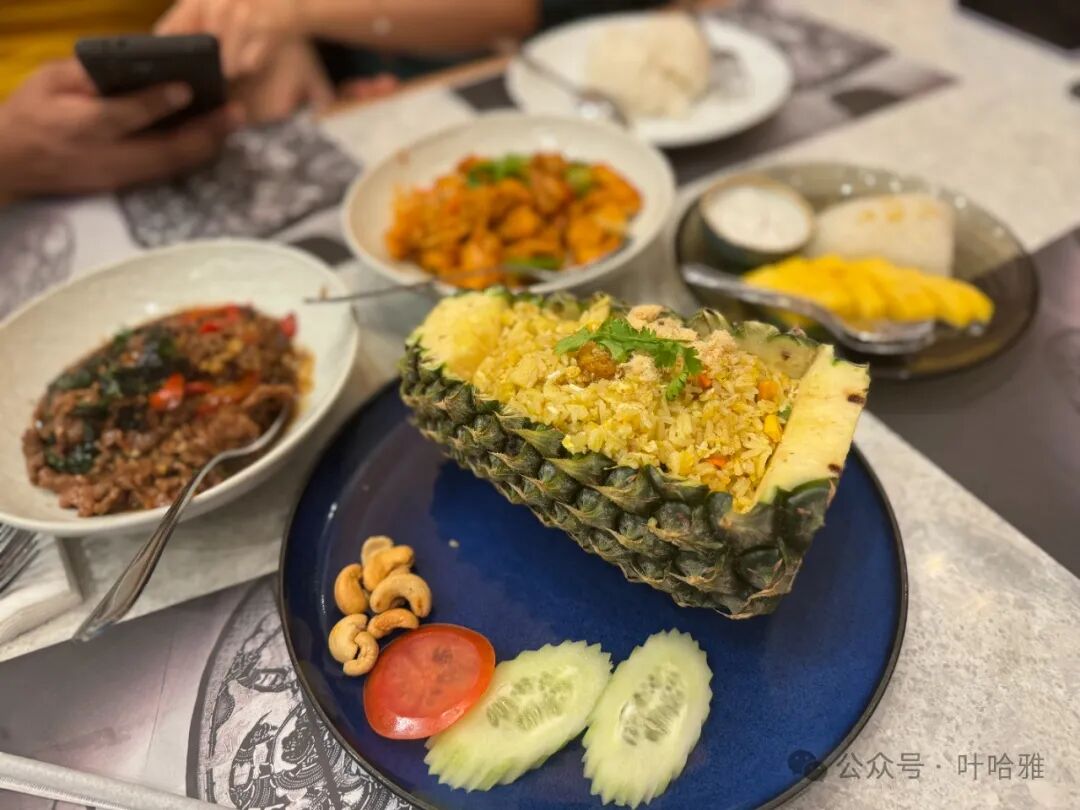
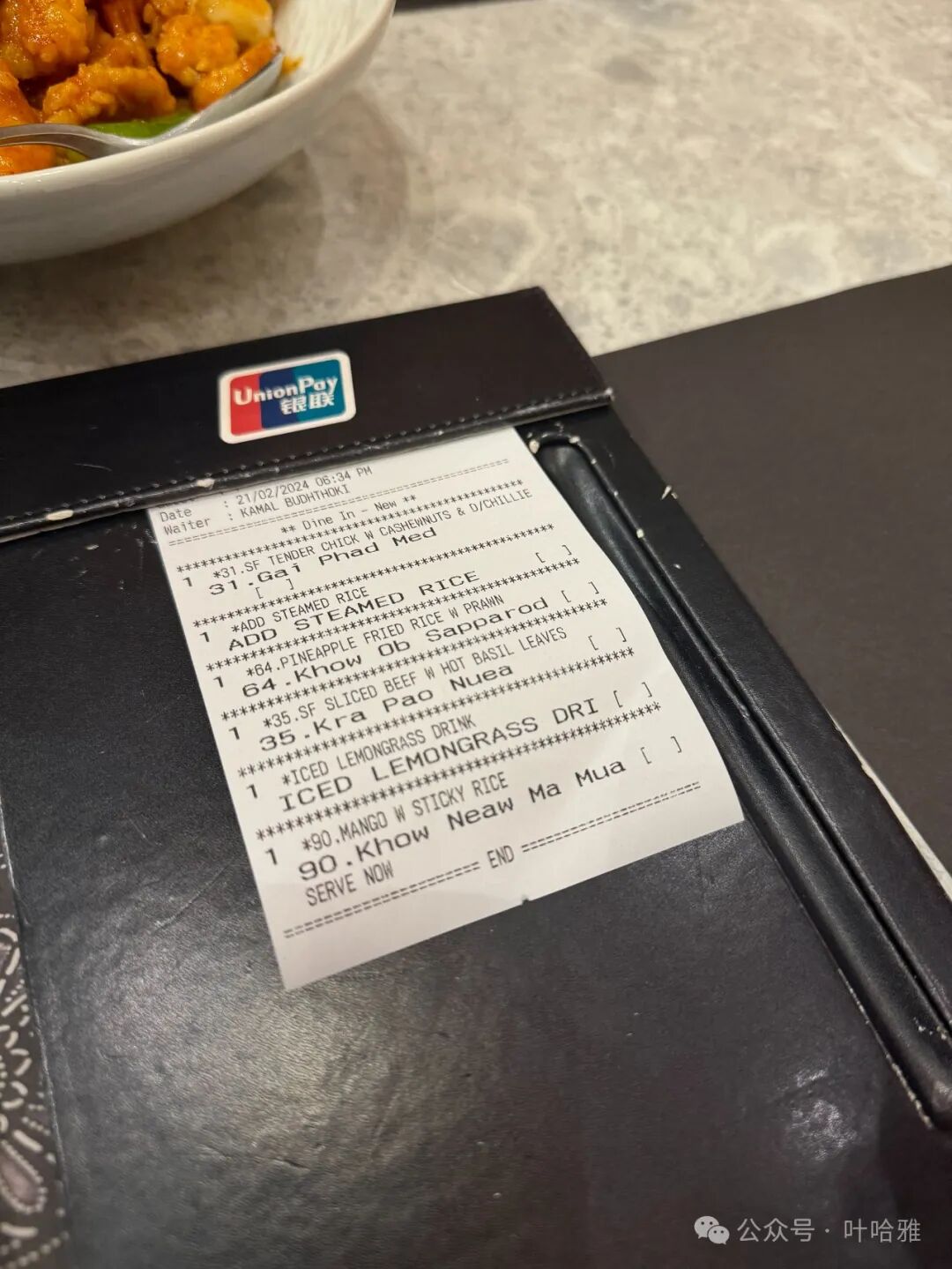
This refined Thai restaurant inside the TRX mall suits my taste perfectly. The pineapple fried rice and the seasoning of the desserts were also amazing.
12. PEONY CANTON BOY
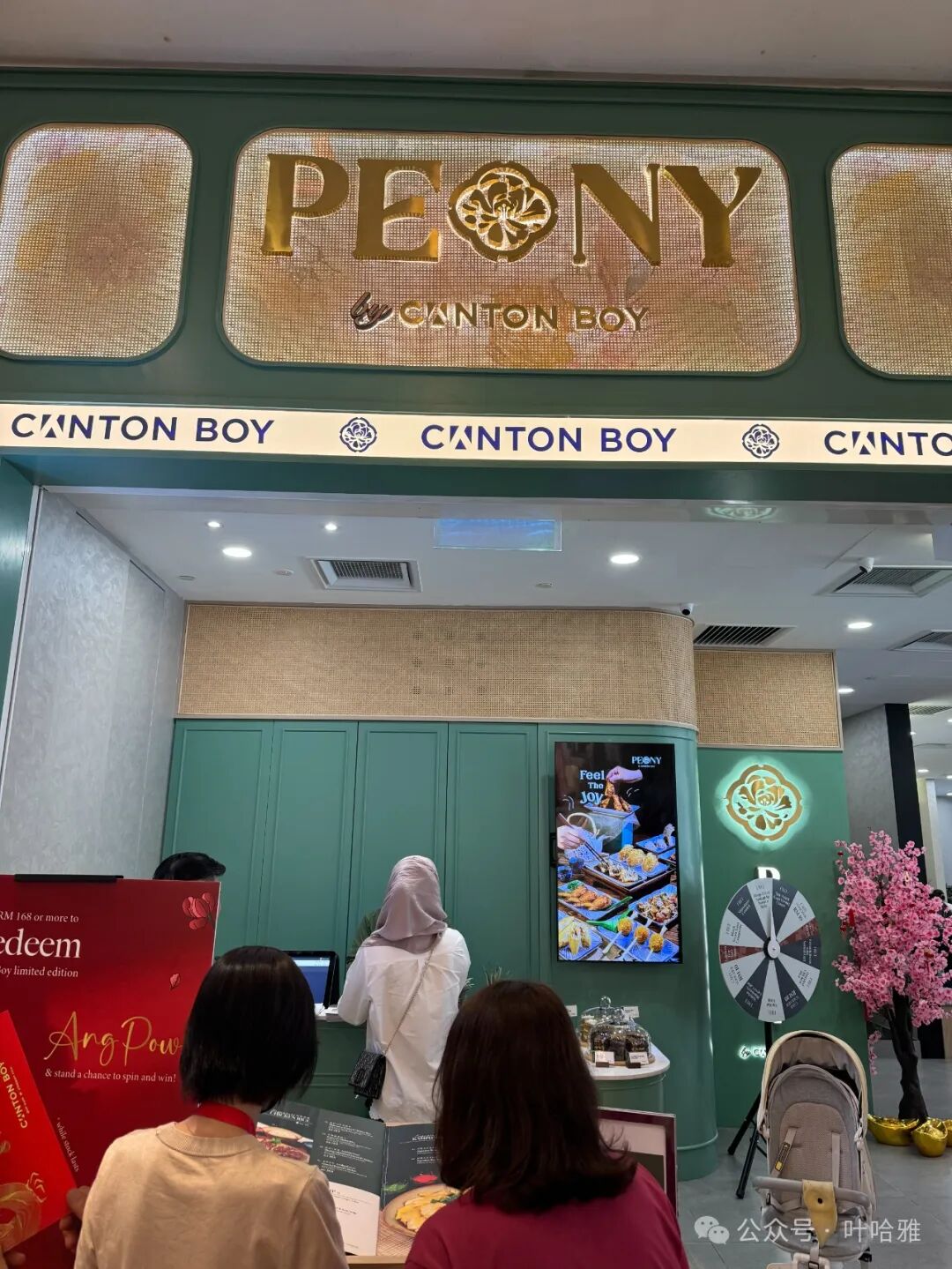
One of my biggest joys in Kuala Lumpur is trying out different styles of morning tea (yum cha). I love eating a rich meal in the morning, which is something I can't enjoy in Beijing. This newly opened Canton Boy is an authentic Cantonese restaurant. Besides morning tea, they also serve main courses. We ate here twice, and I have to say the morning tea satisfied me more.
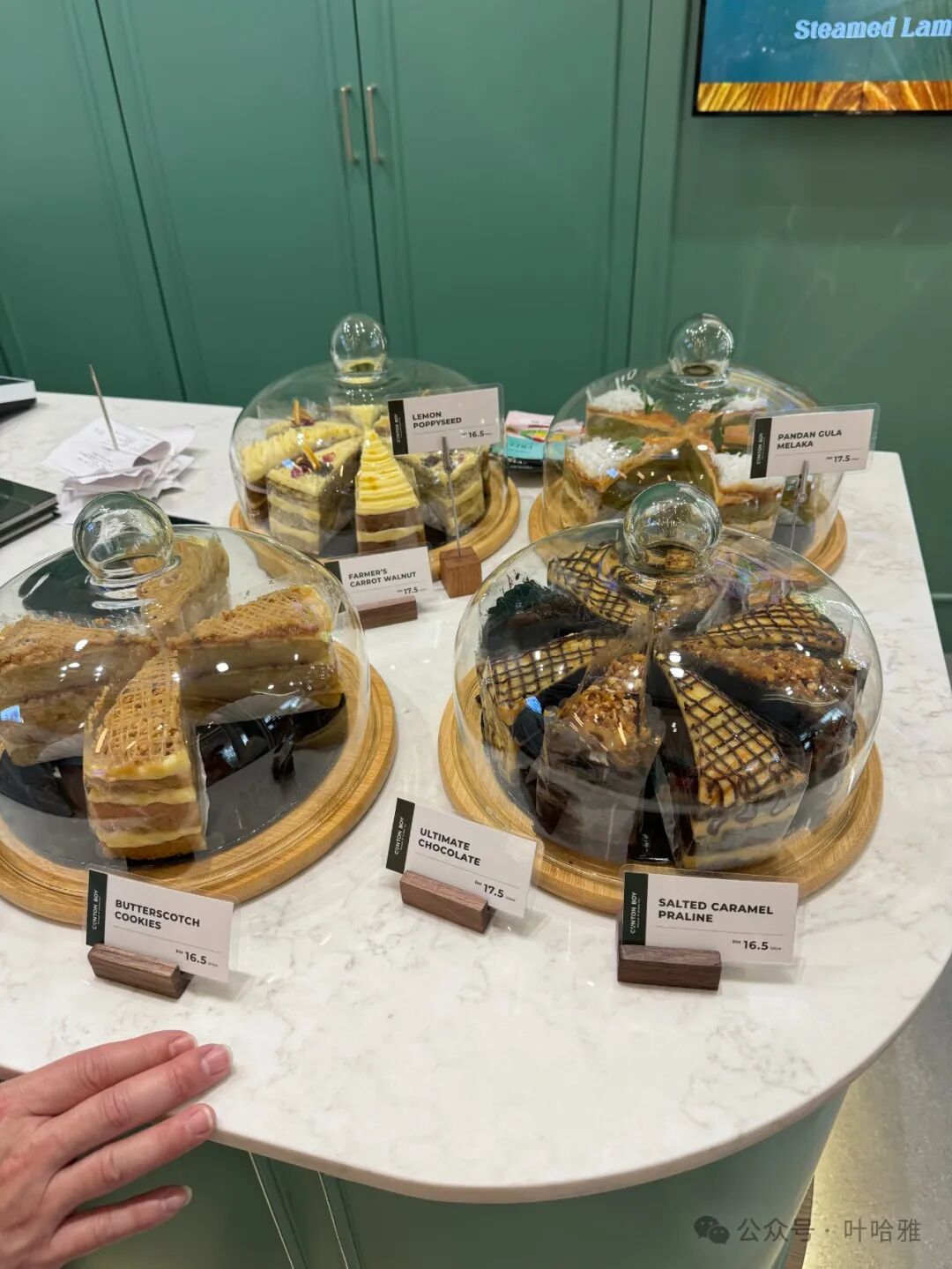
The shop is at the entrance on the first floor of the AK mall. The huge floor-to-ceiling windows and fresh decor are a delight to the eyes. Some staff are Chinese and can speak Chinese, and every server in the restaurant wears a headscarf, which means this is a halal restaurant.
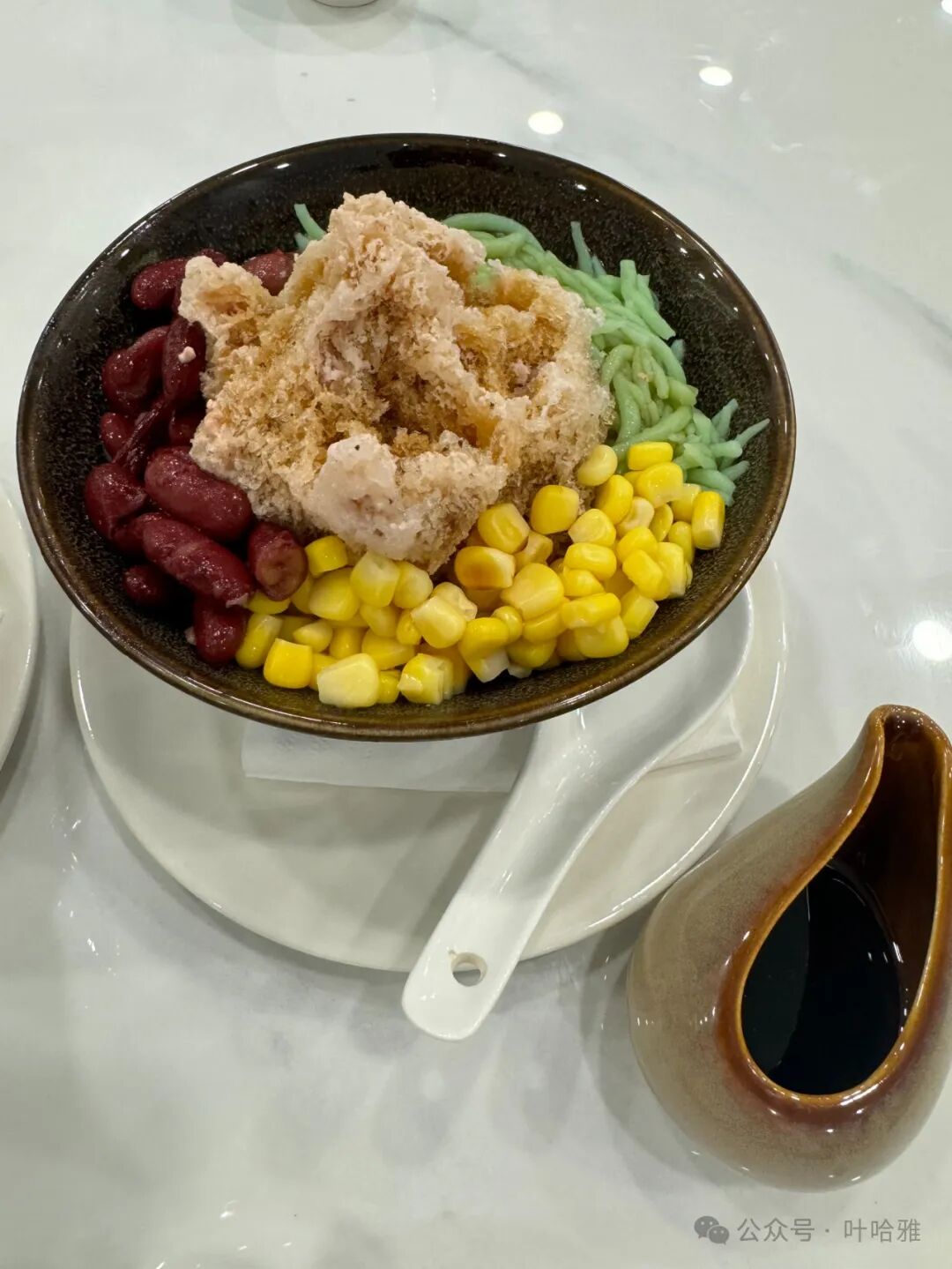
Morning tea starts at 9:00, but that's a bit too late for me. I've already been up for 3 hours by then and am starving, but you don't see many people on the streets here at 9 o'clock.
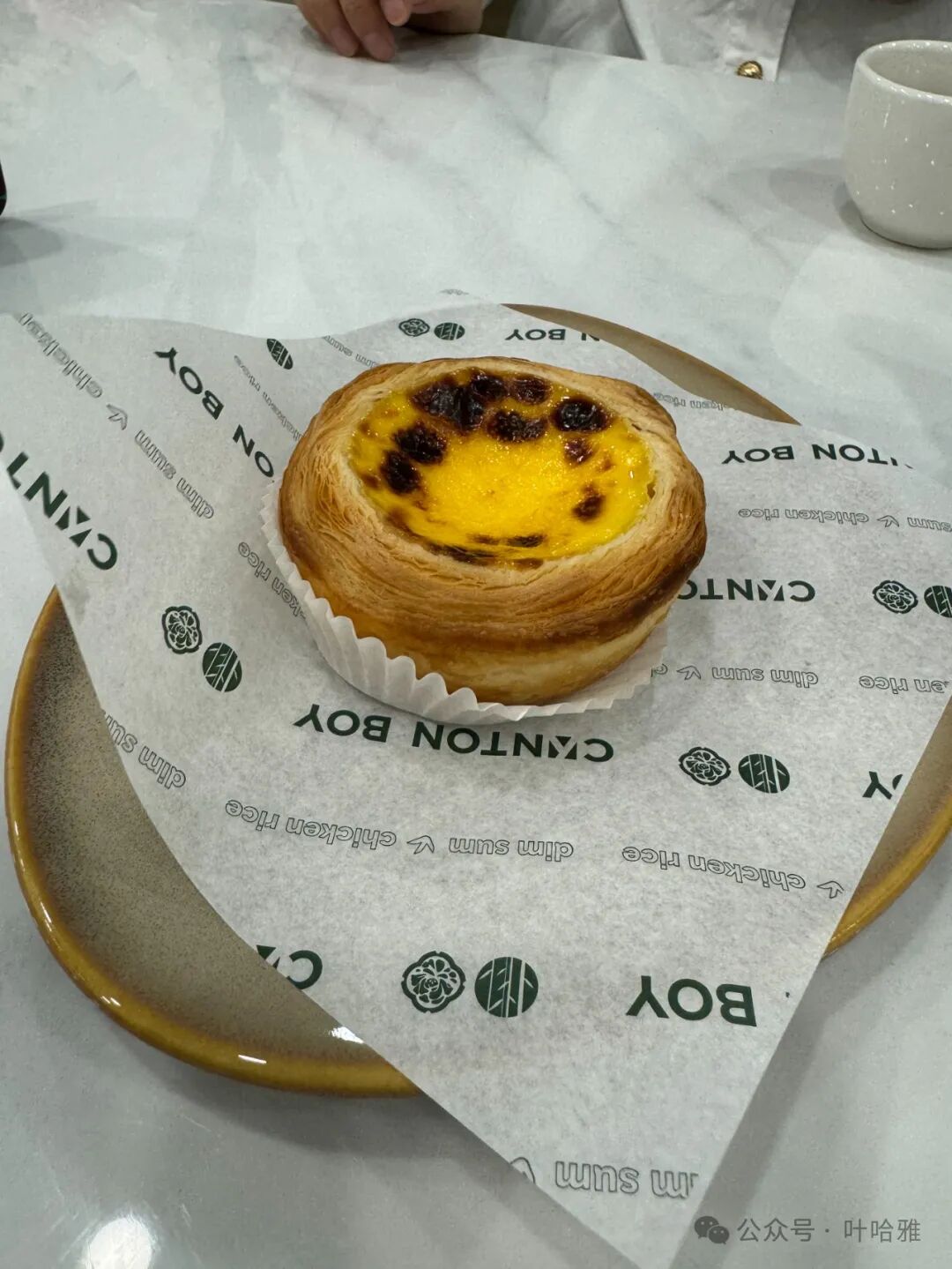
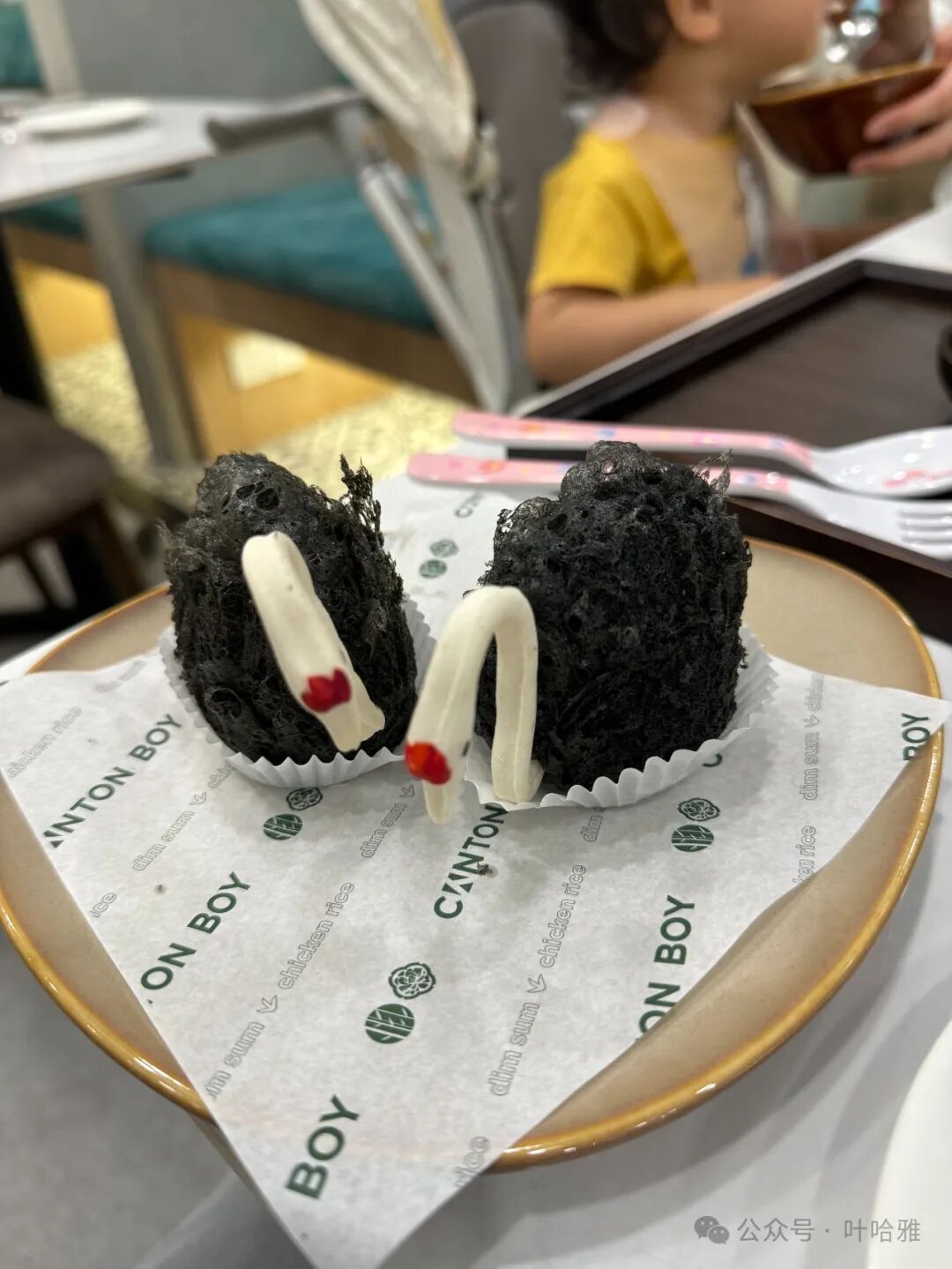
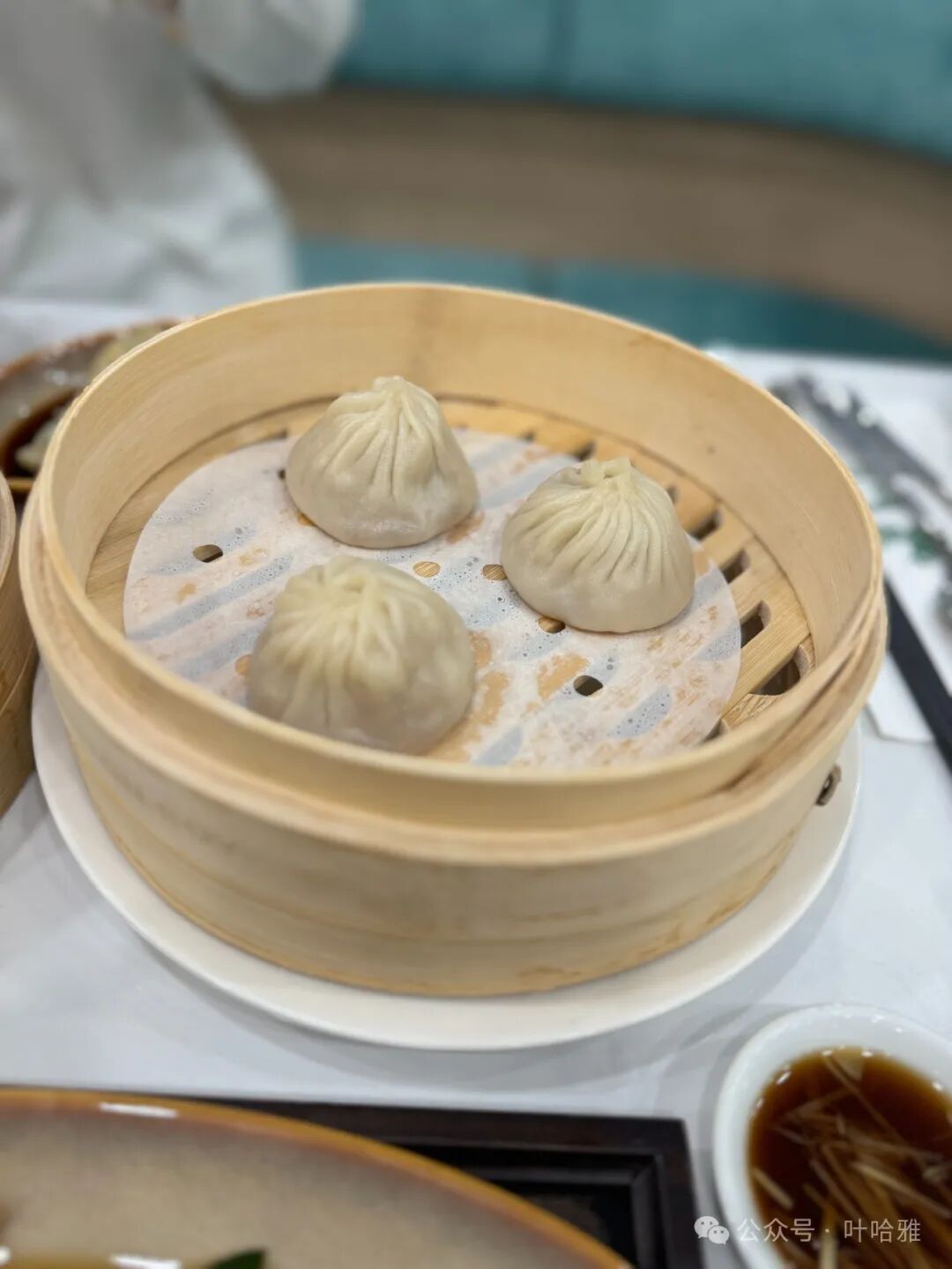
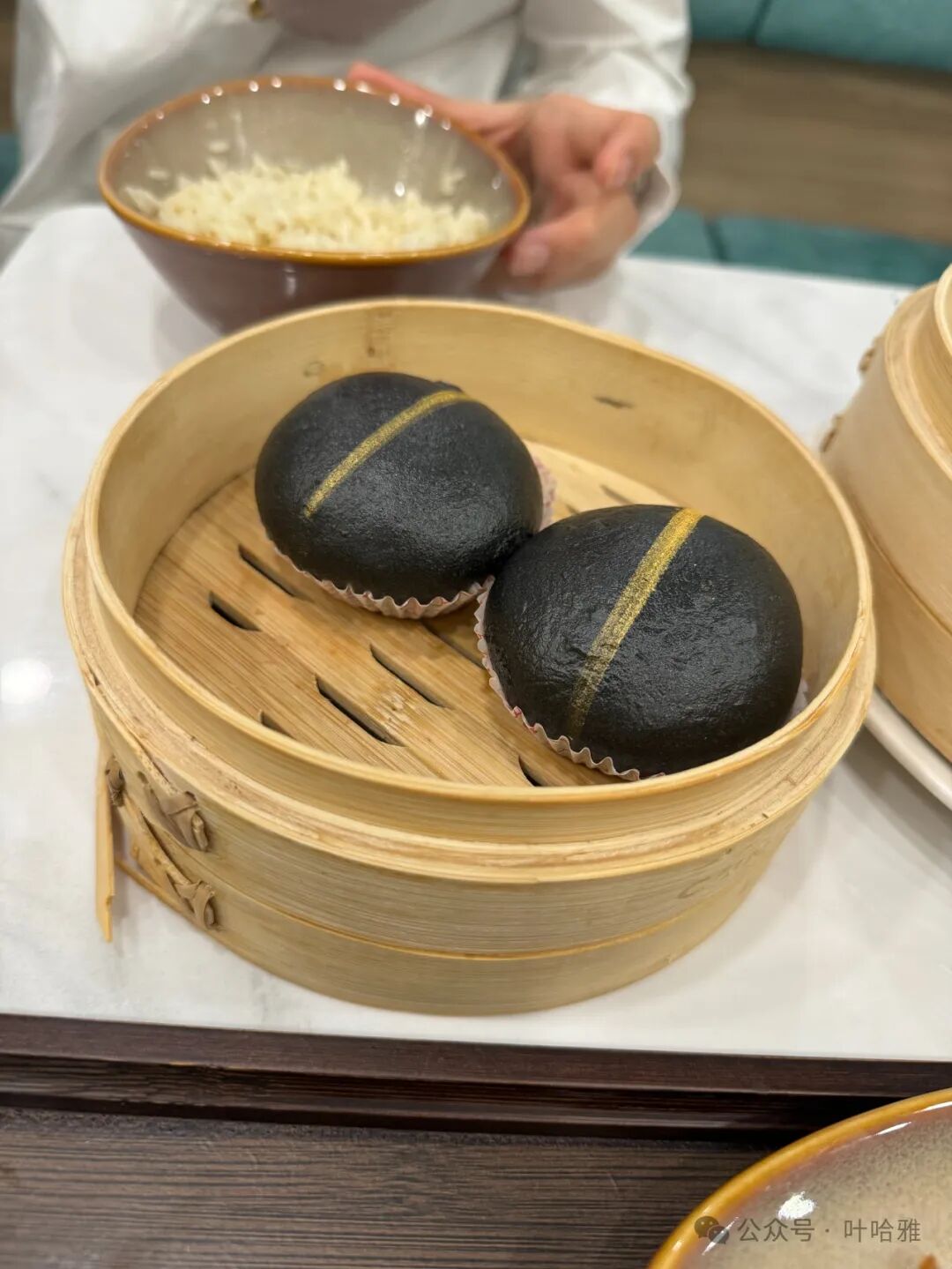
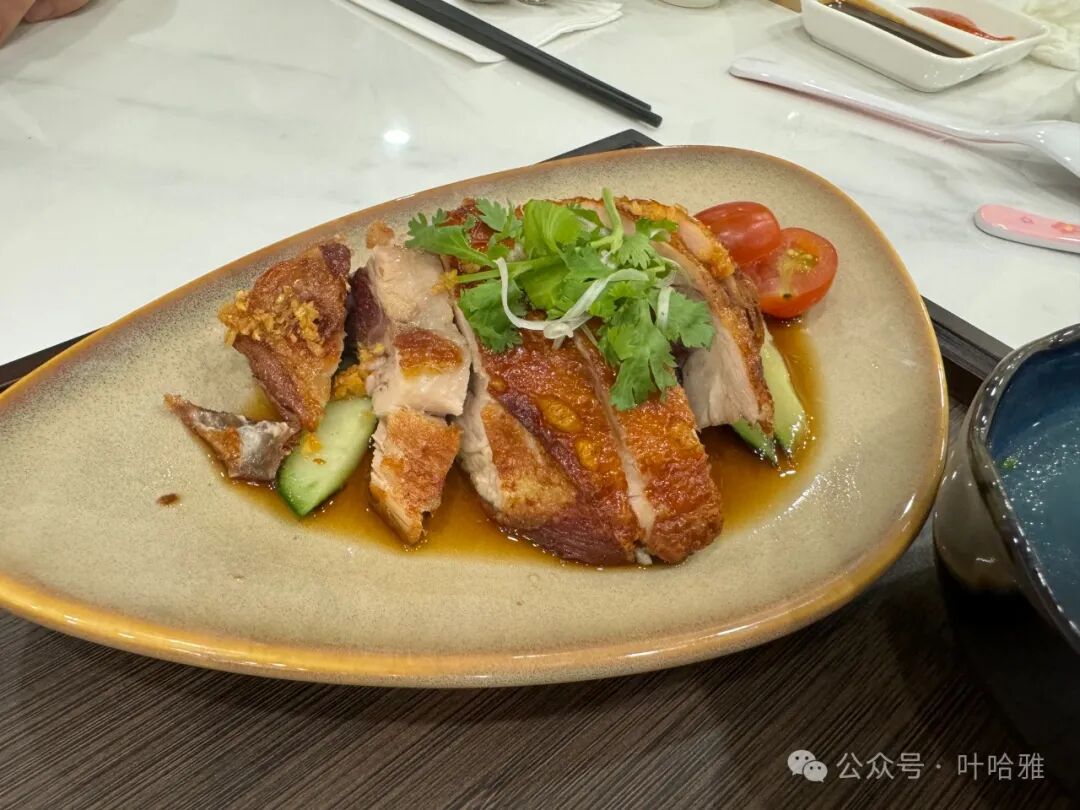
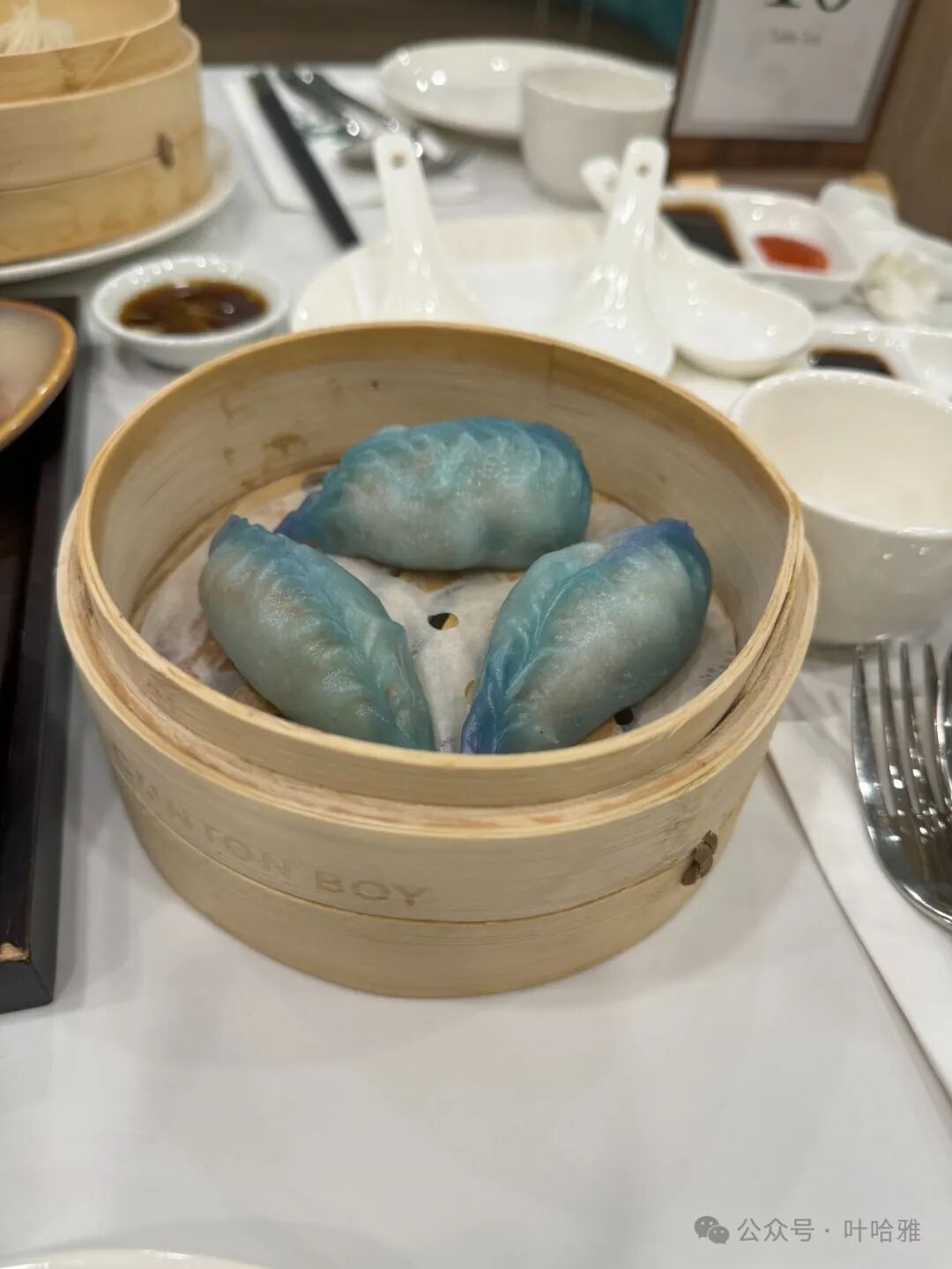
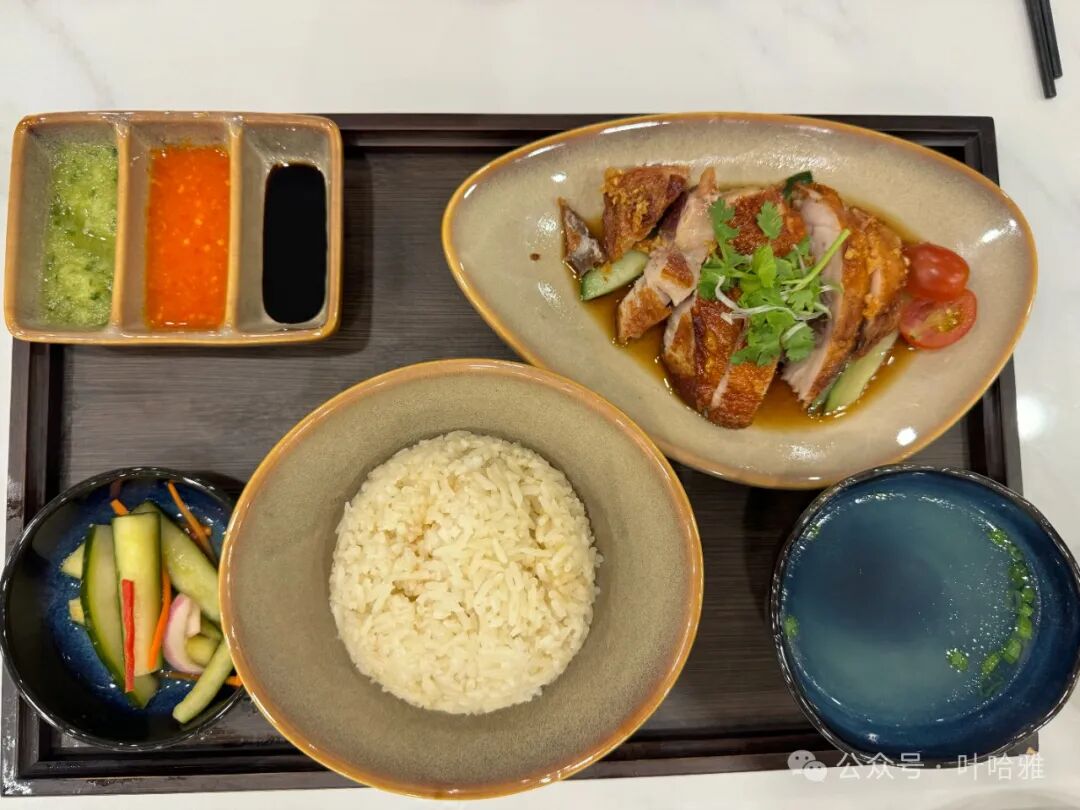
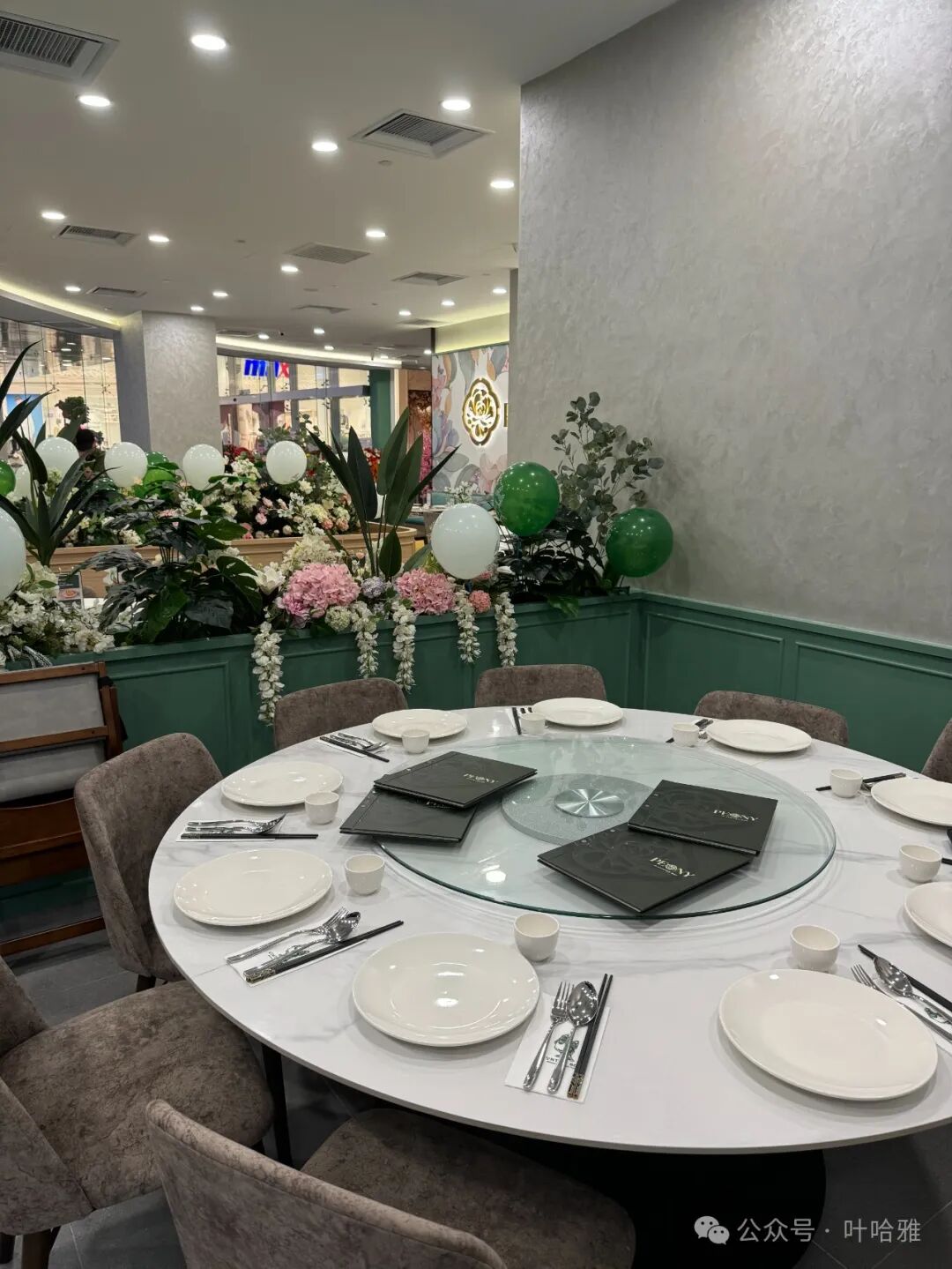
Besides morning tea, I also hosted my brother-in-law's family here. They are second-generation Pakistani immigrants from the UK. They didn't seem used to this Cantonese food; they preferred the mixed noodles at Musa Lanzhou Ramen.
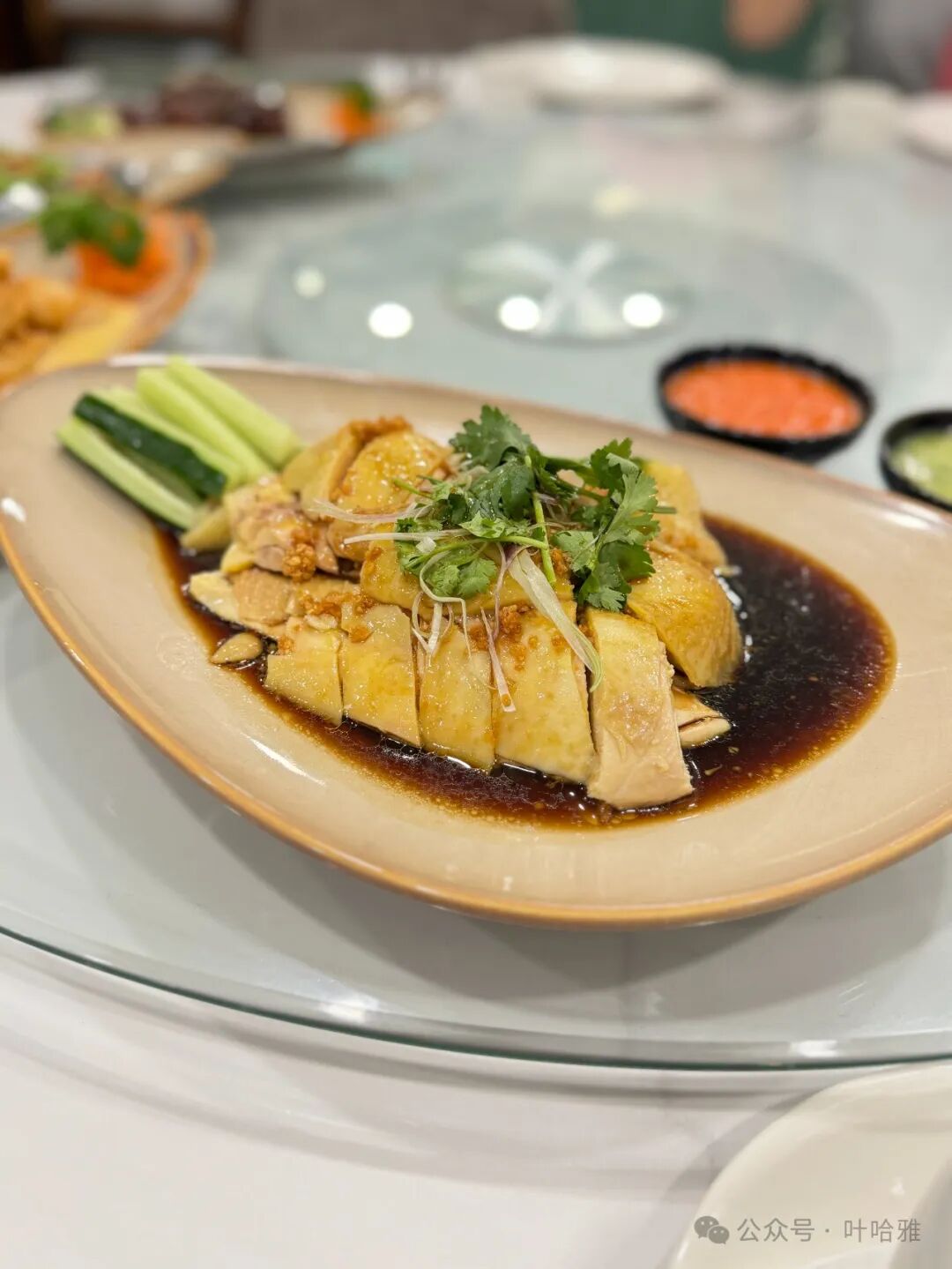
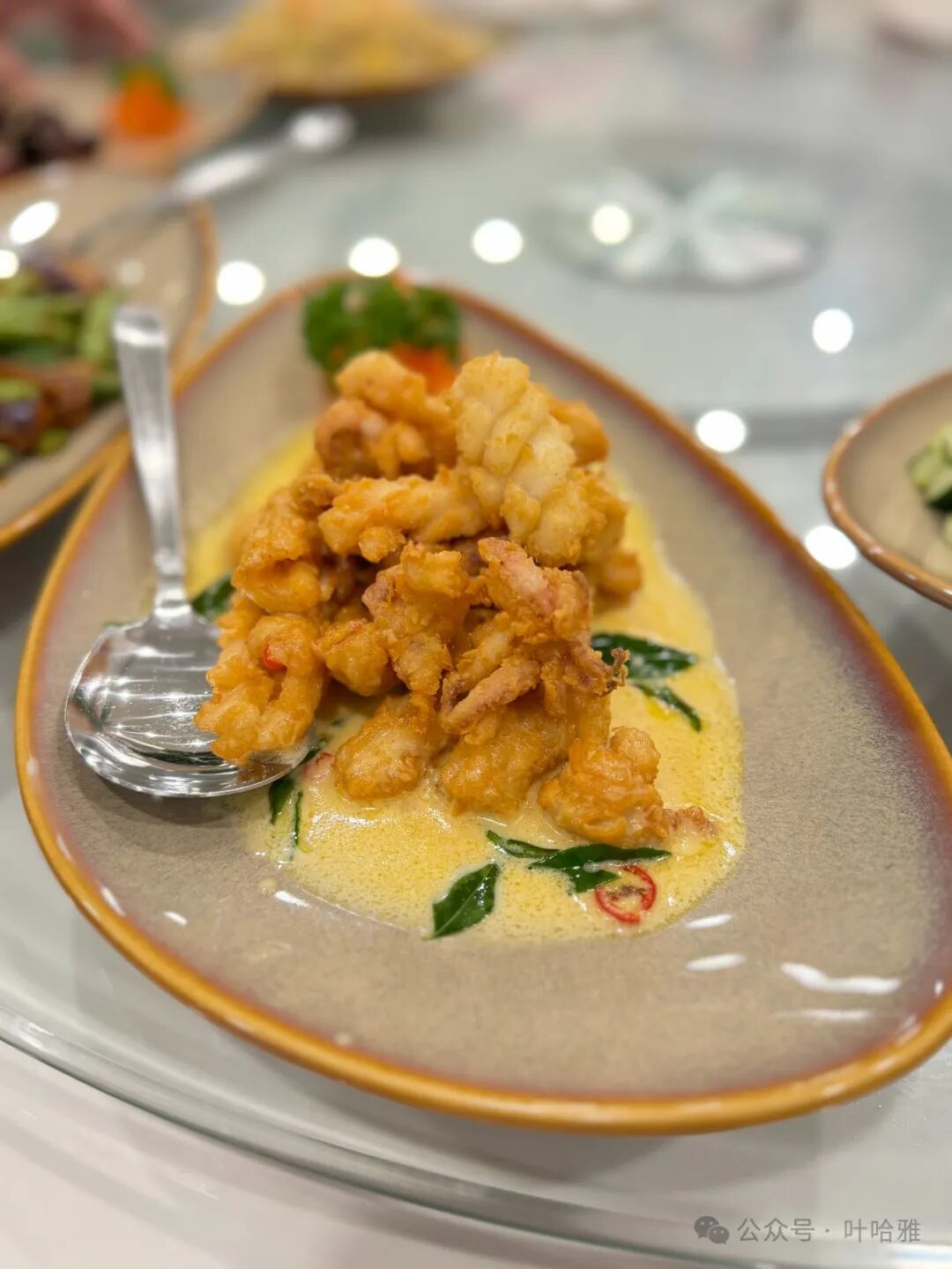
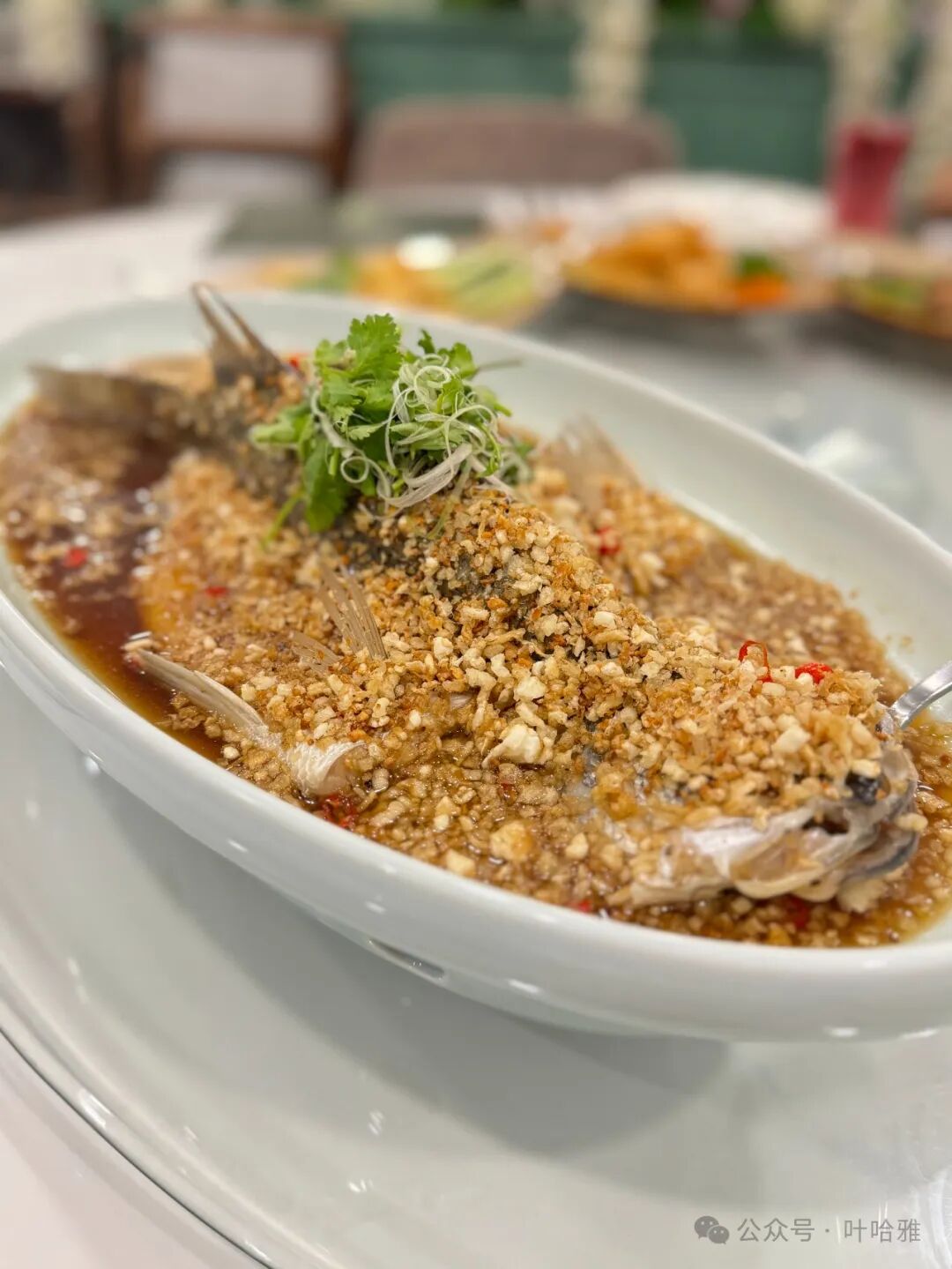
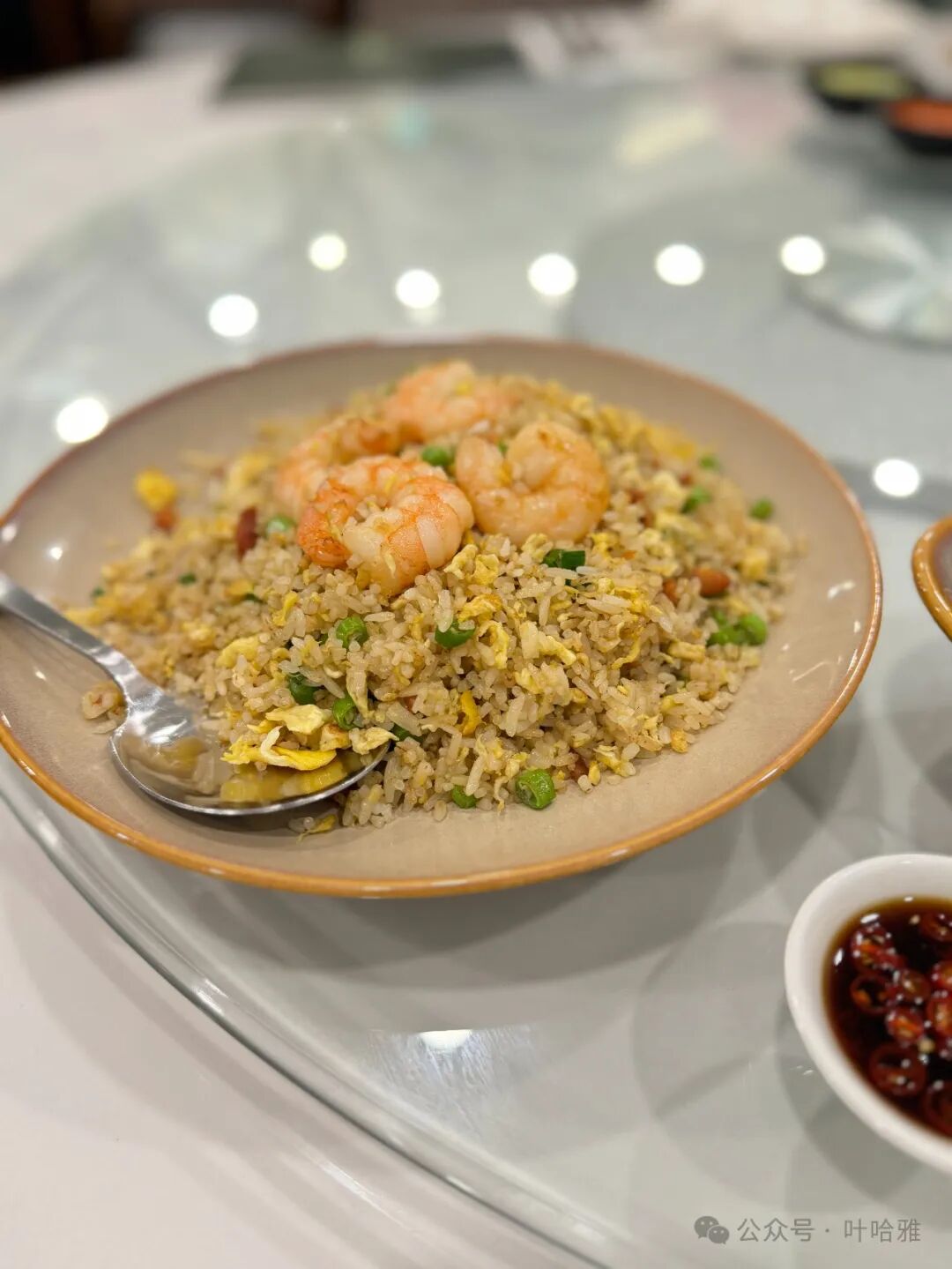
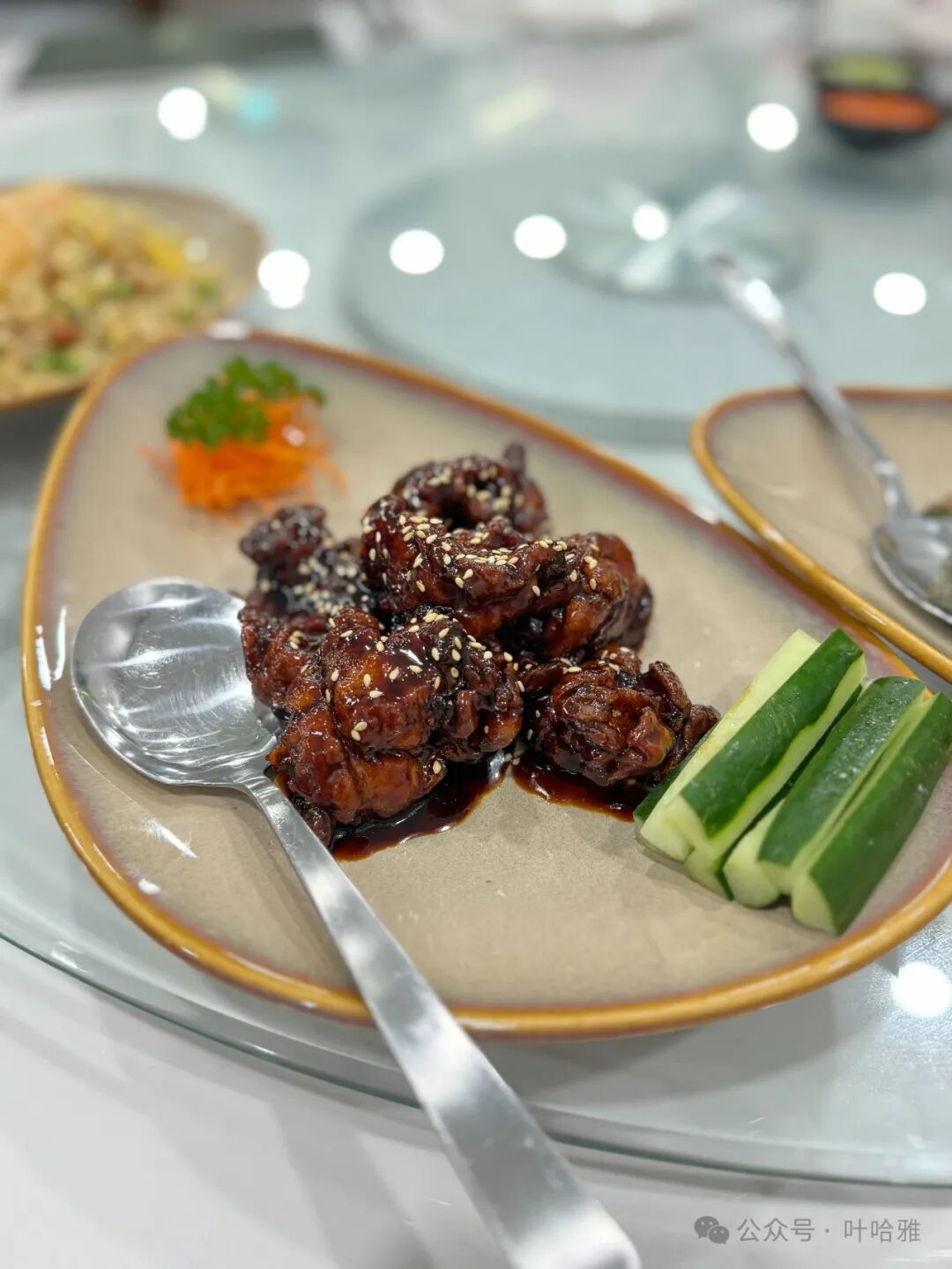
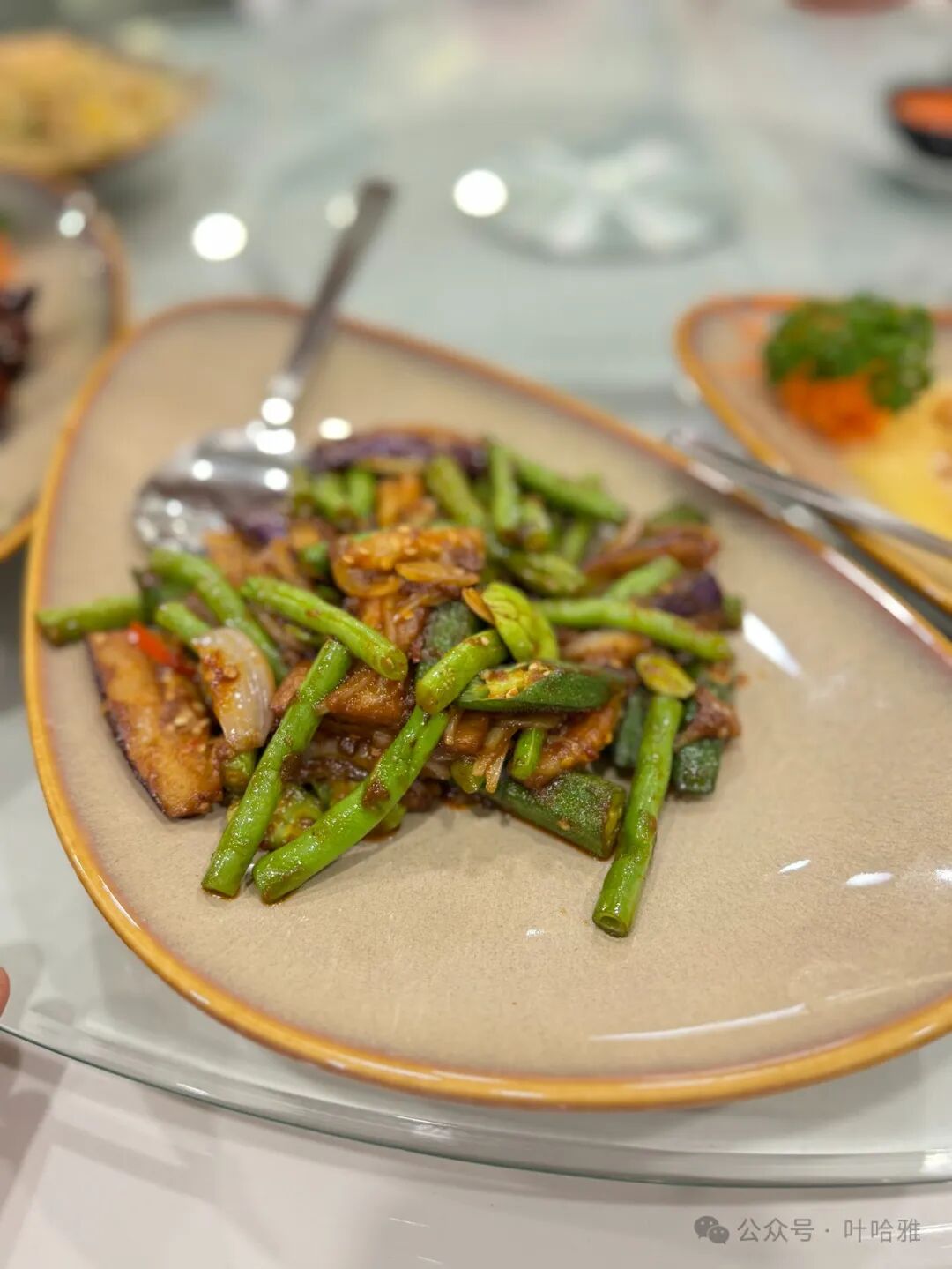
13. DOLLY DIM SUM
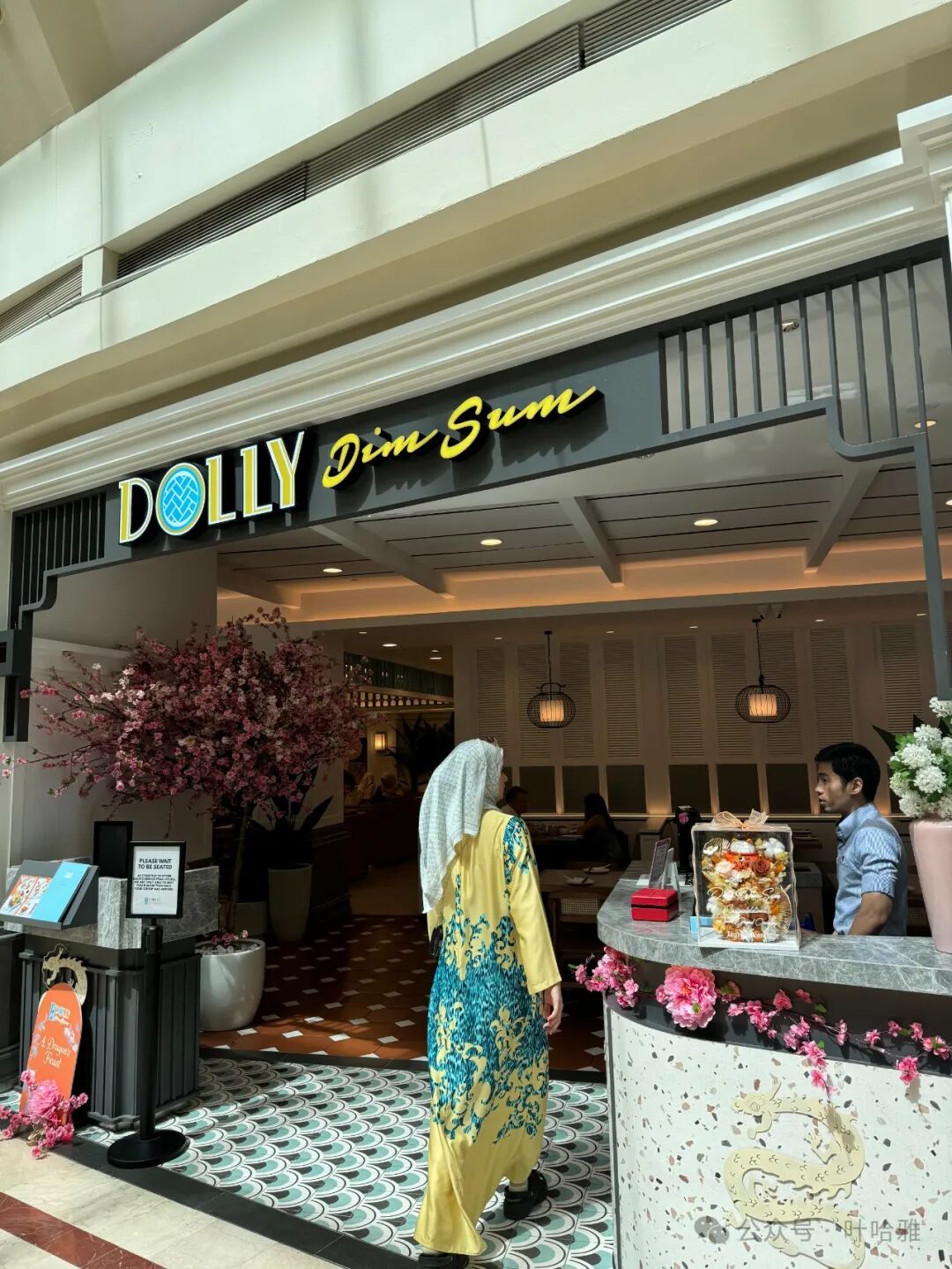
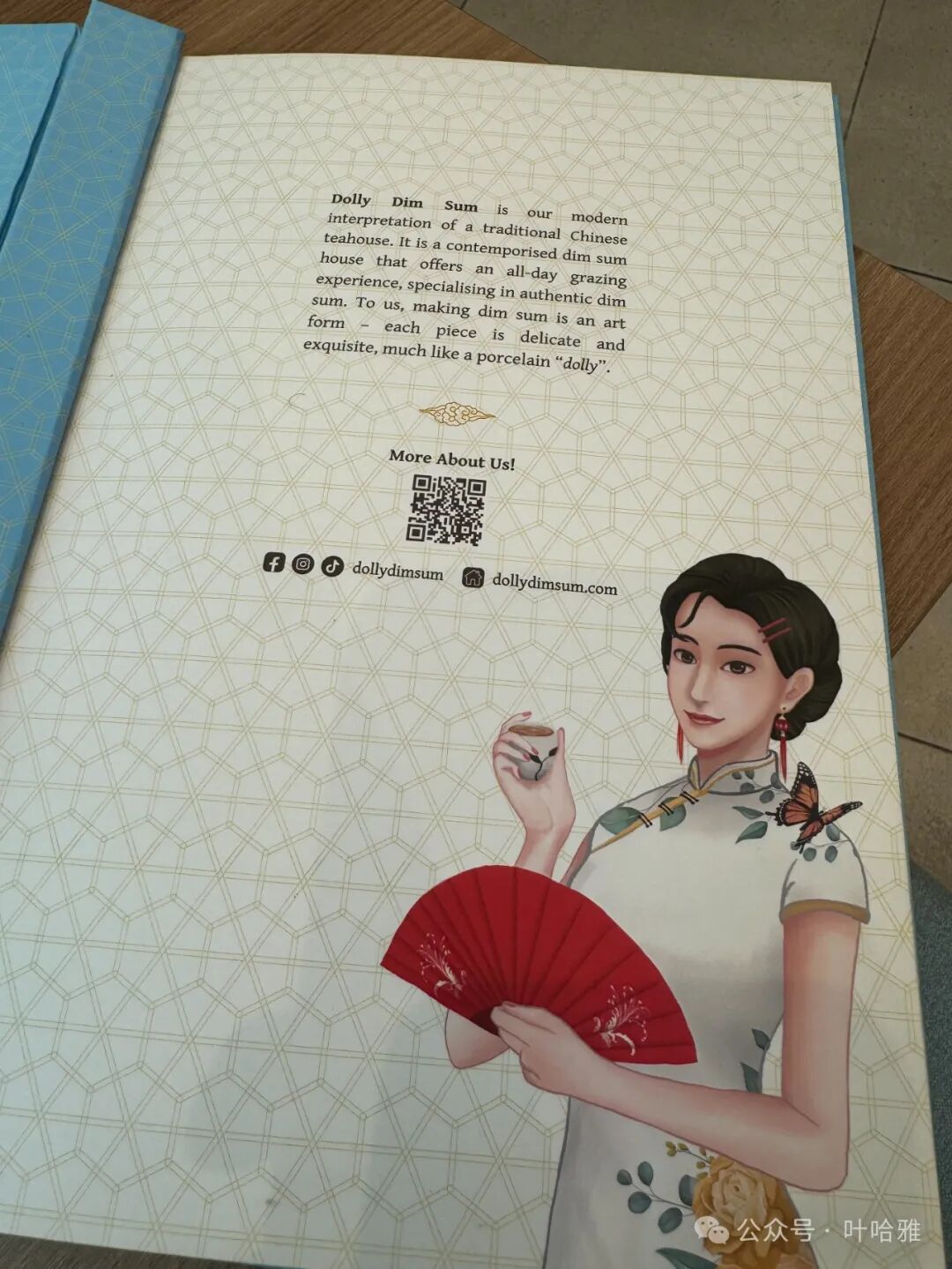
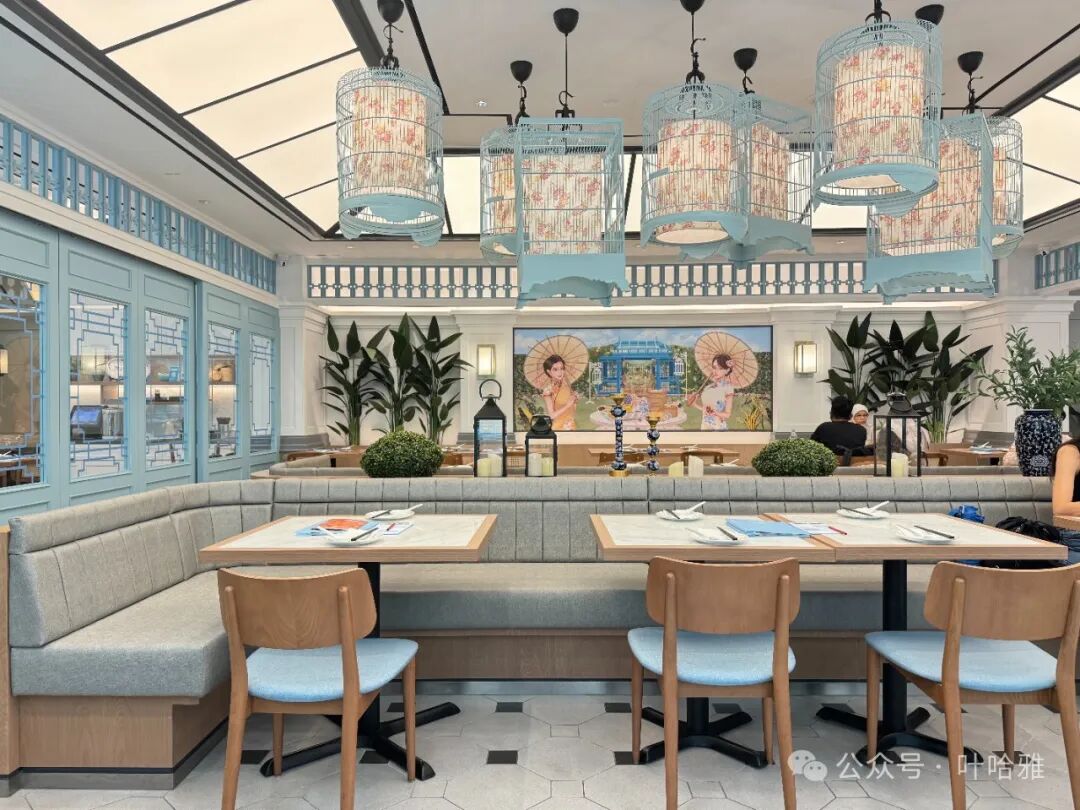
There are so many choices for morning tea in Kuala Lumpur that you could eat something different every day. Nearly half the people here are Chinese, mostly with roots in Guangdong, Guangxi, and Fujian, so you can trust the quality of their morning tea. Dolly Dim Sum (Duo Li) is a chain restaurant. This location is on the fourth floor of KLCC, and you will need to wait in line during peak hours.
Best Halal Food Kuala Lumpur: Lanzhou Beef Noodles, Halal Dim Sum and Muslim Street Dining
Articles • yusuf908 posted the article • 0 comments • 231 views • 2026-05-22 23:08
Summary: This Kuala Lumpur halal food guide introduces local Muslim dining, Musa Lanzhou Beef Noodles, Arabic barbecue, mamak food, MOZA, Nyonya flavors, street dining, Japanese, Korean, Thai options, and Cantonese-style dim sum.
A Guide to Halal Food in Kuala Lumpur is presented here as a firsthand travel account in clear English, beginning with this scene: This is my third time visiting Malaysia. I spent a long time in Kuala Lumpur, totaling 15 days, plus three days on Redang Island and one day in Malacca. The account keeps its focus on Halal Travel, Yiwu Food, Muslim Travel while preserving the names, places, food, and historical details from the Chinese source.
This is my third time visiting Malaysia. I spent a long time in Kuala Lumpur, totaling 15 days, plus three days on Redang Island and one day in Malacca. I ate at 16 restaurants in Kuala Lumpur and tried 16 different flavors. The food in Kuala Lumpur is so rich, delicious, and affordable that my love for Malaysia has grown even more.
The list of Kuala Lumpur restaurants featured in this post is as follows:
1. Musa Lanzhou Beef Noodles (Musa Lanzhou niurou lamian)
2. HABIBI SURIA Arabic BBQ
3. SELERA AMPANG Indian Mamak stall
4. Islamic Arts Museum MOZA Restaurant
5. KENNY HILLS BISTRO Four Seasons Hotel Afternoon Tea
6. RasaNya Nyonya Restaurant
7. Tapak Urban Street Dining night market
8. DOZO Japanese Cuisine
9. Hong Kong Xuan Chuan Cantonese Restaurant
10. KUNG JUNG Korean BBQ
11. Absolute Thai restaurant
12. PEONY CANTON BOY Cantonese dim sum
13. DOLLY DIM SUM Cantonese dim sum
14. Taco Bell Mexican fast food
15. Din Tai Fung Taiwanese food
16. MAKAN Malaysian buffet
1. Musa Lanzhou Ramen
Musa Lanzhou Ramen is located on the ground floor of Wisma Central, right along the street. It is the first ramen shop my mother-in-law opened in Kuala Lumpur. The shop is right next to the Petronas Twin Towers (KLCC), so it is very easy to find. The restaurant is smoke-free and alcohol-free, and it is clean and hygienic.
I know many friends struggle with Southeast Asian food, so you can choose to come here for a bowl of ramen.
Besides ramen, they also serve mixed noodles, big plate chicken (dapanji), dumplings, and kebabs. The restaurant has been open for over a year and is doing great business, with most customers being Malay.
I have hosted many friends from Kuala Lumpur at the shop, and the most popular dishes are the ramen and the kebabs.
A fresh pot of big plate chicken (dapanji) with wide belt noodles (pidaimian) is also very satisfying, though Malay people prefer mixed noodles (banmian).
2. Habibi Suria
Next door to Musalan Beef Ramen is an Arab-owned grilled meat and pizza shop. Their signature grilled meat wrap (shawarma) isn't as good as their pizza, so when I've had too much ramen, I occasionally go there to order a pizza.
Their pizza is definitely much better than their shawarma. It is always freshly baked and very cheap.
3. SELERA AMPANG Indian Stall
This shop is on the ground floor at the front of the Wisma Central building, while the ramen shop is on the side. This is an Indian fast-food spot. We all like their flatbread wraps (roti). A wrap with a side of grilled chicken makes a great lunch for many office workers, and with a drink, it costs around 20 ringgit.
4. Islamic Arts Museum MOZA Restaurant
There is an Islamic Arts Museum next to the National Mosque in Kuala Lumpur. This is my second time visiting. My friend from Beijing had an event there, so we met up. After touring the museum, he recommended the MOZA restaurant inside.
The design of MOZA restaurant incorporates many Islamic historical elements. It is full of style and is the biggest highlight of the restaurant.
My friend told me that this museum is actually private and houses many precious Islamic artifacts.
The restaurant serves mostly Southeast Asian fusion food along with some Arab-style dishes. The prices are quite affordable, with an average cost of no more than 50 Malaysian ringgit, which is less than 80 Chinese yuan. If you visit the Islamic Arts Museum, remember to eat at the restaurant. The museum entrance fee is only 20 ringgit.
5. KENNY HILLS BISTRO Four Seasons Hotel breakfast and afternoon tea
My wife and sister-in-law brought me to this local trendy restaurant on the ground floor of the Four Seasons Hotel. It has a Western style and is famous for its afternoon tea desserts. This shop is near our home in Kuala Lumpur, just a 5-minute walk from KLCC, and they have other chain locations too.
You can see many beautiful Malay ladies taking photos here. The desserts and coffee taste good, and they serve breakfast starting at 8:00 AM.
6. RasaNya Nyonya restaurant
This Nyonya restaurant is on the 8th floor of the Pavilion shopping center. Nyonya people are the descendants of mixed Malay and Chinese heritage, and they have a unique food culture. If you travel to Malaysia, you must try halal Nyonya food, as most Nyonya dishes are not halal. I once ate at one in Malacca, but this Kuala Lumpur location is more upscale and worth a try.
The restaurant's decor caught my eye; it has the elegant vibe of a Nanyang noblewoman.
The menu says Muslim Friendly, which means it is a pork-free restaurant. Some restaurants write Pork Free, which also means no pork. In Malaysia, as long as a restaurant has no pork, you can eat there because other meats like chicken, beef, and lamb are halal.
You might wonder why they don't just display a halal certification label. Applying for a Malaysian halal label involves a complicated process and high certification fees. Once certified, restaurants face regular and surprise inspections. Inspectors check that every ingredient has a halal certificate. Even additives without non-halal ingredients are not allowed if they lack certification. Businesses face penalties for non-compliance. That is why you will notice that most restaurants with official halal labels are large chains. Many small and medium-sized restaurants do not display the label and instead hang a dua in the shop. This does not stop Malay people from eating there. You can feel safe eating there if you see Malay people wearing headscarves dining in the shop.
This Nyonya restaurant serves Nanyang-style hot pot with very fresh ingredients, and the dipping sauce bowls come in different colors.
We chose a split pot with tomato broth and black truffle broth. I was surprised when we asked for a refill; the server brought two different pitchers to add broth separately instead of just adding water. It was very thoughtful.
Wagyu beef is expensive in Malaysia, and this was the most expensive meal I had in Kuala Lumpur, costing about 250 yuan per person.
The restaurant adds a 10% service charge. If you skip the hot pot and just order Nyonya cuisine (niangre cai), you won't actually spend that much. The rice and seasonings in the Nyonya cuisine are quite delicious.
7. Tapak Urban Street Dining night market
We stayed near KLCC, so our activities were mostly within a one-kilometer radius. You will notice that the restaurants I recommend are all near KLCC, including this night market. You can see the lit-up Petronas Twin Towers not far from the market.
This night market opens at 18:00. It is entirely halal and stays open until the early morning every day. There is even a live band performing, mostly singing Chinese pop songs.
I tried many snacks at this night market myself, and they were all delicious with no bad surprises. Just be sure to bring some small change, as some stalls do not accept Alipay.
What attracted me most was the fruit juice at the night market. I accidentally bought a cup of apple juice at this stall and it was incredibly good. Since then, I have wandered over here every few days to buy juice. In Malaysia, I love drinking juice the most because it is all freshly squeezed from real fruit with no artificial additives.
One day, while I was holding a cup of juice downstairs at KLCC, a Chinese girl stopped me to ask where I bought the drink.
I bought the fried rice shown in the picture below. Paired with the apple juice I bought earlier, this meal only cost 10 yuan.
8. DOZO Japanese Restaurant
Don't miss the halal Japanese food that is common in Malaysia but rare back home. Since Malaysia was once a Japanese colony, it was influenced by Japanese culture, and the Japanese food here is very close to the quality you find in Japan. The name of this shop means 'please come in' in Japanese. It has high ratings and reasonable prices.
You can eat a full range of famous Japanese dishes here, including grilled meat, sushi, sashimi, udon noodles, tempura, and more.
I have to praise the texture of this salmon sashimi; it is excellent. One bite and you know it is not rainbow trout.
I really love the drinks in Malaysia. This peach juice was buy-one-get-one-free, so both cups are mine.
9. Hong Kong Xuan Chuan Cantonese Restaurant
This Hong Kong Xuan restaurant is right across the street from where we are staying. I pass by every day and see it packed with people, mostly Malay locals.
This shop serves dim sum (zaocha) after 11:00 a.m. I do not know why it starts so late; maybe people in Kuala Lumpur are not used to waking up early. Where I live, the earliest you can get breakfast is after 8:00 a.m.
I must say the dim sum at Hong Kong Xuan tastes very authentic. Even the restaurant atmosphere feels like a Hong Kong tea house, and the staff look like traditional Cantonese people. Each dim sum dish only costs a few ringgit. The three of us spent about 100 ringgit for this meal. I have tried three dim sum places in Kuala Lumpur, and every one of them is better than the Hui Muslim restaurant in Guangzhou.
10. KUNG JUNG Korean BBQ
There is a Korean barbecue restaurant upstairs from Hong Kong Xuan that is incredibly busy. You need to book in advance, or you will have to wait in line. We are lucky to stay in this area. We just walk downstairs for 5 to 10 minutes to find all kinds of delicious restaurants.
The contact information and address are on the business card.
Malay people really like eating Korean barbecue. It seems like they are not very picky about what they eat.
The barbecue at this shop tastes great, but I didn't really like the cold noodles. Compared to barbecue back home, I still prefer eating in Beijing, where you get better value for your money. The average cost per person at this shop is over 150 yuan. If the price were a bit lower, I would feel it was a great deal.
11. Absolute Thai restaurant
I want to make up for the halal Thai food I can't get in Beijing while I'm in Kuala Lumpur. Thai food in Kuala Lumpur is basically all halal.
This refined Thai restaurant inside the TRX mall suits my taste perfectly. The pineapple fried rice and the seasoning of the desserts were also amazing.
12. PEONY CANTON BOY
One of my biggest joys in Kuala Lumpur is trying out different styles of morning tea (yum cha). I love eating a rich meal in the morning, which is something I can't enjoy in Beijing. This newly opened Canton Boy is an authentic Cantonese restaurant. Besides morning tea, they also serve main courses. We ate here twice, and I have to say the morning tea satisfied me more.
The shop is at the entrance on the first floor of the AK mall. The huge floor-to-ceiling windows and fresh decor are a delight to the eyes. Some staff are Chinese and can speak Chinese, and every server in the restaurant wears a headscarf, which means this is a halal restaurant.
Morning tea starts at 9:00, but that's a bit too late for me. I've already been up for 3 hours by then and am starving, but you don't see many people on the streets here at 9 o'clock.
Besides morning tea, I also hosted my brother-in-law's family here. They are second-generation Pakistani immigrants from the UK. They didn't seem used to this Cantonese food; they preferred the mixed noodles at Musa Lanzhou Ramen.
13. DOLLY DIM SUM
There are so many choices for morning tea in Kuala Lumpur that you could eat something different every day. Nearly half the people here are Chinese, mostly with roots in Guangdong, Guangxi, and Fujian, so you can trust the quality of their morning tea. Dolly Dim Sum (Duo Li) is a chain restaurant. This location is on the fourth floor of KLCC, and you will need to wait in line during peak hours. view all
Summary: This Kuala Lumpur halal food guide introduces local Muslim dining, Musa Lanzhou Beef Noodles, Arabic barbecue, mamak food, MOZA, Nyonya flavors, street dining, Japanese, Korean, Thai options, and Cantonese-style dim sum.
A Guide to Halal Food in Kuala Lumpur is presented here as a firsthand travel account in clear English, beginning with this scene: This is my third time visiting Malaysia. I spent a long time in Kuala Lumpur, totaling 15 days, plus three days on Redang Island and one day in Malacca. The account keeps its focus on Halal Travel, Yiwu Food, Muslim Travel while preserving the names, places, food, and historical details from the Chinese source.
This is my third time visiting Malaysia. I spent a long time in Kuala Lumpur, totaling 15 days, plus three days on Redang Island and one day in Malacca. I ate at 16 restaurants in Kuala Lumpur and tried 16 different flavors. The food in Kuala Lumpur is so rich, delicious, and affordable that my love for Malaysia has grown even more.
The list of Kuala Lumpur restaurants featured in this post is as follows:
1. Musa Lanzhou Beef Noodles (Musa Lanzhou niurou lamian)
2. HABIBI SURIA Arabic BBQ
3. SELERA AMPANG Indian Mamak stall
4. Islamic Arts Museum MOZA Restaurant
5. KENNY HILLS BISTRO Four Seasons Hotel Afternoon Tea
6. RasaNya Nyonya Restaurant
7. Tapak Urban Street Dining night market
8. DOZO Japanese Cuisine
9. Hong Kong Xuan Chuan Cantonese Restaurant
10. KUNG JUNG Korean BBQ
11. Absolute Thai restaurant
12. PEONY CANTON BOY Cantonese dim sum
13. DOLLY DIM SUM Cantonese dim sum
14. Taco Bell Mexican fast food
15. Din Tai Fung Taiwanese food
16. MAKAN Malaysian buffet
1. Musa Lanzhou Ramen
Musa Lanzhou Ramen is located on the ground floor of Wisma Central, right along the street. It is the first ramen shop my mother-in-law opened in Kuala Lumpur. The shop is right next to the Petronas Twin Towers (KLCC), so it is very easy to find. The restaurant is smoke-free and alcohol-free, and it is clean and hygienic.
I know many friends struggle with Southeast Asian food, so you can choose to come here for a bowl of ramen.
Besides ramen, they also serve mixed noodles, big plate chicken (dapanji), dumplings, and kebabs. The restaurant has been open for over a year and is doing great business, with most customers being Malay.
I have hosted many friends from Kuala Lumpur at the shop, and the most popular dishes are the ramen and the kebabs.
A fresh pot of big plate chicken (dapanji) with wide belt noodles (pidaimian) is also very satisfying, though Malay people prefer mixed noodles (banmian).
2. Habibi Suria
Next door to Musalan Beef Ramen is an Arab-owned grilled meat and pizza shop. Their signature grilled meat wrap (shawarma) isn't as good as their pizza, so when I've had too much ramen, I occasionally go there to order a pizza.
Their pizza is definitely much better than their shawarma. It is always freshly baked and very cheap.
3. SELERA AMPANG Indian Stall
This shop is on the ground floor at the front of the Wisma Central building, while the ramen shop is on the side. This is an Indian fast-food spot. We all like their flatbread wraps (roti). A wrap with a side of grilled chicken makes a great lunch for many office workers, and with a drink, it costs around 20 ringgit.
4. Islamic Arts Museum MOZA Restaurant
There is an Islamic Arts Museum next to the National Mosque in Kuala Lumpur. This is my second time visiting. My friend from Beijing had an event there, so we met up. After touring the museum, he recommended the MOZA restaurant inside.
The design of MOZA restaurant incorporates many Islamic historical elements. It is full of style and is the biggest highlight of the restaurant.
My friend told me that this museum is actually private and houses many precious Islamic artifacts.
The restaurant serves mostly Southeast Asian fusion food along with some Arab-style dishes. The prices are quite affordable, with an average cost of no more than 50 Malaysian ringgit, which is less than 80 Chinese yuan. If you visit the Islamic Arts Museum, remember to eat at the restaurant. The museum entrance fee is only 20 ringgit.
5. KENNY HILLS BISTRO Four Seasons Hotel breakfast and afternoon tea
My wife and sister-in-law brought me to this local trendy restaurant on the ground floor of the Four Seasons Hotel. It has a Western style and is famous for its afternoon tea desserts. This shop is near our home in Kuala Lumpur, just a 5-minute walk from KLCC, and they have other chain locations too.
You can see many beautiful Malay ladies taking photos here. The desserts and coffee taste good, and they serve breakfast starting at 8:00 AM.
6. RasaNya Nyonya restaurant
This Nyonya restaurant is on the 8th floor of the Pavilion shopping center. Nyonya people are the descendants of mixed Malay and Chinese heritage, and they have a unique food culture. If you travel to Malaysia, you must try halal Nyonya food, as most Nyonya dishes are not halal. I once ate at one in Malacca, but this Kuala Lumpur location is more upscale and worth a try.
The restaurant's decor caught my eye; it has the elegant vibe of a Nanyang noblewoman.
The menu says Muslim Friendly, which means it is a pork-free restaurant. Some restaurants write Pork Free, which also means no pork. In Malaysia, as long as a restaurant has no pork, you can eat there because other meats like chicken, beef, and lamb are halal.
You might wonder why they don't just display a halal certification label. Applying for a Malaysian halal label involves a complicated process and high certification fees. Once certified, restaurants face regular and surprise inspections. Inspectors check that every ingredient has a halal certificate. Even additives without non-halal ingredients are not allowed if they lack certification. Businesses face penalties for non-compliance. That is why you will notice that most restaurants with official halal labels are large chains. Many small and medium-sized restaurants do not display the label and instead hang a dua in the shop. This does not stop Malay people from eating there. You can feel safe eating there if you see Malay people wearing headscarves dining in the shop.
This Nyonya restaurant serves Nanyang-style hot pot with very fresh ingredients, and the dipping sauce bowls come in different colors.
We chose a split pot with tomato broth and black truffle broth. I was surprised when we asked for a refill; the server brought two different pitchers to add broth separately instead of just adding water. It was very thoughtful.
Wagyu beef is expensive in Malaysia, and this was the most expensive meal I had in Kuala Lumpur, costing about 250 yuan per person.
The restaurant adds a 10% service charge. If you skip the hot pot and just order Nyonya cuisine (niangre cai), you won't actually spend that much. The rice and seasonings in the Nyonya cuisine are quite delicious.
7. Tapak Urban Street Dining night market
We stayed near KLCC, so our activities were mostly within a one-kilometer radius. You will notice that the restaurants I recommend are all near KLCC, including this night market. You can see the lit-up Petronas Twin Towers not far from the market.
This night market opens at 18:00. It is entirely halal and stays open until the early morning every day. There is even a live band performing, mostly singing Chinese pop songs.
I tried many snacks at this night market myself, and they were all delicious with no bad surprises. Just be sure to bring some small change, as some stalls do not accept Alipay.
What attracted me most was the fruit juice at the night market. I accidentally bought a cup of apple juice at this stall and it was incredibly good. Since then, I have wandered over here every few days to buy juice. In Malaysia, I love drinking juice the most because it is all freshly squeezed from real fruit with no artificial additives.
One day, while I was holding a cup of juice downstairs at KLCC, a Chinese girl stopped me to ask where I bought the drink.
I bought the fried rice shown in the picture below. Paired with the apple juice I bought earlier, this meal only cost 10 yuan.
8. DOZO Japanese Restaurant
Don't miss the halal Japanese food that is common in Malaysia but rare back home. Since Malaysia was once a Japanese colony, it was influenced by Japanese culture, and the Japanese food here is very close to the quality you find in Japan. The name of this shop means 'please come in' in Japanese. It has high ratings and reasonable prices.
You can eat a full range of famous Japanese dishes here, including grilled meat, sushi, sashimi, udon noodles, tempura, and more.
I have to praise the texture of this salmon sashimi; it is excellent. One bite and you know it is not rainbow trout.
I really love the drinks in Malaysia. This peach juice was buy-one-get-one-free, so both cups are mine.
9. Hong Kong Xuan Chuan Cantonese Restaurant
This Hong Kong Xuan restaurant is right across the street from where we are staying. I pass by every day and see it packed with people, mostly Malay locals.
This shop serves dim sum (zaocha) after 11:00 a.m. I do not know why it starts so late; maybe people in Kuala Lumpur are not used to waking up early. Where I live, the earliest you can get breakfast is after 8:00 a.m.
I must say the dim sum at Hong Kong Xuan tastes very authentic. Even the restaurant atmosphere feels like a Hong Kong tea house, and the staff look like traditional Cantonese people. Each dim sum dish only costs a few ringgit. The three of us spent about 100 ringgit for this meal. I have tried three dim sum places in Kuala Lumpur, and every one of them is better than the Hui Muslim restaurant in Guangzhou.
10. KUNG JUNG Korean BBQ
There is a Korean barbecue restaurant upstairs from Hong Kong Xuan that is incredibly busy. You need to book in advance, or you will have to wait in line. We are lucky to stay in this area. We just walk downstairs for 5 to 10 minutes to find all kinds of delicious restaurants.
The contact information and address are on the business card.
Malay people really like eating Korean barbecue. It seems like they are not very picky about what they eat.
The barbecue at this shop tastes great, but I didn't really like the cold noodles. Compared to barbecue back home, I still prefer eating in Beijing, where you get better value for your money. The average cost per person at this shop is over 150 yuan. If the price were a bit lower, I would feel it was a great deal.
11. Absolute Thai restaurant
I want to make up for the halal Thai food I can't get in Beijing while I'm in Kuala Lumpur. Thai food in Kuala Lumpur is basically all halal.
This refined Thai restaurant inside the TRX mall suits my taste perfectly. The pineapple fried rice and the seasoning of the desserts were also amazing.
12. PEONY CANTON BOY
One of my biggest joys in Kuala Lumpur is trying out different styles of morning tea (yum cha). I love eating a rich meal in the morning, which is something I can't enjoy in Beijing. This newly opened Canton Boy is an authentic Cantonese restaurant. Besides morning tea, they also serve main courses. We ate here twice, and I have to say the morning tea satisfied me more.
The shop is at the entrance on the first floor of the AK mall. The huge floor-to-ceiling windows and fresh decor are a delight to the eyes. Some staff are Chinese and can speak Chinese, and every server in the restaurant wears a headscarf, which means this is a halal restaurant.
Morning tea starts at 9:00, but that's a bit too late for me. I've already been up for 3 hours by then and am starving, but you don't see many people on the streets here at 9 o'clock.
Besides morning tea, I also hosted my brother-in-law's family here. They are second-generation Pakistani immigrants from the UK. They didn't seem used to this Cantonese food; they preferred the mixed noodles at Musa Lanzhou Ramen.
13. DOLLY DIM SUM
There are so many choices for morning tea in Kuala Lumpur that you could eat something different every day. Nearly half the people here are Chinese, mostly with roots in Guangdong, Guangxi, and Fujian, so you can trust the quality of their morning tea. Dolly Dim Sum (Duo Li) is a chain restaurant. This location is on the fourth floor of KLCC, and you will need to wait in line during peak hours.
Muslim Travel Guide Malaysia: Redang Island, Terengganu Crystal Mosque and Halal Resort Food
Articles • yusuf908 posted the article • 0 comments • 221 views • 2026-05-22 22:53
Summary: This Muslim travel guide to Malaysia follows a family trip to Redang Island and Terengganu, covering The Taaras resort, halal hotel food, beaches, mosque visits, the Crystal Mosque, Tok Aman Bali resort, and Muslim-friendly travel notes.
Redang Island and the Crystal Mosque (Masjid Kristal) in Terengganu Are Beautiful, Uncrowded, and Friendly to Chinese Visitors is presented here as a firsthand travel account in clear English, beginning with this scene: Redang Island is in the state of Terengganu, Malaysia. You can fly from Kuala Lumpur to Terengganu Airport in one hour, then take a taxi to Merang Jetty and ride a boat for about 40 minutes to reach the island. The account keeps its focus on Halal Travel, Yiwu Food, Mosque Travel while preserving the names, places, food, and historical details from the Chinese source.
Redang Island is in the state of Terengganu, Malaysia. You can fly from Kuala Lumpur to Terengganu Airport in one hour, then take a taxi to Merang Jetty and ride a boat for about 40 minutes to reach the island. The boat ride to the island takes 40 to 50 minutes by speedboat. It is a bumpy trip, so I strongly suggest taking motion sickness medicine before you leave. From what I saw, most passengers get seasick. You can also choose a flight and hotel package offered by the hotel to fly directly from Kuala Lumpur to Redang Island, which saves you the trouble of the boat ride. The cost for one person to fly to the island is 700 RM, and it is more cost-effective if you book it together with your room.
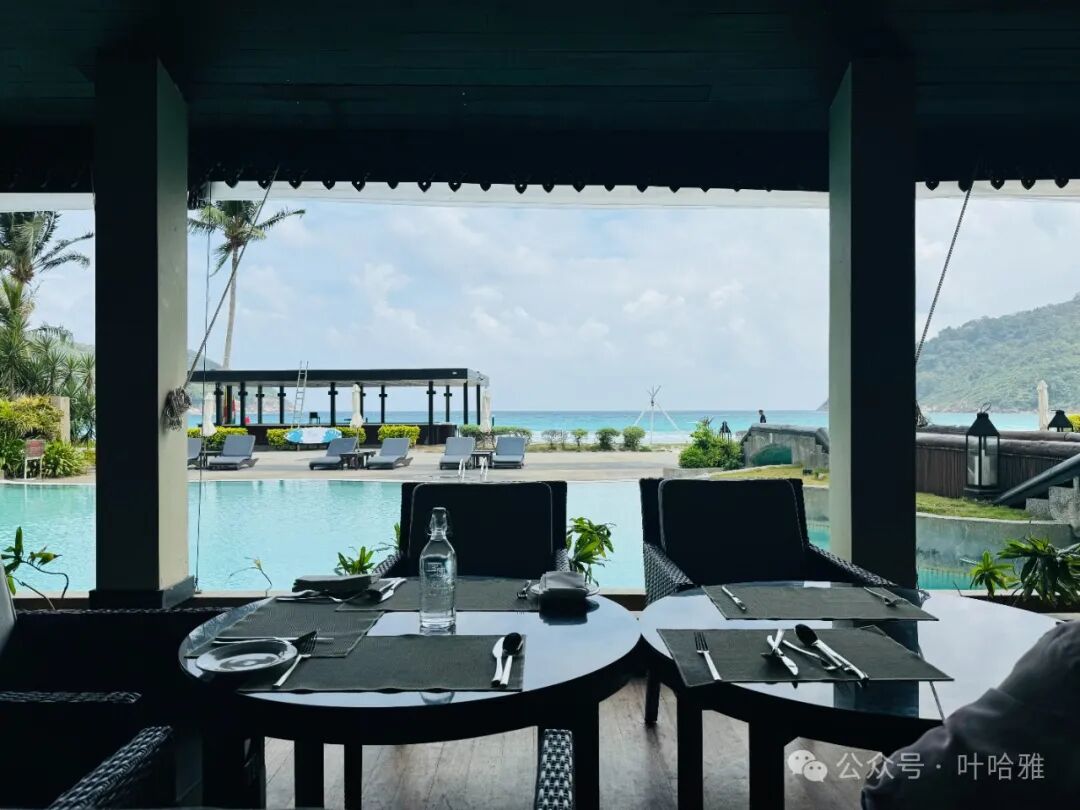
The most beautiful beach on the island is the private beach at The Taaras Beach & Spa Resort, which is also the best hotel on Redang Island. Including three meals, accommodation, and activities, the average daily cost is 2,000 RMB. The entire hotel is a resort, and we chose to stay here. We handled all our dining and entertainment inside the hotel, which was very comfortable.
The Taaras Beach & Spa Resort offers Chinese-language services and is considered the most popular Redang Island hotel for Chinese speakers. It is the best choice for friends who enjoy island resort vacations and family trips.
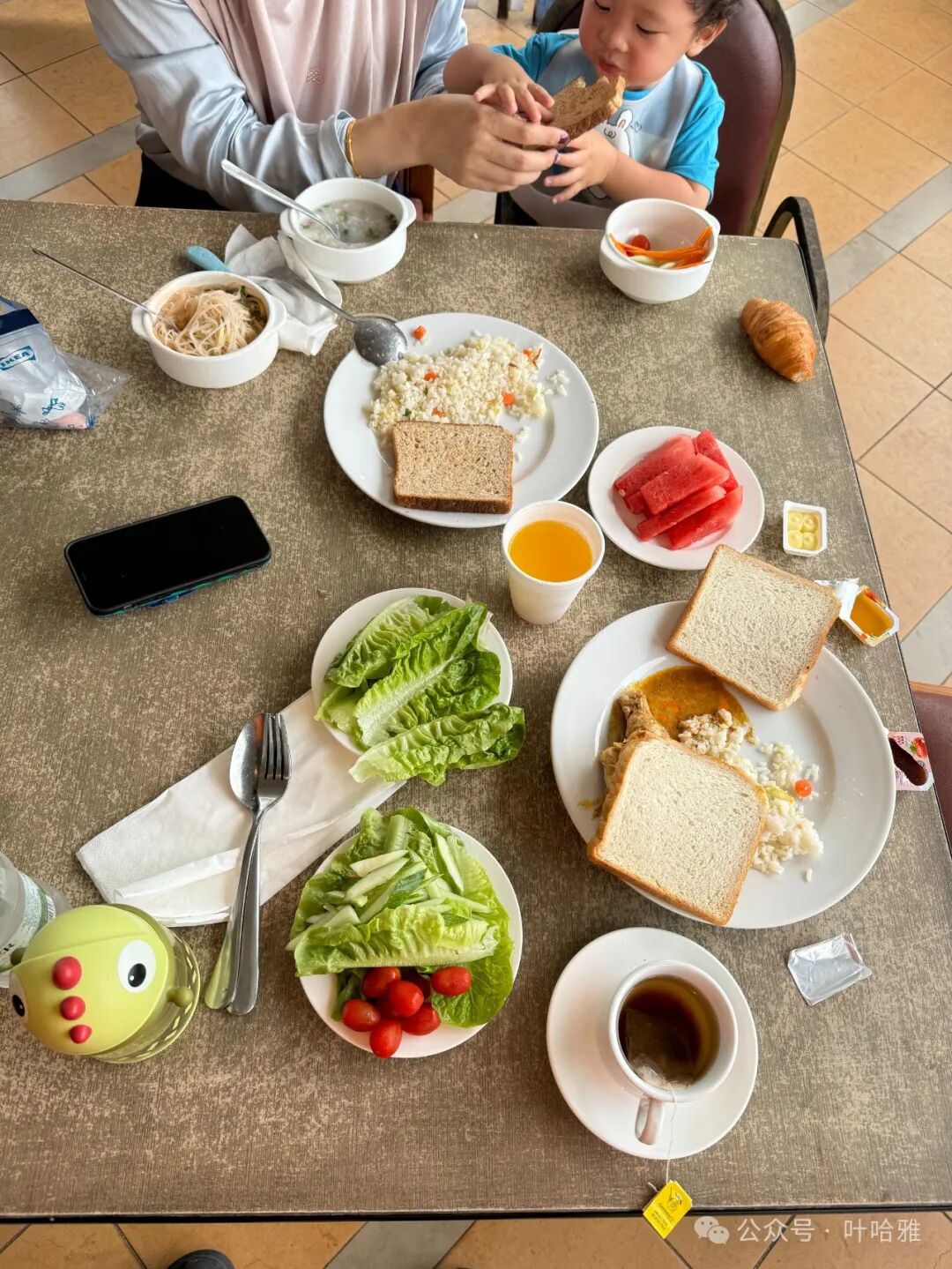
You can occasionally see wild monkeys on the island. We saw them while eating breakfast; as soon as a guest left, a monkey jumped onto the table and grabbed the leftover bread.
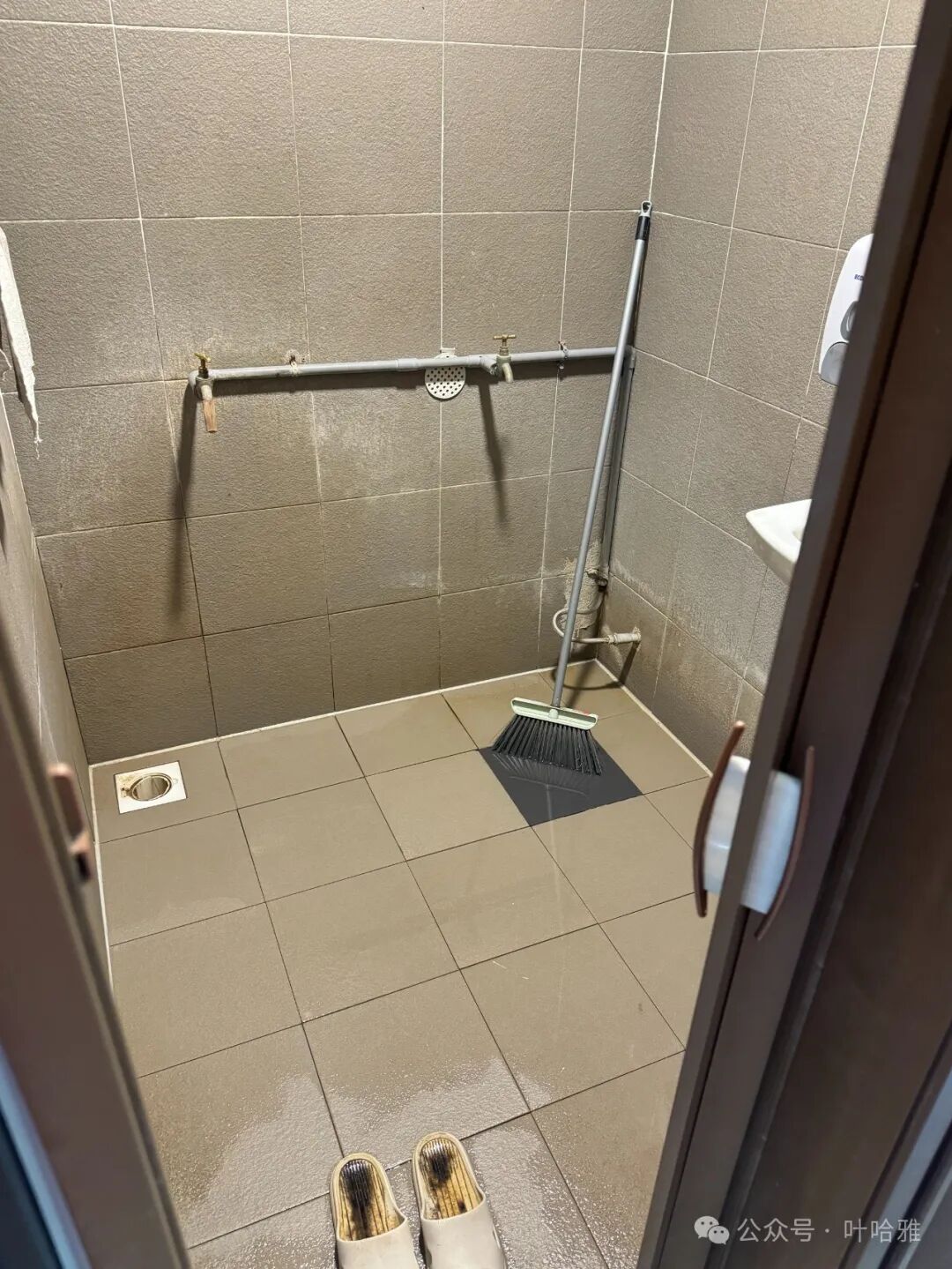
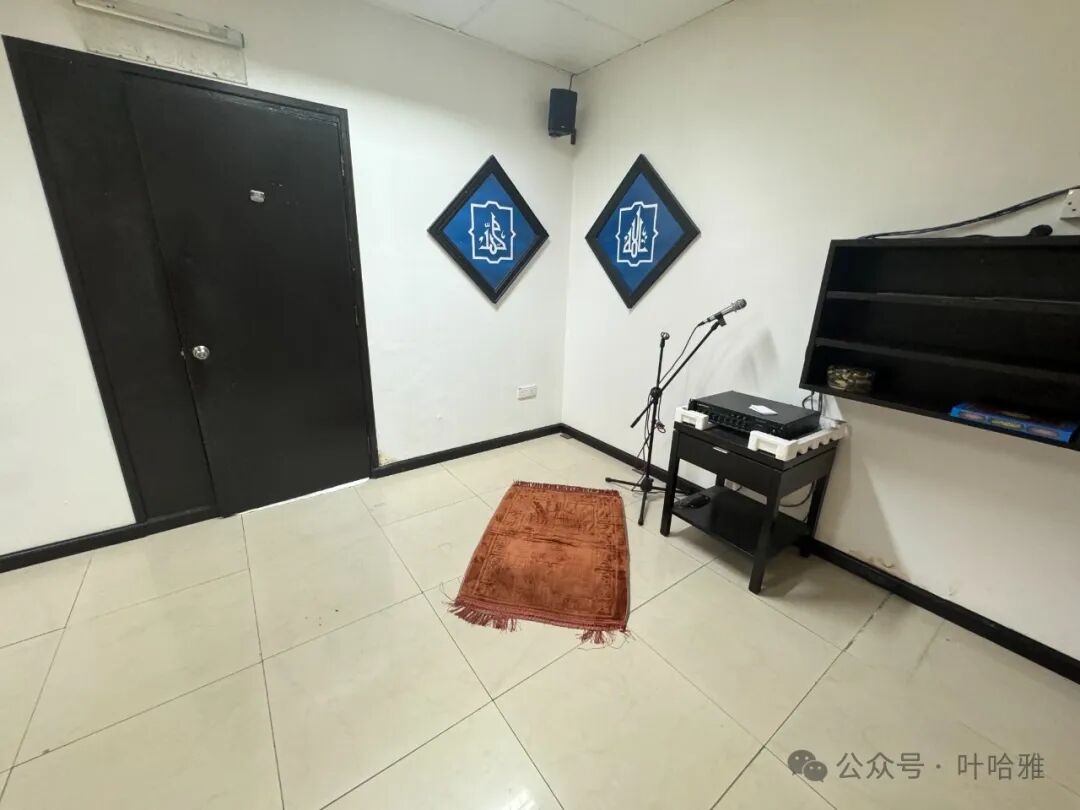
The hotel has a mosque on-site with separate areas for men and women, and you can hear the call to prayer for all five daily namaz.
We chose to have all three meals at the hotel. The hotel has three restaurants that serve Western food, Malay food, and Chinese food. Everything, including the Chinese food, is halal. The price per person for each meal is about 60 RM. All expenses inside the hotel can be charged to your room and settled when you check out.
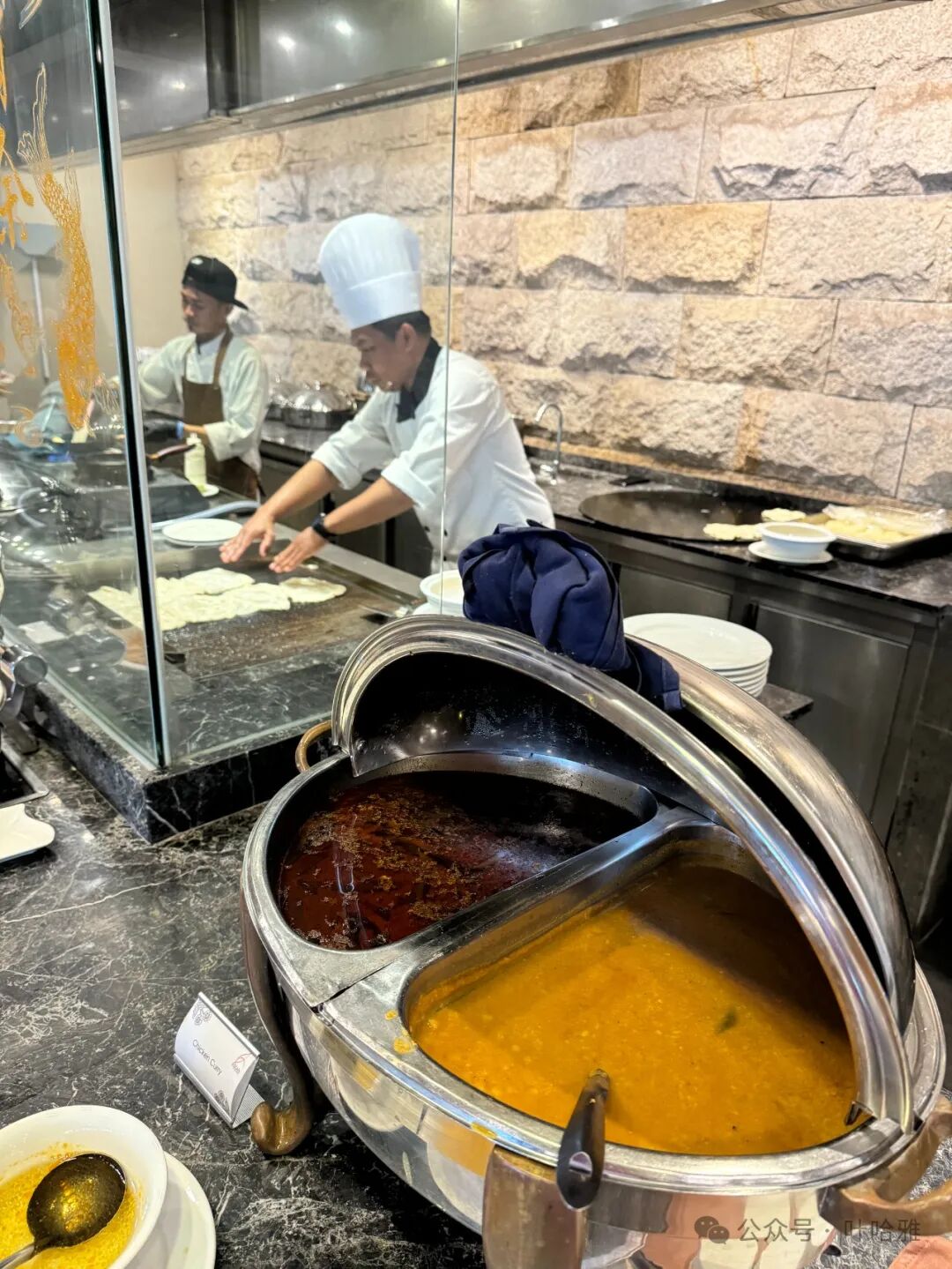
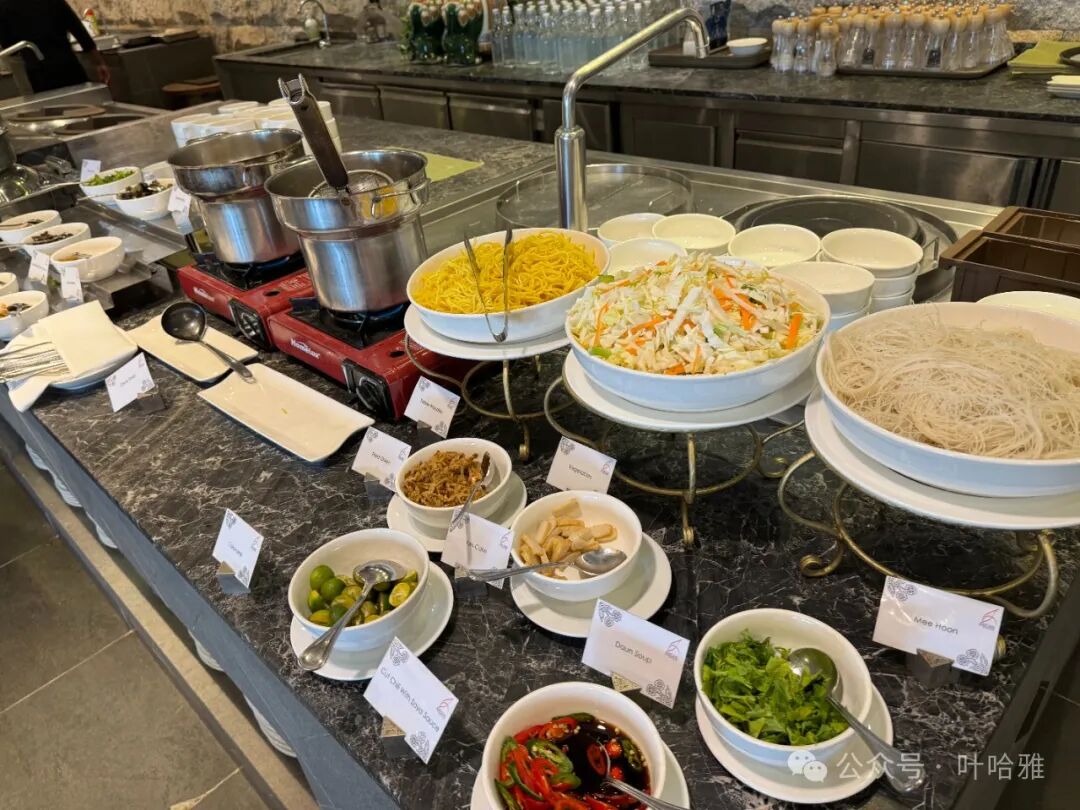
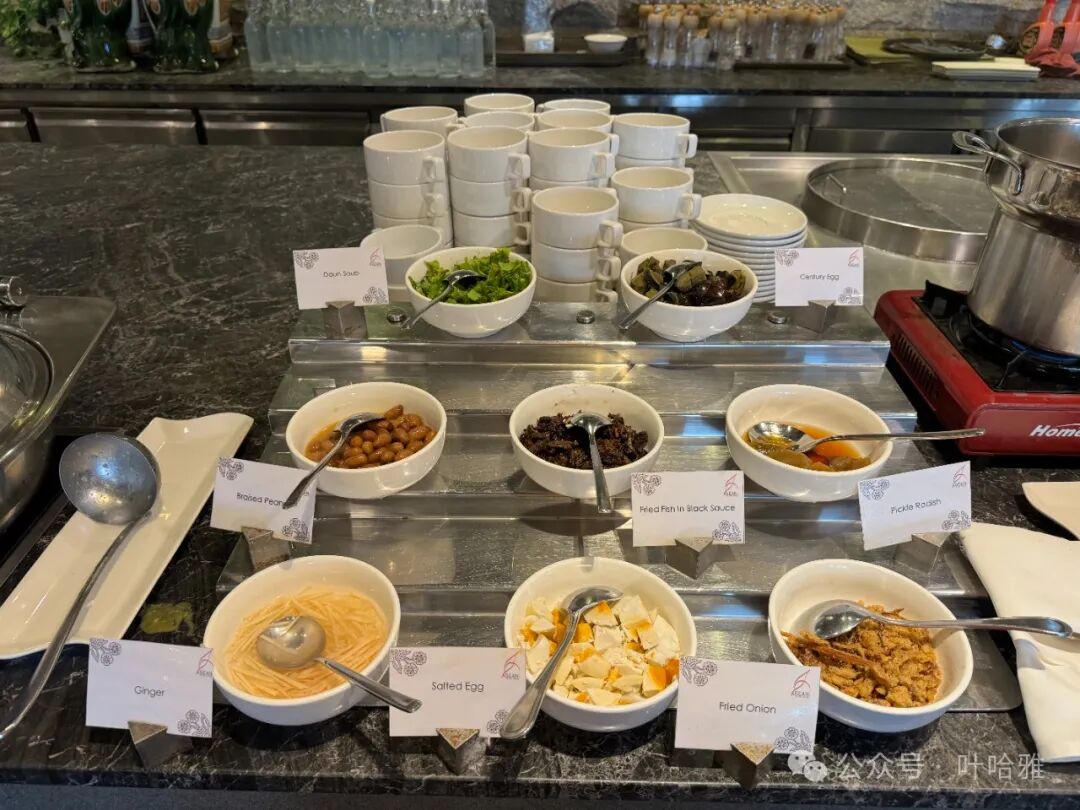
The hotel breakfast is quite rich, featuring mostly Southeast Asian specialties, along with Western and Chinese breakfast options.
Redang Island is an eco-friendly island with well-protected nature. You can often see various small animals inside the hotel, and I even saw a large lizard.
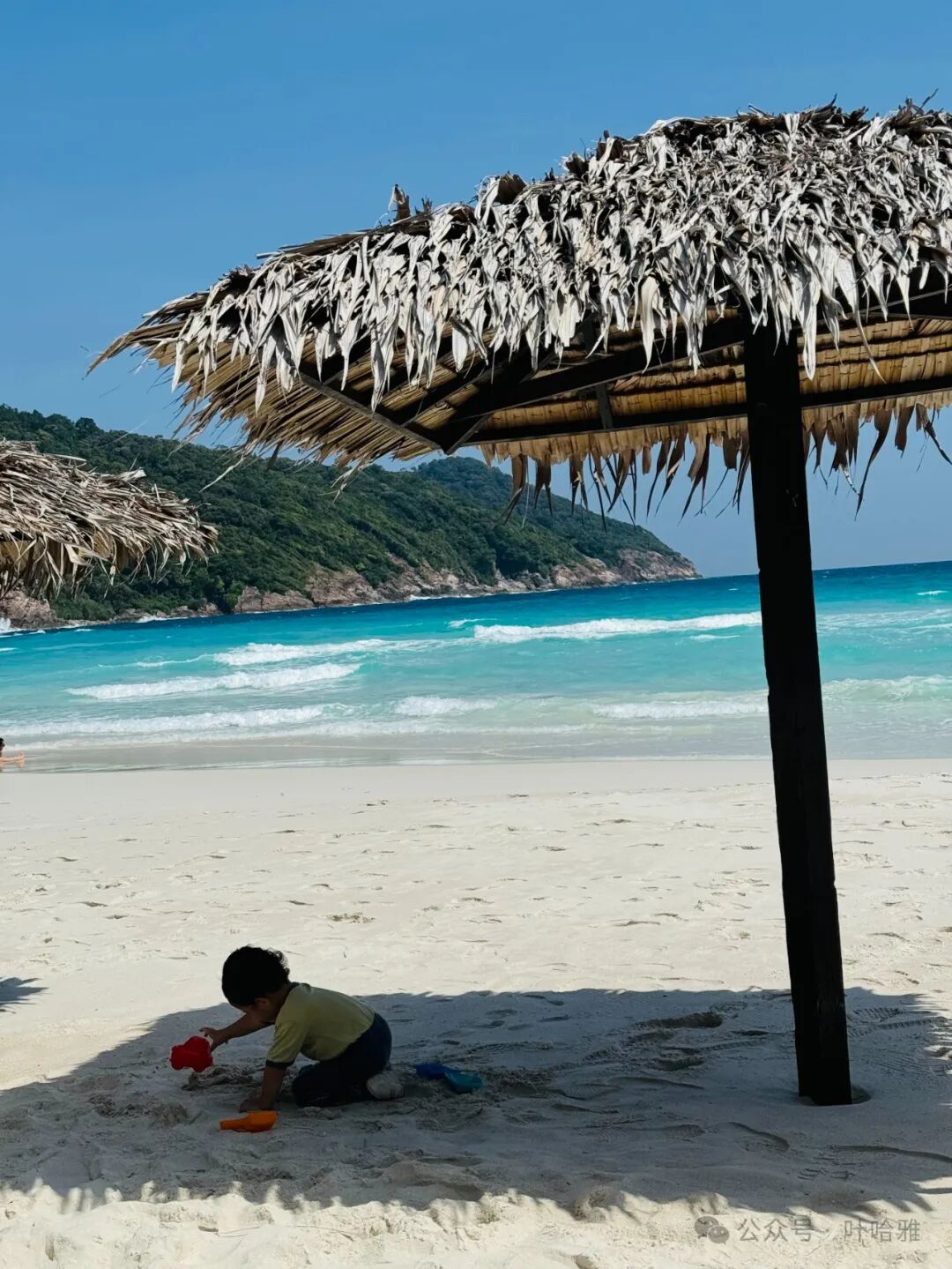
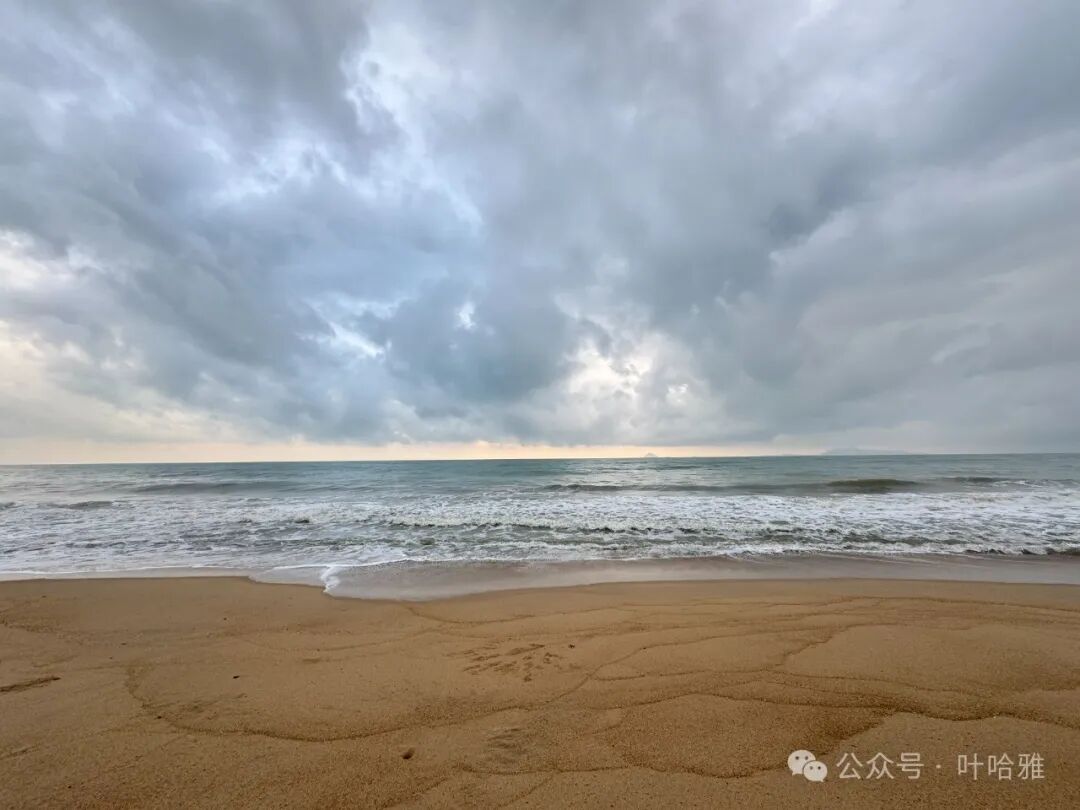
The white sand on the hotel's private beach is very fine, and the seawater is clear and blue. Fahim can play in the sand all day long.
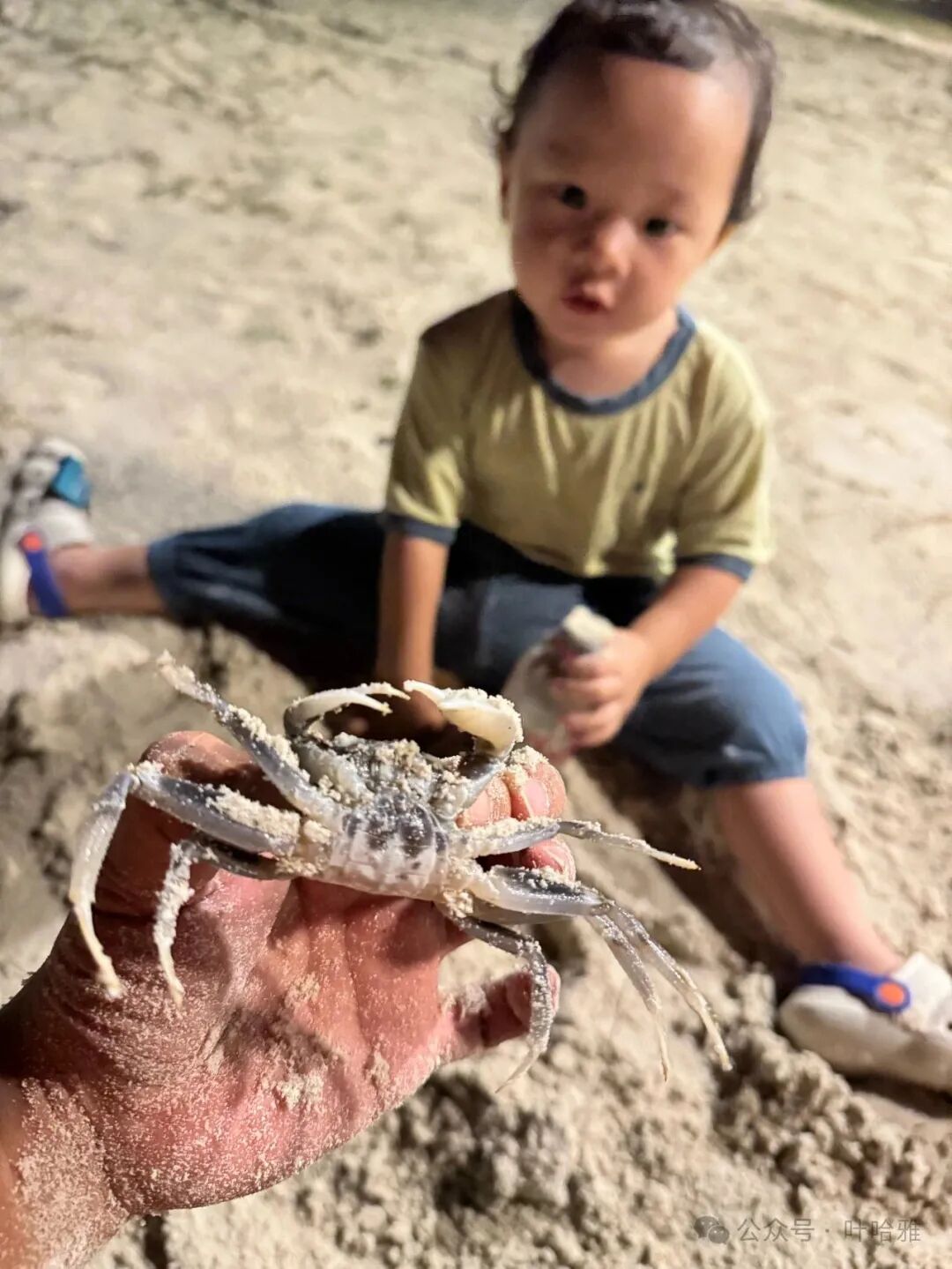
There are many small white crabs on the sand that run very fast and are hard to catch. The corals and seashells on the island are protected, so you can only look at them and cannot take them away.
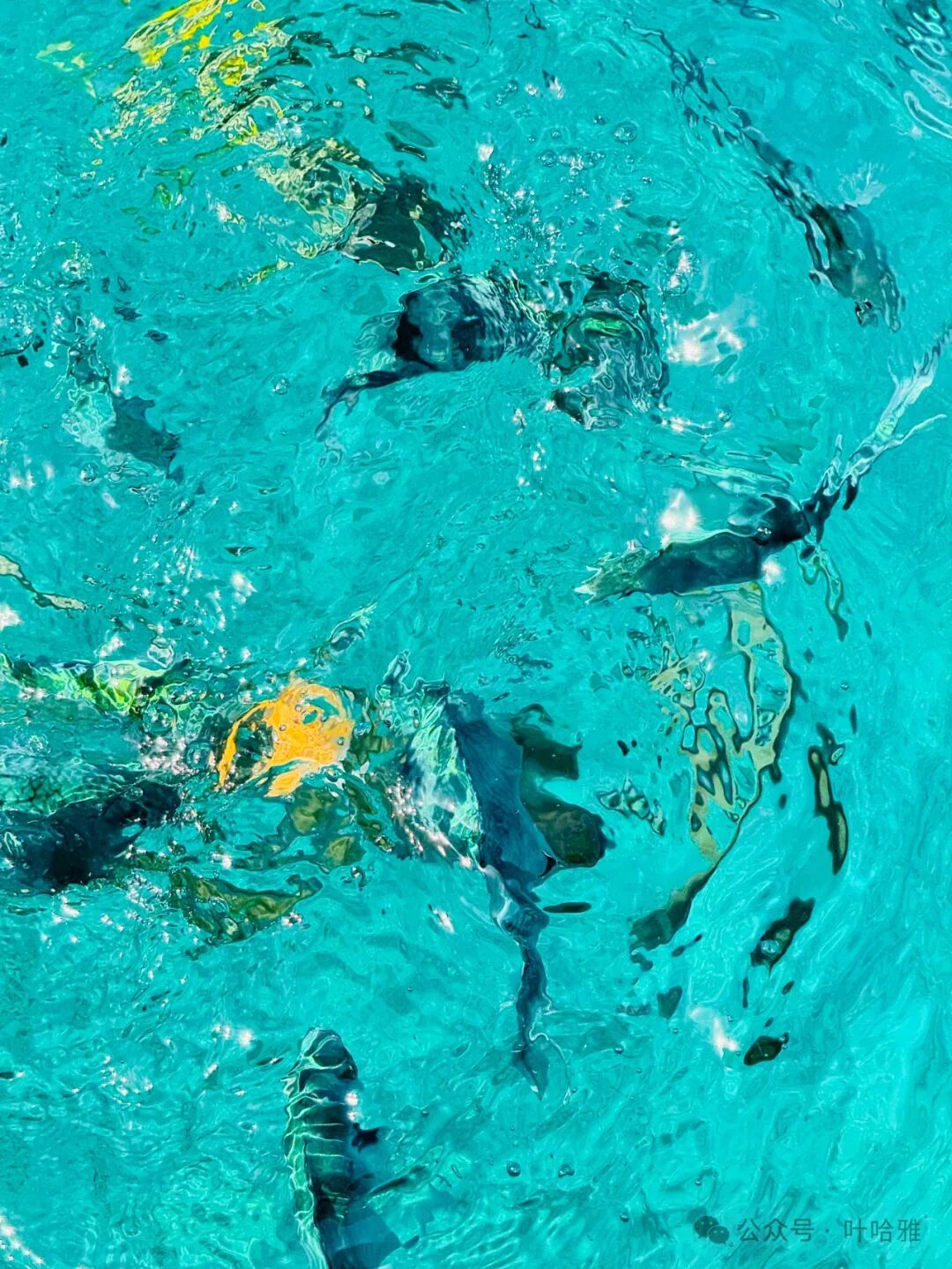
The hotel provides snorkeling trips that you can sign up for at different times each day. You do not need to bring your own snorkeling gear, as the hotel boat will take us to two nearby islands for snorkeling.
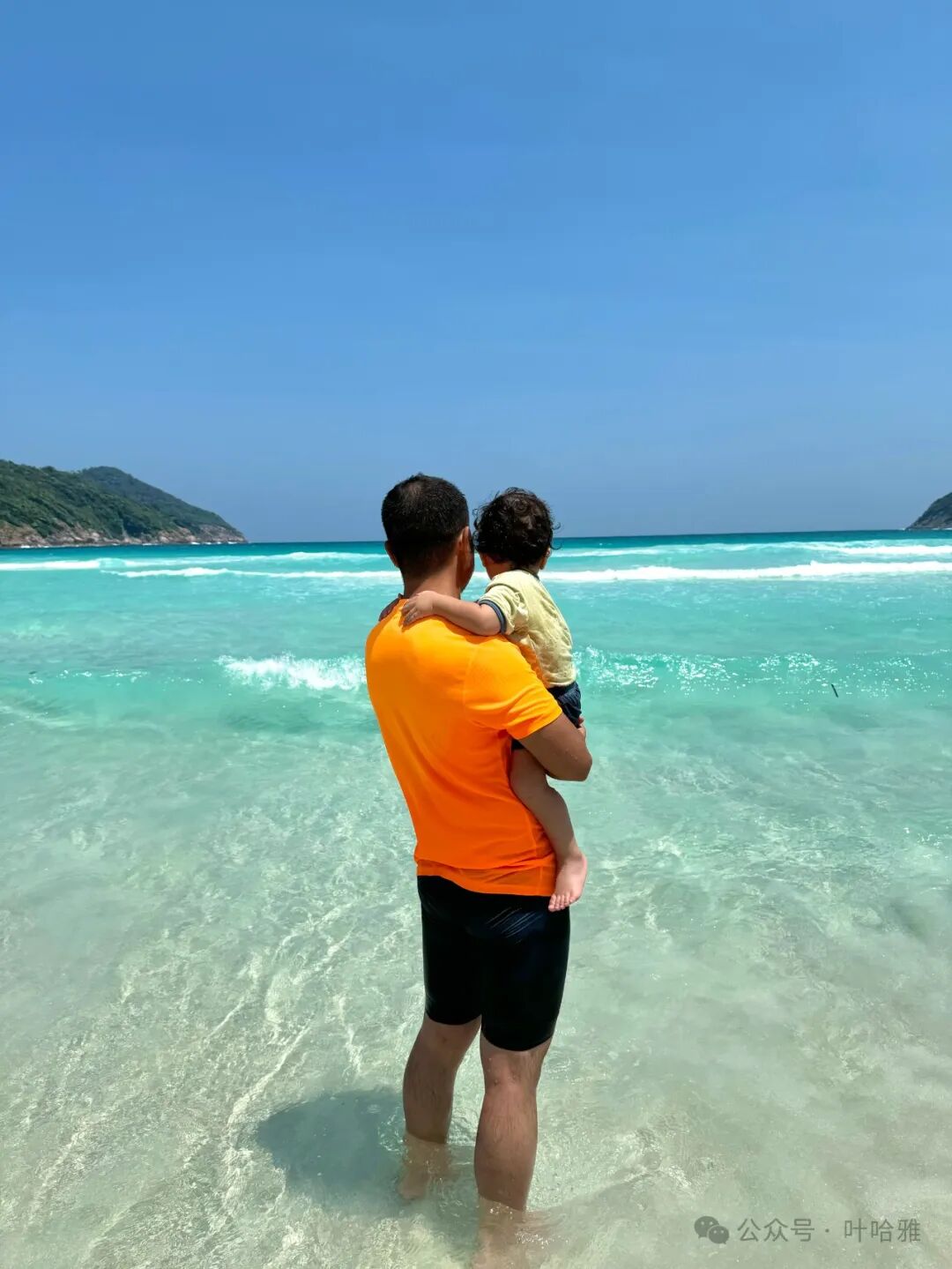
Fahim was still a bit scared of the ocean, so I pulled him into the water for a quick soak.
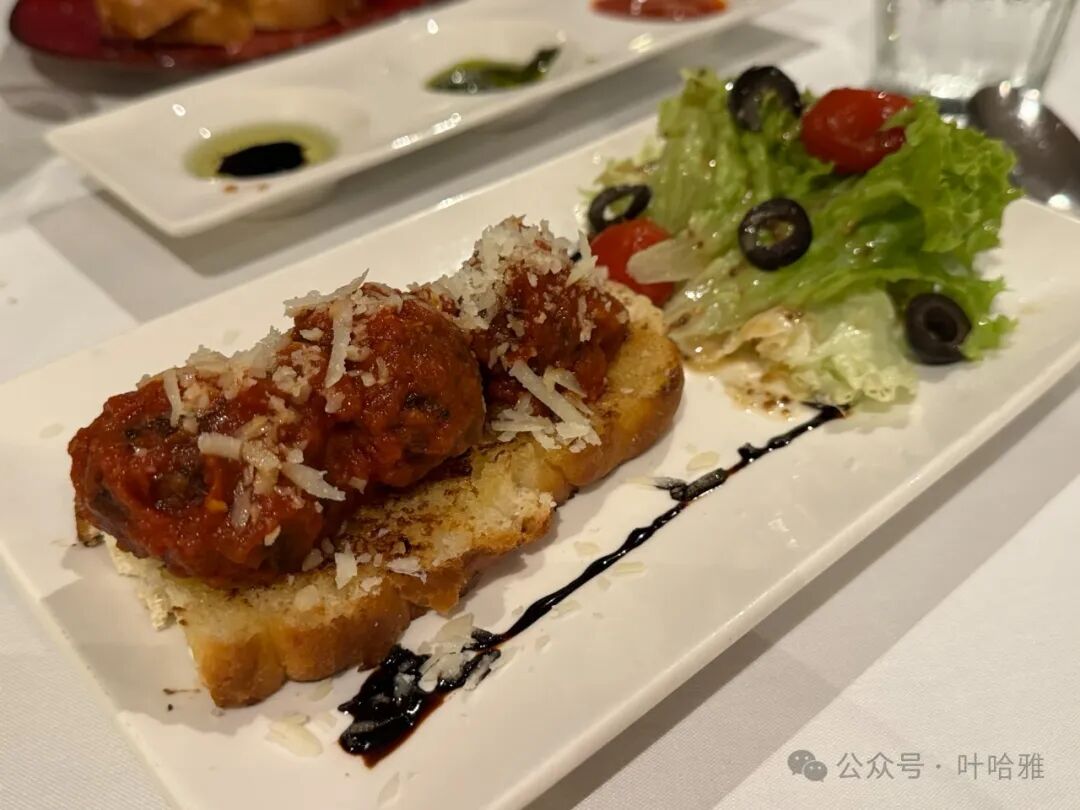
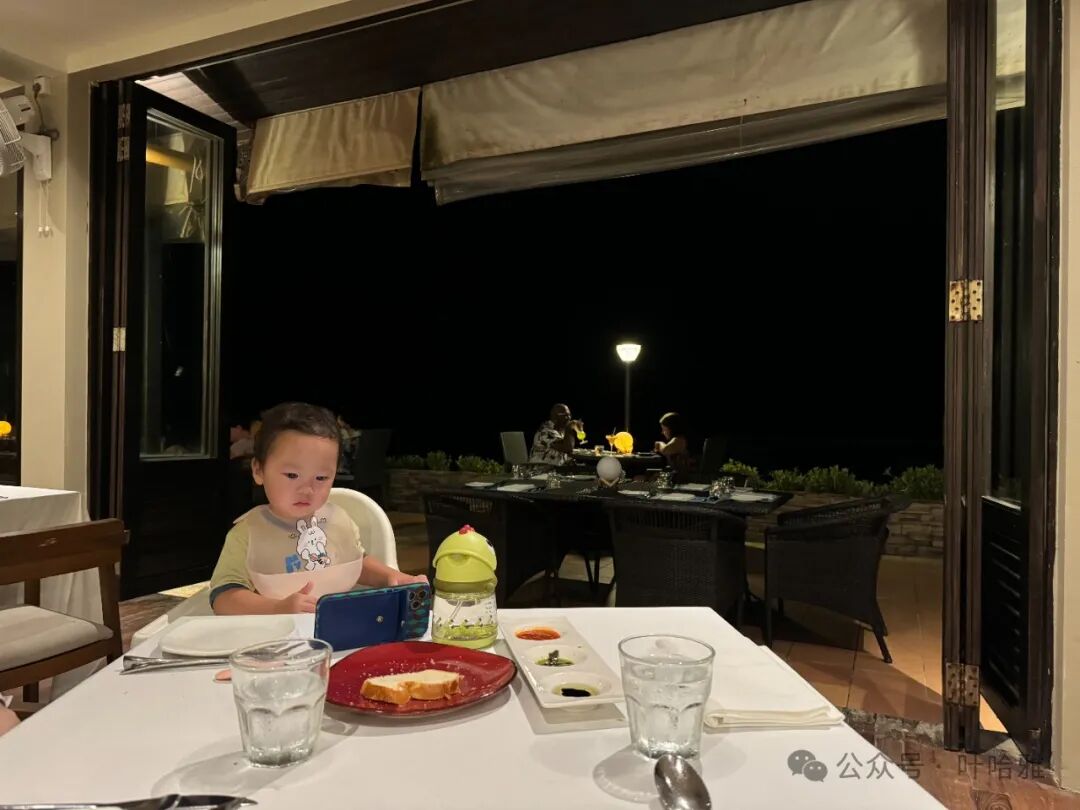
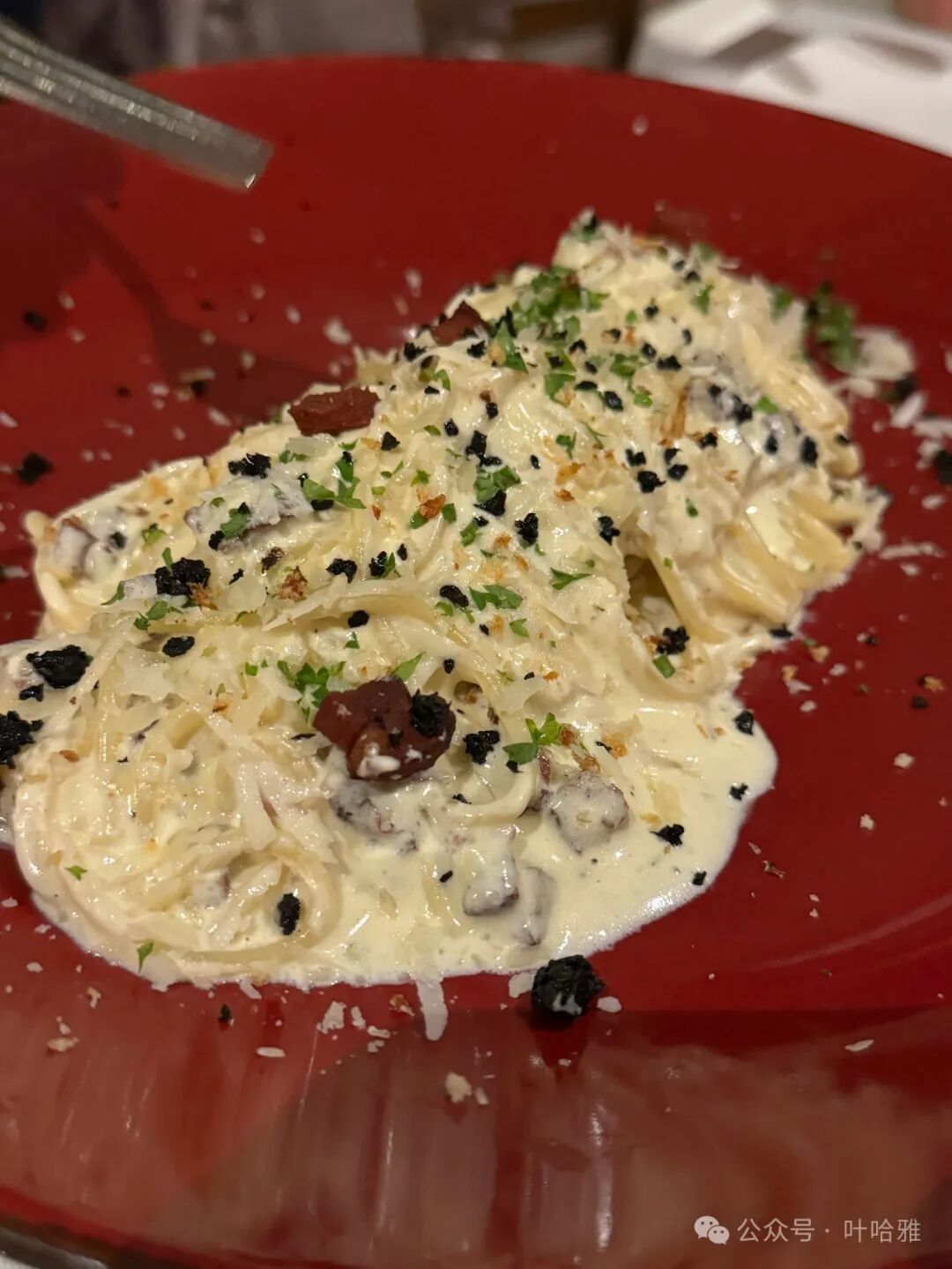
Fahim really loved the tomato pasta kids' meal at the restaurant.
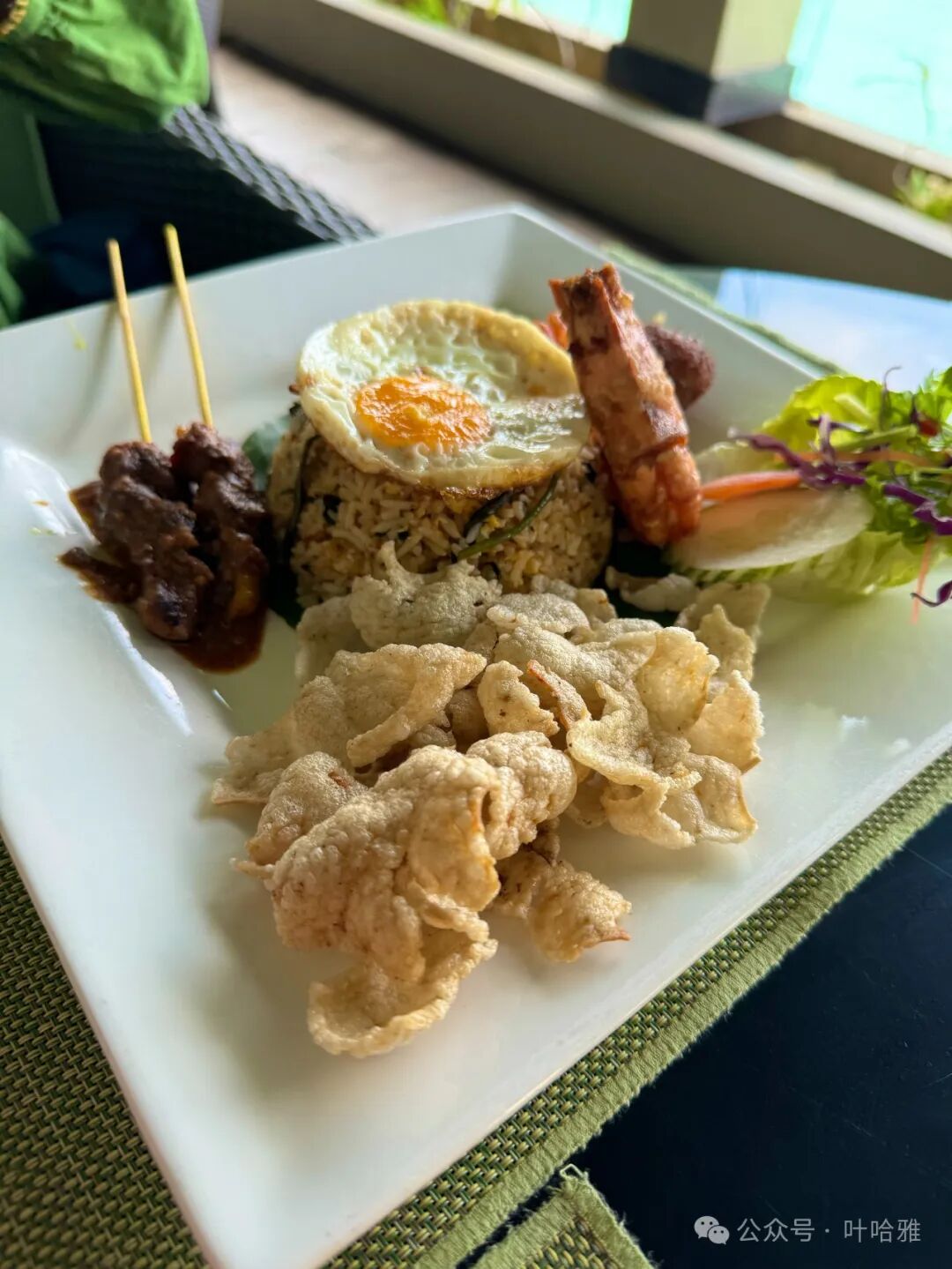
I liked their pizza the best, while my wife preferred the Malaysian fried rice (nasi goreng).
The hotel has a kids' play area with a trampoline and a ball pit, and adults can play billiards or board games. Our family of three stayed here for three days and two nights. I walked around the village outside the hotel to buy a charger, but there were hardly any shops and I couldn't find one. I suggest you prepare before arriving on the island or go to KTCC Mall in downtown Terengganu to shop.
Terengganu Crystal Mosque (Masjid Kristal)
After leaving Redang Island and returning to downtown Terengganu, you can visit the Crystal Mosque. It is Malaysia's first smart mosque and is built from glass and steel. Not far from the Crystal Mosque is an Islamic architectural art museum. It has many miniature models of famous mosques from around the world. They looked quite realistic when I passed by, but the museum is outdoors and it was too hot on Friday (Jumu'ah) for me to go inside.
The mosque is built on the water, and they say it looks even more beautiful when the lights come on at night.
It was undergoing renovations when we arrived, but it looked like it was almost finished.
We took a taxi to the largest shopping center in Terengganu, KTCC Mall, and saw that the driver had a flag supporting Palestine in his car.
Secret Recipe
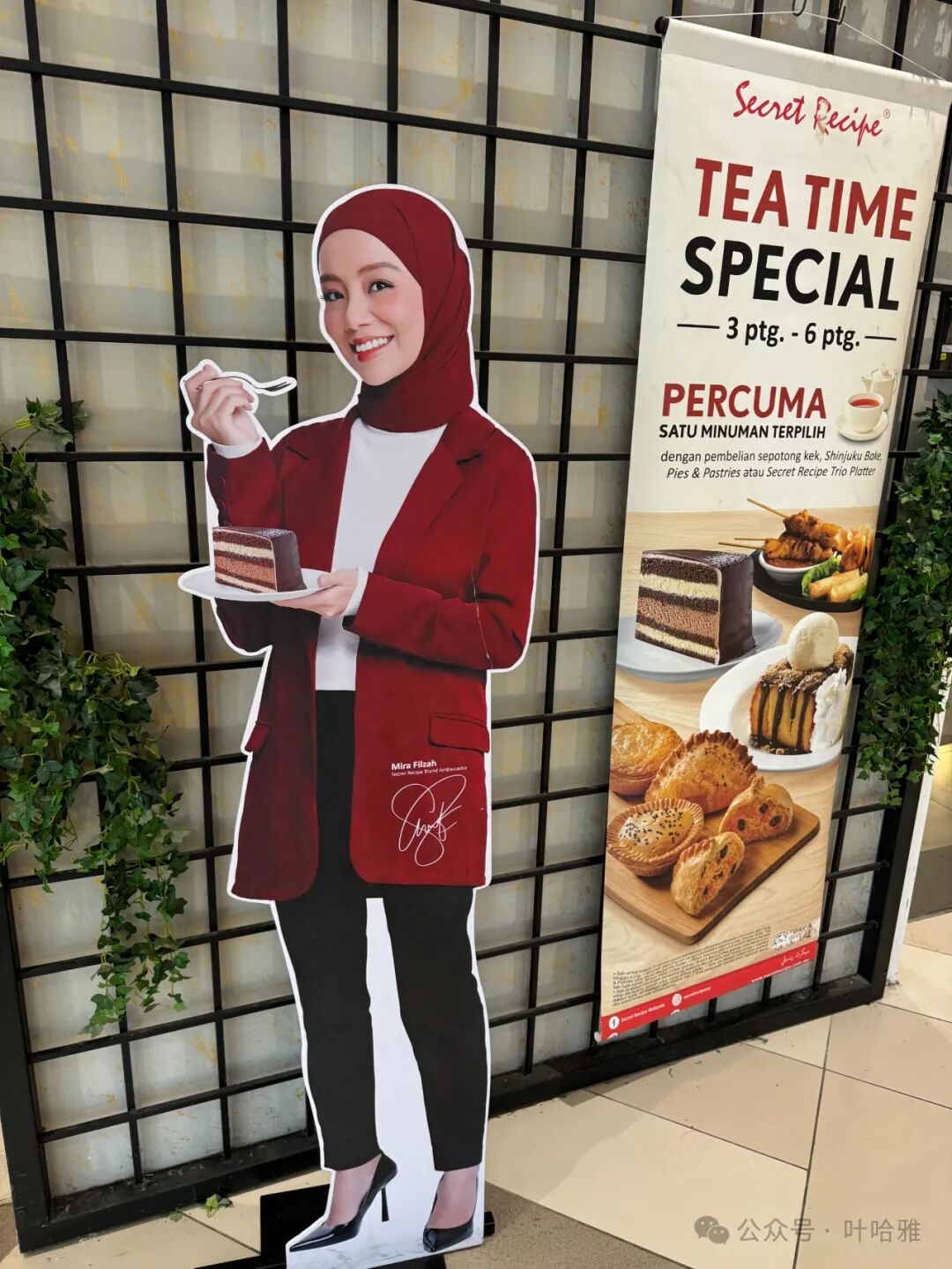
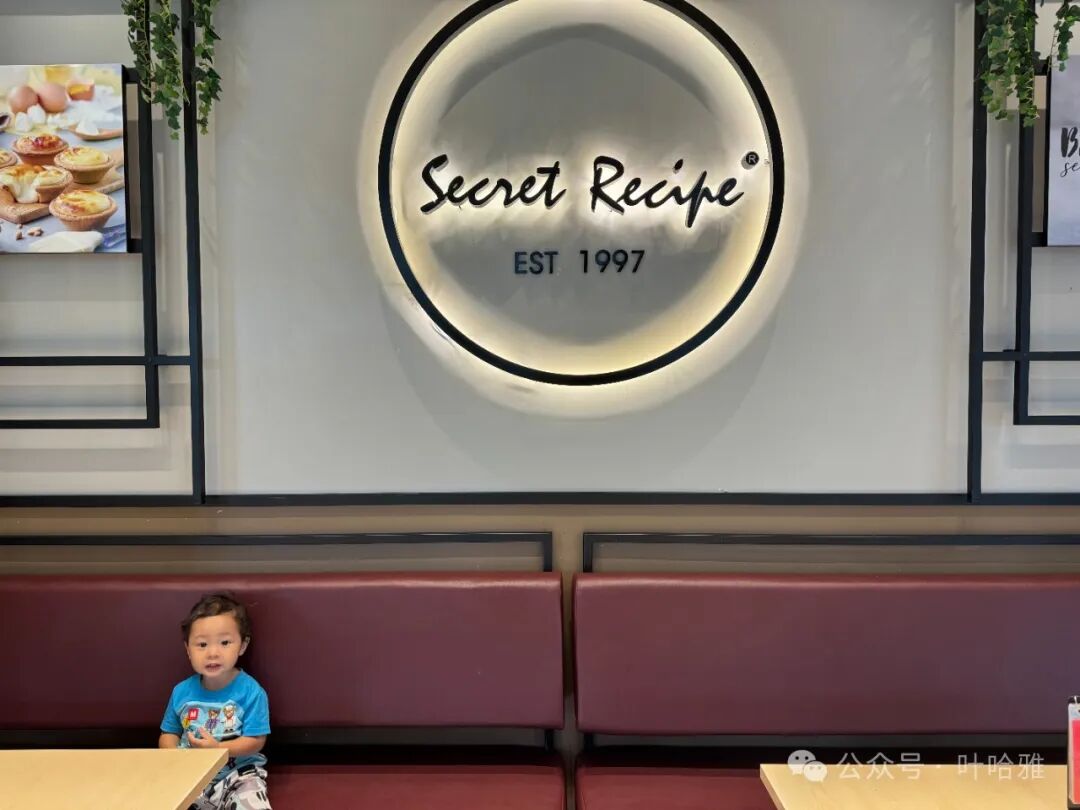
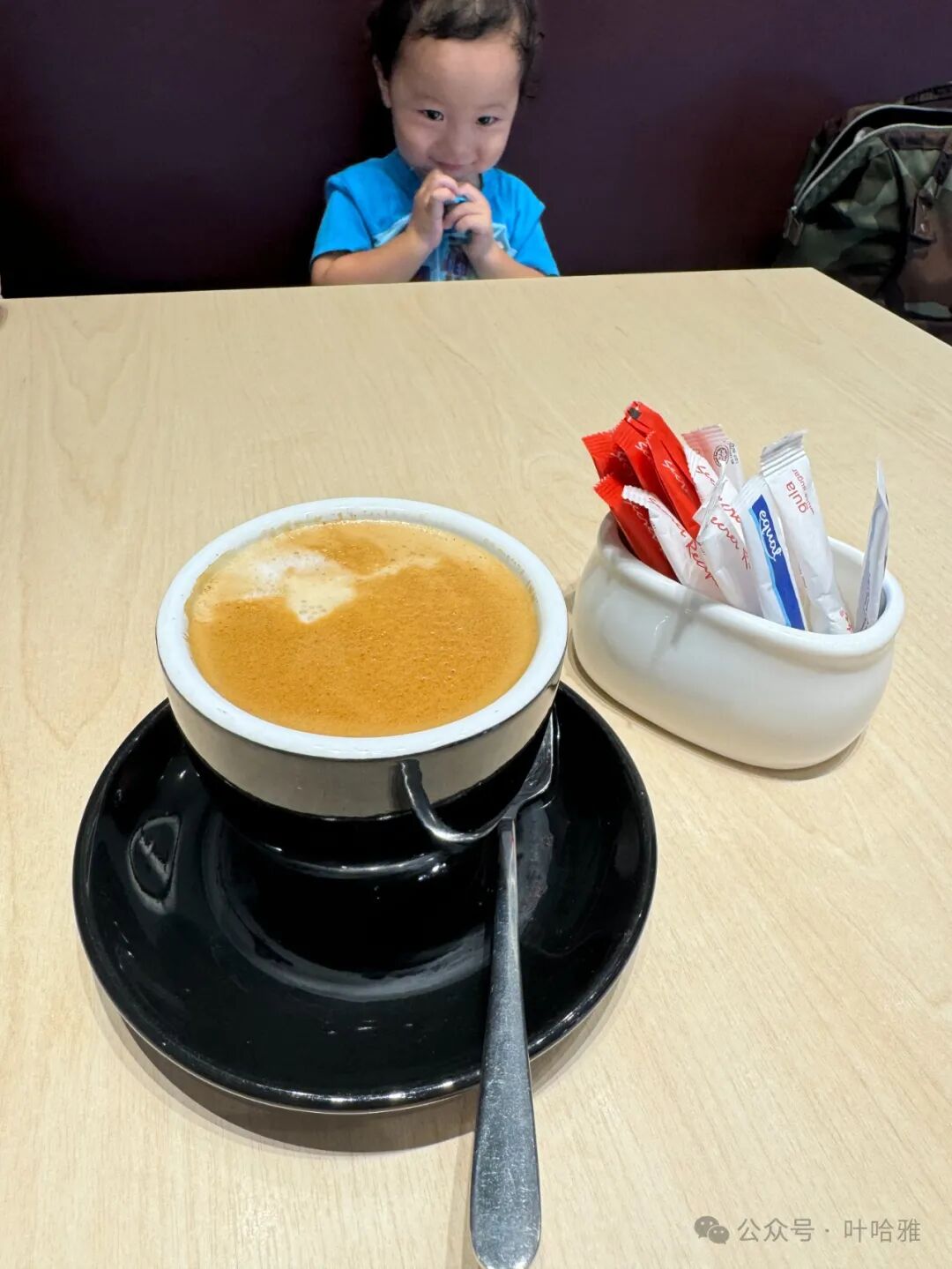
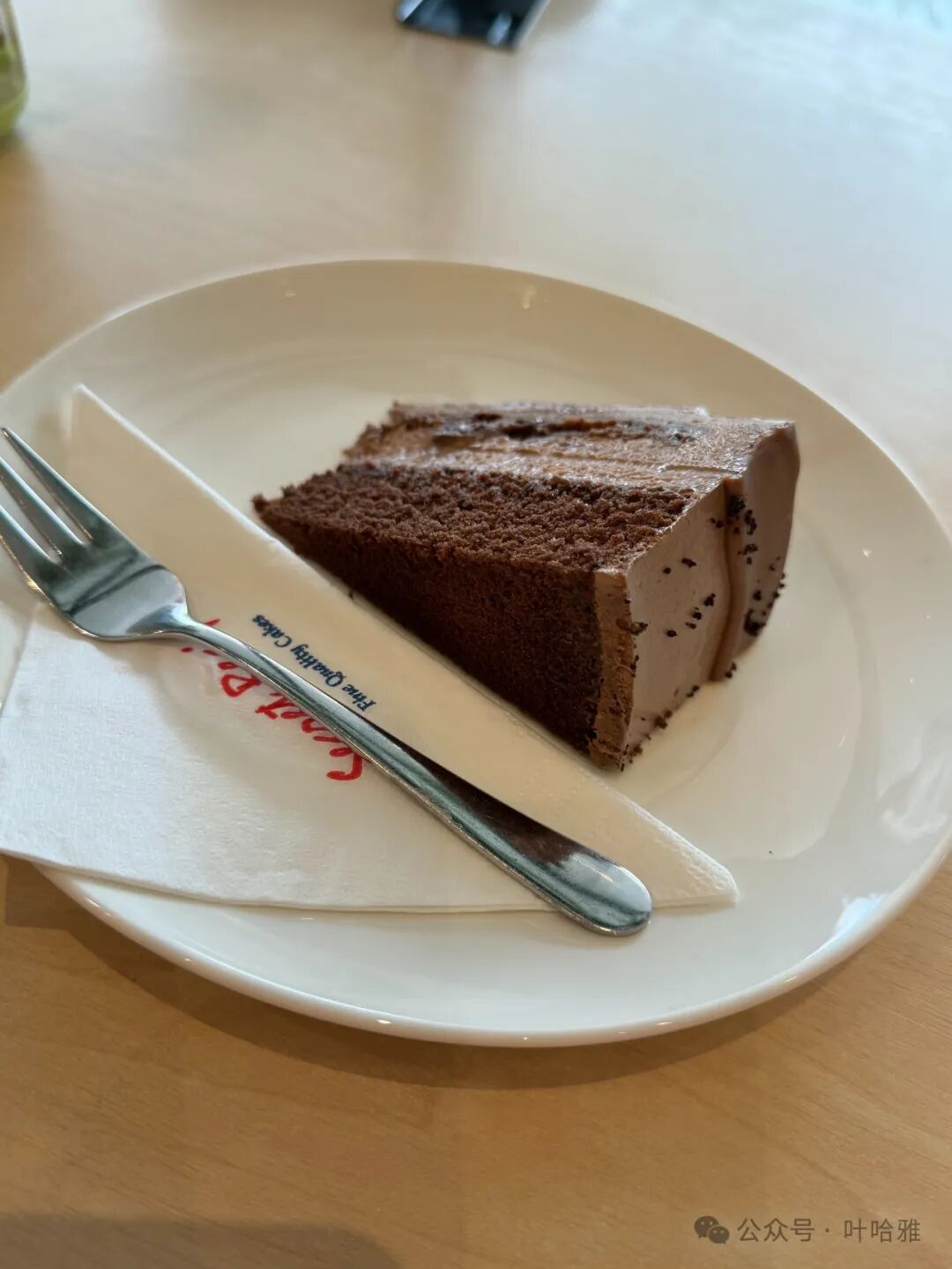
I had coffee and cake at Secret Recipe (Shi Zhi Mi), a famous Malaysian dessert chain, inside KTCC Mall.
My wife said she loved their desserts when she studied in Malaysia ten years ago. The shop's style has changed quite a bit over the years; they added simple meals and the dessert portions are smaller, but the taste remains the same.
JOHNNY'S Thai Restaurant
This place is incredibly busy. We arrived at 3:00 PM and it was still packed with people.
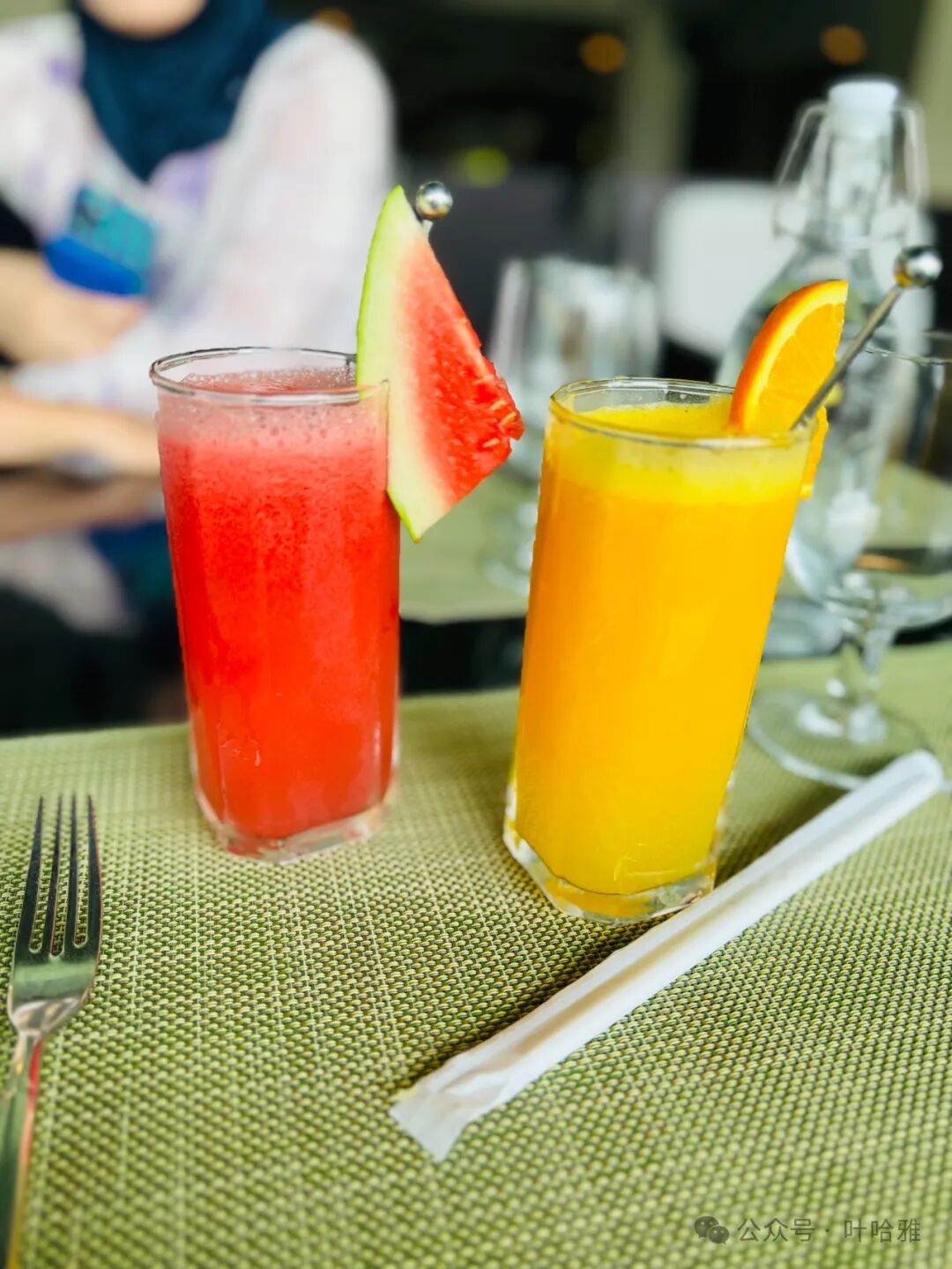
As usual, we started with two glasses of fruit juice, which were cheap and delicious.
Thai tom yum soup (dong yin gong tang) is a famous Thai dish that I really enjoy.
This meal cost 100 yuan, and it was very tasty and worth a visit.
We also stayed one night in Terengganu at the Tok Aman Bali Beach Resort. The hotel is far from the city center and located by the sea. There are very few foreign tourists here, and the hotel guests are almost all Malay.
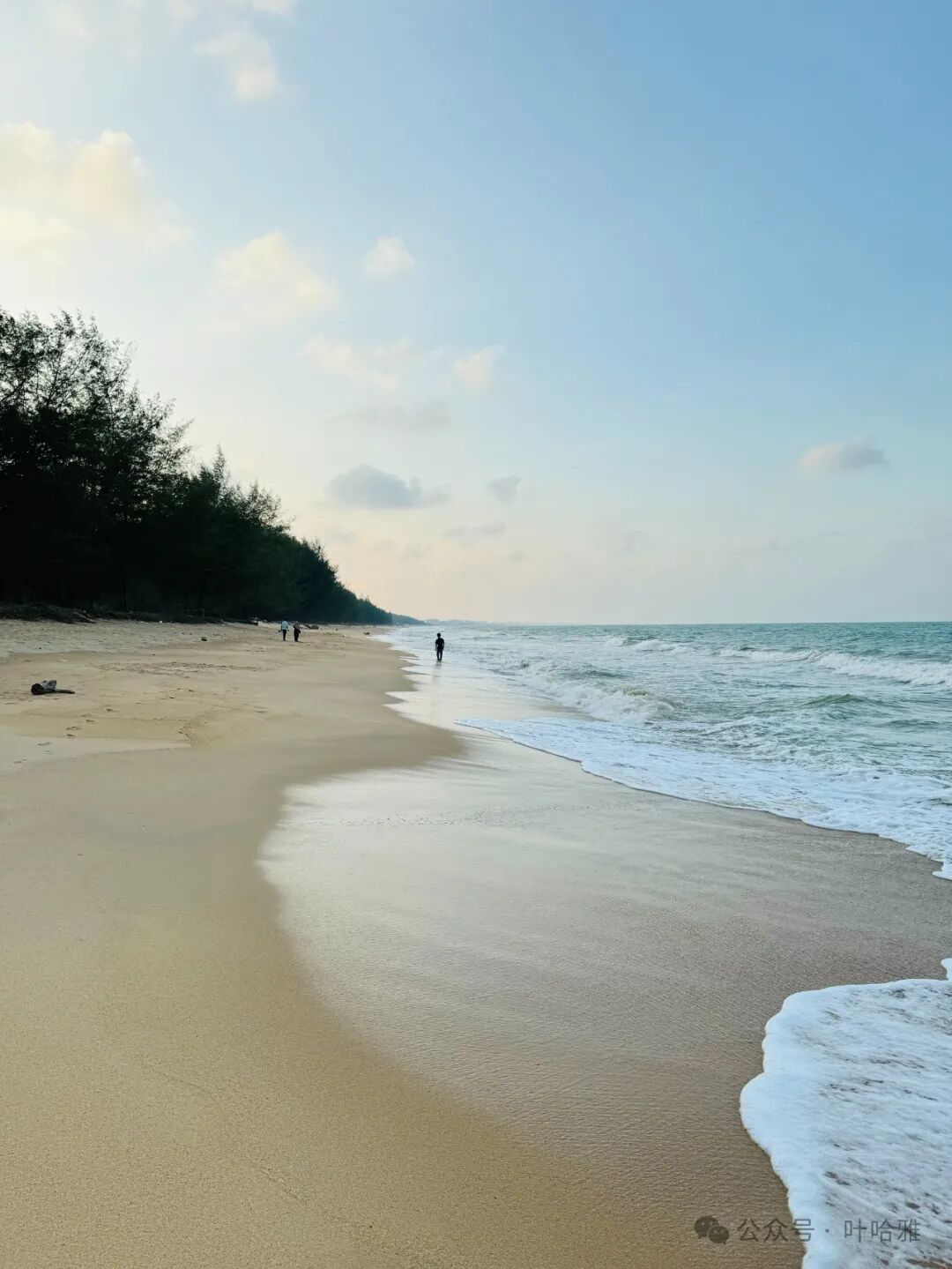
Since it is on the coast near the mainland, the water is not as clear as on Redang Island, and the sand is not as fine, but it is not commercialized either. This hotel is relatively close to Perhentian Island, and you can take a boat to Perhentian Island from here. Perhentian Island is a new tourist resort island developed in recent years.
I caught a big crab by the beach in the morning. The crabs here are bigger than the ones on Redang Island.
A serving of Malay fried rice at the hotel restaurant only costs a little over ten yuan, which is about the same price as the night market.
The hotel restaurant tastes very good and is very cheap, much lower in cost than on Redang Island. This is the night market held at the hotel every evening.
You can see cats everywhere in Malaysia. Whenever we sit down to eat, cats come over to join us.
I like this resort hotel because it has many play areas for children, which helps them burn off energy and have fun all day.
One side of the breakfast restaurant faces a lake, and the connected river flows toward the sea. I saw a few crocodiles on the other side of the lake. view all
Summary: This Muslim travel guide to Malaysia follows a family trip to Redang Island and Terengganu, covering The Taaras resort, halal hotel food, beaches, mosque visits, the Crystal Mosque, Tok Aman Bali resort, and Muslim-friendly travel notes.
Redang Island and the Crystal Mosque (Masjid Kristal) in Terengganu Are Beautiful, Uncrowded, and Friendly to Chinese Visitors is presented here as a firsthand travel account in clear English, beginning with this scene: Redang Island is in the state of Terengganu, Malaysia. You can fly from Kuala Lumpur to Terengganu Airport in one hour, then take a taxi to Merang Jetty and ride a boat for about 40 minutes to reach the island. The account keeps its focus on Halal Travel, Yiwu Food, Mosque Travel while preserving the names, places, food, and historical details from the Chinese source.
Redang Island is in the state of Terengganu, Malaysia. You can fly from Kuala Lumpur to Terengganu Airport in one hour, then take a taxi to Merang Jetty and ride a boat for about 40 minutes to reach the island. The boat ride to the island takes 40 to 50 minutes by speedboat. It is a bumpy trip, so I strongly suggest taking motion sickness medicine before you leave. From what I saw, most passengers get seasick. You can also choose a flight and hotel package offered by the hotel to fly directly from Kuala Lumpur to Redang Island, which saves you the trouble of the boat ride. The cost for one person to fly to the island is 700 RM, and it is more cost-effective if you book it together with your room.
The most beautiful beach on the island is the private beach at The Taaras Beach & Spa Resort, which is also the best hotel on Redang Island. Including three meals, accommodation, and activities, the average daily cost is 2,000 RMB. The entire hotel is a resort, and we chose to stay here. We handled all our dining and entertainment inside the hotel, which was very comfortable.
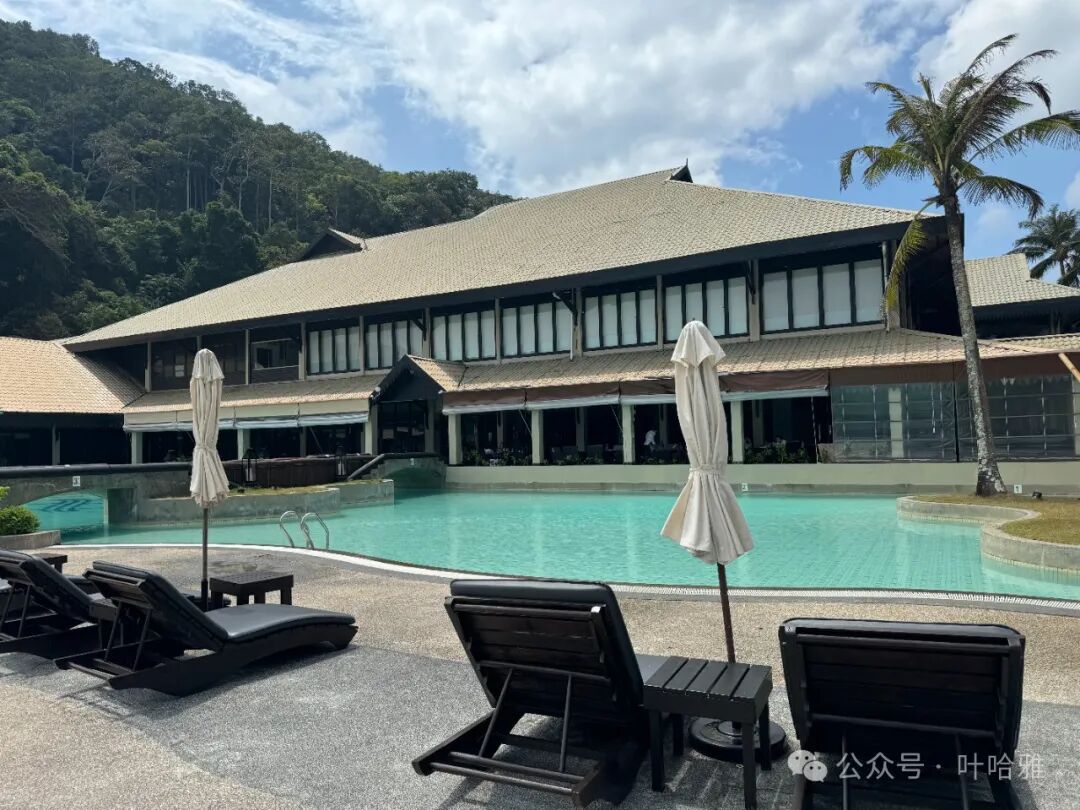
The Taaras Beach & Spa Resort offers Chinese-language services and is considered the most popular Redang Island hotel for Chinese speakers. It is the best choice for friends who enjoy island resort vacations and family trips.
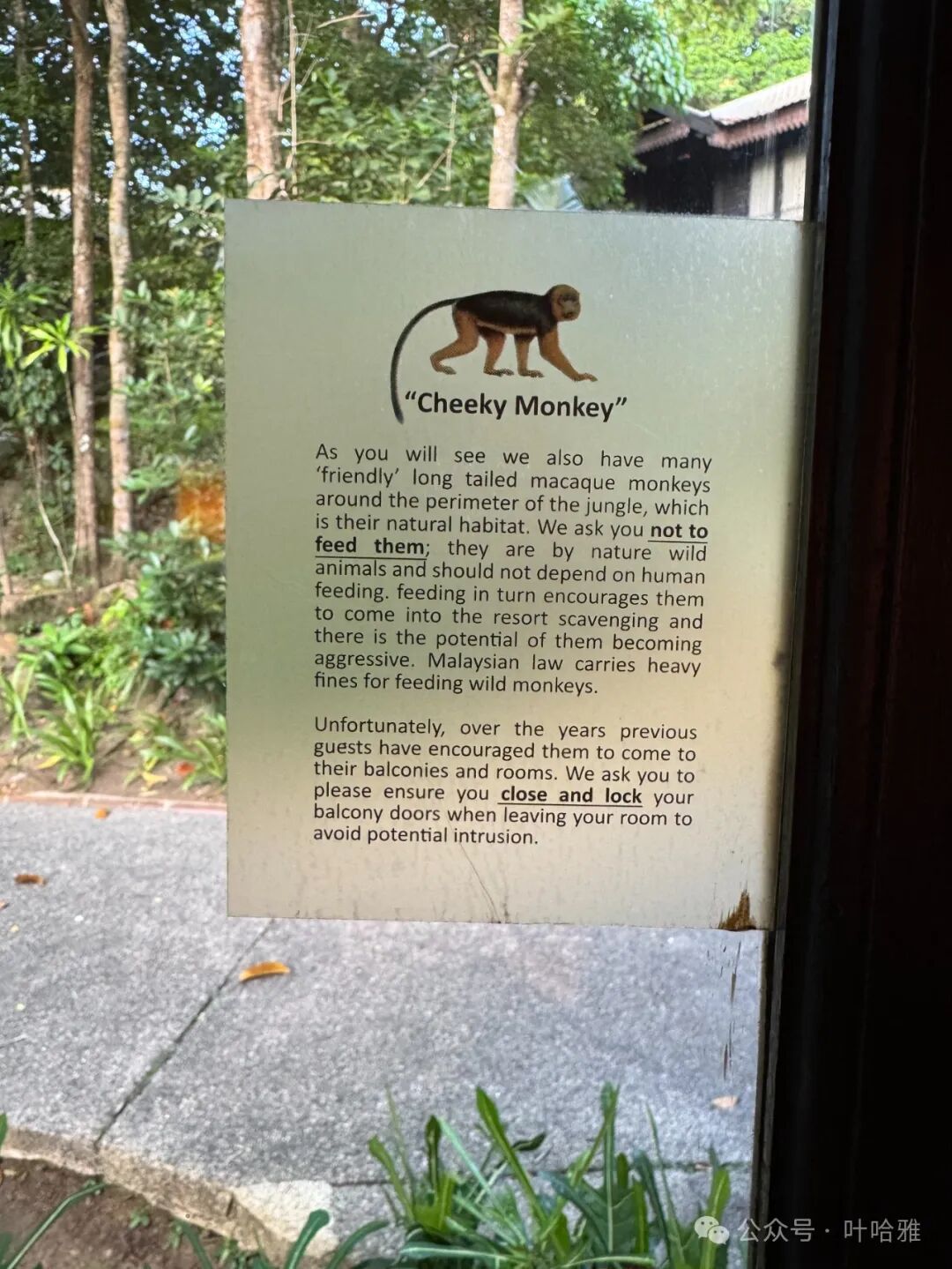
You can occasionally see wild monkeys on the island. We saw them while eating breakfast; as soon as a guest left, a monkey jumped onto the table and grabbed the leftover bread.
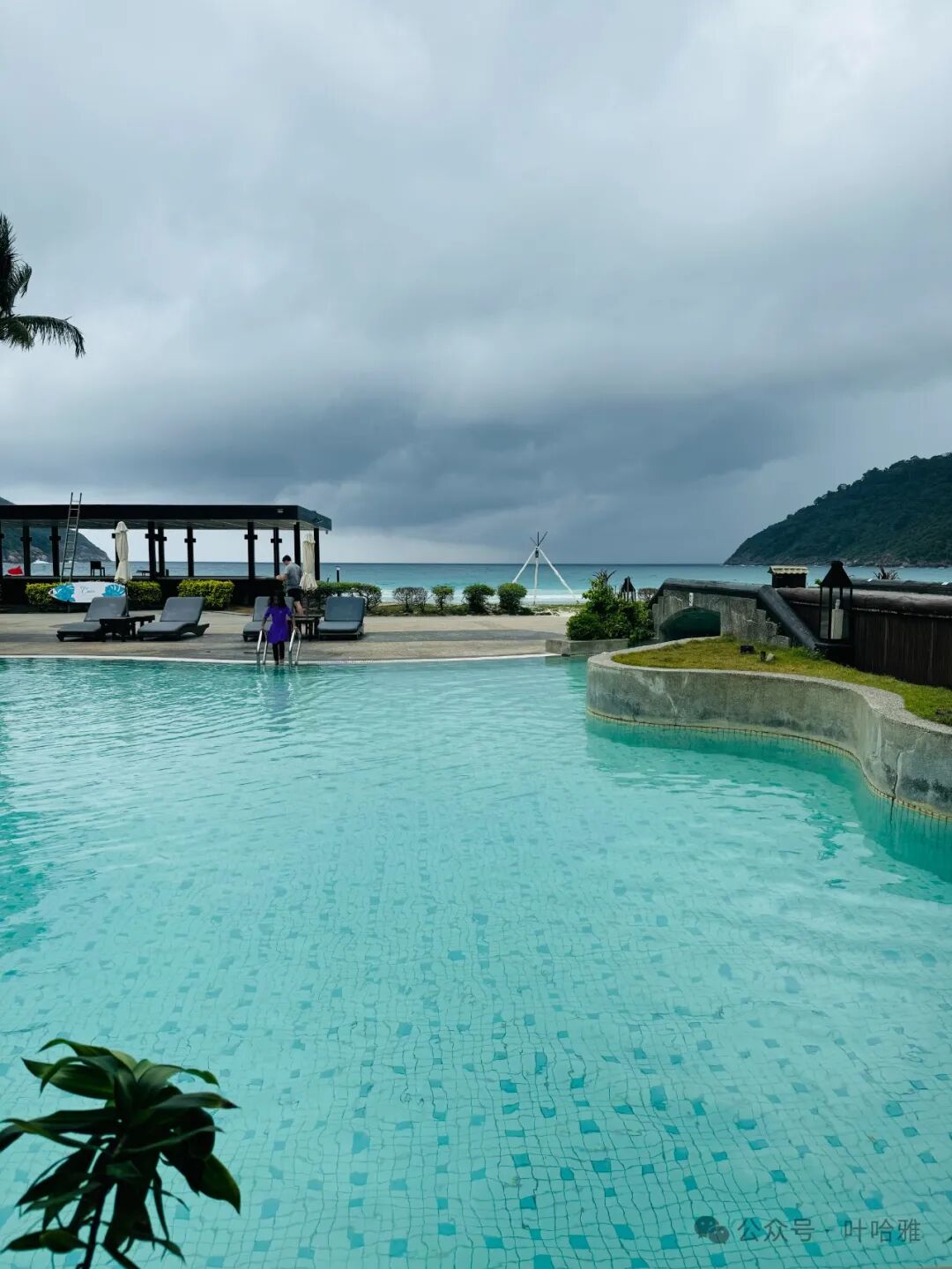
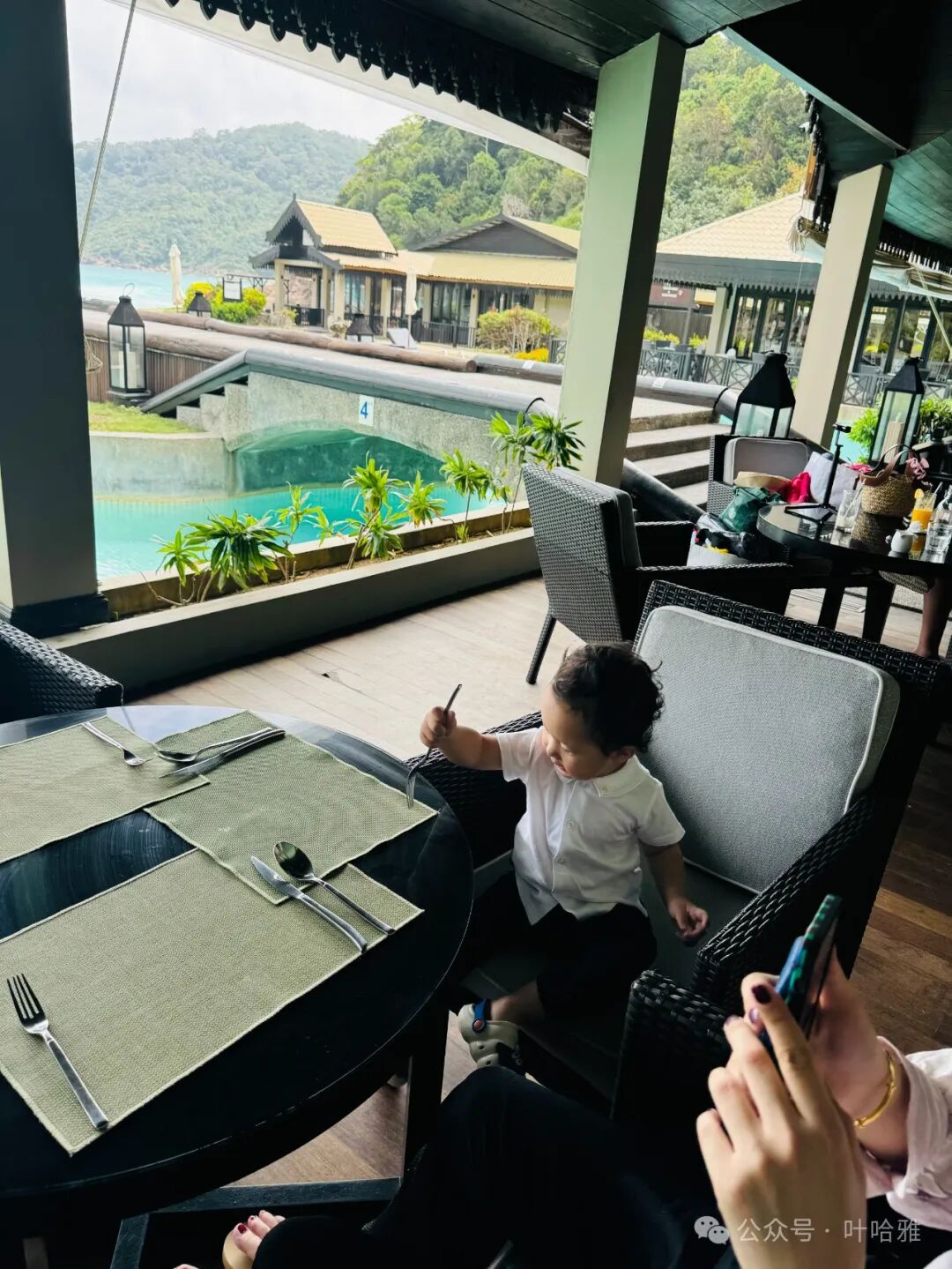
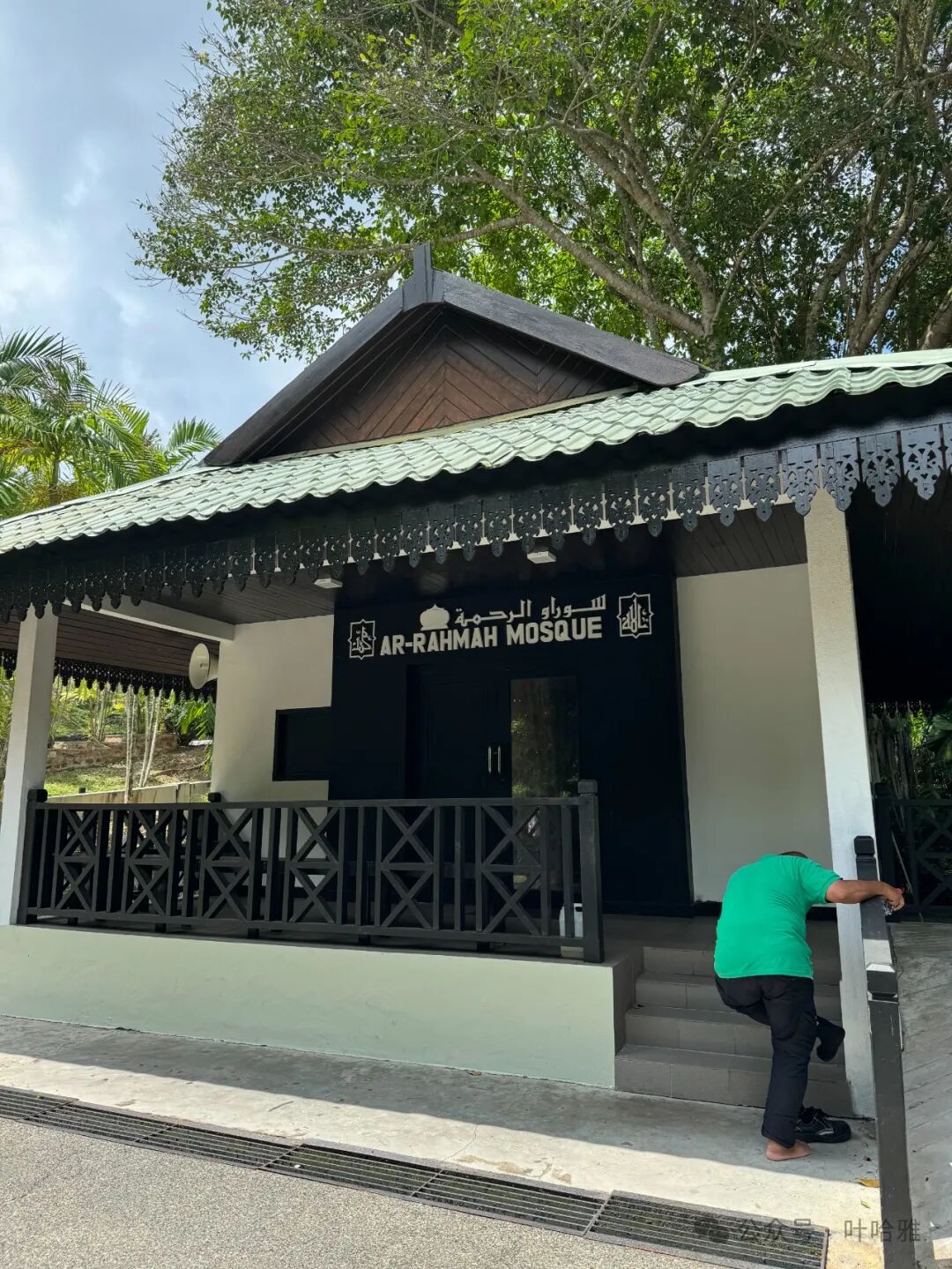
The hotel has a mosque on-site with separate areas for men and women, and you can hear the call to prayer for all five daily namaz.
We chose to have all three meals at the hotel. The hotel has three restaurants that serve Western food, Malay food, and Chinese food. Everything, including the Chinese food, is halal. The price per person for each meal is about 60 RM. All expenses inside the hotel can be charged to your room and settled when you check out.
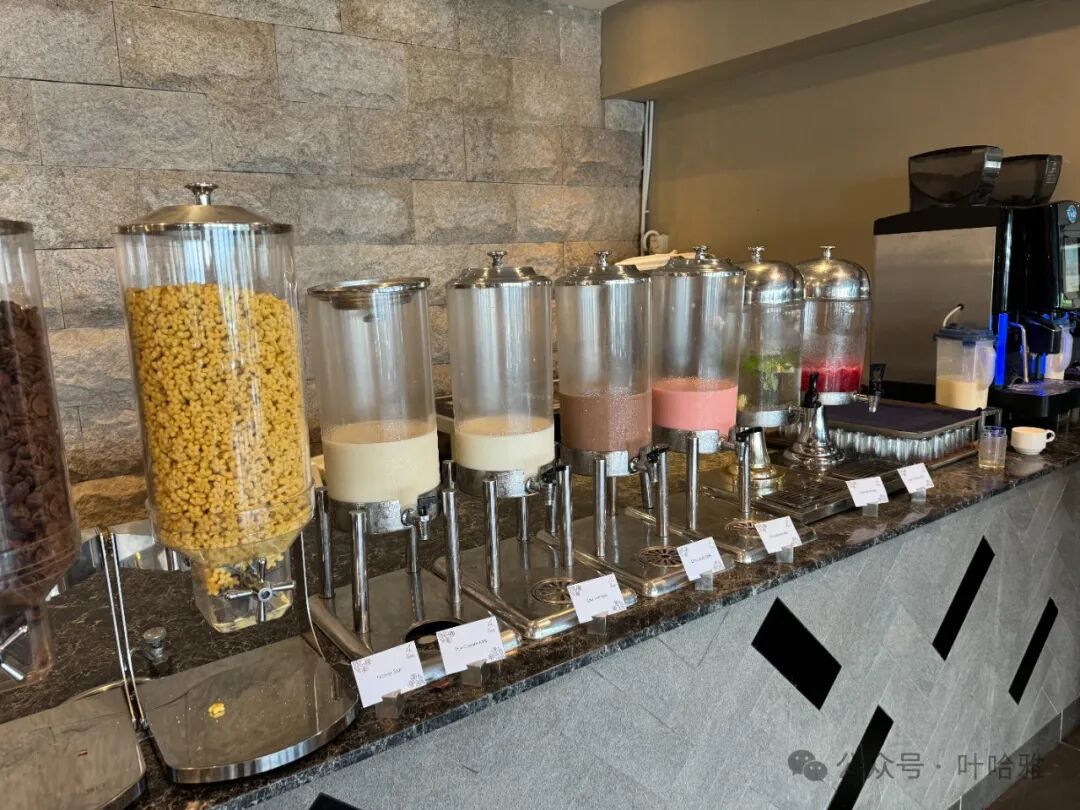
The hotel breakfast is quite rich, featuring mostly Southeast Asian specialties, along with Western and Chinese breakfast options.
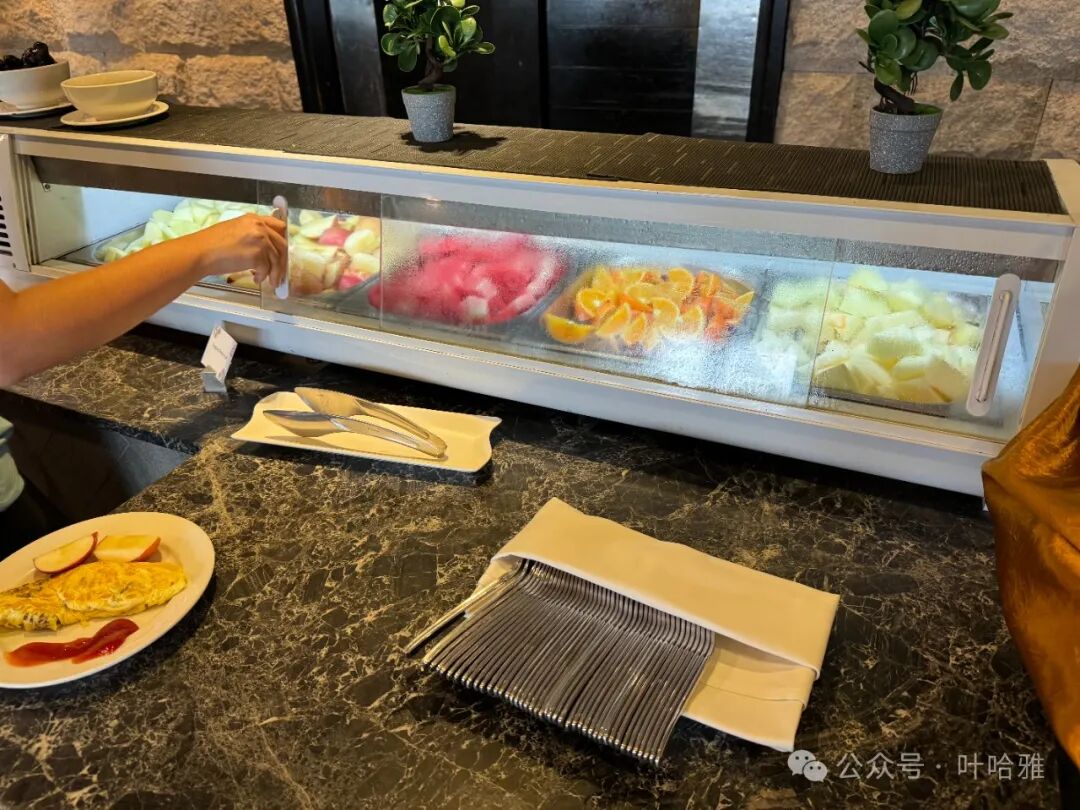
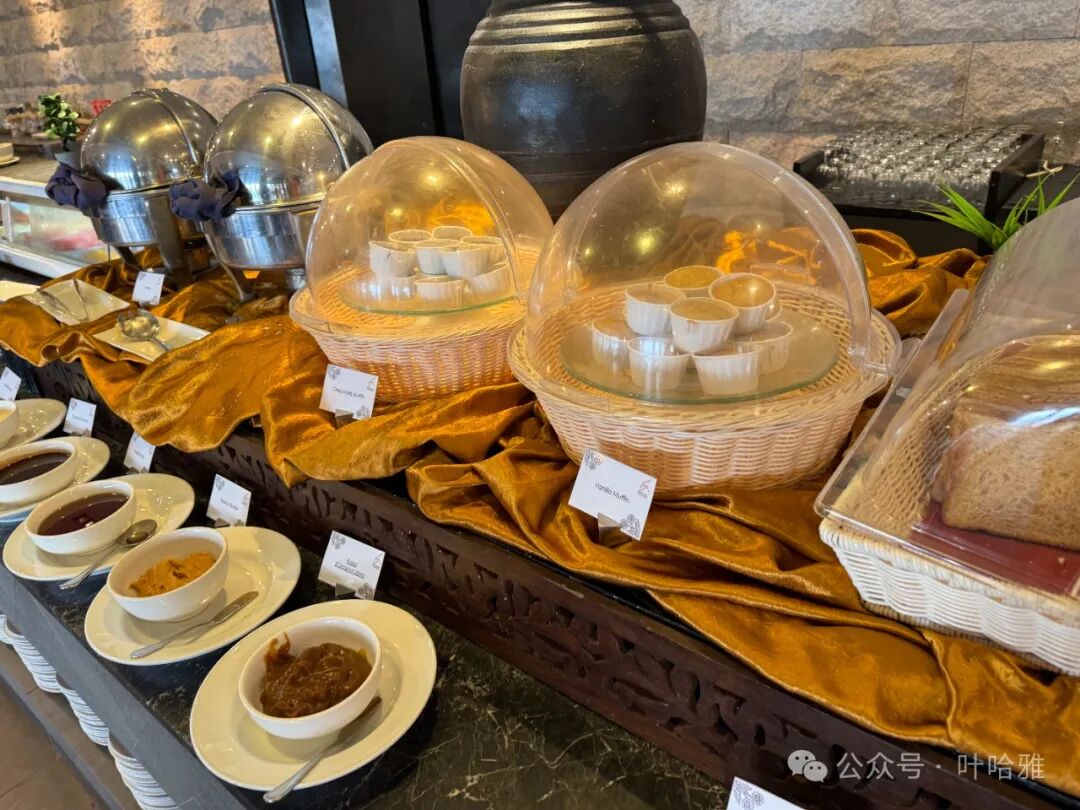
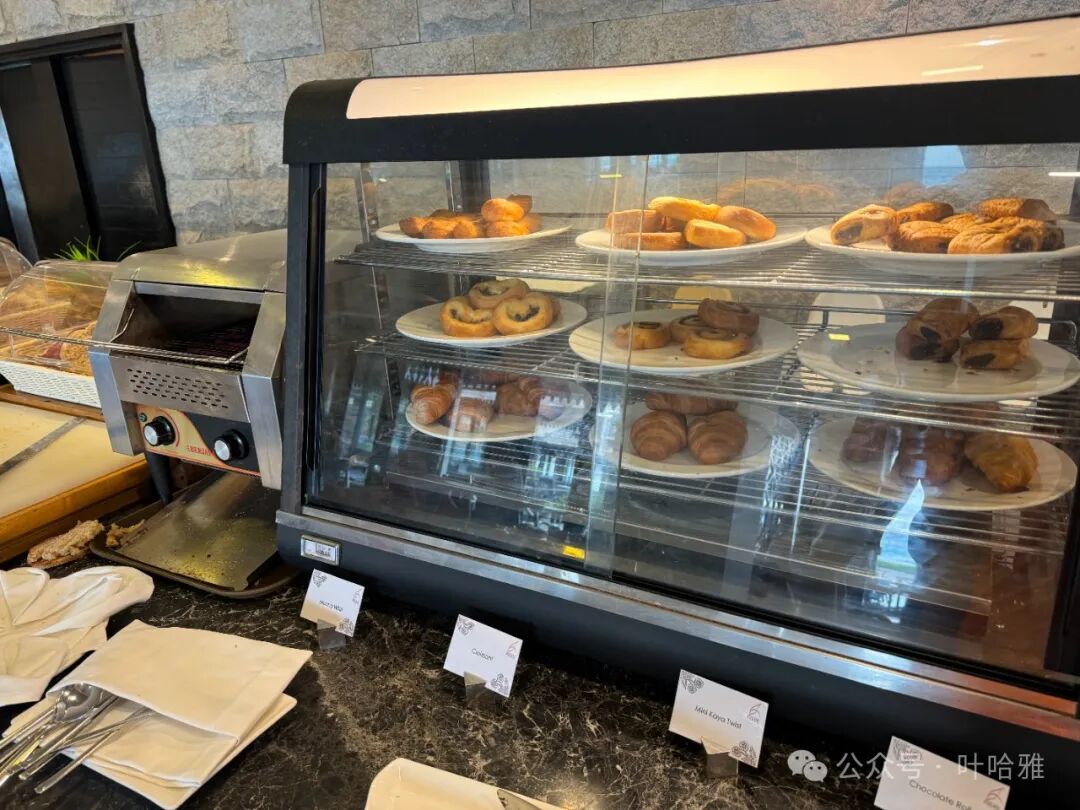
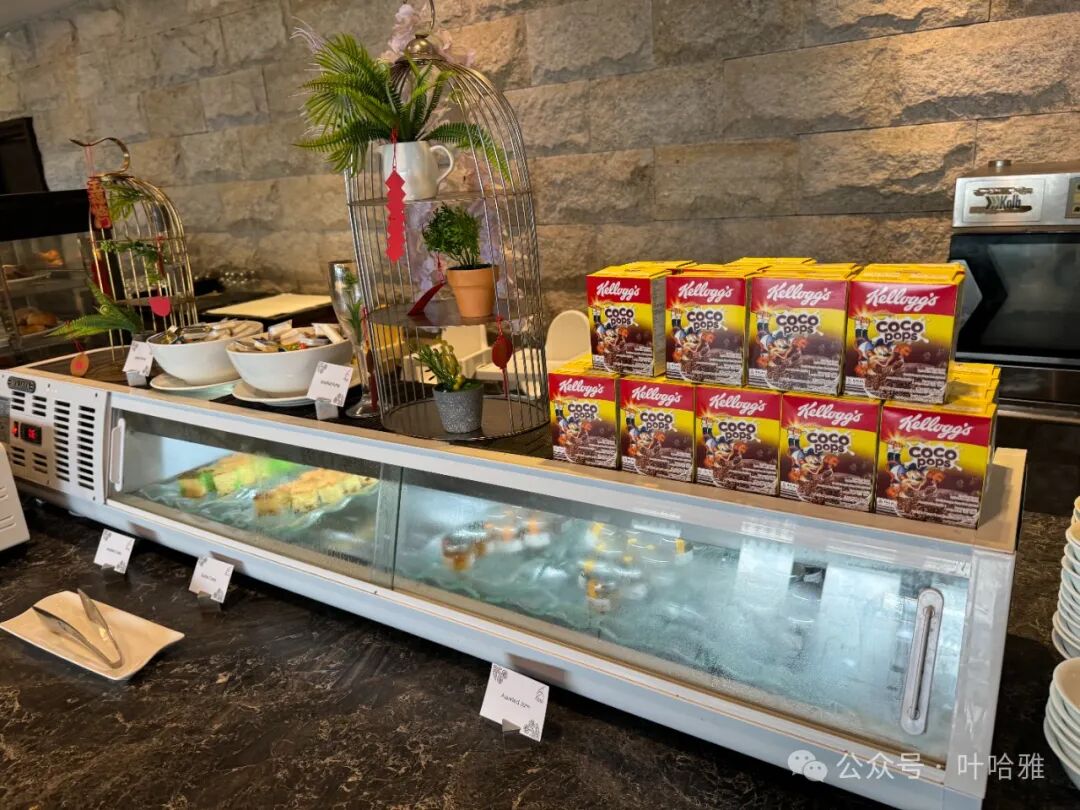
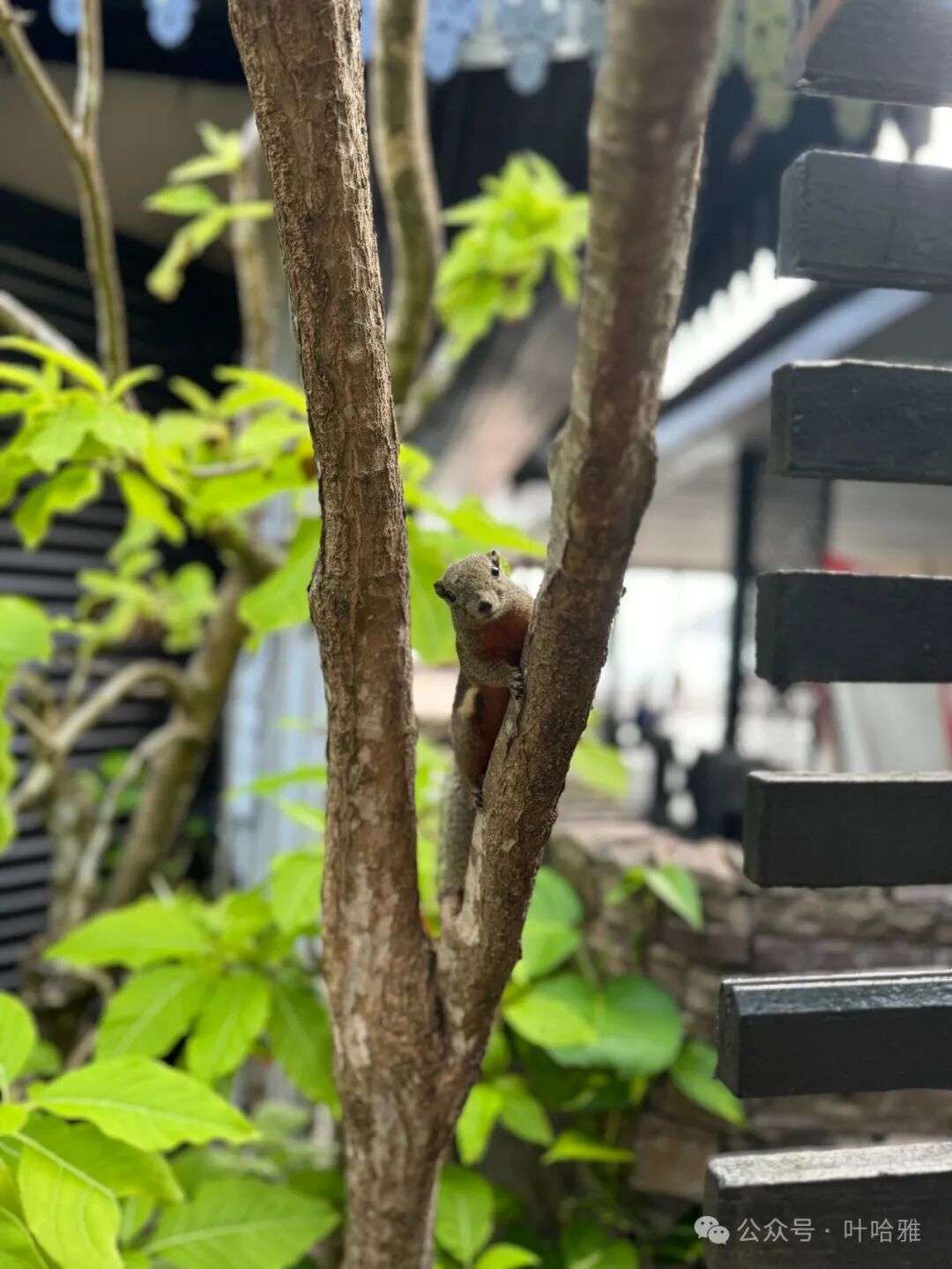
Redang Island is an eco-friendly island with well-protected nature. You can often see various small animals inside the hotel, and I even saw a large lizard.
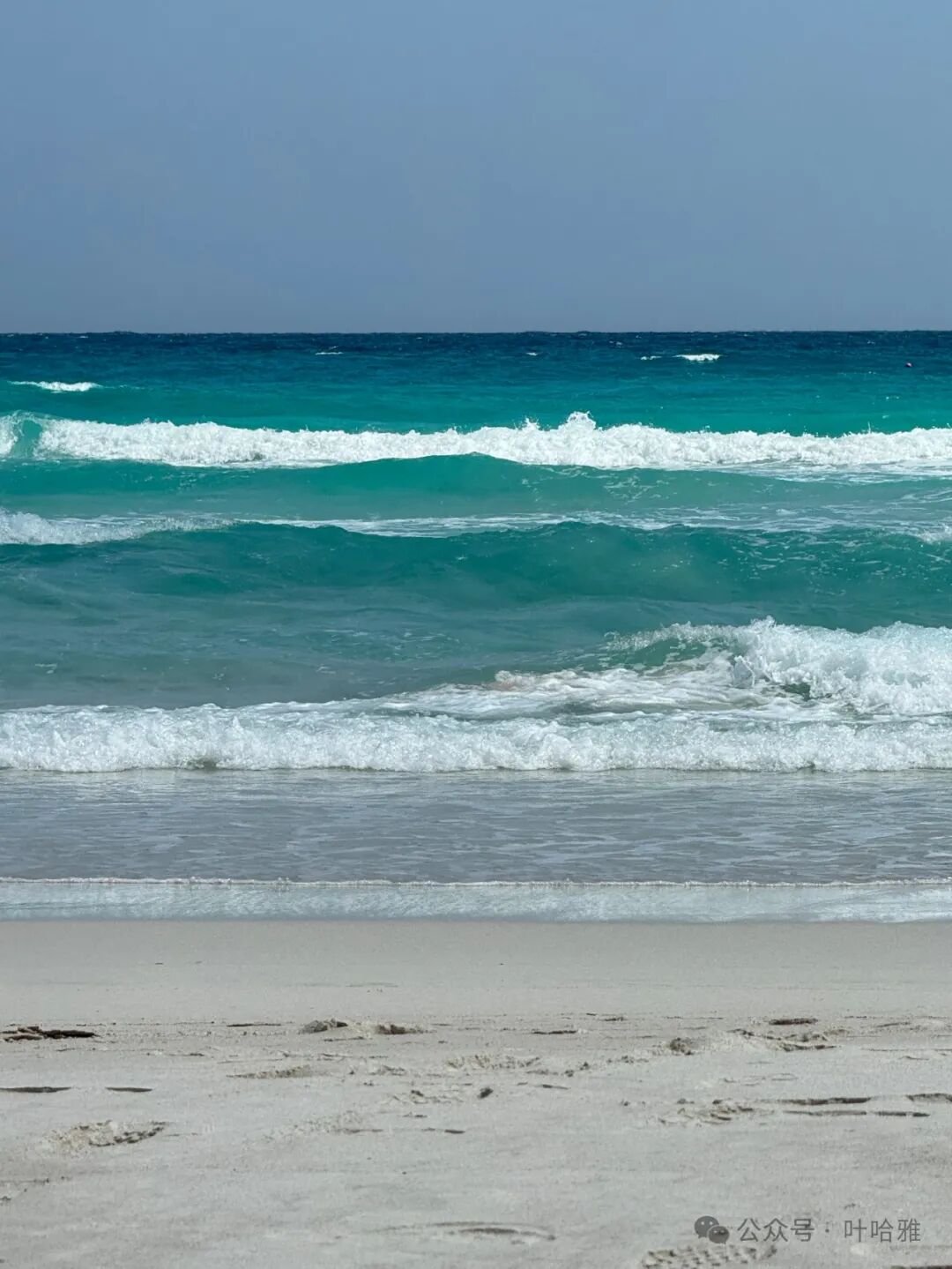
The white sand on the hotel's private beach is very fine, and the seawater is clear and blue. Fahim can play in the sand all day long.
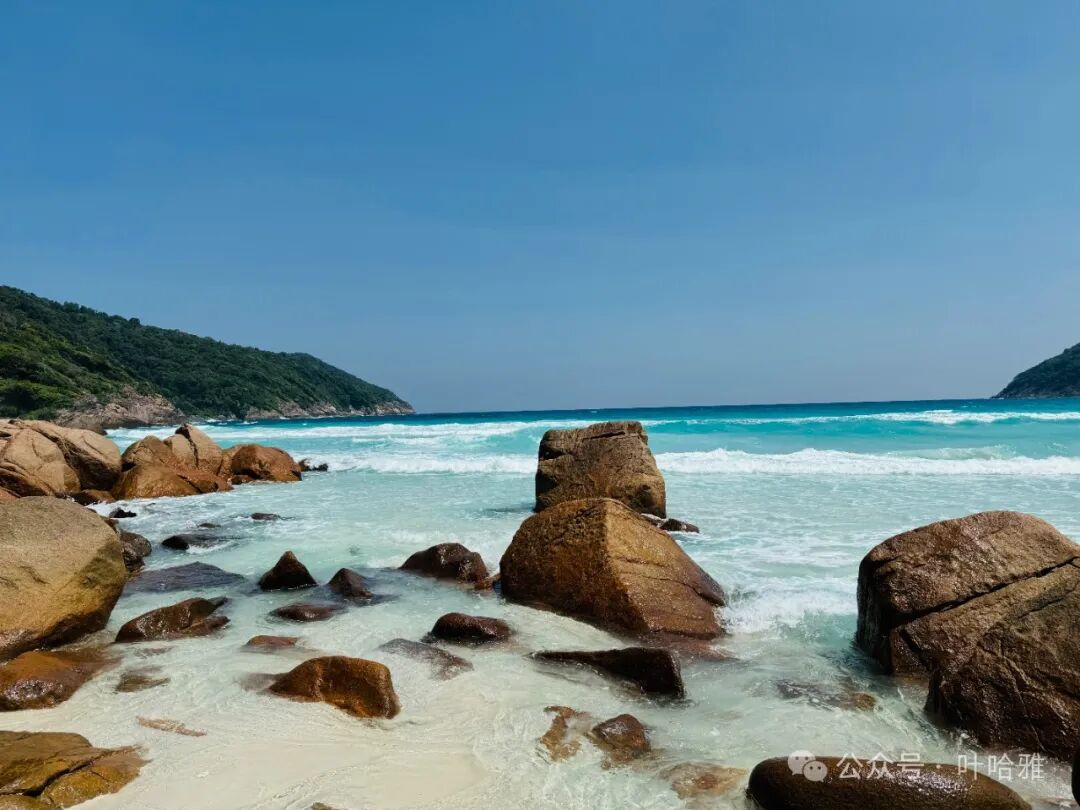
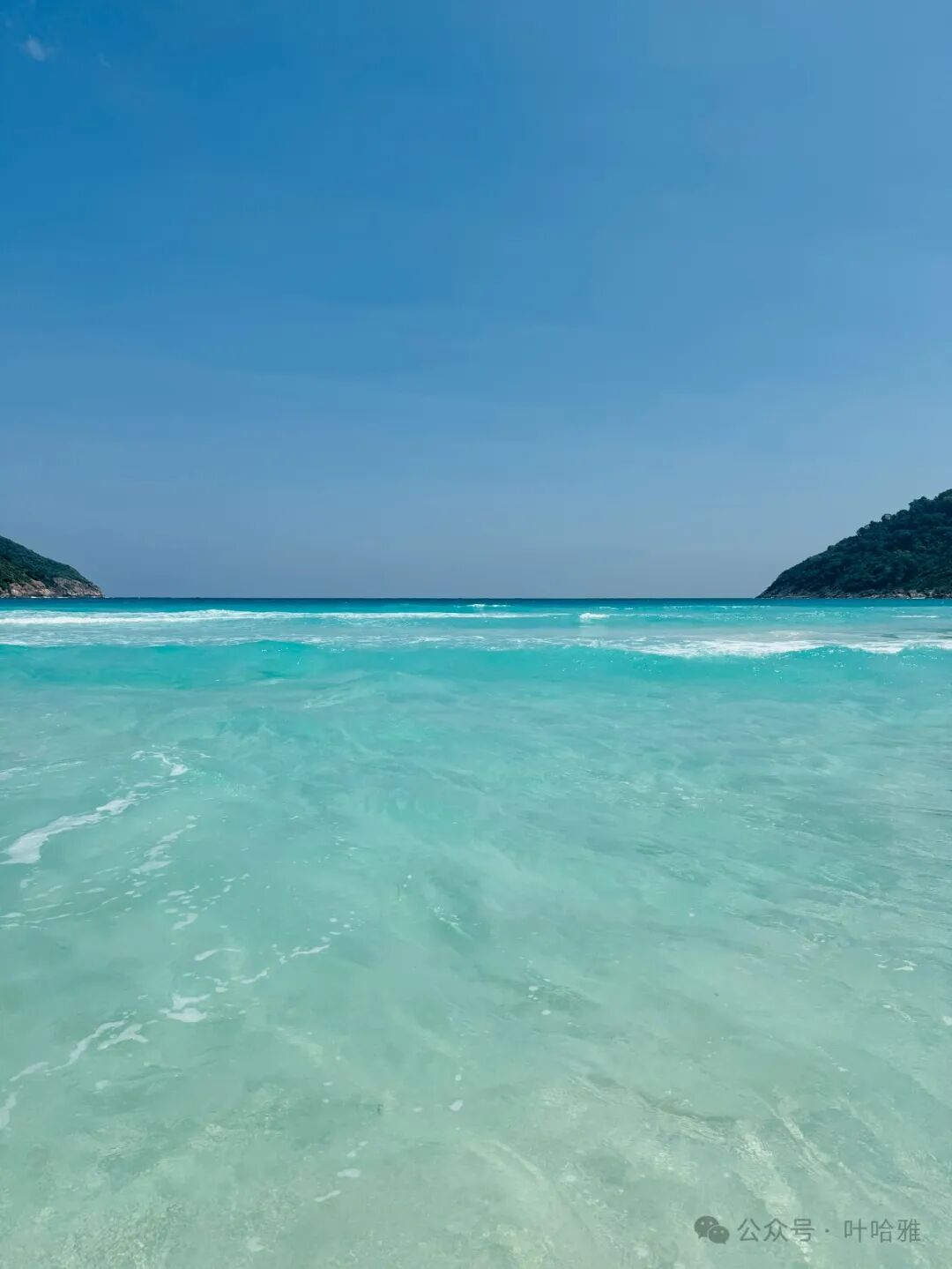
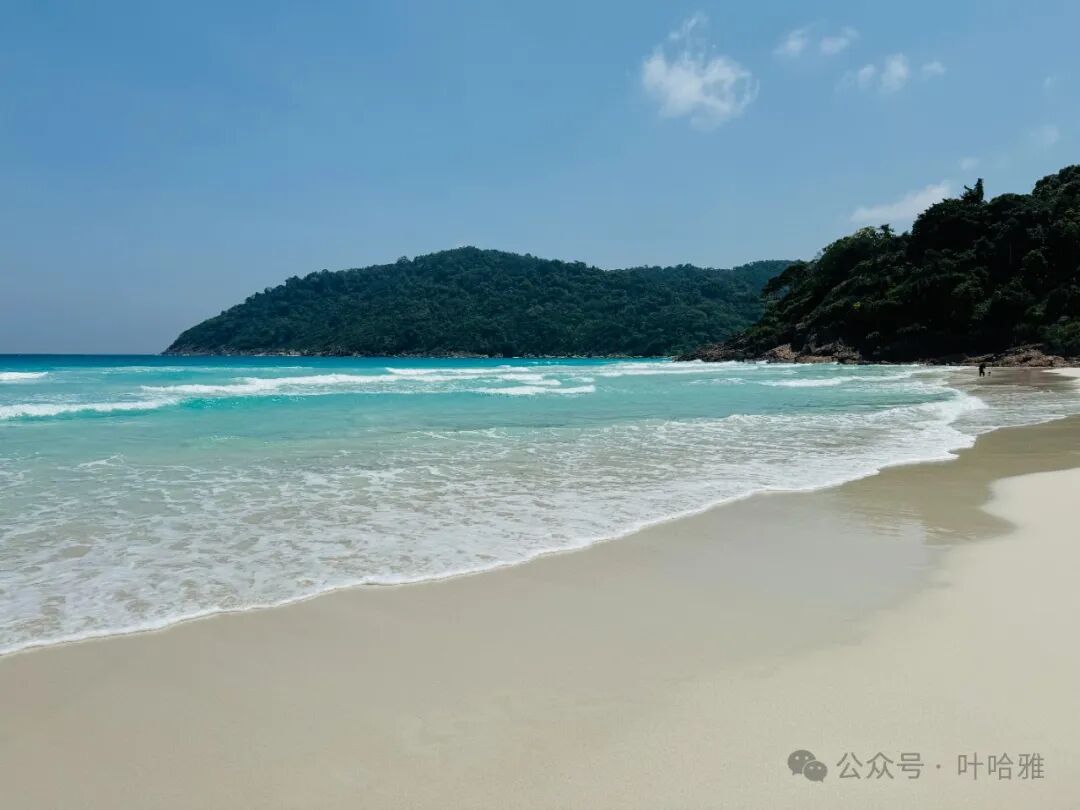
There are many small white crabs on the sand that run very fast and are hard to catch. The corals and seashells on the island are protected, so you can only look at them and cannot take them away.
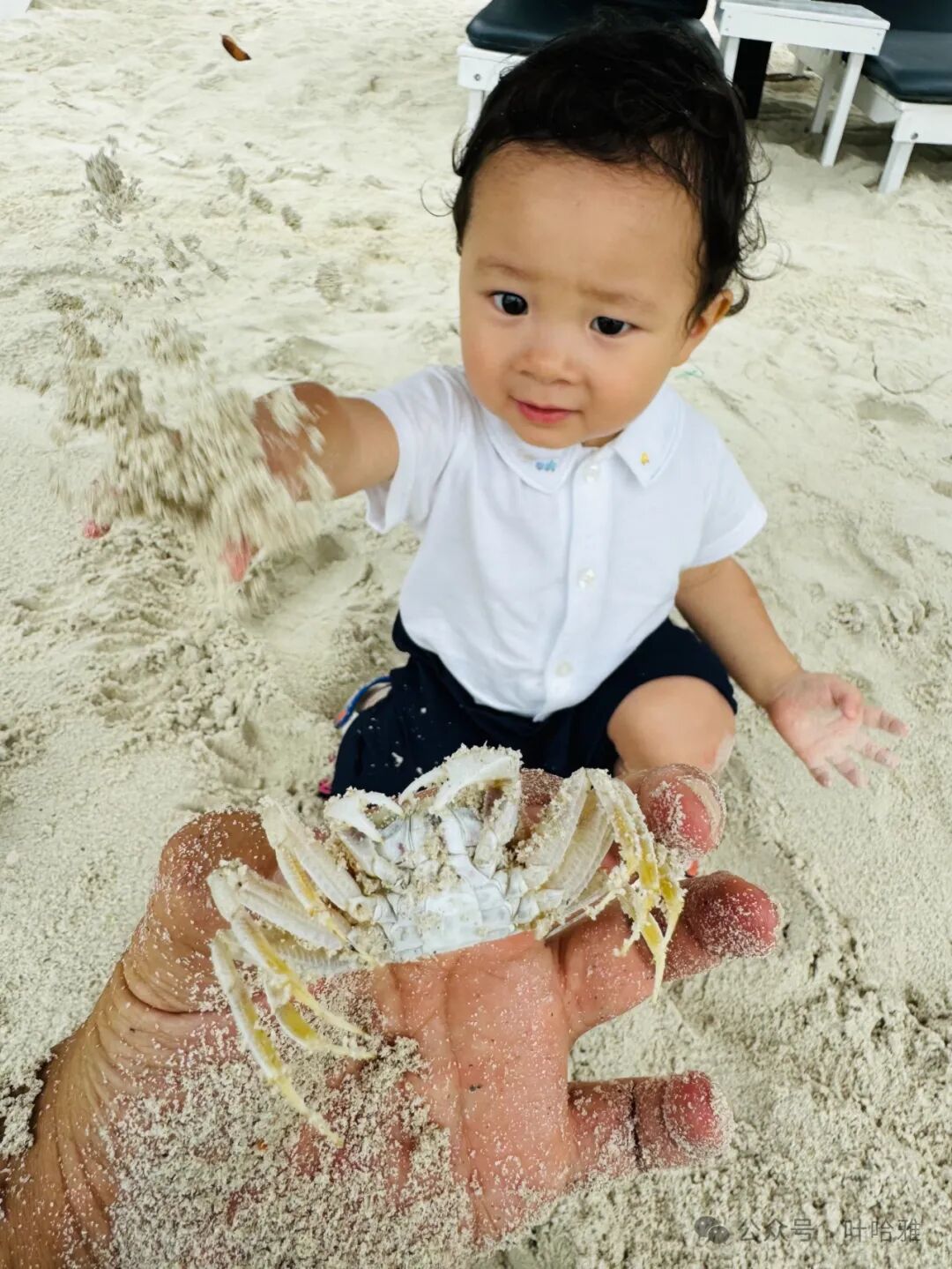
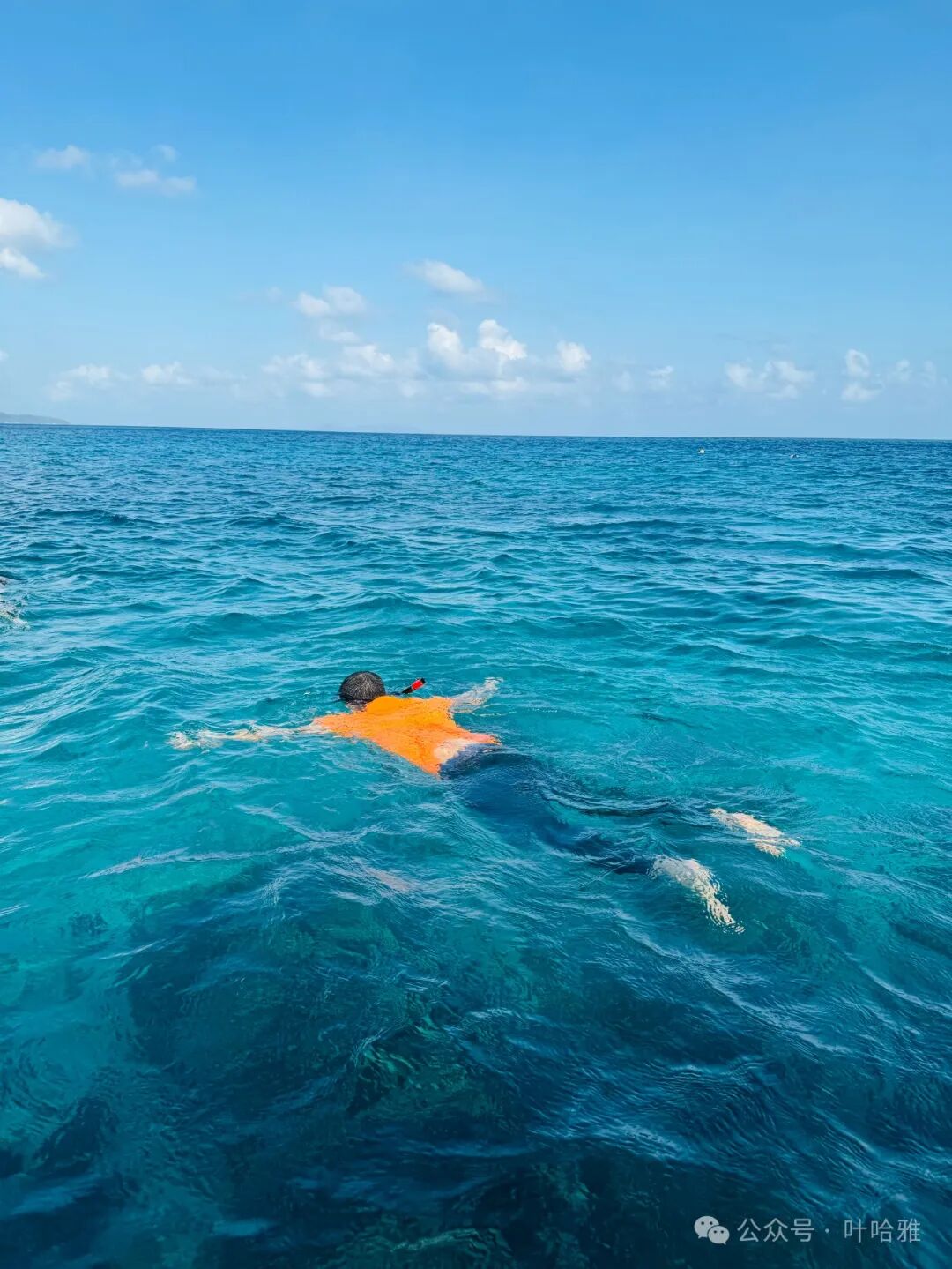
The hotel provides snorkeling trips that you can sign up for at different times each day. You do not need to bring your own snorkeling gear, as the hotel boat will take us to two nearby islands for snorkeling.
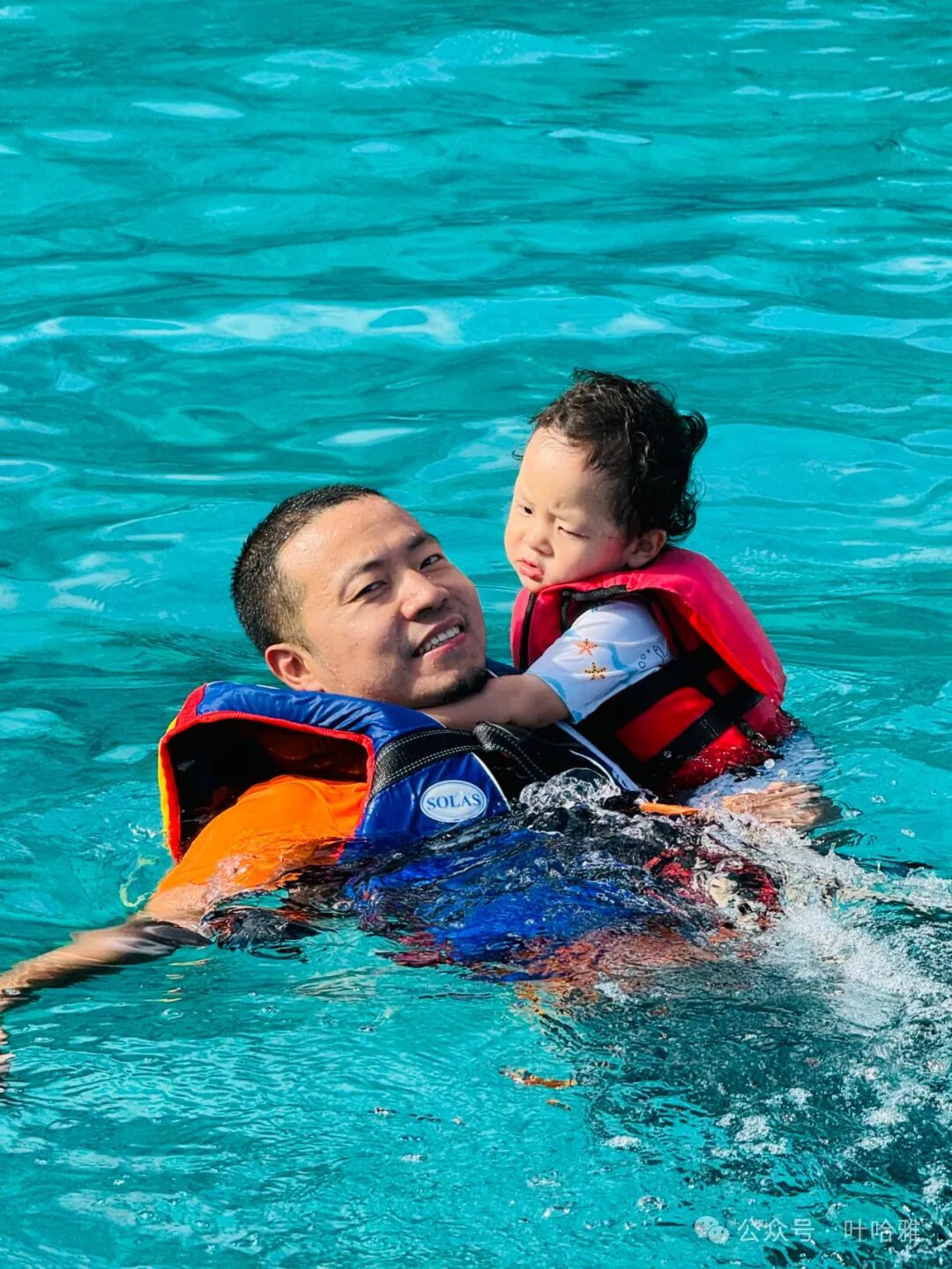
Fahim was still a bit scared of the ocean, so I pulled him into the water for a quick soak.


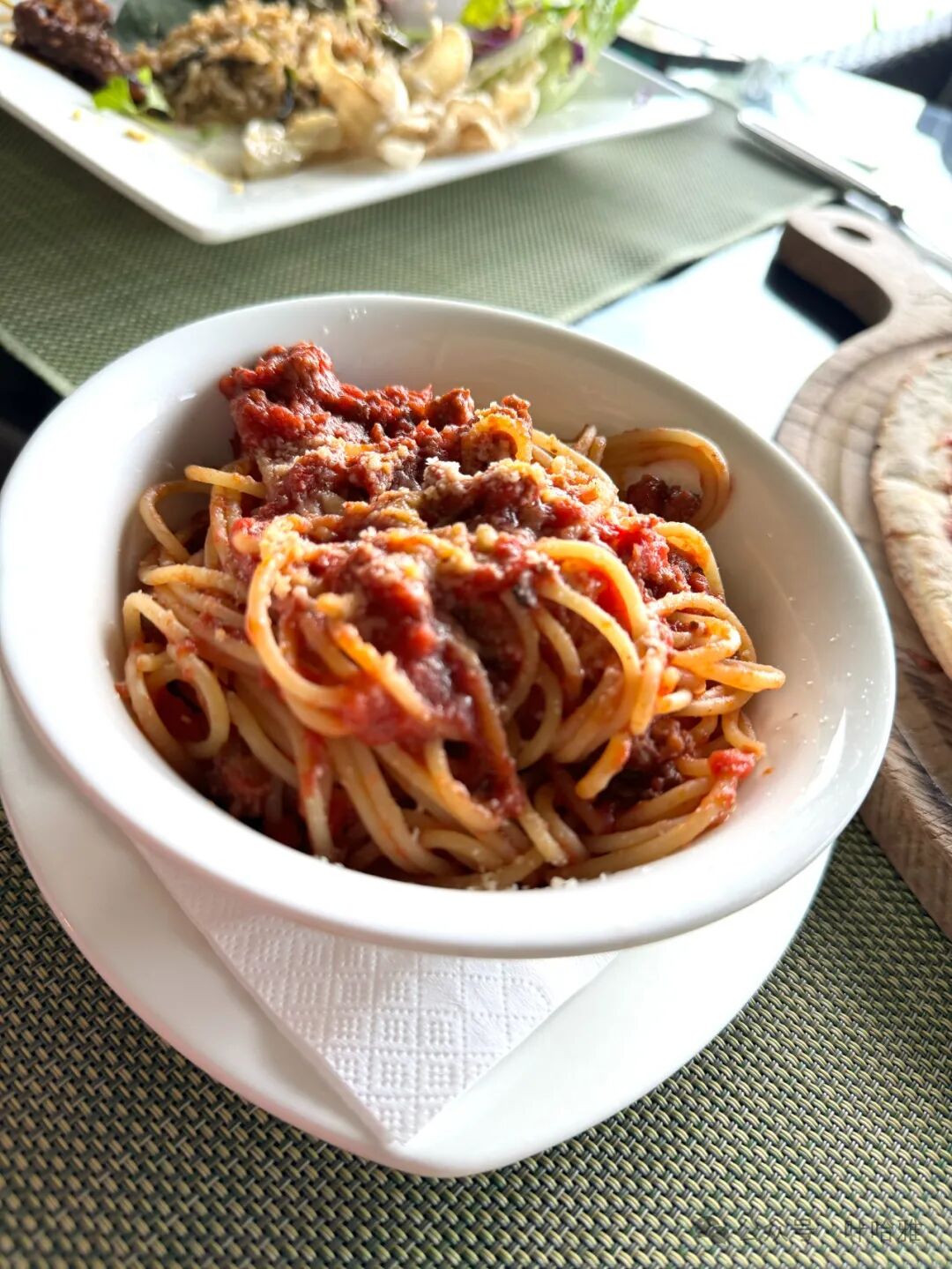
Fahim really loved the tomato pasta kids' meal at the restaurant.
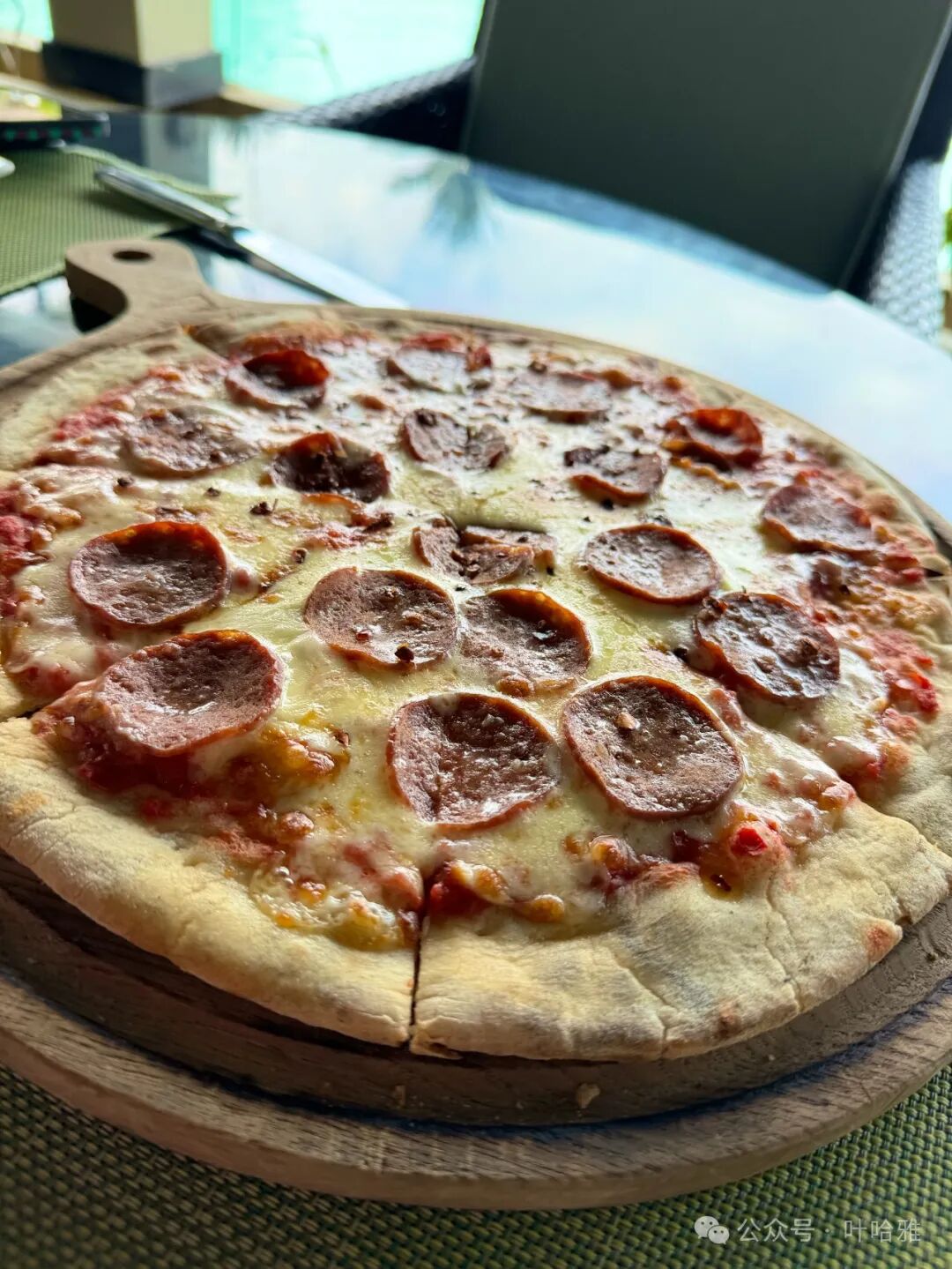
I liked their pizza the best, while my wife preferred the Malaysian fried rice (nasi goreng).

The hotel has a kids' play area with a trampoline and a ball pit, and adults can play billiards or board games. Our family of three stayed here for three days and two nights. I walked around the village outside the hotel to buy a charger, but there were hardly any shops and I couldn't find one. I suggest you prepare before arriving on the island or go to KTCC Mall in downtown Terengganu to shop.
Terengganu Crystal Mosque (Masjid Kristal)
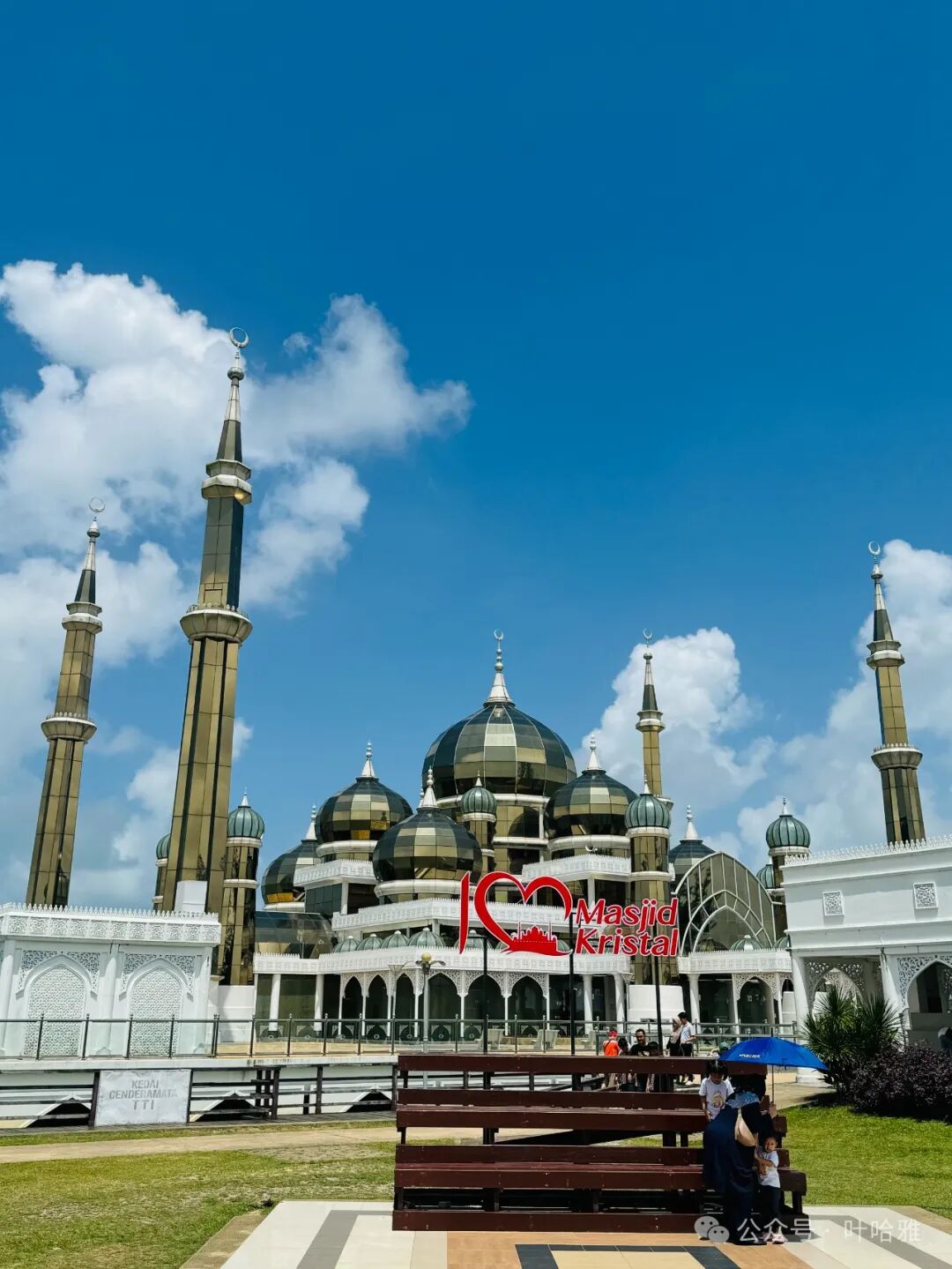
After leaving Redang Island and returning to downtown Terengganu, you can visit the Crystal Mosque. It is Malaysia's first smart mosque and is built from glass and steel. Not far from the Crystal Mosque is an Islamic architectural art museum. It has many miniature models of famous mosques from around the world. They looked quite realistic when I passed by, but the museum is outdoors and it was too hot on Friday (Jumu'ah) for me to go inside.
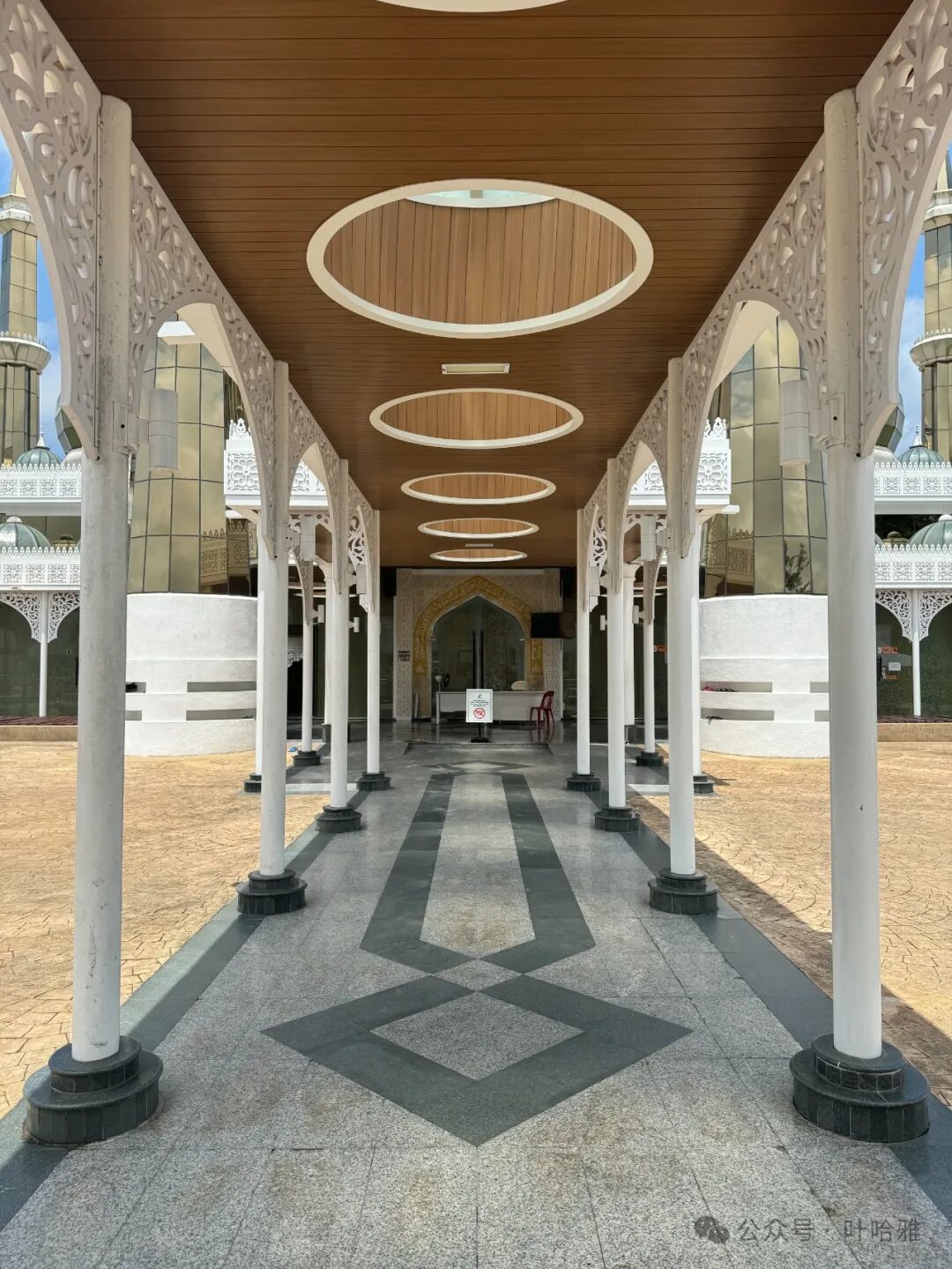
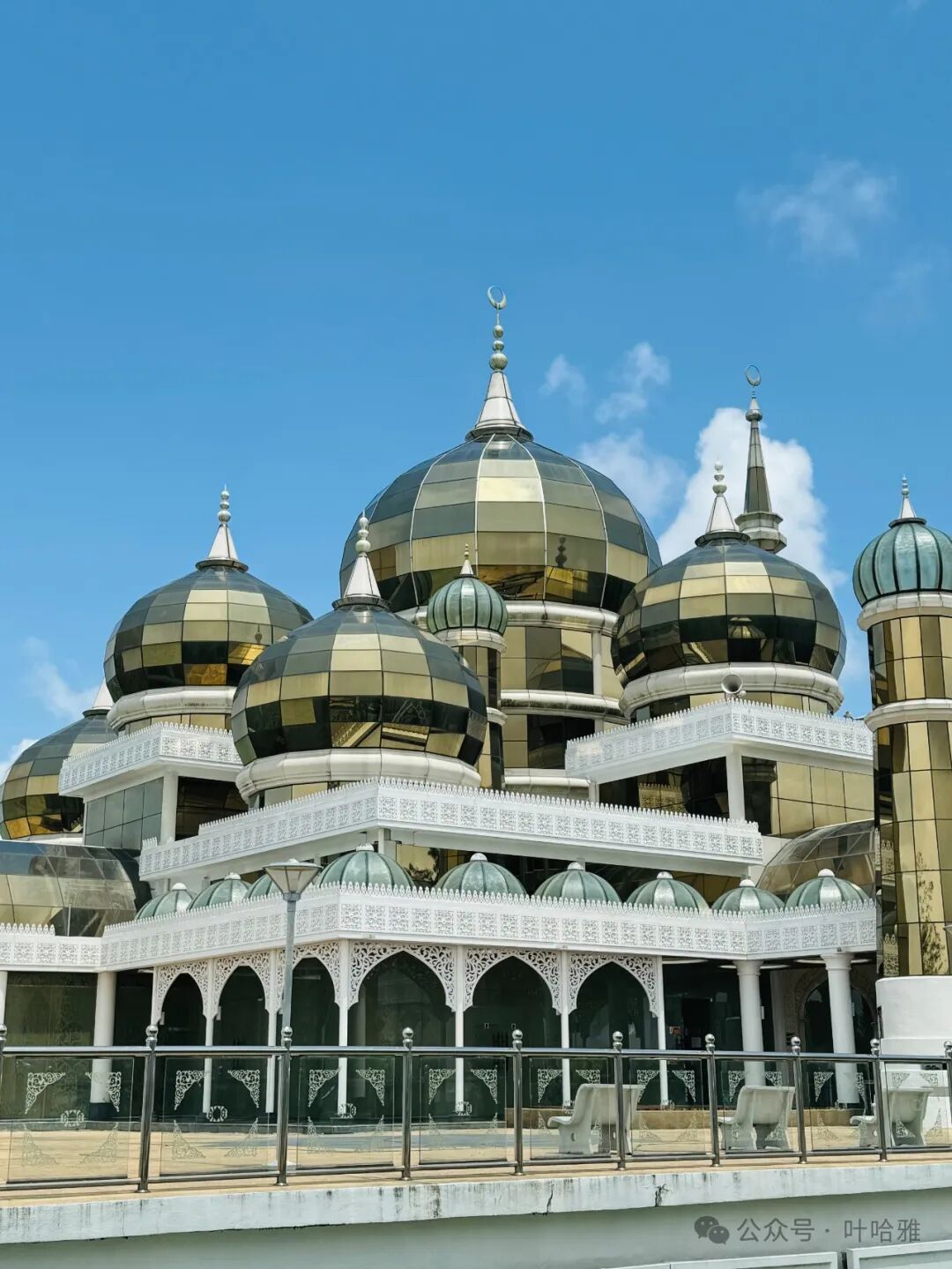
The mosque is built on the water, and they say it looks even more beautiful when the lights come on at night.
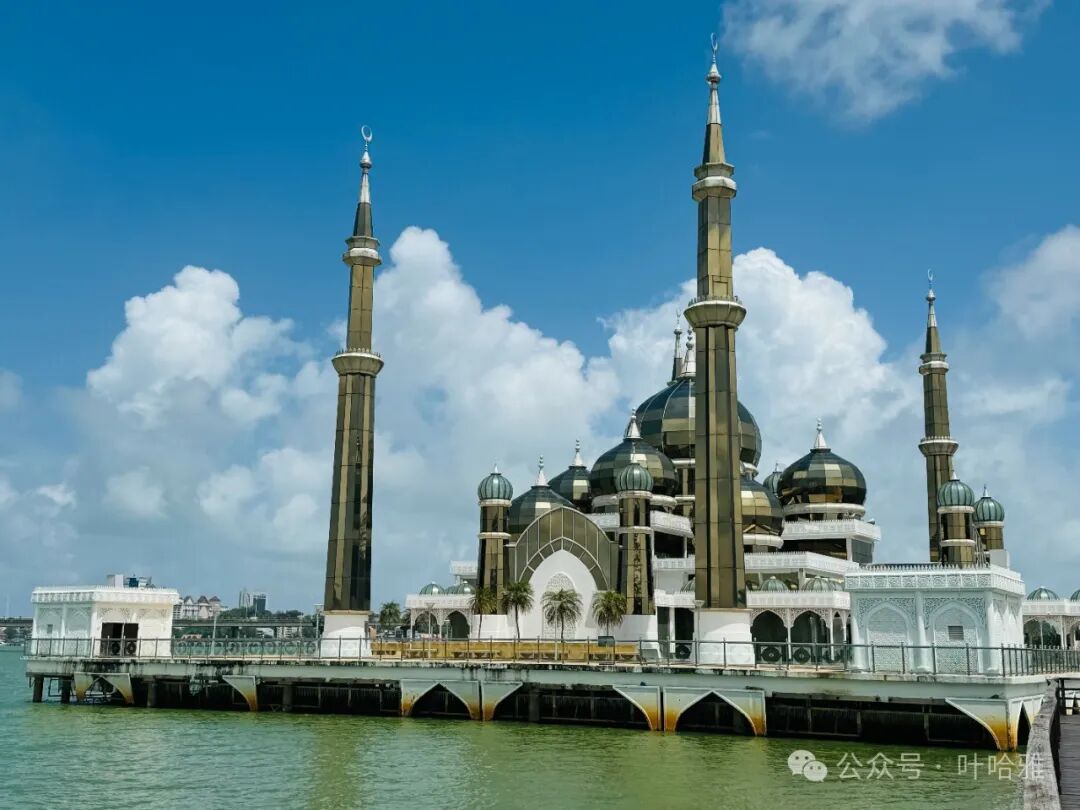
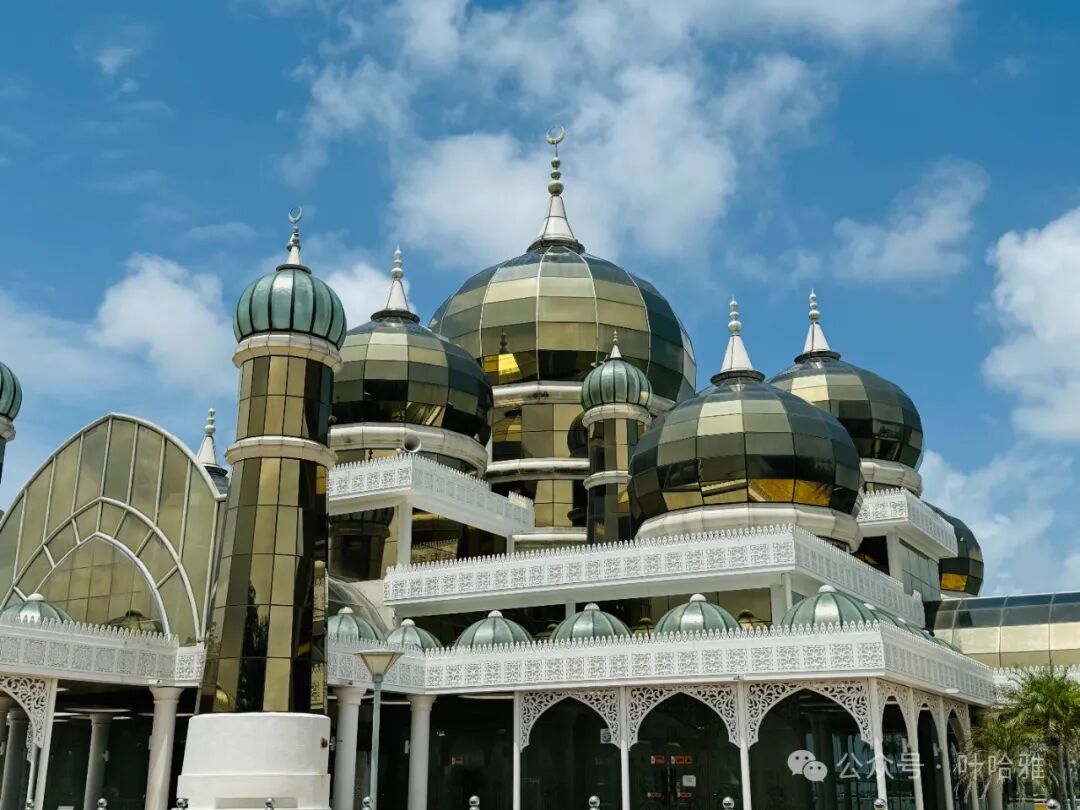
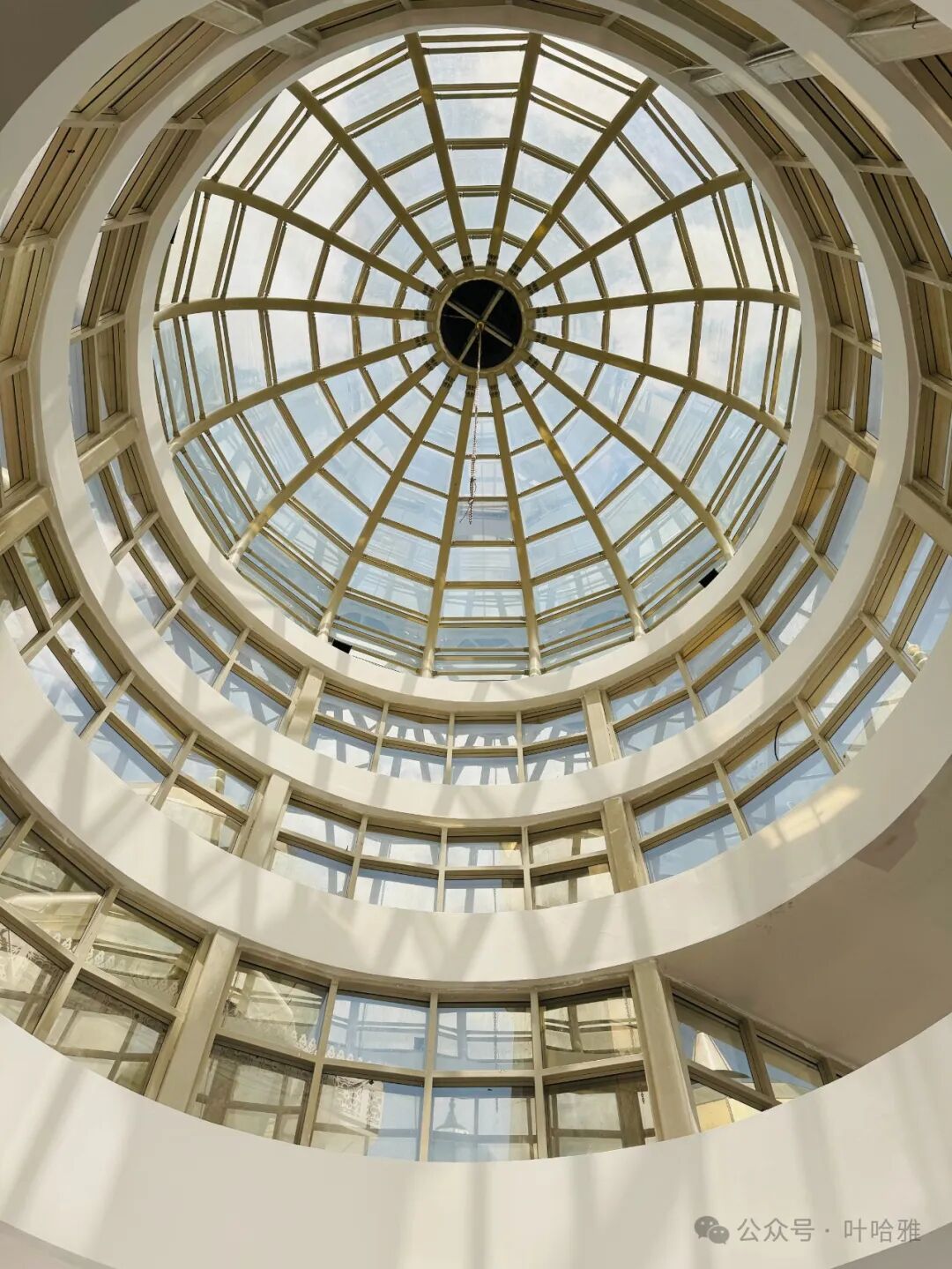
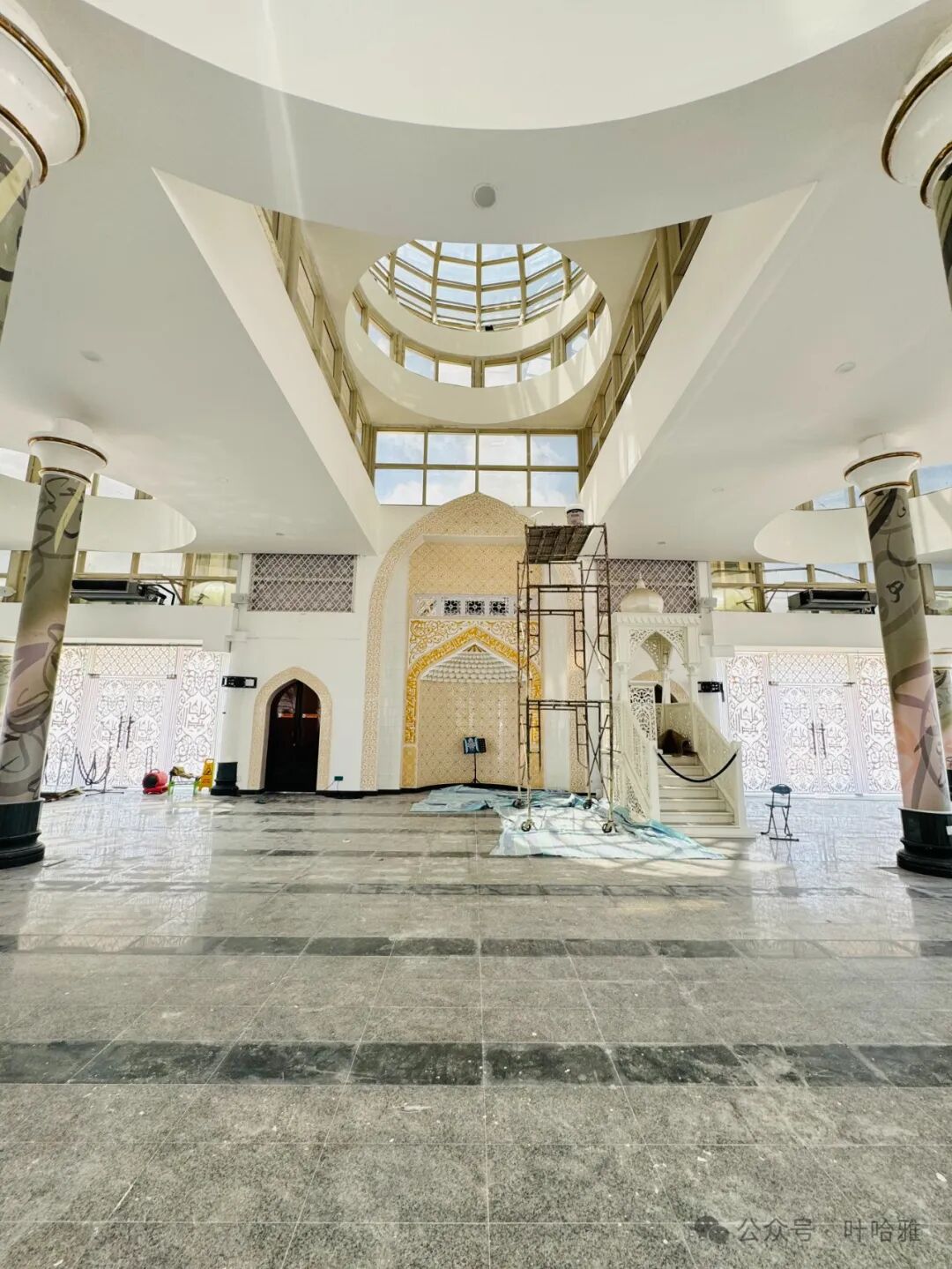
It was undergoing renovations when we arrived, but it looked like it was almost finished.
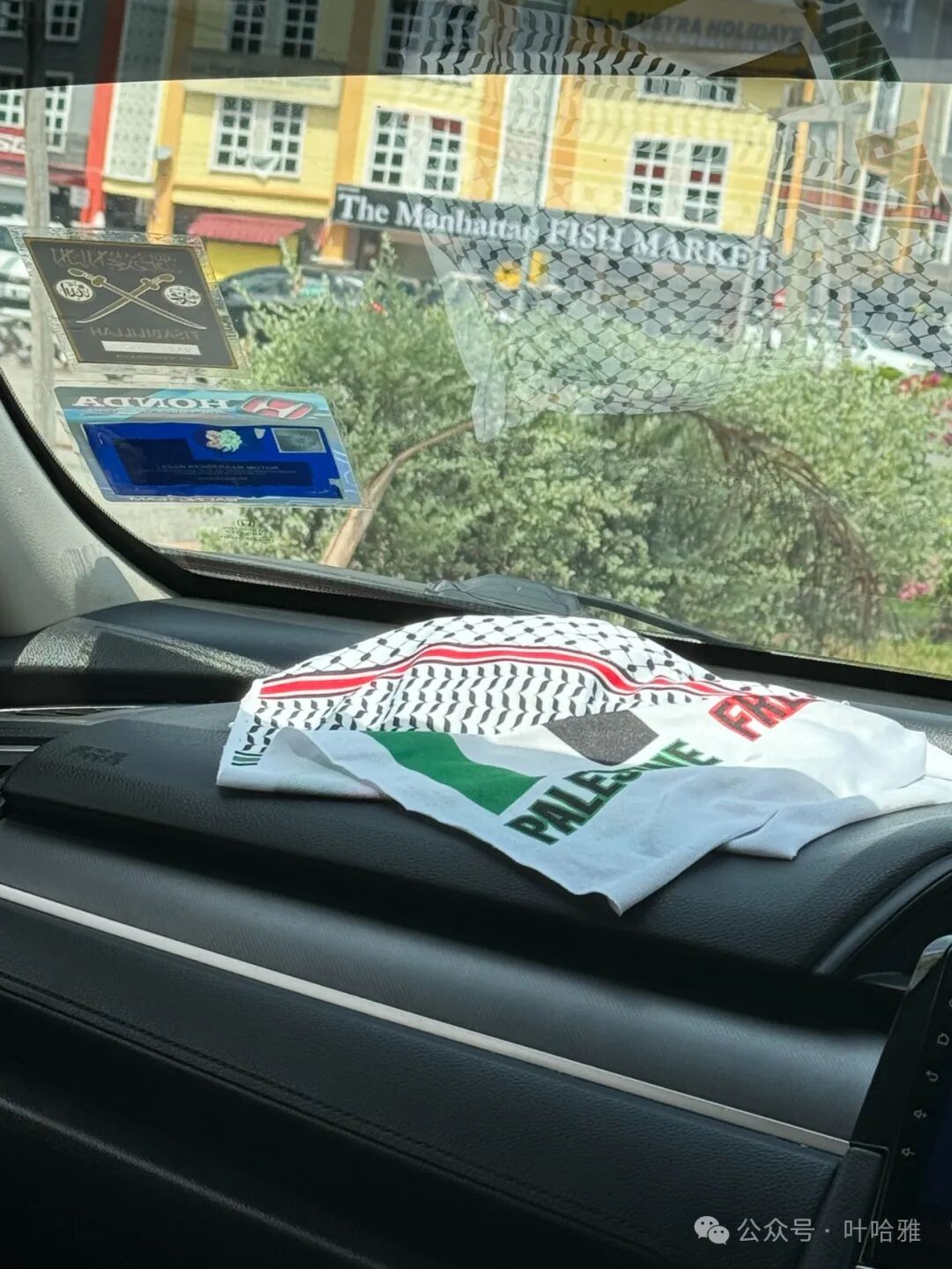
We took a taxi to the largest shopping center in Terengganu, KTCC Mall, and saw that the driver had a flag supporting Palestine in his car.
Secret Recipe
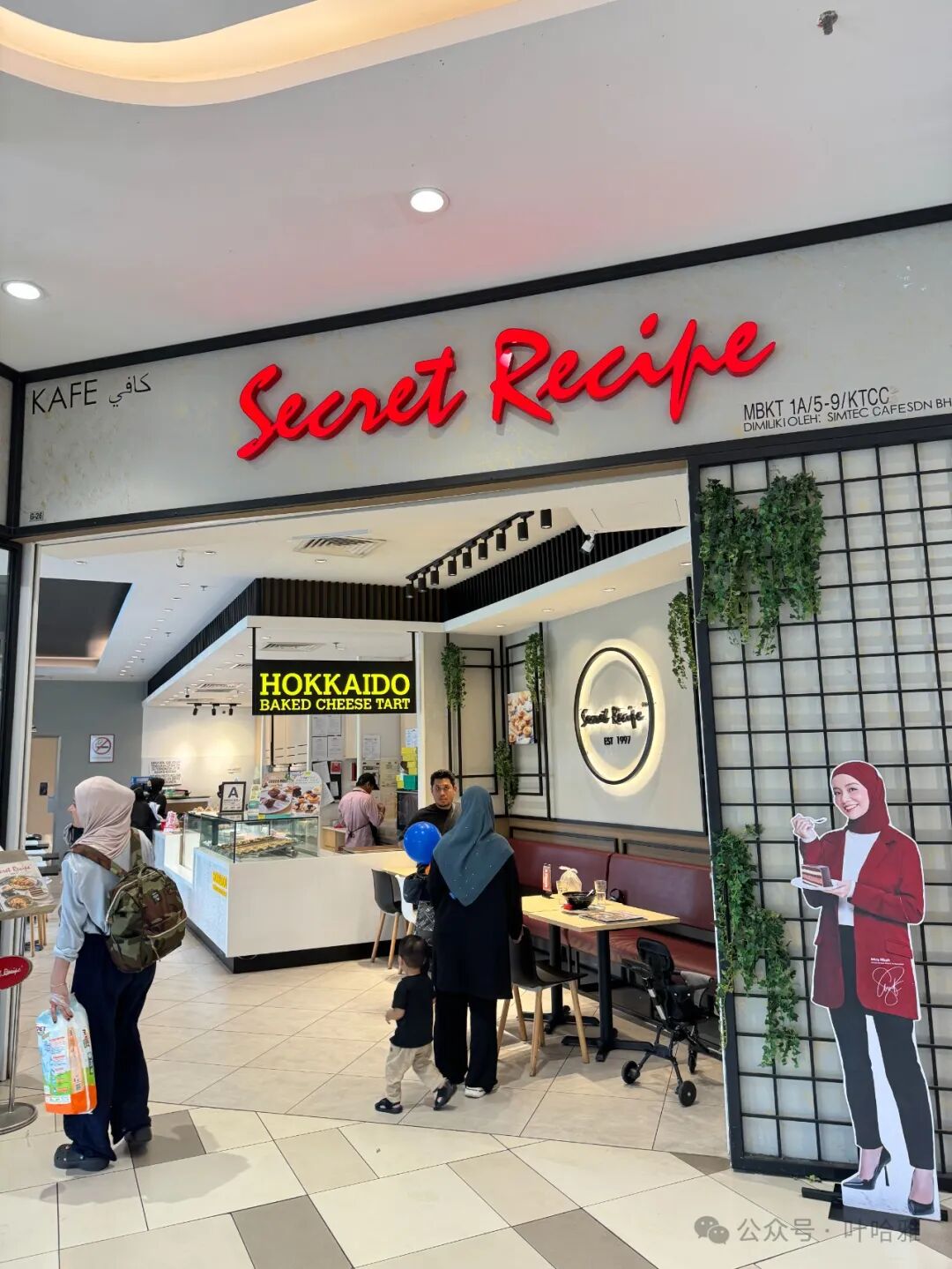
I had coffee and cake at Secret Recipe (Shi Zhi Mi), a famous Malaysian dessert chain, inside KTCC Mall.
My wife said she loved their desserts when she studied in Malaysia ten years ago. The shop's style has changed quite a bit over the years; they added simple meals and the dessert portions are smaller, but the taste remains the same.
JOHNNY'S Thai Restaurant
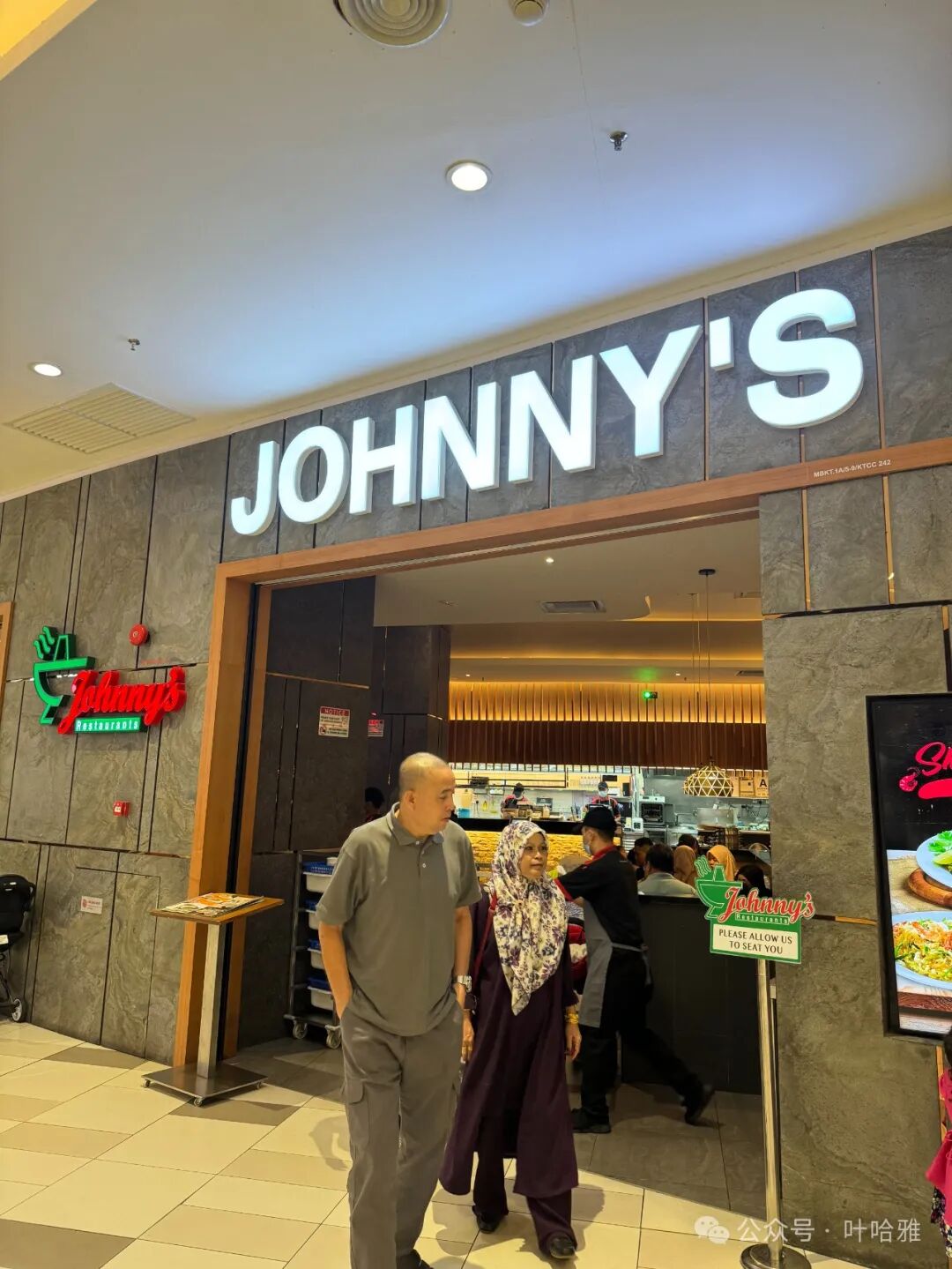
This place is incredibly busy. We arrived at 3:00 PM and it was still packed with people.
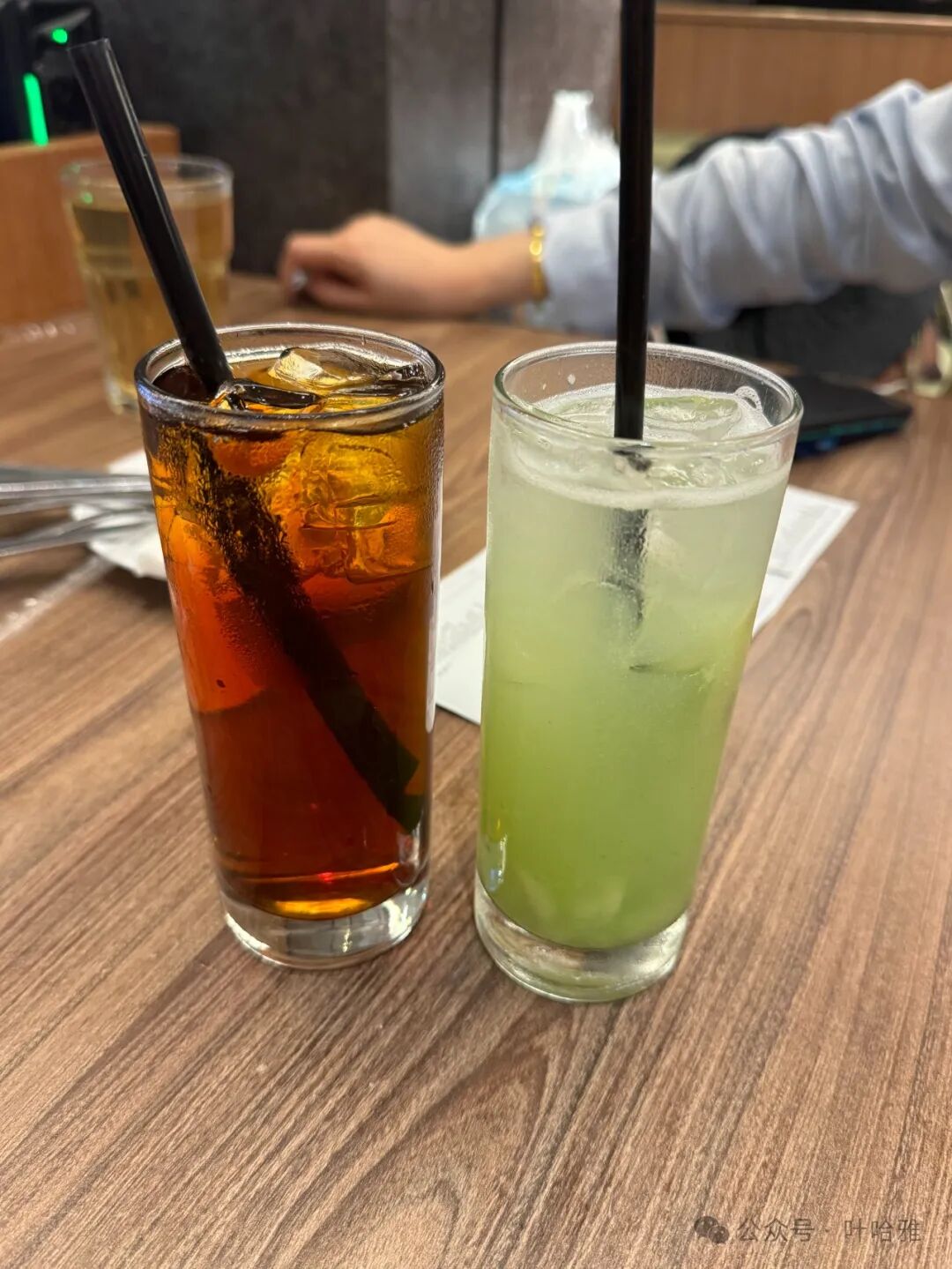
As usual, we started with two glasses of fruit juice, which were cheap and delicious.
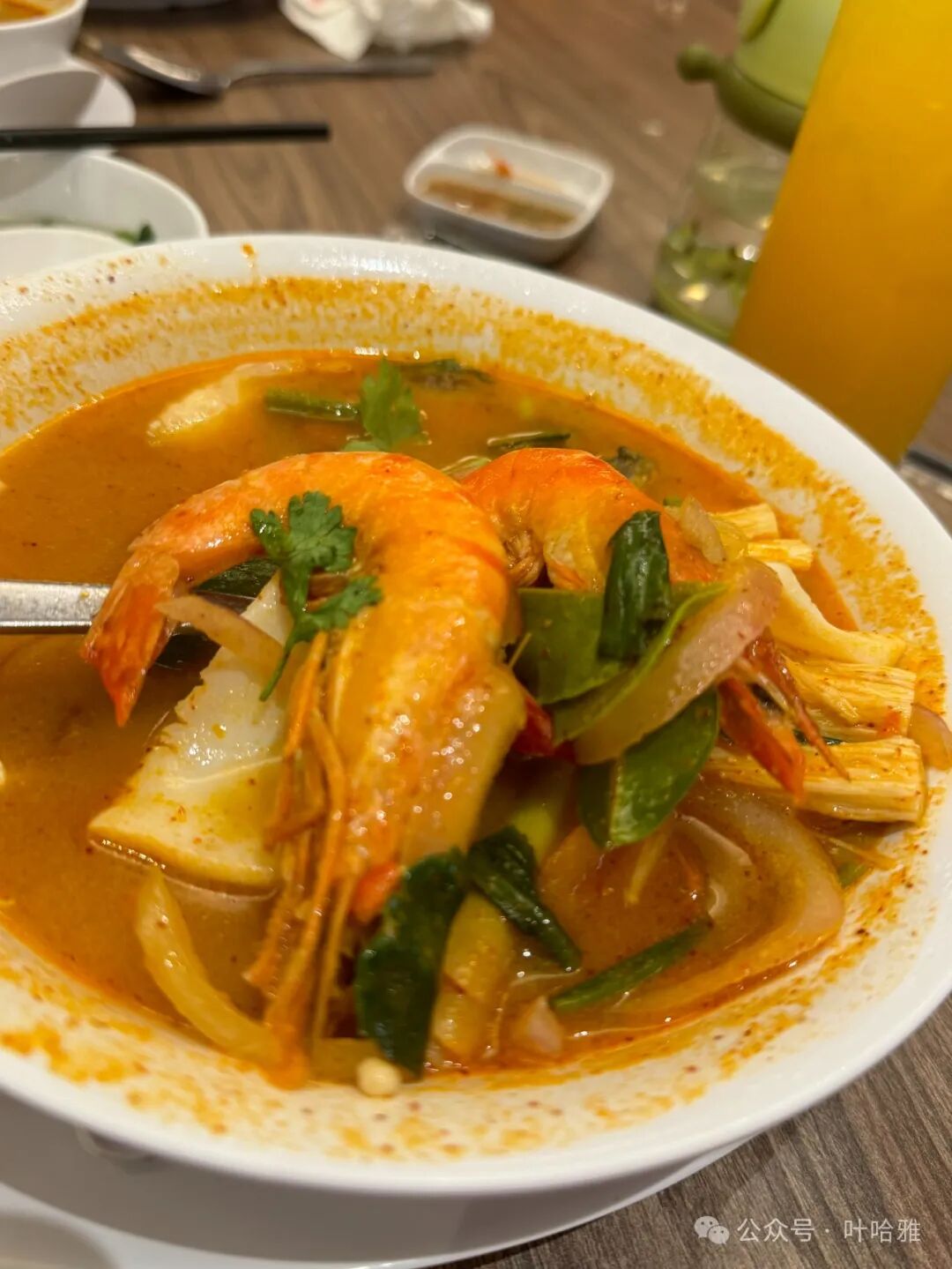
Thai tom yum soup (dong yin gong tang) is a famous Thai dish that I really enjoy.
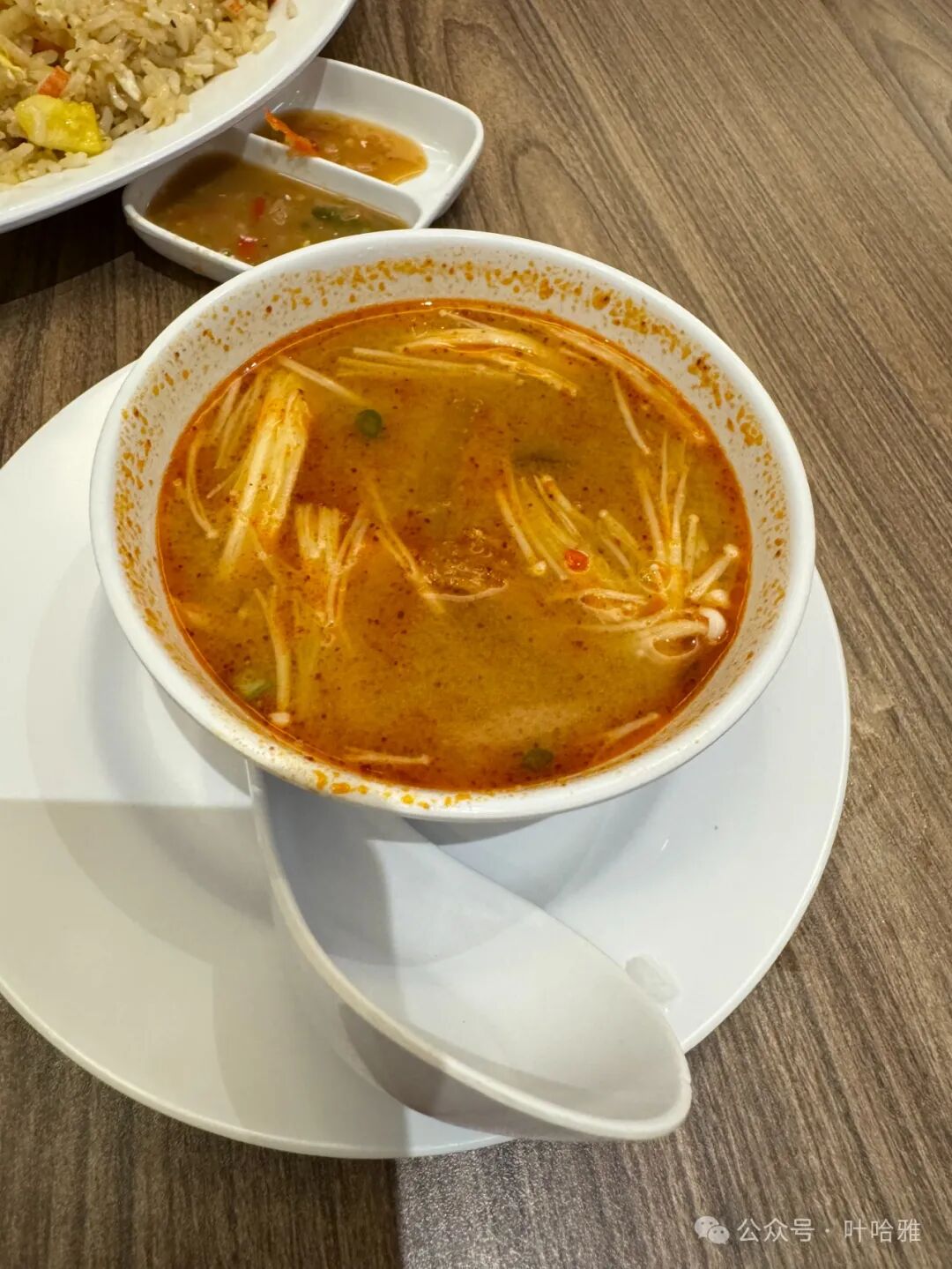
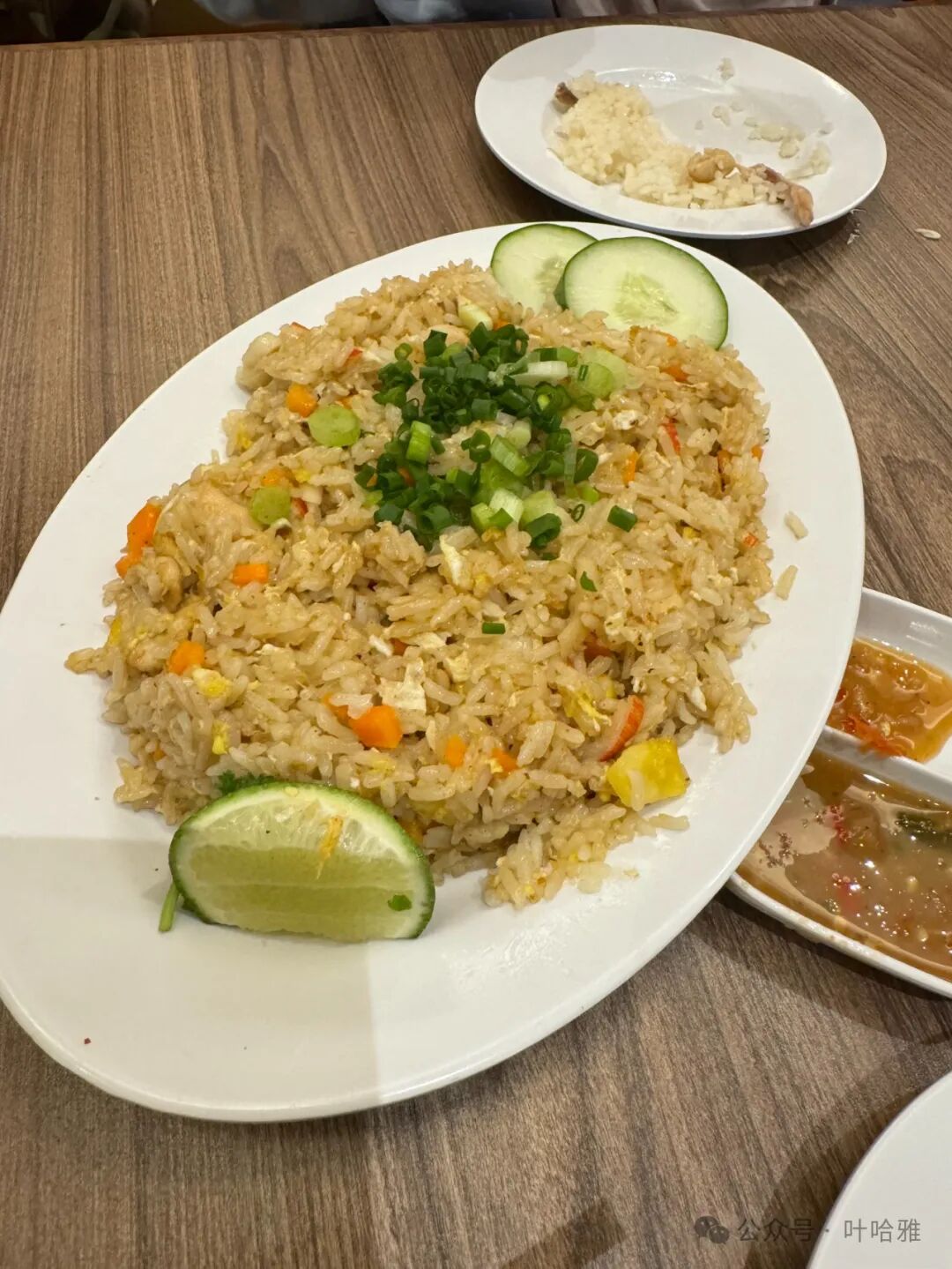
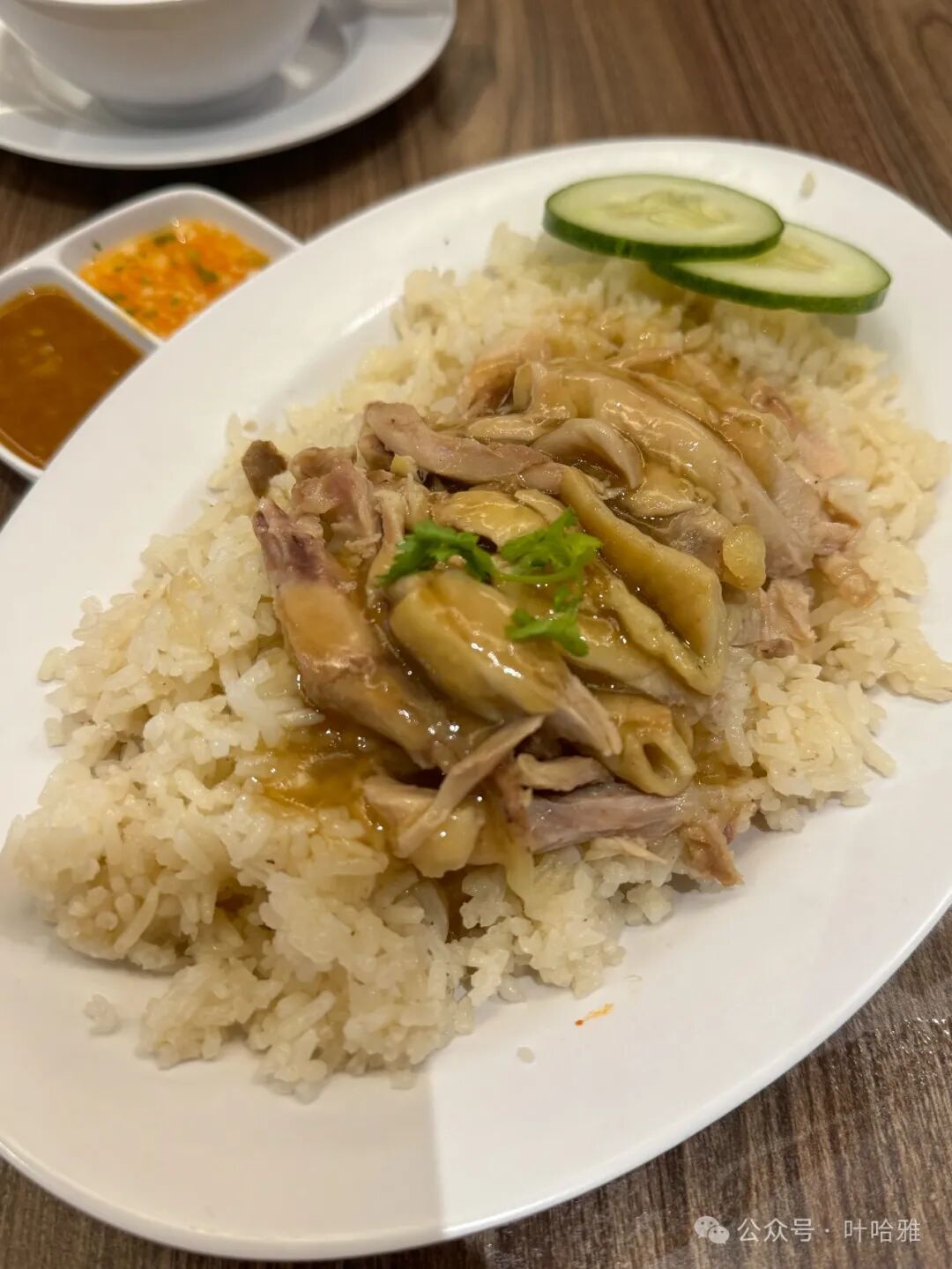
This meal cost 100 yuan, and it was very tasty and worth a visit.
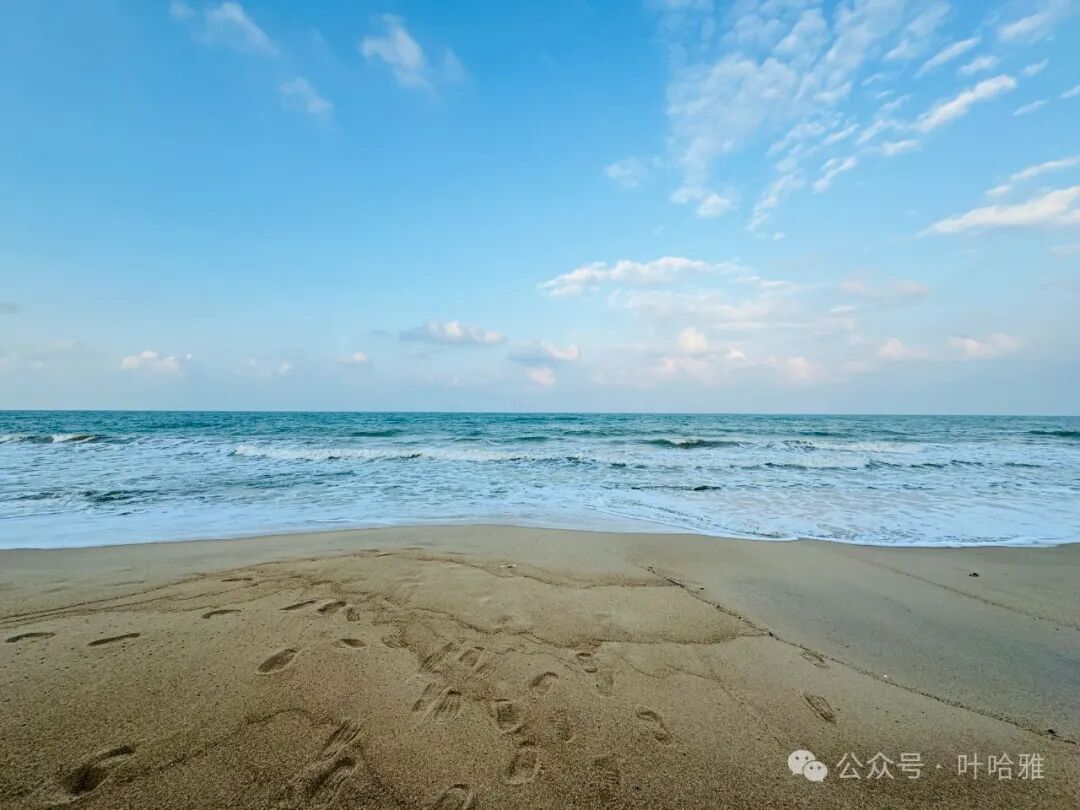
We also stayed one night in Terengganu at the Tok Aman Bali Beach Resort. The hotel is far from the city center and located by the sea. There are very few foreign tourists here, and the hotel guests are almost all Malay.
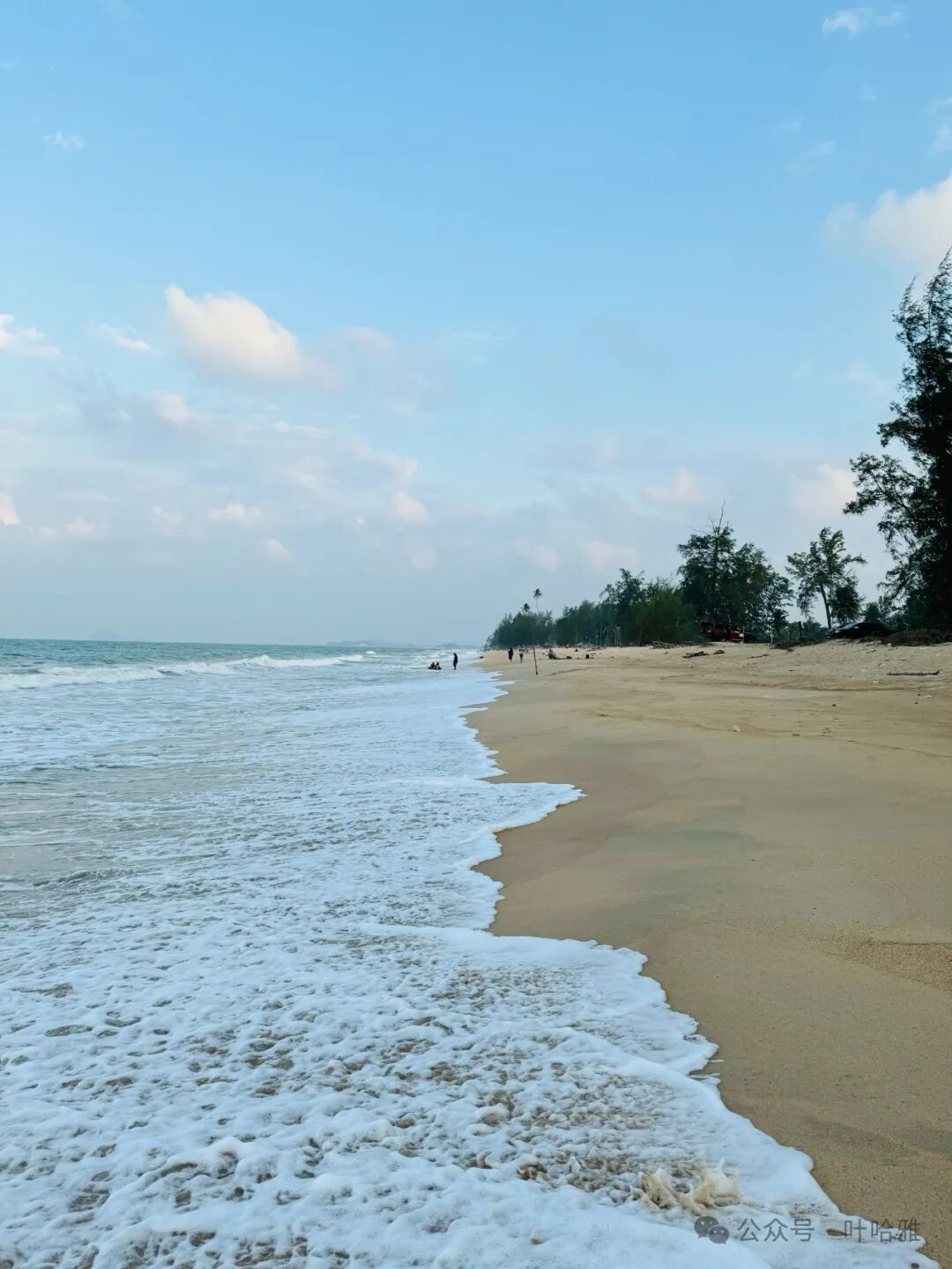
Since it is on the coast near the mainland, the water is not as clear as on Redang Island, and the sand is not as fine, but it is not commercialized either. This hotel is relatively close to Perhentian Island, and you can take a boat to Perhentian Island from here. Perhentian Island is a new tourist resort island developed in recent years.
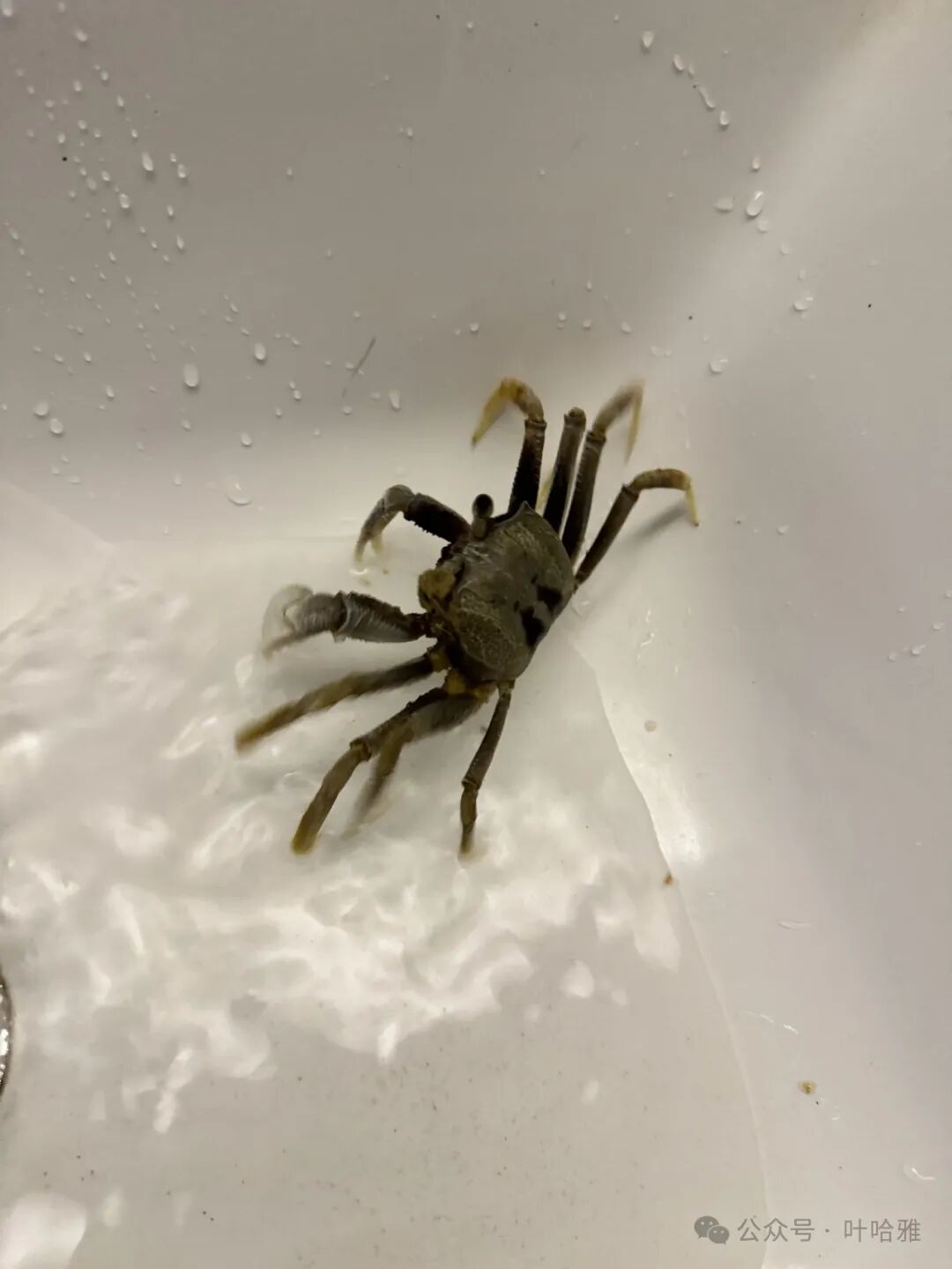
I caught a big crab by the beach in the morning. The crabs here are bigger than the ones on Redang Island.
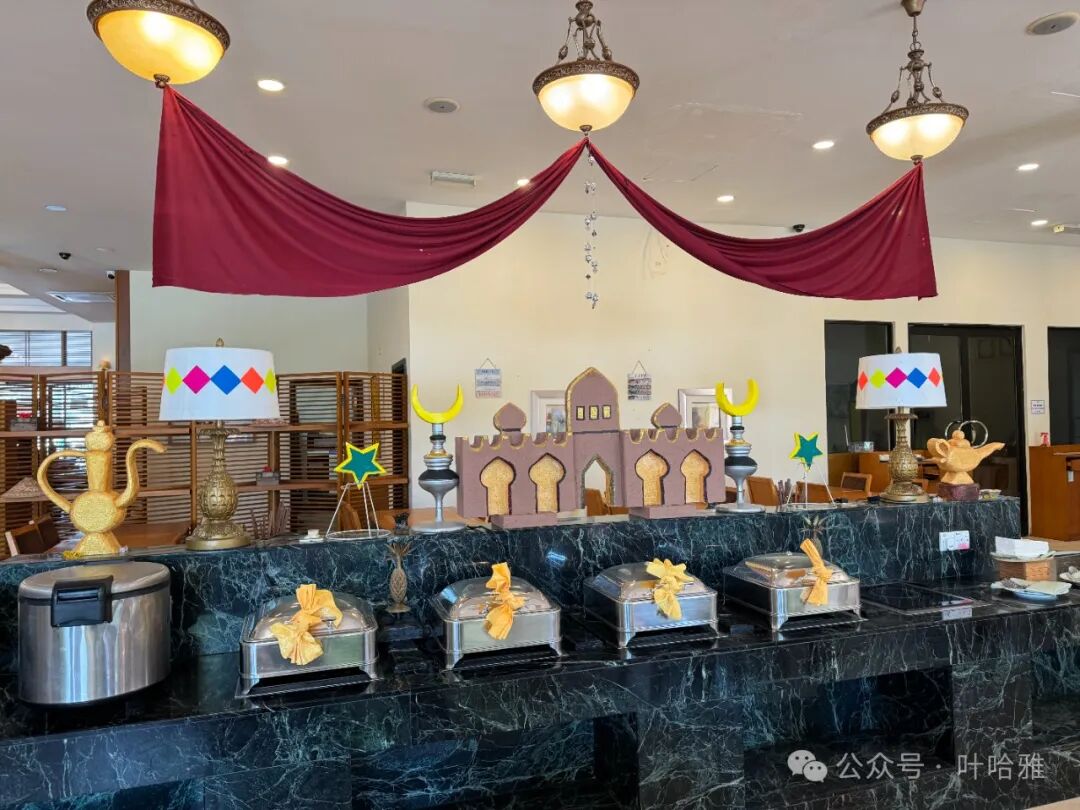
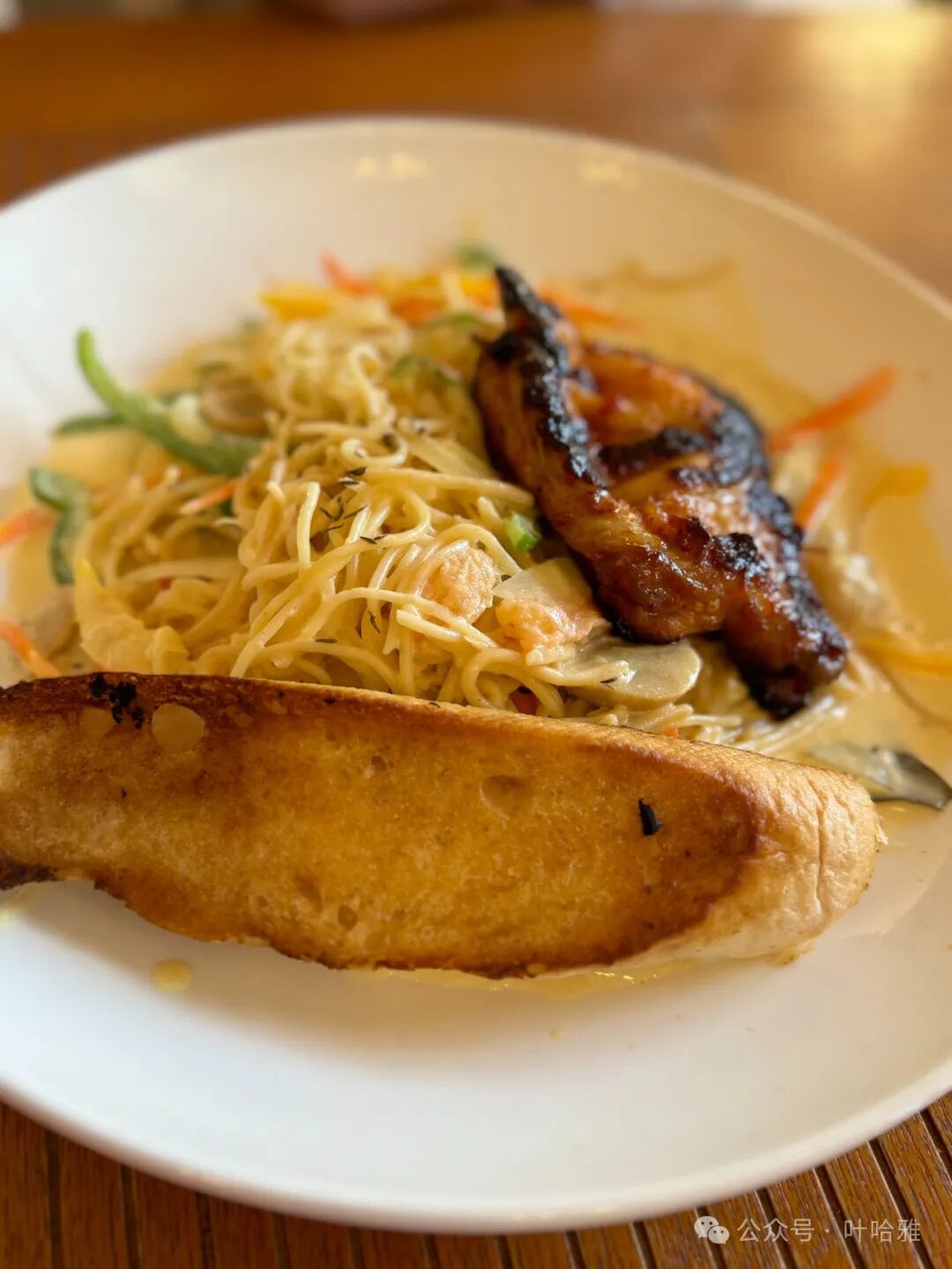
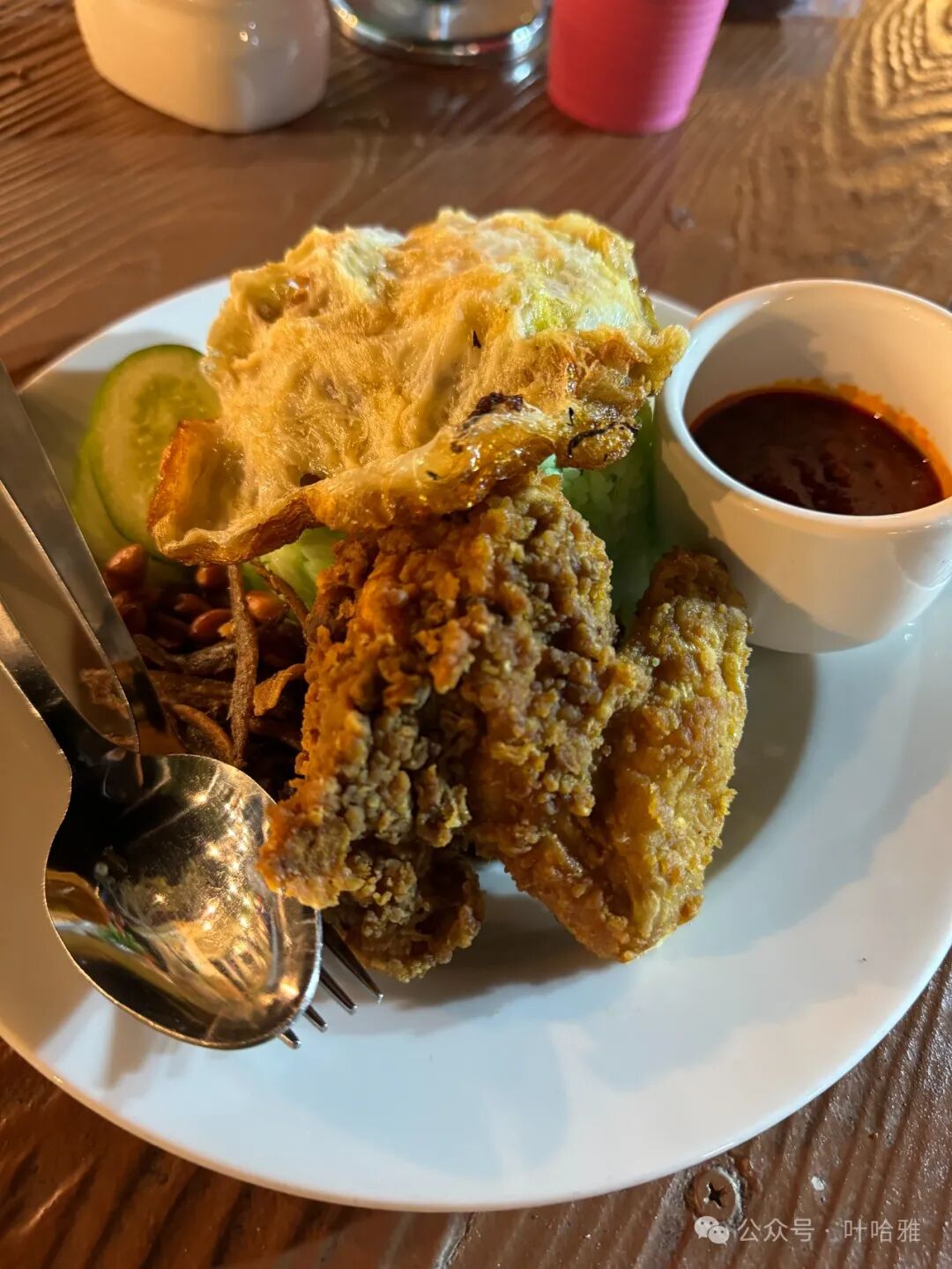
A serving of Malay fried rice at the hotel restaurant only costs a little over ten yuan, which is about the same price as the night market.
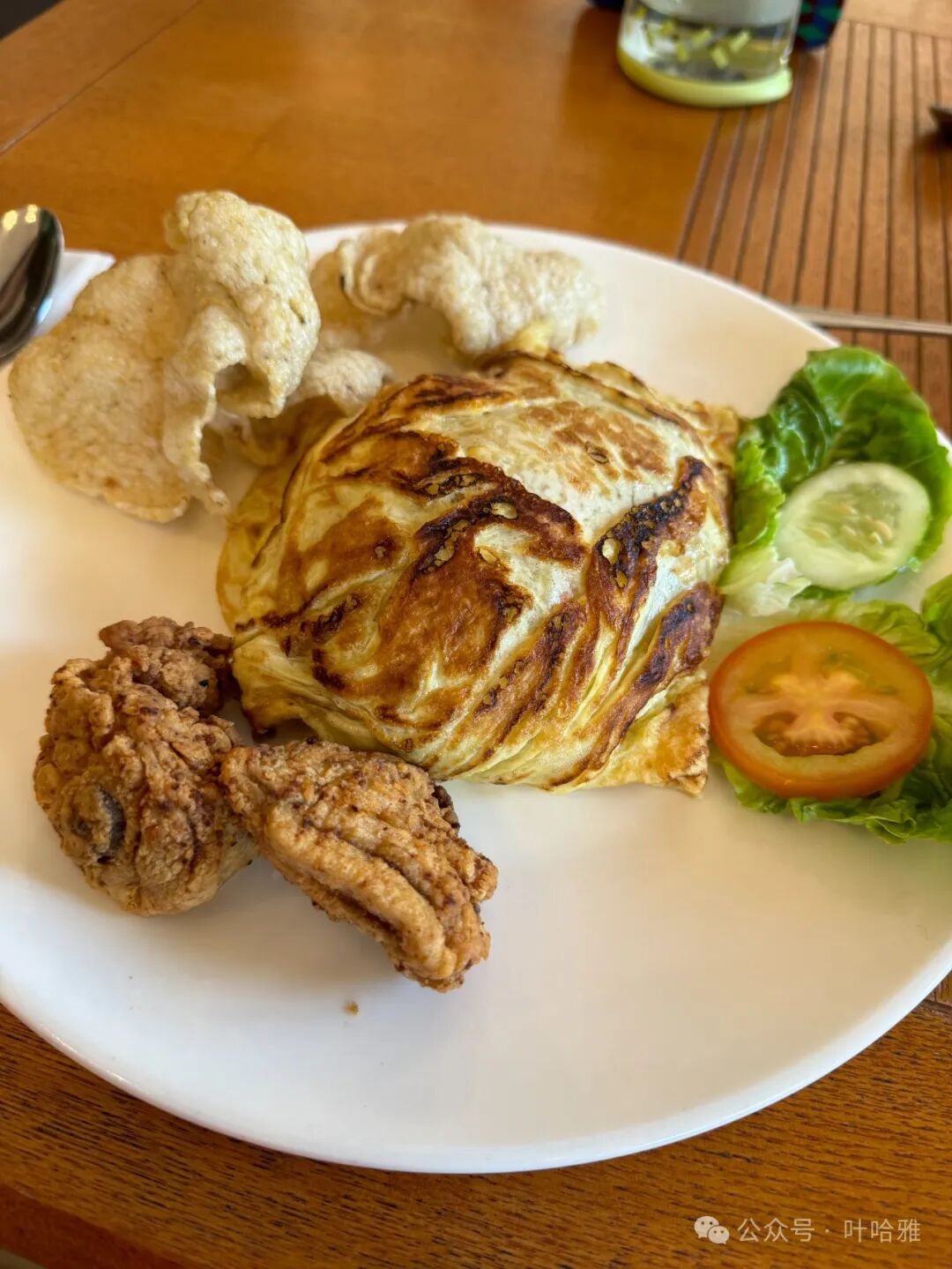
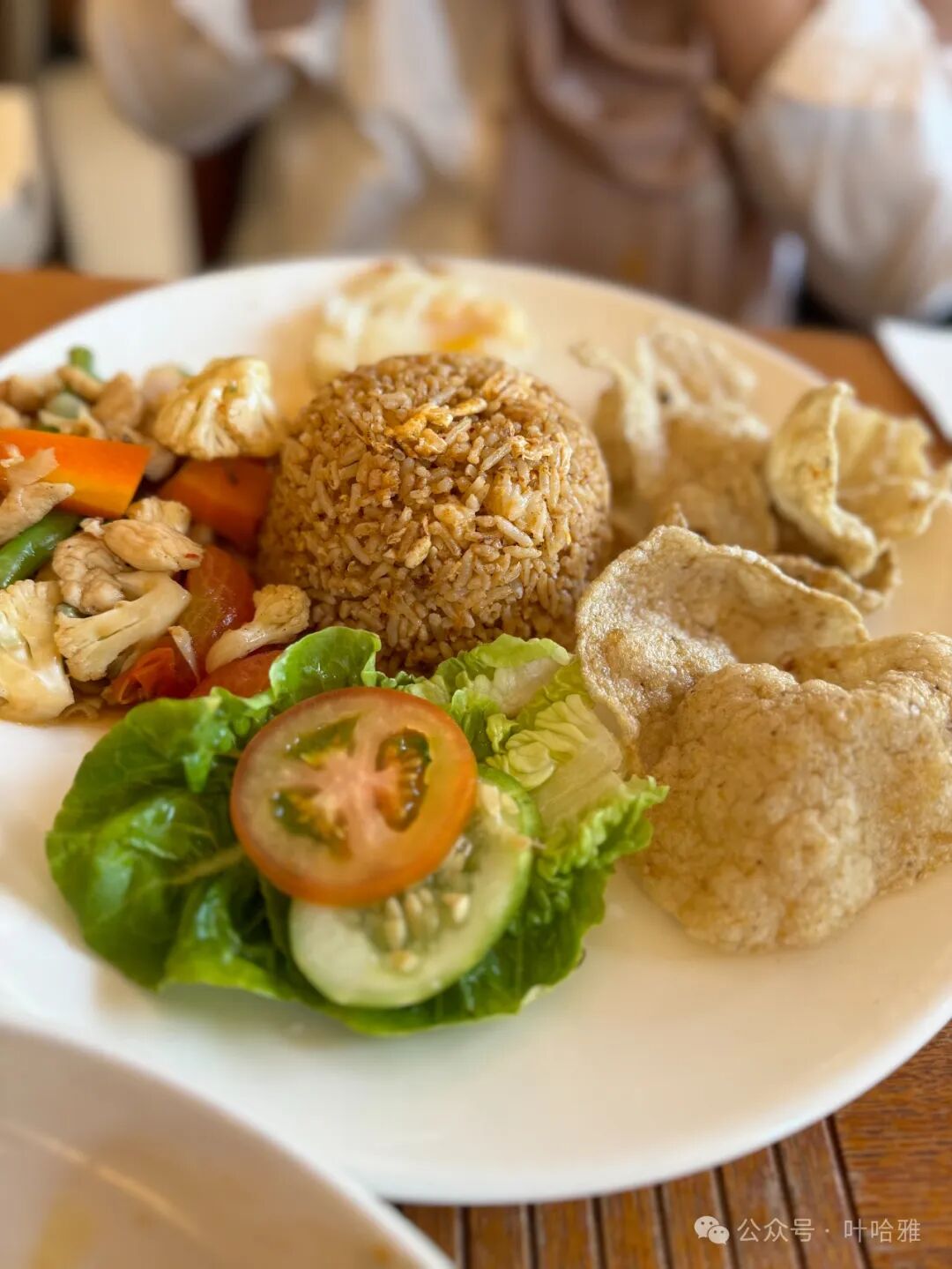
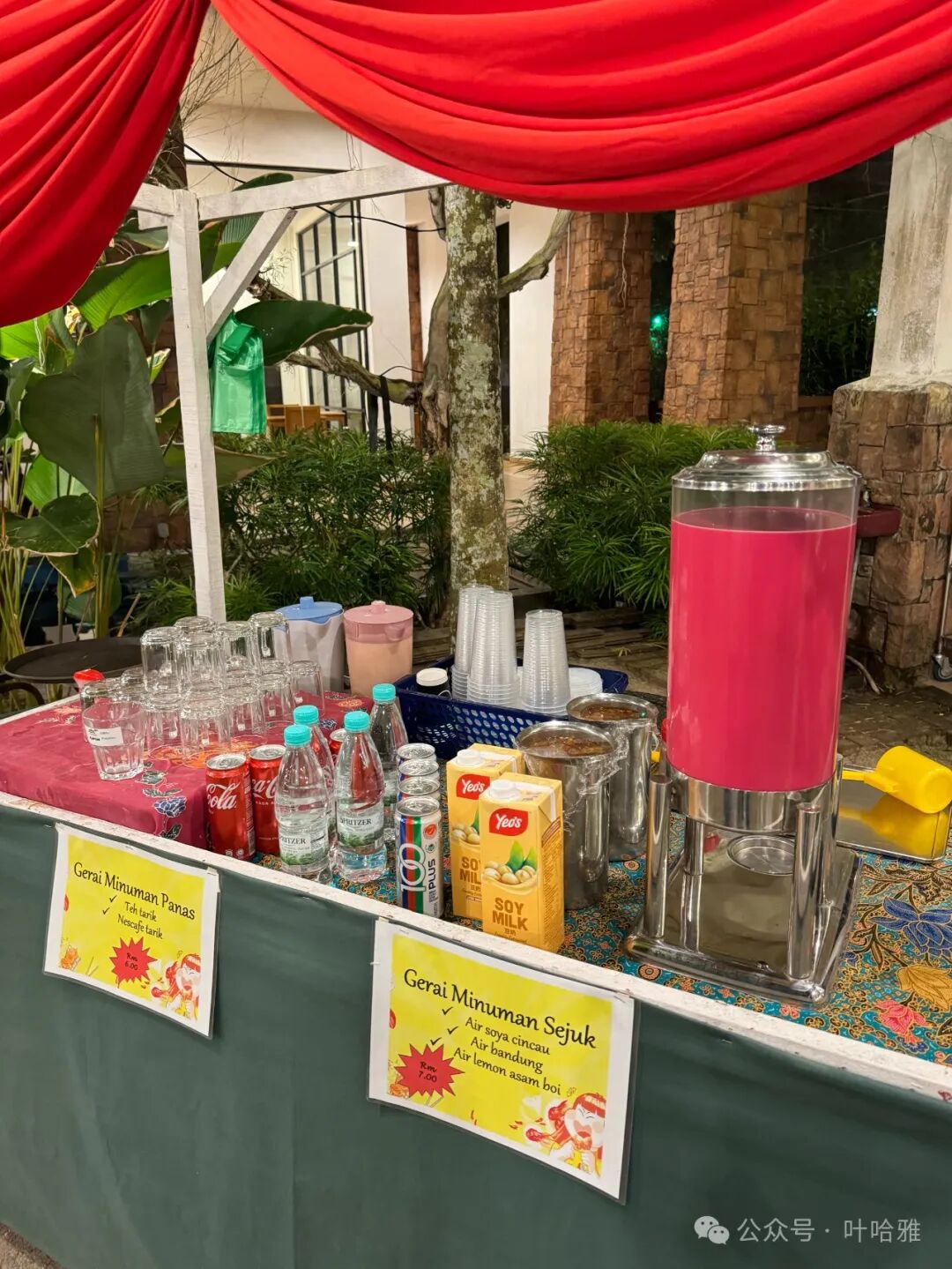
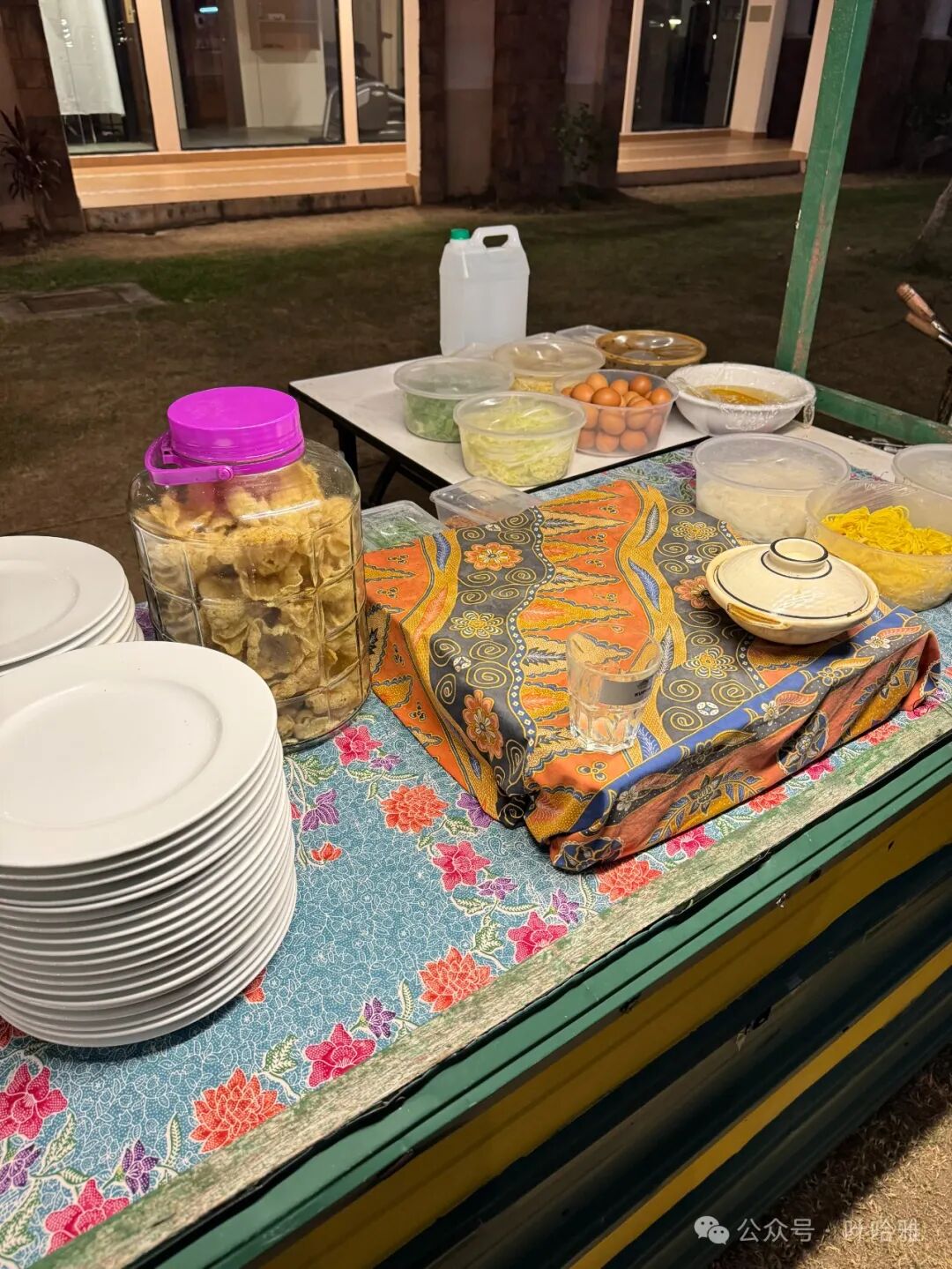
The hotel restaurant tastes very good and is very cheap, much lower in cost than on Redang Island. This is the night market held at the hotel every evening.
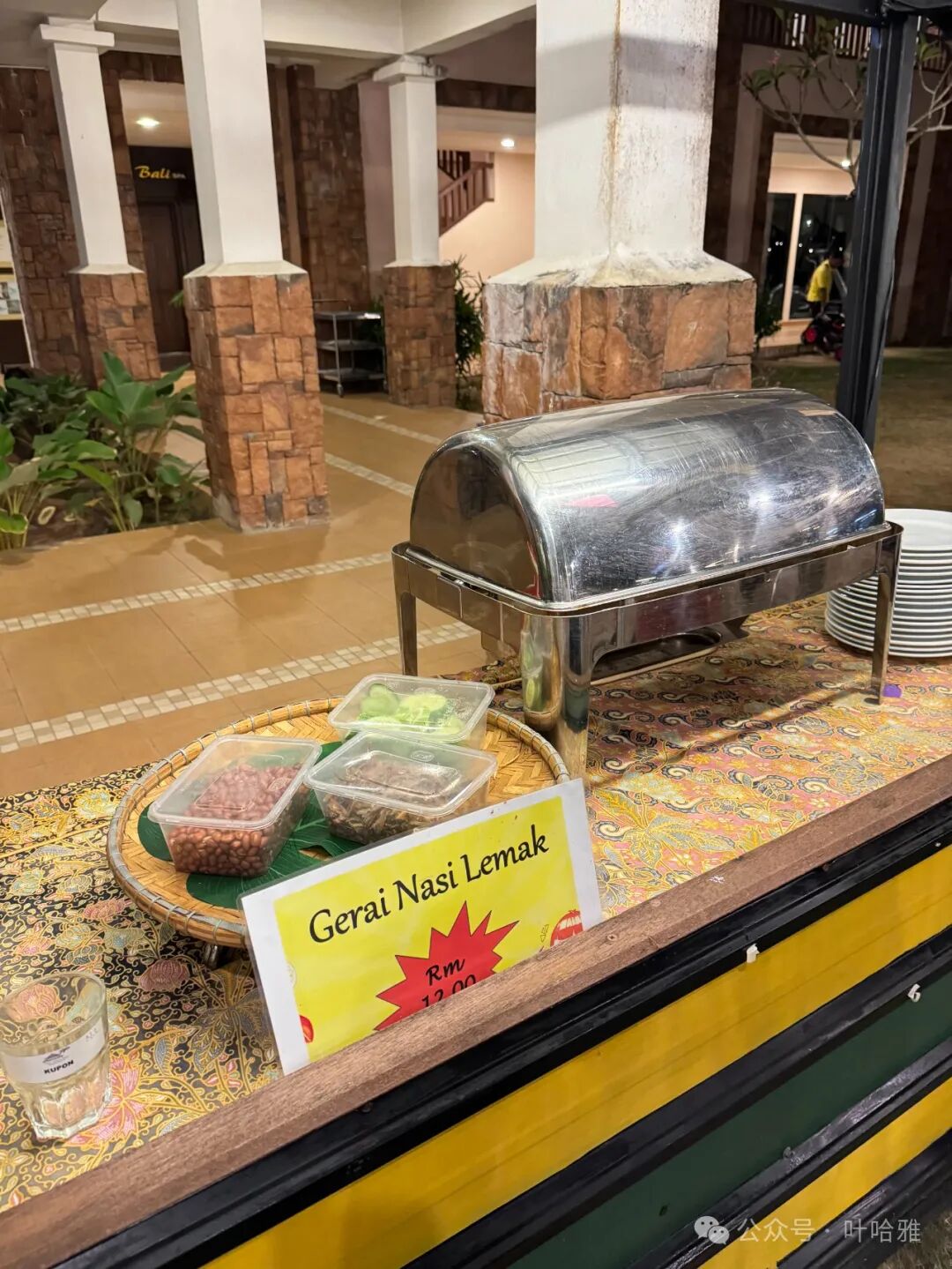
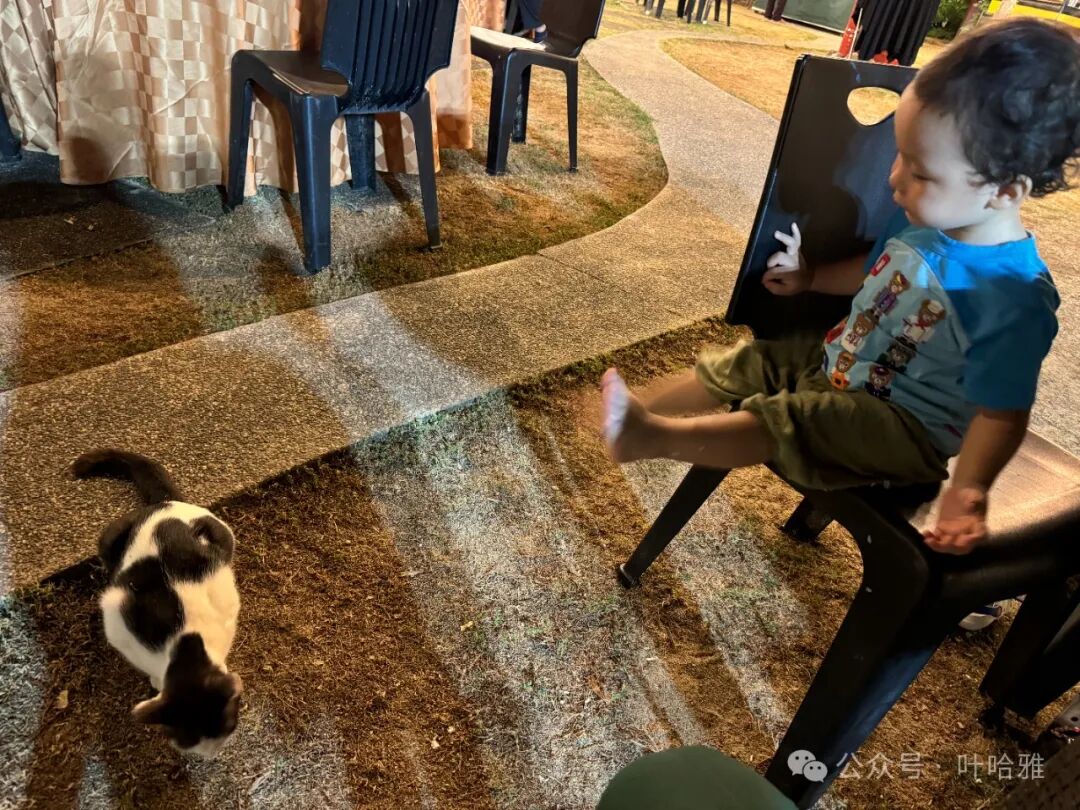
You can see cats everywhere in Malaysia. Whenever we sit down to eat, cats come over to join us.
I like this resort hotel because it has many play areas for children, which helps them burn off energy and have fun all day.
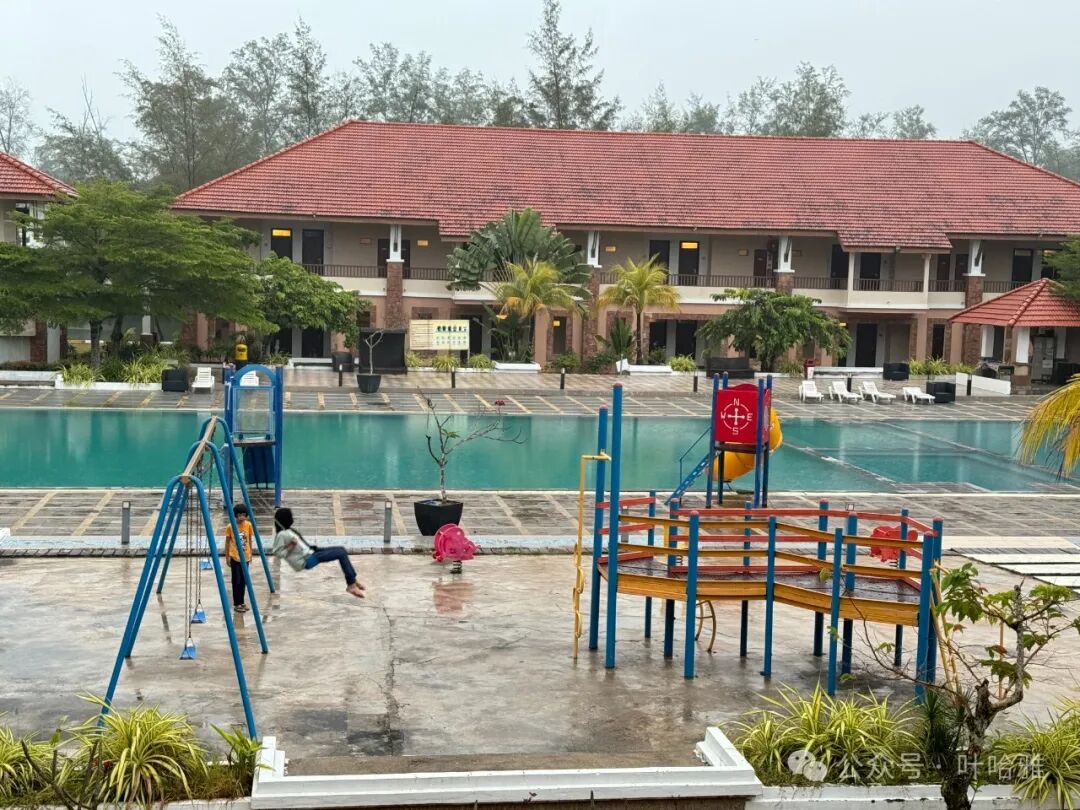
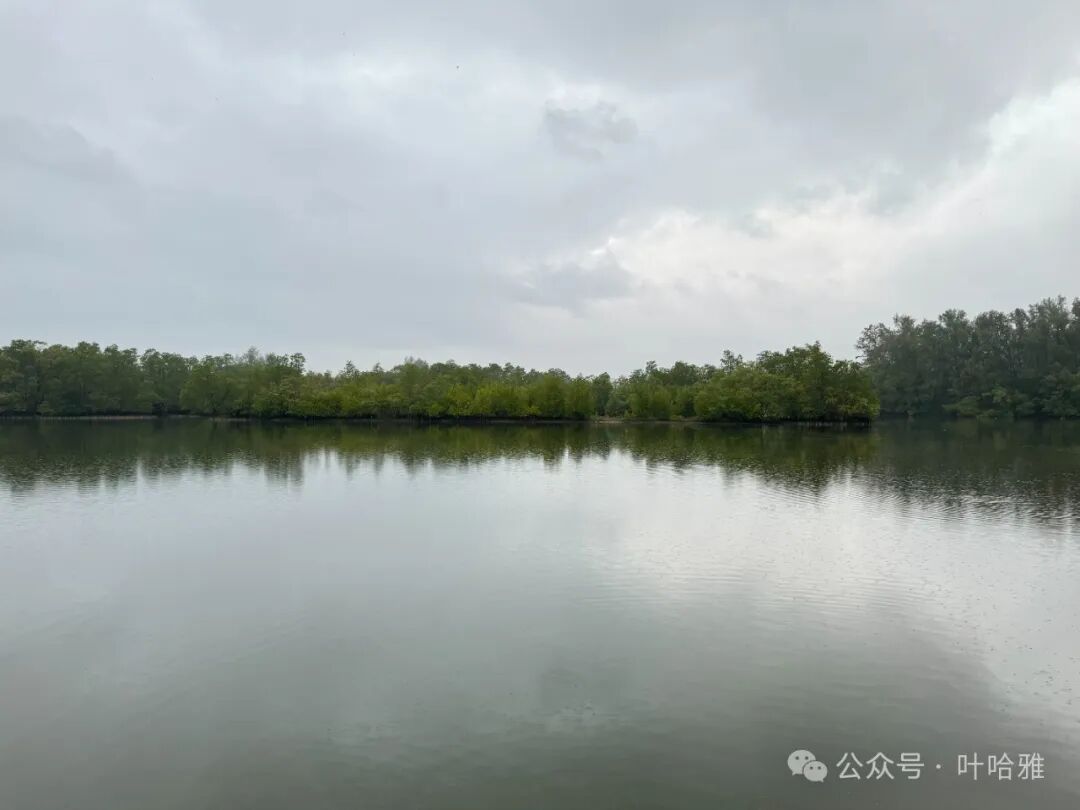
One side of the breakfast restaurant faces a lake, and the connected river flows toward the sea. I saw a few crocodiles on the other side of the lake.
Best Halal Food Kuala Lumpur: Din Tai Fung Soup Dumplings, Taco Bell and Makan Buffet
Articles • yusuf908 posted the article • 0 comments • 276 views • 2026-05-22 22:52
Summary: This Kuala Lumpur halal food guide continues with Taco Bell, Din Tai Fung pork-free and halal notes, soup dumplings, Makan Malay, Indian, and Chinese buffet counters, and practical dining impressions from Malaysia.
Kuala Lumpur Halal Food Map is presented here as a firsthand travel account in clear English, beginning with this scene: We ordered a big table of food for three people, costing 171.2 RM, which is over 200 RMB. In terms of value for money, Canton Boy is the better choice. The account keeps its focus on Halal Travel, Yiwu Food, Beijing while preserving the names, places, food, and historical details from the Chinese source.
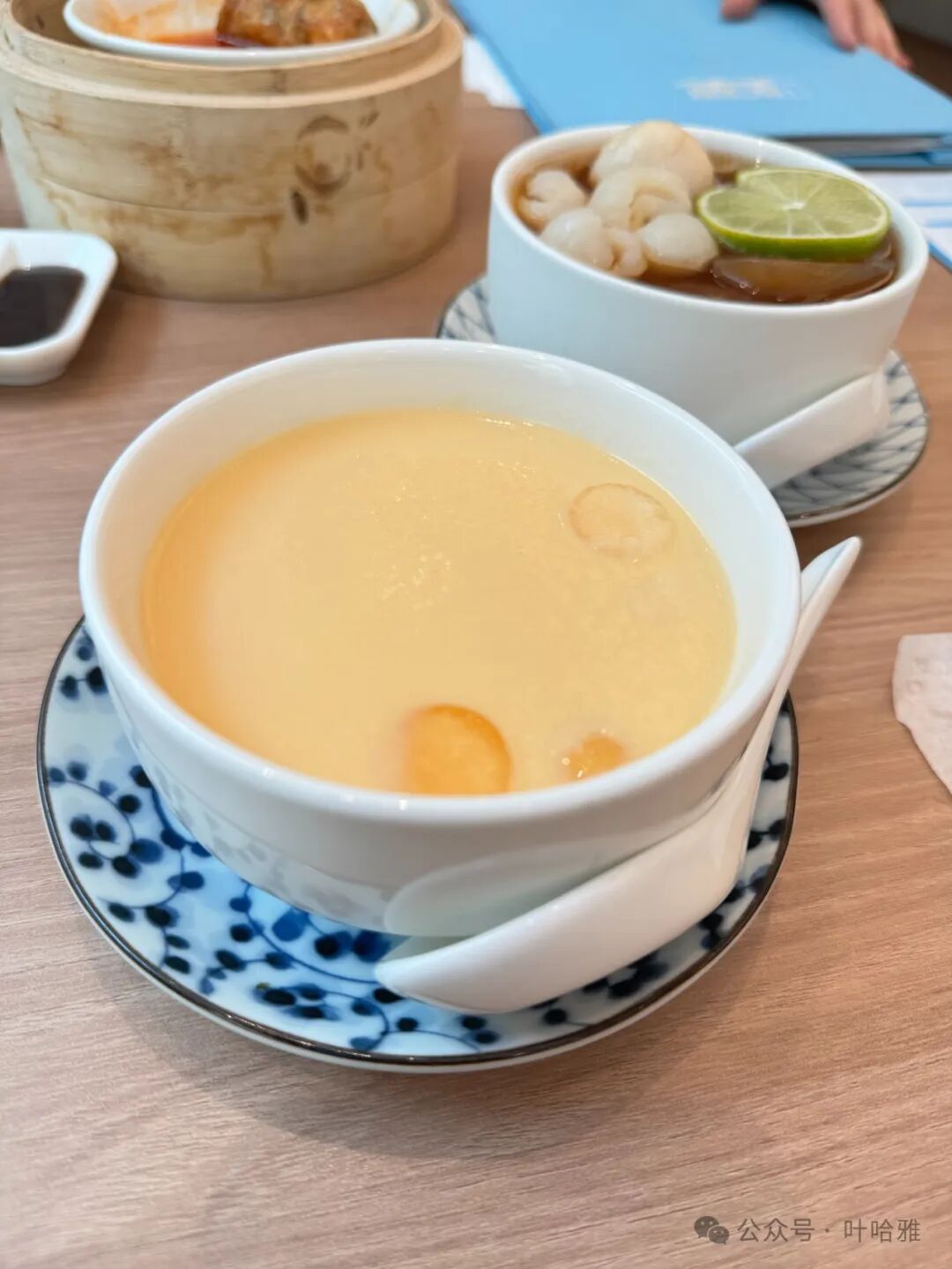
We ordered a big table of food for three people, costing 171.2 RM, which is over 200 RMB. In terms of value for money, Canton Boy is the better choice.
14. Taco Bell
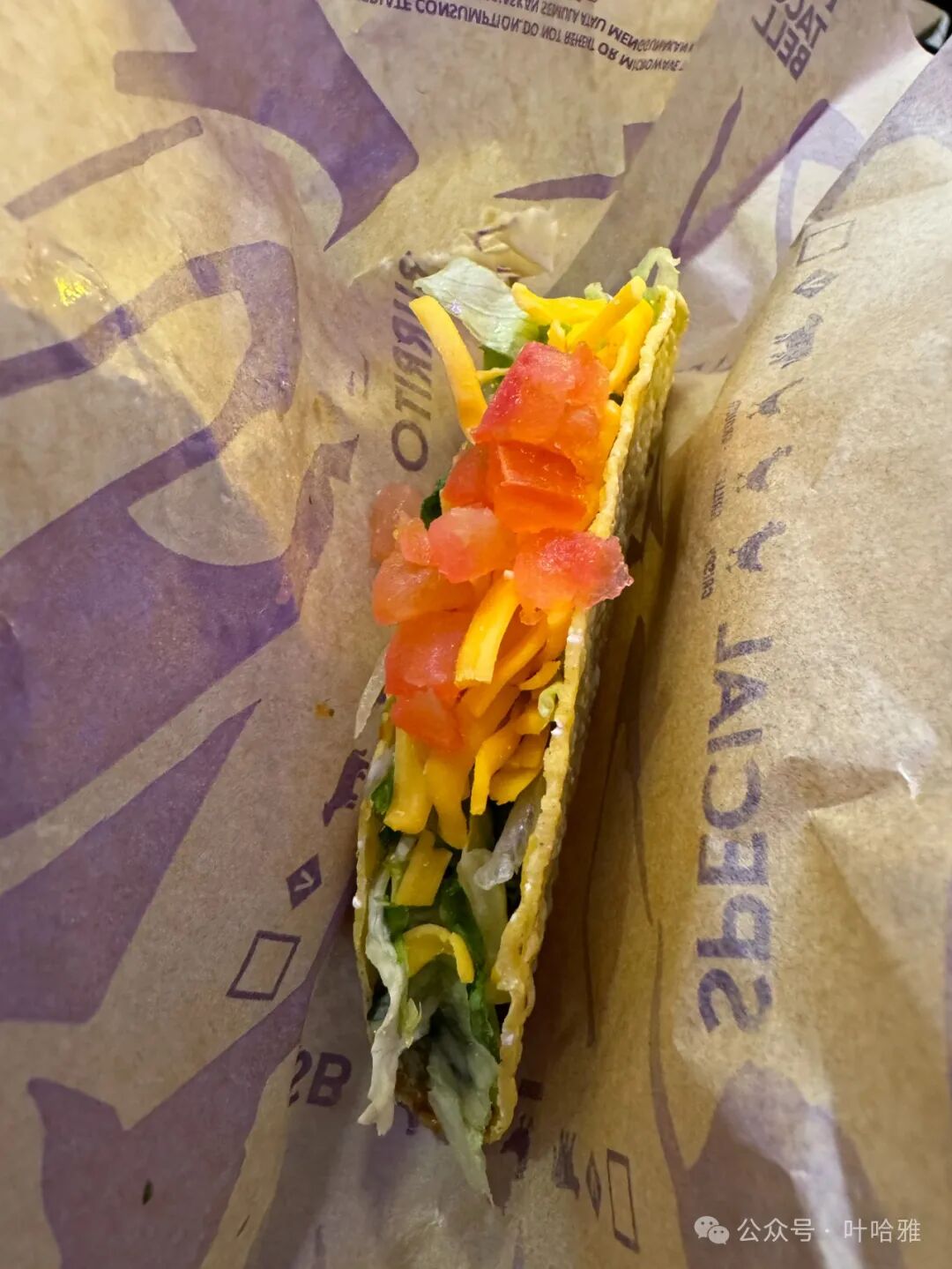
This is a Mexican fast-food chain. A taco is a common North American snack made of a corn tortilla filled with various ingredients. I ate here because you rarely see a purely halal taco shop back home in China. In Beijing, you can only find tacos at a few Arab restaurants.
15. Din Tai Fung
Din Tai Fung started in Taiwan and specializes in Taiwanese snacks. It is actually more famous overseas than in Taiwan. There are Din Tai Fung locations in Beijing, but I have only seen halal versions in Dubai, Indonesia, and Malaysia. Not every Din Tai Fung in Malaysia is halal. You have to look for shops that say 'no pork.' These shops might still sell alcohol. Many Malaysians do not mind if a restaurant sells alcohol, but such restaurants will not receive halal certification. In Malaysia, halal certification is only given to restaurants that do not serve alcohol.
Din Tai Fung is very busy, and you often have to wait in line for a table, but it is worth it. Their crab roe soup dumplings (tangbao) are truly the best I have ever eaten.
We wanted more of the soup dumplings, so we ordered another steamer basket.
Our lunch for two cost 129.5 RM, which is less than 200 RMB.
16. MAKAN Malay, Indian, and Chinese Buffet Restaurant
If you want to eat authentic Malay food in Malaysia, I recommend this buffet restaurant located on the 11th floor of the Hilton Hotel in Intermark Mall.
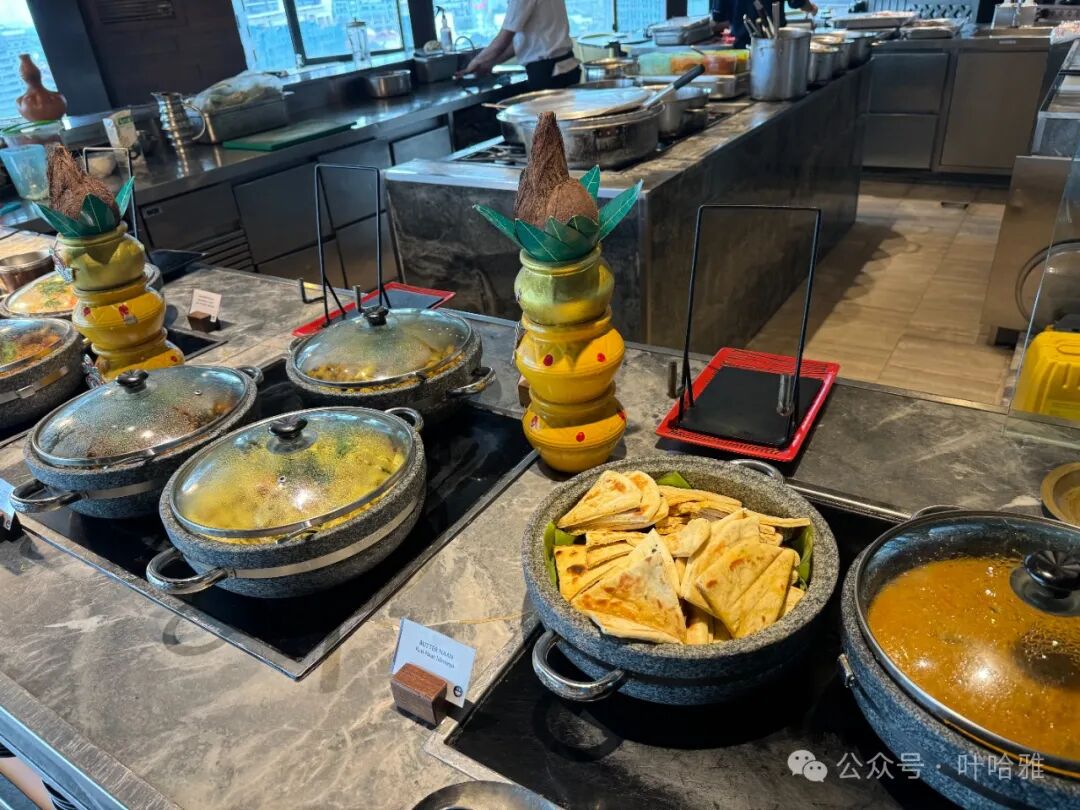
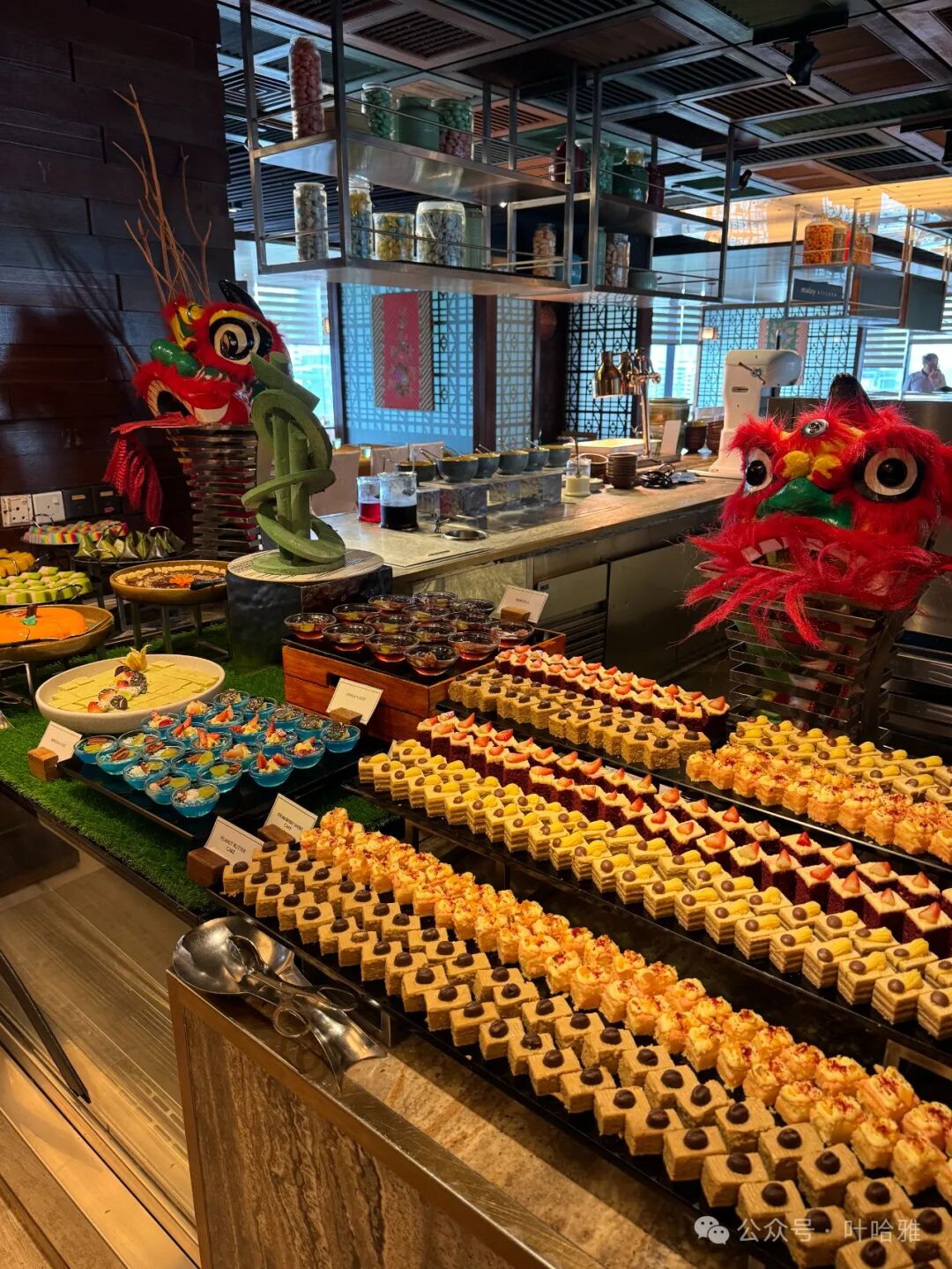
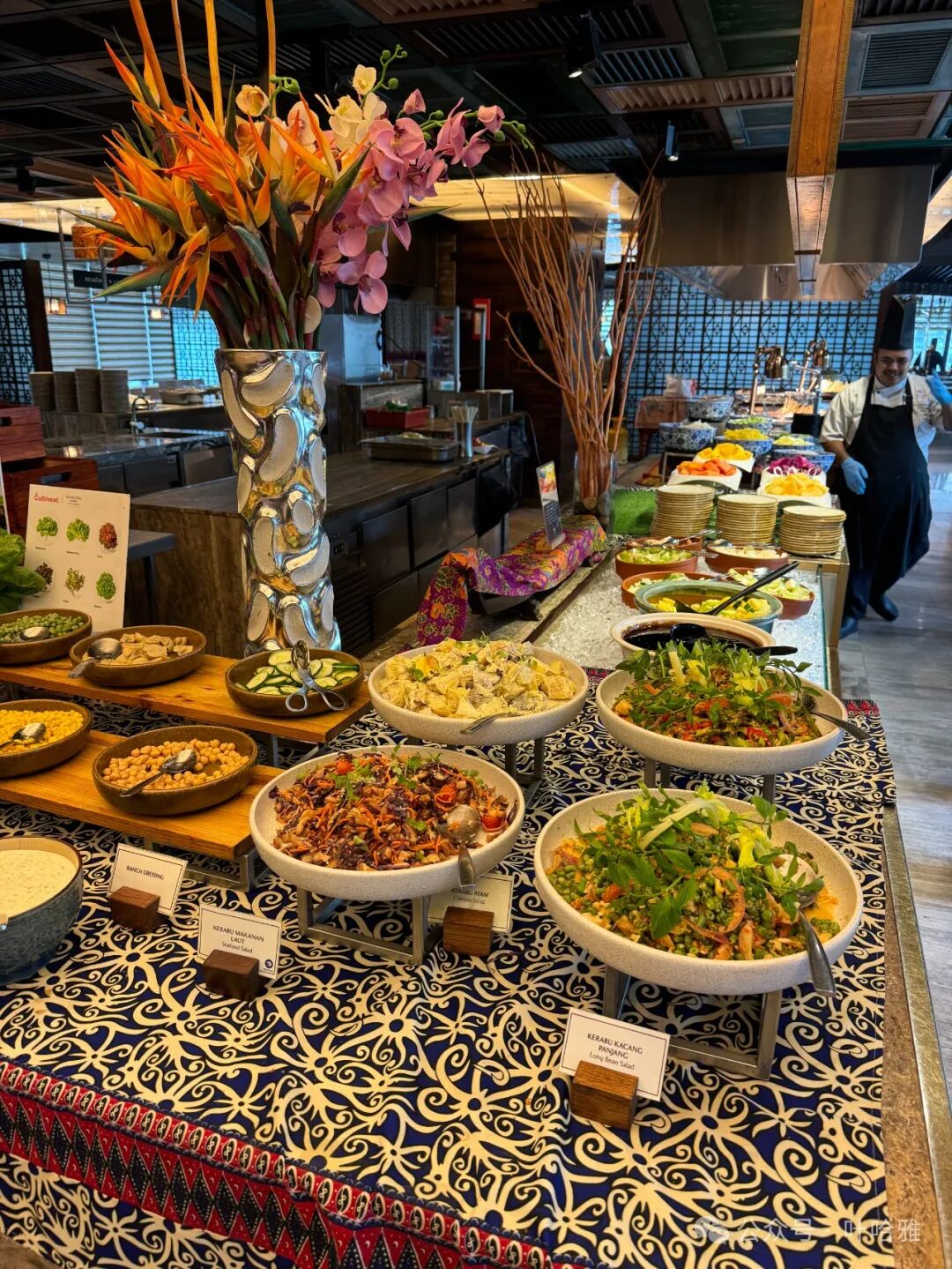
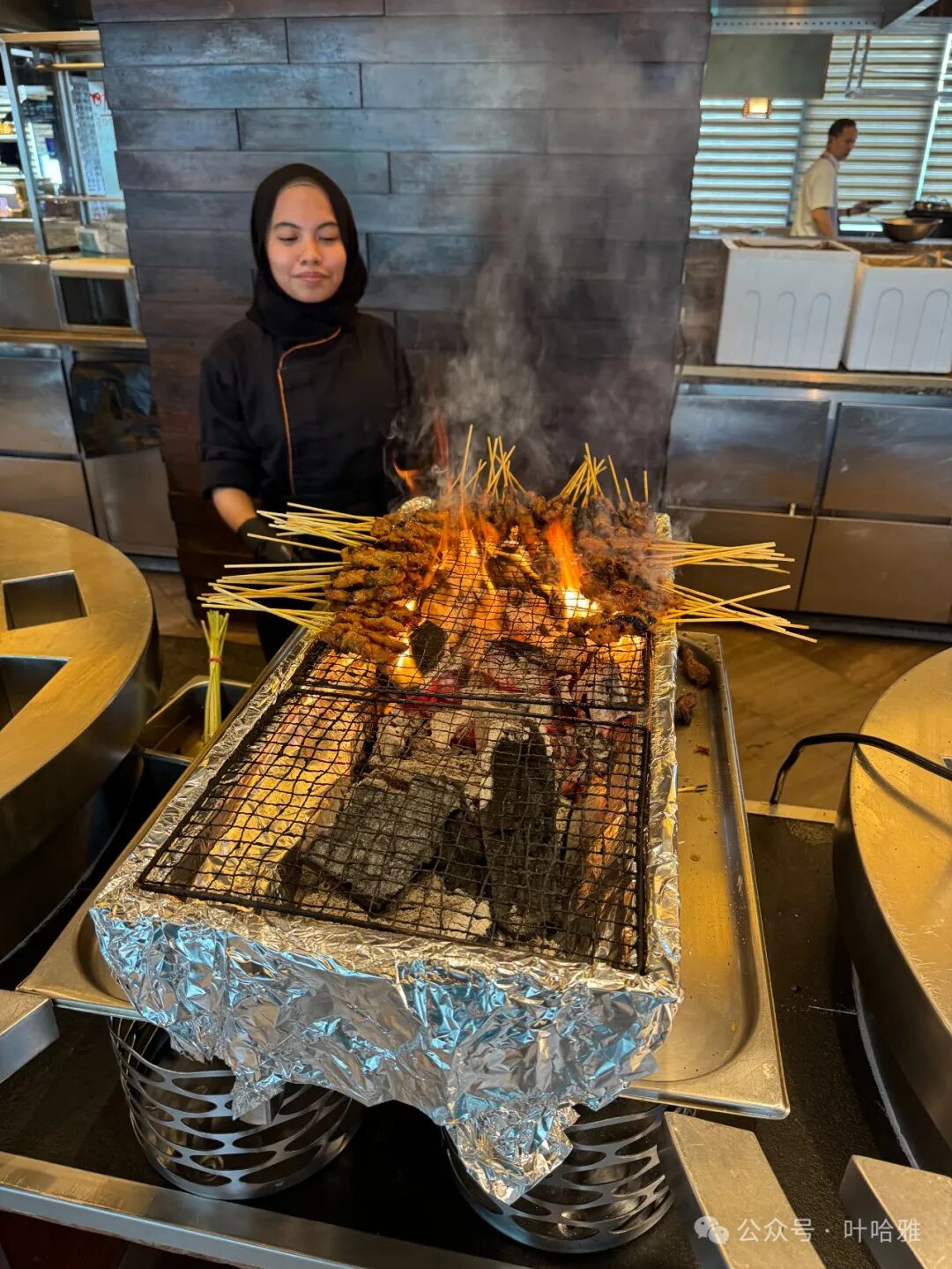
This restaurant is ranked number one on the TripAdvisor app, and the buffet price is 85 RM per person. There are three options, as shown on the sign in the picture. This restaurant has three kitchens: one for Malay style, one for Indian style, and one for Chinese food. All three, including the Chinese one, are halal.
You can freely choose a buffet from any of these styles, but we tried all three.
At 85 Malaysian Ringgit per person, this buffet is considered quite expensive in Kuala Lumpur. Even so, the restaurant is packed, and many office workers from nearby come here for lunch. After eating, I felt that the tastes of us Chinese people are different from those of the Malay people. The popular restaurants that are hits in Malaysia all tasted average to me. I can only say that Malay people are not very particular about food, but overall, the standard of halal dining in Kuala Lumpur is still world-leading. view all
Summary: This Kuala Lumpur halal food guide continues with Taco Bell, Din Tai Fung pork-free and halal notes, soup dumplings, Makan Malay, Indian, and Chinese buffet counters, and practical dining impressions from Malaysia.
Kuala Lumpur Halal Food Map is presented here as a firsthand travel account in clear English, beginning with this scene: We ordered a big table of food for three people, costing 171.2 RM, which is over 200 RMB. In terms of value for money, Canton Boy is the better choice. The account keeps its focus on Halal Travel, Yiwu Food, Beijing while preserving the names, places, food, and historical details from the Chinese source.
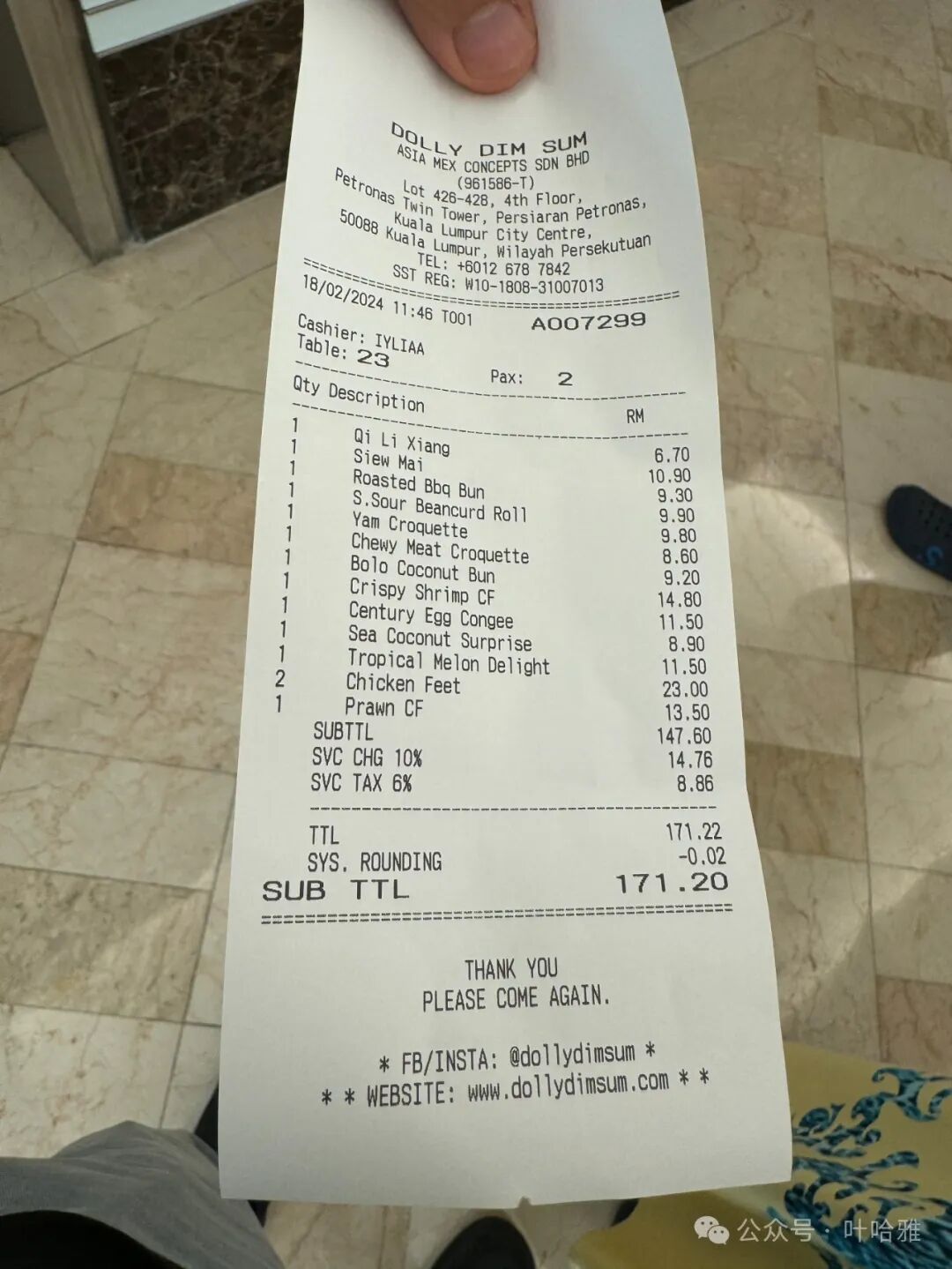
We ordered a big table of food for three people, costing 171.2 RM, which is over 200 RMB. In terms of value for money, Canton Boy is the better choice.
14. Taco Bell
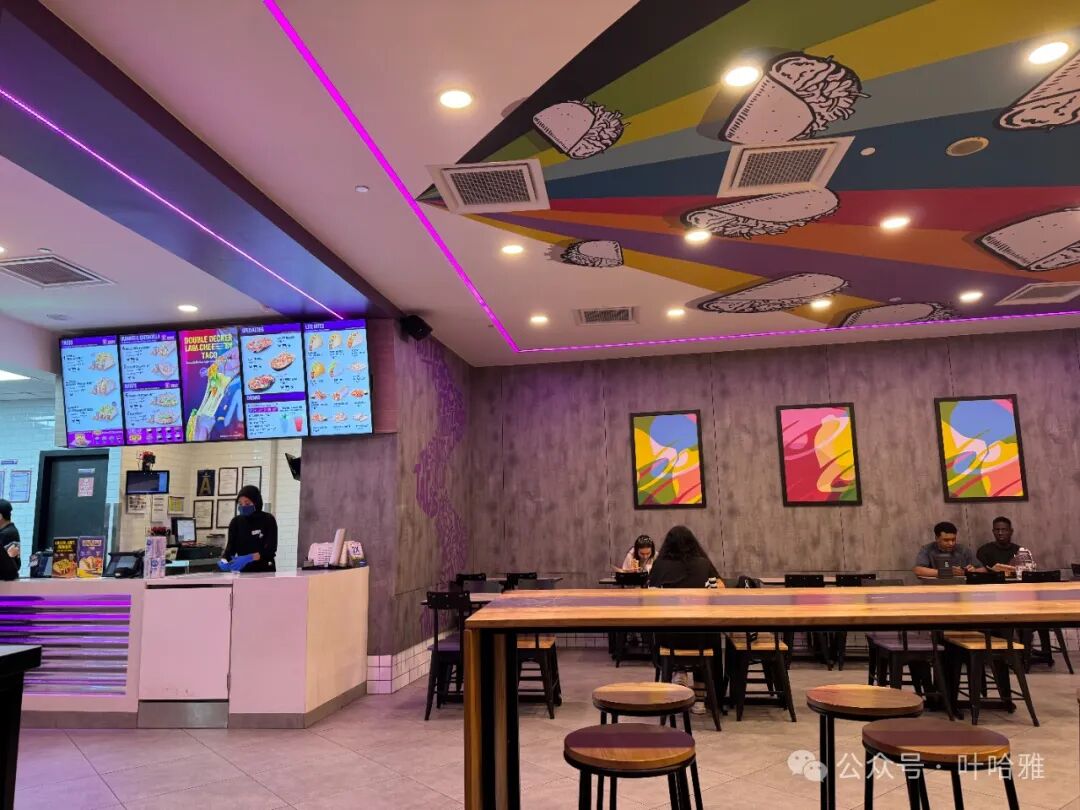
This is a Mexican fast-food chain. A taco is a common North American snack made of a corn tortilla filled with various ingredients. I ate here because you rarely see a purely halal taco shop back home in China. In Beijing, you can only find tacos at a few Arab restaurants.
15. Din Tai Fung
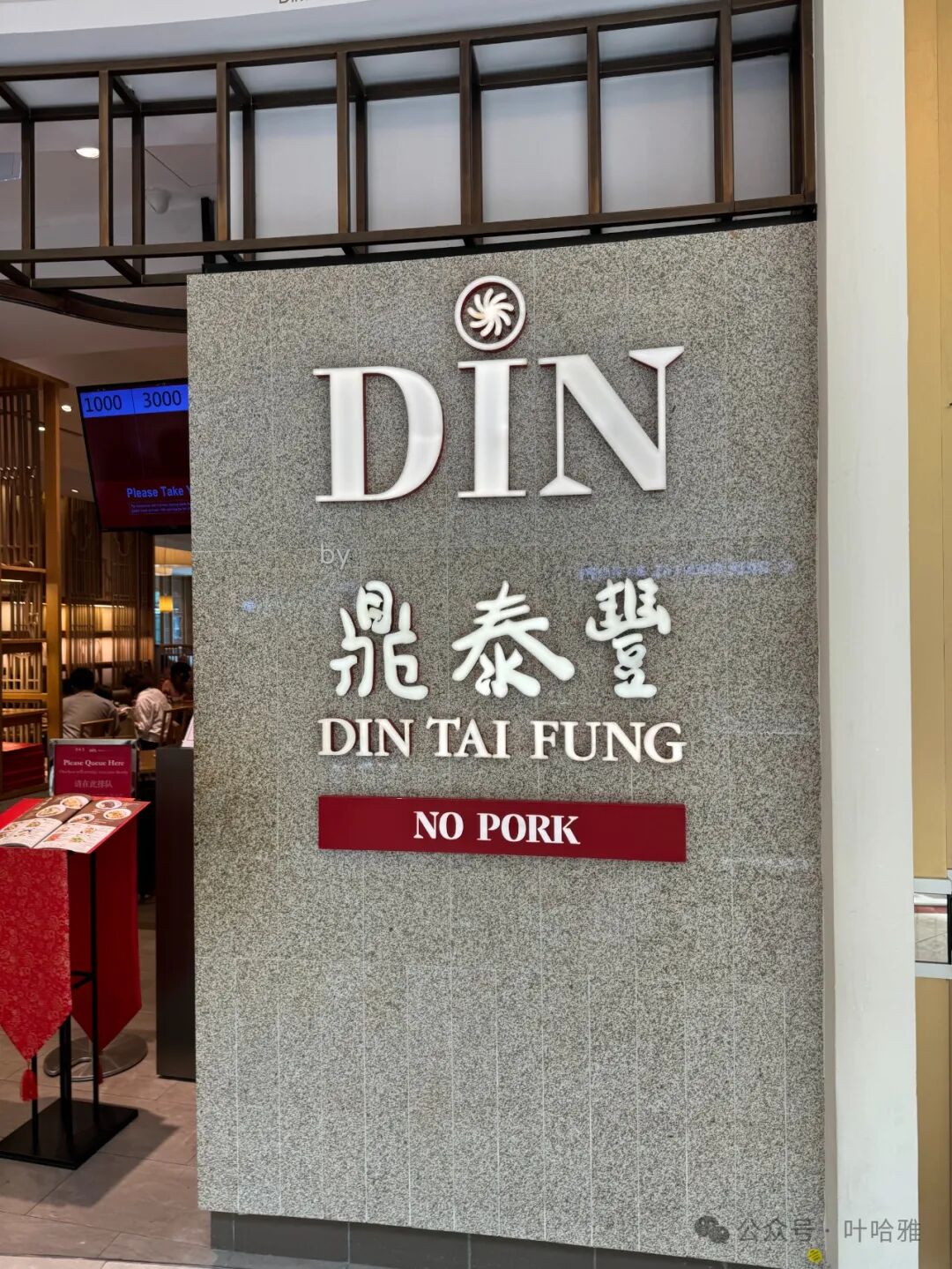
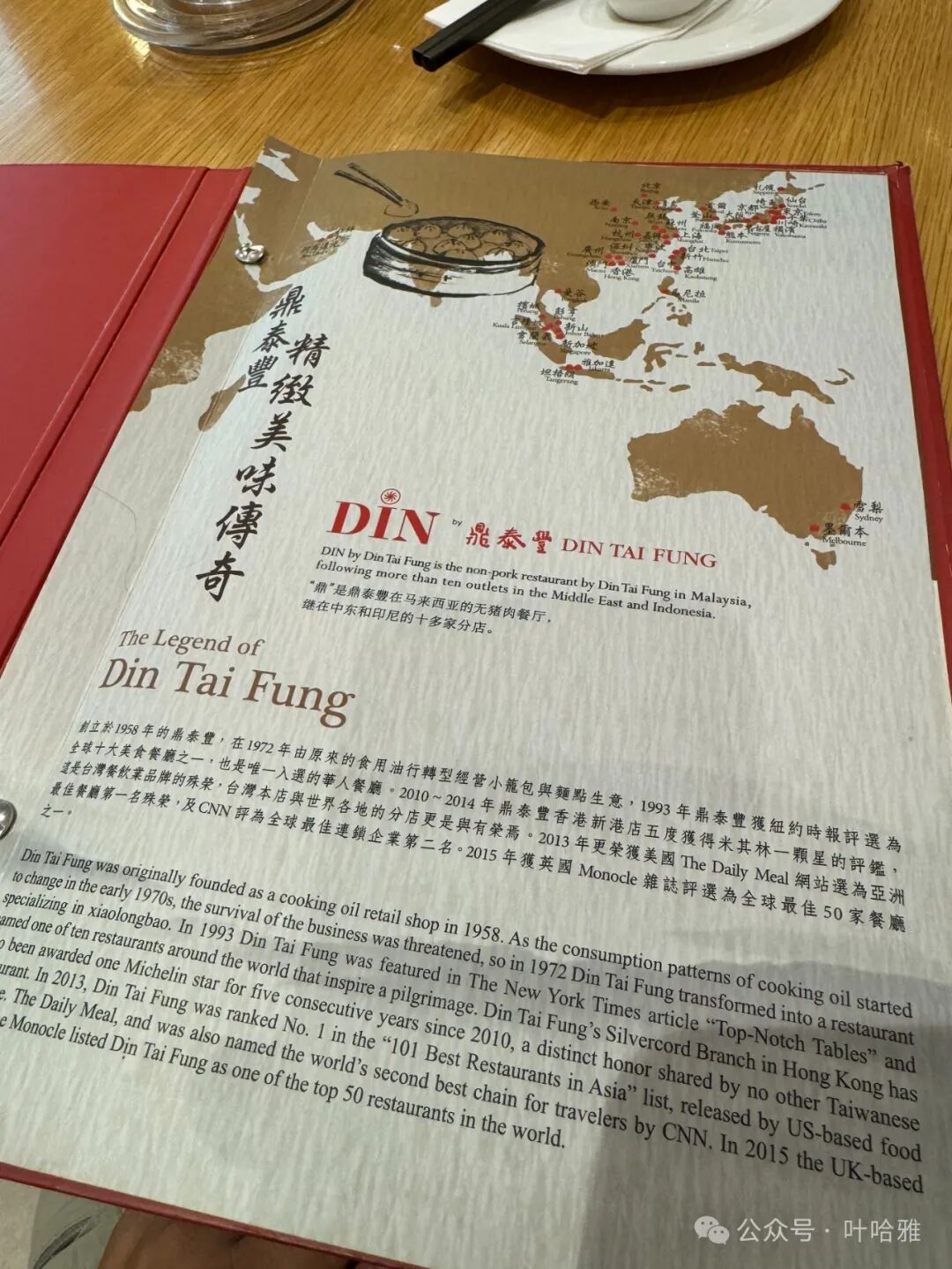
Din Tai Fung started in Taiwan and specializes in Taiwanese snacks. It is actually more famous overseas than in Taiwan. There are Din Tai Fung locations in Beijing, but I have only seen halal versions in Dubai, Indonesia, and Malaysia. Not every Din Tai Fung in Malaysia is halal. You have to look for shops that say 'no pork.' These shops might still sell alcohol. Many Malaysians do not mind if a restaurant sells alcohol, but such restaurants will not receive halal certification. In Malaysia, halal certification is only given to restaurants that do not serve alcohol.
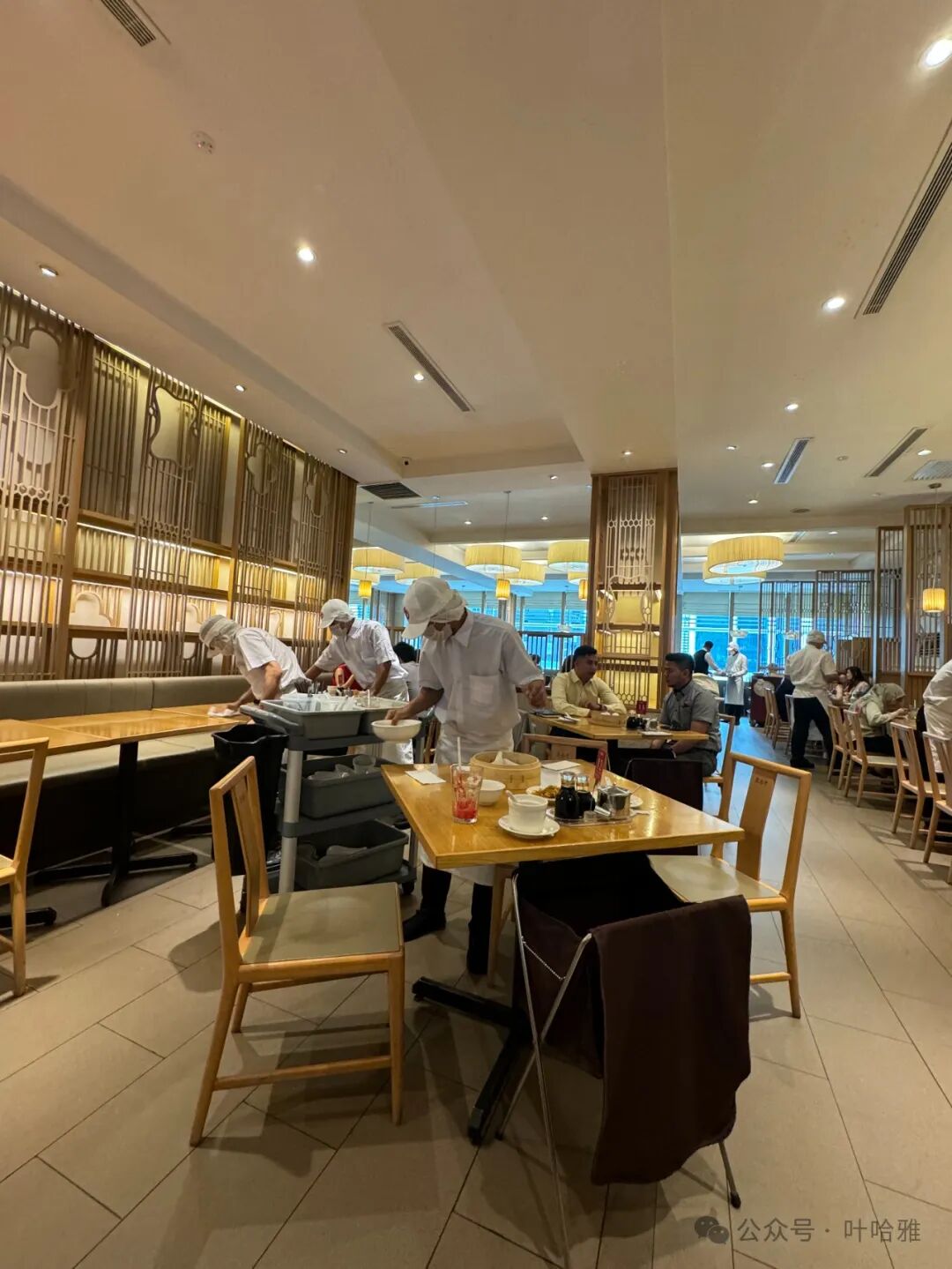
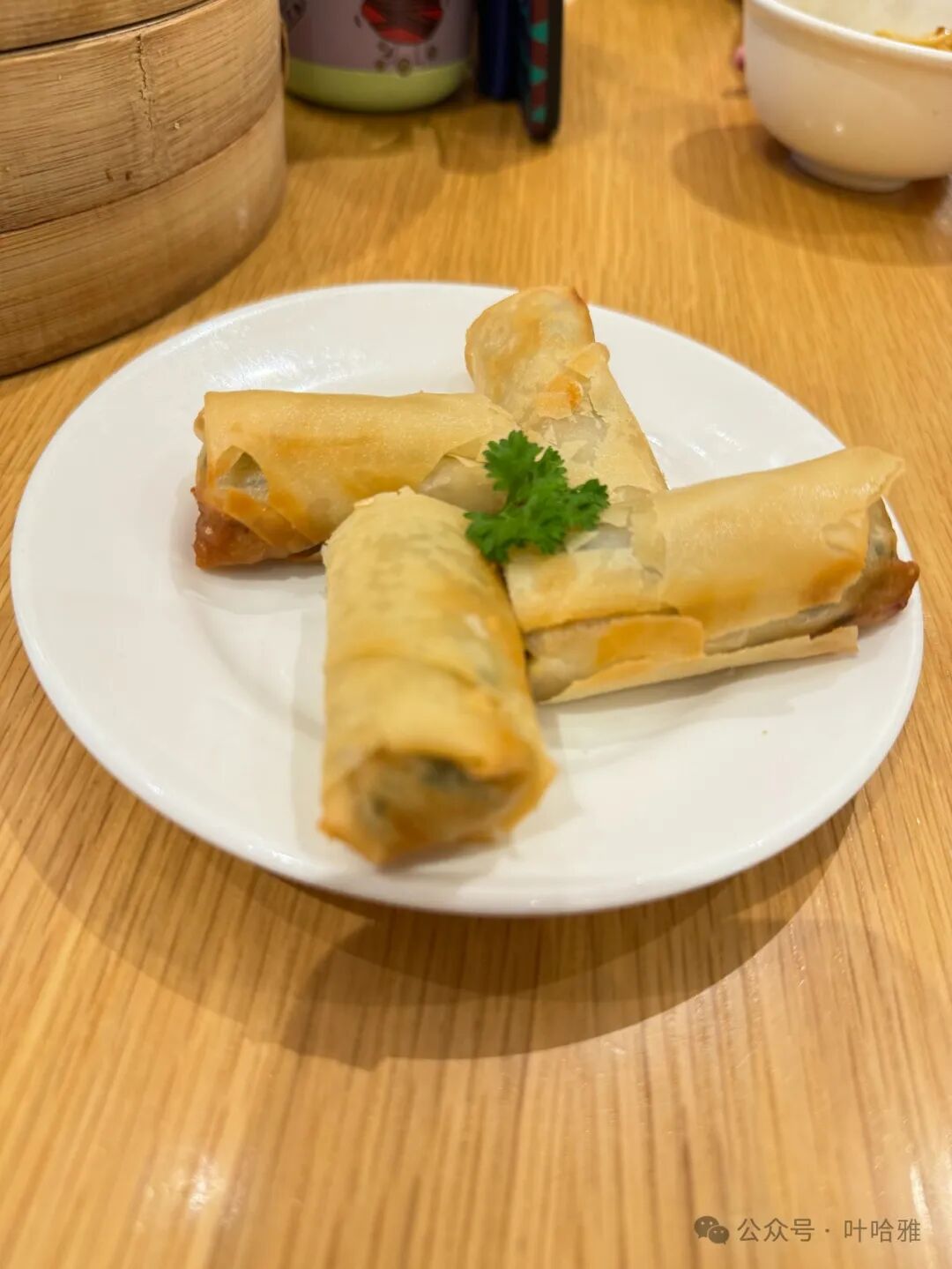
Din Tai Fung is very busy, and you often have to wait in line for a table, but it is worth it. Their crab roe soup dumplings (tangbao) are truly the best I have ever eaten.
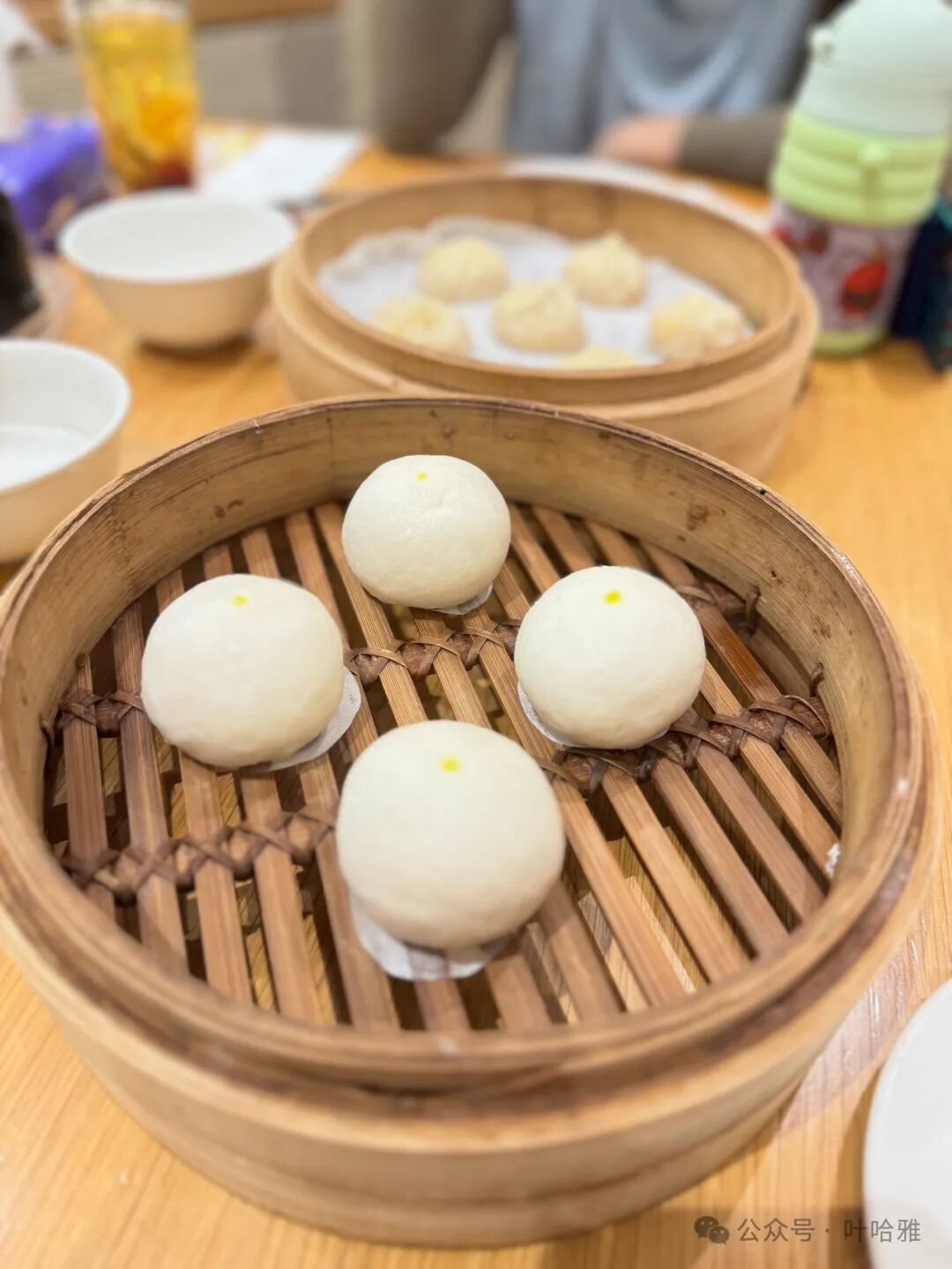
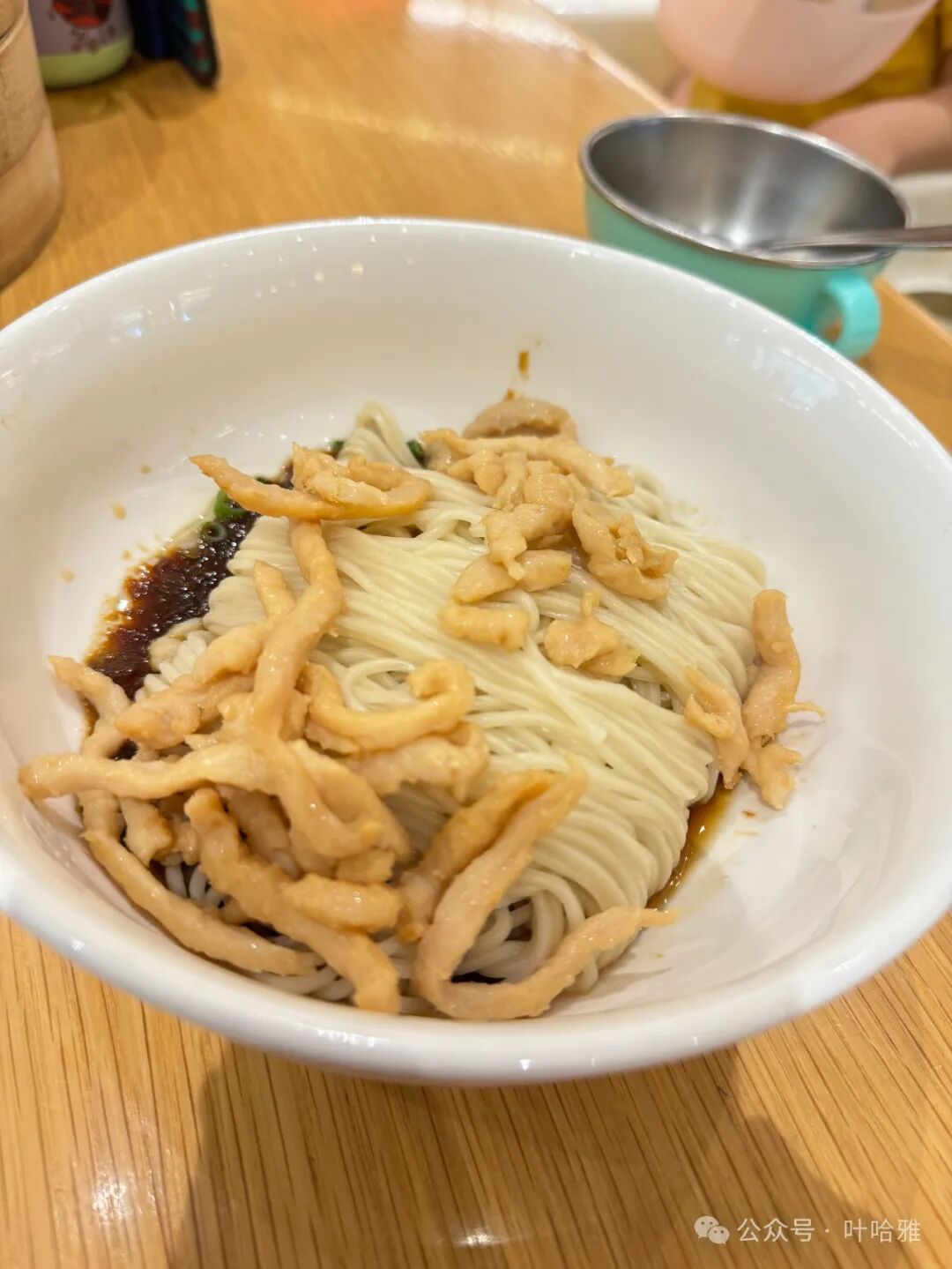
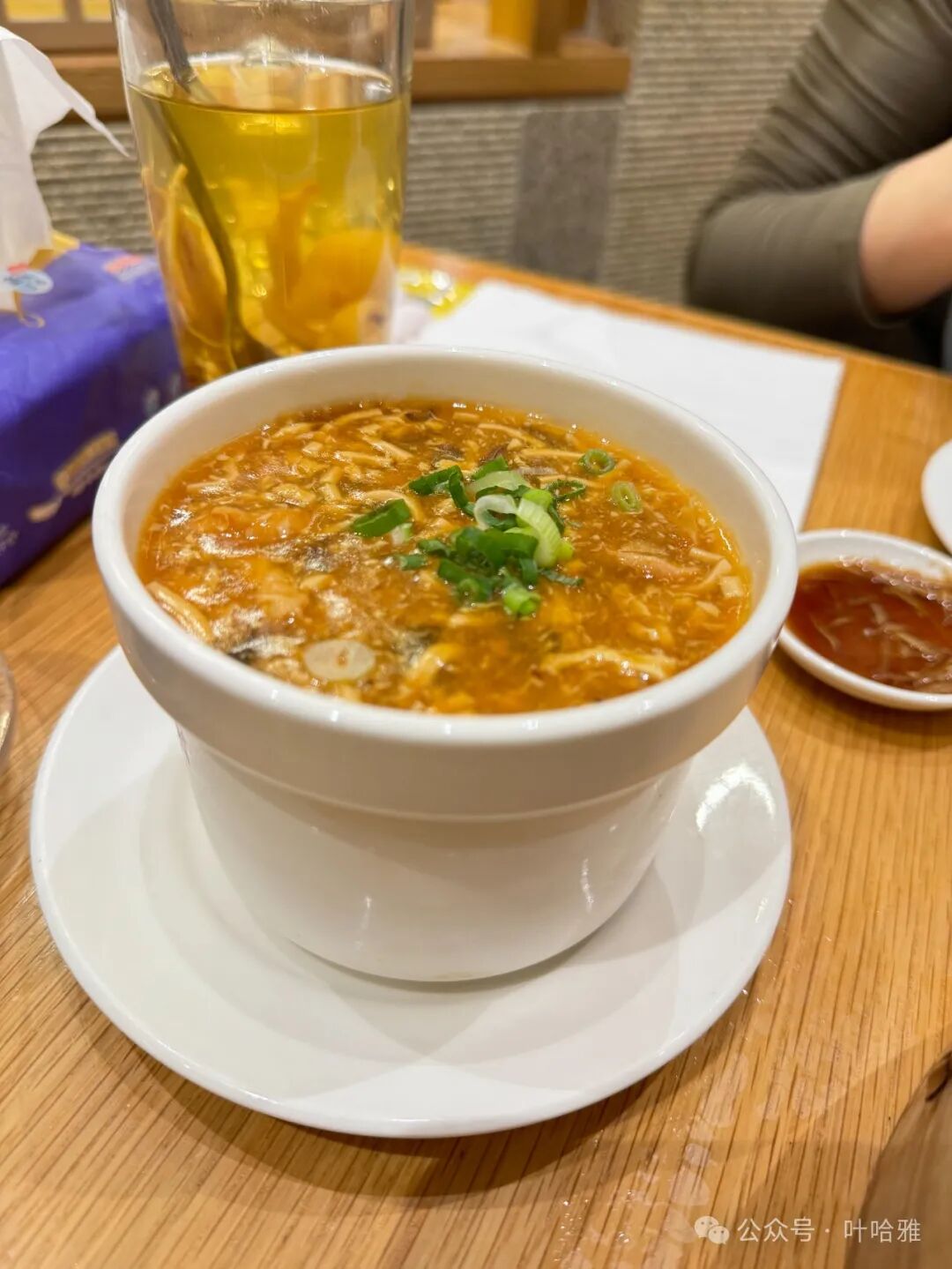
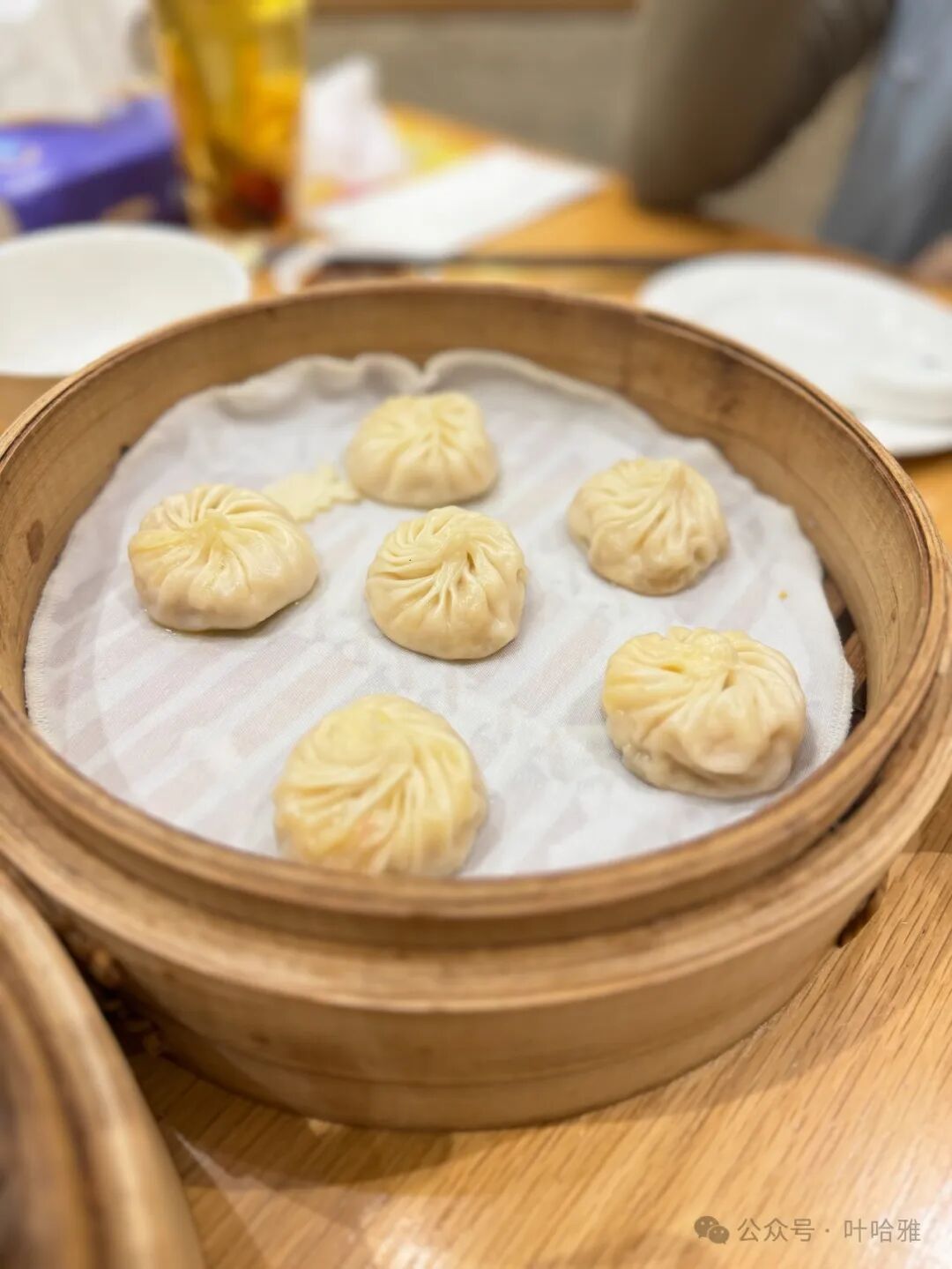
We wanted more of the soup dumplings, so we ordered another steamer basket.
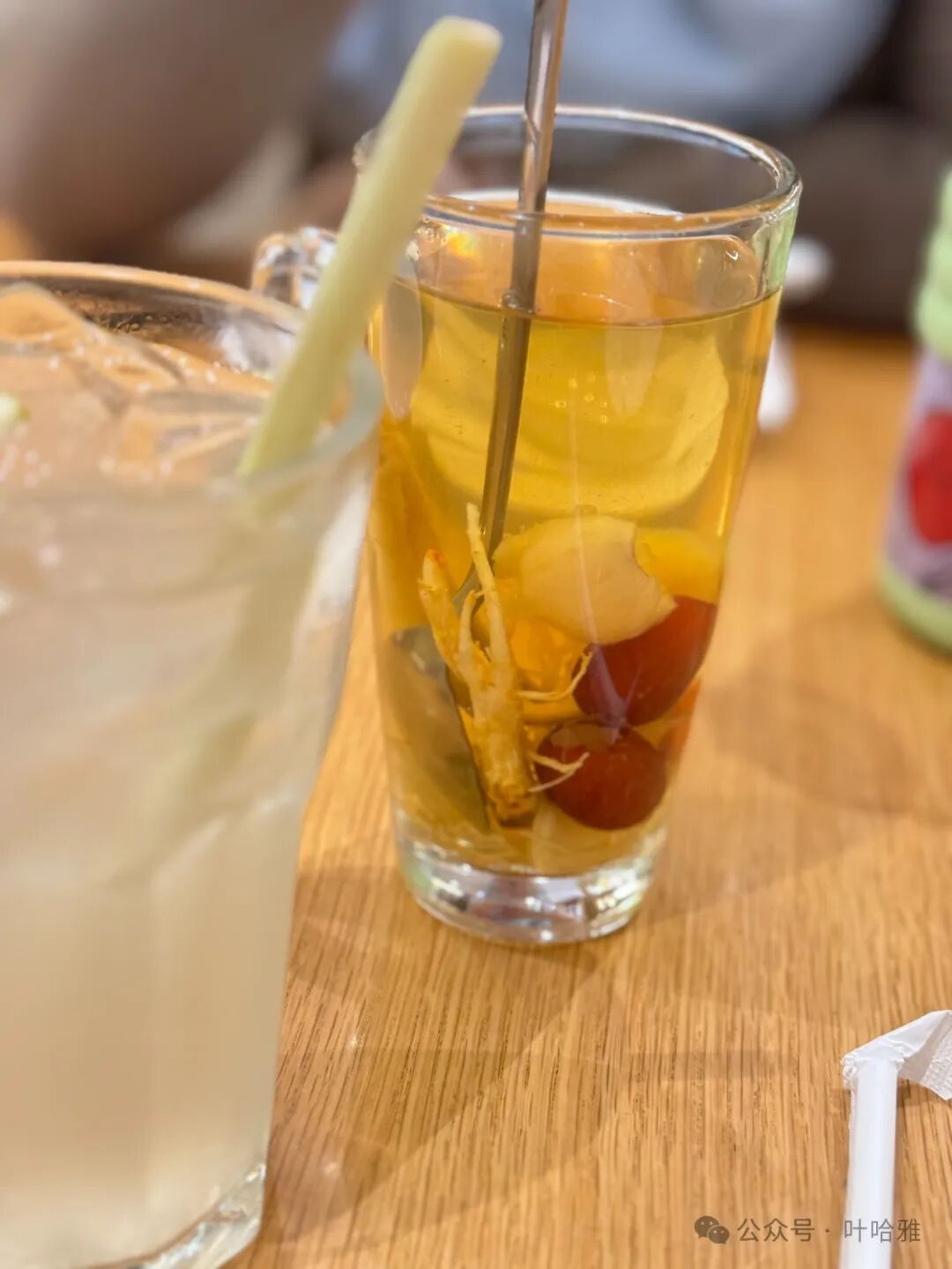
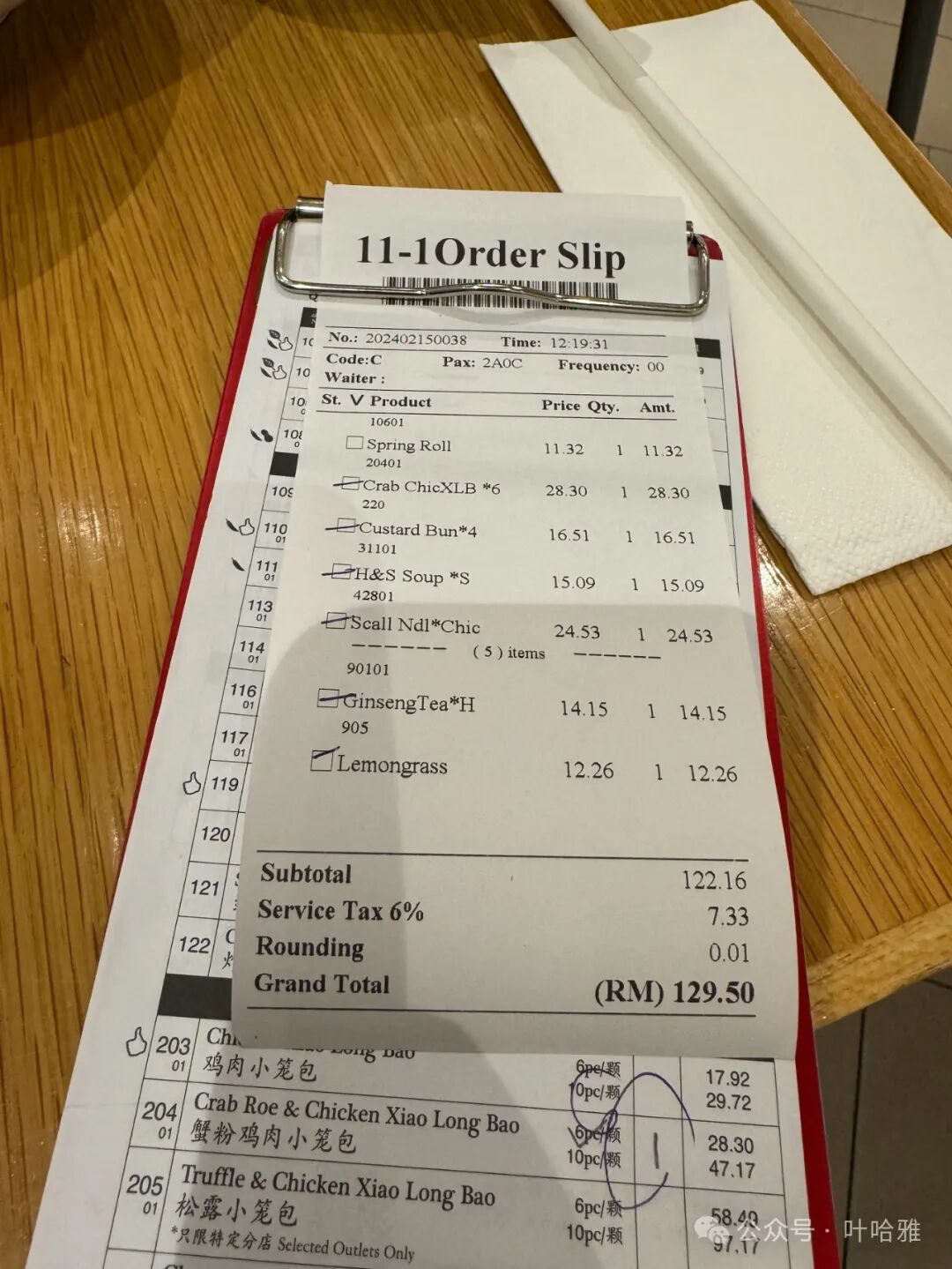
Our lunch for two cost 129.5 RM, which is less than 200 RMB.
16. MAKAN Malay, Indian, and Chinese Buffet Restaurant
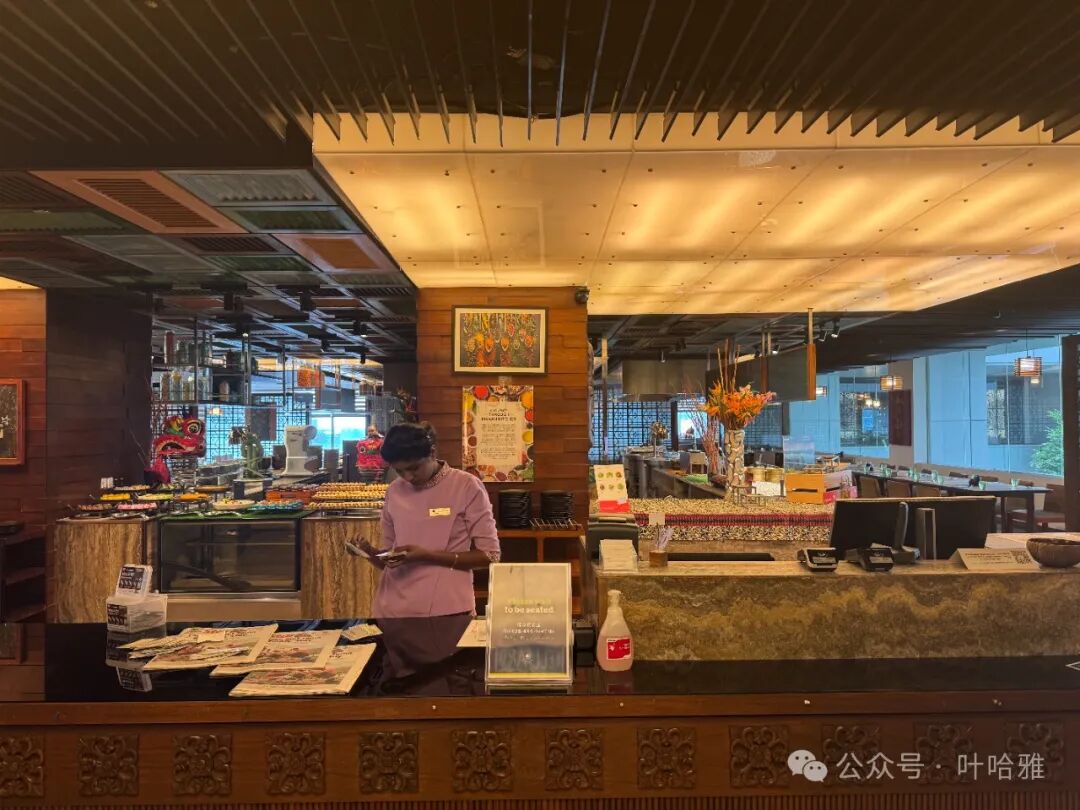
If you want to eat authentic Malay food in Malaysia, I recommend this buffet restaurant located on the 11th floor of the Hilton Hotel in Intermark Mall.
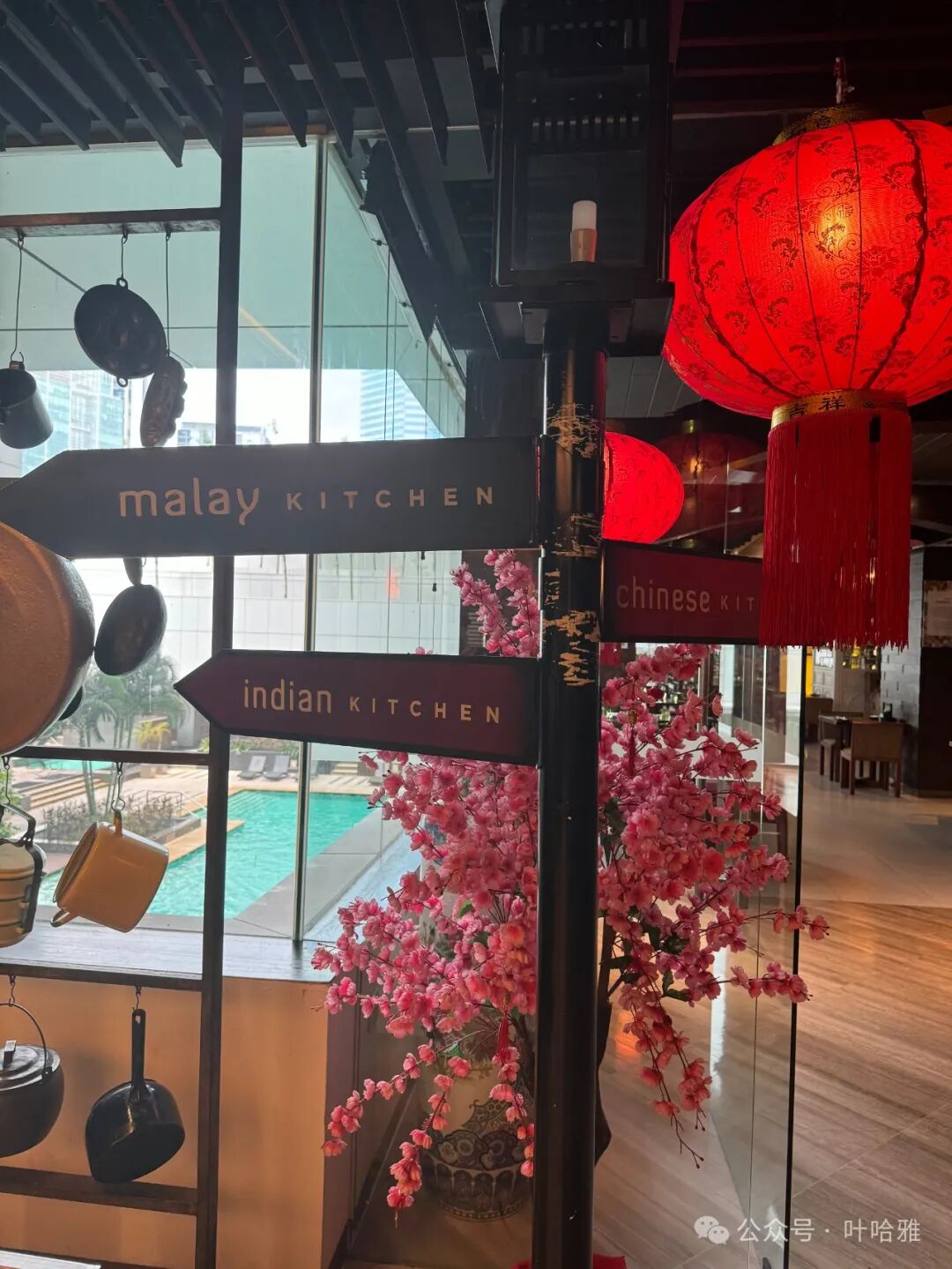
This restaurant is ranked number one on the TripAdvisor app, and the buffet price is 85 RM per person. There are three options, as shown on the sign in the picture. This restaurant has three kitchens: one for Malay style, one for Indian style, and one for Chinese food. All three, including the Chinese one, are halal.
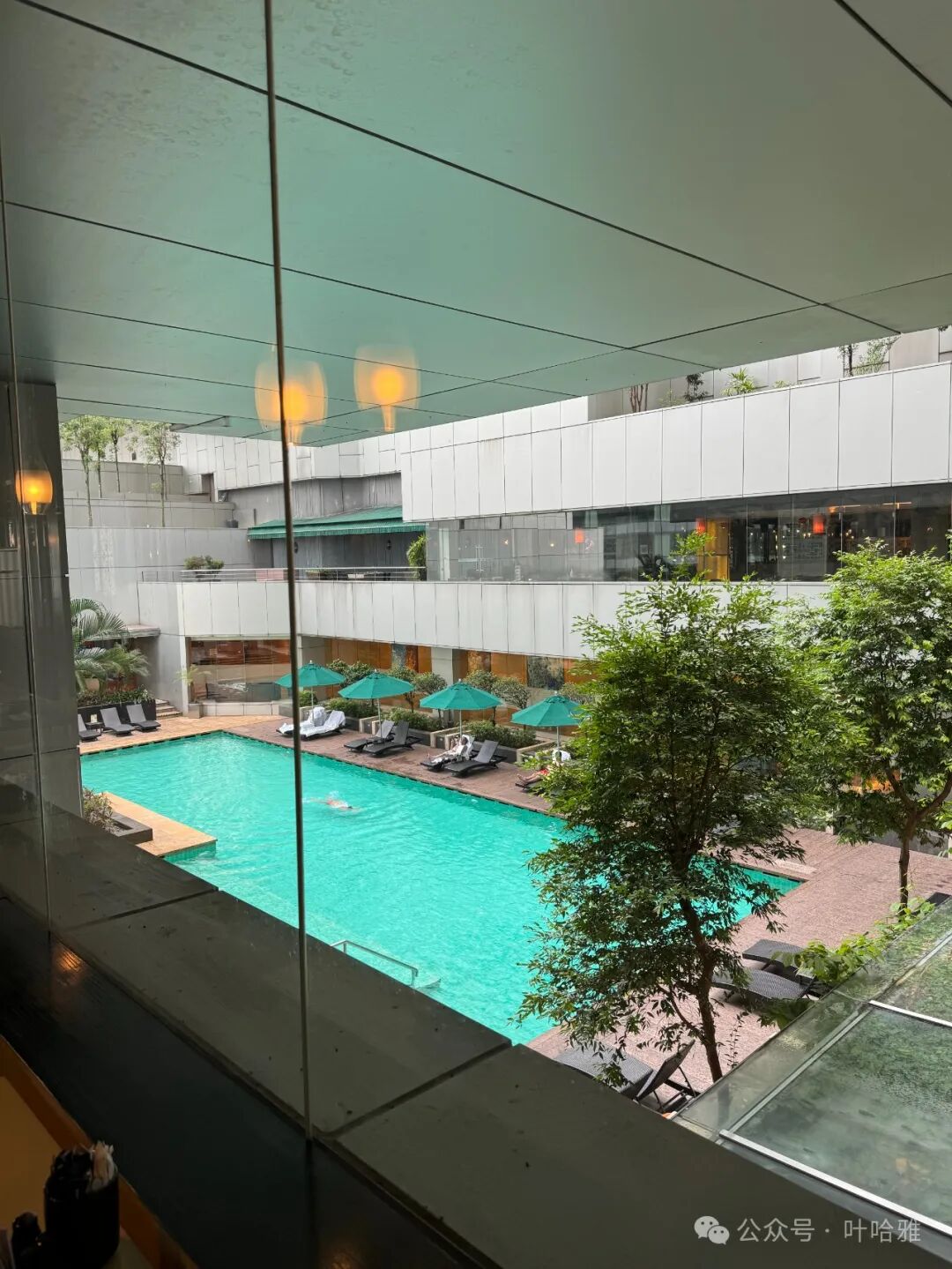
You can freely choose a buffet from any of these styles, but we tried all three.
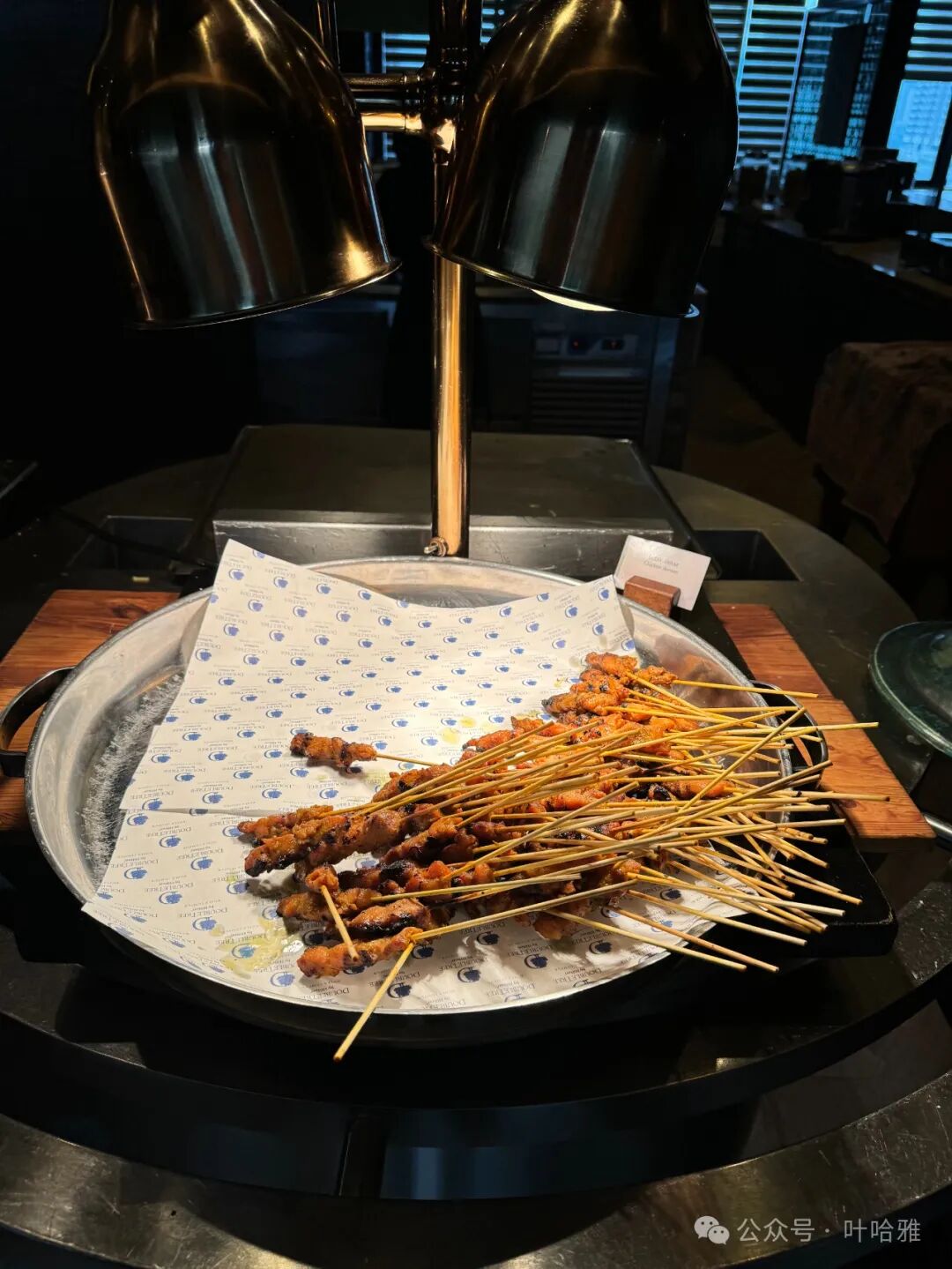
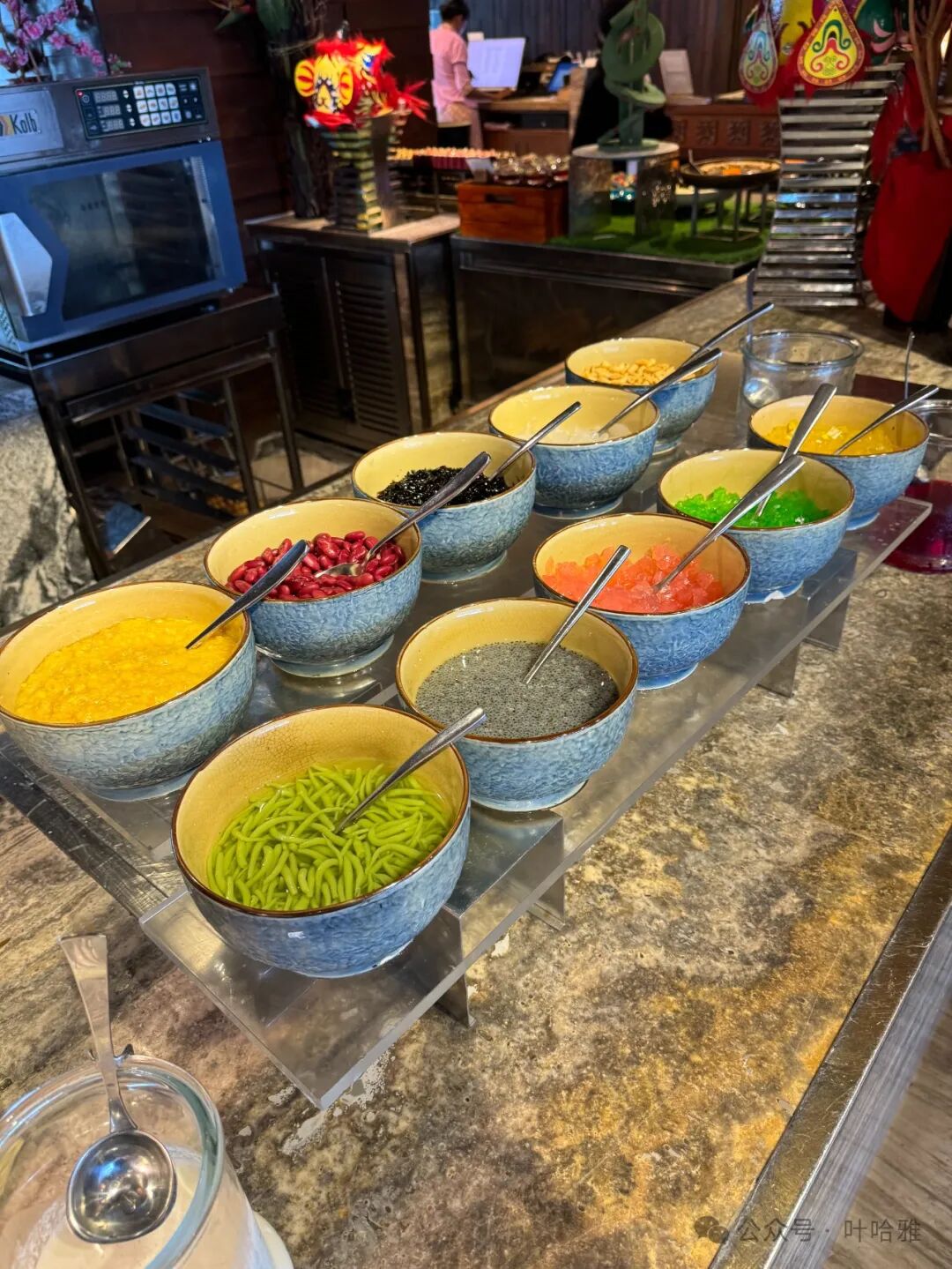
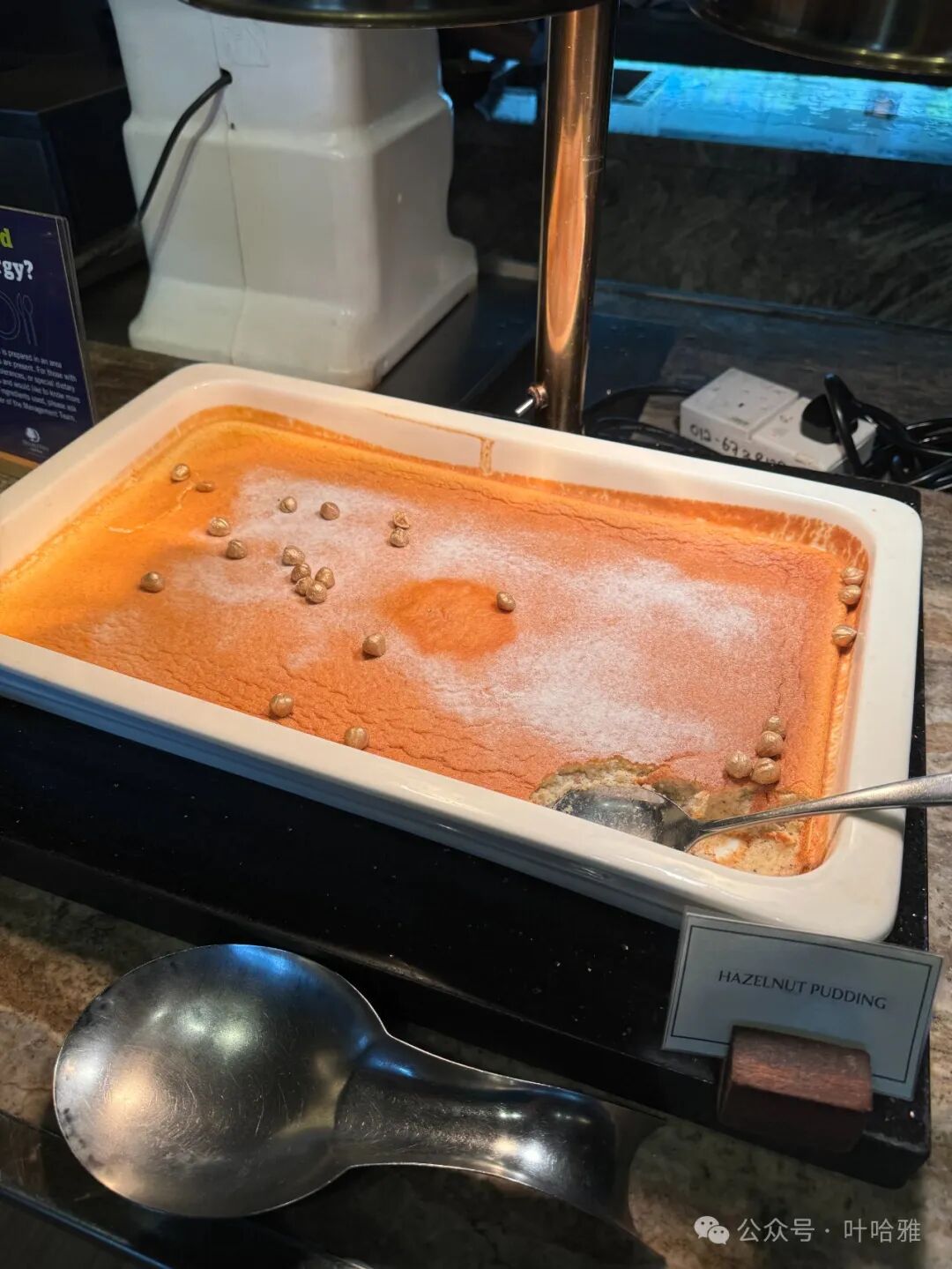
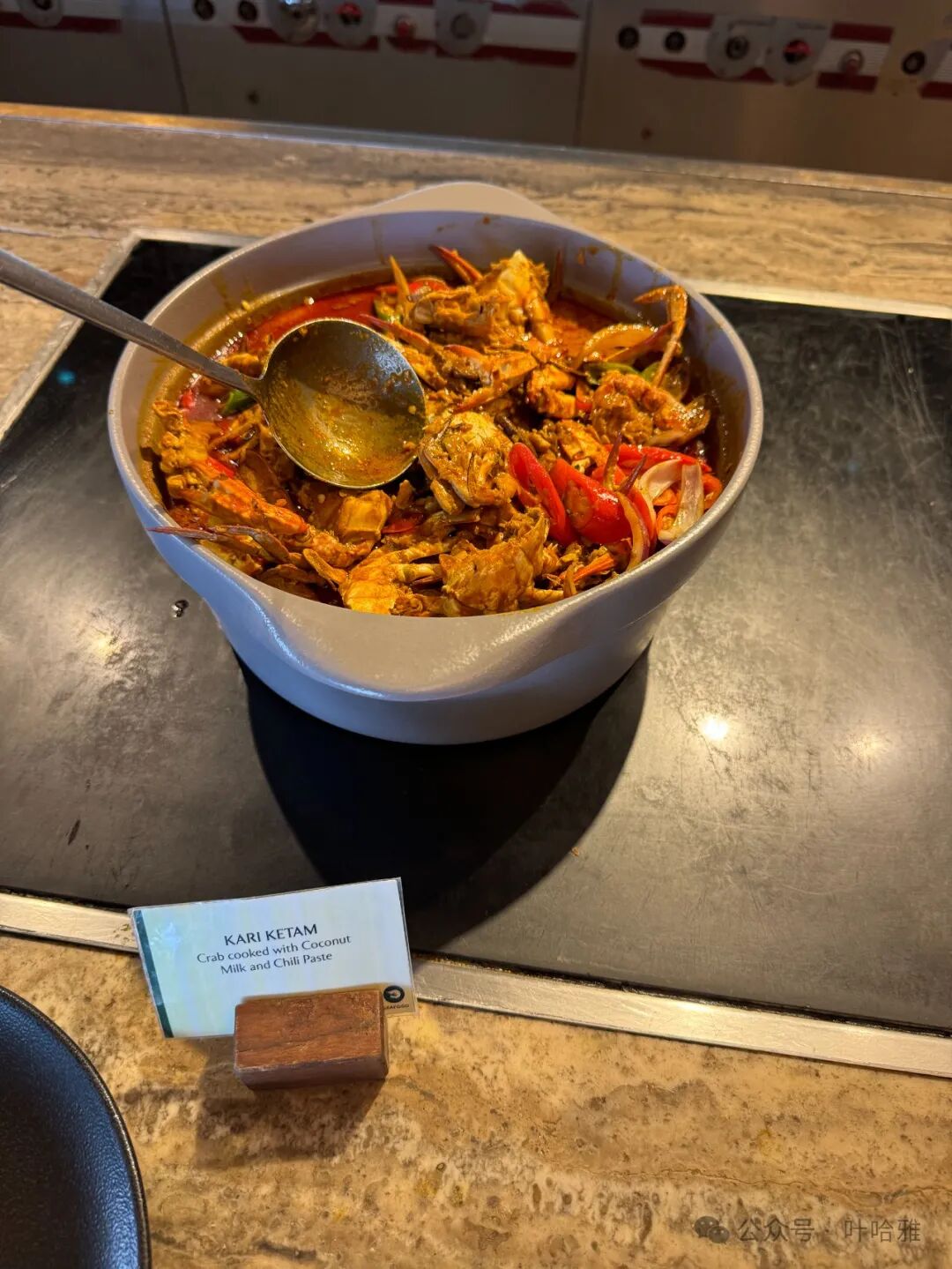
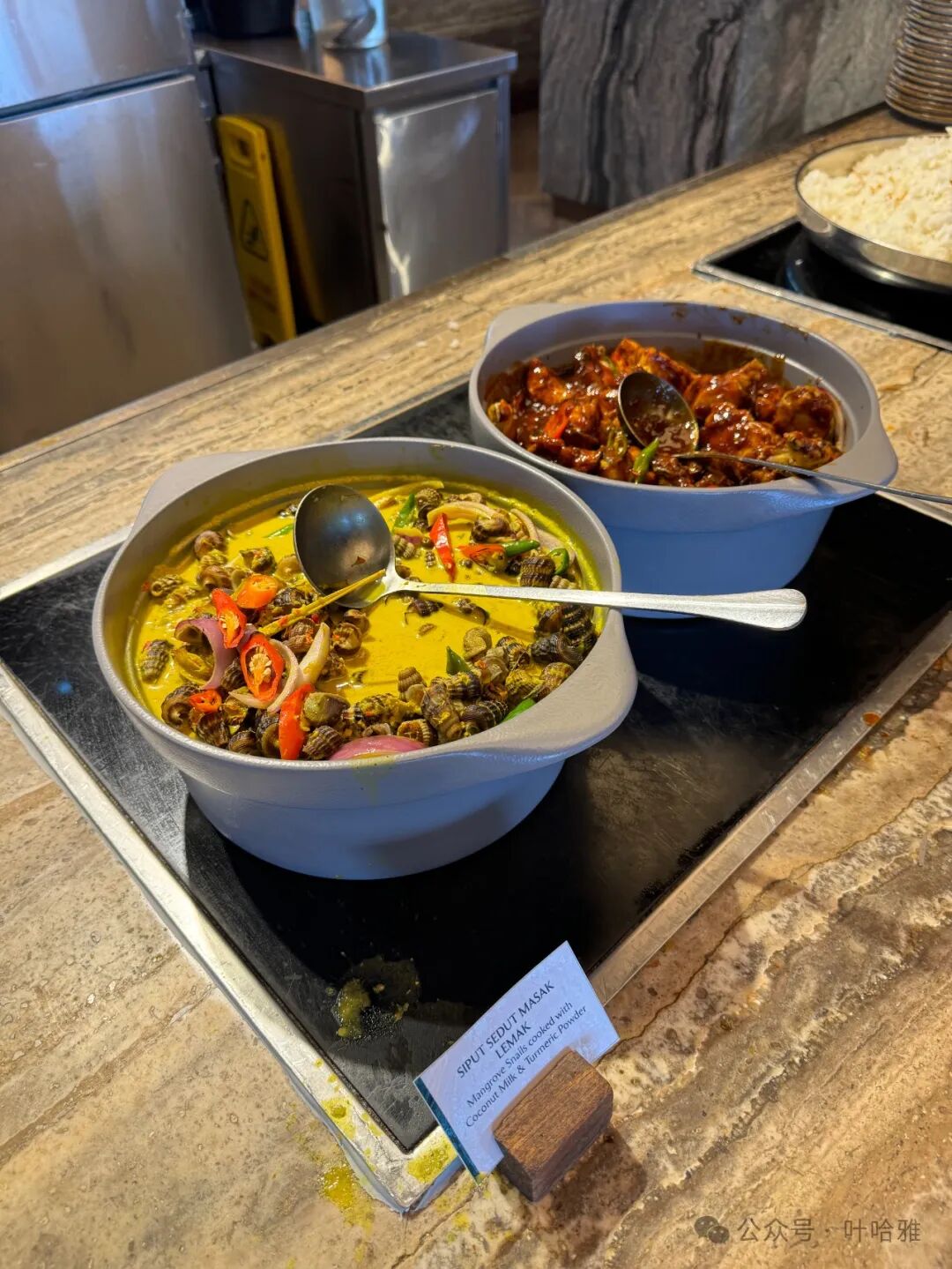
At 85 Malaysian Ringgit per person, this buffet is considered quite expensive in Kuala Lumpur. Even so, the restaurant is packed, and many office workers from nearby come here for lunch. After eating, I felt that the tastes of us Chinese people are different from those of the Malay people. The popular restaurants that are hits in Malaysia all tasted average to me. I can only say that Malay people are not very particular about food, but overall, the standard of halal dining in Kuala Lumpur is still world-leading.
Best Halal Food Kuala Lumpur: Lanzhou Beef Noodles, Halal Dim Sum and Muslim Street Dining
Articles • yusuf908 posted the article • 0 comments • 180 views • 2026-05-24 00:17
Summary: This Kuala Lumpur halal food guide introduces local Muslim dining, Musa Lanzhou Beef Noodles, Arabic barbecue, mamak food, MOZA, Nyonya flavors, street dining, Japanese, Korean, Thai options, and Cantonese-style dim sum.
A Guide to Halal Food in Kuala Lumpur is presented here as a firsthand travel account in clear English, beginning with this scene: This is my third time visiting Malaysia. I spent a long time in Kuala Lumpur, totaling 15 days, plus three days on Redang Island and one day in Malacca. The account keeps its focus on Halal Travel, Yiwu Food, Muslim Travel while preserving the names, places, food, and historical details from the Chinese source.
This is my third time visiting Malaysia. I spent a long time in Kuala Lumpur, totaling 15 days, plus three days on Redang Island and one day in Malacca. I ate at 16 restaurants in Kuala Lumpur and tried 16 different flavors. The food in Kuala Lumpur is so rich, delicious, and affordable that my love for Malaysia has grown even more.
The list of Kuala Lumpur restaurants featured in this post is as follows:
1. Musa Lanzhou Beef Noodles (Musa Lanzhou niurou lamian)
2. HABIBI SURIA Arabic BBQ
3. SELERA AMPANG Indian Mamak stall
4. Islamic Arts Museum MOZA Restaurant
5. KENNY HILLS BISTRO Four Seasons Hotel Afternoon Tea
6. RasaNya Nyonya Restaurant
7. Tapak Urban Street Dining night market
8. DOZO Japanese Cuisine
9. Hong Kong Xuan Chuan Cantonese Restaurant
10. KUNG JUNG Korean BBQ
11. Absolute Thai restaurant
12. PEONY CANTON BOY Cantonese dim sum
13. DOLLY DIM SUM Cantonese dim sum
14. Taco Bell Mexican fast food
15. Din Tai Fung Taiwanese food
16. MAKAN Malaysian buffet
1. Musa Lanzhou Ramen
Musa Lanzhou Ramen is located on the ground floor of Wisma Central, right along the street. It is the first ramen shop my mother-in-law opened in Kuala Lumpur. The shop is right next to the Petronas Twin Towers (KLCC), so it is very easy to find. The restaurant is smoke-free and alcohol-free, and it is clean and hygienic.
I know many friends struggle with Southeast Asian food, so you can choose to come here for a bowl of ramen.
Besides ramen, they also serve mixed noodles, big plate chicken (dapanji), dumplings, and kebabs. The restaurant has been open for over a year and is doing great business, with most customers being Malay.
I have hosted many friends from Kuala Lumpur at the shop, and the most popular dishes are the ramen and the kebabs.
A fresh pot of big plate chicken (dapanji) with wide belt noodles (pidaimian) is also very satisfying, though Malay people prefer mixed noodles (banmian).
2. Habibi Suria
Next door to Musalan Beef Ramen is an Arab-owned grilled meat and pizza shop. Their signature grilled meat wrap (shawarma) isn't as good as their pizza, so when I've had too much ramen, I occasionally go there to order a pizza.
Their pizza is definitely much better than their shawarma. It is always freshly baked and very cheap.
3. SELERA AMPANG Indian Stall
This shop is on the ground floor at the front of the Wisma Central building, while the ramen shop is on the side. This is an Indian fast-food spot. We all like their flatbread wraps (roti). A wrap with a side of grilled chicken makes a great lunch for many office workers, and with a drink, it costs around 20 ringgit.
4. Islamic Arts Museum MOZA Restaurant
There is an Islamic Arts Museum next to the National Mosque in Kuala Lumpur. This is my second time visiting. My friend from Beijing had an event there, so we met up. After touring the museum, he recommended the MOZA restaurant inside.
The design of MOZA restaurant incorporates many Islamic historical elements. It is full of style and is the biggest highlight of the restaurant.
My friend told me that this museum is actually private and houses many precious Islamic artifacts.
The restaurant serves mostly Southeast Asian fusion food along with some Arab-style dishes. The prices are quite affordable, with an average cost of no more than 50 Malaysian ringgit, which is less than 80 Chinese yuan. If you visit the Islamic Arts Museum, remember to eat at the restaurant. The museum entrance fee is only 20 ringgit.
5. KENNY HILLS BISTRO Four Seasons Hotel breakfast and afternoon tea
My wife and sister-in-law brought me to this local trendy restaurant on the ground floor of the Four Seasons Hotel. It has a Western style and is famous for its afternoon tea desserts. This shop is near our home in Kuala Lumpur, just a 5-minute walk from KLCC, and they have other chain locations too.
You can see many beautiful Malay ladies taking photos here. The desserts and coffee taste good, and they serve breakfast starting at 8:00 AM.
6. RasaNya Nyonya restaurant
This Nyonya restaurant is on the 8th floor of the Pavilion shopping center. Nyonya people are the descendants of mixed Malay and Chinese heritage, and they have a unique food culture. If you travel to Malaysia, you must try halal Nyonya food, as most Nyonya dishes are not halal. I once ate at one in Malacca, but this Kuala Lumpur location is more upscale and worth a try.
The restaurant's decor caught my eye; it has the elegant vibe of a Nanyang noblewoman.
The menu says Muslim Friendly, which means it is a pork-free restaurant. Some restaurants write Pork Free, which also means no pork. In Malaysia, as long as a restaurant has no pork, you can eat there because other meats like chicken, beef, and lamb are halal.
You might wonder why they don't just display a halal certification label. Applying for a Malaysian halal label involves a complicated process and high certification fees. Once certified, restaurants face regular and surprise inspections. Inspectors check that every ingredient has a halal certificate. Even additives without non-halal ingredients are not allowed if they lack certification. Businesses face penalties for non-compliance. That is why you will notice that most restaurants with official halal labels are large chains. Many small and medium-sized restaurants do not display the label and instead hang a dua in the shop. This does not stop Malay people from eating there. You can feel safe eating there if you see Malay people wearing headscarves dining in the shop.
This Nyonya restaurant serves Nanyang-style hot pot with very fresh ingredients, and the dipping sauce bowls come in different colors.
We chose a split pot with tomato broth and black truffle broth. I was surprised when we asked for a refill; the server brought two different pitchers to add broth separately instead of just adding water. It was very thoughtful.
Wagyu beef is expensive in Malaysia, and this was the most expensive meal I had in Kuala Lumpur, costing about 250 yuan per person.
The restaurant adds a 10% service charge. If you skip the hot pot and just order Nyonya cuisine (niangre cai), you won't actually spend that much. The rice and seasonings in the Nyonya cuisine are quite delicious.
7. Tapak Urban Street Dining night market
We stayed near KLCC, so our activities were mostly within a one-kilometer radius. You will notice that the restaurants I recommend are all near KLCC, including this night market. You can see the lit-up Petronas Twin Towers not far from the market.
This night market opens at 18:00. It is entirely halal and stays open until the early morning every day. There is even a live band performing, mostly singing Chinese pop songs.
I tried many snacks at this night market myself, and they were all delicious with no bad surprises. Just be sure to bring some small change, as some stalls do not accept Alipay.
What attracted me most was the fruit juice at the night market. I accidentally bought a cup of apple juice at this stall and it was incredibly good. Since then, I have wandered over here every few days to buy juice. In Malaysia, I love drinking juice the most because it is all freshly squeezed from real fruit with no artificial additives.
One day, while I was holding a cup of juice downstairs at KLCC, a Chinese girl stopped me to ask where I bought the drink.
I bought the fried rice shown in the picture below. Paired with the apple juice I bought earlier, this meal only cost 10 yuan.
8. DOZO Japanese Restaurant
Don't miss the halal Japanese food that is common in Malaysia but rare back home. Since Malaysia was once a Japanese colony, it was influenced by Japanese culture, and the Japanese food here is very close to the quality you find in Japan. The name of this shop means 'please come in' in Japanese. It has high ratings and reasonable prices.
You can eat a full range of famous Japanese dishes here, including grilled meat, sushi, sashimi, udon noodles, tempura, and more.
I have to praise the texture of this salmon sashimi; it is excellent. One bite and you know it is not rainbow trout.
I really love the drinks in Malaysia. This peach juice was buy-one-get-one-free, so both cups are mine.
9. Hong Kong Xuan Chuan Cantonese Restaurant
This Hong Kong Xuan restaurant is right across the street from where we are staying. I pass by every day and see it packed with people, mostly Malay locals.
This shop serves dim sum (zaocha) after 11:00 a.m. I do not know why it starts so late; maybe people in Kuala Lumpur are not used to waking up early. Where I live, the earliest you can get breakfast is after 8:00 a.m.
I must say the dim sum at Hong Kong Xuan tastes very authentic. Even the restaurant atmosphere feels like a Hong Kong tea house, and the staff look like traditional Cantonese people. Each dim sum dish only costs a few ringgit. The three of us spent about 100 ringgit for this meal. I have tried three dim sum places in Kuala Lumpur, and every one of them is better than the Hui Muslim restaurant in Guangzhou.
10. KUNG JUNG Korean BBQ
There is a Korean barbecue restaurant upstairs from Hong Kong Xuan that is incredibly busy. You need to book in advance, or you will have to wait in line. We are lucky to stay in this area. We just walk downstairs for 5 to 10 minutes to find all kinds of delicious restaurants.
The contact information and address are on the business card.
Malay people really like eating Korean barbecue. It seems like they are not very picky about what they eat.
The barbecue at this shop tastes great, but I didn't really like the cold noodles. Compared to barbecue back home, I still prefer eating in Beijing, where you get better value for your money. The average cost per person at this shop is over 150 yuan. If the price were a bit lower, I would feel it was a great deal.
11. Absolute Thai restaurant
I want to make up for the halal Thai food I can't get in Beijing while I'm in Kuala Lumpur. Thai food in Kuala Lumpur is basically all halal.
This refined Thai restaurant inside the TRX mall suits my taste perfectly. The pineapple fried rice and the seasoning of the desserts were also amazing.
12. PEONY CANTON BOY
One of my biggest joys in Kuala Lumpur is trying out different styles of morning tea (yum cha). I love eating a rich meal in the morning, which is something I can't enjoy in Beijing. This newly opened Canton Boy is an authentic Cantonese restaurant. Besides morning tea, they also serve main courses. We ate here twice, and I have to say the morning tea satisfied me more.
The shop is at the entrance on the first floor of the AK mall. The huge floor-to-ceiling windows and fresh decor are a delight to the eyes. Some staff are Chinese and can speak Chinese, and every server in the restaurant wears a headscarf, which means this is a halal restaurant.
Morning tea starts at 9:00, but that's a bit too late for me. I've already been up for 3 hours by then and am starving, but you don't see many people on the streets here at 9 o'clock.
Besides morning tea, I also hosted my brother-in-law's family here. They are second-generation Pakistani immigrants from the UK. They didn't seem used to this Cantonese food; they preferred the mixed noodles at Musa Lanzhou Ramen.
13. DOLLY DIM SUM
There are so many choices for morning tea in Kuala Lumpur that you could eat something different every day. Nearly half the people here are Chinese, mostly with roots in Guangdong, Guangxi, and Fujian, so you can trust the quality of their morning tea. Dolly Dim Sum (Duo Li) is a chain restaurant. This location is on the fourth floor of KLCC, and you will need to wait in line during peak hours. view all
Summary: This Kuala Lumpur halal food guide introduces local Muslim dining, Musa Lanzhou Beef Noodles, Arabic barbecue, mamak food, MOZA, Nyonya flavors, street dining, Japanese, Korean, Thai options, and Cantonese-style dim sum.
A Guide to Halal Food in Kuala Lumpur is presented here as a firsthand travel account in clear English, beginning with this scene: This is my third time visiting Malaysia. I spent a long time in Kuala Lumpur, totaling 15 days, plus three days on Redang Island and one day in Malacca. The account keeps its focus on Halal Travel, Yiwu Food, Muslim Travel while preserving the names, places, food, and historical details from the Chinese source.
This is my third time visiting Malaysia. I spent a long time in Kuala Lumpur, totaling 15 days, plus three days on Redang Island and one day in Malacca. I ate at 16 restaurants in Kuala Lumpur and tried 16 different flavors. The food in Kuala Lumpur is so rich, delicious, and affordable that my love for Malaysia has grown even more.
The list of Kuala Lumpur restaurants featured in this post is as follows:
1. Musa Lanzhou Beef Noodles (Musa Lanzhou niurou lamian)
2. HABIBI SURIA Arabic BBQ
3. SELERA AMPANG Indian Mamak stall
4. Islamic Arts Museum MOZA Restaurant
5. KENNY HILLS BISTRO Four Seasons Hotel Afternoon Tea
6. RasaNya Nyonya Restaurant
7. Tapak Urban Street Dining night market
8. DOZO Japanese Cuisine
9. Hong Kong Xuan Chuan Cantonese Restaurant
10. KUNG JUNG Korean BBQ
11. Absolute Thai restaurant
12. PEONY CANTON BOY Cantonese dim sum
13. DOLLY DIM SUM Cantonese dim sum
14. Taco Bell Mexican fast food
15. Din Tai Fung Taiwanese food
16. MAKAN Malaysian buffet
1. Musa Lanzhou Ramen
Musa Lanzhou Ramen is located on the ground floor of Wisma Central, right along the street. It is the first ramen shop my mother-in-law opened in Kuala Lumpur. The shop is right next to the Petronas Twin Towers (KLCC), so it is very easy to find. The restaurant is smoke-free and alcohol-free, and it is clean and hygienic.
I know many friends struggle with Southeast Asian food, so you can choose to come here for a bowl of ramen.
Besides ramen, they also serve mixed noodles, big plate chicken (dapanji), dumplings, and kebabs. The restaurant has been open for over a year and is doing great business, with most customers being Malay.
I have hosted many friends from Kuala Lumpur at the shop, and the most popular dishes are the ramen and the kebabs.
A fresh pot of big plate chicken (dapanji) with wide belt noodles (pidaimian) is also very satisfying, though Malay people prefer mixed noodles (banmian).
2. Habibi Suria
Next door to Musalan Beef Ramen is an Arab-owned grilled meat and pizza shop. Their signature grilled meat wrap (shawarma) isn't as good as their pizza, so when I've had too much ramen, I occasionally go there to order a pizza.
Their pizza is definitely much better than their shawarma. It is always freshly baked and very cheap.
3. SELERA AMPANG Indian Stall
This shop is on the ground floor at the front of the Wisma Central building, while the ramen shop is on the side. This is an Indian fast-food spot. We all like their flatbread wraps (roti). A wrap with a side of grilled chicken makes a great lunch for many office workers, and with a drink, it costs around 20 ringgit.
4. Islamic Arts Museum MOZA Restaurant
There is an Islamic Arts Museum next to the National Mosque in Kuala Lumpur. This is my second time visiting. My friend from Beijing had an event there, so we met up. After touring the museum, he recommended the MOZA restaurant inside.
The design of MOZA restaurant incorporates many Islamic historical elements. It is full of style and is the biggest highlight of the restaurant.
My friend told me that this museum is actually private and houses many precious Islamic artifacts.
The restaurant serves mostly Southeast Asian fusion food along with some Arab-style dishes. The prices are quite affordable, with an average cost of no more than 50 Malaysian ringgit, which is less than 80 Chinese yuan. If you visit the Islamic Arts Museum, remember to eat at the restaurant. The museum entrance fee is only 20 ringgit.
5. KENNY HILLS BISTRO Four Seasons Hotel breakfast and afternoon tea
My wife and sister-in-law brought me to this local trendy restaurant on the ground floor of the Four Seasons Hotel. It has a Western style and is famous for its afternoon tea desserts. This shop is near our home in Kuala Lumpur, just a 5-minute walk from KLCC, and they have other chain locations too.
You can see many beautiful Malay ladies taking photos here. The desserts and coffee taste good, and they serve breakfast starting at 8:00 AM.
6. RasaNya Nyonya restaurant
This Nyonya restaurant is on the 8th floor of the Pavilion shopping center. Nyonya people are the descendants of mixed Malay and Chinese heritage, and they have a unique food culture. If you travel to Malaysia, you must try halal Nyonya food, as most Nyonya dishes are not halal. I once ate at one in Malacca, but this Kuala Lumpur location is more upscale and worth a try.
The restaurant's decor caught my eye; it has the elegant vibe of a Nanyang noblewoman.
The menu says Muslim Friendly, which means it is a pork-free restaurant. Some restaurants write Pork Free, which also means no pork. In Malaysia, as long as a restaurant has no pork, you can eat there because other meats like chicken, beef, and lamb are halal.
You might wonder why they don't just display a halal certification label. Applying for a Malaysian halal label involves a complicated process and high certification fees. Once certified, restaurants face regular and surprise inspections. Inspectors check that every ingredient has a halal certificate. Even additives without non-halal ingredients are not allowed if they lack certification. Businesses face penalties for non-compliance. That is why you will notice that most restaurants with official halal labels are large chains. Many small and medium-sized restaurants do not display the label and instead hang a dua in the shop. This does not stop Malay people from eating there. You can feel safe eating there if you see Malay people wearing headscarves dining in the shop.
This Nyonya restaurant serves Nanyang-style hot pot with very fresh ingredients, and the dipping sauce bowls come in different colors.
We chose a split pot with tomato broth and black truffle broth. I was surprised when we asked for a refill; the server brought two different pitchers to add broth separately instead of just adding water. It was very thoughtful.
Wagyu beef is expensive in Malaysia, and this was the most expensive meal I had in Kuala Lumpur, costing about 250 yuan per person.
The restaurant adds a 10% service charge. If you skip the hot pot and just order Nyonya cuisine (niangre cai), you won't actually spend that much. The rice and seasonings in the Nyonya cuisine are quite delicious.
7. Tapak Urban Street Dining night market
We stayed near KLCC, so our activities were mostly within a one-kilometer radius. You will notice that the restaurants I recommend are all near KLCC, including this night market. You can see the lit-up Petronas Twin Towers not far from the market.
This night market opens at 18:00. It is entirely halal and stays open until the early morning every day. There is even a live band performing, mostly singing Chinese pop songs.
I tried many snacks at this night market myself, and they were all delicious with no bad surprises. Just be sure to bring some small change, as some stalls do not accept Alipay.
What attracted me most was the fruit juice at the night market. I accidentally bought a cup of apple juice at this stall and it was incredibly good. Since then, I have wandered over here every few days to buy juice. In Malaysia, I love drinking juice the most because it is all freshly squeezed from real fruit with no artificial additives.
One day, while I was holding a cup of juice downstairs at KLCC, a Chinese girl stopped me to ask where I bought the drink.
I bought the fried rice shown in the picture below. Paired with the apple juice I bought earlier, this meal only cost 10 yuan.
8. DOZO Japanese Restaurant
Don't miss the halal Japanese food that is common in Malaysia but rare back home. Since Malaysia was once a Japanese colony, it was influenced by Japanese culture, and the Japanese food here is very close to the quality you find in Japan. The name of this shop means 'please come in' in Japanese. It has high ratings and reasonable prices.
You can eat a full range of famous Japanese dishes here, including grilled meat, sushi, sashimi, udon noodles, tempura, and more.
I have to praise the texture of this salmon sashimi; it is excellent. One bite and you know it is not rainbow trout.
I really love the drinks in Malaysia. This peach juice was buy-one-get-one-free, so both cups are mine.
9. Hong Kong Xuan Chuan Cantonese Restaurant
This Hong Kong Xuan restaurant is right across the street from where we are staying. I pass by every day and see it packed with people, mostly Malay locals.
This shop serves dim sum (zaocha) after 11:00 a.m. I do not know why it starts so late; maybe people in Kuala Lumpur are not used to waking up early. Where I live, the earliest you can get breakfast is after 8:00 a.m.
I must say the dim sum at Hong Kong Xuan tastes very authentic. Even the restaurant atmosphere feels like a Hong Kong tea house, and the staff look like traditional Cantonese people. Each dim sum dish only costs a few ringgit. The three of us spent about 100 ringgit for this meal. I have tried three dim sum places in Kuala Lumpur, and every one of them is better than the Hui Muslim restaurant in Guangzhou.
10. KUNG JUNG Korean BBQ
There is a Korean barbecue restaurant upstairs from Hong Kong Xuan that is incredibly busy. You need to book in advance, or you will have to wait in line. We are lucky to stay in this area. We just walk downstairs for 5 to 10 minutes to find all kinds of delicious restaurants.
The contact information and address are on the business card.
Malay people really like eating Korean barbecue. It seems like they are not very picky about what they eat.
The barbecue at this shop tastes great, but I didn't really like the cold noodles. Compared to barbecue back home, I still prefer eating in Beijing, where you get better value for your money. The average cost per person at this shop is over 150 yuan. If the price were a bit lower, I would feel it was a great deal.
11. Absolute Thai restaurant
I want to make up for the halal Thai food I can't get in Beijing while I'm in Kuala Lumpur. Thai food in Kuala Lumpur is basically all halal.
This refined Thai restaurant inside the TRX mall suits my taste perfectly. The pineapple fried rice and the seasoning of the desserts were also amazing.
12. PEONY CANTON BOY
One of my biggest joys in Kuala Lumpur is trying out different styles of morning tea (yum cha). I love eating a rich meal in the morning, which is something I can't enjoy in Beijing. This newly opened Canton Boy is an authentic Cantonese restaurant. Besides morning tea, they also serve main courses. We ate here twice, and I have to say the morning tea satisfied me more.
The shop is at the entrance on the first floor of the AK mall. The huge floor-to-ceiling windows and fresh decor are a delight to the eyes. Some staff are Chinese and can speak Chinese, and every server in the restaurant wears a headscarf, which means this is a halal restaurant.
Morning tea starts at 9:00, but that's a bit too late for me. I've already been up for 3 hours by then and am starving, but you don't see many people on the streets here at 9 o'clock.
Besides morning tea, I also hosted my brother-in-law's family here. They are second-generation Pakistani immigrants from the UK. They didn't seem used to this Cantonese food; they preferred the mixed noodles at Musa Lanzhou Ramen.
13. DOLLY DIM SUM
There are so many choices for morning tea in Kuala Lumpur that you could eat something different every day. Nearly half the people here are Chinese, mostly with roots in Guangdong, Guangxi, and Fujian, so you can trust the quality of their morning tea. Dolly Dim Sum (Duo Li) is a chain restaurant. This location is on the fourth floor of KLCC, and you will need to wait in line during peak hours.
Best Halal Food Kuala Lumpur: Lanzhou Beef Noodles, Halal Dim Sum and Muslim Street Dining
Articles • yusuf908 posted the article • 0 comments • 231 views • 2026-05-22 23:08
Summary: This Kuala Lumpur halal food guide introduces local Muslim dining, Musa Lanzhou Beef Noodles, Arabic barbecue, mamak food, MOZA, Nyonya flavors, street dining, Japanese, Korean, Thai options, and Cantonese-style dim sum.
A Guide to Halal Food in Kuala Lumpur is presented here as a firsthand travel account in clear English, beginning with this scene: This is my third time visiting Malaysia. I spent a long time in Kuala Lumpur, totaling 15 days, plus three days on Redang Island and one day in Malacca. The account keeps its focus on Halal Travel, Yiwu Food, Muslim Travel while preserving the names, places, food, and historical details from the Chinese source.
This is my third time visiting Malaysia. I spent a long time in Kuala Lumpur, totaling 15 days, plus three days on Redang Island and one day in Malacca. I ate at 16 restaurants in Kuala Lumpur and tried 16 different flavors. The food in Kuala Lumpur is so rich, delicious, and affordable that my love for Malaysia has grown even more.
The list of Kuala Lumpur restaurants featured in this post is as follows:
1. Musa Lanzhou Beef Noodles (Musa Lanzhou niurou lamian)
2. HABIBI SURIA Arabic BBQ
3. SELERA AMPANG Indian Mamak stall
4. Islamic Arts Museum MOZA Restaurant
5. KENNY HILLS BISTRO Four Seasons Hotel Afternoon Tea
6. RasaNya Nyonya Restaurant
7. Tapak Urban Street Dining night market
8. DOZO Japanese Cuisine
9. Hong Kong Xuan Chuan Cantonese Restaurant
10. KUNG JUNG Korean BBQ
11. Absolute Thai restaurant
12. PEONY CANTON BOY Cantonese dim sum
13. DOLLY DIM SUM Cantonese dim sum
14. Taco Bell Mexican fast food
15. Din Tai Fung Taiwanese food
16. MAKAN Malaysian buffet
1. Musa Lanzhou Ramen
Musa Lanzhou Ramen is located on the ground floor of Wisma Central, right along the street. It is the first ramen shop my mother-in-law opened in Kuala Lumpur. The shop is right next to the Petronas Twin Towers (KLCC), so it is very easy to find. The restaurant is smoke-free and alcohol-free, and it is clean and hygienic.
I know many friends struggle with Southeast Asian food, so you can choose to come here for a bowl of ramen.
Besides ramen, they also serve mixed noodles, big plate chicken (dapanji), dumplings, and kebabs. The restaurant has been open for over a year and is doing great business, with most customers being Malay.
I have hosted many friends from Kuala Lumpur at the shop, and the most popular dishes are the ramen and the kebabs.
A fresh pot of big plate chicken (dapanji) with wide belt noodles (pidaimian) is also very satisfying, though Malay people prefer mixed noodles (banmian).
2. Habibi Suria
Next door to Musalan Beef Ramen is an Arab-owned grilled meat and pizza shop. Their signature grilled meat wrap (shawarma) isn't as good as their pizza, so when I've had too much ramen, I occasionally go there to order a pizza.
Their pizza is definitely much better than their shawarma. It is always freshly baked and very cheap.
3. SELERA AMPANG Indian Stall
This shop is on the ground floor at the front of the Wisma Central building, while the ramen shop is on the side. This is an Indian fast-food spot. We all like their flatbread wraps (roti). A wrap with a side of grilled chicken makes a great lunch for many office workers, and with a drink, it costs around 20 ringgit.
4. Islamic Arts Museum MOZA Restaurant
There is an Islamic Arts Museum next to the National Mosque in Kuala Lumpur. This is my second time visiting. My friend from Beijing had an event there, so we met up. After touring the museum, he recommended the MOZA restaurant inside.
The design of MOZA restaurant incorporates many Islamic historical elements. It is full of style and is the biggest highlight of the restaurant.
My friend told me that this museum is actually private and houses many precious Islamic artifacts.
The restaurant serves mostly Southeast Asian fusion food along with some Arab-style dishes. The prices are quite affordable, with an average cost of no more than 50 Malaysian ringgit, which is less than 80 Chinese yuan. If you visit the Islamic Arts Museum, remember to eat at the restaurant. The museum entrance fee is only 20 ringgit.
5. KENNY HILLS BISTRO Four Seasons Hotel breakfast and afternoon tea
My wife and sister-in-law brought me to this local trendy restaurant on the ground floor of the Four Seasons Hotel. It has a Western style and is famous for its afternoon tea desserts. This shop is near our home in Kuala Lumpur, just a 5-minute walk from KLCC, and they have other chain locations too.
You can see many beautiful Malay ladies taking photos here. The desserts and coffee taste good, and they serve breakfast starting at 8:00 AM.
6. RasaNya Nyonya restaurant
This Nyonya restaurant is on the 8th floor of the Pavilion shopping center. Nyonya people are the descendants of mixed Malay and Chinese heritage, and they have a unique food culture. If you travel to Malaysia, you must try halal Nyonya food, as most Nyonya dishes are not halal. I once ate at one in Malacca, but this Kuala Lumpur location is more upscale and worth a try.
The restaurant's decor caught my eye; it has the elegant vibe of a Nanyang noblewoman.
The menu says Muslim Friendly, which means it is a pork-free restaurant. Some restaurants write Pork Free, which also means no pork. In Malaysia, as long as a restaurant has no pork, you can eat there because other meats like chicken, beef, and lamb are halal.
You might wonder why they don't just display a halal certification label. Applying for a Malaysian halal label involves a complicated process and high certification fees. Once certified, restaurants face regular and surprise inspections. Inspectors check that every ingredient has a halal certificate. Even additives without non-halal ingredients are not allowed if they lack certification. Businesses face penalties for non-compliance. That is why you will notice that most restaurants with official halal labels are large chains. Many small and medium-sized restaurants do not display the label and instead hang a dua in the shop. This does not stop Malay people from eating there. You can feel safe eating there if you see Malay people wearing headscarves dining in the shop.
This Nyonya restaurant serves Nanyang-style hot pot with very fresh ingredients, and the dipping sauce bowls come in different colors.
We chose a split pot with tomato broth and black truffle broth. I was surprised when we asked for a refill; the server brought two different pitchers to add broth separately instead of just adding water. It was very thoughtful.
Wagyu beef is expensive in Malaysia, and this was the most expensive meal I had in Kuala Lumpur, costing about 250 yuan per person.
The restaurant adds a 10% service charge. If you skip the hot pot and just order Nyonya cuisine (niangre cai), you won't actually spend that much. The rice and seasonings in the Nyonya cuisine are quite delicious.
7. Tapak Urban Street Dining night market
We stayed near KLCC, so our activities were mostly within a one-kilometer radius. You will notice that the restaurants I recommend are all near KLCC, including this night market. You can see the lit-up Petronas Twin Towers not far from the market.
This night market opens at 18:00. It is entirely halal and stays open until the early morning every day. There is even a live band performing, mostly singing Chinese pop songs.
I tried many snacks at this night market myself, and they were all delicious with no bad surprises. Just be sure to bring some small change, as some stalls do not accept Alipay.
What attracted me most was the fruit juice at the night market. I accidentally bought a cup of apple juice at this stall and it was incredibly good. Since then, I have wandered over here every few days to buy juice. In Malaysia, I love drinking juice the most because it is all freshly squeezed from real fruit with no artificial additives.
One day, while I was holding a cup of juice downstairs at KLCC, a Chinese girl stopped me to ask where I bought the drink.
I bought the fried rice shown in the picture below. Paired with the apple juice I bought earlier, this meal only cost 10 yuan.
8. DOZO Japanese Restaurant
Don't miss the halal Japanese food that is common in Malaysia but rare back home. Since Malaysia was once a Japanese colony, it was influenced by Japanese culture, and the Japanese food here is very close to the quality you find in Japan. The name of this shop means 'please come in' in Japanese. It has high ratings and reasonable prices.
You can eat a full range of famous Japanese dishes here, including grilled meat, sushi, sashimi, udon noodles, tempura, and more.
I have to praise the texture of this salmon sashimi; it is excellent. One bite and you know it is not rainbow trout.
I really love the drinks in Malaysia. This peach juice was buy-one-get-one-free, so both cups are mine.
9. Hong Kong Xuan Chuan Cantonese Restaurant
This Hong Kong Xuan restaurant is right across the street from where we are staying. I pass by every day and see it packed with people, mostly Malay locals.
This shop serves dim sum (zaocha) after 11:00 a.m. I do not know why it starts so late; maybe people in Kuala Lumpur are not used to waking up early. Where I live, the earliest you can get breakfast is after 8:00 a.m.
I must say the dim sum at Hong Kong Xuan tastes very authentic. Even the restaurant atmosphere feels like a Hong Kong tea house, and the staff look like traditional Cantonese people. Each dim sum dish only costs a few ringgit. The three of us spent about 100 ringgit for this meal. I have tried three dim sum places in Kuala Lumpur, and every one of them is better than the Hui Muslim restaurant in Guangzhou.
10. KUNG JUNG Korean BBQ
There is a Korean barbecue restaurant upstairs from Hong Kong Xuan that is incredibly busy. You need to book in advance, or you will have to wait in line. We are lucky to stay in this area. We just walk downstairs for 5 to 10 minutes to find all kinds of delicious restaurants.
The contact information and address are on the business card.
Malay people really like eating Korean barbecue. It seems like they are not very picky about what they eat.
The barbecue at this shop tastes great, but I didn't really like the cold noodles. Compared to barbecue back home, I still prefer eating in Beijing, where you get better value for your money. The average cost per person at this shop is over 150 yuan. If the price were a bit lower, I would feel it was a great deal.
11. Absolute Thai restaurant
I want to make up for the halal Thai food I can't get in Beijing while I'm in Kuala Lumpur. Thai food in Kuala Lumpur is basically all halal.
This refined Thai restaurant inside the TRX mall suits my taste perfectly. The pineapple fried rice and the seasoning of the desserts were also amazing.
12. PEONY CANTON BOY
One of my biggest joys in Kuala Lumpur is trying out different styles of morning tea (yum cha). I love eating a rich meal in the morning, which is something I can't enjoy in Beijing. This newly opened Canton Boy is an authentic Cantonese restaurant. Besides morning tea, they also serve main courses. We ate here twice, and I have to say the morning tea satisfied me more.
The shop is at the entrance on the first floor of the AK mall. The huge floor-to-ceiling windows and fresh decor are a delight to the eyes. Some staff are Chinese and can speak Chinese, and every server in the restaurant wears a headscarf, which means this is a halal restaurant.
Morning tea starts at 9:00, but that's a bit too late for me. I've already been up for 3 hours by then and am starving, but you don't see many people on the streets here at 9 o'clock.
Besides morning tea, I also hosted my brother-in-law's family here. They are second-generation Pakistani immigrants from the UK. They didn't seem used to this Cantonese food; they preferred the mixed noodles at Musa Lanzhou Ramen.
13. DOLLY DIM SUM
There are so many choices for morning tea in Kuala Lumpur that you could eat something different every day. Nearly half the people here are Chinese, mostly with roots in Guangdong, Guangxi, and Fujian, so you can trust the quality of their morning tea. Dolly Dim Sum (Duo Li) is a chain restaurant. This location is on the fourth floor of KLCC, and you will need to wait in line during peak hours. view all
Summary: This Kuala Lumpur halal food guide introduces local Muslim dining, Musa Lanzhou Beef Noodles, Arabic barbecue, mamak food, MOZA, Nyonya flavors, street dining, Japanese, Korean, Thai options, and Cantonese-style dim sum.
A Guide to Halal Food in Kuala Lumpur is presented here as a firsthand travel account in clear English, beginning with this scene: This is my third time visiting Malaysia. I spent a long time in Kuala Lumpur, totaling 15 days, plus three days on Redang Island and one day in Malacca. The account keeps its focus on Halal Travel, Yiwu Food, Muslim Travel while preserving the names, places, food, and historical details from the Chinese source.
This is my third time visiting Malaysia. I spent a long time in Kuala Lumpur, totaling 15 days, plus three days on Redang Island and one day in Malacca. I ate at 16 restaurants in Kuala Lumpur and tried 16 different flavors. The food in Kuala Lumpur is so rich, delicious, and affordable that my love for Malaysia has grown even more.
The list of Kuala Lumpur restaurants featured in this post is as follows:
1. Musa Lanzhou Beef Noodles (Musa Lanzhou niurou lamian)
2. HABIBI SURIA Arabic BBQ
3. SELERA AMPANG Indian Mamak stall
4. Islamic Arts Museum MOZA Restaurant
5. KENNY HILLS BISTRO Four Seasons Hotel Afternoon Tea
6. RasaNya Nyonya Restaurant
7. Tapak Urban Street Dining night market
8. DOZO Japanese Cuisine
9. Hong Kong Xuan Chuan Cantonese Restaurant
10. KUNG JUNG Korean BBQ
11. Absolute Thai restaurant
12. PEONY CANTON BOY Cantonese dim sum
13. DOLLY DIM SUM Cantonese dim sum
14. Taco Bell Mexican fast food
15. Din Tai Fung Taiwanese food
16. MAKAN Malaysian buffet
1. Musa Lanzhou Ramen
Musa Lanzhou Ramen is located on the ground floor of Wisma Central, right along the street. It is the first ramen shop my mother-in-law opened in Kuala Lumpur. The shop is right next to the Petronas Twin Towers (KLCC), so it is very easy to find. The restaurant is smoke-free and alcohol-free, and it is clean and hygienic.
I know many friends struggle with Southeast Asian food, so you can choose to come here for a bowl of ramen.
Besides ramen, they also serve mixed noodles, big plate chicken (dapanji), dumplings, and kebabs. The restaurant has been open for over a year and is doing great business, with most customers being Malay.
I have hosted many friends from Kuala Lumpur at the shop, and the most popular dishes are the ramen and the kebabs.
A fresh pot of big plate chicken (dapanji) with wide belt noodles (pidaimian) is also very satisfying, though Malay people prefer mixed noodles (banmian).
2. Habibi Suria
Next door to Musalan Beef Ramen is an Arab-owned grilled meat and pizza shop. Their signature grilled meat wrap (shawarma) isn't as good as their pizza, so when I've had too much ramen, I occasionally go there to order a pizza.
Their pizza is definitely much better than their shawarma. It is always freshly baked and very cheap.
3. SELERA AMPANG Indian Stall
This shop is on the ground floor at the front of the Wisma Central building, while the ramen shop is on the side. This is an Indian fast-food spot. We all like their flatbread wraps (roti). A wrap with a side of grilled chicken makes a great lunch for many office workers, and with a drink, it costs around 20 ringgit.
4. Islamic Arts Museum MOZA Restaurant
There is an Islamic Arts Museum next to the National Mosque in Kuala Lumpur. This is my second time visiting. My friend from Beijing had an event there, so we met up. After touring the museum, he recommended the MOZA restaurant inside.
The design of MOZA restaurant incorporates many Islamic historical elements. It is full of style and is the biggest highlight of the restaurant.
My friend told me that this museum is actually private and houses many precious Islamic artifacts.
The restaurant serves mostly Southeast Asian fusion food along with some Arab-style dishes. The prices are quite affordable, with an average cost of no more than 50 Malaysian ringgit, which is less than 80 Chinese yuan. If you visit the Islamic Arts Museum, remember to eat at the restaurant. The museum entrance fee is only 20 ringgit.
5. KENNY HILLS BISTRO Four Seasons Hotel breakfast and afternoon tea
My wife and sister-in-law brought me to this local trendy restaurant on the ground floor of the Four Seasons Hotel. It has a Western style and is famous for its afternoon tea desserts. This shop is near our home in Kuala Lumpur, just a 5-minute walk from KLCC, and they have other chain locations too.
You can see many beautiful Malay ladies taking photos here. The desserts and coffee taste good, and they serve breakfast starting at 8:00 AM.
6. RasaNya Nyonya restaurant
This Nyonya restaurant is on the 8th floor of the Pavilion shopping center. Nyonya people are the descendants of mixed Malay and Chinese heritage, and they have a unique food culture. If you travel to Malaysia, you must try halal Nyonya food, as most Nyonya dishes are not halal. I once ate at one in Malacca, but this Kuala Lumpur location is more upscale and worth a try.
The restaurant's decor caught my eye; it has the elegant vibe of a Nanyang noblewoman.
The menu says Muslim Friendly, which means it is a pork-free restaurant. Some restaurants write Pork Free, which also means no pork. In Malaysia, as long as a restaurant has no pork, you can eat there because other meats like chicken, beef, and lamb are halal.
You might wonder why they don't just display a halal certification label. Applying for a Malaysian halal label involves a complicated process and high certification fees. Once certified, restaurants face regular and surprise inspections. Inspectors check that every ingredient has a halal certificate. Even additives without non-halal ingredients are not allowed if they lack certification. Businesses face penalties for non-compliance. That is why you will notice that most restaurants with official halal labels are large chains. Many small and medium-sized restaurants do not display the label and instead hang a dua in the shop. This does not stop Malay people from eating there. You can feel safe eating there if you see Malay people wearing headscarves dining in the shop.
This Nyonya restaurant serves Nanyang-style hot pot with very fresh ingredients, and the dipping sauce bowls come in different colors.
We chose a split pot with tomato broth and black truffle broth. I was surprised when we asked for a refill; the server brought two different pitchers to add broth separately instead of just adding water. It was very thoughtful.
Wagyu beef is expensive in Malaysia, and this was the most expensive meal I had in Kuala Lumpur, costing about 250 yuan per person.
The restaurant adds a 10% service charge. If you skip the hot pot and just order Nyonya cuisine (niangre cai), you won't actually spend that much. The rice and seasonings in the Nyonya cuisine are quite delicious.
7. Tapak Urban Street Dining night market
We stayed near KLCC, so our activities were mostly within a one-kilometer radius. You will notice that the restaurants I recommend are all near KLCC, including this night market. You can see the lit-up Petronas Twin Towers not far from the market.
This night market opens at 18:00. It is entirely halal and stays open until the early morning every day. There is even a live band performing, mostly singing Chinese pop songs.
I tried many snacks at this night market myself, and they were all delicious with no bad surprises. Just be sure to bring some small change, as some stalls do not accept Alipay.
What attracted me most was the fruit juice at the night market. I accidentally bought a cup of apple juice at this stall and it was incredibly good. Since then, I have wandered over here every few days to buy juice. In Malaysia, I love drinking juice the most because it is all freshly squeezed from real fruit with no artificial additives.
One day, while I was holding a cup of juice downstairs at KLCC, a Chinese girl stopped me to ask where I bought the drink.
I bought the fried rice shown in the picture below. Paired with the apple juice I bought earlier, this meal only cost 10 yuan.
8. DOZO Japanese Restaurant
Don't miss the halal Japanese food that is common in Malaysia but rare back home. Since Malaysia was once a Japanese colony, it was influenced by Japanese culture, and the Japanese food here is very close to the quality you find in Japan. The name of this shop means 'please come in' in Japanese. It has high ratings and reasonable prices.
You can eat a full range of famous Japanese dishes here, including grilled meat, sushi, sashimi, udon noodles, tempura, and more.
I have to praise the texture of this salmon sashimi; it is excellent. One bite and you know it is not rainbow trout.
I really love the drinks in Malaysia. This peach juice was buy-one-get-one-free, so both cups are mine.
9. Hong Kong Xuan Chuan Cantonese Restaurant
This Hong Kong Xuan restaurant is right across the street from where we are staying. I pass by every day and see it packed with people, mostly Malay locals.
This shop serves dim sum (zaocha) after 11:00 a.m. I do not know why it starts so late; maybe people in Kuala Lumpur are not used to waking up early. Where I live, the earliest you can get breakfast is after 8:00 a.m.
I must say the dim sum at Hong Kong Xuan tastes very authentic. Even the restaurant atmosphere feels like a Hong Kong tea house, and the staff look like traditional Cantonese people. Each dim sum dish only costs a few ringgit. The three of us spent about 100 ringgit for this meal. I have tried three dim sum places in Kuala Lumpur, and every one of them is better than the Hui Muslim restaurant in Guangzhou.
10. KUNG JUNG Korean BBQ
There is a Korean barbecue restaurant upstairs from Hong Kong Xuan that is incredibly busy. You need to book in advance, or you will have to wait in line. We are lucky to stay in this area. We just walk downstairs for 5 to 10 minutes to find all kinds of delicious restaurants.
The contact information and address are on the business card.
Malay people really like eating Korean barbecue. It seems like they are not very picky about what they eat.
The barbecue at this shop tastes great, but I didn't really like the cold noodles. Compared to barbecue back home, I still prefer eating in Beijing, where you get better value for your money. The average cost per person at this shop is over 150 yuan. If the price were a bit lower, I would feel it was a great deal.
11. Absolute Thai restaurant
I want to make up for the halal Thai food I can't get in Beijing while I'm in Kuala Lumpur. Thai food in Kuala Lumpur is basically all halal.
This refined Thai restaurant inside the TRX mall suits my taste perfectly. The pineapple fried rice and the seasoning of the desserts were also amazing.
12. PEONY CANTON BOY
One of my biggest joys in Kuala Lumpur is trying out different styles of morning tea (yum cha). I love eating a rich meal in the morning, which is something I can't enjoy in Beijing. This newly opened Canton Boy is an authentic Cantonese restaurant. Besides morning tea, they also serve main courses. We ate here twice, and I have to say the morning tea satisfied me more.
The shop is at the entrance on the first floor of the AK mall. The huge floor-to-ceiling windows and fresh decor are a delight to the eyes. Some staff are Chinese and can speak Chinese, and every server in the restaurant wears a headscarf, which means this is a halal restaurant.
Morning tea starts at 9:00, but that's a bit too late for me. I've already been up for 3 hours by then and am starving, but you don't see many people on the streets here at 9 o'clock.
Besides morning tea, I also hosted my brother-in-law's family here. They are second-generation Pakistani immigrants from the UK. They didn't seem used to this Cantonese food; they preferred the mixed noodles at Musa Lanzhou Ramen.
13. DOLLY DIM SUM
There are so many choices for morning tea in Kuala Lumpur that you could eat something different every day. Nearly half the people here are Chinese, mostly with roots in Guangdong, Guangxi, and Fujian, so you can trust the quality of their morning tea. Dolly Dim Sum (Duo Li) is a chain restaurant. This location is on the fourth floor of KLCC, and you will need to wait in line during peak hours.
Muslim Travel Guide Malaysia: Redang Island, Terengganu Crystal Mosque and Halal Resort Food
Articles • yusuf908 posted the article • 0 comments • 221 views • 2026-05-22 22:53
Summary: This Muslim travel guide to Malaysia follows a family trip to Redang Island and Terengganu, covering The Taaras resort, halal hotel food, beaches, mosque visits, the Crystal Mosque, Tok Aman Bali resort, and Muslim-friendly travel notes.
Redang Island and the Crystal Mosque (Masjid Kristal) in Terengganu Are Beautiful, Uncrowded, and Friendly to Chinese Visitors is presented here as a firsthand travel account in clear English, beginning with this scene: Redang Island is in the state of Terengganu, Malaysia. You can fly from Kuala Lumpur to Terengganu Airport in one hour, then take a taxi to Merang Jetty and ride a boat for about 40 minutes to reach the island. The account keeps its focus on Halal Travel, Yiwu Food, Mosque Travel while preserving the names, places, food, and historical details from the Chinese source.
Redang Island is in the state of Terengganu, Malaysia. You can fly from Kuala Lumpur to Terengganu Airport in one hour, then take a taxi to Merang Jetty and ride a boat for about 40 minutes to reach the island. The boat ride to the island takes 40 to 50 minutes by speedboat. It is a bumpy trip, so I strongly suggest taking motion sickness medicine before you leave. From what I saw, most passengers get seasick. You can also choose a flight and hotel package offered by the hotel to fly directly from Kuala Lumpur to Redang Island, which saves you the trouble of the boat ride. The cost for one person to fly to the island is 700 RM, and it is more cost-effective if you book it together with your room.
The most beautiful beach on the island is the private beach at The Taaras Beach & Spa Resort, which is also the best hotel on Redang Island. Including three meals, accommodation, and activities, the average daily cost is 2,000 RMB. The entire hotel is a resort, and we chose to stay here. We handled all our dining and entertainment inside the hotel, which was very comfortable.
The Taaras Beach & Spa Resort offers Chinese-language services and is considered the most popular Redang Island hotel for Chinese speakers. It is the best choice for friends who enjoy island resort vacations and family trips.
You can occasionally see wild monkeys on the island. We saw them while eating breakfast; as soon as a guest left, a monkey jumped onto the table and grabbed the leftover bread.
The hotel has a mosque on-site with separate areas for men and women, and you can hear the call to prayer for all five daily namaz.
We chose to have all three meals at the hotel. The hotel has three restaurants that serve Western food, Malay food, and Chinese food. Everything, including the Chinese food, is halal. The price per person for each meal is about 60 RM. All expenses inside the hotel can be charged to your room and settled when you check out.
The hotel breakfast is quite rich, featuring mostly Southeast Asian specialties, along with Western and Chinese breakfast options.
Redang Island is an eco-friendly island with well-protected nature. You can often see various small animals inside the hotel, and I even saw a large lizard.
The white sand on the hotel's private beach is very fine, and the seawater is clear and blue. Fahim can play in the sand all day long.
There are many small white crabs on the sand that run very fast and are hard to catch. The corals and seashells on the island are protected, so you can only look at them and cannot take them away.
The hotel provides snorkeling trips that you can sign up for at different times each day. You do not need to bring your own snorkeling gear, as the hotel boat will take us to two nearby islands for snorkeling.
Fahim was still a bit scared of the ocean, so I pulled him into the water for a quick soak.
Fahim really loved the tomato pasta kids' meal at the restaurant.
I liked their pizza the best, while my wife preferred the Malaysian fried rice (nasi goreng).
The hotel has a kids' play area with a trampoline and a ball pit, and adults can play billiards or board games. Our family of three stayed here for three days and two nights. I walked around the village outside the hotel to buy a charger, but there were hardly any shops and I couldn't find one. I suggest you prepare before arriving on the island or go to KTCC Mall in downtown Terengganu to shop.
Terengganu Crystal Mosque (Masjid Kristal)
After leaving Redang Island and returning to downtown Terengganu, you can visit the Crystal Mosque. It is Malaysia's first smart mosque and is built from glass and steel. Not far from the Crystal Mosque is an Islamic architectural art museum. It has many miniature models of famous mosques from around the world. They looked quite realistic when I passed by, but the museum is outdoors and it was too hot on Friday (Jumu'ah) for me to go inside.
The mosque is built on the water, and they say it looks even more beautiful when the lights come on at night.
It was undergoing renovations when we arrived, but it looked like it was almost finished.
We took a taxi to the largest shopping center in Terengganu, KTCC Mall, and saw that the driver had a flag supporting Palestine in his car.
Secret Recipe
I had coffee and cake at Secret Recipe (Shi Zhi Mi), a famous Malaysian dessert chain, inside KTCC Mall.
My wife said she loved their desserts when she studied in Malaysia ten years ago. The shop's style has changed quite a bit over the years; they added simple meals and the dessert portions are smaller, but the taste remains the same.
JOHNNY'S Thai Restaurant
This place is incredibly busy. We arrived at 3:00 PM and it was still packed with people.
As usual, we started with two glasses of fruit juice, which were cheap and delicious.
Thai tom yum soup (dong yin gong tang) is a famous Thai dish that I really enjoy.
This meal cost 100 yuan, and it was very tasty and worth a visit.
We also stayed one night in Terengganu at the Tok Aman Bali Beach Resort. The hotel is far from the city center and located by the sea. There are very few foreign tourists here, and the hotel guests are almost all Malay.
Since it is on the coast near the mainland, the water is not as clear as on Redang Island, and the sand is not as fine, but it is not commercialized either. This hotel is relatively close to Perhentian Island, and you can take a boat to Perhentian Island from here. Perhentian Island is a new tourist resort island developed in recent years.
I caught a big crab by the beach in the morning. The crabs here are bigger than the ones on Redang Island.
A serving of Malay fried rice at the hotel restaurant only costs a little over ten yuan, which is about the same price as the night market.
The hotel restaurant tastes very good and is very cheap, much lower in cost than on Redang Island. This is the night market held at the hotel every evening.
You can see cats everywhere in Malaysia. Whenever we sit down to eat, cats come over to join us.
I like this resort hotel because it has many play areas for children, which helps them burn off energy and have fun all day.
One side of the breakfast restaurant faces a lake, and the connected river flows toward the sea. I saw a few crocodiles on the other side of the lake. view all
Summary: This Muslim travel guide to Malaysia follows a family trip to Redang Island and Terengganu, covering The Taaras resort, halal hotel food, beaches, mosque visits, the Crystal Mosque, Tok Aman Bali resort, and Muslim-friendly travel notes.
Redang Island and the Crystal Mosque (Masjid Kristal) in Terengganu Are Beautiful, Uncrowded, and Friendly to Chinese Visitors is presented here as a firsthand travel account in clear English, beginning with this scene: Redang Island is in the state of Terengganu, Malaysia. You can fly from Kuala Lumpur to Terengganu Airport in one hour, then take a taxi to Merang Jetty and ride a boat for about 40 minutes to reach the island. The account keeps its focus on Halal Travel, Yiwu Food, Mosque Travel while preserving the names, places, food, and historical details from the Chinese source.
Redang Island is in the state of Terengganu, Malaysia. You can fly from Kuala Lumpur to Terengganu Airport in one hour, then take a taxi to Merang Jetty and ride a boat for about 40 minutes to reach the island. The boat ride to the island takes 40 to 50 minutes by speedboat. It is a bumpy trip, so I strongly suggest taking motion sickness medicine before you leave. From what I saw, most passengers get seasick. You can also choose a flight and hotel package offered by the hotel to fly directly from Kuala Lumpur to Redang Island, which saves you the trouble of the boat ride. The cost for one person to fly to the island is 700 RM, and it is more cost-effective if you book it together with your room.
The most beautiful beach on the island is the private beach at The Taaras Beach & Spa Resort, which is also the best hotel on Redang Island. Including three meals, accommodation, and activities, the average daily cost is 2,000 RMB. The entire hotel is a resort, and we chose to stay here. We handled all our dining and entertainment inside the hotel, which was very comfortable.
The Taaras Beach & Spa Resort offers Chinese-language services and is considered the most popular Redang Island hotel for Chinese speakers. It is the best choice for friends who enjoy island resort vacations and family trips.
You can occasionally see wild monkeys on the island. We saw them while eating breakfast; as soon as a guest left, a monkey jumped onto the table and grabbed the leftover bread.
The hotel has a mosque on-site with separate areas for men and women, and you can hear the call to prayer for all five daily namaz.
We chose to have all three meals at the hotel. The hotel has three restaurants that serve Western food, Malay food, and Chinese food. Everything, including the Chinese food, is halal. The price per person for each meal is about 60 RM. All expenses inside the hotel can be charged to your room and settled when you check out.
The hotel breakfast is quite rich, featuring mostly Southeast Asian specialties, along with Western and Chinese breakfast options.
Redang Island is an eco-friendly island with well-protected nature. You can often see various small animals inside the hotel, and I even saw a large lizard.
The white sand on the hotel's private beach is very fine, and the seawater is clear and blue. Fahim can play in the sand all day long.
There are many small white crabs on the sand that run very fast and are hard to catch. The corals and seashells on the island are protected, so you can only look at them and cannot take them away.
The hotel provides snorkeling trips that you can sign up for at different times each day. You do not need to bring your own snorkeling gear, as the hotel boat will take us to two nearby islands for snorkeling.
Fahim was still a bit scared of the ocean, so I pulled him into the water for a quick soak.
Fahim really loved the tomato pasta kids' meal at the restaurant.
I liked their pizza the best, while my wife preferred the Malaysian fried rice (nasi goreng).
The hotel has a kids' play area with a trampoline and a ball pit, and adults can play billiards or board games. Our family of three stayed here for three days and two nights. I walked around the village outside the hotel to buy a charger, but there were hardly any shops and I couldn't find one. I suggest you prepare before arriving on the island or go to KTCC Mall in downtown Terengganu to shop.
Terengganu Crystal Mosque (Masjid Kristal)
After leaving Redang Island and returning to downtown Terengganu, you can visit the Crystal Mosque. It is Malaysia's first smart mosque and is built from glass and steel. Not far from the Crystal Mosque is an Islamic architectural art museum. It has many miniature models of famous mosques from around the world. They looked quite realistic when I passed by, but the museum is outdoors and it was too hot on Friday (Jumu'ah) for me to go inside.
The mosque is built on the water, and they say it looks even more beautiful when the lights come on at night.
It was undergoing renovations when we arrived, but it looked like it was almost finished.
We took a taxi to the largest shopping center in Terengganu, KTCC Mall, and saw that the driver had a flag supporting Palestine in his car.
Secret Recipe
I had coffee and cake at Secret Recipe (Shi Zhi Mi), a famous Malaysian dessert chain, inside KTCC Mall.
My wife said she loved their desserts when she studied in Malaysia ten years ago. The shop's style has changed quite a bit over the years; they added simple meals and the dessert portions are smaller, but the taste remains the same.
JOHNNY'S Thai Restaurant
This place is incredibly busy. We arrived at 3:00 PM and it was still packed with people.
As usual, we started with two glasses of fruit juice, which were cheap and delicious.
Thai tom yum soup (dong yin gong tang) is a famous Thai dish that I really enjoy.
This meal cost 100 yuan, and it was very tasty and worth a visit.
We also stayed one night in Terengganu at the Tok Aman Bali Beach Resort. The hotel is far from the city center and located by the sea. There are very few foreign tourists here, and the hotel guests are almost all Malay.
Since it is on the coast near the mainland, the water is not as clear as on Redang Island, and the sand is not as fine, but it is not commercialized either. This hotel is relatively close to Perhentian Island, and you can take a boat to Perhentian Island from here. Perhentian Island is a new tourist resort island developed in recent years.
I caught a big crab by the beach in the morning. The crabs here are bigger than the ones on Redang Island.
A serving of Malay fried rice at the hotel restaurant only costs a little over ten yuan, which is about the same price as the night market.
The hotel restaurant tastes very good and is very cheap, much lower in cost than on Redang Island. This is the night market held at the hotel every evening.
You can see cats everywhere in Malaysia. Whenever we sit down to eat, cats come over to join us.
I like this resort hotel because it has many play areas for children, which helps them burn off energy and have fun all day.
One side of the breakfast restaurant faces a lake, and the connected river flows toward the sea. I saw a few crocodiles on the other side of the lake.
Best Halal Food Kuala Lumpur: Din Tai Fung Soup Dumplings, Taco Bell and Makan Buffet
Articles • yusuf908 posted the article • 0 comments • 276 views • 2026-05-22 22:52
Summary: This Kuala Lumpur halal food guide continues with Taco Bell, Din Tai Fung pork-free and halal notes, soup dumplings, Makan Malay, Indian, and Chinese buffet counters, and practical dining impressions from Malaysia.
Kuala Lumpur Halal Food Map is presented here as a firsthand travel account in clear English, beginning with this scene: We ordered a big table of food for three people, costing 171.2 RM, which is over 200 RMB. In terms of value for money, Canton Boy is the better choice. The account keeps its focus on Halal Travel, Yiwu Food, Beijing while preserving the names, places, food, and historical details from the Chinese source.
We ordered a big table of food for three people, costing 171.2 RM, which is over 200 RMB. In terms of value for money, Canton Boy is the better choice.
14. Taco Bell
This is a Mexican fast-food chain. A taco is a common North American snack made of a corn tortilla filled with various ingredients. I ate here because you rarely see a purely halal taco shop back home in China. In Beijing, you can only find tacos at a few Arab restaurants.
15. Din Tai Fung
Din Tai Fung started in Taiwan and specializes in Taiwanese snacks. It is actually more famous overseas than in Taiwan. There are Din Tai Fung locations in Beijing, but I have only seen halal versions in Dubai, Indonesia, and Malaysia. Not every Din Tai Fung in Malaysia is halal. You have to look for shops that say 'no pork.' These shops might still sell alcohol. Many Malaysians do not mind if a restaurant sells alcohol, but such restaurants will not receive halal certification. In Malaysia, halal certification is only given to restaurants that do not serve alcohol.
Din Tai Fung is very busy, and you often have to wait in line for a table, but it is worth it. Their crab roe soup dumplings (tangbao) are truly the best I have ever eaten.
We wanted more of the soup dumplings, so we ordered another steamer basket.
Our lunch for two cost 129.5 RM, which is less than 200 RMB.
16. MAKAN Malay, Indian, and Chinese Buffet Restaurant
If you want to eat authentic Malay food in Malaysia, I recommend this buffet restaurant located on the 11th floor of the Hilton Hotel in Intermark Mall.
This restaurant is ranked number one on the TripAdvisor app, and the buffet price is 85 RM per person. There are three options, as shown on the sign in the picture. This restaurant has three kitchens: one for Malay style, one for Indian style, and one for Chinese food. All three, including the Chinese one, are halal.
You can freely choose a buffet from any of these styles, but we tried all three.
At 85 Malaysian Ringgit per person, this buffet is considered quite expensive in Kuala Lumpur. Even so, the restaurant is packed, and many office workers from nearby come here for lunch. After eating, I felt that the tastes of us Chinese people are different from those of the Malay people. The popular restaurants that are hits in Malaysia all tasted average to me. I can only say that Malay people are not very particular about food, but overall, the standard of halal dining in Kuala Lumpur is still world-leading. view all
Summary: This Kuala Lumpur halal food guide continues with Taco Bell, Din Tai Fung pork-free and halal notes, soup dumplings, Makan Malay, Indian, and Chinese buffet counters, and practical dining impressions from Malaysia.
Kuala Lumpur Halal Food Map is presented here as a firsthand travel account in clear English, beginning with this scene: We ordered a big table of food for three people, costing 171.2 RM, which is over 200 RMB. In terms of value for money, Canton Boy is the better choice. The account keeps its focus on Halal Travel, Yiwu Food, Beijing while preserving the names, places, food, and historical details from the Chinese source.
We ordered a big table of food for three people, costing 171.2 RM, which is over 200 RMB. In terms of value for money, Canton Boy is the better choice.
14. Taco Bell
This is a Mexican fast-food chain. A taco is a common North American snack made of a corn tortilla filled with various ingredients. I ate here because you rarely see a purely halal taco shop back home in China. In Beijing, you can only find tacos at a few Arab restaurants.
15. Din Tai Fung
Din Tai Fung started in Taiwan and specializes in Taiwanese snacks. It is actually more famous overseas than in Taiwan. There are Din Tai Fung locations in Beijing, but I have only seen halal versions in Dubai, Indonesia, and Malaysia. Not every Din Tai Fung in Malaysia is halal. You have to look for shops that say 'no pork.' These shops might still sell alcohol. Many Malaysians do not mind if a restaurant sells alcohol, but such restaurants will not receive halal certification. In Malaysia, halal certification is only given to restaurants that do not serve alcohol.
Din Tai Fung is very busy, and you often have to wait in line for a table, but it is worth it. Their crab roe soup dumplings (tangbao) are truly the best I have ever eaten.
We wanted more of the soup dumplings, so we ordered another steamer basket.
Our lunch for two cost 129.5 RM, which is less than 200 RMB.
16. MAKAN Malay, Indian, and Chinese Buffet Restaurant
If you want to eat authentic Malay food in Malaysia, I recommend this buffet restaurant located on the 11th floor of the Hilton Hotel in Intermark Mall.
This restaurant is ranked number one on the TripAdvisor app, and the buffet price is 85 RM per person. There are three options, as shown on the sign in the picture. This restaurant has three kitchens: one for Malay style, one for Indian style, and one for Chinese food. All three, including the Chinese one, are halal.
You can freely choose a buffet from any of these styles, but we tried all three.
At 85 Malaysian Ringgit per person, this buffet is considered quite expensive in Kuala Lumpur. Even so, the restaurant is packed, and many office workers from nearby come here for lunch. After eating, I felt that the tastes of us Chinese people are different from those of the Malay people. The popular restaurants that are hits in Malaysia all tasted average to me. I can only say that Malay people are not very particular about food, but overall, the standard of halal dining in Kuala Lumpur is still world-leading.