
Muslim Knowledge Guide Egypt: Ali Gomaa Fatwa on Pork, Alcohol, Riba and Gambling Trade
Reposted from the web
Summary: This Muslim knowledge guide explains a controversial fatwa by Egypt's former Grand Mufti Ali Gomaa, covering work involving pork and alcohol in non-Muslim countries, riba, gambling, dar al-harb, classical references, and why the debate remains sensitive.
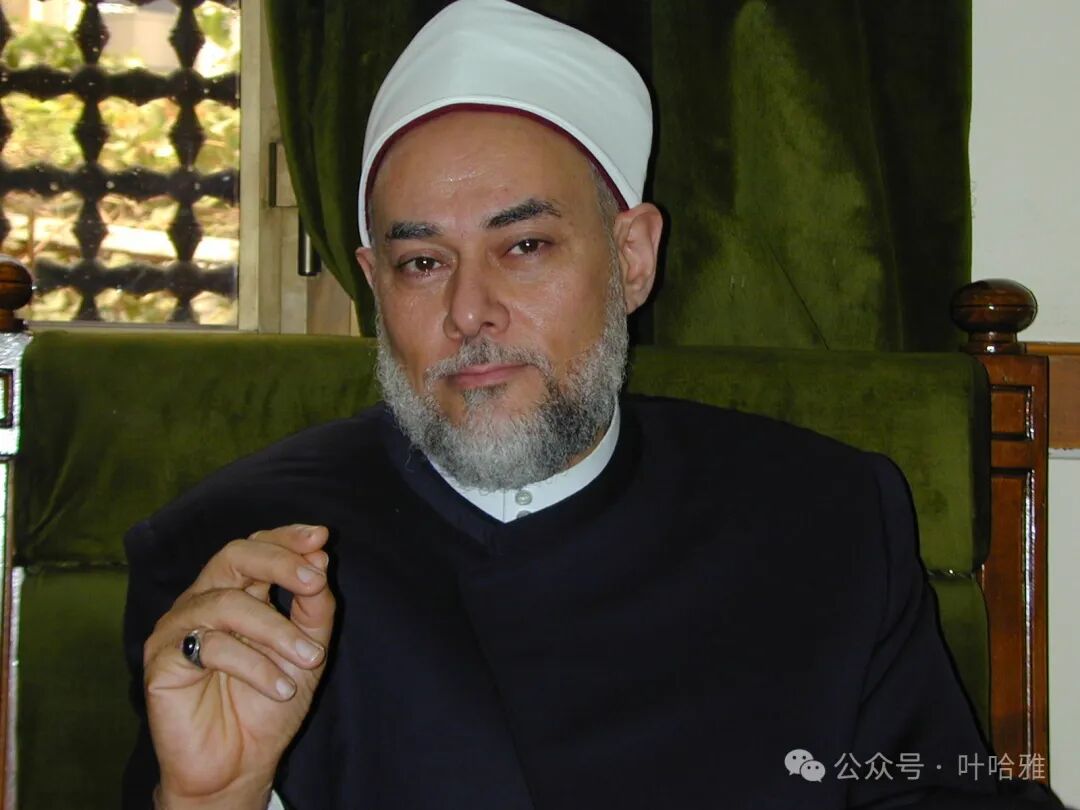
Ali Gomaa
Ali Gomaa (1952-present) is 73 years old this year. He served as the 18th Grand Mufti of Egypt (2003-2013). He holds a bachelor's and master's degree in commerce from Ain Shams University in Cairo, and he also earned a bachelor's, master's, and doctoral degree in Islamic law from Al-Azhar University. Ali Gomaa once served as a professor in the Department of Islamic and Arabic Studies and as the head of the Department of Jurisprudence at Al-Azhar University. His supporters are mainly from the middle class, including entrepreneurs, teachers, bankers, and engineers.
In this fatwa response, a European Muslim asked if he was allowed to work in a shop that sells alcohol and pork because he could not find any other job. In the fatwa, Gomaa repeatedly mentioned the concepts of the "land of war" (dar al-harb) and "people of the war zone." His response not only answered the questioner's query but also extended to other issues like interest and gambling.
Another basis Ali Gomaa proposed is that Mecca during the pre-Islamic period of ignorance (jahiliyyah) was not yet a Muslim city. The Prophet allowed his uncle Abbas to practice usury, and except for the year of the Farewell Pilgrimage, the Prophet did not forbid him from practicing usury. The text also mentions that Abu Bakr made a bet with a disbeliever (kafir) in Mecca that the Romans would defeat the Persians, and Mecca at that time was a land of war.
The controversial point of this fatwa is not the initial answer about whether a Muslim can work in a shop with alcohol and pork when no better job is available. The controversy lies in the use of the terms "land of war" and "people of the war zone," which some consider too dangerous. Some people believe that Western countries should not be called a "land of war." For details on the rebuttal articles, please see the article "ON THE FATWA OF THE EGYPTIAN MUFTI THAT"
ALLOWS SELLING ALCOHOL OUTSIDE THE LAND
OF ISLAM."
I do not want to focus this article on the controversy of this fatwa. It is normal to have controversy, and no viewpoint is absolutely free of it. I just want to introduce some of the ideas of the scholar Ali Gomaa for the reader's reference.

Needless to say, the book mentioned above cannot be bought in China. This book is specifically written by Ali Gomaa to criticize radicals. The viewpoints in the book are well-reasoned and cite classical sources, serving as a powerful intellectual weapon against those simple-minded and ignorant half-baked radicals.
Although Ali Gomaa follows the Shafi'i school of thought, he believes that one does not have to follow one specific school of law for every issue, but can freely choose the legal opinions of any jurist. This is a correct statement. Because of this, ordinary believers do not have a specific school of law; their school of law is simply the one followed by their mufti. Imam Nawawi said: 'There is evidence that ordinary believers do not need to follow one school of legal rulings for every issue, but should consult a mufti or someone well-versed in the faith, provided they do not look for loopholes.'
Ali Gomaa calls himself a liberal Muslim. He opposes female genital mutilation, supports gender equality, and believes women have the right to become president.
Ali Gomaa believes that wearing a headscarf is a mandatory duty (fard), but that women who do not wear one commit a minor sin, not a major one. Missing namaz is a major sin, and compared to the obligation of namaz, the sin of not wearing a headscarf is minor. He believes the face veil is not mandatory and even opposes women wearing it in areas where it is not the custom, as he thinks it looks like seeking fame and will lead to gossip.
As a Sufi, Ali Gomaa allows namaz in mosques that contain graves, which we know as a gongbei. He opposes the destruction of the graves of righteous predecessors and believes visiting them is fine. He also believes one can seek blessings from the relics of the Prophet and the righteous, and he allows the celebration of the Prophet's birthday.
Learning more about the views of foreign scholars helps broaden our horizons. At the very least, it gives us more ways to think about issues we take for granted, such as the work of Hui Muslims who are delivery drivers, flight attendants, or domestic workers, so we are not so judgmental and can have a broader perspective.
Summary: This Muslim knowledge guide explains a controversial fatwa by Egypt's former Grand Mufti Ali Gomaa, covering work involving pork and alcohol in non-Muslim countries, riba, gambling, dar al-harb, classical references, and why the debate remains sensitive.
Ali Gomaa
Ali Gomaa (1952-present) is 73 years old this year. He served as the 18th Grand Mufti of Egypt (2003-2013). He holds a bachelor's and master's degree in commerce from Ain Shams University in Cairo, and he also earned a bachelor's, master's, and doctoral degree in Islamic law from Al-Azhar University. Ali Gomaa once served as a professor in the Department of Islamic and Arabic Studies and as the head of the Department of Jurisprudence at Al-Azhar University. His supporters are mainly from the middle class, including entrepreneurs, teachers, bankers, and engineers.
In this fatwa response, a European Muslim asked if he was allowed to work in a shop that sells alcohol and pork because he could not find any other job. In the fatwa, Gomaa repeatedly mentioned the concepts of the "land of war" (dar al-harb) and "people of the war zone." His response not only answered the questioner's query but also extended to other issues like interest and gambling.
Another basis Ali Gomaa proposed is that Mecca during the pre-Islamic period of ignorance (jahiliyyah) was not yet a Muslim city. The Prophet allowed his uncle Abbas to practice usury, and except for the year of the Farewell Pilgrimage, the Prophet did not forbid him from practicing usury. The text also mentions that Abu Bakr made a bet with a disbeliever (kafir) in Mecca that the Romans would defeat the Persians, and Mecca at that time was a land of war.
The controversial point of this fatwa is not the initial answer about whether a Muslim can work in a shop with alcohol and pork when no better job is available. The controversy lies in the use of the terms "land of war" and "people of the war zone," which some consider too dangerous. Some people believe that Western countries should not be called a "land of war." For details on the rebuttal articles, please see the article "ON THE FATWA OF THE EGYPTIAN MUFTI THAT"
ALLOWS SELLING ALCOHOL OUTSIDE THE LAND
OF ISLAM."
I do not want to focus this article on the controversy of this fatwa. It is normal to have controversy, and no viewpoint is absolutely free of it. I just want to introduce some of the ideas of the scholar Ali Gomaa for the reader's reference.
Needless to say, the book mentioned above cannot be bought in China. This book is specifically written by Ali Gomaa to criticize radicals. The viewpoints in the book are well-reasoned and cite classical sources, serving as a powerful intellectual weapon against those simple-minded and ignorant half-baked radicals.
Although Ali Gomaa follows the Shafi'i school of thought, he believes that one does not have to follow one specific school of law for every issue, but can freely choose the legal opinions of any jurist. This is a correct statement. Because of this, ordinary believers do not have a specific school of law; their school of law is simply the one followed by their mufti. Imam Nawawi said: 'There is evidence that ordinary believers do not need to follow one school of legal rulings for every issue, but should consult a mufti or someone well-versed in the faith, provided they do not look for loopholes.'
Ali Gomaa calls himself a liberal Muslim. He opposes female genital mutilation, supports gender equality, and believes women have the right to become president.
Ali Gomaa believes that wearing a headscarf is a mandatory duty (fard), but that women who do not wear one commit a minor sin, not a major one. Missing namaz is a major sin, and compared to the obligation of namaz, the sin of not wearing a headscarf is minor. He believes the face veil is not mandatory and even opposes women wearing it in areas where it is not the custom, as he thinks it looks like seeking fame and will lead to gossip.
As a Sufi, Ali Gomaa allows namaz in mosques that contain graves, which we know as a gongbei. He opposes the destruction of the graves of righteous predecessors and believes visiting them is fine. He also believes one can seek blessings from the relics of the Prophet and the righteous, and he allows the celebration of the Prophet's birthday.
Learning more about the views of foreign scholars helps broaden our horizons. At the very least, it gives us more ways to think about issues we take for granted, such as the work of Hui Muslims who are delivery drivers, flight attendants, or domestic workers, so we are not so judgmental and can have a broader perspective.
