
Muslim Travel Guide Vietnam Hanoi: Al-Noor Mosque, Wudu Area, Halal Food and Muslim Life
Reposted from the web
Summary: This Vietnam Muslim travel guide visits Al-Noor Mosque in Hanoi, the only functioning mosque in northern Vietnam, with its courtyard prayer space, small prayer hall, wudu area, Cham imam, Kinh Muslims learning about Islam, nearby halal food, and local street scenes.
Most of the mosques in Vietnam are located in southern Vietnam. There is currently only one functioning mosque in the north, which is the Al-Noor Mosque (Guangming Mosque) that I will introduce this time.
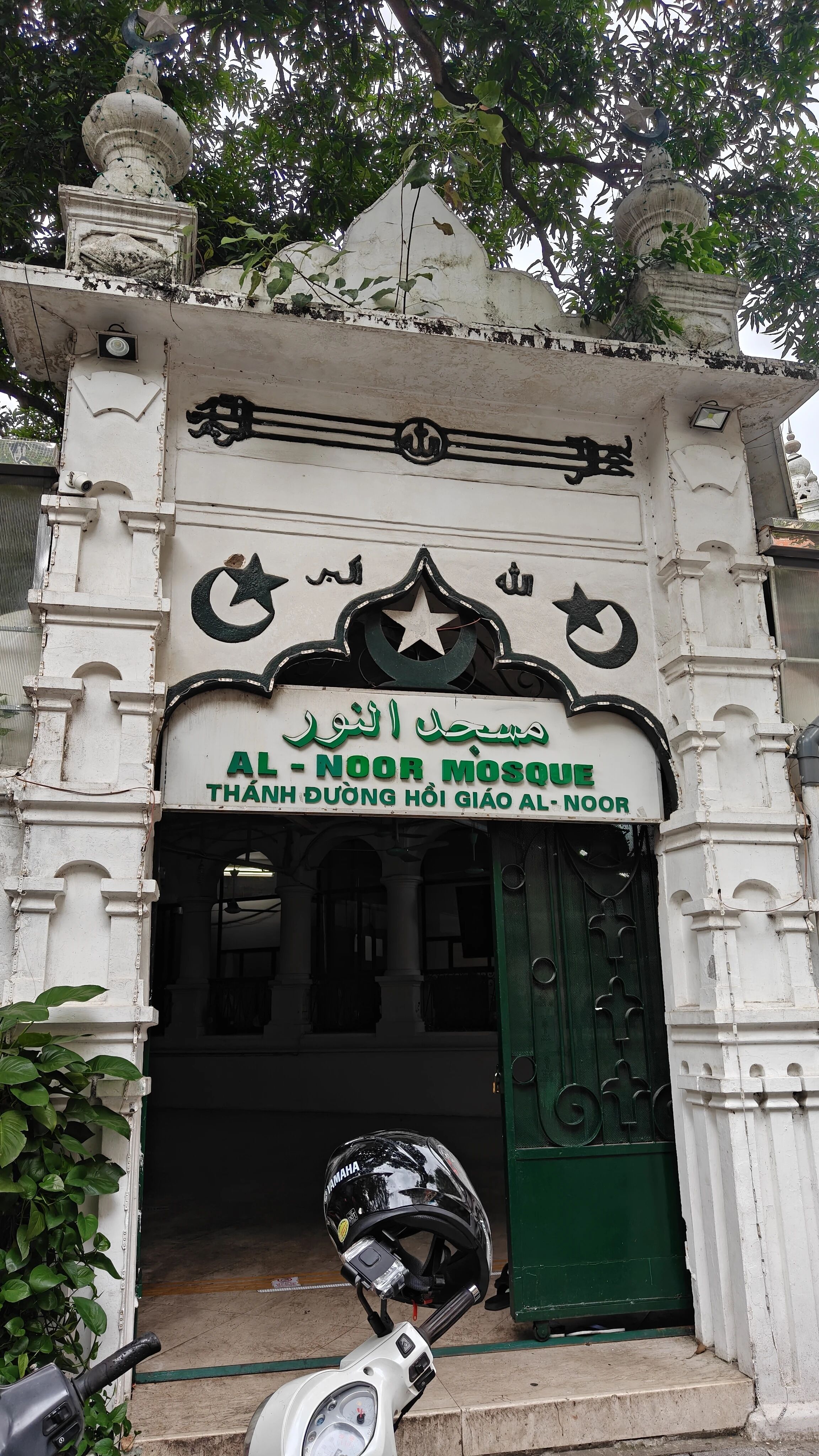
Picture 1 is the door of the mosque, with Al-Noor written on it, which is Arabic transliterated from Latin letters, meaning light. It can also be seen from the Vietnamese text at the bottom that Vietnam still uses the word Islam (Hoi Giao).
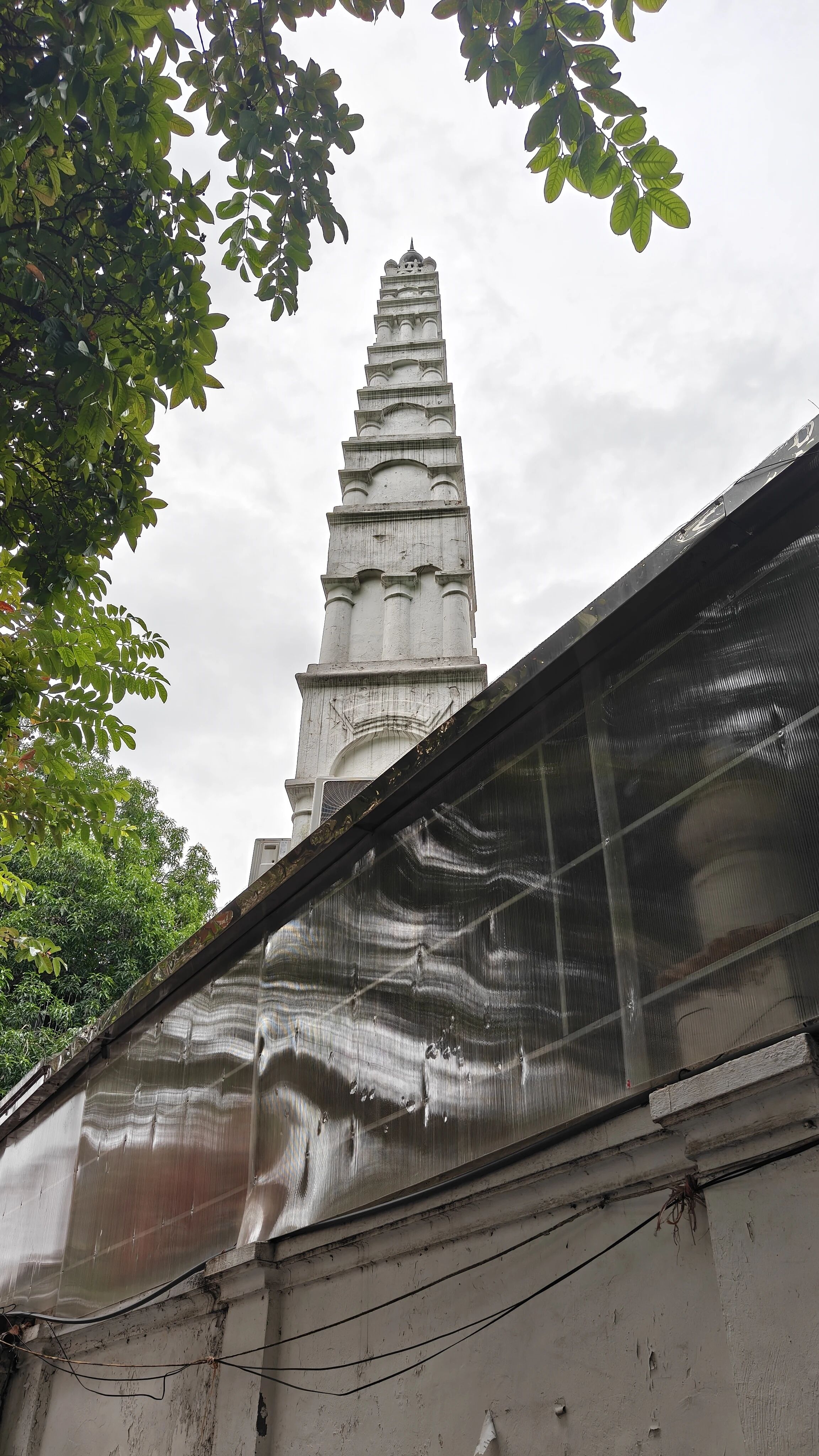
Picture 2 is the minaret of the mosque.
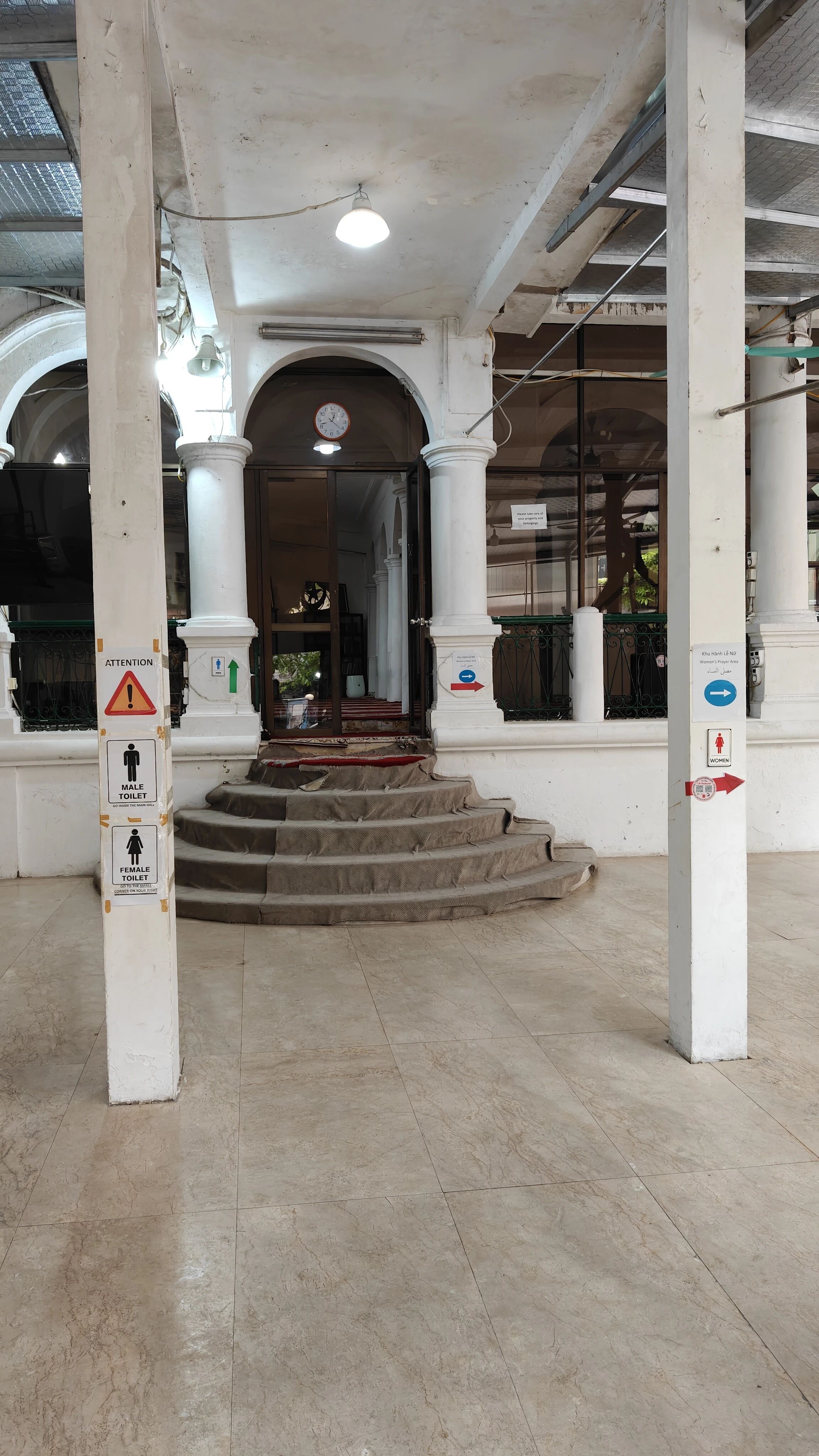
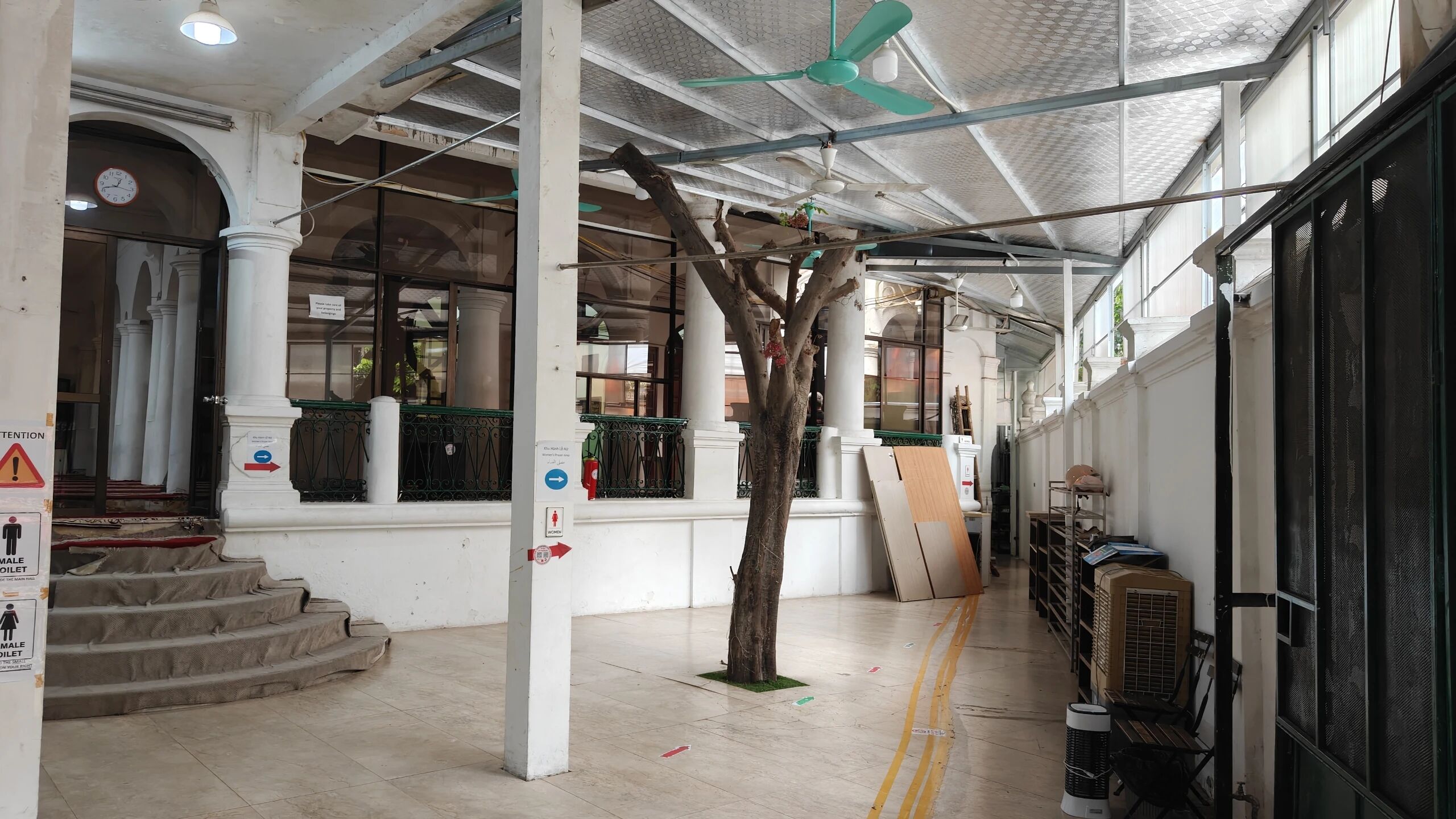
Pictures 3 & 4 show the courtyard of the mosque. In order to keep the courtyard clean, a simple awning is built on it, and you have to take off your shoes when entering the courtyard. I guess it's because this mosque is relatively small, so the courtyard has to be used as a prayer hall.
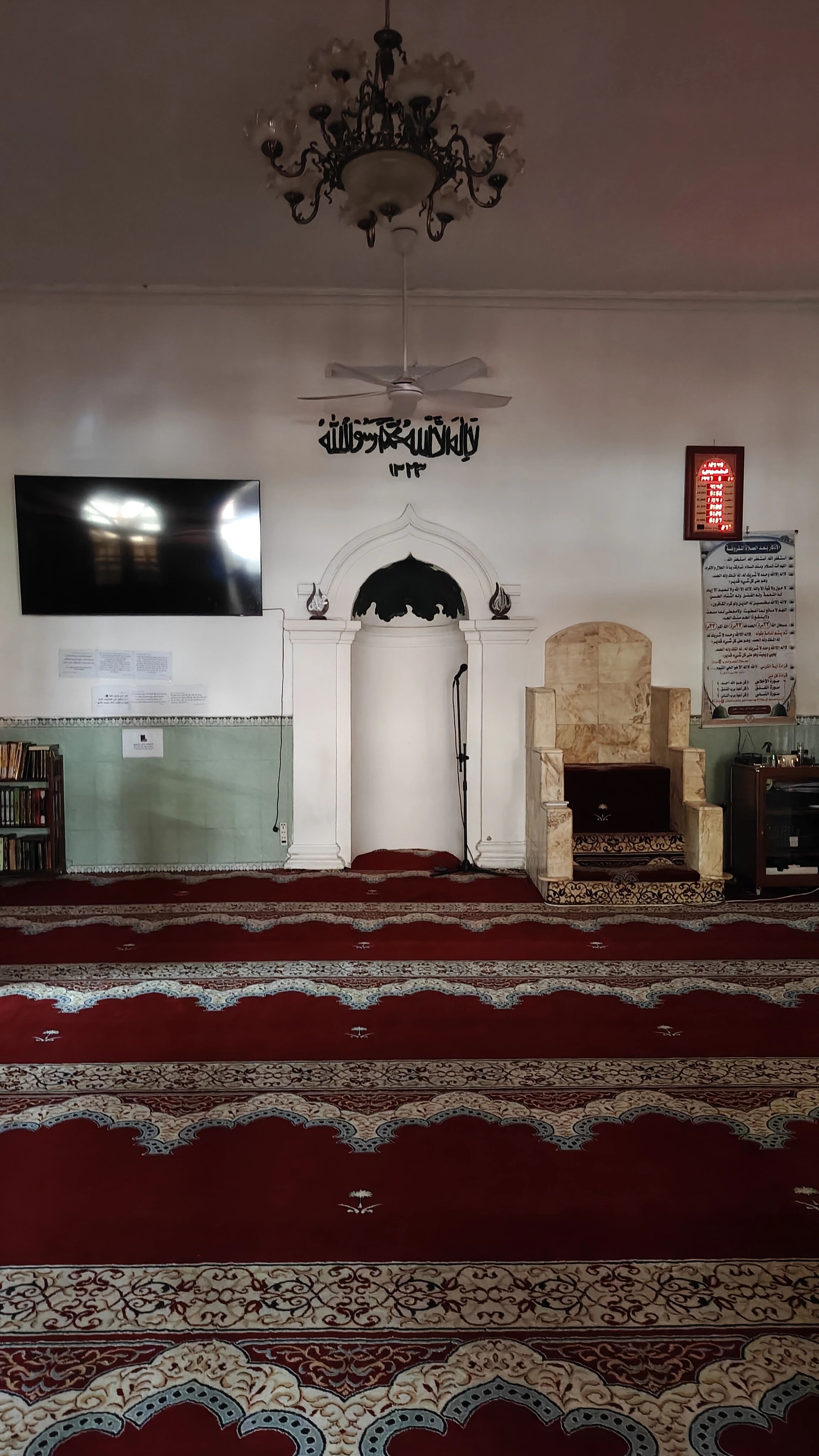
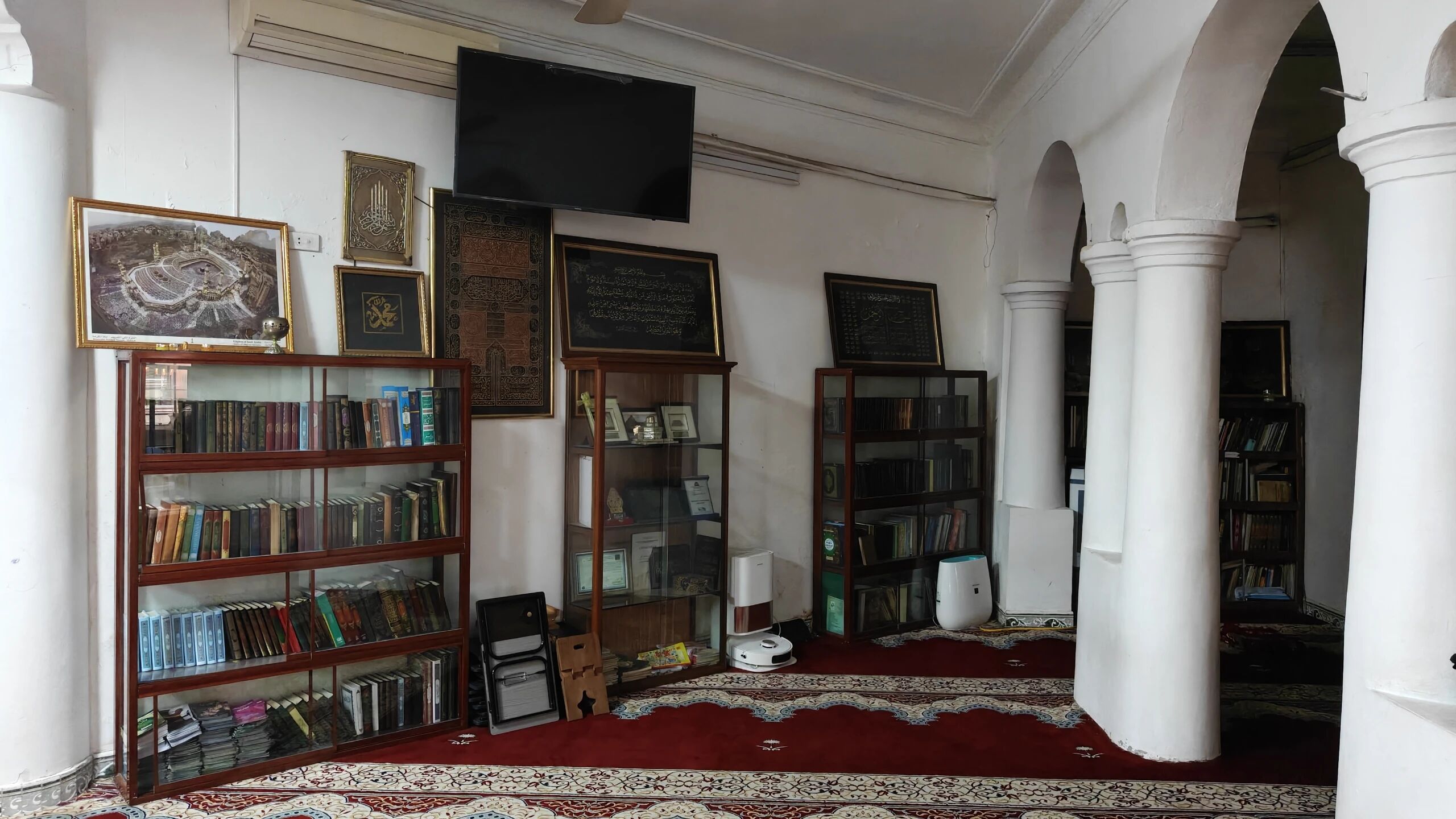
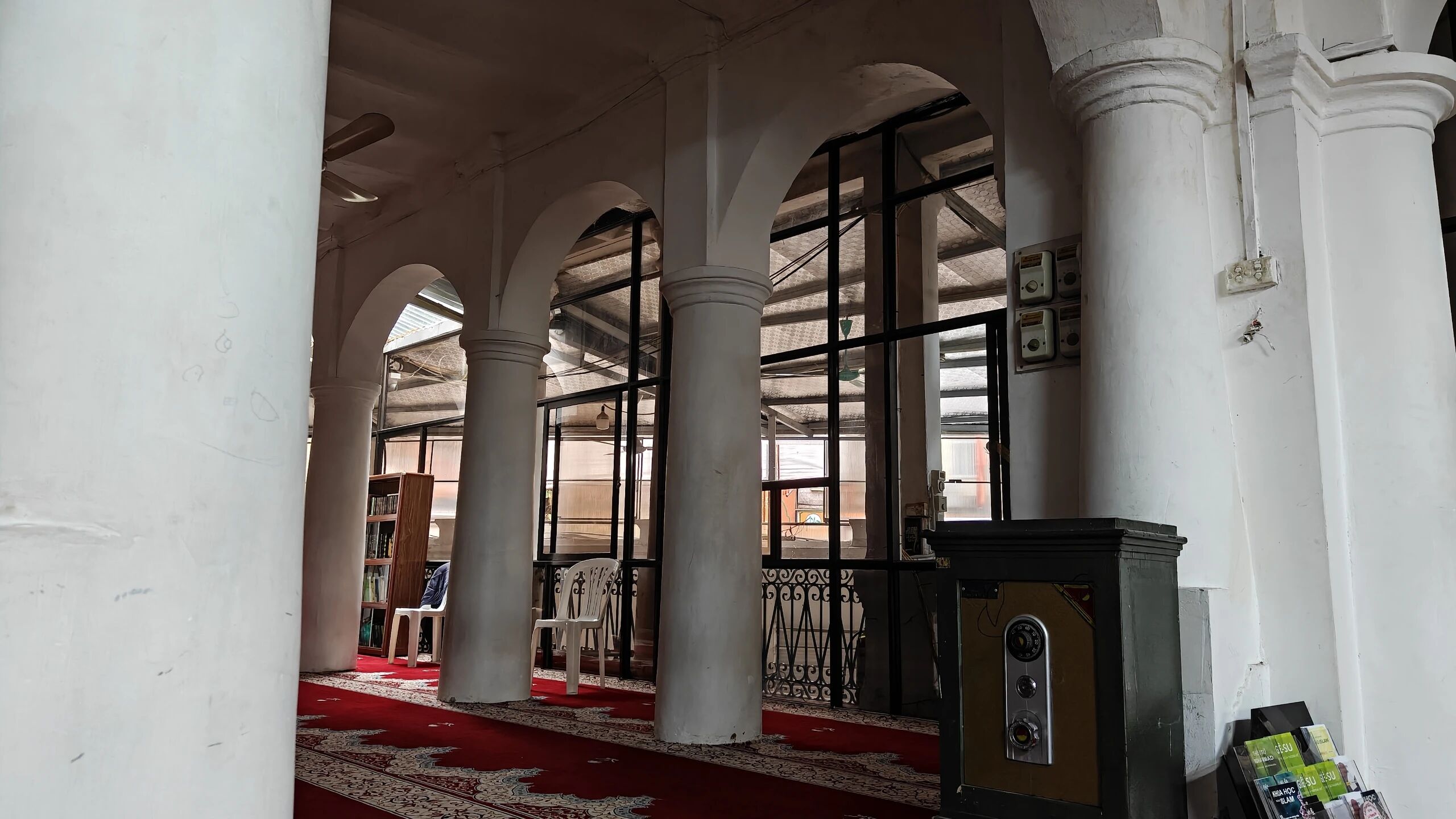
Pictures 5, 6 & 7 show the inside of the prayer hall. The lighting is not very good, so you have to go through the prayer hall to perform wudu. The conditions are quite basic.
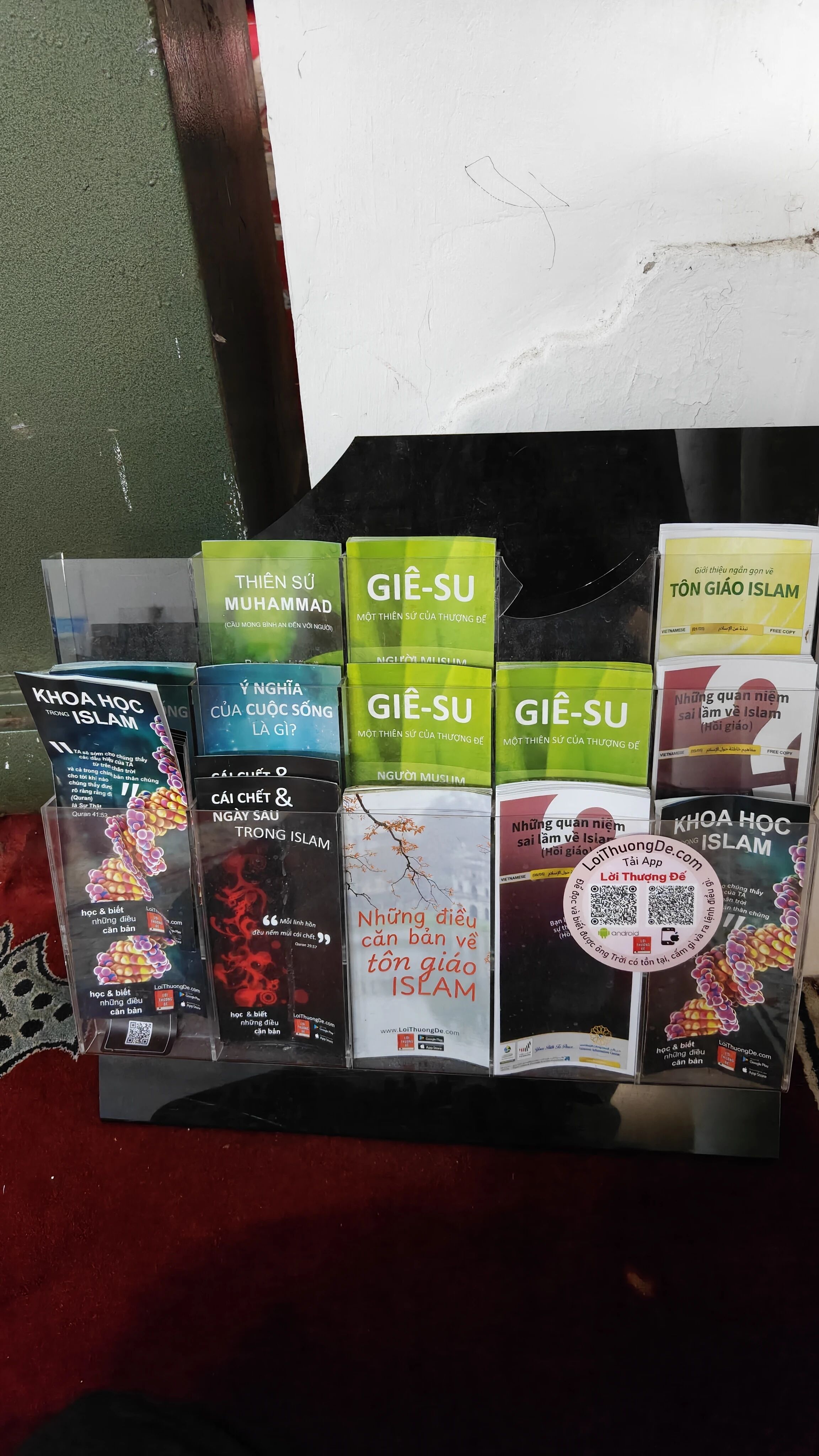
Picture 8 shows some introductory Islam materials placed near the entrance to the prayer hall. I have also met the imam here. The imam is a Cham ethnic minority in Vietnam. His hometown is in a village in southern Vietnam. He is young and very kind.
I asked him if there were any Muslims from the Kinh ethnic group (the main ethnic group in Vietnam), and he said that one or two Kinh people would accept Islam every month.
Later, I did meet a Kinh Muslim. He took the initiative to say hello to me. During the conversation, it was obvious that he was very passionate about his faith. But after a while, he disappeared. When I saw him again, he was holding cakes in his hand, and there was a mother and daughter at the door.
It turned out that the mother and daughter came to learn about Islam. The young Kinh man went to buy cakes for them and wanted them to sit down and introduce them while eating.
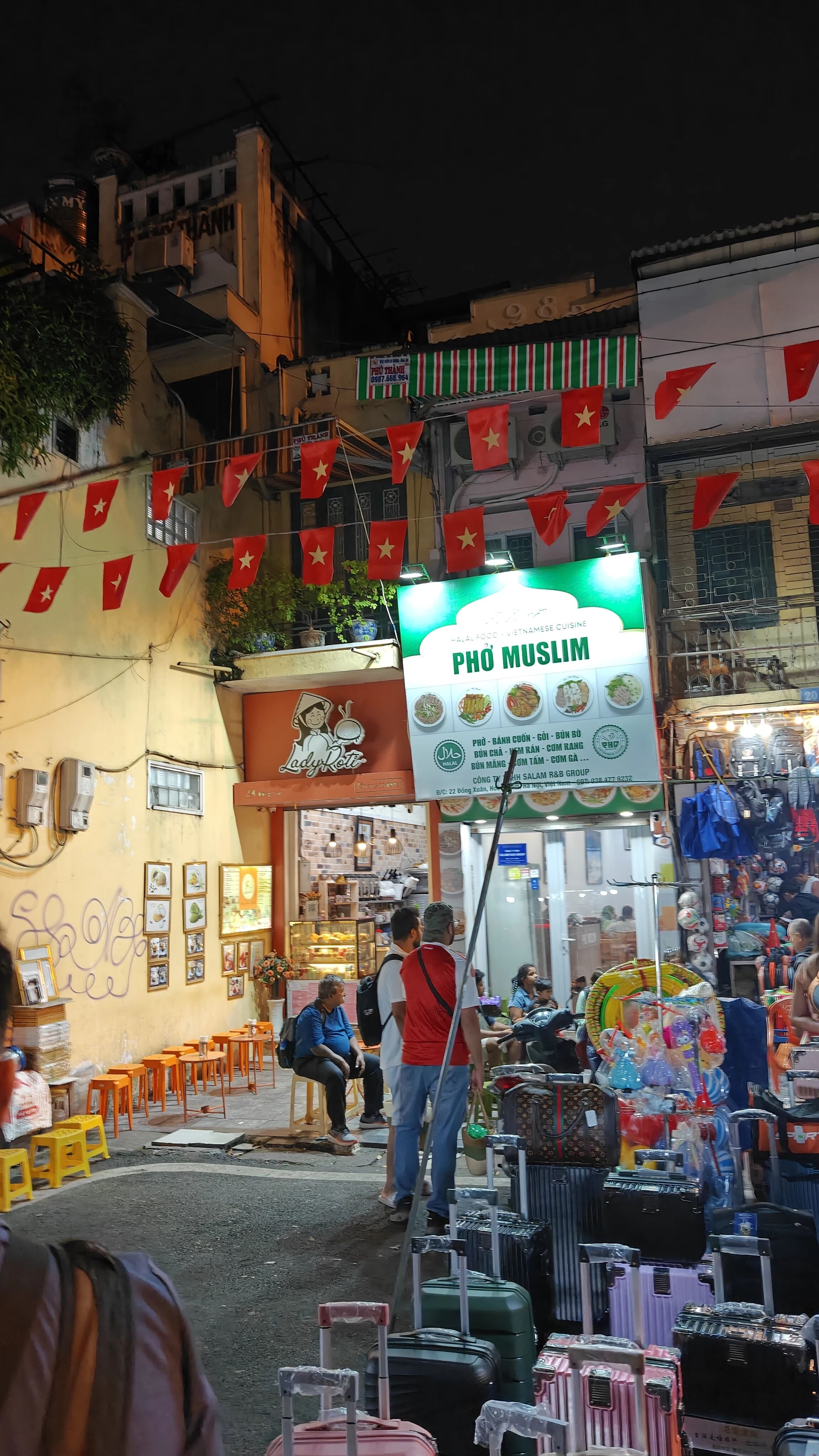
Picture 9 to Picture 13, after a while it’s time to eat. There are also many halal restaurants around the mosque. Before going there, I thought there were only one or two.
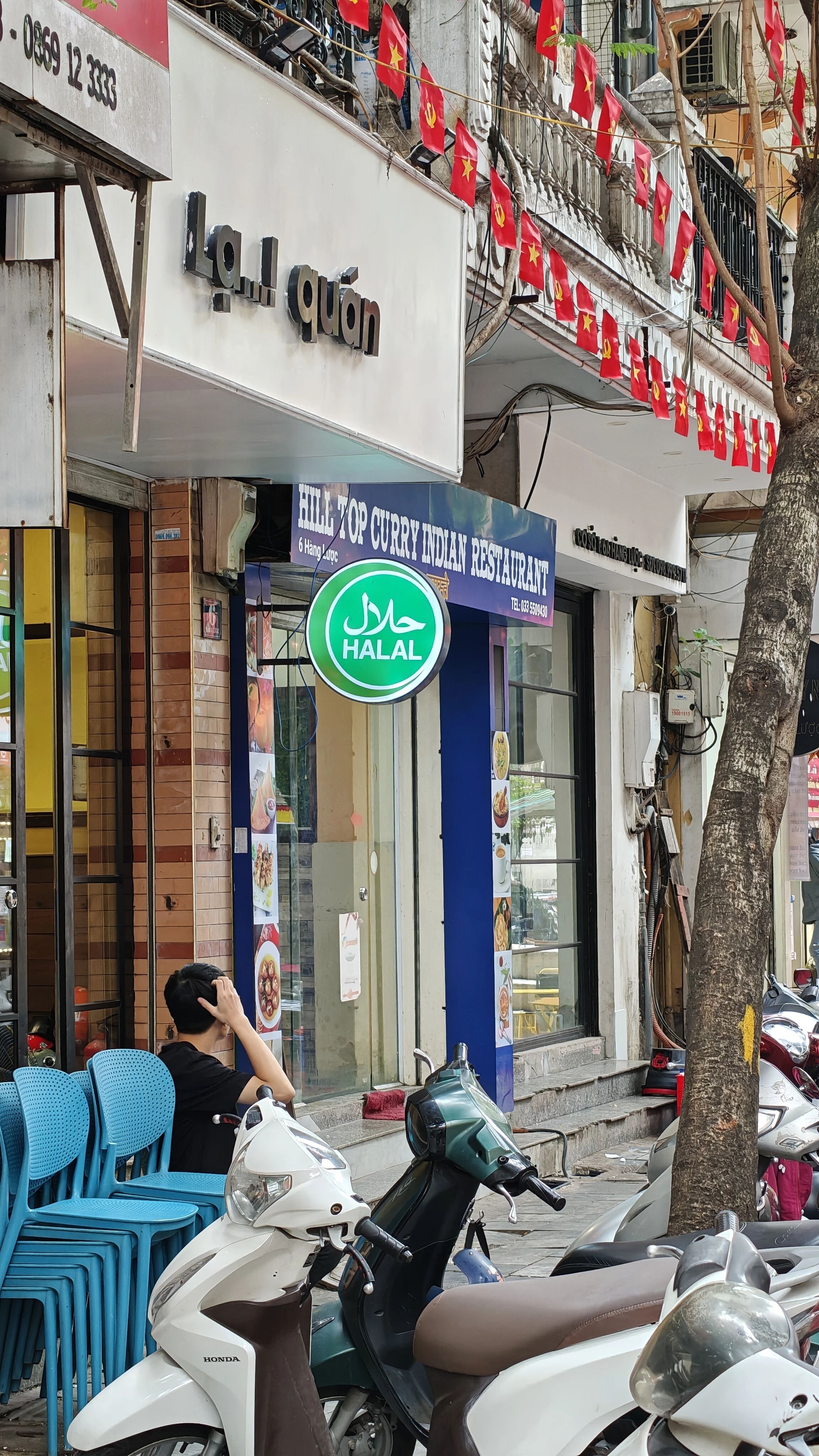
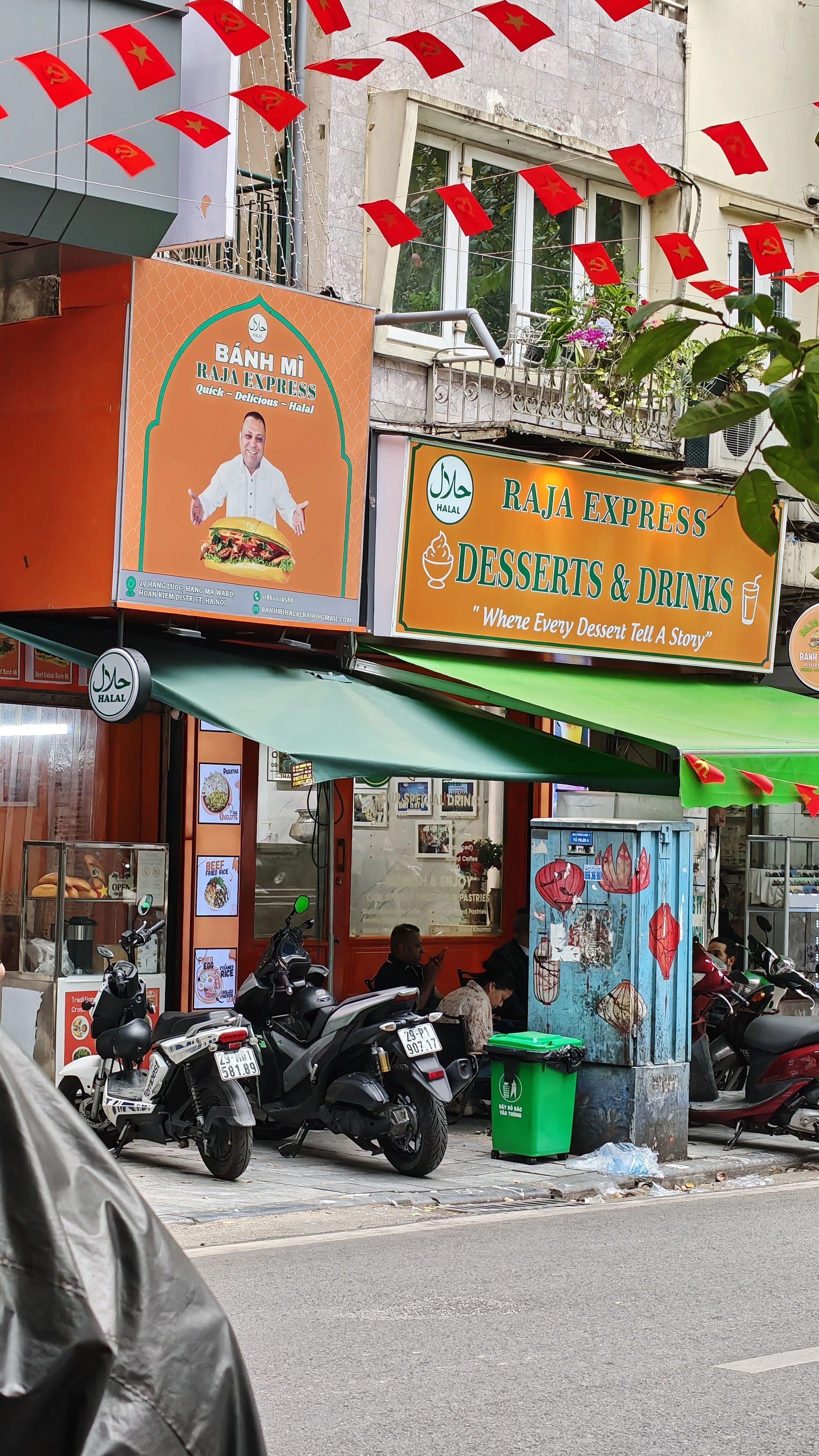
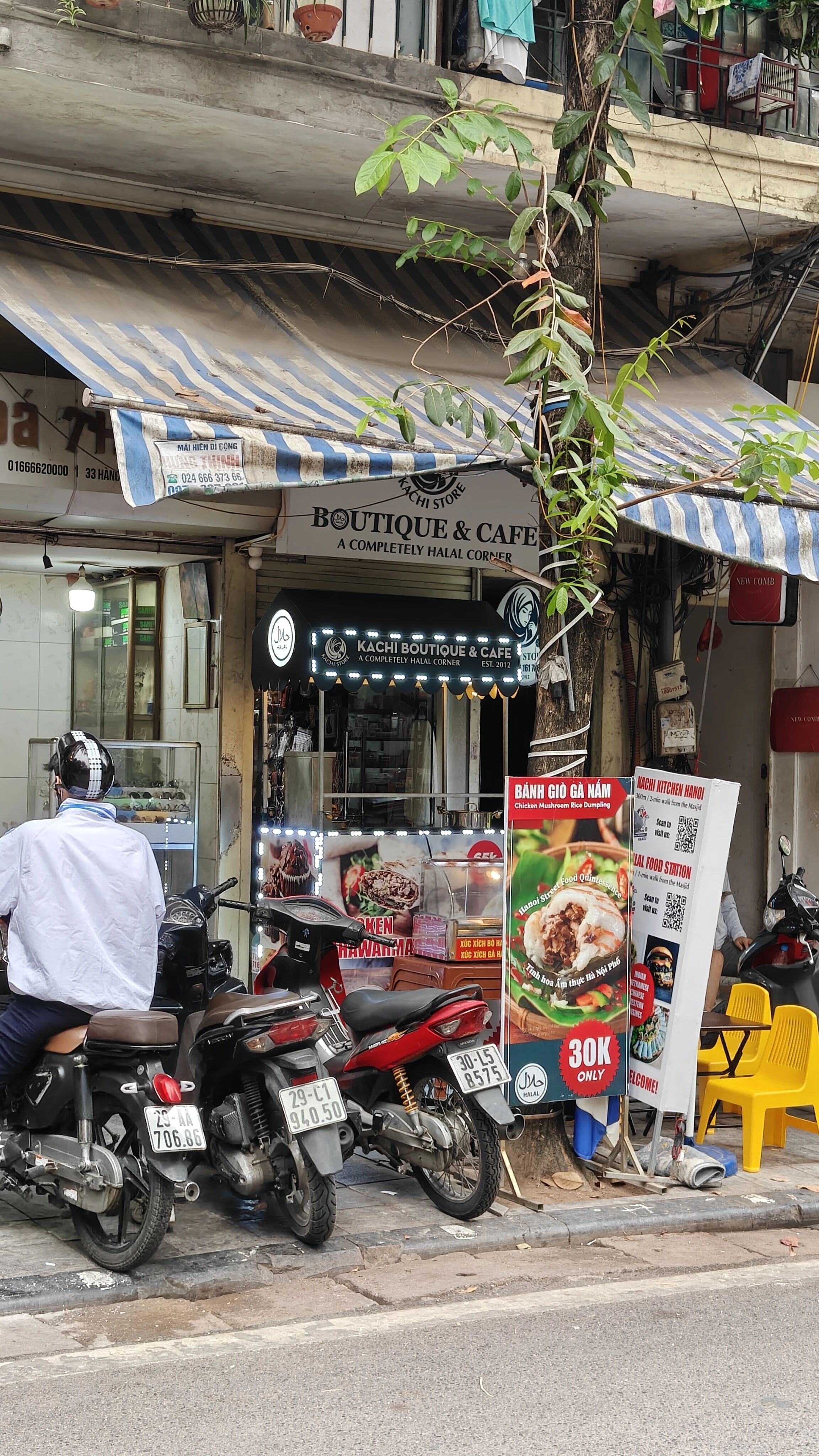
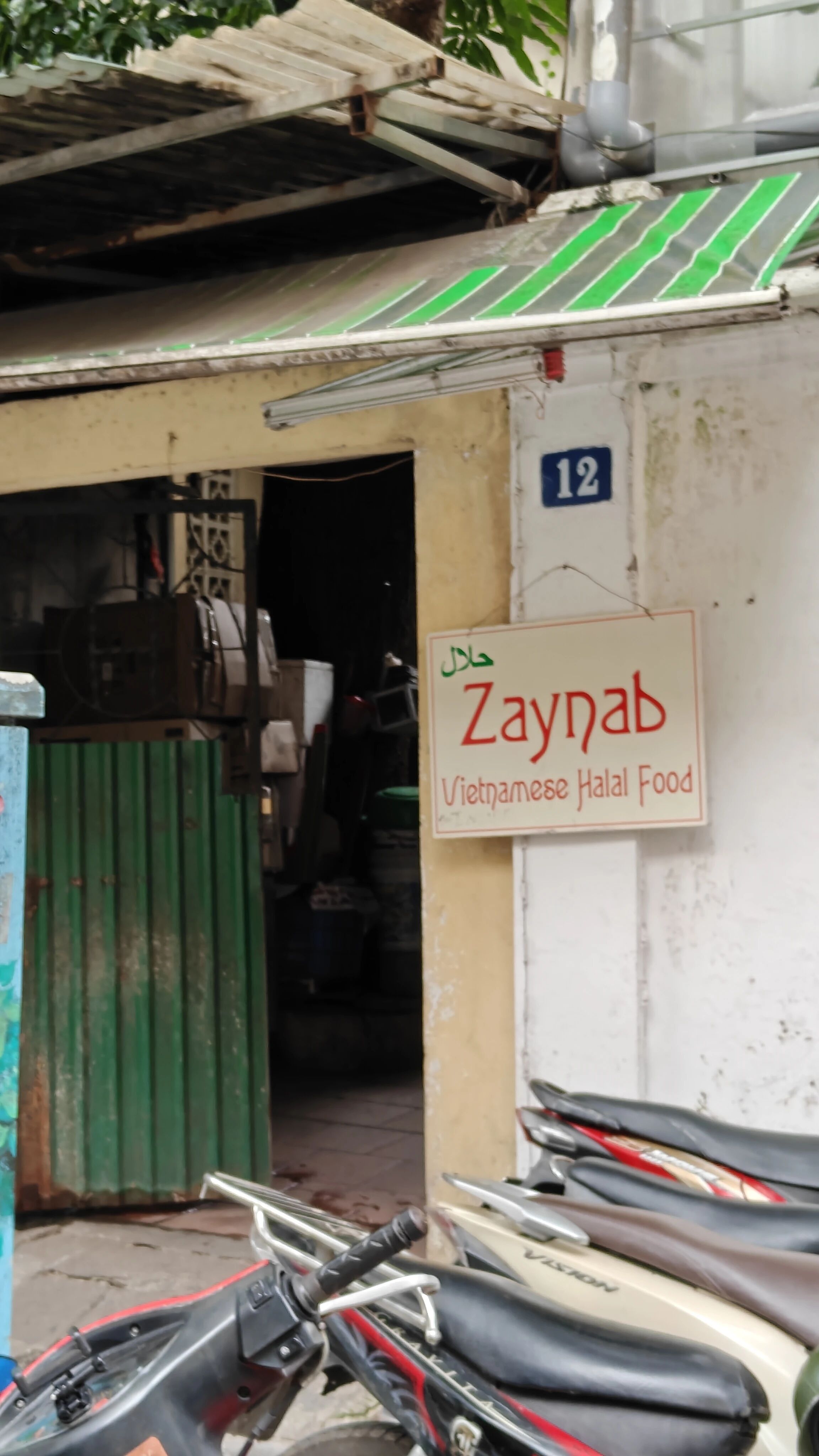
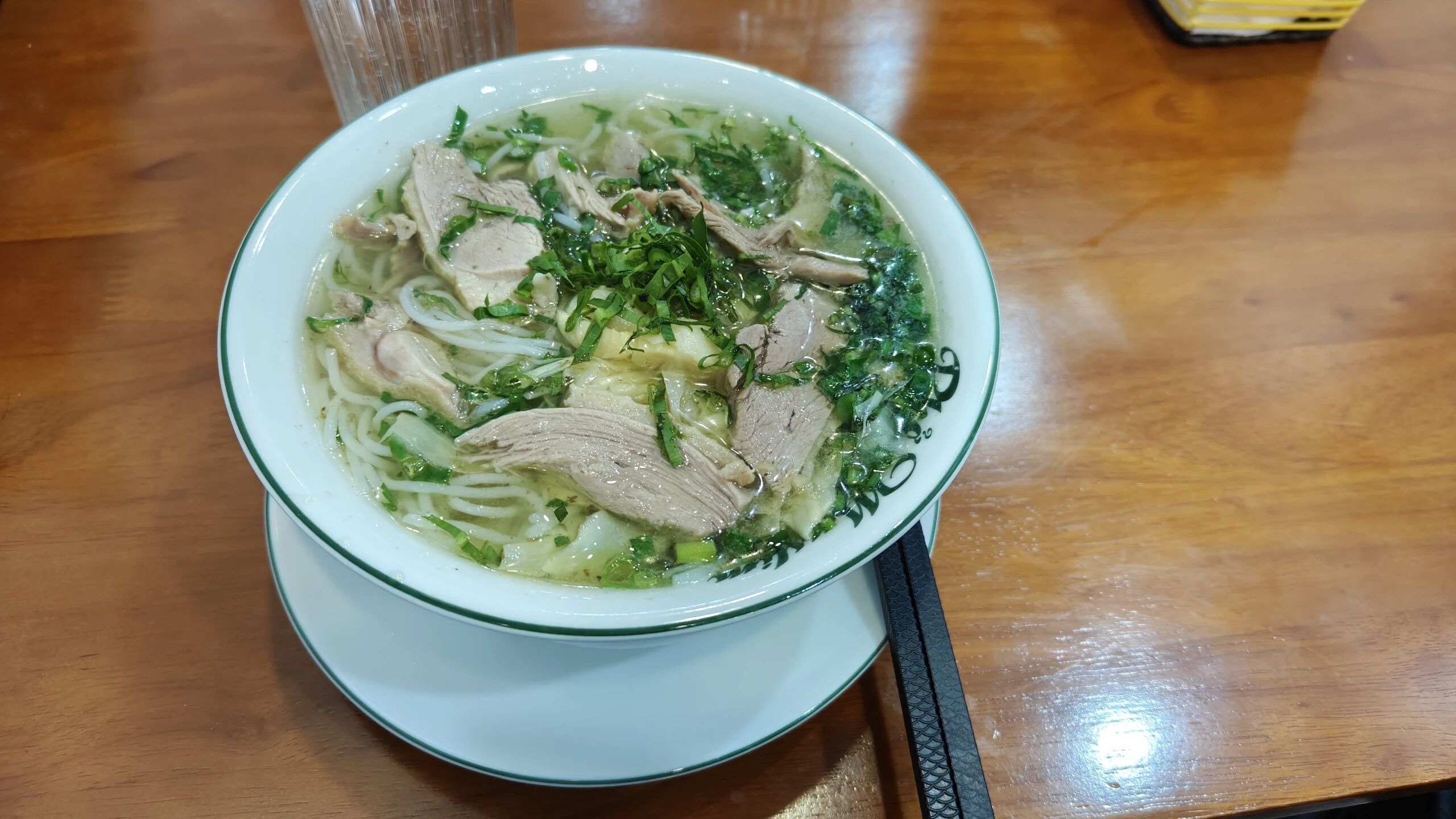
Picture 14: My brother treated me to Vietnamese pho, which was made with duck meat and bamboo shoots in it. He asked me if bamboo shoots are also eaten in China, and I said of course.
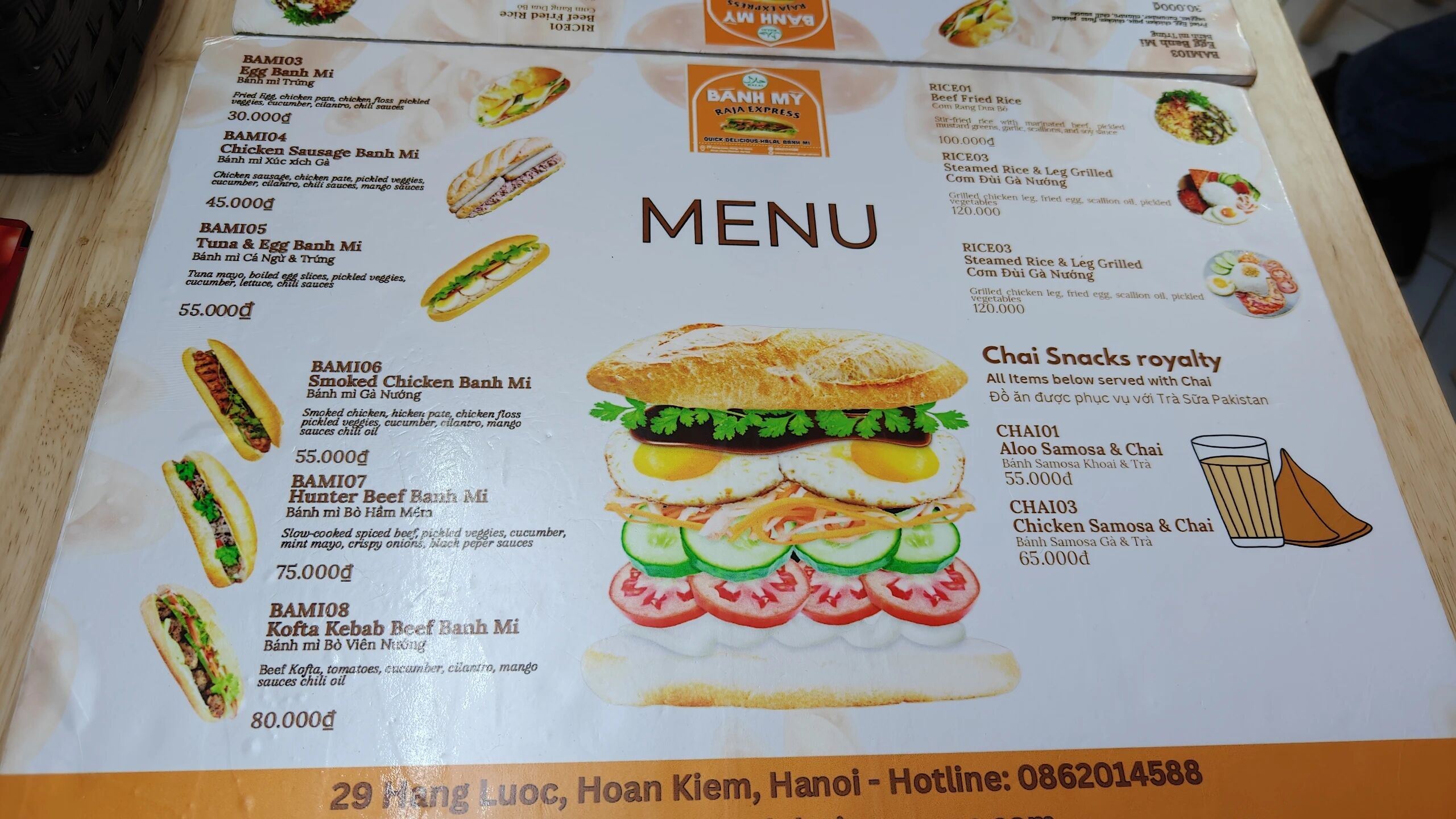
Picture 15 & Picture 16, the next day I ate another Vietnamese specialty, banh mi-style baguette with vegetables, opposite the mosque. Cut the baguettes brought by the former colonists and add eggs, sausages, vegetables or skewers to complete this snack.
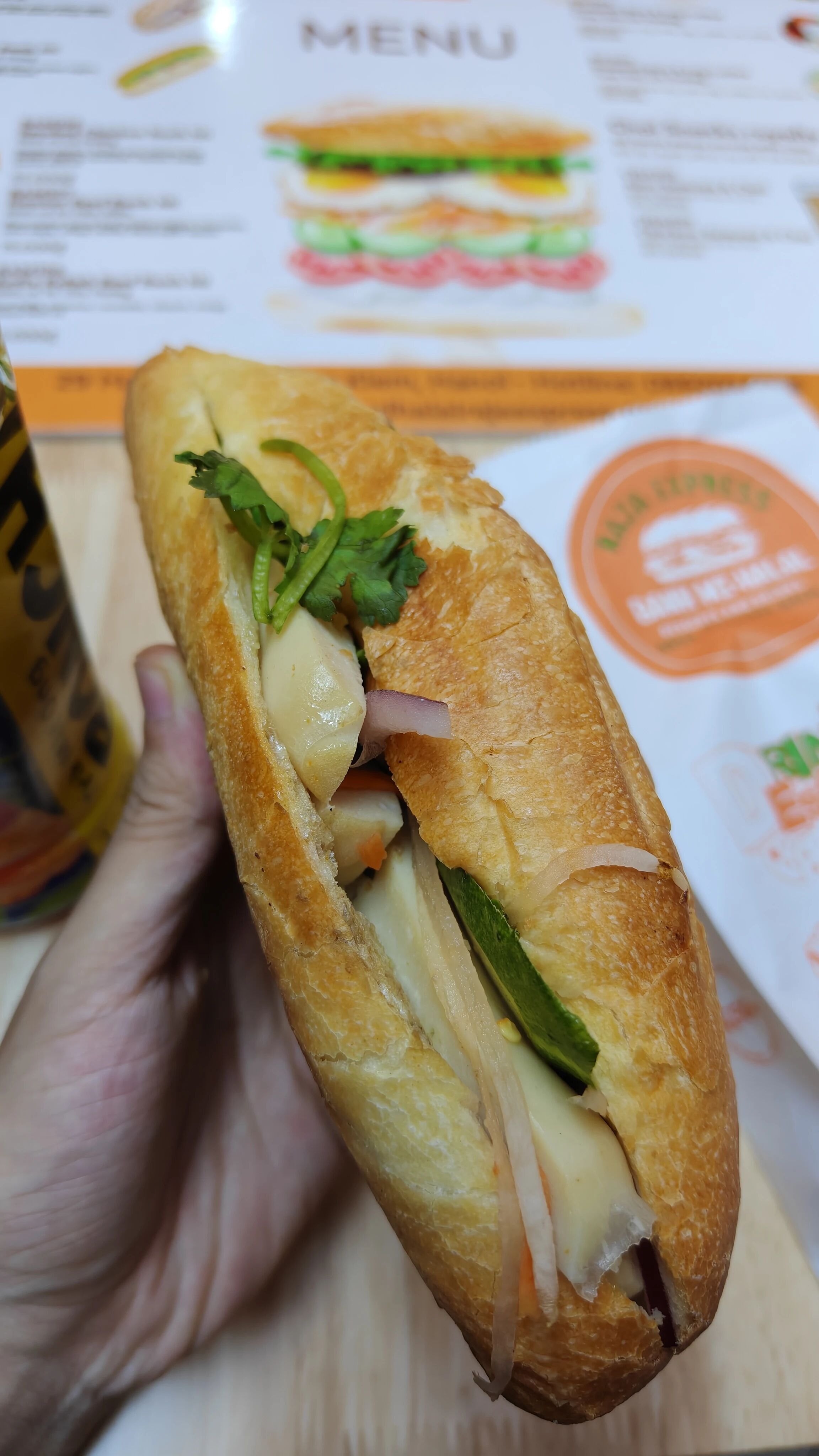
The baguette is quite firm, but the portion is not big, so one person will not be full.
Picture 17, by the way, I would like to talk about the political propaganda posters I saw around the Ho Chi Minh Mausoleum. Such posters can be seen in the streets and alleys, and there were many in China before.
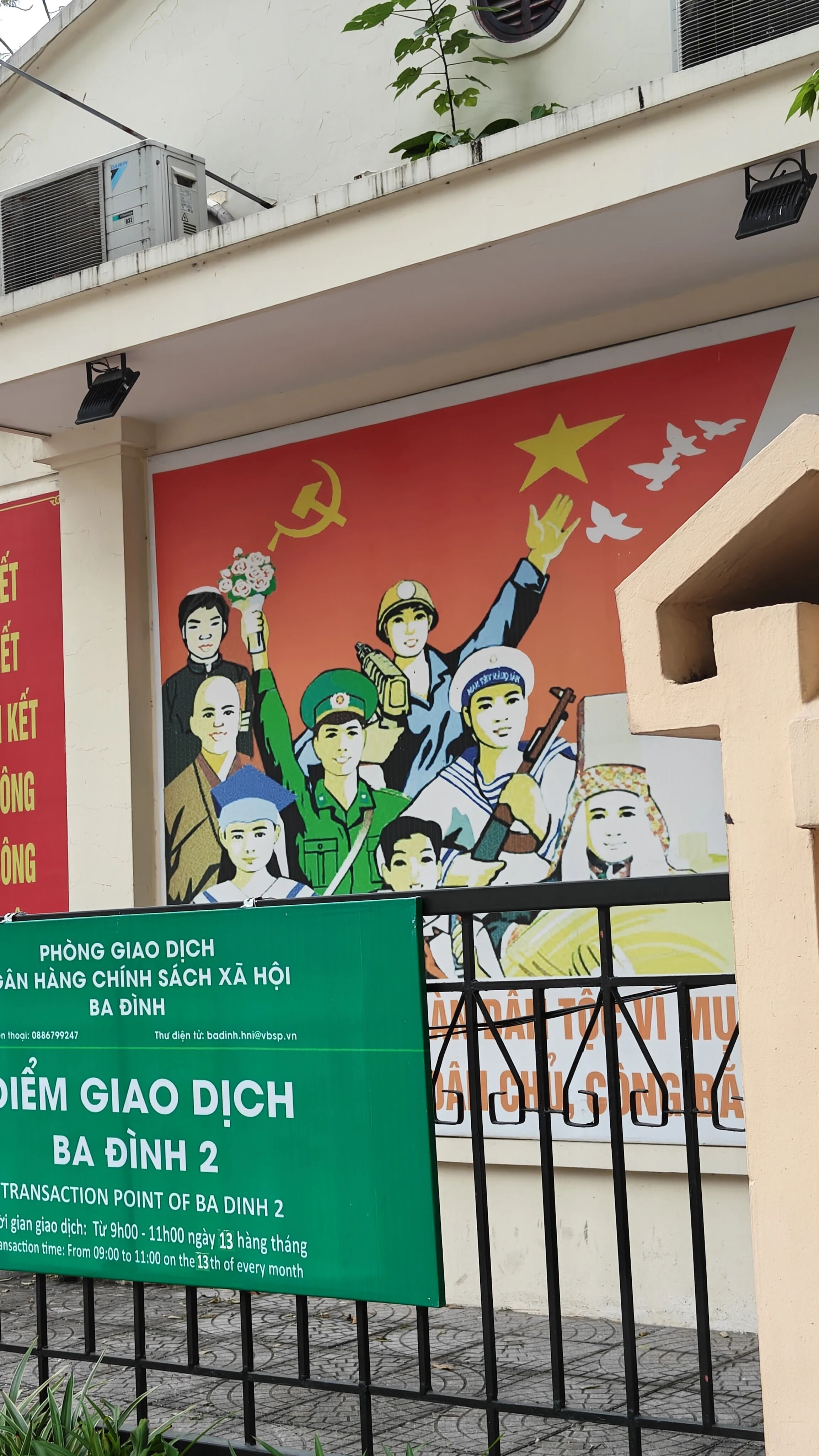
But the difference is that there are Buddhist monks and Catholic priests on the posters in Vietnam. This is a place similar to but different from China.
Then I went to South Vietnam. Please stay tuned for more information about that.
Summary: This Vietnam Muslim travel guide visits Al-Noor Mosque in Hanoi, the only functioning mosque in northern Vietnam, with its courtyard prayer space, small prayer hall, wudu area, Cham imam, Kinh Muslims learning about Islam, nearby halal food, and local street scenes.
Most of the mosques in Vietnam are located in southern Vietnam. There is currently only one functioning mosque in the north, which is the Al-Noor Mosque (Guangming Mosque) that I will introduce this time.
Picture 1 is the door of the mosque, with Al-Noor written on it, which is Arabic transliterated from Latin letters, meaning light. It can also be seen from the Vietnamese text at the bottom that Vietnam still uses the word Islam (Hoi Giao).
Picture 2 is the minaret of the mosque.
Pictures 3 & 4 show the courtyard of the mosque. In order to keep the courtyard clean, a simple awning is built on it, and you have to take off your shoes when entering the courtyard. I guess it's because this mosque is relatively small, so the courtyard has to be used as a prayer hall.
Pictures 5, 6 & 7 show the inside of the prayer hall. The lighting is not very good, so you have to go through the prayer hall to perform wudu. The conditions are quite basic.
Picture 8 shows some introductory Islam materials placed near the entrance to the prayer hall. I have also met the imam here. The imam is a Cham ethnic minority in Vietnam. His hometown is in a village in southern Vietnam. He is young and very kind.
I asked him if there were any Muslims from the Kinh ethnic group (the main ethnic group in Vietnam), and he said that one or two Kinh people would accept Islam every month.
Later, I did meet a Kinh Muslim. He took the initiative to say hello to me. During the conversation, it was obvious that he was very passionate about his faith. But after a while, he disappeared. When I saw him again, he was holding cakes in his hand, and there was a mother and daughter at the door.
It turned out that the mother and daughter came to learn about Islam. The young Kinh man went to buy cakes for them and wanted them to sit down and introduce them while eating.
Picture 9 to Picture 13, after a while it’s time to eat. There are also many halal restaurants around the mosque. Before going there, I thought there were only one or two.
Picture 14: My brother treated me to Vietnamese pho, which was made with duck meat and bamboo shoots in it. He asked me if bamboo shoots are also eaten in China, and I said of course.
Picture 15 & Picture 16, the next day I ate another Vietnamese specialty, banh mi-style baguette with vegetables, opposite the mosque. Cut the baguettes brought by the former colonists and add eggs, sausages, vegetables or skewers to complete this snack.
The baguette is quite firm, but the portion is not big, so one person will not be full.
Picture 17, by the way, I would like to talk about the political propaganda posters I saw around the Ho Chi Minh Mausoleum. Such posters can be seen in the streets and alleys, and there were many in China before.
But the difference is that there are Buddhist monks and Catholic priests on the posters in Vietnam. This is a place similar to but different from China.
Then I went to South Vietnam. Please stay tuned for more information about that.
