
China Mosque Travel Guide Beijing Miyun: Reservoir Mosques, Hui Villages and Muslim Heritage (Part 2)
Reposted from the web
Summary: China Mosque Travel Guide Beijing Miyun: Reservoir Mosques, Hui Villages and Muslim Heritage (Part 2) is presented here as a clear Muslim travel account, beginning with this scene: In Gubeikou Town, there are still some Hui Muslims who hang door charms (men du'er), as well as halal beef and mutton shops. The account keeps its focus on Miyun Mosques, Beijing Muslim Travel, Hui Villages while preserving the names, places, food, and historical details from the Chinese source.
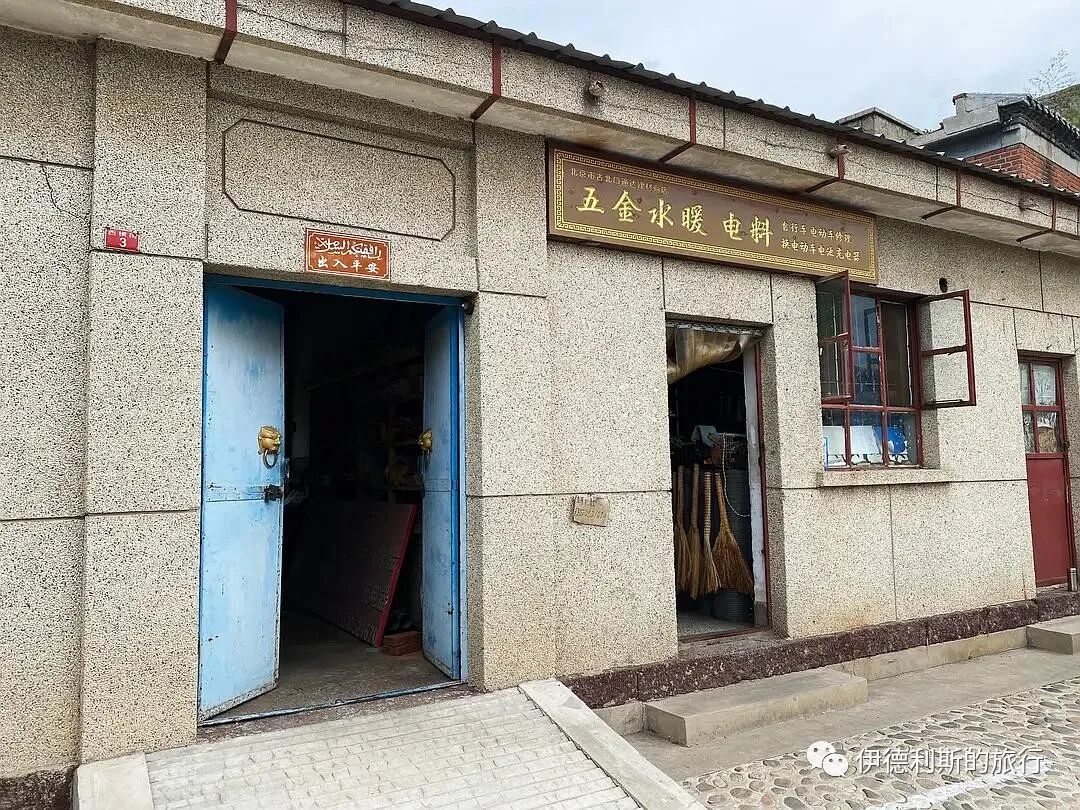
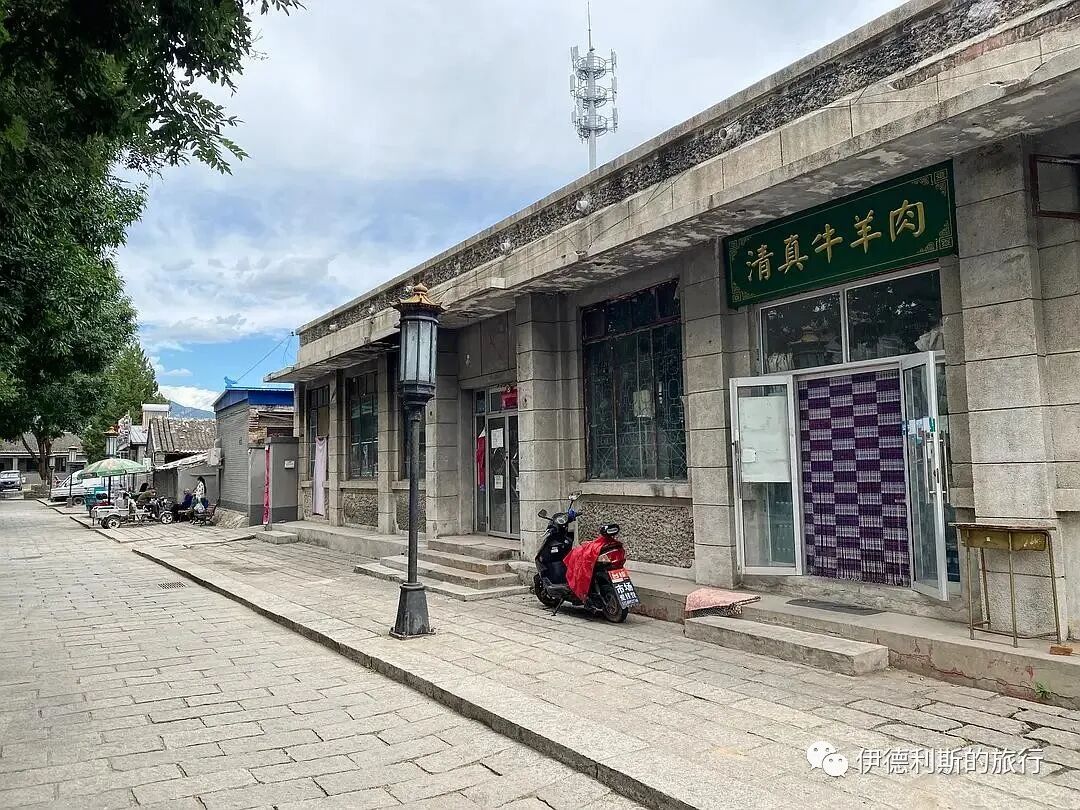
In Gubeikou Town, there are still some Hui Muslims who hang door charms (men du'er), as well as halal beef and mutton shops.
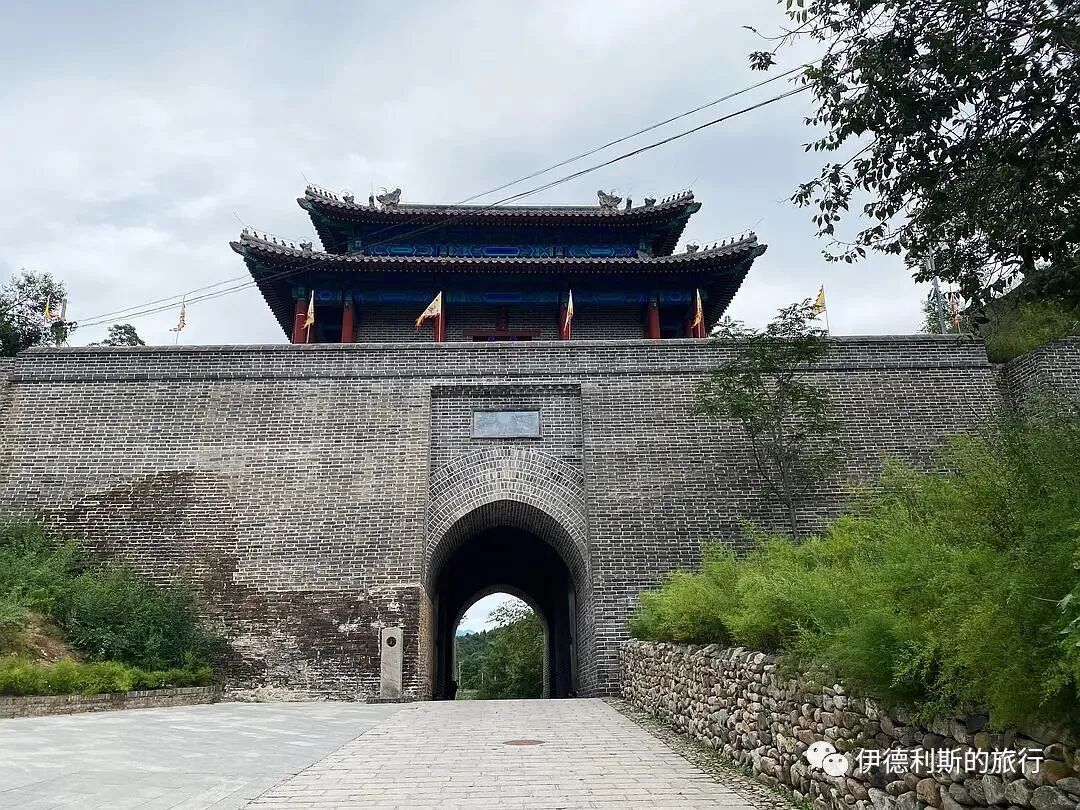
The rebuilt North Gate of the Gubeikou Town pass city.
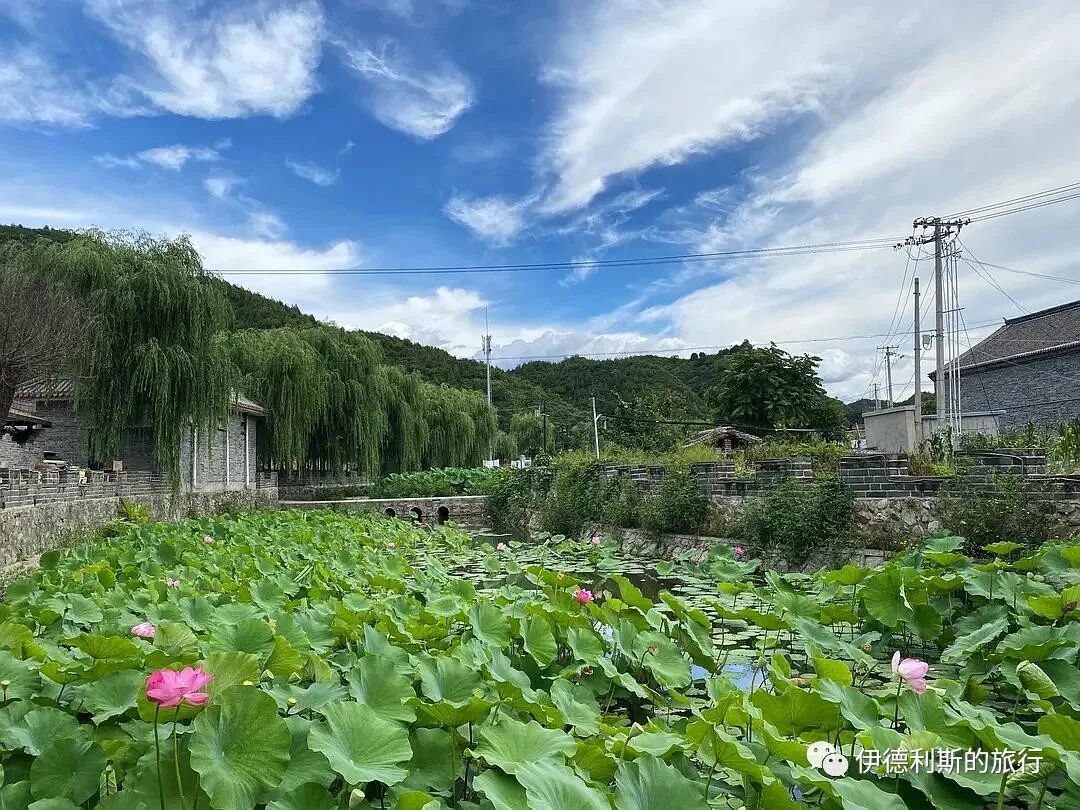
Lotus flowers inside the Gubeikou Town pass city.
After eating, we headed to Gubei Water Town.
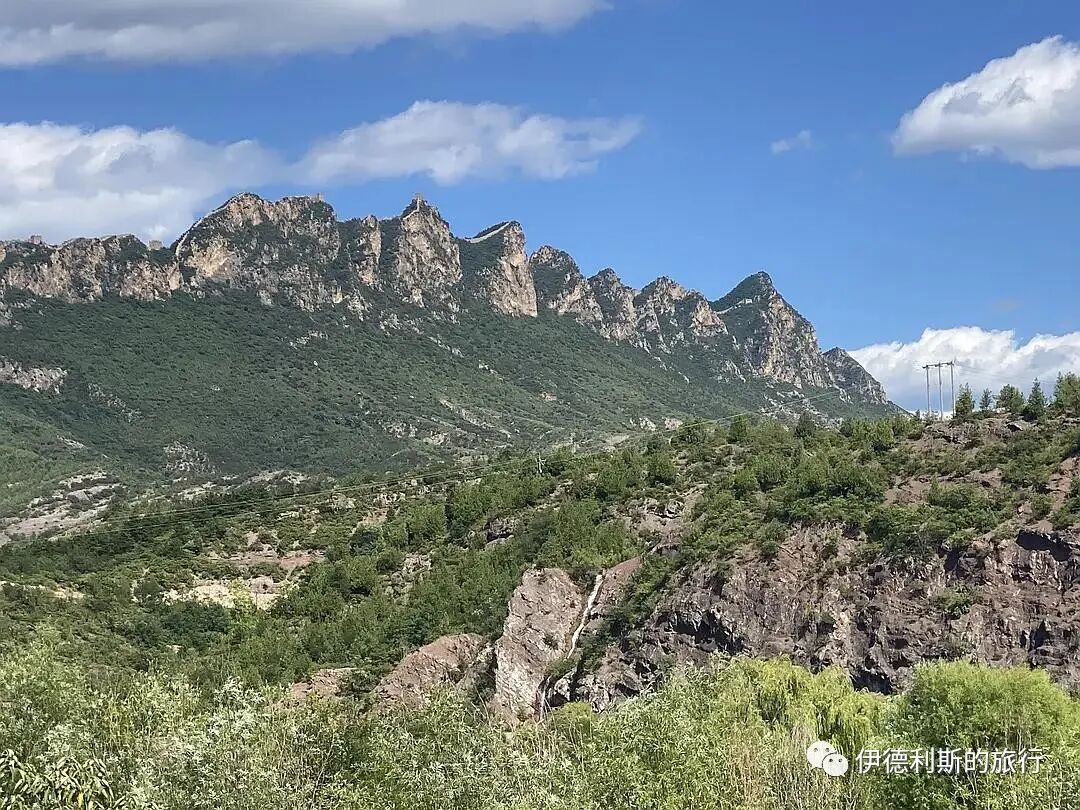
A distant view of the Simatai Great Wall.
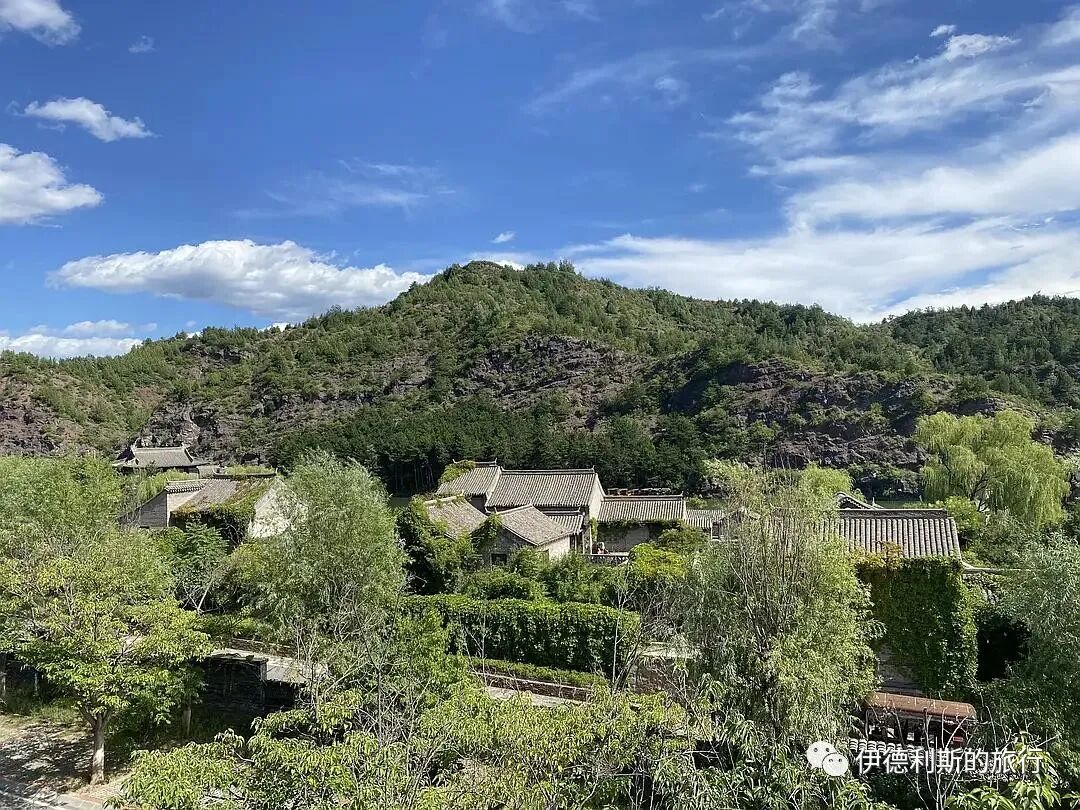
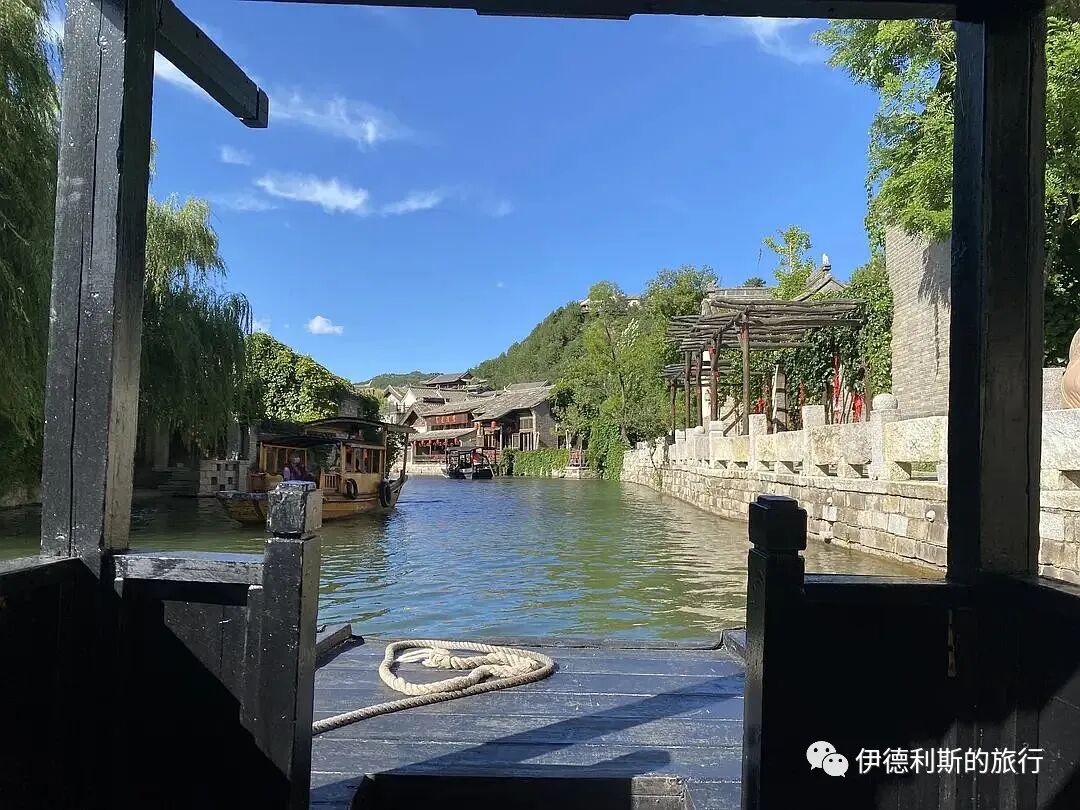
After entering the scenic area, we took a sculling boat.
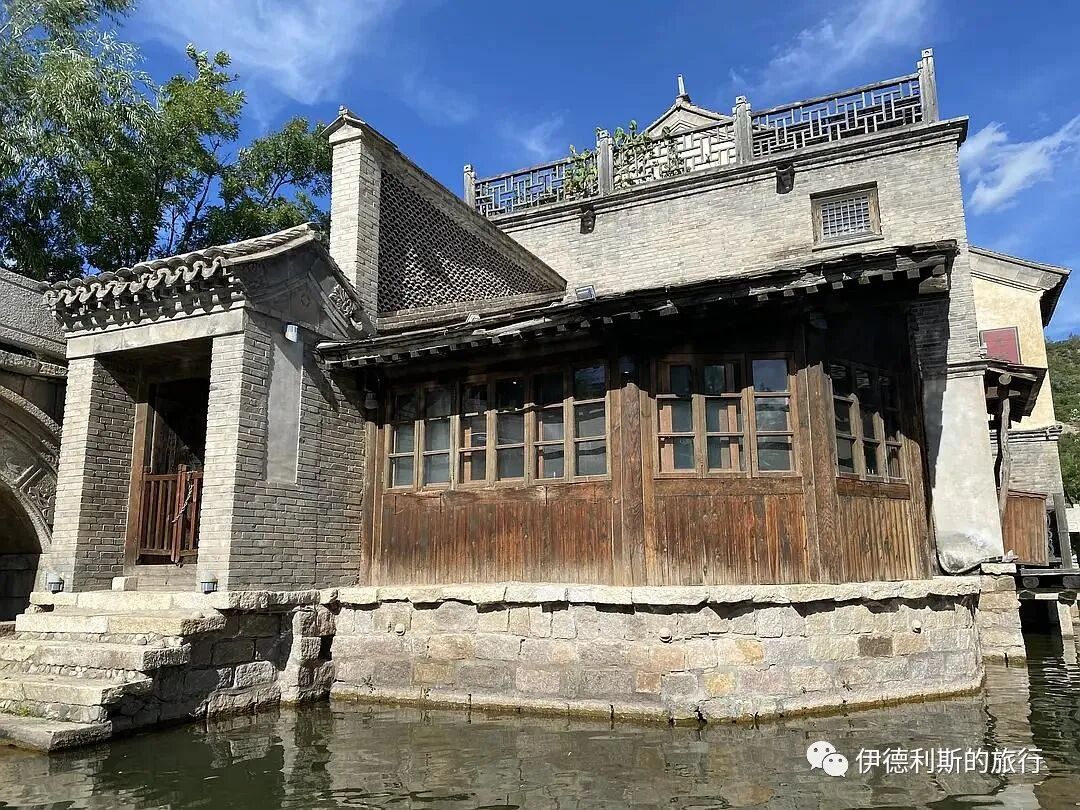
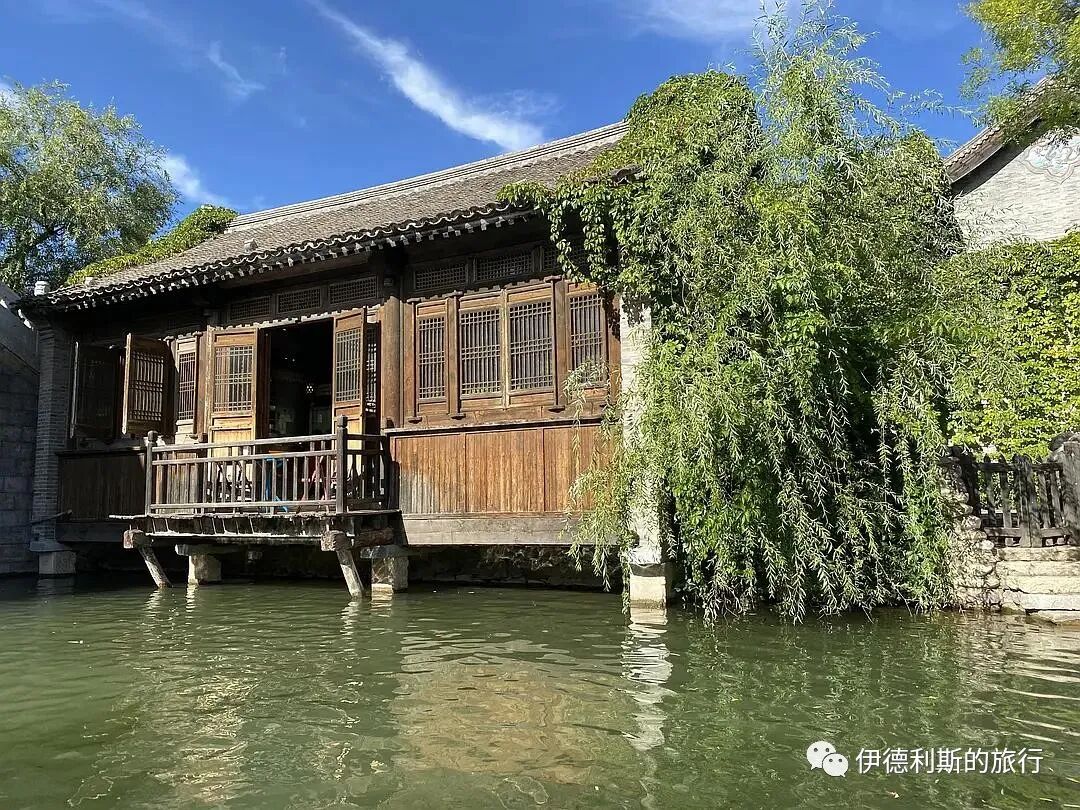
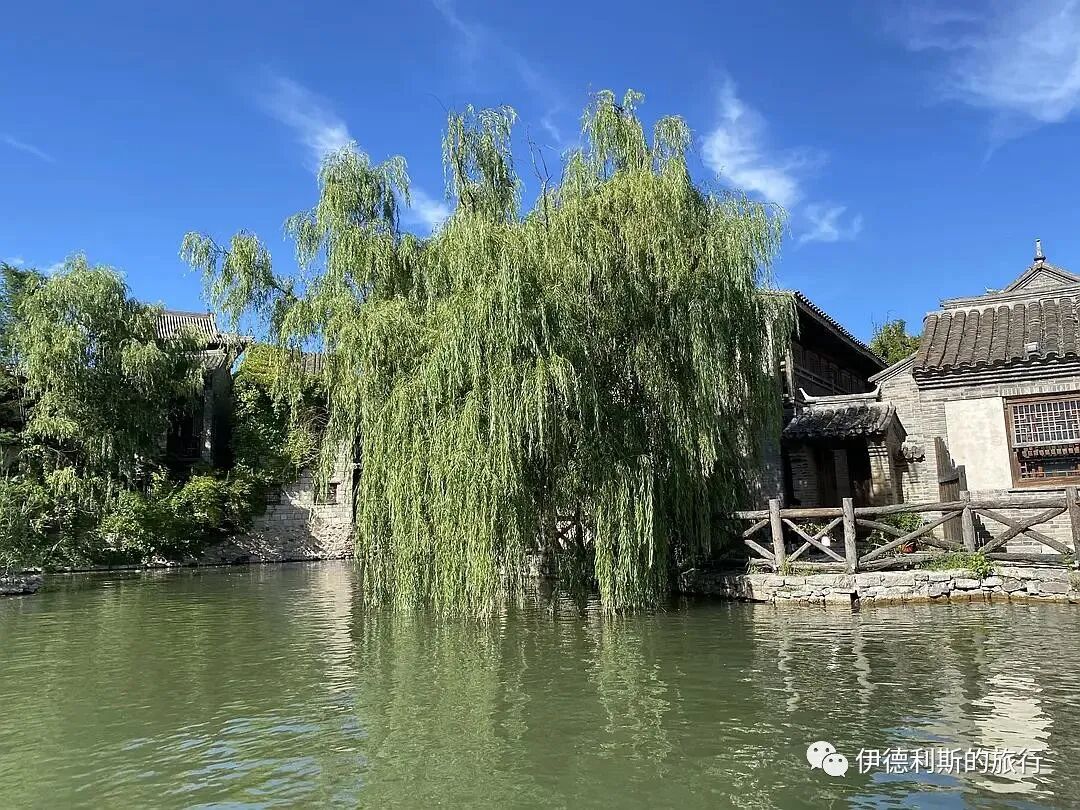
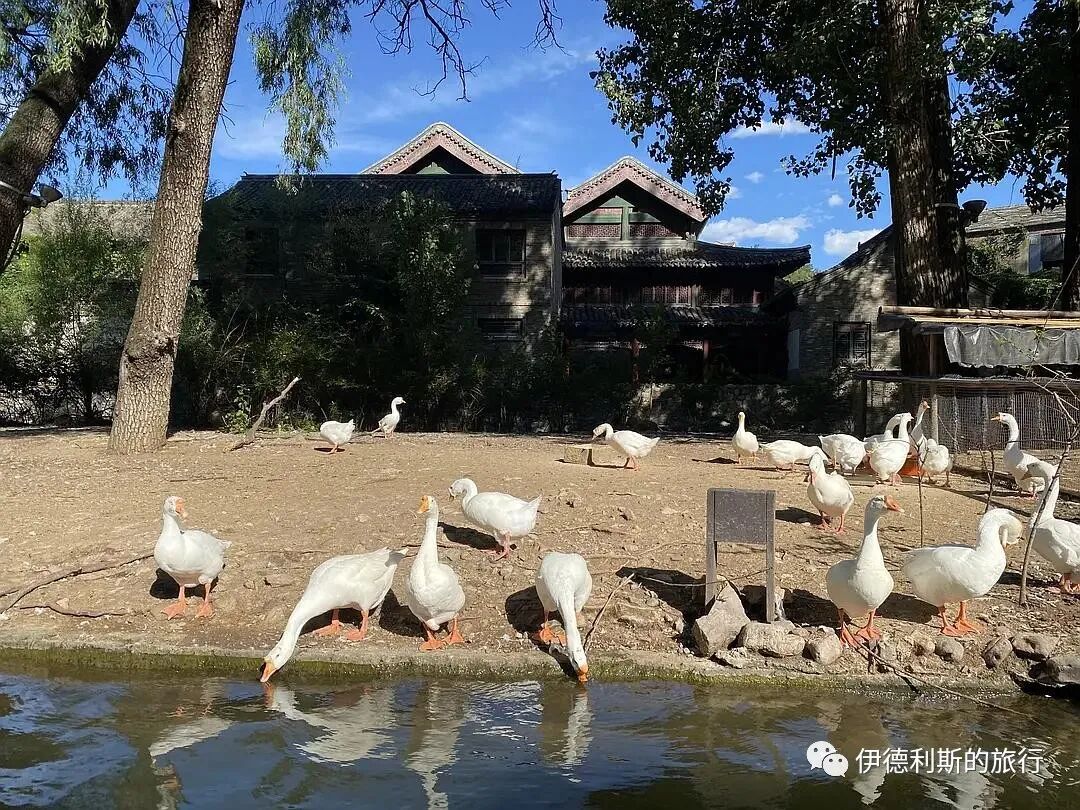
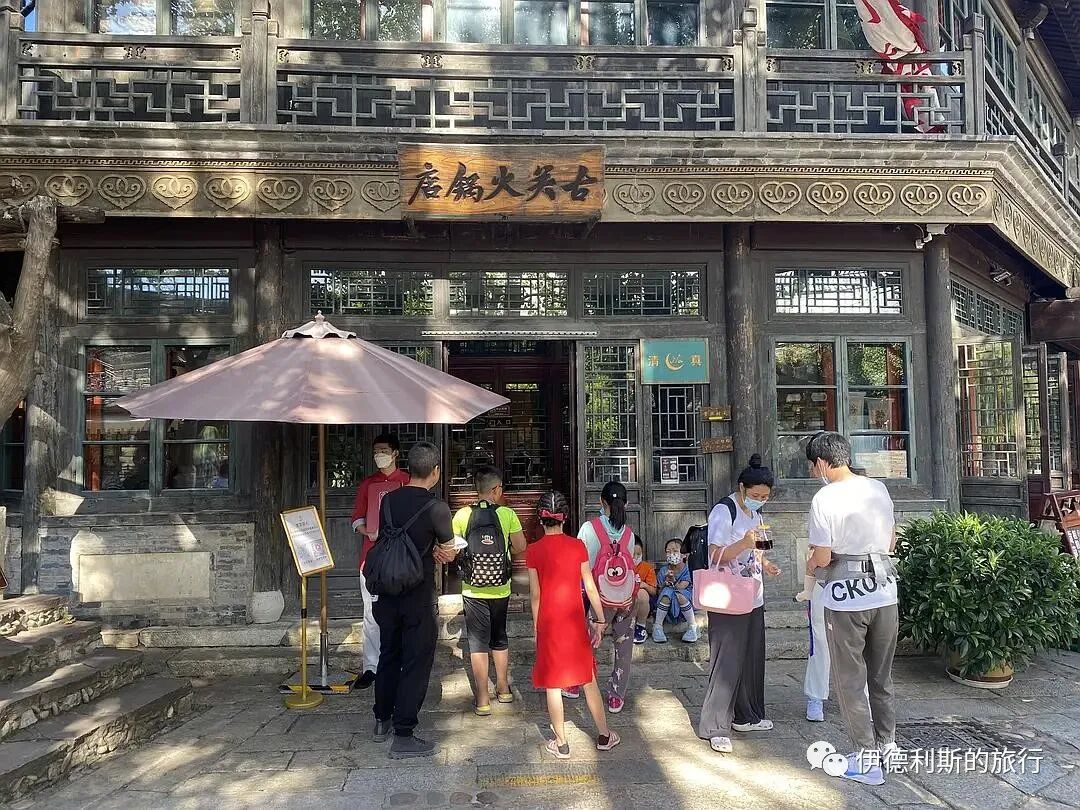
Not far after getting off the boat, there is a halal hot pot restaurant.
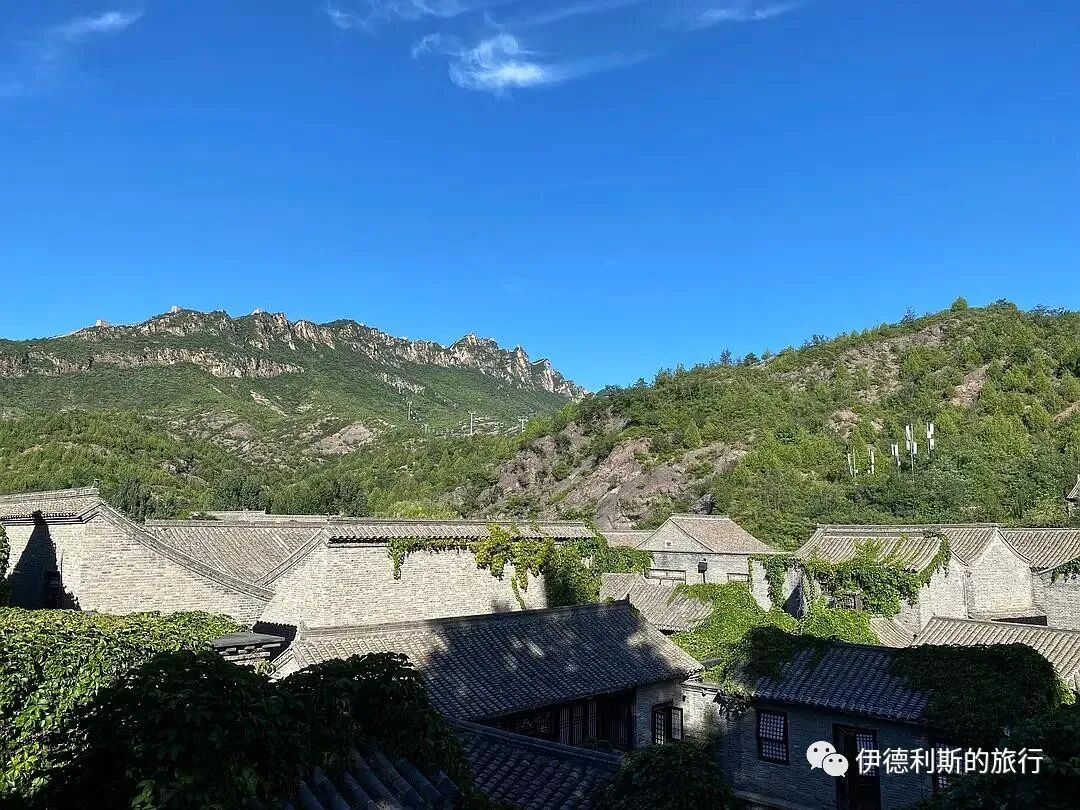
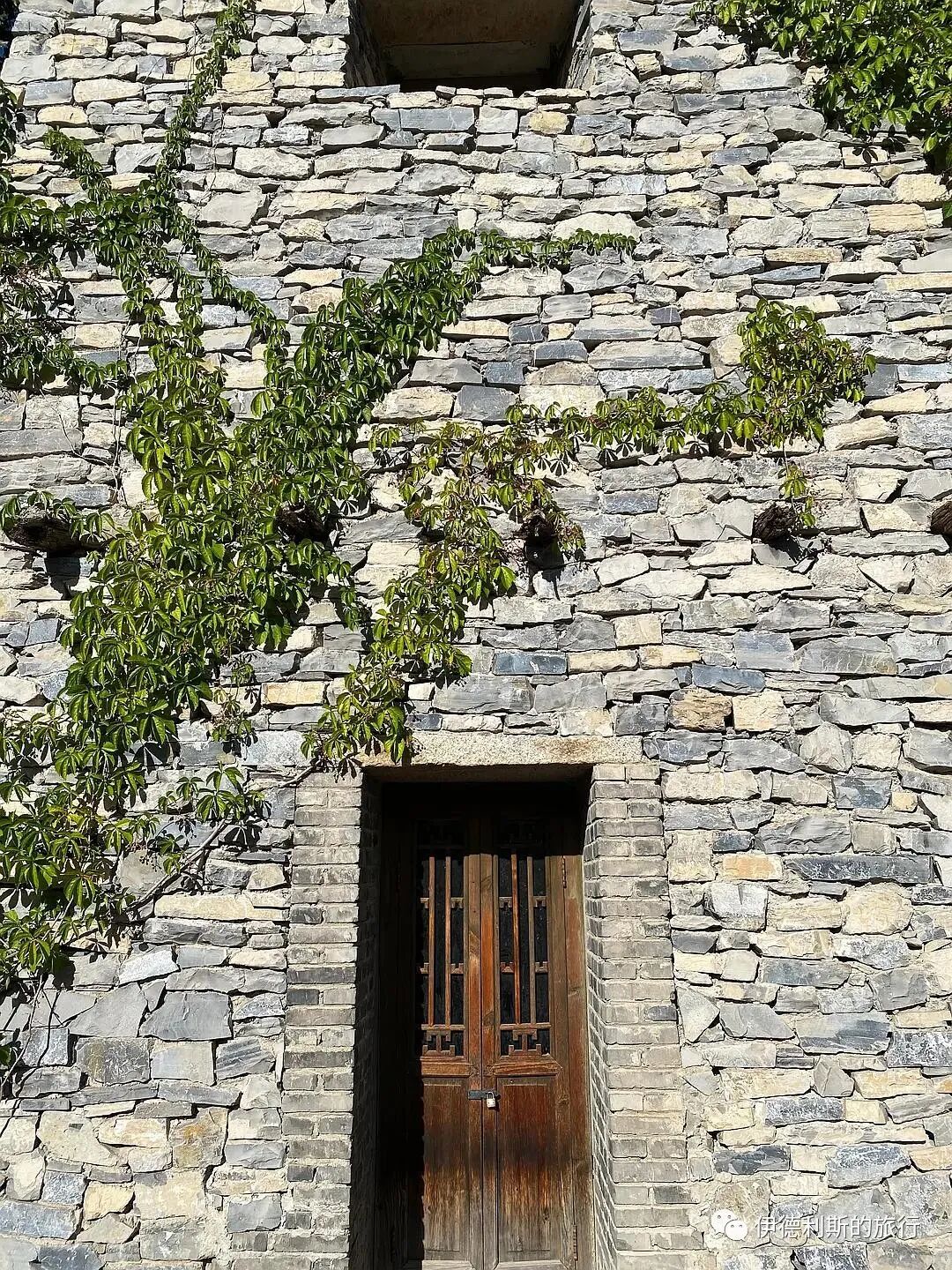
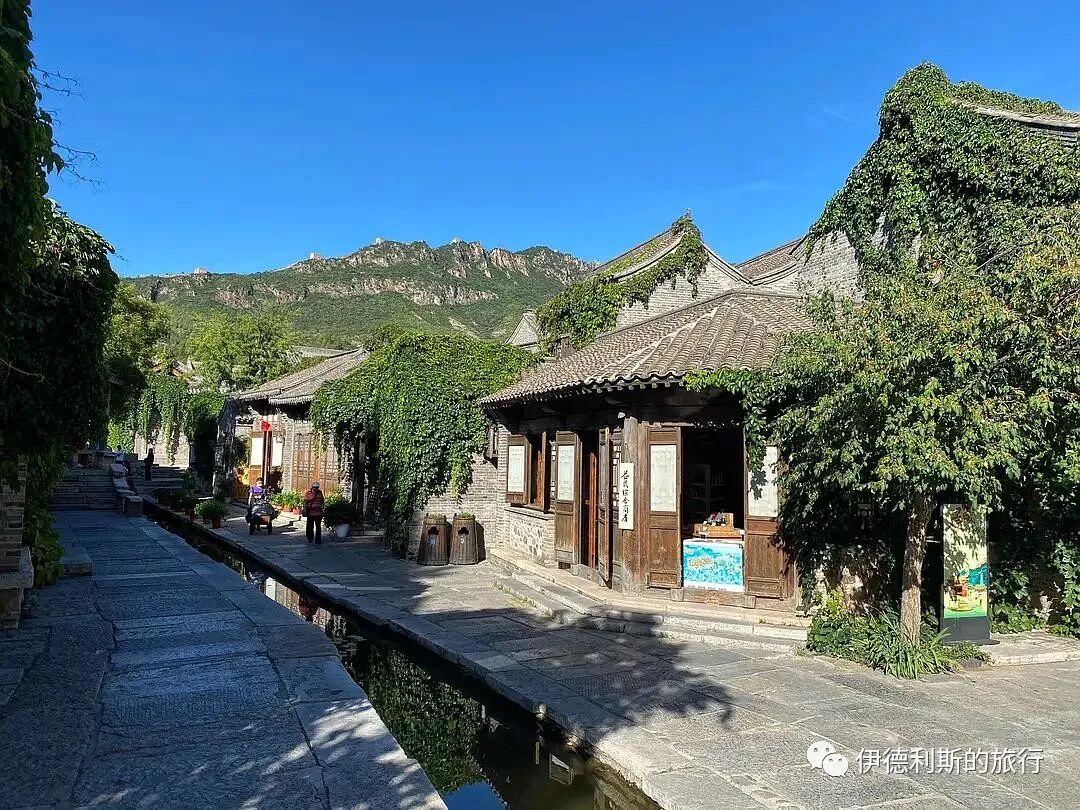
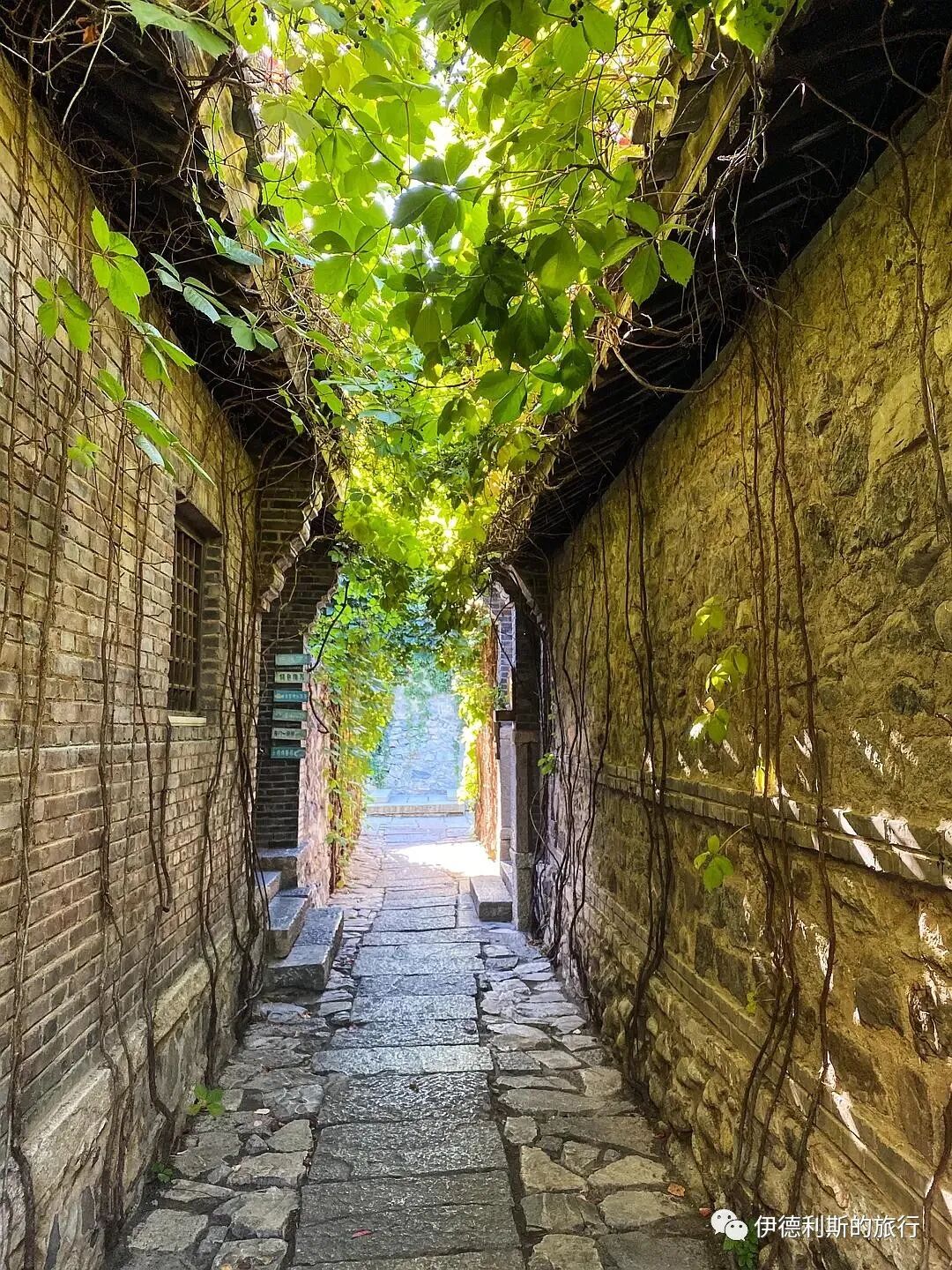
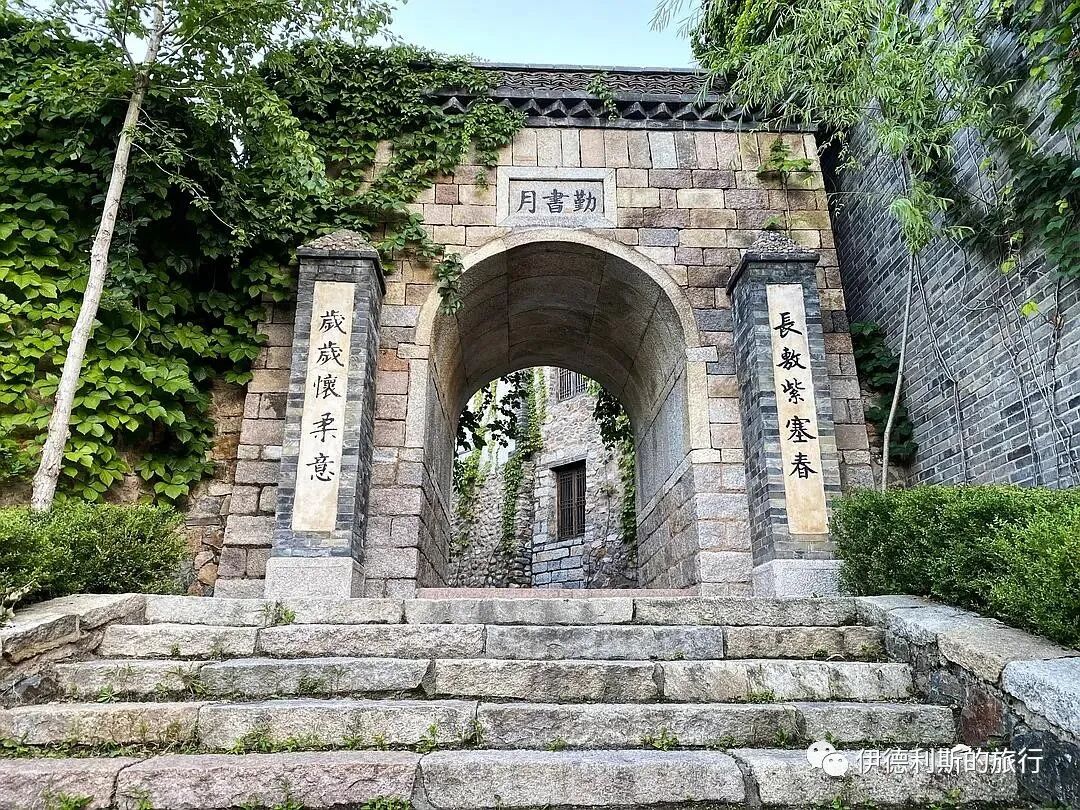
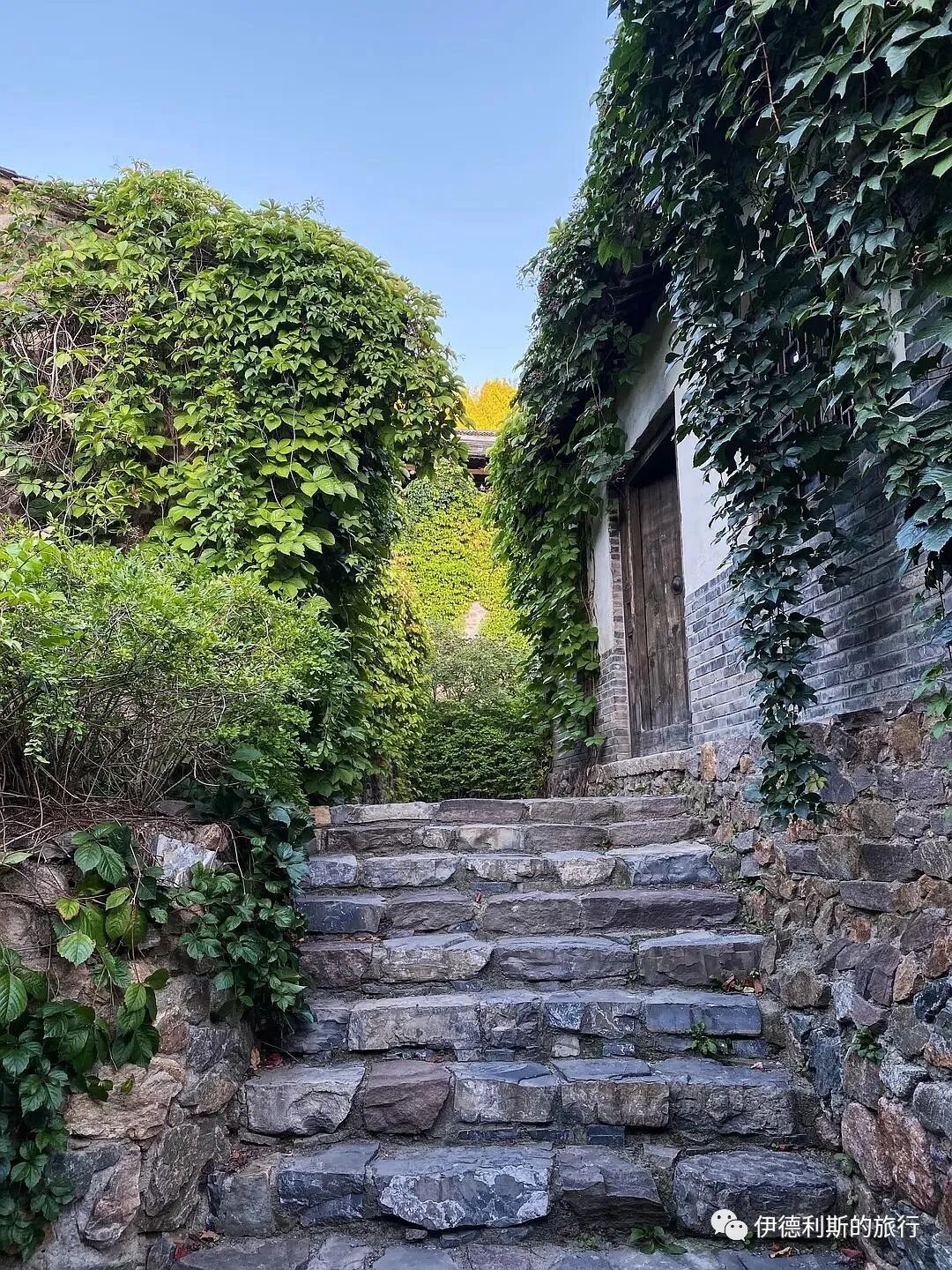
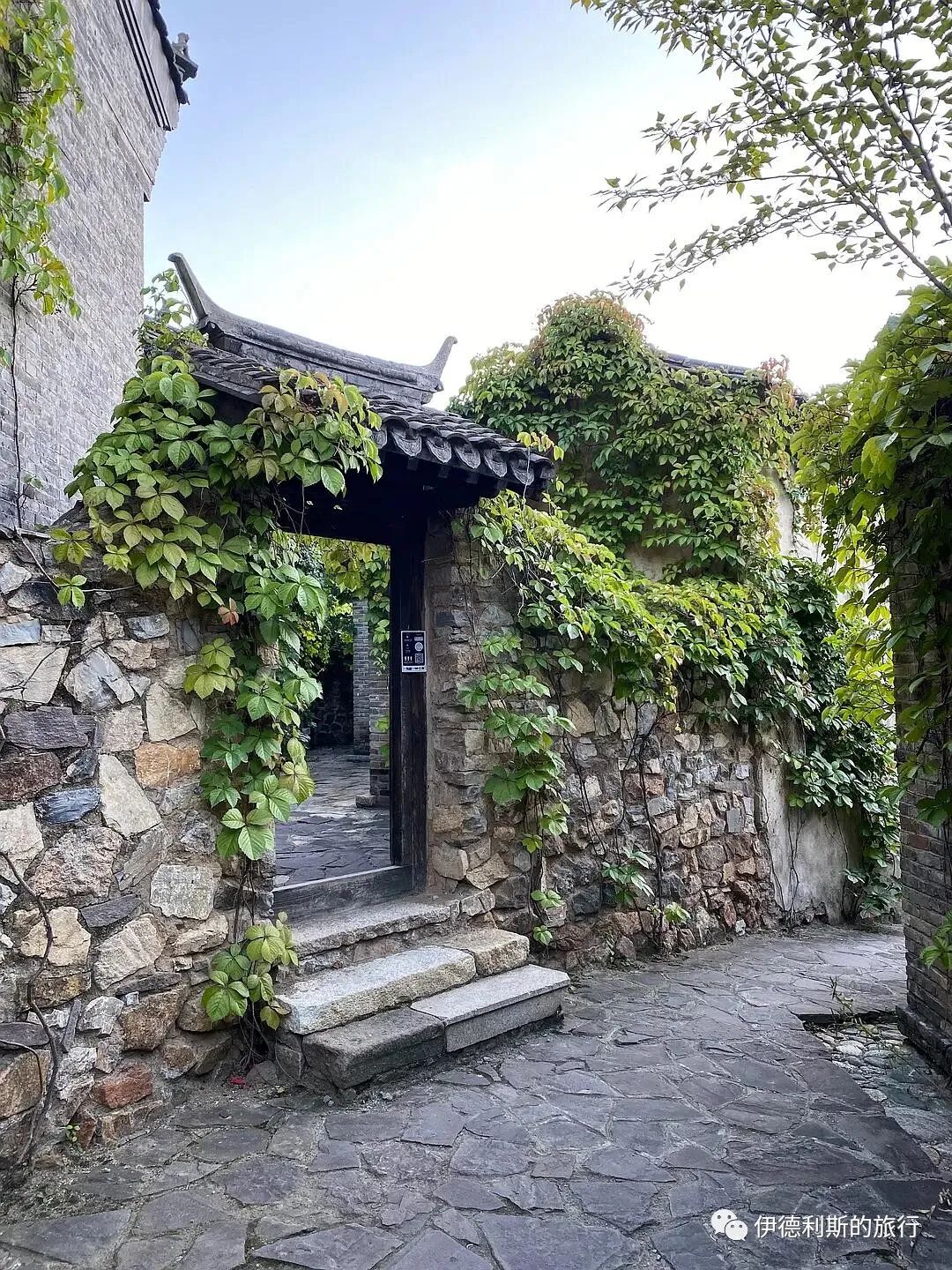
Gubei Water Town is truly a great place for the whole family to walk around. The walls covered in Boston ivy (pashanhuhu) will probably look beautiful in autumn.
When friends (dosti) come to visit Gubei Water Town, they usually go to this Tanghe Halal Restaurant. The building mimics the Hengchang Ruiji storefront on Dongsi Fourth Alley, giving it a classic, antique feel with a nice atmosphere.
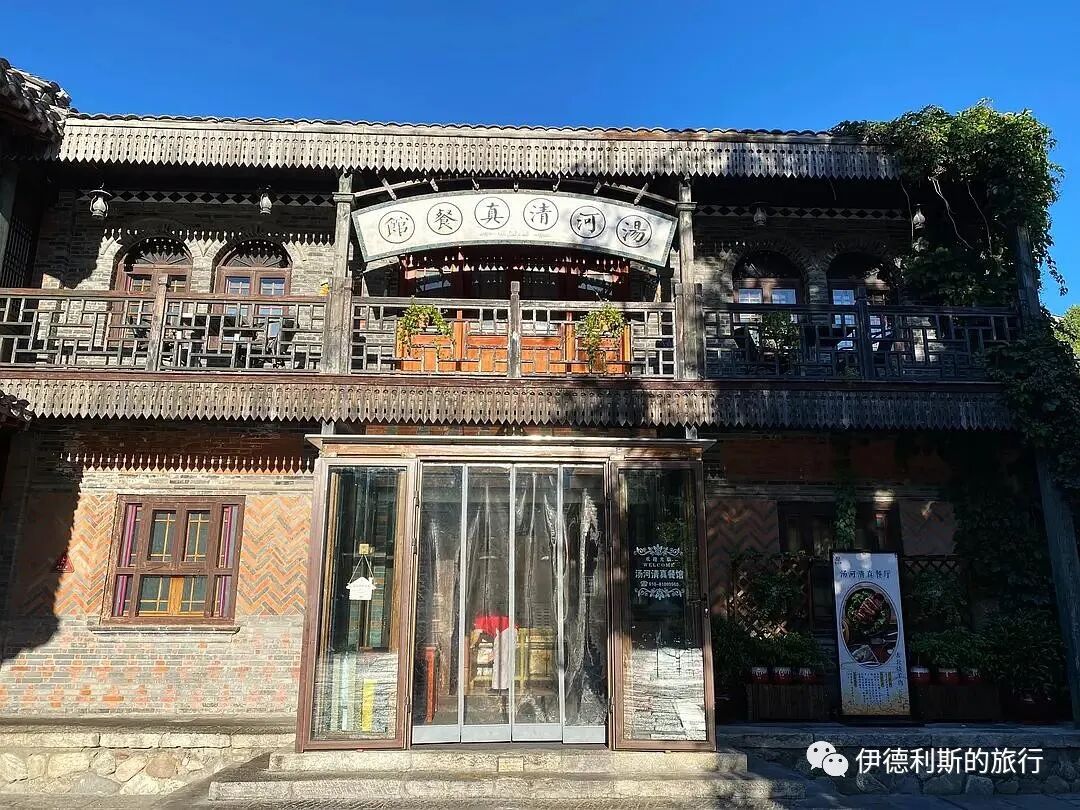
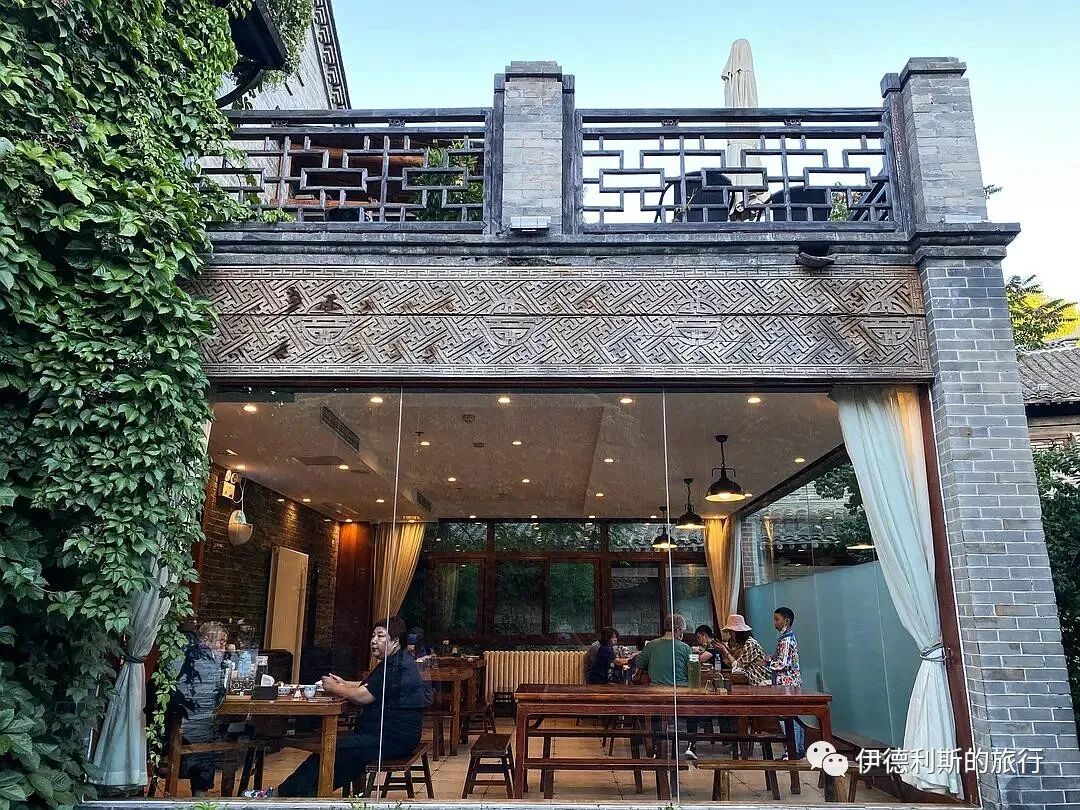
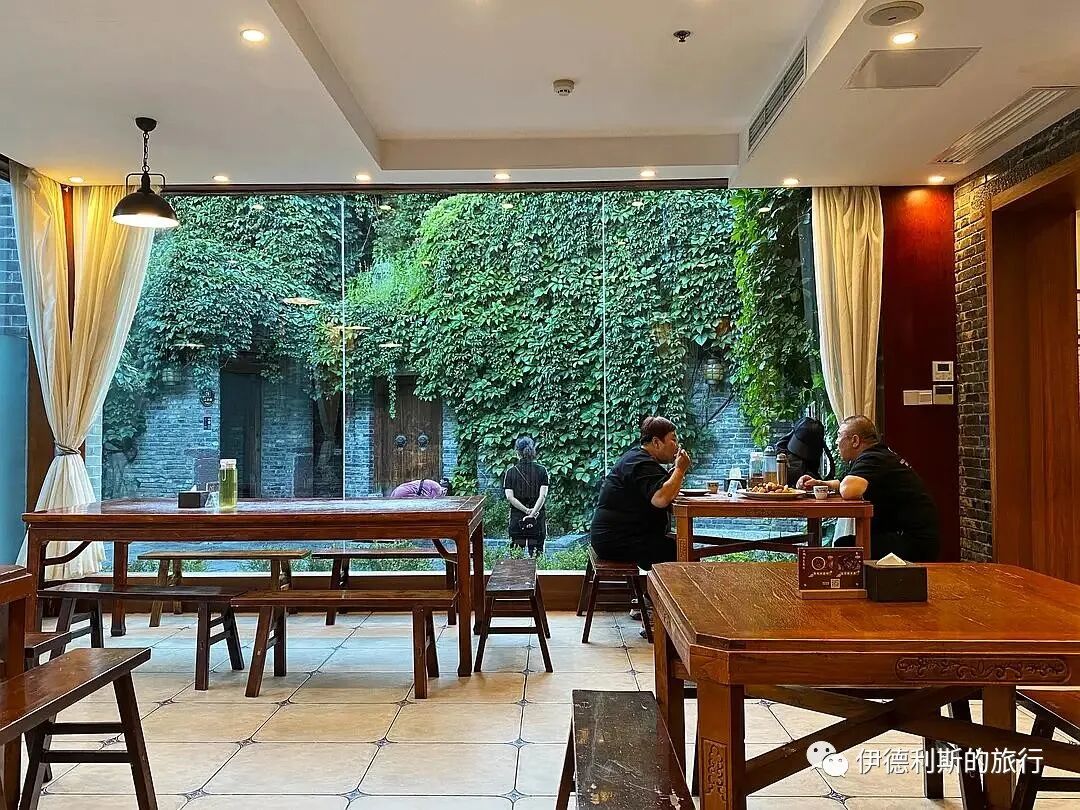
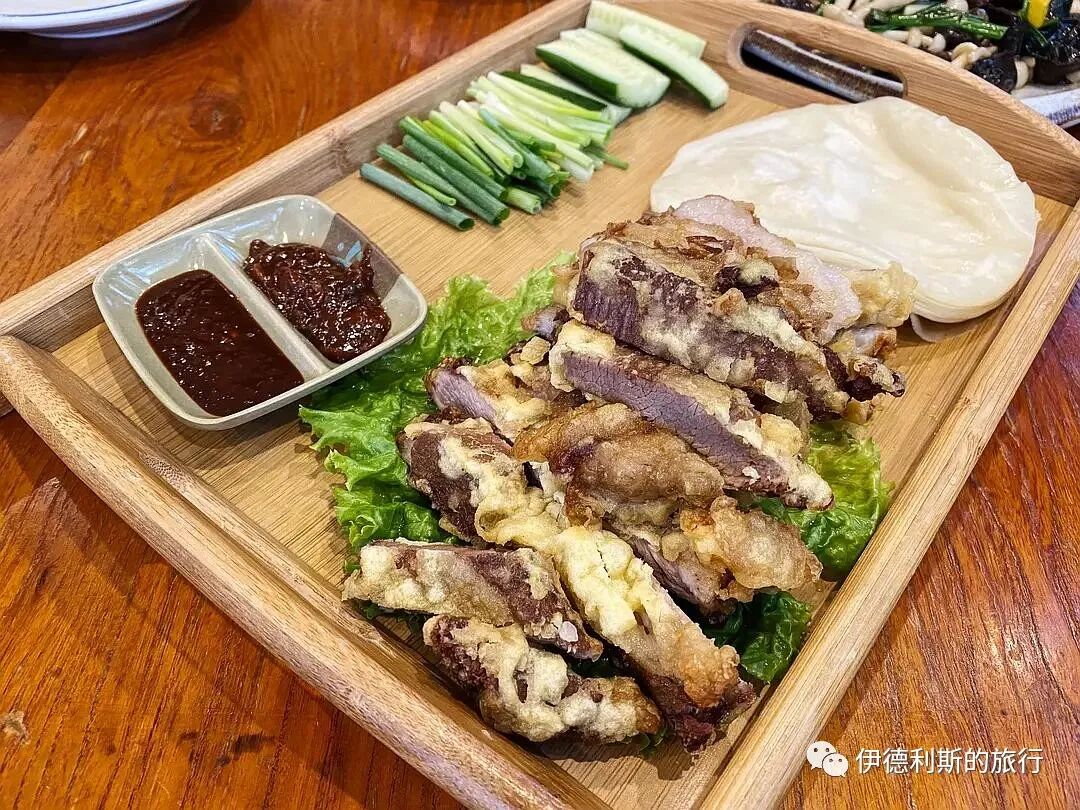
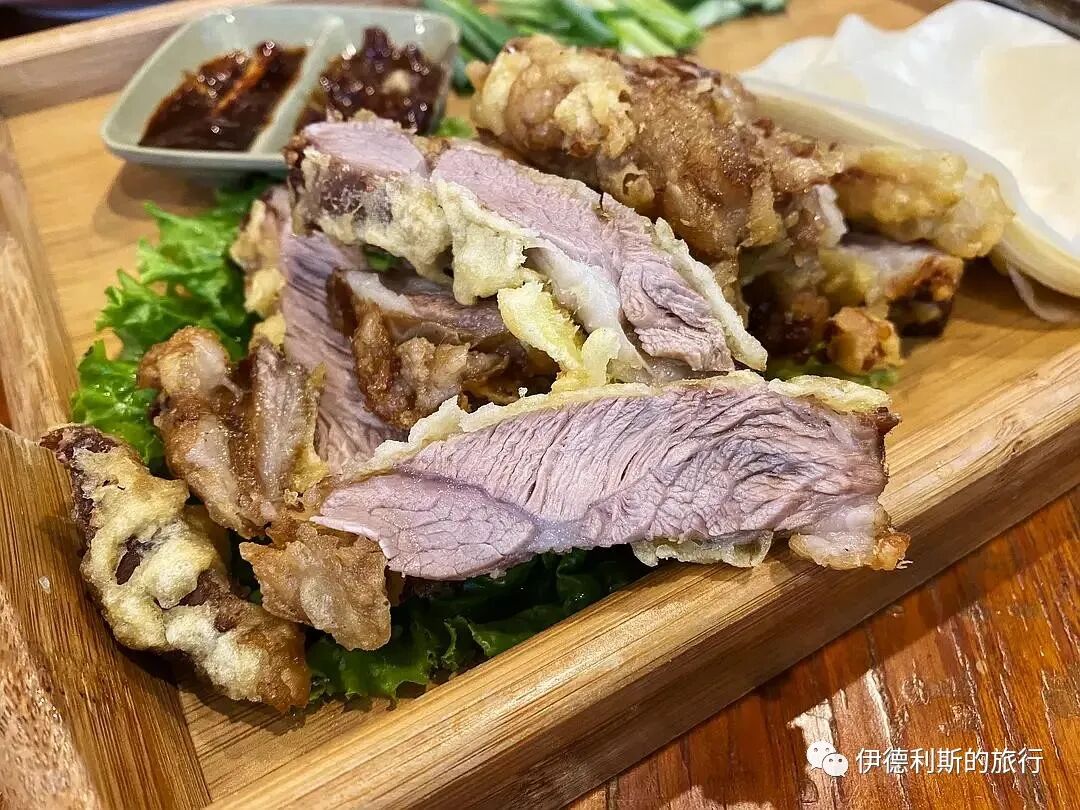
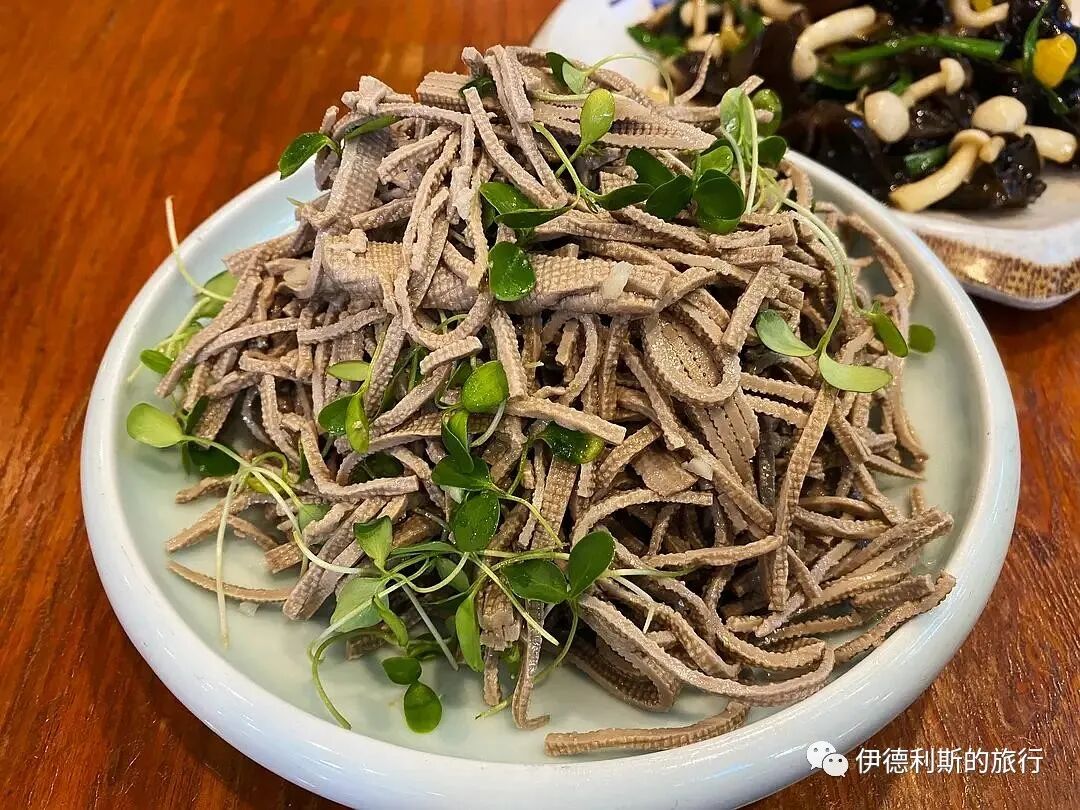
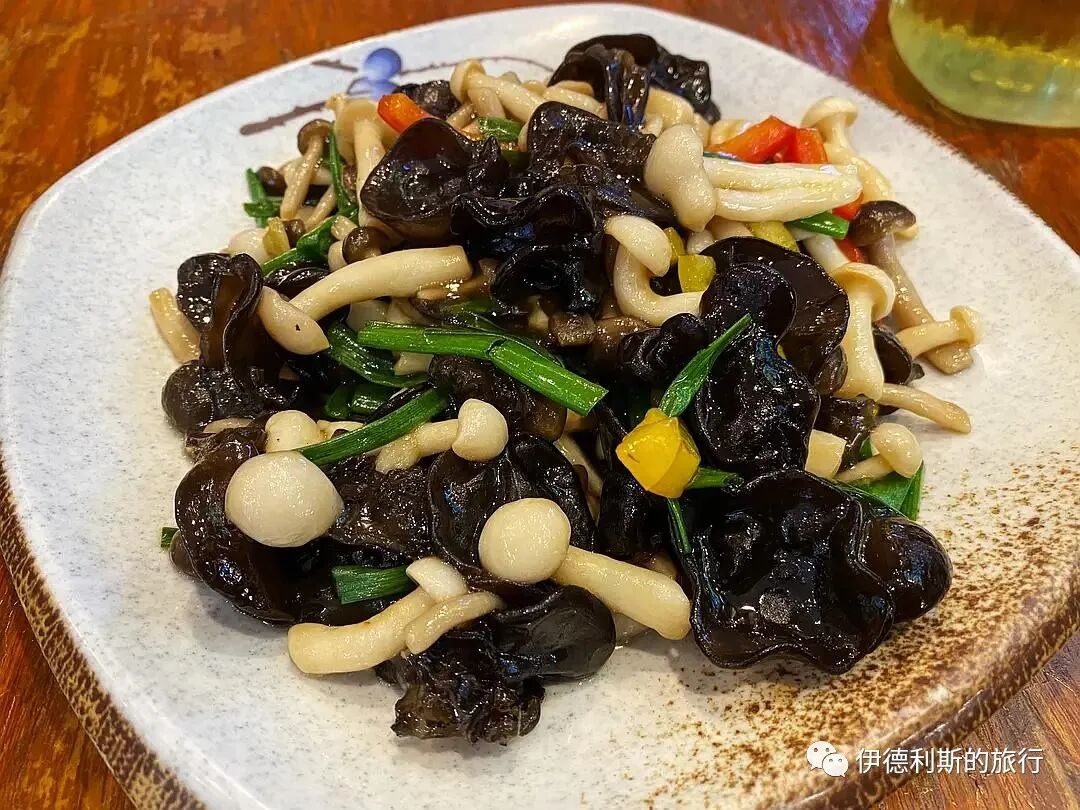
Their menu is a bit of a mix, with the main dishes being big plate chicken (dapanji) and roasted mutton (shao yangrou). We looked at the big plate chicken ordered by other tables; it had too many potatoes and no wide belt noodles (pidaimian), with flatbread (nang) underneath instead, so we ordered the roasted mutton. They serve their roasted mutton like roast duck, with yellow bean sauce for dipping and lotus leaf pancakes (heye bing) for wrapping, which is pretty good. However, the roasted mutton wasn't fried crispy enough, and the flavor didn't soak in, making the fatty parts a bit greasy. It falls short of truly delicious roasted mutton, but I am satisfied to find a restaurant like this inside a scenic area.
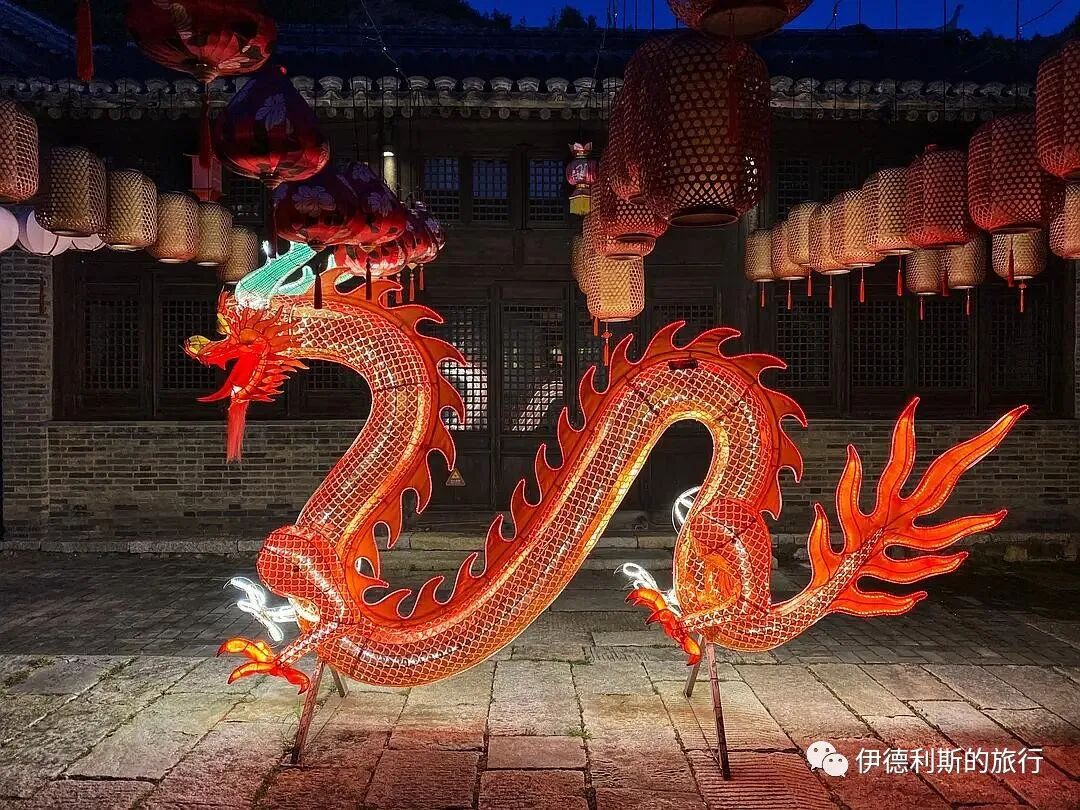
Gubei Water Town at night.
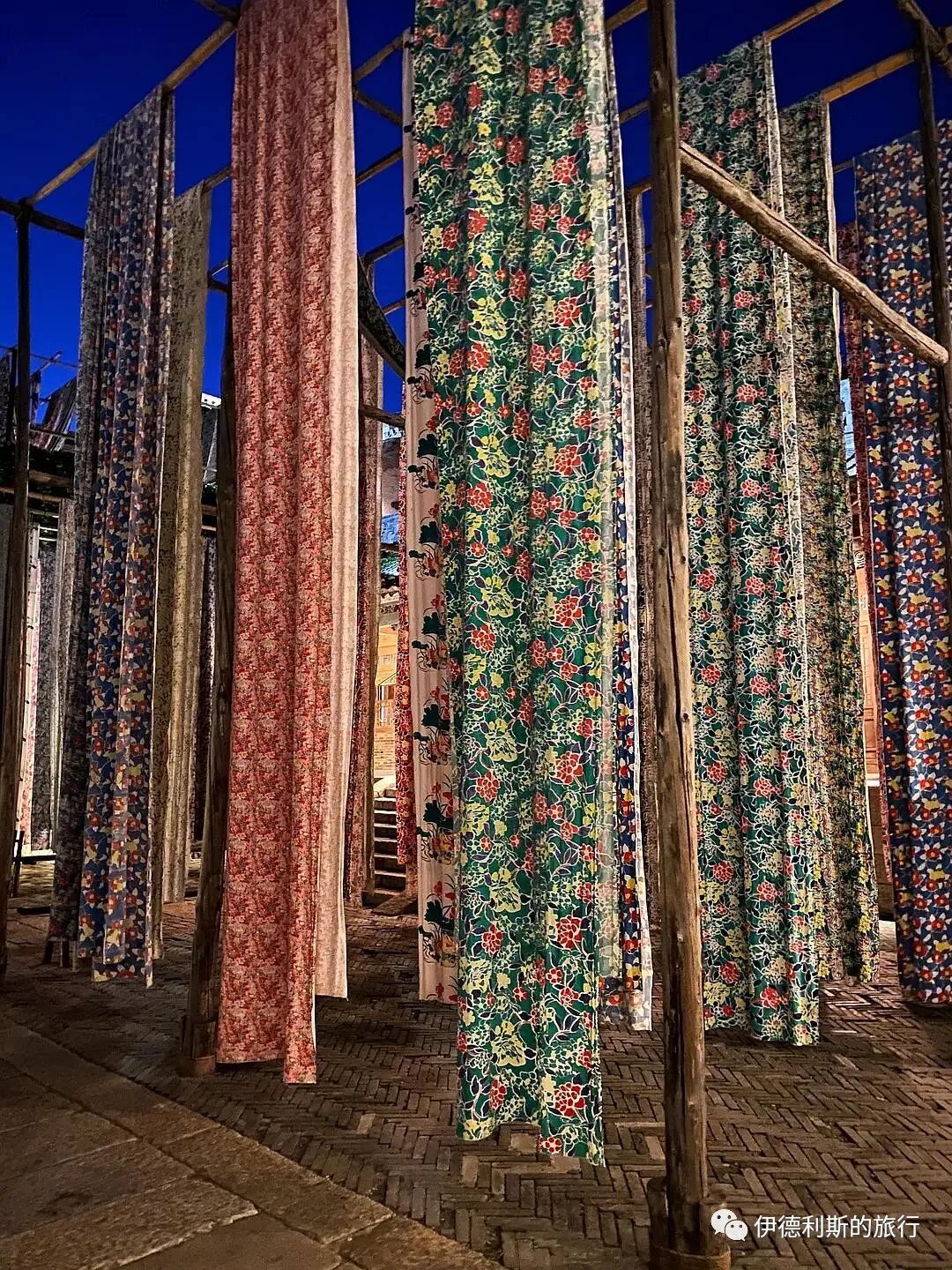
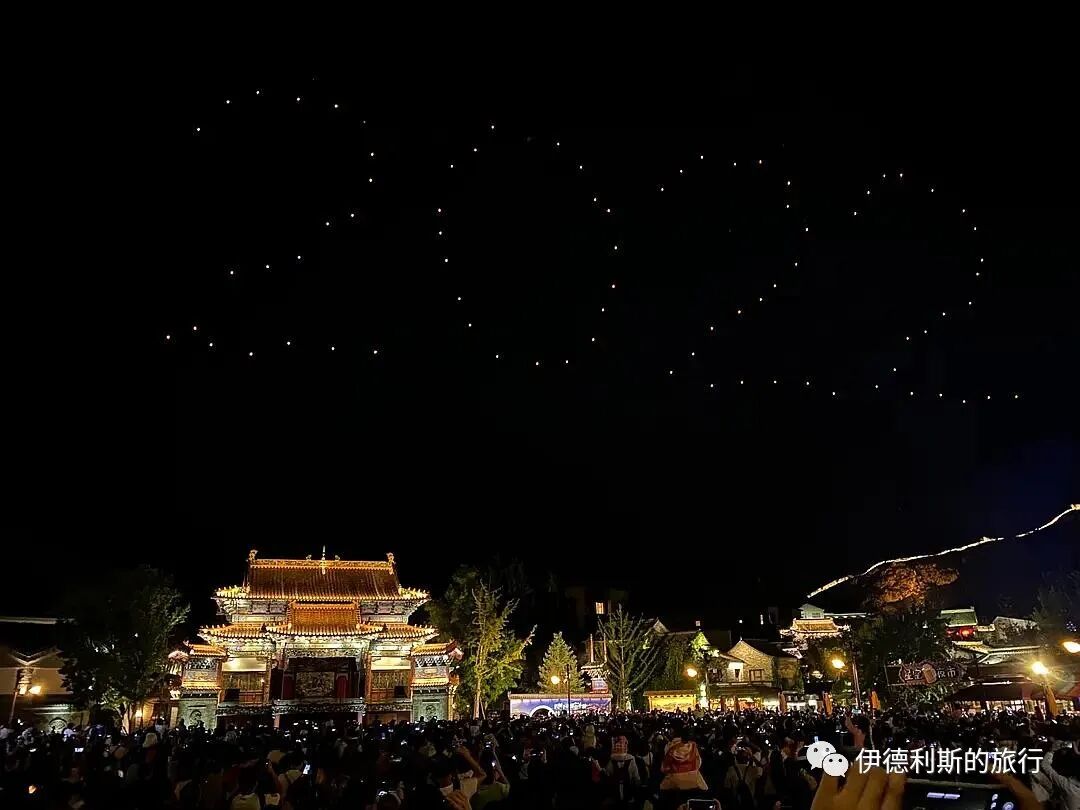
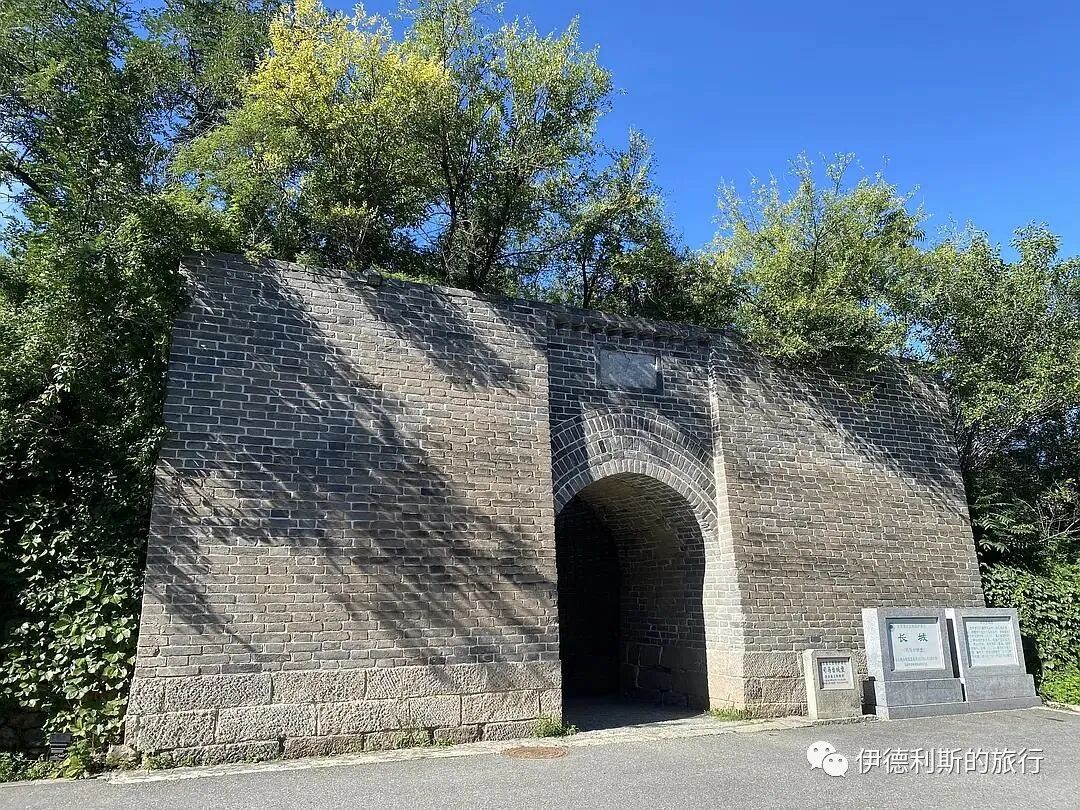
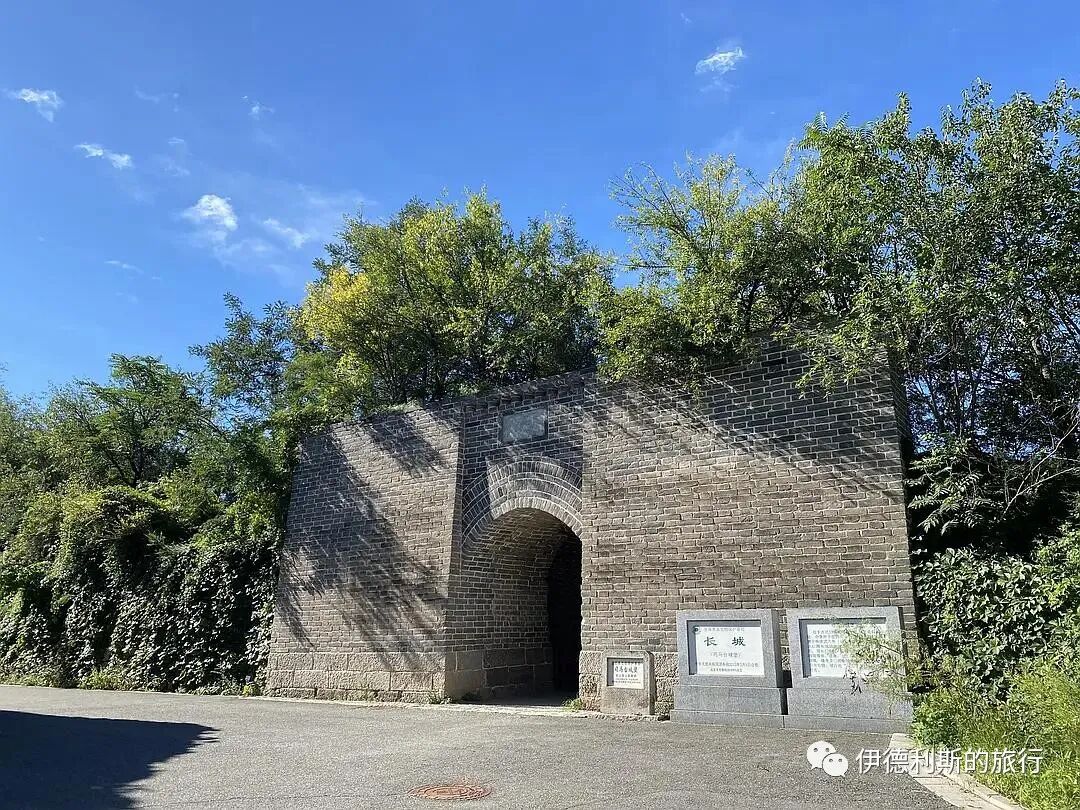
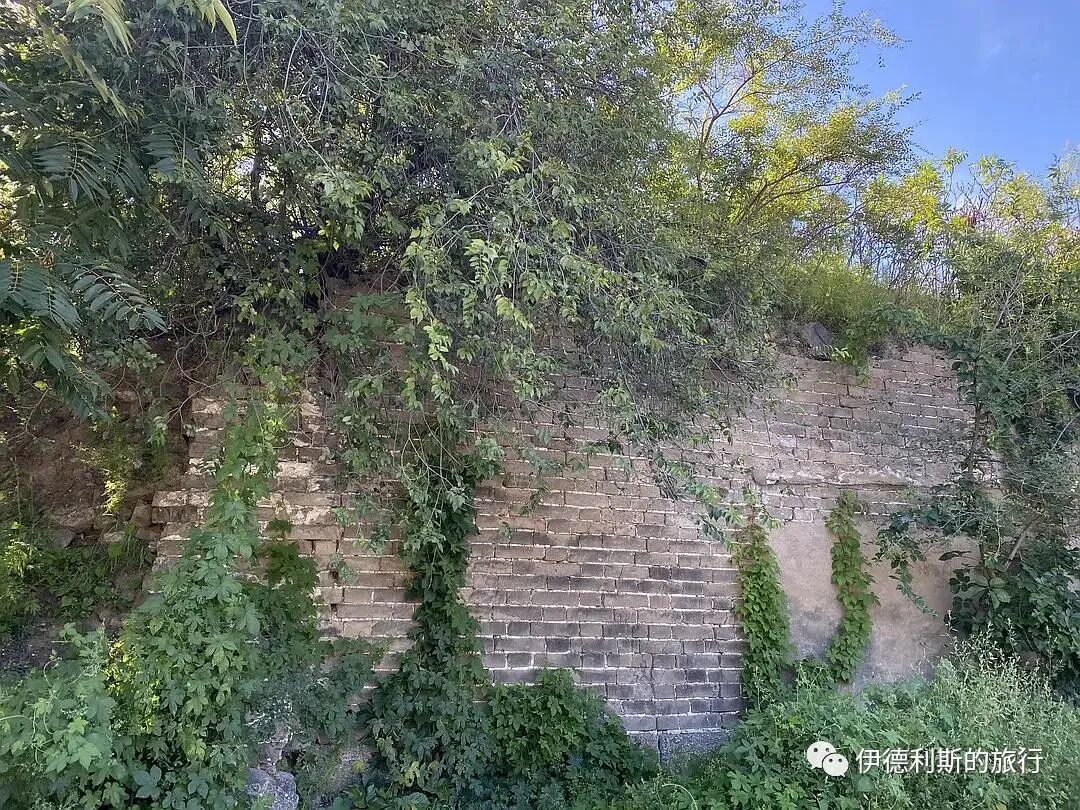
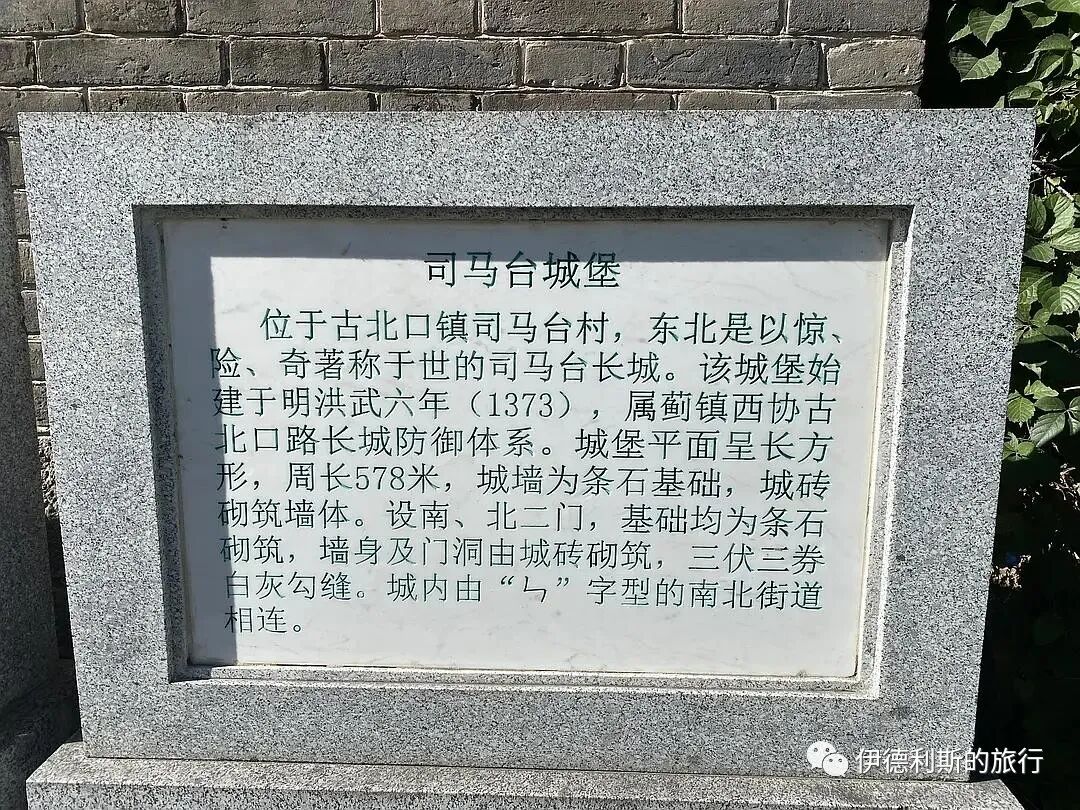
The Gubei Water Town parking lot surrounds a real Ming Dynasty fortress, the Simatai Fortress, which was first built in the sixth year of the Hongwu reign. The houses inside look like they have been repaired or rebuilt, but they are not open to the public.
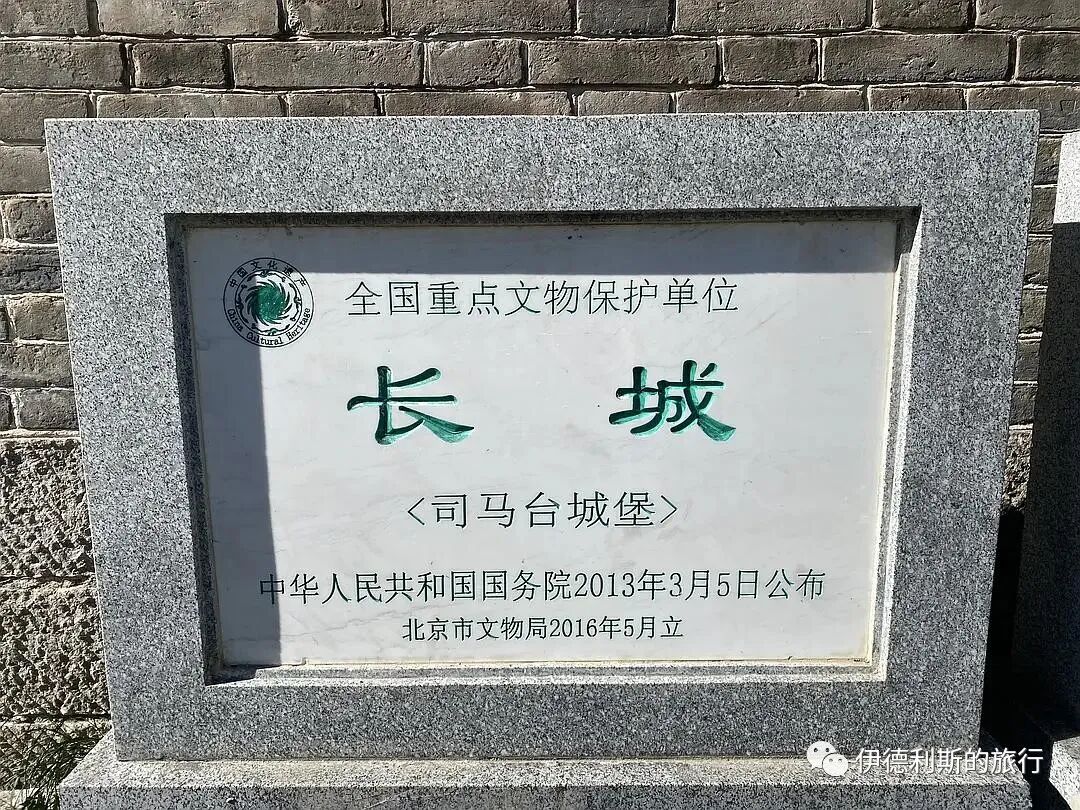
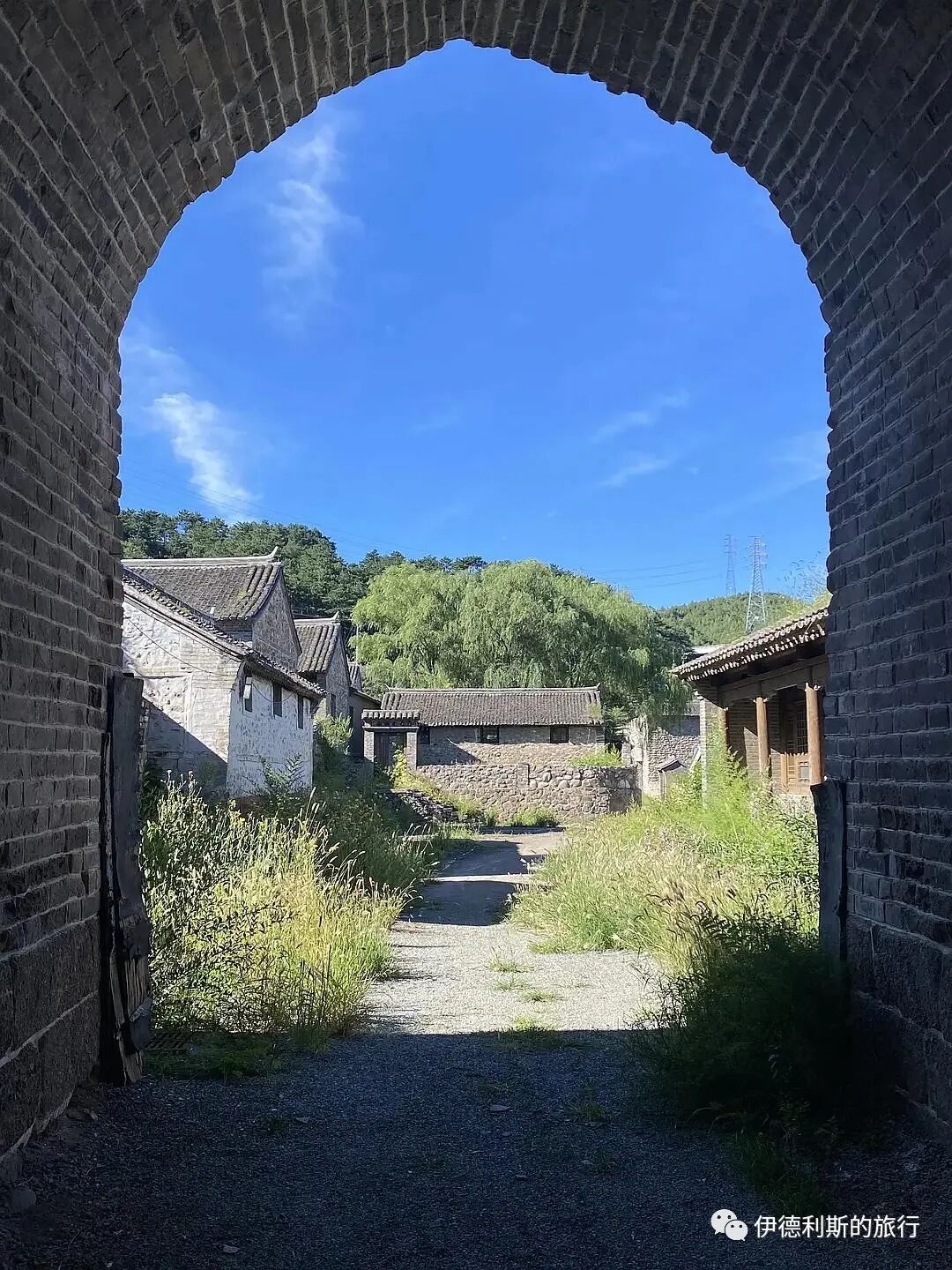
Taishitun.
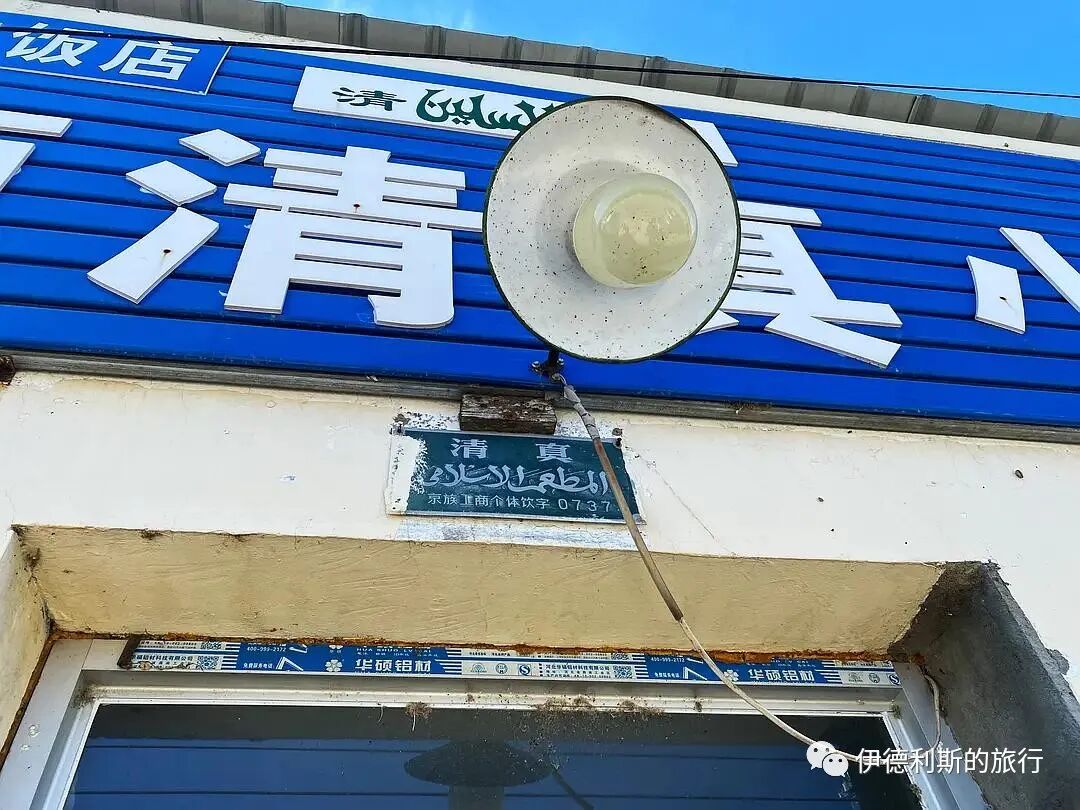
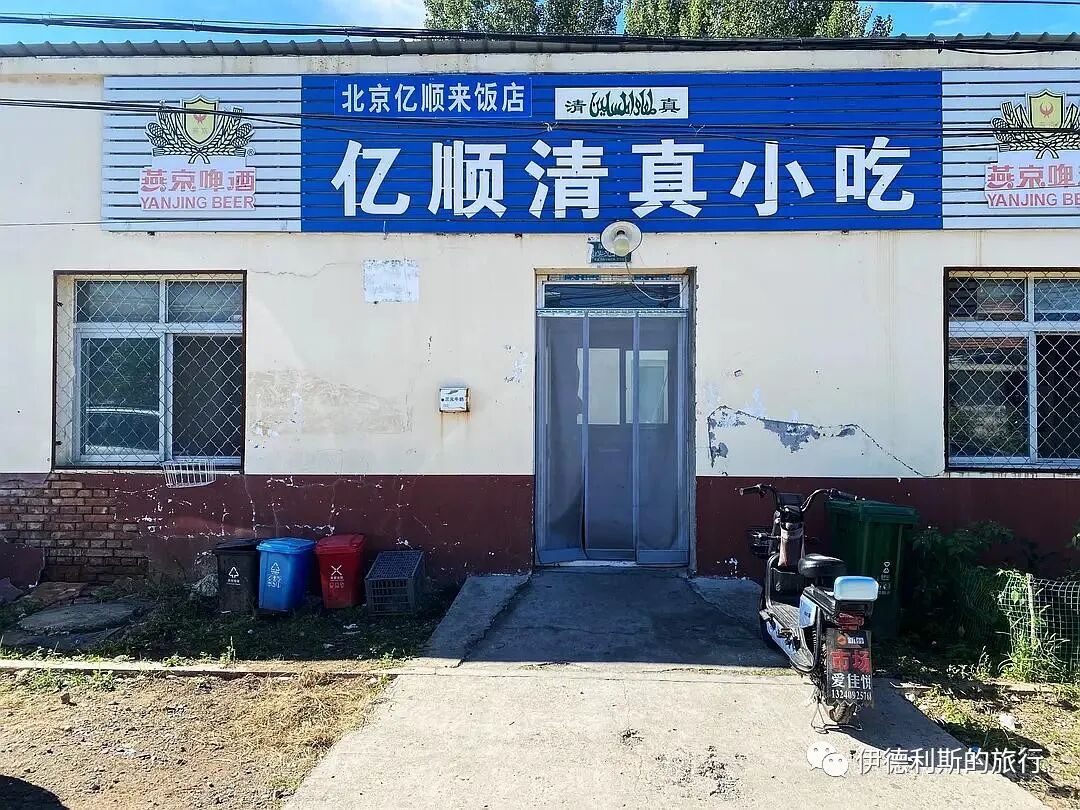
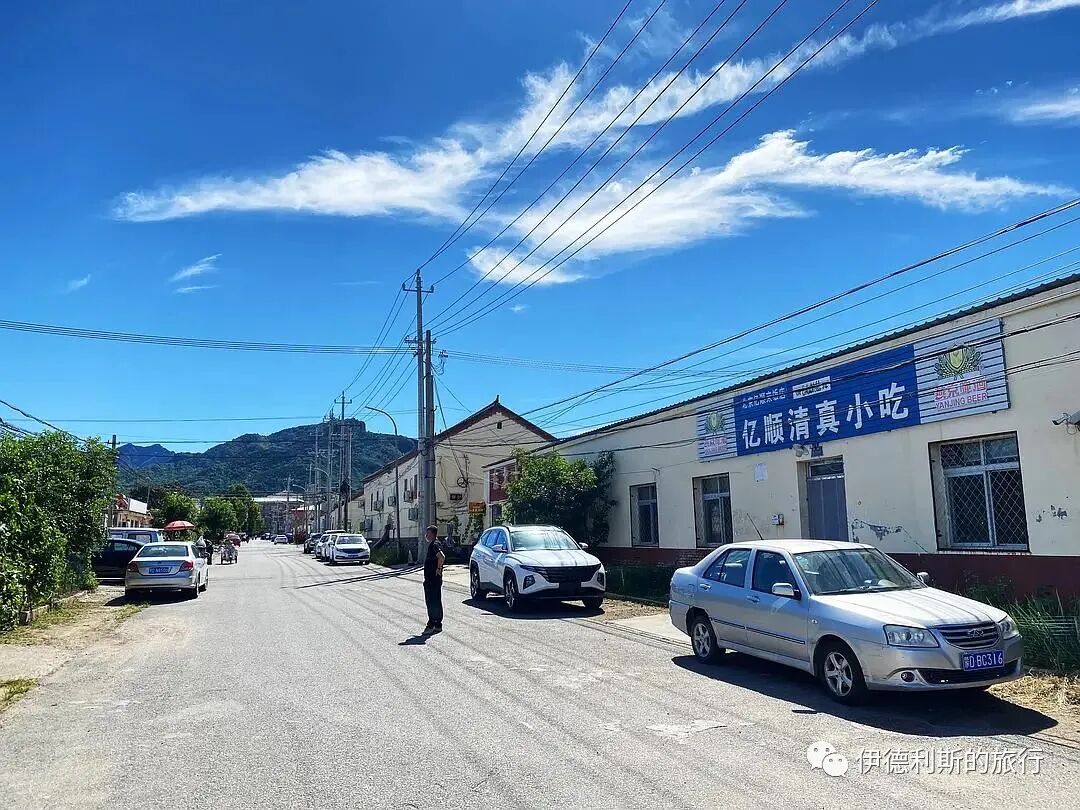
There is no halal breakfast in Gubei Water Town. The closest place is the halal snack shop in Gubeikou Town for sesame flatbread (shaobing) and lamb offal soup (yangza), but we wanted a change of pace, so we drove south in the morning to the Yishun Halal Snack Shop in Taishitun Town.
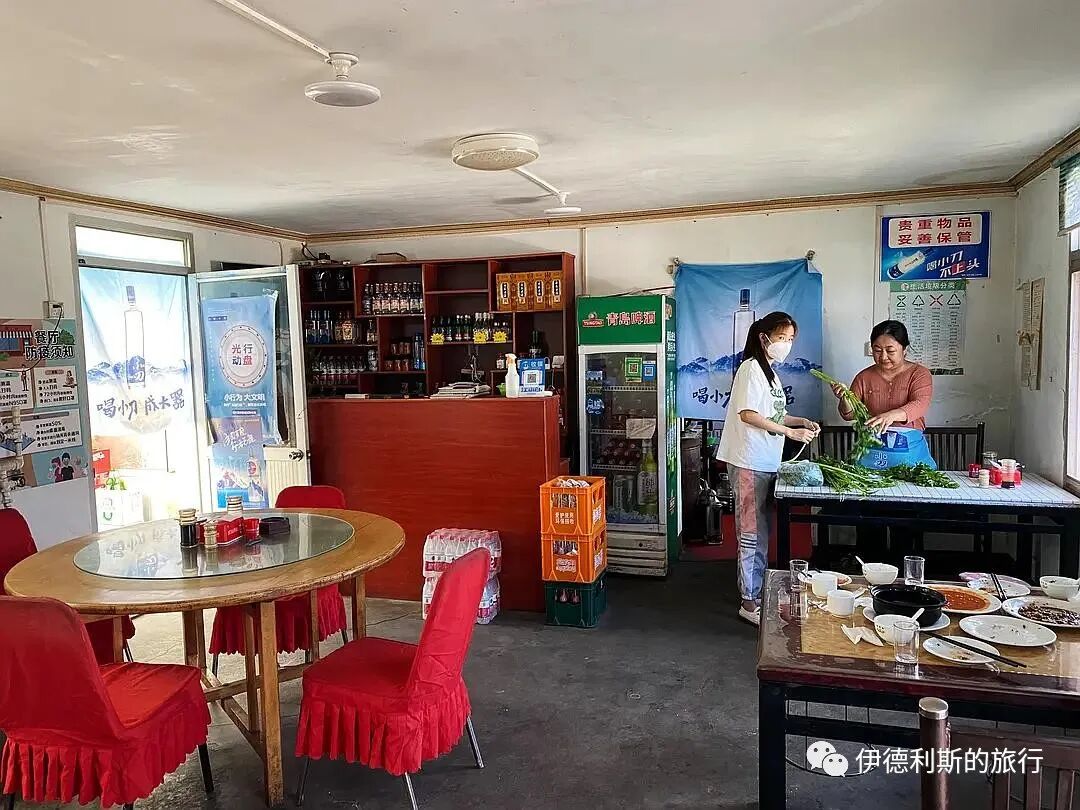
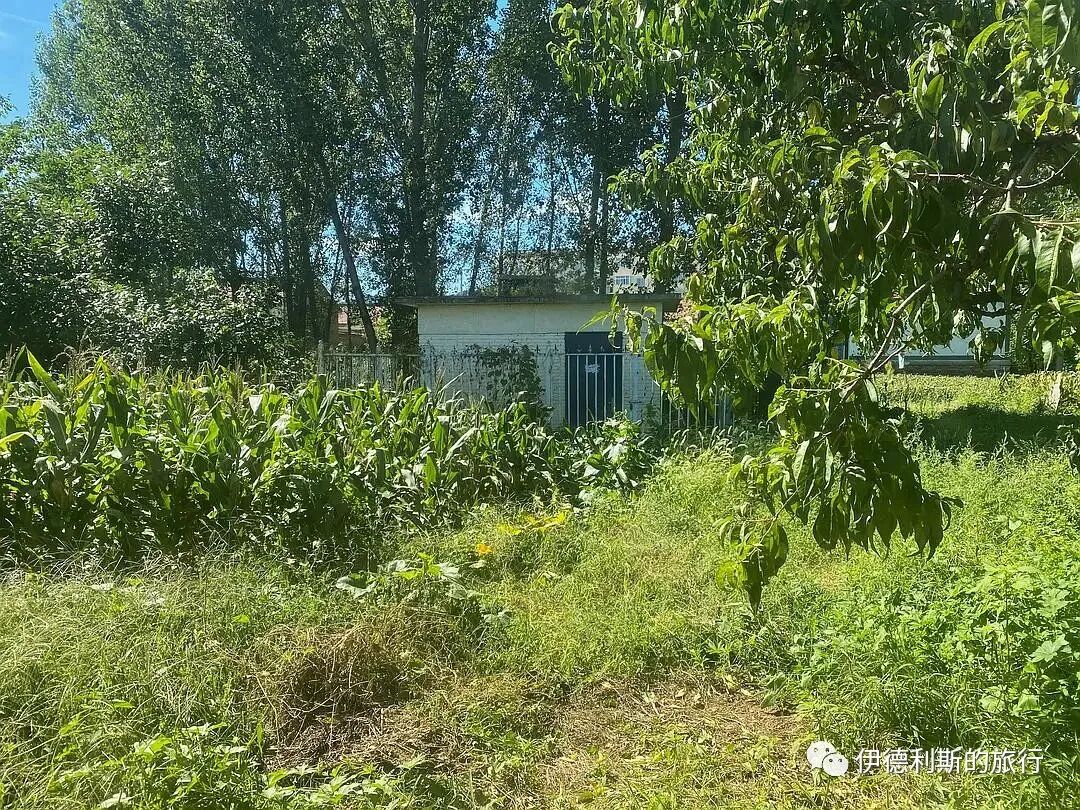
The shop is run by local Hui Muslims from Taishitun. They are the only Hui Muslim family in Taishitun Town. There are dozens more families in Lugeshuang to the south, but this is the only local halal restaurant. The shop is actually on the edge of town, with a cornfield right behind it, giving it a very rural feel.
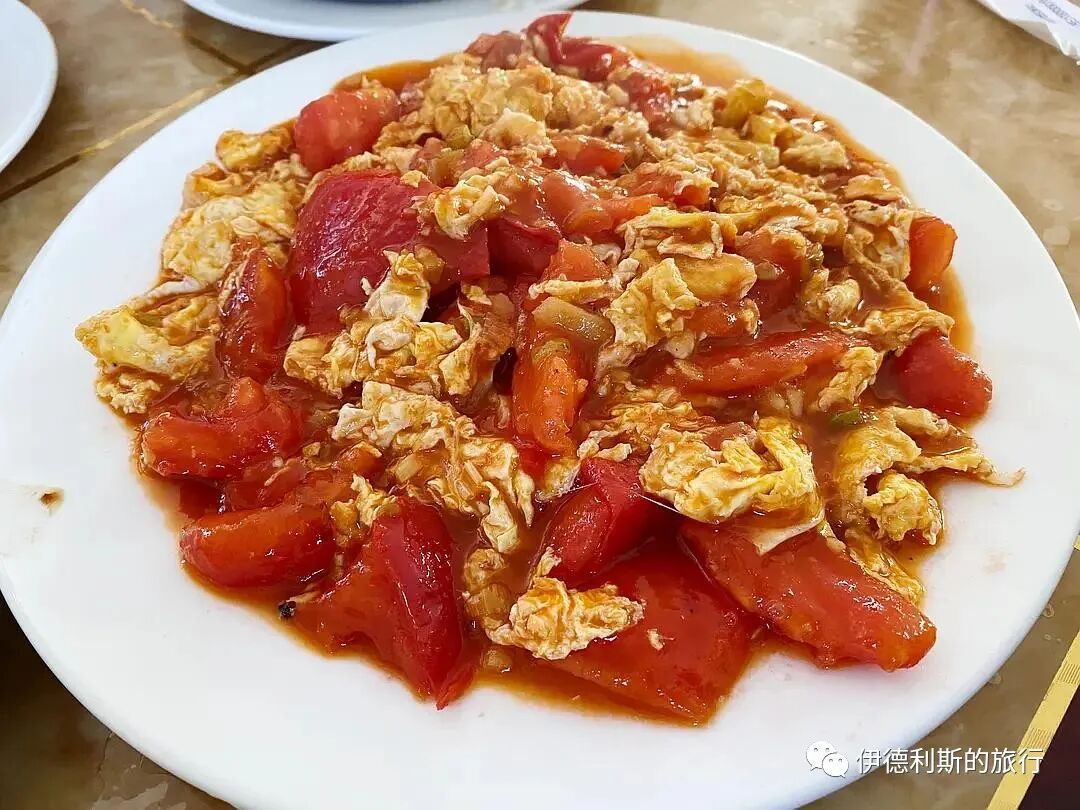
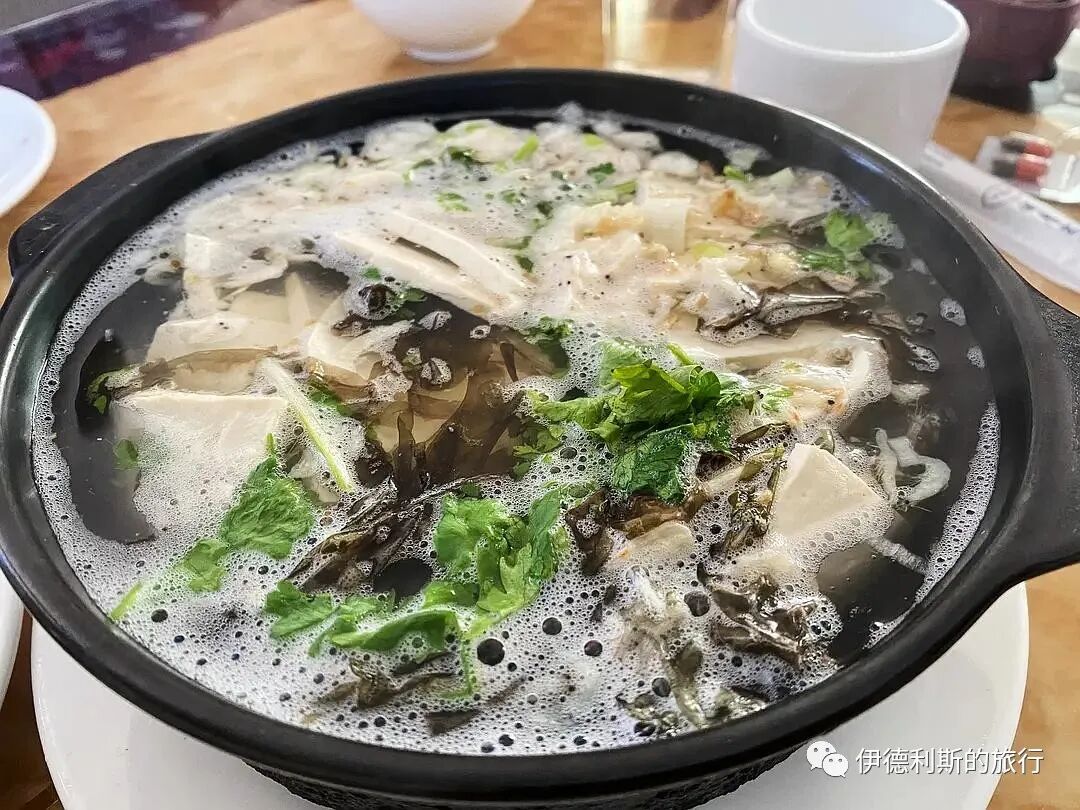
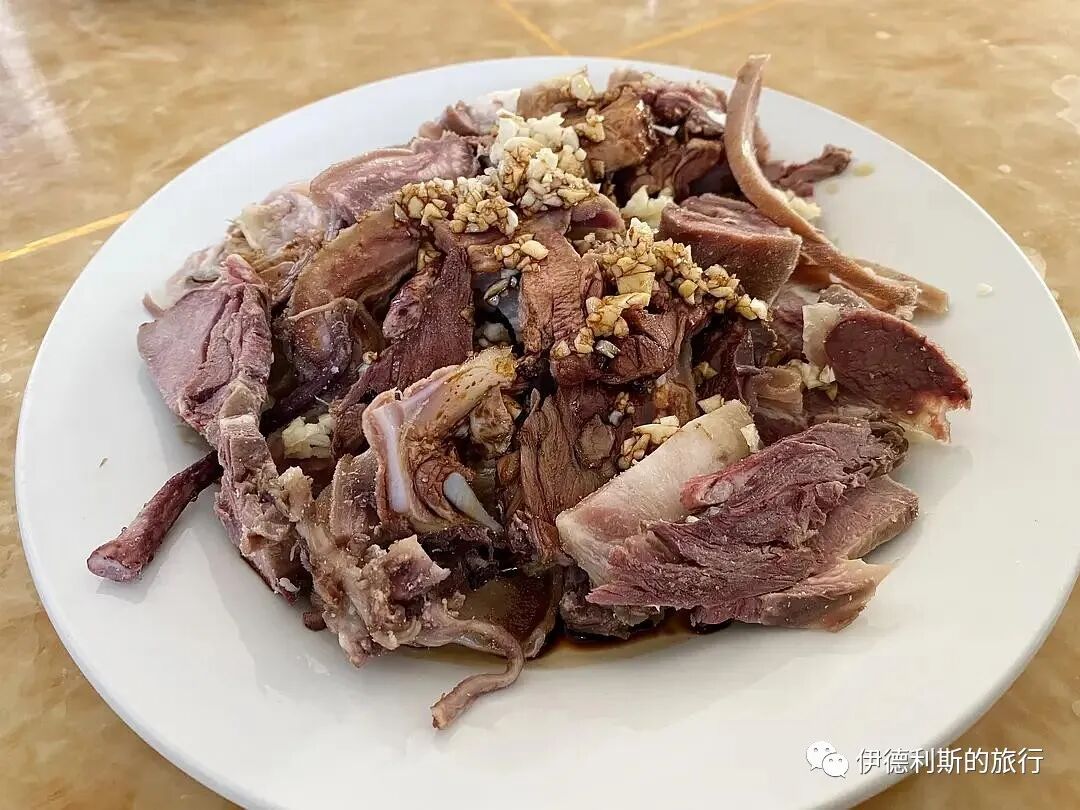
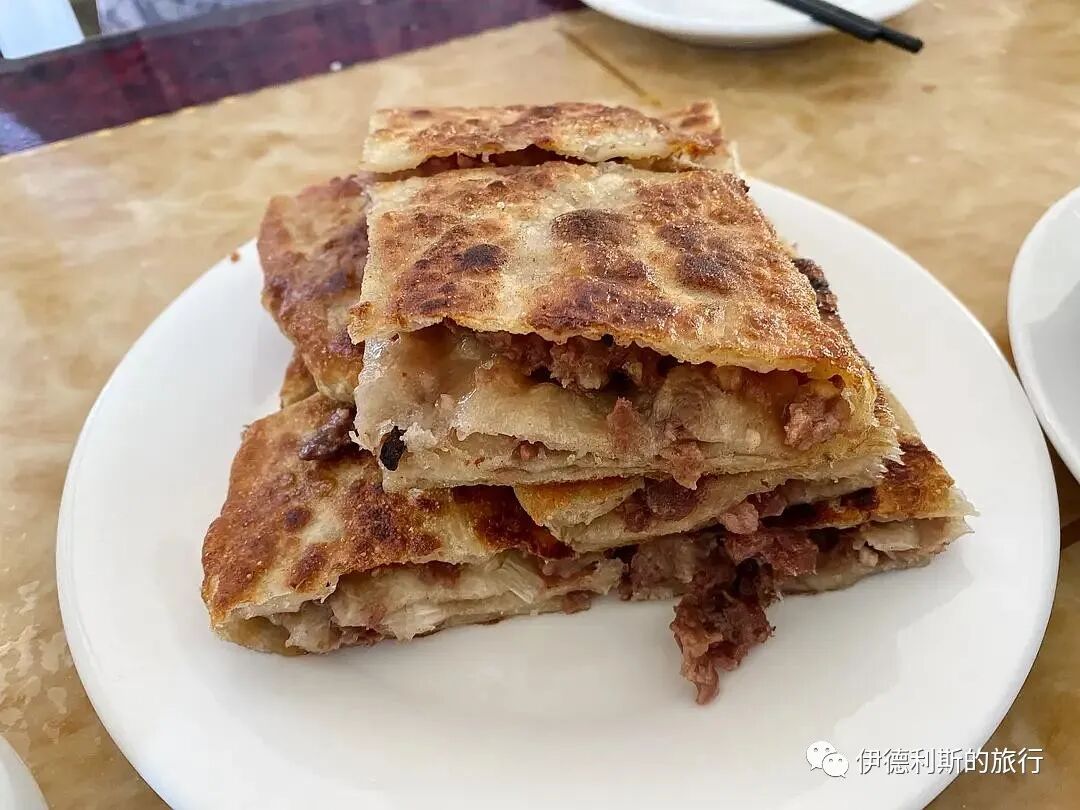
When we arrived after nine o'clock, they were already able to make their full menu. The dishes are similar to the Hui Muslim farmhouse food in Mujiayu, focusing on beef pancakes (niurou bing) and the eight great bowls (badawan) of the Hui Muslims, along with some home-style stir-fries. We ordered half a jin of beef pancakes, stir-fried eggs with tomatoes (muxu chao shizi), boiled lamb head (baishui yangtou), and tofu in a clay pot (shaguo doufu). Everything tasted quite good, making for a very rich breakfast, haha.
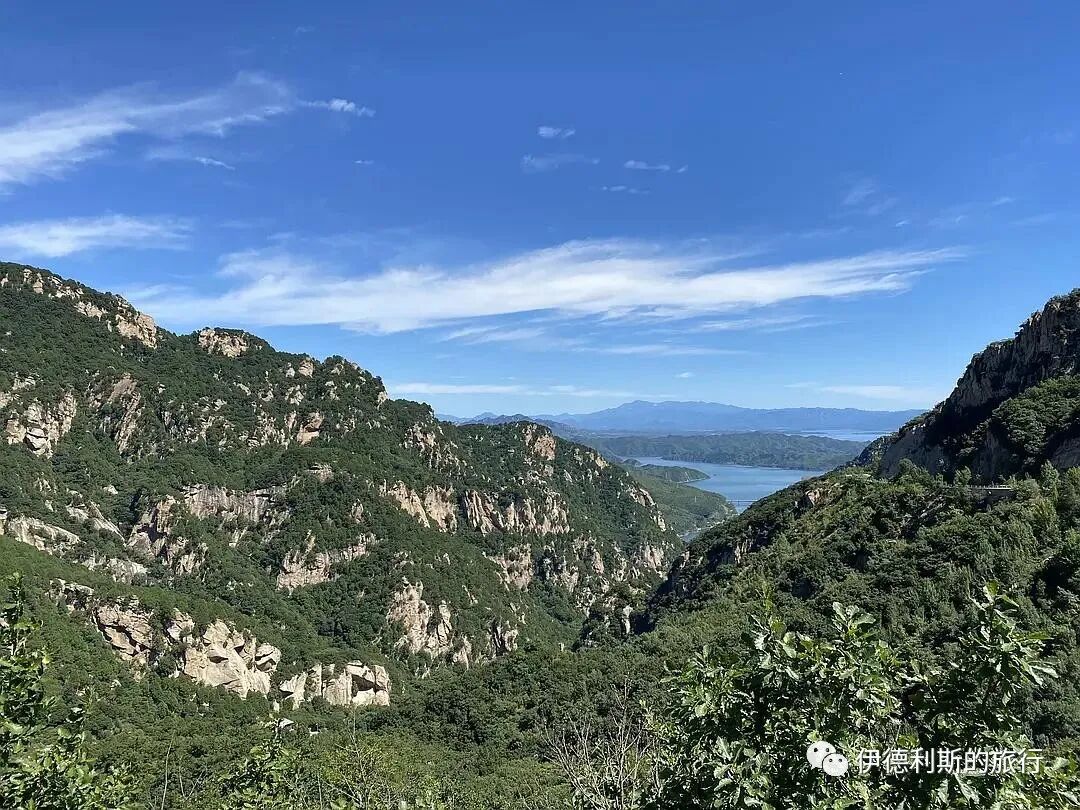
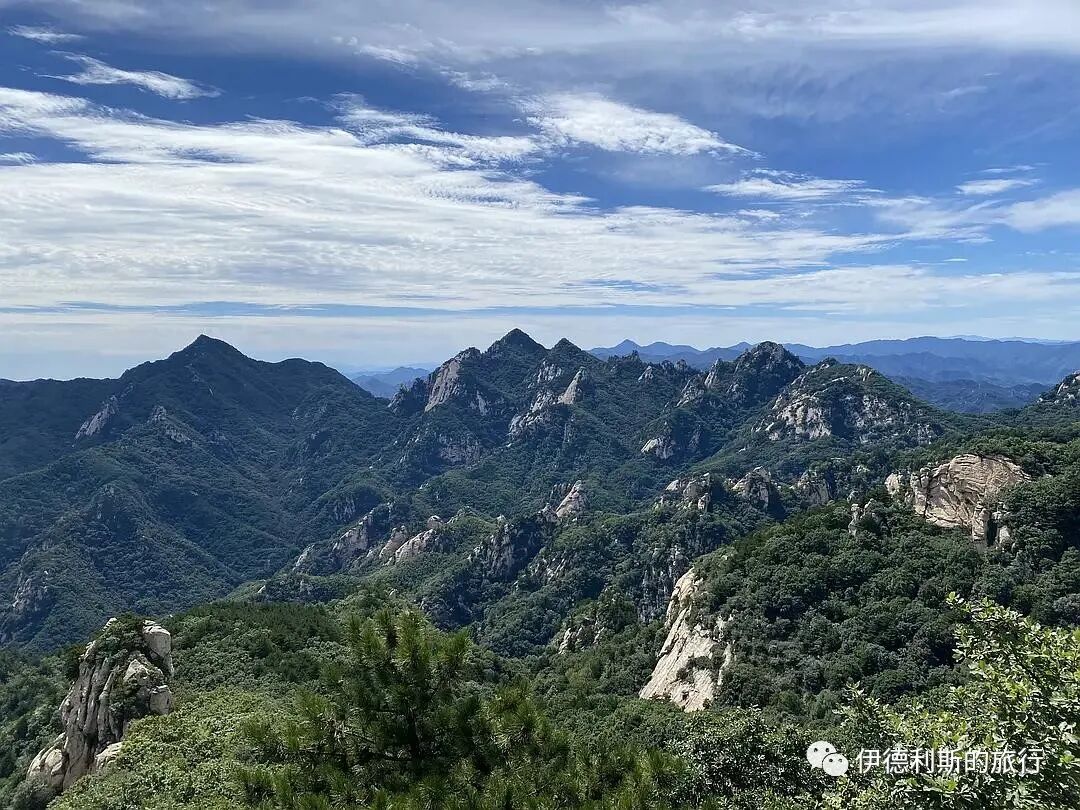
Then we drove around the Miyun Reservoir and went to play at Yunmeng Mountain.
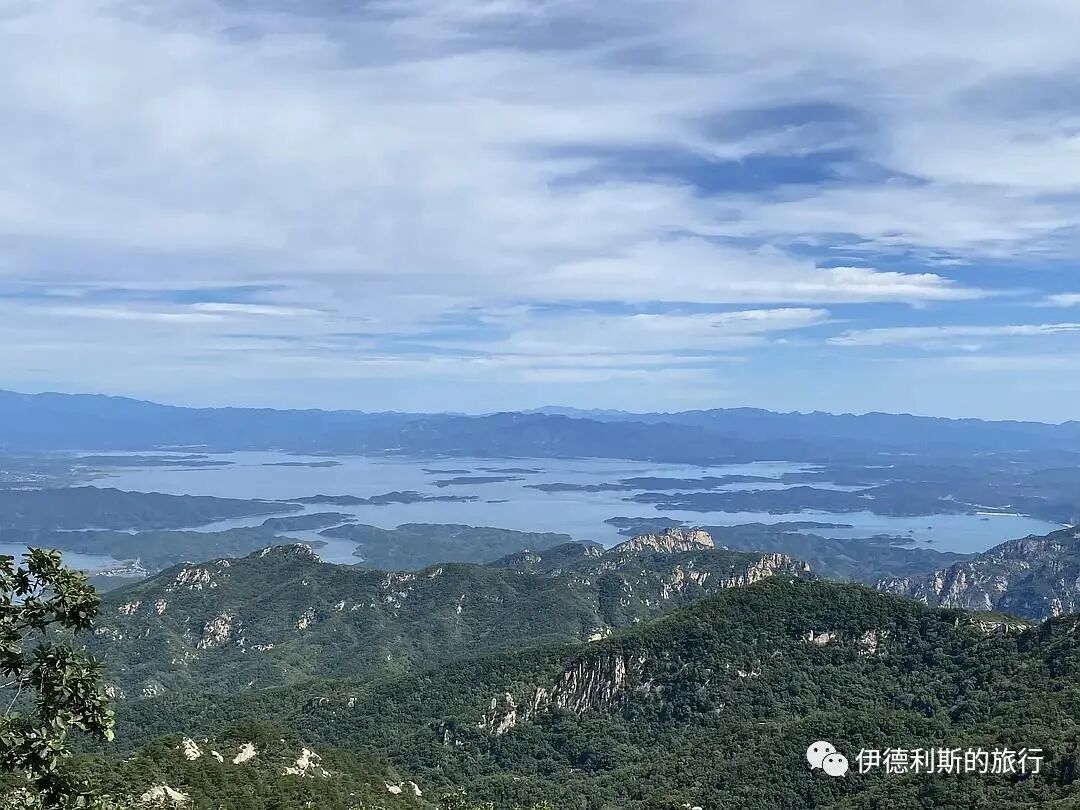
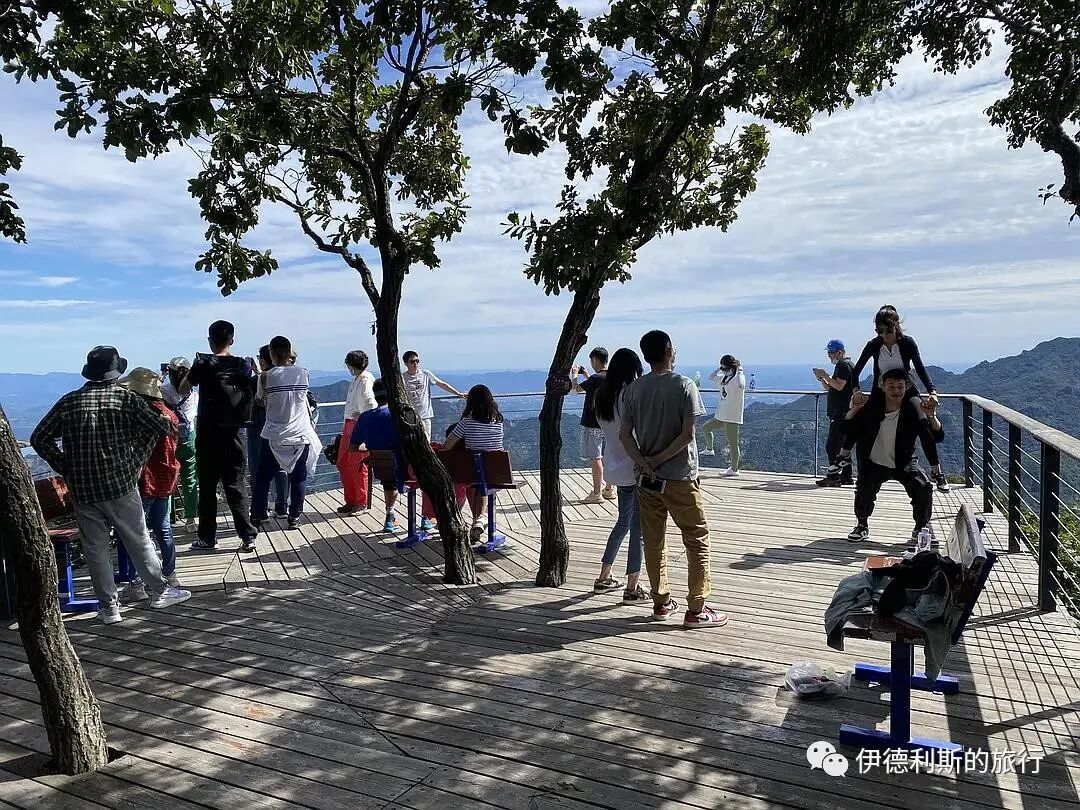
Looking at the Miyun Reservoir from Yunmeng Mountain.
Summary: China Mosque Travel Guide Beijing Miyun: Reservoir Mosques, Hui Villages and Muslim Heritage (Part 2) is presented here as a clear Muslim travel account, beginning with this scene: In Gubeikou Town, there are still some Hui Muslims who hang door charms (men du'er), as well as halal beef and mutton shops. The account keeps its focus on Miyun Mosques, Beijing Muslim Travel, Hui Villages while preserving the names, places, food, and historical details from the Chinese source.
In Gubeikou Town, there are still some Hui Muslims who hang door charms (men du'er), as well as halal beef and mutton shops.
The rebuilt North Gate of the Gubeikou Town pass city.
Lotus flowers inside the Gubeikou Town pass city.
After eating, we headed to Gubei Water Town.
A distant view of the Simatai Great Wall.
After entering the scenic area, we took a sculling boat.
Not far after getting off the boat, there is a halal hot pot restaurant.
Gubei Water Town is truly a great place for the whole family to walk around. The walls covered in Boston ivy (pashanhuhu) will probably look beautiful in autumn.
When friends (dosti) come to visit Gubei Water Town, they usually go to this Tanghe Halal Restaurant. The building mimics the Hengchang Ruiji storefront on Dongsi Fourth Alley, giving it a classic, antique feel with a nice atmosphere.
Their menu is a bit of a mix, with the main dishes being big plate chicken (dapanji) and roasted mutton (shao yangrou). We looked at the big plate chicken ordered by other tables; it had too many potatoes and no wide belt noodles (pidaimian), with flatbread (nang) underneath instead, so we ordered the roasted mutton. They serve their roasted mutton like roast duck, with yellow bean sauce for dipping and lotus leaf pancakes (heye bing) for wrapping, which is pretty good. However, the roasted mutton wasn't fried crispy enough, and the flavor didn't soak in, making the fatty parts a bit greasy. It falls short of truly delicious roasted mutton, but I am satisfied to find a restaurant like this inside a scenic area.
Gubei Water Town at night.
The Gubei Water Town parking lot surrounds a real Ming Dynasty fortress, the Simatai Fortress, which was first built in the sixth year of the Hongwu reign. The houses inside look like they have been repaired or rebuilt, but they are not open to the public.
Taishitun.
There is no halal breakfast in Gubei Water Town. The closest place is the halal snack shop in Gubeikou Town for sesame flatbread (shaobing) and lamb offal soup (yangza), but we wanted a change of pace, so we drove south in the morning to the Yishun Halal Snack Shop in Taishitun Town.
The shop is run by local Hui Muslims from Taishitun. They are the only Hui Muslim family in Taishitun Town. There are dozens more families in Lugeshuang to the south, but this is the only local halal restaurant. The shop is actually on the edge of town, with a cornfield right behind it, giving it a very rural feel.
When we arrived after nine o'clock, they were already able to make their full menu. The dishes are similar to the Hui Muslim farmhouse food in Mujiayu, focusing on beef pancakes (niurou bing) and the eight great bowls (badawan) of the Hui Muslims, along with some home-style stir-fries. We ordered half a jin of beef pancakes, stir-fried eggs with tomatoes (muxu chao shizi), boiled lamb head (baishui yangtou), and tofu in a clay pot (shaguo doufu). Everything tasted quite good, making for a very rich breakfast, haha.
Then we drove around the Miyun Reservoir and went to play at Yunmeng Mountain.
Looking at the Miyun Reservoir from Yunmeng Mountain.
