
Muslim Friendly Jiangsu Travel Guide: Gaoyou, Yangzhou and Zhenjiang Mosques, Halal Food and Canal Towns (Part 1)
Reposted from the web
Summary: This Muslim friendly China travel guide keeps the original 2021 Gaoyou, Yangzhou, and Zhenjiang trip notes intact for Part 1. It is useful for Muslim travel guide China 2026, halal food in China, Chinese Muslim food, and mosque-friendly routes in Jiangsu.
On the morning of April 4, 2021, I left Nanjing by high-speed train. I arrived in Gaoyou in one hour and took a bus directly to the Gaoyou Mosque. Gaoyou and Lingtang were two places I missed during my canal mosque tour in 2016-17. Five years later, I finally made up for it.
Gaoyou
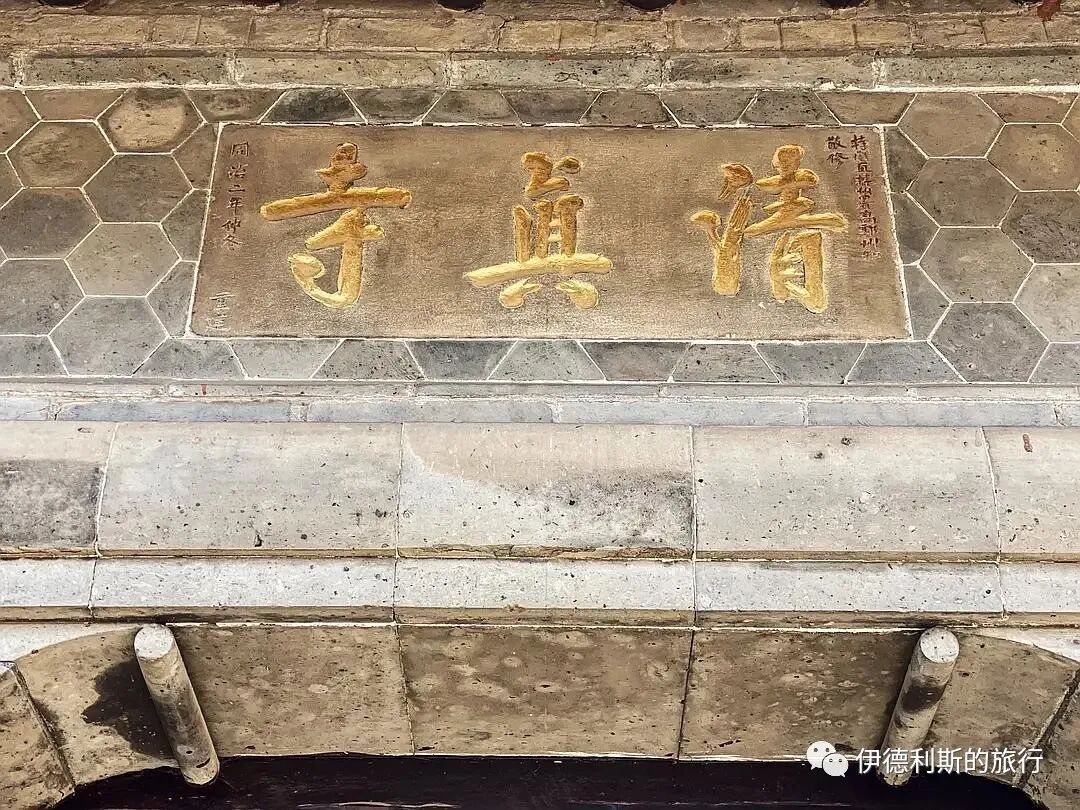
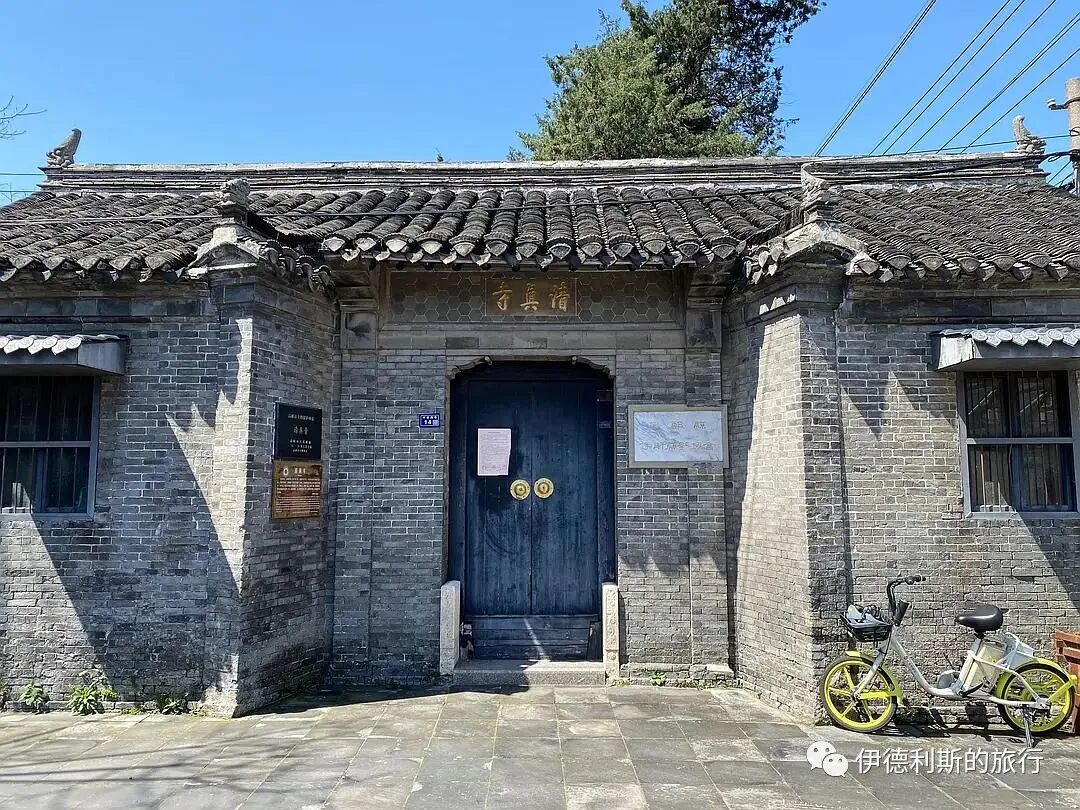
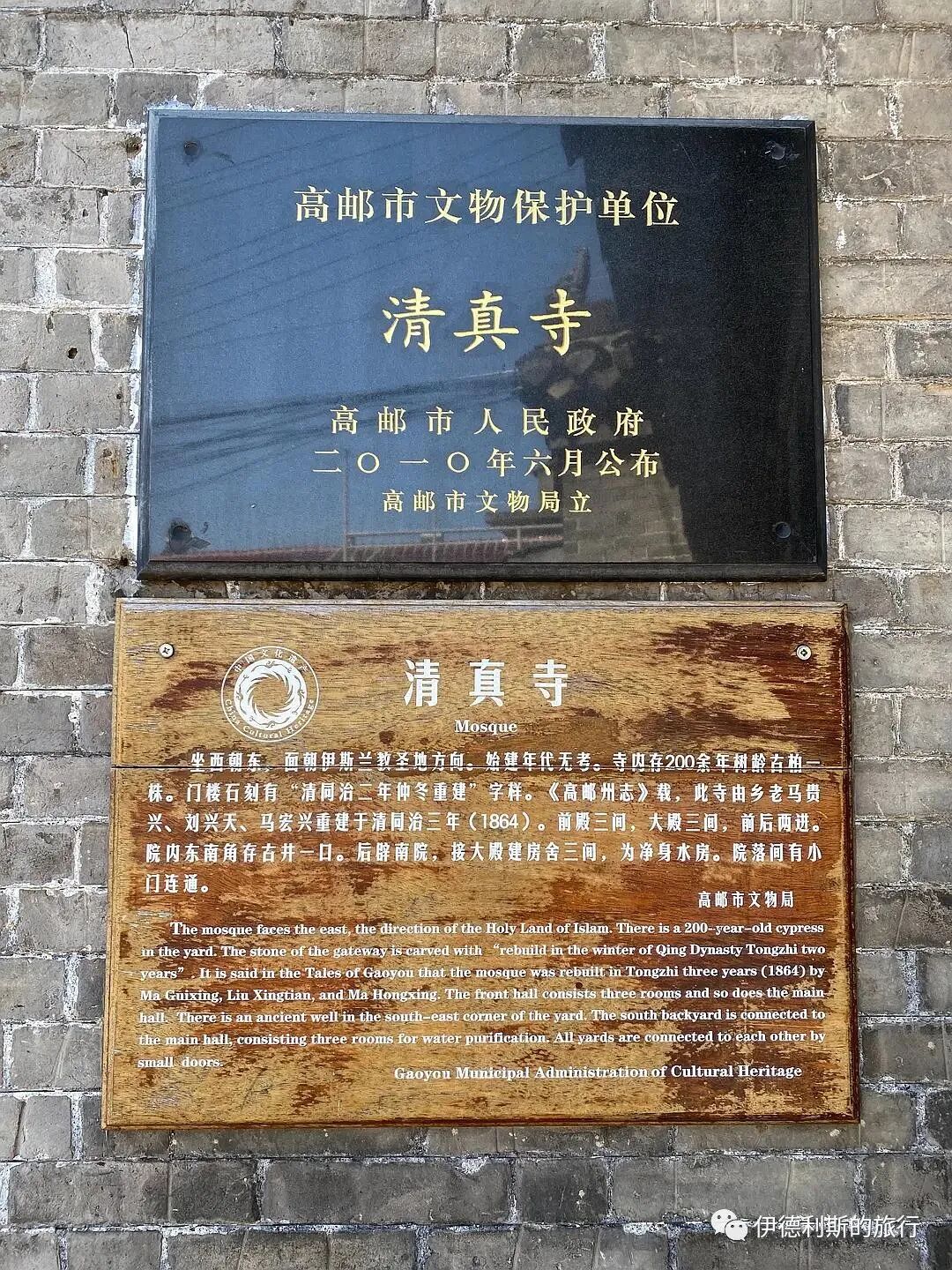
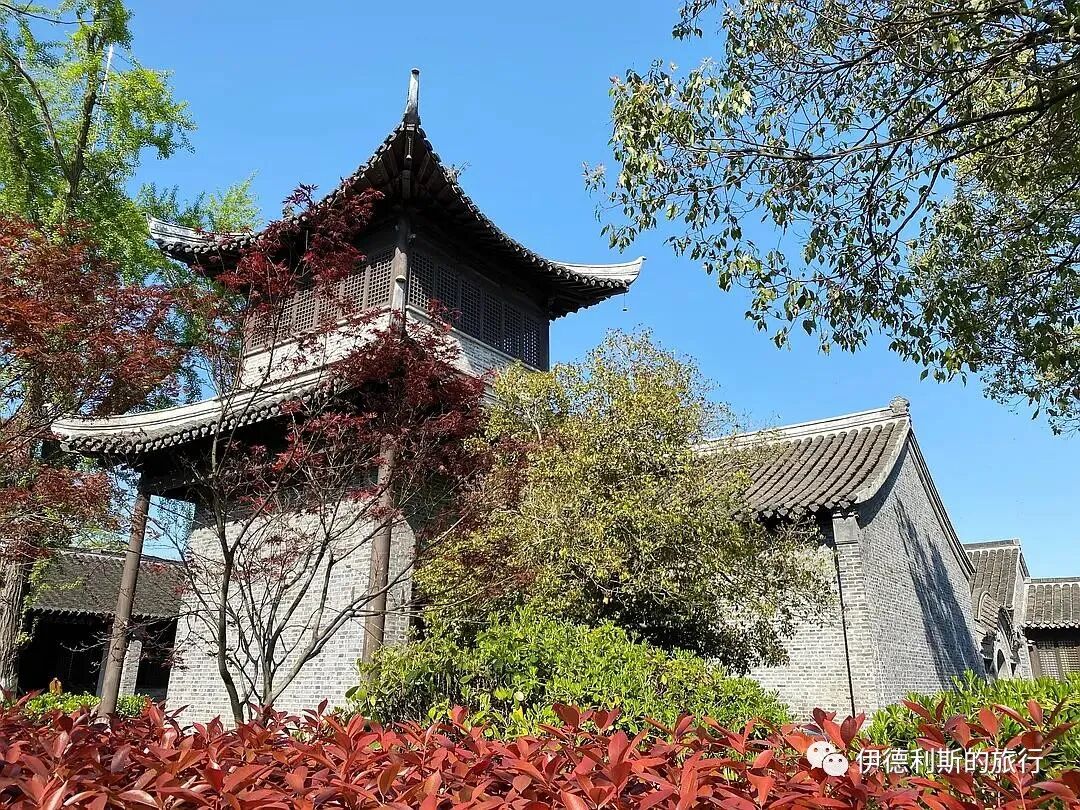
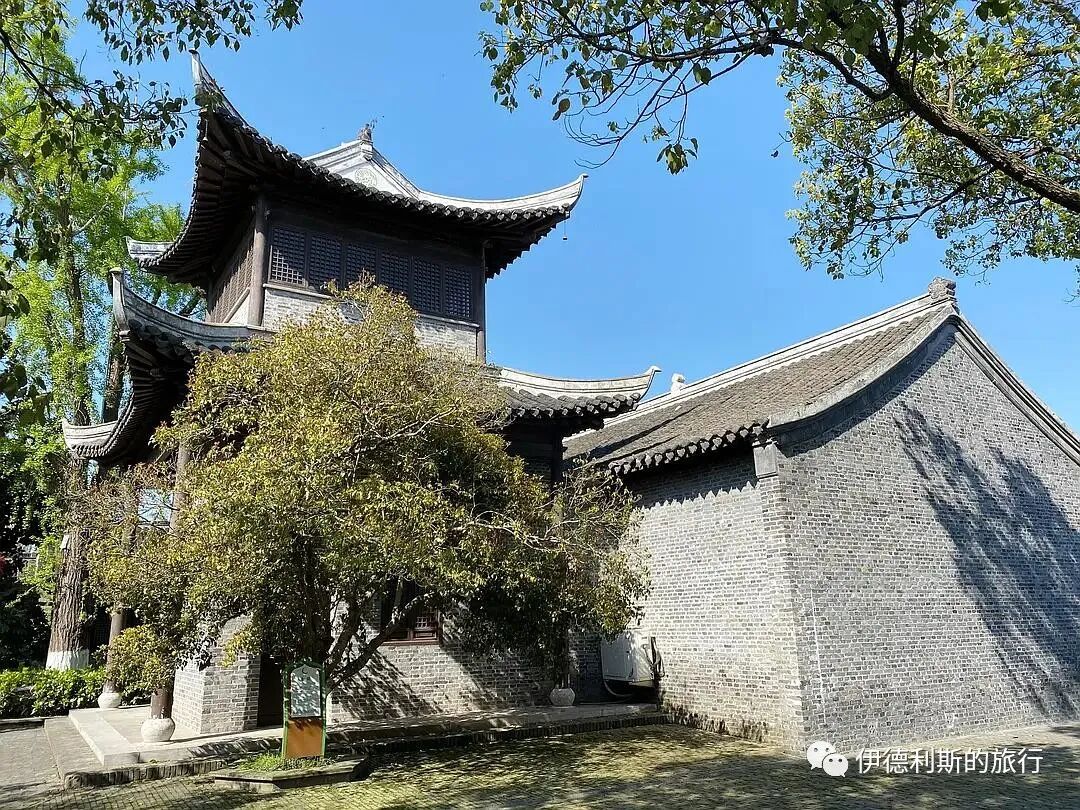
Gaoyou Mosque is a very beautiful traditional mosque. It is small and delicate, with the charm of a water town. The founding date of the mosque is unknown, but there is a cypress tree in the courtyard that is over two hundred years old. In 1864 (the third year of the Tongzhi reign), local elders Ma Guixing, Liu Xingtian, and Ma Hongxing rebuilt the mosque. The current entrance has a stone carving that says it was rebuilt in the middle of winter in the second year of the Tongzhi reign.
It was a pity that the mosque gate was locked when we arrived. We asked at a nearby noodle shop, and they said it only opens for Jumu'ah prayers. It seems I will have to wait for another chance to visit inside.
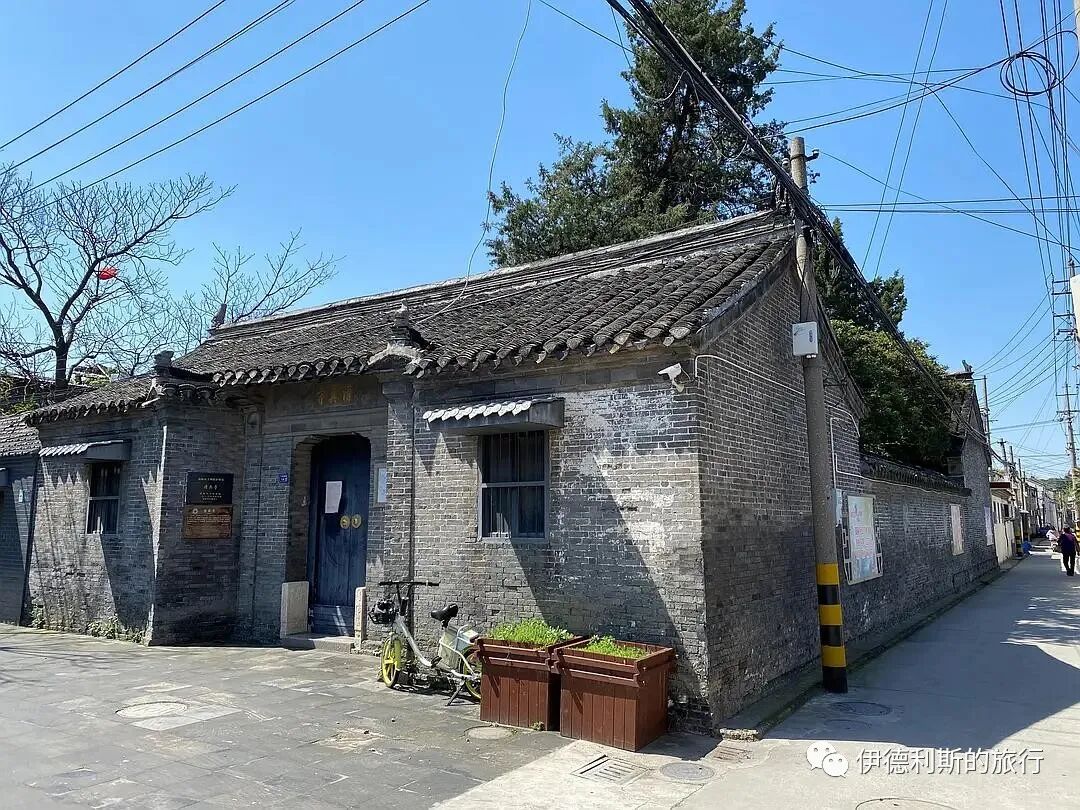
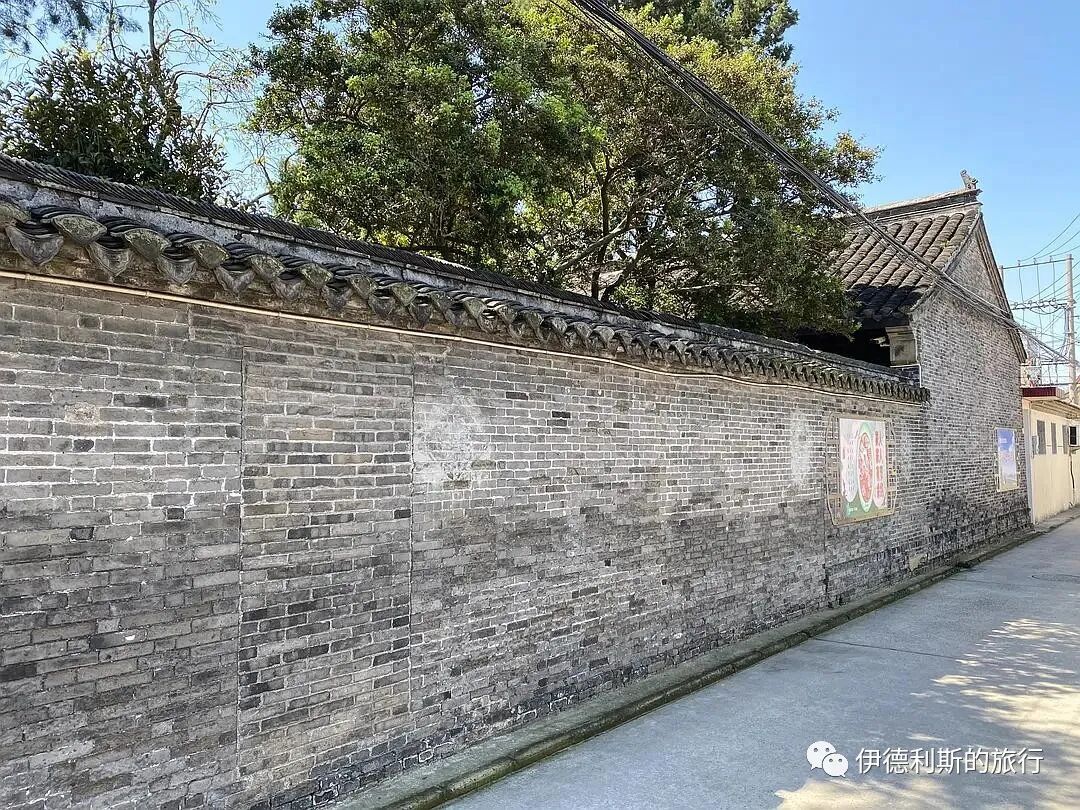
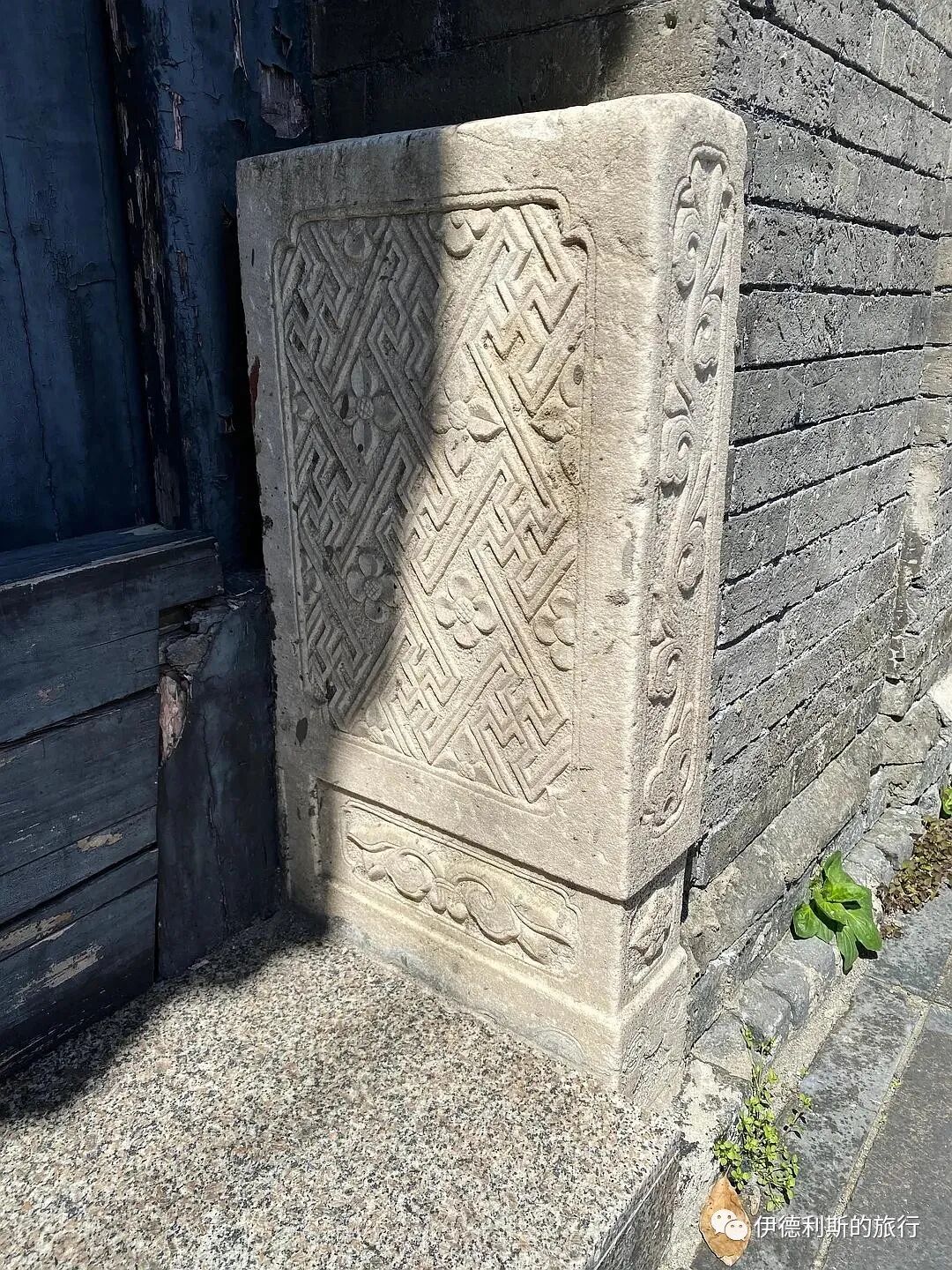
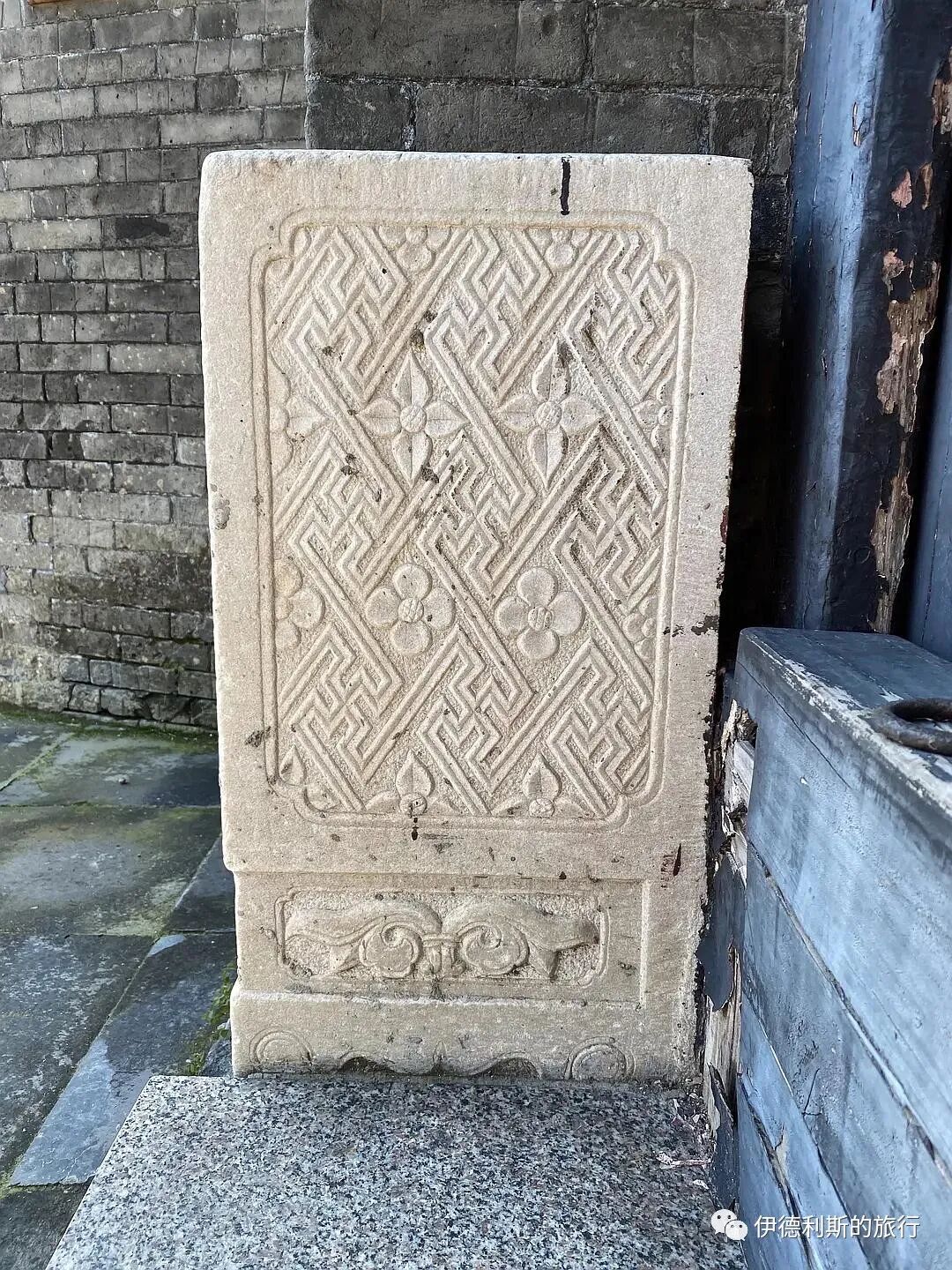
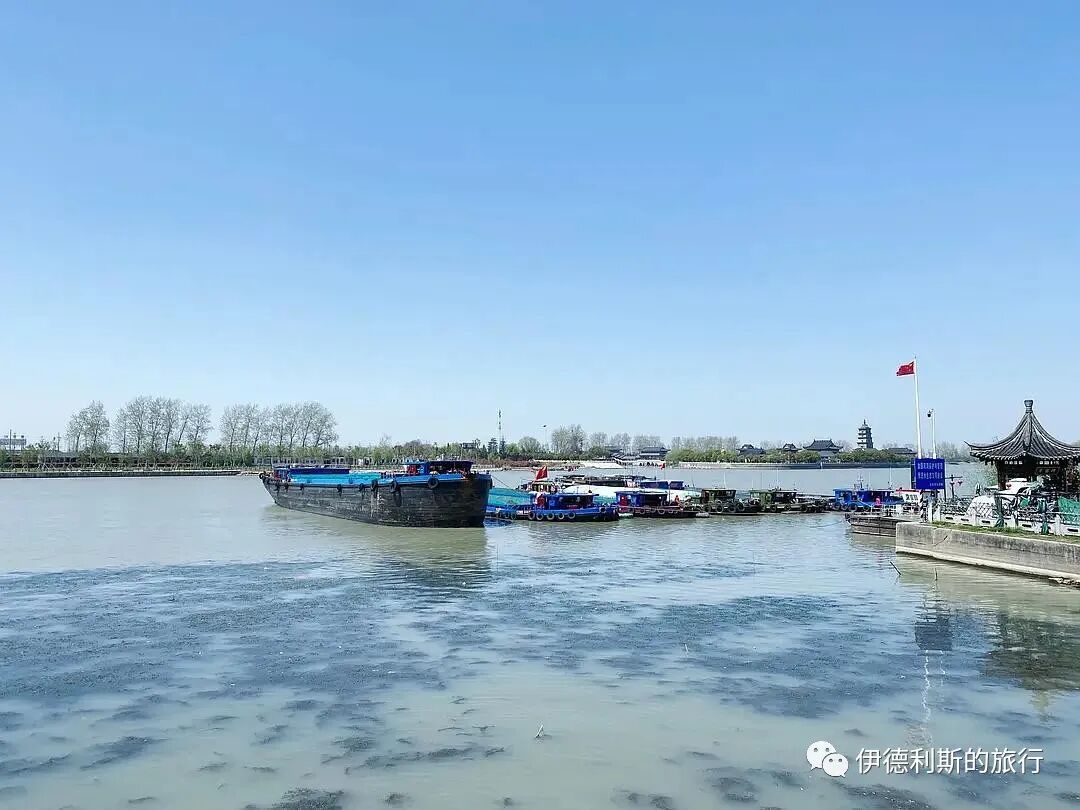
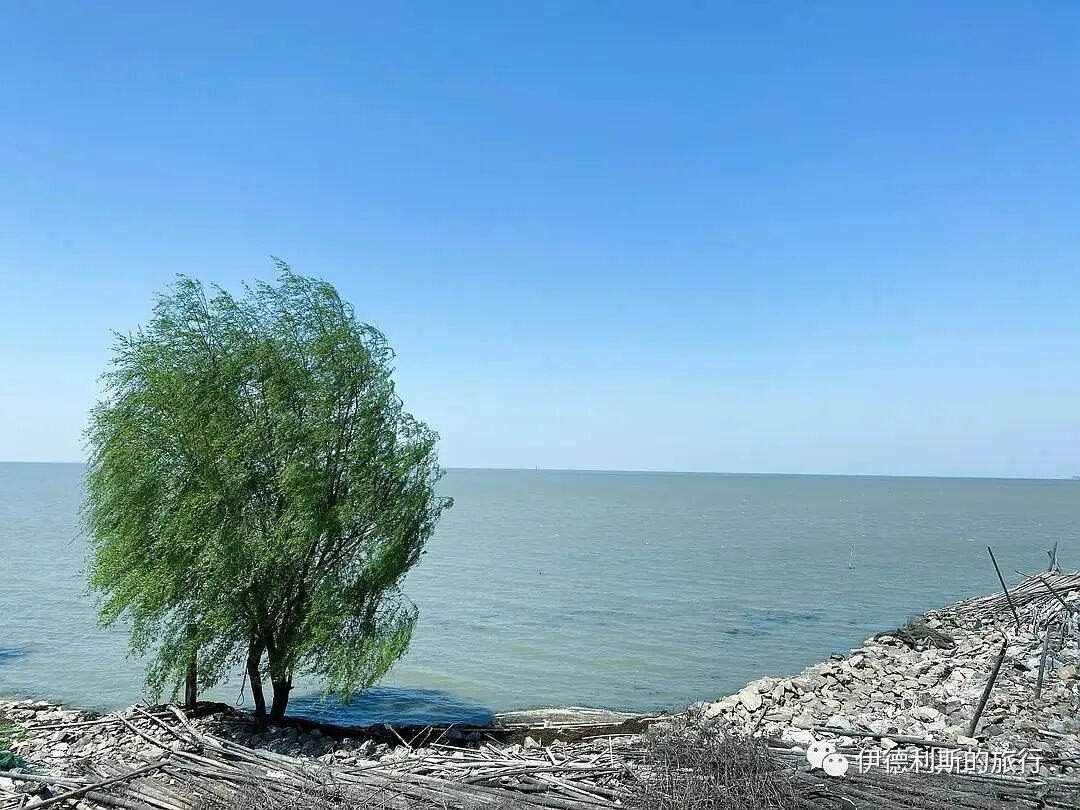
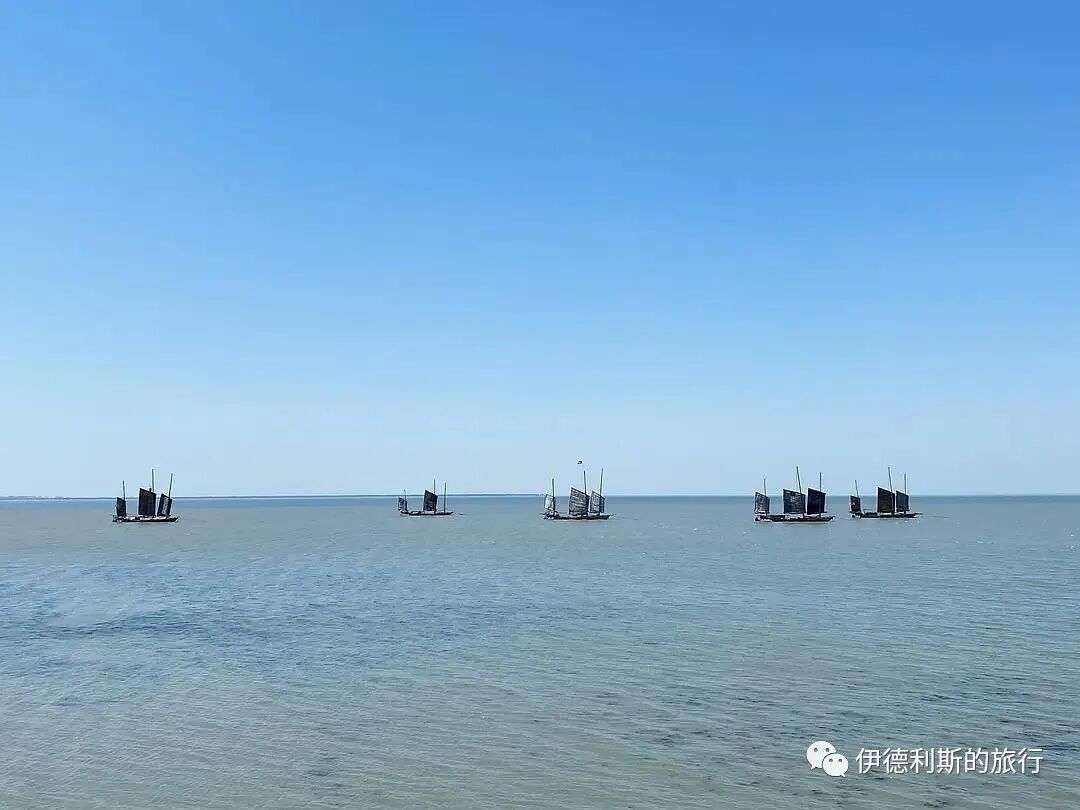
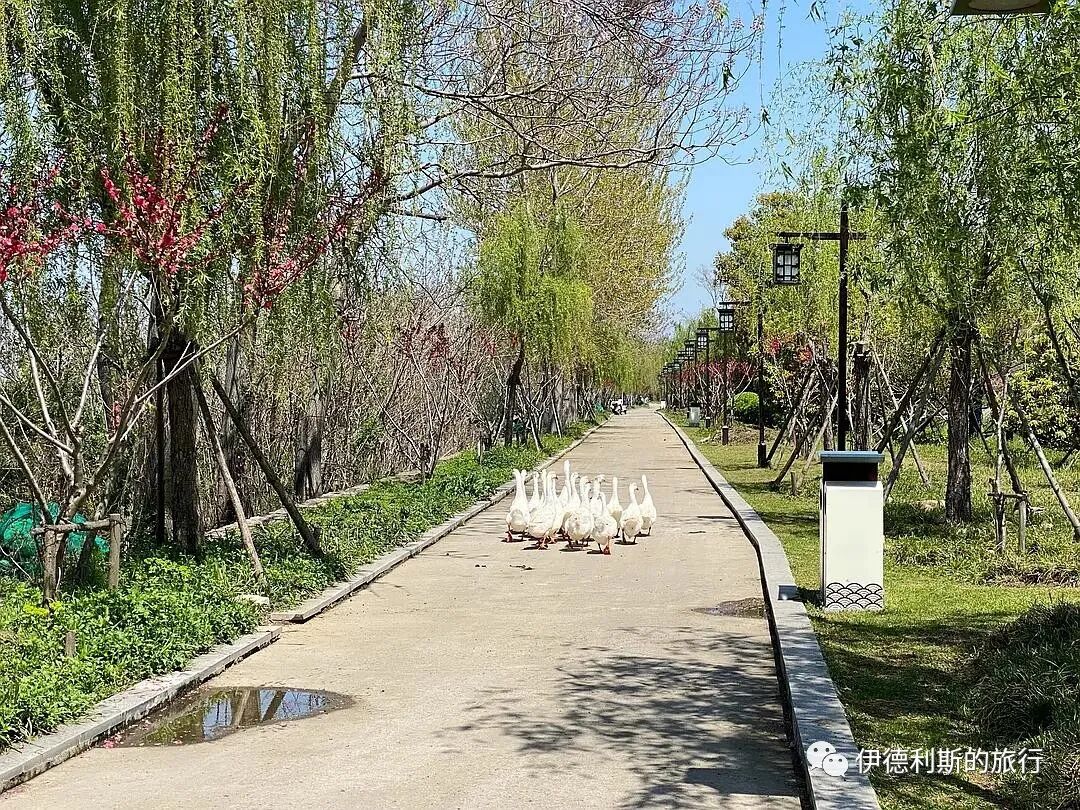
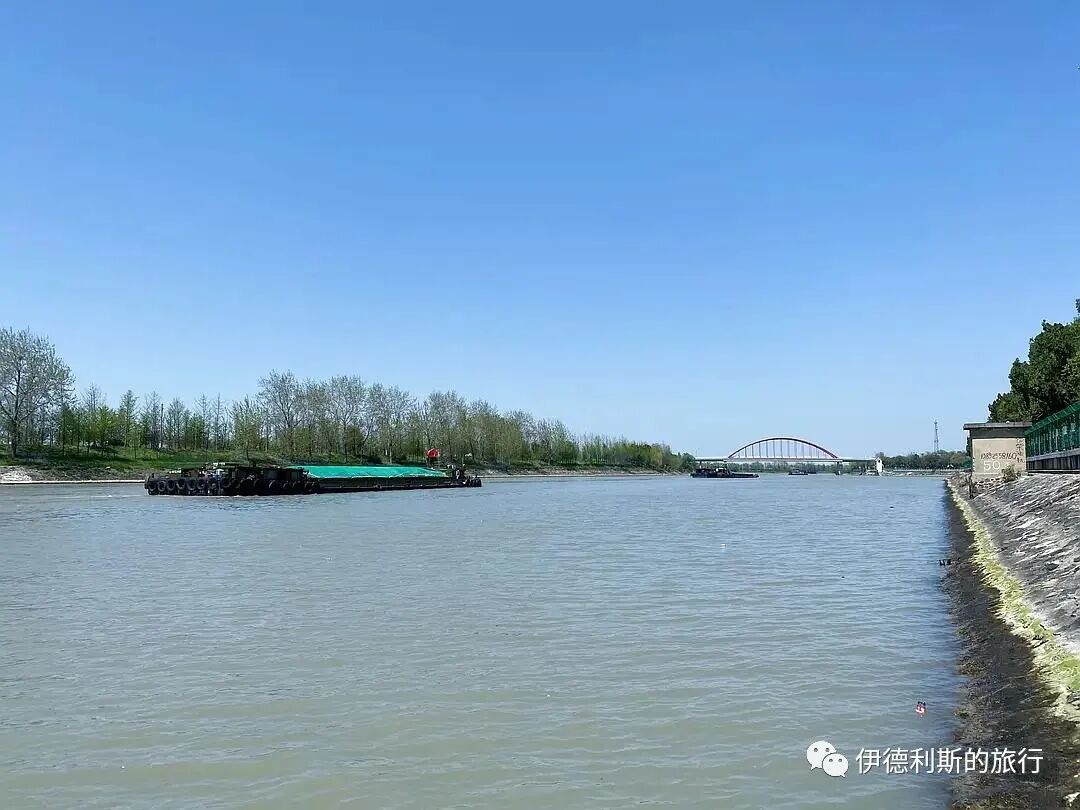
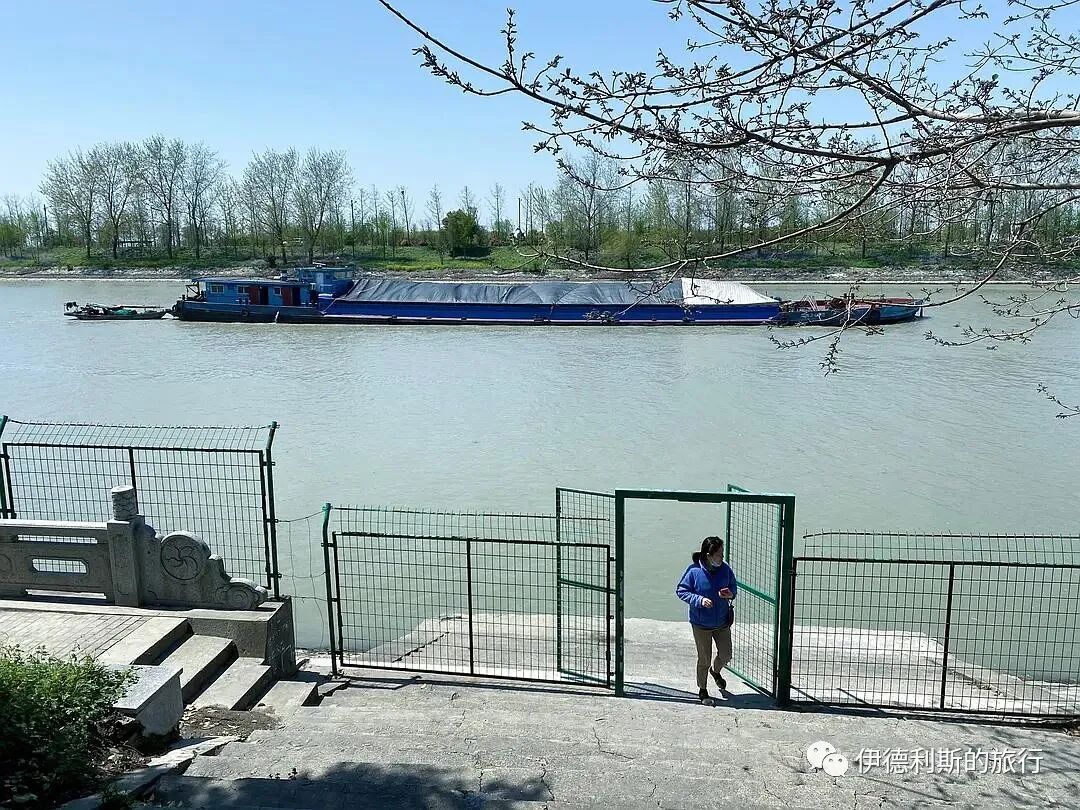
I wandered around Gaoyou, visiting Mengcheng Post Station and the West Dike. The Grand Canal and Gaoyou Lake run side by side, making it truly feel like a water town.
Lingtang
At noon, I took a taxi from Gaoyou to Lingtang Hui Muslim Township. Lingtang is the only Hui Muslim township in Jiangsu, home to the four major surnames: Yang, Xue, Li, and Sha. One branch of the Yang family moved here from Suzhou at the end of the Yuan Dynasty, and another branch moved from Suzhou during the Qing Dynasty. The Xue family moved here from Xuebeizhuang in Gaoyou during the Qing Dynasty, later converted to Islam, and for generations have mostly only married into the Yang family. The Sha surname is said to come from the Persian word "Shah," as they are descendants of Persian ancestors from the Huihuiwan area during the Yuan Dynasty.
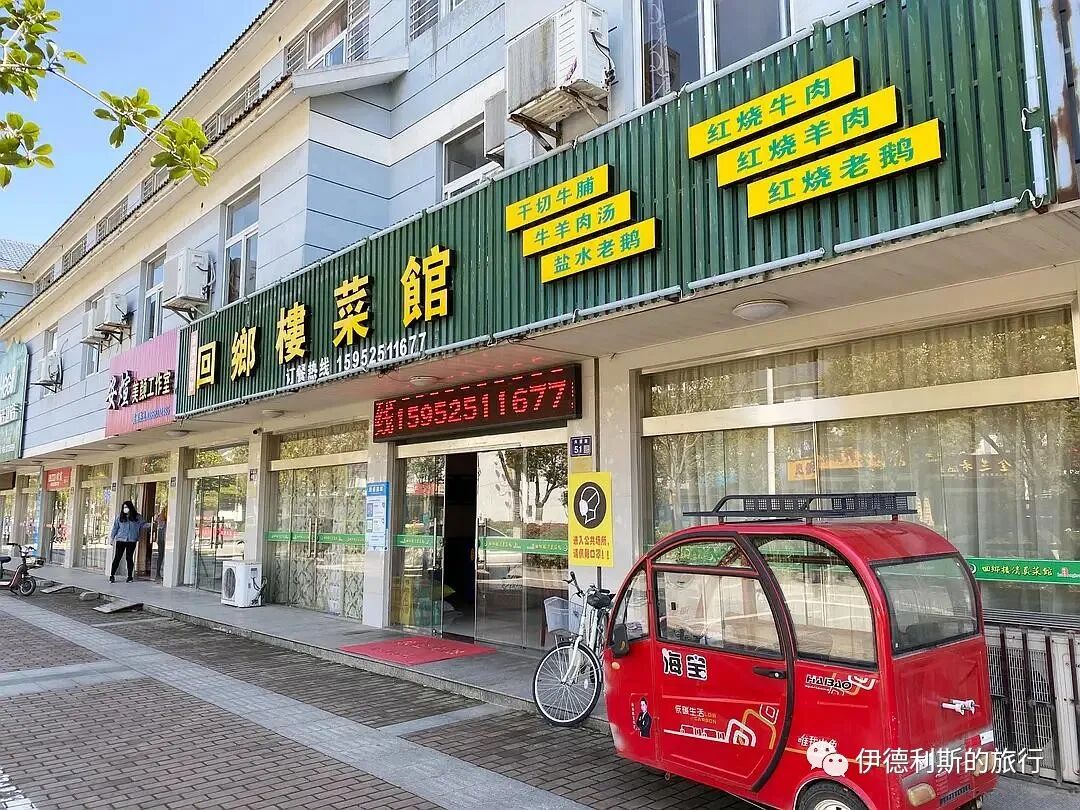
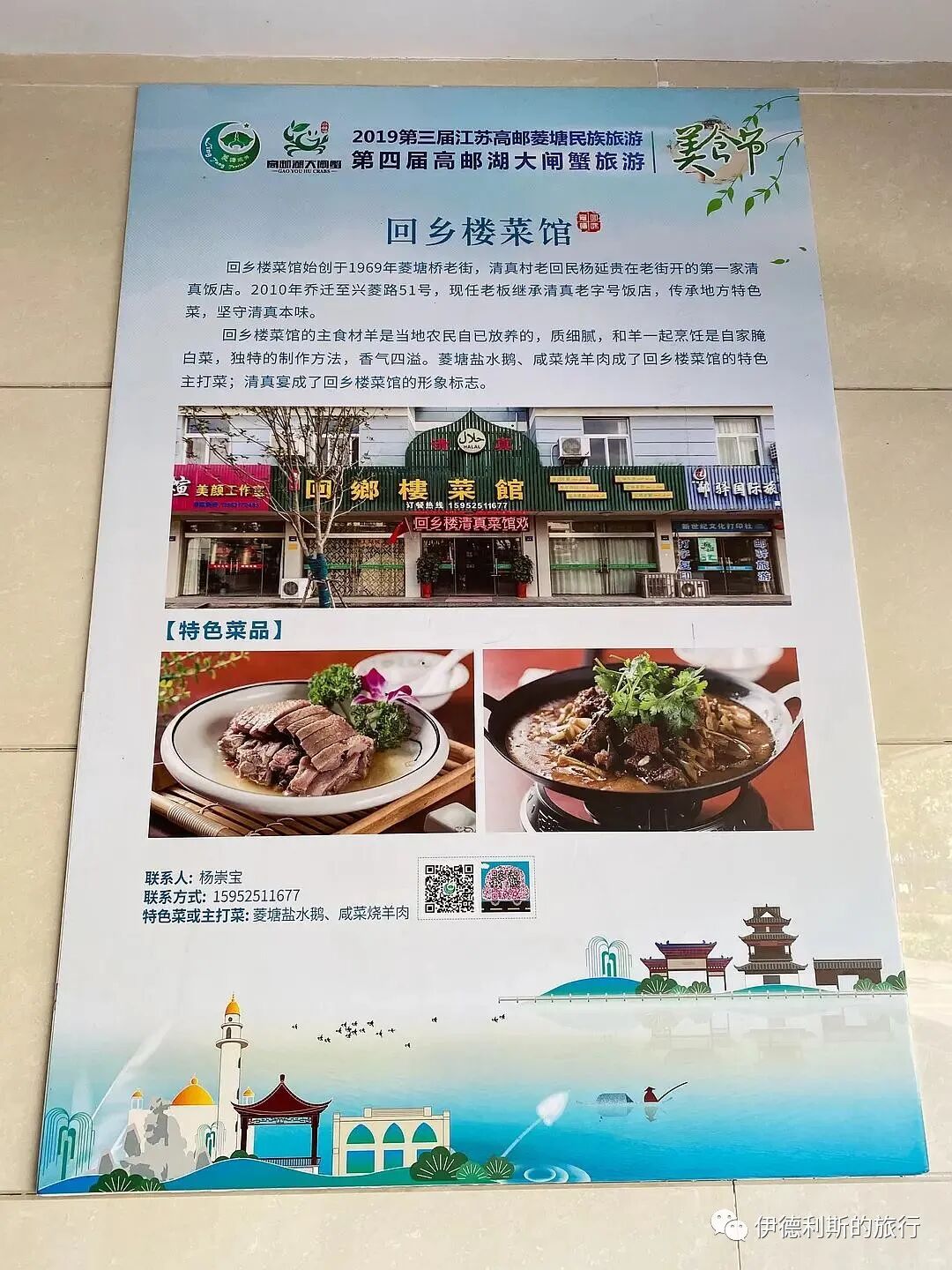
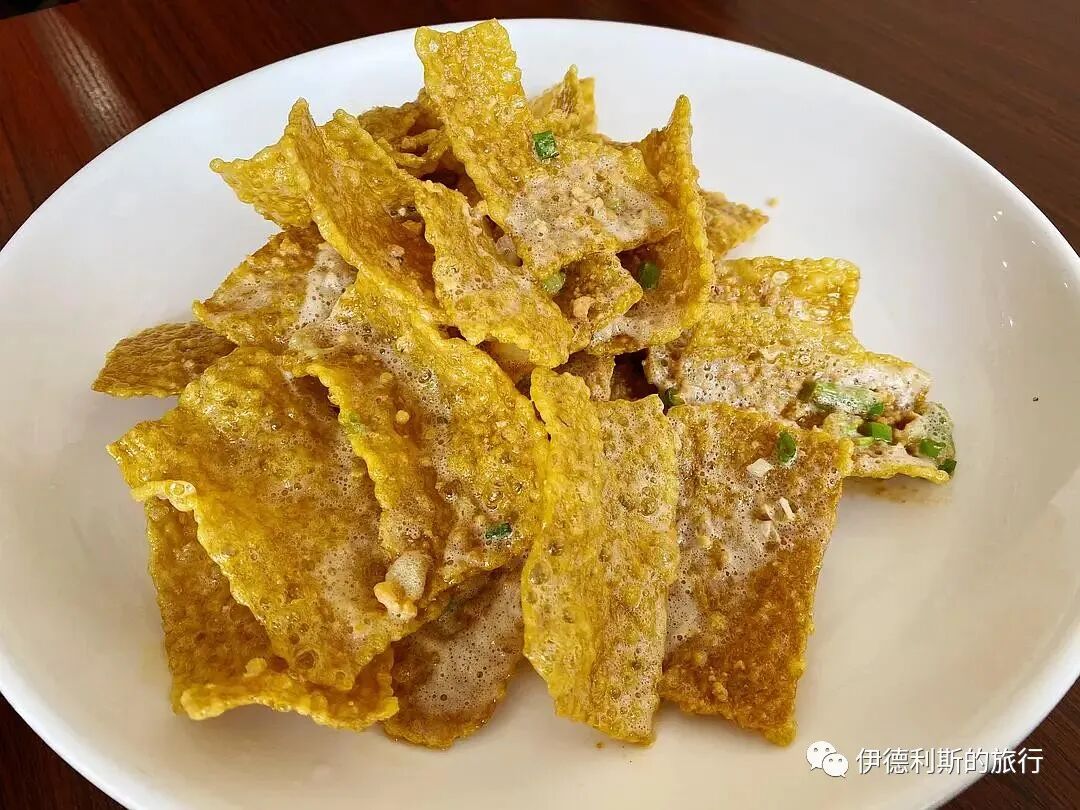
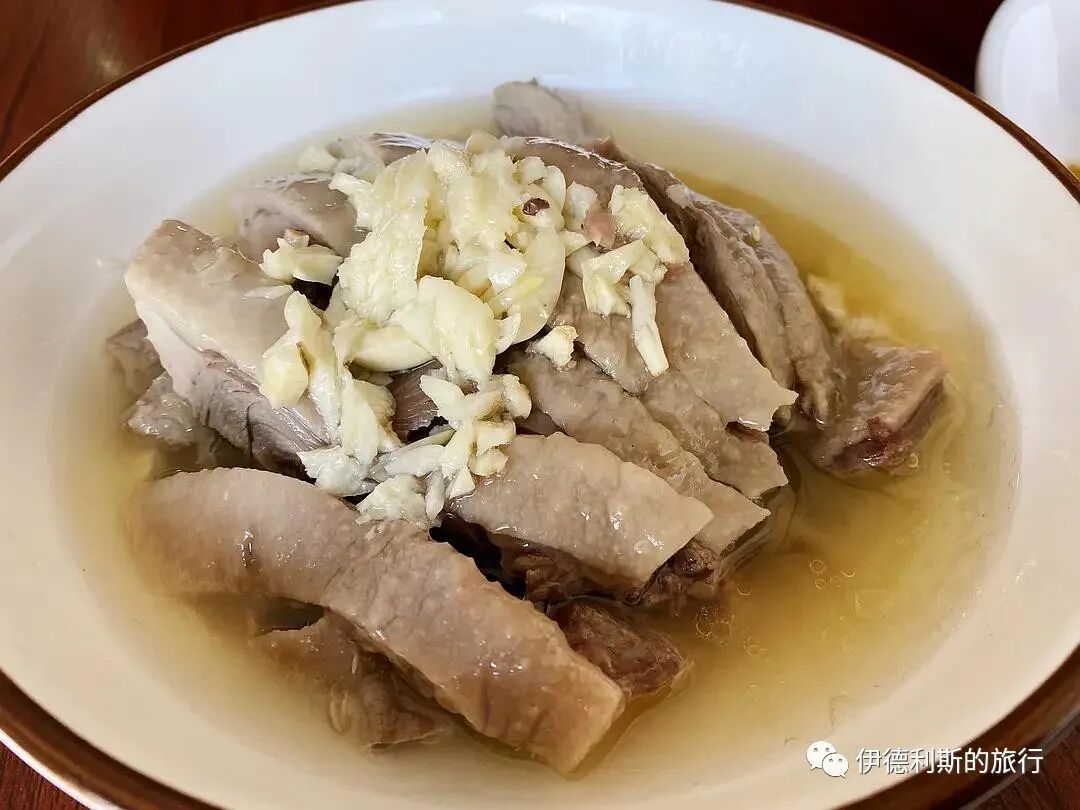
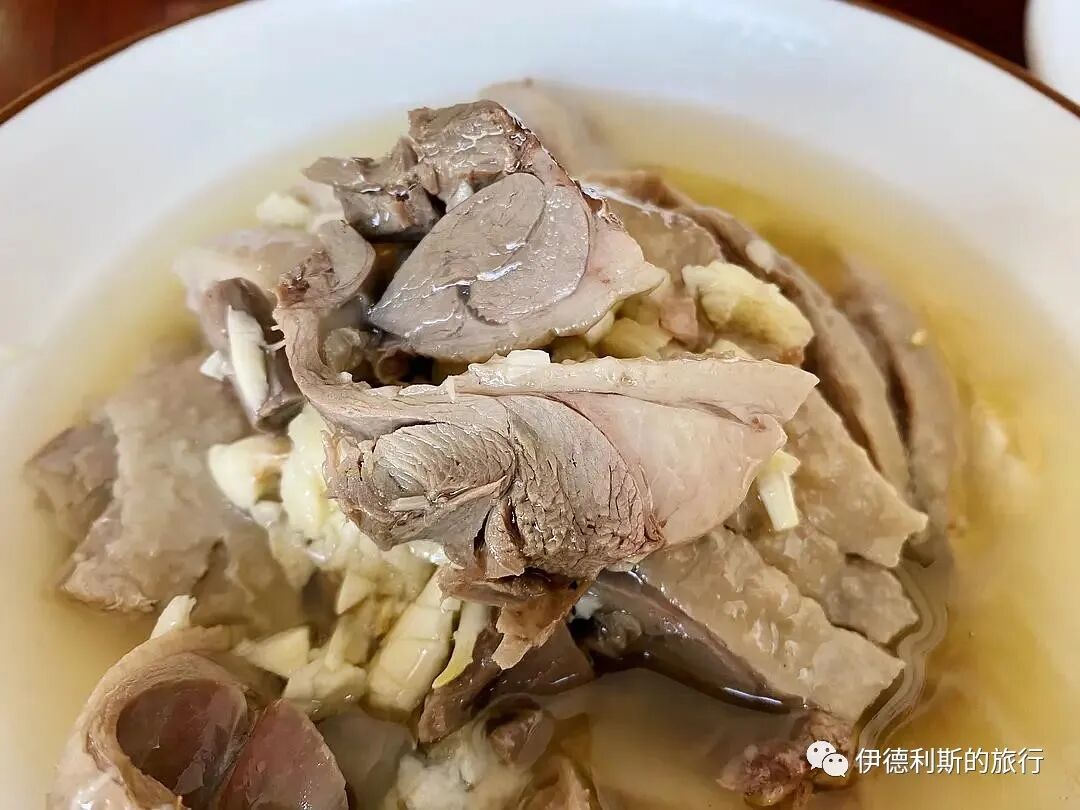
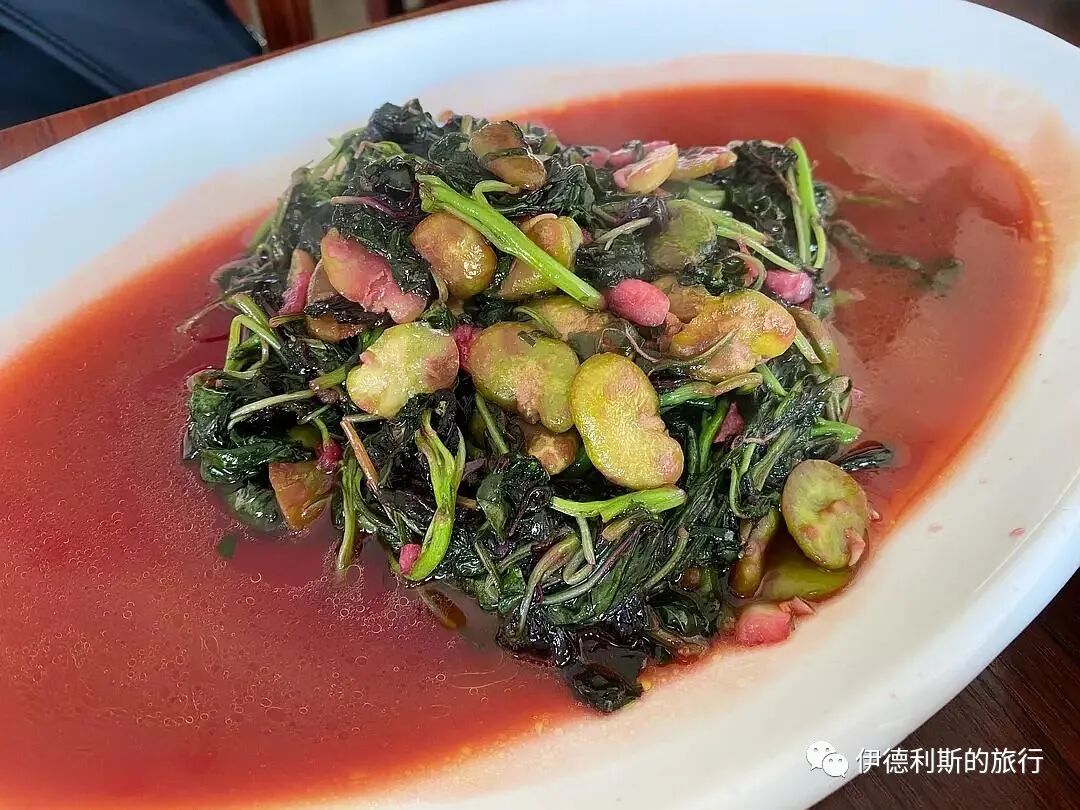
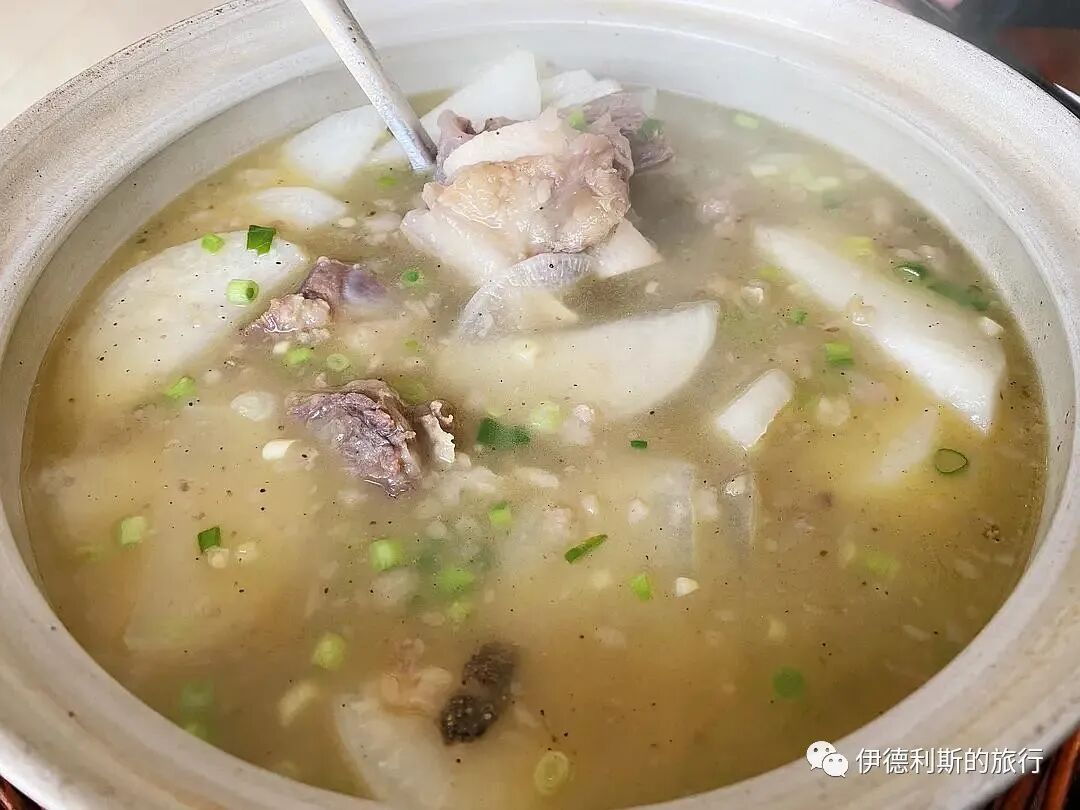
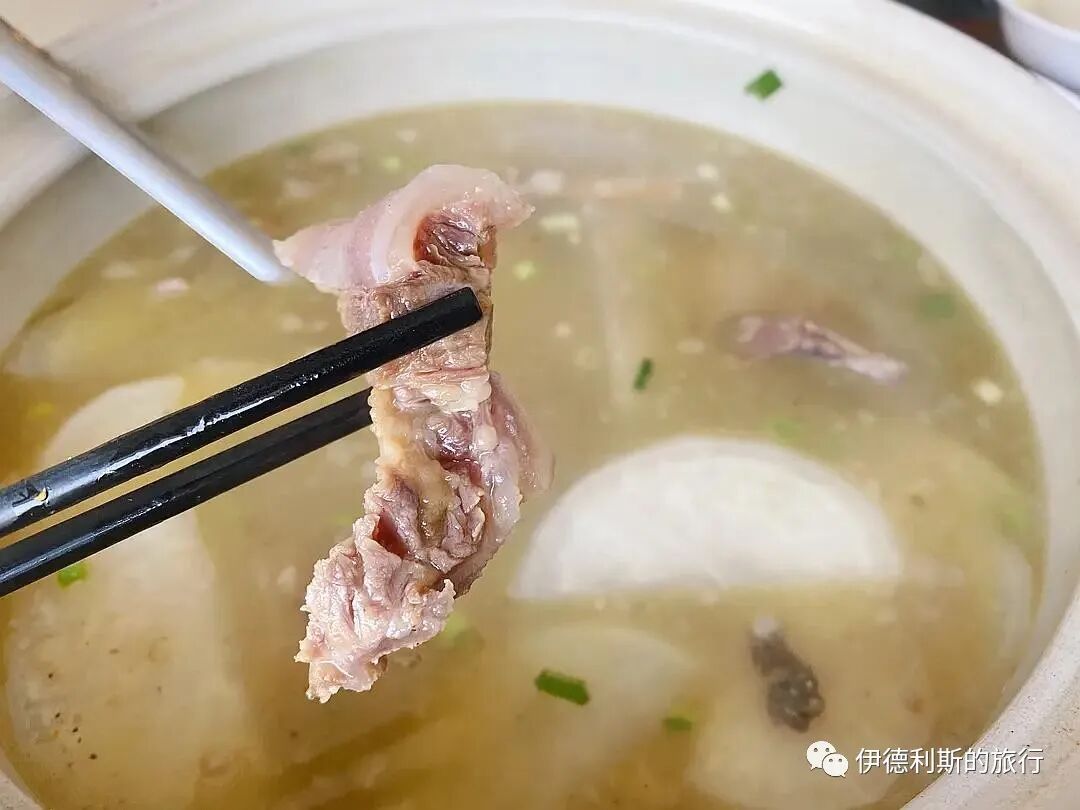
At Huixianglou Restaurant, I ate salted goose (yan shui e), egg yolk stir-fried buckwheat slices (dan huang shao ku qiao pian), amaranth stir-fried with fava beans (xian cai chao can dou), and beef wing soup (niu chi tang), all of which are local specialties. The founder of Huixianglou, Yang Yangui, opened a halal restaurant on Lingtang Bridge Old Street in 1969. It moved to its current location in 2010 and specializes in Lingtang salted goose from Gaoyou Lake.
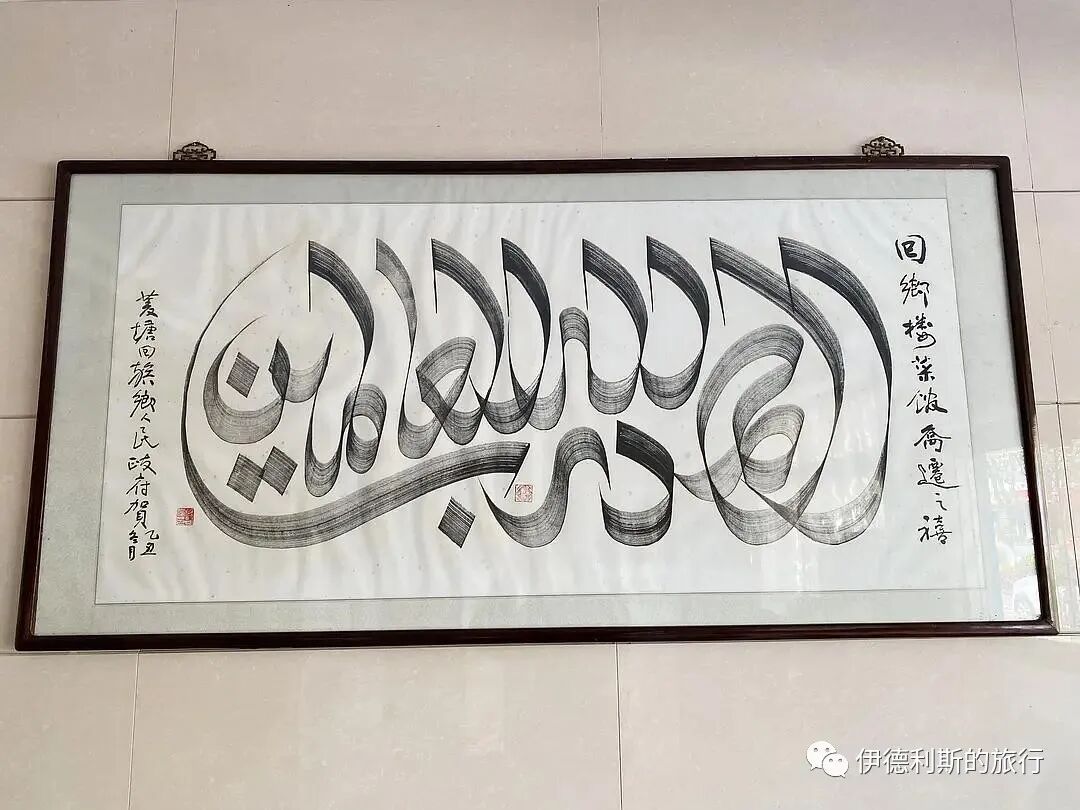
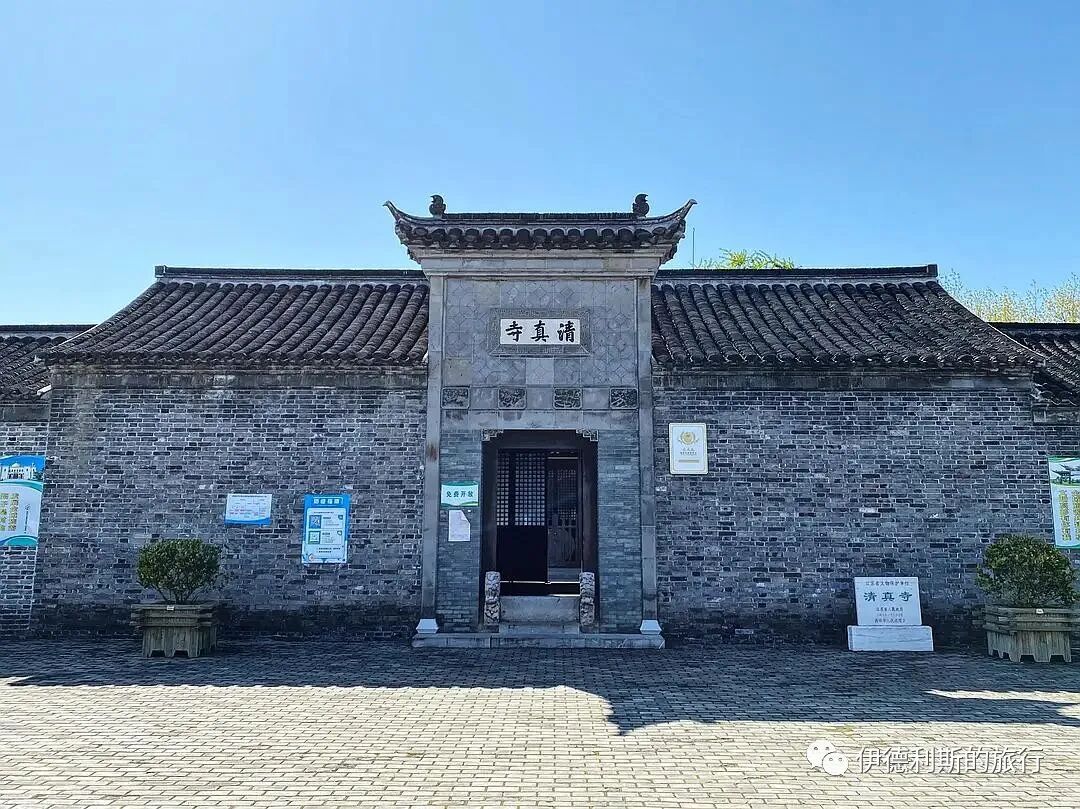
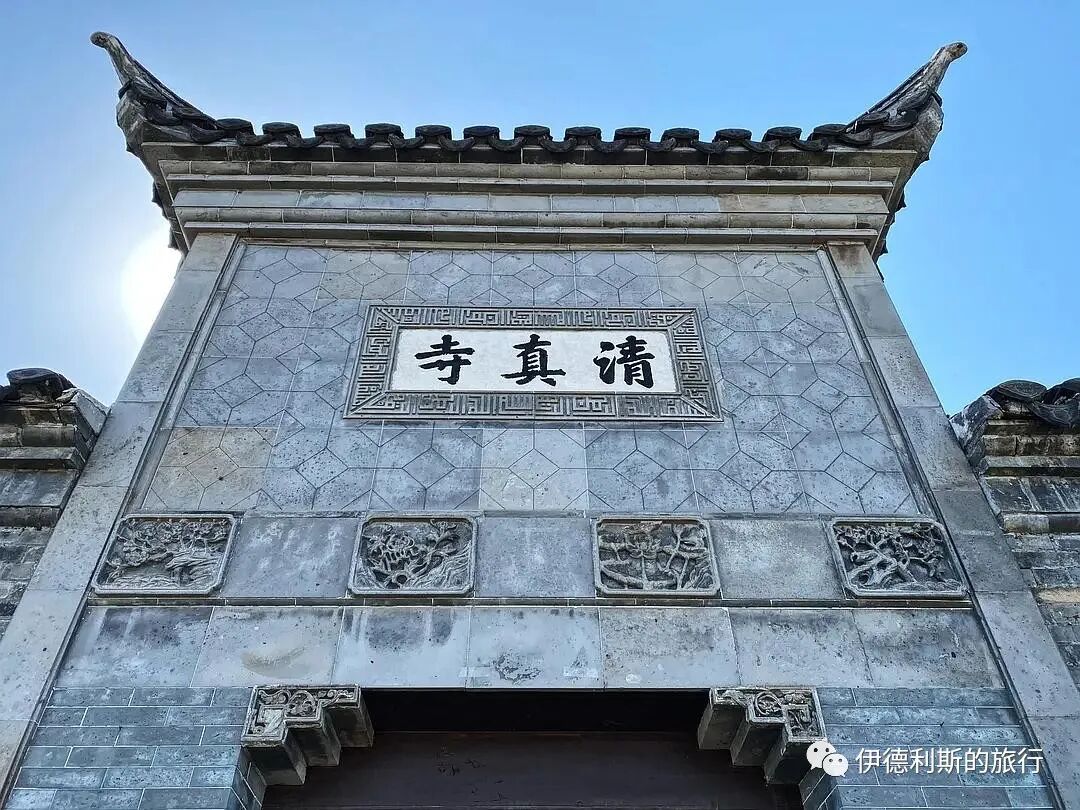
At the end of the Yuan Dynasty, a mosque was built in "Huihuiwan" by the side of Gaoyou Lake in Lingtang, but it was later destroyed by a flood. In the mid-Ming Dynasty, the mosque moved to Yangdazhuang, then to its current site in the early Qing Dynasty. It was rebuilt in 1844 (the twenty-fourth year of the Daoguang reign), expanded again in 1921, and completed in 1924.
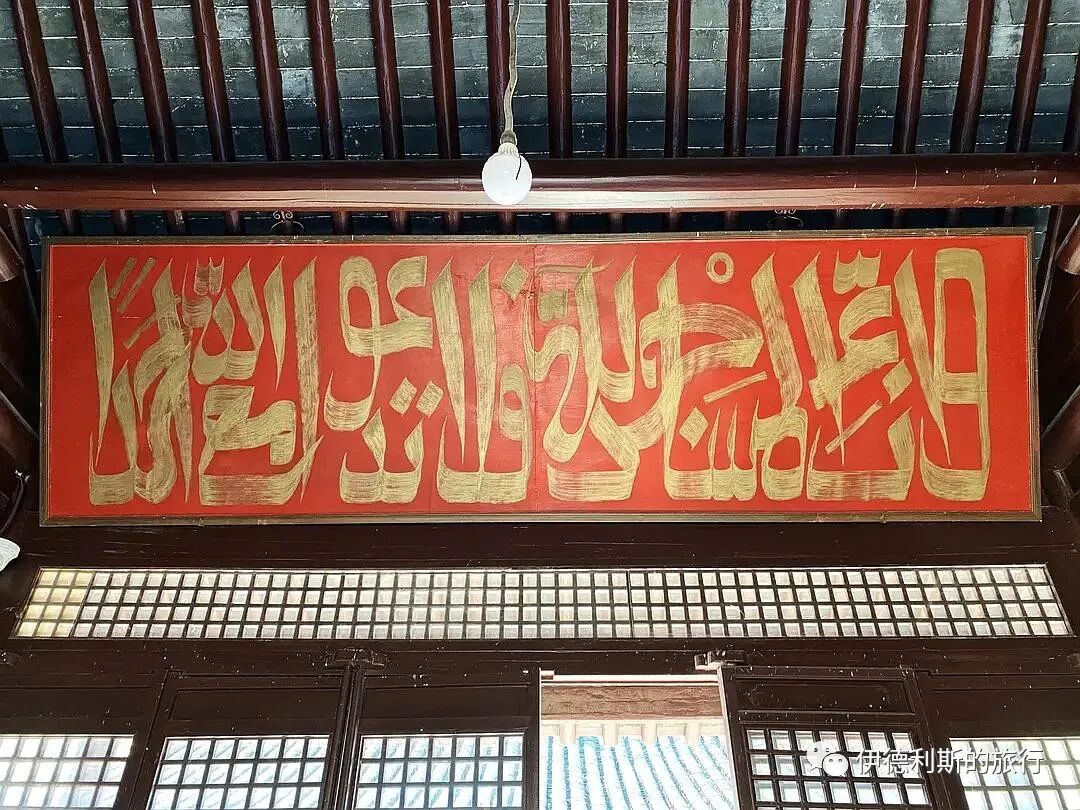
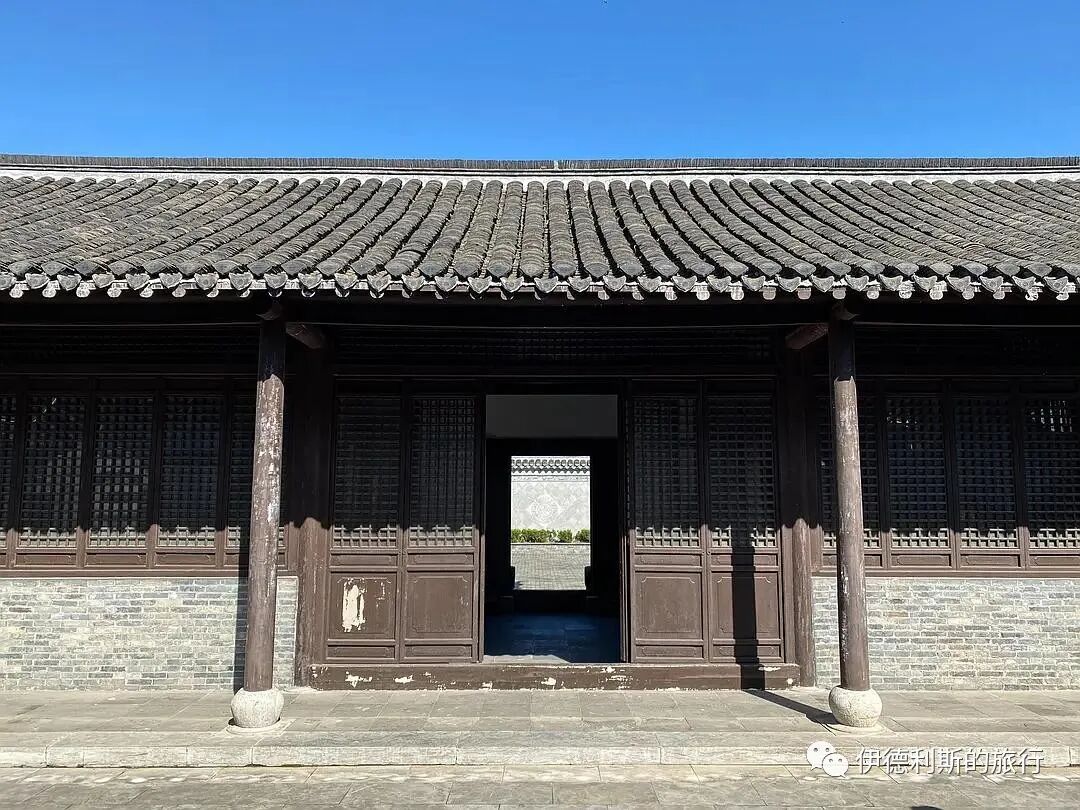
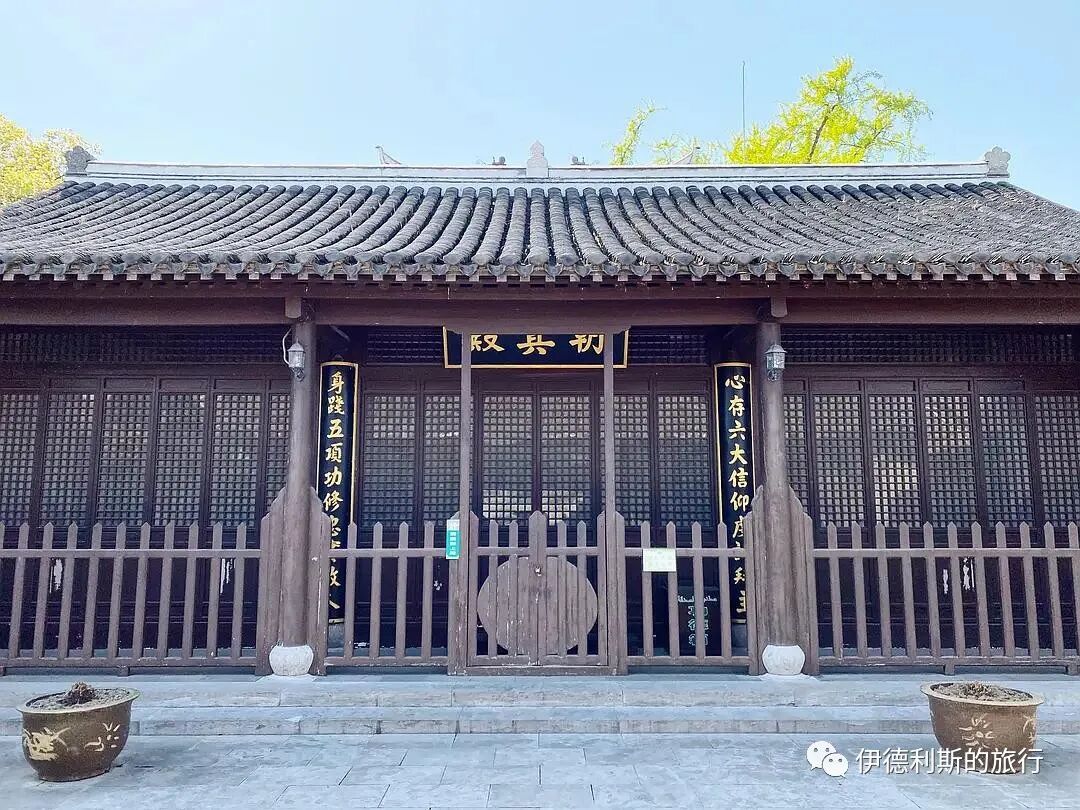
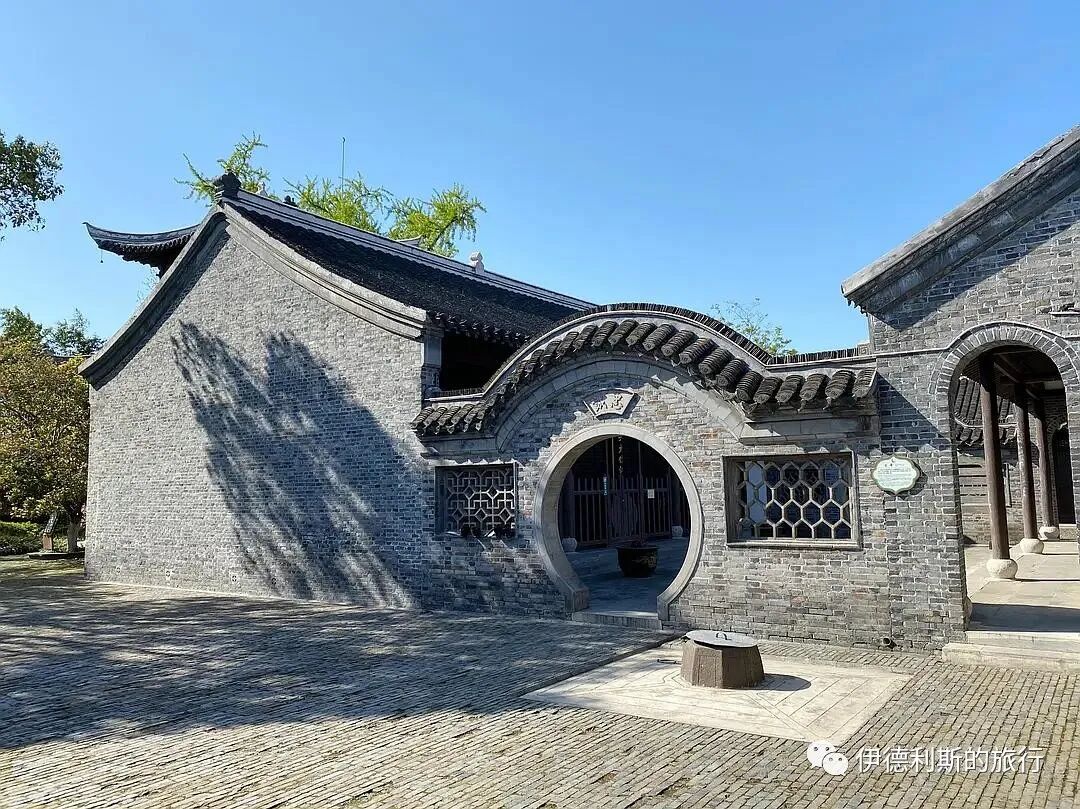
The golden osmanthus tree (jin gui shu) next to the kiln hall (yao dian) was planted when local elder Xue Yukuan and his wife, Mrs. Xue Yang, asked an imam to recite the Nikah. It has a history of over 130 years.
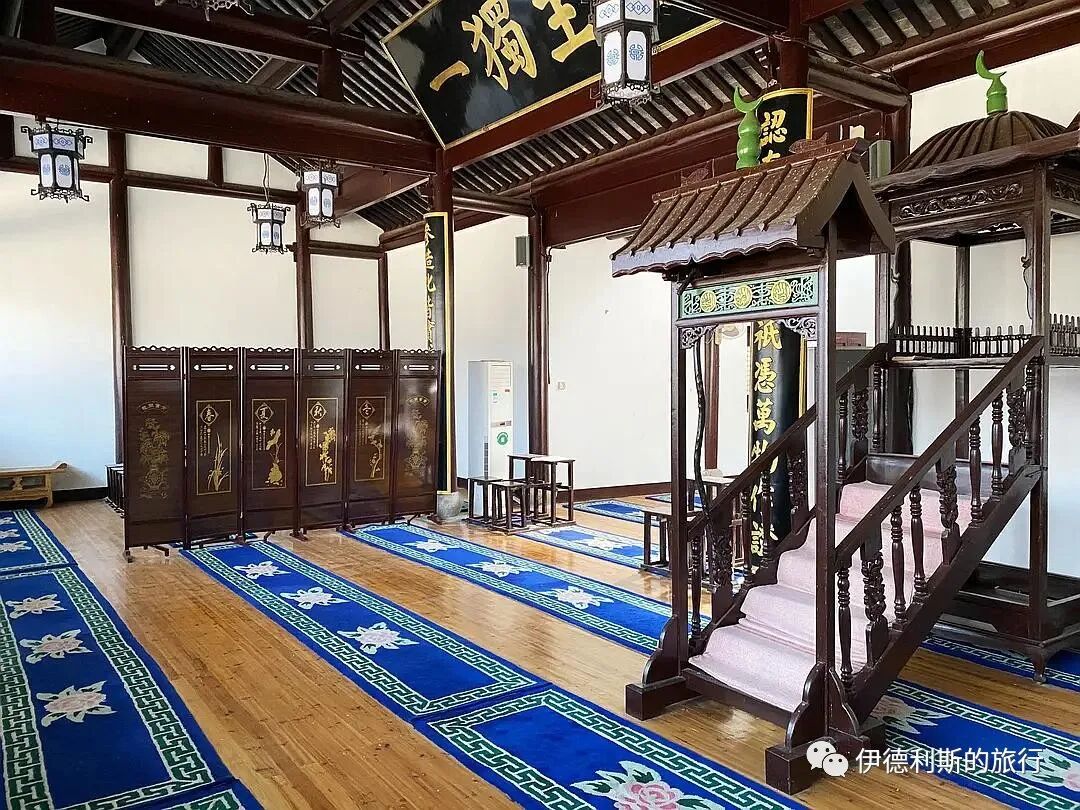
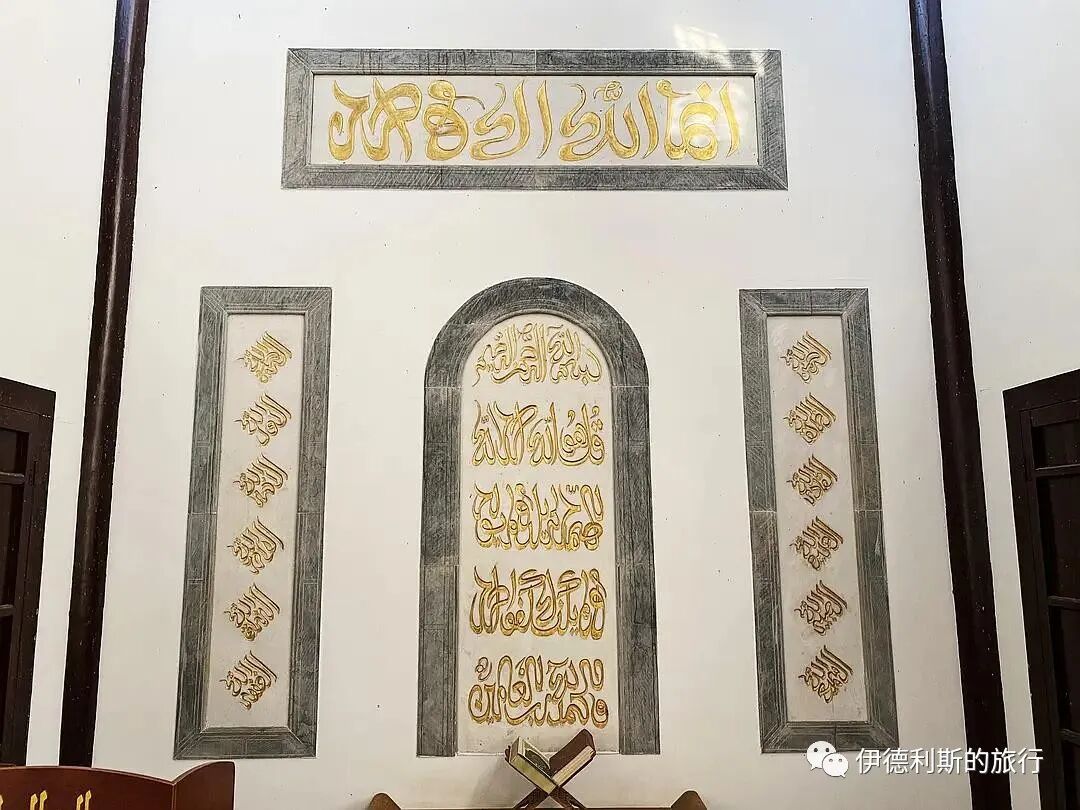
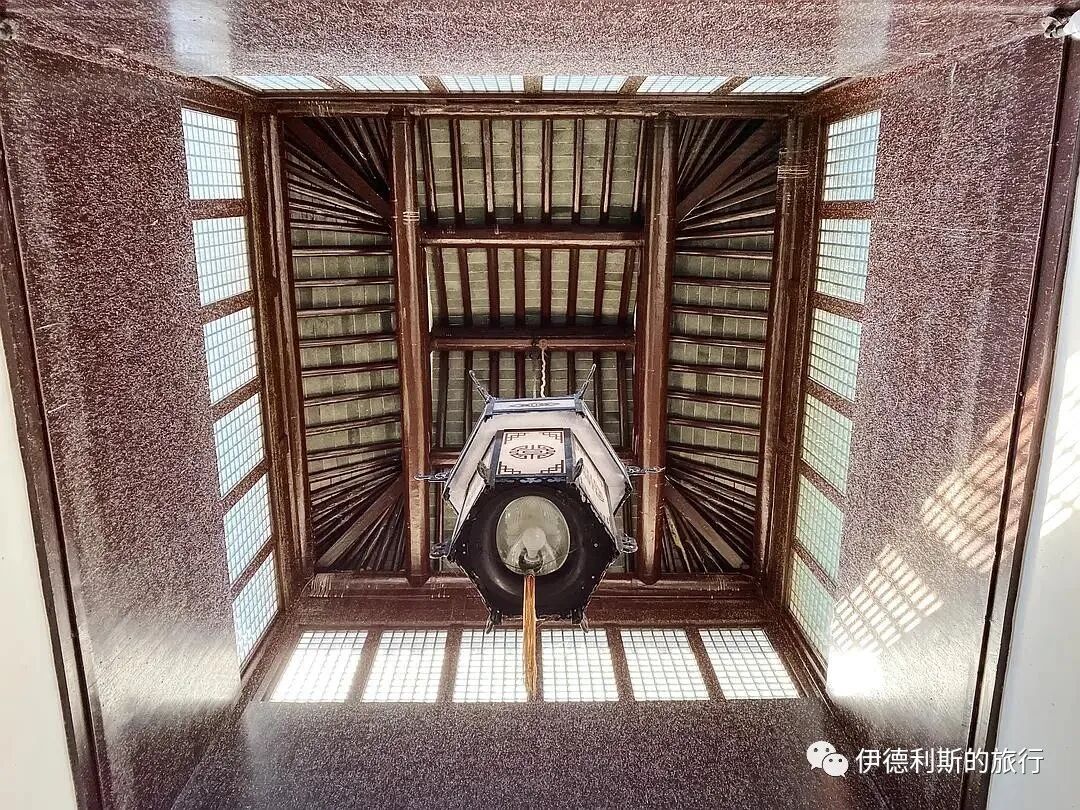
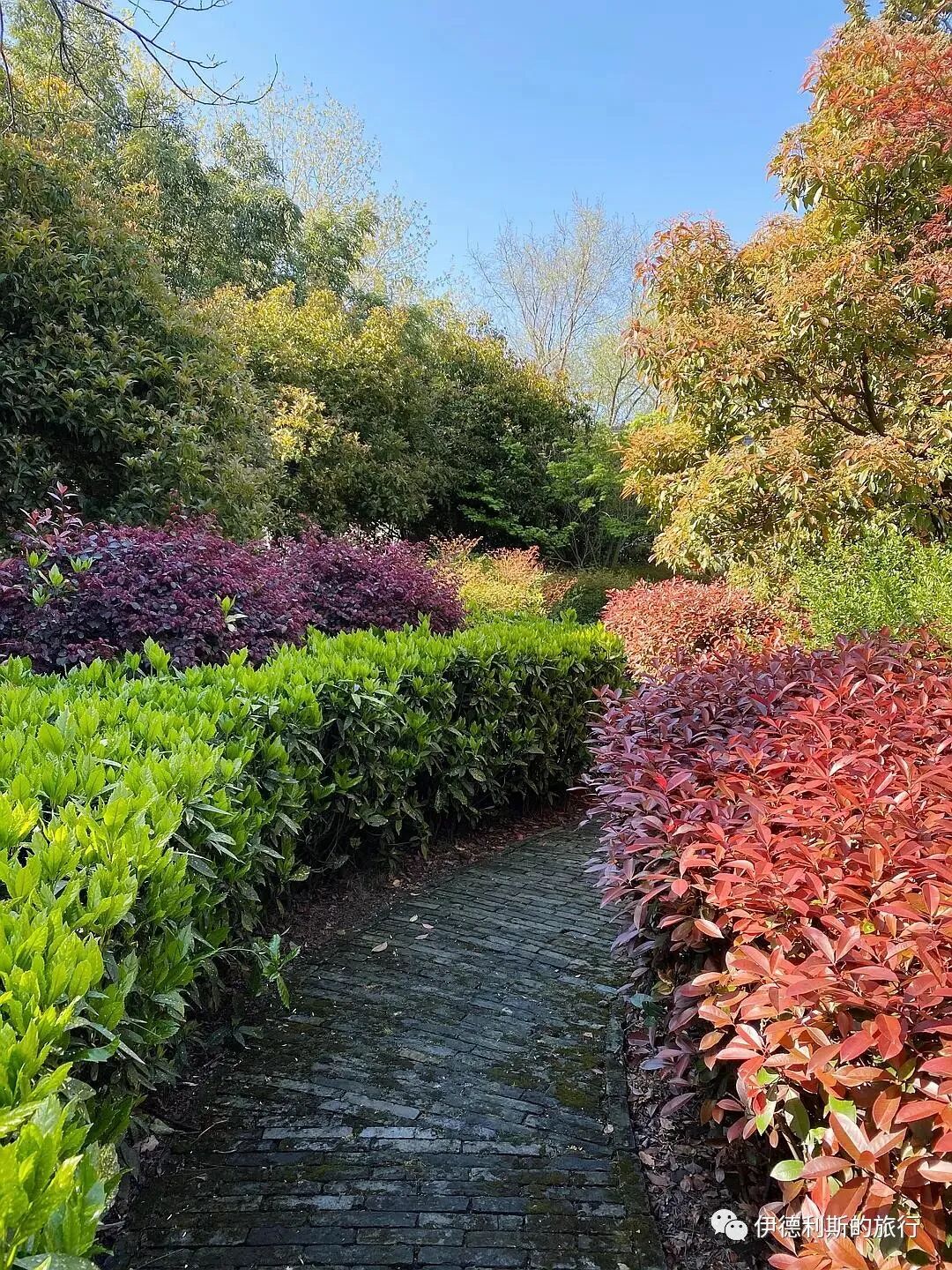
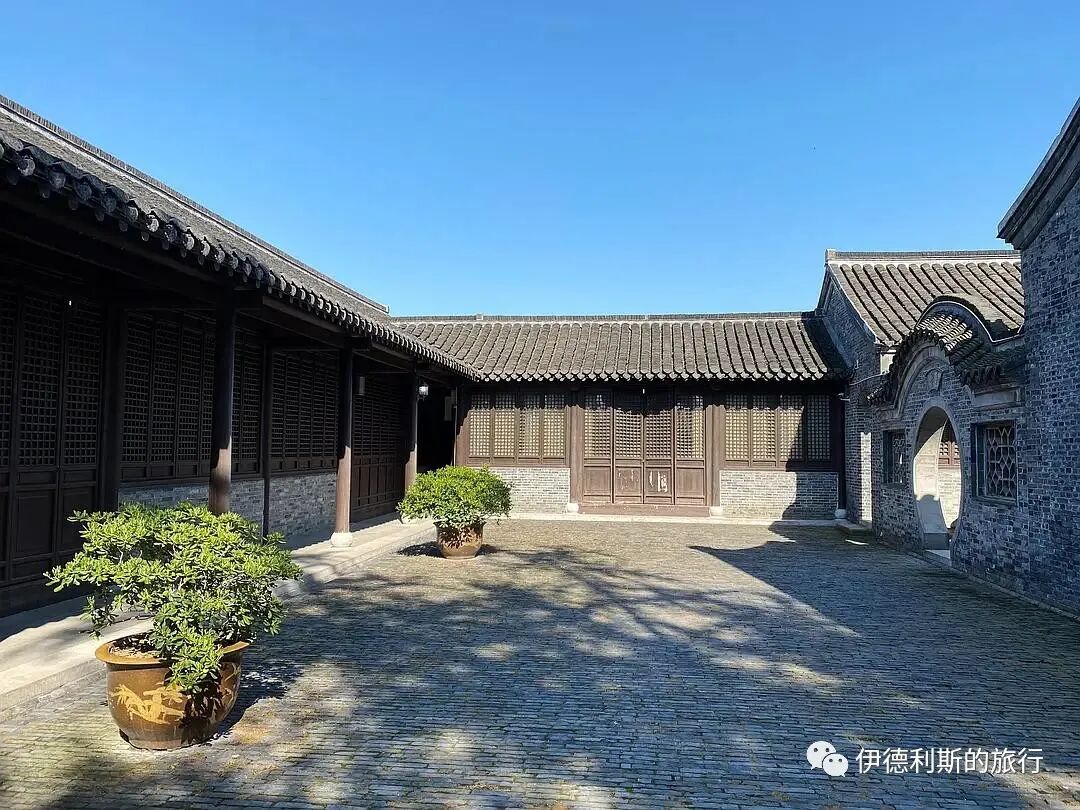
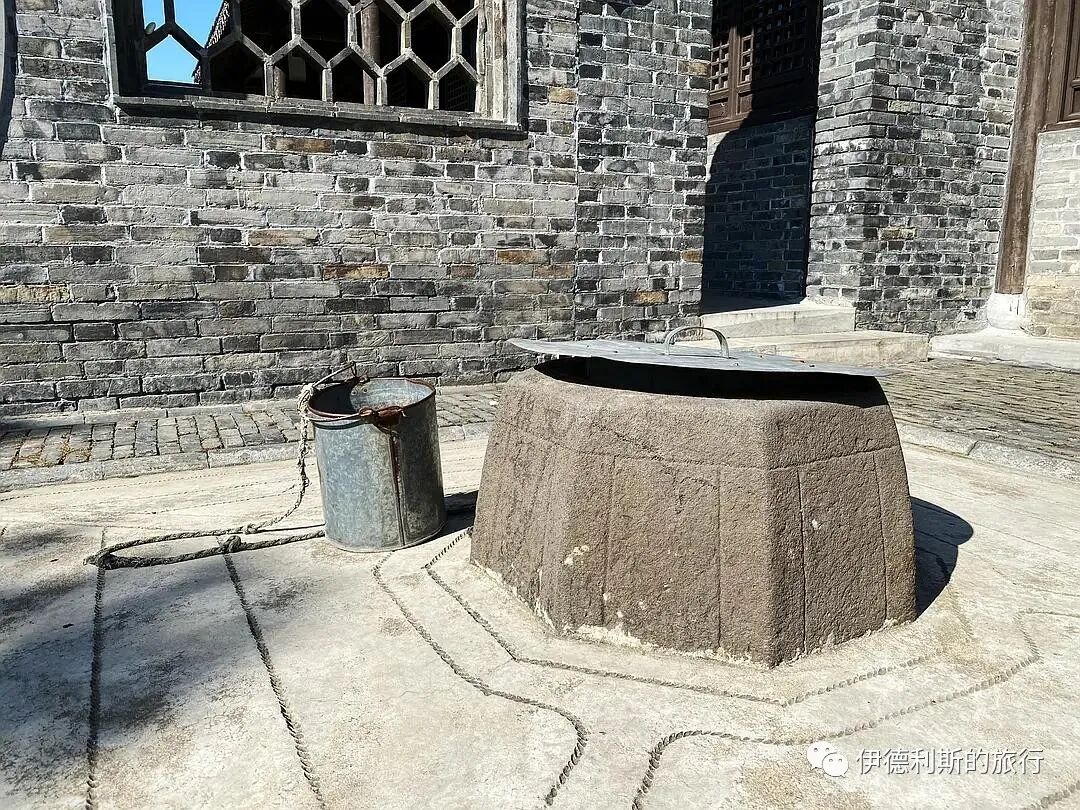
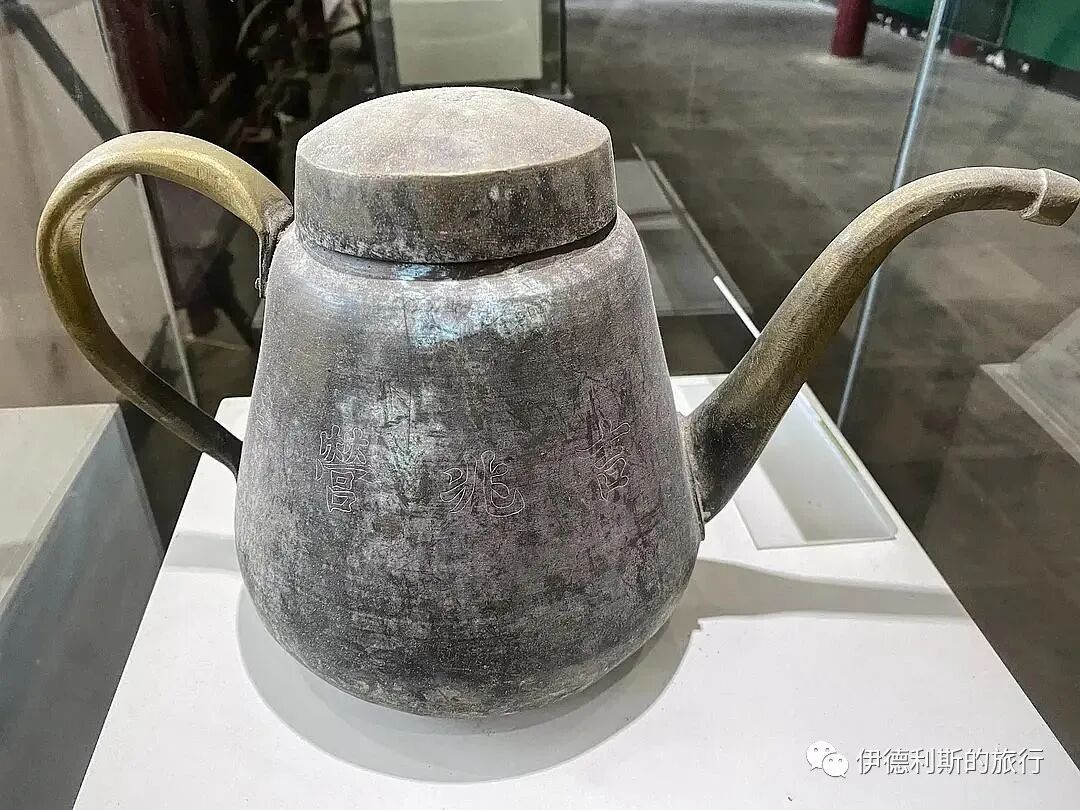
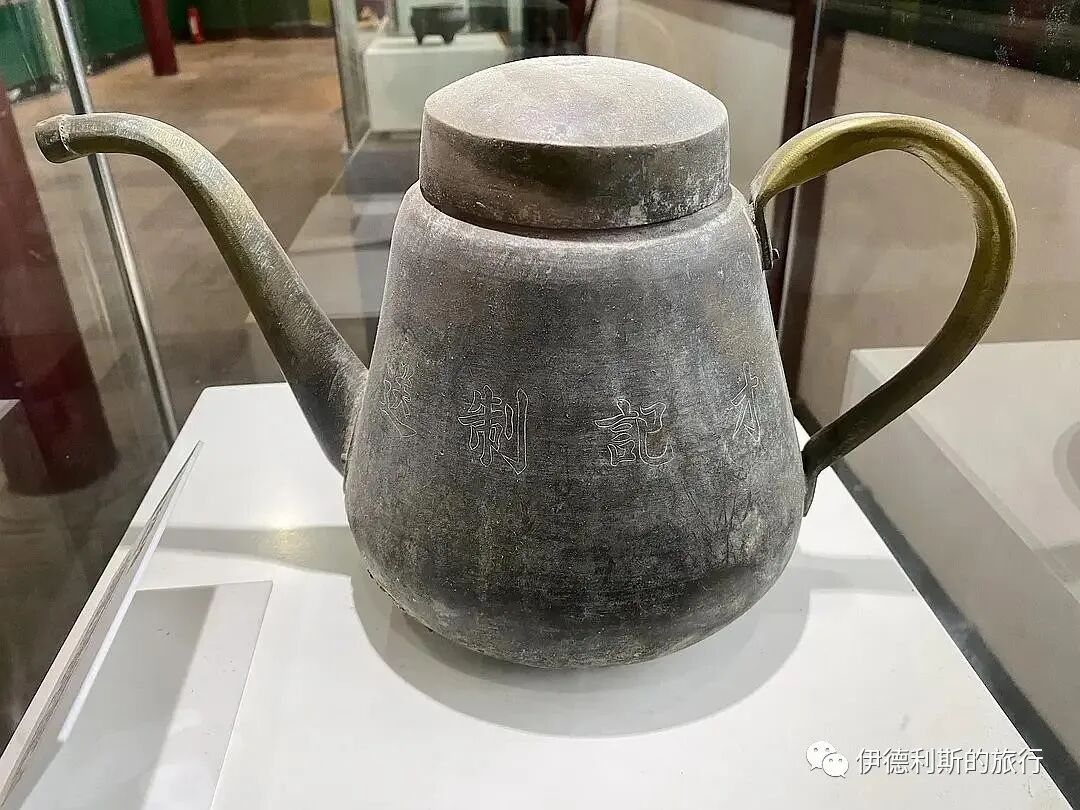
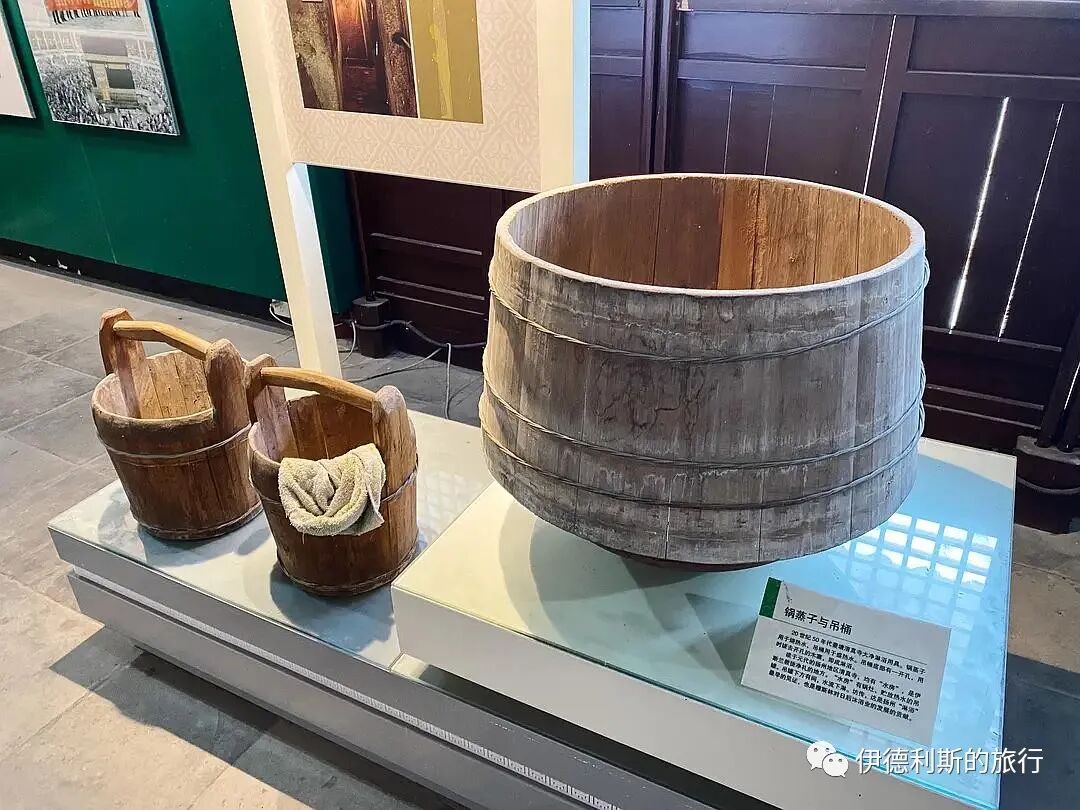
The exhibition hall of the Yangzhou Lingtang Mosque displays a water kettle (tang ping hu) made and gifted by the Jizhaoying Mosque in Nanjing during the Qing Dynasty, a Republic-era water kettle, a copper Xuande incense burner (tong xuande lu), a blue and white porcelain incense burner, and the steamer (guo zheng zi) and bucket (diao tong) from the mosque's 1950s washroom. The steamer was used to boil hot water, and the bucket had a hole at the bottom; you could pull out the wooden plug to take a shower.
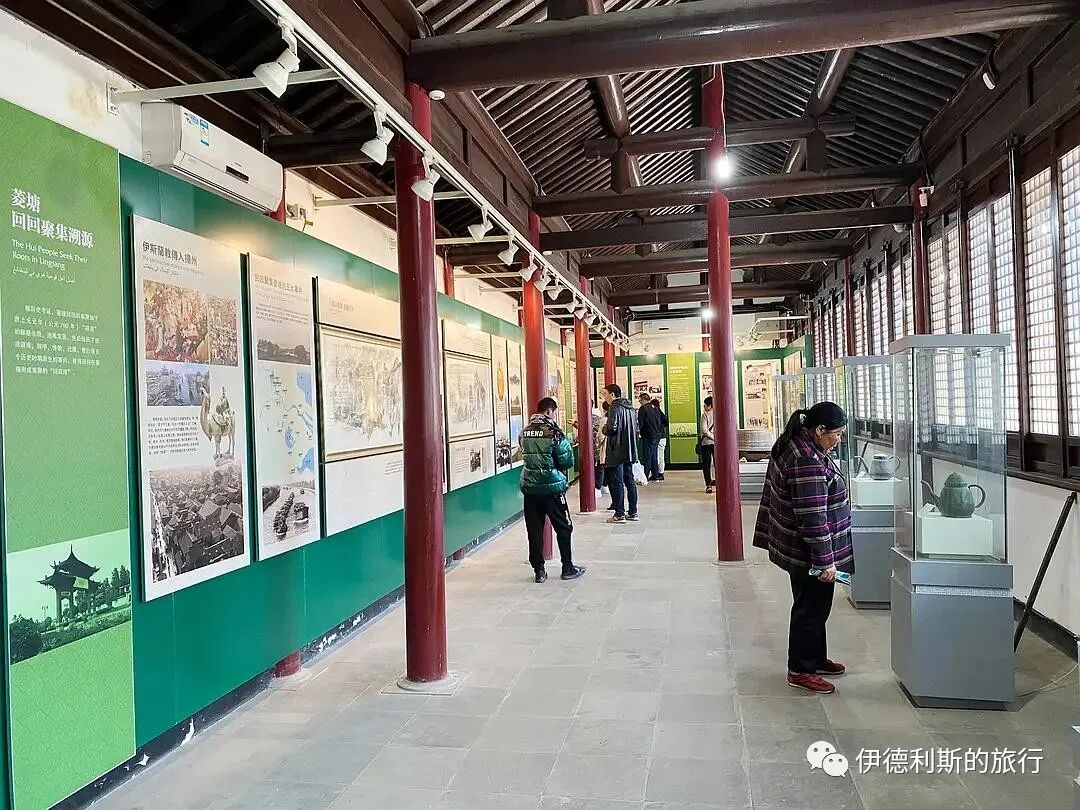
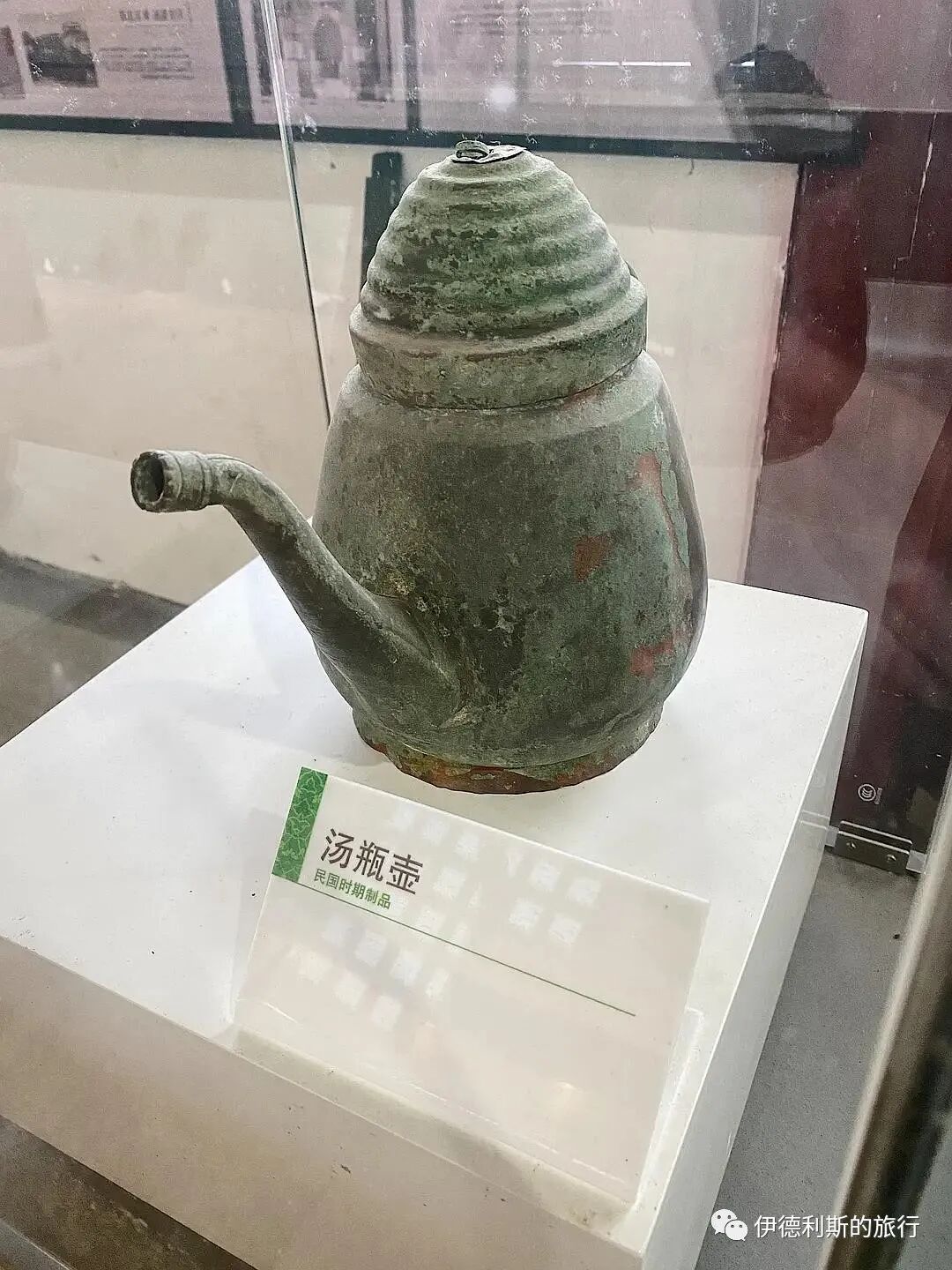
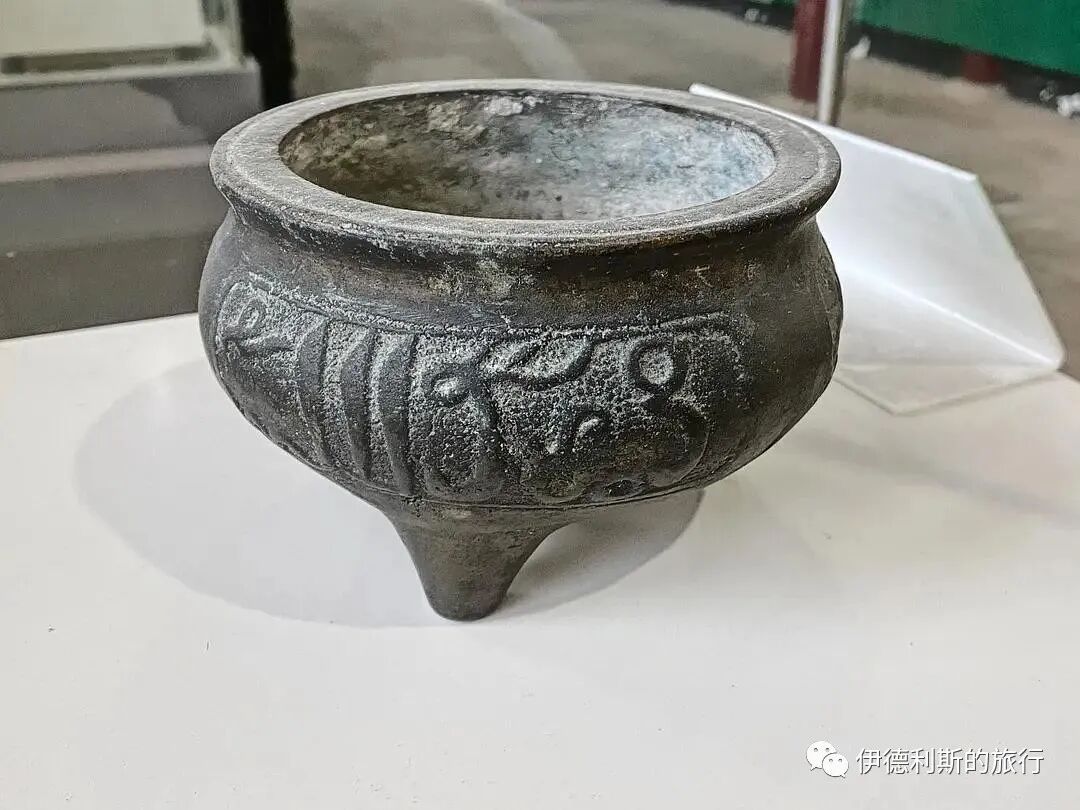
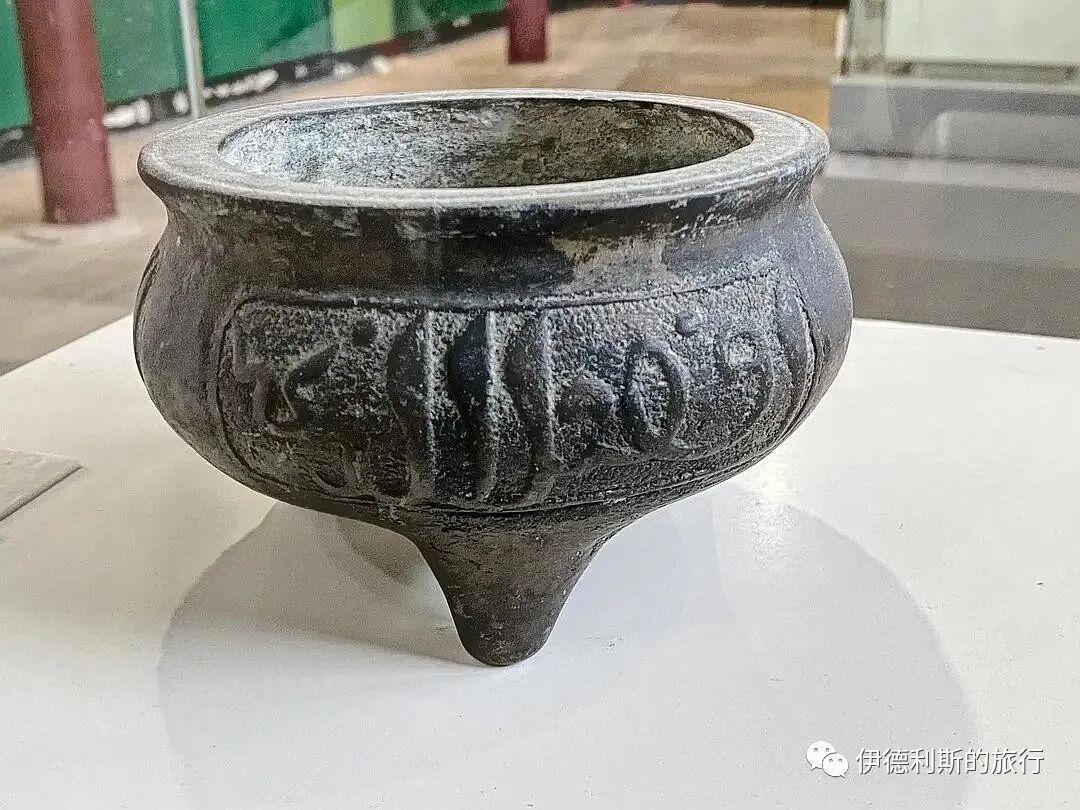
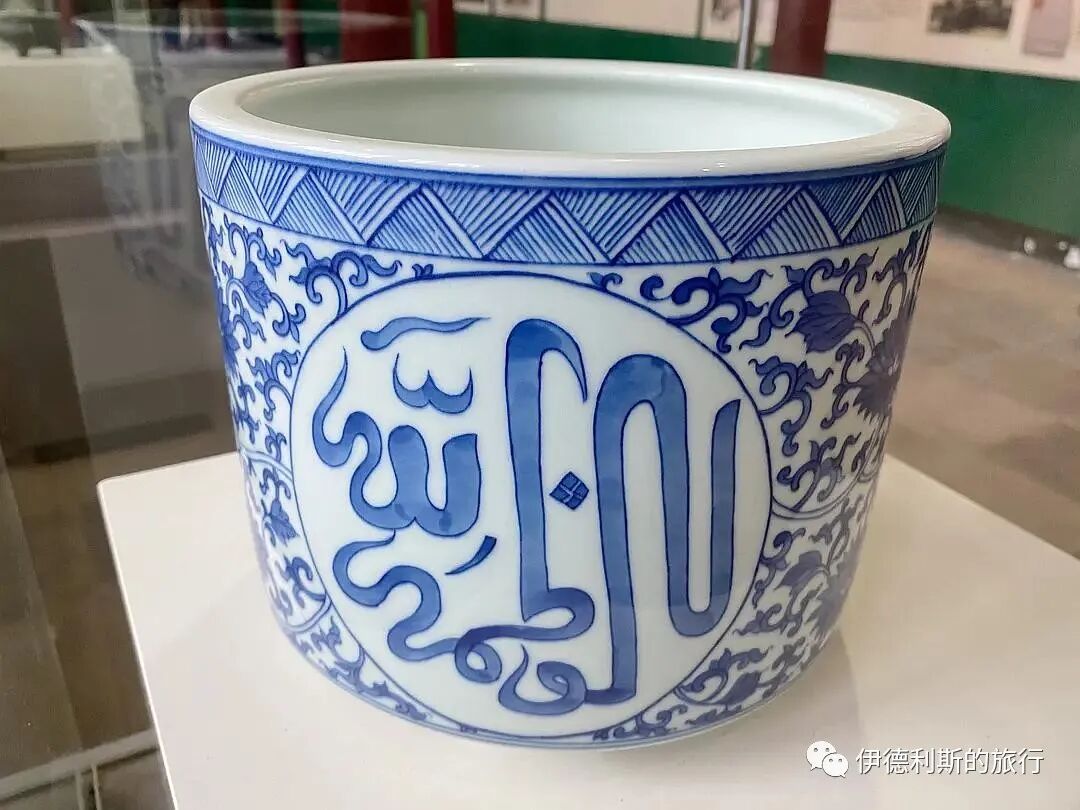
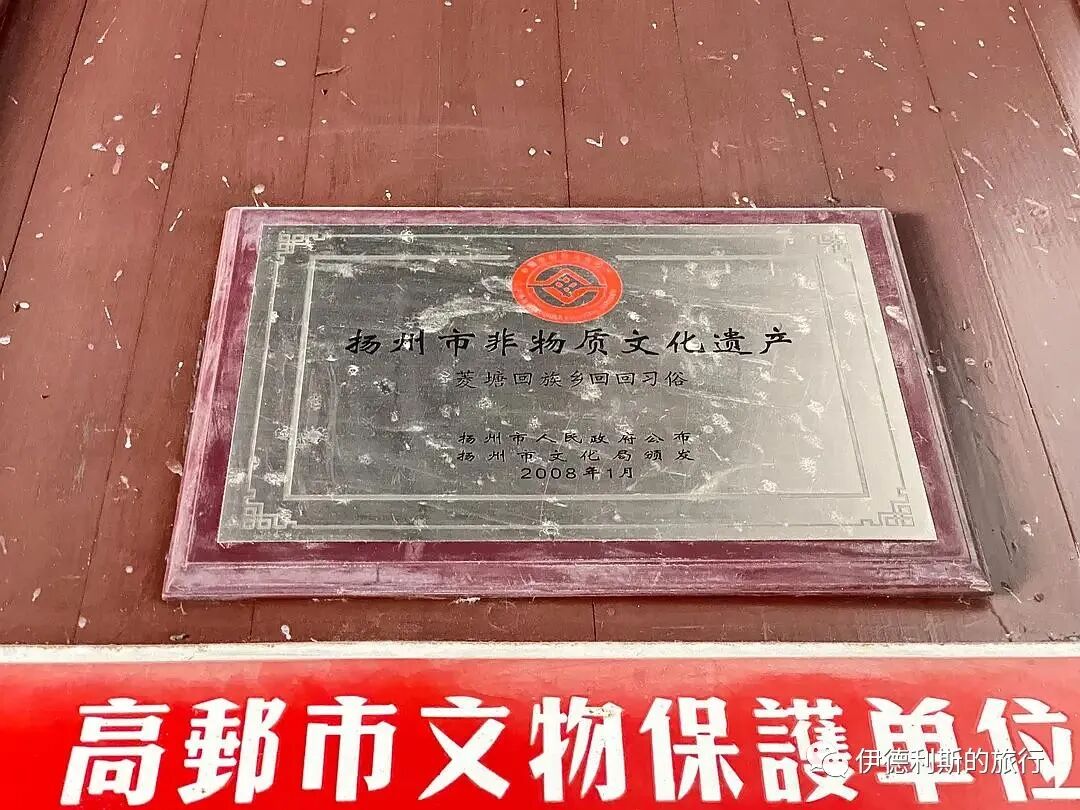
The mosque is also the inheritance site for the Yangzhou intangible cultural heritage, "Hui Muslim Customs of Lingtang Hui Muslim Township."
Yangzhou
In the afternoon, I took a taxi from Lingtang to Yangzhou, visiting the Yangzhou Xianhe Mosque for the second time after four years.
Yangzhou's Xianhe Mosque is one of the four great ancient mosques in Southeast China, along with the Phoenix Mosque in Hangzhou, the Lion Mosque in Guangzhou, and the Qilin Mosque in Quanzhou. It was founded in 1275 (the 12th year of the Zhiyuan era of the Yuan Dynasty) by the Western sage Puhading before he passed away. It was rebuilt in 1390 (the 23rd year of the Hongwu era of the Ming Dynasty) by Ha San, renovated in 1523 (the 3rd year of the Jiajing era) by the merchant Ma Zongdao and the imam Ha Ming, and repaired again in 1791 (the 56th year of the Qianlong era).
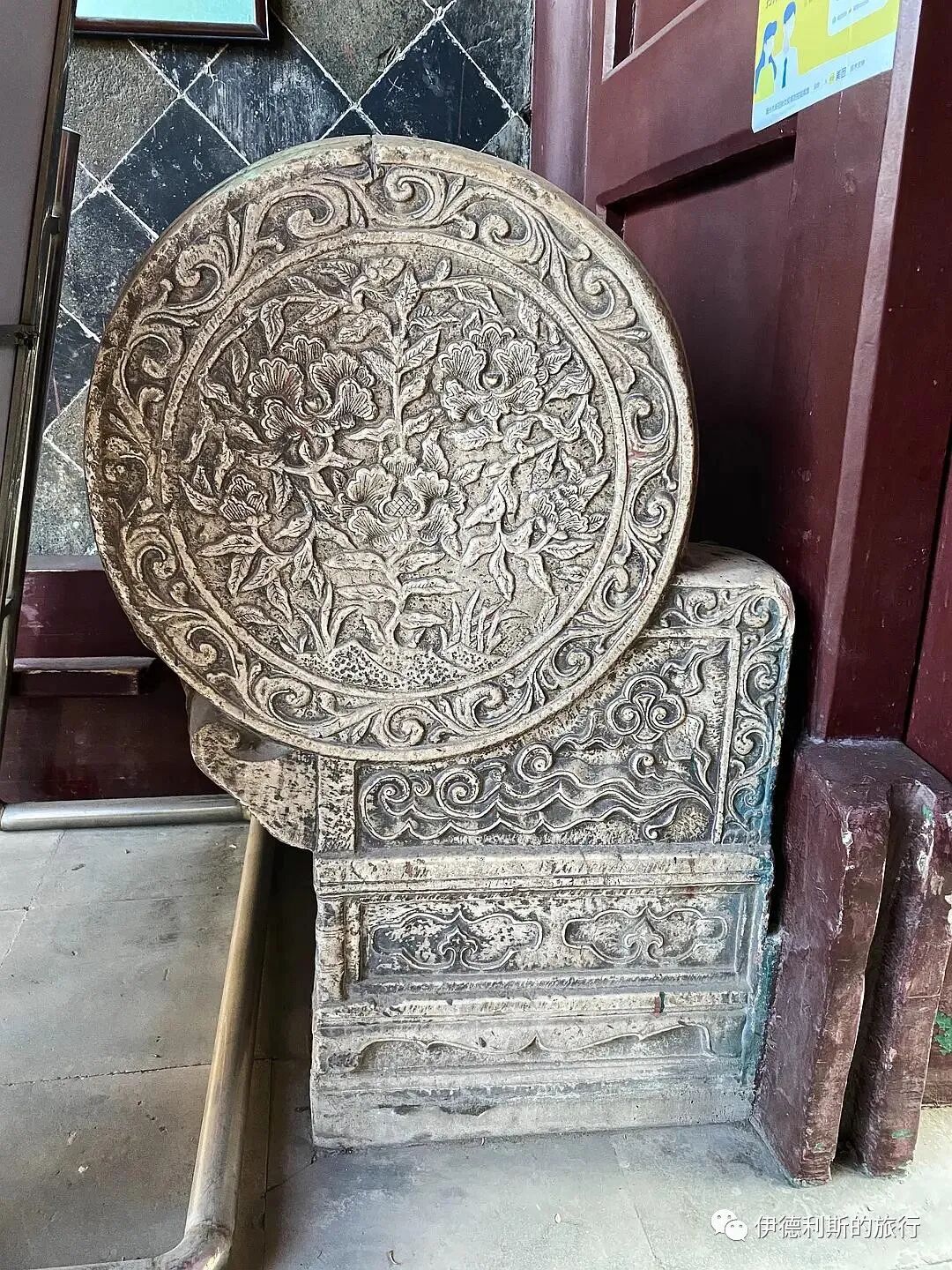
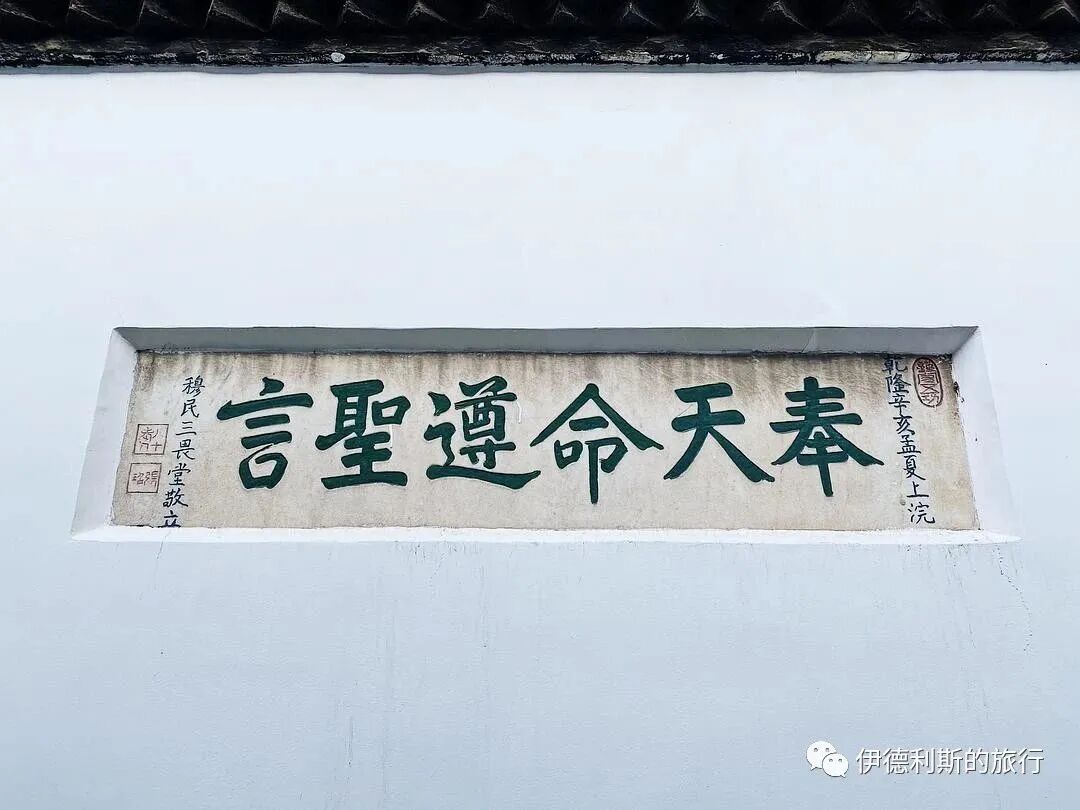
The gatehouse has a single-eave, ridge-roofed hard-mountain style, with some wooden parts dating back to the Ming Dynasty. The Ming Dynasty drum-shaped stone bases in front of the gate are very exquisite and rare among mosques in China.
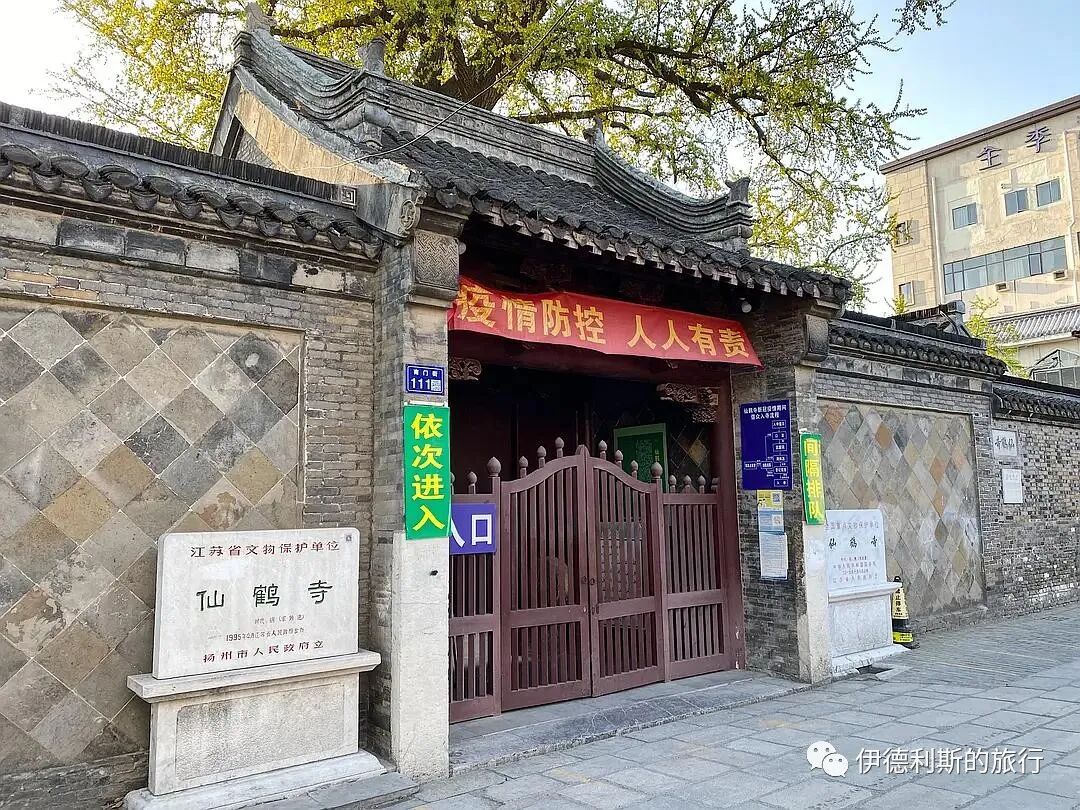
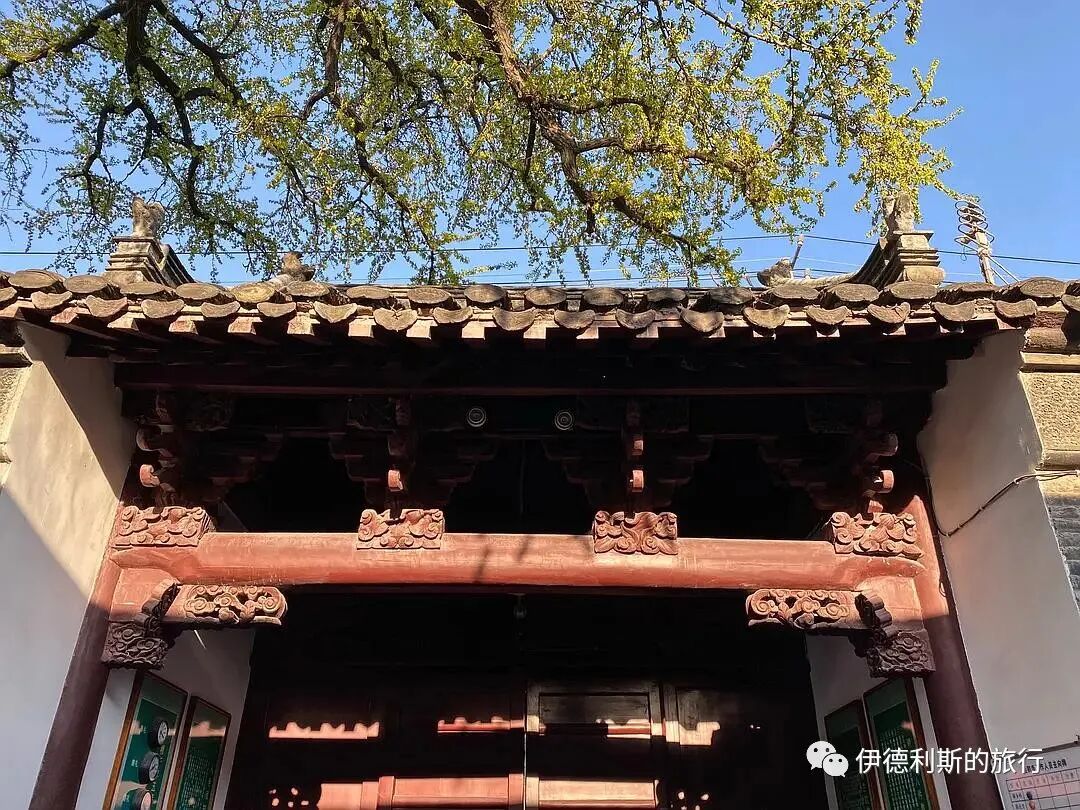
The Xianhe Mosque layout uses small courtyards, unlike the four-sided courtyard (siheyuan) layout common in northern mosques. Xianhe Mosque divides the lecture hall, the main prayer hall, and the gate into three separate small courtyards. It also features a moon-viewing pavilion and a covered walkway outside the south gable of the main hall, giving the mosque a garden-like atmosphere.
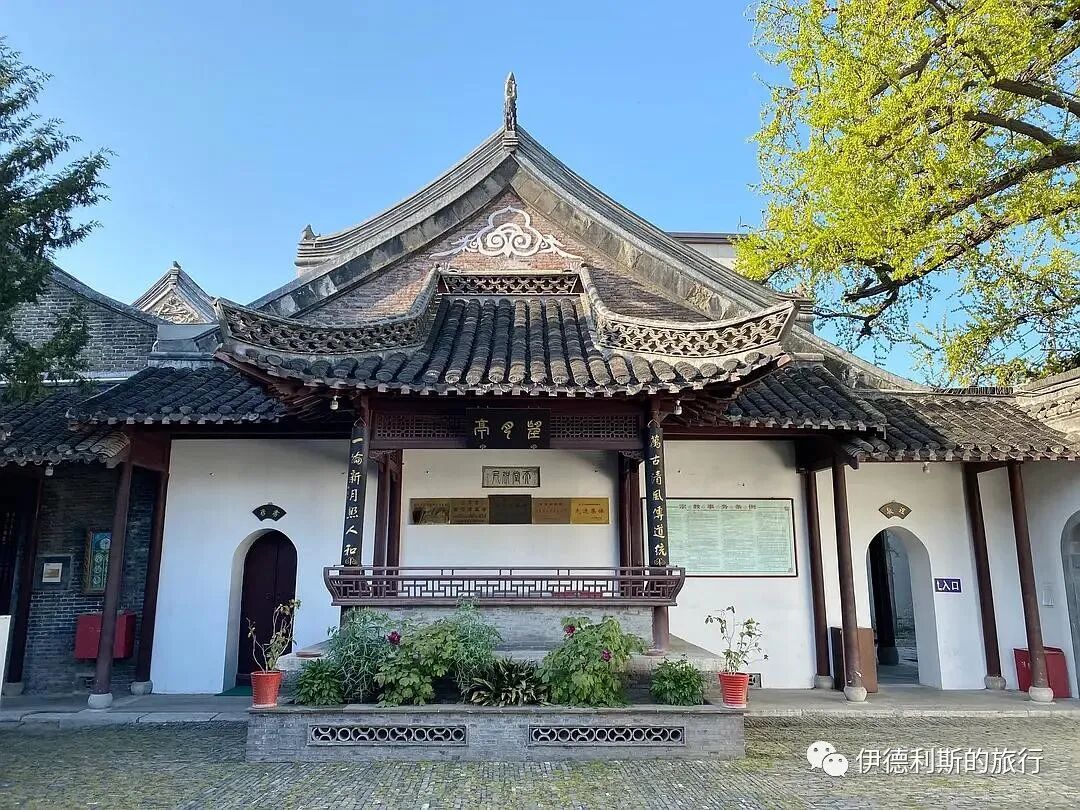
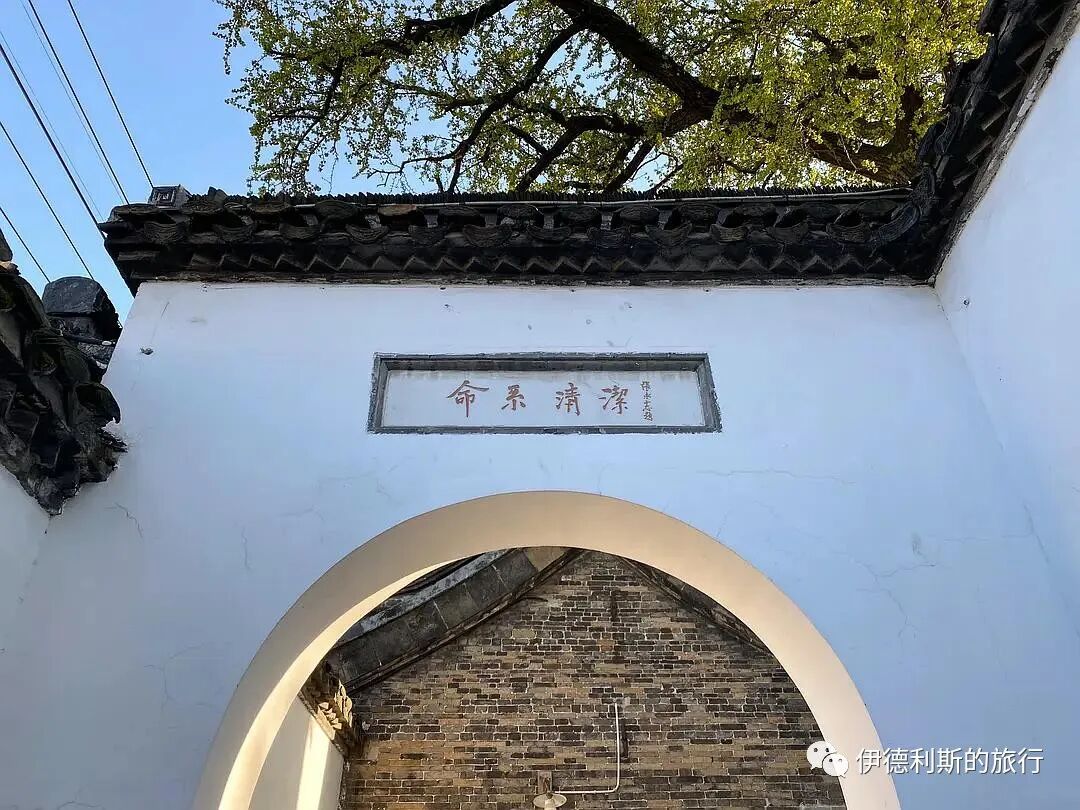
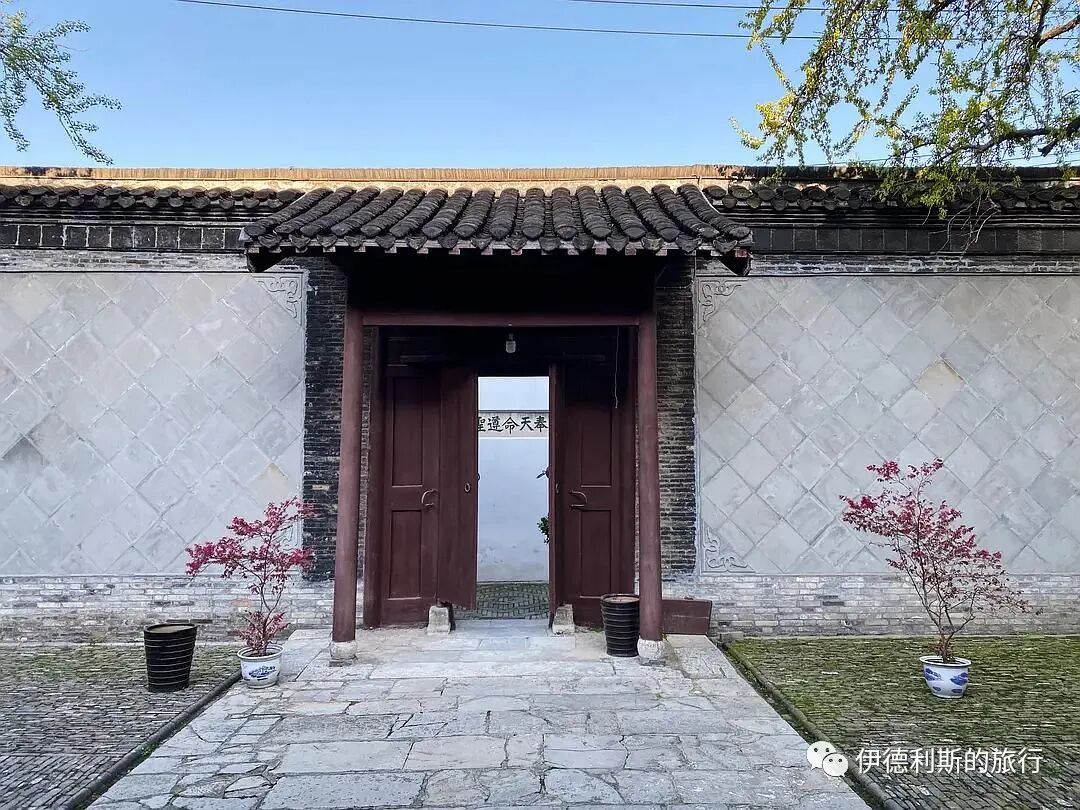
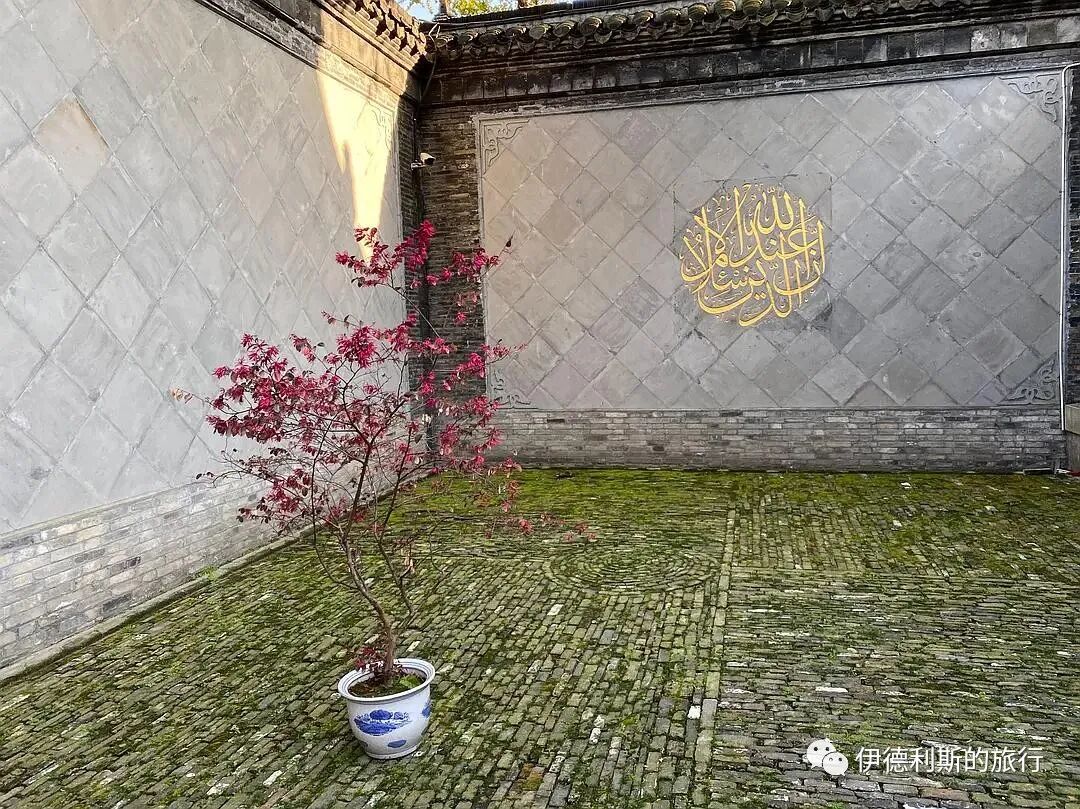
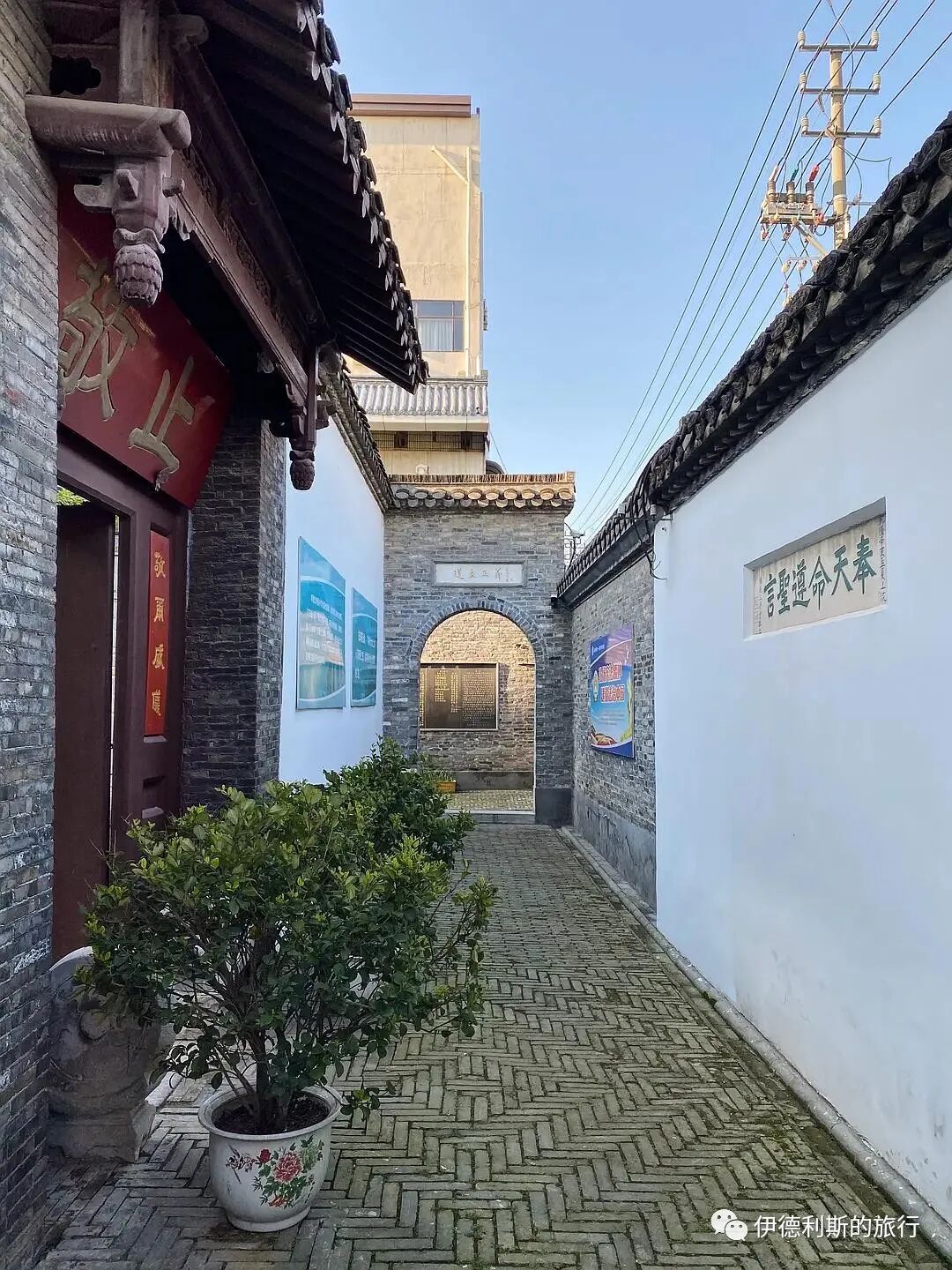
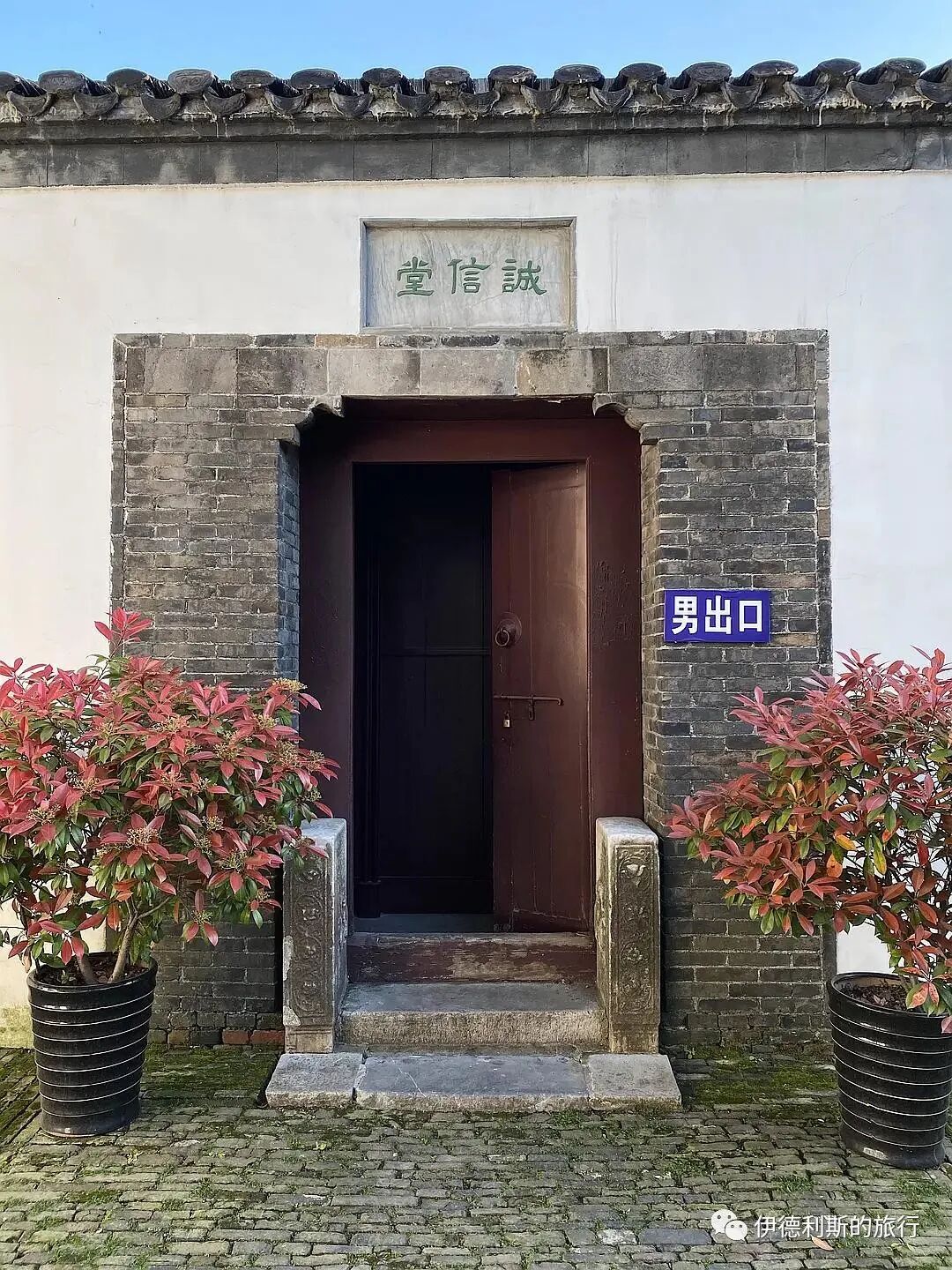
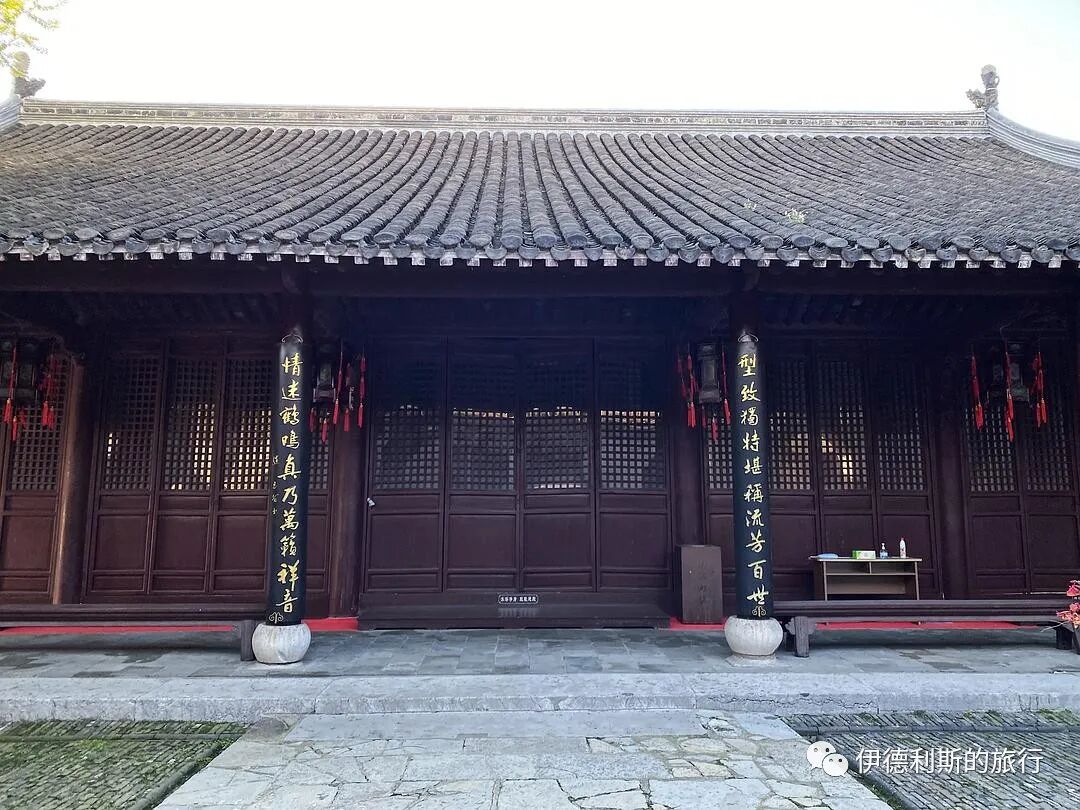
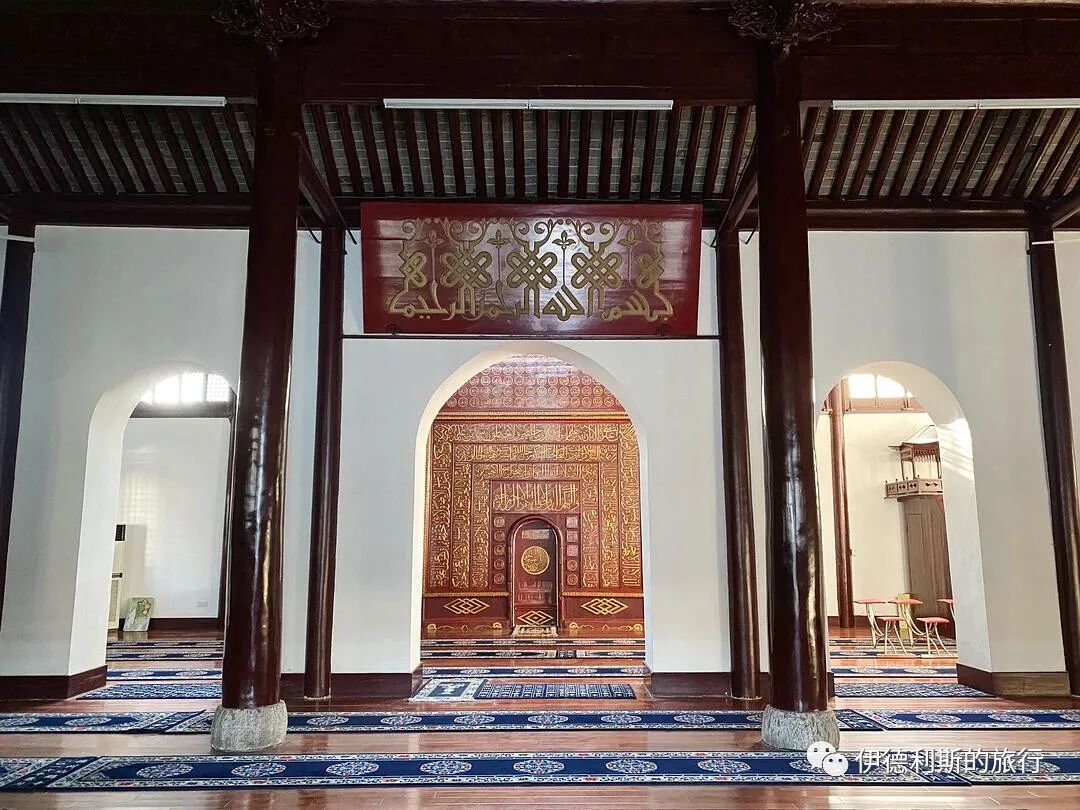
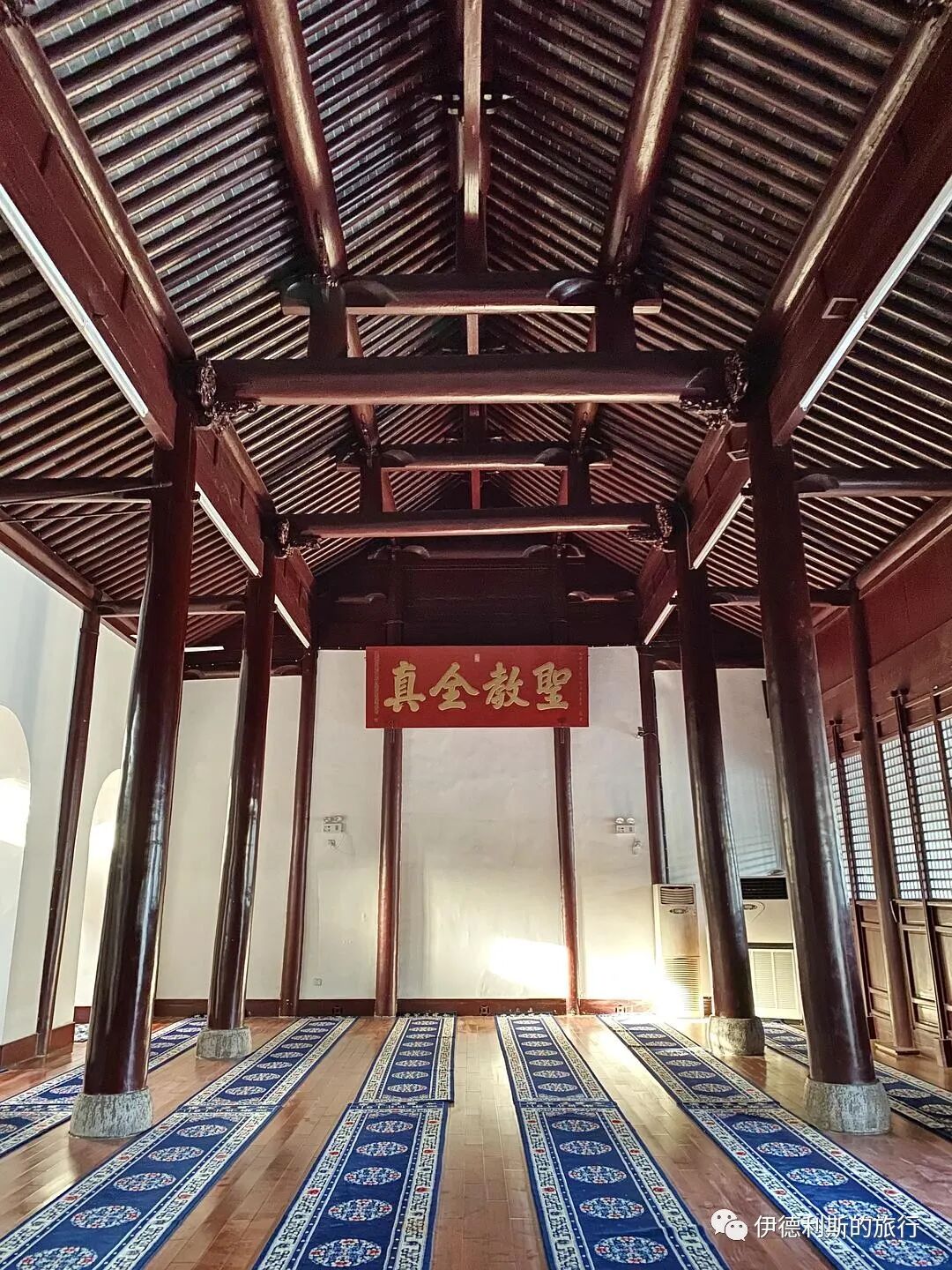
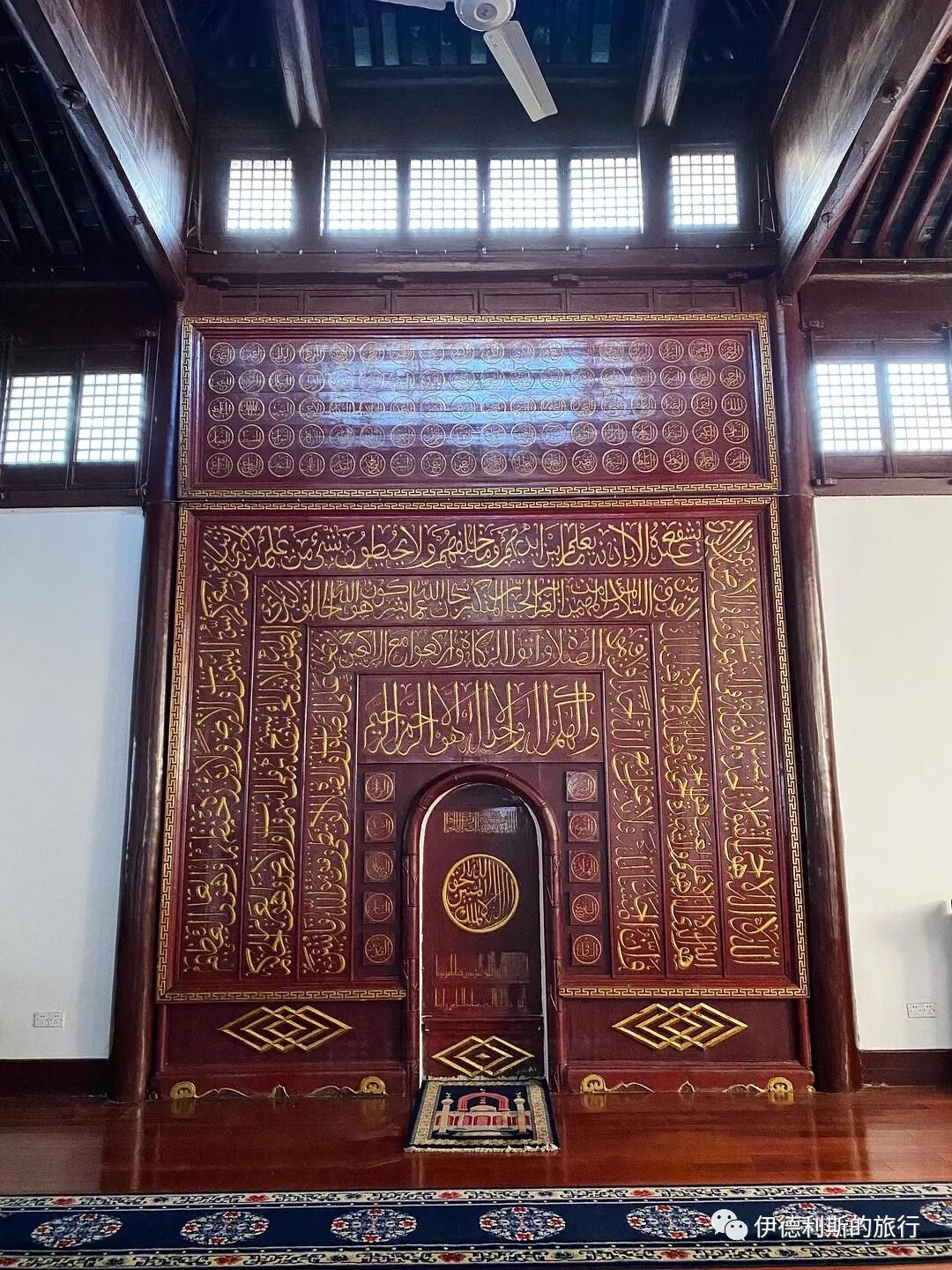
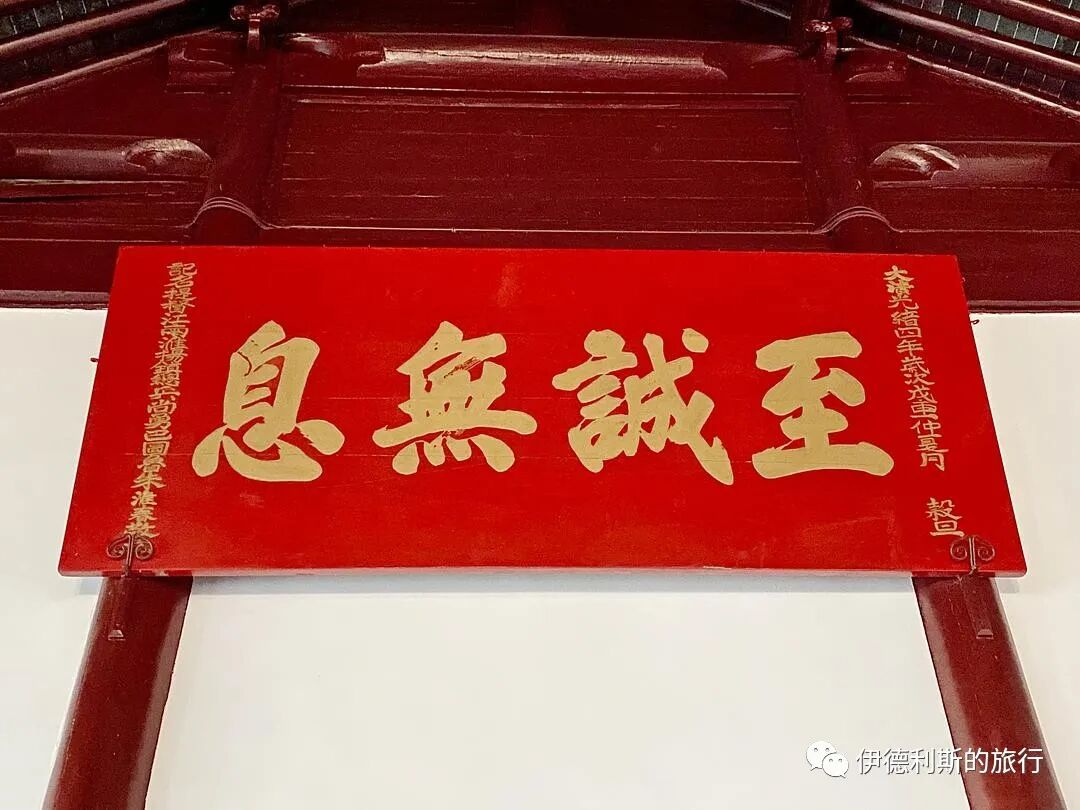
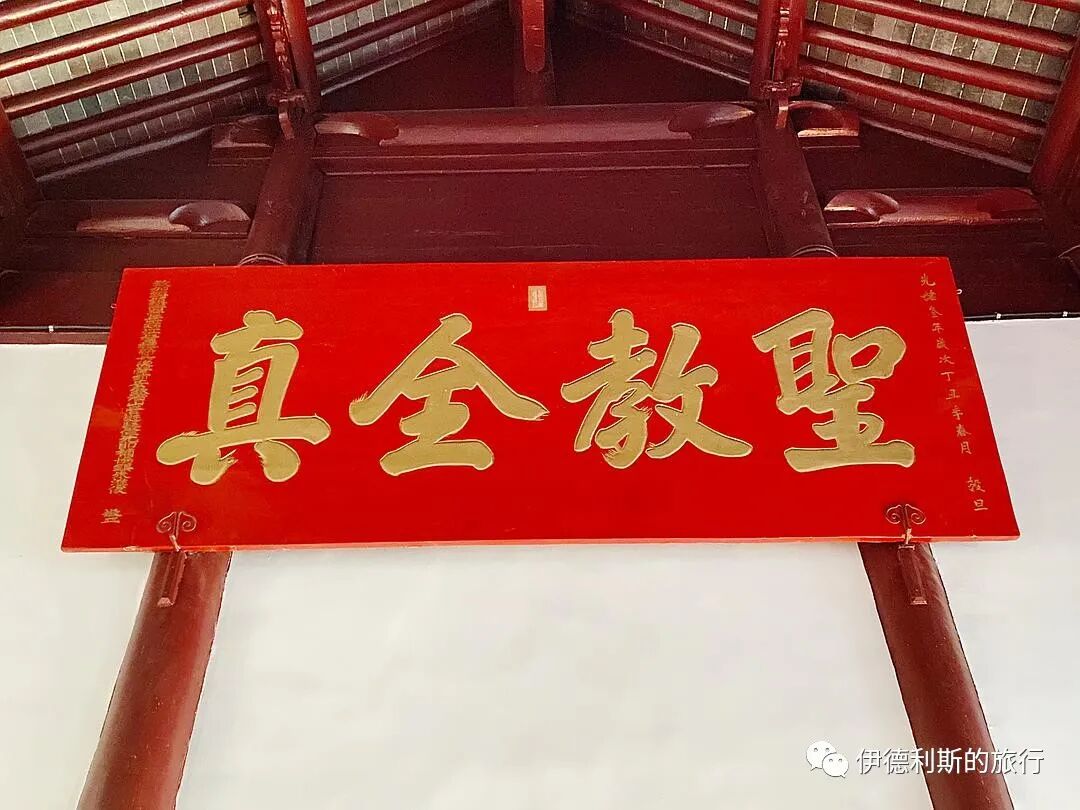
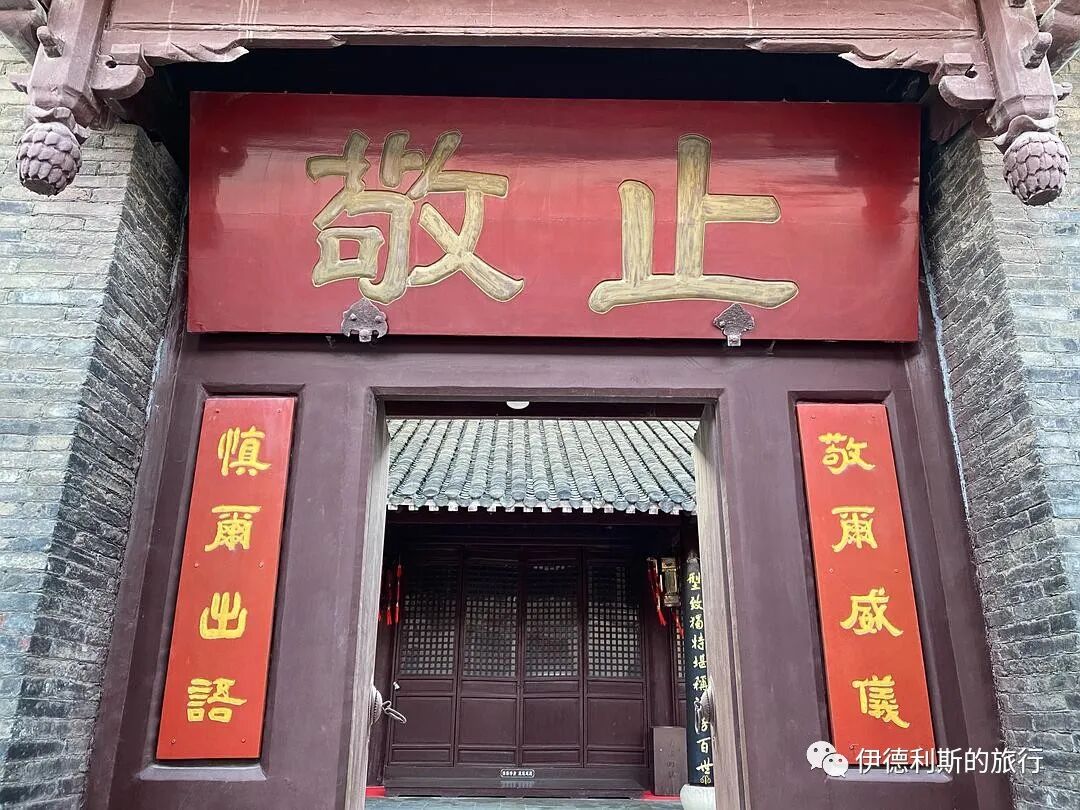
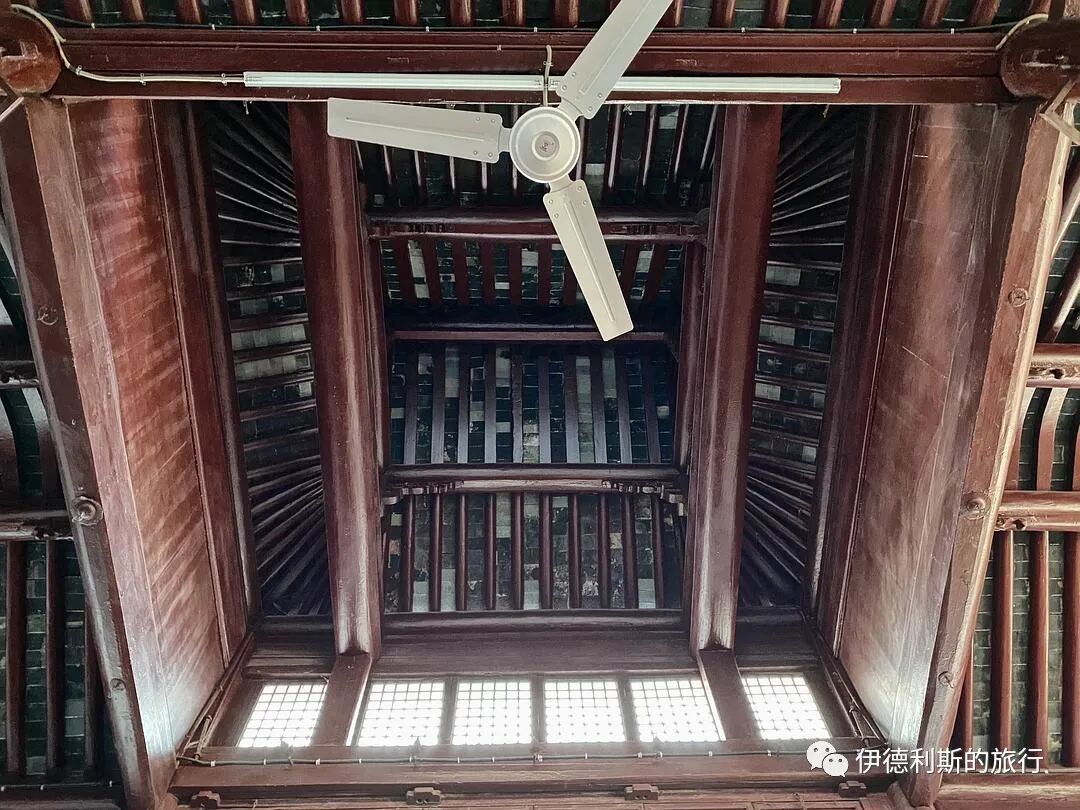
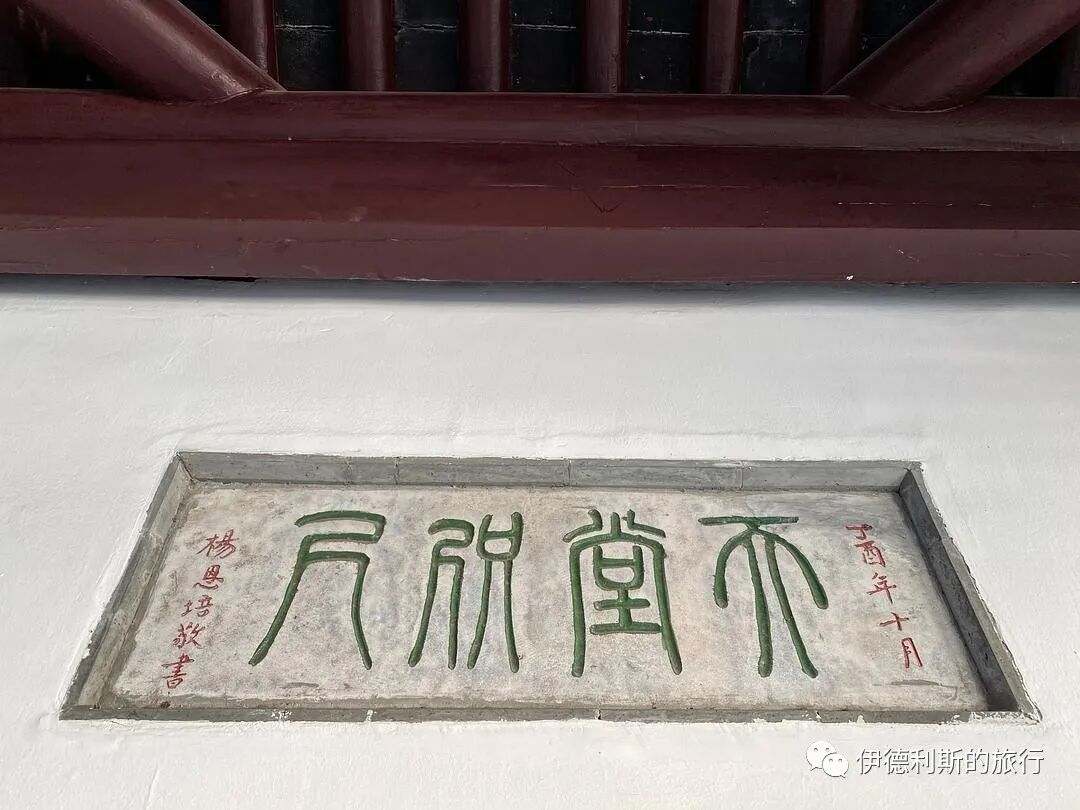
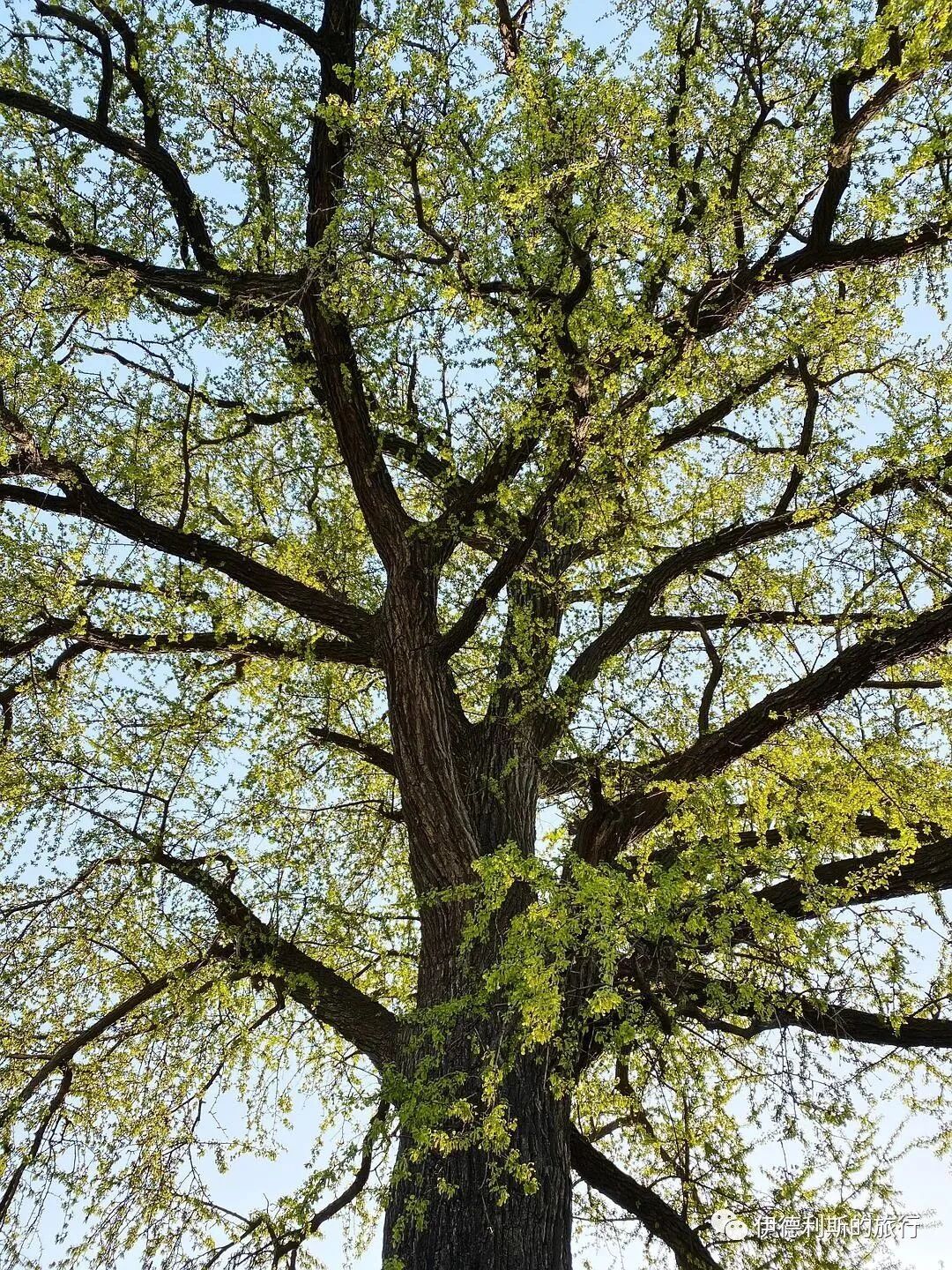
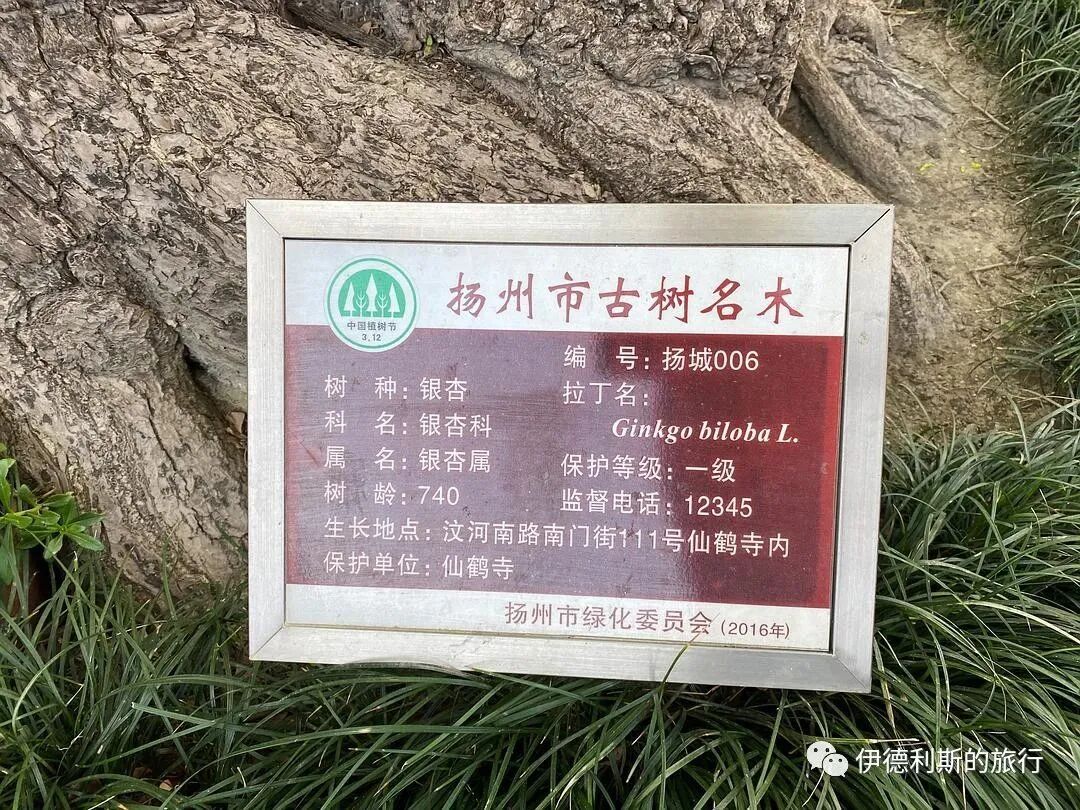
Inside Xianhe Mosque stands a 745-year-old ginkgo tree, the oldest surviving ginkgo in Yangzhou.
From Xianhe Mosque, I went to the Puhading Tomb, but it was already locked after closing time, so I could not get in. Puhading is said to be a 16th-generation descendant of the Prophet. He came to Yangzhou during the Xianchun period of the Song Dynasty (1265–1274) and died in Yangzhou in 1275 (the 12th year of the Zhiyuan era of the Yuan Dynasty). He was buried on a high ridge east of the East Gate River in the New City, a place later called Huihui Hall (commonly known as Baba Kiln). However, I had already explored the tomb carefully in 2016, so I did not feel it was a regret.
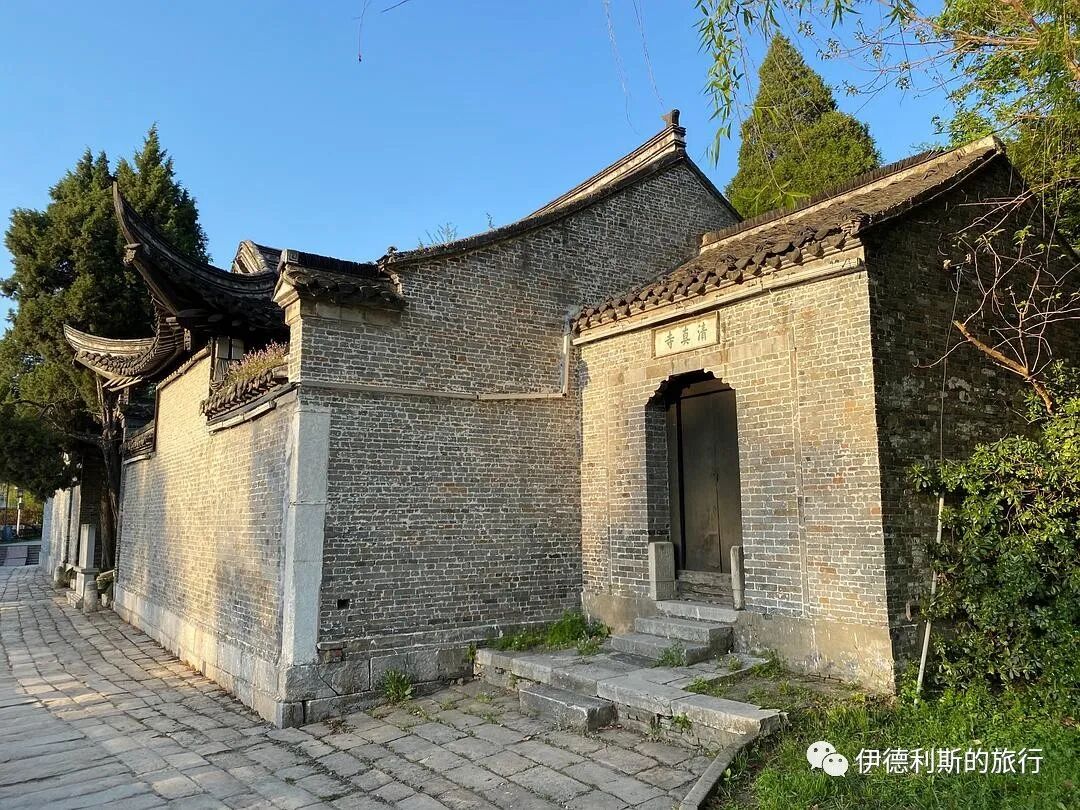
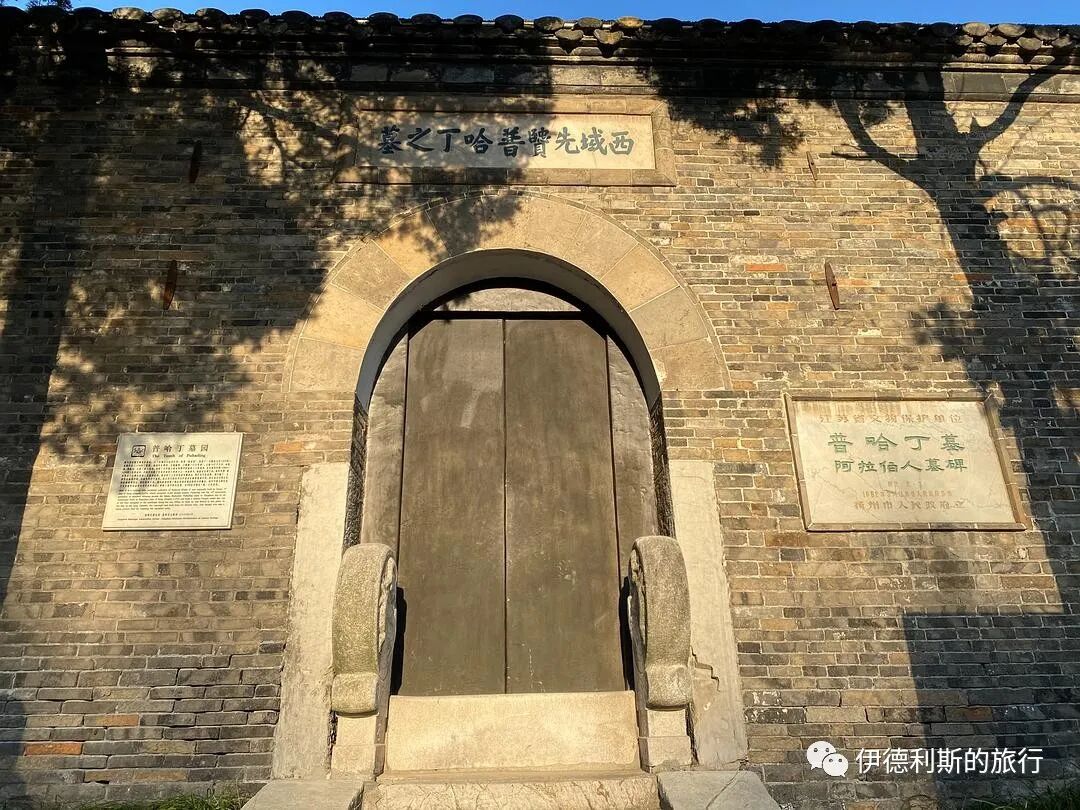
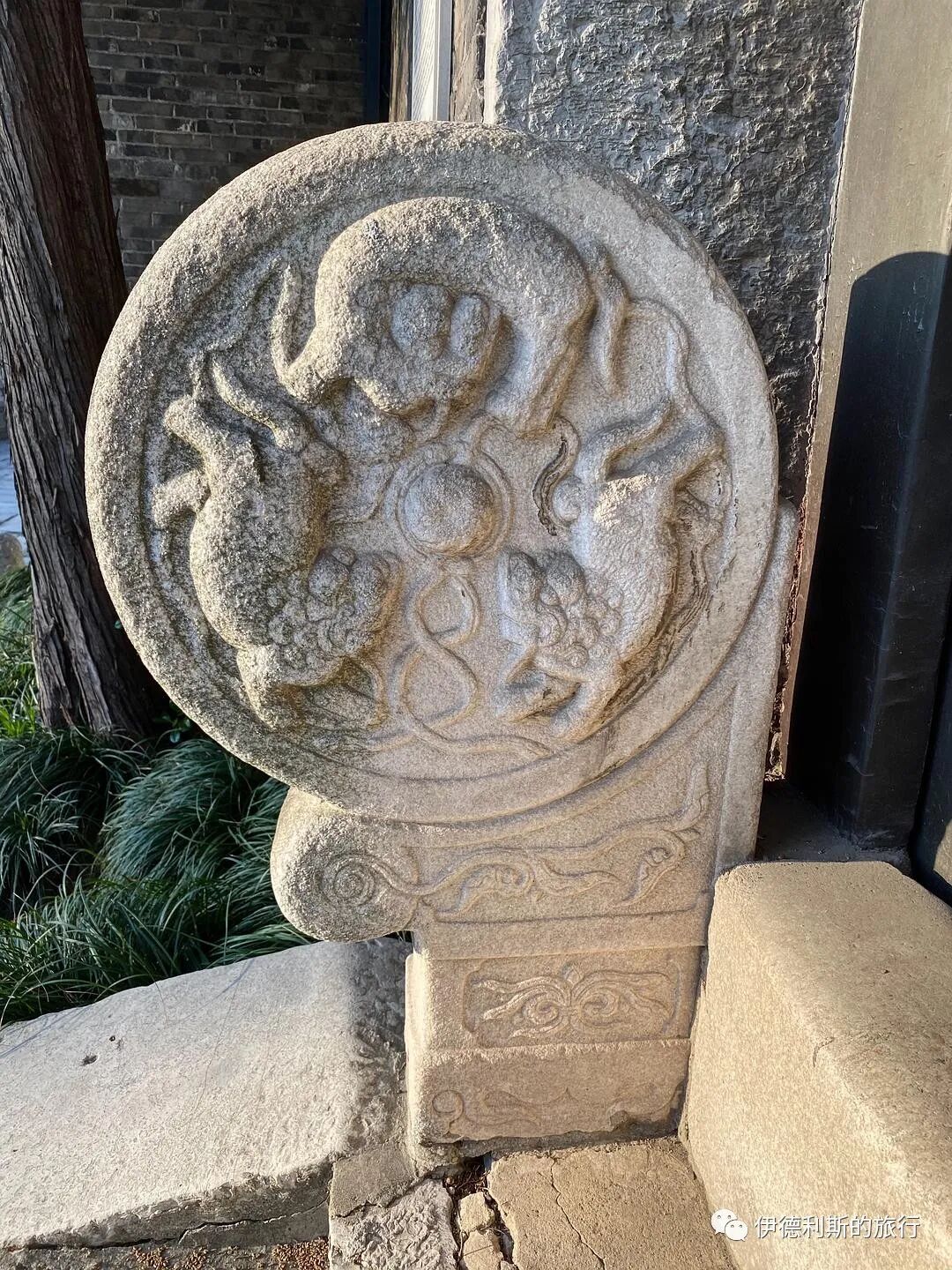
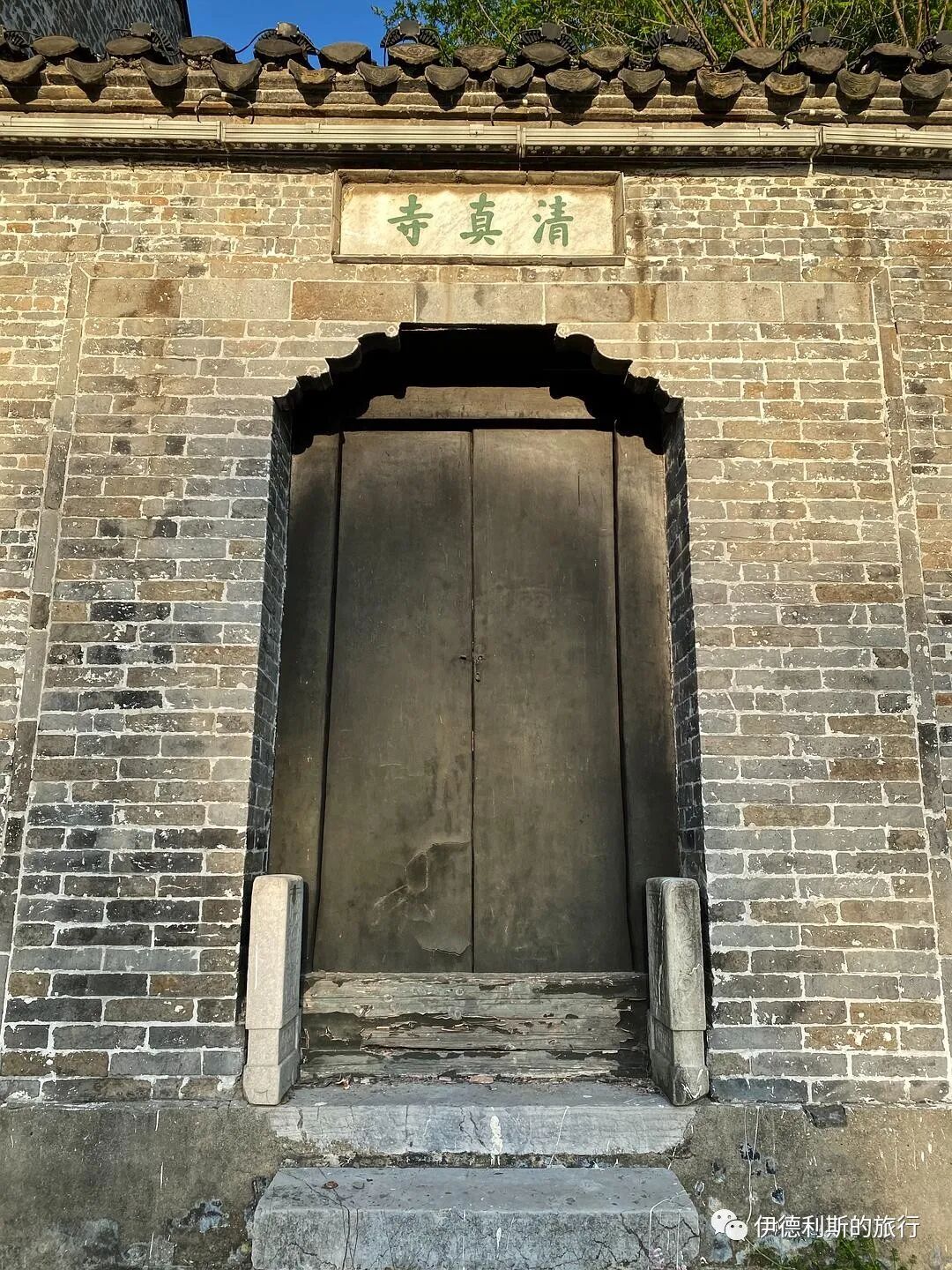
Behind the mihrab of the mosque at the Puhading Tomb.
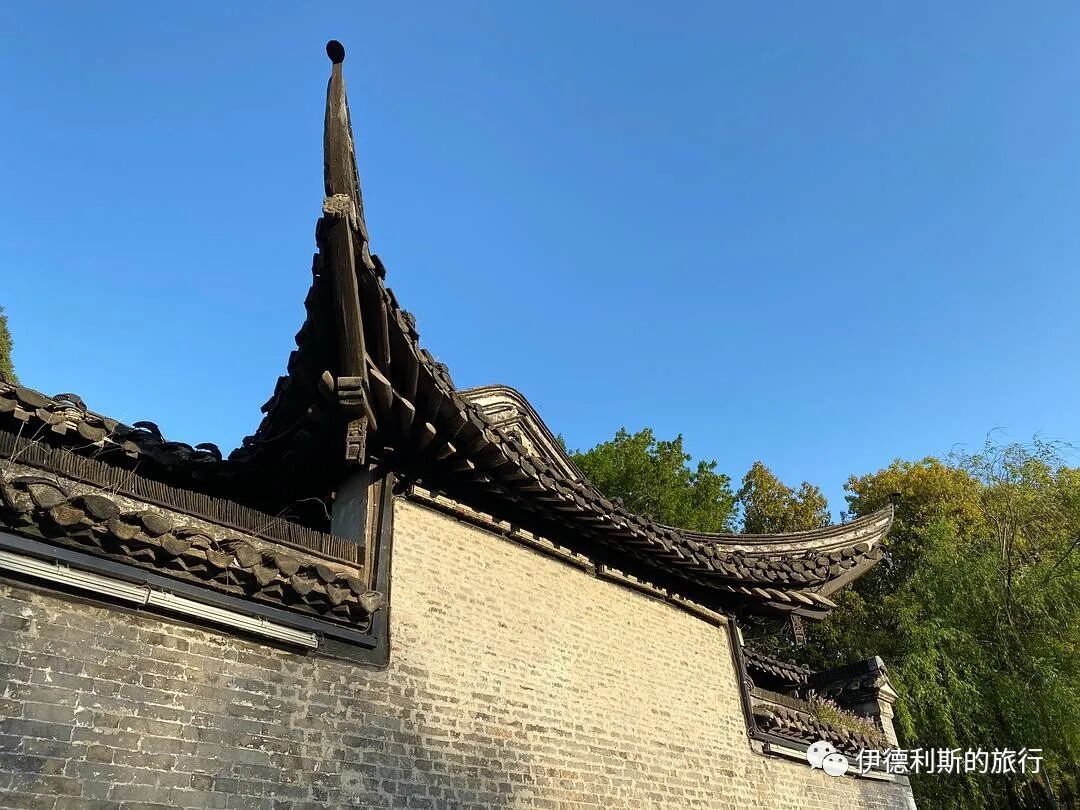
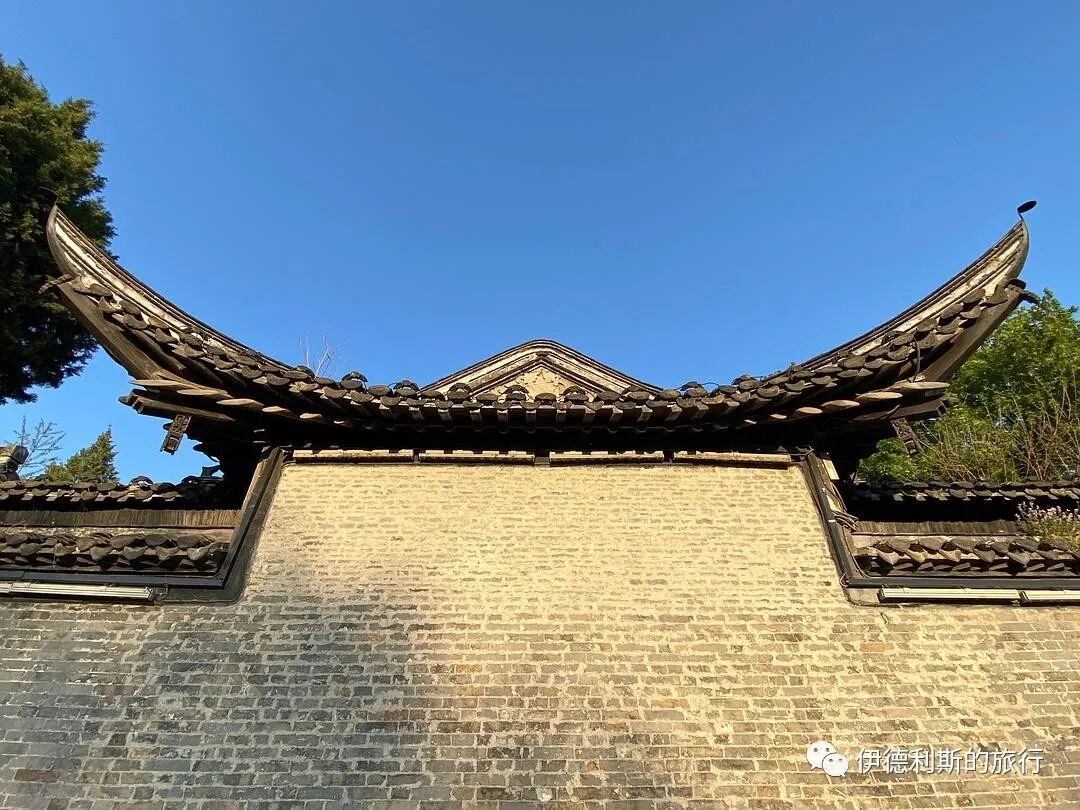
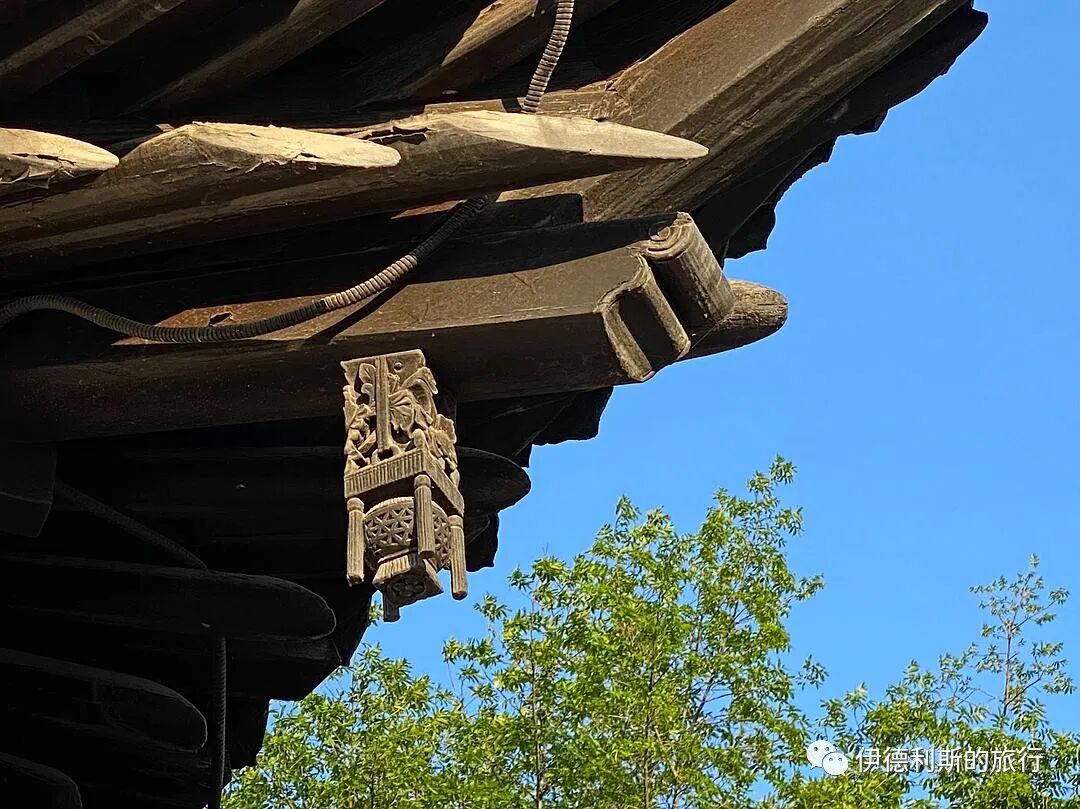
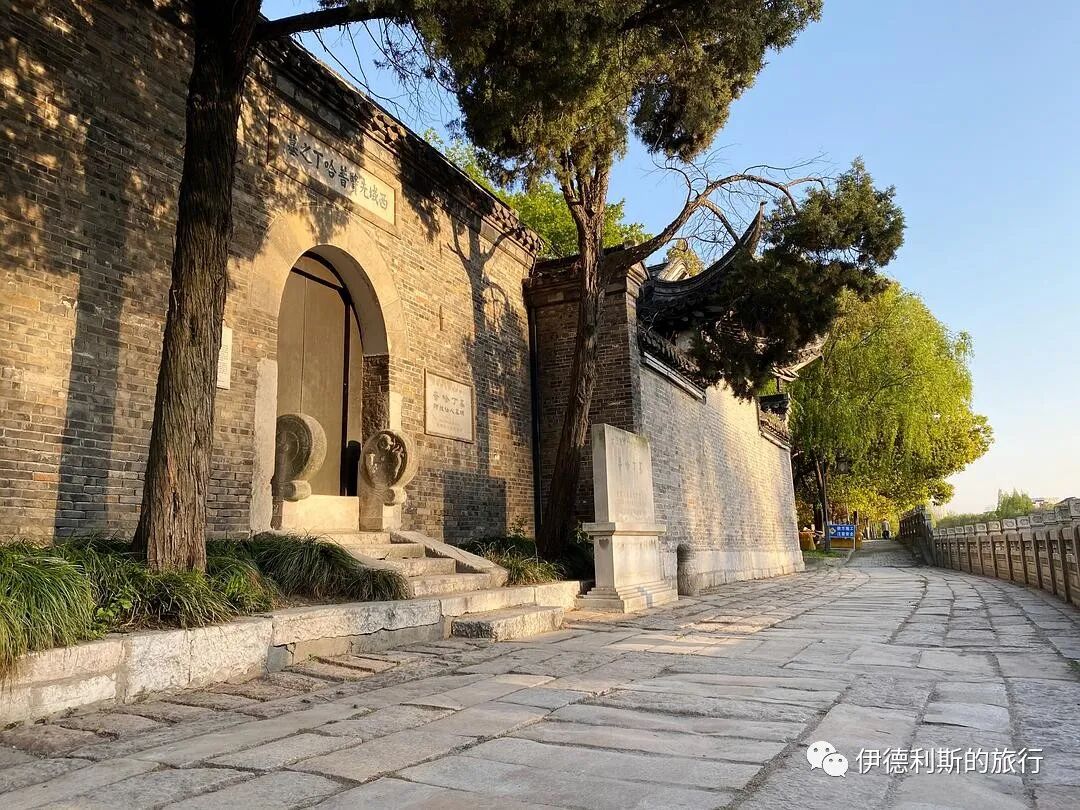
Looking at the Puhading Tomb from the banks of the Grand Canal, watching the sunlight hit the bricks and feeling the breeze, I felt very relaxed.
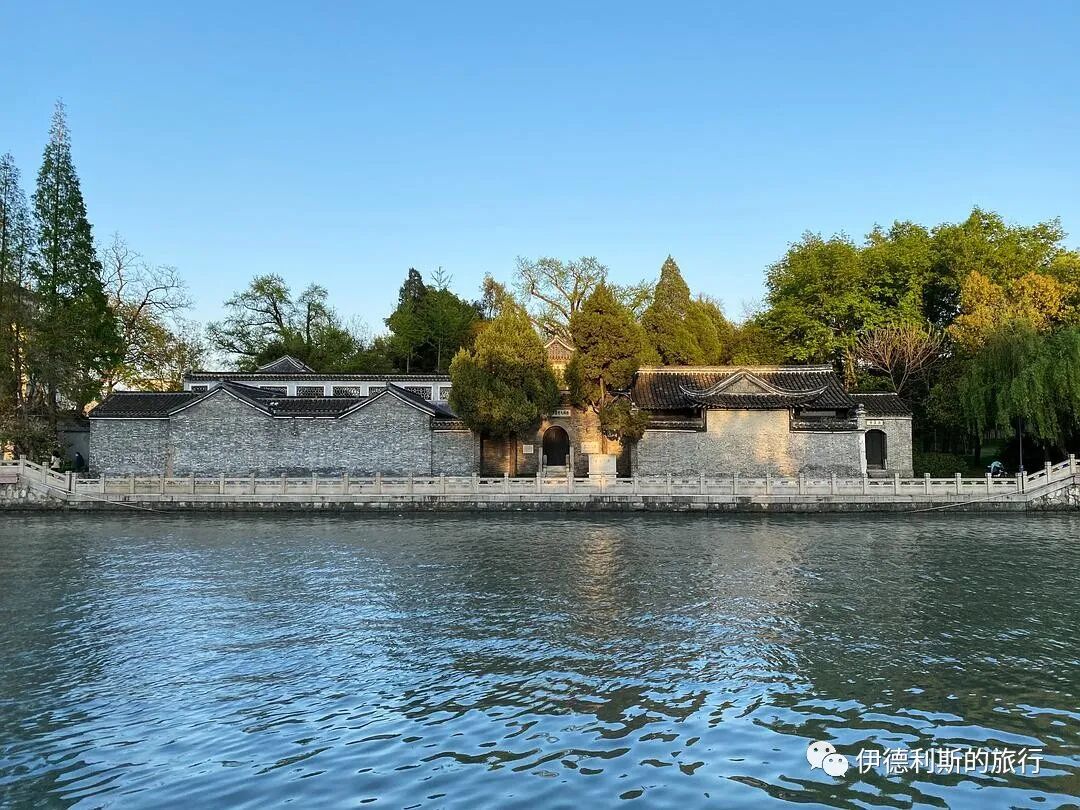
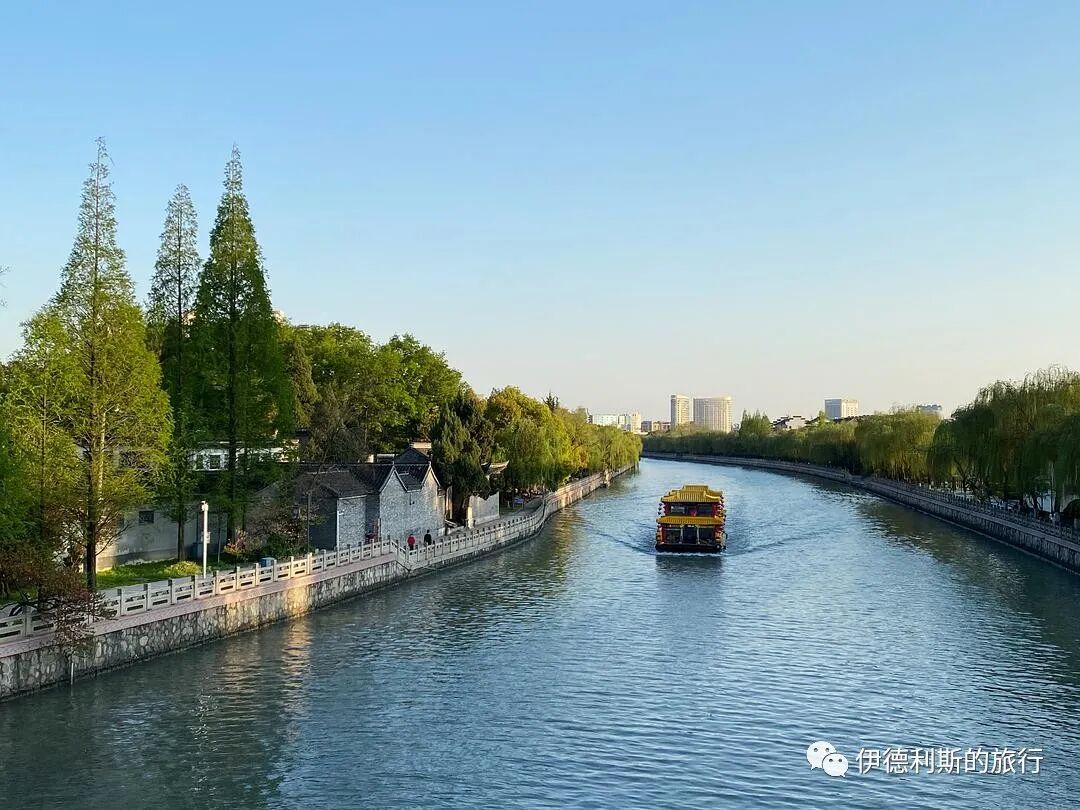
The disappearance of local halal food in Yangzhou is a great pity. From the Qing Dynasty to the Republic of China, Yangzhou's halal food scene was once very popular. During the Republican era, there were over ten famous halal restaurants. Famous Peking opera actors Zhou Xinfang and Cheng Yanqiu would eat at the most famous halal restaurant at the time, Tianxing Restaurant, whenever they came to Yangzhou to perform.
During the Republic of China, Yangzhou also had over ten halal chicken and duck shops, over ten beef shops, more than thirty sesame flatbread (shaobing) shops, and two tea houses. The most famous chicken and duck shop was Linyuanxing, which later became the predecessor of Hongxing, the only halal restaurant left in Yangzhou. Linyuanxing was good at making oil-poached chicken and salted duck. At that time, it not only had multiple shops in Yangzhou but also had branches and stalls in Shanghai, Suzhou, and Zhenjiang.
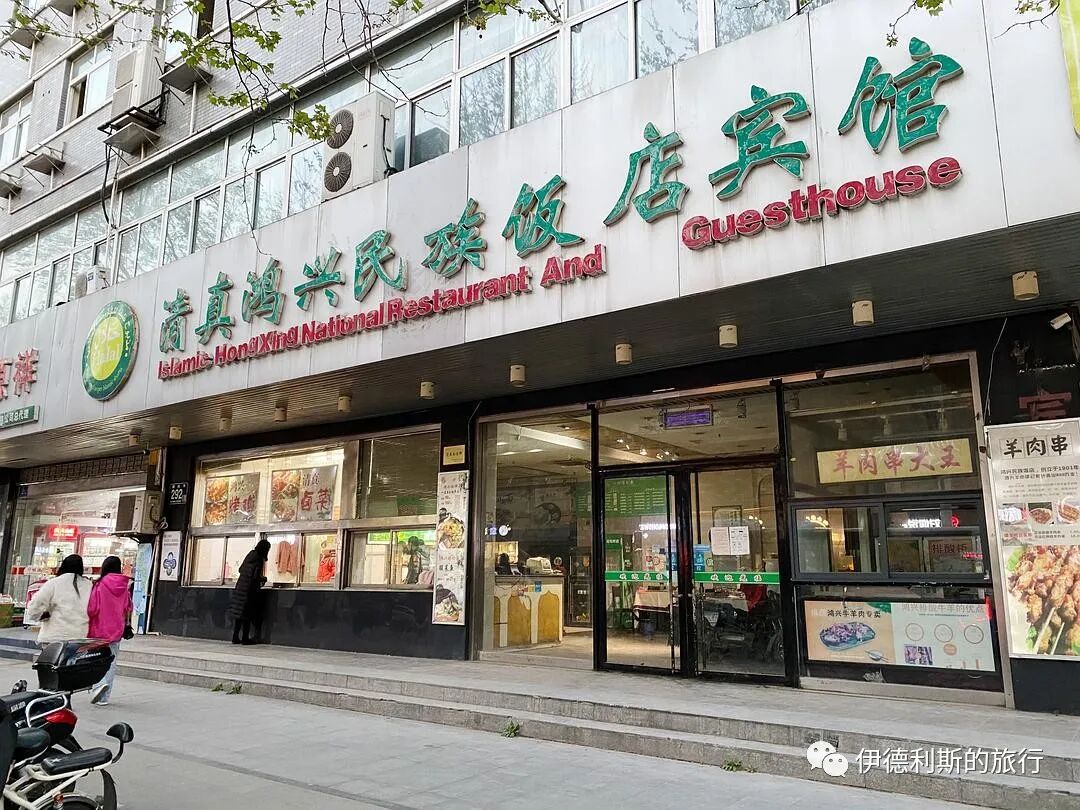
Yangzhou's halal food industry declined sharply after 1949. When I visited in 2016, the only places serving local food were Tianxingzhai, which used the name of the old Tianxing Restaurant, Yixiangzhai next to the Puhading Tomb, and the old brand Hongxing. When I visited again in 2021, Tianxingzhai had become a small barbecue shop, Yixiangzhai had closed, Hongxing was under renovation with only a snack window, and the rest were just Lanzhou hand-pulled noodle (lamian) shops.
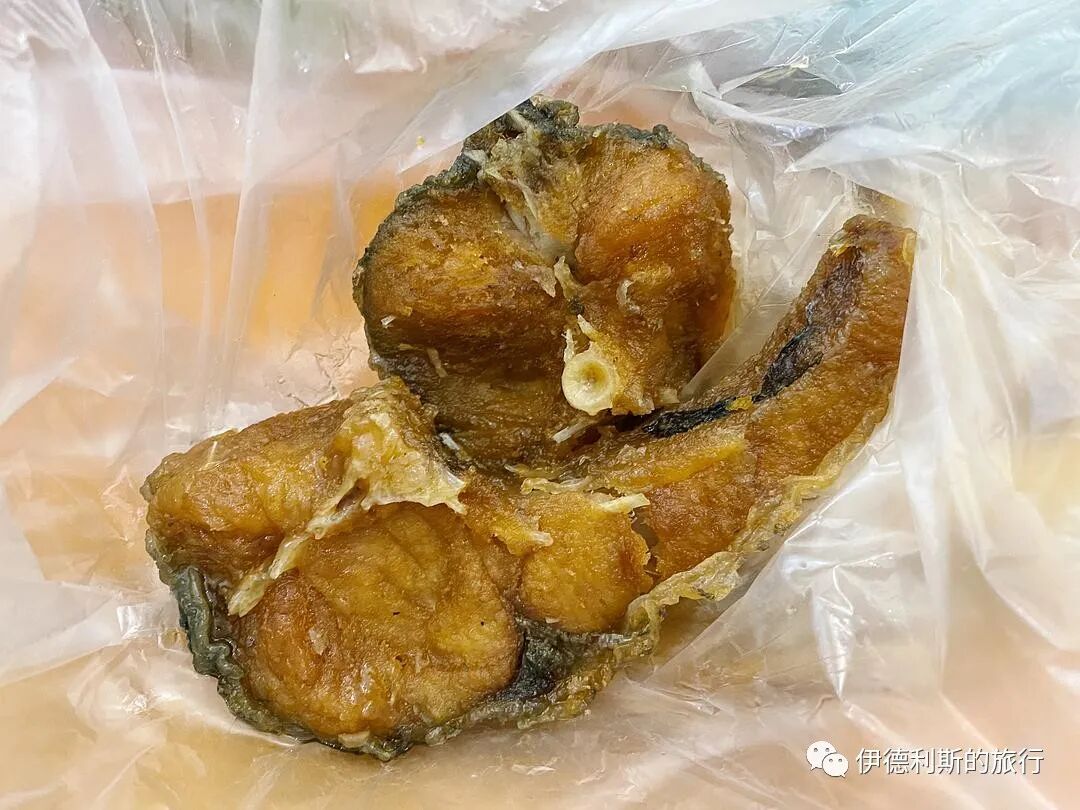
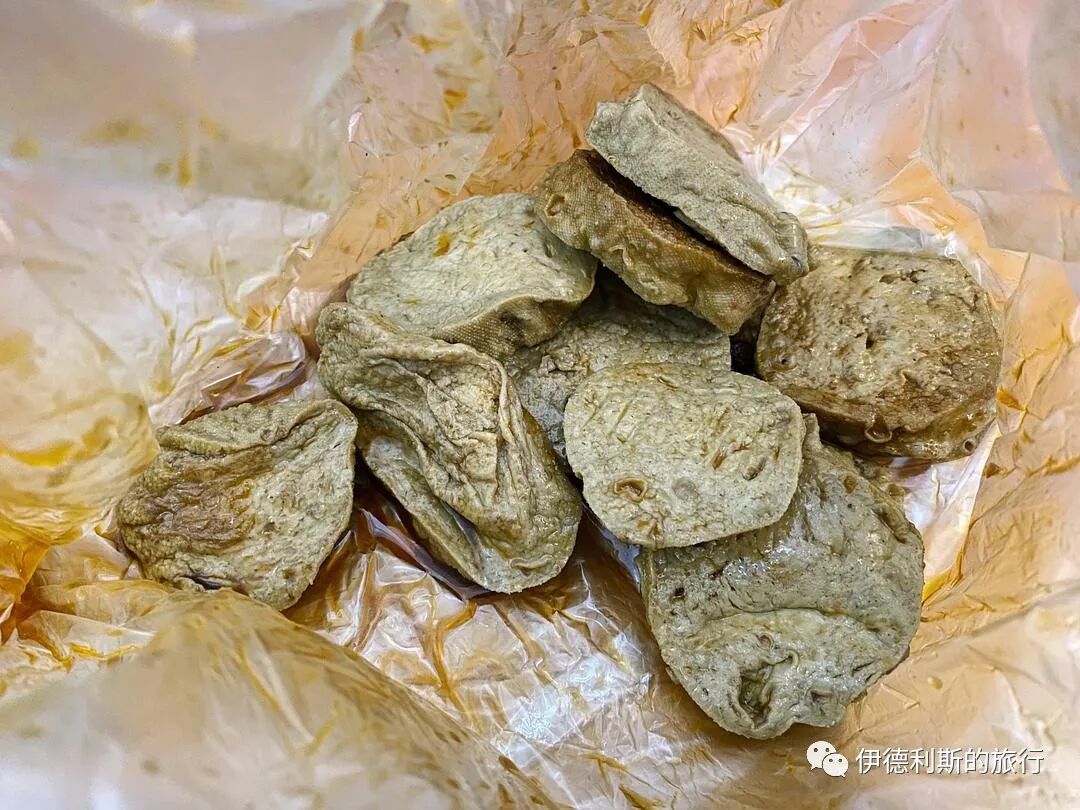
We bought vegetarian chicken and smoked fish at Hongxing. The preparation was similar to the style in Nanjing, and it was the only local Yangzhou halal food we could find during the 2021 Qingming Festival (I heard Hongxing is finished with renovations now, and inshaAllah I will have a chance to taste it again).
Zhenjiang
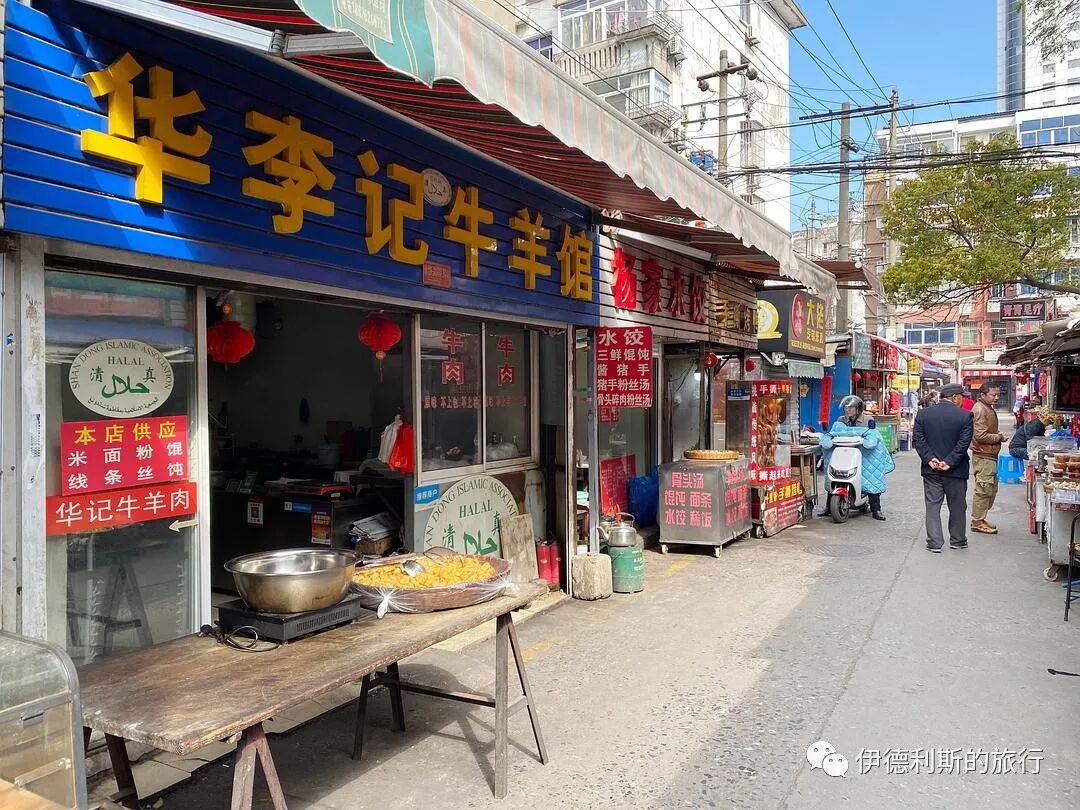
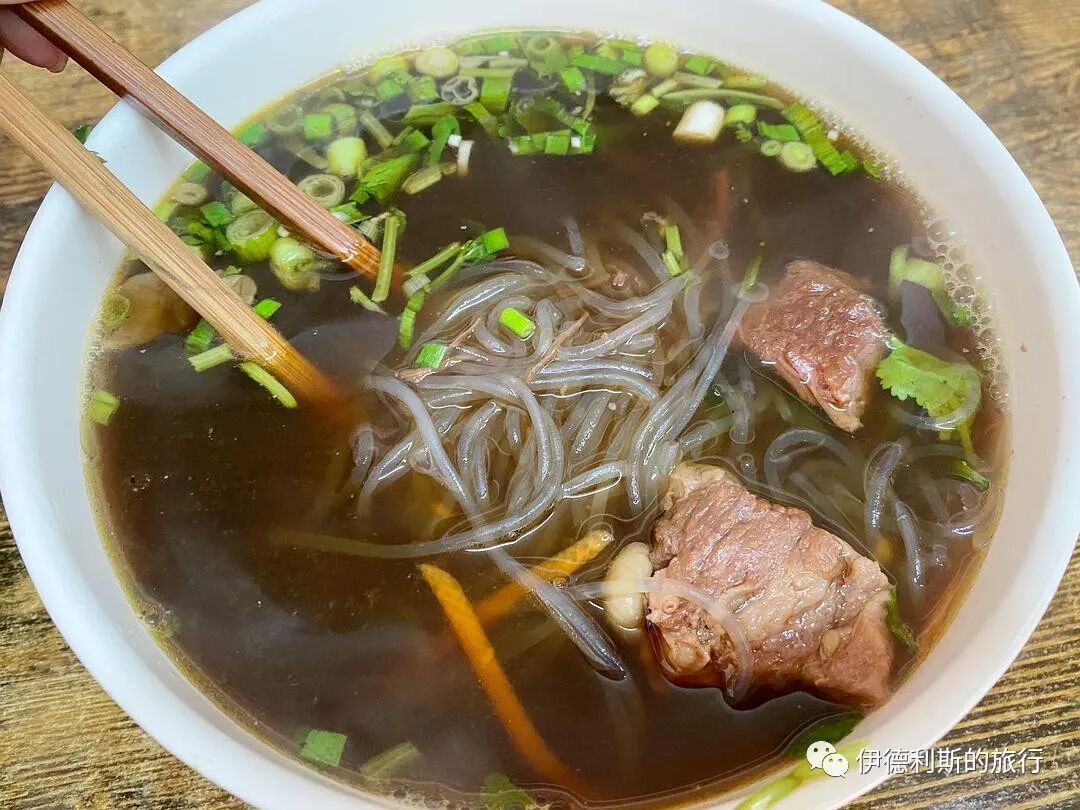
On the morning of April 5, I took the high-speed train from Yangzhou to Zhenjiang. I rode an e-bike to Yongan Road to eat beef vermicelli soup at Hualiji. The soup was slightly sweet and very refreshing.
The Hua family of Hui Muslims moved to Zhenjiang from Taierzhuang, Shandong, during the Taiping Rebellion. The Taiping Rebellion caused heavy damage to Zhenjiang, leading to a large population decrease and the arrival of many people from the north. This is one of the reasons why Zhenjiang eventually changed from a Wu-speaking area to a Jianghuai Mandarin-speaking area. Huali Ji is a family of halal butchers in Zhenjiang. They have been in business for six generations, starting from the Daoguang era. In 2002, they moved from the Zhenjiang mosque to their current location on Yongan Road.
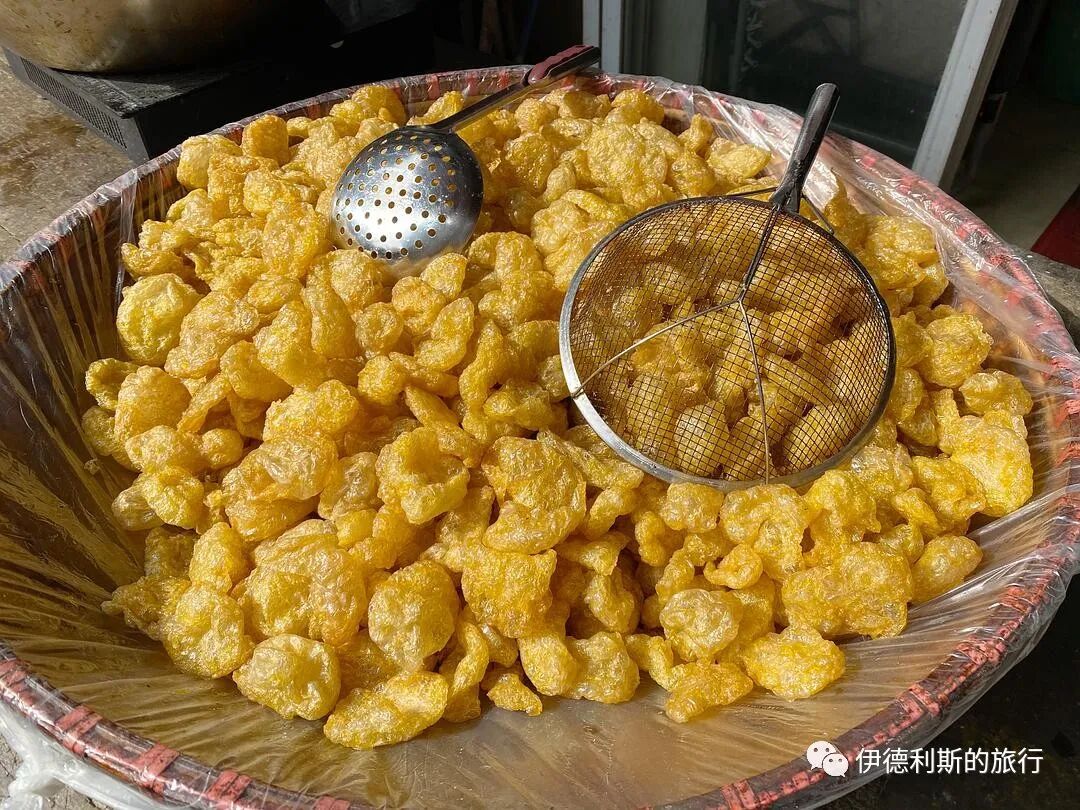
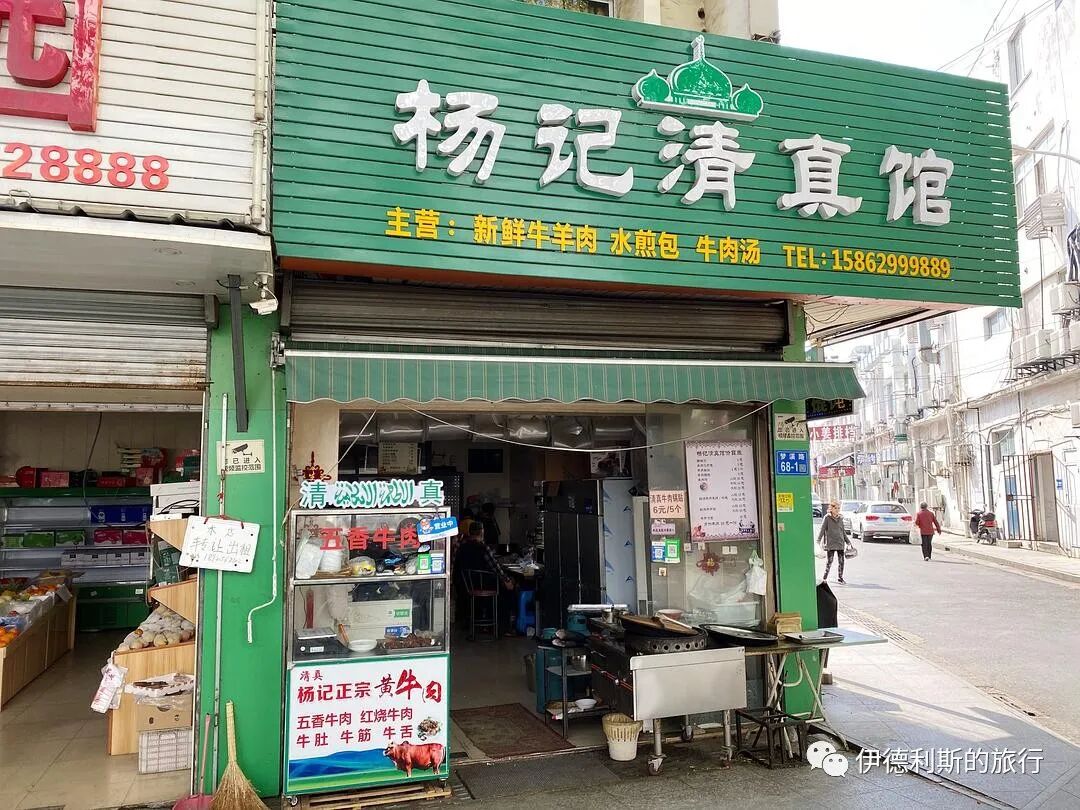
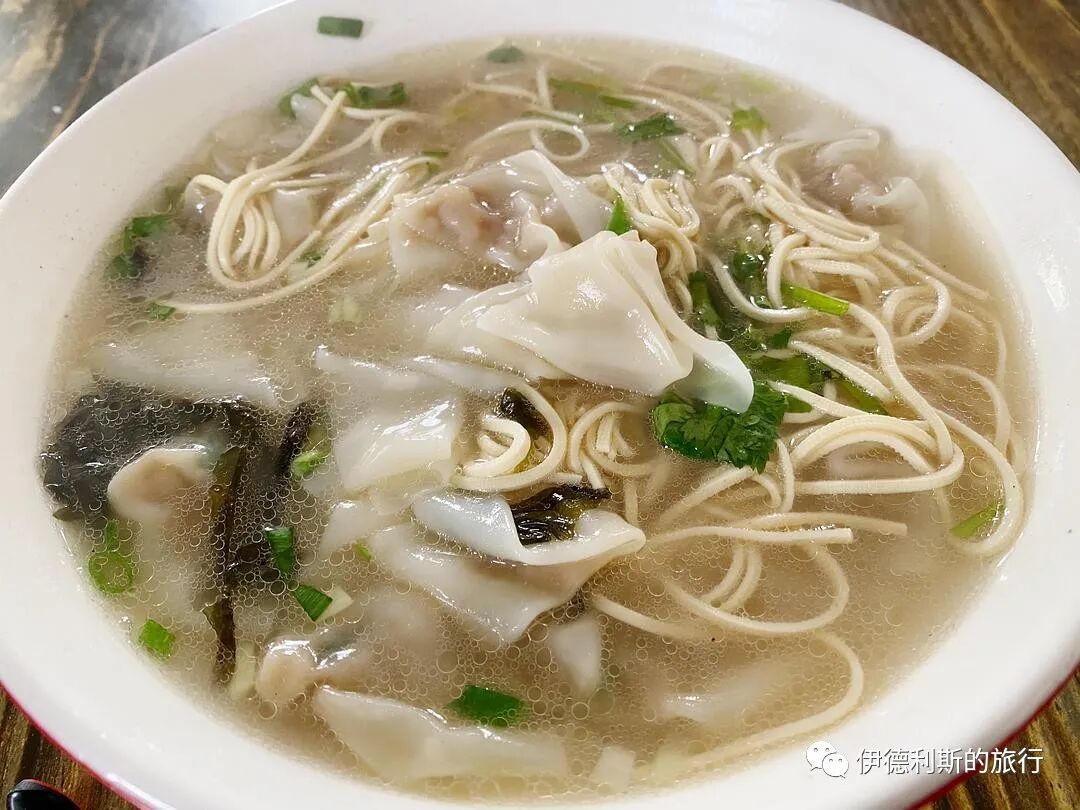
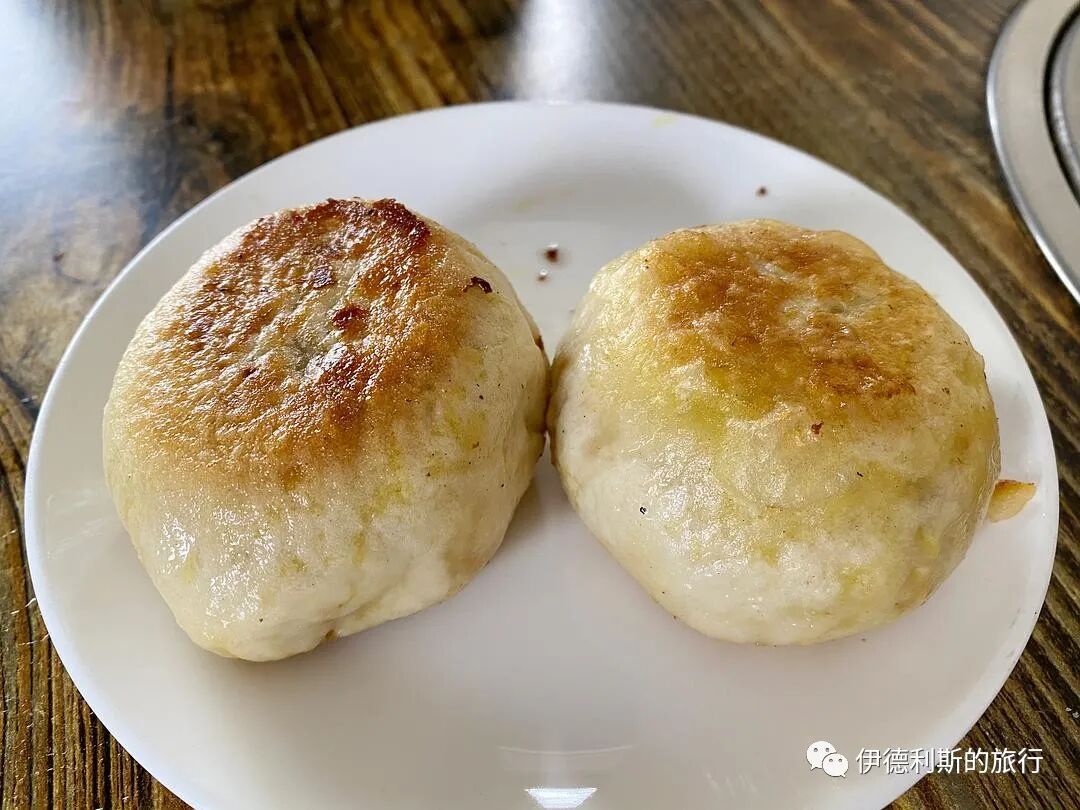
Next, I went to the newly opened Yang Family Halal Restaurant (Yangjia Qingzhen Guan) next to Muyuan Restaurant. I had beef wontons, dried tofu strips (gansi), and pan-fried buns (jianbao). This place was opened in Zhenjiang by Hui Muslims from Heze, Shandong.
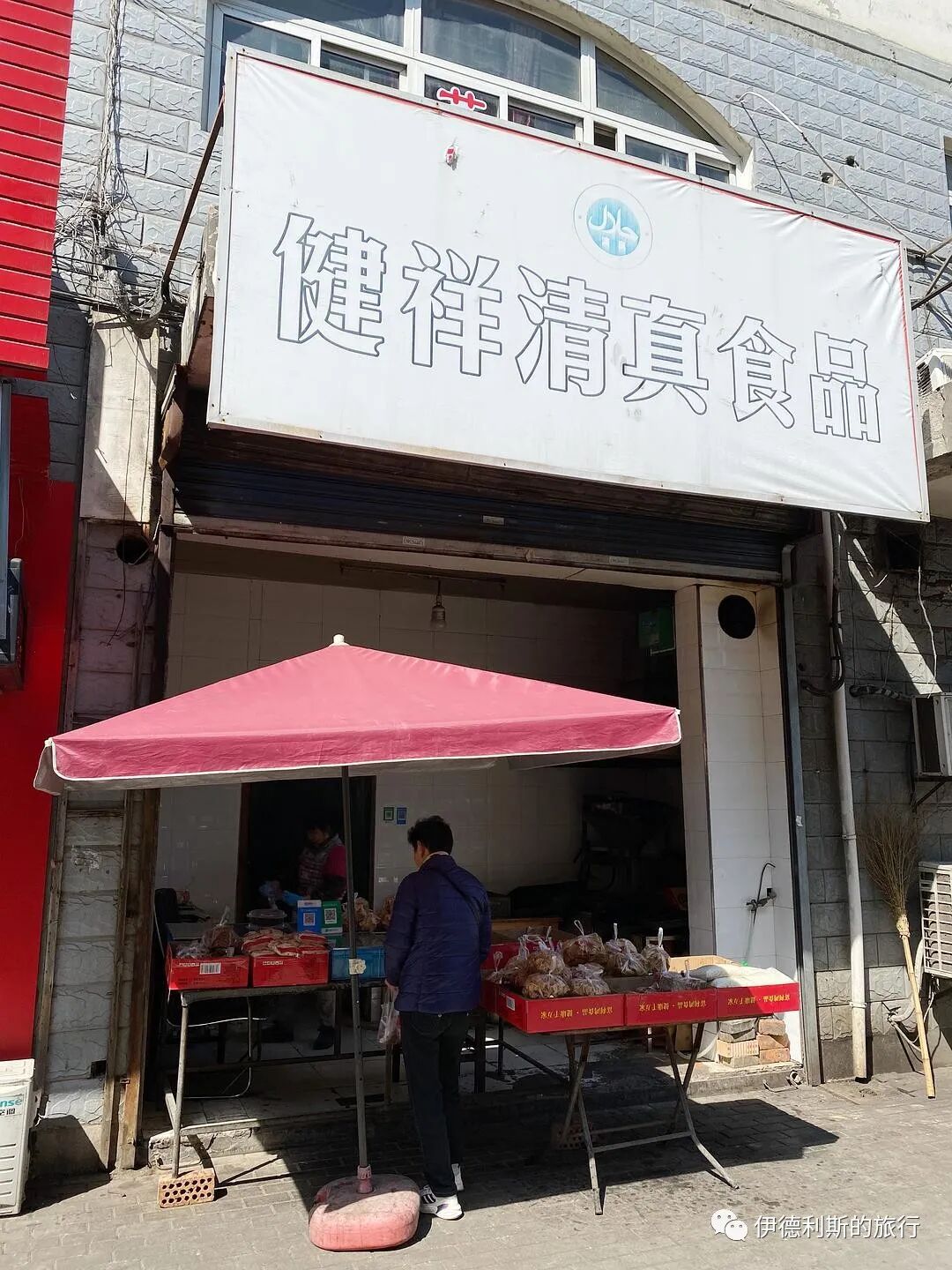
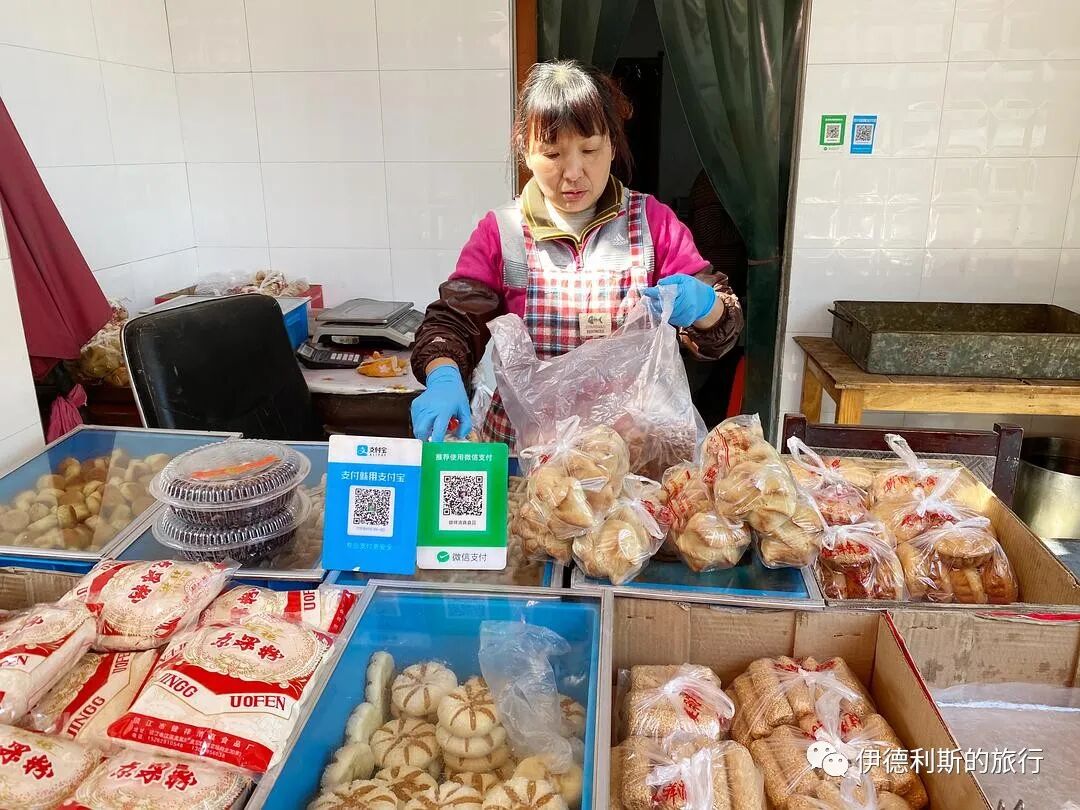
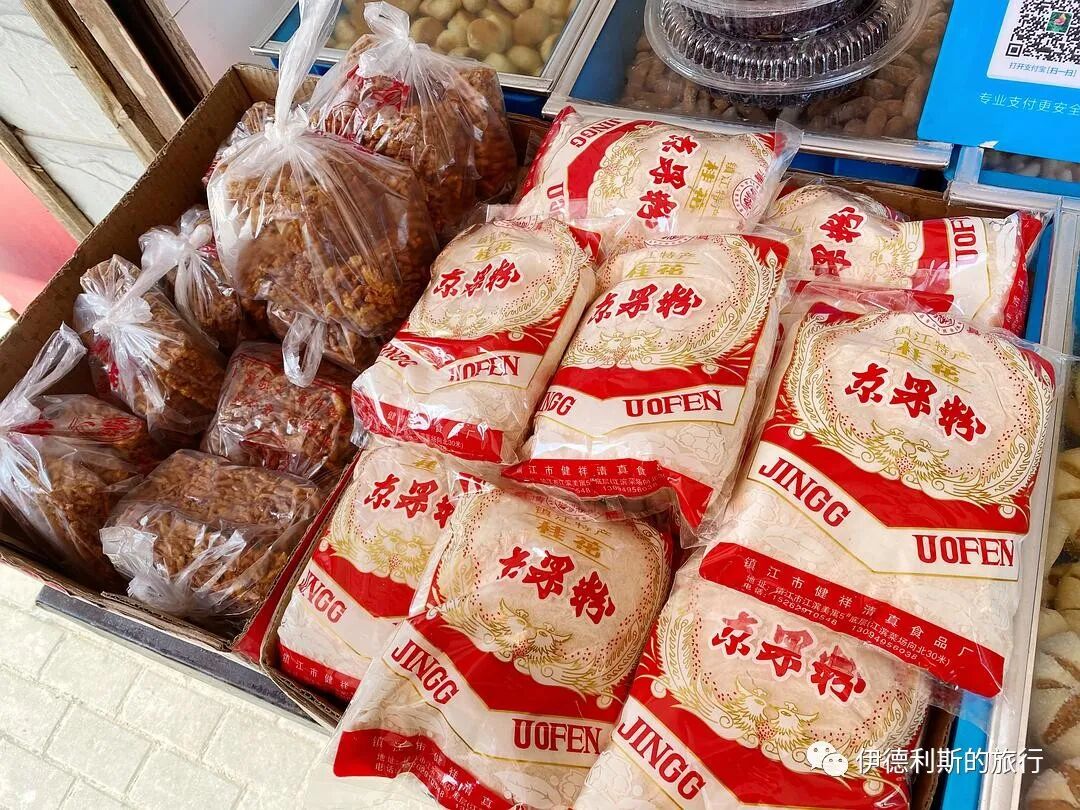
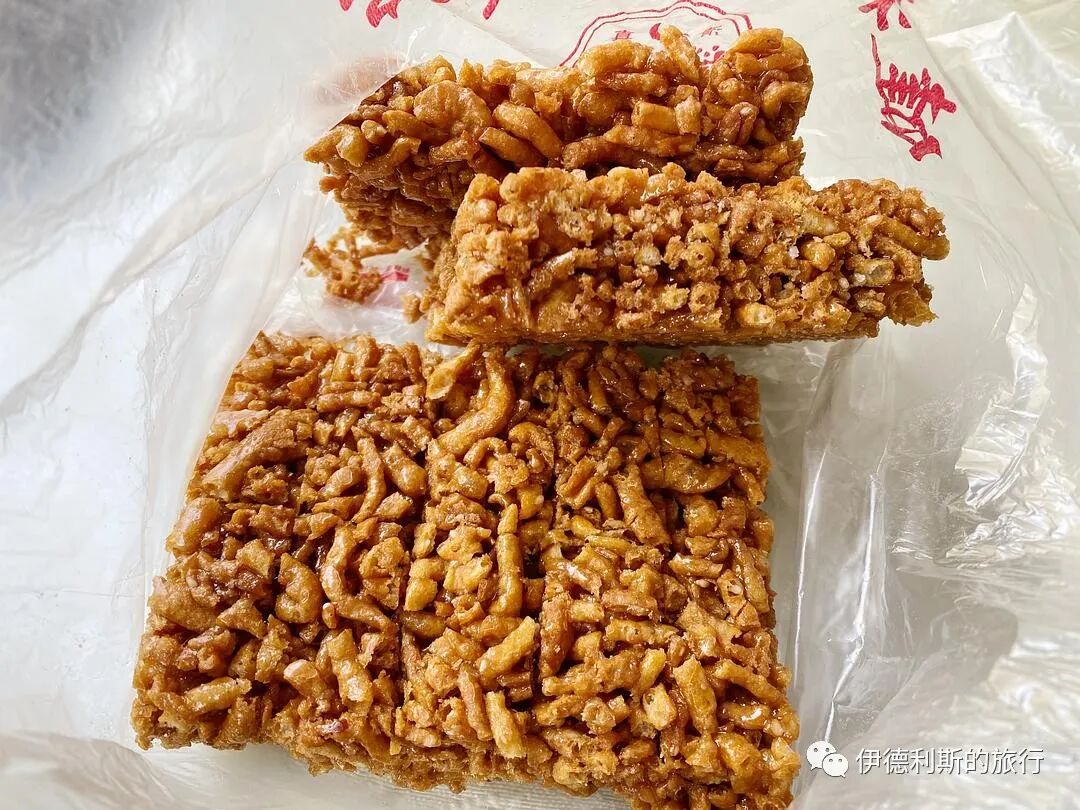
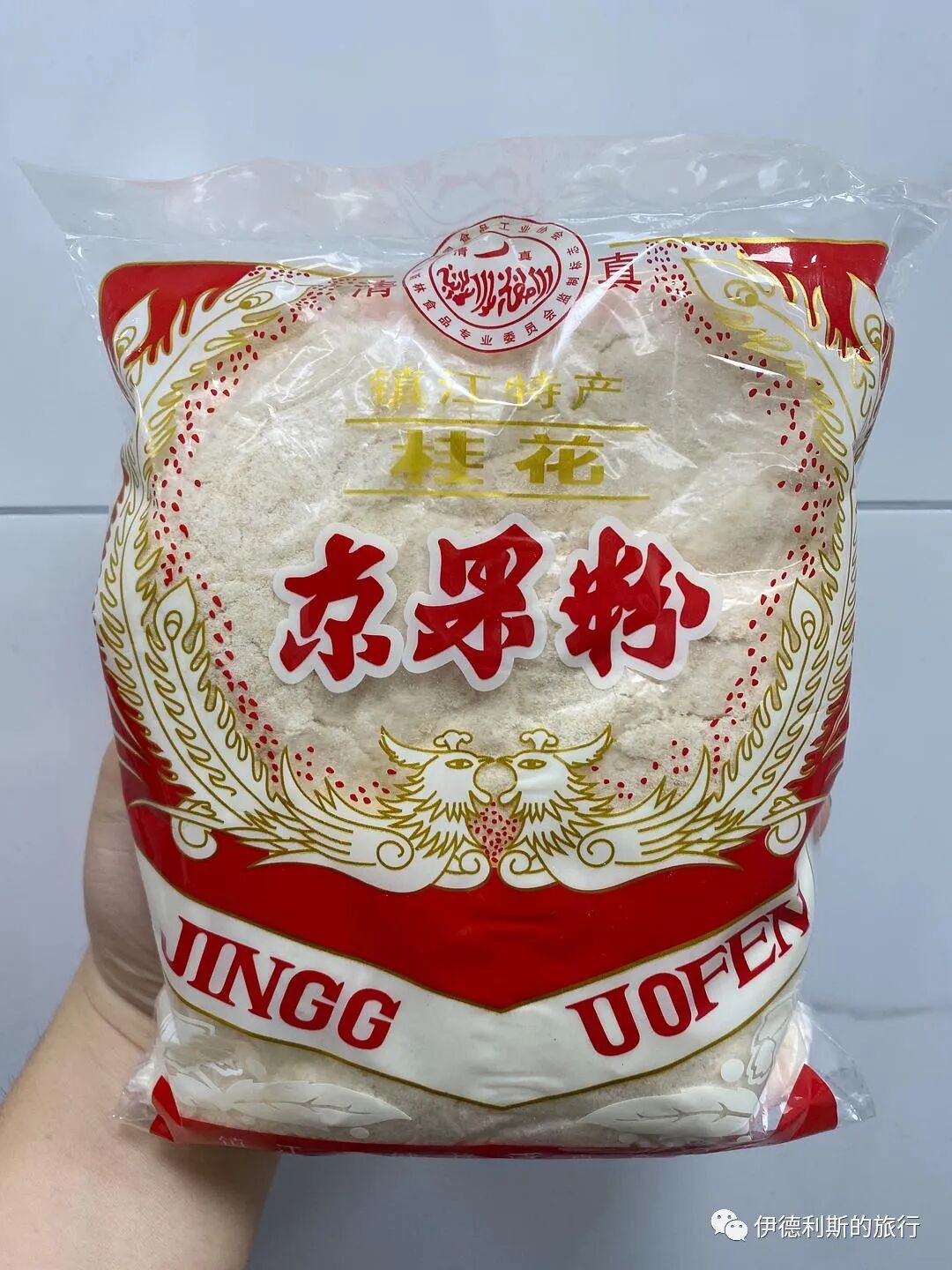
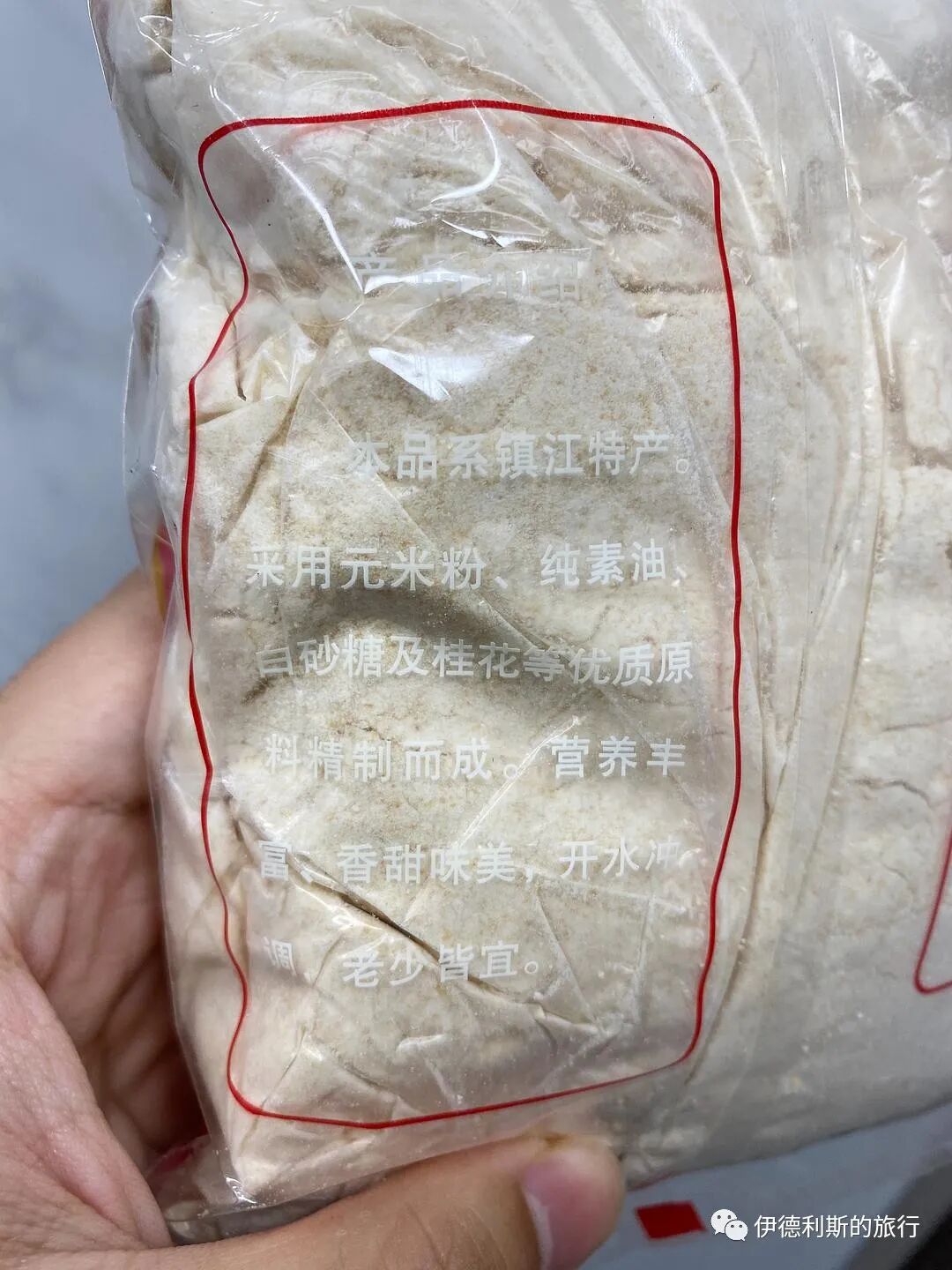
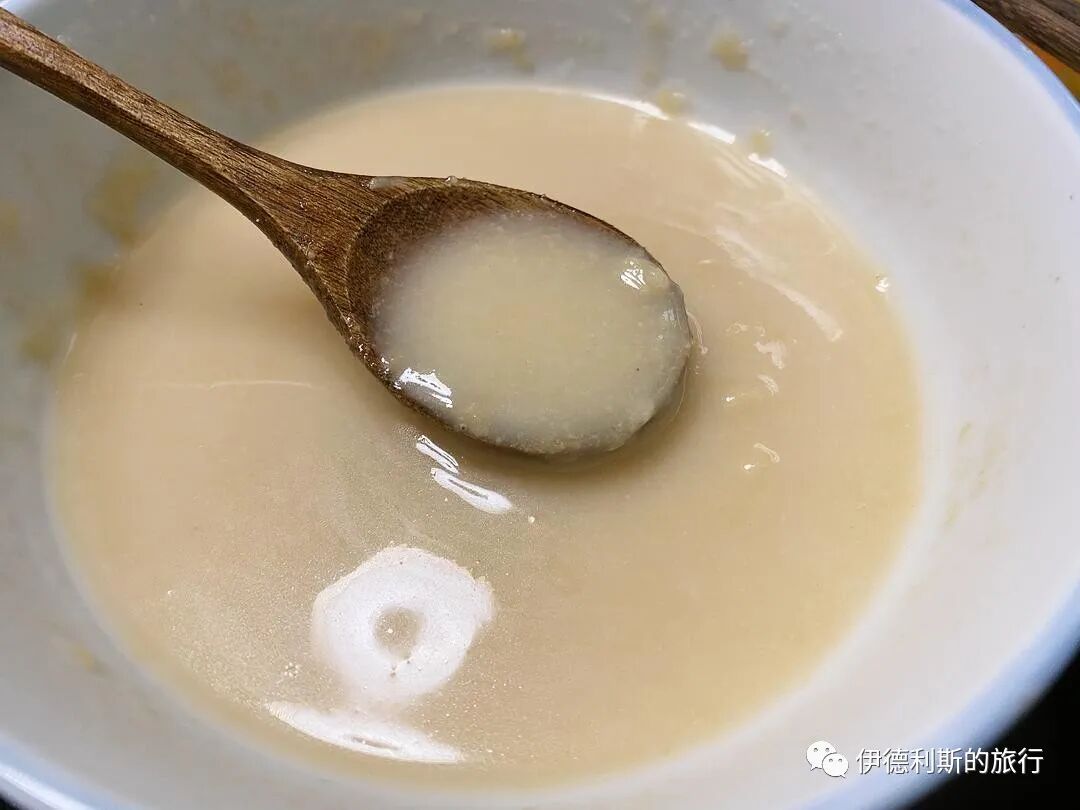
Then I went to Jianxiang Halal Food Store at the Jiangbin vegetable market to buy Zhenjiang specialties: egg crisps (jidan su), Jingjiang navel cakes (Jingjiang qi), and Jingguo powder (Jingguo fen). The owner, Ma Jian, was originally a worker at a Zhenjiang pastry factory. After being laid off in 1995, he started his own Jianxiang Halal Food Factory. In 2009, he opened this current shop next to the Jiangbin vegetable market. When I visited last winter, I bought some delicious cloud-slice cakes (yunpian gao), but they don't make them in the spring. Friends who want to try them can add the landlady on WeChat to have them shipped. 15262910548
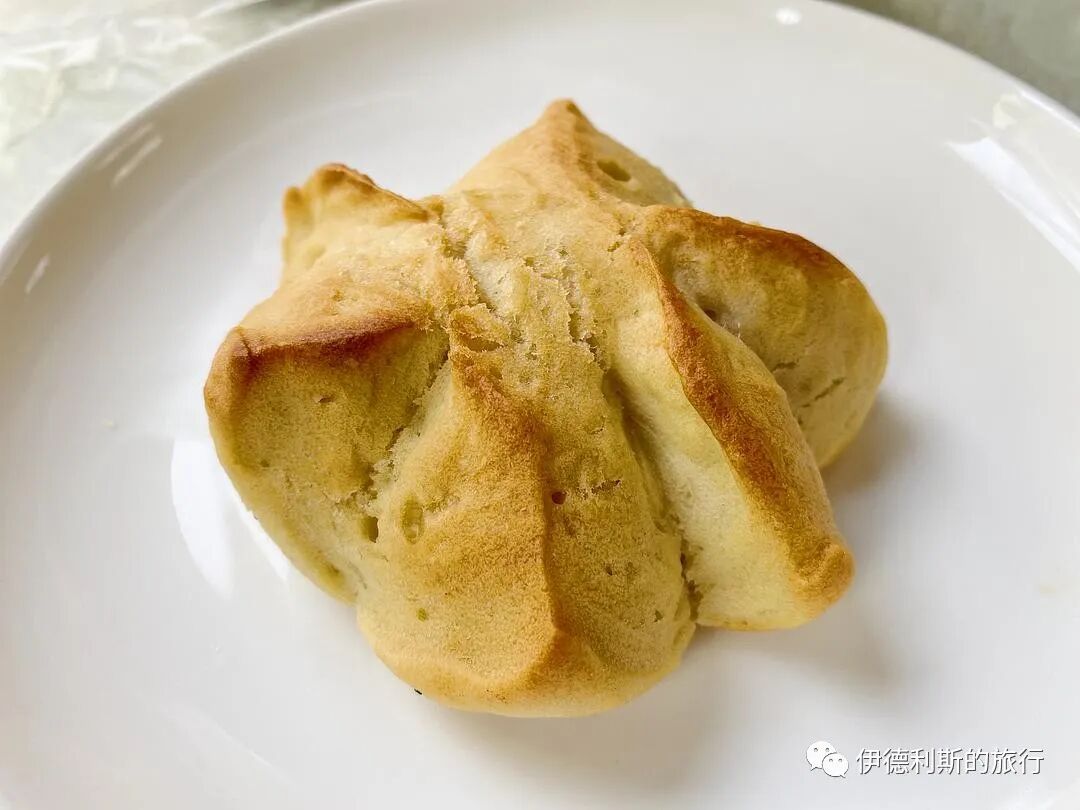
Jingjiang navel cakes are a Zhenjiang specialty snack. Mr. Xia Rongguang described them in detail in his book, A Brief History of the Hui Economy in Modern Zhenjiang. Jingjiang navel cakes are commonly called 'vat navels' (gangqi) or 'navel-lets' (qier). Legend says they were originally octagonal, but they were changed to hexagonal during the Qing Dynasty to avoid the taboo of the 'Eight Banners'. Jingjiang navel cakes come in sweet and savory versions. The savory ones sell more because you can dip them in beef or chicken soup. In the past, Zhenjiang people often served Jingjiang navel cakes soaked in salted egg water to guests.
Making these cakes requires great skill and heat control. When shaping the hexagonal ones, the savory version must be rolled six and a half times, and the sweet version three and a half times. Missing even one roll affects the quality.
According to Fan Shoubao, a tea snack industry veteran born in the 1900s, he became an apprentice at the Wuyunzhai Halal Tea Shop in the 1910s at age fourteen. He made at least two bags of flour into nearly a thousand Jingjiang navel cakes every day. Back then, visitors to Zhenjiang or locals leaving town would often buy hundreds at a time.
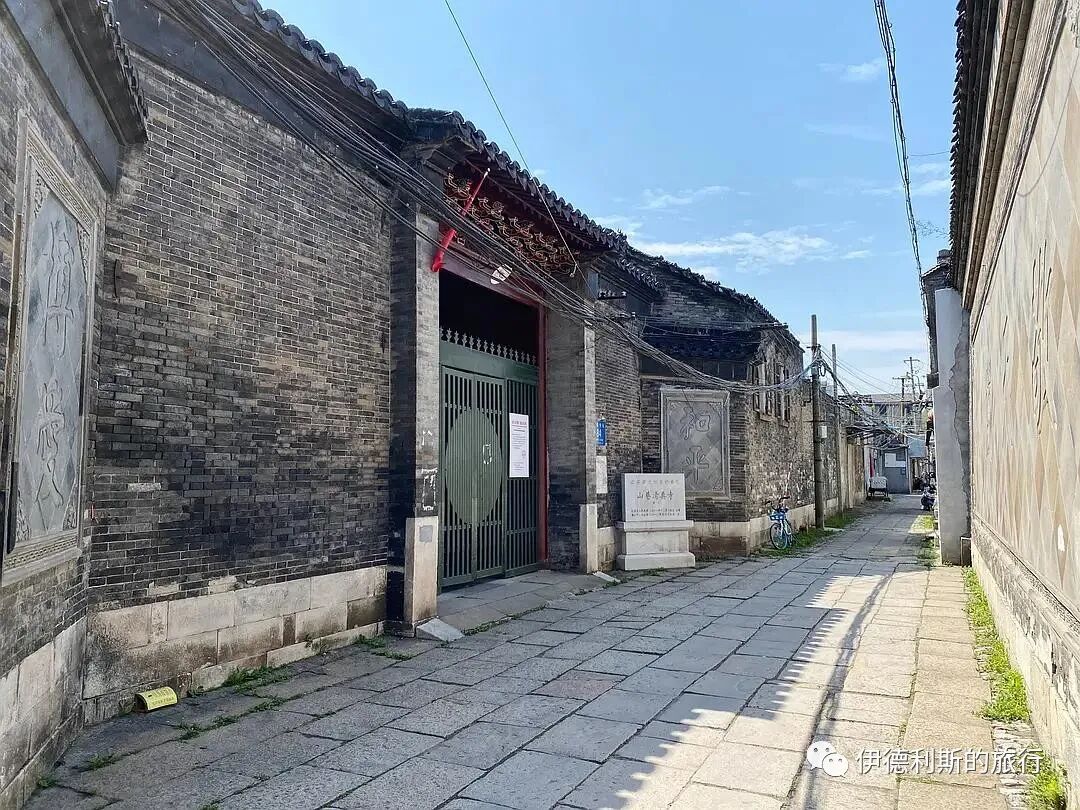
The Shanxiang Mosque in Zhenjiang is also called the West City Mosque or the West Great Mosque. Its founding date is unknown, but it was expanded during the Kangxi era. It was destroyed during the Taiping Rebellion in 1853 (the third year of the Xianfeng era) and rebuilt in 1873 (the twelfth year of the Tongzhi era). According to the History of Islam in Zhenjiang, Jiangsu, the late Imam Tan Yuanshen, who lived to be over eighty, recalled hearing from his grandfather and elders in the community that before the Kangxi-era expansion, the West City Mosque was just three thatched huts. At that time, the area around the mosque was sparsely populated and vast; you could see the Zhenjiang city gate tower to the east and Yuntai Mountain to the west.
After Zhenjiang opened as a treaty port, the area outside the West Gate became a bustling commercial district. In 1865, the British established a concession by the river. With the opening of the Shanghai-Nanjing Railway, the area outside the West Gate developed further, and Hui Muslims kept arriving to trade and settle around the Shanxiang Mosque.
In 1902 (the 28th year of the Guangxu era), the Zhenjiang Hui community raised funds to expand the Shanxiang Mosque. The current layout of the mosque dates back to this renovation.
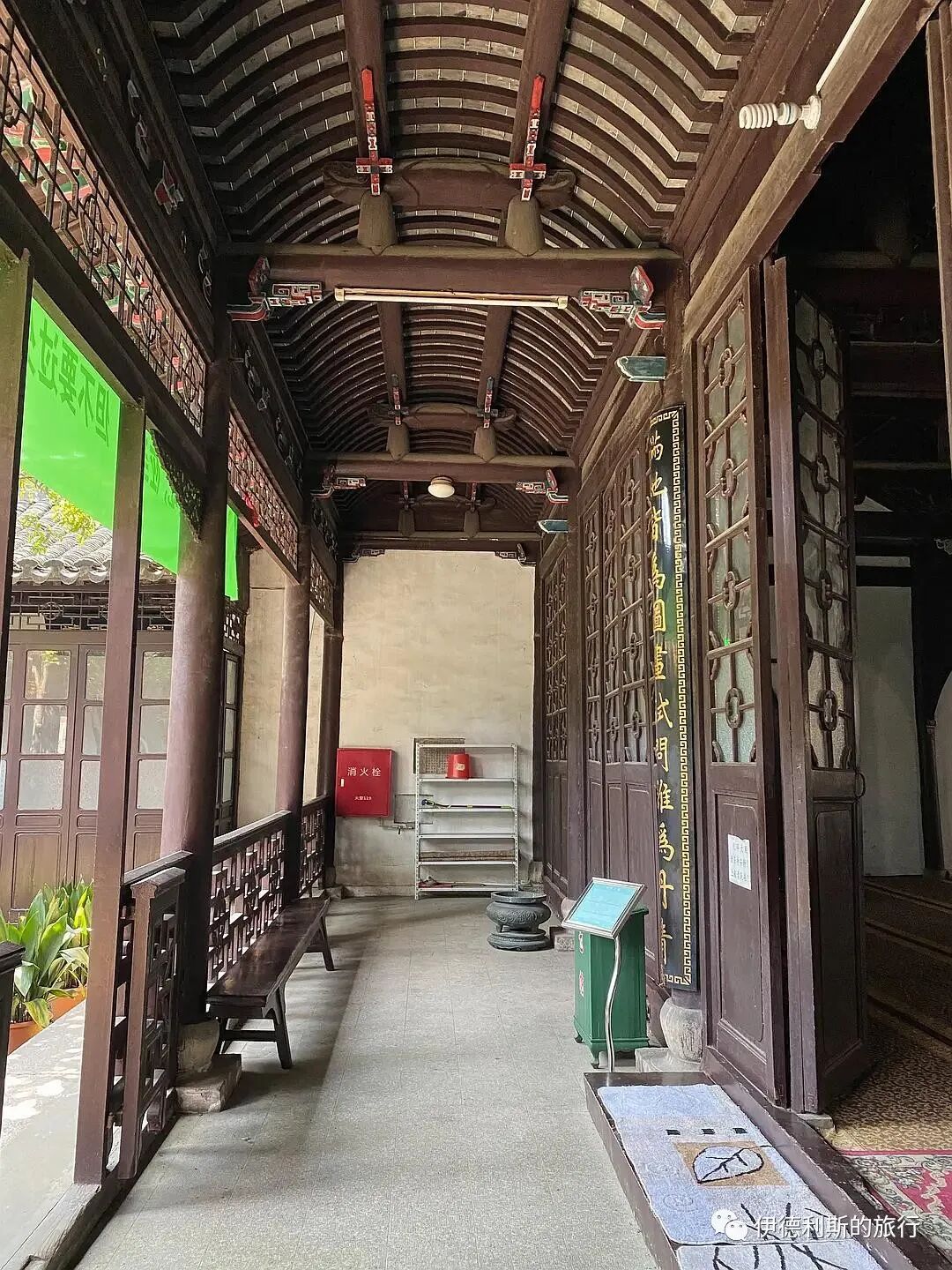
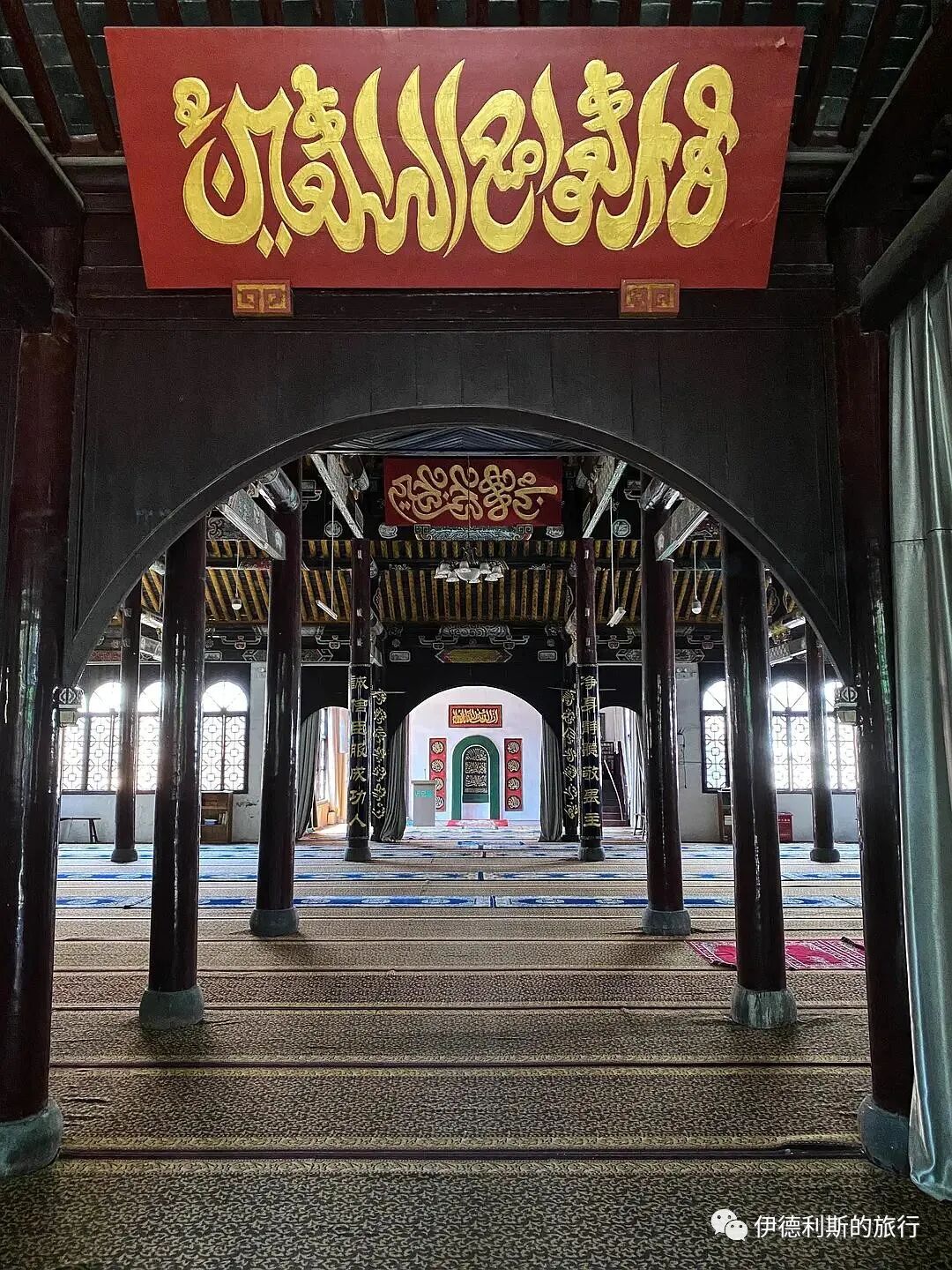
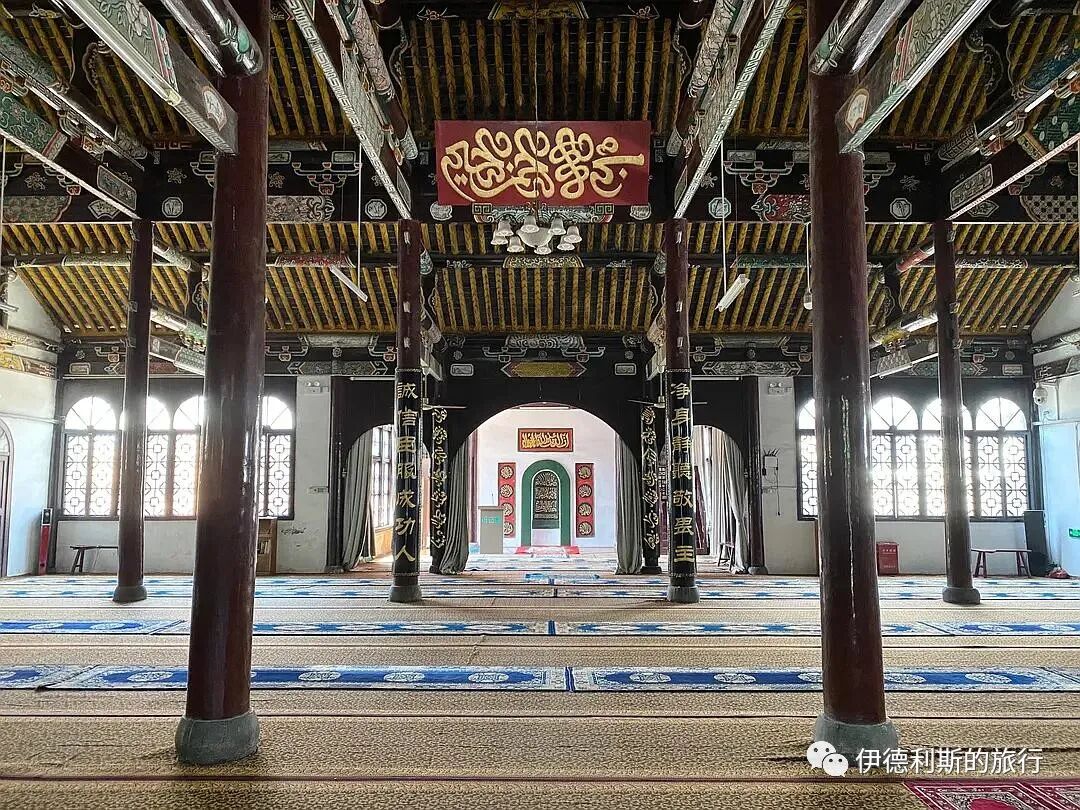
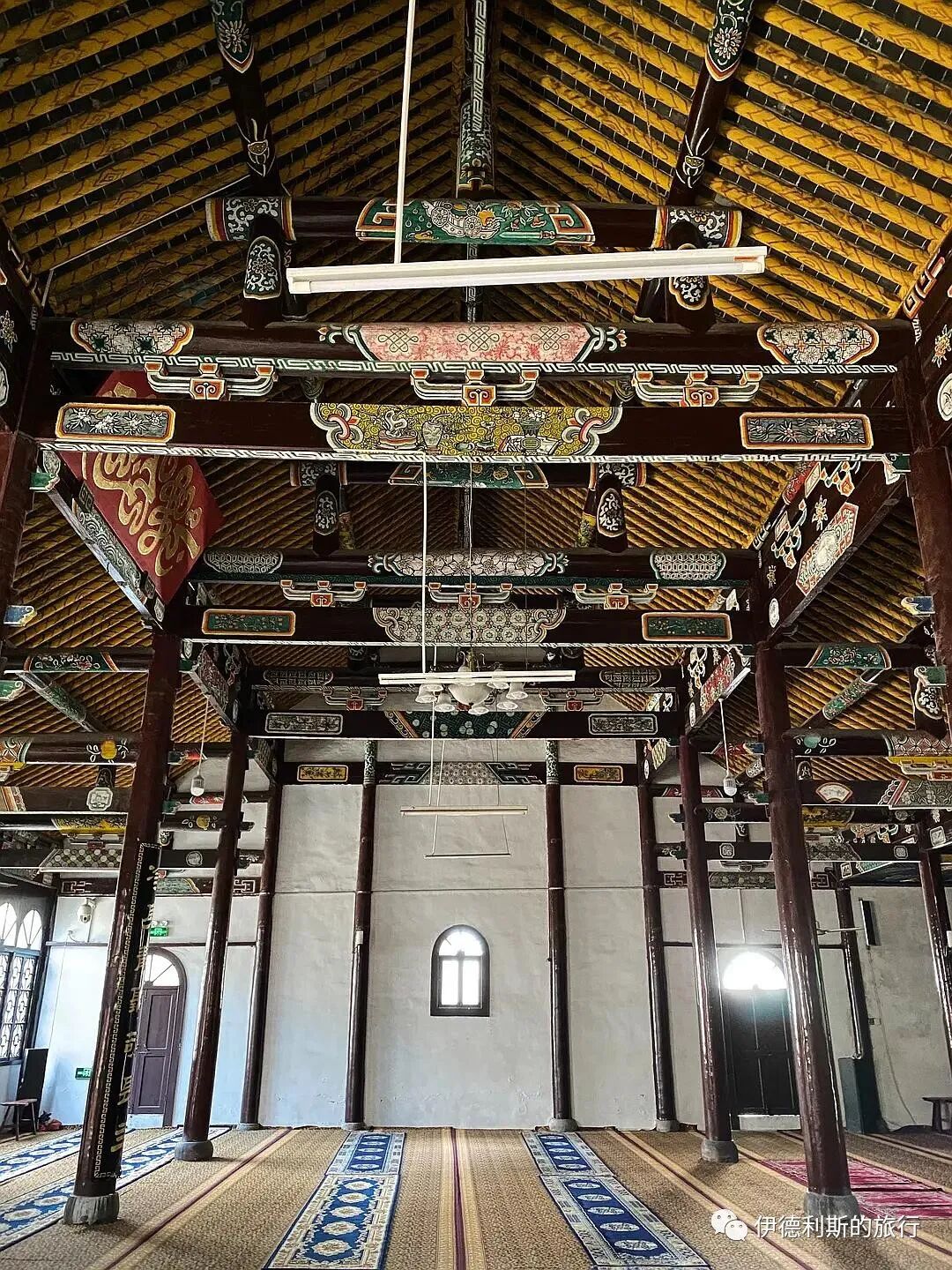
The Shanxiang Mosque consists of a small courtyard and a large courtyard. Entering the main gate, you find the first small courtyard. Passing through the front hall leads to the second small courtyard, with a side door and the second gate directly ahead. Passing through the second gate leads to the third small courtyard. Then, a corridor leads into the large courtyard, which is made up of the prayer hall, the south lecture hall, and the opposite hall. This layout of large and small courtyards is very characteristic of the Jianghuai region.
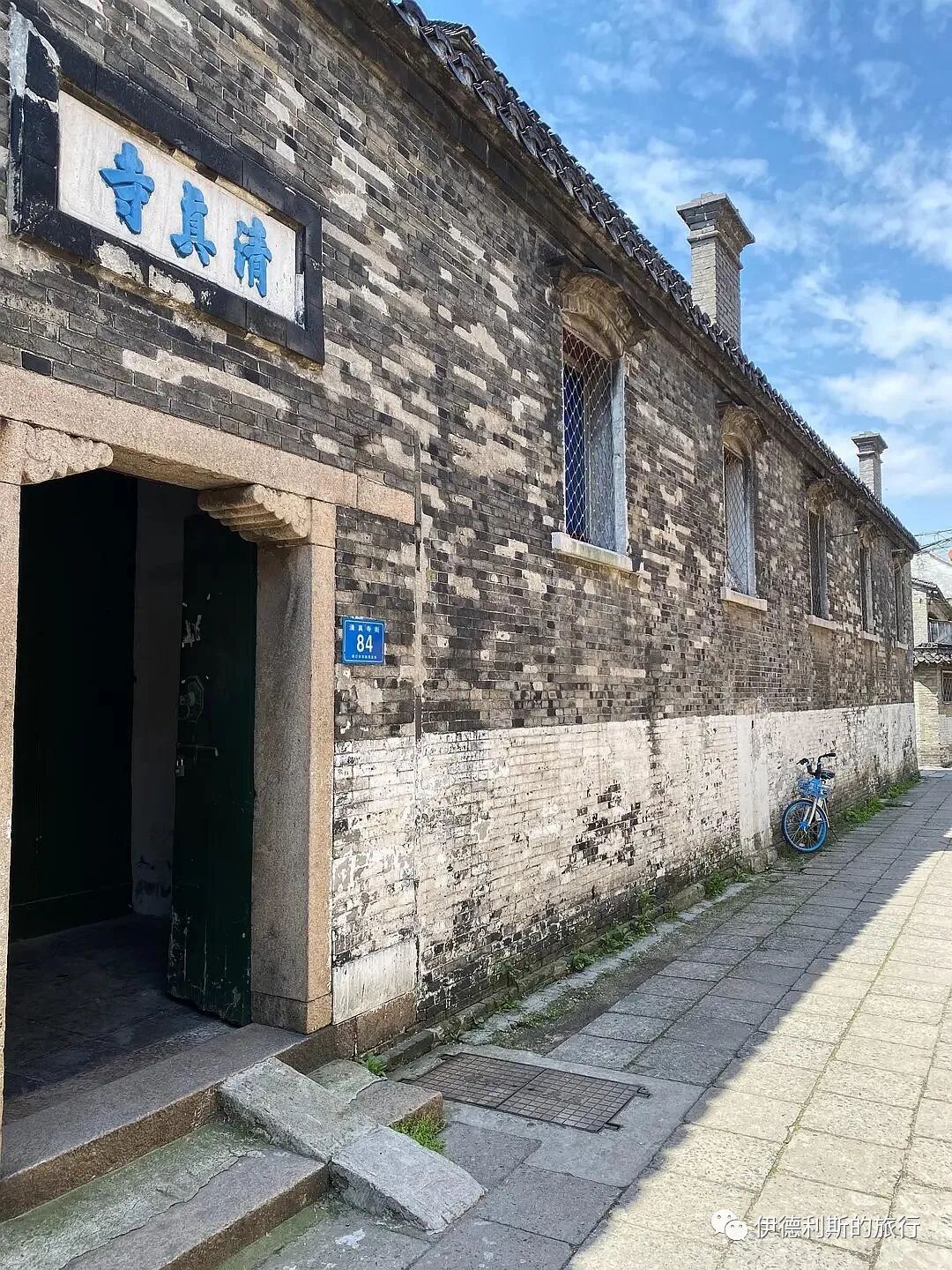
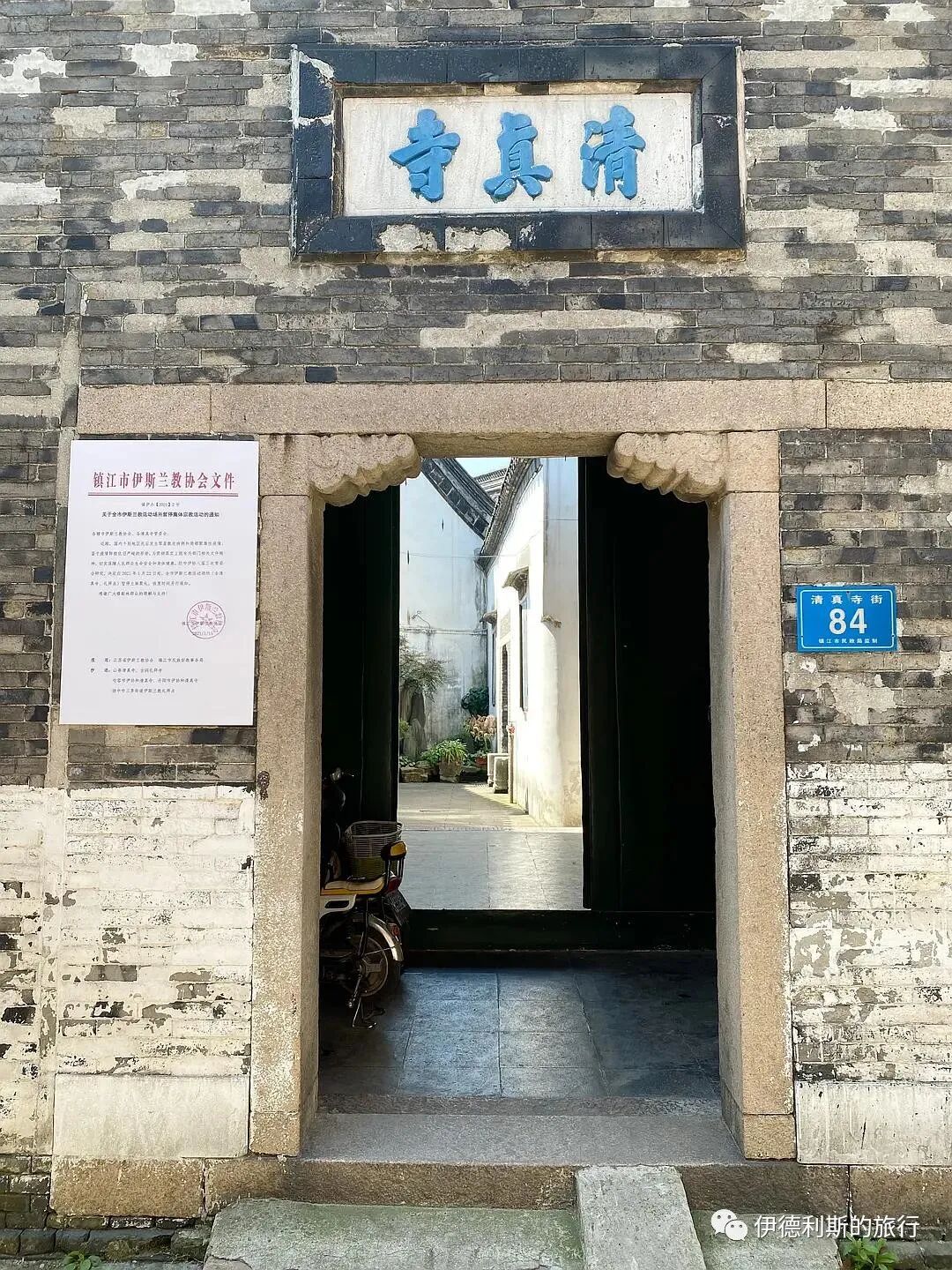
Main gate
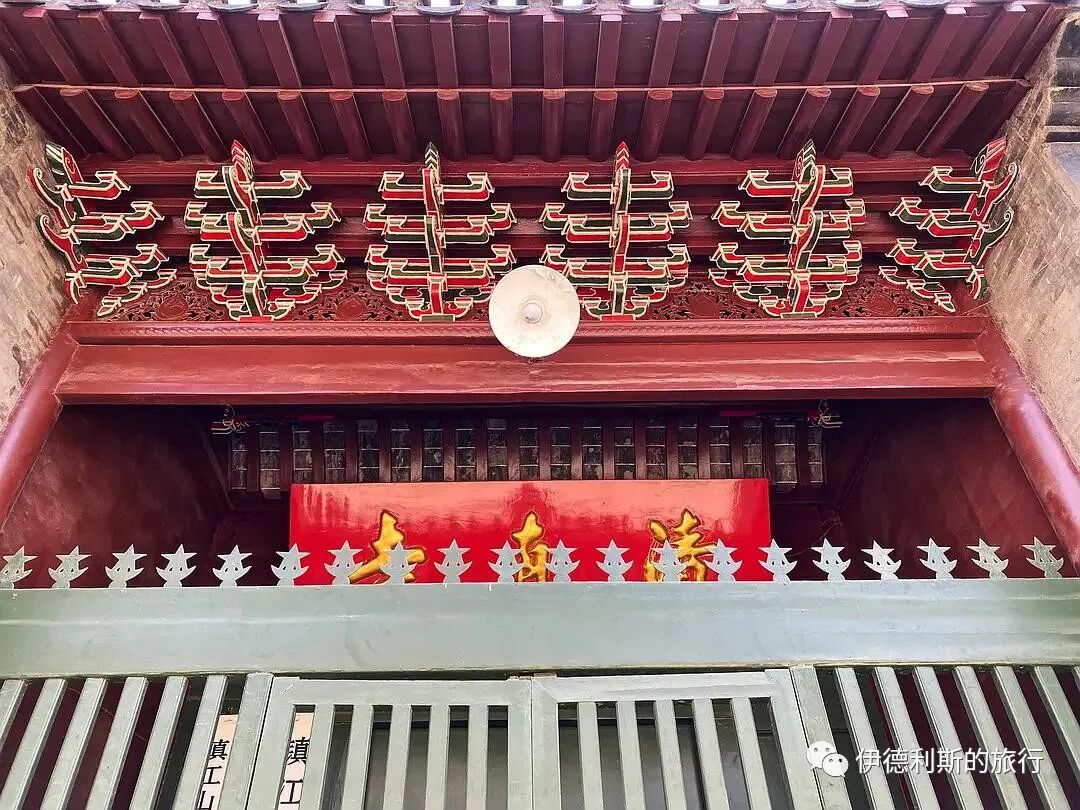
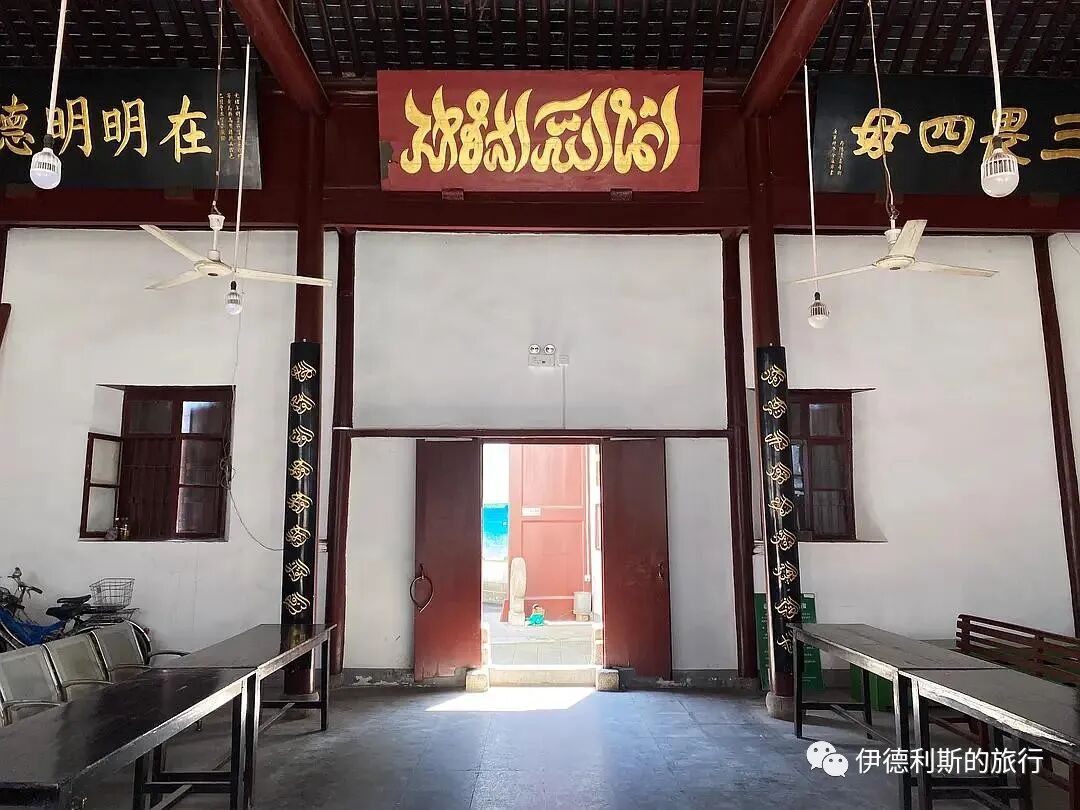
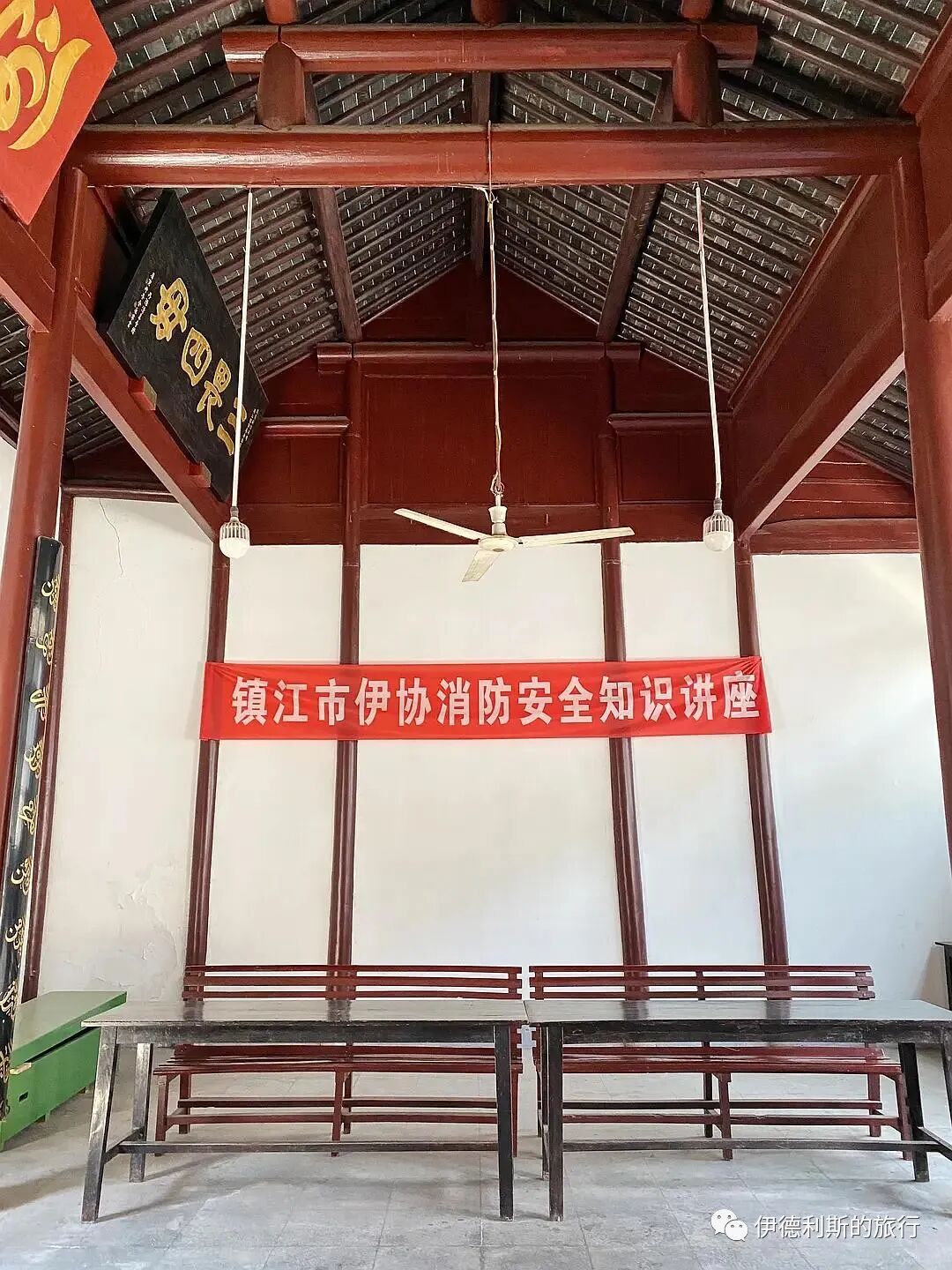
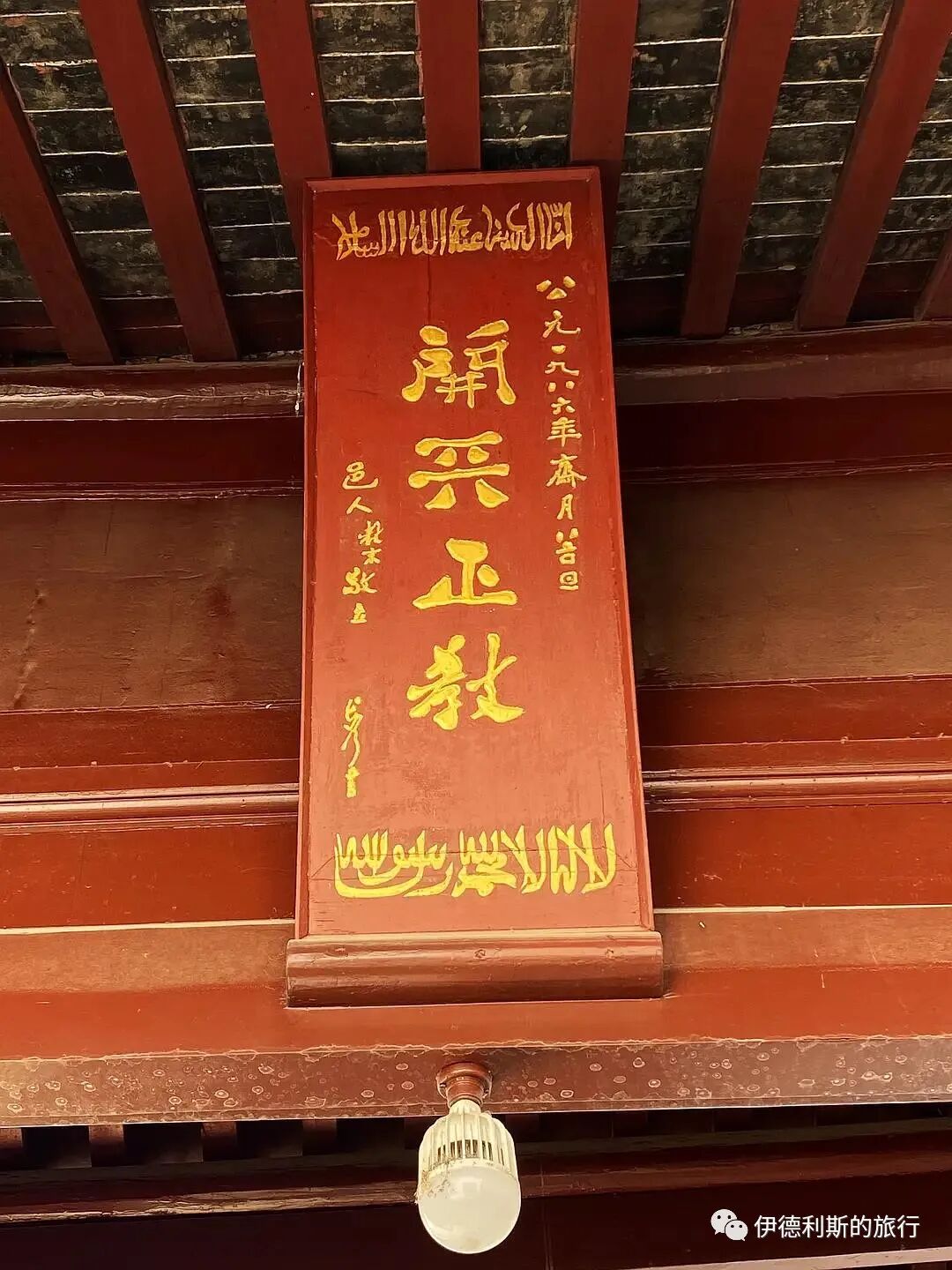
The front hall was used as a classroom for Muyuan Primary School during the War of Resistance. The plaque above was written by Imam Hua Guilin in 1984, and the couplets were written by the famous Beijing Arabic calligrapher Li Wencai in 2010.
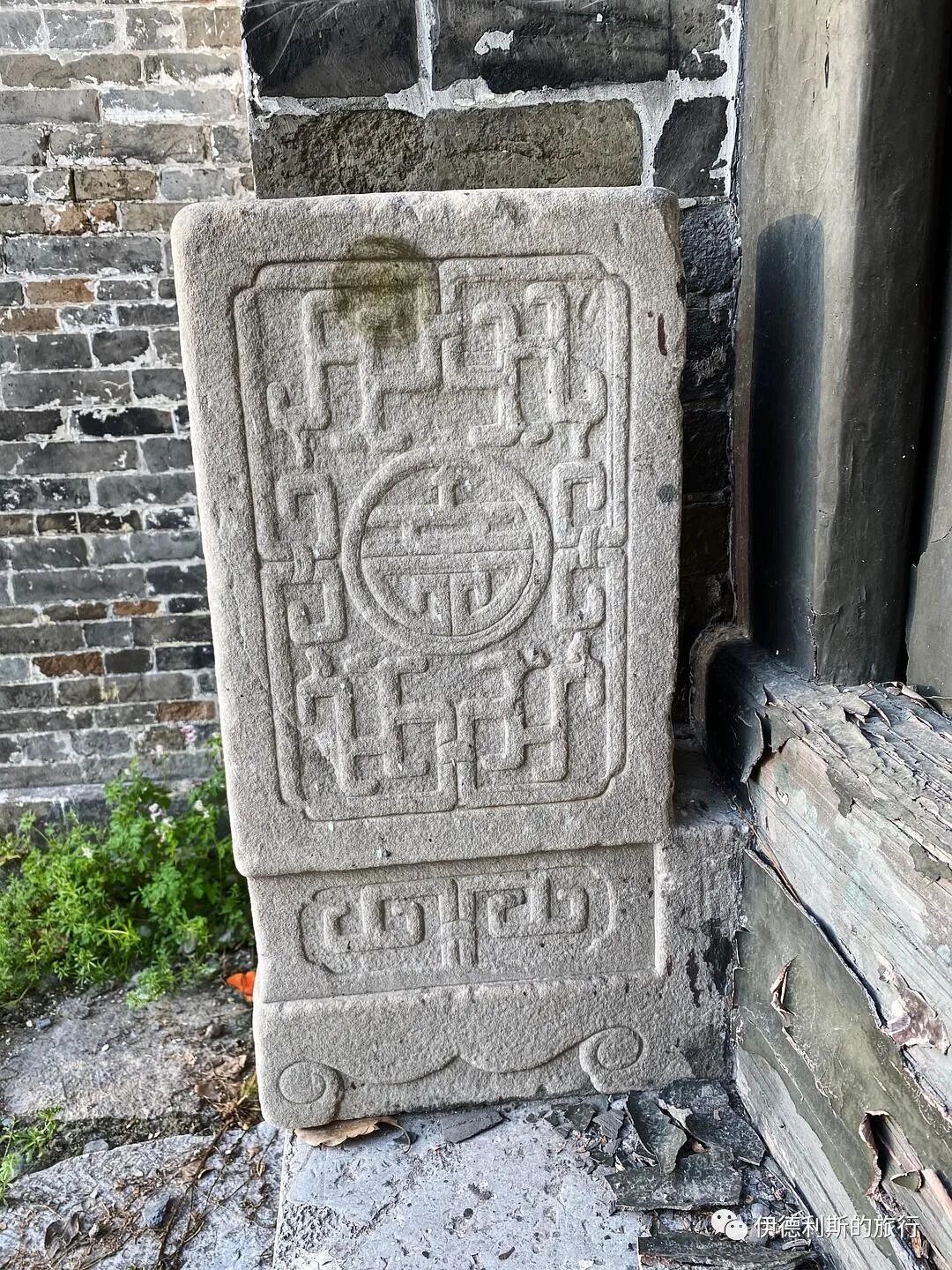
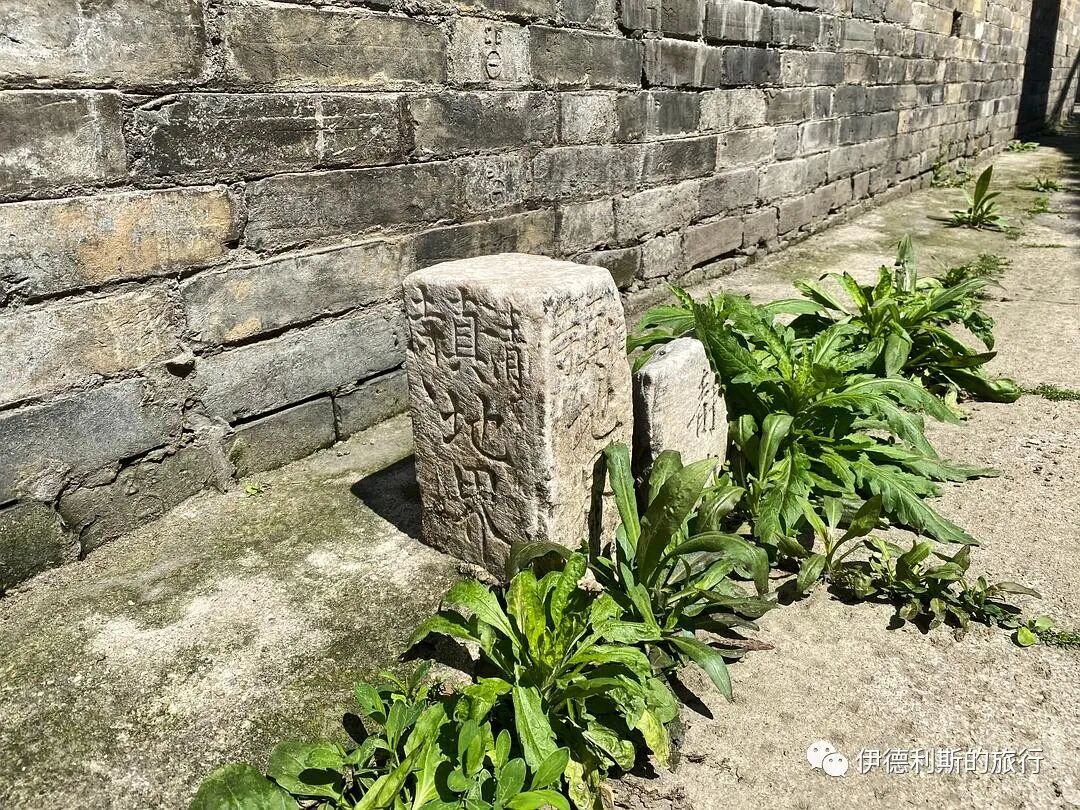
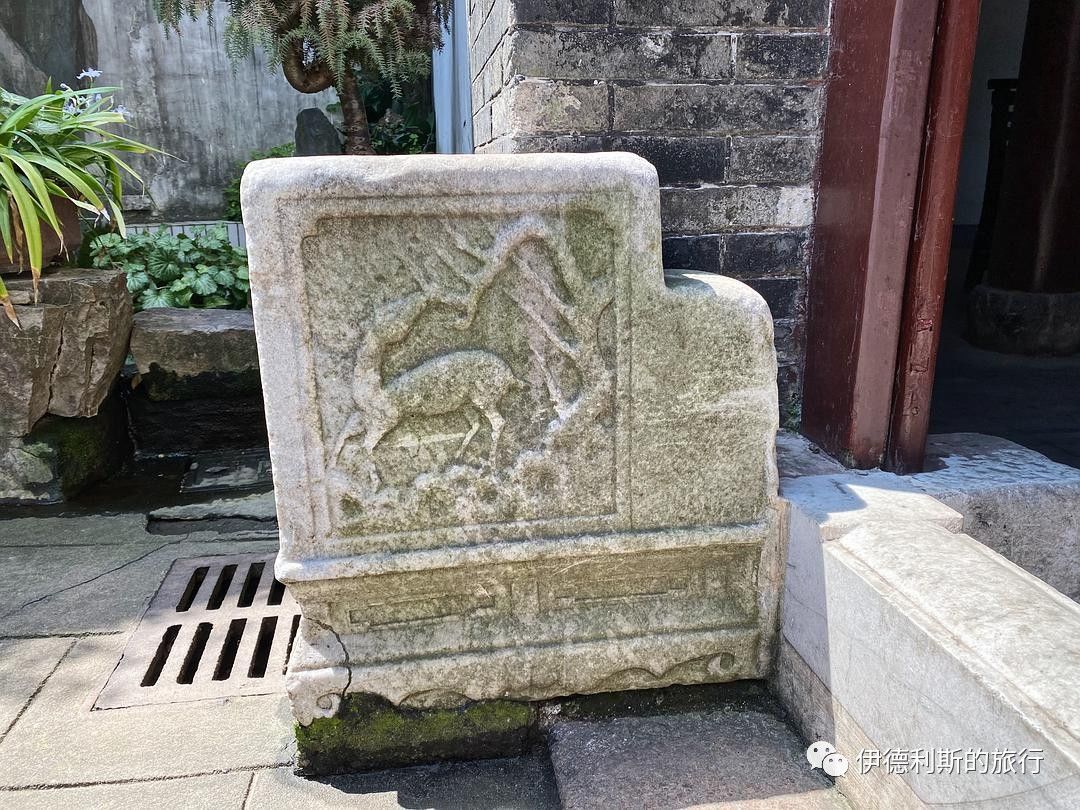
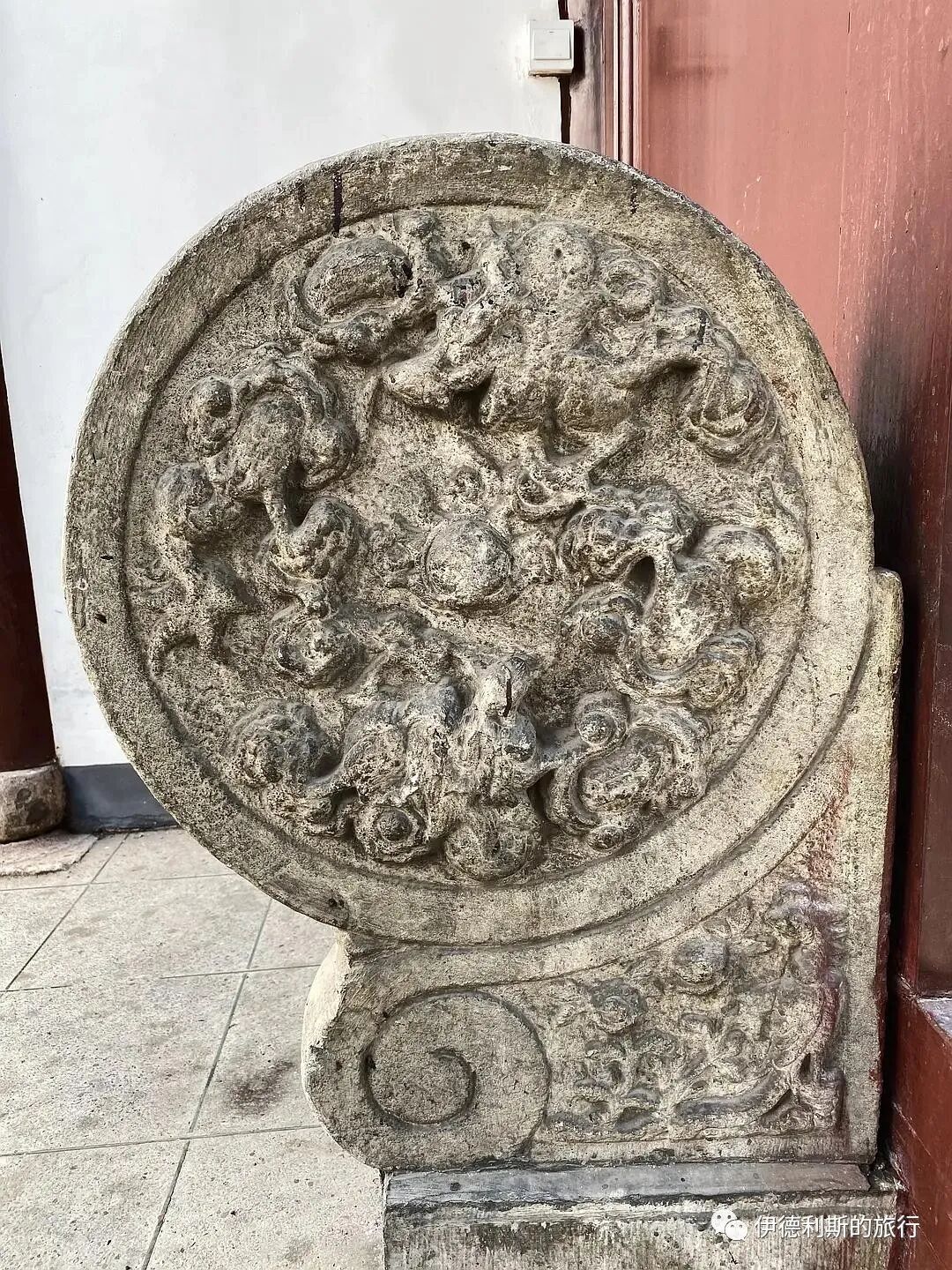
The stone door bases outside the front hall.
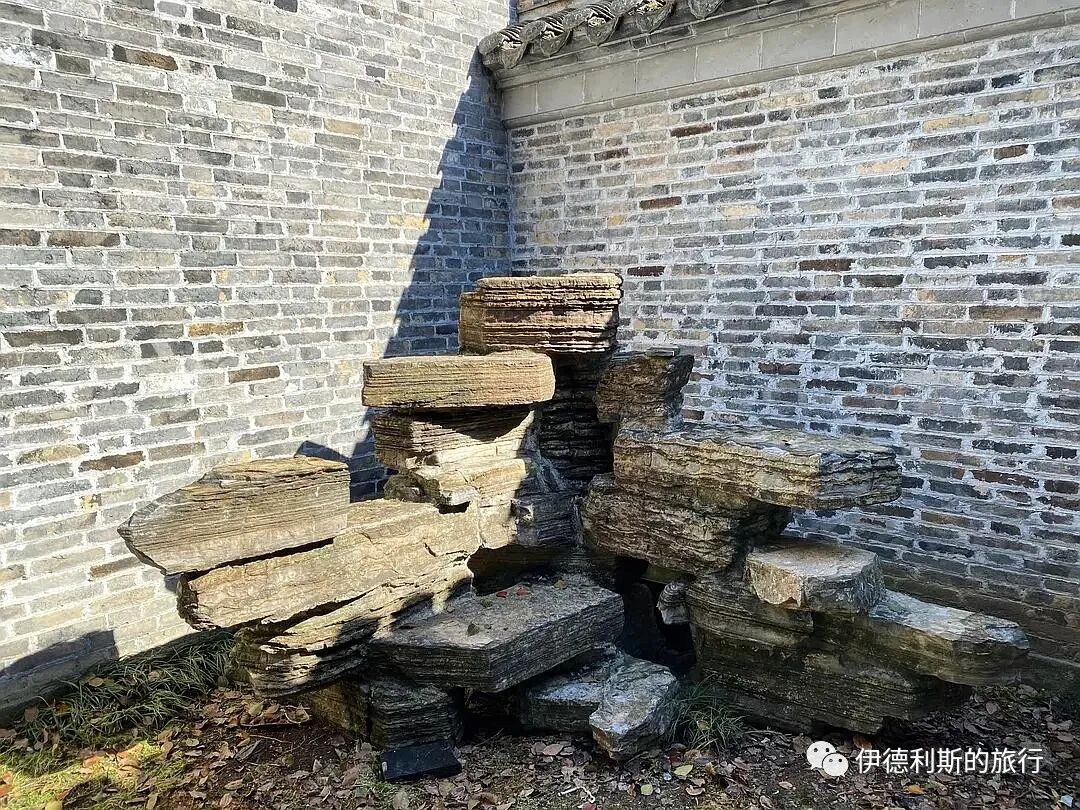
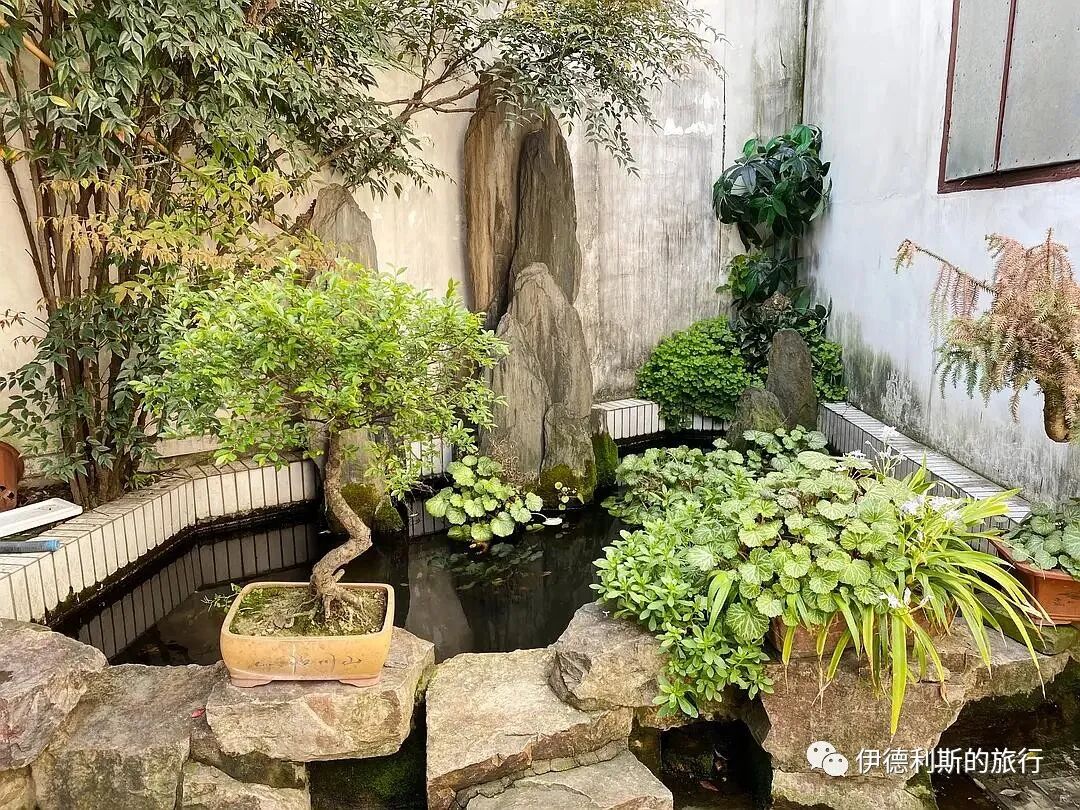
The rockery inside the second small courtyard.
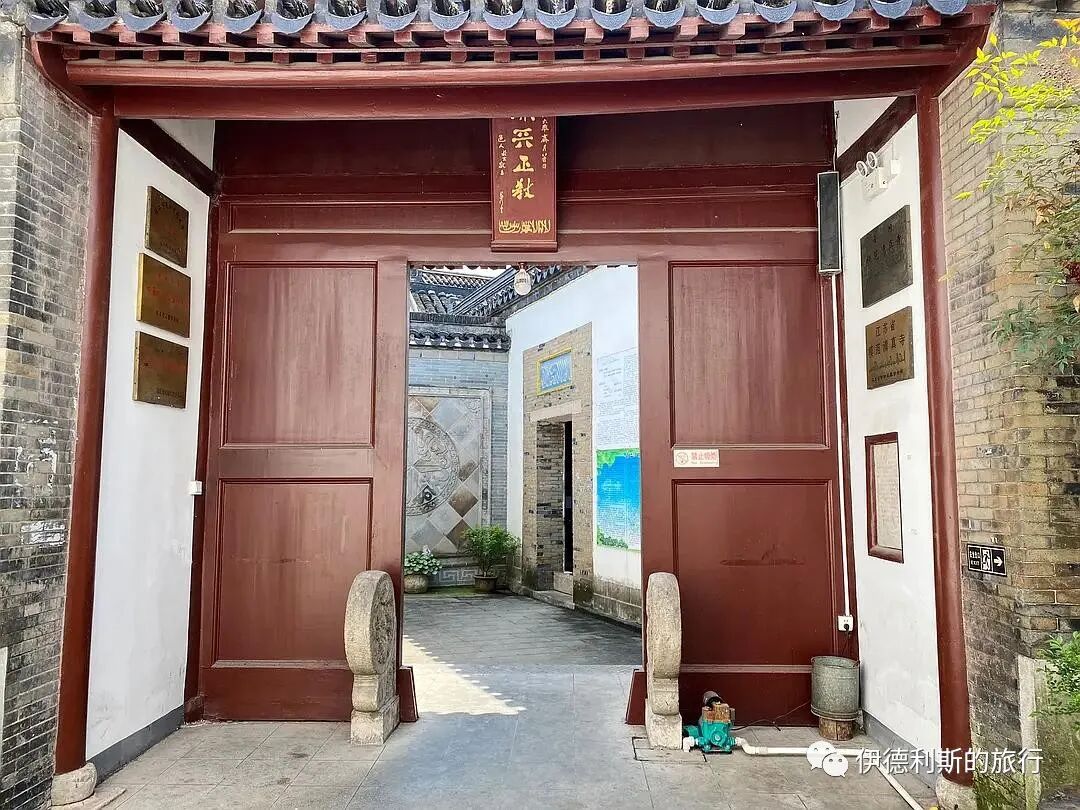
The second gate.
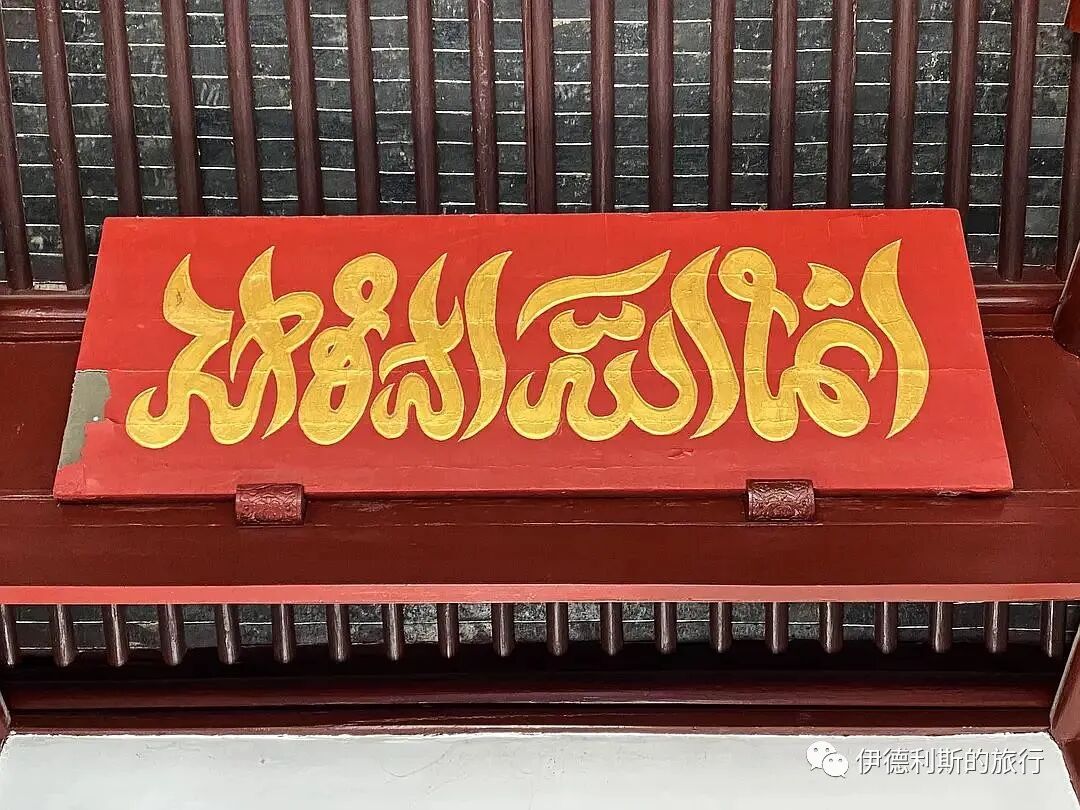
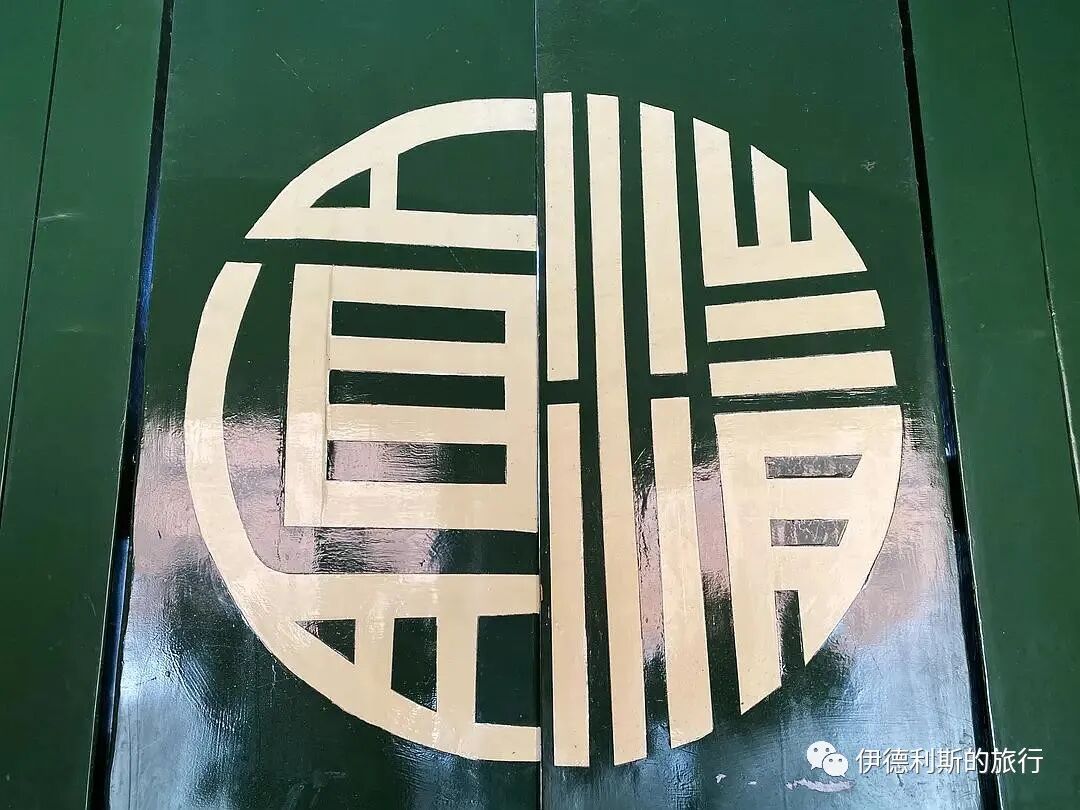
Facing the side gate hall is a green screen door with the circular characters for "halal" (qingzhen) written in the center.
During the 1960s and 1970s, the mosque was smashed and then occupied, leaving only the side gate hall guarded by an elderly man named Ma Zhonglin. The occupying unit tried to force Ma Zhonglin out with various excuses, but he refused every time and spent ten difficult years there. During those ten years, all the Hui Muslims in Zhenjiang used this gate hall to store funeral supplies and to hold and prepare the deceased. At that time, only Ma Zhonglin washed the bodies of the deceased, led the namaz, and recited dua while burying them. He also slaughtered poultry for the elders in the side gate hall every morning.
In 1981, Ma Zhonglin passed away. Afterward, Tan Quanhong and Zhang Dagui took turns slaughtering poultry for the elders in the side gate hall every morning. That same year, the occupying unit began to move out, and the Shanxiang Mosque was finally recovered.
The third small courtyard outside the second gate.
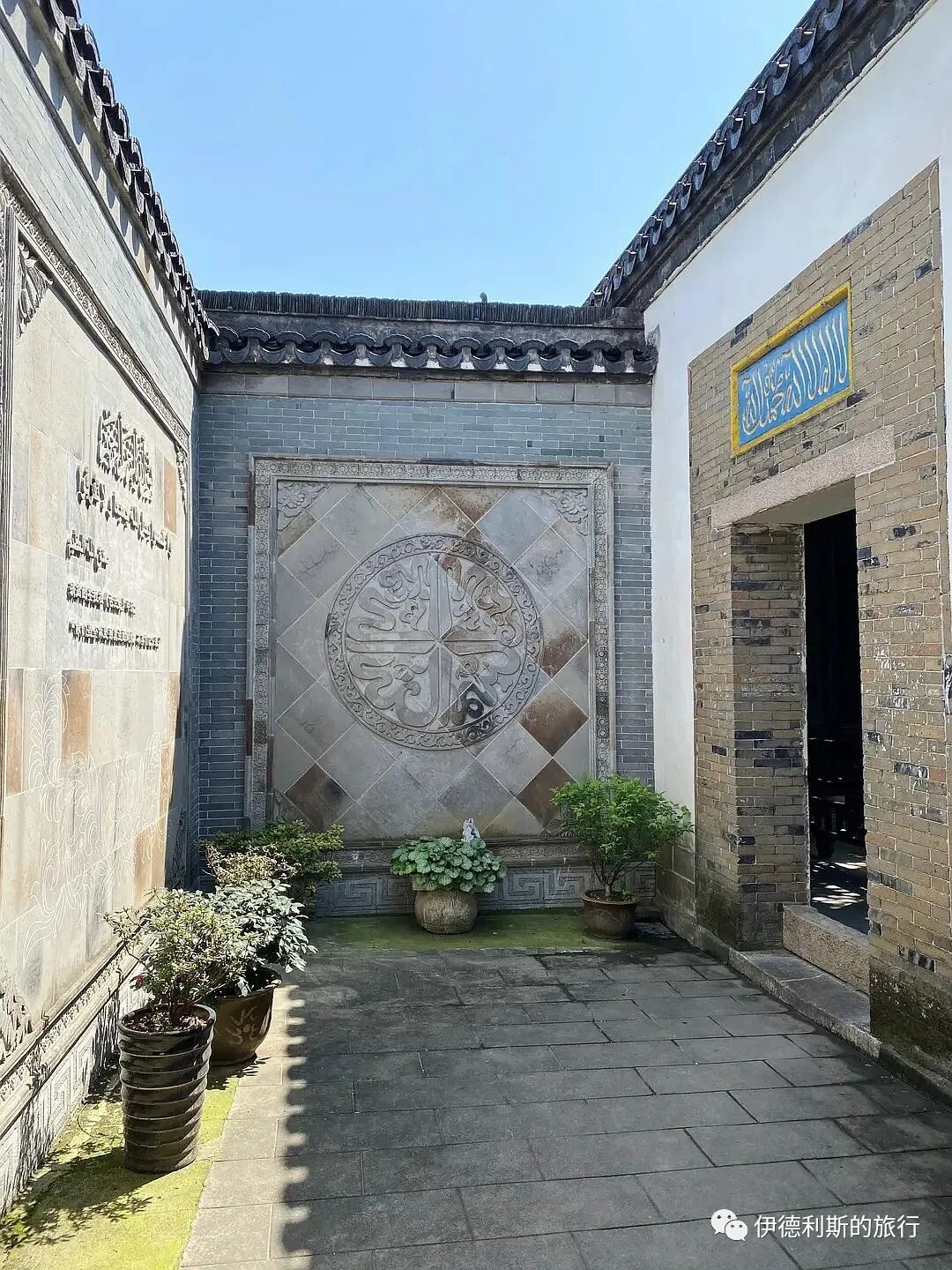
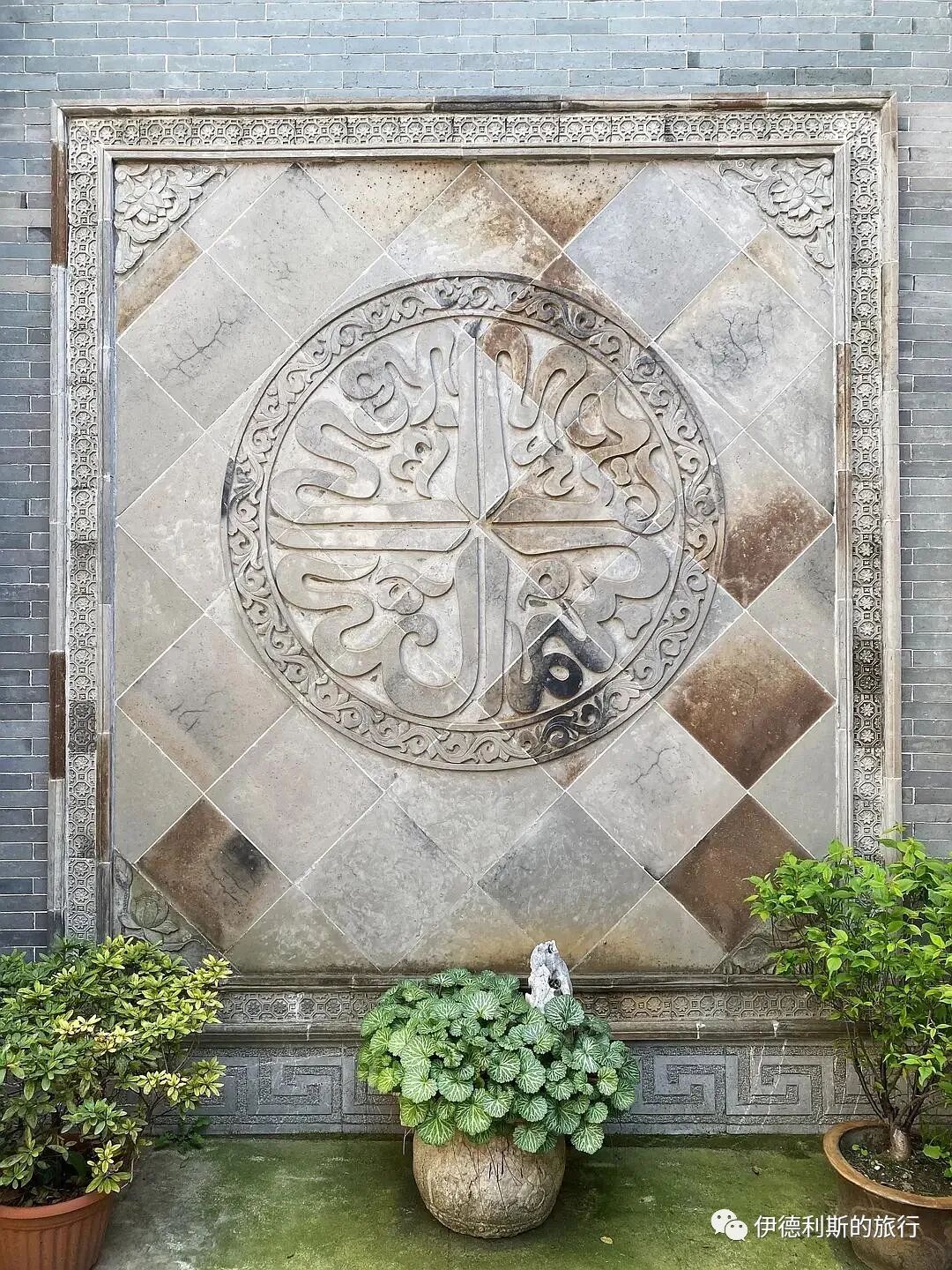
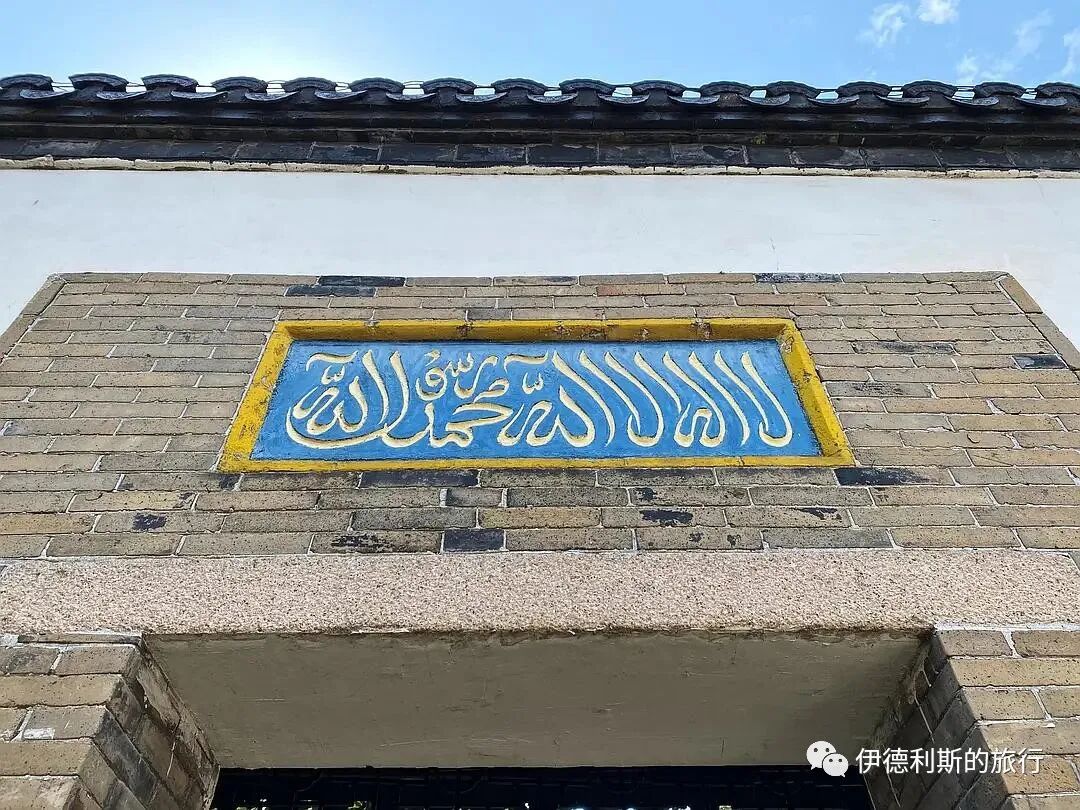
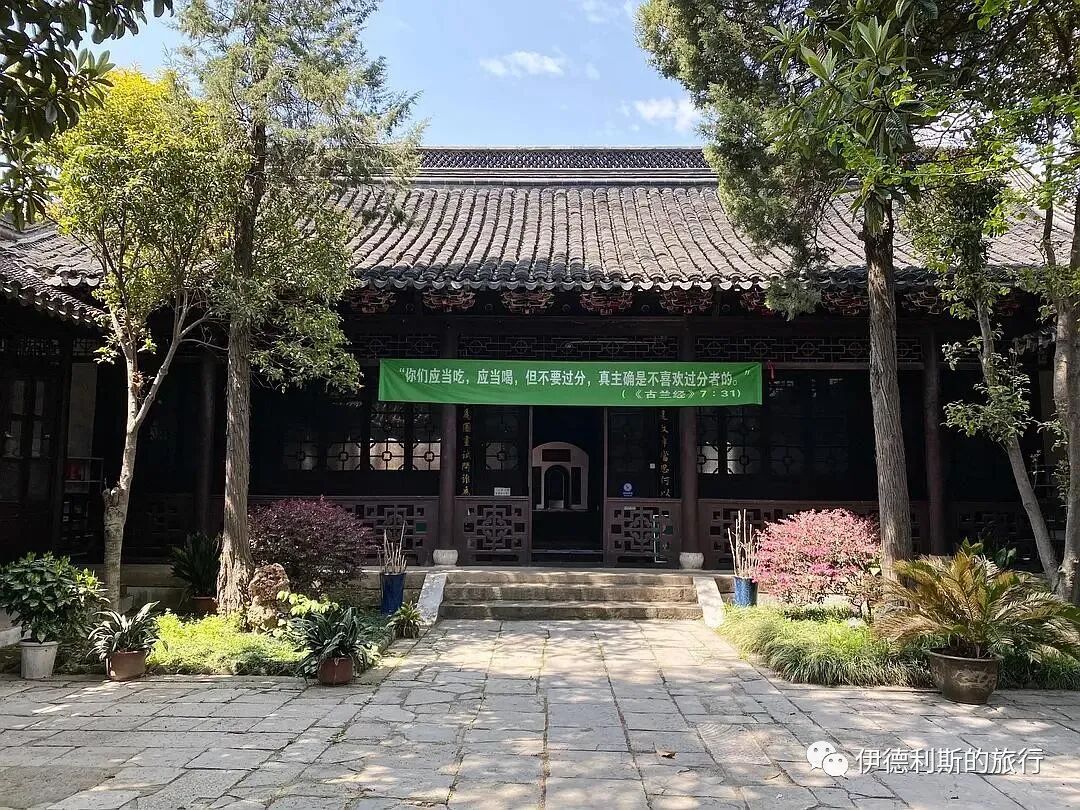
The large courtyard. The courtyard has a cross-shaped path and is planted with pine and ginkgo trees. There were once two ginkgo trees over 200 years old in the courtyard, but they were cut down in 1958 to support the Great Leap Forward steel production.
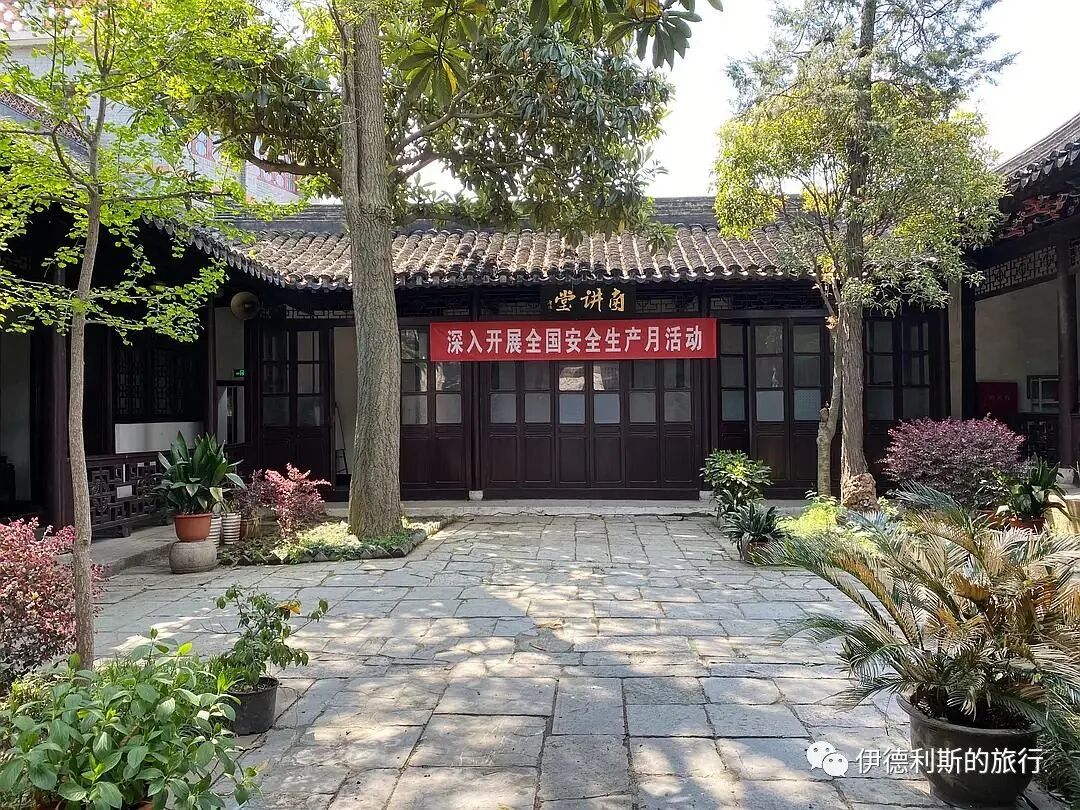
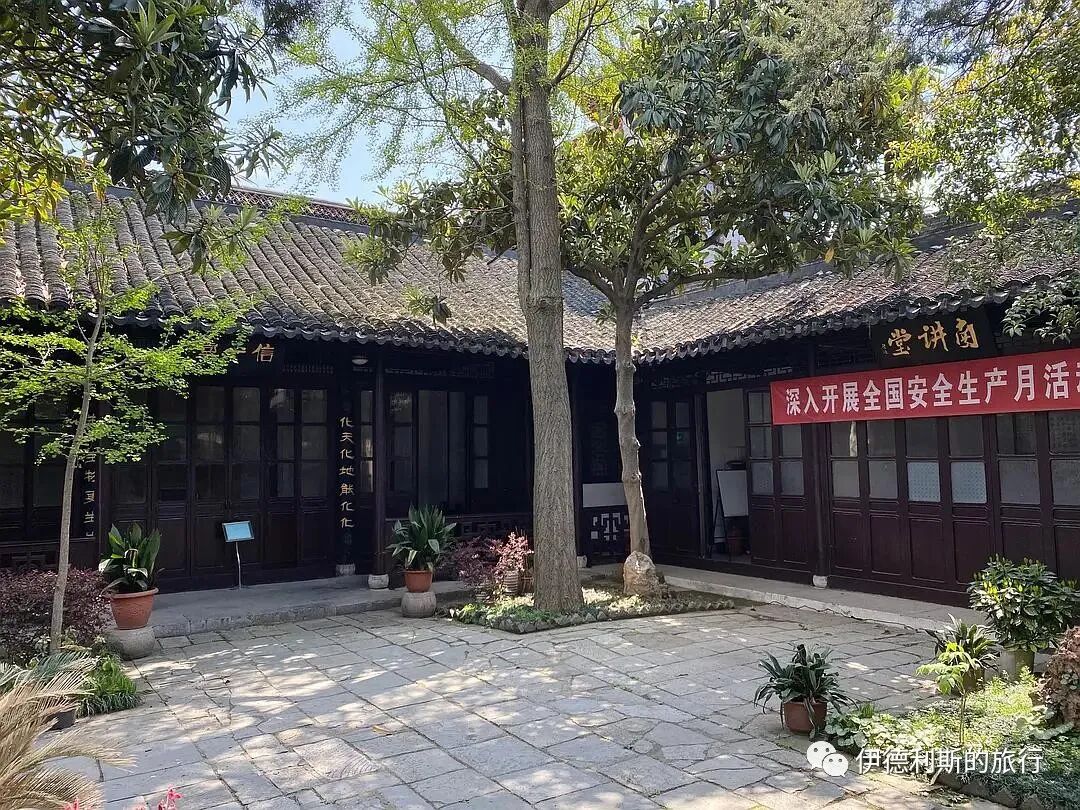
Shanxiang Mosque was once an important national base for printing and publishing Islamic books. From the Qianlong to the Tongzhi periods of the Qing Dynasty, more than 20 types of philosophy and religious books, including the "Baoming Zhenjing," "Tianfang Dianli," "Guizhen Zongyi," and "Huihui Yuanlai," were woodblock printed in hundreds of editions and shipped across the country by land and water. To this day, the Cultural Palace of Nationalities in Beijing, the Central University for Nationalities Library, and the Peking University Library all hold books printed by the Zhenjiang Shanxiang Mosque.
During the 1960s and 1970s, Shanxiang Mosque was severely damaged, and none of its scriptures, woodblocks, plaques, couplets, furniture, decorations, or other cultural relics survived.
Summary: This Muslim friendly China travel guide keeps the original 2021 Gaoyou, Yangzhou, and Zhenjiang trip notes intact for Part 1. It is useful for Muslim travel guide China 2026, halal food in China, Chinese Muslim food, and mosque-friendly routes in Jiangsu.
On the morning of April 4, 2021, I left Nanjing by high-speed train. I arrived in Gaoyou in one hour and took a bus directly to the Gaoyou Mosque. Gaoyou and Lingtang were two places I missed during my canal mosque tour in 2016-17. Five years later, I finally made up for it.
Gaoyou
Gaoyou Mosque is a very beautiful traditional mosque. It is small and delicate, with the charm of a water town. The founding date of the mosque is unknown, but there is a cypress tree in the courtyard that is over two hundred years old. In 1864 (the third year of the Tongzhi reign), local elders Ma Guixing, Liu Xingtian, and Ma Hongxing rebuilt the mosque. The current entrance has a stone carving that says it was rebuilt in the middle of winter in the second year of the Tongzhi reign.
It was a pity that the mosque gate was locked when we arrived. We asked at a nearby noodle shop, and they said it only opens for Jumu'ah prayers. It seems I will have to wait for another chance to visit inside.
I wandered around Gaoyou, visiting Mengcheng Post Station and the West Dike. The Grand Canal and Gaoyou Lake run side by side, making it truly feel like a water town.
Lingtang
At noon, I took a taxi from Gaoyou to Lingtang Hui Muslim Township. Lingtang is the only Hui Muslim township in Jiangsu, home to the four major surnames: Yang, Xue, Li, and Sha. One branch of the Yang family moved here from Suzhou at the end of the Yuan Dynasty, and another branch moved from Suzhou during the Qing Dynasty. The Xue family moved here from Xuebeizhuang in Gaoyou during the Qing Dynasty, later converted to Islam, and for generations have mostly only married into the Yang family. The Sha surname is said to come from the Persian word "Shah," as they are descendants of Persian ancestors from the Huihuiwan area during the Yuan Dynasty.
At Huixianglou Restaurant, I ate salted goose (yan shui e), egg yolk stir-fried buckwheat slices (dan huang shao ku qiao pian), amaranth stir-fried with fava beans (xian cai chao can dou), and beef wing soup (niu chi tang), all of which are local specialties. The founder of Huixianglou, Yang Yangui, opened a halal restaurant on Lingtang Bridge Old Street in 1969. It moved to its current location in 2010 and specializes in Lingtang salted goose from Gaoyou Lake.
At the end of the Yuan Dynasty, a mosque was built in "Huihuiwan" by the side of Gaoyou Lake in Lingtang, but it was later destroyed by a flood. In the mid-Ming Dynasty, the mosque moved to Yangdazhuang, then to its current site in the early Qing Dynasty. It was rebuilt in 1844 (the twenty-fourth year of the Daoguang reign), expanded again in 1921, and completed in 1924.
The golden osmanthus tree (jin gui shu) next to the kiln hall (yao dian) was planted when local elder Xue Yukuan and his wife, Mrs. Xue Yang, asked an imam to recite the Nikah. It has a history of over 130 years.
The exhibition hall of the Yangzhou Lingtang Mosque displays a water kettle (tang ping hu) made and gifted by the Jizhaoying Mosque in Nanjing during the Qing Dynasty, a Republic-era water kettle, a copper Xuande incense burner (tong xuande lu), a blue and white porcelain incense burner, and the steamer (guo zheng zi) and bucket (diao tong) from the mosque's 1950s washroom. The steamer was used to boil hot water, and the bucket had a hole at the bottom; you could pull out the wooden plug to take a shower.
The mosque is also the inheritance site for the Yangzhou intangible cultural heritage, "Hui Muslim Customs of Lingtang Hui Muslim Township."
Yangzhou
In the afternoon, I took a taxi from Lingtang to Yangzhou, visiting the Yangzhou Xianhe Mosque for the second time after four years.
Yangzhou's Xianhe Mosque is one of the four great ancient mosques in Southeast China, along with the Phoenix Mosque in Hangzhou, the Lion Mosque in Guangzhou, and the Qilin Mosque in Quanzhou. It was founded in 1275 (the 12th year of the Zhiyuan era of the Yuan Dynasty) by the Western sage Puhading before he passed away. It was rebuilt in 1390 (the 23rd year of the Hongwu era of the Ming Dynasty) by Ha San, renovated in 1523 (the 3rd year of the Jiajing era) by the merchant Ma Zongdao and the imam Ha Ming, and repaired again in 1791 (the 56th year of the Qianlong era).
The gatehouse has a single-eave, ridge-roofed hard-mountain style, with some wooden parts dating back to the Ming Dynasty. The Ming Dynasty drum-shaped stone bases in front of the gate are very exquisite and rare among mosques in China.
The Xianhe Mosque layout uses small courtyards, unlike the four-sided courtyard (siheyuan) layout common in northern mosques. Xianhe Mosque divides the lecture hall, the main prayer hall, and the gate into three separate small courtyards. It also features a moon-viewing pavilion and a covered walkway outside the south gable of the main hall, giving the mosque a garden-like atmosphere.
Inside Xianhe Mosque stands a 745-year-old ginkgo tree, the oldest surviving ginkgo in Yangzhou.
From Xianhe Mosque, I went to the Puhading Tomb, but it was already locked after closing time, so I could not get in. Puhading is said to be a 16th-generation descendant of the Prophet. He came to Yangzhou during the Xianchun period of the Song Dynasty (1265–1274) and died in Yangzhou in 1275 (the 12th year of the Zhiyuan era of the Yuan Dynasty). He was buried on a high ridge east of the East Gate River in the New City, a place later called Huihui Hall (commonly known as Baba Kiln). However, I had already explored the tomb carefully in 2016, so I did not feel it was a regret.
Behind the mihrab of the mosque at the Puhading Tomb.
Looking at the Puhading Tomb from the banks of the Grand Canal, watching the sunlight hit the bricks and feeling the breeze, I felt very relaxed.
The disappearance of local halal food in Yangzhou is a great pity. From the Qing Dynasty to the Republic of China, Yangzhou's halal food scene was once very popular. During the Republican era, there were over ten famous halal restaurants. Famous Peking opera actors Zhou Xinfang and Cheng Yanqiu would eat at the most famous halal restaurant at the time, Tianxing Restaurant, whenever they came to Yangzhou to perform.
During the Republic of China, Yangzhou also had over ten halal chicken and duck shops, over ten beef shops, more than thirty sesame flatbread (shaobing) shops, and two tea houses. The most famous chicken and duck shop was Linyuanxing, which later became the predecessor of Hongxing, the only halal restaurant left in Yangzhou. Linyuanxing was good at making oil-poached chicken and salted duck. At that time, it not only had multiple shops in Yangzhou but also had branches and stalls in Shanghai, Suzhou, and Zhenjiang.
Yangzhou's halal food industry declined sharply after 1949. When I visited in 2016, the only places serving local food were Tianxingzhai, which used the name of the old Tianxing Restaurant, Yixiangzhai next to the Puhading Tomb, and the old brand Hongxing. When I visited again in 2021, Tianxingzhai had become a small barbecue shop, Yixiangzhai had closed, Hongxing was under renovation with only a snack window, and the rest were just Lanzhou hand-pulled noodle (lamian) shops.
We bought vegetarian chicken and smoked fish at Hongxing. The preparation was similar to the style in Nanjing, and it was the only local Yangzhou halal food we could find during the 2021 Qingming Festival (I heard Hongxing is finished with renovations now, and inshaAllah I will have a chance to taste it again).
Zhenjiang
On the morning of April 5, I took the high-speed train from Yangzhou to Zhenjiang. I rode an e-bike to Yongan Road to eat beef vermicelli soup at Hualiji. The soup was slightly sweet and very refreshing.
The Hua family of Hui Muslims moved to Zhenjiang from Taierzhuang, Shandong, during the Taiping Rebellion. The Taiping Rebellion caused heavy damage to Zhenjiang, leading to a large population decrease and the arrival of many people from the north. This is one of the reasons why Zhenjiang eventually changed from a Wu-speaking area to a Jianghuai Mandarin-speaking area. Huali Ji is a family of halal butchers in Zhenjiang. They have been in business for six generations, starting from the Daoguang era. In 2002, they moved from the Zhenjiang mosque to their current location on Yongan Road.
Next, I went to the newly opened Yang Family Halal Restaurant (Yangjia Qingzhen Guan) next to Muyuan Restaurant. I had beef wontons, dried tofu strips (gansi), and pan-fried buns (jianbao). This place was opened in Zhenjiang by Hui Muslims from Heze, Shandong.
Then I went to Jianxiang Halal Food Store at the Jiangbin vegetable market to buy Zhenjiang specialties: egg crisps (jidan su), Jingjiang navel cakes (Jingjiang qi), and Jingguo powder (Jingguo fen). The owner, Ma Jian, was originally a worker at a Zhenjiang pastry factory. After being laid off in 1995, he started his own Jianxiang Halal Food Factory. In 2009, he opened this current shop next to the Jiangbin vegetable market. When I visited last winter, I bought some delicious cloud-slice cakes (yunpian gao), but they don't make them in the spring. Friends who want to try them can add the landlady on WeChat to have them shipped. 15262910548
Jingjiang navel cakes are a Zhenjiang specialty snack. Mr. Xia Rongguang described them in detail in his book, A Brief History of the Hui Economy in Modern Zhenjiang. Jingjiang navel cakes are commonly called 'vat navels' (gangqi) or 'navel-lets' (qier). Legend says they were originally octagonal, but they were changed to hexagonal during the Qing Dynasty to avoid the taboo of the 'Eight Banners'. Jingjiang navel cakes come in sweet and savory versions. The savory ones sell more because you can dip them in beef or chicken soup. In the past, Zhenjiang people often served Jingjiang navel cakes soaked in salted egg water to guests.
Making these cakes requires great skill and heat control. When shaping the hexagonal ones, the savory version must be rolled six and a half times, and the sweet version three and a half times. Missing even one roll affects the quality.
According to Fan Shoubao, a tea snack industry veteran born in the 1900s, he became an apprentice at the Wuyunzhai Halal Tea Shop in the 1910s at age fourteen. He made at least two bags of flour into nearly a thousand Jingjiang navel cakes every day. Back then, visitors to Zhenjiang or locals leaving town would often buy hundreds at a time.
The Shanxiang Mosque in Zhenjiang is also called the West City Mosque or the West Great Mosque. Its founding date is unknown, but it was expanded during the Kangxi era. It was destroyed during the Taiping Rebellion in 1853 (the third year of the Xianfeng era) and rebuilt in 1873 (the twelfth year of the Tongzhi era). According to the History of Islam in Zhenjiang, Jiangsu, the late Imam Tan Yuanshen, who lived to be over eighty, recalled hearing from his grandfather and elders in the community that before the Kangxi-era expansion, the West City Mosque was just three thatched huts. At that time, the area around the mosque was sparsely populated and vast; you could see the Zhenjiang city gate tower to the east and Yuntai Mountain to the west.
After Zhenjiang opened as a treaty port, the area outside the West Gate became a bustling commercial district. In 1865, the British established a concession by the river. With the opening of the Shanghai-Nanjing Railway, the area outside the West Gate developed further, and Hui Muslims kept arriving to trade and settle around the Shanxiang Mosque.
In 1902 (the 28th year of the Guangxu era), the Zhenjiang Hui community raised funds to expand the Shanxiang Mosque. The current layout of the mosque dates back to this renovation.
The Shanxiang Mosque consists of a small courtyard and a large courtyard. Entering the main gate, you find the first small courtyard. Passing through the front hall leads to the second small courtyard, with a side door and the second gate directly ahead. Passing through the second gate leads to the third small courtyard. Then, a corridor leads into the large courtyard, which is made up of the prayer hall, the south lecture hall, and the opposite hall. This layout of large and small courtyards is very characteristic of the Jianghuai region.
Main gate
The front hall was used as a classroom for Muyuan Primary School during the War of Resistance. The plaque above was written by Imam Hua Guilin in 1984, and the couplets were written by the famous Beijing Arabic calligrapher Li Wencai in 2010.
The stone door bases outside the front hall.
The rockery inside the second small courtyard.
The second gate.
Facing the side gate hall is a green screen door with the circular characters for "halal" (qingzhen) written in the center.
During the 1960s and 1970s, the mosque was smashed and then occupied, leaving only the side gate hall guarded by an elderly man named Ma Zhonglin. The occupying unit tried to force Ma Zhonglin out with various excuses, but he refused every time and spent ten difficult years there. During those ten years, all the Hui Muslims in Zhenjiang used this gate hall to store funeral supplies and to hold and prepare the deceased. At that time, only Ma Zhonglin washed the bodies of the deceased, led the namaz, and recited dua while burying them. He also slaughtered poultry for the elders in the side gate hall every morning.
In 1981, Ma Zhonglin passed away. Afterward, Tan Quanhong and Zhang Dagui took turns slaughtering poultry for the elders in the side gate hall every morning. That same year, the occupying unit began to move out, and the Shanxiang Mosque was finally recovered.
The third small courtyard outside the second gate.
The large courtyard. The courtyard has a cross-shaped path and is planted with pine and ginkgo trees. There were once two ginkgo trees over 200 years old in the courtyard, but they were cut down in 1958 to support the Great Leap Forward steel production.
Shanxiang Mosque was once an important national base for printing and publishing Islamic books. From the Qianlong to the Tongzhi periods of the Qing Dynasty, more than 20 types of philosophy and religious books, including the "Baoming Zhenjing," "Tianfang Dianli," "Guizhen Zongyi," and "Huihui Yuanlai," were woodblock printed in hundreds of editions and shipped across the country by land and water. To this day, the Cultural Palace of Nationalities in Beijing, the Central University for Nationalities Library, and the Peking University Library all hold books printed by the Zhenjiang Shanxiang Mosque.
During the 1960s and 1970s, Shanxiang Mosque was severely damaged, and none of its scriptures, woodblocks, plaques, couplets, furniture, decorations, or other cultural relics survived.
