
China Muslim Travel Tips Shandong Linqing: Canal Mosques, Hui Streets and Muslim Heritage
Reposted from the web
Summary: This China Muslim travel tips article keeps the original 2017 Linqing route and details intact. It also helps readers looking for Muslim travel guide China 2026, halal food in China, Chinese Muslim food, and canal-side mosque heritage in Shandong.
On February 18, 2017, I went to Linqing, Shandong, to explore and eat.
Linqing Hui Muslims
After the Yuan Dynasty established its capital in Dadu, it relied on supplies from the south. However, shipping grain from the Jiangnan region by sea was often dangerous. In 1289 (the 26th year of the Zhiyuan era), Kublai Khan ordered the construction of the Huitong River from Xucheng, Shandong, to Linqing to connect the northern and southern sections of the Grand Canal. Linqing, where the Huitong River met the existing Yongji Canal of the Sui and Tang Grand Canal, suddenly became a canal hub and the backbone and throat of the Grand Canal. It was from this time that Hui Muslims began to move to Linqing one after another.
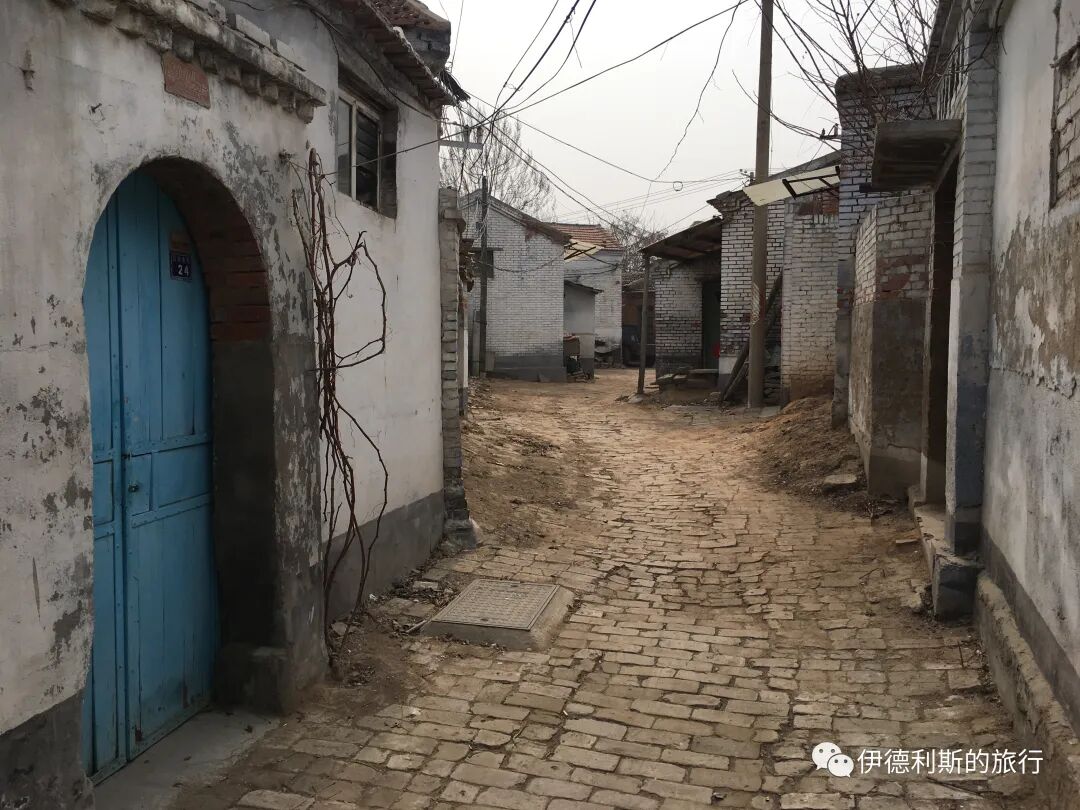
In 1373 (the 6th year of the Hongwu era of the Ming Dynasty), the Linqing granary was established. In 1450 (the 1st year of the Jingtai era), a brick city was built on the north bank of the Huitong River, based on the Guangji Granary. At that time, in the southwest of Linqing city, an area called Zhongzhou, surrounded by two tributaries of the Wei and Wen rivers, was the most prosperous commercial district in Linqing. Zhongzhou was traversed from north to south by a long street, divided into Pot Market Street (Guoshi Jie), Blue Bowl Market Street (Qingwanshi Jie), and Horse Market Street (Mashi Jie). This was also the area where Hui Muslims in Linqing were most concentrated.
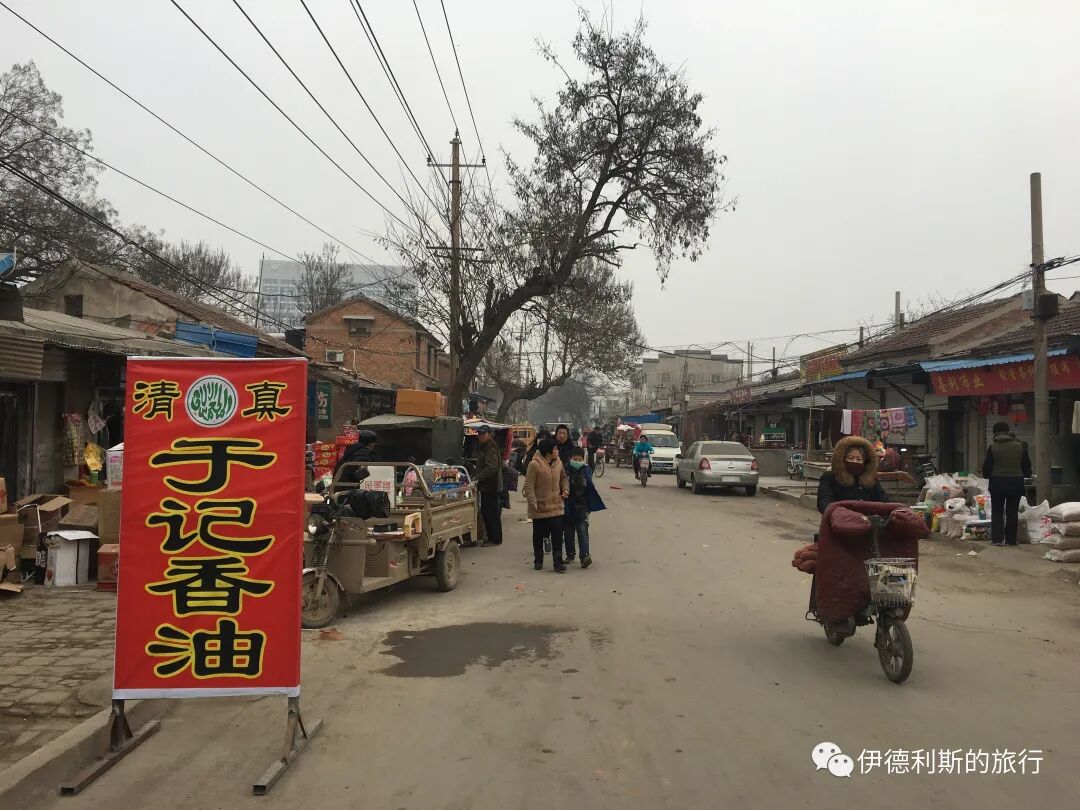
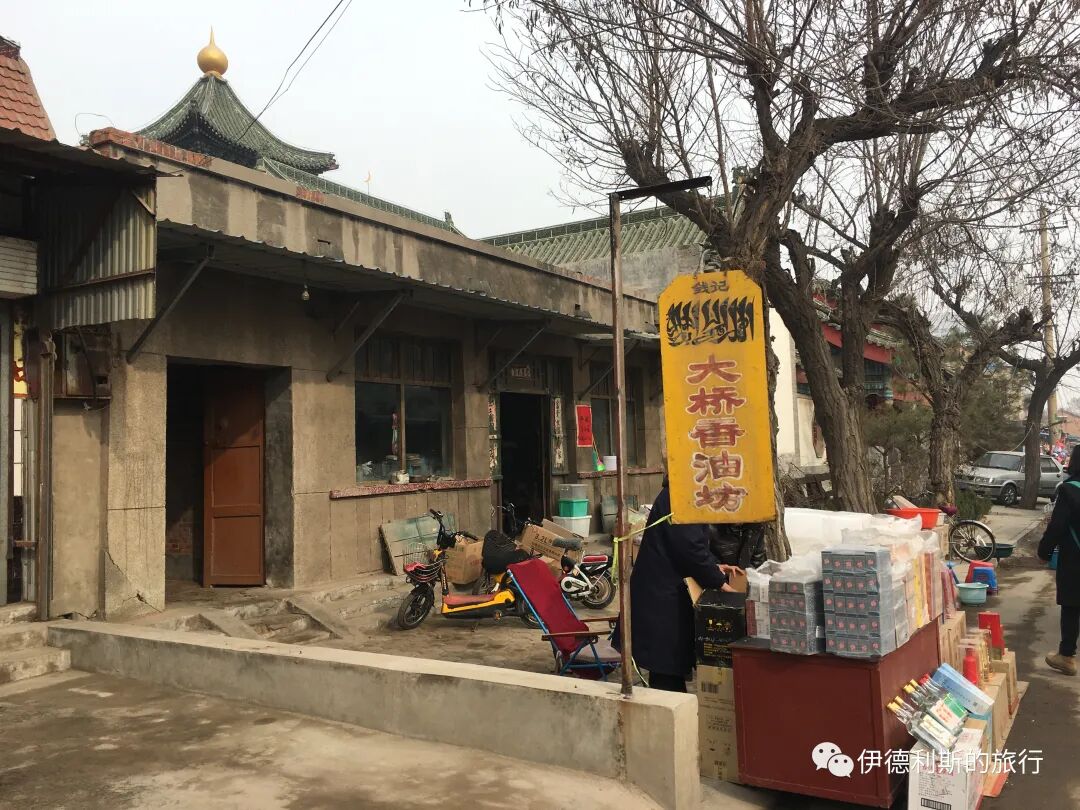
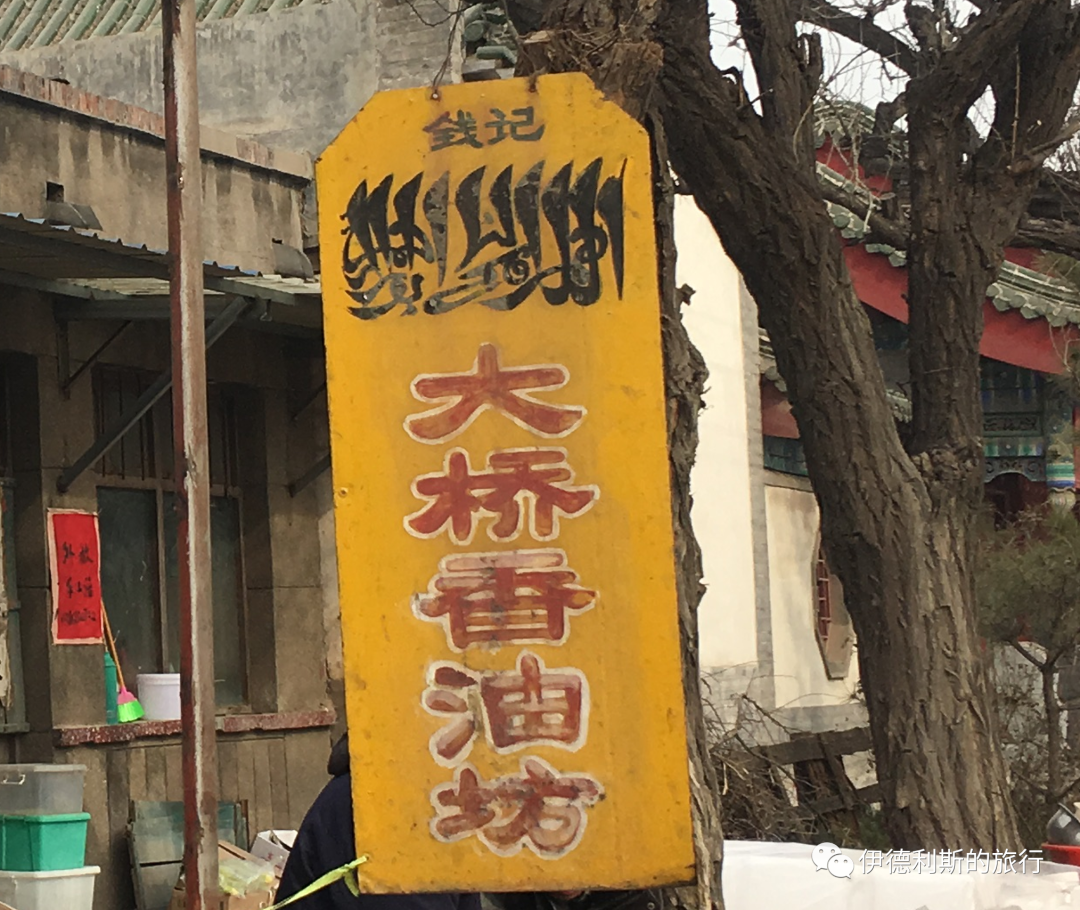
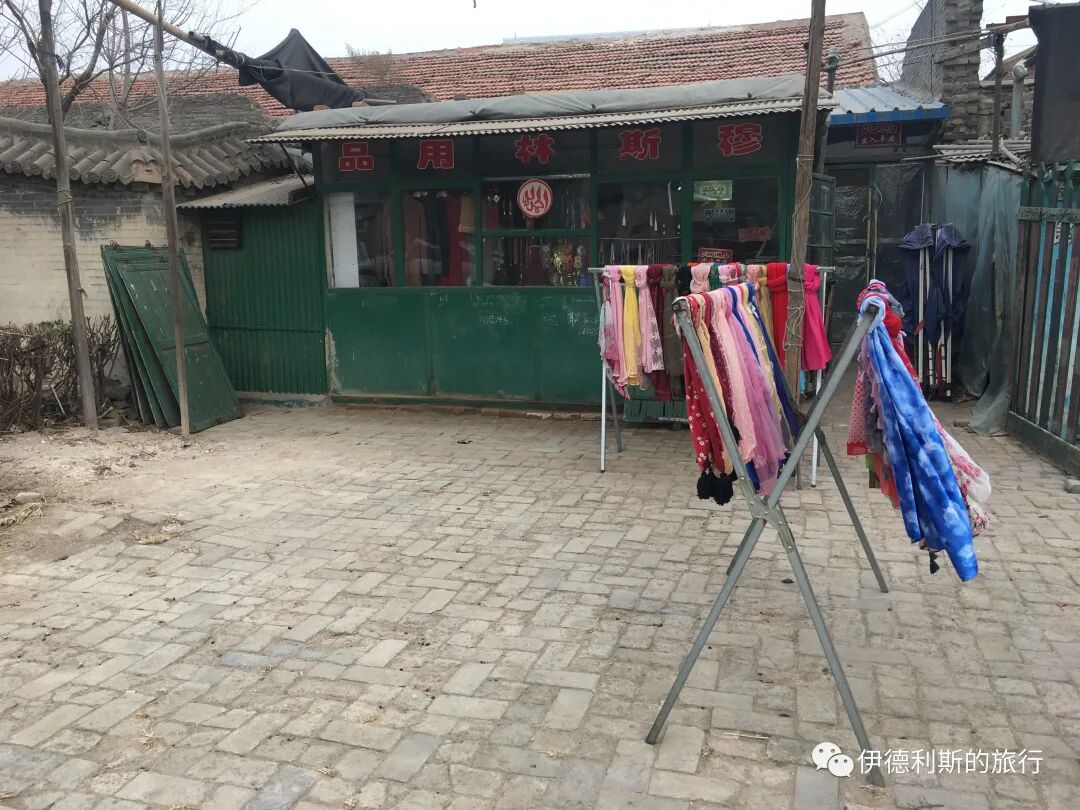
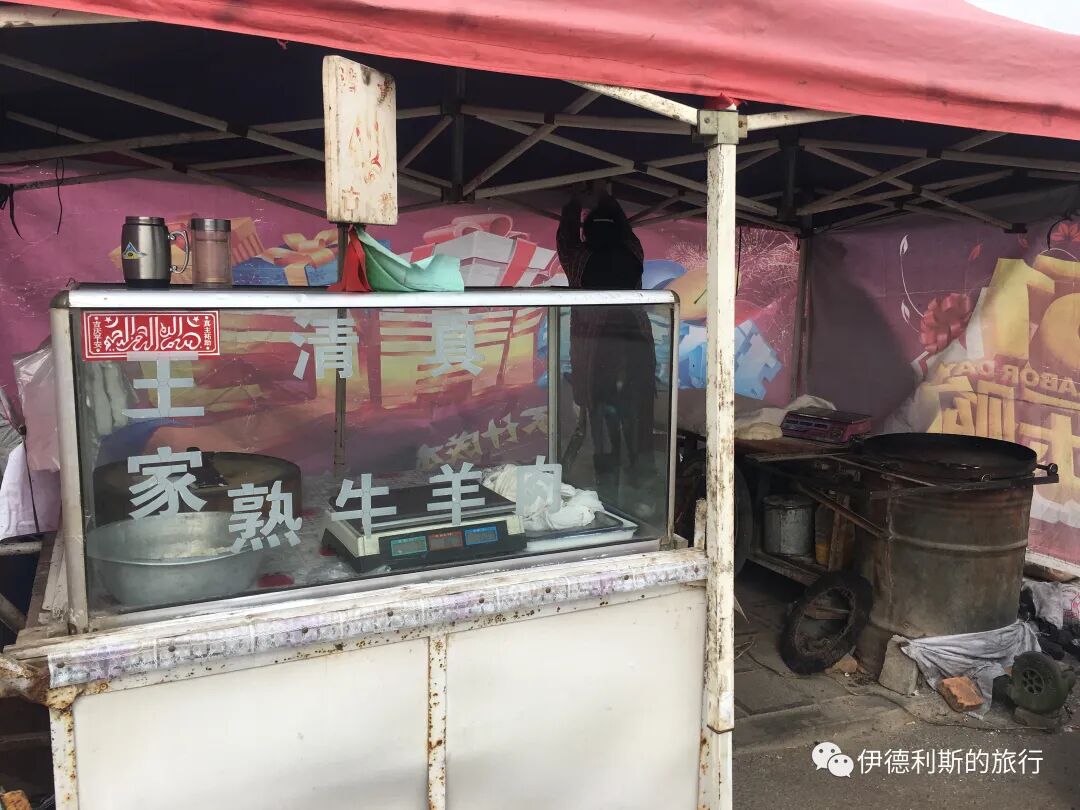
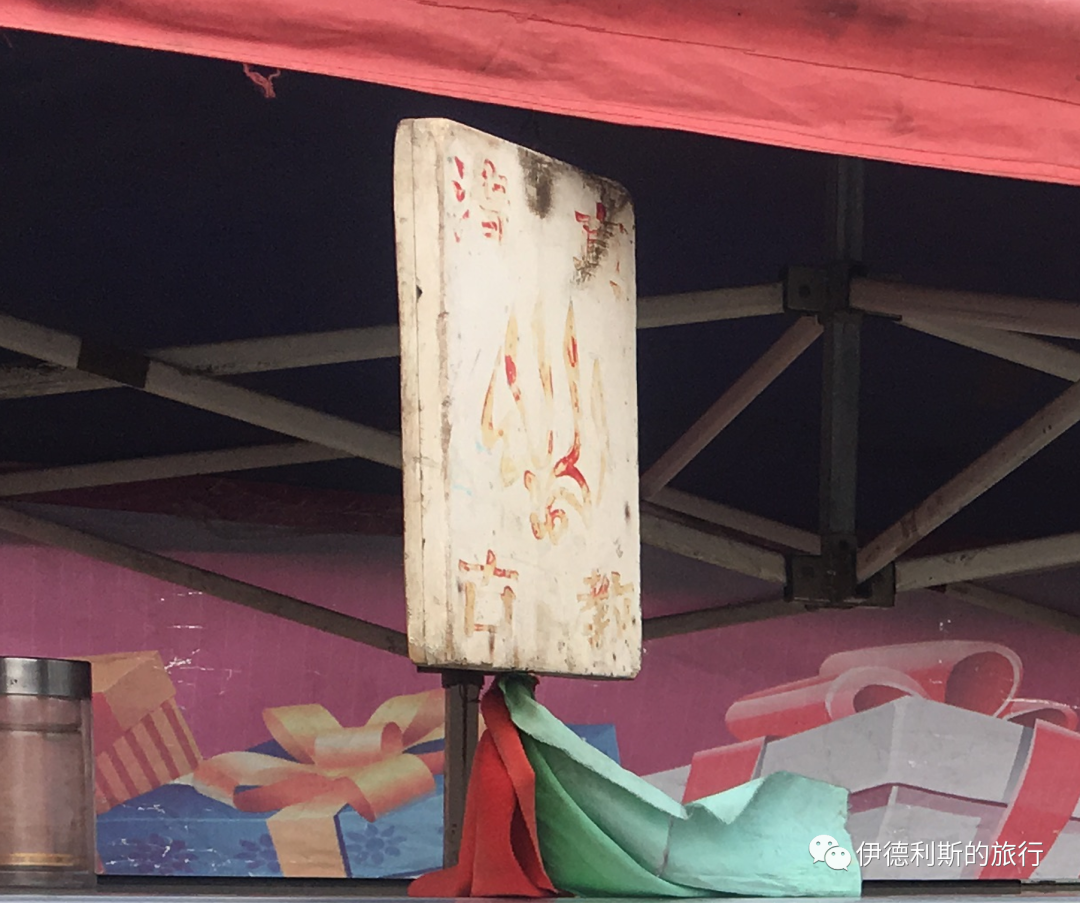
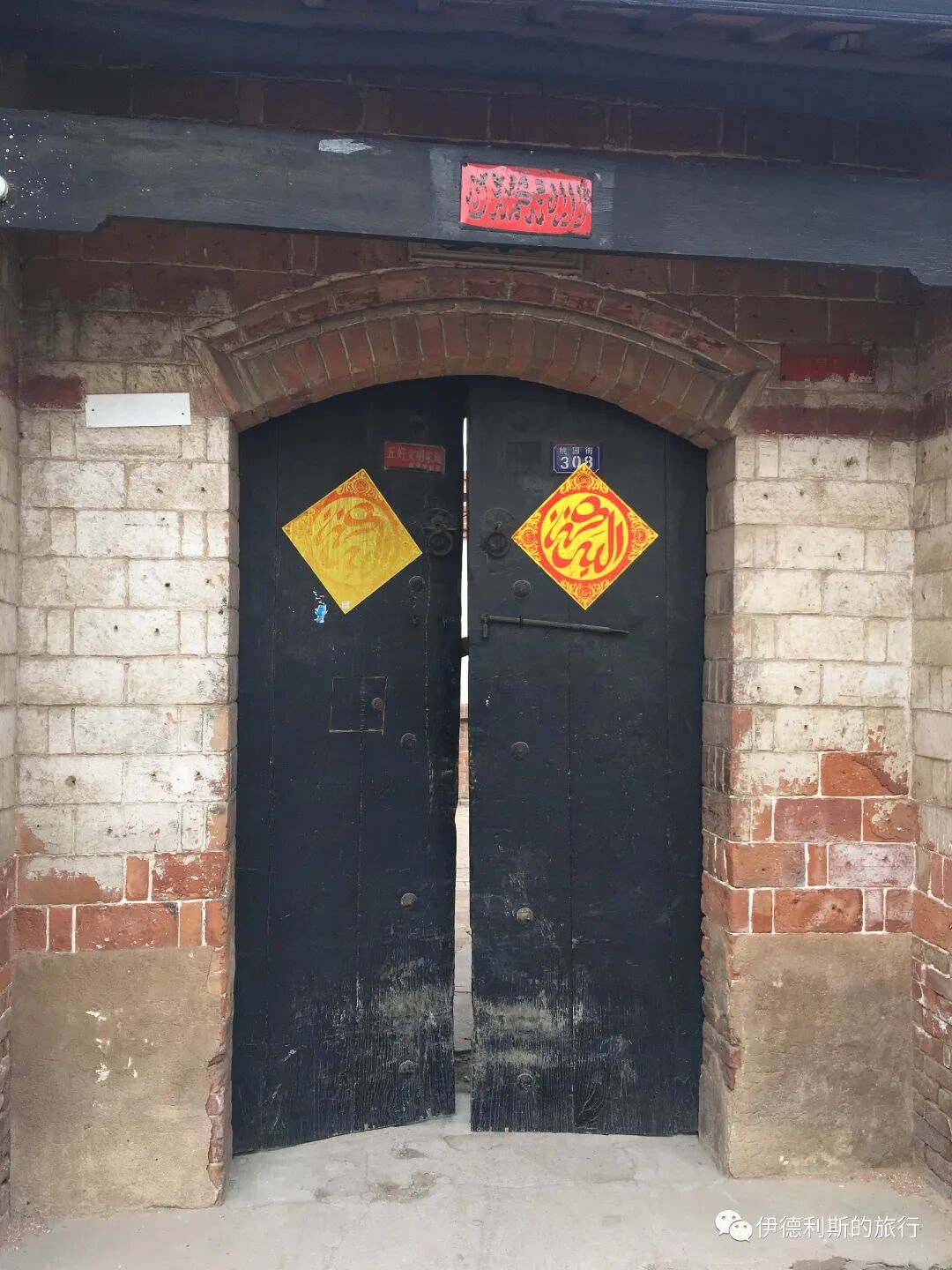
In 1542 (the 21st year of the Jiajing era of the Ming Dynasty), the earthen city of Linqing was expanded to five times its original size, and Zhongzhou was incorporated into the city of Linqing.
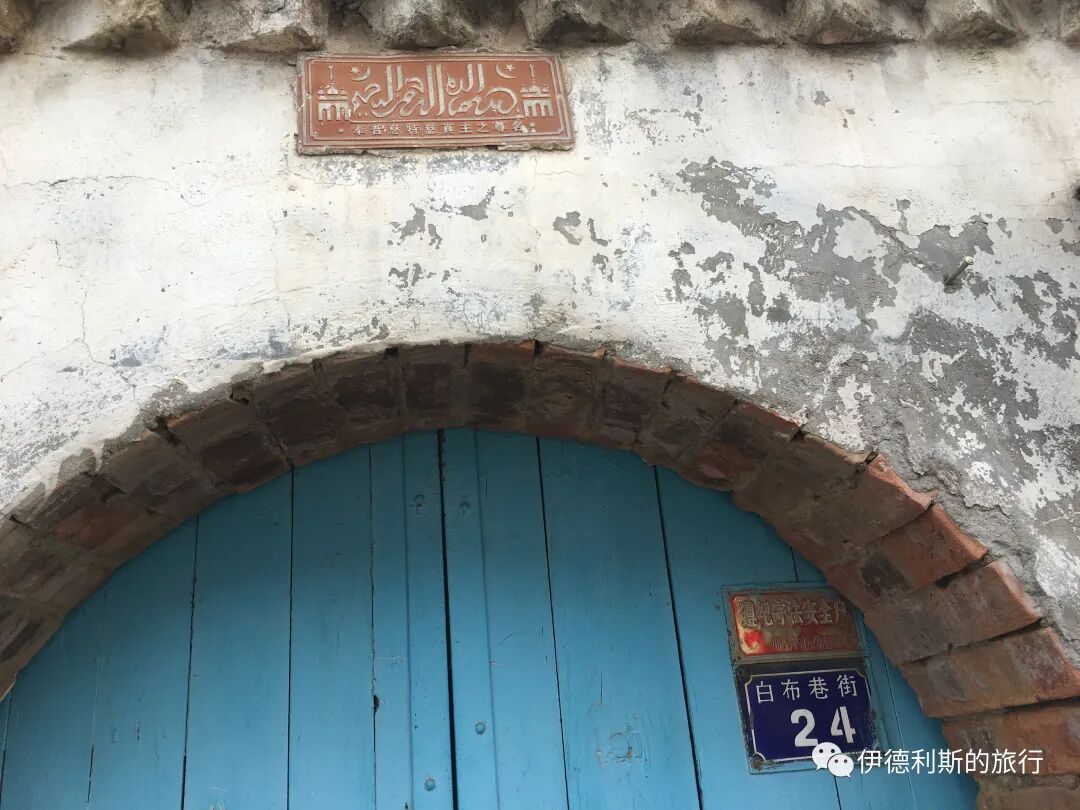
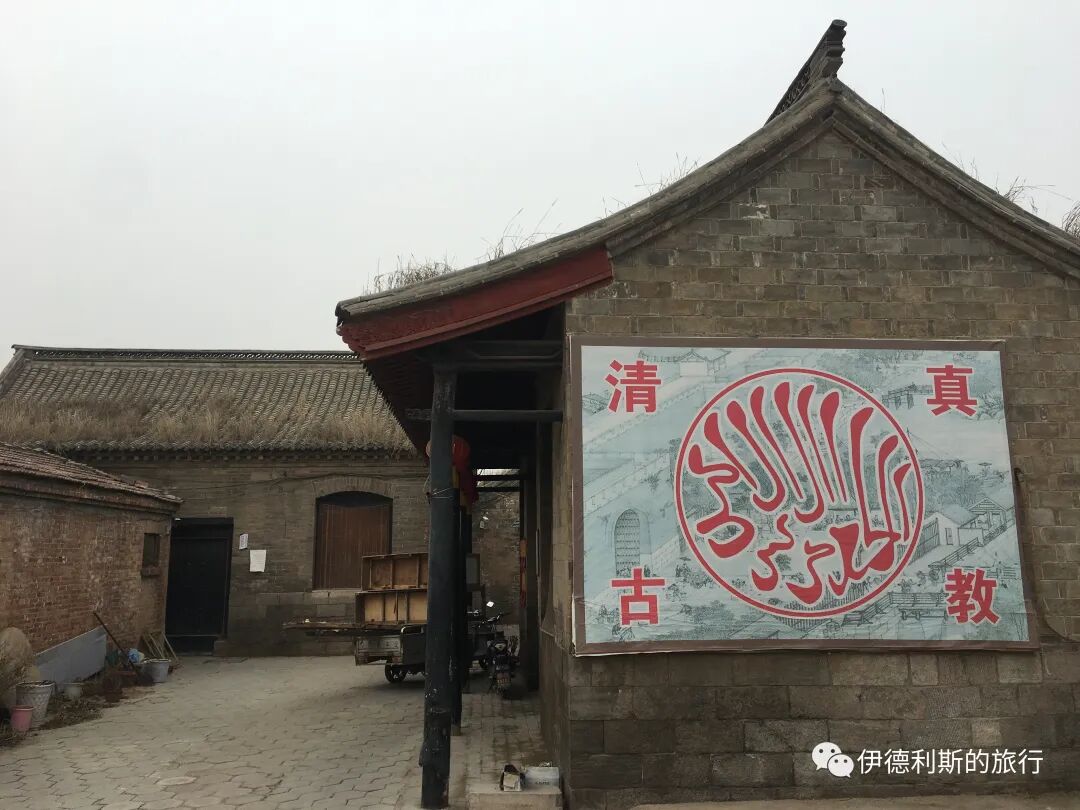
Halal food
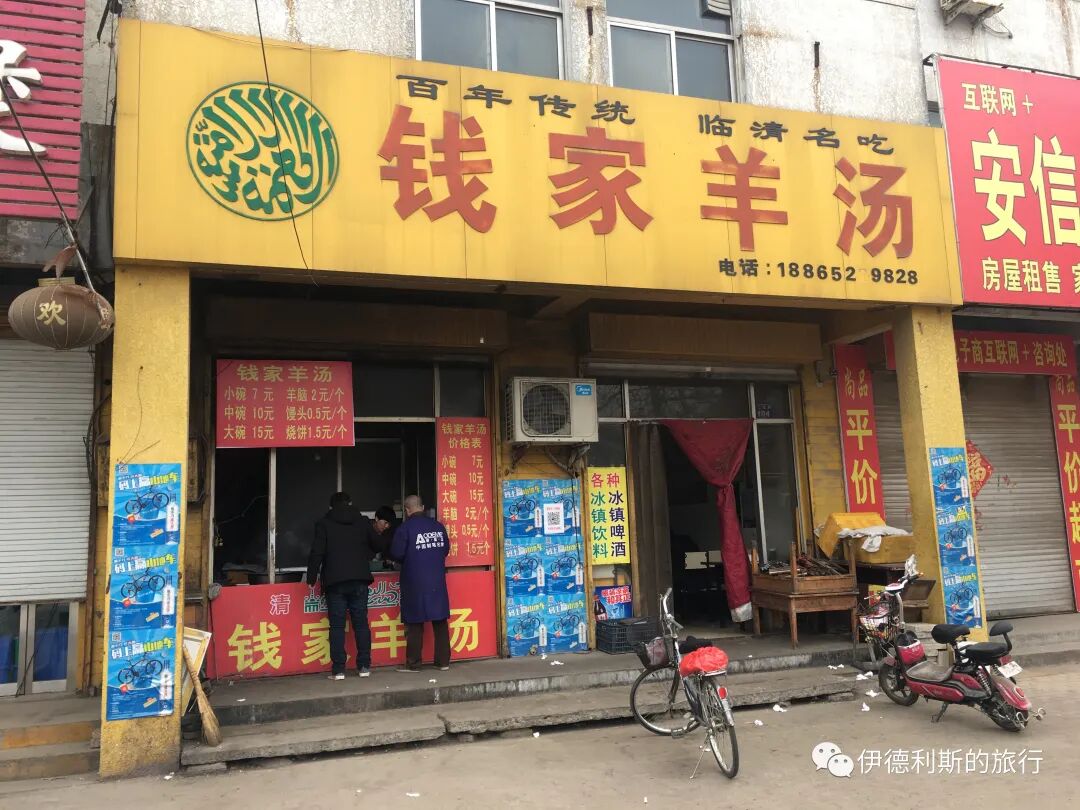
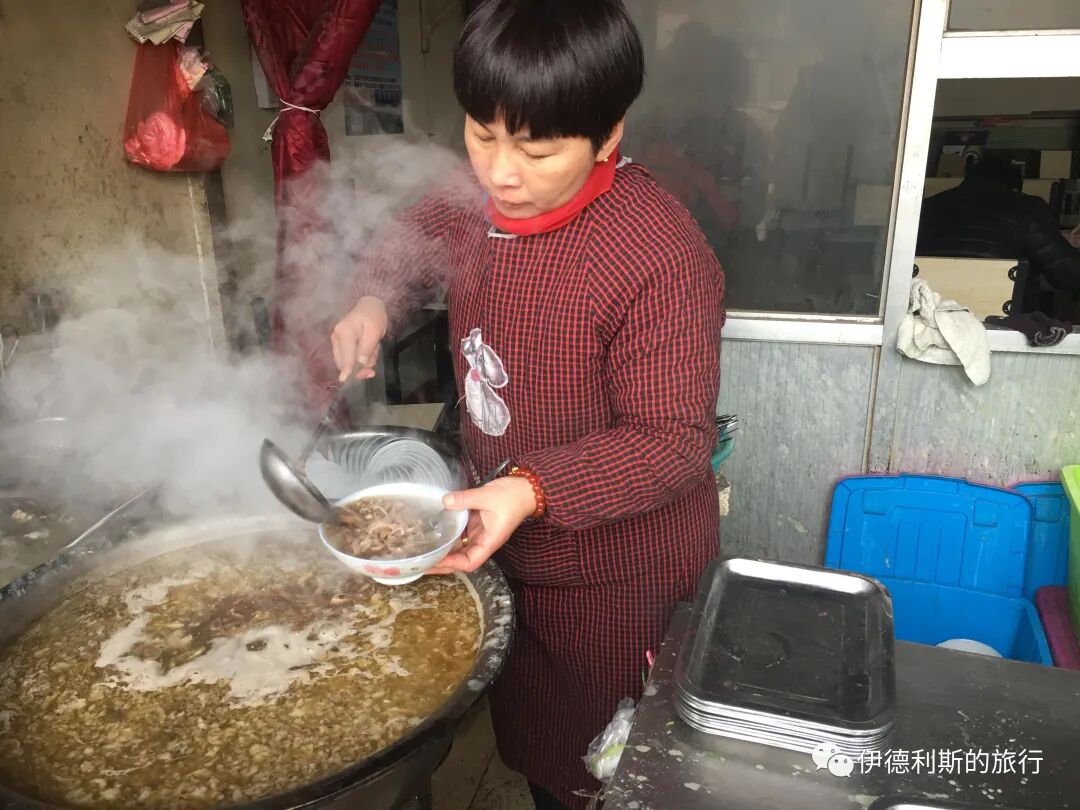
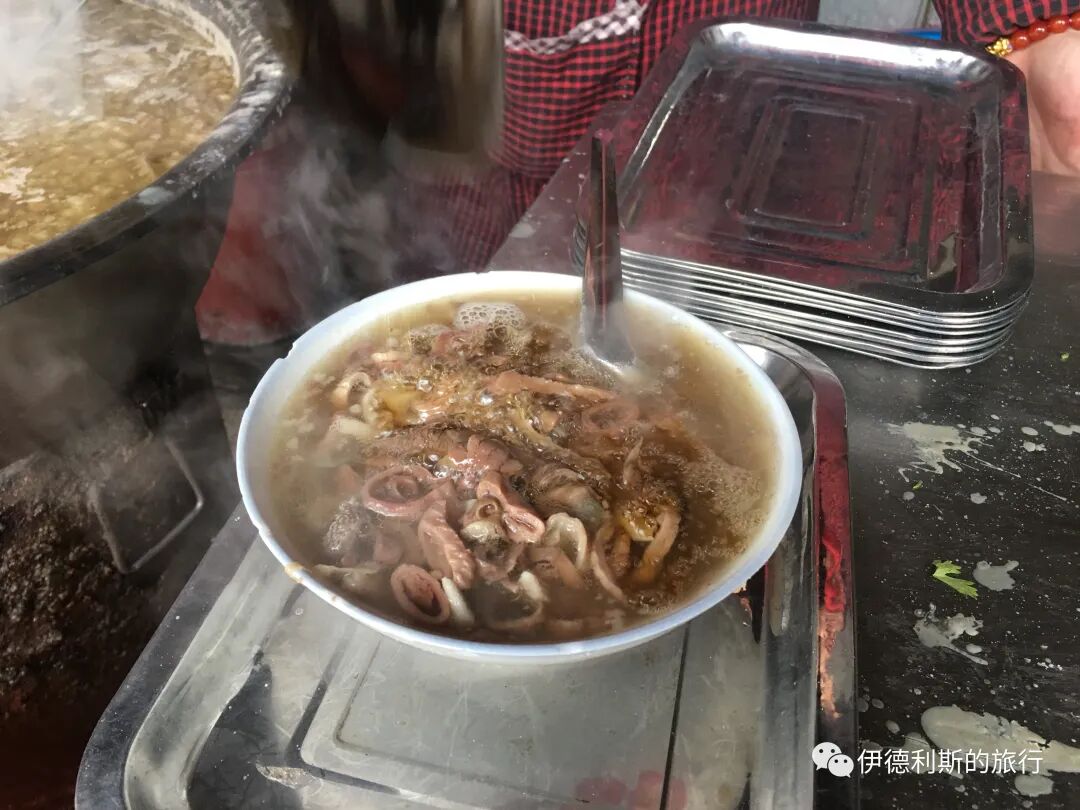
A wonderful trip starts with food. In the morning, I had lamb offal soup (yangza tang) at Qian's Lamb Soup north of Aotouji in Linqing. A small bowl there is as big as a large bowl in Beijing. The lamb soup was delicious and packed with ingredients. It was fun to hear the sizzling sound when pouring chili oil over the soup; the chili wasn't spicy but very fragrant. This was also my first time having lamb offal soup that included lamb brain.
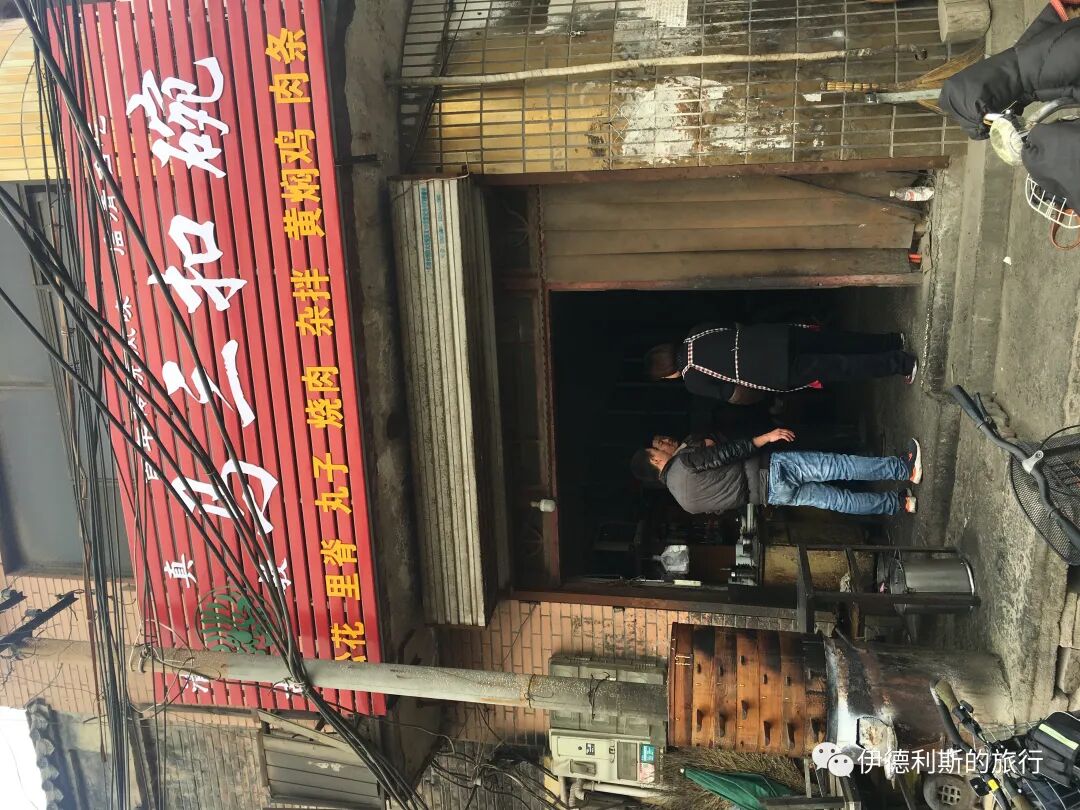
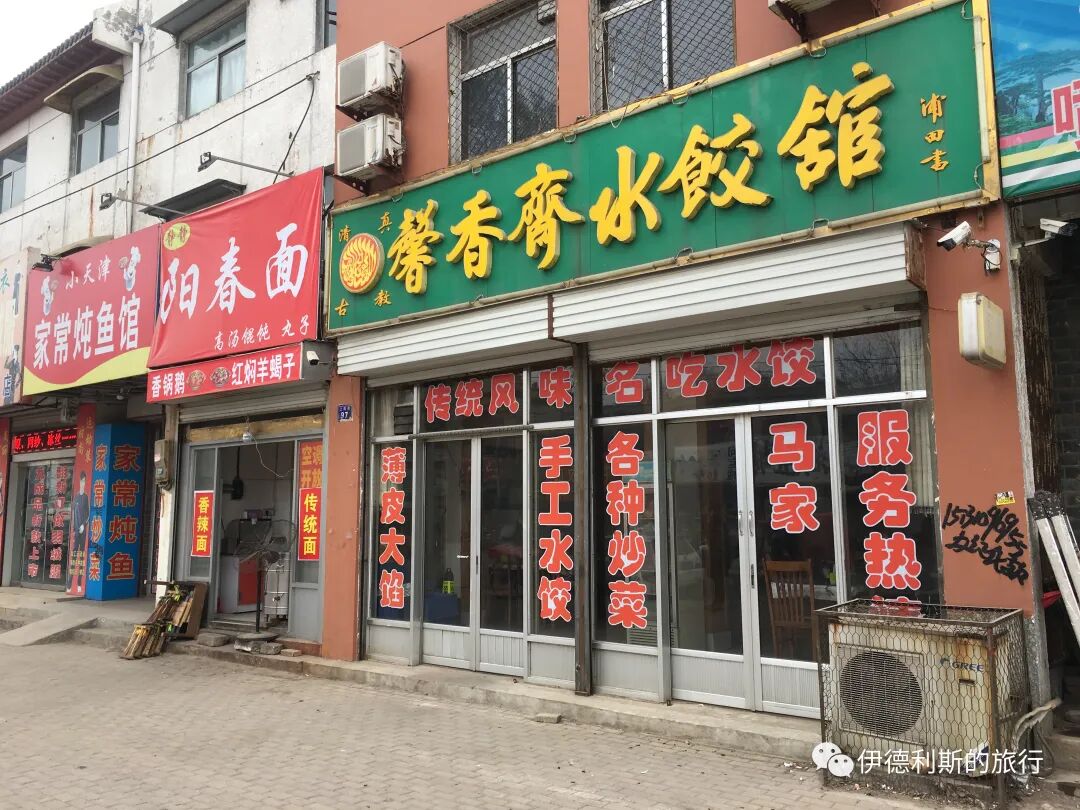
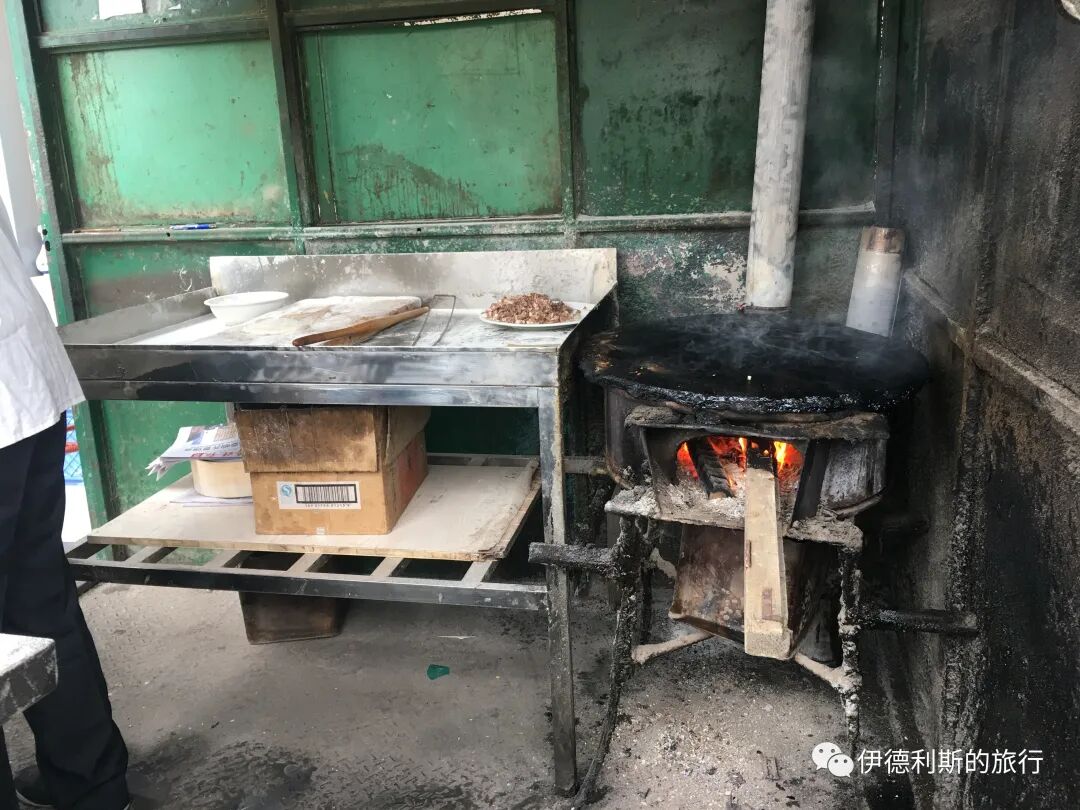
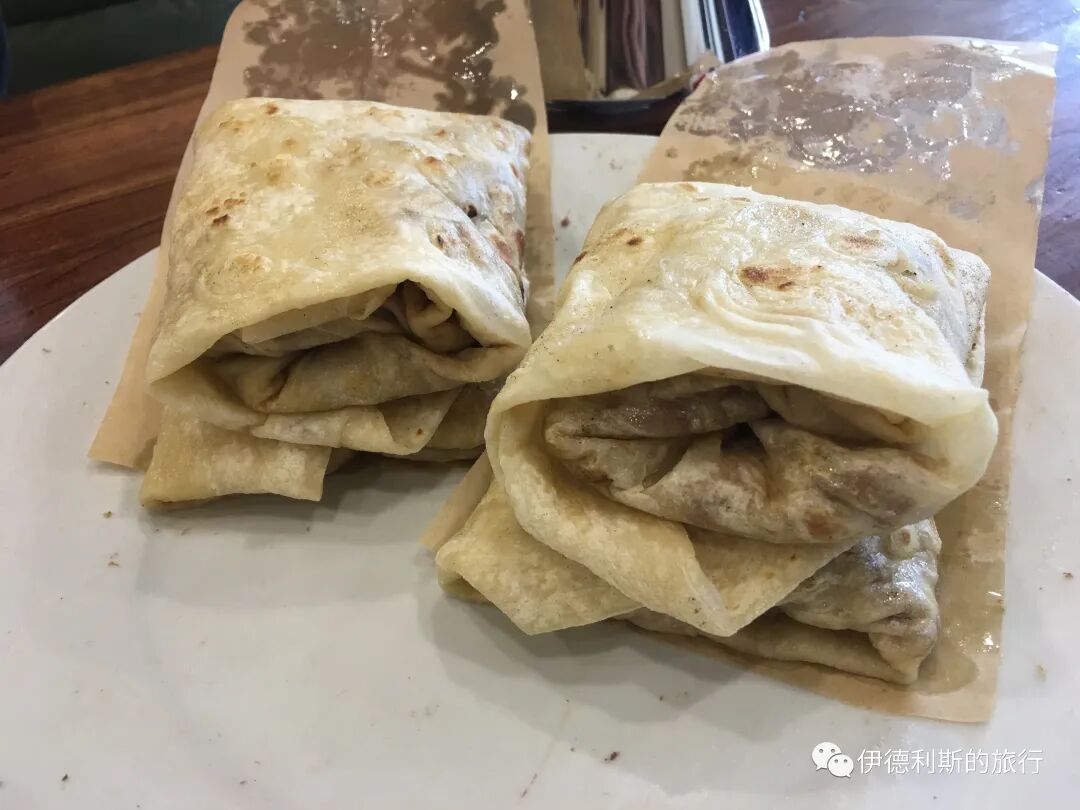
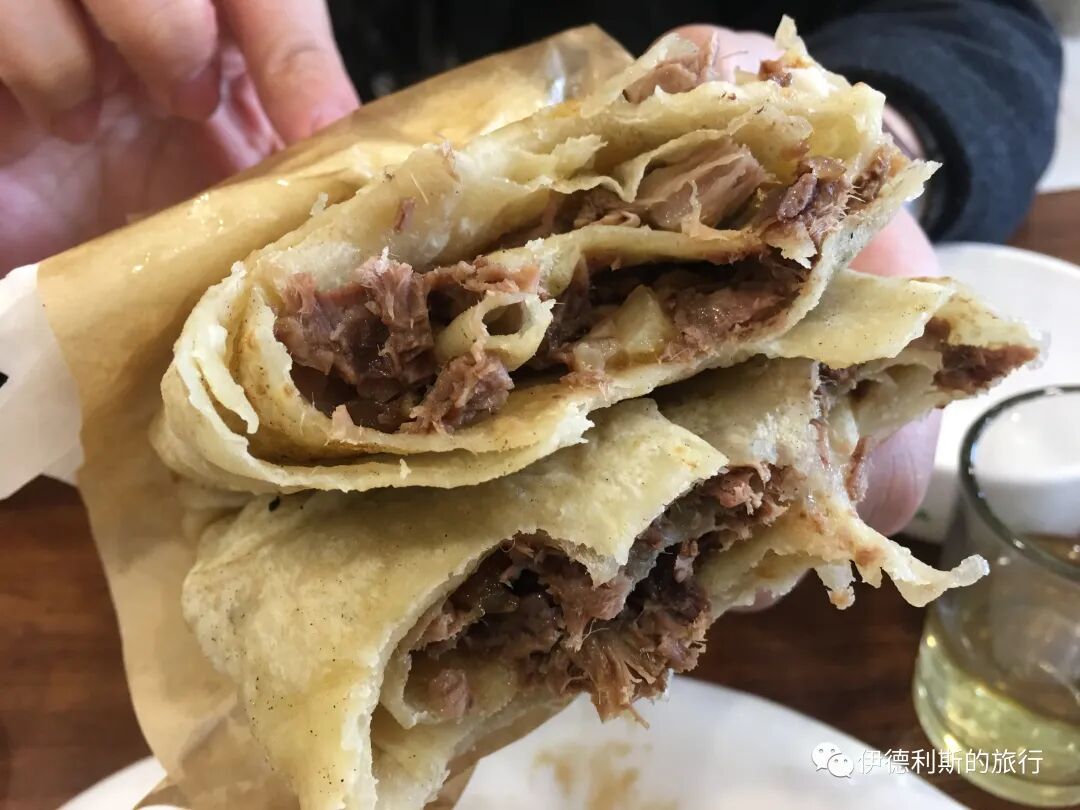
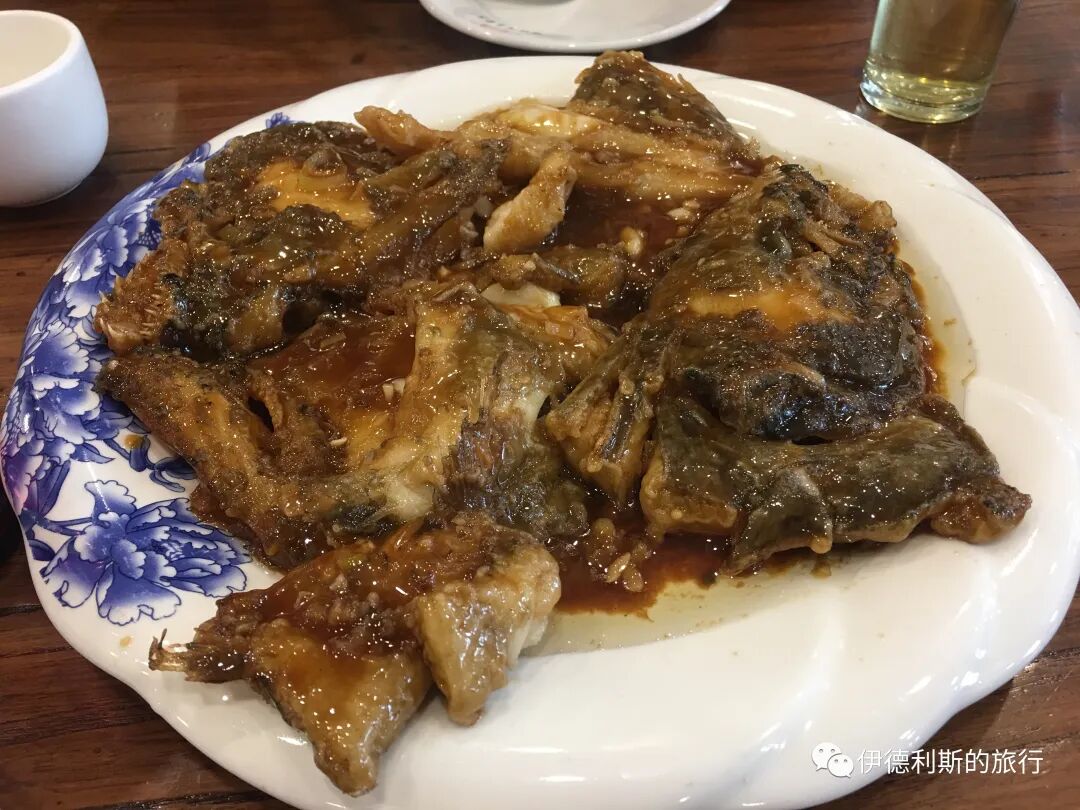
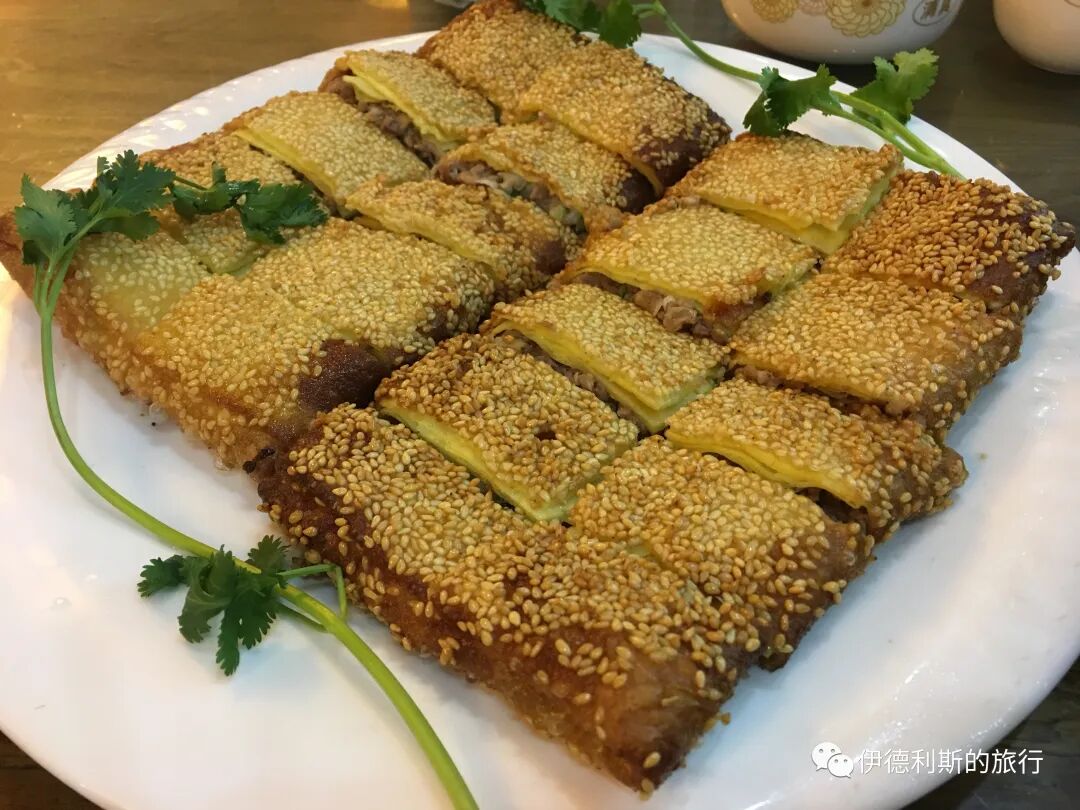
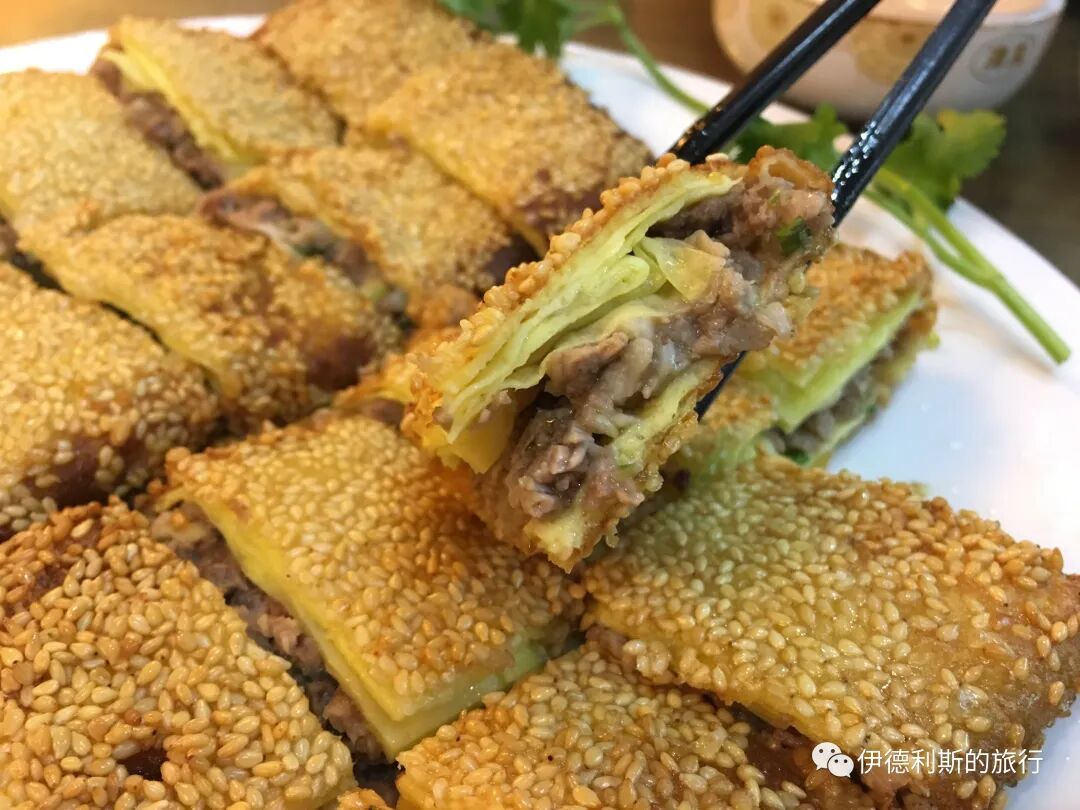
At Baoliang's First Pancake-Wrapped Meat (Baoliang Diyi Jia Bingjuanrou), I ordered braised butterfly fish head and pancake-wrapped meat (bingjuanrou). Honestly, their braised dishes completely beat every halal restaurant in Beijing. Both Teacher Hua and I were shocked, and we continued to be disappointed with Beijing food. The pancake-wrapped meat was 15 yuan per piece, and the portion was huge—so satisfying!
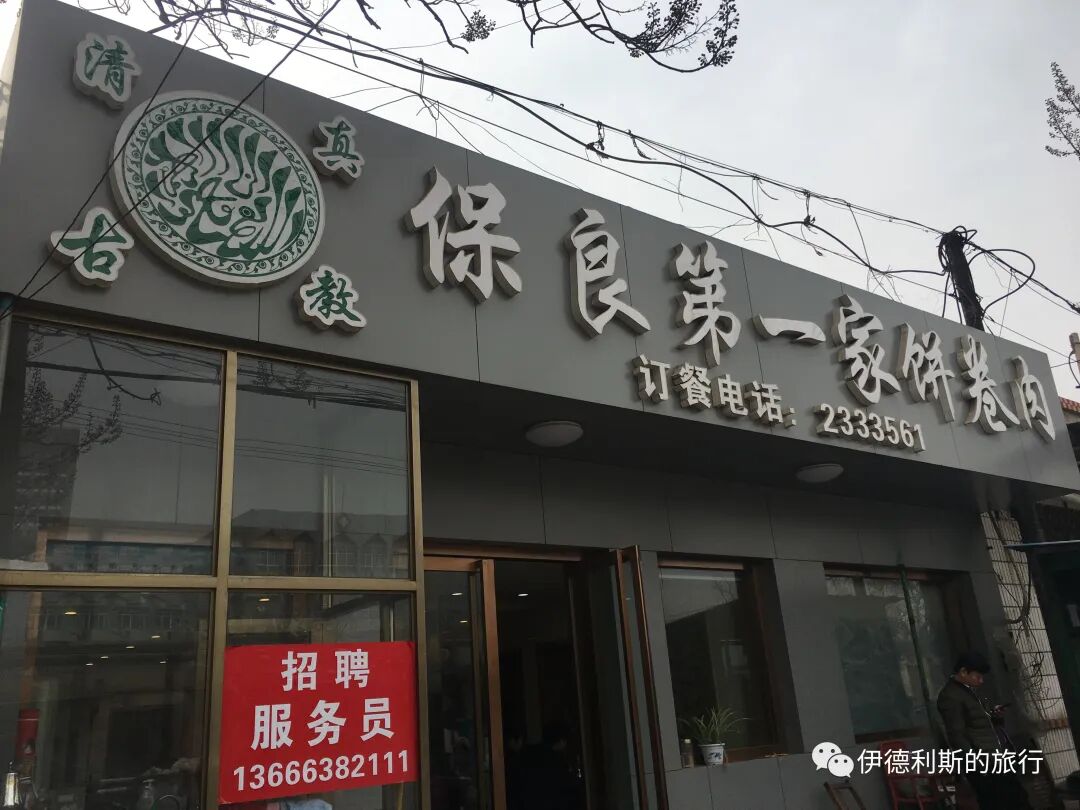
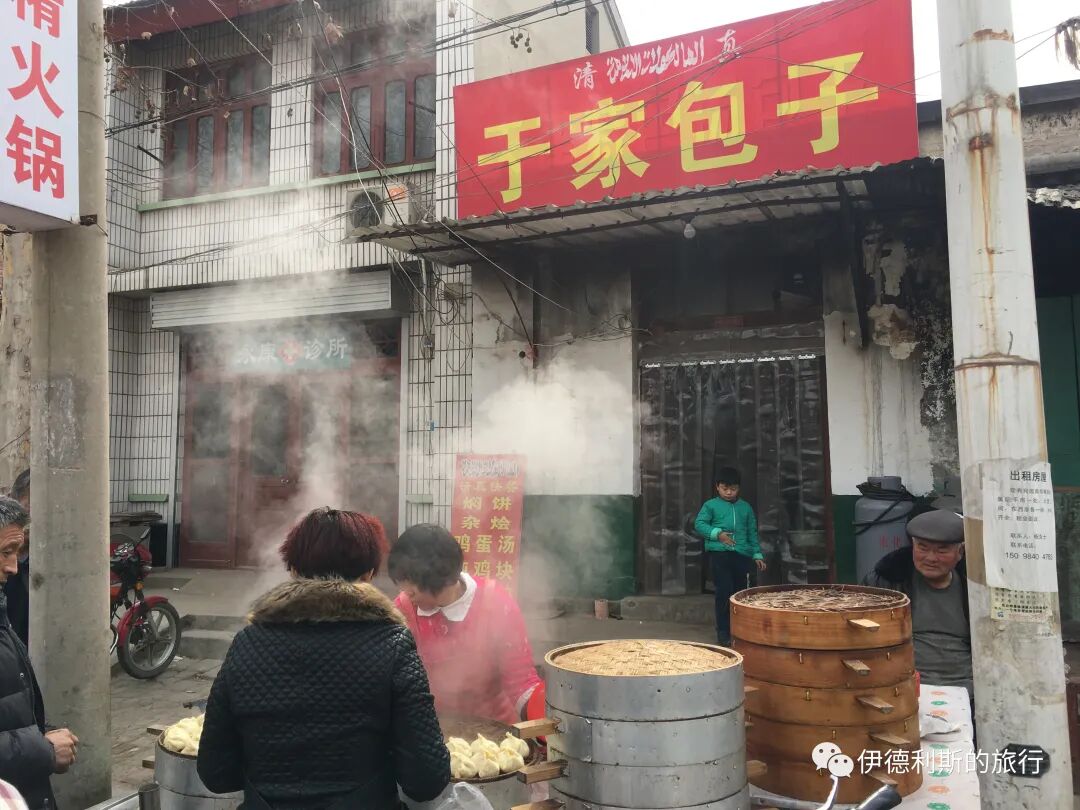
Food cooked over a firewood fire is just more fragrant.
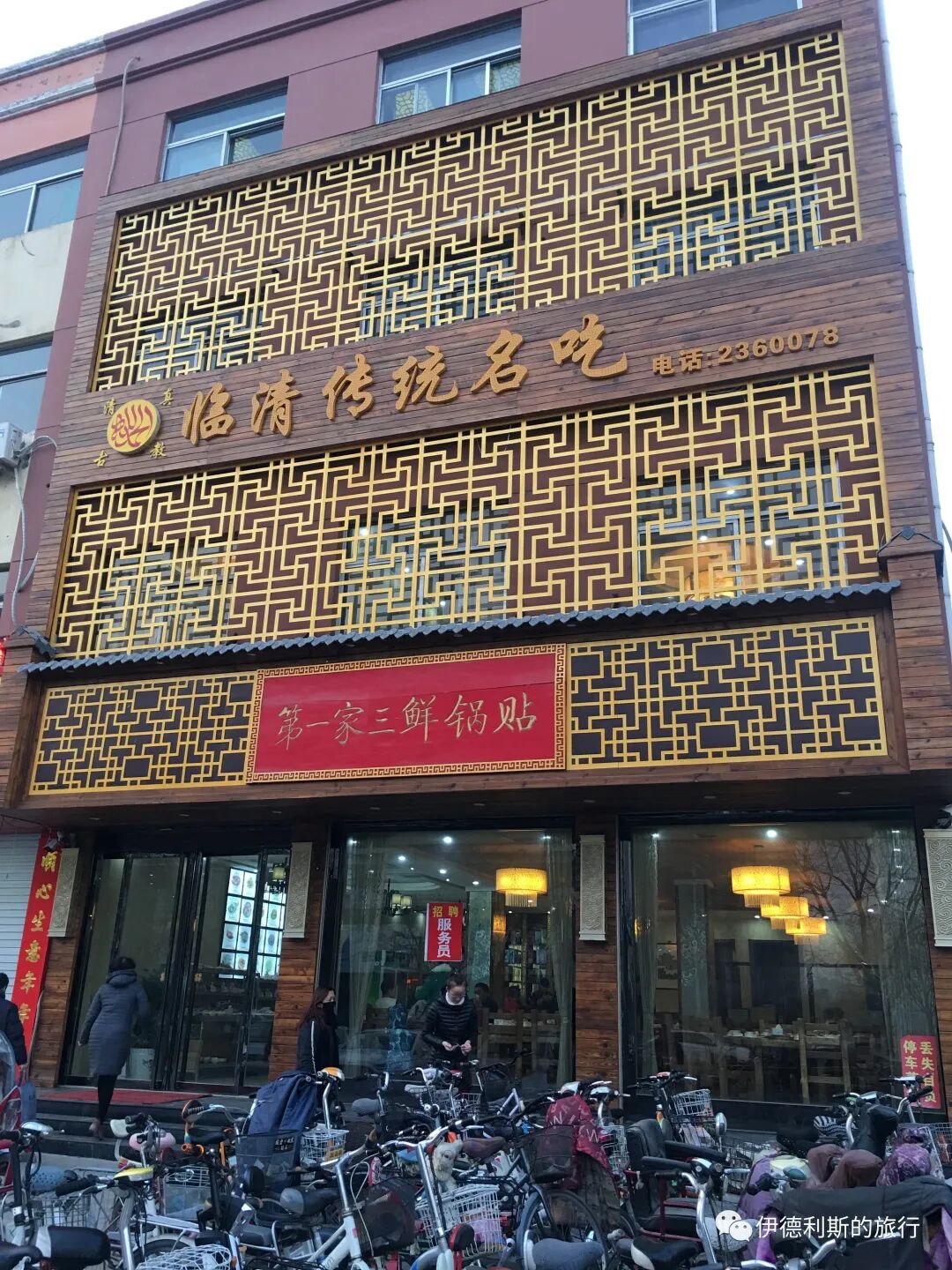
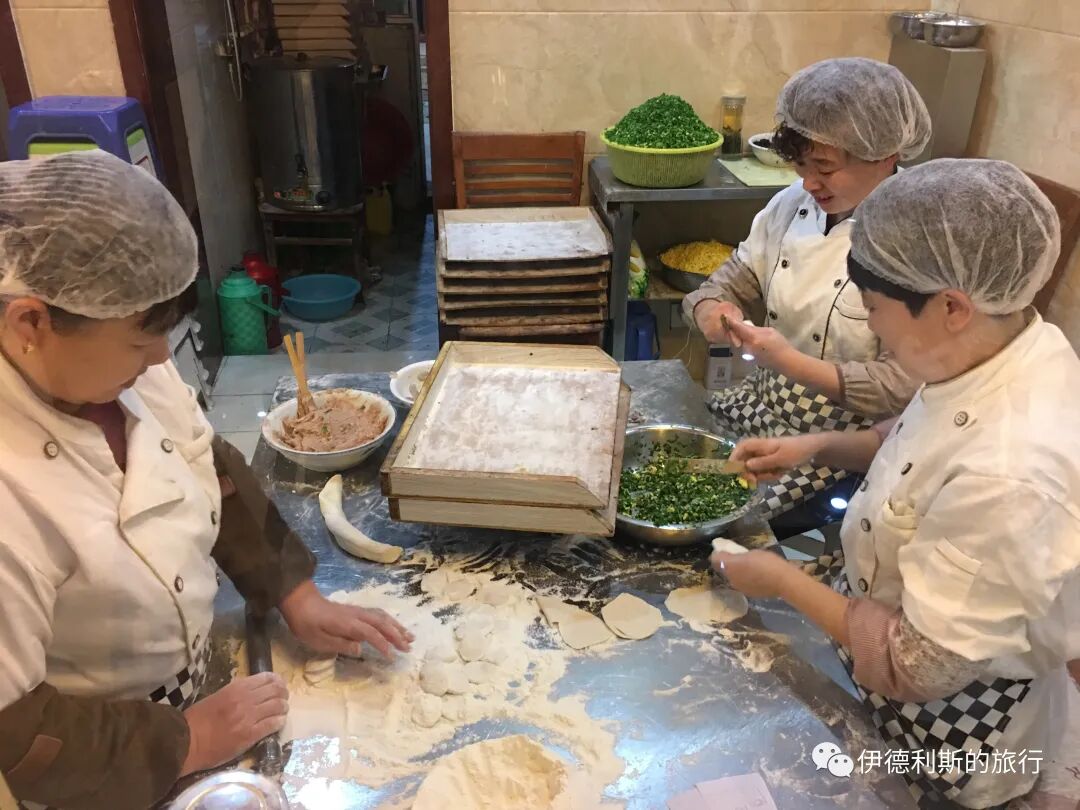
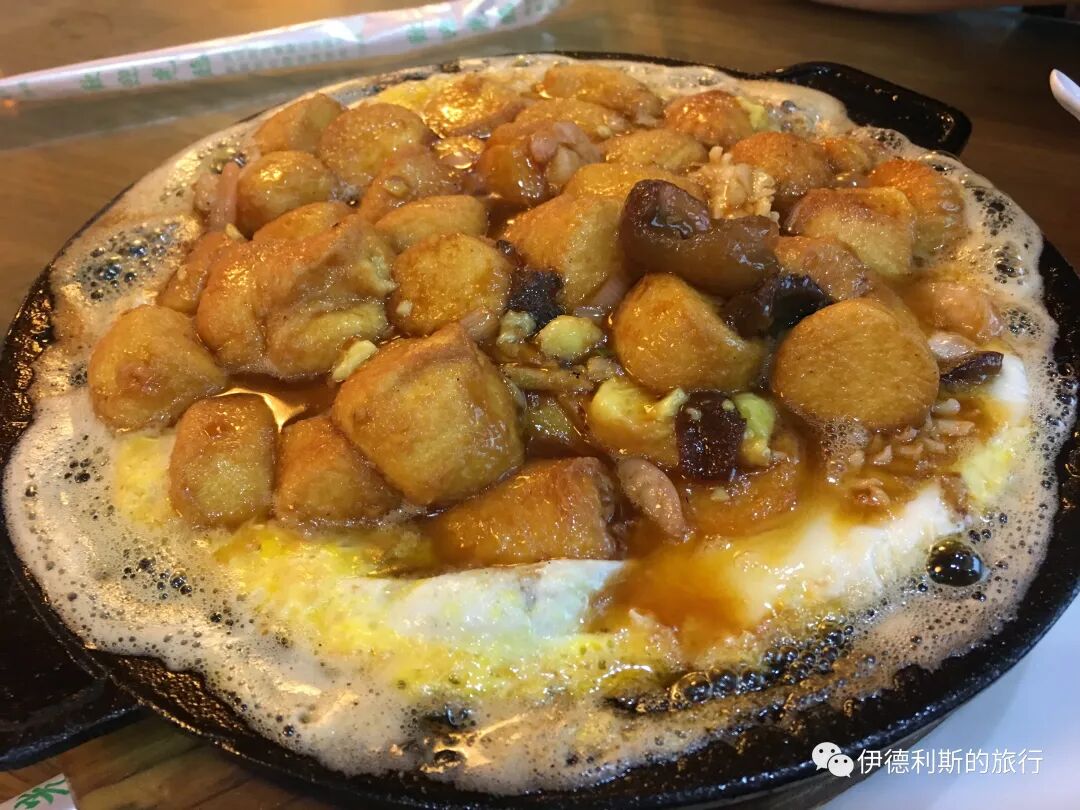
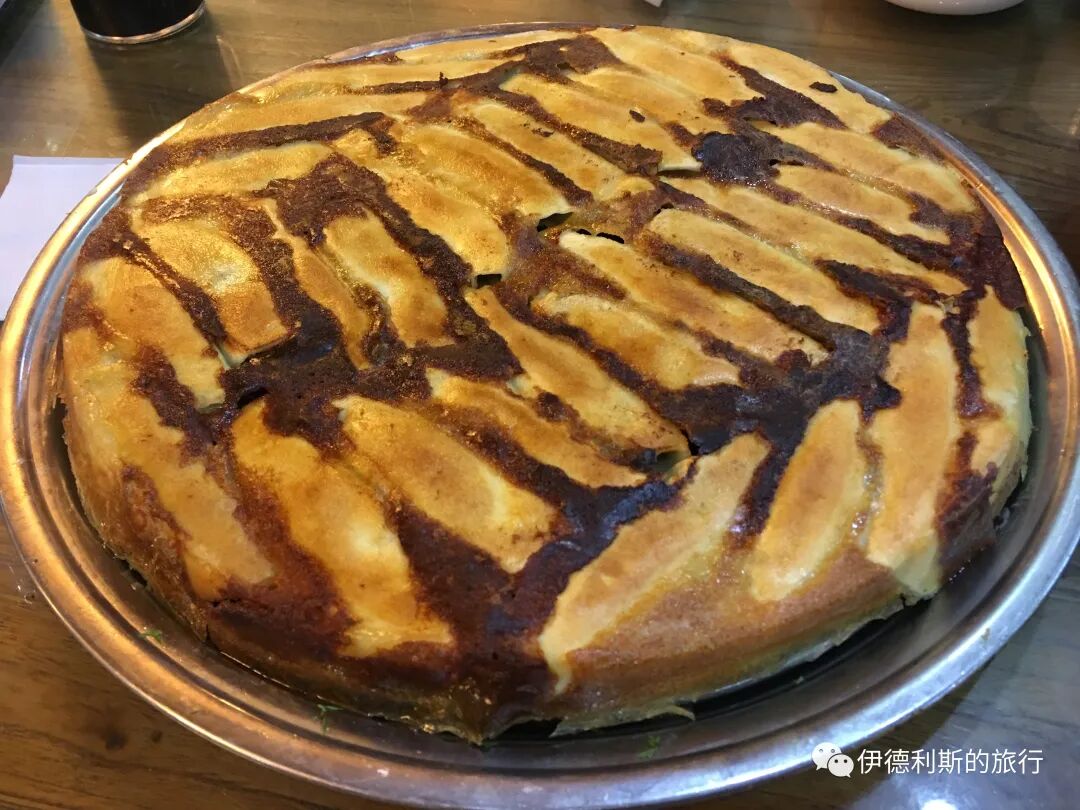
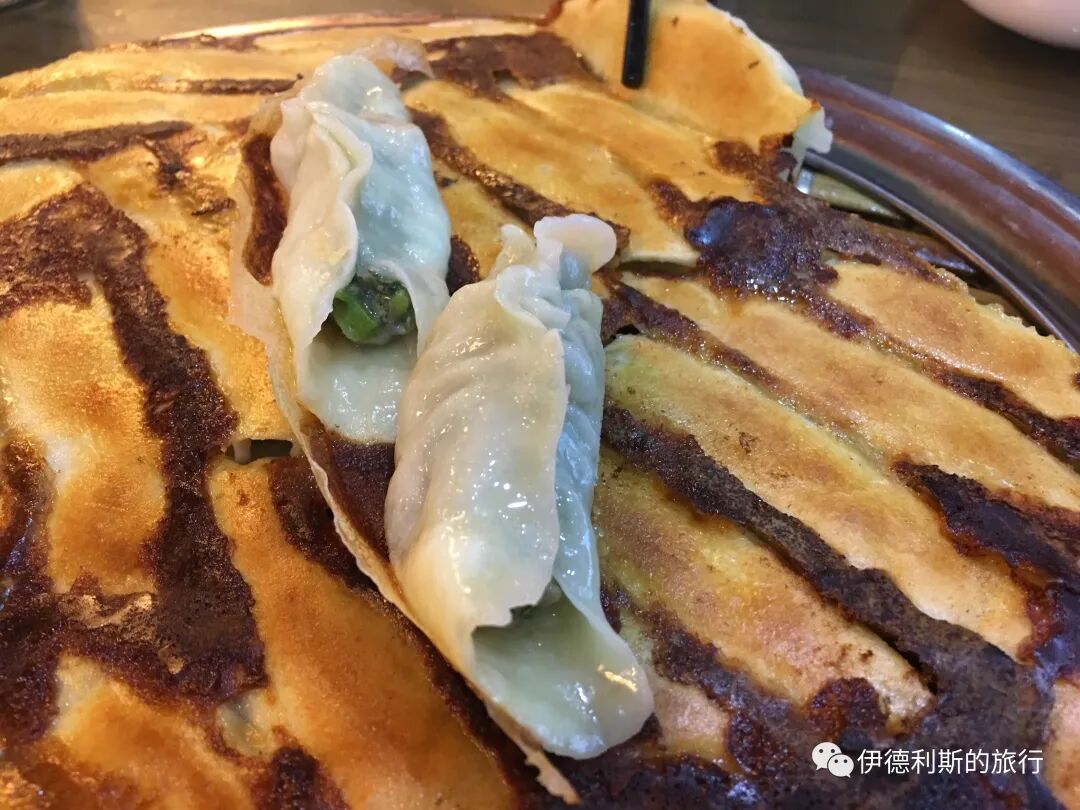
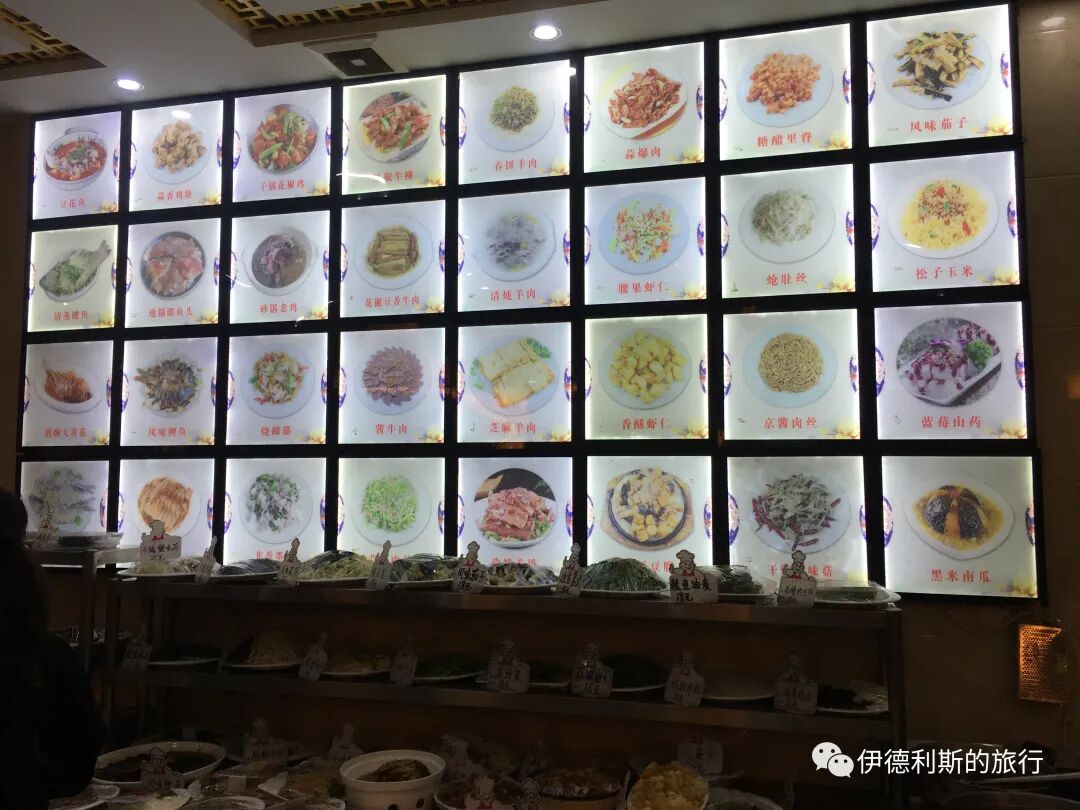
In the evening, I had the three-delicacy potstickers (sanxian guotie) at the first restaurant I visited in Linqing, and they were amazing! I can say it is the best Shandong restaurant I have ever eaten at. It completely beats the Beijing-Shandong dishes I often eat in Beijing. The portions are huge—one dish is equal to three in Beijing—and it is very cheap. The iron-plate tofu (tieban doufu) was incredible. The Japanese-style tofu was filled with sea cucumber and shrimp, served over a layer of fried eggs. The sesame lamb (zhima yangrou) was so good it made me want to cry. I have been looking for this way of cooking it in Beijing for a long time. A steamer of 30 beef and fennel potstickers (niurou huixiang guotie) was packed with filling. After eating, I didn't even want to go back to Beijing.
Mosque
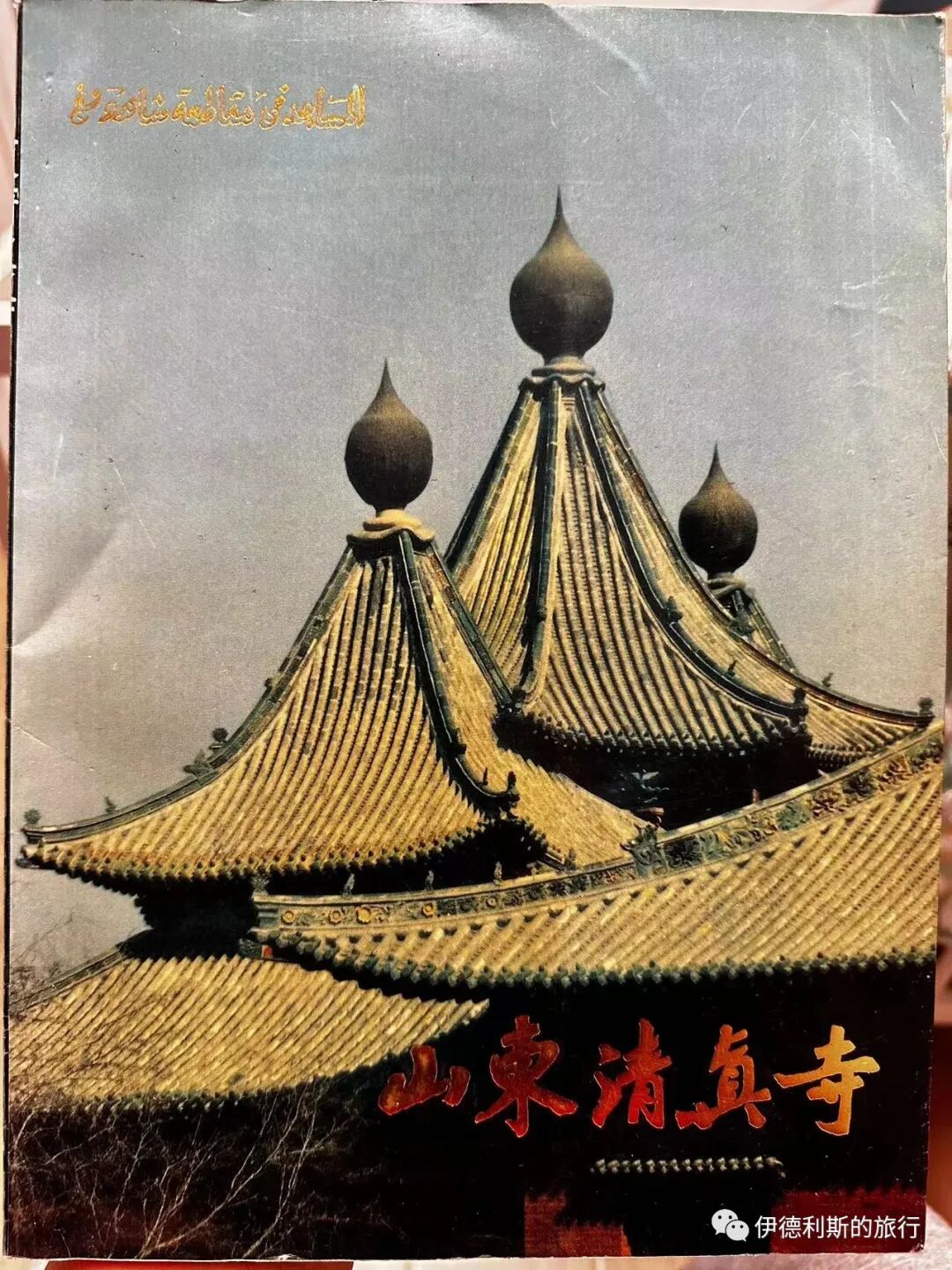
The North Mosque (Qingzhen Beisi) in Linqing is one of the grandest in Shandong, rivaling the East Mosque in Jining. It was first built during the Hongzhi reign of the Ming Dynasty and underwent three major renovations in 1564 (the 43rd year of the Jiajing reign), 1779 (the 44th year of the Qianlong reign), and 1809 (the 14th year of the Jiaqing reign). It was undergoing repairs when I visited.
The cover of the book "Mosques of Shandong" (Shandong Qingzhensi).
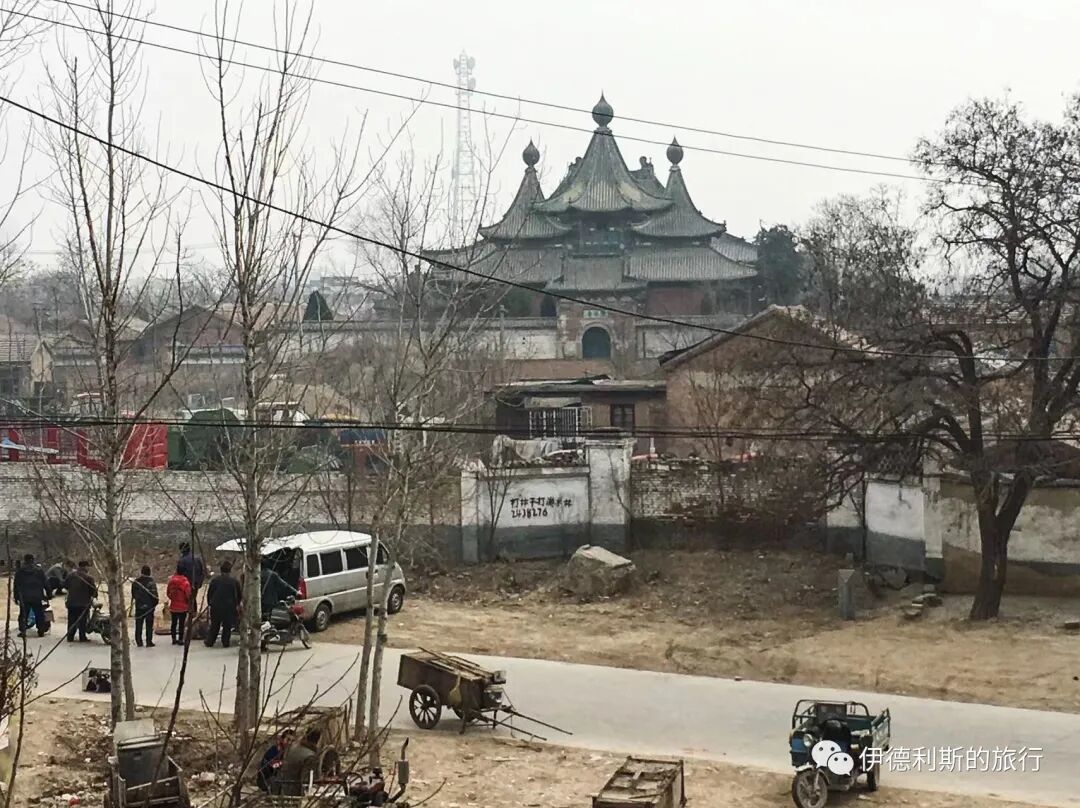
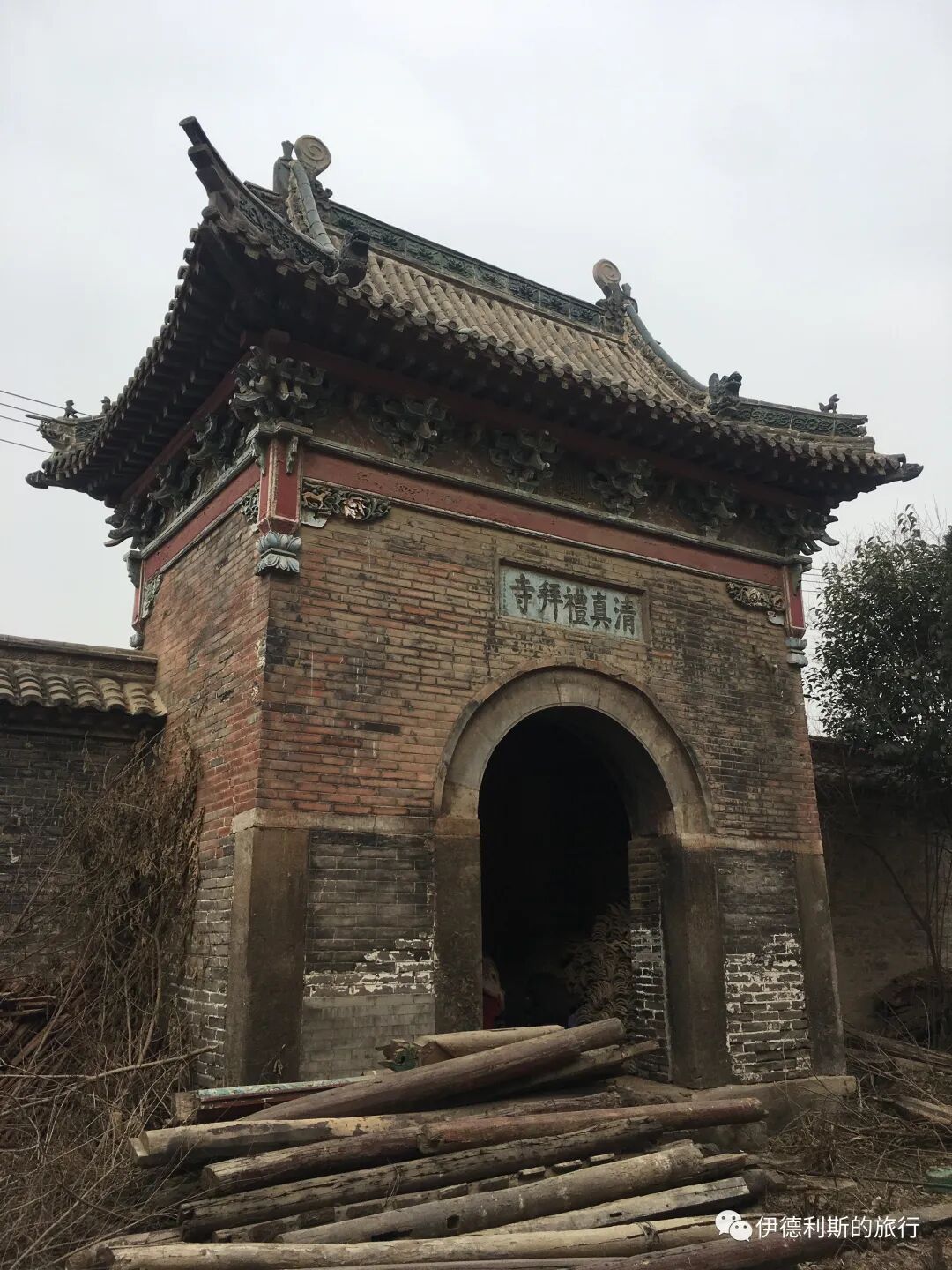
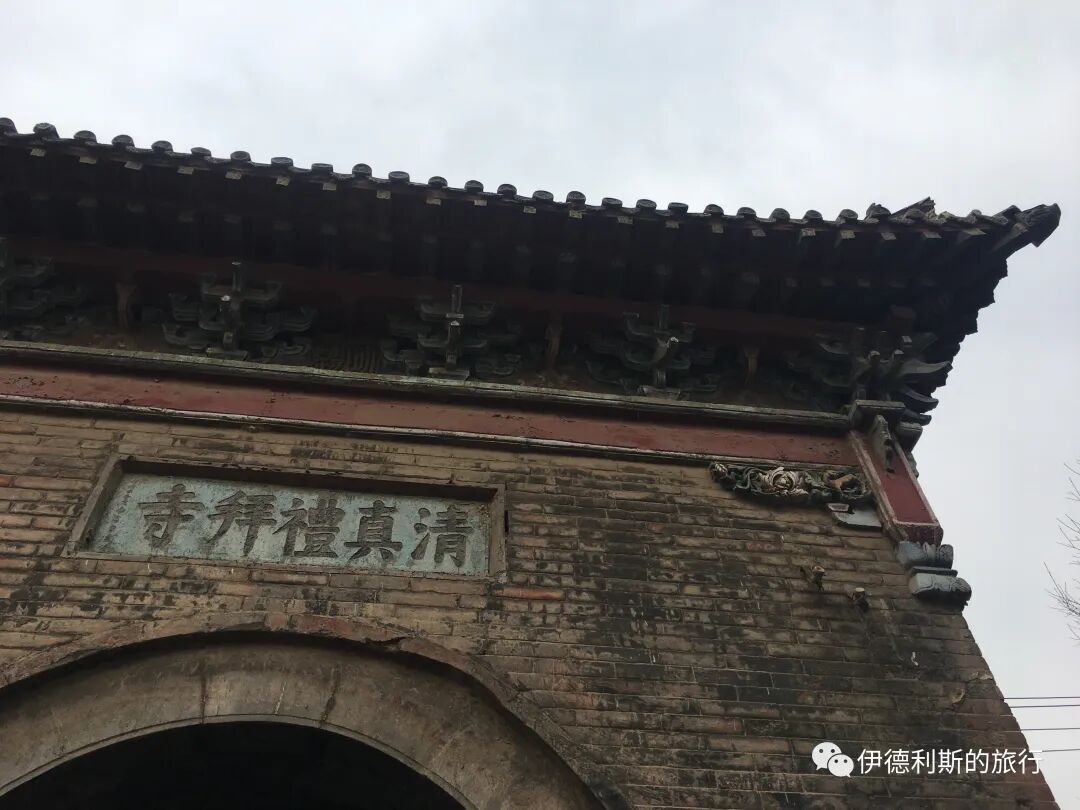
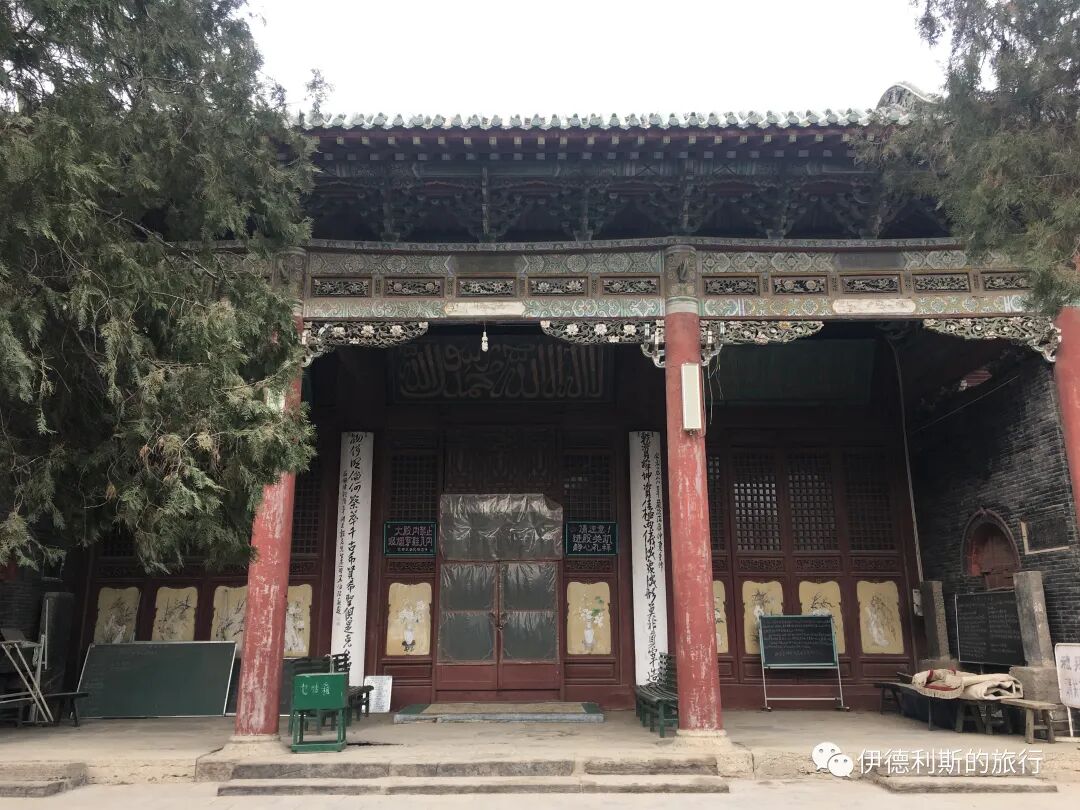
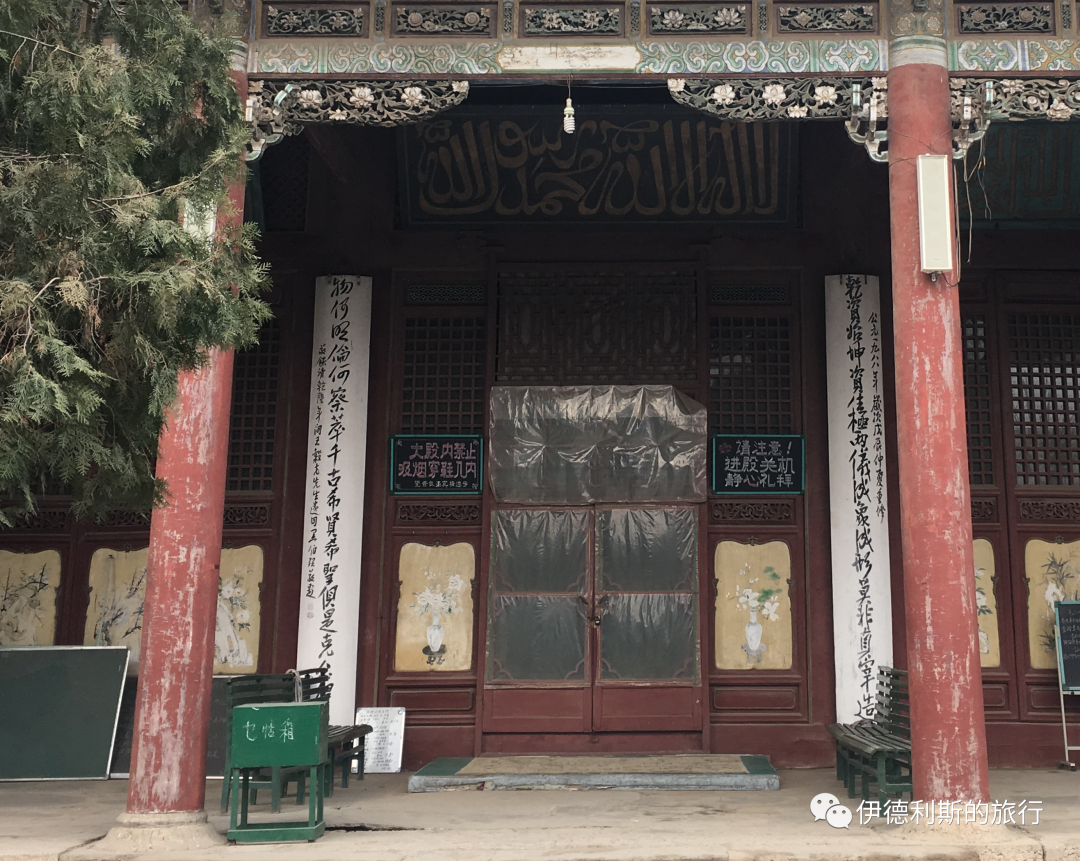
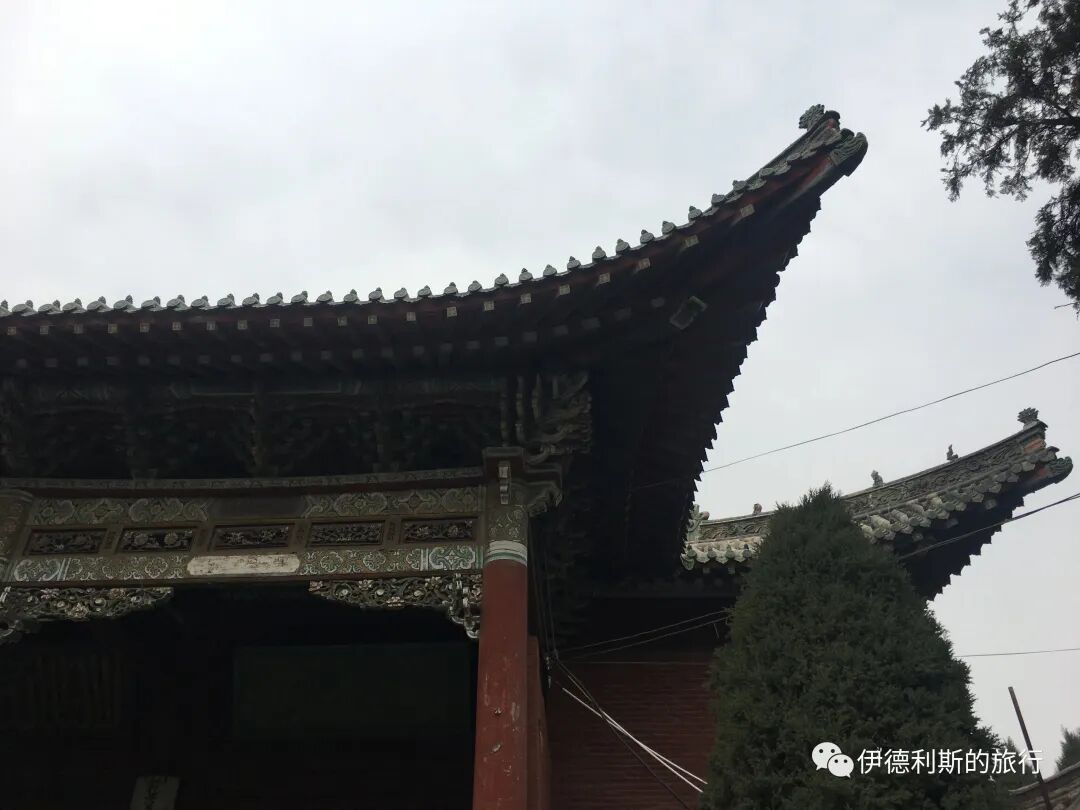
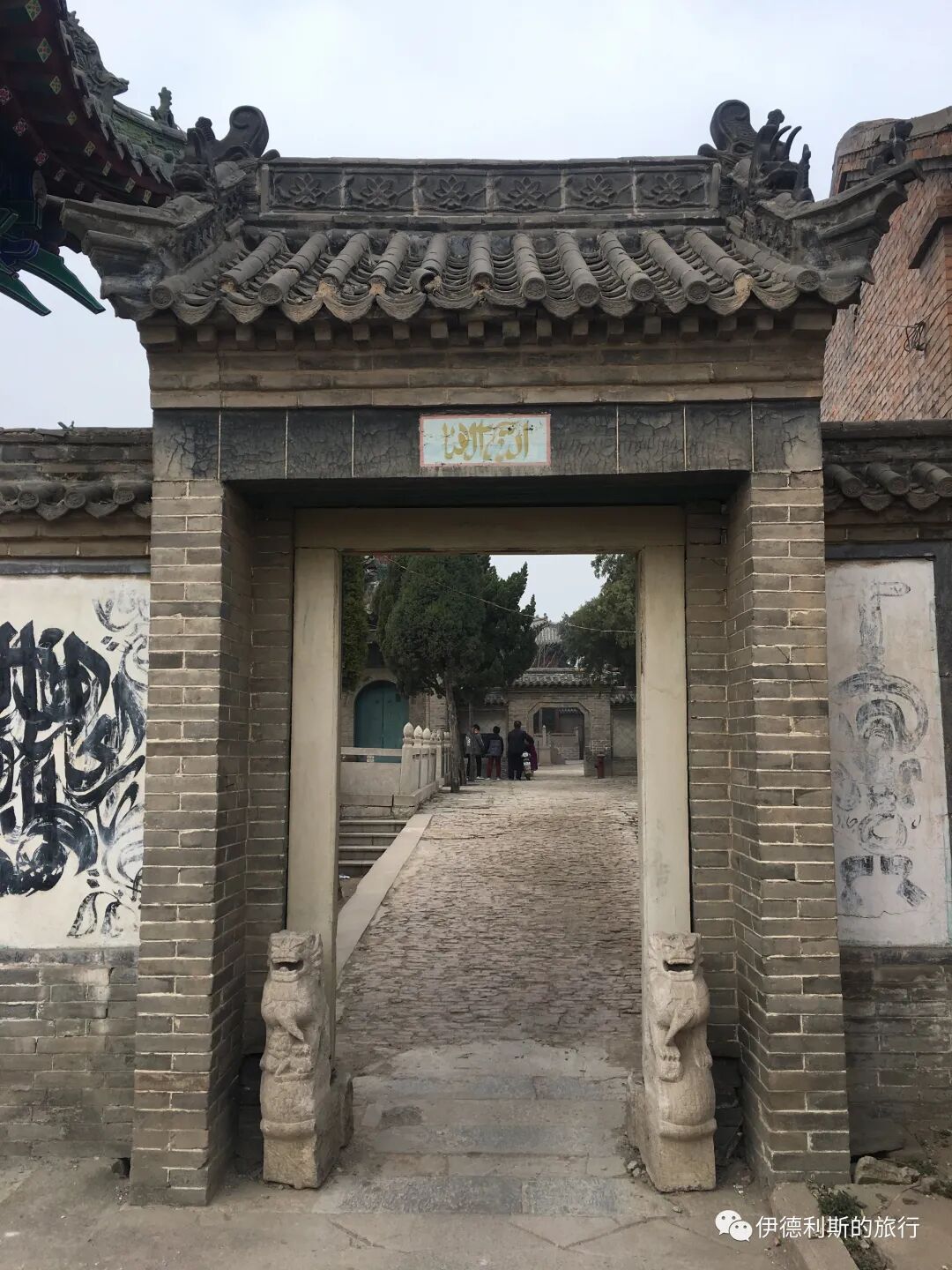
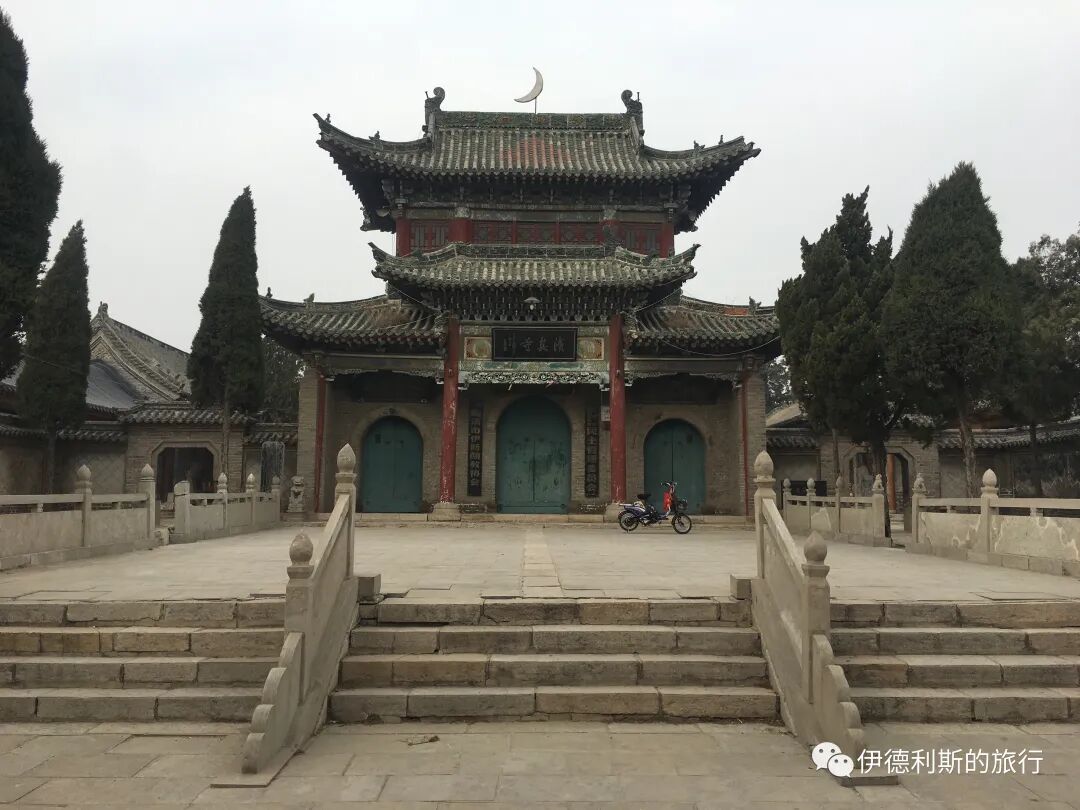
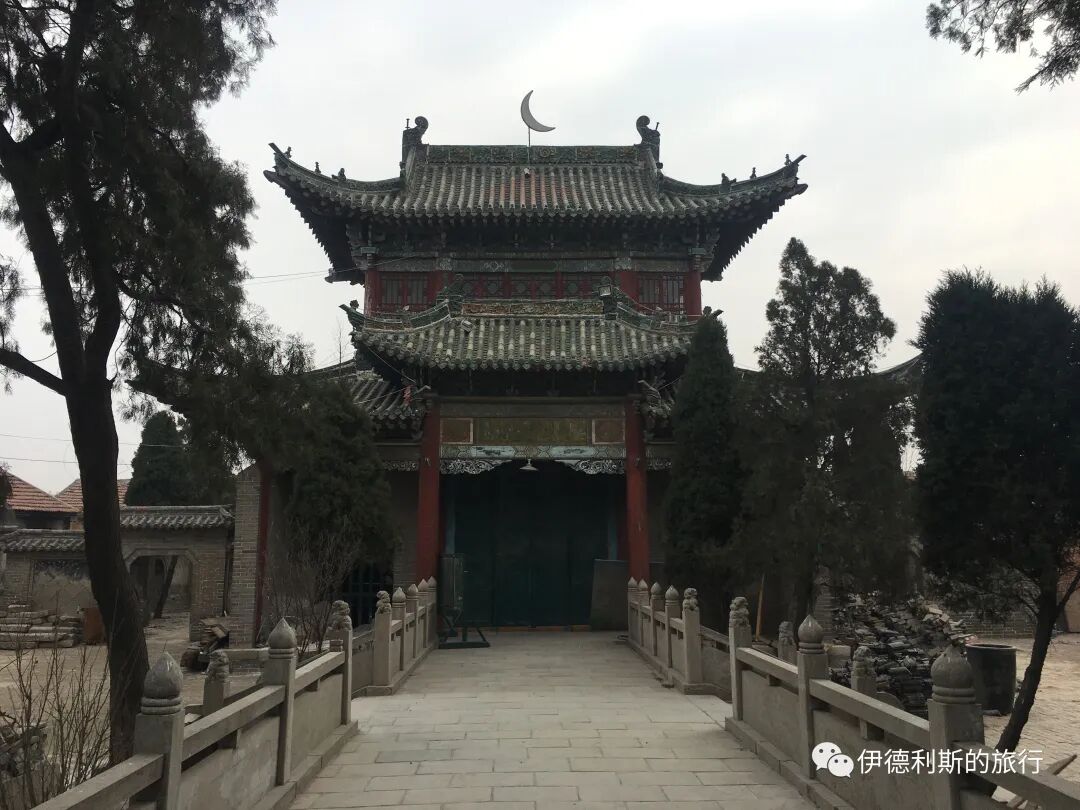
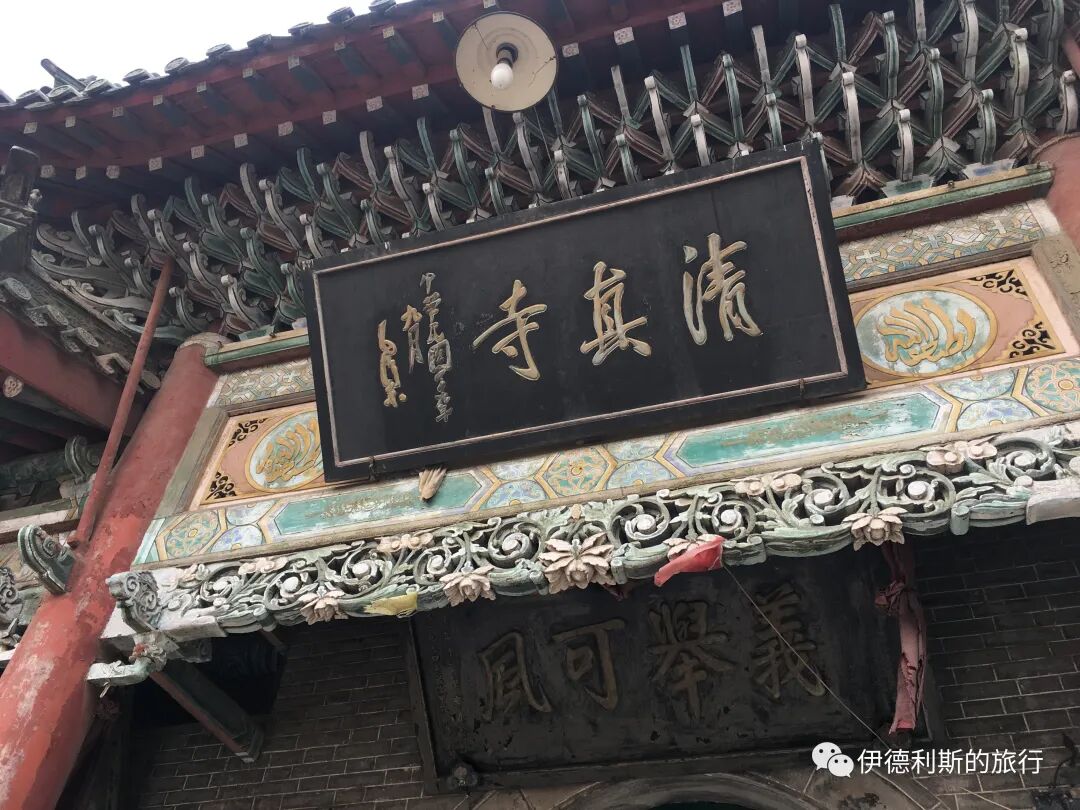
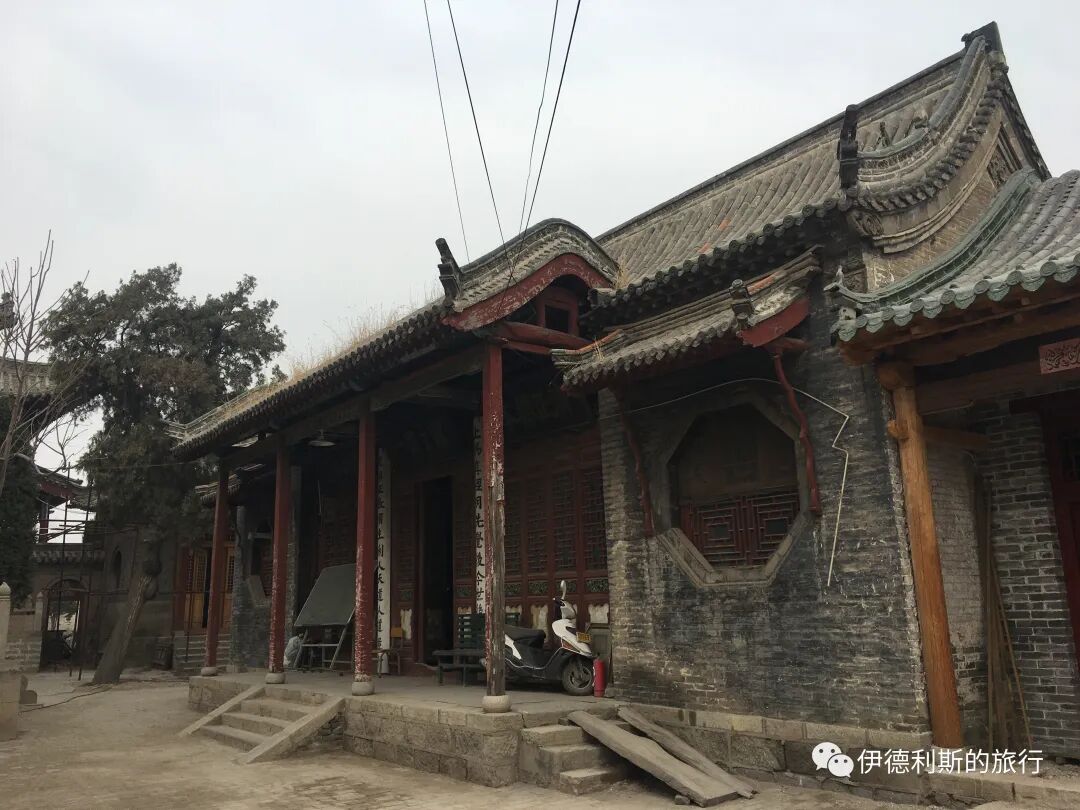
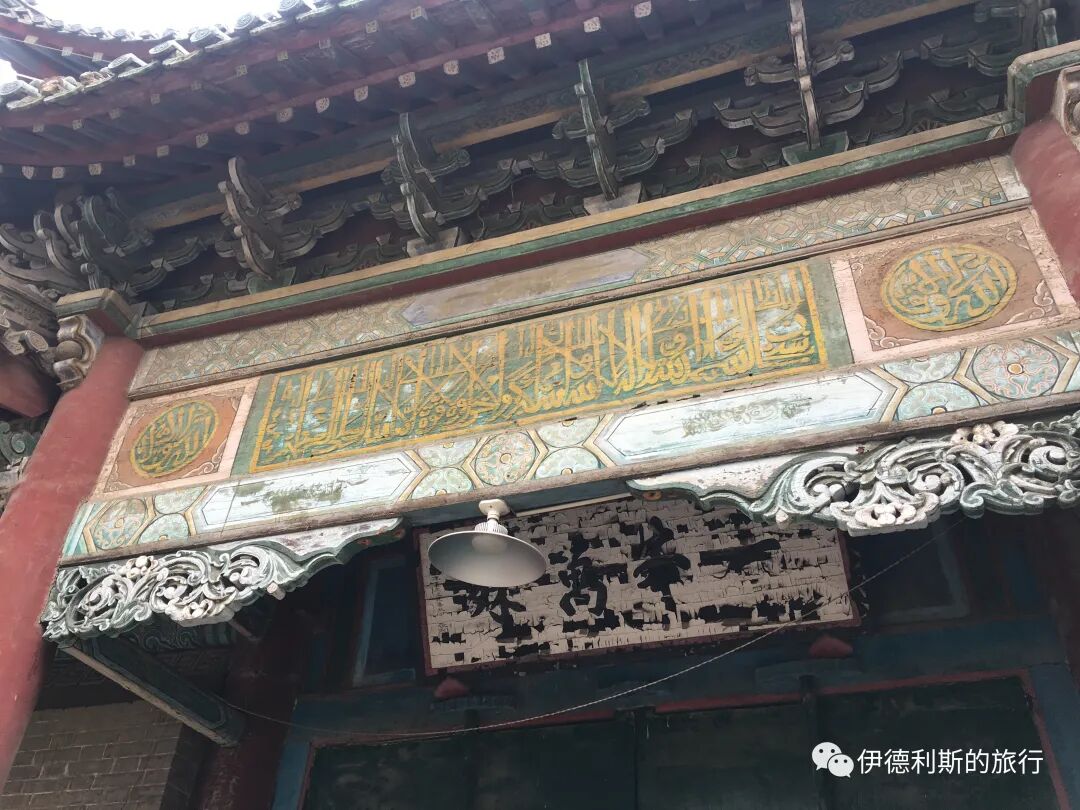
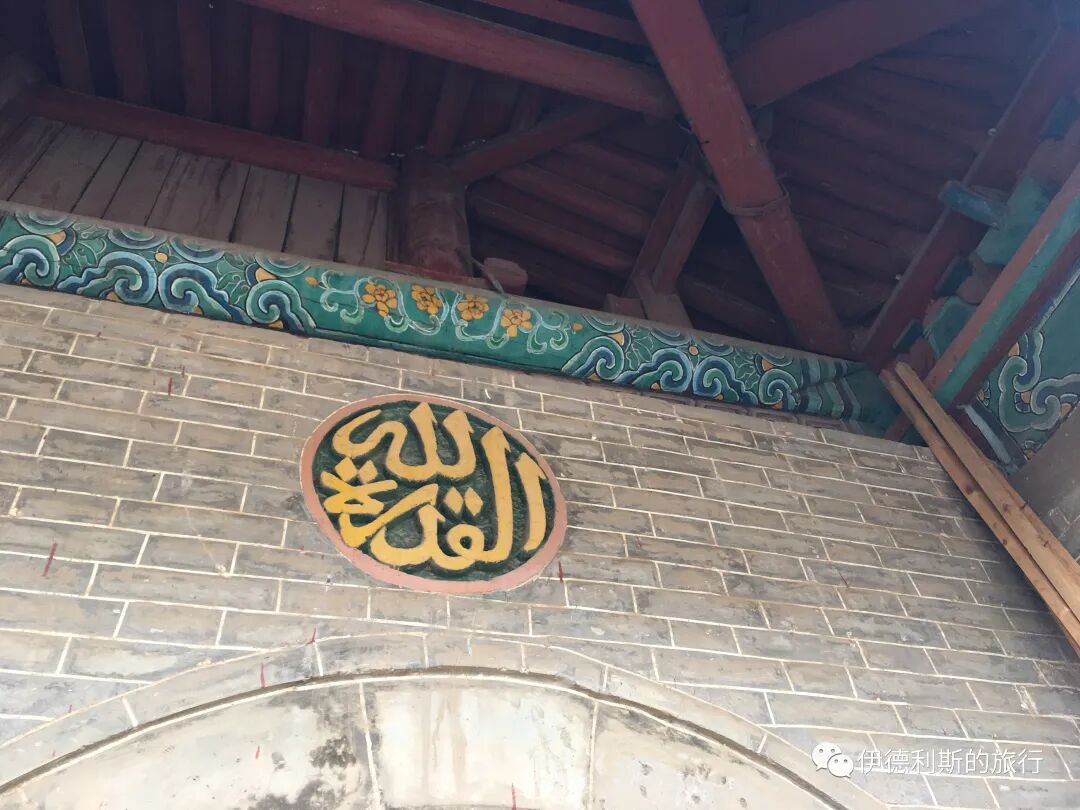
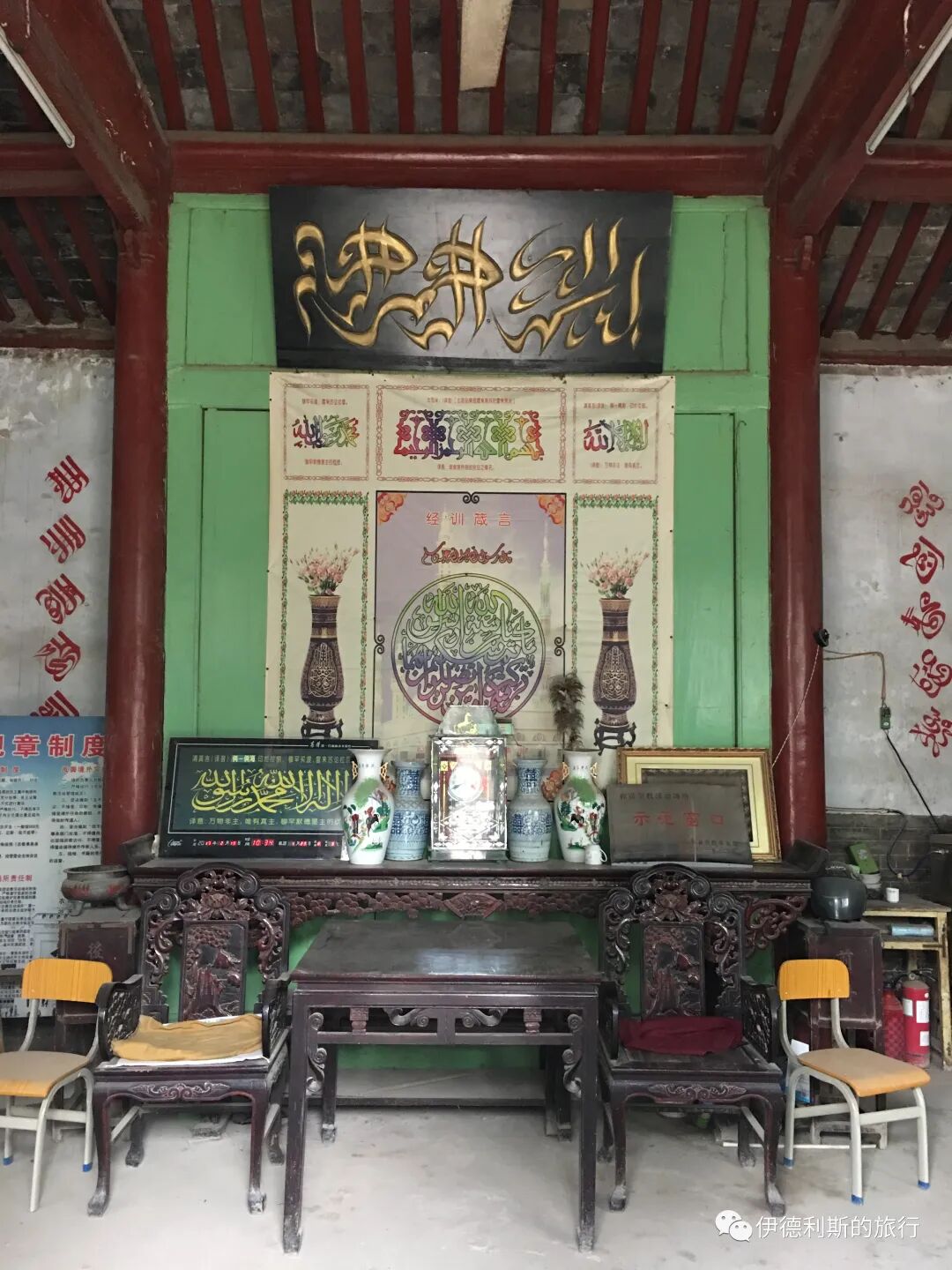
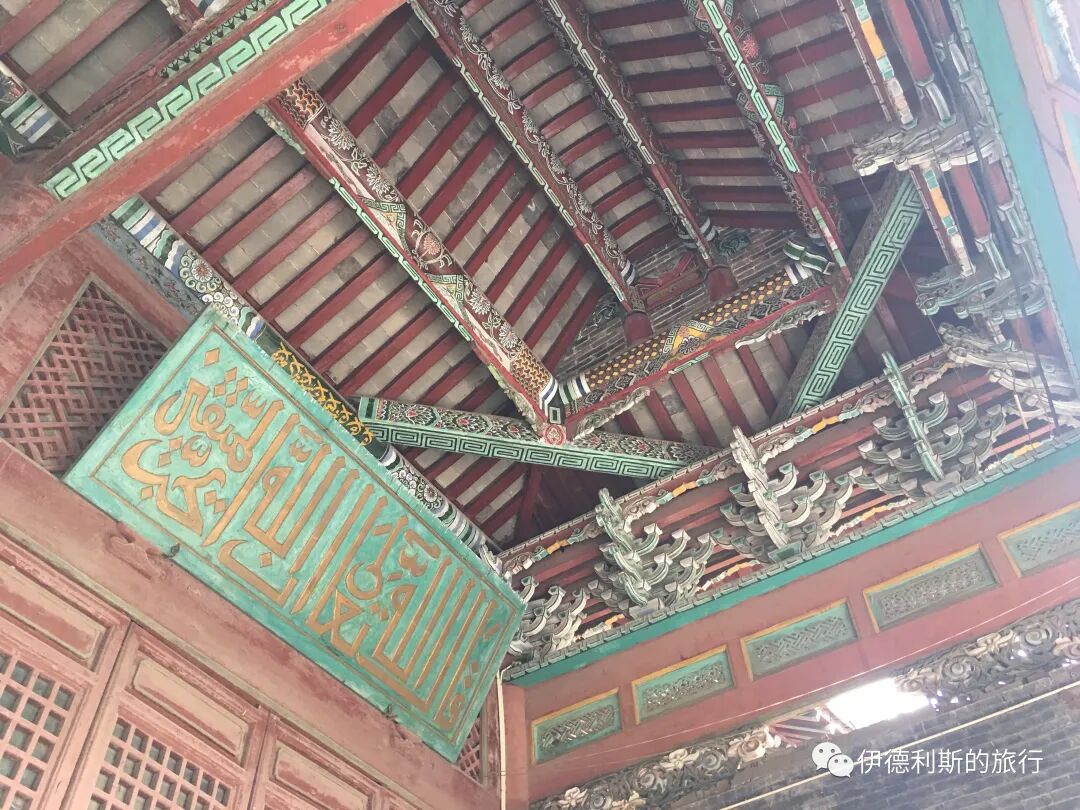
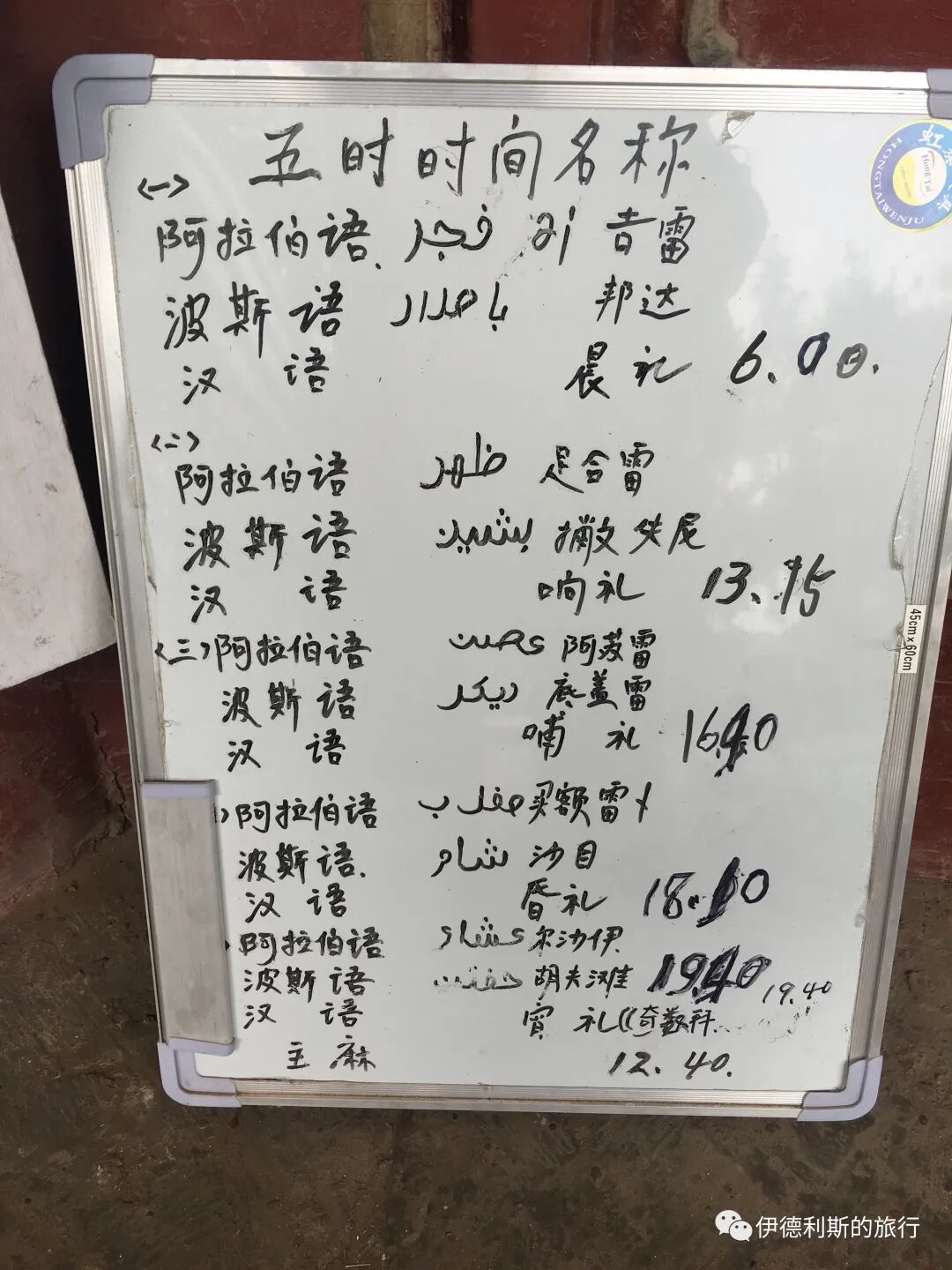
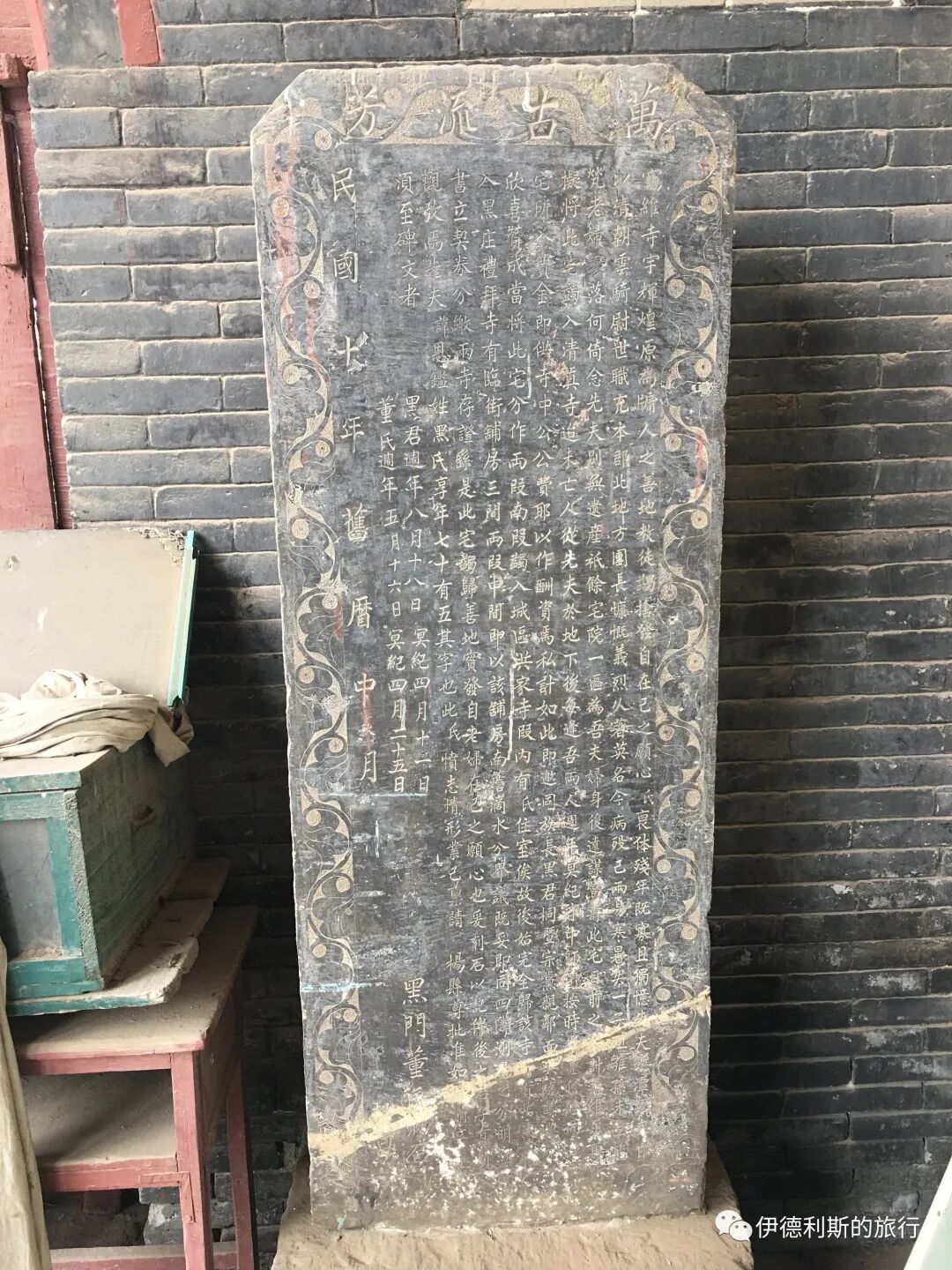
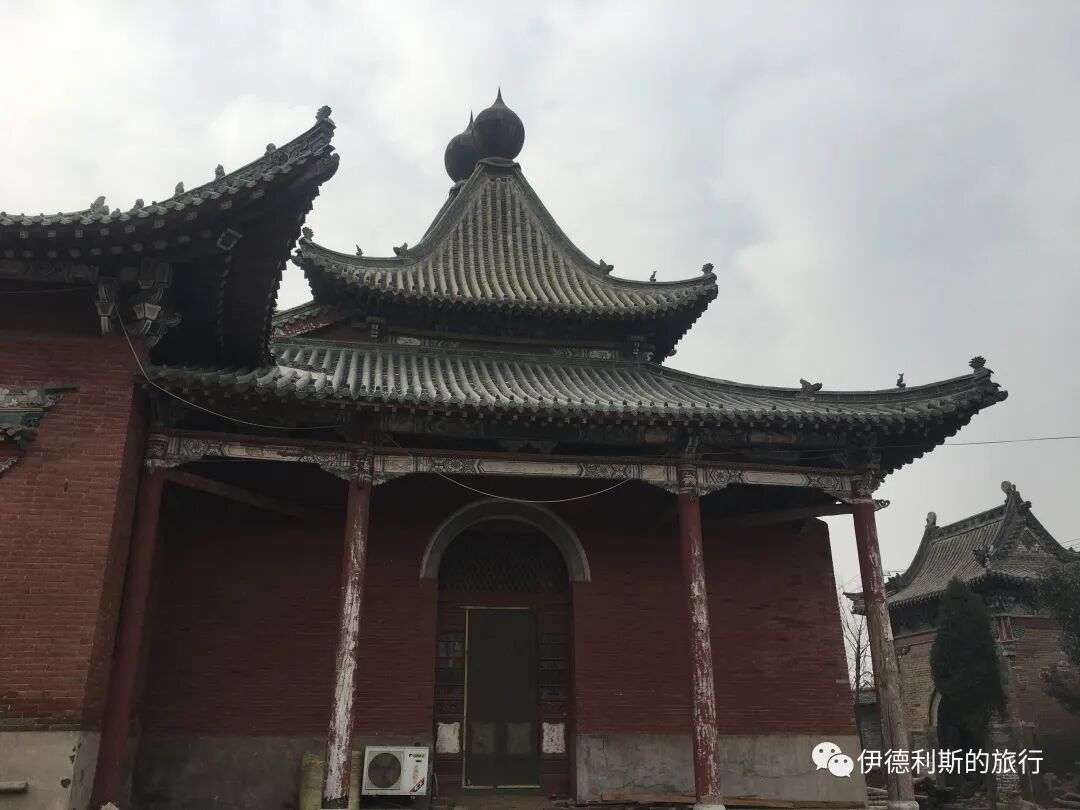
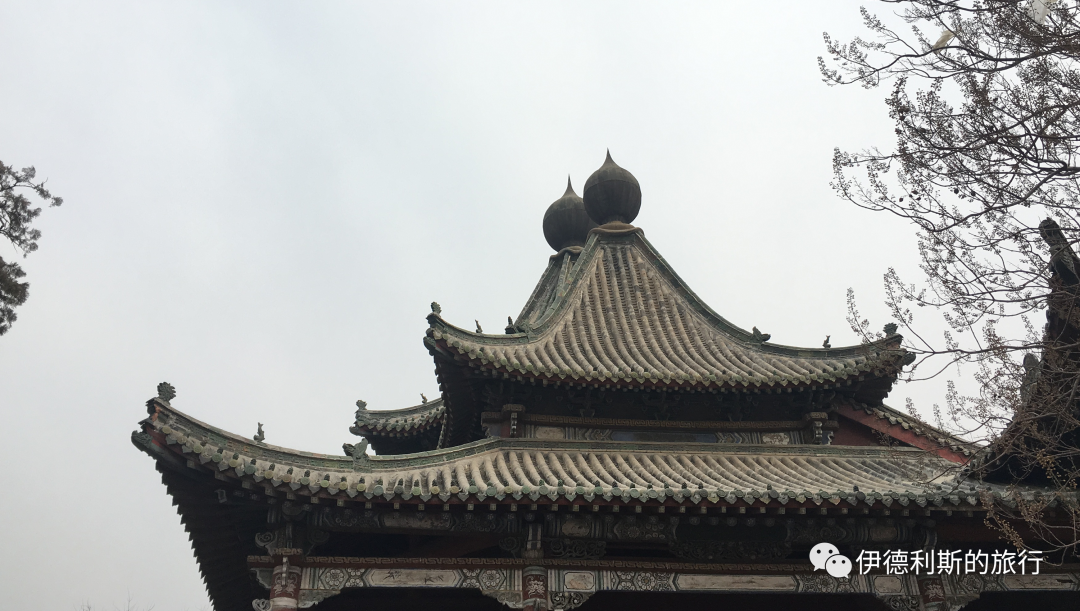
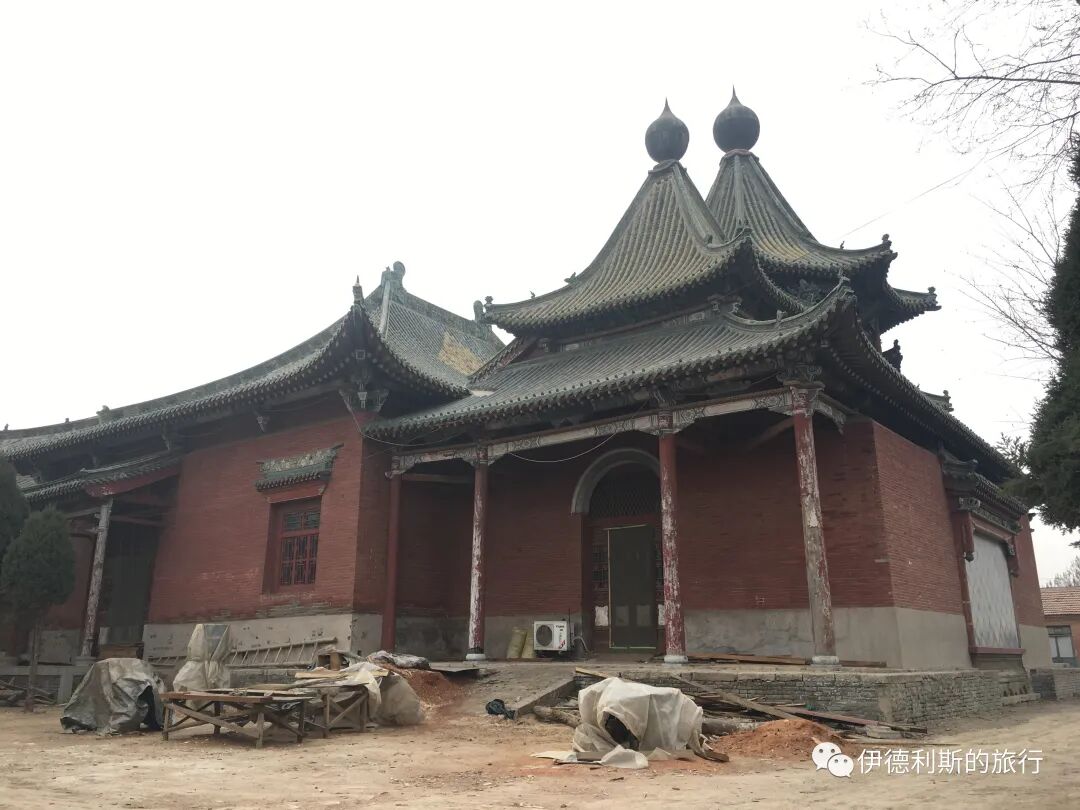
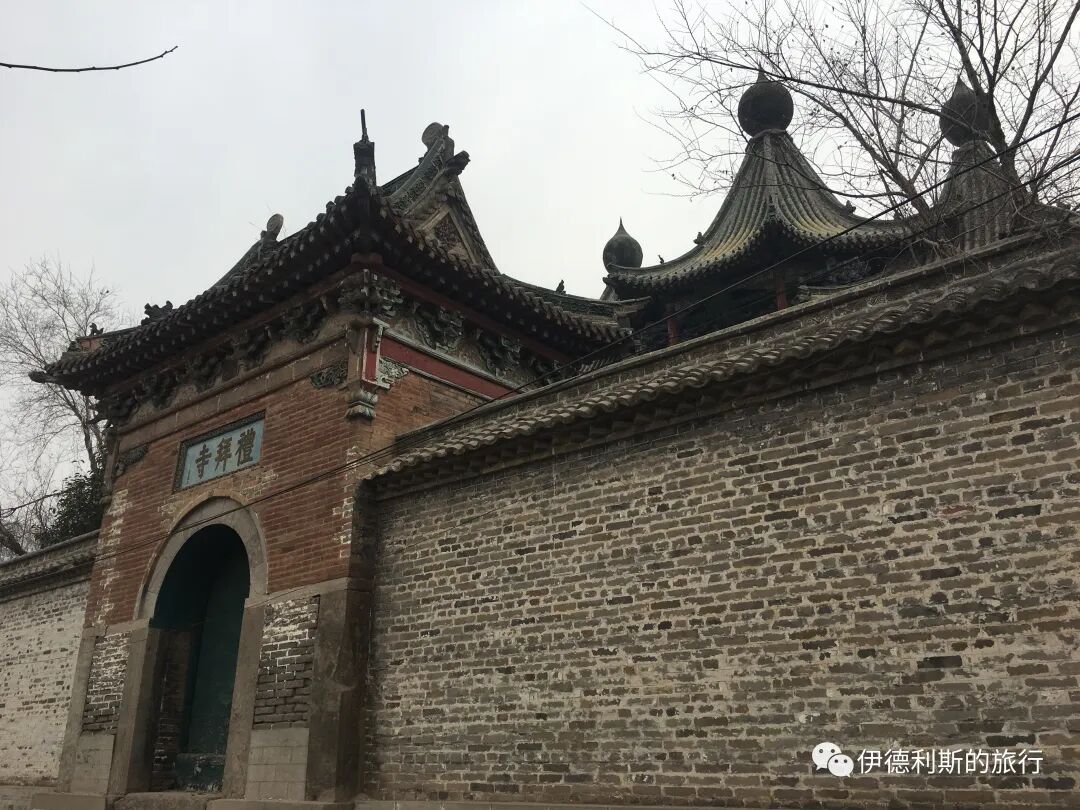
The East Mosque (Qingzhen Dongsi) in Linqing was first built in 1465 (the first year of the Chenghua reign of the Ming Dynasty). It closed for major renovations in 2013, so I only saw the exterior this time.
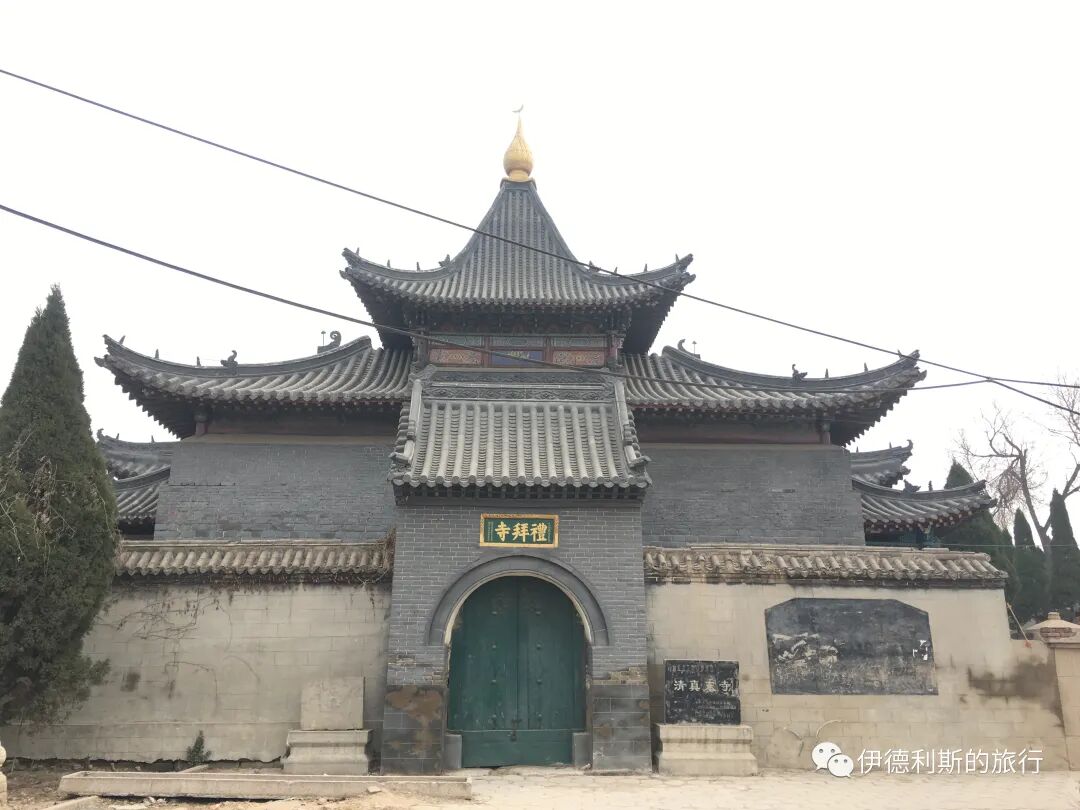
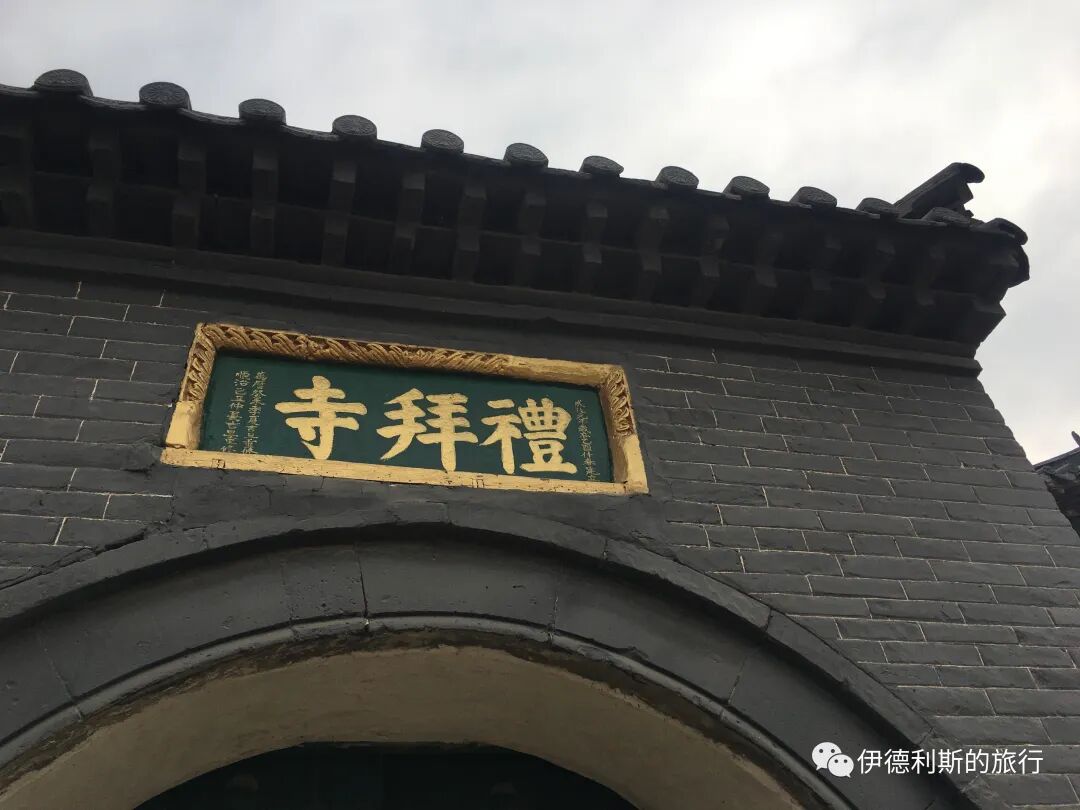
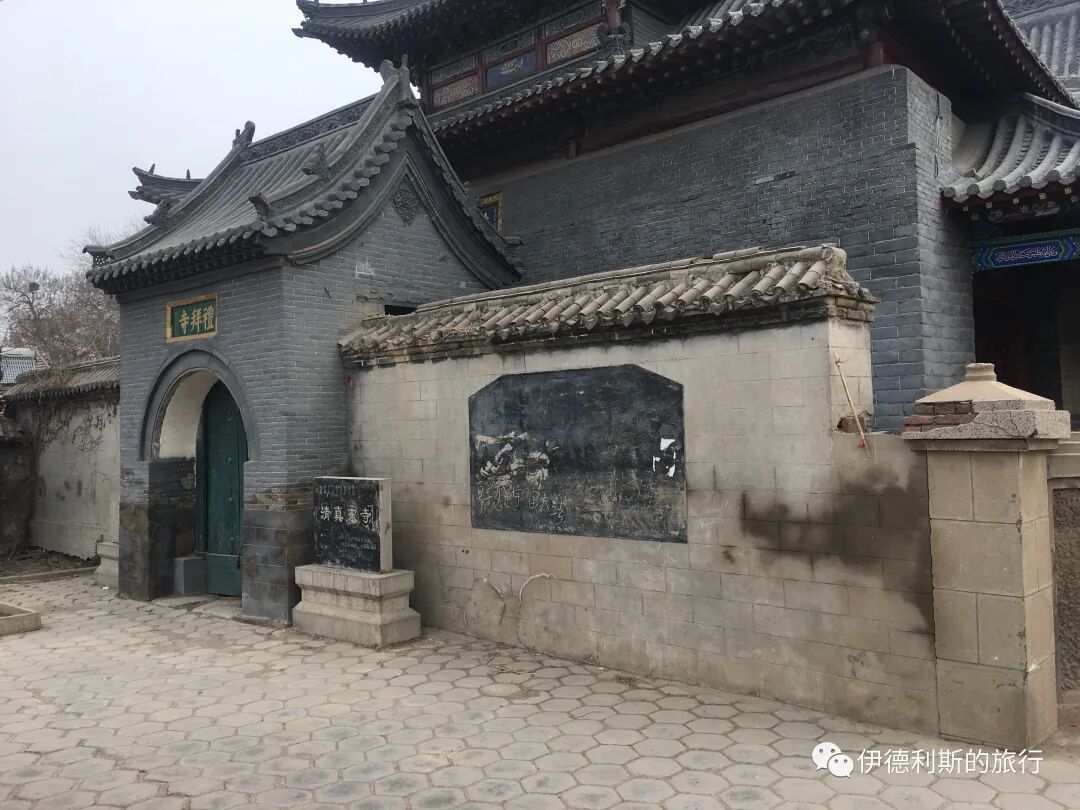
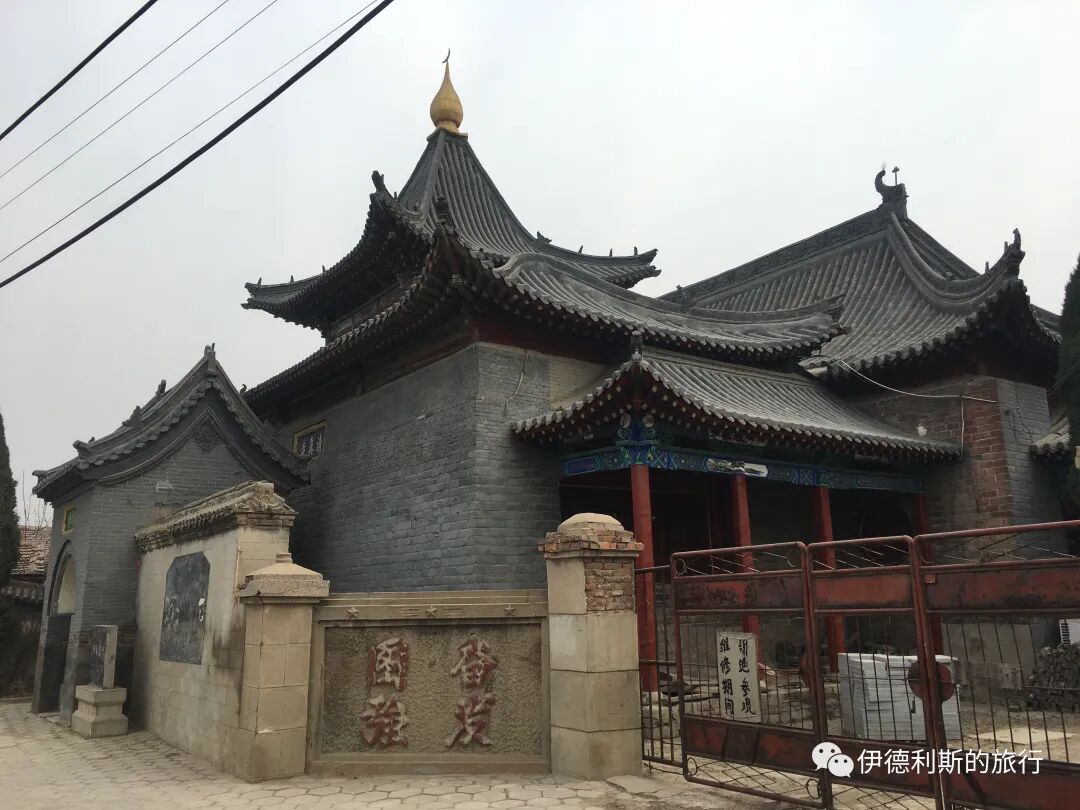
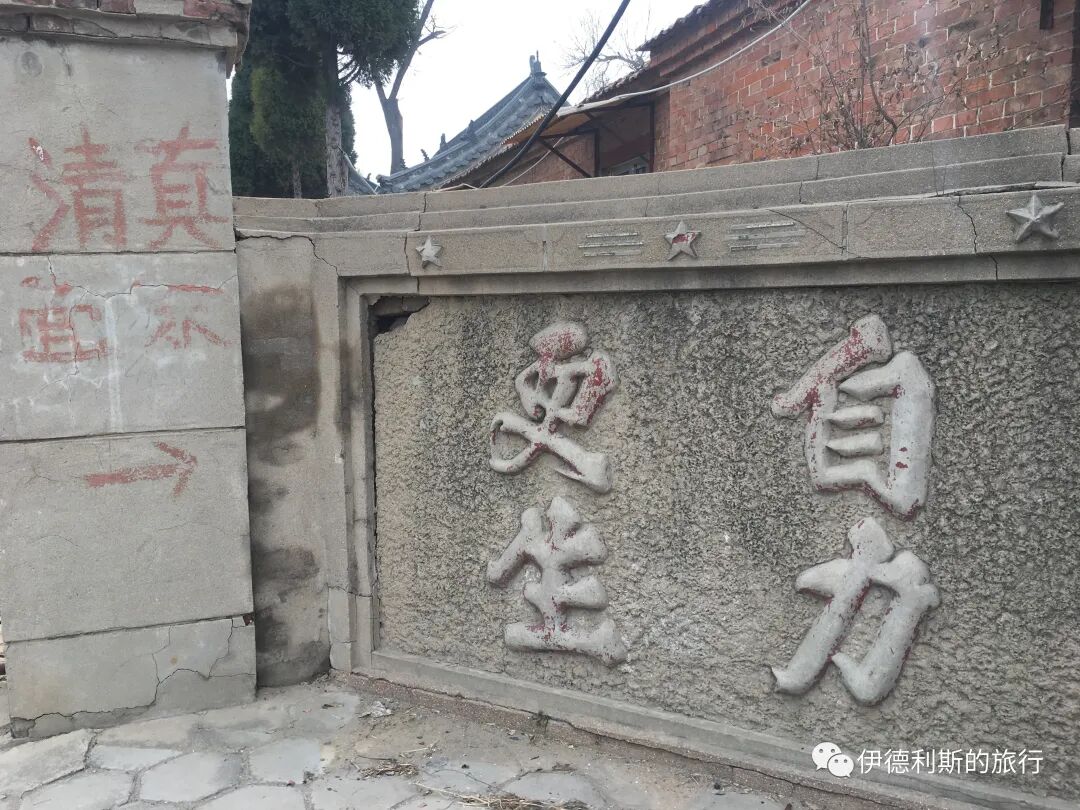
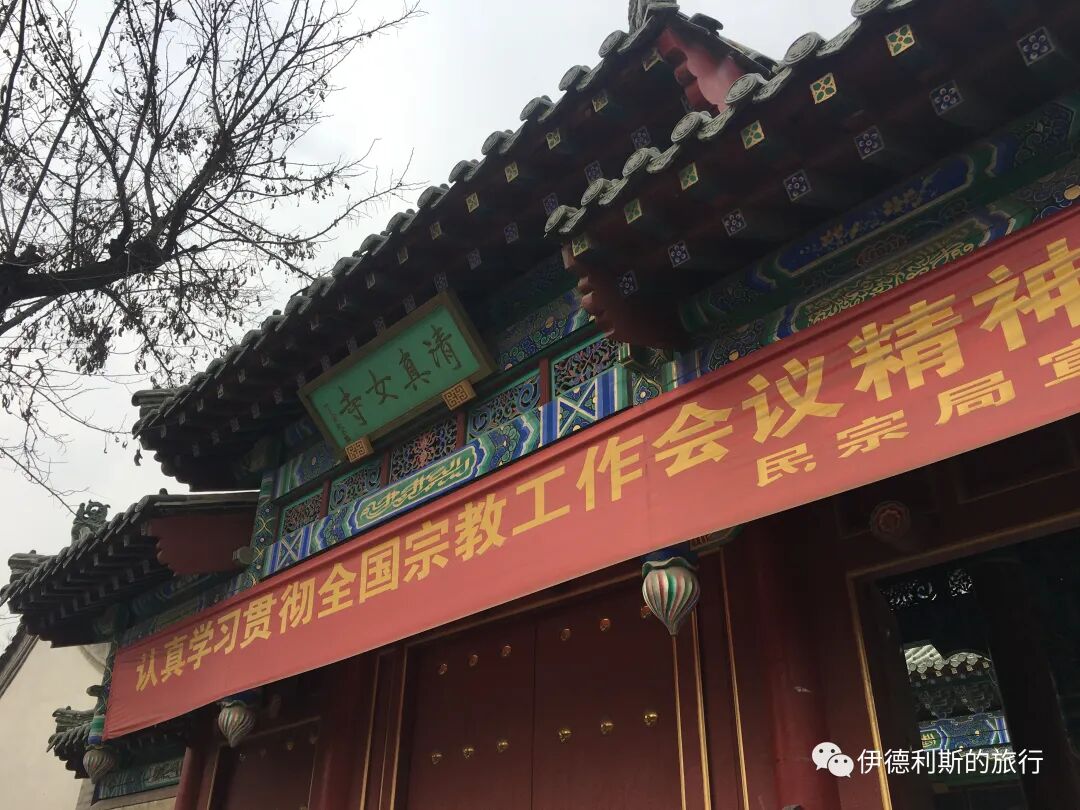
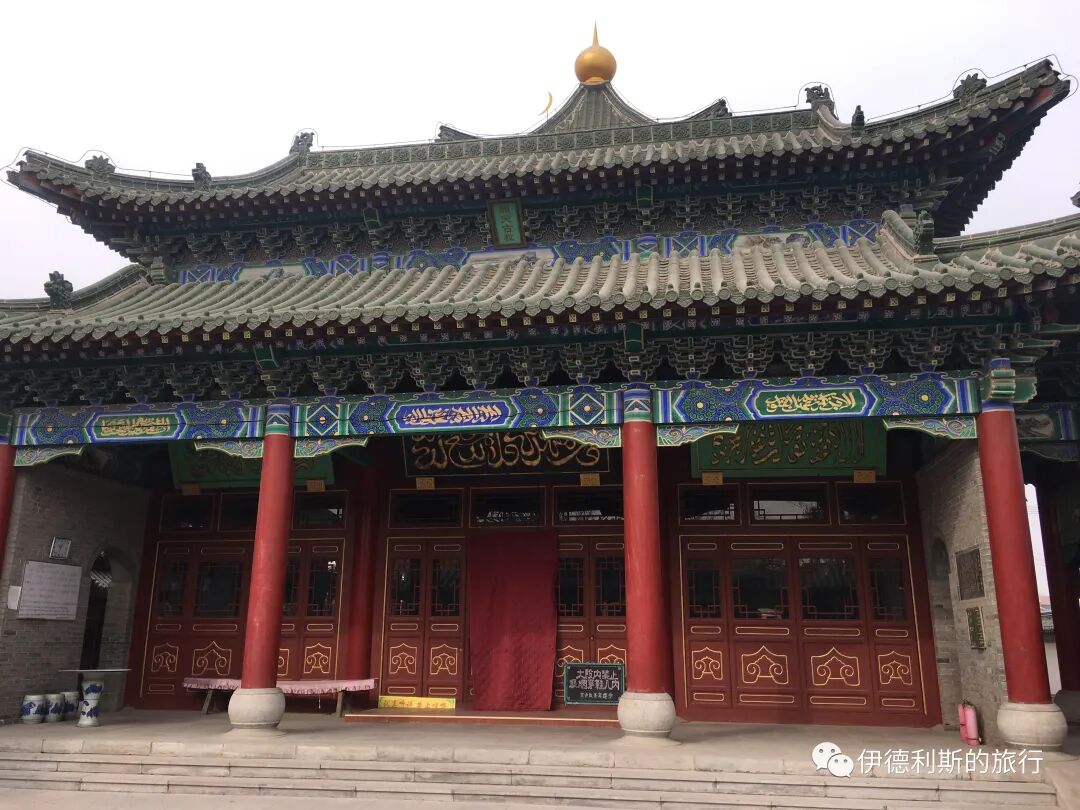
Women's Mosque (Qingzhen Nüsi)
The Women's Mosque (Qingzhen Nüsi) in Linqing was founded during the Republic of China era. It became a wholesale market warehouse after the 1980s and was rebuilt in 2010.
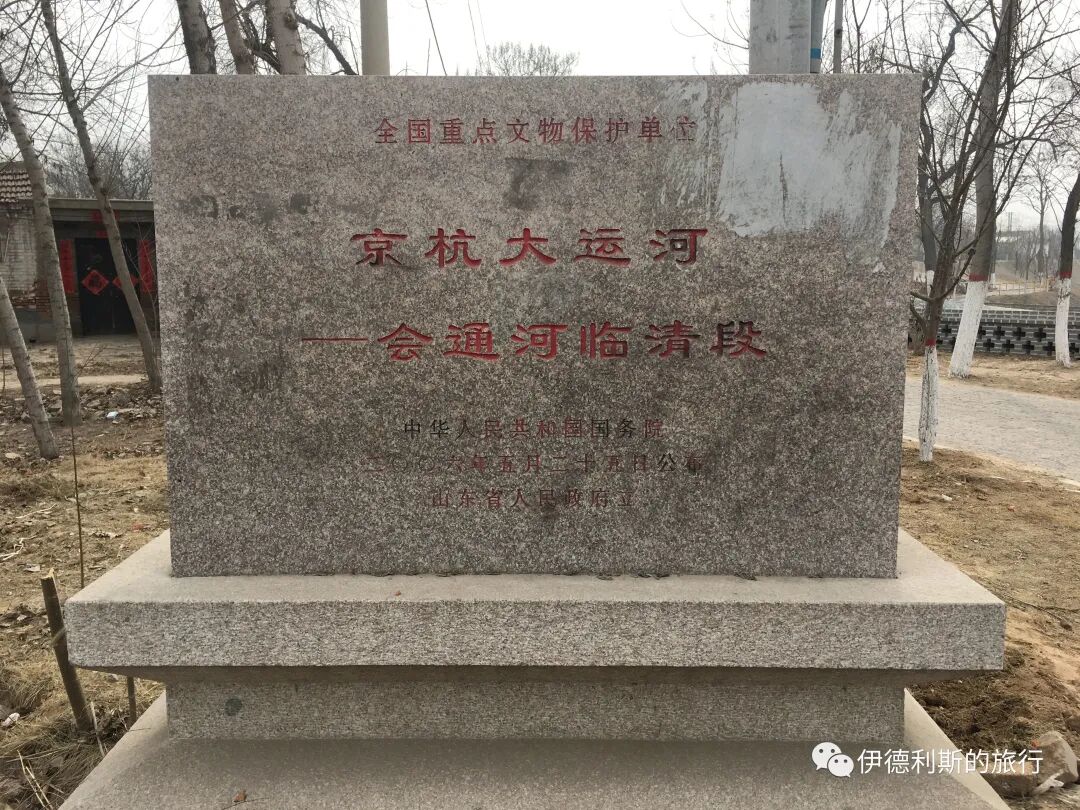
The Linqing section of the Grand Canal.
There are three sections of the Grand Canal in Linqing, created during the Sui, Yuan, and Ming dynasties respectively.
In 608 (the fourth year of the Daye reign of the Sui Dynasty), Emperor Yang of Sui opened the Yongji Canal. This marked the beginning of the Linqing section of the Grand Canal. After the Five Dynasties period, the Yellow River flooded repeatedly, causing the Yongji Canal to silt up and the river course to shift eastward. This formed the later Imperial River (Yuhe), also known as the Wei River (Weihe).
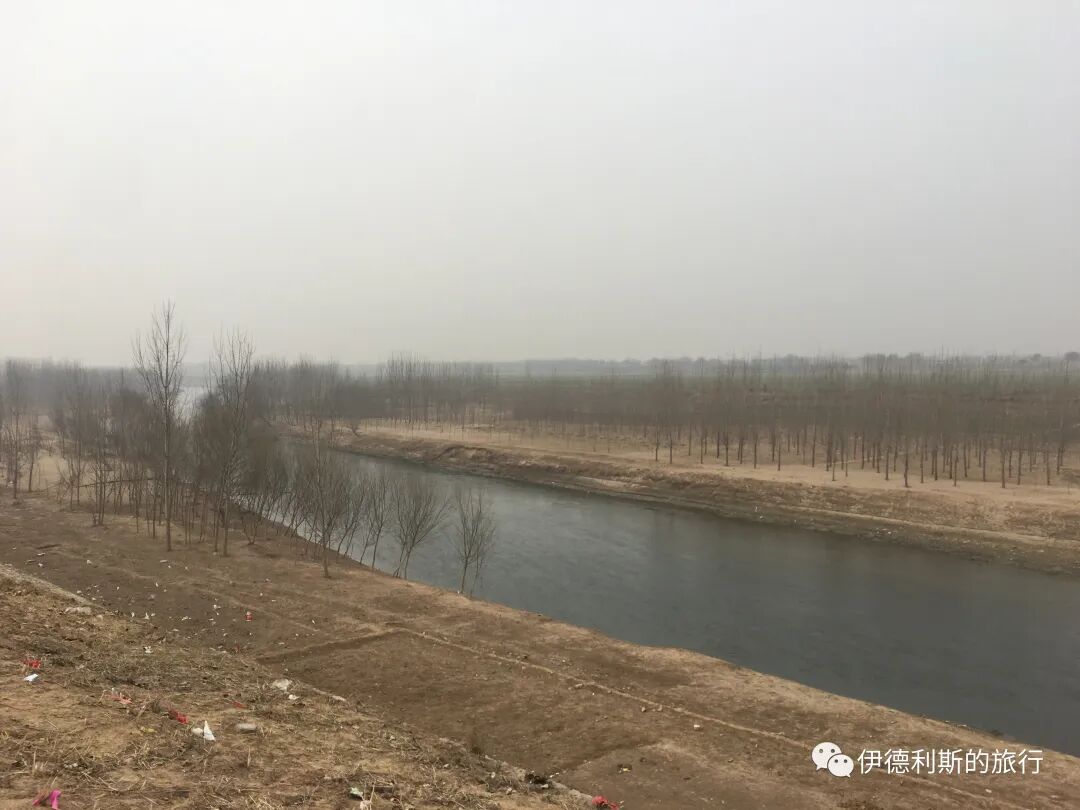
In 1289 (the 26th year of the Zhiyuan reign of the Yuan Dynasty), Kublai Khan ordered the construction of the Huitong Canal from Xucheng in Shandong to Linqing to connect the northern and southern parts of the Grand Canal. Because its water source came from the Wen River, this section was also called the Wen River (Wenshui).
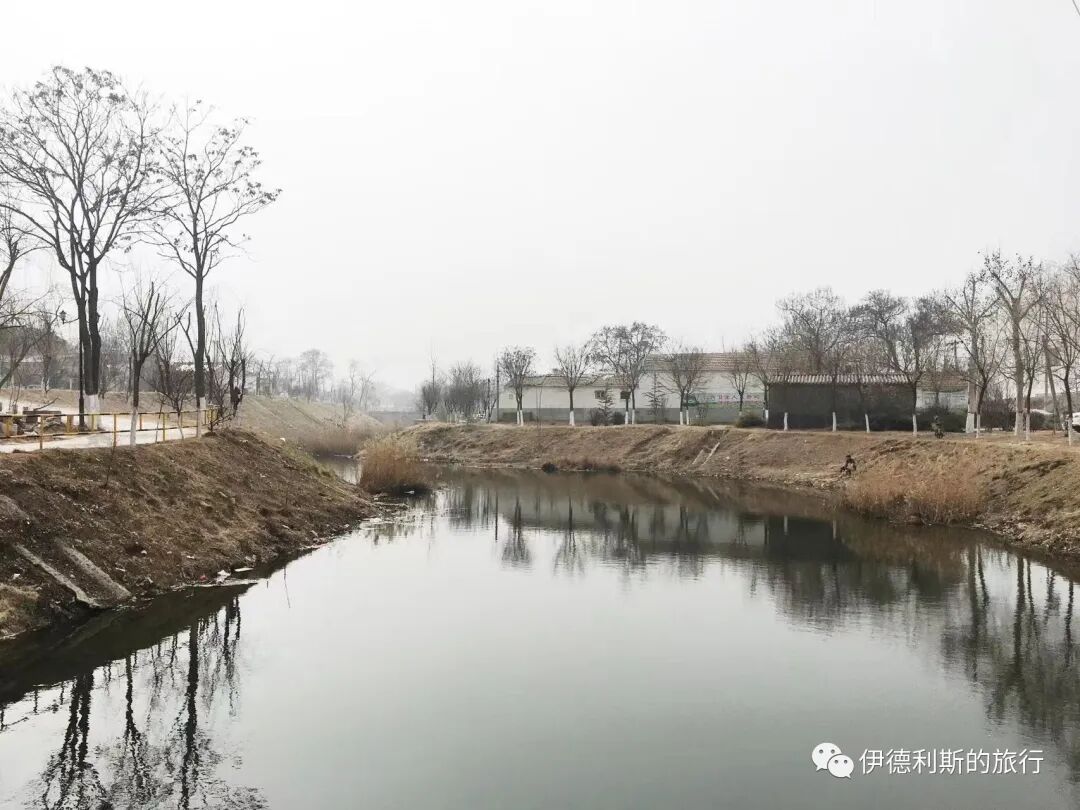
In 1391 (the 24th year of the Hongwu reign of the Ming Dynasty), the Yellow River breached its banks at Yuanwu in Henan, destroying a large part of the Huitong Canal. In 1417 (the 15th year of the Yongle reign), the Earl of Pingjiang, Chen Xuan, excavated the new southern branch of the river in Linqing. From then on, the Yuan Dynasty Huitong Canal was called the old northern branch.
The new southern branch of the Ming Dynasty.
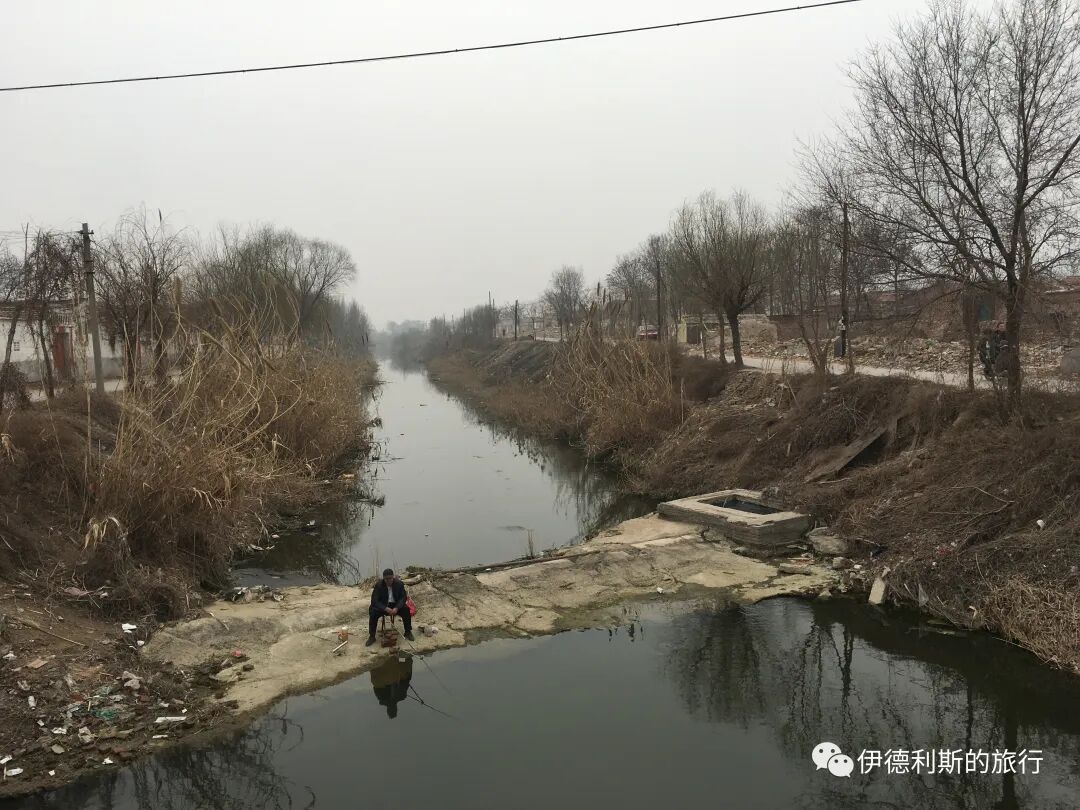
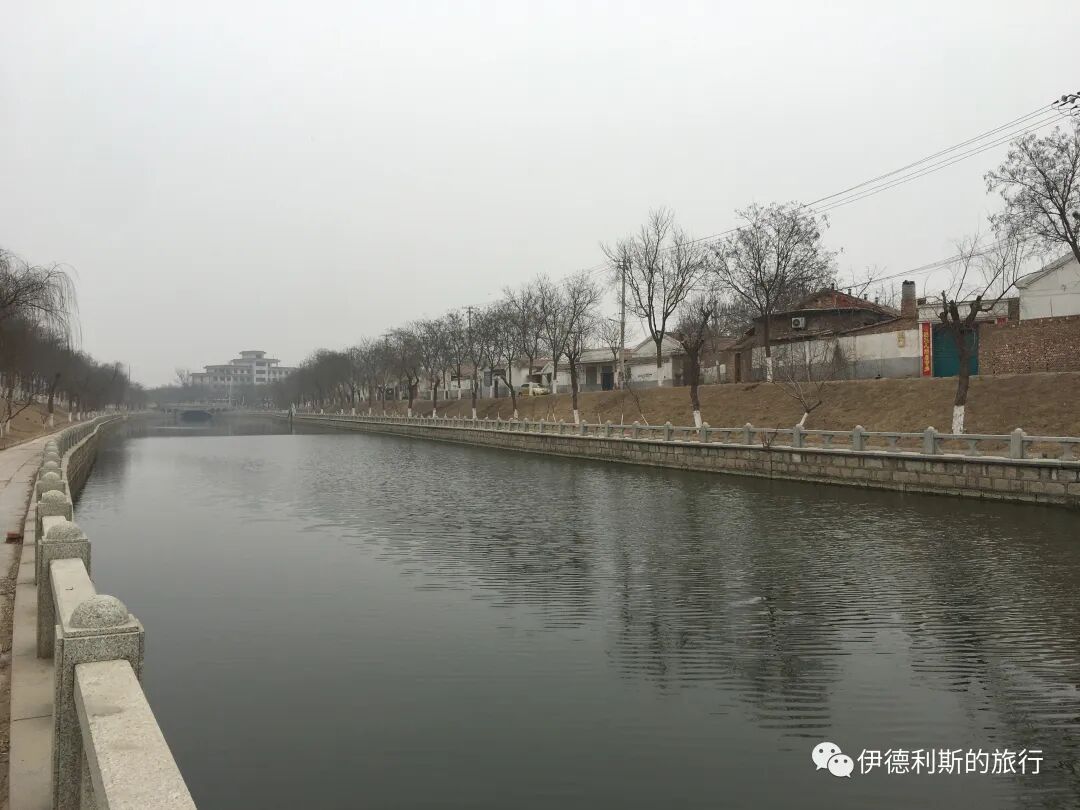
Using Aotouji as the meeting point for the Yuan and Ming canals, the old Yuan canal had the Linqing Lock and Huitong Lock, while the new Ming canal had the Ban Lock and Zhuan Lock. During the Ming and Qing dynasties, the Sky Bridge (Tianqiao) and Yuejing Bridge were built over the old Yuan canal. Together with the canal tax office, these formed the site cluster for water transport in Linqing.
Aotouji.
Aotouji is a stone promontory that juts out of the water where the old Yuan Dynasty Huitong Canal and the new Ming Dynasty canal meet. It bears the inscription "Du Zhan" (Sole Occupancy) by Ma Lun, a Ming Dynasty magistrate of Linqing.
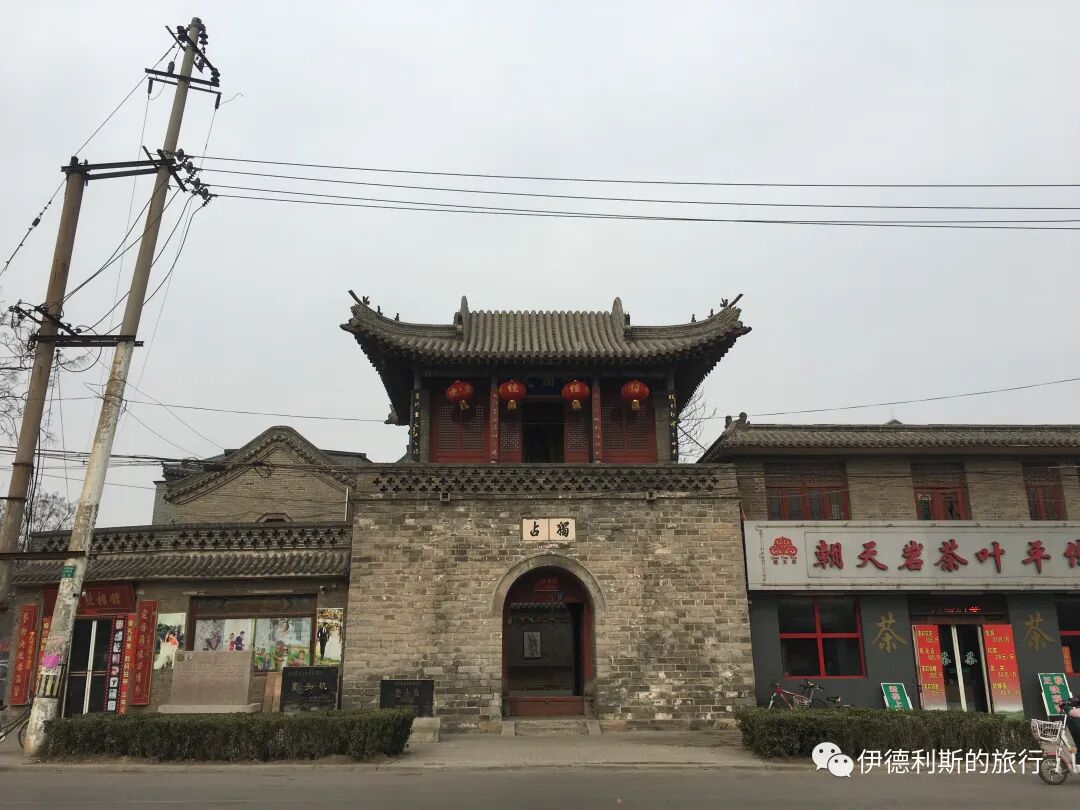
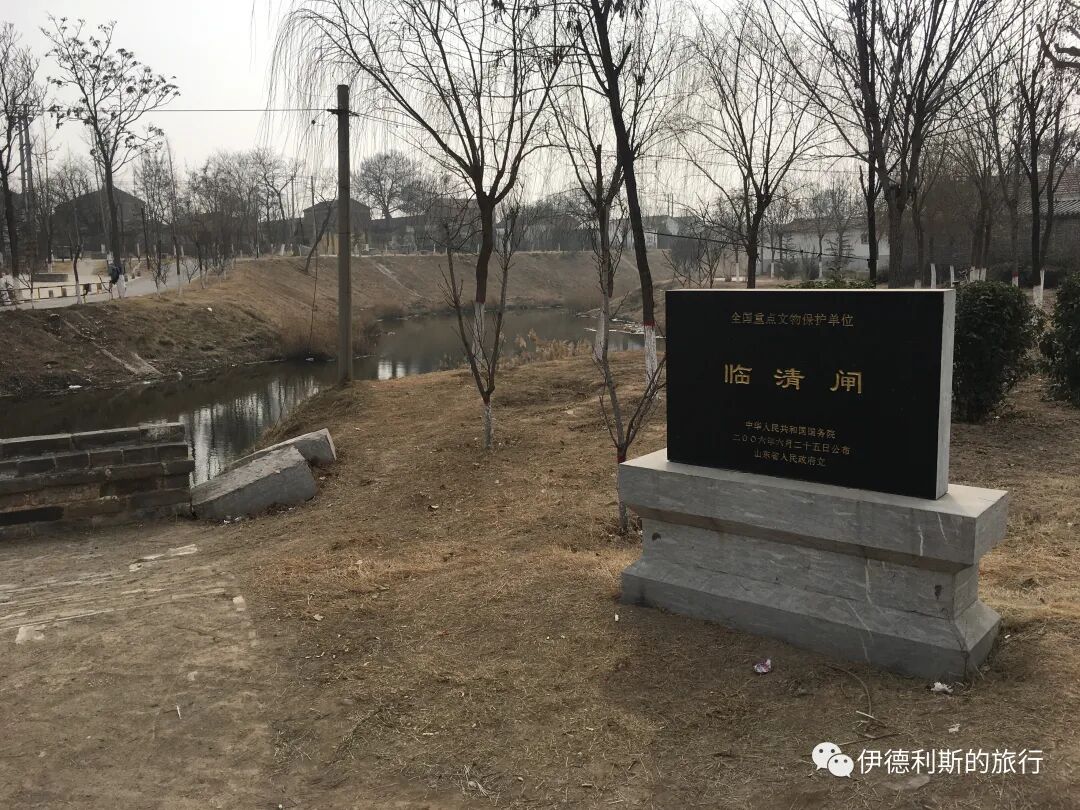
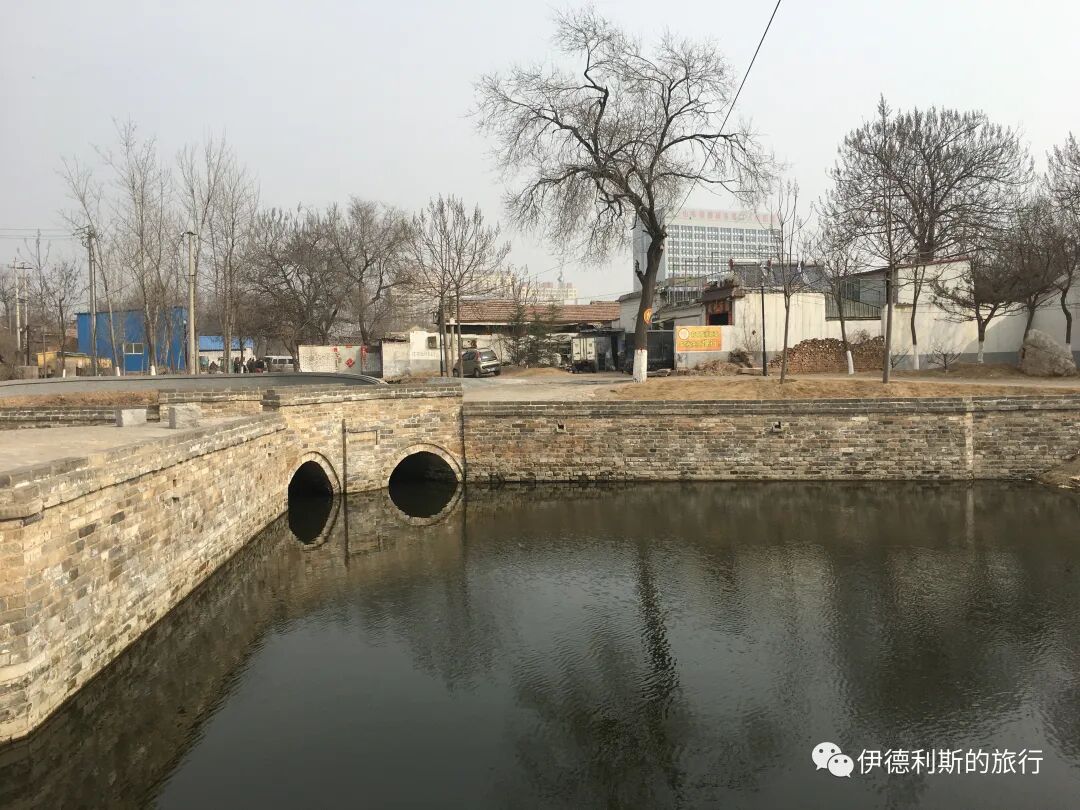
Linqing Lock.
The Linqing Lock was the first ship lock where the Yuan Dynasty Huitong Canal flowed into the Wei River, built in 1296 (the second year of the Yuanzhen reign of the Yuan Dynasty). After the new southern branch was built in 1417 (the 15th year of the Yongle reign of the Ming Dynasty), the Linqing Lock was converted into a bridge by using its piers to support an arch. It was named Wenjin Bridge during repairs in the Chongzhen reign.
Chapter 81 of "The Golden Lotus" (Jin Ping Mei) writes: "Han Daoguo returned from Jiangnan with goods. One day, he arrived at the Linqing Lock and was standing on the bow of the boat when he suddenly saw his neighbor, the Fourth Young Master Yan, coming from upstream on a boat to meet an official in Linqing."
Huitong Lock.
The Huitong Lock was built in 1293 (the 30th year of the Zhiyuan reign of the Yuan Dynasty). It operated in conjunction with the Linqing Lock and was an important water conservancy project on the Yuan Dynasty Huitong Canal. After the new southern branch of the Ming Dynasty was built in 1417 (the 15th year of the Yongle reign), the Huitong Lock was converted into the Huitong Bridge.
Sky Bridge (Tianqiao).
Historically known as the Yongji Bridge, the Sky Bridge was built in 1485 (the 20th year of the Chenghua reign of the Ming Dynasty). It was rebuilt during the Jiajing reign, and a new Sky Bridge was built next to it in 1958. The bridge base and bridge wings of the old Tianqiao still remain today.
Yuejing Bridge
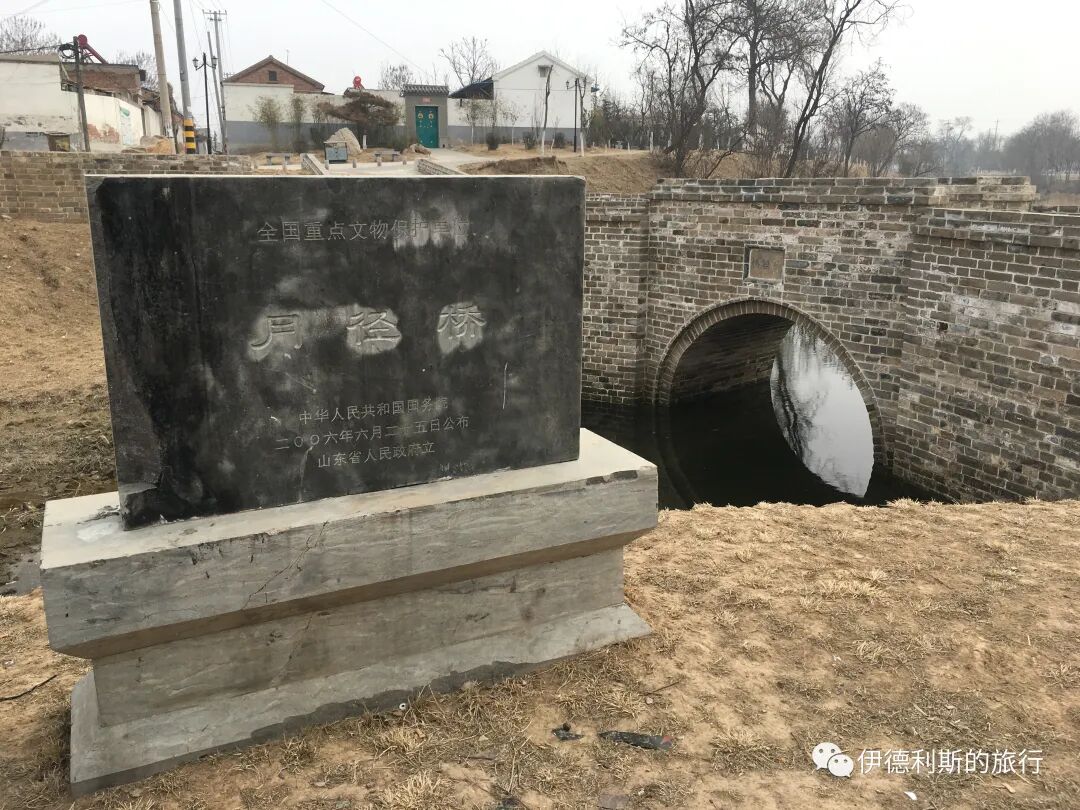
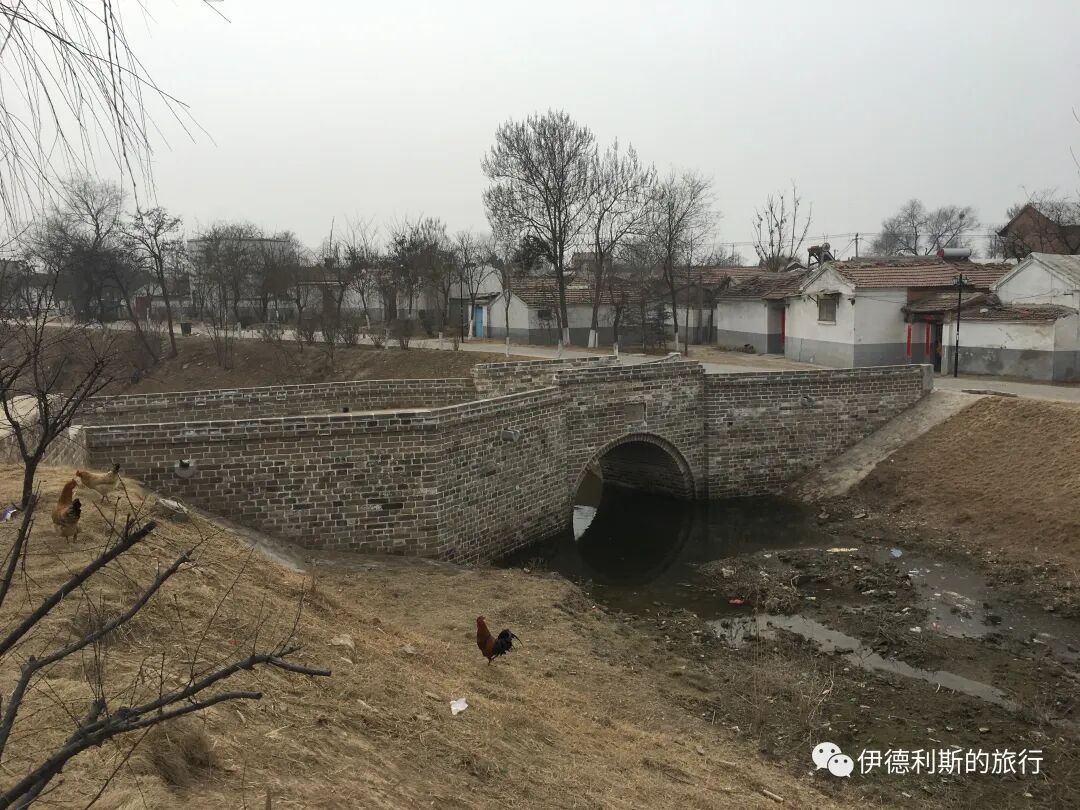
In 1652 (the ninth year of the Shunzhi reign), a merchant named Shao Yishu donated money to build Yuejing Bridge between Wenjin Bridge and Huitong Bridge, which is commonly known as Pigeon Bridge.
Brick Sluice (Zhuanzha)
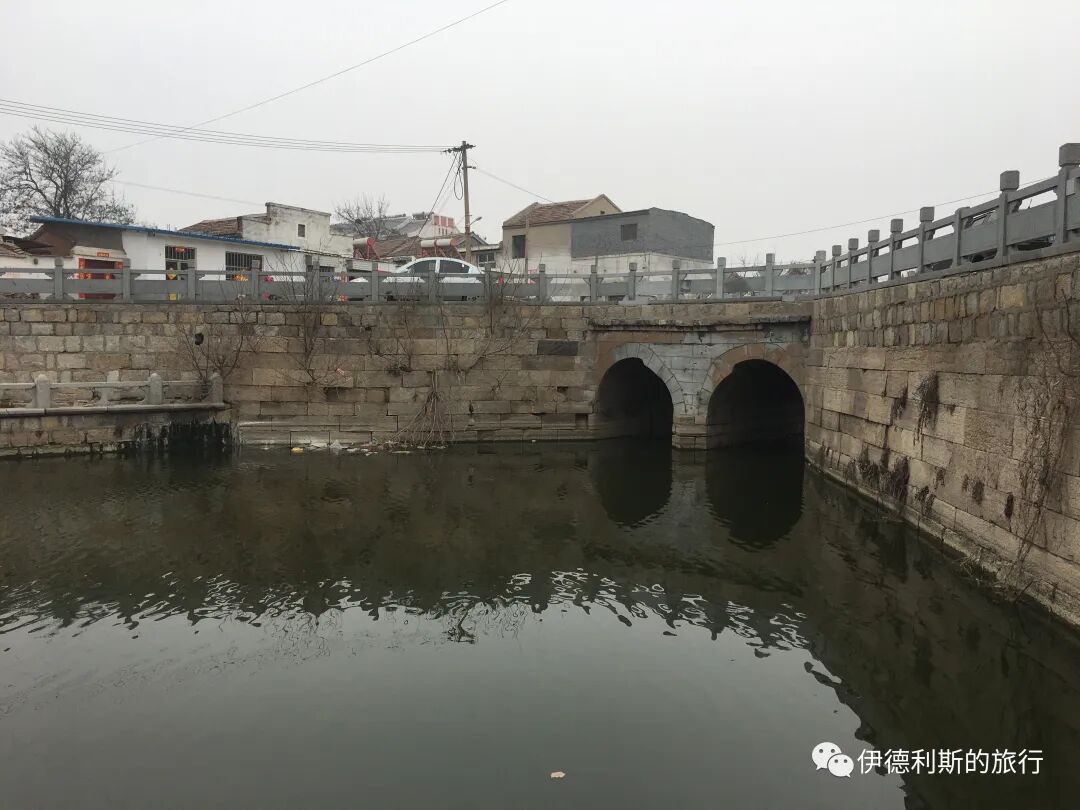
The Brick Sluice was located on the southern branch of the New River. It was first built in 1417 (the fifteenth year of the Yongle reign of the Ming Dynasty) and is also known as the New Open Sluice, or commonly as the Second Sluice. It was rebuilt in 1513 (the eighth year of the Zhengde reign of the Ming Dynasty), when the brick sluice was changed to a stone weir. It connected with the South Board Sluice (First Sluice), where the southern branch of the New River flows into the Wei River. By opening and closing in sequence, they formed two ship locks on the canal, serving as the control hub and vital passage for canal boats. After the Ministry of Works Water Division was abolished in 1526 (the fifth year of the Jiajing reign of the Ming Dynasty), the Brick Sluice began collecting two types of taxes called 'short-load' and 'paper price.' This was known as the Ministry of Works Customs. It collected taxes here for 210 years until it was merged into the Ministry of Revenue Customs in 1736 (the first year of the Qianlong reign).
Linqing Customs (Linqing Chaoguan)
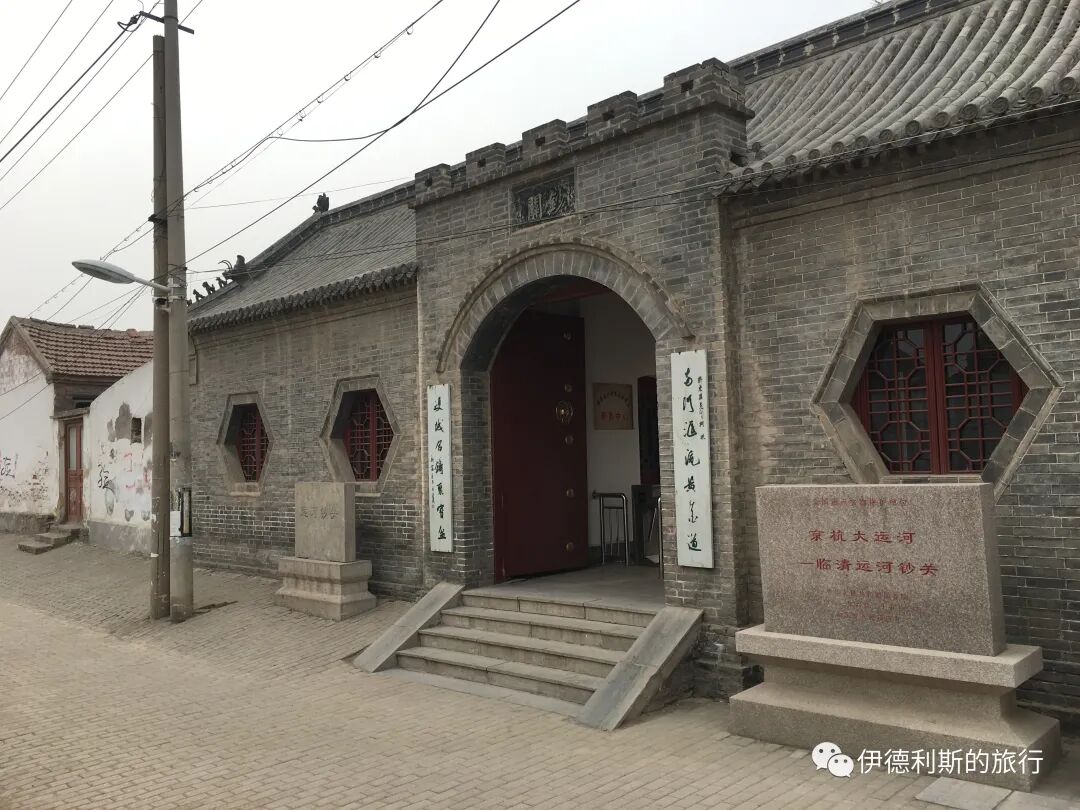
The Linqing Canal Customs was an agency under the Ministry of Revenue specifically for taxing merchant ships on the canal. The Linqing Customs was the first canal customs office to be established and the last to be closed. It was set up in 1429 (the fourth year of the Xuande reign of the Ming Dynasty) and operated for nearly 500 years.
In 1597 (the twenty-fifth year of the Wanli reign of the Ming Dynasty), it collected over 117,000 taels of silver in taxes, which accounted for one-quarter of all tax silver from canal customs. In contrast, the total tax revenue for Shandong Province in 1578 (the sixth year of the Wanli reign) was only about 8,800 taels, which was less than one-tenth of what the Linqing Customs collected.
Summary: This China Muslim travel tips article keeps the original 2017 Linqing route and details intact. It also helps readers looking for Muslim travel guide China 2026, halal food in China, Chinese Muslim food, and canal-side mosque heritage in Shandong.
On February 18, 2017, I went to Linqing, Shandong, to explore and eat.
Linqing Hui Muslims
After the Yuan Dynasty established its capital in Dadu, it relied on supplies from the south. However, shipping grain from the Jiangnan region by sea was often dangerous. In 1289 (the 26th year of the Zhiyuan era), Kublai Khan ordered the construction of the Huitong River from Xucheng, Shandong, to Linqing to connect the northern and southern sections of the Grand Canal. Linqing, where the Huitong River met the existing Yongji Canal of the Sui and Tang Grand Canal, suddenly became a canal hub and the backbone and throat of the Grand Canal. It was from this time that Hui Muslims began to move to Linqing one after another.
In 1373 (the 6th year of the Hongwu era of the Ming Dynasty), the Linqing granary was established. In 1450 (the 1st year of the Jingtai era), a brick city was built on the north bank of the Huitong River, based on the Guangji Granary. At that time, in the southwest of Linqing city, an area called Zhongzhou, surrounded by two tributaries of the Wei and Wen rivers, was the most prosperous commercial district in Linqing. Zhongzhou was traversed from north to south by a long street, divided into Pot Market Street (Guoshi Jie), Blue Bowl Market Street (Qingwanshi Jie), and Horse Market Street (Mashi Jie). This was also the area where Hui Muslims in Linqing were most concentrated.
In 1542 (the 21st year of the Jiajing era of the Ming Dynasty), the earthen city of Linqing was expanded to five times its original size, and Zhongzhou was incorporated into the city of Linqing.
Halal food
A wonderful trip starts with food. In the morning, I had lamb offal soup (yangza tang) at Qian's Lamb Soup north of Aotouji in Linqing. A small bowl there is as big as a large bowl in Beijing. The lamb soup was delicious and packed with ingredients. It was fun to hear the sizzling sound when pouring chili oil over the soup; the chili wasn't spicy but very fragrant. This was also my first time having lamb offal soup that included lamb brain.
At Baoliang's First Pancake-Wrapped Meat (Baoliang Diyi Jia Bingjuanrou), I ordered braised butterfly fish head and pancake-wrapped meat (bingjuanrou). Honestly, their braised dishes completely beat every halal restaurant in Beijing. Both Teacher Hua and I were shocked, and we continued to be disappointed with Beijing food. The pancake-wrapped meat was 15 yuan per piece, and the portion was huge—so satisfying!
Food cooked over a firewood fire is just more fragrant.
In the evening, I had the three-delicacy potstickers (sanxian guotie) at the first restaurant I visited in Linqing, and they were amazing! I can say it is the best Shandong restaurant I have ever eaten at. It completely beats the Beijing-Shandong dishes I often eat in Beijing. The portions are huge—one dish is equal to three in Beijing—and it is very cheap. The iron-plate tofu (tieban doufu) was incredible. The Japanese-style tofu was filled with sea cucumber and shrimp, served over a layer of fried eggs. The sesame lamb (zhima yangrou) was so good it made me want to cry. I have been looking for this way of cooking it in Beijing for a long time. A steamer of 30 beef and fennel potstickers (niurou huixiang guotie) was packed with filling. After eating, I didn't even want to go back to Beijing.
Mosque
The North Mosque (Qingzhen Beisi) in Linqing is one of the grandest in Shandong, rivaling the East Mosque in Jining. It was first built during the Hongzhi reign of the Ming Dynasty and underwent three major renovations in 1564 (the 43rd year of the Jiajing reign), 1779 (the 44th year of the Qianlong reign), and 1809 (the 14th year of the Jiaqing reign). It was undergoing repairs when I visited.
The cover of the book "Mosques of Shandong" (Shandong Qingzhensi).
The East Mosque (Qingzhen Dongsi) in Linqing was first built in 1465 (the first year of the Chenghua reign of the Ming Dynasty). It closed for major renovations in 2013, so I only saw the exterior this time.
Women's Mosque (Qingzhen Nüsi)
The Women's Mosque (Qingzhen Nüsi) in Linqing was founded during the Republic of China era. It became a wholesale market warehouse after the 1980s and was rebuilt in 2010.
The Linqing section of the Grand Canal.
There are three sections of the Grand Canal in Linqing, created during the Sui, Yuan, and Ming dynasties respectively.
In 608 (the fourth year of the Daye reign of the Sui Dynasty), Emperor Yang of Sui opened the Yongji Canal. This marked the beginning of the Linqing section of the Grand Canal. After the Five Dynasties period, the Yellow River flooded repeatedly, causing the Yongji Canal to silt up and the river course to shift eastward. This formed the later Imperial River (Yuhe), also known as the Wei River (Weihe).
In 1289 (the 26th year of the Zhiyuan reign of the Yuan Dynasty), Kublai Khan ordered the construction of the Huitong Canal from Xucheng in Shandong to Linqing to connect the northern and southern parts of the Grand Canal. Because its water source came from the Wen River, this section was also called the Wen River (Wenshui).
In 1391 (the 24th year of the Hongwu reign of the Ming Dynasty), the Yellow River breached its banks at Yuanwu in Henan, destroying a large part of the Huitong Canal. In 1417 (the 15th year of the Yongle reign), the Earl of Pingjiang, Chen Xuan, excavated the new southern branch of the river in Linqing. From then on, the Yuan Dynasty Huitong Canal was called the old northern branch.
The new southern branch of the Ming Dynasty.
Using Aotouji as the meeting point for the Yuan and Ming canals, the old Yuan canal had the Linqing Lock and Huitong Lock, while the new Ming canal had the Ban Lock and Zhuan Lock. During the Ming and Qing dynasties, the Sky Bridge (Tianqiao) and Yuejing Bridge were built over the old Yuan canal. Together with the canal tax office, these formed the site cluster for water transport in Linqing.
Aotouji.
Aotouji is a stone promontory that juts out of the water where the old Yuan Dynasty Huitong Canal and the new Ming Dynasty canal meet. It bears the inscription "Du Zhan" (Sole Occupancy) by Ma Lun, a Ming Dynasty magistrate of Linqing.
Linqing Lock.
The Linqing Lock was the first ship lock where the Yuan Dynasty Huitong Canal flowed into the Wei River, built in 1296 (the second year of the Yuanzhen reign of the Yuan Dynasty). After the new southern branch was built in 1417 (the 15th year of the Yongle reign of the Ming Dynasty), the Linqing Lock was converted into a bridge by using its piers to support an arch. It was named Wenjin Bridge during repairs in the Chongzhen reign.
Chapter 81 of "The Golden Lotus" (Jin Ping Mei) writes: "Han Daoguo returned from Jiangnan with goods. One day, he arrived at the Linqing Lock and was standing on the bow of the boat when he suddenly saw his neighbor, the Fourth Young Master Yan, coming from upstream on a boat to meet an official in Linqing."
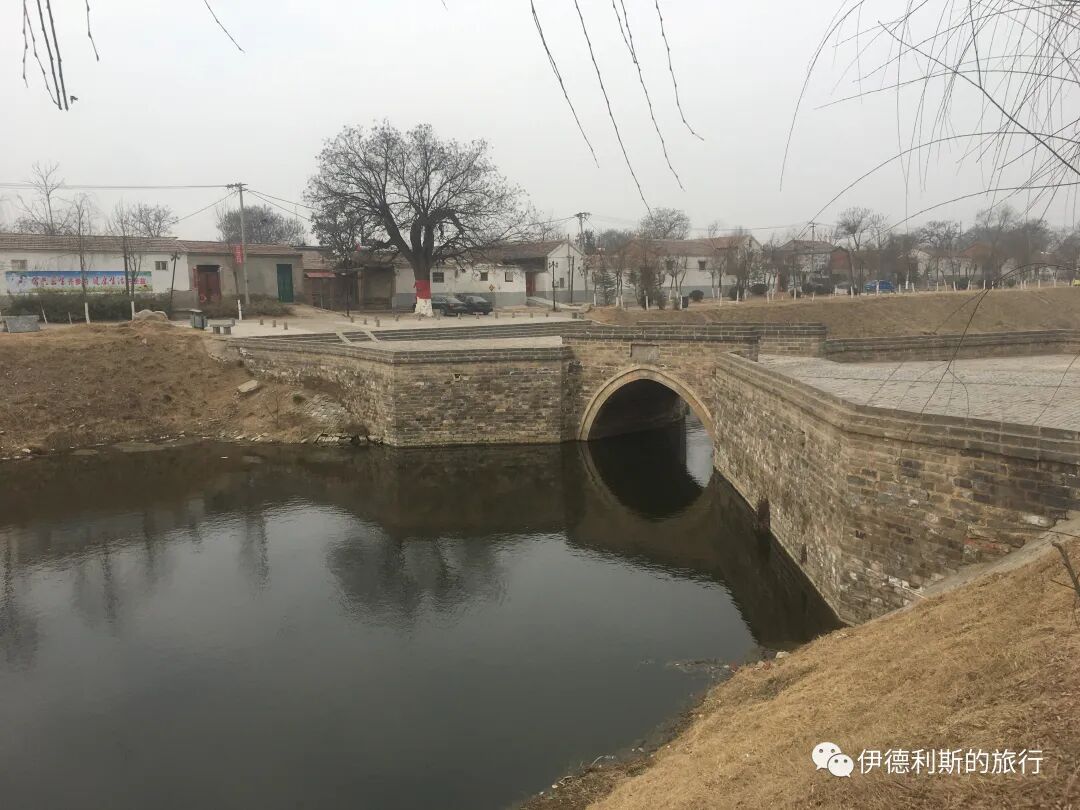
Huitong Lock.
The Huitong Lock was built in 1293 (the 30th year of the Zhiyuan reign of the Yuan Dynasty). It operated in conjunction with the Linqing Lock and was an important water conservancy project on the Yuan Dynasty Huitong Canal. After the new southern branch of the Ming Dynasty was built in 1417 (the 15th year of the Yongle reign), the Huitong Lock was converted into the Huitong Bridge.
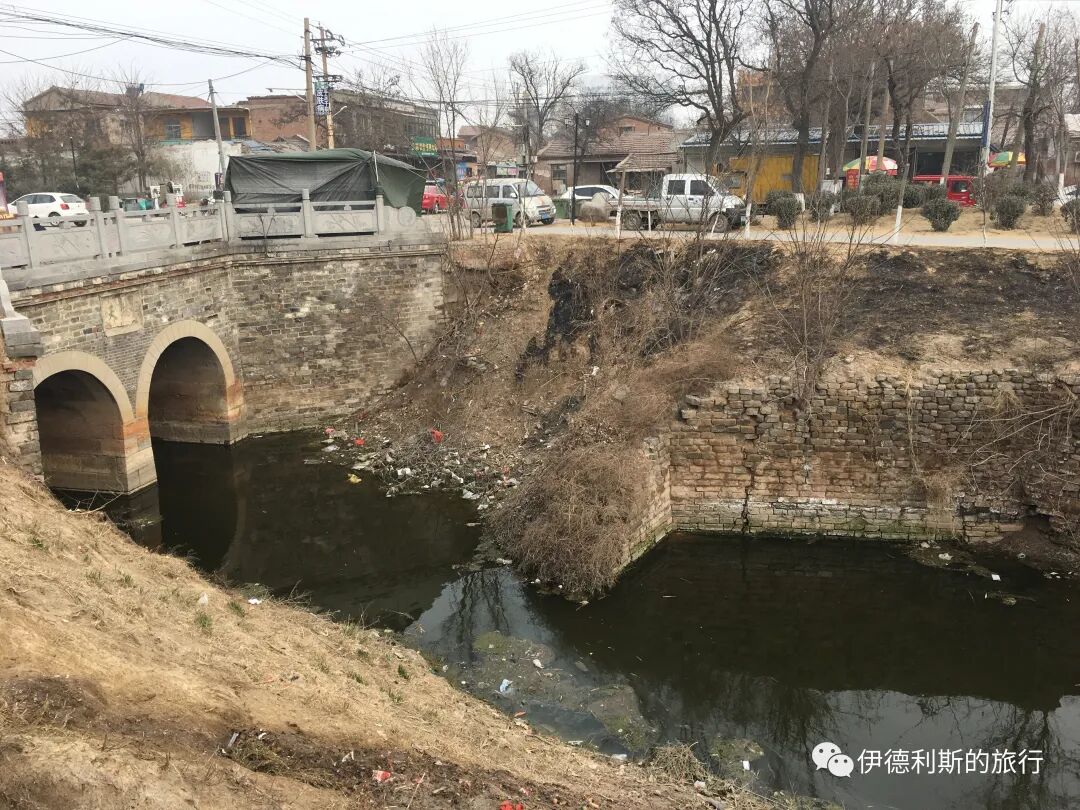
Sky Bridge (Tianqiao).
Historically known as the Yongji Bridge, the Sky Bridge was built in 1485 (the 20th year of the Chenghua reign of the Ming Dynasty). It was rebuilt during the Jiajing reign, and a new Sky Bridge was built next to it in 1958. The bridge base and bridge wings of the old Tianqiao still remain today.
Yuejing Bridge
In 1652 (the ninth year of the Shunzhi reign), a merchant named Shao Yishu donated money to build Yuejing Bridge between Wenjin Bridge and Huitong Bridge, which is commonly known as Pigeon Bridge.
Brick Sluice (Zhuanzha)
The Brick Sluice was located on the southern branch of the New River. It was first built in 1417 (the fifteenth year of the Yongle reign of the Ming Dynasty) and is also known as the New Open Sluice, or commonly as the Second Sluice. It was rebuilt in 1513 (the eighth year of the Zhengde reign of the Ming Dynasty), when the brick sluice was changed to a stone weir. It connected with the South Board Sluice (First Sluice), where the southern branch of the New River flows into the Wei River. By opening and closing in sequence, they formed two ship locks on the canal, serving as the control hub and vital passage for canal boats. After the Ministry of Works Water Division was abolished in 1526 (the fifth year of the Jiajing reign of the Ming Dynasty), the Brick Sluice began collecting two types of taxes called 'short-load' and 'paper price.' This was known as the Ministry of Works Customs. It collected taxes here for 210 years until it was merged into the Ministry of Revenue Customs in 1736 (the first year of the Qianlong reign).
Linqing Customs (Linqing Chaoguan)
The Linqing Canal Customs was an agency under the Ministry of Revenue specifically for taxing merchant ships on the canal. The Linqing Customs was the first canal customs office to be established and the last to be closed. It was set up in 1429 (the fourth year of the Xuande reign of the Ming Dynasty) and operated for nearly 500 years.
In 1597 (the twenty-fifth year of the Wanli reign of the Ming Dynasty), it collected over 117,000 taels of silver in taxes, which accounted for one-quarter of all tax silver from canal customs. In contrast, the total tax revenue for Shandong Province in 1578 (the sixth year of the Wanli reign) was only about 8,800 taels, which was less than one-tenth of what the Linqing Customs collected.
