

Canal Heritage
China Muslim Travel Tips Shandong Linqing: Canal Mosques, Hui Streets and Muslim Heritage
Articles • yusuf908 posted the article • 0 comments • 171 views • 2026-05-23 23:17
Reposted from the web
Summary: This China Muslim travel tips article keeps the original 2017 Linqing route and details intact. It also helps readers looking for Muslim travel guide China 2026, halal food in China, Chinese Muslim food, and canal-side mosque heritage in Shandong.
On February 18, 2017, I went to Linqing, Shandong, to explore and eat.
Linqing Hui Muslims
After the Yuan Dynasty established its capital in Dadu, it relied on supplies from the south. However, shipping grain from the Jiangnan region by sea was often dangerous. In 1289 (the 26th year of the Zhiyuan era), Kublai Khan ordered the construction of the Huitong River from Xucheng, Shandong, to Linqing to connect the northern and southern sections of the Grand Canal. Linqing, where the Huitong River met the existing Yongji Canal of the Sui and Tang Grand Canal, suddenly became a canal hub and the backbone and throat of the Grand Canal. It was from this time that Hui Muslims began to move to Linqing one after another.
In 1373 (the 6th year of the Hongwu era of the Ming Dynasty), the Linqing granary was established. In 1450 (the 1st year of the Jingtai era), a brick city was built on the north bank of the Huitong River, based on the Guangji Granary. At that time, in the southwest of Linqing city, an area called Zhongzhou, surrounded by two tributaries of the Wei and Wen rivers, was the most prosperous commercial district in Linqing. Zhongzhou was traversed from north to south by a long street, divided into Pot Market Street (Guoshi Jie), Blue Bowl Market Street (Qingwanshi Jie), and Horse Market Street (Mashi Jie). This was also the area where Hui Muslims in Linqing were most concentrated.
In 1542 (the 21st year of the Jiajing era of the Ming Dynasty), the earthen city of Linqing was expanded to five times its original size, and Zhongzhou was incorporated into the city of Linqing.
Halal food
A wonderful trip starts with food. In the morning, I had lamb offal soup (yangza tang) at Qian's Lamb Soup north of Aotouji in Linqing. A small bowl there is as big as a large bowl in Beijing. The lamb soup was delicious and packed with ingredients. It was fun to hear the sizzling sound when pouring chili oil over the soup; the chili wasn't spicy but very fragrant. This was also my first time having lamb offal soup that included lamb brain.
At Baoliang's First Pancake-Wrapped Meat (Baoliang Diyi Jia Bingjuanrou), I ordered braised butterfly fish head and pancake-wrapped meat (bingjuanrou). Honestly, their braised dishes completely beat every halal restaurant in Beijing. Both Teacher Hua and I were shocked, and we continued to be disappointed with Beijing food. The pancake-wrapped meat was 15 yuan per piece, and the portion was huge—so satisfying!
Food cooked over a firewood fire is just more fragrant.
In the evening, I had the three-delicacy potstickers (sanxian guotie) at the first restaurant I visited in Linqing, and they were amazing! I can say it is the best Shandong restaurant I have ever eaten at. It completely beats the Beijing-Shandong dishes I often eat in Beijing. The portions are huge—one dish is equal to three in Beijing—and it is very cheap. The iron-plate tofu (tieban doufu) was incredible. The Japanese-style tofu was filled with sea cucumber and shrimp, served over a layer of fried eggs. The sesame lamb (zhima yangrou) was so good it made me want to cry. I have been looking for this way of cooking it in Beijing for a long time. A steamer of 30 beef and fennel potstickers (niurou huixiang guotie) was packed with filling. After eating, I didn't even want to go back to Beijing.
Mosque
The North Mosque (Qingzhen Beisi) in Linqing is one of the grandest in Shandong, rivaling the East Mosque in Jining. It was first built during the Hongzhi reign of the Ming Dynasty and underwent three major renovations in 1564 (the 43rd year of the Jiajing reign), 1779 (the 44th year of the Qianlong reign), and 1809 (the 14th year of the Jiaqing reign). It was undergoing repairs when I visited.
The cover of the book "Mosques of Shandong" (Shandong Qingzhensi).
The East Mosque (Qingzhen Dongsi) in Linqing was first built in 1465 (the first year of the Chenghua reign of the Ming Dynasty). It closed for major renovations in 2013, so I only saw the exterior this time.
Women's Mosque (Qingzhen Nüsi)
The Women's Mosque (Qingzhen Nüsi) in Linqing was founded during the Republic of China era. It became a wholesale market warehouse after the 1980s and was rebuilt in 2010.
The Linqing section of the Grand Canal.
There are three sections of the Grand Canal in Linqing, created during the Sui, Yuan, and Ming dynasties respectively.
In 608 (the fourth year of the Daye reign of the Sui Dynasty), Emperor Yang of Sui opened the Yongji Canal. This marked the beginning of the Linqing section of the Grand Canal. After the Five Dynasties period, the Yellow River flooded repeatedly, causing the Yongji Canal to silt up and the river course to shift eastward. This formed the later Imperial River (Yuhe), also known as the Wei River (Weihe).
In 1289 (the 26th year of the Zhiyuan reign of the Yuan Dynasty), Kublai Khan ordered the construction of the Huitong Canal from Xucheng in Shandong to Linqing to connect the northern and southern parts of the Grand Canal. Because its water source came from the Wen River, this section was also called the Wen River (Wenshui).
In 1391 (the 24th year of the Hongwu reign of the Ming Dynasty), the Yellow River breached its banks at Yuanwu in Henan, destroying a large part of the Huitong Canal. In 1417 (the 15th year of the Yongle reign), the Earl of Pingjiang, Chen Xuan, excavated the new southern branch of the river in Linqing. From then on, the Yuan Dynasty Huitong Canal was called the old northern branch.
The new southern branch of the Ming Dynasty.
Using Aotouji as the meeting point for the Yuan and Ming canals, the old Yuan canal had the Linqing Lock and Huitong Lock, while the new Ming canal had the Ban Lock and Zhuan Lock. During the Ming and Qing dynasties, the Sky Bridge (Tianqiao) and Yuejing Bridge were built over the old Yuan canal. Together with the canal tax office, these formed the site cluster for water transport in Linqing.
Aotouji.
Aotouji is a stone promontory that juts out of the water where the old Yuan Dynasty Huitong Canal and the new Ming Dynasty canal meet. It bears the inscription "Du Zhan" (Sole Occupancy) by Ma Lun, a Ming Dynasty magistrate of Linqing.
Linqing Lock.
The Linqing Lock was the first ship lock where the Yuan Dynasty Huitong Canal flowed into the Wei River, built in 1296 (the second year of the Yuanzhen reign of the Yuan Dynasty). After the new southern branch was built in 1417 (the 15th year of the Yongle reign of the Ming Dynasty), the Linqing Lock was converted into a bridge by using its piers to support an arch. It was named Wenjin Bridge during repairs in the Chongzhen reign.
Chapter 81 of "The Golden Lotus" (Jin Ping Mei) writes: "Han Daoguo returned from Jiangnan with goods. One day, he arrived at the Linqing Lock and was standing on the bow of the boat when he suddenly saw his neighbor, the Fourth Young Master Yan, coming from upstream on a boat to meet an official in Linqing."
Huitong Lock.
The Huitong Lock was built in 1293 (the 30th year of the Zhiyuan reign of the Yuan Dynasty). It operated in conjunction with the Linqing Lock and was an important water conservancy project on the Yuan Dynasty Huitong Canal. After the new southern branch of the Ming Dynasty was built in 1417 (the 15th year of the Yongle reign), the Huitong Lock was converted into the Huitong Bridge.
Sky Bridge (Tianqiao).
Historically known as the Yongji Bridge, the Sky Bridge was built in 1485 (the 20th year of the Chenghua reign of the Ming Dynasty). It was rebuilt during the Jiajing reign, and a new Sky Bridge was built next to it in 1958. The bridge base and bridge wings of the old Tianqiao still remain today.
Yuejing Bridge
In 1652 (the ninth year of the Shunzhi reign), a merchant named Shao Yishu donated money to build Yuejing Bridge between Wenjin Bridge and Huitong Bridge, which is commonly known as Pigeon Bridge.
Brick Sluice (Zhuanzha)
The Brick Sluice was located on the southern branch of the New River. It was first built in 1417 (the fifteenth year of the Yongle reign of the Ming Dynasty) and is also known as the New Open Sluice, or commonly as the Second Sluice. It was rebuilt in 1513 (the eighth year of the Zhengde reign of the Ming Dynasty), when the brick sluice was changed to a stone weir. It connected with the South Board Sluice (First Sluice), where the southern branch of the New River flows into the Wei River. By opening and closing in sequence, they formed two ship locks on the canal, serving as the control hub and vital passage for canal boats. After the Ministry of Works Water Division was abolished in 1526 (the fifth year of the Jiajing reign of the Ming Dynasty), the Brick Sluice began collecting two types of taxes called 'short-load' and 'paper price.' This was known as the Ministry of Works Customs. It collected taxes here for 210 years until it was merged into the Ministry of Revenue Customs in 1736 (the first year of the Qianlong reign).
Linqing Customs (Linqing Chaoguan)
The Linqing Canal Customs was an agency under the Ministry of Revenue specifically for taxing merchant ships on the canal. The Linqing Customs was the first canal customs office to be established and the last to be closed. It was set up in 1429 (the fourth year of the Xuande reign of the Ming Dynasty) and operated for nearly 500 years.
In 1597 (the twenty-fifth year of the Wanli reign of the Ming Dynasty), it collected over 117,000 taels of silver in taxes, which accounted for one-quarter of all tax silver from canal customs. In contrast, the total tax revenue for Shandong Province in 1578 (the sixth year of the Wanli reign) was only about 8,800 taels, which was less than one-tenth of what the Linqing Customs collected. view all
Summary: This China Muslim travel tips article keeps the original 2017 Linqing route and details intact. It also helps readers looking for Muslim travel guide China 2026, halal food in China, Chinese Muslim food, and canal-side mosque heritage in Shandong.
On February 18, 2017, I went to Linqing, Shandong, to explore and eat.
Linqing Hui Muslims
After the Yuan Dynasty established its capital in Dadu, it relied on supplies from the south. However, shipping grain from the Jiangnan region by sea was often dangerous. In 1289 (the 26th year of the Zhiyuan era), Kublai Khan ordered the construction of the Huitong River from Xucheng, Shandong, to Linqing to connect the northern and southern sections of the Grand Canal. Linqing, where the Huitong River met the existing Yongji Canal of the Sui and Tang Grand Canal, suddenly became a canal hub and the backbone and throat of the Grand Canal. It was from this time that Hui Muslims began to move to Linqing one after another.
In 1373 (the 6th year of the Hongwu era of the Ming Dynasty), the Linqing granary was established. In 1450 (the 1st year of the Jingtai era), a brick city was built on the north bank of the Huitong River, based on the Guangji Granary. At that time, in the southwest of Linqing city, an area called Zhongzhou, surrounded by two tributaries of the Wei and Wen rivers, was the most prosperous commercial district in Linqing. Zhongzhou was traversed from north to south by a long street, divided into Pot Market Street (Guoshi Jie), Blue Bowl Market Street (Qingwanshi Jie), and Horse Market Street (Mashi Jie). This was also the area where Hui Muslims in Linqing were most concentrated.
In 1542 (the 21st year of the Jiajing era of the Ming Dynasty), the earthen city of Linqing was expanded to five times its original size, and Zhongzhou was incorporated into the city of Linqing.
Halal food
A wonderful trip starts with food. In the morning, I had lamb offal soup (yangza tang) at Qian's Lamb Soup north of Aotouji in Linqing. A small bowl there is as big as a large bowl in Beijing. The lamb soup was delicious and packed with ingredients. It was fun to hear the sizzling sound when pouring chili oil over the soup; the chili wasn't spicy but very fragrant. This was also my first time having lamb offal soup that included lamb brain.
At Baoliang's First Pancake-Wrapped Meat (Baoliang Diyi Jia Bingjuanrou), I ordered braised butterfly fish head and pancake-wrapped meat (bingjuanrou). Honestly, their braised dishes completely beat every halal restaurant in Beijing. Both Teacher Hua and I were shocked, and we continued to be disappointed with Beijing food. The pancake-wrapped meat was 15 yuan per piece, and the portion was huge—so satisfying!
Food cooked over a firewood fire is just more fragrant.
In the evening, I had the three-delicacy potstickers (sanxian guotie) at the first restaurant I visited in Linqing, and they were amazing! I can say it is the best Shandong restaurant I have ever eaten at. It completely beats the Beijing-Shandong dishes I often eat in Beijing. The portions are huge—one dish is equal to three in Beijing—and it is very cheap. The iron-plate tofu (tieban doufu) was incredible. The Japanese-style tofu was filled with sea cucumber and shrimp, served over a layer of fried eggs. The sesame lamb (zhima yangrou) was so good it made me want to cry. I have been looking for this way of cooking it in Beijing for a long time. A steamer of 30 beef and fennel potstickers (niurou huixiang guotie) was packed with filling. After eating, I didn't even want to go back to Beijing.
Mosque
The North Mosque (Qingzhen Beisi) in Linqing is one of the grandest in Shandong, rivaling the East Mosque in Jining. It was first built during the Hongzhi reign of the Ming Dynasty and underwent three major renovations in 1564 (the 43rd year of the Jiajing reign), 1779 (the 44th year of the Qianlong reign), and 1809 (the 14th year of the Jiaqing reign). It was undergoing repairs when I visited.
The cover of the book "Mosques of Shandong" (Shandong Qingzhensi).
The East Mosque (Qingzhen Dongsi) in Linqing was first built in 1465 (the first year of the Chenghua reign of the Ming Dynasty). It closed for major renovations in 2013, so I only saw the exterior this time.
Women's Mosque (Qingzhen Nüsi)
The Women's Mosque (Qingzhen Nüsi) in Linqing was founded during the Republic of China era. It became a wholesale market warehouse after the 1980s and was rebuilt in 2010.
The Linqing section of the Grand Canal.
There are three sections of the Grand Canal in Linqing, created during the Sui, Yuan, and Ming dynasties respectively.
In 608 (the fourth year of the Daye reign of the Sui Dynasty), Emperor Yang of Sui opened the Yongji Canal. This marked the beginning of the Linqing section of the Grand Canal. After the Five Dynasties period, the Yellow River flooded repeatedly, causing the Yongji Canal to silt up and the river course to shift eastward. This formed the later Imperial River (Yuhe), also known as the Wei River (Weihe).
In 1289 (the 26th year of the Zhiyuan reign of the Yuan Dynasty), Kublai Khan ordered the construction of the Huitong Canal from Xucheng in Shandong to Linqing to connect the northern and southern parts of the Grand Canal. Because its water source came from the Wen River, this section was also called the Wen River (Wenshui).
In 1391 (the 24th year of the Hongwu reign of the Ming Dynasty), the Yellow River breached its banks at Yuanwu in Henan, destroying a large part of the Huitong Canal. In 1417 (the 15th year of the Yongle reign), the Earl of Pingjiang, Chen Xuan, excavated the new southern branch of the river in Linqing. From then on, the Yuan Dynasty Huitong Canal was called the old northern branch.
The new southern branch of the Ming Dynasty.
Using Aotouji as the meeting point for the Yuan and Ming canals, the old Yuan canal had the Linqing Lock and Huitong Lock, while the new Ming canal had the Ban Lock and Zhuan Lock. During the Ming and Qing dynasties, the Sky Bridge (Tianqiao) and Yuejing Bridge were built over the old Yuan canal. Together with the canal tax office, these formed the site cluster for water transport in Linqing.
Aotouji.
Aotouji is a stone promontory that juts out of the water where the old Yuan Dynasty Huitong Canal and the new Ming Dynasty canal meet. It bears the inscription "Du Zhan" (Sole Occupancy) by Ma Lun, a Ming Dynasty magistrate of Linqing.
Linqing Lock.
The Linqing Lock was the first ship lock where the Yuan Dynasty Huitong Canal flowed into the Wei River, built in 1296 (the second year of the Yuanzhen reign of the Yuan Dynasty). After the new southern branch was built in 1417 (the 15th year of the Yongle reign of the Ming Dynasty), the Linqing Lock was converted into a bridge by using its piers to support an arch. It was named Wenjin Bridge during repairs in the Chongzhen reign.
Chapter 81 of "The Golden Lotus" (Jin Ping Mei) writes: "Han Daoguo returned from Jiangnan with goods. One day, he arrived at the Linqing Lock and was standing on the bow of the boat when he suddenly saw his neighbor, the Fourth Young Master Yan, coming from upstream on a boat to meet an official in Linqing."
Huitong Lock.
The Huitong Lock was built in 1293 (the 30th year of the Zhiyuan reign of the Yuan Dynasty). It operated in conjunction with the Linqing Lock and was an important water conservancy project on the Yuan Dynasty Huitong Canal. After the new southern branch of the Ming Dynasty was built in 1417 (the 15th year of the Yongle reign), the Huitong Lock was converted into the Huitong Bridge.
Sky Bridge (Tianqiao).
Historically known as the Yongji Bridge, the Sky Bridge was built in 1485 (the 20th year of the Chenghua reign of the Ming Dynasty). It was rebuilt during the Jiajing reign, and a new Sky Bridge was built next to it in 1958. The bridge base and bridge wings of the old Tianqiao still remain today.
Yuejing Bridge
In 1652 (the ninth year of the Shunzhi reign), a merchant named Shao Yishu donated money to build Yuejing Bridge between Wenjin Bridge and Huitong Bridge, which is commonly known as Pigeon Bridge.
Brick Sluice (Zhuanzha)
The Brick Sluice was located on the southern branch of the New River. It was first built in 1417 (the fifteenth year of the Yongle reign of the Ming Dynasty) and is also known as the New Open Sluice, or commonly as the Second Sluice. It was rebuilt in 1513 (the eighth year of the Zhengde reign of the Ming Dynasty), when the brick sluice was changed to a stone weir. It connected with the South Board Sluice (First Sluice), where the southern branch of the New River flows into the Wei River. By opening and closing in sequence, they formed two ship locks on the canal, serving as the control hub and vital passage for canal boats. After the Ministry of Works Water Division was abolished in 1526 (the fifth year of the Jiajing reign of the Ming Dynasty), the Brick Sluice began collecting two types of taxes called 'short-load' and 'paper price.' This was known as the Ministry of Works Customs. It collected taxes here for 210 years until it was merged into the Ministry of Revenue Customs in 1736 (the first year of the Qianlong reign).
Linqing Customs (Linqing Chaoguan)
The Linqing Canal Customs was an agency under the Ministry of Revenue specifically for taxing merchant ships on the canal. The Linqing Customs was the first canal customs office to be established and the last to be closed. It was set up in 1429 (the fourth year of the Xuande reign of the Ming Dynasty) and operated for nearly 500 years.
In 1597 (the twenty-fifth year of the Wanli reign of the Ming Dynasty), it collected over 117,000 taels of silver in taxes, which accounted for one-quarter of all tax silver from canal customs. In contrast, the total tax revenue for Shandong Province in 1578 (the sixth year of the Wanli reign) was only about 8,800 taels, which was less than one-tenth of what the Linqing Customs collected. view all
Reposted from the web
Summary: This China Muslim travel tips article keeps the original 2017 Linqing route and details intact. It also helps readers looking for Muslim travel guide China 2026, halal food in China, Chinese Muslim food, and canal-side mosque heritage in Shandong.
On February 18, 2017, I went to Linqing, Shandong, to explore and eat.
Linqing Hui Muslims
After the Yuan Dynasty established its capital in Dadu, it relied on supplies from the south. However, shipping grain from the Jiangnan region by sea was often dangerous. In 1289 (the 26th year of the Zhiyuan era), Kublai Khan ordered the construction of the Huitong River from Xucheng, Shandong, to Linqing to connect the northern and southern sections of the Grand Canal. Linqing, where the Huitong River met the existing Yongji Canal of the Sui and Tang Grand Canal, suddenly became a canal hub and the backbone and throat of the Grand Canal. It was from this time that Hui Muslims began to move to Linqing one after another.
In 1373 (the 6th year of the Hongwu era of the Ming Dynasty), the Linqing granary was established. In 1450 (the 1st year of the Jingtai era), a brick city was built on the north bank of the Huitong River, based on the Guangji Granary. At that time, in the southwest of Linqing city, an area called Zhongzhou, surrounded by two tributaries of the Wei and Wen rivers, was the most prosperous commercial district in Linqing. Zhongzhou was traversed from north to south by a long street, divided into Pot Market Street (Guoshi Jie), Blue Bowl Market Street (Qingwanshi Jie), and Horse Market Street (Mashi Jie). This was also the area where Hui Muslims in Linqing were most concentrated.
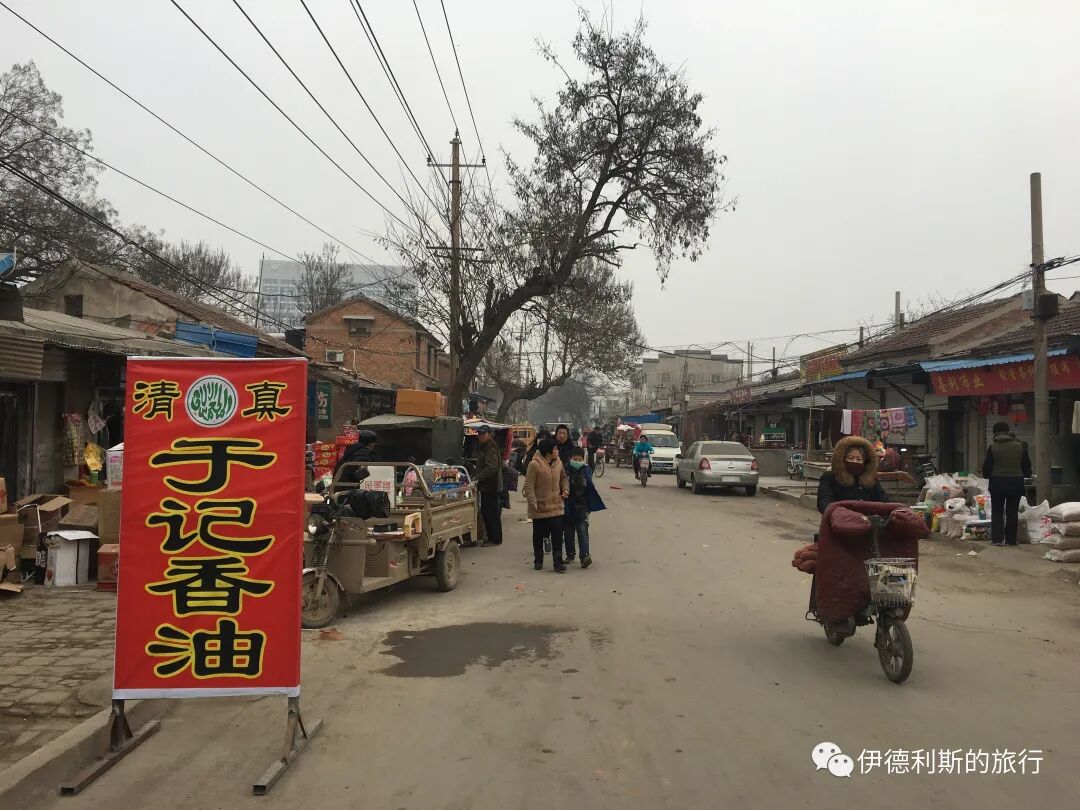
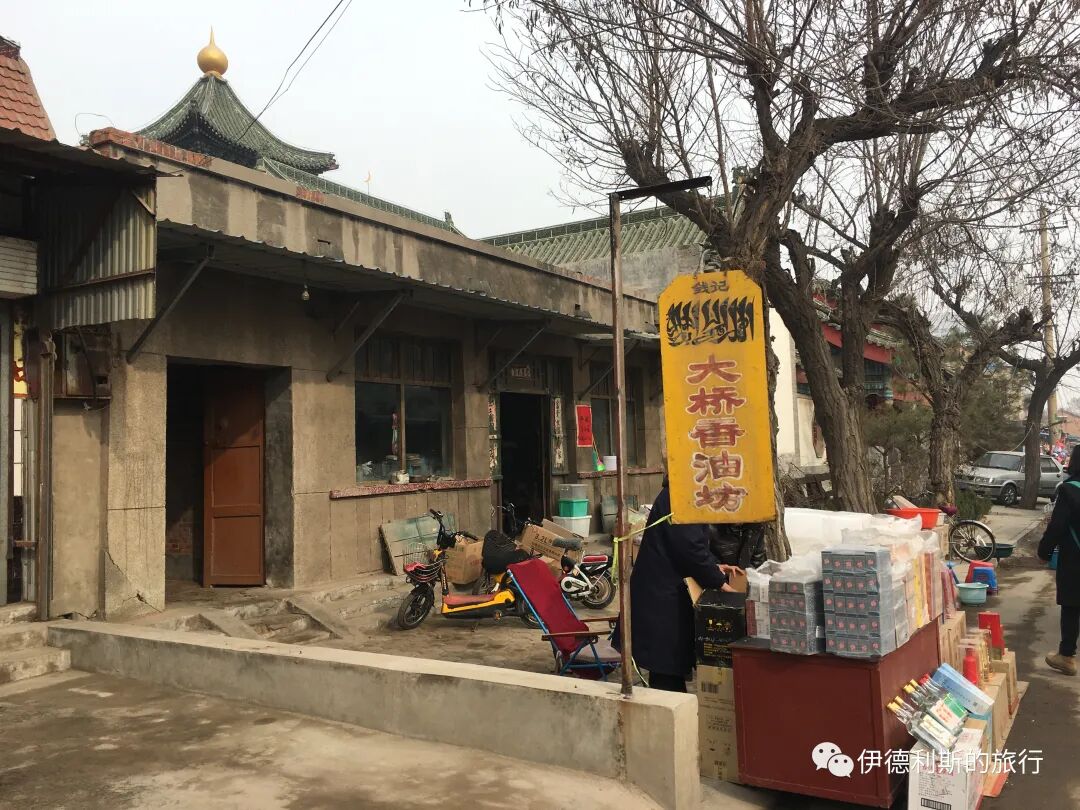
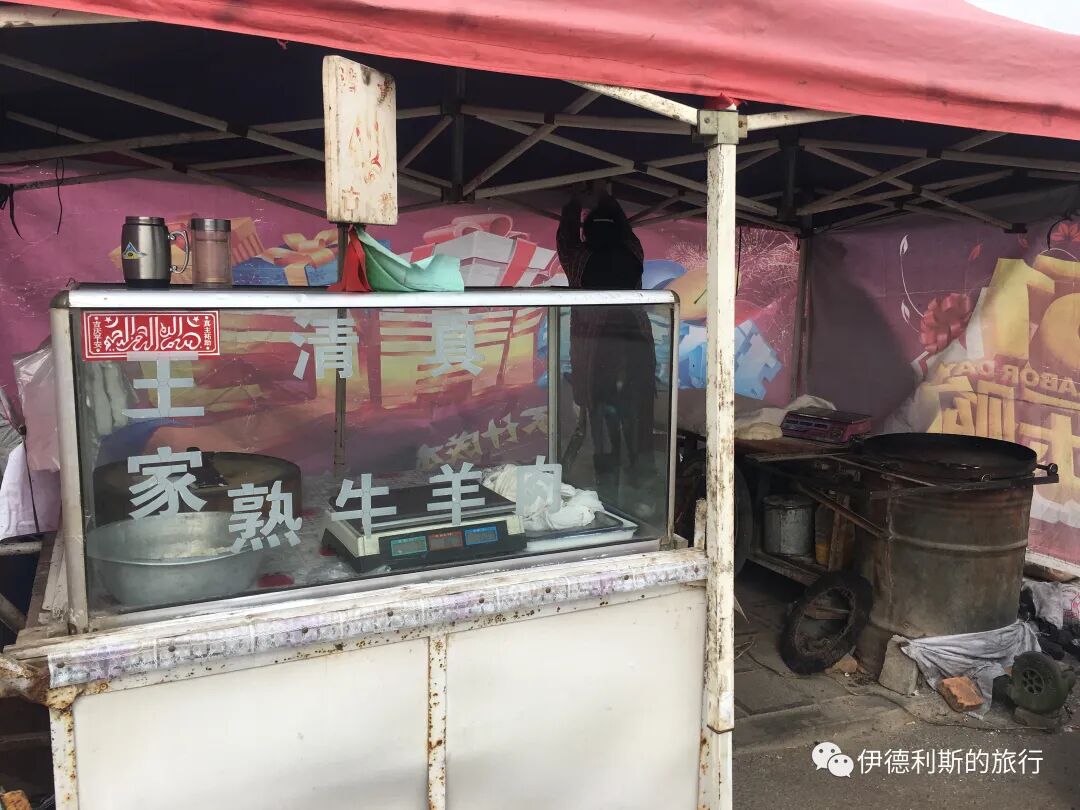
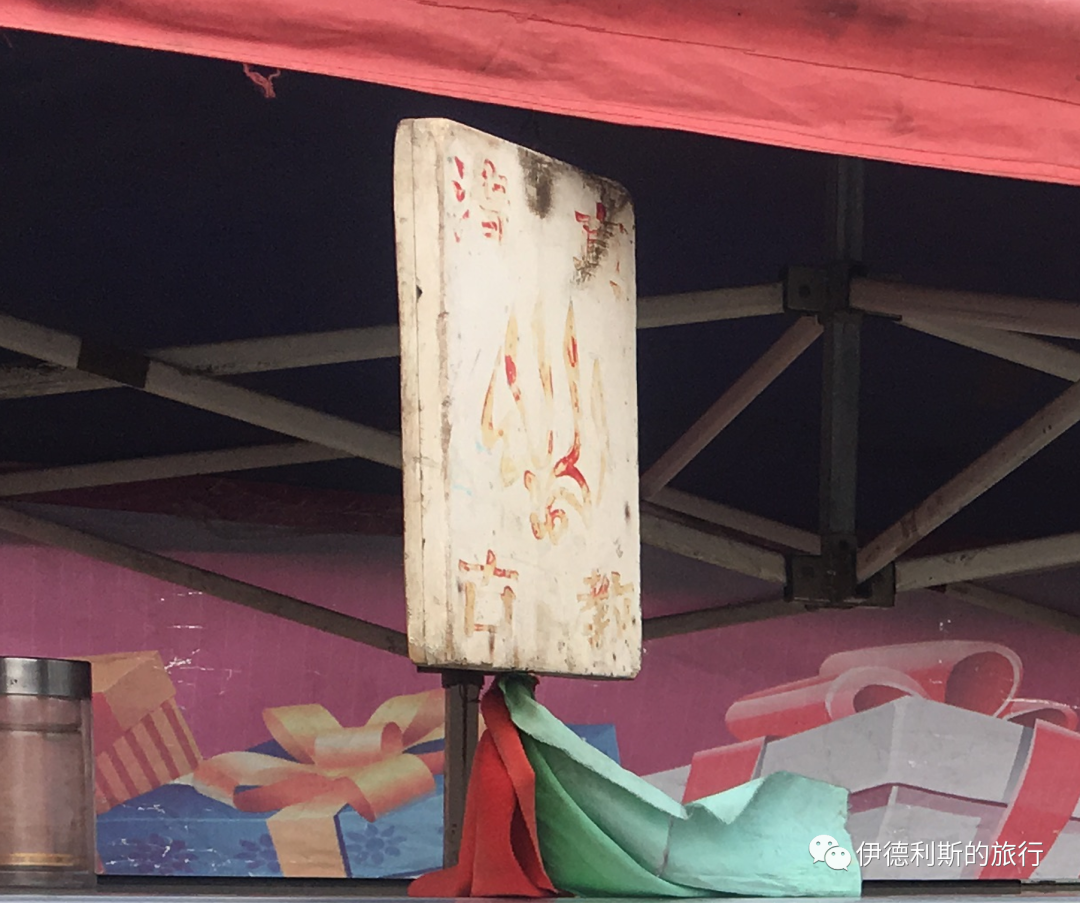
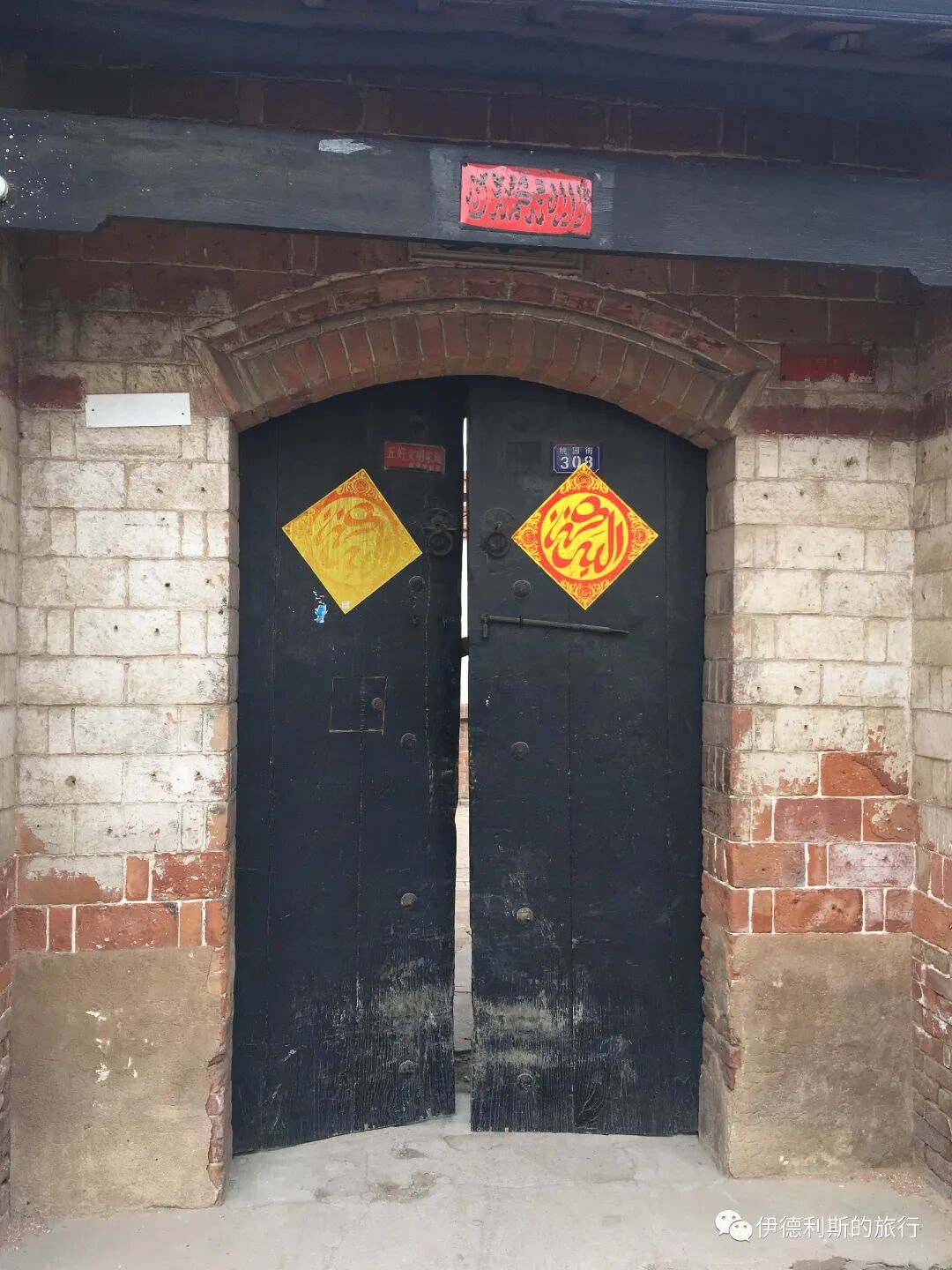
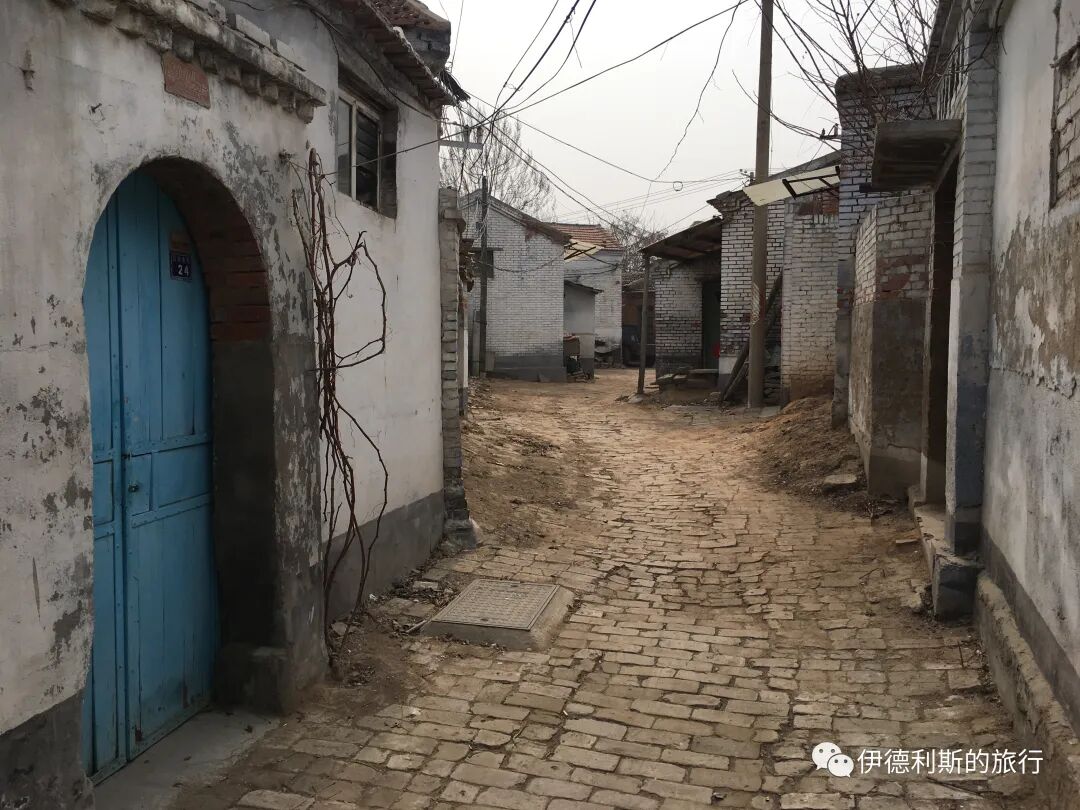
In 1542 (the 21st year of the Jiajing era of the Ming Dynasty), the earthen city of Linqing was expanded to five times its original size, and Zhongzhou was incorporated into the city of Linqing.
Halal food
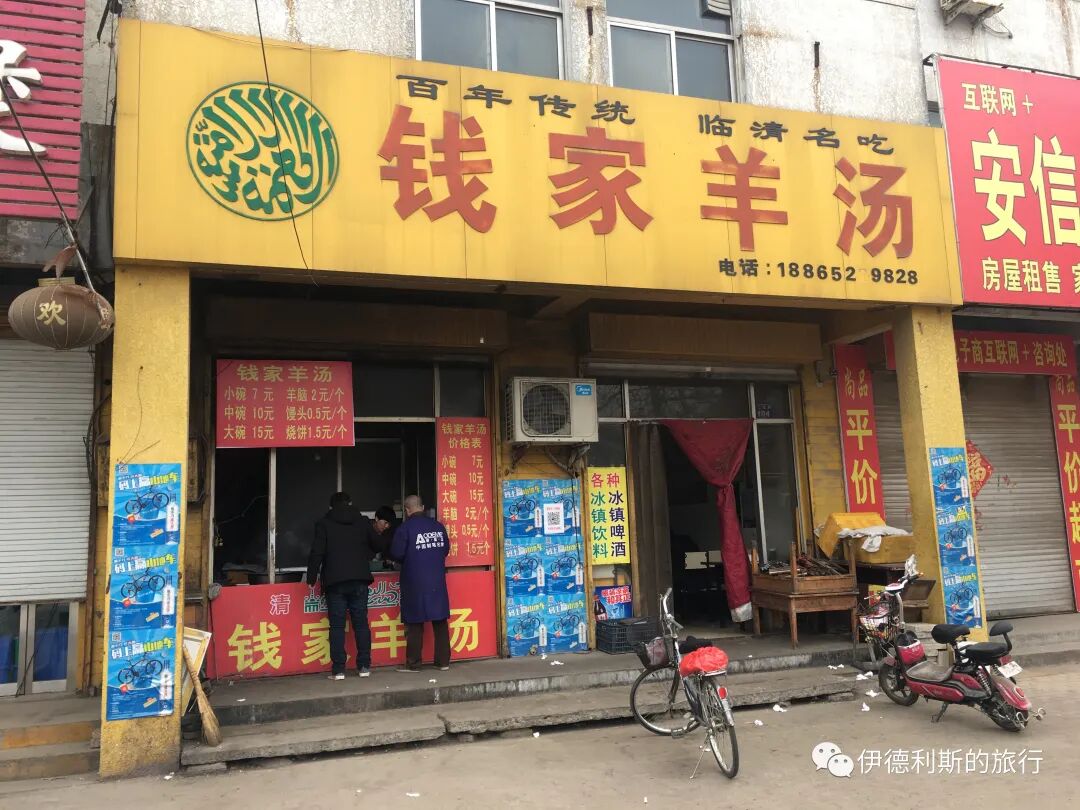
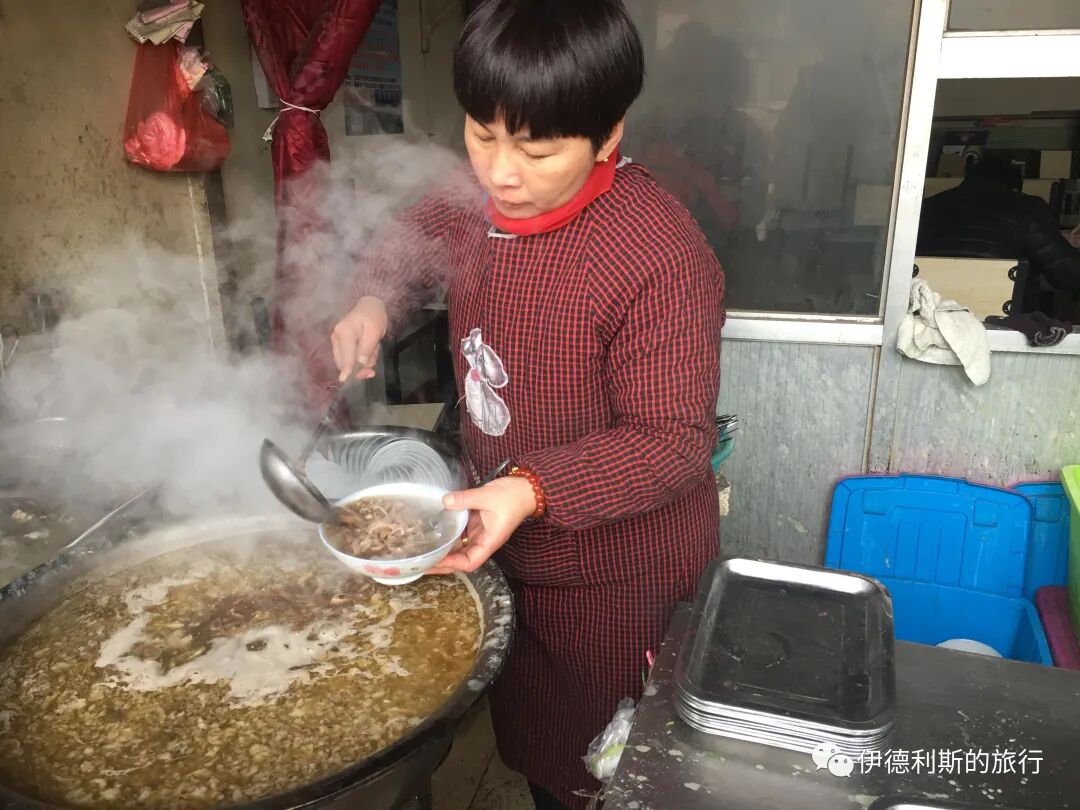
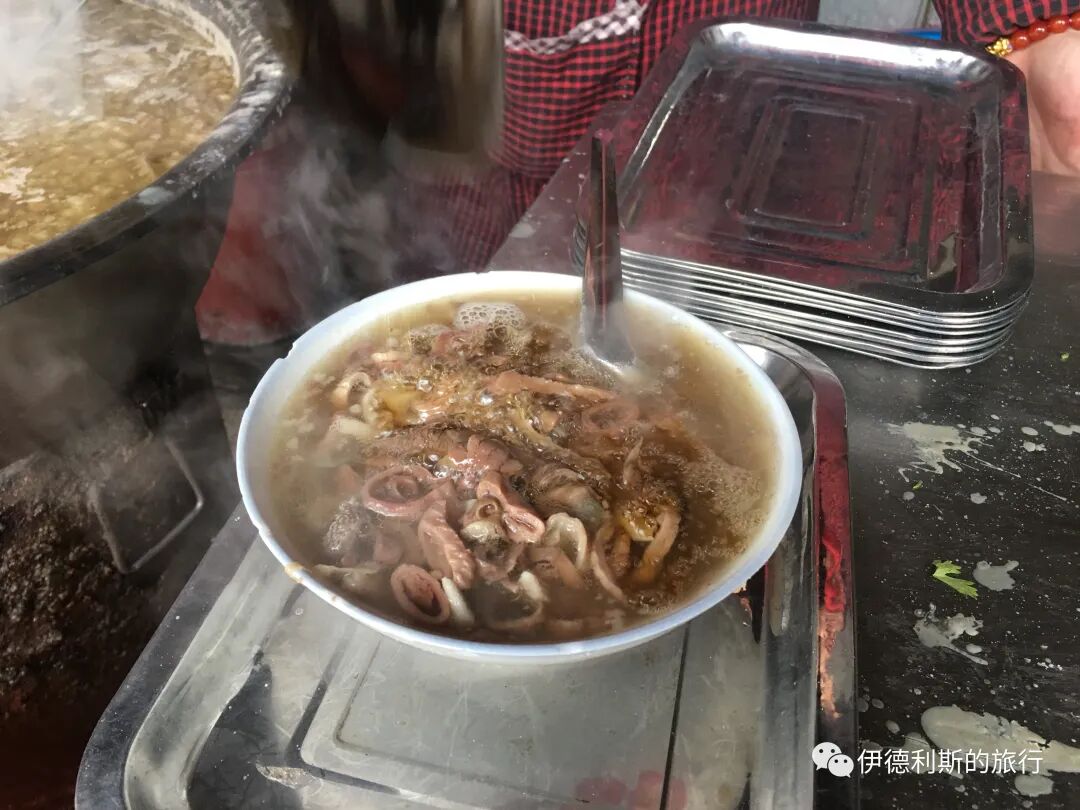
A wonderful trip starts with food. In the morning, I had lamb offal soup (yangza tang) at Qian's Lamb Soup north of Aotouji in Linqing. A small bowl there is as big as a large bowl in Beijing. The lamb soup was delicious and packed with ingredients. It was fun to hear the sizzling sound when pouring chili oil over the soup; the chili wasn't spicy but very fragrant. This was also my first time having lamb offal soup that included lamb brain.
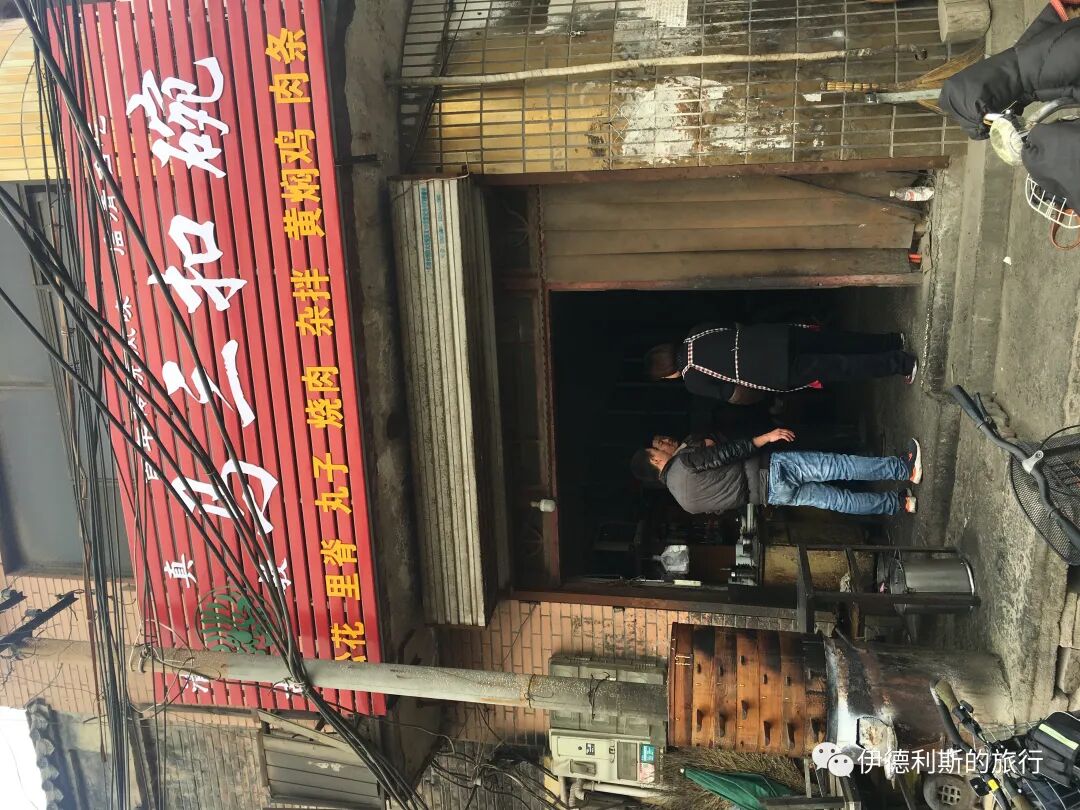
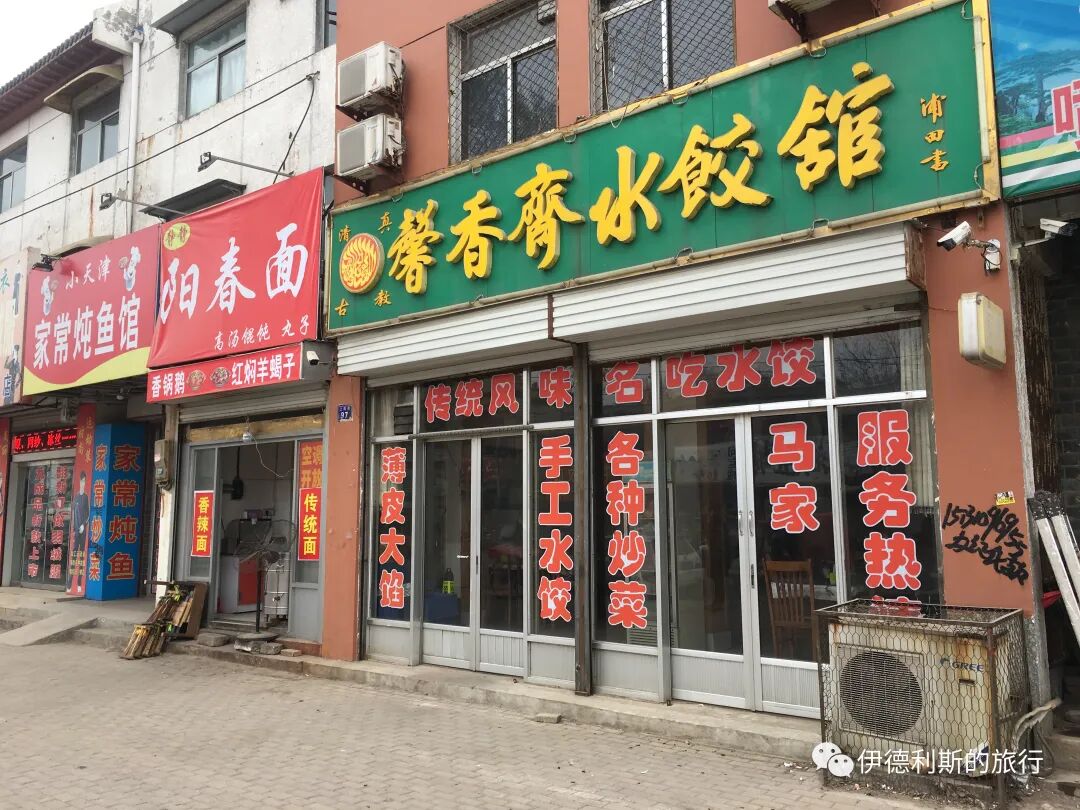
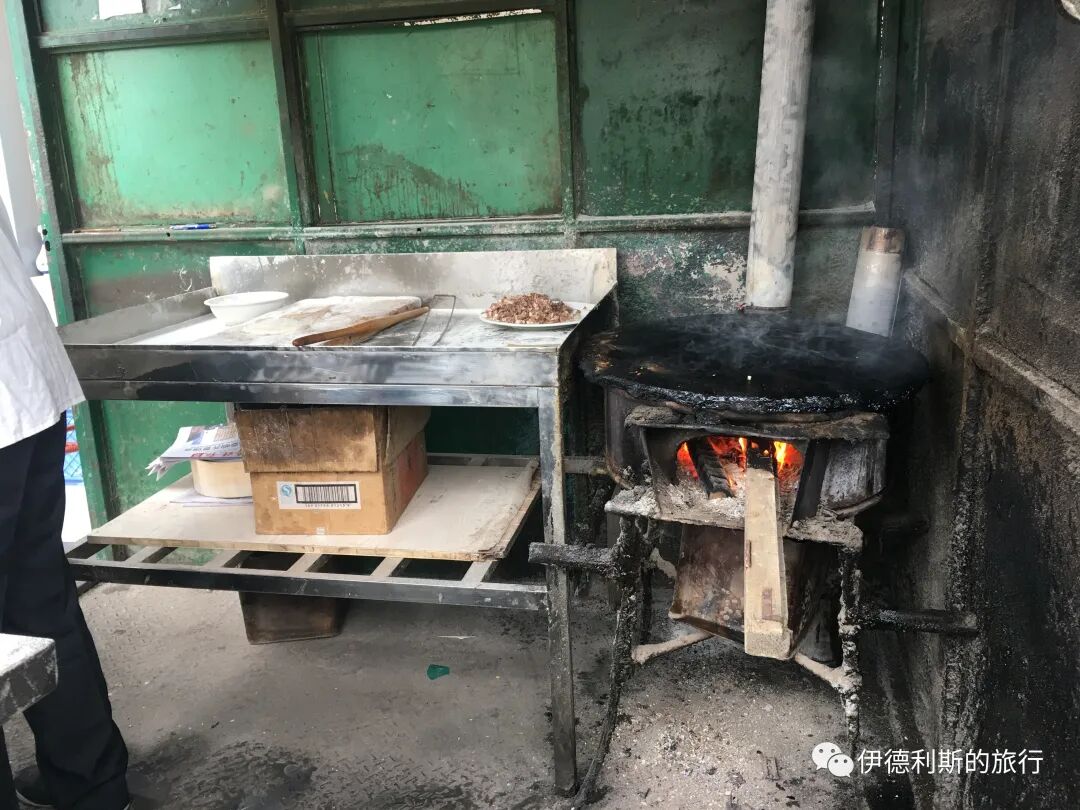
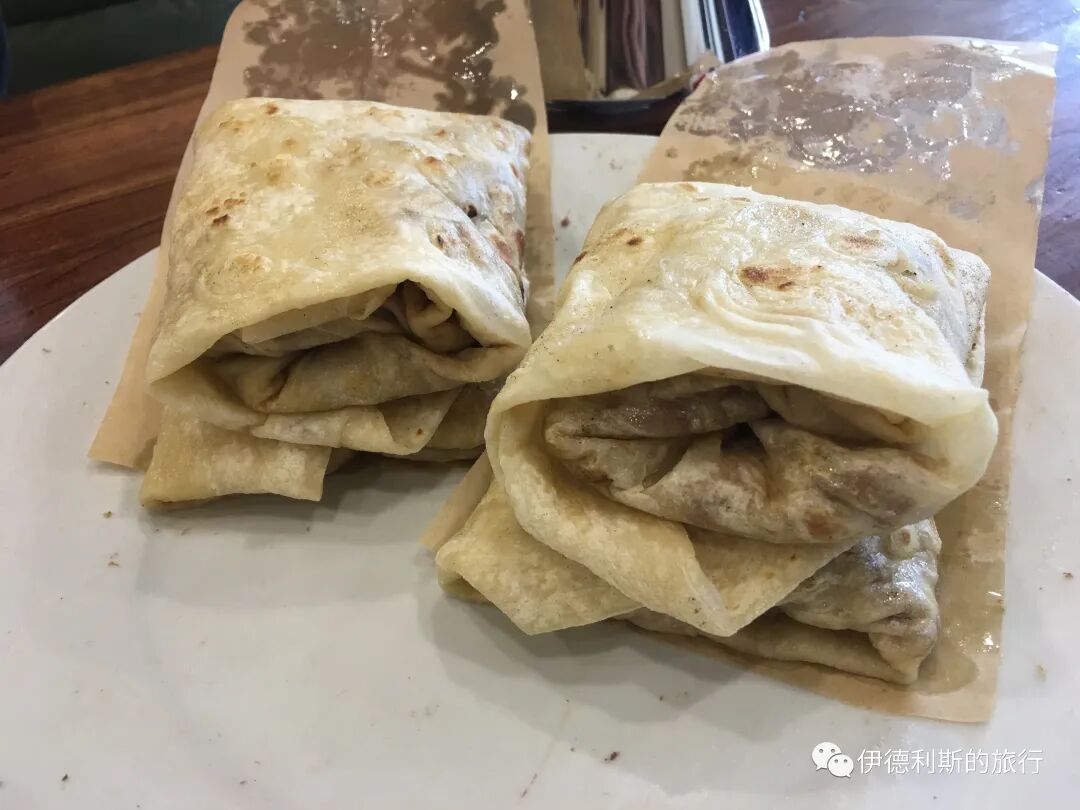
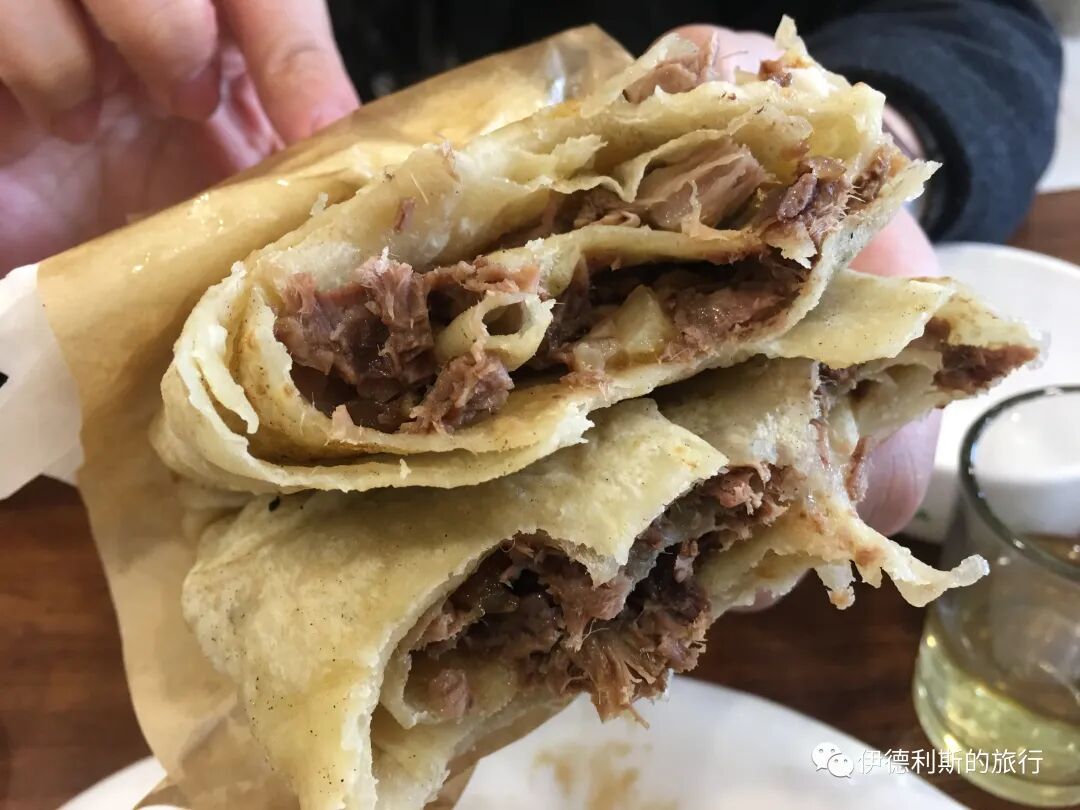
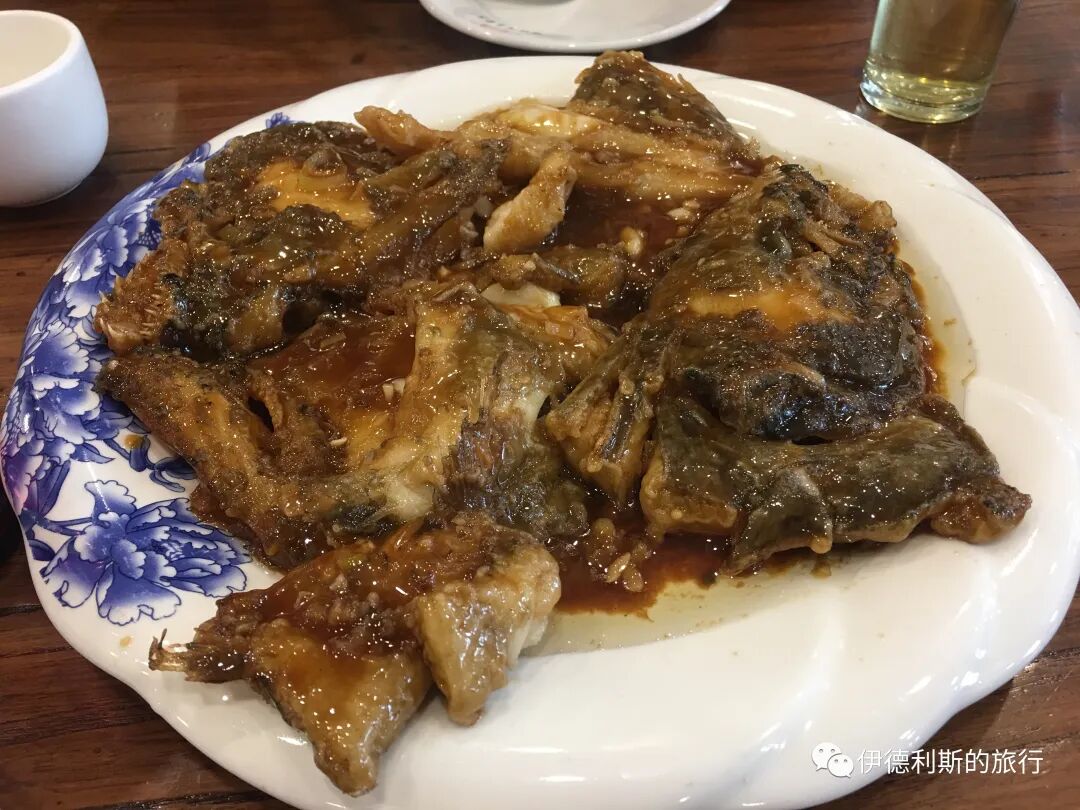
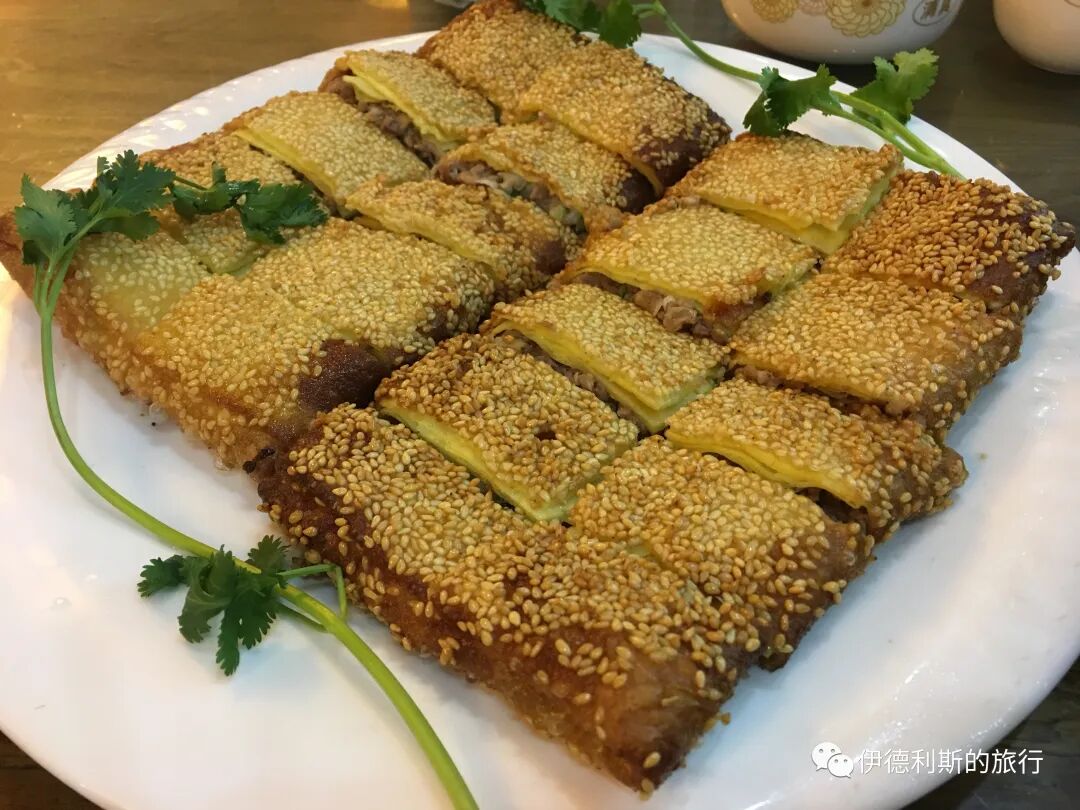
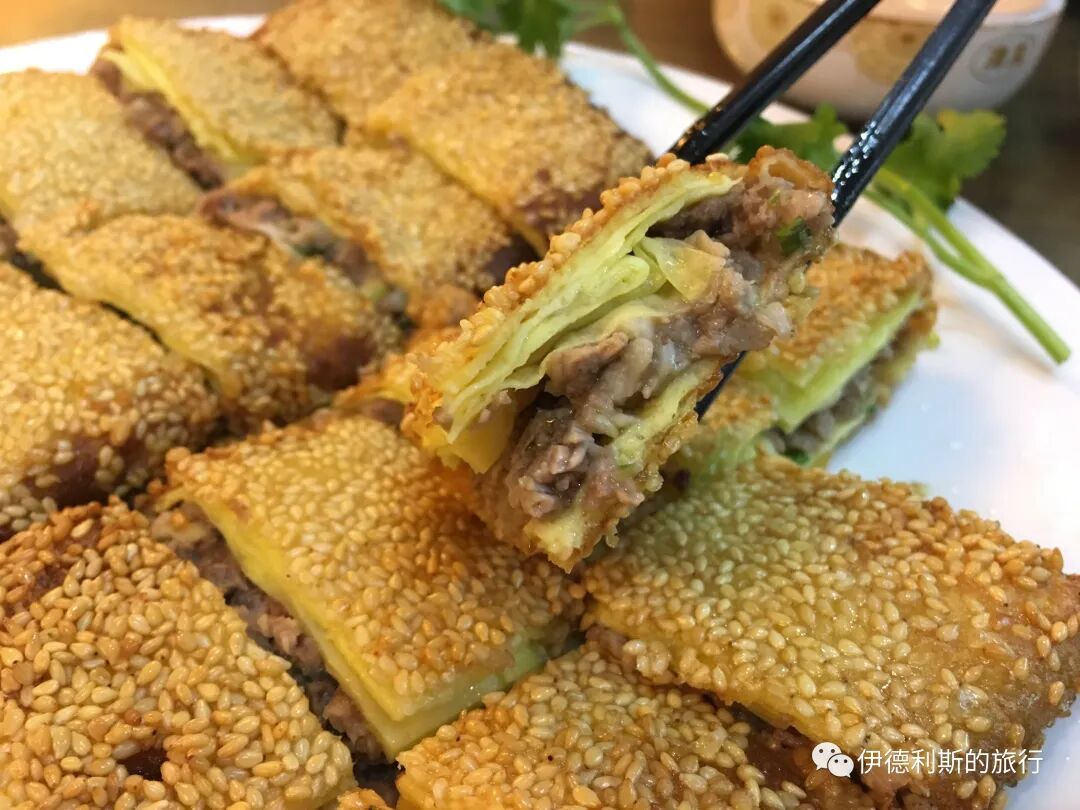
At Baoliang's First Pancake-Wrapped Meat (Baoliang Diyi Jia Bingjuanrou), I ordered braised butterfly fish head and pancake-wrapped meat (bingjuanrou). Honestly, their braised dishes completely beat every halal restaurant in Beijing. Both Teacher Hua and I were shocked, and we continued to be disappointed with Beijing food. The pancake-wrapped meat was 15 yuan per piece, and the portion was huge—so satisfying!
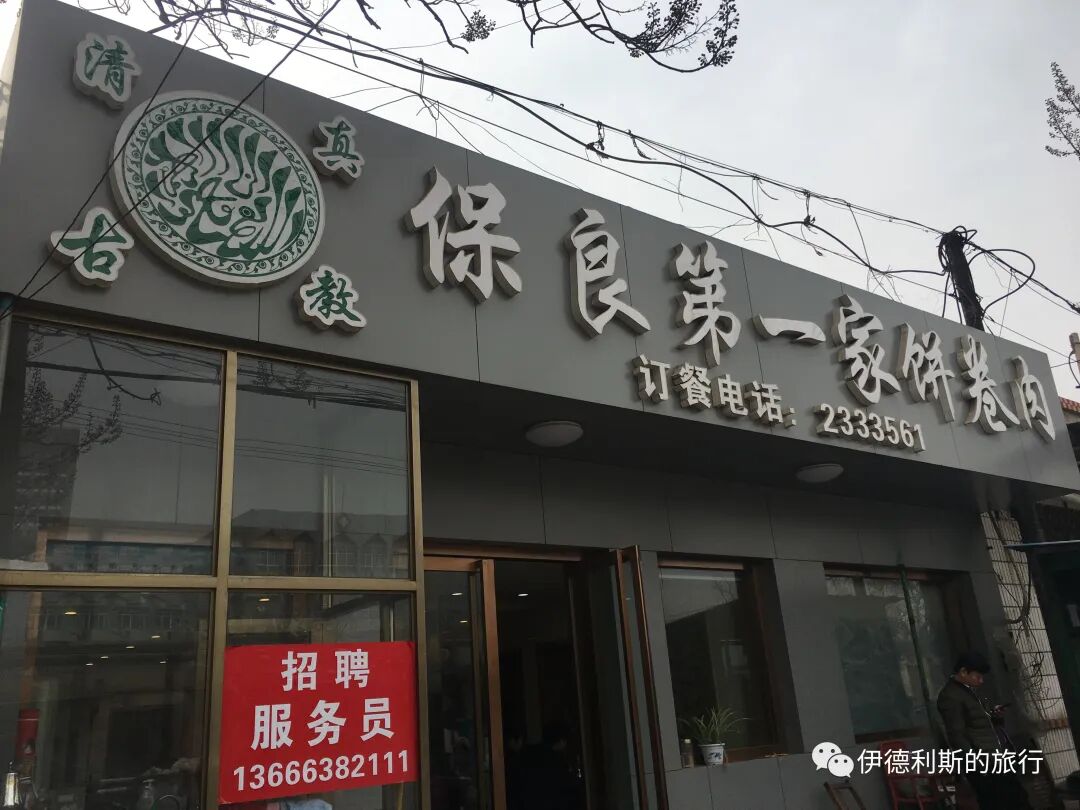
Food cooked over a firewood fire is just more fragrant.
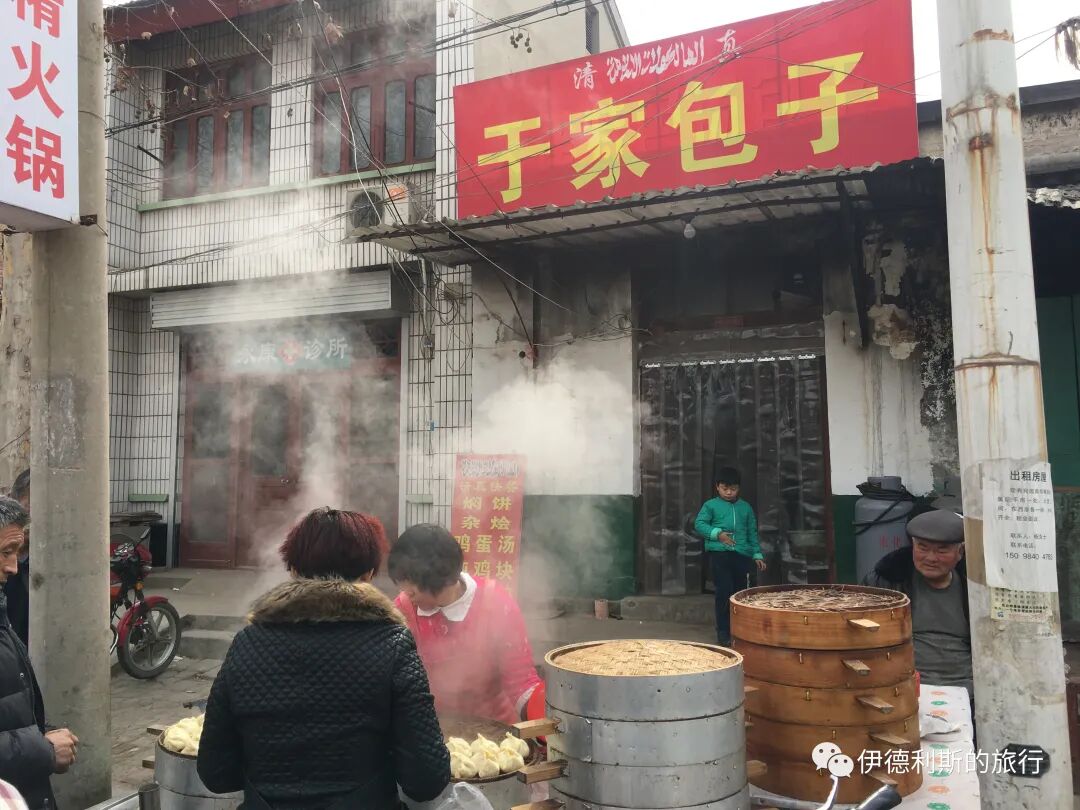
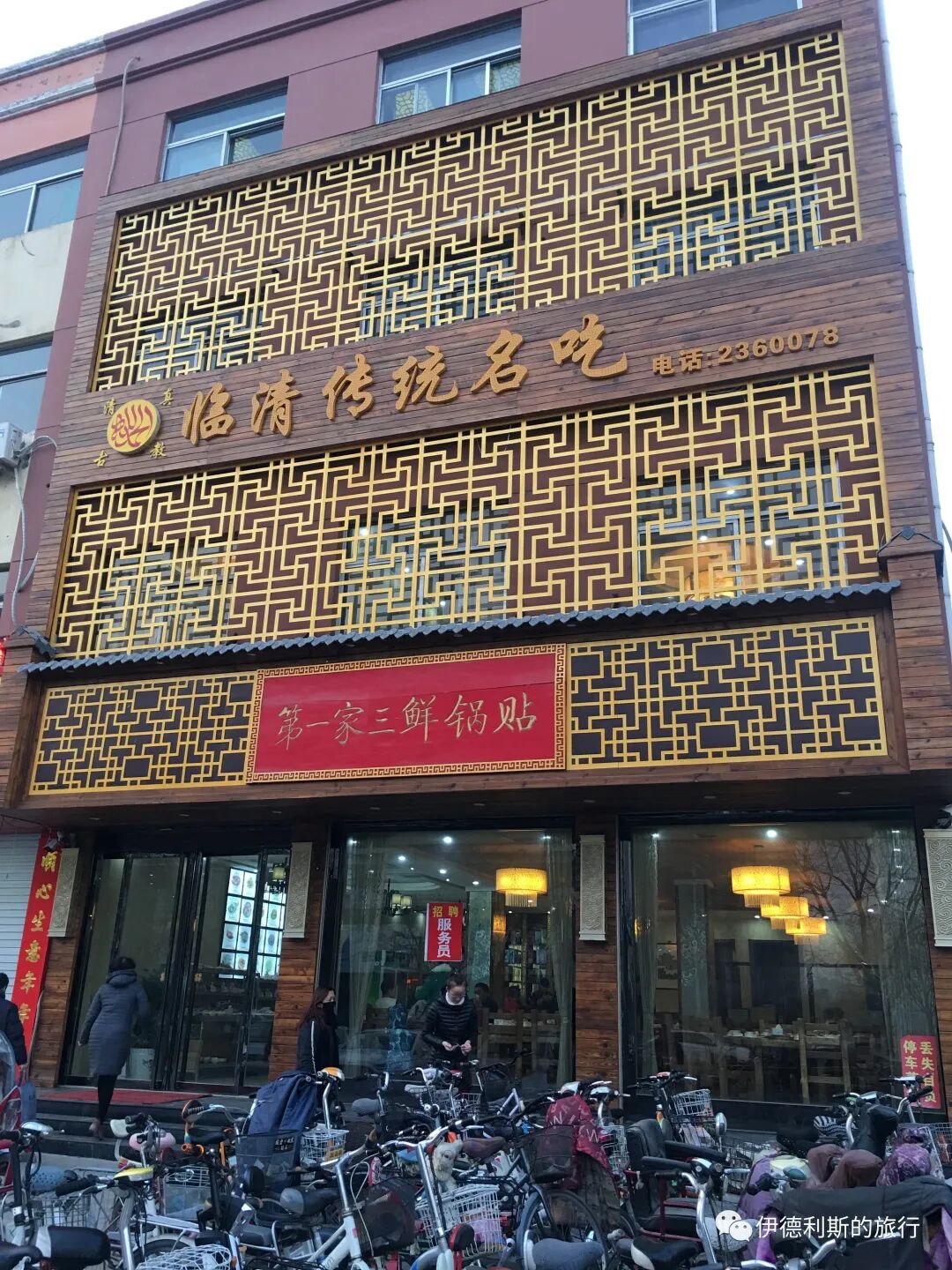
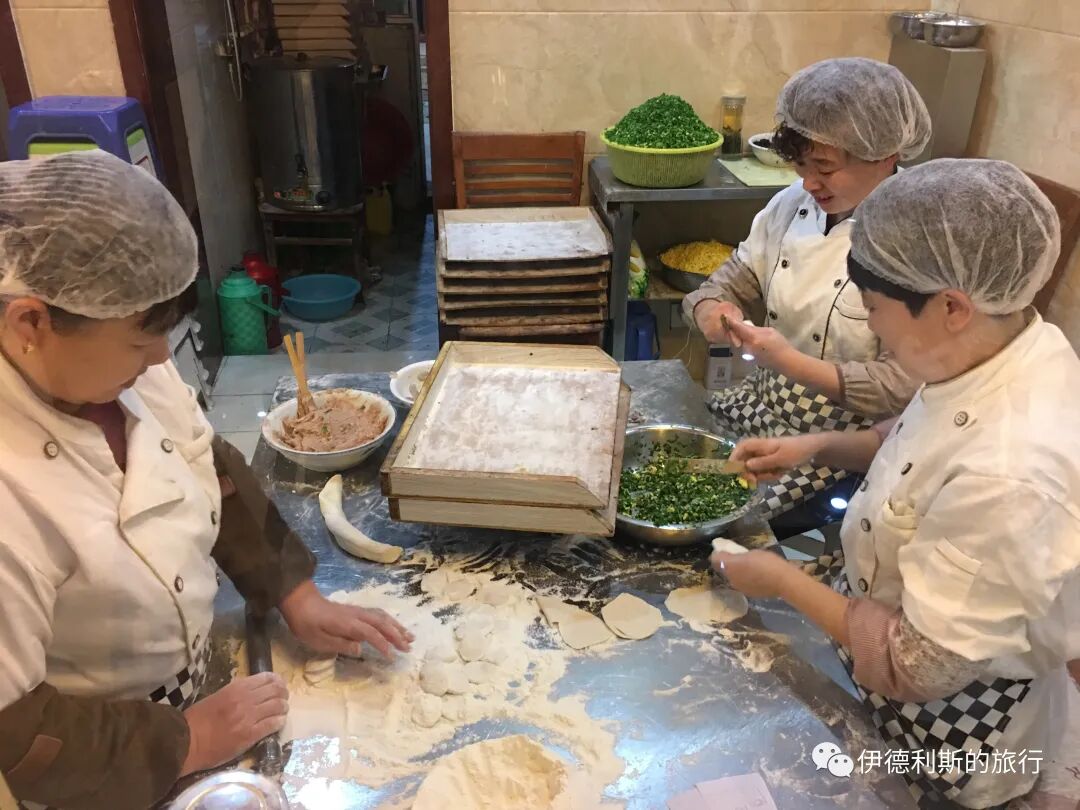
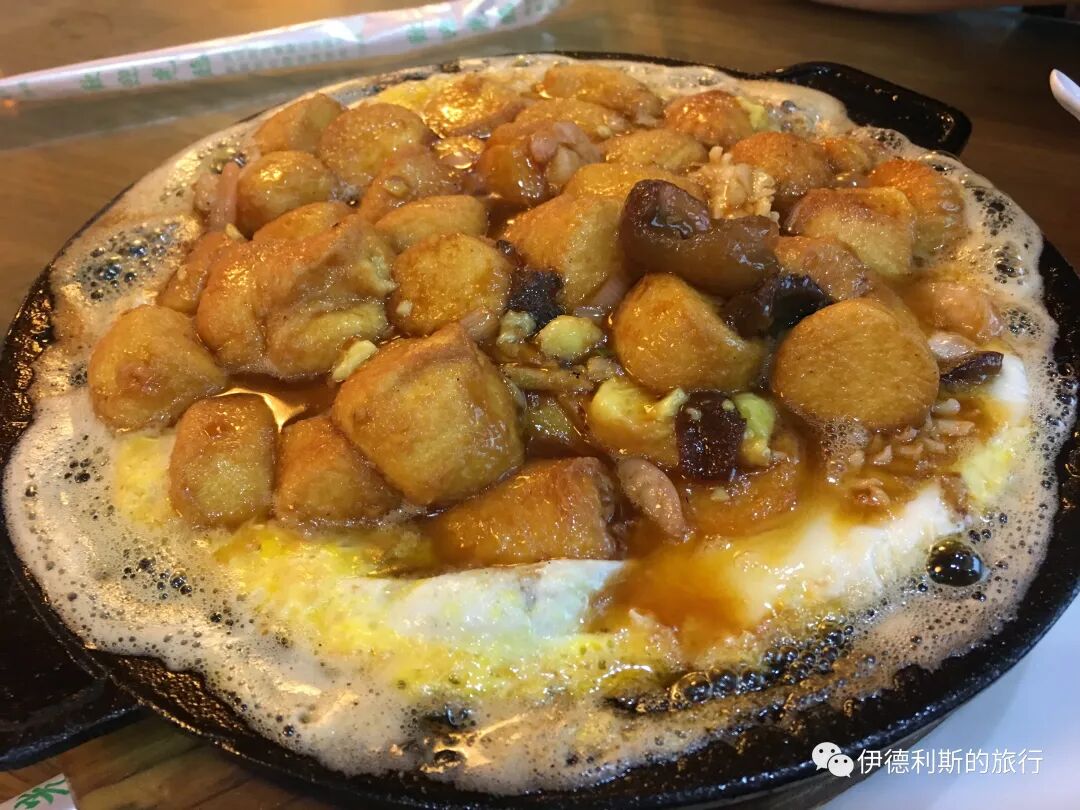
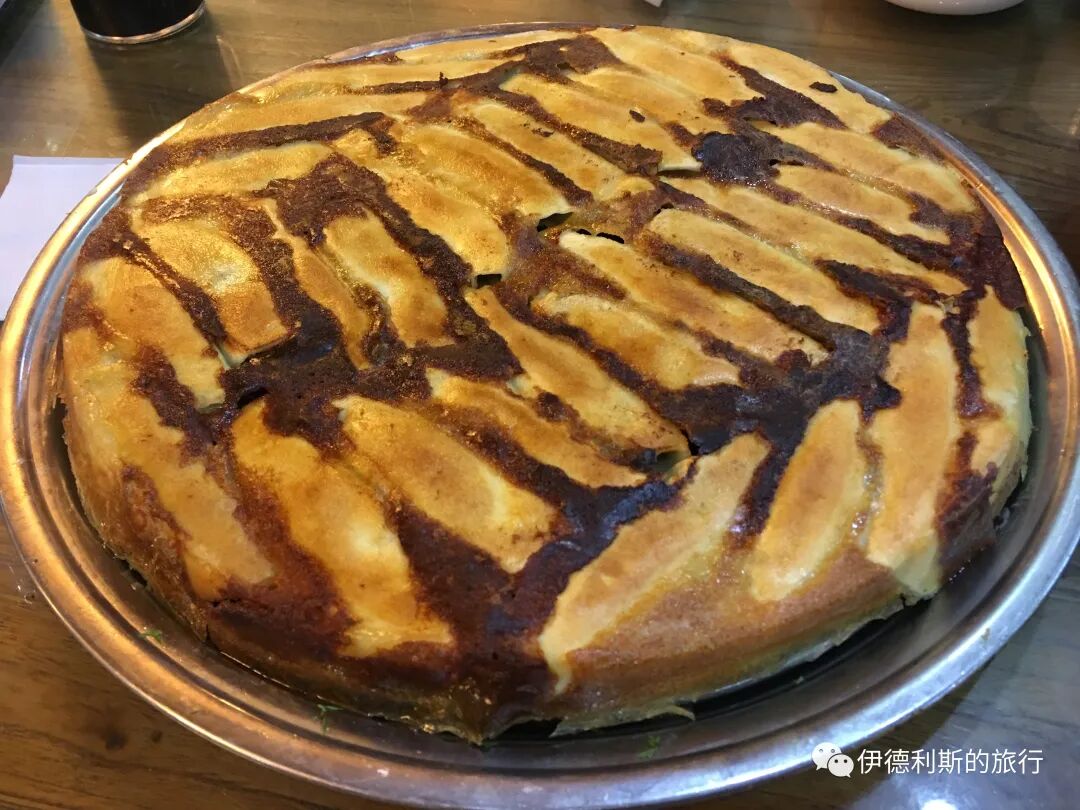
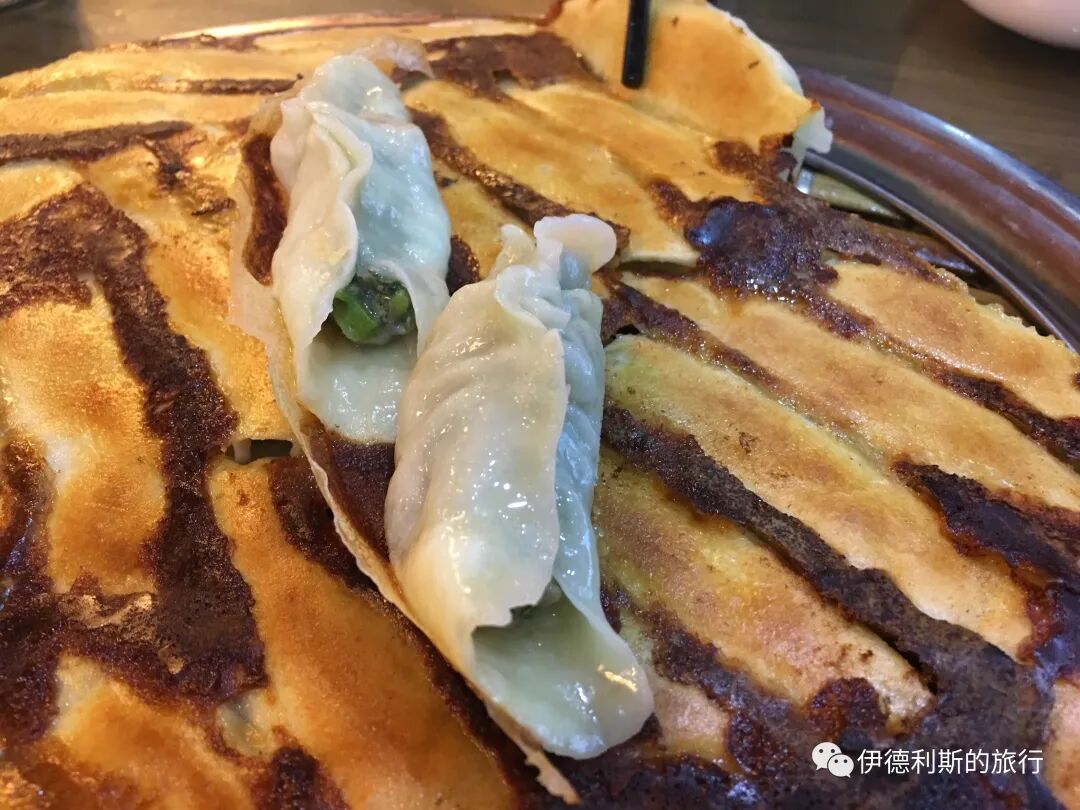
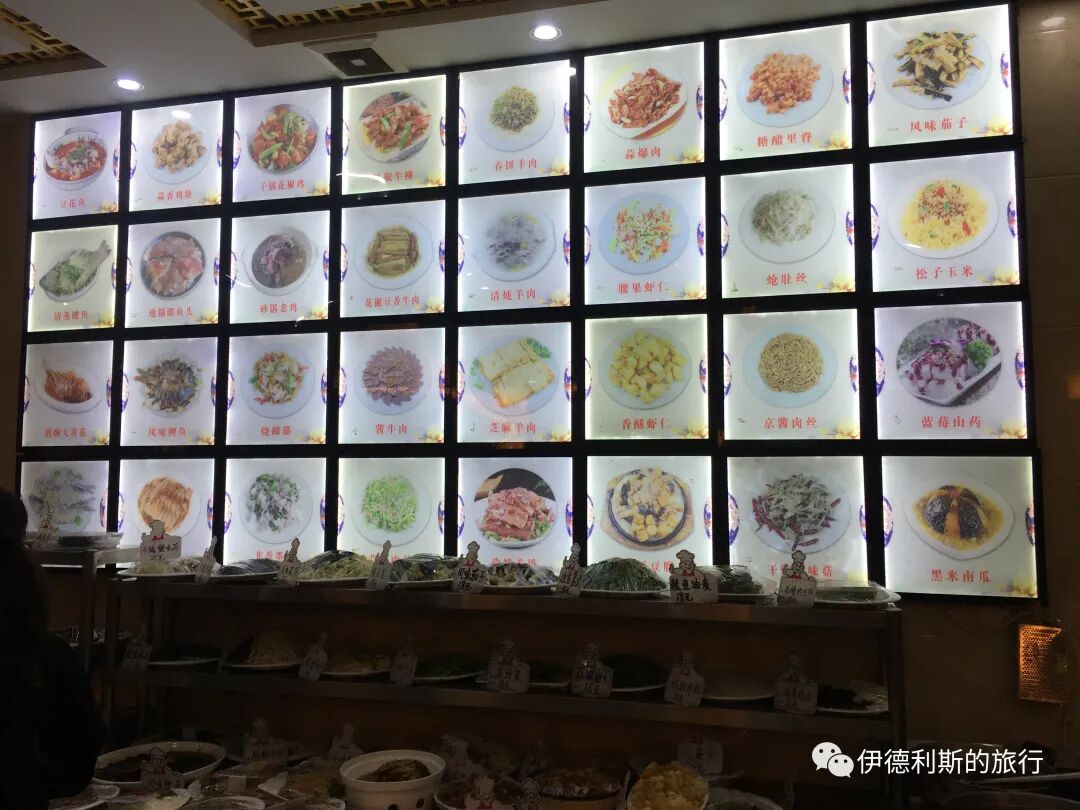
In the evening, I had the three-delicacy potstickers (sanxian guotie) at the first restaurant I visited in Linqing, and they were amazing! I can say it is the best Shandong restaurant I have ever eaten at. It completely beats the Beijing-Shandong dishes I often eat in Beijing. The portions are huge—one dish is equal to three in Beijing—and it is very cheap. The iron-plate tofu (tieban doufu) was incredible. The Japanese-style tofu was filled with sea cucumber and shrimp, served over a layer of fried eggs. The sesame lamb (zhima yangrou) was so good it made me want to cry. I have been looking for this way of cooking it in Beijing for a long time. A steamer of 30 beef and fennel potstickers (niurou huixiang guotie) was packed with filling. After eating, I didn't even want to go back to Beijing.
Mosque
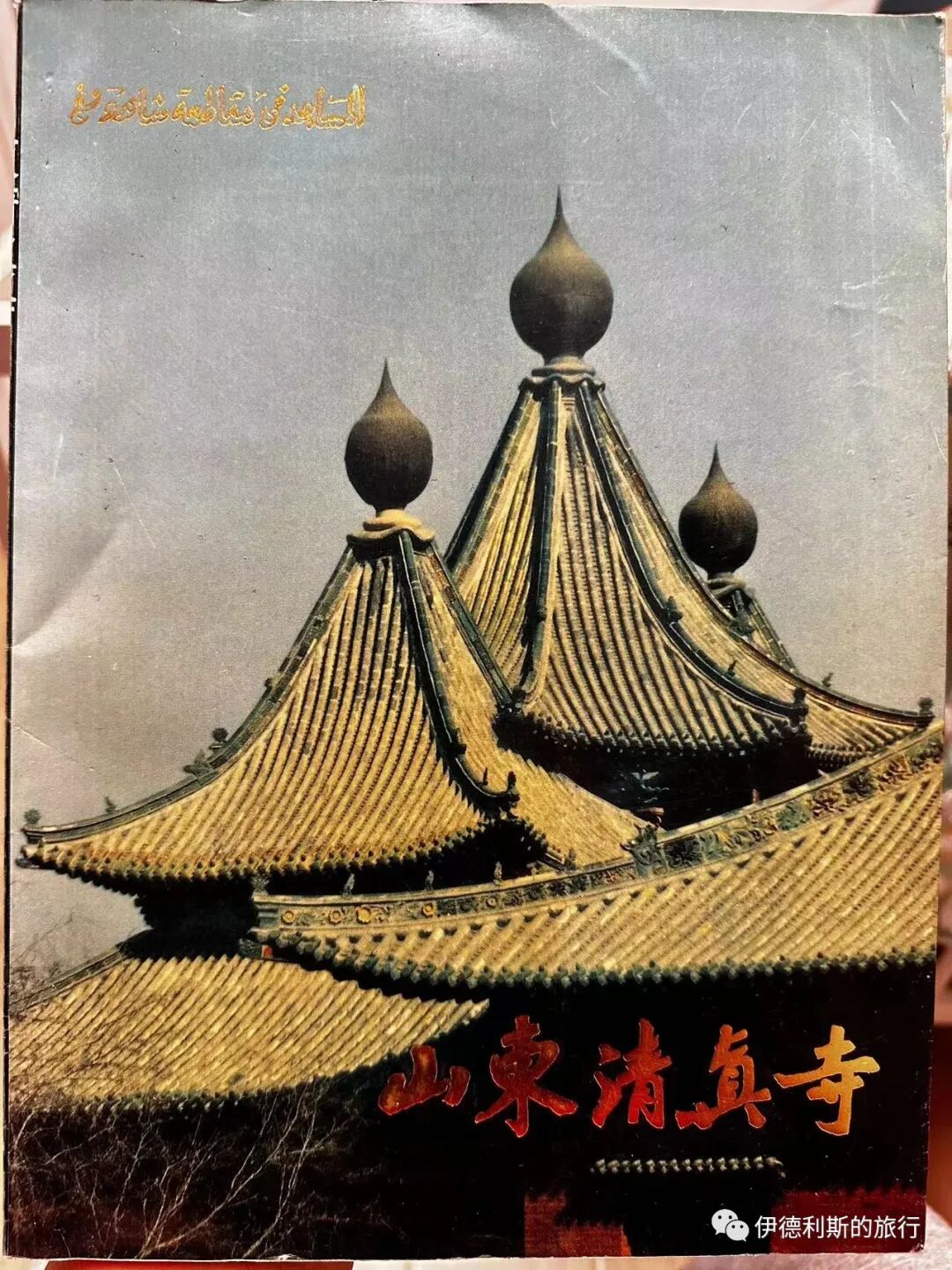
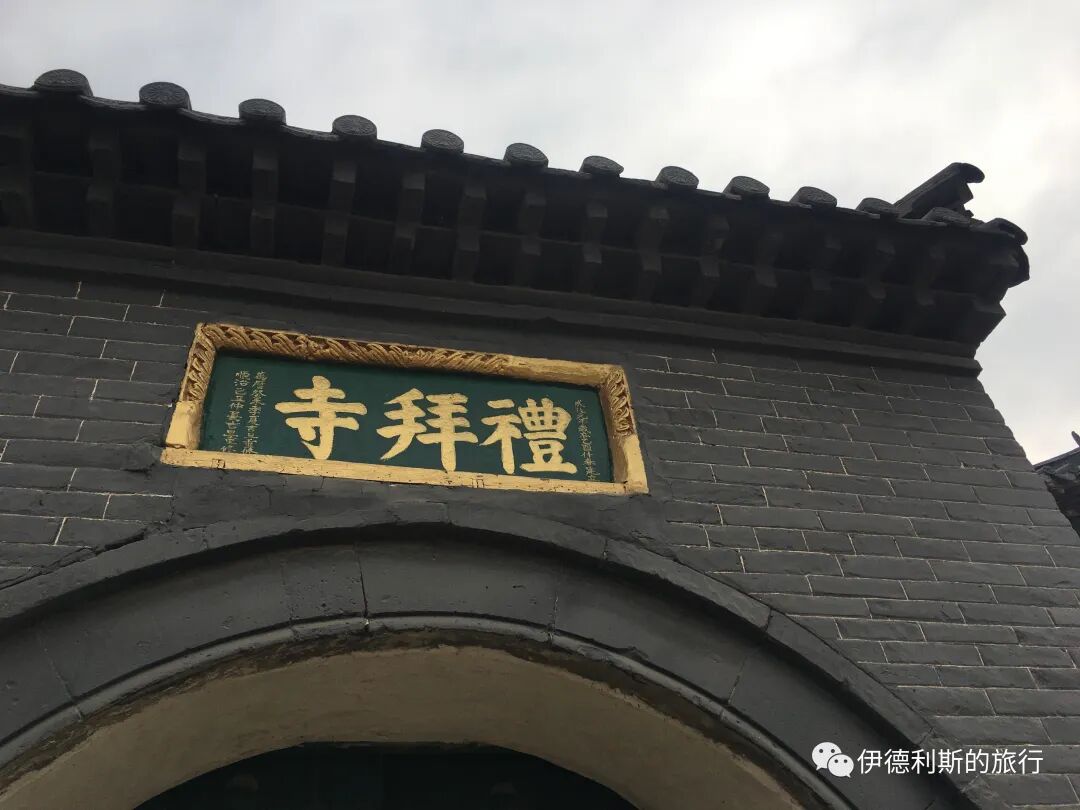
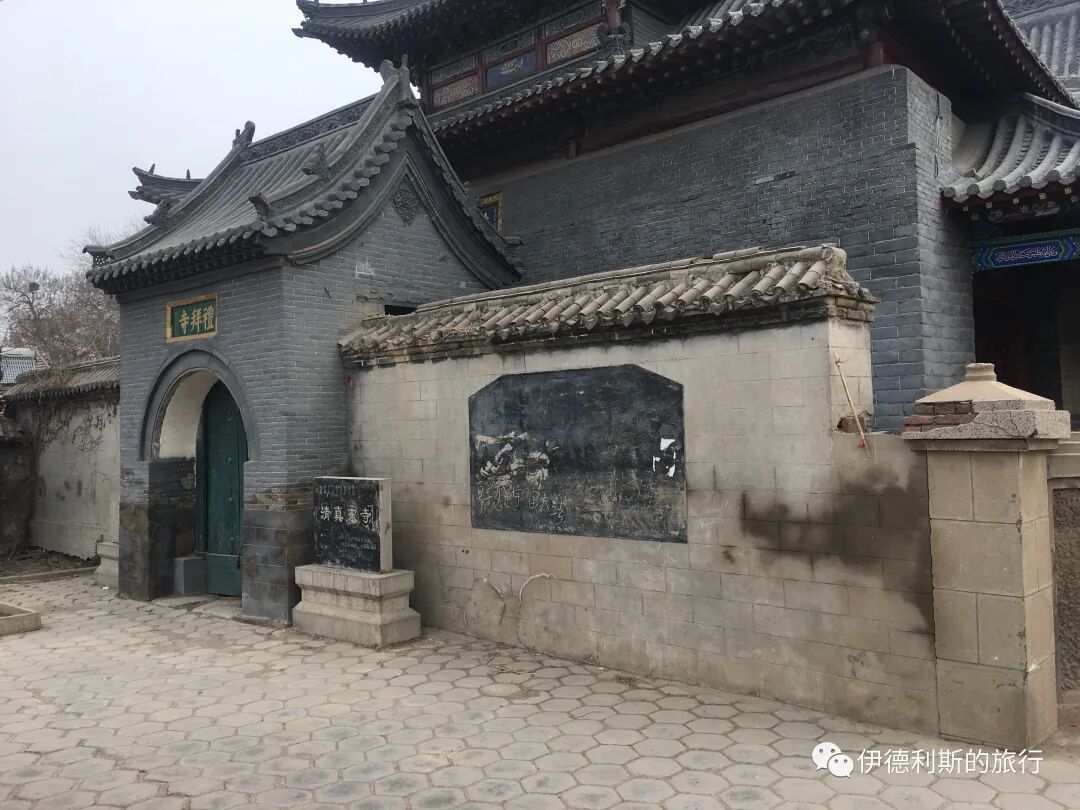
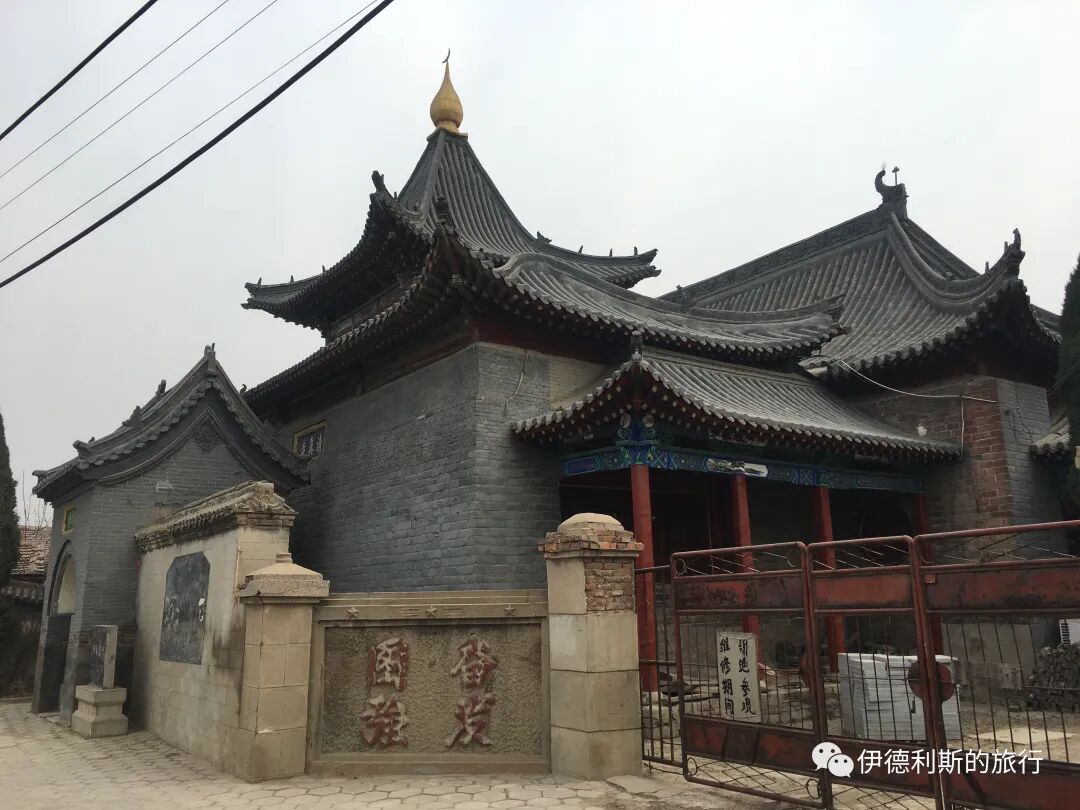
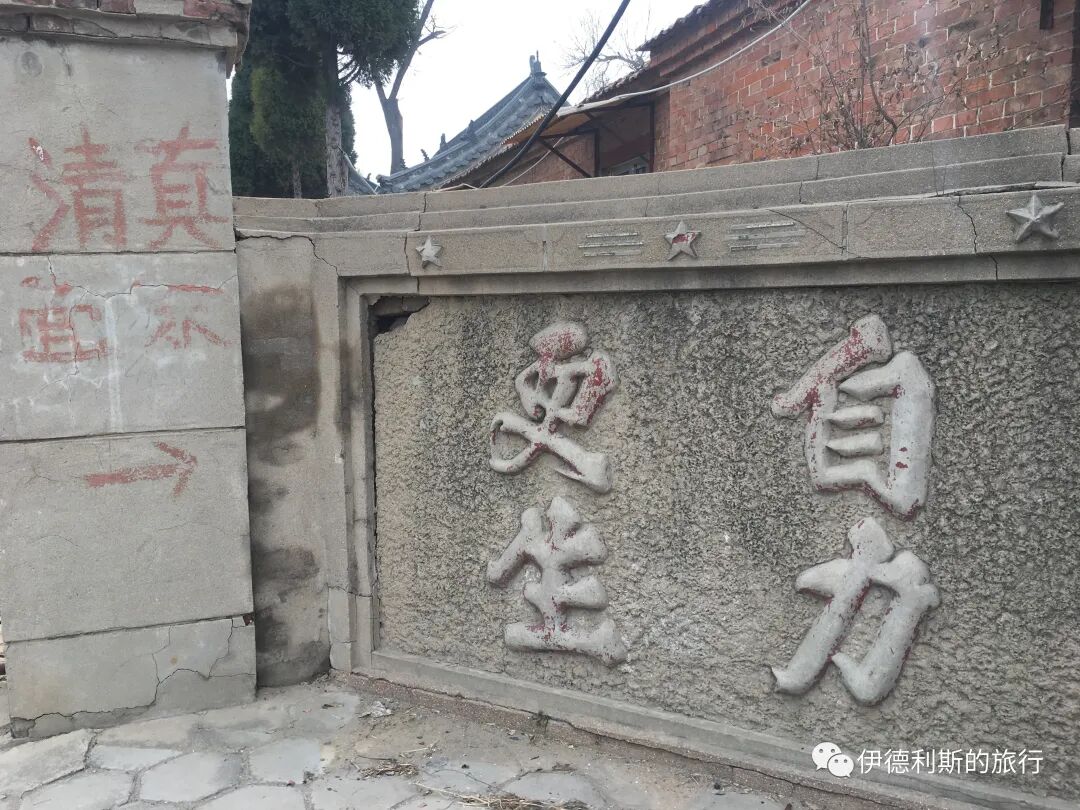
The North Mosque (Qingzhen Beisi) in Linqing is one of the grandest in Shandong, rivaling the East Mosque in Jining. It was first built during the Hongzhi reign of the Ming Dynasty and underwent three major renovations in 1564 (the 43rd year of the Jiajing reign), 1779 (the 44th year of the Qianlong reign), and 1809 (the 14th year of the Jiaqing reign). It was undergoing repairs when I visited.
The cover of the book "Mosques of Shandong" (Shandong Qingzhensi).
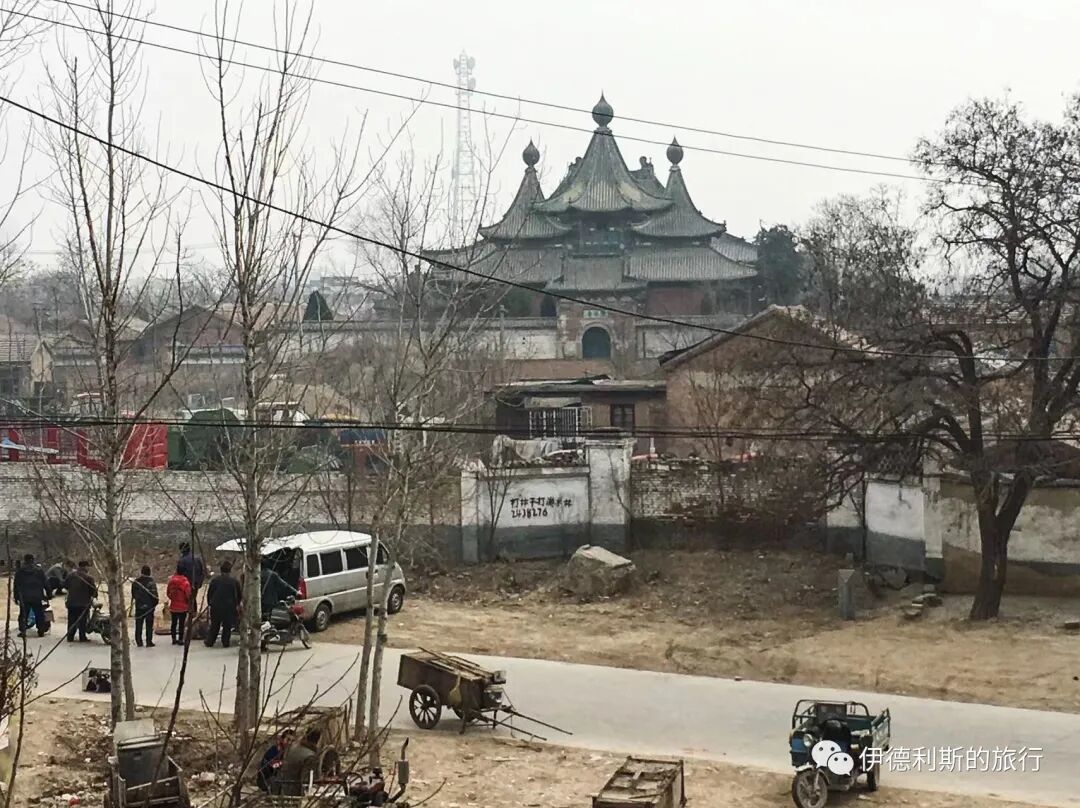
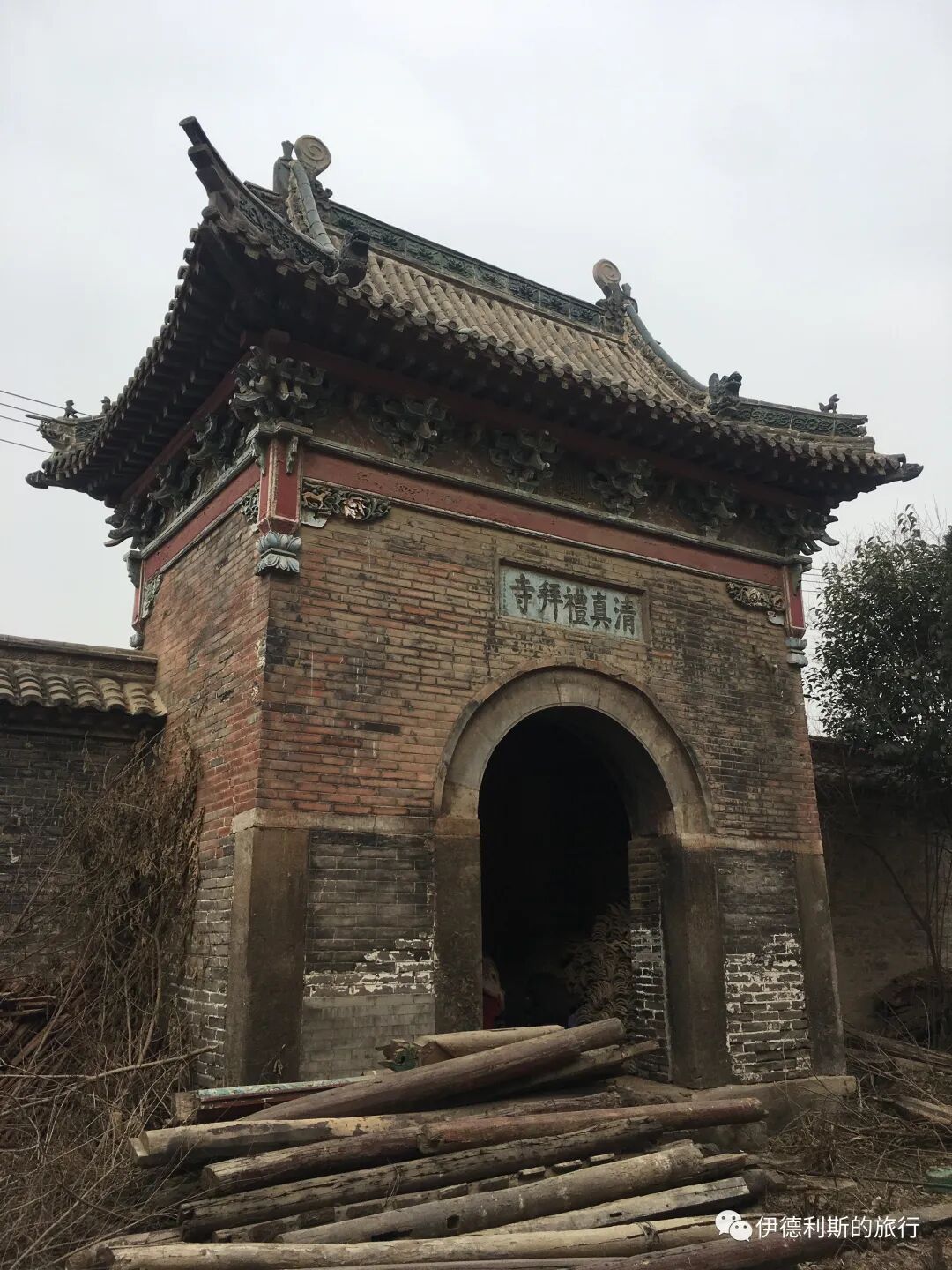
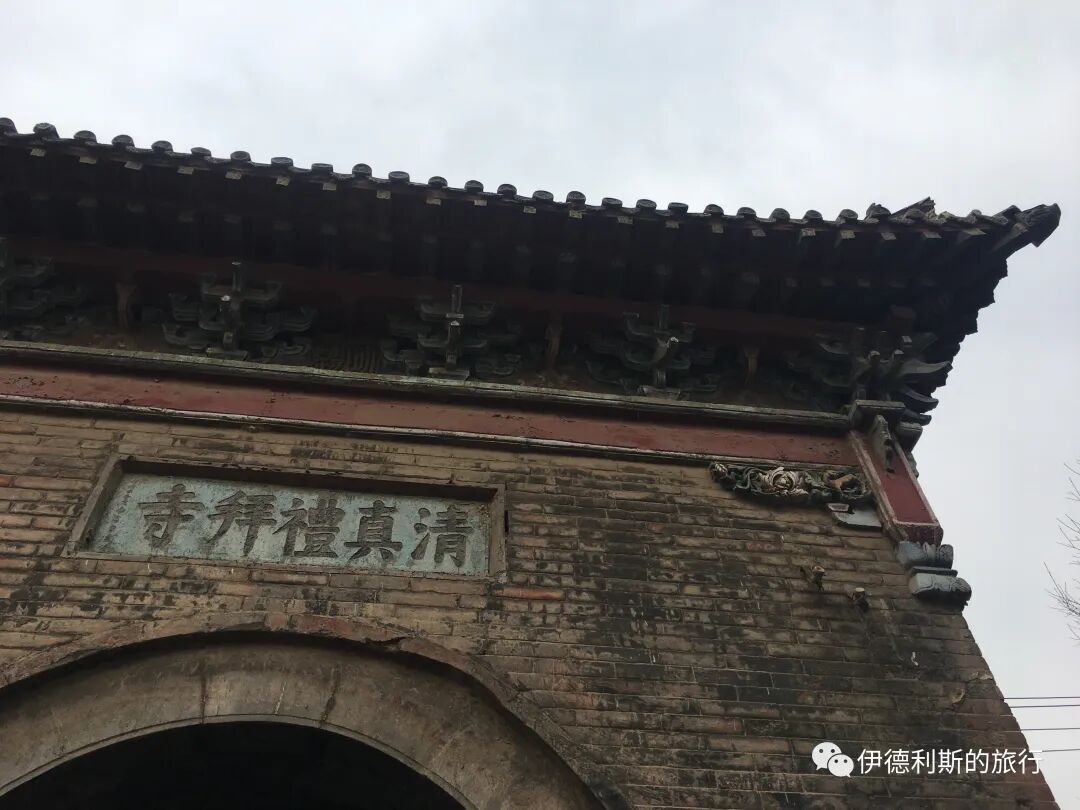
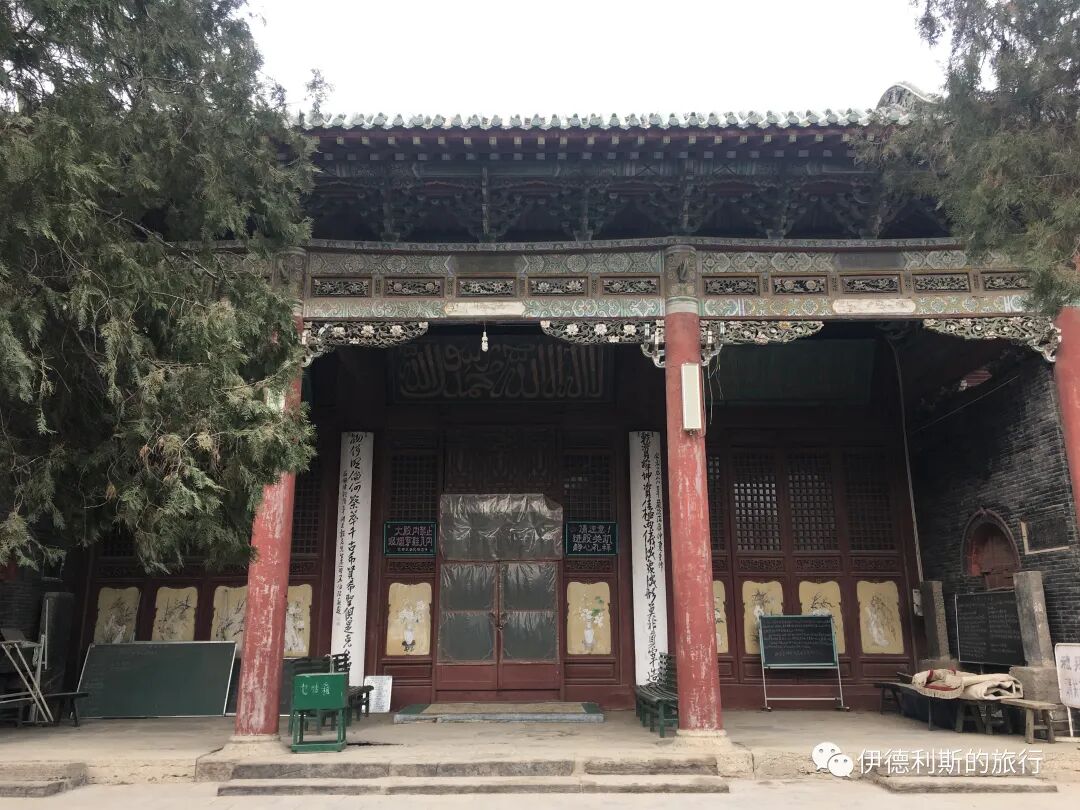
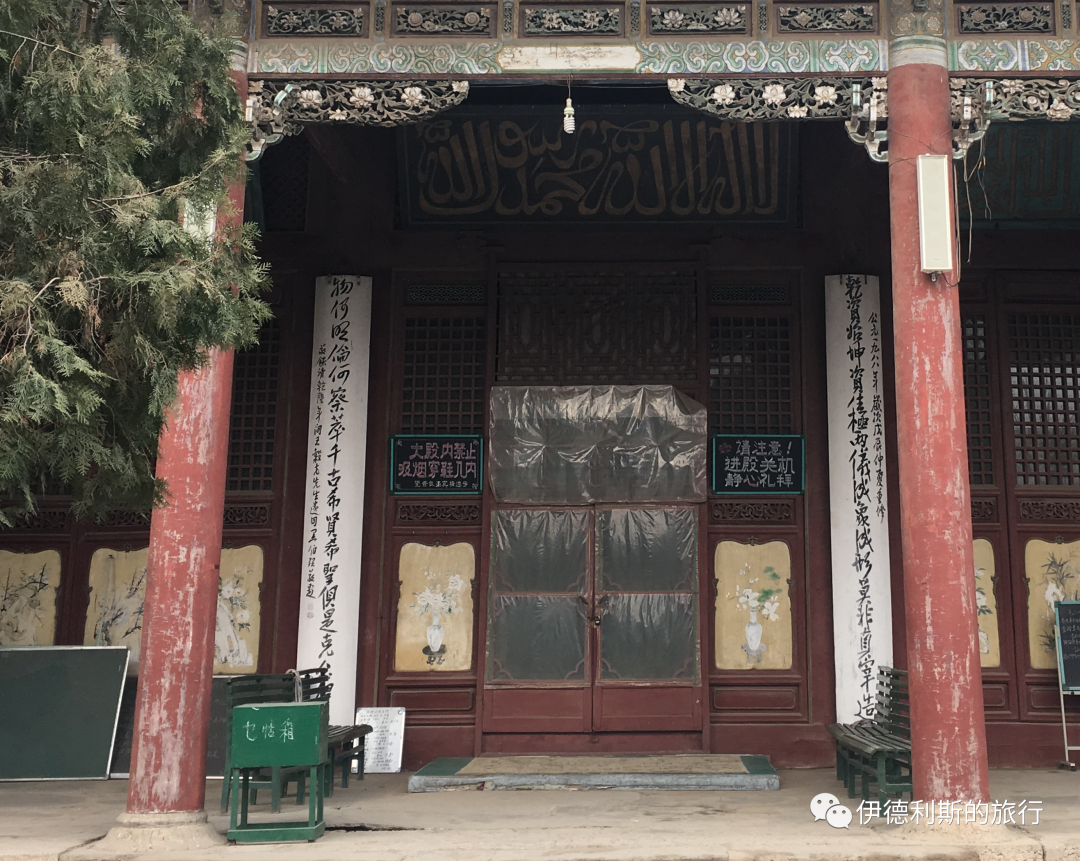
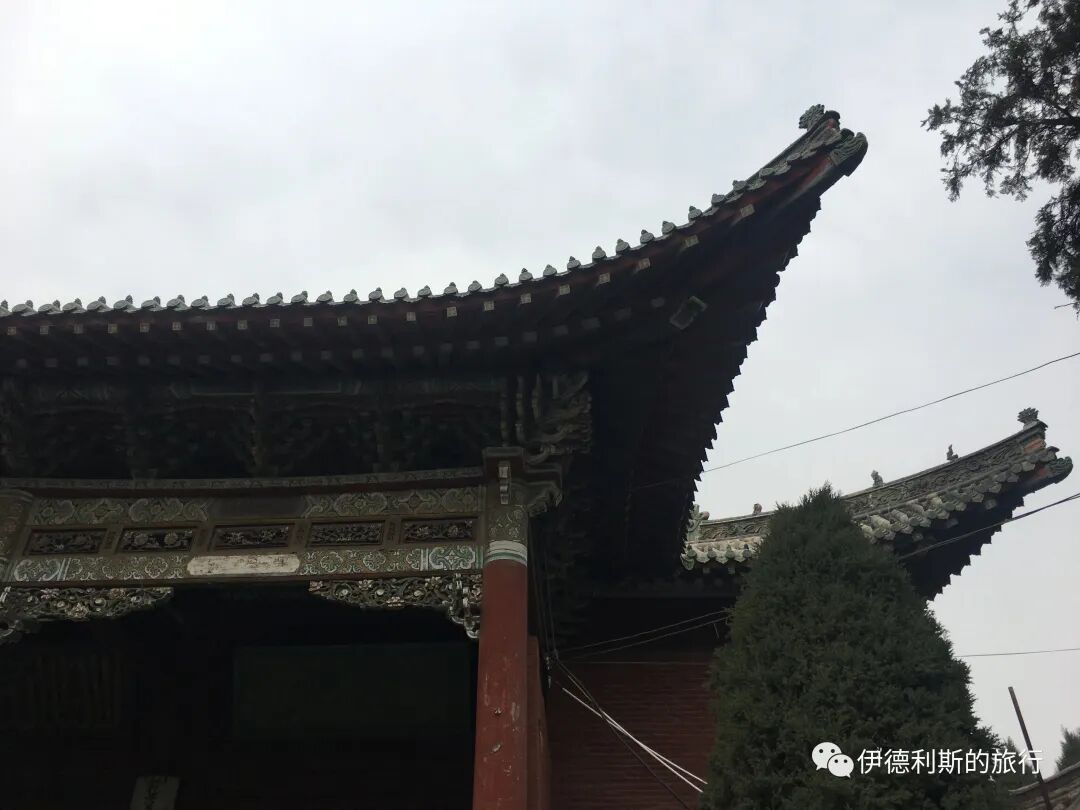
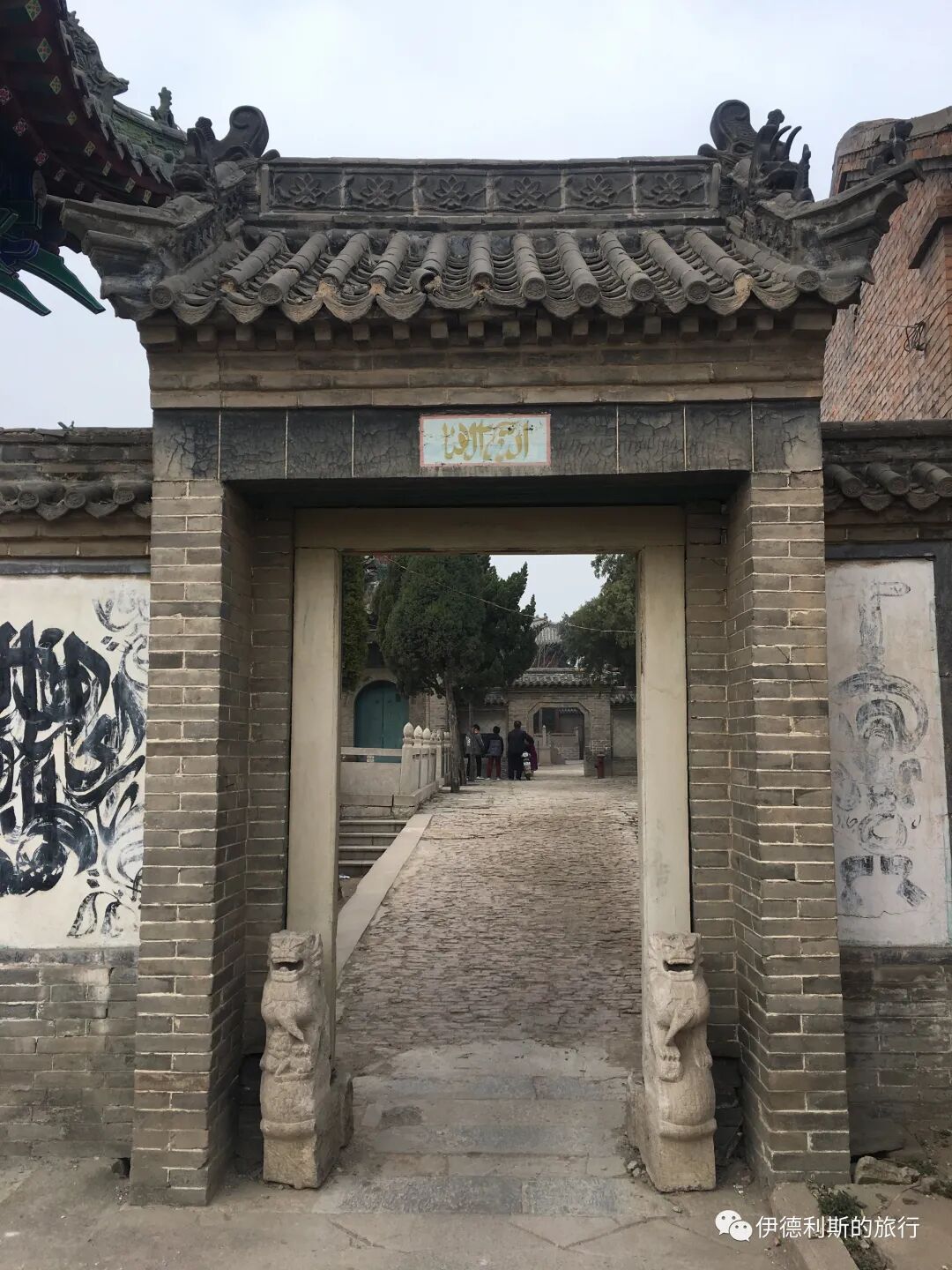
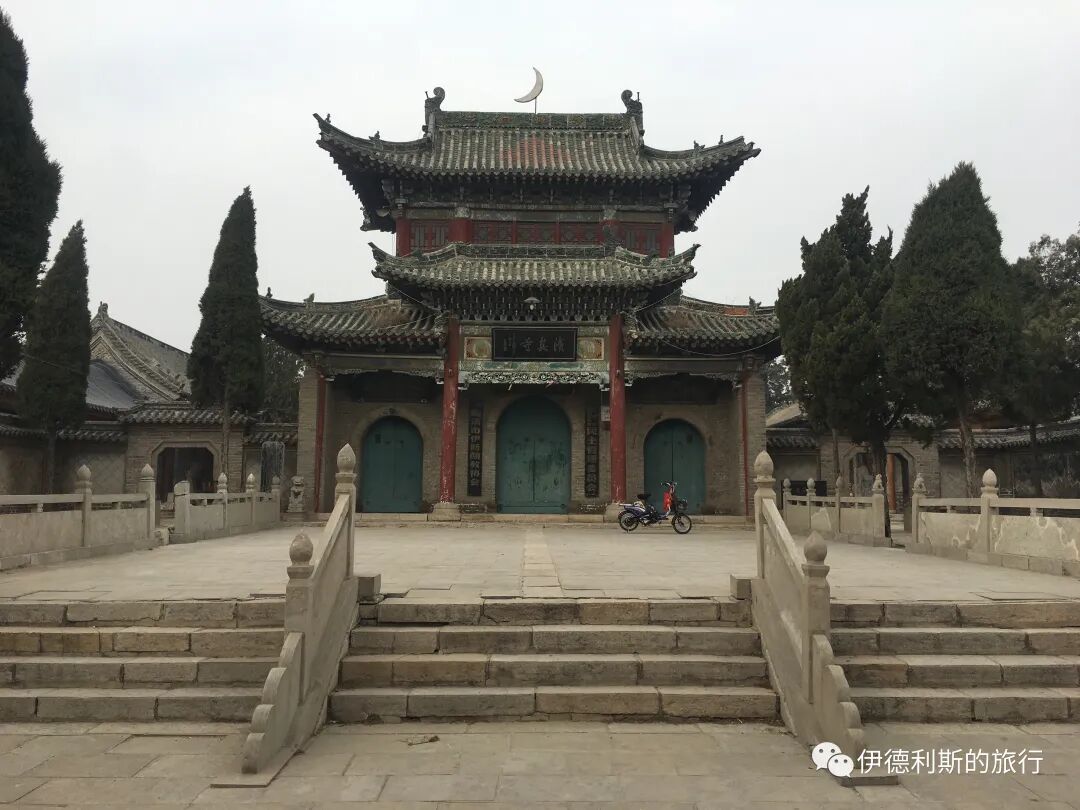
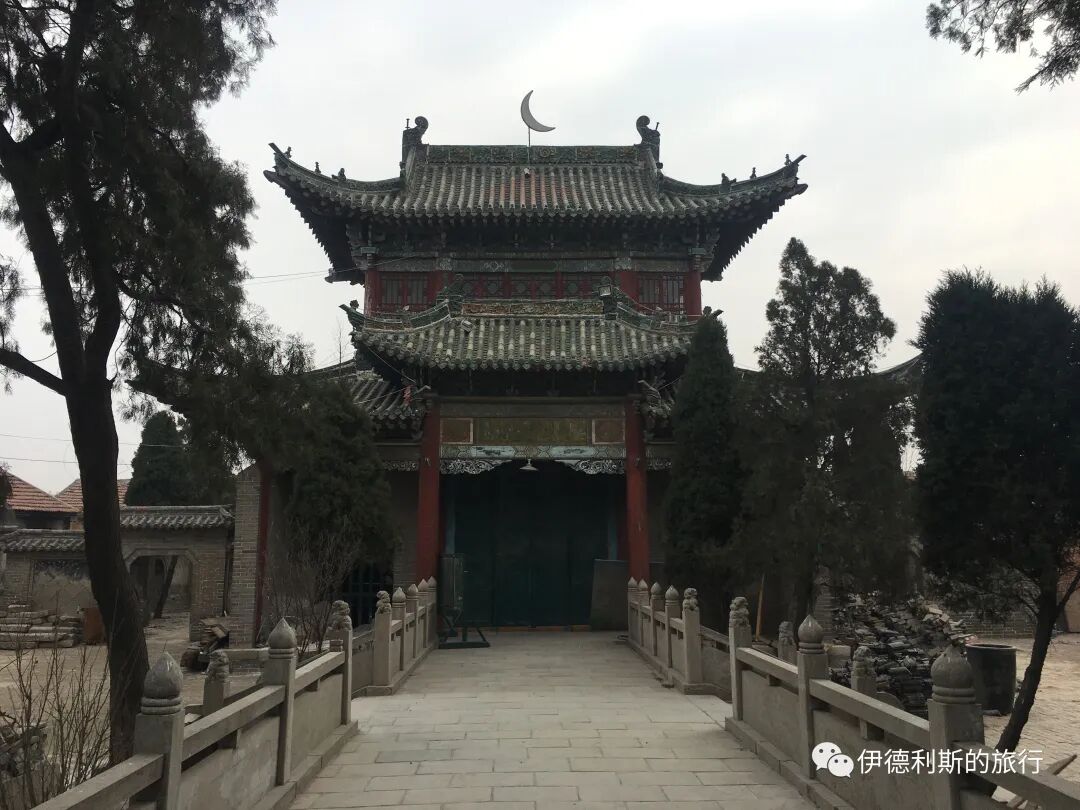
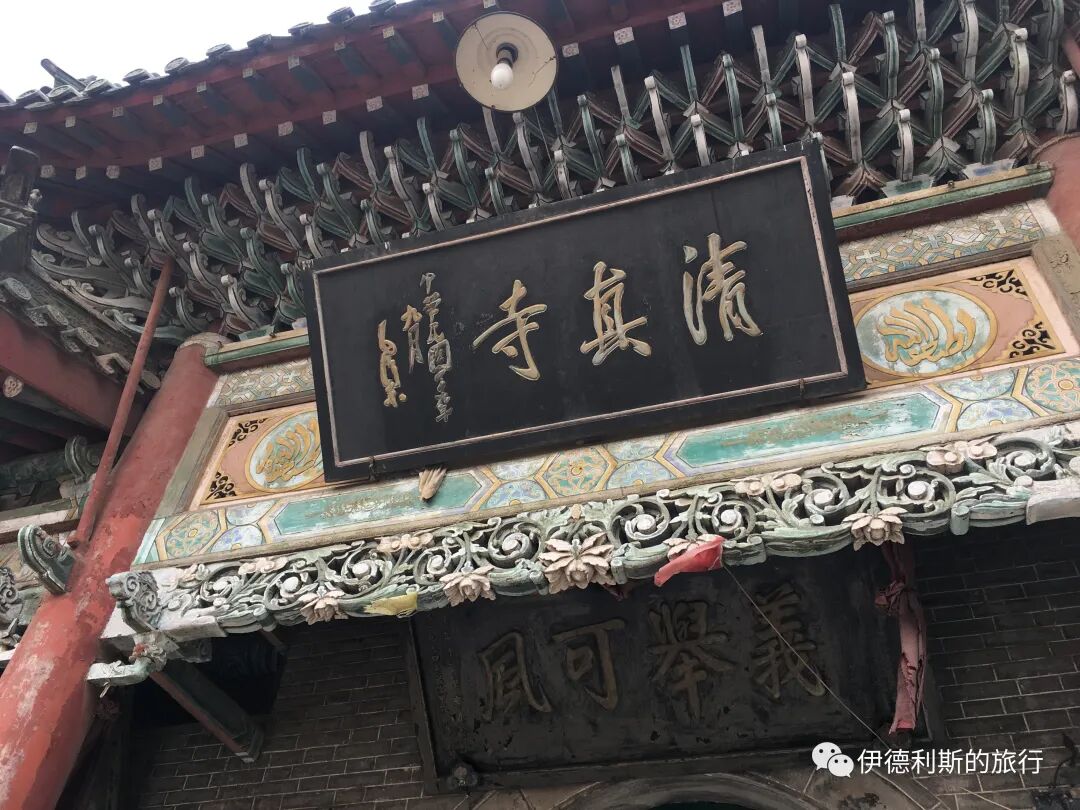
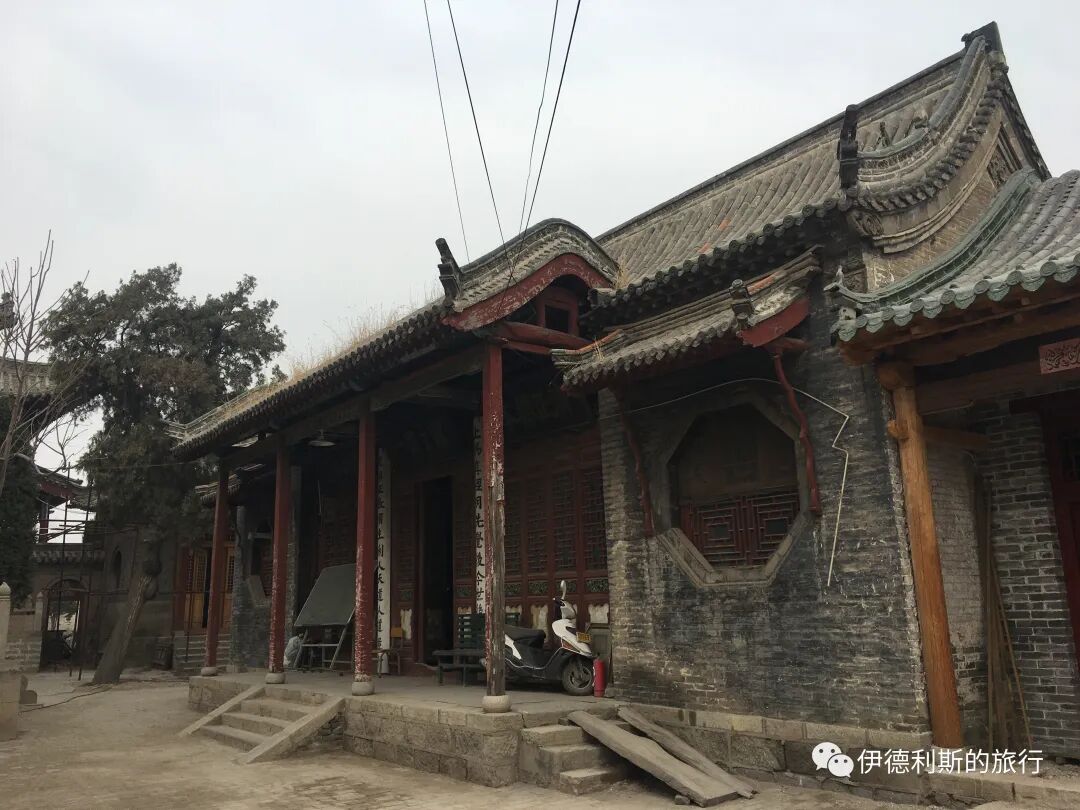
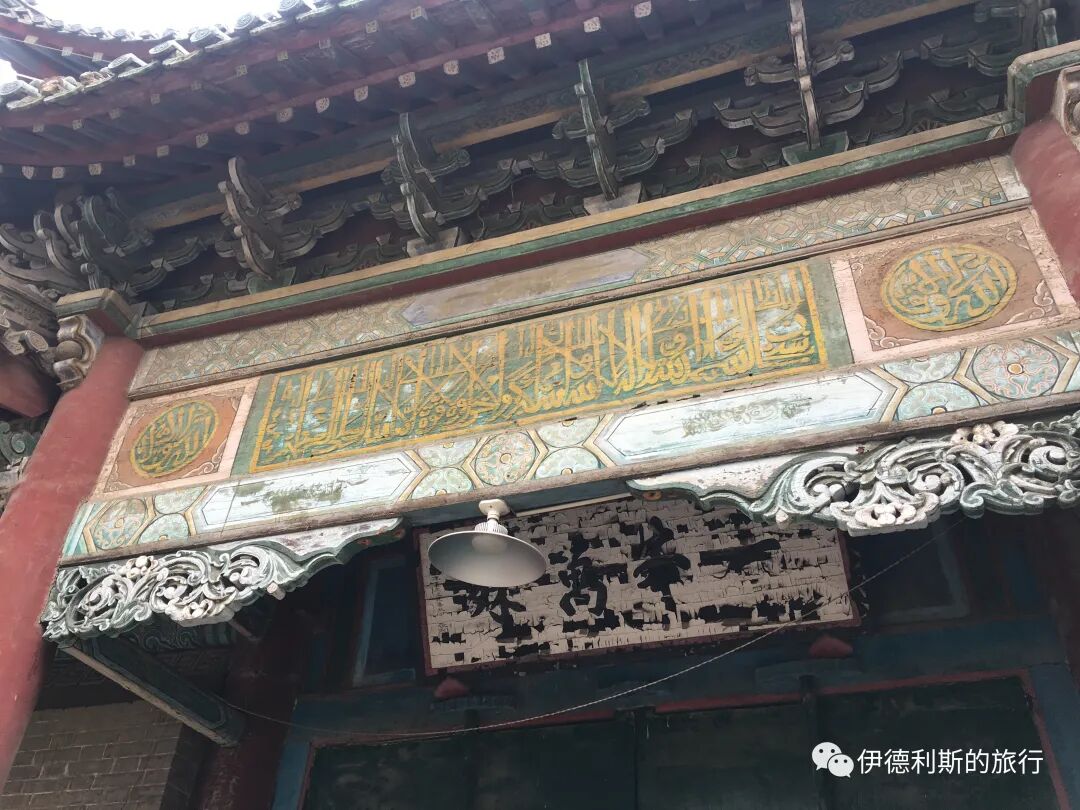
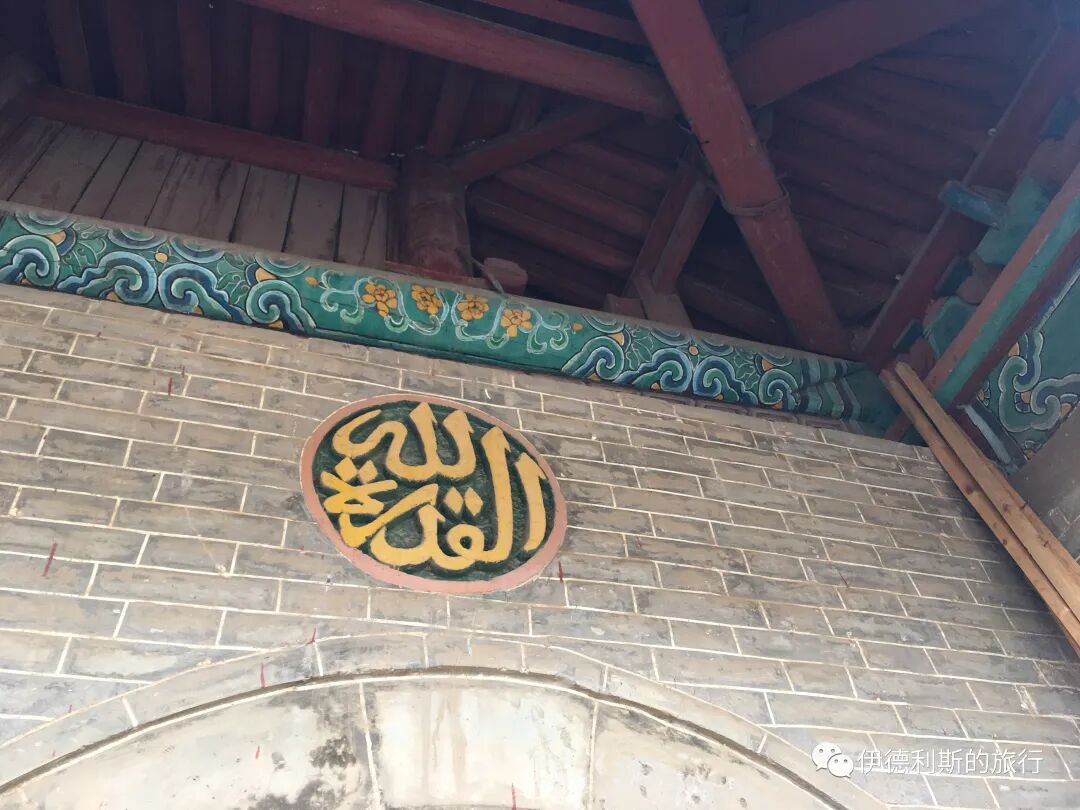
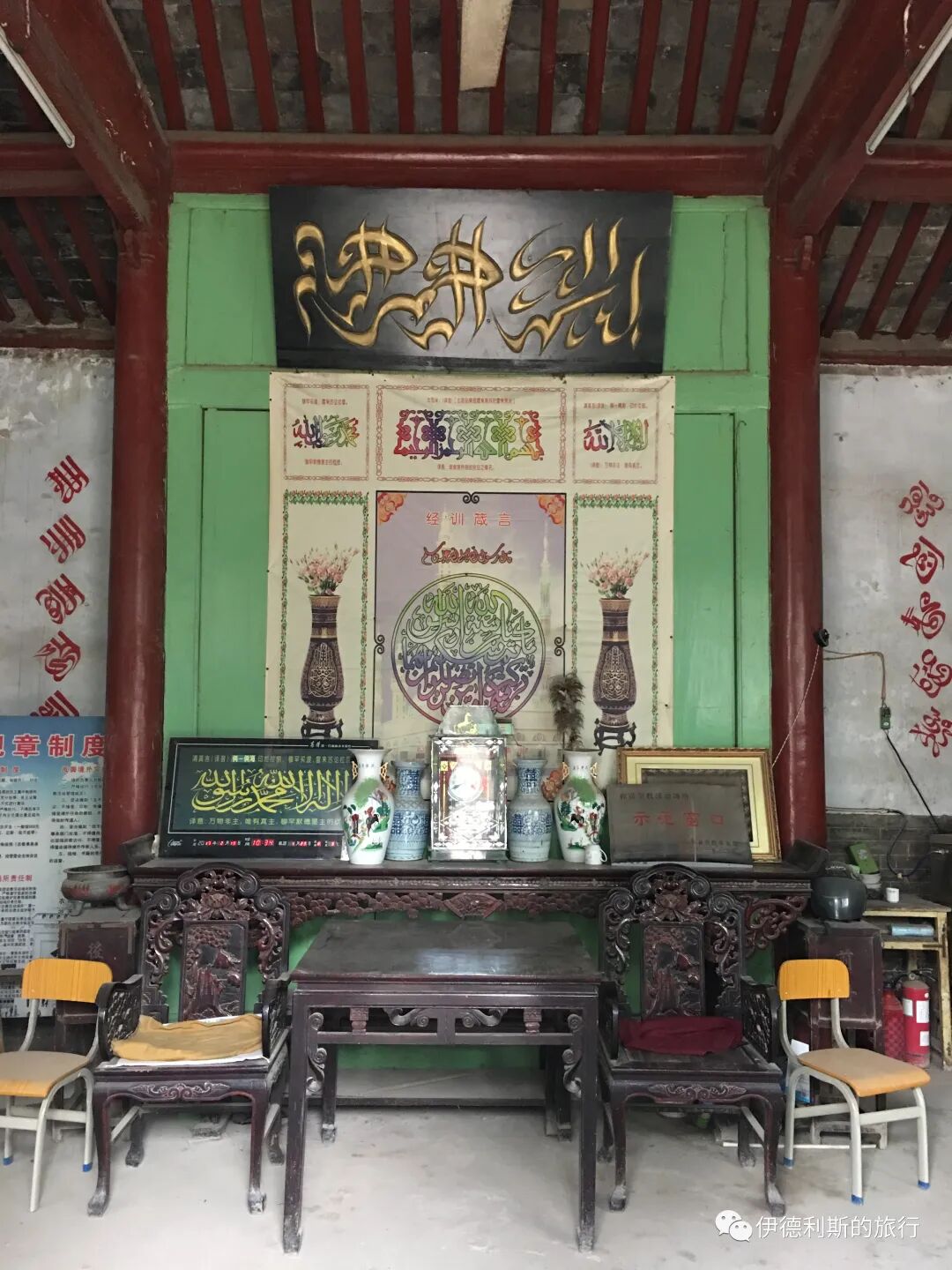
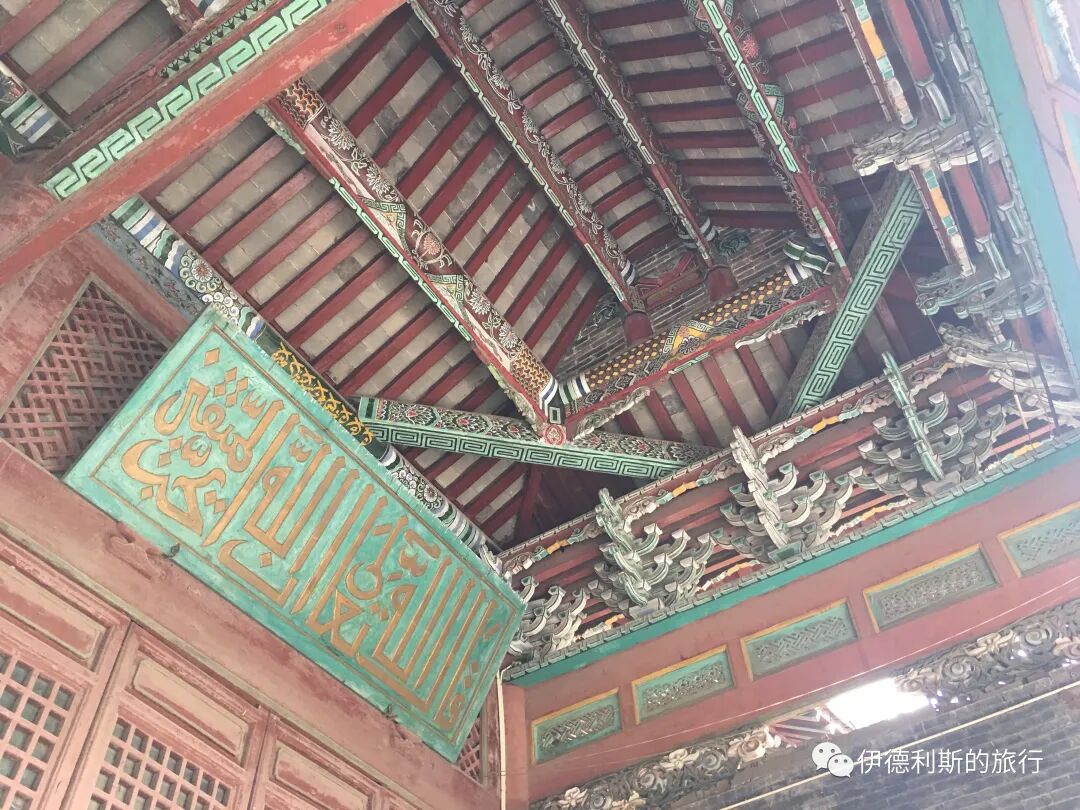
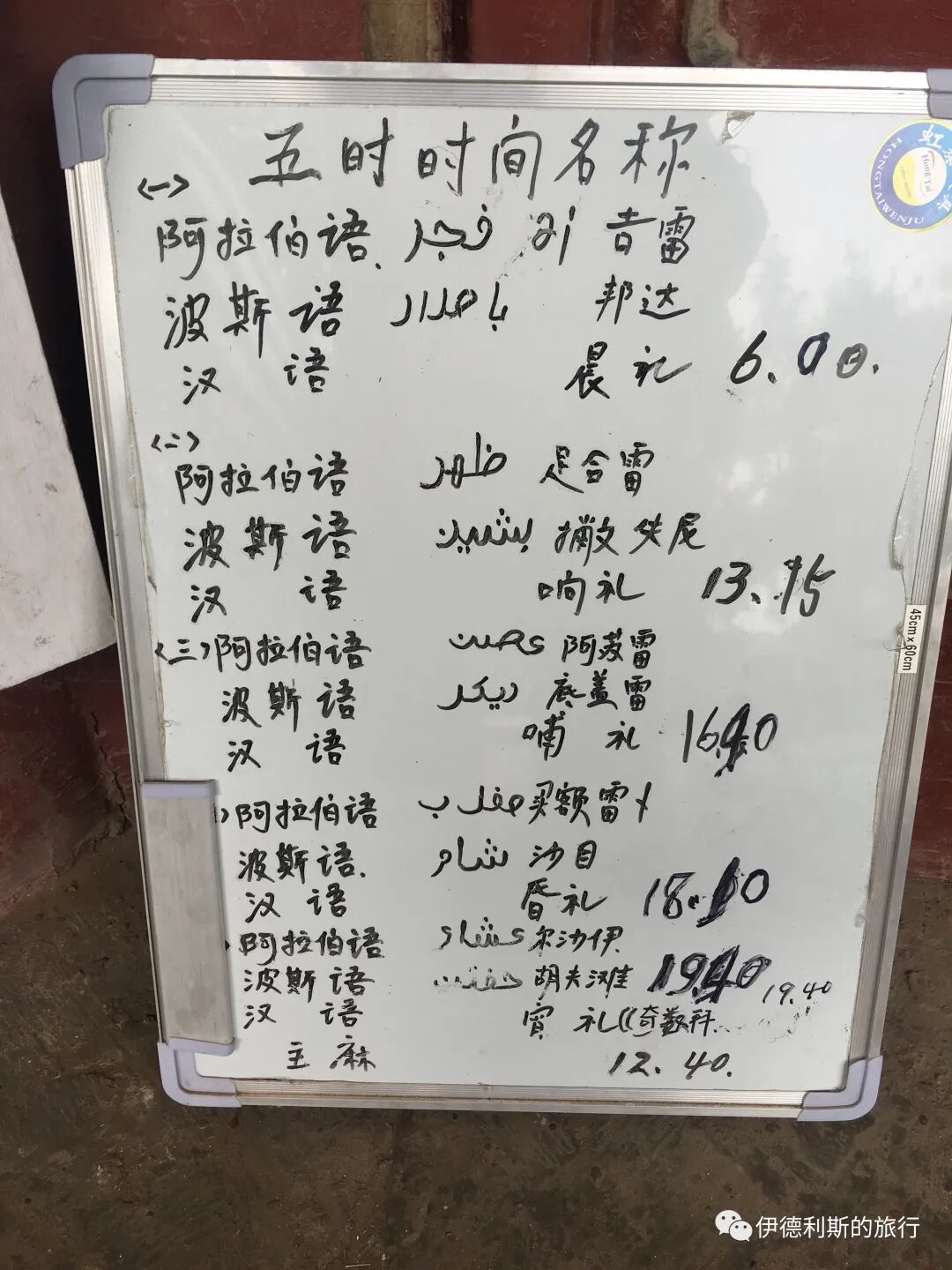
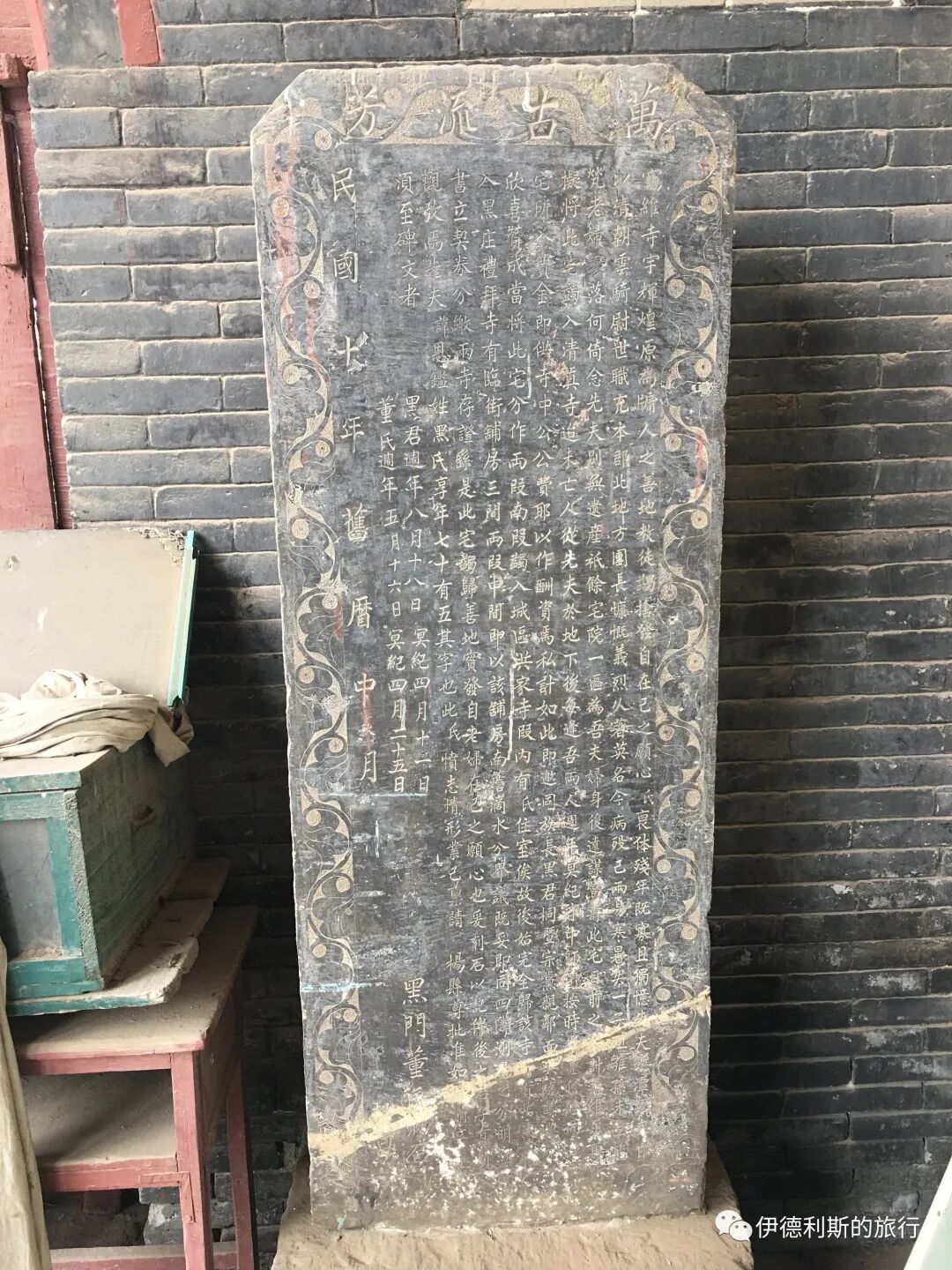
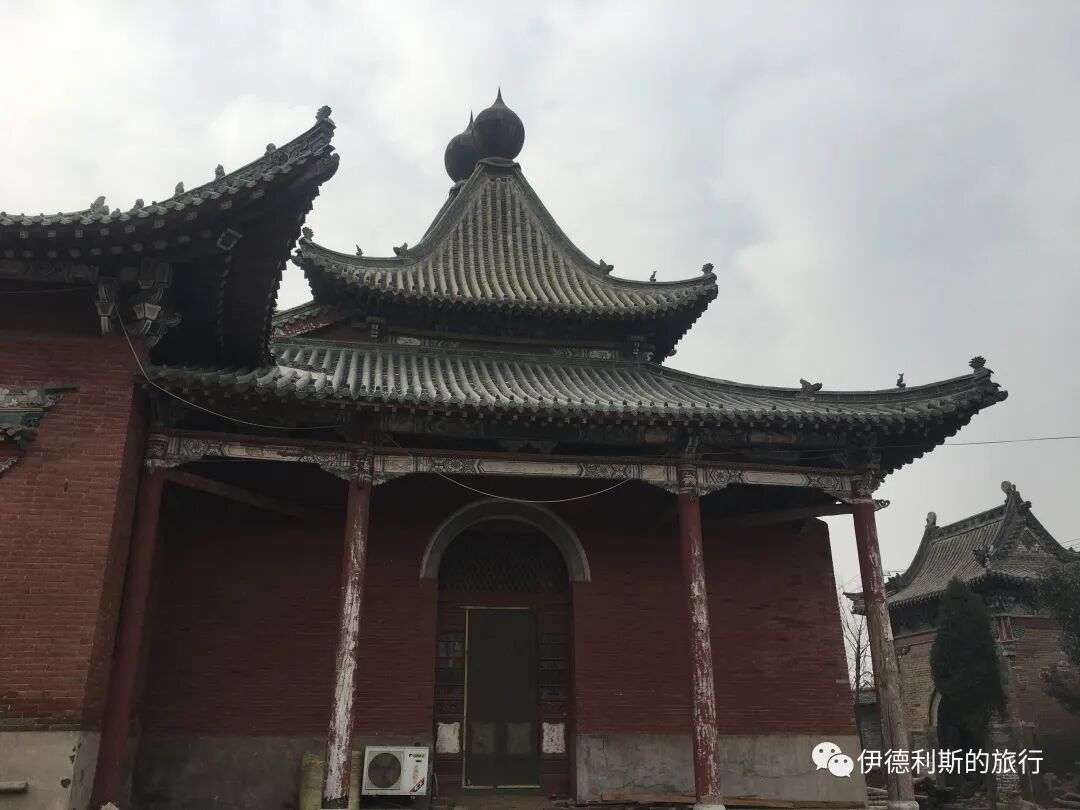
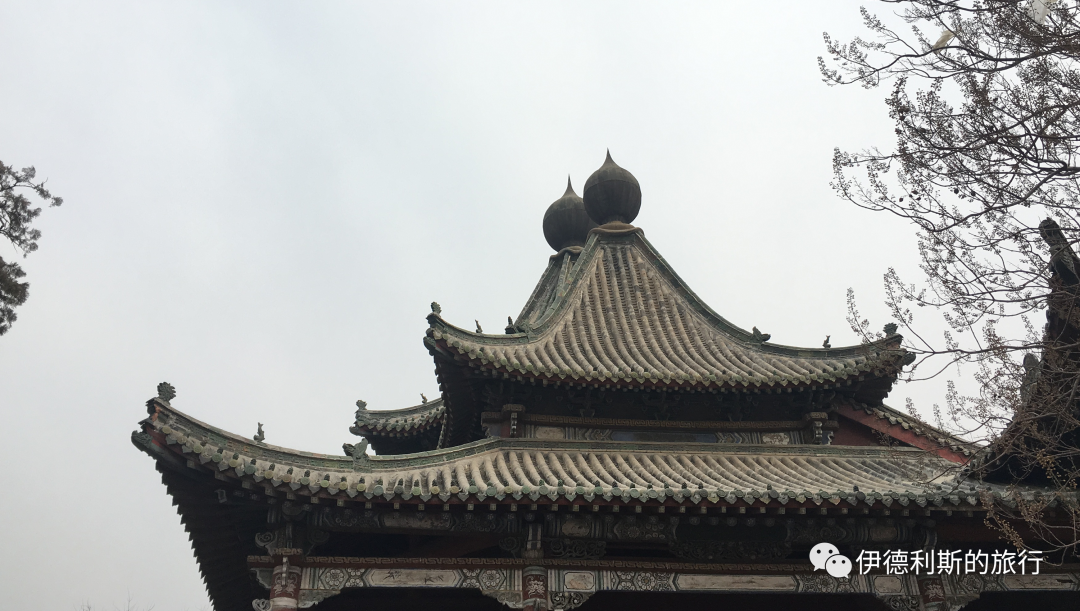
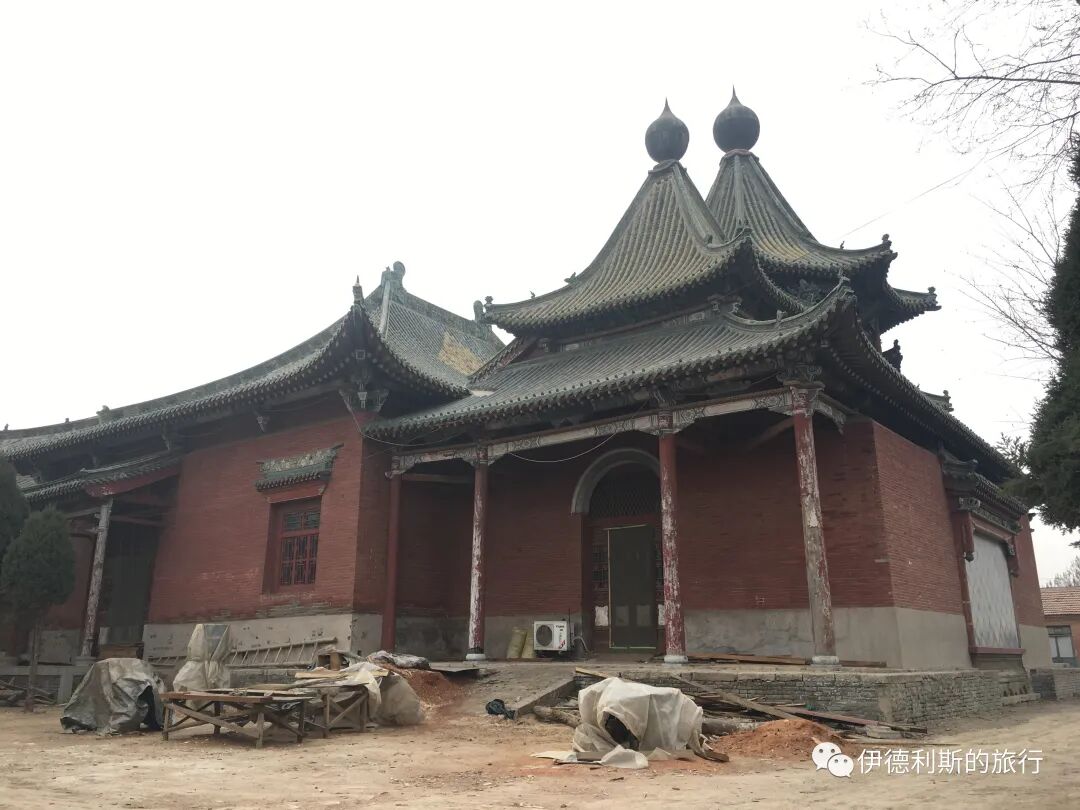
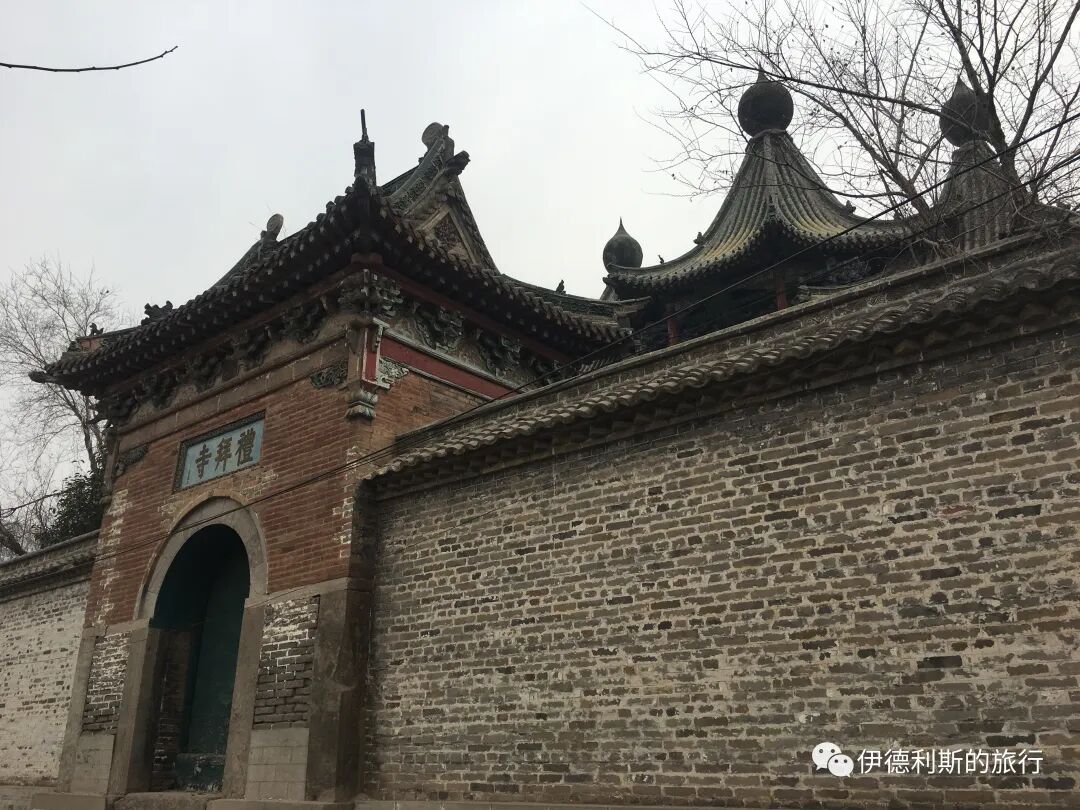
The East Mosque (Qingzhen Dongsi) in Linqing was first built in 1465 (the first year of the Chenghua reign of the Ming Dynasty). It closed for major renovations in 2013, so I only saw the exterior this time.
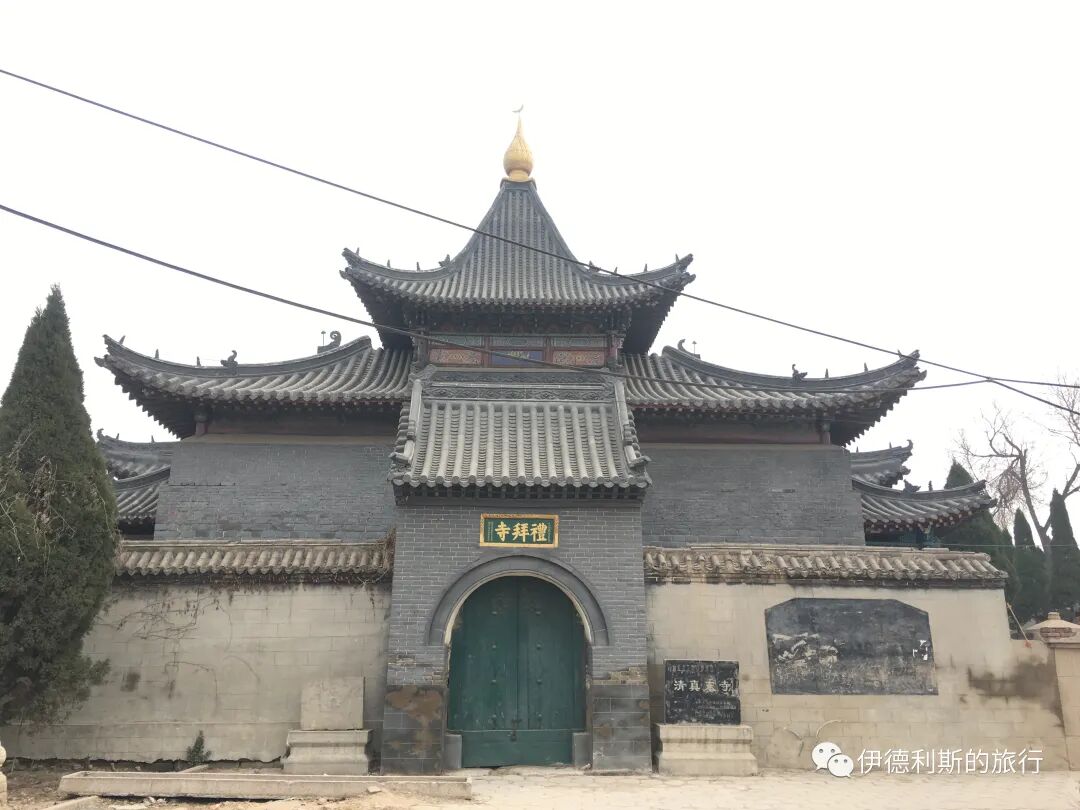
Women's Mosque (Qingzhen Nüsi)
The Women's Mosque (Qingzhen Nüsi) in Linqing was founded during the Republic of China era. It became a wholesale market warehouse after the 1980s and was rebuilt in 2010.
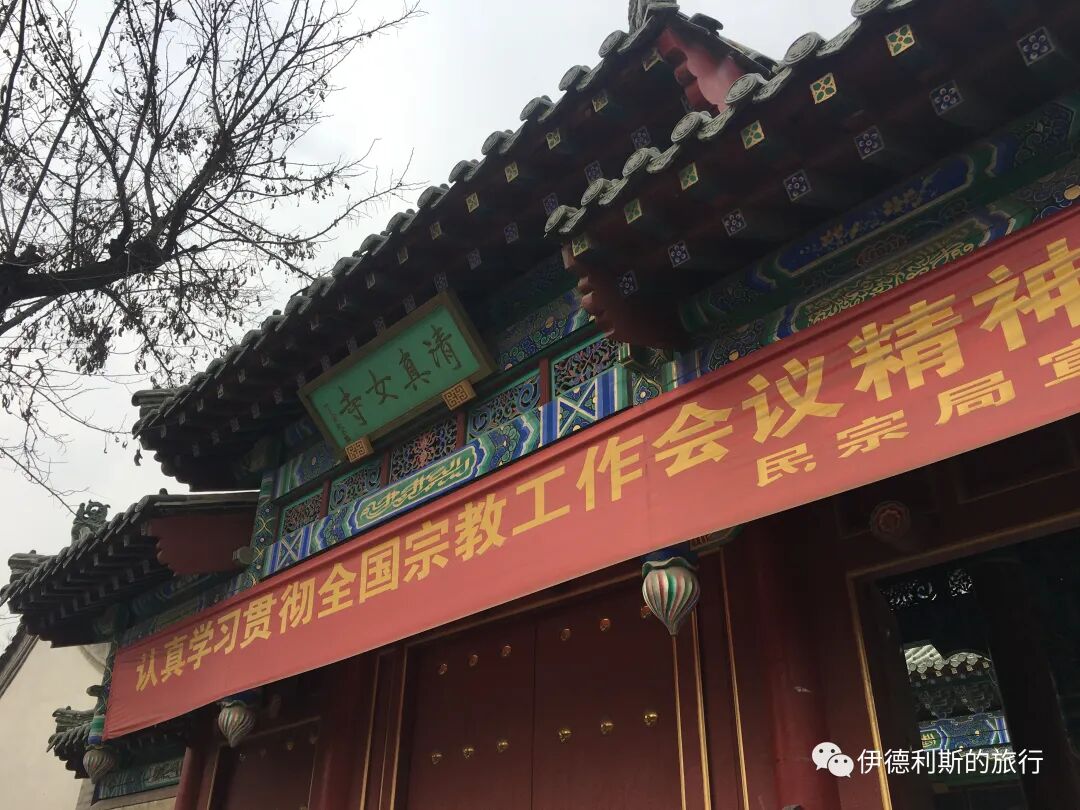
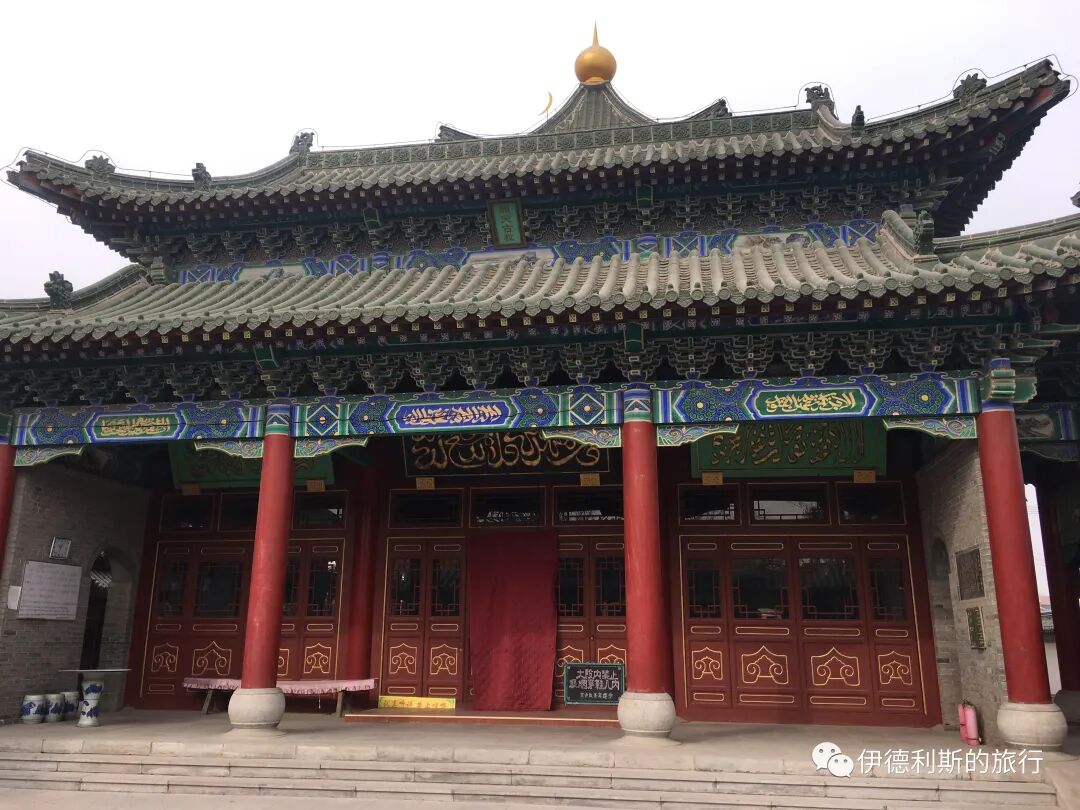
The Linqing section of the Grand Canal.
There are three sections of the Grand Canal in Linqing, created during the Sui, Yuan, and Ming dynasties respectively.
In 608 (the fourth year of the Daye reign of the Sui Dynasty), Emperor Yang of Sui opened the Yongji Canal. This marked the beginning of the Linqing section of the Grand Canal. After the Five Dynasties period, the Yellow River flooded repeatedly, causing the Yongji Canal to silt up and the river course to shift eastward. This formed the later Imperial River (Yuhe), also known as the Wei River (Weihe).
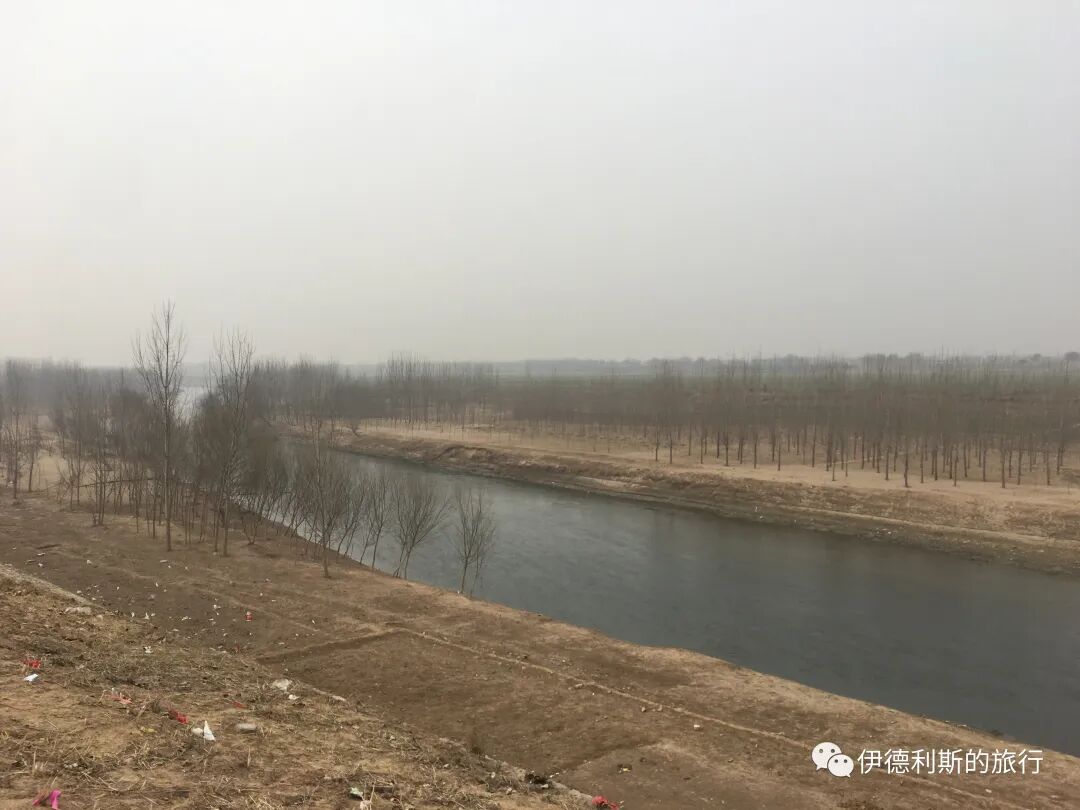
In 1289 (the 26th year of the Zhiyuan reign of the Yuan Dynasty), Kublai Khan ordered the construction of the Huitong Canal from Xucheng in Shandong to Linqing to connect the northern and southern parts of the Grand Canal. Because its water source came from the Wen River, this section was also called the Wen River (Wenshui).
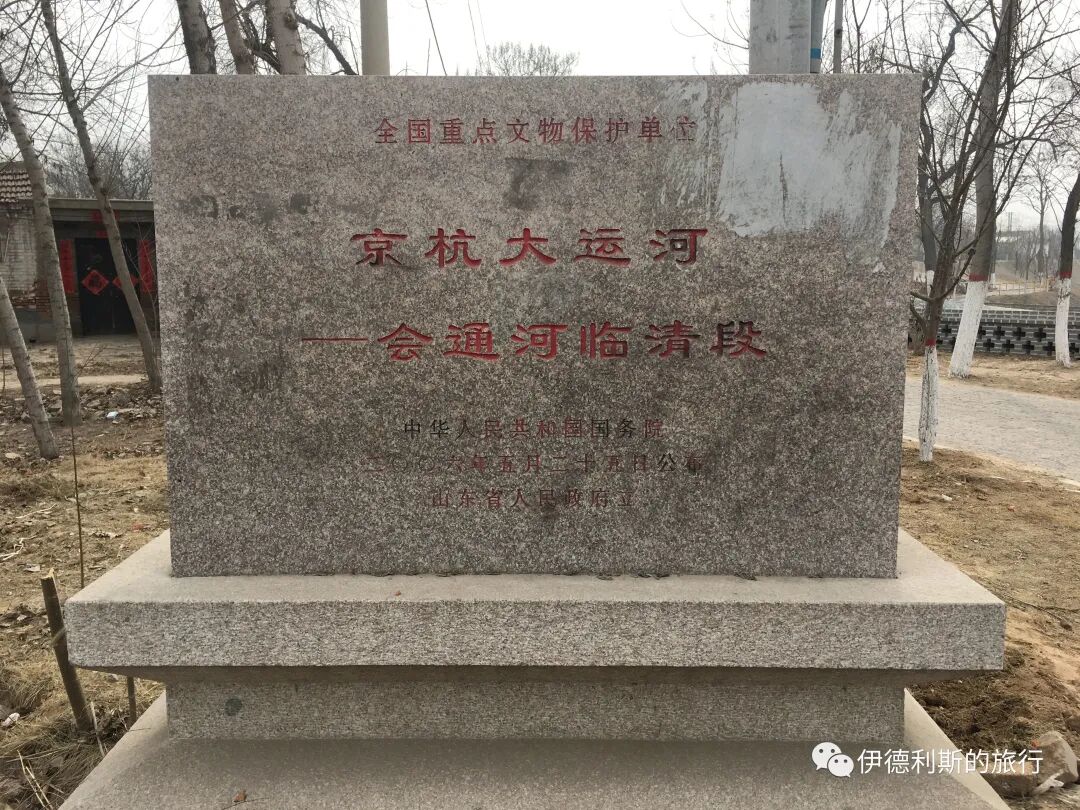
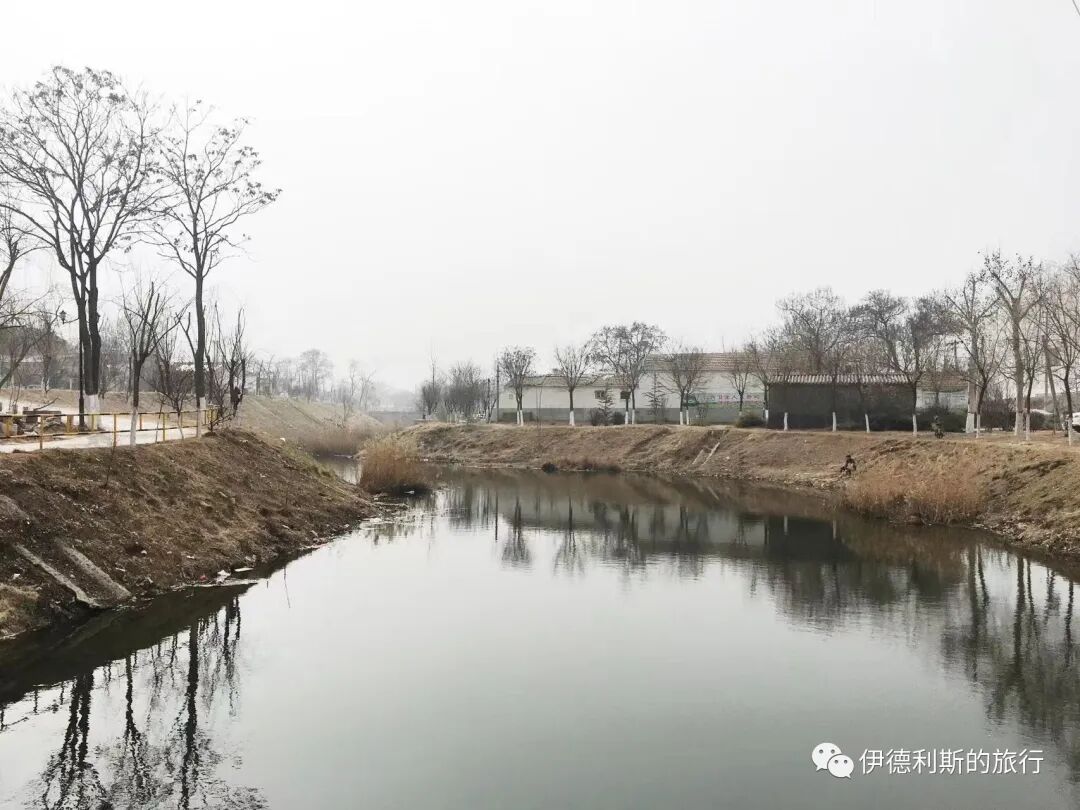
In 1391 (the 24th year of the Hongwu reign of the Ming Dynasty), the Yellow River breached its banks at Yuanwu in Henan, destroying a large part of the Huitong Canal. In 1417 (the 15th year of the Yongle reign), the Earl of Pingjiang, Chen Xuan, excavated the new southern branch of the river in Linqing. From then on, the Yuan Dynasty Huitong Canal was called the old northern branch.
The new southern branch of the Ming Dynasty.
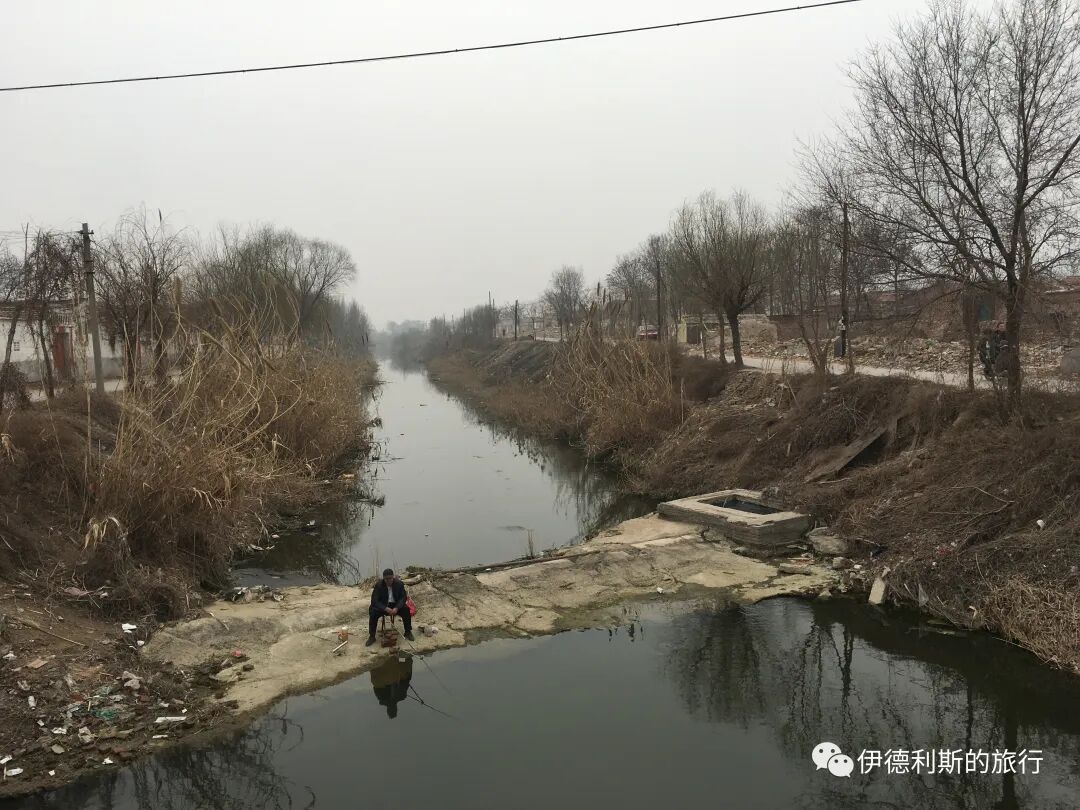
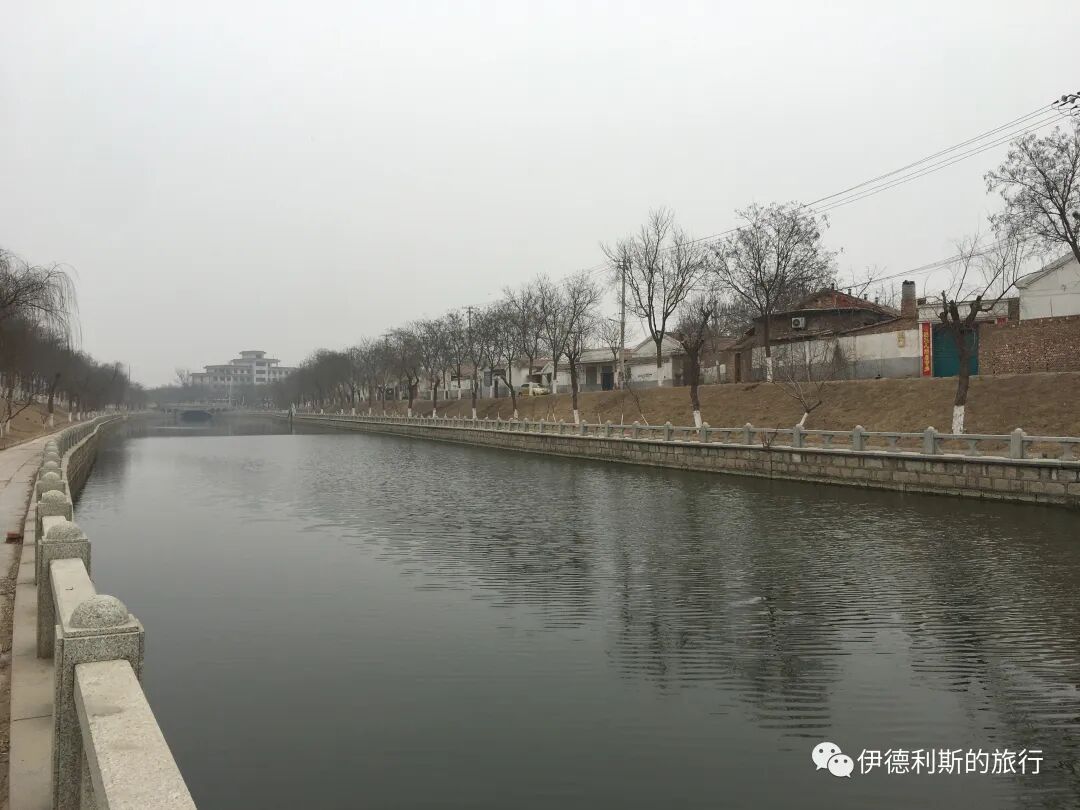
Using Aotouji as the meeting point for the Yuan and Ming canals, the old Yuan canal had the Linqing Lock and Huitong Lock, while the new Ming canal had the Ban Lock and Zhuan Lock. During the Ming and Qing dynasties, the Sky Bridge (Tianqiao) and Yuejing Bridge were built over the old Yuan canal. Together with the canal tax office, these formed the site cluster for water transport in Linqing.
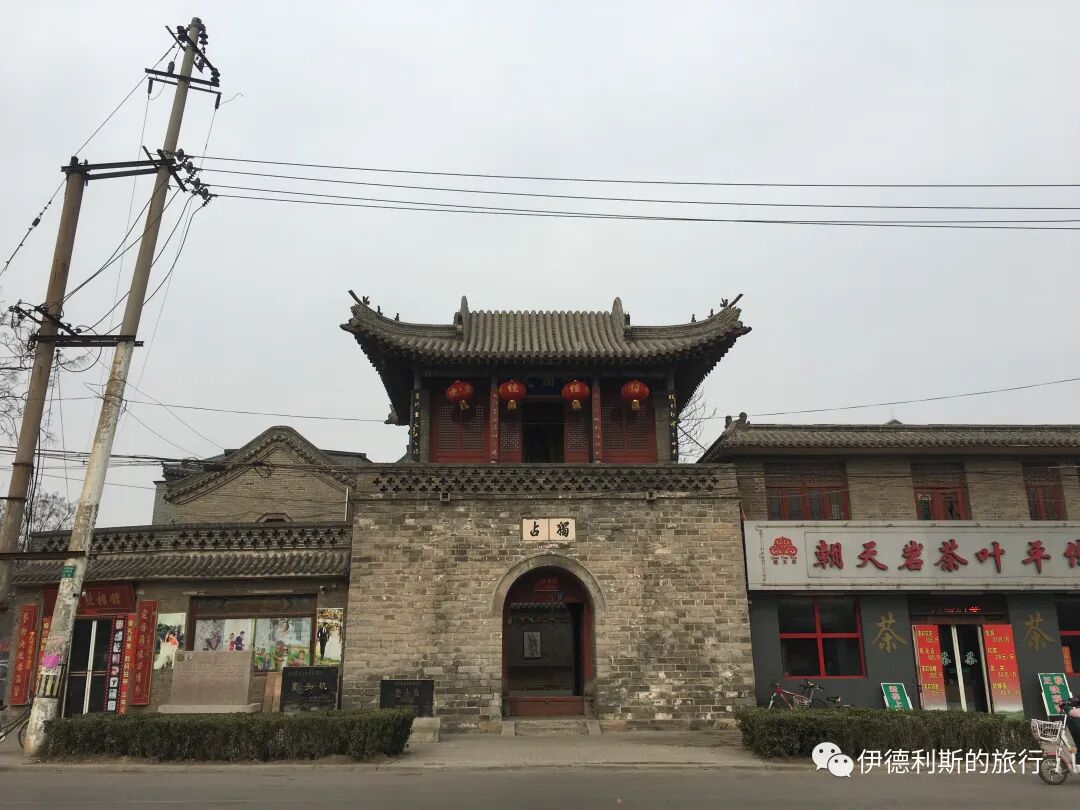
Aotouji.
Aotouji is a stone promontory that juts out of the water where the old Yuan Dynasty Huitong Canal and the new Ming Dynasty canal meet. It bears the inscription "Du Zhan" (Sole Occupancy) by Ma Lun, a Ming Dynasty magistrate of Linqing.
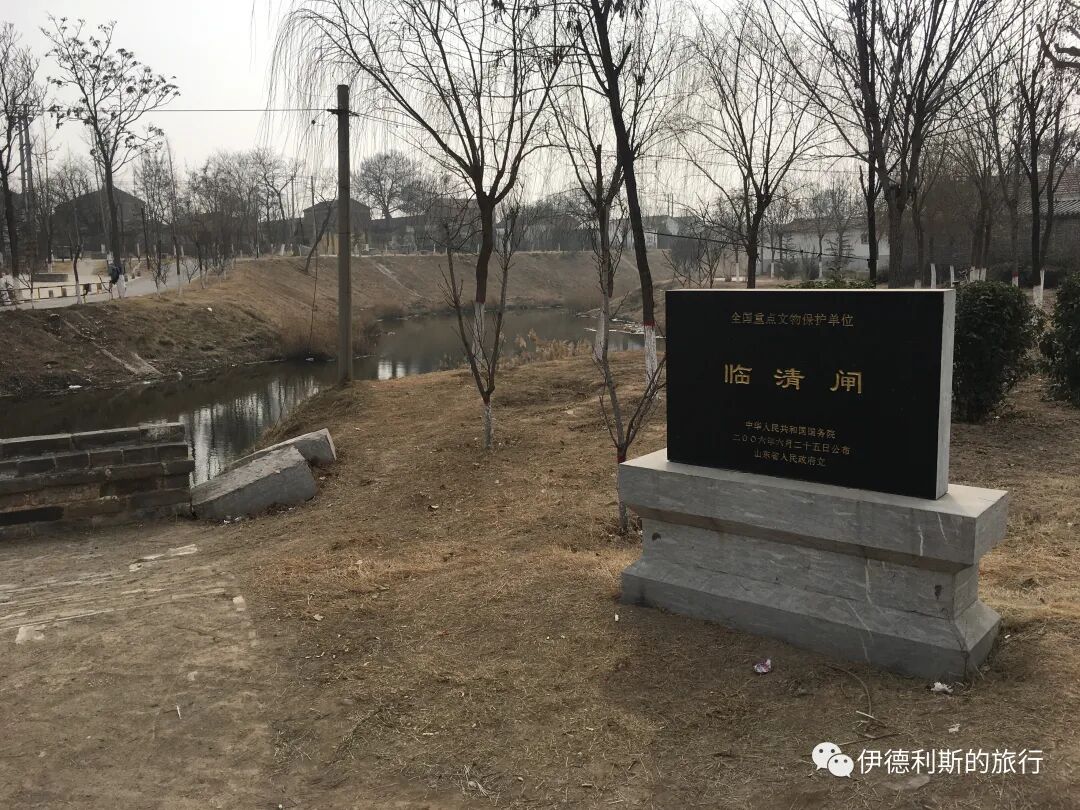
Linqing Lock.
The Linqing Lock was the first ship lock where the Yuan Dynasty Huitong Canal flowed into the Wei River, built in 1296 (the second year of the Yuanzhen reign of the Yuan Dynasty). After the new southern branch was built in 1417 (the 15th year of the Yongle reign of the Ming Dynasty), the Linqing Lock was converted into a bridge by using its piers to support an arch. It was named Wenjin Bridge during repairs in the Chongzhen reign.
Chapter 81 of "The Golden Lotus" (Jin Ping Mei) writes: "Han Daoguo returned from Jiangnan with goods. One day, he arrived at the Linqing Lock and was standing on the bow of the boat when he suddenly saw his neighbor, the Fourth Young Master Yan, coming from upstream on a boat to meet an official in Linqing."
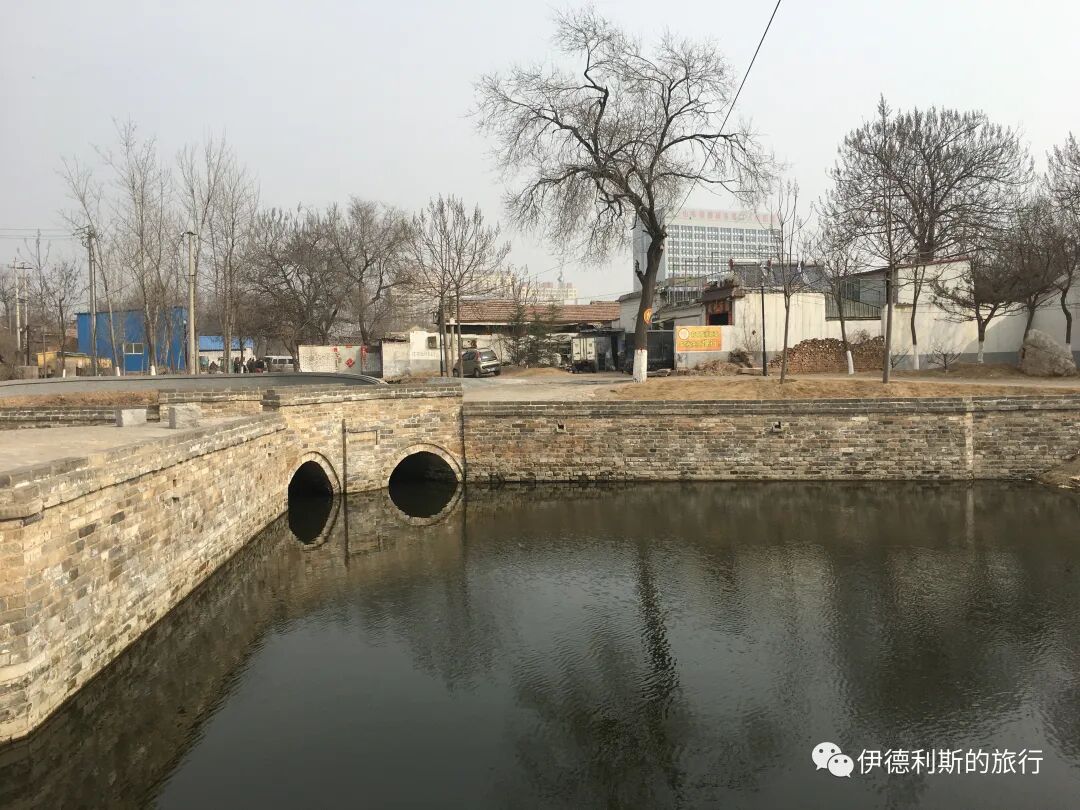
Huitong Lock.
The Huitong Lock was built in 1293 (the 30th year of the Zhiyuan reign of the Yuan Dynasty). It operated in conjunction with the Linqing Lock and was an important water conservancy project on the Yuan Dynasty Huitong Canal. After the new southern branch of the Ming Dynasty was built in 1417 (the 15th year of the Yongle reign), the Huitong Lock was converted into the Huitong Bridge.
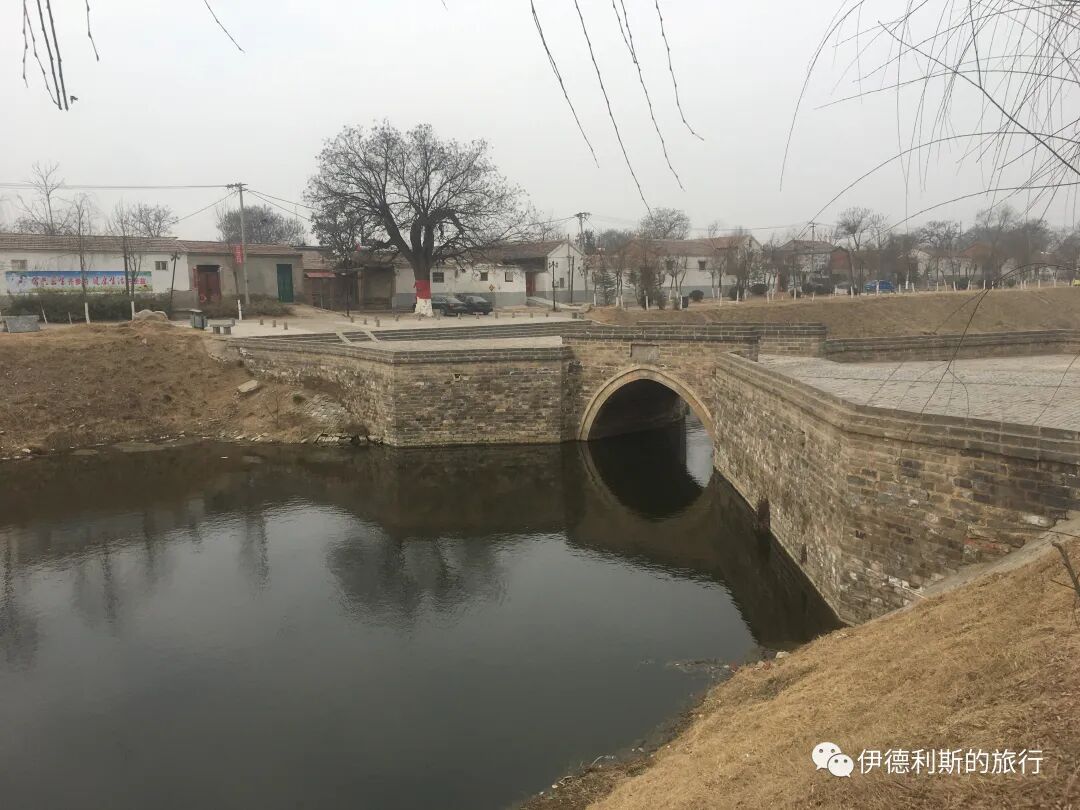
Sky Bridge (Tianqiao).
Historically known as the Yongji Bridge, the Sky Bridge was built in 1485 (the 20th year of the Chenghua reign of the Ming Dynasty). It was rebuilt during the Jiajing reign, and a new Sky Bridge was built next to it in 1958. The bridge base and bridge wings of the old Tianqiao still remain today.
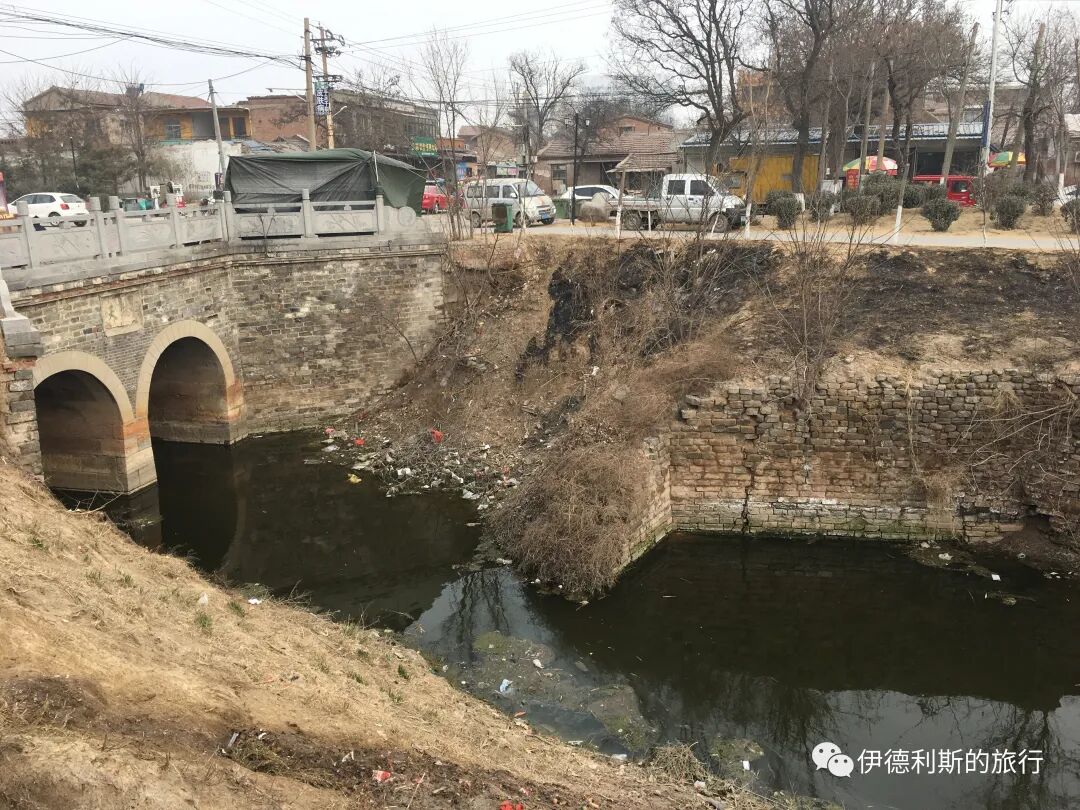
Yuejing Bridge
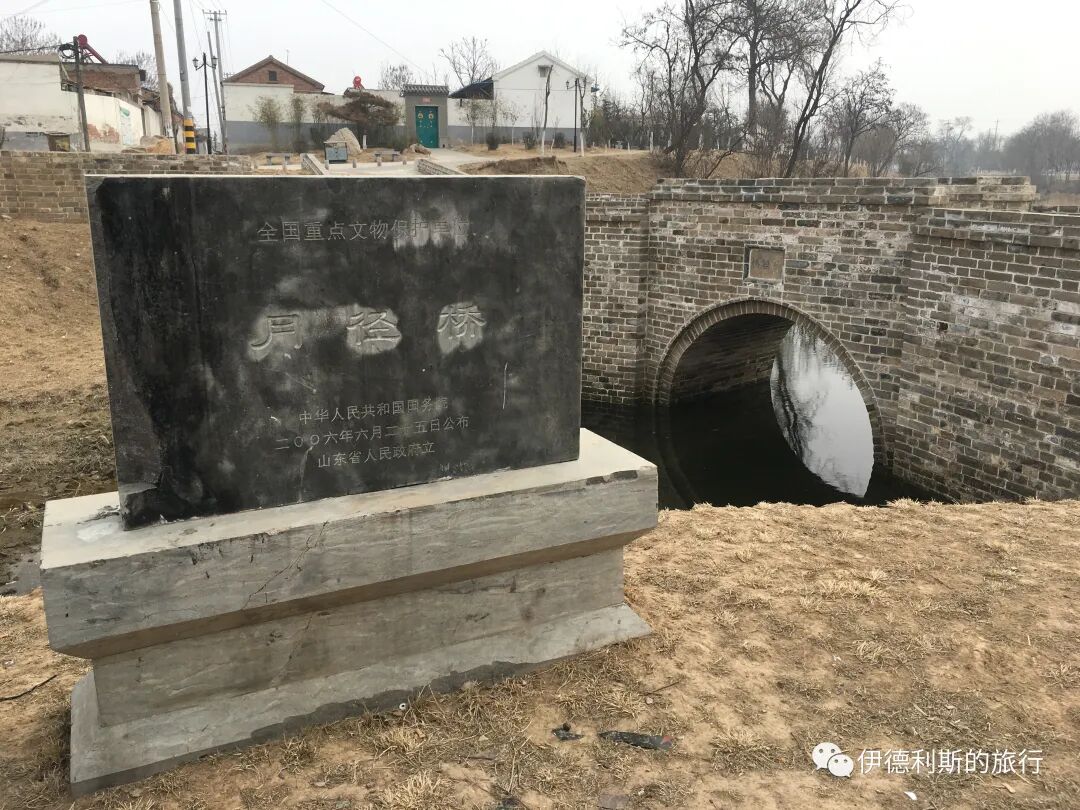
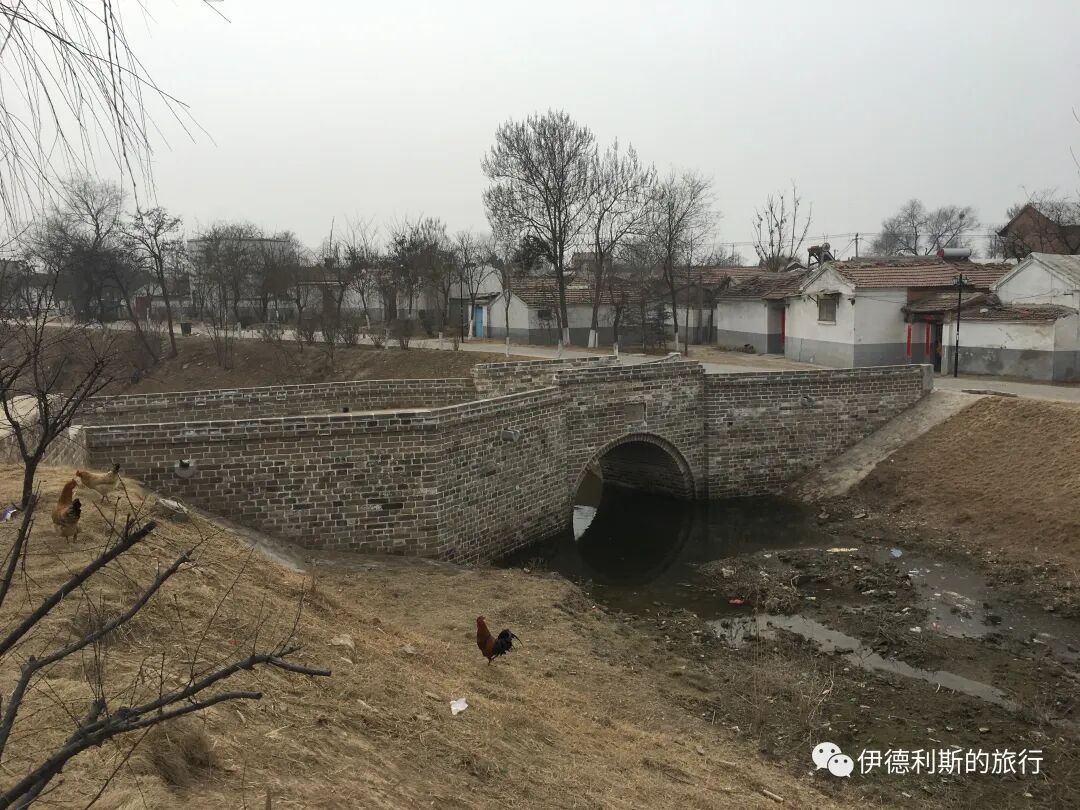
In 1652 (the ninth year of the Shunzhi reign), a merchant named Shao Yishu donated money to build Yuejing Bridge between Wenjin Bridge and Huitong Bridge, which is commonly known as Pigeon Bridge.
Brick Sluice (Zhuanzha)
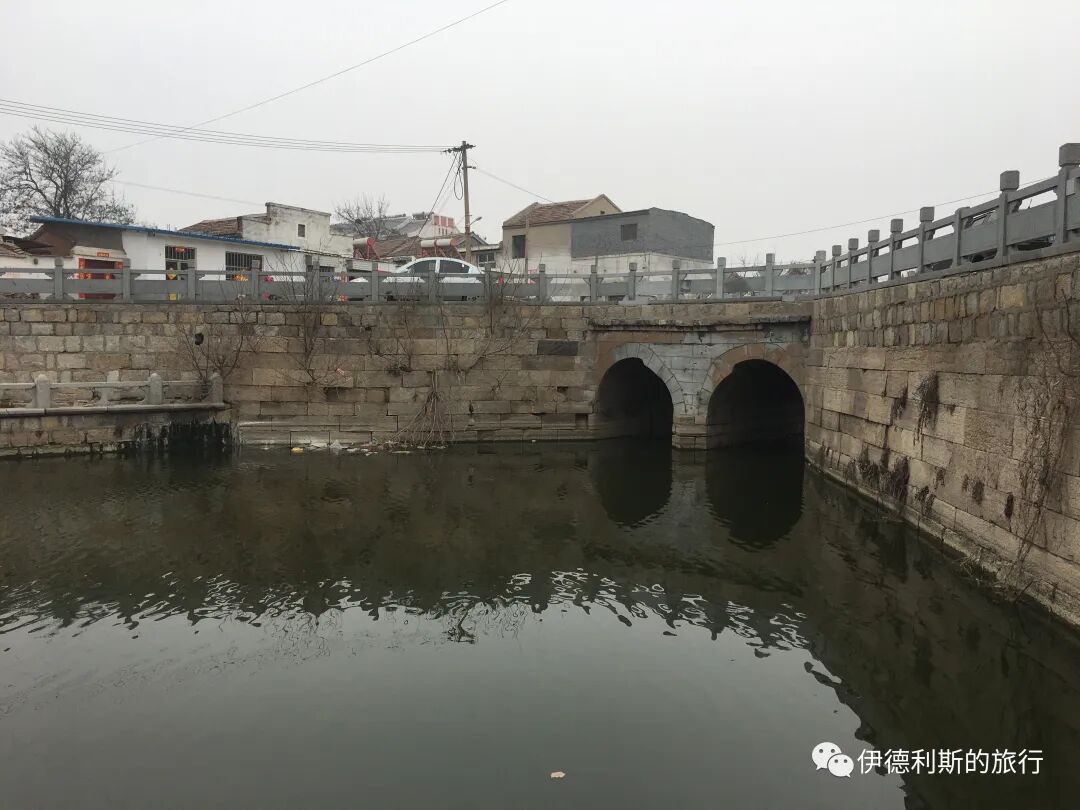
The Brick Sluice was located on the southern branch of the New River. It was first built in 1417 (the fifteenth year of the Yongle reign of the Ming Dynasty) and is also known as the New Open Sluice, or commonly as the Second Sluice. It was rebuilt in 1513 (the eighth year of the Zhengde reign of the Ming Dynasty), when the brick sluice was changed to a stone weir. It connected with the South Board Sluice (First Sluice), where the southern branch of the New River flows into the Wei River. By opening and closing in sequence, they formed two ship locks on the canal, serving as the control hub and vital passage for canal boats. After the Ministry of Works Water Division was abolished in 1526 (the fifth year of the Jiajing reign of the Ming Dynasty), the Brick Sluice began collecting two types of taxes called 'short-load' and 'paper price.' This was known as the Ministry of Works Customs. It collected taxes here for 210 years until it was merged into the Ministry of Revenue Customs in 1736 (the first year of the Qianlong reign).
Linqing Customs (Linqing Chaoguan)
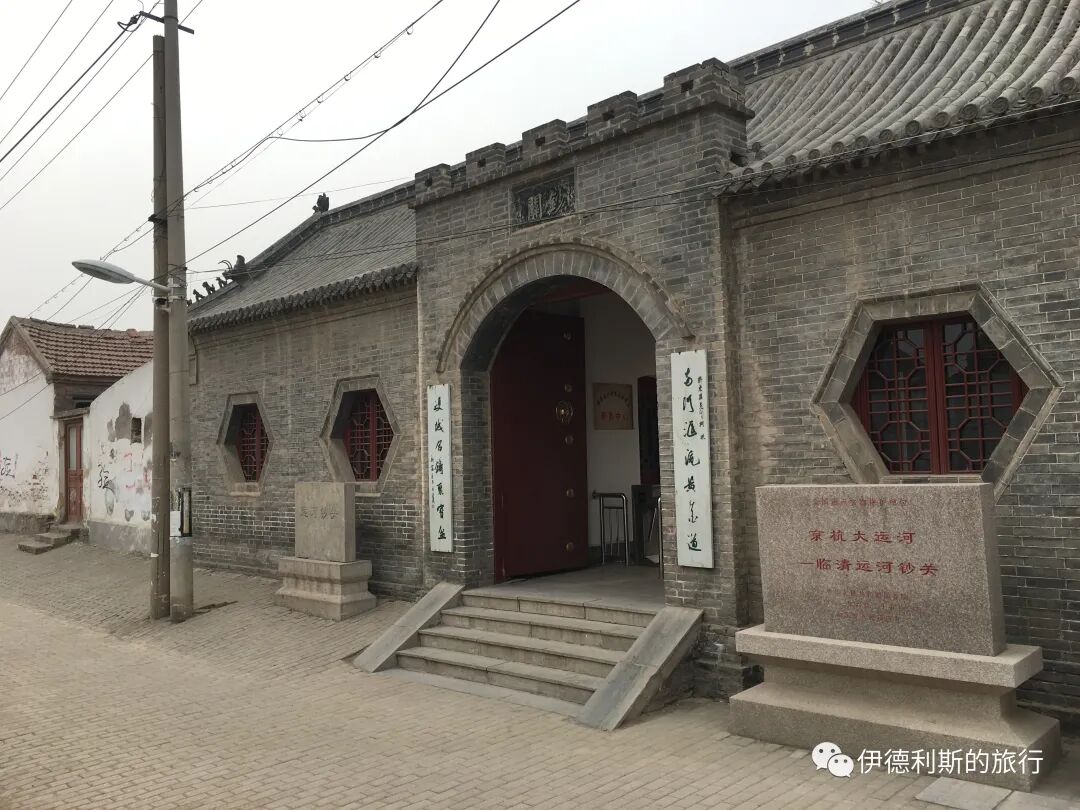
The Linqing Canal Customs was an agency under the Ministry of Revenue specifically for taxing merchant ships on the canal. The Linqing Customs was the first canal customs office to be established and the last to be closed. It was set up in 1429 (the fourth year of the Xuande reign of the Ming Dynasty) and operated for nearly 500 years.
In 1597 (the twenty-fifth year of the Wanli reign of the Ming Dynasty), it collected over 117,000 taels of silver in taxes, which accounted for one-quarter of all tax silver from canal customs. In contrast, the total tax revenue for Shandong Province in 1578 (the sixth year of the Wanli reign) was only about 8,800 taels, which was less than one-tenth of what the Linqing Customs collected.
Summary: This China Muslim travel tips article keeps the original 2017 Linqing route and details intact. It also helps readers looking for Muslim travel guide China 2026, halal food in China, Chinese Muslim food, and canal-side mosque heritage in Shandong.
On February 18, 2017, I went to Linqing, Shandong, to explore and eat.
Linqing Hui Muslims
After the Yuan Dynasty established its capital in Dadu, it relied on supplies from the south. However, shipping grain from the Jiangnan region by sea was often dangerous. In 1289 (the 26th year of the Zhiyuan era), Kublai Khan ordered the construction of the Huitong River from Xucheng, Shandong, to Linqing to connect the northern and southern sections of the Grand Canal. Linqing, where the Huitong River met the existing Yongji Canal of the Sui and Tang Grand Canal, suddenly became a canal hub and the backbone and throat of the Grand Canal. It was from this time that Hui Muslims began to move to Linqing one after another.
In 1373 (the 6th year of the Hongwu era of the Ming Dynasty), the Linqing granary was established. In 1450 (the 1st year of the Jingtai era), a brick city was built on the north bank of the Huitong River, based on the Guangji Granary. At that time, in the southwest of Linqing city, an area called Zhongzhou, surrounded by two tributaries of the Wei and Wen rivers, was the most prosperous commercial district in Linqing. Zhongzhou was traversed from north to south by a long street, divided into Pot Market Street (Guoshi Jie), Blue Bowl Market Street (Qingwanshi Jie), and Horse Market Street (Mashi Jie). This was also the area where Hui Muslims in Linqing were most concentrated.
In 1542 (the 21st year of the Jiajing era of the Ming Dynasty), the earthen city of Linqing was expanded to five times its original size, and Zhongzhou was incorporated into the city of Linqing.
Halal food
A wonderful trip starts with food. In the morning, I had lamb offal soup (yangza tang) at Qian's Lamb Soup north of Aotouji in Linqing. A small bowl there is as big as a large bowl in Beijing. The lamb soup was delicious and packed with ingredients. It was fun to hear the sizzling sound when pouring chili oil over the soup; the chili wasn't spicy but very fragrant. This was also my first time having lamb offal soup that included lamb brain.
At Baoliang's First Pancake-Wrapped Meat (Baoliang Diyi Jia Bingjuanrou), I ordered braised butterfly fish head and pancake-wrapped meat (bingjuanrou). Honestly, their braised dishes completely beat every halal restaurant in Beijing. Both Teacher Hua and I were shocked, and we continued to be disappointed with Beijing food. The pancake-wrapped meat was 15 yuan per piece, and the portion was huge—so satisfying!
Food cooked over a firewood fire is just more fragrant.
In the evening, I had the three-delicacy potstickers (sanxian guotie) at the first restaurant I visited in Linqing, and they were amazing! I can say it is the best Shandong restaurant I have ever eaten at. It completely beats the Beijing-Shandong dishes I often eat in Beijing. The portions are huge—one dish is equal to three in Beijing—and it is very cheap. The iron-plate tofu (tieban doufu) was incredible. The Japanese-style tofu was filled with sea cucumber and shrimp, served over a layer of fried eggs. The sesame lamb (zhima yangrou) was so good it made me want to cry. I have been looking for this way of cooking it in Beijing for a long time. A steamer of 30 beef and fennel potstickers (niurou huixiang guotie) was packed with filling. After eating, I didn't even want to go back to Beijing.
Mosque
The North Mosque (Qingzhen Beisi) in Linqing is one of the grandest in Shandong, rivaling the East Mosque in Jining. It was first built during the Hongzhi reign of the Ming Dynasty and underwent three major renovations in 1564 (the 43rd year of the Jiajing reign), 1779 (the 44th year of the Qianlong reign), and 1809 (the 14th year of the Jiaqing reign). It was undergoing repairs when I visited.
The cover of the book "Mosques of Shandong" (Shandong Qingzhensi).
The East Mosque (Qingzhen Dongsi) in Linqing was first built in 1465 (the first year of the Chenghua reign of the Ming Dynasty). It closed for major renovations in 2013, so I only saw the exterior this time.
Women's Mosque (Qingzhen Nüsi)
The Women's Mosque (Qingzhen Nüsi) in Linqing was founded during the Republic of China era. It became a wholesale market warehouse after the 1980s and was rebuilt in 2010.
The Linqing section of the Grand Canal.
There are three sections of the Grand Canal in Linqing, created during the Sui, Yuan, and Ming dynasties respectively.
In 608 (the fourth year of the Daye reign of the Sui Dynasty), Emperor Yang of Sui opened the Yongji Canal. This marked the beginning of the Linqing section of the Grand Canal. After the Five Dynasties period, the Yellow River flooded repeatedly, causing the Yongji Canal to silt up and the river course to shift eastward. This formed the later Imperial River (Yuhe), also known as the Wei River (Weihe).
In 1289 (the 26th year of the Zhiyuan reign of the Yuan Dynasty), Kublai Khan ordered the construction of the Huitong Canal from Xucheng in Shandong to Linqing to connect the northern and southern parts of the Grand Canal. Because its water source came from the Wen River, this section was also called the Wen River (Wenshui).
In 1391 (the 24th year of the Hongwu reign of the Ming Dynasty), the Yellow River breached its banks at Yuanwu in Henan, destroying a large part of the Huitong Canal. In 1417 (the 15th year of the Yongle reign), the Earl of Pingjiang, Chen Xuan, excavated the new southern branch of the river in Linqing. From then on, the Yuan Dynasty Huitong Canal was called the old northern branch.
The new southern branch of the Ming Dynasty.
Using Aotouji as the meeting point for the Yuan and Ming canals, the old Yuan canal had the Linqing Lock and Huitong Lock, while the new Ming canal had the Ban Lock and Zhuan Lock. During the Ming and Qing dynasties, the Sky Bridge (Tianqiao) and Yuejing Bridge were built over the old Yuan canal. Together with the canal tax office, these formed the site cluster for water transport in Linqing.
Aotouji.
Aotouji is a stone promontory that juts out of the water where the old Yuan Dynasty Huitong Canal and the new Ming Dynasty canal meet. It bears the inscription "Du Zhan" (Sole Occupancy) by Ma Lun, a Ming Dynasty magistrate of Linqing.
Linqing Lock.
The Linqing Lock was the first ship lock where the Yuan Dynasty Huitong Canal flowed into the Wei River, built in 1296 (the second year of the Yuanzhen reign of the Yuan Dynasty). After the new southern branch was built in 1417 (the 15th year of the Yongle reign of the Ming Dynasty), the Linqing Lock was converted into a bridge by using its piers to support an arch. It was named Wenjin Bridge during repairs in the Chongzhen reign.
Chapter 81 of "The Golden Lotus" (Jin Ping Mei) writes: "Han Daoguo returned from Jiangnan with goods. One day, he arrived at the Linqing Lock and was standing on the bow of the boat when he suddenly saw his neighbor, the Fourth Young Master Yan, coming from upstream on a boat to meet an official in Linqing."
Huitong Lock.
The Huitong Lock was built in 1293 (the 30th year of the Zhiyuan reign of the Yuan Dynasty). It operated in conjunction with the Linqing Lock and was an important water conservancy project on the Yuan Dynasty Huitong Canal. After the new southern branch of the Ming Dynasty was built in 1417 (the 15th year of the Yongle reign), the Huitong Lock was converted into the Huitong Bridge.
Sky Bridge (Tianqiao).
Historically known as the Yongji Bridge, the Sky Bridge was built in 1485 (the 20th year of the Chenghua reign of the Ming Dynasty). It was rebuilt during the Jiajing reign, and a new Sky Bridge was built next to it in 1958. The bridge base and bridge wings of the old Tianqiao still remain today.
Yuejing Bridge
In 1652 (the ninth year of the Shunzhi reign), a merchant named Shao Yishu donated money to build Yuejing Bridge between Wenjin Bridge and Huitong Bridge, which is commonly known as Pigeon Bridge.
Brick Sluice (Zhuanzha)
The Brick Sluice was located on the southern branch of the New River. It was first built in 1417 (the fifteenth year of the Yongle reign of the Ming Dynasty) and is also known as the New Open Sluice, or commonly as the Second Sluice. It was rebuilt in 1513 (the eighth year of the Zhengde reign of the Ming Dynasty), when the brick sluice was changed to a stone weir. It connected with the South Board Sluice (First Sluice), where the southern branch of the New River flows into the Wei River. By opening and closing in sequence, they formed two ship locks on the canal, serving as the control hub and vital passage for canal boats. After the Ministry of Works Water Division was abolished in 1526 (the fifth year of the Jiajing reign of the Ming Dynasty), the Brick Sluice began collecting two types of taxes called 'short-load' and 'paper price.' This was known as the Ministry of Works Customs. It collected taxes here for 210 years until it was merged into the Ministry of Revenue Customs in 1736 (the first year of the Qianlong reign).
Linqing Customs (Linqing Chaoguan)
The Linqing Canal Customs was an agency under the Ministry of Revenue specifically for taxing merchant ships on the canal. The Linqing Customs was the first canal customs office to be established and the last to be closed. It was set up in 1429 (the fourth year of the Xuande reign of the Ming Dynasty) and operated for nearly 500 years.
In 1597 (the twenty-fifth year of the Wanli reign of the Ming Dynasty), it collected over 117,000 taels of silver in taxes, which accounted for one-quarter of all tax silver from canal customs. In contrast, the total tax revenue for Shandong Province in 1578 (the sixth year of the Wanli reign) was only about 8,800 taels, which was less than one-tenth of what the Linqing Customs collected.
Muslim Friendly Travel Shandong Dezhou: Old Mosques, Hui Food and Canal City Heritage
Articles • yusuf908 posted the article • 0 comments • 217 views • 2026-05-23 23:15
Reposted from the web
Summary: This Muslim friendly China travel article keeps the original 2016 Dezhou notes intact while improving the English flow. It is useful for readers researching halal food in China, Chinese Muslim food, Muslim tourist in China experience, and old mosque heritage in Shandong.
On December 17, 2016, I left Beijing South Railway Station on the Beijing-Shanghai high-speed train. I arrived in Dezhou in one hour and twenty minutes and started my one-day trip there.
The first thing I wanted to see in Dezhou was the Tomb of the Sultan of Sulu. The information in this article about the Tomb of the Sultan of Sulu and Beiying Village comes partly from the books The Sultan of Sulu and His Descendants and The Sultan of Sulu in China.
Sulu Kingdom
The Sulu Archipelago is in the far southwest of the Philippines, right next to the easternmost part of Malaysia.
The Moro people live on the Sulu Archipelago. The term Moro has been used by Spaniards to describe Muslims since the 15th century. Before the 15th century, when Spain reconquered Andalusia, they called the Muslims there Moros.
In the Middle Ages, as maritime trade grew in the Indian Ocean, the faith spread along the Maritime Silk Road into Southeast Asia. Between the 14th and 16th centuries, the faith centered in Malacca, passed through Sumatra and Java, went north through Borneo, and reached the Sulu Archipelago in the southwest Philippines.
Around 1380, the famous Arab judge and religious scholar Makhdum Karim arrived at Simunul Island in the far southwest of the Sulu Archipelago with an Arab caravan and built the first mosque in the Philippines there. On November 7, 1407, Sharif ul-Hashim, a descendant of the Prophet born in Johor, Malaysia, led an army to occupy the Sulu Archipelago. He married a local princess and established the Sulu Kingdom.
Between 1405 (the third year of the Yongle reign) and 1417 (the fifteenth year of the Yongle reign), the Ming Emperor Chengzu, Zhu Di, sent Zheng He to visit the countries of the Philippine archipelago three times. In 1417, the chiefs of the Eastern and Western Sulu Kingdoms and the wife of the chief of the Dong Kingdom led a delegation of over 340 people to visit the Ming Dynasty. In July, they arrived at Quanzhou Port. They then traveled north along the coastline, entered the Yangtze River at Wusongkou, and reached Longjiang Station in Yingtian Prefecture (Nanjing). After resting at Longjiang Station, the Sulu delegation traveled north along the Grand Canal and reached Beijing in mid-August. Ming Emperor Chengzu, Zhu Di, held a grand meeting in the Fengtian Hall (later renamed the Hall of Supreme Harmony). He named the two chiefs the Eastern King and the Western King, and the wife of the Dong Kingdom chief the Dong Queen, with the Eastern King Paduka Batara as the most honored.
In September, the three rulers started their journey home, and Emperor Chengzu sent a special envoy to escort them. The delegation traveled south along the canal. When they passed Anling, north of Dezhou, the Eastern King suddenly fell ill and sadly passed away on September 13. When the news reached Beijing, Emperor Chengzu sent a minister from the Ministry of Rites to bury the Eastern King of Sulu with royal honors. The Tomb of the Eastern King of Sulu was built north of Dezhou city and finished in October 1418 (the sixteenth year of the Yongle reign).
The completed tomb faces south. From south to north, it includes a memorial archway (paifang), an imperial stele pavilion, ornamental columns (huabiao), stone statues, a ceremonial gate, the Ling'en Gate (hall gate), the Ling'en Hall (main hall), and the burial mound.
Today, the tomb still has its ornamental columns and five pairs of stone statues. In the autumn of 1917, the canal burst, causing great damage to the tomb. The stone statues were knocked over, and some were washed into the fields. The statues were not straightened and aligned until 1965, but they were pushed over again by the Red Guards in 1966. Luckily, Ma Jingui, a militia leader who had just retired from the army, led the village's young people to stand their ground in front of the tomb and the mosque. He made the Red Guards go to the Dezhou Municipal Committee to get a permit to destroy the Four Olds, which saved the tomb and the mosque.
The Tomb of the Sultan of Sulu in the early 1980s, from Selected Cultural Relics of Zheng He's Voyages.
The Tomb of the Sultan of Sulu in the early 1980s, from Selected Cultural Relics of Zheng He's Voyages.
The inscription of the imperial decree issued by the Yongle Emperor of the Ming Dynasty in 1418 to build a shrine in front of the Tomb of the Eastern King.
The main burial mound of the Eastern King's tomb.
The Tomb of the Sultan of Sulu in the early 1980s, from Selected Cultural Relics of Zheng He's Voyages.
The original tombstone is now kept in the exhibition hall of the west side hall.
Descendants of the Sultan of Sulu settle in Dezhou.
After the Eastern King of Sulu passed away, the Ming Dynasty arranged for his eldest son, Dumahan, to return home to inherit the throne. His second son Andulu, third son Wenhala, his wife Gemuning, and ten servants stayed behind to guard the tomb. This began the life of the Eastern King's descendants as residents in China.
The Ming Dynasty granted the descendants 238 mu of sacrificial land, exempting them from all land taxes. Each person received a monthly stipend of one shi of grain. The government also assigned three Hui Muslim families—the Xia, Ma, and Chen families from Licheng, Shandong—to farm the land and manage the annual memorial services, exempting them from all labor duties.
Later, the descendants of Andulu and Wenhala married into the Xia, Ma, and Chen families. Their descendants took the surnames An and Wen, gradually forming Beiying Village in Dezhou, which consists of the five families of An, Wen, Xia, Ma, and Chen next to the Sultan of Sulu's tomb.
After Andulu, Wenhala, and the wife Gemuning passed away, they were buried to the southeast of the Eastern King.
The Tomb of the Sultan of Sulu in the early 1980s, from Selected Cultural Relics of Zheng He's Voyages.
Andulu was actually the second son, but because the Wen family later produced a prefect named Wen Xianyu, oral tradition gradually shifted the Wen family to be the second son and the An family to be the third.
Division Commander An Shude.
Among the descendants of the An family, the most famous in modern times is Division Commander An Shude. An Shude was the 15th-generation grandson of the Sultan of Sulu. He began following Feng Yuxiang in 1913 and led his troops into the Forbidden City to help expel Puyi during the 1924 Beijing Coup.
In 1928, An Shude was promoted to commander of the 18th Division and served as the garrison commander of Longdong. After the uprising of the young commander Ma Zhongying, An Shude served as the commander-in-chief for the suppression of Ma Zhongying in Qinghai and captured Xining.
After moving into Xining, An Shude placed great importance on Hui Muslim education. He served as the president of the Qinghai Hui Muslim Education Promotion Association and opened the first primary school for Hui Muslim girls in Qinghai.
After the Central Plains War in 1930, An Shude retired from military life to start businesses and renovate the Sultan of Sulu's tomb and the mosque. He passed away in 1950.
On December 3, 1995, the descendant of the eldest son Dumahan and heir to the Sultanate of Sulu, Ismael Kiram, visited the tomb. This was the first meeting between the descendants of the eldest son and the descendants of the second and third sons in hundreds of years.
Beiying Village.
During the Wanli period of the Ming Dynasty, the descendants of the Sultan of Sulu built a mosque southwest of the tomb. The Ming Dynasty issued an imperial decree to select one religious leader from the Wen and An families to inherit the lineage and manage the Hui Muslim community. In 1917, the canal burst, and the mosque and the entire Beiying Village were washed away. It was not rebuilt until 1940, which is the building we see today. According to the old imam, the pavilions at the four corners of the mosque were actually used as watchtowers.
After the 1960s, a factory took over the mosque. It was not until June 1980, when the Philippine ambassador to China visited the Tomb of the Sultan of Sulu, that the factory was moved out and the main hall was repaired.
The descendants of the Sultan of Sulu were still considered foreign residents during the Ming Dynasty and the early Qing Dynasty, as they lived under the protection of the Sultan and received imperial favors throughout both dynasties. In 1730, the eighth year of the Yongzheng reign, the Sultan of Sulu, Sultan Badaruddin, who was a descendant of the Sultan of Sulu's eldest son, Dumatuh, paid a visit. He first went to the Tomb of the Sultan of Sulu in Dezhou to pay his respects and met the Sultan's descendants, An Ruqi and Wen Chongkai, who asked him to help them become Chinese citizens. Sultan Badaruddin also felt that since they were separated by vast oceans, it would be difficult for them to return, so he petitioned the imperial court to allow them to join China.
In 1731, the ninth year of the Yongzheng reign, the Qing government agreed to let the descendants of the Sultan of Sulu become citizens of Dezhou and officially assigned them the surnames Wen and An. As a result, 193 people, including An Ruqi and Wen Chongkai, were registered as commoners and finally became Chinese citizens.
After becoming citizens, the descendants of the Sultan of Sulu began opening halal snack shops in busy areas of Dezhou like Beichang Street, Shuncheng Street, Xiguan, Qiaokou Street, Xuanhuajiao, and the Rice Market. They usually rented a whole or half storefront, built a stove, and the husband and wife or father and son would make pan-fried flatbread (guobing), sesame flatbread (shaobing), roasted beef, and roasted lamb. They hung a wooden sign with a soup pot symbol in front of the shop, with Arabic script written horizontally and the Chinese characters for Western Regions Hui Muslims and Halal Faith written on it. Today, in the southwest of Beiying Village, there is a braised chicken (paji) shop run by descendants of the An family. We bought braised chicken, chicken gizzards, and chicken livers, and they were especially delicious.
Before the Republic of China era, the life of the villagers in Beiying Village was quite simple: they received regular imperial grants, farmed the sacrificial land, and visited the tomb. Because they were exempt from taxes and labor service, the villagers of Beiying Village lived a peaceful and quiet life like a paradise.
In the first year of the Republic of China, the Tomb of the Sultan of Sulu held its last official memorial ceremony. According to the elders, the magistrate of De County arrived that year in a large sedan chair carried by four men, accompanied by flags, umbrellas, fans, gongs, and long horns. The procession walked in order to the Tomb of the Sultan of Sulu, where they set up a temporary shed and an altar table, with dozens of soldiers guarding the area.
After this, the government took back the 2 qing and 38 mu of sacrificial land and stopped the regular grants, ending the paradise-like life of Beiying Village.
Soon after, Dezhou suffered from the 1917 canal flood. The entire Beiying Village was severely damaged, leaving only nine houses standing. Many villagers survived only because they climbed onto the dome of the Tomb of the Sultan of Sulu to avoid being swept away by the water. After that, the villagers of Beiying Village began to move away one after another, and many girls married Hui Muslims from neighboring counties.
In 1955, the De County government bought the houses of the Beiying villagers at a set price under the name of ethnic minorities returning to their ancestral homes and forced them to move to the rural areas in the suburbs of Xining, Qinghai. The villagers of Beiying packed their bags and left their homes with their families. At that time, the train only went as far as Lanzhou, so they traveled in batches by car, horse-drawn carriage, and on foot to meet in Xining, where they were assigned to work in a commune in the eastern suburbs of Xining.
After the Beiying villagers arrived in Qinghai, some elders passed away because they could not adapt to the local environment. Most people were not used to life in the Northwest and returned to Dezhou one after another within two or three years.
Lamb soup (yangtang) of Beiying Village
Next to the Tomb of the Sultan of Sulu, a new North Camp Ethnic Style Street (Beiying Minzu Fengqing Jie) has been built. It features beef and lamb shops run by the descendants of the Wen family, as well as a whole lamb soup (quanyangtang) shop owned by the Li family. Their lamb soup tastes amazing, though it comes with a lot of green onions and onions. It wasn't until we visited the farmers' market on the site of the old Dezhou Canal cargo yard that we understood why the soup had so many green onions and onions (piyazi). Shandong really has a lot of green onions!
The shop introduction says the owner's uncle, Li Qingyun, was once the manager of the Dezhou Third Restaurant and studied the preparation of whole lamb soup in depth.
Qiaokou Street
Qiaokou Street was the busiest canal market in Dezhou during the Ming and Qing dynasties. Next to it is Xiaoguoshi, another village for Hui Muslims in Dezhou besides Beiying Village. Xiaoguoshi was where pots were unloaded at the canal docks back in the day. From the charity (nietie) notices at the mosque entrance, you can see that descendants of the Sultan of Sulu with the surname An live here, along with the Man and Wan surnames common among Dezhou Hui Muslims.
Nanying Street
Besides the North Camp Hui Muslim village in the north of Dezhou, there is also a South Camp Hui Muslim street in the south. We visited the Dezhou Nanying Mosque before dark. The Nanying Street Mosque was built in the late Ming and early Qing dynasties, but unfortunately, it was rebuilt as a concrete structure in 2006.
In the evening, we ate braised goose and fish-flavored eggplant at Guixianglou in Dezhou. Shandong food portions are huge! The goose was really big! The outside of the eggplant was crispy, with a texture a bit like french fries covered in sauce.
Dezhou Section of the Grand Canal
The Dezhou section of the Grand Canal began in 608 (the fourth year of the Daye era of the Sui Dynasty) when Emperor Yang of Sui opened the Yongji Canal. During the Jin Dynasty, the Lingcang granaries were built in Dezhou, making the city an important hub for grain transport storage. In the Yuan Dynasty, the Shandong section of the Beijing-Hangzhou Grand Canal was fully opened, and the volume of grain transport through Dezhou increased year by year. The Dezhou section of the canal in the Qing Dynasty followed the Ming Dynasty model, with comprehensive renovations carried out during the reigns of Kangxi, Yongzheng, and Qianlong. Finally, in 1901 (the 27th year of the Guangxu era), the official grain transport system was completely abolished as taxes were converted to silver payments. The imperial court dissolved all canal management agencies and divided the canal's jurisdiction among the provinces.
After the Republic of China was established, the Dezhou section of the canal fell into disrepair. The riverbed gradually silted up and frequently breached its banks until navigation was restored following a project to manage the northern section of the Shandong Canal in 1934. In 1940, the Dezhou-Shijiazhuang Railway opened. Coal from Shanxi was transported east by rail directly to the Dezhou docks for unloading, and the Dezhou section of the canal became busy again.
The Dezhou Power Plant engine room by the canal was built in 1938. It was originally the De County Electric Light Plant, which began operations in July 1938. It shut down during the day and generated power at night, mainly providing electricity for the Japanese barracks and some shops in front of the train station.
In early 1949, the Dezhou City Power Company built a power plant based on the De County Electric Light Plant, which officially began generating power in January 1950. This was also the first thermal power generator in Dezhou. Later, the Dezhou Power Plant renovated and expanded its facilities in 1953 and 1956. After a new thermal power plant was built in 1959, the old power plant gradually stopped operating, but it has kept its 1950s appearance to this day.
After 1949, the Dezhou Port built tracks connecting the Jinpu and Deshi railways, and the canal entered its peak period. The Dezhou Shipping Bureau was established in 1958, and it reached its peak in 1960 with 5,409 employees.
After 1962, several reservoirs were built on the upper reaches of the Zhanghe and Weihe rivers, which were the main water sources for the Dezhou section of the canal. After the Yuecheng Reservoir was completed in 1965, the Zhanghe water was completely blocked, causing the water level in the Shandong section of the canal to drop significantly. This became a turning point for the Dezhou canal port. By 1979, the Dezhou section of the canal finally stopped shipping due to a lack of water. The Dezhou Shipping Bureau was dissolved, and canal shipping in Dezhou became history.
In 1956, the Dezhou canal port began to replace its traditional slope-style docks with wall-style docks. Seven permanent docks were built in 1958, followed by five more loading and unloading docks. These included three reinforced concrete frame docks and two wooden trestle docks, providing 16 berths. By 1960, there were 43 pieces of loading and unloading machinery, creating a mechanized port.
Today, the old canal docks are still preserved and serve as waterfront platforms.
Before 1956, the companies at Dezhou Port from south to north were the Grain Company, the Coal Construction Company, the Shipping Company, and the Cotton and Textile Company, with the Coal Construction Company at the northernmost end. A bit further from the port were the Oil and Fat Company, the Timber Company, the Commercial Storage and Transport Company, and the Department Store. These companies formed a storage cluster at Dezhou Port, and many guard towers were built to protect the warehouses. After the Dezhou Port Management Station was set up in 1956, the area to the south containing the Grain and Coal Construction companies was incorporated into the Dezhou port area. The Cotton and Textile Company remained because it had an advanced cotton baling plant.
Dezhou storage in the 1950s:
The guard tower built by the Cotton and Textile Company in the 1950s not only served as a security post but also marked the boundary between the company and Dezhou Port.
The Dezhou Port of that time connected directly to the Jinpu Railway, allowing canal cargo to be transferred straight to the trains. The building below is the former train station dedicated to Dezhou Port.
This is the remains of the Dezhou Port freight yard.
Around 1963, a dispatch tower was built on the canal bank, and loudspeakers were installed on top. The duty dispatcher would stand in a small glass room on the roof and direct ships through a microphone, while the chief dispatcher and planners coordinated from below. This was a symbol of how busy the Dezhou section of the Grand Canal used to be.
Dezhou's Jiulongwan Park is a rare industrial heritage park. It was originally the first water plant in Dezhou, built in the 1920s. Between 1925 and 1928, while Zhang Zongchang was governor of Shandong, tens of thousands of Fengtian Army troops were stationed in Dezhou to prepare for the Zhili-Fengtian War. To provide drinking water for the troops, Zhang Zongchang built the earliest water supply facility at Jiulongwan by the canal, using the Grand Canal as the water source. Due to military security needs, the water plant was heavily guarded by troops and was known at the time as the Water Camp.
In 1953, the Dezhou State-Owned Water Company opened its first water plant on the site of the old Water Camp (Shuiying). It continued to draw water from the Grand Canal, finally bringing the tap water that many local factories and residents had long dreamed of. After the Dezhou section of the Grand Canal dried up in 1966, the water plant gradually shut down. It is now an industrial heritage park where you can see exactly how tap water was produced 60 years ago.
Raw water from the canal was first pre-settled before entering the water-jet clarifier. Workers added water treatment agents to create flocculated water, then used mechanical force to speed up the reaction.
The water then flowed into filter tanks. Granular materials like quartz sand trapped particles to remove suspended impurities, organic matter, bacteria, and germs before the filtered water was disinfected.
The finished water flowed into a clear water reservoir, where a pump station pressurized it into the supply network to serve the city.
The 1960 diesel engine stands as the final witness to the Dezhou section of the canal. view all
Summary: This Muslim friendly China travel article keeps the original 2016 Dezhou notes intact while improving the English flow. It is useful for readers researching halal food in China, Chinese Muslim food, Muslim tourist in China experience, and old mosque heritage in Shandong.
On December 17, 2016, I left Beijing South Railway Station on the Beijing-Shanghai high-speed train. I arrived in Dezhou in one hour and twenty minutes and started my one-day trip there.
The first thing I wanted to see in Dezhou was the Tomb of the Sultan of Sulu. The information in this article about the Tomb of the Sultan of Sulu and Beiying Village comes partly from the books The Sultan of Sulu and His Descendants and The Sultan of Sulu in China.
Sulu Kingdom
The Sulu Archipelago is in the far southwest of the Philippines, right next to the easternmost part of Malaysia.
The Moro people live on the Sulu Archipelago. The term Moro has been used by Spaniards to describe Muslims since the 15th century. Before the 15th century, when Spain reconquered Andalusia, they called the Muslims there Moros.
In the Middle Ages, as maritime trade grew in the Indian Ocean, the faith spread along the Maritime Silk Road into Southeast Asia. Between the 14th and 16th centuries, the faith centered in Malacca, passed through Sumatra and Java, went north through Borneo, and reached the Sulu Archipelago in the southwest Philippines.
Around 1380, the famous Arab judge and religious scholar Makhdum Karim arrived at Simunul Island in the far southwest of the Sulu Archipelago with an Arab caravan and built the first mosque in the Philippines there. On November 7, 1407, Sharif ul-Hashim, a descendant of the Prophet born in Johor, Malaysia, led an army to occupy the Sulu Archipelago. He married a local princess and established the Sulu Kingdom.
Between 1405 (the third year of the Yongle reign) and 1417 (the fifteenth year of the Yongle reign), the Ming Emperor Chengzu, Zhu Di, sent Zheng He to visit the countries of the Philippine archipelago three times. In 1417, the chiefs of the Eastern and Western Sulu Kingdoms and the wife of the chief of the Dong Kingdom led a delegation of over 340 people to visit the Ming Dynasty. In July, they arrived at Quanzhou Port. They then traveled north along the coastline, entered the Yangtze River at Wusongkou, and reached Longjiang Station in Yingtian Prefecture (Nanjing). After resting at Longjiang Station, the Sulu delegation traveled north along the Grand Canal and reached Beijing in mid-August. Ming Emperor Chengzu, Zhu Di, held a grand meeting in the Fengtian Hall (later renamed the Hall of Supreme Harmony). He named the two chiefs the Eastern King and the Western King, and the wife of the Dong Kingdom chief the Dong Queen, with the Eastern King Paduka Batara as the most honored.
In September, the three rulers started their journey home, and Emperor Chengzu sent a special envoy to escort them. The delegation traveled south along the canal. When they passed Anling, north of Dezhou, the Eastern King suddenly fell ill and sadly passed away on September 13. When the news reached Beijing, Emperor Chengzu sent a minister from the Ministry of Rites to bury the Eastern King of Sulu with royal honors. The Tomb of the Eastern King of Sulu was built north of Dezhou city and finished in October 1418 (the sixteenth year of the Yongle reign).
The completed tomb faces south. From south to north, it includes a memorial archway (paifang), an imperial stele pavilion, ornamental columns (huabiao), stone statues, a ceremonial gate, the Ling'en Gate (hall gate), the Ling'en Hall (main hall), and the burial mound.
Today, the tomb still has its ornamental columns and five pairs of stone statues. In the autumn of 1917, the canal burst, causing great damage to the tomb. The stone statues were knocked over, and some were washed into the fields. The statues were not straightened and aligned until 1965, but they were pushed over again by the Red Guards in 1966. Luckily, Ma Jingui, a militia leader who had just retired from the army, led the village's young people to stand their ground in front of the tomb and the mosque. He made the Red Guards go to the Dezhou Municipal Committee to get a permit to destroy the Four Olds, which saved the tomb and the mosque.
The Tomb of the Sultan of Sulu in the early 1980s, from Selected Cultural Relics of Zheng He's Voyages.
The Tomb of the Sultan of Sulu in the early 1980s, from Selected Cultural Relics of Zheng He's Voyages.
The inscription of the imperial decree issued by the Yongle Emperor of the Ming Dynasty in 1418 to build a shrine in front of the Tomb of the Eastern King.
The main burial mound of the Eastern King's tomb.
The Tomb of the Sultan of Sulu in the early 1980s, from Selected Cultural Relics of Zheng He's Voyages.
The original tombstone is now kept in the exhibition hall of the west side hall.
Descendants of the Sultan of Sulu settle in Dezhou.
After the Eastern King of Sulu passed away, the Ming Dynasty arranged for his eldest son, Dumahan, to return home to inherit the throne. His second son Andulu, third son Wenhala, his wife Gemuning, and ten servants stayed behind to guard the tomb. This began the life of the Eastern King's descendants as residents in China.
The Ming Dynasty granted the descendants 238 mu of sacrificial land, exempting them from all land taxes. Each person received a monthly stipend of one shi of grain. The government also assigned three Hui Muslim families—the Xia, Ma, and Chen families from Licheng, Shandong—to farm the land and manage the annual memorial services, exempting them from all labor duties.
Later, the descendants of Andulu and Wenhala married into the Xia, Ma, and Chen families. Their descendants took the surnames An and Wen, gradually forming Beiying Village in Dezhou, which consists of the five families of An, Wen, Xia, Ma, and Chen next to the Sultan of Sulu's tomb.
After Andulu, Wenhala, and the wife Gemuning passed away, they were buried to the southeast of the Eastern King.
The Tomb of the Sultan of Sulu in the early 1980s, from Selected Cultural Relics of Zheng He's Voyages.
Andulu was actually the second son, but because the Wen family later produced a prefect named Wen Xianyu, oral tradition gradually shifted the Wen family to be the second son and the An family to be the third.
Division Commander An Shude.
Among the descendants of the An family, the most famous in modern times is Division Commander An Shude. An Shude was the 15th-generation grandson of the Sultan of Sulu. He began following Feng Yuxiang in 1913 and led his troops into the Forbidden City to help expel Puyi during the 1924 Beijing Coup.
In 1928, An Shude was promoted to commander of the 18th Division and served as the garrison commander of Longdong. After the uprising of the young commander Ma Zhongying, An Shude served as the commander-in-chief for the suppression of Ma Zhongying in Qinghai and captured Xining.
After moving into Xining, An Shude placed great importance on Hui Muslim education. He served as the president of the Qinghai Hui Muslim Education Promotion Association and opened the first primary school for Hui Muslim girls in Qinghai.
After the Central Plains War in 1930, An Shude retired from military life to start businesses and renovate the Sultan of Sulu's tomb and the mosque. He passed away in 1950.
On December 3, 1995, the descendant of the eldest son Dumahan and heir to the Sultanate of Sulu, Ismael Kiram, visited the tomb. This was the first meeting between the descendants of the eldest son and the descendants of the second and third sons in hundreds of years.
Beiying Village.
During the Wanli period of the Ming Dynasty, the descendants of the Sultan of Sulu built a mosque southwest of the tomb. The Ming Dynasty issued an imperial decree to select one religious leader from the Wen and An families to inherit the lineage and manage the Hui Muslim community. In 1917, the canal burst, and the mosque and the entire Beiying Village were washed away. It was not rebuilt until 1940, which is the building we see today. According to the old imam, the pavilions at the four corners of the mosque were actually used as watchtowers.
After the 1960s, a factory took over the mosque. It was not until June 1980, when the Philippine ambassador to China visited the Tomb of the Sultan of Sulu, that the factory was moved out and the main hall was repaired.
The descendants of the Sultan of Sulu were still considered foreign residents during the Ming Dynasty and the early Qing Dynasty, as they lived under the protection of the Sultan and received imperial favors throughout both dynasties. In 1730, the eighth year of the Yongzheng reign, the Sultan of Sulu, Sultan Badaruddin, who was a descendant of the Sultan of Sulu's eldest son, Dumatuh, paid a visit. He first went to the Tomb of the Sultan of Sulu in Dezhou to pay his respects and met the Sultan's descendants, An Ruqi and Wen Chongkai, who asked him to help them become Chinese citizens. Sultan Badaruddin also felt that since they were separated by vast oceans, it would be difficult for them to return, so he petitioned the imperial court to allow them to join China.
In 1731, the ninth year of the Yongzheng reign, the Qing government agreed to let the descendants of the Sultan of Sulu become citizens of Dezhou and officially assigned them the surnames Wen and An. As a result, 193 people, including An Ruqi and Wen Chongkai, were registered as commoners and finally became Chinese citizens.
After becoming citizens, the descendants of the Sultan of Sulu began opening halal snack shops in busy areas of Dezhou like Beichang Street, Shuncheng Street, Xiguan, Qiaokou Street, Xuanhuajiao, and the Rice Market. They usually rented a whole or half storefront, built a stove, and the husband and wife or father and son would make pan-fried flatbread (guobing), sesame flatbread (shaobing), roasted beef, and roasted lamb. They hung a wooden sign with a soup pot symbol in front of the shop, with Arabic script written horizontally and the Chinese characters for Western Regions Hui Muslims and Halal Faith written on it. Today, in the southwest of Beiying Village, there is a braised chicken (paji) shop run by descendants of the An family. We bought braised chicken, chicken gizzards, and chicken livers, and they were especially delicious.
Before the Republic of China era, the life of the villagers in Beiying Village was quite simple: they received regular imperial grants, farmed the sacrificial land, and visited the tomb. Because they were exempt from taxes and labor service, the villagers of Beiying Village lived a peaceful and quiet life like a paradise.
In the first year of the Republic of China, the Tomb of the Sultan of Sulu held its last official memorial ceremony. According to the elders, the magistrate of De County arrived that year in a large sedan chair carried by four men, accompanied by flags, umbrellas, fans, gongs, and long horns. The procession walked in order to the Tomb of the Sultan of Sulu, where they set up a temporary shed and an altar table, with dozens of soldiers guarding the area.
After this, the government took back the 2 qing and 38 mu of sacrificial land and stopped the regular grants, ending the paradise-like life of Beiying Village.
Soon after, Dezhou suffered from the 1917 canal flood. The entire Beiying Village was severely damaged, leaving only nine houses standing. Many villagers survived only because they climbed onto the dome of the Tomb of the Sultan of Sulu to avoid being swept away by the water. After that, the villagers of Beiying Village began to move away one after another, and many girls married Hui Muslims from neighboring counties.
In 1955, the De County government bought the houses of the Beiying villagers at a set price under the name of ethnic minorities returning to their ancestral homes and forced them to move to the rural areas in the suburbs of Xining, Qinghai. The villagers of Beiying packed their bags and left their homes with their families. At that time, the train only went as far as Lanzhou, so they traveled in batches by car, horse-drawn carriage, and on foot to meet in Xining, where they were assigned to work in a commune in the eastern suburbs of Xining.
After the Beiying villagers arrived in Qinghai, some elders passed away because they could not adapt to the local environment. Most people were not used to life in the Northwest and returned to Dezhou one after another within two or three years.
Lamb soup (yangtang) of Beiying Village
Next to the Tomb of the Sultan of Sulu, a new North Camp Ethnic Style Street (Beiying Minzu Fengqing Jie) has been built. It features beef and lamb shops run by the descendants of the Wen family, as well as a whole lamb soup (quanyangtang) shop owned by the Li family. Their lamb soup tastes amazing, though it comes with a lot of green onions and onions. It wasn't until we visited the farmers' market on the site of the old Dezhou Canal cargo yard that we understood why the soup had so many green onions and onions (piyazi). Shandong really has a lot of green onions!
The shop introduction says the owner's uncle, Li Qingyun, was once the manager of the Dezhou Third Restaurant and studied the preparation of whole lamb soup in depth.
Qiaokou Street
Qiaokou Street was the busiest canal market in Dezhou during the Ming and Qing dynasties. Next to it is Xiaoguoshi, another village for Hui Muslims in Dezhou besides Beiying Village. Xiaoguoshi was where pots were unloaded at the canal docks back in the day. From the charity (nietie) notices at the mosque entrance, you can see that descendants of the Sultan of Sulu with the surname An live here, along with the Man and Wan surnames common among Dezhou Hui Muslims.
Nanying Street
Besides the North Camp Hui Muslim village in the north of Dezhou, there is also a South Camp Hui Muslim street in the south. We visited the Dezhou Nanying Mosque before dark. The Nanying Street Mosque was built in the late Ming and early Qing dynasties, but unfortunately, it was rebuilt as a concrete structure in 2006.
In the evening, we ate braised goose and fish-flavored eggplant at Guixianglou in Dezhou. Shandong food portions are huge! The goose was really big! The outside of the eggplant was crispy, with a texture a bit like french fries covered in sauce.
Dezhou Section of the Grand Canal
The Dezhou section of the Grand Canal began in 608 (the fourth year of the Daye era of the Sui Dynasty) when Emperor Yang of Sui opened the Yongji Canal. During the Jin Dynasty, the Lingcang granaries were built in Dezhou, making the city an important hub for grain transport storage. In the Yuan Dynasty, the Shandong section of the Beijing-Hangzhou Grand Canal was fully opened, and the volume of grain transport through Dezhou increased year by year. The Dezhou section of the canal in the Qing Dynasty followed the Ming Dynasty model, with comprehensive renovations carried out during the reigns of Kangxi, Yongzheng, and Qianlong. Finally, in 1901 (the 27th year of the Guangxu era), the official grain transport system was completely abolished as taxes were converted to silver payments. The imperial court dissolved all canal management agencies and divided the canal's jurisdiction among the provinces.
After the Republic of China was established, the Dezhou section of the canal fell into disrepair. The riverbed gradually silted up and frequently breached its banks until navigation was restored following a project to manage the northern section of the Shandong Canal in 1934. In 1940, the Dezhou-Shijiazhuang Railway opened. Coal from Shanxi was transported east by rail directly to the Dezhou docks for unloading, and the Dezhou section of the canal became busy again.
The Dezhou Power Plant engine room by the canal was built in 1938. It was originally the De County Electric Light Plant, which began operations in July 1938. It shut down during the day and generated power at night, mainly providing electricity for the Japanese barracks and some shops in front of the train station.
In early 1949, the Dezhou City Power Company built a power plant based on the De County Electric Light Plant, which officially began generating power in January 1950. This was also the first thermal power generator in Dezhou. Later, the Dezhou Power Plant renovated and expanded its facilities in 1953 and 1956. After a new thermal power plant was built in 1959, the old power plant gradually stopped operating, but it has kept its 1950s appearance to this day.
After 1949, the Dezhou Port built tracks connecting the Jinpu and Deshi railways, and the canal entered its peak period. The Dezhou Shipping Bureau was established in 1958, and it reached its peak in 1960 with 5,409 employees.
After 1962, several reservoirs were built on the upper reaches of the Zhanghe and Weihe rivers, which were the main water sources for the Dezhou section of the canal. After the Yuecheng Reservoir was completed in 1965, the Zhanghe water was completely blocked, causing the water level in the Shandong section of the canal to drop significantly. This became a turning point for the Dezhou canal port. By 1979, the Dezhou section of the canal finally stopped shipping due to a lack of water. The Dezhou Shipping Bureau was dissolved, and canal shipping in Dezhou became history.
In 1956, the Dezhou canal port began to replace its traditional slope-style docks with wall-style docks. Seven permanent docks were built in 1958, followed by five more loading and unloading docks. These included three reinforced concrete frame docks and two wooden trestle docks, providing 16 berths. By 1960, there were 43 pieces of loading and unloading machinery, creating a mechanized port.
Today, the old canal docks are still preserved and serve as waterfront platforms.
Before 1956, the companies at Dezhou Port from south to north were the Grain Company, the Coal Construction Company, the Shipping Company, and the Cotton and Textile Company, with the Coal Construction Company at the northernmost end. A bit further from the port were the Oil and Fat Company, the Timber Company, the Commercial Storage and Transport Company, and the Department Store. These companies formed a storage cluster at Dezhou Port, and many guard towers were built to protect the warehouses. After the Dezhou Port Management Station was set up in 1956, the area to the south containing the Grain and Coal Construction companies was incorporated into the Dezhou port area. The Cotton and Textile Company remained because it had an advanced cotton baling plant.
Dezhou storage in the 1950s:
The guard tower built by the Cotton and Textile Company in the 1950s not only served as a security post but also marked the boundary between the company and Dezhou Port.
The Dezhou Port of that time connected directly to the Jinpu Railway, allowing canal cargo to be transferred straight to the trains. The building below is the former train station dedicated to Dezhou Port.
This is the remains of the Dezhou Port freight yard.
Around 1963, a dispatch tower was built on the canal bank, and loudspeakers were installed on top. The duty dispatcher would stand in a small glass room on the roof and direct ships through a microphone, while the chief dispatcher and planners coordinated from below. This was a symbol of how busy the Dezhou section of the Grand Canal used to be.
Dezhou's Jiulongwan Park is a rare industrial heritage park. It was originally the first water plant in Dezhou, built in the 1920s. Between 1925 and 1928, while Zhang Zongchang was governor of Shandong, tens of thousands of Fengtian Army troops were stationed in Dezhou to prepare for the Zhili-Fengtian War. To provide drinking water for the troops, Zhang Zongchang built the earliest water supply facility at Jiulongwan by the canal, using the Grand Canal as the water source. Due to military security needs, the water plant was heavily guarded by troops and was known at the time as the Water Camp.
In 1953, the Dezhou State-Owned Water Company opened its first water plant on the site of the old Water Camp (Shuiying). It continued to draw water from the Grand Canal, finally bringing the tap water that many local factories and residents had long dreamed of. After the Dezhou section of the Grand Canal dried up in 1966, the water plant gradually shut down. It is now an industrial heritage park where you can see exactly how tap water was produced 60 years ago.
Raw water from the canal was first pre-settled before entering the water-jet clarifier. Workers added water treatment agents to create flocculated water, then used mechanical force to speed up the reaction.
The water then flowed into filter tanks. Granular materials like quartz sand trapped particles to remove suspended impurities, organic matter, bacteria, and germs before the filtered water was disinfected.
The finished water flowed into a clear water reservoir, where a pump station pressurized it into the supply network to serve the city.
The 1960 diesel engine stands as the final witness to the Dezhou section of the canal. view all
Reposted from the web
Summary: This Muslim friendly China travel article keeps the original 2016 Dezhou notes intact while improving the English flow. It is useful for readers researching halal food in China, Chinese Muslim food, Muslim tourist in China experience, and old mosque heritage in Shandong.
On December 17, 2016, I left Beijing South Railway Station on the Beijing-Shanghai high-speed train. I arrived in Dezhou in one hour and twenty minutes and started my one-day trip there.
The first thing I wanted to see in Dezhou was the Tomb of the Sultan of Sulu. The information in this article about the Tomb of the Sultan of Sulu and Beiying Village comes partly from the books The Sultan of Sulu and His Descendants and The Sultan of Sulu in China.
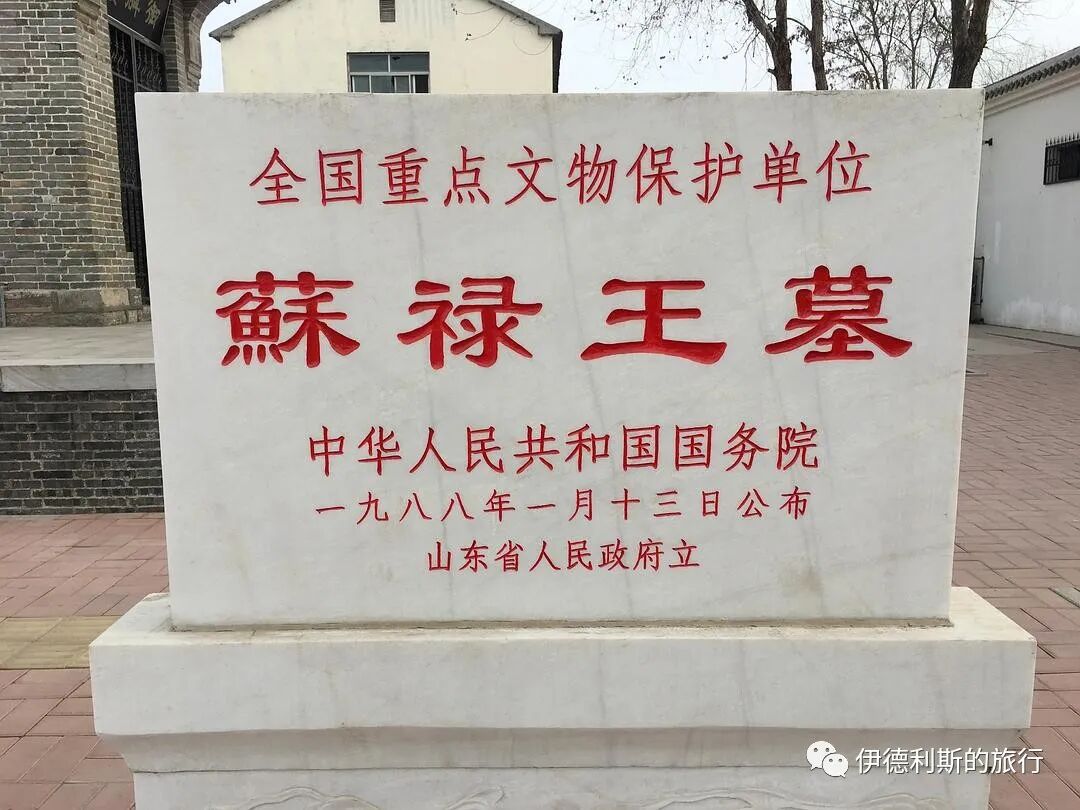
Sulu Kingdom
The Sulu Archipelago is in the far southwest of the Philippines, right next to the easternmost part of Malaysia.
The Moro people live on the Sulu Archipelago. The term Moro has been used by Spaniards to describe Muslims since the 15th century. Before the 15th century, when Spain reconquered Andalusia, they called the Muslims there Moros.
In the Middle Ages, as maritime trade grew in the Indian Ocean, the faith spread along the Maritime Silk Road into Southeast Asia. Between the 14th and 16th centuries, the faith centered in Malacca, passed through Sumatra and Java, went north through Borneo, and reached the Sulu Archipelago in the southwest Philippines.
Around 1380, the famous Arab judge and religious scholar Makhdum Karim arrived at Simunul Island in the far southwest of the Sulu Archipelago with an Arab caravan and built the first mosque in the Philippines there. On November 7, 1407, Sharif ul-Hashim, a descendant of the Prophet born in Johor, Malaysia, led an army to occupy the Sulu Archipelago. He married a local princess and established the Sulu Kingdom.
Between 1405 (the third year of the Yongle reign) and 1417 (the fifteenth year of the Yongle reign), the Ming Emperor Chengzu, Zhu Di, sent Zheng He to visit the countries of the Philippine archipelago three times. In 1417, the chiefs of the Eastern and Western Sulu Kingdoms and the wife of the chief of the Dong Kingdom led a delegation of over 340 people to visit the Ming Dynasty. In July, they arrived at Quanzhou Port. They then traveled north along the coastline, entered the Yangtze River at Wusongkou, and reached Longjiang Station in Yingtian Prefecture (Nanjing). After resting at Longjiang Station, the Sulu delegation traveled north along the Grand Canal and reached Beijing in mid-August. Ming Emperor Chengzu, Zhu Di, held a grand meeting in the Fengtian Hall (later renamed the Hall of Supreme Harmony). He named the two chiefs the Eastern King and the Western King, and the wife of the Dong Kingdom chief the Dong Queen, with the Eastern King Paduka Batara as the most honored.
In September, the three rulers started their journey home, and Emperor Chengzu sent a special envoy to escort them. The delegation traveled south along the canal. When they passed Anling, north of Dezhou, the Eastern King suddenly fell ill and sadly passed away on September 13. When the news reached Beijing, Emperor Chengzu sent a minister from the Ministry of Rites to bury the Eastern King of Sulu with royal honors. The Tomb of the Eastern King of Sulu was built north of Dezhou city and finished in October 1418 (the sixteenth year of the Yongle reign).
The completed tomb faces south. From south to north, it includes a memorial archway (paifang), an imperial stele pavilion, ornamental columns (huabiao), stone statues, a ceremonial gate, the Ling'en Gate (hall gate), the Ling'en Hall (main hall), and the burial mound.
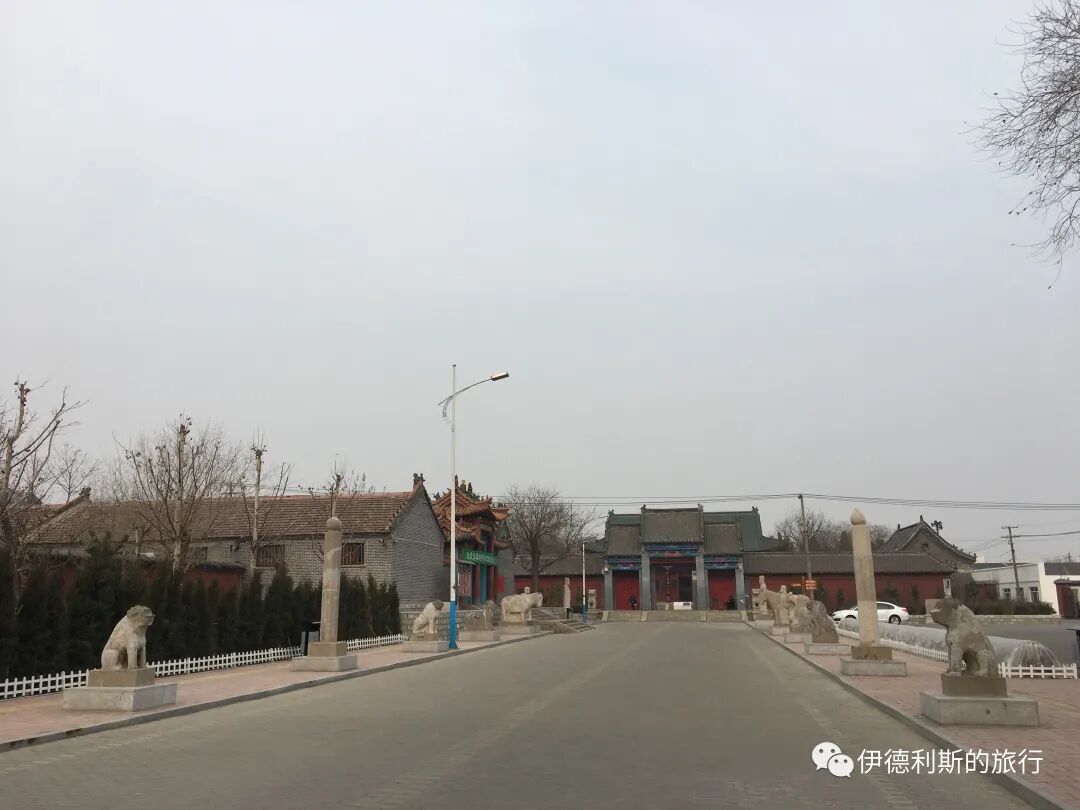
Today, the tomb still has its ornamental columns and five pairs of stone statues. In the autumn of 1917, the canal burst, causing great damage to the tomb. The stone statues were knocked over, and some were washed into the fields. The statues were not straightened and aligned until 1965, but they were pushed over again by the Red Guards in 1966. Luckily, Ma Jingui, a militia leader who had just retired from the army, led the village's young people to stand their ground in front of the tomb and the mosque. He made the Red Guards go to the Dezhou Municipal Committee to get a permit to destroy the Four Olds, which saved the tomb and the mosque.
The Tomb of the Sultan of Sulu in the early 1980s, from Selected Cultural Relics of Zheng He's Voyages.
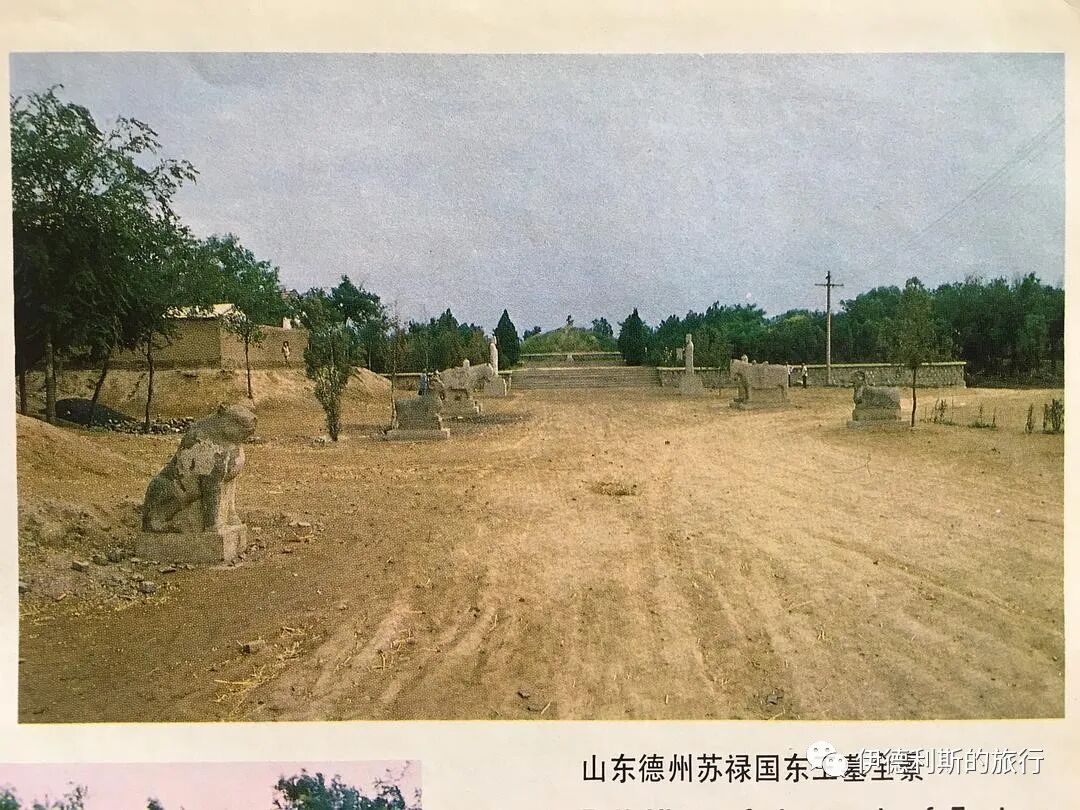
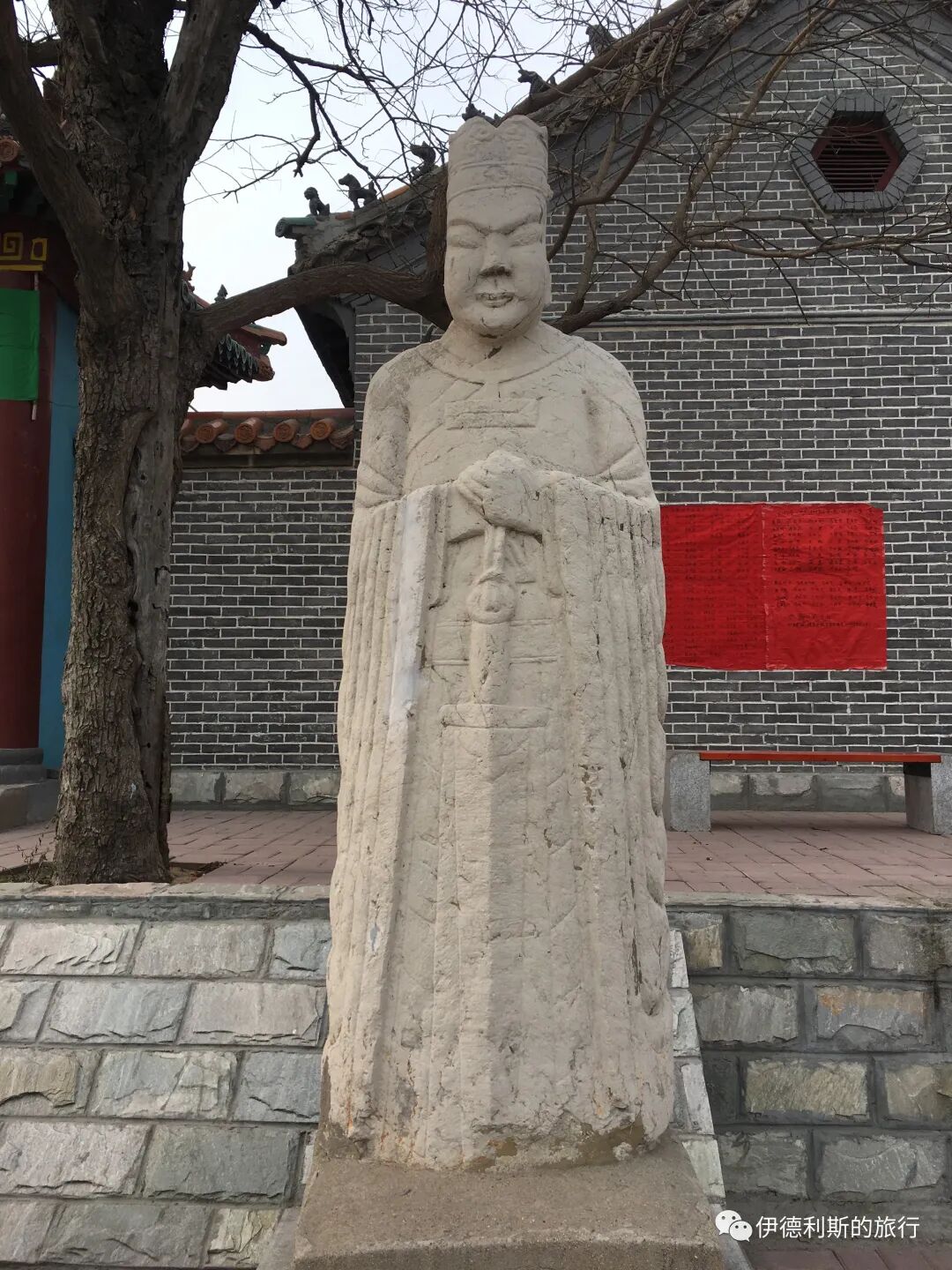
The Tomb of the Sultan of Sulu in the early 1980s, from Selected Cultural Relics of Zheng He's Voyages.
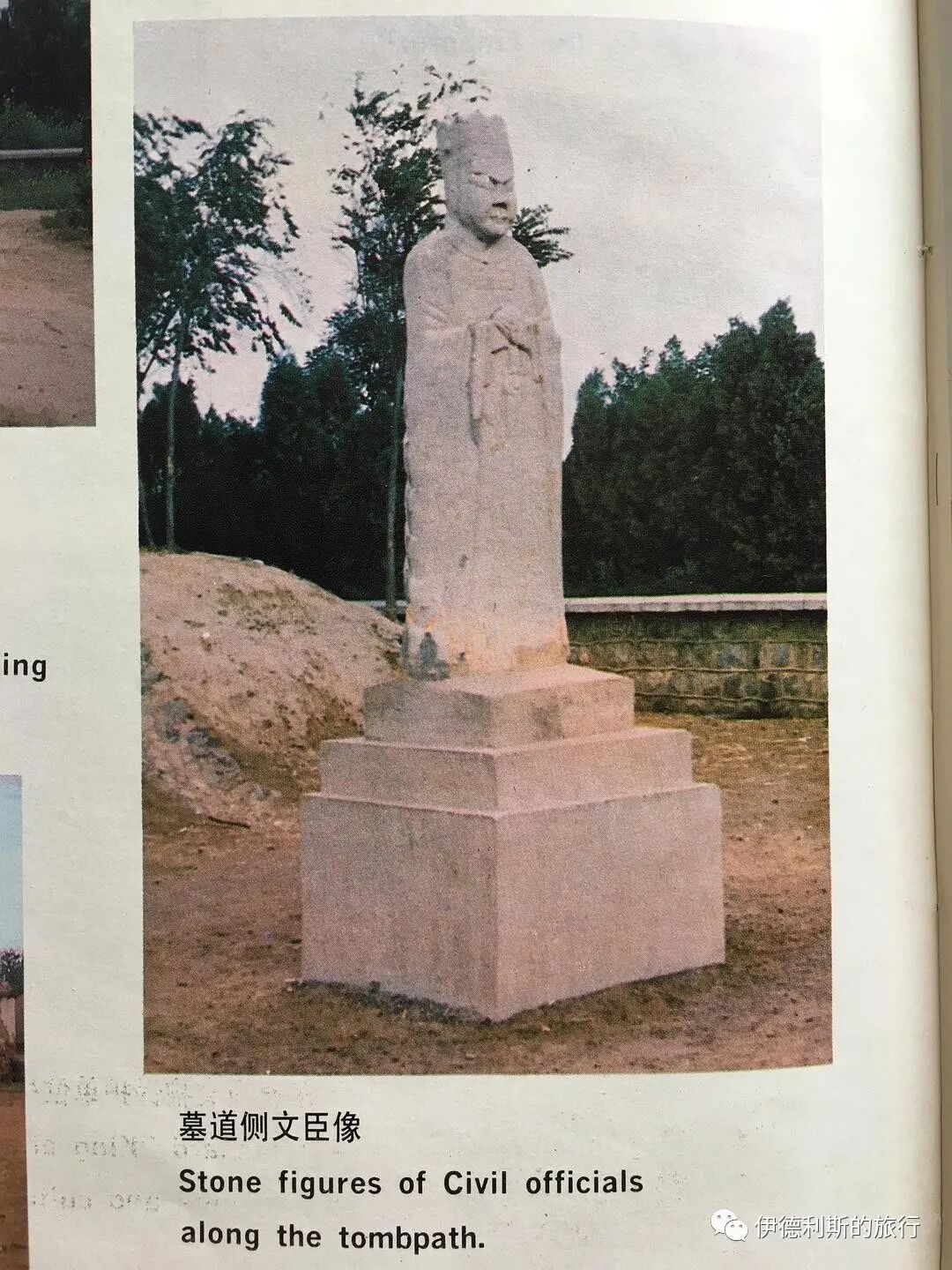
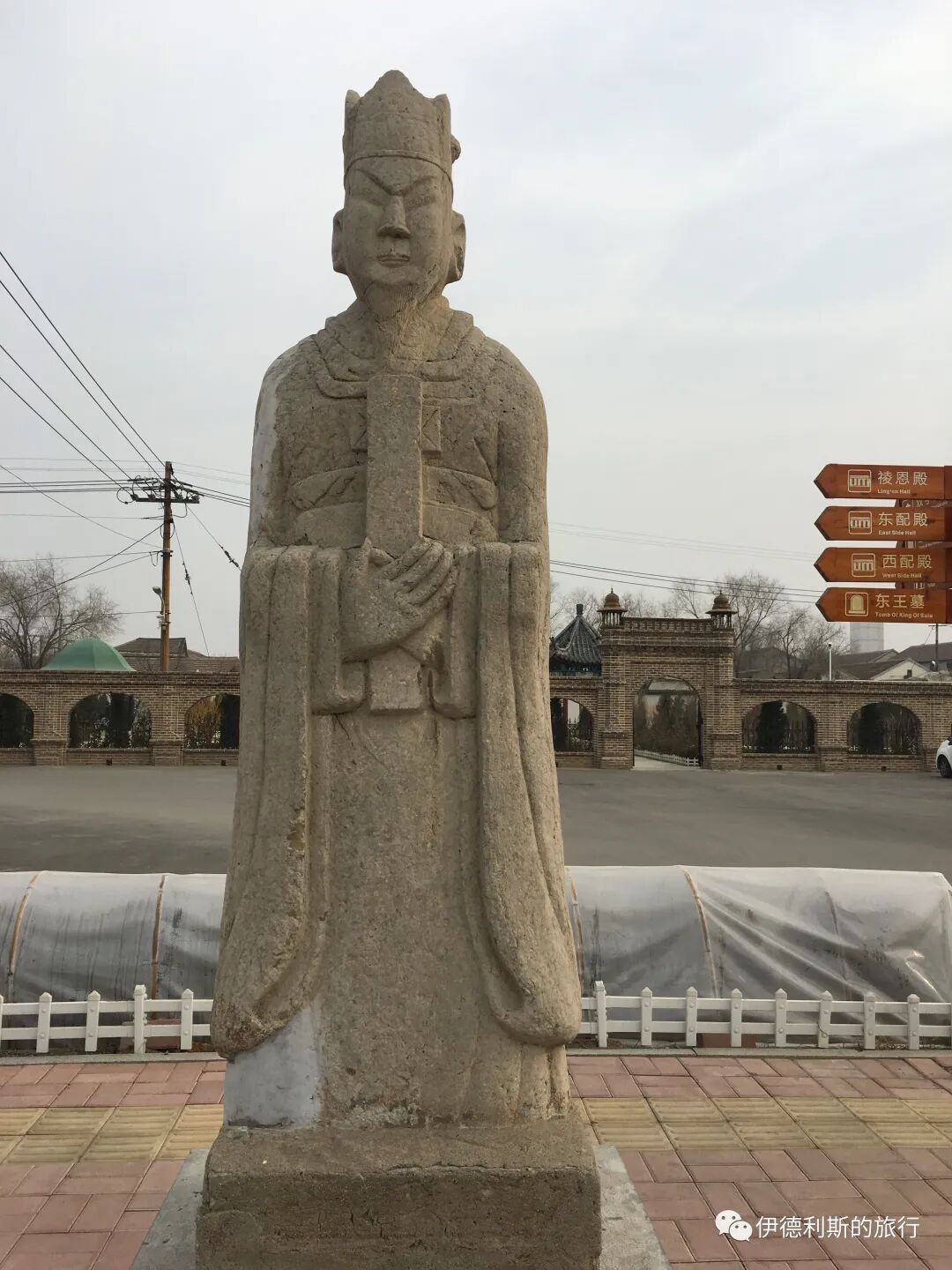
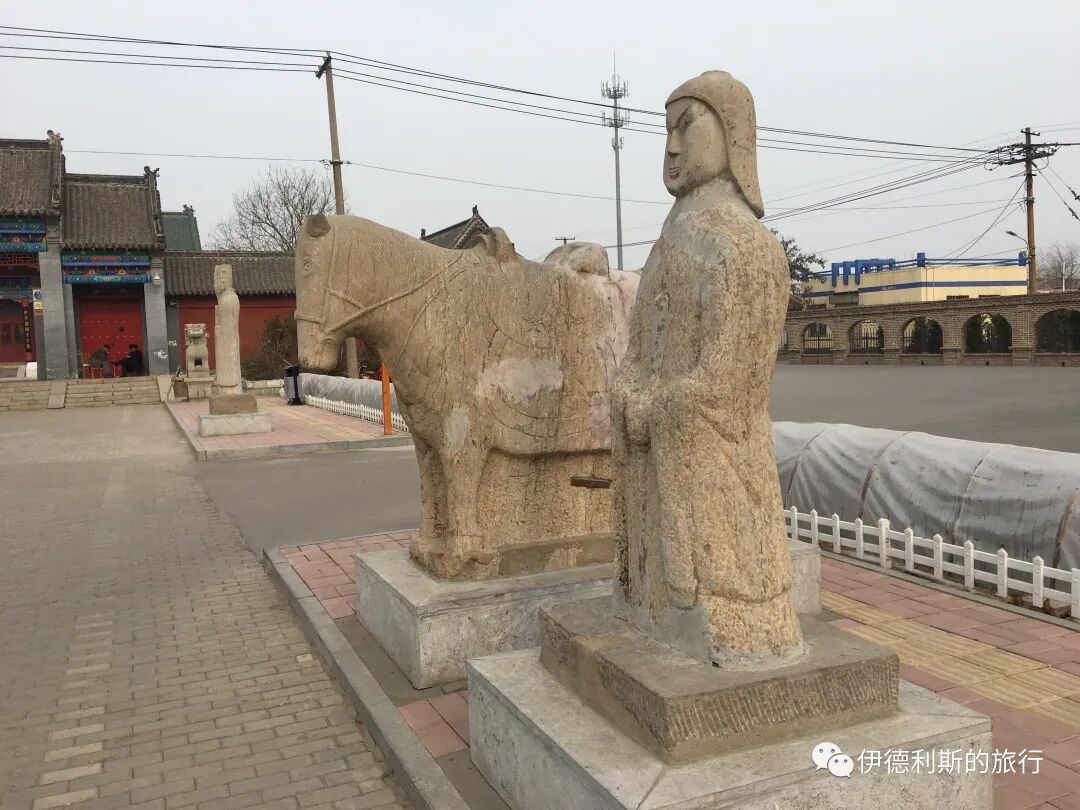
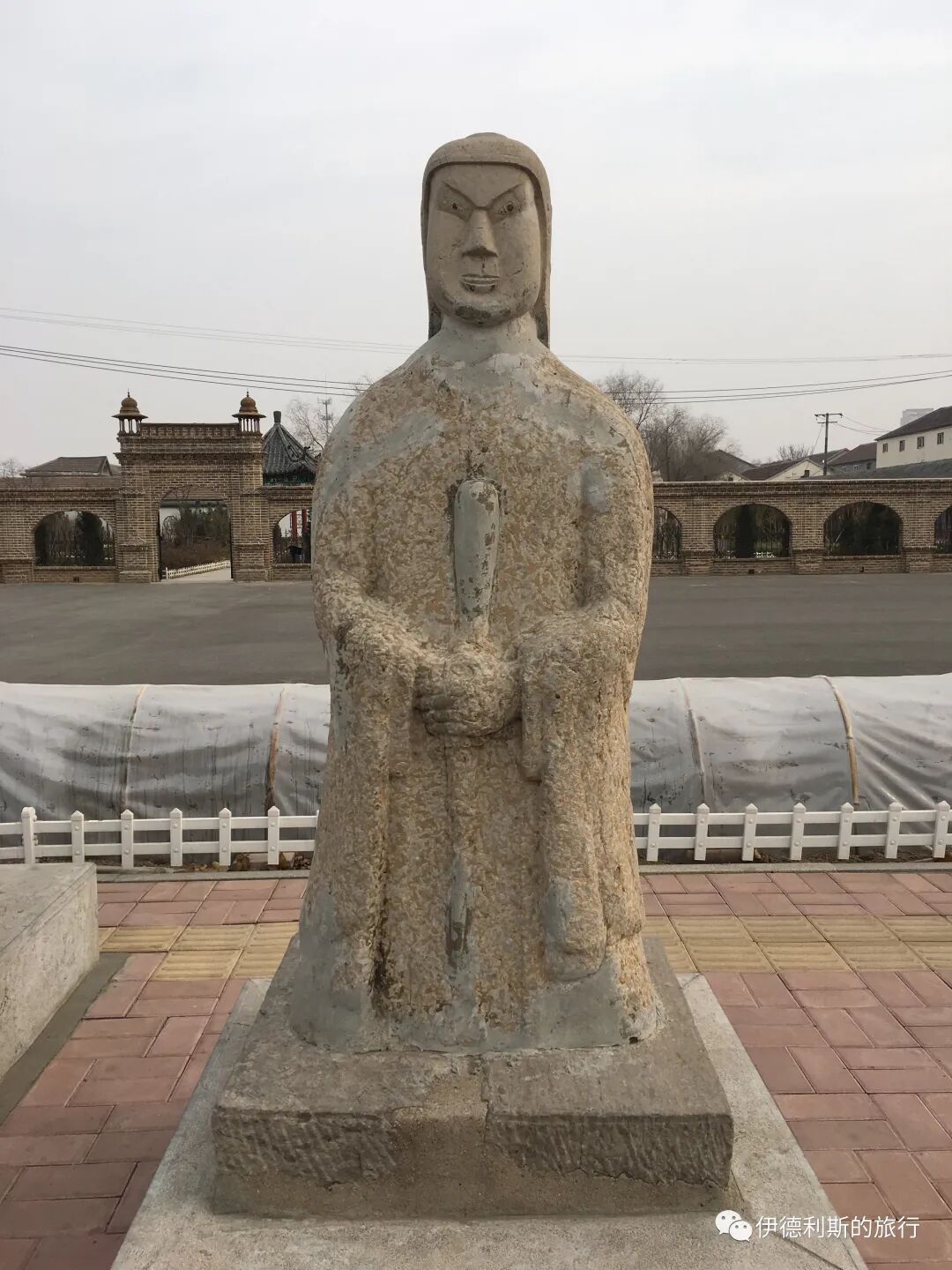
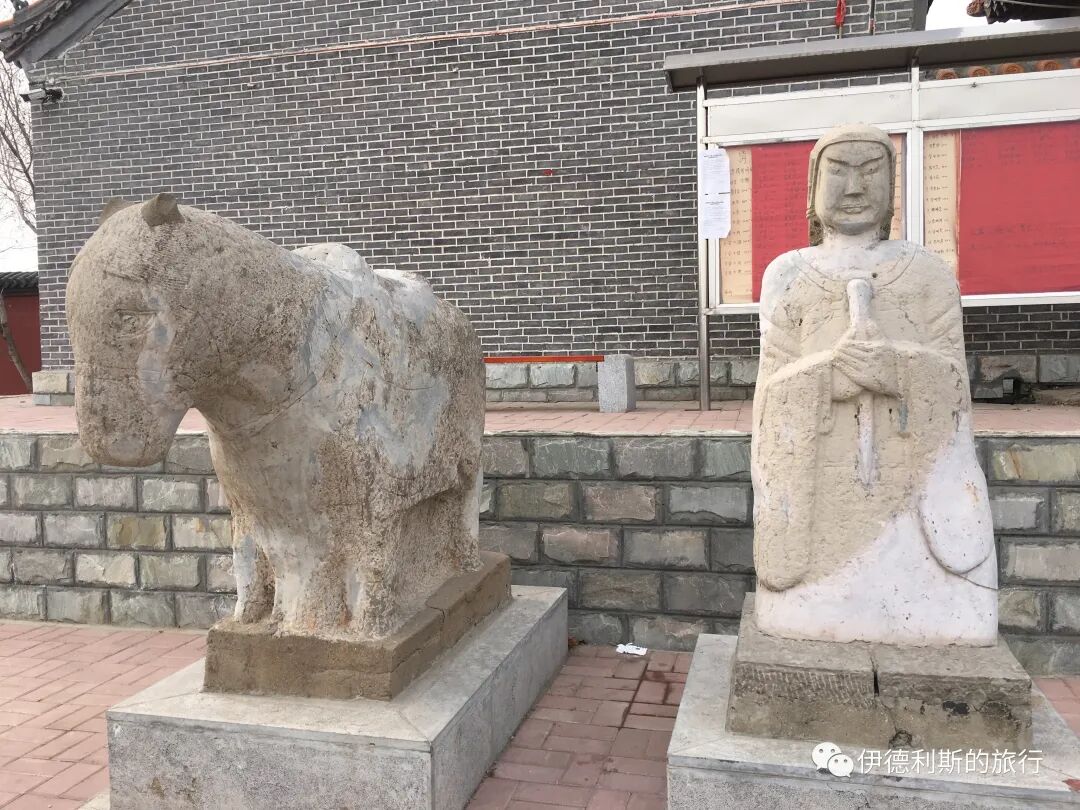
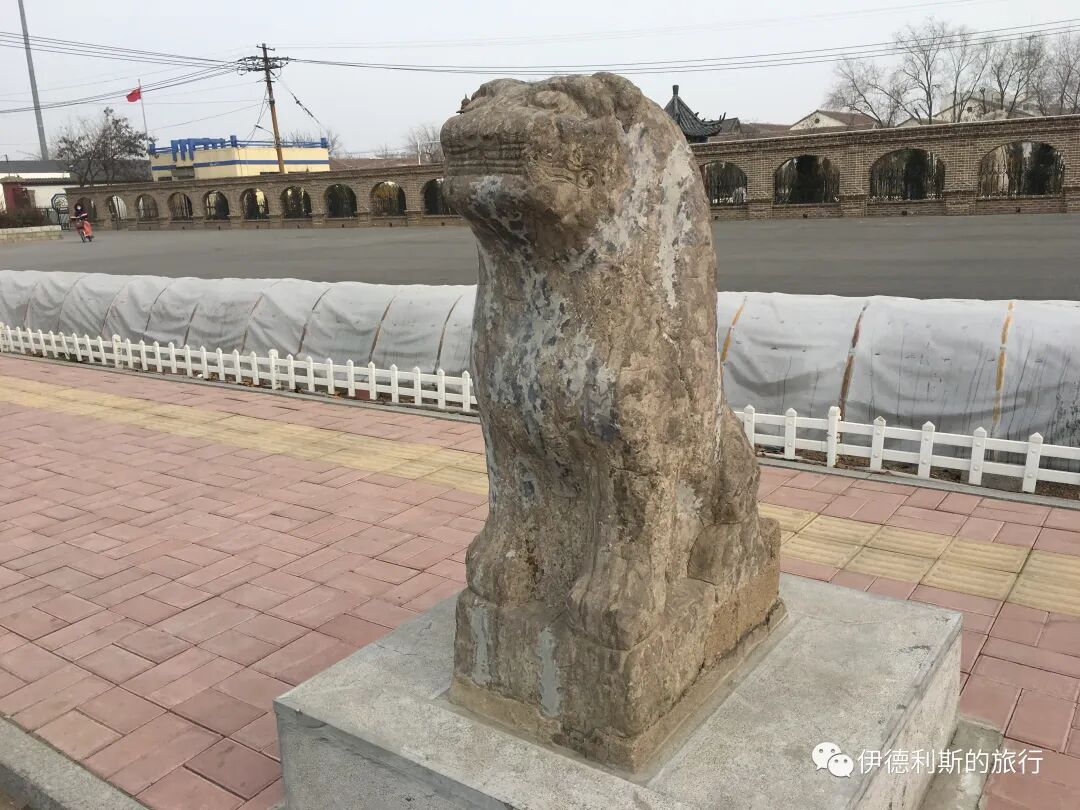
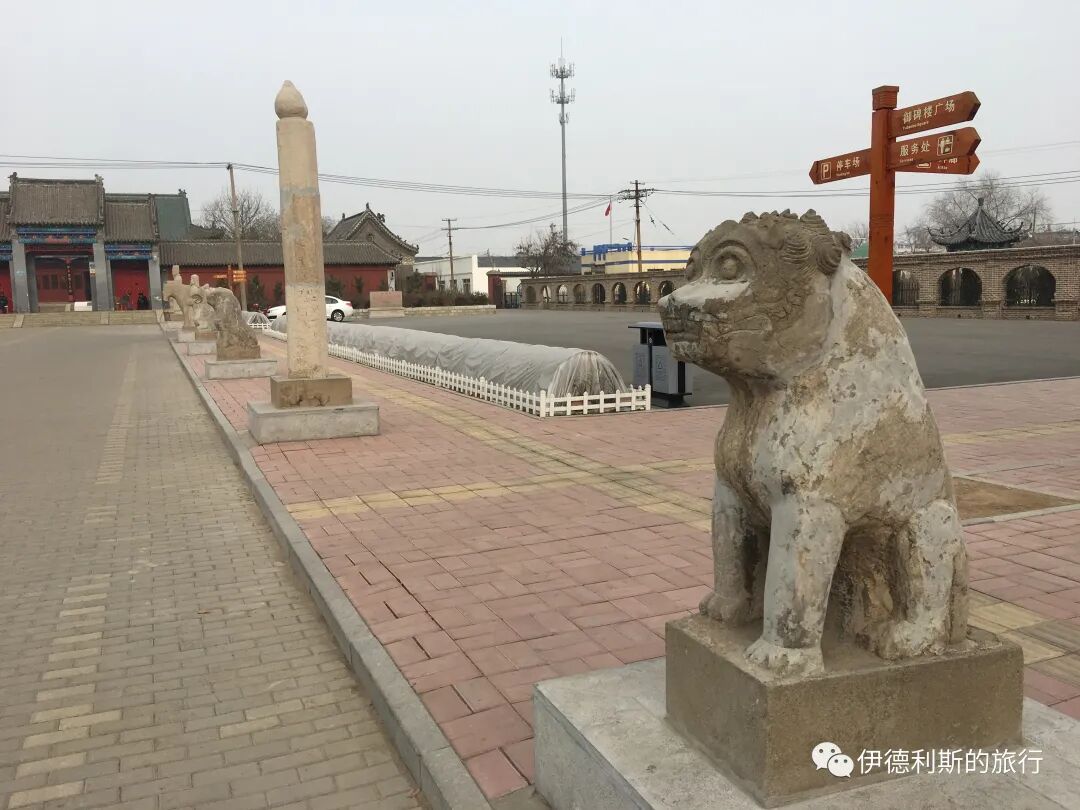
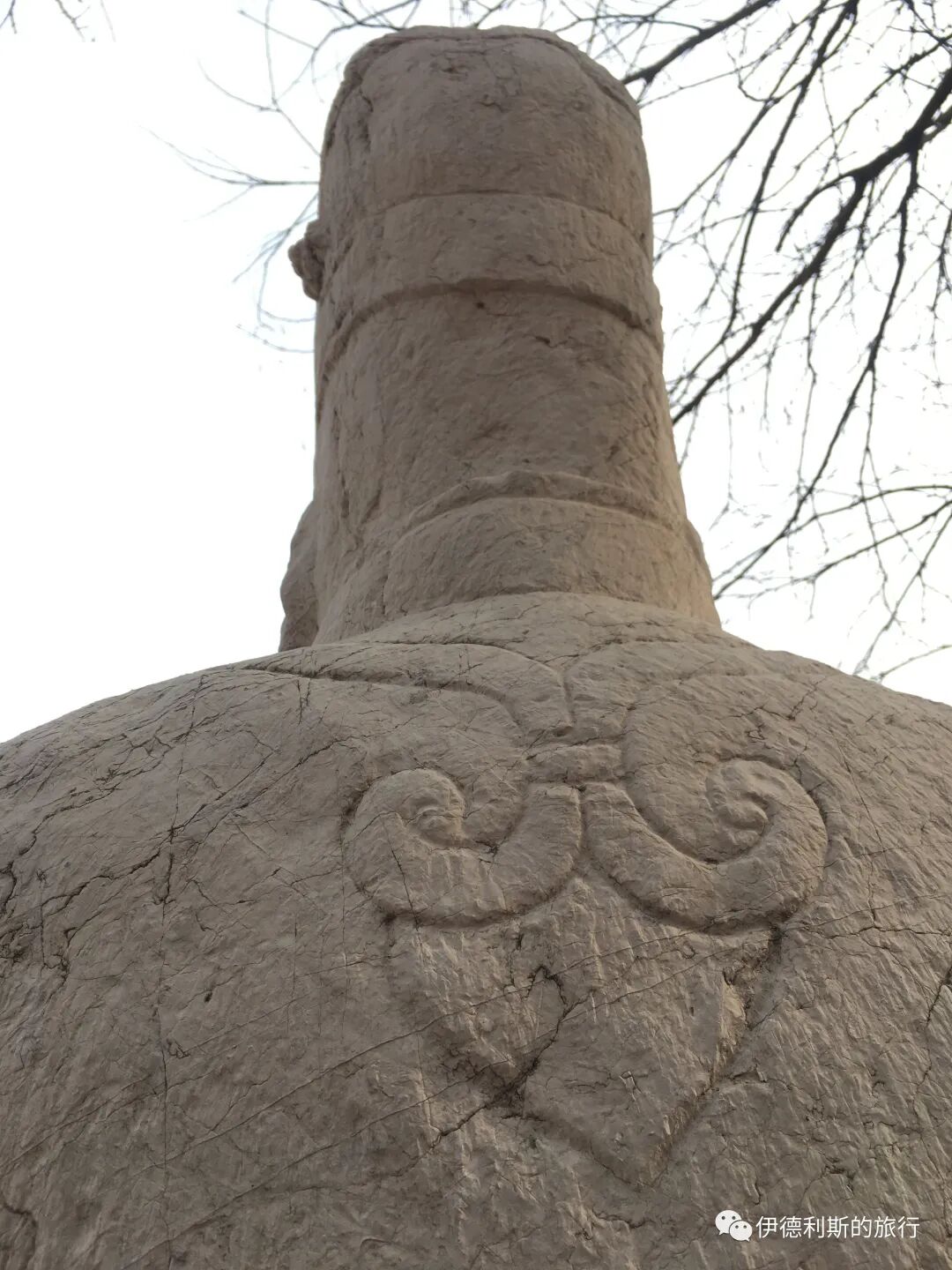
The inscription of the imperial decree issued by the Yongle Emperor of the Ming Dynasty in 1418 to build a shrine in front of the Tomb of the Eastern King.
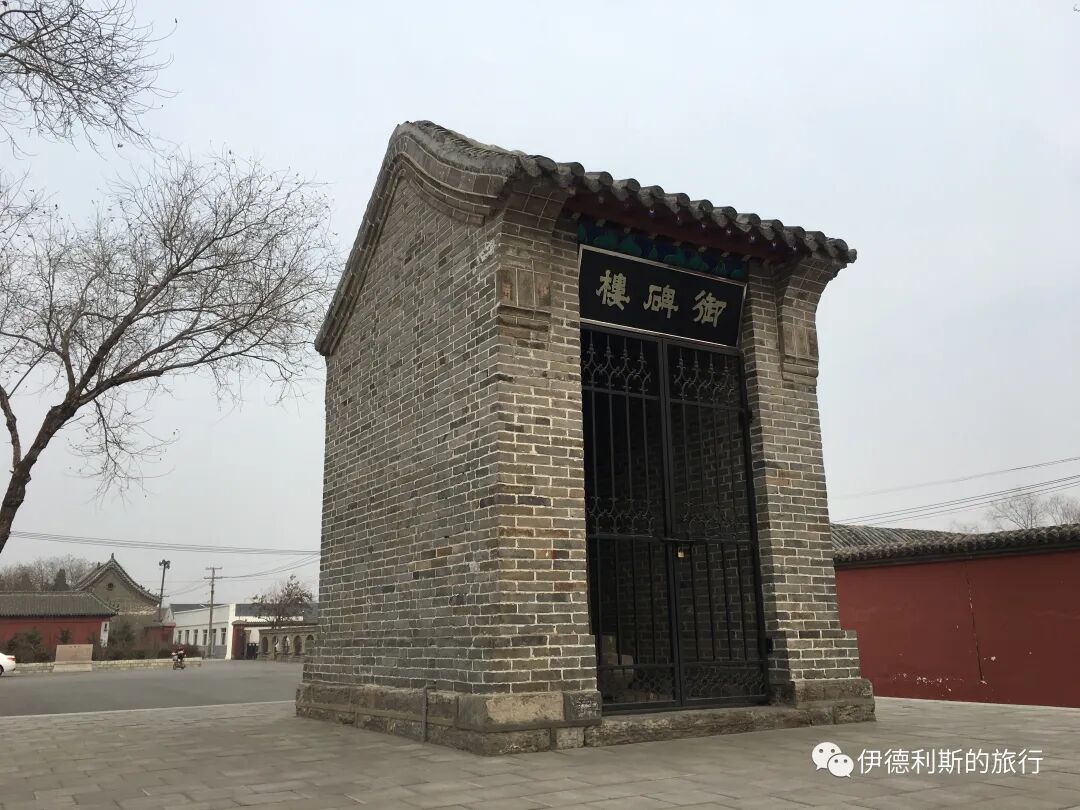
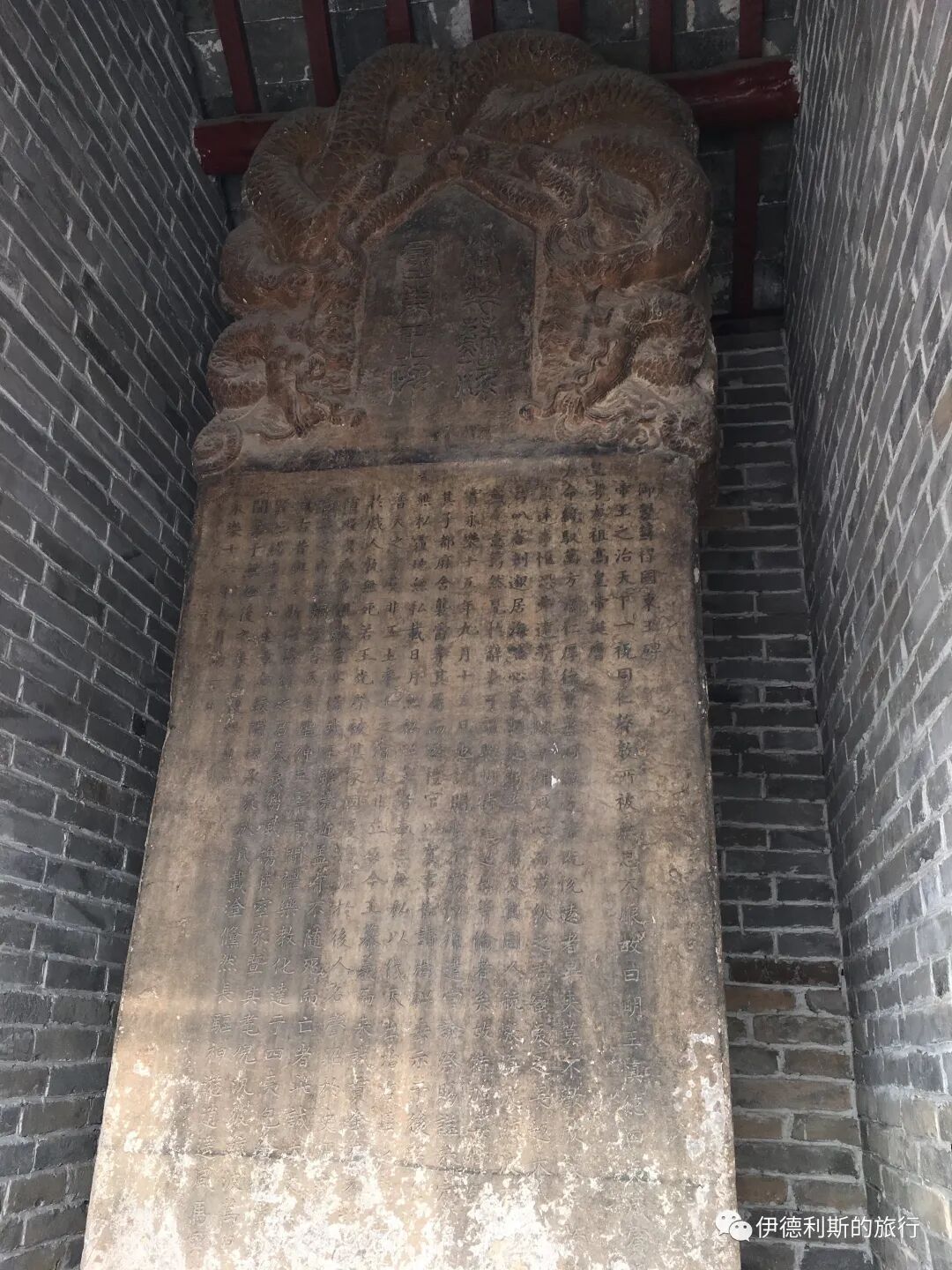
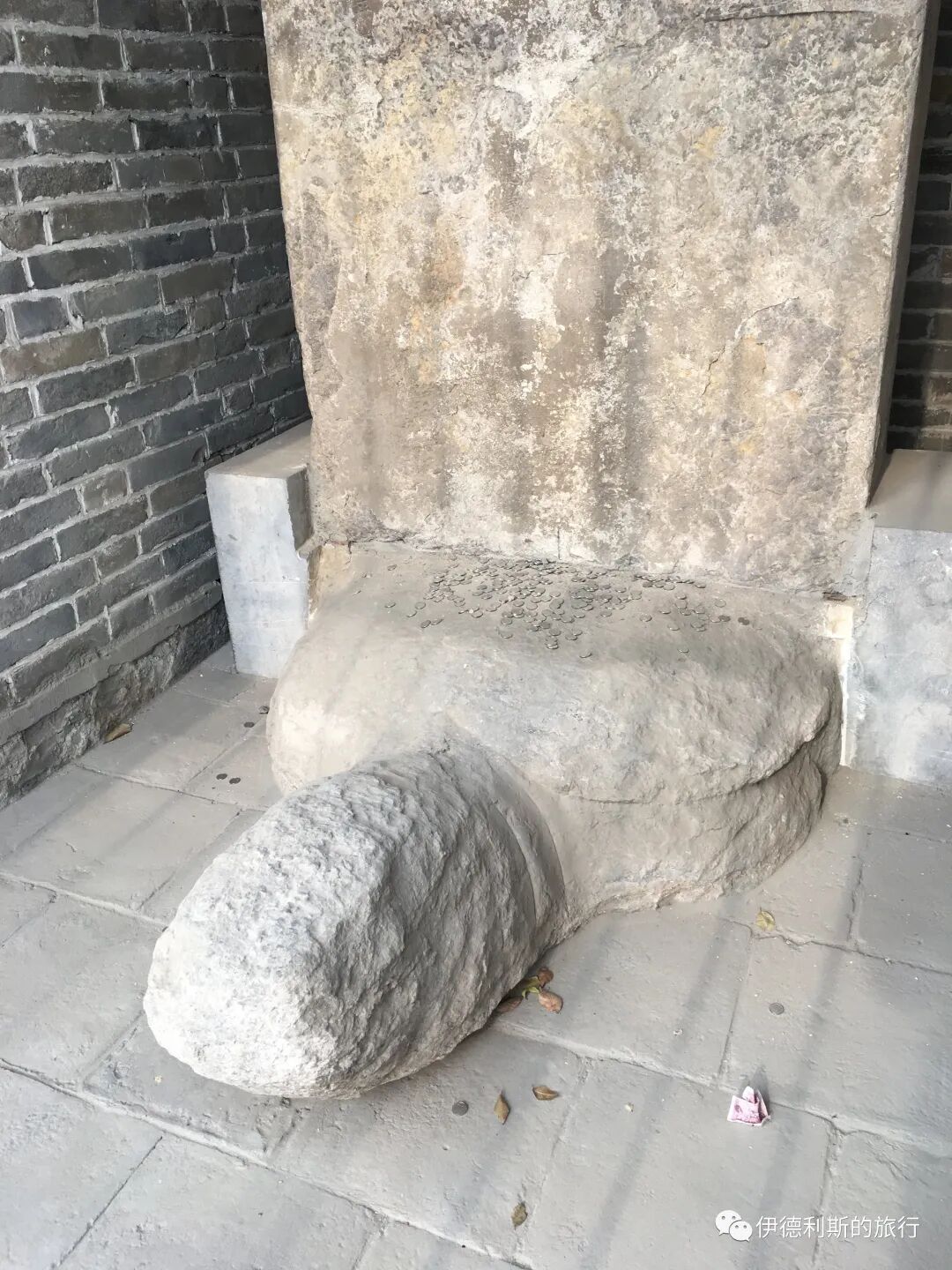
The main burial mound of the Eastern King's tomb.
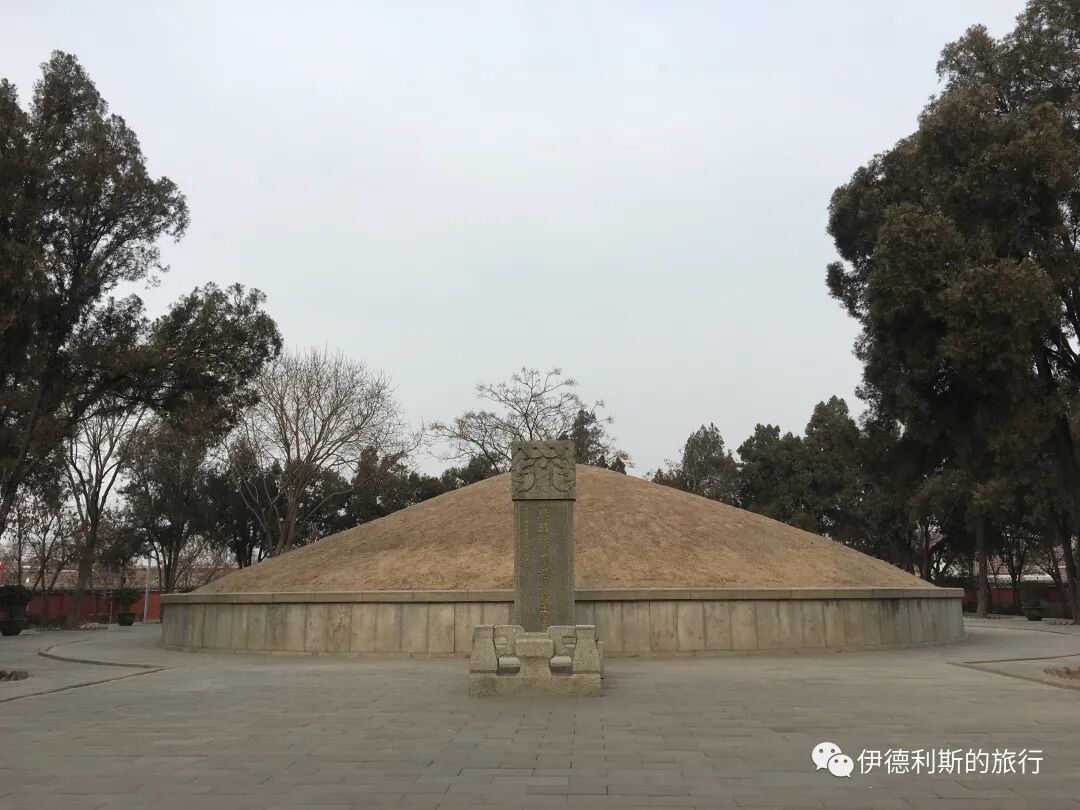
The Tomb of the Sultan of Sulu in the early 1980s, from Selected Cultural Relics of Zheng He's Voyages.
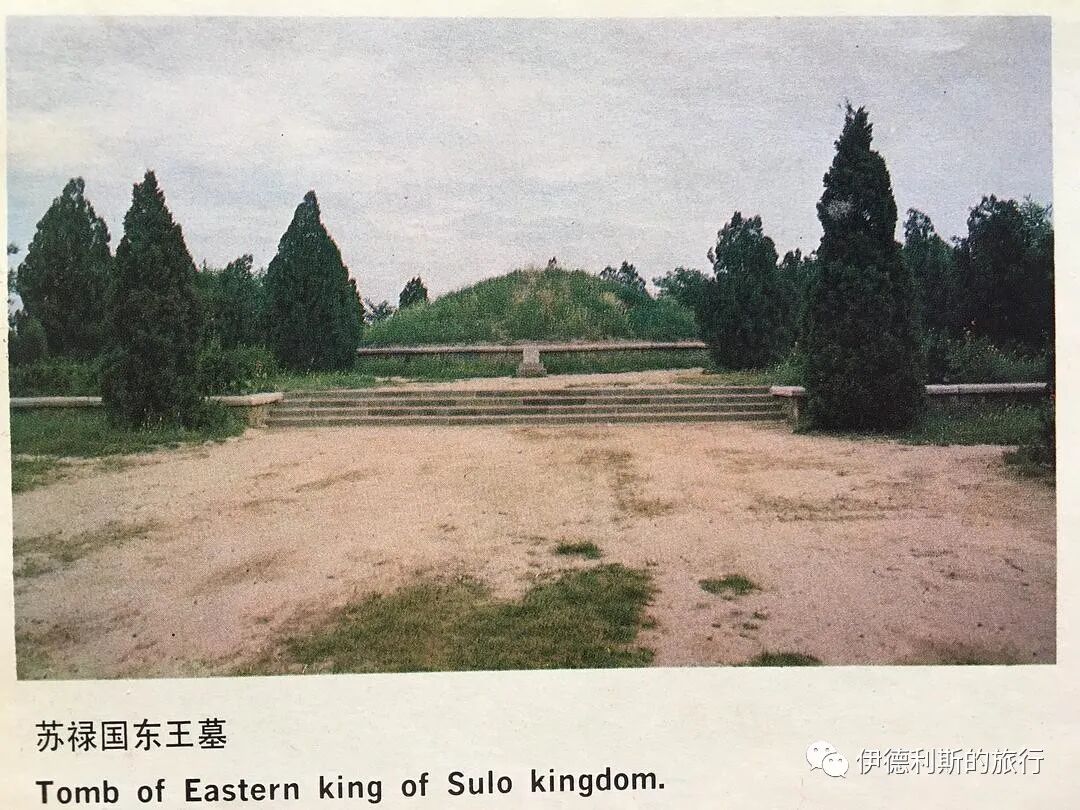
The original tombstone is now kept in the exhibition hall of the west side hall.
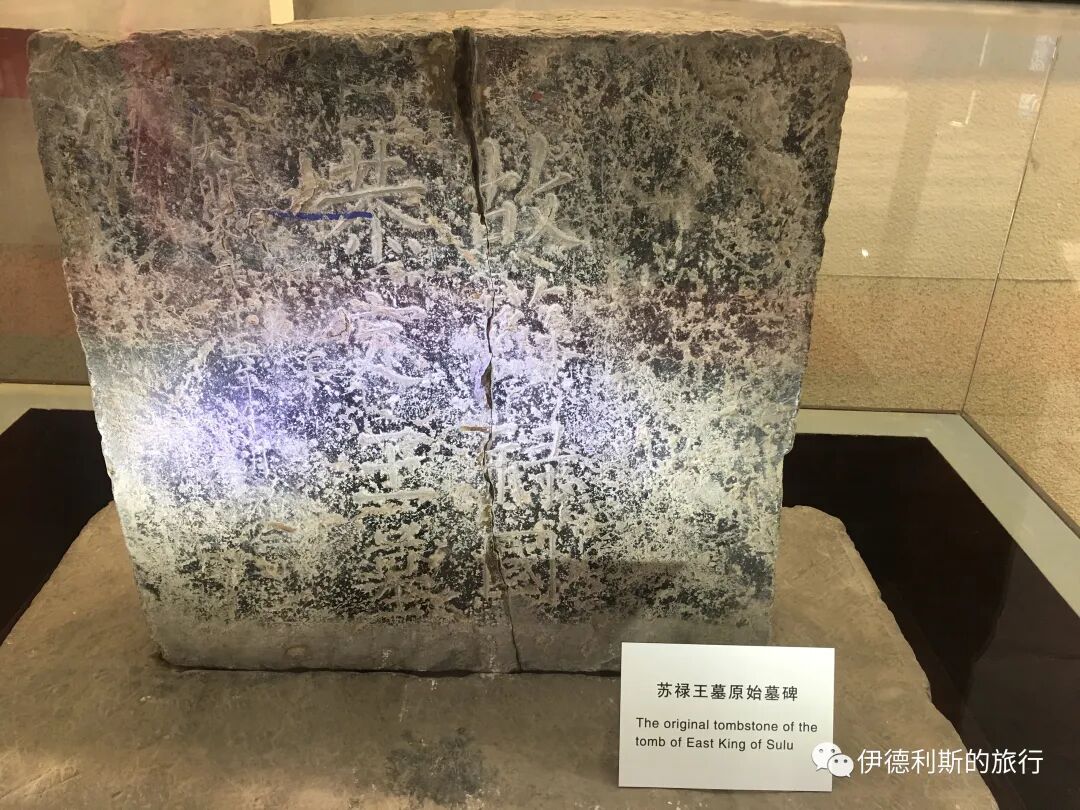
Descendants of the Sultan of Sulu settle in Dezhou.
After the Eastern King of Sulu passed away, the Ming Dynasty arranged for his eldest son, Dumahan, to return home to inherit the throne. His second son Andulu, third son Wenhala, his wife Gemuning, and ten servants stayed behind to guard the tomb. This began the life of the Eastern King's descendants as residents in China.
The Ming Dynasty granted the descendants 238 mu of sacrificial land, exempting them from all land taxes. Each person received a monthly stipend of one shi of grain. The government also assigned three Hui Muslim families—the Xia, Ma, and Chen families from Licheng, Shandong—to farm the land and manage the annual memorial services, exempting them from all labor duties.
Later, the descendants of Andulu and Wenhala married into the Xia, Ma, and Chen families. Their descendants took the surnames An and Wen, gradually forming Beiying Village in Dezhou, which consists of the five families of An, Wen, Xia, Ma, and Chen next to the Sultan of Sulu's tomb.
After Andulu, Wenhala, and the wife Gemuning passed away, they were buried to the southeast of the Eastern King.
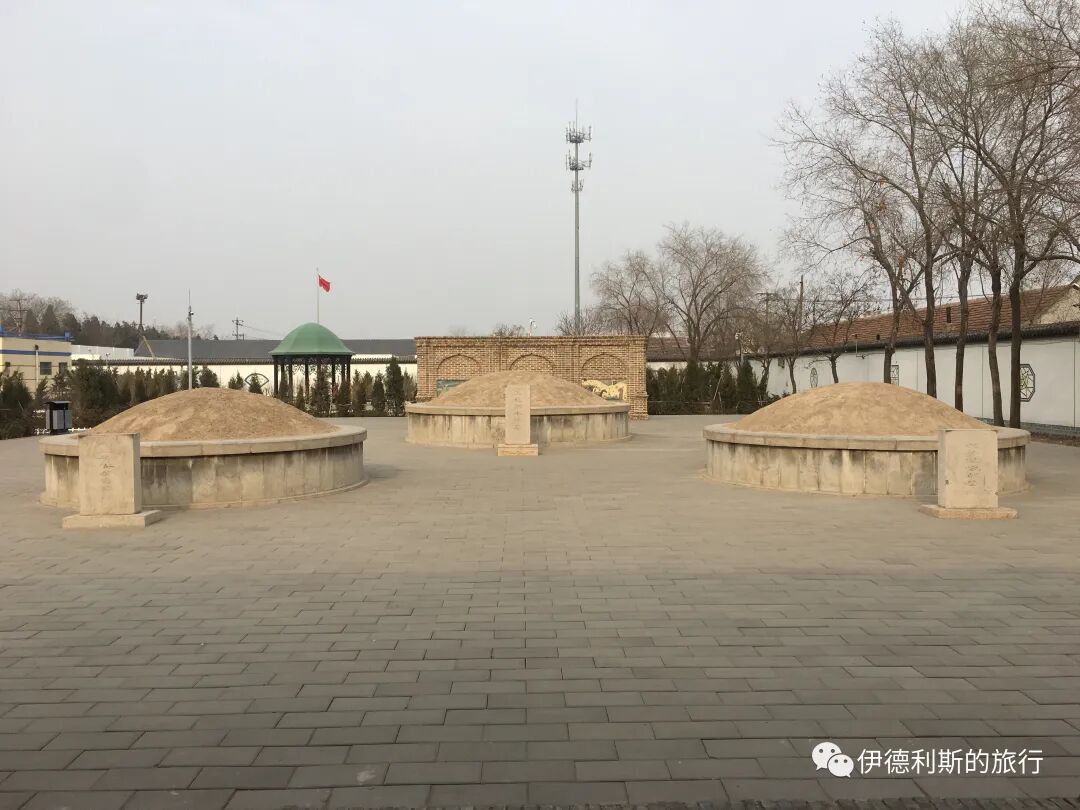
The Tomb of the Sultan of Sulu in the early 1980s, from Selected Cultural Relics of Zheng He's Voyages.
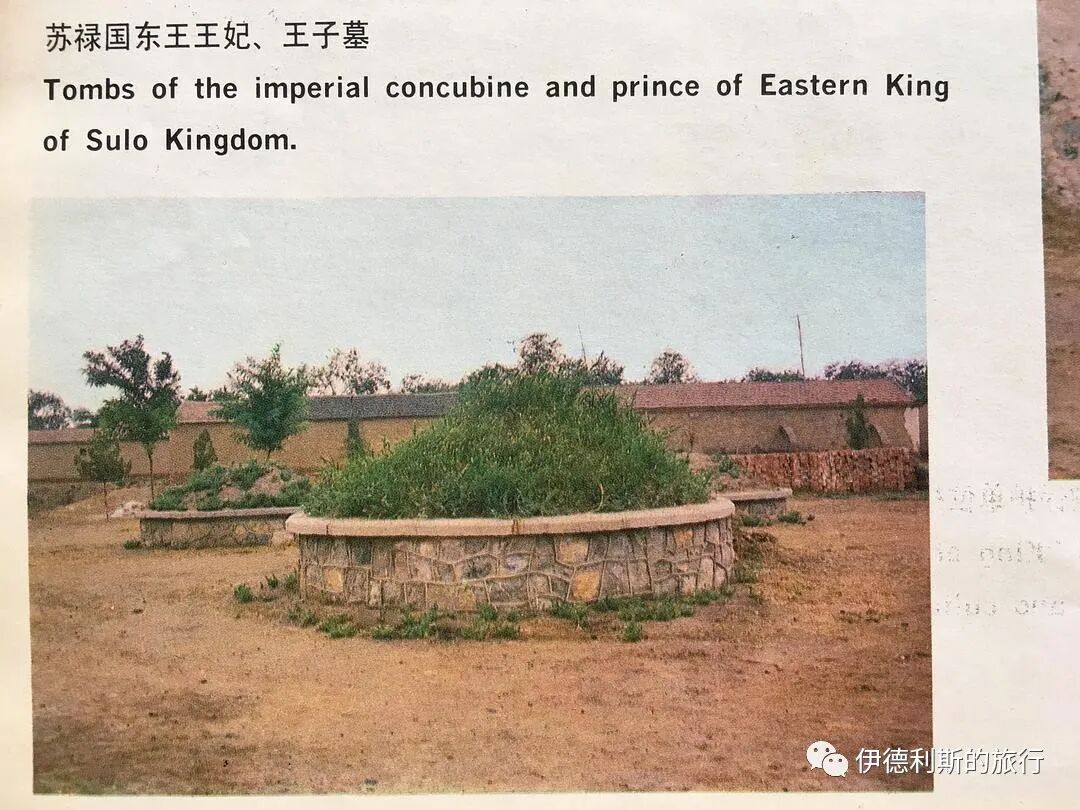
Andulu was actually the second son, but because the Wen family later produced a prefect named Wen Xianyu, oral tradition gradually shifted the Wen family to be the second son and the An family to be the third.
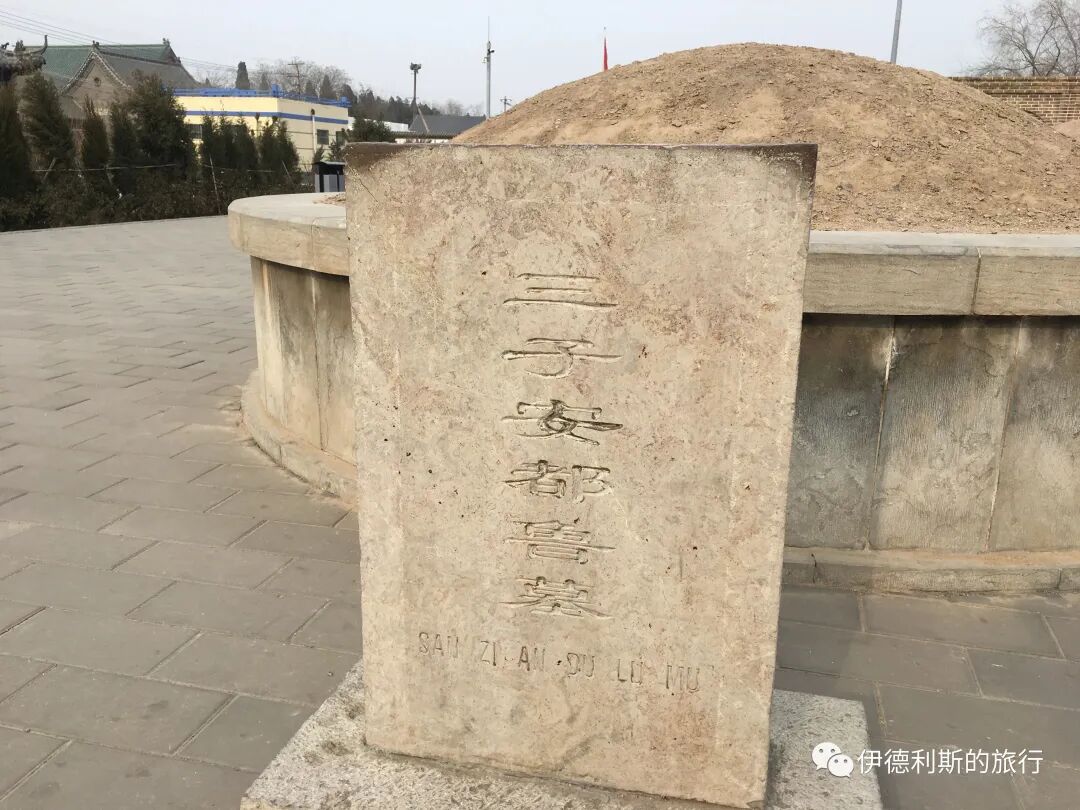
Division Commander An Shude.
Among the descendants of the An family, the most famous in modern times is Division Commander An Shude. An Shude was the 15th-generation grandson of the Sultan of Sulu. He began following Feng Yuxiang in 1913 and led his troops into the Forbidden City to help expel Puyi during the 1924 Beijing Coup.
In 1928, An Shude was promoted to commander of the 18th Division and served as the garrison commander of Longdong. After the uprising of the young commander Ma Zhongying, An Shude served as the commander-in-chief for the suppression of Ma Zhongying in Qinghai and captured Xining.
After moving into Xining, An Shude placed great importance on Hui Muslim education. He served as the president of the Qinghai Hui Muslim Education Promotion Association and opened the first primary school for Hui Muslim girls in Qinghai.
After the Central Plains War in 1930, An Shude retired from military life to start businesses and renovate the Sultan of Sulu's tomb and the mosque. He passed away in 1950.
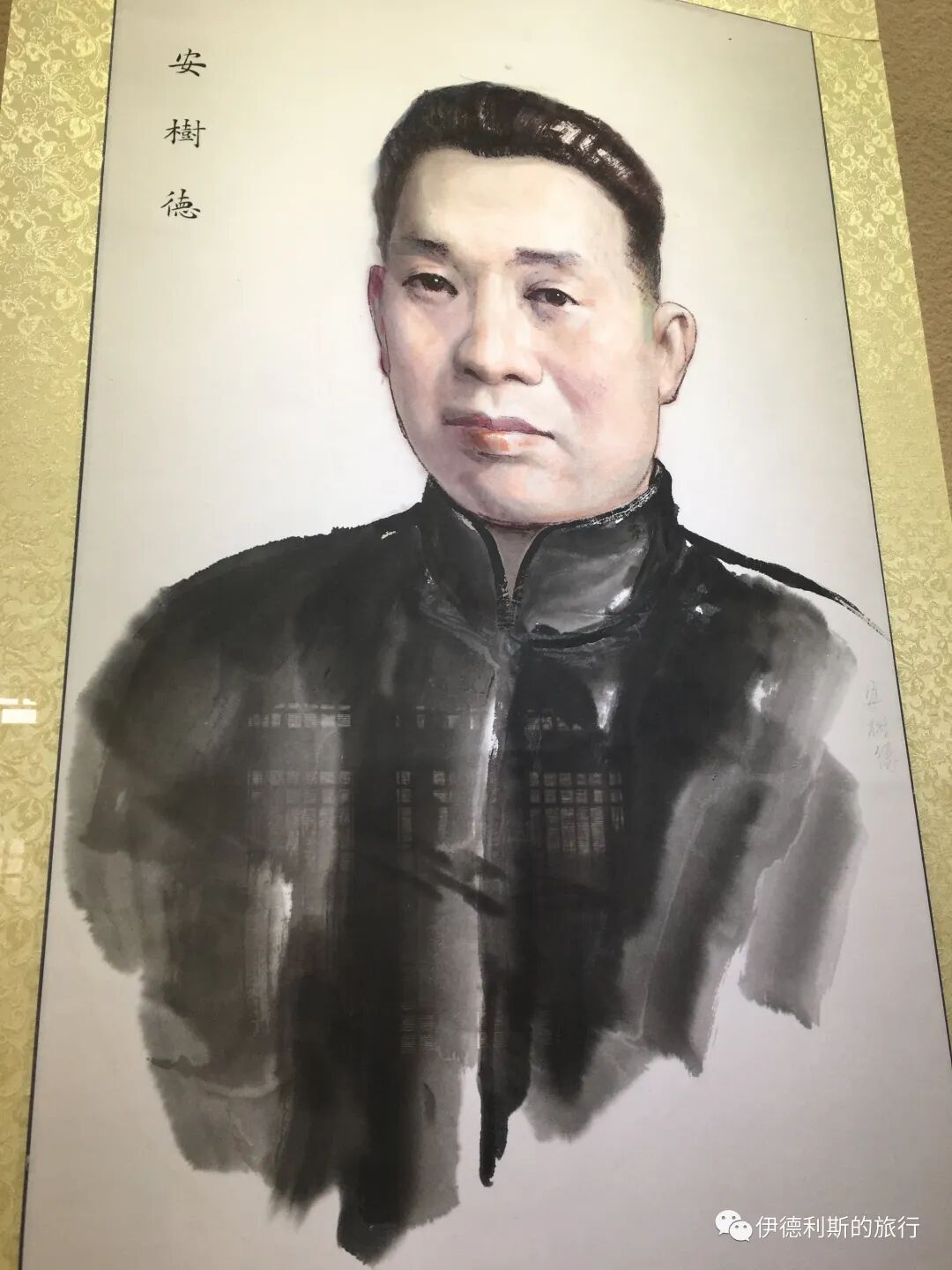
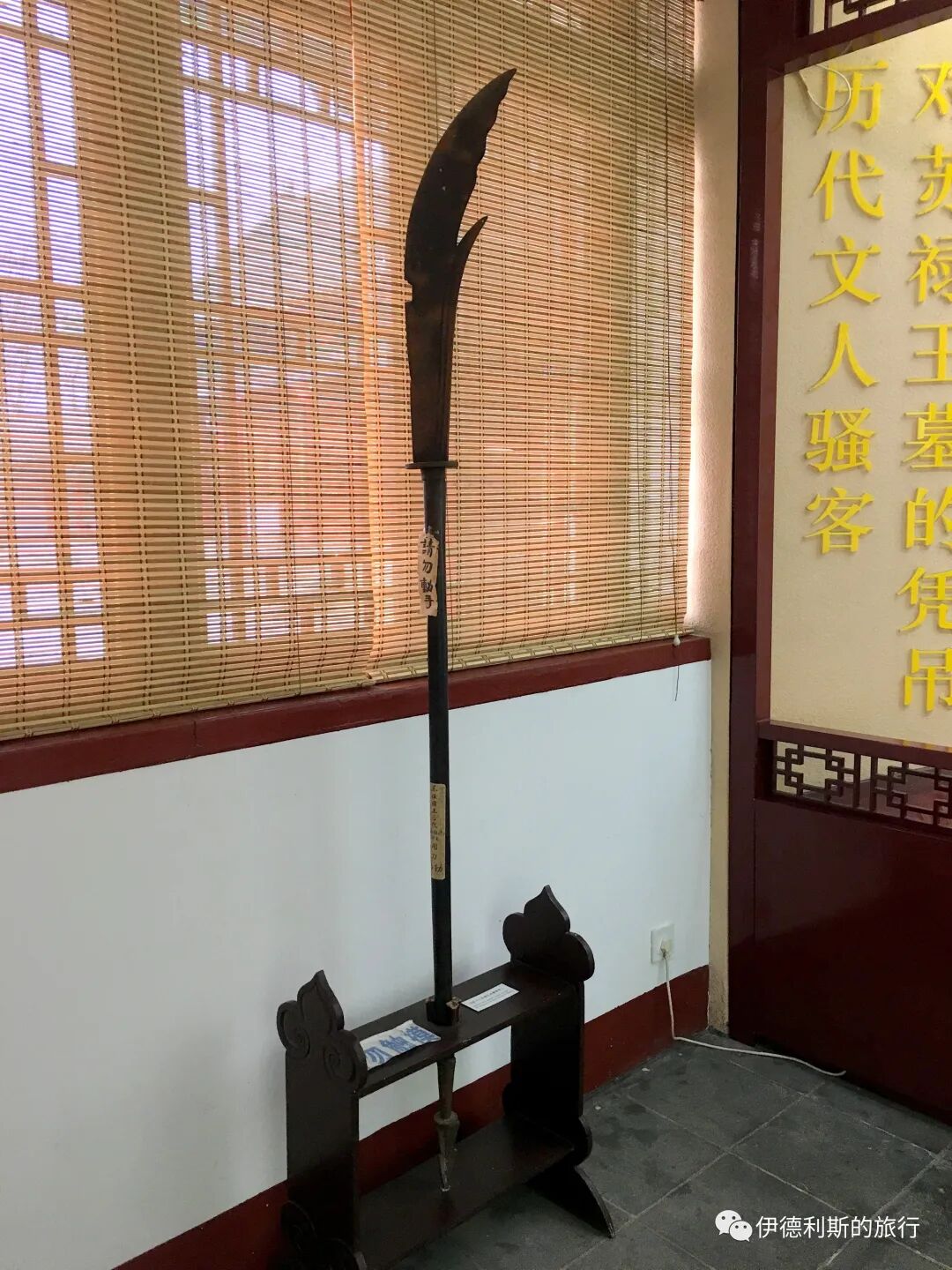
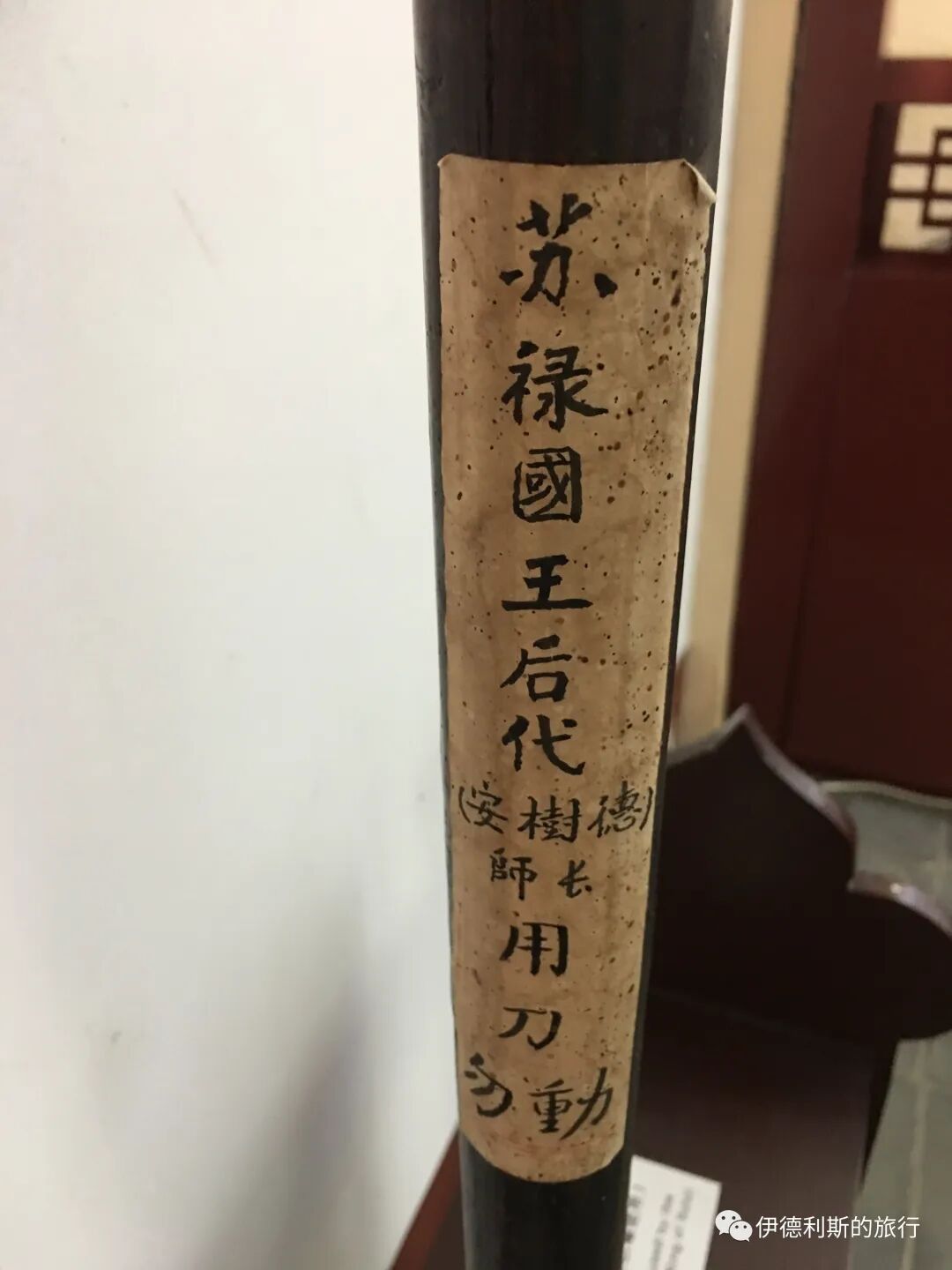
On December 3, 1995, the descendant of the eldest son Dumahan and heir to the Sultanate of Sulu, Ismael Kiram, visited the tomb. This was the first meeting between the descendants of the eldest son and the descendants of the second and third sons in hundreds of years.
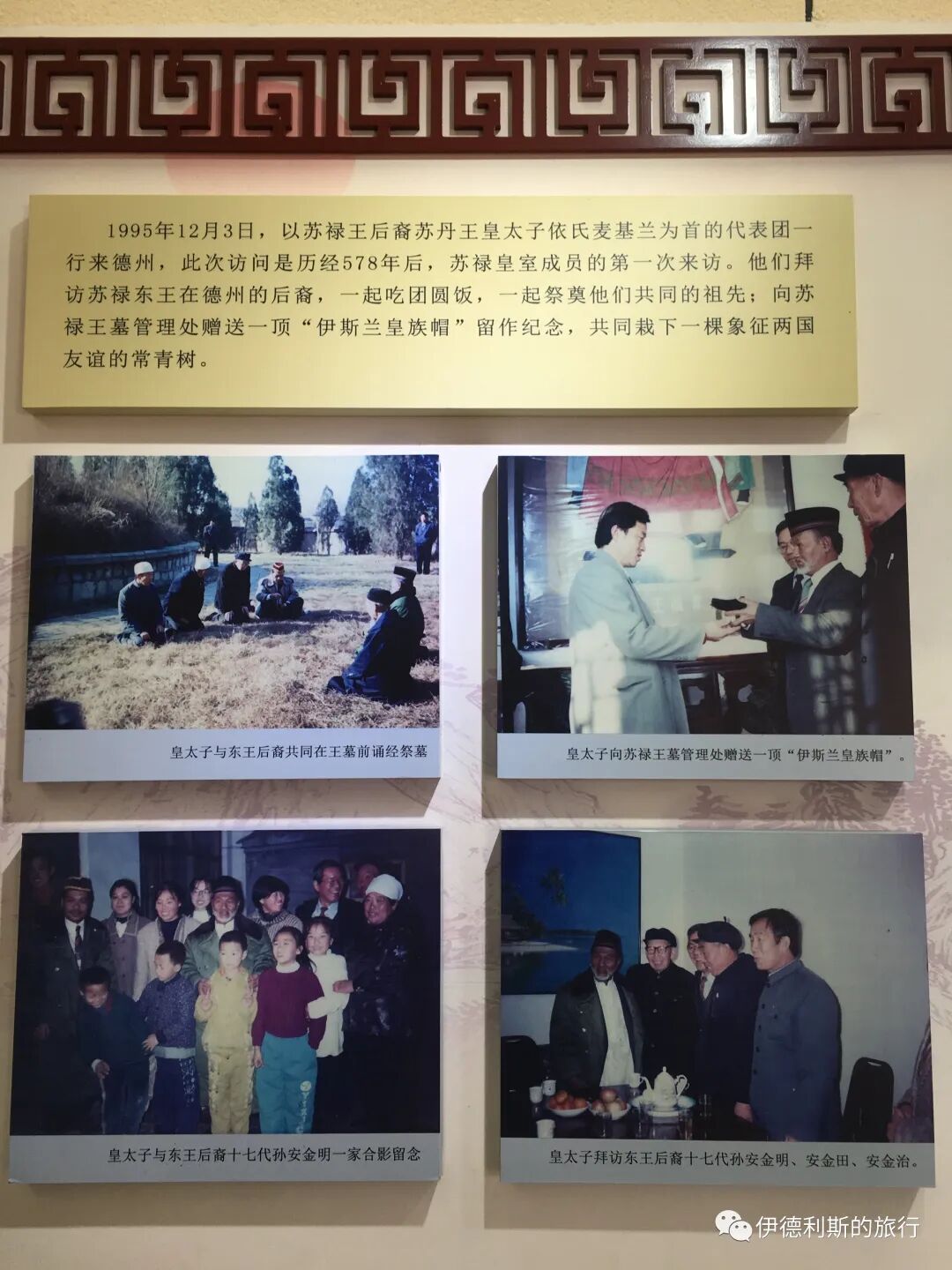
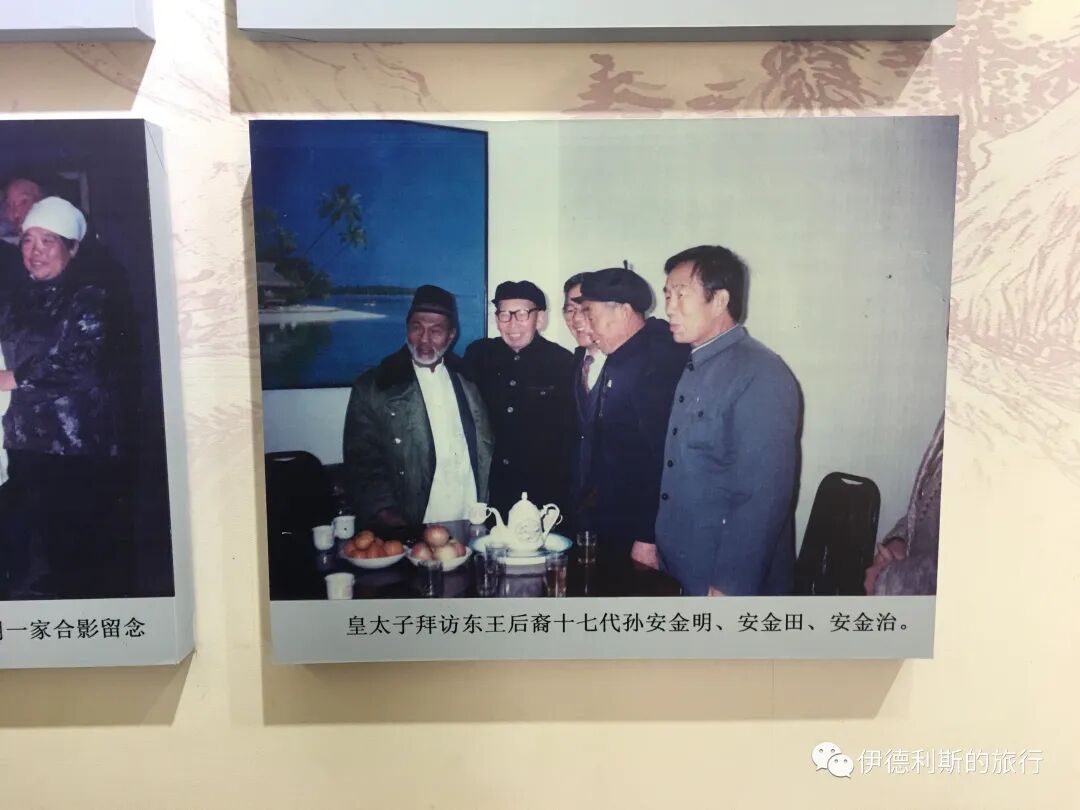
Beiying Village.
During the Wanli period of the Ming Dynasty, the descendants of the Sultan of Sulu built a mosque southwest of the tomb. The Ming Dynasty issued an imperial decree to select one religious leader from the Wen and An families to inherit the lineage and manage the Hui Muslim community. In 1917, the canal burst, and the mosque and the entire Beiying Village were washed away. It was not rebuilt until 1940, which is the building we see today. According to the old imam, the pavilions at the four corners of the mosque were actually used as watchtowers.
After the 1960s, a factory took over the mosque. It was not until June 1980, when the Philippine ambassador to China visited the Tomb of the Sultan of Sulu, that the factory was moved out and the main hall was repaired.
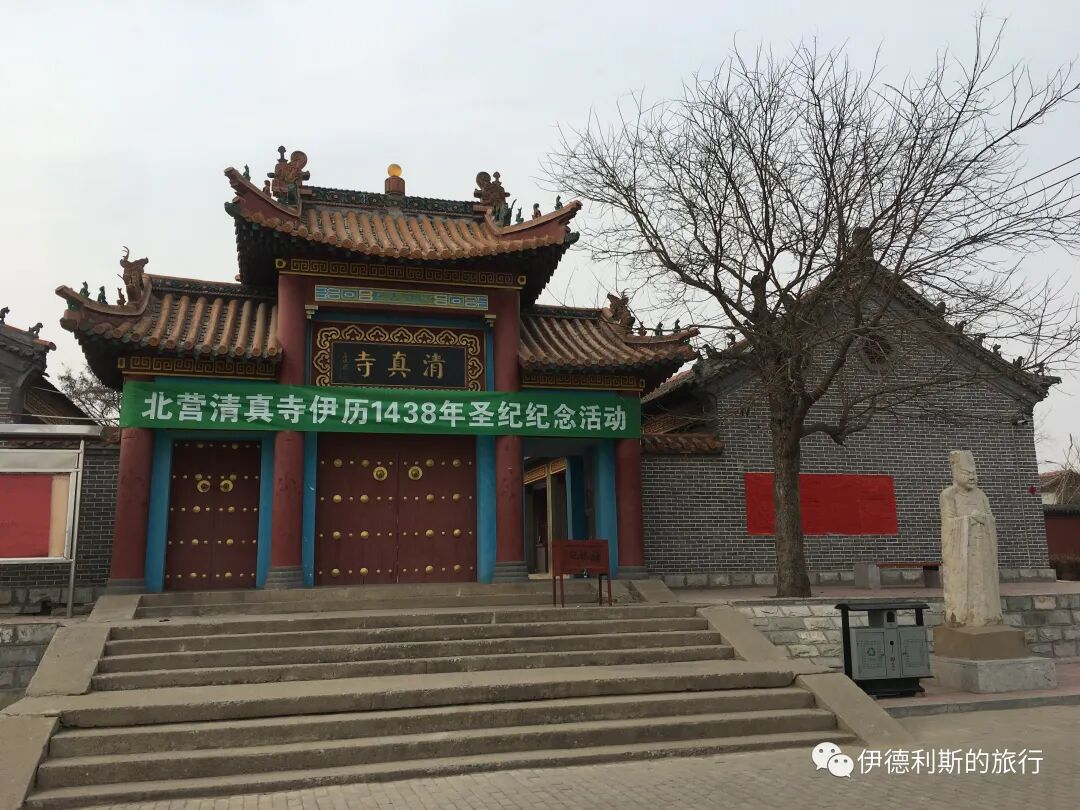
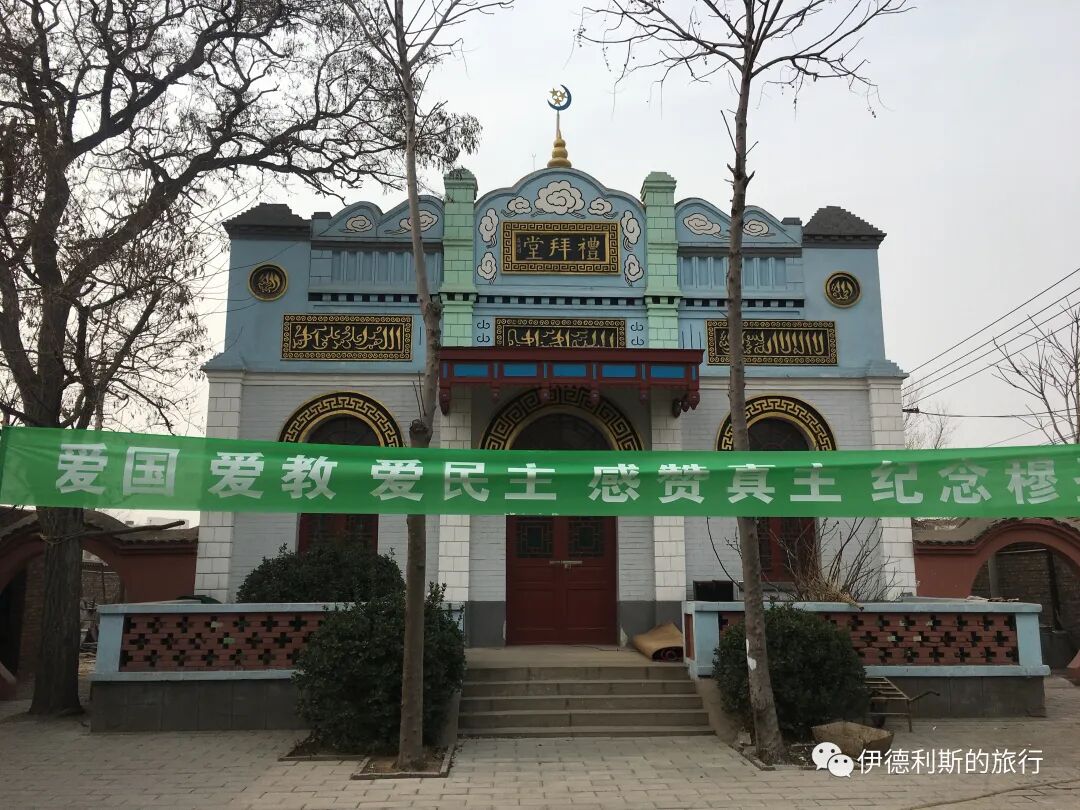
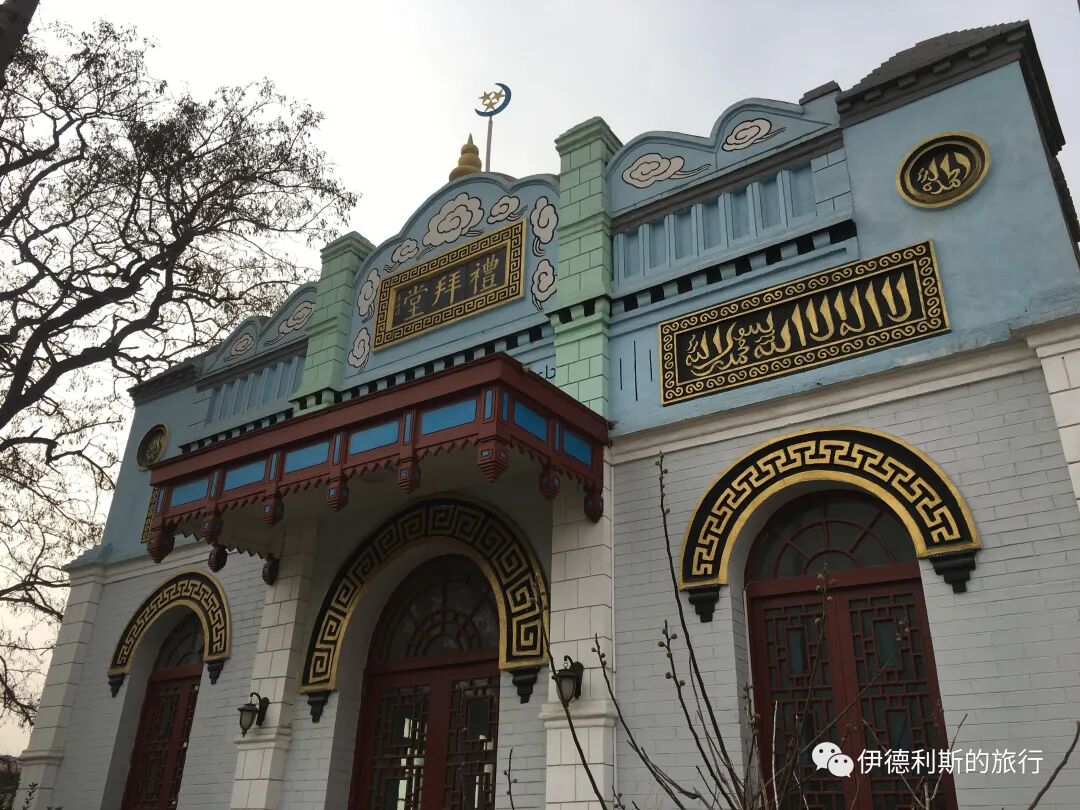
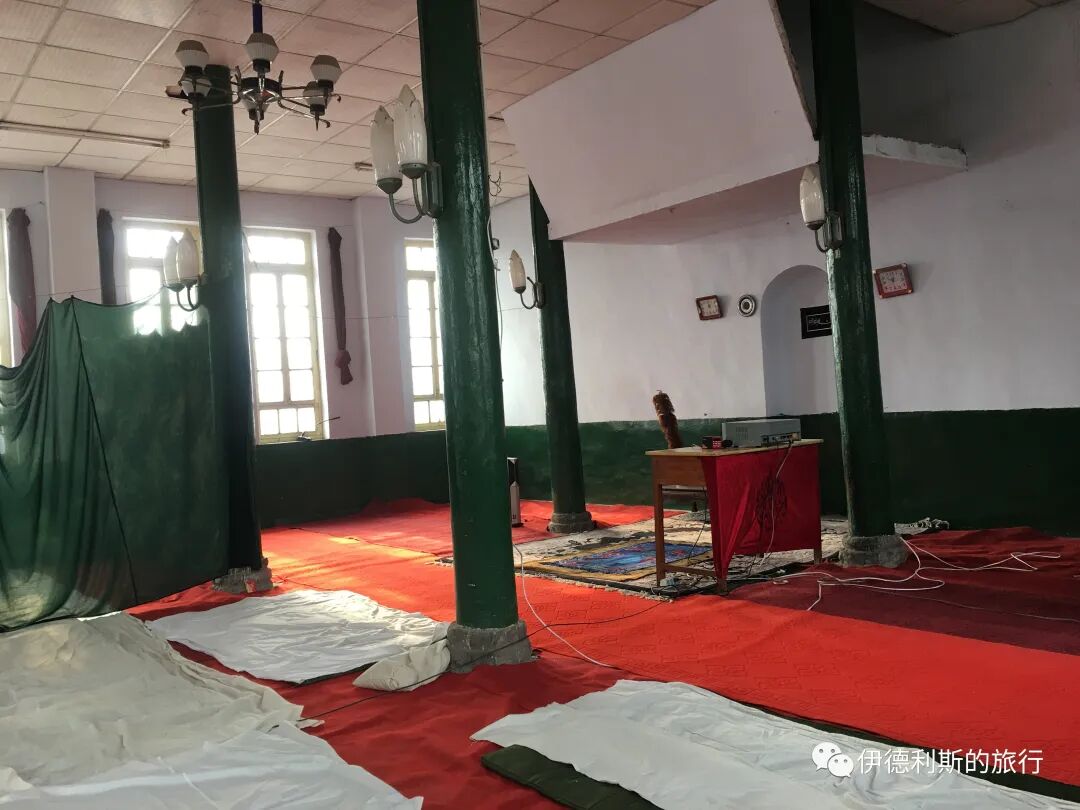
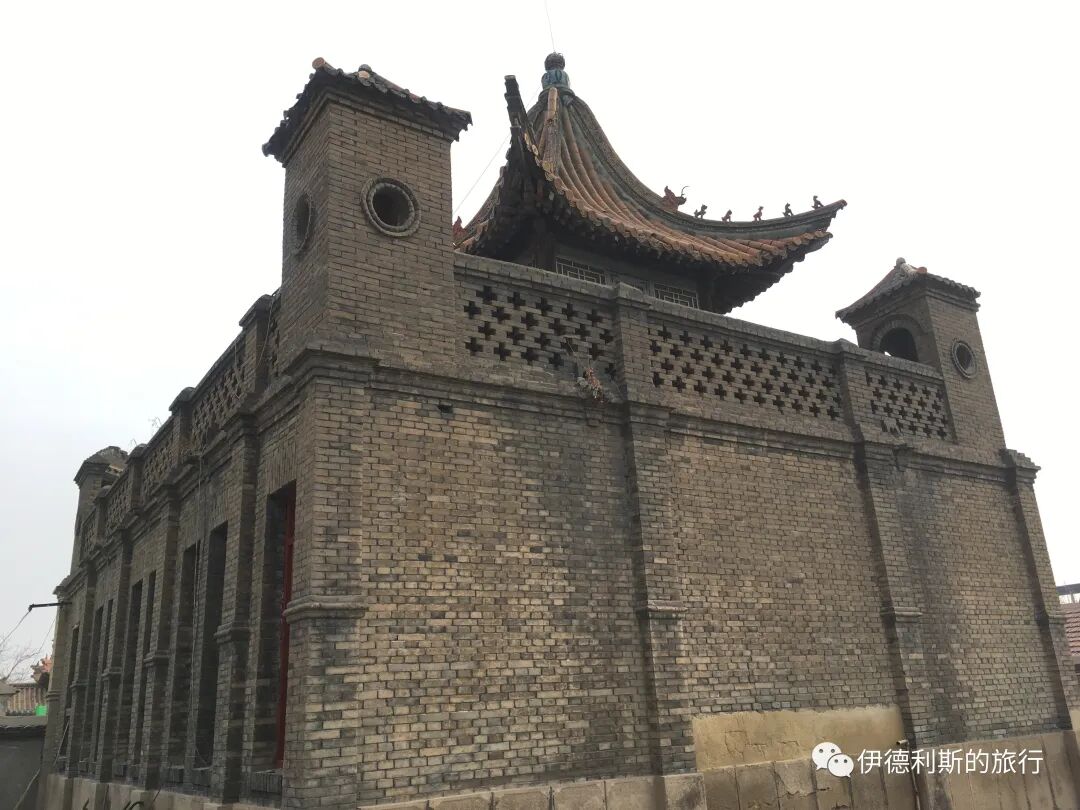
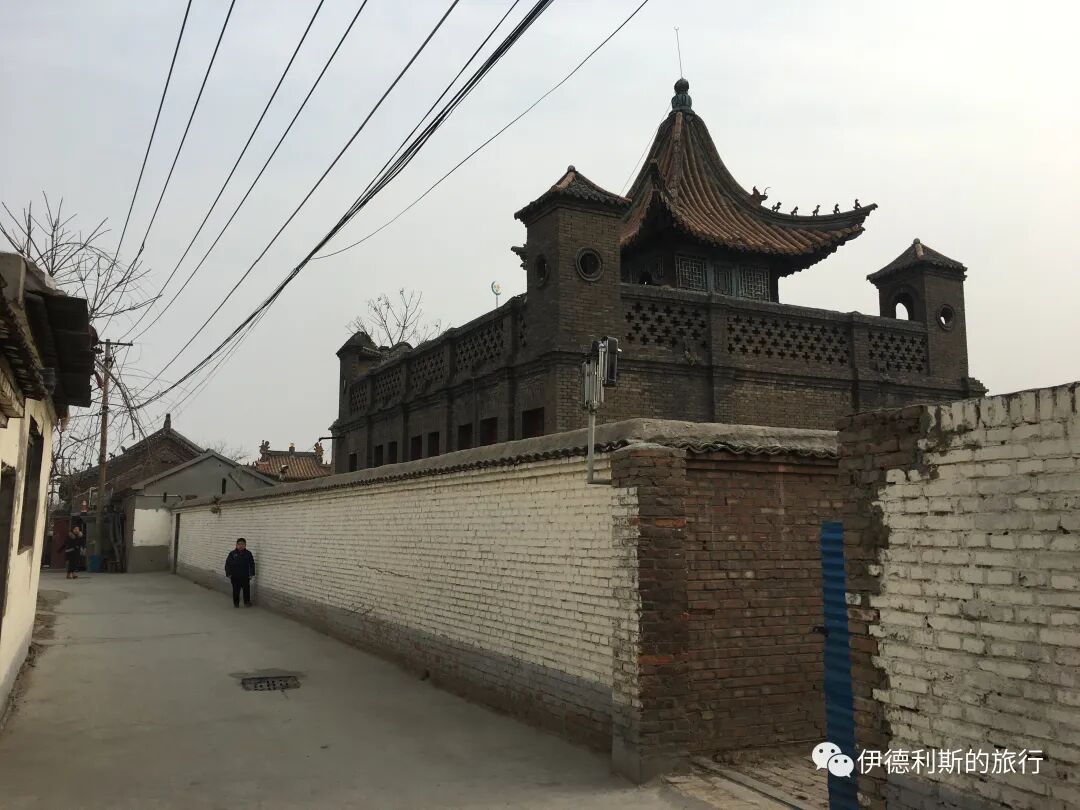
The descendants of the Sultan of Sulu were still considered foreign residents during the Ming Dynasty and the early Qing Dynasty, as they lived under the protection of the Sultan and received imperial favors throughout both dynasties. In 1730, the eighth year of the Yongzheng reign, the Sultan of Sulu, Sultan Badaruddin, who was a descendant of the Sultan of Sulu's eldest son, Dumatuh, paid a visit. He first went to the Tomb of the Sultan of Sulu in Dezhou to pay his respects and met the Sultan's descendants, An Ruqi and Wen Chongkai, who asked him to help them become Chinese citizens. Sultan Badaruddin also felt that since they were separated by vast oceans, it would be difficult for them to return, so he petitioned the imperial court to allow them to join China.
In 1731, the ninth year of the Yongzheng reign, the Qing government agreed to let the descendants of the Sultan of Sulu become citizens of Dezhou and officially assigned them the surnames Wen and An. As a result, 193 people, including An Ruqi and Wen Chongkai, were registered as commoners and finally became Chinese citizens.
After becoming citizens, the descendants of the Sultan of Sulu began opening halal snack shops in busy areas of Dezhou like Beichang Street, Shuncheng Street, Xiguan, Qiaokou Street, Xuanhuajiao, and the Rice Market. They usually rented a whole or half storefront, built a stove, and the husband and wife or father and son would make pan-fried flatbread (guobing), sesame flatbread (shaobing), roasted beef, and roasted lamb. They hung a wooden sign with a soup pot symbol in front of the shop, with Arabic script written horizontally and the Chinese characters for Western Regions Hui Muslims and Halal Faith written on it. Today, in the southwest of Beiying Village, there is a braised chicken (paji) shop run by descendants of the An family. We bought braised chicken, chicken gizzards, and chicken livers, and they were especially delicious.
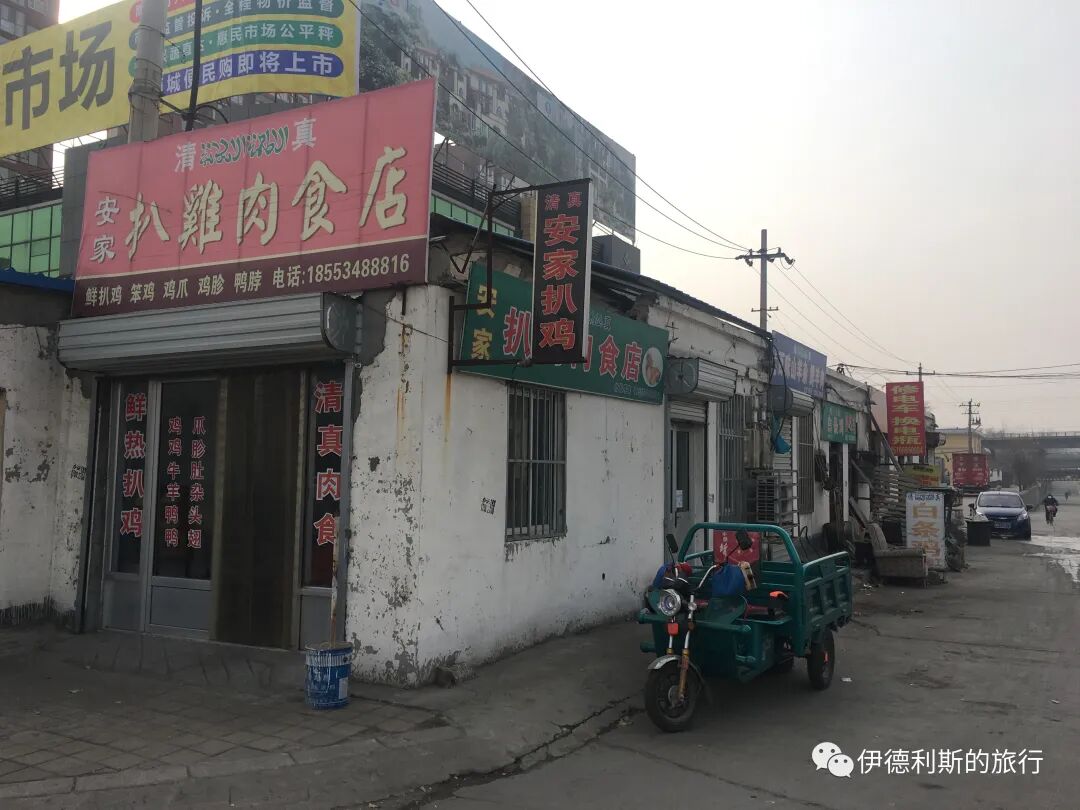
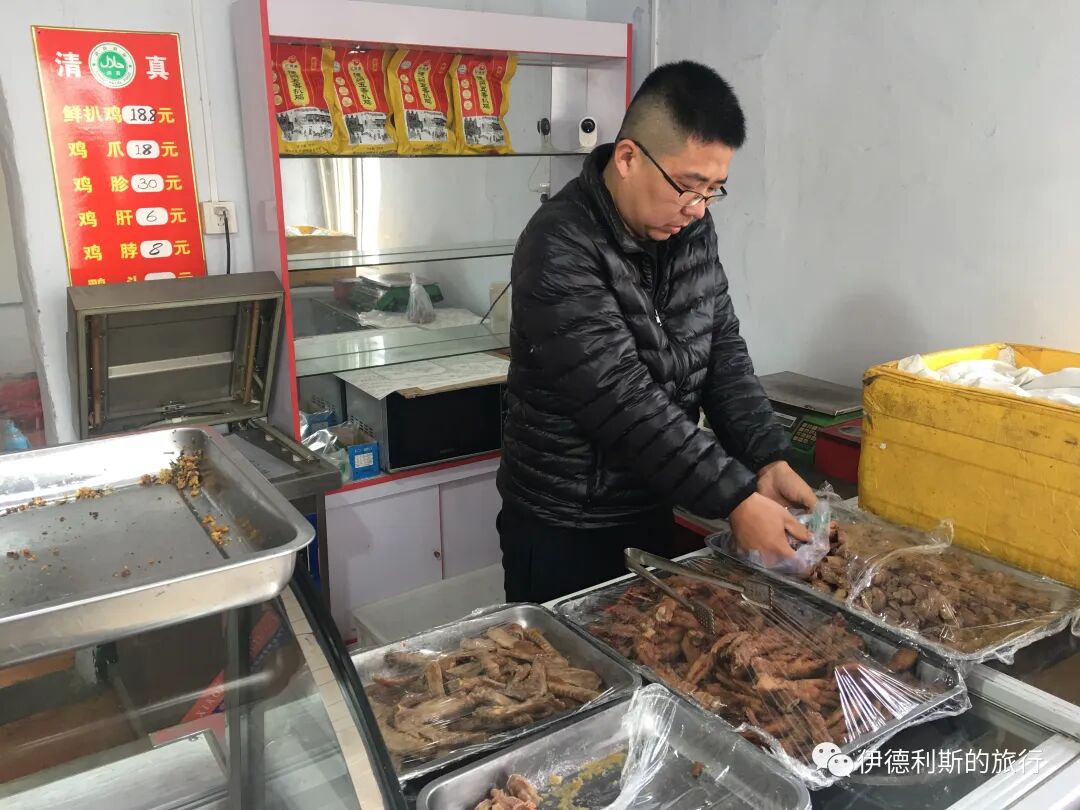
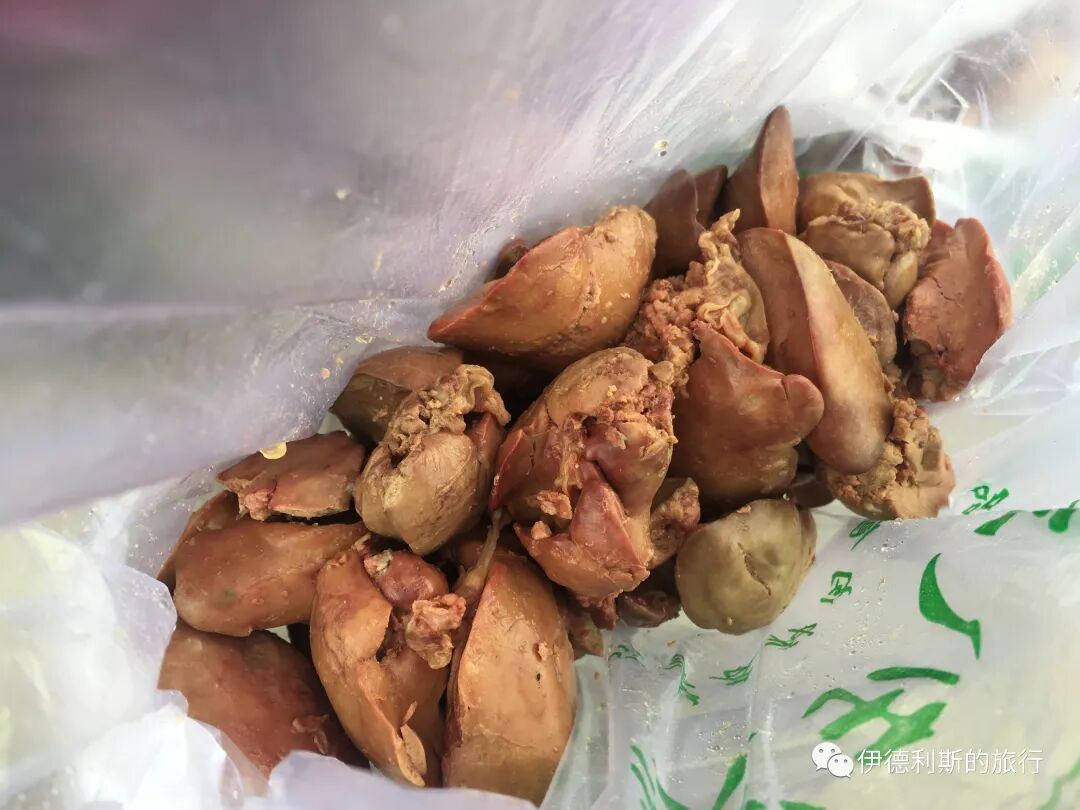
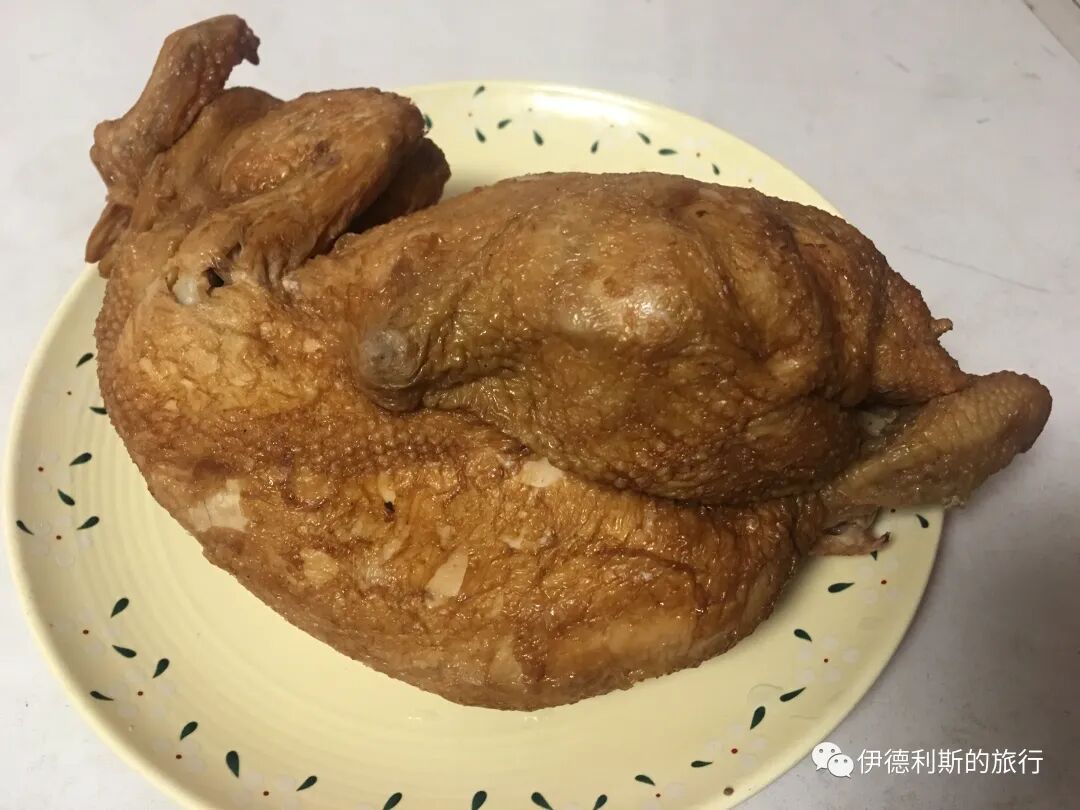
Before the Republic of China era, the life of the villagers in Beiying Village was quite simple: they received regular imperial grants, farmed the sacrificial land, and visited the tomb. Because they were exempt from taxes and labor service, the villagers of Beiying Village lived a peaceful and quiet life like a paradise.
In the first year of the Republic of China, the Tomb of the Sultan of Sulu held its last official memorial ceremony. According to the elders, the magistrate of De County arrived that year in a large sedan chair carried by four men, accompanied by flags, umbrellas, fans, gongs, and long horns. The procession walked in order to the Tomb of the Sultan of Sulu, where they set up a temporary shed and an altar table, with dozens of soldiers guarding the area.
After this, the government took back the 2 qing and 38 mu of sacrificial land and stopped the regular grants, ending the paradise-like life of Beiying Village.
Soon after, Dezhou suffered from the 1917 canal flood. The entire Beiying Village was severely damaged, leaving only nine houses standing. Many villagers survived only because they climbed onto the dome of the Tomb of the Sultan of Sulu to avoid being swept away by the water. After that, the villagers of Beiying Village began to move away one after another, and many girls married Hui Muslims from neighboring counties.
In 1955, the De County government bought the houses of the Beiying villagers at a set price under the name of ethnic minorities returning to their ancestral homes and forced them to move to the rural areas in the suburbs of Xining, Qinghai. The villagers of Beiying packed their bags and left their homes with their families. At that time, the train only went as far as Lanzhou, so they traveled in batches by car, horse-drawn carriage, and on foot to meet in Xining, where they were assigned to work in a commune in the eastern suburbs of Xining.
After the Beiying villagers arrived in Qinghai, some elders passed away because they could not adapt to the local environment. Most people were not used to life in the Northwest and returned to Dezhou one after another within two or three years.
Lamb soup (yangtang) of Beiying Village
Next to the Tomb of the Sultan of Sulu, a new North Camp Ethnic Style Street (Beiying Minzu Fengqing Jie) has been built. It features beef and lamb shops run by the descendants of the Wen family, as well as a whole lamb soup (quanyangtang) shop owned by the Li family. Their lamb soup tastes amazing, though it comes with a lot of green onions and onions. It wasn't until we visited the farmers' market on the site of the old Dezhou Canal cargo yard that we understood why the soup had so many green onions and onions (piyazi). Shandong really has a lot of green onions!
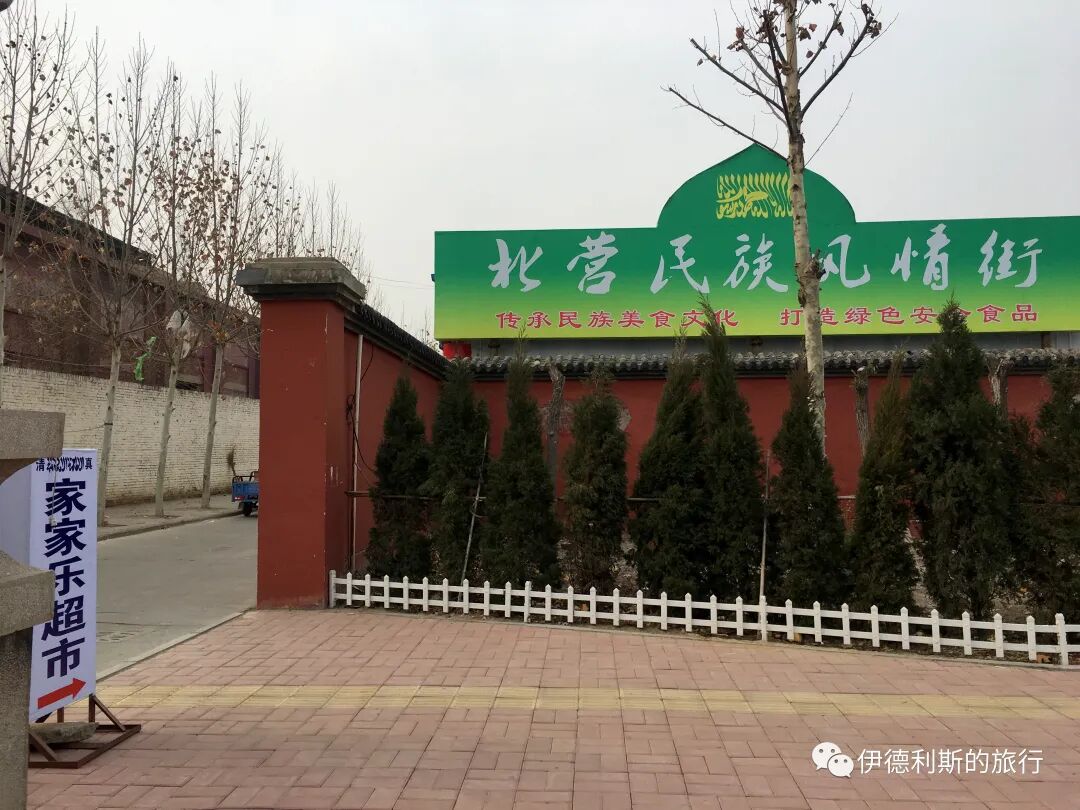
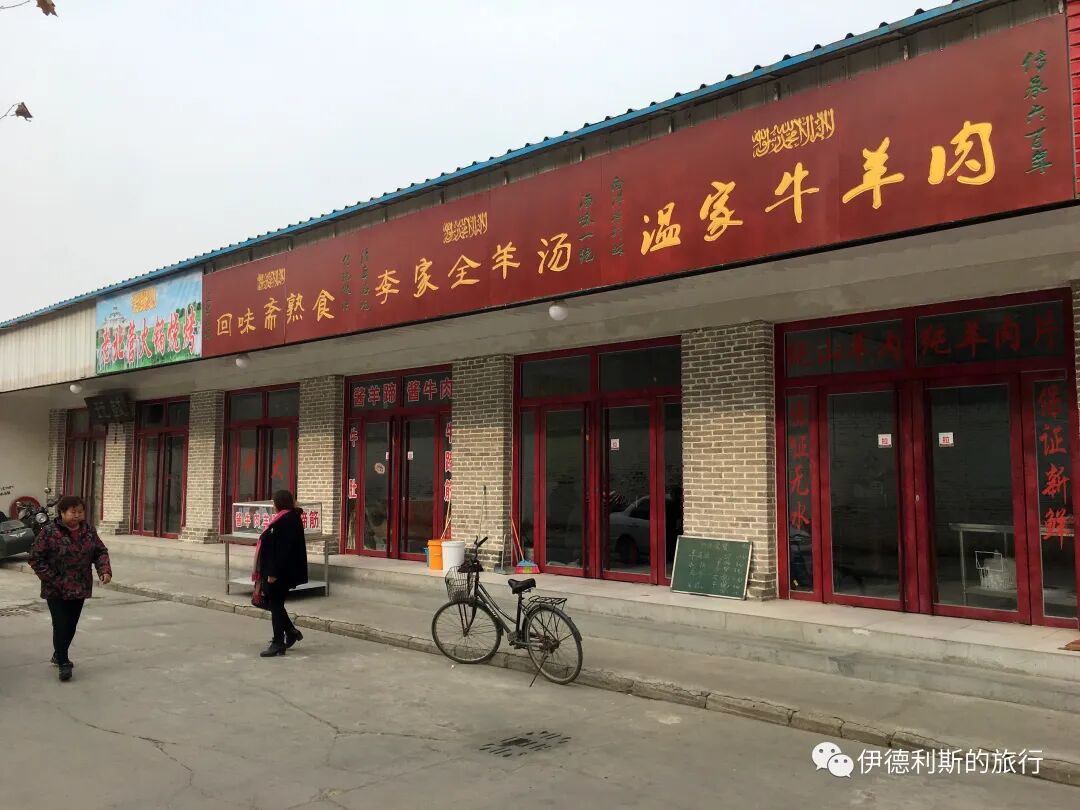
The shop introduction says the owner's uncle, Li Qingyun, was once the manager of the Dezhou Third Restaurant and studied the preparation of whole lamb soup in depth.
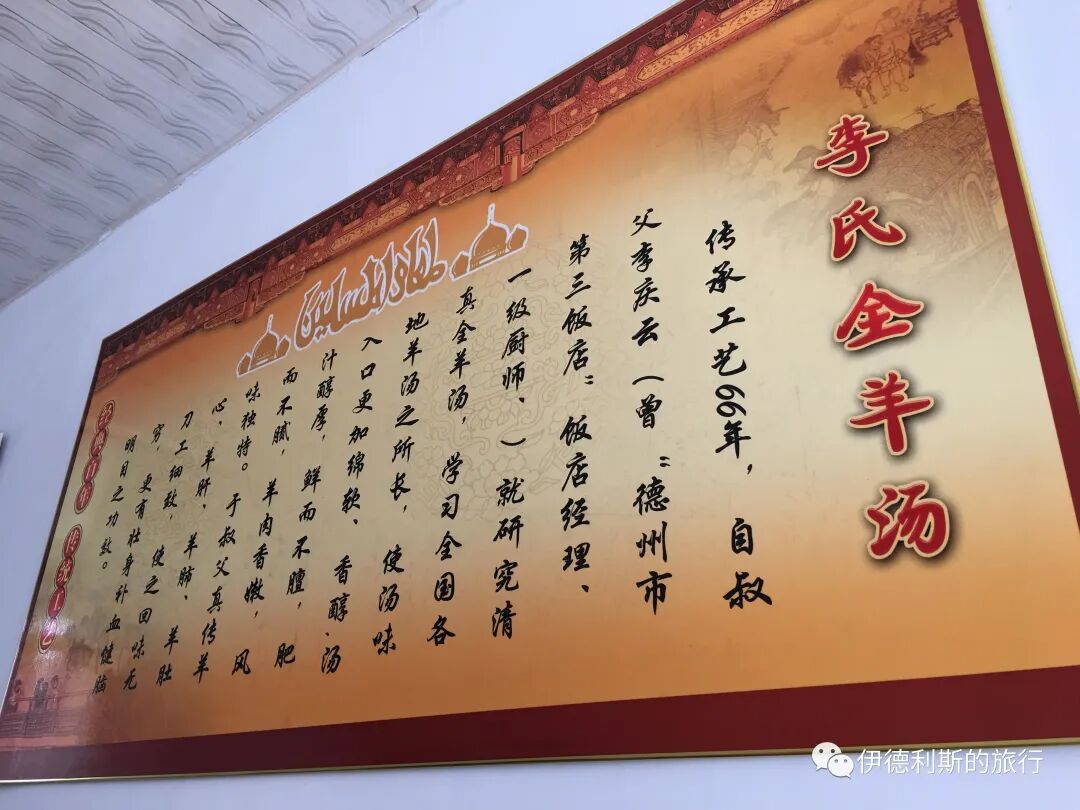
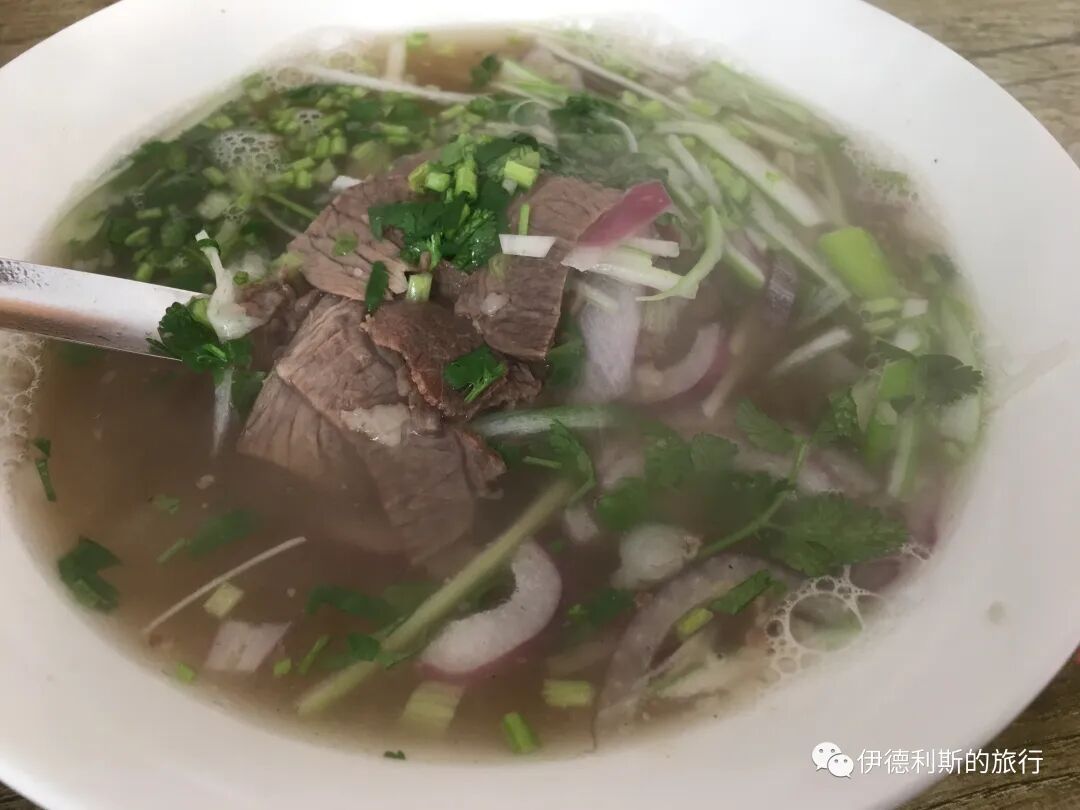
Qiaokou Street
Qiaokou Street was the busiest canal market in Dezhou during the Ming and Qing dynasties. Next to it is Xiaoguoshi, another village for Hui Muslims in Dezhou besides Beiying Village. Xiaoguoshi was where pots were unloaded at the canal docks back in the day. From the charity (nietie) notices at the mosque entrance, you can see that descendants of the Sultan of Sulu with the surname An live here, along with the Man and Wan surnames common among Dezhou Hui Muslims.
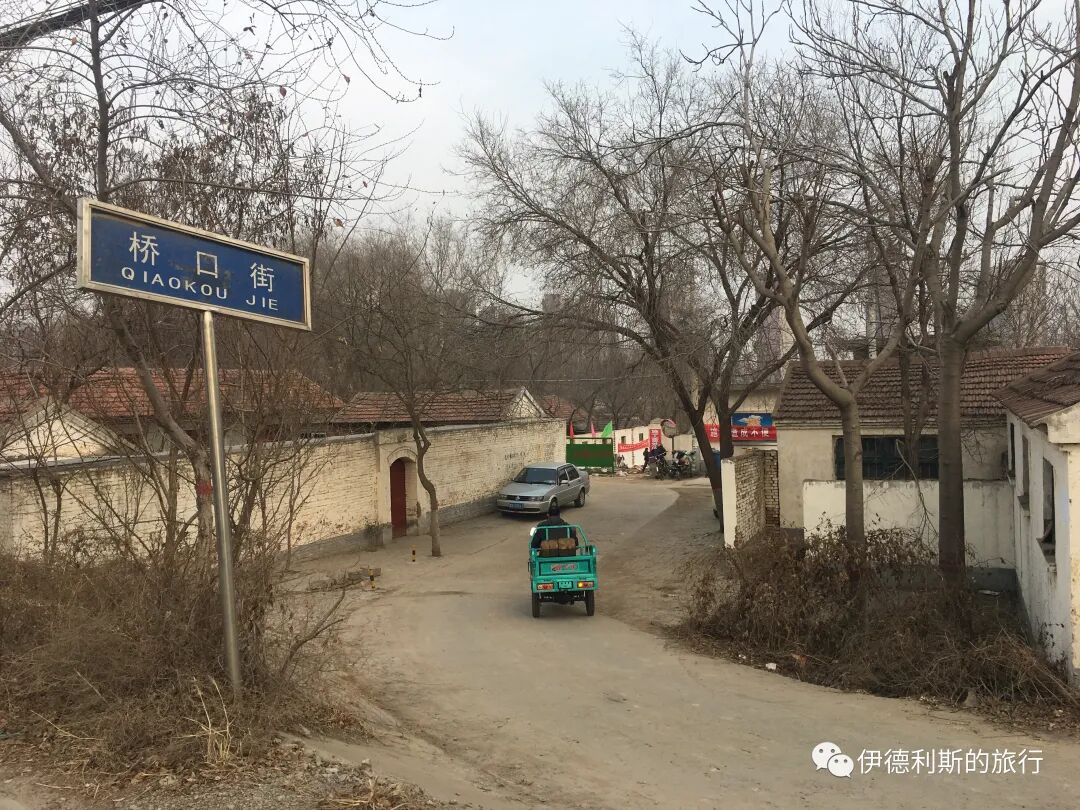
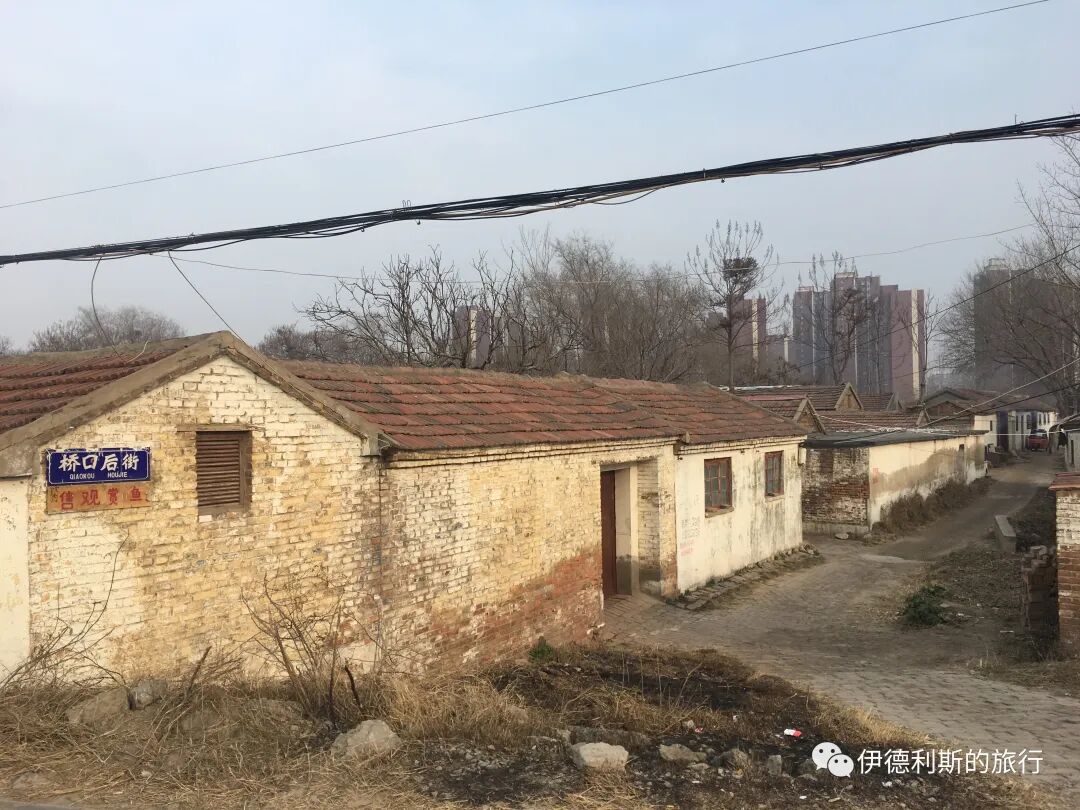
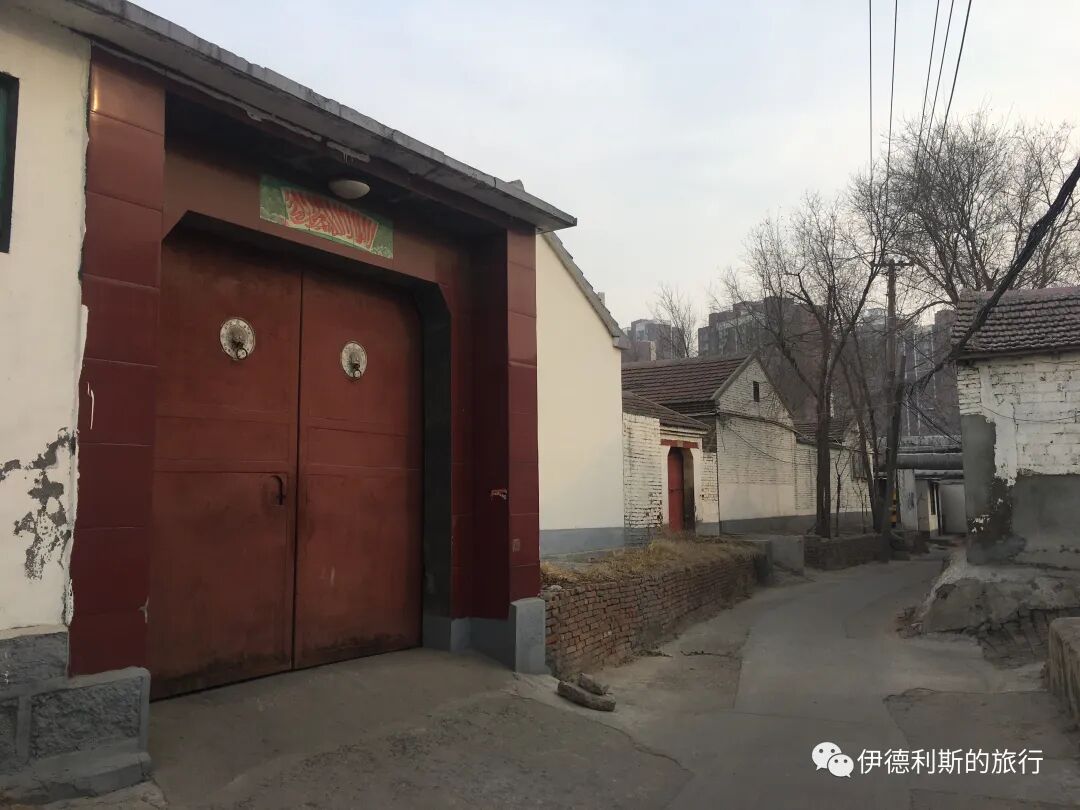
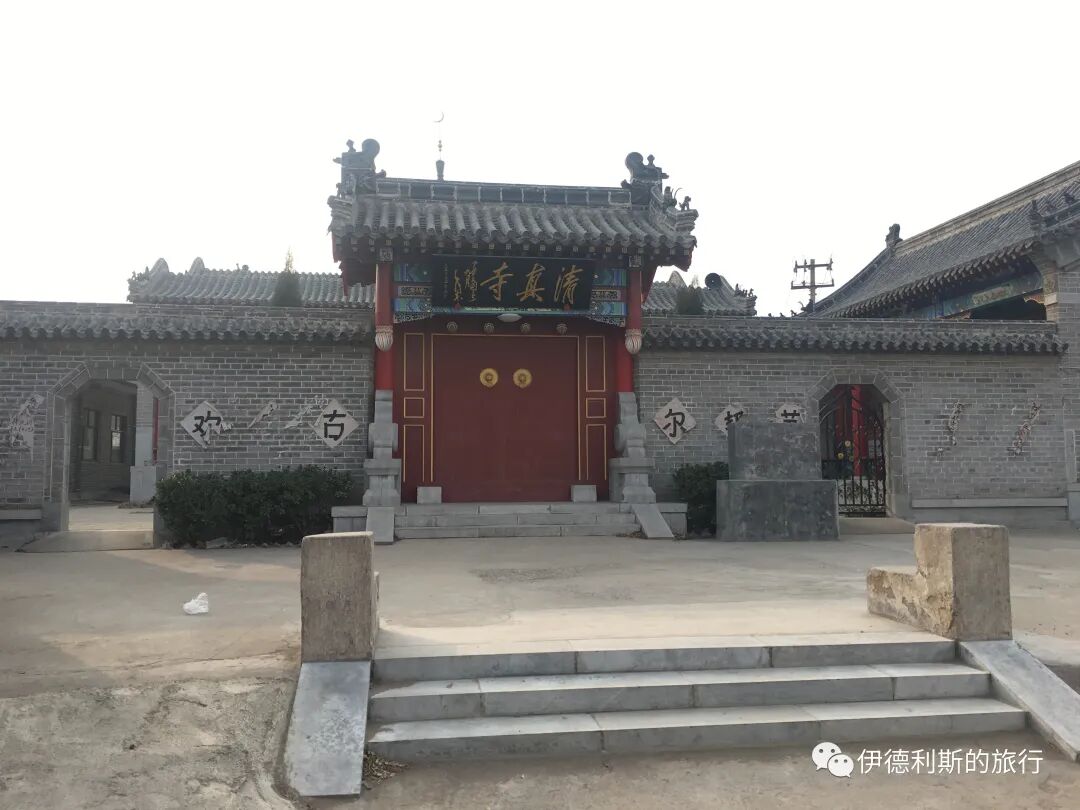
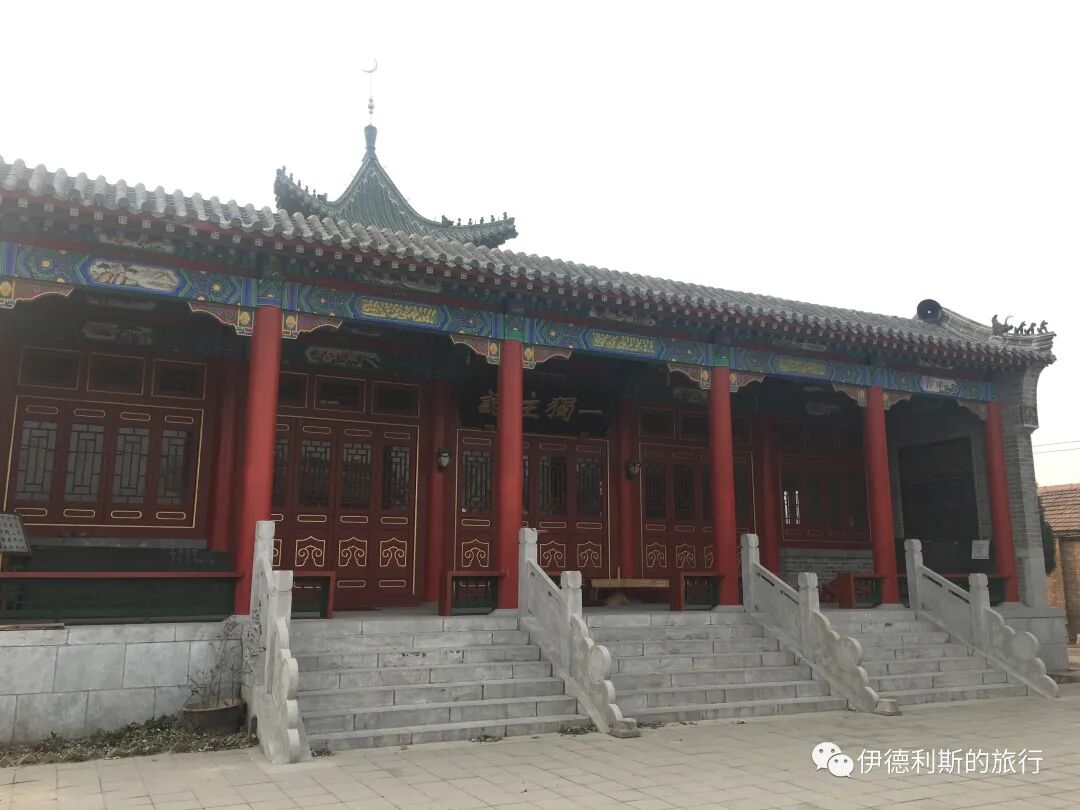
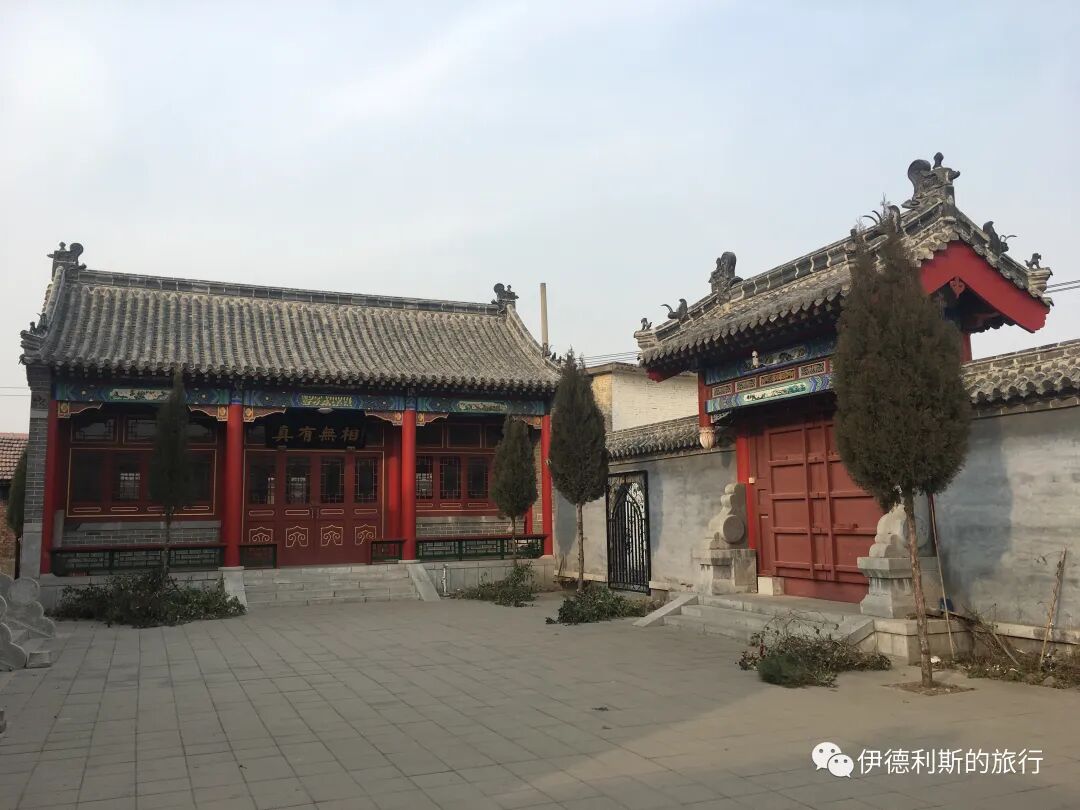
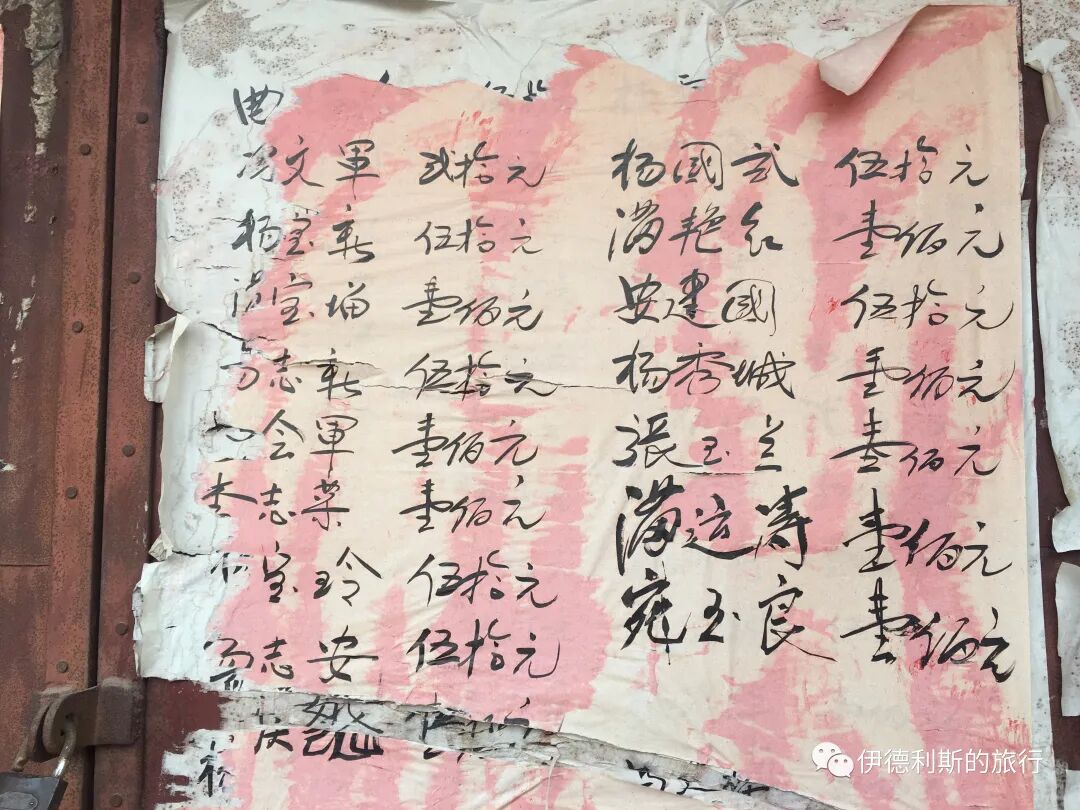
Nanying Street
Besides the North Camp Hui Muslim village in the north of Dezhou, there is also a South Camp Hui Muslim street in the south. We visited the Dezhou Nanying Mosque before dark. The Nanying Street Mosque was built in the late Ming and early Qing dynasties, but unfortunately, it was rebuilt as a concrete structure in 2006.
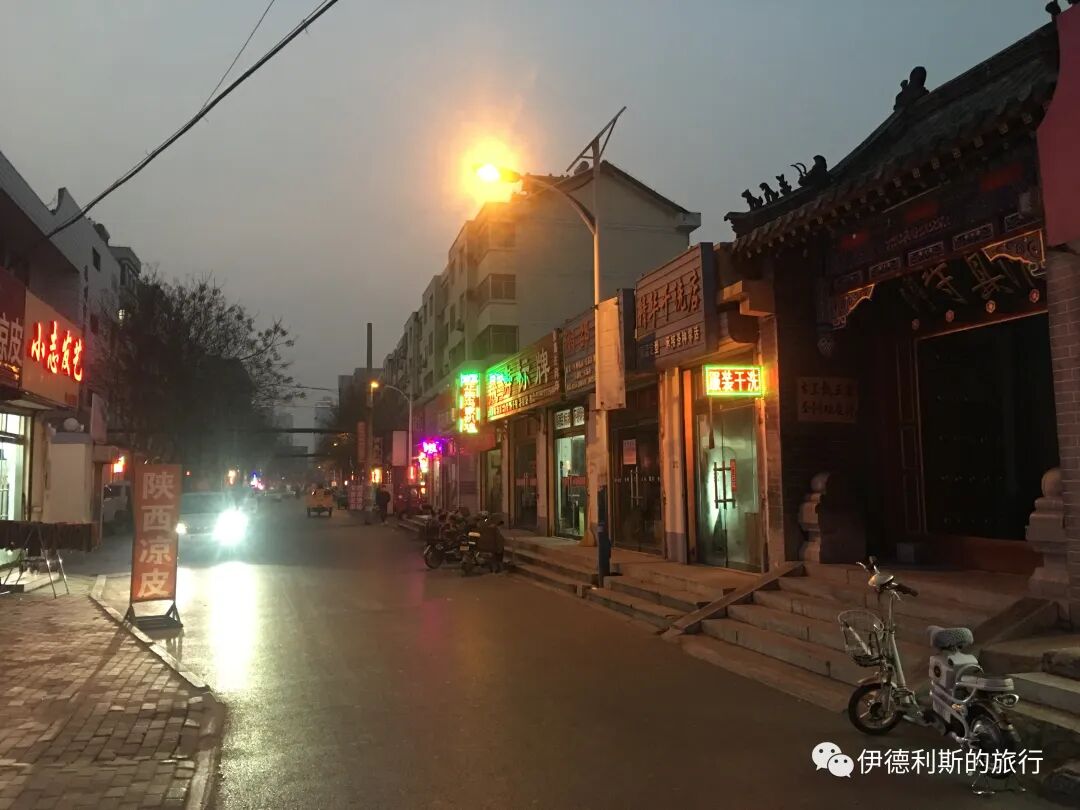
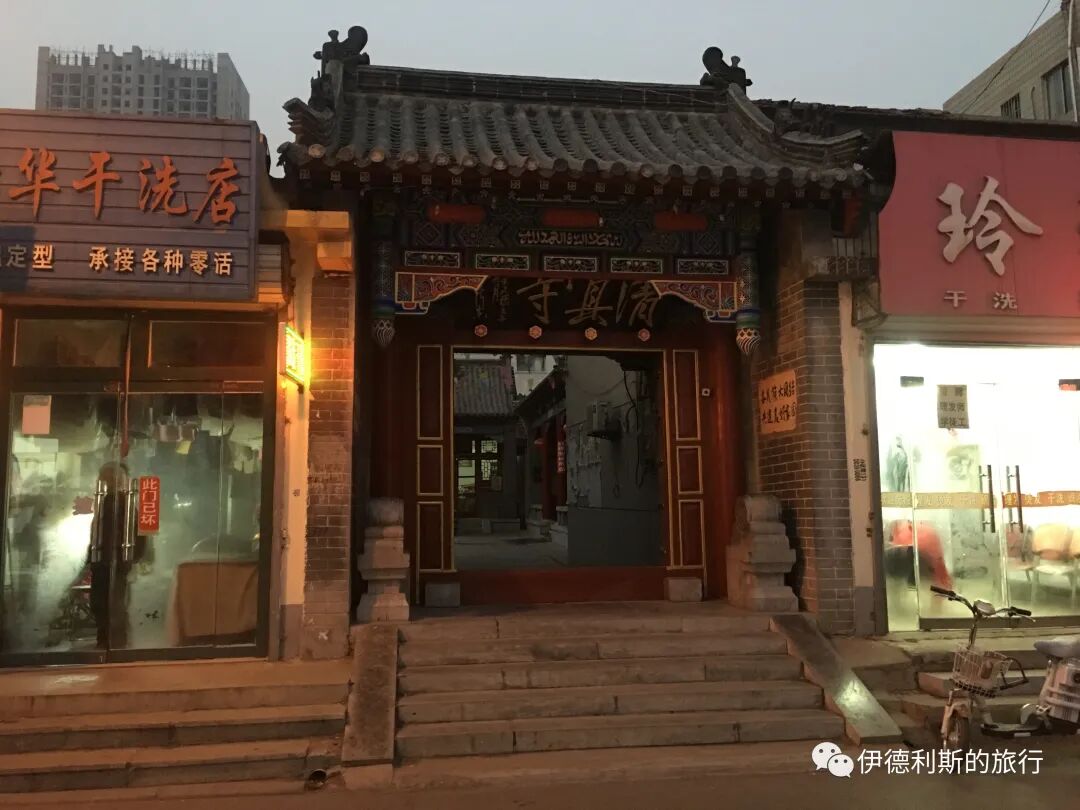
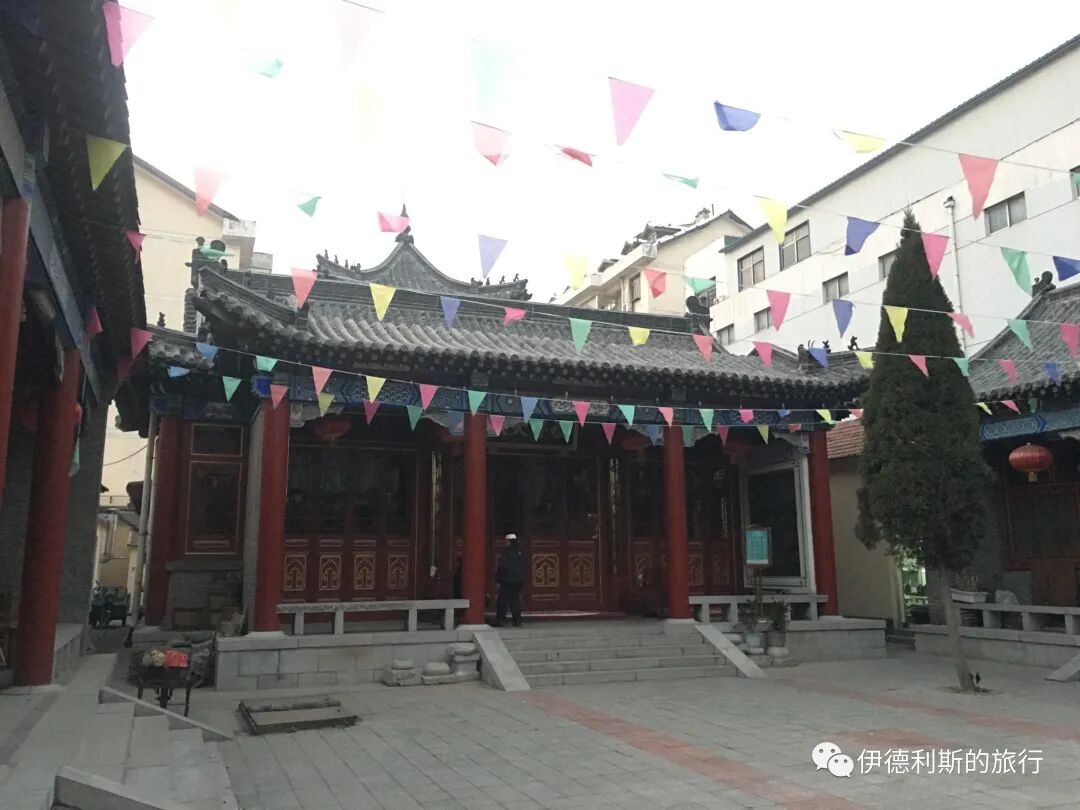
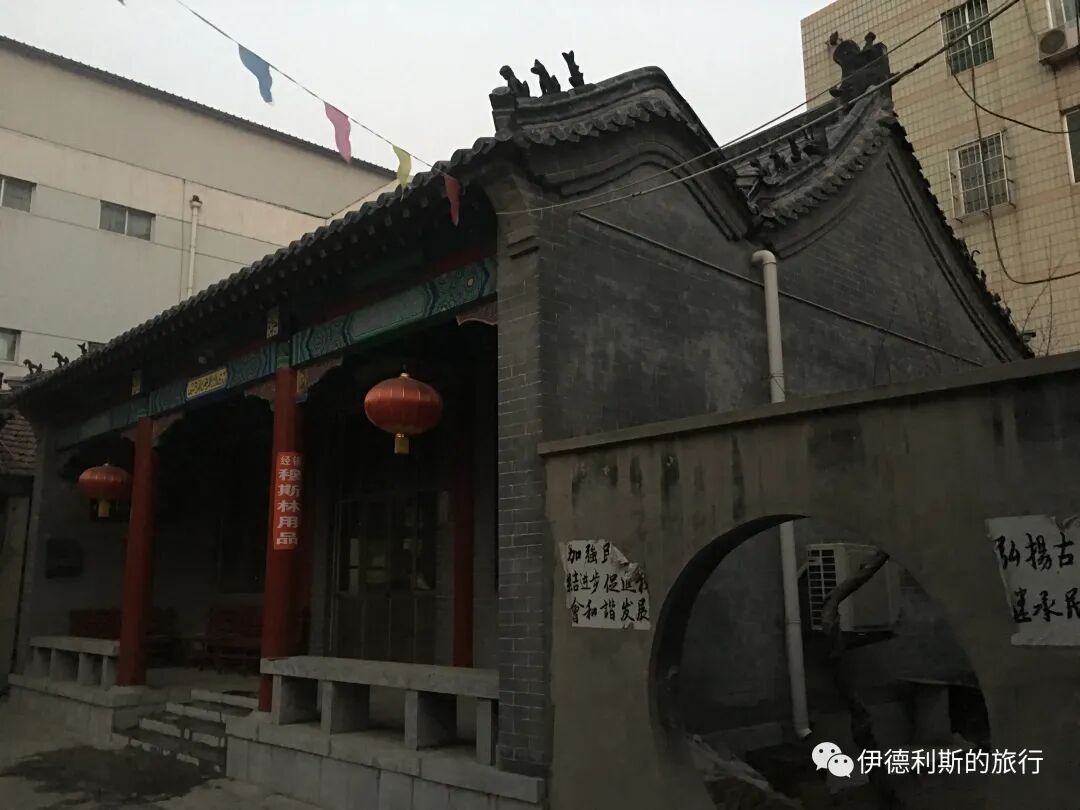
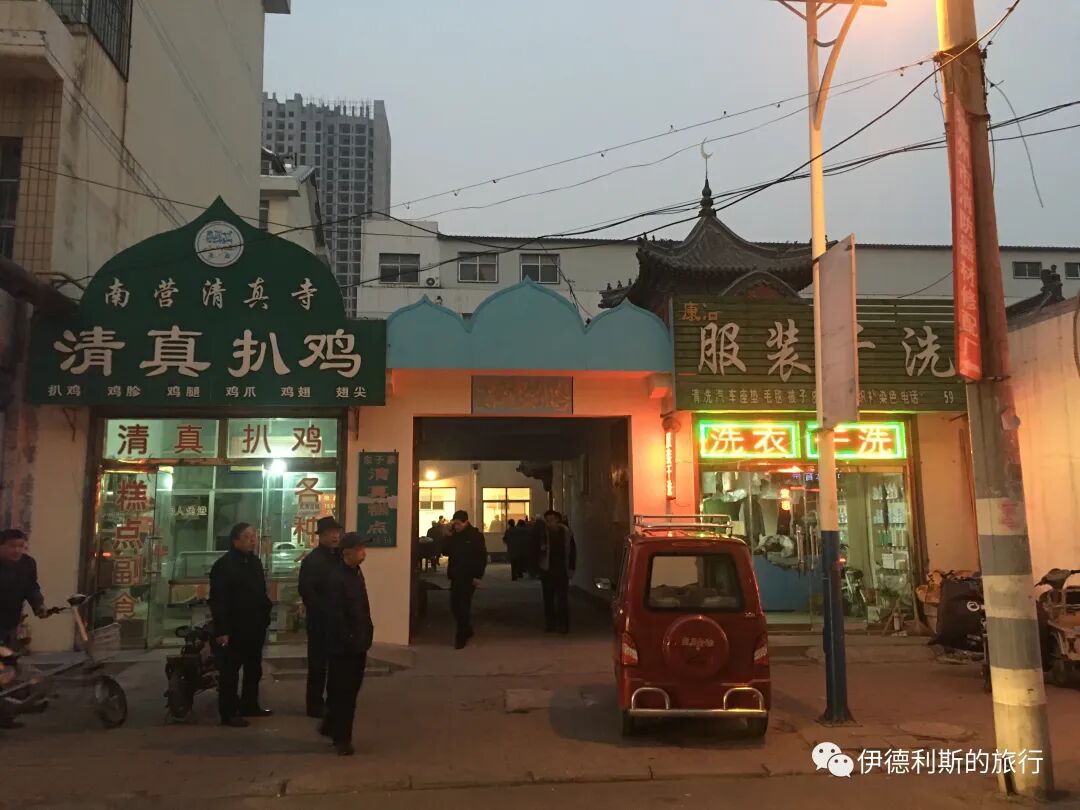
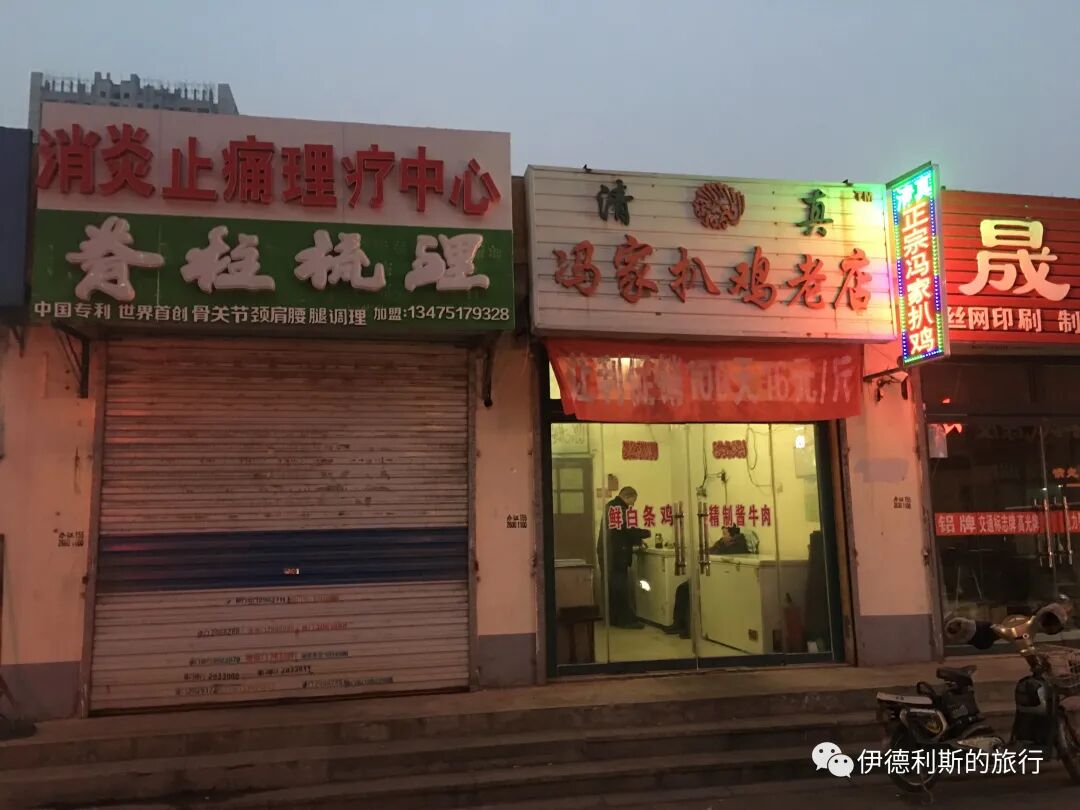
In the evening, we ate braised goose and fish-flavored eggplant at Guixianglou in Dezhou. Shandong food portions are huge! The goose was really big! The outside of the eggplant was crispy, with a texture a bit like french fries covered in sauce.
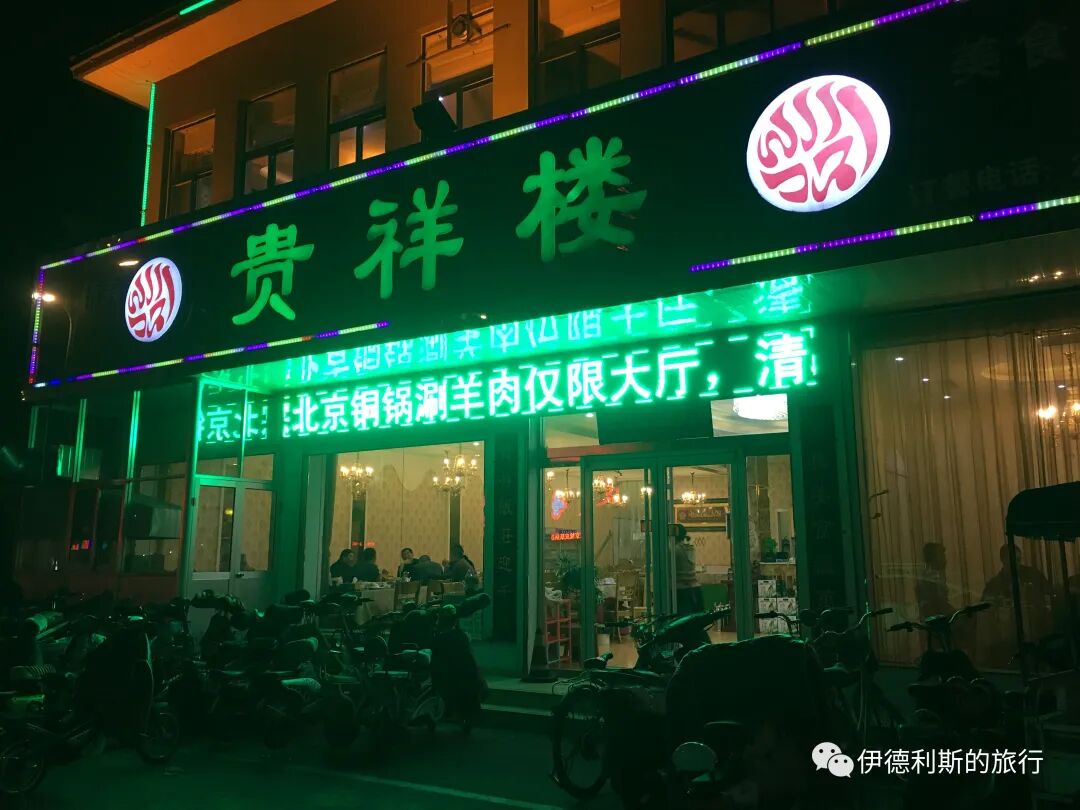
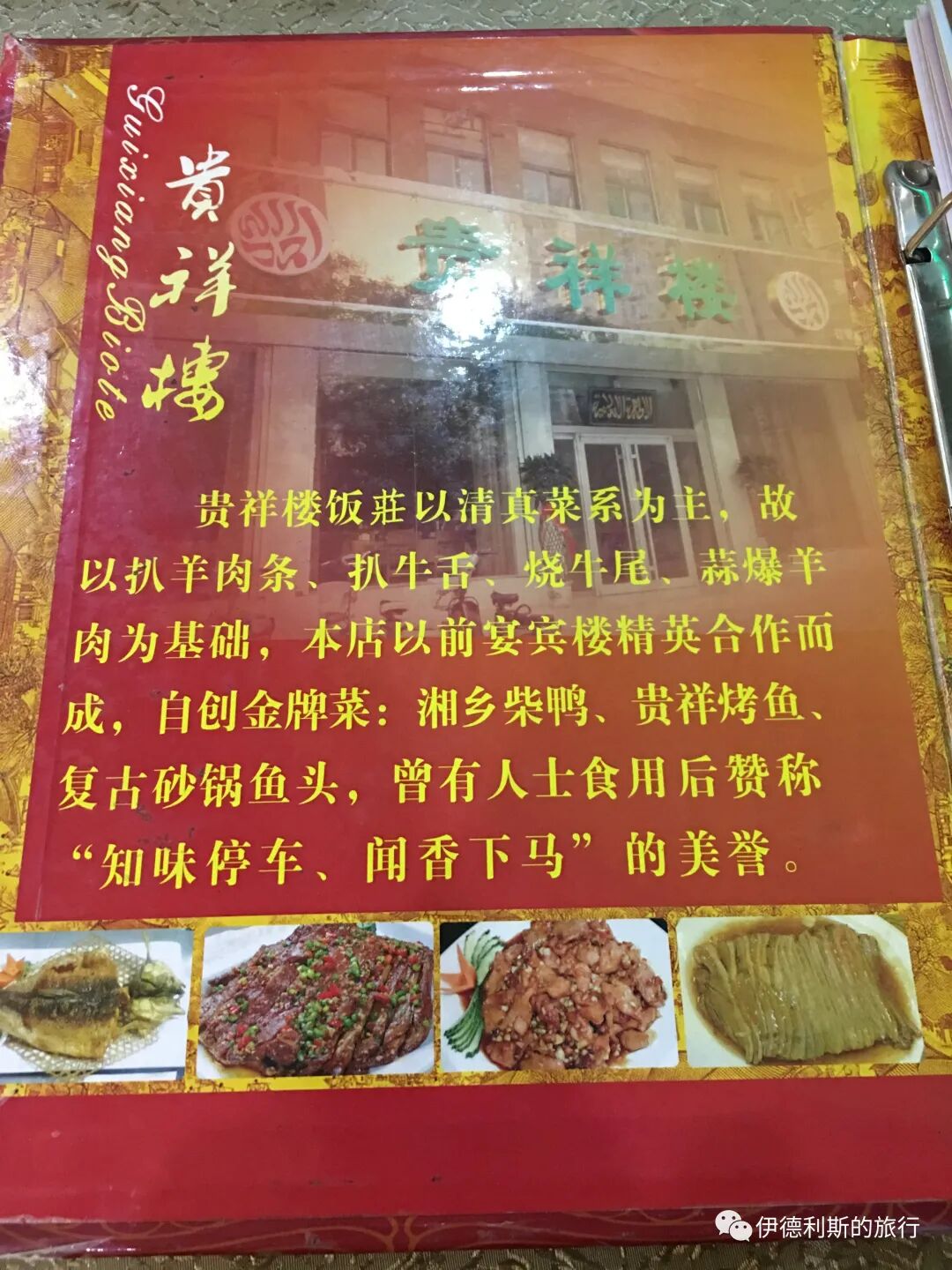
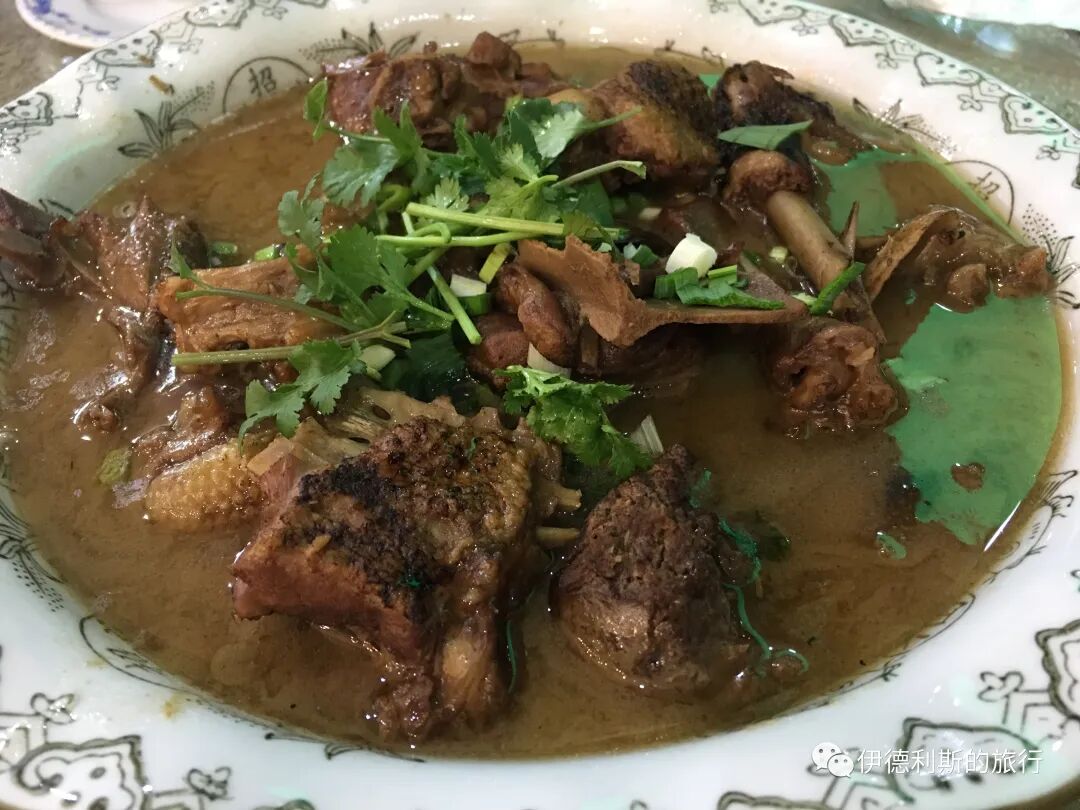
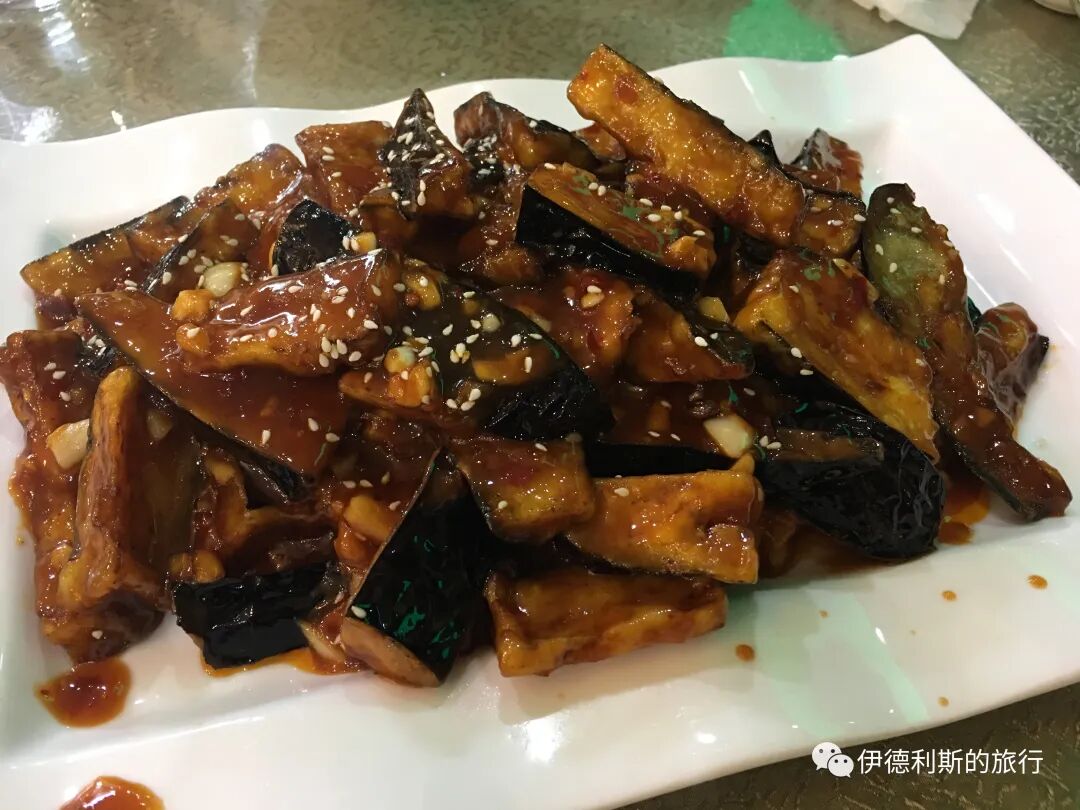
Dezhou Section of the Grand Canal
The Dezhou section of the Grand Canal began in 608 (the fourth year of the Daye era of the Sui Dynasty) when Emperor Yang of Sui opened the Yongji Canal. During the Jin Dynasty, the Lingcang granaries were built in Dezhou, making the city an important hub for grain transport storage. In the Yuan Dynasty, the Shandong section of the Beijing-Hangzhou Grand Canal was fully opened, and the volume of grain transport through Dezhou increased year by year. The Dezhou section of the canal in the Qing Dynasty followed the Ming Dynasty model, with comprehensive renovations carried out during the reigns of Kangxi, Yongzheng, and Qianlong. Finally, in 1901 (the 27th year of the Guangxu era), the official grain transport system was completely abolished as taxes were converted to silver payments. The imperial court dissolved all canal management agencies and divided the canal's jurisdiction among the provinces.
After the Republic of China was established, the Dezhou section of the canal fell into disrepair. The riverbed gradually silted up and frequently breached its banks until navigation was restored following a project to manage the northern section of the Shandong Canal in 1934. In 1940, the Dezhou-Shijiazhuang Railway opened. Coal from Shanxi was transported east by rail directly to the Dezhou docks for unloading, and the Dezhou section of the canal became busy again.
The Dezhou Power Plant engine room by the canal was built in 1938. It was originally the De County Electric Light Plant, which began operations in July 1938. It shut down during the day and generated power at night, mainly providing electricity for the Japanese barracks and some shops in front of the train station.
In early 1949, the Dezhou City Power Company built a power plant based on the De County Electric Light Plant, which officially began generating power in January 1950. This was also the first thermal power generator in Dezhou. Later, the Dezhou Power Plant renovated and expanded its facilities in 1953 and 1956. After a new thermal power plant was built in 1959, the old power plant gradually stopped operating, but it has kept its 1950s appearance to this day.
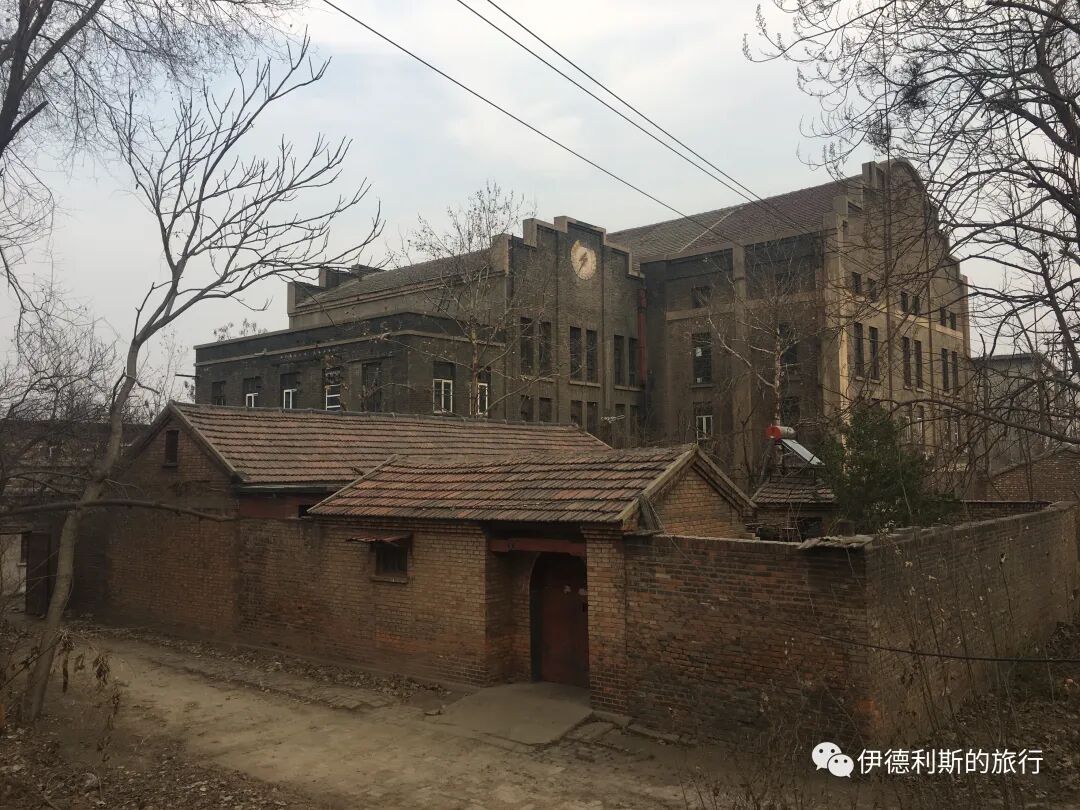
After 1949, the Dezhou Port built tracks connecting the Jinpu and Deshi railways, and the canal entered its peak period. The Dezhou Shipping Bureau was established in 1958, and it reached its peak in 1960 with 5,409 employees.
After 1962, several reservoirs were built on the upper reaches of the Zhanghe and Weihe rivers, which were the main water sources for the Dezhou section of the canal. After the Yuecheng Reservoir was completed in 1965, the Zhanghe water was completely blocked, causing the water level in the Shandong section of the canal to drop significantly. This became a turning point for the Dezhou canal port. By 1979, the Dezhou section of the canal finally stopped shipping due to a lack of water. The Dezhou Shipping Bureau was dissolved, and canal shipping in Dezhou became history.
In 1956, the Dezhou canal port began to replace its traditional slope-style docks with wall-style docks. Seven permanent docks were built in 1958, followed by five more loading and unloading docks. These included three reinforced concrete frame docks and two wooden trestle docks, providing 16 berths. By 1960, there were 43 pieces of loading and unloading machinery, creating a mechanized port.
Today, the old canal docks are still preserved and serve as waterfront platforms.
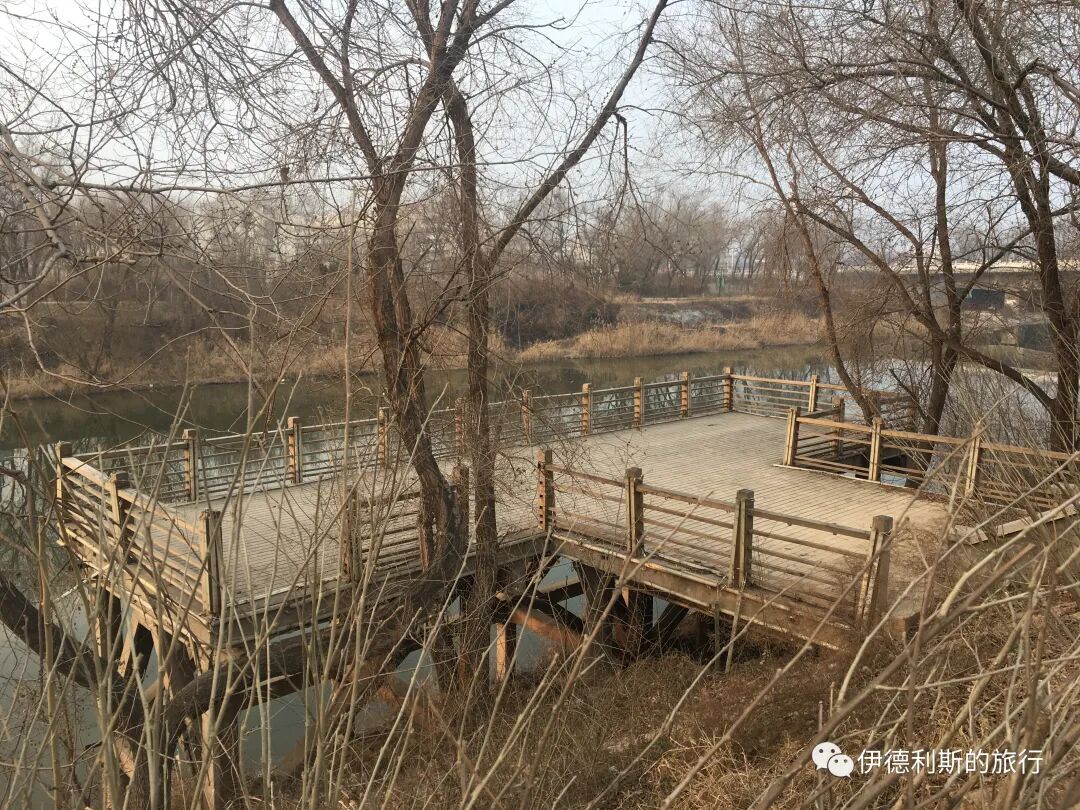
Before 1956, the companies at Dezhou Port from south to north were the Grain Company, the Coal Construction Company, the Shipping Company, and the Cotton and Textile Company, with the Coal Construction Company at the northernmost end. A bit further from the port were the Oil and Fat Company, the Timber Company, the Commercial Storage and Transport Company, and the Department Store. These companies formed a storage cluster at Dezhou Port, and many guard towers were built to protect the warehouses. After the Dezhou Port Management Station was set up in 1956, the area to the south containing the Grain and Coal Construction companies was incorporated into the Dezhou port area. The Cotton and Textile Company remained because it had an advanced cotton baling plant.
Dezhou storage in the 1950s:
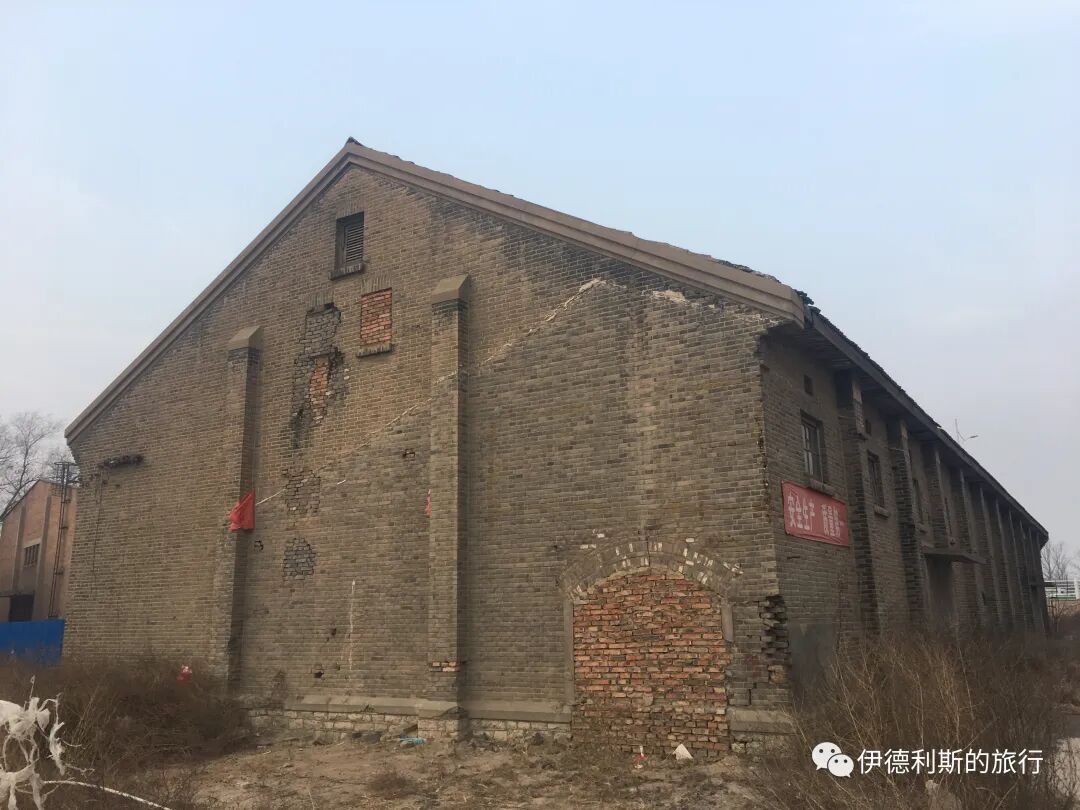
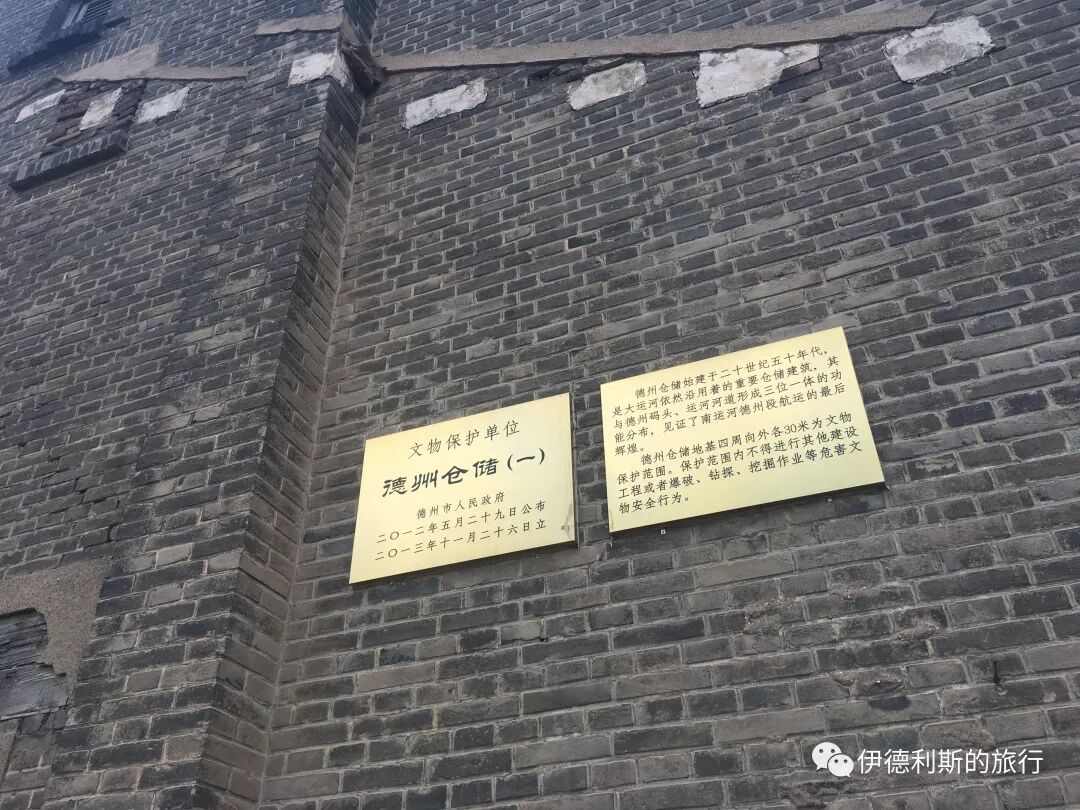
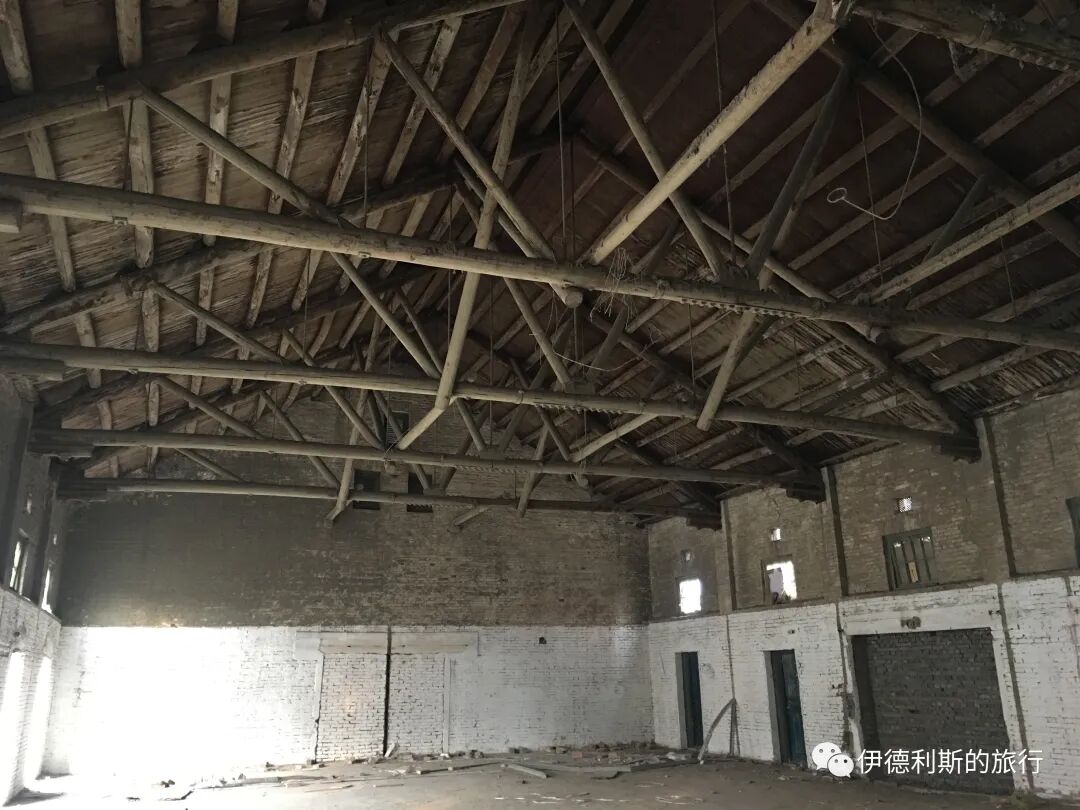
The guard tower built by the Cotton and Textile Company in the 1950s not only served as a security post but also marked the boundary between the company and Dezhou Port.
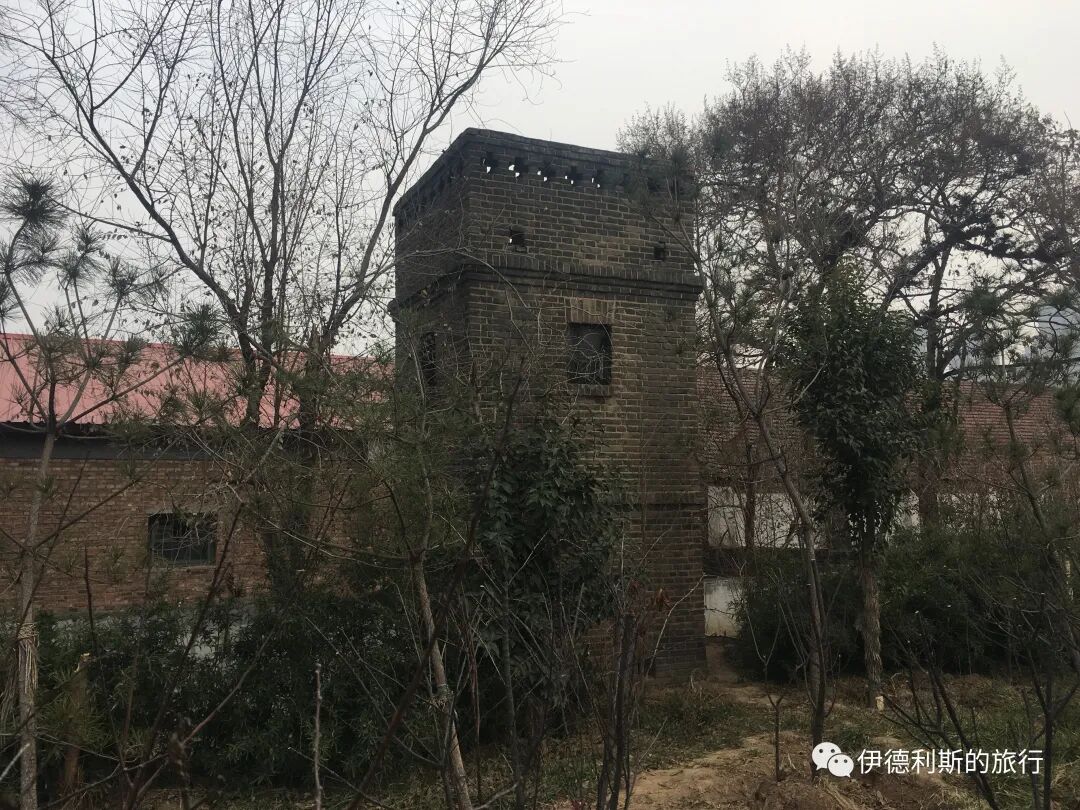
The Dezhou Port of that time connected directly to the Jinpu Railway, allowing canal cargo to be transferred straight to the trains. The building below is the former train station dedicated to Dezhou Port.
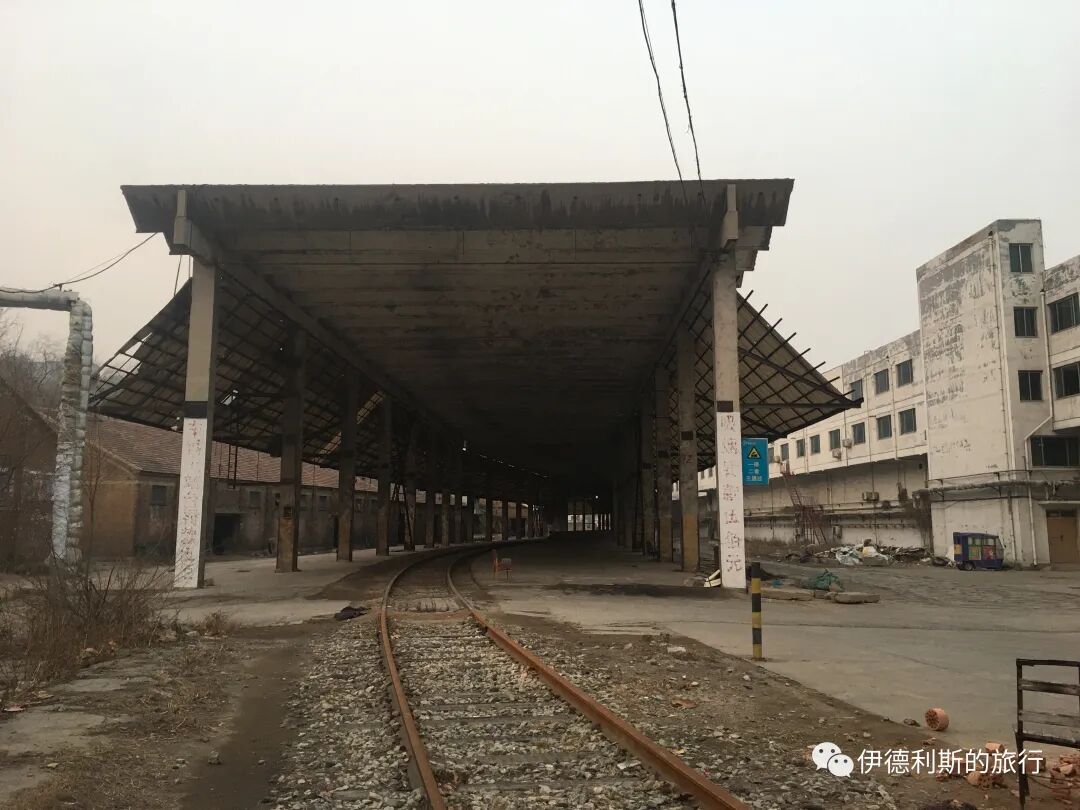
This is the remains of the Dezhou Port freight yard.
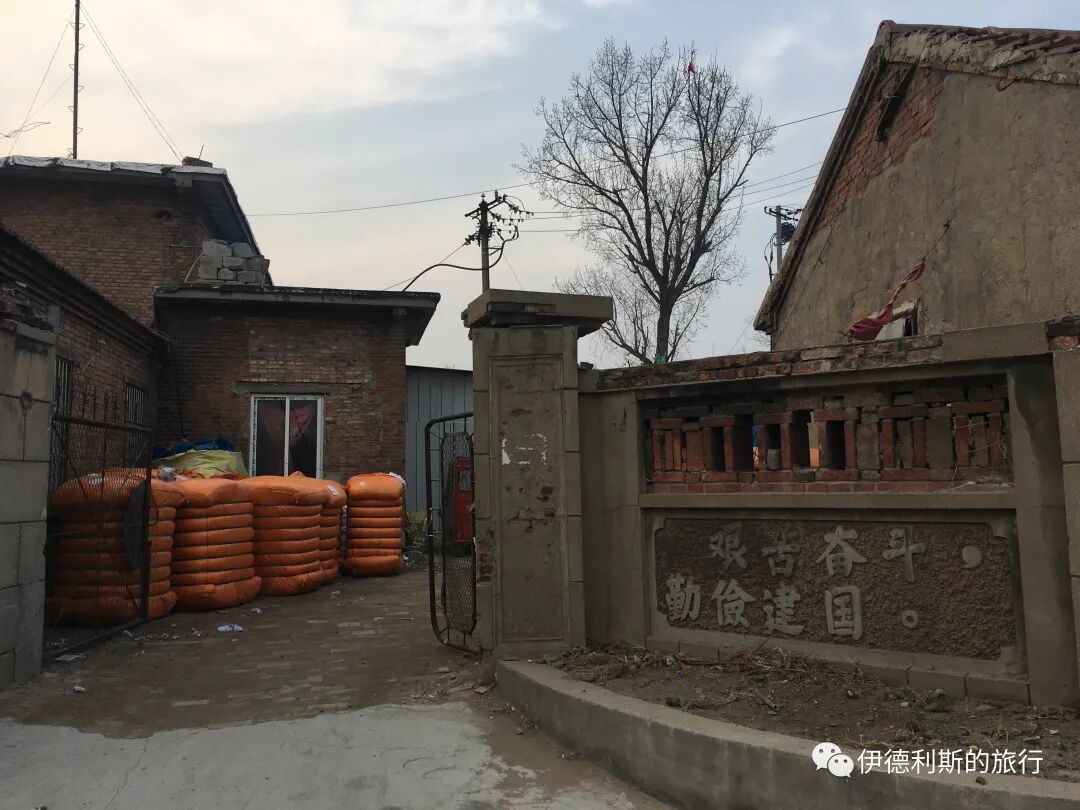
Around 1963, a dispatch tower was built on the canal bank, and loudspeakers were installed on top. The duty dispatcher would stand in a small glass room on the roof and direct ships through a microphone, while the chief dispatcher and planners coordinated from below. This was a symbol of how busy the Dezhou section of the Grand Canal used to be.
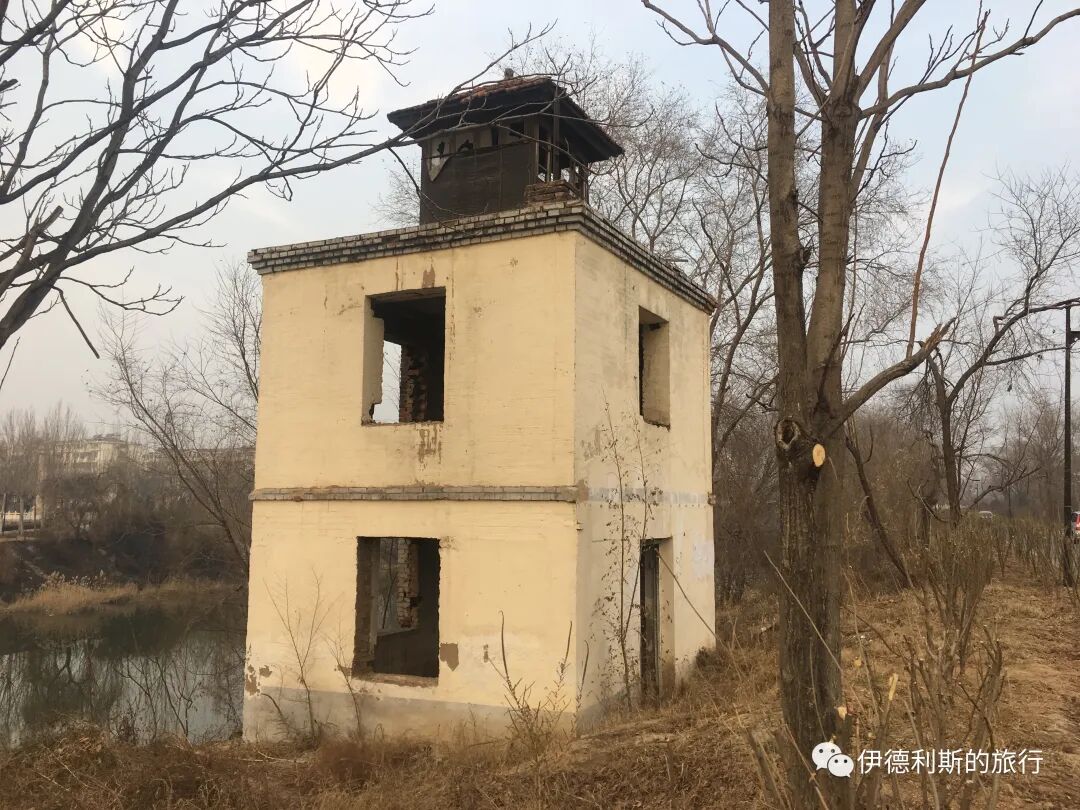
Dezhou's Jiulongwan Park is a rare industrial heritage park. It was originally the first water plant in Dezhou, built in the 1920s. Between 1925 and 1928, while Zhang Zongchang was governor of Shandong, tens of thousands of Fengtian Army troops were stationed in Dezhou to prepare for the Zhili-Fengtian War. To provide drinking water for the troops, Zhang Zongchang built the earliest water supply facility at Jiulongwan by the canal, using the Grand Canal as the water source. Due to military security needs, the water plant was heavily guarded by troops and was known at the time as the Water Camp.
In 1953, the Dezhou State-Owned Water Company opened its first water plant on the site of the old Water Camp (Shuiying). It continued to draw water from the Grand Canal, finally bringing the tap water that many local factories and residents had long dreamed of. After the Dezhou section of the Grand Canal dried up in 1966, the water plant gradually shut down. It is now an industrial heritage park where you can see exactly how tap water was produced 60 years ago.
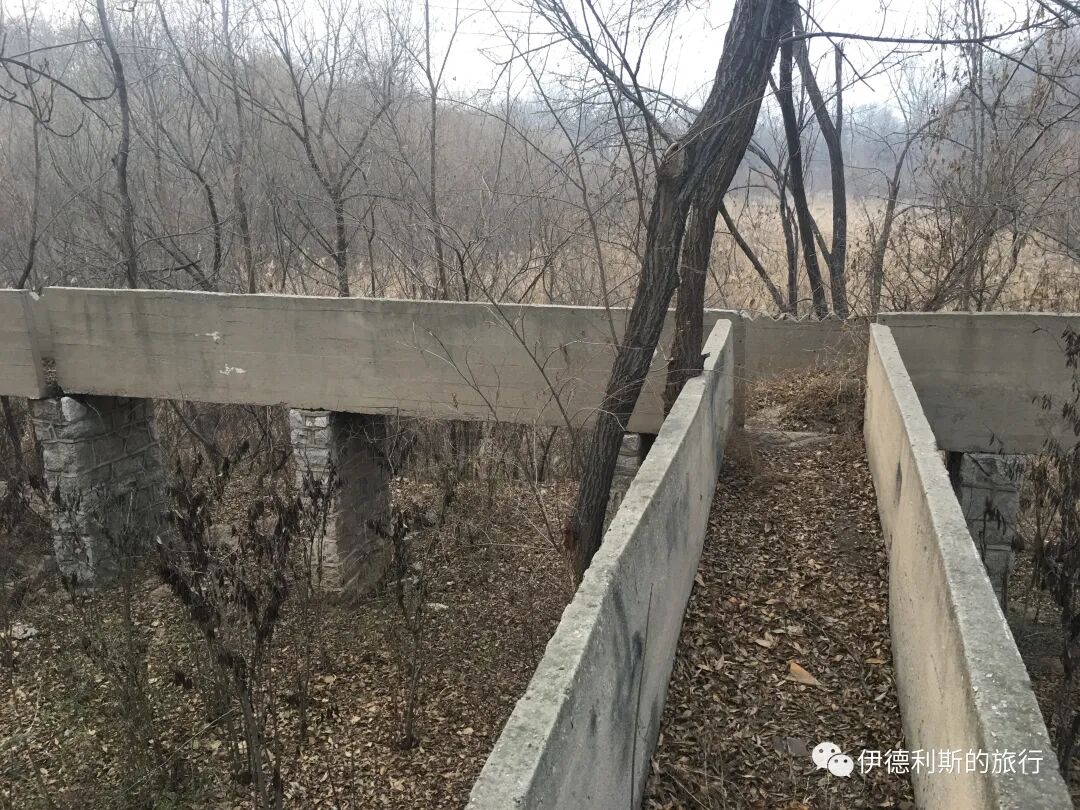
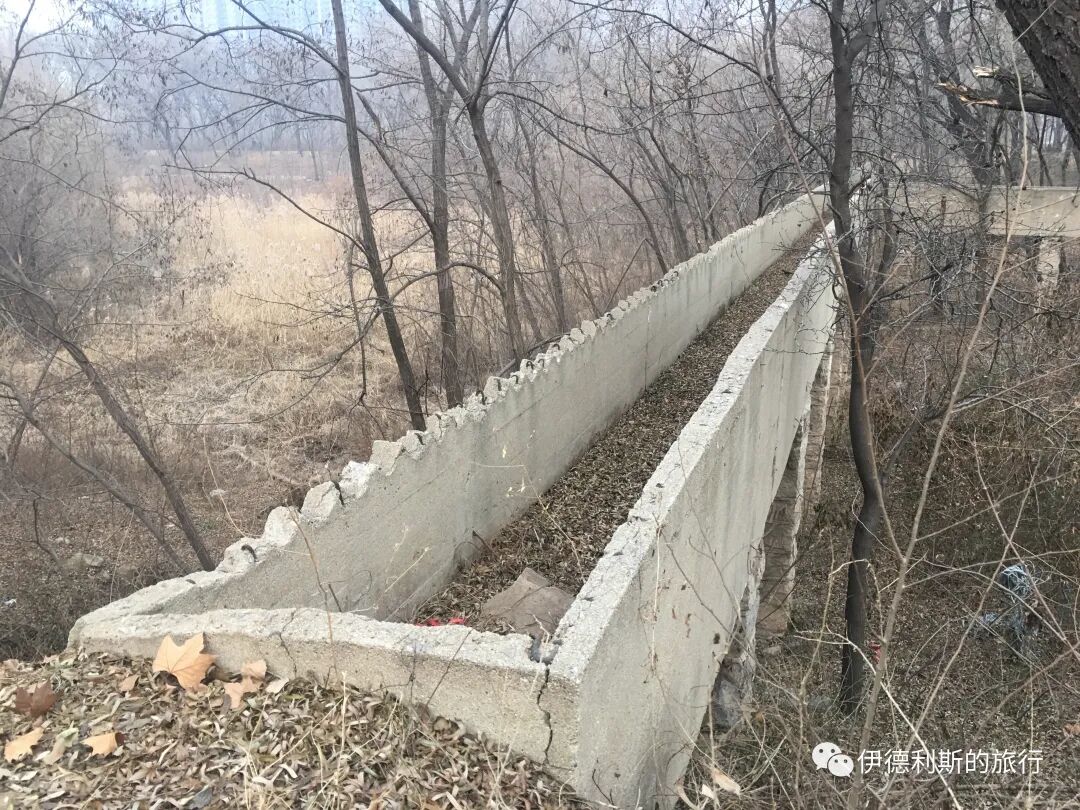
Raw water from the canal was first pre-settled before entering the water-jet clarifier. Workers added water treatment agents to create flocculated water, then used mechanical force to speed up the reaction.
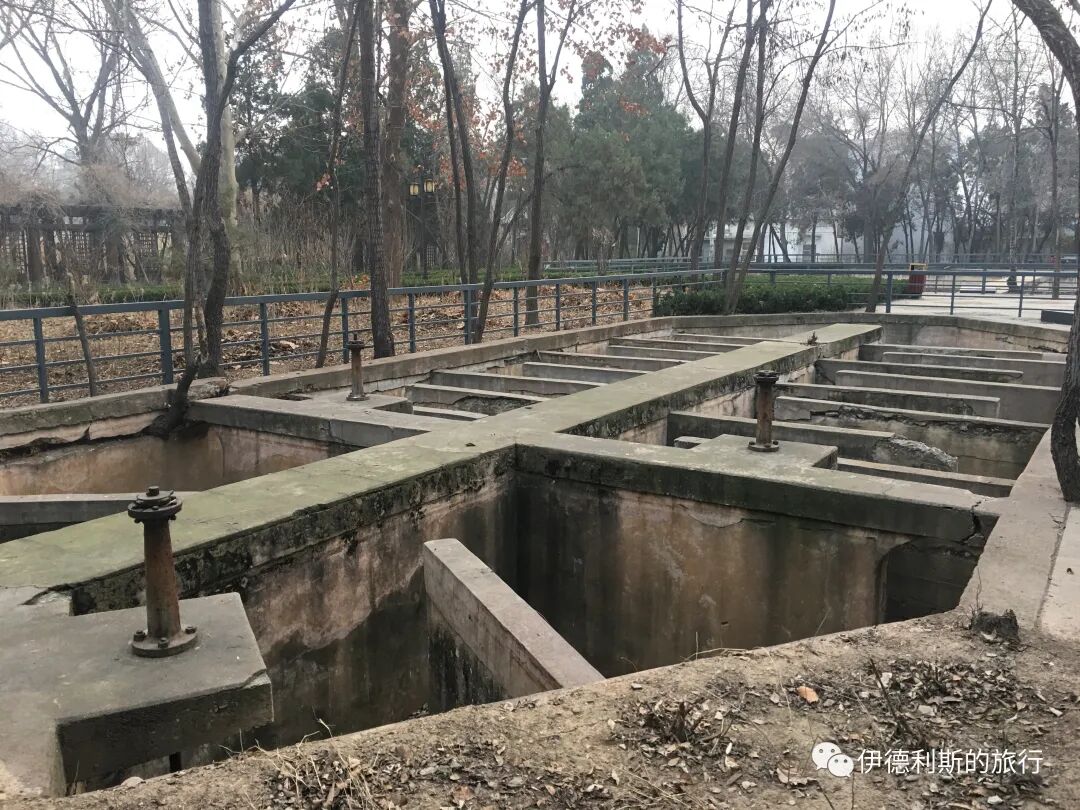
The water then flowed into filter tanks. Granular materials like quartz sand trapped particles to remove suspended impurities, organic matter, bacteria, and germs before the filtered water was disinfected.
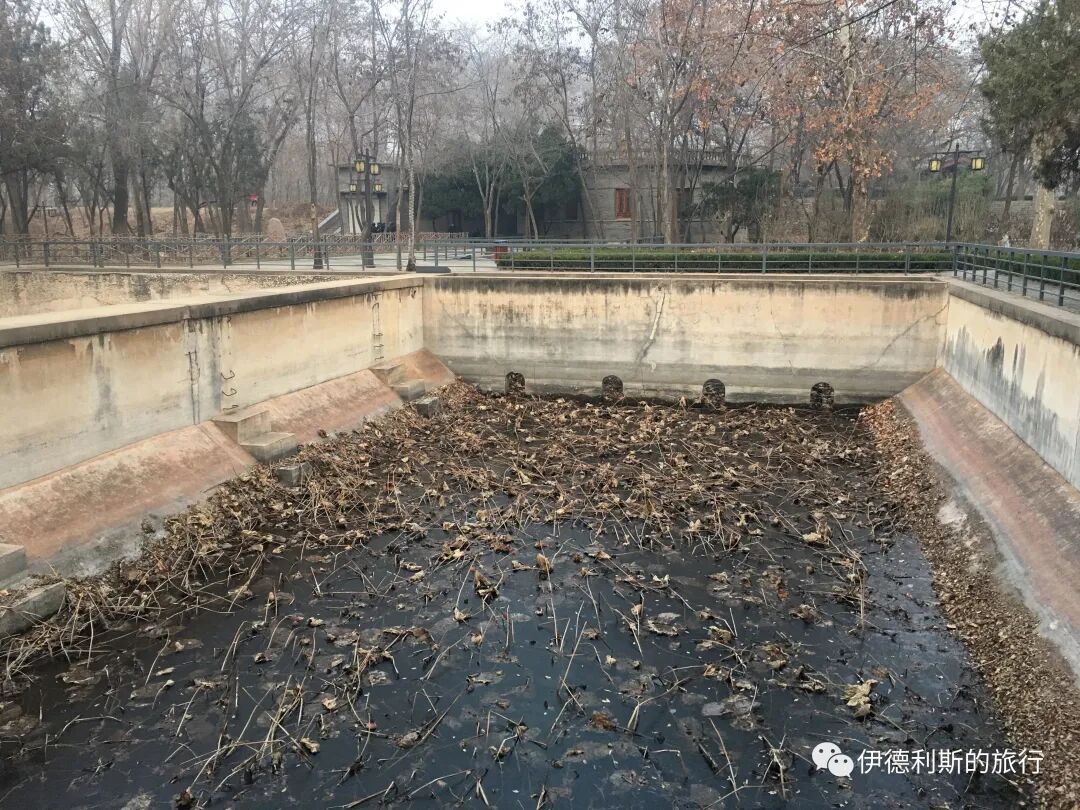
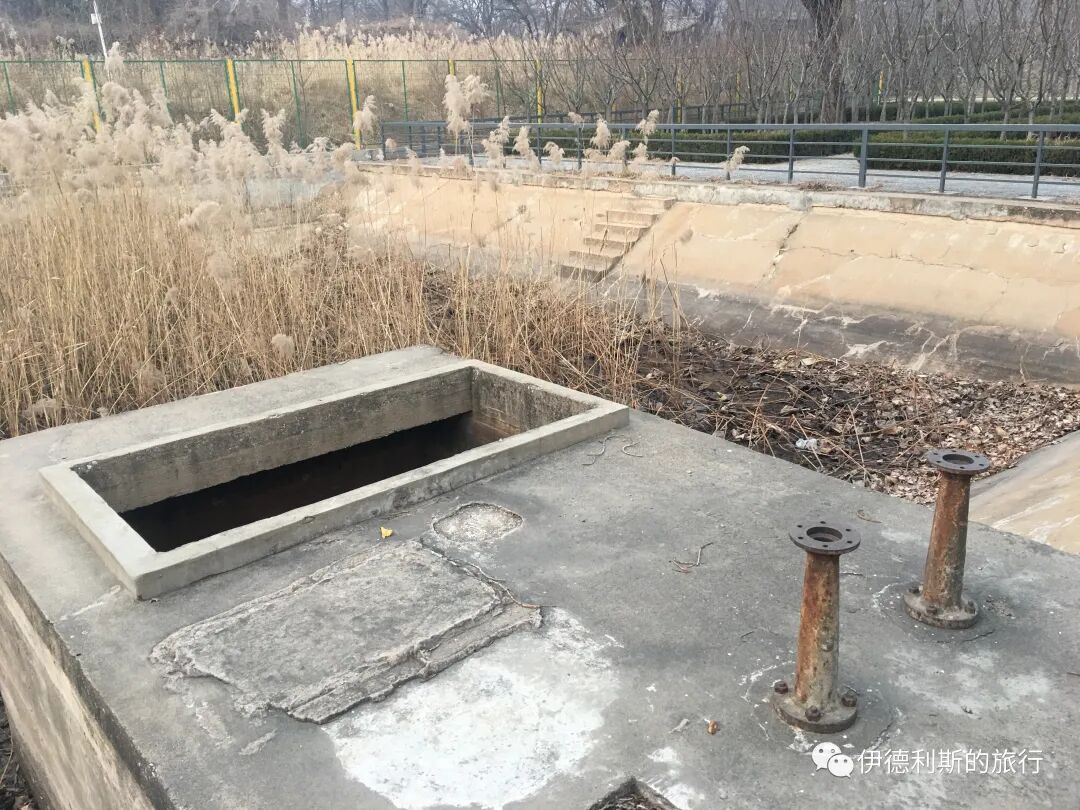
The finished water flowed into a clear water reservoir, where a pump station pressurized it into the supply network to serve the city.
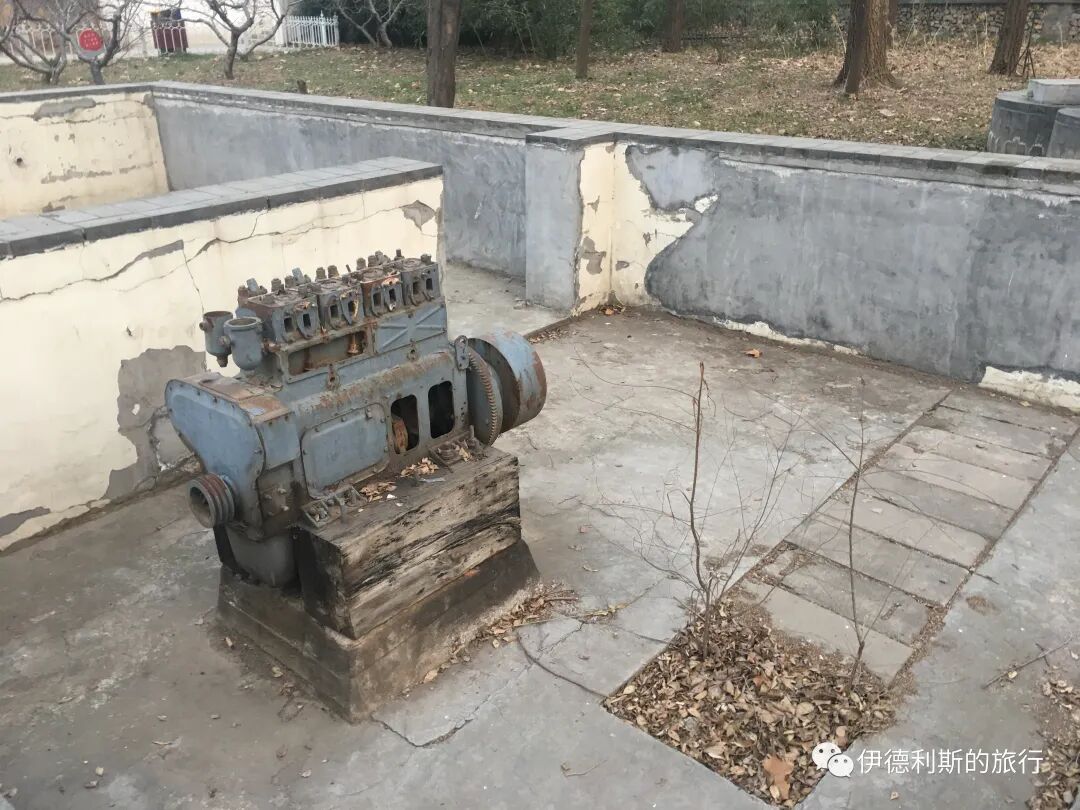
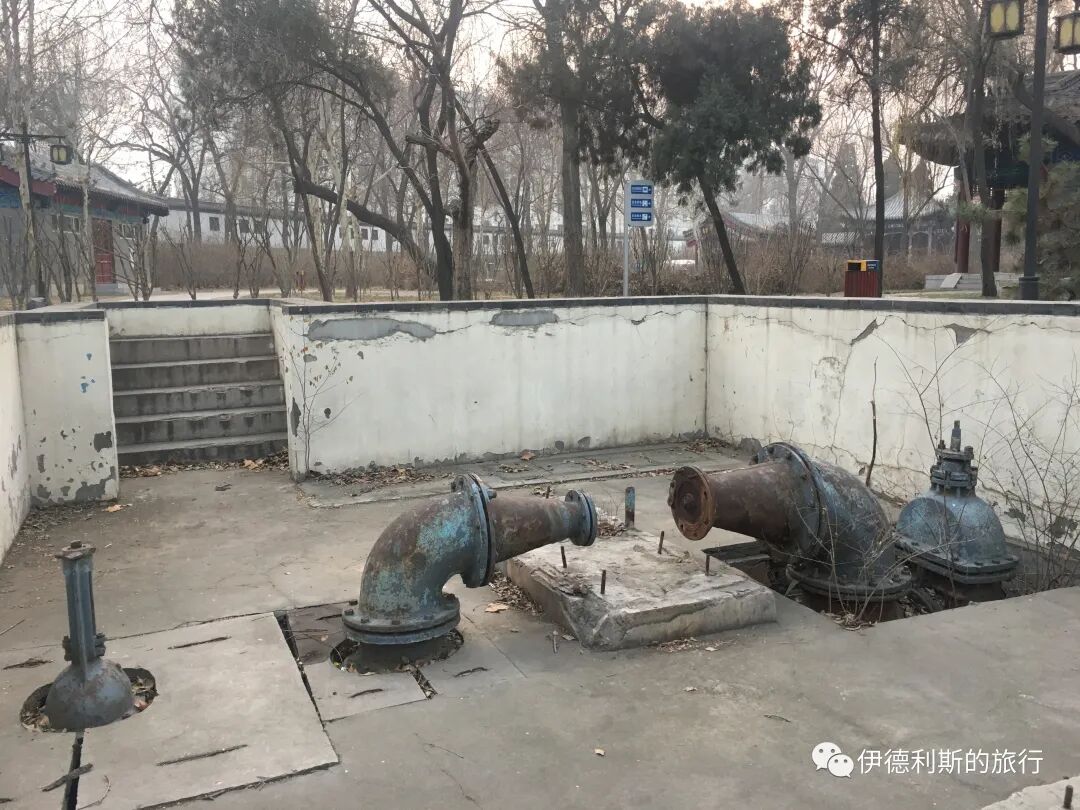
The 1960 diesel engine stands as the final witness to the Dezhou section of the canal.
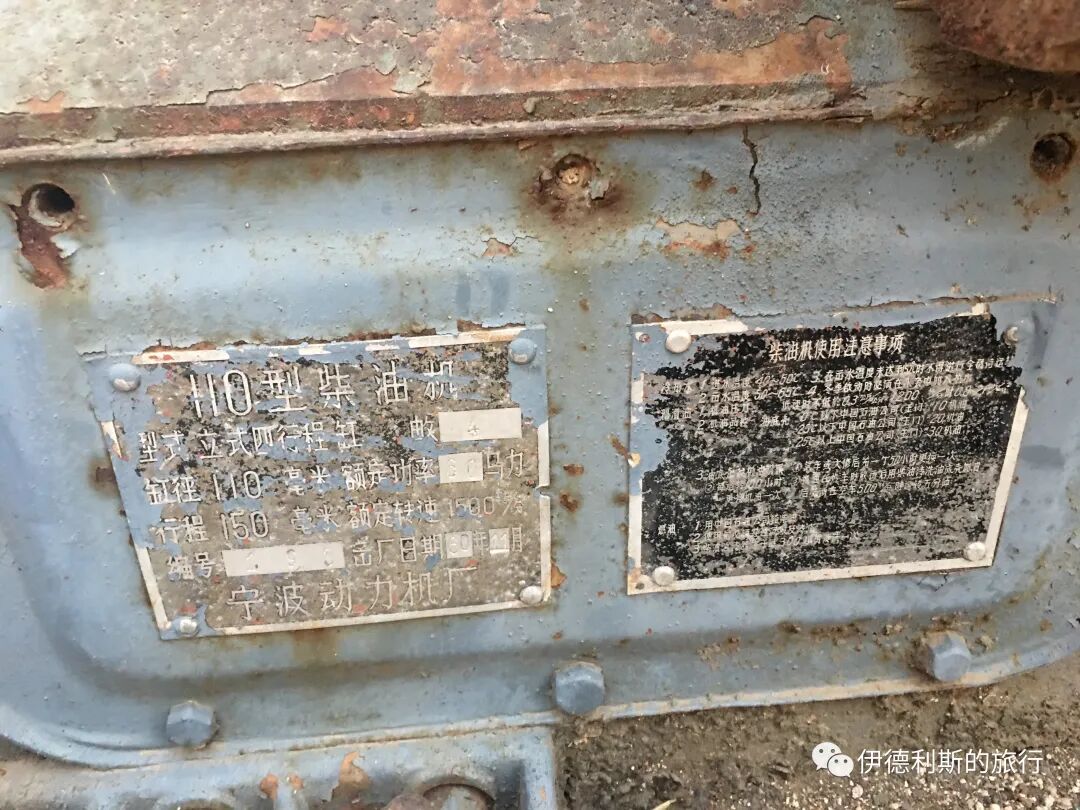
Summary: This Muslim friendly China travel article keeps the original 2016 Dezhou notes intact while improving the English flow. It is useful for readers researching halal food in China, Chinese Muslim food, Muslim tourist in China experience, and old mosque heritage in Shandong.
On December 17, 2016, I left Beijing South Railway Station on the Beijing-Shanghai high-speed train. I arrived in Dezhou in one hour and twenty minutes and started my one-day trip there.
The first thing I wanted to see in Dezhou was the Tomb of the Sultan of Sulu. The information in this article about the Tomb of the Sultan of Sulu and Beiying Village comes partly from the books The Sultan of Sulu and His Descendants and The Sultan of Sulu in China.
Sulu Kingdom
The Sulu Archipelago is in the far southwest of the Philippines, right next to the easternmost part of Malaysia.
The Moro people live on the Sulu Archipelago. The term Moro has been used by Spaniards to describe Muslims since the 15th century. Before the 15th century, when Spain reconquered Andalusia, they called the Muslims there Moros.
In the Middle Ages, as maritime trade grew in the Indian Ocean, the faith spread along the Maritime Silk Road into Southeast Asia. Between the 14th and 16th centuries, the faith centered in Malacca, passed through Sumatra and Java, went north through Borneo, and reached the Sulu Archipelago in the southwest Philippines.
Around 1380, the famous Arab judge and religious scholar Makhdum Karim arrived at Simunul Island in the far southwest of the Sulu Archipelago with an Arab caravan and built the first mosque in the Philippines there. On November 7, 1407, Sharif ul-Hashim, a descendant of the Prophet born in Johor, Malaysia, led an army to occupy the Sulu Archipelago. He married a local princess and established the Sulu Kingdom.
Between 1405 (the third year of the Yongle reign) and 1417 (the fifteenth year of the Yongle reign), the Ming Emperor Chengzu, Zhu Di, sent Zheng He to visit the countries of the Philippine archipelago three times. In 1417, the chiefs of the Eastern and Western Sulu Kingdoms and the wife of the chief of the Dong Kingdom led a delegation of over 340 people to visit the Ming Dynasty. In July, they arrived at Quanzhou Port. They then traveled north along the coastline, entered the Yangtze River at Wusongkou, and reached Longjiang Station in Yingtian Prefecture (Nanjing). After resting at Longjiang Station, the Sulu delegation traveled north along the Grand Canal and reached Beijing in mid-August. Ming Emperor Chengzu, Zhu Di, held a grand meeting in the Fengtian Hall (later renamed the Hall of Supreme Harmony). He named the two chiefs the Eastern King and the Western King, and the wife of the Dong Kingdom chief the Dong Queen, with the Eastern King Paduka Batara as the most honored.
In September, the three rulers started their journey home, and Emperor Chengzu sent a special envoy to escort them. The delegation traveled south along the canal. When they passed Anling, north of Dezhou, the Eastern King suddenly fell ill and sadly passed away on September 13. When the news reached Beijing, Emperor Chengzu sent a minister from the Ministry of Rites to bury the Eastern King of Sulu with royal honors. The Tomb of the Eastern King of Sulu was built north of Dezhou city and finished in October 1418 (the sixteenth year of the Yongle reign).
The completed tomb faces south. From south to north, it includes a memorial archway (paifang), an imperial stele pavilion, ornamental columns (huabiao), stone statues, a ceremonial gate, the Ling'en Gate (hall gate), the Ling'en Hall (main hall), and the burial mound.
Today, the tomb still has its ornamental columns and five pairs of stone statues. In the autumn of 1917, the canal burst, causing great damage to the tomb. The stone statues were knocked over, and some were washed into the fields. The statues were not straightened and aligned until 1965, but they were pushed over again by the Red Guards in 1966. Luckily, Ma Jingui, a militia leader who had just retired from the army, led the village's young people to stand their ground in front of the tomb and the mosque. He made the Red Guards go to the Dezhou Municipal Committee to get a permit to destroy the Four Olds, which saved the tomb and the mosque.
The Tomb of the Sultan of Sulu in the early 1980s, from Selected Cultural Relics of Zheng He's Voyages.
The Tomb of the Sultan of Sulu in the early 1980s, from Selected Cultural Relics of Zheng He's Voyages.
The inscription of the imperial decree issued by the Yongle Emperor of the Ming Dynasty in 1418 to build a shrine in front of the Tomb of the Eastern King.
The main burial mound of the Eastern King's tomb.
The Tomb of the Sultan of Sulu in the early 1980s, from Selected Cultural Relics of Zheng He's Voyages.
The original tombstone is now kept in the exhibition hall of the west side hall.
Descendants of the Sultan of Sulu settle in Dezhou.
After the Eastern King of Sulu passed away, the Ming Dynasty arranged for his eldest son, Dumahan, to return home to inherit the throne. His second son Andulu, third son Wenhala, his wife Gemuning, and ten servants stayed behind to guard the tomb. This began the life of the Eastern King's descendants as residents in China.
The Ming Dynasty granted the descendants 238 mu of sacrificial land, exempting them from all land taxes. Each person received a monthly stipend of one shi of grain. The government also assigned three Hui Muslim families—the Xia, Ma, and Chen families from Licheng, Shandong—to farm the land and manage the annual memorial services, exempting them from all labor duties.
Later, the descendants of Andulu and Wenhala married into the Xia, Ma, and Chen families. Their descendants took the surnames An and Wen, gradually forming Beiying Village in Dezhou, which consists of the five families of An, Wen, Xia, Ma, and Chen next to the Sultan of Sulu's tomb.
After Andulu, Wenhala, and the wife Gemuning passed away, they were buried to the southeast of the Eastern King.
The Tomb of the Sultan of Sulu in the early 1980s, from Selected Cultural Relics of Zheng He's Voyages.
Andulu was actually the second son, but because the Wen family later produced a prefect named Wen Xianyu, oral tradition gradually shifted the Wen family to be the second son and the An family to be the third.
Division Commander An Shude.
Among the descendants of the An family, the most famous in modern times is Division Commander An Shude. An Shude was the 15th-generation grandson of the Sultan of Sulu. He began following Feng Yuxiang in 1913 and led his troops into the Forbidden City to help expel Puyi during the 1924 Beijing Coup.
In 1928, An Shude was promoted to commander of the 18th Division and served as the garrison commander of Longdong. After the uprising of the young commander Ma Zhongying, An Shude served as the commander-in-chief for the suppression of Ma Zhongying in Qinghai and captured Xining.
After moving into Xining, An Shude placed great importance on Hui Muslim education. He served as the president of the Qinghai Hui Muslim Education Promotion Association and opened the first primary school for Hui Muslim girls in Qinghai.
After the Central Plains War in 1930, An Shude retired from military life to start businesses and renovate the Sultan of Sulu's tomb and the mosque. He passed away in 1950.
On December 3, 1995, the descendant of the eldest son Dumahan and heir to the Sultanate of Sulu, Ismael Kiram, visited the tomb. This was the first meeting between the descendants of the eldest son and the descendants of the second and third sons in hundreds of years.
Beiying Village.
During the Wanli period of the Ming Dynasty, the descendants of the Sultan of Sulu built a mosque southwest of the tomb. The Ming Dynasty issued an imperial decree to select one religious leader from the Wen and An families to inherit the lineage and manage the Hui Muslim community. In 1917, the canal burst, and the mosque and the entire Beiying Village were washed away. It was not rebuilt until 1940, which is the building we see today. According to the old imam, the pavilions at the four corners of the mosque were actually used as watchtowers.
After the 1960s, a factory took over the mosque. It was not until June 1980, when the Philippine ambassador to China visited the Tomb of the Sultan of Sulu, that the factory was moved out and the main hall was repaired.
The descendants of the Sultan of Sulu were still considered foreign residents during the Ming Dynasty and the early Qing Dynasty, as they lived under the protection of the Sultan and received imperial favors throughout both dynasties. In 1730, the eighth year of the Yongzheng reign, the Sultan of Sulu, Sultan Badaruddin, who was a descendant of the Sultan of Sulu's eldest son, Dumatuh, paid a visit. He first went to the Tomb of the Sultan of Sulu in Dezhou to pay his respects and met the Sultan's descendants, An Ruqi and Wen Chongkai, who asked him to help them become Chinese citizens. Sultan Badaruddin also felt that since they were separated by vast oceans, it would be difficult for them to return, so he petitioned the imperial court to allow them to join China.
In 1731, the ninth year of the Yongzheng reign, the Qing government agreed to let the descendants of the Sultan of Sulu become citizens of Dezhou and officially assigned them the surnames Wen and An. As a result, 193 people, including An Ruqi and Wen Chongkai, were registered as commoners and finally became Chinese citizens.
After becoming citizens, the descendants of the Sultan of Sulu began opening halal snack shops in busy areas of Dezhou like Beichang Street, Shuncheng Street, Xiguan, Qiaokou Street, Xuanhuajiao, and the Rice Market. They usually rented a whole or half storefront, built a stove, and the husband and wife or father and son would make pan-fried flatbread (guobing), sesame flatbread (shaobing), roasted beef, and roasted lamb. They hung a wooden sign with a soup pot symbol in front of the shop, with Arabic script written horizontally and the Chinese characters for Western Regions Hui Muslims and Halal Faith written on it. Today, in the southwest of Beiying Village, there is a braised chicken (paji) shop run by descendants of the An family. We bought braised chicken, chicken gizzards, and chicken livers, and they were especially delicious.
Before the Republic of China era, the life of the villagers in Beiying Village was quite simple: they received regular imperial grants, farmed the sacrificial land, and visited the tomb. Because they were exempt from taxes and labor service, the villagers of Beiying Village lived a peaceful and quiet life like a paradise.
In the first year of the Republic of China, the Tomb of the Sultan of Sulu held its last official memorial ceremony. According to the elders, the magistrate of De County arrived that year in a large sedan chair carried by four men, accompanied by flags, umbrellas, fans, gongs, and long horns. The procession walked in order to the Tomb of the Sultan of Sulu, where they set up a temporary shed and an altar table, with dozens of soldiers guarding the area.
After this, the government took back the 2 qing and 38 mu of sacrificial land and stopped the regular grants, ending the paradise-like life of Beiying Village.
Soon after, Dezhou suffered from the 1917 canal flood. The entire Beiying Village was severely damaged, leaving only nine houses standing. Many villagers survived only because they climbed onto the dome of the Tomb of the Sultan of Sulu to avoid being swept away by the water. After that, the villagers of Beiying Village began to move away one after another, and many girls married Hui Muslims from neighboring counties.
In 1955, the De County government bought the houses of the Beiying villagers at a set price under the name of ethnic minorities returning to their ancestral homes and forced them to move to the rural areas in the suburbs of Xining, Qinghai. The villagers of Beiying packed their bags and left their homes with their families. At that time, the train only went as far as Lanzhou, so they traveled in batches by car, horse-drawn carriage, and on foot to meet in Xining, where they were assigned to work in a commune in the eastern suburbs of Xining.
After the Beiying villagers arrived in Qinghai, some elders passed away because they could not adapt to the local environment. Most people were not used to life in the Northwest and returned to Dezhou one after another within two or three years.
Lamb soup (yangtang) of Beiying Village
Next to the Tomb of the Sultan of Sulu, a new North Camp Ethnic Style Street (Beiying Minzu Fengqing Jie) has been built. It features beef and lamb shops run by the descendants of the Wen family, as well as a whole lamb soup (quanyangtang) shop owned by the Li family. Their lamb soup tastes amazing, though it comes with a lot of green onions and onions. It wasn't until we visited the farmers' market on the site of the old Dezhou Canal cargo yard that we understood why the soup had so many green onions and onions (piyazi). Shandong really has a lot of green onions!
The shop introduction says the owner's uncle, Li Qingyun, was once the manager of the Dezhou Third Restaurant and studied the preparation of whole lamb soup in depth.
Qiaokou Street
Qiaokou Street was the busiest canal market in Dezhou during the Ming and Qing dynasties. Next to it is Xiaoguoshi, another village for Hui Muslims in Dezhou besides Beiying Village. Xiaoguoshi was where pots were unloaded at the canal docks back in the day. From the charity (nietie) notices at the mosque entrance, you can see that descendants of the Sultan of Sulu with the surname An live here, along with the Man and Wan surnames common among Dezhou Hui Muslims.
Nanying Street
Besides the North Camp Hui Muslim village in the north of Dezhou, there is also a South Camp Hui Muslim street in the south. We visited the Dezhou Nanying Mosque before dark. The Nanying Street Mosque was built in the late Ming and early Qing dynasties, but unfortunately, it was rebuilt as a concrete structure in 2006.
In the evening, we ate braised goose and fish-flavored eggplant at Guixianglou in Dezhou. Shandong food portions are huge! The goose was really big! The outside of the eggplant was crispy, with a texture a bit like french fries covered in sauce.
Dezhou Section of the Grand Canal
The Dezhou section of the Grand Canal began in 608 (the fourth year of the Daye era of the Sui Dynasty) when Emperor Yang of Sui opened the Yongji Canal. During the Jin Dynasty, the Lingcang granaries were built in Dezhou, making the city an important hub for grain transport storage. In the Yuan Dynasty, the Shandong section of the Beijing-Hangzhou Grand Canal was fully opened, and the volume of grain transport through Dezhou increased year by year. The Dezhou section of the canal in the Qing Dynasty followed the Ming Dynasty model, with comprehensive renovations carried out during the reigns of Kangxi, Yongzheng, and Qianlong. Finally, in 1901 (the 27th year of the Guangxu era), the official grain transport system was completely abolished as taxes were converted to silver payments. The imperial court dissolved all canal management agencies and divided the canal's jurisdiction among the provinces.
After the Republic of China was established, the Dezhou section of the canal fell into disrepair. The riverbed gradually silted up and frequently breached its banks until navigation was restored following a project to manage the northern section of the Shandong Canal in 1934. In 1940, the Dezhou-Shijiazhuang Railway opened. Coal from Shanxi was transported east by rail directly to the Dezhou docks for unloading, and the Dezhou section of the canal became busy again.
The Dezhou Power Plant engine room by the canal was built in 1938. It was originally the De County Electric Light Plant, which began operations in July 1938. It shut down during the day and generated power at night, mainly providing electricity for the Japanese barracks and some shops in front of the train station.
In early 1949, the Dezhou City Power Company built a power plant based on the De County Electric Light Plant, which officially began generating power in January 1950. This was also the first thermal power generator in Dezhou. Later, the Dezhou Power Plant renovated and expanded its facilities in 1953 and 1956. After a new thermal power plant was built in 1959, the old power plant gradually stopped operating, but it has kept its 1950s appearance to this day.
After 1949, the Dezhou Port built tracks connecting the Jinpu and Deshi railways, and the canal entered its peak period. The Dezhou Shipping Bureau was established in 1958, and it reached its peak in 1960 with 5,409 employees.
After 1962, several reservoirs were built on the upper reaches of the Zhanghe and Weihe rivers, which were the main water sources for the Dezhou section of the canal. After the Yuecheng Reservoir was completed in 1965, the Zhanghe water was completely blocked, causing the water level in the Shandong section of the canal to drop significantly. This became a turning point for the Dezhou canal port. By 1979, the Dezhou section of the canal finally stopped shipping due to a lack of water. The Dezhou Shipping Bureau was dissolved, and canal shipping in Dezhou became history.
In 1956, the Dezhou canal port began to replace its traditional slope-style docks with wall-style docks. Seven permanent docks were built in 1958, followed by five more loading and unloading docks. These included three reinforced concrete frame docks and two wooden trestle docks, providing 16 berths. By 1960, there were 43 pieces of loading and unloading machinery, creating a mechanized port.
Today, the old canal docks are still preserved and serve as waterfront platforms.
Before 1956, the companies at Dezhou Port from south to north were the Grain Company, the Coal Construction Company, the Shipping Company, and the Cotton and Textile Company, with the Coal Construction Company at the northernmost end. A bit further from the port were the Oil and Fat Company, the Timber Company, the Commercial Storage and Transport Company, and the Department Store. These companies formed a storage cluster at Dezhou Port, and many guard towers were built to protect the warehouses. After the Dezhou Port Management Station was set up in 1956, the area to the south containing the Grain and Coal Construction companies was incorporated into the Dezhou port area. The Cotton and Textile Company remained because it had an advanced cotton baling plant.
Dezhou storage in the 1950s:
The guard tower built by the Cotton and Textile Company in the 1950s not only served as a security post but also marked the boundary between the company and Dezhou Port.
The Dezhou Port of that time connected directly to the Jinpu Railway, allowing canal cargo to be transferred straight to the trains. The building below is the former train station dedicated to Dezhou Port.
This is the remains of the Dezhou Port freight yard.
Around 1963, a dispatch tower was built on the canal bank, and loudspeakers were installed on top. The duty dispatcher would stand in a small glass room on the roof and direct ships through a microphone, while the chief dispatcher and planners coordinated from below. This was a symbol of how busy the Dezhou section of the Grand Canal used to be.
Dezhou's Jiulongwan Park is a rare industrial heritage park. It was originally the first water plant in Dezhou, built in the 1920s. Between 1925 and 1928, while Zhang Zongchang was governor of Shandong, tens of thousands of Fengtian Army troops were stationed in Dezhou to prepare for the Zhili-Fengtian War. To provide drinking water for the troops, Zhang Zongchang built the earliest water supply facility at Jiulongwan by the canal, using the Grand Canal as the water source. Due to military security needs, the water plant was heavily guarded by troops and was known at the time as the Water Camp.
In 1953, the Dezhou State-Owned Water Company opened its first water plant on the site of the old Water Camp (Shuiying). It continued to draw water from the Grand Canal, finally bringing the tap water that many local factories and residents had long dreamed of. After the Dezhou section of the Grand Canal dried up in 1966, the water plant gradually shut down. It is now an industrial heritage park where you can see exactly how tap water was produced 60 years ago.
Raw water from the canal was first pre-settled before entering the water-jet clarifier. Workers added water treatment agents to create flocculated water, then used mechanical force to speed up the reaction.
The water then flowed into filter tanks. Granular materials like quartz sand trapped particles to remove suspended impurities, organic matter, bacteria, and germs before the filtered water was disinfected.
The finished water flowed into a clear water reservoir, where a pump station pressurized it into the supply network to serve the city.
The 1960 diesel engine stands as the final witness to the Dezhou section of the canal.
China Muslim Travel Tips Shandong Linqing: Canal Mosques, Hui Streets and Muslim Heritage
Articles • yusuf908 posted the article • 0 comments • 171 views • 2026-05-23 23:17
Reposted from the web
Summary: This China Muslim travel tips article keeps the original 2017 Linqing route and details intact. It also helps readers looking for Muslim travel guide China 2026, halal food in China, Chinese Muslim food, and canal-side mosque heritage in Shandong.
On February 18, 2017, I went to Linqing, Shandong, to explore and eat.
Linqing Hui Muslims
After the Yuan Dynasty established its capital in Dadu, it relied on supplies from the south. However, shipping grain from the Jiangnan region by sea was often dangerous. In 1289 (the 26th year of the Zhiyuan era), Kublai Khan ordered the construction of the Huitong River from Xucheng, Shandong, to Linqing to connect the northern and southern sections of the Grand Canal. Linqing, where the Huitong River met the existing Yongji Canal of the Sui and Tang Grand Canal, suddenly became a canal hub and the backbone and throat of the Grand Canal. It was from this time that Hui Muslims began to move to Linqing one after another.
In 1373 (the 6th year of the Hongwu era of the Ming Dynasty), the Linqing granary was established. In 1450 (the 1st year of the Jingtai era), a brick city was built on the north bank of the Huitong River, based on the Guangji Granary. At that time, in the southwest of Linqing city, an area called Zhongzhou, surrounded by two tributaries of the Wei and Wen rivers, was the most prosperous commercial district in Linqing. Zhongzhou was traversed from north to south by a long street, divided into Pot Market Street (Guoshi Jie), Blue Bowl Market Street (Qingwanshi Jie), and Horse Market Street (Mashi Jie). This was also the area where Hui Muslims in Linqing were most concentrated.
In 1542 (the 21st year of the Jiajing era of the Ming Dynasty), the earthen city of Linqing was expanded to five times its original size, and Zhongzhou was incorporated into the city of Linqing.
Halal food
A wonderful trip starts with food. In the morning, I had lamb offal soup (yangza tang) at Qian's Lamb Soup north of Aotouji in Linqing. A small bowl there is as big as a large bowl in Beijing. The lamb soup was delicious and packed with ingredients. It was fun to hear the sizzling sound when pouring chili oil over the soup; the chili wasn't spicy but very fragrant. This was also my first time having lamb offal soup that included lamb brain.
At Baoliang's First Pancake-Wrapped Meat (Baoliang Diyi Jia Bingjuanrou), I ordered braised butterfly fish head and pancake-wrapped meat (bingjuanrou). Honestly, their braised dishes completely beat every halal restaurant in Beijing. Both Teacher Hua and I were shocked, and we continued to be disappointed with Beijing food. The pancake-wrapped meat was 15 yuan per piece, and the portion was huge—so satisfying!
Food cooked over a firewood fire is just more fragrant.
In the evening, I had the three-delicacy potstickers (sanxian guotie) at the first restaurant I visited in Linqing, and they were amazing! I can say it is the best Shandong restaurant I have ever eaten at. It completely beats the Beijing-Shandong dishes I often eat in Beijing. The portions are huge—one dish is equal to three in Beijing—and it is very cheap. The iron-plate tofu (tieban doufu) was incredible. The Japanese-style tofu was filled with sea cucumber and shrimp, served over a layer of fried eggs. The sesame lamb (zhima yangrou) was so good it made me want to cry. I have been looking for this way of cooking it in Beijing for a long time. A steamer of 30 beef and fennel potstickers (niurou huixiang guotie) was packed with filling. After eating, I didn't even want to go back to Beijing.
Mosque
The North Mosque (Qingzhen Beisi) in Linqing is one of the grandest in Shandong, rivaling the East Mosque in Jining. It was first built during the Hongzhi reign of the Ming Dynasty and underwent three major renovations in 1564 (the 43rd year of the Jiajing reign), 1779 (the 44th year of the Qianlong reign), and 1809 (the 14th year of the Jiaqing reign). It was undergoing repairs when I visited.
The cover of the book "Mosques of Shandong" (Shandong Qingzhensi).
The East Mosque (Qingzhen Dongsi) in Linqing was first built in 1465 (the first year of the Chenghua reign of the Ming Dynasty). It closed for major renovations in 2013, so I only saw the exterior this time.
Women's Mosque (Qingzhen Nüsi)
The Women's Mosque (Qingzhen Nüsi) in Linqing was founded during the Republic of China era. It became a wholesale market warehouse after the 1980s and was rebuilt in 2010.
The Linqing section of the Grand Canal.
There are three sections of the Grand Canal in Linqing, created during the Sui, Yuan, and Ming dynasties respectively.
In 608 (the fourth year of the Daye reign of the Sui Dynasty), Emperor Yang of Sui opened the Yongji Canal. This marked the beginning of the Linqing section of the Grand Canal. After the Five Dynasties period, the Yellow River flooded repeatedly, causing the Yongji Canal to silt up and the river course to shift eastward. This formed the later Imperial River (Yuhe), also known as the Wei River (Weihe).
In 1289 (the 26th year of the Zhiyuan reign of the Yuan Dynasty), Kublai Khan ordered the construction of the Huitong Canal from Xucheng in Shandong to Linqing to connect the northern and southern parts of the Grand Canal. Because its water source came from the Wen River, this section was also called the Wen River (Wenshui).
In 1391 (the 24th year of the Hongwu reign of the Ming Dynasty), the Yellow River breached its banks at Yuanwu in Henan, destroying a large part of the Huitong Canal. In 1417 (the 15th year of the Yongle reign), the Earl of Pingjiang, Chen Xuan, excavated the new southern branch of the river in Linqing. From then on, the Yuan Dynasty Huitong Canal was called the old northern branch.
The new southern branch of the Ming Dynasty.
Using Aotouji as the meeting point for the Yuan and Ming canals, the old Yuan canal had the Linqing Lock and Huitong Lock, while the new Ming canal had the Ban Lock and Zhuan Lock. During the Ming and Qing dynasties, the Sky Bridge (Tianqiao) and Yuejing Bridge were built over the old Yuan canal. Together with the canal tax office, these formed the site cluster for water transport in Linqing.
Aotouji.
Aotouji is a stone promontory that juts out of the water where the old Yuan Dynasty Huitong Canal and the new Ming Dynasty canal meet. It bears the inscription "Du Zhan" (Sole Occupancy) by Ma Lun, a Ming Dynasty magistrate of Linqing.
Linqing Lock.
The Linqing Lock was the first ship lock where the Yuan Dynasty Huitong Canal flowed into the Wei River, built in 1296 (the second year of the Yuanzhen reign of the Yuan Dynasty). After the new southern branch was built in 1417 (the 15th year of the Yongle reign of the Ming Dynasty), the Linqing Lock was converted into a bridge by using its piers to support an arch. It was named Wenjin Bridge during repairs in the Chongzhen reign.
Chapter 81 of "The Golden Lotus" (Jin Ping Mei) writes: "Han Daoguo returned from Jiangnan with goods. One day, he arrived at the Linqing Lock and was standing on the bow of the boat when he suddenly saw his neighbor, the Fourth Young Master Yan, coming from upstream on a boat to meet an official in Linqing."
Huitong Lock.
The Huitong Lock was built in 1293 (the 30th year of the Zhiyuan reign of the Yuan Dynasty). It operated in conjunction with the Linqing Lock and was an important water conservancy project on the Yuan Dynasty Huitong Canal. After the new southern branch of the Ming Dynasty was built in 1417 (the 15th year of the Yongle reign), the Huitong Lock was converted into the Huitong Bridge.
Sky Bridge (Tianqiao).
Historically known as the Yongji Bridge, the Sky Bridge was built in 1485 (the 20th year of the Chenghua reign of the Ming Dynasty). It was rebuilt during the Jiajing reign, and a new Sky Bridge was built next to it in 1958. The bridge base and bridge wings of the old Tianqiao still remain today.
Yuejing Bridge
In 1652 (the ninth year of the Shunzhi reign), a merchant named Shao Yishu donated money to build Yuejing Bridge between Wenjin Bridge and Huitong Bridge, which is commonly known as Pigeon Bridge.
Brick Sluice (Zhuanzha)
The Brick Sluice was located on the southern branch of the New River. It was first built in 1417 (the fifteenth year of the Yongle reign of the Ming Dynasty) and is also known as the New Open Sluice, or commonly as the Second Sluice. It was rebuilt in 1513 (the eighth year of the Zhengde reign of the Ming Dynasty), when the brick sluice was changed to a stone weir. It connected with the South Board Sluice (First Sluice), where the southern branch of the New River flows into the Wei River. By opening and closing in sequence, they formed two ship locks on the canal, serving as the control hub and vital passage for canal boats. After the Ministry of Works Water Division was abolished in 1526 (the fifth year of the Jiajing reign of the Ming Dynasty), the Brick Sluice began collecting two types of taxes called 'short-load' and 'paper price.' This was known as the Ministry of Works Customs. It collected taxes here for 210 years until it was merged into the Ministry of Revenue Customs in 1736 (the first year of the Qianlong reign).
Linqing Customs (Linqing Chaoguan)
The Linqing Canal Customs was an agency under the Ministry of Revenue specifically for taxing merchant ships on the canal. The Linqing Customs was the first canal customs office to be established and the last to be closed. It was set up in 1429 (the fourth year of the Xuande reign of the Ming Dynasty) and operated for nearly 500 years.
In 1597 (the twenty-fifth year of the Wanli reign of the Ming Dynasty), it collected over 117,000 taels of silver in taxes, which accounted for one-quarter of all tax silver from canal customs. In contrast, the total tax revenue for Shandong Province in 1578 (the sixth year of the Wanli reign) was only about 8,800 taels, which was less than one-tenth of what the Linqing Customs collected. view all
Summary: This China Muslim travel tips article keeps the original 2017 Linqing route and details intact. It also helps readers looking for Muslim travel guide China 2026, halal food in China, Chinese Muslim food, and canal-side mosque heritage in Shandong.
On February 18, 2017, I went to Linqing, Shandong, to explore and eat.
Linqing Hui Muslims
After the Yuan Dynasty established its capital in Dadu, it relied on supplies from the south. However, shipping grain from the Jiangnan region by sea was often dangerous. In 1289 (the 26th year of the Zhiyuan era), Kublai Khan ordered the construction of the Huitong River from Xucheng, Shandong, to Linqing to connect the northern and southern sections of the Grand Canal. Linqing, where the Huitong River met the existing Yongji Canal of the Sui and Tang Grand Canal, suddenly became a canal hub and the backbone and throat of the Grand Canal. It was from this time that Hui Muslims began to move to Linqing one after another.
In 1373 (the 6th year of the Hongwu era of the Ming Dynasty), the Linqing granary was established. In 1450 (the 1st year of the Jingtai era), a brick city was built on the north bank of the Huitong River, based on the Guangji Granary. At that time, in the southwest of Linqing city, an area called Zhongzhou, surrounded by two tributaries of the Wei and Wen rivers, was the most prosperous commercial district in Linqing. Zhongzhou was traversed from north to south by a long street, divided into Pot Market Street (Guoshi Jie), Blue Bowl Market Street (Qingwanshi Jie), and Horse Market Street (Mashi Jie). This was also the area where Hui Muslims in Linqing were most concentrated.
In 1542 (the 21st year of the Jiajing era of the Ming Dynasty), the earthen city of Linqing was expanded to five times its original size, and Zhongzhou was incorporated into the city of Linqing.
Halal food
A wonderful trip starts with food. In the morning, I had lamb offal soup (yangza tang) at Qian's Lamb Soup north of Aotouji in Linqing. A small bowl there is as big as a large bowl in Beijing. The lamb soup was delicious and packed with ingredients. It was fun to hear the sizzling sound when pouring chili oil over the soup; the chili wasn't spicy but very fragrant. This was also my first time having lamb offal soup that included lamb brain.
At Baoliang's First Pancake-Wrapped Meat (Baoliang Diyi Jia Bingjuanrou), I ordered braised butterfly fish head and pancake-wrapped meat (bingjuanrou). Honestly, their braised dishes completely beat every halal restaurant in Beijing. Both Teacher Hua and I were shocked, and we continued to be disappointed with Beijing food. The pancake-wrapped meat was 15 yuan per piece, and the portion was huge—so satisfying!
Food cooked over a firewood fire is just more fragrant.
In the evening, I had the three-delicacy potstickers (sanxian guotie) at the first restaurant I visited in Linqing, and they were amazing! I can say it is the best Shandong restaurant I have ever eaten at. It completely beats the Beijing-Shandong dishes I often eat in Beijing. The portions are huge—one dish is equal to three in Beijing—and it is very cheap. The iron-plate tofu (tieban doufu) was incredible. The Japanese-style tofu was filled with sea cucumber and shrimp, served over a layer of fried eggs. The sesame lamb (zhima yangrou) was so good it made me want to cry. I have been looking for this way of cooking it in Beijing for a long time. A steamer of 30 beef and fennel potstickers (niurou huixiang guotie) was packed with filling. After eating, I didn't even want to go back to Beijing.
Mosque
The North Mosque (Qingzhen Beisi) in Linqing is one of the grandest in Shandong, rivaling the East Mosque in Jining. It was first built during the Hongzhi reign of the Ming Dynasty and underwent three major renovations in 1564 (the 43rd year of the Jiajing reign), 1779 (the 44th year of the Qianlong reign), and 1809 (the 14th year of the Jiaqing reign). It was undergoing repairs when I visited.
The cover of the book "Mosques of Shandong" (Shandong Qingzhensi).
The East Mosque (Qingzhen Dongsi) in Linqing was first built in 1465 (the first year of the Chenghua reign of the Ming Dynasty). It closed for major renovations in 2013, so I only saw the exterior this time.
Women's Mosque (Qingzhen Nüsi)
The Women's Mosque (Qingzhen Nüsi) in Linqing was founded during the Republic of China era. It became a wholesale market warehouse after the 1980s and was rebuilt in 2010.
The Linqing section of the Grand Canal.
There are three sections of the Grand Canal in Linqing, created during the Sui, Yuan, and Ming dynasties respectively.
In 608 (the fourth year of the Daye reign of the Sui Dynasty), Emperor Yang of Sui opened the Yongji Canal. This marked the beginning of the Linqing section of the Grand Canal. After the Five Dynasties period, the Yellow River flooded repeatedly, causing the Yongji Canal to silt up and the river course to shift eastward. This formed the later Imperial River (Yuhe), also known as the Wei River (Weihe).
In 1289 (the 26th year of the Zhiyuan reign of the Yuan Dynasty), Kublai Khan ordered the construction of the Huitong Canal from Xucheng in Shandong to Linqing to connect the northern and southern parts of the Grand Canal. Because its water source came from the Wen River, this section was also called the Wen River (Wenshui).
In 1391 (the 24th year of the Hongwu reign of the Ming Dynasty), the Yellow River breached its banks at Yuanwu in Henan, destroying a large part of the Huitong Canal. In 1417 (the 15th year of the Yongle reign), the Earl of Pingjiang, Chen Xuan, excavated the new southern branch of the river in Linqing. From then on, the Yuan Dynasty Huitong Canal was called the old northern branch.
The new southern branch of the Ming Dynasty.
Using Aotouji as the meeting point for the Yuan and Ming canals, the old Yuan canal had the Linqing Lock and Huitong Lock, while the new Ming canal had the Ban Lock and Zhuan Lock. During the Ming and Qing dynasties, the Sky Bridge (Tianqiao) and Yuejing Bridge were built over the old Yuan canal. Together with the canal tax office, these formed the site cluster for water transport in Linqing.
Aotouji.
Aotouji is a stone promontory that juts out of the water where the old Yuan Dynasty Huitong Canal and the new Ming Dynasty canal meet. It bears the inscription "Du Zhan" (Sole Occupancy) by Ma Lun, a Ming Dynasty magistrate of Linqing.
Linqing Lock.
The Linqing Lock was the first ship lock where the Yuan Dynasty Huitong Canal flowed into the Wei River, built in 1296 (the second year of the Yuanzhen reign of the Yuan Dynasty). After the new southern branch was built in 1417 (the 15th year of the Yongle reign of the Ming Dynasty), the Linqing Lock was converted into a bridge by using its piers to support an arch. It was named Wenjin Bridge during repairs in the Chongzhen reign.
Chapter 81 of "The Golden Lotus" (Jin Ping Mei) writes: "Han Daoguo returned from Jiangnan with goods. One day, he arrived at the Linqing Lock and was standing on the bow of the boat when he suddenly saw his neighbor, the Fourth Young Master Yan, coming from upstream on a boat to meet an official in Linqing."
Huitong Lock.
The Huitong Lock was built in 1293 (the 30th year of the Zhiyuan reign of the Yuan Dynasty). It operated in conjunction with the Linqing Lock and was an important water conservancy project on the Yuan Dynasty Huitong Canal. After the new southern branch of the Ming Dynasty was built in 1417 (the 15th year of the Yongle reign), the Huitong Lock was converted into the Huitong Bridge.
Sky Bridge (Tianqiao).
Historically known as the Yongji Bridge, the Sky Bridge was built in 1485 (the 20th year of the Chenghua reign of the Ming Dynasty). It was rebuilt during the Jiajing reign, and a new Sky Bridge was built next to it in 1958. The bridge base and bridge wings of the old Tianqiao still remain today.
Yuejing Bridge
In 1652 (the ninth year of the Shunzhi reign), a merchant named Shao Yishu donated money to build Yuejing Bridge between Wenjin Bridge and Huitong Bridge, which is commonly known as Pigeon Bridge.
Brick Sluice (Zhuanzha)
The Brick Sluice was located on the southern branch of the New River. It was first built in 1417 (the fifteenth year of the Yongle reign of the Ming Dynasty) and is also known as the New Open Sluice, or commonly as the Second Sluice. It was rebuilt in 1513 (the eighth year of the Zhengde reign of the Ming Dynasty), when the brick sluice was changed to a stone weir. It connected with the South Board Sluice (First Sluice), where the southern branch of the New River flows into the Wei River. By opening and closing in sequence, they formed two ship locks on the canal, serving as the control hub and vital passage for canal boats. After the Ministry of Works Water Division was abolished in 1526 (the fifth year of the Jiajing reign of the Ming Dynasty), the Brick Sluice began collecting two types of taxes called 'short-load' and 'paper price.' This was known as the Ministry of Works Customs. It collected taxes here for 210 years until it was merged into the Ministry of Revenue Customs in 1736 (the first year of the Qianlong reign).
Linqing Customs (Linqing Chaoguan)
The Linqing Canal Customs was an agency under the Ministry of Revenue specifically for taxing merchant ships on the canal. The Linqing Customs was the first canal customs office to be established and the last to be closed. It was set up in 1429 (the fourth year of the Xuande reign of the Ming Dynasty) and operated for nearly 500 years.
In 1597 (the twenty-fifth year of the Wanli reign of the Ming Dynasty), it collected over 117,000 taels of silver in taxes, which accounted for one-quarter of all tax silver from canal customs. In contrast, the total tax revenue for Shandong Province in 1578 (the sixth year of the Wanli reign) was only about 8,800 taels, which was less than one-tenth of what the Linqing Customs collected. view all
Reposted from the web
Summary: This China Muslim travel tips article keeps the original 2017 Linqing route and details intact. It also helps readers looking for Muslim travel guide China 2026, halal food in China, Chinese Muslim food, and canal-side mosque heritage in Shandong.
On February 18, 2017, I went to Linqing, Shandong, to explore and eat.
Linqing Hui Muslims
After the Yuan Dynasty established its capital in Dadu, it relied on supplies from the south. However, shipping grain from the Jiangnan region by sea was often dangerous. In 1289 (the 26th year of the Zhiyuan era), Kublai Khan ordered the construction of the Huitong River from Xucheng, Shandong, to Linqing to connect the northern and southern sections of the Grand Canal. Linqing, where the Huitong River met the existing Yongji Canal of the Sui and Tang Grand Canal, suddenly became a canal hub and the backbone and throat of the Grand Canal. It was from this time that Hui Muslims began to move to Linqing one after another.
In 1373 (the 6th year of the Hongwu era of the Ming Dynasty), the Linqing granary was established. In 1450 (the 1st year of the Jingtai era), a brick city was built on the north bank of the Huitong River, based on the Guangji Granary. At that time, in the southwest of Linqing city, an area called Zhongzhou, surrounded by two tributaries of the Wei and Wen rivers, was the most prosperous commercial district in Linqing. Zhongzhou was traversed from north to south by a long street, divided into Pot Market Street (Guoshi Jie), Blue Bowl Market Street (Qingwanshi Jie), and Horse Market Street (Mashi Jie). This was also the area where Hui Muslims in Linqing were most concentrated.
In 1542 (the 21st year of the Jiajing era of the Ming Dynasty), the earthen city of Linqing was expanded to five times its original size, and Zhongzhou was incorporated into the city of Linqing.
Halal food
A wonderful trip starts with food. In the morning, I had lamb offal soup (yangza tang) at Qian's Lamb Soup north of Aotouji in Linqing. A small bowl there is as big as a large bowl in Beijing. The lamb soup was delicious and packed with ingredients. It was fun to hear the sizzling sound when pouring chili oil over the soup; the chili wasn't spicy but very fragrant. This was also my first time having lamb offal soup that included lamb brain.
At Baoliang's First Pancake-Wrapped Meat (Baoliang Diyi Jia Bingjuanrou), I ordered braised butterfly fish head and pancake-wrapped meat (bingjuanrou). Honestly, their braised dishes completely beat every halal restaurant in Beijing. Both Teacher Hua and I were shocked, and we continued to be disappointed with Beijing food. The pancake-wrapped meat was 15 yuan per piece, and the portion was huge—so satisfying!
Food cooked over a firewood fire is just more fragrant.
In the evening, I had the three-delicacy potstickers (sanxian guotie) at the first restaurant I visited in Linqing, and they were amazing! I can say it is the best Shandong restaurant I have ever eaten at. It completely beats the Beijing-Shandong dishes I often eat in Beijing. The portions are huge—one dish is equal to three in Beijing—and it is very cheap. The iron-plate tofu (tieban doufu) was incredible. The Japanese-style tofu was filled with sea cucumber and shrimp, served over a layer of fried eggs. The sesame lamb (zhima yangrou) was so good it made me want to cry. I have been looking for this way of cooking it in Beijing for a long time. A steamer of 30 beef and fennel potstickers (niurou huixiang guotie) was packed with filling. After eating, I didn't even want to go back to Beijing.
Mosque
The North Mosque (Qingzhen Beisi) in Linqing is one of the grandest in Shandong, rivaling the East Mosque in Jining. It was first built during the Hongzhi reign of the Ming Dynasty and underwent three major renovations in 1564 (the 43rd year of the Jiajing reign), 1779 (the 44th year of the Qianlong reign), and 1809 (the 14th year of the Jiaqing reign). It was undergoing repairs when I visited.
The cover of the book "Mosques of Shandong" (Shandong Qingzhensi).
The East Mosque (Qingzhen Dongsi) in Linqing was first built in 1465 (the first year of the Chenghua reign of the Ming Dynasty). It closed for major renovations in 2013, so I only saw the exterior this time.
Women's Mosque (Qingzhen Nüsi)
The Women's Mosque (Qingzhen Nüsi) in Linqing was founded during the Republic of China era. It became a wholesale market warehouse after the 1980s and was rebuilt in 2010.
The Linqing section of the Grand Canal.
There are three sections of the Grand Canal in Linqing, created during the Sui, Yuan, and Ming dynasties respectively.
In 608 (the fourth year of the Daye reign of the Sui Dynasty), Emperor Yang of Sui opened the Yongji Canal. This marked the beginning of the Linqing section of the Grand Canal. After the Five Dynasties period, the Yellow River flooded repeatedly, causing the Yongji Canal to silt up and the river course to shift eastward. This formed the later Imperial River (Yuhe), also known as the Wei River (Weihe).
In 1289 (the 26th year of the Zhiyuan reign of the Yuan Dynasty), Kublai Khan ordered the construction of the Huitong Canal from Xucheng in Shandong to Linqing to connect the northern and southern parts of the Grand Canal. Because its water source came from the Wen River, this section was also called the Wen River (Wenshui).
In 1391 (the 24th year of the Hongwu reign of the Ming Dynasty), the Yellow River breached its banks at Yuanwu in Henan, destroying a large part of the Huitong Canal. In 1417 (the 15th year of the Yongle reign), the Earl of Pingjiang, Chen Xuan, excavated the new southern branch of the river in Linqing. From then on, the Yuan Dynasty Huitong Canal was called the old northern branch.
The new southern branch of the Ming Dynasty.
Using Aotouji as the meeting point for the Yuan and Ming canals, the old Yuan canal had the Linqing Lock and Huitong Lock, while the new Ming canal had the Ban Lock and Zhuan Lock. During the Ming and Qing dynasties, the Sky Bridge (Tianqiao) and Yuejing Bridge were built over the old Yuan canal. Together with the canal tax office, these formed the site cluster for water transport in Linqing.
Aotouji.
Aotouji is a stone promontory that juts out of the water where the old Yuan Dynasty Huitong Canal and the new Ming Dynasty canal meet. It bears the inscription "Du Zhan" (Sole Occupancy) by Ma Lun, a Ming Dynasty magistrate of Linqing.
Linqing Lock.
The Linqing Lock was the first ship lock where the Yuan Dynasty Huitong Canal flowed into the Wei River, built in 1296 (the second year of the Yuanzhen reign of the Yuan Dynasty). After the new southern branch was built in 1417 (the 15th year of the Yongle reign of the Ming Dynasty), the Linqing Lock was converted into a bridge by using its piers to support an arch. It was named Wenjin Bridge during repairs in the Chongzhen reign.
Chapter 81 of "The Golden Lotus" (Jin Ping Mei) writes: "Han Daoguo returned from Jiangnan with goods. One day, he arrived at the Linqing Lock and was standing on the bow of the boat when he suddenly saw his neighbor, the Fourth Young Master Yan, coming from upstream on a boat to meet an official in Linqing."
Huitong Lock.
The Huitong Lock was built in 1293 (the 30th year of the Zhiyuan reign of the Yuan Dynasty). It operated in conjunction with the Linqing Lock and was an important water conservancy project on the Yuan Dynasty Huitong Canal. After the new southern branch of the Ming Dynasty was built in 1417 (the 15th year of the Yongle reign), the Huitong Lock was converted into the Huitong Bridge.
Sky Bridge (Tianqiao).
Historically known as the Yongji Bridge, the Sky Bridge was built in 1485 (the 20th year of the Chenghua reign of the Ming Dynasty). It was rebuilt during the Jiajing reign, and a new Sky Bridge was built next to it in 1958. The bridge base and bridge wings of the old Tianqiao still remain today.
Yuejing Bridge
In 1652 (the ninth year of the Shunzhi reign), a merchant named Shao Yishu donated money to build Yuejing Bridge between Wenjin Bridge and Huitong Bridge, which is commonly known as Pigeon Bridge.
Brick Sluice (Zhuanzha)
The Brick Sluice was located on the southern branch of the New River. It was first built in 1417 (the fifteenth year of the Yongle reign of the Ming Dynasty) and is also known as the New Open Sluice, or commonly as the Second Sluice. It was rebuilt in 1513 (the eighth year of the Zhengde reign of the Ming Dynasty), when the brick sluice was changed to a stone weir. It connected with the South Board Sluice (First Sluice), where the southern branch of the New River flows into the Wei River. By opening and closing in sequence, they formed two ship locks on the canal, serving as the control hub and vital passage for canal boats. After the Ministry of Works Water Division was abolished in 1526 (the fifth year of the Jiajing reign of the Ming Dynasty), the Brick Sluice began collecting two types of taxes called 'short-load' and 'paper price.' This was known as the Ministry of Works Customs. It collected taxes here for 210 years until it was merged into the Ministry of Revenue Customs in 1736 (the first year of the Qianlong reign).
Linqing Customs (Linqing Chaoguan)
The Linqing Canal Customs was an agency under the Ministry of Revenue specifically for taxing merchant ships on the canal. The Linqing Customs was the first canal customs office to be established and the last to be closed. It was set up in 1429 (the fourth year of the Xuande reign of the Ming Dynasty) and operated for nearly 500 years.
In 1597 (the twenty-fifth year of the Wanli reign of the Ming Dynasty), it collected over 117,000 taels of silver in taxes, which accounted for one-quarter of all tax silver from canal customs. In contrast, the total tax revenue for Shandong Province in 1578 (the sixth year of the Wanli reign) was only about 8,800 taels, which was less than one-tenth of what the Linqing Customs collected.
Summary: This China Muslim travel tips article keeps the original 2017 Linqing route and details intact. It also helps readers looking for Muslim travel guide China 2026, halal food in China, Chinese Muslim food, and canal-side mosque heritage in Shandong.
On February 18, 2017, I went to Linqing, Shandong, to explore and eat.
Linqing Hui Muslims
After the Yuan Dynasty established its capital in Dadu, it relied on supplies from the south. However, shipping grain from the Jiangnan region by sea was often dangerous. In 1289 (the 26th year of the Zhiyuan era), Kublai Khan ordered the construction of the Huitong River from Xucheng, Shandong, to Linqing to connect the northern and southern sections of the Grand Canal. Linqing, where the Huitong River met the existing Yongji Canal of the Sui and Tang Grand Canal, suddenly became a canal hub and the backbone and throat of the Grand Canal. It was from this time that Hui Muslims began to move to Linqing one after another.
In 1373 (the 6th year of the Hongwu era of the Ming Dynasty), the Linqing granary was established. In 1450 (the 1st year of the Jingtai era), a brick city was built on the north bank of the Huitong River, based on the Guangji Granary. At that time, in the southwest of Linqing city, an area called Zhongzhou, surrounded by two tributaries of the Wei and Wen rivers, was the most prosperous commercial district in Linqing. Zhongzhou was traversed from north to south by a long street, divided into Pot Market Street (Guoshi Jie), Blue Bowl Market Street (Qingwanshi Jie), and Horse Market Street (Mashi Jie). This was also the area where Hui Muslims in Linqing were most concentrated.
In 1542 (the 21st year of the Jiajing era of the Ming Dynasty), the earthen city of Linqing was expanded to five times its original size, and Zhongzhou was incorporated into the city of Linqing.
Halal food
A wonderful trip starts with food. In the morning, I had lamb offal soup (yangza tang) at Qian's Lamb Soup north of Aotouji in Linqing. A small bowl there is as big as a large bowl in Beijing. The lamb soup was delicious and packed with ingredients. It was fun to hear the sizzling sound when pouring chili oil over the soup; the chili wasn't spicy but very fragrant. This was also my first time having lamb offal soup that included lamb brain.
At Baoliang's First Pancake-Wrapped Meat (Baoliang Diyi Jia Bingjuanrou), I ordered braised butterfly fish head and pancake-wrapped meat (bingjuanrou). Honestly, their braised dishes completely beat every halal restaurant in Beijing. Both Teacher Hua and I were shocked, and we continued to be disappointed with Beijing food. The pancake-wrapped meat was 15 yuan per piece, and the portion was huge—so satisfying!
Food cooked over a firewood fire is just more fragrant.
In the evening, I had the three-delicacy potstickers (sanxian guotie) at the first restaurant I visited in Linqing, and they were amazing! I can say it is the best Shandong restaurant I have ever eaten at. It completely beats the Beijing-Shandong dishes I often eat in Beijing. The portions are huge—one dish is equal to three in Beijing—and it is very cheap. The iron-plate tofu (tieban doufu) was incredible. The Japanese-style tofu was filled with sea cucumber and shrimp, served over a layer of fried eggs. The sesame lamb (zhima yangrou) was so good it made me want to cry. I have been looking for this way of cooking it in Beijing for a long time. A steamer of 30 beef and fennel potstickers (niurou huixiang guotie) was packed with filling. After eating, I didn't even want to go back to Beijing.
Mosque
The North Mosque (Qingzhen Beisi) in Linqing is one of the grandest in Shandong, rivaling the East Mosque in Jining. It was first built during the Hongzhi reign of the Ming Dynasty and underwent three major renovations in 1564 (the 43rd year of the Jiajing reign), 1779 (the 44th year of the Qianlong reign), and 1809 (the 14th year of the Jiaqing reign). It was undergoing repairs when I visited.
The cover of the book "Mosques of Shandong" (Shandong Qingzhensi).
The East Mosque (Qingzhen Dongsi) in Linqing was first built in 1465 (the first year of the Chenghua reign of the Ming Dynasty). It closed for major renovations in 2013, so I only saw the exterior this time.
Women's Mosque (Qingzhen Nüsi)
The Women's Mosque (Qingzhen Nüsi) in Linqing was founded during the Republic of China era. It became a wholesale market warehouse after the 1980s and was rebuilt in 2010.
The Linqing section of the Grand Canal.
There are three sections of the Grand Canal in Linqing, created during the Sui, Yuan, and Ming dynasties respectively.
In 608 (the fourth year of the Daye reign of the Sui Dynasty), Emperor Yang of Sui opened the Yongji Canal. This marked the beginning of the Linqing section of the Grand Canal. After the Five Dynasties period, the Yellow River flooded repeatedly, causing the Yongji Canal to silt up and the river course to shift eastward. This formed the later Imperial River (Yuhe), also known as the Wei River (Weihe).
In 1289 (the 26th year of the Zhiyuan reign of the Yuan Dynasty), Kublai Khan ordered the construction of the Huitong Canal from Xucheng in Shandong to Linqing to connect the northern and southern parts of the Grand Canal. Because its water source came from the Wen River, this section was also called the Wen River (Wenshui).
In 1391 (the 24th year of the Hongwu reign of the Ming Dynasty), the Yellow River breached its banks at Yuanwu in Henan, destroying a large part of the Huitong Canal. In 1417 (the 15th year of the Yongle reign), the Earl of Pingjiang, Chen Xuan, excavated the new southern branch of the river in Linqing. From then on, the Yuan Dynasty Huitong Canal was called the old northern branch.
The new southern branch of the Ming Dynasty.
Using Aotouji as the meeting point for the Yuan and Ming canals, the old Yuan canal had the Linqing Lock and Huitong Lock, while the new Ming canal had the Ban Lock and Zhuan Lock. During the Ming and Qing dynasties, the Sky Bridge (Tianqiao) and Yuejing Bridge were built over the old Yuan canal. Together with the canal tax office, these formed the site cluster for water transport in Linqing.
Aotouji.
Aotouji is a stone promontory that juts out of the water where the old Yuan Dynasty Huitong Canal and the new Ming Dynasty canal meet. It bears the inscription "Du Zhan" (Sole Occupancy) by Ma Lun, a Ming Dynasty magistrate of Linqing.
Linqing Lock.
The Linqing Lock was the first ship lock where the Yuan Dynasty Huitong Canal flowed into the Wei River, built in 1296 (the second year of the Yuanzhen reign of the Yuan Dynasty). After the new southern branch was built in 1417 (the 15th year of the Yongle reign of the Ming Dynasty), the Linqing Lock was converted into a bridge by using its piers to support an arch. It was named Wenjin Bridge during repairs in the Chongzhen reign.
Chapter 81 of "The Golden Lotus" (Jin Ping Mei) writes: "Han Daoguo returned from Jiangnan with goods. One day, he arrived at the Linqing Lock and was standing on the bow of the boat when he suddenly saw his neighbor, the Fourth Young Master Yan, coming from upstream on a boat to meet an official in Linqing."
Huitong Lock.
The Huitong Lock was built in 1293 (the 30th year of the Zhiyuan reign of the Yuan Dynasty). It operated in conjunction with the Linqing Lock and was an important water conservancy project on the Yuan Dynasty Huitong Canal. After the new southern branch of the Ming Dynasty was built in 1417 (the 15th year of the Yongle reign), the Huitong Lock was converted into the Huitong Bridge.
Sky Bridge (Tianqiao).
Historically known as the Yongji Bridge, the Sky Bridge was built in 1485 (the 20th year of the Chenghua reign of the Ming Dynasty). It was rebuilt during the Jiajing reign, and a new Sky Bridge was built next to it in 1958. The bridge base and bridge wings of the old Tianqiao still remain today.
Yuejing Bridge
In 1652 (the ninth year of the Shunzhi reign), a merchant named Shao Yishu donated money to build Yuejing Bridge between Wenjin Bridge and Huitong Bridge, which is commonly known as Pigeon Bridge.
Brick Sluice (Zhuanzha)
The Brick Sluice was located on the southern branch of the New River. It was first built in 1417 (the fifteenth year of the Yongle reign of the Ming Dynasty) and is also known as the New Open Sluice, or commonly as the Second Sluice. It was rebuilt in 1513 (the eighth year of the Zhengde reign of the Ming Dynasty), when the brick sluice was changed to a stone weir. It connected with the South Board Sluice (First Sluice), where the southern branch of the New River flows into the Wei River. By opening and closing in sequence, they formed two ship locks on the canal, serving as the control hub and vital passage for canal boats. After the Ministry of Works Water Division was abolished in 1526 (the fifth year of the Jiajing reign of the Ming Dynasty), the Brick Sluice began collecting two types of taxes called 'short-load' and 'paper price.' This was known as the Ministry of Works Customs. It collected taxes here for 210 years until it was merged into the Ministry of Revenue Customs in 1736 (the first year of the Qianlong reign).
Linqing Customs (Linqing Chaoguan)
The Linqing Canal Customs was an agency under the Ministry of Revenue specifically for taxing merchant ships on the canal. The Linqing Customs was the first canal customs office to be established and the last to be closed. It was set up in 1429 (the fourth year of the Xuande reign of the Ming Dynasty) and operated for nearly 500 years.
In 1597 (the twenty-fifth year of the Wanli reign of the Ming Dynasty), it collected over 117,000 taels of silver in taxes, which accounted for one-quarter of all tax silver from canal customs. In contrast, the total tax revenue for Shandong Province in 1578 (the sixth year of the Wanli reign) was only about 8,800 taels, which was less than one-tenth of what the Linqing Customs collected.
Muslim Friendly Travel Shandong Dezhou: Old Mosques, Hui Food and Canal City Heritage
Articles • yusuf908 posted the article • 0 comments • 217 views • 2026-05-23 23:15
Reposted from the web
Summary: This Muslim friendly China travel article keeps the original 2016 Dezhou notes intact while improving the English flow. It is useful for readers researching halal food in China, Chinese Muslim food, Muslim tourist in China experience, and old mosque heritage in Shandong.
On December 17, 2016, I left Beijing South Railway Station on the Beijing-Shanghai high-speed train. I arrived in Dezhou in one hour and twenty minutes and started my one-day trip there.
The first thing I wanted to see in Dezhou was the Tomb of the Sultan of Sulu. The information in this article about the Tomb of the Sultan of Sulu and Beiying Village comes partly from the books The Sultan of Sulu and His Descendants and The Sultan of Sulu in China.
Sulu Kingdom
The Sulu Archipelago is in the far southwest of the Philippines, right next to the easternmost part of Malaysia.
The Moro people live on the Sulu Archipelago. The term Moro has been used by Spaniards to describe Muslims since the 15th century. Before the 15th century, when Spain reconquered Andalusia, they called the Muslims there Moros.
In the Middle Ages, as maritime trade grew in the Indian Ocean, the faith spread along the Maritime Silk Road into Southeast Asia. Between the 14th and 16th centuries, the faith centered in Malacca, passed through Sumatra and Java, went north through Borneo, and reached the Sulu Archipelago in the southwest Philippines.
Around 1380, the famous Arab judge and religious scholar Makhdum Karim arrived at Simunul Island in the far southwest of the Sulu Archipelago with an Arab caravan and built the first mosque in the Philippines there. On November 7, 1407, Sharif ul-Hashim, a descendant of the Prophet born in Johor, Malaysia, led an army to occupy the Sulu Archipelago. He married a local princess and established the Sulu Kingdom.
Between 1405 (the third year of the Yongle reign) and 1417 (the fifteenth year of the Yongle reign), the Ming Emperor Chengzu, Zhu Di, sent Zheng He to visit the countries of the Philippine archipelago three times. In 1417, the chiefs of the Eastern and Western Sulu Kingdoms and the wife of the chief of the Dong Kingdom led a delegation of over 340 people to visit the Ming Dynasty. In July, they arrived at Quanzhou Port. They then traveled north along the coastline, entered the Yangtze River at Wusongkou, and reached Longjiang Station in Yingtian Prefecture (Nanjing). After resting at Longjiang Station, the Sulu delegation traveled north along the Grand Canal and reached Beijing in mid-August. Ming Emperor Chengzu, Zhu Di, held a grand meeting in the Fengtian Hall (later renamed the Hall of Supreme Harmony). He named the two chiefs the Eastern King and the Western King, and the wife of the Dong Kingdom chief the Dong Queen, with the Eastern King Paduka Batara as the most honored.
In September, the three rulers started their journey home, and Emperor Chengzu sent a special envoy to escort them. The delegation traveled south along the canal. When they passed Anling, north of Dezhou, the Eastern King suddenly fell ill and sadly passed away on September 13. When the news reached Beijing, Emperor Chengzu sent a minister from the Ministry of Rites to bury the Eastern King of Sulu with royal honors. The Tomb of the Eastern King of Sulu was built north of Dezhou city and finished in October 1418 (the sixteenth year of the Yongle reign).
The completed tomb faces south. From south to north, it includes a memorial archway (paifang), an imperial stele pavilion, ornamental columns (huabiao), stone statues, a ceremonial gate, the Ling'en Gate (hall gate), the Ling'en Hall (main hall), and the burial mound.
Today, the tomb still has its ornamental columns and five pairs of stone statues. In the autumn of 1917, the canal burst, causing great damage to the tomb. The stone statues were knocked over, and some were washed into the fields. The statues were not straightened and aligned until 1965, but they were pushed over again by the Red Guards in 1966. Luckily, Ma Jingui, a militia leader who had just retired from the army, led the village's young people to stand their ground in front of the tomb and the mosque. He made the Red Guards go to the Dezhou Municipal Committee to get a permit to destroy the Four Olds, which saved the tomb and the mosque.
The Tomb of the Sultan of Sulu in the early 1980s, from Selected Cultural Relics of Zheng He's Voyages.
The Tomb of the Sultan of Sulu in the early 1980s, from Selected Cultural Relics of Zheng He's Voyages.
The inscription of the imperial decree issued by the Yongle Emperor of the Ming Dynasty in 1418 to build a shrine in front of the Tomb of the Eastern King.
The main burial mound of the Eastern King's tomb.
The Tomb of the Sultan of Sulu in the early 1980s, from Selected Cultural Relics of Zheng He's Voyages.
The original tombstone is now kept in the exhibition hall of the west side hall.
Descendants of the Sultan of Sulu settle in Dezhou.
After the Eastern King of Sulu passed away, the Ming Dynasty arranged for his eldest son, Dumahan, to return home to inherit the throne. His second son Andulu, third son Wenhala, his wife Gemuning, and ten servants stayed behind to guard the tomb. This began the life of the Eastern King's descendants as residents in China.
The Ming Dynasty granted the descendants 238 mu of sacrificial land, exempting them from all land taxes. Each person received a monthly stipend of one shi of grain. The government also assigned three Hui Muslim families—the Xia, Ma, and Chen families from Licheng, Shandong—to farm the land and manage the annual memorial services, exempting them from all labor duties.
Later, the descendants of Andulu and Wenhala married into the Xia, Ma, and Chen families. Their descendants took the surnames An and Wen, gradually forming Beiying Village in Dezhou, which consists of the five families of An, Wen, Xia, Ma, and Chen next to the Sultan of Sulu's tomb.
After Andulu, Wenhala, and the wife Gemuning passed away, they were buried to the southeast of the Eastern King.
The Tomb of the Sultan of Sulu in the early 1980s, from Selected Cultural Relics of Zheng He's Voyages.
Andulu was actually the second son, but because the Wen family later produced a prefect named Wen Xianyu, oral tradition gradually shifted the Wen family to be the second son and the An family to be the third.
Division Commander An Shude.
Among the descendants of the An family, the most famous in modern times is Division Commander An Shude. An Shude was the 15th-generation grandson of the Sultan of Sulu. He began following Feng Yuxiang in 1913 and led his troops into the Forbidden City to help expel Puyi during the 1924 Beijing Coup.
In 1928, An Shude was promoted to commander of the 18th Division and served as the garrison commander of Longdong. After the uprising of the young commander Ma Zhongying, An Shude served as the commander-in-chief for the suppression of Ma Zhongying in Qinghai and captured Xining.
After moving into Xining, An Shude placed great importance on Hui Muslim education. He served as the president of the Qinghai Hui Muslim Education Promotion Association and opened the first primary school for Hui Muslim girls in Qinghai.
After the Central Plains War in 1930, An Shude retired from military life to start businesses and renovate the Sultan of Sulu's tomb and the mosque. He passed away in 1950.
On December 3, 1995, the descendant of the eldest son Dumahan and heir to the Sultanate of Sulu, Ismael Kiram, visited the tomb. This was the first meeting between the descendants of the eldest son and the descendants of the second and third sons in hundreds of years.
Beiying Village.
During the Wanli period of the Ming Dynasty, the descendants of the Sultan of Sulu built a mosque southwest of the tomb. The Ming Dynasty issued an imperial decree to select one religious leader from the Wen and An families to inherit the lineage and manage the Hui Muslim community. In 1917, the canal burst, and the mosque and the entire Beiying Village were washed away. It was not rebuilt until 1940, which is the building we see today. According to the old imam, the pavilions at the four corners of the mosque were actually used as watchtowers.
After the 1960s, a factory took over the mosque. It was not until June 1980, when the Philippine ambassador to China visited the Tomb of the Sultan of Sulu, that the factory was moved out and the main hall was repaired.
The descendants of the Sultan of Sulu were still considered foreign residents during the Ming Dynasty and the early Qing Dynasty, as they lived under the protection of the Sultan and received imperial favors throughout both dynasties. In 1730, the eighth year of the Yongzheng reign, the Sultan of Sulu, Sultan Badaruddin, who was a descendant of the Sultan of Sulu's eldest son, Dumatuh, paid a visit. He first went to the Tomb of the Sultan of Sulu in Dezhou to pay his respects and met the Sultan's descendants, An Ruqi and Wen Chongkai, who asked him to help them become Chinese citizens. Sultan Badaruddin also felt that since they were separated by vast oceans, it would be difficult for them to return, so he petitioned the imperial court to allow them to join China.
In 1731, the ninth year of the Yongzheng reign, the Qing government agreed to let the descendants of the Sultan of Sulu become citizens of Dezhou and officially assigned them the surnames Wen and An. As a result, 193 people, including An Ruqi and Wen Chongkai, were registered as commoners and finally became Chinese citizens.
After becoming citizens, the descendants of the Sultan of Sulu began opening halal snack shops in busy areas of Dezhou like Beichang Street, Shuncheng Street, Xiguan, Qiaokou Street, Xuanhuajiao, and the Rice Market. They usually rented a whole or half storefront, built a stove, and the husband and wife or father and son would make pan-fried flatbread (guobing), sesame flatbread (shaobing), roasted beef, and roasted lamb. They hung a wooden sign with a soup pot symbol in front of the shop, with Arabic script written horizontally and the Chinese characters for Western Regions Hui Muslims and Halal Faith written on it. Today, in the southwest of Beiying Village, there is a braised chicken (paji) shop run by descendants of the An family. We bought braised chicken, chicken gizzards, and chicken livers, and they were especially delicious.
Before the Republic of China era, the life of the villagers in Beiying Village was quite simple: they received regular imperial grants, farmed the sacrificial land, and visited the tomb. Because they were exempt from taxes and labor service, the villagers of Beiying Village lived a peaceful and quiet life like a paradise.
In the first year of the Republic of China, the Tomb of the Sultan of Sulu held its last official memorial ceremony. According to the elders, the magistrate of De County arrived that year in a large sedan chair carried by four men, accompanied by flags, umbrellas, fans, gongs, and long horns. The procession walked in order to the Tomb of the Sultan of Sulu, where they set up a temporary shed and an altar table, with dozens of soldiers guarding the area.
After this, the government took back the 2 qing and 38 mu of sacrificial land and stopped the regular grants, ending the paradise-like life of Beiying Village.
Soon after, Dezhou suffered from the 1917 canal flood. The entire Beiying Village was severely damaged, leaving only nine houses standing. Many villagers survived only because they climbed onto the dome of the Tomb of the Sultan of Sulu to avoid being swept away by the water. After that, the villagers of Beiying Village began to move away one after another, and many girls married Hui Muslims from neighboring counties.
In 1955, the De County government bought the houses of the Beiying villagers at a set price under the name of ethnic minorities returning to their ancestral homes and forced them to move to the rural areas in the suburbs of Xining, Qinghai. The villagers of Beiying packed their bags and left their homes with their families. At that time, the train only went as far as Lanzhou, so they traveled in batches by car, horse-drawn carriage, and on foot to meet in Xining, where they were assigned to work in a commune in the eastern suburbs of Xining.
After the Beiying villagers arrived in Qinghai, some elders passed away because they could not adapt to the local environment. Most people were not used to life in the Northwest and returned to Dezhou one after another within two or three years.
Lamb soup (yangtang) of Beiying Village
Next to the Tomb of the Sultan of Sulu, a new North Camp Ethnic Style Street (Beiying Minzu Fengqing Jie) has been built. It features beef and lamb shops run by the descendants of the Wen family, as well as a whole lamb soup (quanyangtang) shop owned by the Li family. Their lamb soup tastes amazing, though it comes with a lot of green onions and onions. It wasn't until we visited the farmers' market on the site of the old Dezhou Canal cargo yard that we understood why the soup had so many green onions and onions (piyazi). Shandong really has a lot of green onions!
The shop introduction says the owner's uncle, Li Qingyun, was once the manager of the Dezhou Third Restaurant and studied the preparation of whole lamb soup in depth.
Qiaokou Street
Qiaokou Street was the busiest canal market in Dezhou during the Ming and Qing dynasties. Next to it is Xiaoguoshi, another village for Hui Muslims in Dezhou besides Beiying Village. Xiaoguoshi was where pots were unloaded at the canal docks back in the day. From the charity (nietie) notices at the mosque entrance, you can see that descendants of the Sultan of Sulu with the surname An live here, along with the Man and Wan surnames common among Dezhou Hui Muslims.
Nanying Street
Besides the North Camp Hui Muslim village in the north of Dezhou, there is also a South Camp Hui Muslim street in the south. We visited the Dezhou Nanying Mosque before dark. The Nanying Street Mosque was built in the late Ming and early Qing dynasties, but unfortunately, it was rebuilt as a concrete structure in 2006.
In the evening, we ate braised goose and fish-flavored eggplant at Guixianglou in Dezhou. Shandong food portions are huge! The goose was really big! The outside of the eggplant was crispy, with a texture a bit like french fries covered in sauce.
Dezhou Section of the Grand Canal
The Dezhou section of the Grand Canal began in 608 (the fourth year of the Daye era of the Sui Dynasty) when Emperor Yang of Sui opened the Yongji Canal. During the Jin Dynasty, the Lingcang granaries were built in Dezhou, making the city an important hub for grain transport storage. In the Yuan Dynasty, the Shandong section of the Beijing-Hangzhou Grand Canal was fully opened, and the volume of grain transport through Dezhou increased year by year. The Dezhou section of the canal in the Qing Dynasty followed the Ming Dynasty model, with comprehensive renovations carried out during the reigns of Kangxi, Yongzheng, and Qianlong. Finally, in 1901 (the 27th year of the Guangxu era), the official grain transport system was completely abolished as taxes were converted to silver payments. The imperial court dissolved all canal management agencies and divided the canal's jurisdiction among the provinces.
After the Republic of China was established, the Dezhou section of the canal fell into disrepair. The riverbed gradually silted up and frequently breached its banks until navigation was restored following a project to manage the northern section of the Shandong Canal in 1934. In 1940, the Dezhou-Shijiazhuang Railway opened. Coal from Shanxi was transported east by rail directly to the Dezhou docks for unloading, and the Dezhou section of the canal became busy again.
The Dezhou Power Plant engine room by the canal was built in 1938. It was originally the De County Electric Light Plant, which began operations in July 1938. It shut down during the day and generated power at night, mainly providing electricity for the Japanese barracks and some shops in front of the train station.
In early 1949, the Dezhou City Power Company built a power plant based on the De County Electric Light Plant, which officially began generating power in January 1950. This was also the first thermal power generator in Dezhou. Later, the Dezhou Power Plant renovated and expanded its facilities in 1953 and 1956. After a new thermal power plant was built in 1959, the old power plant gradually stopped operating, but it has kept its 1950s appearance to this day.
After 1949, the Dezhou Port built tracks connecting the Jinpu and Deshi railways, and the canal entered its peak period. The Dezhou Shipping Bureau was established in 1958, and it reached its peak in 1960 with 5,409 employees.
After 1962, several reservoirs were built on the upper reaches of the Zhanghe and Weihe rivers, which were the main water sources for the Dezhou section of the canal. After the Yuecheng Reservoir was completed in 1965, the Zhanghe water was completely blocked, causing the water level in the Shandong section of the canal to drop significantly. This became a turning point for the Dezhou canal port. By 1979, the Dezhou section of the canal finally stopped shipping due to a lack of water. The Dezhou Shipping Bureau was dissolved, and canal shipping in Dezhou became history.
In 1956, the Dezhou canal port began to replace its traditional slope-style docks with wall-style docks. Seven permanent docks were built in 1958, followed by five more loading and unloading docks. These included three reinforced concrete frame docks and two wooden trestle docks, providing 16 berths. By 1960, there were 43 pieces of loading and unloading machinery, creating a mechanized port.
Today, the old canal docks are still preserved and serve as waterfront platforms.
Before 1956, the companies at Dezhou Port from south to north were the Grain Company, the Coal Construction Company, the Shipping Company, and the Cotton and Textile Company, with the Coal Construction Company at the northernmost end. A bit further from the port were the Oil and Fat Company, the Timber Company, the Commercial Storage and Transport Company, and the Department Store. These companies formed a storage cluster at Dezhou Port, and many guard towers were built to protect the warehouses. After the Dezhou Port Management Station was set up in 1956, the area to the south containing the Grain and Coal Construction companies was incorporated into the Dezhou port area. The Cotton and Textile Company remained because it had an advanced cotton baling plant.
Dezhou storage in the 1950s:
The guard tower built by the Cotton and Textile Company in the 1950s not only served as a security post but also marked the boundary between the company and Dezhou Port.
The Dezhou Port of that time connected directly to the Jinpu Railway, allowing canal cargo to be transferred straight to the trains. The building below is the former train station dedicated to Dezhou Port.
This is the remains of the Dezhou Port freight yard.
Around 1963, a dispatch tower was built on the canal bank, and loudspeakers were installed on top. The duty dispatcher would stand in a small glass room on the roof and direct ships through a microphone, while the chief dispatcher and planners coordinated from below. This was a symbol of how busy the Dezhou section of the Grand Canal used to be.
Dezhou's Jiulongwan Park is a rare industrial heritage park. It was originally the first water plant in Dezhou, built in the 1920s. Between 1925 and 1928, while Zhang Zongchang was governor of Shandong, tens of thousands of Fengtian Army troops were stationed in Dezhou to prepare for the Zhili-Fengtian War. To provide drinking water for the troops, Zhang Zongchang built the earliest water supply facility at Jiulongwan by the canal, using the Grand Canal as the water source. Due to military security needs, the water plant was heavily guarded by troops and was known at the time as the Water Camp.
In 1953, the Dezhou State-Owned Water Company opened its first water plant on the site of the old Water Camp (Shuiying). It continued to draw water from the Grand Canal, finally bringing the tap water that many local factories and residents had long dreamed of. After the Dezhou section of the Grand Canal dried up in 1966, the water plant gradually shut down. It is now an industrial heritage park where you can see exactly how tap water was produced 60 years ago.
Raw water from the canal was first pre-settled before entering the water-jet clarifier. Workers added water treatment agents to create flocculated water, then used mechanical force to speed up the reaction.
The water then flowed into filter tanks. Granular materials like quartz sand trapped particles to remove suspended impurities, organic matter, bacteria, and germs before the filtered water was disinfected.
The finished water flowed into a clear water reservoir, where a pump station pressurized it into the supply network to serve the city.
The 1960 diesel engine stands as the final witness to the Dezhou section of the canal. view all
Summary: This Muslim friendly China travel article keeps the original 2016 Dezhou notes intact while improving the English flow. It is useful for readers researching halal food in China, Chinese Muslim food, Muslim tourist in China experience, and old mosque heritage in Shandong.
On December 17, 2016, I left Beijing South Railway Station on the Beijing-Shanghai high-speed train. I arrived in Dezhou in one hour and twenty minutes and started my one-day trip there.
The first thing I wanted to see in Dezhou was the Tomb of the Sultan of Sulu. The information in this article about the Tomb of the Sultan of Sulu and Beiying Village comes partly from the books The Sultan of Sulu and His Descendants and The Sultan of Sulu in China.
Sulu Kingdom
The Sulu Archipelago is in the far southwest of the Philippines, right next to the easternmost part of Malaysia.
The Moro people live on the Sulu Archipelago. The term Moro has been used by Spaniards to describe Muslims since the 15th century. Before the 15th century, when Spain reconquered Andalusia, they called the Muslims there Moros.
In the Middle Ages, as maritime trade grew in the Indian Ocean, the faith spread along the Maritime Silk Road into Southeast Asia. Between the 14th and 16th centuries, the faith centered in Malacca, passed through Sumatra and Java, went north through Borneo, and reached the Sulu Archipelago in the southwest Philippines.
Around 1380, the famous Arab judge and religious scholar Makhdum Karim arrived at Simunul Island in the far southwest of the Sulu Archipelago with an Arab caravan and built the first mosque in the Philippines there. On November 7, 1407, Sharif ul-Hashim, a descendant of the Prophet born in Johor, Malaysia, led an army to occupy the Sulu Archipelago. He married a local princess and established the Sulu Kingdom.
Between 1405 (the third year of the Yongle reign) and 1417 (the fifteenth year of the Yongle reign), the Ming Emperor Chengzu, Zhu Di, sent Zheng He to visit the countries of the Philippine archipelago three times. In 1417, the chiefs of the Eastern and Western Sulu Kingdoms and the wife of the chief of the Dong Kingdom led a delegation of over 340 people to visit the Ming Dynasty. In July, they arrived at Quanzhou Port. They then traveled north along the coastline, entered the Yangtze River at Wusongkou, and reached Longjiang Station in Yingtian Prefecture (Nanjing). After resting at Longjiang Station, the Sulu delegation traveled north along the Grand Canal and reached Beijing in mid-August. Ming Emperor Chengzu, Zhu Di, held a grand meeting in the Fengtian Hall (later renamed the Hall of Supreme Harmony). He named the two chiefs the Eastern King and the Western King, and the wife of the Dong Kingdom chief the Dong Queen, with the Eastern King Paduka Batara as the most honored.
In September, the three rulers started their journey home, and Emperor Chengzu sent a special envoy to escort them. The delegation traveled south along the canal. When they passed Anling, north of Dezhou, the Eastern King suddenly fell ill and sadly passed away on September 13. When the news reached Beijing, Emperor Chengzu sent a minister from the Ministry of Rites to bury the Eastern King of Sulu with royal honors. The Tomb of the Eastern King of Sulu was built north of Dezhou city and finished in October 1418 (the sixteenth year of the Yongle reign).
The completed tomb faces south. From south to north, it includes a memorial archway (paifang), an imperial stele pavilion, ornamental columns (huabiao), stone statues, a ceremonial gate, the Ling'en Gate (hall gate), the Ling'en Hall (main hall), and the burial mound.
Today, the tomb still has its ornamental columns and five pairs of stone statues. In the autumn of 1917, the canal burst, causing great damage to the tomb. The stone statues were knocked over, and some were washed into the fields. The statues were not straightened and aligned until 1965, but they were pushed over again by the Red Guards in 1966. Luckily, Ma Jingui, a militia leader who had just retired from the army, led the village's young people to stand their ground in front of the tomb and the mosque. He made the Red Guards go to the Dezhou Municipal Committee to get a permit to destroy the Four Olds, which saved the tomb and the mosque.
The Tomb of the Sultan of Sulu in the early 1980s, from Selected Cultural Relics of Zheng He's Voyages.
The Tomb of the Sultan of Sulu in the early 1980s, from Selected Cultural Relics of Zheng He's Voyages.
The inscription of the imperial decree issued by the Yongle Emperor of the Ming Dynasty in 1418 to build a shrine in front of the Tomb of the Eastern King.
The main burial mound of the Eastern King's tomb.
The Tomb of the Sultan of Sulu in the early 1980s, from Selected Cultural Relics of Zheng He's Voyages.
The original tombstone is now kept in the exhibition hall of the west side hall.
Descendants of the Sultan of Sulu settle in Dezhou.
After the Eastern King of Sulu passed away, the Ming Dynasty arranged for his eldest son, Dumahan, to return home to inherit the throne. His second son Andulu, third son Wenhala, his wife Gemuning, and ten servants stayed behind to guard the tomb. This began the life of the Eastern King's descendants as residents in China.
The Ming Dynasty granted the descendants 238 mu of sacrificial land, exempting them from all land taxes. Each person received a monthly stipend of one shi of grain. The government also assigned three Hui Muslim families—the Xia, Ma, and Chen families from Licheng, Shandong—to farm the land and manage the annual memorial services, exempting them from all labor duties.
Later, the descendants of Andulu and Wenhala married into the Xia, Ma, and Chen families. Their descendants took the surnames An and Wen, gradually forming Beiying Village in Dezhou, which consists of the five families of An, Wen, Xia, Ma, and Chen next to the Sultan of Sulu's tomb.
After Andulu, Wenhala, and the wife Gemuning passed away, they were buried to the southeast of the Eastern King.
The Tomb of the Sultan of Sulu in the early 1980s, from Selected Cultural Relics of Zheng He's Voyages.
Andulu was actually the second son, but because the Wen family later produced a prefect named Wen Xianyu, oral tradition gradually shifted the Wen family to be the second son and the An family to be the third.
Division Commander An Shude.
Among the descendants of the An family, the most famous in modern times is Division Commander An Shude. An Shude was the 15th-generation grandson of the Sultan of Sulu. He began following Feng Yuxiang in 1913 and led his troops into the Forbidden City to help expel Puyi during the 1924 Beijing Coup.
In 1928, An Shude was promoted to commander of the 18th Division and served as the garrison commander of Longdong. After the uprising of the young commander Ma Zhongying, An Shude served as the commander-in-chief for the suppression of Ma Zhongying in Qinghai and captured Xining.
After moving into Xining, An Shude placed great importance on Hui Muslim education. He served as the president of the Qinghai Hui Muslim Education Promotion Association and opened the first primary school for Hui Muslim girls in Qinghai.
After the Central Plains War in 1930, An Shude retired from military life to start businesses and renovate the Sultan of Sulu's tomb and the mosque. He passed away in 1950.
On December 3, 1995, the descendant of the eldest son Dumahan and heir to the Sultanate of Sulu, Ismael Kiram, visited the tomb. This was the first meeting between the descendants of the eldest son and the descendants of the second and third sons in hundreds of years.
Beiying Village.
During the Wanli period of the Ming Dynasty, the descendants of the Sultan of Sulu built a mosque southwest of the tomb. The Ming Dynasty issued an imperial decree to select one religious leader from the Wen and An families to inherit the lineage and manage the Hui Muslim community. In 1917, the canal burst, and the mosque and the entire Beiying Village were washed away. It was not rebuilt until 1940, which is the building we see today. According to the old imam, the pavilions at the four corners of the mosque were actually used as watchtowers.
After the 1960s, a factory took over the mosque. It was not until June 1980, when the Philippine ambassador to China visited the Tomb of the Sultan of Sulu, that the factory was moved out and the main hall was repaired.
The descendants of the Sultan of Sulu were still considered foreign residents during the Ming Dynasty and the early Qing Dynasty, as they lived under the protection of the Sultan and received imperial favors throughout both dynasties. In 1730, the eighth year of the Yongzheng reign, the Sultan of Sulu, Sultan Badaruddin, who was a descendant of the Sultan of Sulu's eldest son, Dumatuh, paid a visit. He first went to the Tomb of the Sultan of Sulu in Dezhou to pay his respects and met the Sultan's descendants, An Ruqi and Wen Chongkai, who asked him to help them become Chinese citizens. Sultan Badaruddin also felt that since they were separated by vast oceans, it would be difficult for them to return, so he petitioned the imperial court to allow them to join China.
In 1731, the ninth year of the Yongzheng reign, the Qing government agreed to let the descendants of the Sultan of Sulu become citizens of Dezhou and officially assigned them the surnames Wen and An. As a result, 193 people, including An Ruqi and Wen Chongkai, were registered as commoners and finally became Chinese citizens.
After becoming citizens, the descendants of the Sultan of Sulu began opening halal snack shops in busy areas of Dezhou like Beichang Street, Shuncheng Street, Xiguan, Qiaokou Street, Xuanhuajiao, and the Rice Market. They usually rented a whole or half storefront, built a stove, and the husband and wife or father and son would make pan-fried flatbread (guobing), sesame flatbread (shaobing), roasted beef, and roasted lamb. They hung a wooden sign with a soup pot symbol in front of the shop, with Arabic script written horizontally and the Chinese characters for Western Regions Hui Muslims and Halal Faith written on it. Today, in the southwest of Beiying Village, there is a braised chicken (paji) shop run by descendants of the An family. We bought braised chicken, chicken gizzards, and chicken livers, and they were especially delicious.
Before the Republic of China era, the life of the villagers in Beiying Village was quite simple: they received regular imperial grants, farmed the sacrificial land, and visited the tomb. Because they were exempt from taxes and labor service, the villagers of Beiying Village lived a peaceful and quiet life like a paradise.
In the first year of the Republic of China, the Tomb of the Sultan of Sulu held its last official memorial ceremony. According to the elders, the magistrate of De County arrived that year in a large sedan chair carried by four men, accompanied by flags, umbrellas, fans, gongs, and long horns. The procession walked in order to the Tomb of the Sultan of Sulu, where they set up a temporary shed and an altar table, with dozens of soldiers guarding the area.
After this, the government took back the 2 qing and 38 mu of sacrificial land and stopped the regular grants, ending the paradise-like life of Beiying Village.
Soon after, Dezhou suffered from the 1917 canal flood. The entire Beiying Village was severely damaged, leaving only nine houses standing. Many villagers survived only because they climbed onto the dome of the Tomb of the Sultan of Sulu to avoid being swept away by the water. After that, the villagers of Beiying Village began to move away one after another, and many girls married Hui Muslims from neighboring counties.
In 1955, the De County government bought the houses of the Beiying villagers at a set price under the name of ethnic minorities returning to their ancestral homes and forced them to move to the rural areas in the suburbs of Xining, Qinghai. The villagers of Beiying packed their bags and left their homes with their families. At that time, the train only went as far as Lanzhou, so they traveled in batches by car, horse-drawn carriage, and on foot to meet in Xining, where they were assigned to work in a commune in the eastern suburbs of Xining.
After the Beiying villagers arrived in Qinghai, some elders passed away because they could not adapt to the local environment. Most people were not used to life in the Northwest and returned to Dezhou one after another within two or three years.
Lamb soup (yangtang) of Beiying Village
Next to the Tomb of the Sultan of Sulu, a new North Camp Ethnic Style Street (Beiying Minzu Fengqing Jie) has been built. It features beef and lamb shops run by the descendants of the Wen family, as well as a whole lamb soup (quanyangtang) shop owned by the Li family. Their lamb soup tastes amazing, though it comes with a lot of green onions and onions. It wasn't until we visited the farmers' market on the site of the old Dezhou Canal cargo yard that we understood why the soup had so many green onions and onions (piyazi). Shandong really has a lot of green onions!
The shop introduction says the owner's uncle, Li Qingyun, was once the manager of the Dezhou Third Restaurant and studied the preparation of whole lamb soup in depth.
Qiaokou Street
Qiaokou Street was the busiest canal market in Dezhou during the Ming and Qing dynasties. Next to it is Xiaoguoshi, another village for Hui Muslims in Dezhou besides Beiying Village. Xiaoguoshi was where pots were unloaded at the canal docks back in the day. From the charity (nietie) notices at the mosque entrance, you can see that descendants of the Sultan of Sulu with the surname An live here, along with the Man and Wan surnames common among Dezhou Hui Muslims.
Nanying Street
Besides the North Camp Hui Muslim village in the north of Dezhou, there is also a South Camp Hui Muslim street in the south. We visited the Dezhou Nanying Mosque before dark. The Nanying Street Mosque was built in the late Ming and early Qing dynasties, but unfortunately, it was rebuilt as a concrete structure in 2006.
In the evening, we ate braised goose and fish-flavored eggplant at Guixianglou in Dezhou. Shandong food portions are huge! The goose was really big! The outside of the eggplant was crispy, with a texture a bit like french fries covered in sauce.
Dezhou Section of the Grand Canal
The Dezhou section of the Grand Canal began in 608 (the fourth year of the Daye era of the Sui Dynasty) when Emperor Yang of Sui opened the Yongji Canal. During the Jin Dynasty, the Lingcang granaries were built in Dezhou, making the city an important hub for grain transport storage. In the Yuan Dynasty, the Shandong section of the Beijing-Hangzhou Grand Canal was fully opened, and the volume of grain transport through Dezhou increased year by year. The Dezhou section of the canal in the Qing Dynasty followed the Ming Dynasty model, with comprehensive renovations carried out during the reigns of Kangxi, Yongzheng, and Qianlong. Finally, in 1901 (the 27th year of the Guangxu era), the official grain transport system was completely abolished as taxes were converted to silver payments. The imperial court dissolved all canal management agencies and divided the canal's jurisdiction among the provinces.
After the Republic of China was established, the Dezhou section of the canal fell into disrepair. The riverbed gradually silted up and frequently breached its banks until navigation was restored following a project to manage the northern section of the Shandong Canal in 1934. In 1940, the Dezhou-Shijiazhuang Railway opened. Coal from Shanxi was transported east by rail directly to the Dezhou docks for unloading, and the Dezhou section of the canal became busy again.
The Dezhou Power Plant engine room by the canal was built in 1938. It was originally the De County Electric Light Plant, which began operations in July 1938. It shut down during the day and generated power at night, mainly providing electricity for the Japanese barracks and some shops in front of the train station.
In early 1949, the Dezhou City Power Company built a power plant based on the De County Electric Light Plant, which officially began generating power in January 1950. This was also the first thermal power generator in Dezhou. Later, the Dezhou Power Plant renovated and expanded its facilities in 1953 and 1956. After a new thermal power plant was built in 1959, the old power plant gradually stopped operating, but it has kept its 1950s appearance to this day.
After 1949, the Dezhou Port built tracks connecting the Jinpu and Deshi railways, and the canal entered its peak period. The Dezhou Shipping Bureau was established in 1958, and it reached its peak in 1960 with 5,409 employees.
After 1962, several reservoirs were built on the upper reaches of the Zhanghe and Weihe rivers, which were the main water sources for the Dezhou section of the canal. After the Yuecheng Reservoir was completed in 1965, the Zhanghe water was completely blocked, causing the water level in the Shandong section of the canal to drop significantly. This became a turning point for the Dezhou canal port. By 1979, the Dezhou section of the canal finally stopped shipping due to a lack of water. The Dezhou Shipping Bureau was dissolved, and canal shipping in Dezhou became history.
In 1956, the Dezhou canal port began to replace its traditional slope-style docks with wall-style docks. Seven permanent docks were built in 1958, followed by five more loading and unloading docks. These included three reinforced concrete frame docks and two wooden trestle docks, providing 16 berths. By 1960, there were 43 pieces of loading and unloading machinery, creating a mechanized port.
Today, the old canal docks are still preserved and serve as waterfront platforms.
Before 1956, the companies at Dezhou Port from south to north were the Grain Company, the Coal Construction Company, the Shipping Company, and the Cotton and Textile Company, with the Coal Construction Company at the northernmost end. A bit further from the port were the Oil and Fat Company, the Timber Company, the Commercial Storage and Transport Company, and the Department Store. These companies formed a storage cluster at Dezhou Port, and many guard towers were built to protect the warehouses. After the Dezhou Port Management Station was set up in 1956, the area to the south containing the Grain and Coal Construction companies was incorporated into the Dezhou port area. The Cotton and Textile Company remained because it had an advanced cotton baling plant.
Dezhou storage in the 1950s:
The guard tower built by the Cotton and Textile Company in the 1950s not only served as a security post but also marked the boundary between the company and Dezhou Port.
The Dezhou Port of that time connected directly to the Jinpu Railway, allowing canal cargo to be transferred straight to the trains. The building below is the former train station dedicated to Dezhou Port.
This is the remains of the Dezhou Port freight yard.
Around 1963, a dispatch tower was built on the canal bank, and loudspeakers were installed on top. The duty dispatcher would stand in a small glass room on the roof and direct ships through a microphone, while the chief dispatcher and planners coordinated from below. This was a symbol of how busy the Dezhou section of the Grand Canal used to be.
Dezhou's Jiulongwan Park is a rare industrial heritage park. It was originally the first water plant in Dezhou, built in the 1920s. Between 1925 and 1928, while Zhang Zongchang was governor of Shandong, tens of thousands of Fengtian Army troops were stationed in Dezhou to prepare for the Zhili-Fengtian War. To provide drinking water for the troops, Zhang Zongchang built the earliest water supply facility at Jiulongwan by the canal, using the Grand Canal as the water source. Due to military security needs, the water plant was heavily guarded by troops and was known at the time as the Water Camp.
In 1953, the Dezhou State-Owned Water Company opened its first water plant on the site of the old Water Camp (Shuiying). It continued to draw water from the Grand Canal, finally bringing the tap water that many local factories and residents had long dreamed of. After the Dezhou section of the Grand Canal dried up in 1966, the water plant gradually shut down. It is now an industrial heritage park where you can see exactly how tap water was produced 60 years ago.
Raw water from the canal was first pre-settled before entering the water-jet clarifier. Workers added water treatment agents to create flocculated water, then used mechanical force to speed up the reaction.
The water then flowed into filter tanks. Granular materials like quartz sand trapped particles to remove suspended impurities, organic matter, bacteria, and germs before the filtered water was disinfected.
The finished water flowed into a clear water reservoir, where a pump station pressurized it into the supply network to serve the city.
The 1960 diesel engine stands as the final witness to the Dezhou section of the canal. view all
Reposted from the web
Summary: This Muslim friendly China travel article keeps the original 2016 Dezhou notes intact while improving the English flow. It is useful for readers researching halal food in China, Chinese Muslim food, Muslim tourist in China experience, and old mosque heritage in Shandong.
On December 17, 2016, I left Beijing South Railway Station on the Beijing-Shanghai high-speed train. I arrived in Dezhou in one hour and twenty minutes and started my one-day trip there.
The first thing I wanted to see in Dezhou was the Tomb of the Sultan of Sulu. The information in this article about the Tomb of the Sultan of Sulu and Beiying Village comes partly from the books The Sultan of Sulu and His Descendants and The Sultan of Sulu in China.
Sulu Kingdom
The Sulu Archipelago is in the far southwest of the Philippines, right next to the easternmost part of Malaysia.
The Moro people live on the Sulu Archipelago. The term Moro has been used by Spaniards to describe Muslims since the 15th century. Before the 15th century, when Spain reconquered Andalusia, they called the Muslims there Moros.
In the Middle Ages, as maritime trade grew in the Indian Ocean, the faith spread along the Maritime Silk Road into Southeast Asia. Between the 14th and 16th centuries, the faith centered in Malacca, passed through Sumatra and Java, went north through Borneo, and reached the Sulu Archipelago in the southwest Philippines.
Around 1380, the famous Arab judge and religious scholar Makhdum Karim arrived at Simunul Island in the far southwest of the Sulu Archipelago with an Arab caravan and built the first mosque in the Philippines there. On November 7, 1407, Sharif ul-Hashim, a descendant of the Prophet born in Johor, Malaysia, led an army to occupy the Sulu Archipelago. He married a local princess and established the Sulu Kingdom.
Between 1405 (the third year of the Yongle reign) and 1417 (the fifteenth year of the Yongle reign), the Ming Emperor Chengzu, Zhu Di, sent Zheng He to visit the countries of the Philippine archipelago three times. In 1417, the chiefs of the Eastern and Western Sulu Kingdoms and the wife of the chief of the Dong Kingdom led a delegation of over 340 people to visit the Ming Dynasty. In July, they arrived at Quanzhou Port. They then traveled north along the coastline, entered the Yangtze River at Wusongkou, and reached Longjiang Station in Yingtian Prefecture (Nanjing). After resting at Longjiang Station, the Sulu delegation traveled north along the Grand Canal and reached Beijing in mid-August. Ming Emperor Chengzu, Zhu Di, held a grand meeting in the Fengtian Hall (later renamed the Hall of Supreme Harmony). He named the two chiefs the Eastern King and the Western King, and the wife of the Dong Kingdom chief the Dong Queen, with the Eastern King Paduka Batara as the most honored.
In September, the three rulers started their journey home, and Emperor Chengzu sent a special envoy to escort them. The delegation traveled south along the canal. When they passed Anling, north of Dezhou, the Eastern King suddenly fell ill and sadly passed away on September 13. When the news reached Beijing, Emperor Chengzu sent a minister from the Ministry of Rites to bury the Eastern King of Sulu with royal honors. The Tomb of the Eastern King of Sulu was built north of Dezhou city and finished in October 1418 (the sixteenth year of the Yongle reign).
The completed tomb faces south. From south to north, it includes a memorial archway (paifang), an imperial stele pavilion, ornamental columns (huabiao), stone statues, a ceremonial gate, the Ling'en Gate (hall gate), the Ling'en Hall (main hall), and the burial mound.
Today, the tomb still has its ornamental columns and five pairs of stone statues. In the autumn of 1917, the canal burst, causing great damage to the tomb. The stone statues were knocked over, and some were washed into the fields. The statues were not straightened and aligned until 1965, but they were pushed over again by the Red Guards in 1966. Luckily, Ma Jingui, a militia leader who had just retired from the army, led the village's young people to stand their ground in front of the tomb and the mosque. He made the Red Guards go to the Dezhou Municipal Committee to get a permit to destroy the Four Olds, which saved the tomb and the mosque.
The Tomb of the Sultan of Sulu in the early 1980s, from Selected Cultural Relics of Zheng He's Voyages.
The Tomb of the Sultan of Sulu in the early 1980s, from Selected Cultural Relics of Zheng He's Voyages.
The inscription of the imperial decree issued by the Yongle Emperor of the Ming Dynasty in 1418 to build a shrine in front of the Tomb of the Eastern King.
The main burial mound of the Eastern King's tomb.
The Tomb of the Sultan of Sulu in the early 1980s, from Selected Cultural Relics of Zheng He's Voyages.
The original tombstone is now kept in the exhibition hall of the west side hall.
Descendants of the Sultan of Sulu settle in Dezhou.
After the Eastern King of Sulu passed away, the Ming Dynasty arranged for his eldest son, Dumahan, to return home to inherit the throne. His second son Andulu, third son Wenhala, his wife Gemuning, and ten servants stayed behind to guard the tomb. This began the life of the Eastern King's descendants as residents in China.
The Ming Dynasty granted the descendants 238 mu of sacrificial land, exempting them from all land taxes. Each person received a monthly stipend of one shi of grain. The government also assigned three Hui Muslim families—the Xia, Ma, and Chen families from Licheng, Shandong—to farm the land and manage the annual memorial services, exempting them from all labor duties.
Later, the descendants of Andulu and Wenhala married into the Xia, Ma, and Chen families. Their descendants took the surnames An and Wen, gradually forming Beiying Village in Dezhou, which consists of the five families of An, Wen, Xia, Ma, and Chen next to the Sultan of Sulu's tomb.
After Andulu, Wenhala, and the wife Gemuning passed away, they were buried to the southeast of the Eastern King.
The Tomb of the Sultan of Sulu in the early 1980s, from Selected Cultural Relics of Zheng He's Voyages.
Andulu was actually the second son, but because the Wen family later produced a prefect named Wen Xianyu, oral tradition gradually shifted the Wen family to be the second son and the An family to be the third.
Division Commander An Shude.
Among the descendants of the An family, the most famous in modern times is Division Commander An Shude. An Shude was the 15th-generation grandson of the Sultan of Sulu. He began following Feng Yuxiang in 1913 and led his troops into the Forbidden City to help expel Puyi during the 1924 Beijing Coup.
In 1928, An Shude was promoted to commander of the 18th Division and served as the garrison commander of Longdong. After the uprising of the young commander Ma Zhongying, An Shude served as the commander-in-chief for the suppression of Ma Zhongying in Qinghai and captured Xining.
After moving into Xining, An Shude placed great importance on Hui Muslim education. He served as the president of the Qinghai Hui Muslim Education Promotion Association and opened the first primary school for Hui Muslim girls in Qinghai.
After the Central Plains War in 1930, An Shude retired from military life to start businesses and renovate the Sultan of Sulu's tomb and the mosque. He passed away in 1950.
On December 3, 1995, the descendant of the eldest son Dumahan and heir to the Sultanate of Sulu, Ismael Kiram, visited the tomb. This was the first meeting between the descendants of the eldest son and the descendants of the second and third sons in hundreds of years.
Beiying Village.
During the Wanli period of the Ming Dynasty, the descendants of the Sultan of Sulu built a mosque southwest of the tomb. The Ming Dynasty issued an imperial decree to select one religious leader from the Wen and An families to inherit the lineage and manage the Hui Muslim community. In 1917, the canal burst, and the mosque and the entire Beiying Village were washed away. It was not rebuilt until 1940, which is the building we see today. According to the old imam, the pavilions at the four corners of the mosque were actually used as watchtowers.
After the 1960s, a factory took over the mosque. It was not until June 1980, when the Philippine ambassador to China visited the Tomb of the Sultan of Sulu, that the factory was moved out and the main hall was repaired.
The descendants of the Sultan of Sulu were still considered foreign residents during the Ming Dynasty and the early Qing Dynasty, as they lived under the protection of the Sultan and received imperial favors throughout both dynasties. In 1730, the eighth year of the Yongzheng reign, the Sultan of Sulu, Sultan Badaruddin, who was a descendant of the Sultan of Sulu's eldest son, Dumatuh, paid a visit. He first went to the Tomb of the Sultan of Sulu in Dezhou to pay his respects and met the Sultan's descendants, An Ruqi and Wen Chongkai, who asked him to help them become Chinese citizens. Sultan Badaruddin also felt that since they were separated by vast oceans, it would be difficult for them to return, so he petitioned the imperial court to allow them to join China.
In 1731, the ninth year of the Yongzheng reign, the Qing government agreed to let the descendants of the Sultan of Sulu become citizens of Dezhou and officially assigned them the surnames Wen and An. As a result, 193 people, including An Ruqi and Wen Chongkai, were registered as commoners and finally became Chinese citizens.
After becoming citizens, the descendants of the Sultan of Sulu began opening halal snack shops in busy areas of Dezhou like Beichang Street, Shuncheng Street, Xiguan, Qiaokou Street, Xuanhuajiao, and the Rice Market. They usually rented a whole or half storefront, built a stove, and the husband and wife or father and son would make pan-fried flatbread (guobing), sesame flatbread (shaobing), roasted beef, and roasted lamb. They hung a wooden sign with a soup pot symbol in front of the shop, with Arabic script written horizontally and the Chinese characters for Western Regions Hui Muslims and Halal Faith written on it. Today, in the southwest of Beiying Village, there is a braised chicken (paji) shop run by descendants of the An family. We bought braised chicken, chicken gizzards, and chicken livers, and they were especially delicious.
Before the Republic of China era, the life of the villagers in Beiying Village was quite simple: they received regular imperial grants, farmed the sacrificial land, and visited the tomb. Because they were exempt from taxes and labor service, the villagers of Beiying Village lived a peaceful and quiet life like a paradise.
In the first year of the Republic of China, the Tomb of the Sultan of Sulu held its last official memorial ceremony. According to the elders, the magistrate of De County arrived that year in a large sedan chair carried by four men, accompanied by flags, umbrellas, fans, gongs, and long horns. The procession walked in order to the Tomb of the Sultan of Sulu, where they set up a temporary shed and an altar table, with dozens of soldiers guarding the area.
After this, the government took back the 2 qing and 38 mu of sacrificial land and stopped the regular grants, ending the paradise-like life of Beiying Village.
Soon after, Dezhou suffered from the 1917 canal flood. The entire Beiying Village was severely damaged, leaving only nine houses standing. Many villagers survived only because they climbed onto the dome of the Tomb of the Sultan of Sulu to avoid being swept away by the water. After that, the villagers of Beiying Village began to move away one after another, and many girls married Hui Muslims from neighboring counties.
In 1955, the De County government bought the houses of the Beiying villagers at a set price under the name of ethnic minorities returning to their ancestral homes and forced them to move to the rural areas in the suburbs of Xining, Qinghai. The villagers of Beiying packed their bags and left their homes with their families. At that time, the train only went as far as Lanzhou, so they traveled in batches by car, horse-drawn carriage, and on foot to meet in Xining, where they were assigned to work in a commune in the eastern suburbs of Xining.
After the Beiying villagers arrived in Qinghai, some elders passed away because they could not adapt to the local environment. Most people were not used to life in the Northwest and returned to Dezhou one after another within two or three years.
Lamb soup (yangtang) of Beiying Village
Next to the Tomb of the Sultan of Sulu, a new North Camp Ethnic Style Street (Beiying Minzu Fengqing Jie) has been built. It features beef and lamb shops run by the descendants of the Wen family, as well as a whole lamb soup (quanyangtang) shop owned by the Li family. Their lamb soup tastes amazing, though it comes with a lot of green onions and onions. It wasn't until we visited the farmers' market on the site of the old Dezhou Canal cargo yard that we understood why the soup had so many green onions and onions (piyazi). Shandong really has a lot of green onions!
The shop introduction says the owner's uncle, Li Qingyun, was once the manager of the Dezhou Third Restaurant and studied the preparation of whole lamb soup in depth.
Qiaokou Street
Qiaokou Street was the busiest canal market in Dezhou during the Ming and Qing dynasties. Next to it is Xiaoguoshi, another village for Hui Muslims in Dezhou besides Beiying Village. Xiaoguoshi was where pots were unloaded at the canal docks back in the day. From the charity (nietie) notices at the mosque entrance, you can see that descendants of the Sultan of Sulu with the surname An live here, along with the Man and Wan surnames common among Dezhou Hui Muslims.
Nanying Street
Besides the North Camp Hui Muslim village in the north of Dezhou, there is also a South Camp Hui Muslim street in the south. We visited the Dezhou Nanying Mosque before dark. The Nanying Street Mosque was built in the late Ming and early Qing dynasties, but unfortunately, it was rebuilt as a concrete structure in 2006.
In the evening, we ate braised goose and fish-flavored eggplant at Guixianglou in Dezhou. Shandong food portions are huge! The goose was really big! The outside of the eggplant was crispy, with a texture a bit like french fries covered in sauce.
Dezhou Section of the Grand Canal
The Dezhou section of the Grand Canal began in 608 (the fourth year of the Daye era of the Sui Dynasty) when Emperor Yang of Sui opened the Yongji Canal. During the Jin Dynasty, the Lingcang granaries were built in Dezhou, making the city an important hub for grain transport storage. In the Yuan Dynasty, the Shandong section of the Beijing-Hangzhou Grand Canal was fully opened, and the volume of grain transport through Dezhou increased year by year. The Dezhou section of the canal in the Qing Dynasty followed the Ming Dynasty model, with comprehensive renovations carried out during the reigns of Kangxi, Yongzheng, and Qianlong. Finally, in 1901 (the 27th year of the Guangxu era), the official grain transport system was completely abolished as taxes were converted to silver payments. The imperial court dissolved all canal management agencies and divided the canal's jurisdiction among the provinces.
After the Republic of China was established, the Dezhou section of the canal fell into disrepair. The riverbed gradually silted up and frequently breached its banks until navigation was restored following a project to manage the northern section of the Shandong Canal in 1934. In 1940, the Dezhou-Shijiazhuang Railway opened. Coal from Shanxi was transported east by rail directly to the Dezhou docks for unloading, and the Dezhou section of the canal became busy again.
The Dezhou Power Plant engine room by the canal was built in 1938. It was originally the De County Electric Light Plant, which began operations in July 1938. It shut down during the day and generated power at night, mainly providing electricity for the Japanese barracks and some shops in front of the train station.
In early 1949, the Dezhou City Power Company built a power plant based on the De County Electric Light Plant, which officially began generating power in January 1950. This was also the first thermal power generator in Dezhou. Later, the Dezhou Power Plant renovated and expanded its facilities in 1953 and 1956. After a new thermal power plant was built in 1959, the old power plant gradually stopped operating, but it has kept its 1950s appearance to this day.
After 1949, the Dezhou Port built tracks connecting the Jinpu and Deshi railways, and the canal entered its peak period. The Dezhou Shipping Bureau was established in 1958, and it reached its peak in 1960 with 5,409 employees.
After 1962, several reservoirs were built on the upper reaches of the Zhanghe and Weihe rivers, which were the main water sources for the Dezhou section of the canal. After the Yuecheng Reservoir was completed in 1965, the Zhanghe water was completely blocked, causing the water level in the Shandong section of the canal to drop significantly. This became a turning point for the Dezhou canal port. By 1979, the Dezhou section of the canal finally stopped shipping due to a lack of water. The Dezhou Shipping Bureau was dissolved, and canal shipping in Dezhou became history.
In 1956, the Dezhou canal port began to replace its traditional slope-style docks with wall-style docks. Seven permanent docks were built in 1958, followed by five more loading and unloading docks. These included three reinforced concrete frame docks and two wooden trestle docks, providing 16 berths. By 1960, there were 43 pieces of loading and unloading machinery, creating a mechanized port.
Today, the old canal docks are still preserved and serve as waterfront platforms.
Before 1956, the companies at Dezhou Port from south to north were the Grain Company, the Coal Construction Company, the Shipping Company, and the Cotton and Textile Company, with the Coal Construction Company at the northernmost end. A bit further from the port were the Oil and Fat Company, the Timber Company, the Commercial Storage and Transport Company, and the Department Store. These companies formed a storage cluster at Dezhou Port, and many guard towers were built to protect the warehouses. After the Dezhou Port Management Station was set up in 1956, the area to the south containing the Grain and Coal Construction companies was incorporated into the Dezhou port area. The Cotton and Textile Company remained because it had an advanced cotton baling plant.
Dezhou storage in the 1950s:
The guard tower built by the Cotton and Textile Company in the 1950s not only served as a security post but also marked the boundary between the company and Dezhou Port.
The Dezhou Port of that time connected directly to the Jinpu Railway, allowing canal cargo to be transferred straight to the trains. The building below is the former train station dedicated to Dezhou Port.
This is the remains of the Dezhou Port freight yard.
Around 1963, a dispatch tower was built on the canal bank, and loudspeakers were installed on top. The duty dispatcher would stand in a small glass room on the roof and direct ships through a microphone, while the chief dispatcher and planners coordinated from below. This was a symbol of how busy the Dezhou section of the Grand Canal used to be.
Dezhou's Jiulongwan Park is a rare industrial heritage park. It was originally the first water plant in Dezhou, built in the 1920s. Between 1925 and 1928, while Zhang Zongchang was governor of Shandong, tens of thousands of Fengtian Army troops were stationed in Dezhou to prepare for the Zhili-Fengtian War. To provide drinking water for the troops, Zhang Zongchang built the earliest water supply facility at Jiulongwan by the canal, using the Grand Canal as the water source. Due to military security needs, the water plant was heavily guarded by troops and was known at the time as the Water Camp.
In 1953, the Dezhou State-Owned Water Company opened its first water plant on the site of the old Water Camp (Shuiying). It continued to draw water from the Grand Canal, finally bringing the tap water that many local factories and residents had long dreamed of. After the Dezhou section of the Grand Canal dried up in 1966, the water plant gradually shut down. It is now an industrial heritage park where you can see exactly how tap water was produced 60 years ago.
Raw water from the canal was first pre-settled before entering the water-jet clarifier. Workers added water treatment agents to create flocculated water, then used mechanical force to speed up the reaction.
The water then flowed into filter tanks. Granular materials like quartz sand trapped particles to remove suspended impurities, organic matter, bacteria, and germs before the filtered water was disinfected.
The finished water flowed into a clear water reservoir, where a pump station pressurized it into the supply network to serve the city.
The 1960 diesel engine stands as the final witness to the Dezhou section of the canal.
Summary: This Muslim friendly China travel article keeps the original 2016 Dezhou notes intact while improving the English flow. It is useful for readers researching halal food in China, Chinese Muslim food, Muslim tourist in China experience, and old mosque heritage in Shandong.
On December 17, 2016, I left Beijing South Railway Station on the Beijing-Shanghai high-speed train. I arrived in Dezhou in one hour and twenty minutes and started my one-day trip there.
The first thing I wanted to see in Dezhou was the Tomb of the Sultan of Sulu. The information in this article about the Tomb of the Sultan of Sulu and Beiying Village comes partly from the books The Sultan of Sulu and His Descendants and The Sultan of Sulu in China.
Sulu Kingdom
The Sulu Archipelago is in the far southwest of the Philippines, right next to the easternmost part of Malaysia.
The Moro people live on the Sulu Archipelago. The term Moro has been used by Spaniards to describe Muslims since the 15th century. Before the 15th century, when Spain reconquered Andalusia, they called the Muslims there Moros.
In the Middle Ages, as maritime trade grew in the Indian Ocean, the faith spread along the Maritime Silk Road into Southeast Asia. Between the 14th and 16th centuries, the faith centered in Malacca, passed through Sumatra and Java, went north through Borneo, and reached the Sulu Archipelago in the southwest Philippines.
Around 1380, the famous Arab judge and religious scholar Makhdum Karim arrived at Simunul Island in the far southwest of the Sulu Archipelago with an Arab caravan and built the first mosque in the Philippines there. On November 7, 1407, Sharif ul-Hashim, a descendant of the Prophet born in Johor, Malaysia, led an army to occupy the Sulu Archipelago. He married a local princess and established the Sulu Kingdom.
Between 1405 (the third year of the Yongle reign) and 1417 (the fifteenth year of the Yongle reign), the Ming Emperor Chengzu, Zhu Di, sent Zheng He to visit the countries of the Philippine archipelago three times. In 1417, the chiefs of the Eastern and Western Sulu Kingdoms and the wife of the chief of the Dong Kingdom led a delegation of over 340 people to visit the Ming Dynasty. In July, they arrived at Quanzhou Port. They then traveled north along the coastline, entered the Yangtze River at Wusongkou, and reached Longjiang Station in Yingtian Prefecture (Nanjing). After resting at Longjiang Station, the Sulu delegation traveled north along the Grand Canal and reached Beijing in mid-August. Ming Emperor Chengzu, Zhu Di, held a grand meeting in the Fengtian Hall (later renamed the Hall of Supreme Harmony). He named the two chiefs the Eastern King and the Western King, and the wife of the Dong Kingdom chief the Dong Queen, with the Eastern King Paduka Batara as the most honored.
In September, the three rulers started their journey home, and Emperor Chengzu sent a special envoy to escort them. The delegation traveled south along the canal. When they passed Anling, north of Dezhou, the Eastern King suddenly fell ill and sadly passed away on September 13. When the news reached Beijing, Emperor Chengzu sent a minister from the Ministry of Rites to bury the Eastern King of Sulu with royal honors. The Tomb of the Eastern King of Sulu was built north of Dezhou city and finished in October 1418 (the sixteenth year of the Yongle reign).
The completed tomb faces south. From south to north, it includes a memorial archway (paifang), an imperial stele pavilion, ornamental columns (huabiao), stone statues, a ceremonial gate, the Ling'en Gate (hall gate), the Ling'en Hall (main hall), and the burial mound.
Today, the tomb still has its ornamental columns and five pairs of stone statues. In the autumn of 1917, the canal burst, causing great damage to the tomb. The stone statues were knocked over, and some were washed into the fields. The statues were not straightened and aligned until 1965, but they were pushed over again by the Red Guards in 1966. Luckily, Ma Jingui, a militia leader who had just retired from the army, led the village's young people to stand their ground in front of the tomb and the mosque. He made the Red Guards go to the Dezhou Municipal Committee to get a permit to destroy the Four Olds, which saved the tomb and the mosque.
The Tomb of the Sultan of Sulu in the early 1980s, from Selected Cultural Relics of Zheng He's Voyages.
The Tomb of the Sultan of Sulu in the early 1980s, from Selected Cultural Relics of Zheng He's Voyages.
The inscription of the imperial decree issued by the Yongle Emperor of the Ming Dynasty in 1418 to build a shrine in front of the Tomb of the Eastern King.
The main burial mound of the Eastern King's tomb.
The Tomb of the Sultan of Sulu in the early 1980s, from Selected Cultural Relics of Zheng He's Voyages.
The original tombstone is now kept in the exhibition hall of the west side hall.
Descendants of the Sultan of Sulu settle in Dezhou.
After the Eastern King of Sulu passed away, the Ming Dynasty arranged for his eldest son, Dumahan, to return home to inherit the throne. His second son Andulu, third son Wenhala, his wife Gemuning, and ten servants stayed behind to guard the tomb. This began the life of the Eastern King's descendants as residents in China.
The Ming Dynasty granted the descendants 238 mu of sacrificial land, exempting them from all land taxes. Each person received a monthly stipend of one shi of grain. The government also assigned three Hui Muslim families—the Xia, Ma, and Chen families from Licheng, Shandong—to farm the land and manage the annual memorial services, exempting them from all labor duties.
Later, the descendants of Andulu and Wenhala married into the Xia, Ma, and Chen families. Their descendants took the surnames An and Wen, gradually forming Beiying Village in Dezhou, which consists of the five families of An, Wen, Xia, Ma, and Chen next to the Sultan of Sulu's tomb.
After Andulu, Wenhala, and the wife Gemuning passed away, they were buried to the southeast of the Eastern King.
The Tomb of the Sultan of Sulu in the early 1980s, from Selected Cultural Relics of Zheng He's Voyages.
Andulu was actually the second son, but because the Wen family later produced a prefect named Wen Xianyu, oral tradition gradually shifted the Wen family to be the second son and the An family to be the third.
Division Commander An Shude.
Among the descendants of the An family, the most famous in modern times is Division Commander An Shude. An Shude was the 15th-generation grandson of the Sultan of Sulu. He began following Feng Yuxiang in 1913 and led his troops into the Forbidden City to help expel Puyi during the 1924 Beijing Coup.
In 1928, An Shude was promoted to commander of the 18th Division and served as the garrison commander of Longdong. After the uprising of the young commander Ma Zhongying, An Shude served as the commander-in-chief for the suppression of Ma Zhongying in Qinghai and captured Xining.
After moving into Xining, An Shude placed great importance on Hui Muslim education. He served as the president of the Qinghai Hui Muslim Education Promotion Association and opened the first primary school for Hui Muslim girls in Qinghai.
After the Central Plains War in 1930, An Shude retired from military life to start businesses and renovate the Sultan of Sulu's tomb and the mosque. He passed away in 1950.
On December 3, 1995, the descendant of the eldest son Dumahan and heir to the Sultanate of Sulu, Ismael Kiram, visited the tomb. This was the first meeting between the descendants of the eldest son and the descendants of the second and third sons in hundreds of years.
Beiying Village.
During the Wanli period of the Ming Dynasty, the descendants of the Sultan of Sulu built a mosque southwest of the tomb. The Ming Dynasty issued an imperial decree to select one religious leader from the Wen and An families to inherit the lineage and manage the Hui Muslim community. In 1917, the canal burst, and the mosque and the entire Beiying Village were washed away. It was not rebuilt until 1940, which is the building we see today. According to the old imam, the pavilions at the four corners of the mosque were actually used as watchtowers.
After the 1960s, a factory took over the mosque. It was not until June 1980, when the Philippine ambassador to China visited the Tomb of the Sultan of Sulu, that the factory was moved out and the main hall was repaired.
The descendants of the Sultan of Sulu were still considered foreign residents during the Ming Dynasty and the early Qing Dynasty, as they lived under the protection of the Sultan and received imperial favors throughout both dynasties. In 1730, the eighth year of the Yongzheng reign, the Sultan of Sulu, Sultan Badaruddin, who was a descendant of the Sultan of Sulu's eldest son, Dumatuh, paid a visit. He first went to the Tomb of the Sultan of Sulu in Dezhou to pay his respects and met the Sultan's descendants, An Ruqi and Wen Chongkai, who asked him to help them become Chinese citizens. Sultan Badaruddin also felt that since they were separated by vast oceans, it would be difficult for them to return, so he petitioned the imperial court to allow them to join China.
In 1731, the ninth year of the Yongzheng reign, the Qing government agreed to let the descendants of the Sultan of Sulu become citizens of Dezhou and officially assigned them the surnames Wen and An. As a result, 193 people, including An Ruqi and Wen Chongkai, were registered as commoners and finally became Chinese citizens.
After becoming citizens, the descendants of the Sultan of Sulu began opening halal snack shops in busy areas of Dezhou like Beichang Street, Shuncheng Street, Xiguan, Qiaokou Street, Xuanhuajiao, and the Rice Market. They usually rented a whole or half storefront, built a stove, and the husband and wife or father and son would make pan-fried flatbread (guobing), sesame flatbread (shaobing), roasted beef, and roasted lamb. They hung a wooden sign with a soup pot symbol in front of the shop, with Arabic script written horizontally and the Chinese characters for Western Regions Hui Muslims and Halal Faith written on it. Today, in the southwest of Beiying Village, there is a braised chicken (paji) shop run by descendants of the An family. We bought braised chicken, chicken gizzards, and chicken livers, and they were especially delicious.
Before the Republic of China era, the life of the villagers in Beiying Village was quite simple: they received regular imperial grants, farmed the sacrificial land, and visited the tomb. Because they were exempt from taxes and labor service, the villagers of Beiying Village lived a peaceful and quiet life like a paradise.
In the first year of the Republic of China, the Tomb of the Sultan of Sulu held its last official memorial ceremony. According to the elders, the magistrate of De County arrived that year in a large sedan chair carried by four men, accompanied by flags, umbrellas, fans, gongs, and long horns. The procession walked in order to the Tomb of the Sultan of Sulu, where they set up a temporary shed and an altar table, with dozens of soldiers guarding the area.
After this, the government took back the 2 qing and 38 mu of sacrificial land and stopped the regular grants, ending the paradise-like life of Beiying Village.
Soon after, Dezhou suffered from the 1917 canal flood. The entire Beiying Village was severely damaged, leaving only nine houses standing. Many villagers survived only because they climbed onto the dome of the Tomb of the Sultan of Sulu to avoid being swept away by the water. After that, the villagers of Beiying Village began to move away one after another, and many girls married Hui Muslims from neighboring counties.
In 1955, the De County government bought the houses of the Beiying villagers at a set price under the name of ethnic minorities returning to their ancestral homes and forced them to move to the rural areas in the suburbs of Xining, Qinghai. The villagers of Beiying packed their bags and left their homes with their families. At that time, the train only went as far as Lanzhou, so they traveled in batches by car, horse-drawn carriage, and on foot to meet in Xining, where they were assigned to work in a commune in the eastern suburbs of Xining.
After the Beiying villagers arrived in Qinghai, some elders passed away because they could not adapt to the local environment. Most people were not used to life in the Northwest and returned to Dezhou one after another within two or three years.
Lamb soup (yangtang) of Beiying Village
Next to the Tomb of the Sultan of Sulu, a new North Camp Ethnic Style Street (Beiying Minzu Fengqing Jie) has been built. It features beef and lamb shops run by the descendants of the Wen family, as well as a whole lamb soup (quanyangtang) shop owned by the Li family. Their lamb soup tastes amazing, though it comes with a lot of green onions and onions. It wasn't until we visited the farmers' market on the site of the old Dezhou Canal cargo yard that we understood why the soup had so many green onions and onions (piyazi). Shandong really has a lot of green onions!
The shop introduction says the owner's uncle, Li Qingyun, was once the manager of the Dezhou Third Restaurant and studied the preparation of whole lamb soup in depth.
Qiaokou Street
Qiaokou Street was the busiest canal market in Dezhou during the Ming and Qing dynasties. Next to it is Xiaoguoshi, another village for Hui Muslims in Dezhou besides Beiying Village. Xiaoguoshi was where pots were unloaded at the canal docks back in the day. From the charity (nietie) notices at the mosque entrance, you can see that descendants of the Sultan of Sulu with the surname An live here, along with the Man and Wan surnames common among Dezhou Hui Muslims.
Nanying Street
Besides the North Camp Hui Muslim village in the north of Dezhou, there is also a South Camp Hui Muslim street in the south. We visited the Dezhou Nanying Mosque before dark. The Nanying Street Mosque was built in the late Ming and early Qing dynasties, but unfortunately, it was rebuilt as a concrete structure in 2006.
In the evening, we ate braised goose and fish-flavored eggplant at Guixianglou in Dezhou. Shandong food portions are huge! The goose was really big! The outside of the eggplant was crispy, with a texture a bit like french fries covered in sauce.
Dezhou Section of the Grand Canal
The Dezhou section of the Grand Canal began in 608 (the fourth year of the Daye era of the Sui Dynasty) when Emperor Yang of Sui opened the Yongji Canal. During the Jin Dynasty, the Lingcang granaries were built in Dezhou, making the city an important hub for grain transport storage. In the Yuan Dynasty, the Shandong section of the Beijing-Hangzhou Grand Canal was fully opened, and the volume of grain transport through Dezhou increased year by year. The Dezhou section of the canal in the Qing Dynasty followed the Ming Dynasty model, with comprehensive renovations carried out during the reigns of Kangxi, Yongzheng, and Qianlong. Finally, in 1901 (the 27th year of the Guangxu era), the official grain transport system was completely abolished as taxes were converted to silver payments. The imperial court dissolved all canal management agencies and divided the canal's jurisdiction among the provinces.
After the Republic of China was established, the Dezhou section of the canal fell into disrepair. The riverbed gradually silted up and frequently breached its banks until navigation was restored following a project to manage the northern section of the Shandong Canal in 1934. In 1940, the Dezhou-Shijiazhuang Railway opened. Coal from Shanxi was transported east by rail directly to the Dezhou docks for unloading, and the Dezhou section of the canal became busy again.
The Dezhou Power Plant engine room by the canal was built in 1938. It was originally the De County Electric Light Plant, which began operations in July 1938. It shut down during the day and generated power at night, mainly providing electricity for the Japanese barracks and some shops in front of the train station.
In early 1949, the Dezhou City Power Company built a power plant based on the De County Electric Light Plant, which officially began generating power in January 1950. This was also the first thermal power generator in Dezhou. Later, the Dezhou Power Plant renovated and expanded its facilities in 1953 and 1956. After a new thermal power plant was built in 1959, the old power plant gradually stopped operating, but it has kept its 1950s appearance to this day.
After 1949, the Dezhou Port built tracks connecting the Jinpu and Deshi railways, and the canal entered its peak period. The Dezhou Shipping Bureau was established in 1958, and it reached its peak in 1960 with 5,409 employees.
After 1962, several reservoirs were built on the upper reaches of the Zhanghe and Weihe rivers, which were the main water sources for the Dezhou section of the canal. After the Yuecheng Reservoir was completed in 1965, the Zhanghe water was completely blocked, causing the water level in the Shandong section of the canal to drop significantly. This became a turning point for the Dezhou canal port. By 1979, the Dezhou section of the canal finally stopped shipping due to a lack of water. The Dezhou Shipping Bureau was dissolved, and canal shipping in Dezhou became history.
In 1956, the Dezhou canal port began to replace its traditional slope-style docks with wall-style docks. Seven permanent docks were built in 1958, followed by five more loading and unloading docks. These included three reinforced concrete frame docks and two wooden trestle docks, providing 16 berths. By 1960, there were 43 pieces of loading and unloading machinery, creating a mechanized port.
Today, the old canal docks are still preserved and serve as waterfront platforms.
Before 1956, the companies at Dezhou Port from south to north were the Grain Company, the Coal Construction Company, the Shipping Company, and the Cotton and Textile Company, with the Coal Construction Company at the northernmost end. A bit further from the port were the Oil and Fat Company, the Timber Company, the Commercial Storage and Transport Company, and the Department Store. These companies formed a storage cluster at Dezhou Port, and many guard towers were built to protect the warehouses. After the Dezhou Port Management Station was set up in 1956, the area to the south containing the Grain and Coal Construction companies was incorporated into the Dezhou port area. The Cotton and Textile Company remained because it had an advanced cotton baling plant.
Dezhou storage in the 1950s:
The guard tower built by the Cotton and Textile Company in the 1950s not only served as a security post but also marked the boundary between the company and Dezhou Port.
The Dezhou Port of that time connected directly to the Jinpu Railway, allowing canal cargo to be transferred straight to the trains. The building below is the former train station dedicated to Dezhou Port.
This is the remains of the Dezhou Port freight yard.
Around 1963, a dispatch tower was built on the canal bank, and loudspeakers were installed on top. The duty dispatcher would stand in a small glass room on the roof and direct ships through a microphone, while the chief dispatcher and planners coordinated from below. This was a symbol of how busy the Dezhou section of the Grand Canal used to be.
Dezhou's Jiulongwan Park is a rare industrial heritage park. It was originally the first water plant in Dezhou, built in the 1920s. Between 1925 and 1928, while Zhang Zongchang was governor of Shandong, tens of thousands of Fengtian Army troops were stationed in Dezhou to prepare for the Zhili-Fengtian War. To provide drinking water for the troops, Zhang Zongchang built the earliest water supply facility at Jiulongwan by the canal, using the Grand Canal as the water source. Due to military security needs, the water plant was heavily guarded by troops and was known at the time as the Water Camp.
In 1953, the Dezhou State-Owned Water Company opened its first water plant on the site of the old Water Camp (Shuiying). It continued to draw water from the Grand Canal, finally bringing the tap water that many local factories and residents had long dreamed of. After the Dezhou section of the Grand Canal dried up in 1966, the water plant gradually shut down. It is now an industrial heritage park where you can see exactly how tap water was produced 60 years ago.
Raw water from the canal was first pre-settled before entering the water-jet clarifier. Workers added water treatment agents to create flocculated water, then used mechanical force to speed up the reaction.
The water then flowed into filter tanks. Granular materials like quartz sand trapped particles to remove suspended impurities, organic matter, bacteria, and germs before the filtered water was disinfected.
The finished water flowed into a clear water reservoir, where a pump station pressurized it into the supply network to serve the city.
The 1960 diesel engine stands as the final witness to the Dezhou section of the canal.