
Muslim Travel Guide Tunisia Medina: Historic Guesthouses, Halal Food and Old City Markets (Part 1)
Reposted from the web
Summary: This is the first part of a walk through the Medina of Tunis, with attention to historic guesthouses, food, markets, and daily street scenes. It keeps the original place names, cultural notes, and photographs in source order.
The Medina of Tunis was founded in 698. It grew to its current size after becoming the capital of the Hafsid dynasty in 1228. At that time, the Medina of Tunis was one of the grandest cities in Africa, with a population of 100,000, including many Andalusians who fled Spain. During the rule of the Muradids in 1613, the city of Tunis underwent large-scale construction, and many of those buildings still stand today. In 1979, the Medina of Tunis was added to the UNESCO World Heritage list.
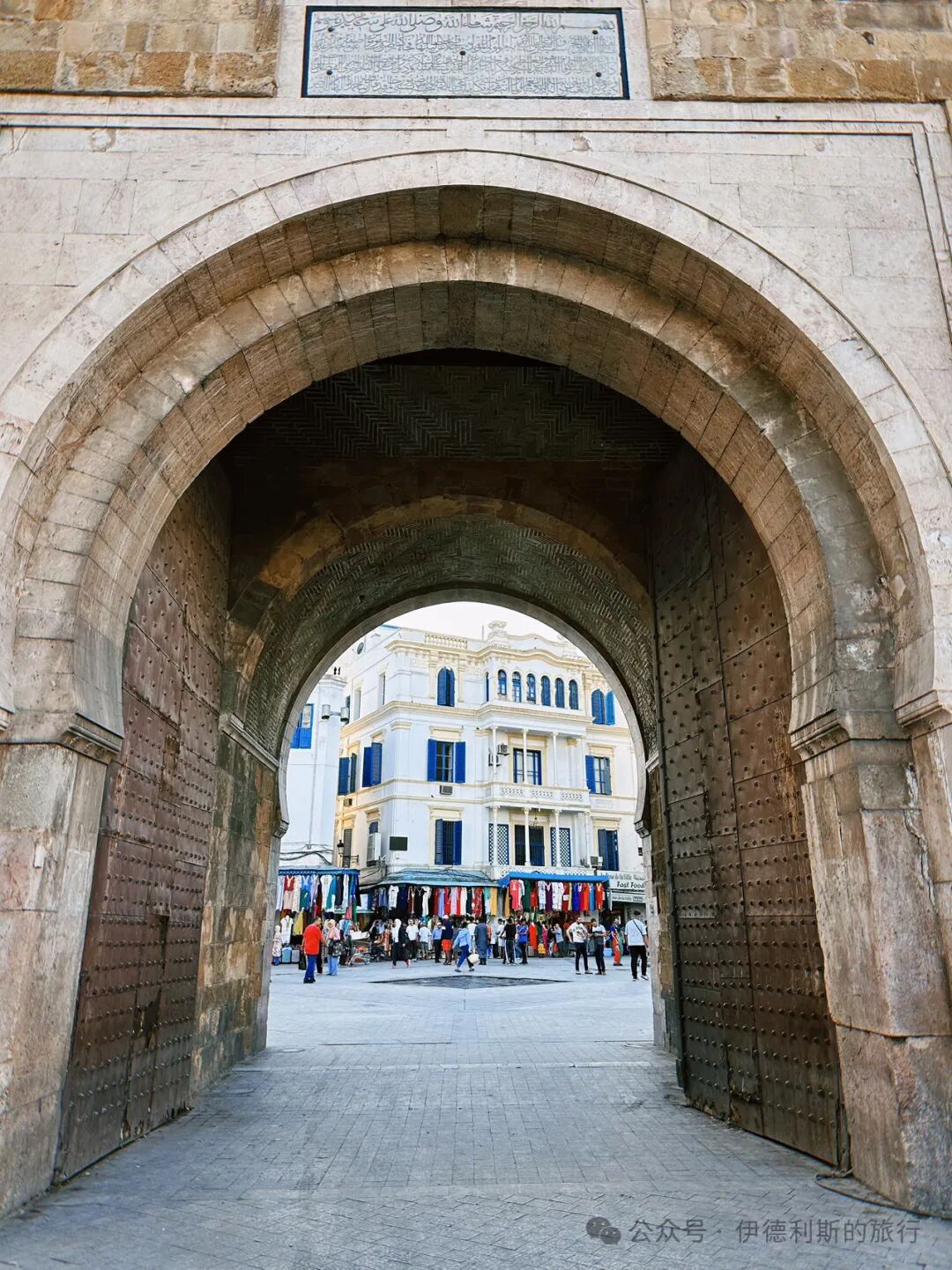
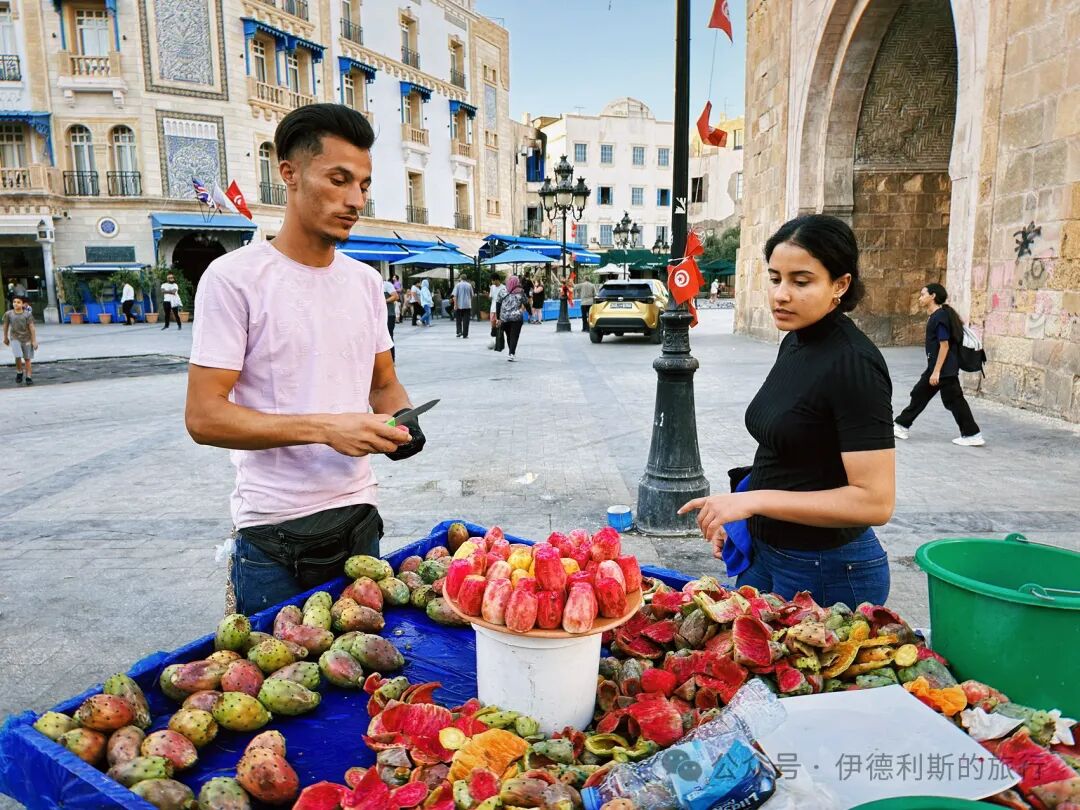
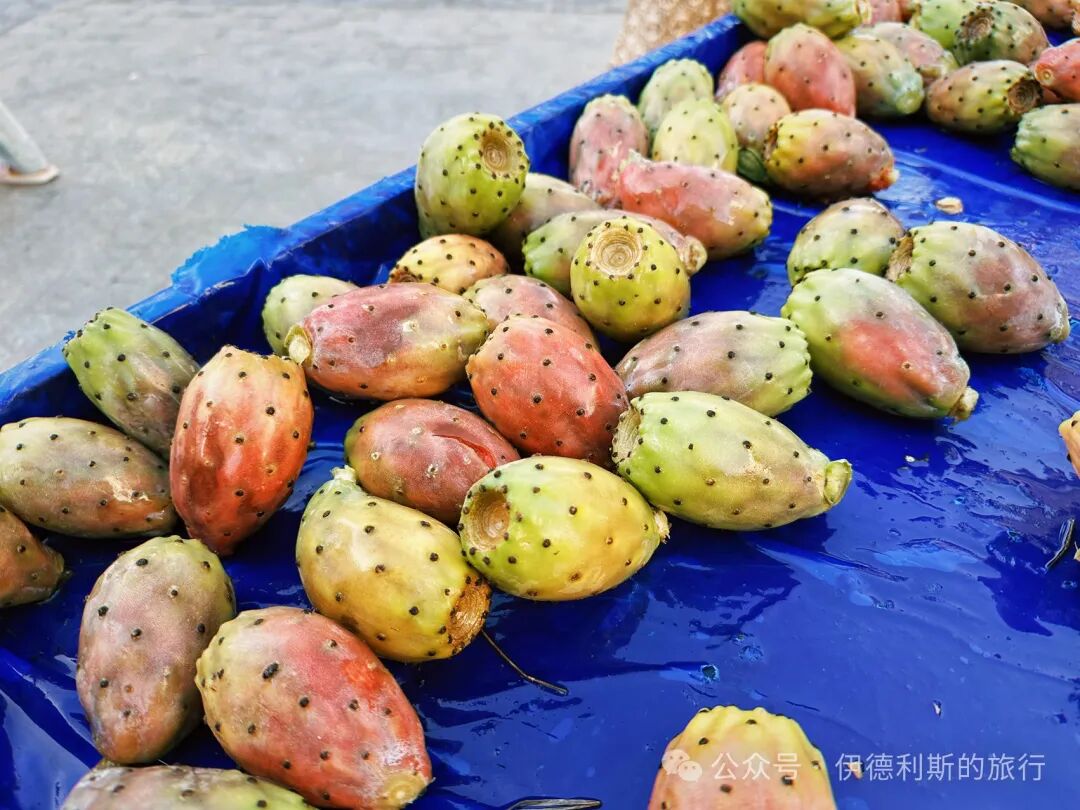
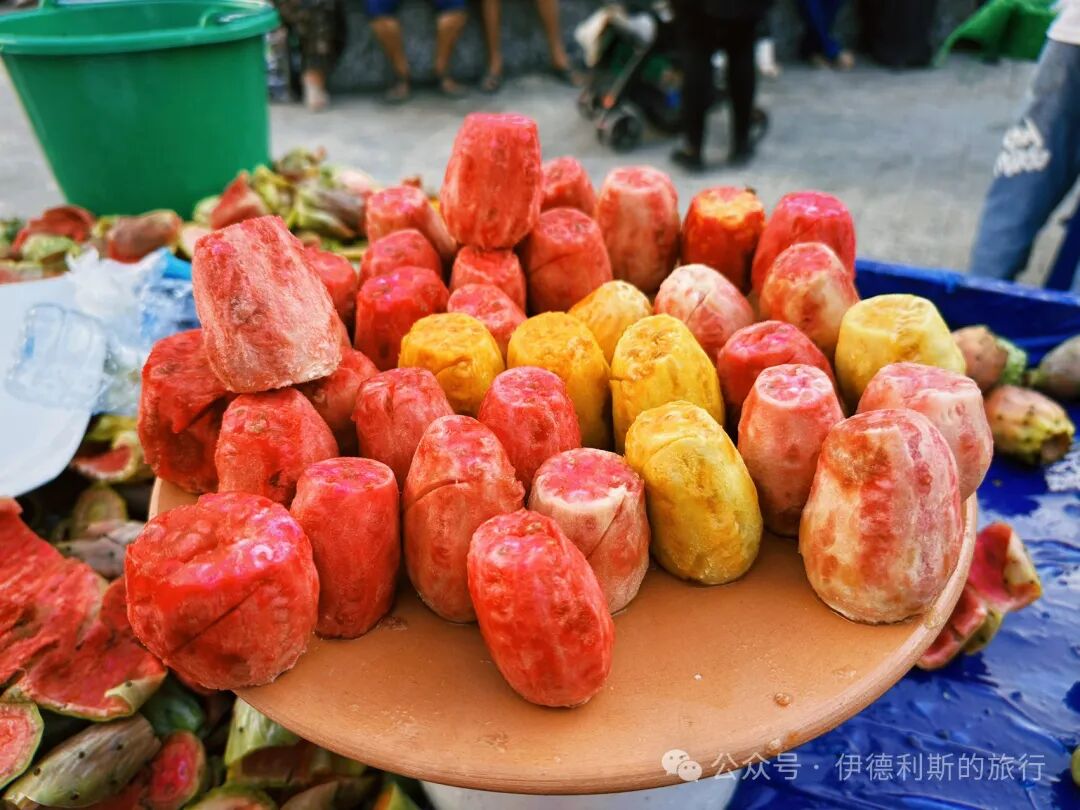
The main gate of the Medina of Tunis is Bab al-Bhar on the east side. Tourists visiting the old city usually take a taxi to this spot. There are stalls selling cactus fruit at the gate. It was my first time trying it; they cut it up and sell it by the piece for a cheap price.
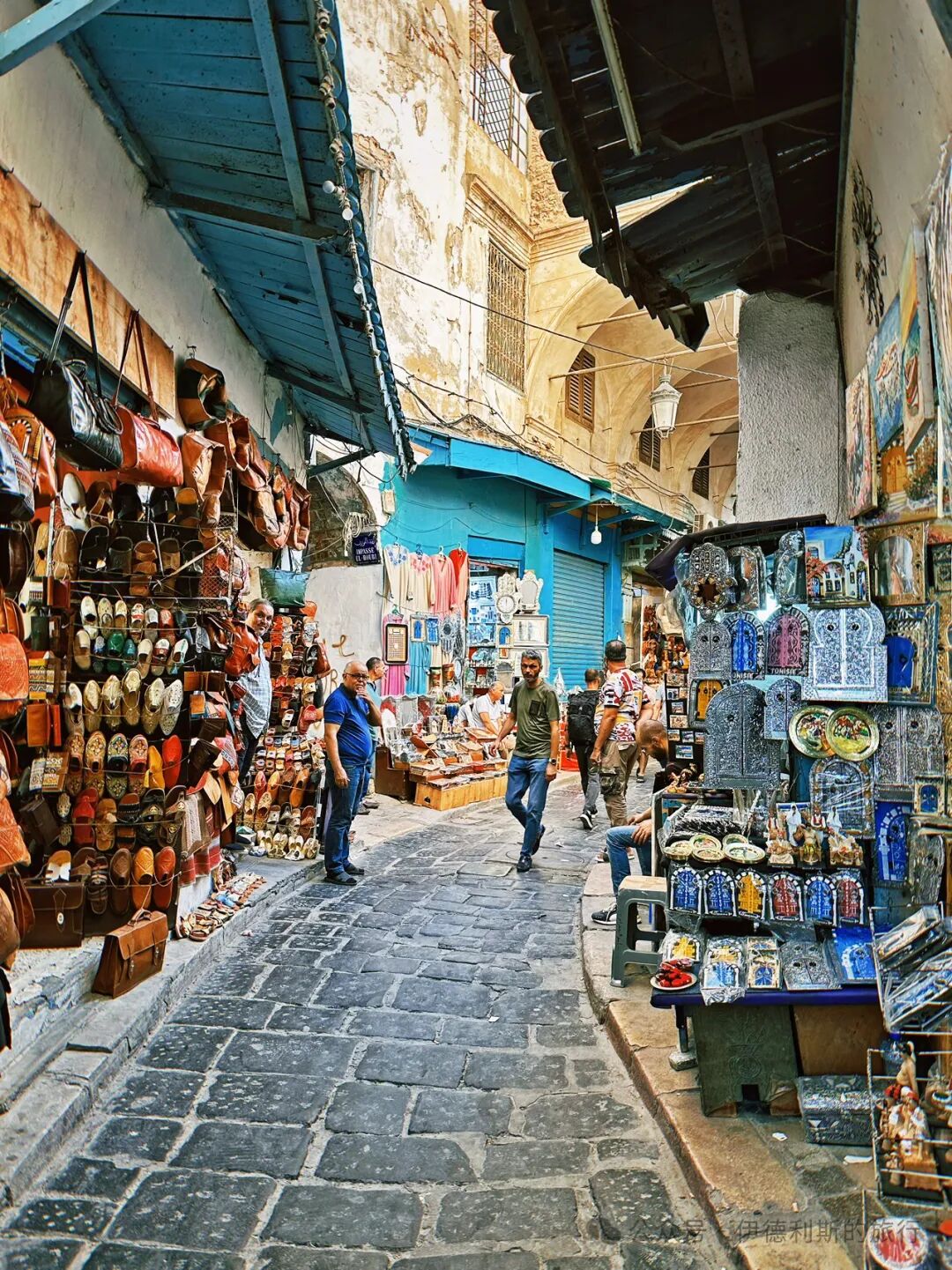
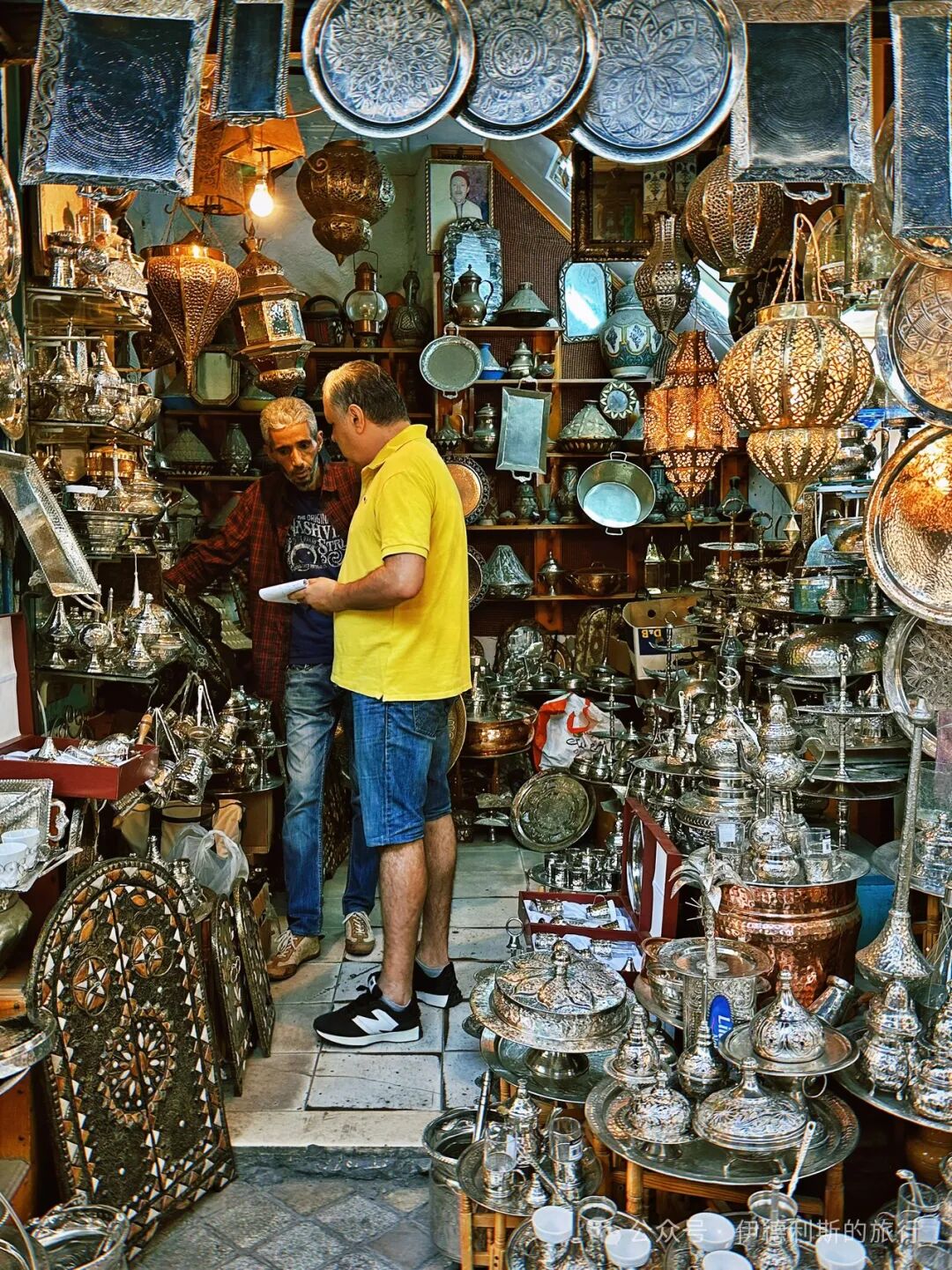
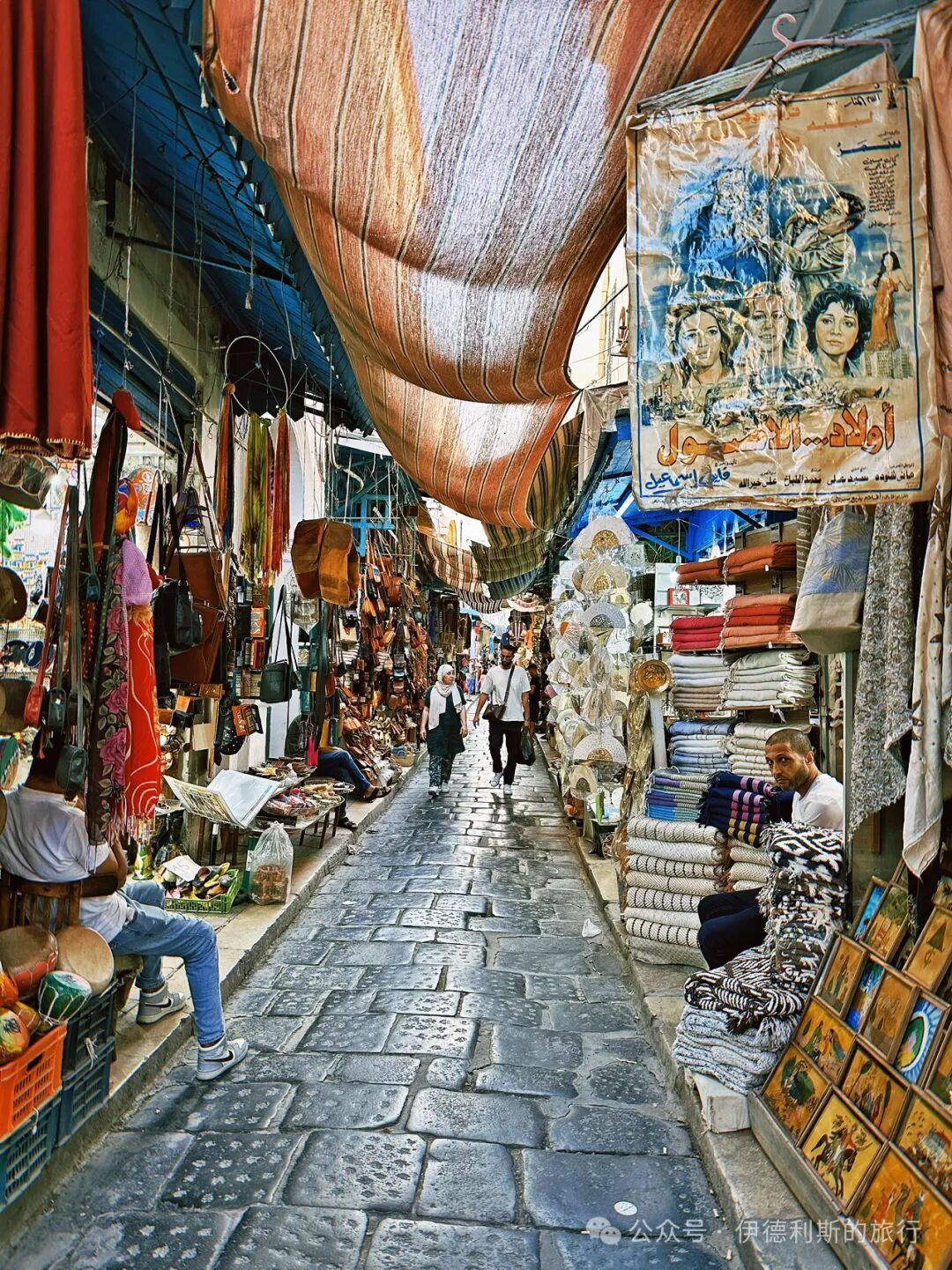
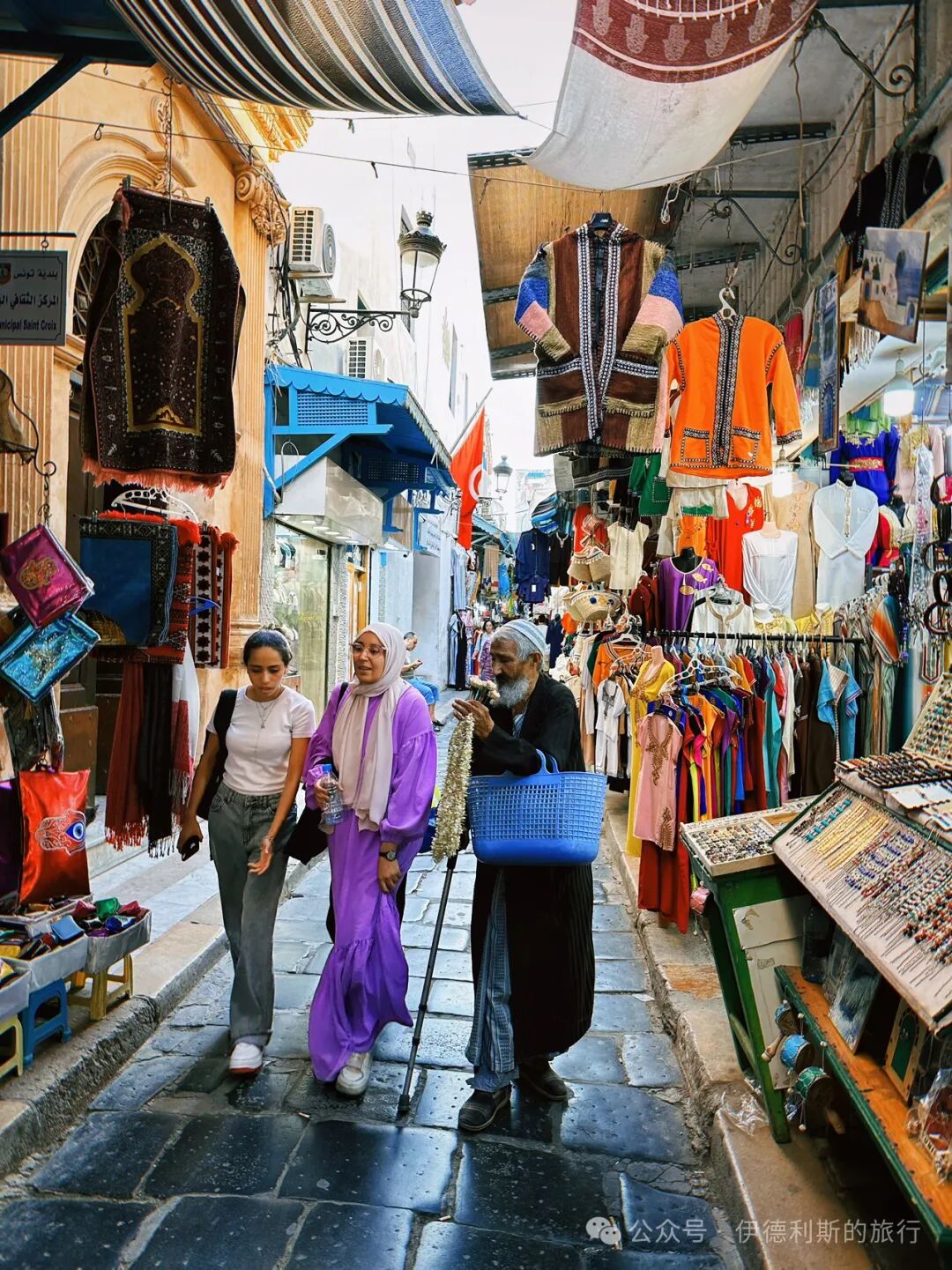
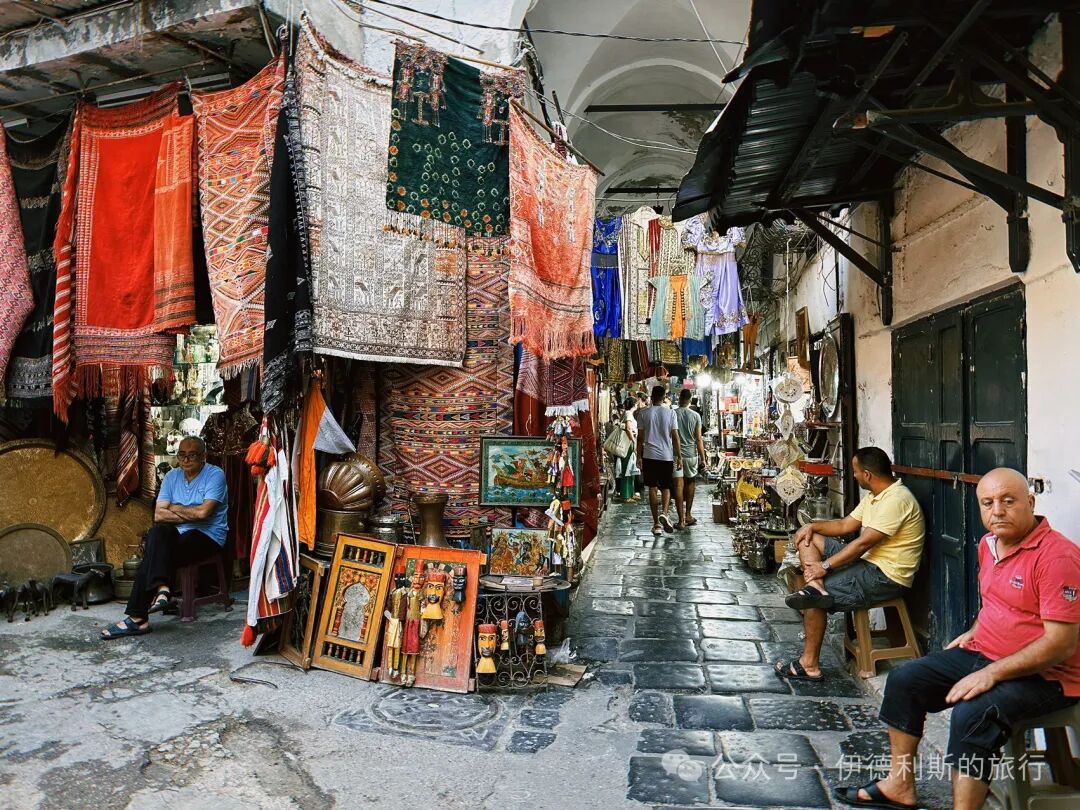
Inside the east gate is the main market of the old city. The items sold here are geared toward tourists, and it is the only place in the old city where you will see Chinese tourists.
Accommodation
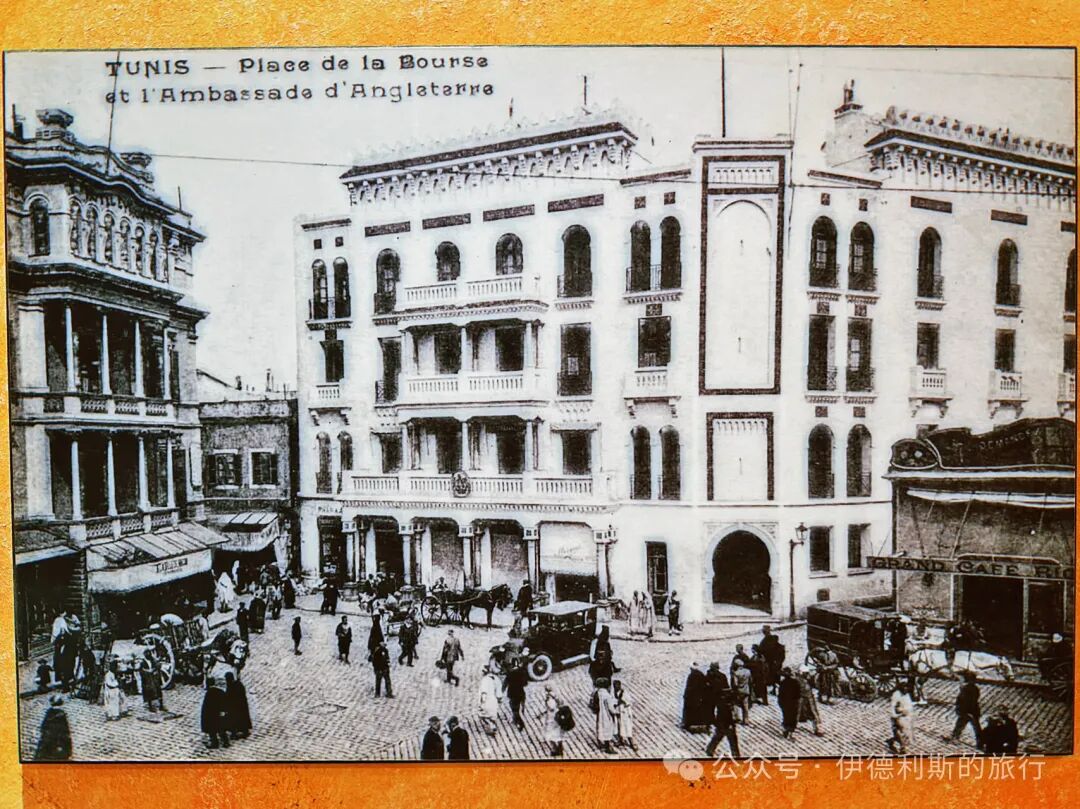
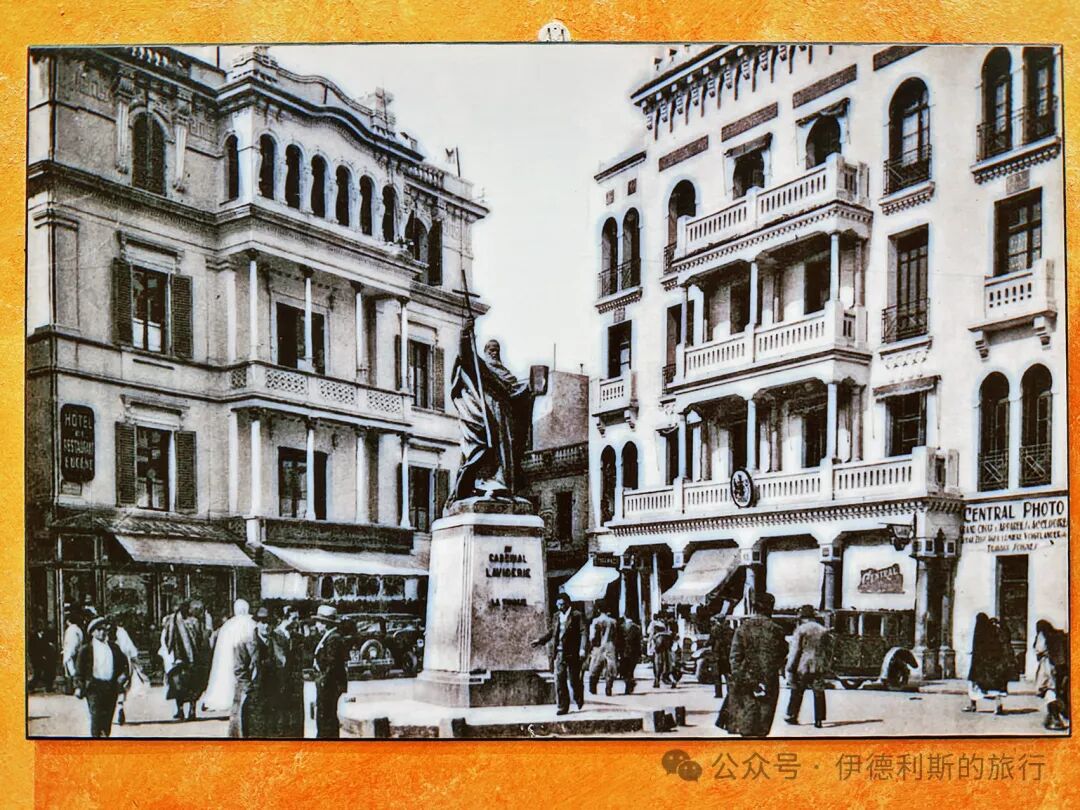
Just inside the east gate of the old city is the Hotel Royal Victoria, built in 1914. This was the site of the British Consulate in Tunis, founded in 1662. It was rebuilt in the Moorish Revival style in 1914. After Tunisia gained independence in 1956, it became an embassy. It opened as the Hotel Royal Victoria after the embassy moved in 2004. Many guesthouses in the Medina of Tunis do not allow check-ins in the middle of the night. If you arrive in Tunis on a late-night flight, I recommend this hotel, as it is also very easy to reach.
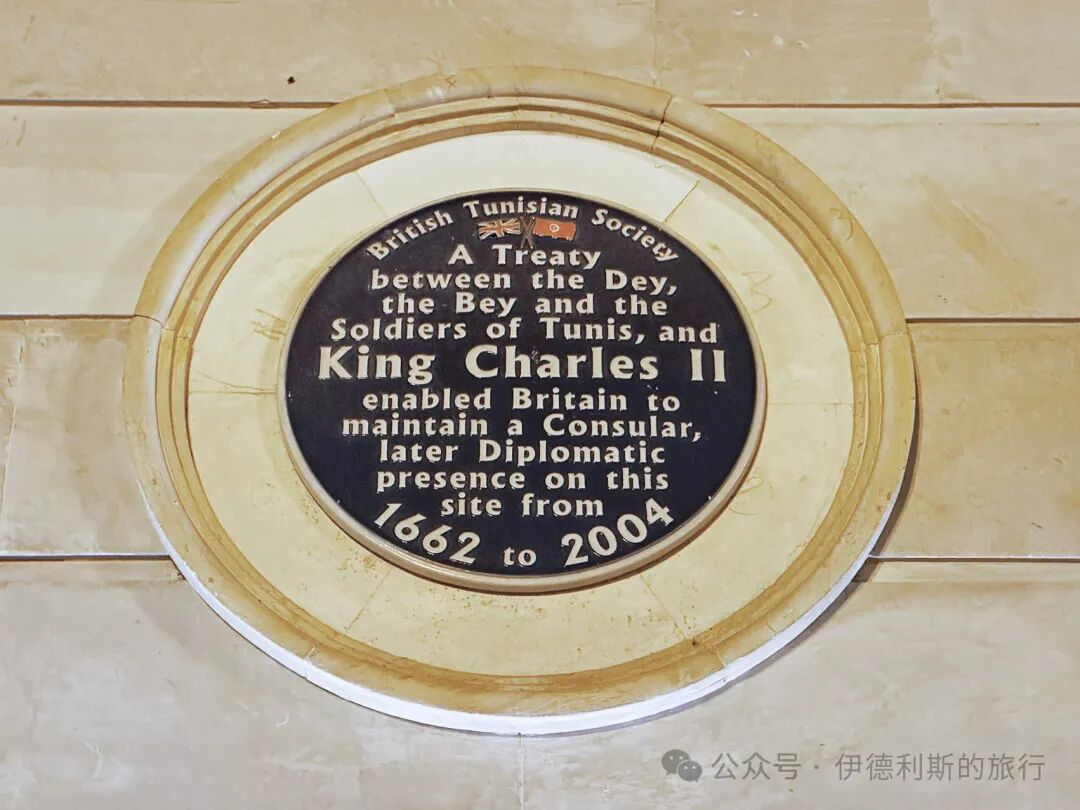
The hotel decor is very retro. Once you step inside, it feels like you have traveled back a hundred years. A plaque on the hotel's outer wall mentions the Treaty of Peace and Commerce between Great Britain and Tunis signed in 1662. In the late 17th century, Tunisia was a regency of the Ottoman Empire. At that time, Tunisia was nominally loyal to the Ottoman Sultan and provided military support, but it actually held the initiative in foreign trade and diplomacy, and it practiced state-sanctioned piracy. In 1662, Britain and Tunisia signed a treaty. Britain would redeem all slaves at the price they were first sold for in the market. At the same time, British ships would not be attacked, British merchants could practice their religion freely and be free from persecution, and all trade would be subject to fixed taxes. From then on, British merchants began to build trade networks in Tunisia. Imported British cloth began to be sold in Tunisian markets, and the British also ate grain products produced in Tunisia.
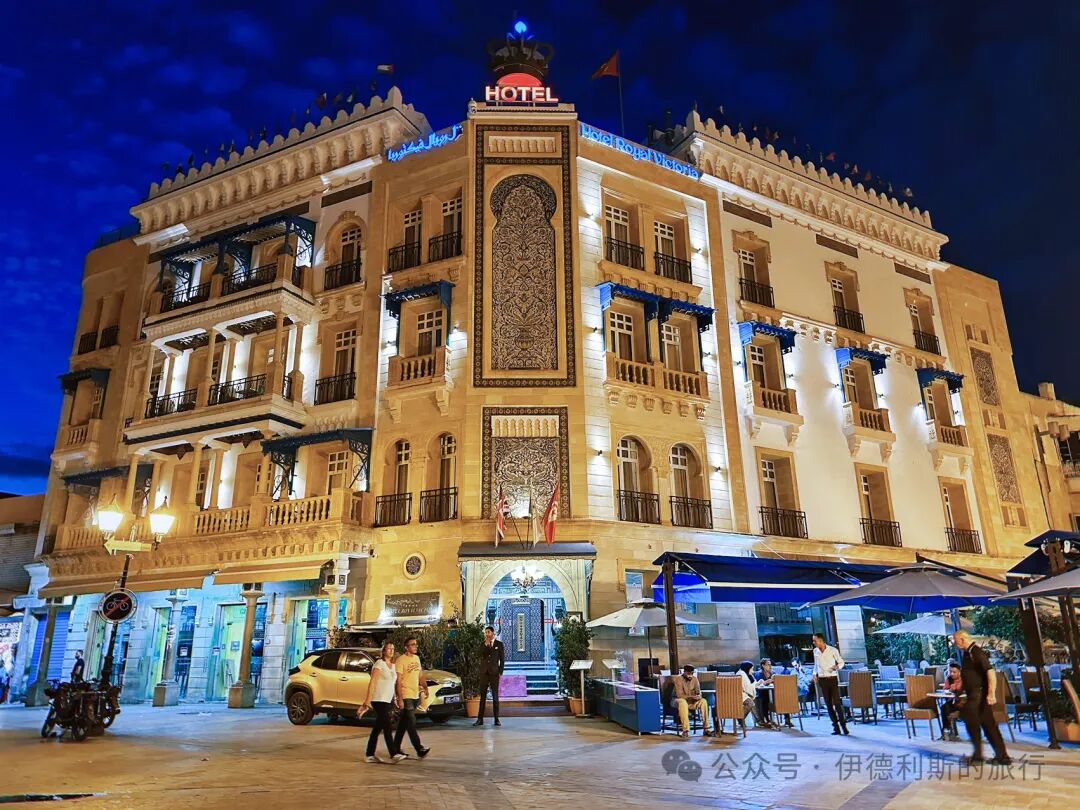
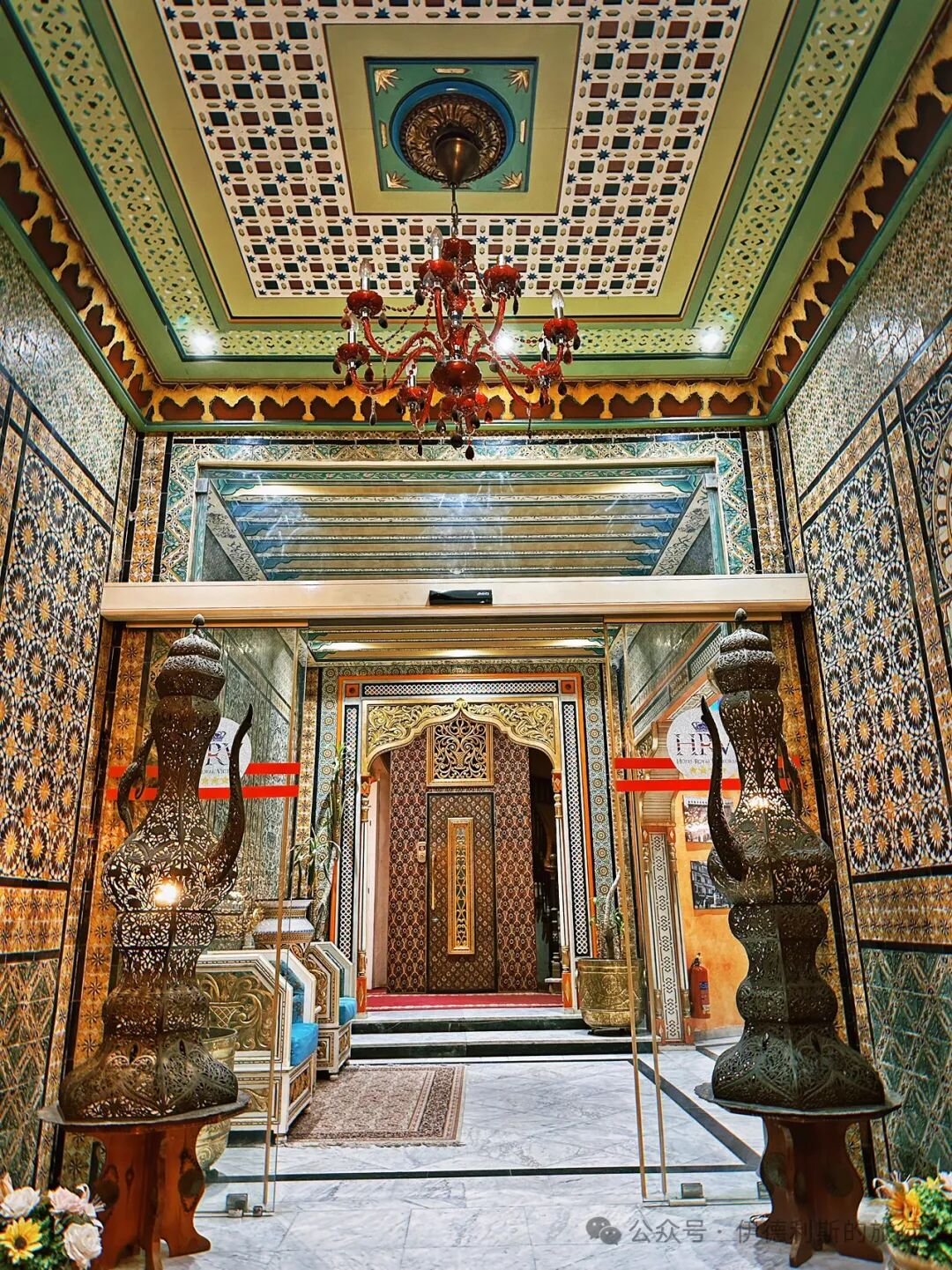
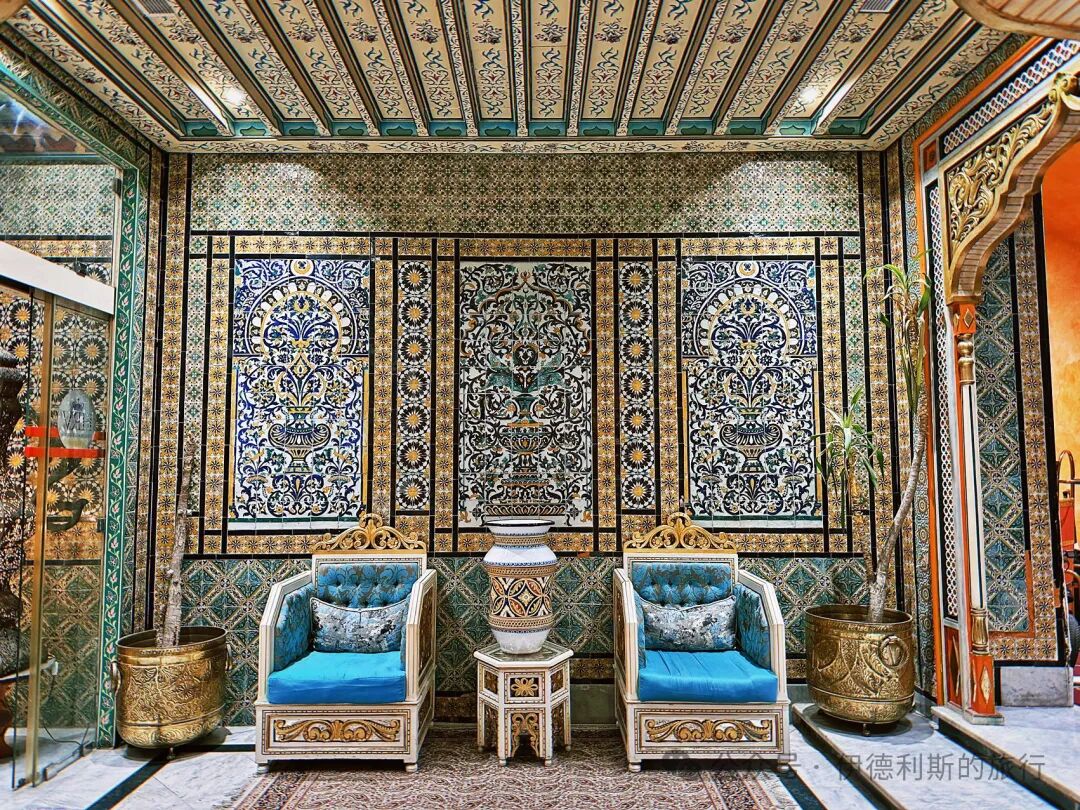
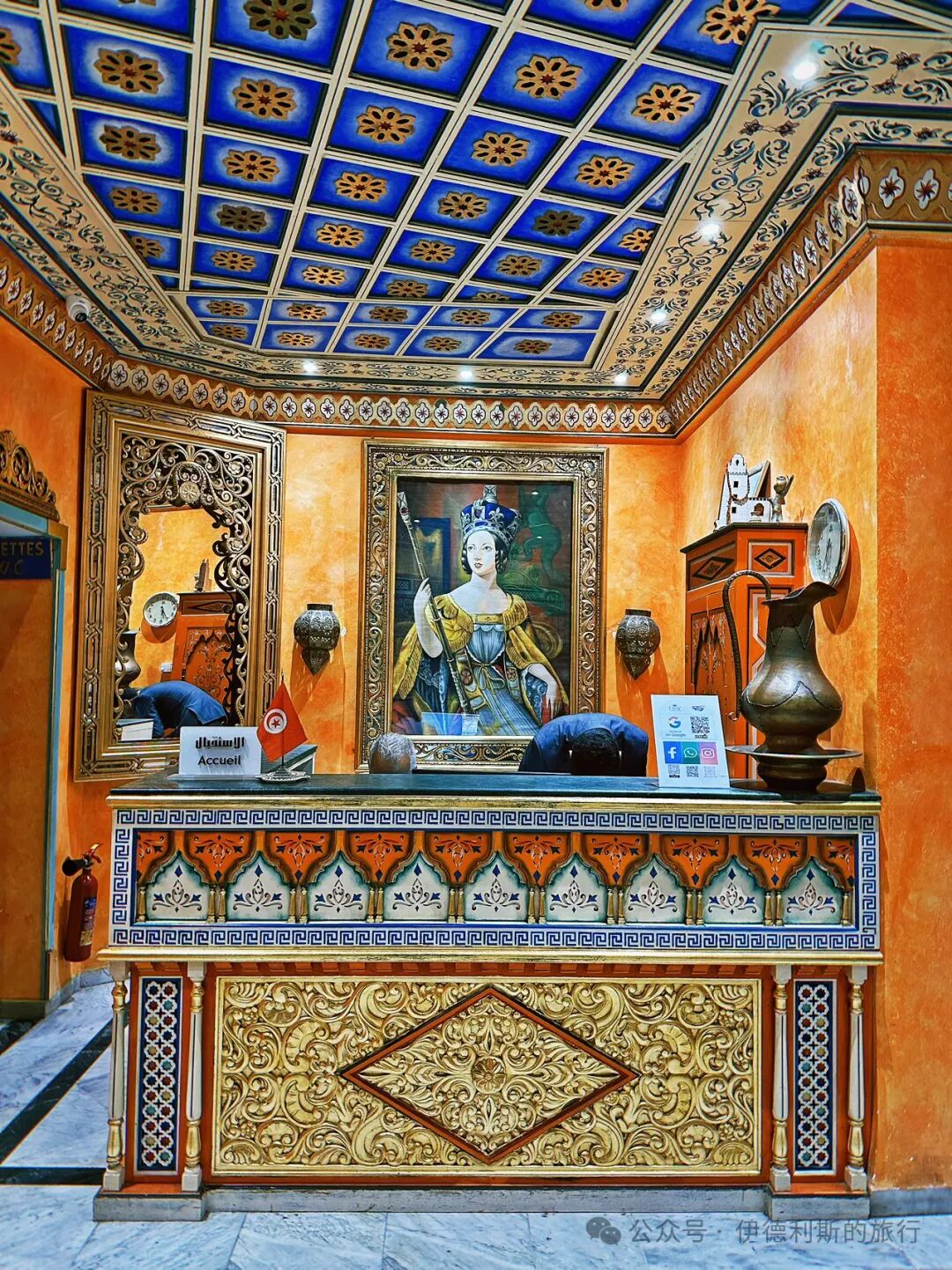
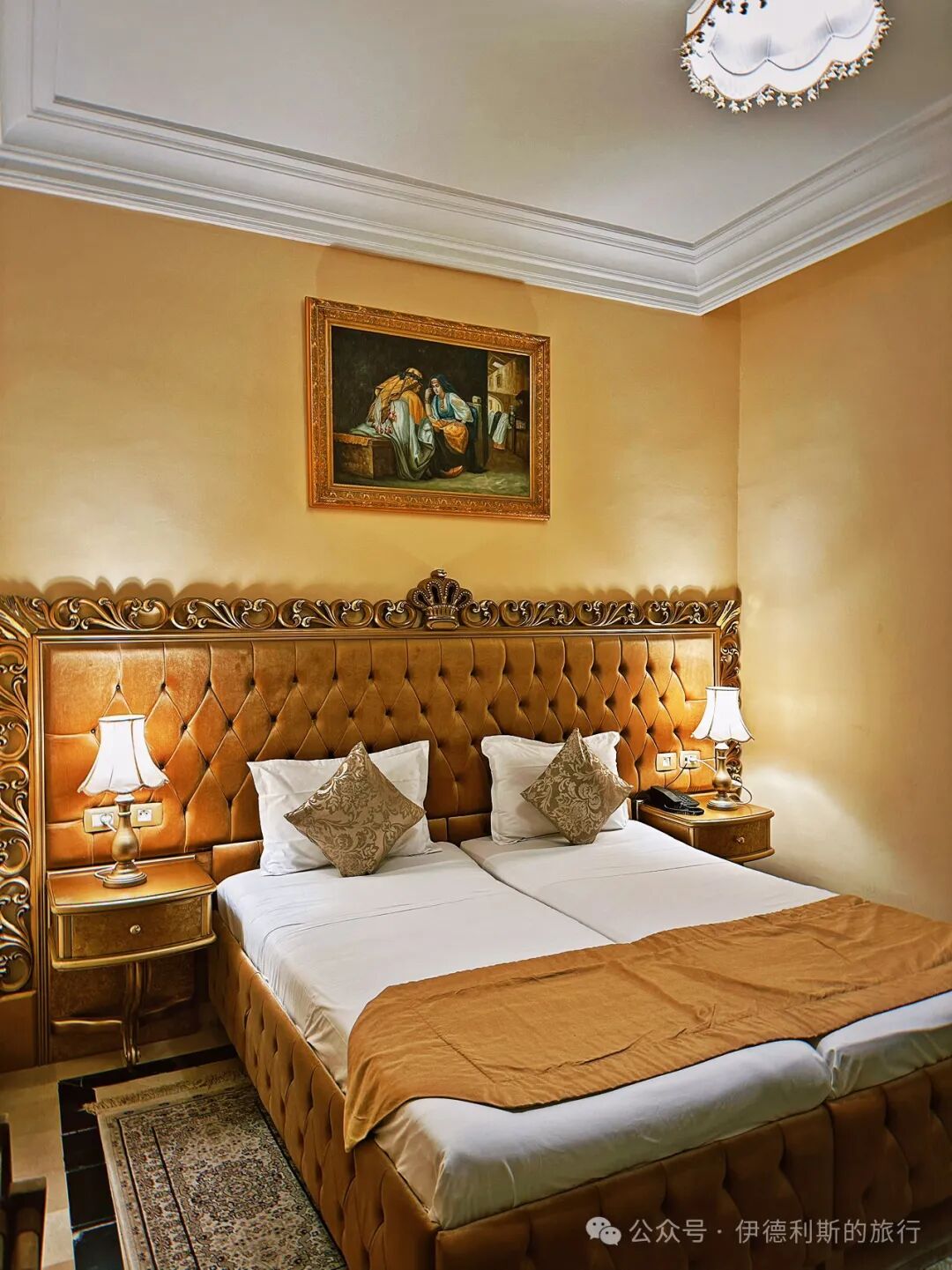
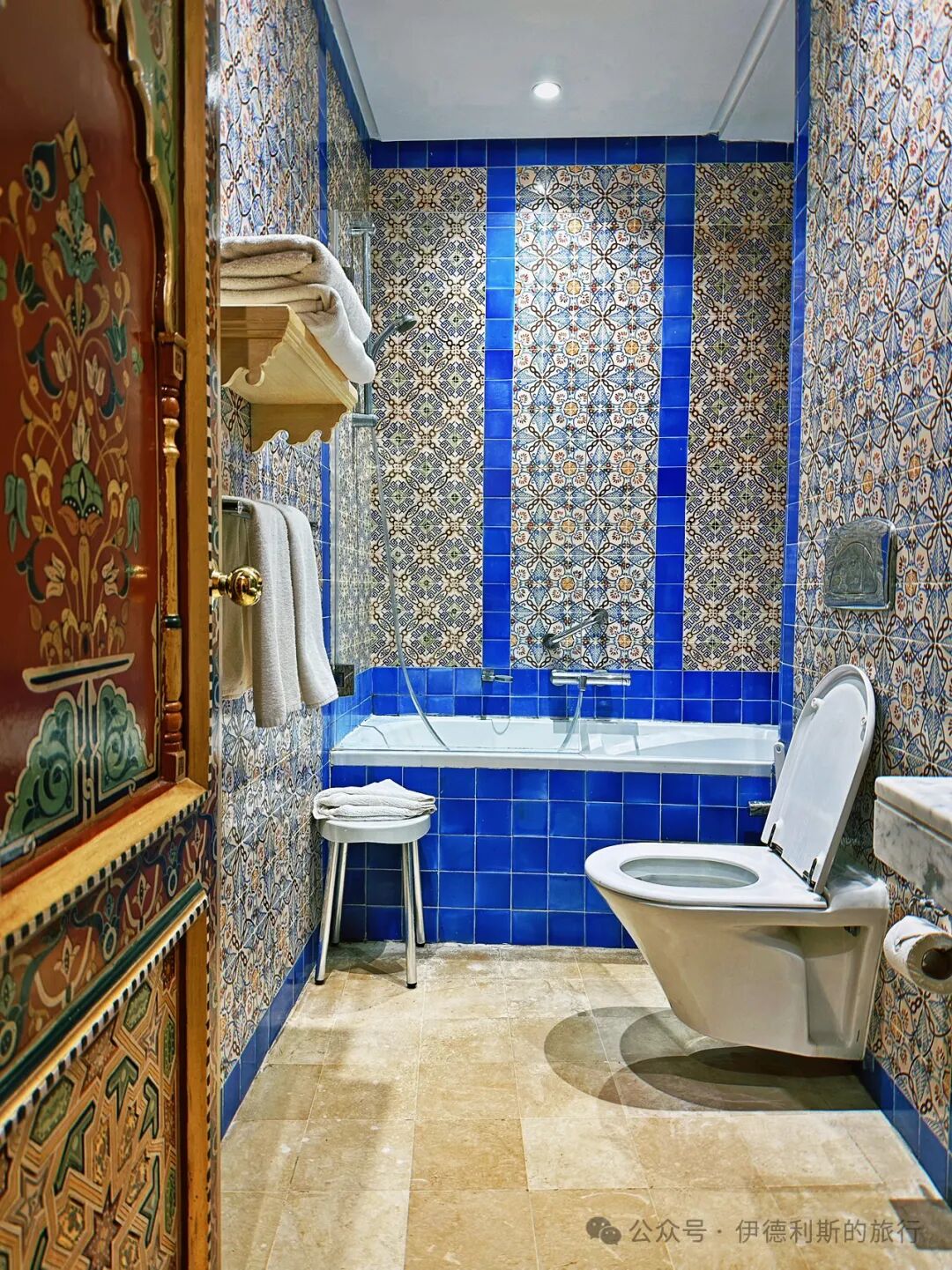
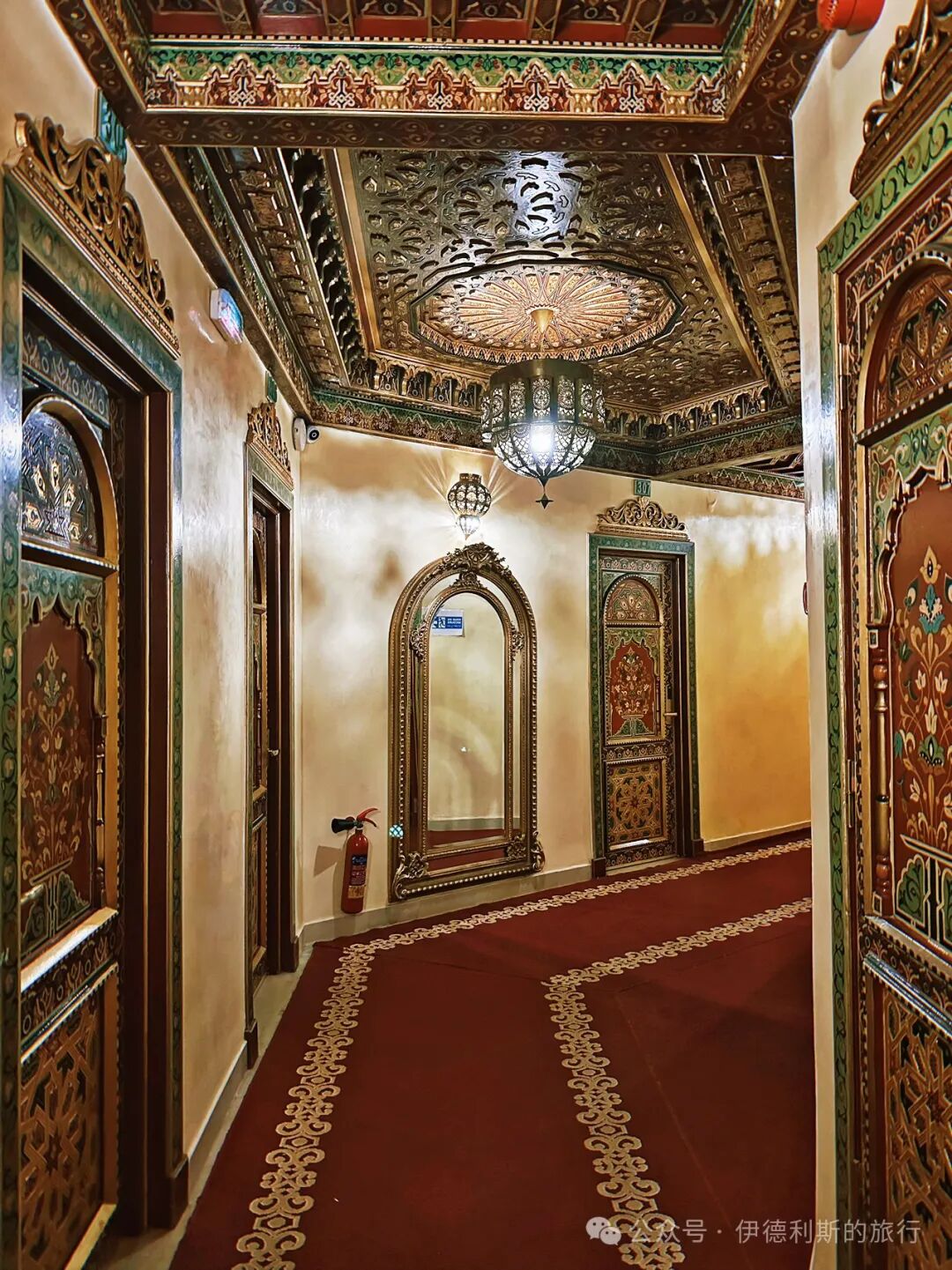
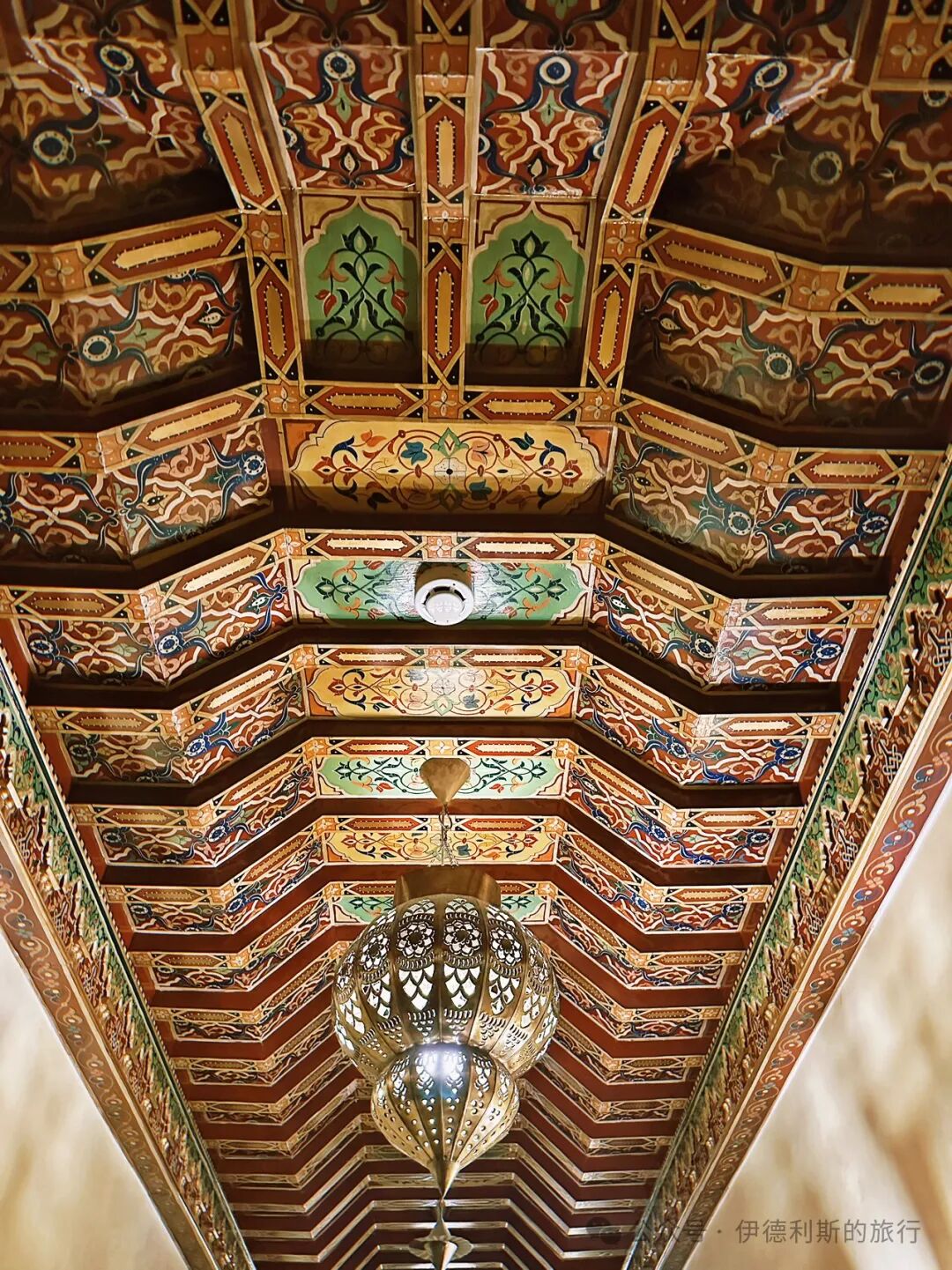
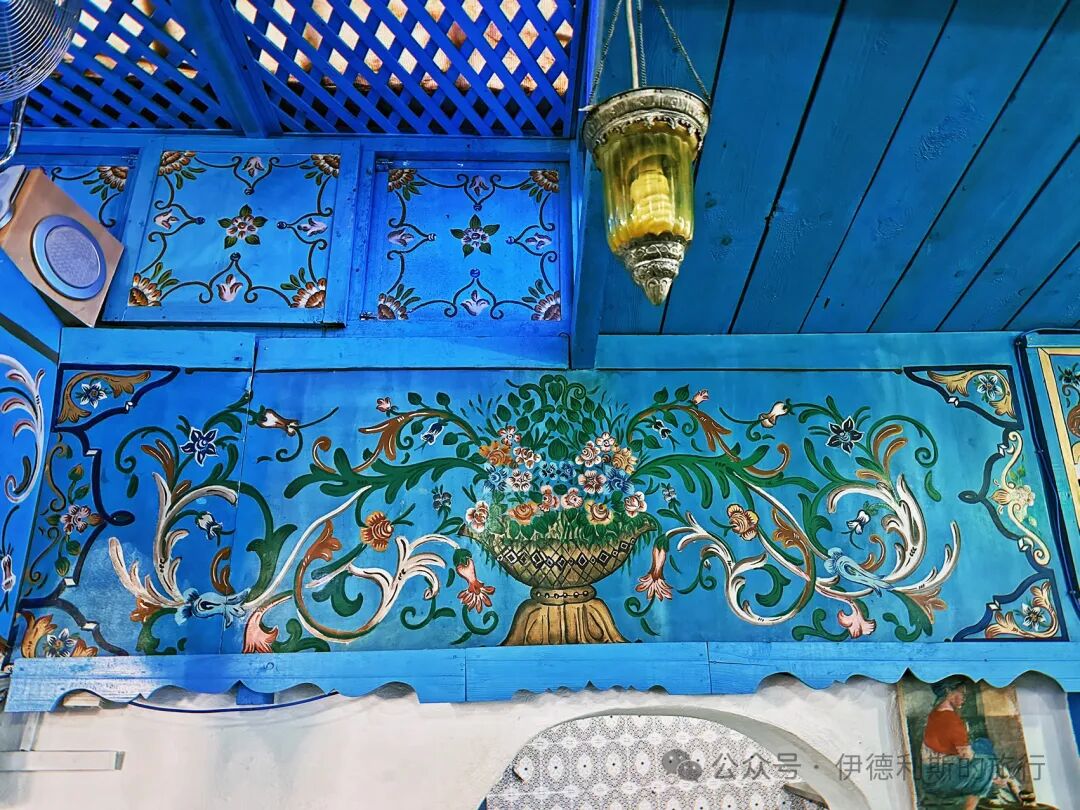
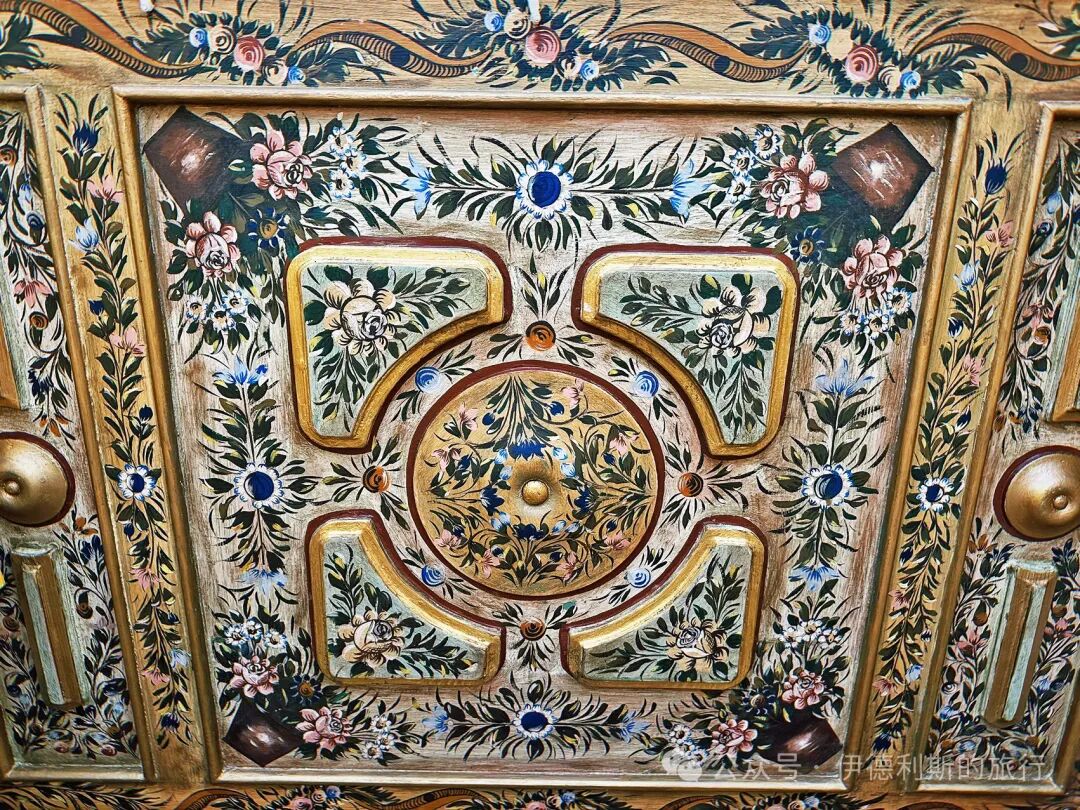
The hallways, elevators, and ceilings of the Hotel Royal Victoria are decorated with traditional patterns and are very ornate.
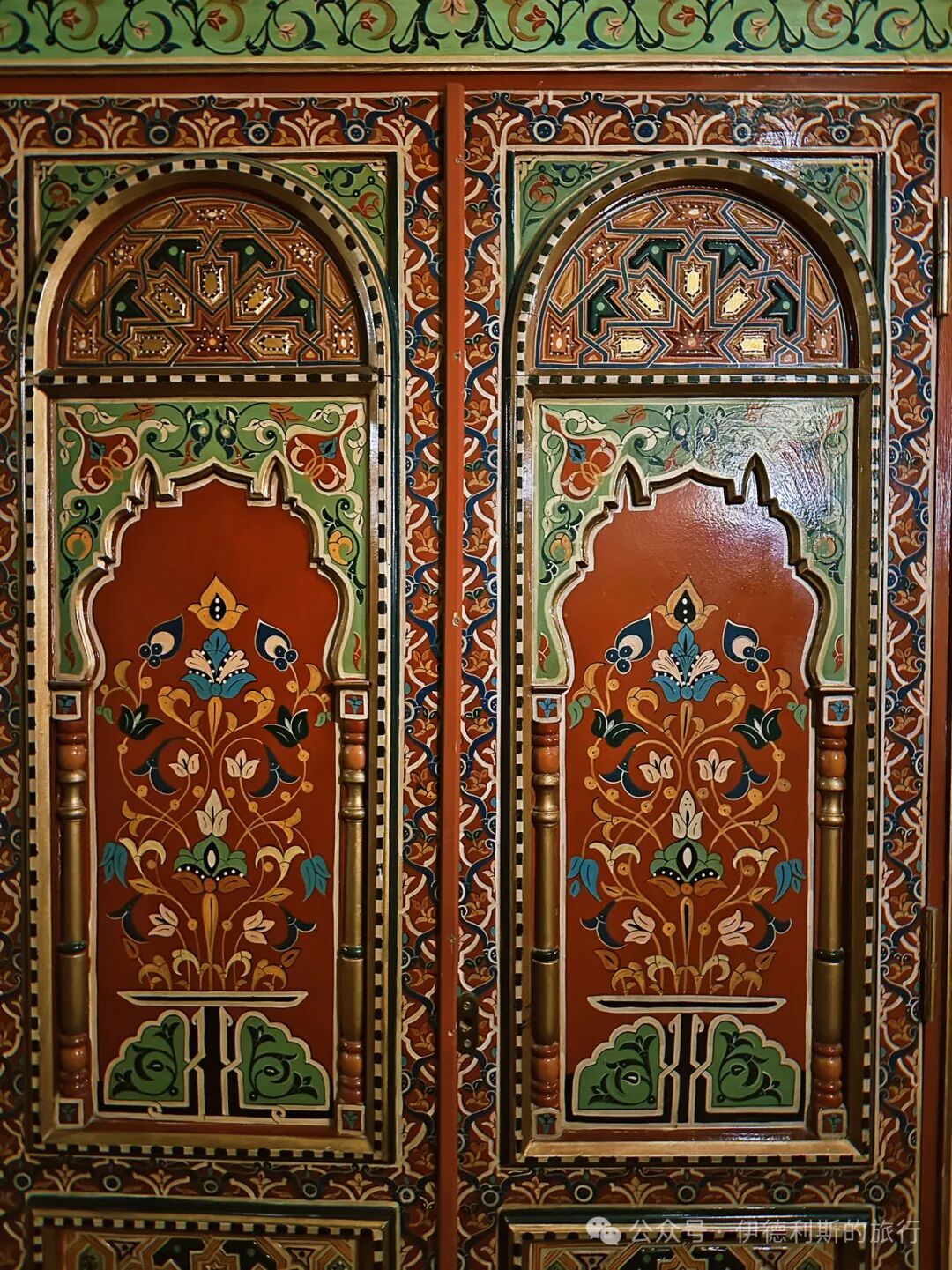
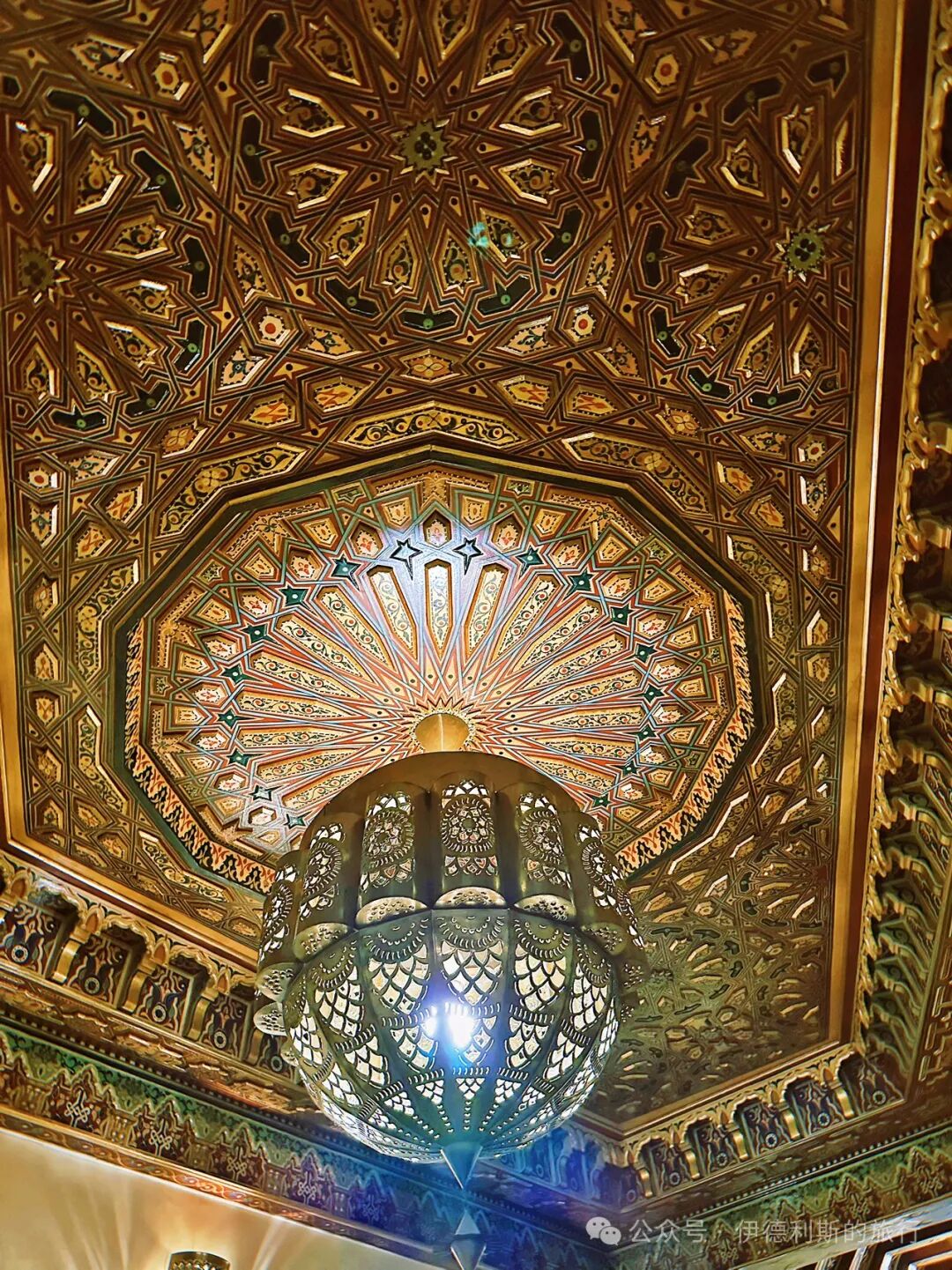
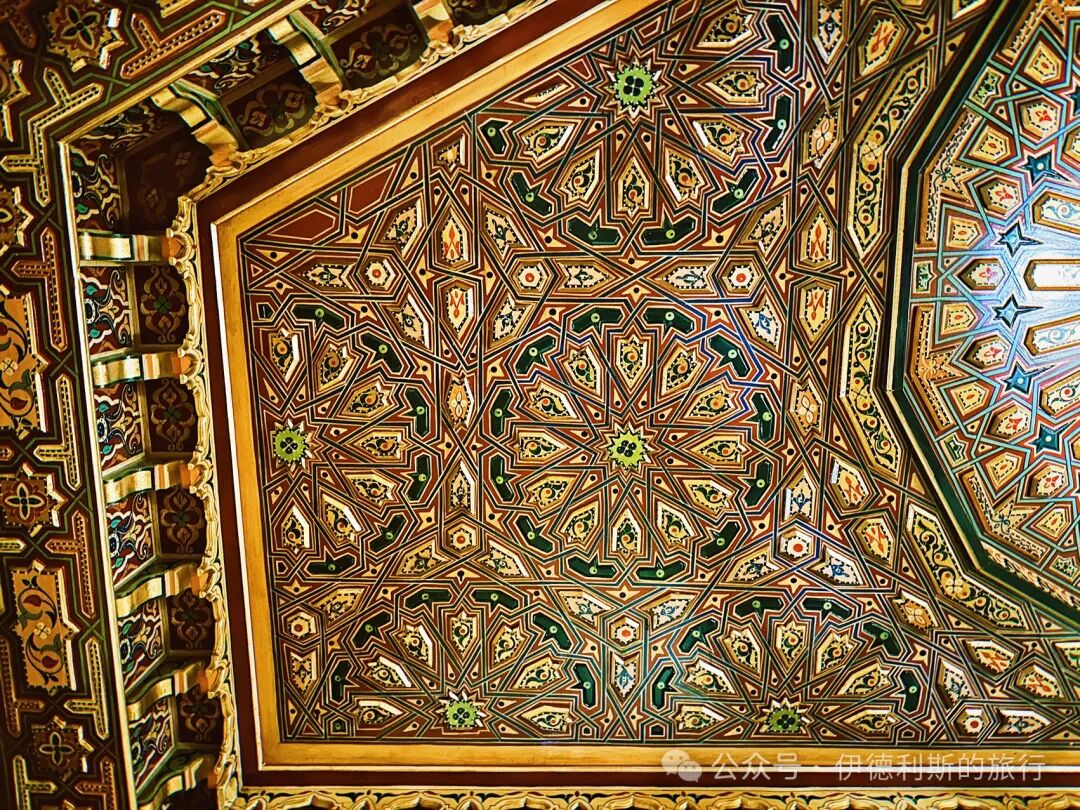
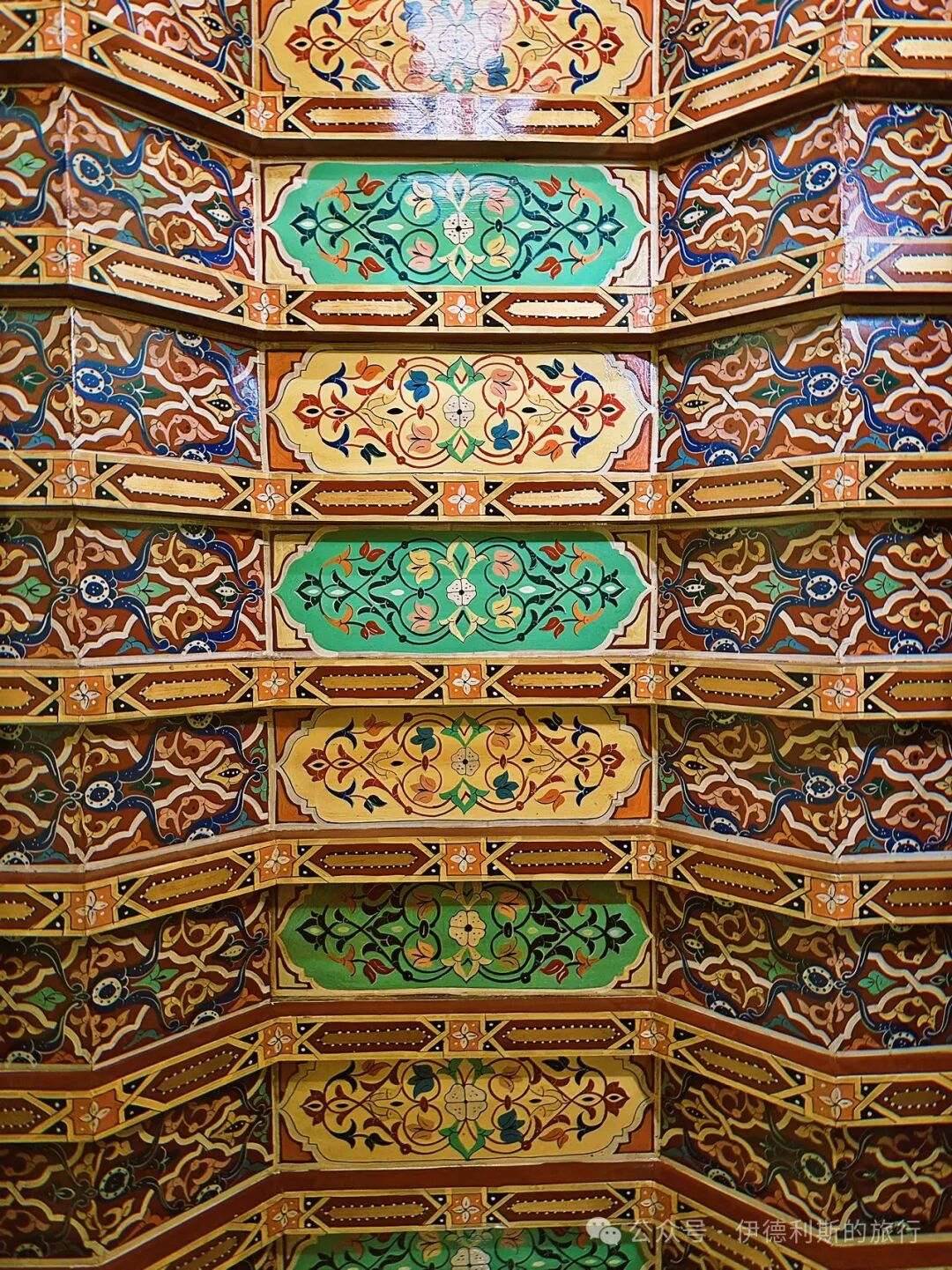
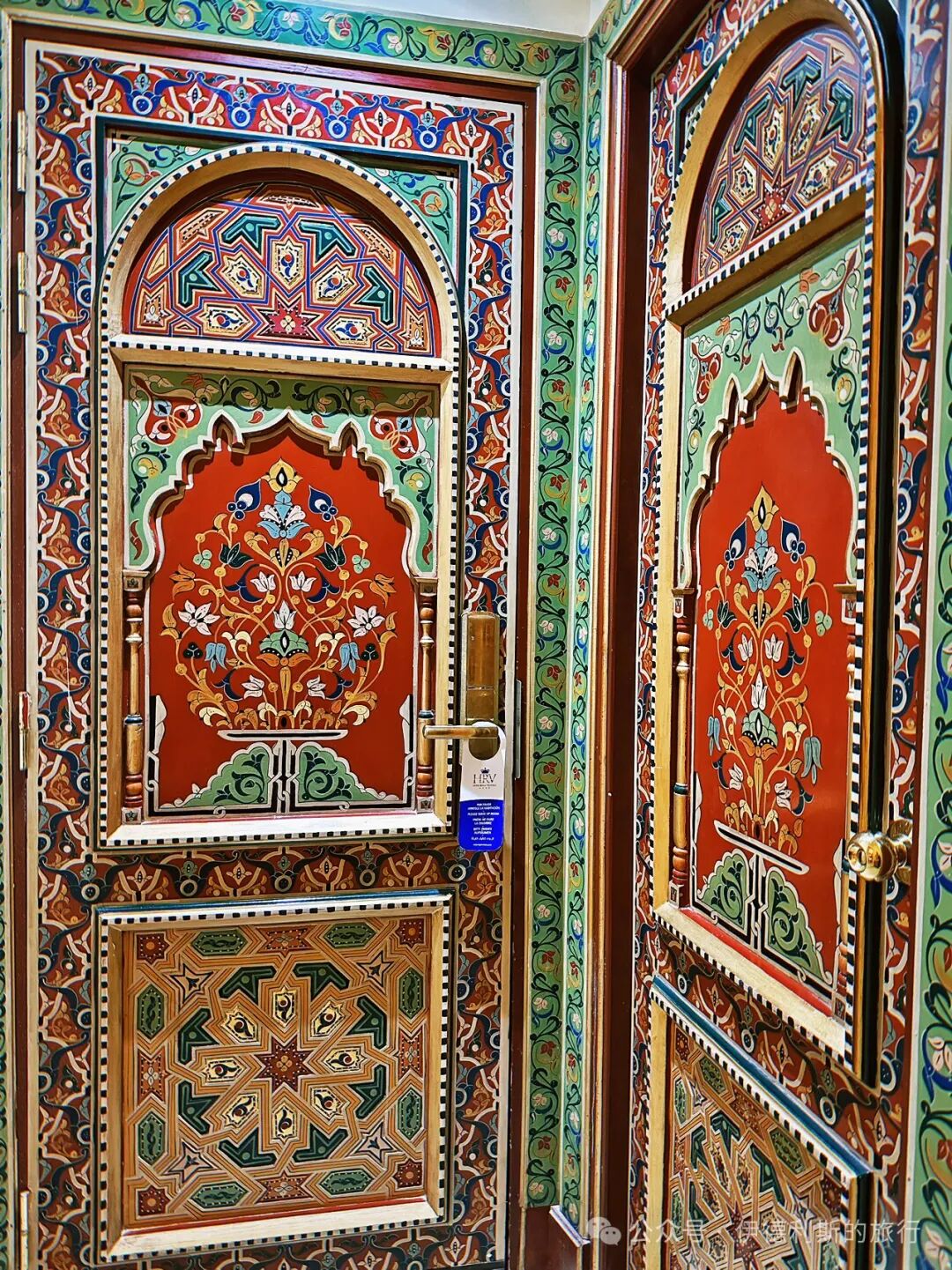
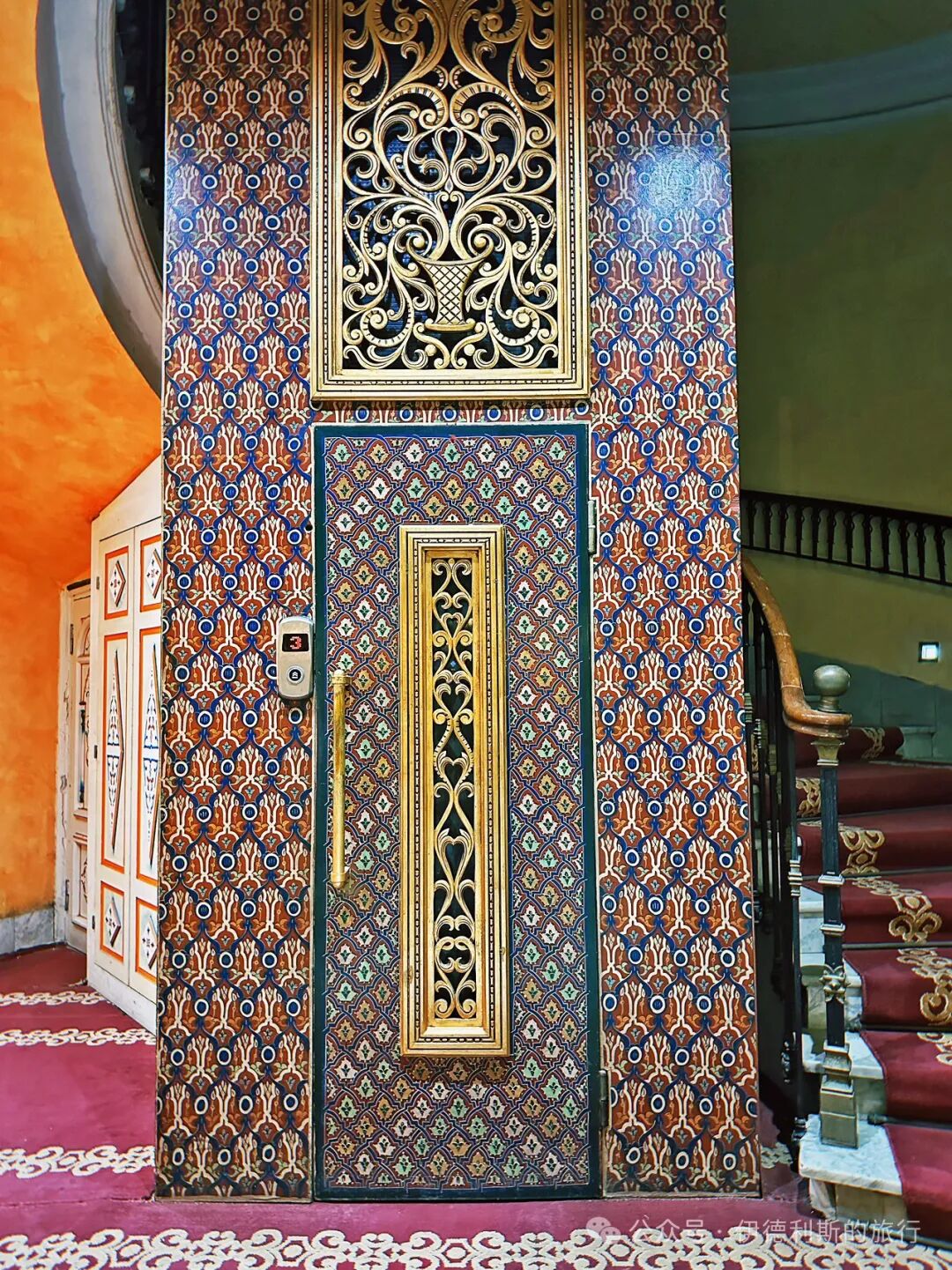
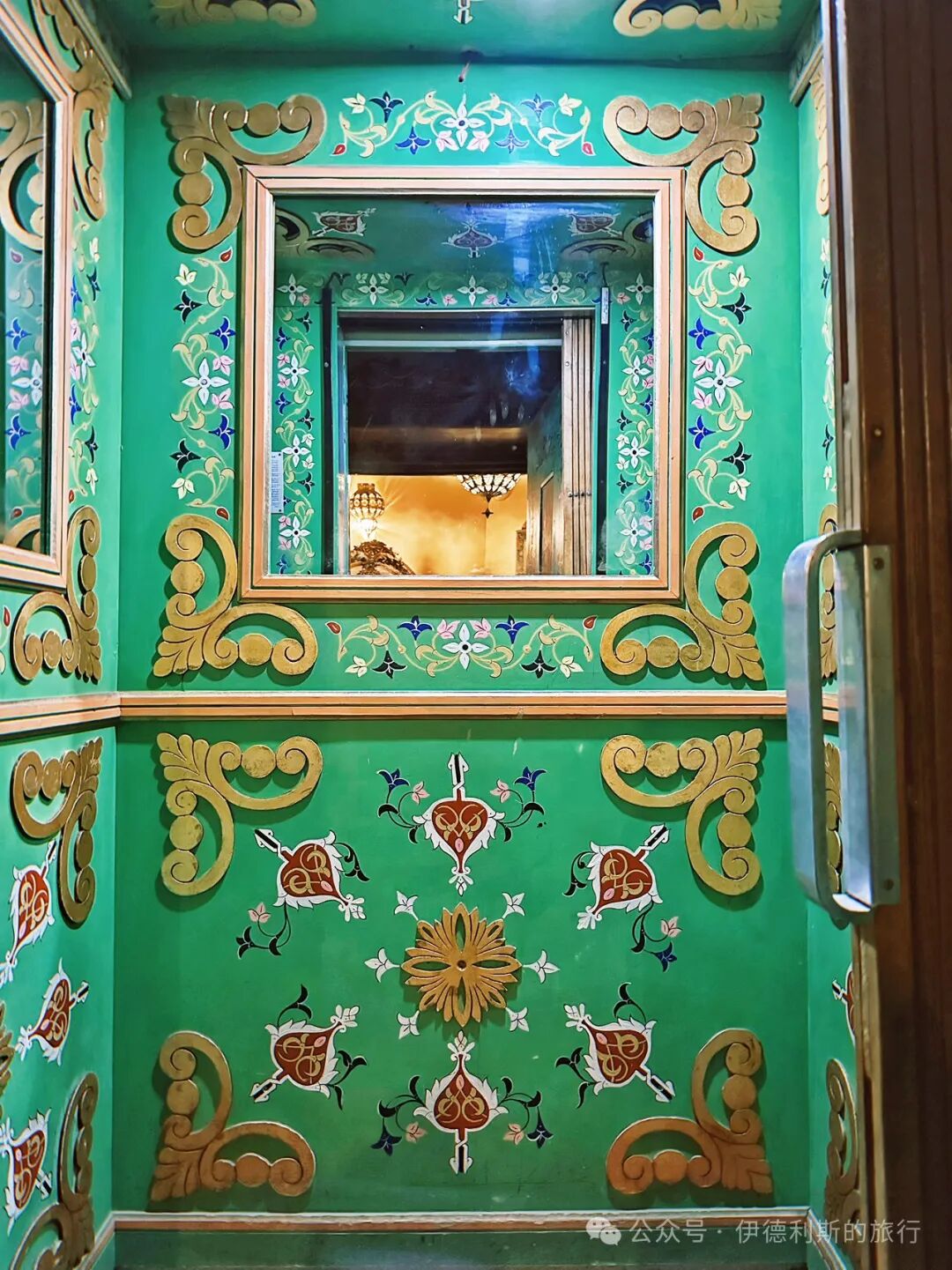
The traditional houses inside the old city are definitely worth staying in. There are several traditional houses in the old city where you can stay, but most are private guesthouses. Only a very small number are run by formal hotels, and the prices are very high. The environment of these guesthouses is certainly not as good as high-end hotels, but you can experience the real living environment of the Medina, so it is worth staying for a night.
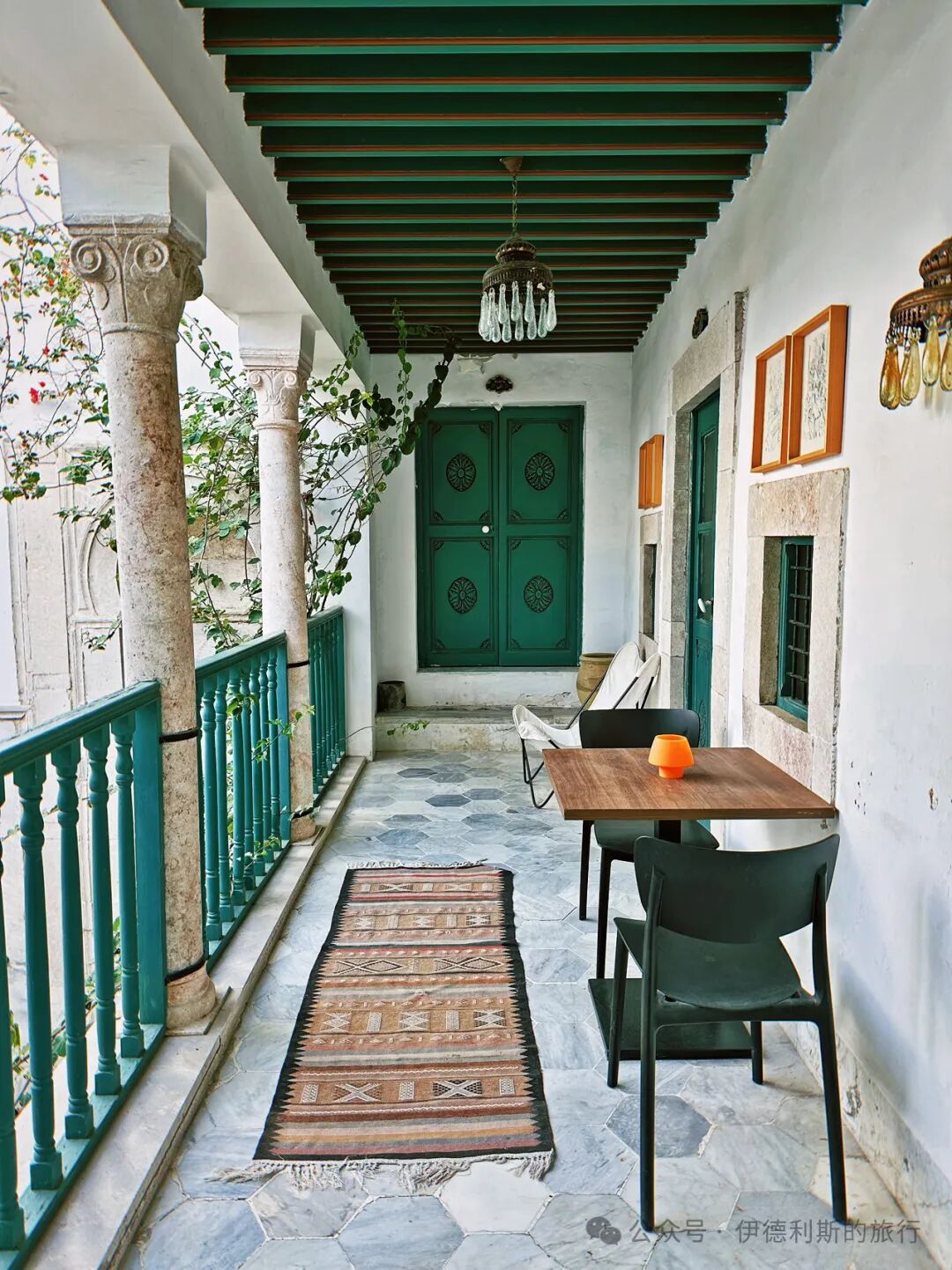
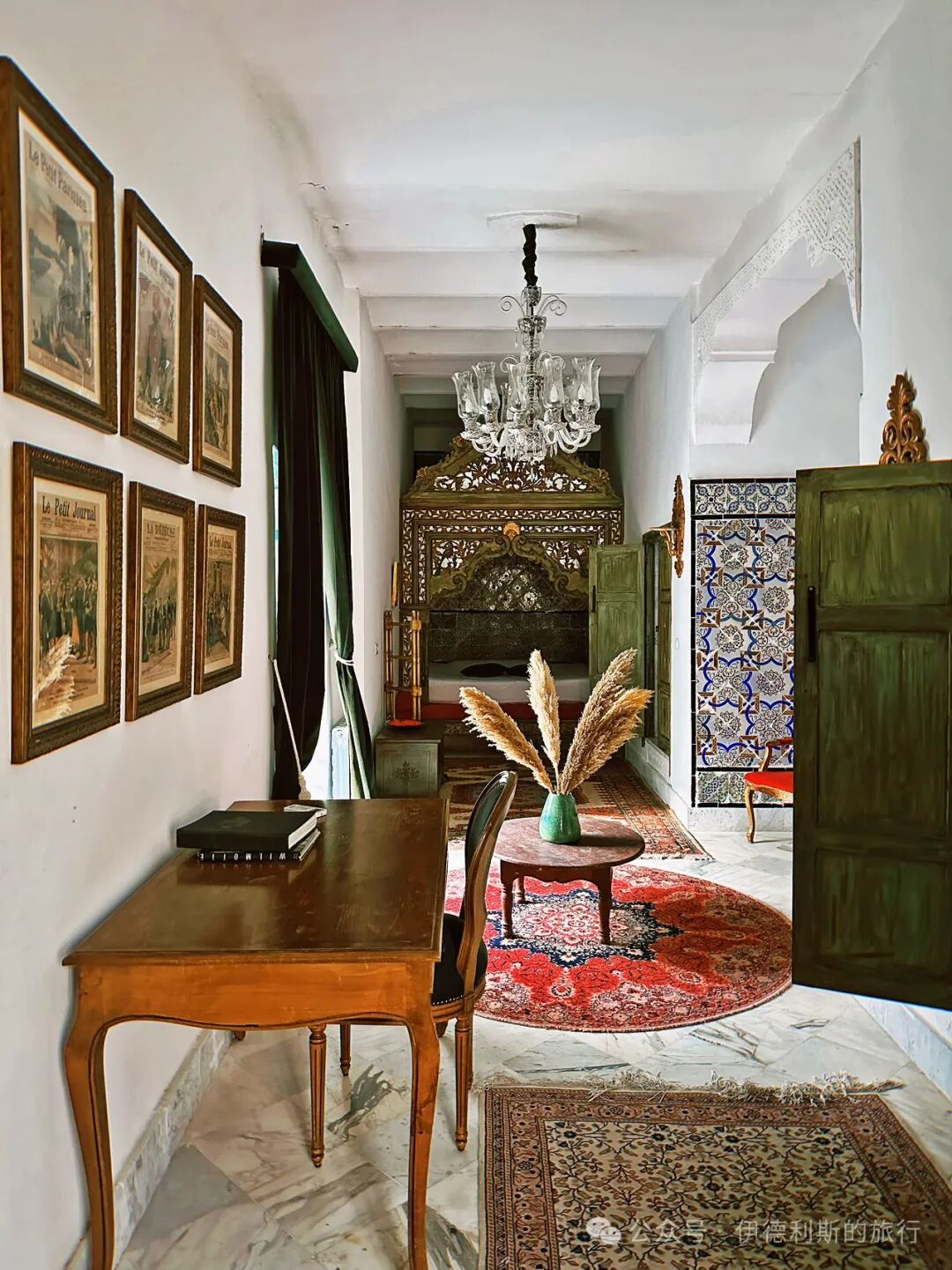
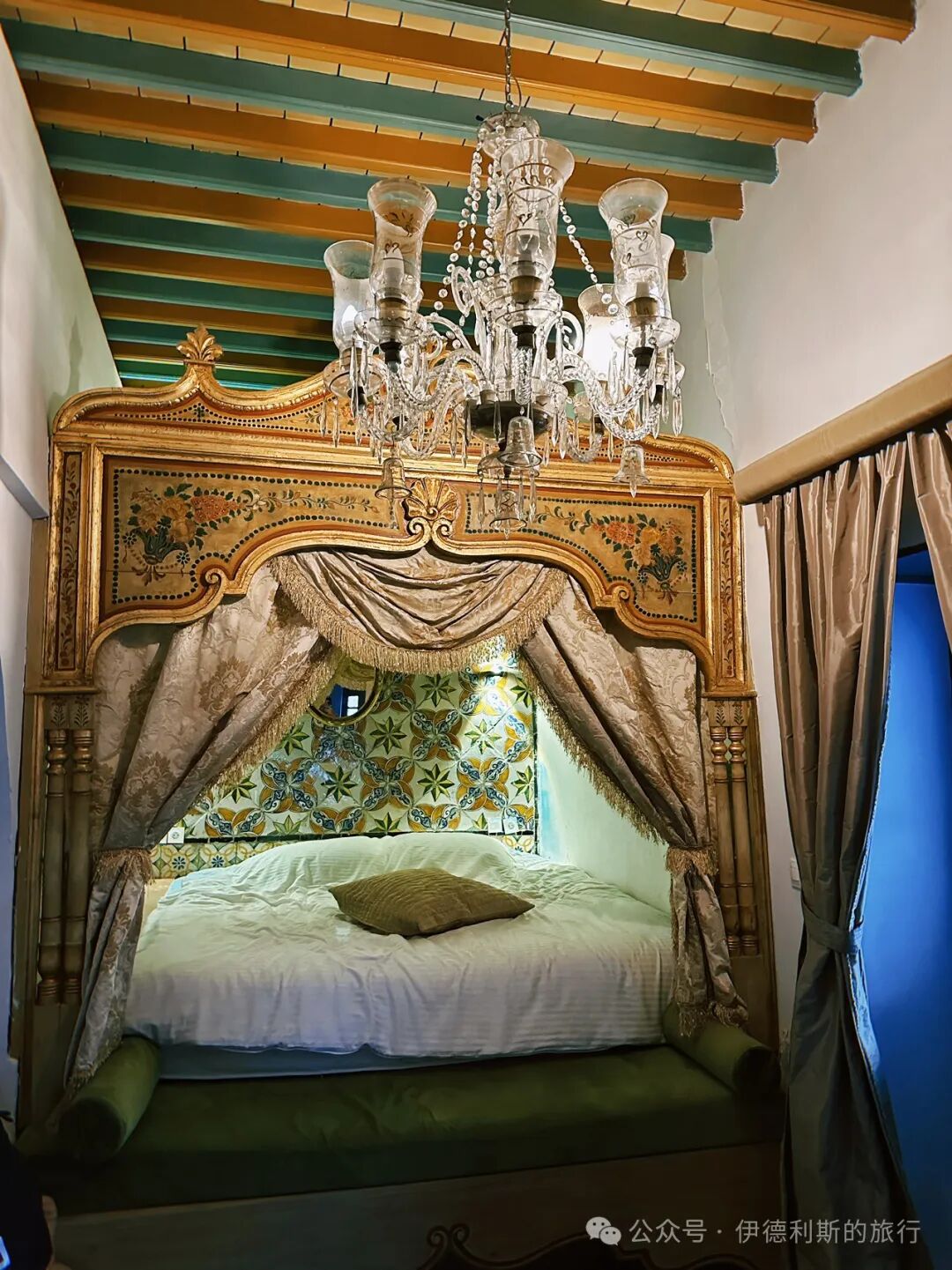
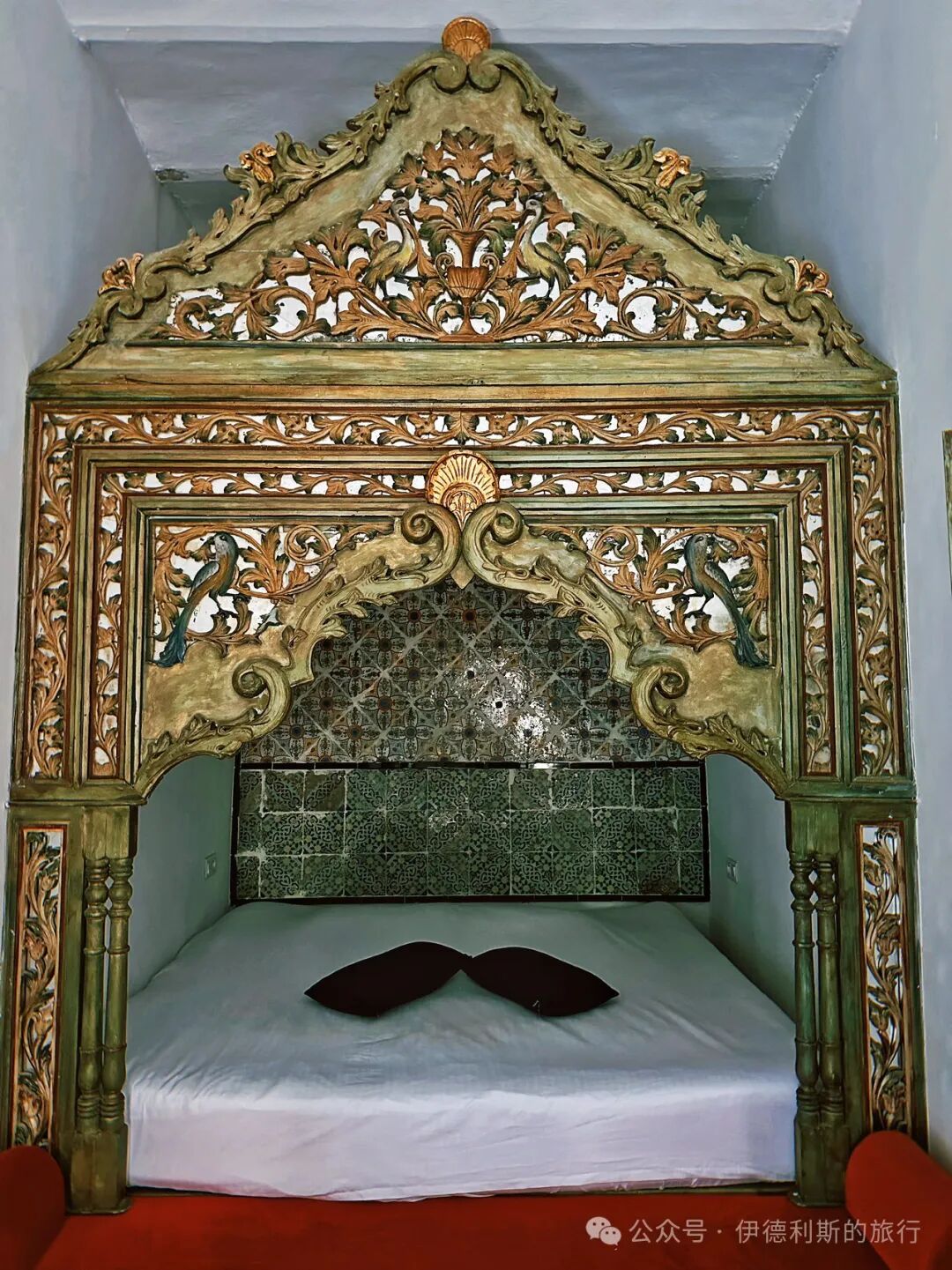
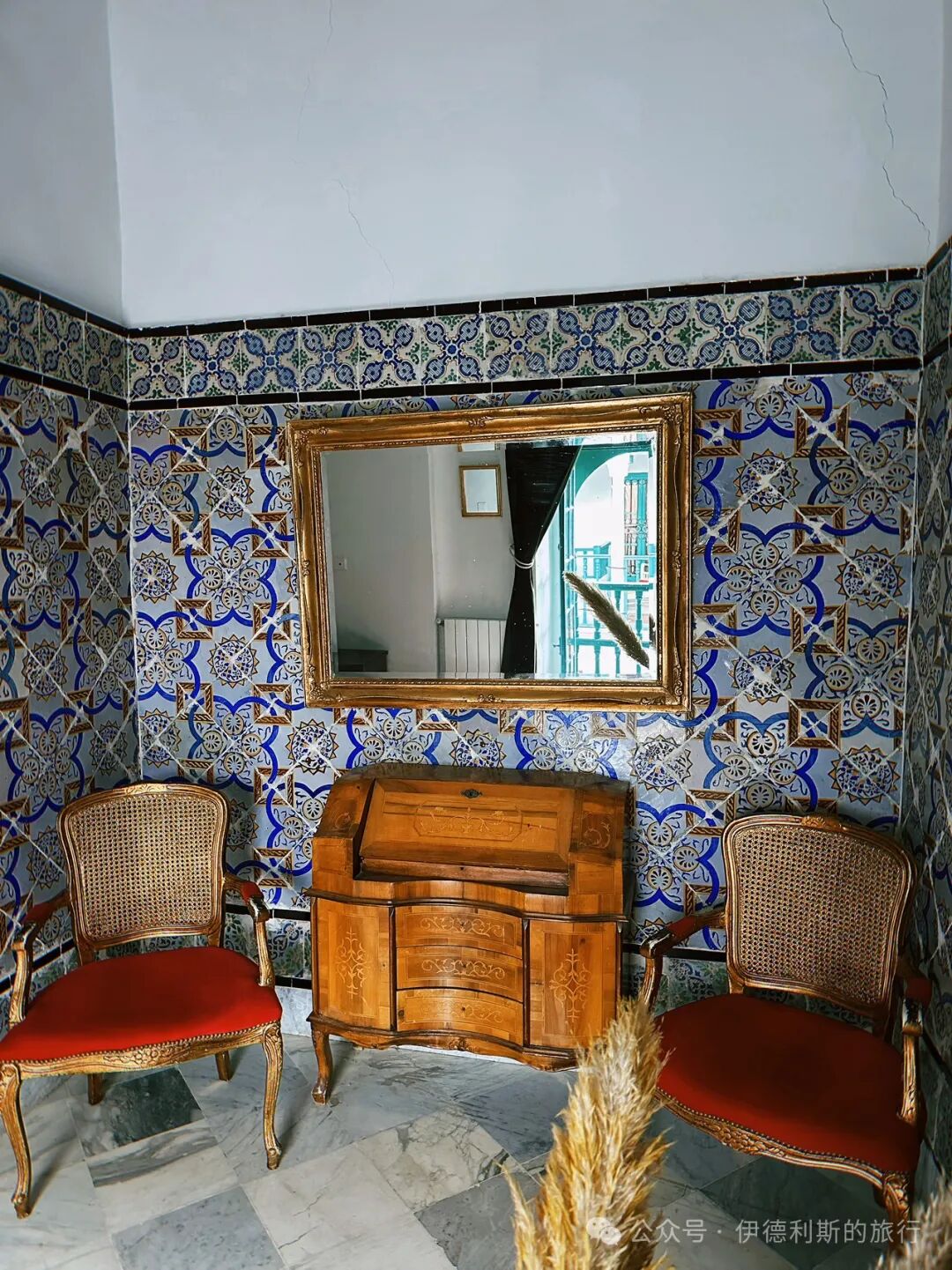
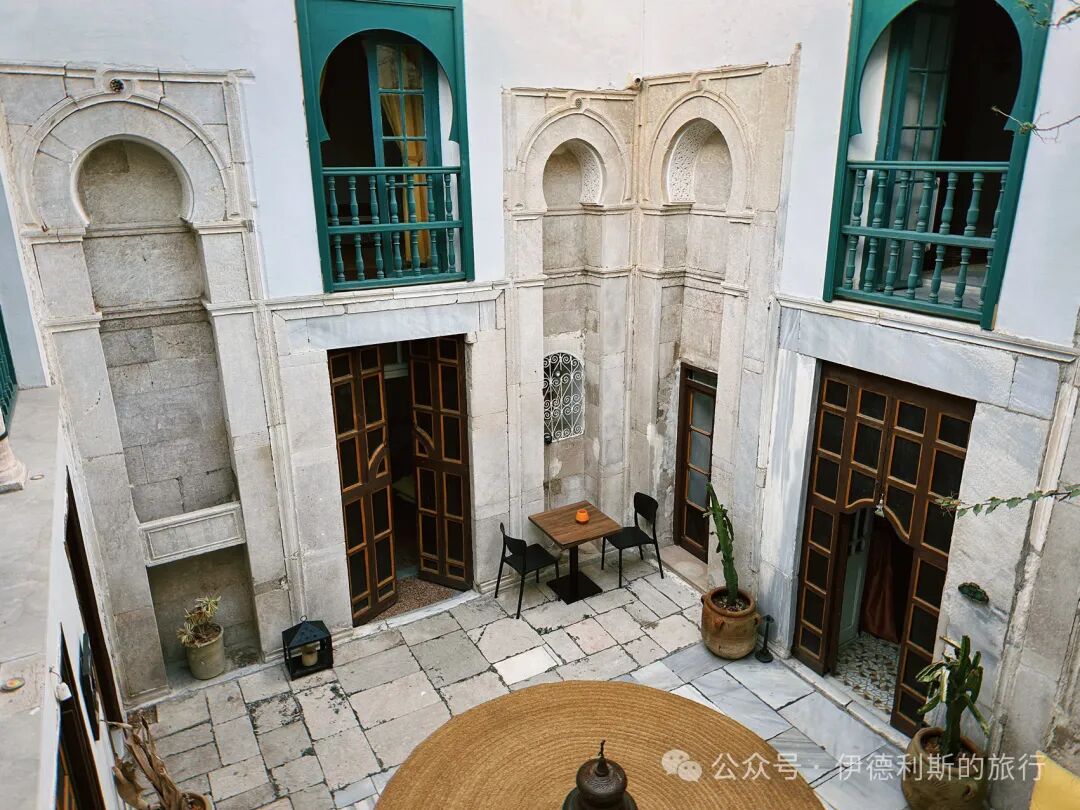
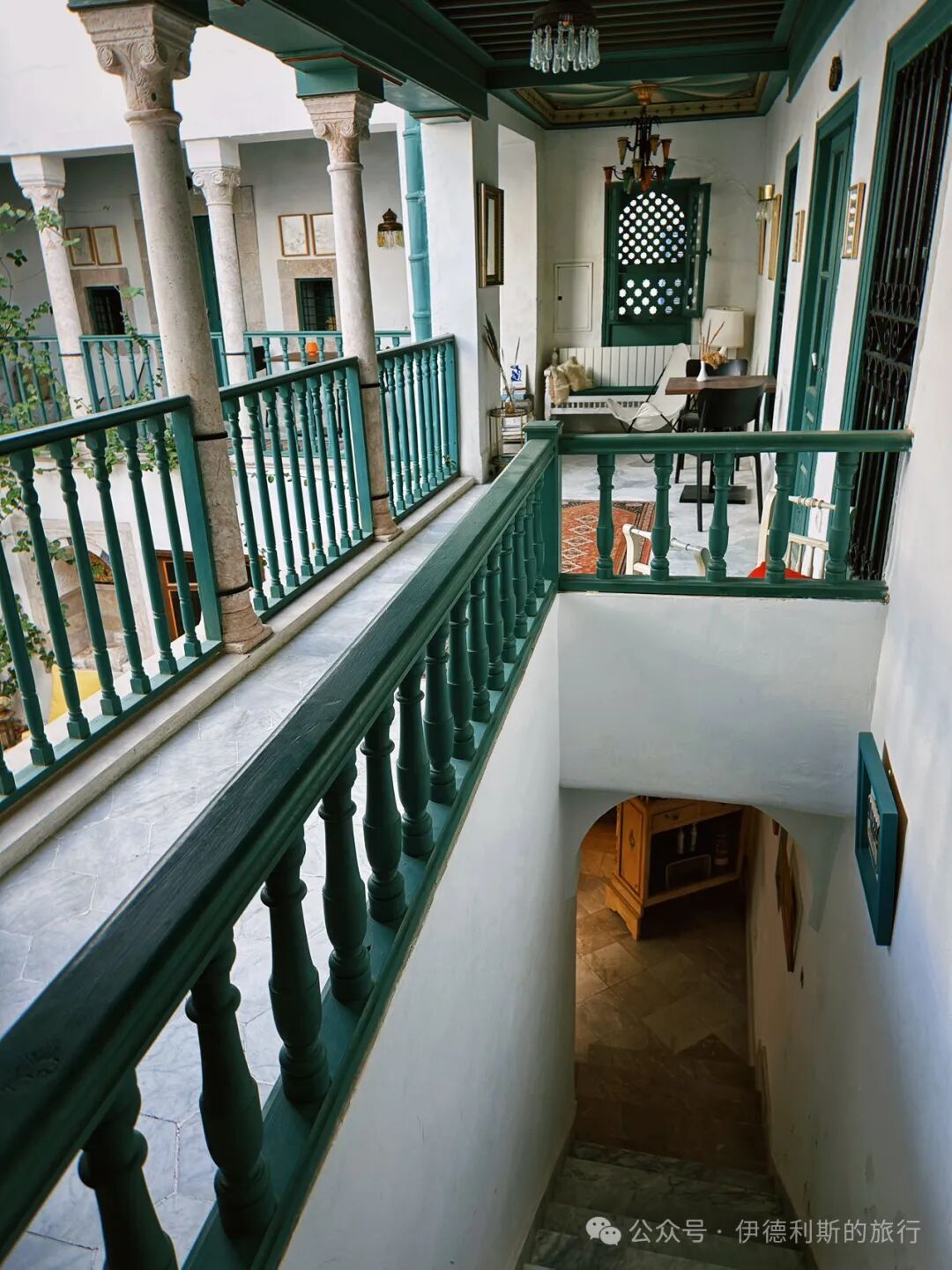
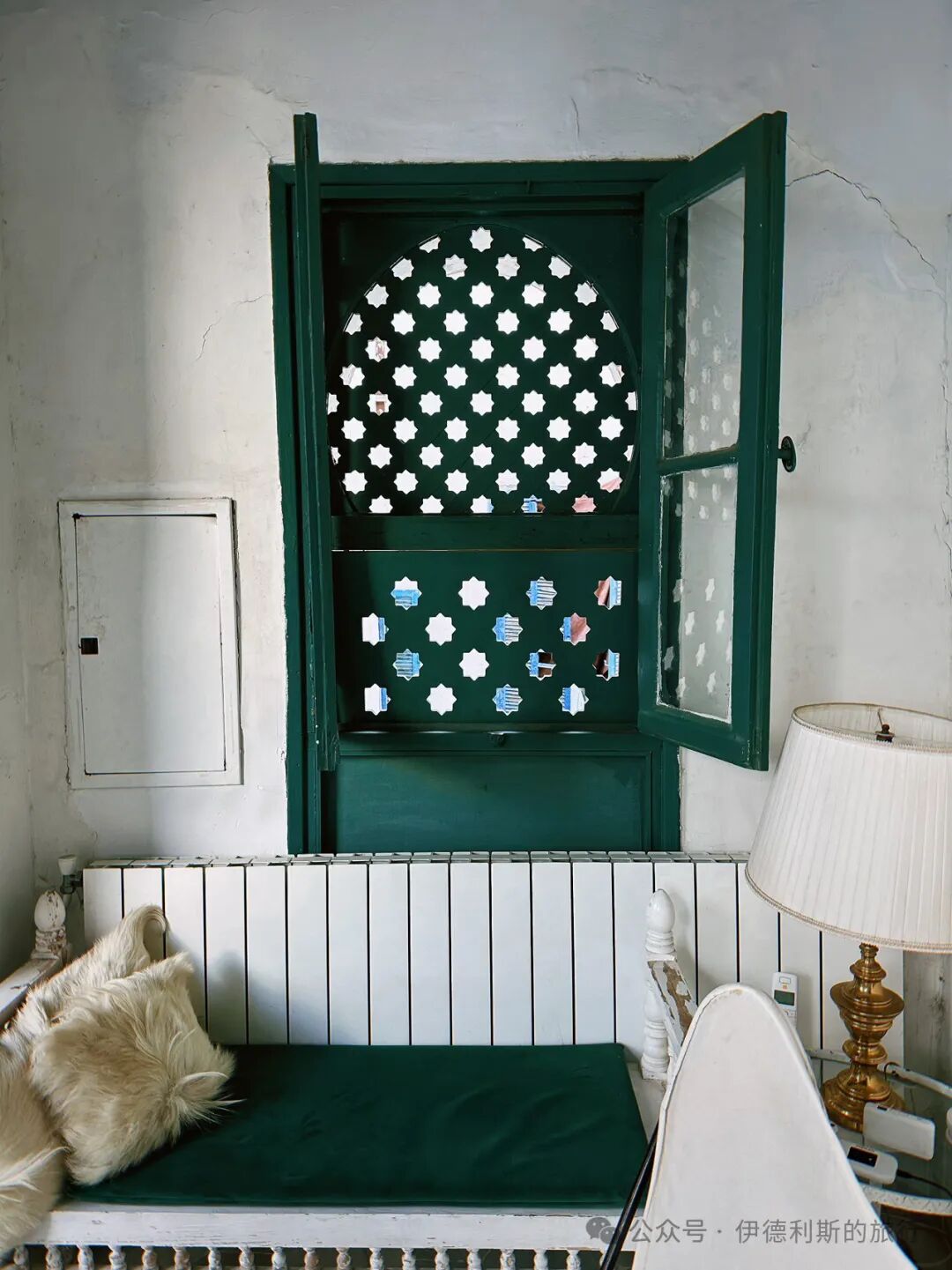
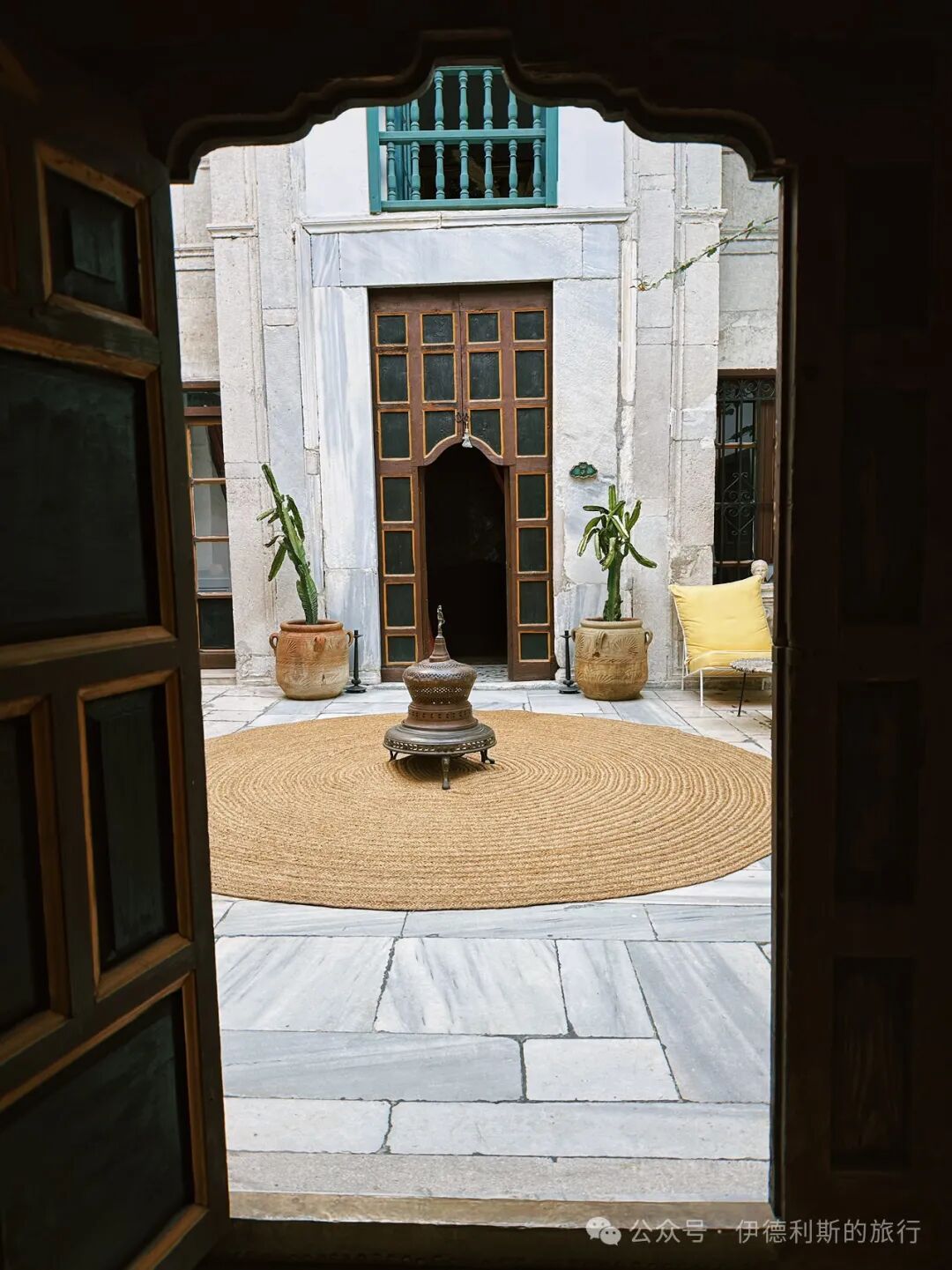
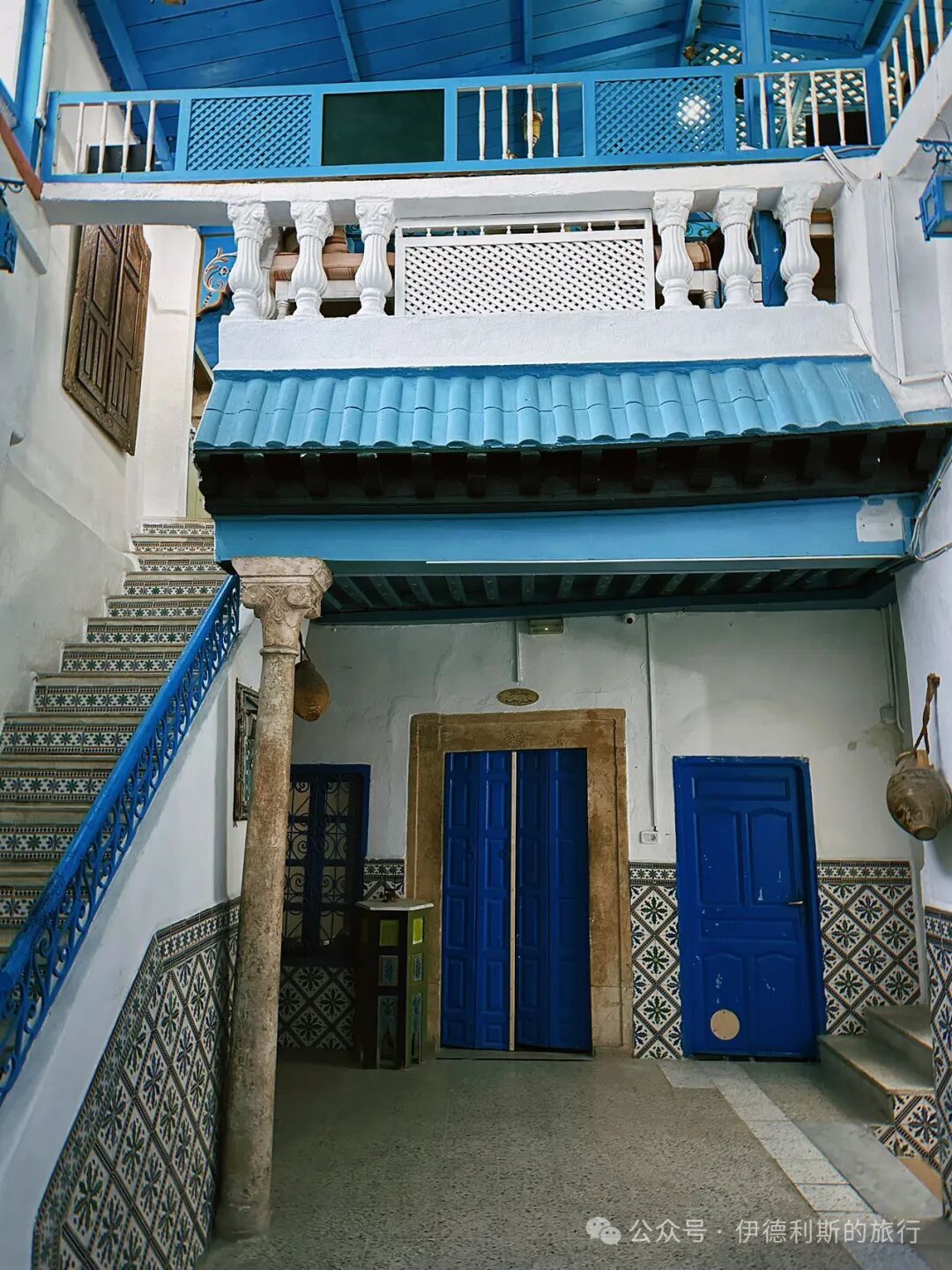
We stayed at Dar Zyne this time. It is less than a 10-minute walk from the east gate of the old city along the bazaar. The interior decoration is very traditional, just like the old city scenery you would imagine. The room size listed on the booking website is fake; the rooms are actually quite small. Eating breakfast leisurely in the courtyard in the morning feels very worth it.
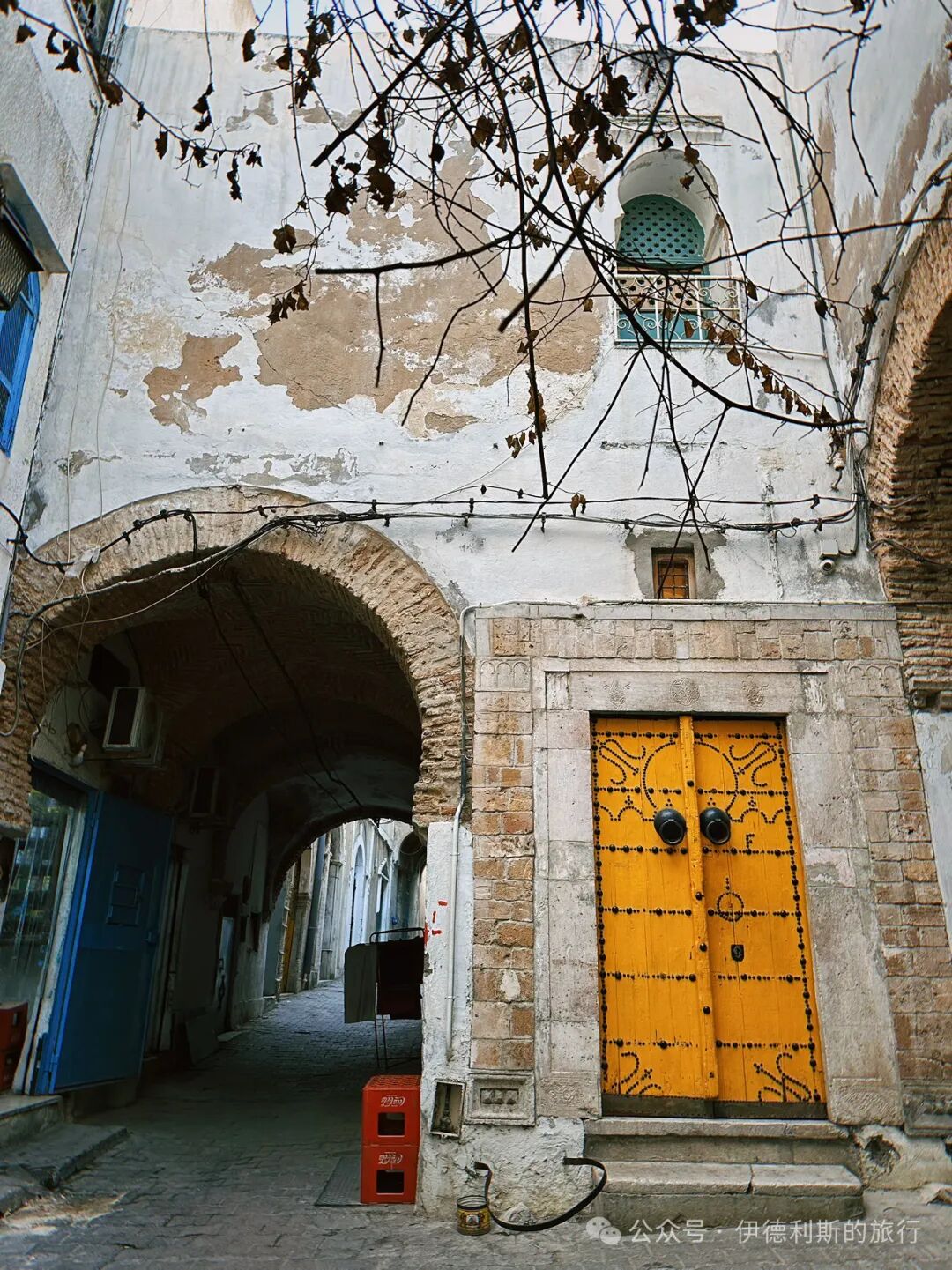
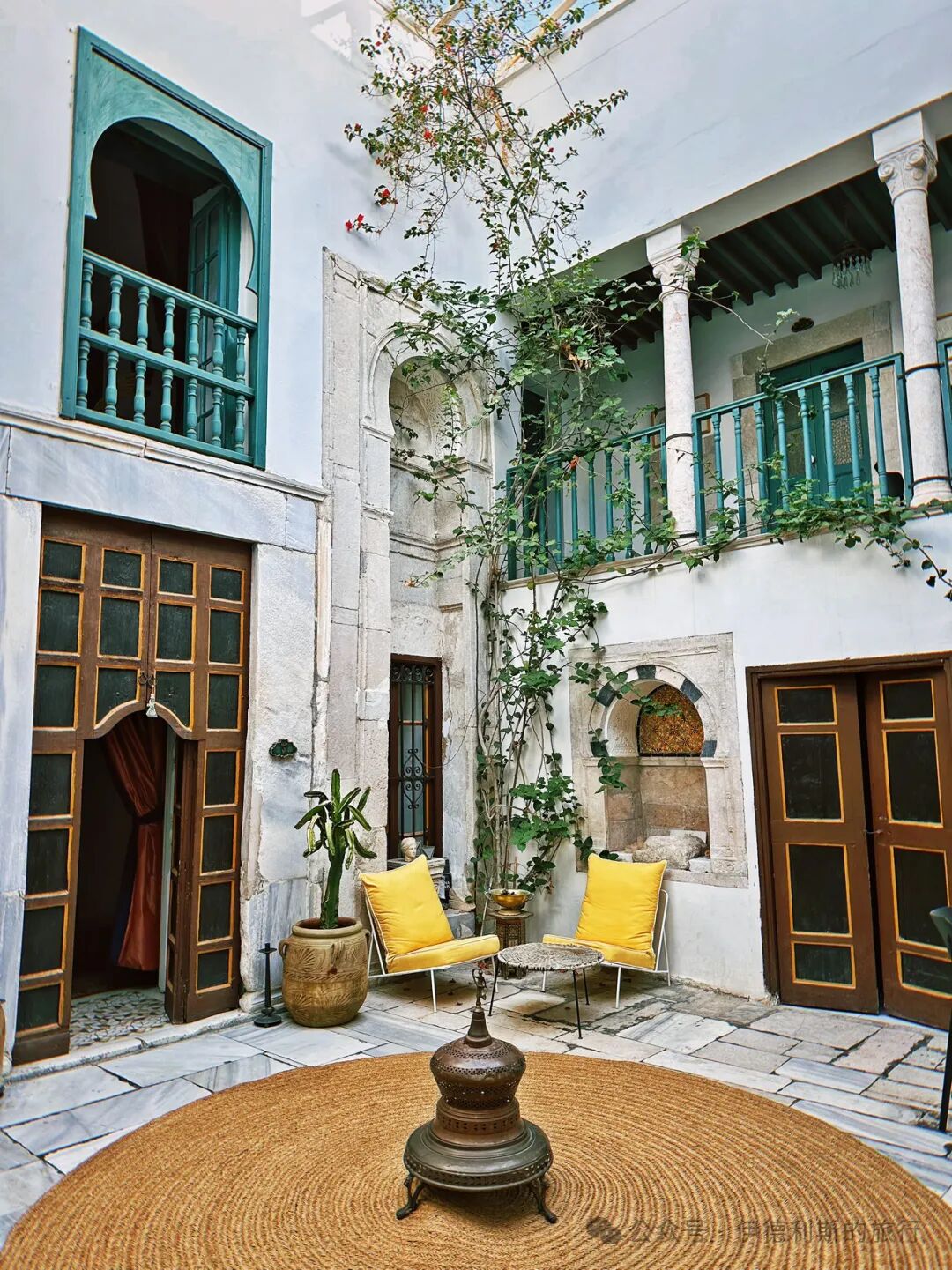
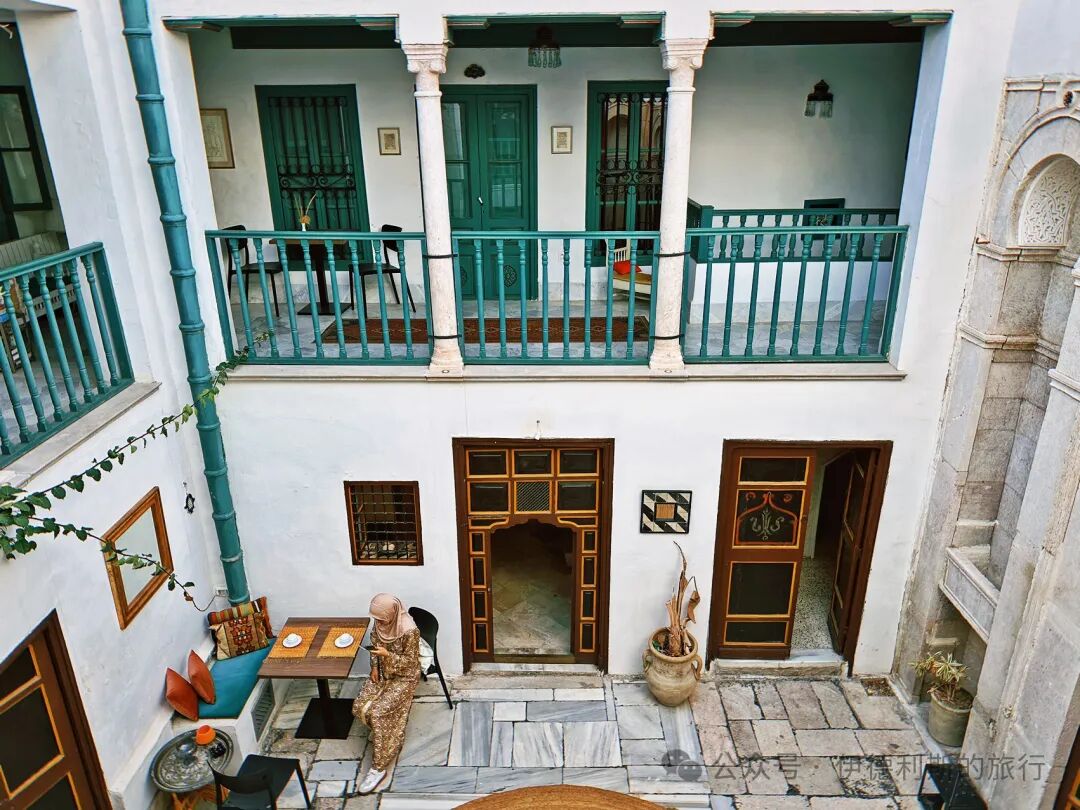
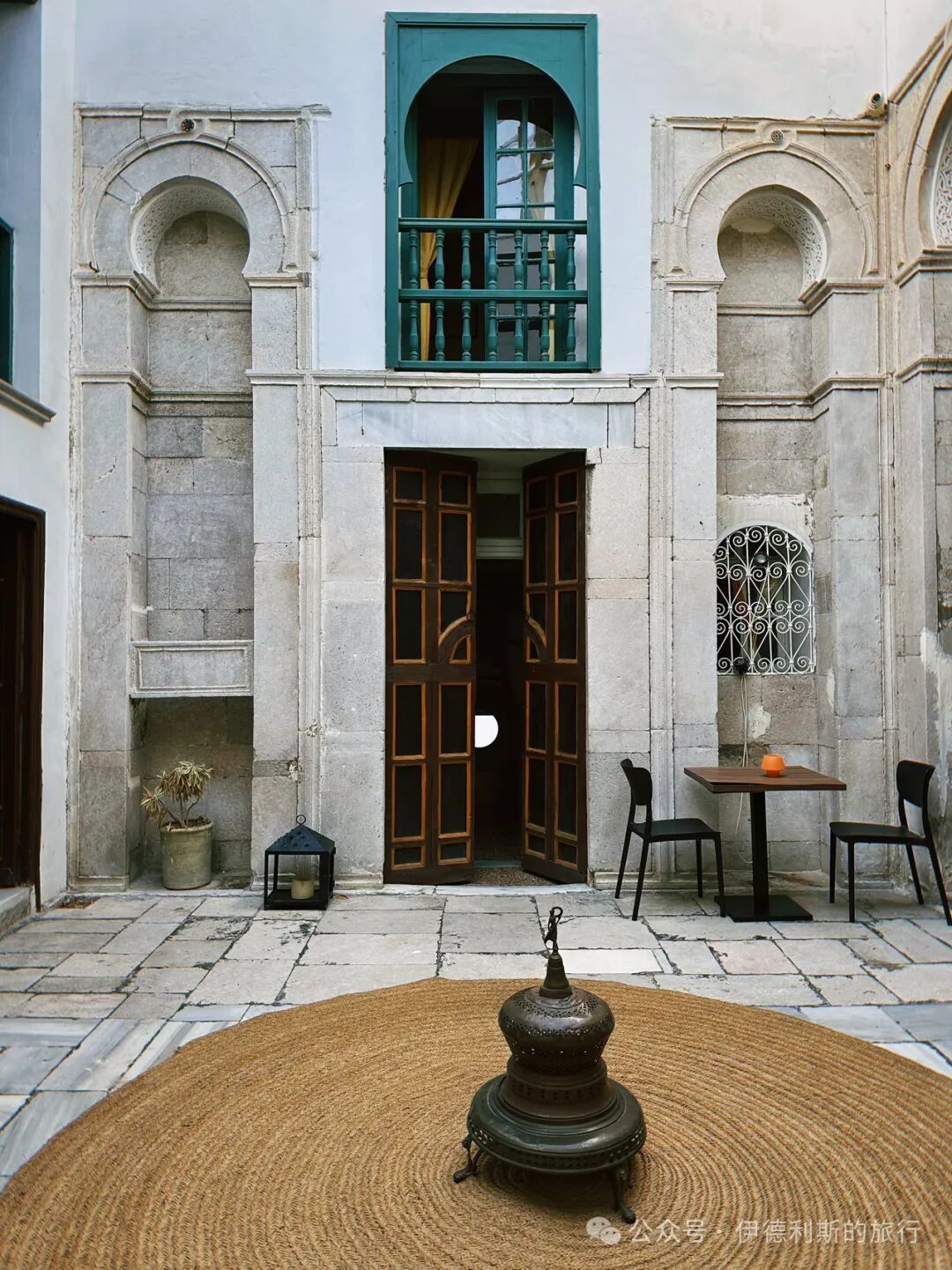
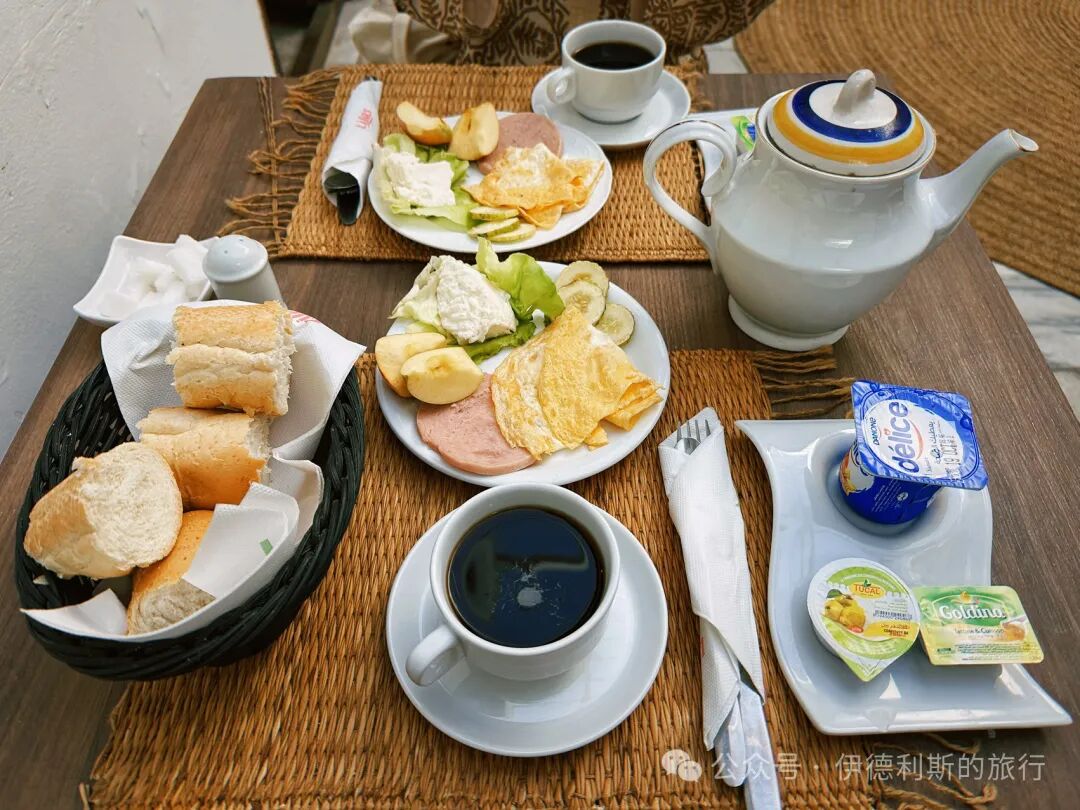
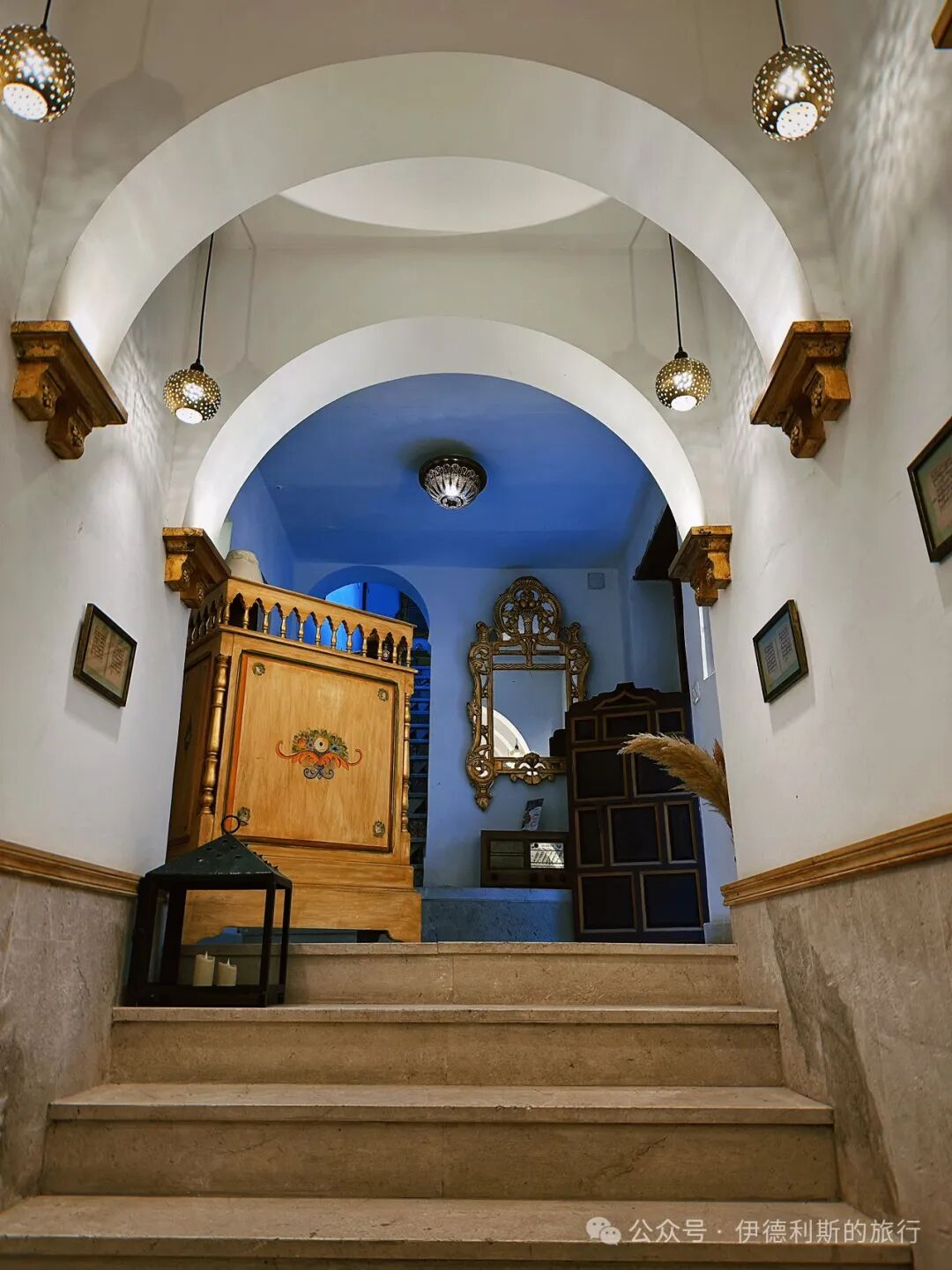
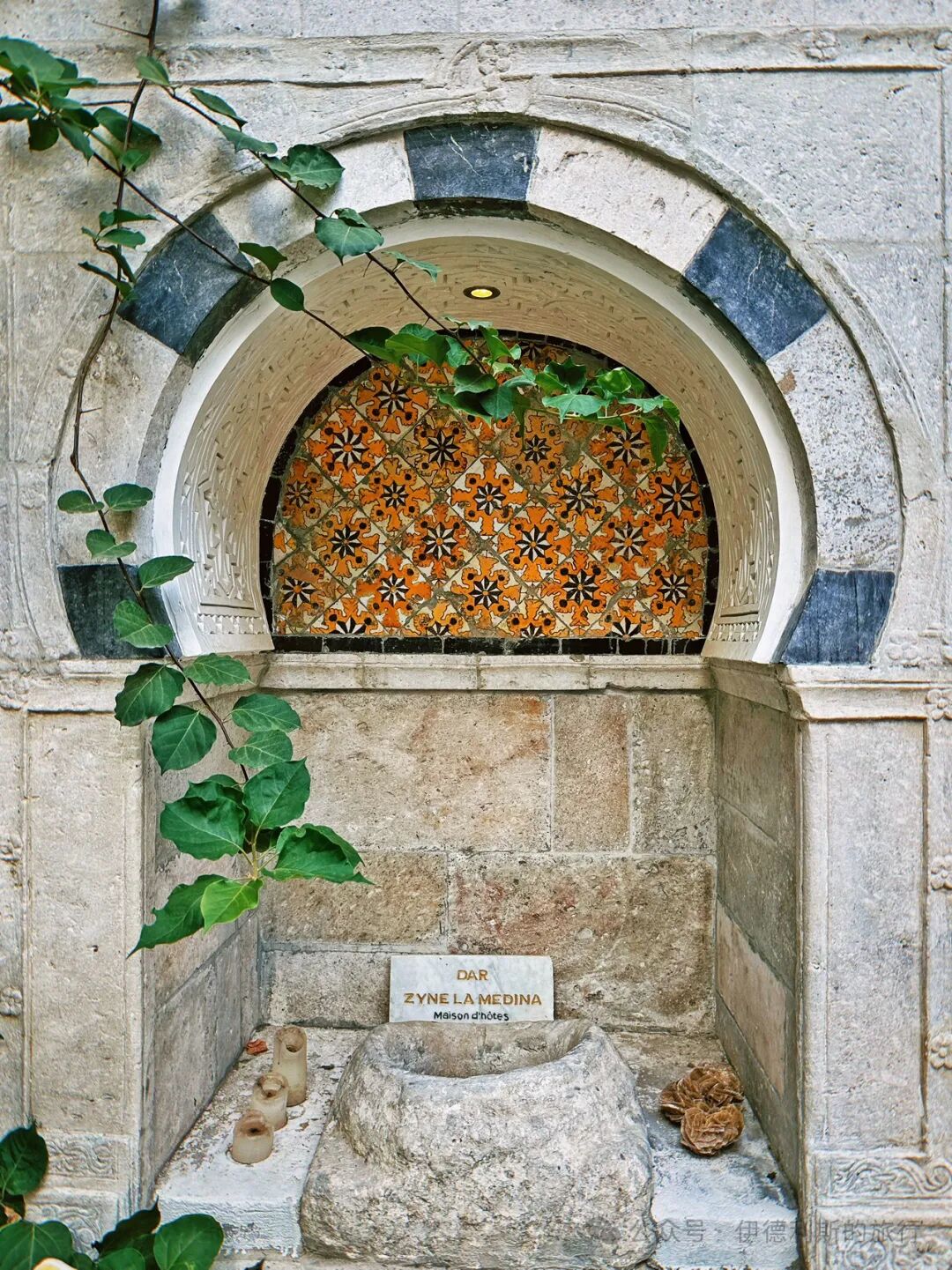
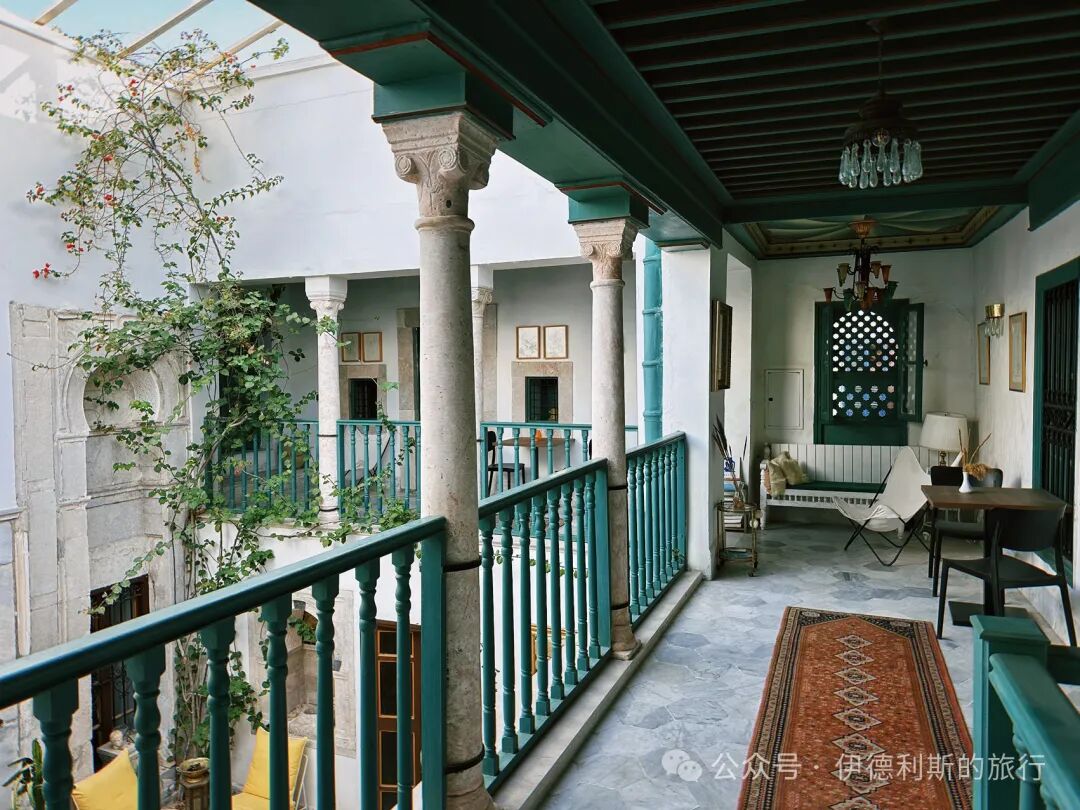
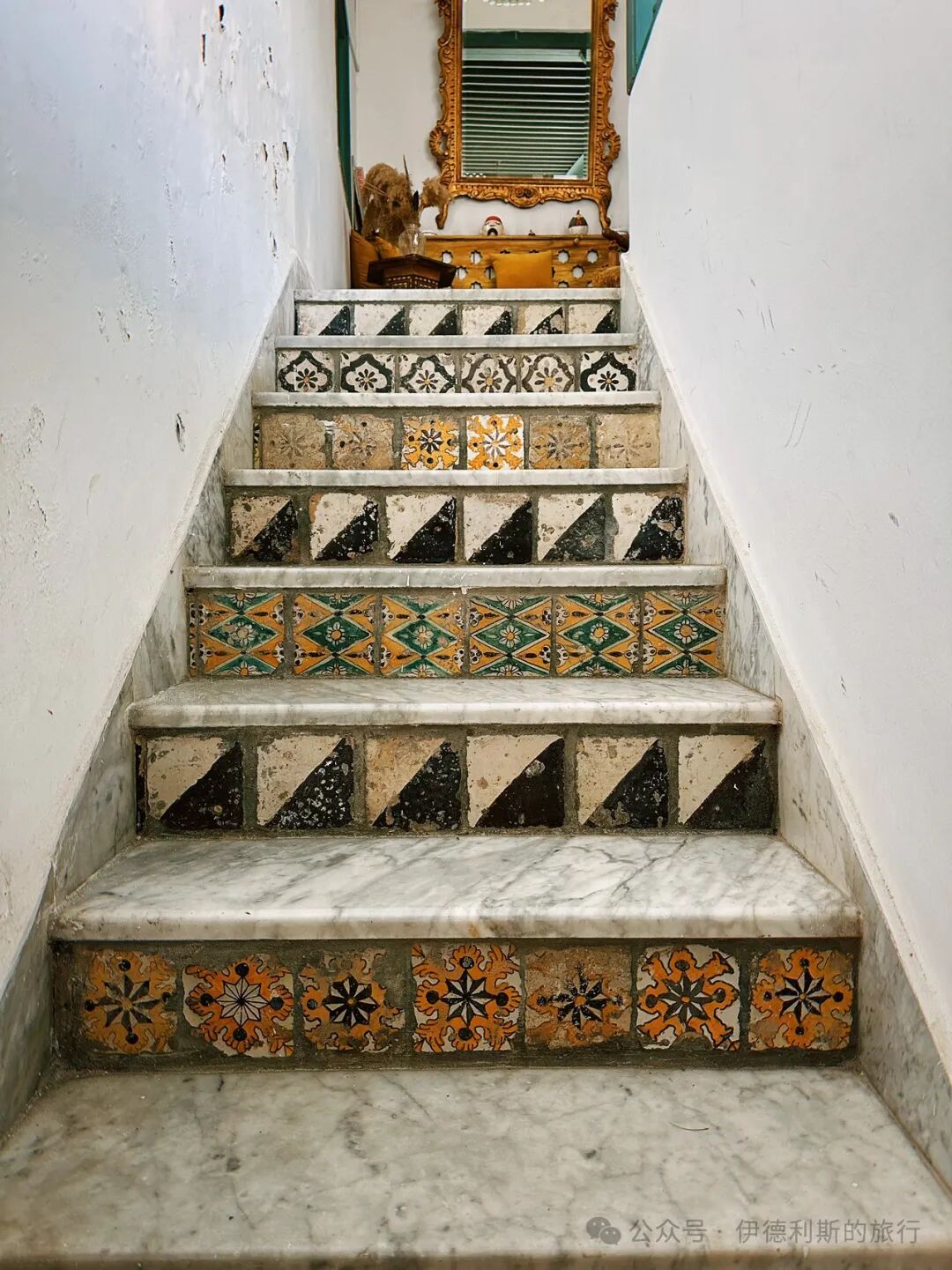
Inside and outside Dar Zyne, you meet history.
Food
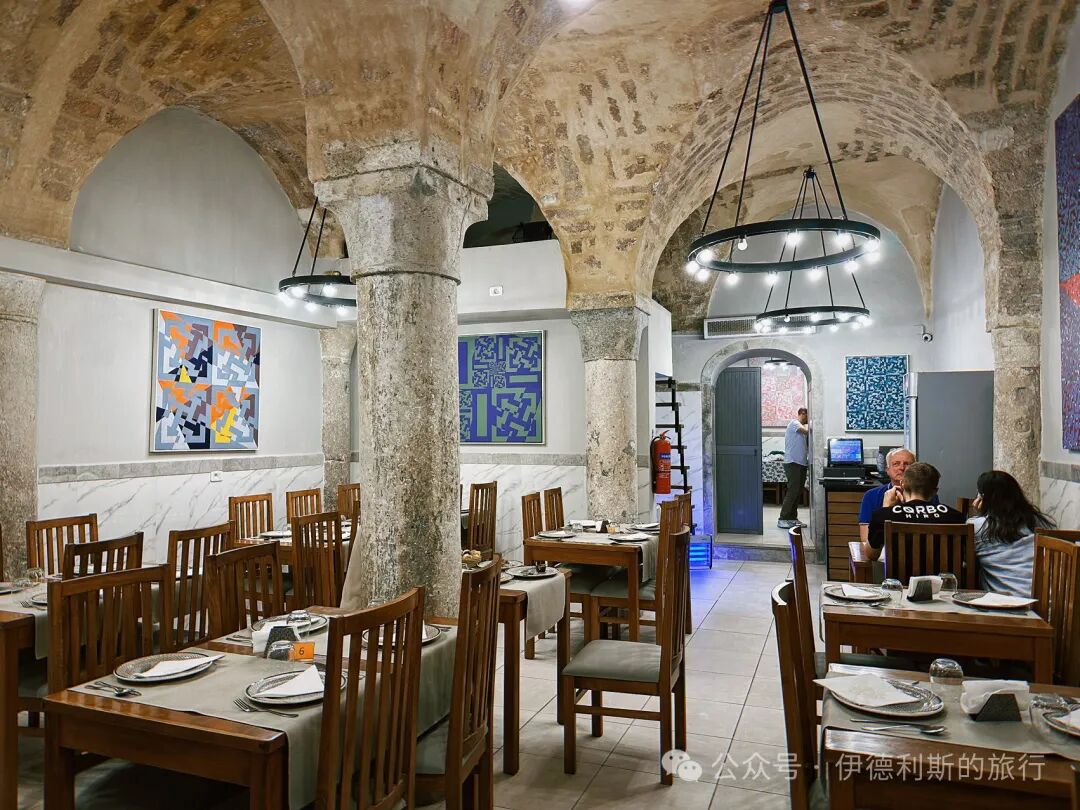
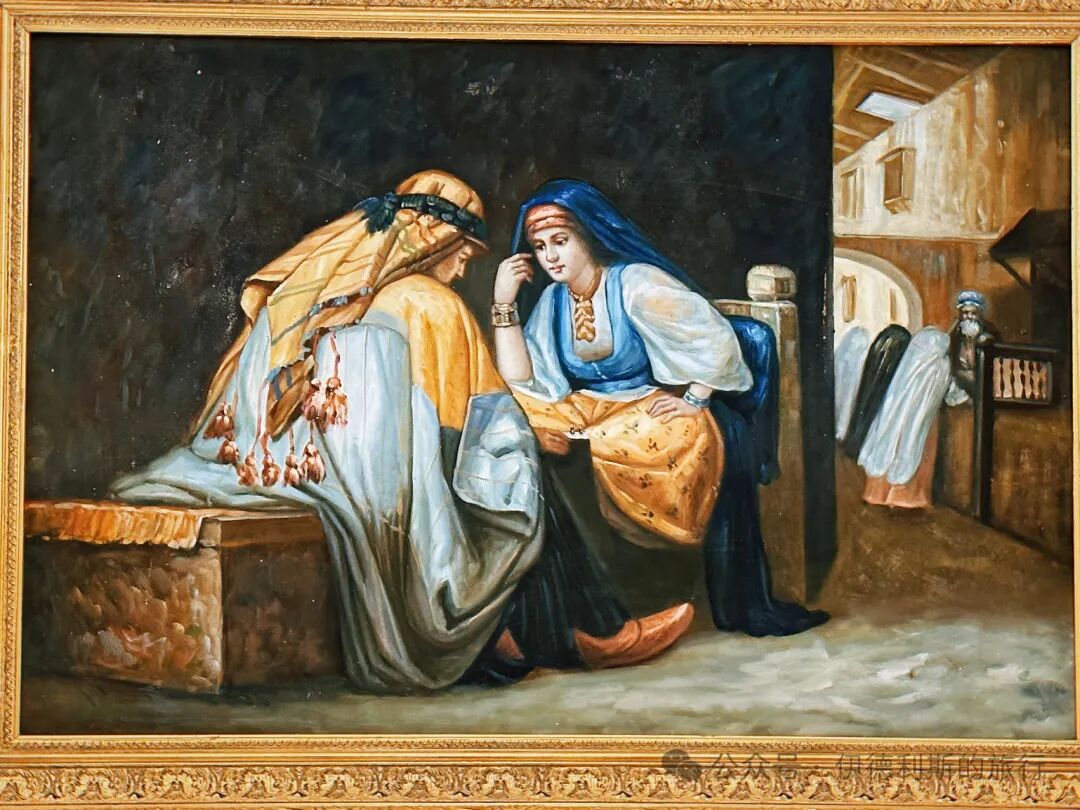
There is a famous Tunisian restaurant called Bab Tounès in a small alley just inside the east gate of the old city, but it does not have the trendy vibe you see back home, and there are not many customers at night. They do not accept credit cards, so remember to bring cash.
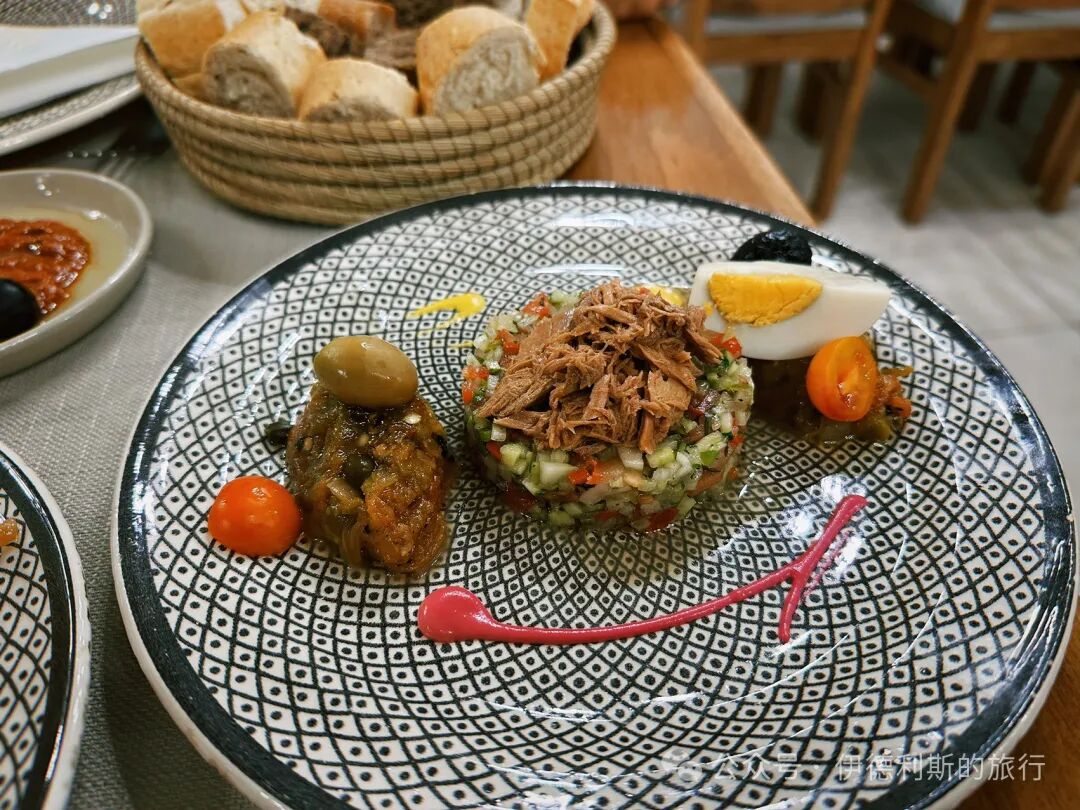
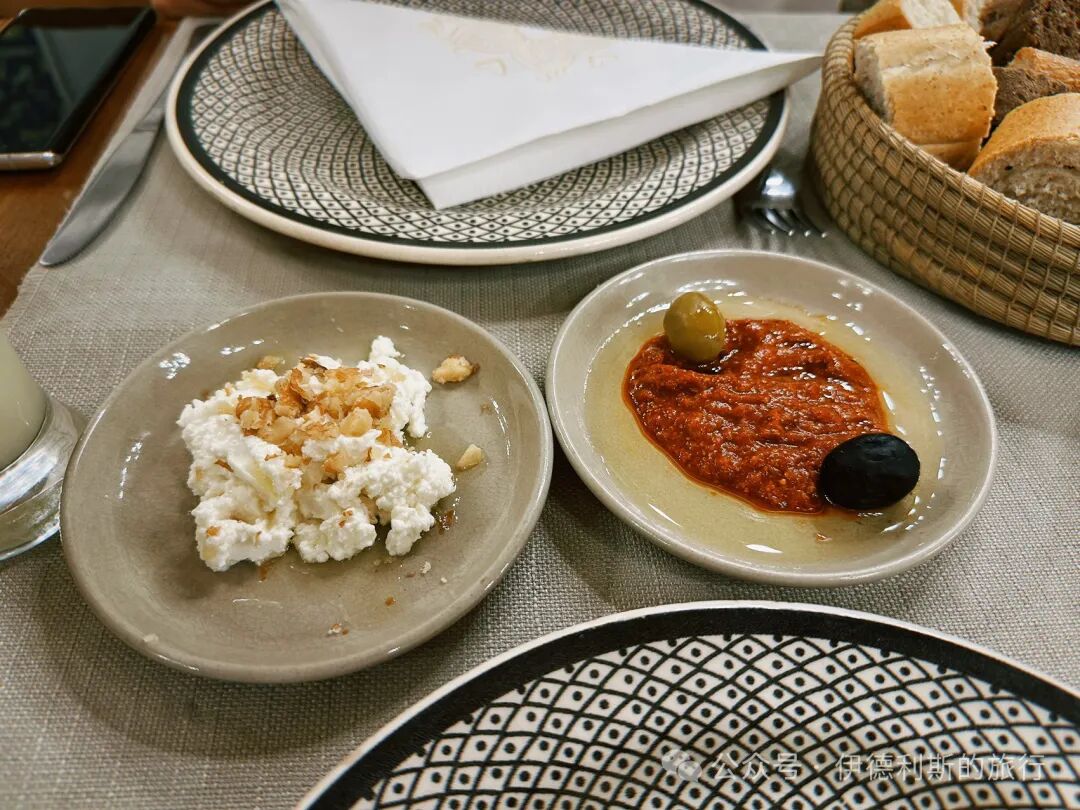
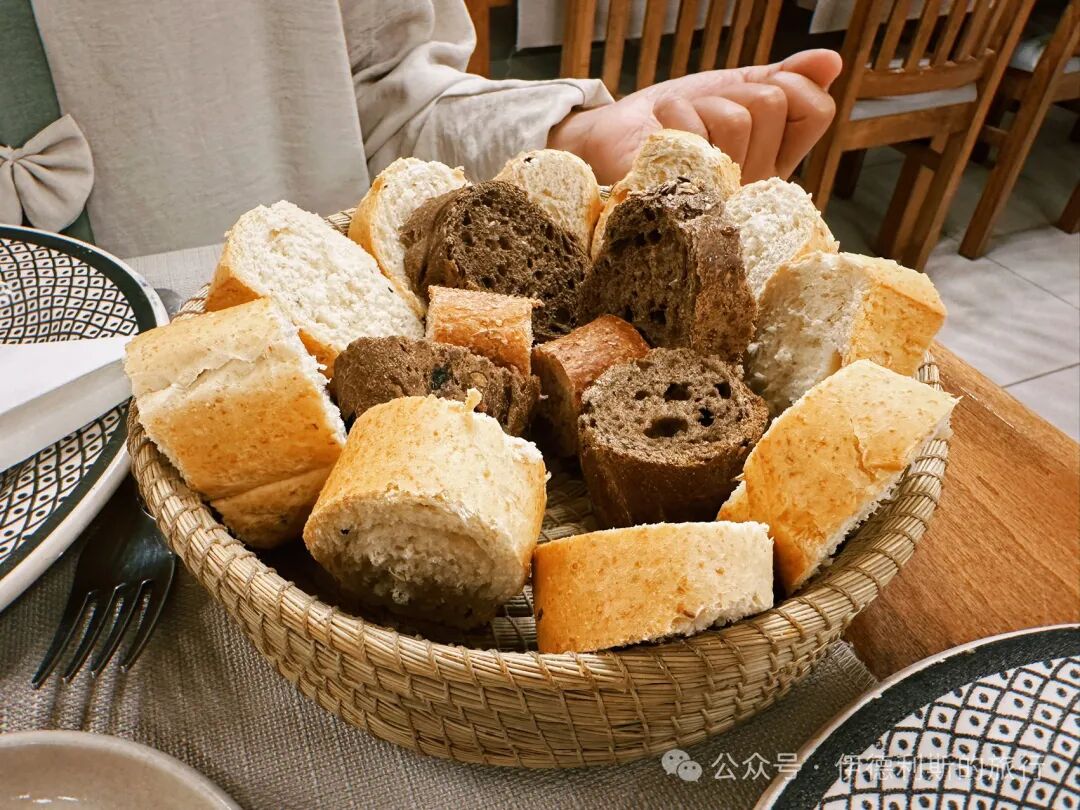
They follow the typical Tunisian way of ordering: after you choose your main course, they automatically bring out appetizers and baguette bread. The appetizers are the common Tunisian green pepper salad (Mechouia) and Tunisian salad. Tunisian salad is made of diced cucumbers, tomatoes, and onions mixed with olive oil, topped with boiled eggs and tuna. Mechouia salad contains green peppers, tomatoes, onions, garlic, and other ingredients; Tunisians love it, and it is rich in vitamins and very healthy.
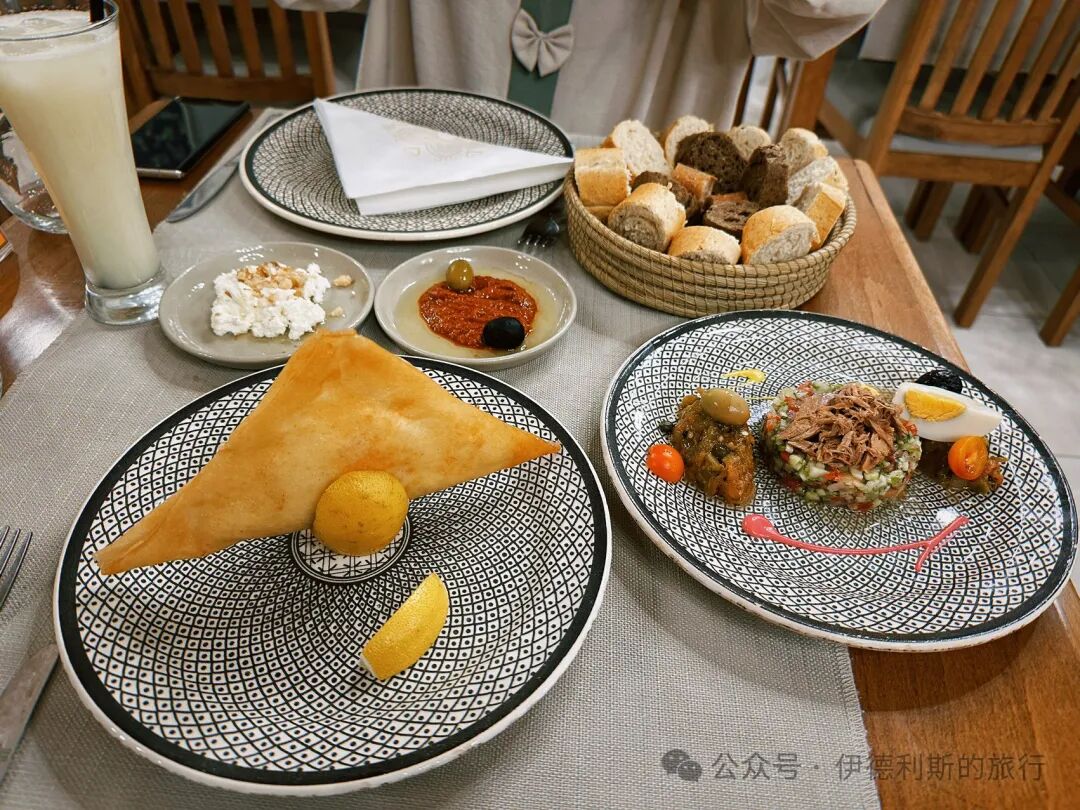
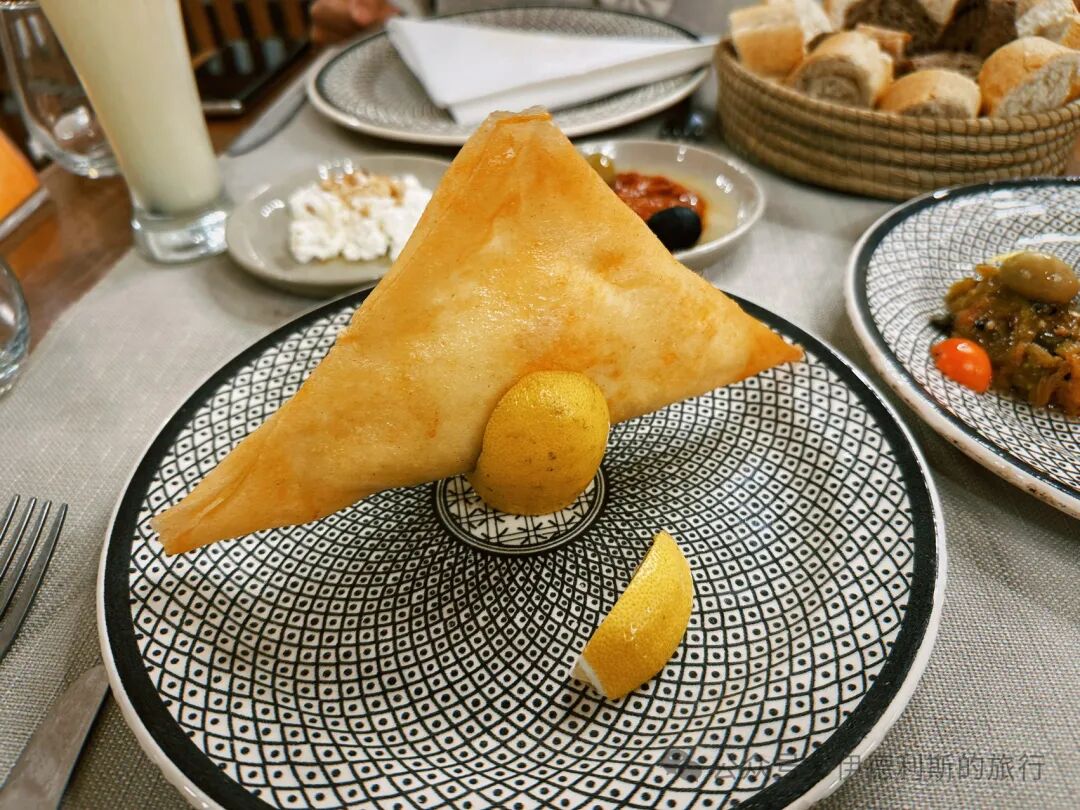
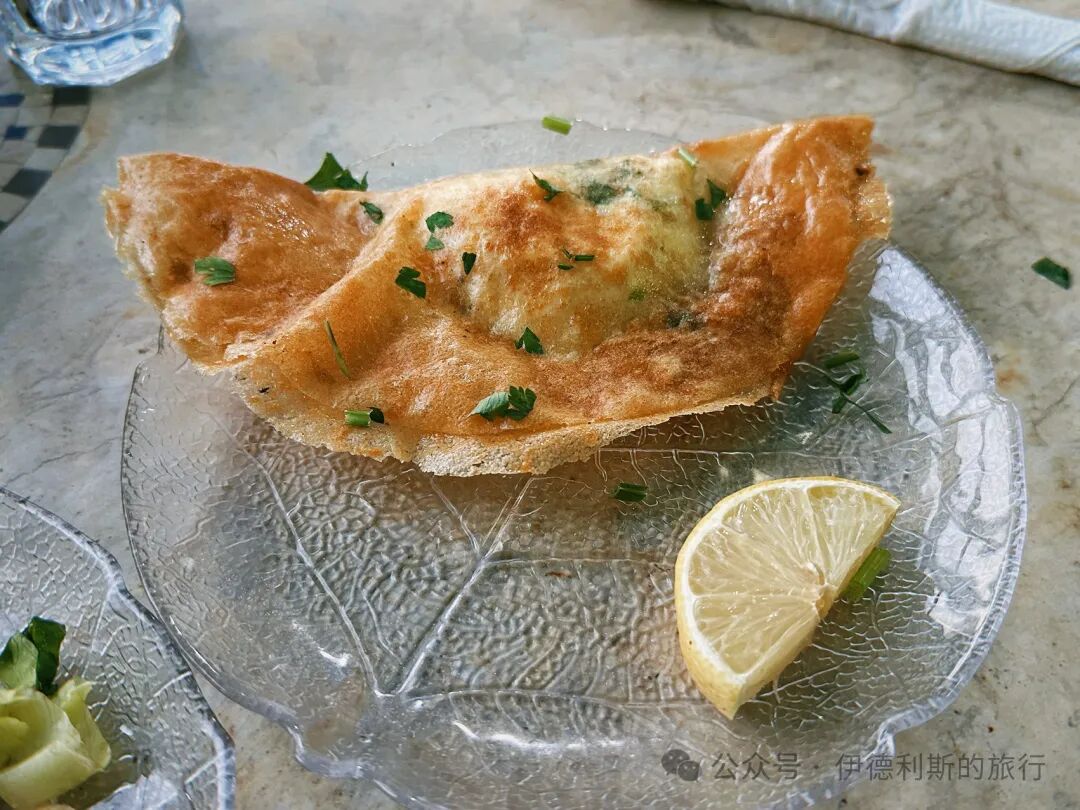
The snack Brik pastry is a North African Berber dish. The filling usually contains eggs, tuna, harissa chili paste (Harissa), and parsley, then it is wrapped in a crispy dough called Malsouka or Warka and deep-fried.
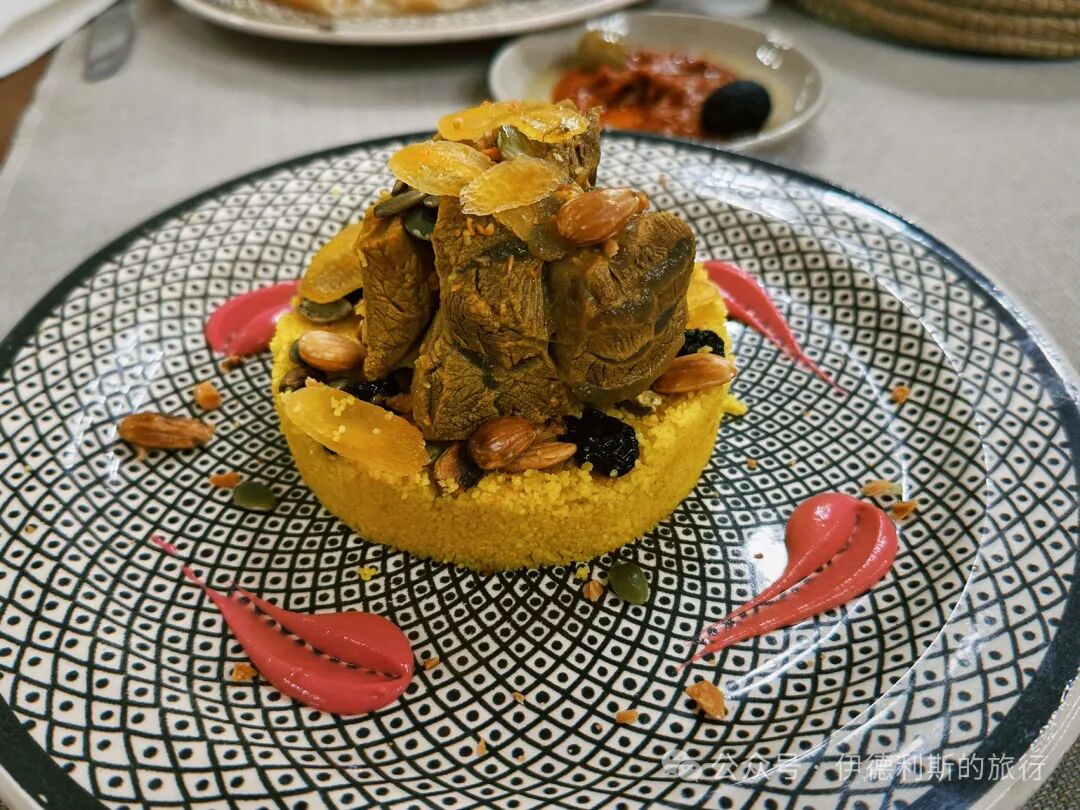
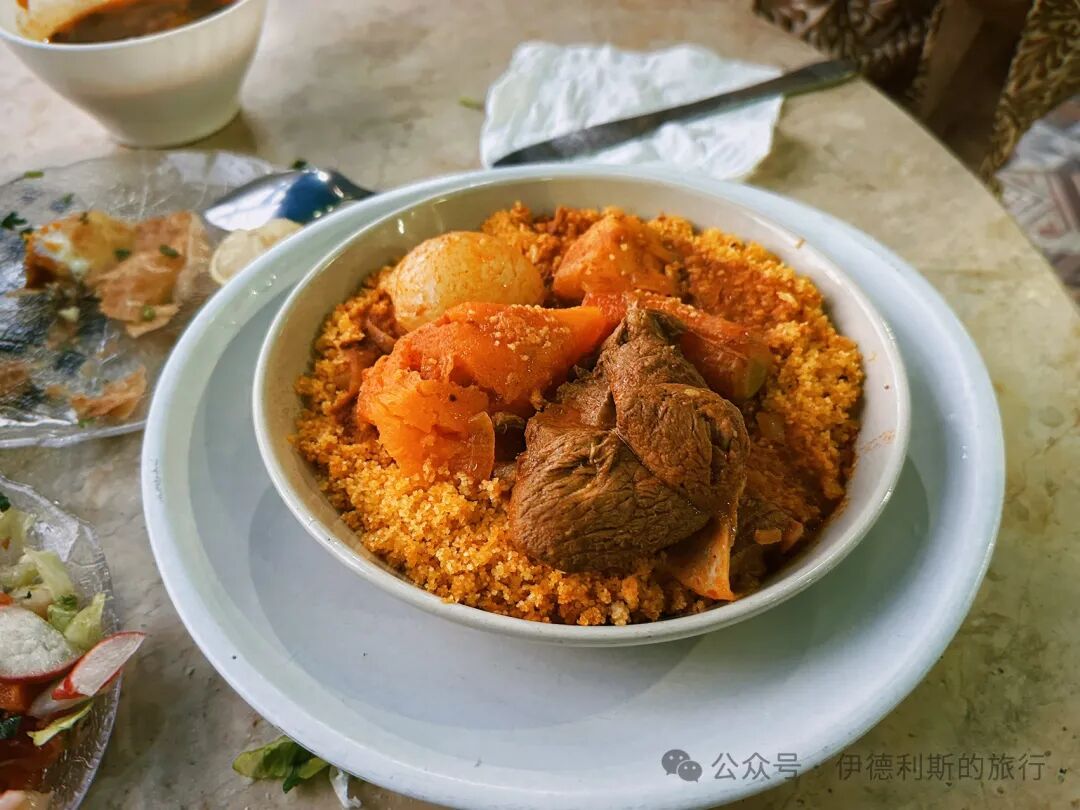
The main course is lamb couscous (Couscous). Couscous is a staple food for the Berber people, made by rubbing semolina into millet-sized grains and then drying them.
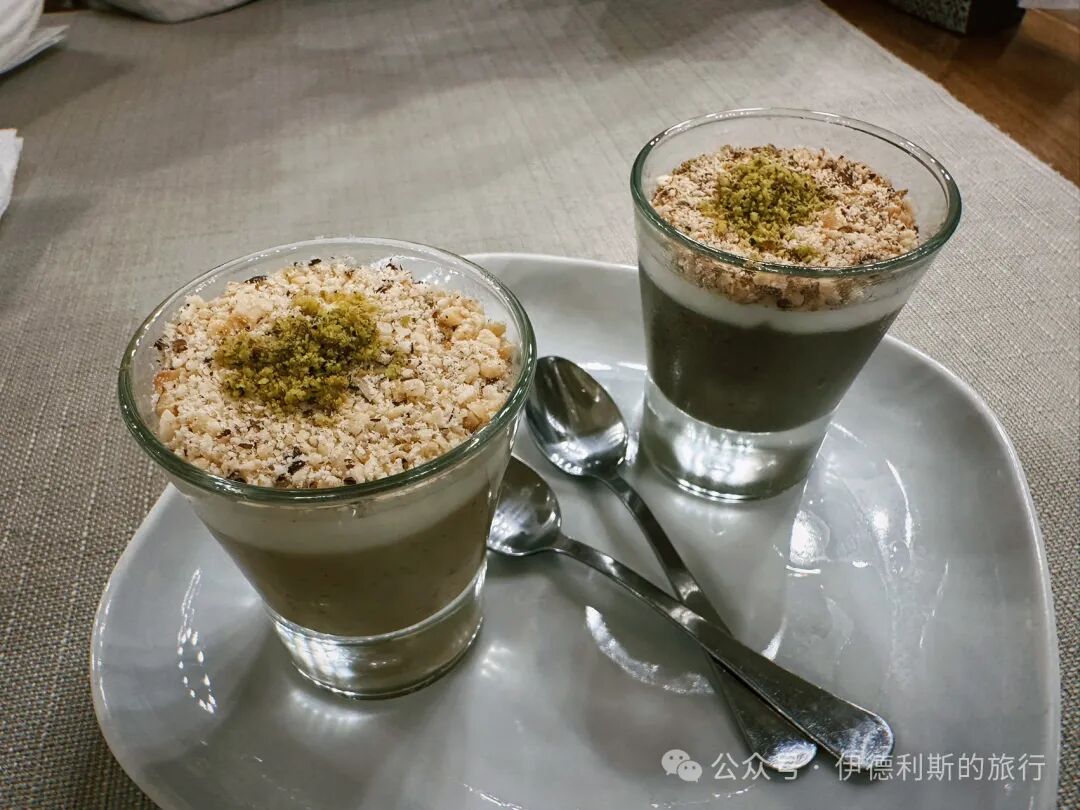
The Tunisian specialty dessert Assidat Zgougou is something every family makes during the Prophet's Birthday, then shares with relatives and neighbors.
Assidat Zgougou is made from Mediterranean pine nut powder, flour, milk, and sugar. The dark layer at the bottom is made by grinding Mediterranean pine nuts and cooking them with wheat flour. The top layer is a milk pudding made from milk, starch, sugar, eggs, and orange blossom essence, topped with crushed nuts.
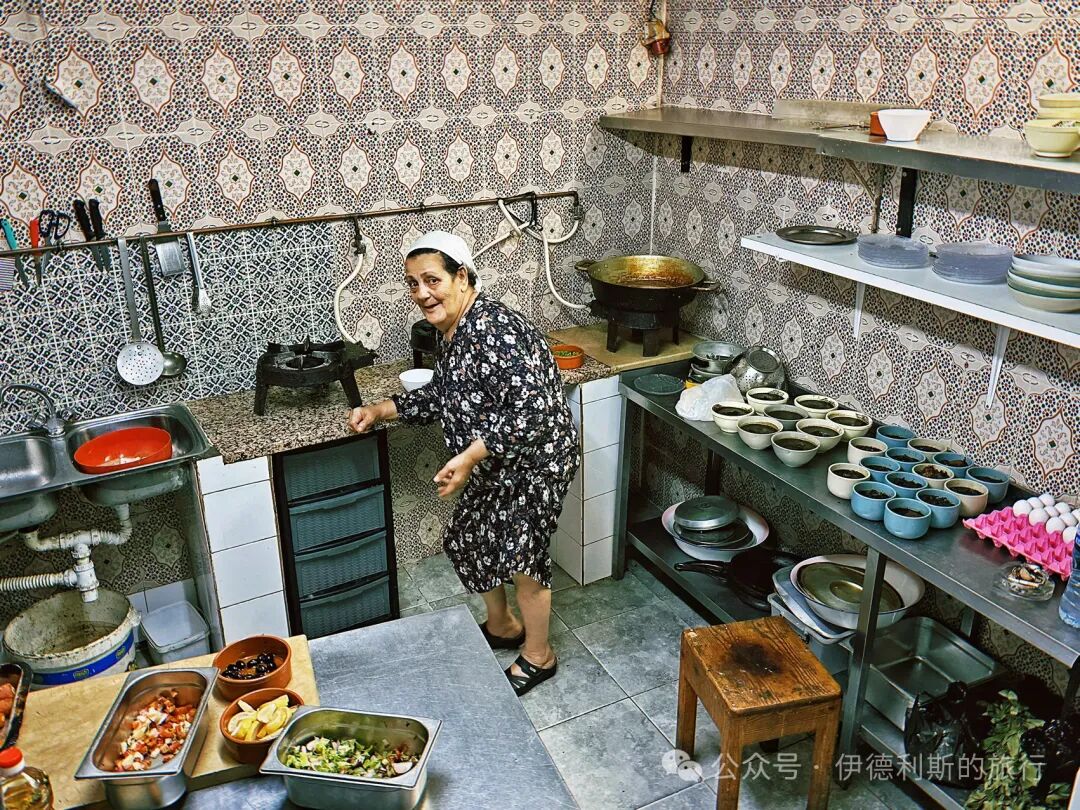
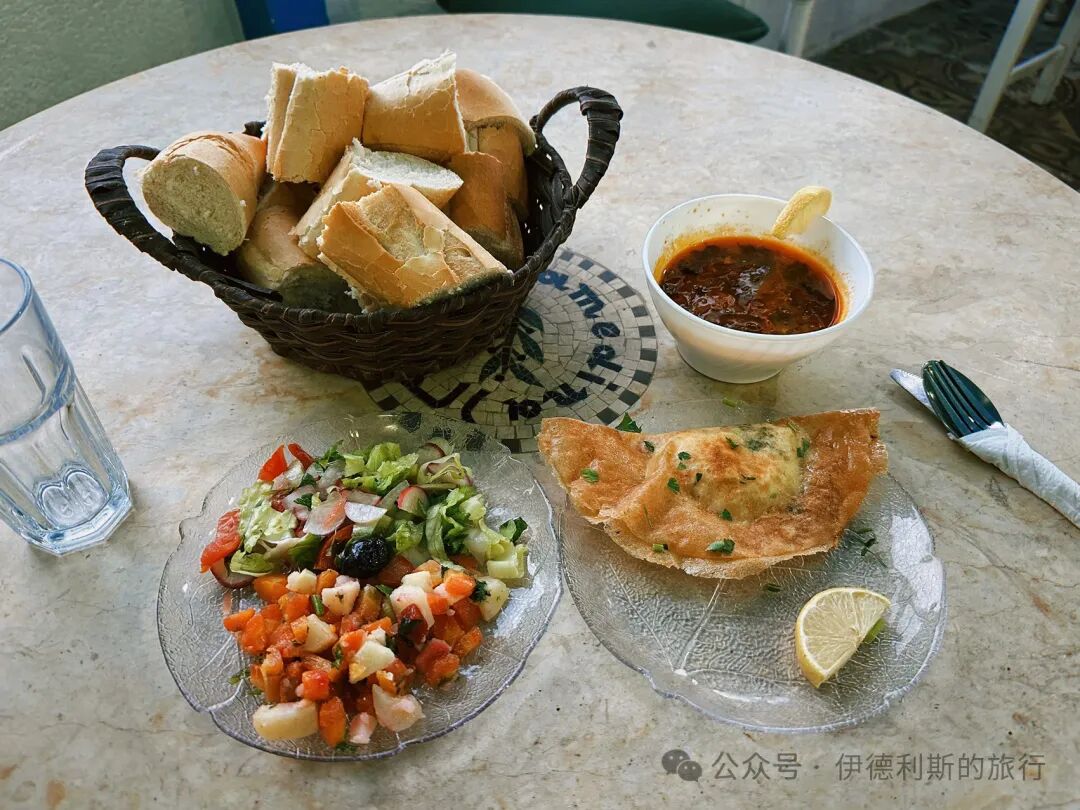
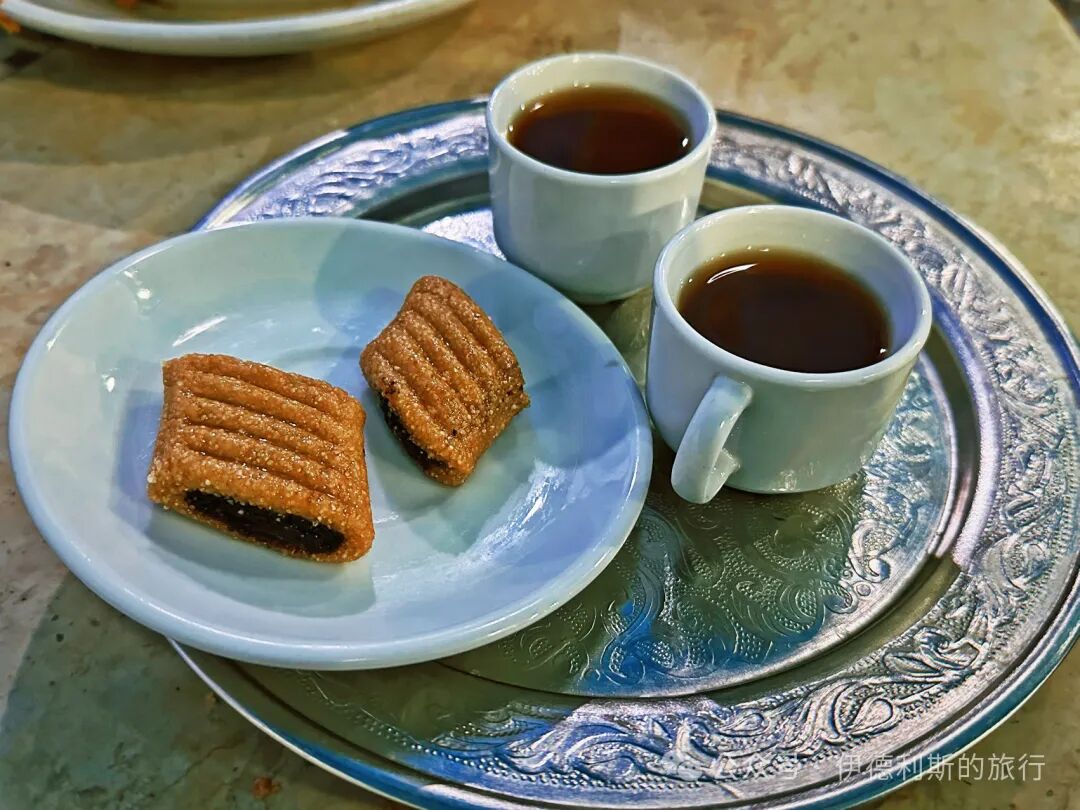
Near our homestay, there is a Tunisian family restaurant called Dar Essafa located in an old house. A grandmother is the owner and chef, and a young Black man is the waiter who speaks English. The shop also has an English menu and follows the same classic set meal style, where you can choose couscous or spaghetti. We had the couscous, served with Tunisian salad, tuna Brik pastry, and baguette, followed by tea and Makroudh cookies, which felt like a real home-cooked Tunisian meal. Makroudh is a classic dessert for breaking the fast in the North African Maghreb region. The outside is made of semolina, and the inside is filled with date paste and dried fruits, then baked and soaked in syrup.
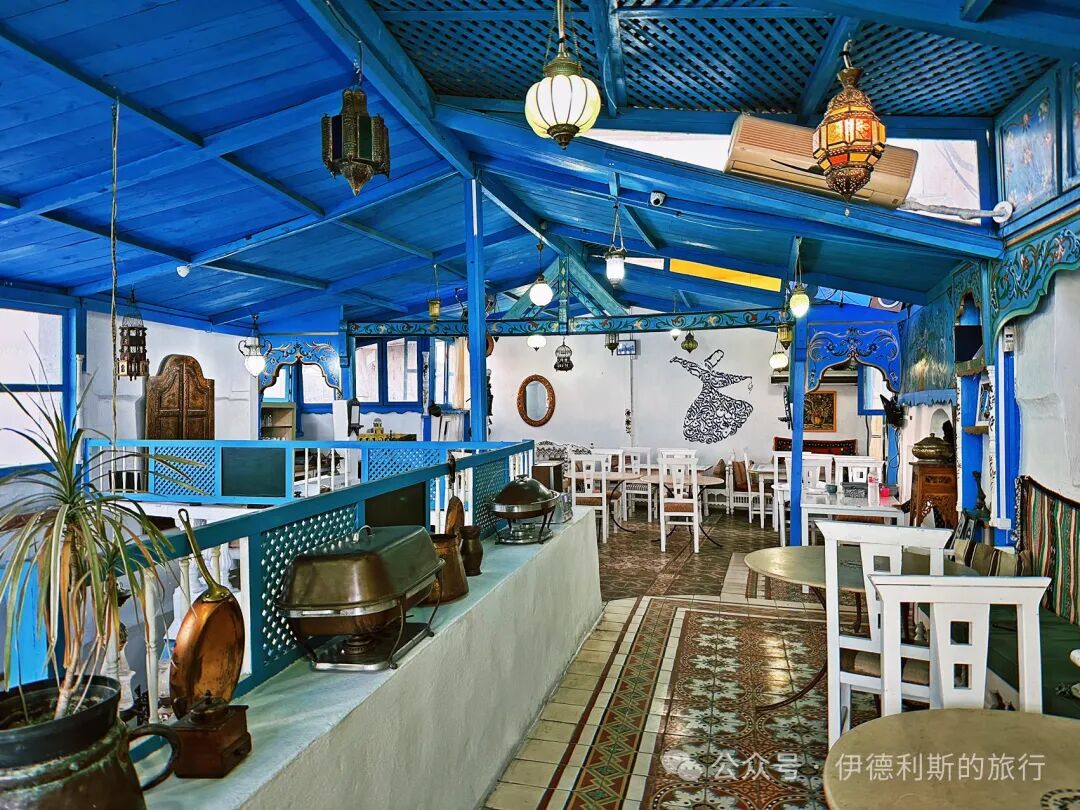
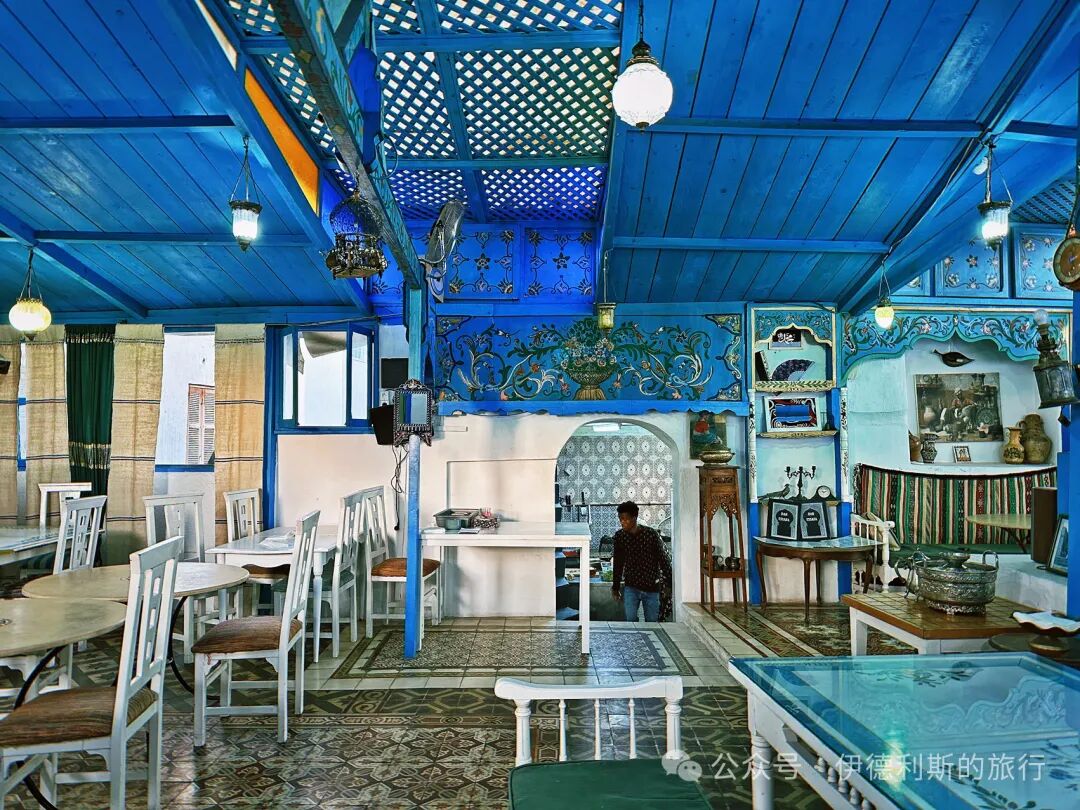
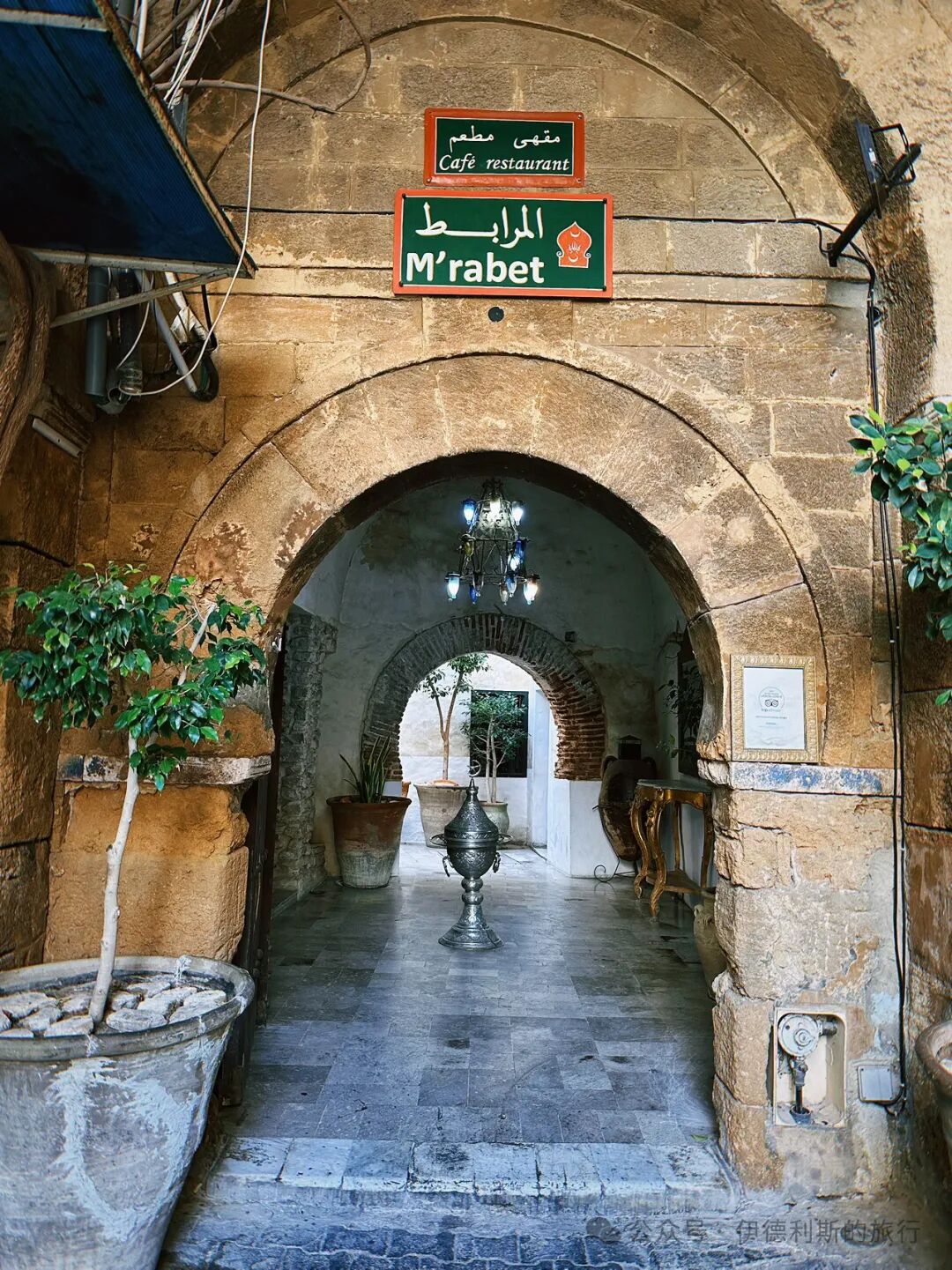
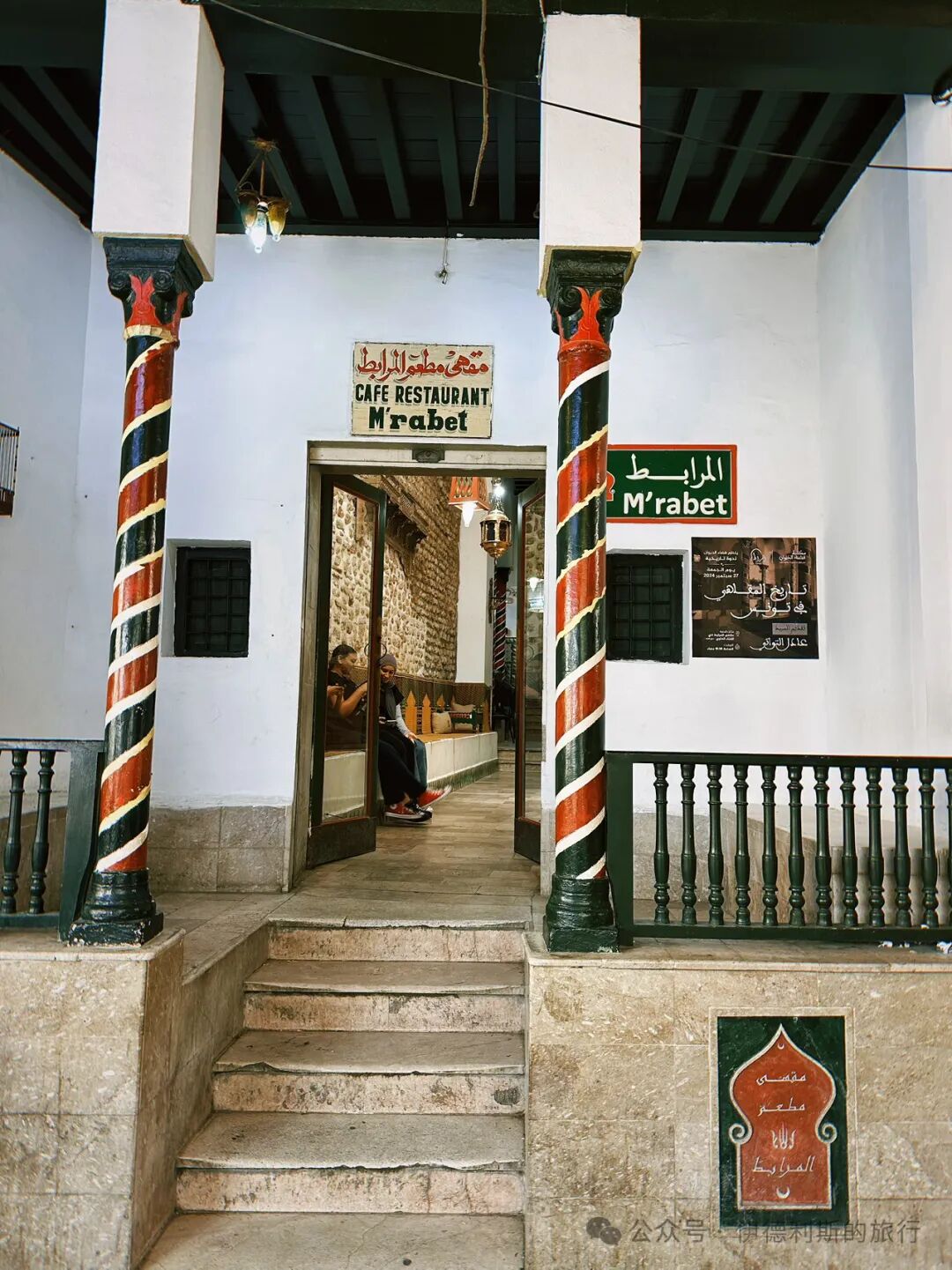
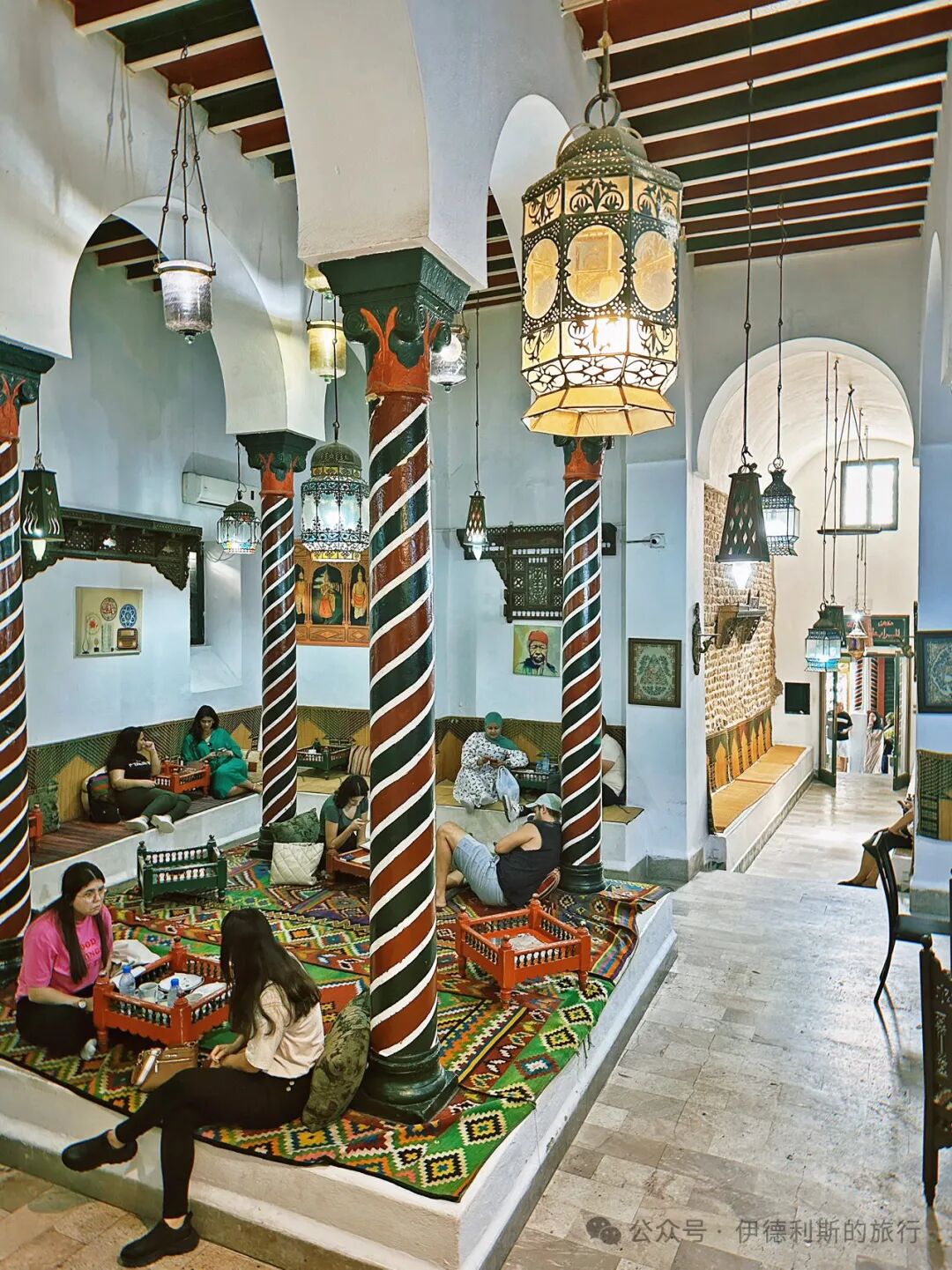
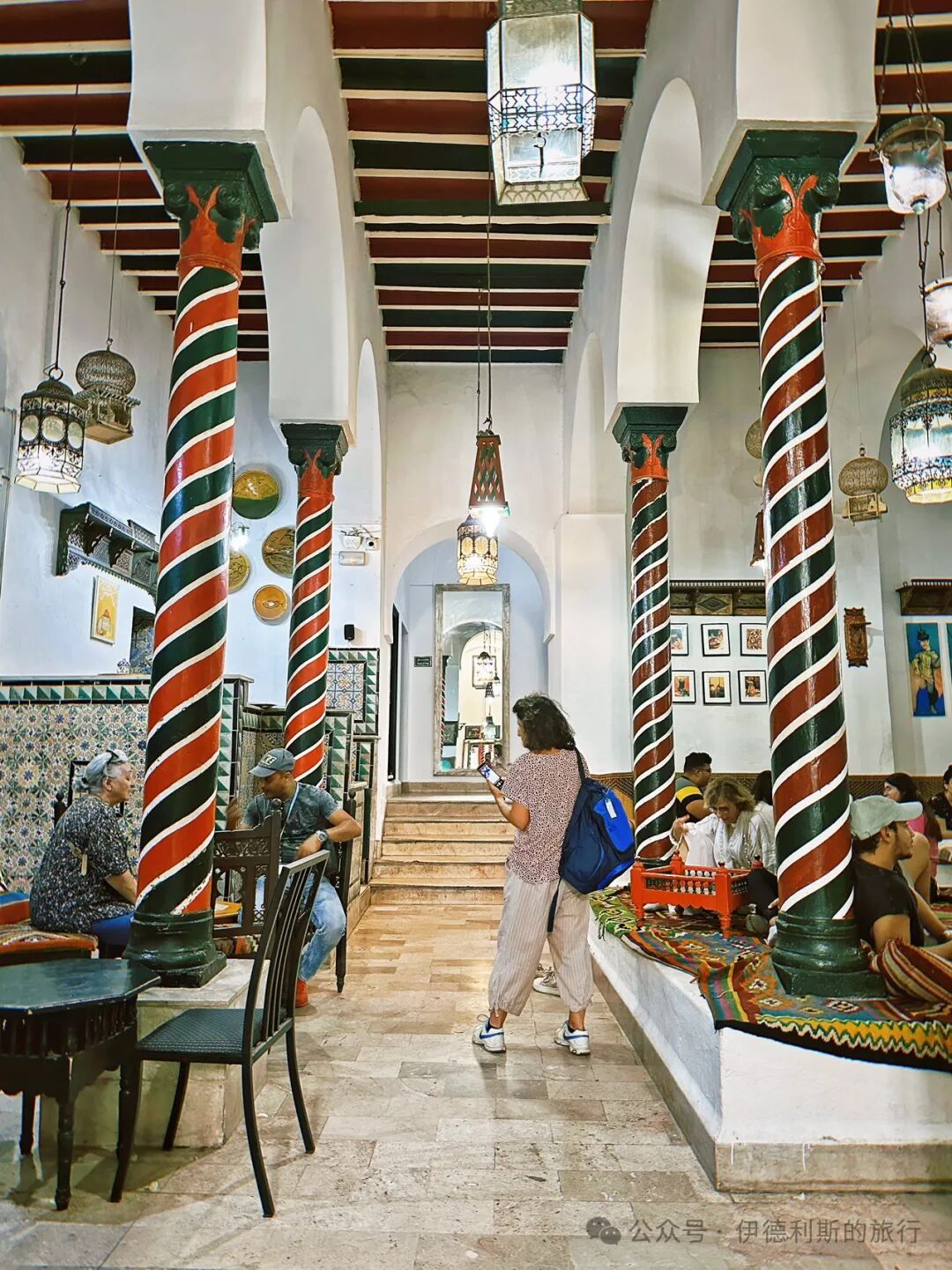
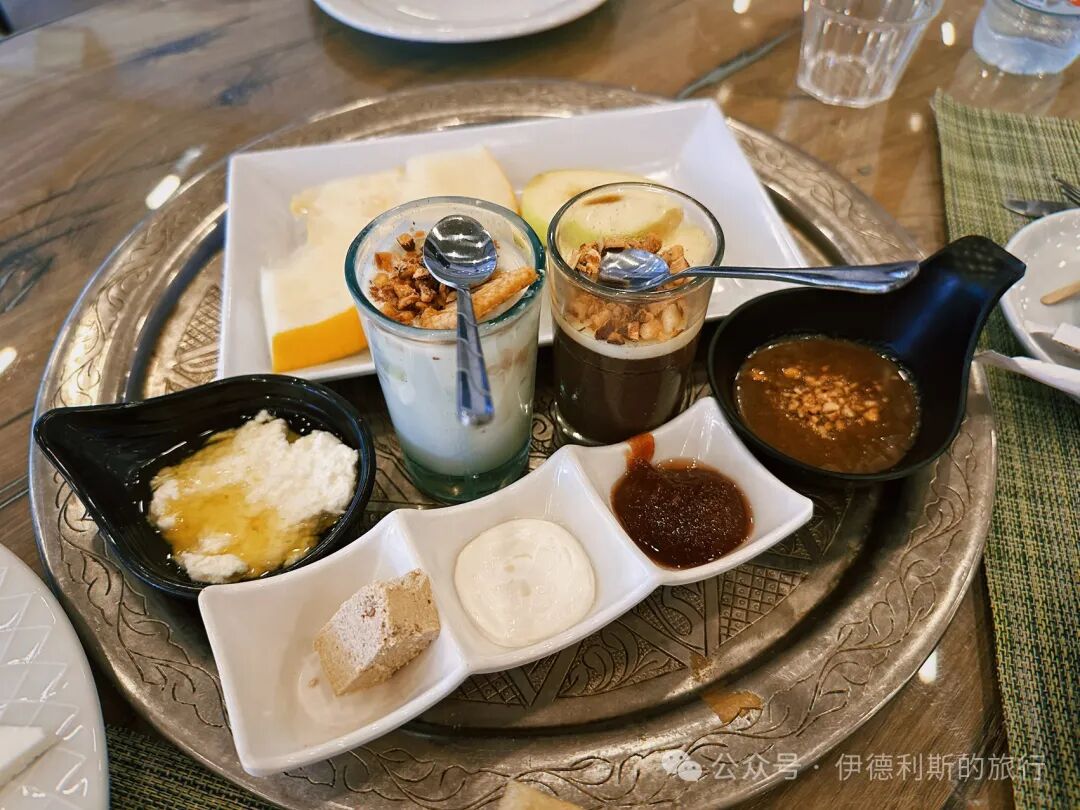
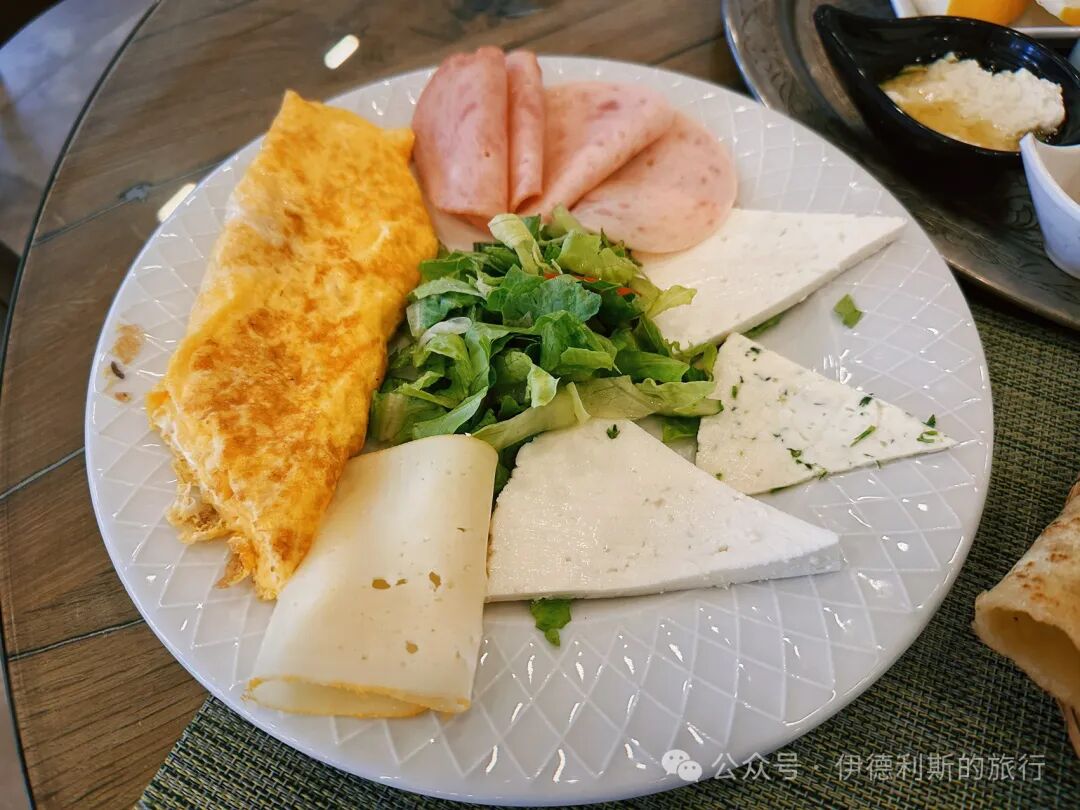
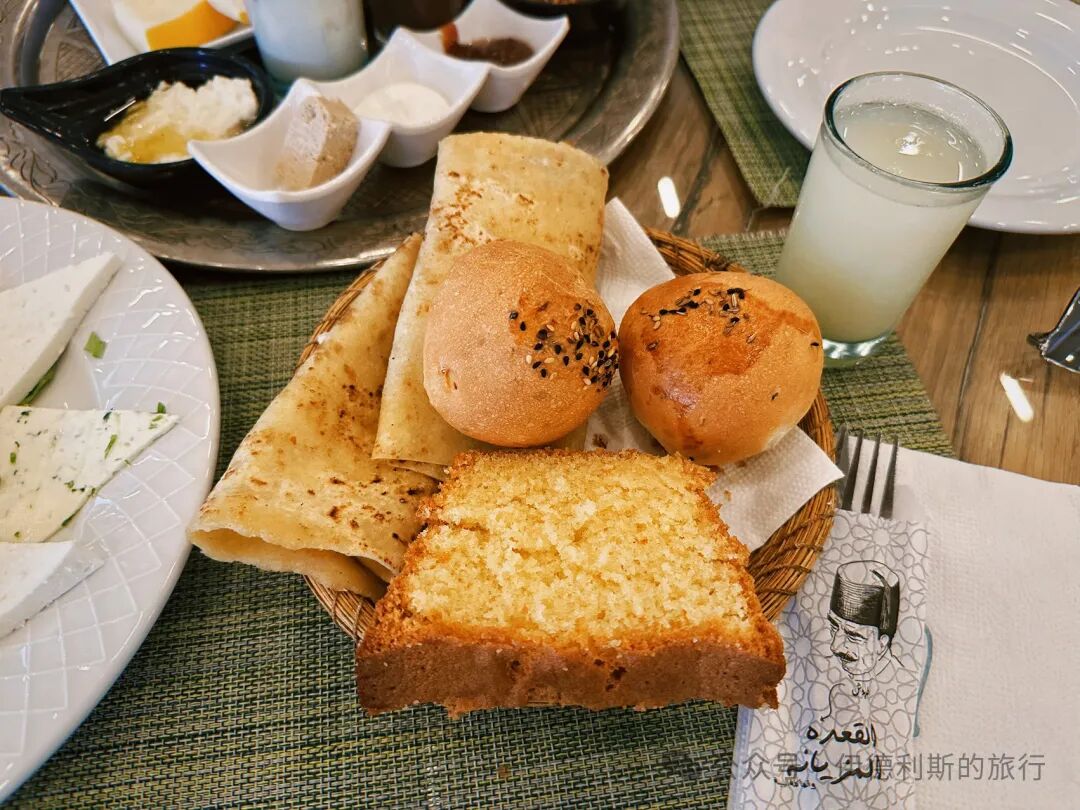
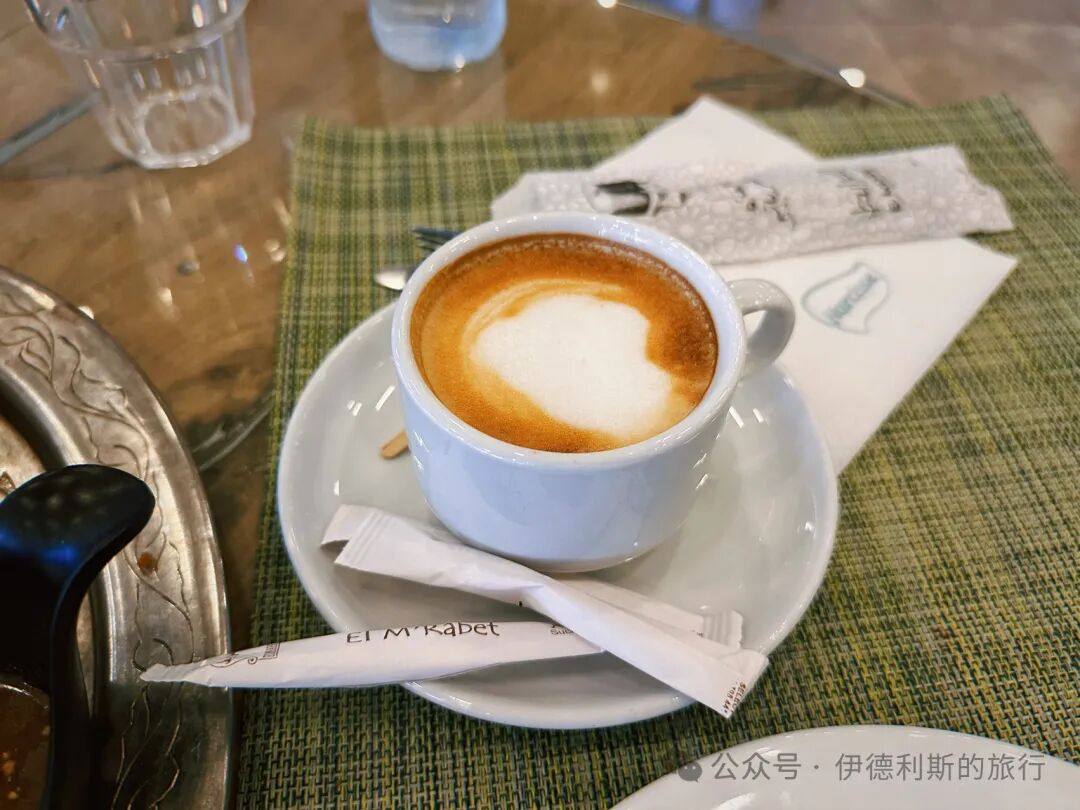
Except for the first day when I had breakfast in the homestay courtyard, I chose restaurants in the Medina old city for breakfast for the following days. This Cafe Restaurant M'rabet is located just west of the Great Mosque of Kairouan (Zaytuna Mosque). The environment inside is excellent, and it is very popular with locals and tourists; if it were back home, it would definitely be a trendy spot for photos.
The ancient building where M'rabet is located was founded in the early 17th century by Ali Thabet, who was a close advisor to Youssef Dey, the ruler of the Ottoman dynasty in Tunisia. This place was a long-time meeting spot for the Ottoman Janissaries and features unique stone pillars and stone benches. The breakfast at the shop is very hearty, with many options ranging from small to large portions. We actually chose the large single-person meal, which includes coffee, fruit, juice, egg pancakes, sausages, various cheeses, and various breads; it is a true example of a healthy Mediterranean diet.
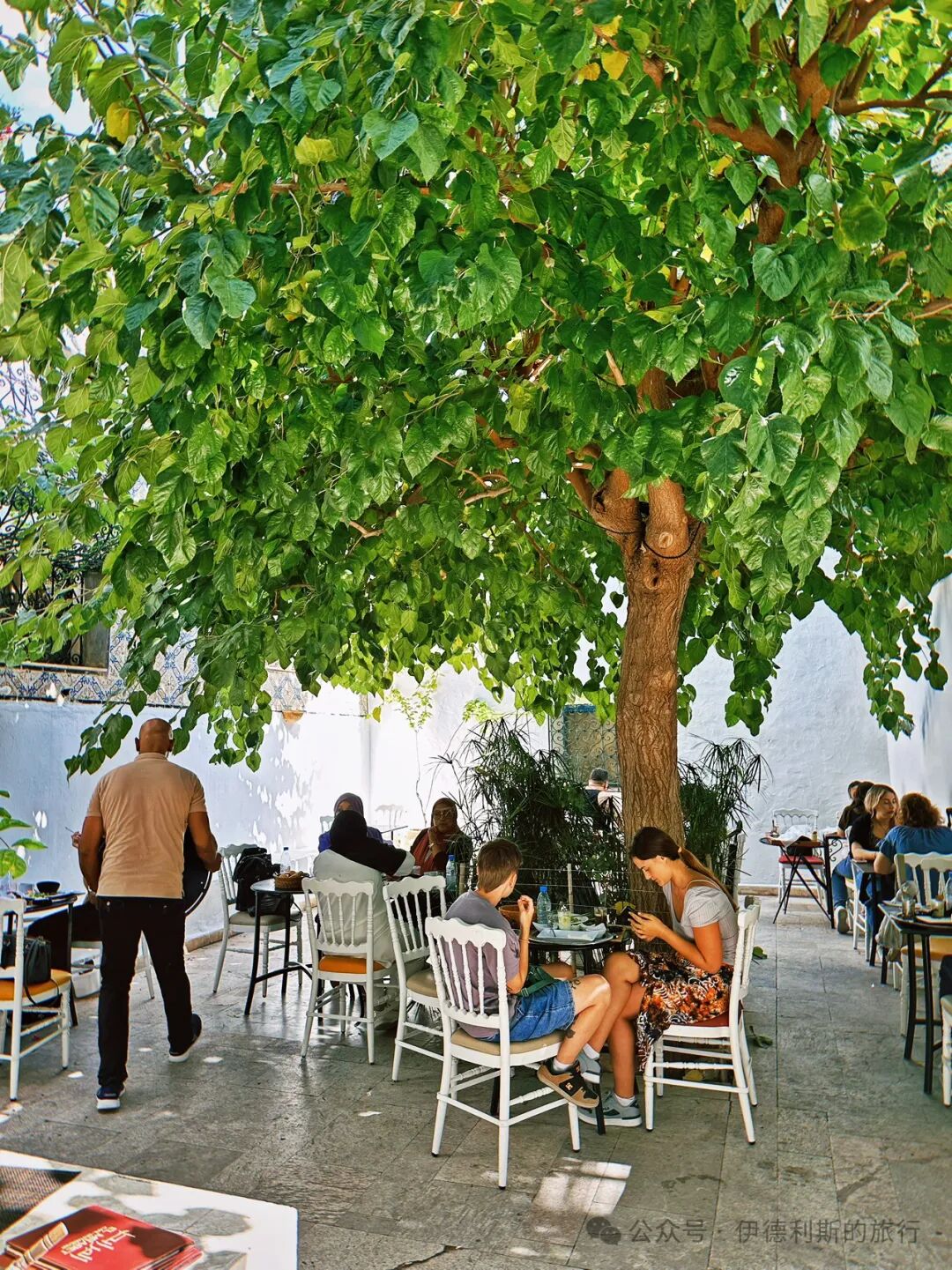
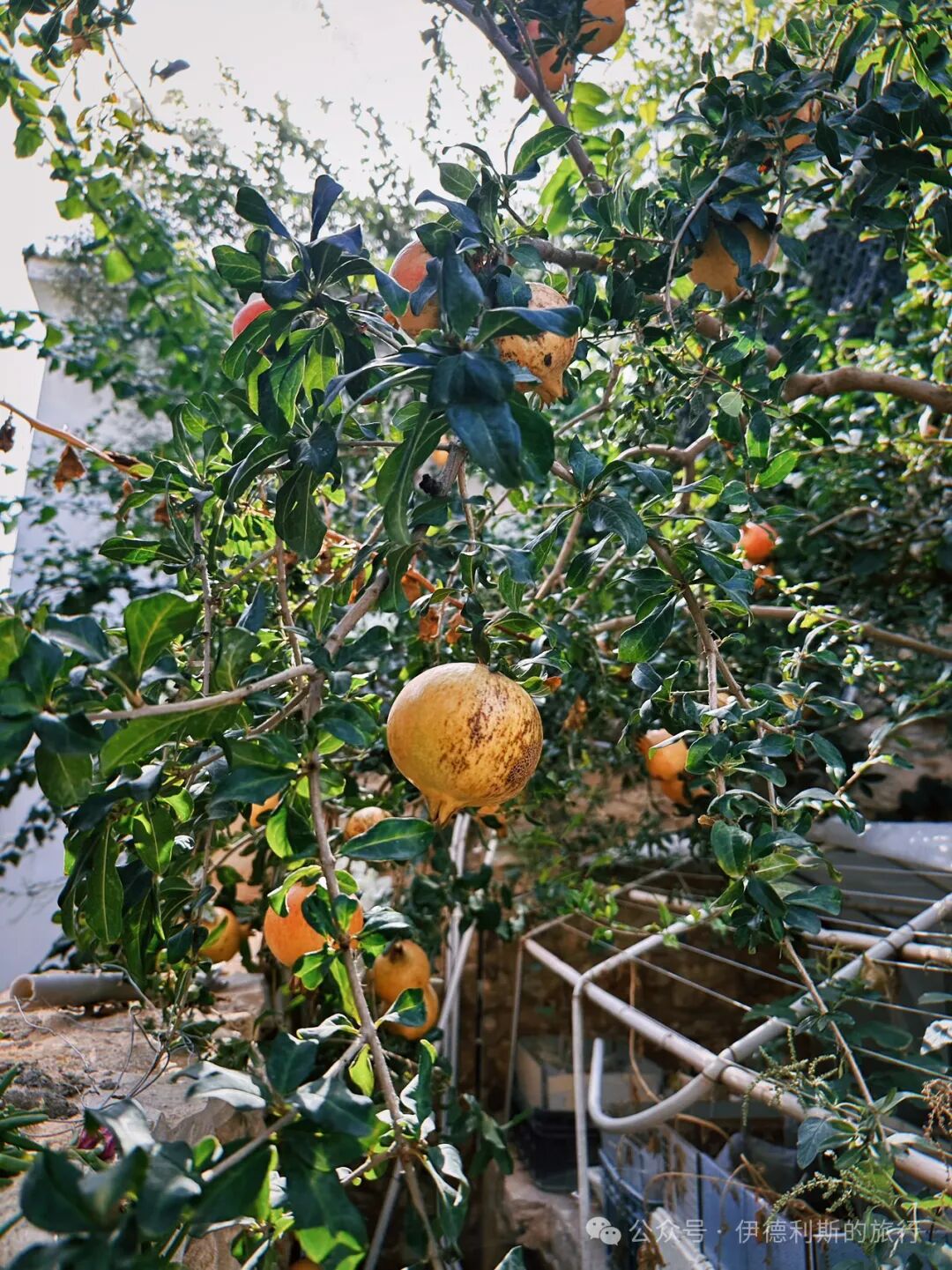
El Ali Restaurant & Cafe in the old town is also inside an old building, but the rooftop terrace is very bright and perfect for a relaxing brunch. We ordered the single-person breakfast set, which comes with various cheeses, bread, fried eggs, a large sausage and cheese wrap, lemonade, and coffee; it was just the right amount for two people.
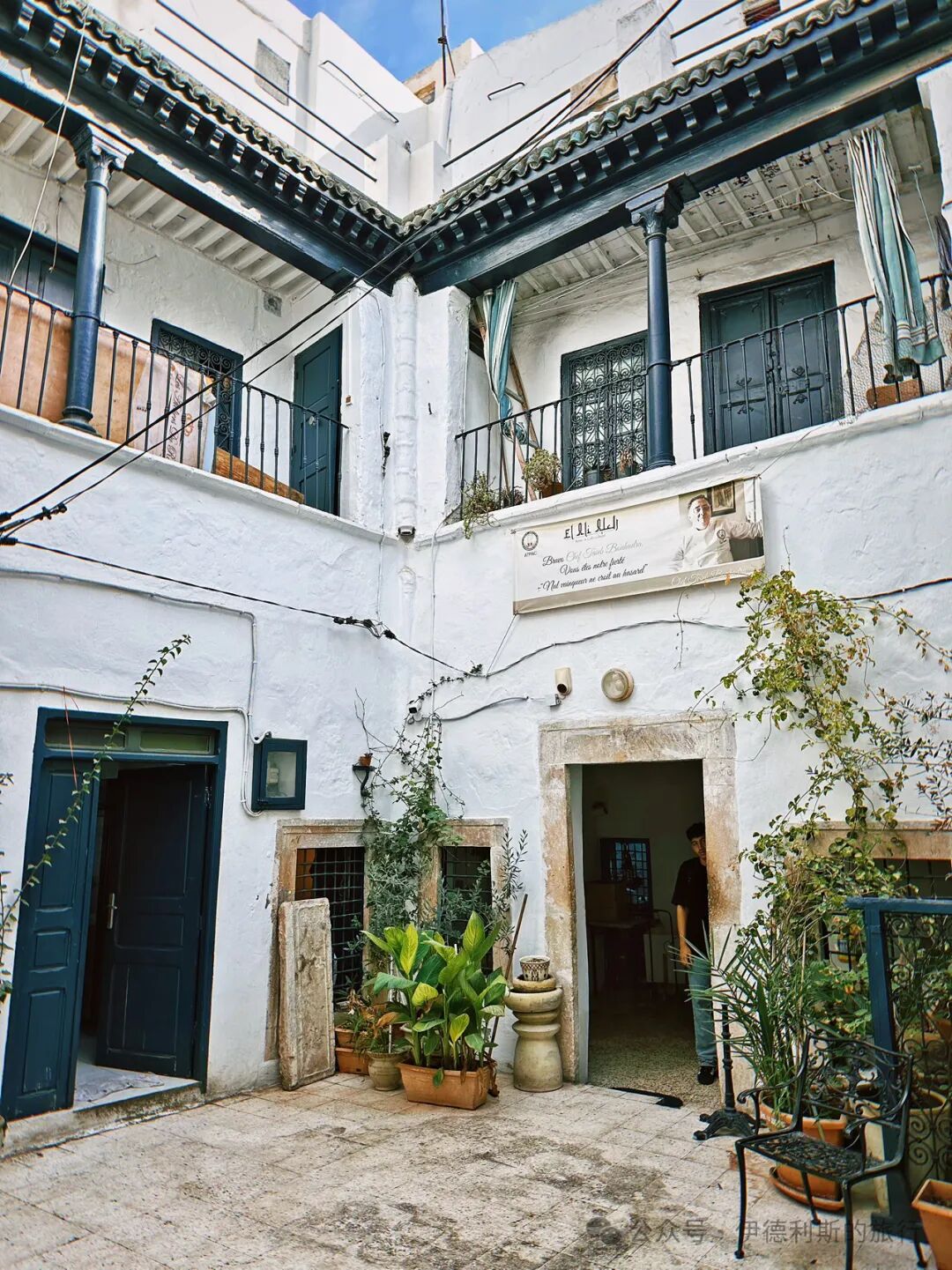
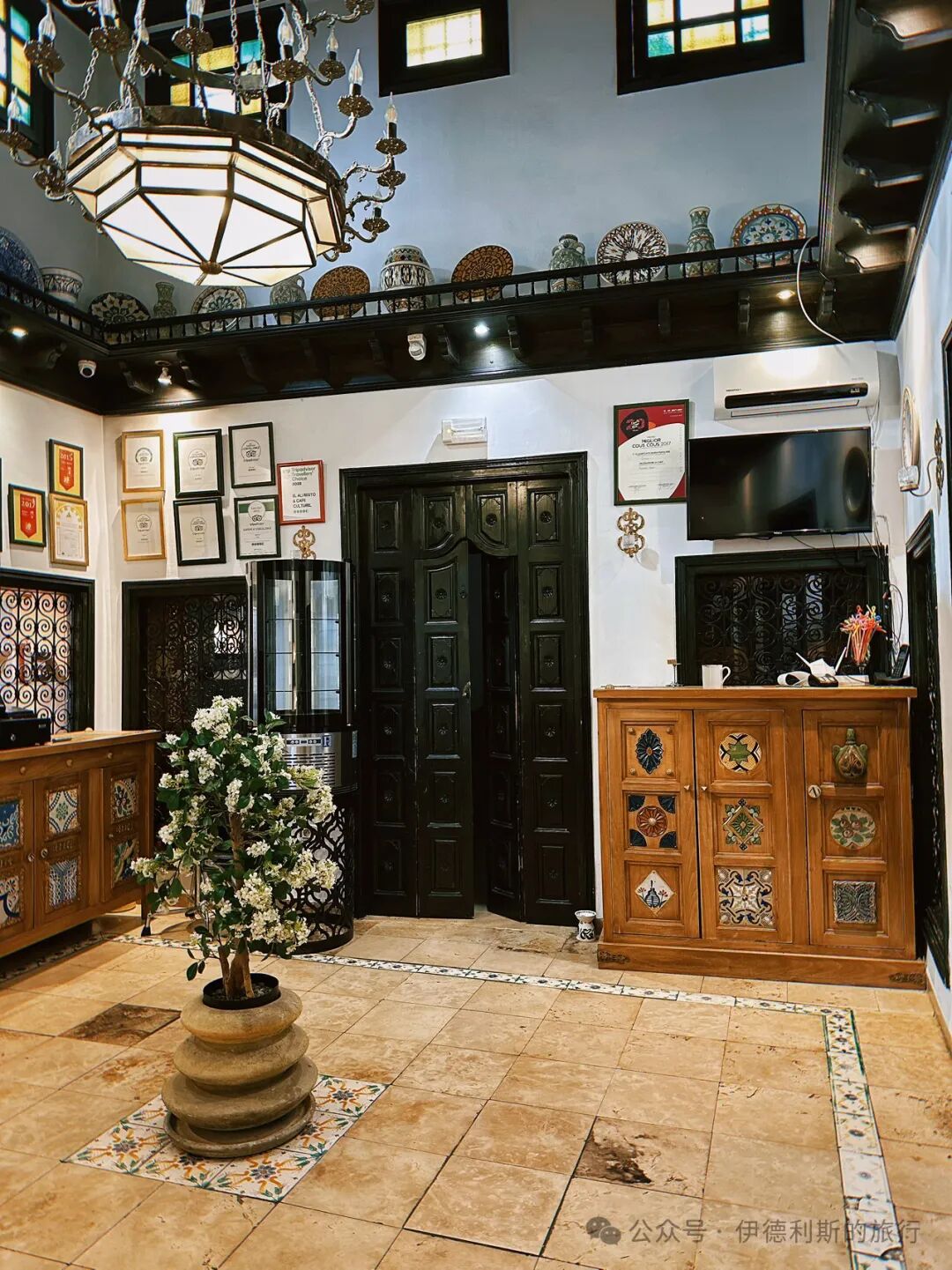
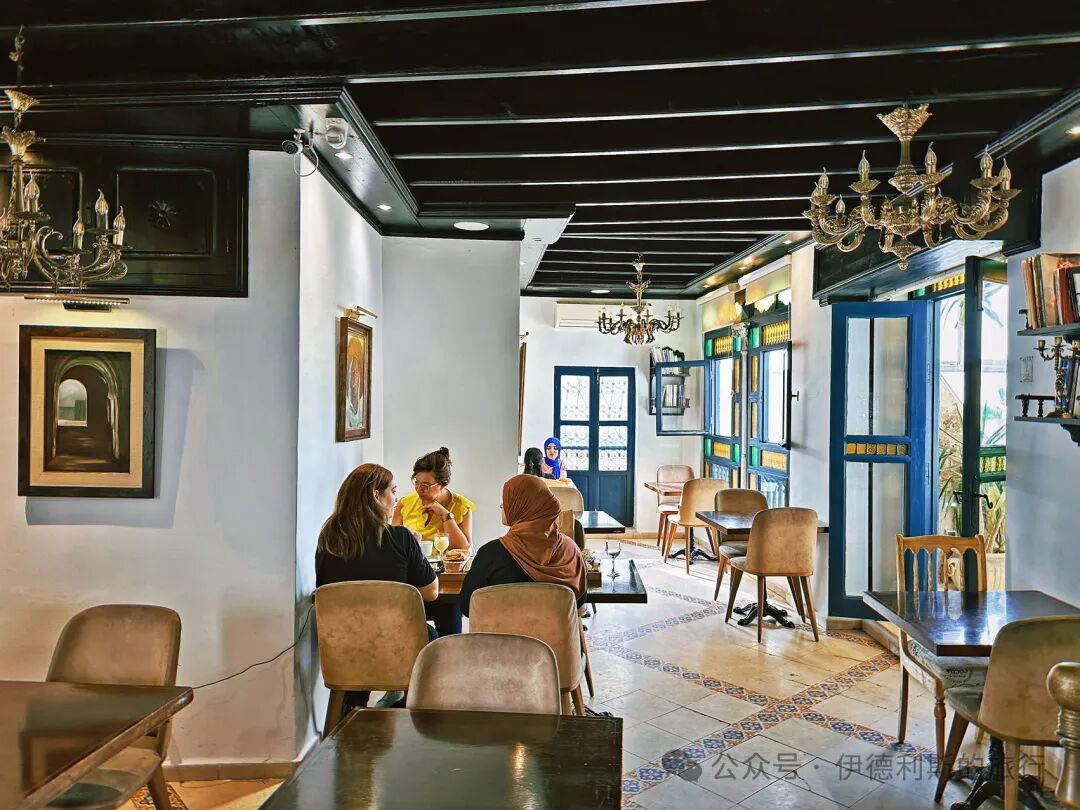
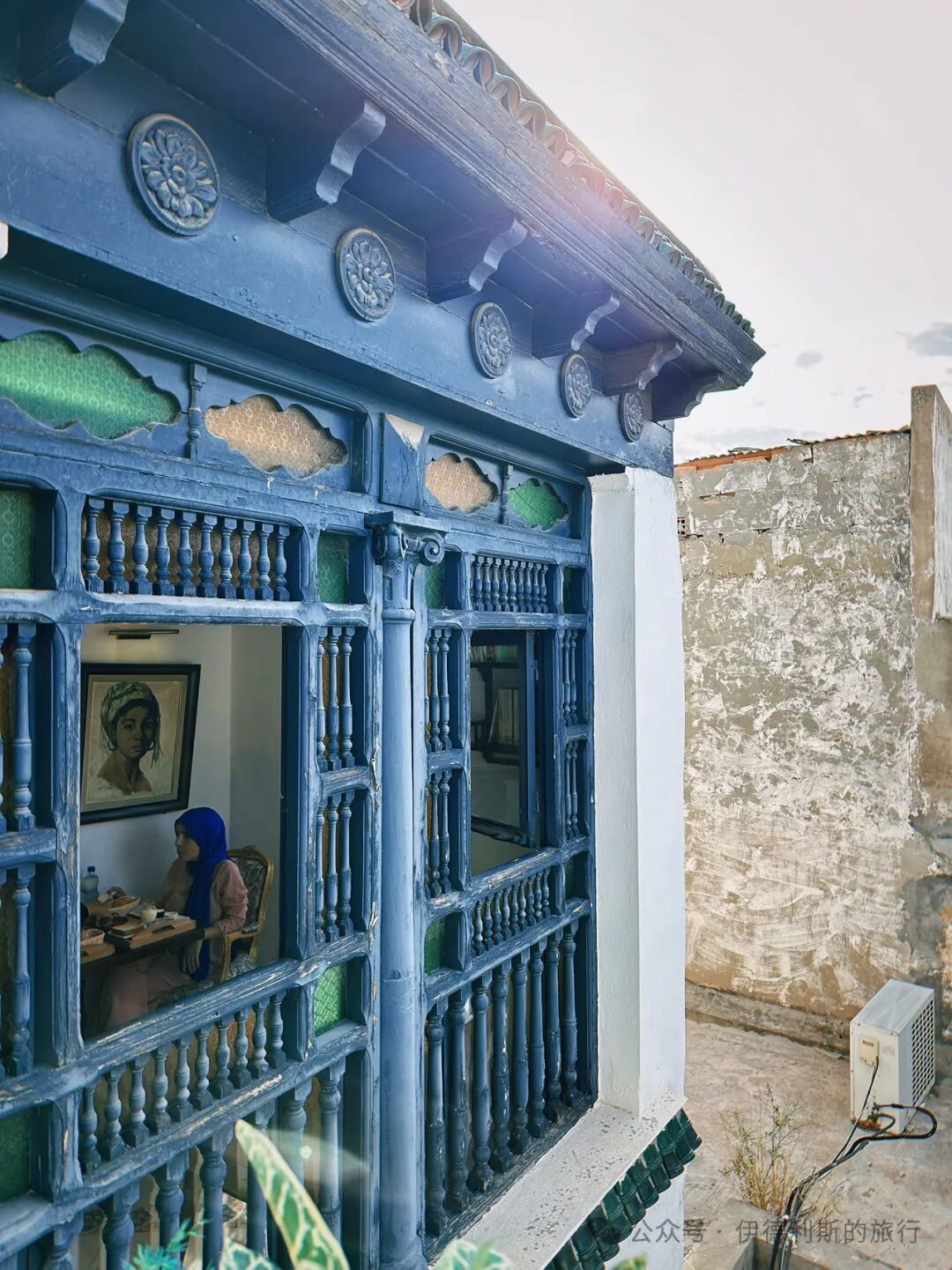
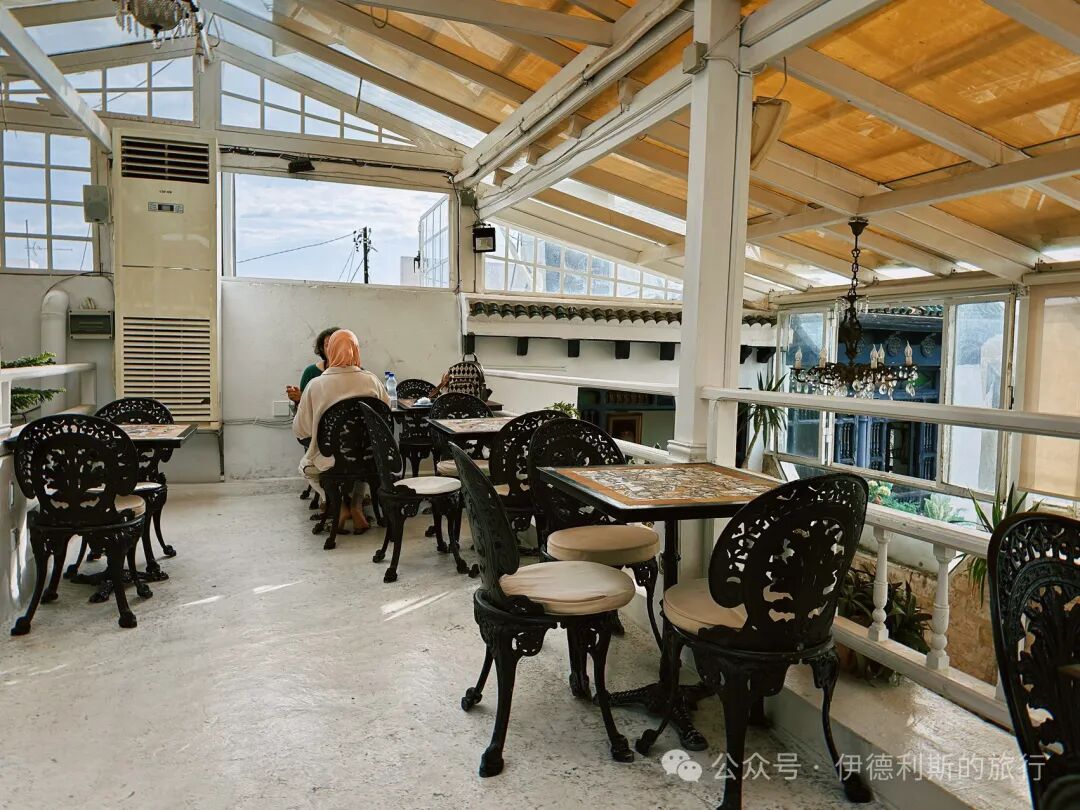
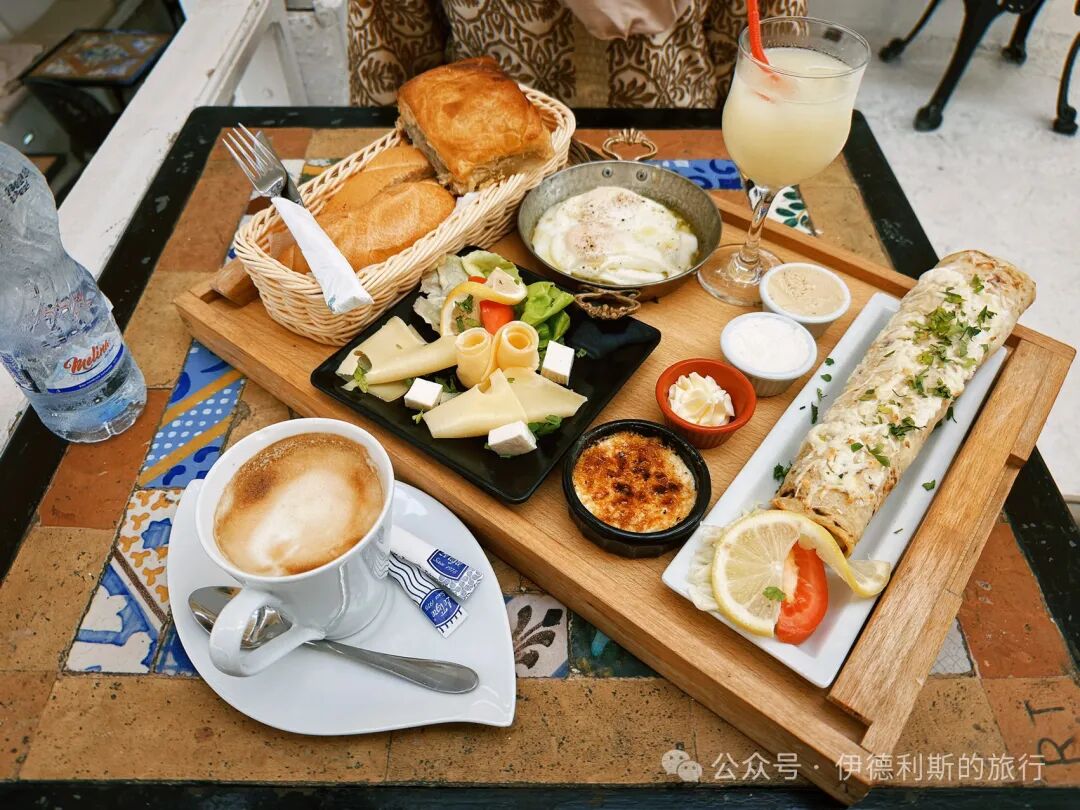
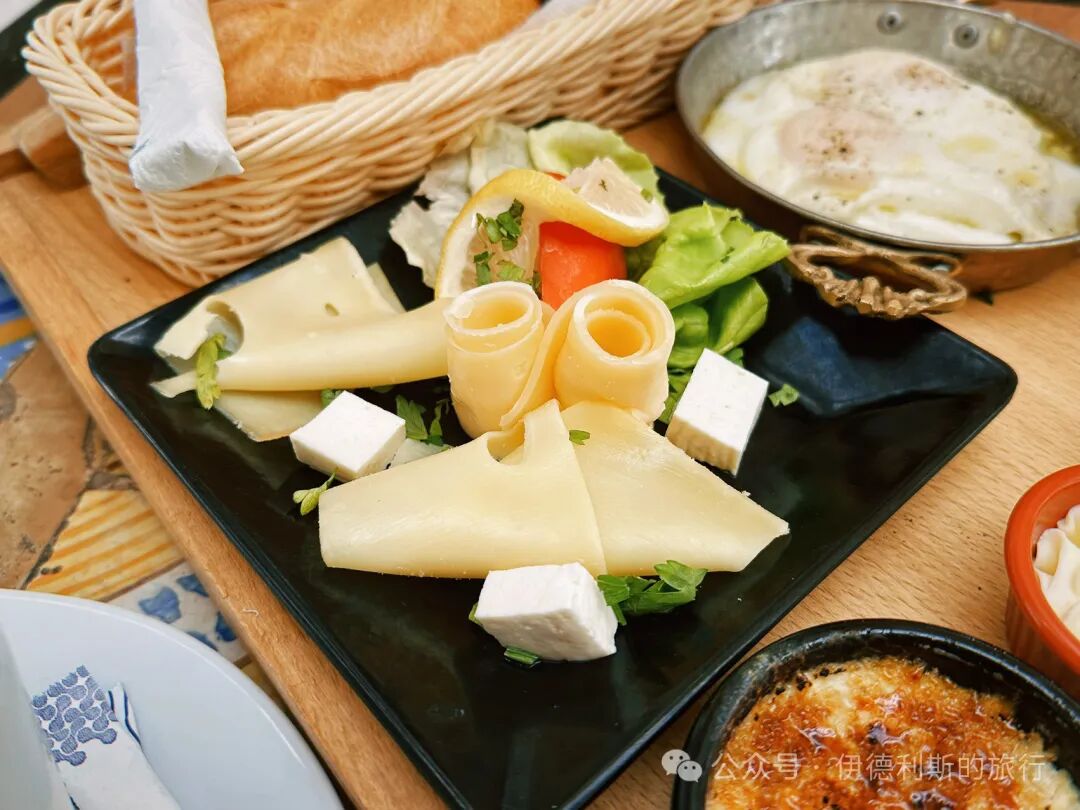
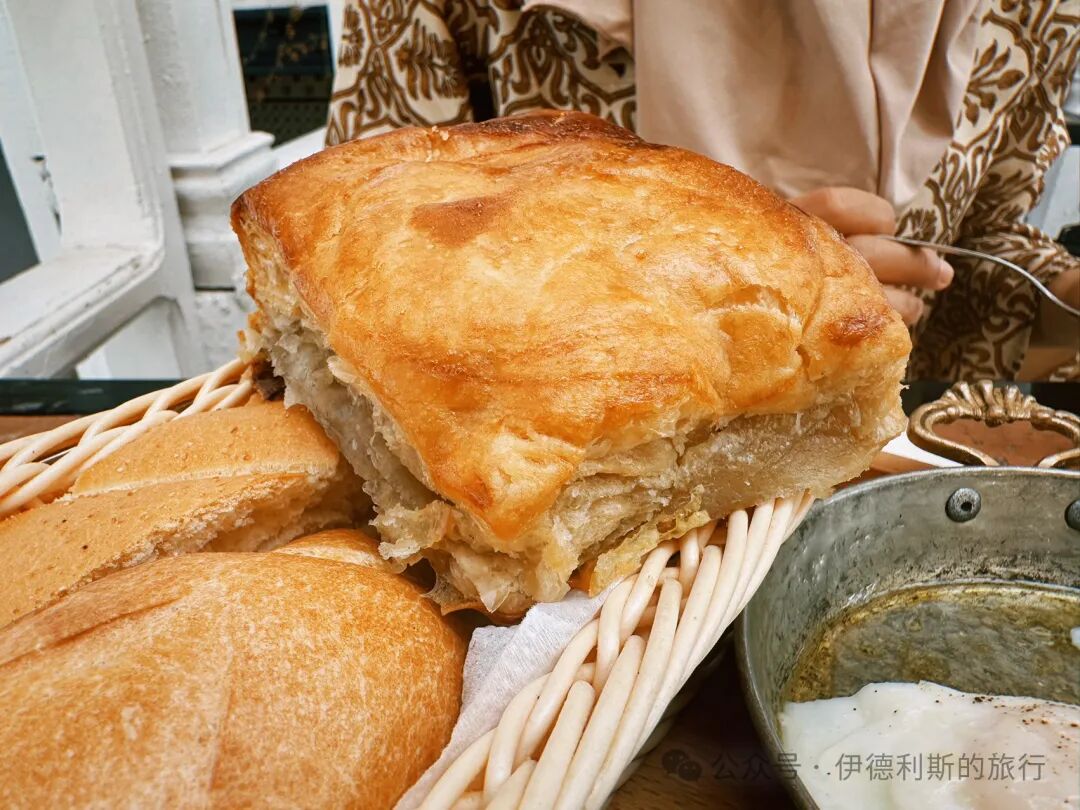
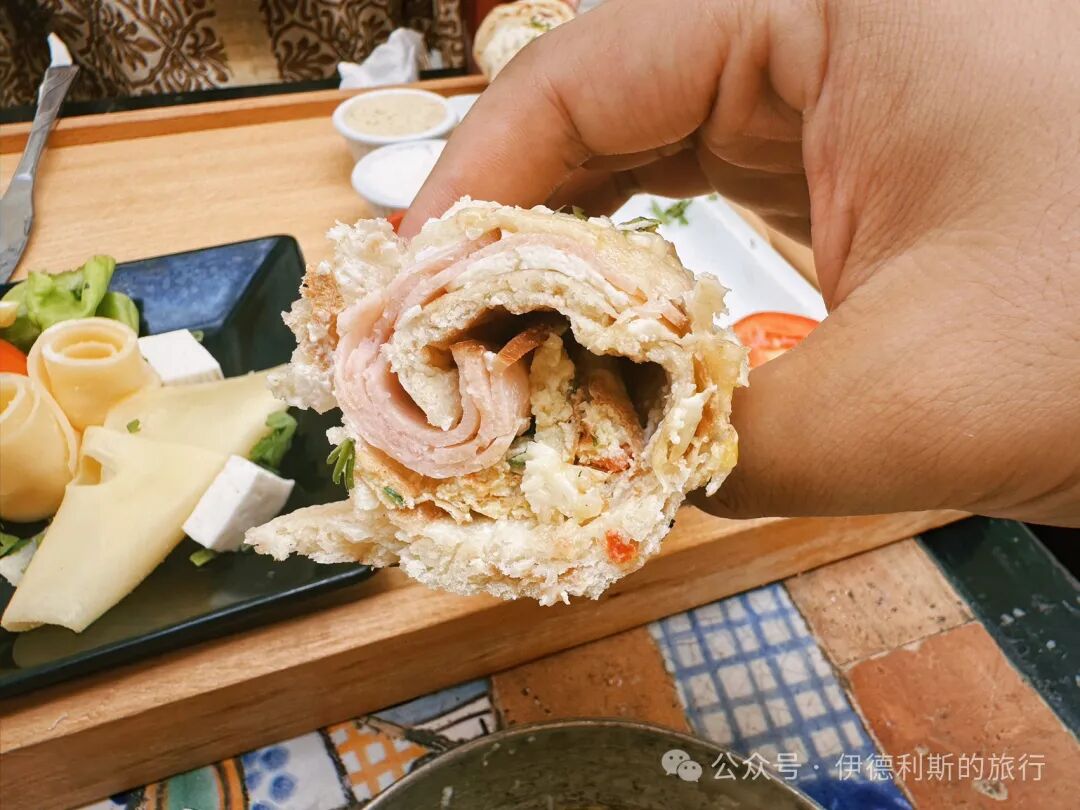
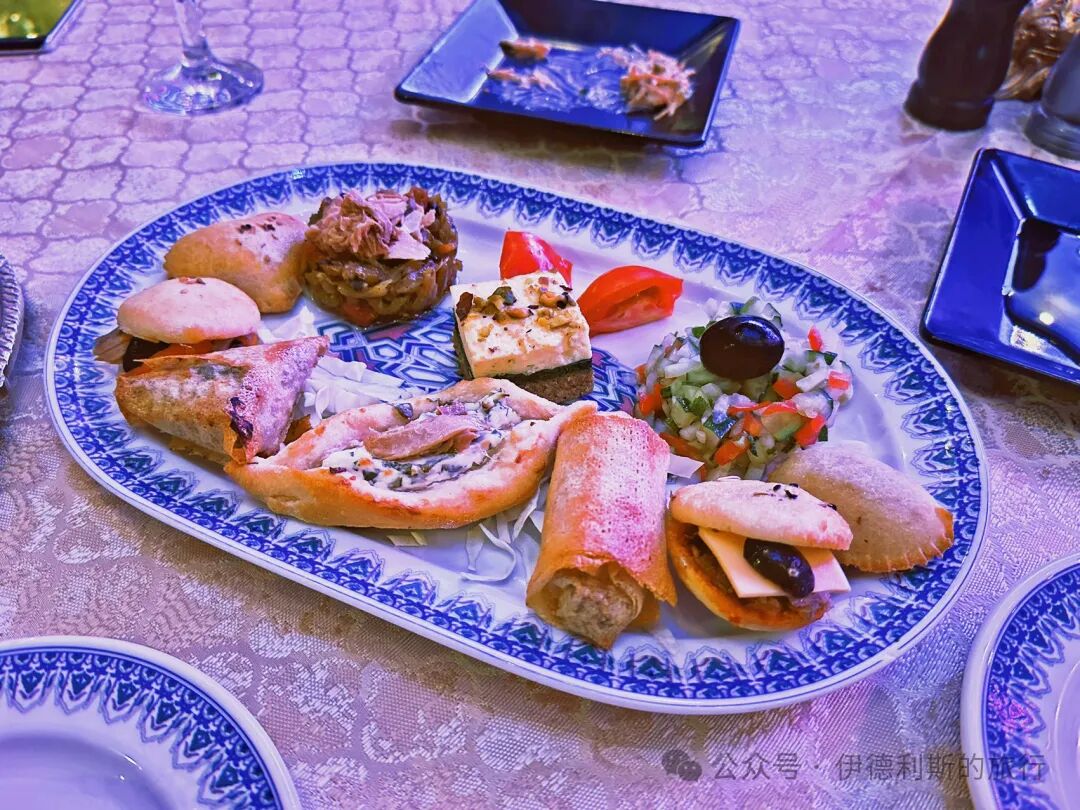
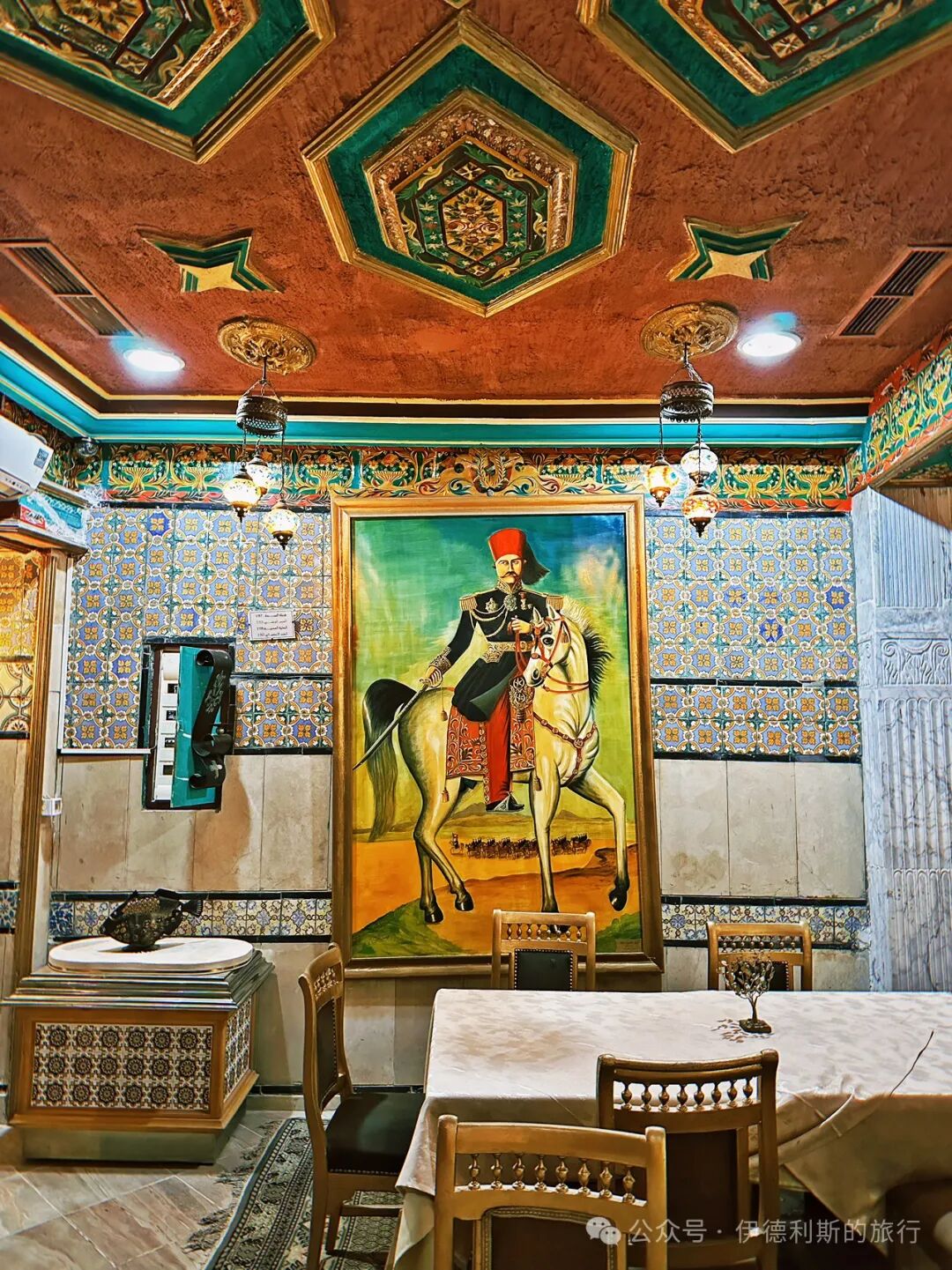
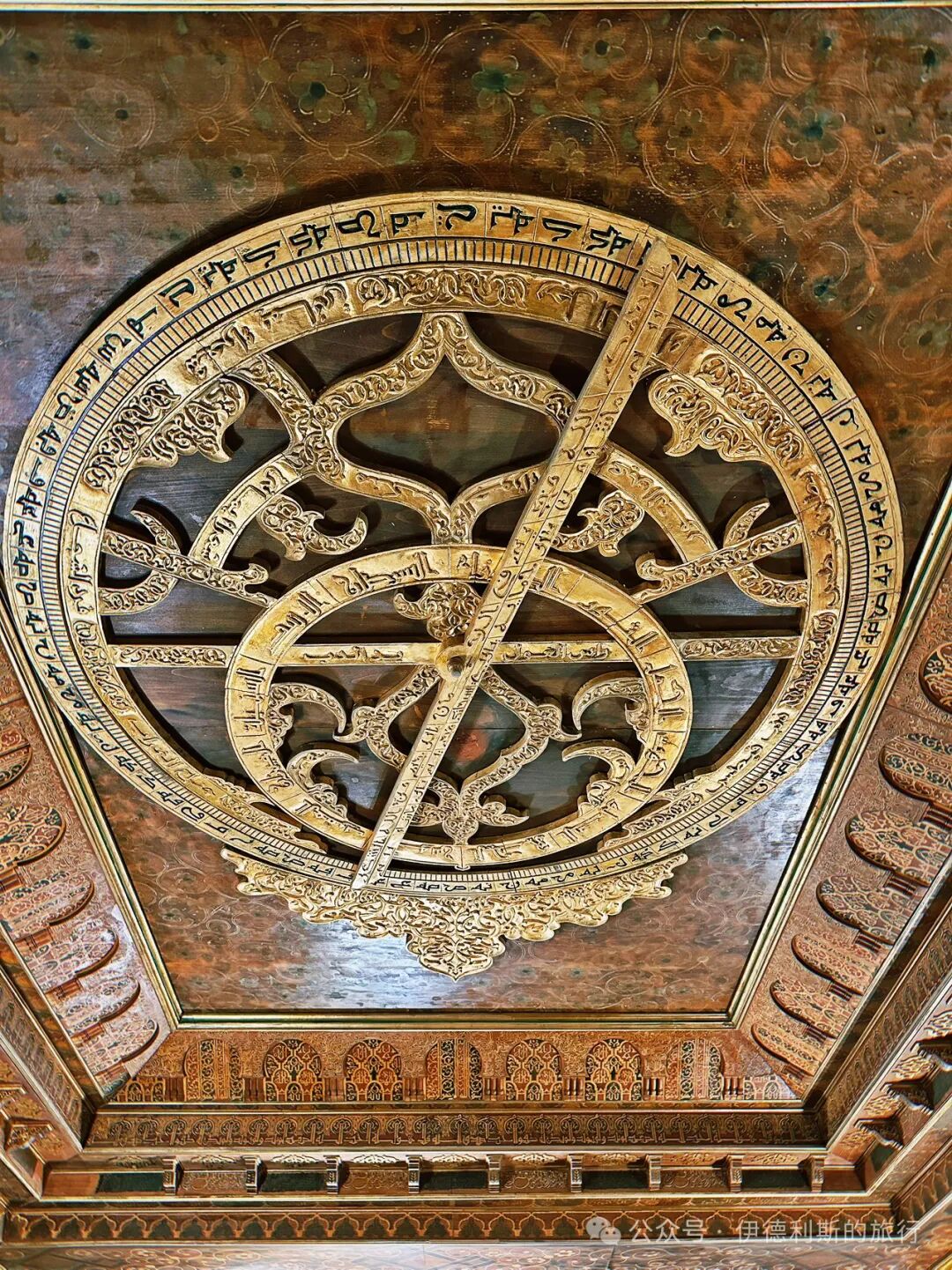
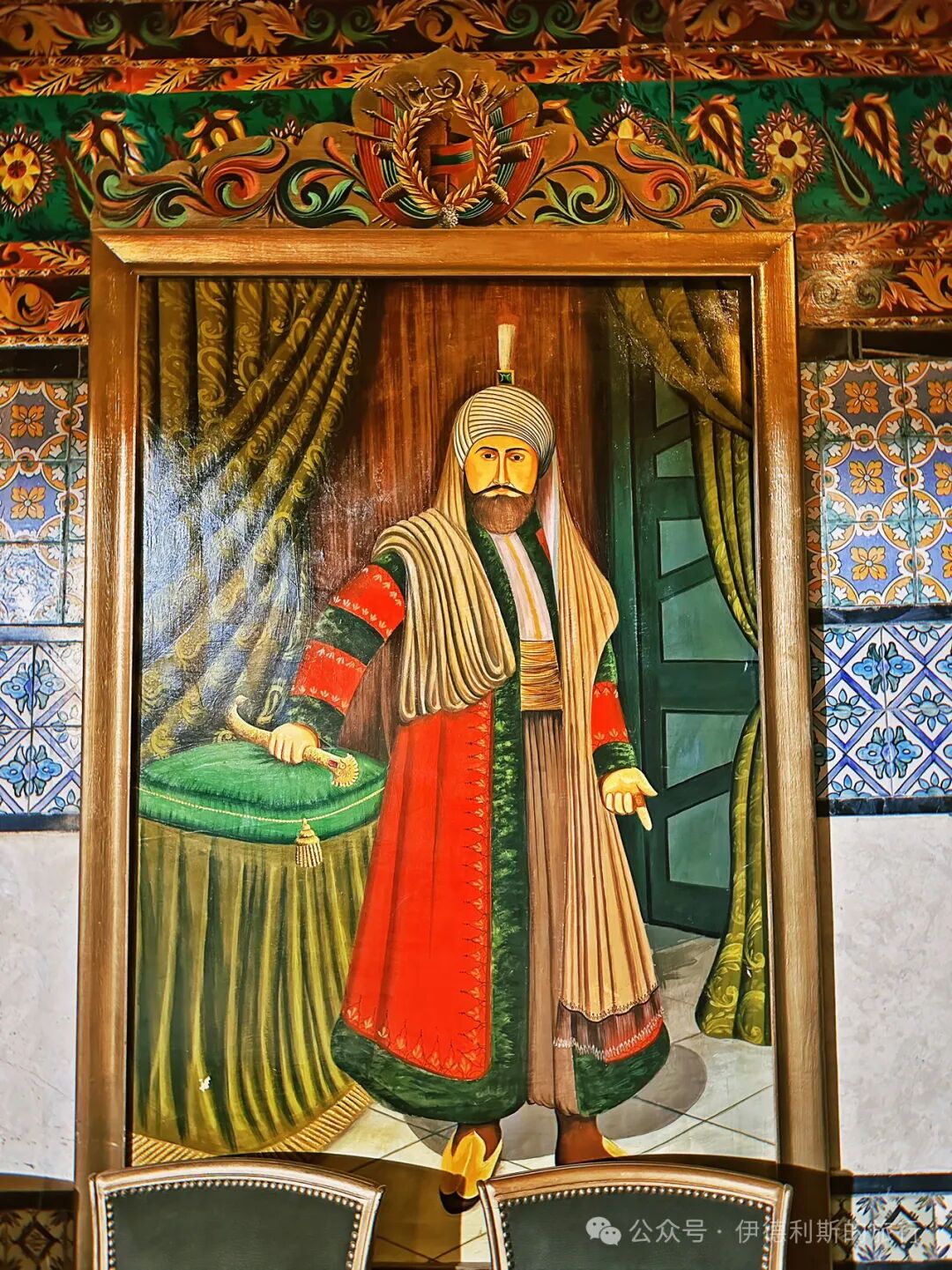
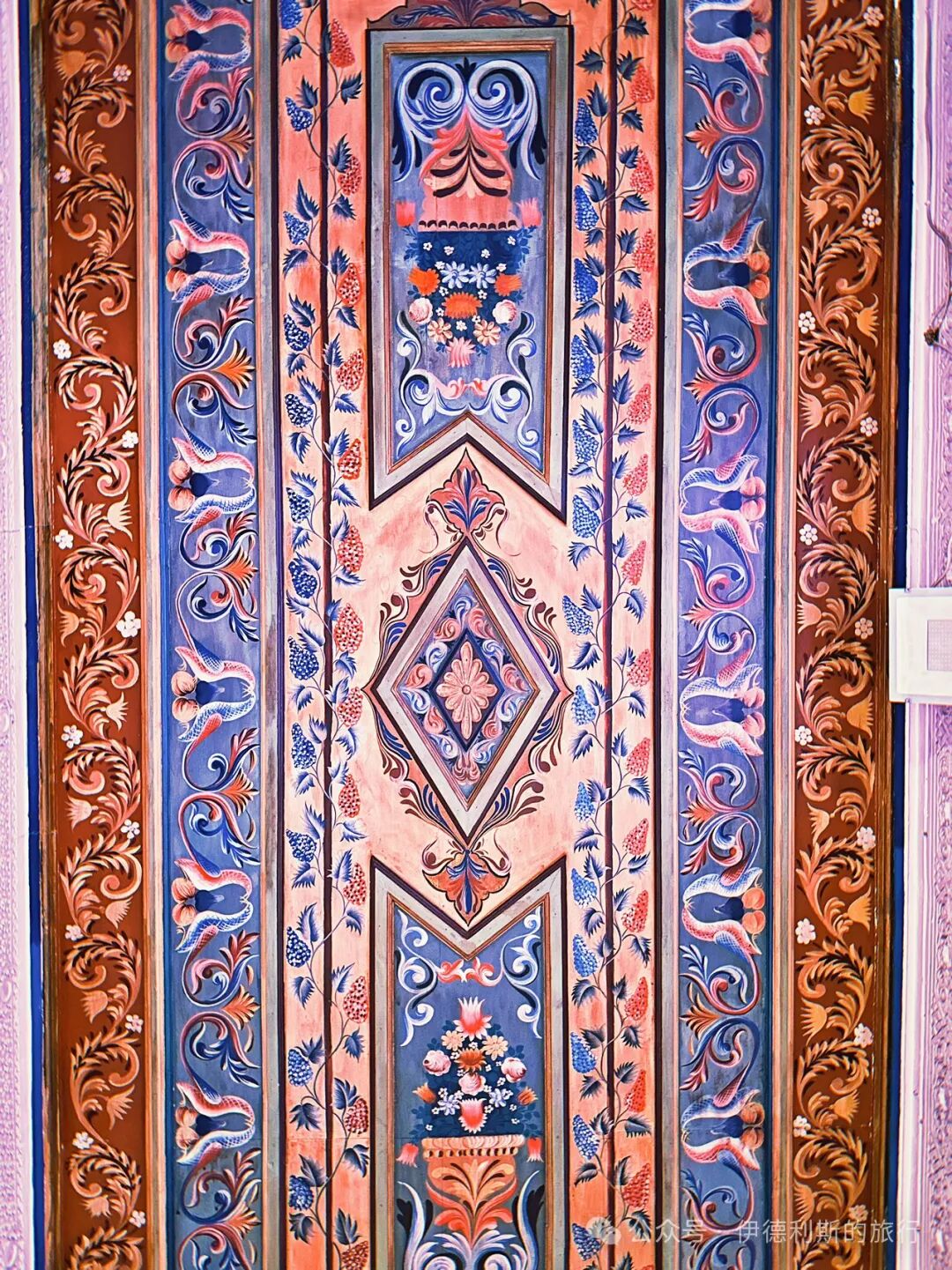
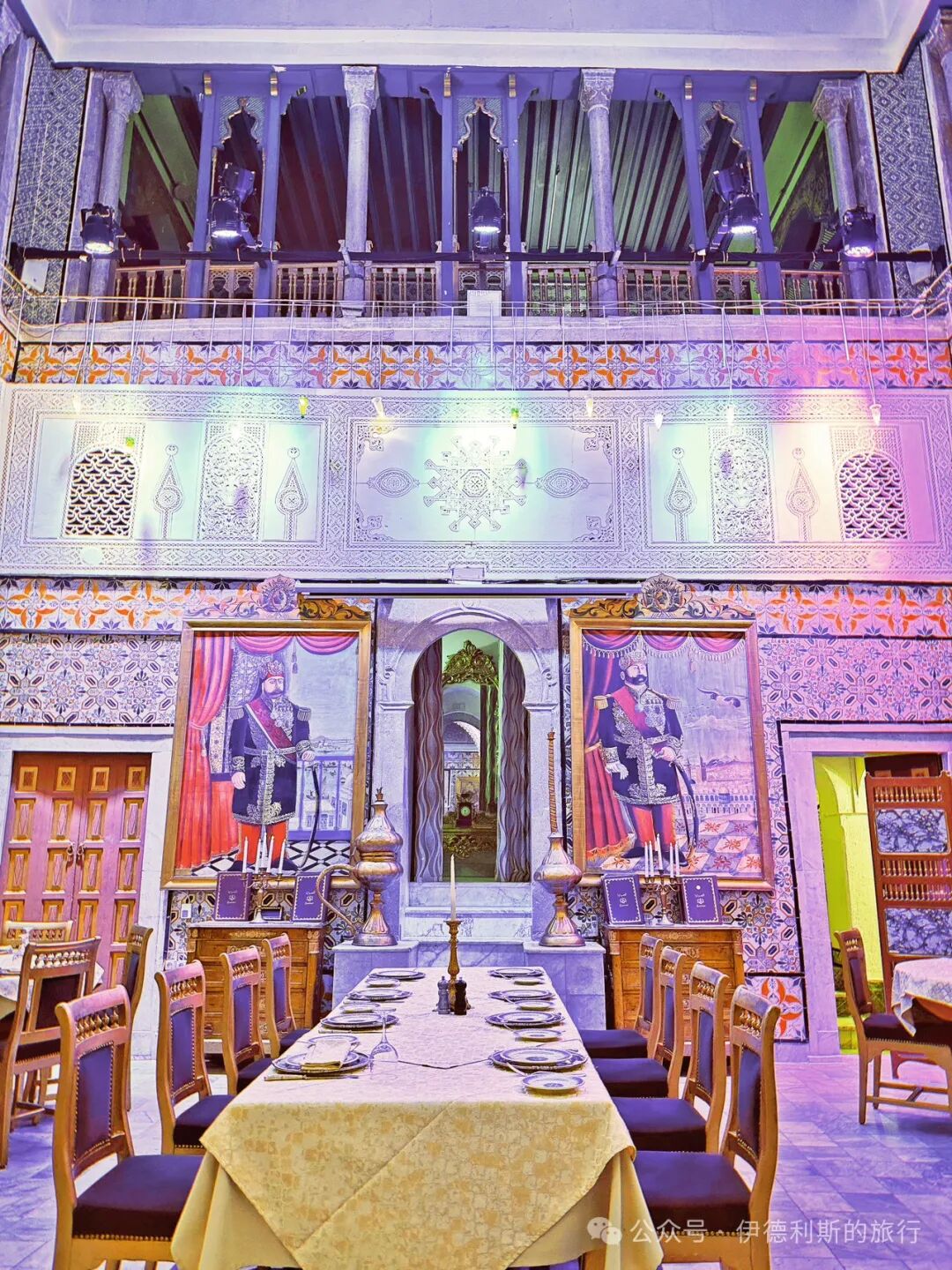
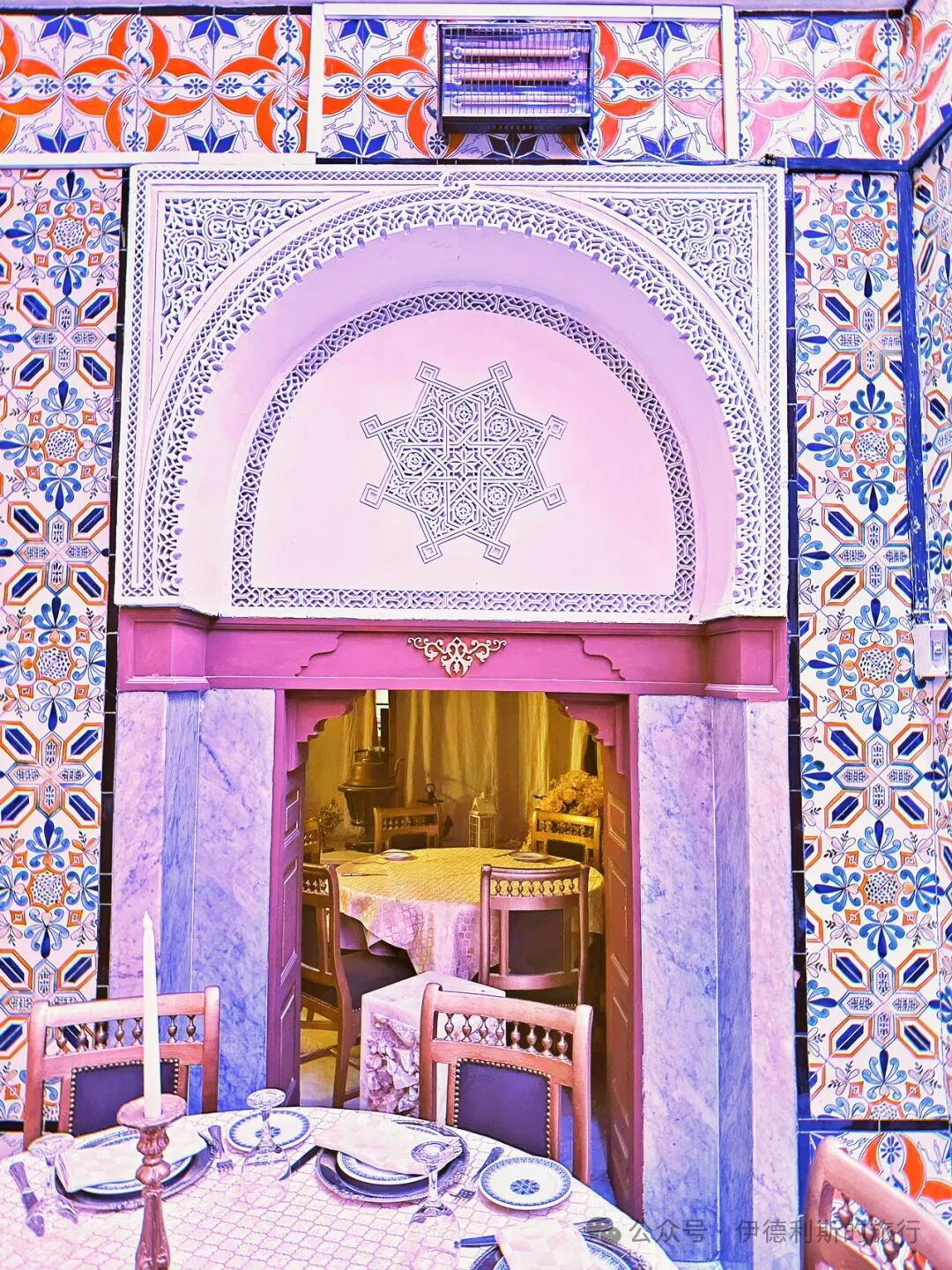
Essaraya Restaurant is likely the most ornately decorated restaurant in the old town, styled entirely after the 18th and 19th-century Husainid dynasty, with very old-school waiters and live oud music performances. The entrance is inside the old town market and is very easy to miss; we happened to run into a waiter guiding people at the door when we arrived. I also recommend coming during the day, as they turn on purple mood lighting in the hall at night, which does not look good in photos.
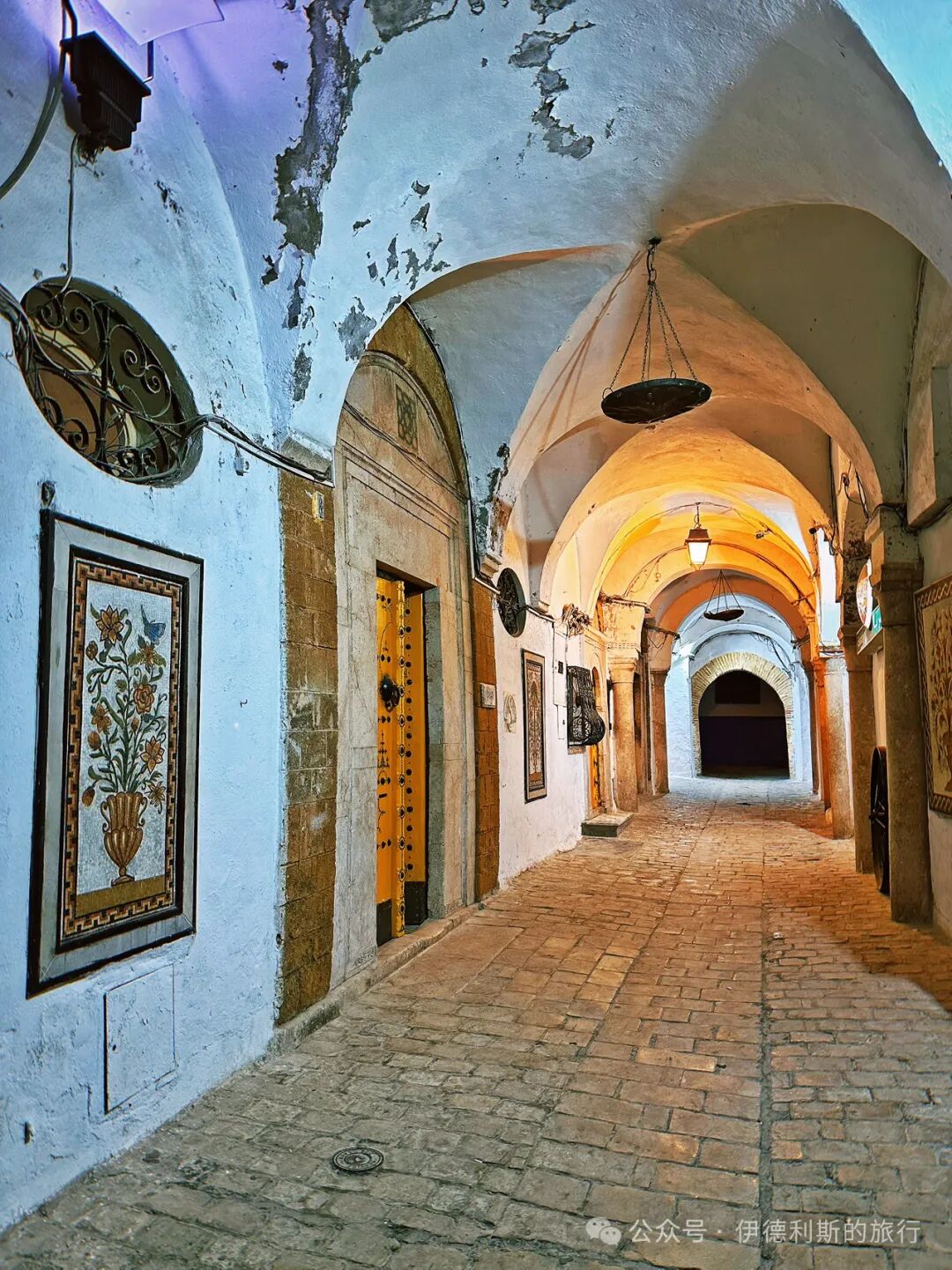
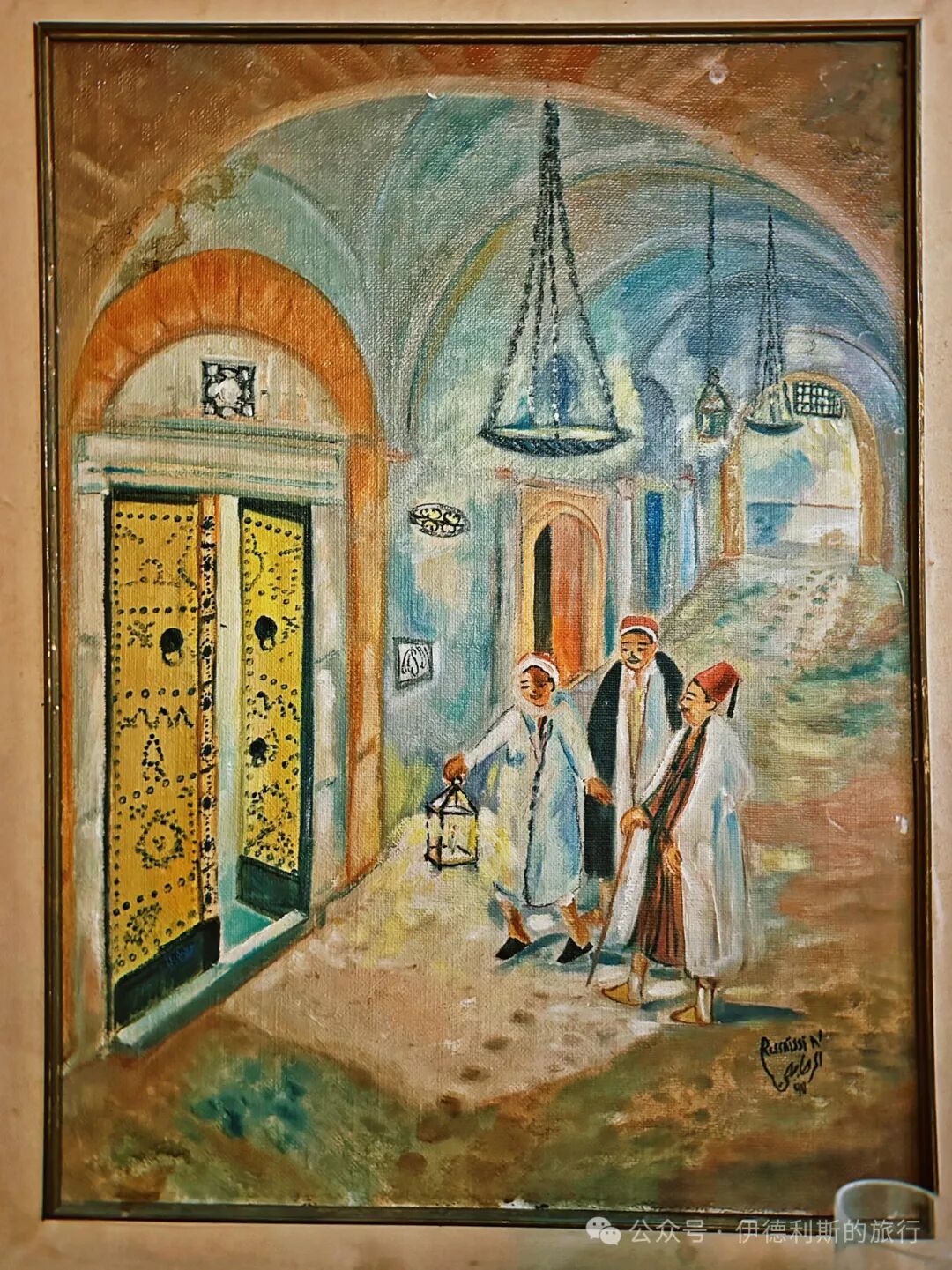
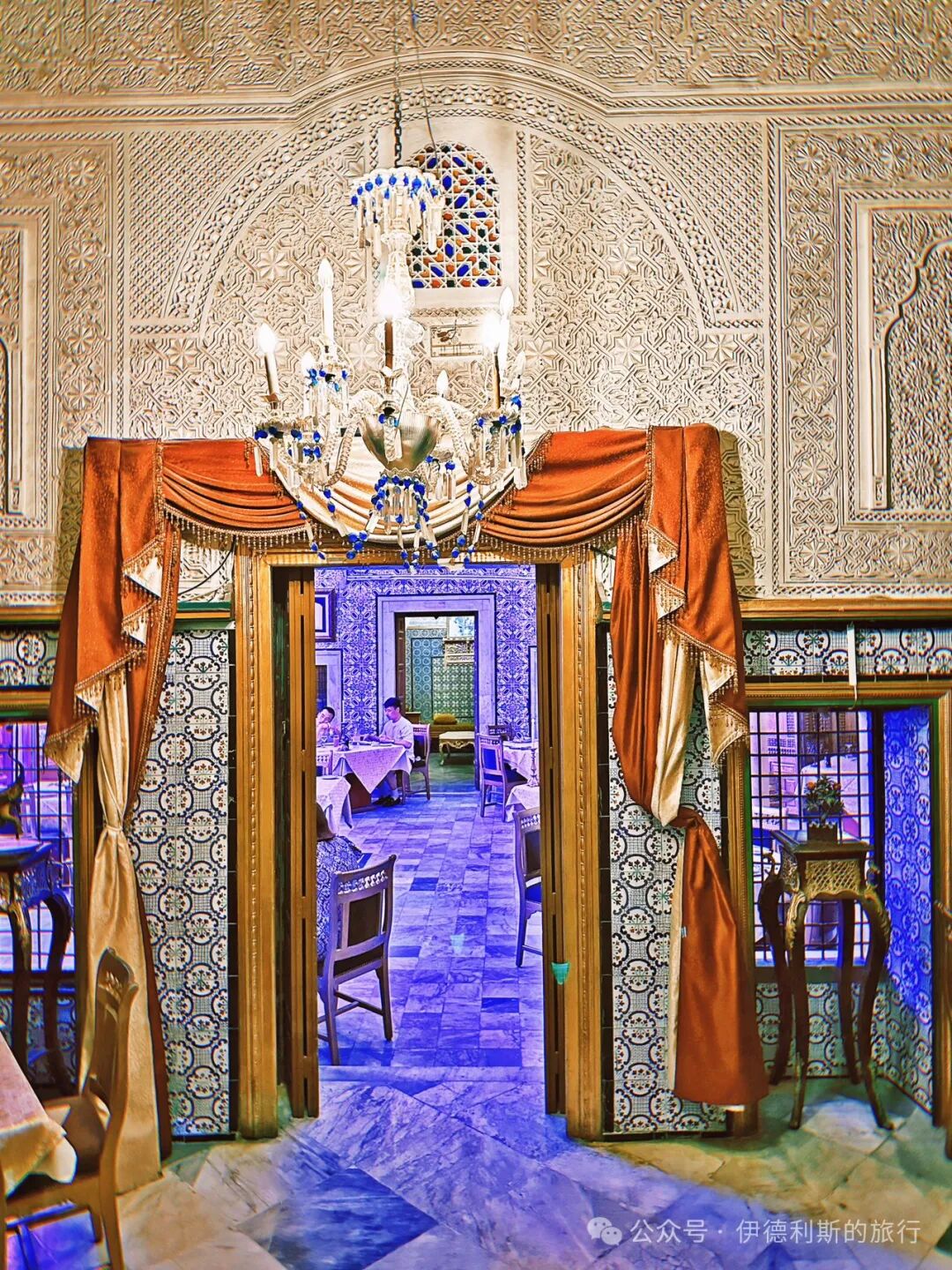
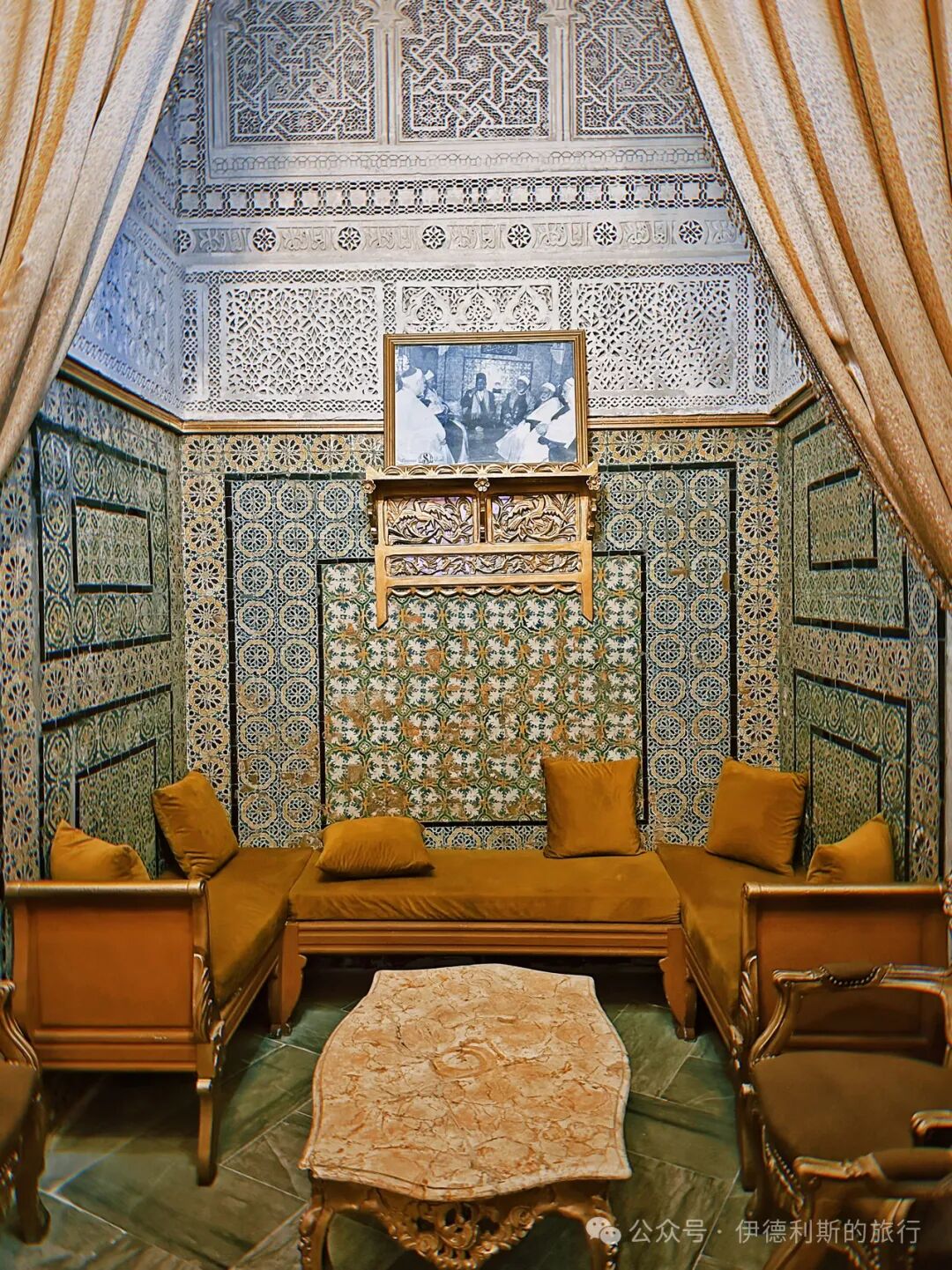
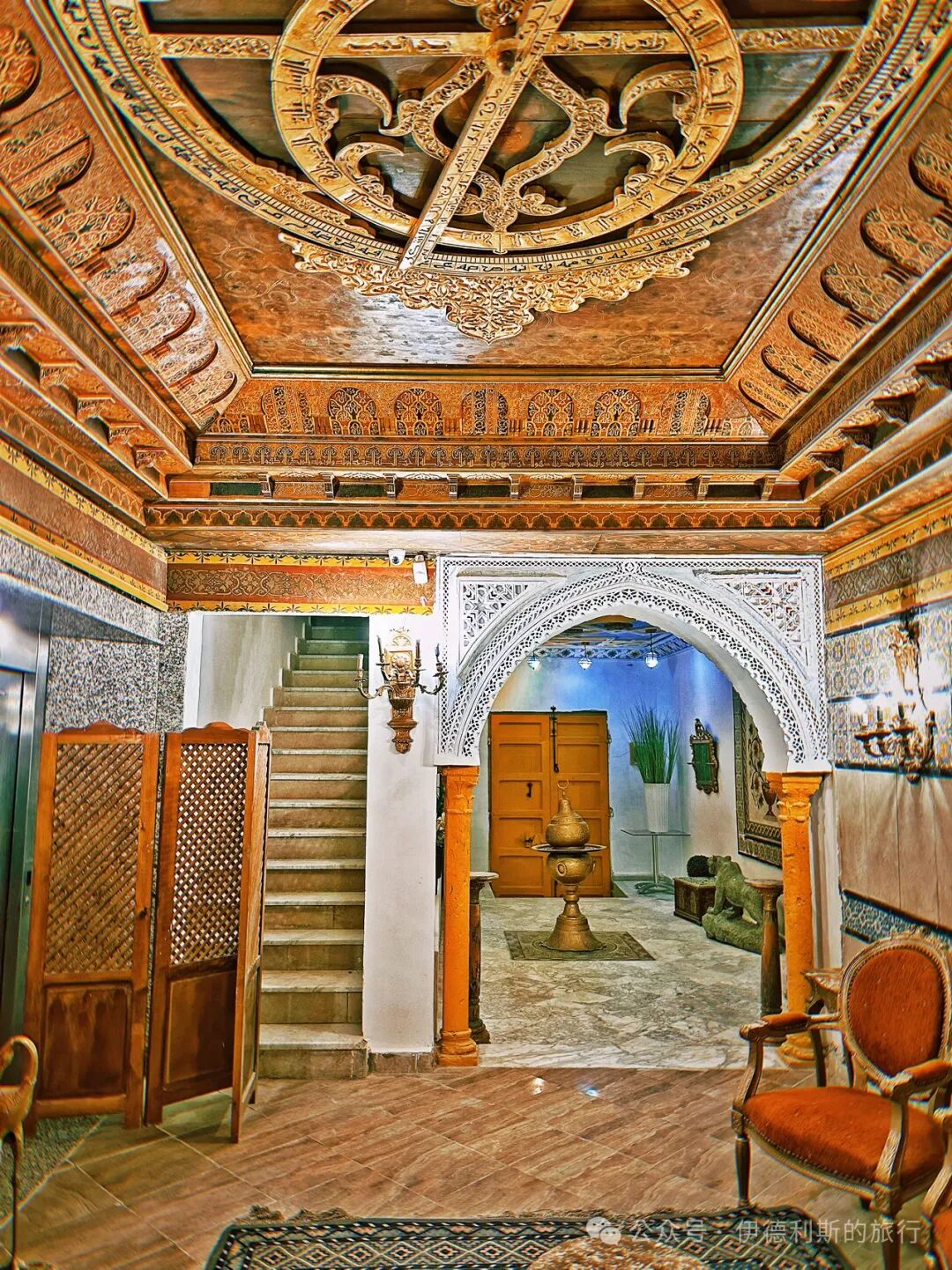
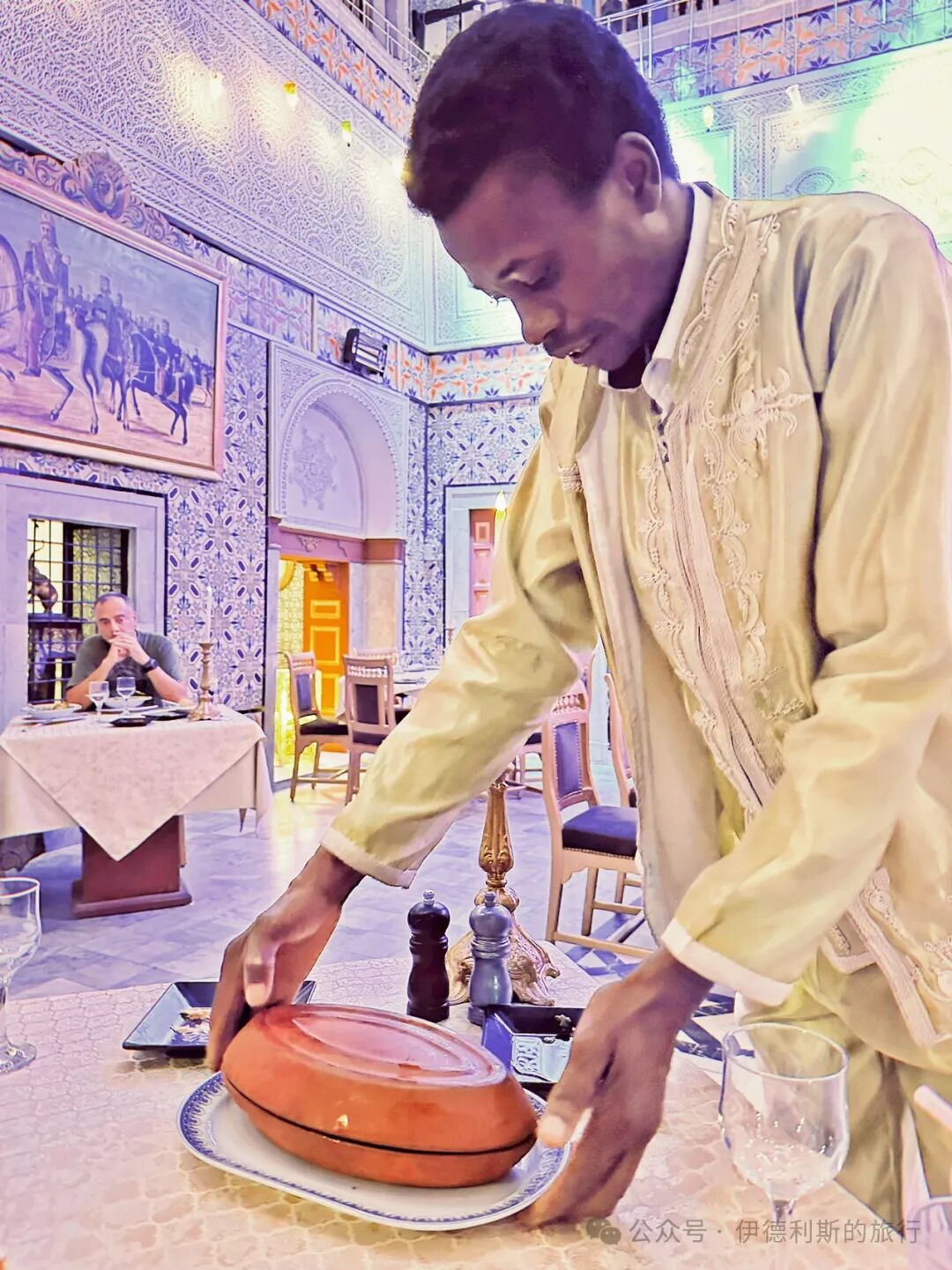
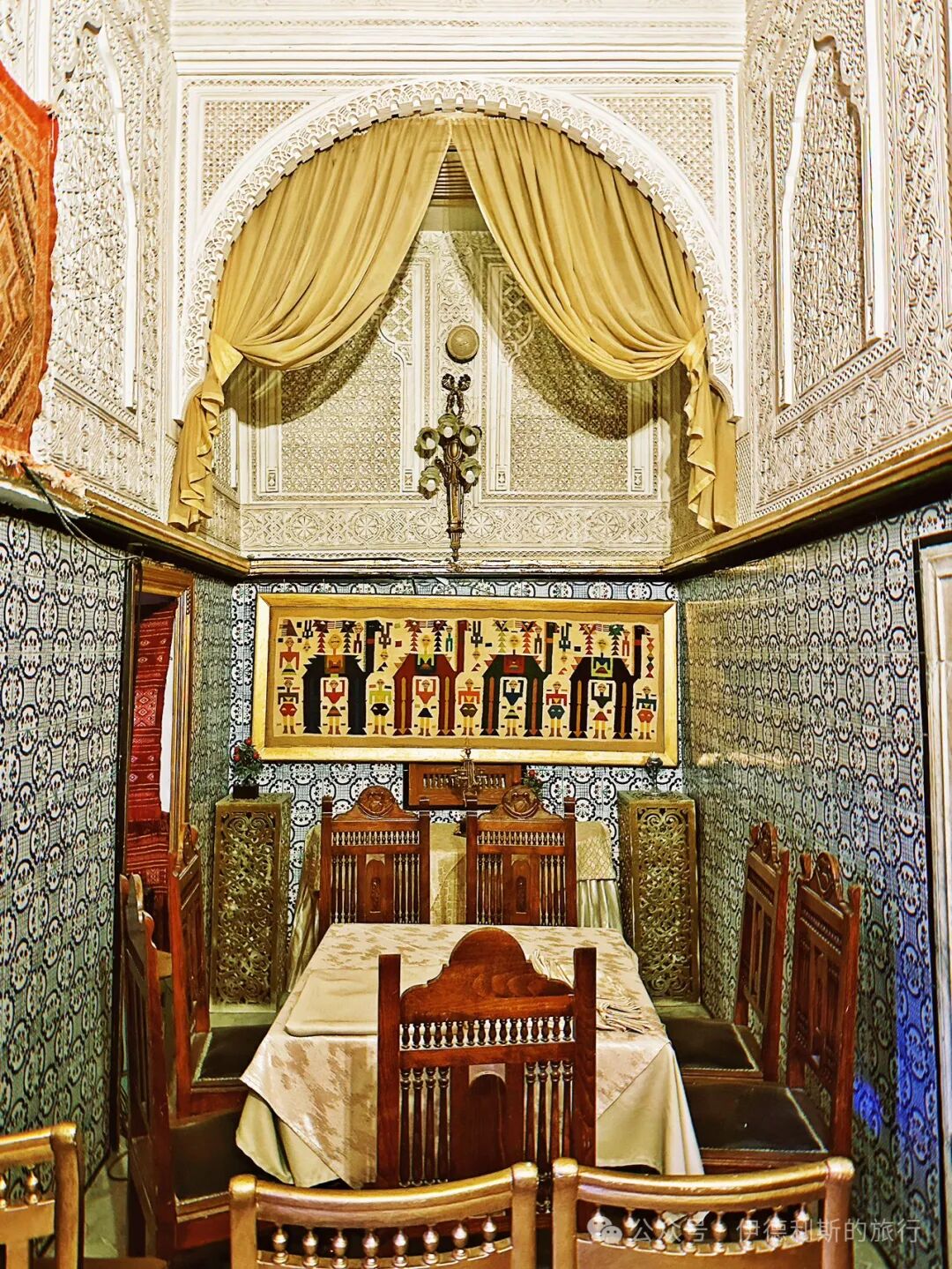
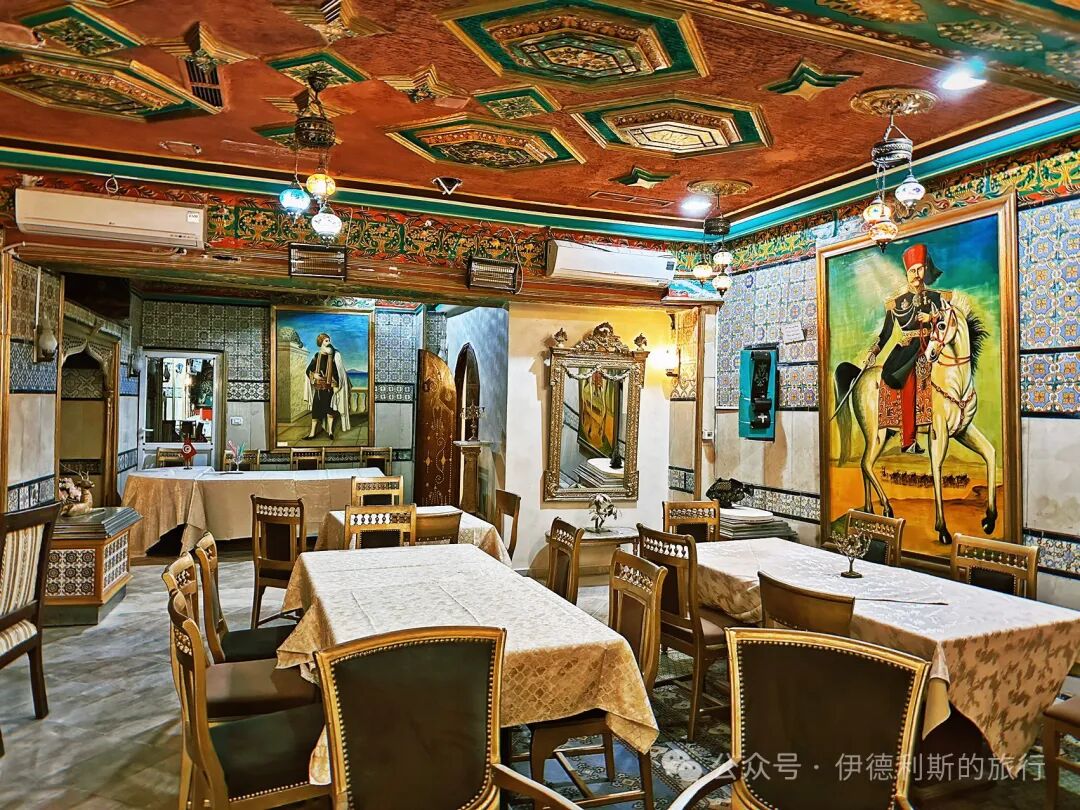
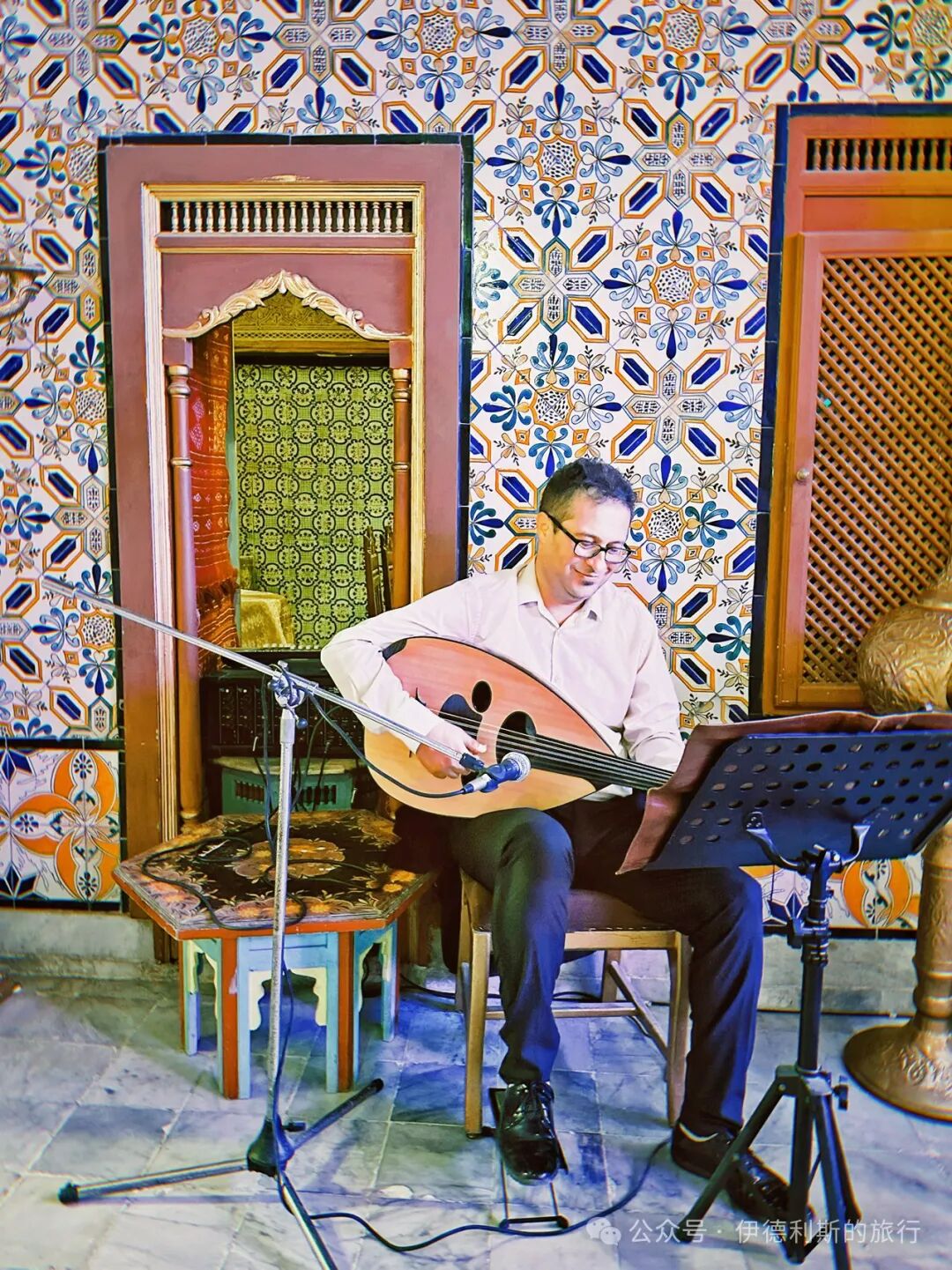
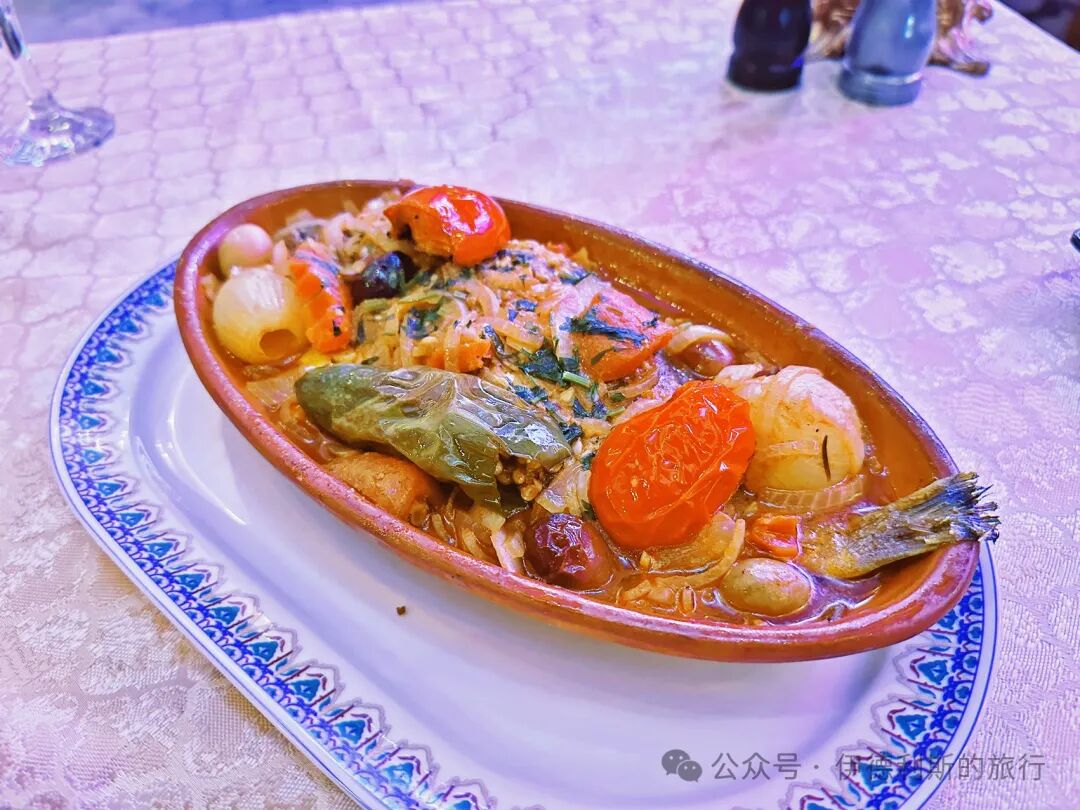
At Essaraya Restaurant, we ordered a Tunisian-style tomato fish stew called Kabkabou, seasoned with onions, black olives, tomatoes, harissa, saffron, and capers. Capers are native to the Mediterranean coast, and the unique aroma in smoked salmon comes from capers. We also ordered an appetizer platter, which is quite worth it; it includes a little bit of everything so you can try them all at once.
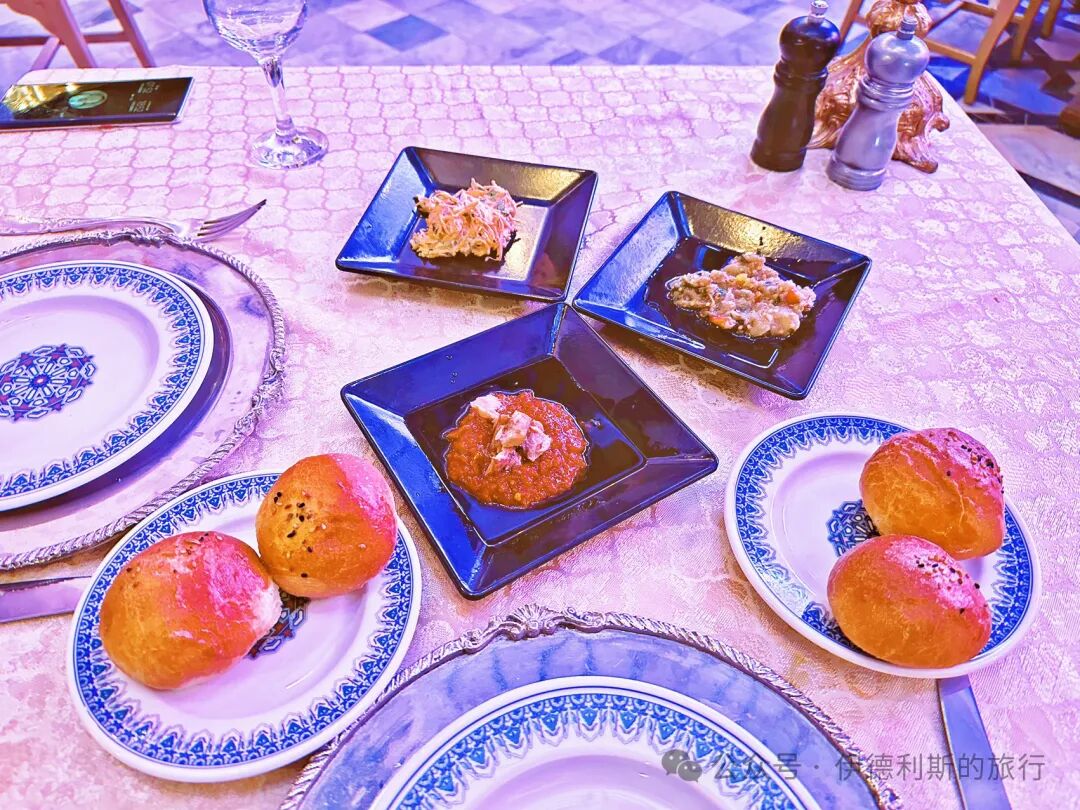
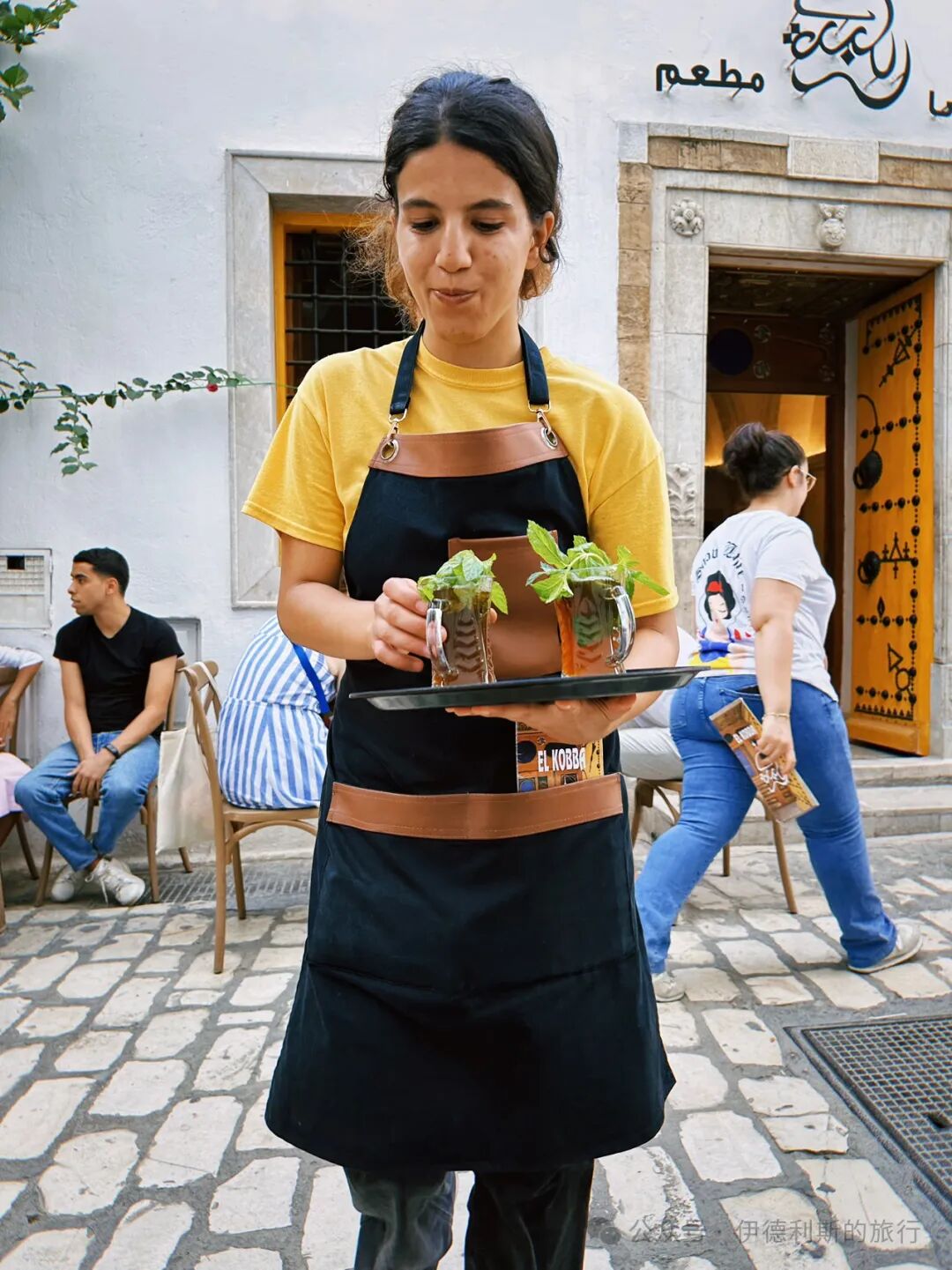
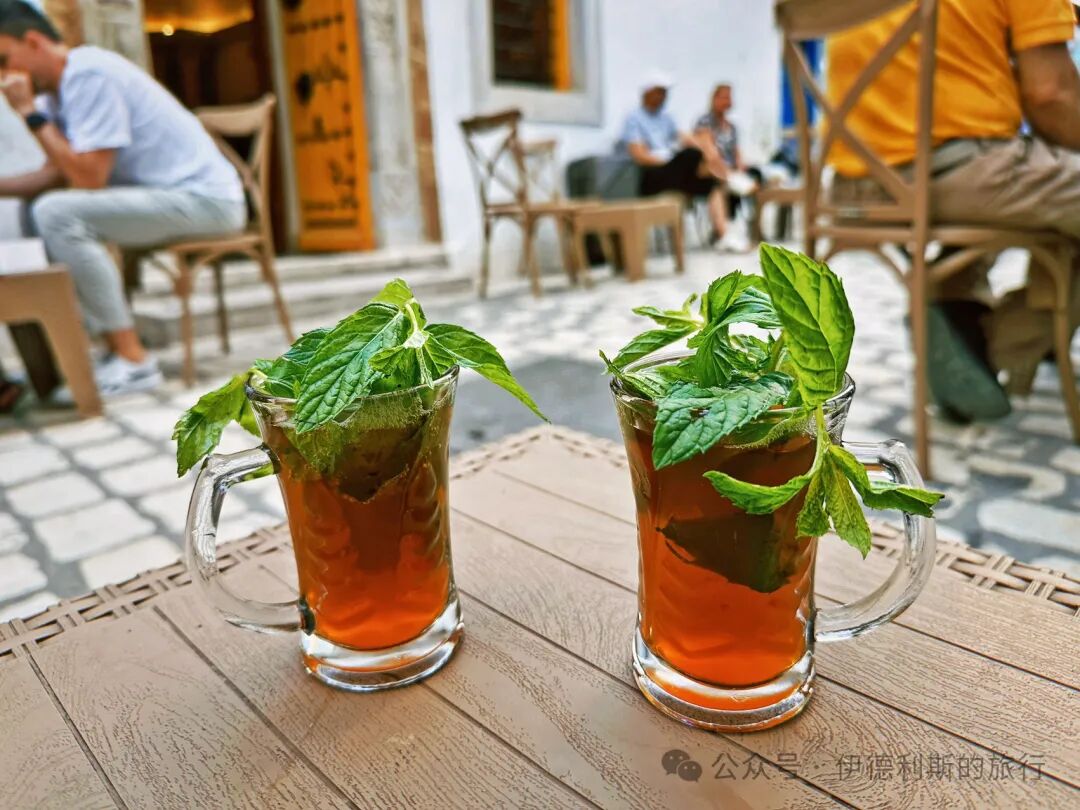
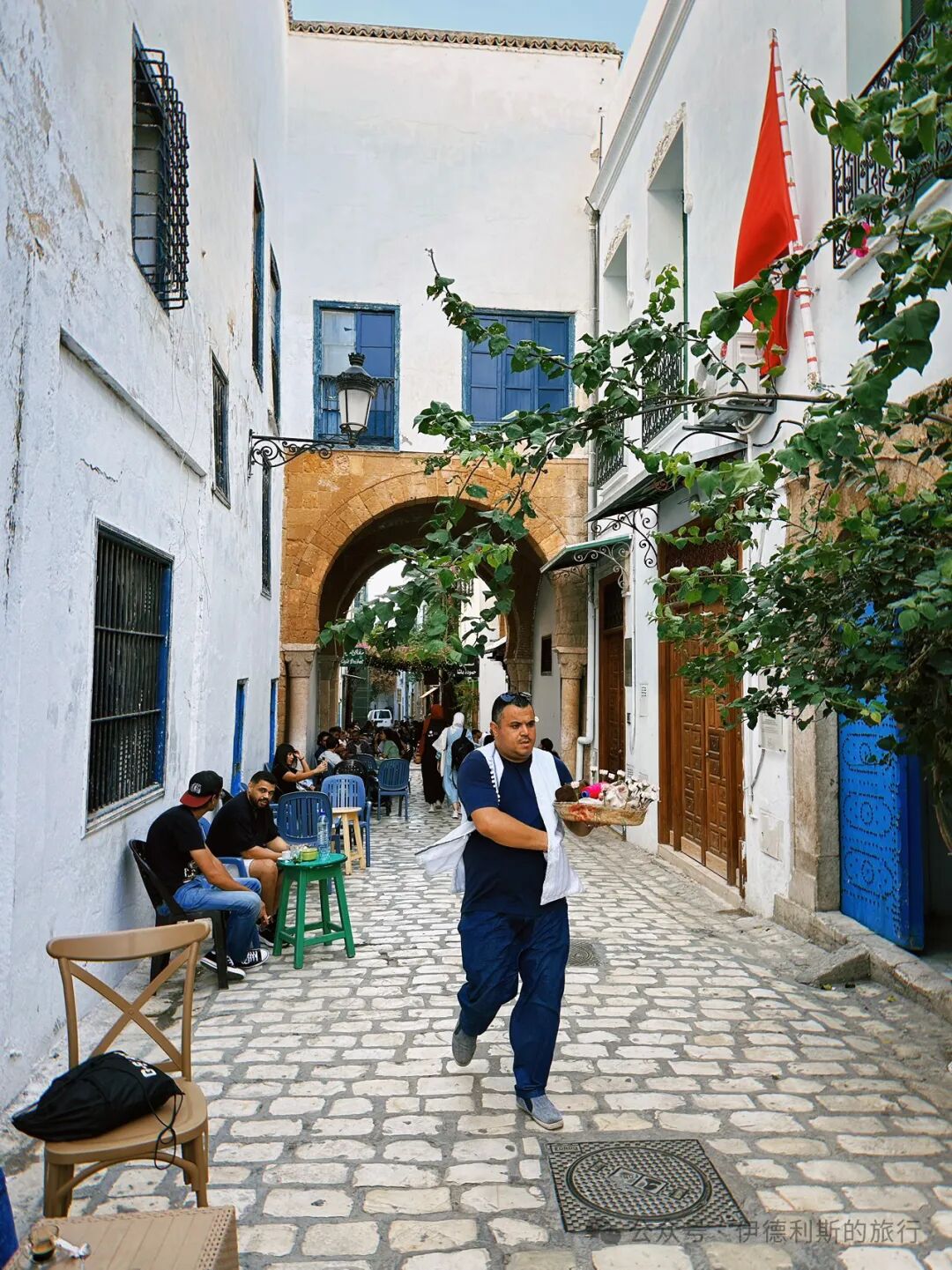
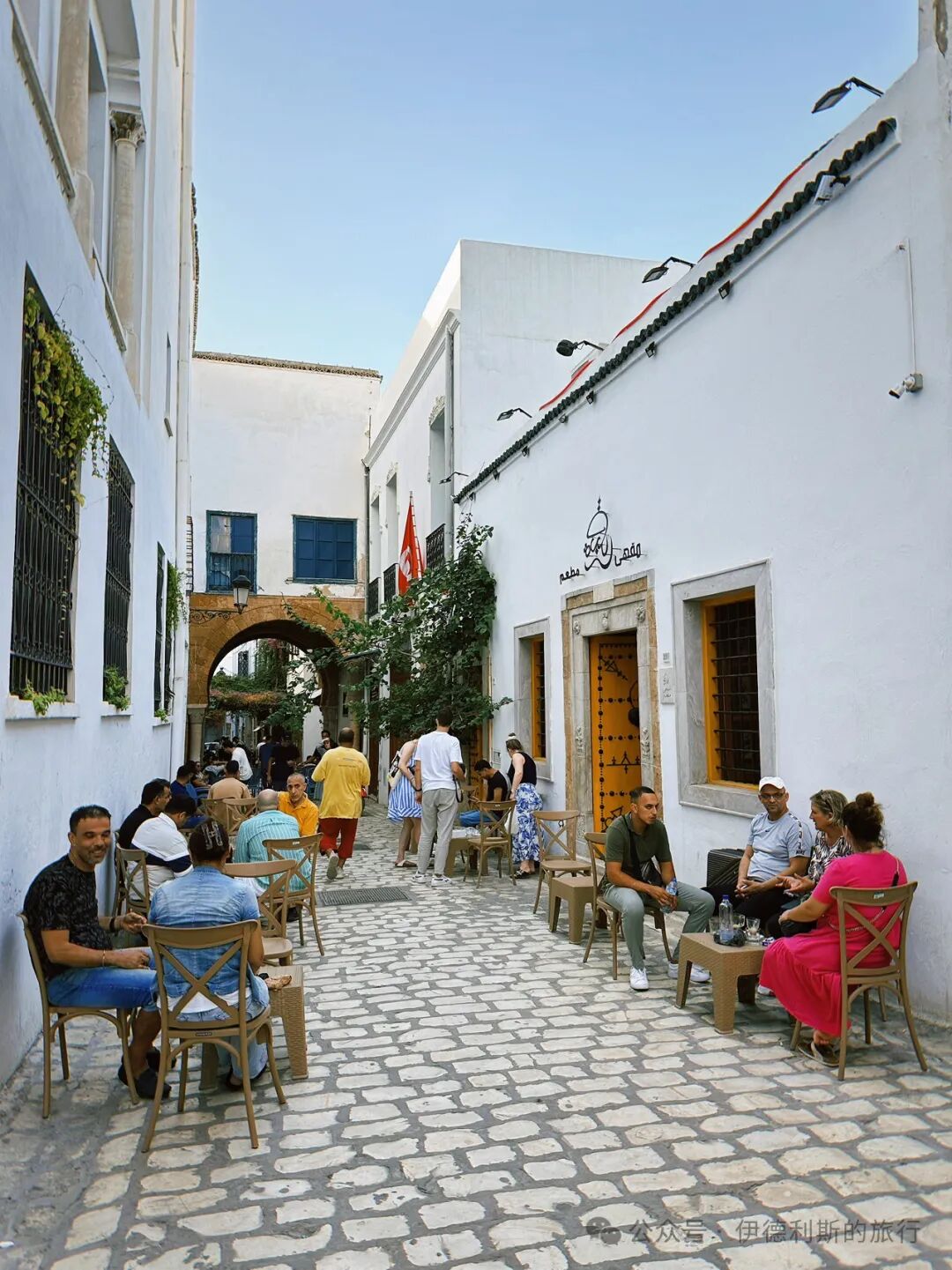
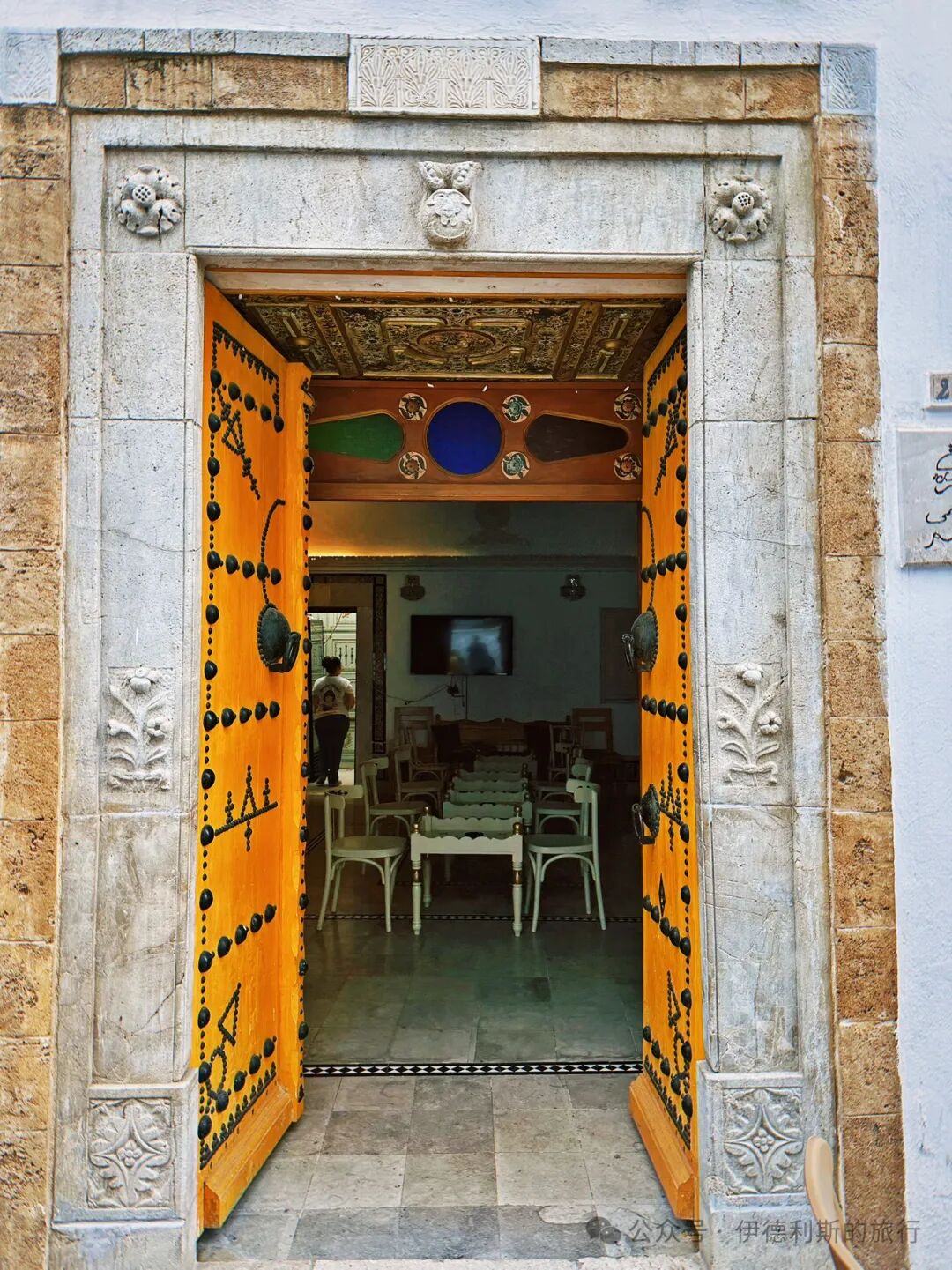
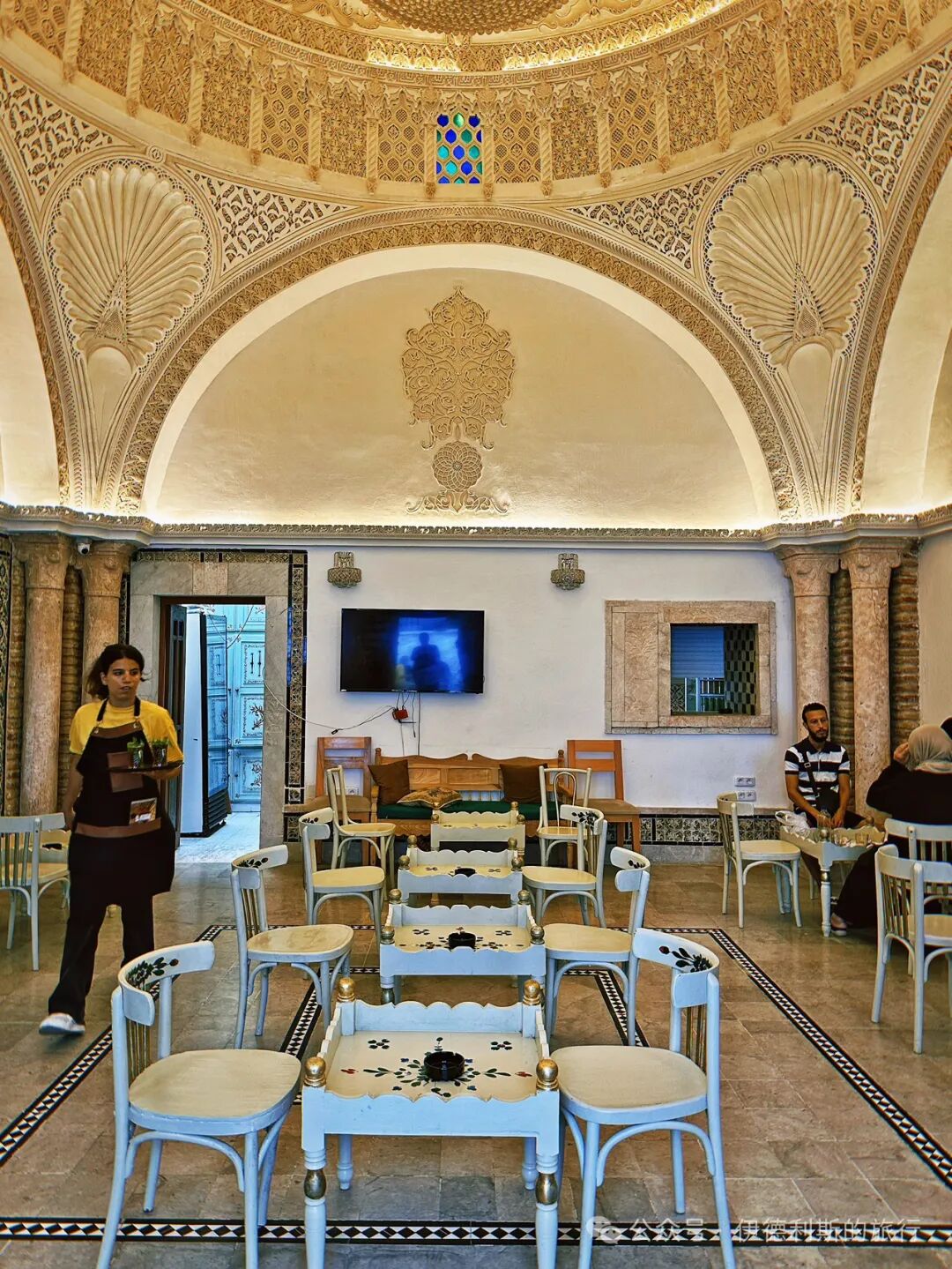
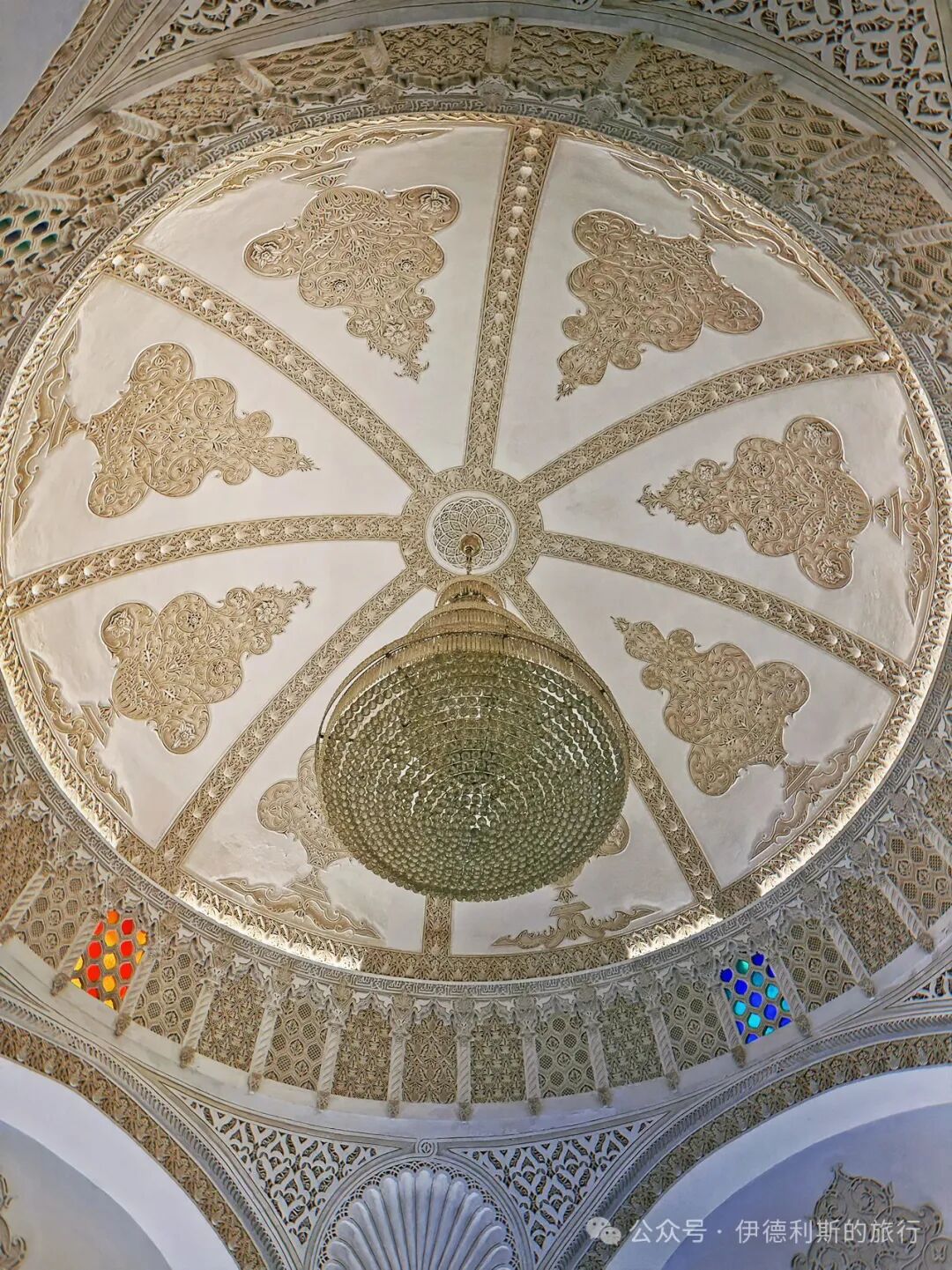
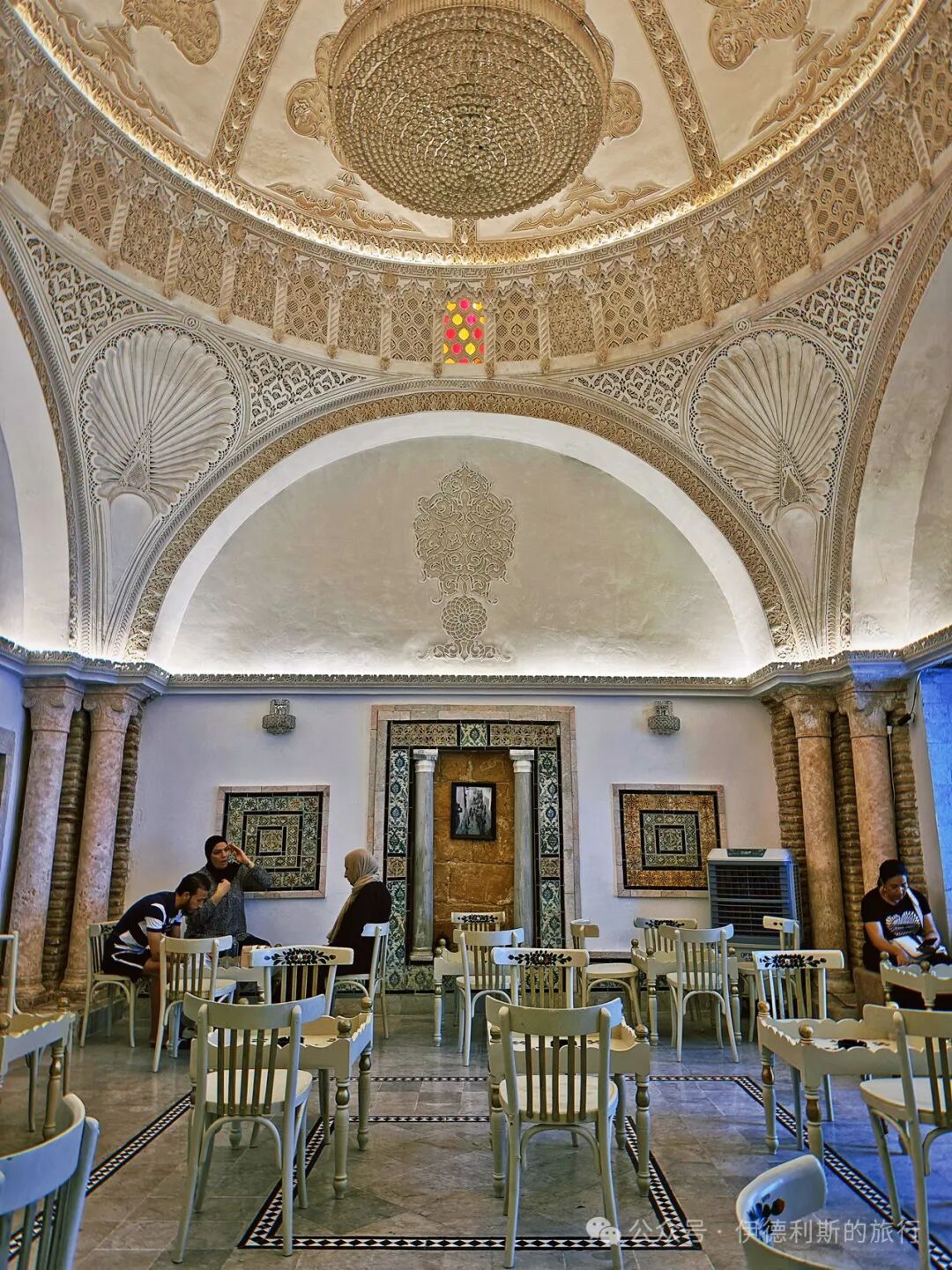
When wandering around the old town, you must have a cup of mint tea on the street. El Qobba, located inside the West Gate, has a great atmosphere with very traditional interior decor and wonderful outdoor views. Ordering a cup of mint tea to chat and enjoy the scenery is very pleasant.
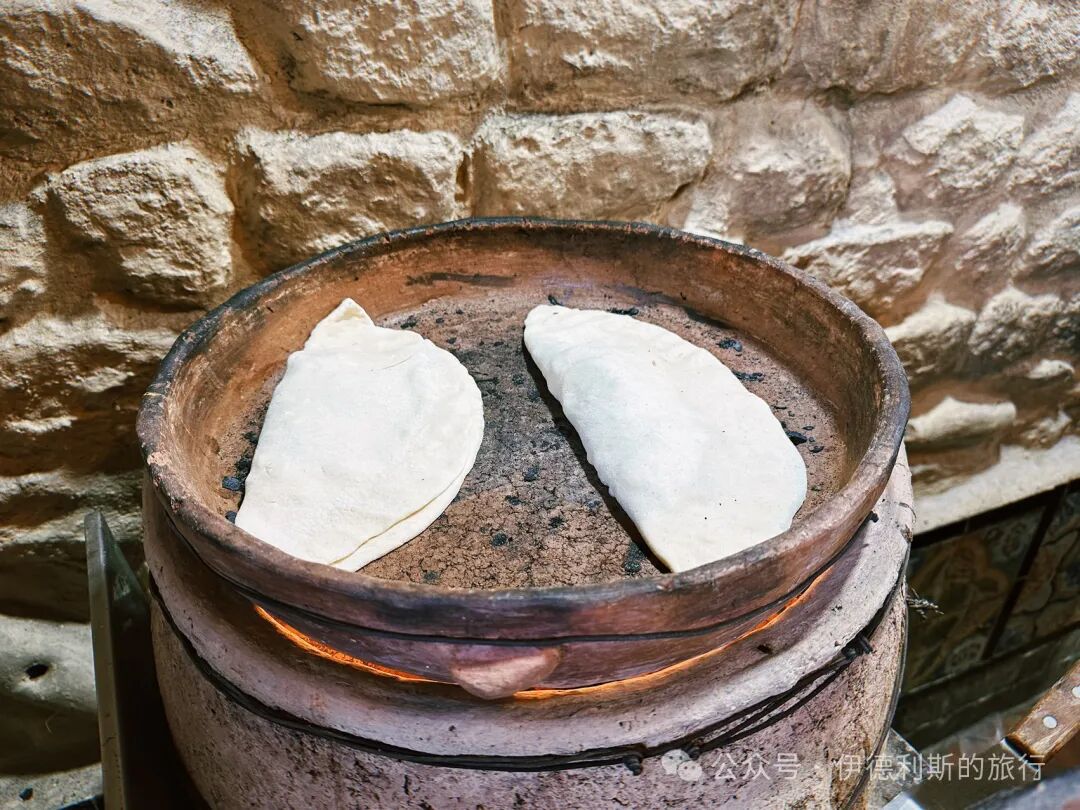
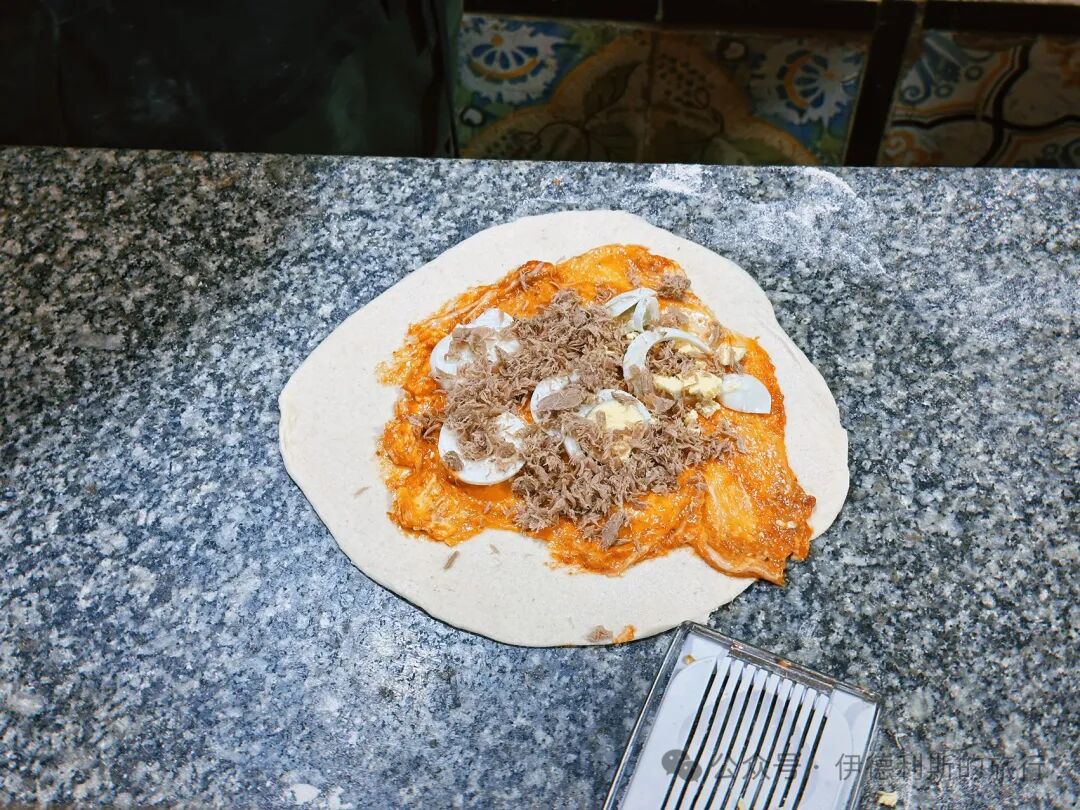
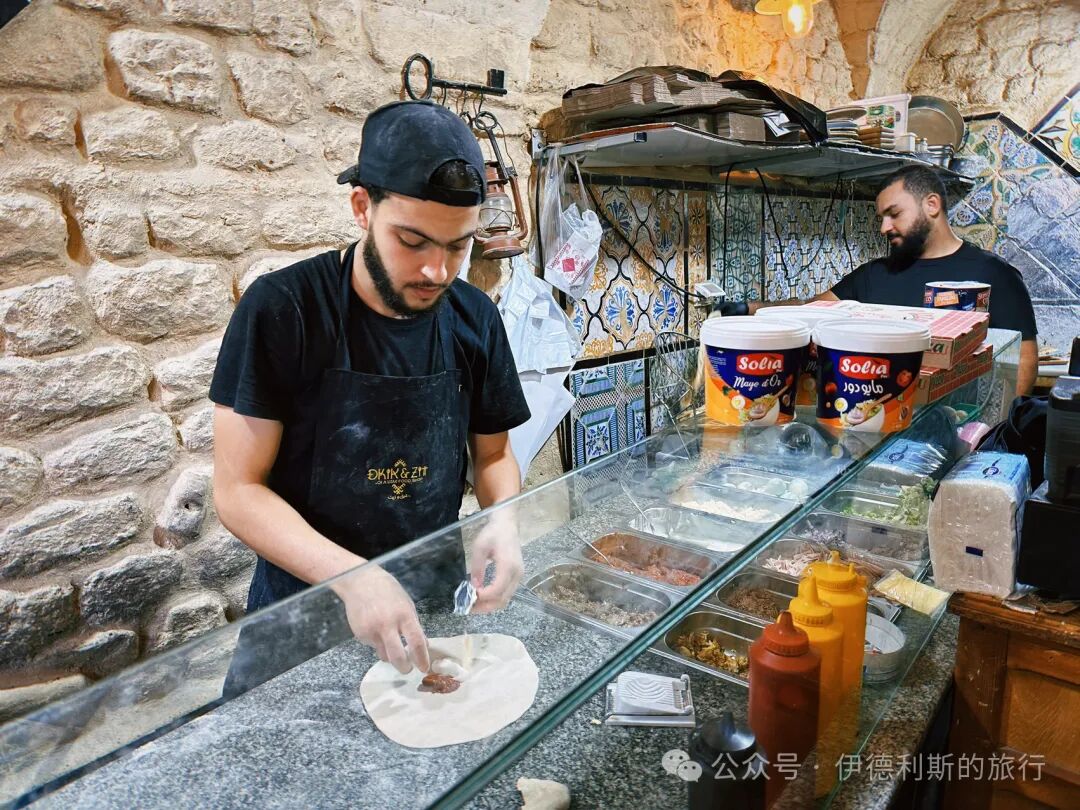
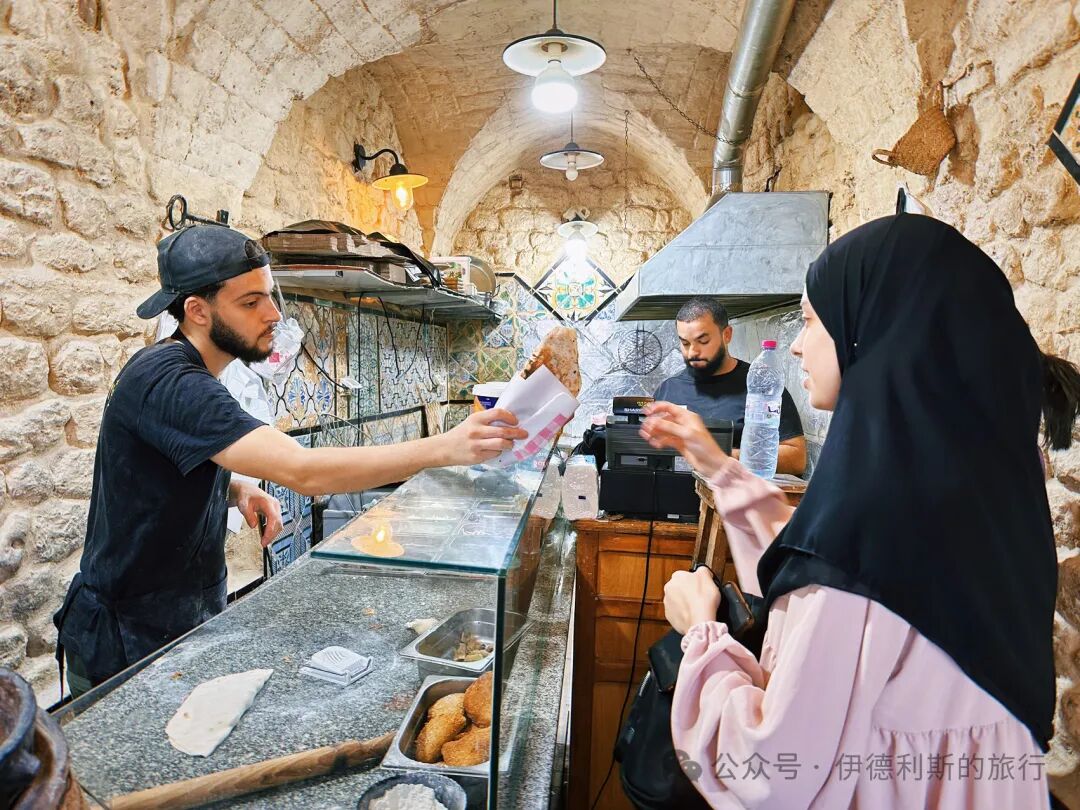
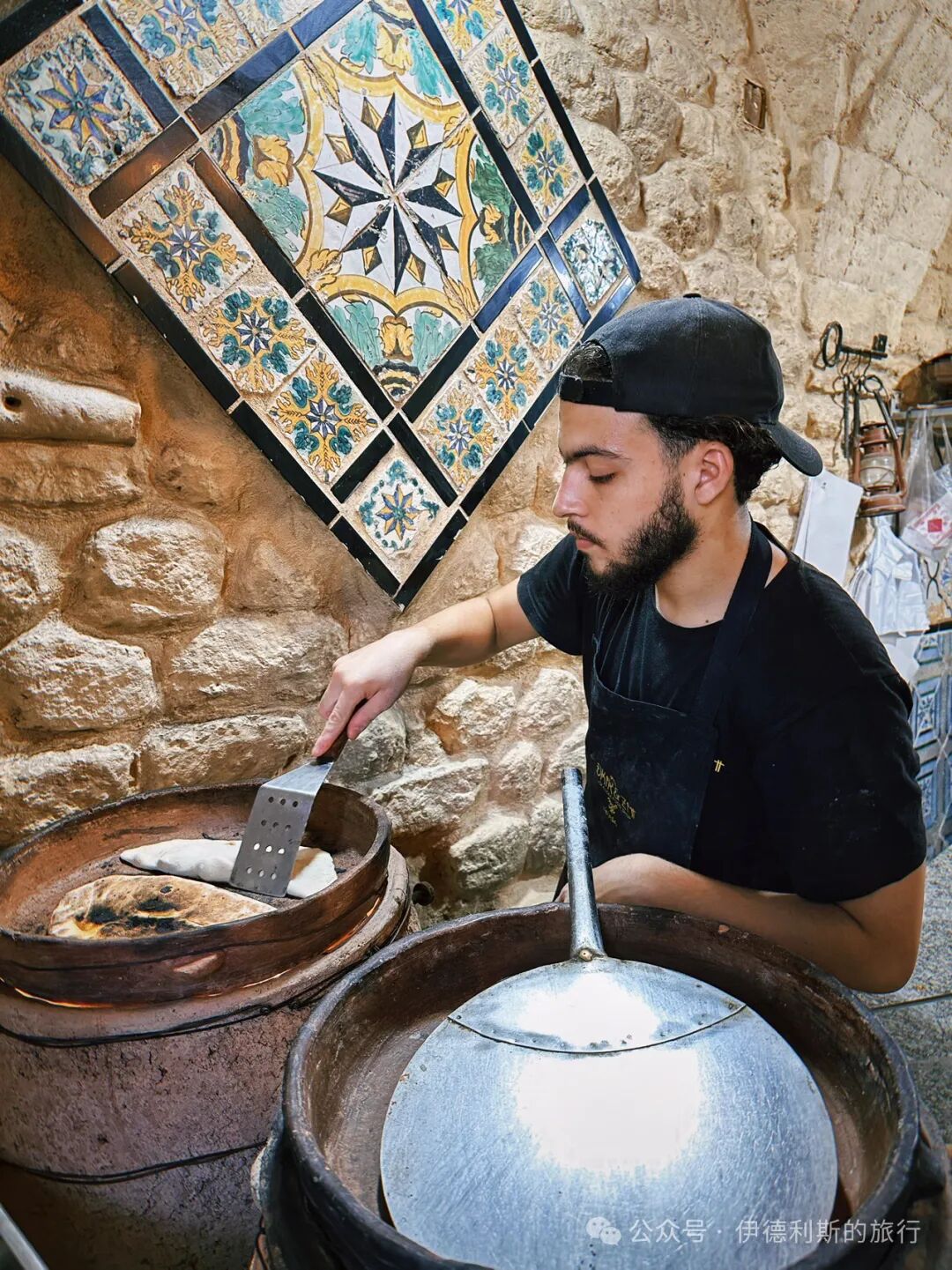
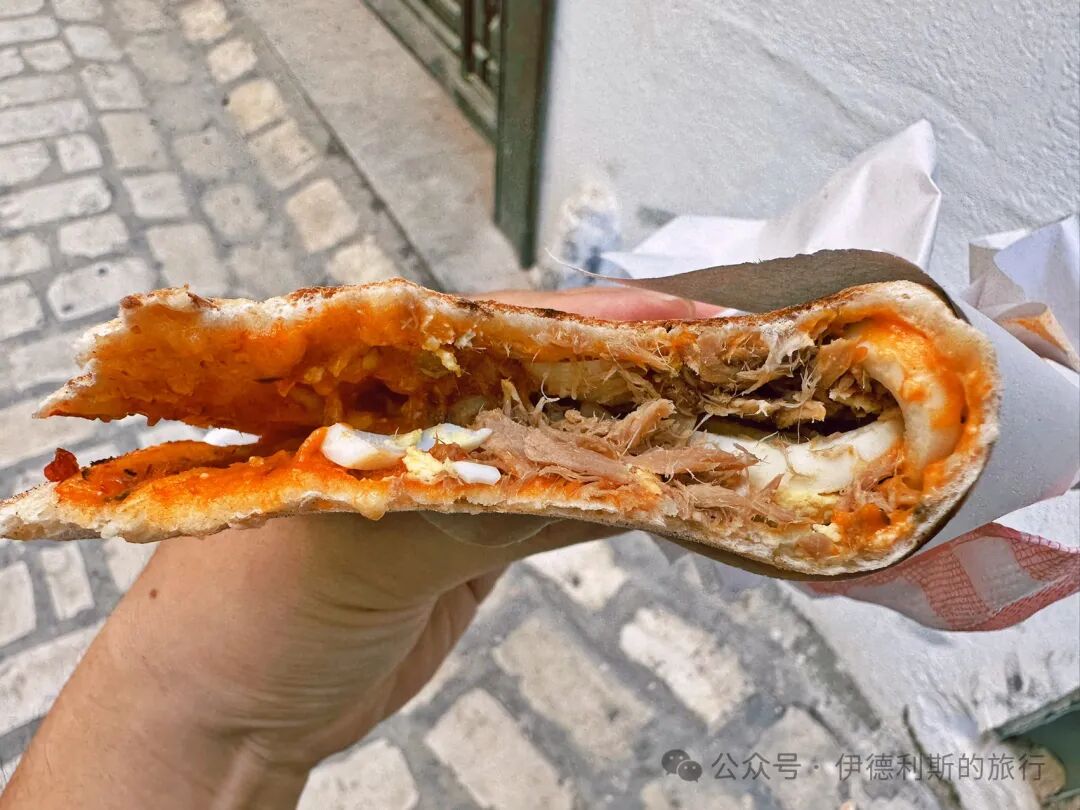
Tunisian chapati flatbread on the streets of the old town. Tunisian chapati flatbread has the same name as Indian chapati bread but is very different. Tunisian chapati flatbread is filled with eggs, minced tuna, and harissa; the ones in the north are round, while the Chapati Mahdia in the eastern coastal regions are semi-circular.
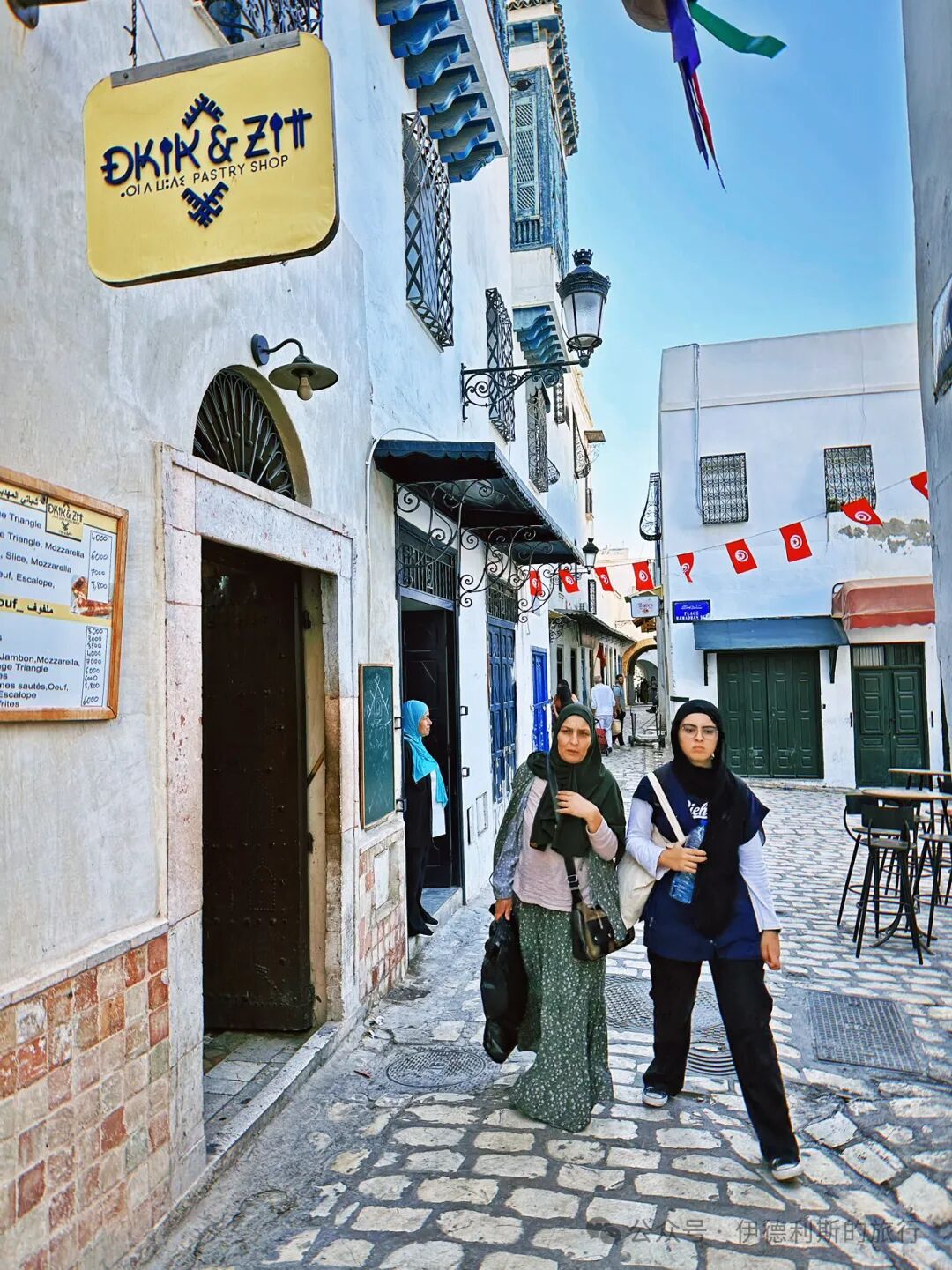
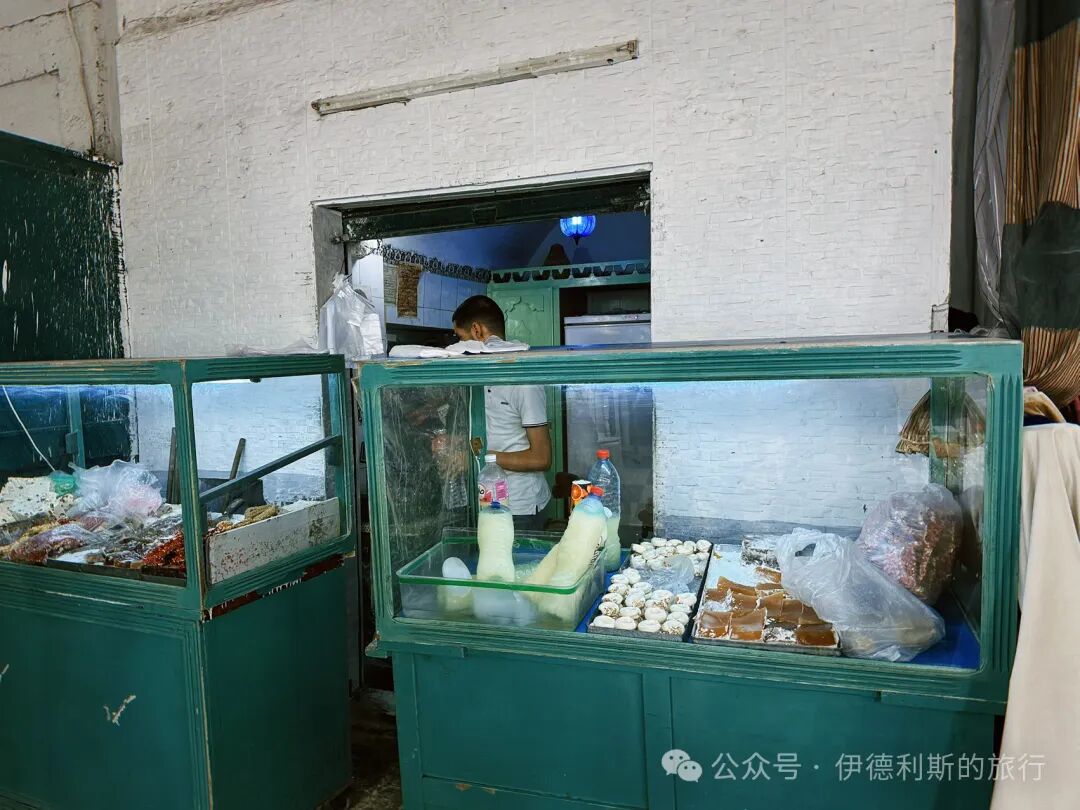
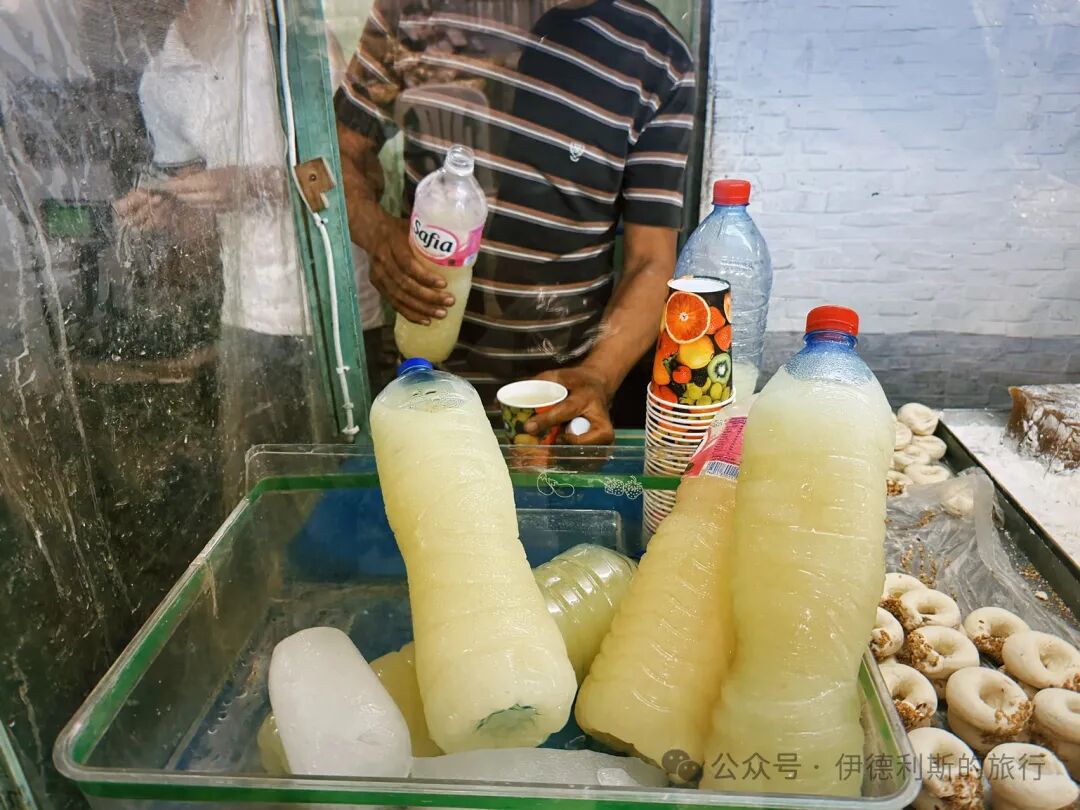
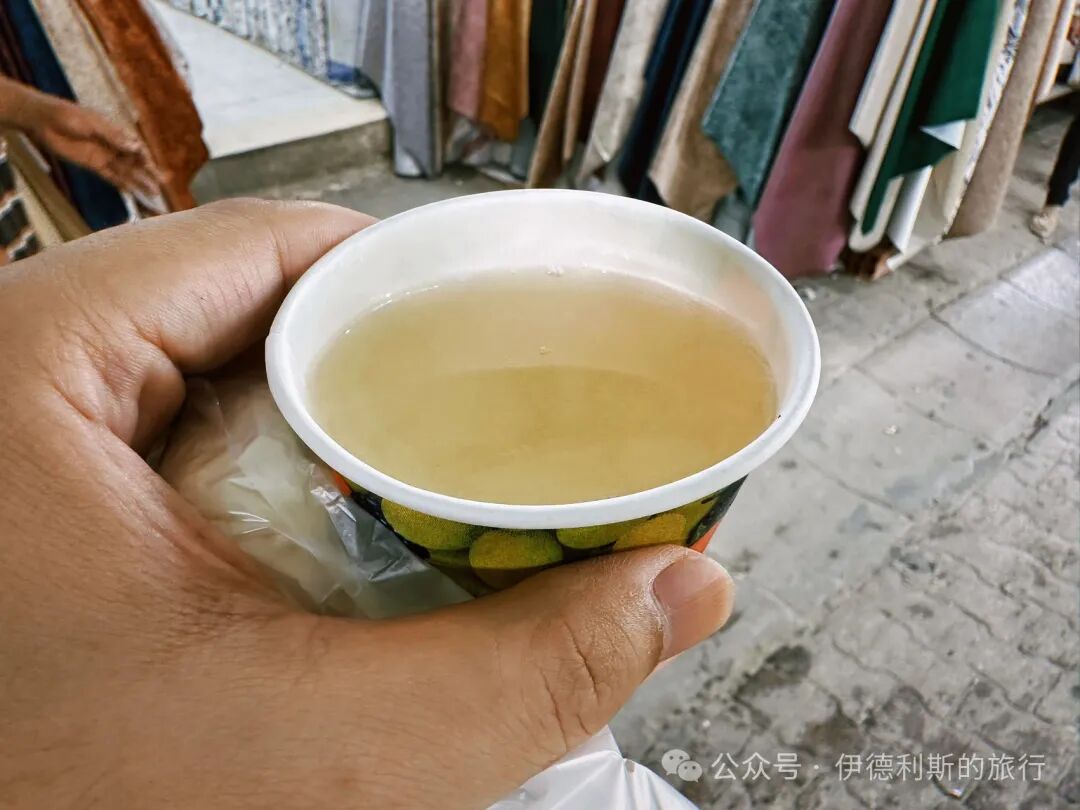
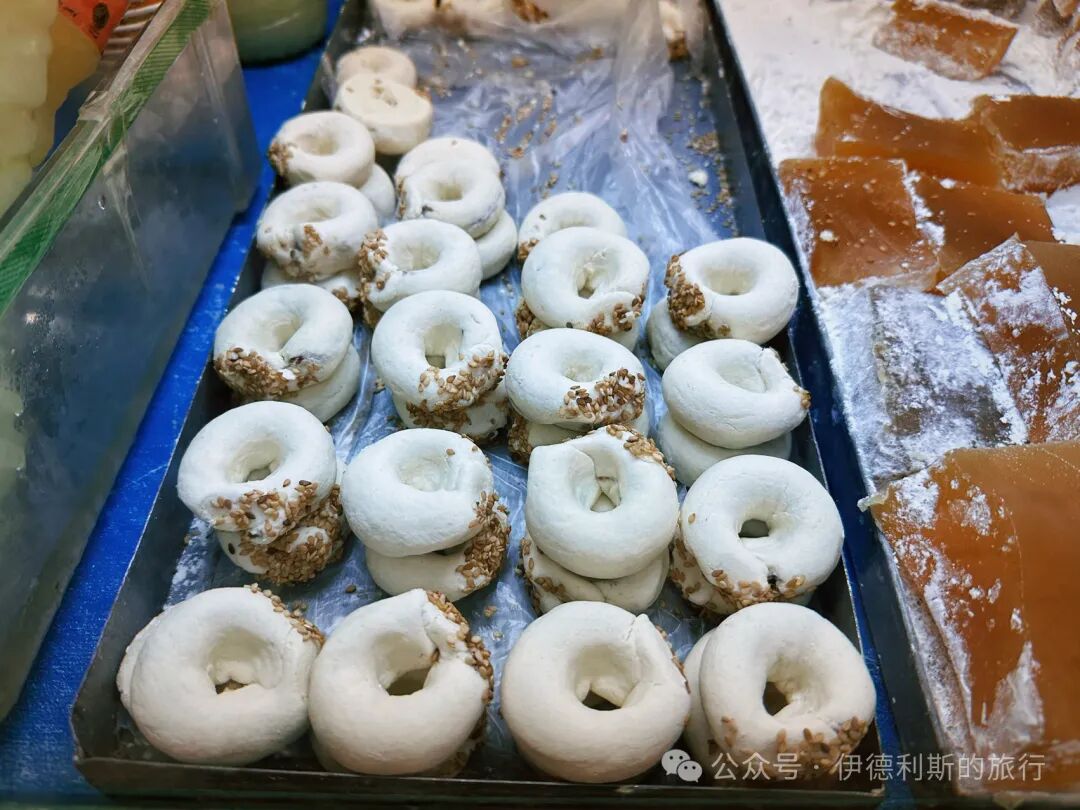
Desserts and lemonade in the market; eat while you walk to experience the charm of the old town.
Summary: This is the first part of a walk through the Medina of Tunis, with attention to historic guesthouses, food, markets, and daily street scenes. It keeps the original place names, cultural notes, and photographs in source order.
The Medina of Tunis was founded in 698. It grew to its current size after becoming the capital of the Hafsid dynasty in 1228. At that time, the Medina of Tunis was one of the grandest cities in Africa, with a population of 100,000, including many Andalusians who fled Spain. During the rule of the Muradids in 1613, the city of Tunis underwent large-scale construction, and many of those buildings still stand today. In 1979, the Medina of Tunis was added to the UNESCO World Heritage list.
The main gate of the Medina of Tunis is Bab al-Bhar on the east side. Tourists visiting the old city usually take a taxi to this spot. There are stalls selling cactus fruit at the gate. It was my first time trying it; they cut it up and sell it by the piece for a cheap price.
Inside the east gate is the main market of the old city. The items sold here are geared toward tourists, and it is the only place in the old city where you will see Chinese tourists.
Accommodation
Just inside the east gate of the old city is the Hotel Royal Victoria, built in 1914. This was the site of the British Consulate in Tunis, founded in 1662. It was rebuilt in the Moorish Revival style in 1914. After Tunisia gained independence in 1956, it became an embassy. It opened as the Hotel Royal Victoria after the embassy moved in 2004. Many guesthouses in the Medina of Tunis do not allow check-ins in the middle of the night. If you arrive in Tunis on a late-night flight, I recommend this hotel, as it is also very easy to reach.
The hotel decor is very retro. Once you step inside, it feels like you have traveled back a hundred years. A plaque on the hotel's outer wall mentions the Treaty of Peace and Commerce between Great Britain and Tunis signed in 1662. In the late 17th century, Tunisia was a regency of the Ottoman Empire. At that time, Tunisia was nominally loyal to the Ottoman Sultan and provided military support, but it actually held the initiative in foreign trade and diplomacy, and it practiced state-sanctioned piracy. In 1662, Britain and Tunisia signed a treaty. Britain would redeem all slaves at the price they were first sold for in the market. At the same time, British ships would not be attacked, British merchants could practice their religion freely and be free from persecution, and all trade would be subject to fixed taxes. From then on, British merchants began to build trade networks in Tunisia. Imported British cloth began to be sold in Tunisian markets, and the British also ate grain products produced in Tunisia.
The hallways, elevators, and ceilings of the Hotel Royal Victoria are decorated with traditional patterns and are very ornate.
The traditional houses inside the old city are definitely worth staying in. There are several traditional houses in the old city where you can stay, but most are private guesthouses. Only a very small number are run by formal hotels, and the prices are very high. The environment of these guesthouses is certainly not as good as high-end hotels, but you can experience the real living environment of the Medina, so it is worth staying for a night.
We stayed at Dar Zyne this time. It is less than a 10-minute walk from the east gate of the old city along the bazaar. The interior decoration is very traditional, just like the old city scenery you would imagine. The room size listed on the booking website is fake; the rooms are actually quite small. Eating breakfast leisurely in the courtyard in the morning feels very worth it.
Inside and outside Dar Zyne, you meet history.
Food
There is a famous Tunisian restaurant called Bab Tounès in a small alley just inside the east gate of the old city, but it does not have the trendy vibe you see back home, and there are not many customers at night. They do not accept credit cards, so remember to bring cash.
They follow the typical Tunisian way of ordering: after you choose your main course, they automatically bring out appetizers and baguette bread. The appetizers are the common Tunisian green pepper salad (Mechouia) and Tunisian salad. Tunisian salad is made of diced cucumbers, tomatoes, and onions mixed with olive oil, topped with boiled eggs and tuna. Mechouia salad contains green peppers, tomatoes, onions, garlic, and other ingredients; Tunisians love it, and it is rich in vitamins and very healthy.
The snack Brik pastry is a North African Berber dish. The filling usually contains eggs, tuna, harissa chili paste (Harissa), and parsley, then it is wrapped in a crispy dough called Malsouka or Warka and deep-fried.
The main course is lamb couscous (Couscous). Couscous is a staple food for the Berber people, made by rubbing semolina into millet-sized grains and then drying them.
The Tunisian specialty dessert Assidat Zgougou is something every family makes during the Prophet's Birthday, then shares with relatives and neighbors.
Assidat Zgougou is made from Mediterranean pine nut powder, flour, milk, and sugar. The dark layer at the bottom is made by grinding Mediterranean pine nuts and cooking them with wheat flour. The top layer is a milk pudding made from milk, starch, sugar, eggs, and orange blossom essence, topped with crushed nuts.
Near our homestay, there is a Tunisian family restaurant called Dar Essafa located in an old house. A grandmother is the owner and chef, and a young Black man is the waiter who speaks English. The shop also has an English menu and follows the same classic set meal style, where you can choose couscous or spaghetti. We had the couscous, served with Tunisian salad, tuna Brik pastry, and baguette, followed by tea and Makroudh cookies, which felt like a real home-cooked Tunisian meal. Makroudh is a classic dessert for breaking the fast in the North African Maghreb region. The outside is made of semolina, and the inside is filled with date paste and dried fruits, then baked and soaked in syrup.
Except for the first day when I had breakfast in the homestay courtyard, I chose restaurants in the Medina old city for breakfast for the following days. This Cafe Restaurant M'rabet is located just west of the Great Mosque of Kairouan (Zaytuna Mosque). The environment inside is excellent, and it is very popular with locals and tourists; if it were back home, it would definitely be a trendy spot for photos.
The ancient building where M'rabet is located was founded in the early 17th century by Ali Thabet, who was a close advisor to Youssef Dey, the ruler of the Ottoman dynasty in Tunisia. This place was a long-time meeting spot for the Ottoman Janissaries and features unique stone pillars and stone benches. The breakfast at the shop is very hearty, with many options ranging from small to large portions. We actually chose the large single-person meal, which includes coffee, fruit, juice, egg pancakes, sausages, various cheeses, and various breads; it is a true example of a healthy Mediterranean diet.
El Ali Restaurant & Cafe in the old town is also inside an old building, but the rooftop terrace is very bright and perfect for a relaxing brunch. We ordered the single-person breakfast set, which comes with various cheeses, bread, fried eggs, a large sausage and cheese wrap, lemonade, and coffee; it was just the right amount for two people.
Essaraya Restaurant is likely the most ornately decorated restaurant in the old town, styled entirely after the 18th and 19th-century Husainid dynasty, with very old-school waiters and live oud music performances. The entrance is inside the old town market and is very easy to miss; we happened to run into a waiter guiding people at the door when we arrived. I also recommend coming during the day, as they turn on purple mood lighting in the hall at night, which does not look good in photos.
At Essaraya Restaurant, we ordered a Tunisian-style tomato fish stew called Kabkabou, seasoned with onions, black olives, tomatoes, harissa, saffron, and capers. Capers are native to the Mediterranean coast, and the unique aroma in smoked salmon comes from capers. We also ordered an appetizer platter, which is quite worth it; it includes a little bit of everything so you can try them all at once.
When wandering around the old town, you must have a cup of mint tea on the street. El Qobba, located inside the West Gate, has a great atmosphere with very traditional interior decor and wonderful outdoor views. Ordering a cup of mint tea to chat and enjoy the scenery is very pleasant.
Tunisian chapati flatbread on the streets of the old town. Tunisian chapati flatbread has the same name as Indian chapati bread but is very different. Tunisian chapati flatbread is filled with eggs, minced tuna, and harissa; the ones in the north are round, while the Chapati Mahdia in the eastern coastal regions are semi-circular.
Desserts and lemonade in the market; eat while you walk to experience the charm of the old town.
