
Muslim History Guide Cairo: 22 Ancient Mosques and Islamic Heritage (Part 1)
Reposted from the web
Summary: This first part of the Cairo mosque journey begins with early landmarks such as Al-Hakim Mosque and Al-Aqmar Mosque. It preserves the source's mosque names, founding years, dynastic context, street route, architectural details, and photographs.
Al-Hakim Mosque: 1013
Al-Aqmar Mosque: 1125
Al-Ashraf Mosque: 1424
Al-Azhar Mosque: 972
Al-Hussein Mosque: built in 1154, rebuilt in 1874
Abu al-Dhahab Mosque: 1774
Al-Muayyad Mosque: 1415
Al-Salih Tala'i Mosque: 1160
Mahmud al-Kurdi Mosque: 1395
Qijmas al-Ishaqi Mosque: 1480
Mosque of Ahmad al-Mihmandar: 1324
Mosque of Amir Altinbugha al-Mardani: 1338
Mosque of Umm al-Sultan Sha'ban: 1368
Blue Mosque: 1347
Sayyida Fatima Mosque: 18th-century expansion
Khayrbak Mosque: 1519
Sultan Hasan Mosque: 1356
Rifa'i Mosque: 1869.
Ibn Tulun Mosque: 876.
Taghribirdi Mosque: 1440
Shaykhu Mosque: 1349
Qanibay al-Muhammadi Mosque: 1413
Al-Hakim Mosque: 1013
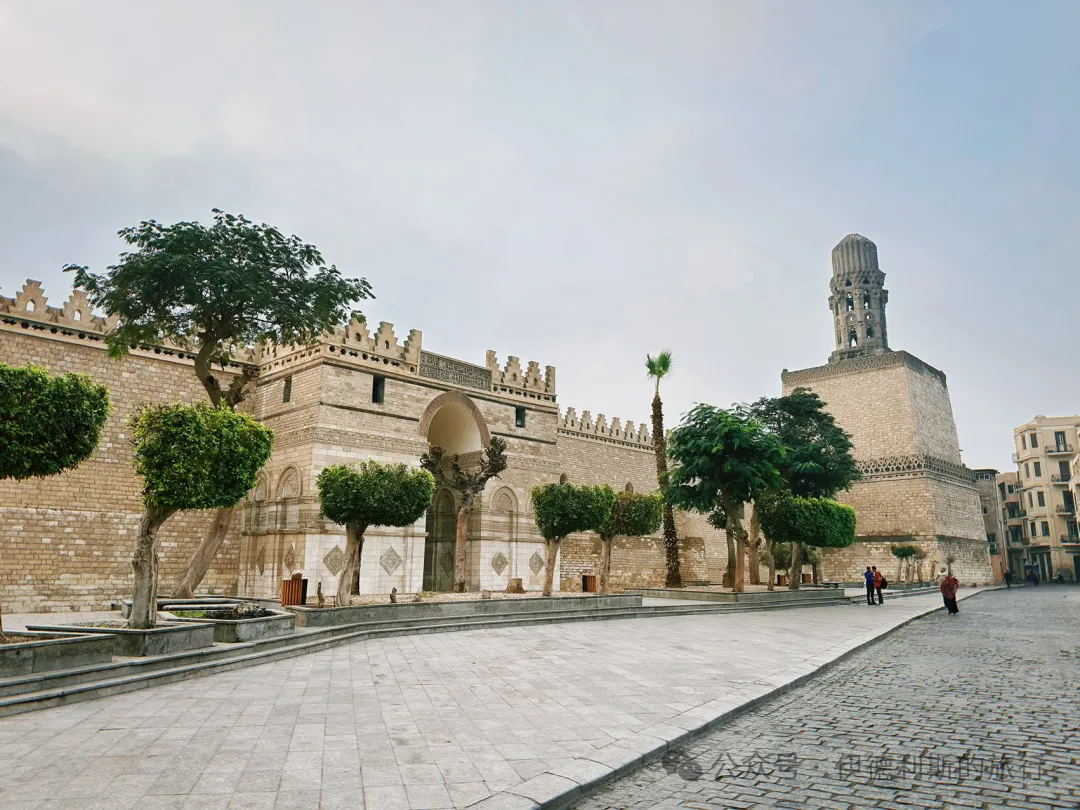
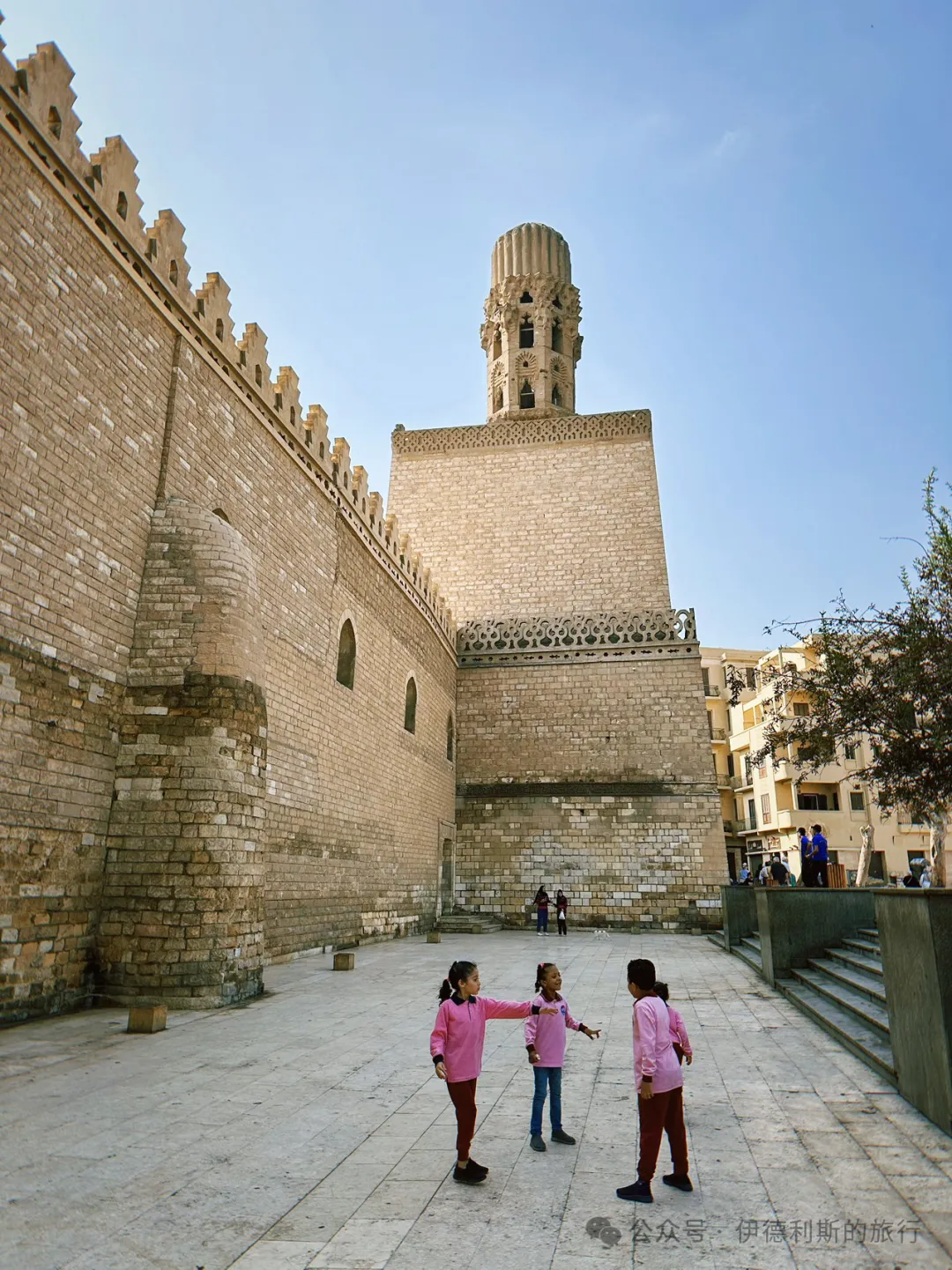
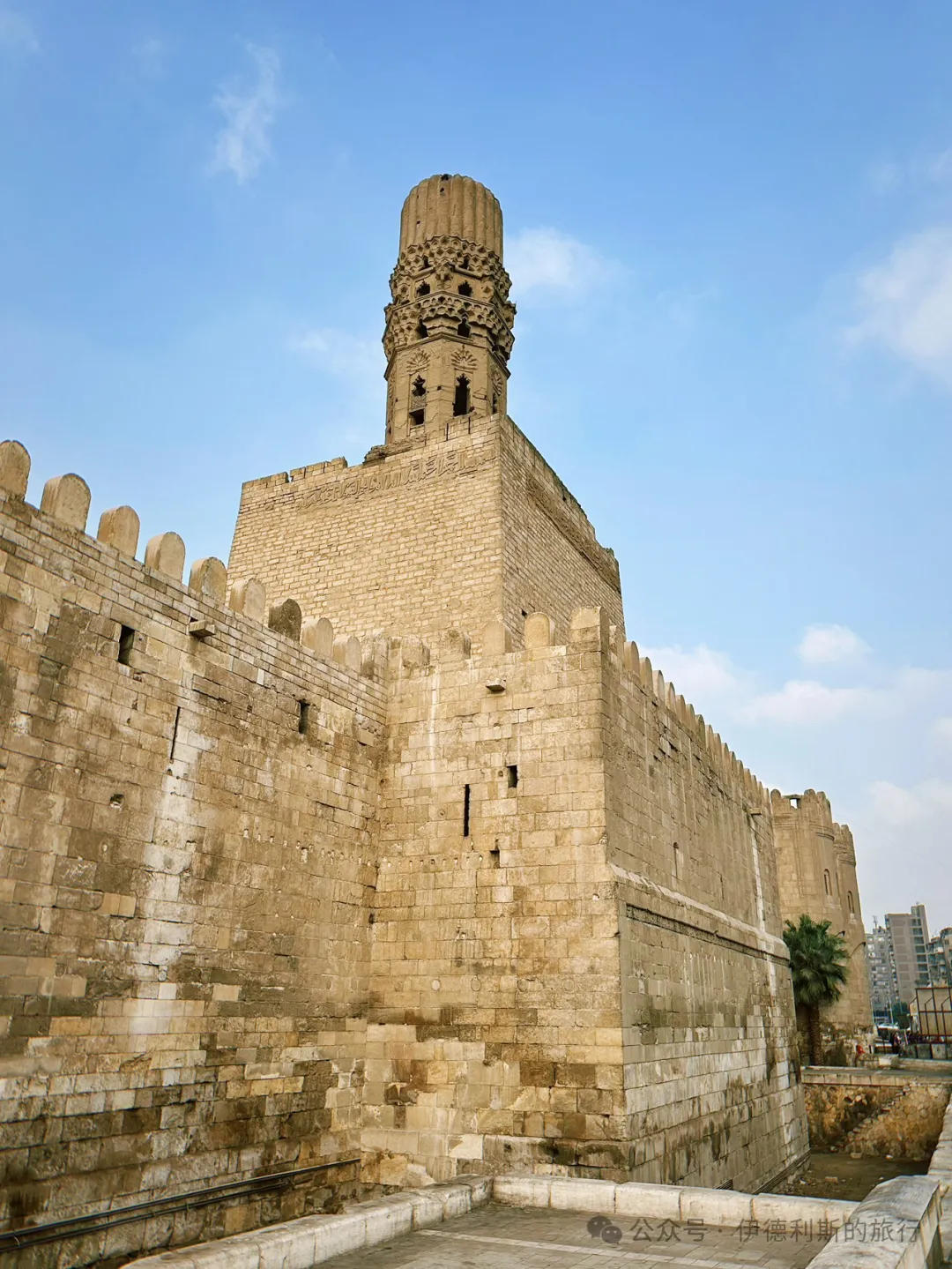
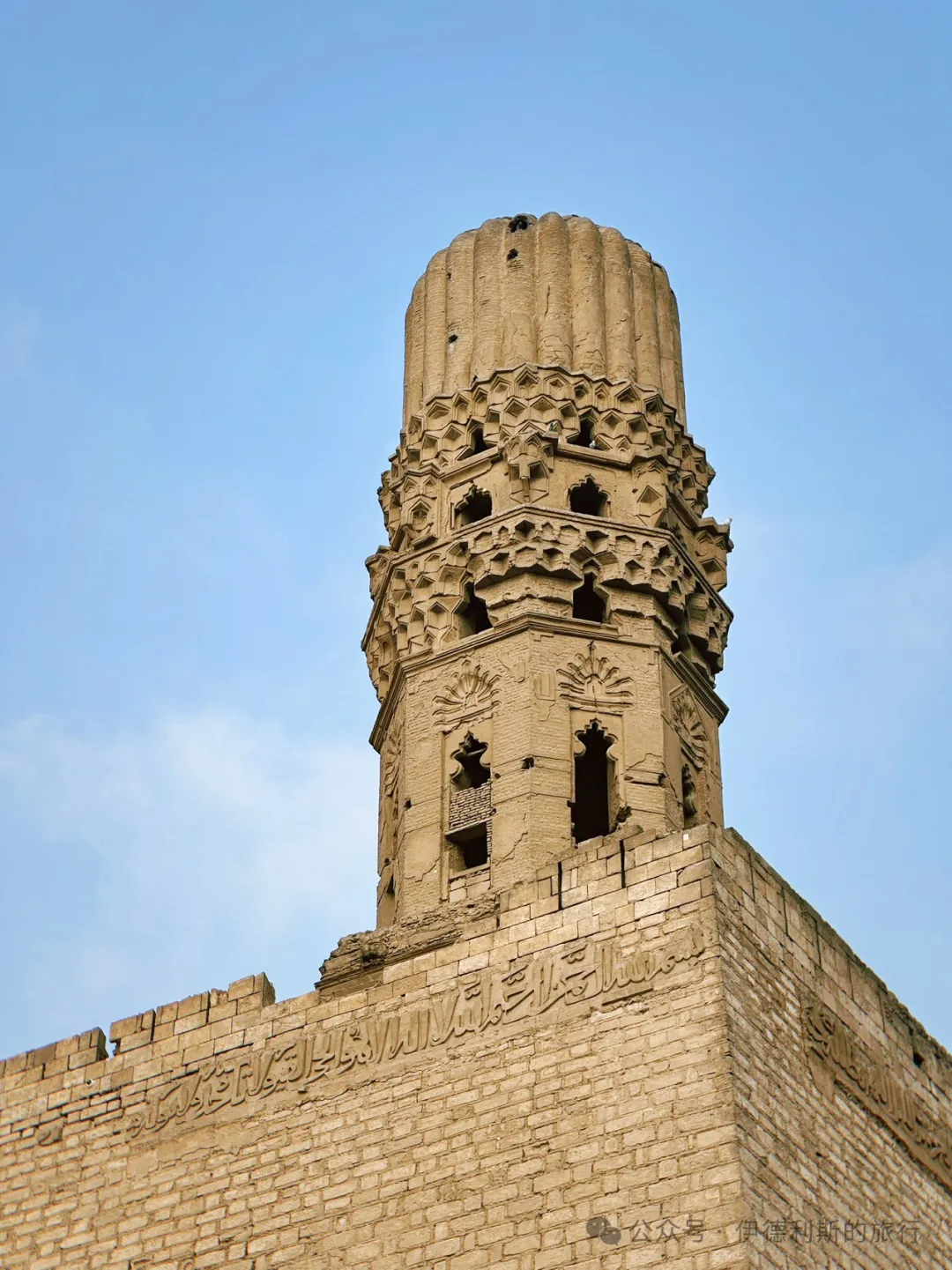
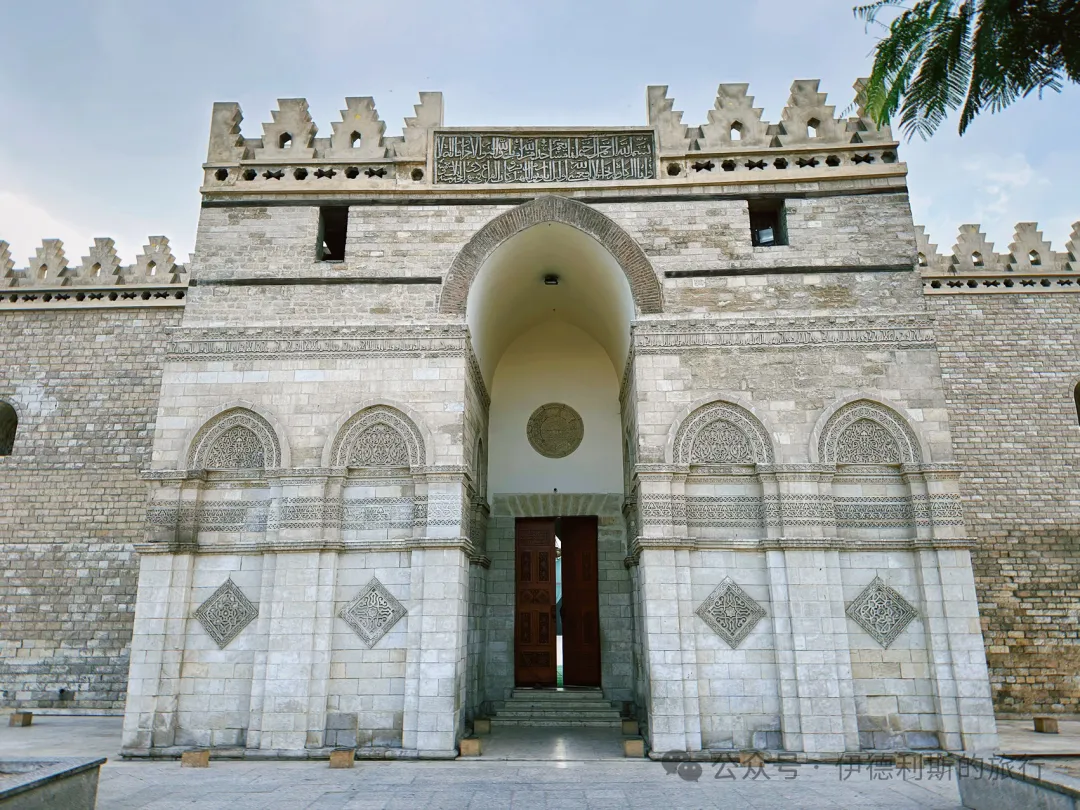
Right next to the north wall of Old Cairo is the Al-Hakim Mosque. It is named after the sixth caliph of the Fatimid dynasty, who was also the 16th imam of the Ismaili branch of Shia Islam, Al-Hakim bi-Amr Allah (reigned 996-1021). The Al-Hakim Mosque was started in 990 by the fifth Fatimid Caliph, al-Aziz Billah (reigned 975-996), and finished in 1013 by Caliph al-Hakim. It is now 1,012 years old.
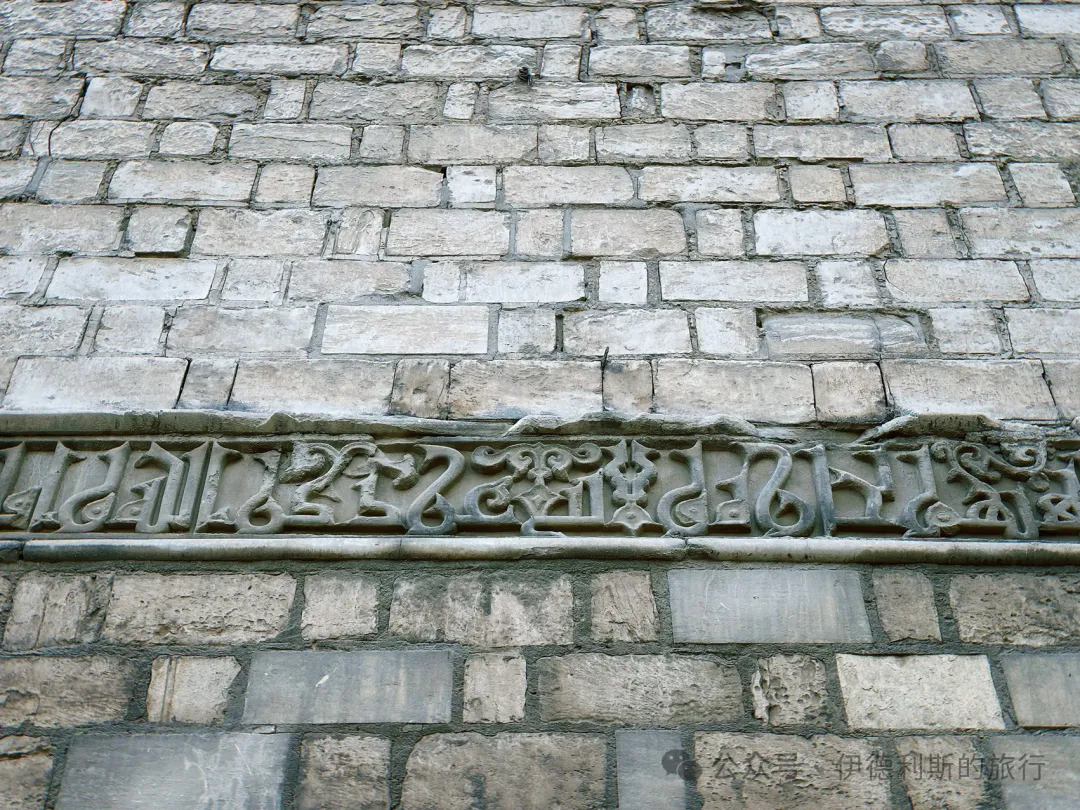
The mosque originally sat outside the Cairo city walls, but it was brought inside after the walls were rebuilt in 1087. Its architectural style is similar to the Al-Azhar Mosque, but it is twice as large. The most striking features are the two minarets built on square brick bases. When the minarets were first built in 1003, they were separate structures. They were not encased in brick until 1010. Some scholars suggest this change relates to 1010, when the ruler of Mecca rejected Fatimid authority, weakening the dynasty's power. The outer wall of the southern brick base has Fatimid-era marble carvings in Kufic script. Because the northern base was incorporated into the northern wall of Old Cairo in 1087, its Kufic carvings were moved to the outside of the city wall.
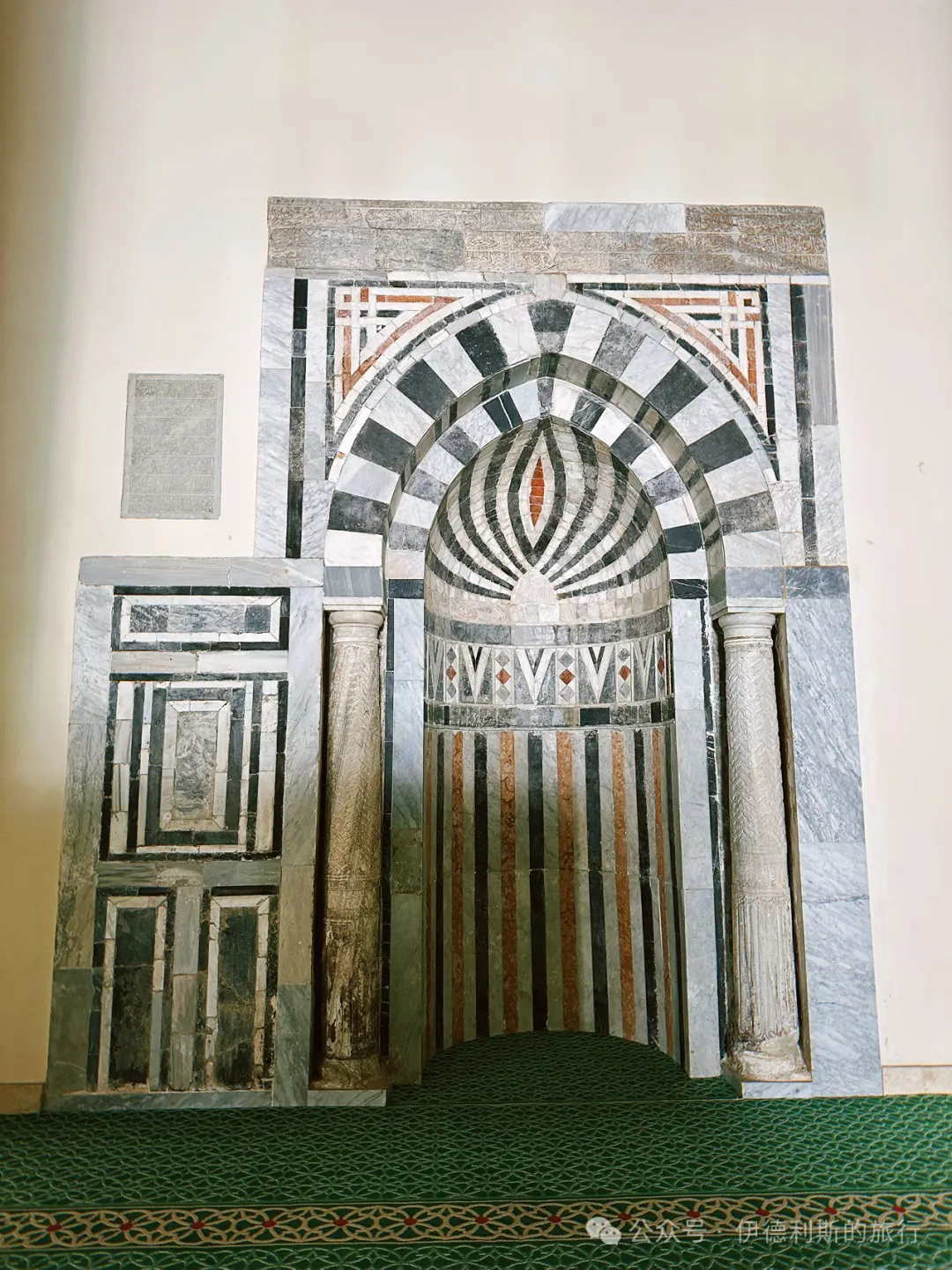
During the Crusades, the Franks used the mosque as a prison. Later, Saladin used it as a stable. It was repaired during the Mamluk period in the 14th century, but it eventually fell into ruin for a long time. The mosque was repaired in 1808, and a small, colorful marble mihrab added during that time still exists today.
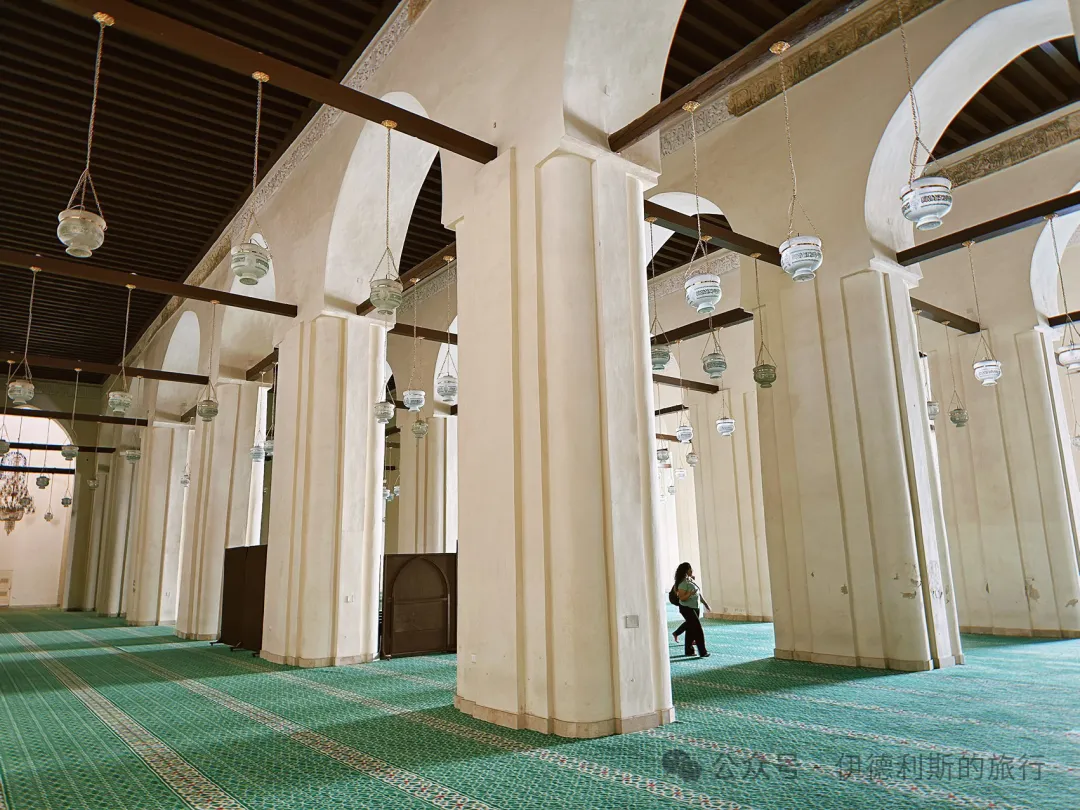
In the 20th century, the mosque served as a school until 1980, when the Dawoodi Bohra branch of Shia Islam carried out a massive reconstruction and renovation using white marble. Inside the main hall after the reconstruction, only the original plaster carvings, wooden beams, and scripture remained. This restoration was criticized by scholars for being 'inauthentic' and sparked widespread debate. In 2017, the Dawoodi Bohra community and the Egyptian Ministry of Tourism and Antiquities launched a new round of repairs, and the mosque did not reopen until February 2023.
Al-Aqmar Mosque: 1125
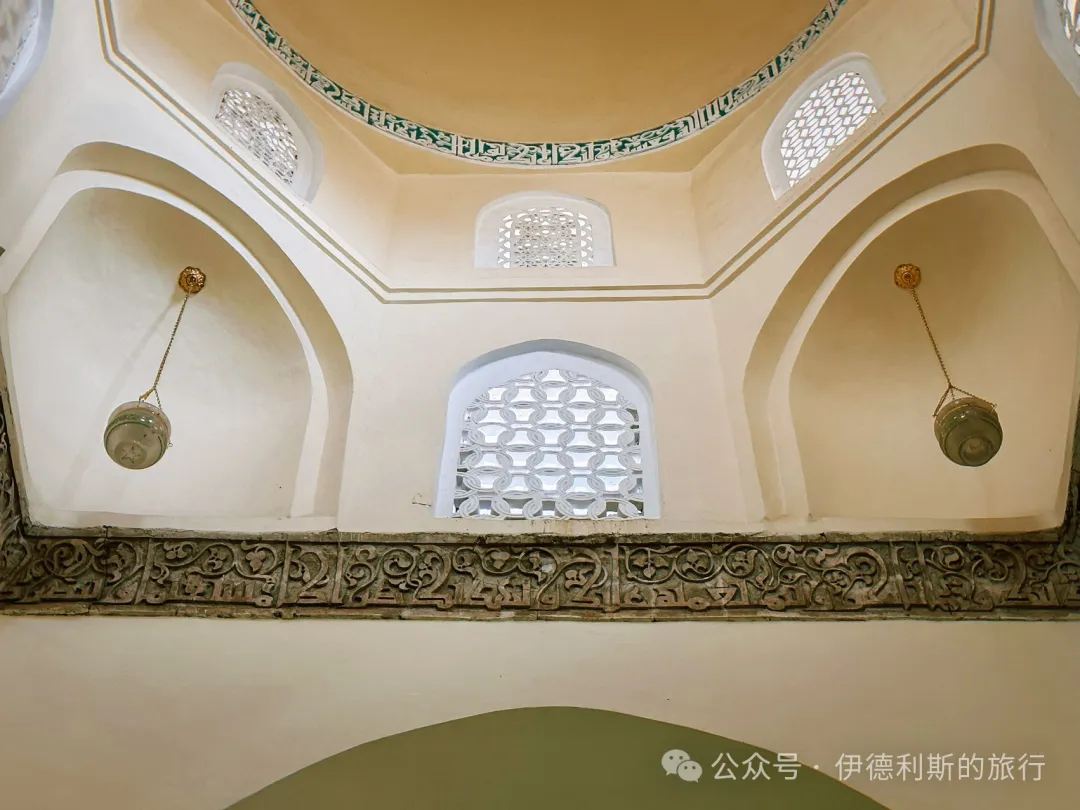
Walking south from the Al-Hakim Mosque along Al-Mu'izz Street, the main road of Old Cairo, you can see the famous Fatimid-era Aqmar Mosque. The Aqmar Mosque was built in 1125-1126 by order of the Fatimid vizier Al-Ma'mun al-Bata'ihi. It sat at the northeast corner of the Fatimid Eastern Palace, right next to the palace grounds.
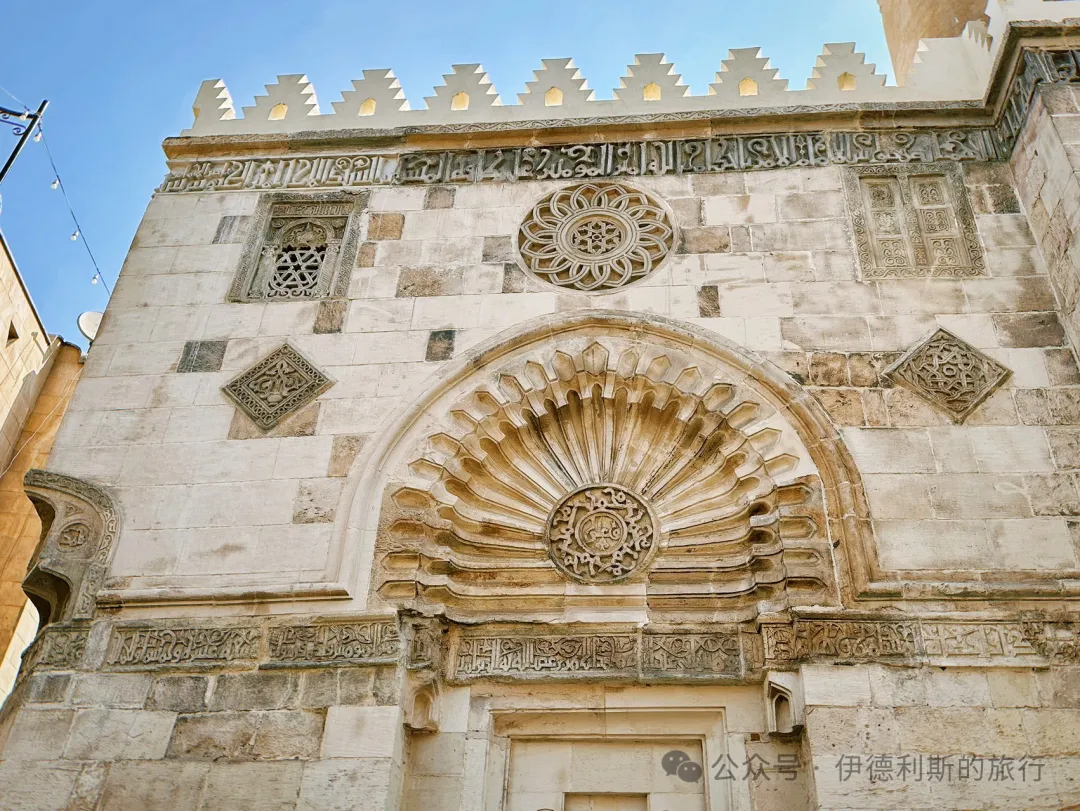
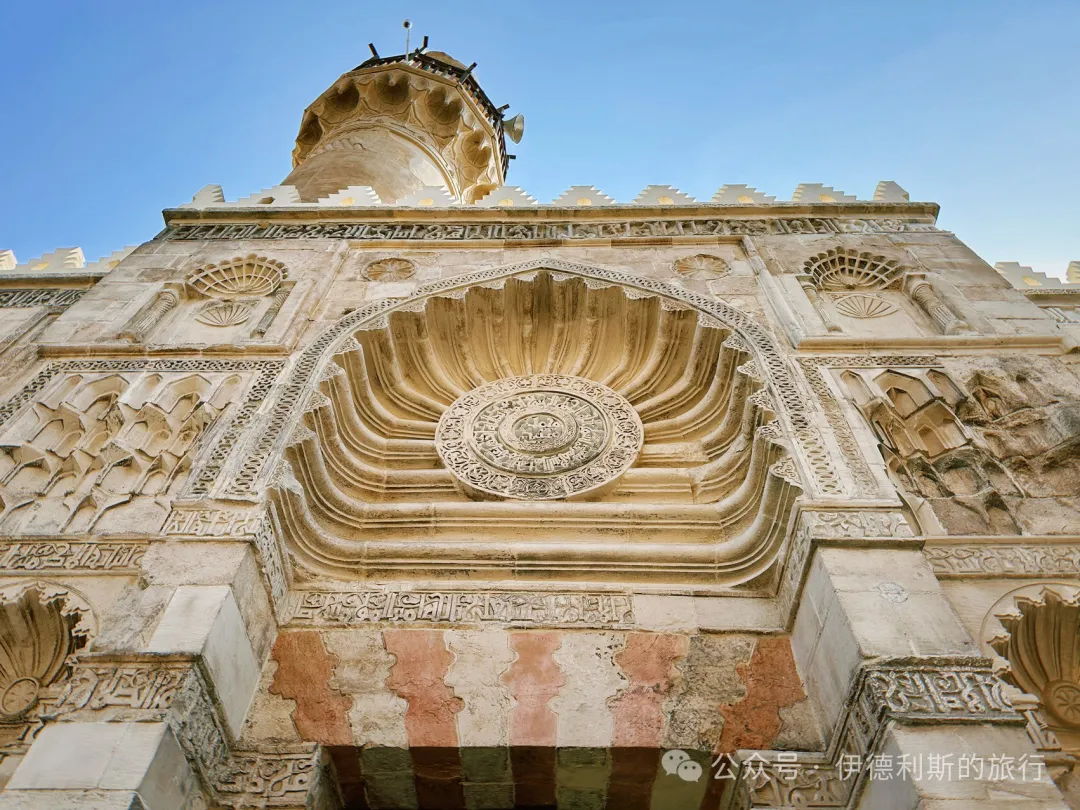
The Aqmar Mosque is a landmark in Egyptian architectural history. It was the first mosque with a main entrance aligned with the street rather than the qibla wall, meaning it was the first planned according to Cairo's street layout. It was also the first to feature complex stone carvings. The facade of the Aqmar Mosque is very luxurious. Above the entrance is a medallion surrounded by a grille, with the names of the Prophet and Ali in the center and scripture around it—a unique decoration in Cairo.
At the top of the left facade are carvings of doors and windows. The window on the left symbolizes the ceremonial grille the Fatimids took back from the palace of their rivals, the Abbasids in Baghdad, representing victory. Inside the window are a lamp and a six-pointed star, based on the Shia hadith: 'The star is a promise to the world, and it will not be submerged.' Below the window are carvings of plants growing from a flower pot, referencing the Prophet's words about Hasan and Husayn: 'My two fragrant herbs in the world.' The door in the upper right corner comes from the famous Shia hadith: 'I am the city of knowledge, and Ali is its gate.'
Because it was near the Fatimid palace, the Aqmar Mosque originally had no minaret. One was added by the Mamluk dynasty at the end of the 14th century, and the cylindrical top was rebuilt during the Ottoman period.
In 1993, the Dawoodi Bohras branch of Shia Islam carried out a large-scale renovation of the Aqmar Mosque. Most of the historical elements inside the main hall were not preserved, which led to criticism.
Al-Ashraf Mosque: 1424
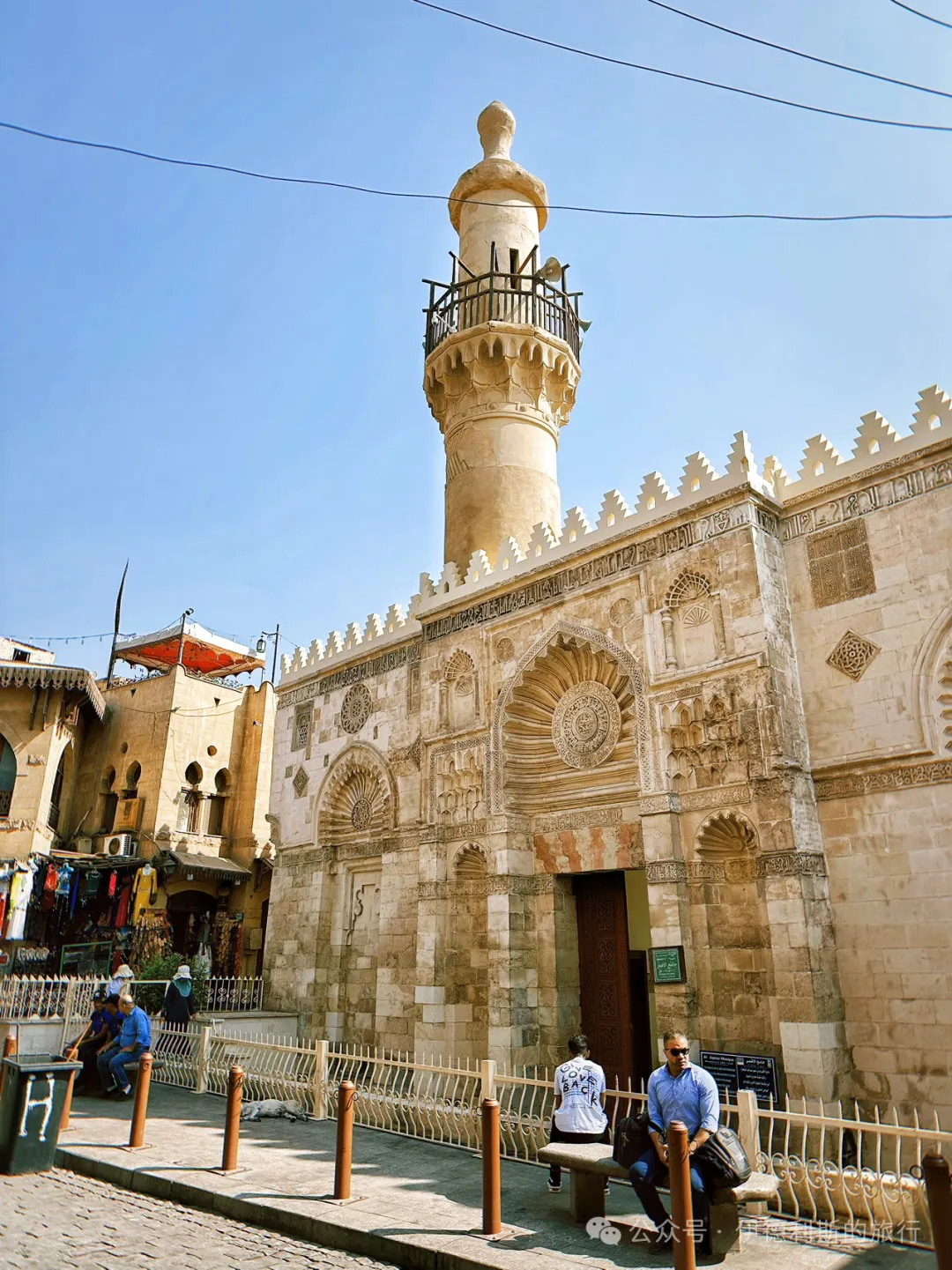
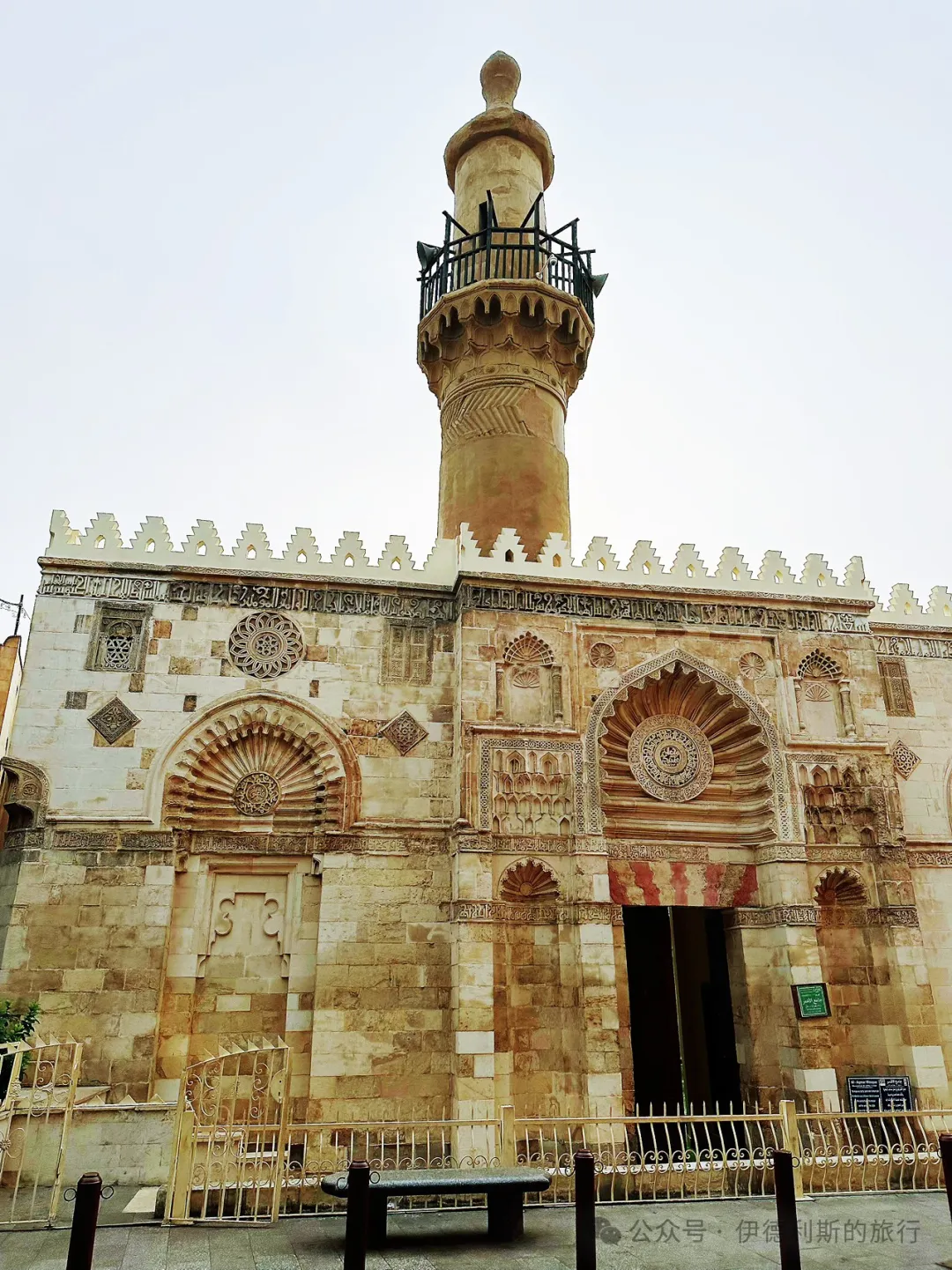
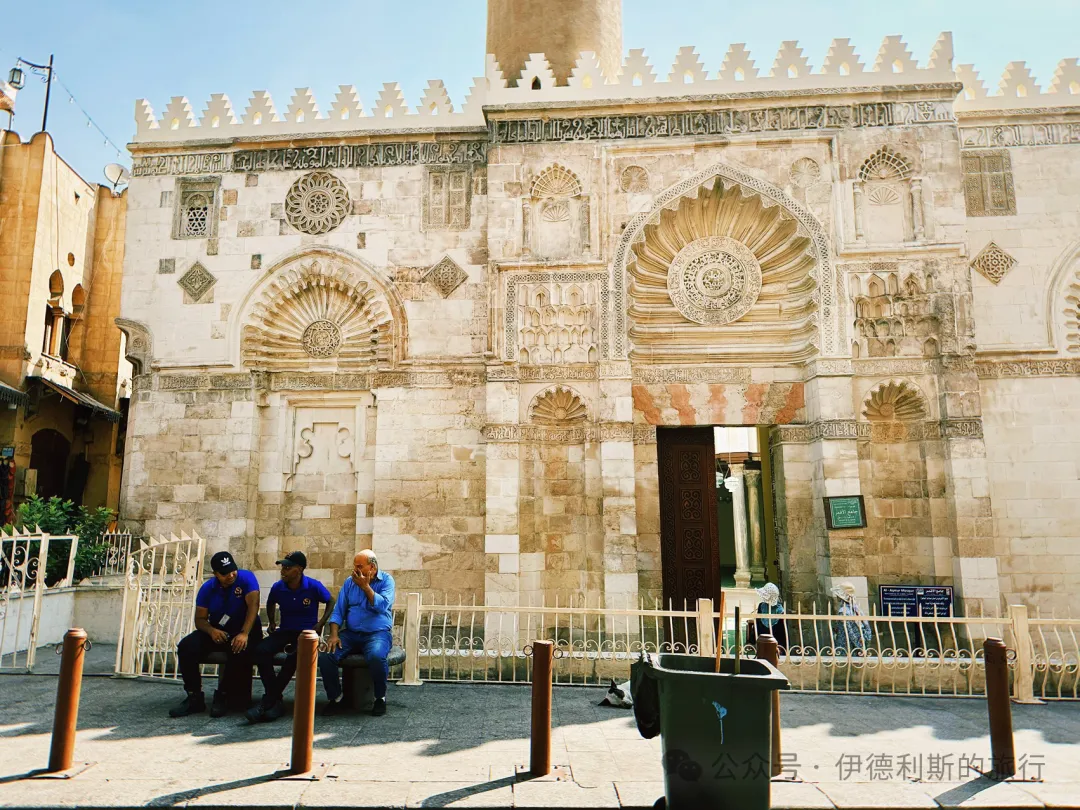
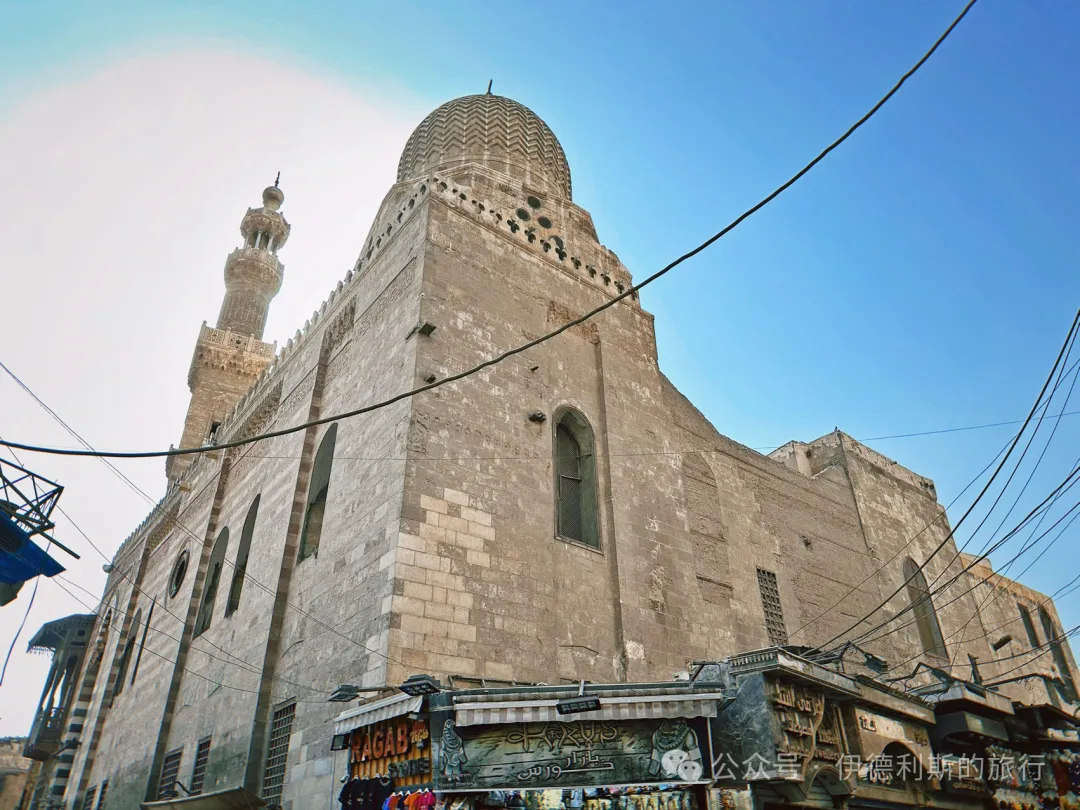
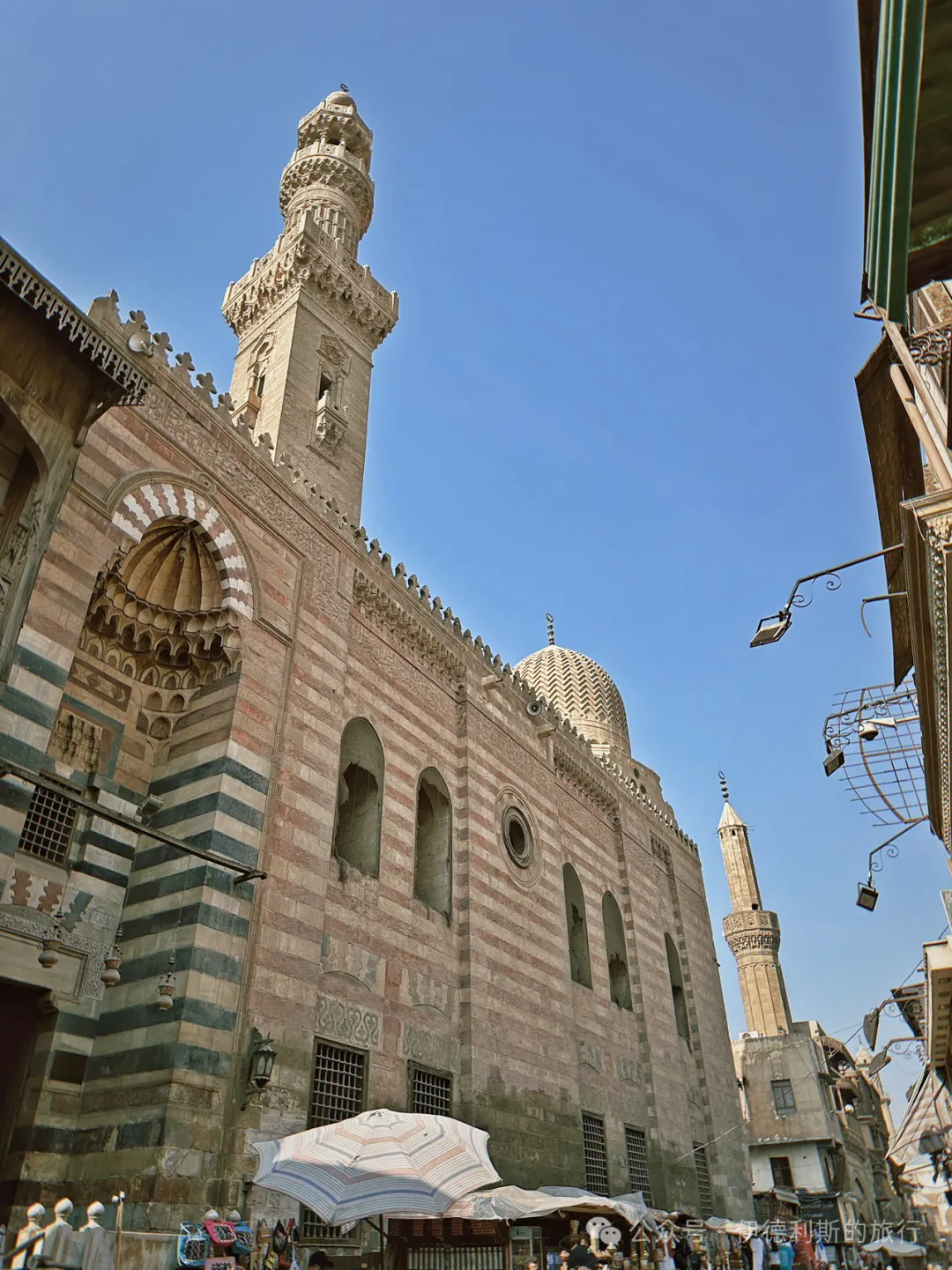
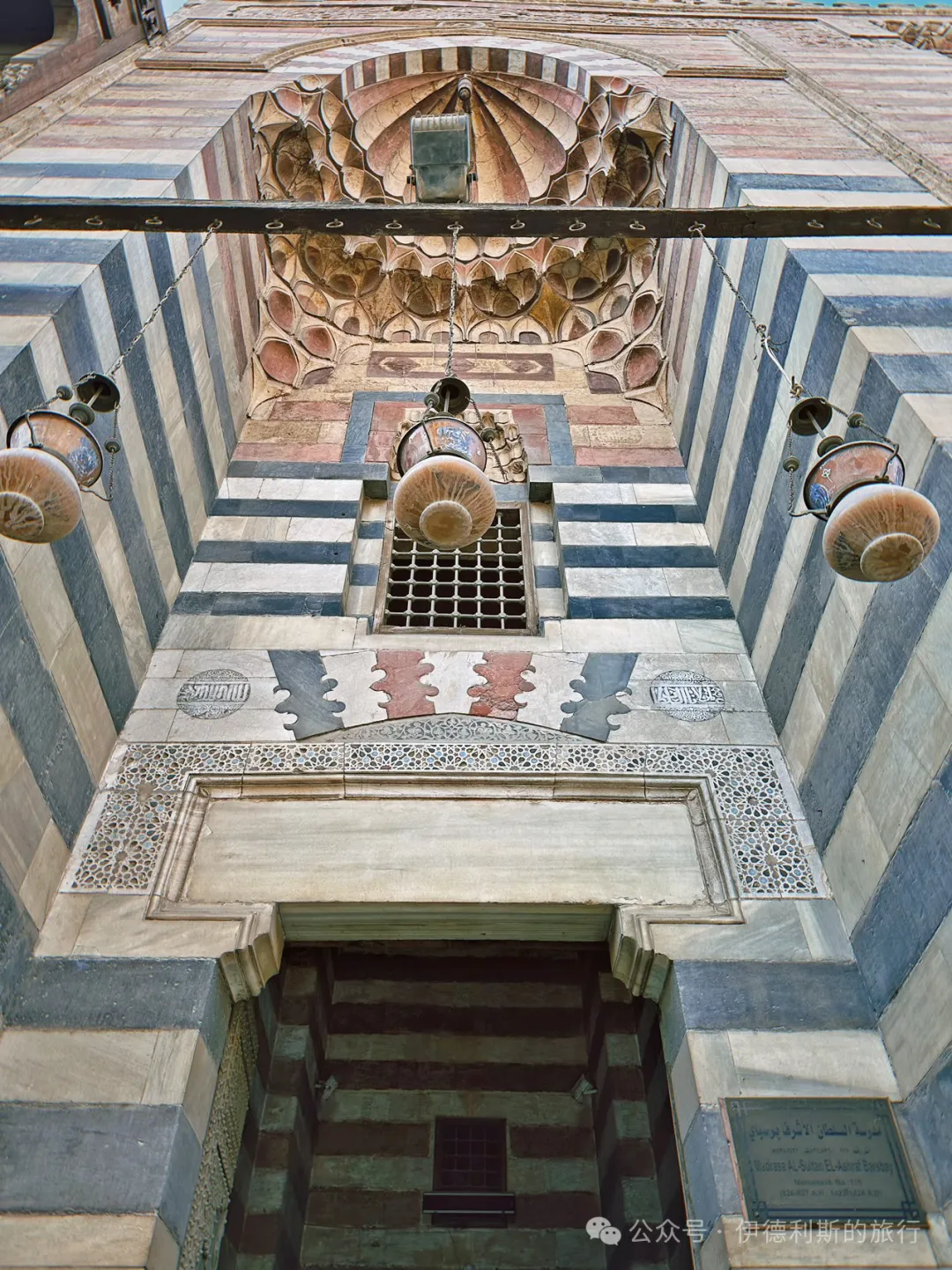
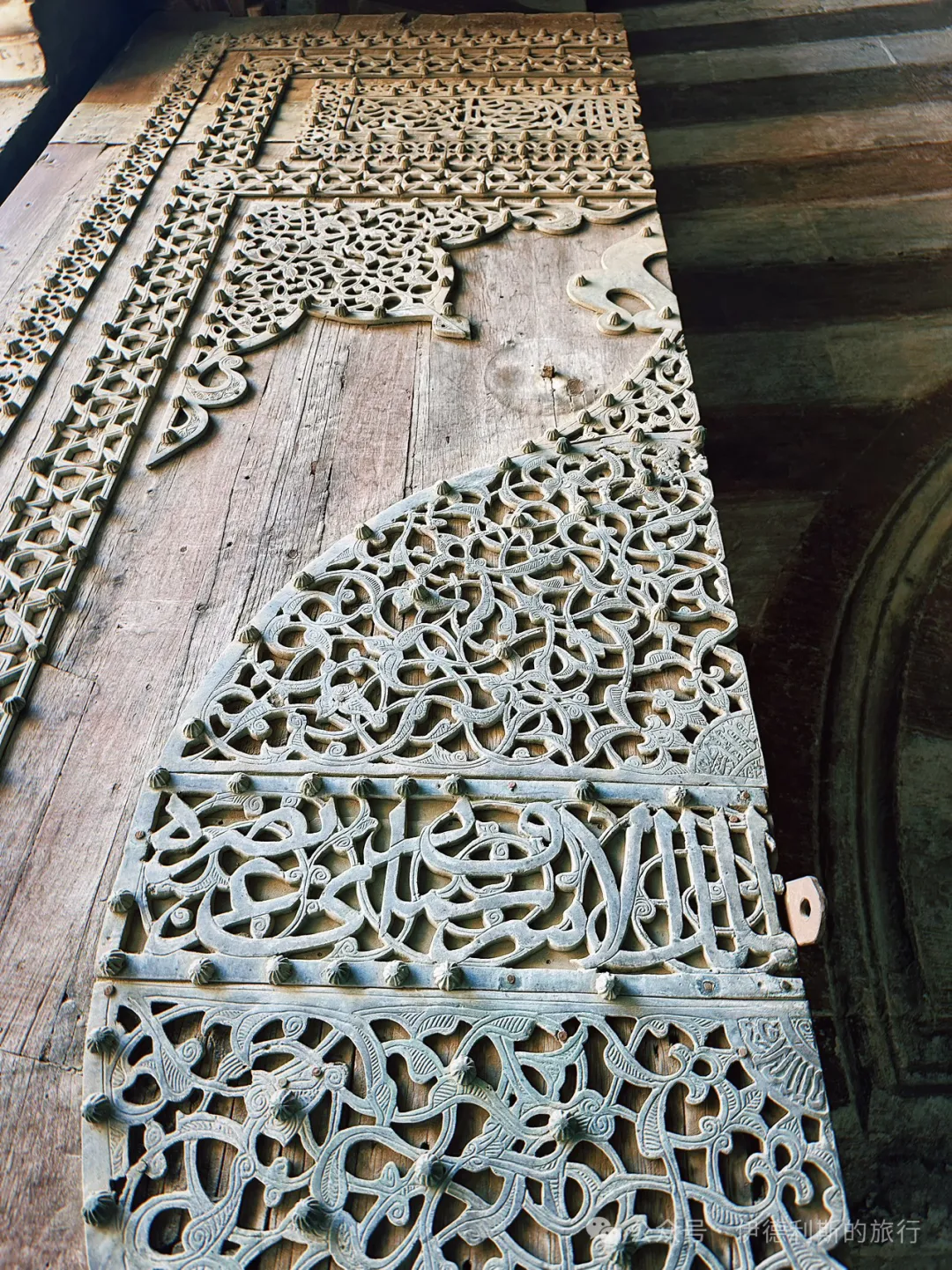
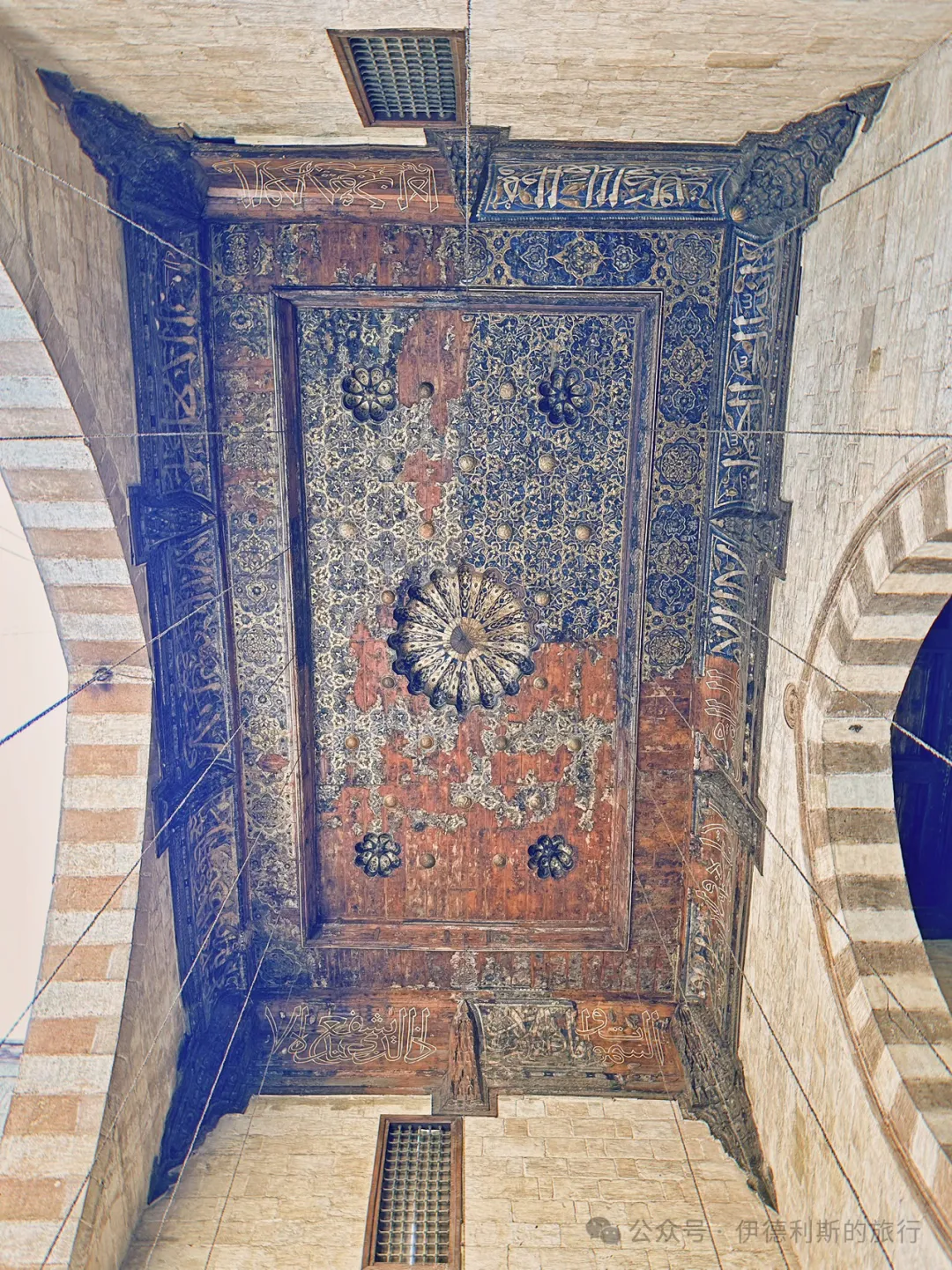
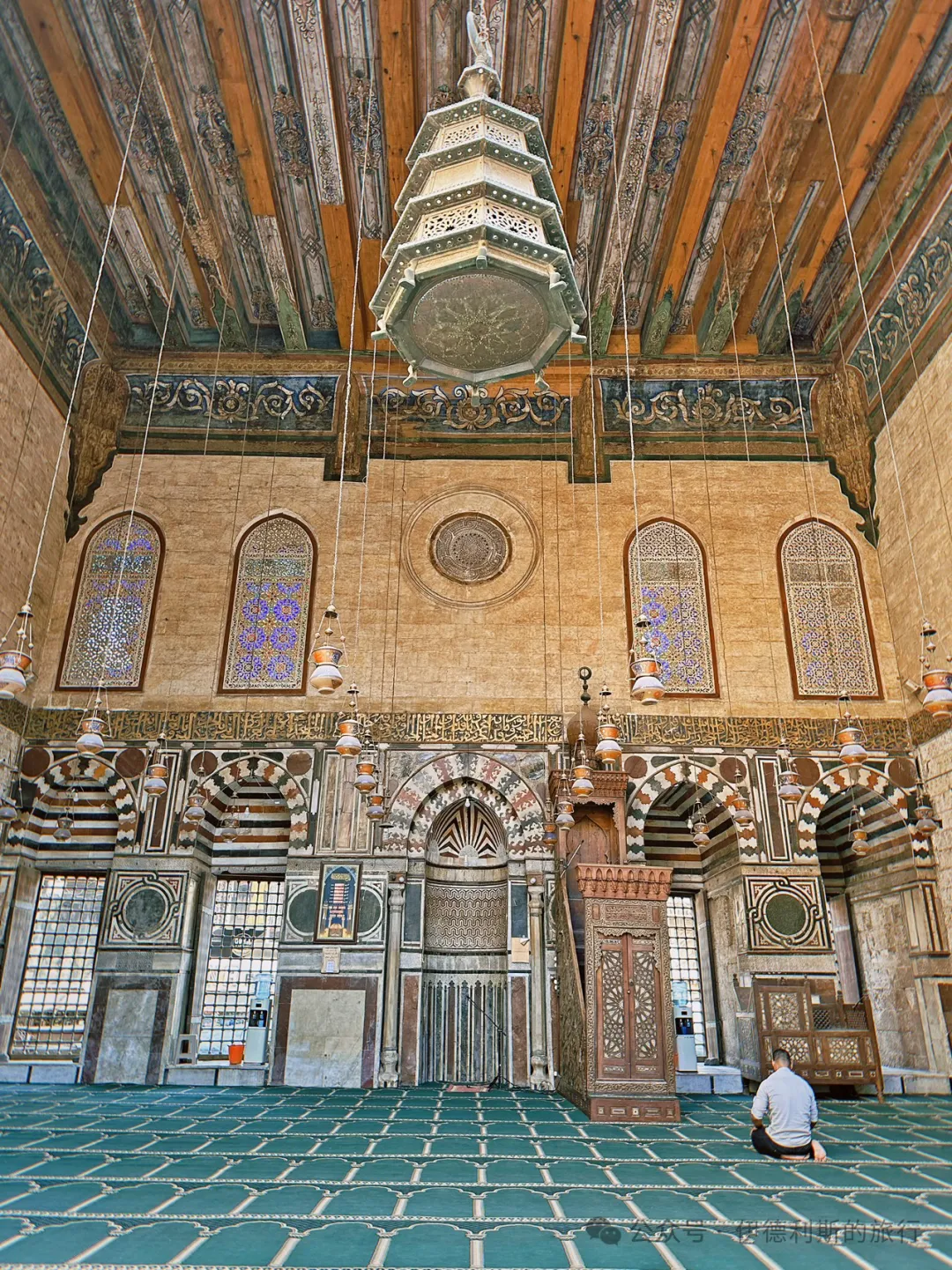
The Ashraf Mosque (Al-Ashraf Mosque) was built in 1424 by the Mamluk Sultan Al-Ashraf Barsbay, who reigned from 1422 to 1438. The complex includes a main prayer hall, a school, a tomb, and a Sufi lodge (khanqah). It features a dome with geometric carvings, which is an early example of decorative dome carving.
Barsbay was once a Mamluk slave of Sultan Barquq and later served as a tutor to the young Sultan Muhammad. With support from the governor of Damascus and other emirs, Barsbay deposed the young sultan in 1422 and took the throne himself.
Barsbay’s 16-year reign was a time of relative safety and stability for the Mamluk Sultanate, with almost no wars. He was very generous to the poor and to Sufis, and he carried out a series of administrative reforms.
People called Barsbay the Merchant Sultan because he placed great importance on trade. He took steps to strengthen control over the Mediterranean and Red Seas, diverted Indian Ocean trade routes through Jeddah, and created state monopolies on sugar and pepper. He lowered tariffs to attract merchants and monopolized most of the trade from the East, which angered many European powers.
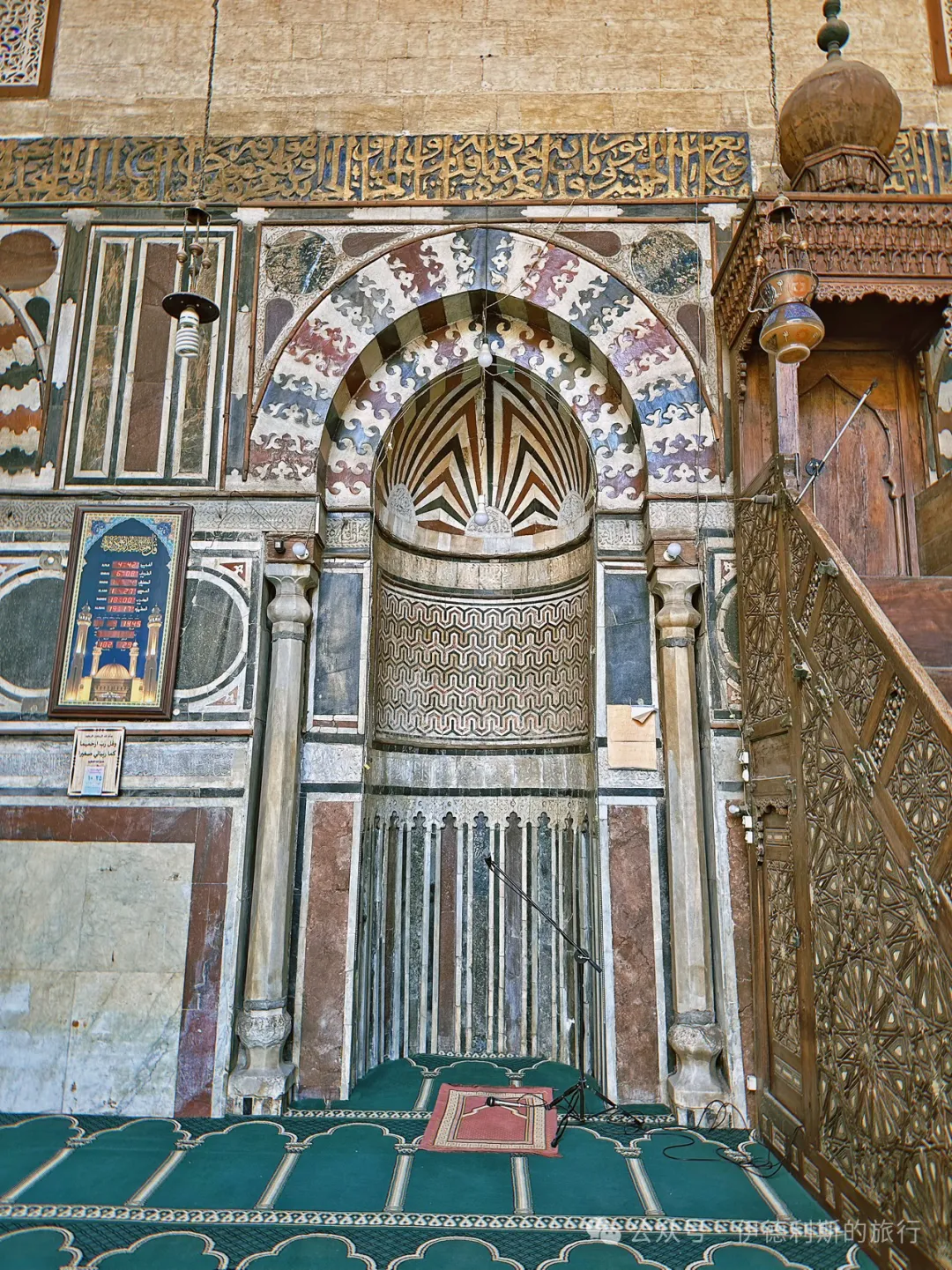
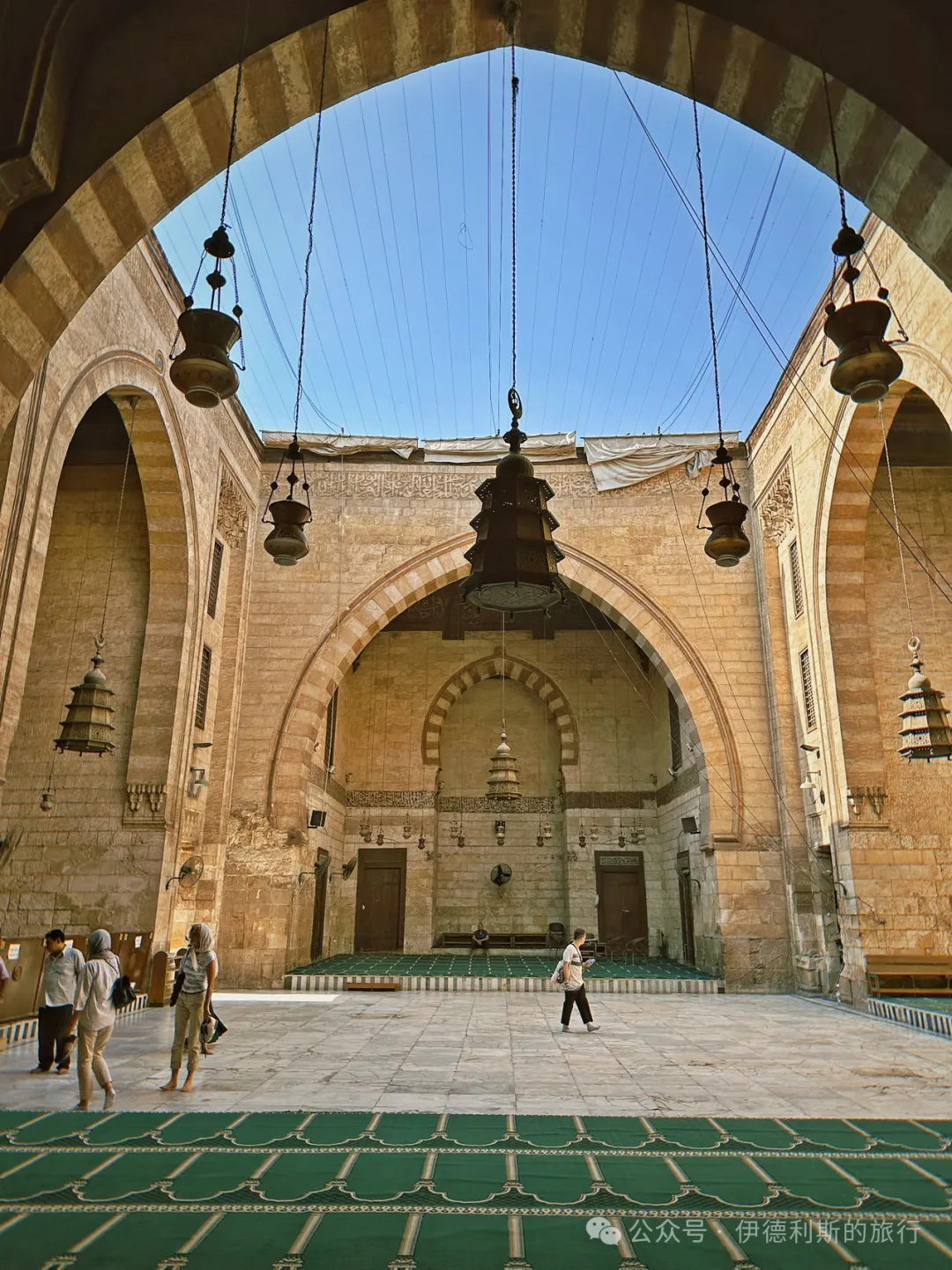
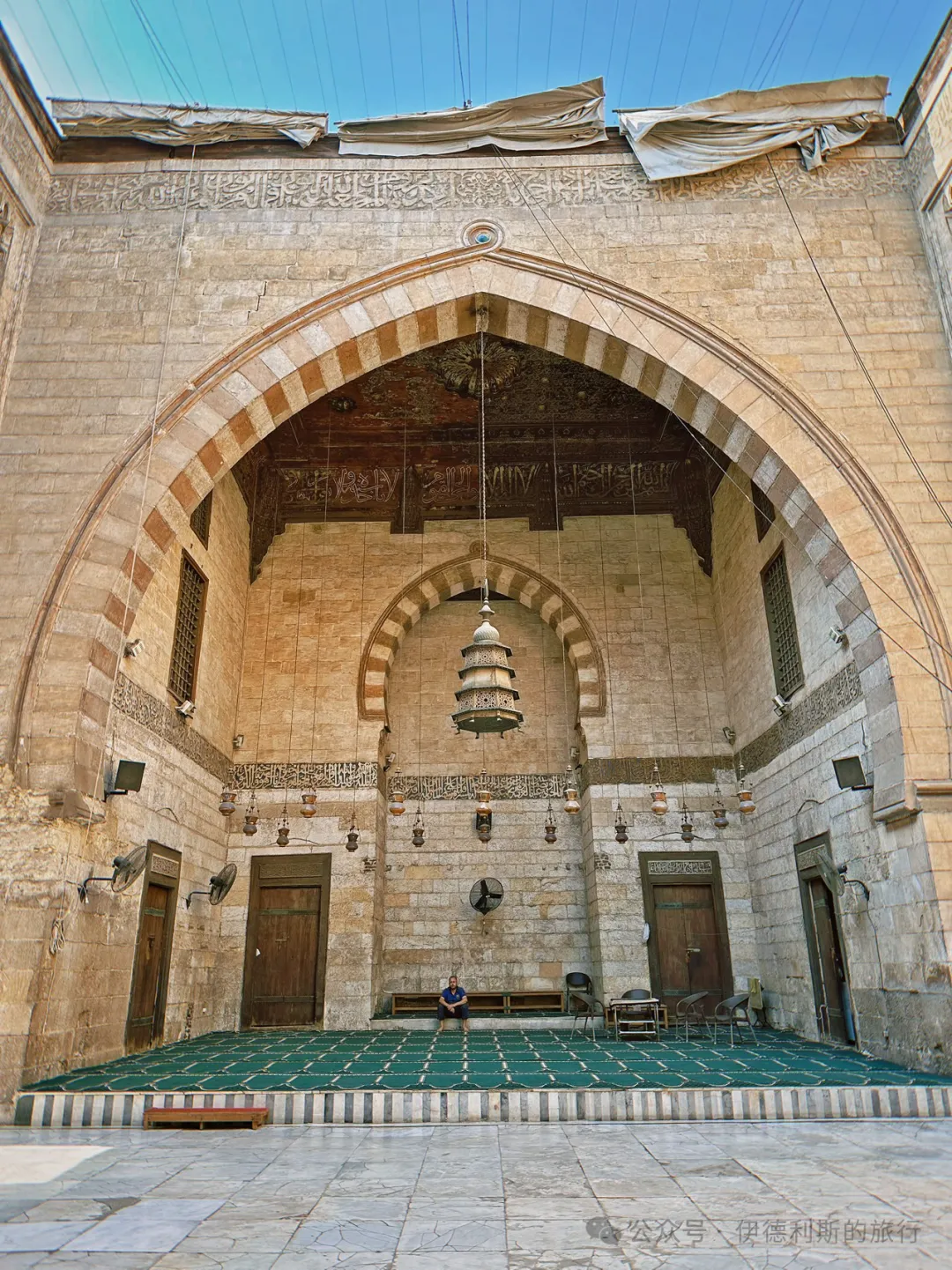
Al-Azhar Mosque: 972
In 969 AD, the Shia Ismaili Fatimid dynasty conquered Egypt and began building their new capital, Cairo. At that time, the densely populated Sunni city of Fustat already existed south of Cairo, so the new city became the center for the Shia Ismaili faith.
After two years of construction, the first Friday mosque (Jami) in Cairo opened in 972 and was named the Cairo Mosque (Jami al-Qahira) after the city. The Cairo Mosque was later renamed the Al-Azhar Mosque (al-Jami al-Azhar), with Al-Azhar meaning the Radiant.
After the Al-Azhar Mosque opened, the Ismailis moved from secret to public preaching. The mosque's first chief judge, Qadi al-Numan, became the founder of Ismaili law and the author of the authoritative Ismaili text, The Pillars of Islam (Kitab da'a'im al-Islam).
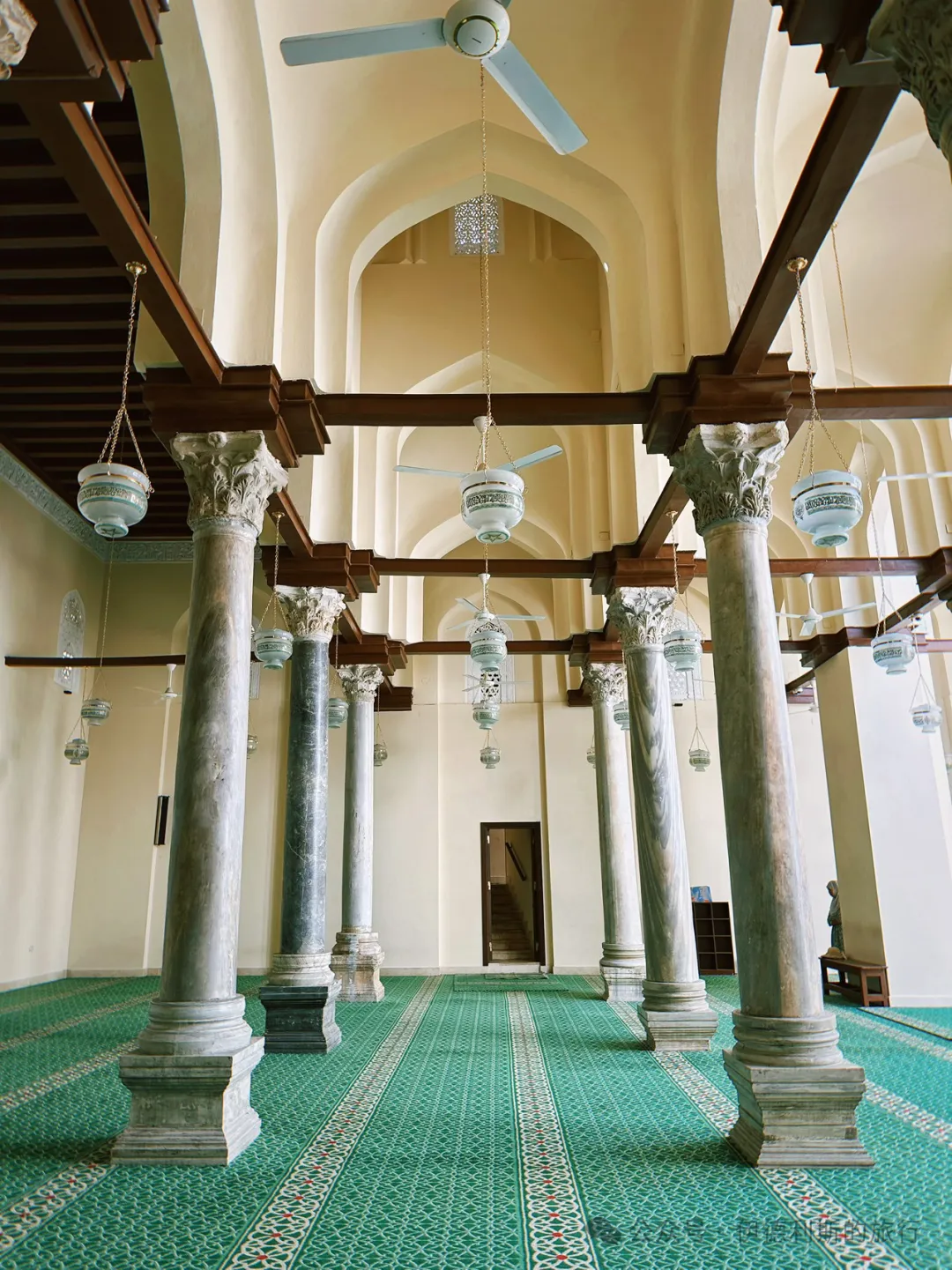
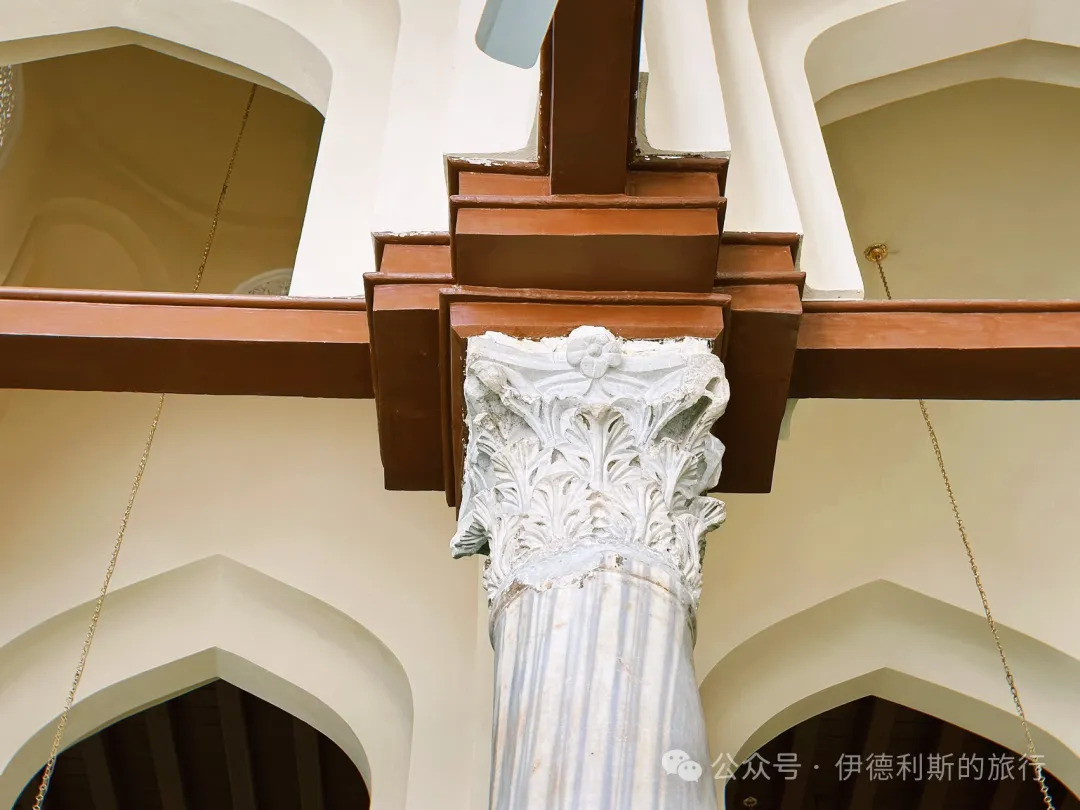
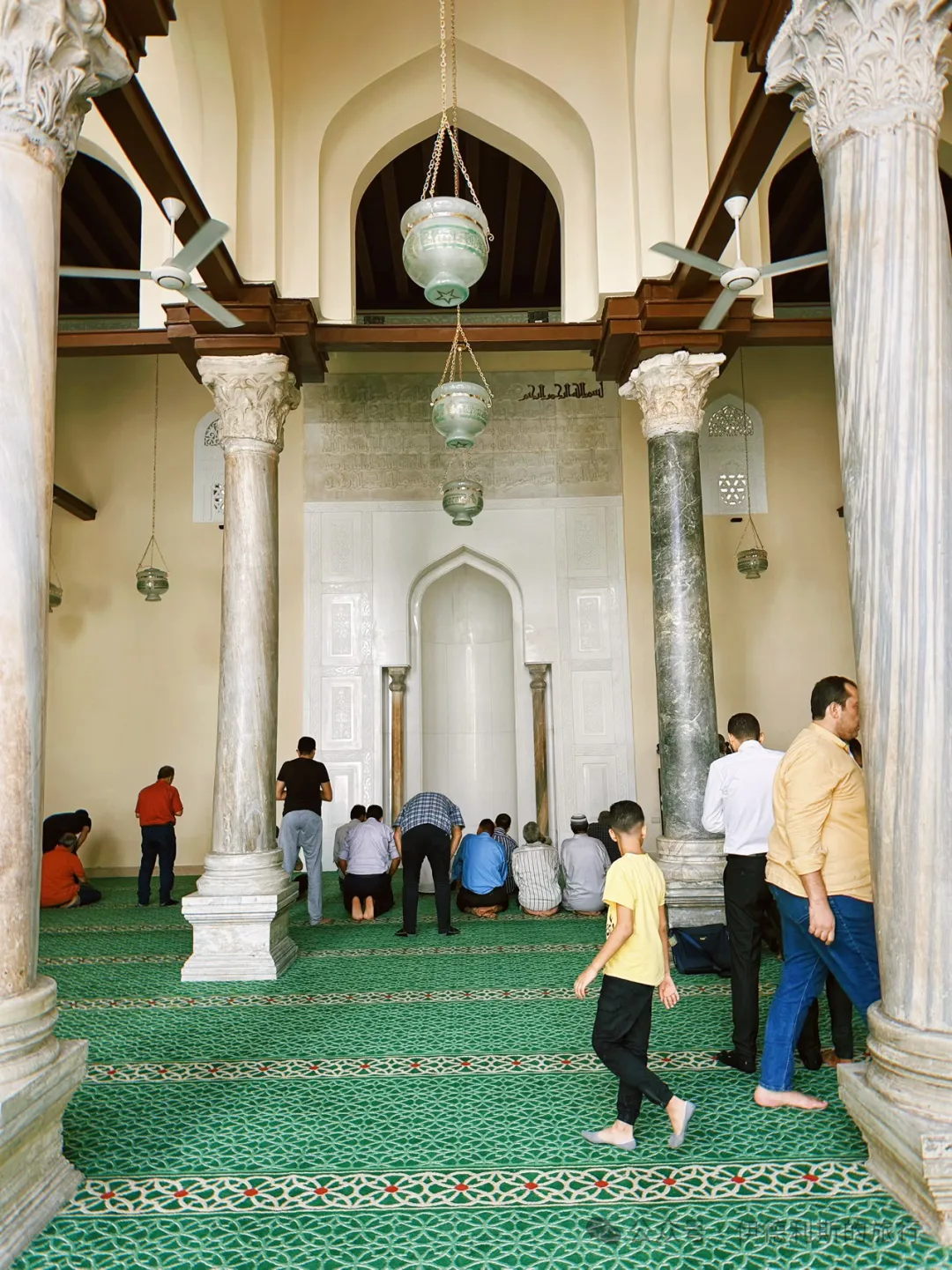
The main hall of the Al-Azhar Mosque is a columned hall. The marble columns in the four rows of arcades came from ruins of the Pharaohs, ancient Rome, and the Copts, and they were leveled using bases of different heights.
The roof of the main hall originally had three domes, but none survived later renovations. The original mihrab was rediscovered in 1933, and the niche still preserves ornate stucco carvings from the Fatimid period.
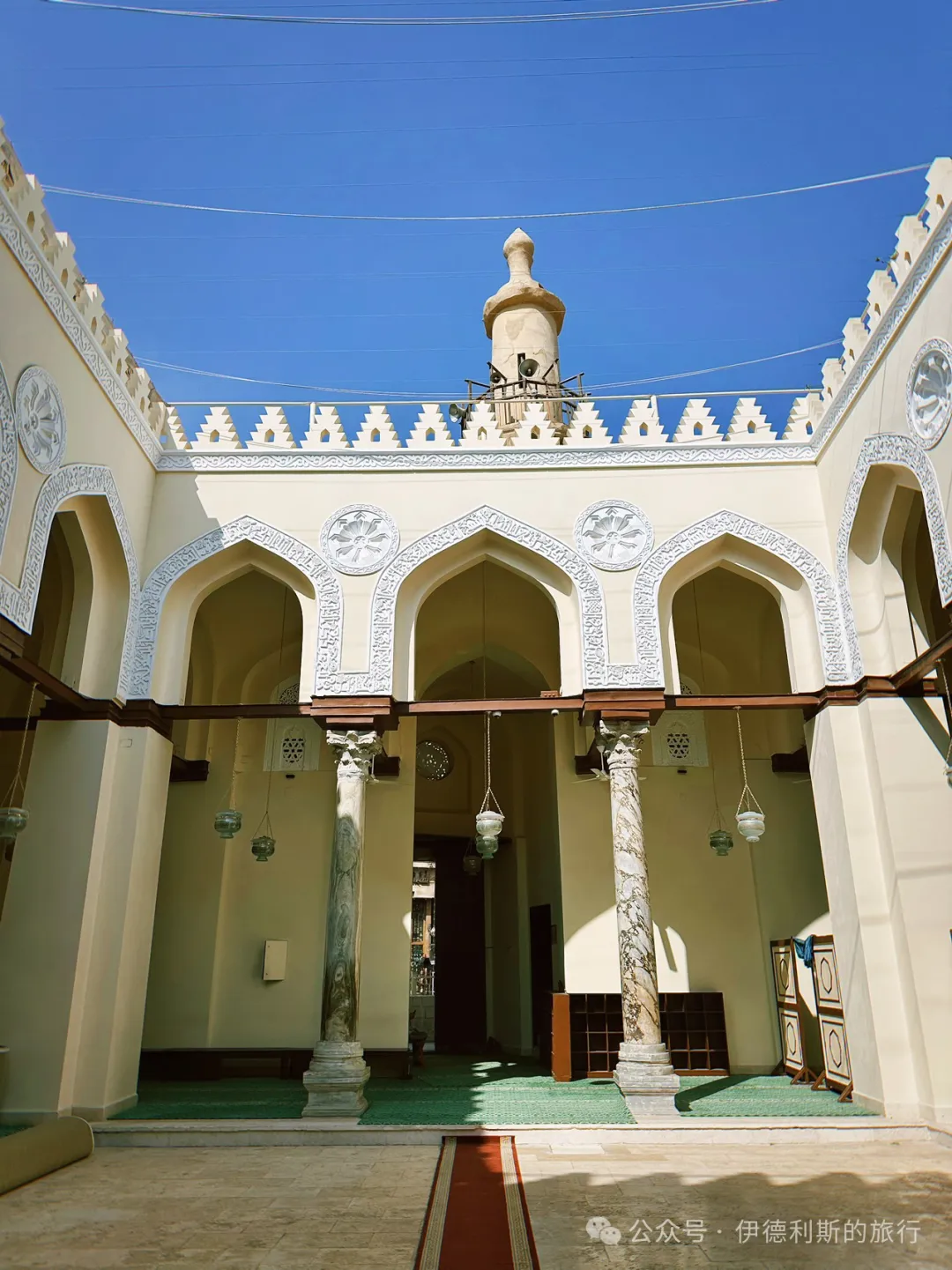
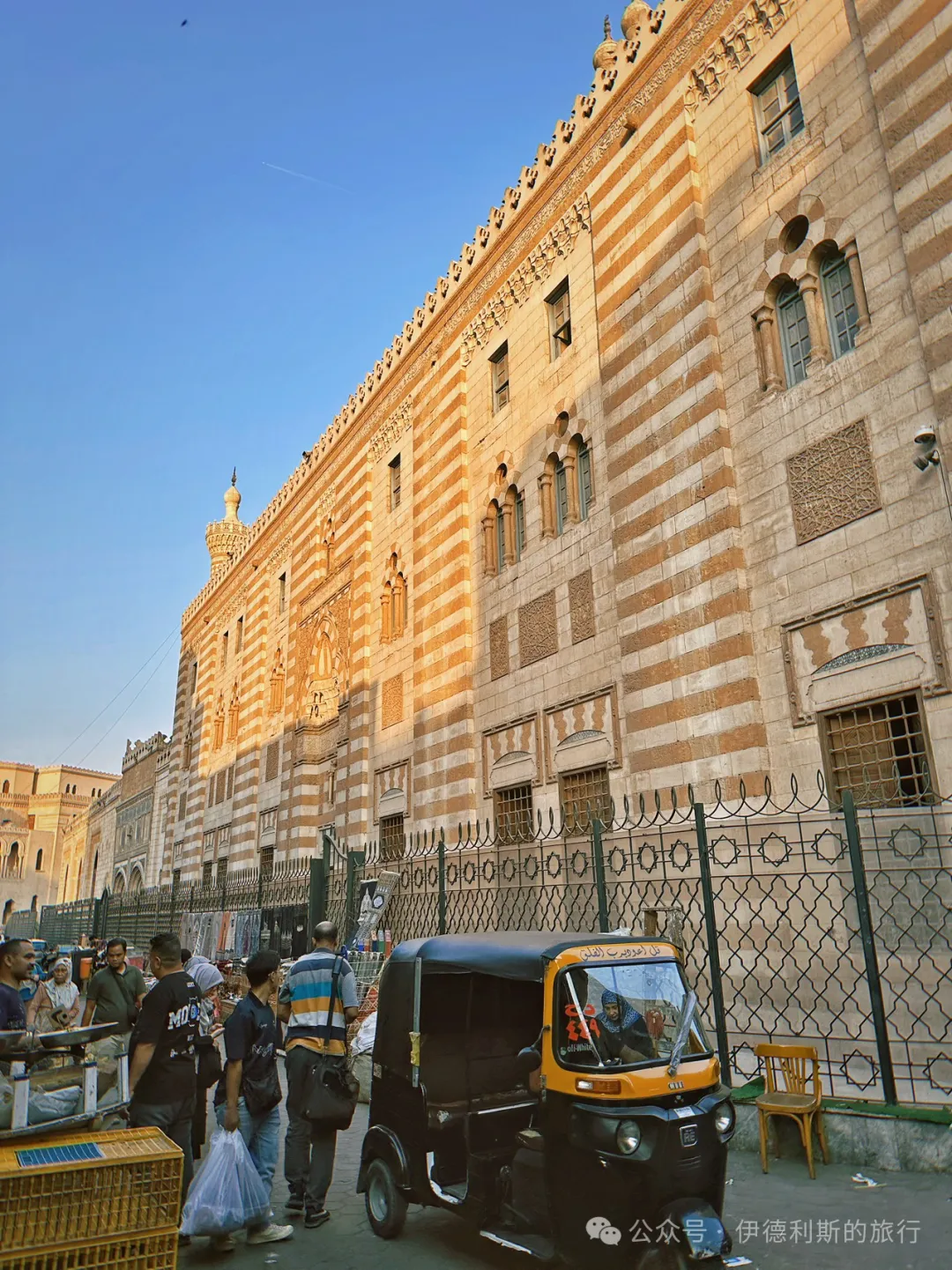
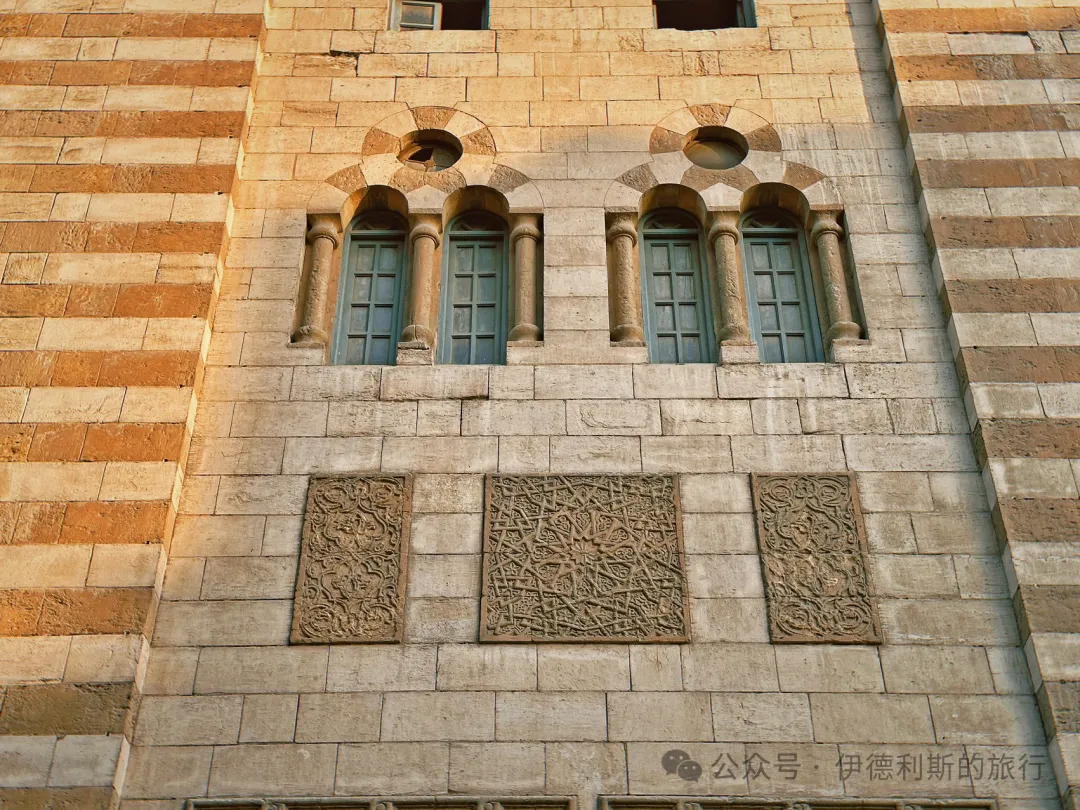
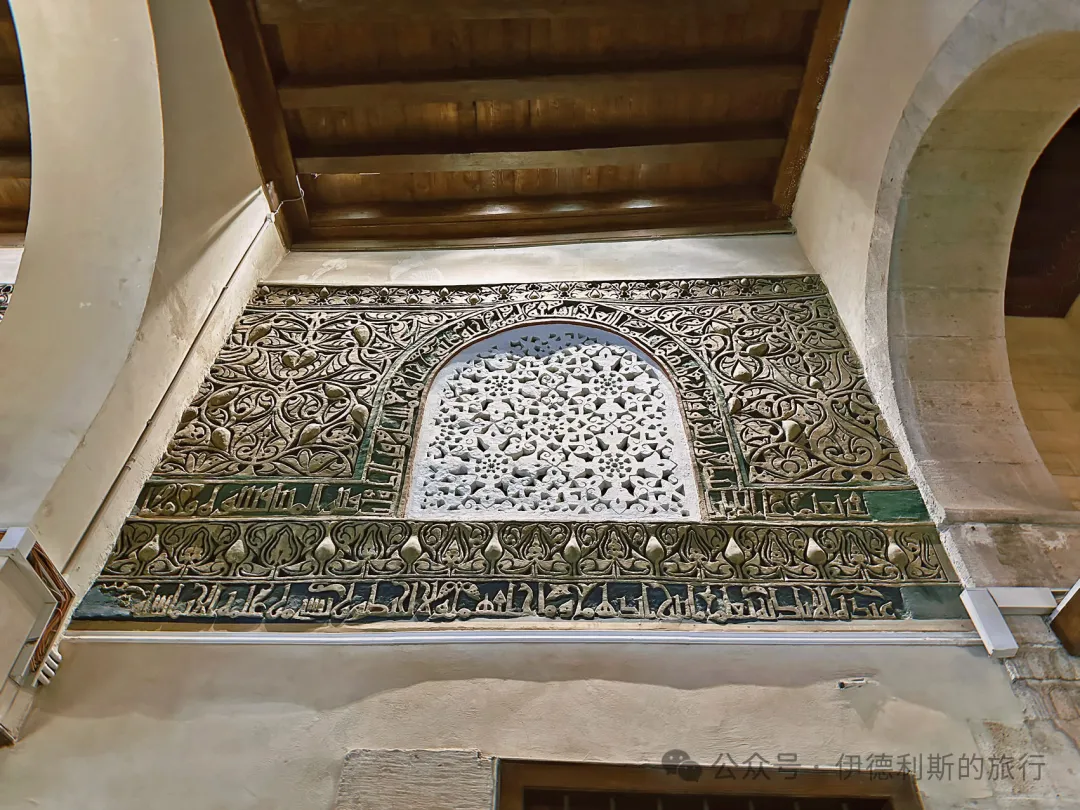
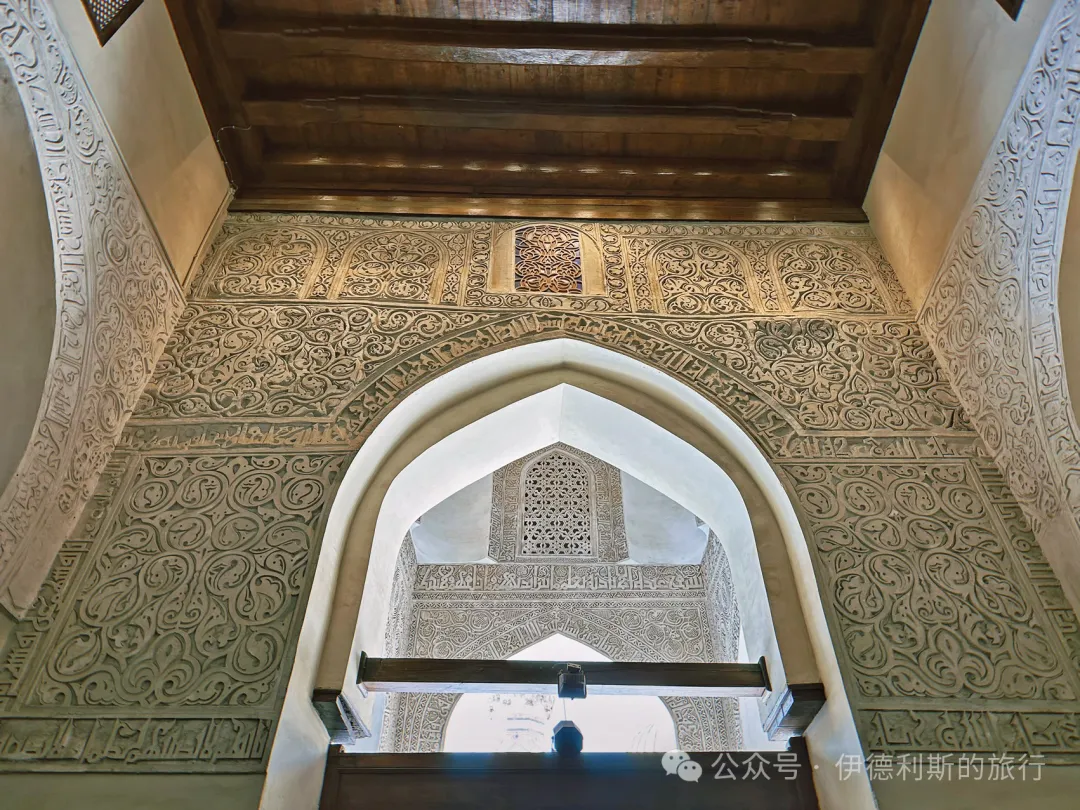
Several Fatimid caliphs expanded and renovated the Al-Azhar Mosque. Caliph al-Hafiz, who reigned from 1132 to 1149, carried out a major renovation in 1138. The four-centered arches in the courtyard and the dome at the entrance to the main hall date from this time. The stucco carvings in the courtyard also come from this period, though they were renovated again in 1891.
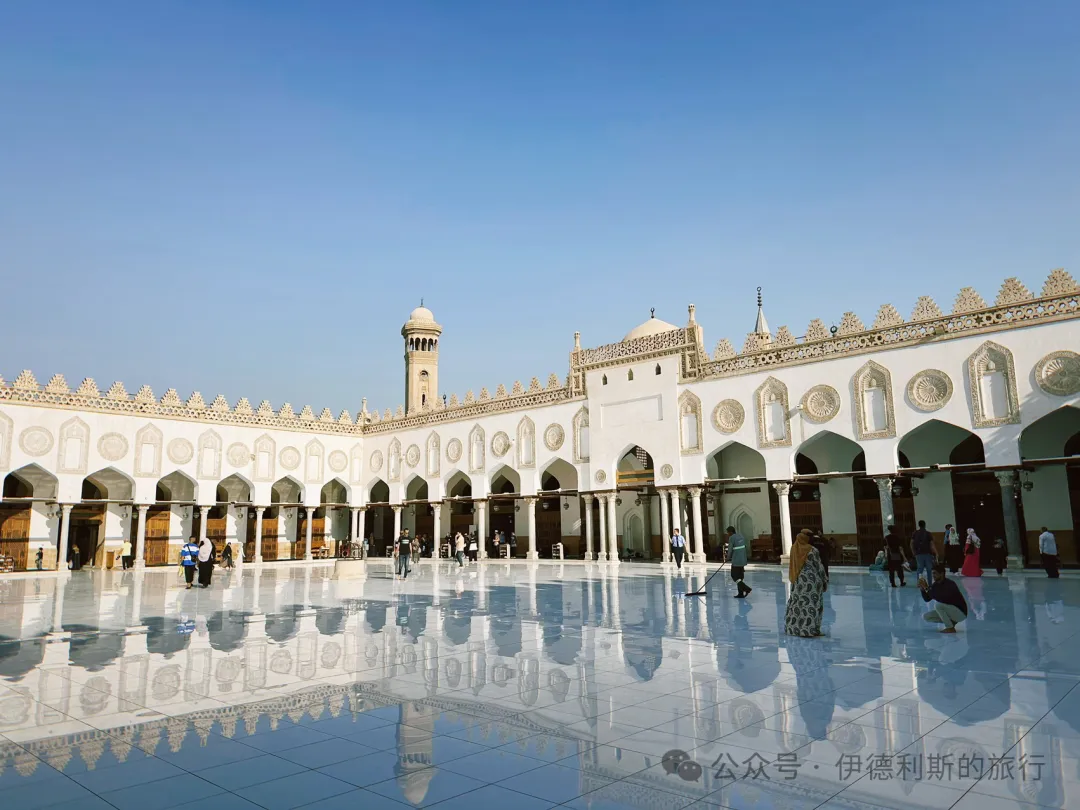
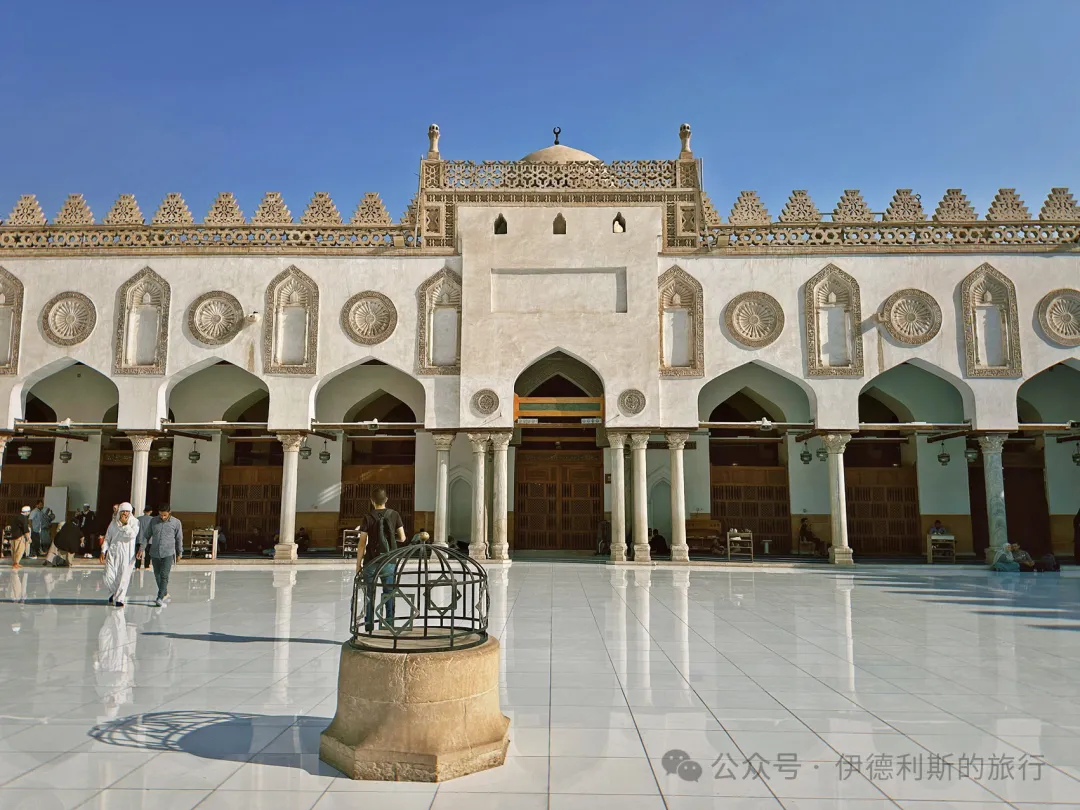
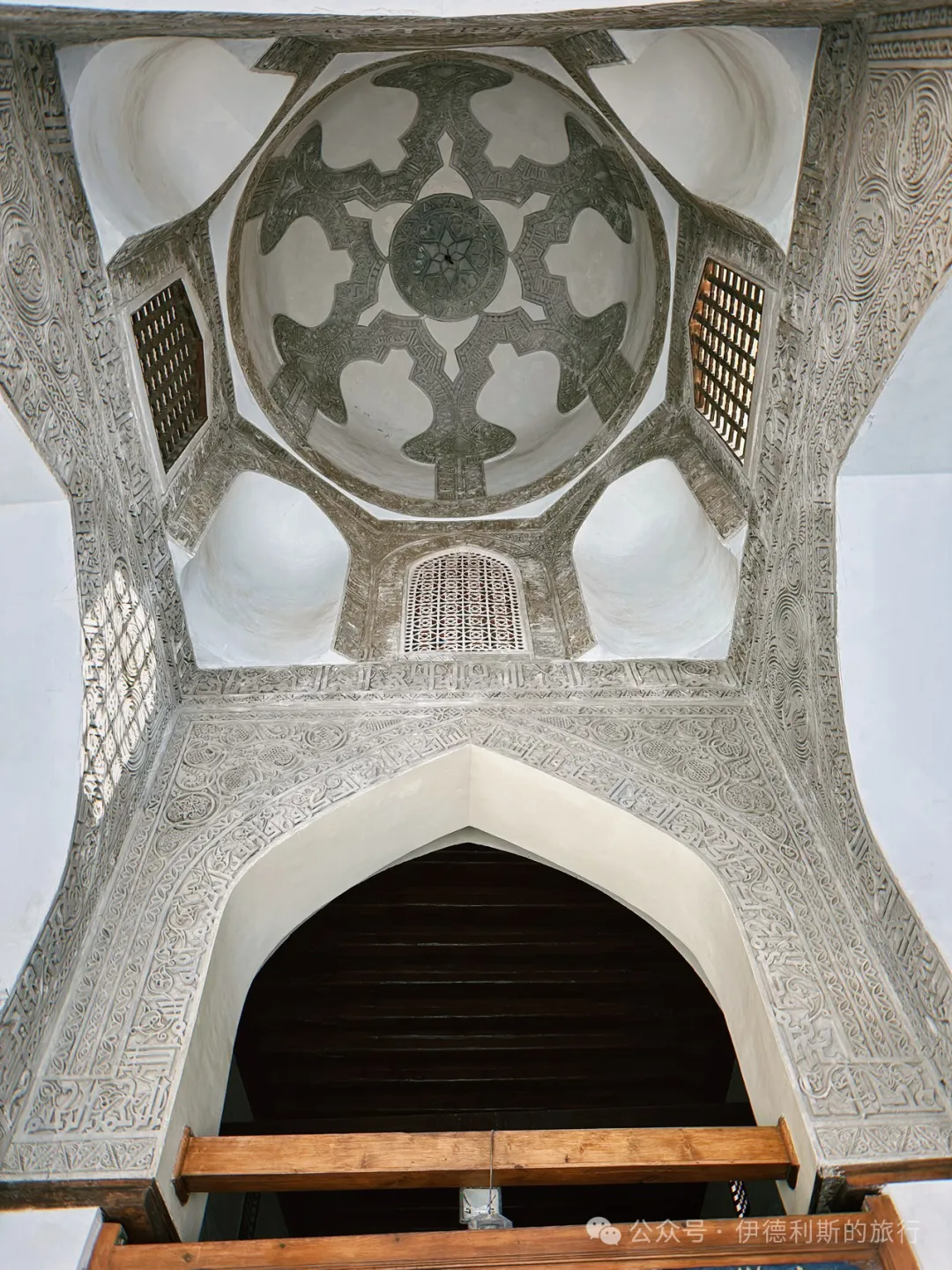
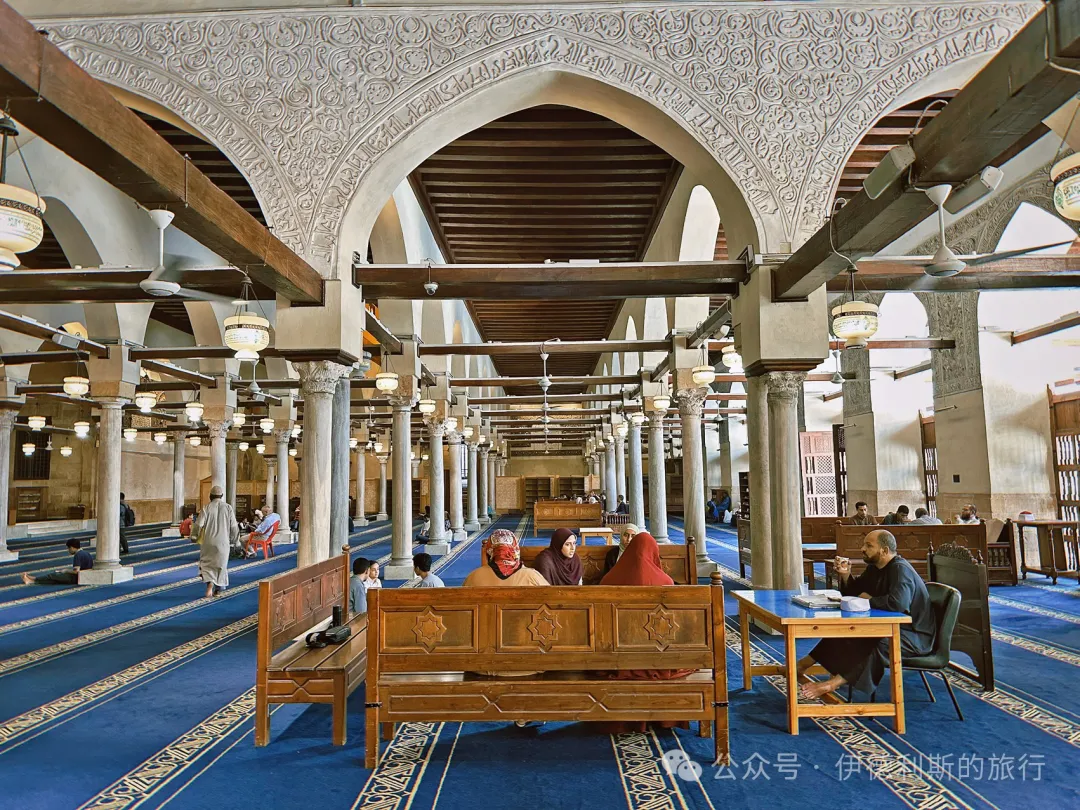
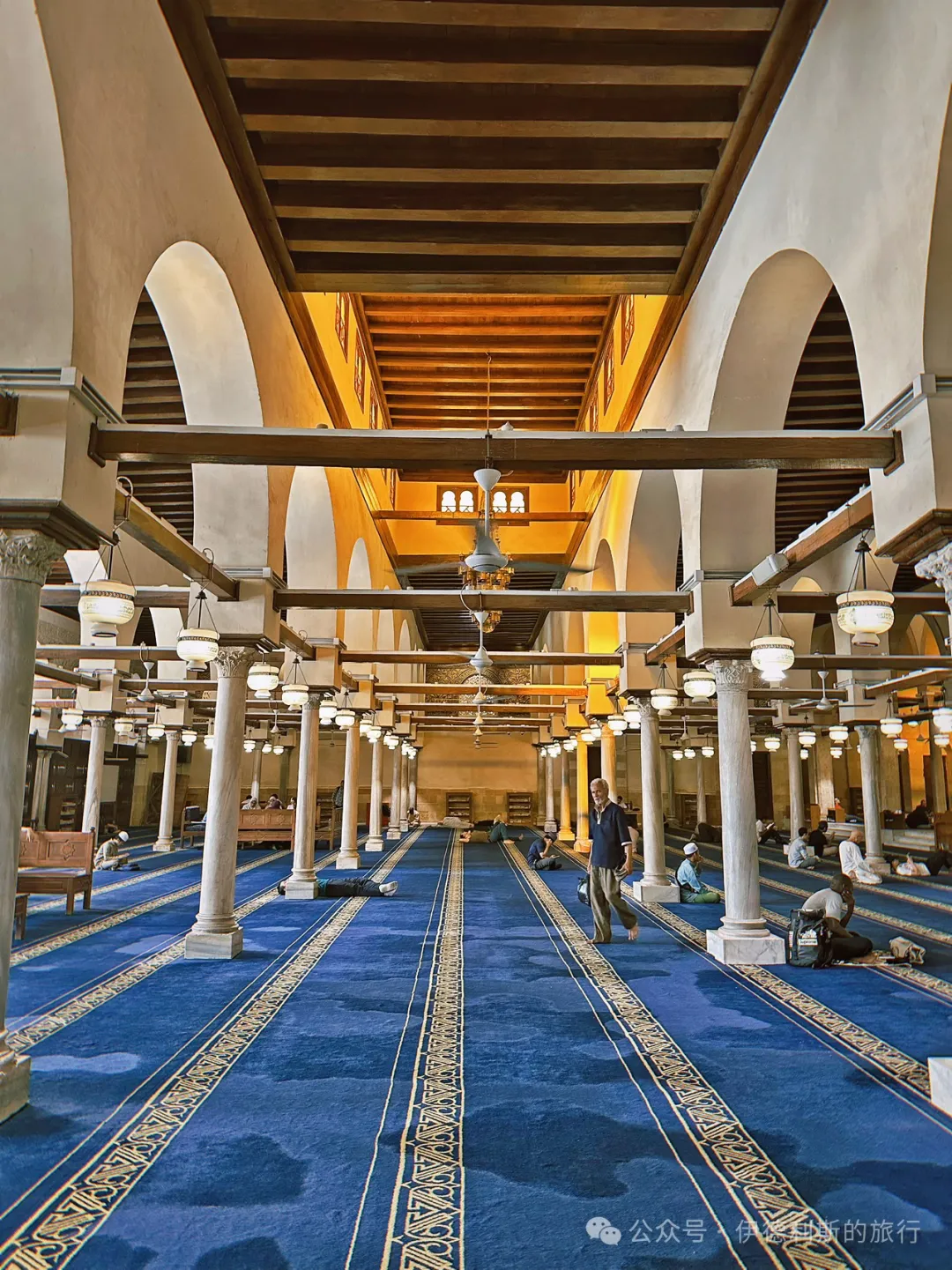
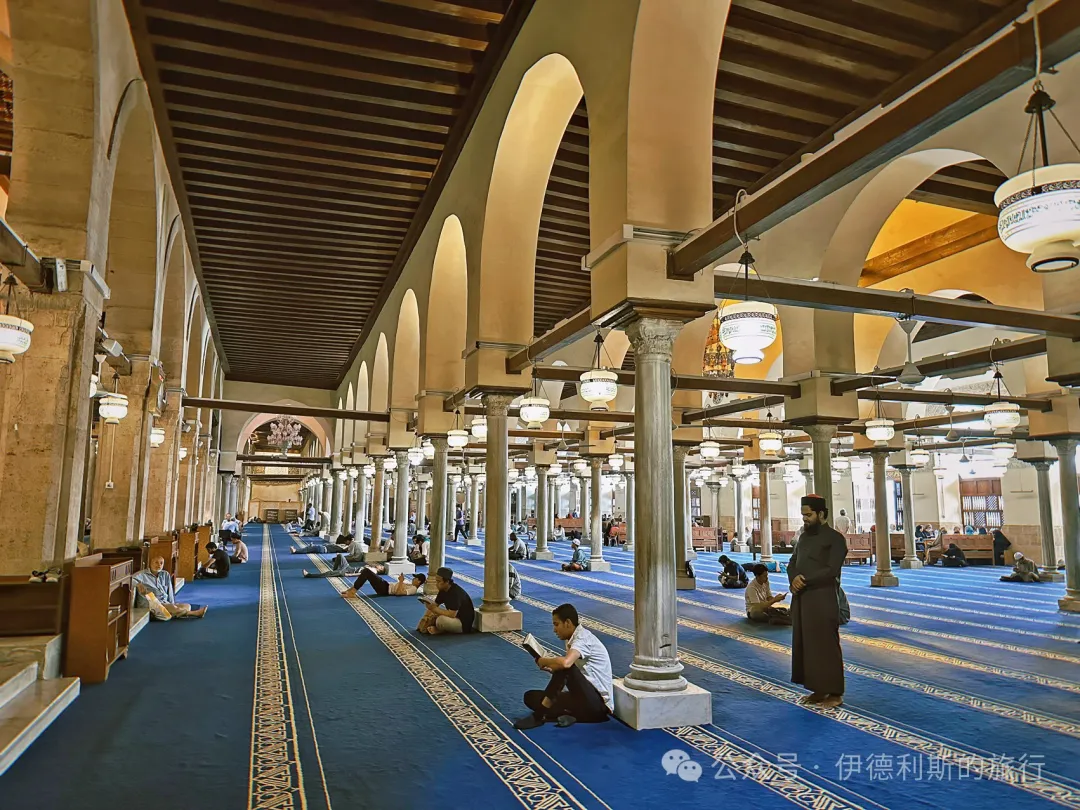
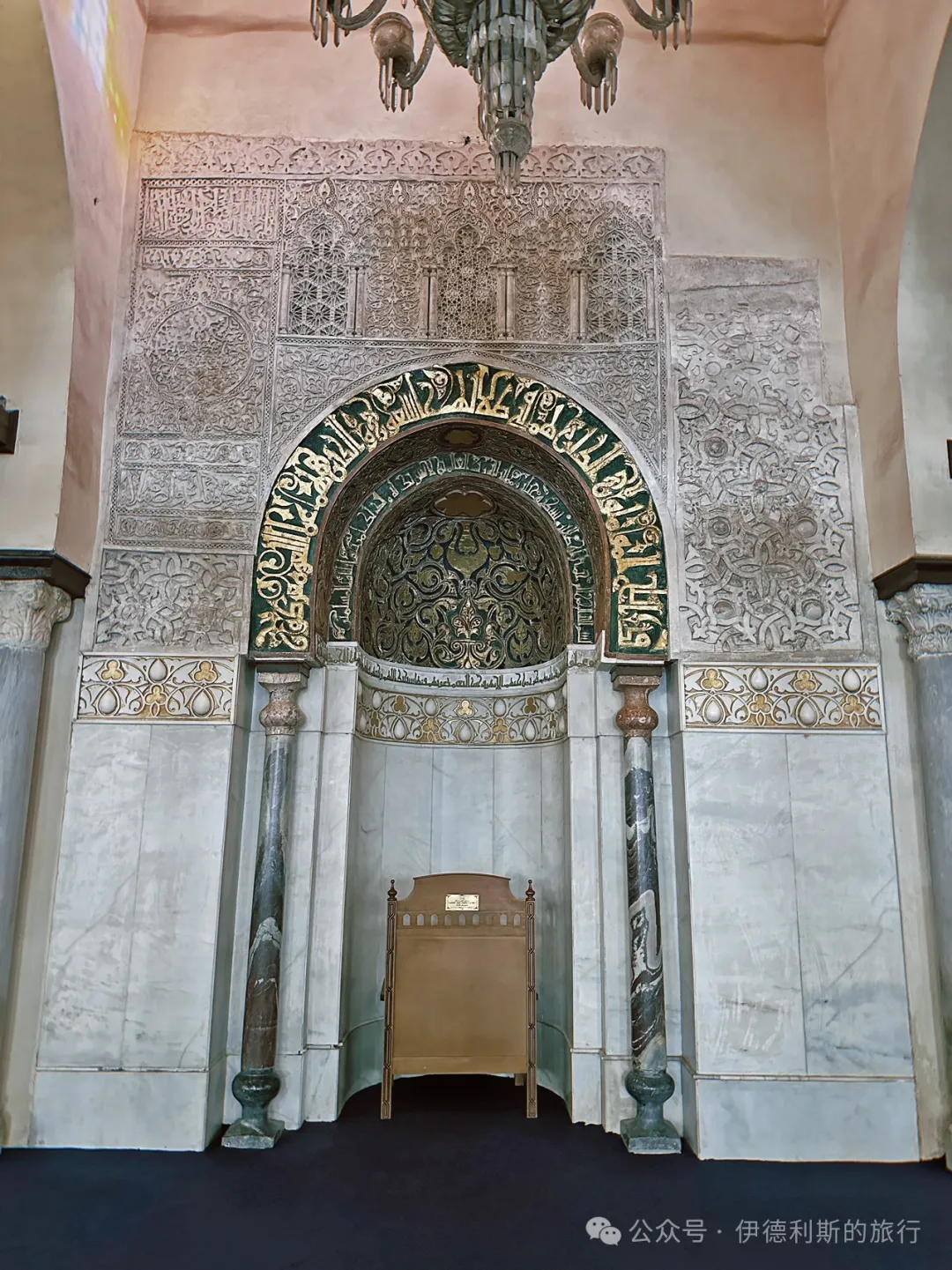
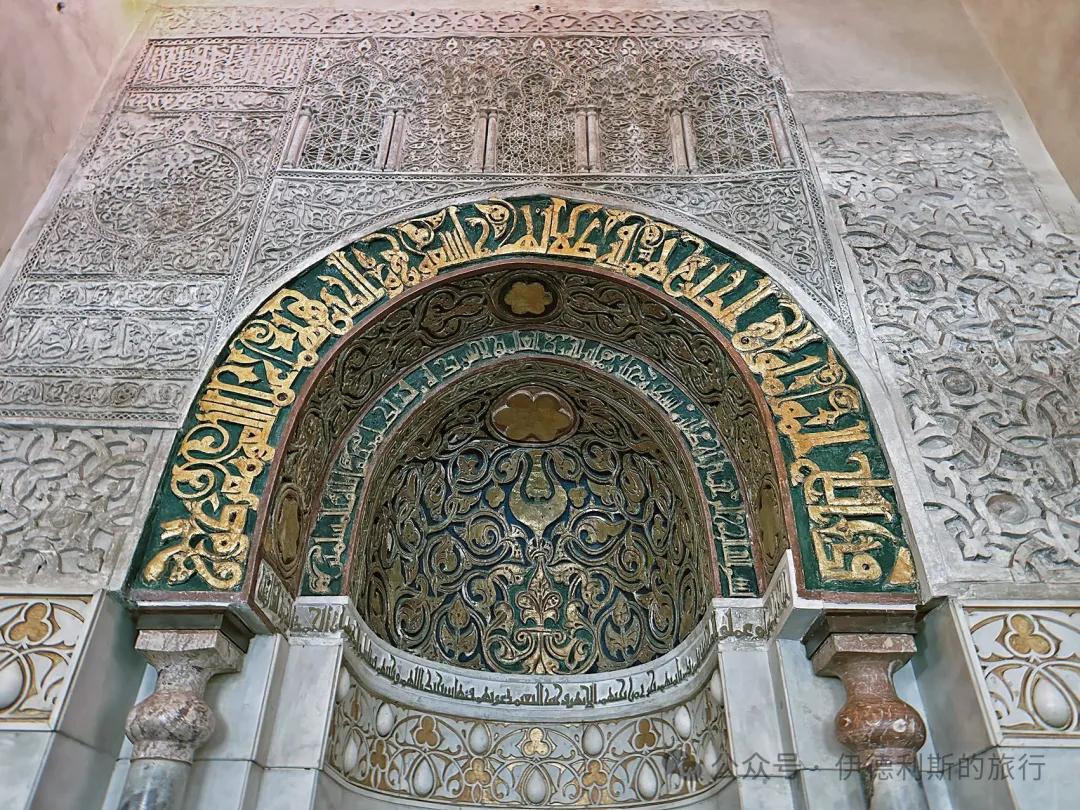
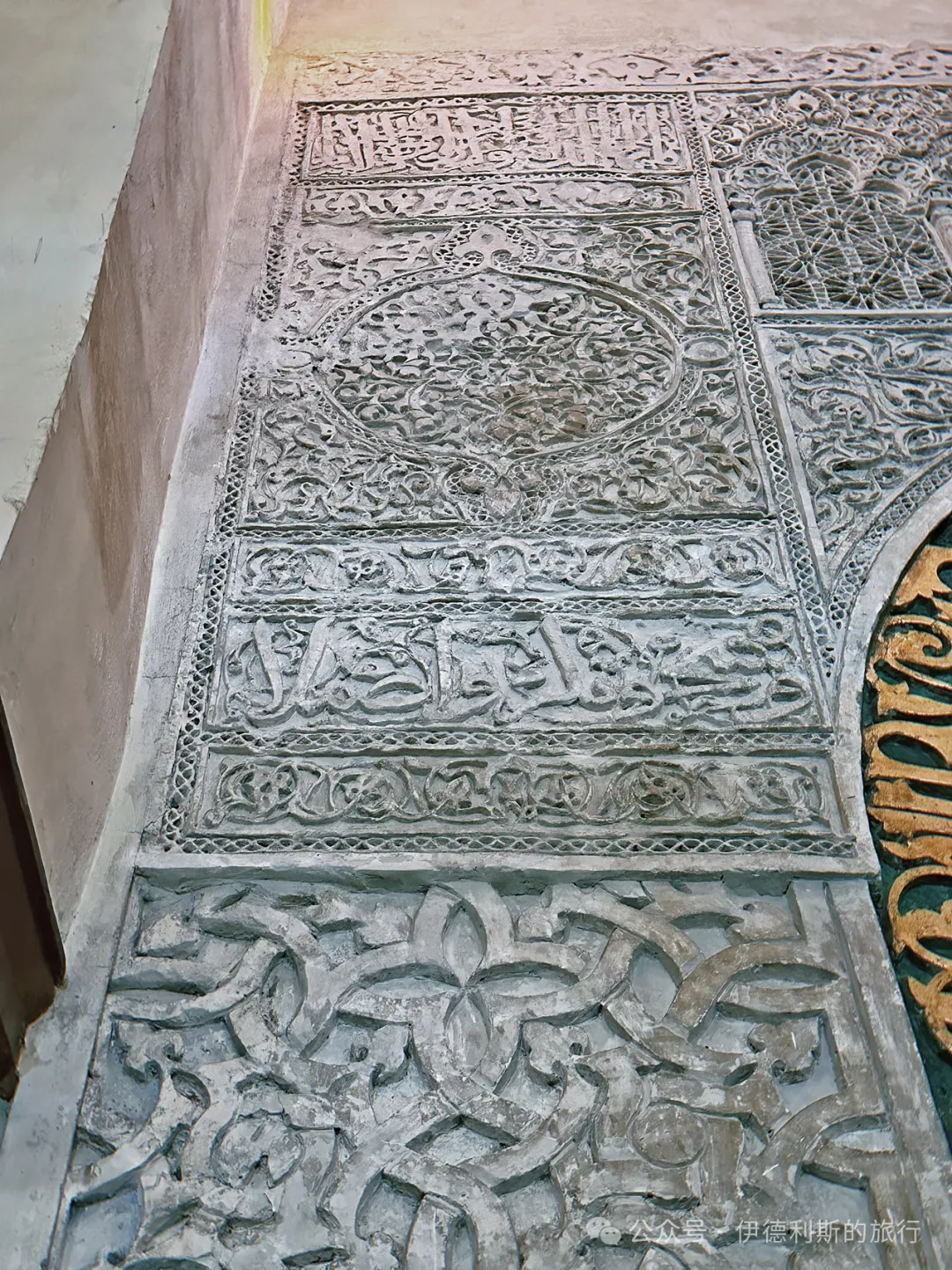
In 1171, Saladin overthrew the Fatimid dynasty and established the Sunni Ayyubid dynasty. The Friday prayers for Cairo moved to the Hakim Mosque in the north of the city, and the Al-Azhar Mosque was neglected because it had been the center of the Ismaili faith. Saladin removed the silver bands from the mihrab niche of the Al-Azhar Mosque that bore the names of the Fatimid caliphs and destroyed all the Ismaili manuscripts kept in the mosque.
It was not until 1266 that the Mamluk Sultan Baybars, who reigned from 1260 to 1277, restored Friday prayers at the Al-Azhar Mosque and repaired the building. The Ayyubid dynasty followed the Shafi'i school of law, which held that a community should have only one main Friday mosque. The Mamluk dynasty followed the Hanafi school, which did not have this rule.
The Mamluk dynasty left two grand minarets at Al-Azhar Mosque: the Qaytbay minaret and the twin minarets of Al-Ghuri, along with the Qaytbay Gate. The Qaytbay minaret was built in 1483 or 1495 and features three balconies decorated with ornate carvings. The Qaytbay Gate was built in 1495 and leads directly into the courtyard. Both are exquisite examples of late Mamluk architecture. During the reign of Sultan Qaytbay (1468-96), the Mamluk dynasty was politically and economically stable and won several military victories against the Ottoman Empire. The Sultan was very interested in art and architecture and sponsored as many as 230 buildings.
In 1509, the Mamluk Sultan Al-Ashraf Qansuh al-Ghuri (reigned 1501-16) built the twin minarets of Al-Ghuri. Al-Ghuri was the last powerful ruler of the Mamluk dynasty. He was eventually defeated by the Ottoman Empire and fell on the battlefield in Syria.
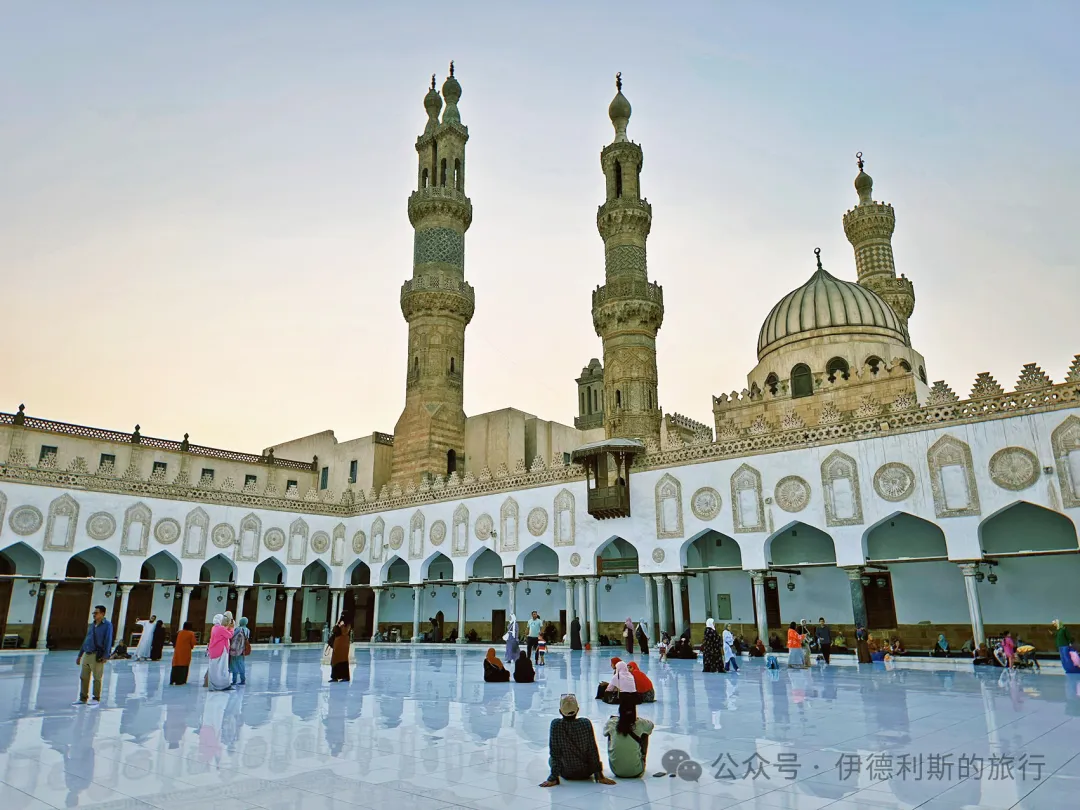
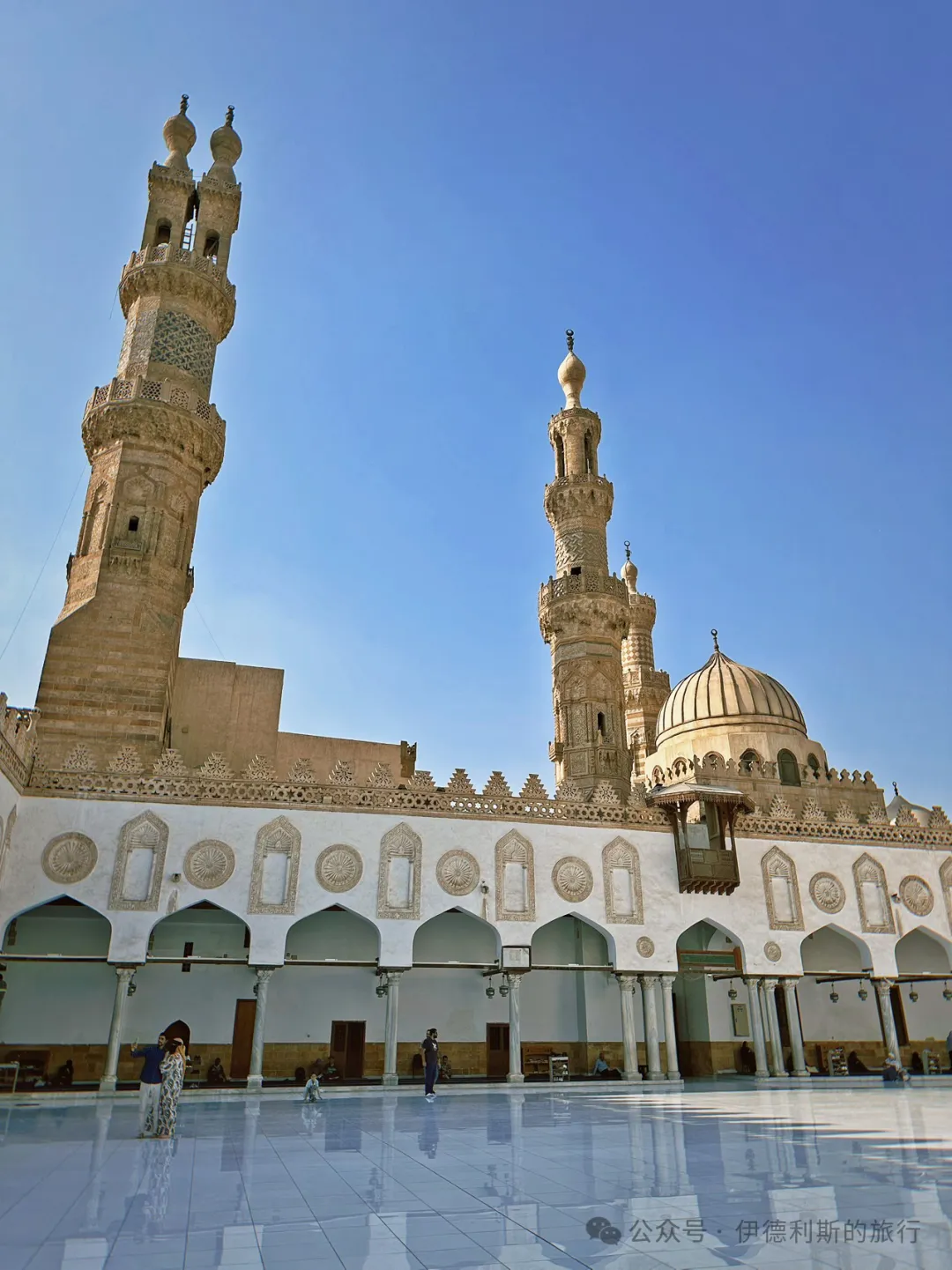
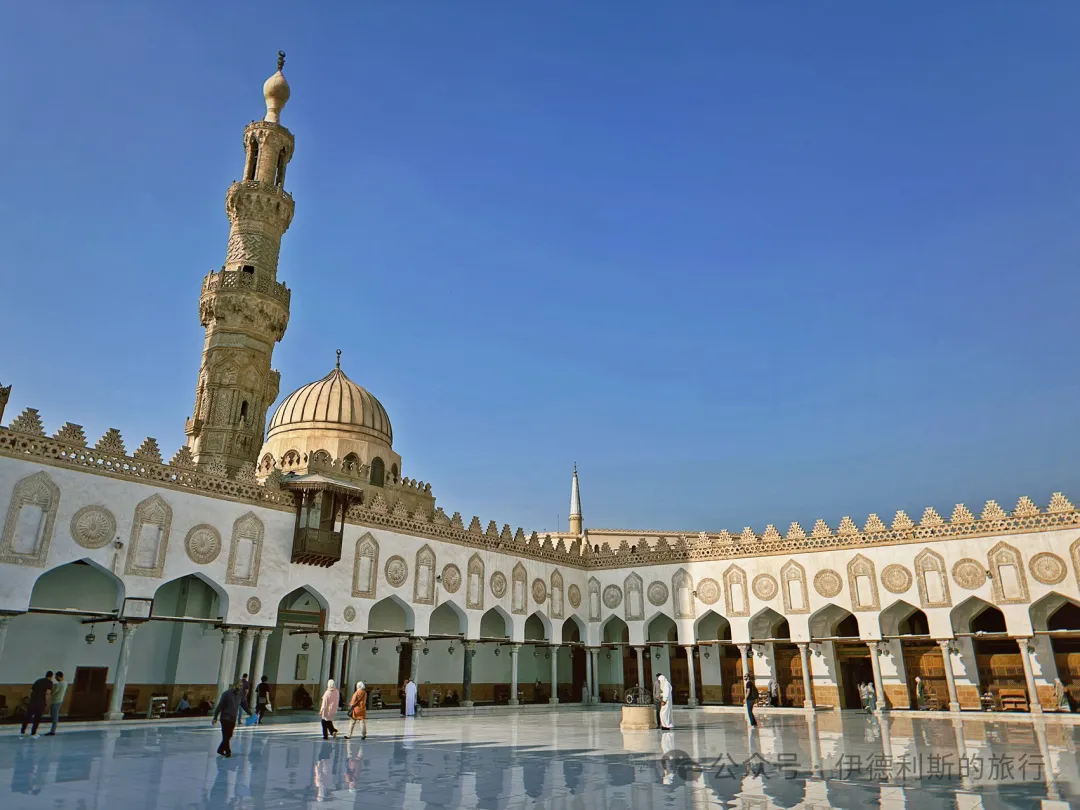
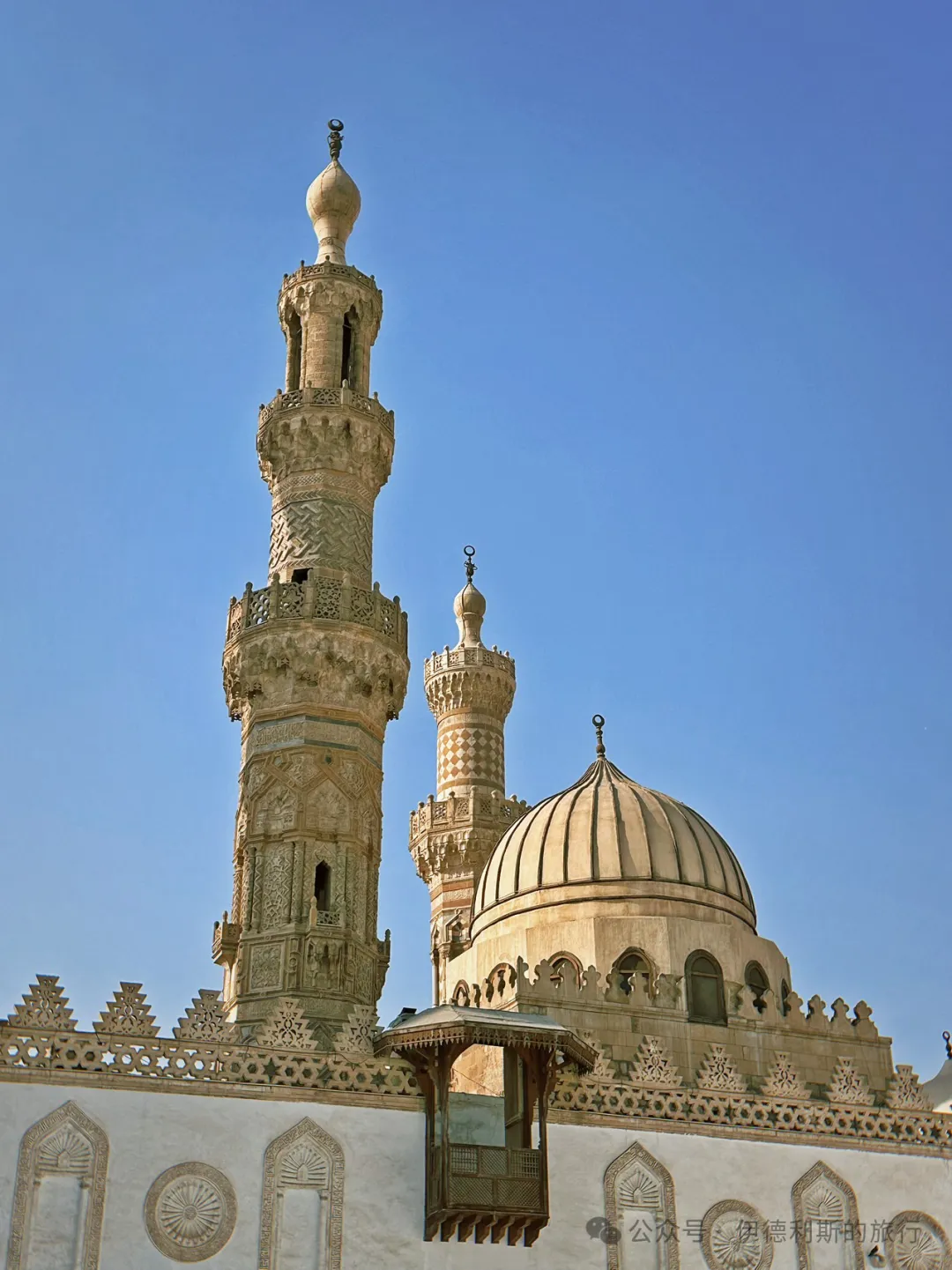
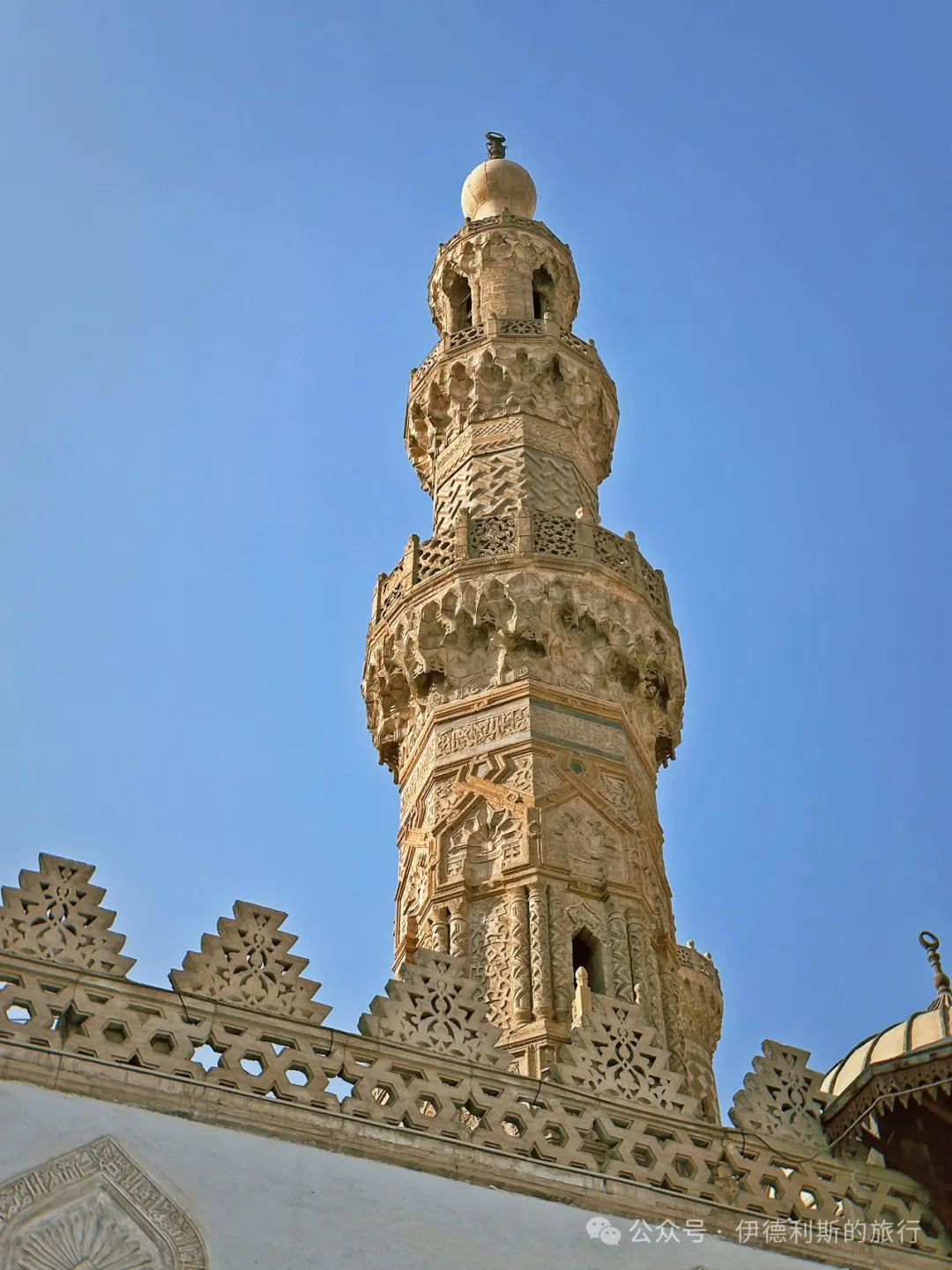
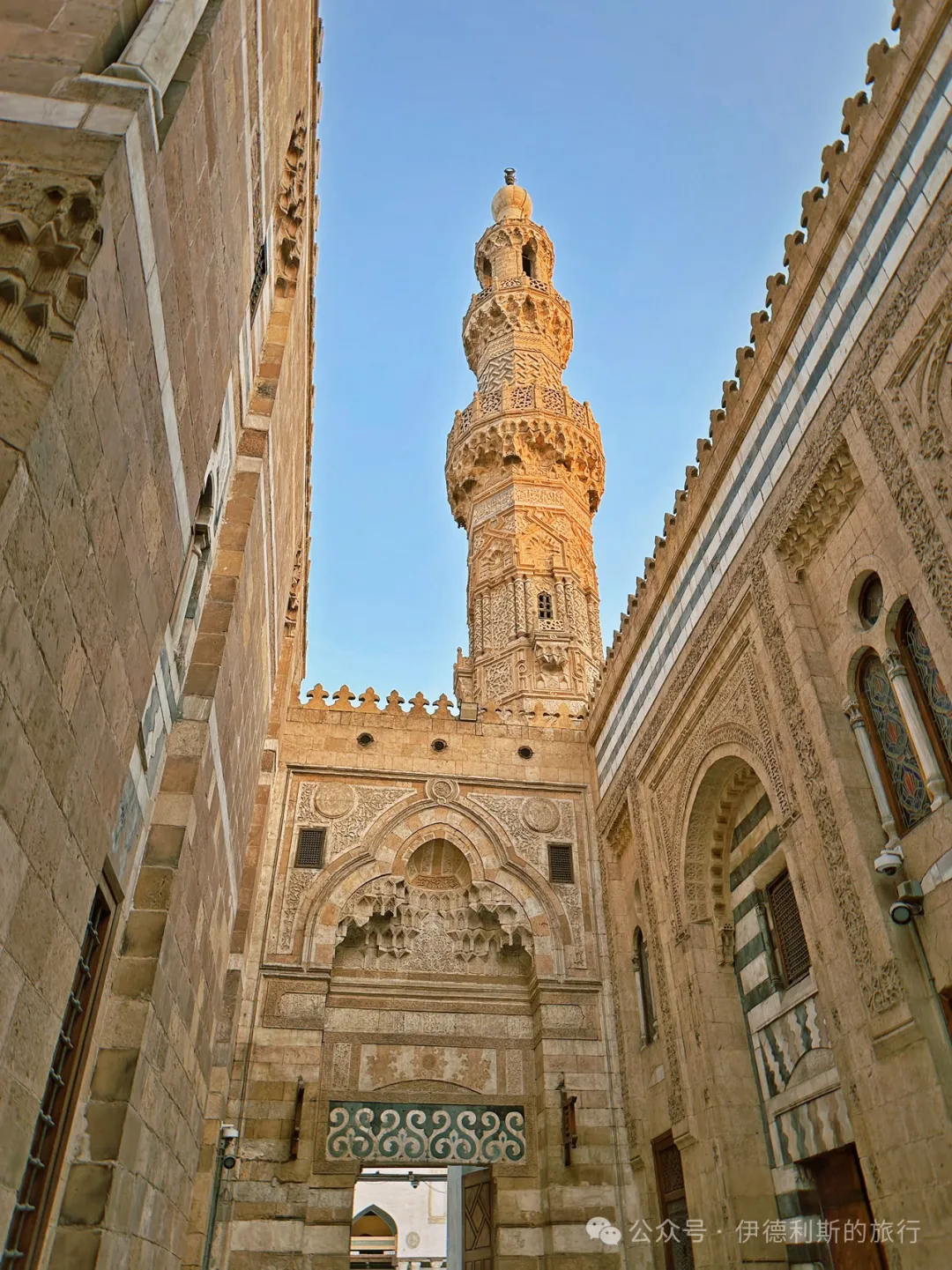
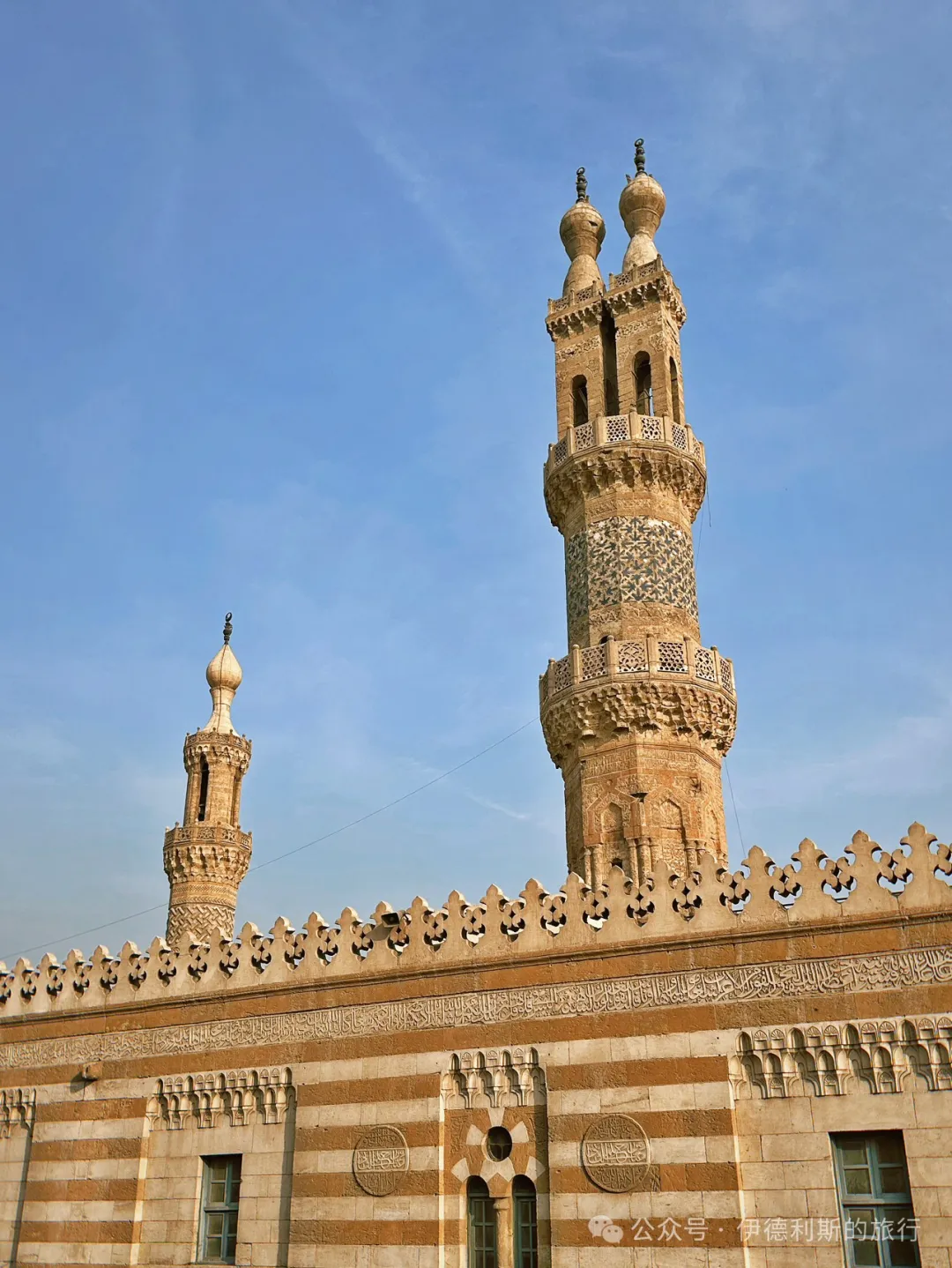
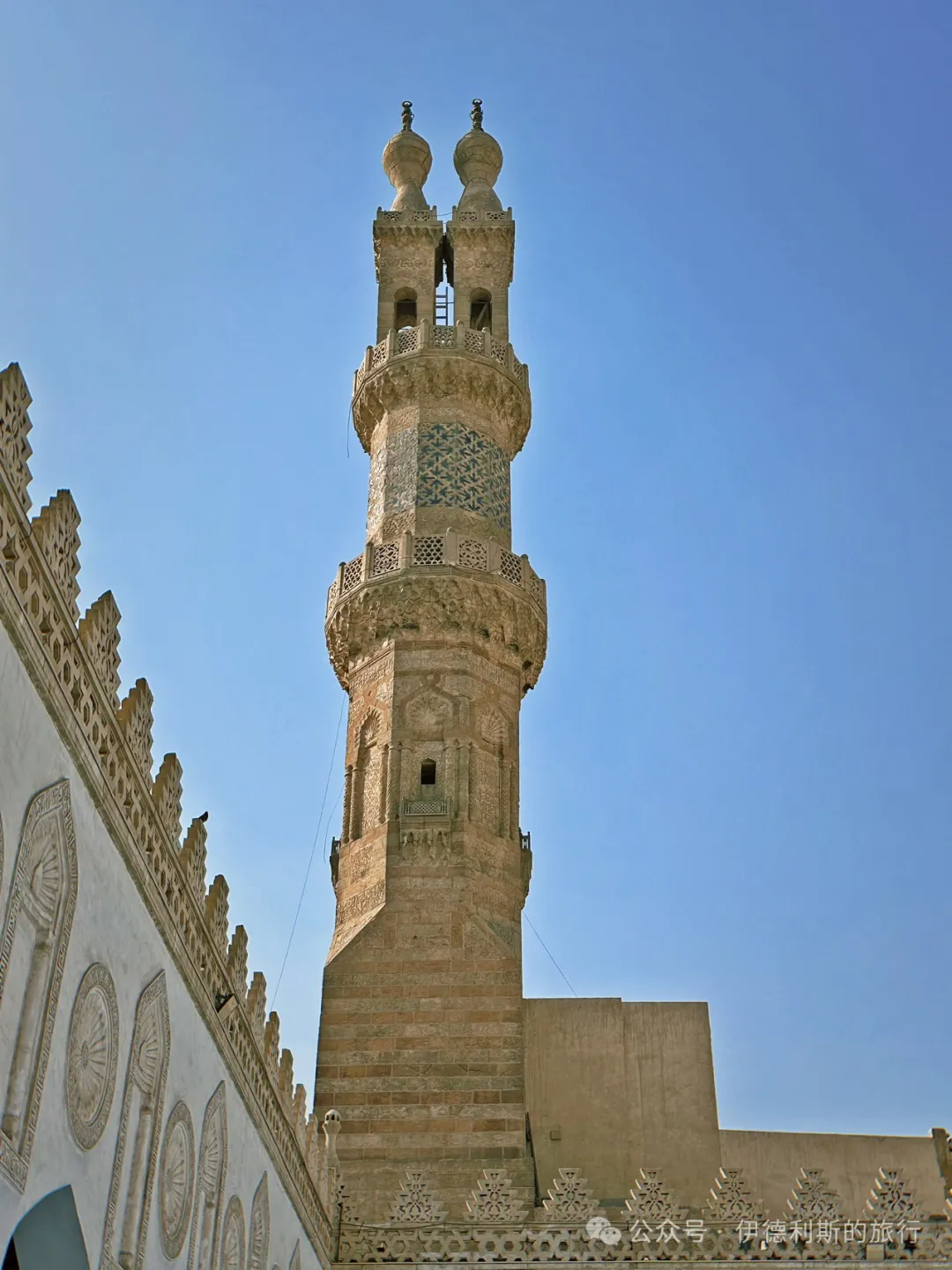
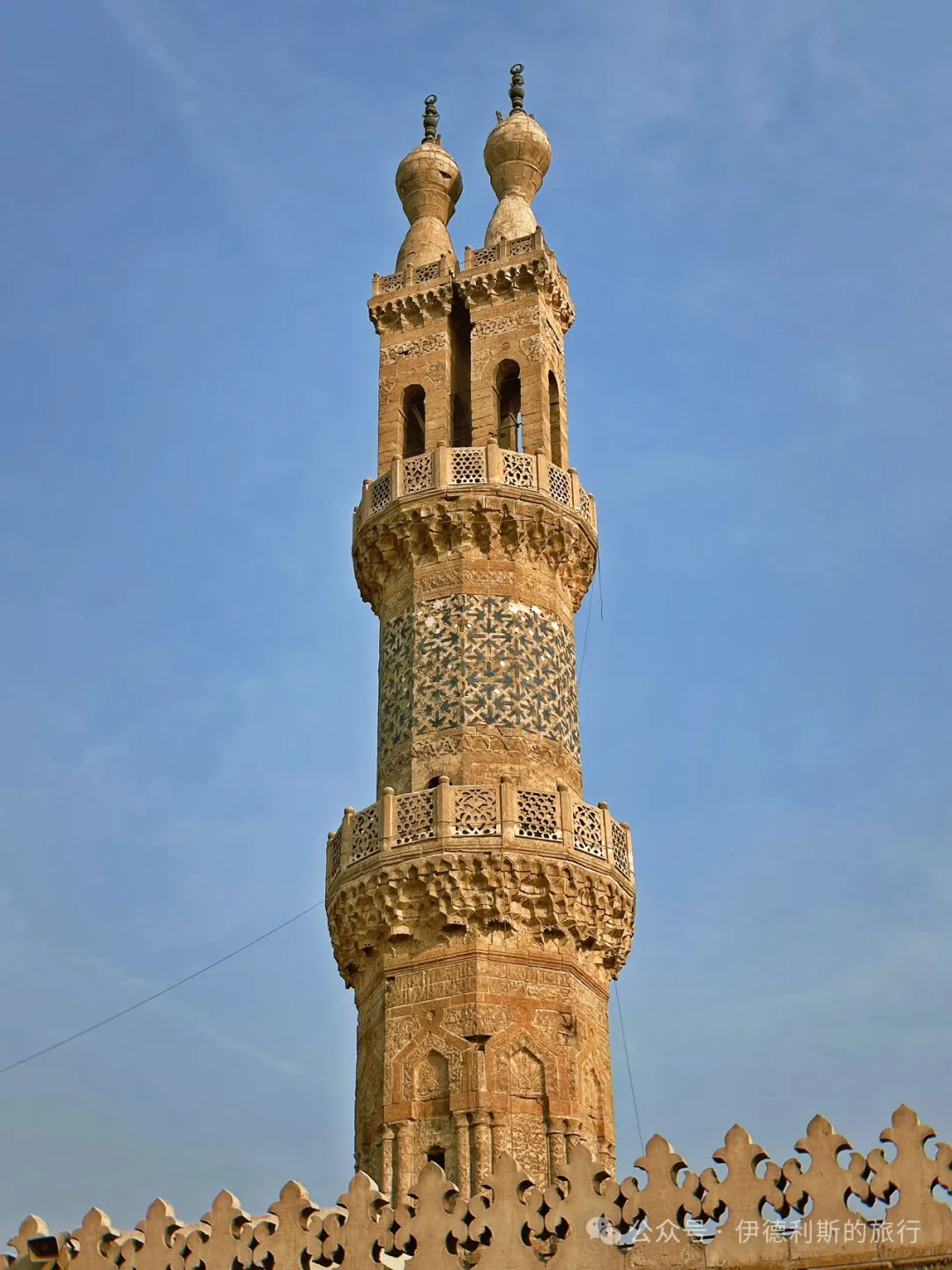
In 1517, the Ottoman Empire conquered the Mamluk dynasty and occupied Egypt, causing the status of Al-Azhar Mosque to decline once again. It was not until after the 18th century, when the Mamluk elite regained influence in Egypt, that renovations and expansions of Al-Azhar Mosque continued.
In 1749, Abd al-Rahman was appointed as the head of the guards (Katkhuda). In 1753, he oversaw the construction of three Ottoman-style gates for Al-Azhar Mosque: the Barbers' Gate (Bab al-Muzayinīn), the Gate of the Upper Egyptians (Bab al-Sa'ayida), and the Soup Gate (Bab al-Shurba). Outside the Barbers' Gate was where students got their hair cut, 'Sa'ayida' means people from Upper Egypt, and the Soup Gate was where students went to get soup. From then on, the Barbers' Gate became the main entrance to Al-Azhar Mosque.
Abd al-Rahman also doubled the size of the main prayer hall of Al-Azhar Mosque to the south and added a new mihrab, giving the hall its current shape. After Abd al-Rahman died in 1776, he was buried inside Al-Azhar Mosque, becoming the last person in history to be buried there.
After the 18th century, Al-Azhar Mosque became the most influential educational institution in Egypt, and the ulama (scholars) could report to the Pasha (governor) as official advisors.
Napoleon occupied Cairo on July 22, 1798. On October 21, an uprising against the French broke out at Al-Azhar Mosque. Napoleon shelled the mosque directly from the Cairo Citadel, resulting in over 3,000 Egyptian casualties and the death of six Al-Azhar ulama. Napoleon's troops tied their horses to the mihrab of Al-Azhar Mosque and ransacked the student dormitories and the library. In 1800, the commander-in-chief of the French expeditionary force was assassinated by an Al-Azhar student, after which Napoleon ordered the closure of Al-Azhar Mosque. In June 1801, Cairo was recaptured by the British and the Ottoman Empire, and Al-Azhar Mosque reopened.
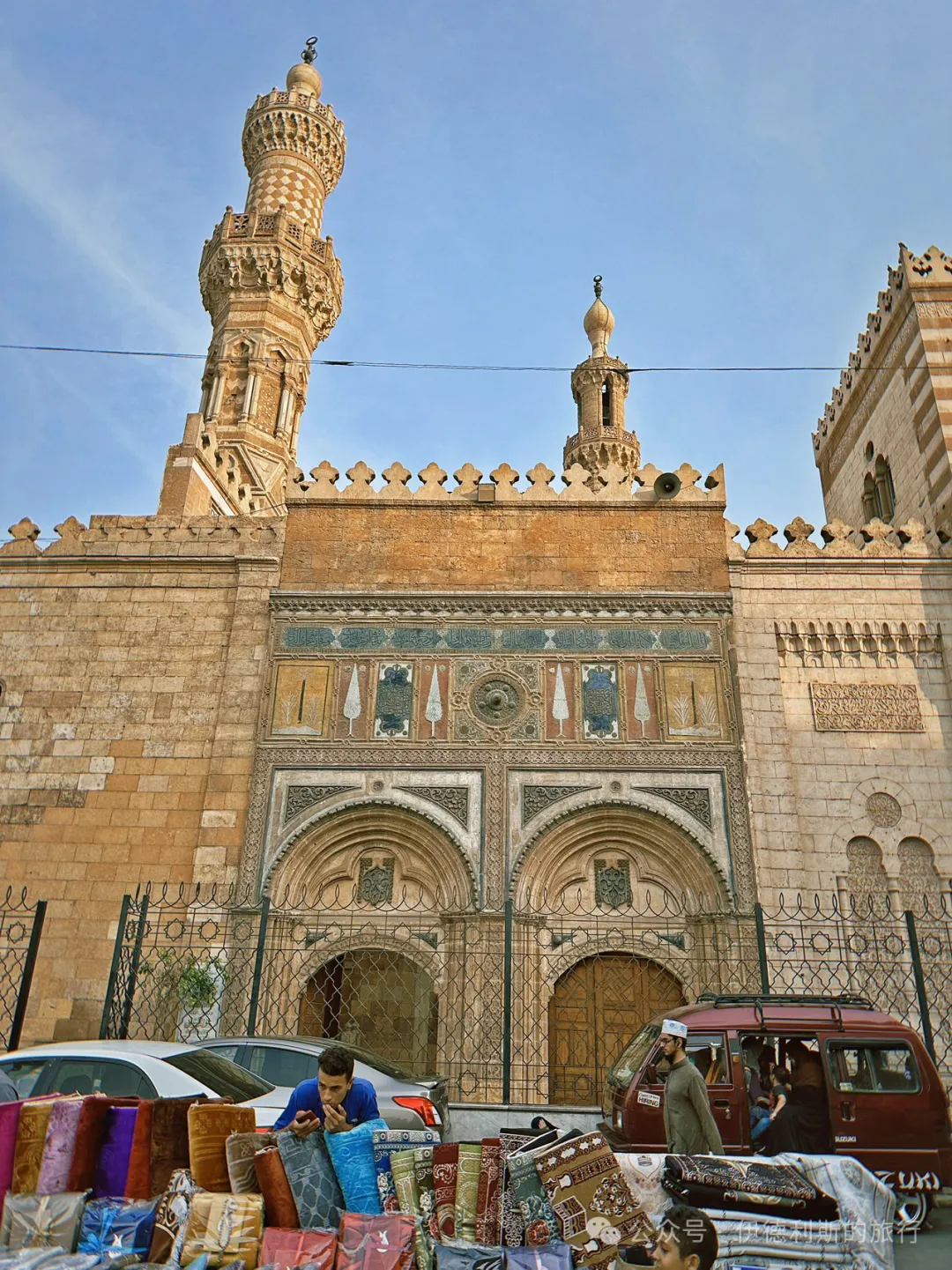
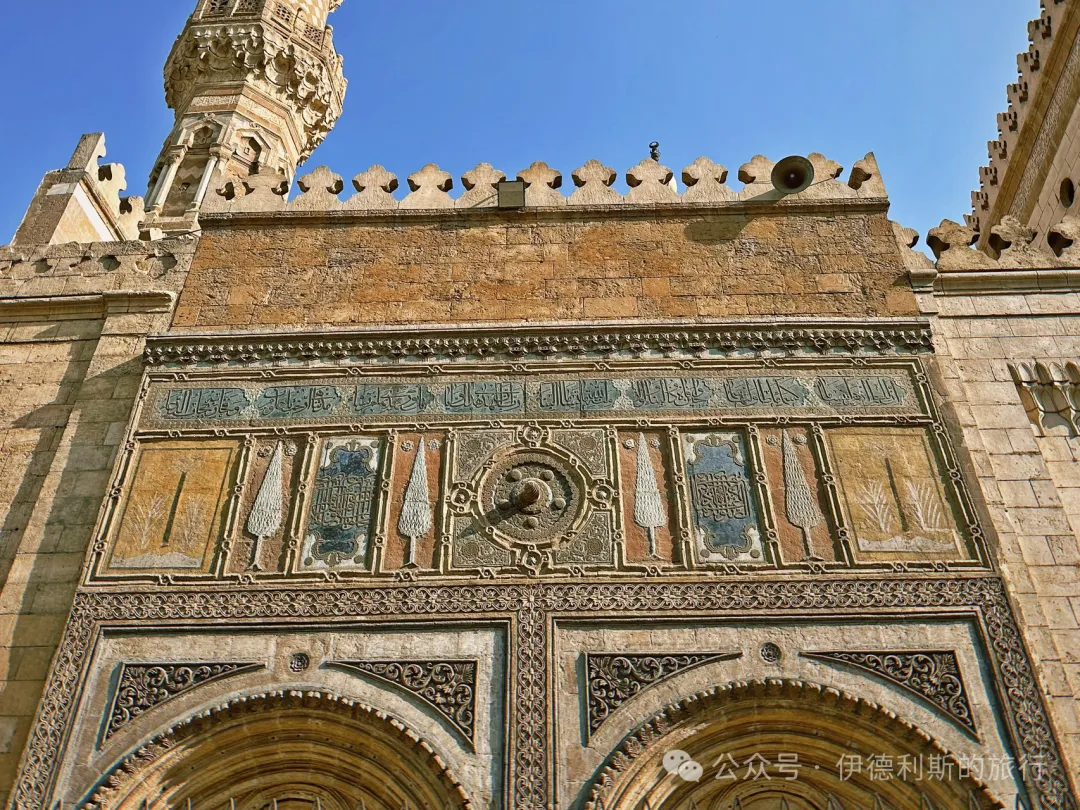
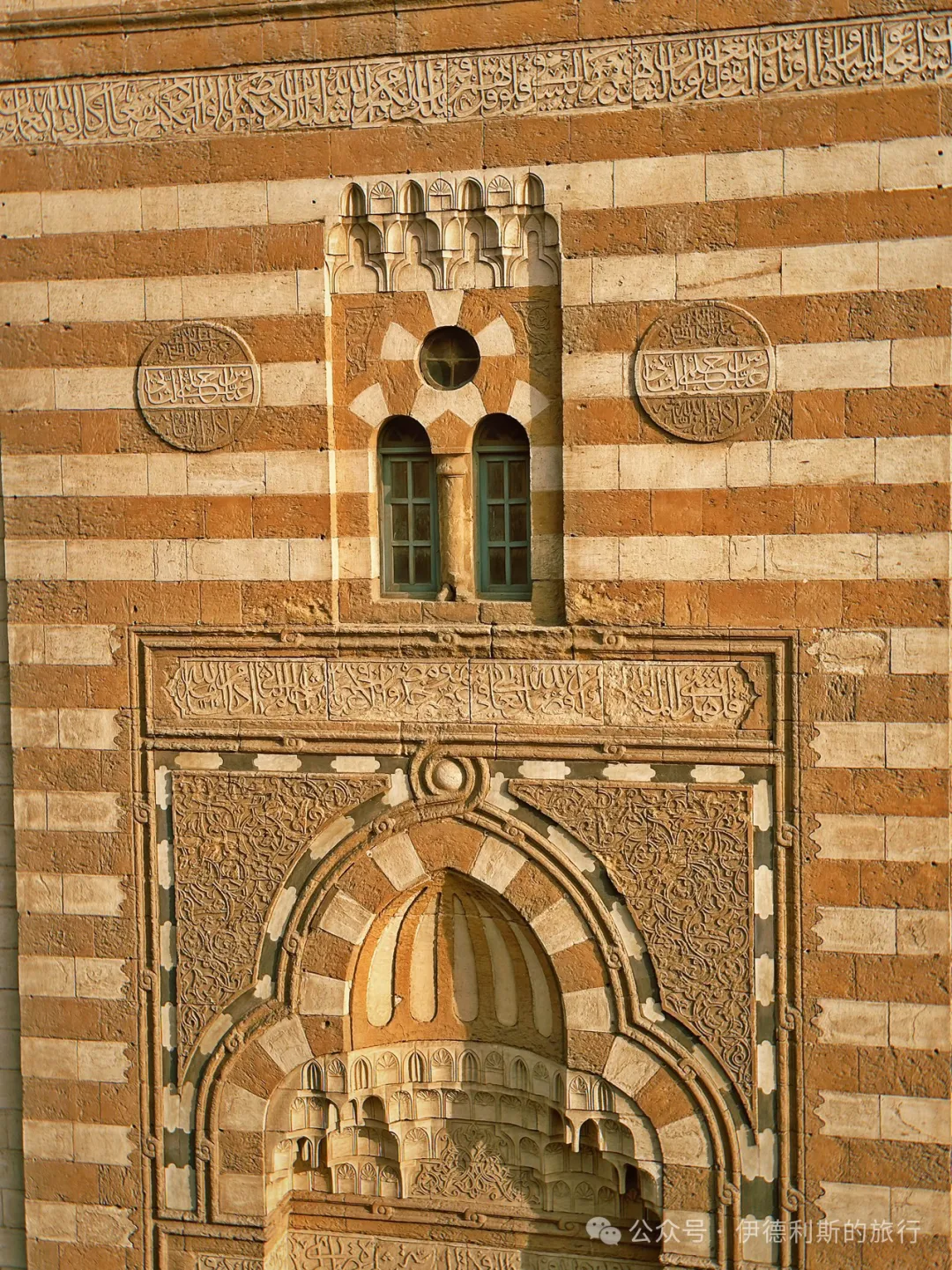
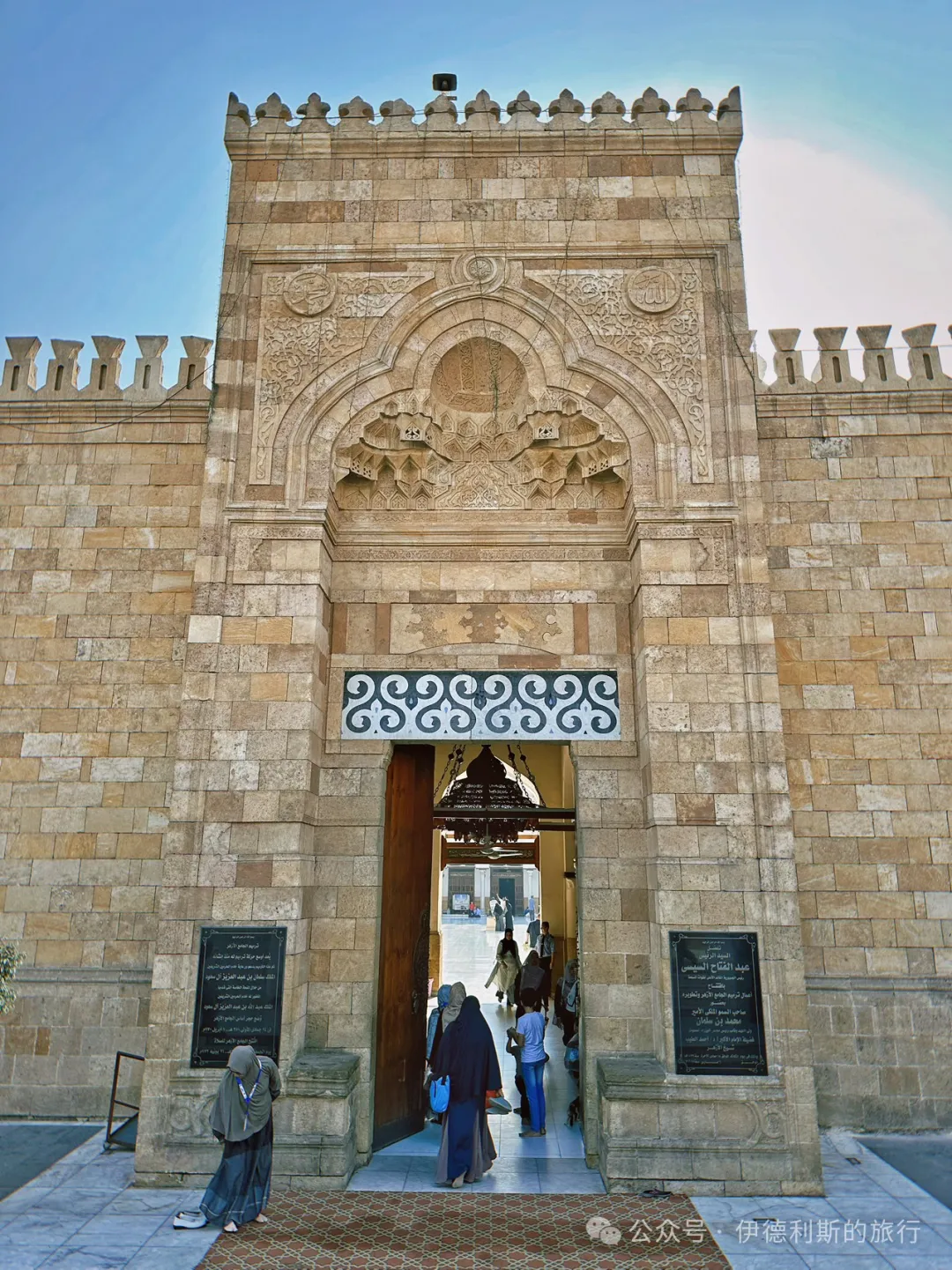
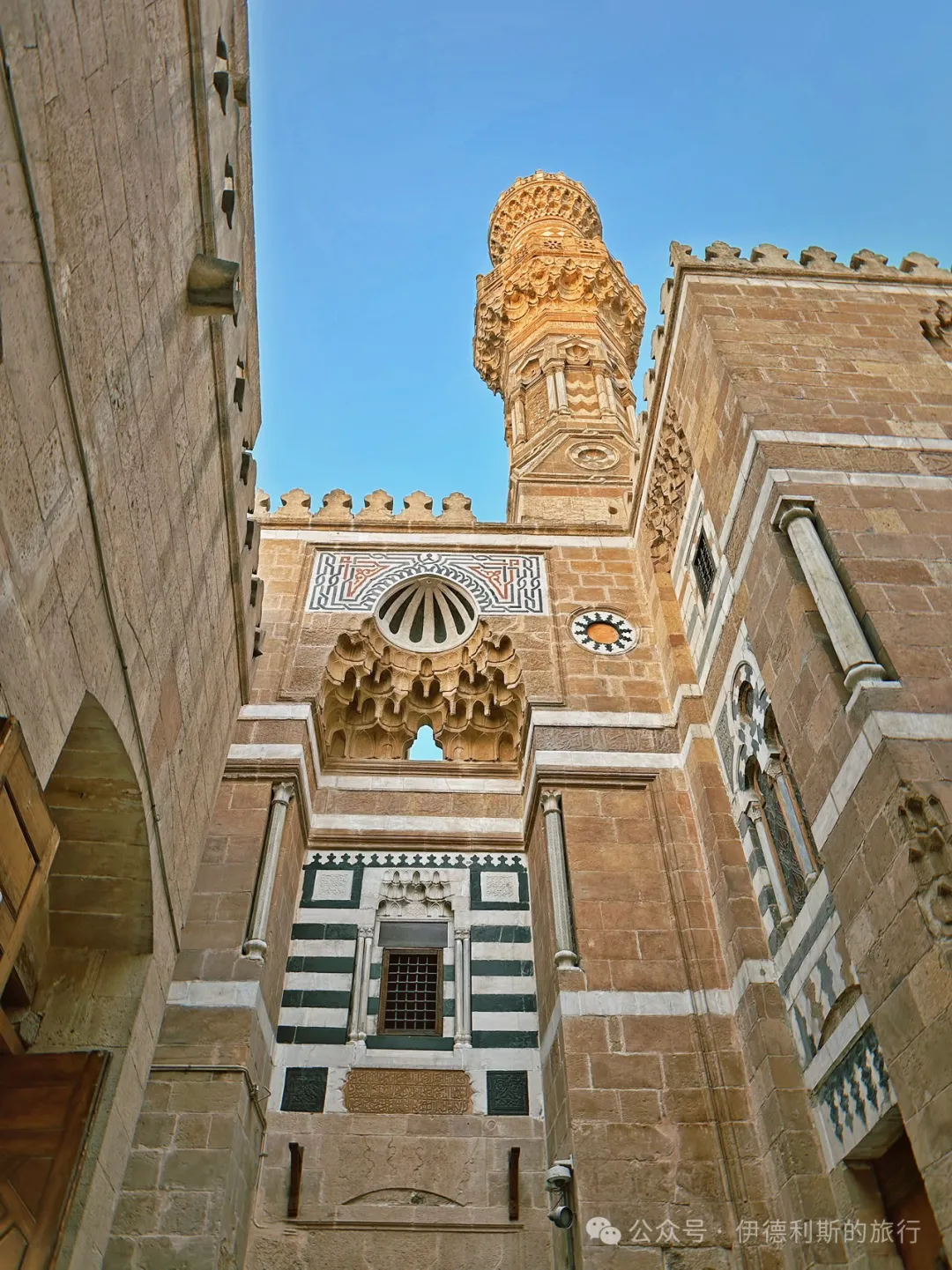
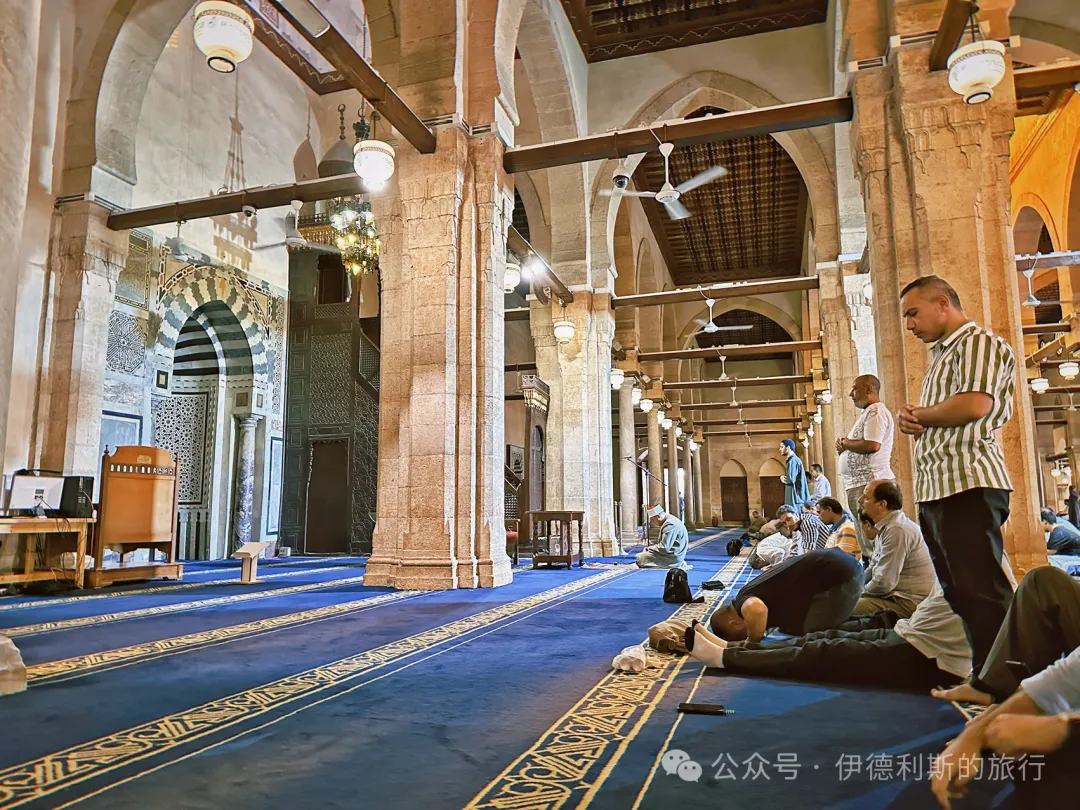
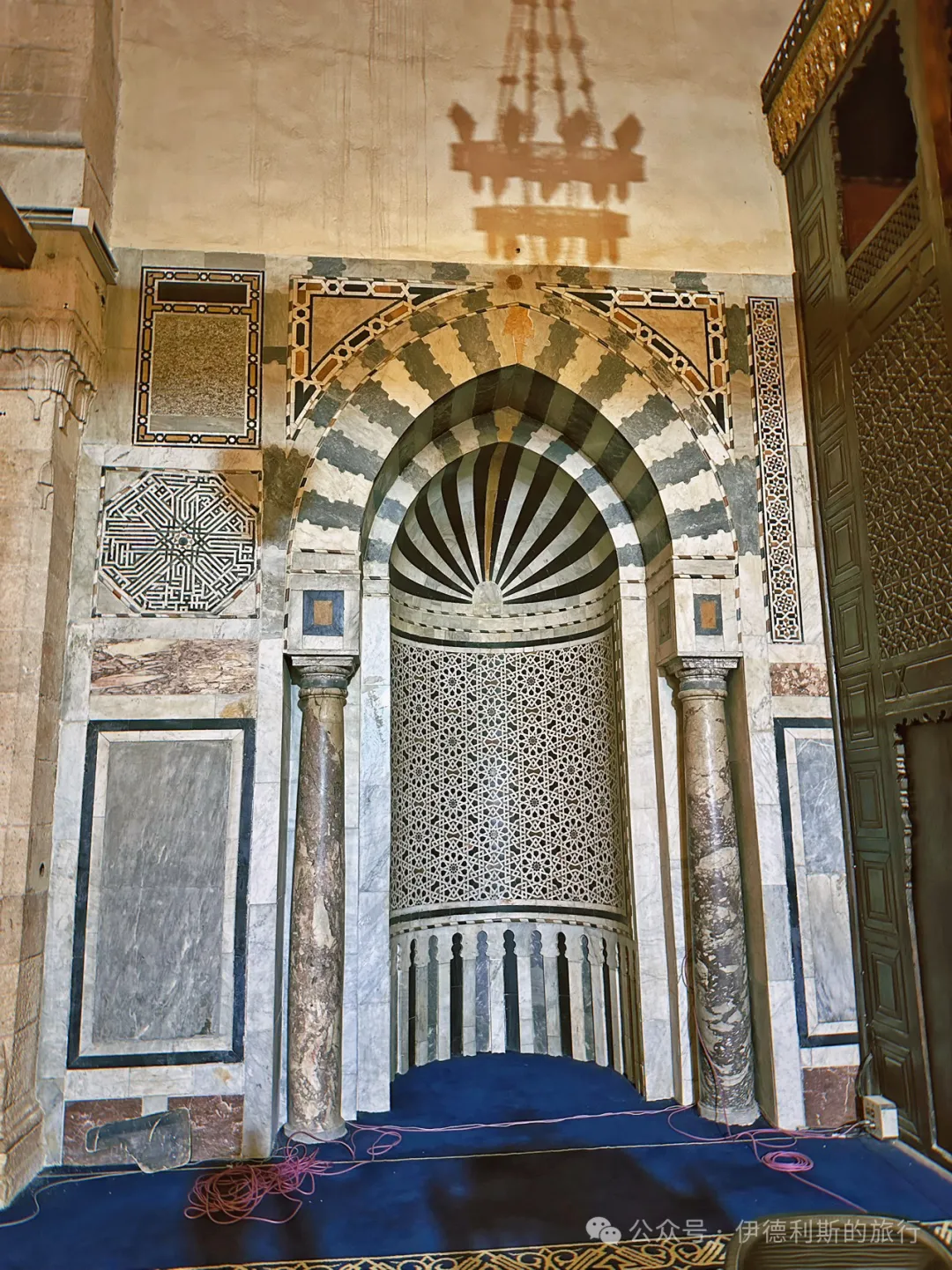
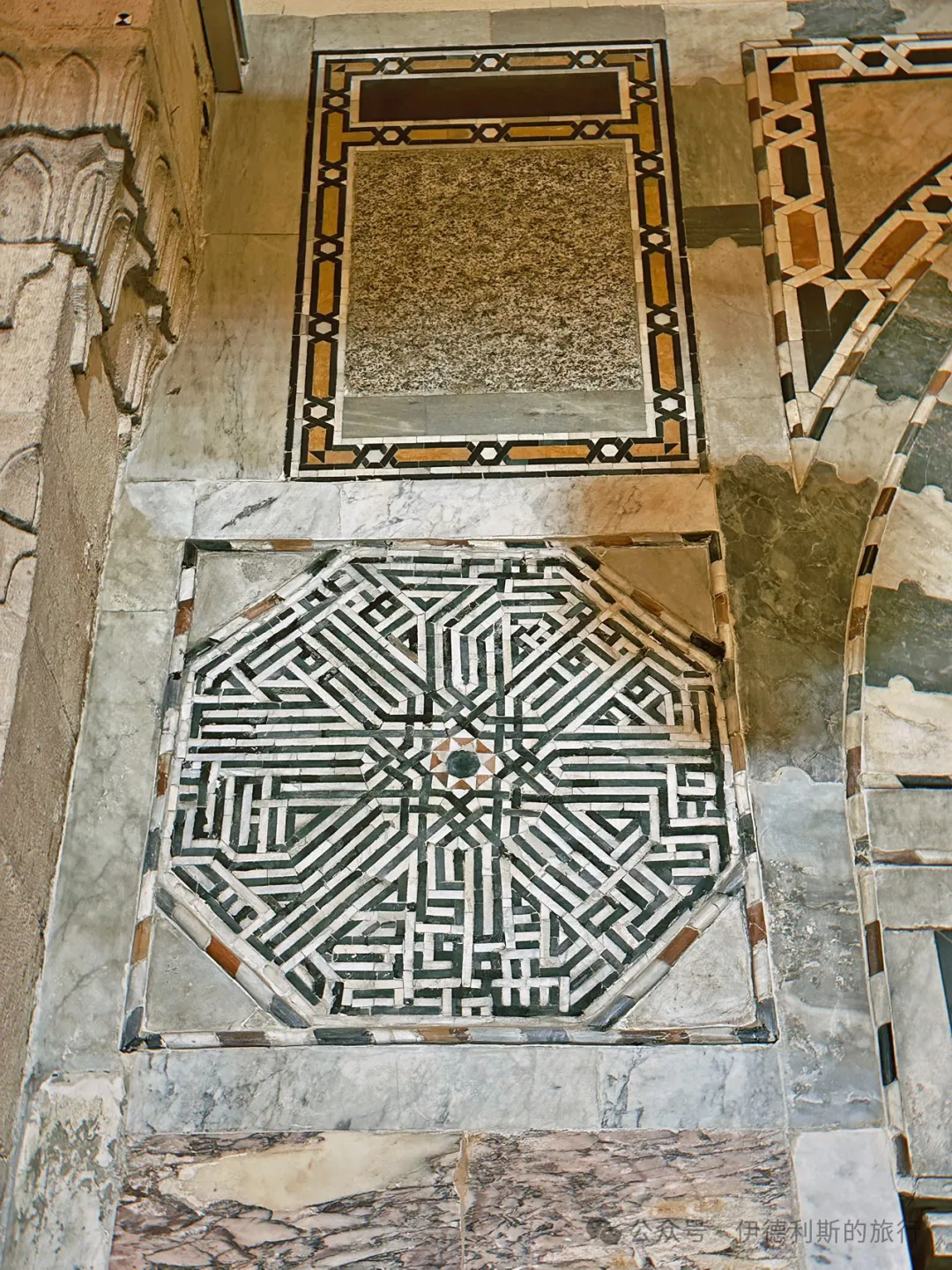
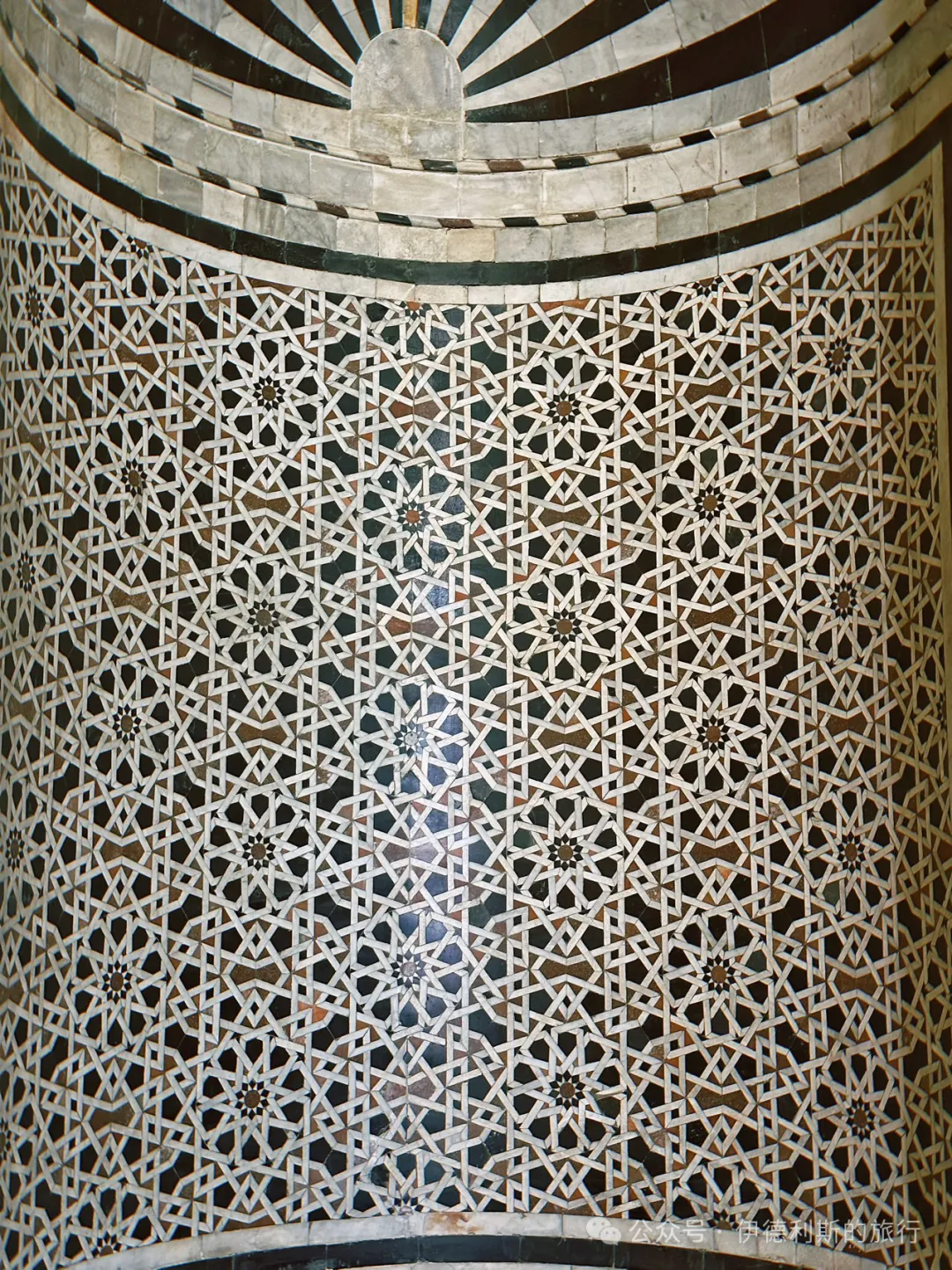
Between 1892 and 1901, the last Khedive (viceroy) of Ottoman Egypt, Abbas II Hilmi Pasha, rebuilt the facade of Al-Azhar Mosque as part of a wave of modernization in British-occupied Egypt. At the same time, Al-Azhar University also carried out educational reforms to oppose fundamentalism. To mitigate the impact of the Saudi Wahhabi movement, many students from Indonesia and other parts of Southeast Asia came to study at Al-Azhar University during this period.
The last two pictures show the Fatimid dynasty stucco carvings restored by the Committee for the Preservation of Arab Art Monuments during the reign of Abbas II Hilmi Pasha.
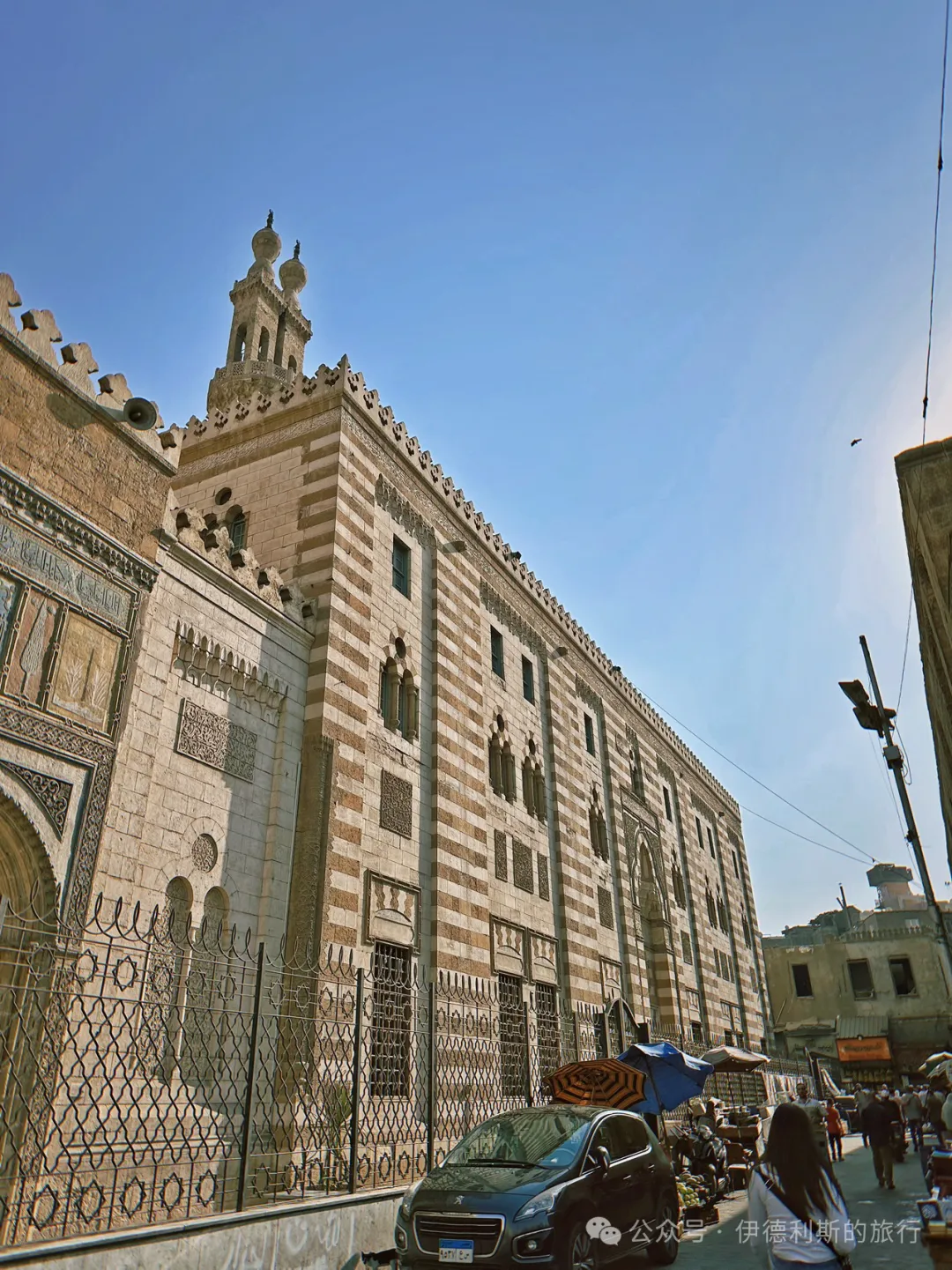
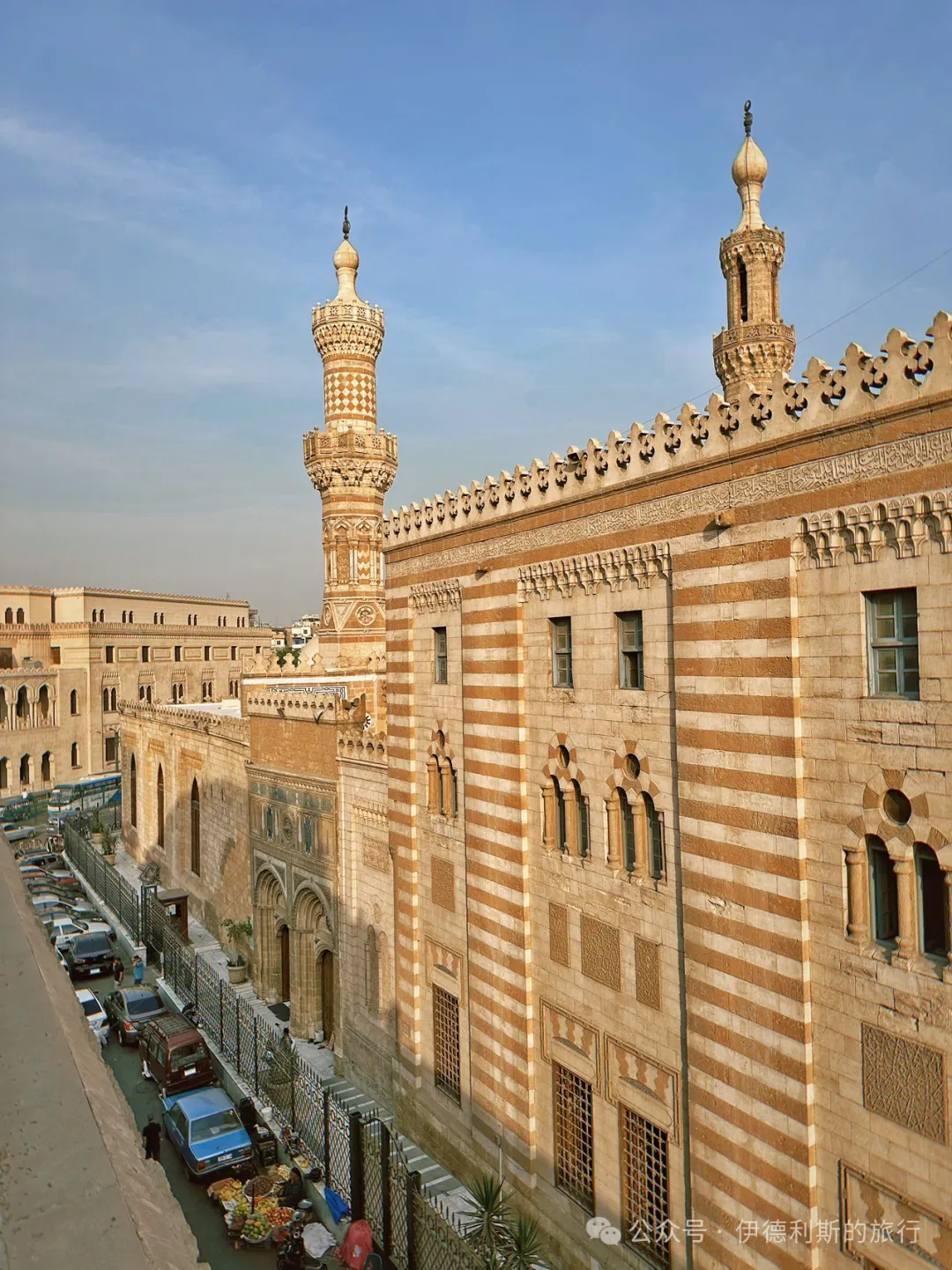
Al-Hussein Mosque: built in 1154, rebuilt in 1874
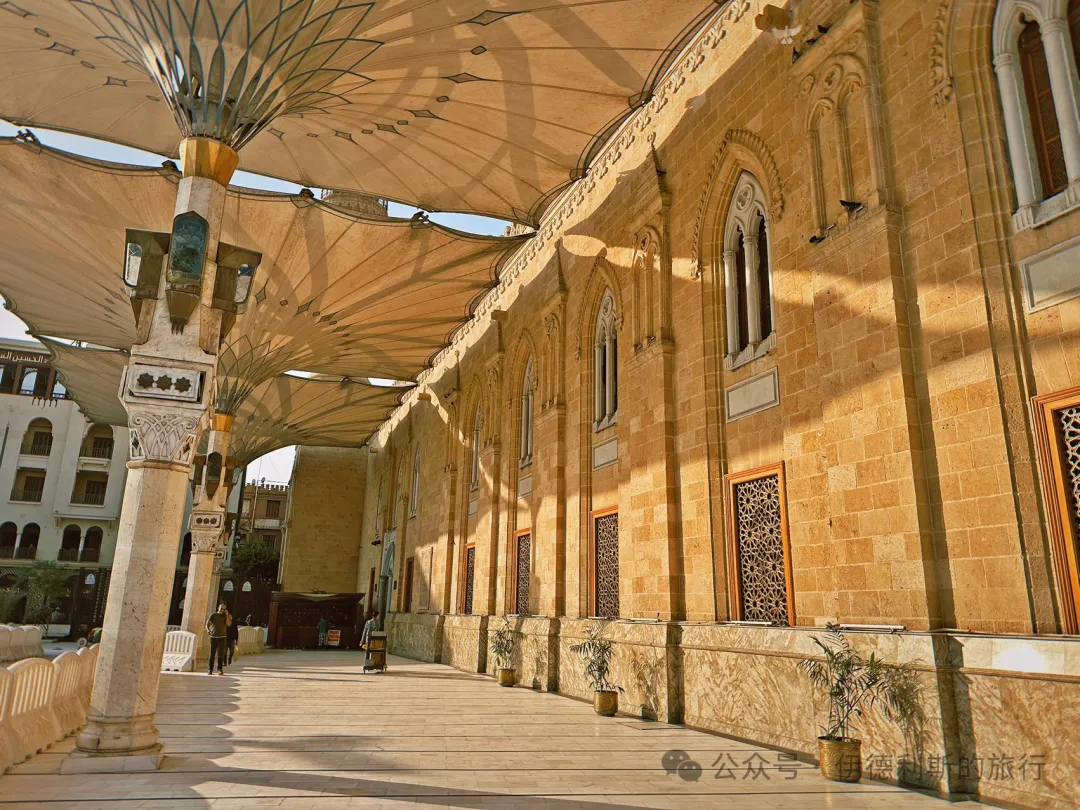
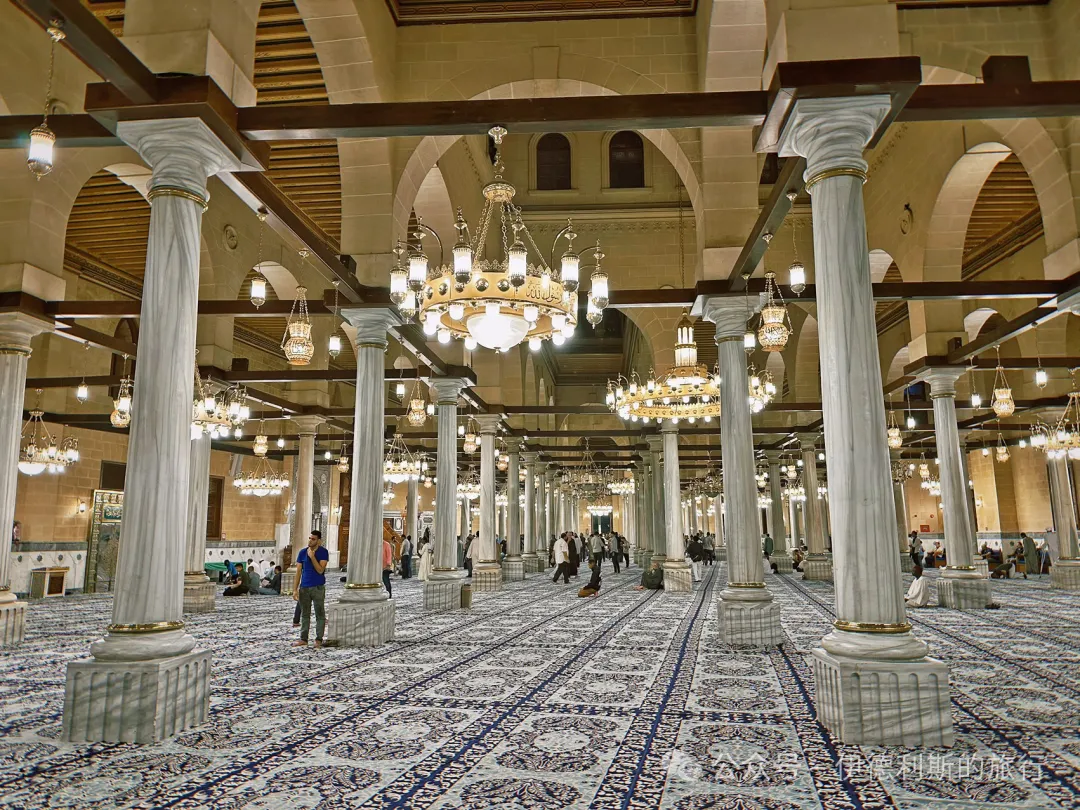
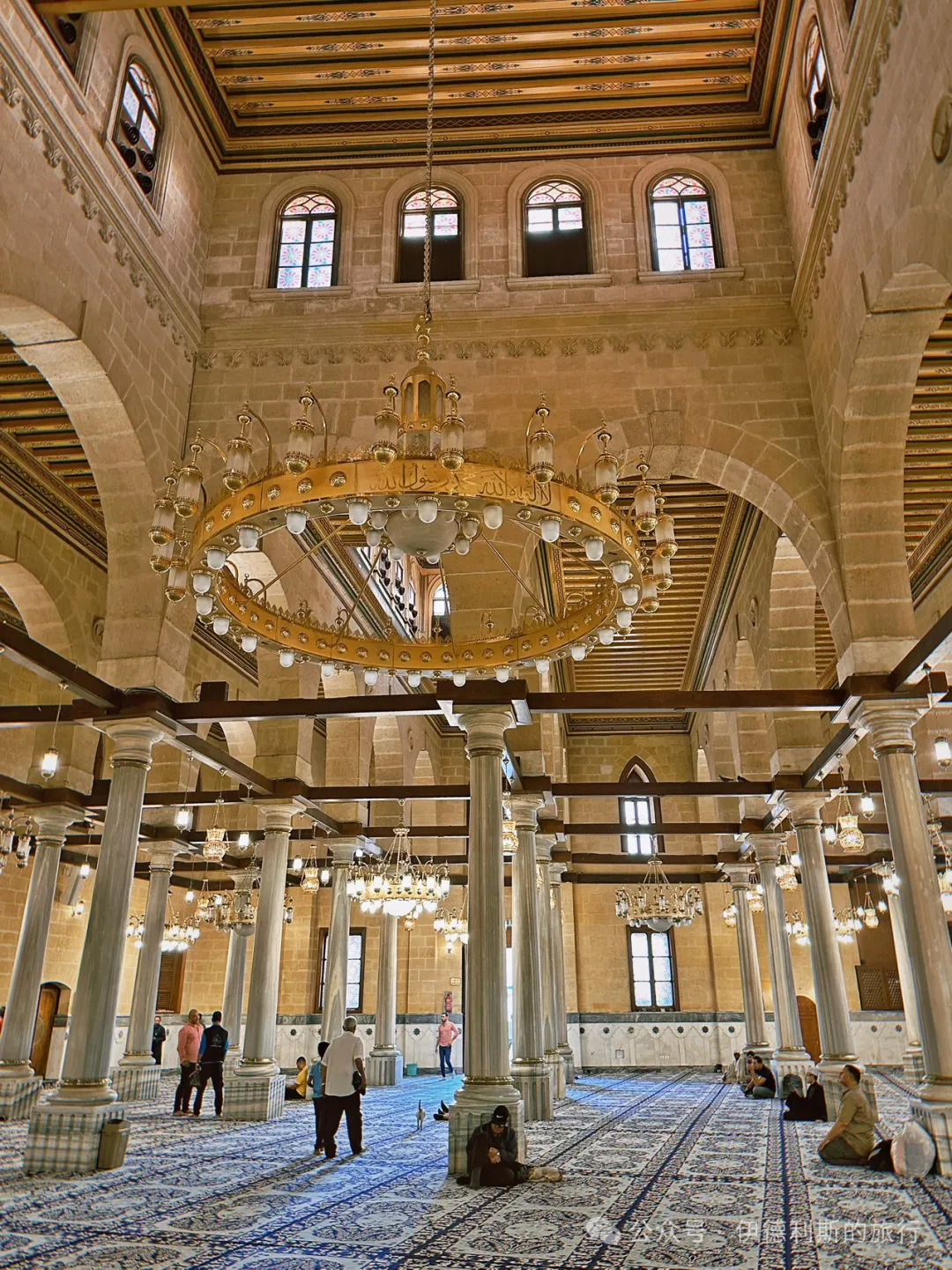
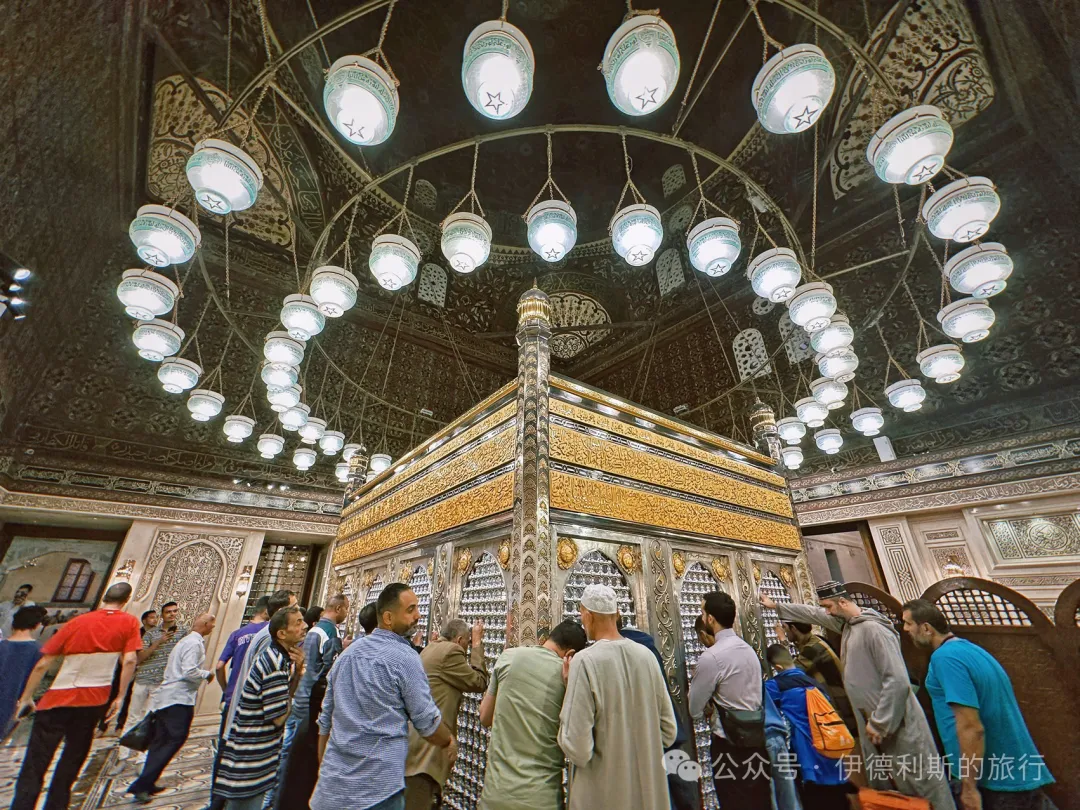
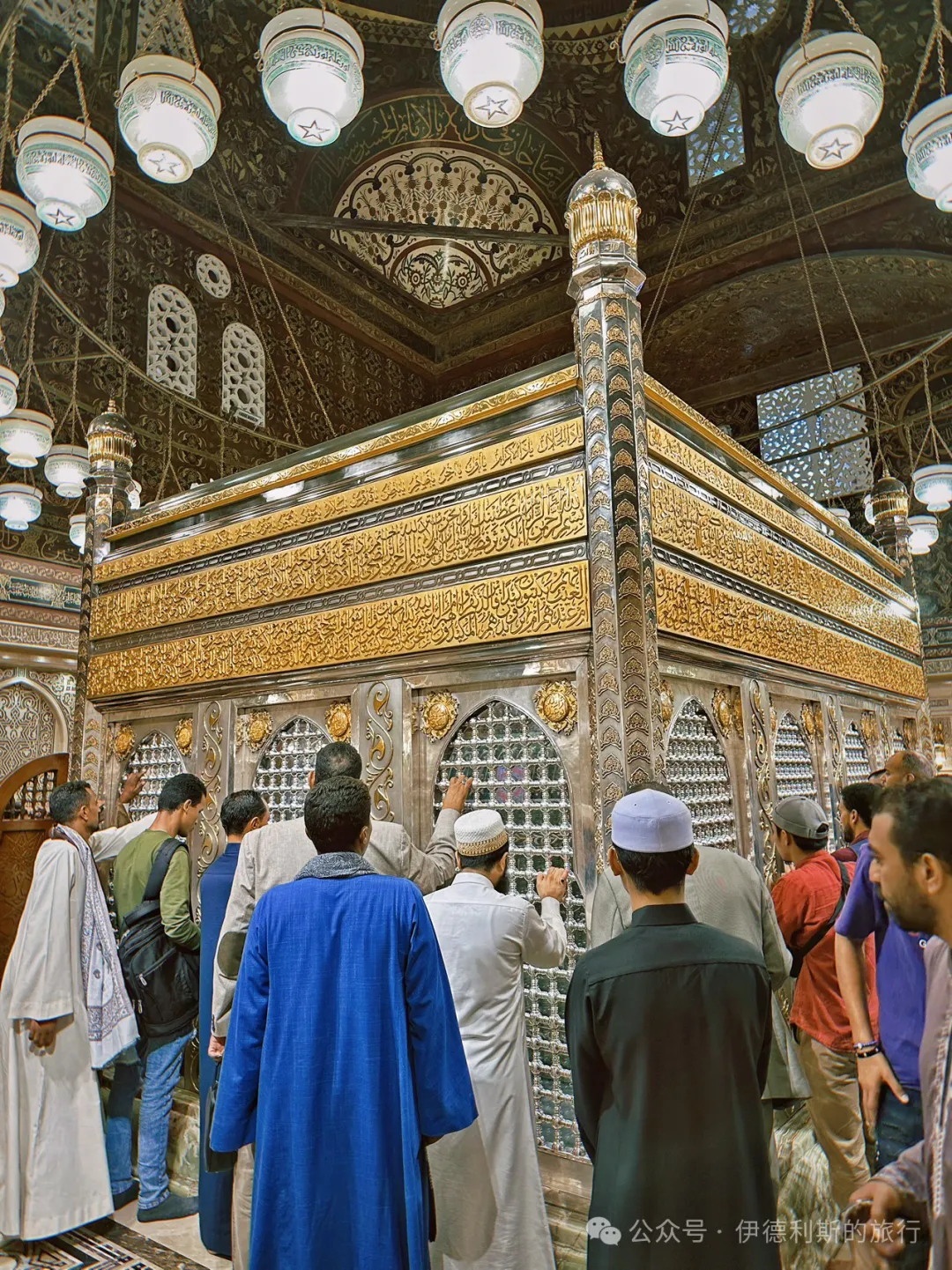
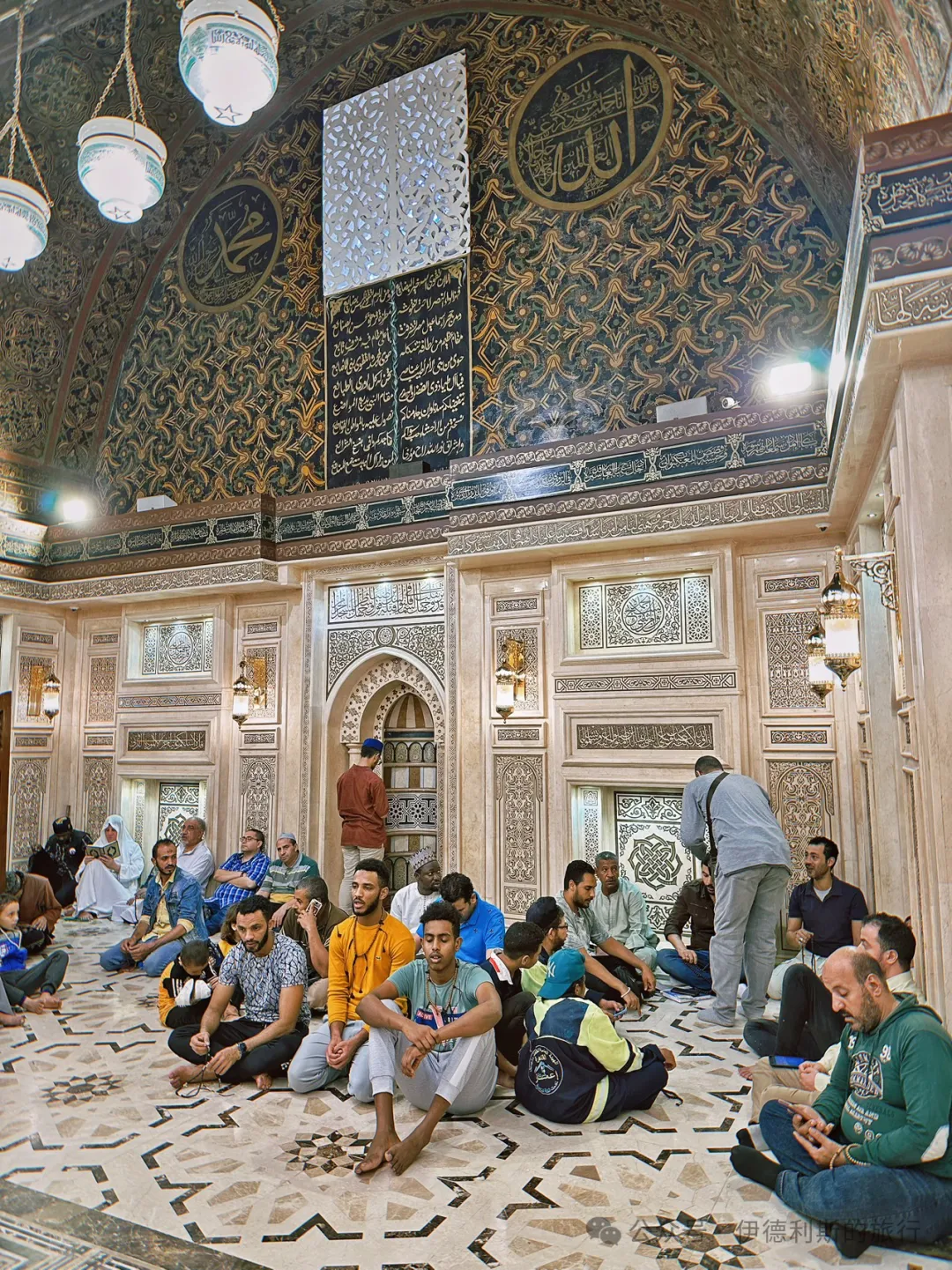
Across from Al-Azhar Mosque is Al-Hussein Mosque, where Shia Muslims believe the head of Imam Hussein is buried. The mosque was first built in 1154, but its current appearance dates to a reconstruction in 1874.
The Fatimid dynasty believed the Abbasid dynasty secretly moved Imam Hussein's head from the Umayyad Mosque cemetery in Damascus. The Fatimids rediscovered it in 1091 and built a shrine for it in Ashkelon, Palestine.
In 1153, the Fatimid dynasty ordered the head of Hussein moved to Cairo to be buried with past Fatimid caliphs, and they built Al-Hussein Mosque in 1154. The lower part of the south gate of Al-Hussein Mosque still keeps its original Fatimid structure.
Al-Hussein Mosque was rebuilt by the Ayyubid dynasty in 1237, but it later burned down, leaving only one Ayyubid minaret today.
In 1874, Isma'il Pasha (reigned 1863-79), the ruler of the Muhammad Ali dynasty, rebuilt Al-Hussein Mosque in a Gothic Revival style and added a minaret blending Gothic and Ottoman styles. During his rule, Isma'il Pasha modernized Egypt on a large scale, trying to align Egypt with Europe, and the renovation of Al-Hussein Mosque was part of this effort.
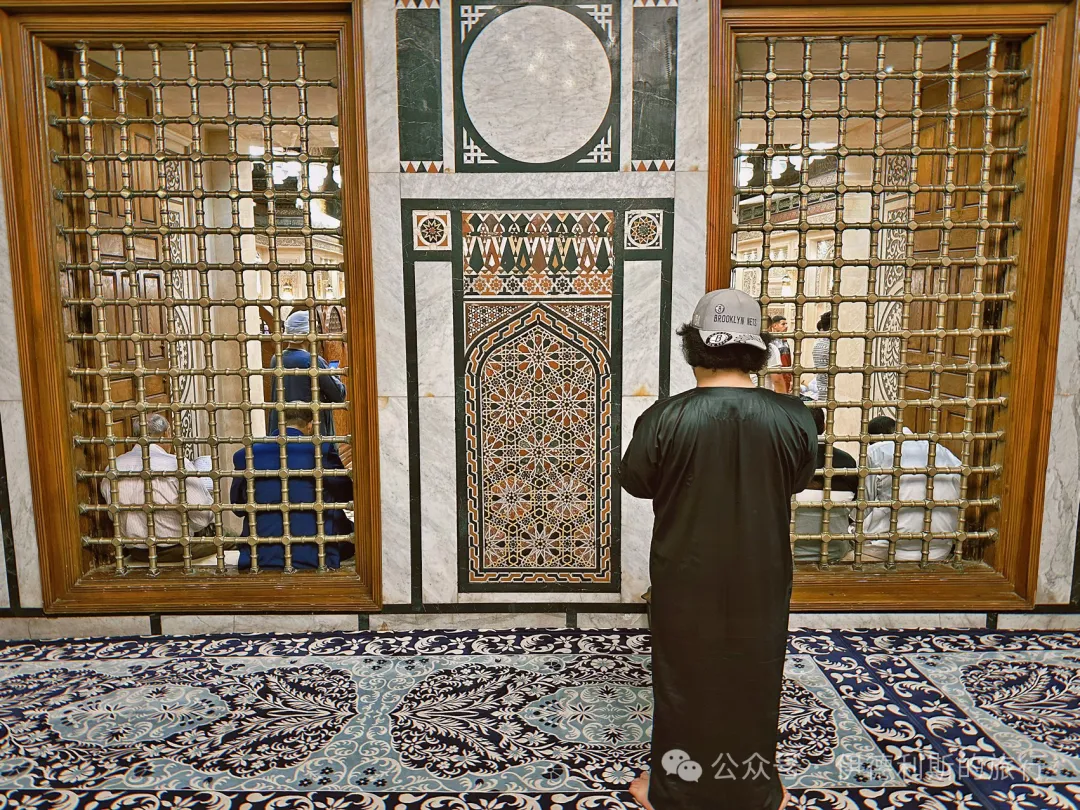
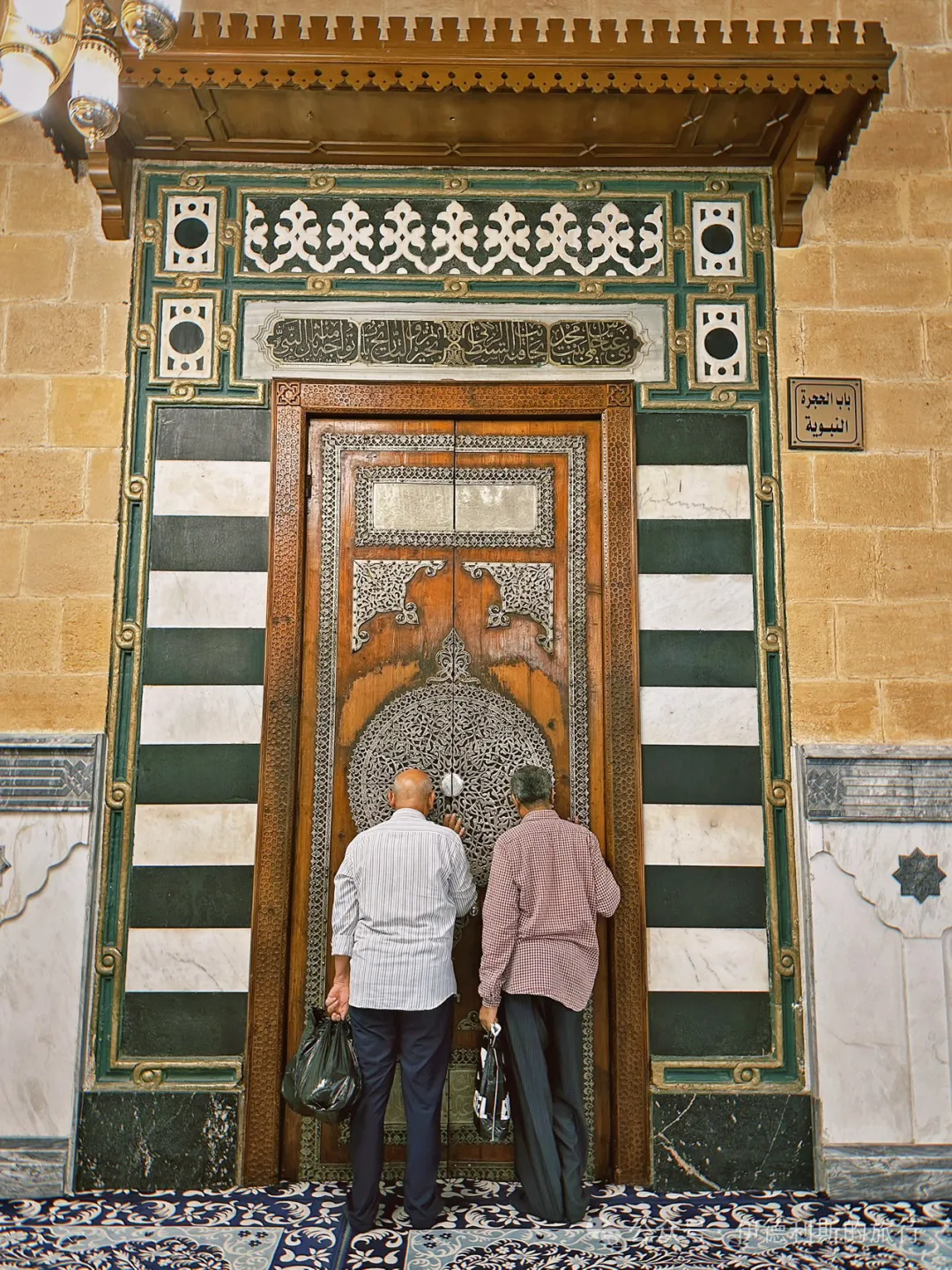
In 1893, a room for Prophet Muhammad's relics (Bab al-Mukhallafat al-Nabawiyya) was added next to the shrine. It holds four strands of the Prophet's hair, a linen cloak he wore, a lantern, a copper kohl applicator, a staff, and a sword given to him by a companion.
The center of the shrine today is a metal grille (Zarih) made in Mumbai in 1965 by Taher Saifuddin, the leader of the Dawoodi Bohras. It is said this Zarih was originally designed for the shrine of Abbas ibn Ali in Karbala, but it could not be installed there. Taher Saifuddin believed this was guided by Allah, so he had the Zarih flown to Cairo and installed in Al-Hussein Mosque.
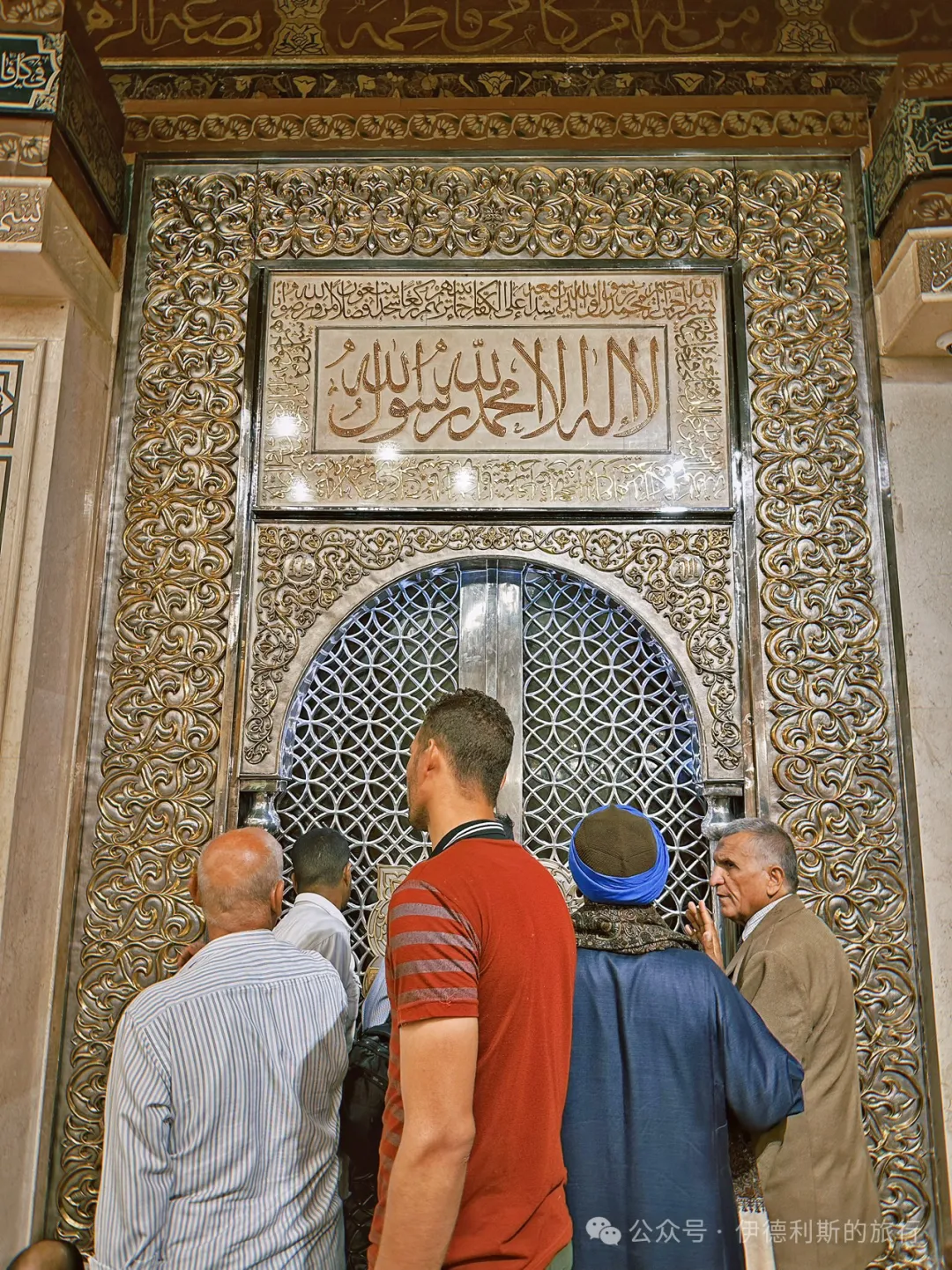
Abu al-Dhahab Mosque: 1774
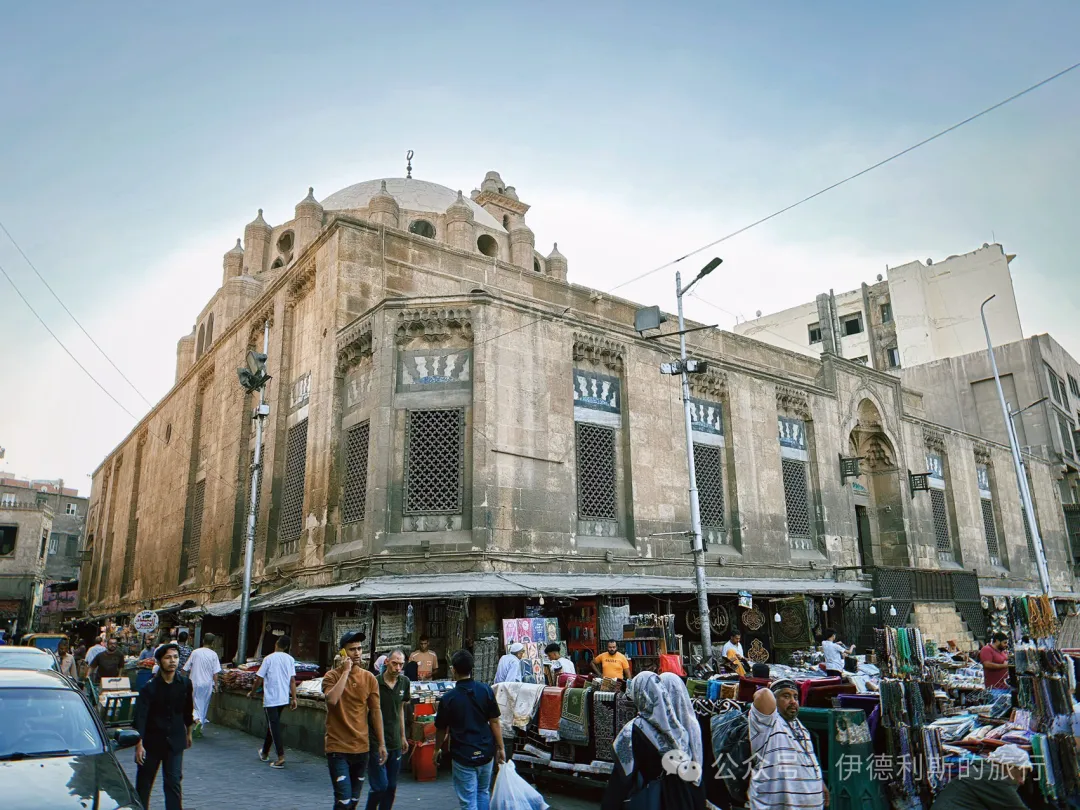
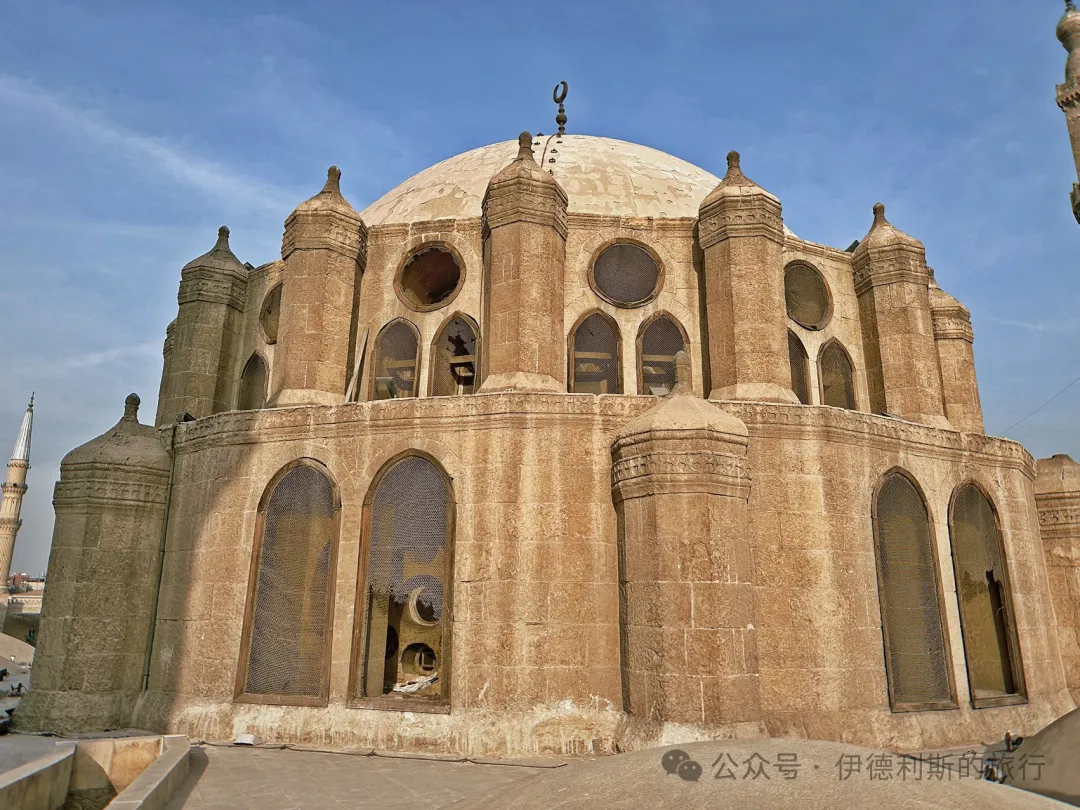
Right next to the west wall of Al-Azhar Mosque is the Abu al-Dhahab Mosque, built in 1774 by the Egyptian Mamluk ruler Abu al-Dhahab. This was the last large building complex the Mamluks built in Egypt, but only the mosque remains today.
Abu al-Dhahab means 'Father of Gold,' and he was a wealthy and generous Mamluk emir. During the Russo-Turkish War, the Egyptian Mamluk emir Ali Bey declared independence from the Ottoman Empire, and Abu al-Dhahab led troops to conquer most of the Hejaz and Syria. After taking Damascus in 1772, Abu al-Dhahab turned his army to occupy Cairo, becoming the actual ruler of Egypt until he died suddenly of the plague in 1775 while conquering Palestine.
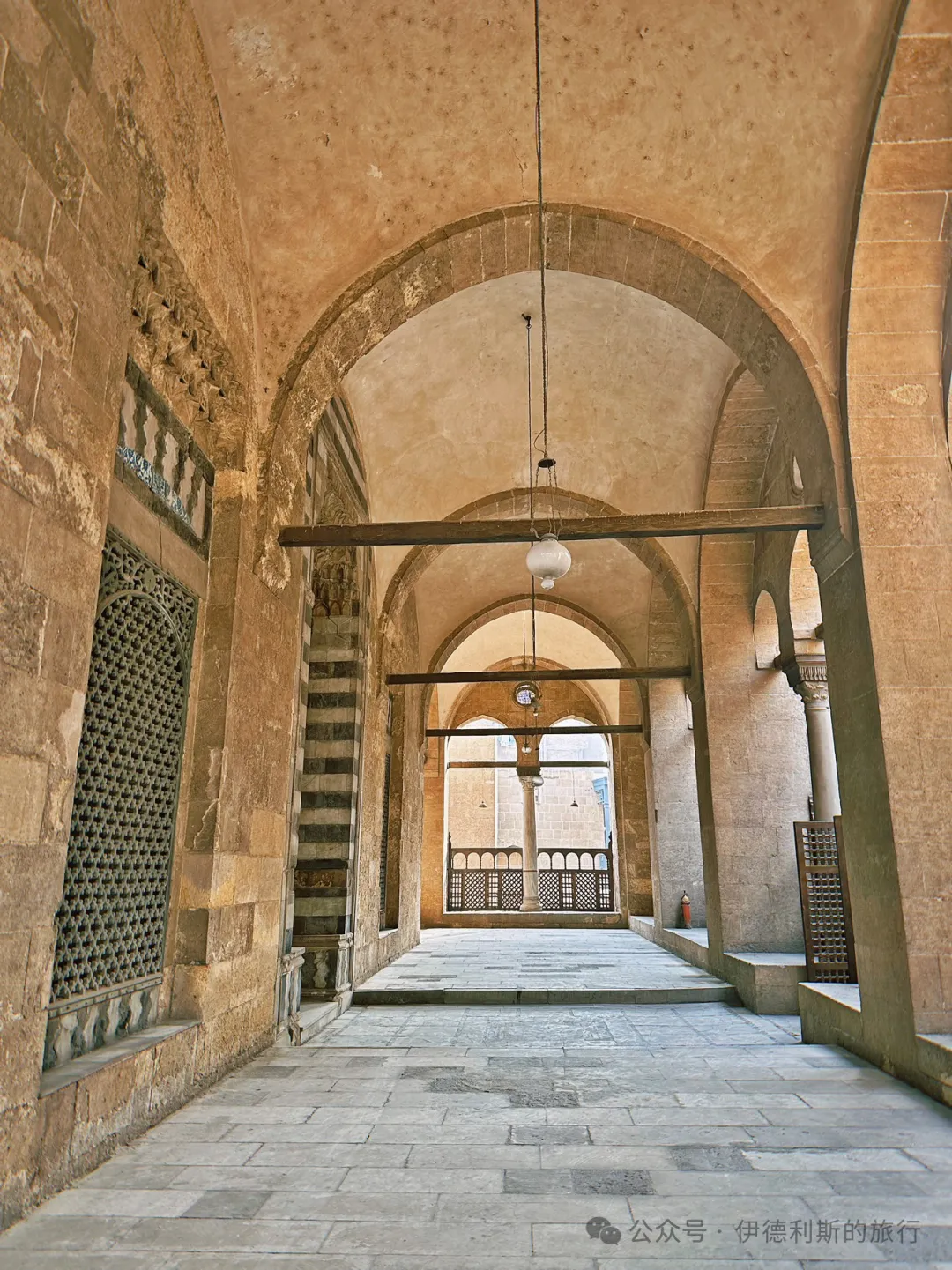
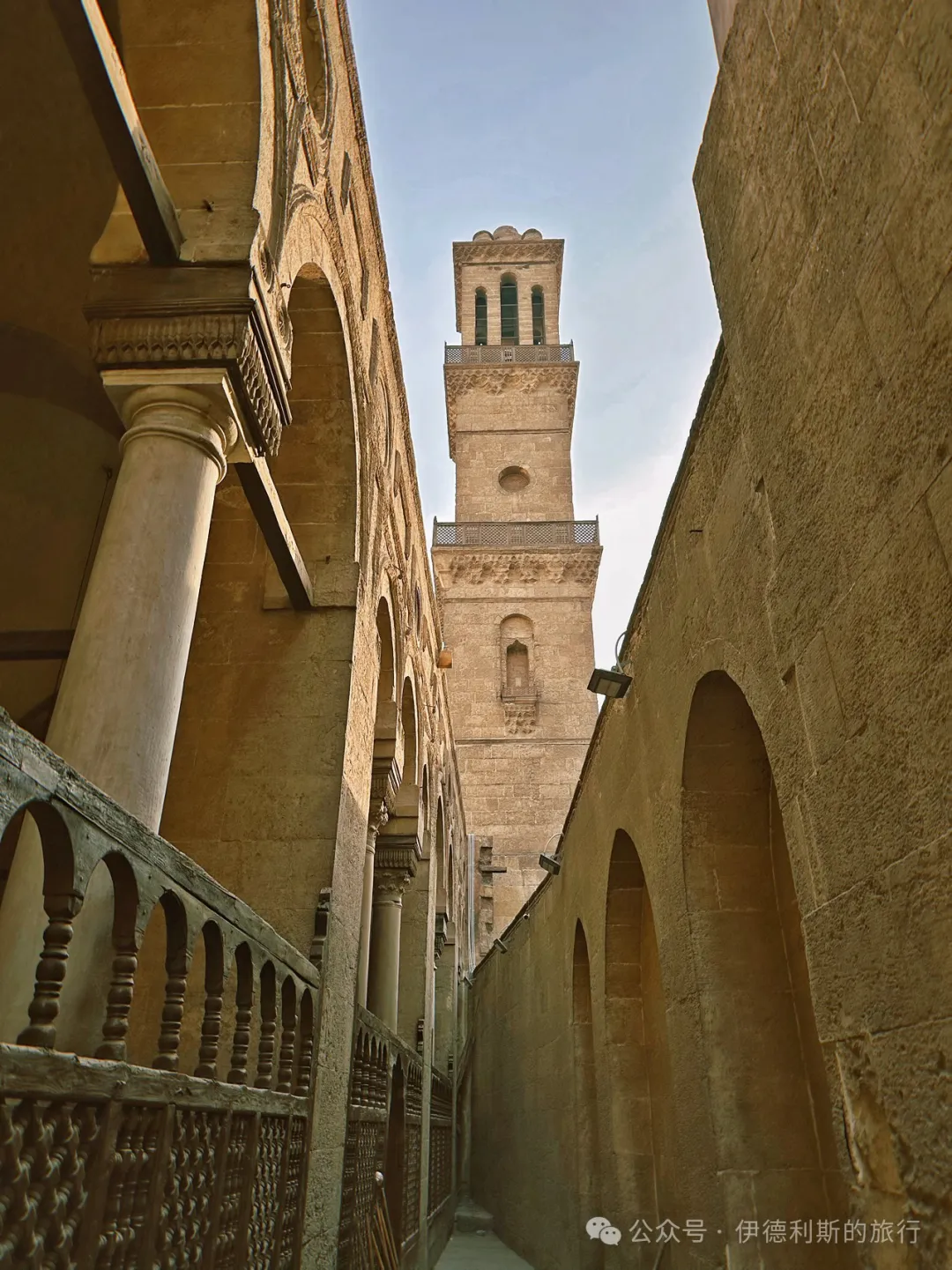
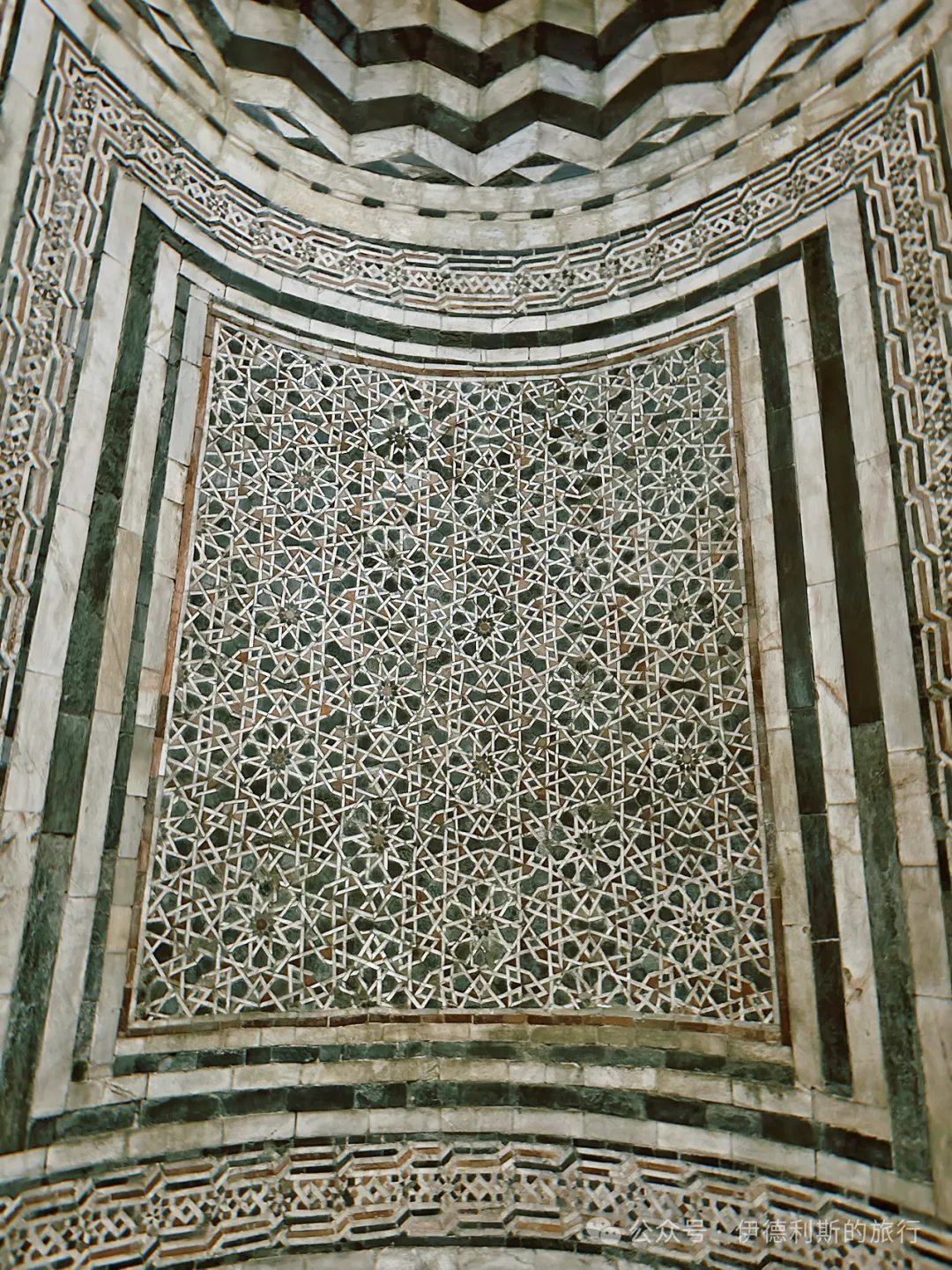
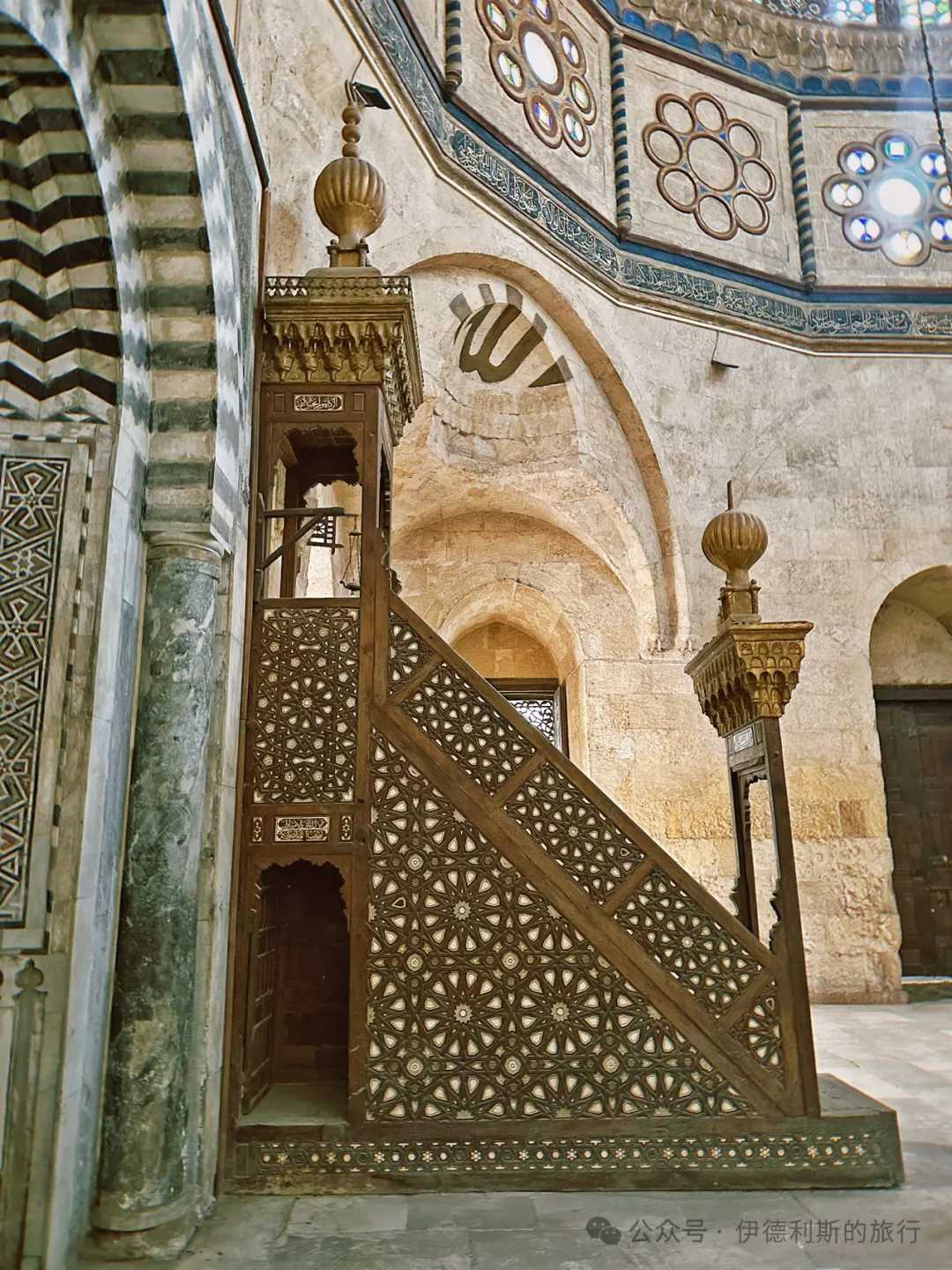
The architecture of Abu al-Dhahab Mosque mixes different elements, including Mamluk-style outer walls, Ottoman-style domes, and a minaret inspired by the early 16th-century minaret of the nearby Sultan Qaytbay complex.
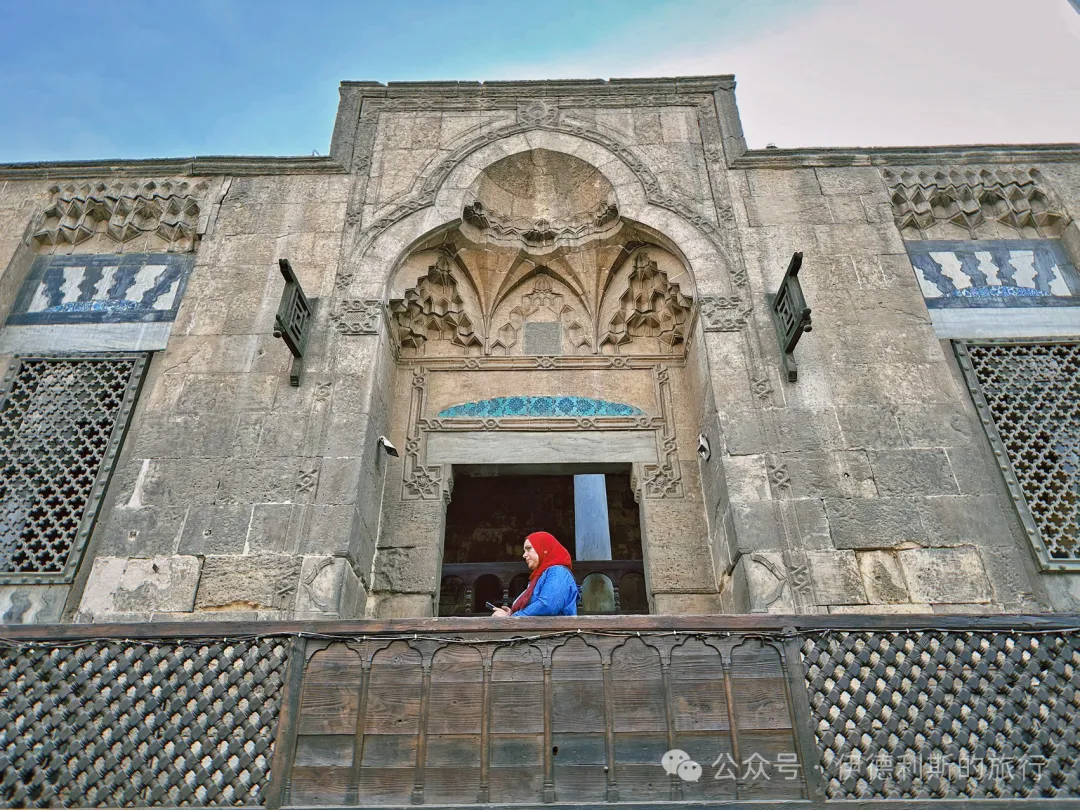
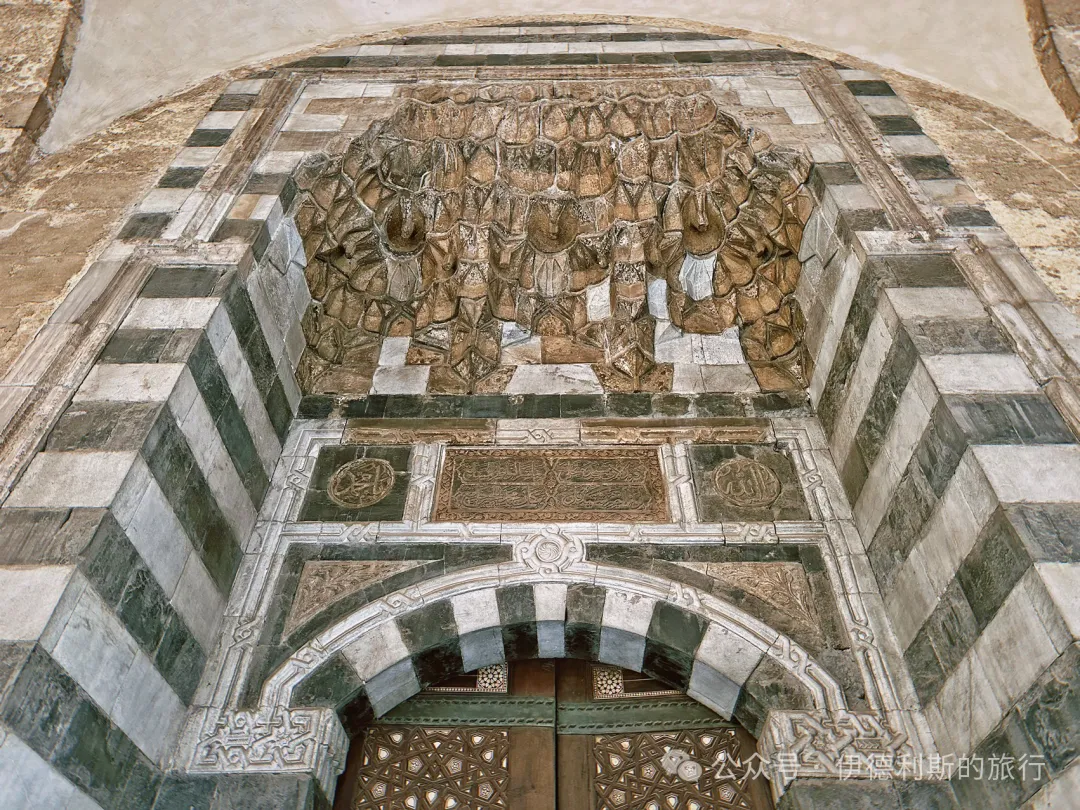
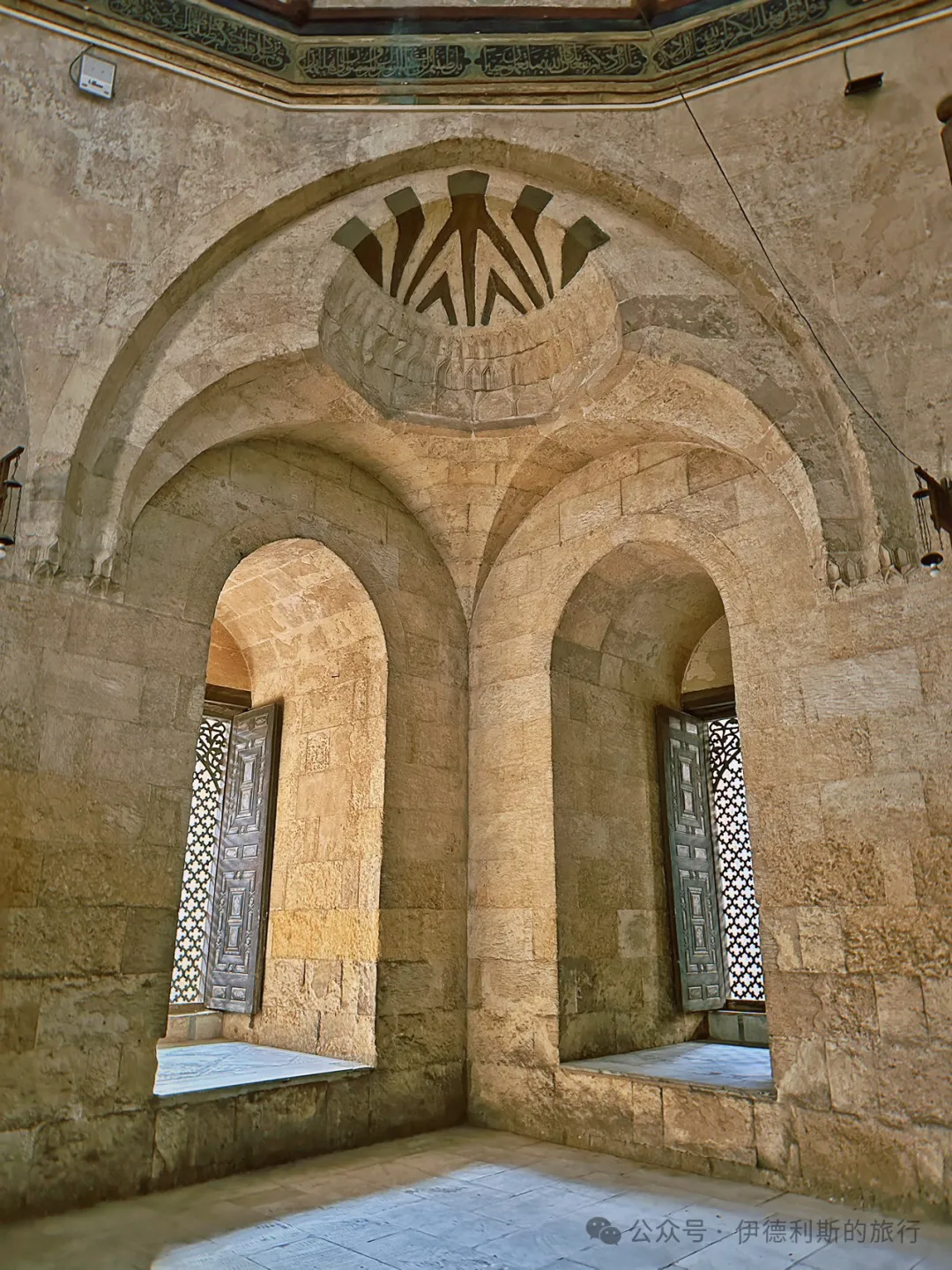
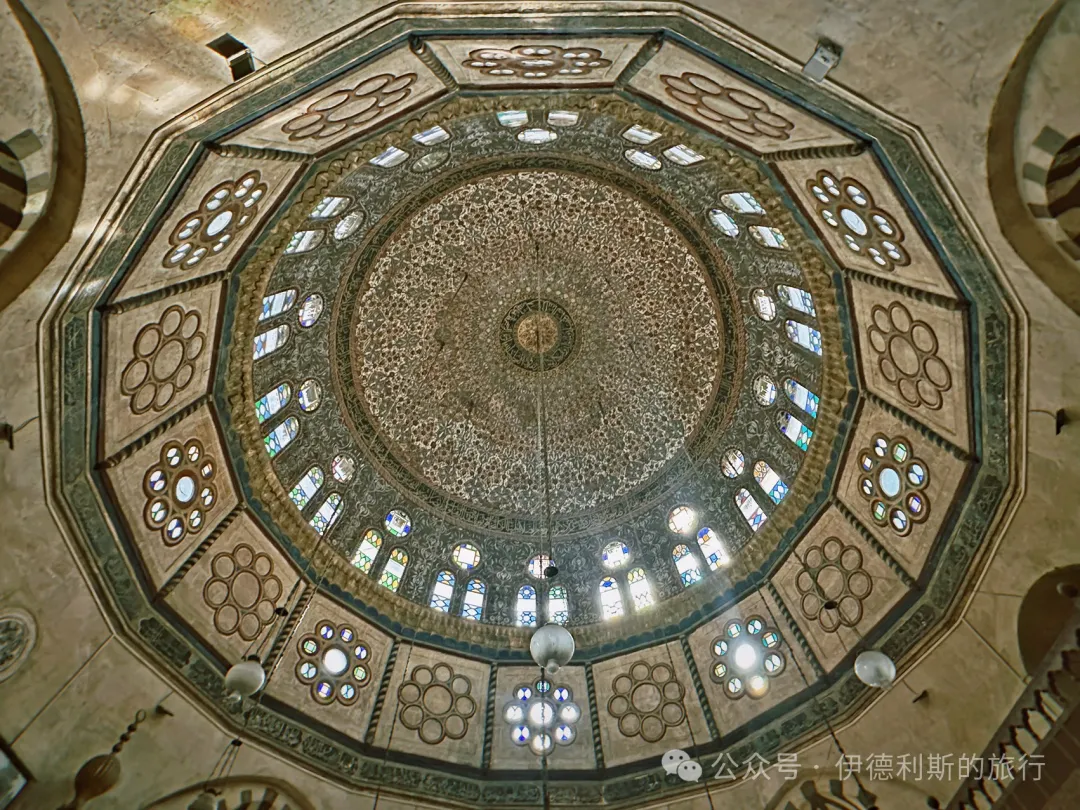
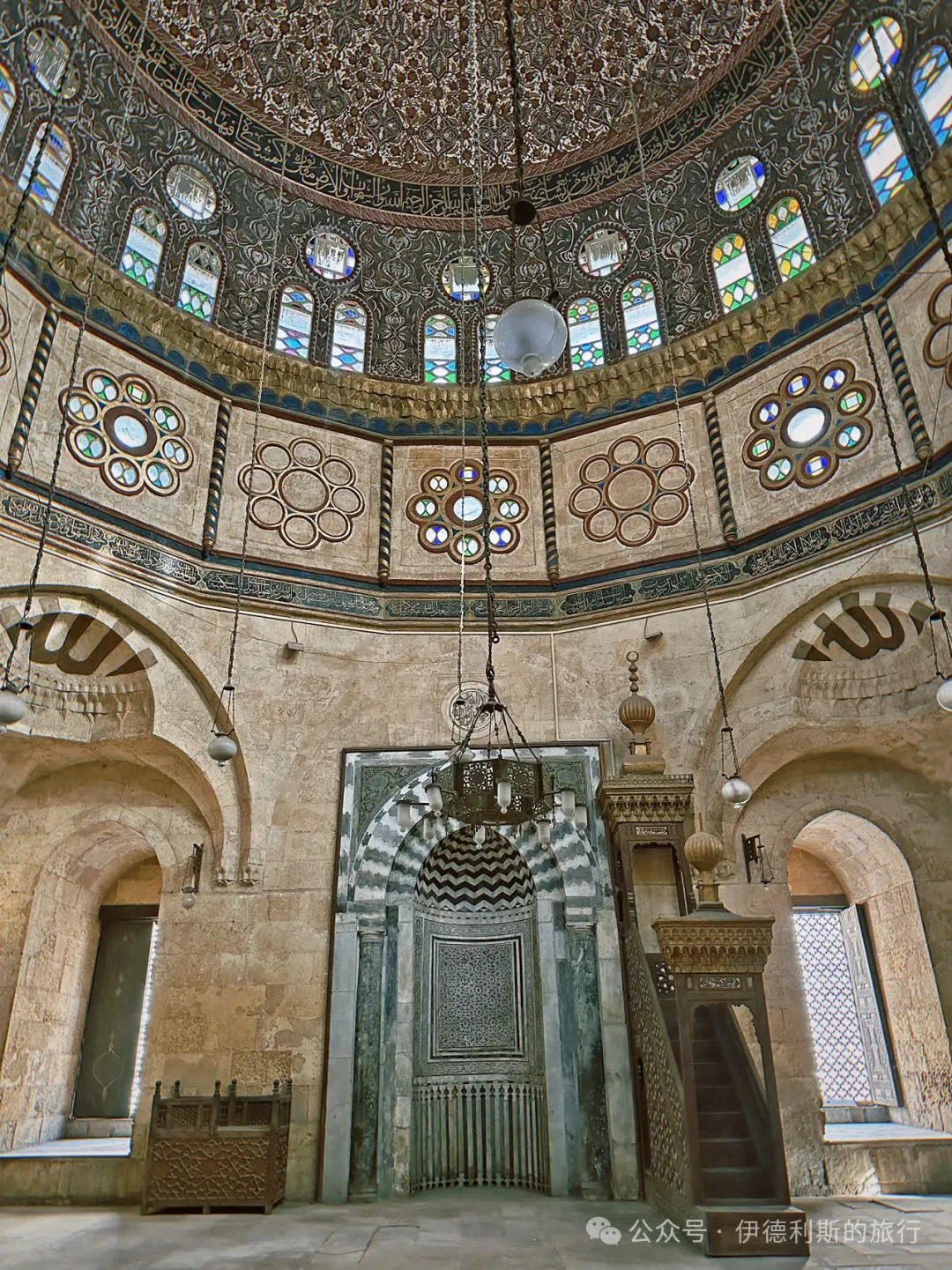
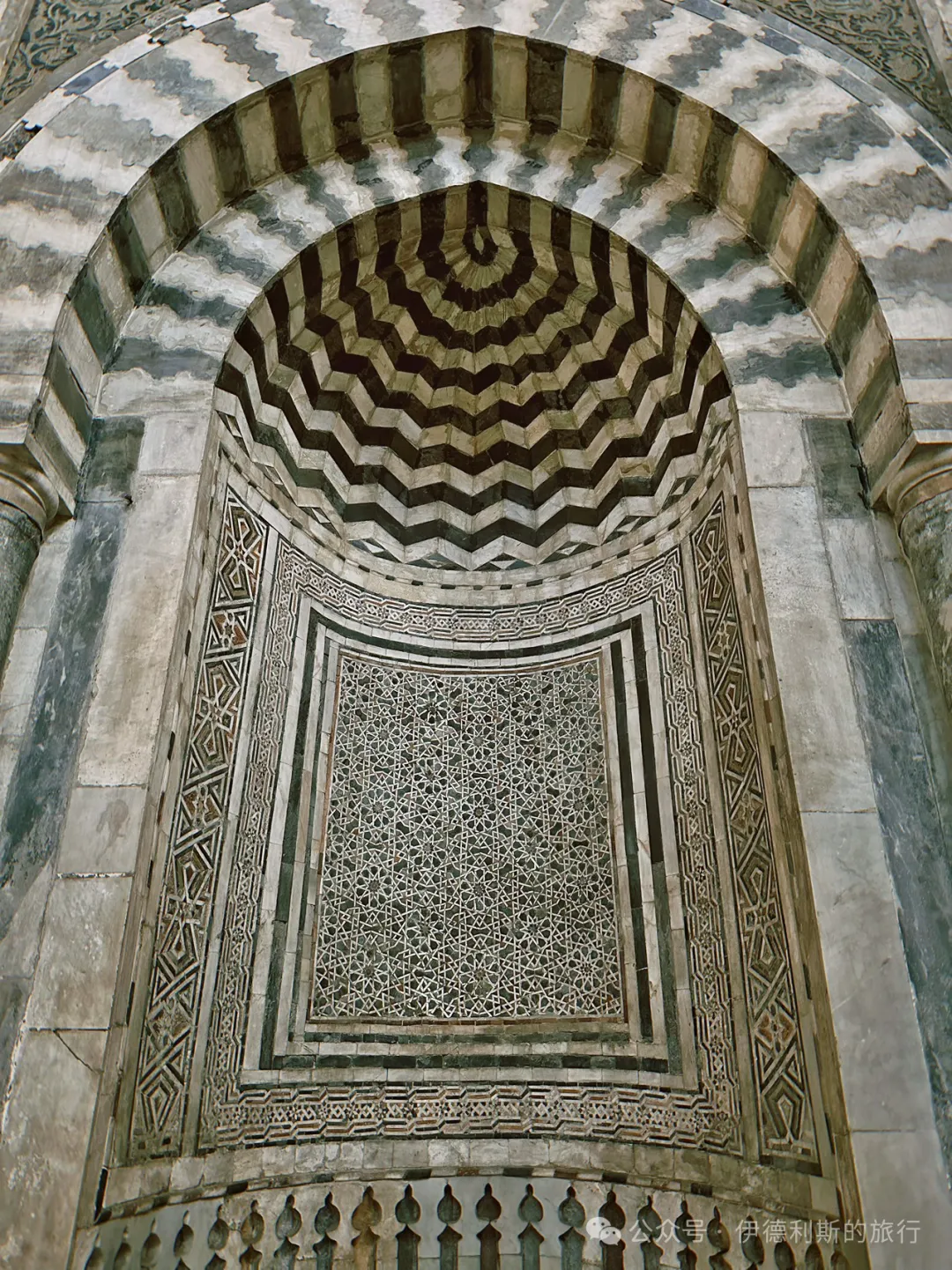
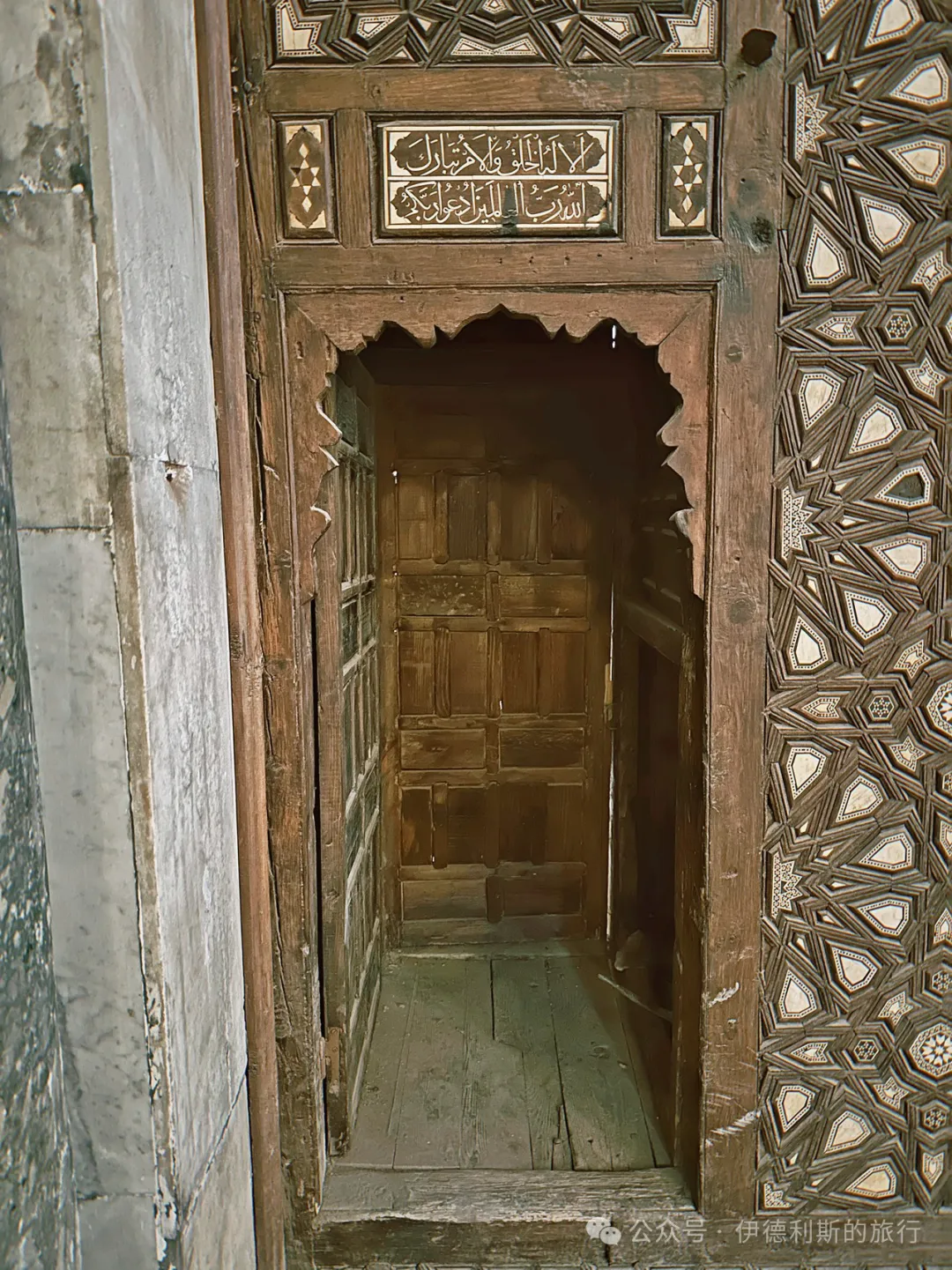
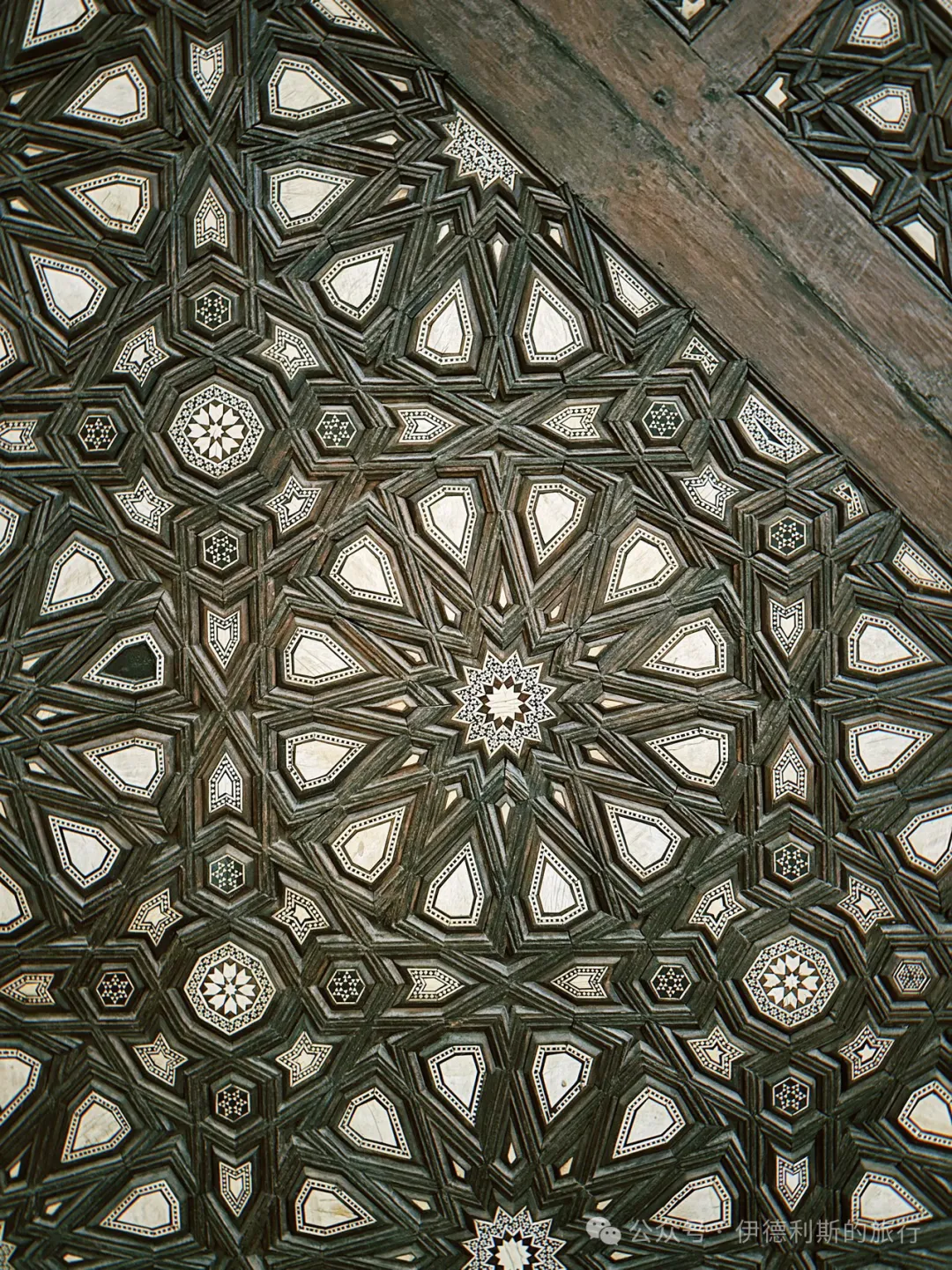
The prayer niche (mihrab) and the pulpit (minbar) of Abu al-Dhahab Mosque feature Mamluk-style decorations inlaid with mother-of-pearl and marble.
Al-Muayyad Mosque: 1415
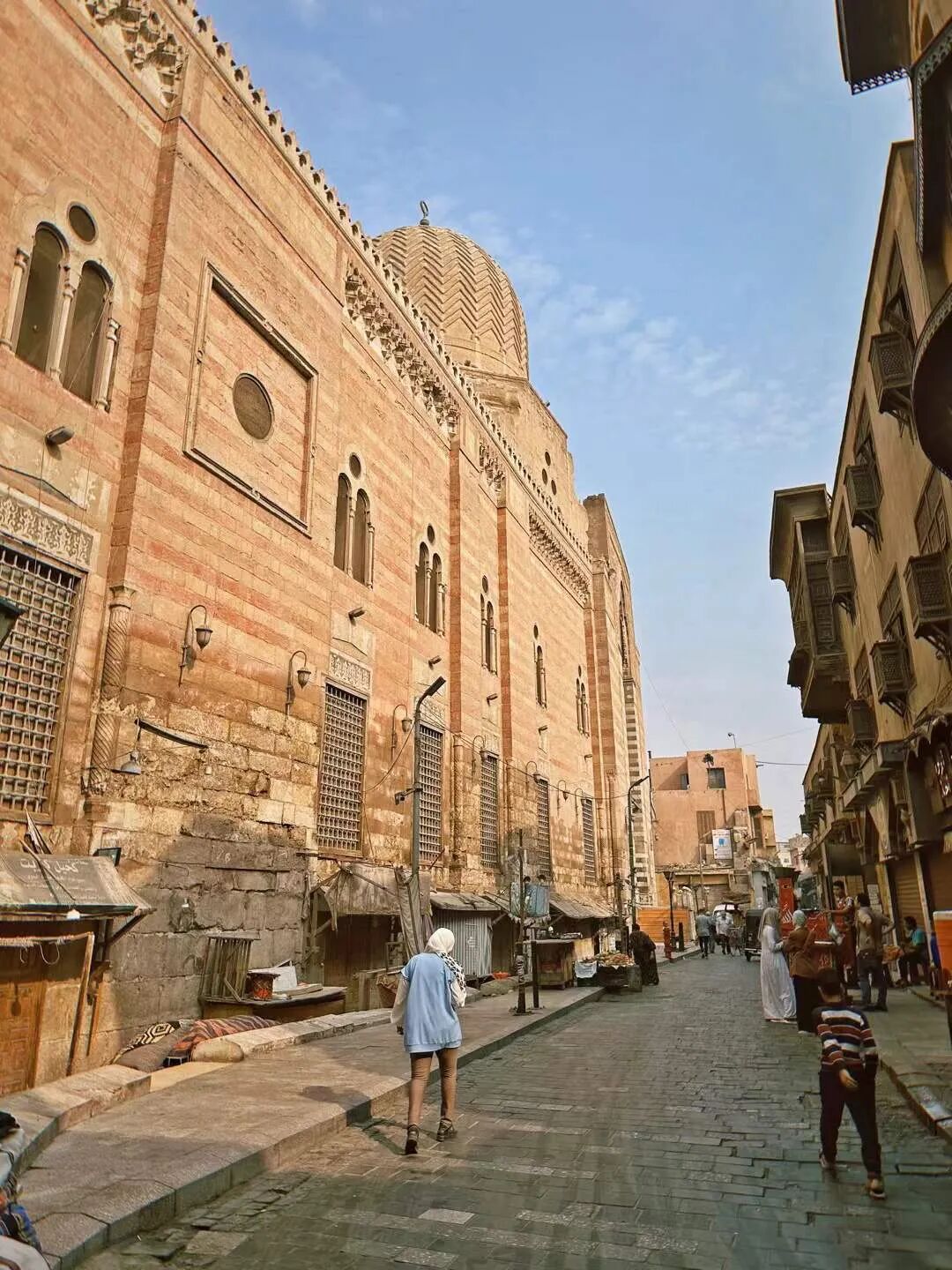
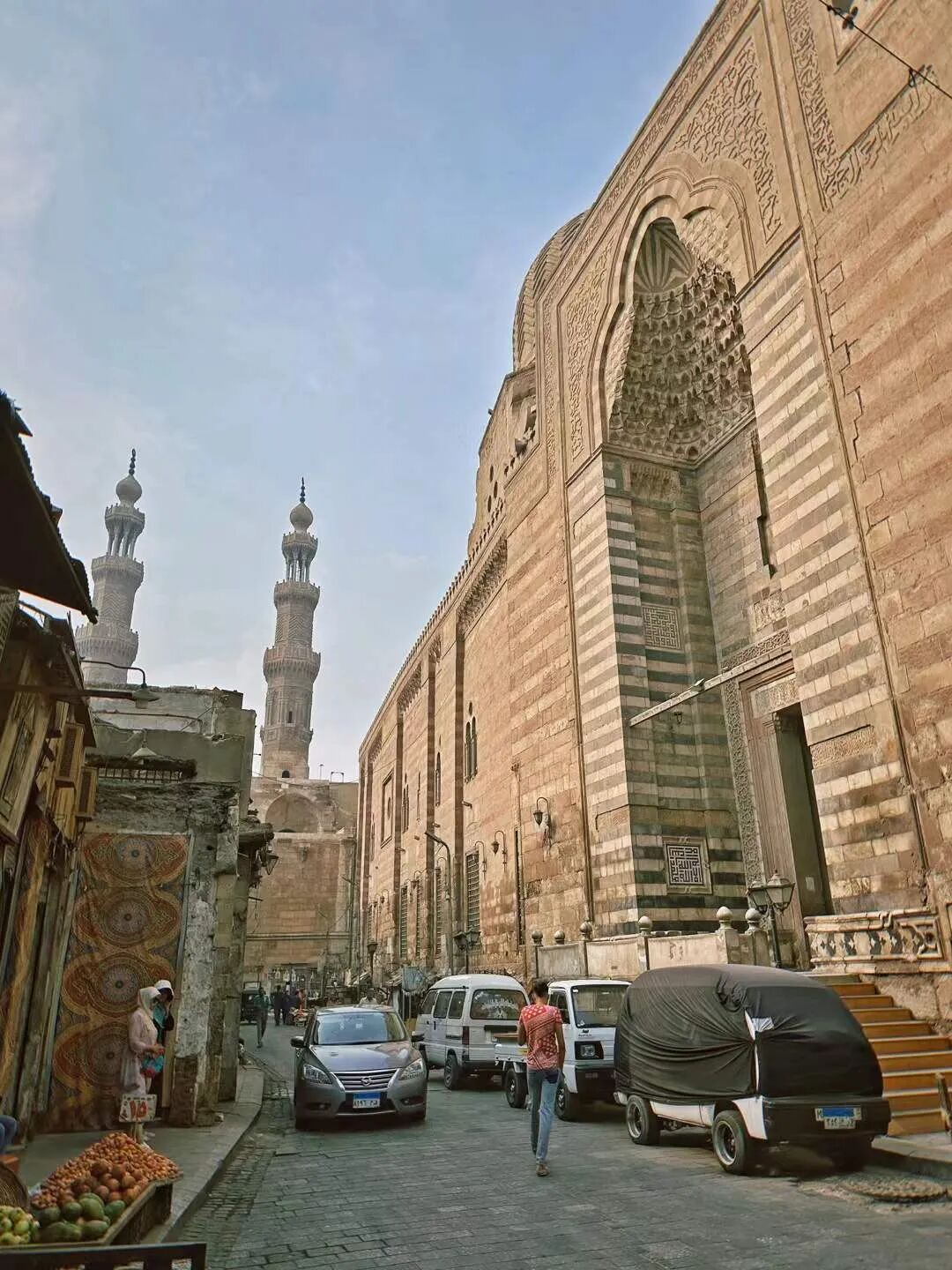
Right next to the south gate of the old city of Cairo is the Sultan Al-Mu'ayyad Mosque, built between 1415 and 1421 by the Mamluk Sultan Al-Mu'ayyad Shaykh (reigned 1412-1421). This site was originally a prison, and legend says Sultan Al-Mu'ayyad was held here when he was young. At the time, he suffered greatly from fleas and lice, so he made a dua that if he ever became Sultan, he would turn the site into a place for teaching and learning. This wish later came true.
With the Sultan's funding, the madrasa inside the Sultan al-Mu'ayyad Mosque became one of Cairo's most famous academic institutions in the 15th century. The large endowment left after the Sultan passed away allowed the school to hire the most brilliant scholars of the time. Ibn Hajar 'Asqalani, the most famous authority on Islamic jurisprudence in Egypt, taught Shafi'i law here.
The madrasa at the Sultan al-Mu'ayyad Mosque taught the four schools of Islamic law: Hanafi, Shafi'i, Maliki, and Hanbali. According to mosque records, the school could accommodate 50 Hanafi students, 40 Shafi'i students, 15 Maliki students, and 10 Hanbali students, along with their teachers and imams. There were also two classes with 20 students each dedicated to studying Quranic exegesis and Hadith.
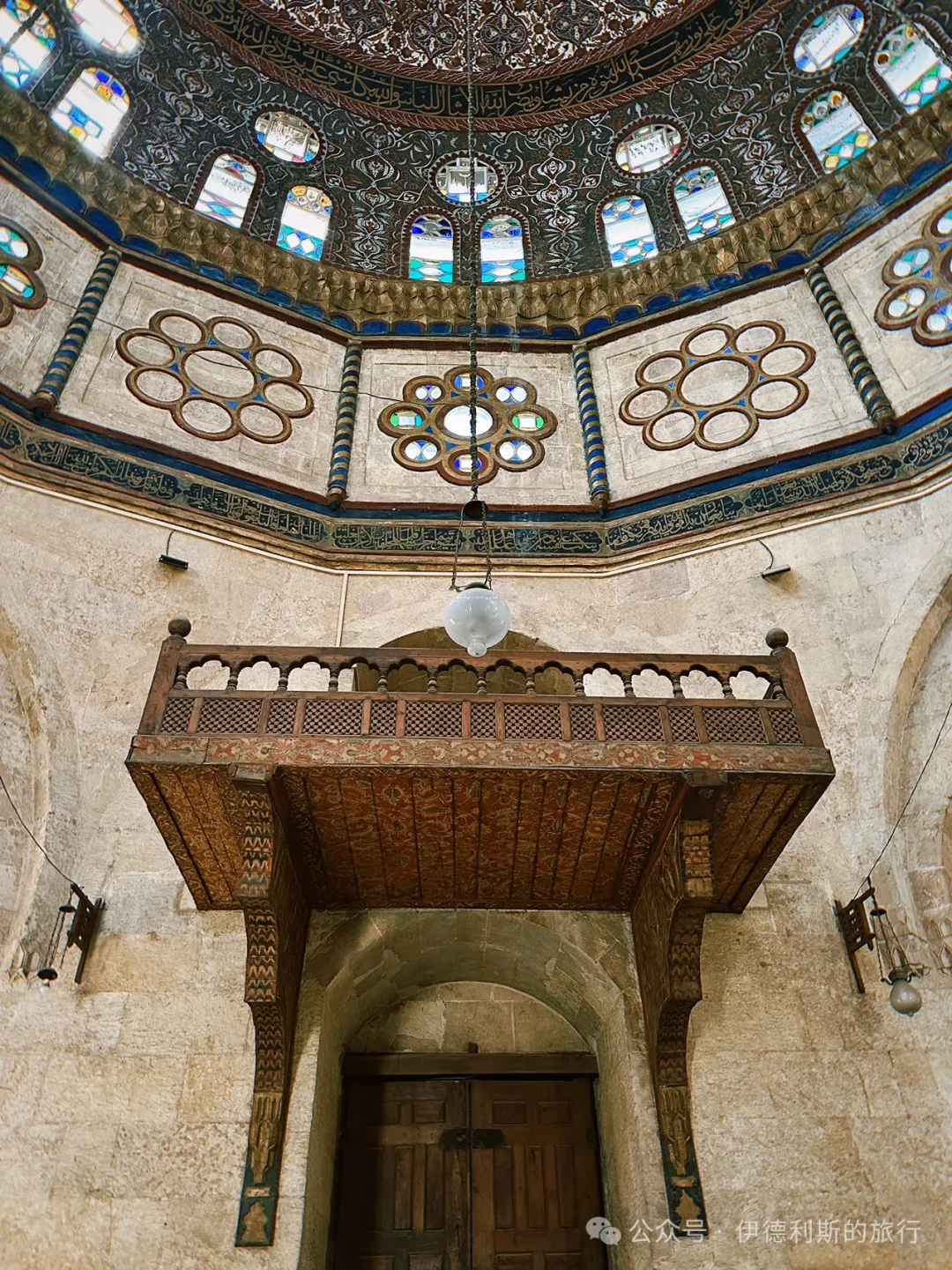
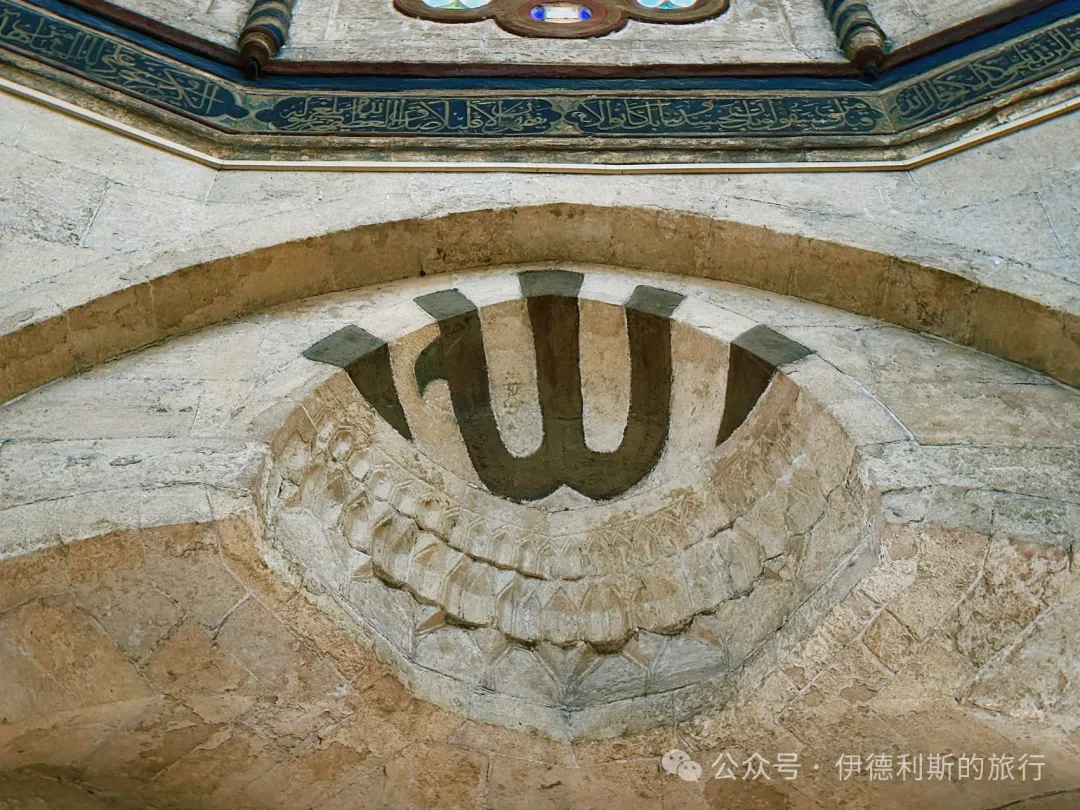
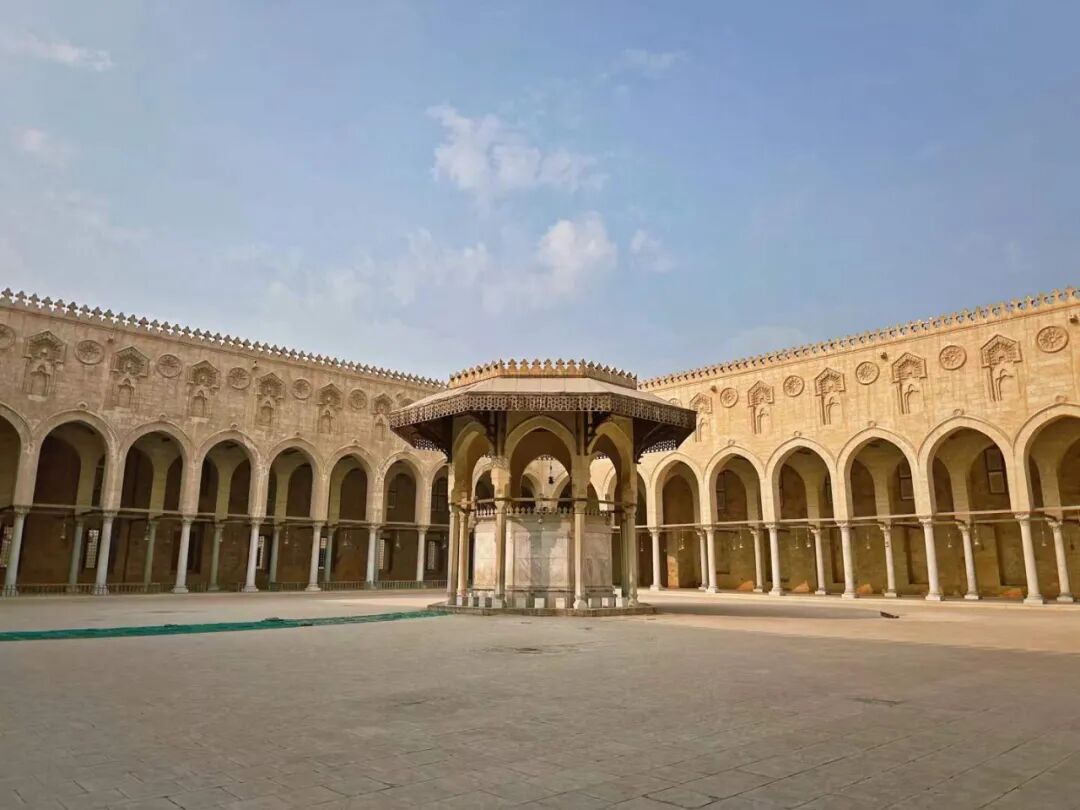
The Sultan al-Mu'ayyad Mosque is the last large hypostyle mosque in Cairo. It originally had four facades, but today only the east side and the main prayer hall remain from the original structure. The mosque's main gate is known as the last grand gate of the Mamluk dynasty. It is decorated with beautiful geometric marble patterns, Kufic calligraphy, and complex stucco carvings.
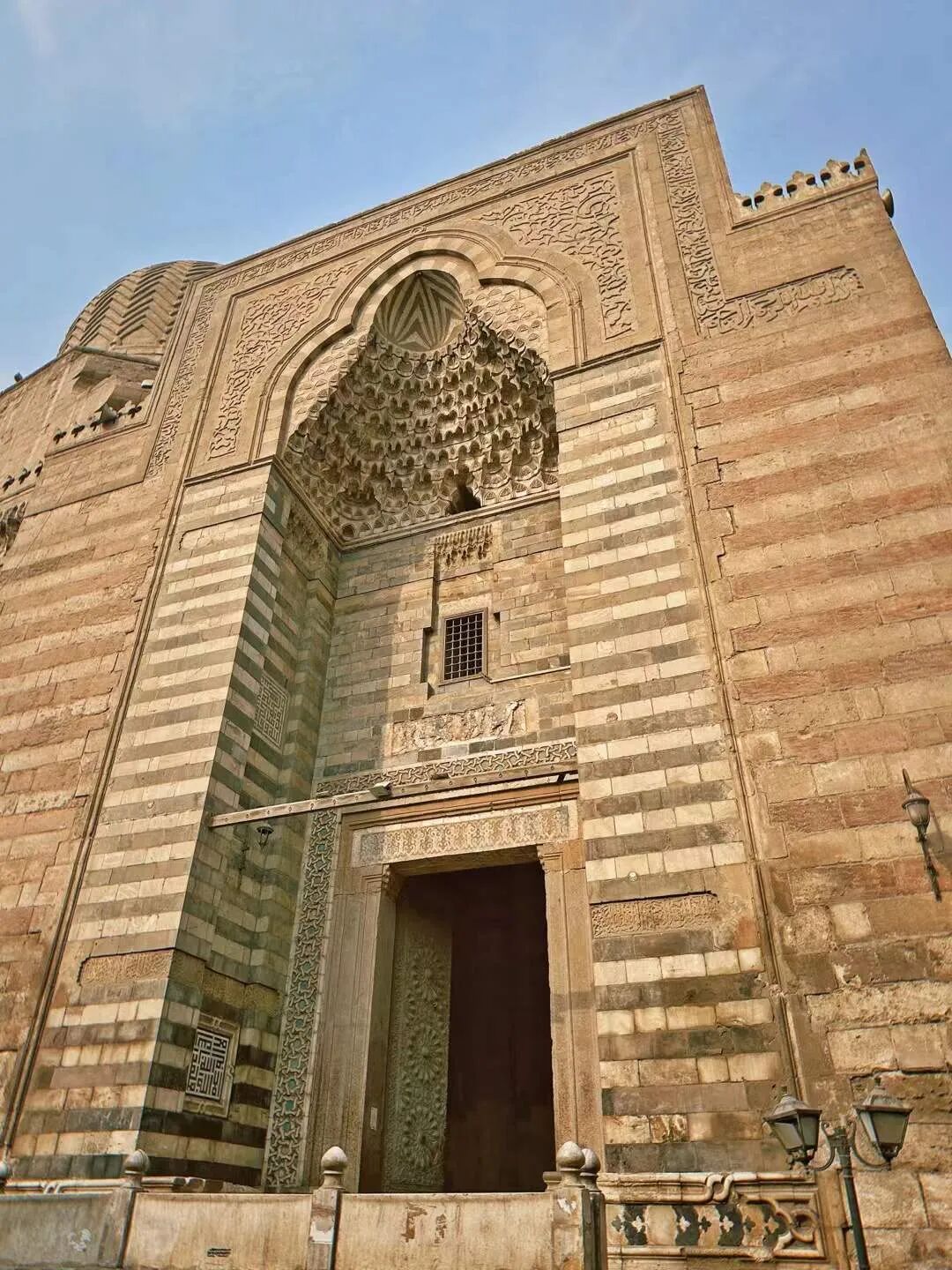
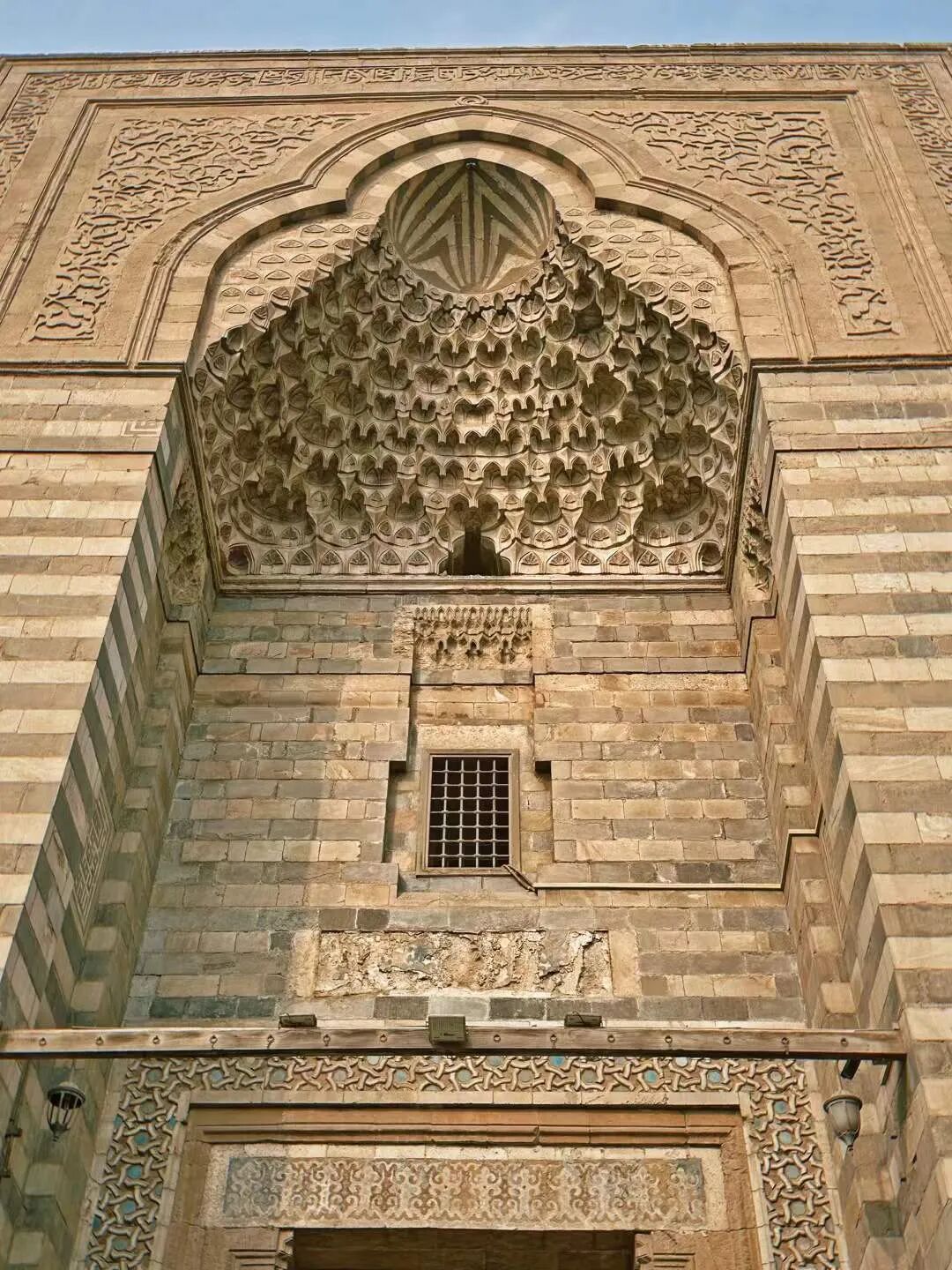
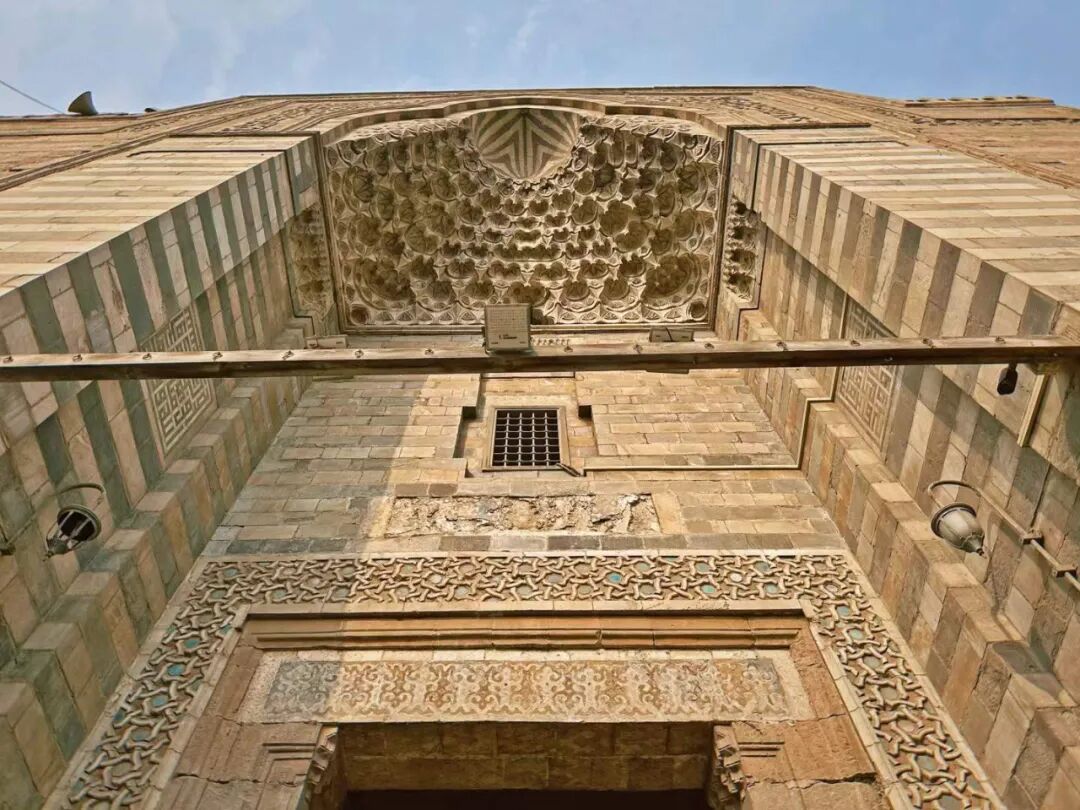
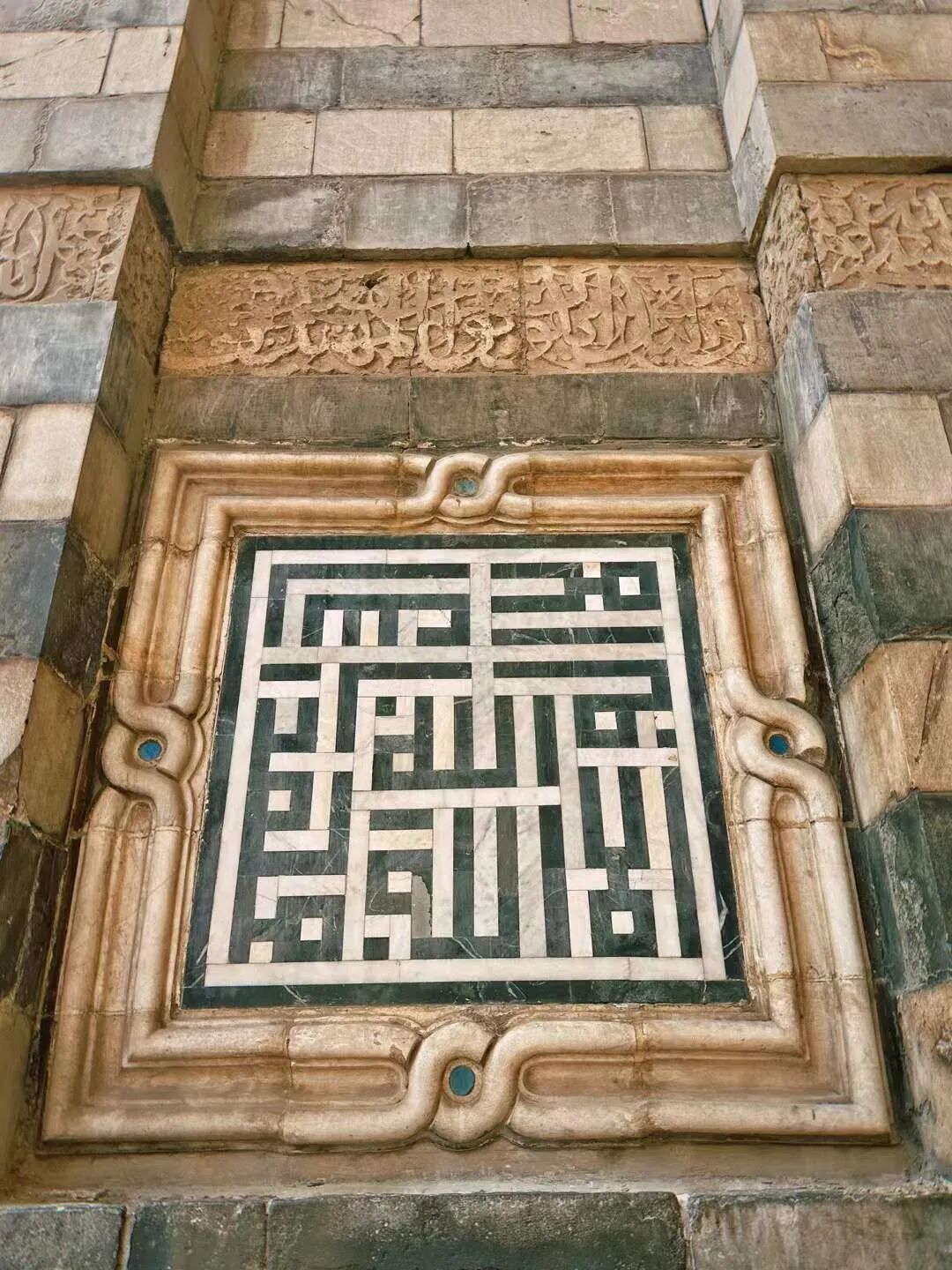
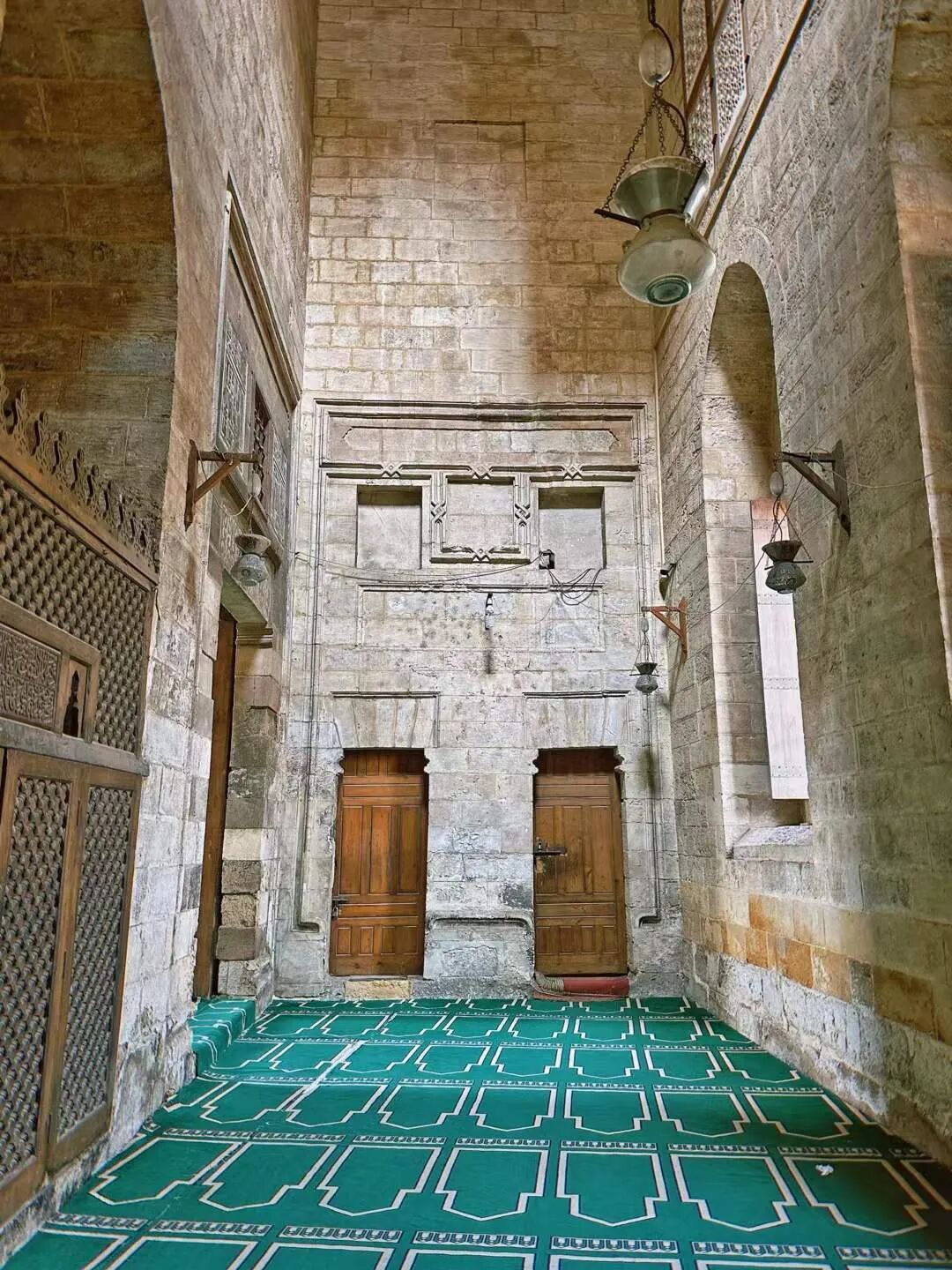
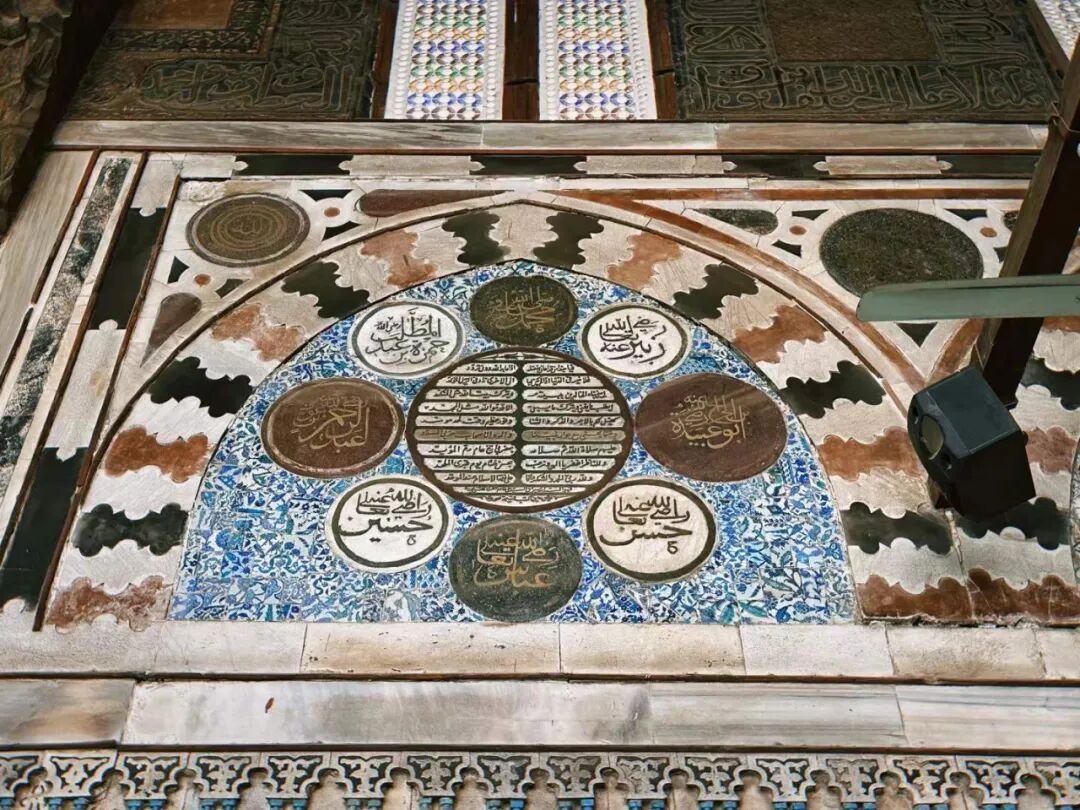
The main prayer hall of the Sultan al-Mu'ayyad Mosque was one of the most ornate in Egypt at the time, and the qibla wall is decorated with colorful marble. The supporting stone columns were collected from Cairo and the surrounding areas, and they likely date back to the pre-Islamic era. The circular colorful marble decoration above the mihrab is also very unique, as this style was almost always used for floors rather than walls. Turkish tiles were added to the qibla wall in the 1840s, but they were removed to restore the original design during a 2001 renovation.
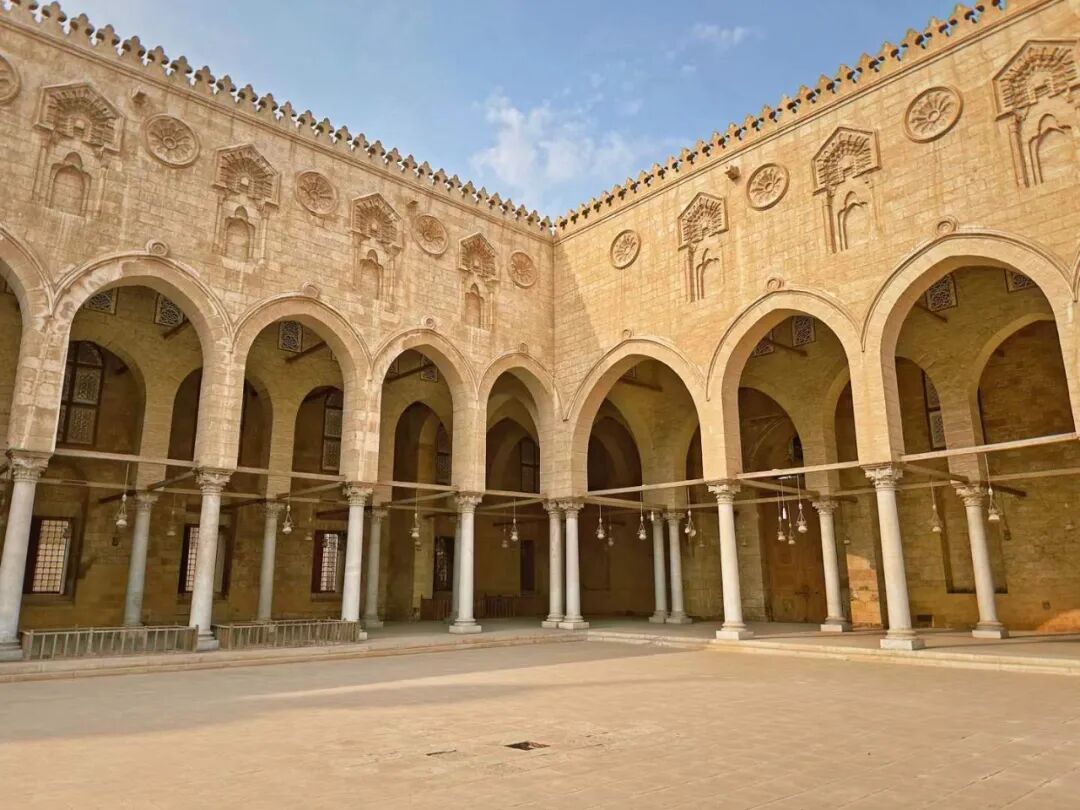
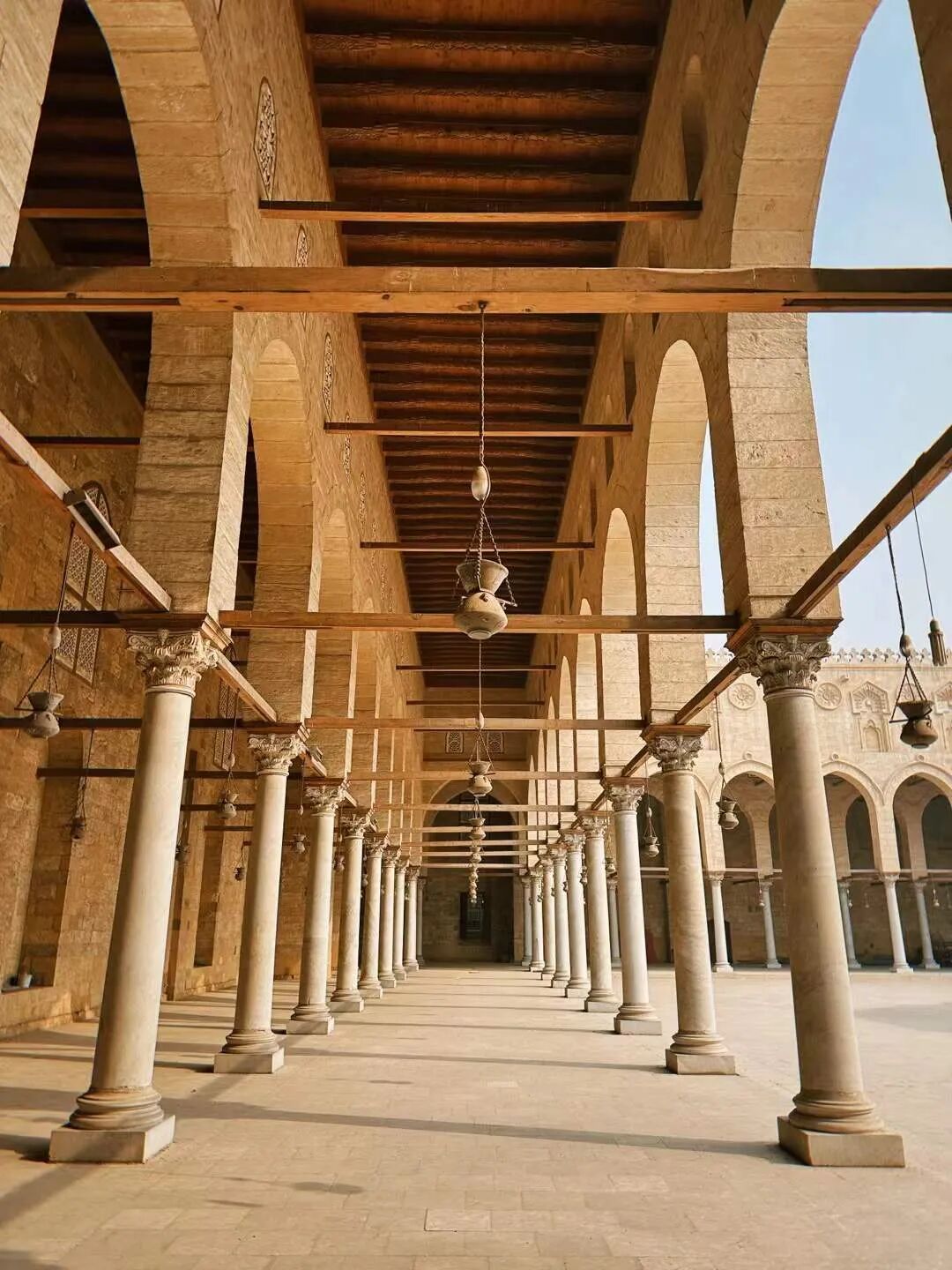
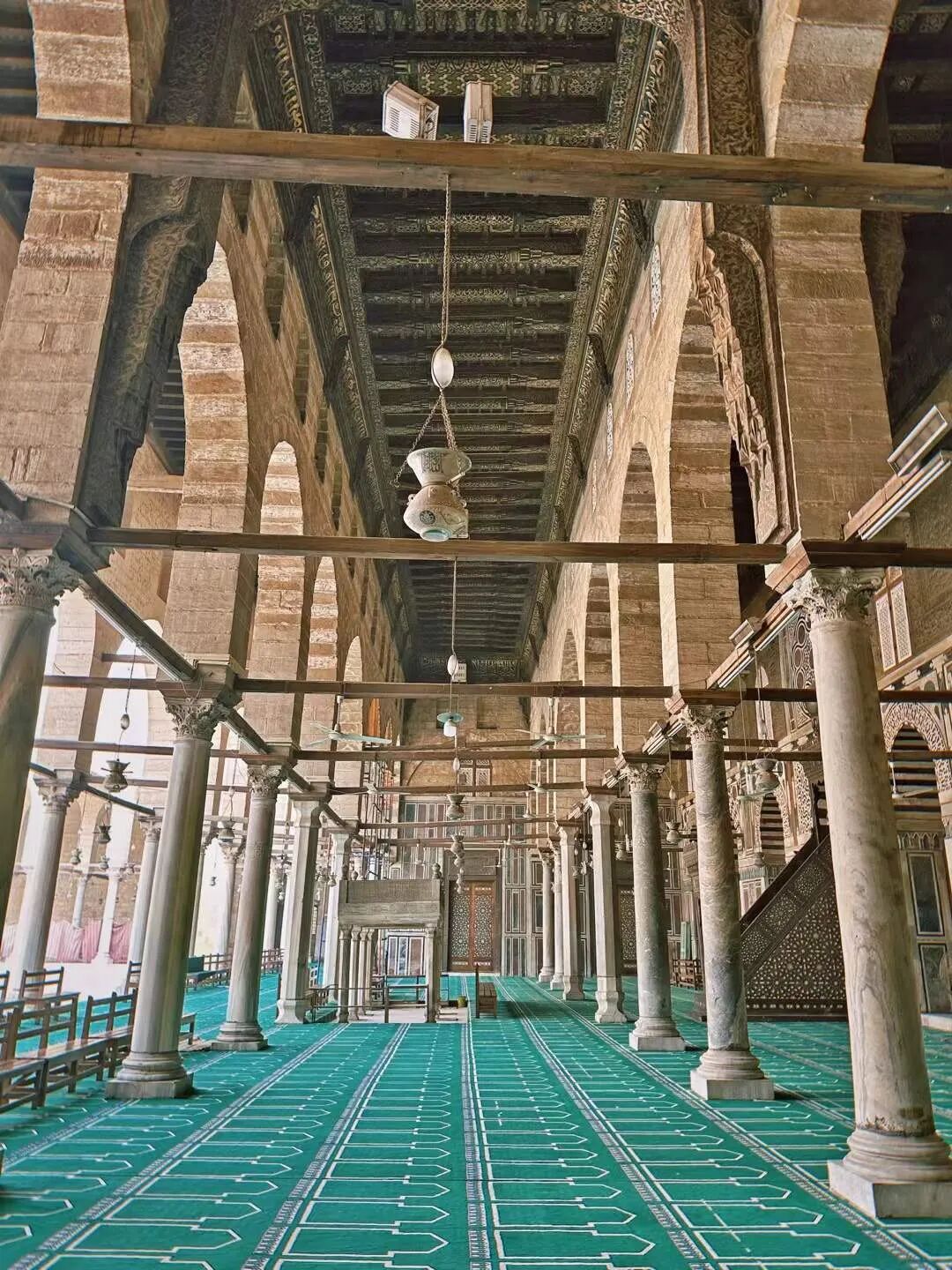
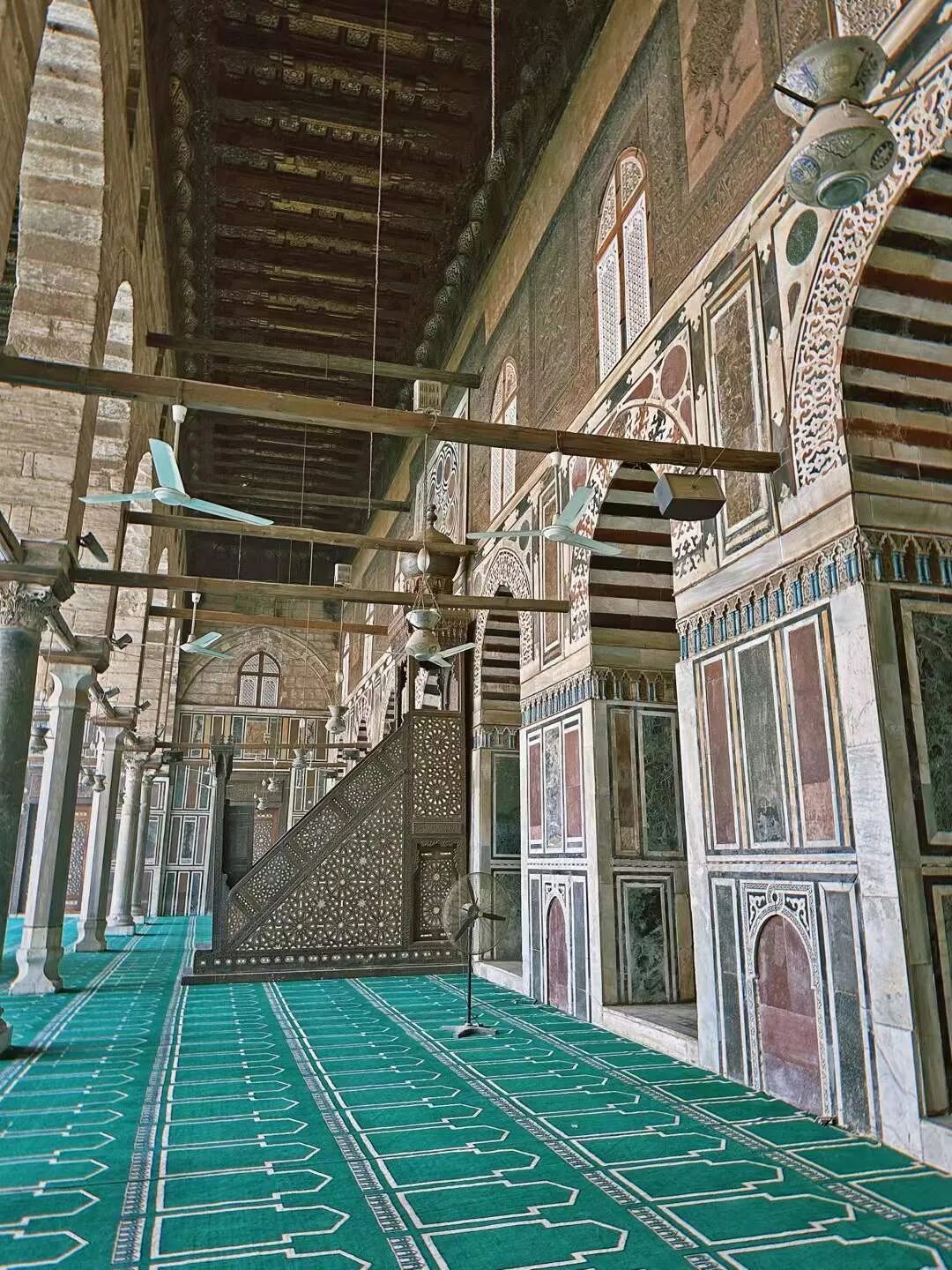
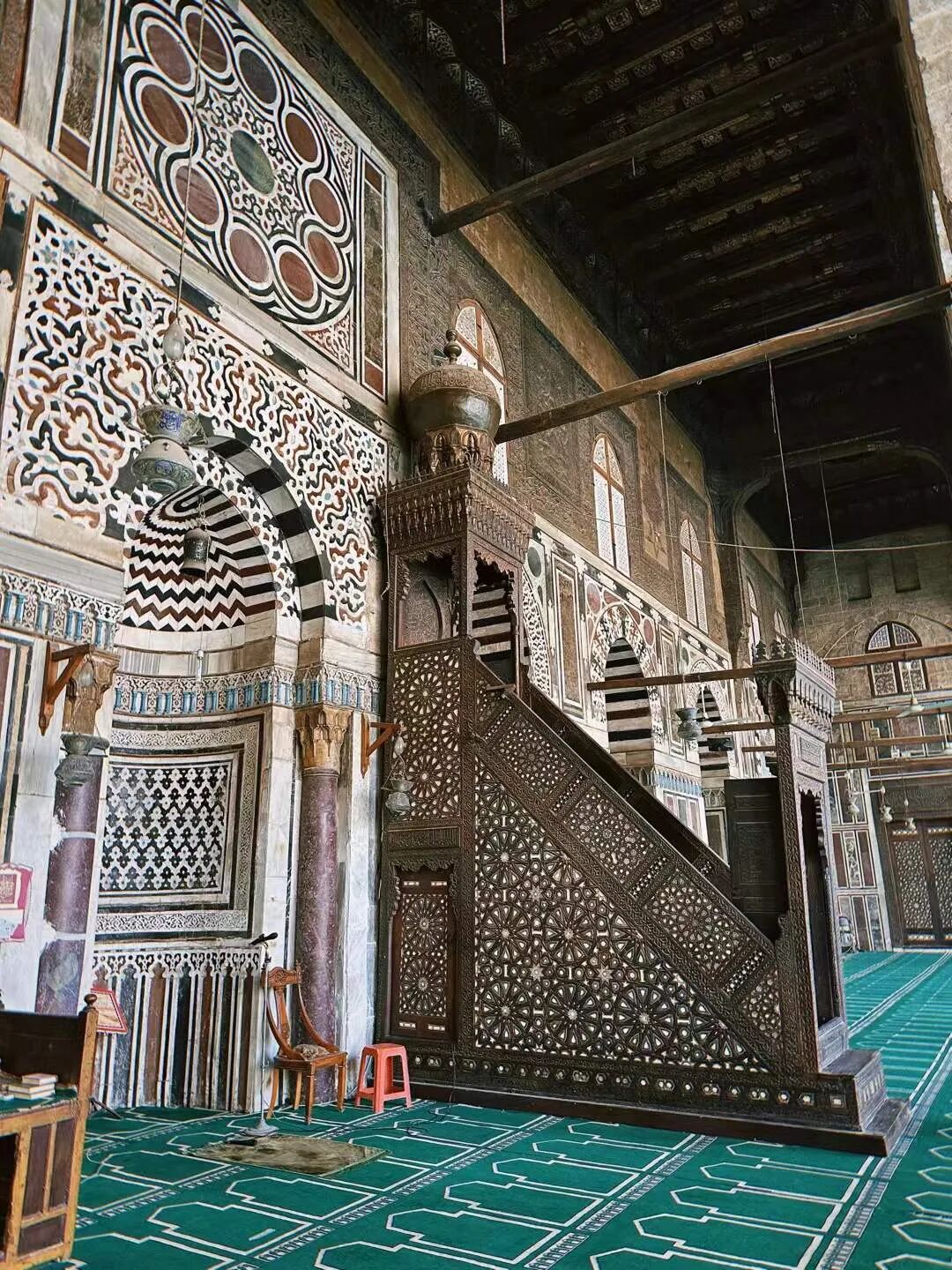
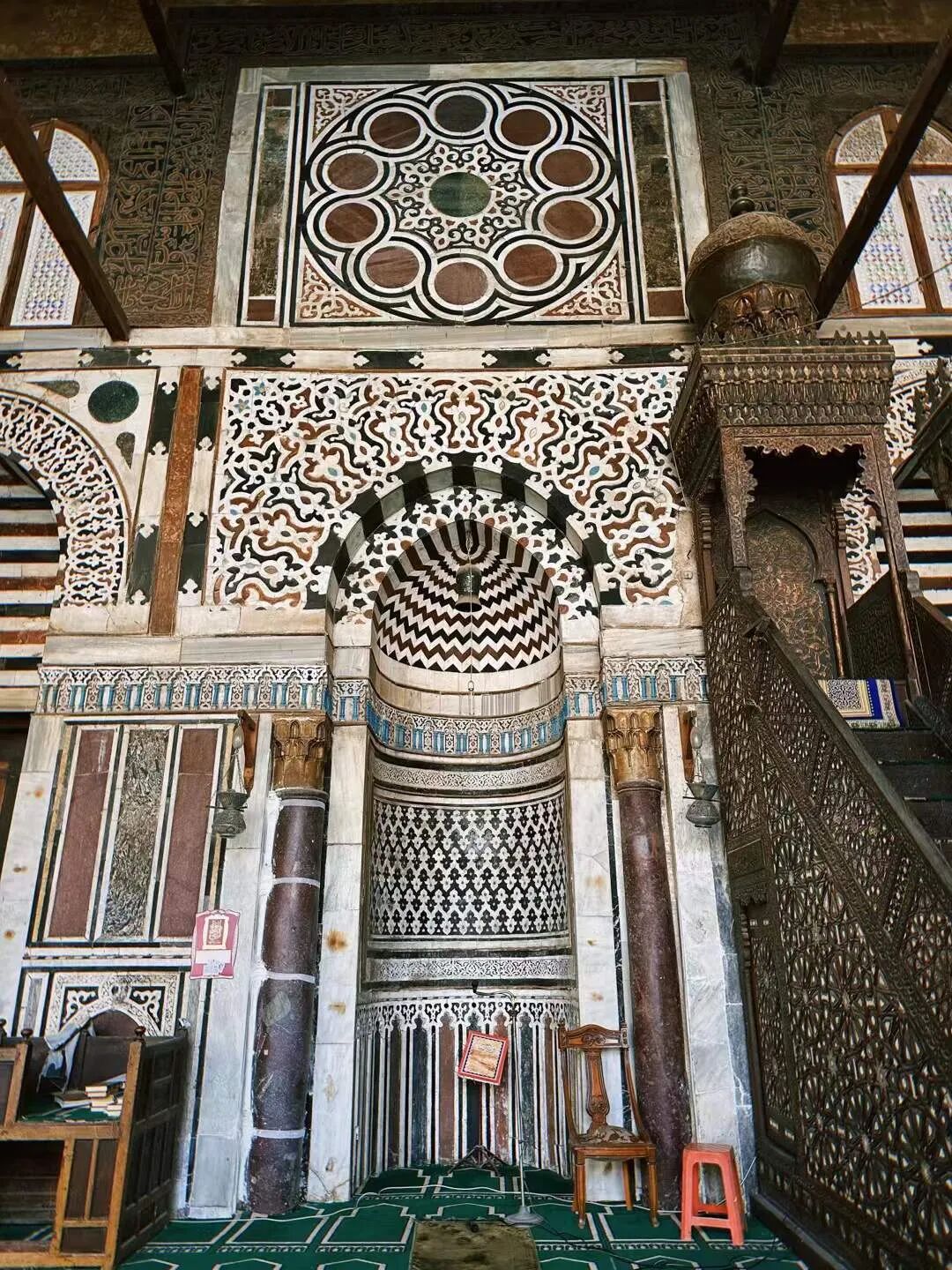
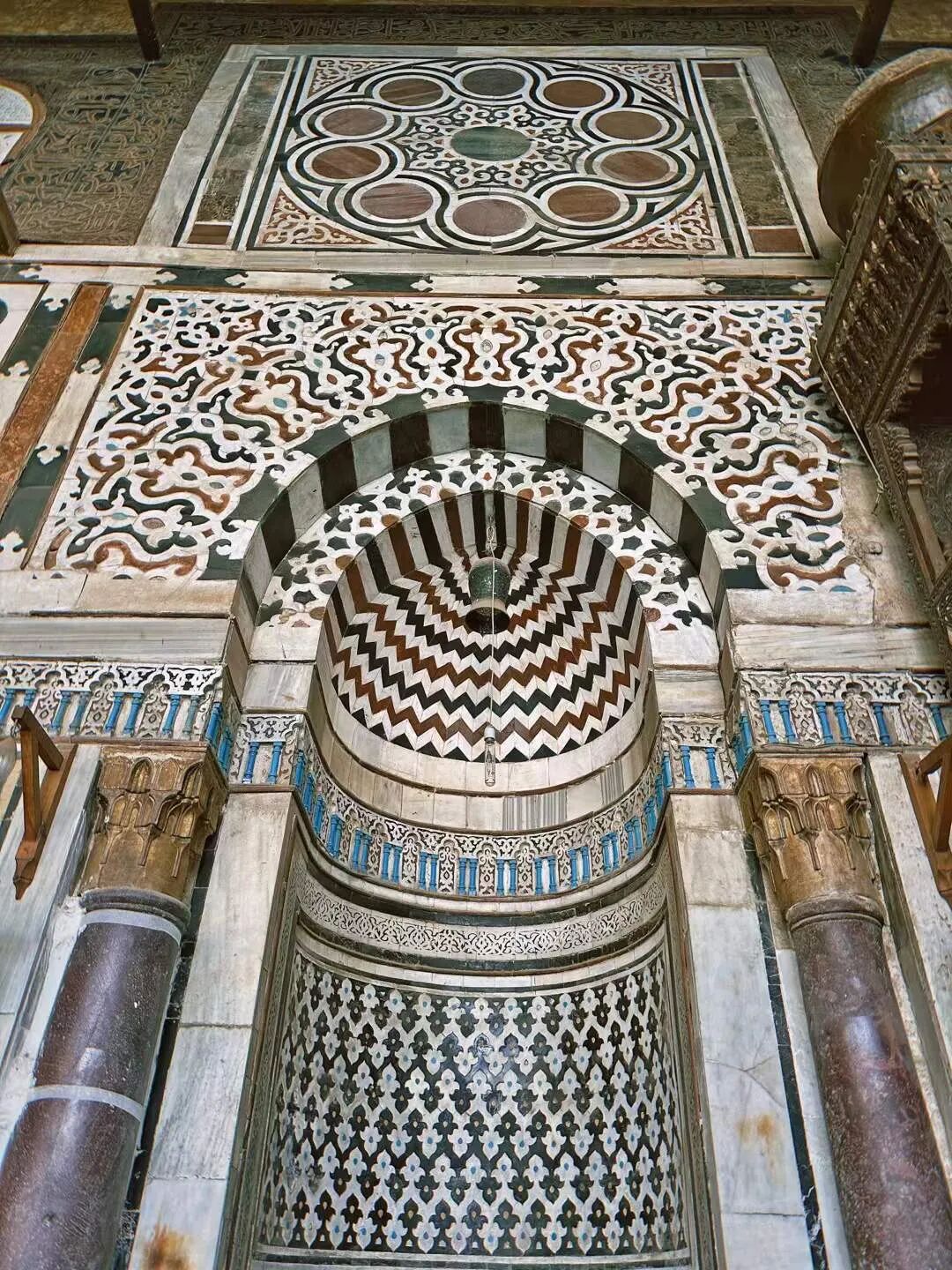
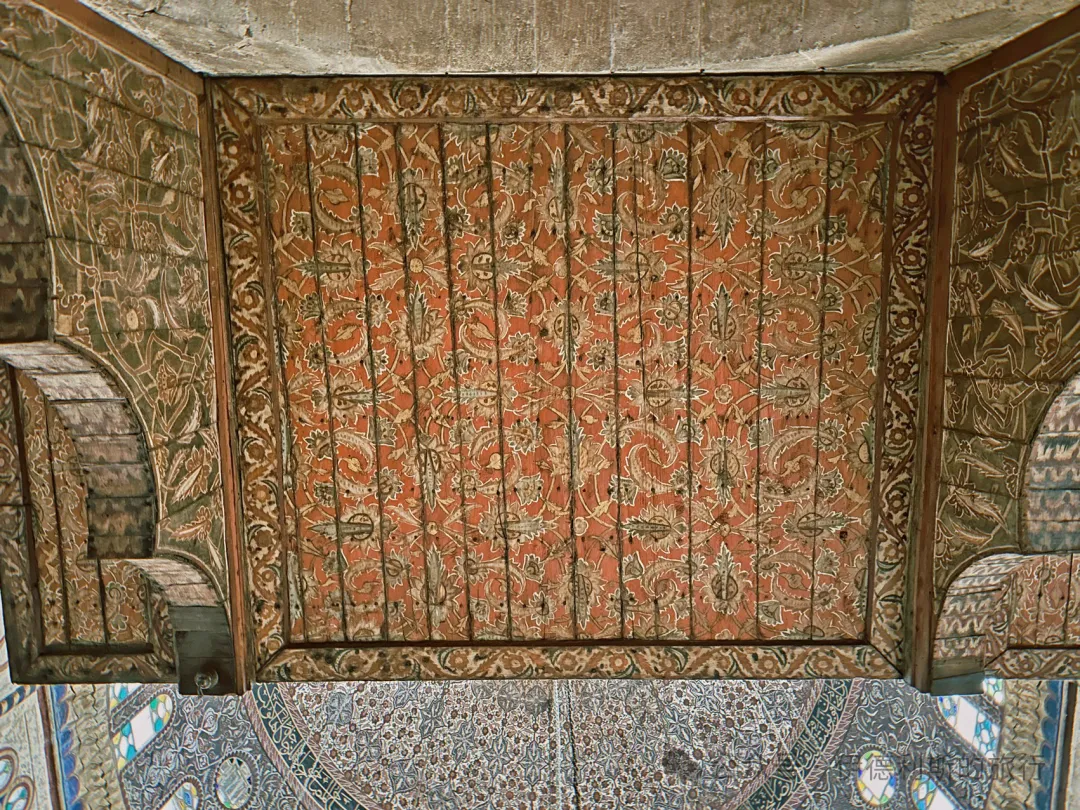
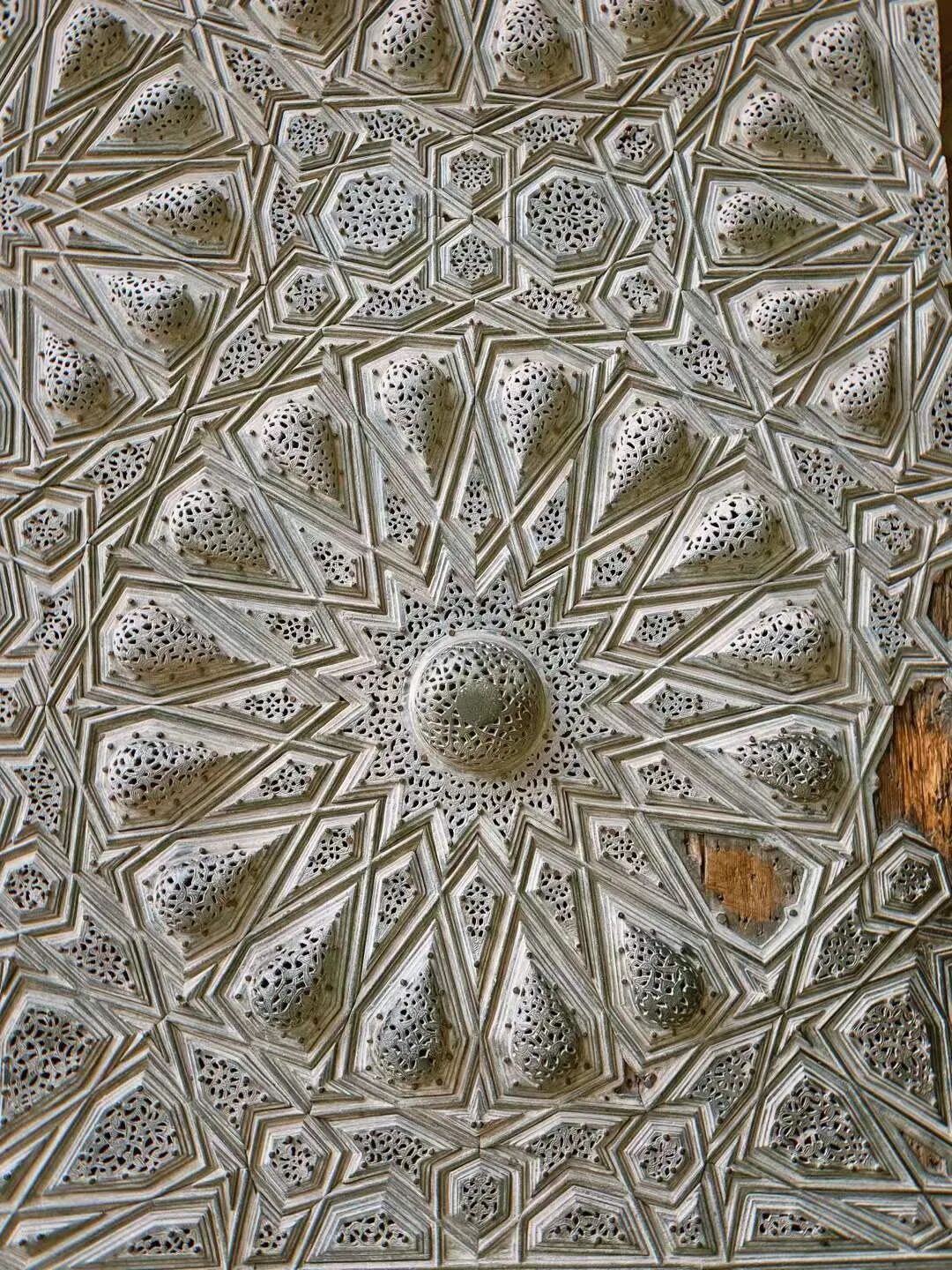
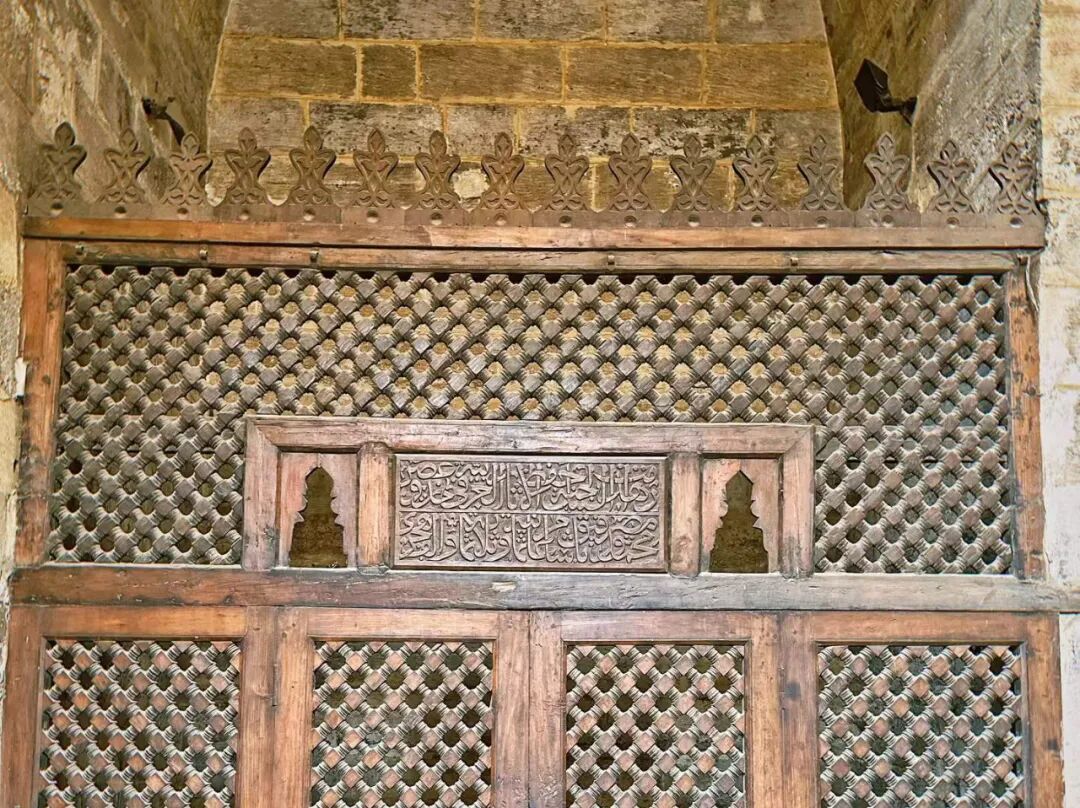
The Sultan al-Mu'ayyad Mosque features exquisite wood carvings from the Mamluk period, including the minbar, wooden doors, and ceilings.
Summary: This first part of the Cairo mosque journey begins with early landmarks such as Al-Hakim Mosque and Al-Aqmar Mosque. It preserves the source's mosque names, founding years, dynastic context, street route, architectural details, and photographs.
Al-Hakim Mosque: 1013
Al-Aqmar Mosque: 1125
Al-Ashraf Mosque: 1424
Al-Azhar Mosque: 972
Al-Hussein Mosque: built in 1154, rebuilt in 1874
Abu al-Dhahab Mosque: 1774
Al-Muayyad Mosque: 1415
Al-Salih Tala'i Mosque: 1160
Mahmud al-Kurdi Mosque: 1395
Qijmas al-Ishaqi Mosque: 1480
Mosque of Ahmad al-Mihmandar: 1324
Mosque of Amir Altinbugha al-Mardani: 1338
Mosque of Umm al-Sultan Sha'ban: 1368
Blue Mosque: 1347
Sayyida Fatima Mosque: 18th-century expansion
Khayrbak Mosque: 1519
Sultan Hasan Mosque: 1356
Rifa'i Mosque: 1869.
Ibn Tulun Mosque: 876.
Taghribirdi Mosque: 1440
Shaykhu Mosque: 1349
Qanibay al-Muhammadi Mosque: 1413
Al-Hakim Mosque: 1013
Right next to the north wall of Old Cairo is the Al-Hakim Mosque. It is named after the sixth caliph of the Fatimid dynasty, who was also the 16th imam of the Ismaili branch of Shia Islam, Al-Hakim bi-Amr Allah (reigned 996-1021). The Al-Hakim Mosque was started in 990 by the fifth Fatimid Caliph, al-Aziz Billah (reigned 975-996), and finished in 1013 by Caliph al-Hakim. It is now 1,012 years old.
The mosque originally sat outside the Cairo city walls, but it was brought inside after the walls were rebuilt in 1087. Its architectural style is similar to the Al-Azhar Mosque, but it is twice as large. The most striking features are the two minarets built on square brick bases. When the minarets were first built in 1003, they were separate structures. They were not encased in brick until 1010. Some scholars suggest this change relates to 1010, when the ruler of Mecca rejected Fatimid authority, weakening the dynasty's power. The outer wall of the southern brick base has Fatimid-era marble carvings in Kufic script. Because the northern base was incorporated into the northern wall of Old Cairo in 1087, its Kufic carvings were moved to the outside of the city wall.
During the Crusades, the Franks used the mosque as a prison. Later, Saladin used it as a stable. It was repaired during the Mamluk period in the 14th century, but it eventually fell into ruin for a long time. The mosque was repaired in 1808, and a small, colorful marble mihrab added during that time still exists today.
In the 20th century, the mosque served as a school until 1980, when the Dawoodi Bohra branch of Shia Islam carried out a massive reconstruction and renovation using white marble. Inside the main hall after the reconstruction, only the original plaster carvings, wooden beams, and scripture remained. This restoration was criticized by scholars for being 'inauthentic' and sparked widespread debate. In 2017, the Dawoodi Bohra community and the Egyptian Ministry of Tourism and Antiquities launched a new round of repairs, and the mosque did not reopen until February 2023.
Al-Aqmar Mosque: 1125
Walking south from the Al-Hakim Mosque along Al-Mu'izz Street, the main road of Old Cairo, you can see the famous Fatimid-era Aqmar Mosque. The Aqmar Mosque was built in 1125-1126 by order of the Fatimid vizier Al-Ma'mun al-Bata'ihi. It sat at the northeast corner of the Fatimid Eastern Palace, right next to the palace grounds.
The Aqmar Mosque is a landmark in Egyptian architectural history. It was the first mosque with a main entrance aligned with the street rather than the qibla wall, meaning it was the first planned according to Cairo's street layout. It was also the first to feature complex stone carvings. The facade of the Aqmar Mosque is very luxurious. Above the entrance is a medallion surrounded by a grille, with the names of the Prophet and Ali in the center and scripture around it—a unique decoration in Cairo.
At the top of the left facade are carvings of doors and windows. The window on the left symbolizes the ceremonial grille the Fatimids took back from the palace of their rivals, the Abbasids in Baghdad, representing victory. Inside the window are a lamp and a six-pointed star, based on the Shia hadith: 'The star is a promise to the world, and it will not be submerged.' Below the window are carvings of plants growing from a flower pot, referencing the Prophet's words about Hasan and Husayn: 'My two fragrant herbs in the world.' The door in the upper right corner comes from the famous Shia hadith: 'I am the city of knowledge, and Ali is its gate.'
Because it was near the Fatimid palace, the Aqmar Mosque originally had no minaret. One was added by the Mamluk dynasty at the end of the 14th century, and the cylindrical top was rebuilt during the Ottoman period.
In 1993, the Dawoodi Bohras branch of Shia Islam carried out a large-scale renovation of the Aqmar Mosque. Most of the historical elements inside the main hall were not preserved, which led to criticism.
Al-Ashraf Mosque: 1424
The Ashraf Mosque (Al-Ashraf Mosque) was built in 1424 by the Mamluk Sultan Al-Ashraf Barsbay, who reigned from 1422 to 1438. The complex includes a main prayer hall, a school, a tomb, and a Sufi lodge (khanqah). It features a dome with geometric carvings, which is an early example of decorative dome carving.
Barsbay was once a Mamluk slave of Sultan Barquq and later served as a tutor to the young Sultan Muhammad. With support from the governor of Damascus and other emirs, Barsbay deposed the young sultan in 1422 and took the throne himself.
Barsbay’s 16-year reign was a time of relative safety and stability for the Mamluk Sultanate, with almost no wars. He was very generous to the poor and to Sufis, and he carried out a series of administrative reforms.
People called Barsbay the Merchant Sultan because he placed great importance on trade. He took steps to strengthen control over the Mediterranean and Red Seas, diverted Indian Ocean trade routes through Jeddah, and created state monopolies on sugar and pepper. He lowered tariffs to attract merchants and monopolized most of the trade from the East, which angered many European powers.
Al-Azhar Mosque: 972
In 969 AD, the Shia Ismaili Fatimid dynasty conquered Egypt and began building their new capital, Cairo. At that time, the densely populated Sunni city of Fustat already existed south of Cairo, so the new city became the center for the Shia Ismaili faith.
After two years of construction, the first Friday mosque (Jami) in Cairo opened in 972 and was named the Cairo Mosque (Jami al-Qahira) after the city. The Cairo Mosque was later renamed the Al-Azhar Mosque (al-Jami al-Azhar), with Al-Azhar meaning the Radiant.
After the Al-Azhar Mosque opened, the Ismailis moved from secret to public preaching. The mosque's first chief judge, Qadi al-Numan, became the founder of Ismaili law and the author of the authoritative Ismaili text, The Pillars of Islam (Kitab da'a'im al-Islam).
The main hall of the Al-Azhar Mosque is a columned hall. The marble columns in the four rows of arcades came from ruins of the Pharaohs, ancient Rome, and the Copts, and they were leveled using bases of different heights.
The roof of the main hall originally had three domes, but none survived later renovations. The original mihrab was rediscovered in 1933, and the niche still preserves ornate stucco carvings from the Fatimid period.
Several Fatimid caliphs expanded and renovated the Al-Azhar Mosque. Caliph al-Hafiz, who reigned from 1132 to 1149, carried out a major renovation in 1138. The four-centered arches in the courtyard and the dome at the entrance to the main hall date from this time. The stucco carvings in the courtyard also come from this period, though they were renovated again in 1891.
In 1171, Saladin overthrew the Fatimid dynasty and established the Sunni Ayyubid dynasty. The Friday prayers for Cairo moved to the Hakim Mosque in the north of the city, and the Al-Azhar Mosque was neglected because it had been the center of the Ismaili faith. Saladin removed the silver bands from the mihrab niche of the Al-Azhar Mosque that bore the names of the Fatimid caliphs and destroyed all the Ismaili manuscripts kept in the mosque.
It was not until 1266 that the Mamluk Sultan Baybars, who reigned from 1260 to 1277, restored Friday prayers at the Al-Azhar Mosque and repaired the building. The Ayyubid dynasty followed the Shafi'i school of law, which held that a community should have only one main Friday mosque. The Mamluk dynasty followed the Hanafi school, which did not have this rule.
The Mamluk dynasty left two grand minarets at Al-Azhar Mosque: the Qaytbay minaret and the twin minarets of Al-Ghuri, along with the Qaytbay Gate. The Qaytbay minaret was built in 1483 or 1495 and features three balconies decorated with ornate carvings. The Qaytbay Gate was built in 1495 and leads directly into the courtyard. Both are exquisite examples of late Mamluk architecture. During the reign of Sultan Qaytbay (1468-96), the Mamluk dynasty was politically and economically stable and won several military victories against the Ottoman Empire. The Sultan was very interested in art and architecture and sponsored as many as 230 buildings.
In 1509, the Mamluk Sultan Al-Ashraf Qansuh al-Ghuri (reigned 1501-16) built the twin minarets of Al-Ghuri. Al-Ghuri was the last powerful ruler of the Mamluk dynasty. He was eventually defeated by the Ottoman Empire and fell on the battlefield in Syria.
In 1517, the Ottoman Empire conquered the Mamluk dynasty and occupied Egypt, causing the status of Al-Azhar Mosque to decline once again. It was not until after the 18th century, when the Mamluk elite regained influence in Egypt, that renovations and expansions of Al-Azhar Mosque continued.
In 1749, Abd al-Rahman was appointed as the head of the guards (Katkhuda). In 1753, he oversaw the construction of three Ottoman-style gates for Al-Azhar Mosque: the Barbers' Gate (Bab al-Muzayinīn), the Gate of the Upper Egyptians (Bab al-Sa'ayida), and the Soup Gate (Bab al-Shurba). Outside the Barbers' Gate was where students got their hair cut, 'Sa'ayida' means people from Upper Egypt, and the Soup Gate was where students went to get soup. From then on, the Barbers' Gate became the main entrance to Al-Azhar Mosque.
Abd al-Rahman also doubled the size of the main prayer hall of Al-Azhar Mosque to the south and added a new mihrab, giving the hall its current shape. After Abd al-Rahman died in 1776, he was buried inside Al-Azhar Mosque, becoming the last person in history to be buried there.
After the 18th century, Al-Azhar Mosque became the most influential educational institution in Egypt, and the ulama (scholars) could report to the Pasha (governor) as official advisors.
Napoleon occupied Cairo on July 22, 1798. On October 21, an uprising against the French broke out at Al-Azhar Mosque. Napoleon shelled the mosque directly from the Cairo Citadel, resulting in over 3,000 Egyptian casualties and the death of six Al-Azhar ulama. Napoleon's troops tied their horses to the mihrab of Al-Azhar Mosque and ransacked the student dormitories and the library. In 1800, the commander-in-chief of the French expeditionary force was assassinated by an Al-Azhar student, after which Napoleon ordered the closure of Al-Azhar Mosque. In June 1801, Cairo was recaptured by the British and the Ottoman Empire, and Al-Azhar Mosque reopened.
Between 1892 and 1901, the last Khedive (viceroy) of Ottoman Egypt, Abbas II Hilmi Pasha, rebuilt the facade of Al-Azhar Mosque as part of a wave of modernization in British-occupied Egypt. At the same time, Al-Azhar University also carried out educational reforms to oppose fundamentalism. To mitigate the impact of the Saudi Wahhabi movement, many students from Indonesia and other parts of Southeast Asia came to study at Al-Azhar University during this period.
The last two pictures show the Fatimid dynasty stucco carvings restored by the Committee for the Preservation of Arab Art Monuments during the reign of Abbas II Hilmi Pasha.
Al-Hussein Mosque: built in 1154, rebuilt in 1874
Across from Al-Azhar Mosque is Al-Hussein Mosque, where Shia Muslims believe the head of Imam Hussein is buried. The mosque was first built in 1154, but its current appearance dates to a reconstruction in 1874.
The Fatimid dynasty believed the Abbasid dynasty secretly moved Imam Hussein's head from the Umayyad Mosque cemetery in Damascus. The Fatimids rediscovered it in 1091 and built a shrine for it in Ashkelon, Palestine.
In 1153, the Fatimid dynasty ordered the head of Hussein moved to Cairo to be buried with past Fatimid caliphs, and they built Al-Hussein Mosque in 1154. The lower part of the south gate of Al-Hussein Mosque still keeps its original Fatimid structure.
Al-Hussein Mosque was rebuilt by the Ayyubid dynasty in 1237, but it later burned down, leaving only one Ayyubid minaret today.
In 1874, Isma'il Pasha (reigned 1863-79), the ruler of the Muhammad Ali dynasty, rebuilt Al-Hussein Mosque in a Gothic Revival style and added a minaret blending Gothic and Ottoman styles. During his rule, Isma'il Pasha modernized Egypt on a large scale, trying to align Egypt with Europe, and the renovation of Al-Hussein Mosque was part of this effort.
In 1893, a room for Prophet Muhammad's relics (Bab al-Mukhallafat al-Nabawiyya) was added next to the shrine. It holds four strands of the Prophet's hair, a linen cloak he wore, a lantern, a copper kohl applicator, a staff, and a sword given to him by a companion.
The center of the shrine today is a metal grille (Zarih) made in Mumbai in 1965 by Taher Saifuddin, the leader of the Dawoodi Bohras. It is said this Zarih was originally designed for the shrine of Abbas ibn Ali in Karbala, but it could not be installed there. Taher Saifuddin believed this was guided by Allah, so he had the Zarih flown to Cairo and installed in Al-Hussein Mosque.
Abu al-Dhahab Mosque: 1774
Right next to the west wall of Al-Azhar Mosque is the Abu al-Dhahab Mosque, built in 1774 by the Egyptian Mamluk ruler Abu al-Dhahab. This was the last large building complex the Mamluks built in Egypt, but only the mosque remains today.
Abu al-Dhahab means 'Father of Gold,' and he was a wealthy and generous Mamluk emir. During the Russo-Turkish War, the Egyptian Mamluk emir Ali Bey declared independence from the Ottoman Empire, and Abu al-Dhahab led troops to conquer most of the Hejaz and Syria. After taking Damascus in 1772, Abu al-Dhahab turned his army to occupy Cairo, becoming the actual ruler of Egypt until he died suddenly of the plague in 1775 while conquering Palestine.
The architecture of Abu al-Dhahab Mosque mixes different elements, including Mamluk-style outer walls, Ottoman-style domes, and a minaret inspired by the early 16th-century minaret of the nearby Sultan Qaytbay complex.
The prayer niche (mihrab) and the pulpit (minbar) of Abu al-Dhahab Mosque feature Mamluk-style decorations inlaid with mother-of-pearl and marble.
Al-Muayyad Mosque: 1415
Right next to the south gate of the old city of Cairo is the Sultan Al-Mu'ayyad Mosque, built between 1415 and 1421 by the Mamluk Sultan Al-Mu'ayyad Shaykh (reigned 1412-1421). This site was originally a prison, and legend says Sultan Al-Mu'ayyad was held here when he was young. At the time, he suffered greatly from fleas and lice, so he made a dua that if he ever became Sultan, he would turn the site into a place for teaching and learning. This wish later came true.
With the Sultan's funding, the madrasa inside the Sultan al-Mu'ayyad Mosque became one of Cairo's most famous academic institutions in the 15th century. The large endowment left after the Sultan passed away allowed the school to hire the most brilliant scholars of the time. Ibn Hajar 'Asqalani, the most famous authority on Islamic jurisprudence in Egypt, taught Shafi'i law here.
The madrasa at the Sultan al-Mu'ayyad Mosque taught the four schools of Islamic law: Hanafi, Shafi'i, Maliki, and Hanbali. According to mosque records, the school could accommodate 50 Hanafi students, 40 Shafi'i students, 15 Maliki students, and 10 Hanbali students, along with their teachers and imams. There were also two classes with 20 students each dedicated to studying Quranic exegesis and Hadith.
The Sultan al-Mu'ayyad Mosque is the last large hypostyle mosque in Cairo. It originally had four facades, but today only the east side and the main prayer hall remain from the original structure. The mosque's main gate is known as the last grand gate of the Mamluk dynasty. It is decorated with beautiful geometric marble patterns, Kufic calligraphy, and complex stucco carvings.
The main prayer hall of the Sultan al-Mu'ayyad Mosque was one of the most ornate in Egypt at the time, and the qibla wall is decorated with colorful marble. The supporting stone columns were collected from Cairo and the surrounding areas, and they likely date back to the pre-Islamic era. The circular colorful marble decoration above the mihrab is also very unique, as this style was almost always used for floors rather than walls. Turkish tiles were added to the qibla wall in the 1840s, but they were removed to restore the original design during a 2001 renovation.
The Sultan al-Mu'ayyad Mosque features exquisite wood carvings from the Mamluk period, including the minbar, wooden doors, and ceilings.
