
Muslim Travel Guide China 2026: Manchuria Mosques in Chifeng, Jilin, Acheng and Qiqihar
Reposted from the web
Summary: This Manchuria Muslim travel guide keeps the original route through Chifeng, Jilin, Acheng, and Qiqihar, including mosques, mihrab details, food stops, and photos. It preserves the source order for readers following Muslim heritage in northeast China.
The Manchuria region generally refers to the four northeastern provinces and regions. Besides Liaoning, Jilin, and Heilongjiang provinces, it also includes Chifeng, Hinggan League, Tongliao, Xilin Gol League, and Hulunbuir in eastern Inner Mongolia. People in these places have similar accents, which sound like the Northeast accent to people from the eighteen provinces of the interior.
I have written halal food maps for Changchun, Harbin, and Shenyang before. This time, I am adding Chifeng, Jilin City, Acheng in Harbin, and Qiqihar.
1. Chifeng City
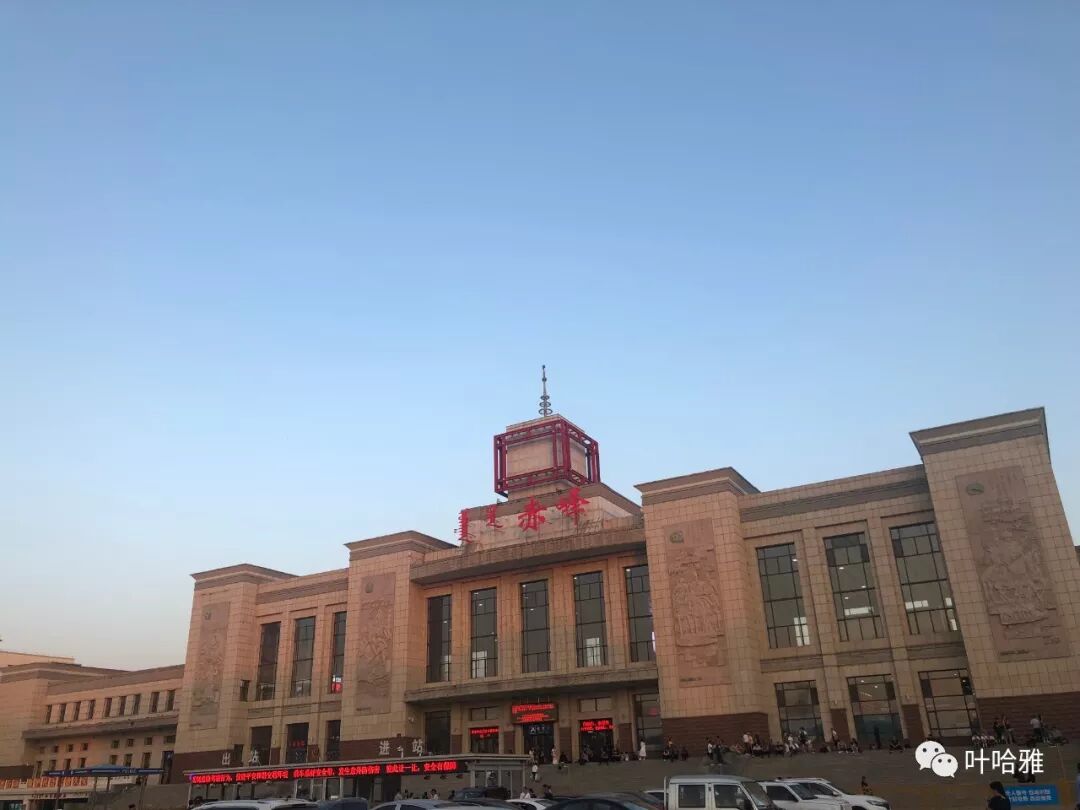
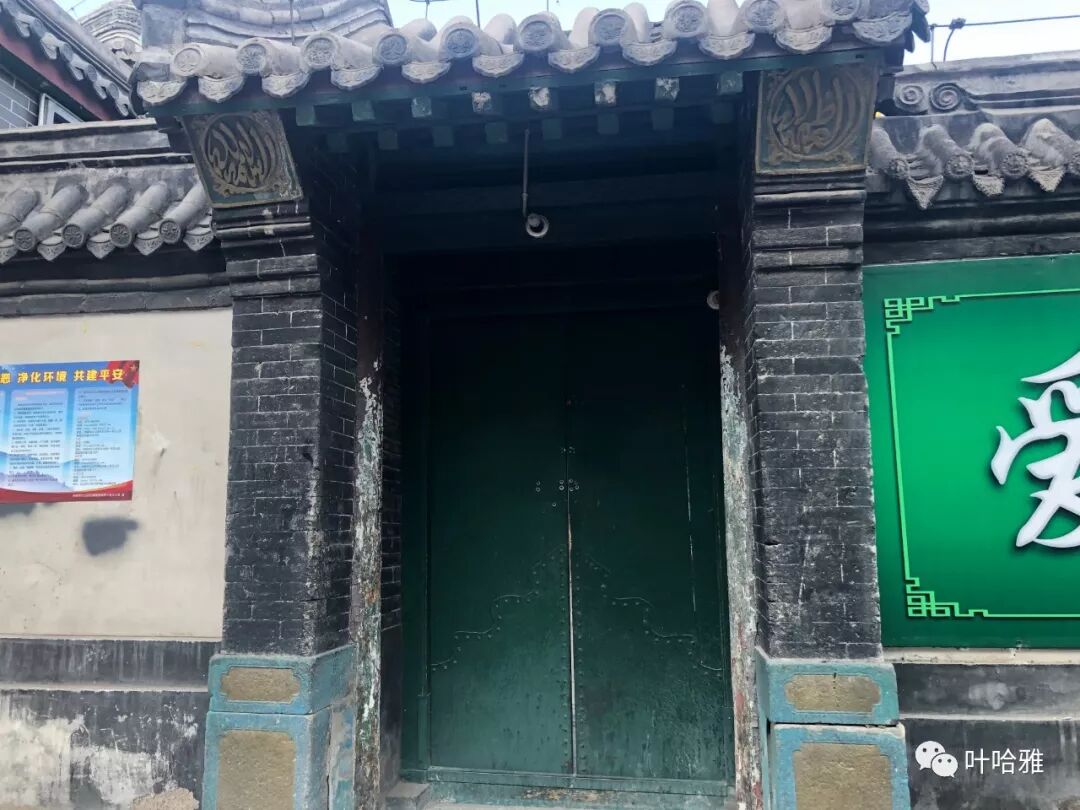
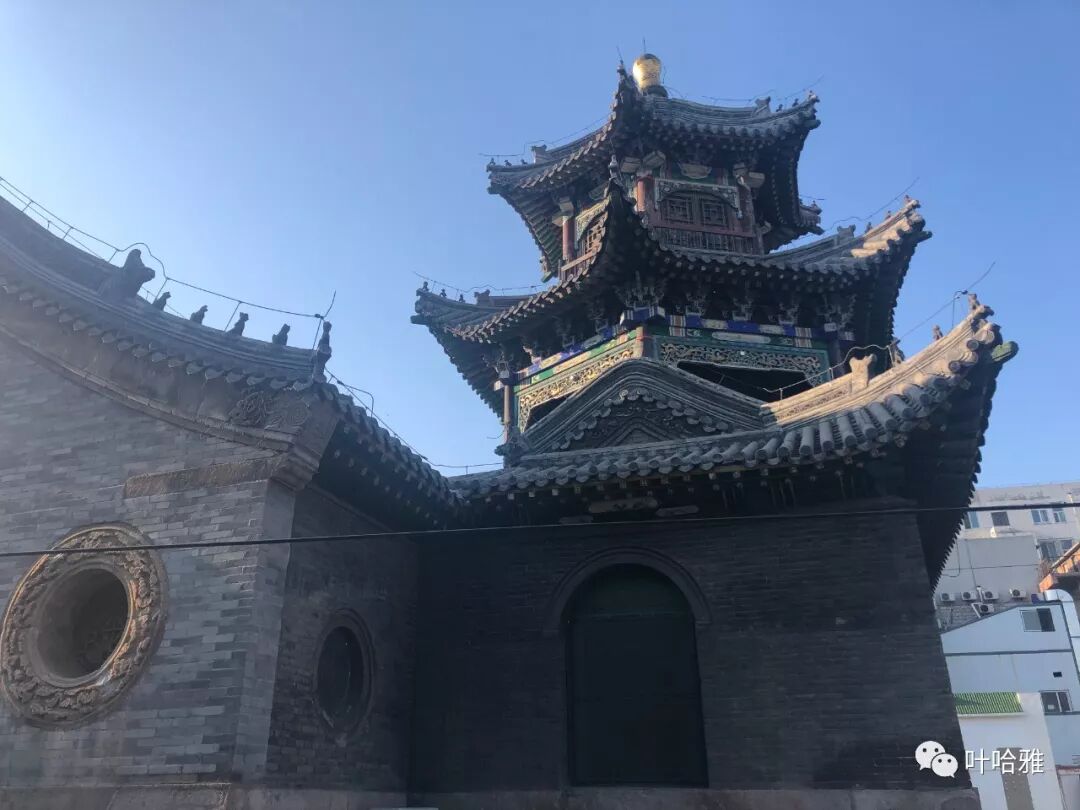
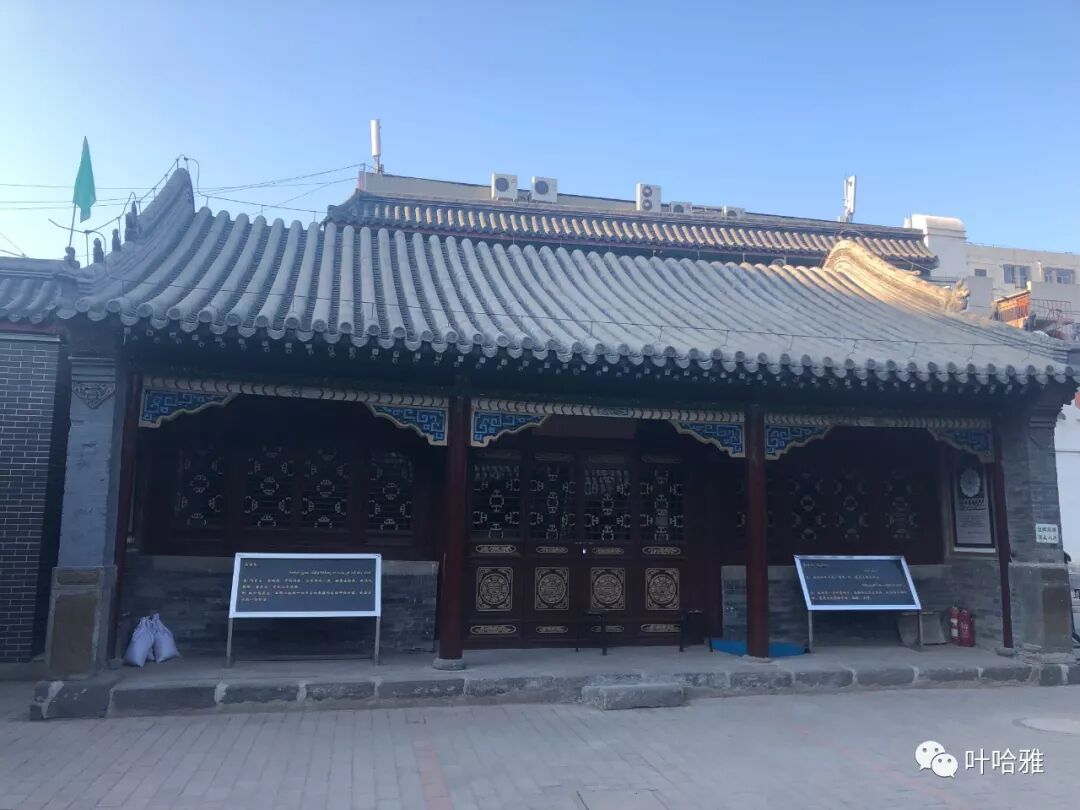
I came to Chifeng because it has an ancient mosque that is a Major Historical and Cultural Site Protected at the National Level. The Chifeng North Mosque (Beidasi) was built in the fourth year of the Qianlong reign of the Qing Dynasty (1739). It was modeled after the style of the Shenyang South Mosque (Fengtian Qingzhen Nansi) at that time.
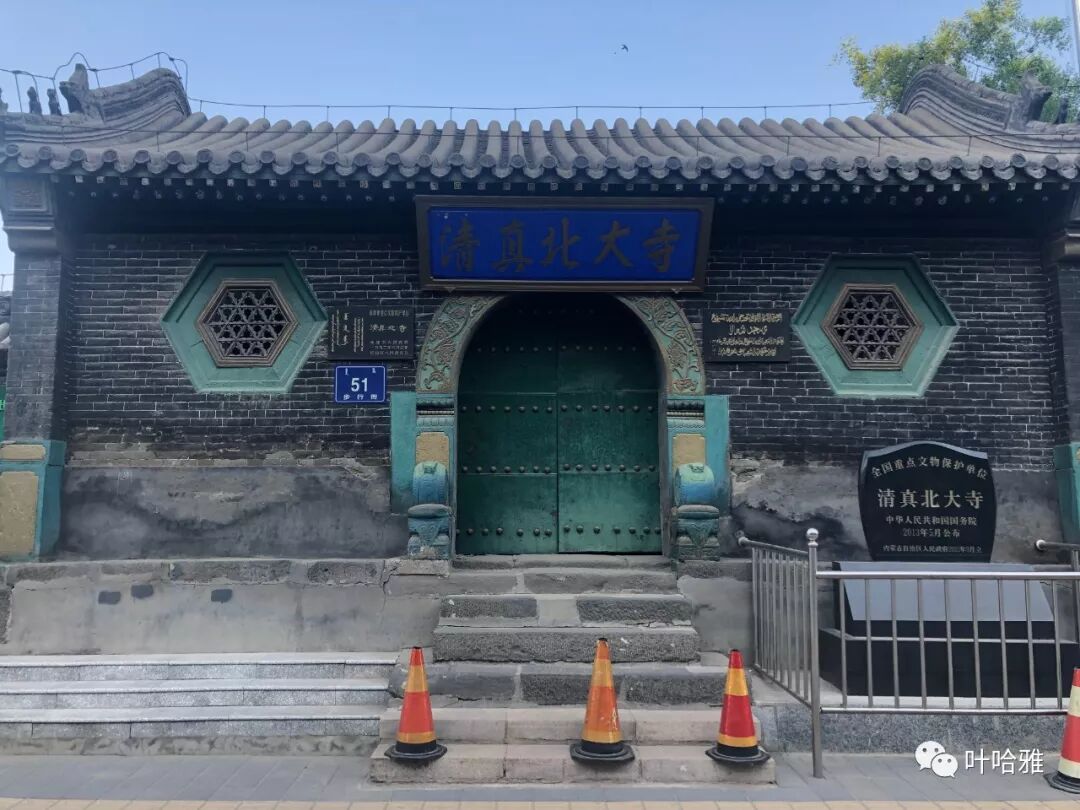
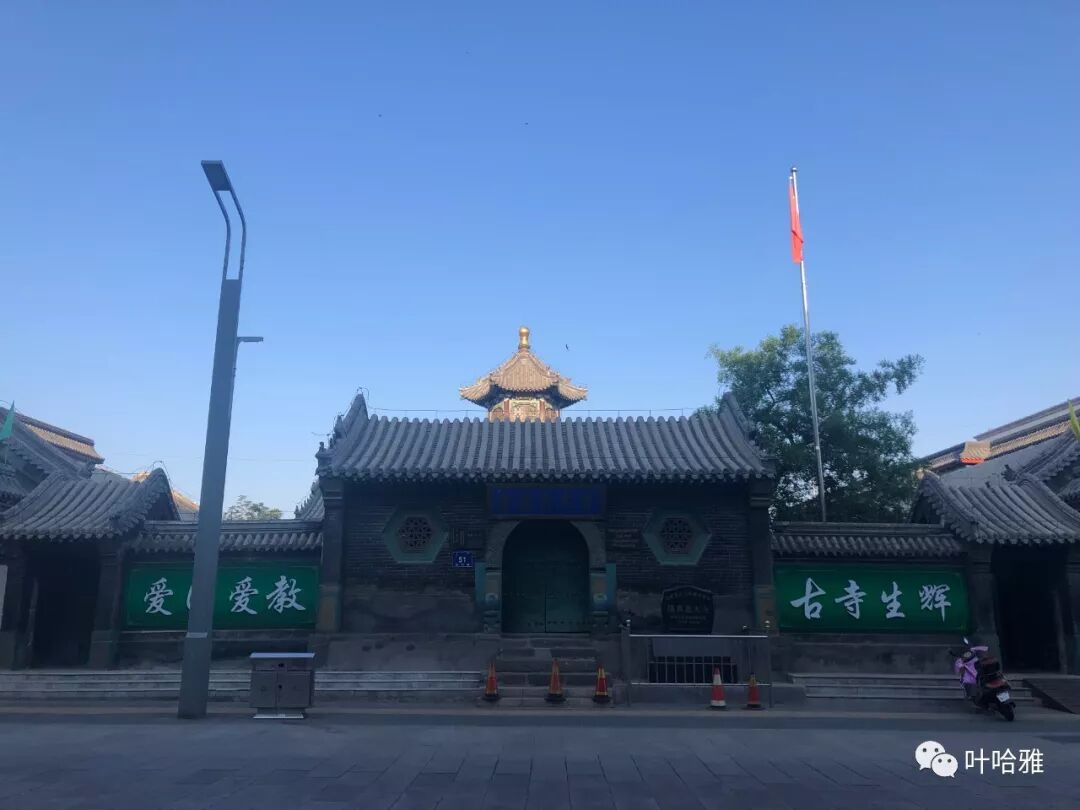
The North Mosque is the largest mosque in the Chifeng area. Not far from the North Mosque, there is also a South Mosque (Nandasi), which is a newly built mosque.
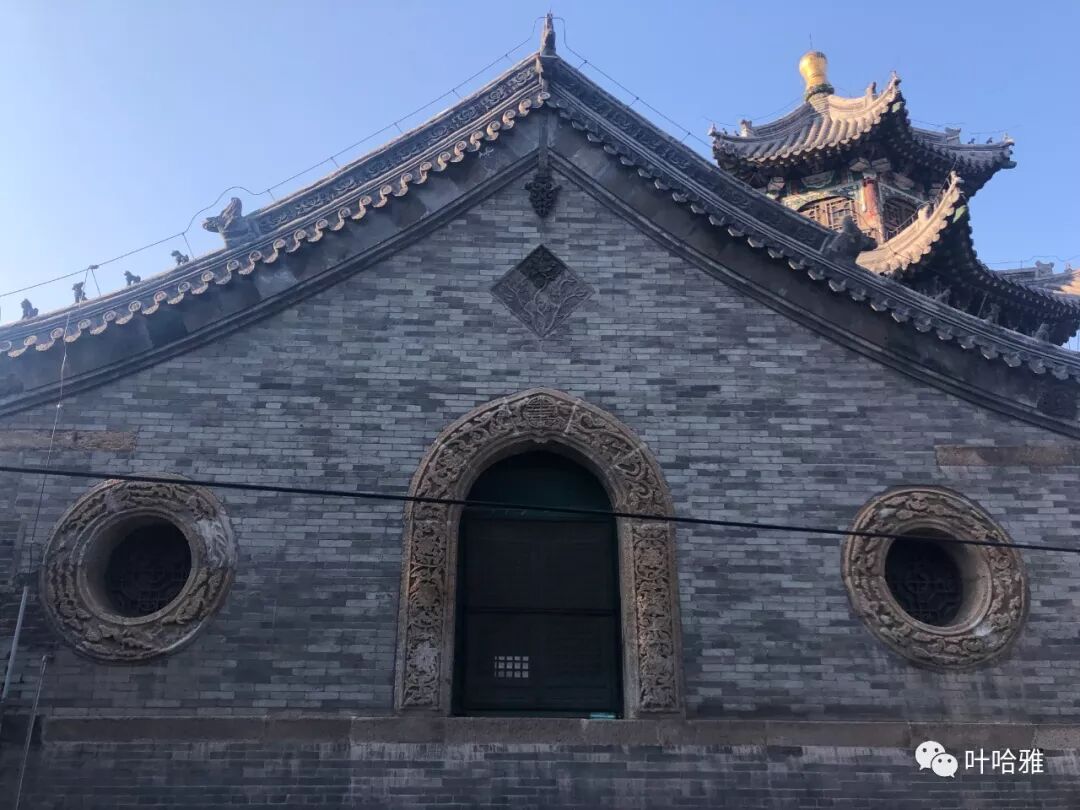
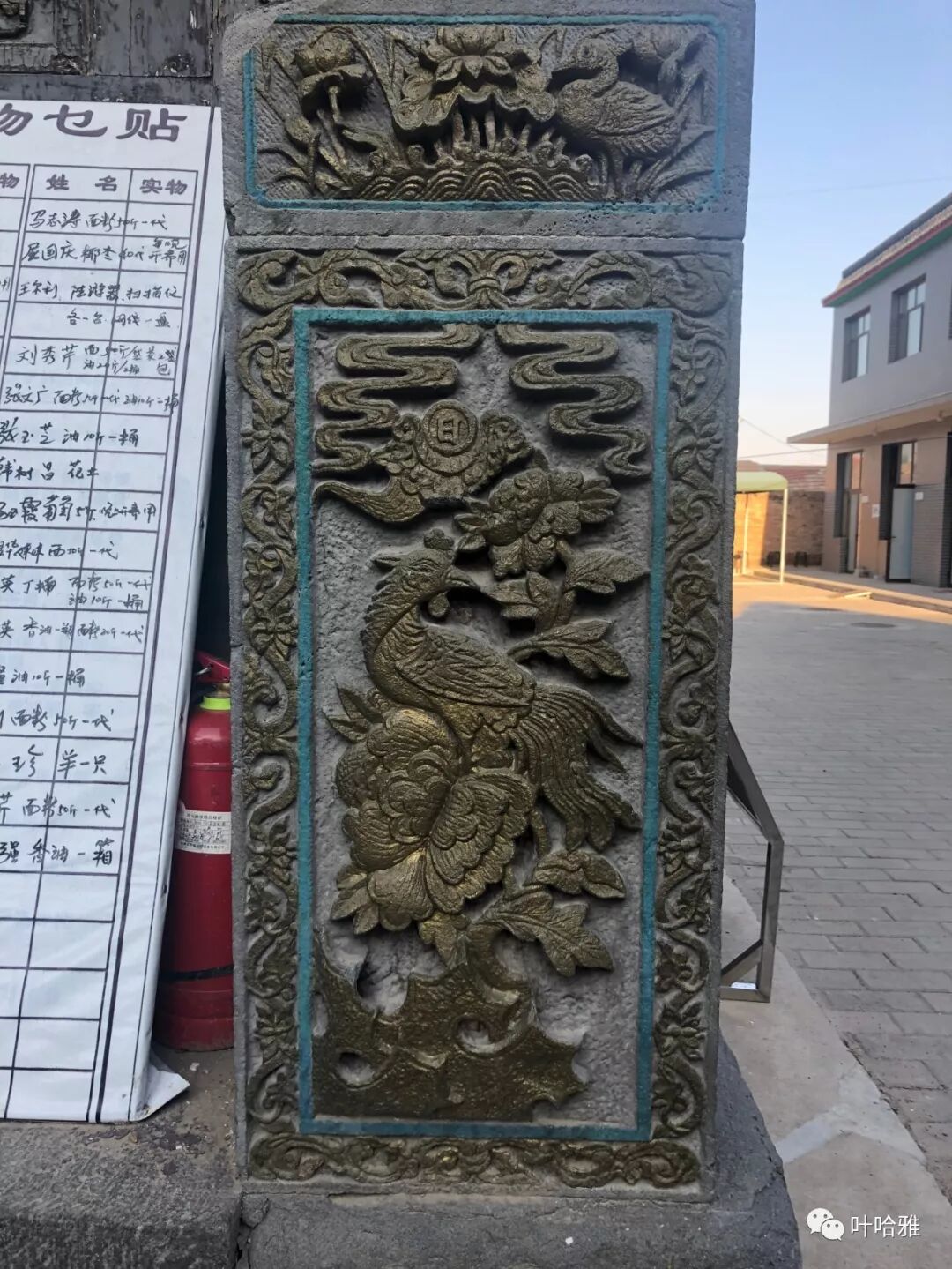
I saw carved phoenixes on both sides of the main prayer hall.
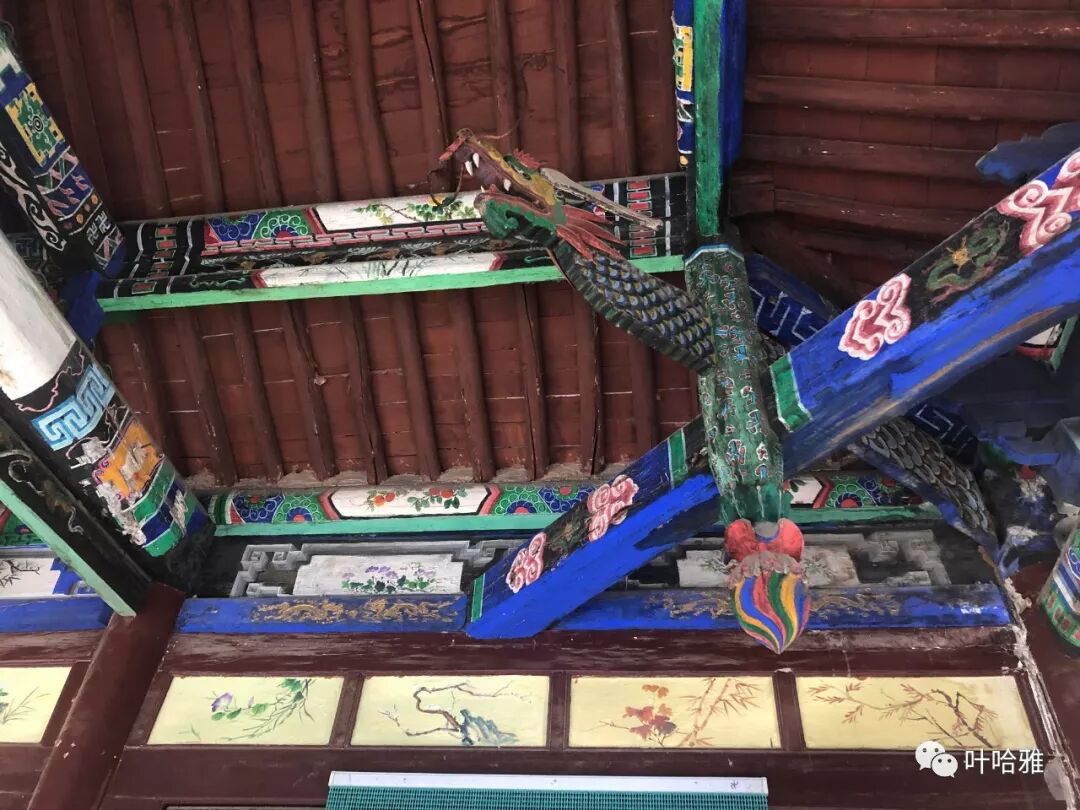
Under the eaves in front of the main hall, there are wooden dragon heads. Since Islam forbids drawing animal patterns and idols, these mythical creature symbols rarely appear in mosques.
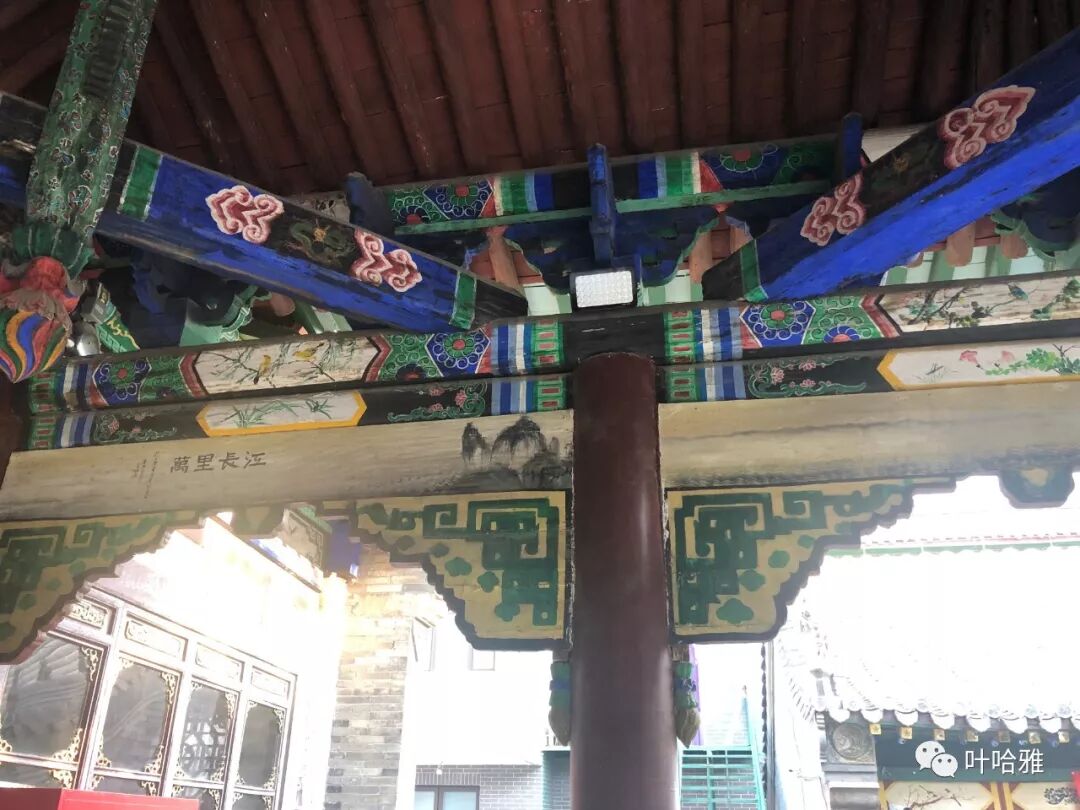
The wood used for this mosque comes from the red wood of Nanshan in Chifeng.
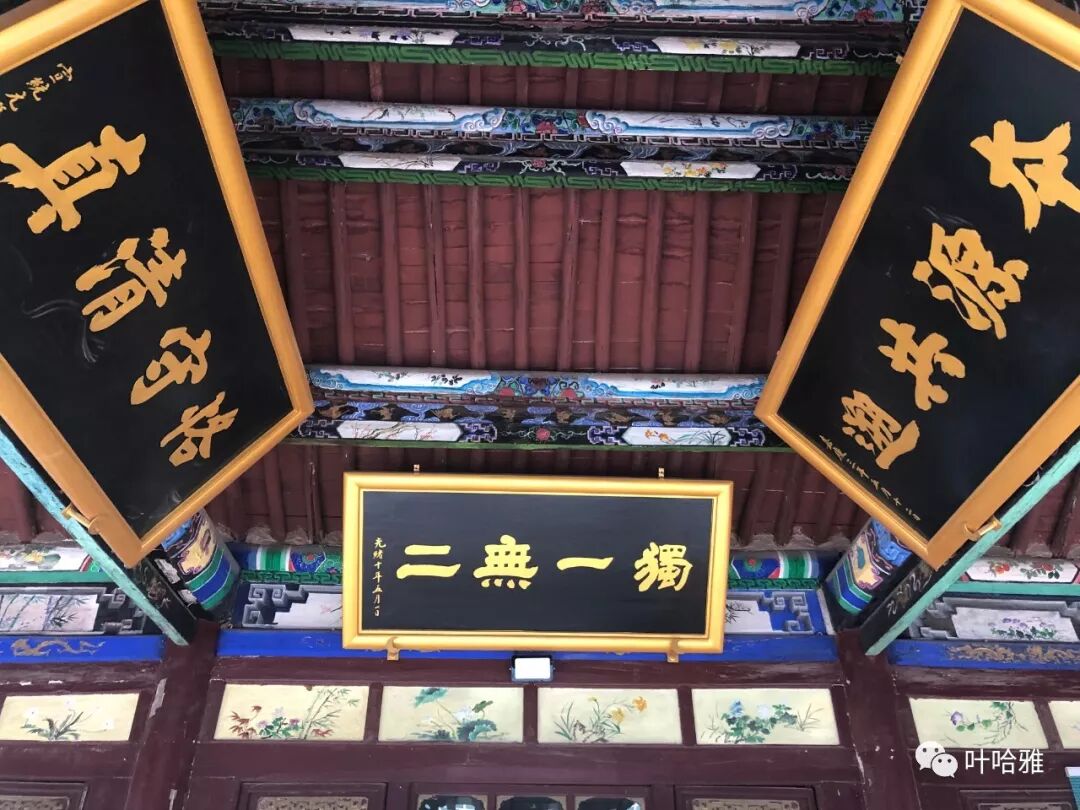
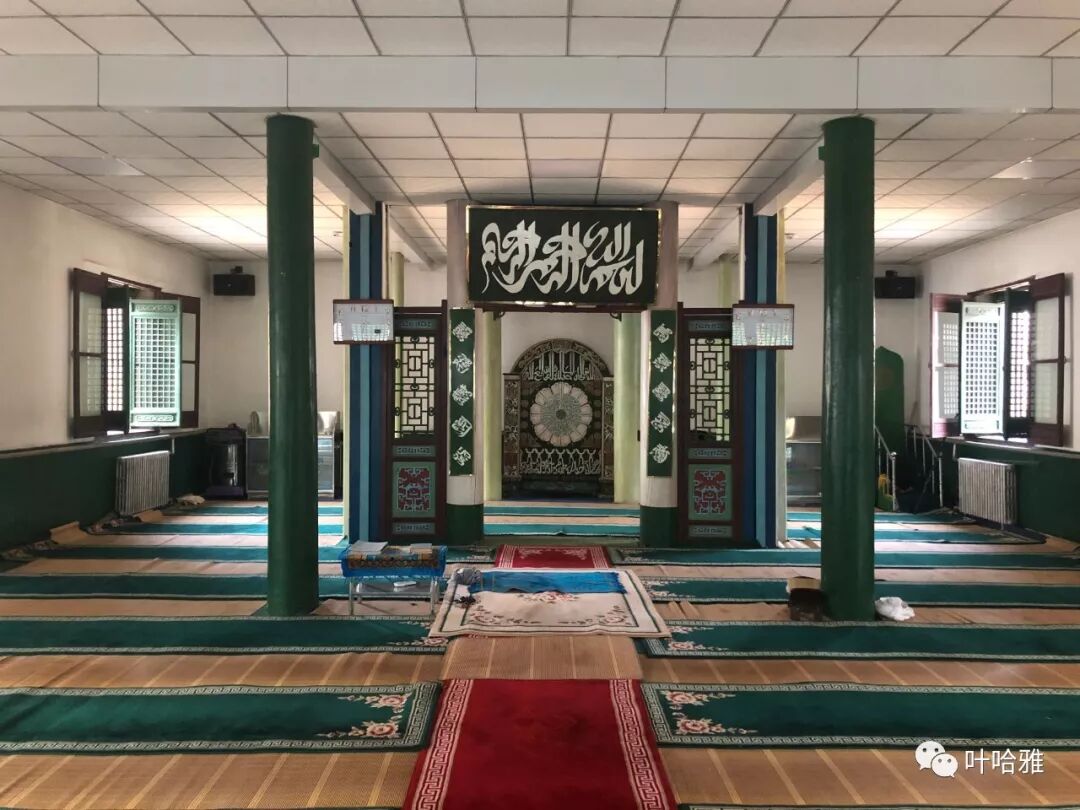
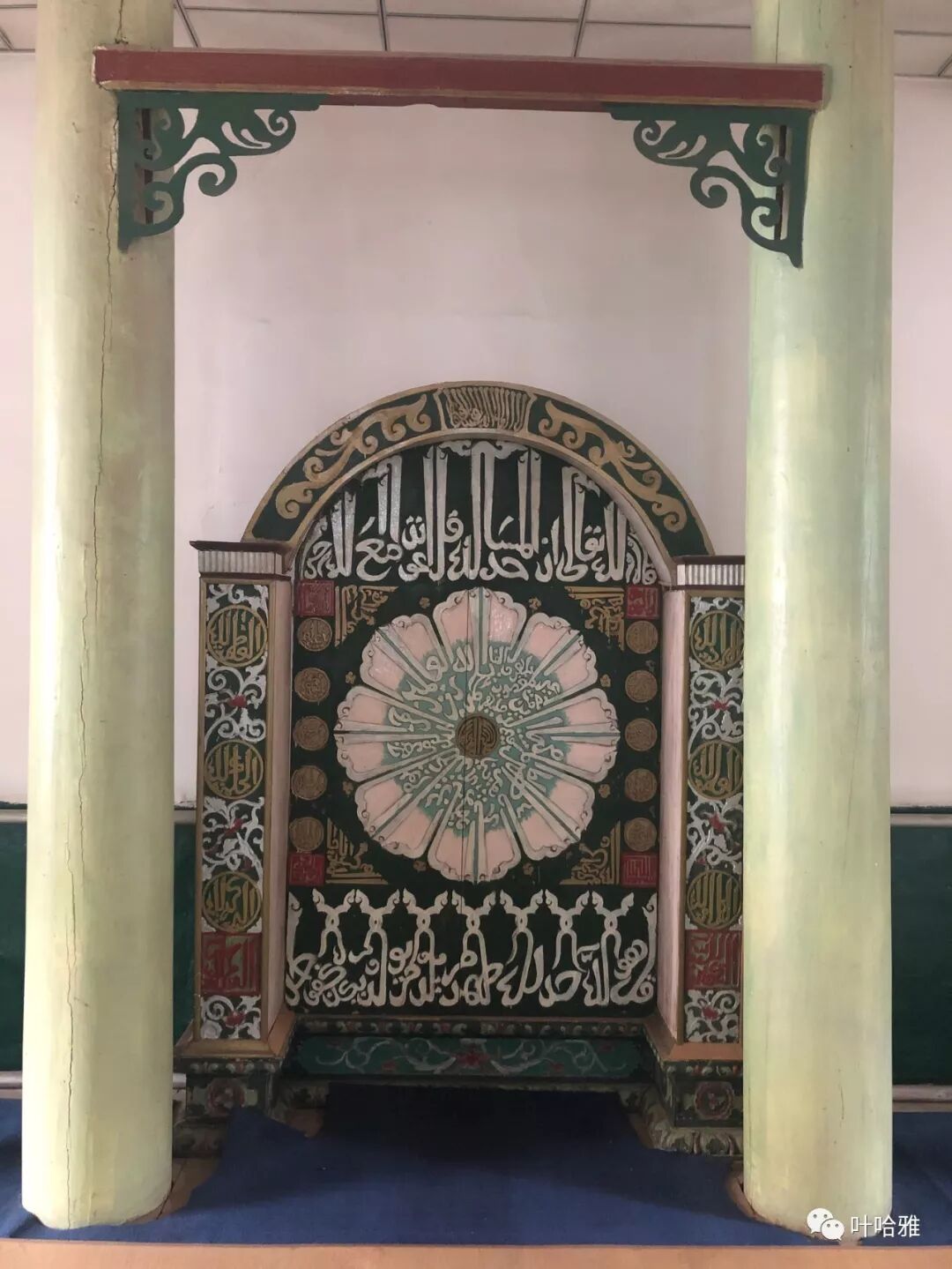
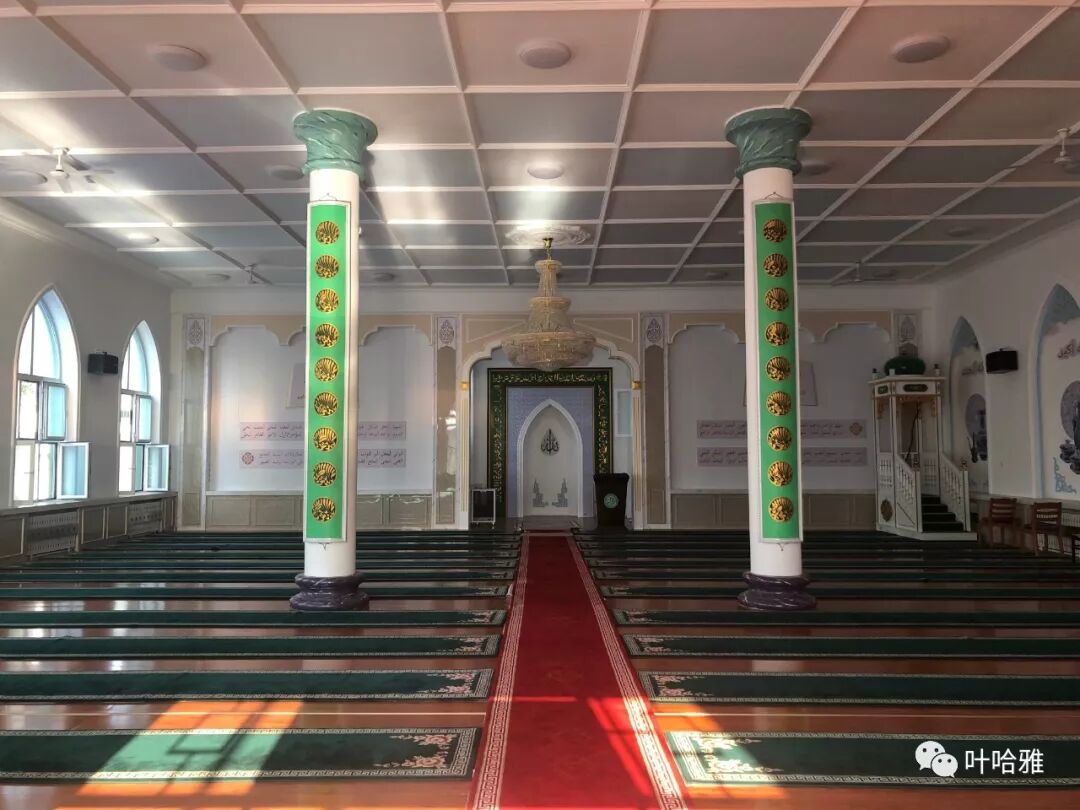
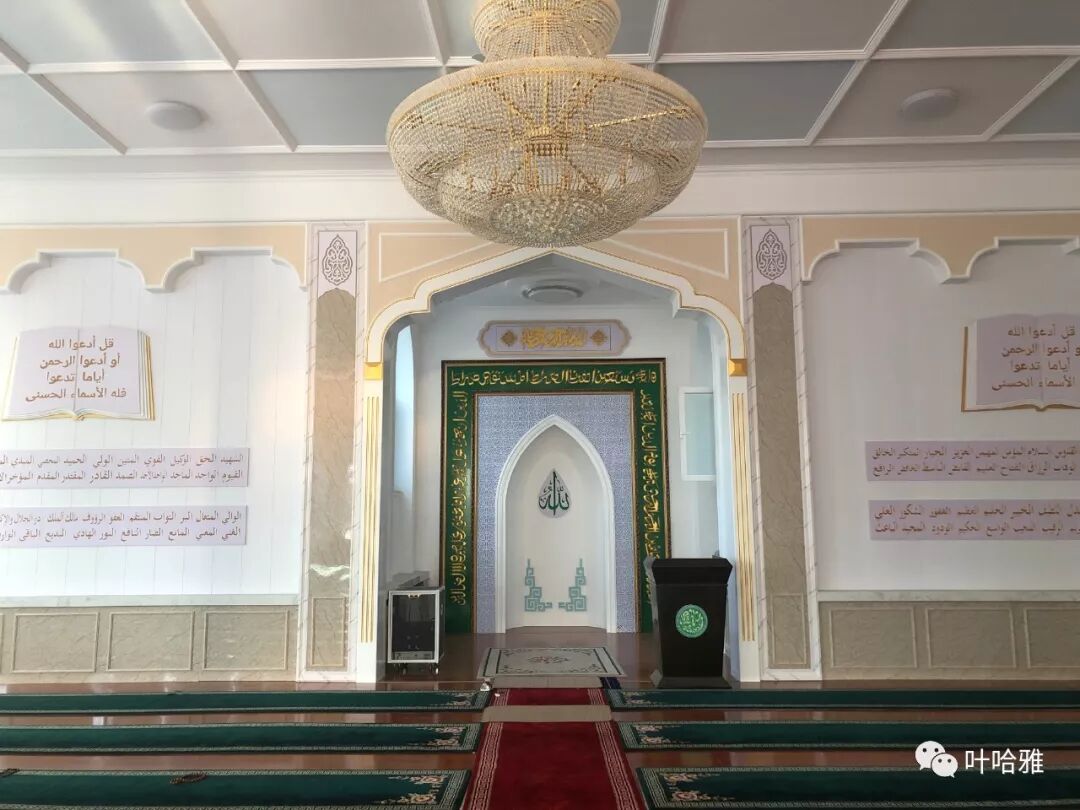
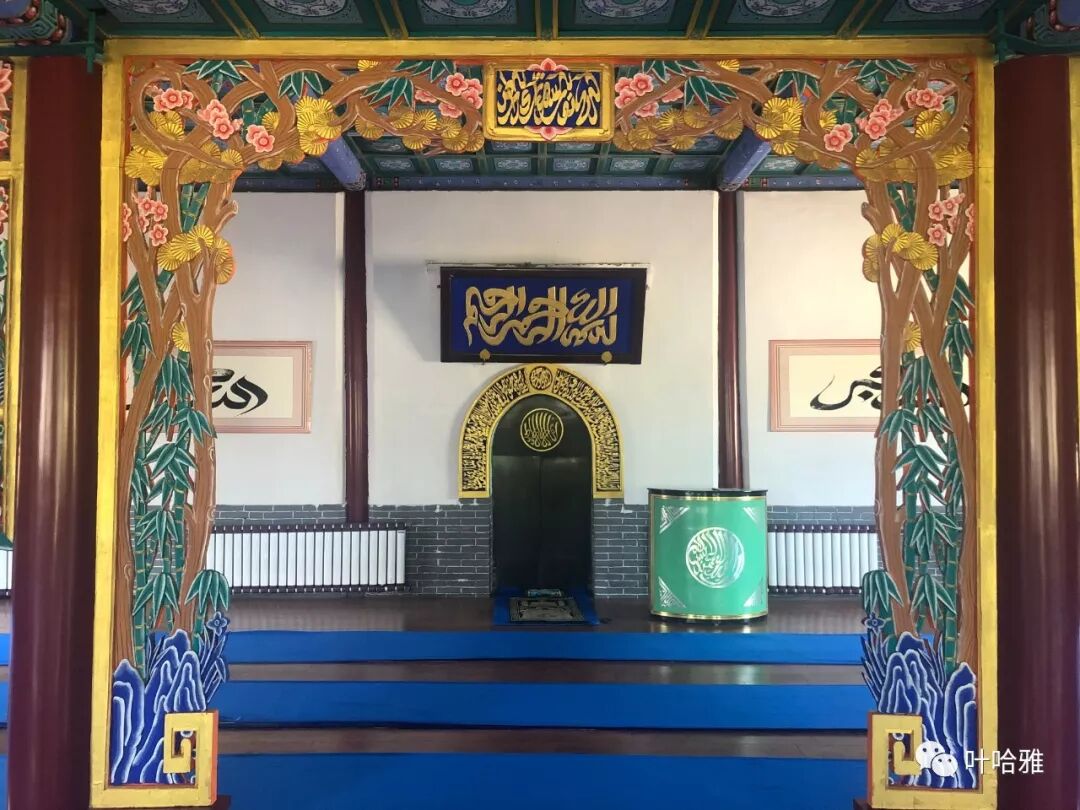
Mihrab
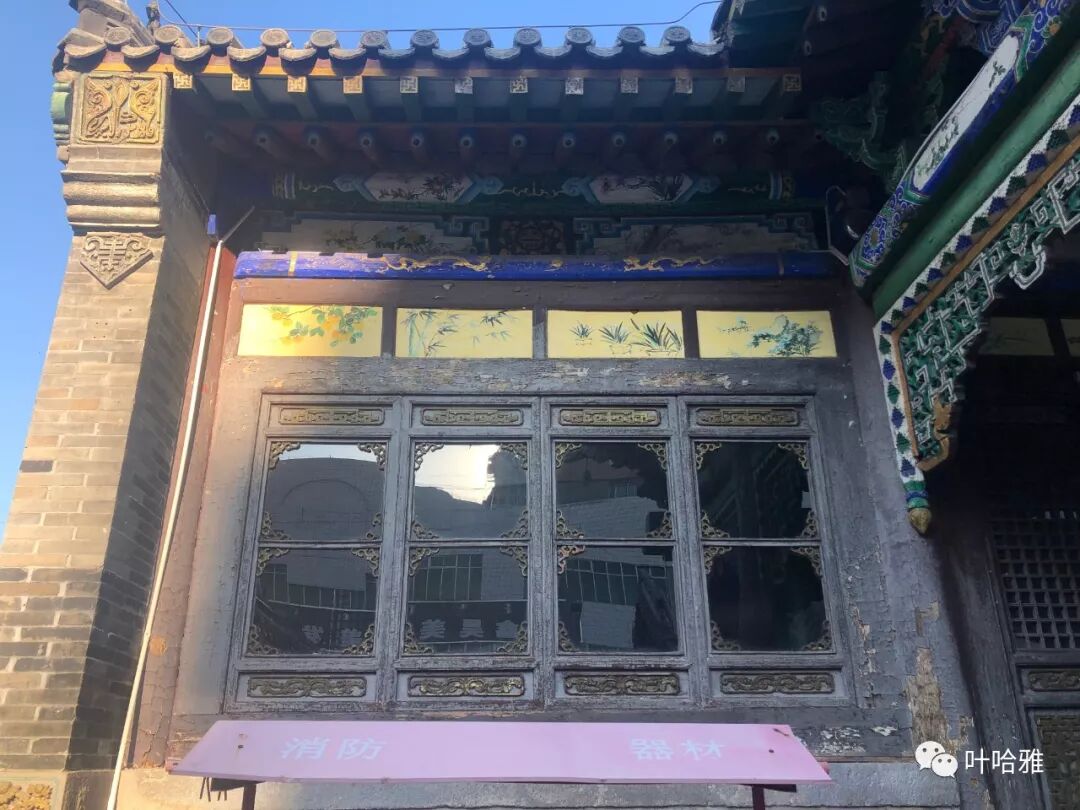
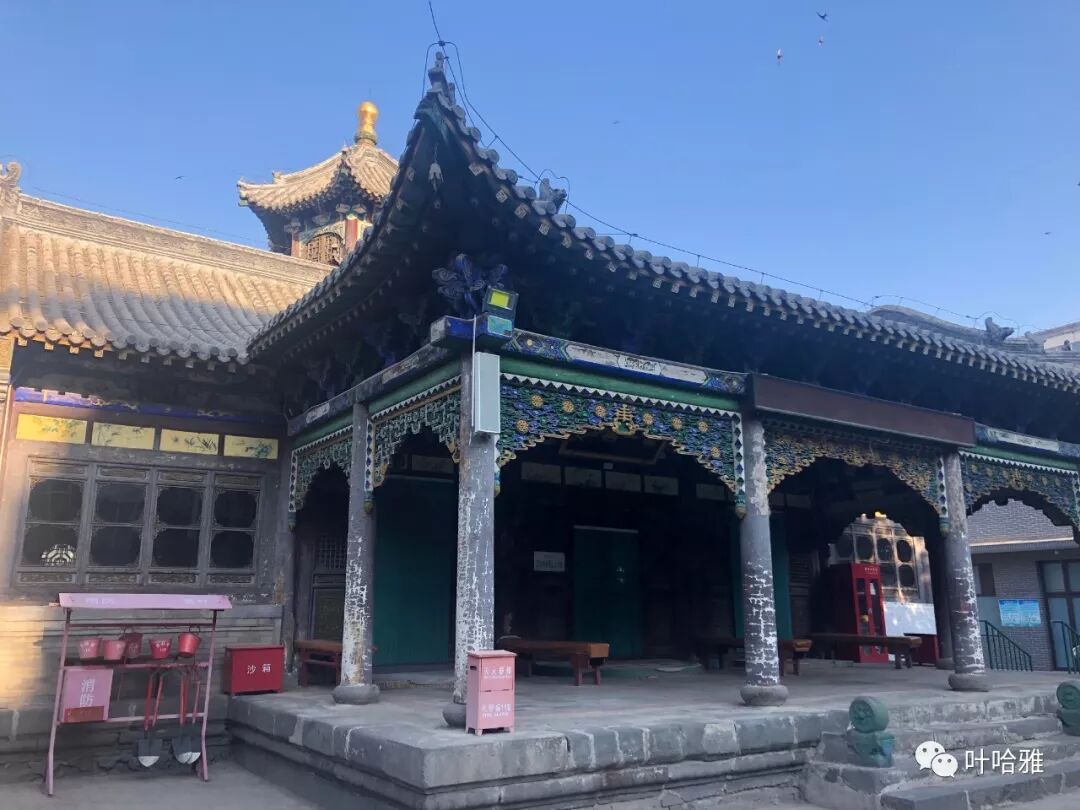
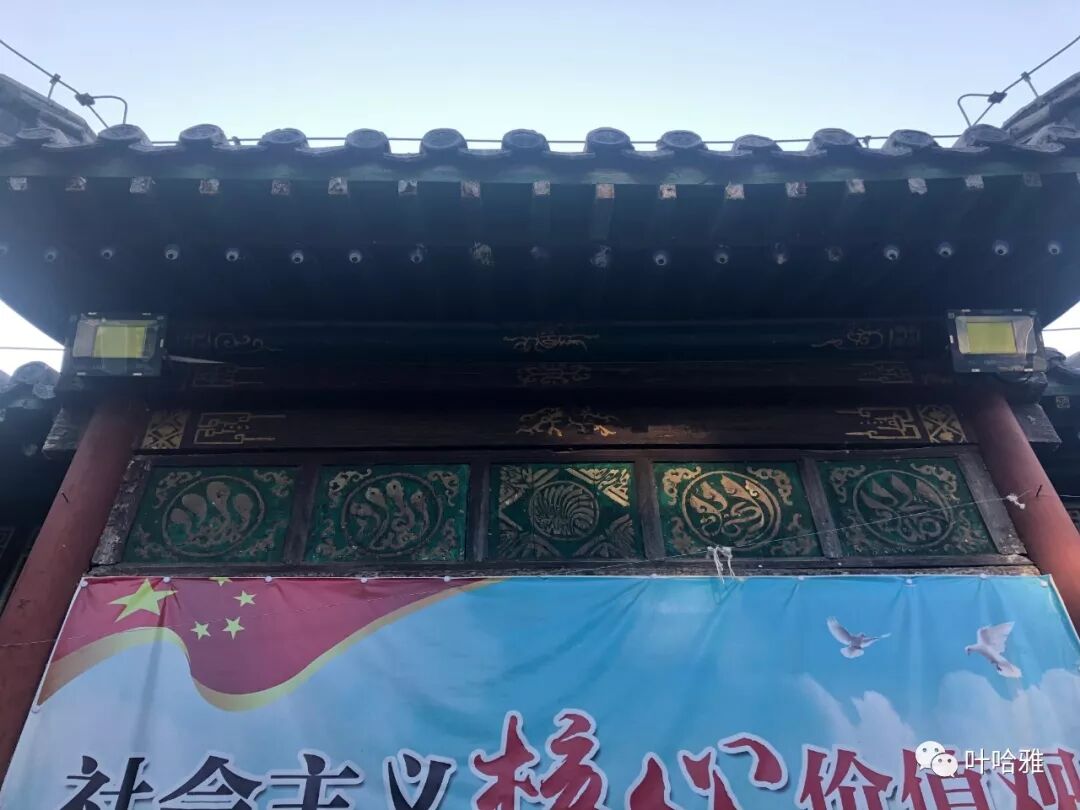
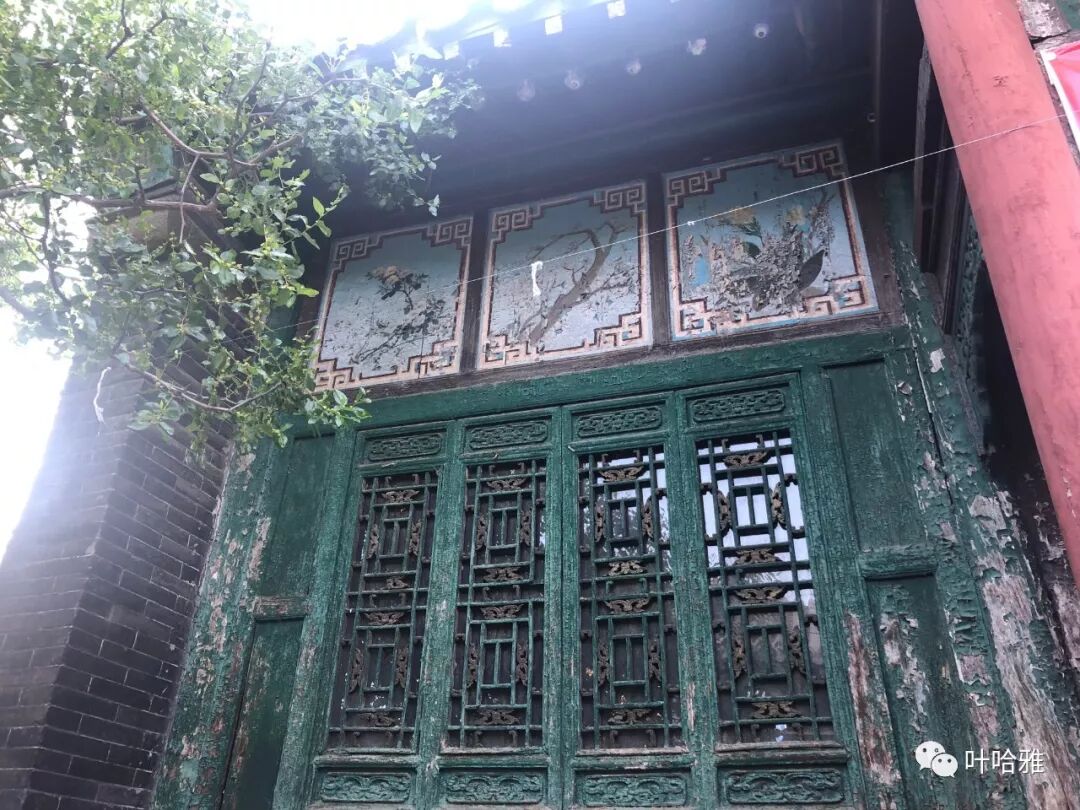
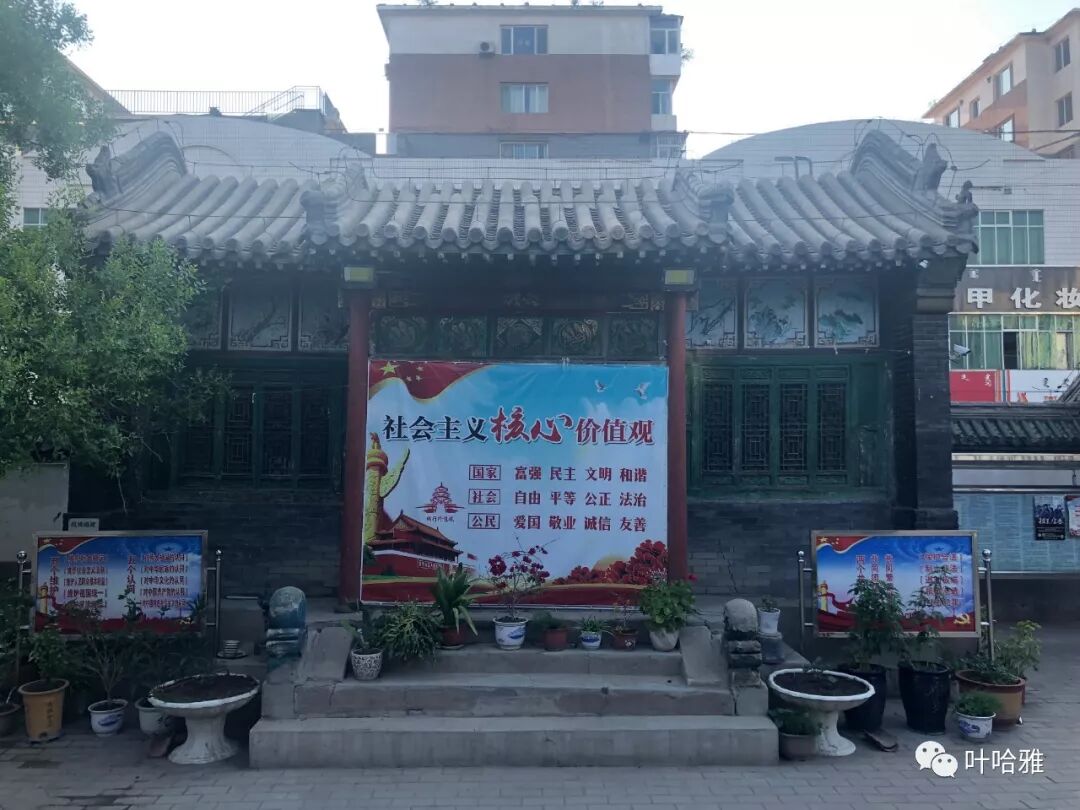
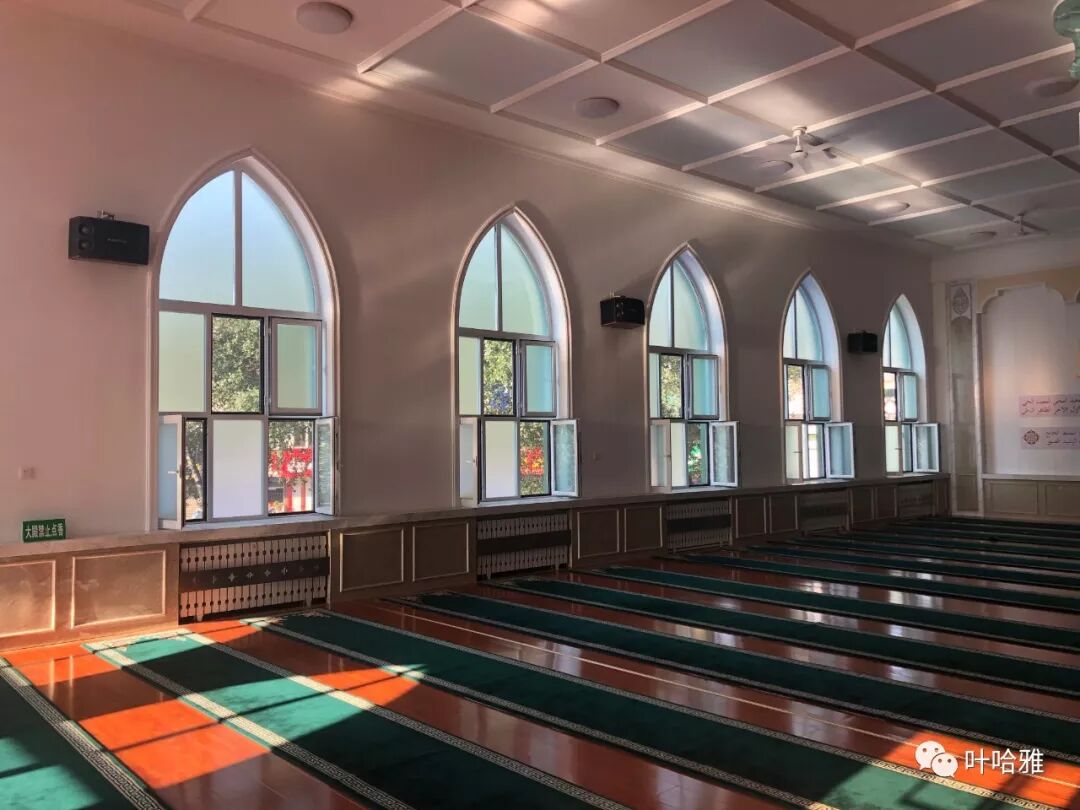
The patterns on the windows are all plants and flowers, which look quite beautiful.
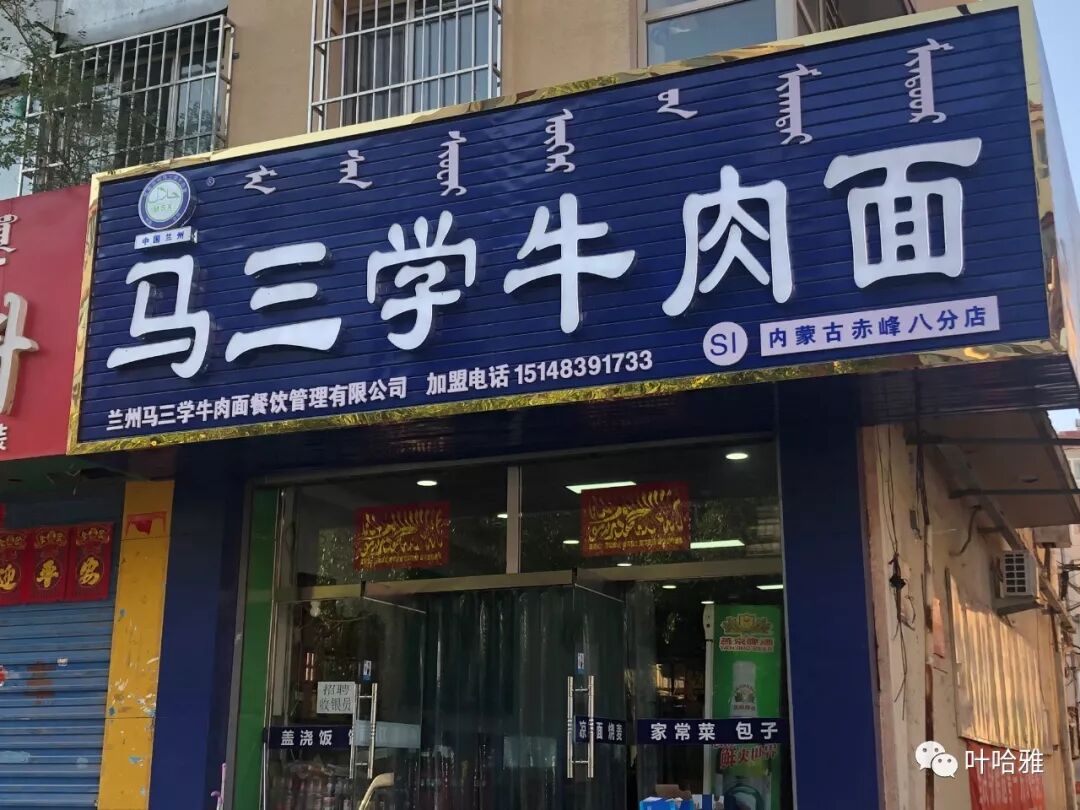
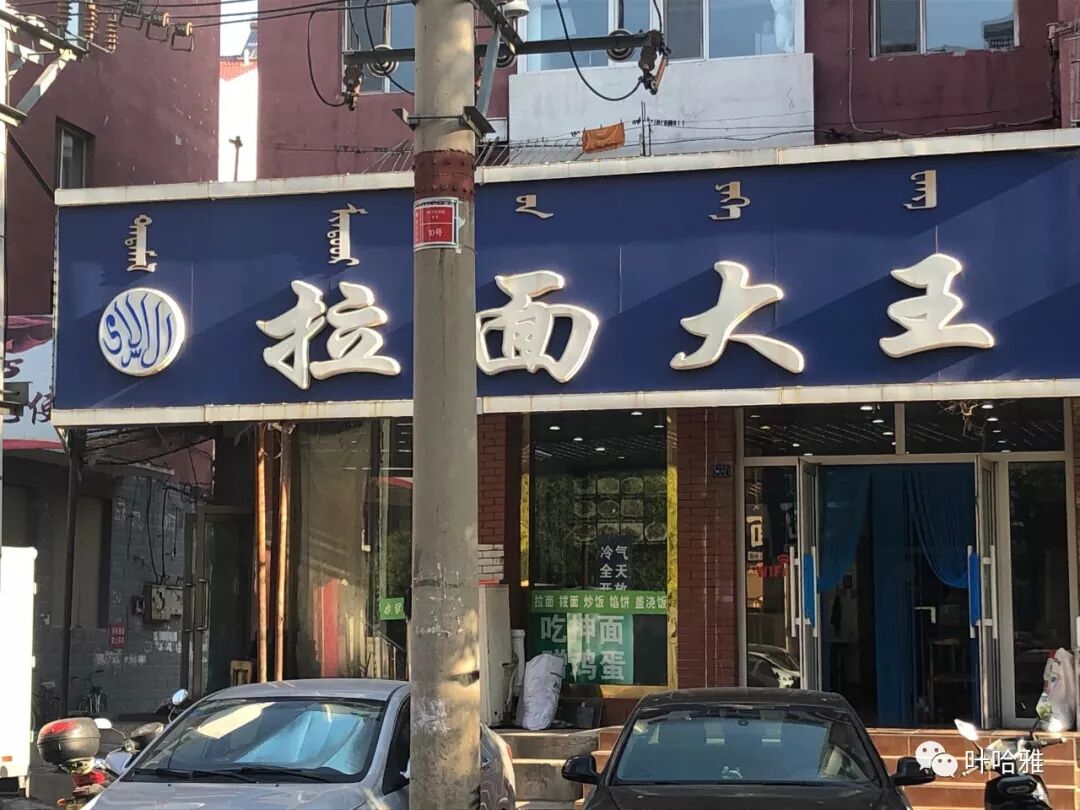
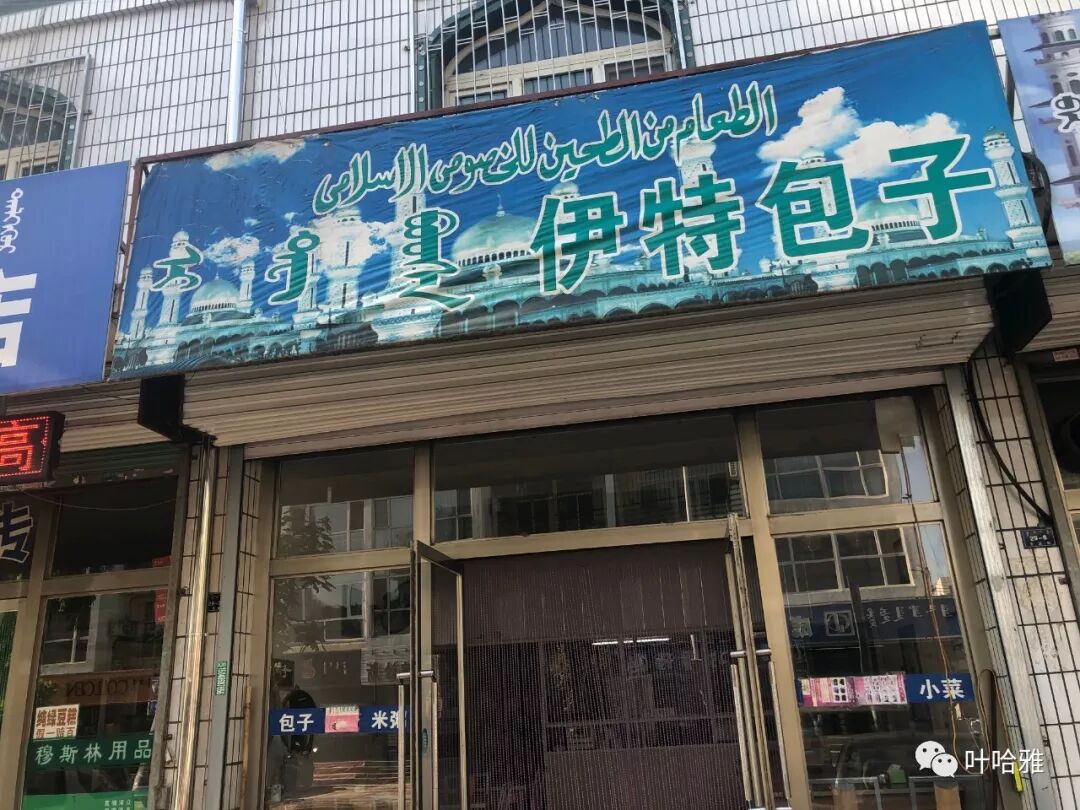
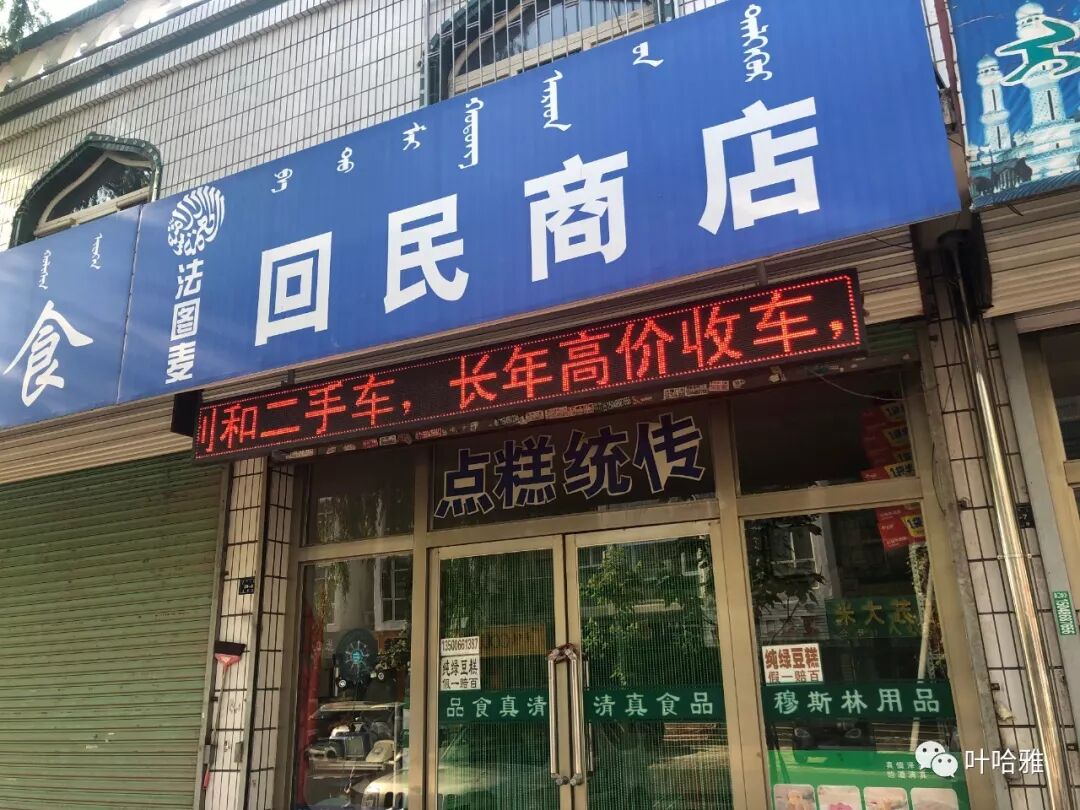
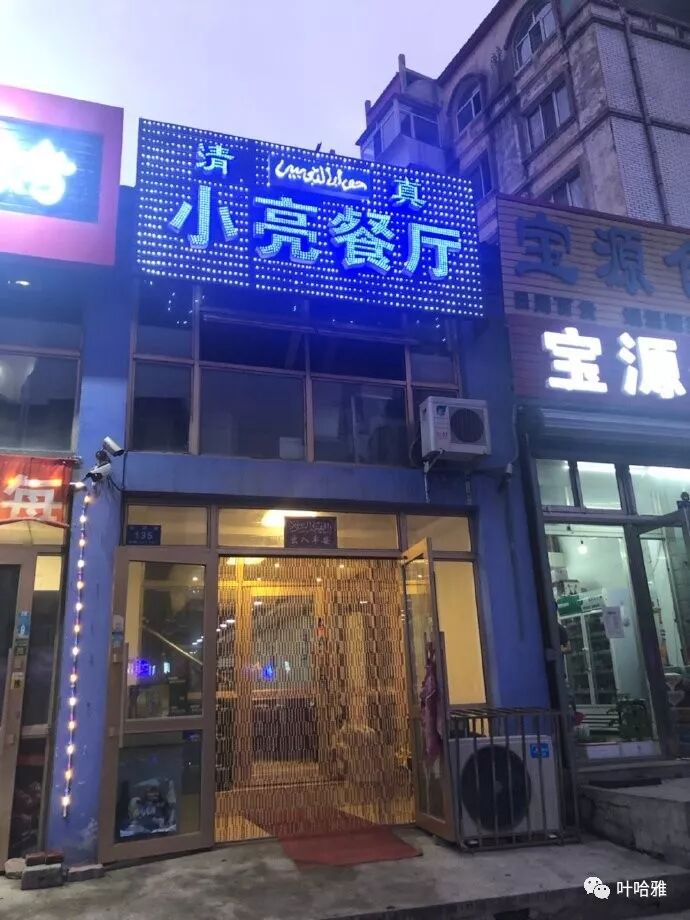
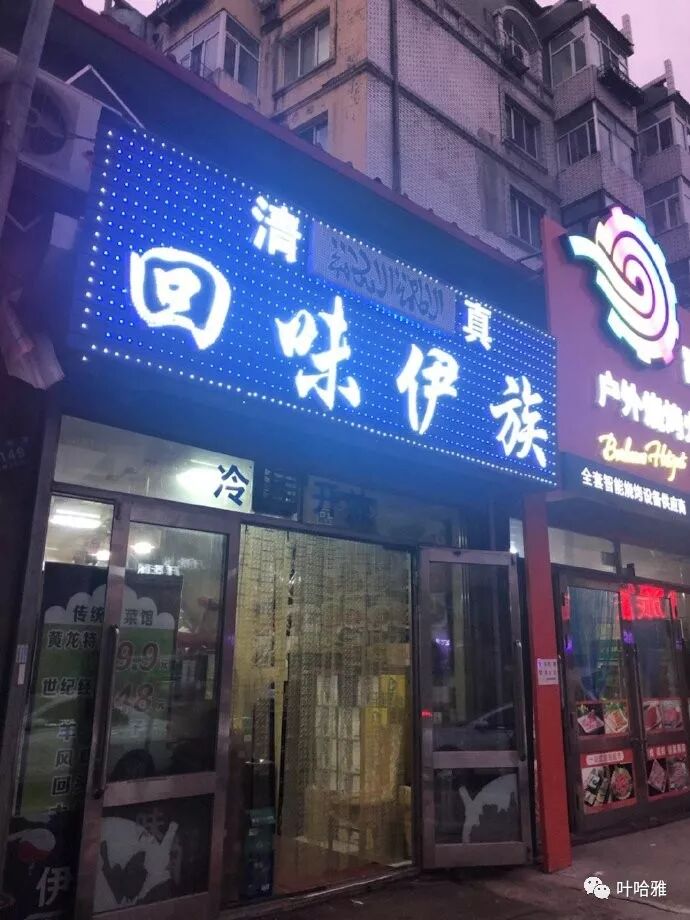
When you arrive in the Manchuria region, you will notice that halal restaurants here like to use blue signs. Following the logic of some, you might call them followers of the Blue Religion.
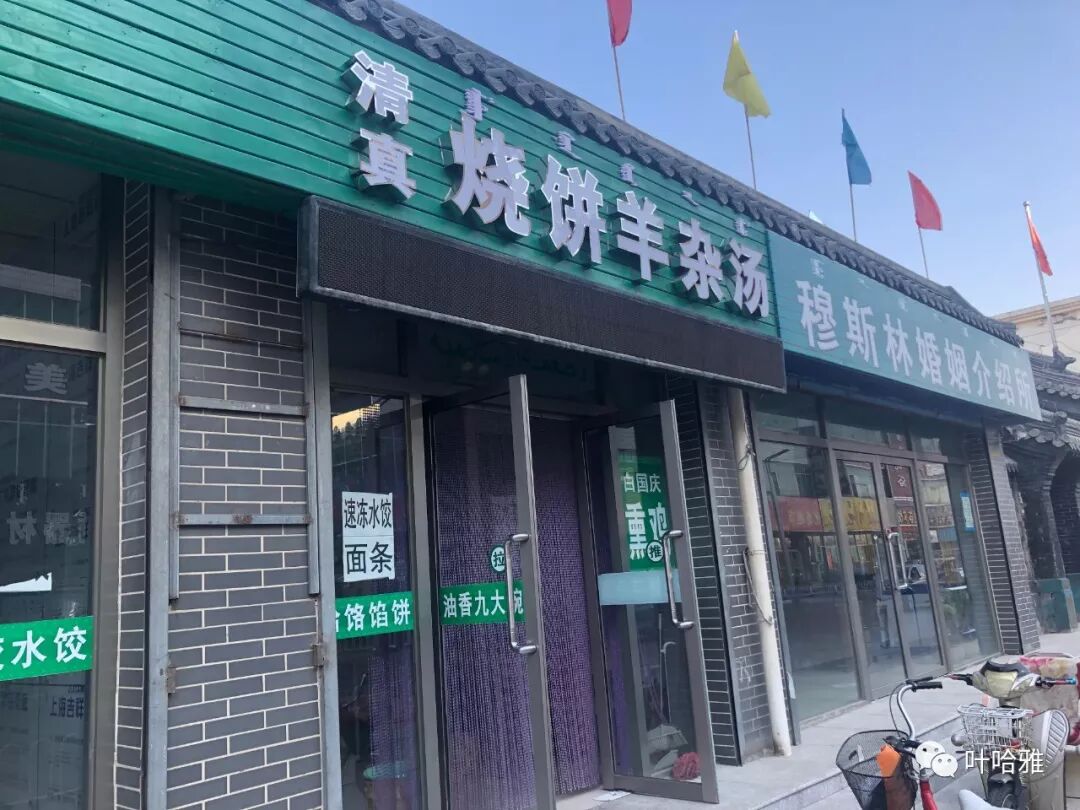
There is a lamb offal soup (yangza tang) shop next to the North Mosque. You cannot go wrong eating lamb offal when you come to Inner Mongolia.
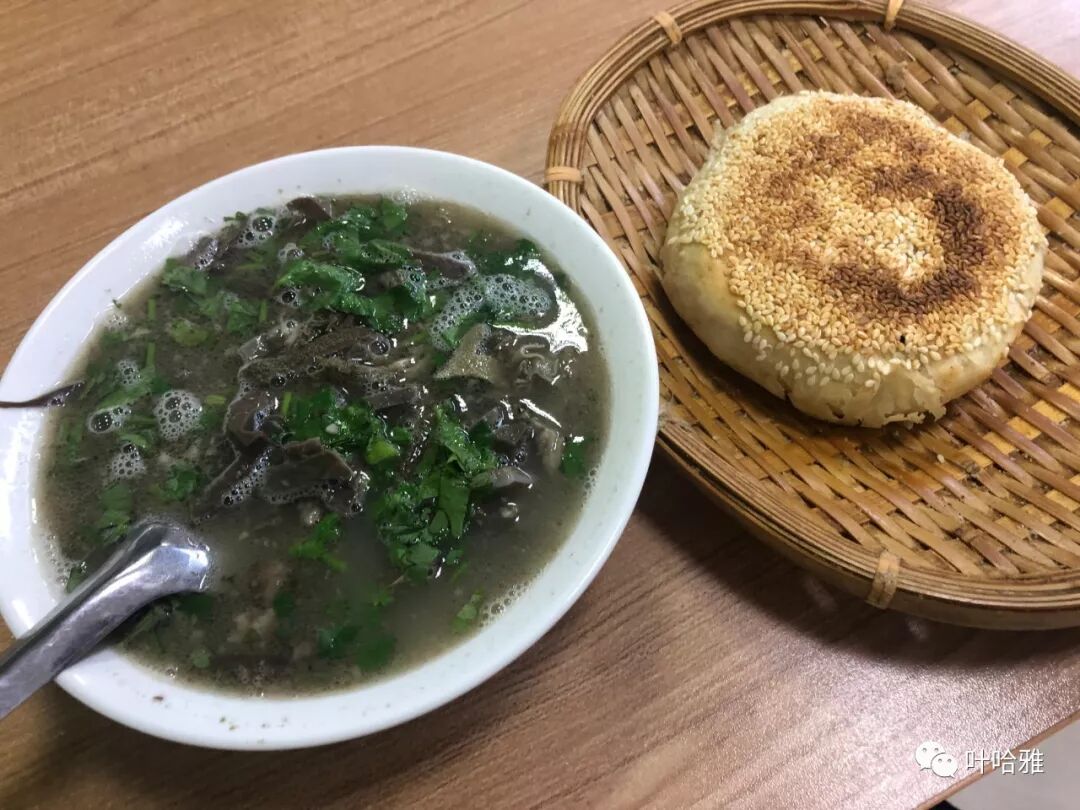
It was still breakfast time, so I ordered a bowl of lamb offal soup (yangza) and a sesame flatbread (shaobing). It was delicious.
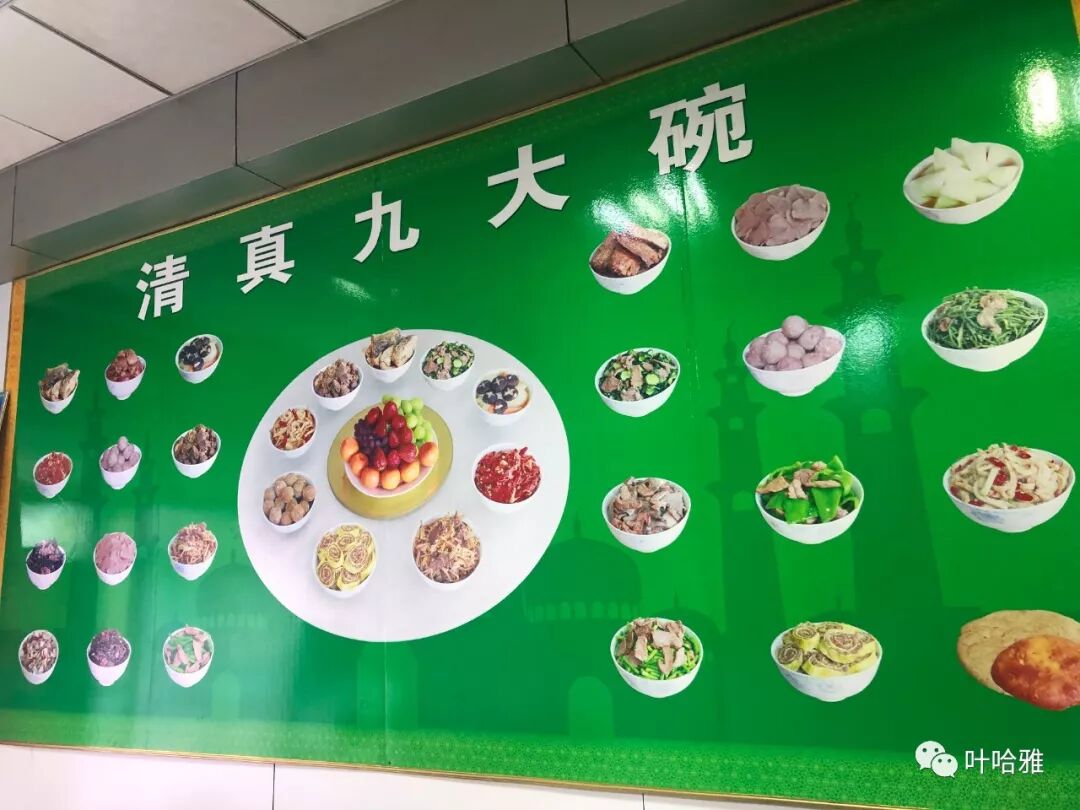
The owner chatted with me for a while. He is a local Hui Muslim from Chifeng. He said the Hui Muslims in Chifeng are not as 'pure' as those in Hohhot, and compared to the Hui Muslims in Hohhot, they are like 'second-tier' Hui Muslims. I have been to Hohhot and have very good Hui Muslim friends there. There are eight mosques in the urban area of Hohhot. They left a great impression on me; they are the type of people who focus equally on both this life and the afterlife.
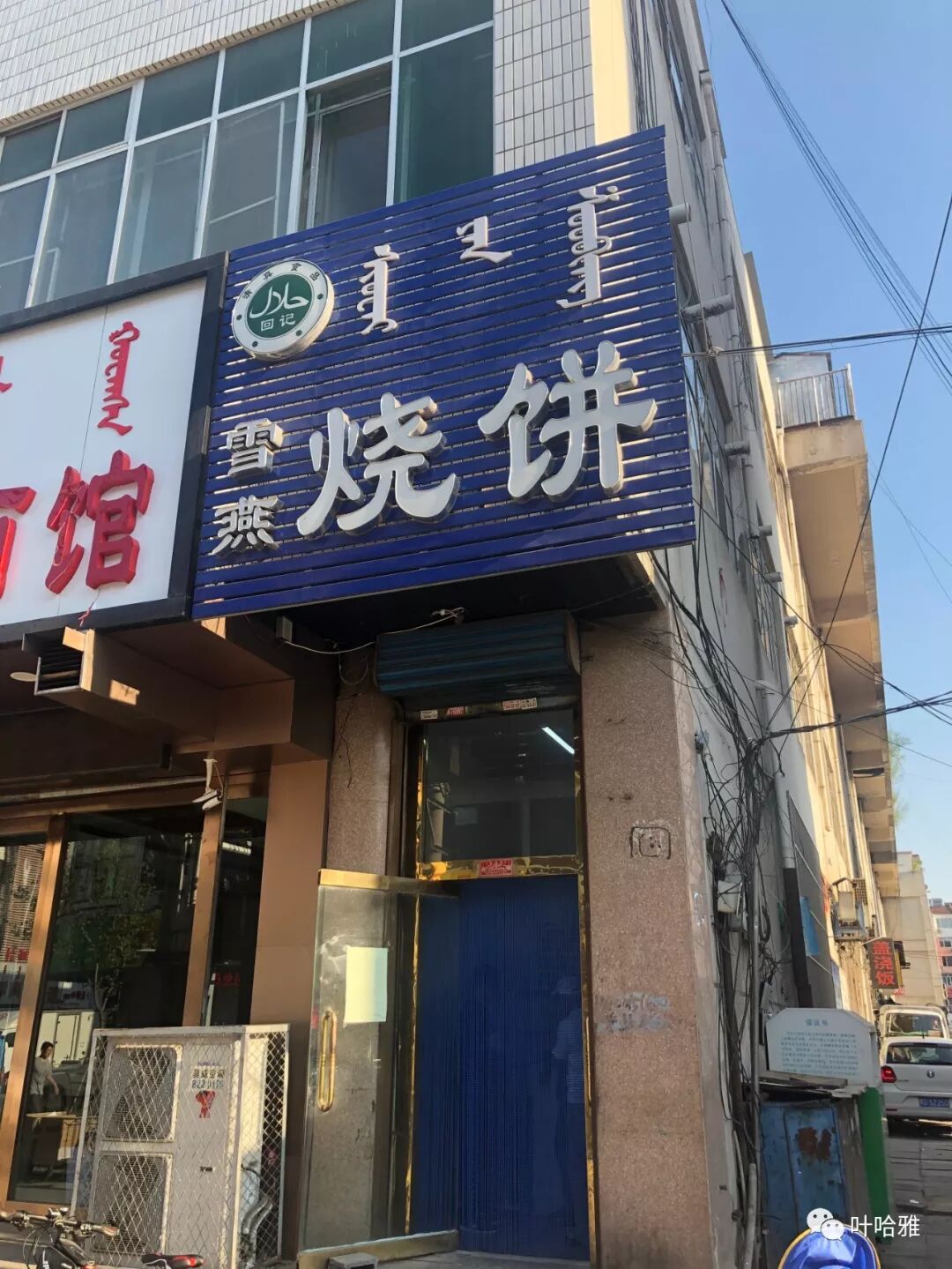
I saw this small shop on my walk to the South Great Mosque (Qingzhen Nandasi). These halal shops are spread widely across Chifeng. There are 26 mosques in the Chifeng area, so it is quite convenient for Hui Muslims to find food here.
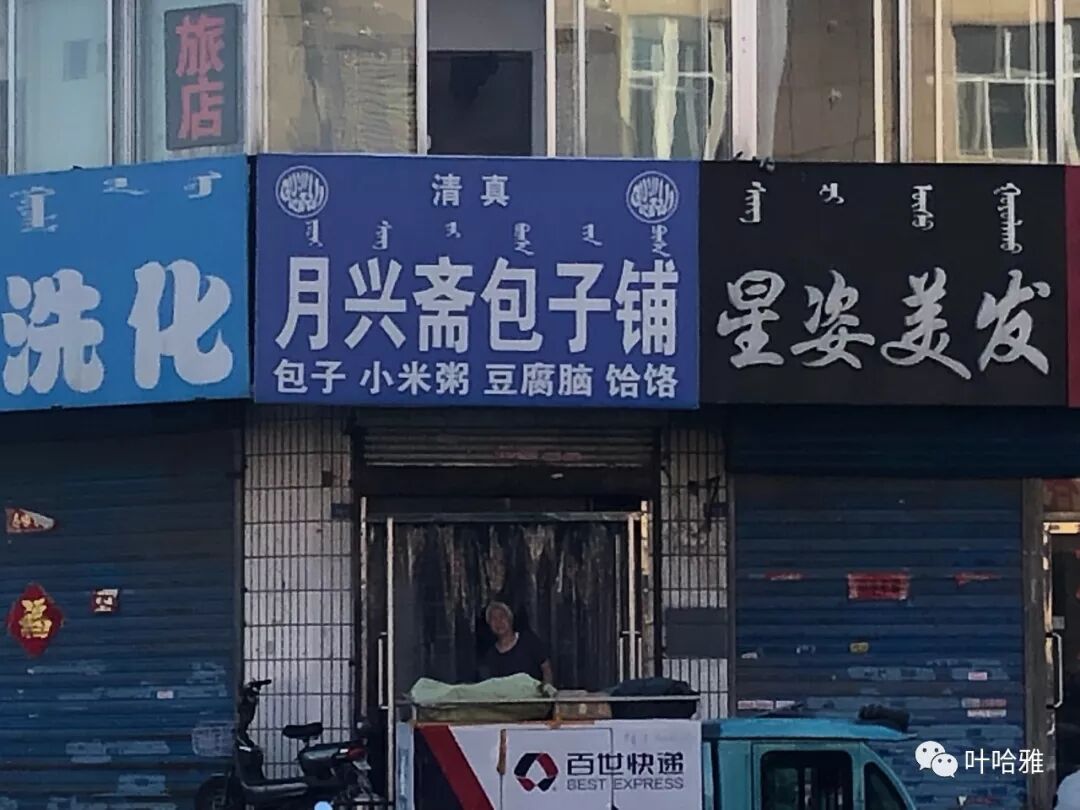
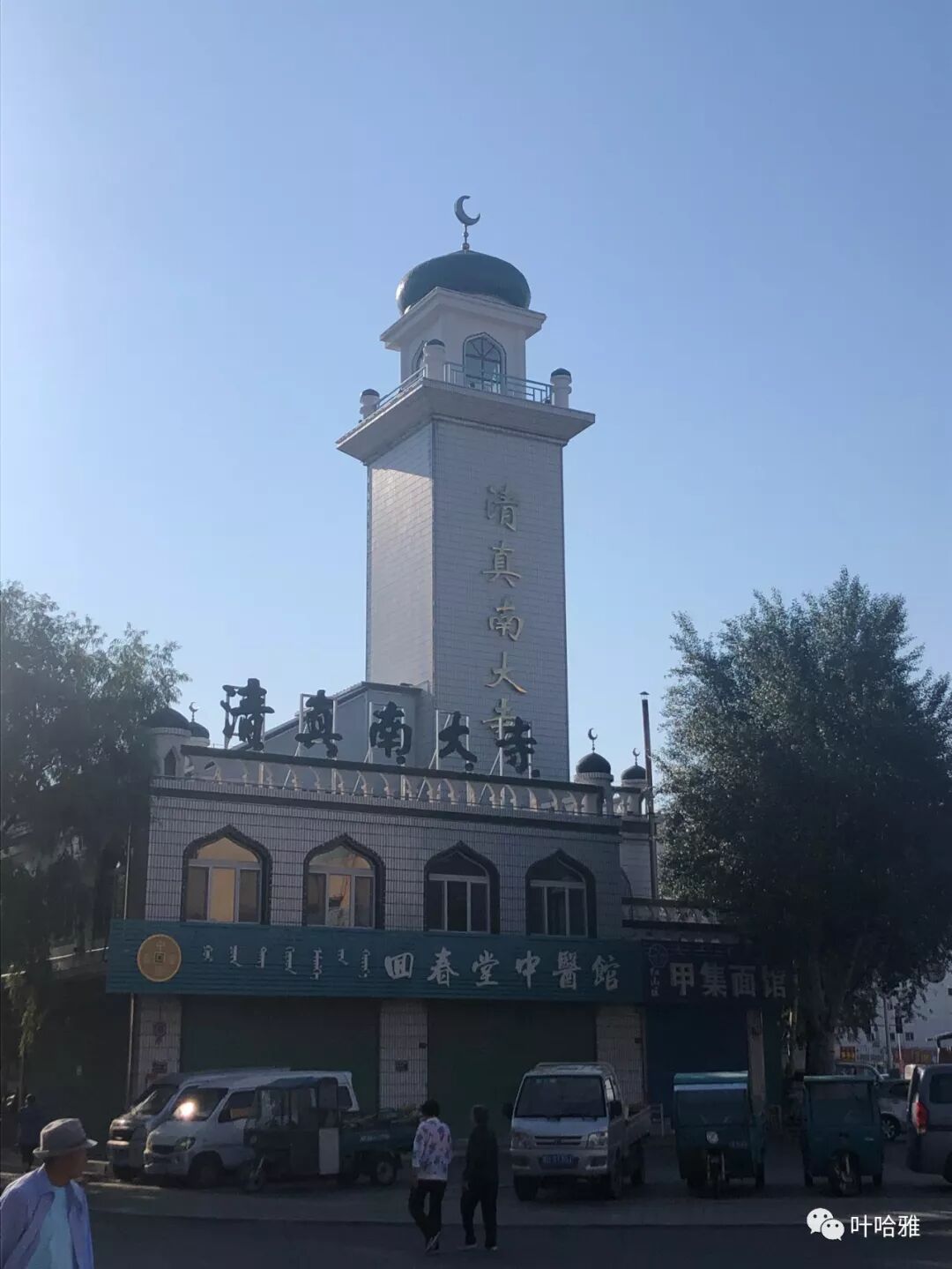
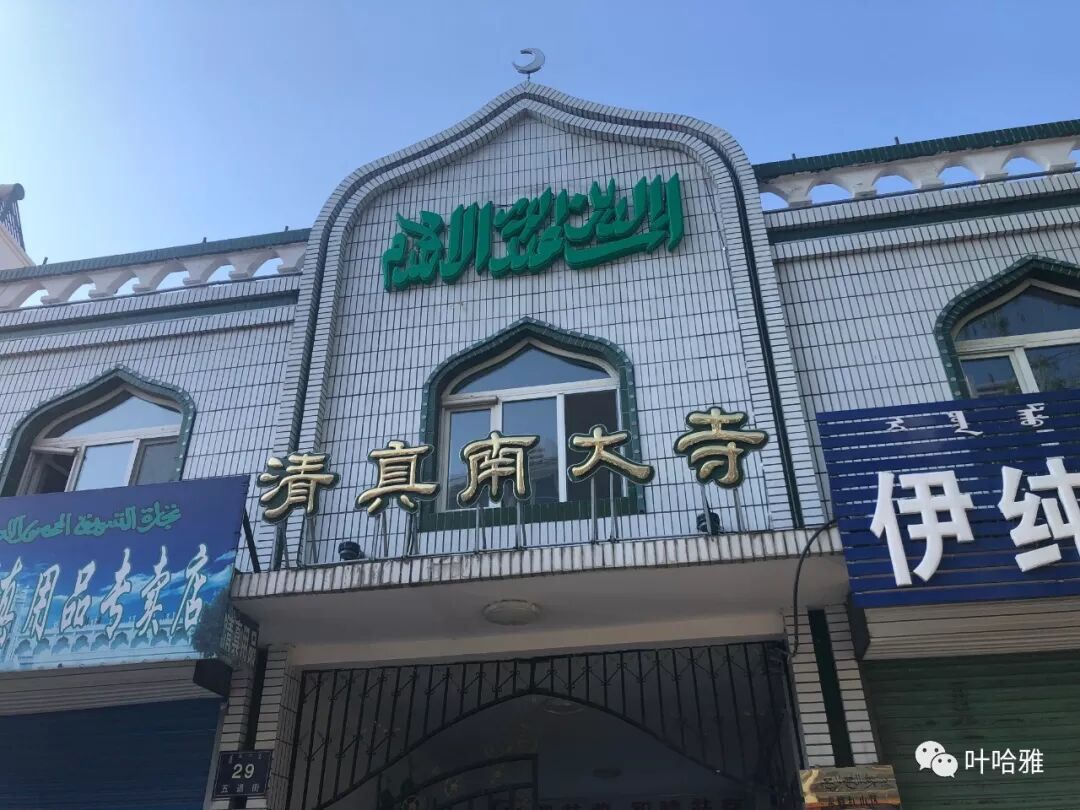
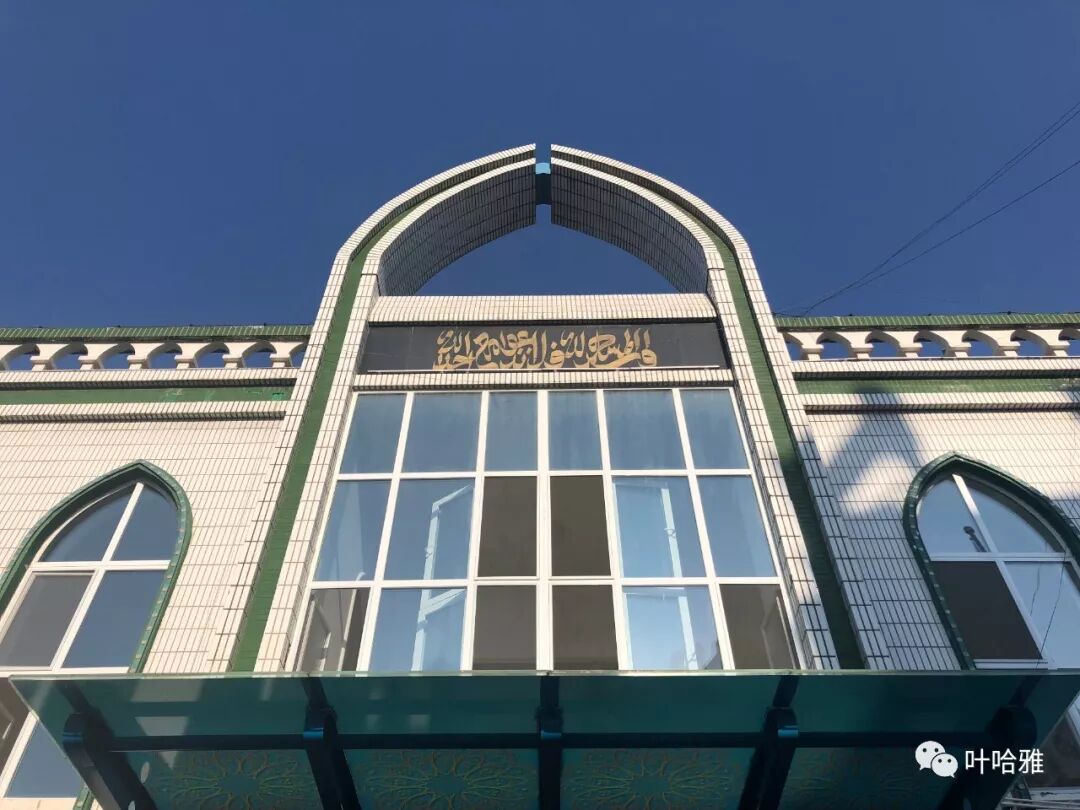
The Chifeng South Great Mosque was first built in the sixth year of the Jiaqing reign (1801). It was occupied in 1958 and converted into the current Changqing Park, then rebuilt at a new site in 1997.
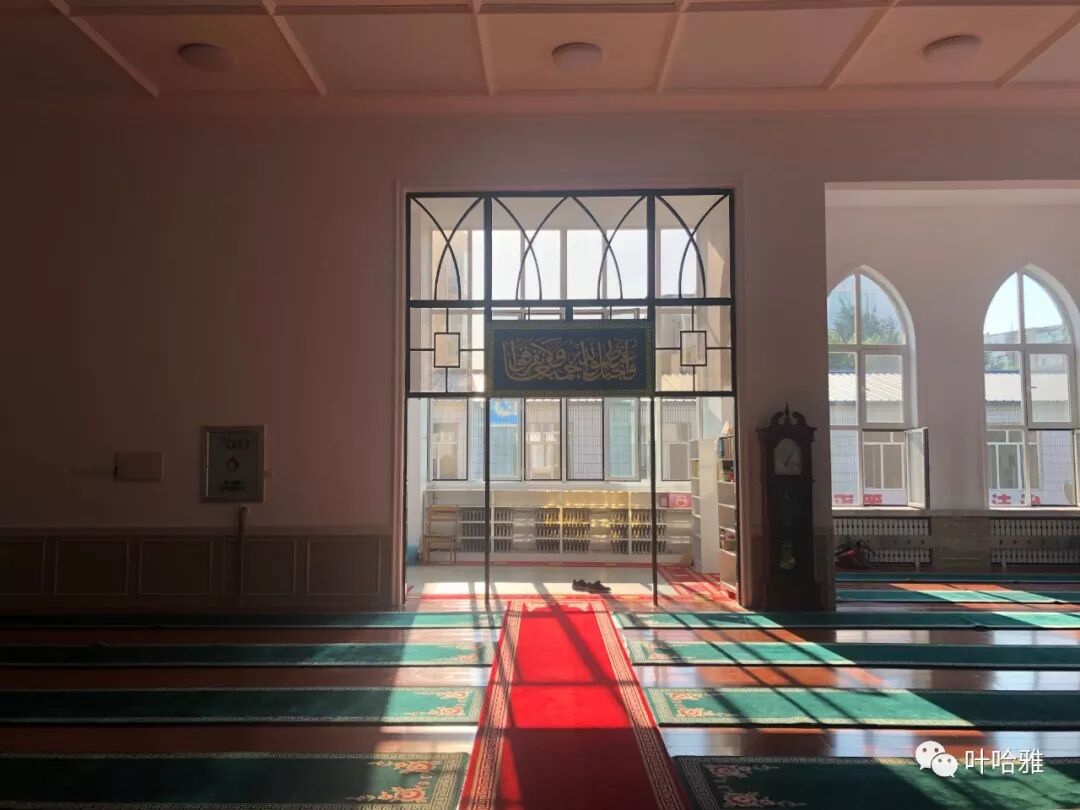
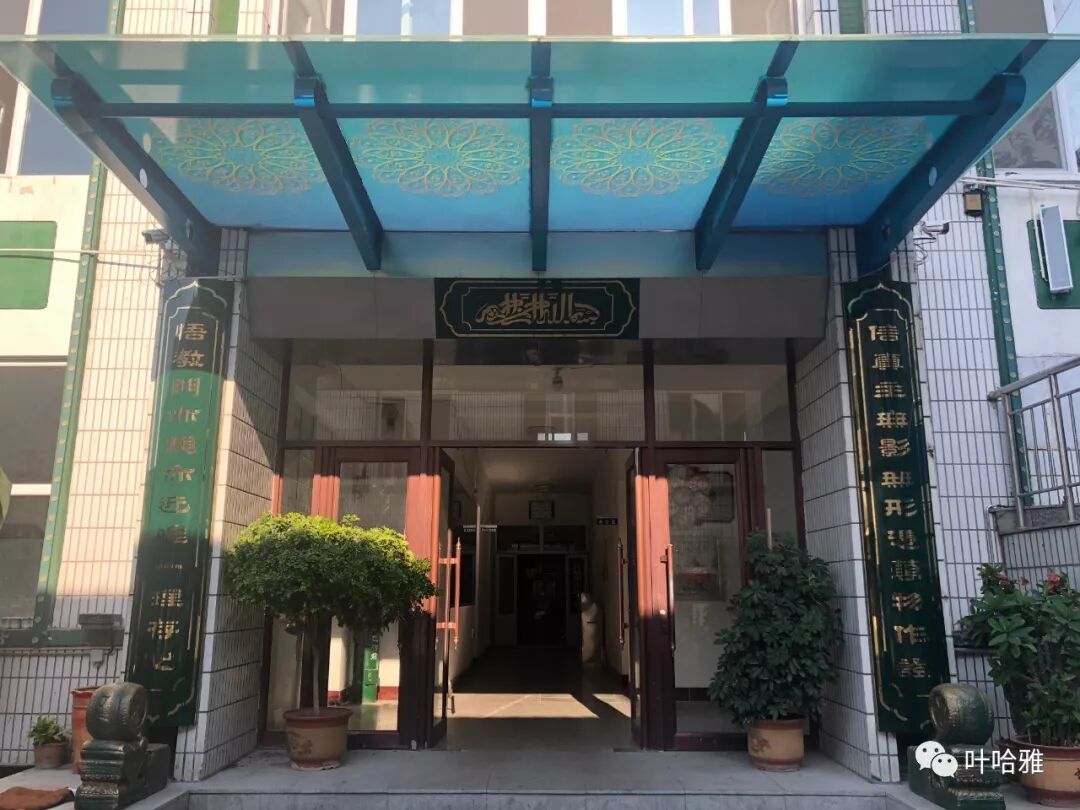
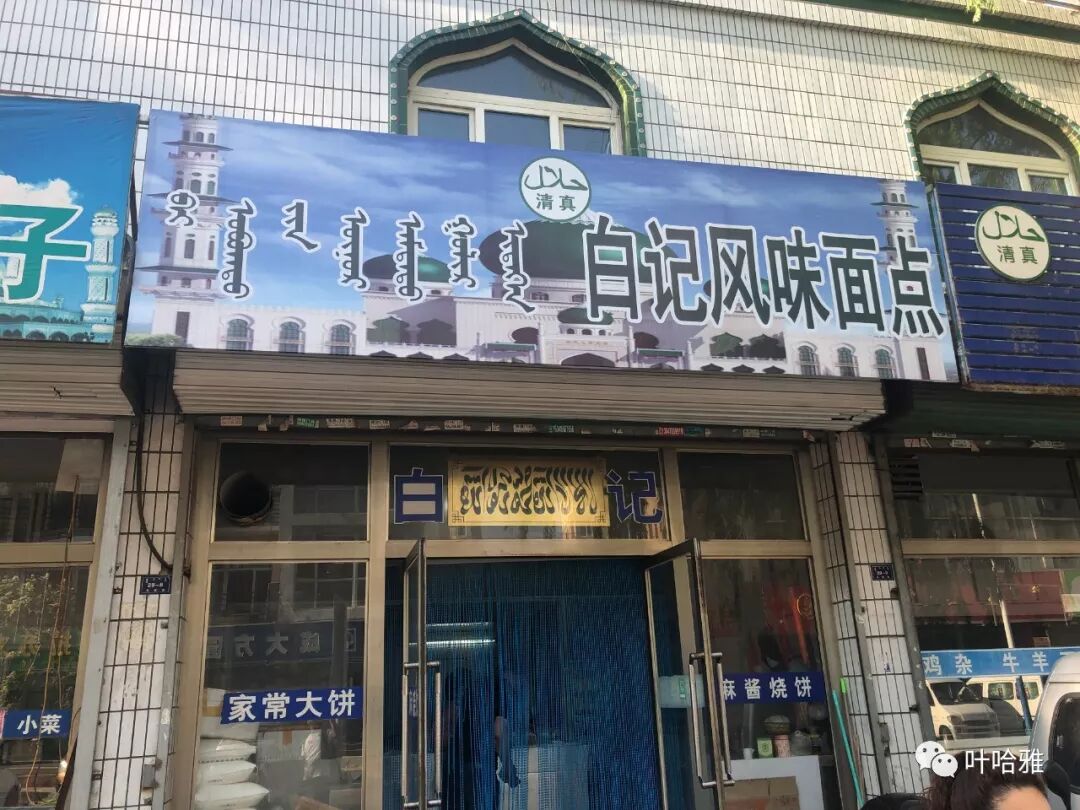
A small shop on the side of South Mosque Street (Nansi Jie), also run by locals.
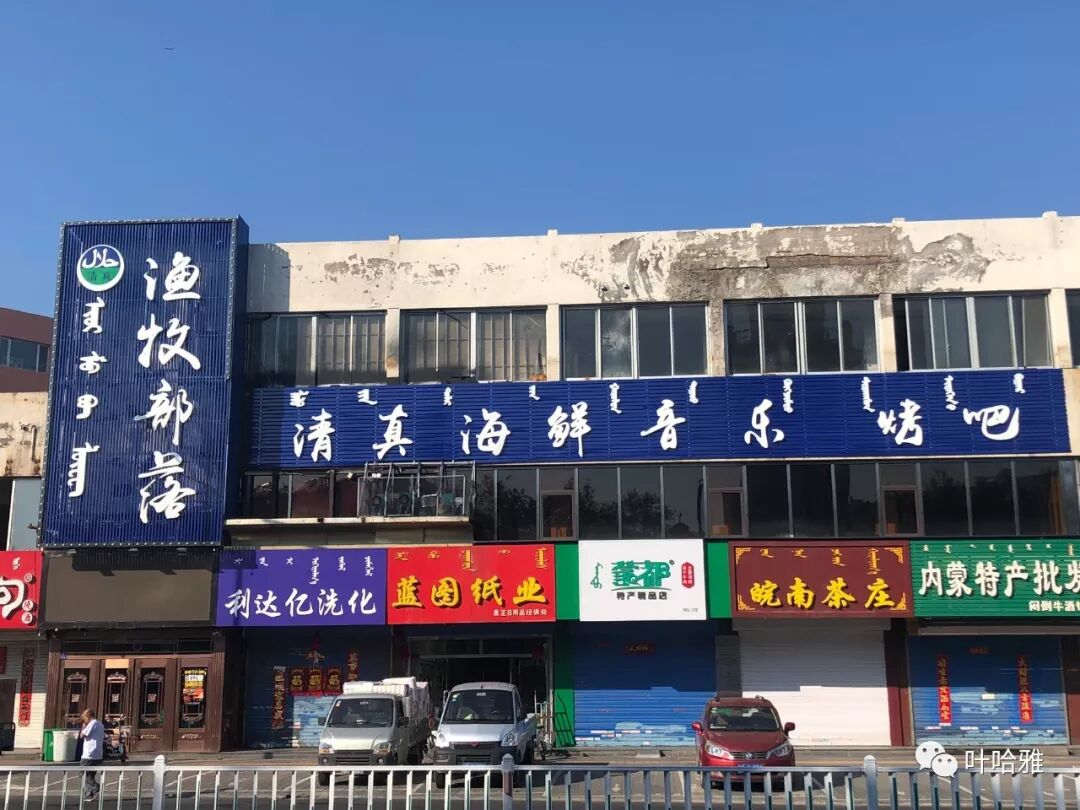
I saw more than one seafood barbecue place on the streets of Chifeng. Perhaps because they are so far from the sea, I feel the people of Inner Mongolia have a special attachment to the ocean.
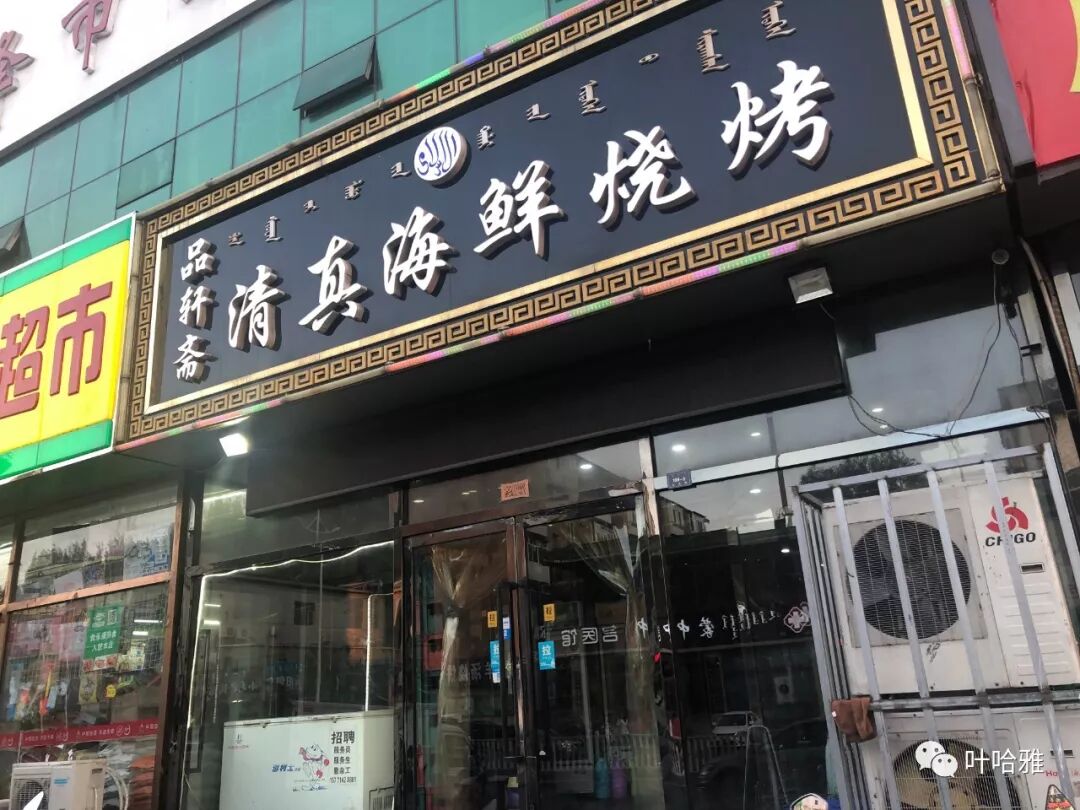
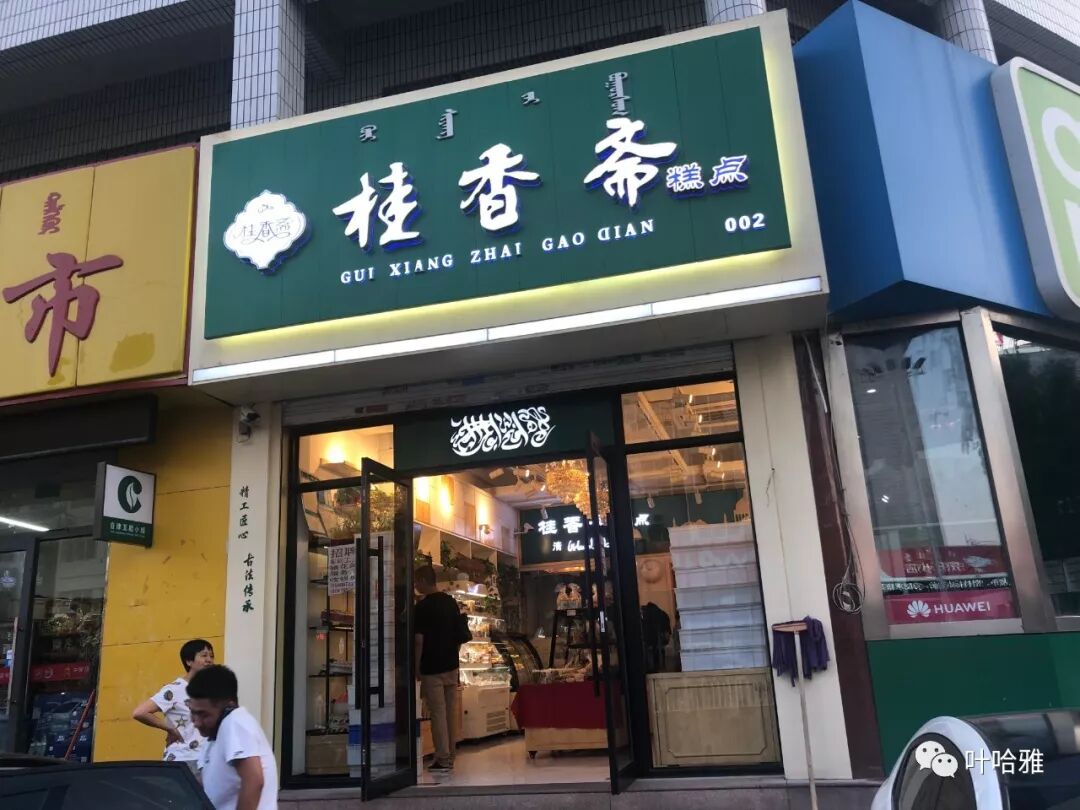
Seeing the familiar Arabic calligraphy hanging outside gave me a lot of comfort.
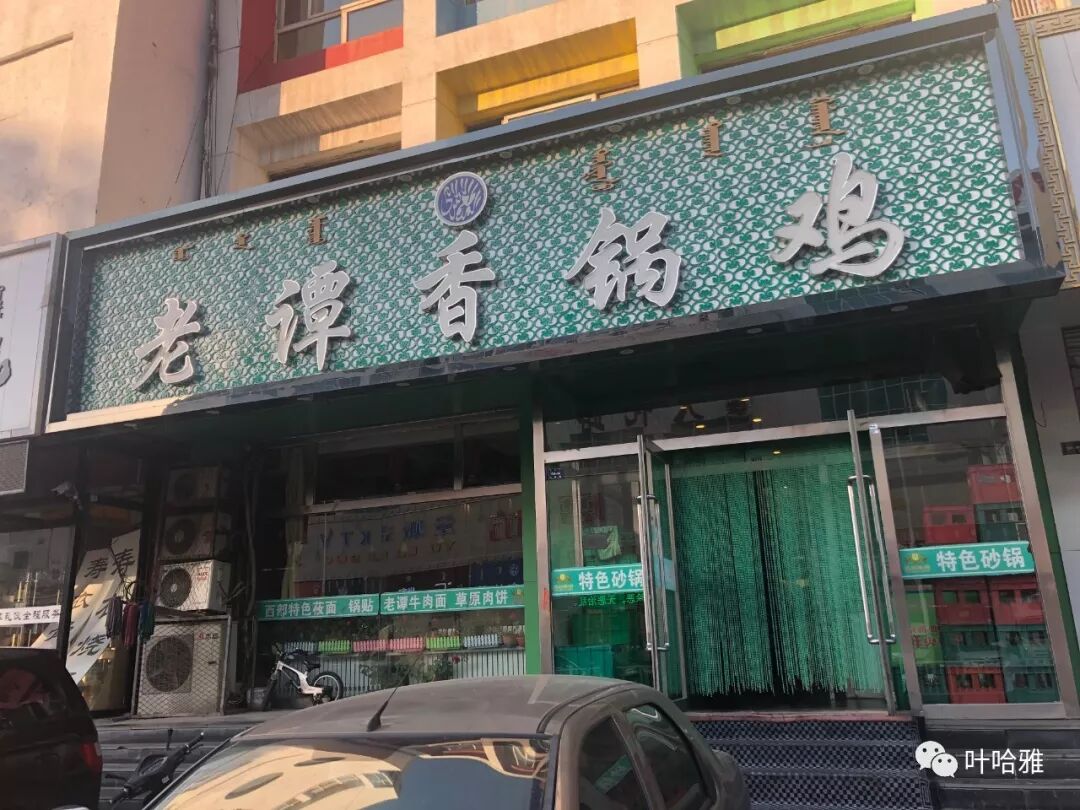
I chose to eat at Lao Tan Spicy Pot Chicken. This shop has been open for many years, but you cannot find much information on the Dazhong Dianping app, just a few photos. In third or fourth-tier cities and below, there are very few users on Dazhong Dianping, so you cannot find much dining information. In these cases, you can use the WeChat search function, which can find a lot of information that Baidu cannot, or you can just ask the locals.
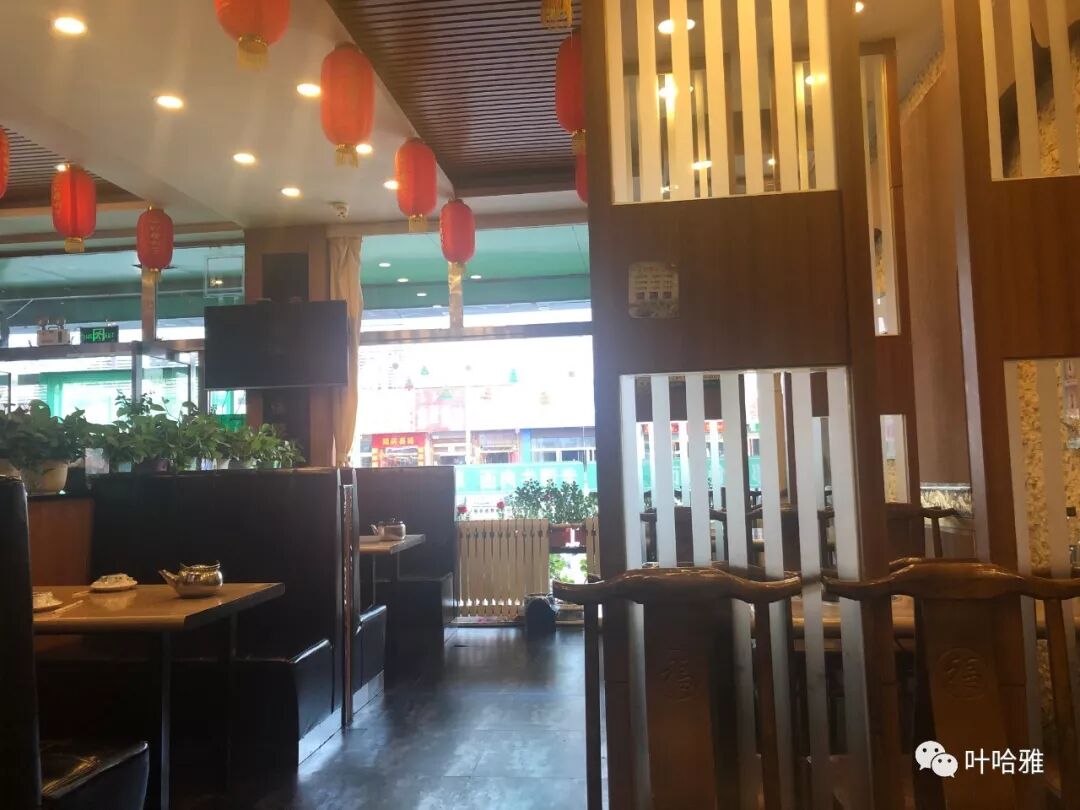
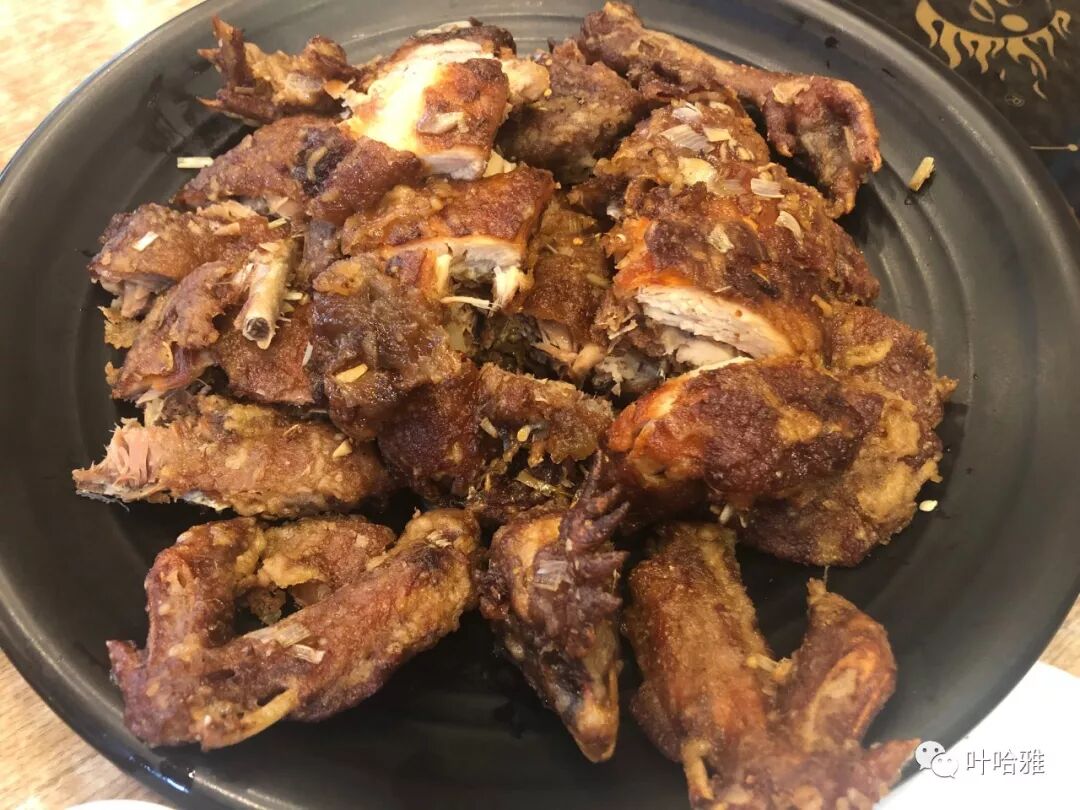
This crispy chicken is served as a whole bird, enough for four people to eat. It is very fragrant and crispy. I suggest finding a few people to travel with when visiting Inner Mongolia, otherwise, it is hard to know what to eat.
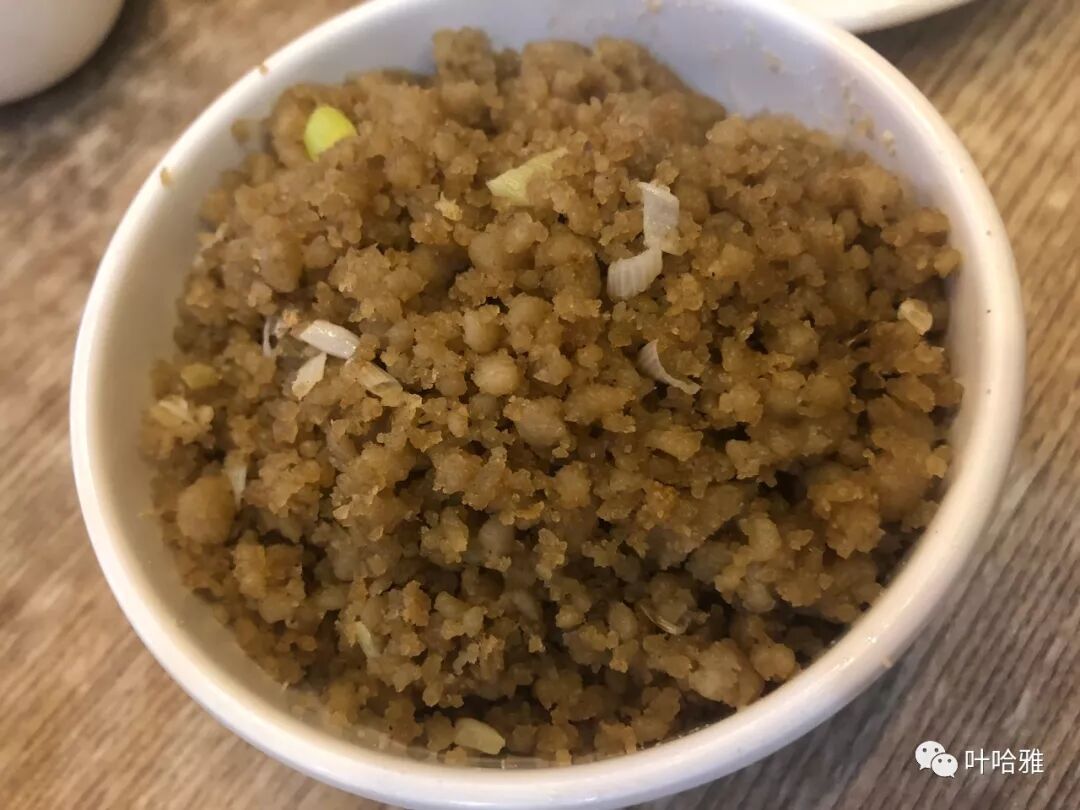
This dish is called kuli. It is made with naked oat noodles (youmian) mixed with sesame oil. The more sesame oil, the better it tastes.
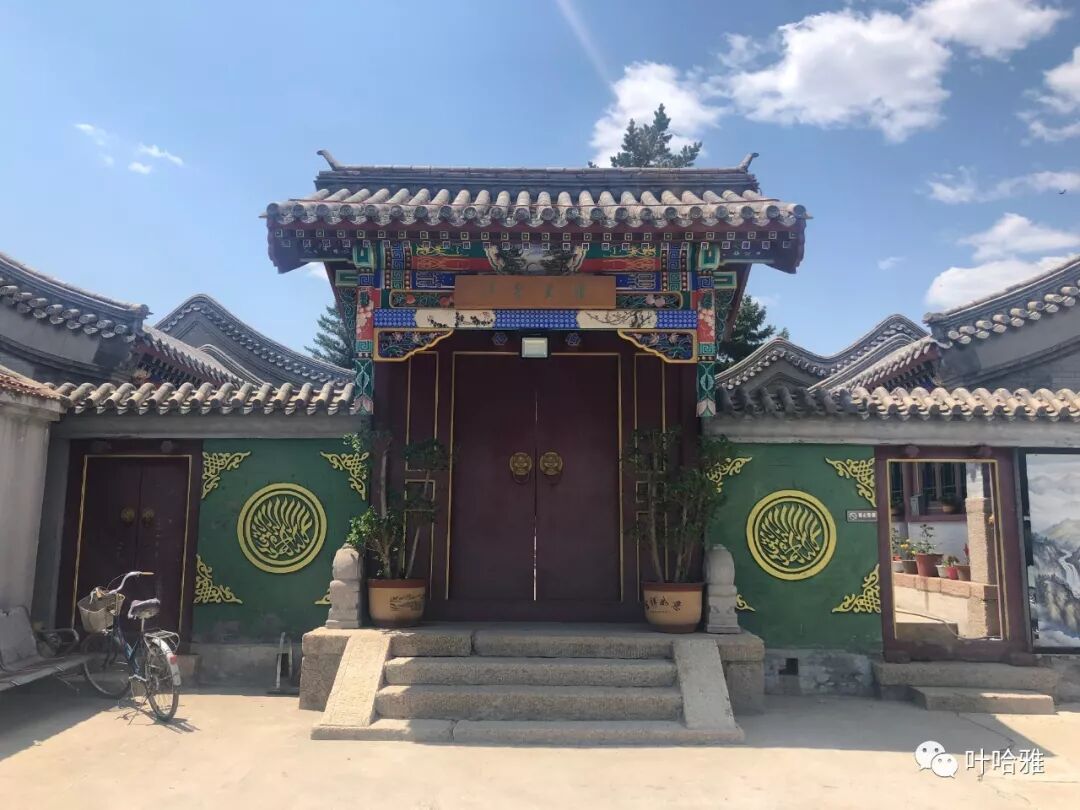
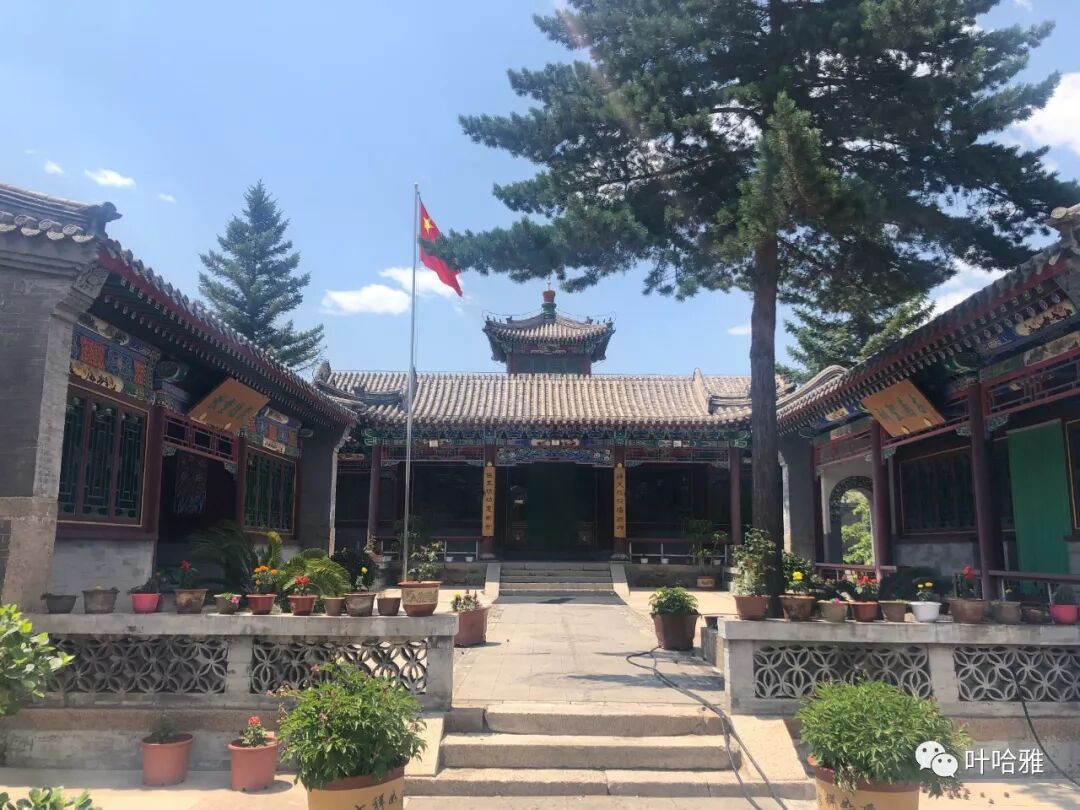
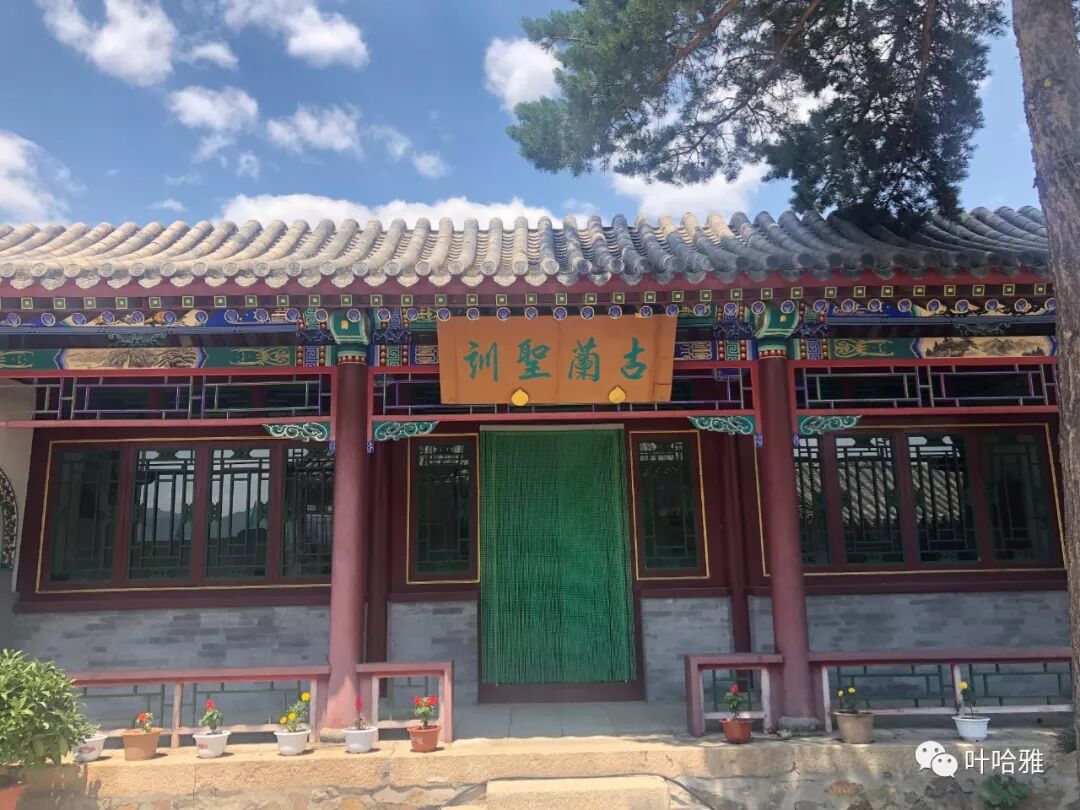
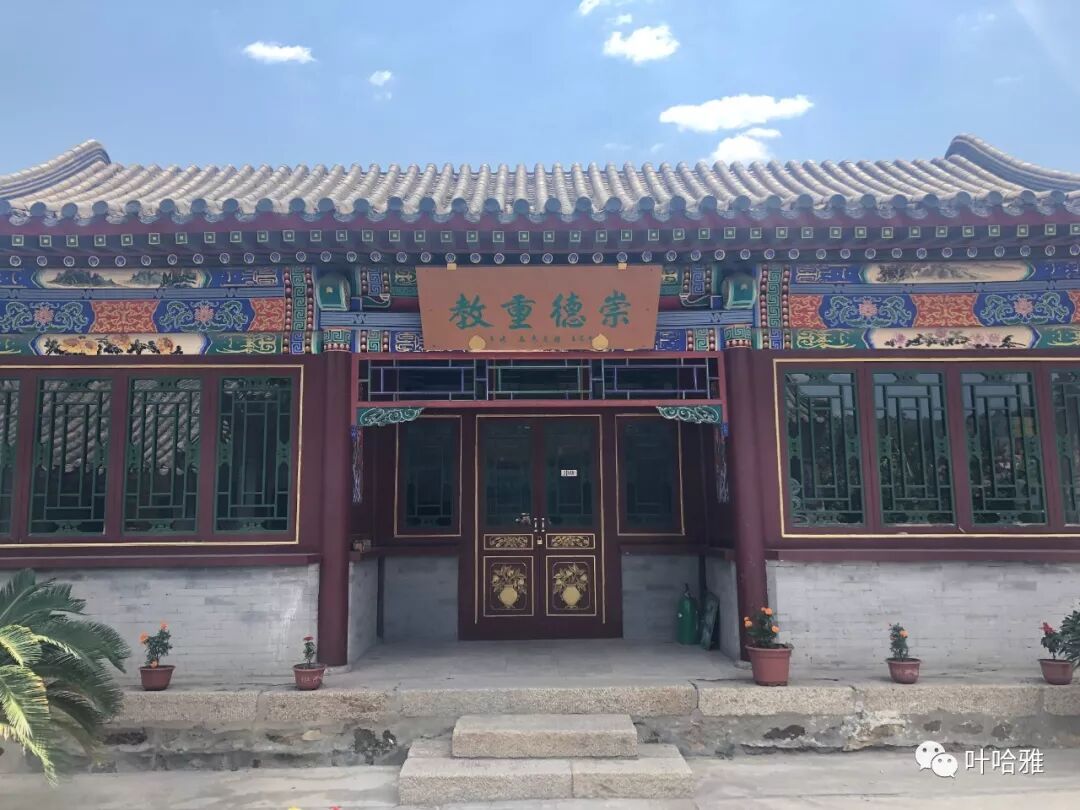
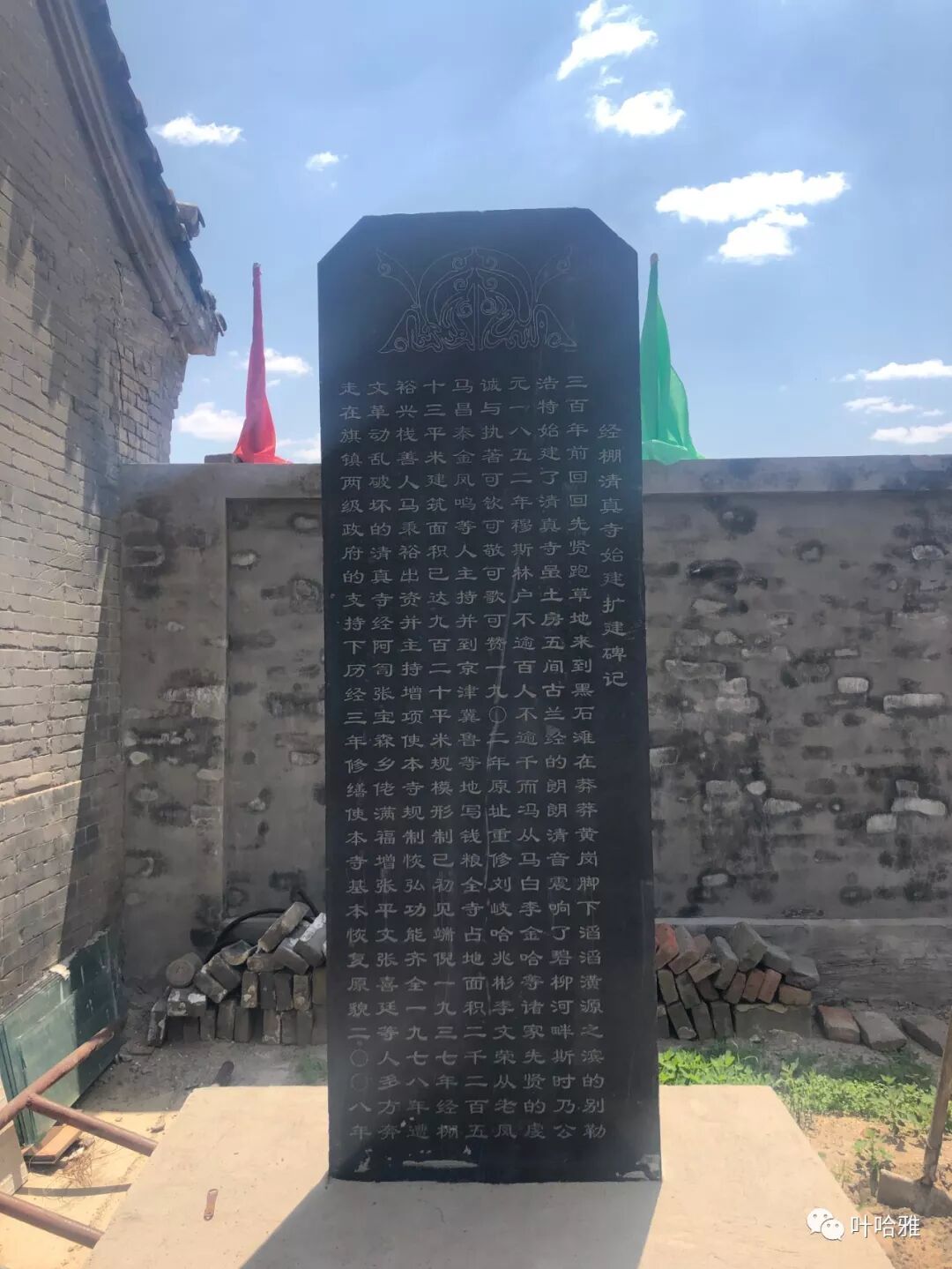
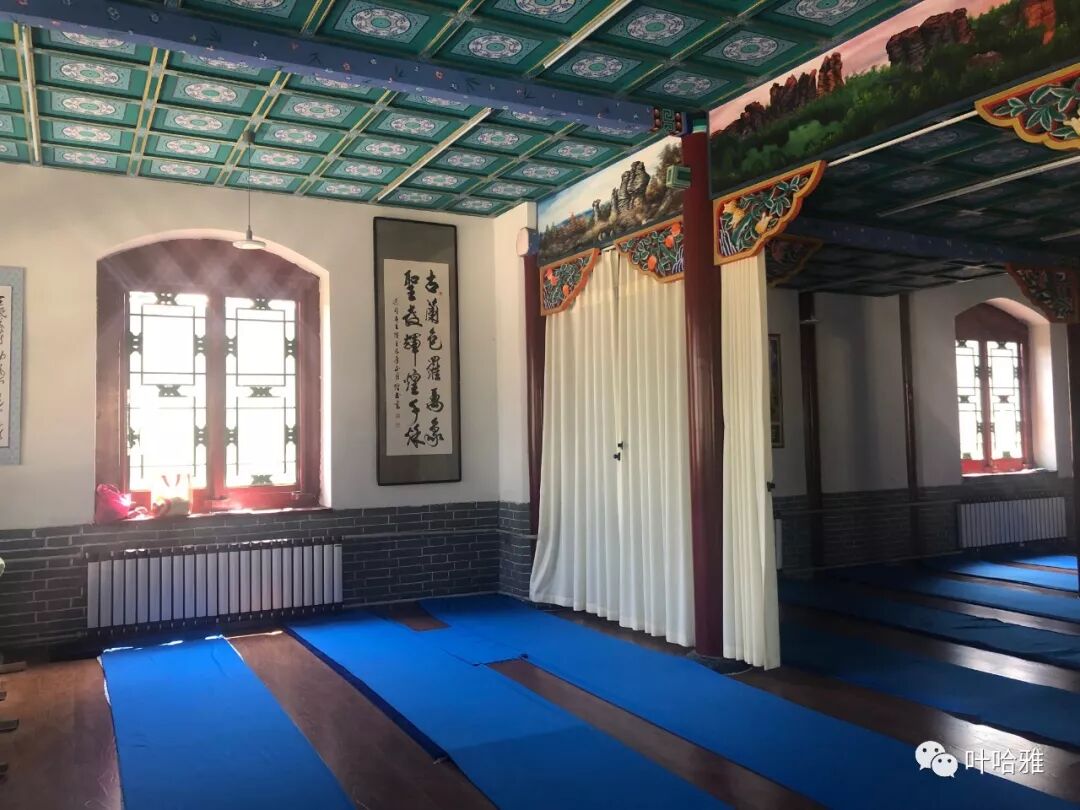
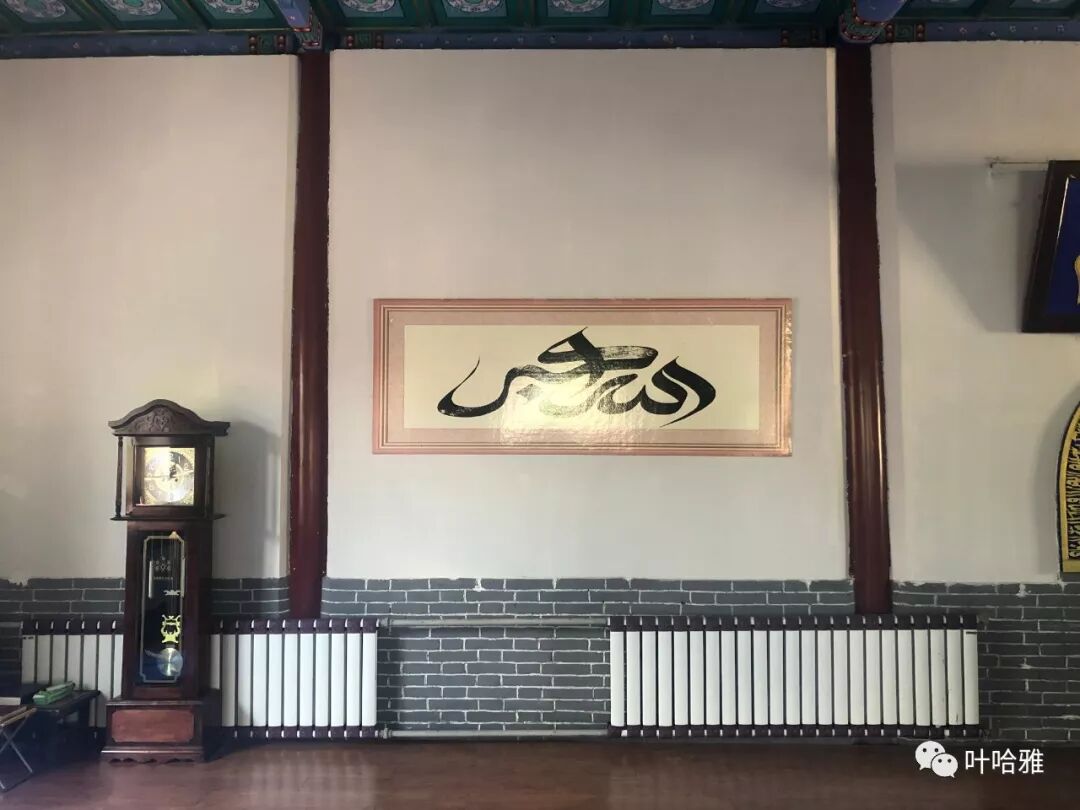
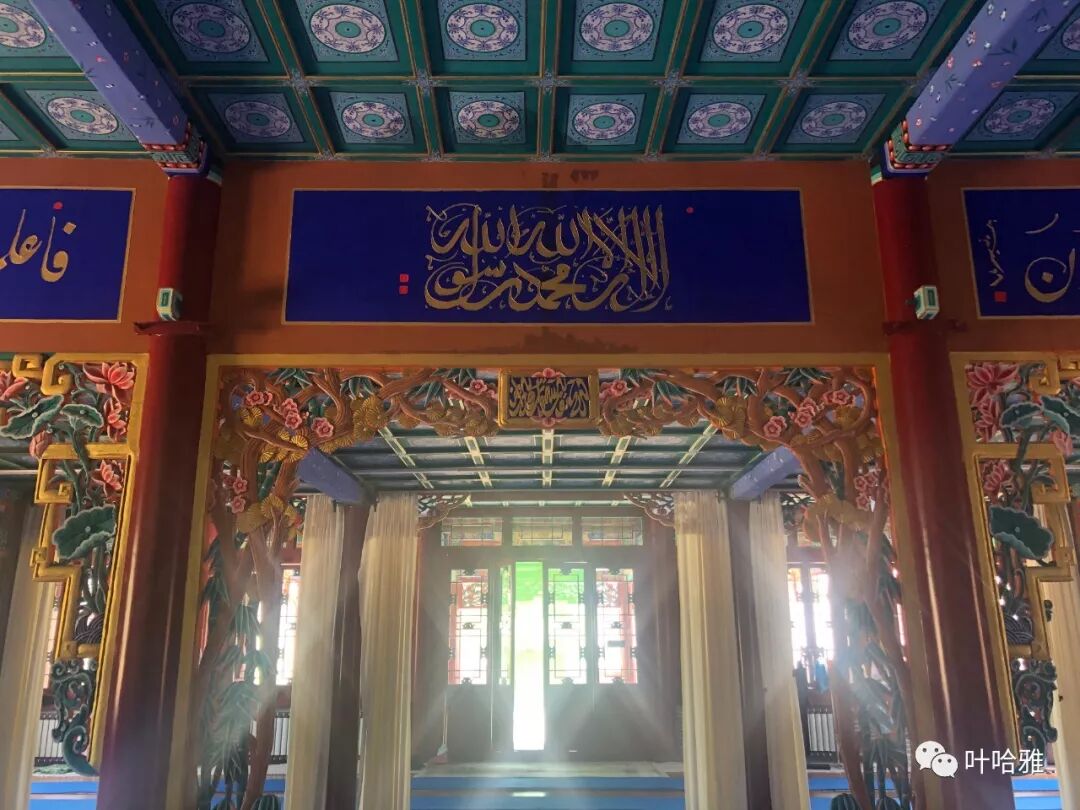
About 200 kilometers from Chifeng City, in Hexigten Banner, there is a mosque with a traditional style called Jingpeng Mosque. It was built in the Renzi year of the Xianfeng reign of the Qing Dynasty (1852) and is located on Jingpeng Street in Hexigten Banner. This mosque does not appear on maps, and Jingpeng Street is a residential area for Hui Muslims in Hexigten Banner.
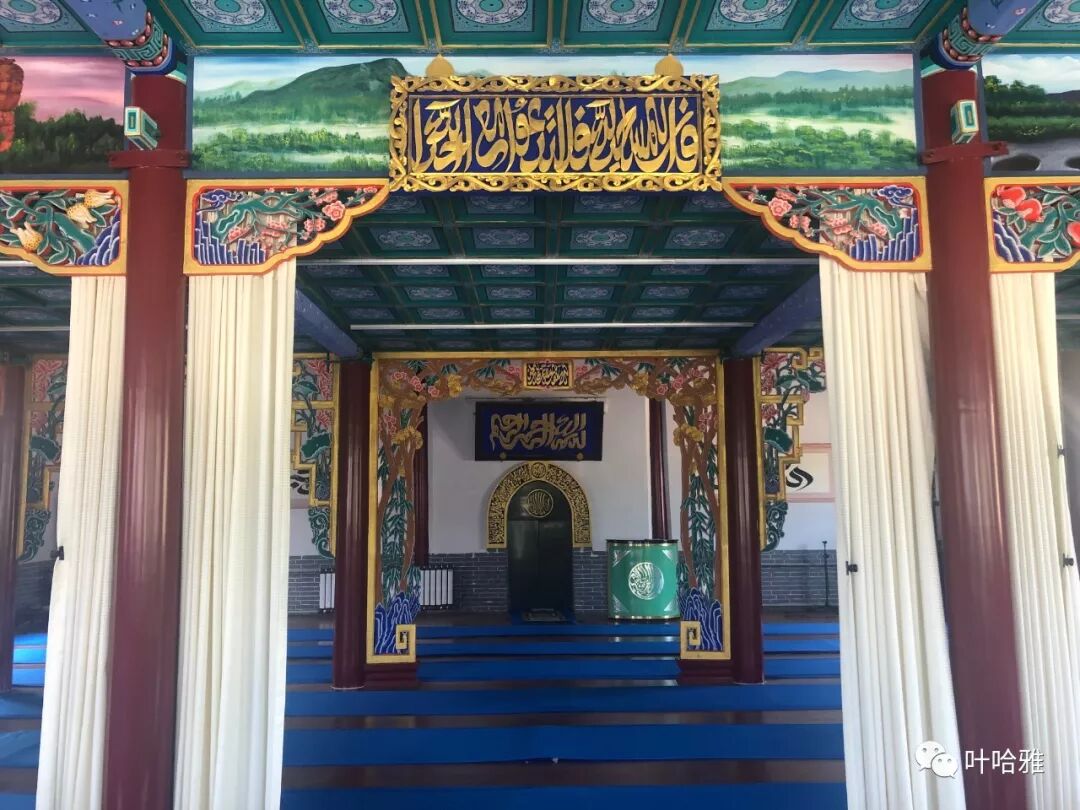
After a four-hour drive, I reached Jingpeng Street. Seeing this beautiful mosque made me feel very grateful. I even think it is prettier than the North Mosque in Chifeng, as it lacks the traditional roof ornaments.
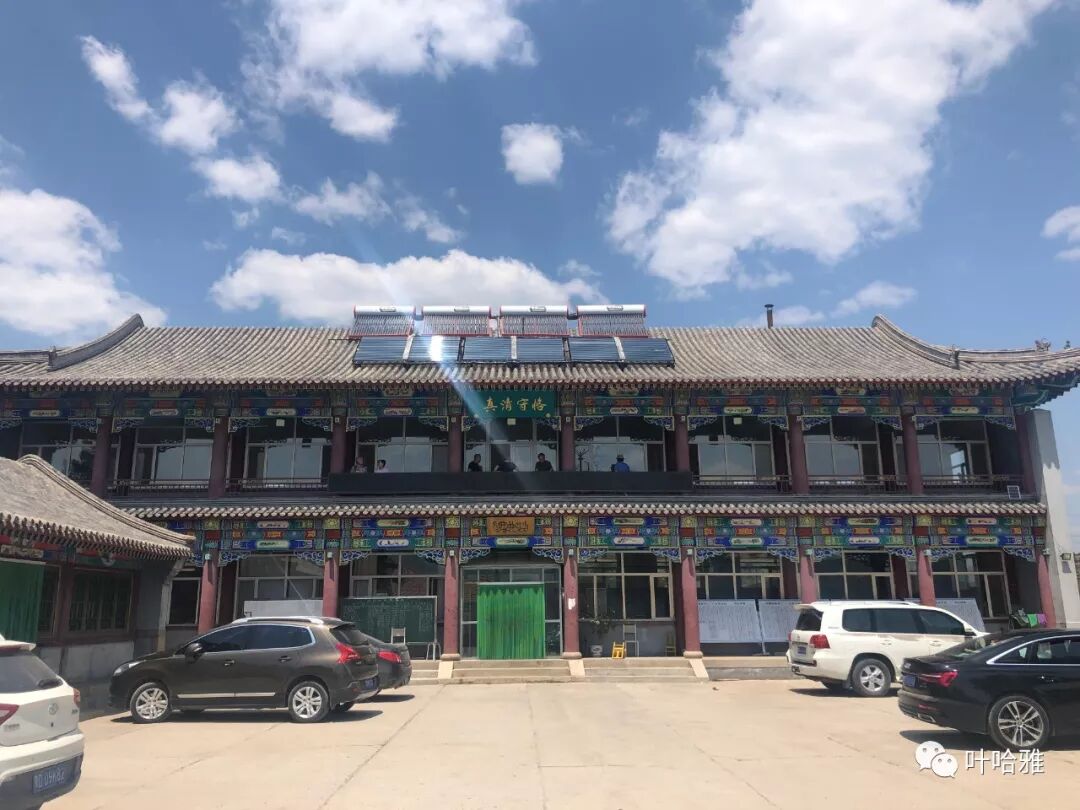
The second floor is the office area, and the first floor is the washroom.
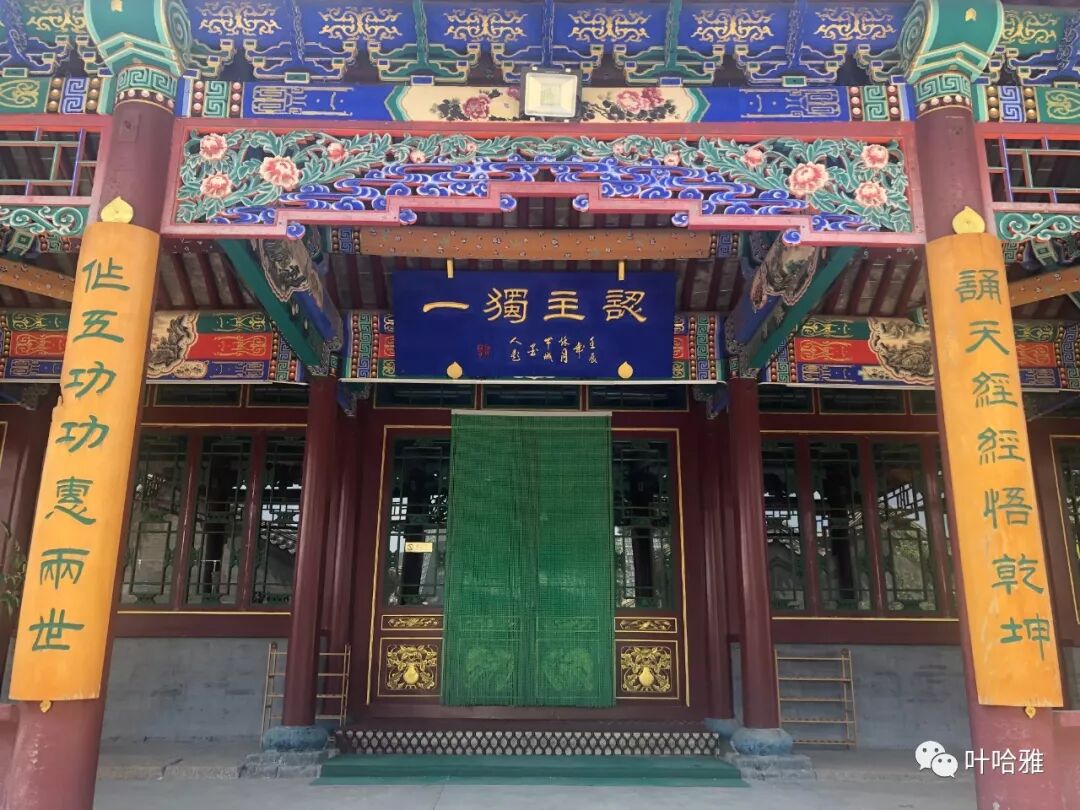
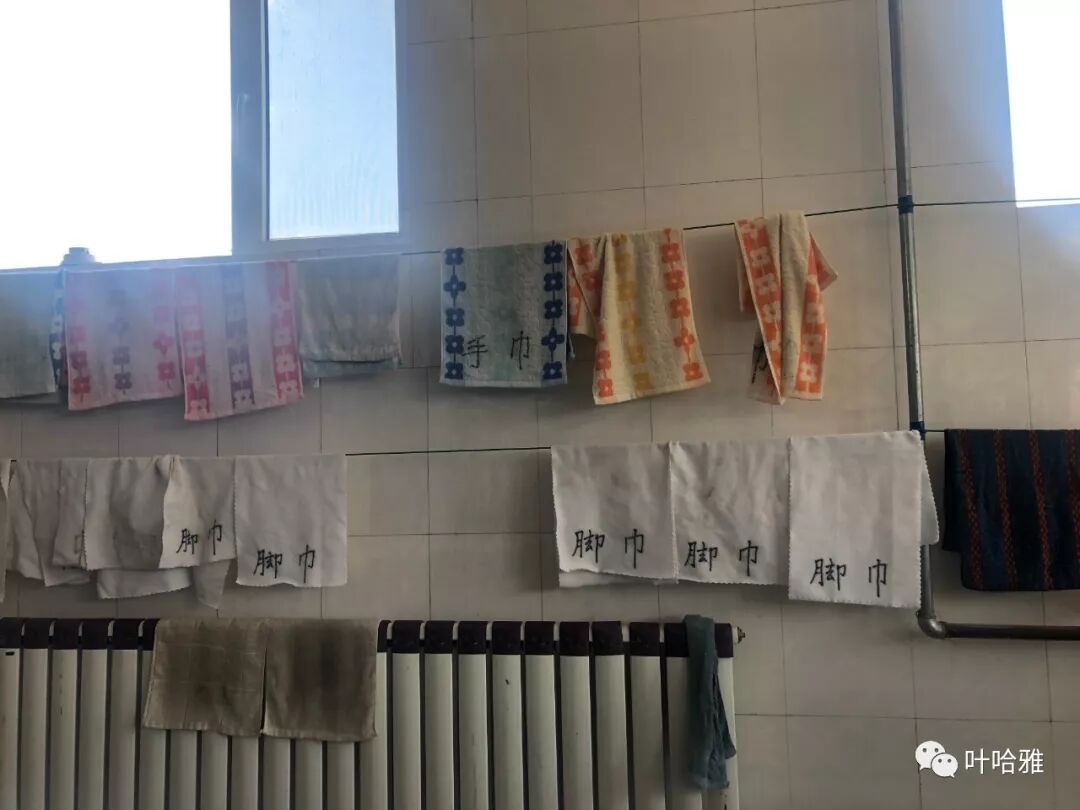
The towels in the washroom are quite refined; they have the words for hand towel and foot towel embroidered on them.
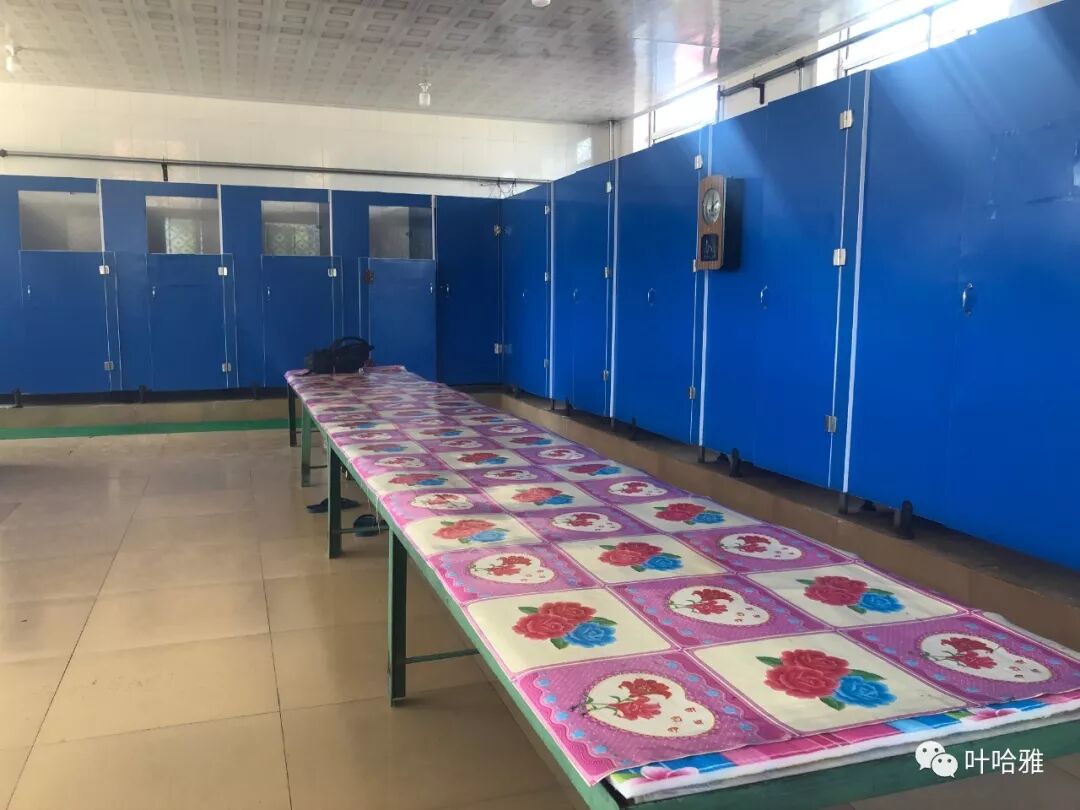
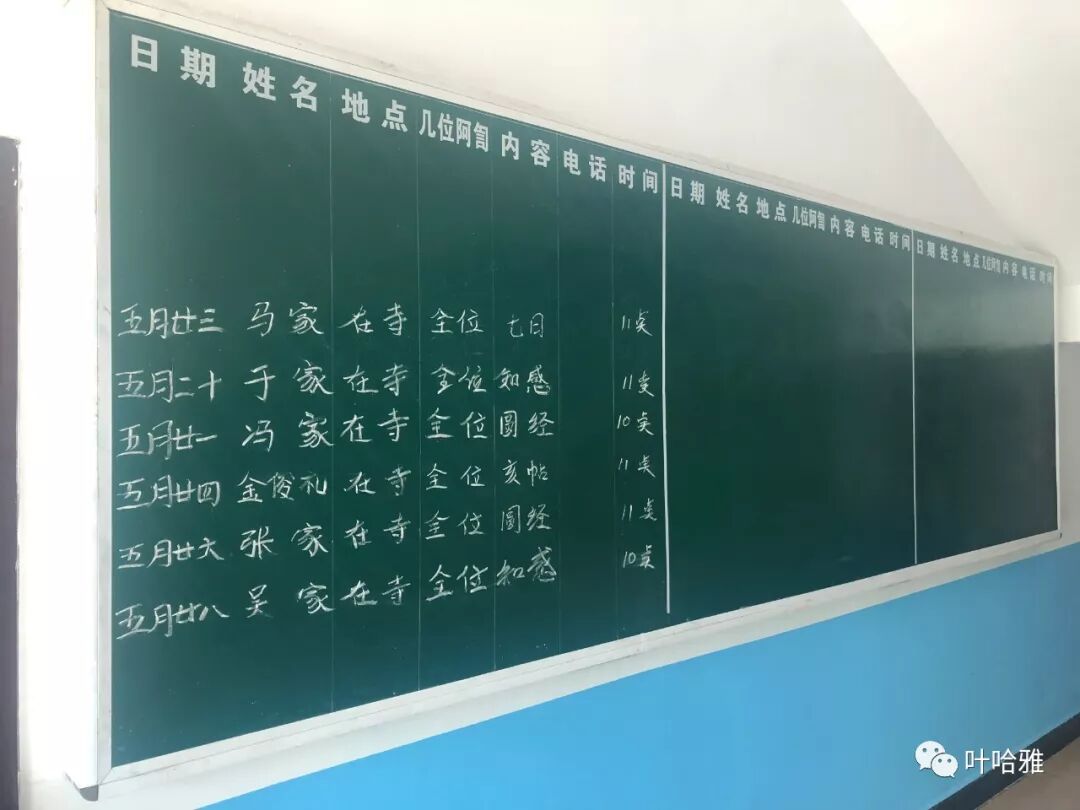
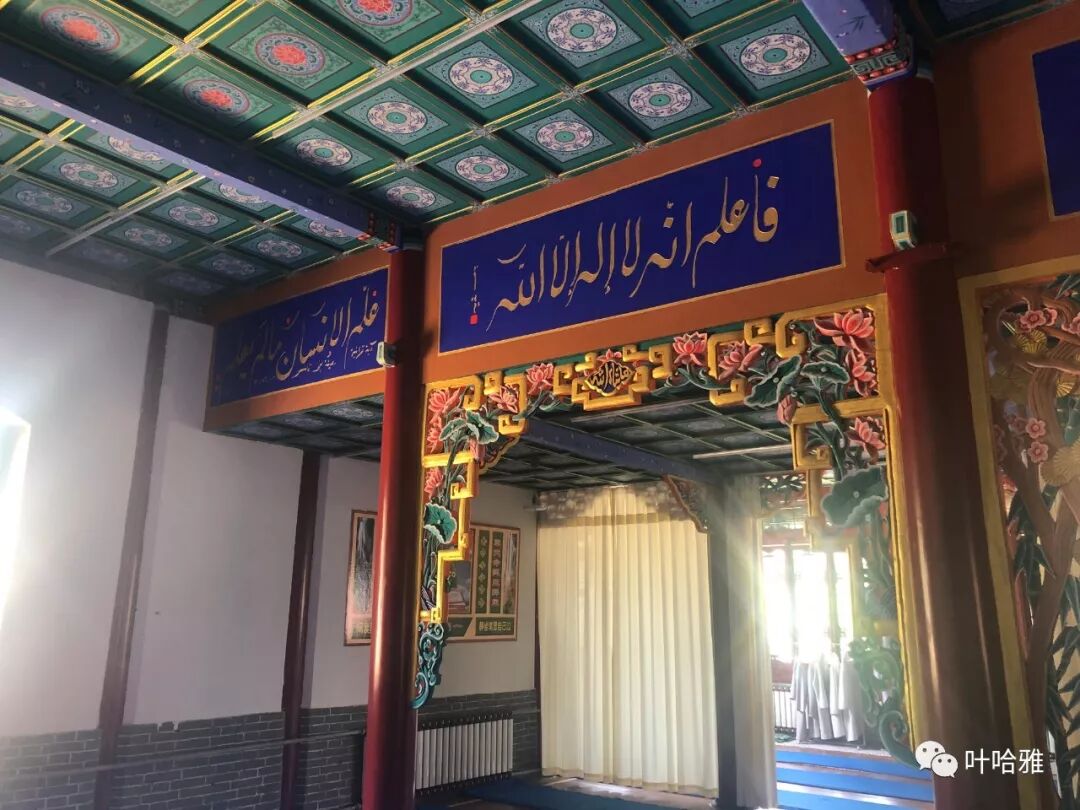
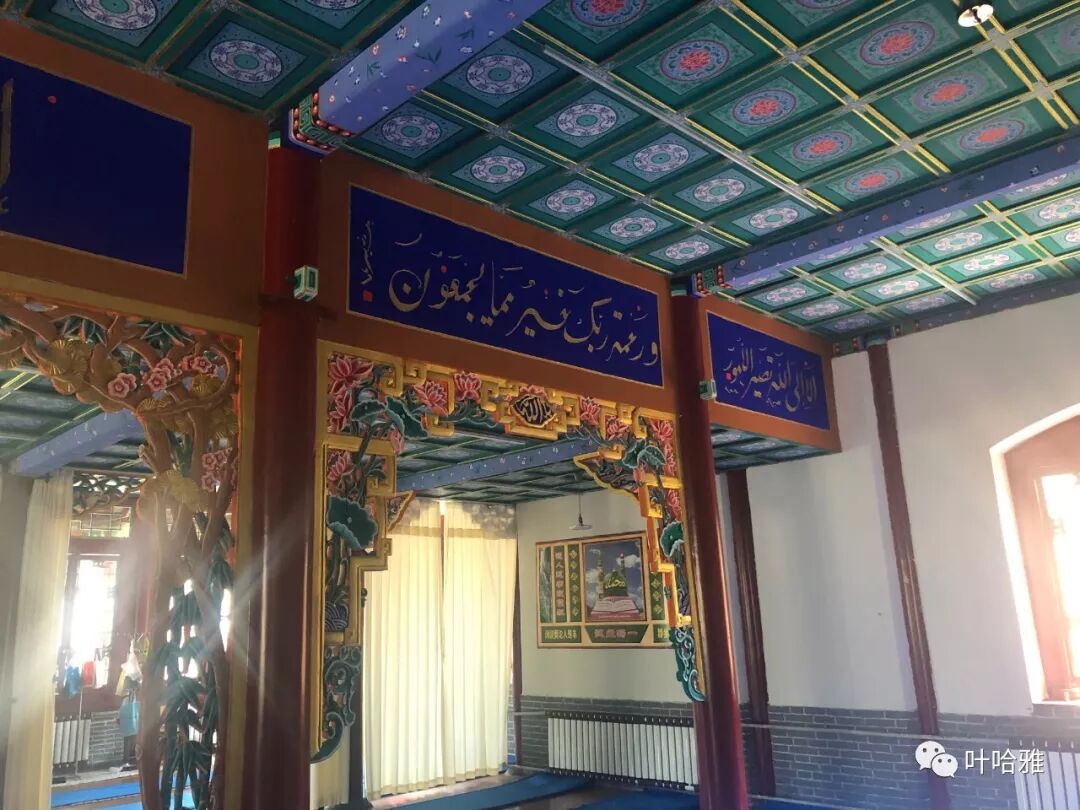
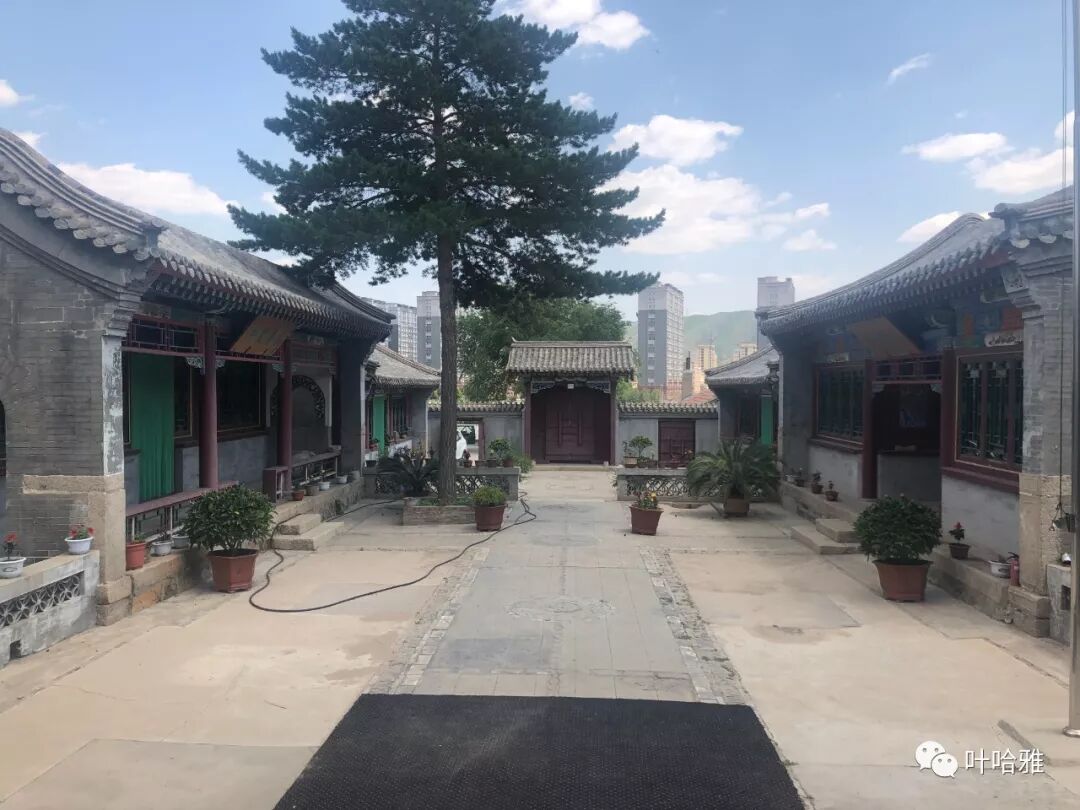
Jingpeng Street is currently being demolished and renovated, and the Hui Muslims have all moved across the river to live in apartment buildings.
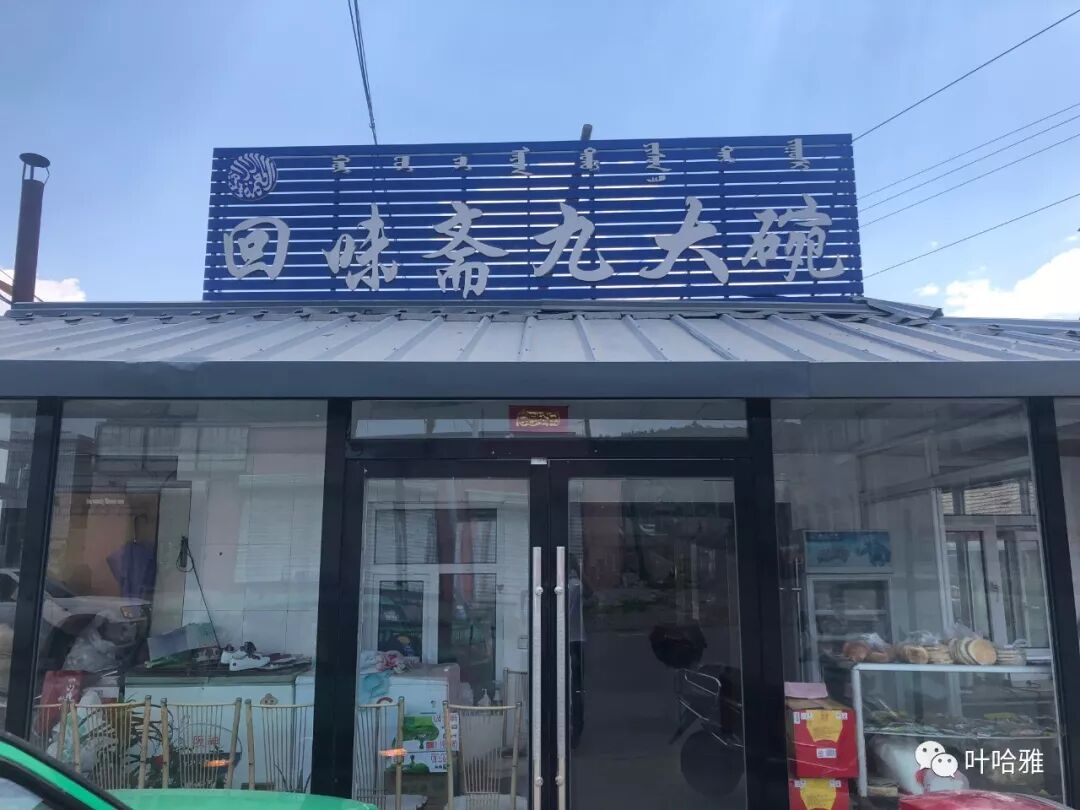
There are not many shops on the west side of the river, as most have moved to the east side.
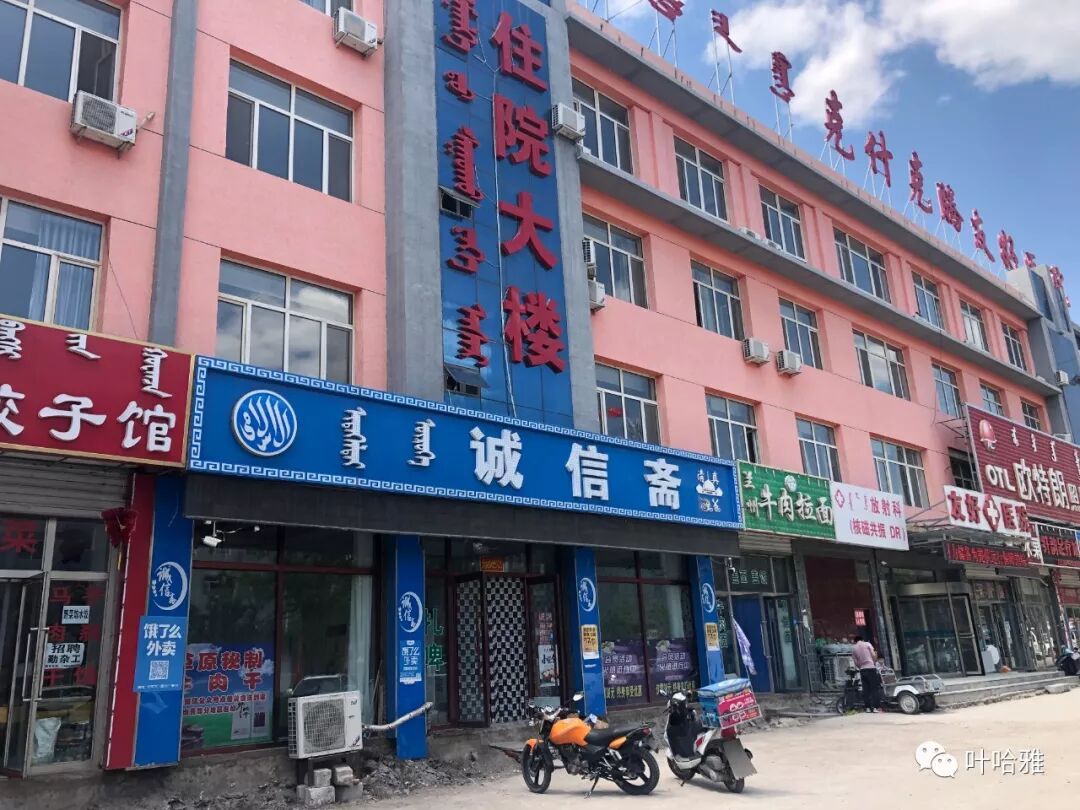
A local driver took me to a halal restaurant that has been in business for many years, saying that this place, Chengxinzhai, makes good food.
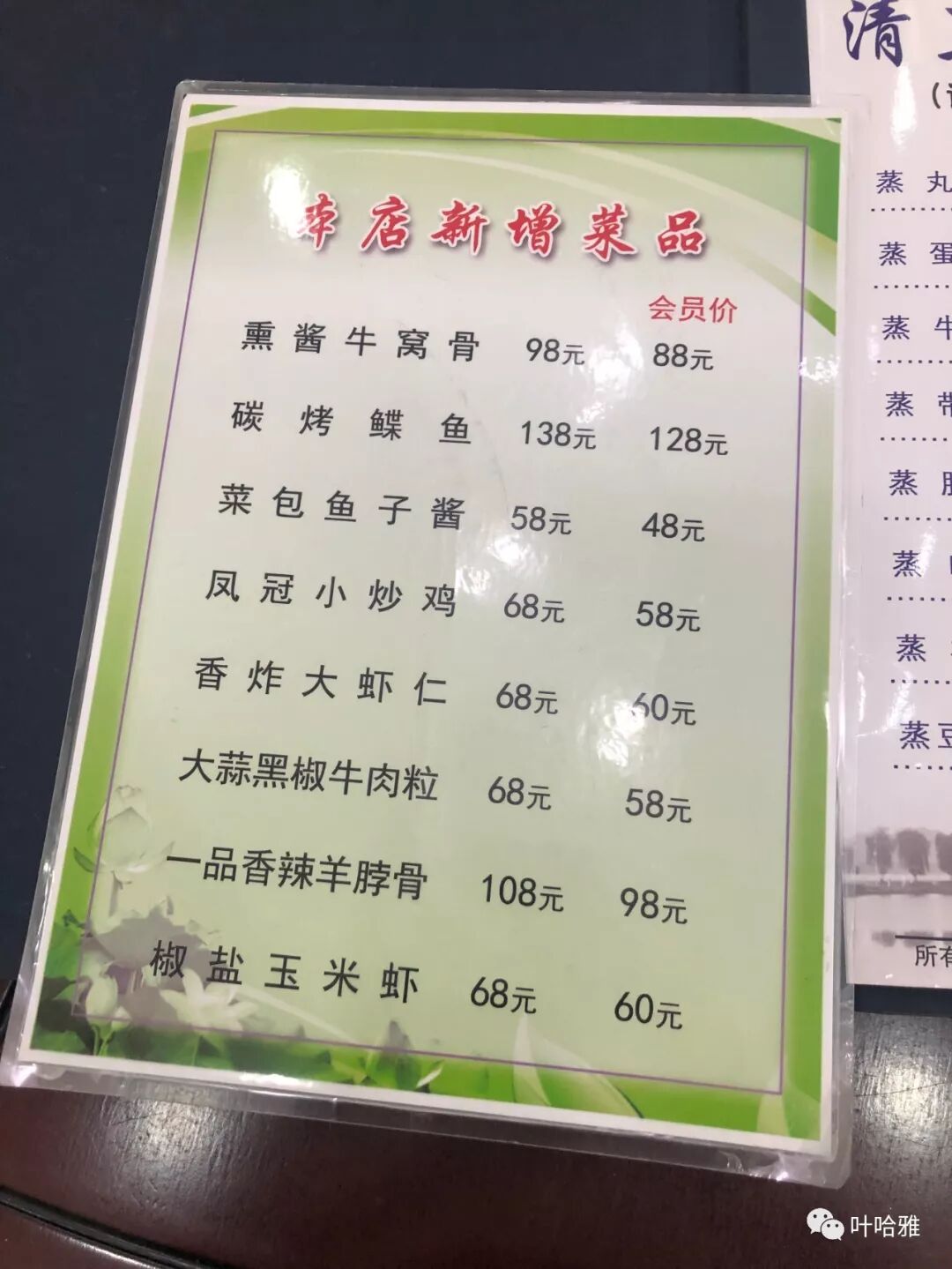
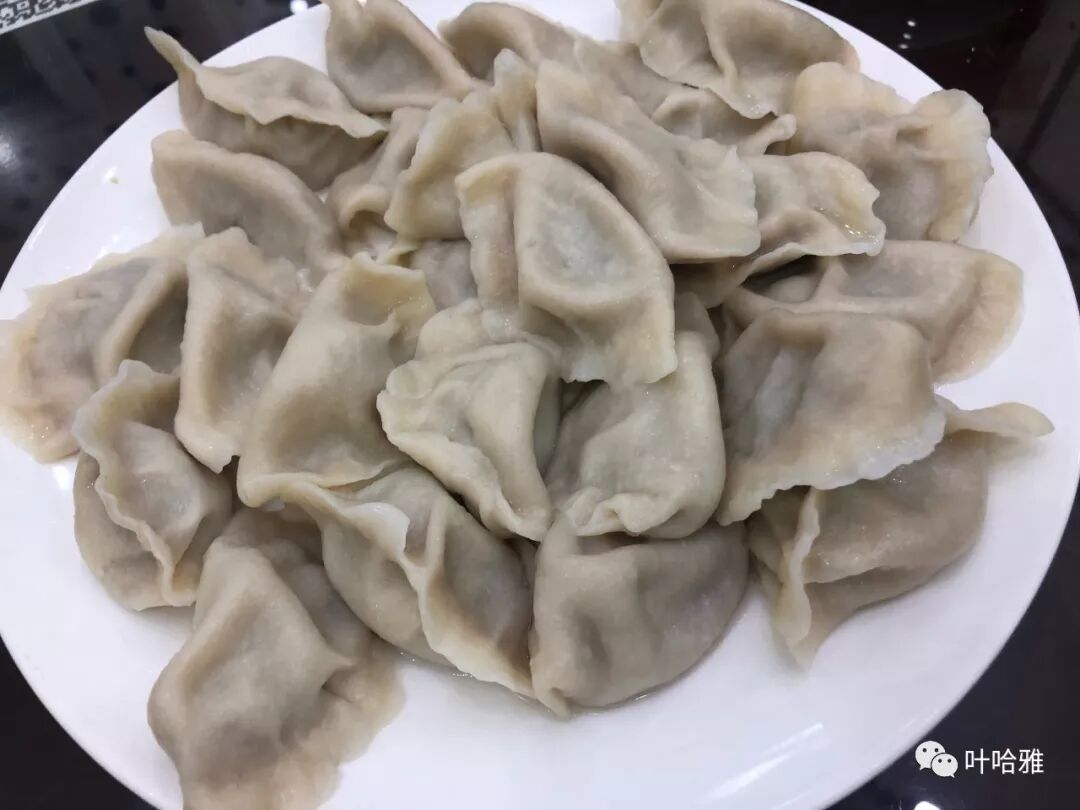
The two of us chose a pot of lamb neck bones and two jin (one kilogram) of boiled dumplings (shuijiao).
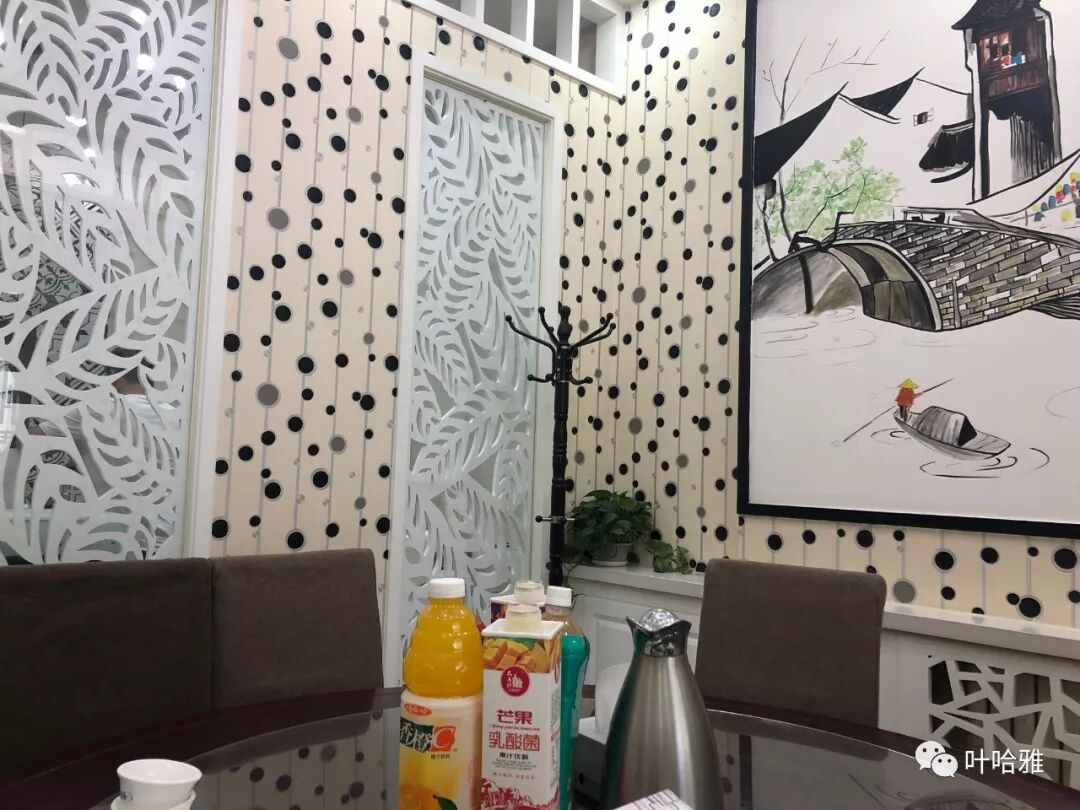
We ate in a private room.
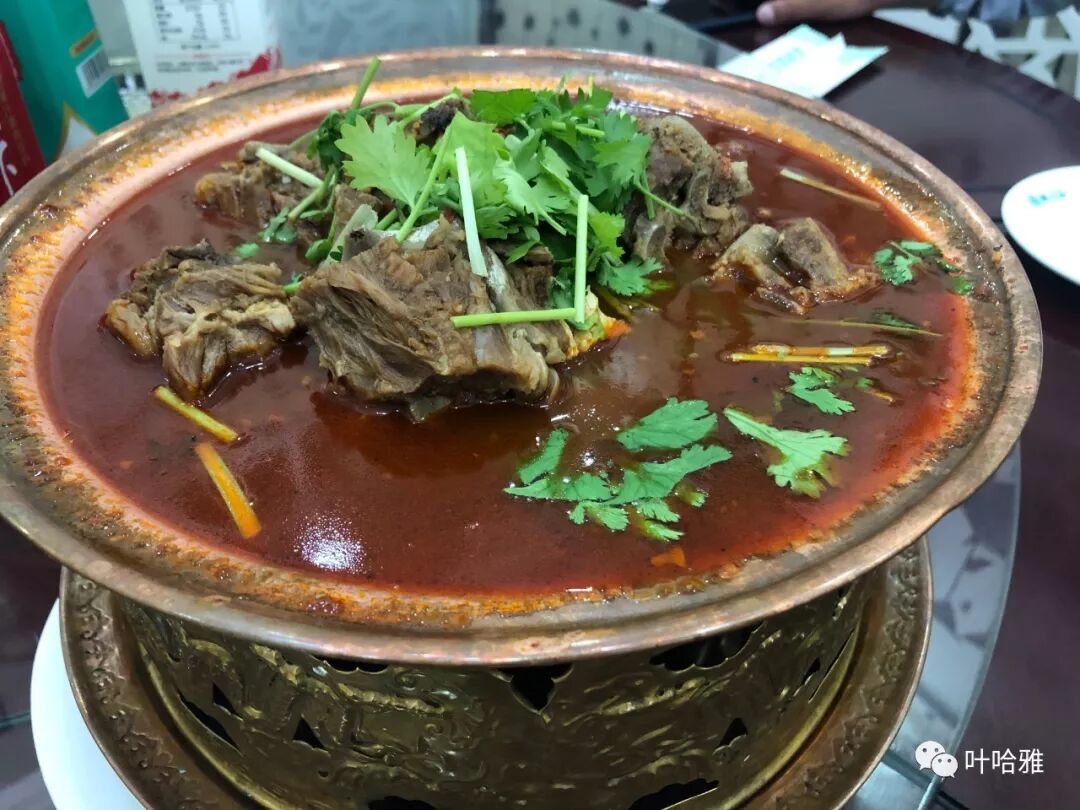
The lamb neck bones were stewed until tender and very flavorful, and the beef and green onion dumplings were also delicious. The driver told me his ancestors came from Shandong. Many locals have ancestral roots in Shandong, so it is normal that they love eating boiled dumplings.
2. Jilin City
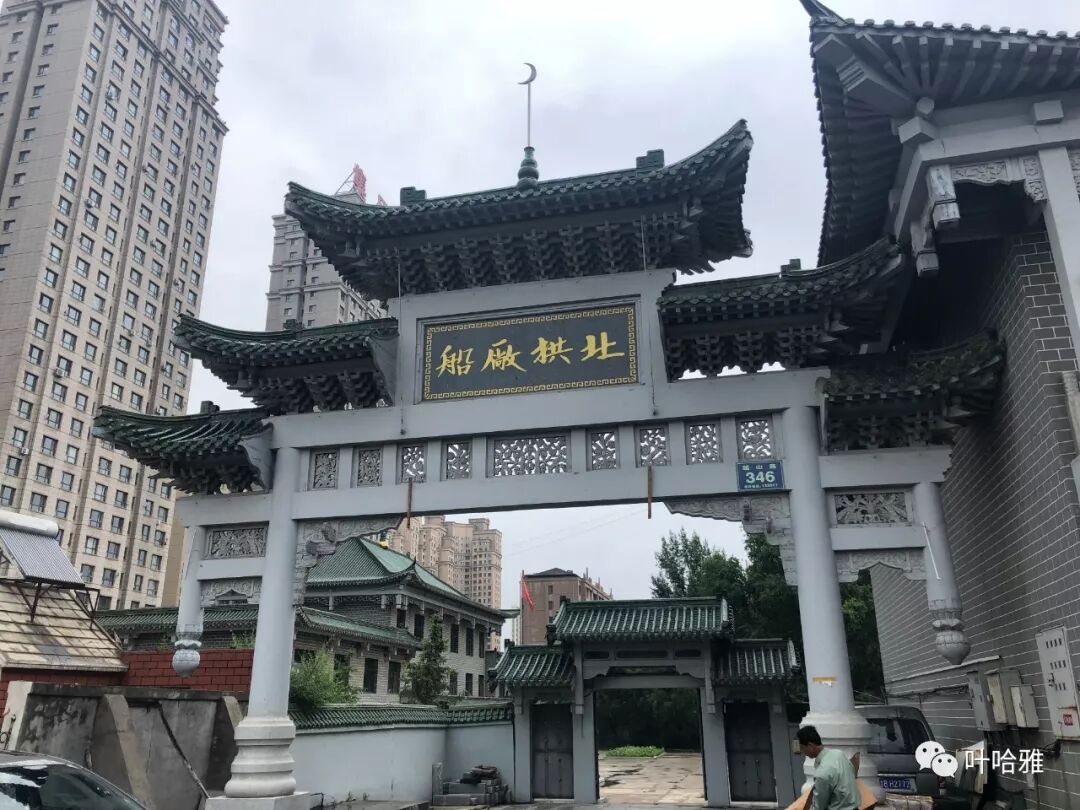
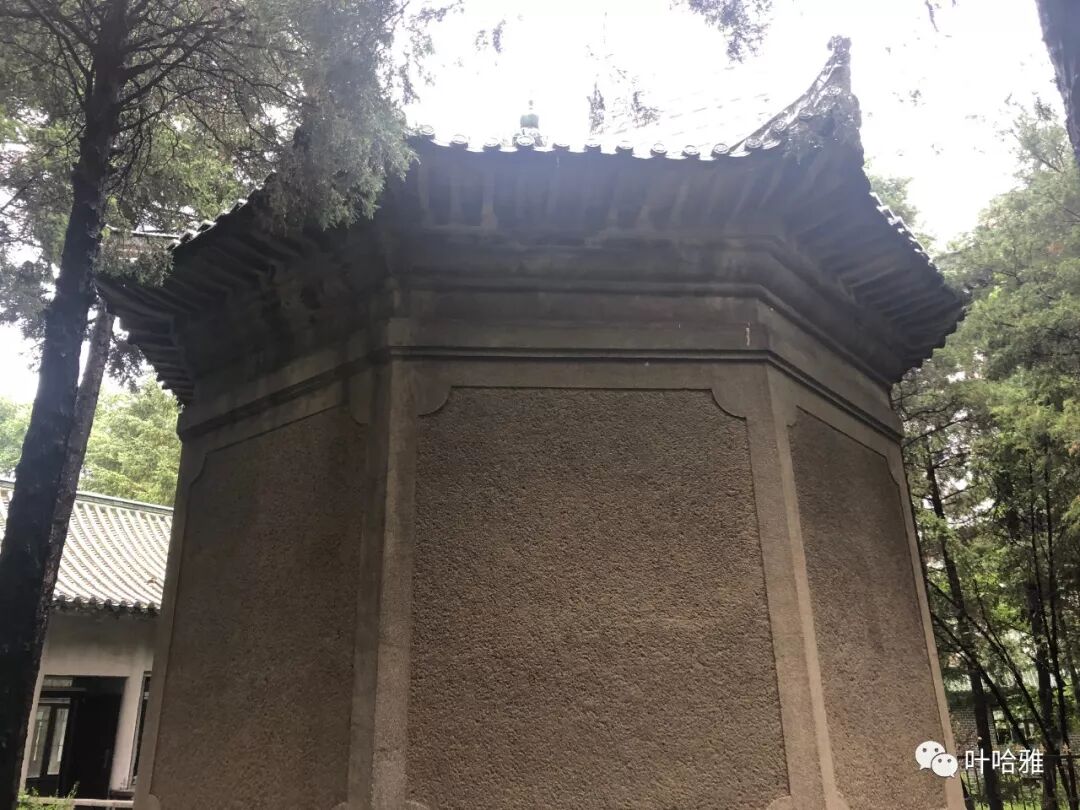
Jilin City in Jilin Province is considered the place with the highest concentration of Hui Muslims in Northeast China. There are four mosques just near Beiji Street in the city center. In the Manchu town of Wula Street, there is also the Wula Street Mosque, which is a major historical and cultural site protected at the national level. However, the focus of my trip was to see the Chuanchang Gongbei.
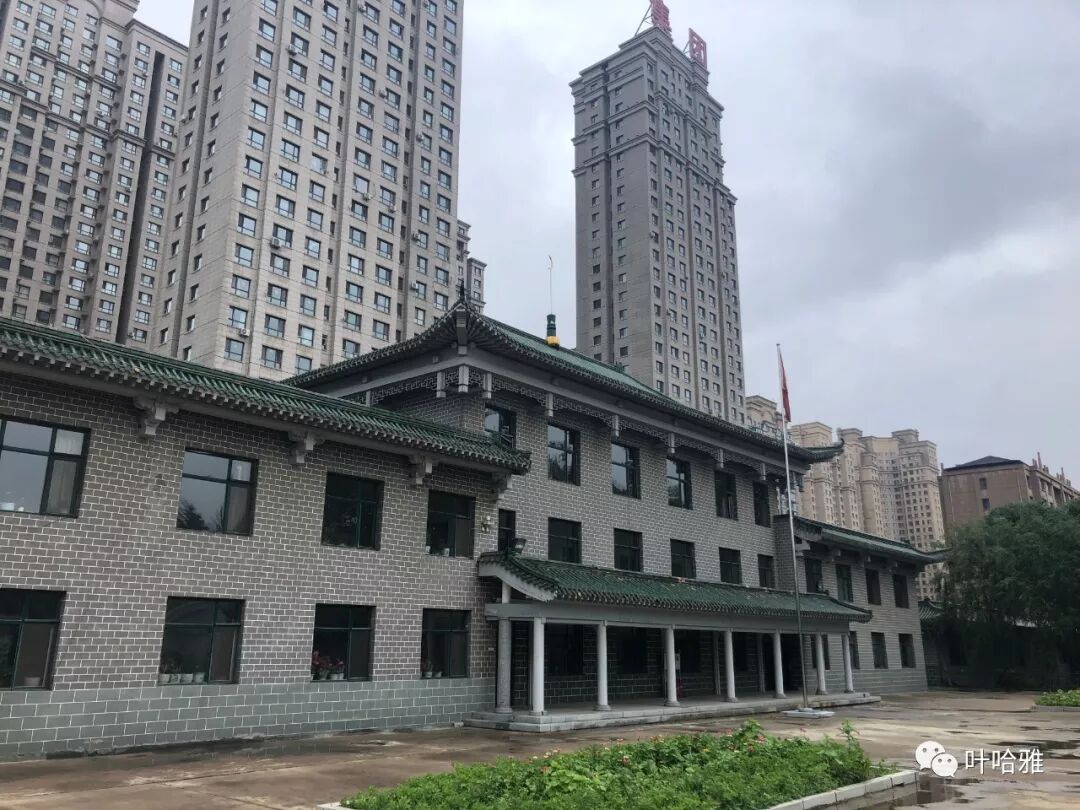
The Chuanchang Gongbei is the shrine for Ma Datian (1757–1817), the third-generation leader of the Jahriyya menhuan. The Qing government had exiled Ma Datian to Bukui in Heilongjiang (modern-day Qiqihar). When he reached the Jilin shipyard, he passed away at the age of 60. The twelve followers who had voluntarily followed him into exile were still sent to Bukui. They settled and multiplied there, forming a community. This is the origin of the Jahriyya in the Northeast. I will mention meeting Jahriyya followers in Qiqihar later.
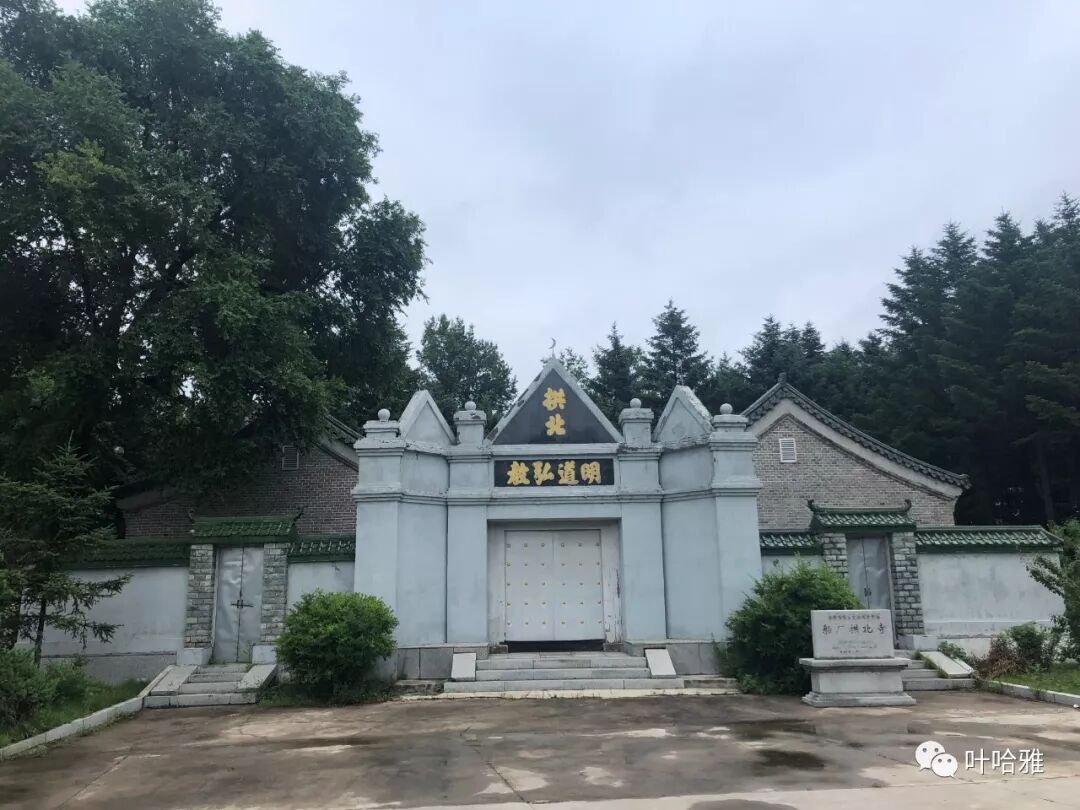
Before coming to the Chuanchang gongbei, I learned from a close friend whose ancestors were among the twelve families that followed the elder Ma Datian that her family helped build this gongbei. Some of her family members still guard the site today.
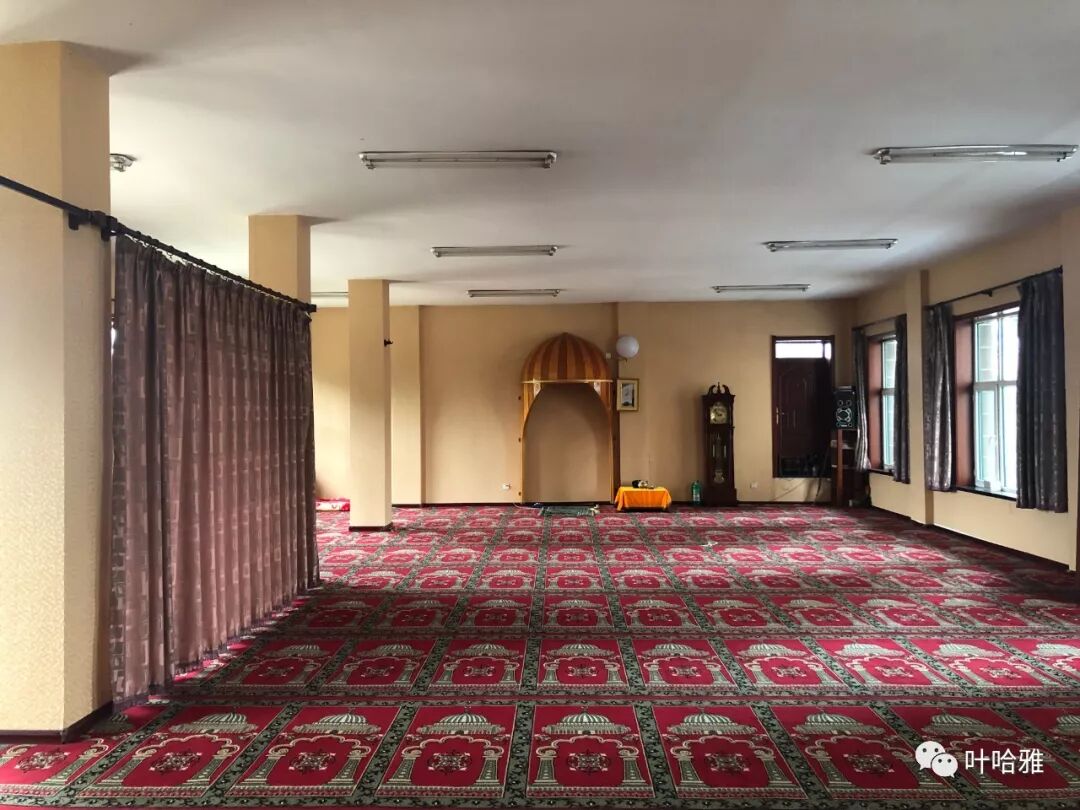
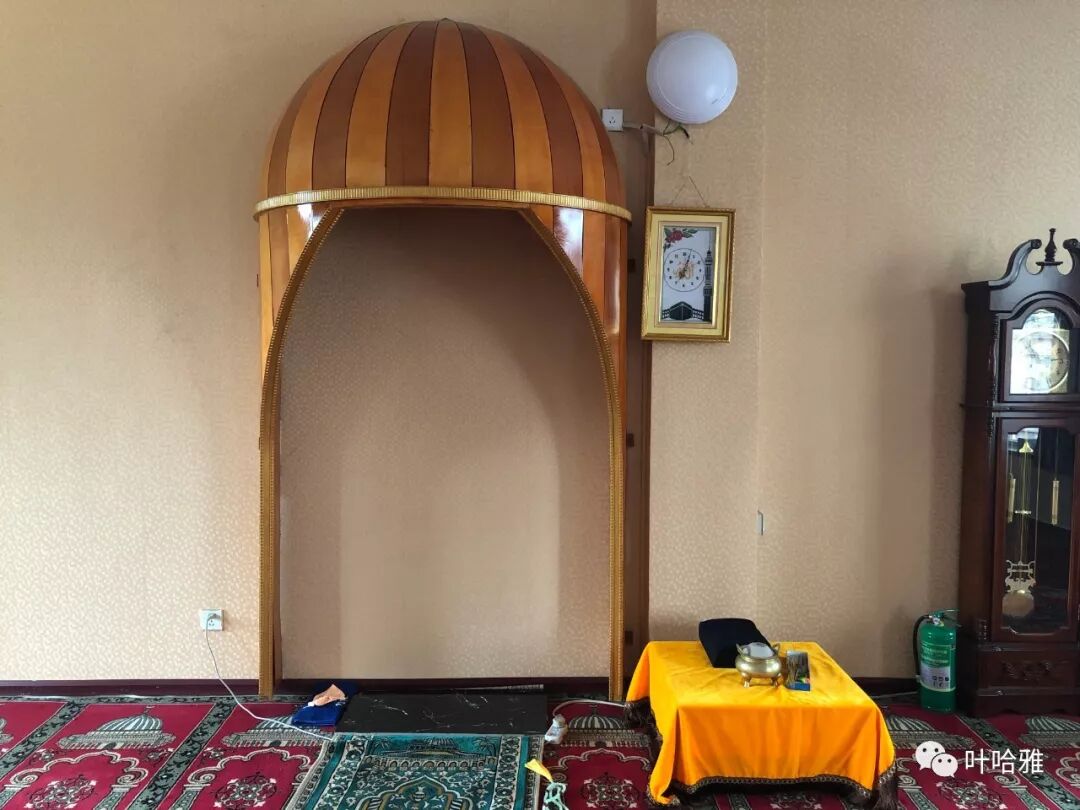
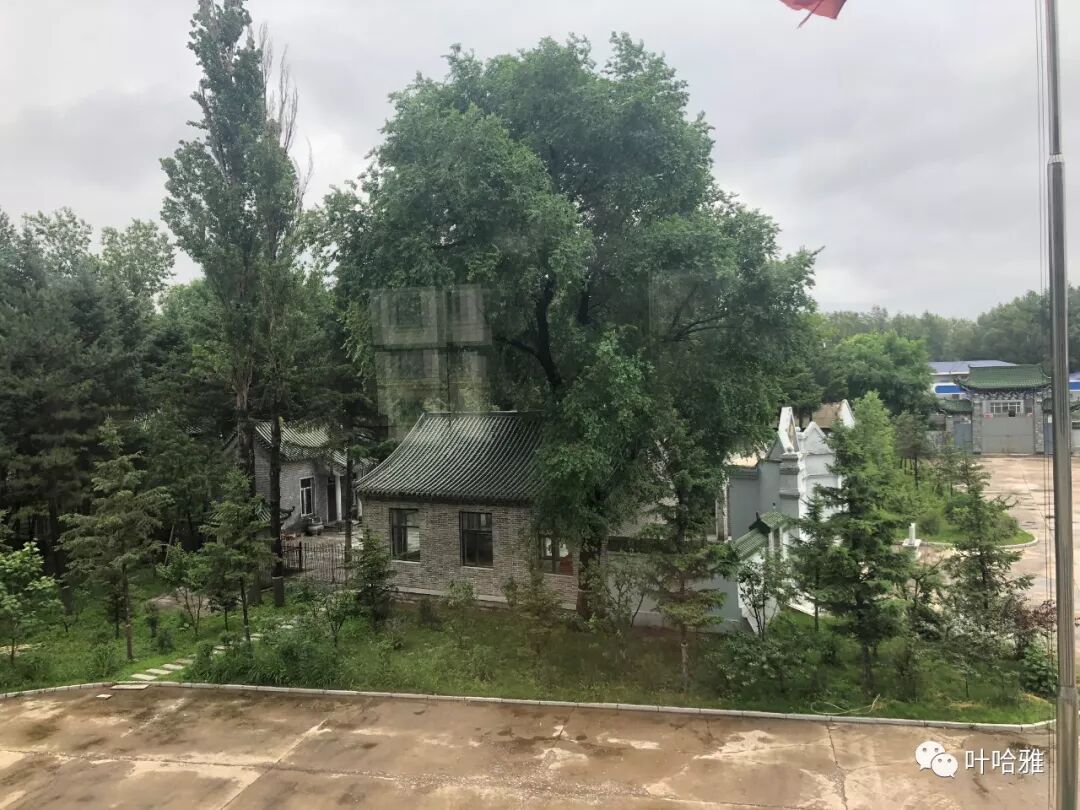
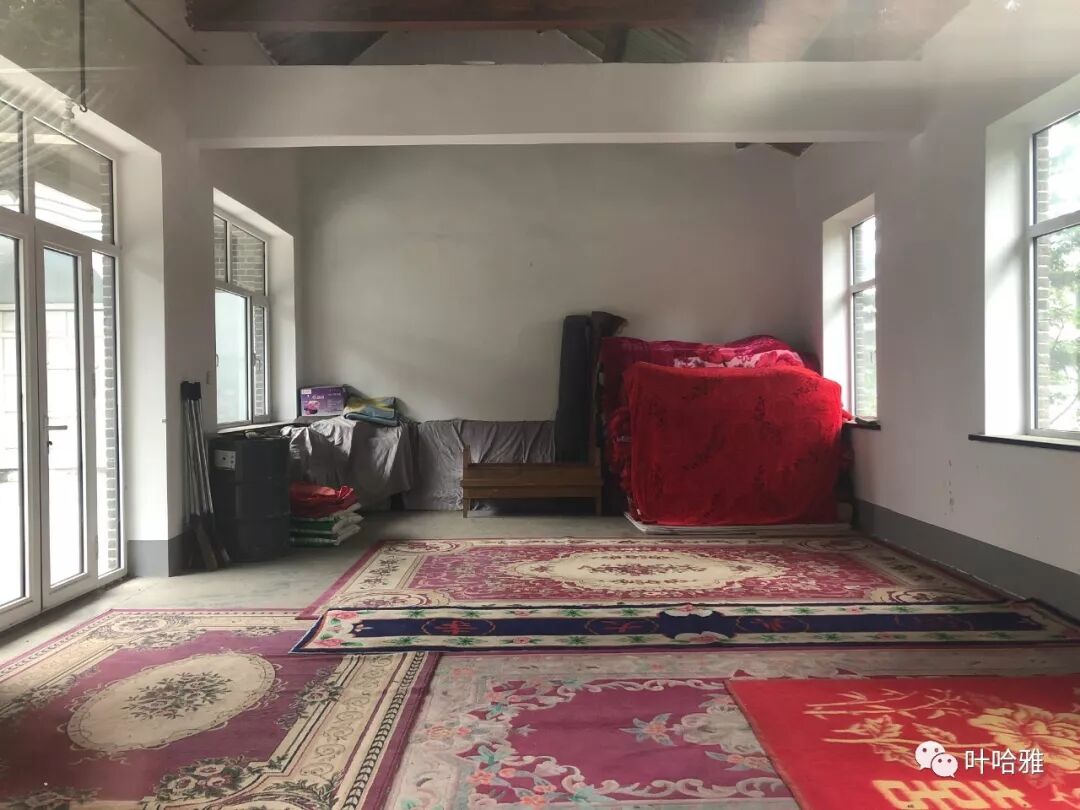
Every year, many descendants of the Northwest Zhe school come here to visit the graves.
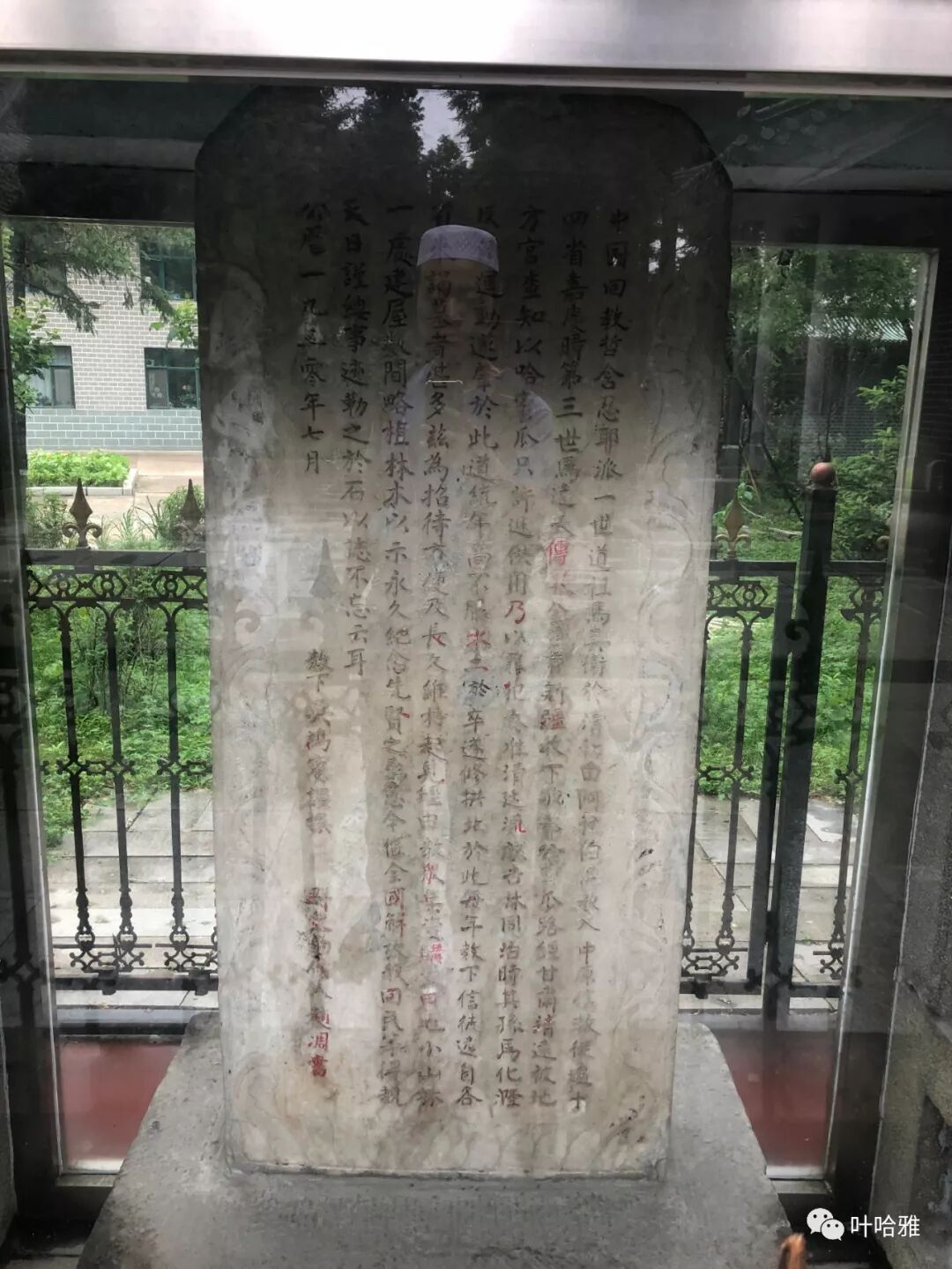
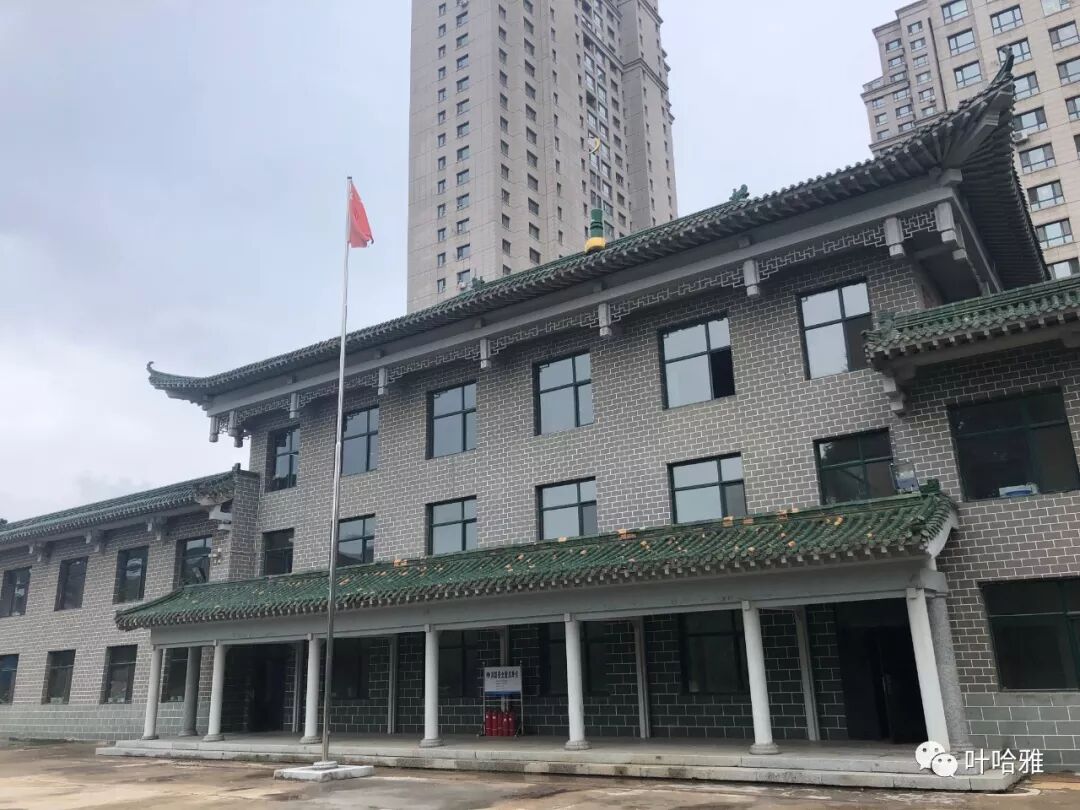
The Chuanchang gongbei is now a municipal-level cultural heritage site, and a mosque has been built right next to it.
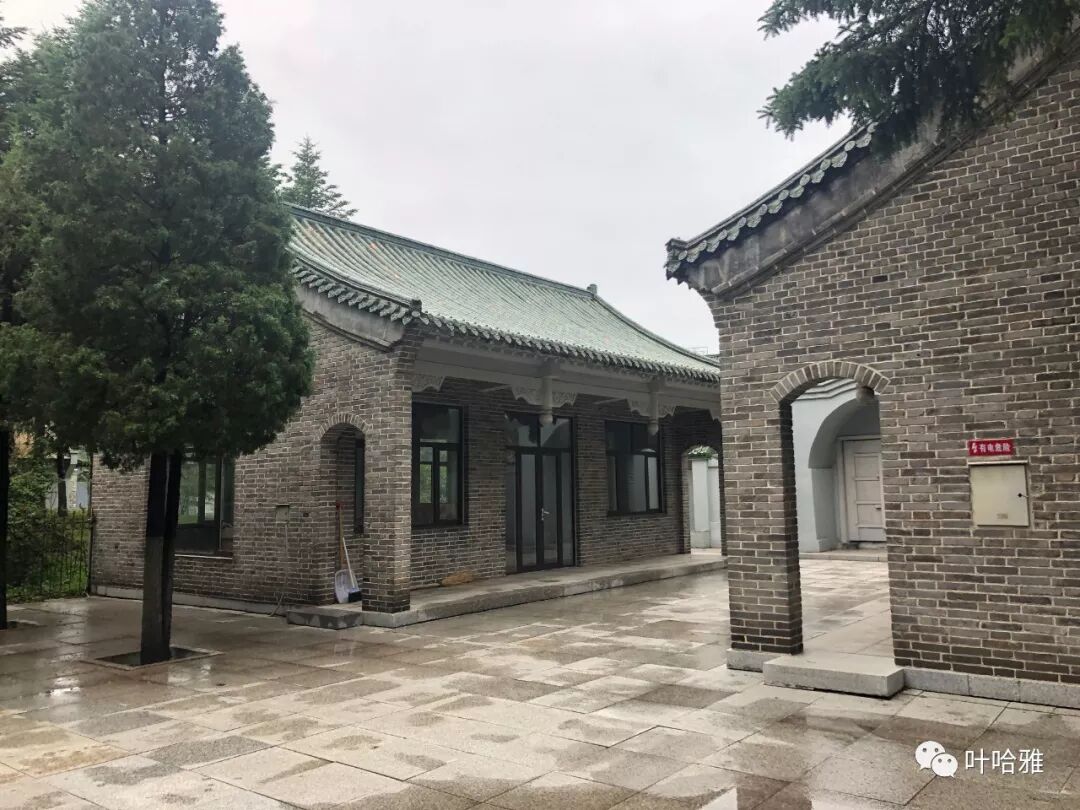
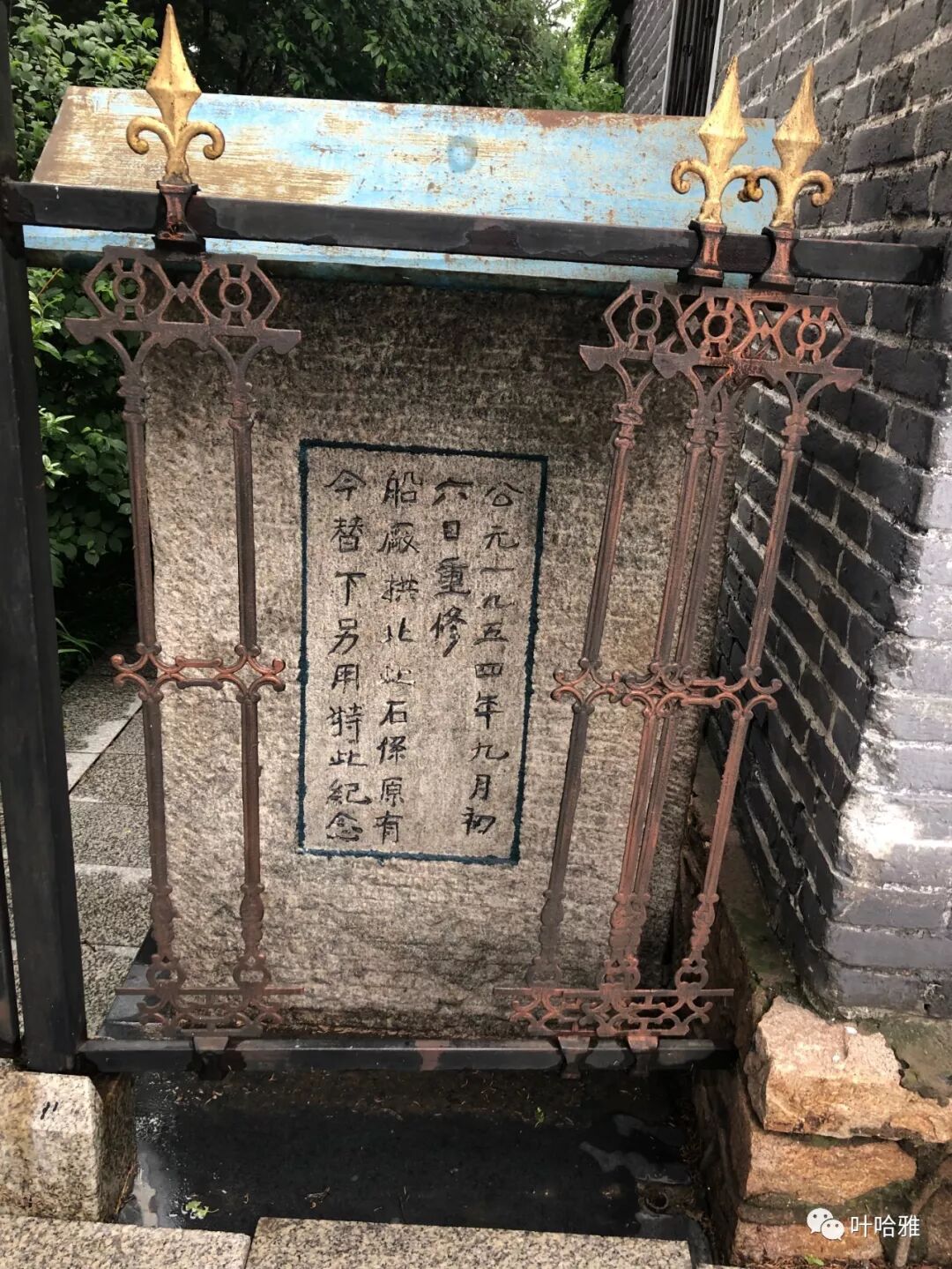
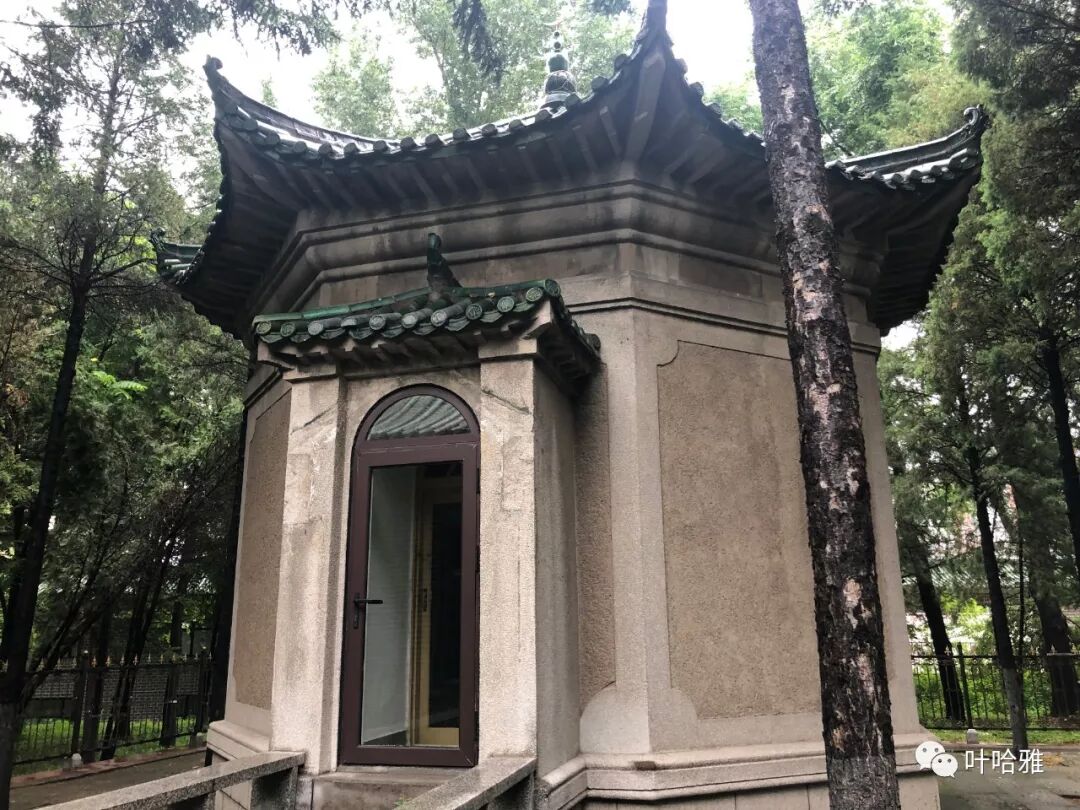
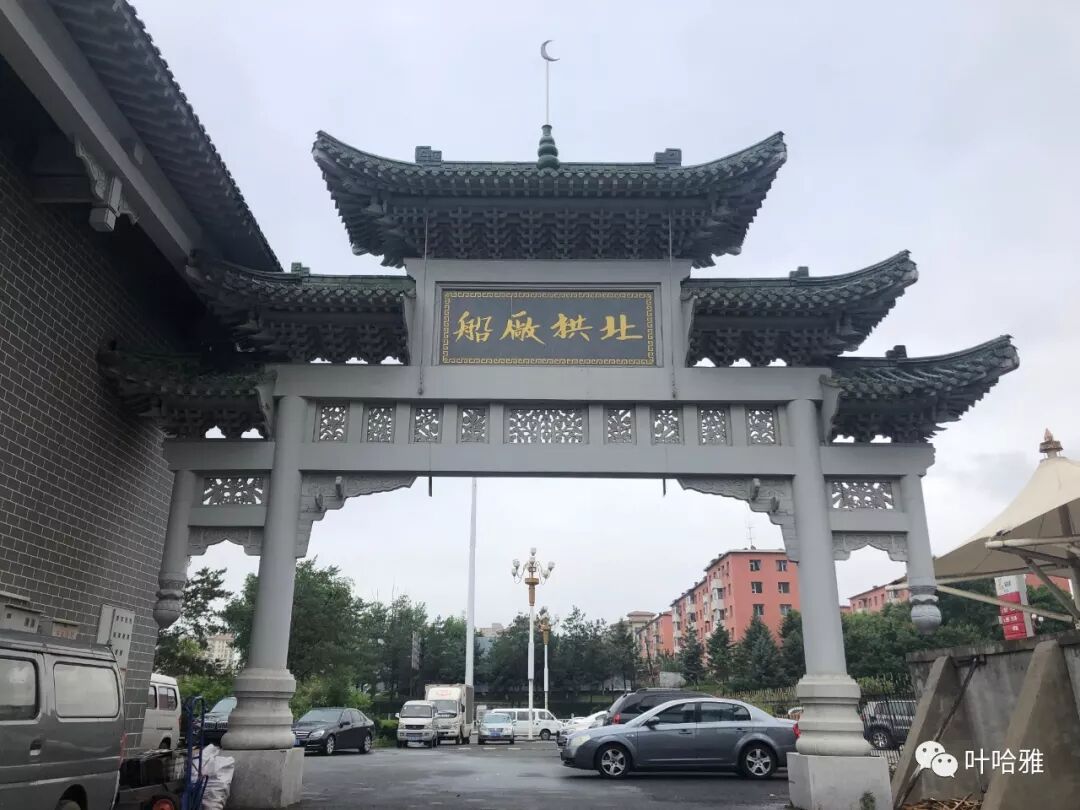
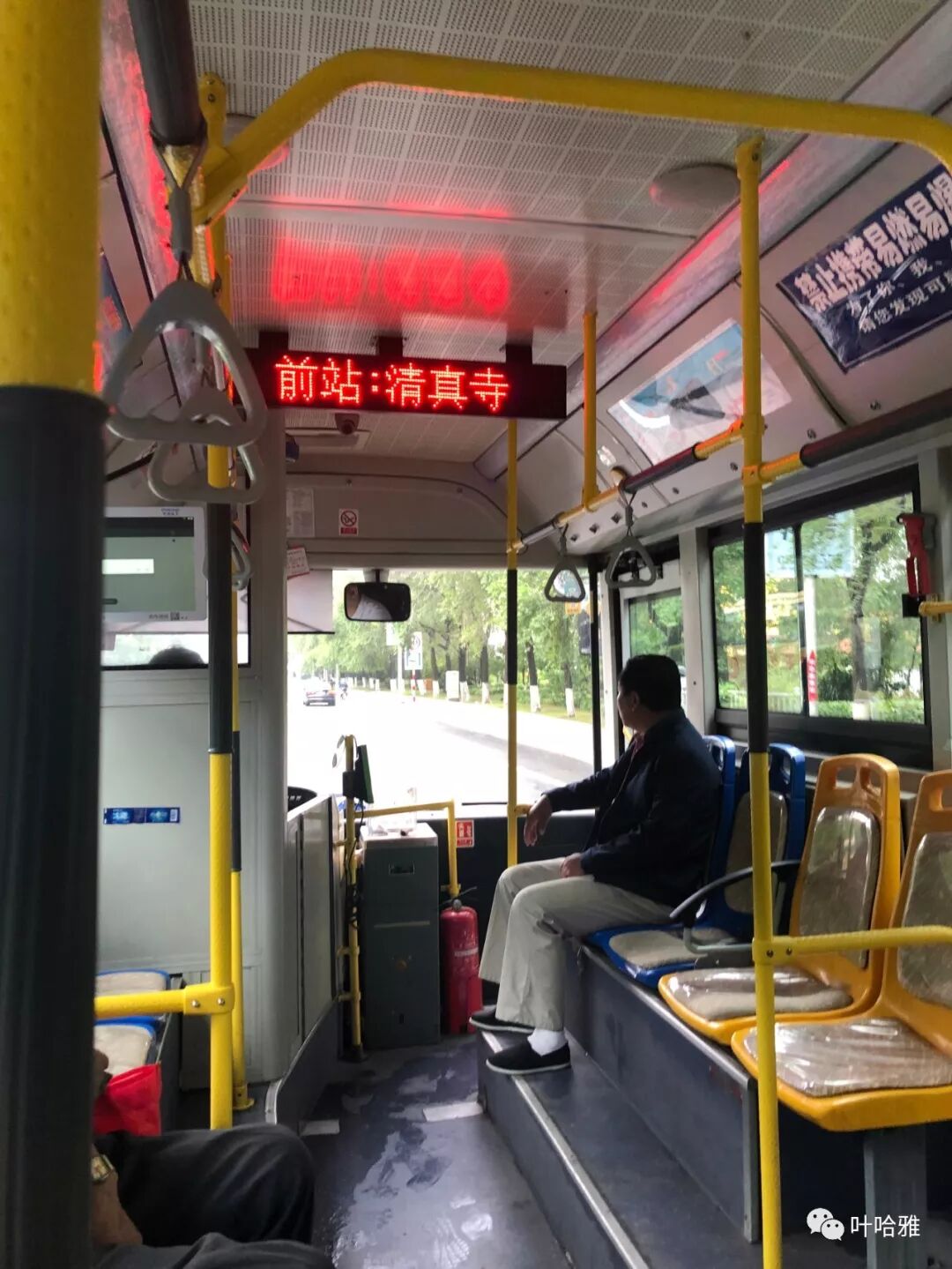
Leaving the Chuanchang gongbei, you can walk south along the road to reach the North Great Mosque, or take the bus for two stops and get off at the mosque station.
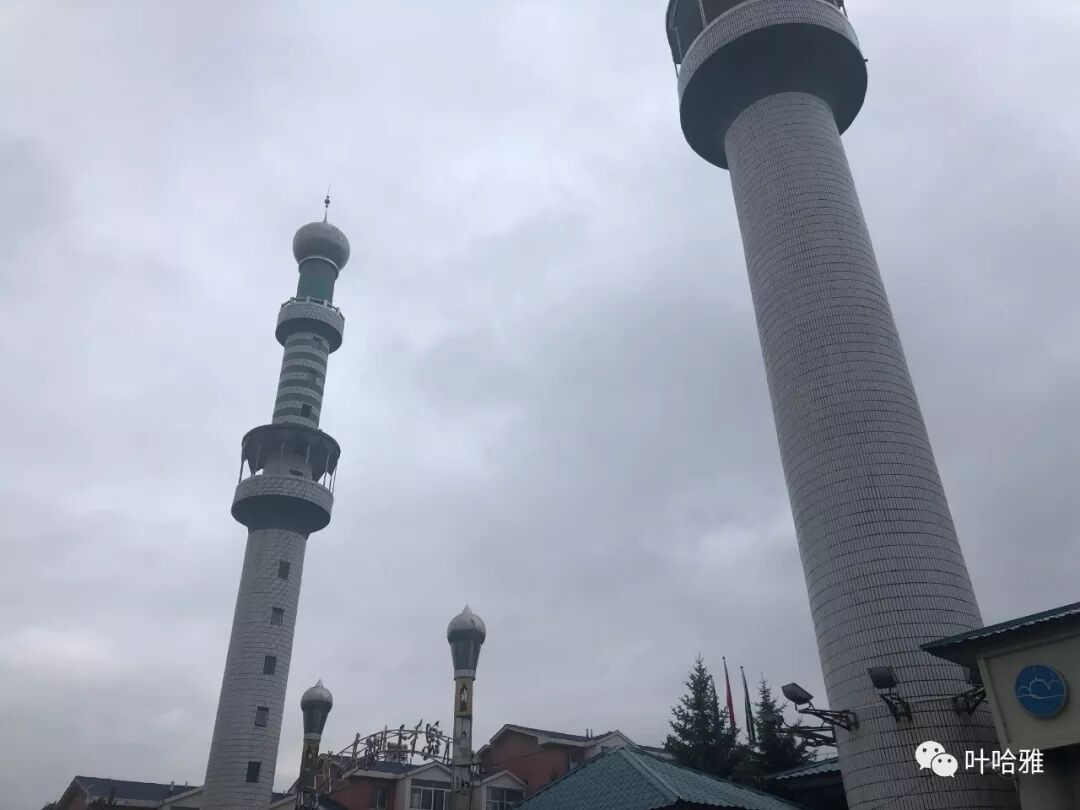
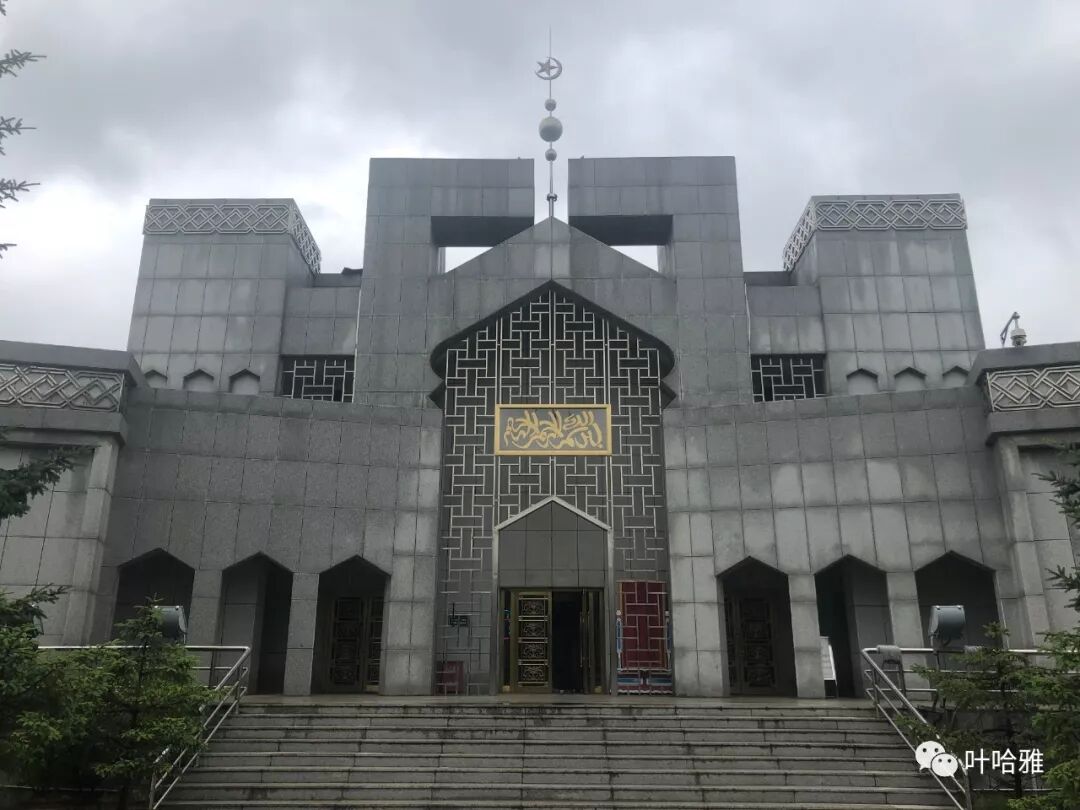
The minaret of the North Great Mosque towers into the clouds.
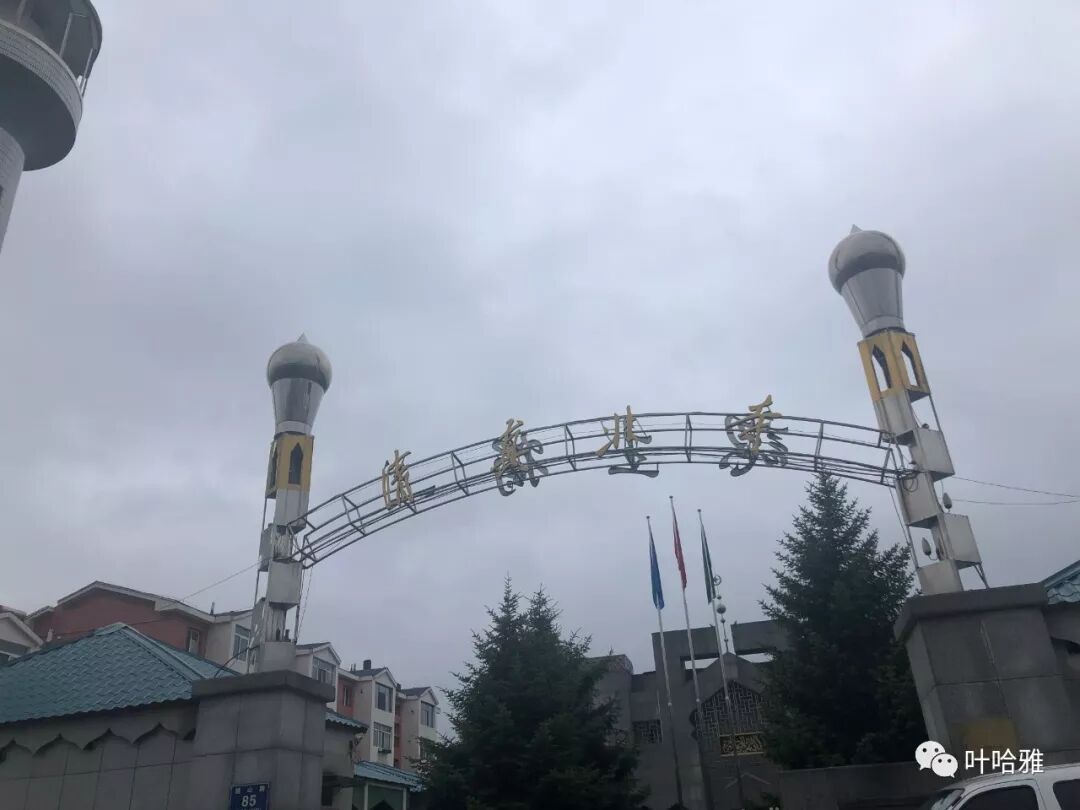
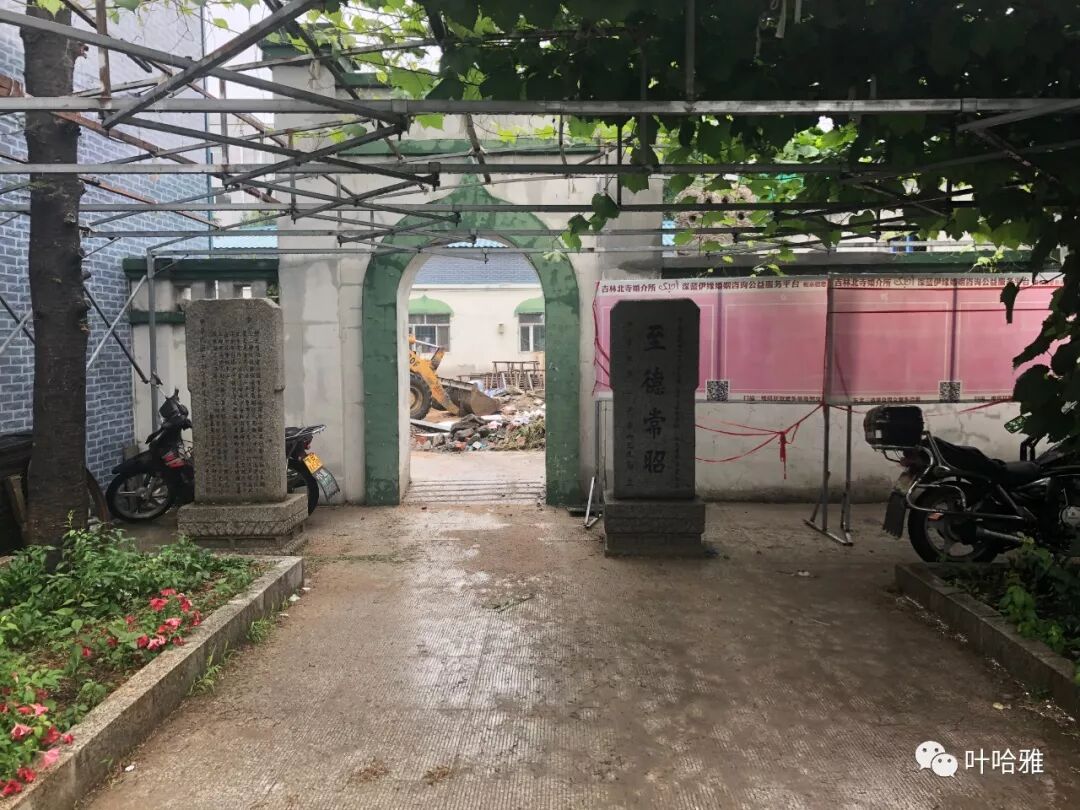
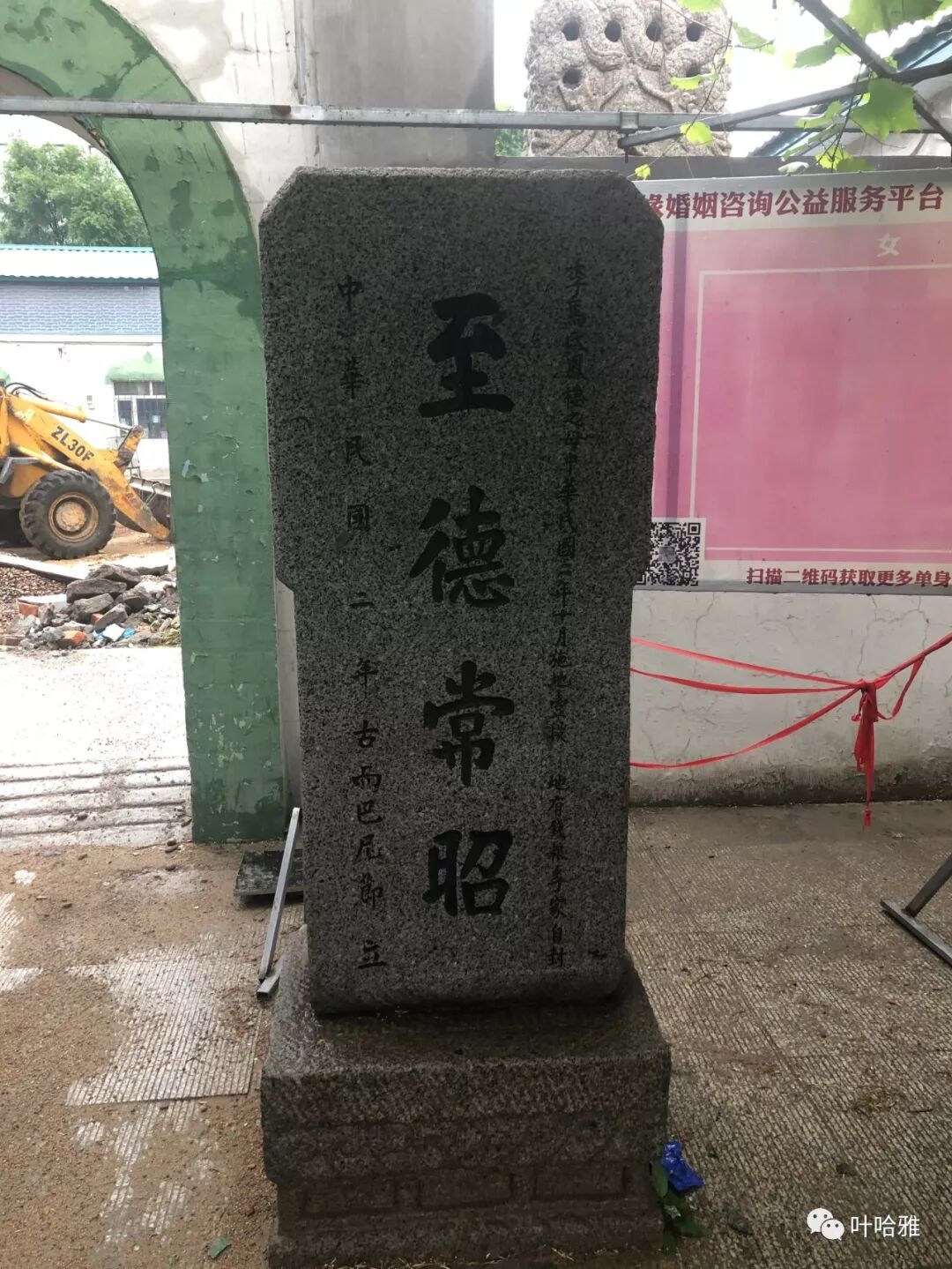
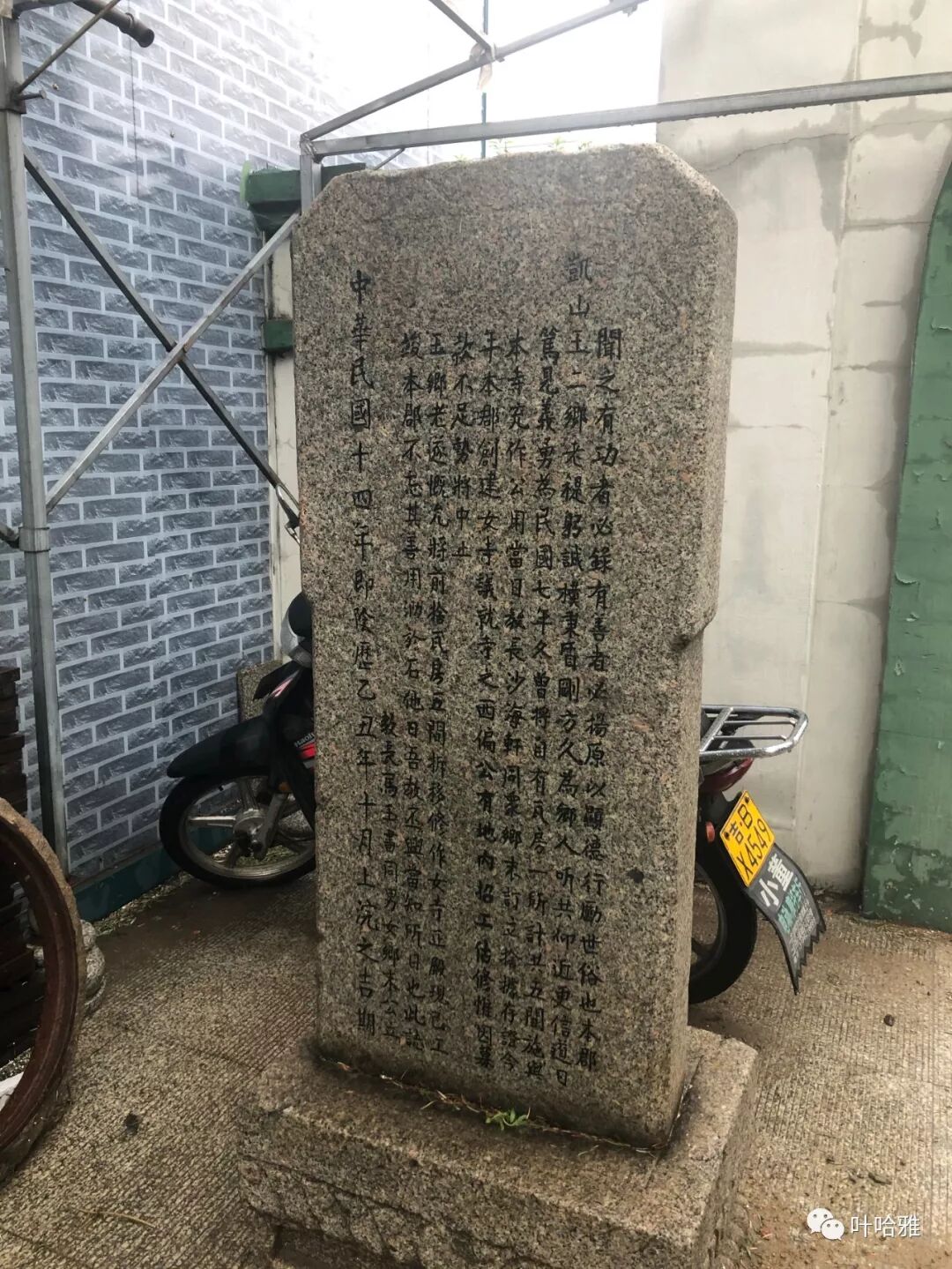
The Jilin North Great Mosque was first built in the 25th year of the Qianlong reign of the Qing Dynasty (1760). The mosque houses an imperial decree tablet bestowed by the Daoguang Emperor.
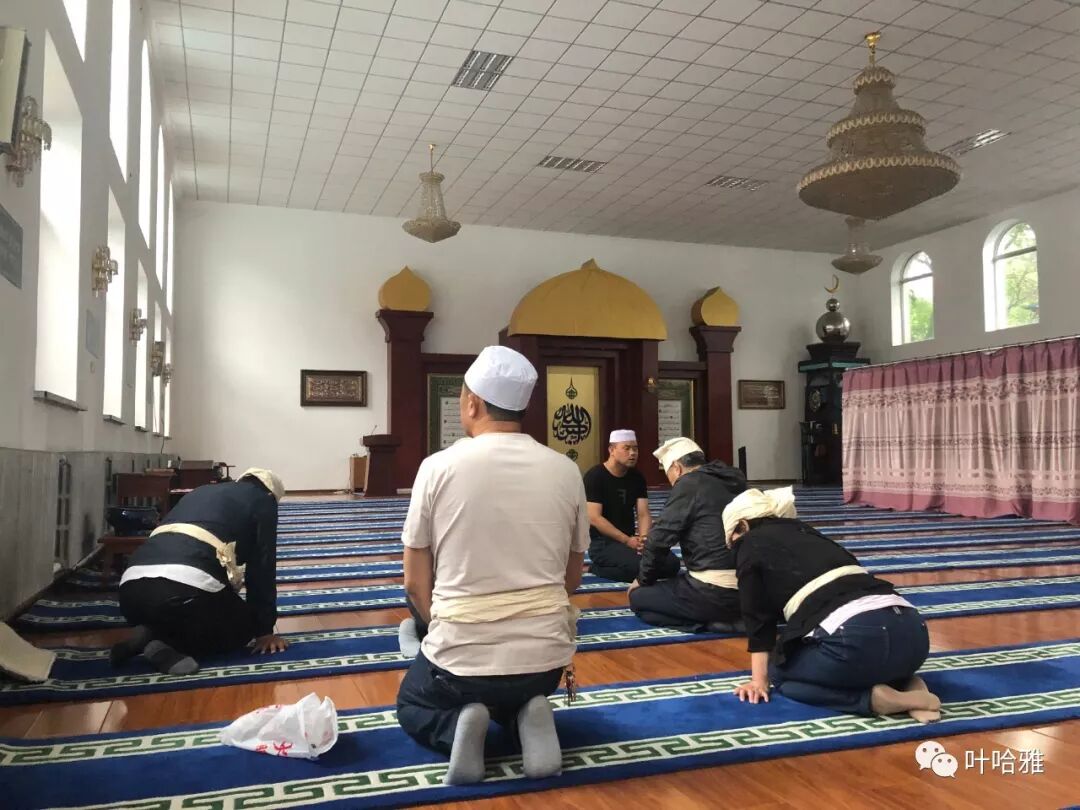
I met people in the mosque reciting scriptures for the deceased, with family members wearing traditional mourning clothes. This is rare; I remember seeing it once at a mosque in Shijiazhuang.
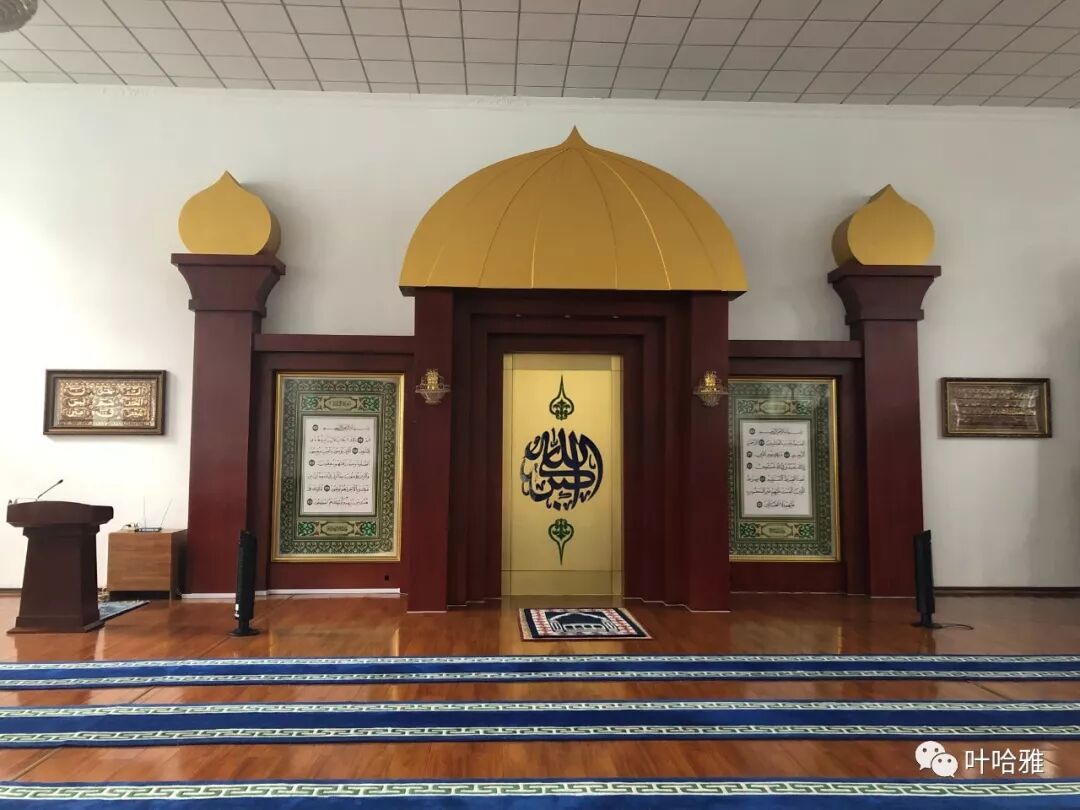
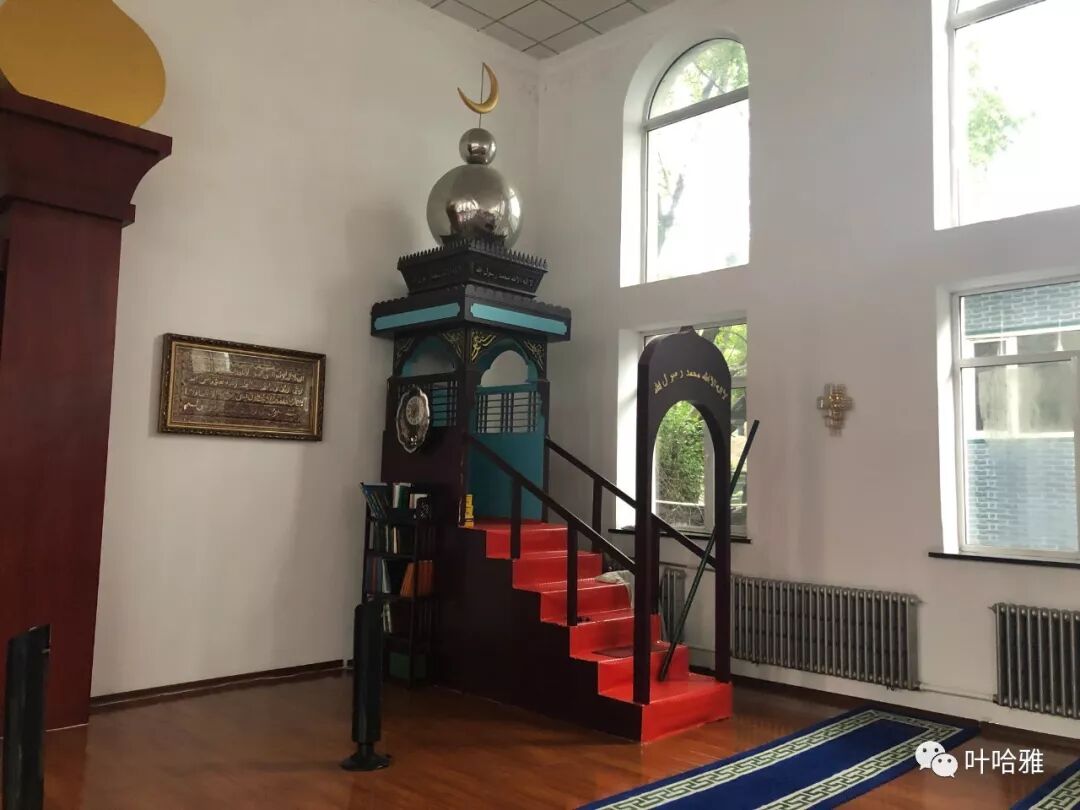
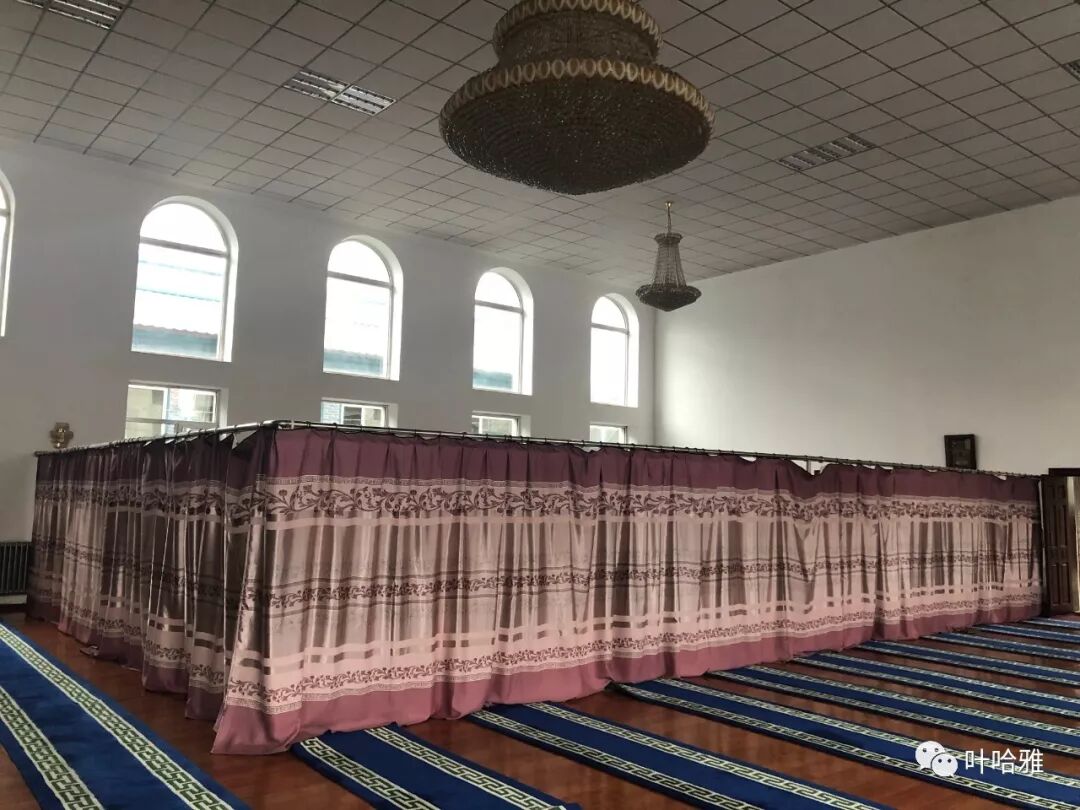
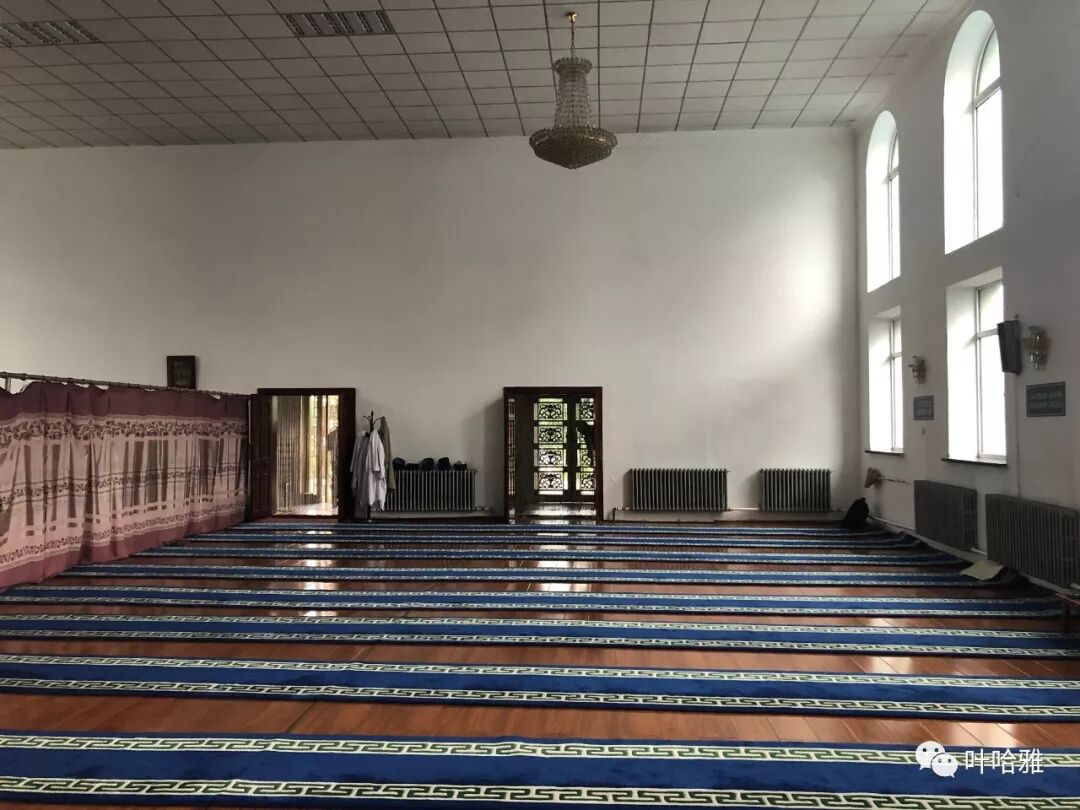
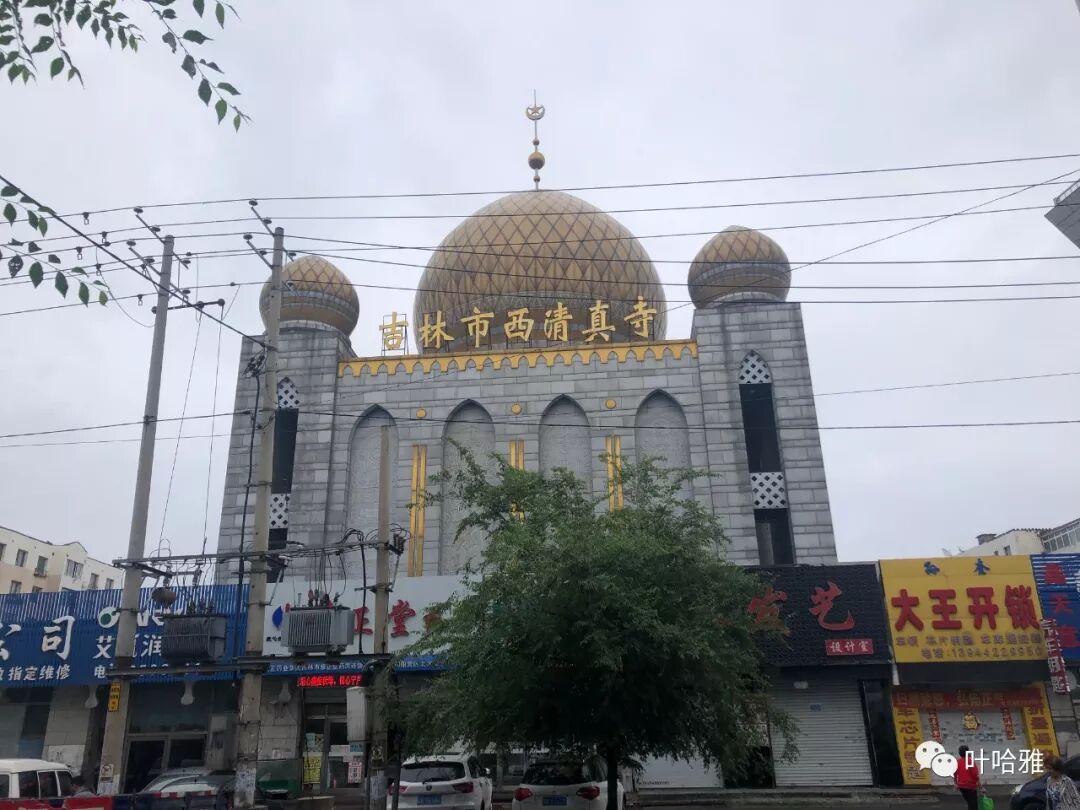
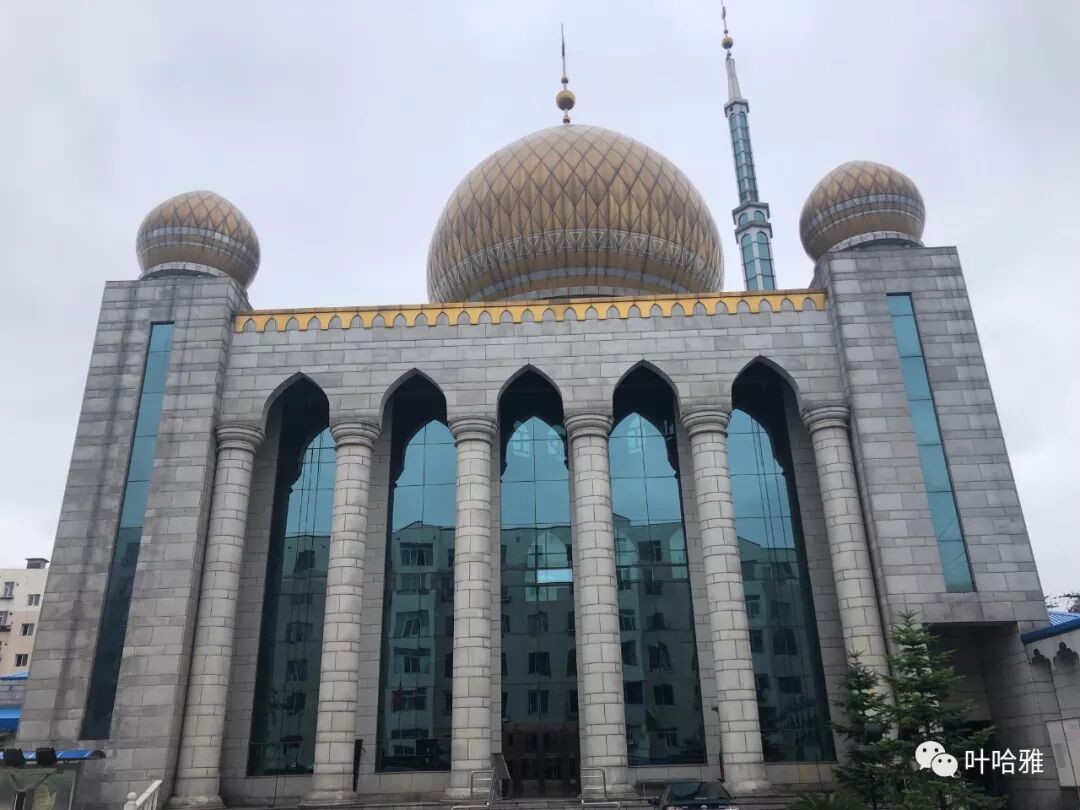
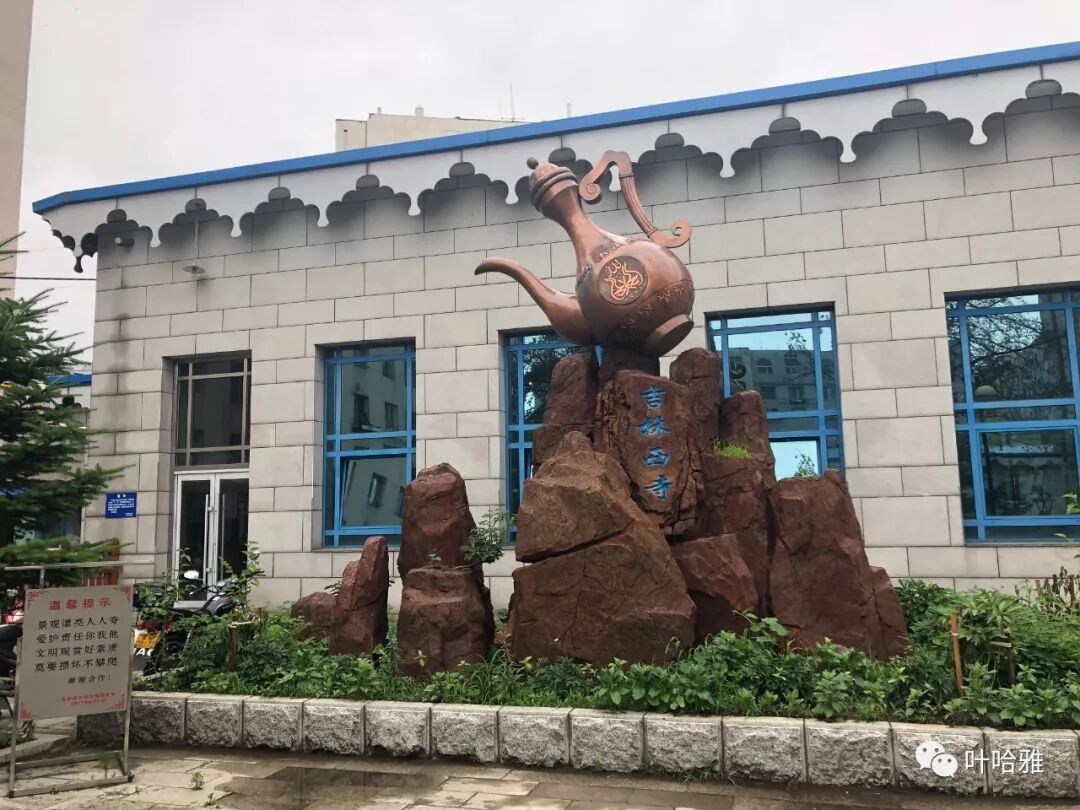
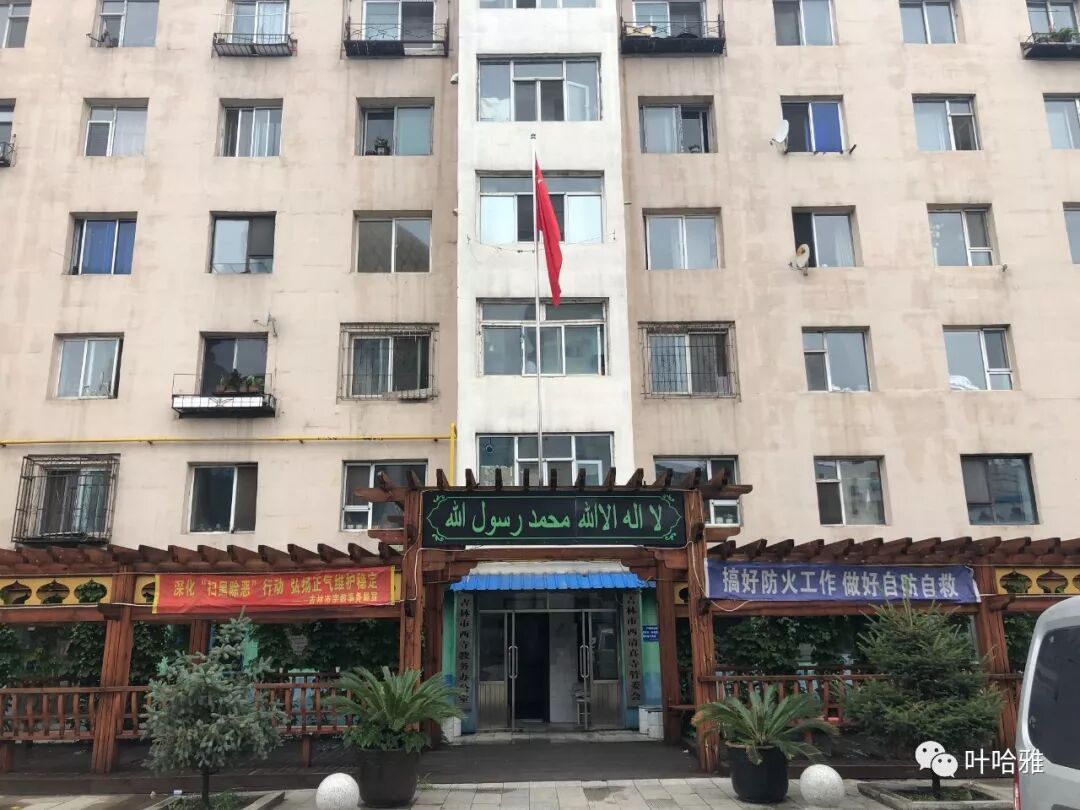
Less than two kilometers from the North Great Mosque is the Jilin West Mosque.
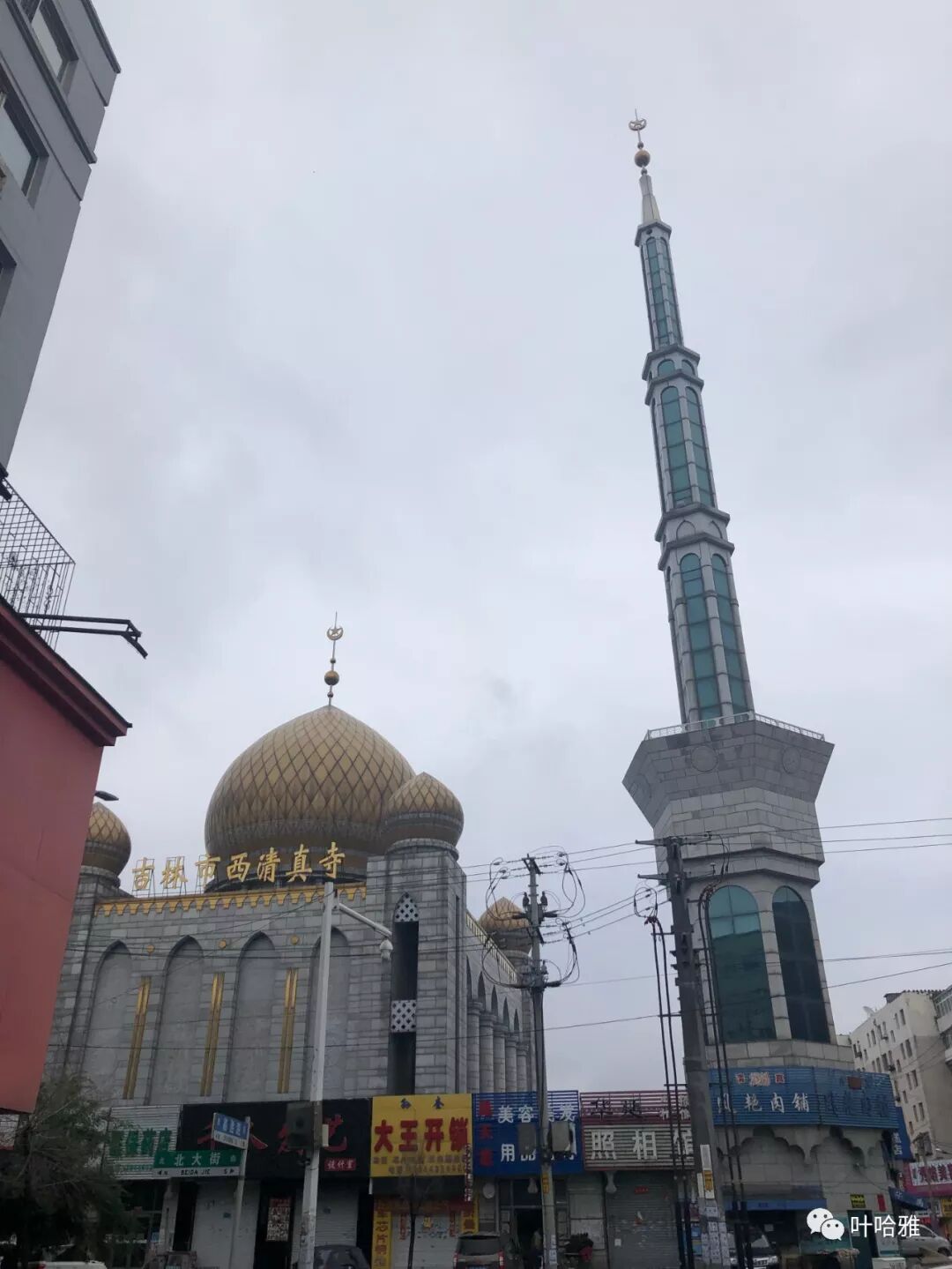
The West Mosque was first built in the 2nd year of the Qianlong reign of the Qing Dynasty (1737) and was rebuilt in 2004.
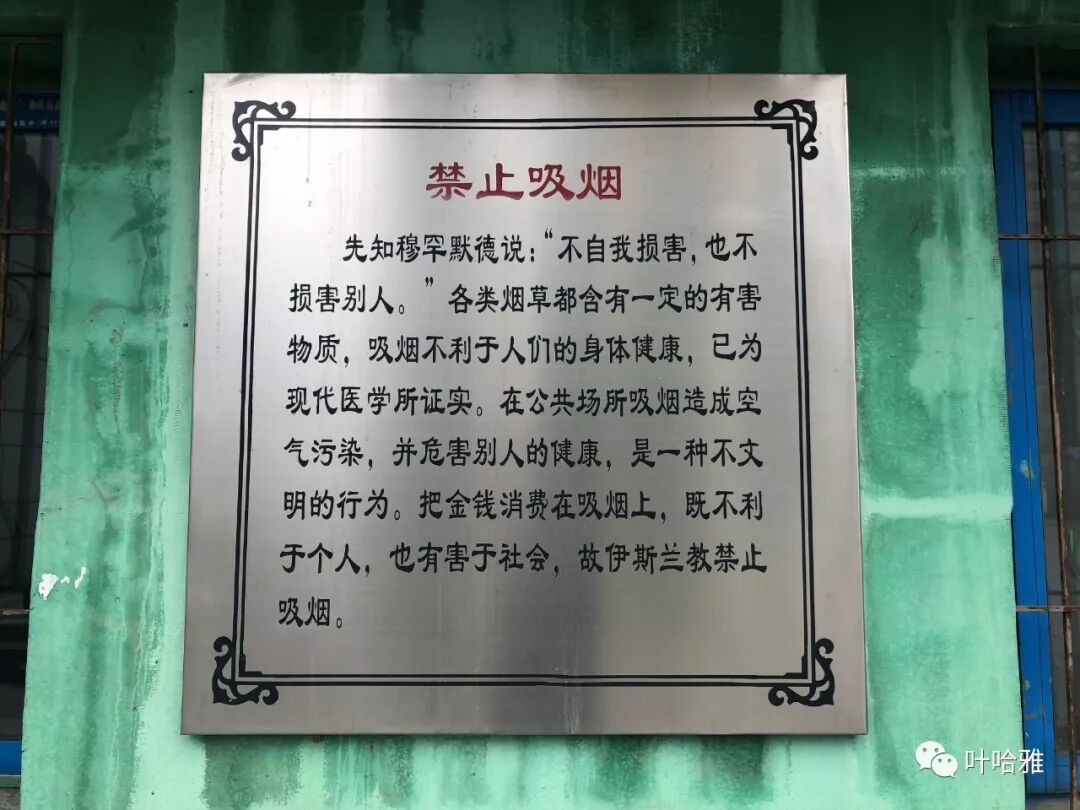
Banning tobacco was not without controversy. Sultan Murad IV once ordered a ban on coffee and tobacco and executed many people. After long debates between supporters and opponents, the Grand Mufti Mehmed Bahai Efendi declared tobacco legal in a fatwa. Mehmed Bahai Efendi was a heavy smoker himself; he had been fired and exiled in 1634 for smoking. His principle for issuing fatwas was that everything not explicitly forbidden is legal, while also considering what is most suitable for the people.
Of course, smoking is harmful to health and is a form of slow suicide. Today, the vast majority of Islamic countries have declared smoking illegal.
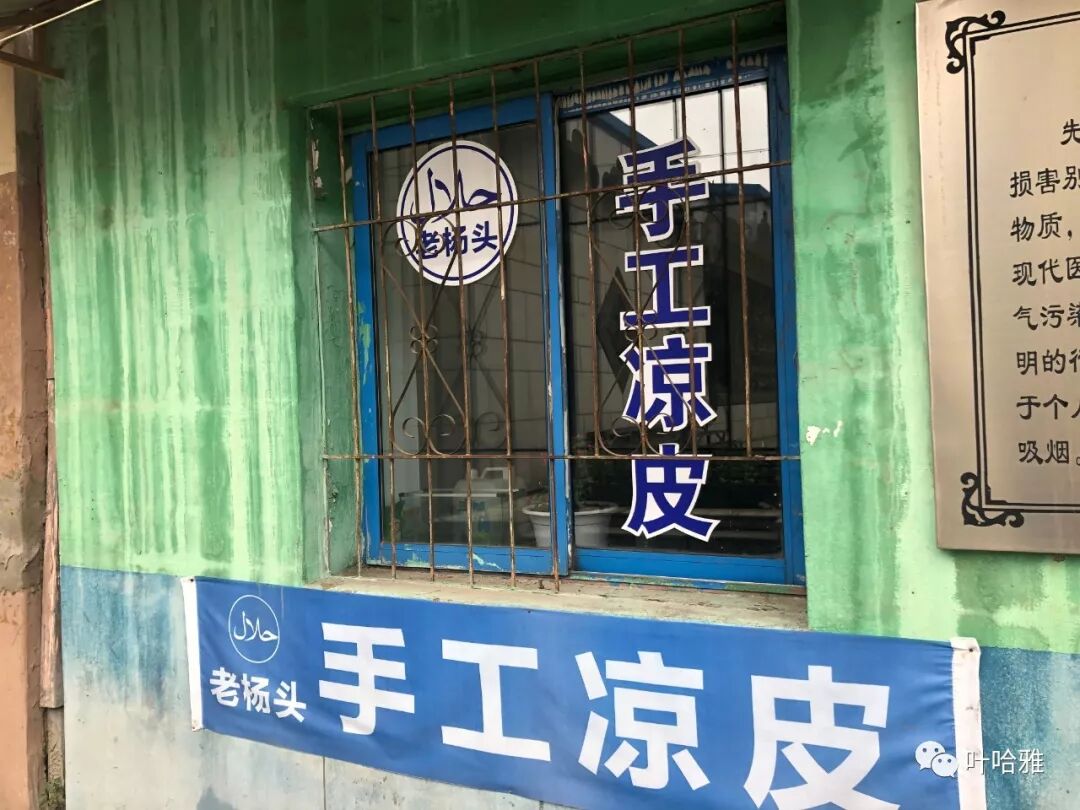
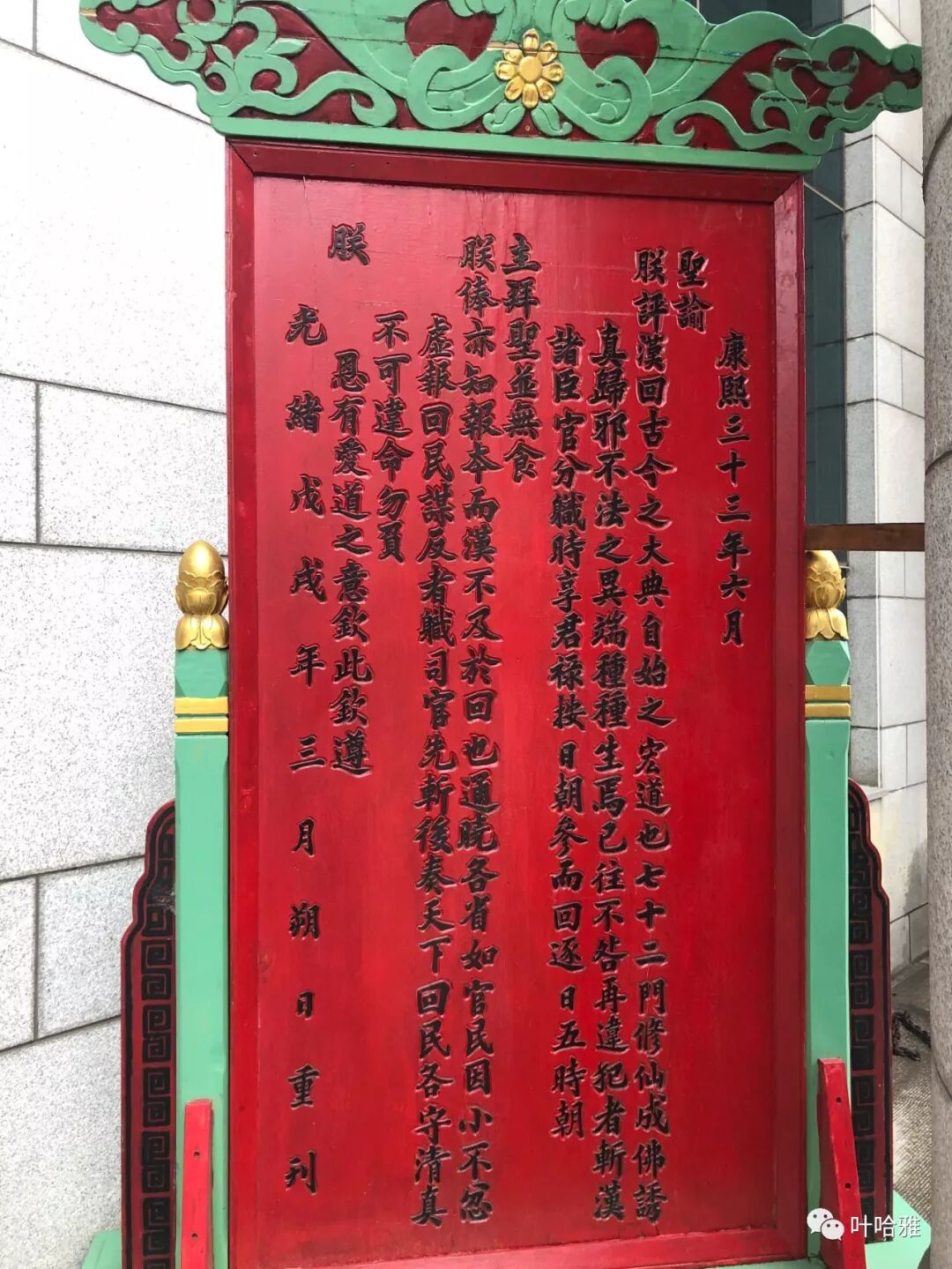
In the sixth month of the 33rd year of the Kangxi Emperor's reign, the imperial decree stated: I have reviewed the great classics of the Han and Hui people from ancient times to the present, which represent the grand path from the beginning. There are seventy-two sects claiming to cultivate immortality and become Buddhas, leading the righteous astray into evil, and all sorts of lawless heresies have emerged. Past offenses will not be punished, but anyone who violates this again will be beheaded. The Han officials have their duties, enjoy the emperor's salary, and attend court daily. Yet the Hui Muslims pray to Allah and honor the Prophet five times a day, and although they do not eat my salary, they know how to show gratitude, which the Han people do not do as well as the Hui. Let all provinces know: if officials or commoners use minor grievances as an excuse to falsely report that the Hui Muslims are plotting a rebellion, the responsible official shall be executed first and reported later. Hui Muslims across the land must each uphold their faith, do not disobey this order, and do not fail my kindness in showing love for the path. Respect this and follow it.
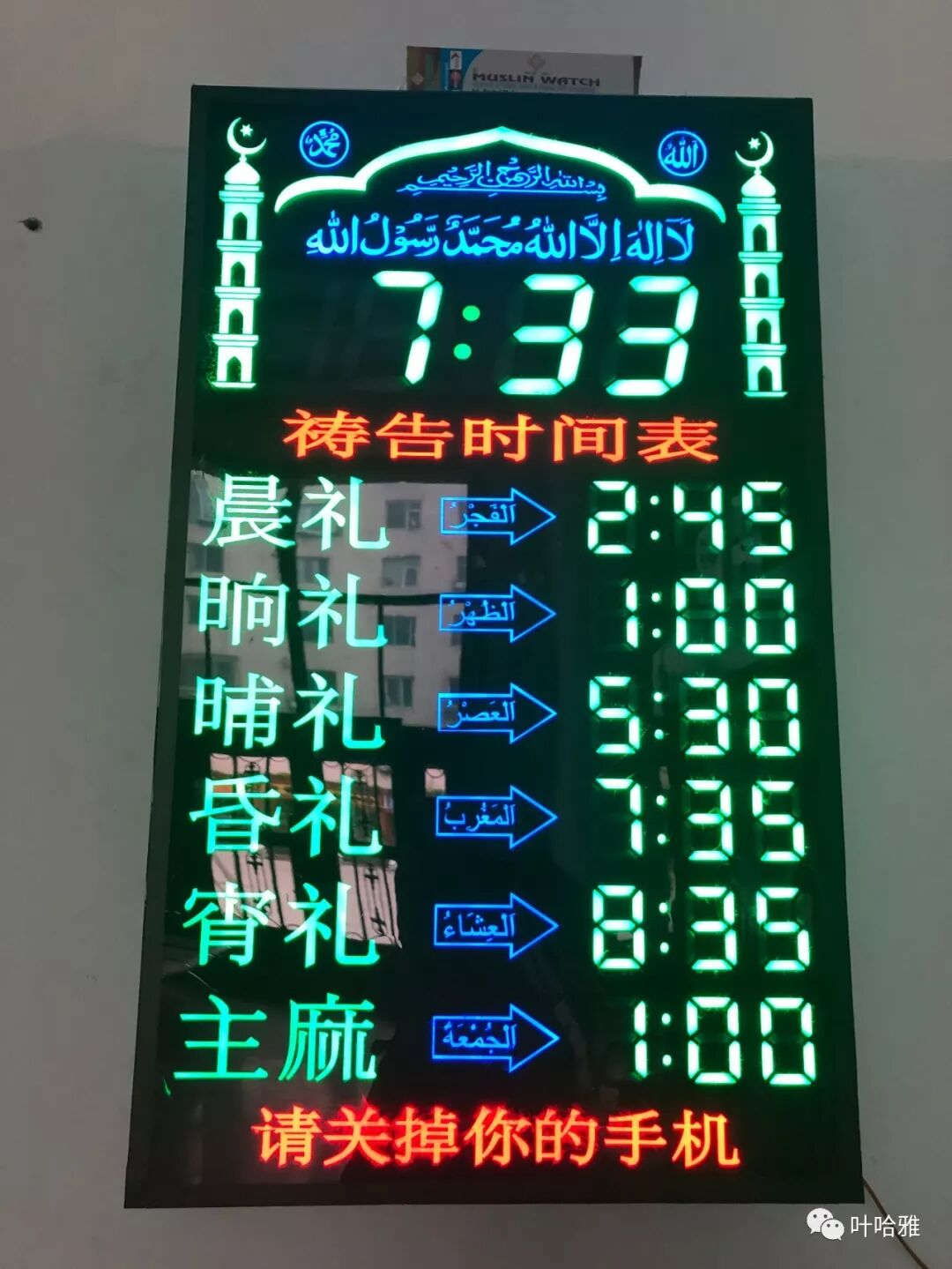
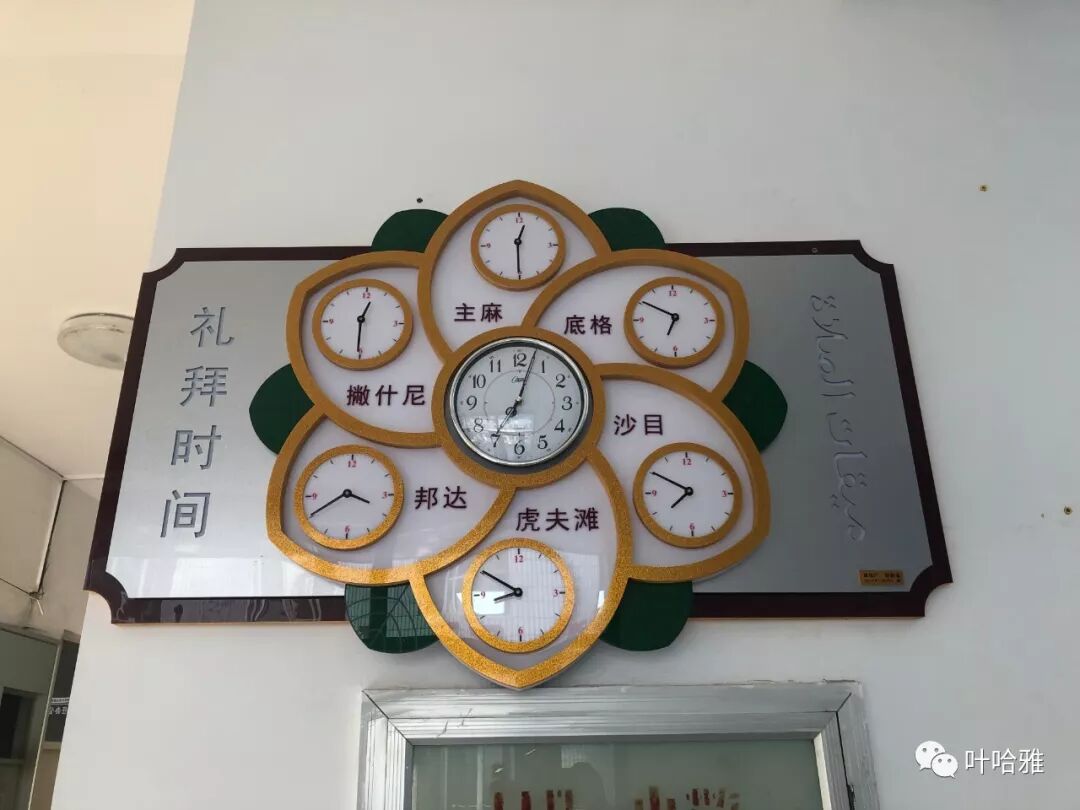
The time here in Bangda has already reached past two in the morning, and People say at the mosque in Arctic Village, Mohe, Heilongjiang, the sky is already bright after one in the morning.
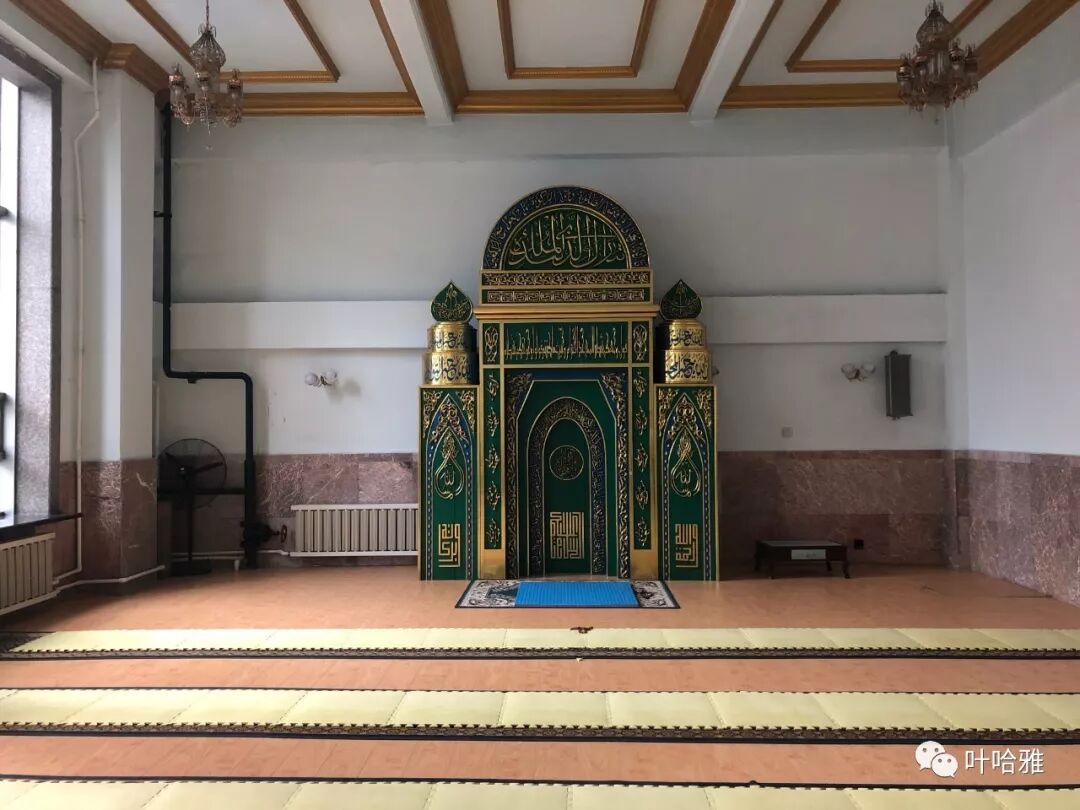
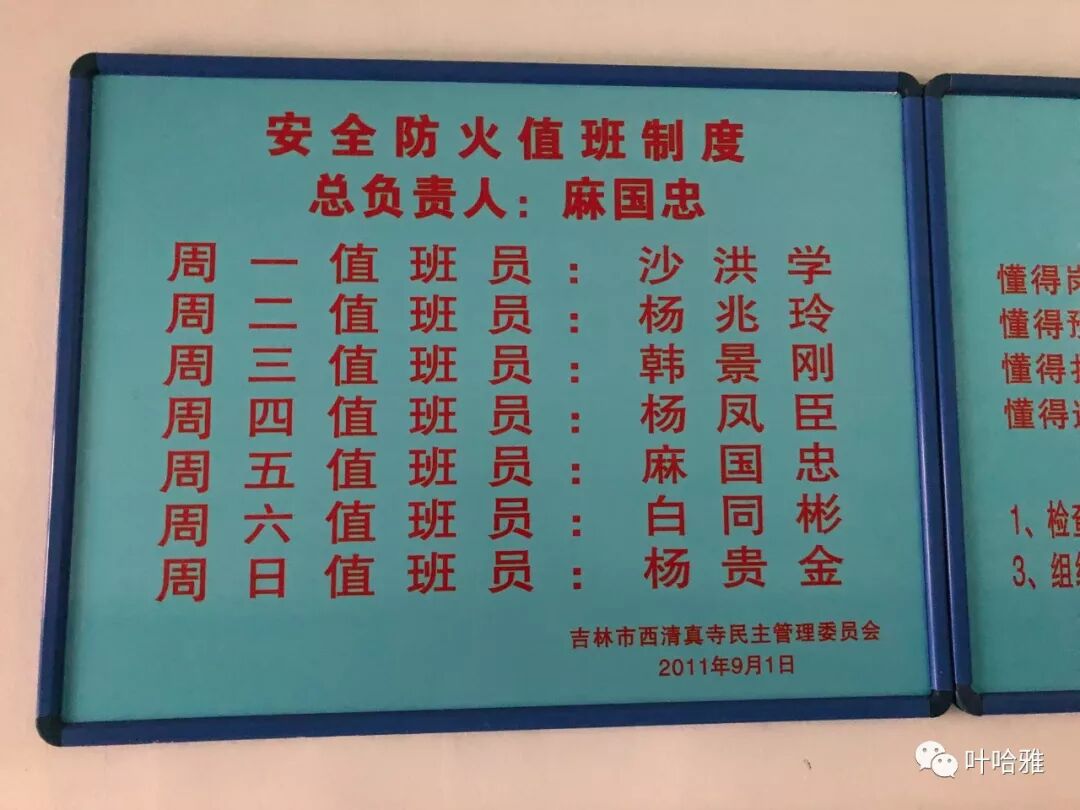
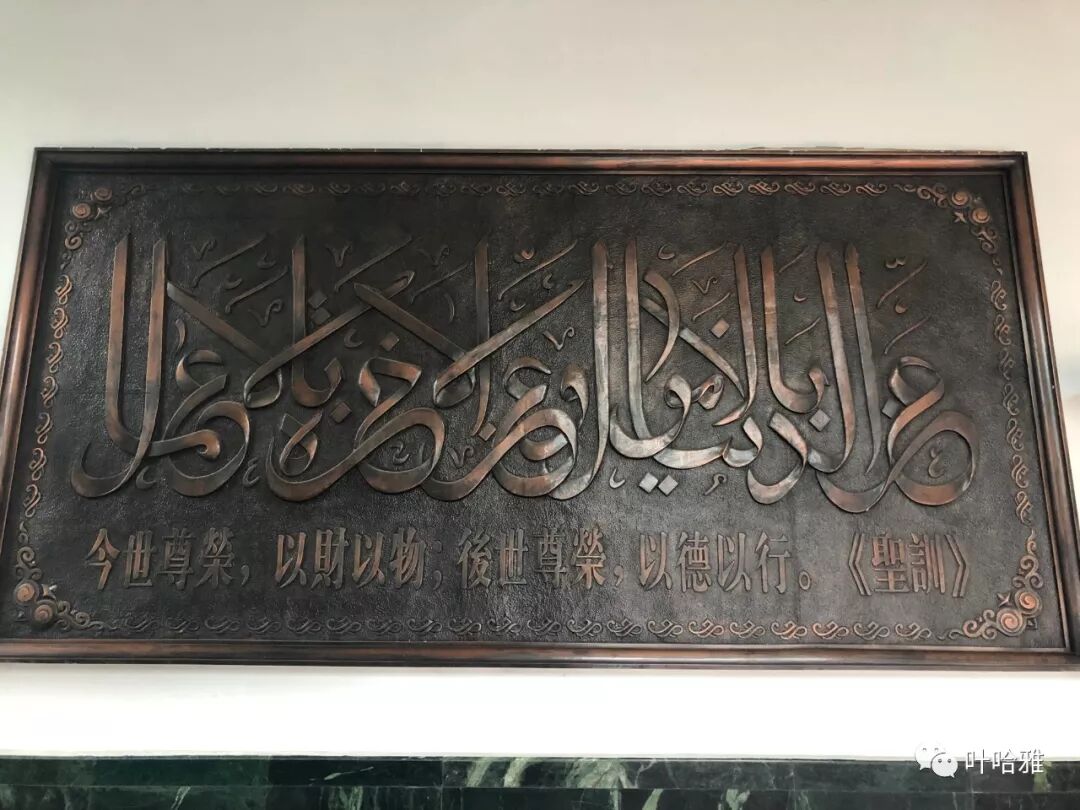
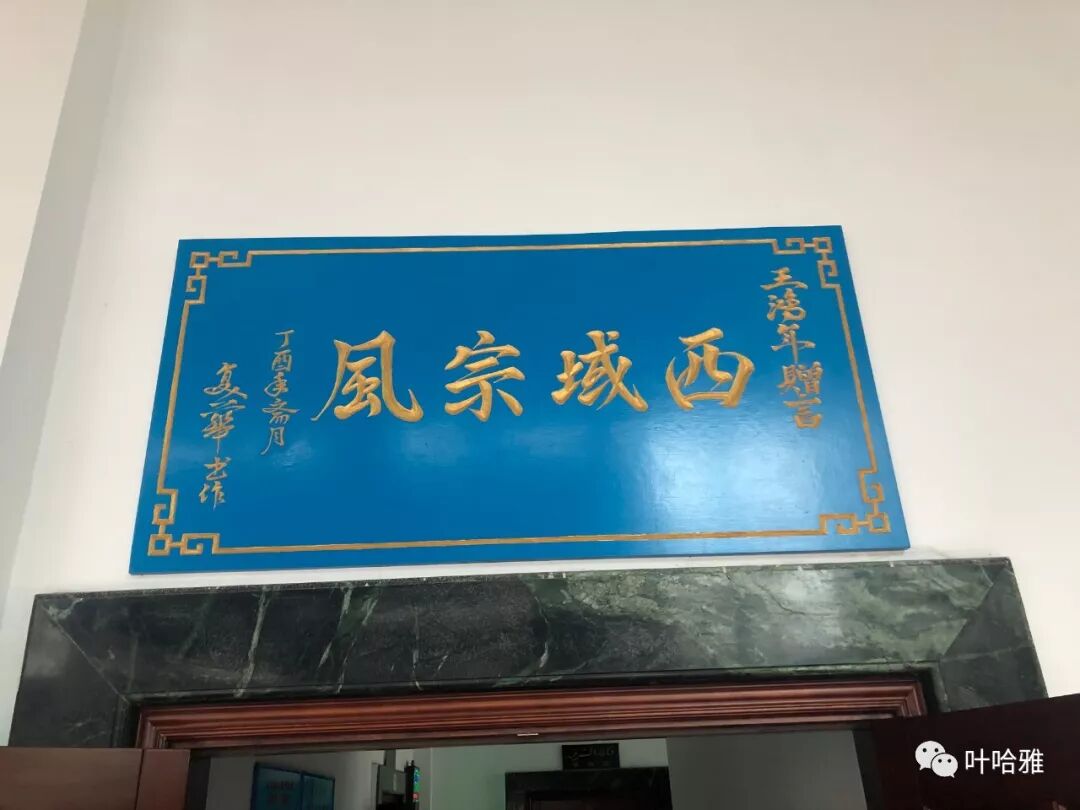
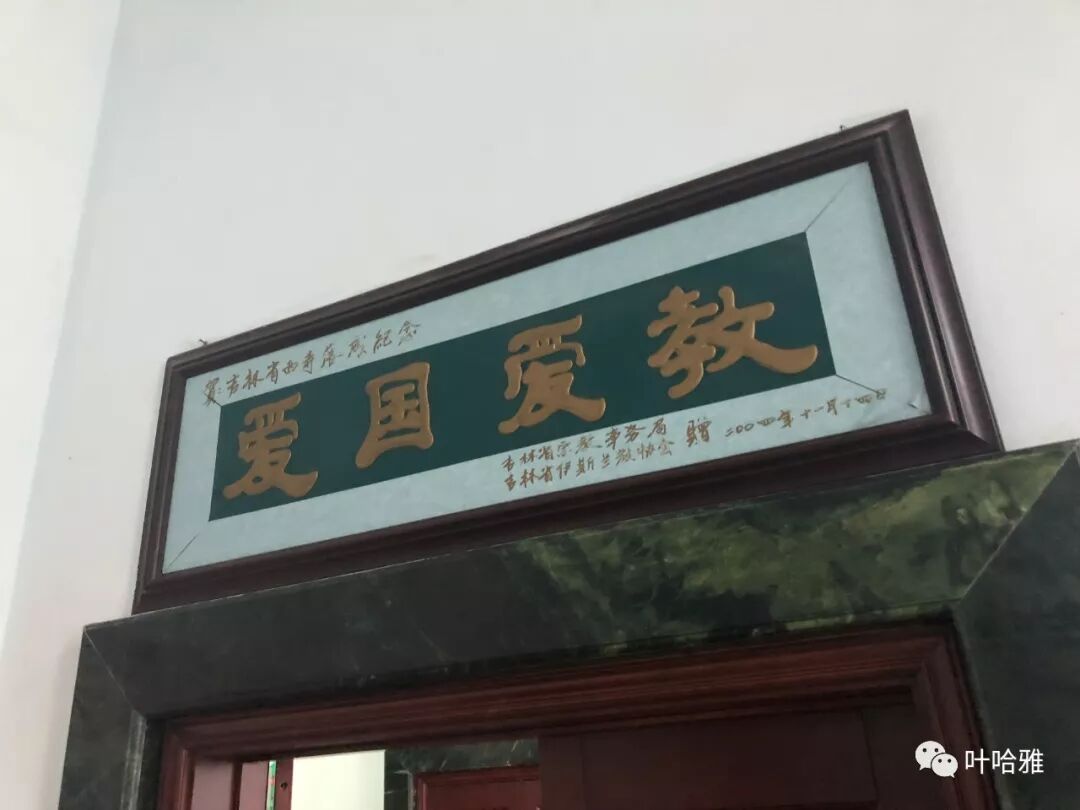
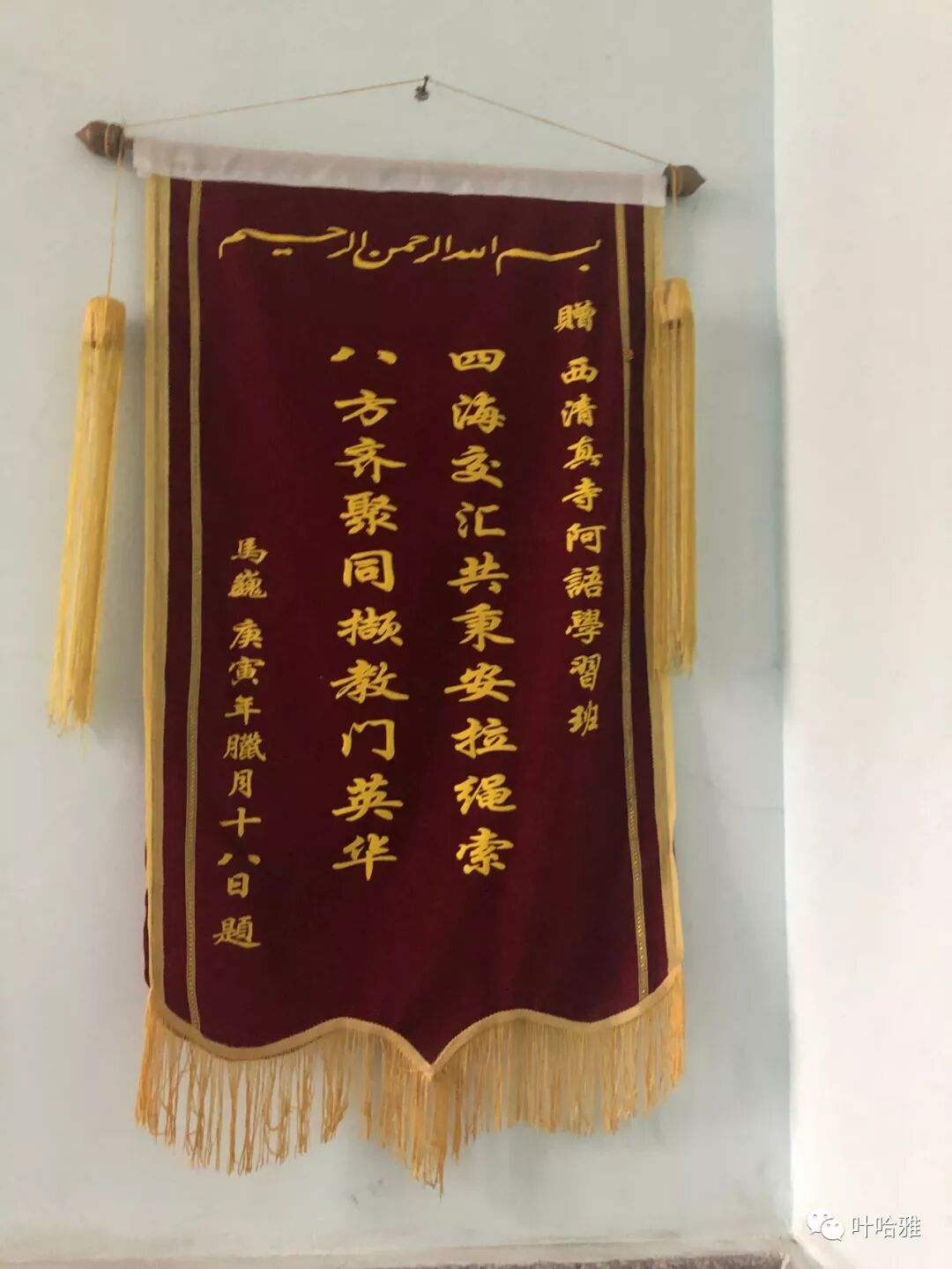
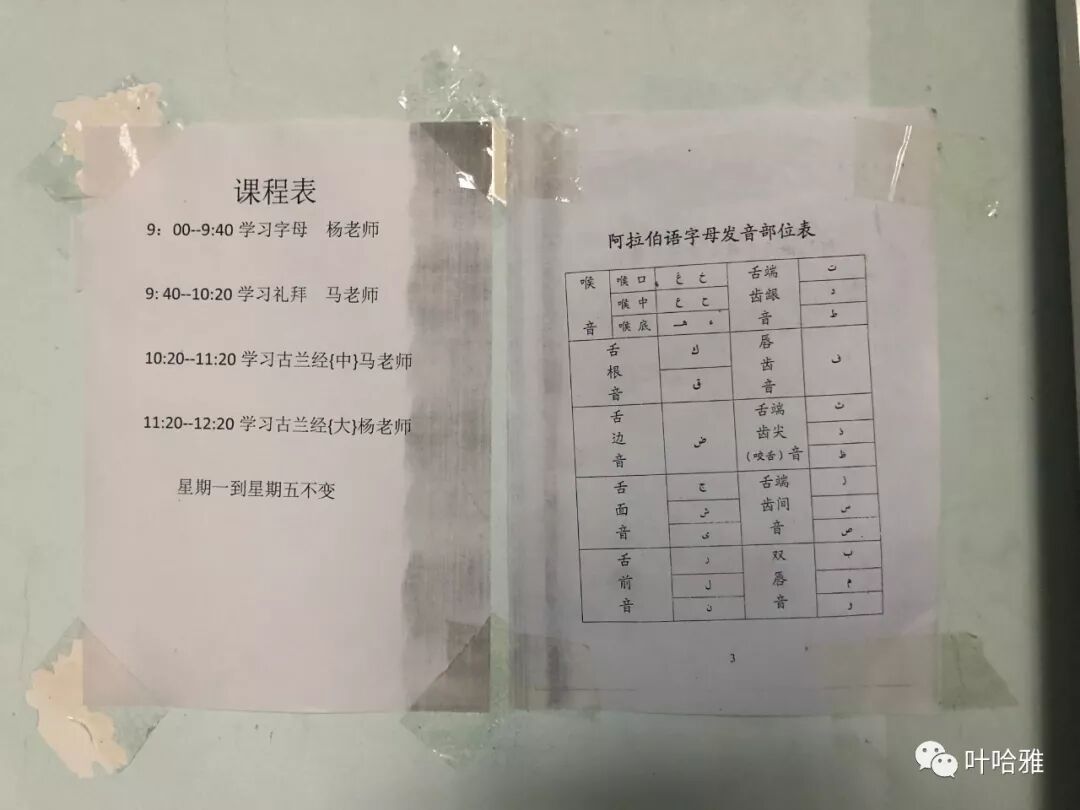
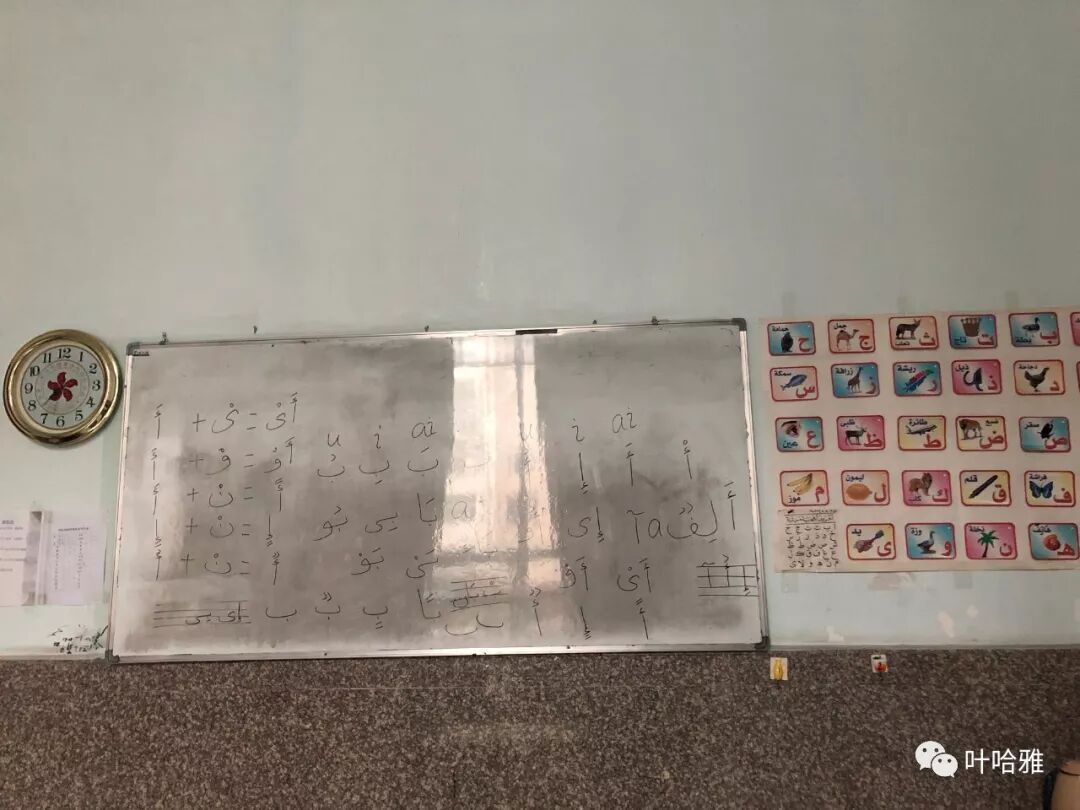
The West Mosque seems to value education highly and has study groups.
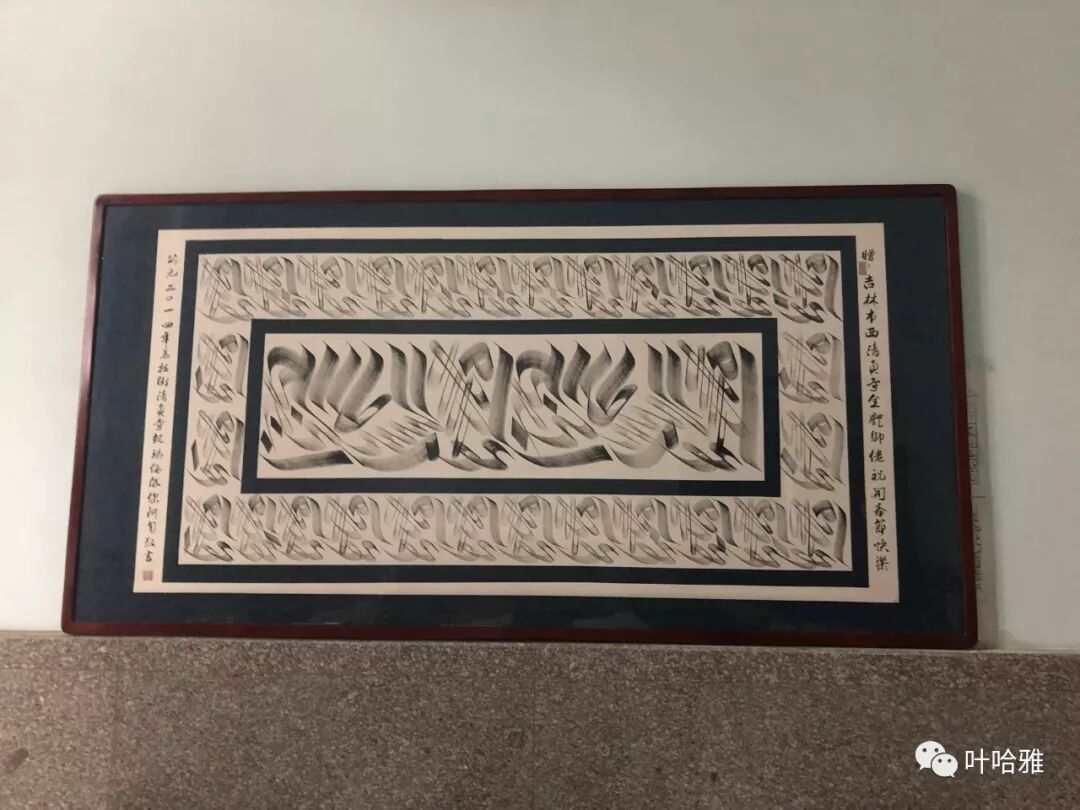
Leaving the West Mosque, it only takes a few hundred meters of walking to reach the East Mosque.
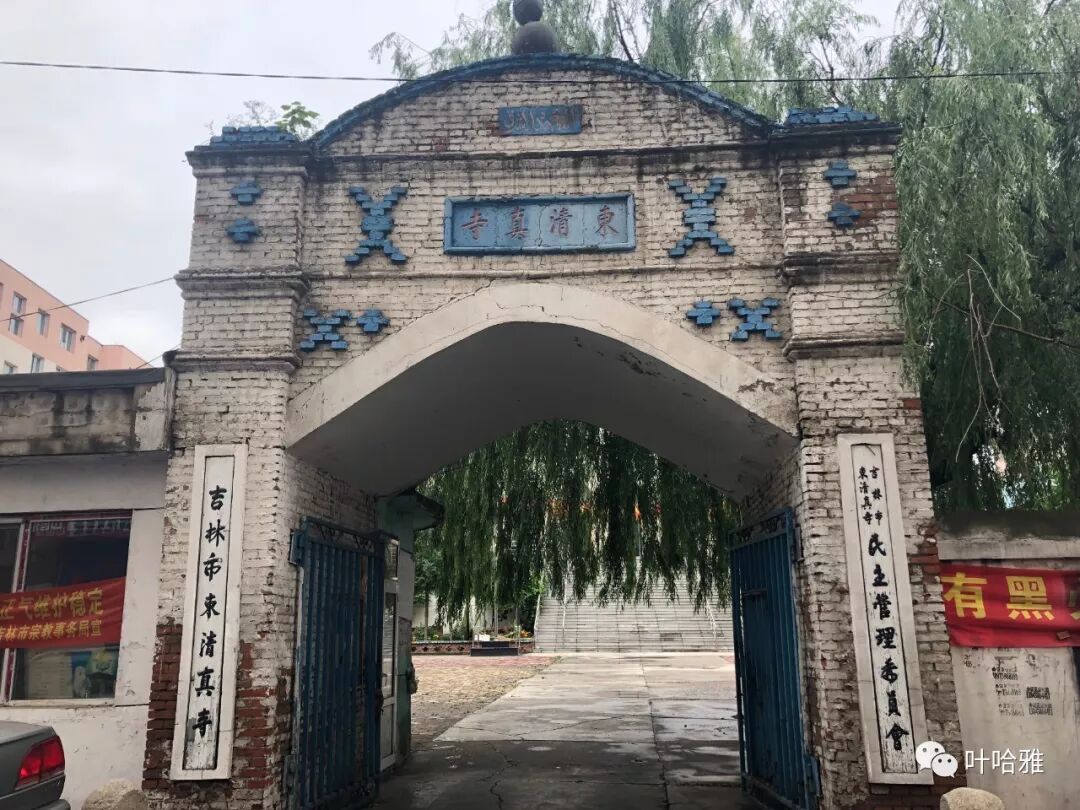
The East Mosque was first built during the Yongzheng period of the Qing Dynasty and was rebuilt in 2000, completing my visit to the four mosques in Jilin City.
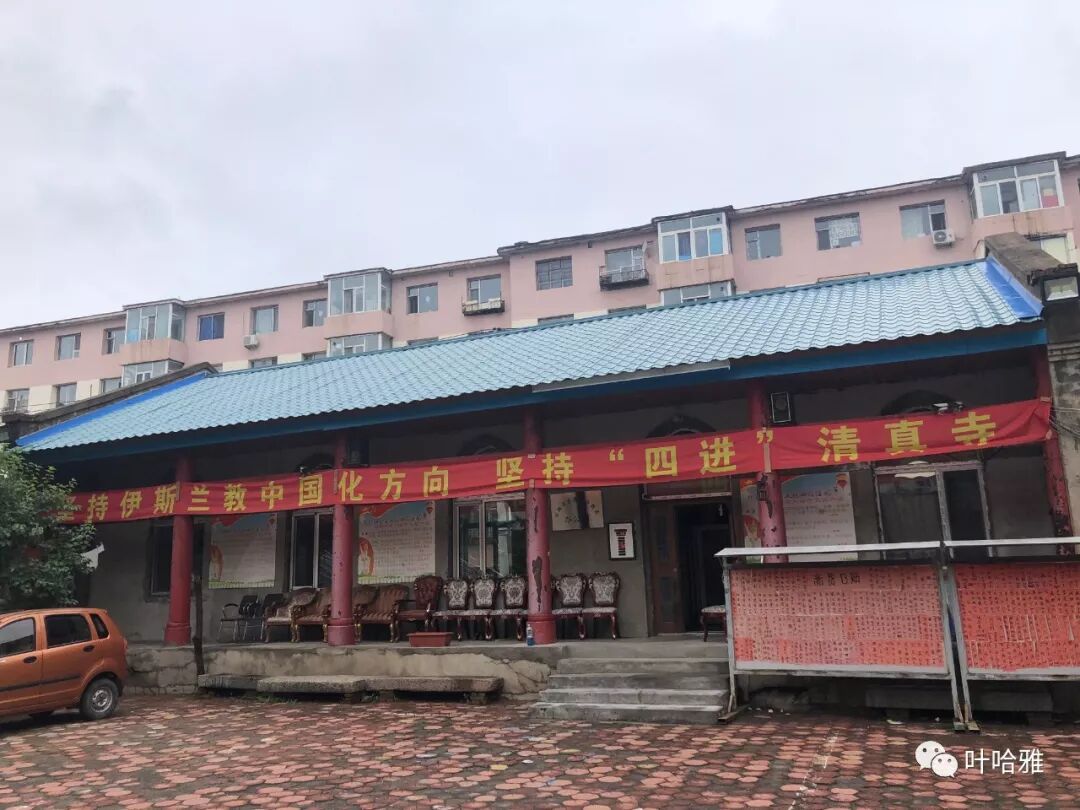
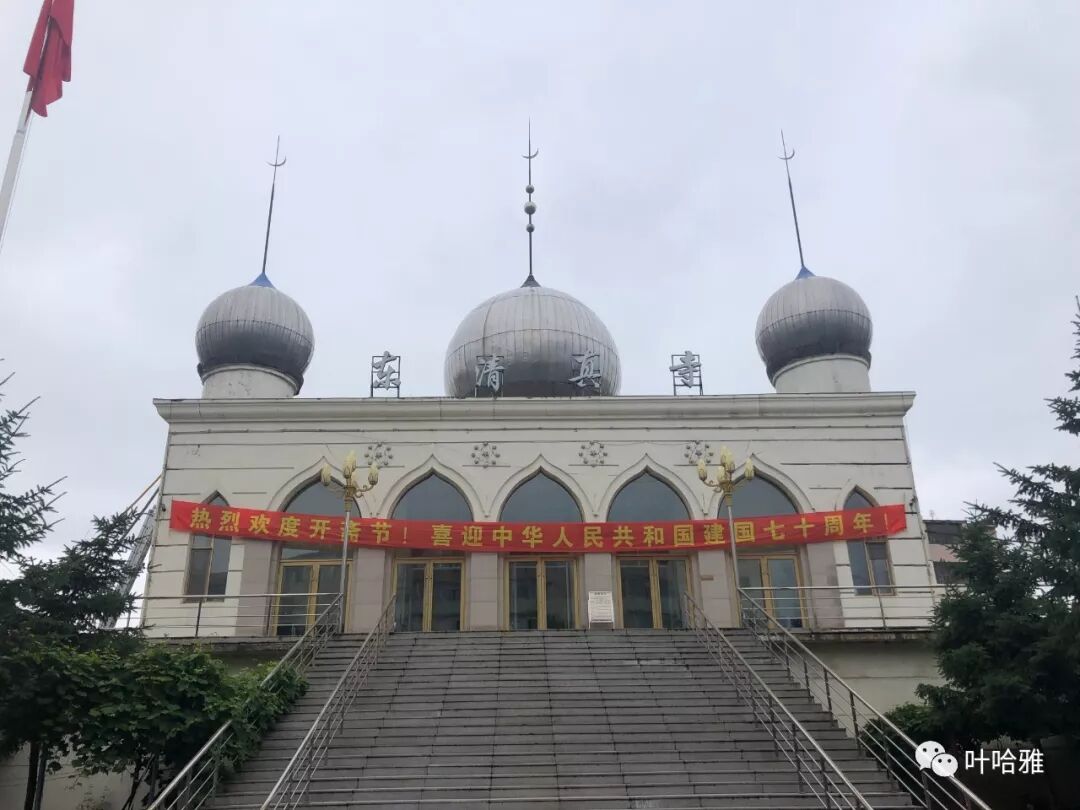
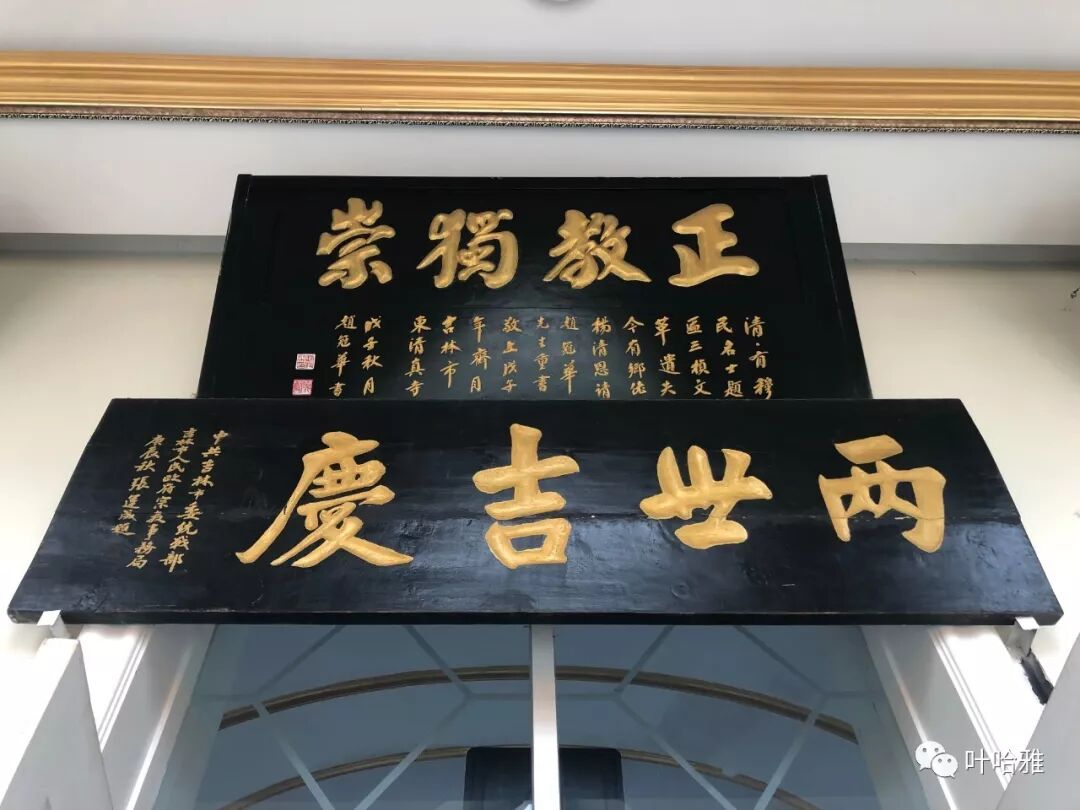
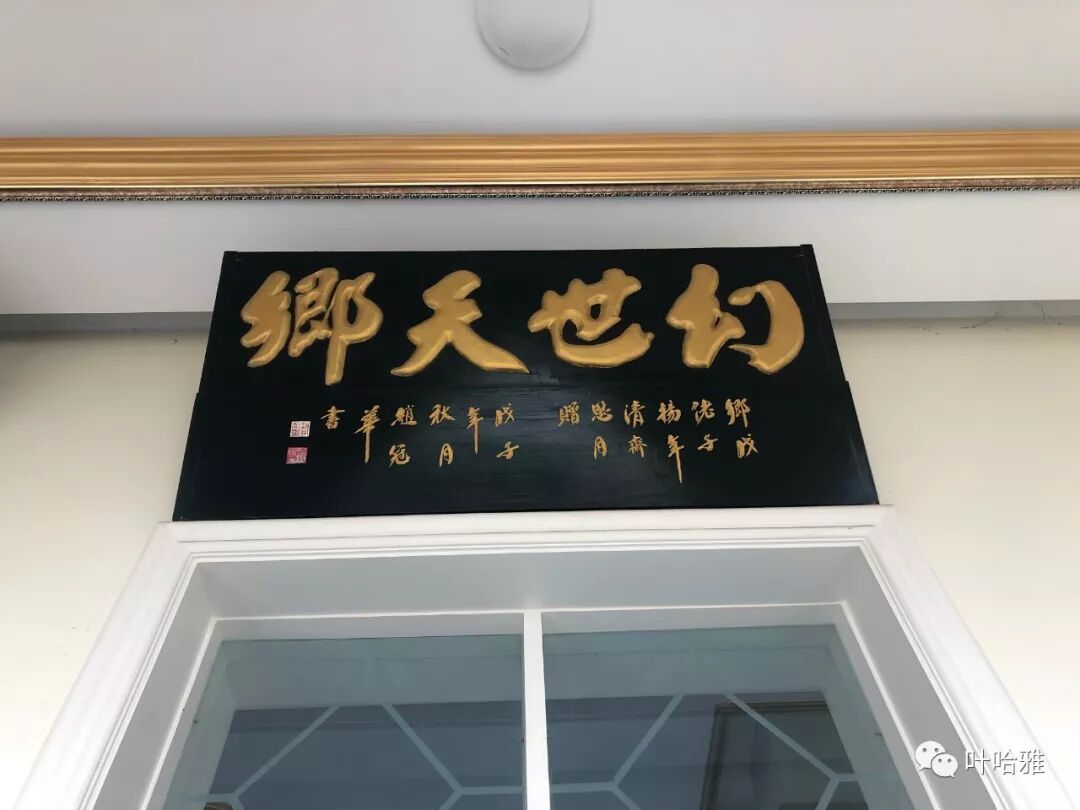
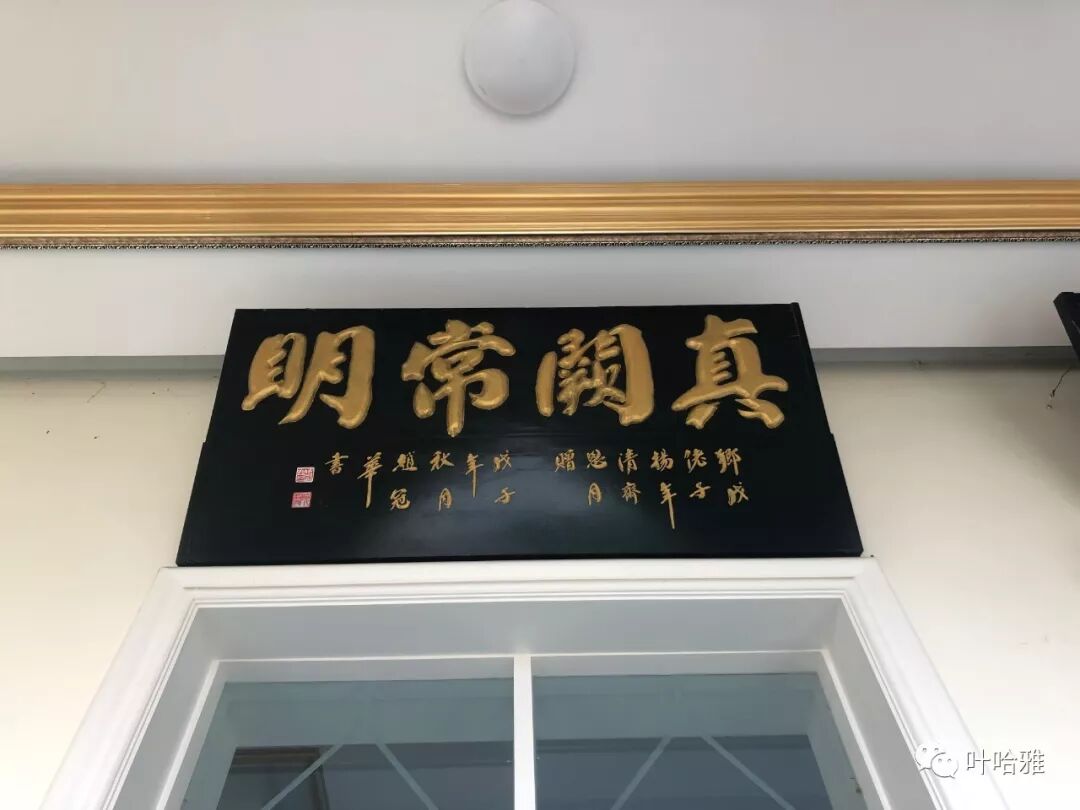
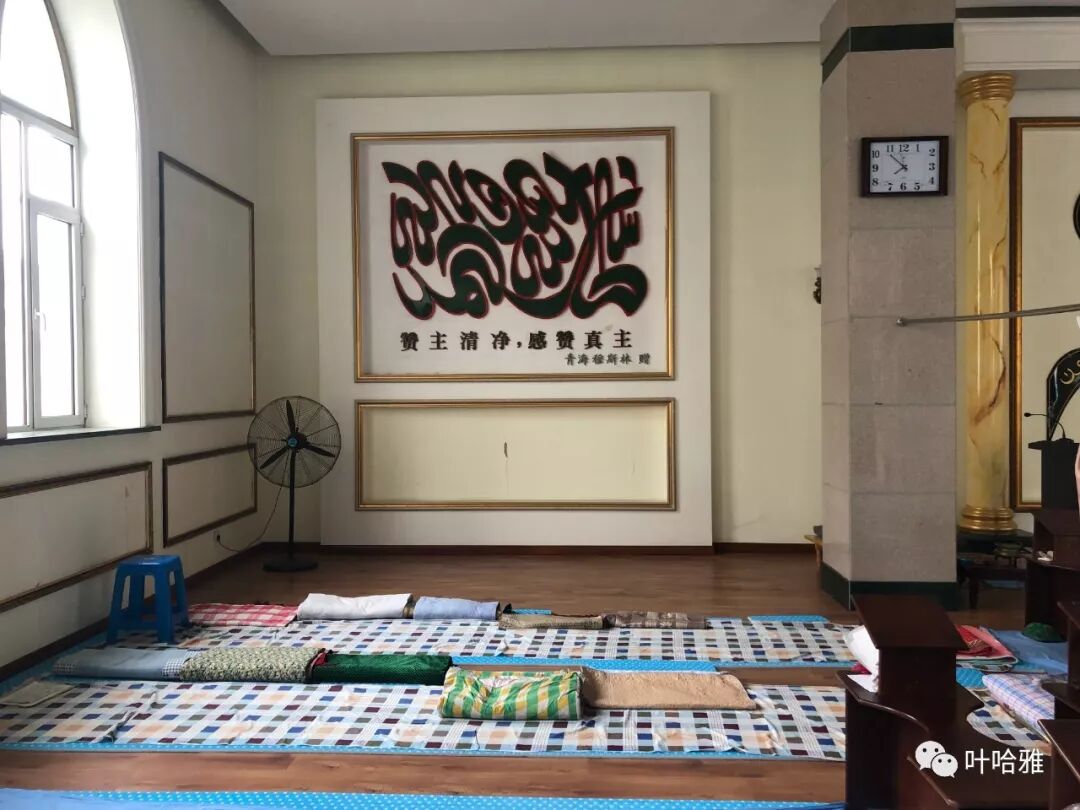
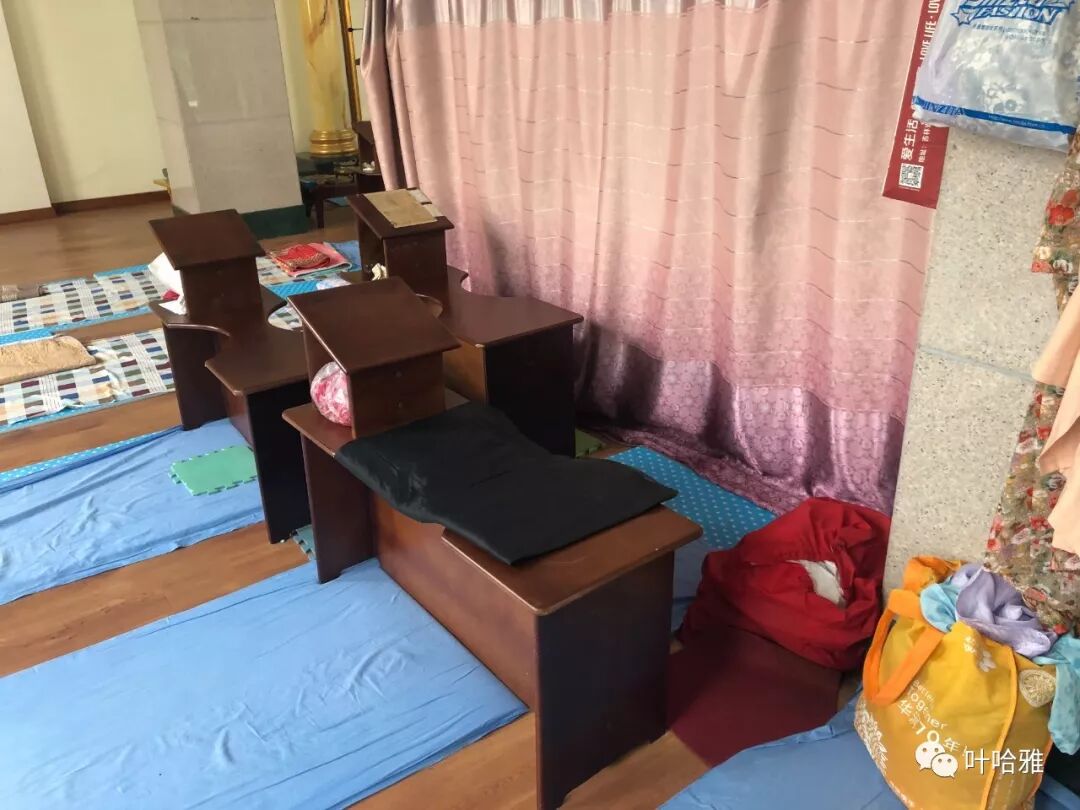
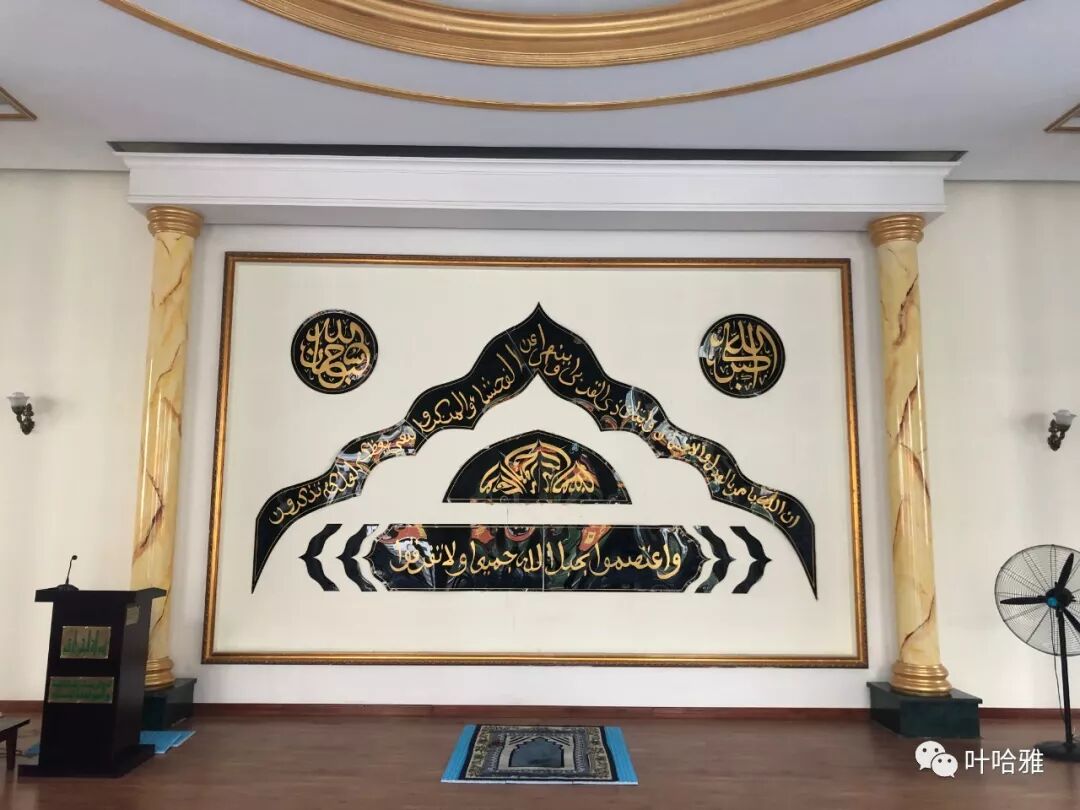
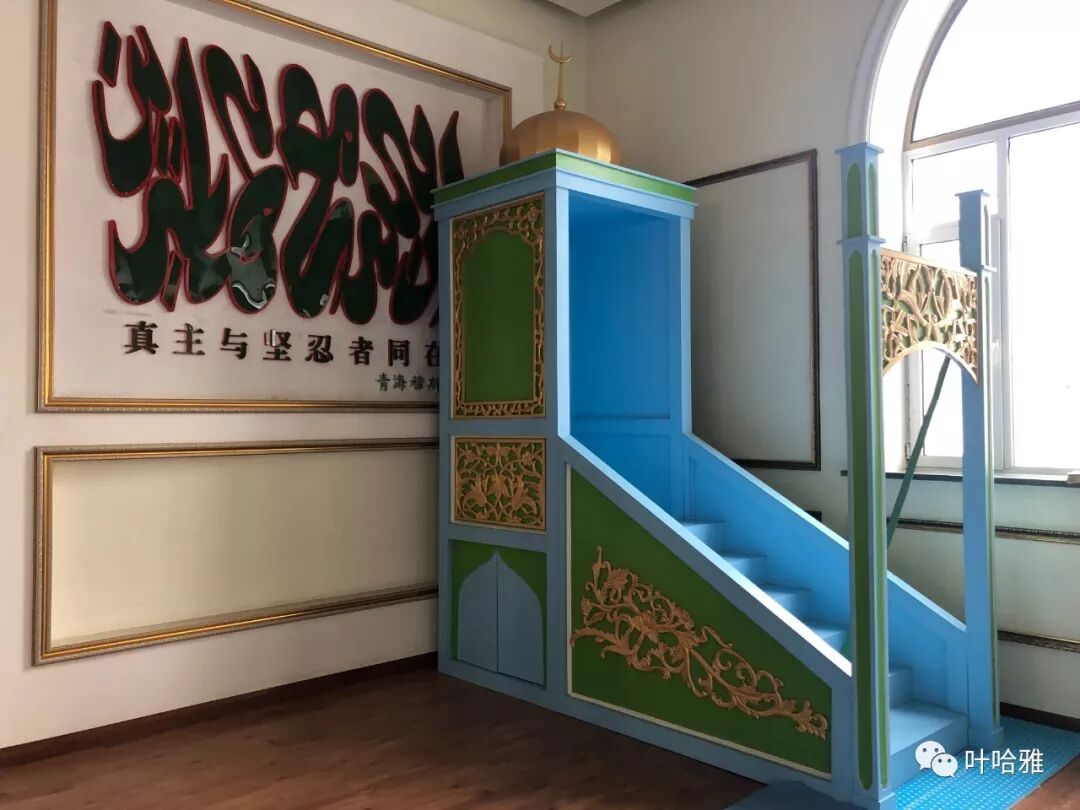
After leaving the East Mosque (Dongsi), I returned to Mosque Street (Qingzhensi Jie), which is a large residential area for Hui Muslims.
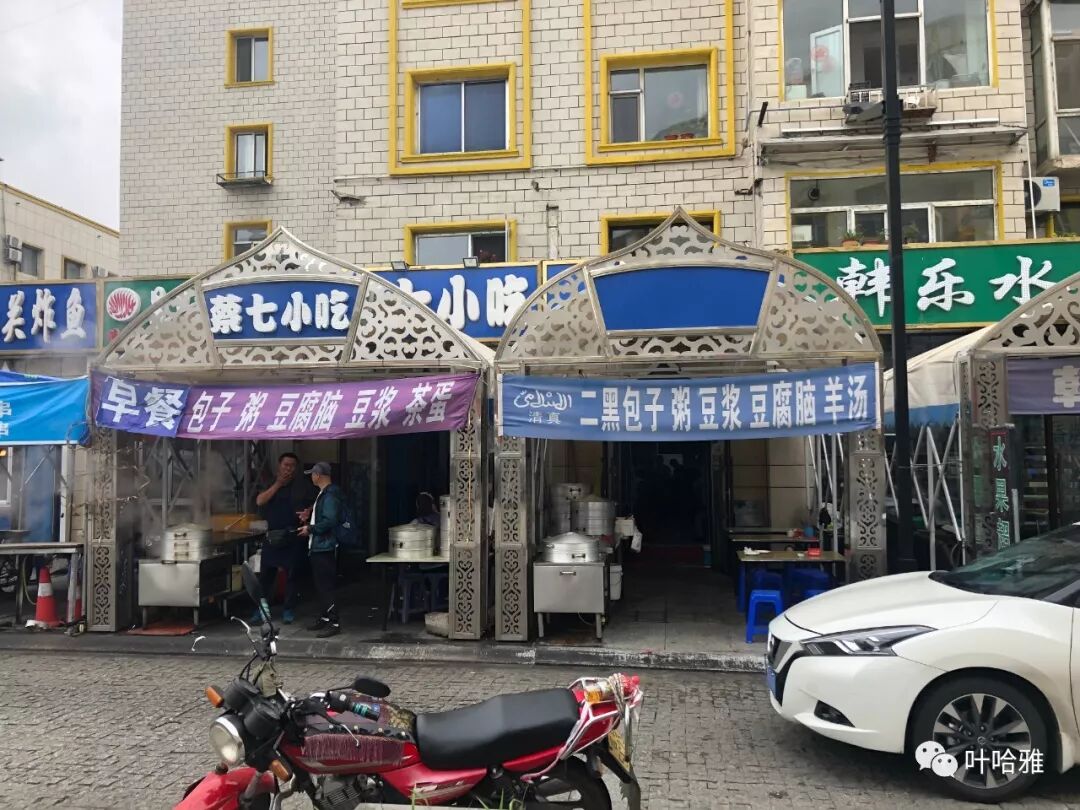
There are many breakfast stalls selling tofu pudding (doufunao), soy milk, lamb bone broth (yangtang), and steamed buns (baozi), much like in Beijing.
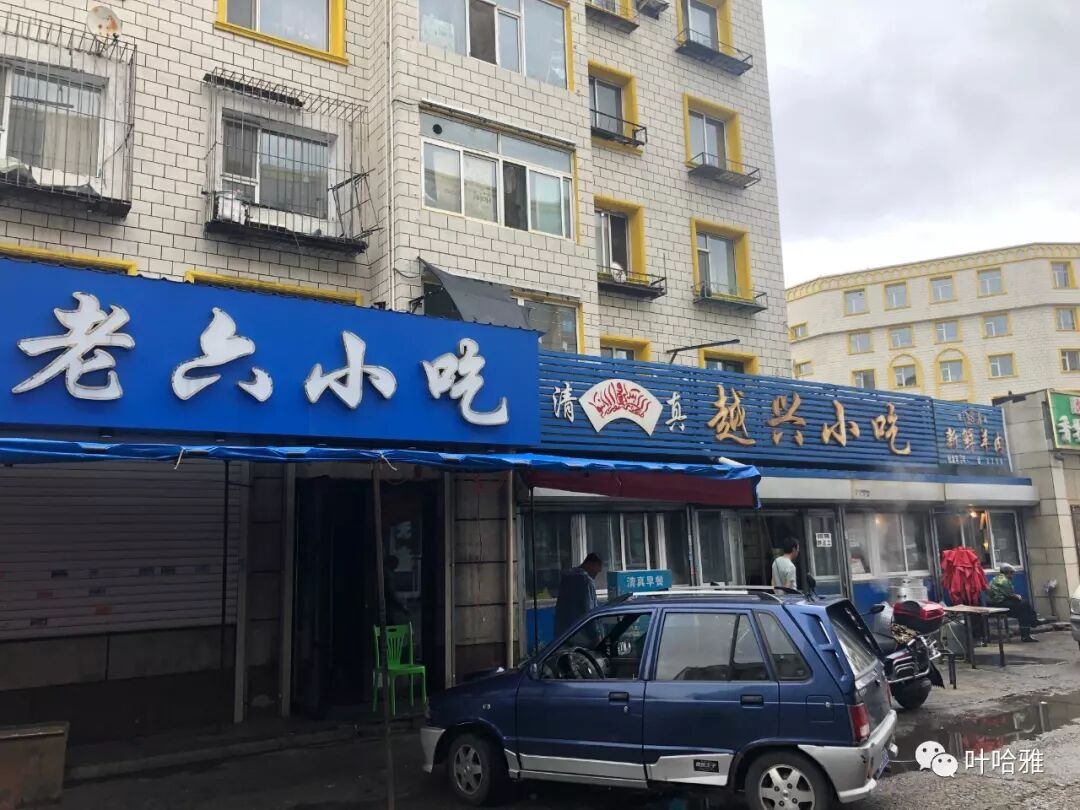
There are also many snack shops.
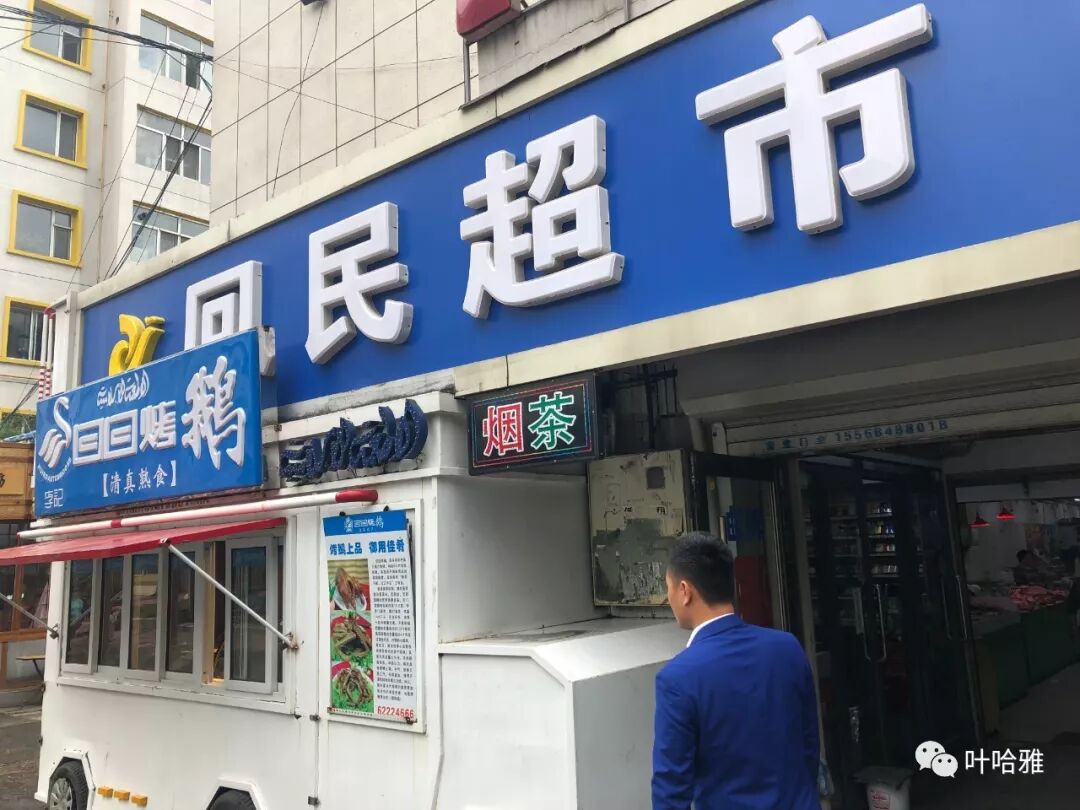
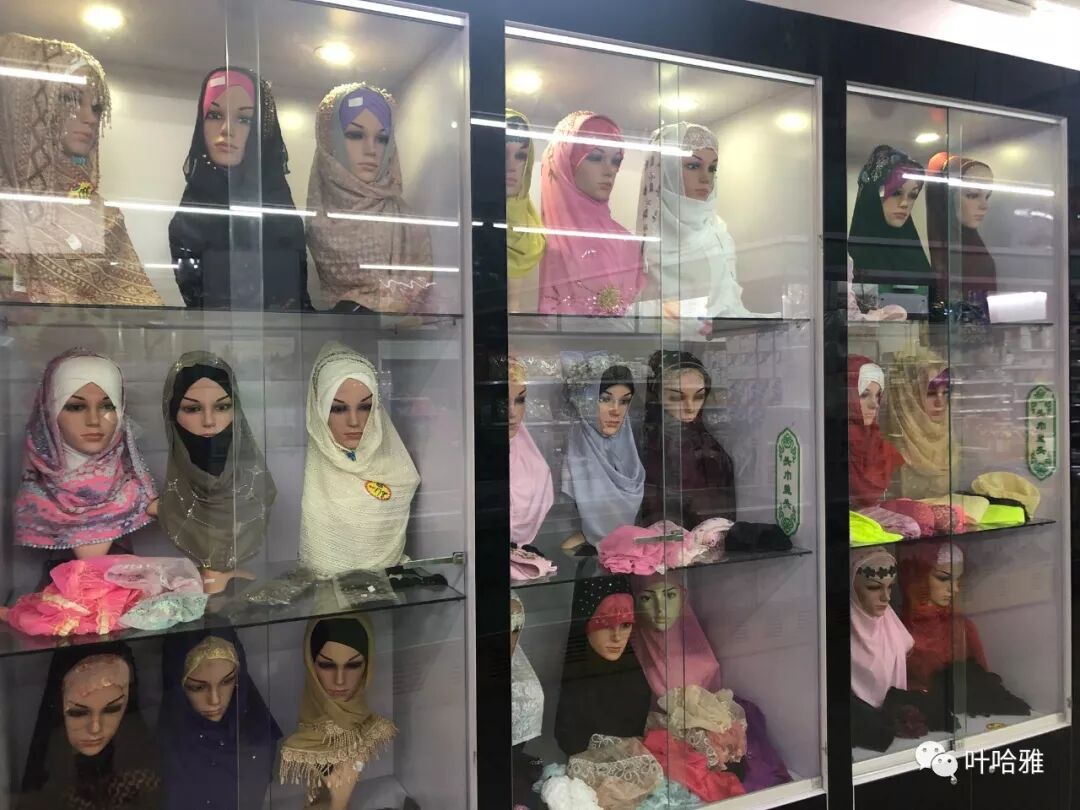
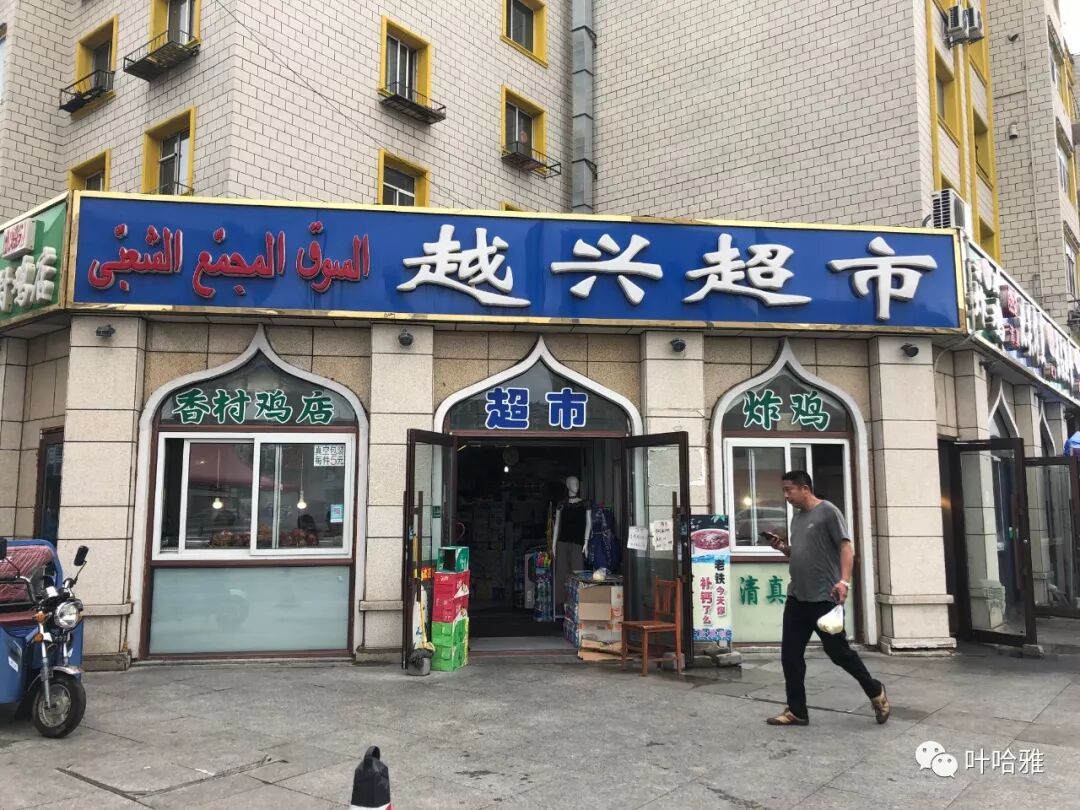
There is a large Hui Muslim supermarket that is long and narrow, with both sides connected.
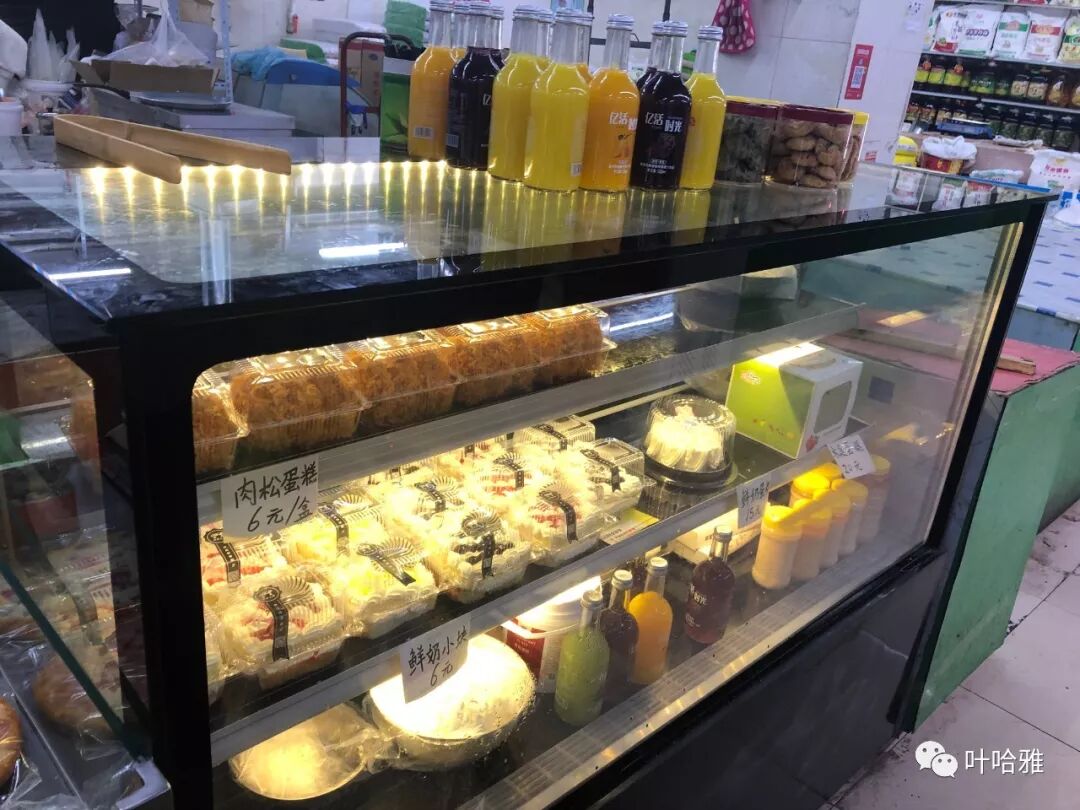
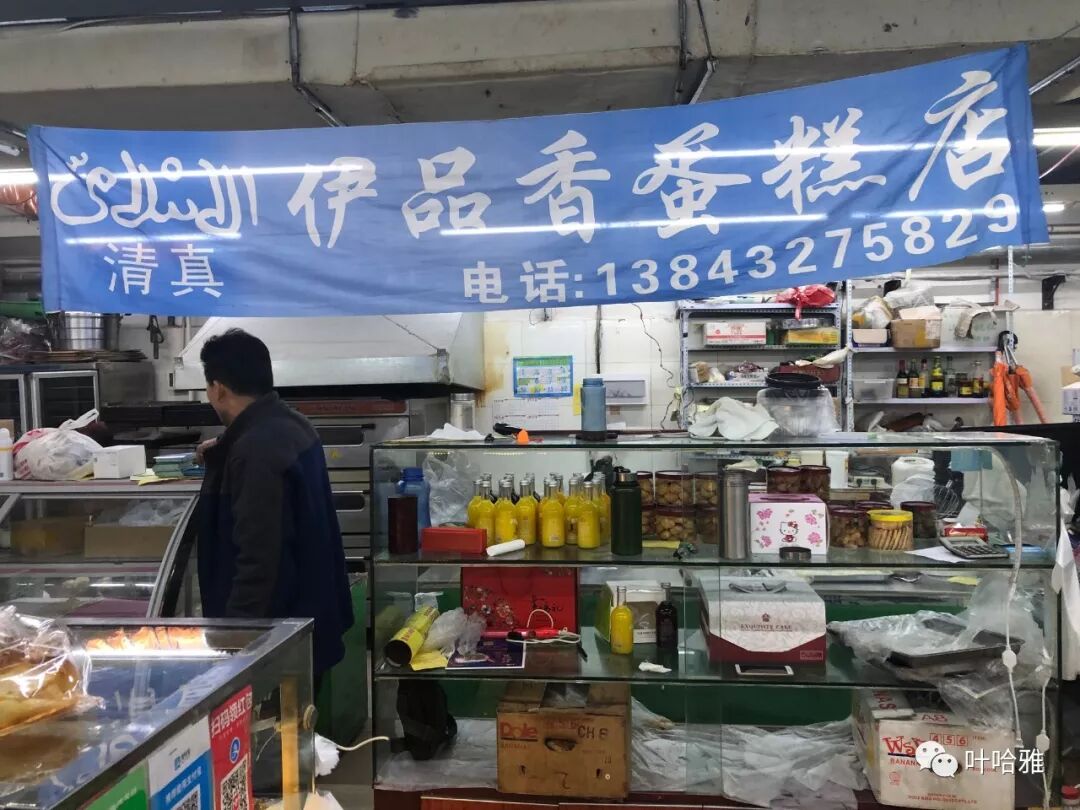
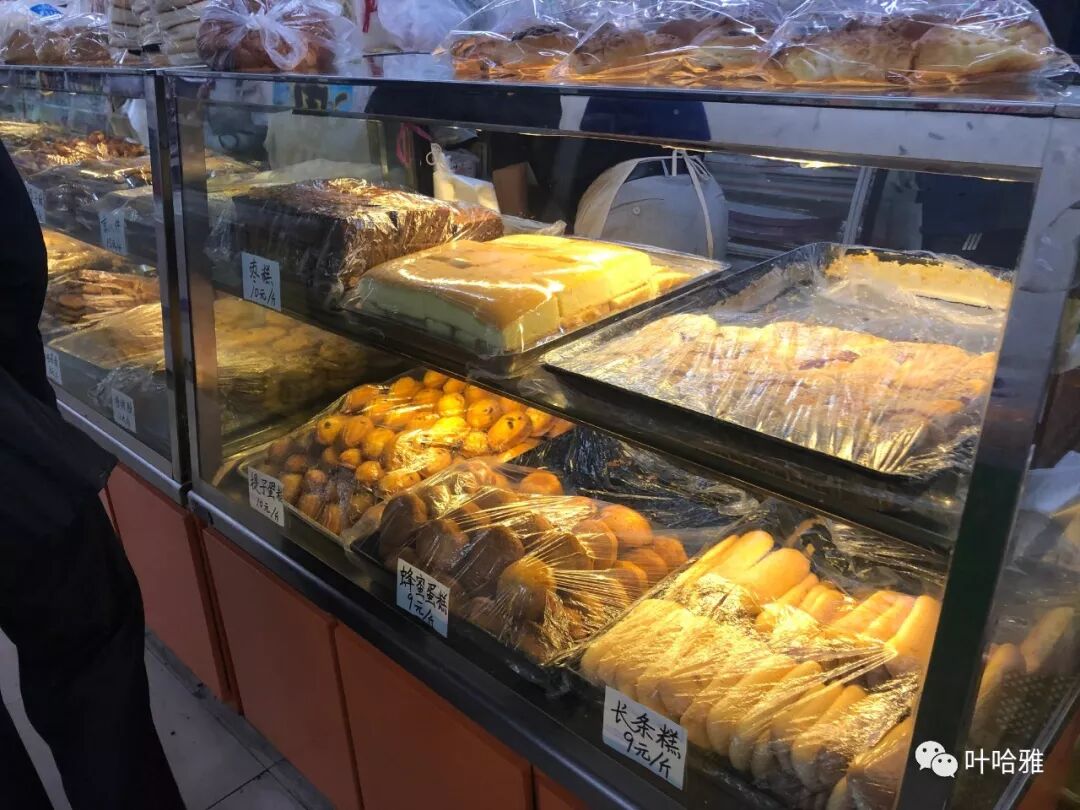
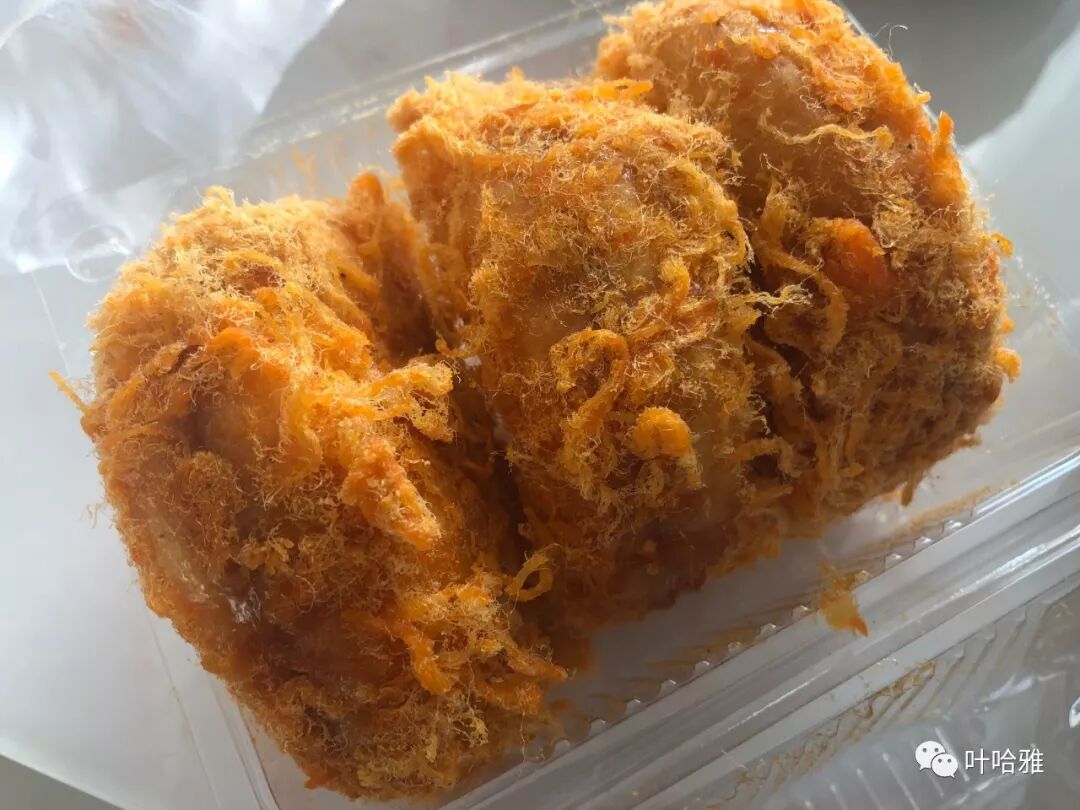
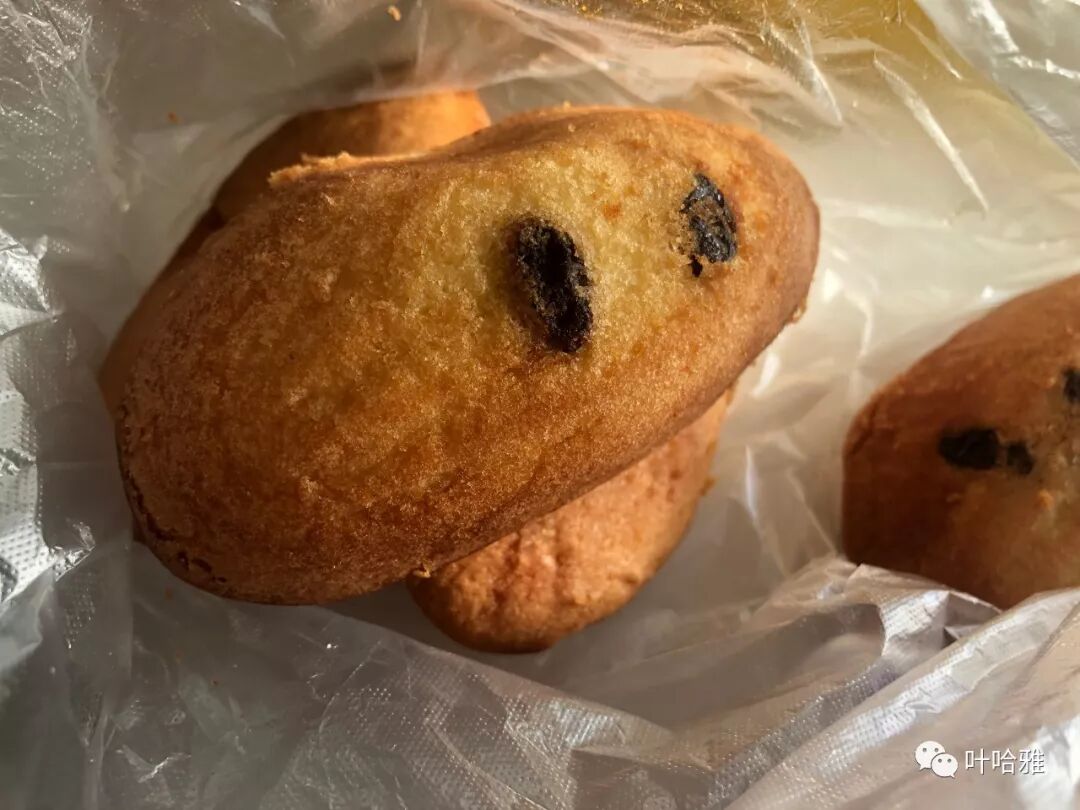
I bought some halal meat floss cake and raisin cake at the supermarket for a very cheap price.
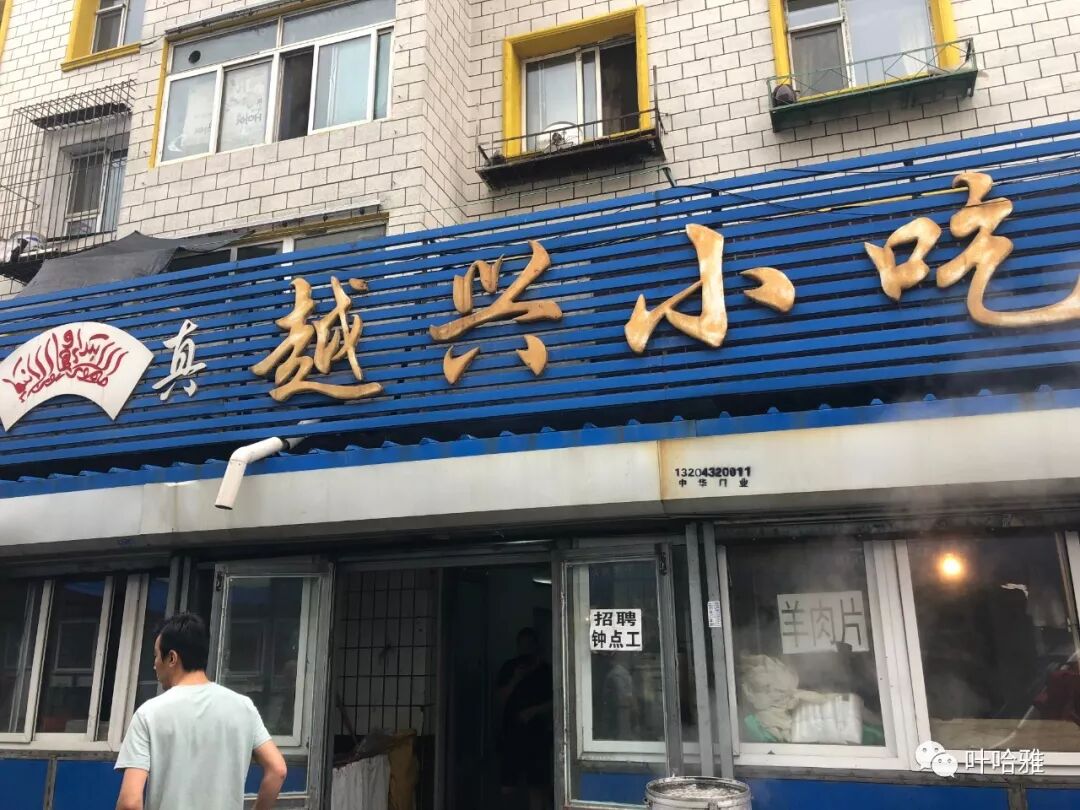
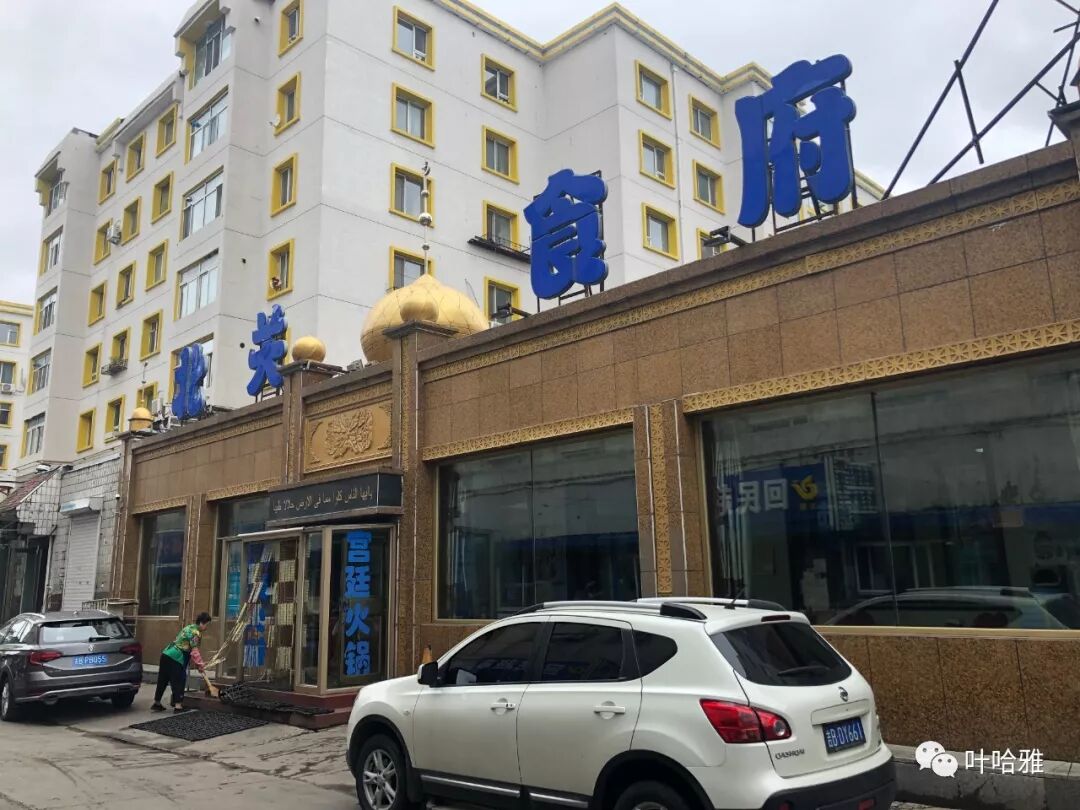
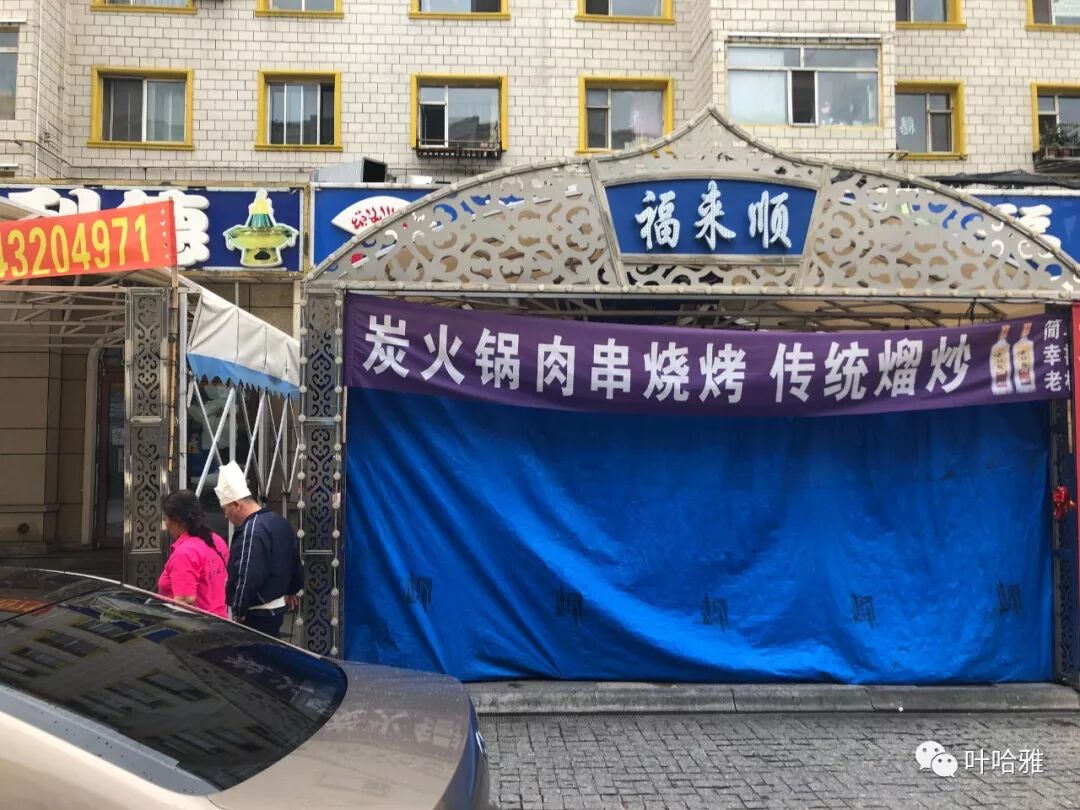
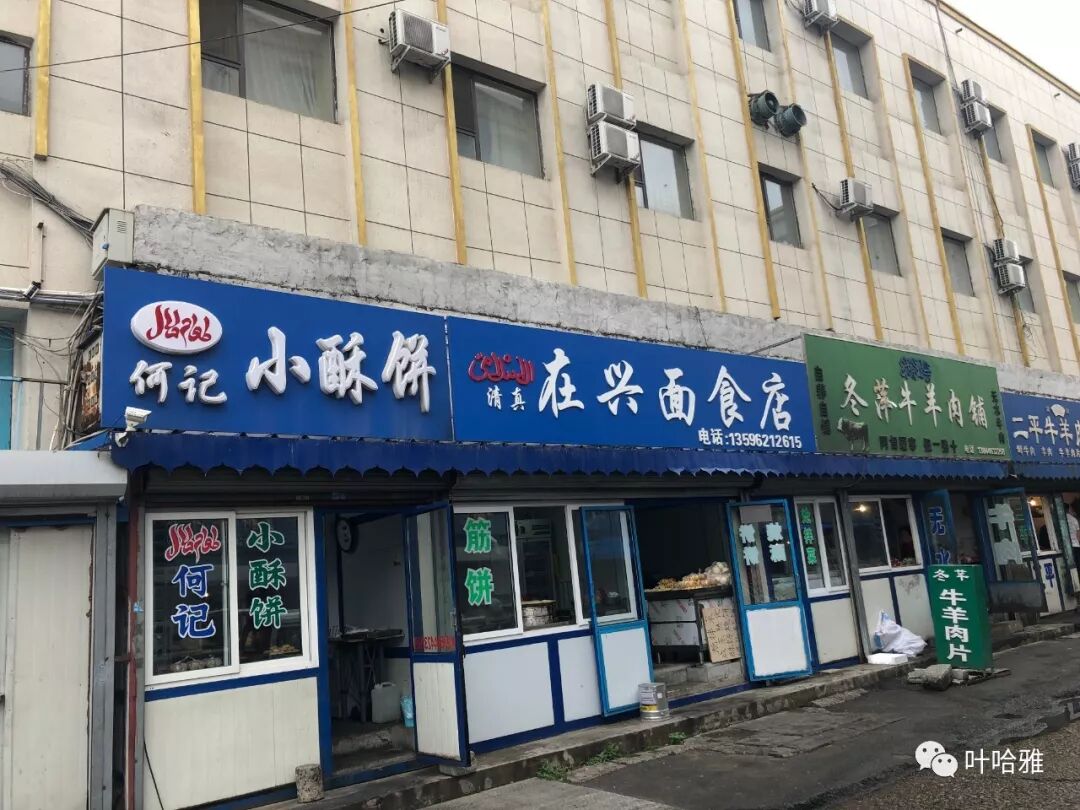
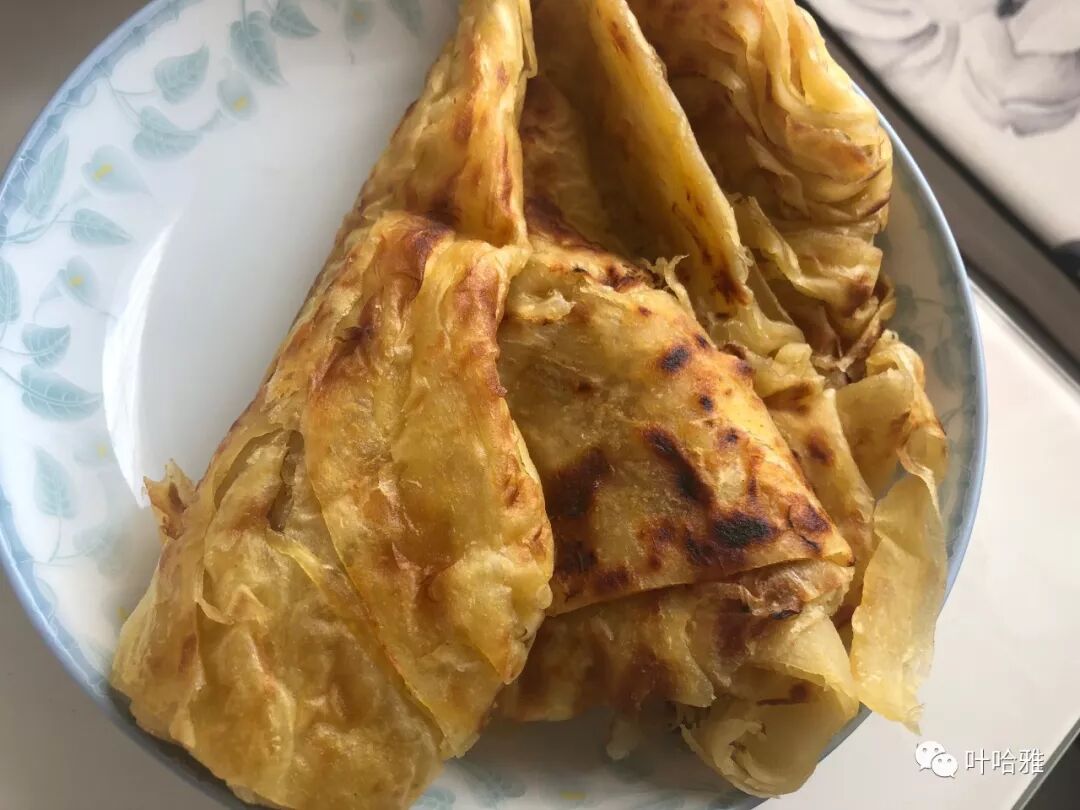
I bought half a jin of chewy flatbread (jinbing) at Xing Noodle Shop; it tastes a lot like hand-torn bread (shoushibing) and costs 3 yuan for half a jin.
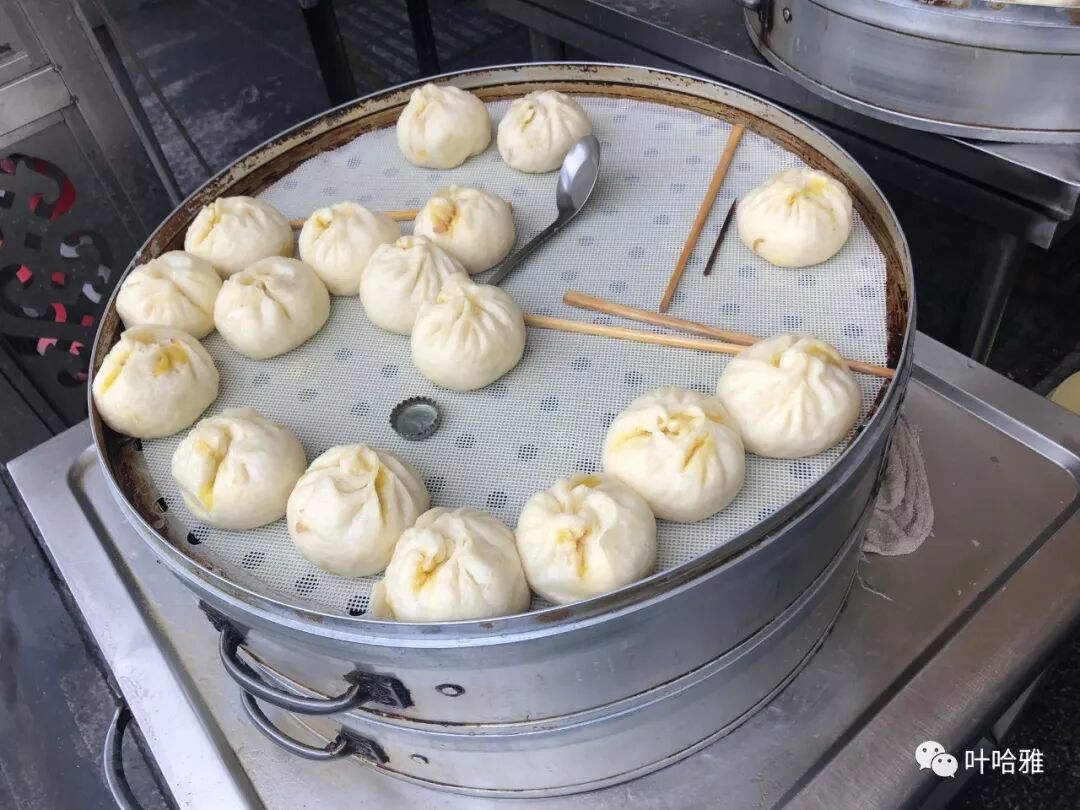
For breakfast, I had beef steamed buns (baozi) and porridge. The buns were delicious and looked great too.
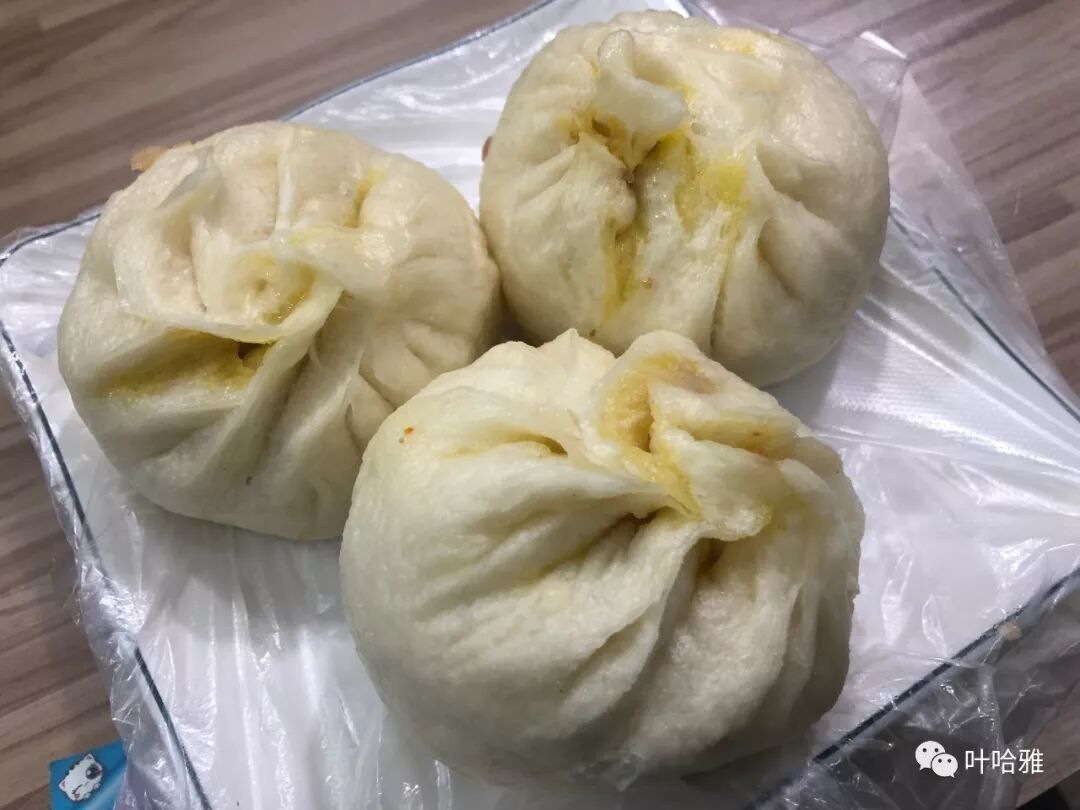
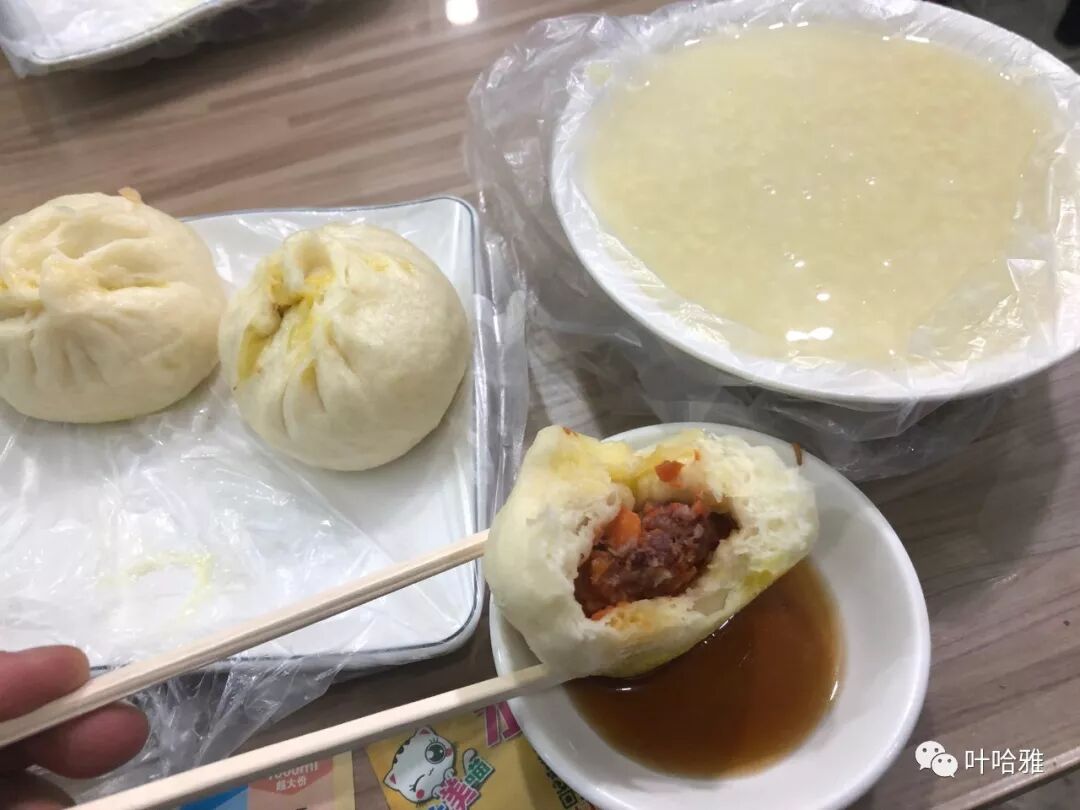
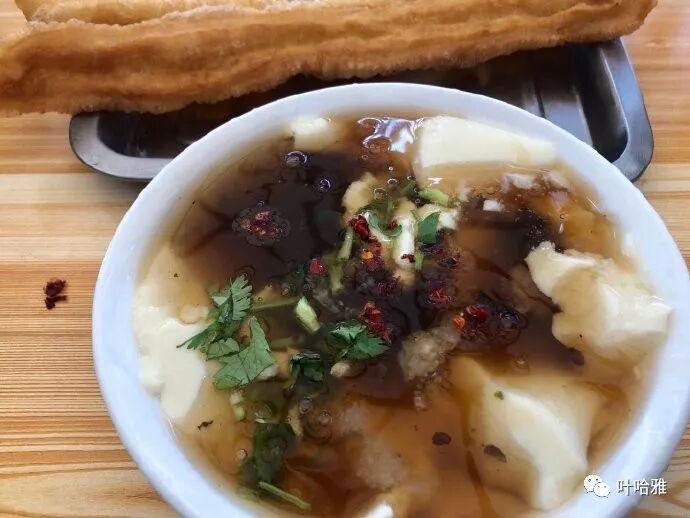
I ate three buns but wasn't full, so I went across the street for a bowl of tofu pudding (doufunao) and a fried dough stick (guozi). People in Jilin call fried dough sticks (youtiao) guozi.
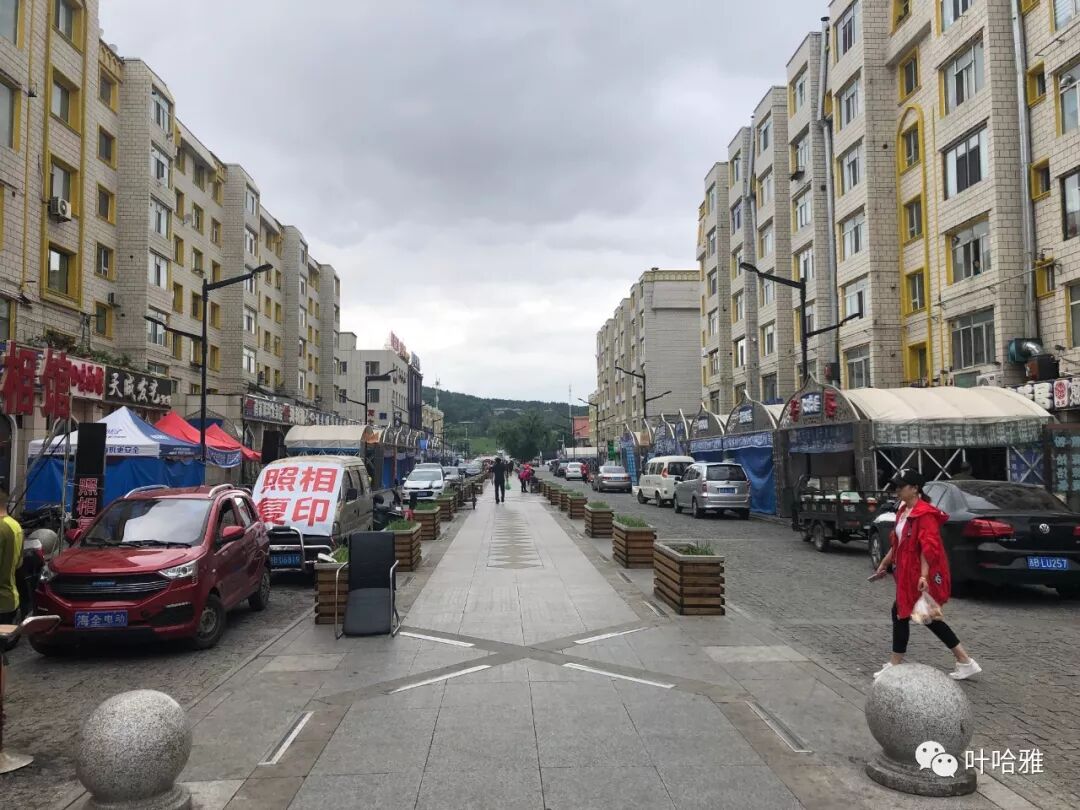
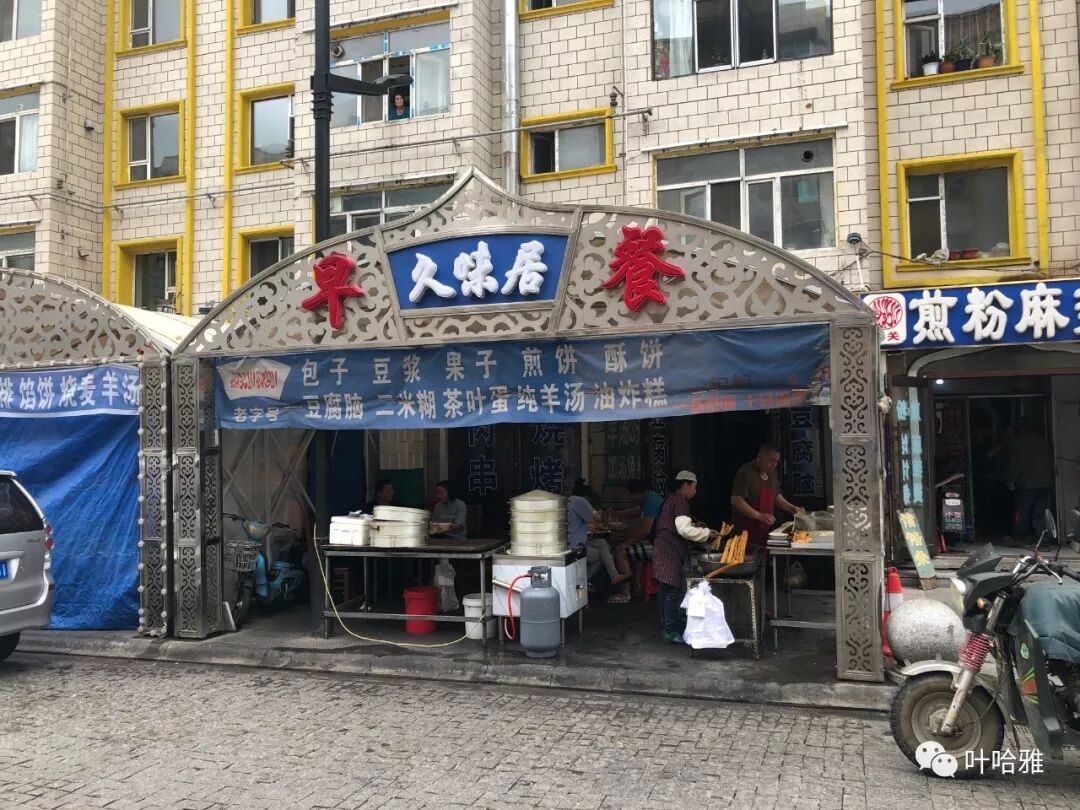
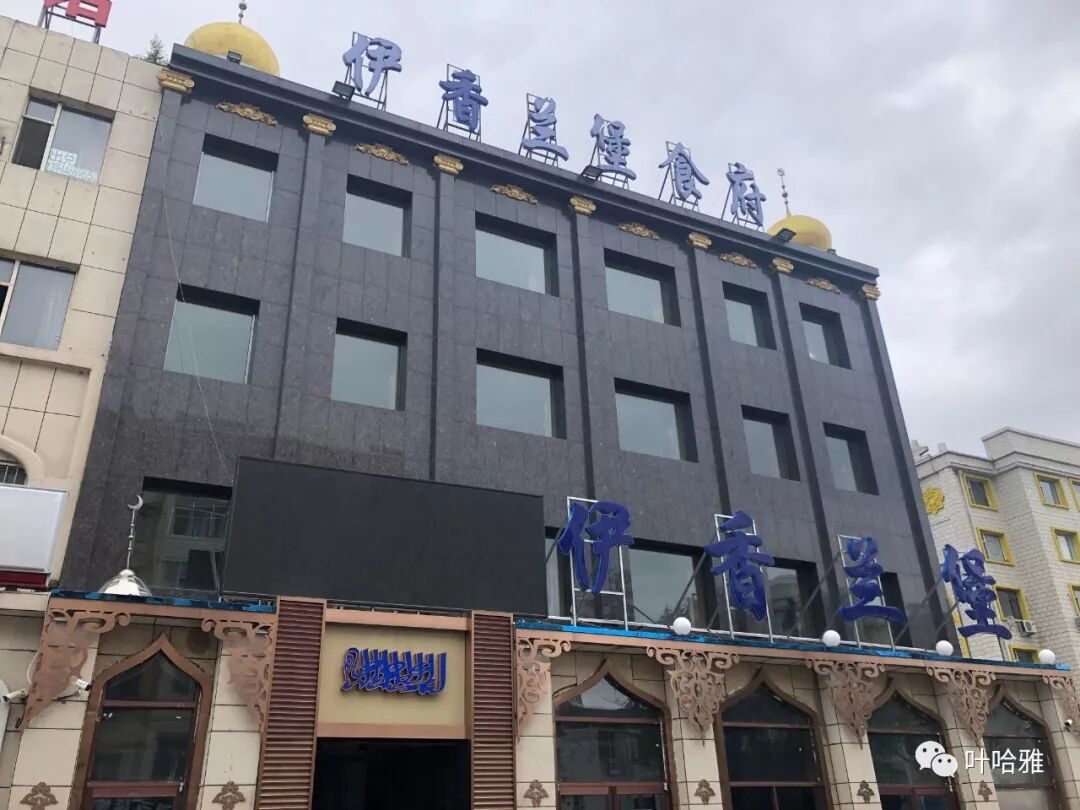
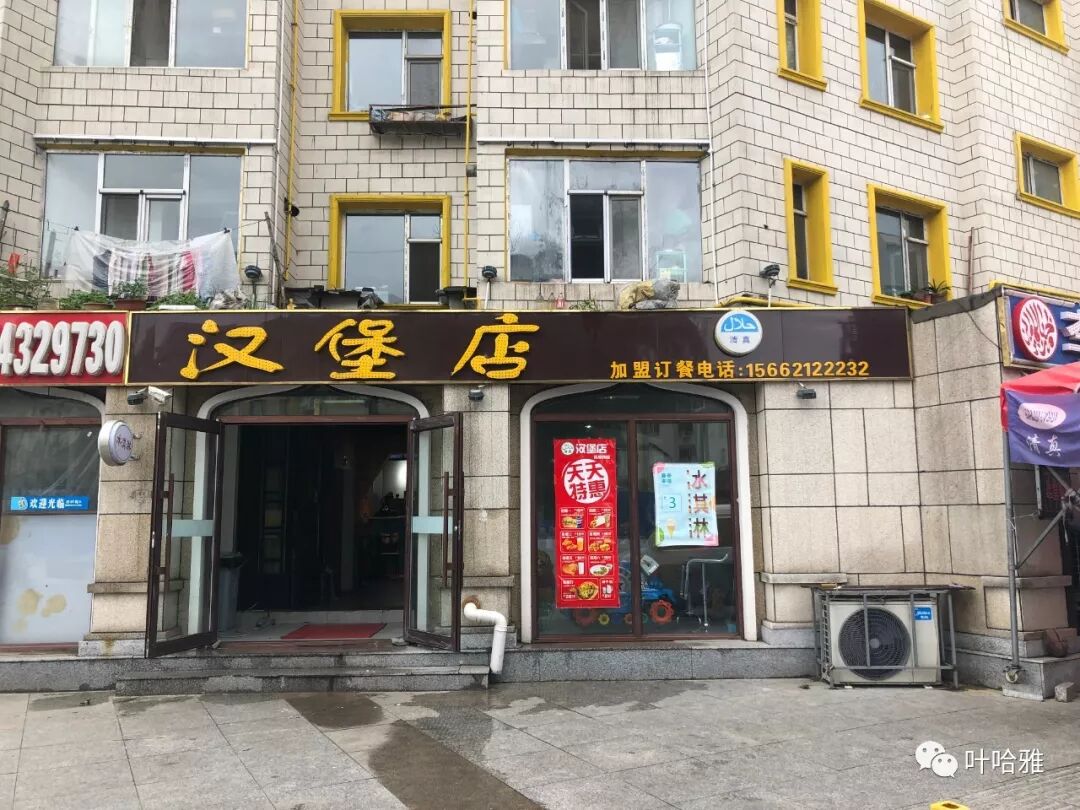
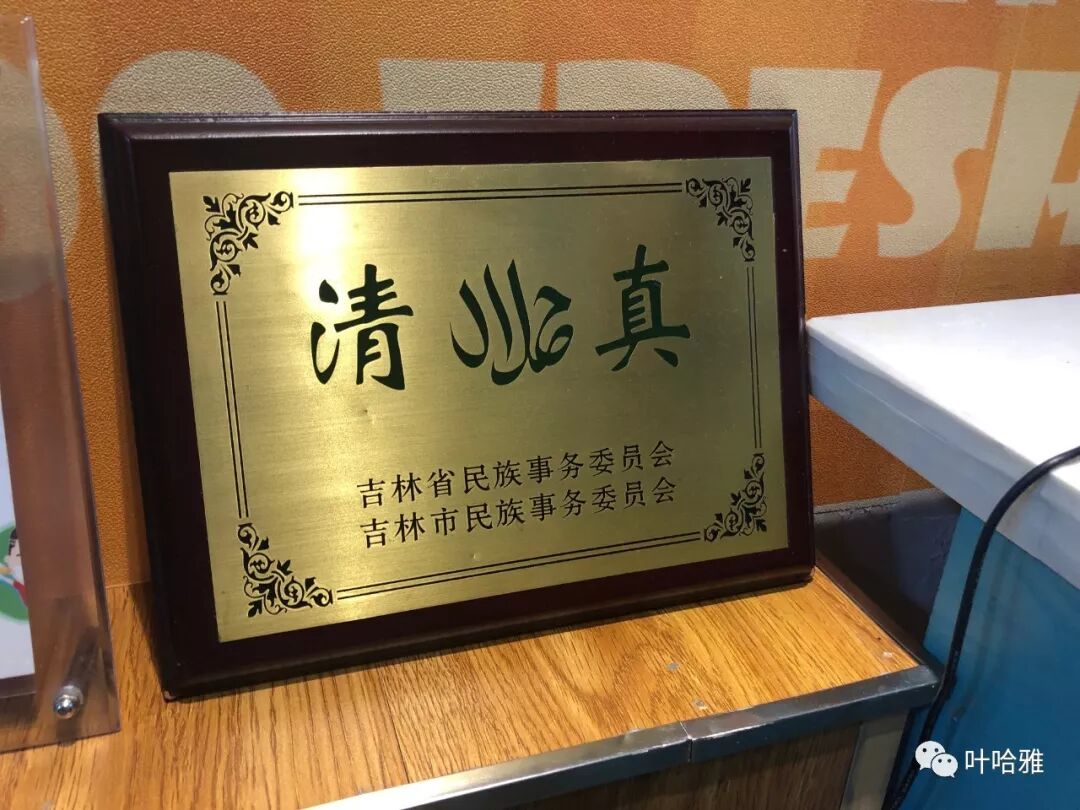
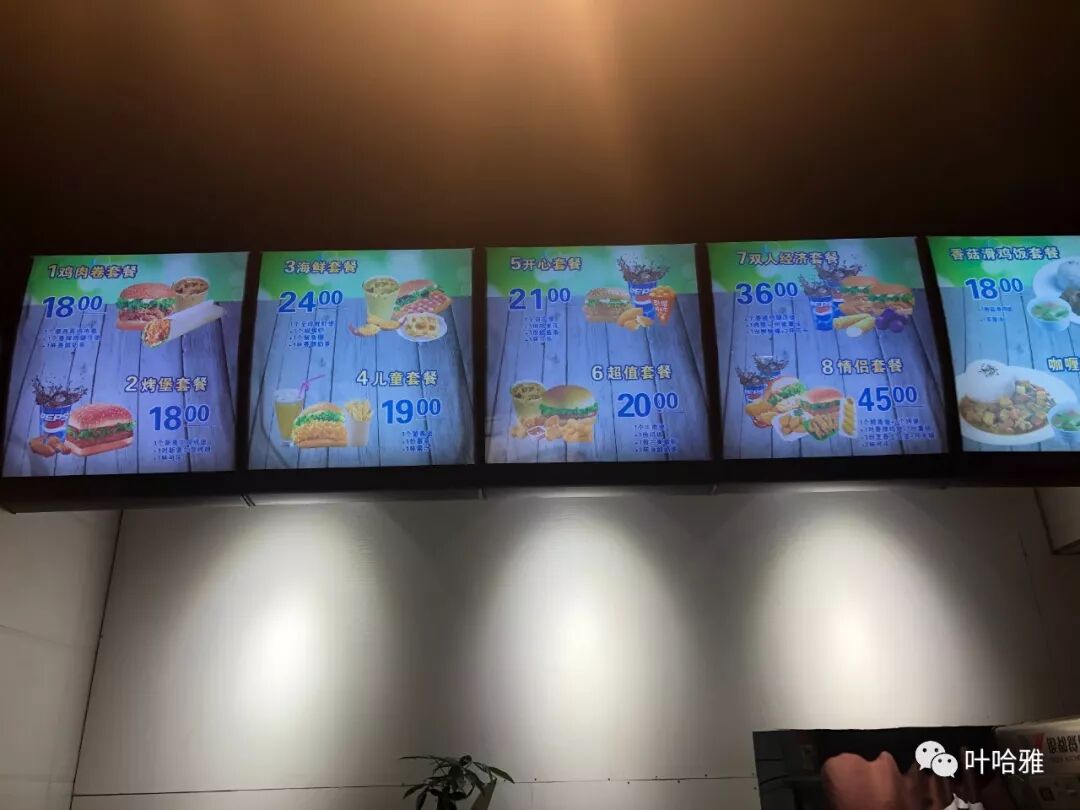
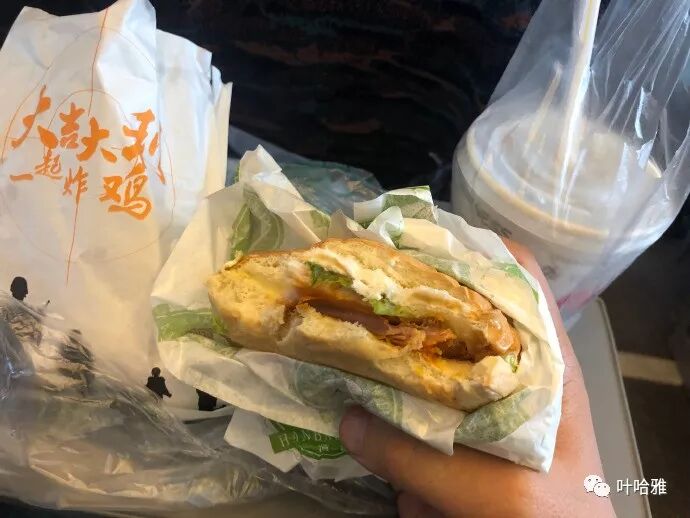
Before leaving, I went to a burger shop and bought a chicken leg burger combo to go. It cost 18 yuan for a cola, two chicken wings, and a chicken leg burger.
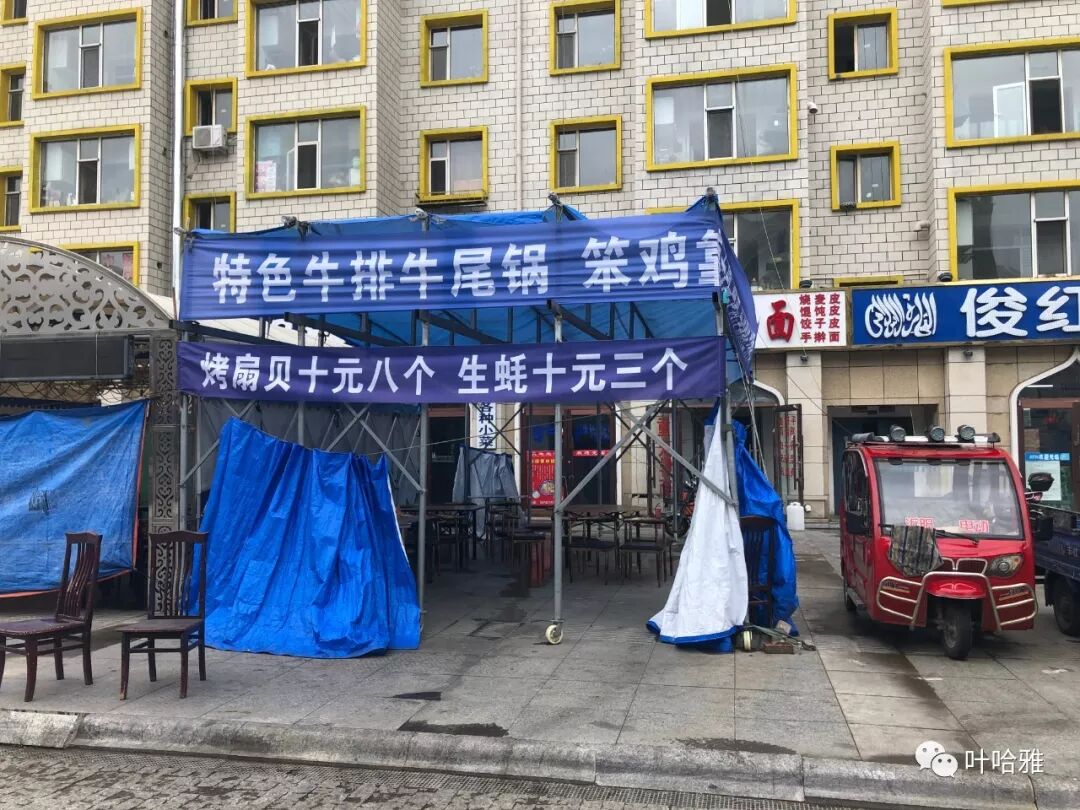
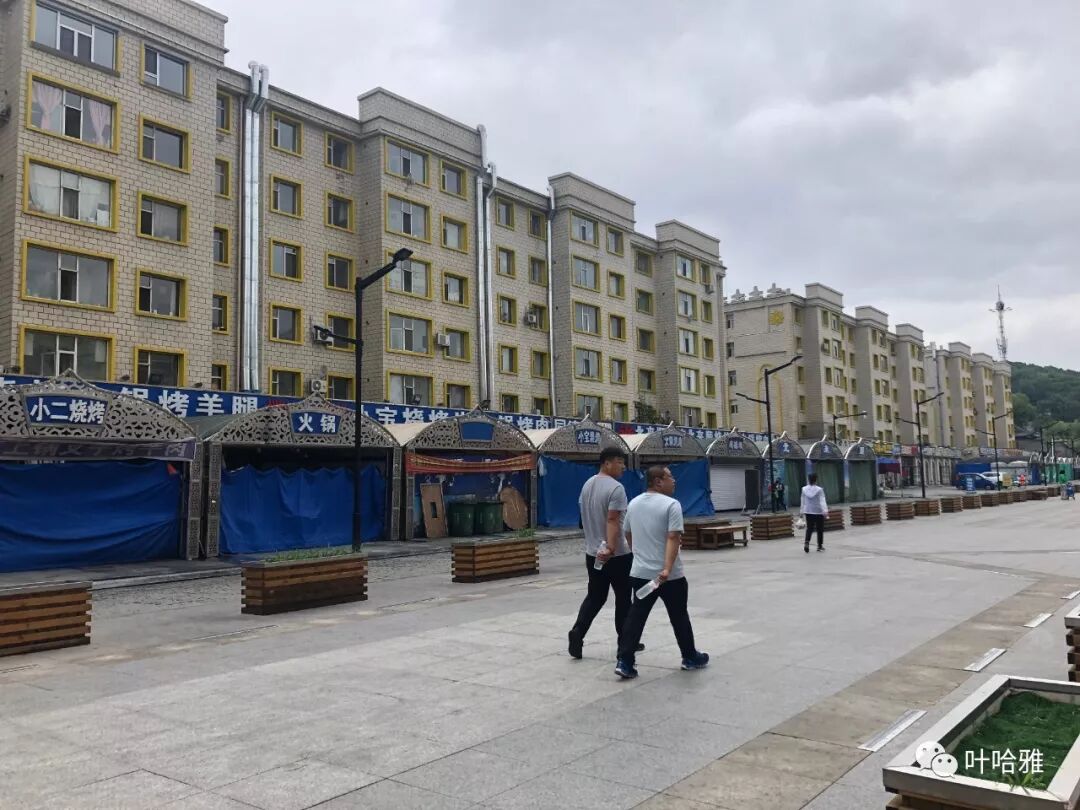
Looking at these barbecue stalls, I bet this street gets really lively at night. It is hard to find this kind of down-to-earth night market in Beijing now.
3. Acheng, Harbin
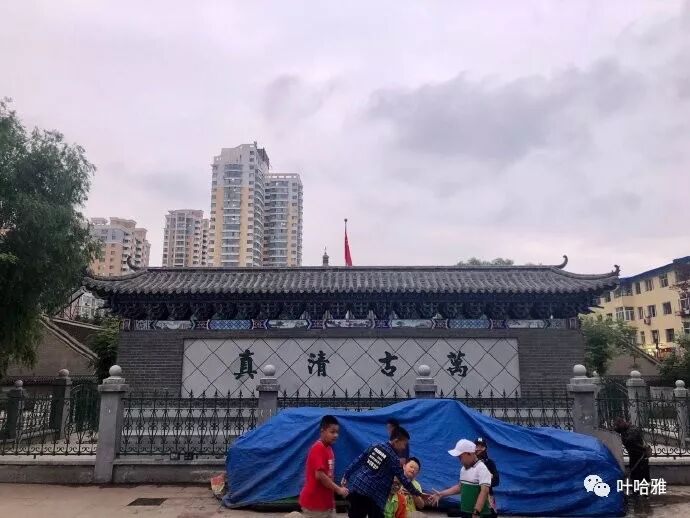
Acheng is a far suburb of Harbin, about 40 kilometers from the city center. It is home to the Acheng Ancient Mosque (Acheng Qingzhen Gusi), which is a Major Historical and Cultural Site Protected at the National Level.
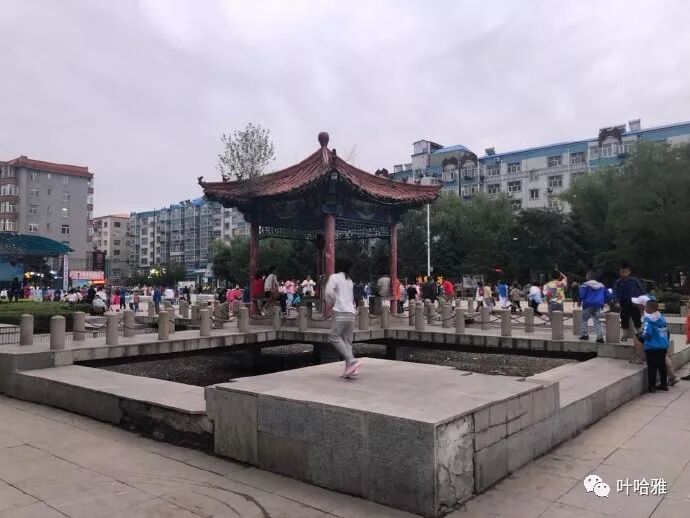
There is a leisure square in front of the Acheng Mosque gate where many children play in the evening.
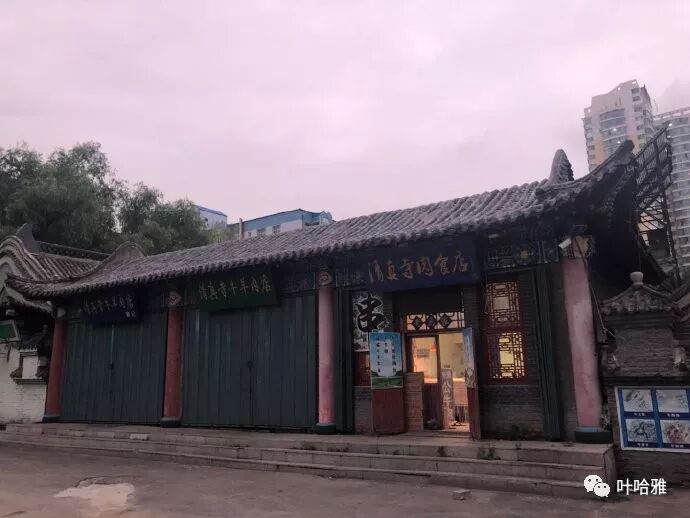
The area around the mosque is a neighborhood for Hui Muslims, filled mostly with restaurants run by local Hui Muslims.
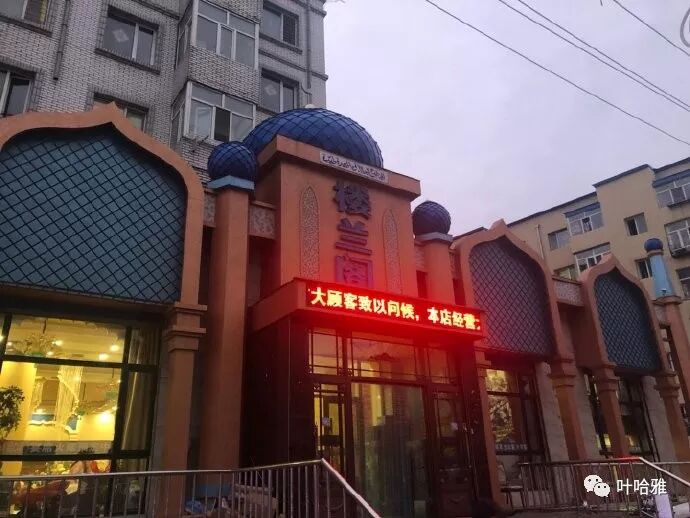
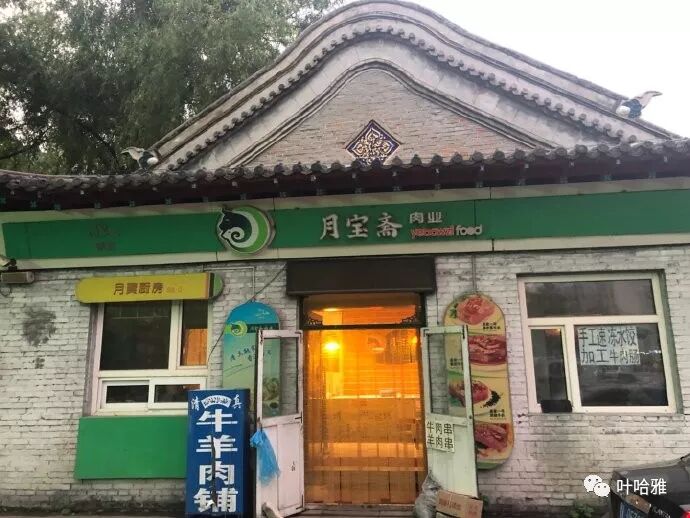
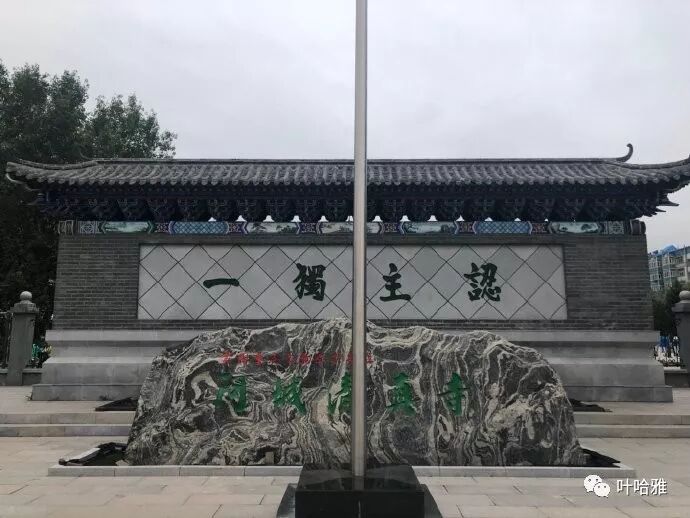
Acheng Mosque is the oldest mosque in the Harbin area, built during the Qianlong reign of the Qing Dynasty in 1777.
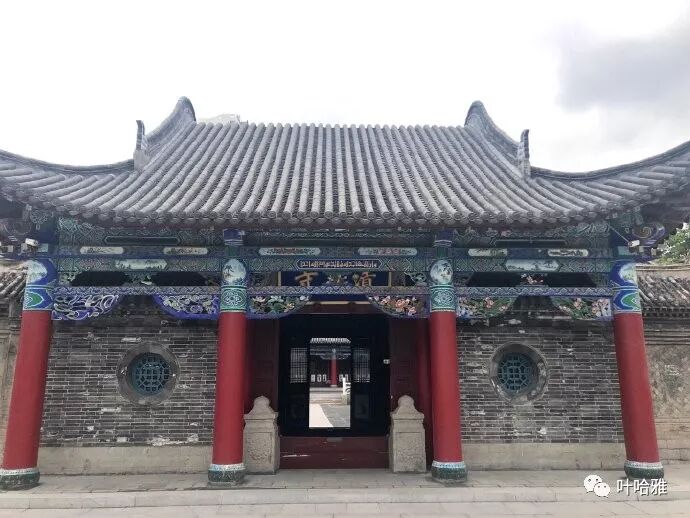
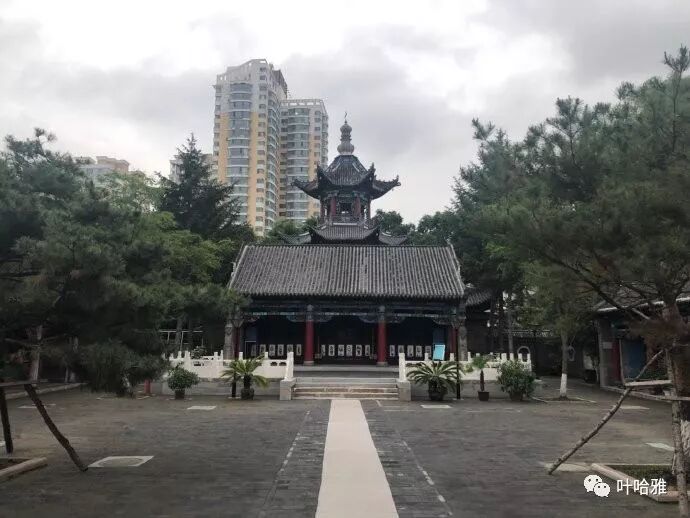
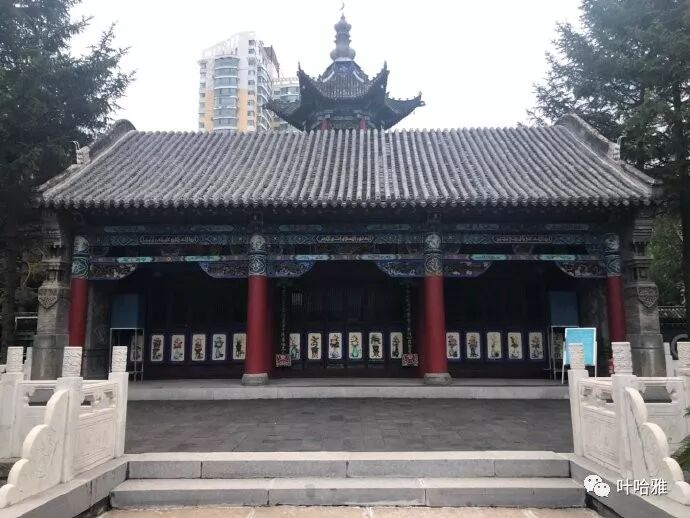
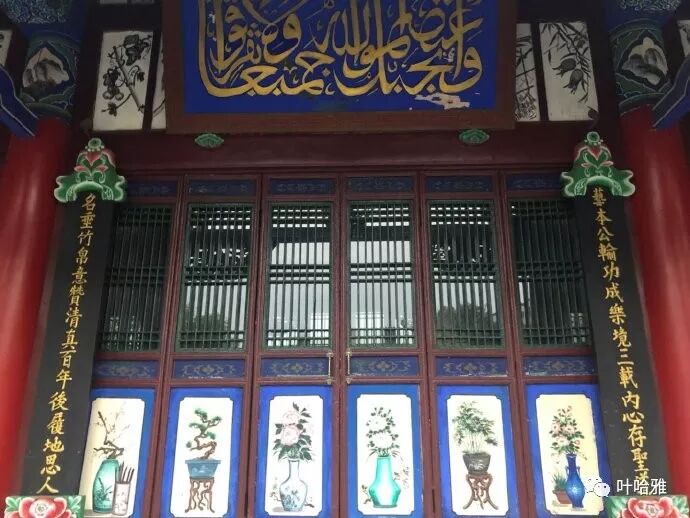
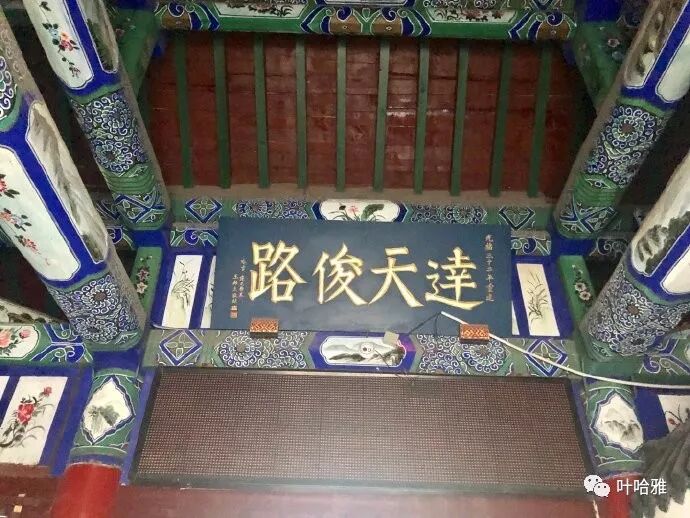
This mosque looks a lot like the Niujie Mosque. The Arabic calligraphy on the main hall's beams and the plaque on Datianjun Road are both similar to those at Niujie.
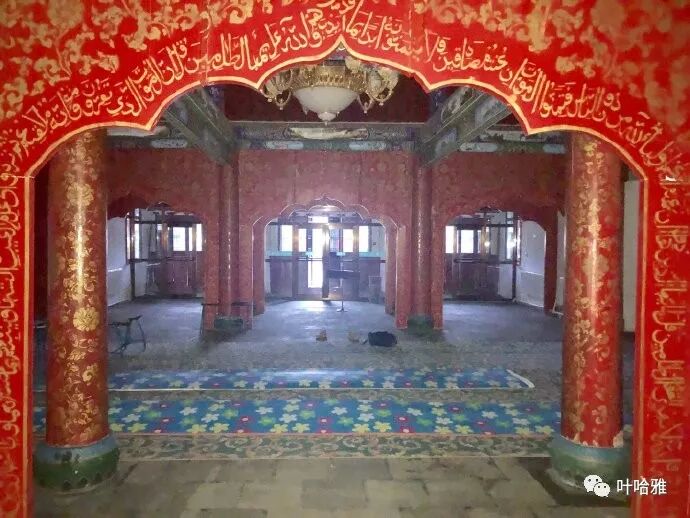
There is only one caretaker at the mosque who calls himself the lamplighter. I asked to turn on the lights to see better, but the caretaker said he could not because the mosque is a national heritage site. They keep the power off to prevent fires, only turning it on during Ramadan. The imam leaves work every day at 5:00 PM.
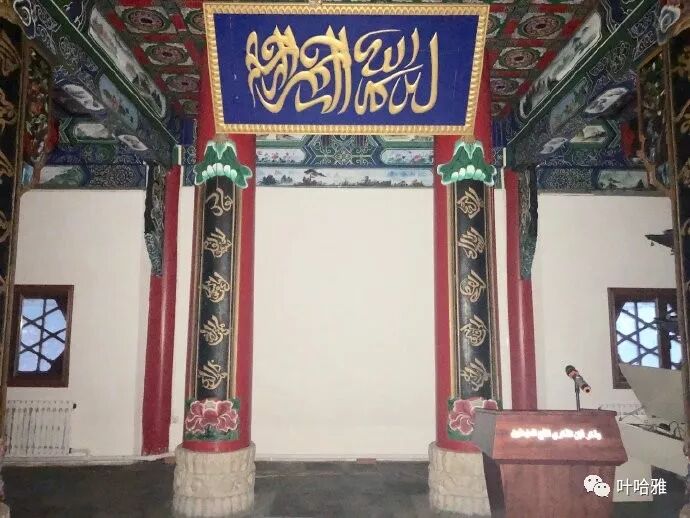
I had to use my phone's flashlight to take pictures.
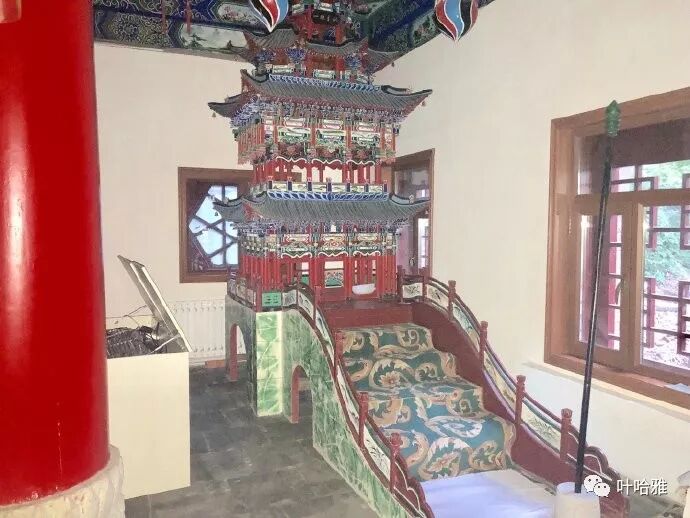
The minbar inside the mosque is an antique.
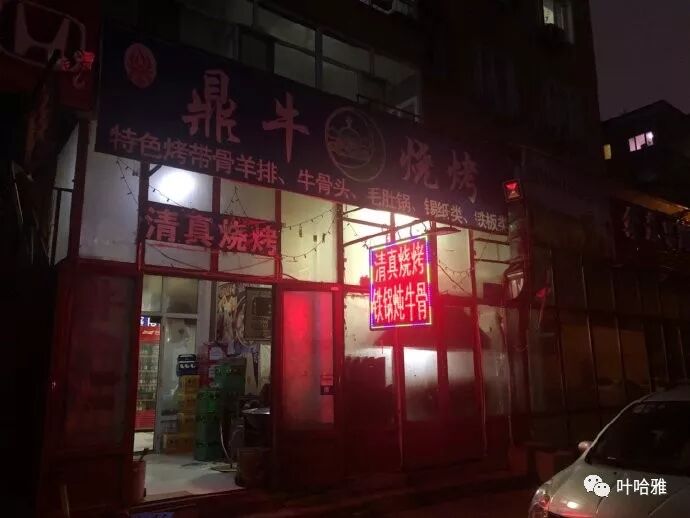
I left Acheng for the Harbin Xiangfang Railway Station and had dinner at Dingniu Barbecue near the station.
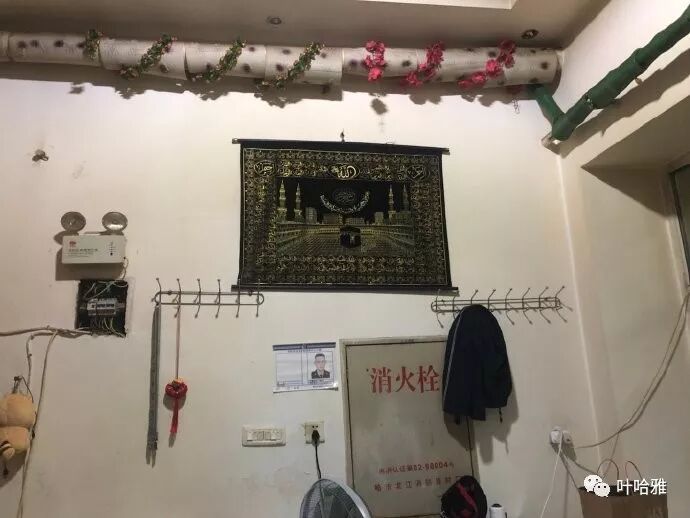
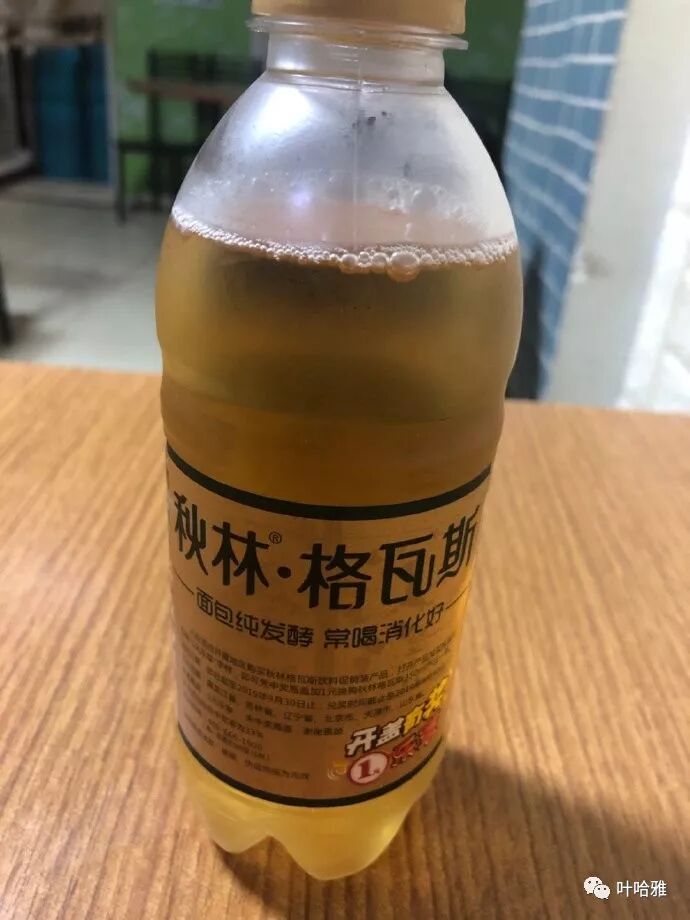
I ordered a bottle of Qiulin kvass (qiulin gewasi). Once you have tried Qiulin, you can really taste the difference compared to other brands like Wahaha; Qiulin is definitely the best.
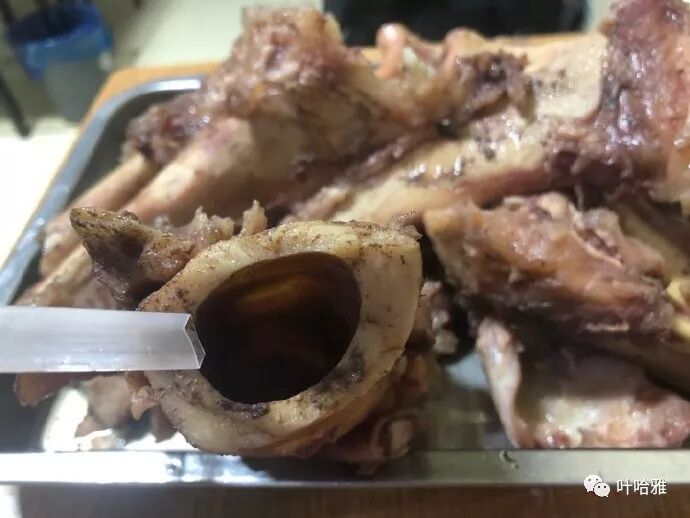
The owner recommended the beef bones. A huge platter arrived and surprised me, but there was not much meat on it. This big plate cost 38 yuan, and it is mostly for eating the beef bone marrow inside using a straw.
4. Qiqihar
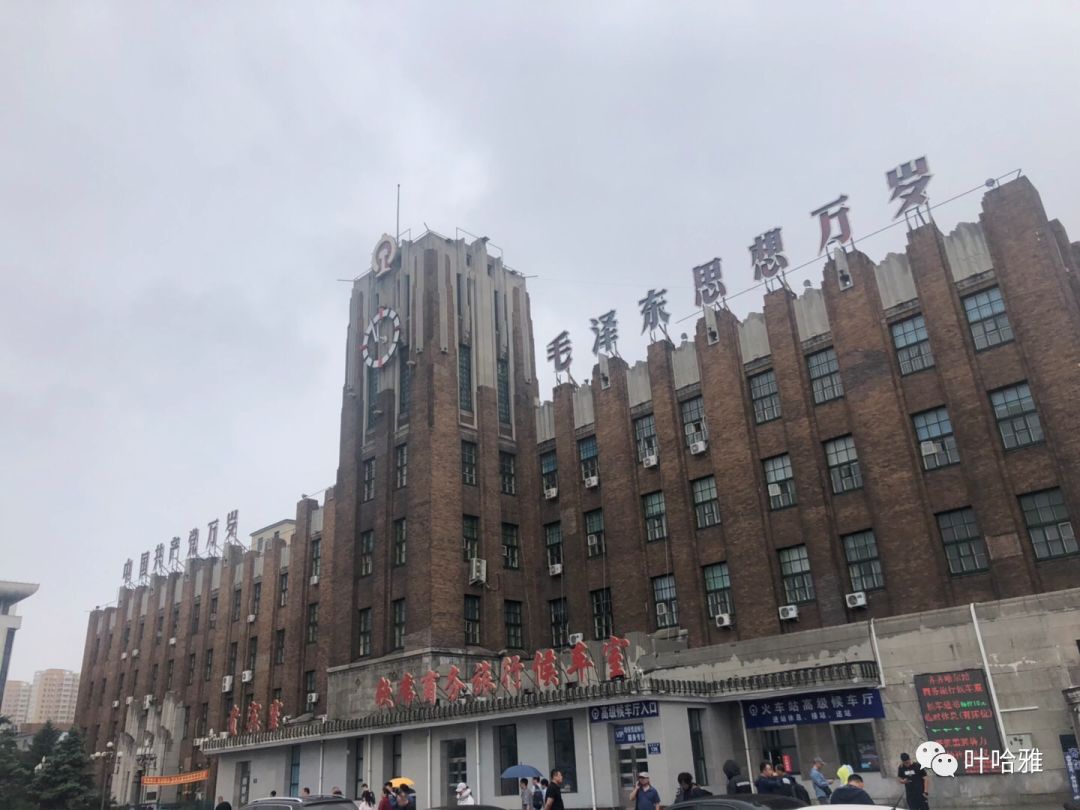
To the people of Qiqihar, Harbin is considered the south.
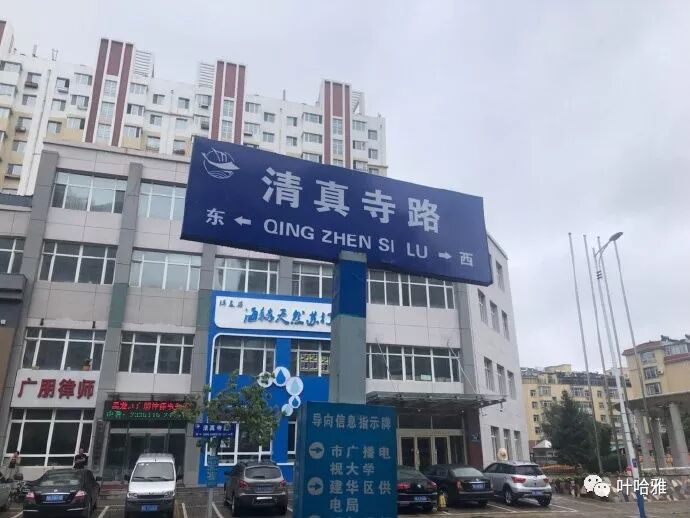
There is a Mosque Road in Qiqihar.
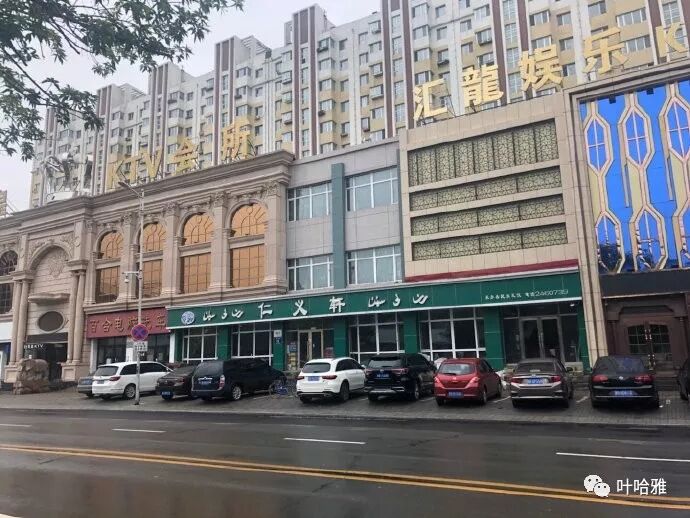
Both sides of the street have several large halal restaurants that mainly serve Northeast Chinese cuisine.
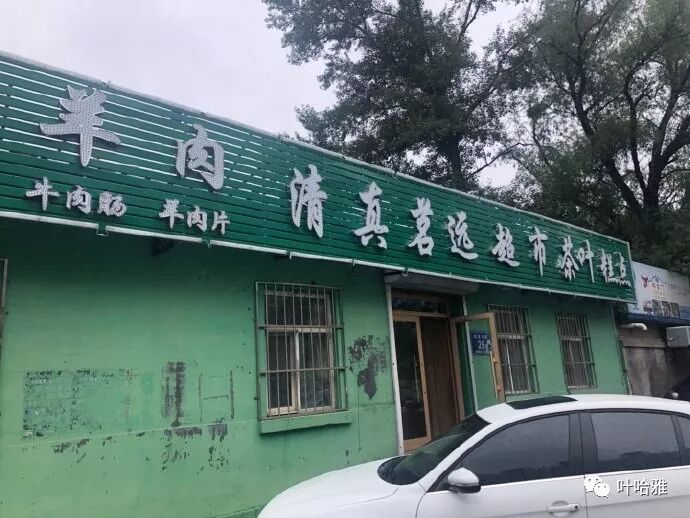
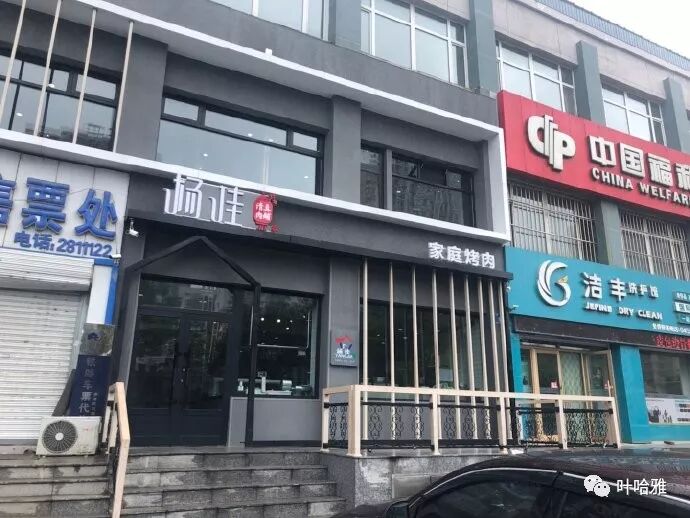
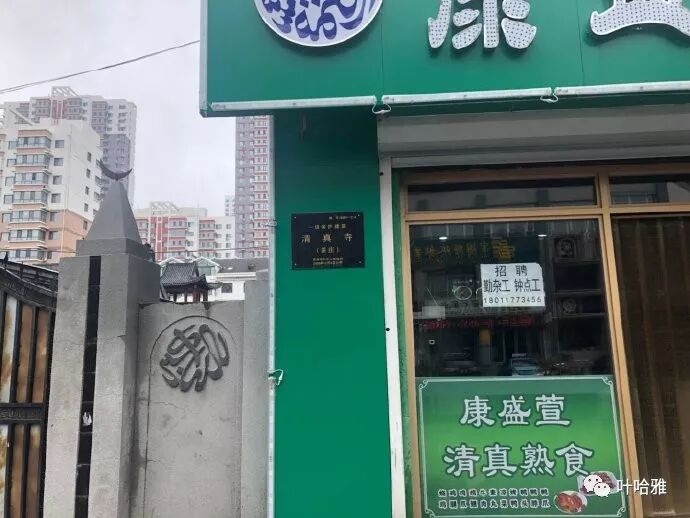
The tea house next to the mosque is also a protected cultural heritage site.
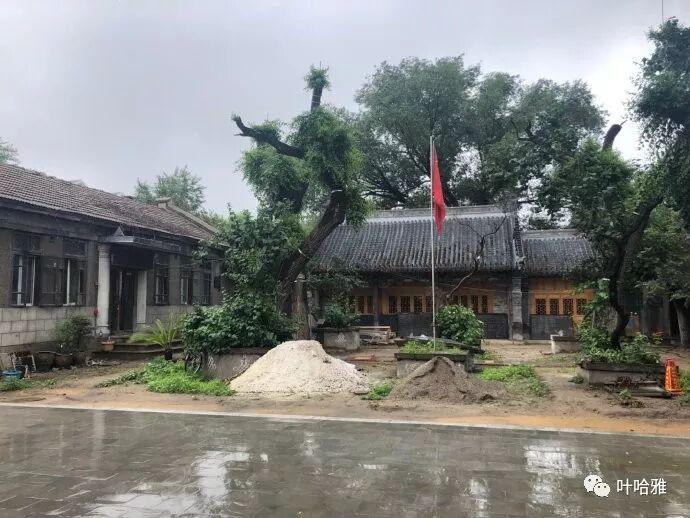
Bukui Mosque was built in 1684, the 23rd year of the Kangxi reign of the Qing Dynasty. It is older than the city of Qiqihar itself, which is why people say, 'First came the mosque, then came Bukui City.' The East Mosque was built first for the Gedimu tradition, and later the West Mosque was built for the Jahriyya (Zheherenye) order. Together they are called Bukui Mosque. Today, when I arrived, it was time for the prayer service (pesh). The two halls held prayers separately; after the East Mosque finished bowing, the West Mosque was still collectively chanting praises to the Prophet.
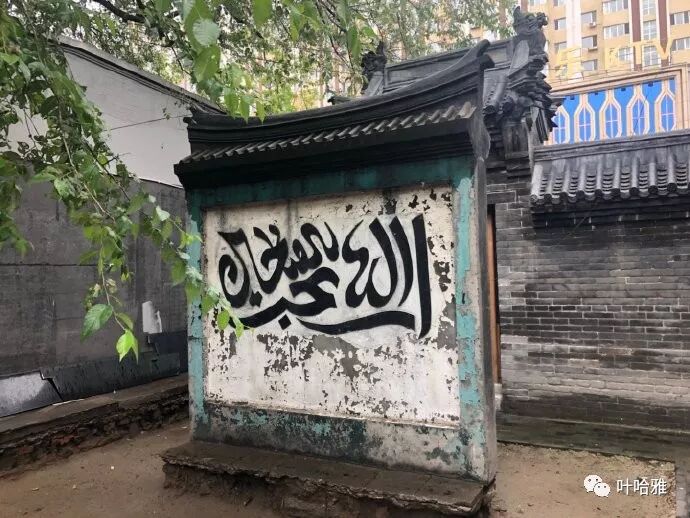
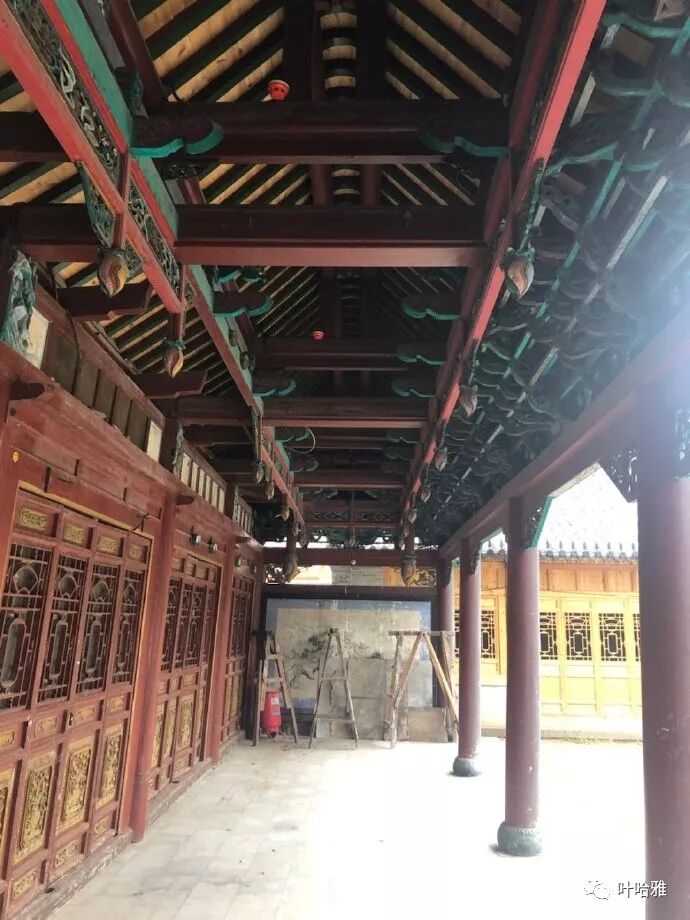
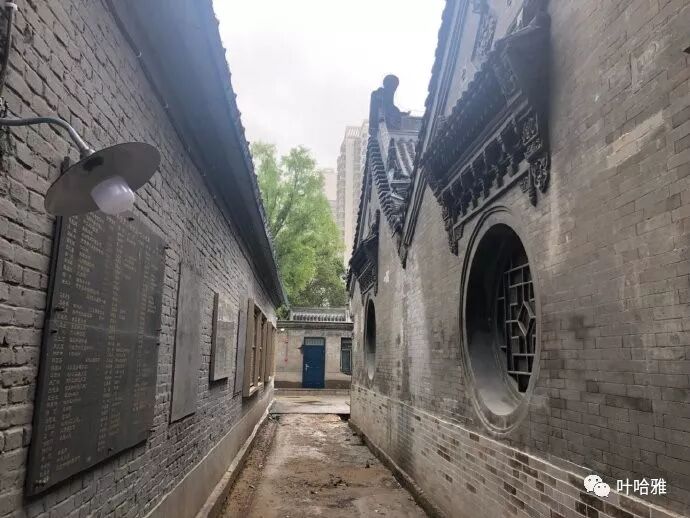
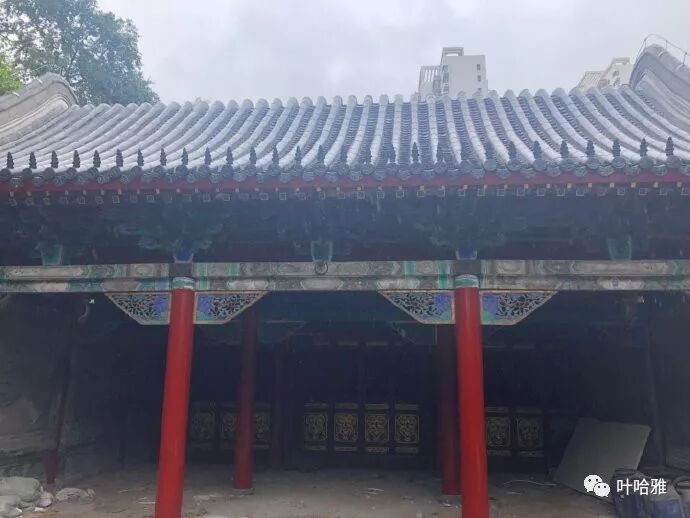
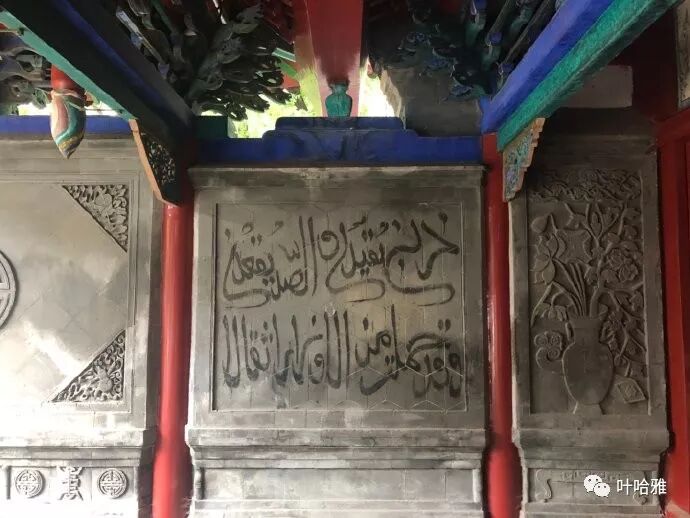
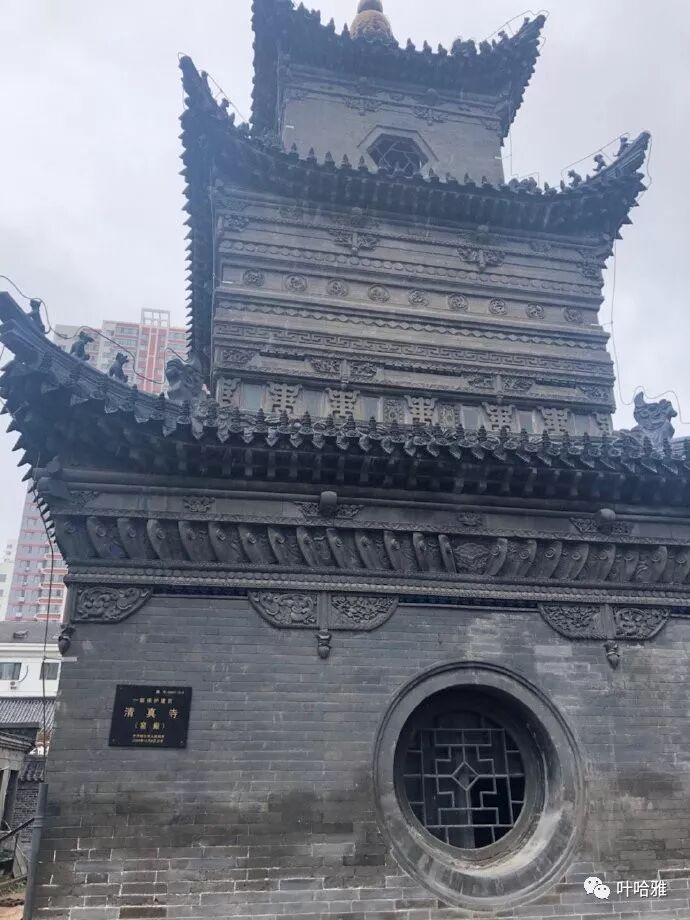
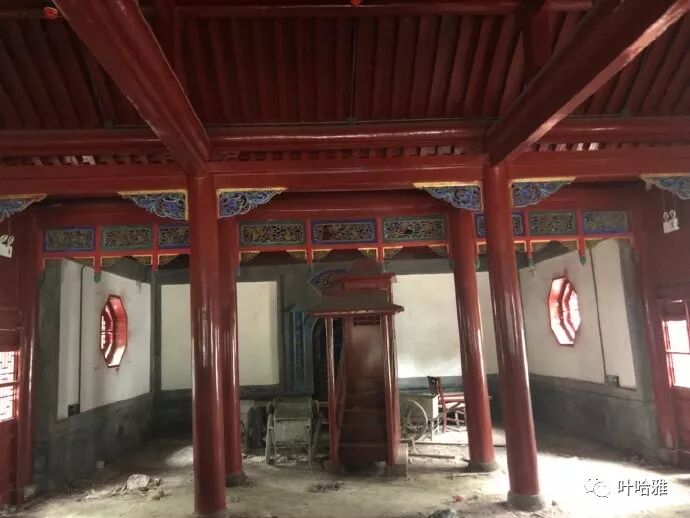
Next to Bukui Mosque is the shrine (gongbei), where the ancestors of the twelve families who were exiled to Bukui along with the shipyard master are buried.
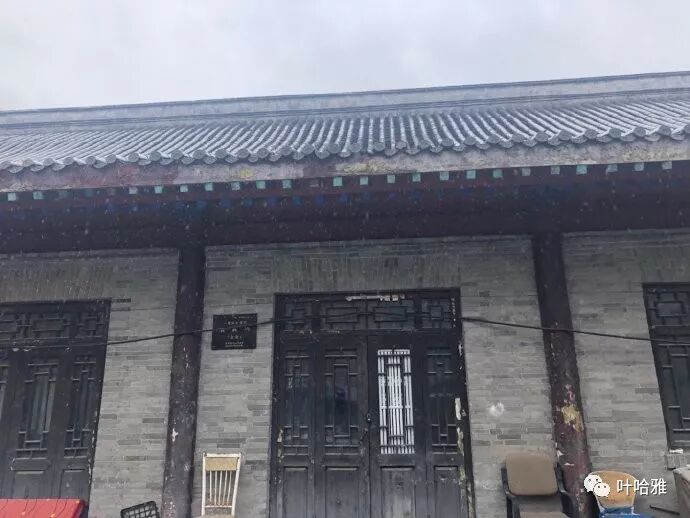
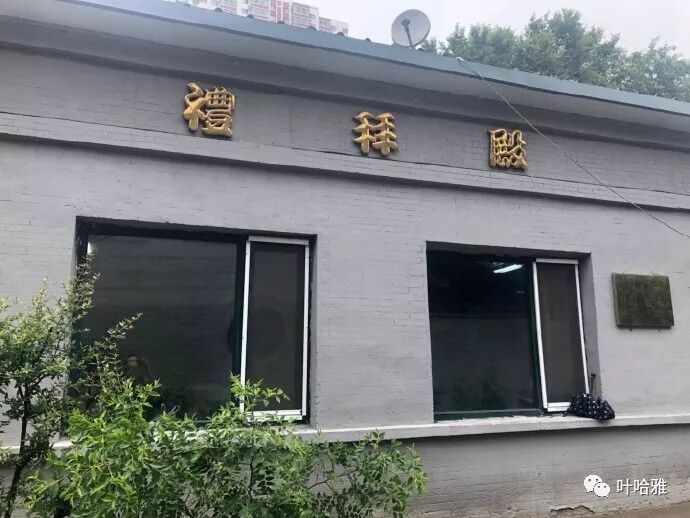
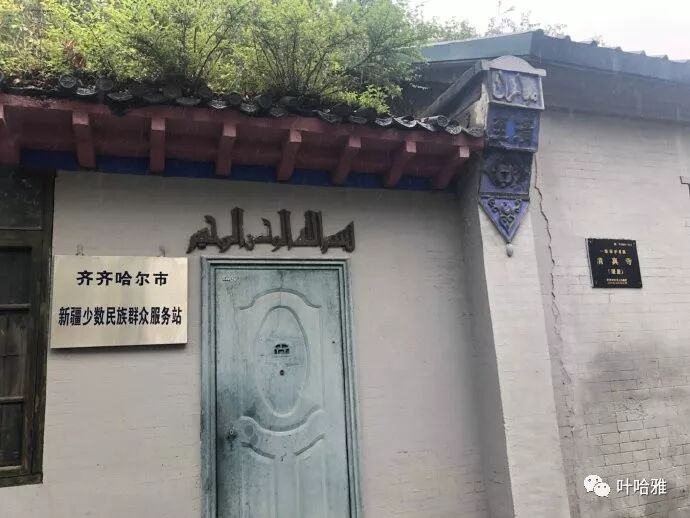
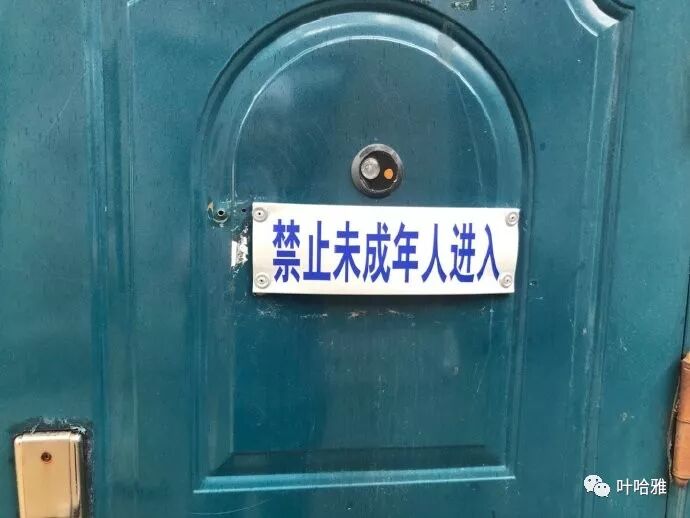
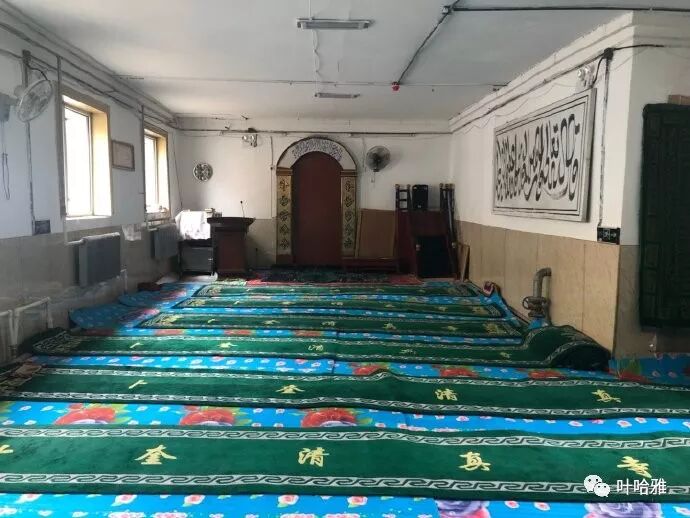
The main hall is currently being renovated, so the congregants of the East and West mosques are each praying in a temporary prayer hall.
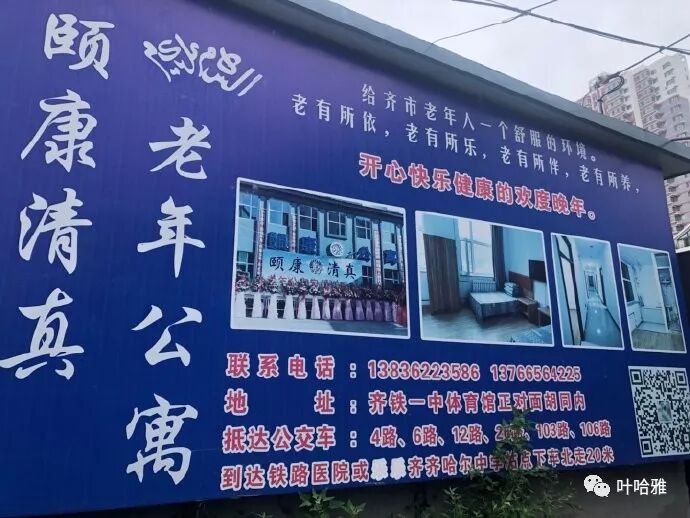
A halal nursing home in Qiqihar.
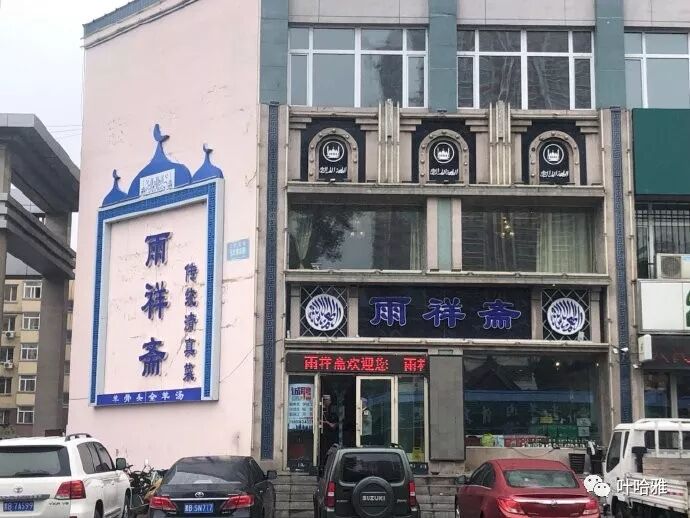
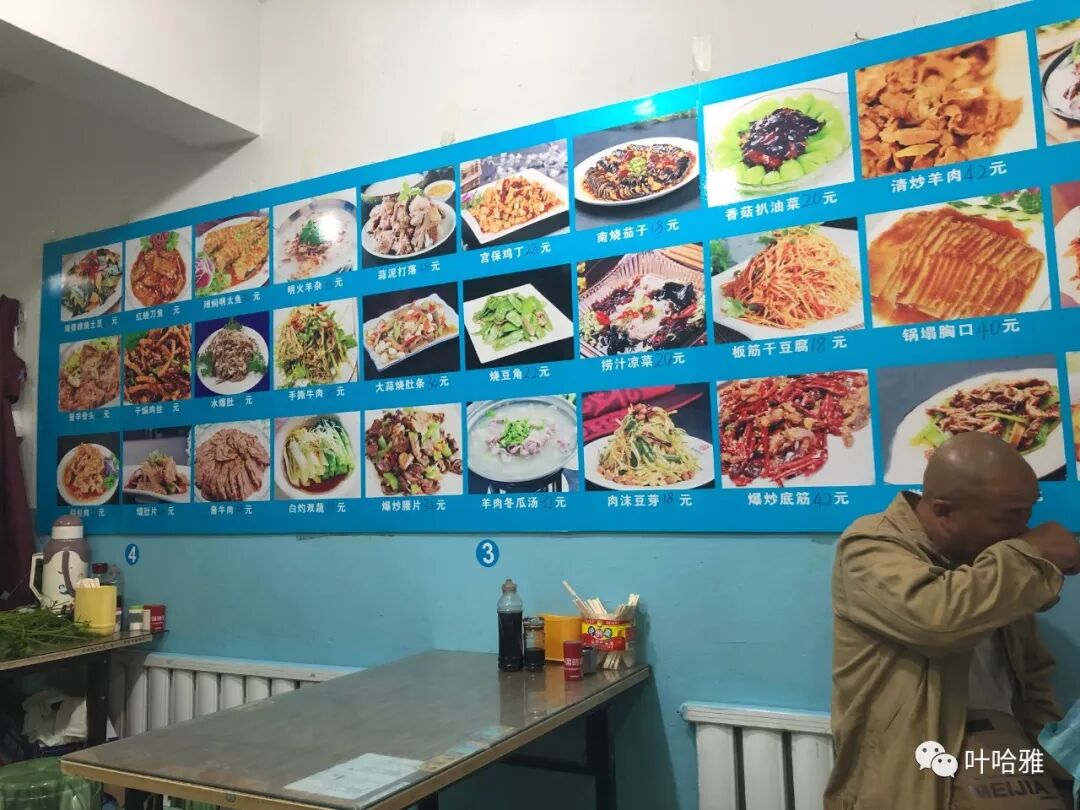
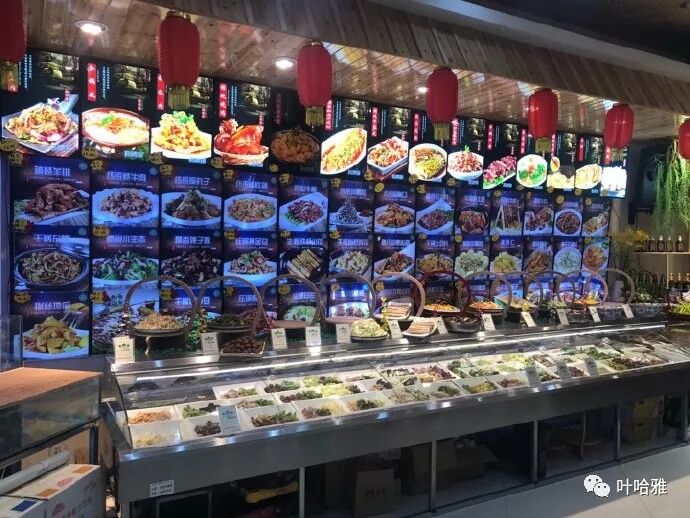
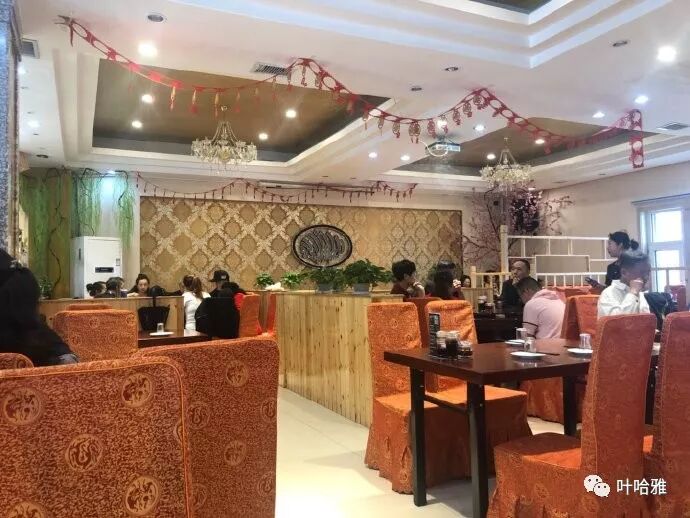
I went to eat at Yuxiangzhai. Since the restaurant is so big, I wanted to check for recommended dishes on Dazhong Dianping first, but the waiter said there is nothing online and I should look at the murals on the wall to order.
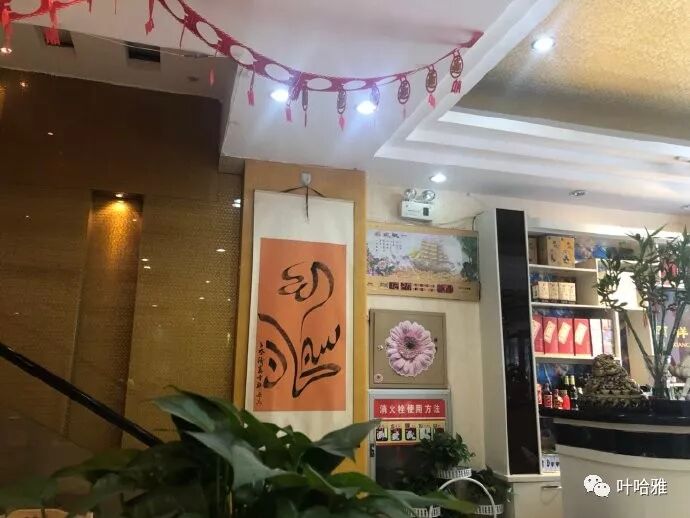
I really love eating Northeast Chinese food, especially steamed dumplings (shaomai) and double-cooked pork slices (guobaorou). I never get tired of them.
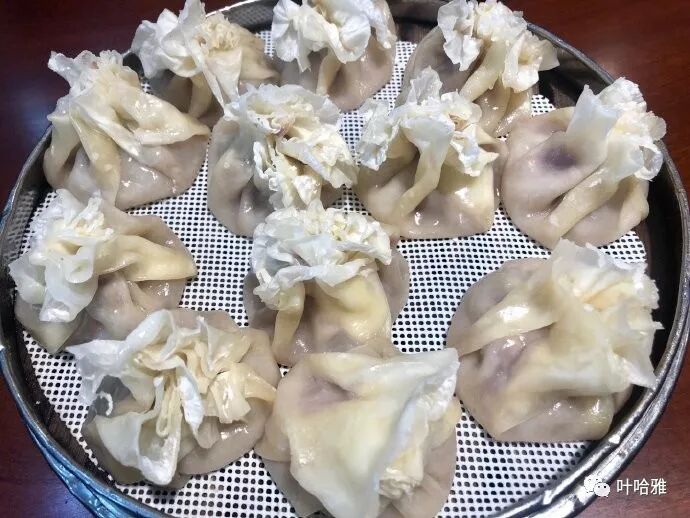
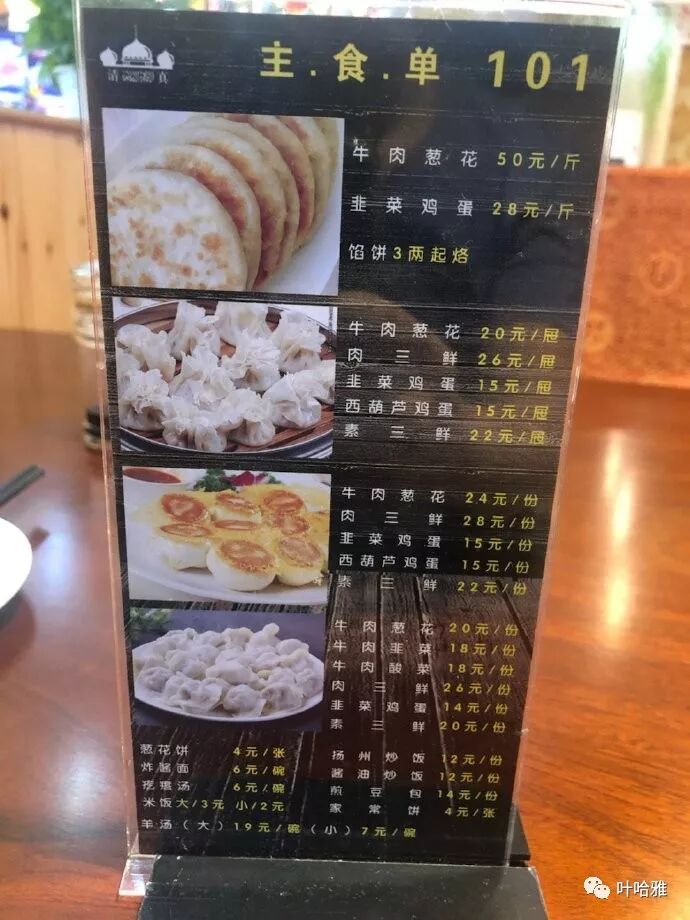
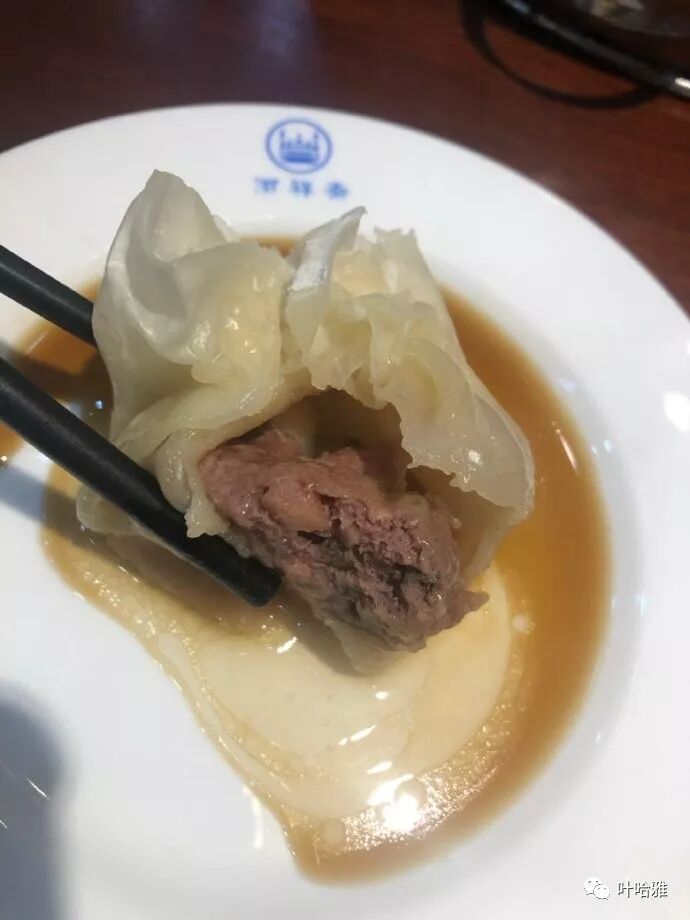
The beef steamed dumplings (shaomai) cost 20 yuan per steamer and have thin skins with lots of filling.
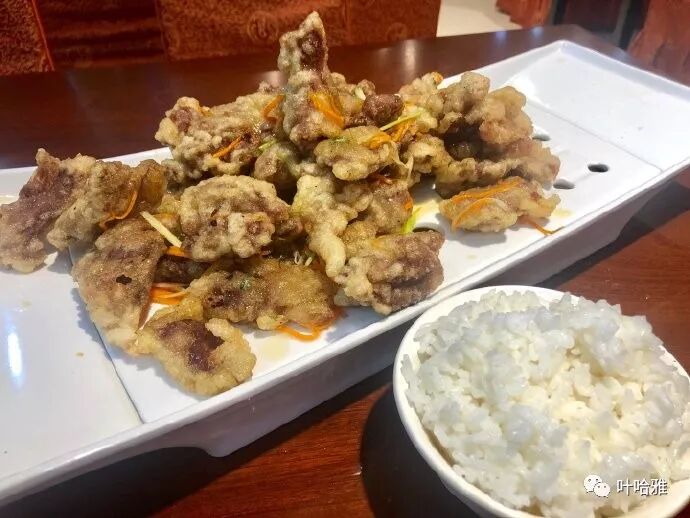
The sweet and sour double-cooked pork slices (guobaorou) served with Northeast rice are delicious. The portion is just too big; two people couldn't finish such a large plate of meat. I ate until I was stuffed, but the amount of food didn't seem to go down, so I had to pack it up.
On my way to Bukui Mosque, I saw a small shop called Yangxuan Guolao that sells pan-fried dumplings (guolao). They look like potstickers (guotie) and seem delicious. Once the renovations at Bukui Mosque are finished, I want to come back and try them.
This concludes my tour of mosques in Manchuria. Here is a look back at previous posts:
A map of halal food in Changchun, Harbin, and Shenyang.
Summary: This Manchuria Muslim travel guide keeps the original route through Chifeng, Jilin, Acheng, and Qiqihar, including mosques, mihrab details, food stops, and photos. It preserves the source order for readers following Muslim heritage in northeast China.
The Manchuria region generally refers to the four northeastern provinces and regions. Besides Liaoning, Jilin, and Heilongjiang provinces, it also includes Chifeng, Hinggan League, Tongliao, Xilin Gol League, and Hulunbuir in eastern Inner Mongolia. People in these places have similar accents, which sound like the Northeast accent to people from the eighteen provinces of the interior.
I have written halal food maps for Changchun, Harbin, and Shenyang before. This time, I am adding Chifeng, Jilin City, Acheng in Harbin, and Qiqihar.
1. Chifeng City
I came to Chifeng because it has an ancient mosque that is a Major Historical and Cultural Site Protected at the National Level. The Chifeng North Mosque (Beidasi) was built in the fourth year of the Qianlong reign of the Qing Dynasty (1739). It was modeled after the style of the Shenyang South Mosque (Fengtian Qingzhen Nansi) at that time.
The North Mosque is the largest mosque in the Chifeng area. Not far from the North Mosque, there is also a South Mosque (Nandasi), which is a newly built mosque.
I saw carved phoenixes on both sides of the main prayer hall.
Under the eaves in front of the main hall, there are wooden dragon heads. Since Islam forbids drawing animal patterns and idols, these mythical creature symbols rarely appear in mosques.
The wood used for this mosque comes from the red wood of Nanshan in Chifeng.
Mihrab
The patterns on the windows are all plants and flowers, which look quite beautiful.
When you arrive in the Manchuria region, you will notice that halal restaurants here like to use blue signs. Following the logic of some, you might call them followers of the Blue Religion.
There is a lamb offal soup (yangza tang) shop next to the North Mosque. You cannot go wrong eating lamb offal when you come to Inner Mongolia.
It was still breakfast time, so I ordered a bowl of lamb offal soup (yangza) and a sesame flatbread (shaobing). It was delicious.
The owner chatted with me for a while. He is a local Hui Muslim from Chifeng. He said the Hui Muslims in Chifeng are not as 'pure' as those in Hohhot, and compared to the Hui Muslims in Hohhot, they are like 'second-tier' Hui Muslims. I have been to Hohhot and have very good Hui Muslim friends there. There are eight mosques in the urban area of Hohhot. They left a great impression on me; they are the type of people who focus equally on both this life and the afterlife.
I saw this small shop on my walk to the South Great Mosque (Qingzhen Nandasi). These halal shops are spread widely across Chifeng. There are 26 mosques in the Chifeng area, so it is quite convenient for Hui Muslims to find food here.
The Chifeng South Great Mosque was first built in the sixth year of the Jiaqing reign (1801). It was occupied in 1958 and converted into the current Changqing Park, then rebuilt at a new site in 1997.
A small shop on the side of South Mosque Street (Nansi Jie), also run by locals.
I saw more than one seafood barbecue place on the streets of Chifeng. Perhaps because they are so far from the sea, I feel the people of Inner Mongolia have a special attachment to the ocean.
Seeing the familiar Arabic calligraphy hanging outside gave me a lot of comfort.
I chose to eat at Lao Tan Spicy Pot Chicken. This shop has been open for many years, but you cannot find much information on the Dazhong Dianping app, just a few photos. In third or fourth-tier cities and below, there are very few users on Dazhong Dianping, so you cannot find much dining information. In these cases, you can use the WeChat search function, which can find a lot of information that Baidu cannot, or you can just ask the locals.
This crispy chicken is served as a whole bird, enough for four people to eat. It is very fragrant and crispy. I suggest finding a few people to travel with when visiting Inner Mongolia, otherwise, it is hard to know what to eat.
This dish is called kuli. It is made with naked oat noodles (youmian) mixed with sesame oil. The more sesame oil, the better it tastes.
About 200 kilometers from Chifeng City, in Hexigten Banner, there is a mosque with a traditional style called Jingpeng Mosque. It was built in the Renzi year of the Xianfeng reign of the Qing Dynasty (1852) and is located on Jingpeng Street in Hexigten Banner. This mosque does not appear on maps, and Jingpeng Street is a residential area for Hui Muslims in Hexigten Banner.
After a four-hour drive, I reached Jingpeng Street. Seeing this beautiful mosque made me feel very grateful. I even think it is prettier than the North Mosque in Chifeng, as it lacks the traditional roof ornaments.
The second floor is the office area, and the first floor is the washroom.
The towels in the washroom are quite refined; they have the words for hand towel and foot towel embroidered on them.
Jingpeng Street is currently being demolished and renovated, and the Hui Muslims have all moved across the river to live in apartment buildings.
There are not many shops on the west side of the river, as most have moved to the east side.
A local driver took me to a halal restaurant that has been in business for many years, saying that this place, Chengxinzhai, makes good food.
The two of us chose a pot of lamb neck bones and two jin (one kilogram) of boiled dumplings (shuijiao).
We ate in a private room.
The lamb neck bones were stewed until tender and very flavorful, and the beef and green onion dumplings were also delicious. The driver told me his ancestors came from Shandong. Many locals have ancestral roots in Shandong, so it is normal that they love eating boiled dumplings.
2. Jilin City
Jilin City in Jilin Province is considered the place with the highest concentration of Hui Muslims in Northeast China. There are four mosques just near Beiji Street in the city center. In the Manchu town of Wula Street, there is also the Wula Street Mosque, which is a major historical and cultural site protected at the national level. However, the focus of my trip was to see the Chuanchang Gongbei.
The Chuanchang Gongbei is the shrine for Ma Datian (1757–1817), the third-generation leader of the Jahriyya menhuan. The Qing government had exiled Ma Datian to Bukui in Heilongjiang (modern-day Qiqihar). When he reached the Jilin shipyard, he passed away at the age of 60. The twelve followers who had voluntarily followed him into exile were still sent to Bukui. They settled and multiplied there, forming a community. This is the origin of the Jahriyya in the Northeast. I will mention meeting Jahriyya followers in Qiqihar later.
Before coming to the Chuanchang gongbei, I learned from a close friend whose ancestors were among the twelve families that followed the elder Ma Datian that her family helped build this gongbei. Some of her family members still guard the site today.
Every year, many descendants of the Northwest Zhe school come here to visit the graves.
The Chuanchang gongbei is now a municipal-level cultural heritage site, and a mosque has been built right next to it.
Leaving the Chuanchang gongbei, you can walk south along the road to reach the North Great Mosque, or take the bus for two stops and get off at the mosque station.
The minaret of the North Great Mosque towers into the clouds.
The Jilin North Great Mosque was first built in the 25th year of the Qianlong reign of the Qing Dynasty (1760). The mosque houses an imperial decree tablet bestowed by the Daoguang Emperor.
I met people in the mosque reciting scriptures for the deceased, with family members wearing traditional mourning clothes. This is rare; I remember seeing it once at a mosque in Shijiazhuang.
Less than two kilometers from the North Great Mosque is the Jilin West Mosque.
The West Mosque was first built in the 2nd year of the Qianlong reign of the Qing Dynasty (1737) and was rebuilt in 2004.
Banning tobacco was not without controversy. Sultan Murad IV once ordered a ban on coffee and tobacco and executed many people. After long debates between supporters and opponents, the Grand Mufti Mehmed Bahai Efendi declared tobacco legal in a fatwa. Mehmed Bahai Efendi was a heavy smoker himself; he had been fired and exiled in 1634 for smoking. His principle for issuing fatwas was that everything not explicitly forbidden is legal, while also considering what is most suitable for the people.
Of course, smoking is harmful to health and is a form of slow suicide. Today, the vast majority of Islamic countries have declared smoking illegal.
In the sixth month of the 33rd year of the Kangxi Emperor's reign, the imperial decree stated: I have reviewed the great classics of the Han and Hui people from ancient times to the present, which represent the grand path from the beginning. There are seventy-two sects claiming to cultivate immortality and become Buddhas, leading the righteous astray into evil, and all sorts of lawless heresies have emerged. Past offenses will not be punished, but anyone who violates this again will be beheaded. The Han officials have their duties, enjoy the emperor's salary, and attend court daily. Yet the Hui Muslims pray to Allah and honor the Prophet five times a day, and although they do not eat my salary, they know how to show gratitude, which the Han people do not do as well as the Hui. Let all provinces know: if officials or commoners use minor grievances as an excuse to falsely report that the Hui Muslims are plotting a rebellion, the responsible official shall be executed first and reported later. Hui Muslims across the land must each uphold their faith, do not disobey this order, and do not fail my kindness in showing love for the path. Respect this and follow it.
The time here in Bangda has already reached past two in the morning, and People say at the mosque in Arctic Village, Mohe, Heilongjiang, the sky is already bright after one in the morning.
The West Mosque seems to value education highly and has study groups.
Leaving the West Mosque, it only takes a few hundred meters of walking to reach the East Mosque.
The East Mosque was first built during the Yongzheng period of the Qing Dynasty and was rebuilt in 2000, completing my visit to the four mosques in Jilin City.
After leaving the East Mosque (Dongsi), I returned to Mosque Street (Qingzhensi Jie), which is a large residential area for Hui Muslims.
There are many breakfast stalls selling tofu pudding (doufunao), soy milk, lamb bone broth (yangtang), and steamed buns (baozi), much like in Beijing.
There are also many snack shops.
There is a large Hui Muslim supermarket that is long and narrow, with both sides connected.
I bought some halal meat floss cake and raisin cake at the supermarket for a very cheap price.
I bought half a jin of chewy flatbread (jinbing) at Xing Noodle Shop; it tastes a lot like hand-torn bread (shoushibing) and costs 3 yuan for half a jin.
For breakfast, I had beef steamed buns (baozi) and porridge. The buns were delicious and looked great too.
I ate three buns but wasn't full, so I went across the street for a bowl of tofu pudding (doufunao) and a fried dough stick (guozi). People in Jilin call fried dough sticks (youtiao) guozi.
Before leaving, I went to a burger shop and bought a chicken leg burger combo to go. It cost 18 yuan for a cola, two chicken wings, and a chicken leg burger.
Looking at these barbecue stalls, I bet this street gets really lively at night. It is hard to find this kind of down-to-earth night market in Beijing now.
3. Acheng, Harbin
Acheng is a far suburb of Harbin, about 40 kilometers from the city center. It is home to the Acheng Ancient Mosque (Acheng Qingzhen Gusi), which is a Major Historical and Cultural Site Protected at the National Level.
There is a leisure square in front of the Acheng Mosque gate where many children play in the evening.
The area around the mosque is a neighborhood for Hui Muslims, filled mostly with restaurants run by local Hui Muslims.
Acheng Mosque is the oldest mosque in the Harbin area, built during the Qianlong reign of the Qing Dynasty in 1777.
This mosque looks a lot like the Niujie Mosque. The Arabic calligraphy on the main hall's beams and the plaque on Datianjun Road are both similar to those at Niujie.
There is only one caretaker at the mosque who calls himself the lamplighter. I asked to turn on the lights to see better, but the caretaker said he could not because the mosque is a national heritage site. They keep the power off to prevent fires, only turning it on during Ramadan. The imam leaves work every day at 5:00 PM.
I had to use my phone's flashlight to take pictures.
The minbar inside the mosque is an antique.
I left Acheng for the Harbin Xiangfang Railway Station and had dinner at Dingniu Barbecue near the station.
I ordered a bottle of Qiulin kvass (qiulin gewasi). Once you have tried Qiulin, you can really taste the difference compared to other brands like Wahaha; Qiulin is definitely the best.
The owner recommended the beef bones. A huge platter arrived and surprised me, but there was not much meat on it. This big plate cost 38 yuan, and it is mostly for eating the beef bone marrow inside using a straw.
4. Qiqihar
To the people of Qiqihar, Harbin is considered the south.
There is a Mosque Road in Qiqihar.
Both sides of the street have several large halal restaurants that mainly serve Northeast Chinese cuisine.
The tea house next to the mosque is also a protected cultural heritage site.
Bukui Mosque was built in 1684, the 23rd year of the Kangxi reign of the Qing Dynasty. It is older than the city of Qiqihar itself, which is why people say, 'First came the mosque, then came Bukui City.' The East Mosque was built first for the Gedimu tradition, and later the West Mosque was built for the Jahriyya (Zheherenye) order. Together they are called Bukui Mosque. Today, when I arrived, it was time for the prayer service (pesh). The two halls held prayers separately; after the East Mosque finished bowing, the West Mosque was still collectively chanting praises to the Prophet.
Next to Bukui Mosque is the shrine (gongbei), where the ancestors of the twelve families who were exiled to Bukui along with the shipyard master are buried.
The main hall is currently being renovated, so the congregants of the East and West mosques are each praying in a temporary prayer hall.
A halal nursing home in Qiqihar.
I went to eat at Yuxiangzhai. Since the restaurant is so big, I wanted to check for recommended dishes on Dazhong Dianping first, but the waiter said there is nothing online and I should look at the murals on the wall to order.
I really love eating Northeast Chinese food, especially steamed dumplings (shaomai) and double-cooked pork slices (guobaorou). I never get tired of them.
The beef steamed dumplings (shaomai) cost 20 yuan per steamer and have thin skins with lots of filling.
The sweet and sour double-cooked pork slices (guobaorou) served with Northeast rice are delicious. The portion is just too big; two people couldn't finish such a large plate of meat. I ate until I was stuffed, but the amount of food didn't seem to go down, so I had to pack it up.
On my way to Bukui Mosque, I saw a small shop called Yangxuan Guolao that sells pan-fried dumplings (guolao). They look like potstickers (guotie) and seem delicious. Once the renovations at Bukui Mosque are finished, I want to come back and try them.
This concludes my tour of mosques in Manchuria. Here is a look back at previous posts:
A map of halal food in Changchun, Harbin, and Shenyang.
