
Beijing Halal Street Food Guide: Korean BBQ, Turkish Food and Local Hui Restaurants
Reposted from the web
Summary: This Beijing halal food map covers new Muslim-friendly restaurants opened around Ramadan, including Korean-style barbecue, Yanji cold noodles, Anhui banmian, Turkish food, Indian food, and local Hui Muslim dining.

— Hello, Travel —
This is the third Ramadan I have spent during the pandemic. In March, I was locked down for nearly a month in Dachang, which had zero confirmed cases. I could only move around within the community, so I could not go out to visit restaurants. When Langfang lifted the lockdown in early April, I immediately packed my bags and took my family back to our home in Beijing overnight.
Back in the capital after a long absence, I was greeted by many halal restaurants that had just opened. I had only been away for half a year, but halal restaurants in Beijing were opening one after another. Overall, although some shops closed, the speed of new openings was slightly faster than the closures, so I do not have to worry about having nothing to write for my official account.
During Ramadan, we visited a new restaurant almost every night. Sometimes I treated everyone to iftar, and sometimes others treated me. There is a reward for feeding someone who is fasting, so everyone scrambled to pay the bill. The thrilling part was that just as I finished visiting the new restaurants on my list, Beijing suspended dine-in services during the May Day holiday.
This issue (the 25th issue) is very rich in content, with new additions including halal versions of Yanji cold noodles (lengmian), Anhui flat noodles (banmian), Northeast-style barbecue, Turkish food, Indian food, Korean barbecue, and new-style Chinese cuisine.
1
Korean-style Xiaohuiniu Barbecue
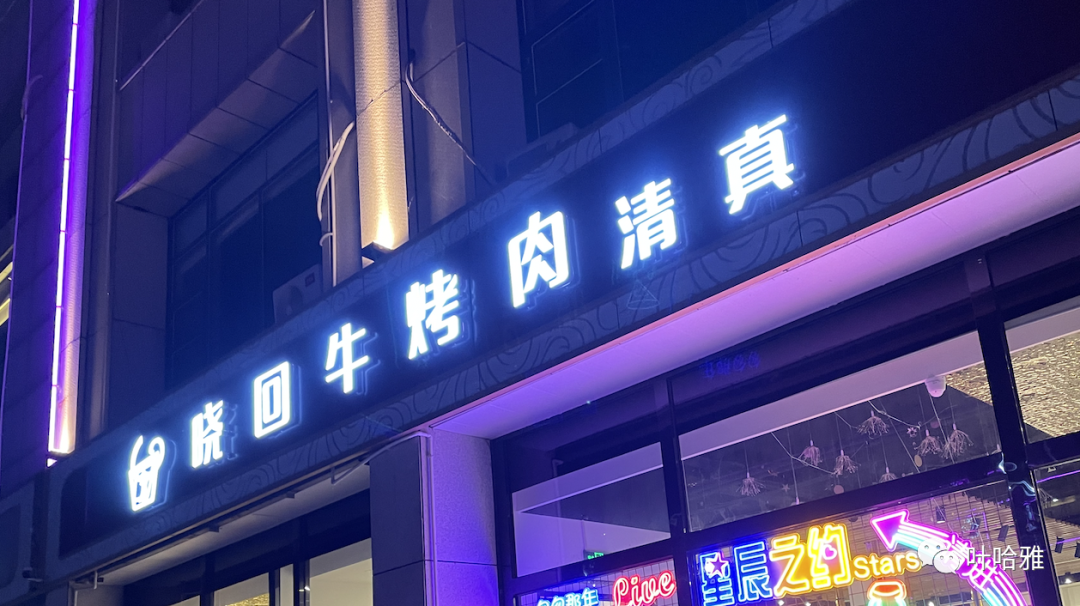
Xiaohuiniu Barbecue is located in the ground-floor shops of Maying Village in Zhangjiawan Town, Tongzhou. It is near a residential area for Hui Muslims and close to Universal Studios, so there are many halal restaurants nearby. We even saw a barbecue night market on the roadside with stalls selling halal deep-fried stinky tofu and grilled skewers. This kind of lively atmosphere is hard to find in Beijing nowadays.
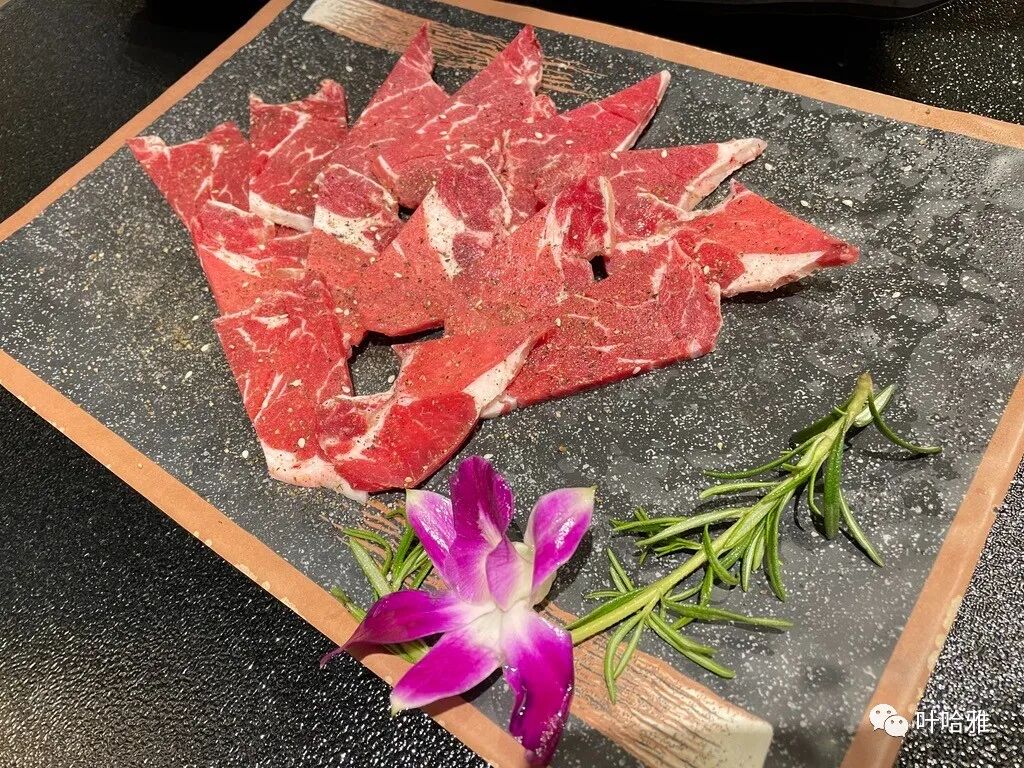
We bought a 4-person set meal on Dazhong Dianping for 288 yuan, which is 70 yuan per person. Overall, the price is cheaper than in the city center. The quality of the beef in the set is good, there are servers to help grill the meat, and the restaurant environment is spacious, making for a comfortable dining experience.
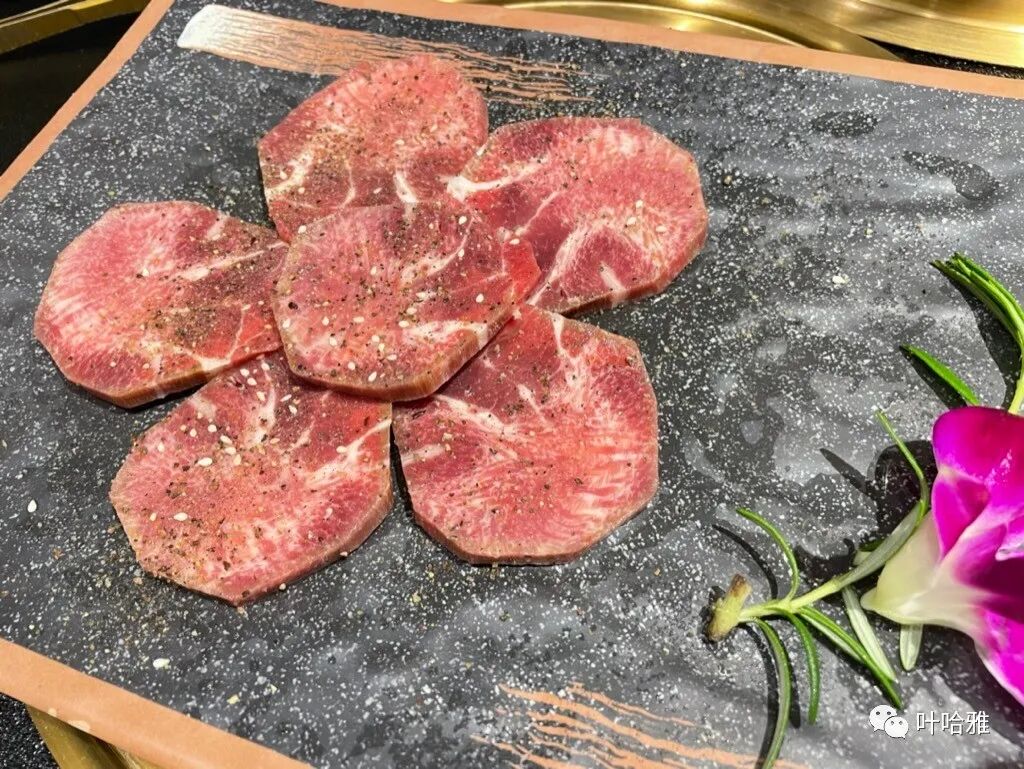
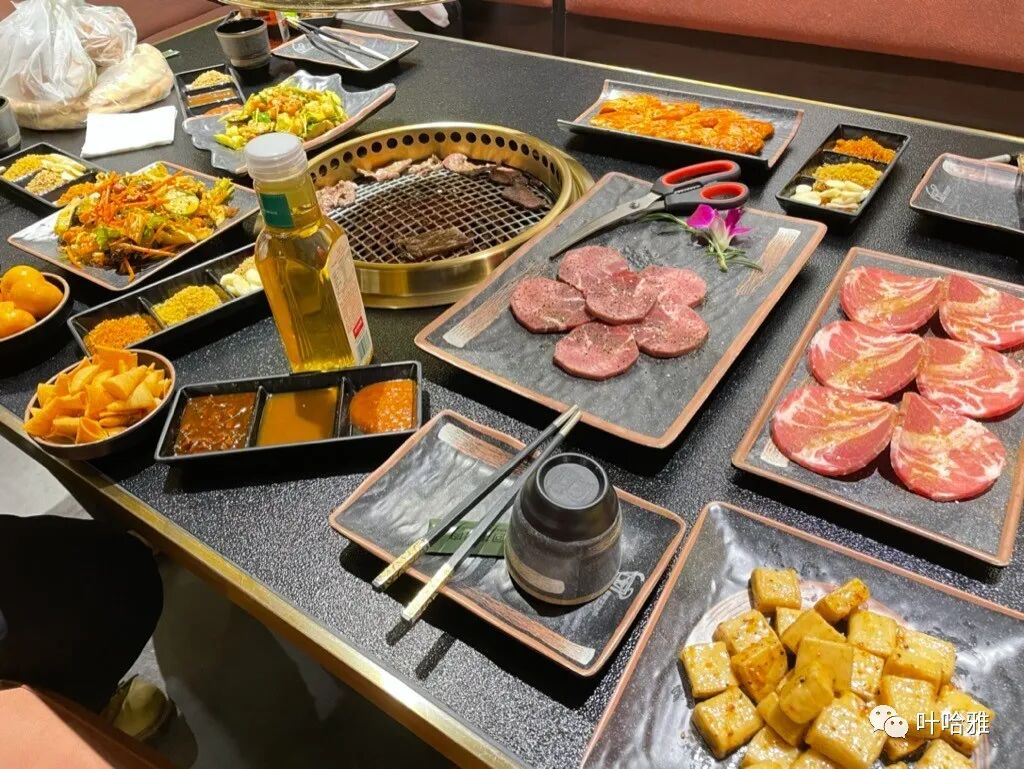
The set includes a portion of Hui beef belly and thick-cut beef tongue, as well as lamb butterfly chops and Orleans-style chicken wings. Paired with some cold dishes, it basically satisfies the appetites of four people.
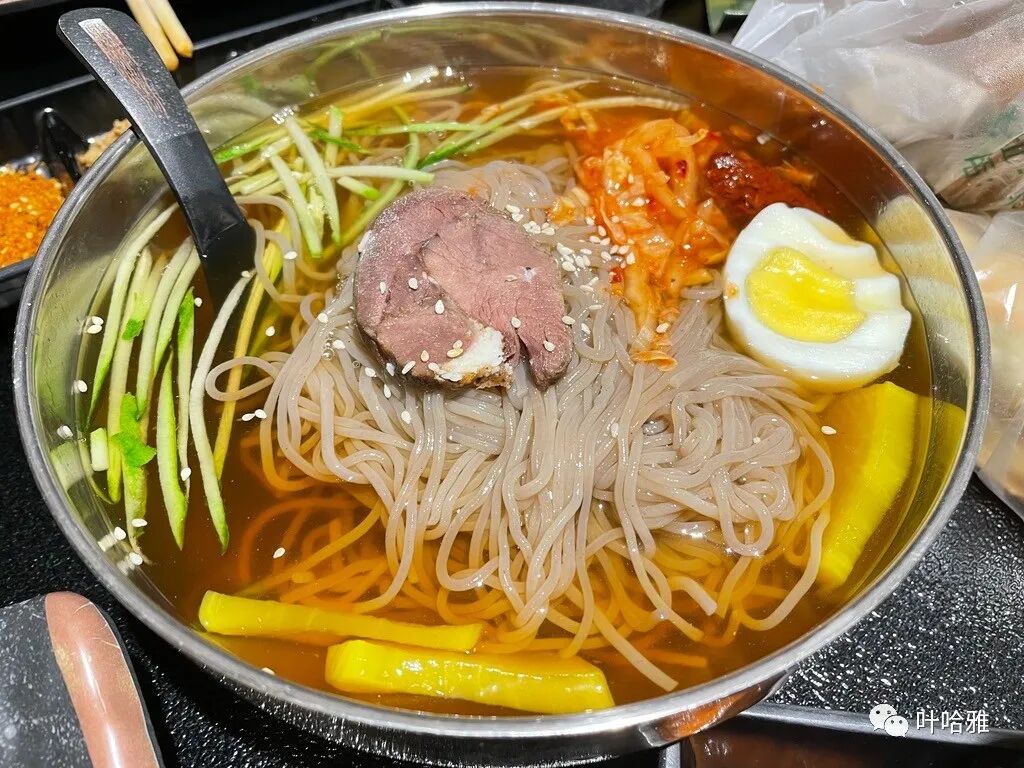
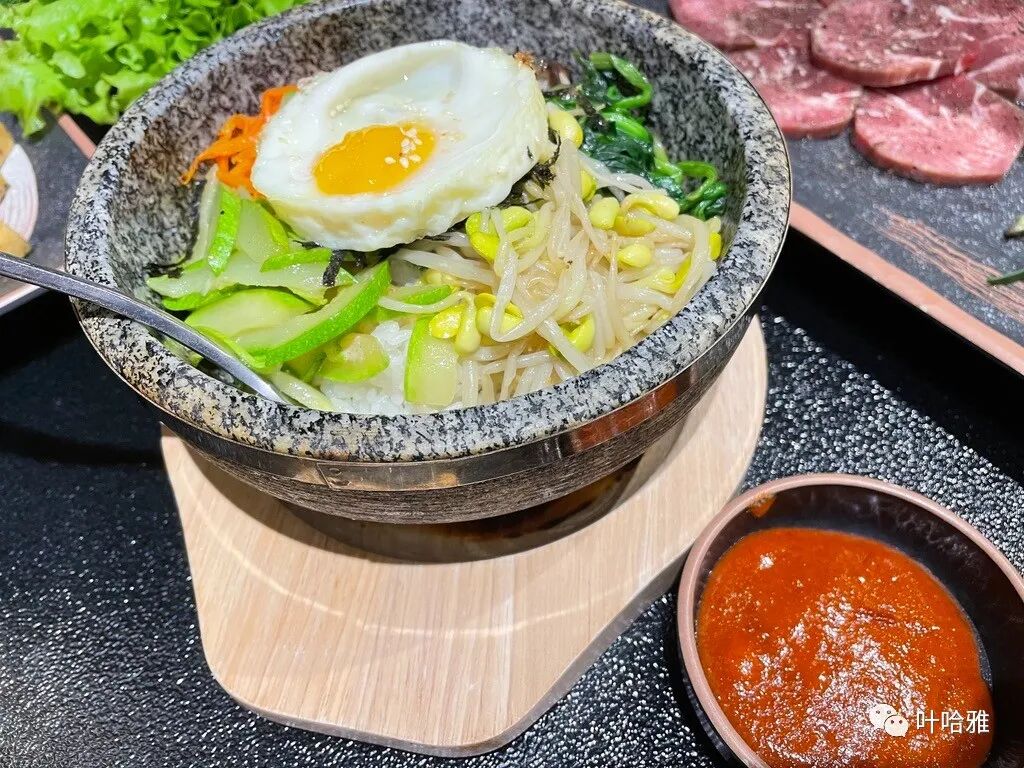
The main courses are a portion of cold noodles (lengmian) and a portion of stone pot bibimbap. These two are the standard main course pairings for Korean barbecue. Both are quite delicious, and the portions are not too large, so there is no waste.
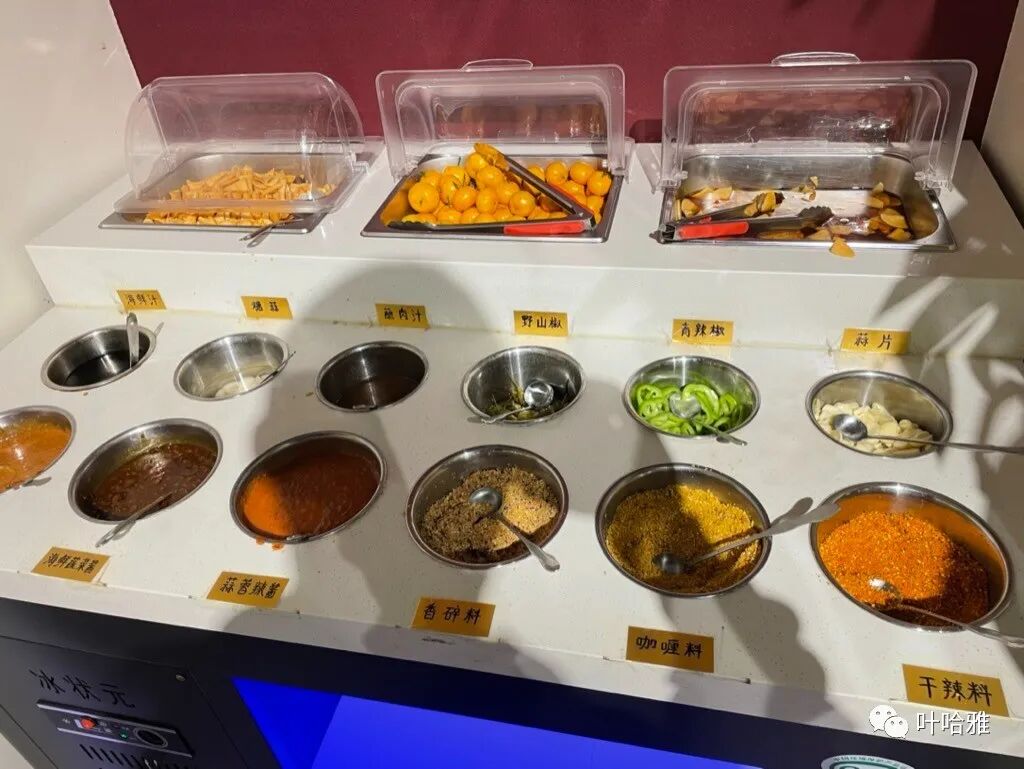
A major highlight of this place is the self-service sauce bar, which offers many flavor options. There are various dry and wet dipping sauces, and I suggest trying each one. I personally prefer the dry dipping sauces.
I have tried grilling meat at home, but a drawback is that the smoke fills the whole room. So, whenever I want to eat barbecue, I still recommend going to a restaurant. There are now several halal Korean barbecue restaurants in Beijing, such as Toupiqi and Qingu in Changying, as well as Japanese-style places like Chidao Yakiniku and Niushi, all of which are good restaurants.
Address: Shop 5, Ground Floor, Maying Village, Zhangjiawan Town
Phone: 17610562606
2
Taihe beef flat noodles (banmian) from Anhui.
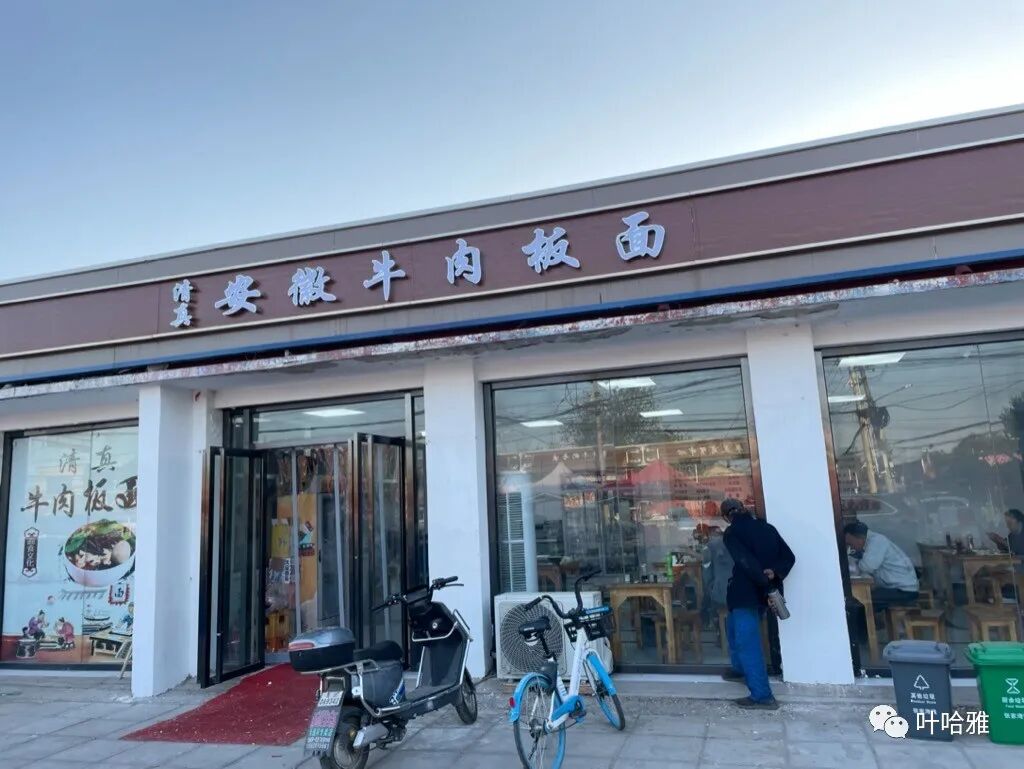
We originally planned to break our fast at Xiaohuiniu, but when we arrived at Zhangjiawan, we stumbled upon this halal Anhui flat noodle shop. It is located right at the entrance of the street where the Zhangjiawan mosque stands. The guys and I agreed immediately to eat our noodles here to break our fast before heading off for barbecue. Sometimes plans just cannot keep up with changes.
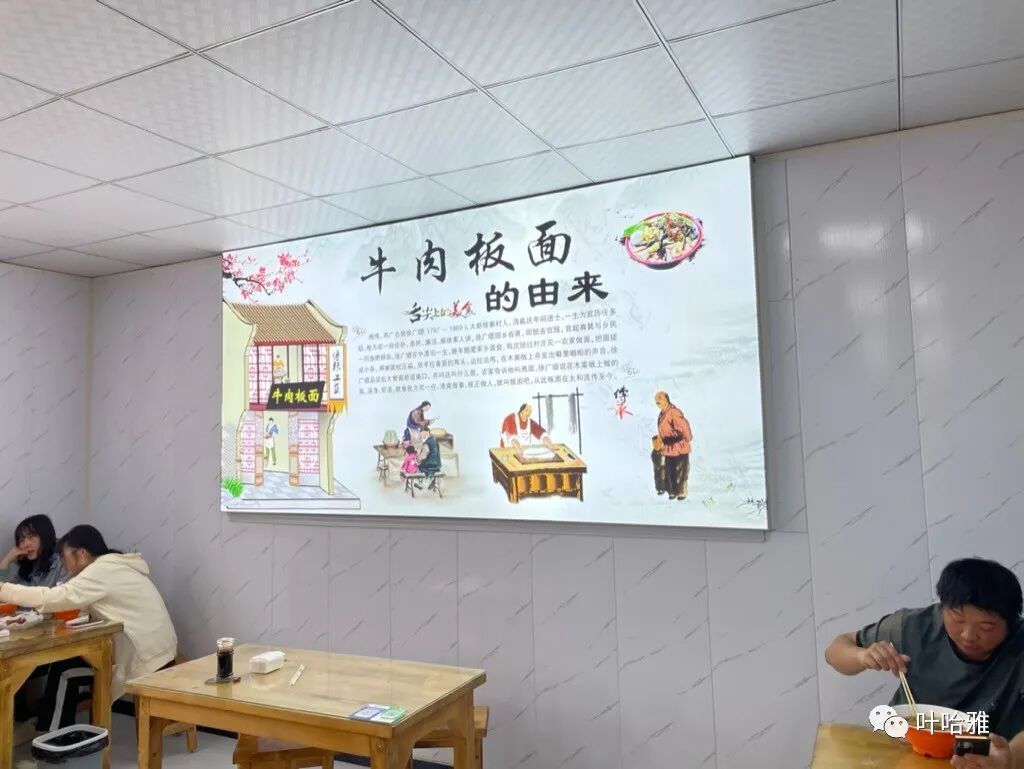
Taihe beef flat noodles are a specialty snack from Anhui that originated during the Jiaqing reign of the Qing Dynasty. Taihe is a place in Fuyang, Anhui. The name flat noodles comes from the way the dough is flattened with a rolling pin and slapped against a cutting board.
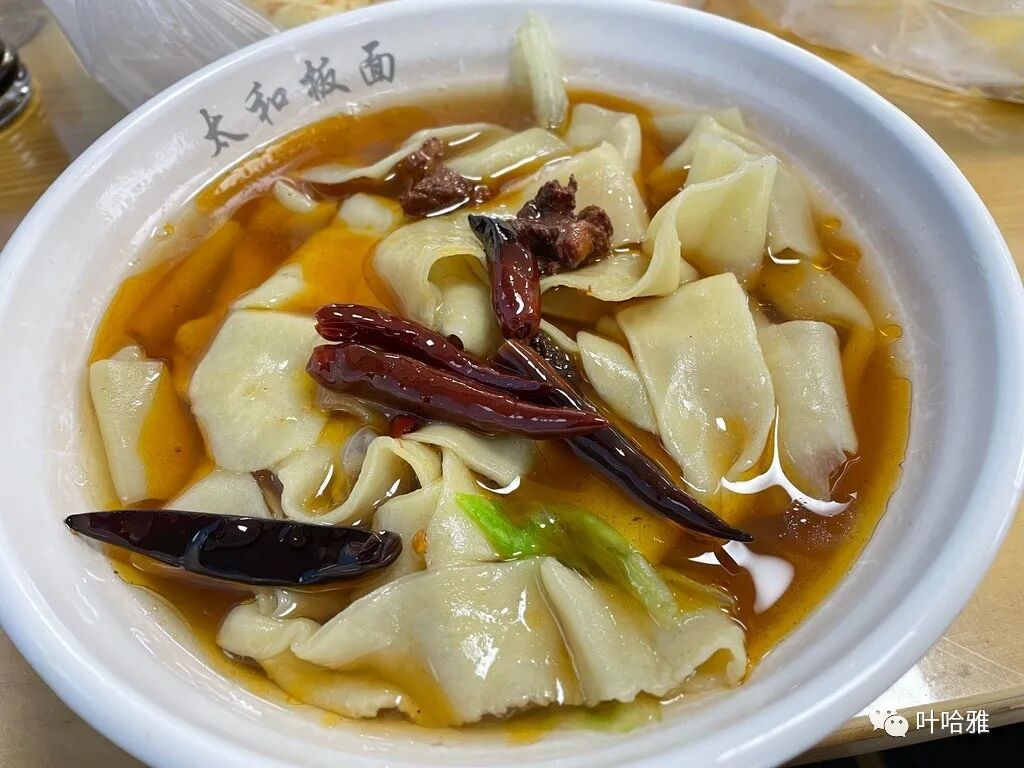
To save room for the barbecue at Xiaohuiniu, we each ordered a small bowl of noodles. The small bowl was actually quite large and cost 10 yuan. The beef broth was rich and the wide noodles were chewy. My teammates could not stop praising them. It was everyone's first time having halal flat noodles, and we all felt the trip was worth it.
3
New Chinese-style pastries: Tanggusu and Guiyizhai.
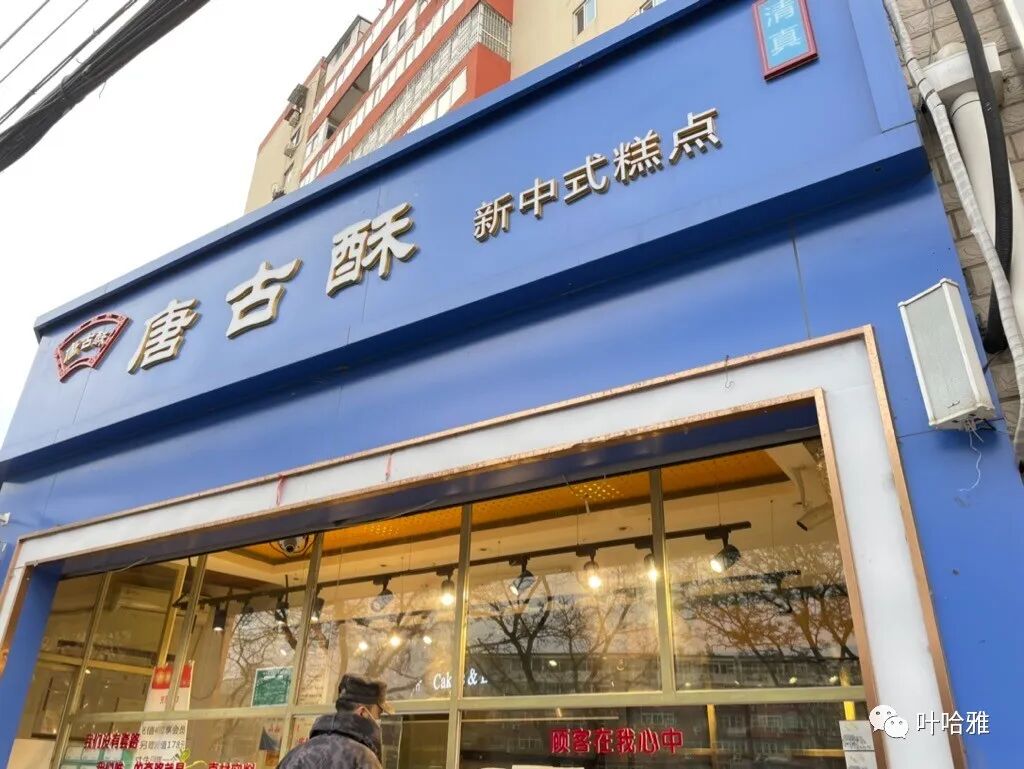
Tanggusu and Guiyizhai are the same business, located right next to each other with an interior connection. Tanggusu is the takeout window, while you can walk into Guiyizhai to shop. Young people who are not used to traditional pastries can find new flavors here.
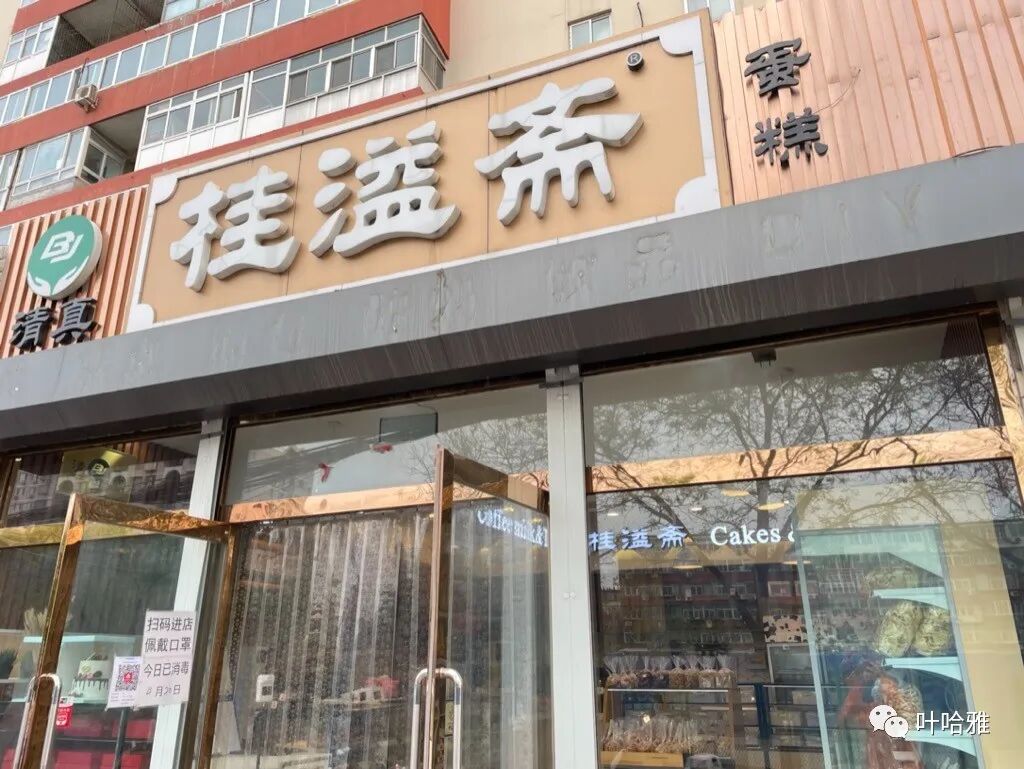
They have halal meat floss cakes (xiaobei), egg tarts, jujube cakes, chocolate pies, muffins, Napoleon cakes, and sweetheart cakes (laopobing), as well as sugar-free cakes.
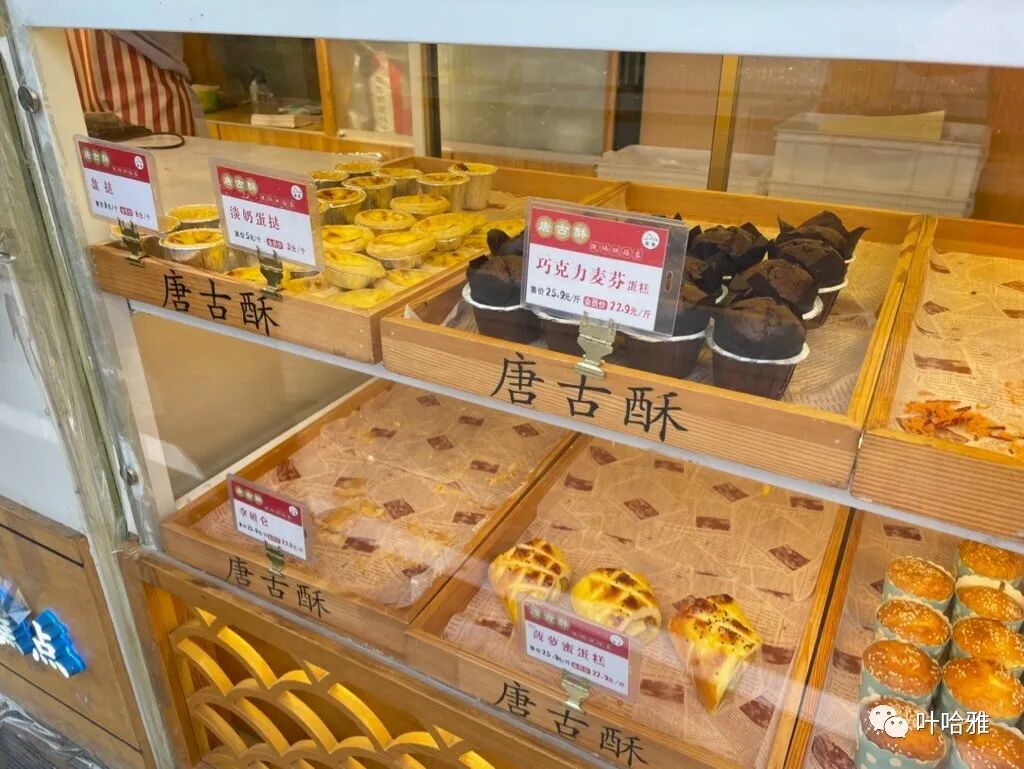
The chocolate pie is their best-selling dessert and is cheap at 8 yuan each. Given the limited options for halal desserts, this shop is quite affordable, even if it is not as good as what my wife makes.
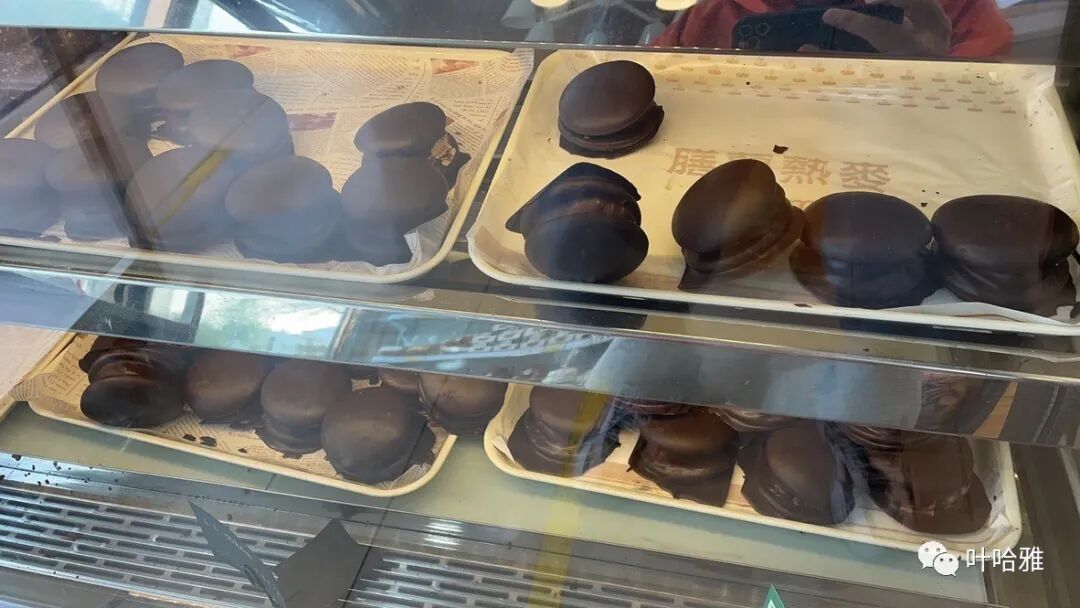
The chocolate pie was packed with filling. Since I was still fasting, I did not get to taste it; my wife ate it all (nursing mothers do not have to fast).
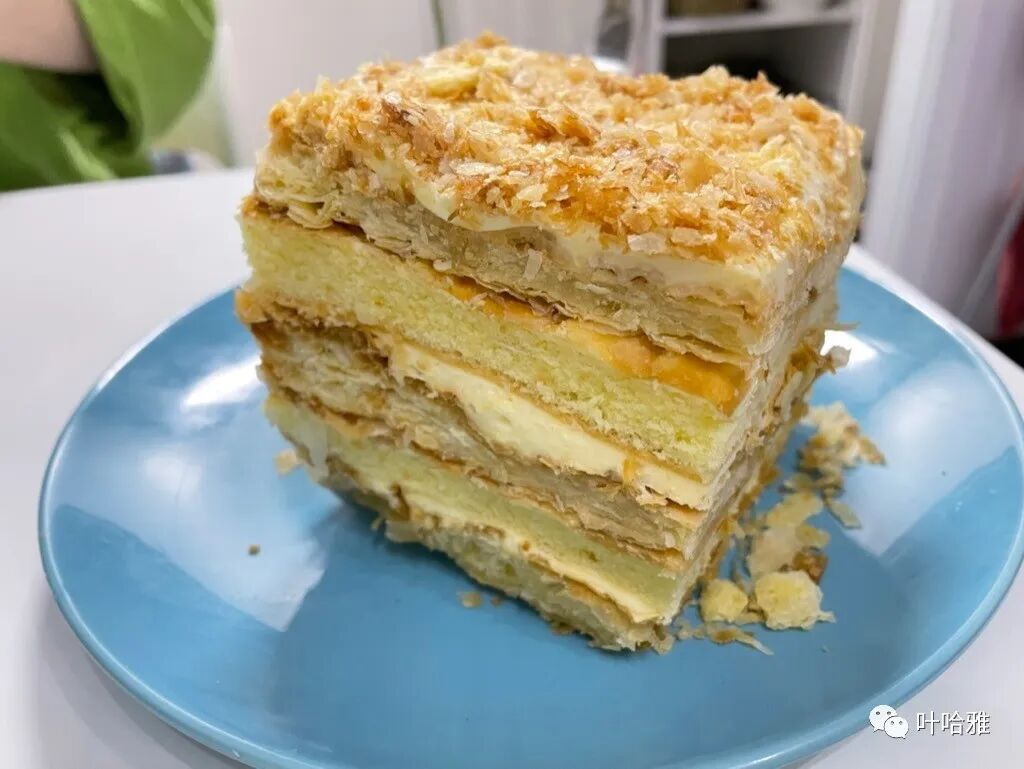
Napoleon cake.
Address: Bungalow 1, Courtyard 2, Jiaomen Road.
Phone: 01067532366.
4
New-style Beijing cuisine: Yimanxuan.
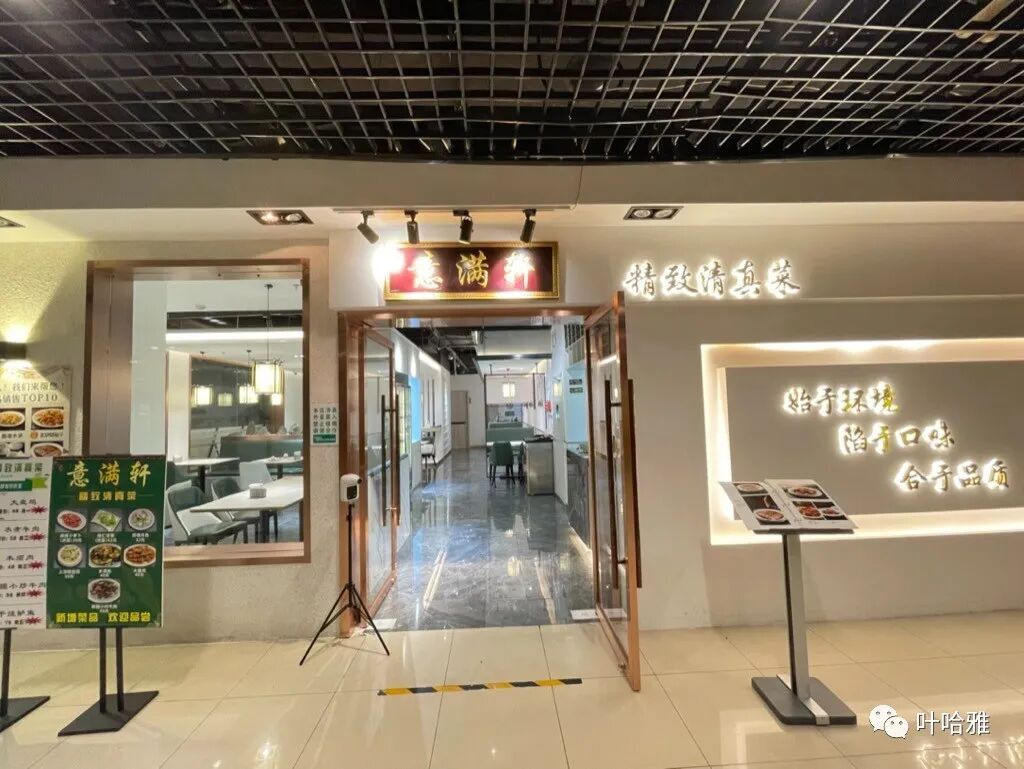
One evening, Tiantian had the intention (niyyah) to treat everyone to break their fast. Since we wanted to keep the cost per person reasonable, I specifically chose this newly opened restaurant near Xidan.
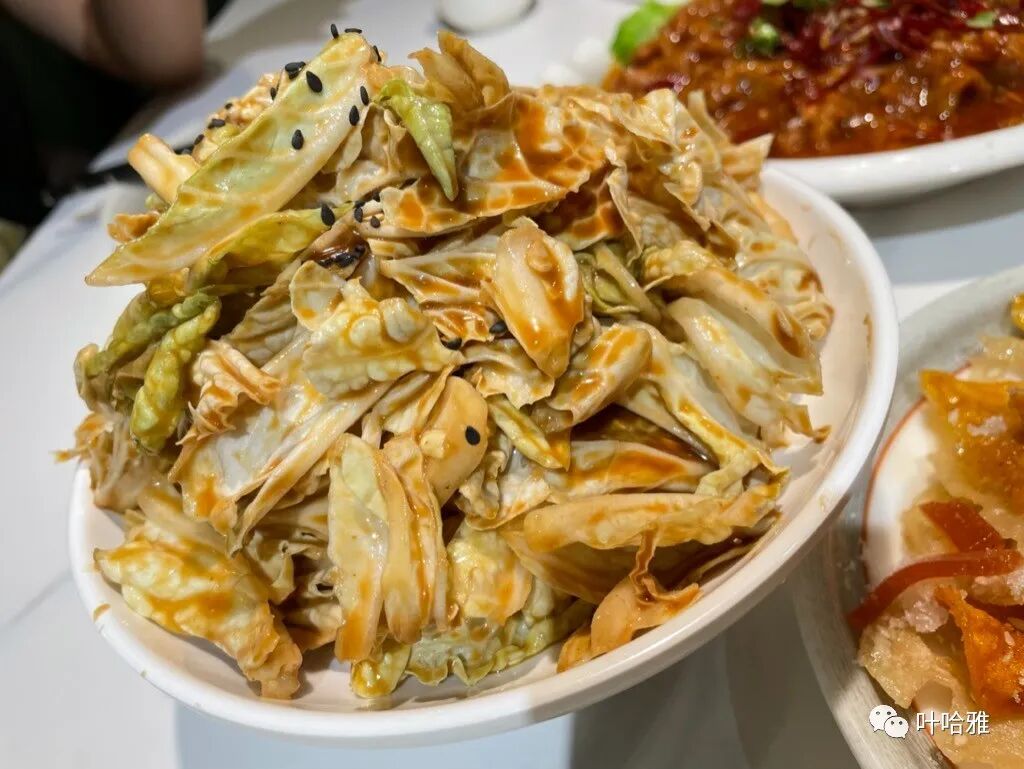
Qianlong cabbage.
Qianlong cabbage (qianlong baicai) is a cold dish made with Chinese cabbage, sesame paste, honey, and sugar.
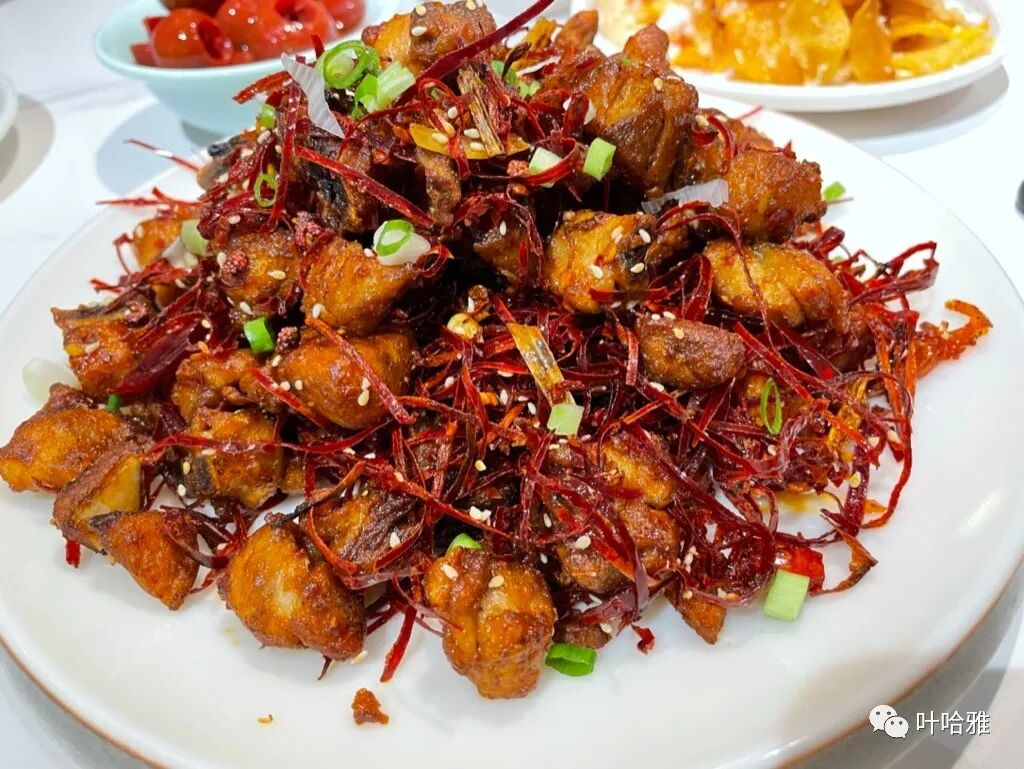
Dry-fried young chicken (ganbian ziji).
This Sichuan-style dry-fried young chicken is deep-fried first, so it is crispy on the outside and tender on the inside. It is topped with dried chili strips for a spicy, fragrant flavor that is just right.
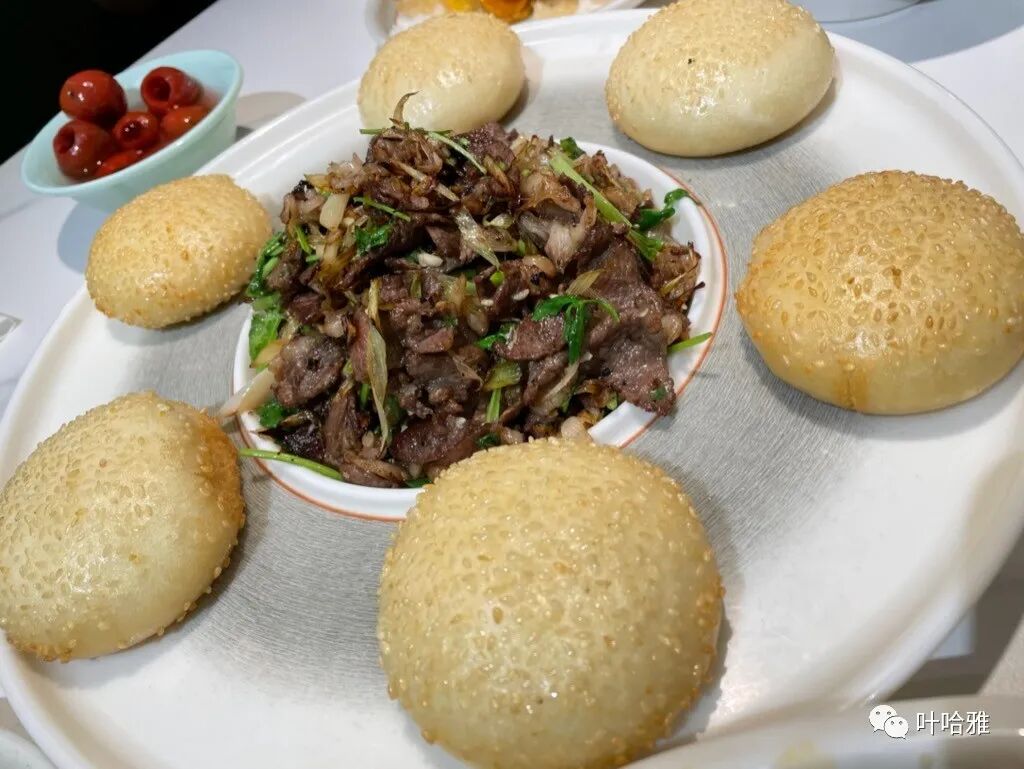
Stir-fried lamb (baohu).
Baohu is basically stir-fried lamb, but cooked over higher heat for a longer time. You eat it with sesame flatbread (shaobing), which is soft enough to stuff the meat inside. This dish is quite popular.
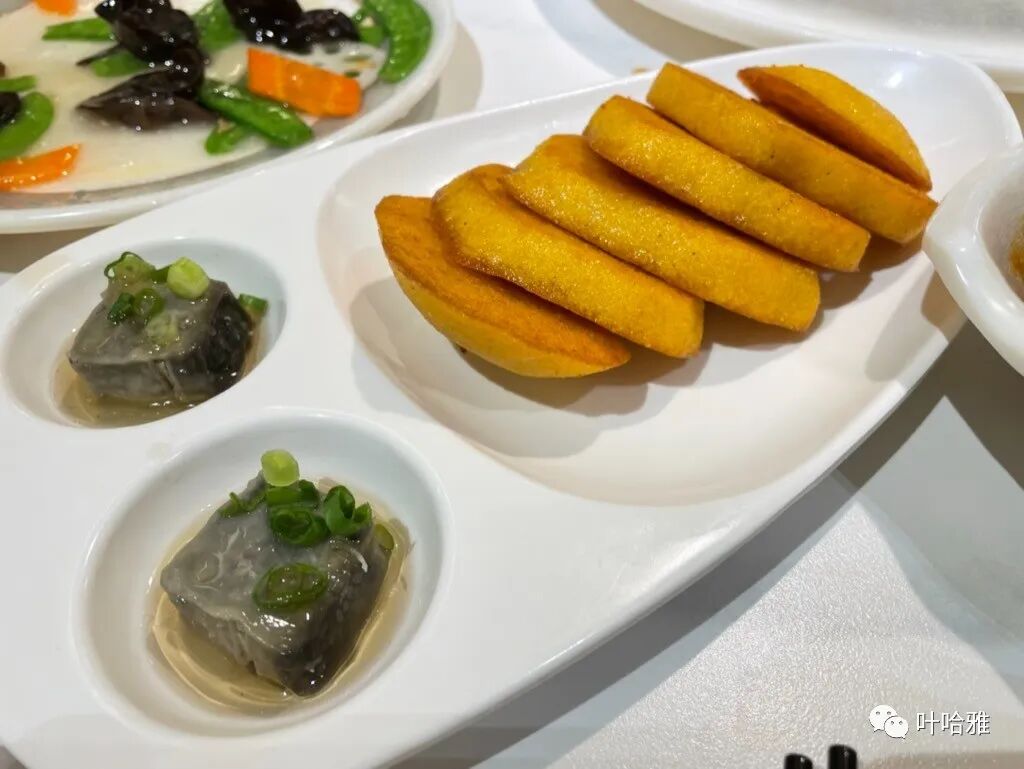
Fried cornmeal buns with stinky tofu (zha wotou choudoufu).
This is a favorite among old Beijingers. You spread stinky tofu on fried cornmeal buns. Don't smell it; just hold your breath and eat it, and you won't notice the smell.
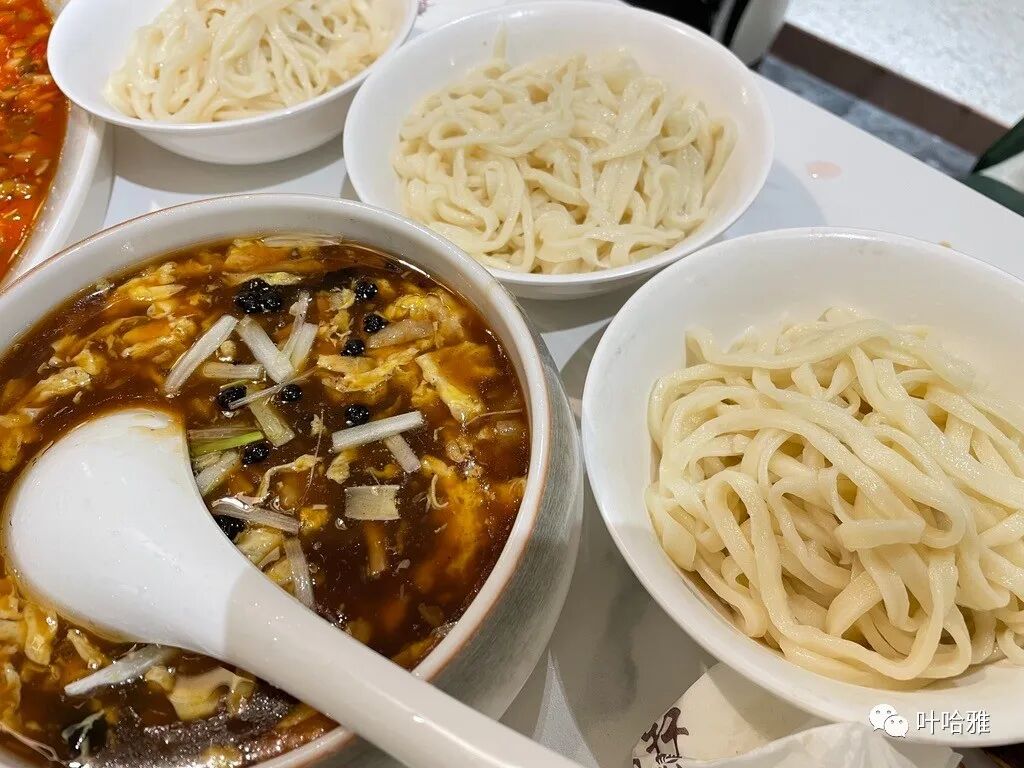
Noodles with thick gravy (dalu mian).
We chose these noodles with thick gravy as our main course. One big bowl serves three people. The handmade noodles and the gravy are both carefully prepared and highly recommended.
5
Northwest cuisine at Lili Yangke.
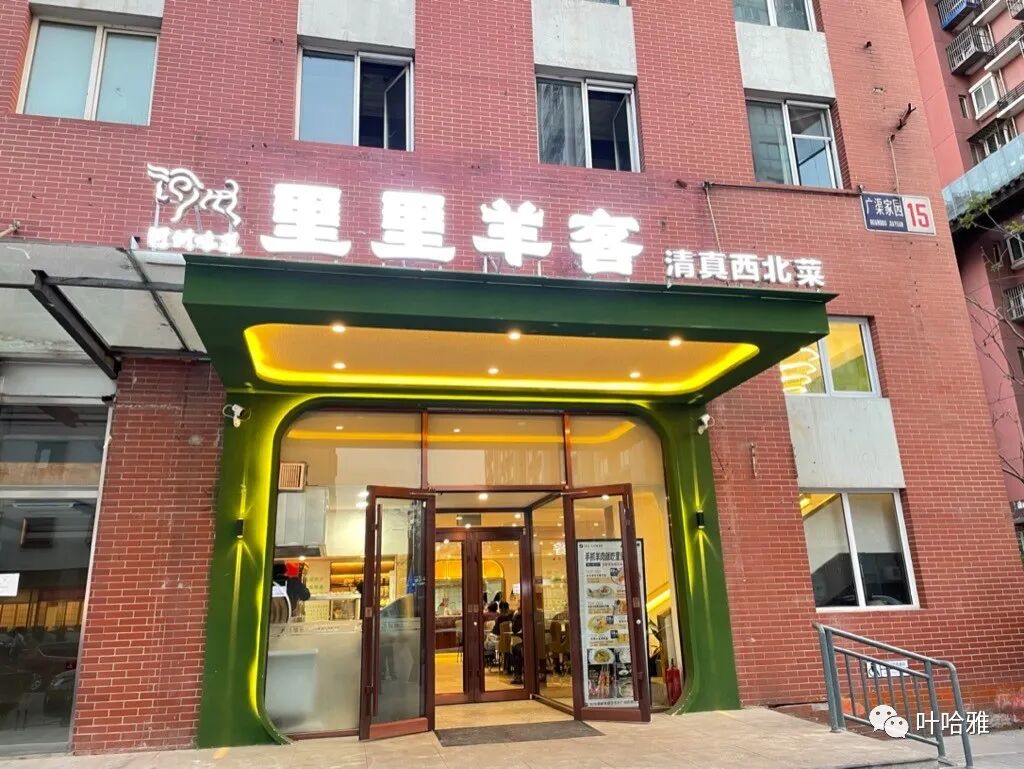
During Ramadan, Lili Yangke provides dates for those fasting to break their fast. They also prioritize serving food to guests breaking their fast; just tell the server it is an iftar meal, and the chef will serve it on time.
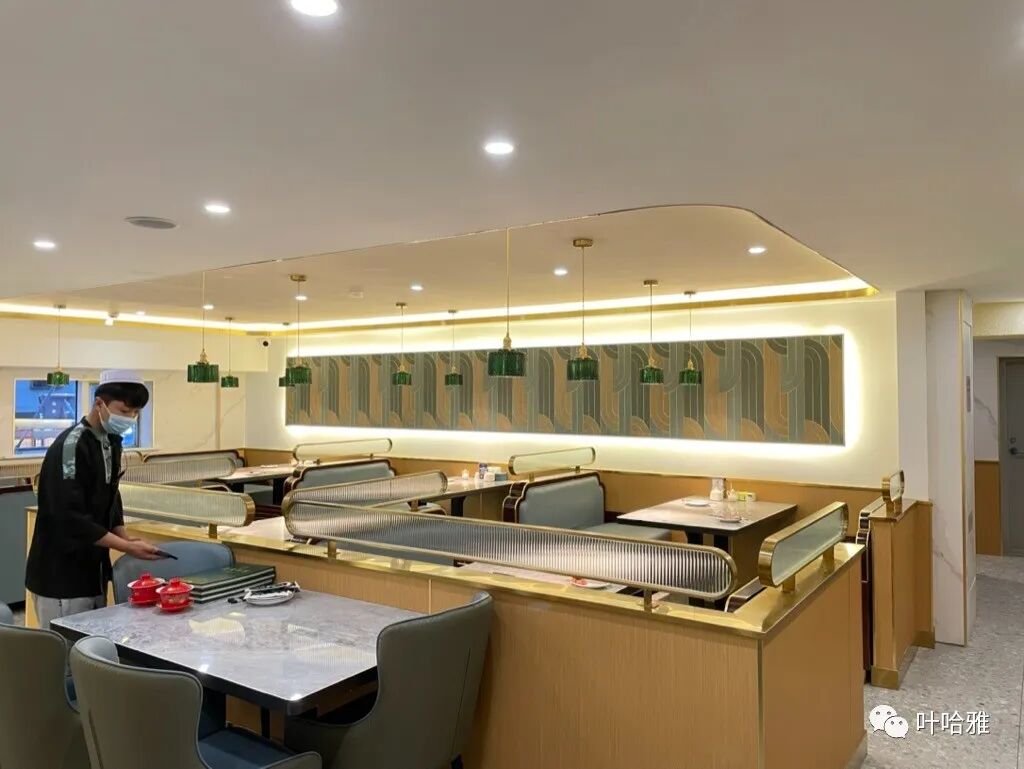
The waitresses at Lili Yangke wear headscarves, and I saw them performing namaz after breaking their fast.
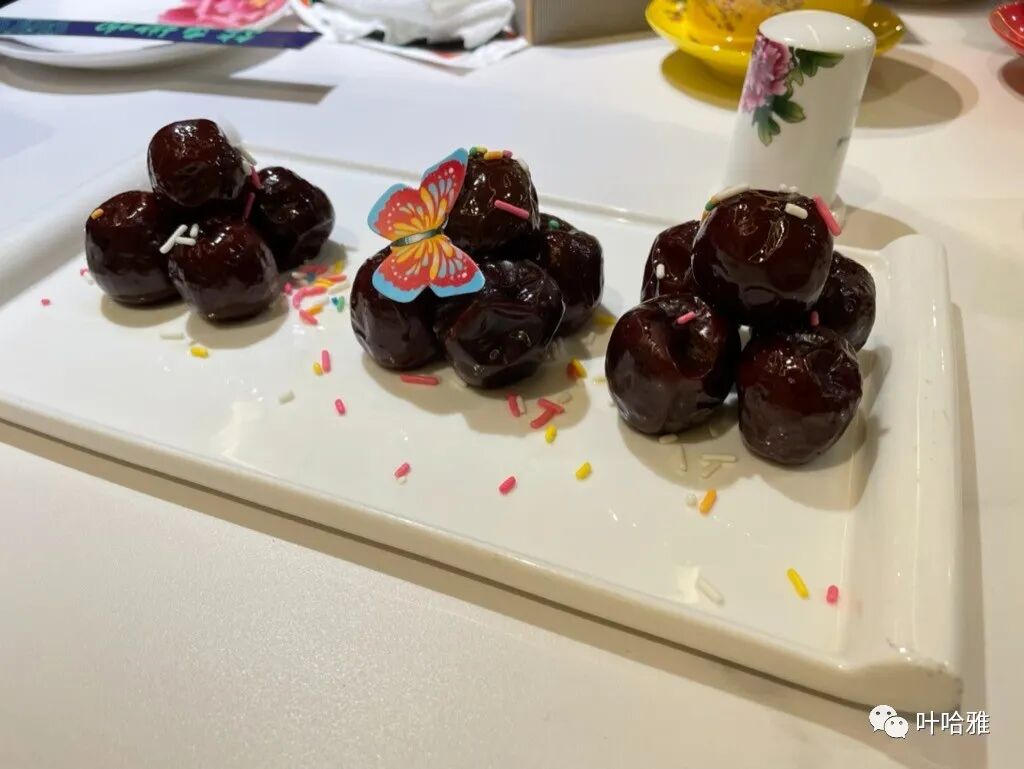
We use boiled dates to break our fast, following the Sunnah.
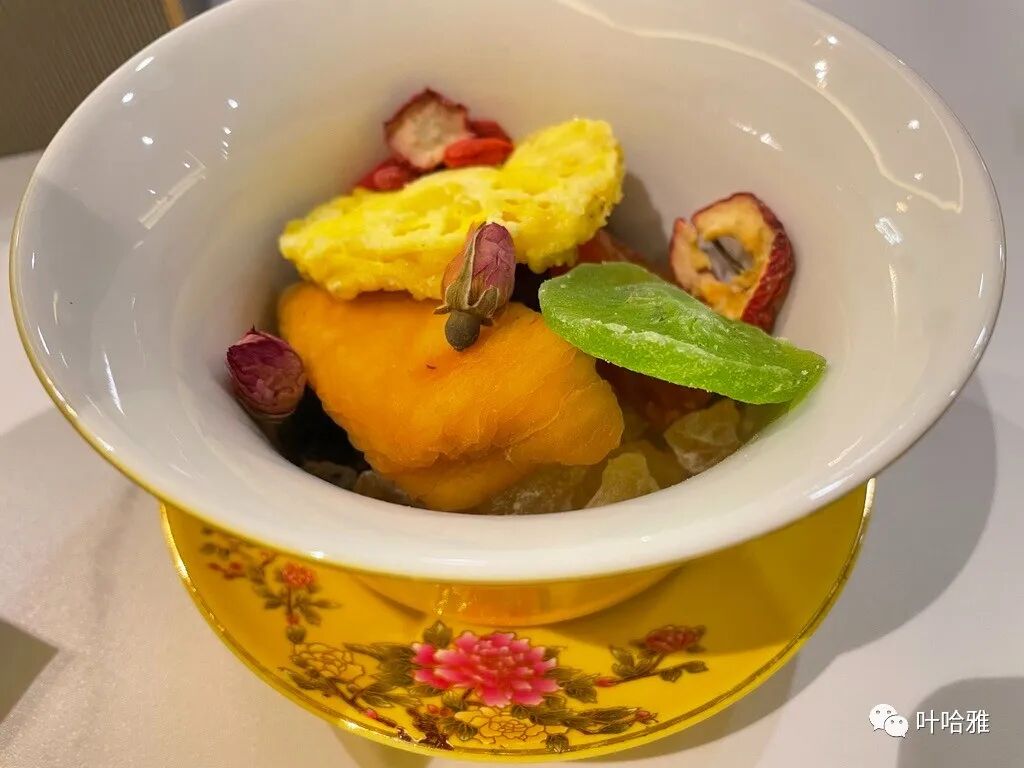
The deluxe version of eight-treasure tea (babao cha), also known as three-cannon tea (sanpaotai) in Lanzhou, is always filled to the brim when you visit a home in the Northwest.
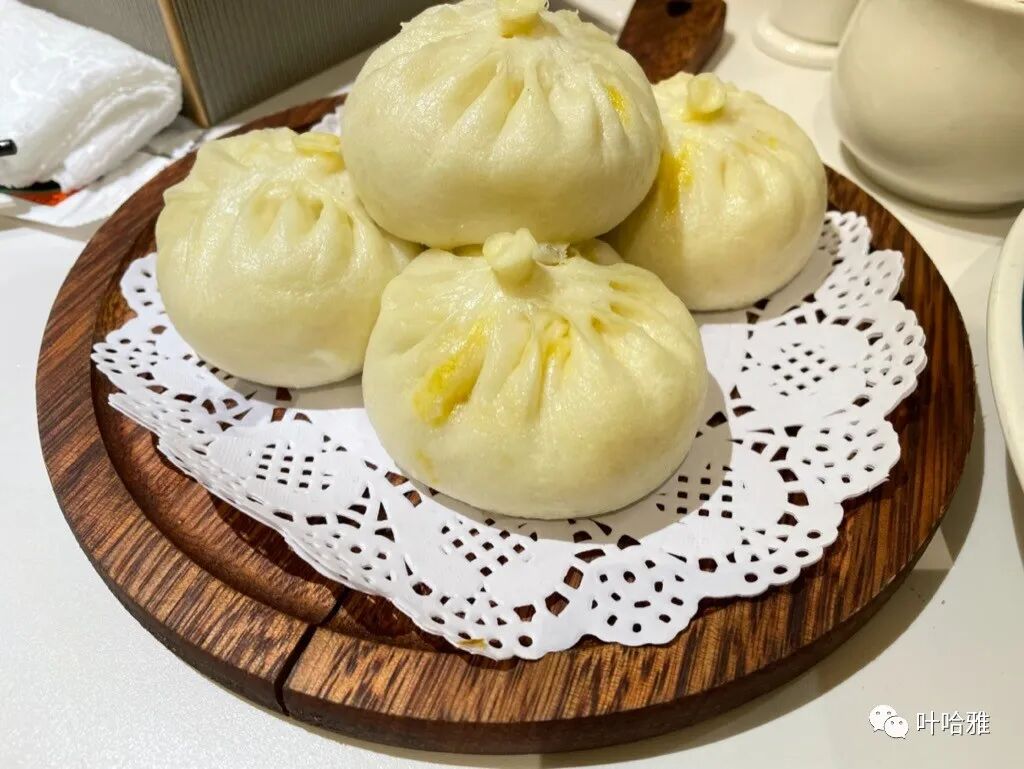
Hezhou steamed buns (Hezhou baozi) are not a main course here; in the Northwest, they are served as an appetizer before the meal.
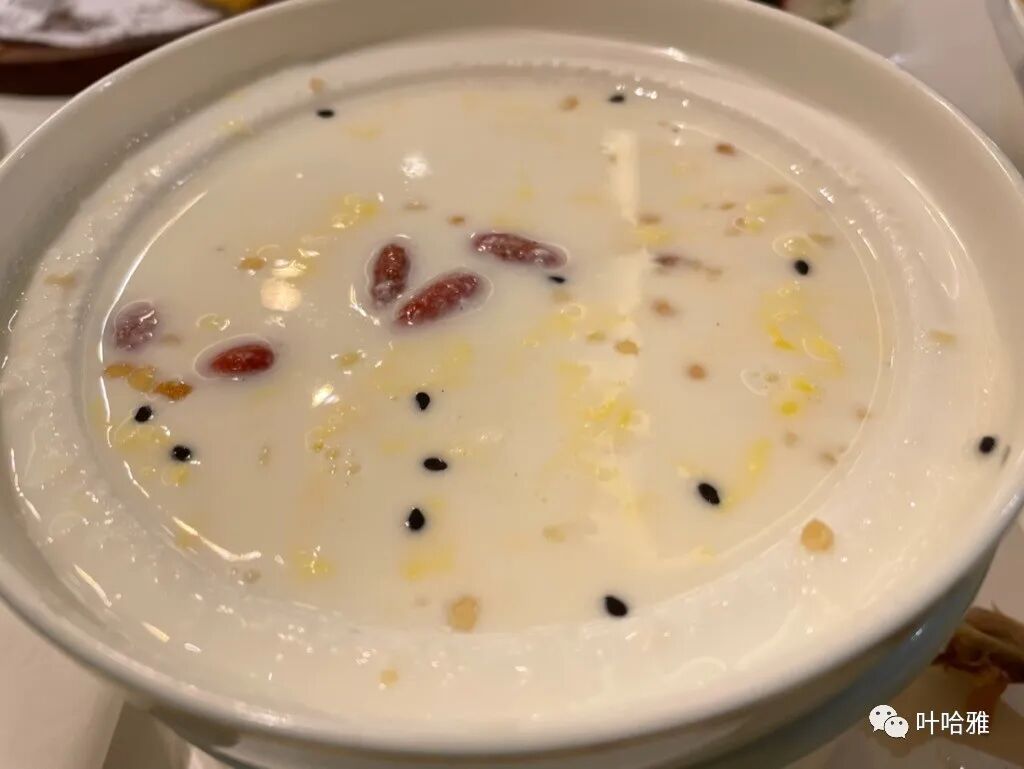
Milk and egg fermented rice soup (niunai jidan laozao) is a Northwest dessert that can be eaten before or after a meal.
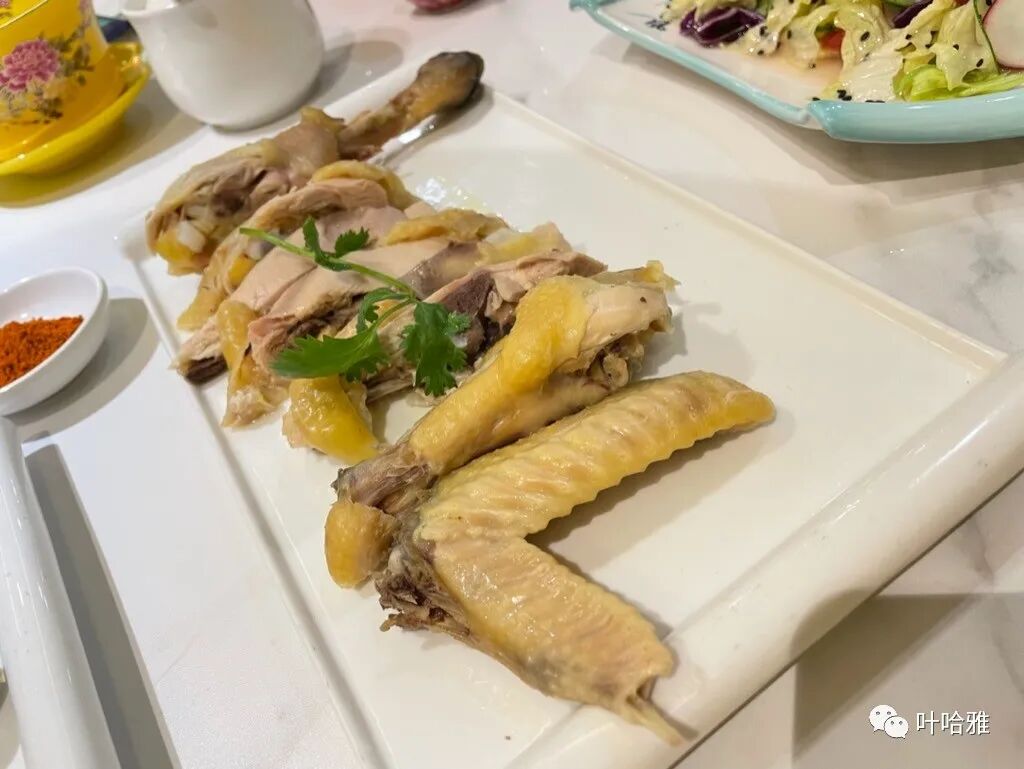
Their Dongxiang free-range chicken (Dongxiang liuda ji) is excellent. The meat is tender and has a great texture that is clearly different from regular chicken.
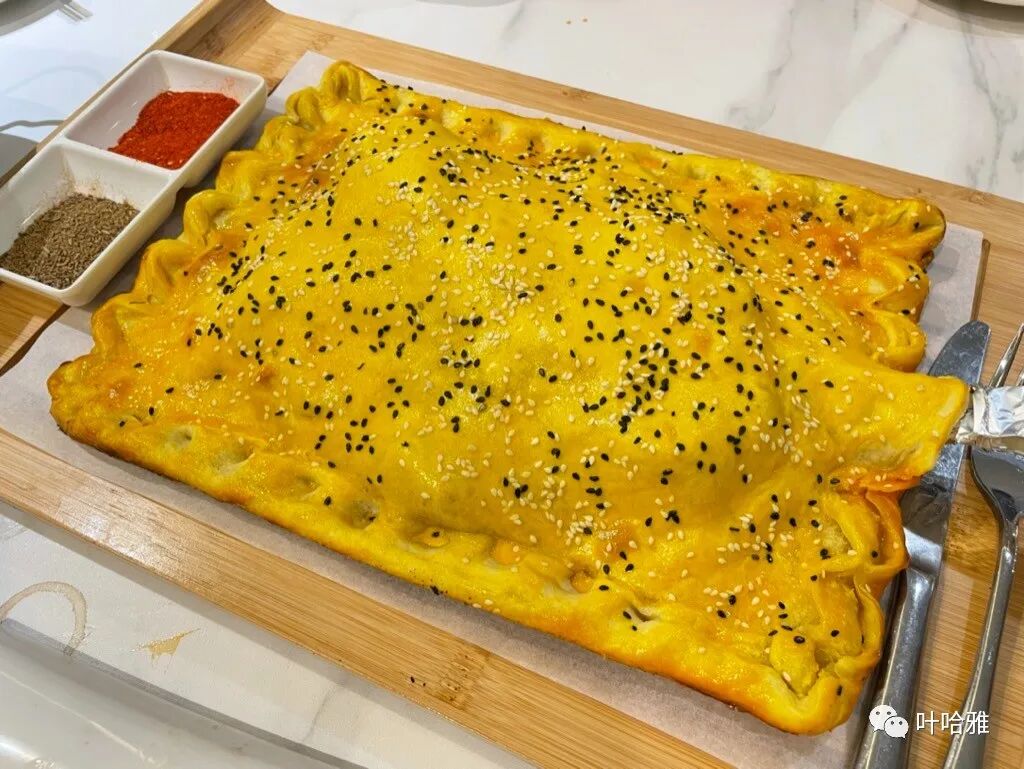
The golden bread roasted lamb leg (huangjin mianbao kao yangtui) is their signature dish. You need to order it an hour in advance because it is baked to order. Once the bread is cut open, it is filled with pre-cut pieces of lamb, and the quality of the meat is excellent.
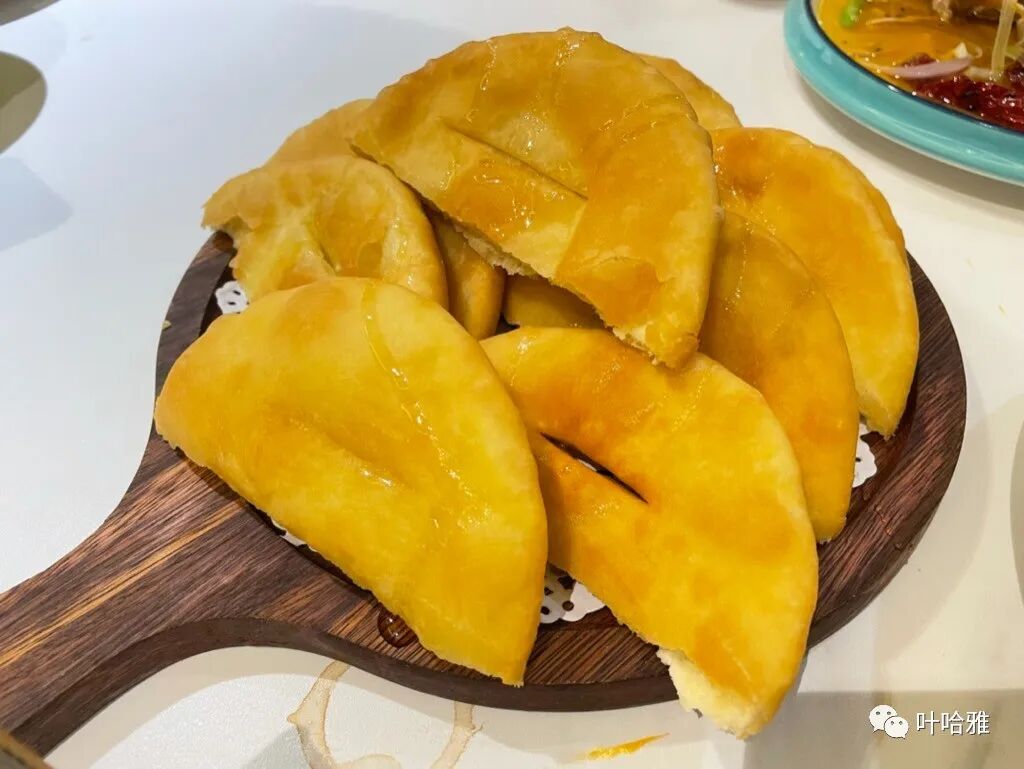
The small fried dough (youxiang) is fluffy and delicious, and you can eat it like a snack. Many places do not fry youxiang regularly, only on important days, which makes the food feel sacred. There is even a custom that you must break it by hand to eat it. These are local traditions that do not come from the Quran or Hadith. We respect these traditions, but we should also know where they come from.
Address: No. 15 Guangqu Jiayuan, Guangqumen Outer Street.
Phone: 13777836511.
6
Xinjiang Cuisine: Ziyuan.
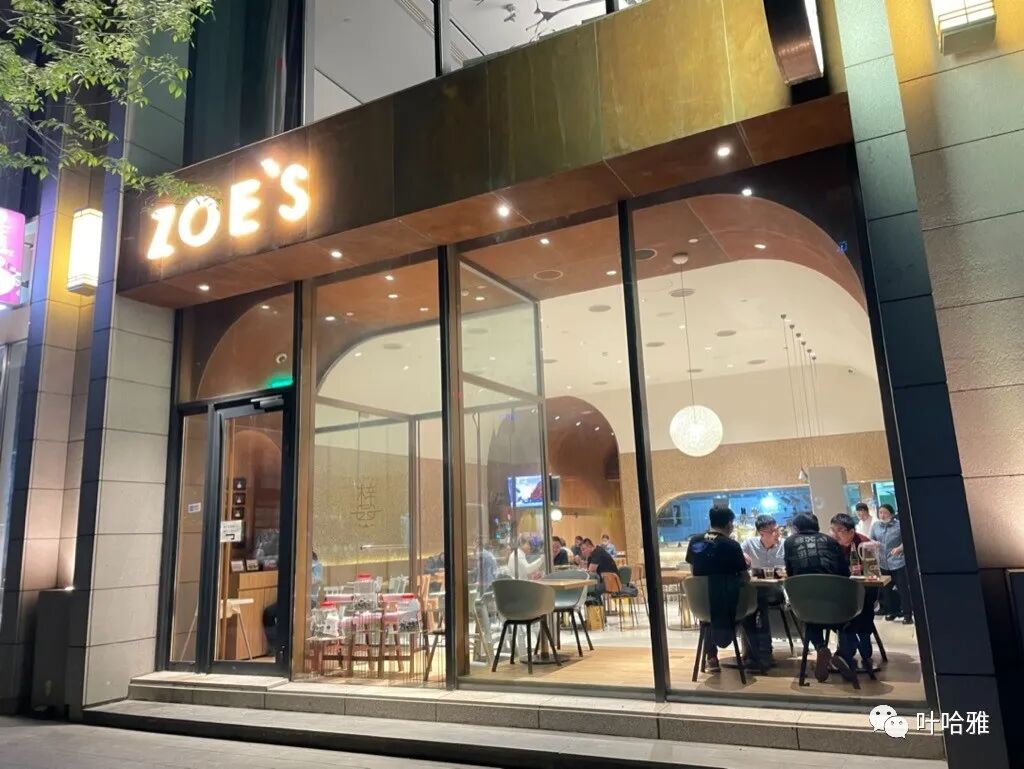
There are Xinjiang restaurants everywhere in Beijing now, but this one stands out for its decor. People say they hired the famous Japanese designer Shuhei Aoyama. The master's design fee was as high as 2,000 yuan per square meter, which shows the owner has very high standards for aesthetics.
Since they hired a master designer, they are naturally careful about choosing ingredients. The owner is a Hui Muslim from Xinjiang, so the ingredients come directly from Xinjiang.
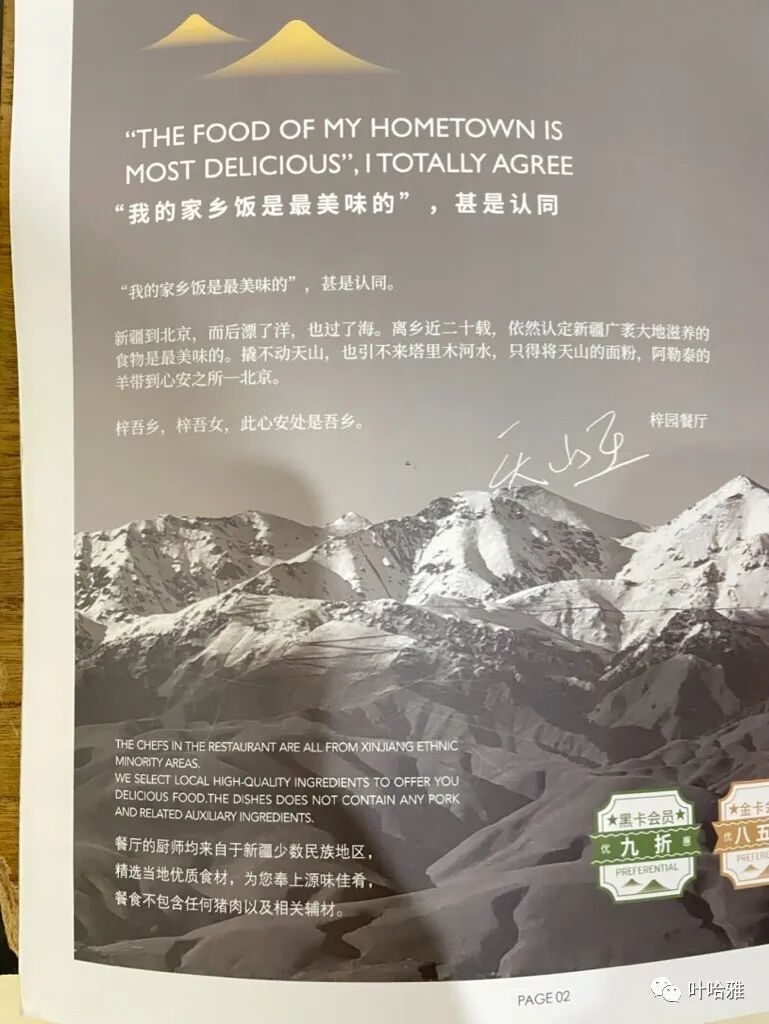
We saw a note on the menu: 'The restaurant's chefs all come from ethnic minority regions in Xinjiang.' This description speaks for itself. Those who know, know. This is how ethnic restaurants from Xinjiang write it these days.
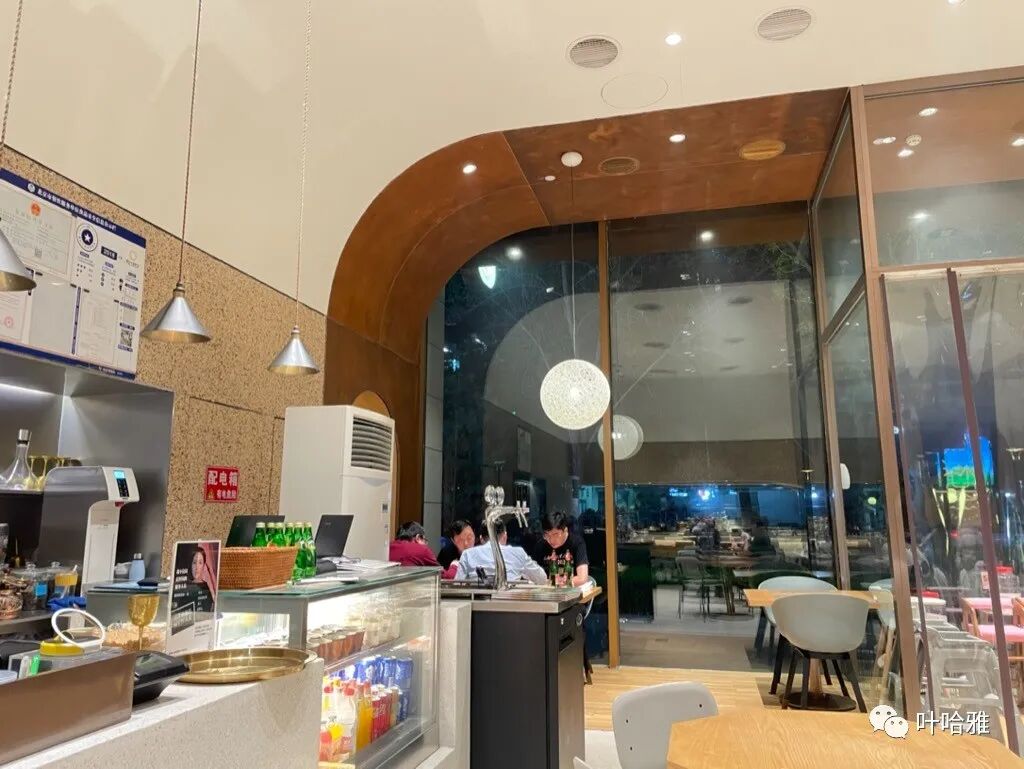
Actually, before eating at Ziyuan, we had already broken our fast at a nearby Yunnan restaurant called Dianxinyuan. We just happened to pass by here and thought, since we came all this way, we might as well go in and sit for a while.
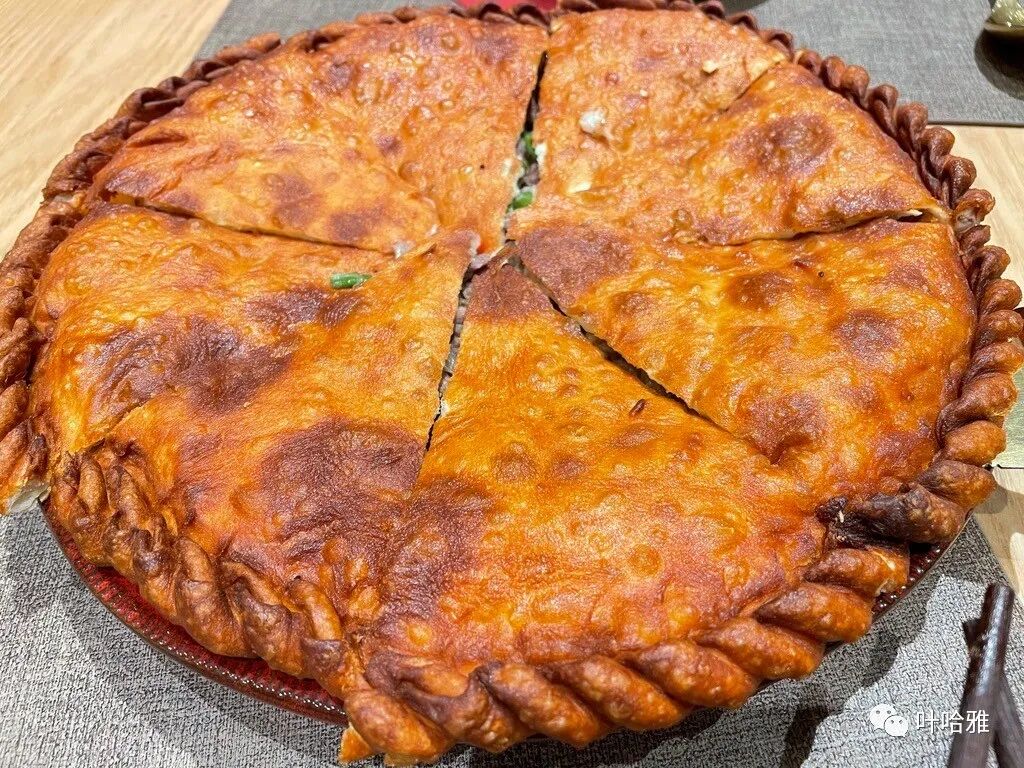
We ordered a meat-filled flatbread (rou nang). Even though we were very full, we still thought it was delicious. It had plenty of filling and lots of meat.
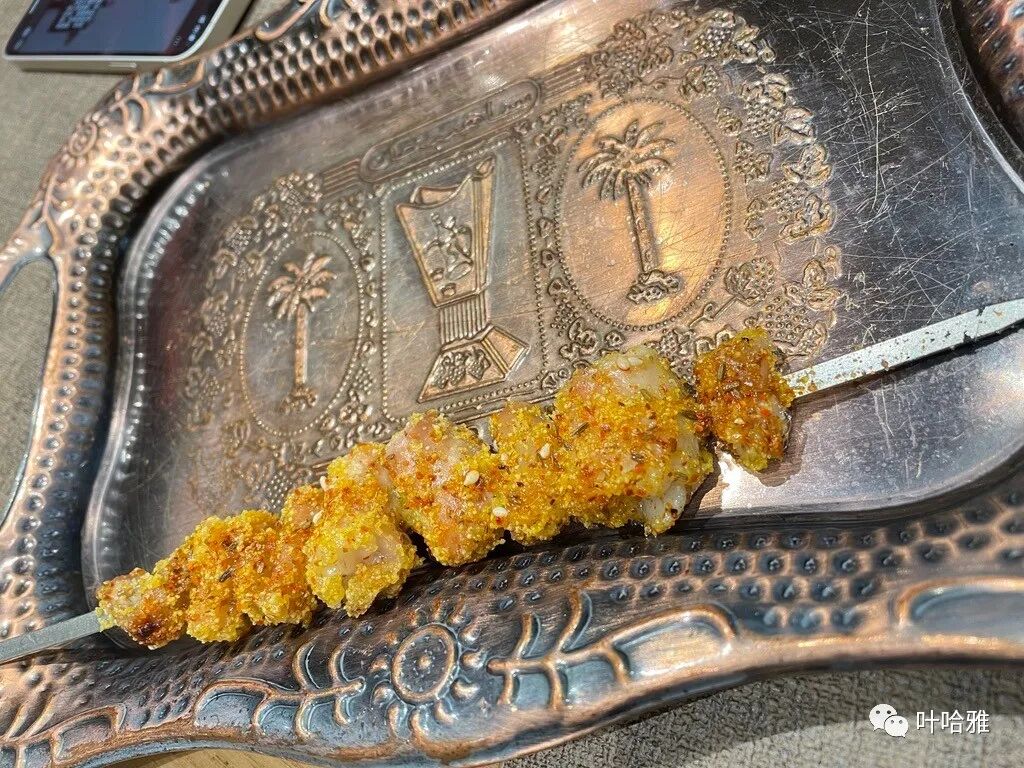
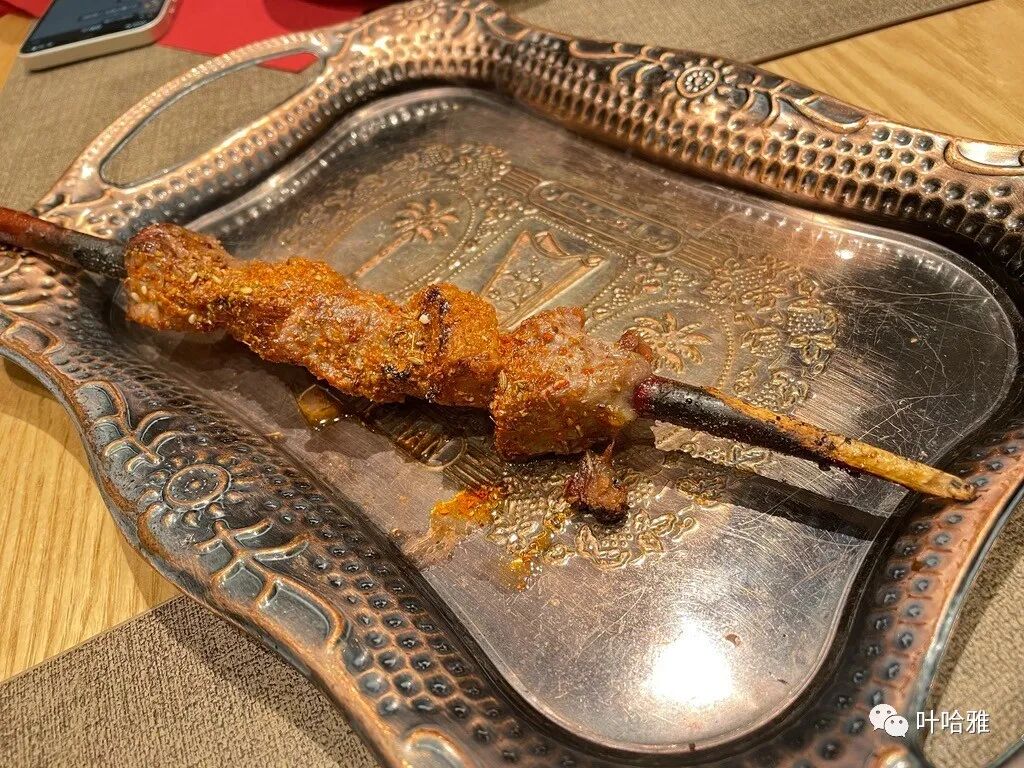
We also ordered a skewer of grilled lamb liver and a skewer of red willow grilled meat (hongliu kaorou). The ingredients were all very fresh and satisfying.
Address: Block B, Podium Building, AVIC Plaza, Ronghua South Road.
Phone: 13511041942.
7
Turkish Cuisine: SIMIT PALACE.
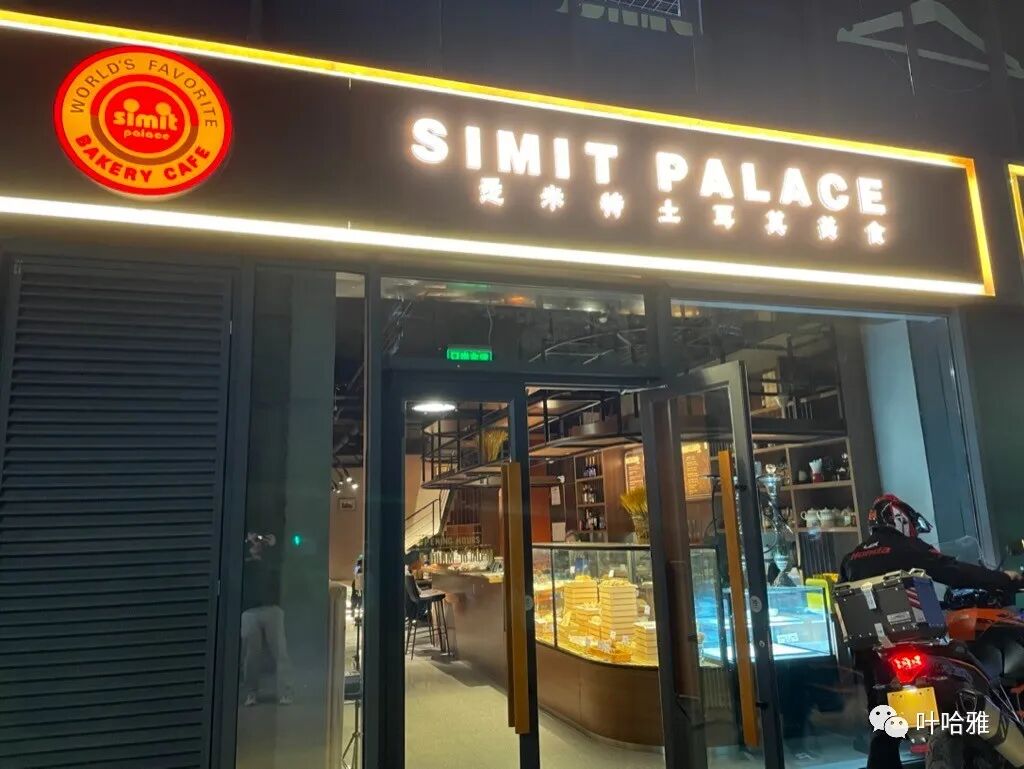
This is a newly opened Turkish restaurant in the Asian Games Village. The owner is a Turkish man from Istanbul, and his wife is from Beijing. In 2005, they opened a Turkish restaurant called Osman on Lucky Street.
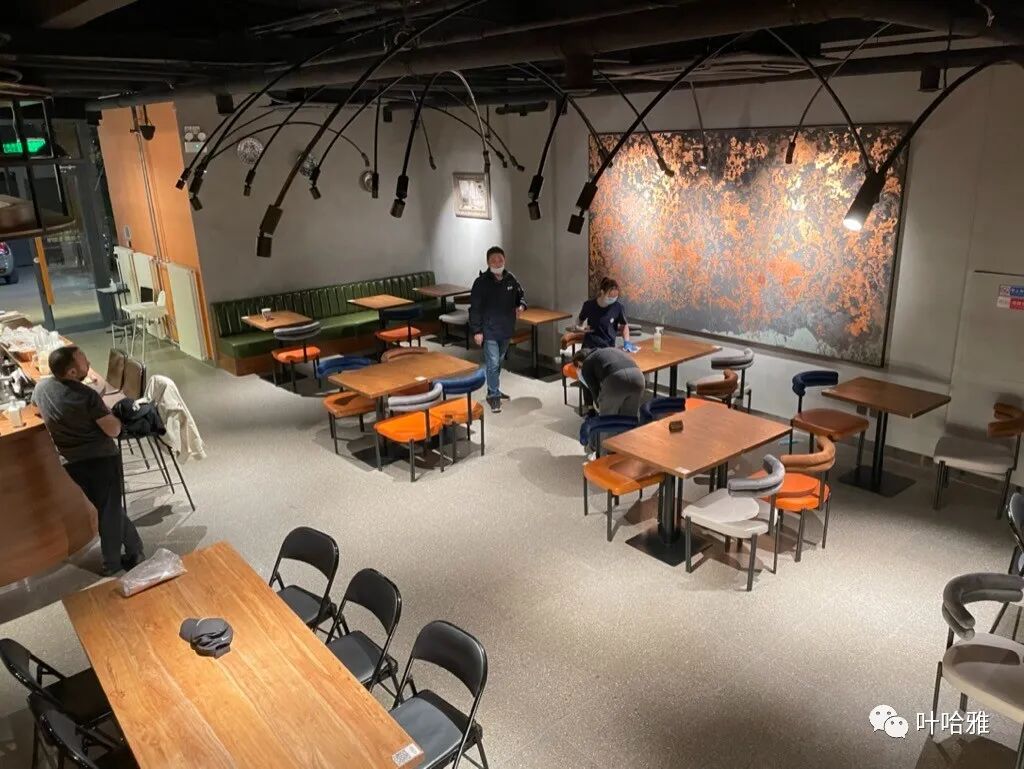
The restaurant has only one floor, with the kitchen on the second floor. The first floor serves desserts, bread, and coffee, making it a great spot for a casual afternoon tea.
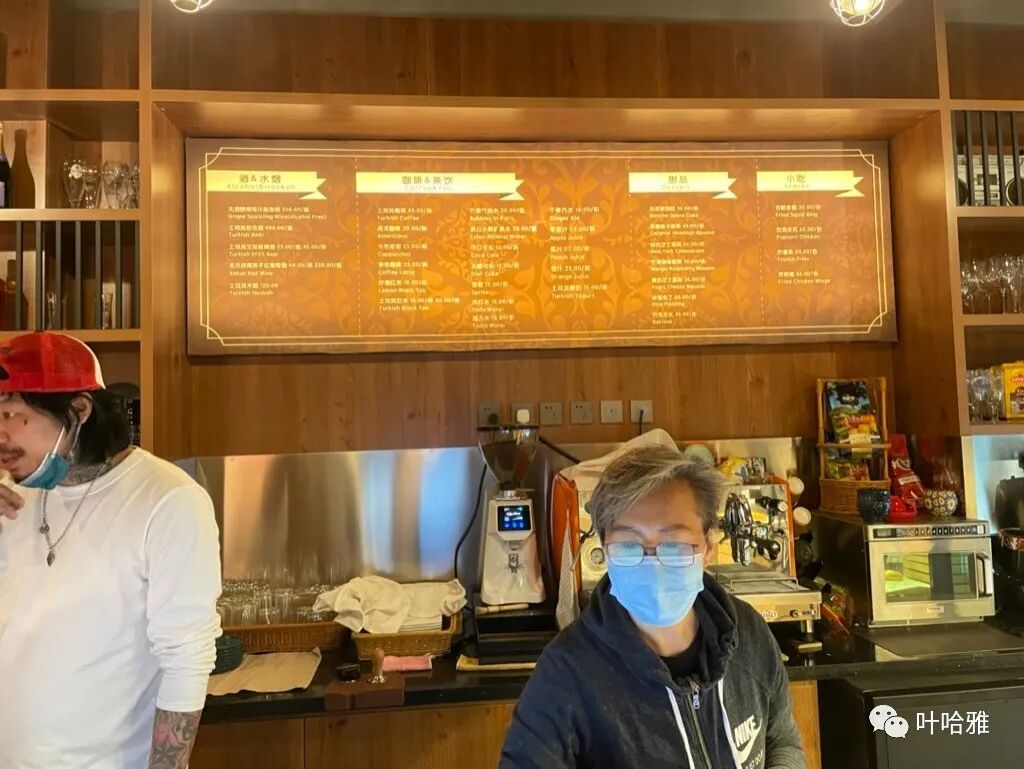
I bought some bread to try. It was made very delicately, and after my wife checked it, she said it was quite good.
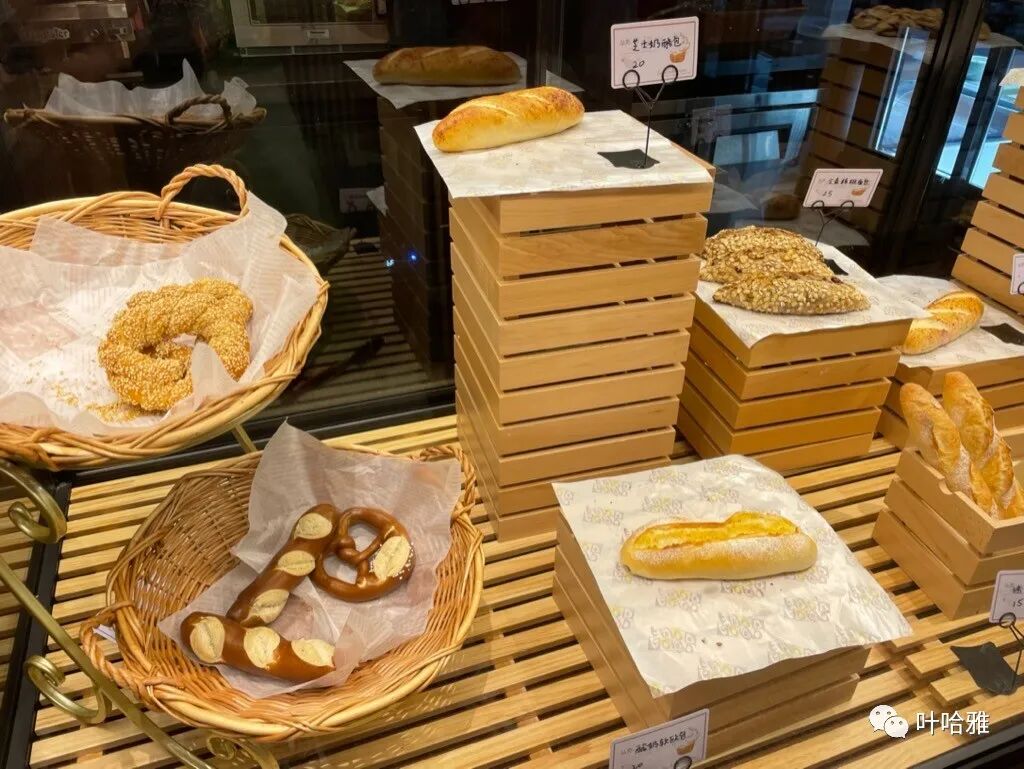
I love drinking coffee and enjoy the feeling of relaxing in a cafe. Since we cannot drink water during the day in Ramadan, we went at night. I couldn't resist ordering a cup of strong Turkish coffee, even if it meant I might not sleep well later.
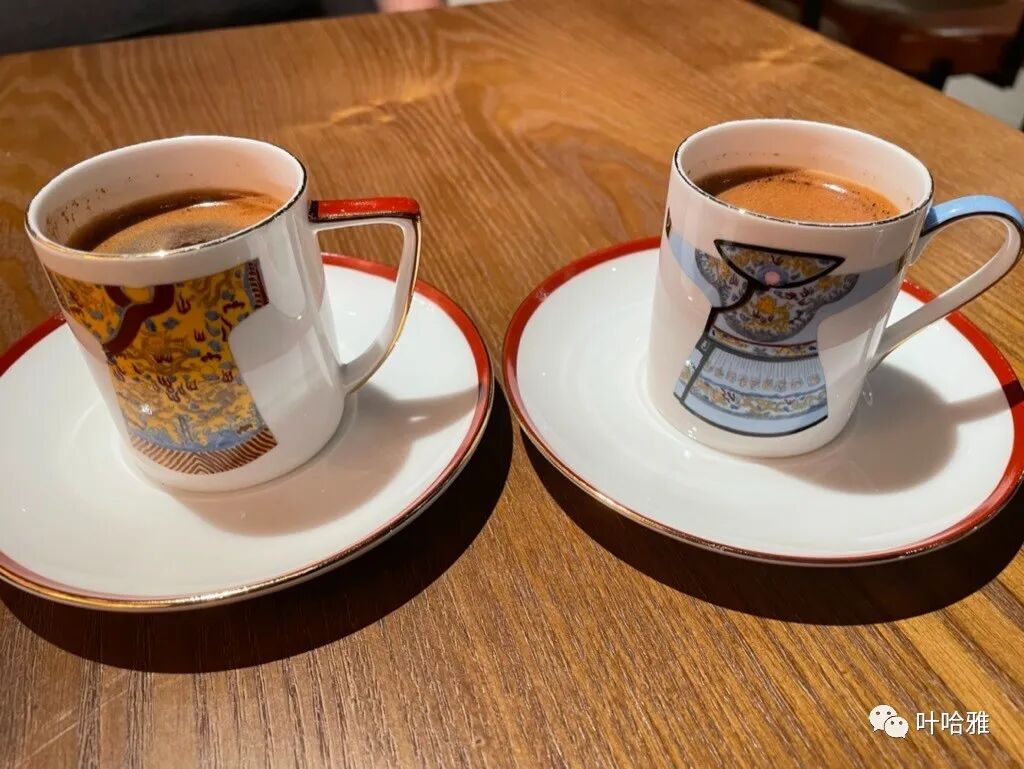
The coffee cups here are very delicate and decorated with patterns of dragon robes.
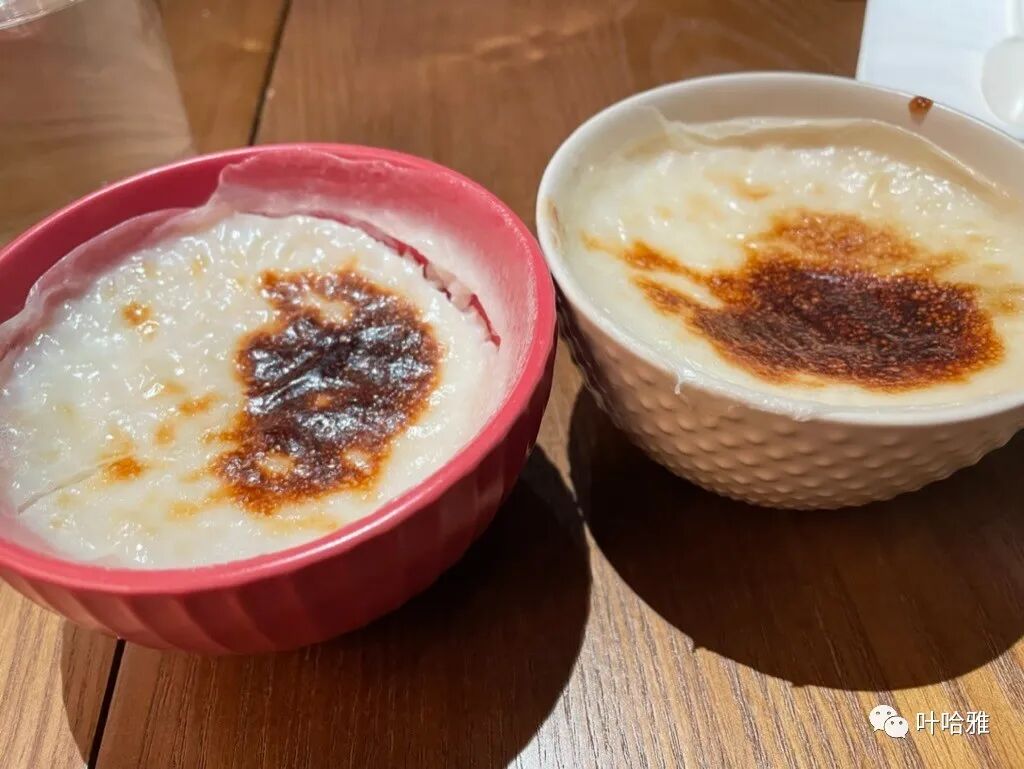
Rice pudding (sutlac) is a small dessert that originated in the Middle East, made by baking cooked rice with milk and butter.
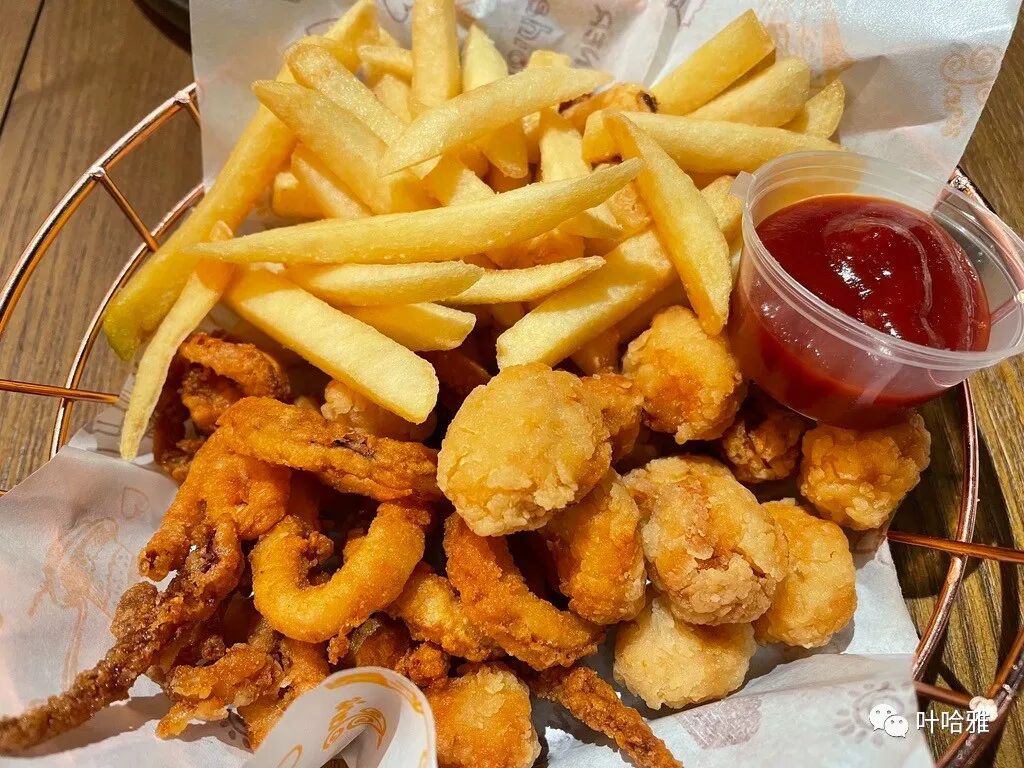
Usually, you should eat Turkish food at a Turkish restaurant, but I saw fried chicken, french fries, and burgers on the menu and couldn't resist. After all, halal Western-style fast food is not as common in Beijing as Turkish restaurants, and we consider Turkish food to be Western cuisine anyway.
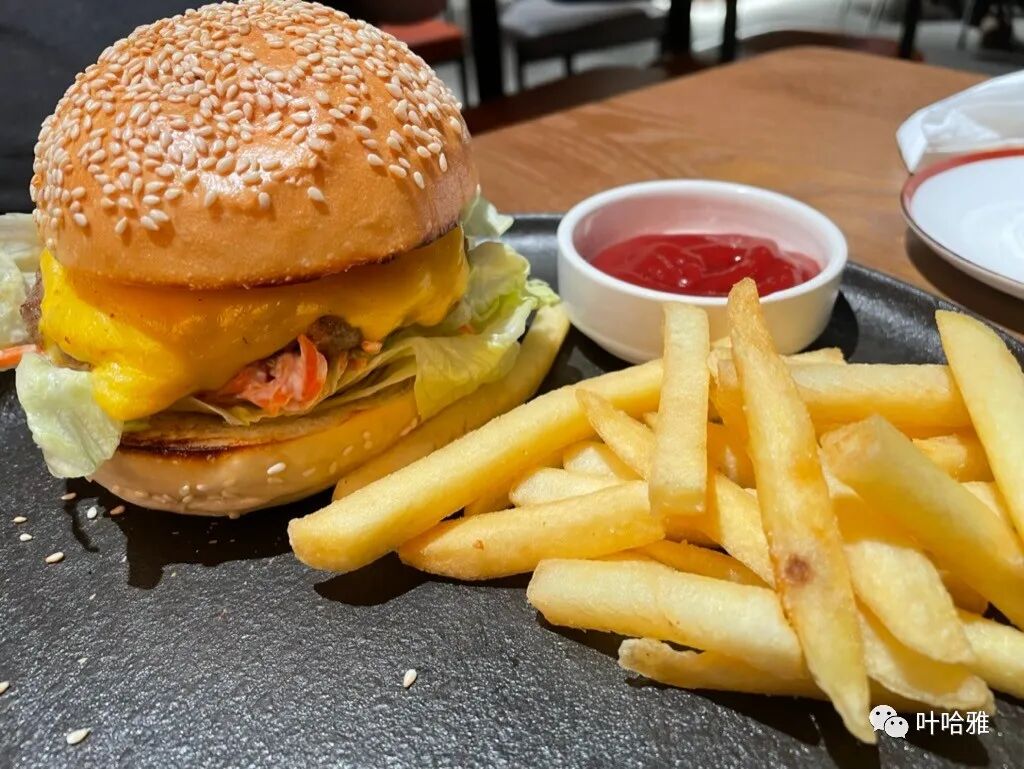
The fries and burgers are made to order. The cheese and meat patty in the burger were delicious. This burger combo costs over 50 yuan.
Address: First floor, Building 17, Courtyard 5, Anding Road.
Phone: 13718618634.
8
Yanji Cuisine: Xiangyu Jubinyuan.
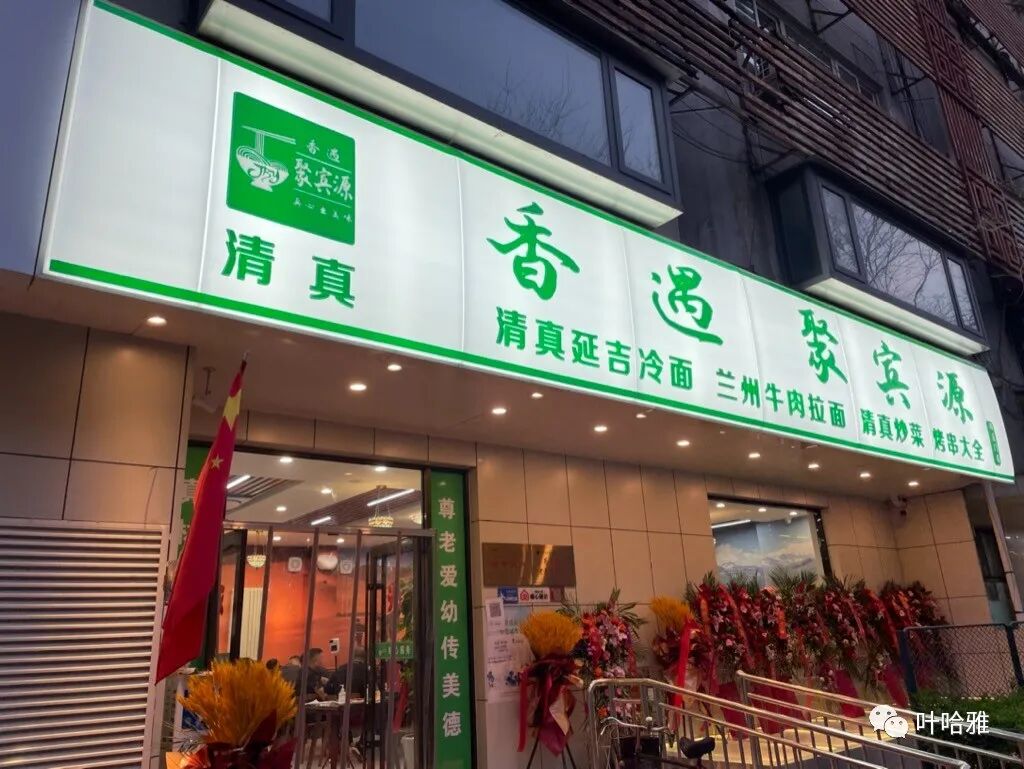
This place also opened recently. They serve halal Yanji cold noodles (lengmian) and double-stir-fried meat (guobaorou), which my friends from Northeast China will recognize.
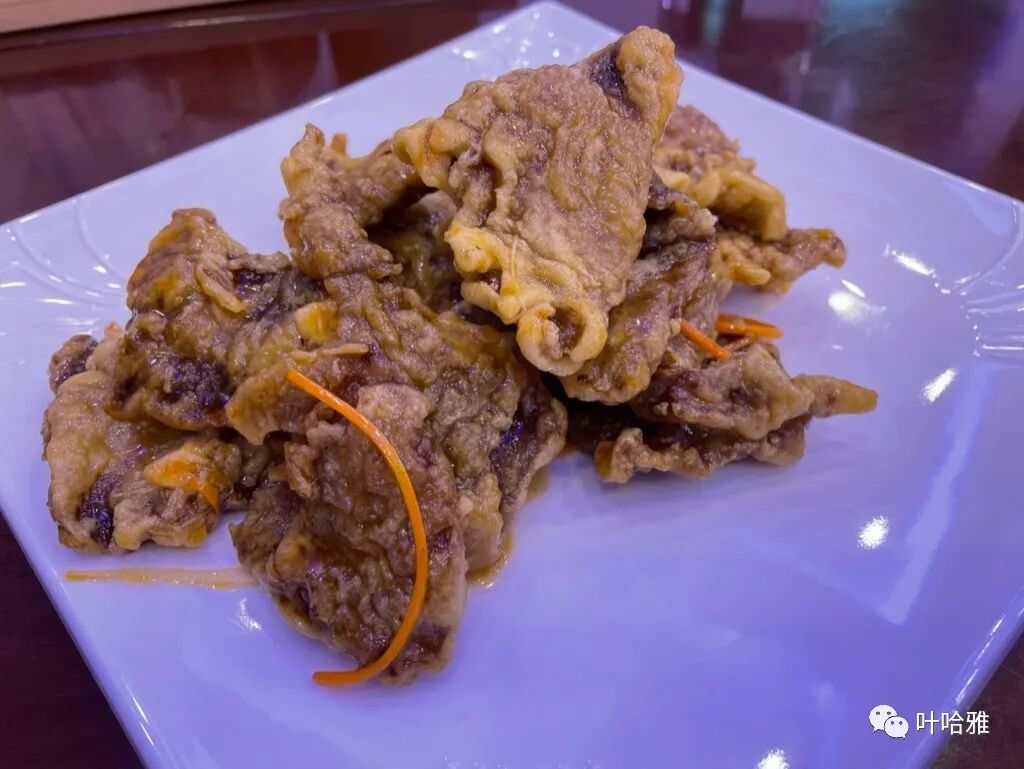
The double-stir-fried meat is sweet and sour, and it is eaten as a side dish with the cold noodles.
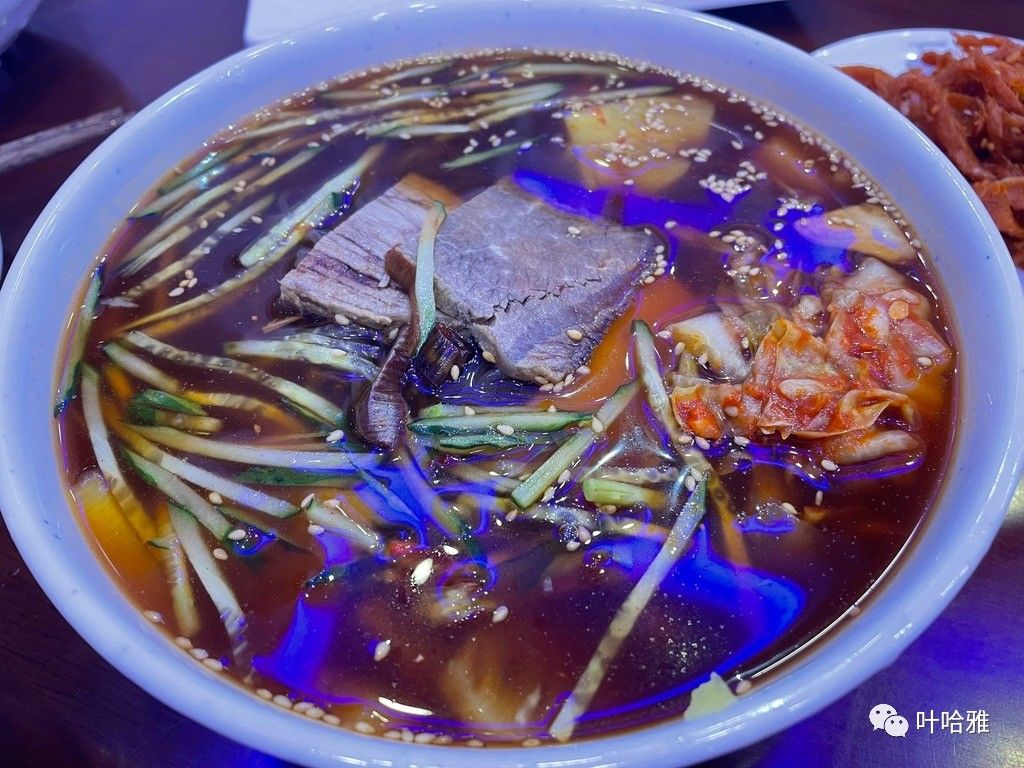
Although this is the first restaurant to focus on halal Yanji cold noodles, many barbecue restaurants in Beijing serve halal cold noodles that taste just as good.
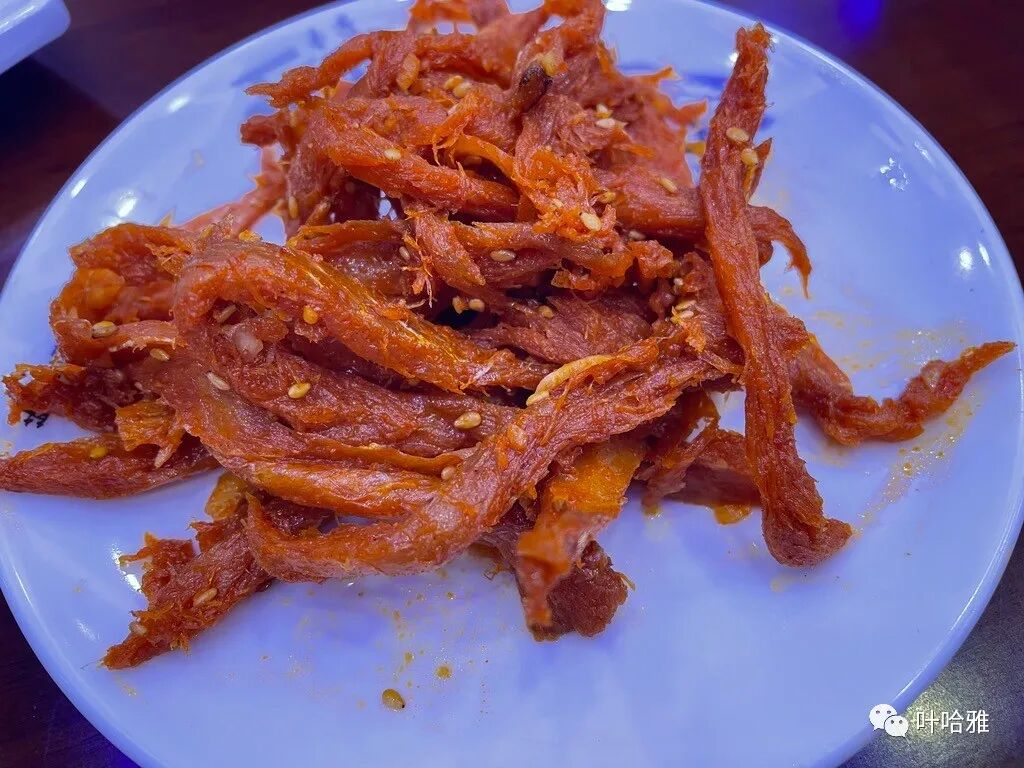
Spicy shredded pollock (ban mingtaiyu si).
Spicy shredded pollock is a specialty snack of the Korean ethnic group. It is mixed with Korean chili paste and has a salty, sweet, and slightly spicy taste.
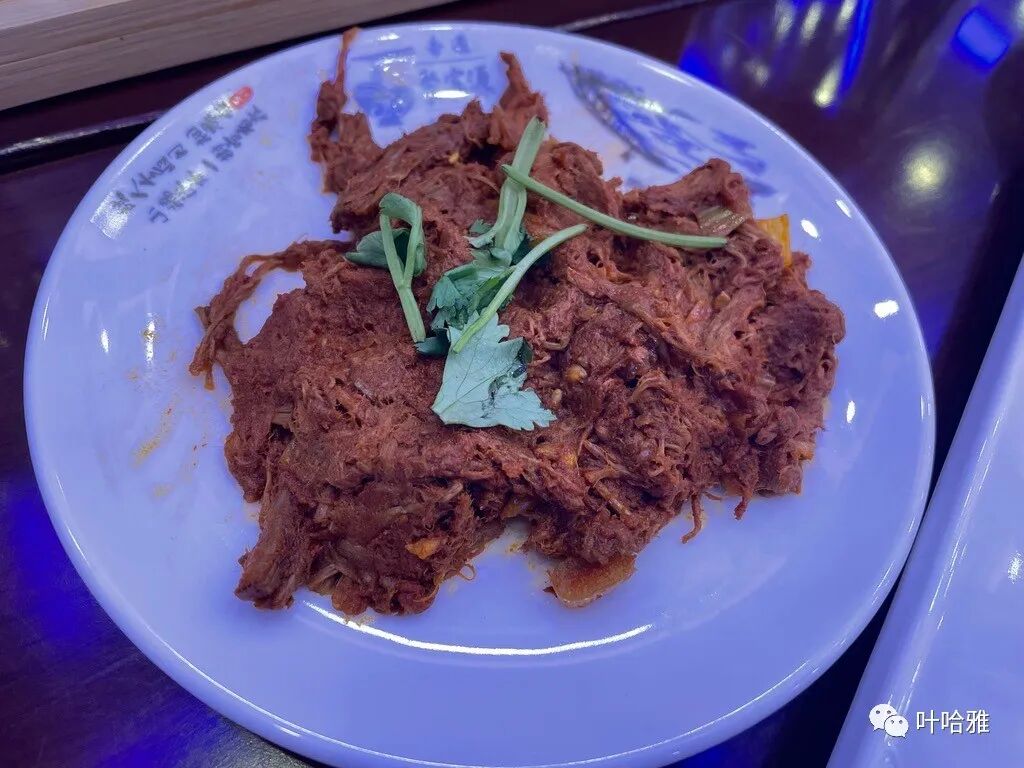
Spicy mixed beef (la ban niurou).
Spicy mixed beef is also a common cold dish for the Korean ethnic group, but they usually use dog meat. Since we cannot eat dog meat, we use beef instead.
Address: No. 1 Beicaochang Hutong, a century-old classic.
Phone: 18501952822
9
Fusion cuisine, Qingxiangge Crayfish, and Anhui Flat Noodles King.
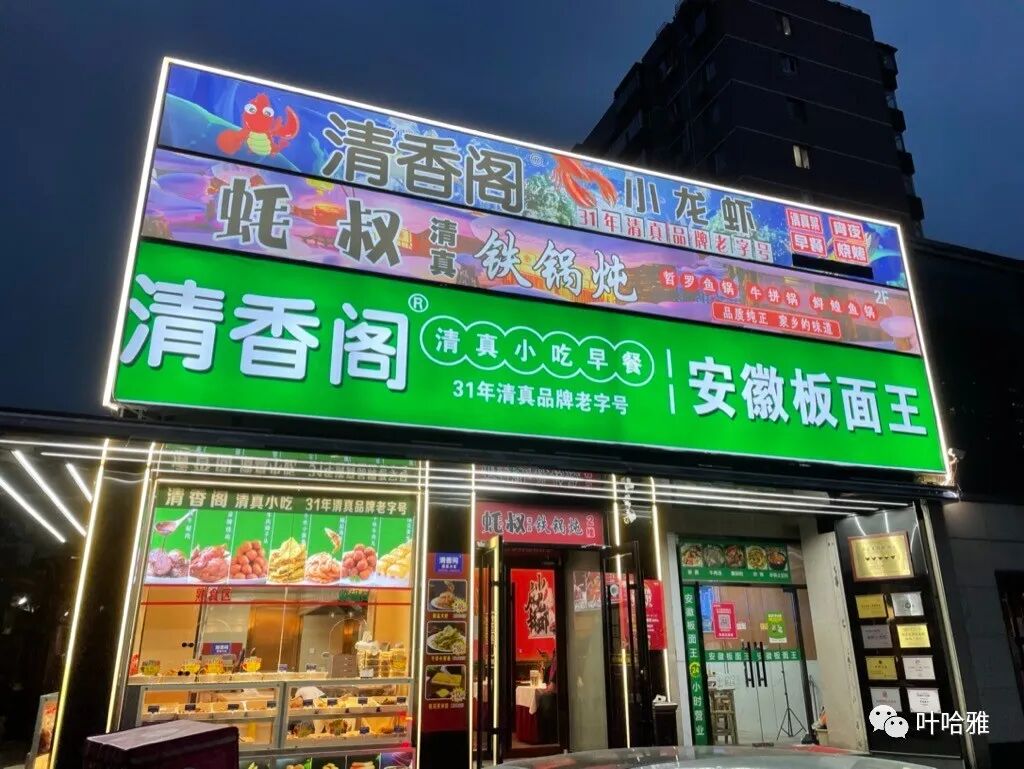
Qingxiangge opened a crayfish shop in Tuanjiehu, specializing in fresh, spicy crayfish. They also opened an Anhui Flat Noodles King (Anhui banmian wang) next door. The iron pot stew (tieguo dun) upstairs and the two shops downstairs all belong to Qingxiangge.
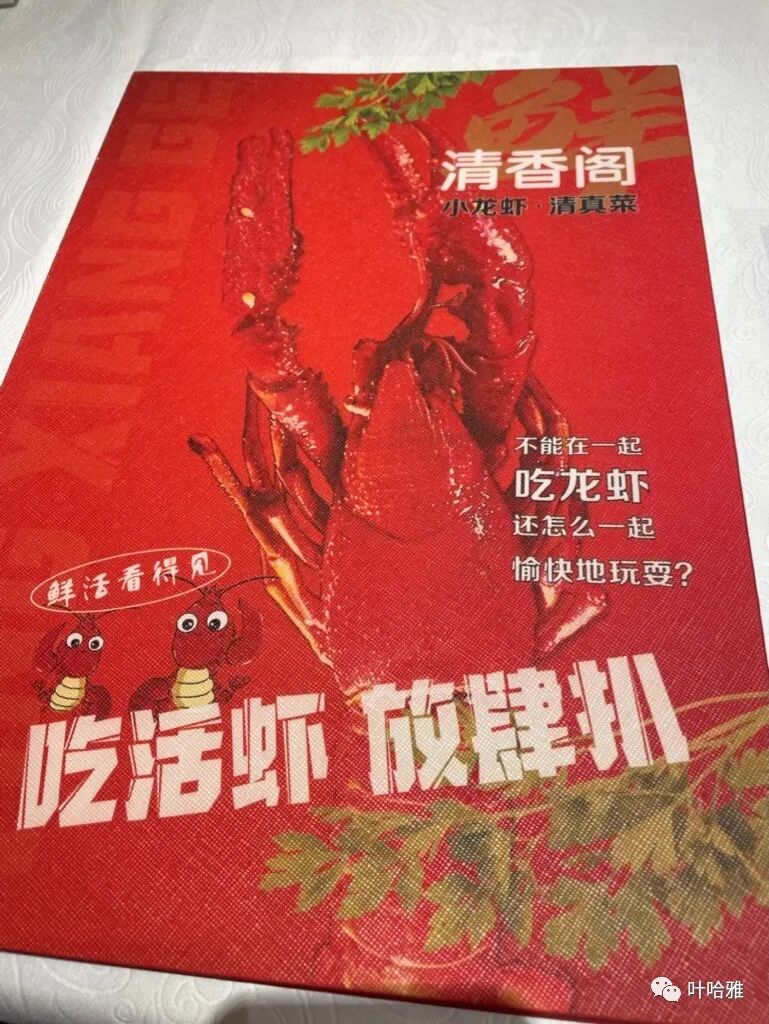
As usual, we couldn't resist ordering a bowl of beef flat noodles (niurou banmian) from next door. Coincidentally, they also sell hot dry noodles (reganmian), so we brought both bowls over to the crayfish shop to break our fast.
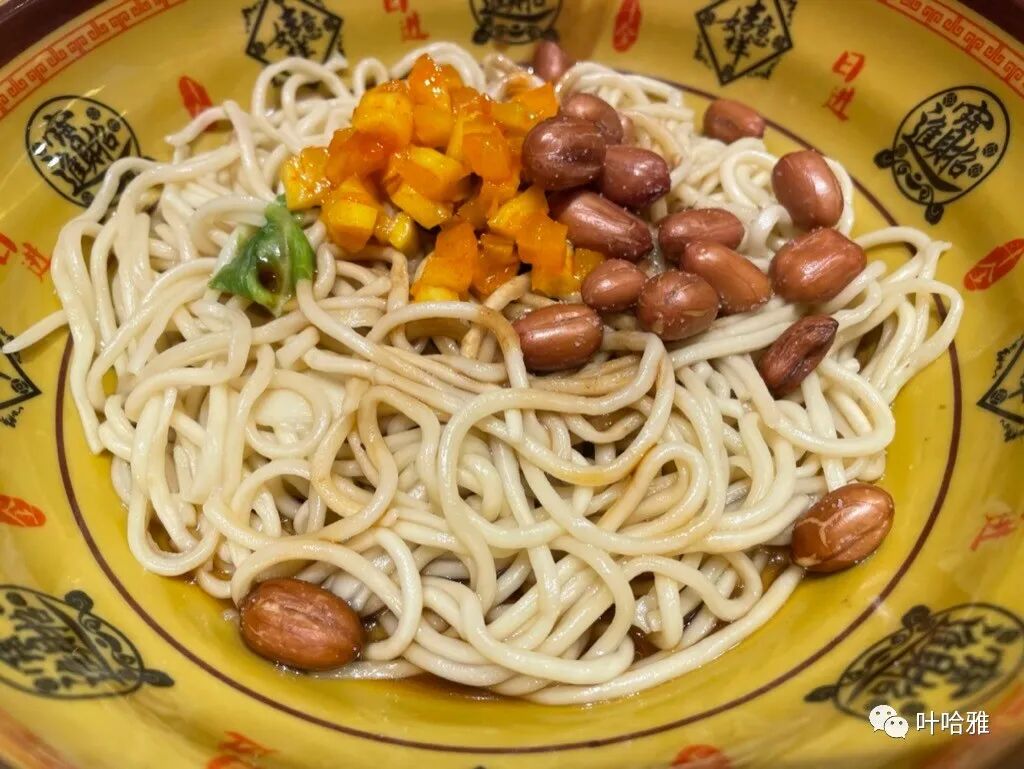
Hot dry noodles (reganmian)
In my opinion, the hot dry noodles are better than the beef flat noodles. The hot dry noodles are a bit spicy but very fragrant, similar to what I ate in Wuhan. For beef flat noodles, I prefer the place in Zhangjiawan.
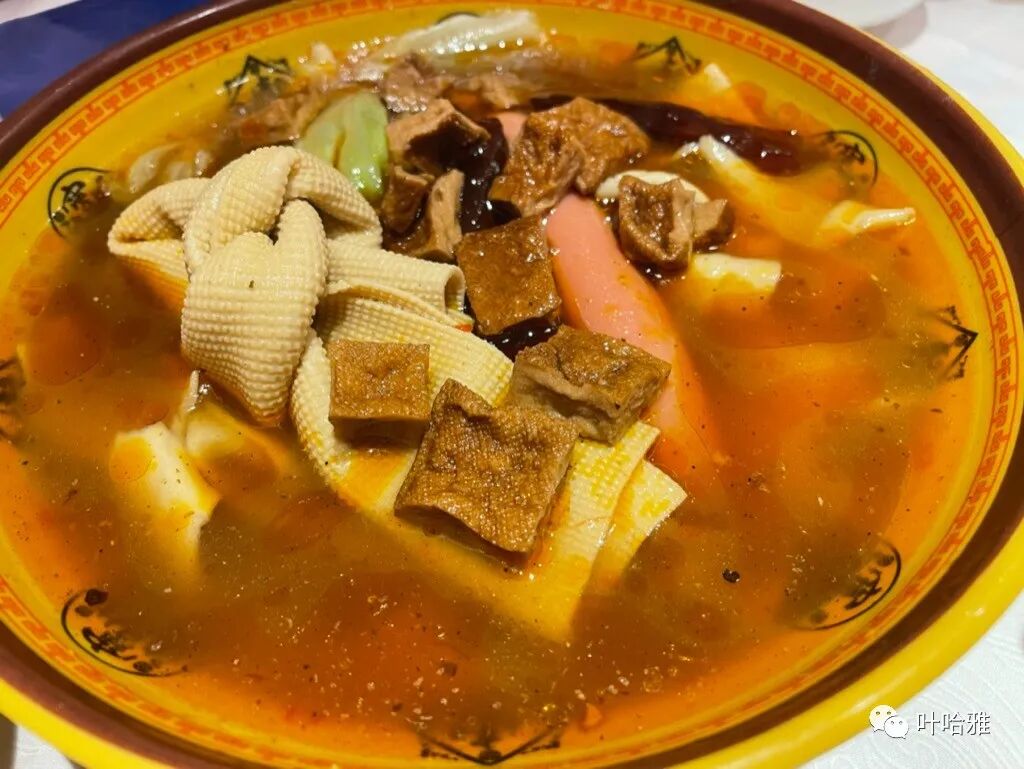
Beef flat noodles (niurou banmian)
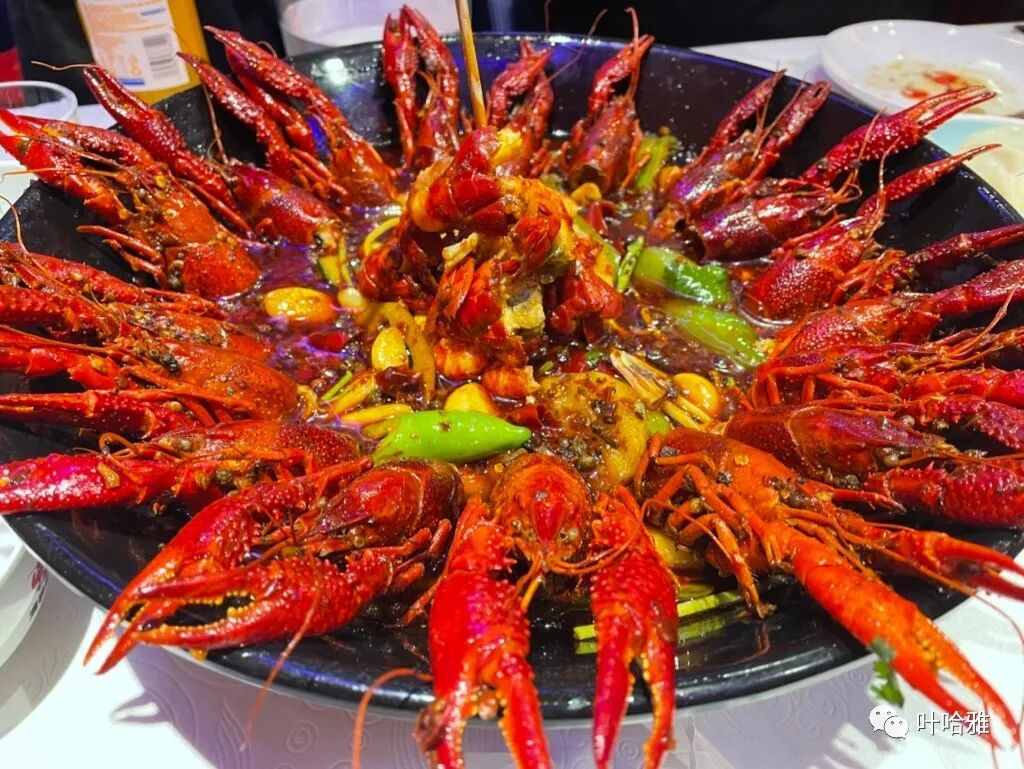
The crayfish are fresh, and you can taste it. You must order at least two jin (one kilogram). The price is a bit high, but the chef can help peel the shrimp. You can add noodles to the leftover sauce after eating the shrimp. It is very fragrant but also quite spicy. If you cannot handle spice, I suggest choosing the thirteen-spice (shisanxiang) flavor.
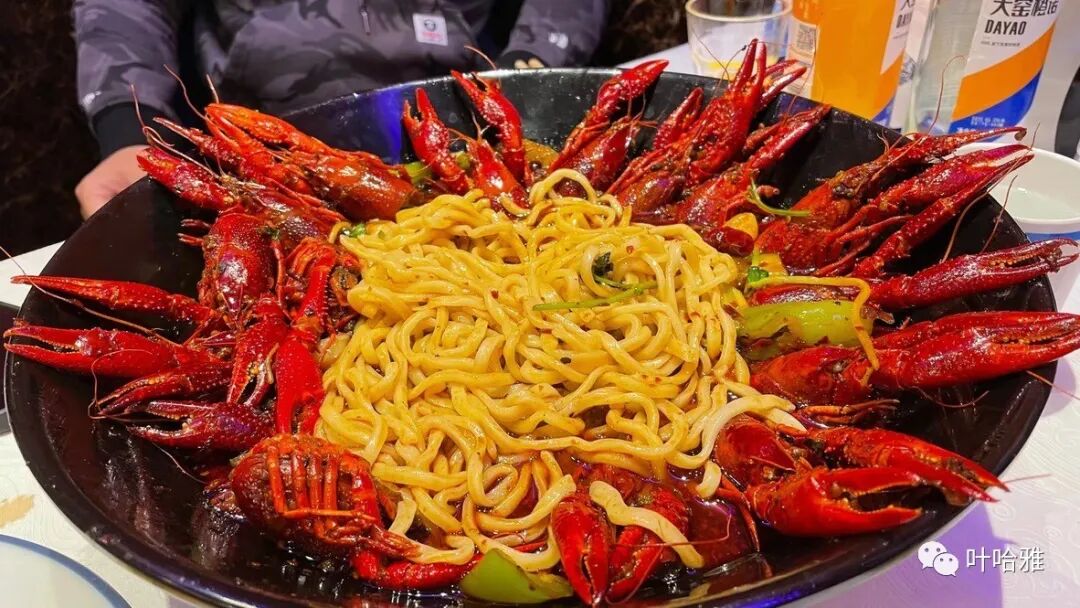
The hand-rolled noodles mixed with the sauce are delicious. The texture of the noodles is similar to noodles with stir-fried meat (guoyourou banmian).
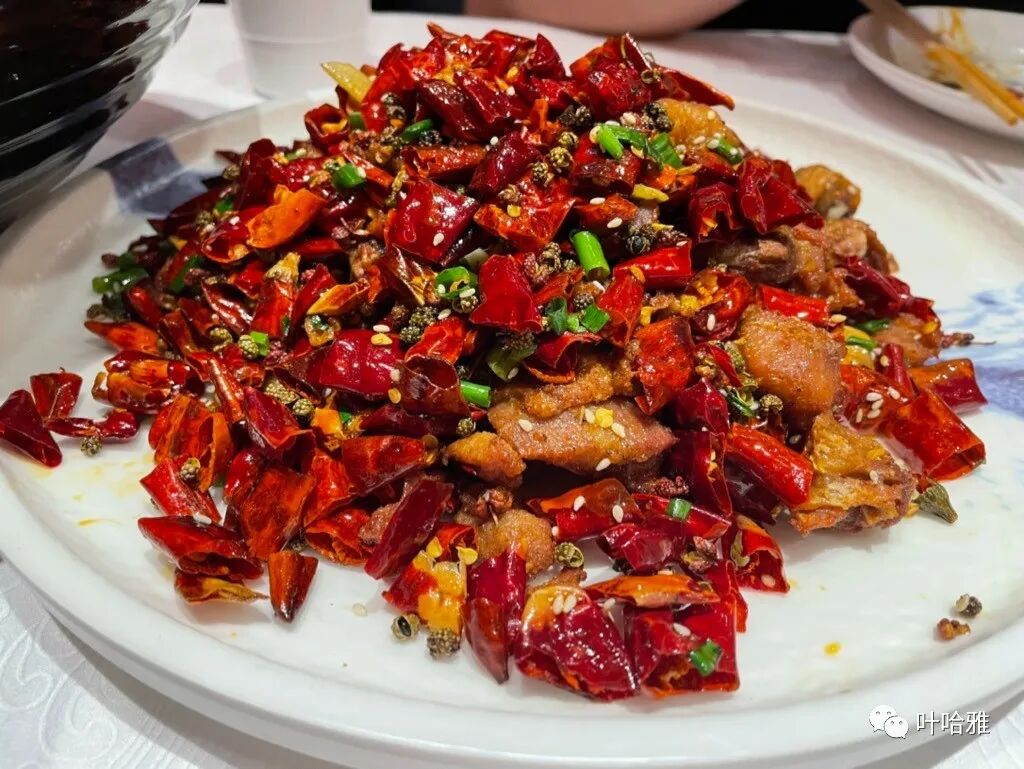
Spicy chicken (lazi ji)
The spicy chicken at this shop is very delicious. The chili peppers are especially fragrant, and it is worth recommending.
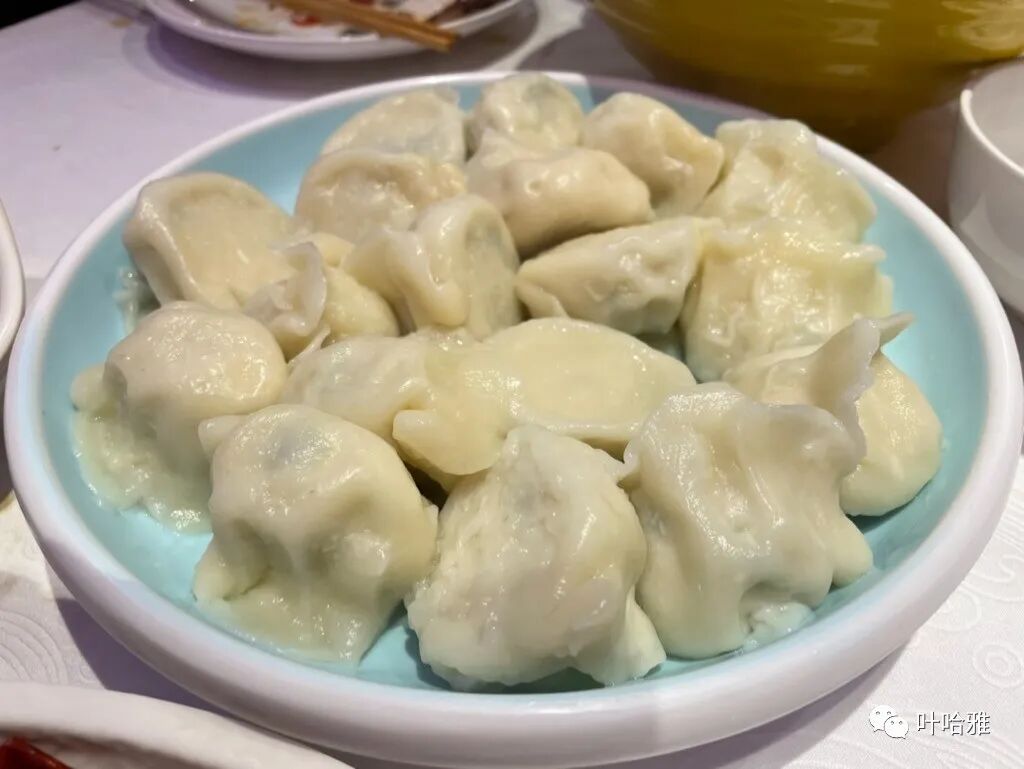
Spanish mackerel dumplings (bayu shuijiao)
Qingxiangge started by selling Dalian seafood, so their menu naturally includes Spanish mackerel dumplings. The filling is made of whole mackerel meat, which is pure, soft, and savory.
Address: Five single-story houses on the south side of Building 20, Baijiazhuang Dongli.
Phone: 18911210255
10
Indian Cuisine: Love in Curry
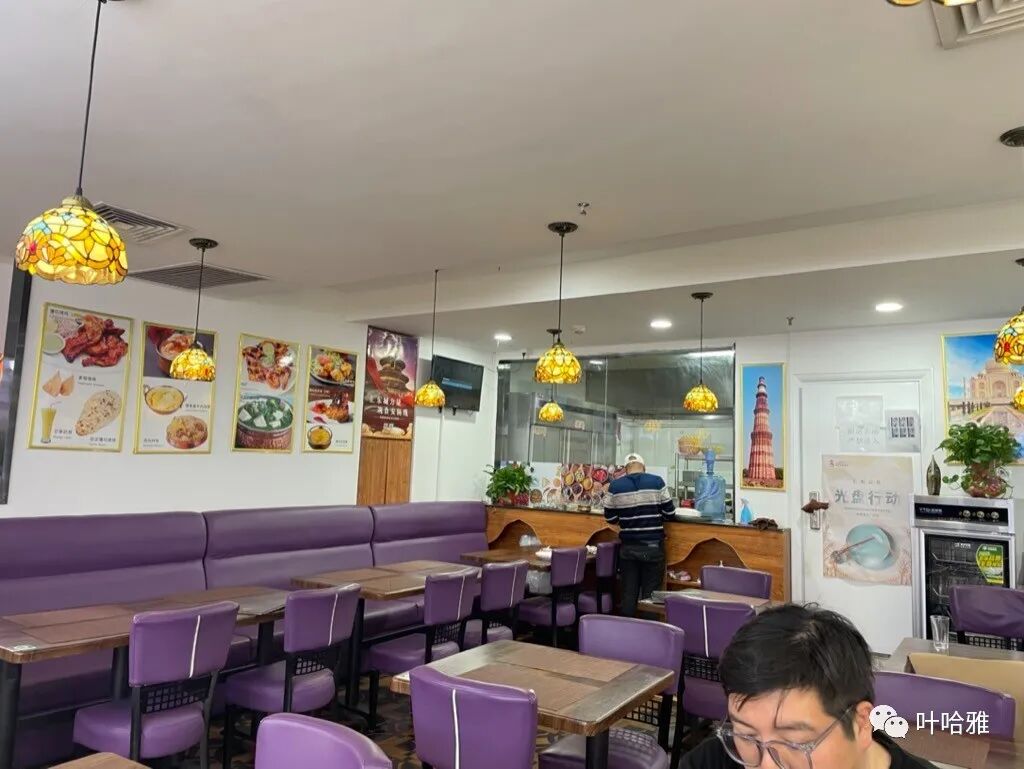
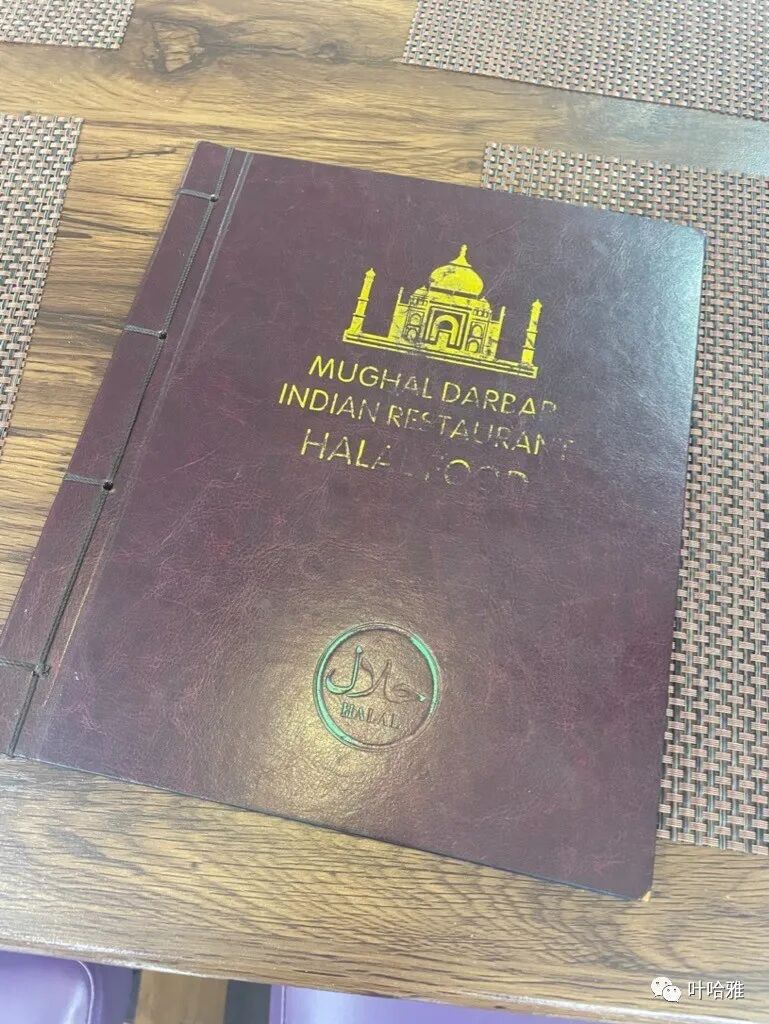
This shop is tucked away. It has been in the basement of Hongqiao Market for five years, but I only found out about it this year.
The space is small, just a stall in the basement food court, but it is clean and hygienic. They do not sell alcohol. Honestly, I have never seen an Indian or Pakistani brother run a restaurant that sells alcohol.
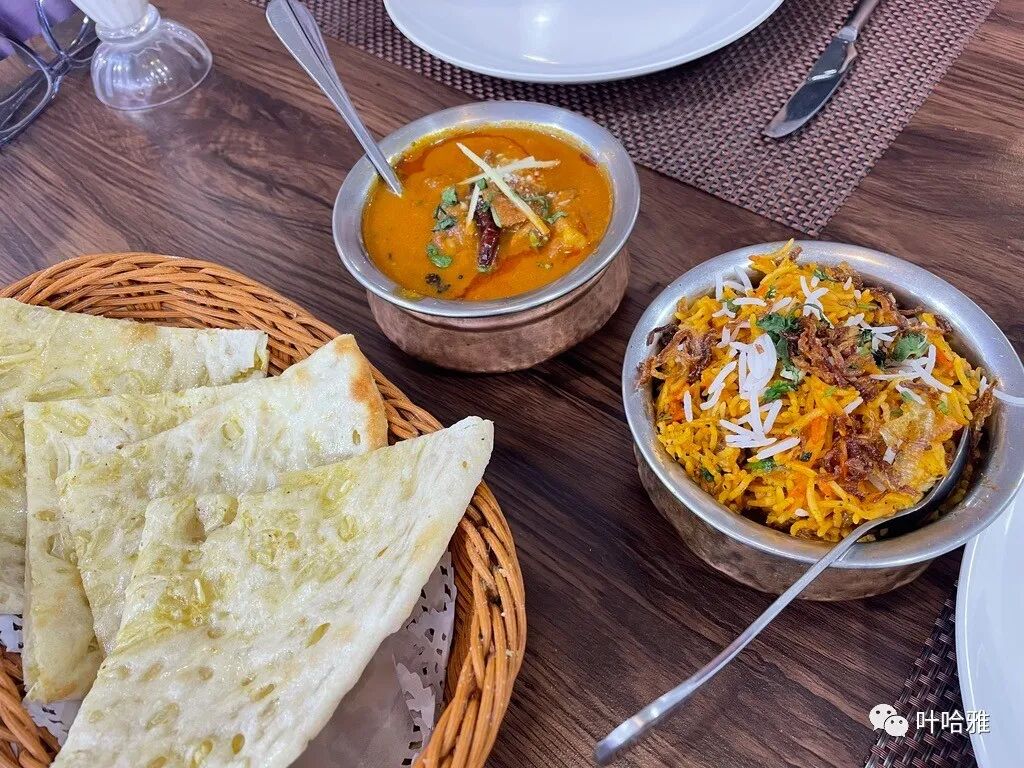
When eating Indian food, curry and naan bread (nangbing) are must-haves. If I want more options, I add fried rice or roasted chicken. Naan and curry come in many flavors, but I recommend the butter naan and lamb curry.
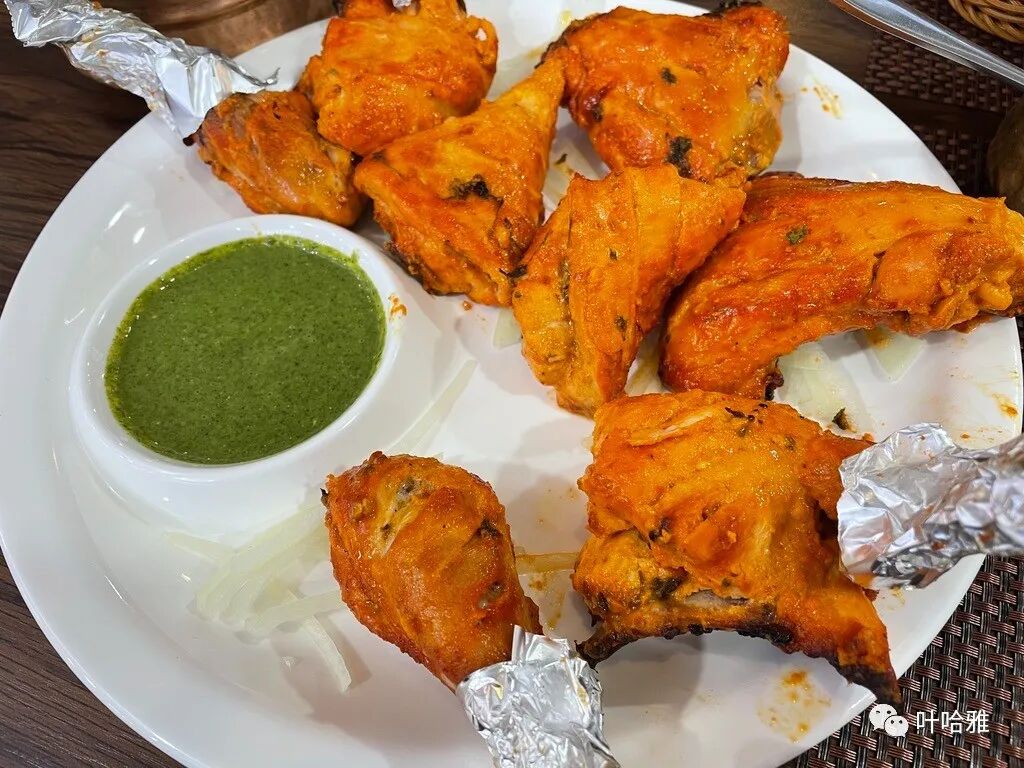
Indian and Pakistani barbecue has bright colors because it is marinated with spices. The green dipping sauce is made from spinach juice.
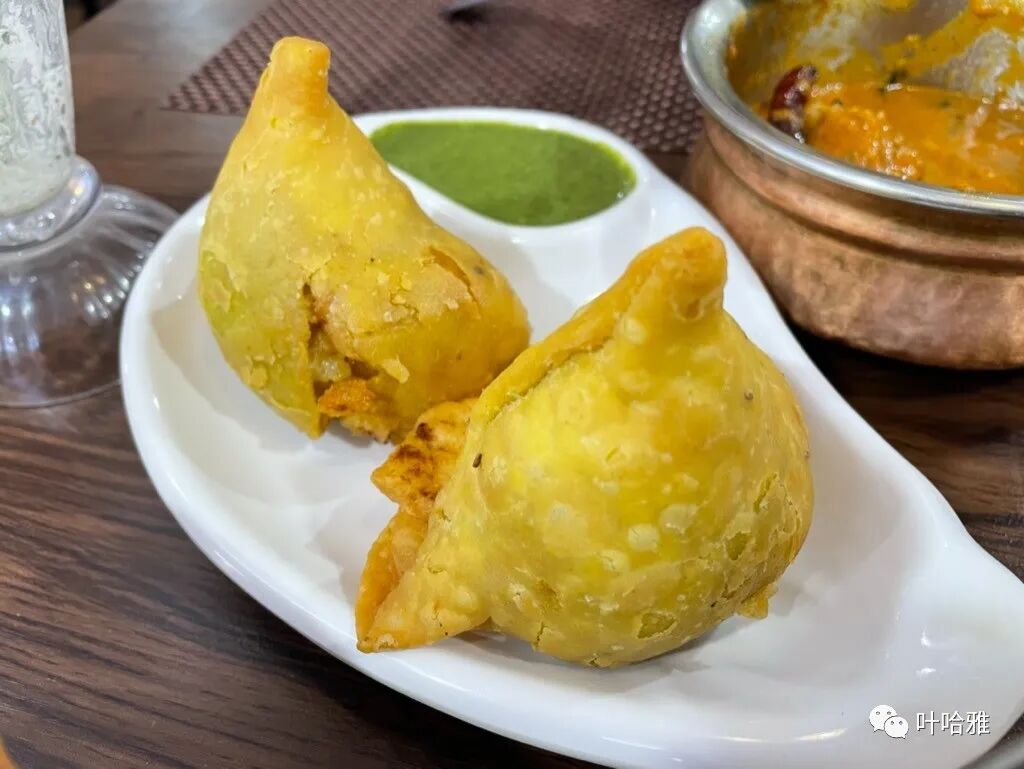
Deep-fried vegetable curry puffs (samosa)
Address: B1 Food Court, Hongqiao Market, Chongwenmen Outer Street
Phone: 15210944043
11
Beijing Cuisine: Yuelangzhai
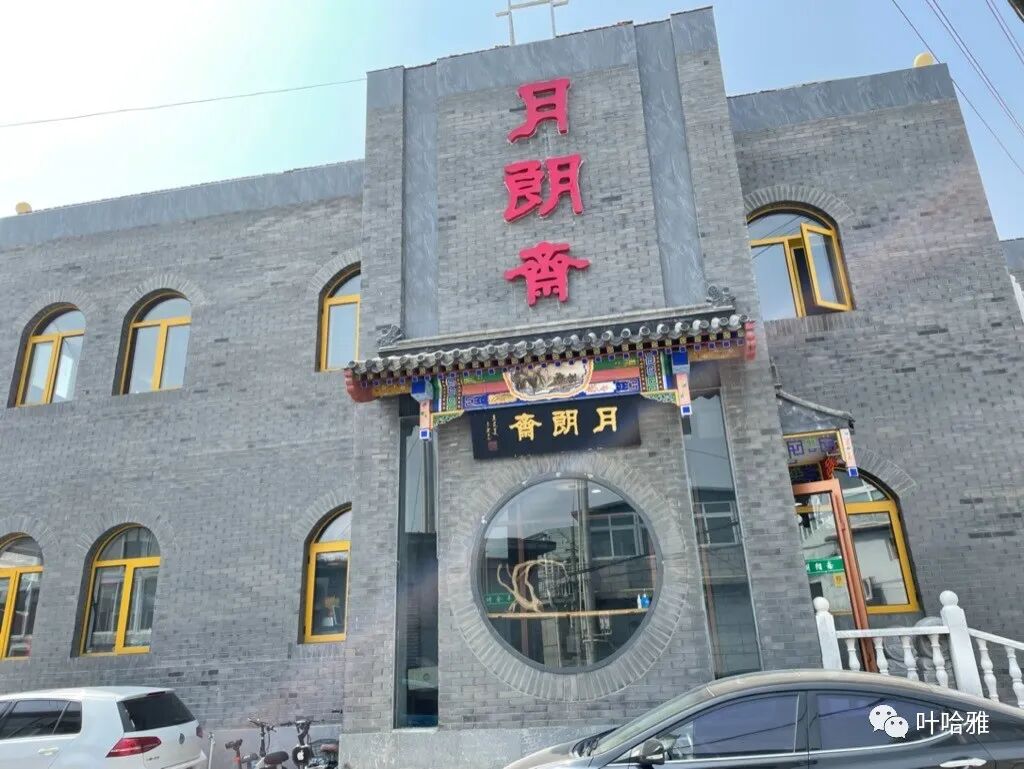
In Xiguanshi Village, Changping, there is a halal restaurant with a famous history. Before I arrived, I learned that the restaurant was once an Imperial Escort Agency (yushan biaoju), named for protecting Empress Dowager Cixi during her escape to Xi'an.
Yuelangzhai Restaurant started in 2014. The Li family ancestors were professional escorts. Although that trade no longer exists, the descendants of the Li family are good cooks. Using their ancestral property, they decided to open a restaurant.
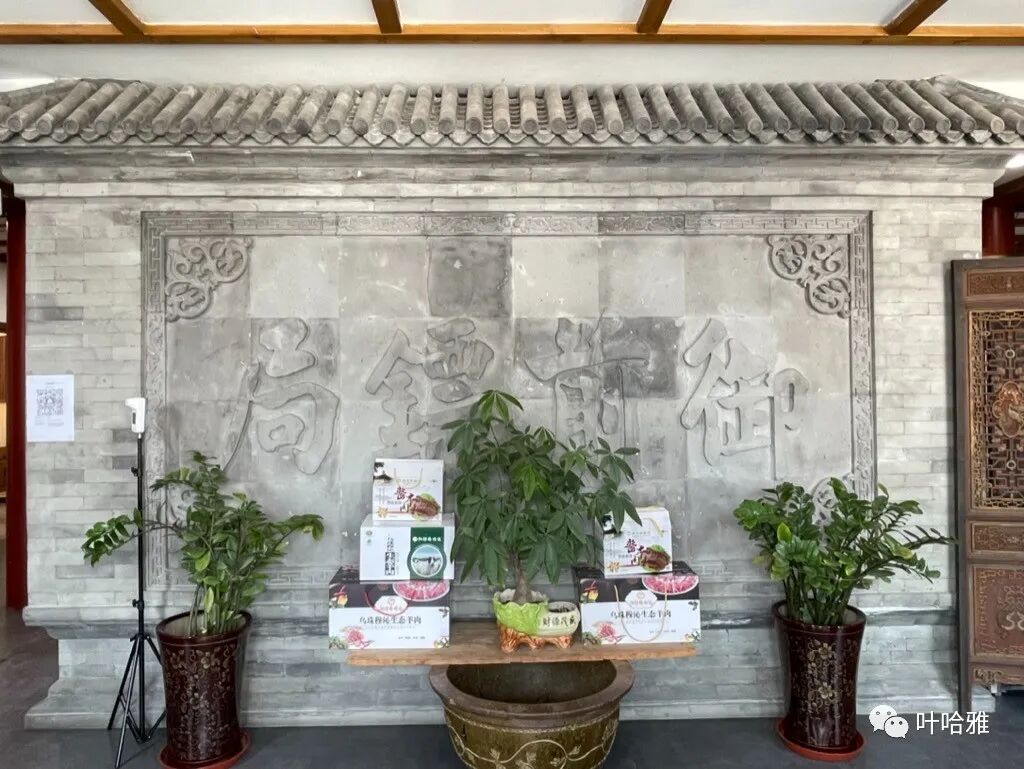
At the entrance, a screen wall is carved with the four characters for Imperial Escort Agency. Research confirms it was indeed bestowed by the emperor. The Imperial Escort Agency was originally called Xiguangyu Escort Agency. To protect Empress Dowager Cixi as she left Beijing, the owner Li Entao recommended Yang Juchuan to accompany her all the way to Xi'an and back to Beijing.
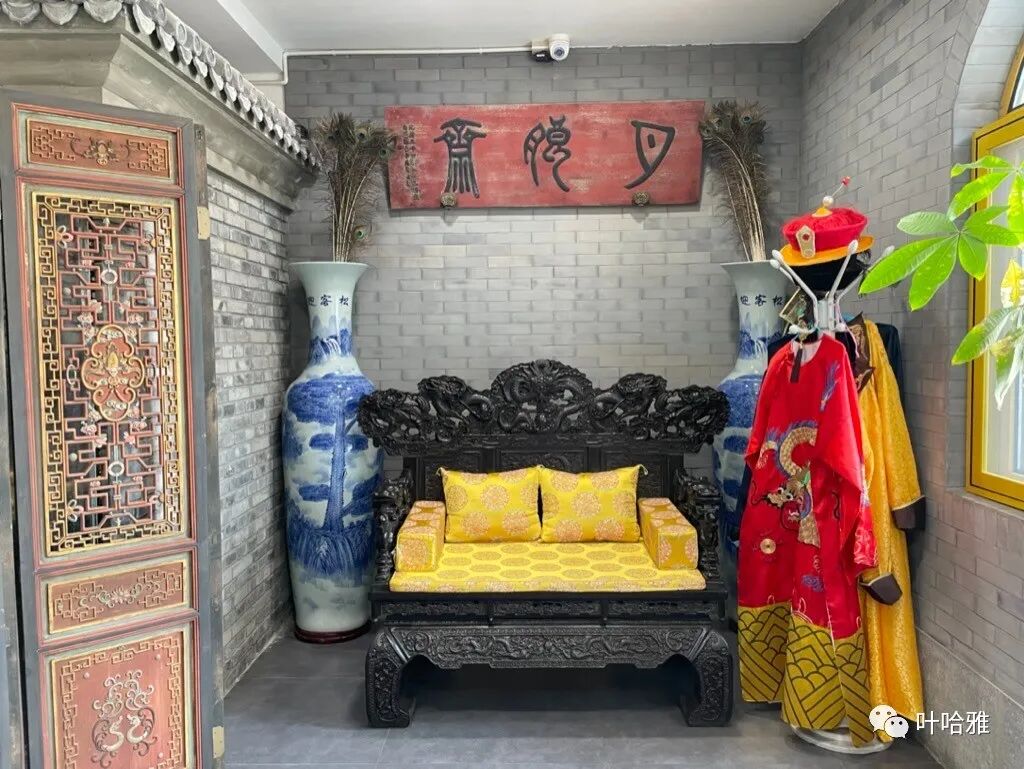
The front hall has a dragon chair with a yellow robe hanging nearby. In the center hangs a plaque that reads Yuelangzhai, showing that this shop once served the royal family.
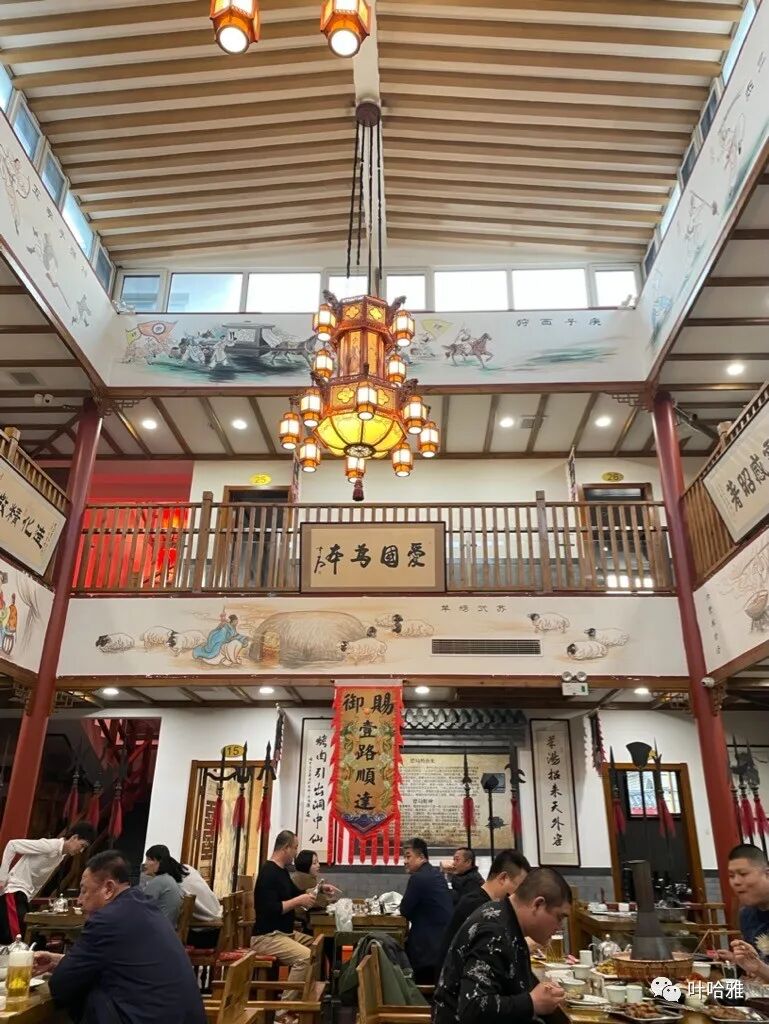
Walking through the porch into the main hall, the space is wide. The interior uses a traditional Chinese style that is simple and elegant. The restaurant has two floors: the first floor has open seating, and the second floor has private rooms.
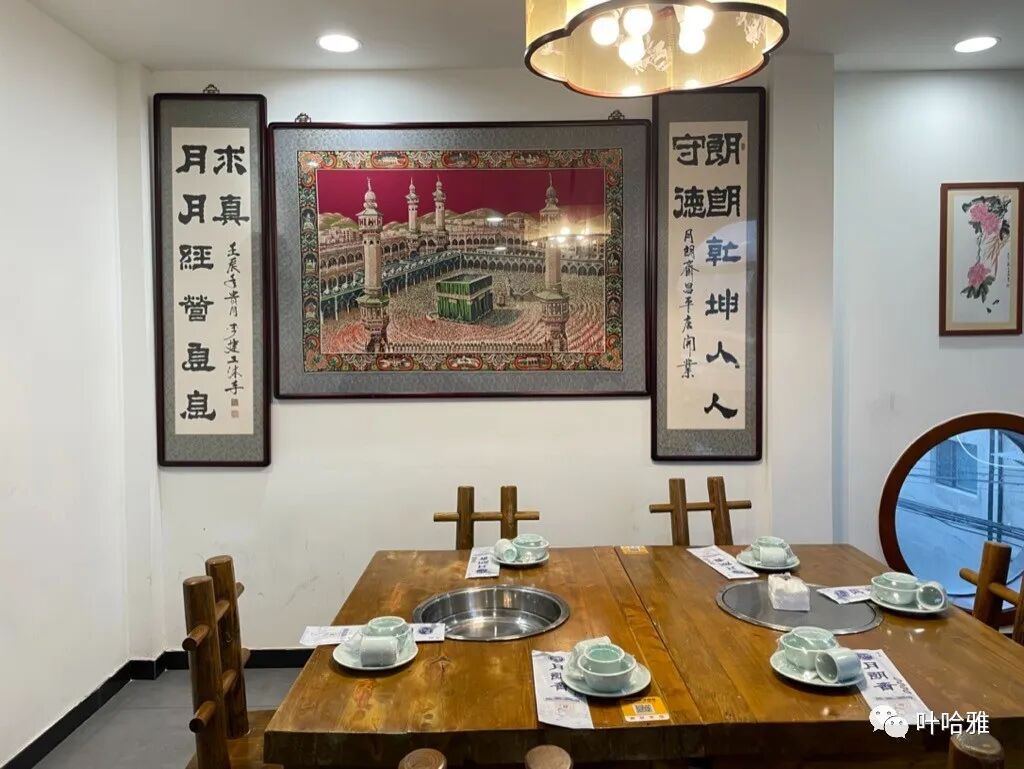
Inside a private room, the decor remains traditional Chinese with square tables and wooden stools. Calligraphy and ink paintings hang on the walls, creating an atmosphere that feels like traveling back to the late Qing Dynasty.
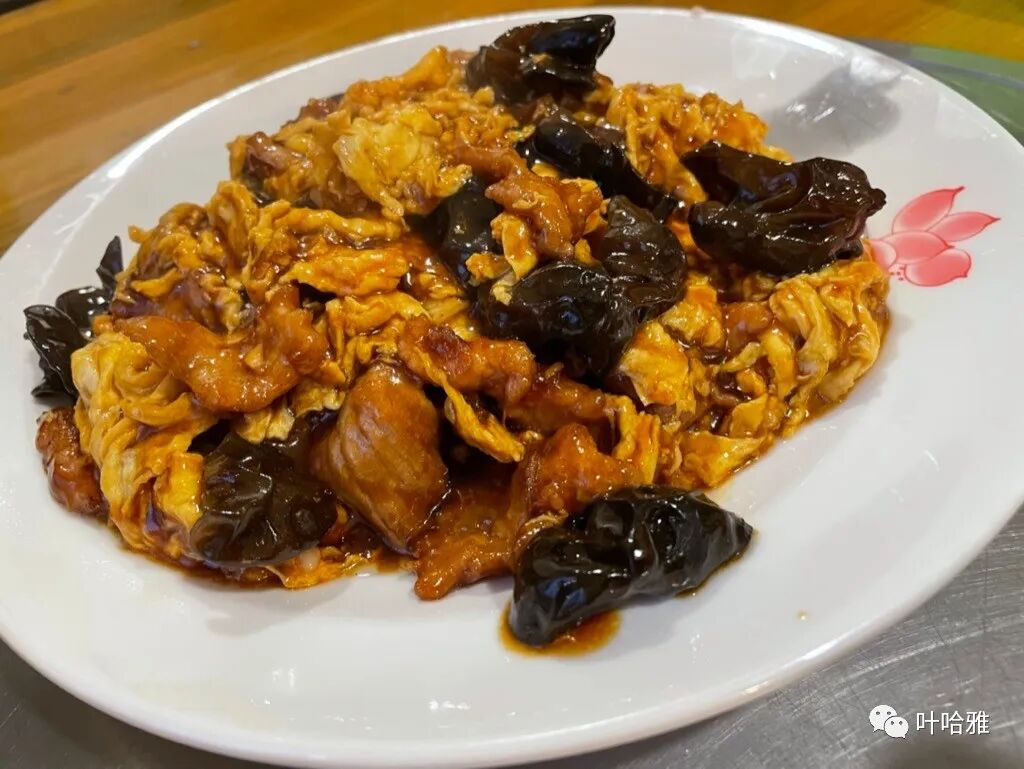
Vinegar-fried wood-ear and egg (culiu muxu) is a common Beijing home-style dish found in many restaurants. It should be called culiu muxi because the fried eggs look like osmanthus flowers (muxi). It requires high culinary skill; it looks simple, but it is not easy to make well.
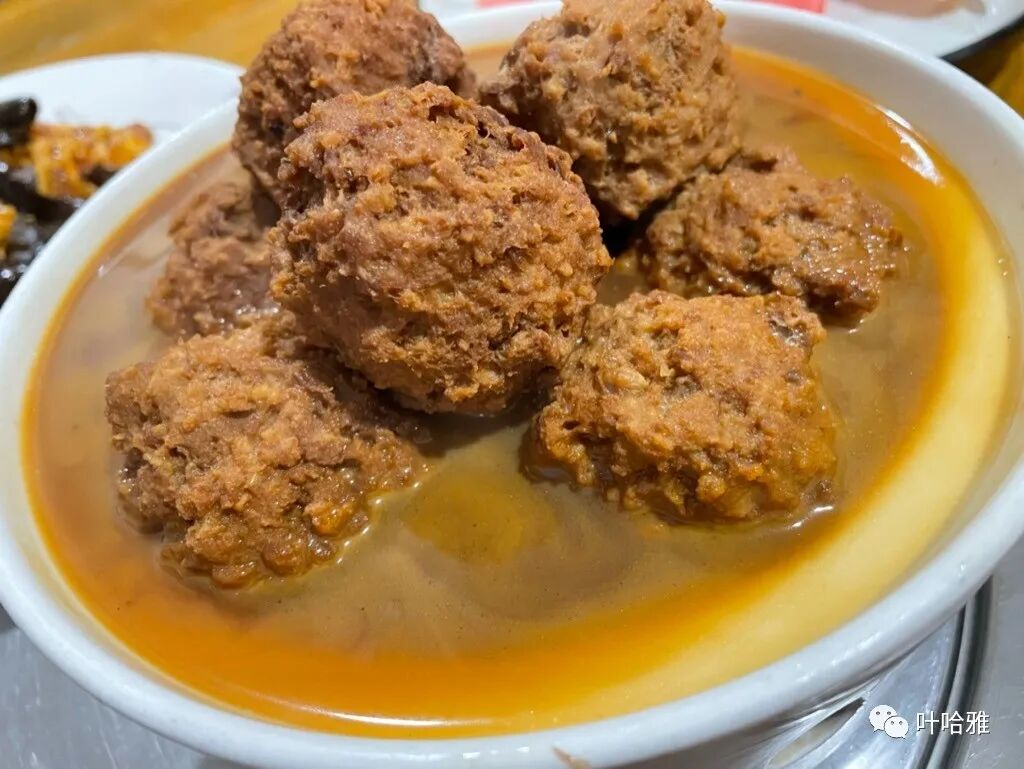
Manager Li highly recommended these beef meatballs. He said he usually avoids ordering this dish at other restaurants because they often use too many fillers and not enough beef, but the beef meatballs at Yuelangzhai are made with real, quality ingredients. I picked one up and took a bite. It was just as Manager Li said, full of beef flavor with no taste of starch or other fillers. The meatballs were soft, delicious, and melted in my mouth.
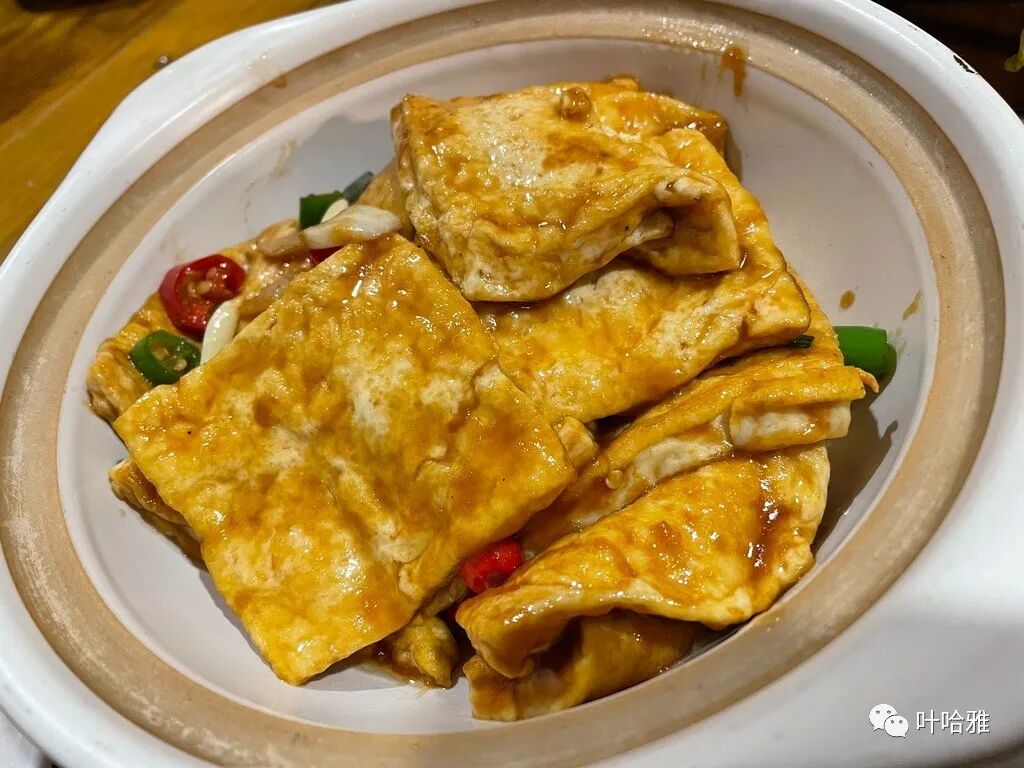
Pan-seared tofu (guota doufu) is a classic Beijing-Shandong dish. You cut the tofu into 5-centimeter squares, mince shrimp into a paste, and mix it with egg wash. Dip the tofu in the egg mixture, pan-fry it over low heat, and when the oil is about 60 percent hot, slide the tofu into the pan. Fry both sides until golden brown, then cover and simmer until the sauce reduces.
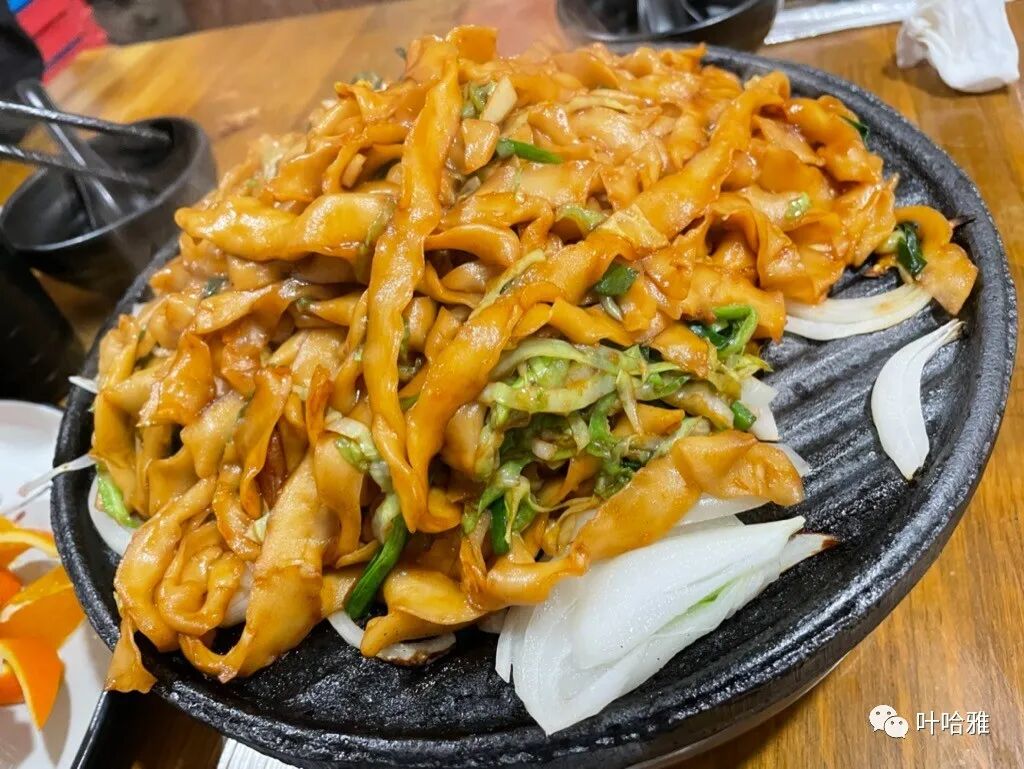
For the main course, we had grilled noodles (zhizi kaomian). I had heard of grilled meat (zhizi kaorou) before, but never grilled noodles. Manager Li said he invented this dish. He seasons hand-rolled noodles and stir-fries them on a hot iron grill, similar to stir-fried noodles. The high heat of the grill adds a lot of aroma and texture, and it is very popular with diners.
Address: No. 8, Houchang Street, Xiguanshi Village, Yangfang Town
Phone: 01069760863
12
Northeast Chinese Cuisine: Baixiaobei Northeast Barbecue
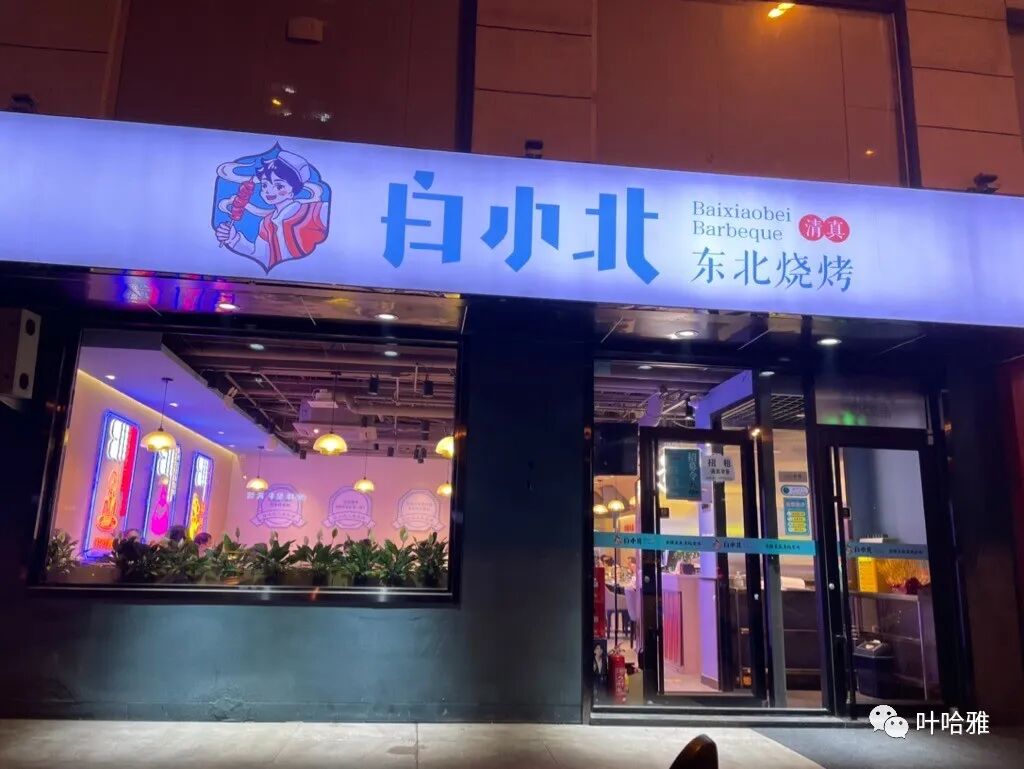
This is the only halal Northeast-style barbecue restaurant in Beijing. It just opened, so we organized a group of friends to visit during the trial period. Northeast barbecue is known for small skewers, which is different from Northeast stir-fry dishes that come in large portions.
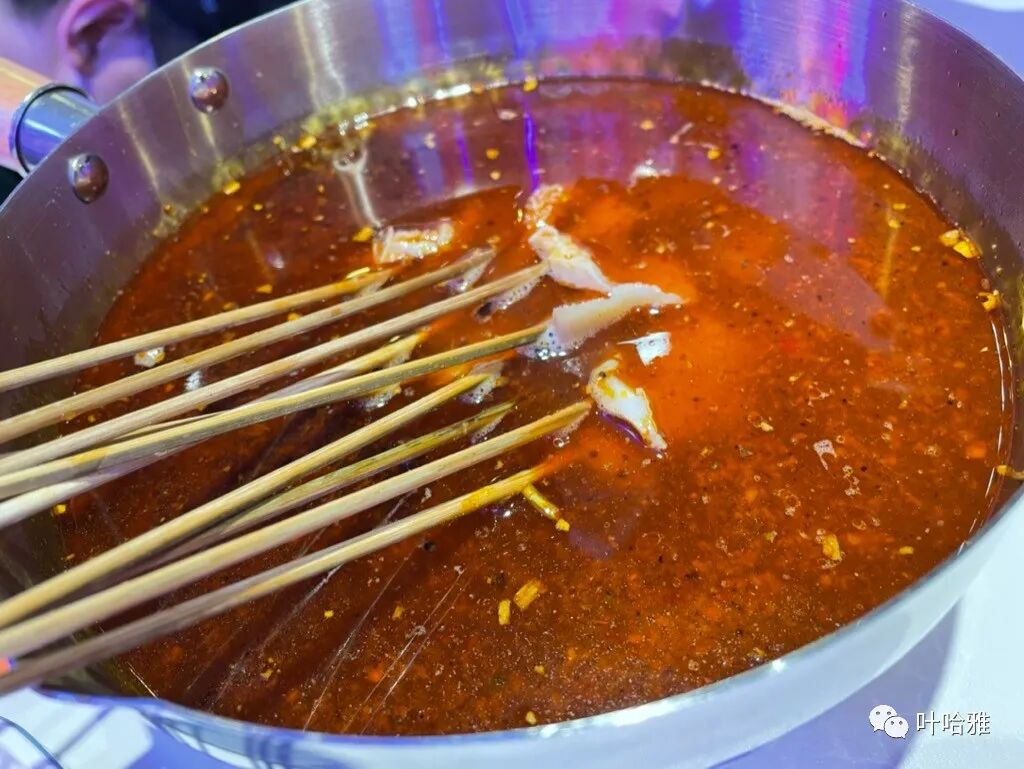
Boiled beef tripe (shuan niudu)
I don't mind small portions because it lets me try more flavors and helps avoid food waste.
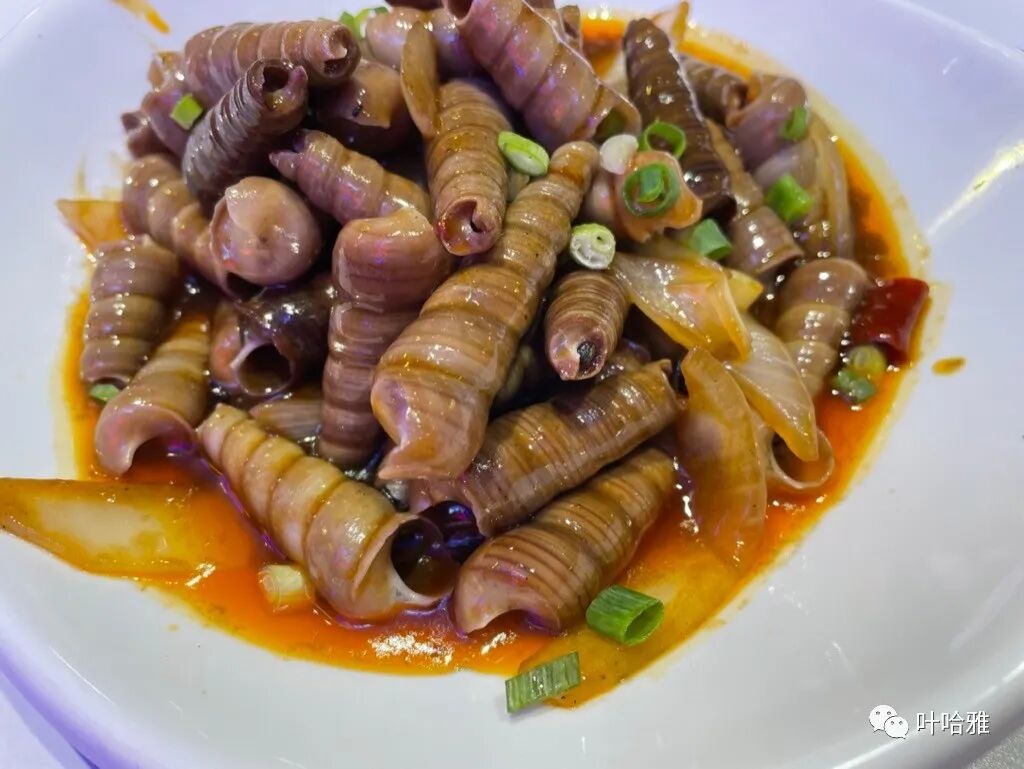
Stir-fried screw snails (baochao dingluo)
Once the tips of the screw snails are broken off, you just suck on them to pull the meat out. The texture is crisp, tender, and chewy.
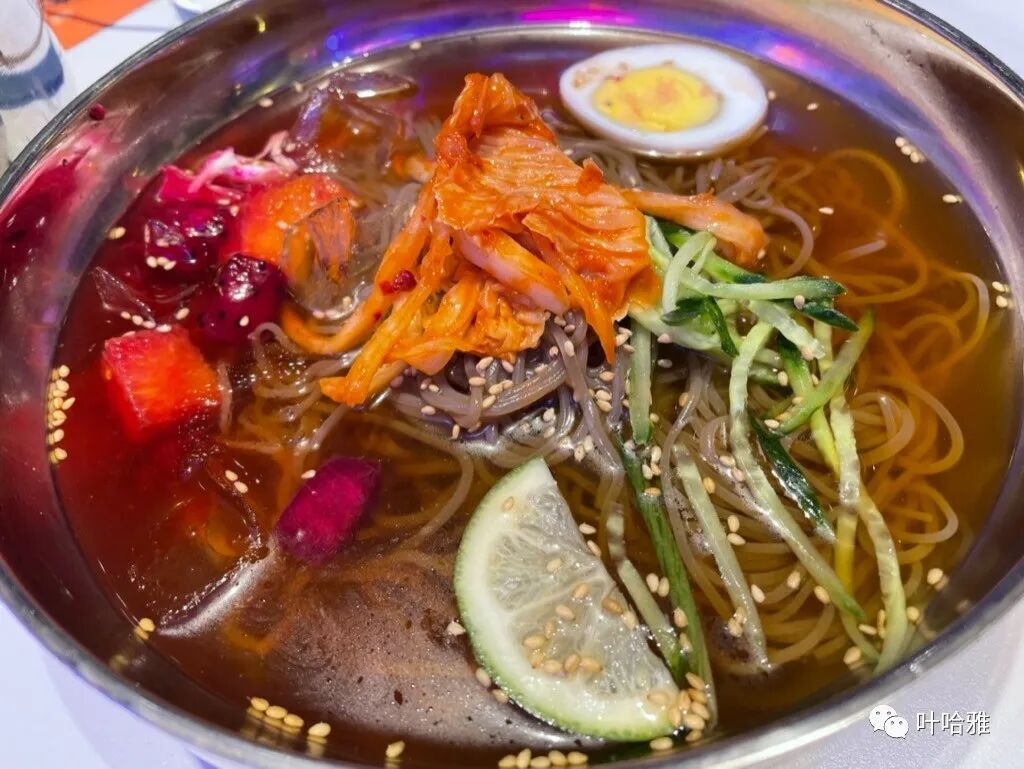
Fruit cold noodles (shuiguo lengmian). I have to say, the cold noodles here are quite authentic and taste much better than the halal Yanji cold noodles I mentioned earlier.
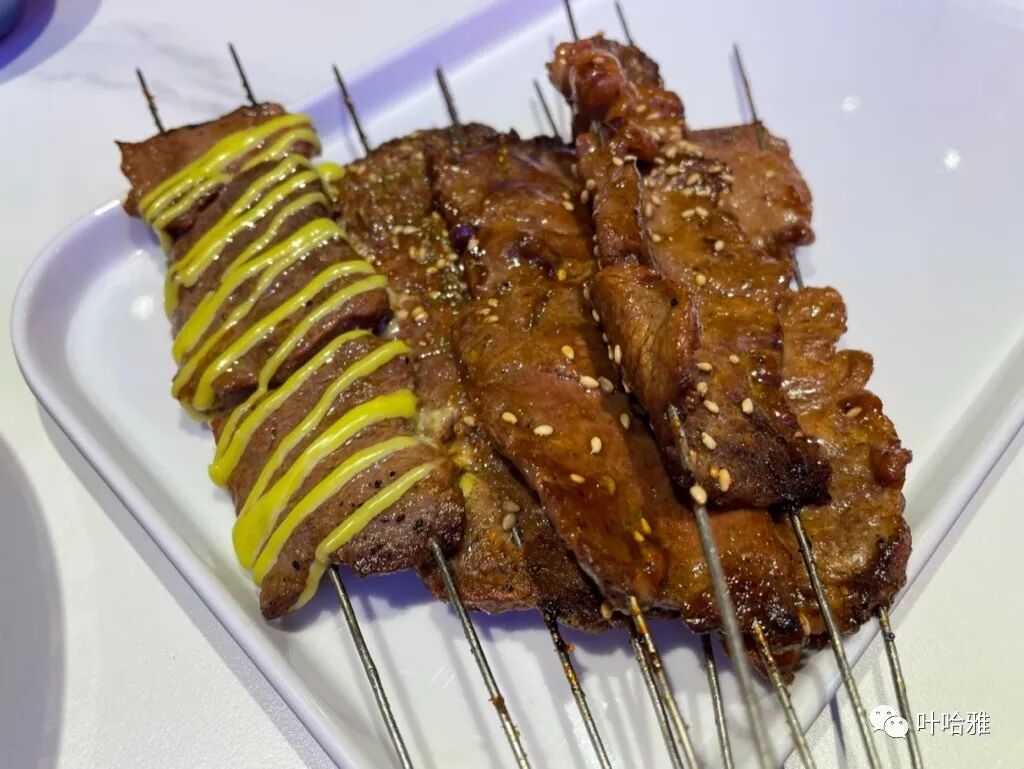
The skewers are called 'Five Elements Lacking Skewers' (wuxing que chuan). I don't know what that means, but I can tell it's beef, and the yellow part is cheese.
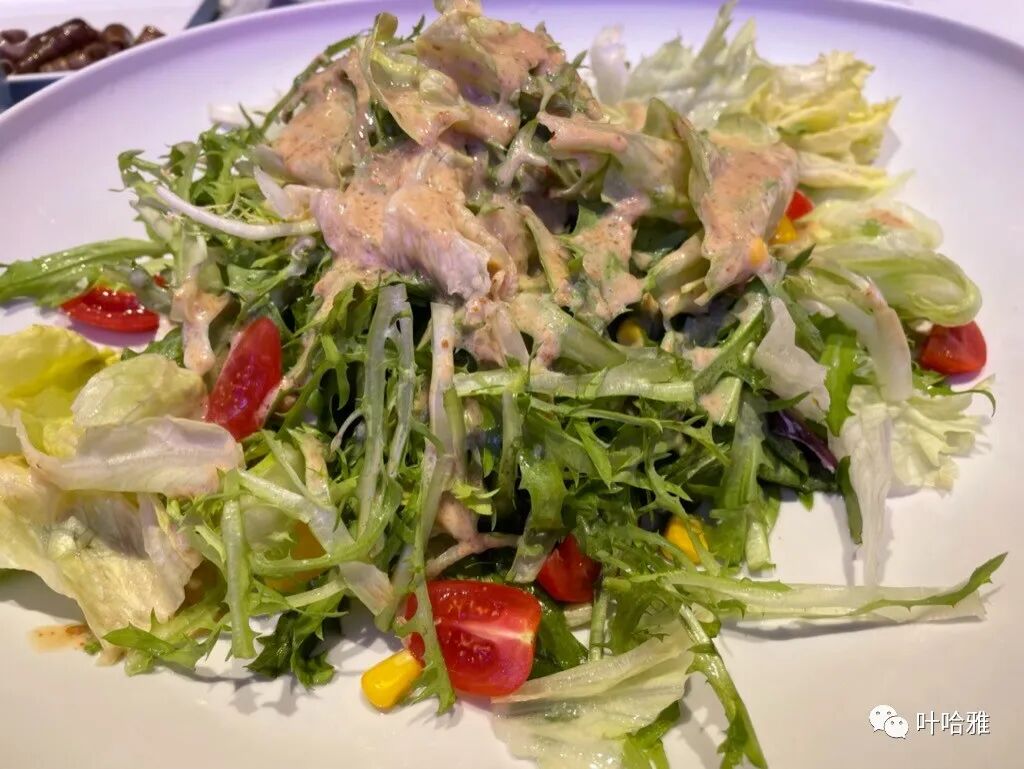
This dish is called 'Super Big Salad' (wocao chaoji da shala) because it is served on a huge plate. People from the Northeast love eating raw vegetables, and the owner gave us this cold salad for free.
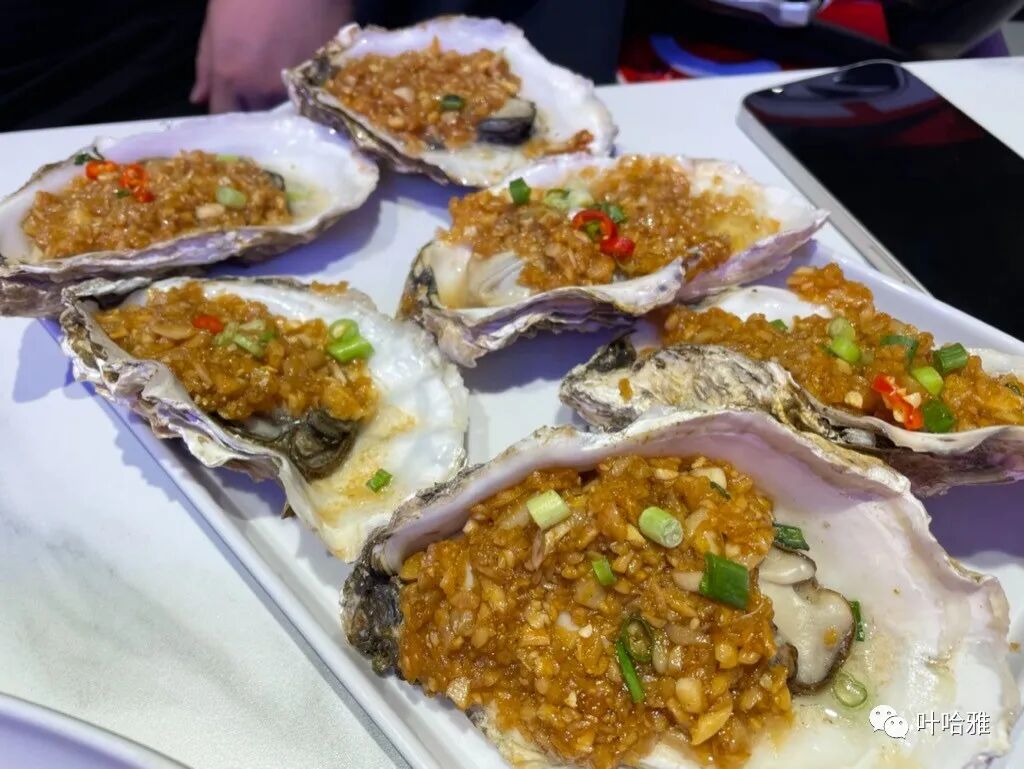
Grilled oysters and scallops are a must. The ingredients are very fresh, but they are not cheap.
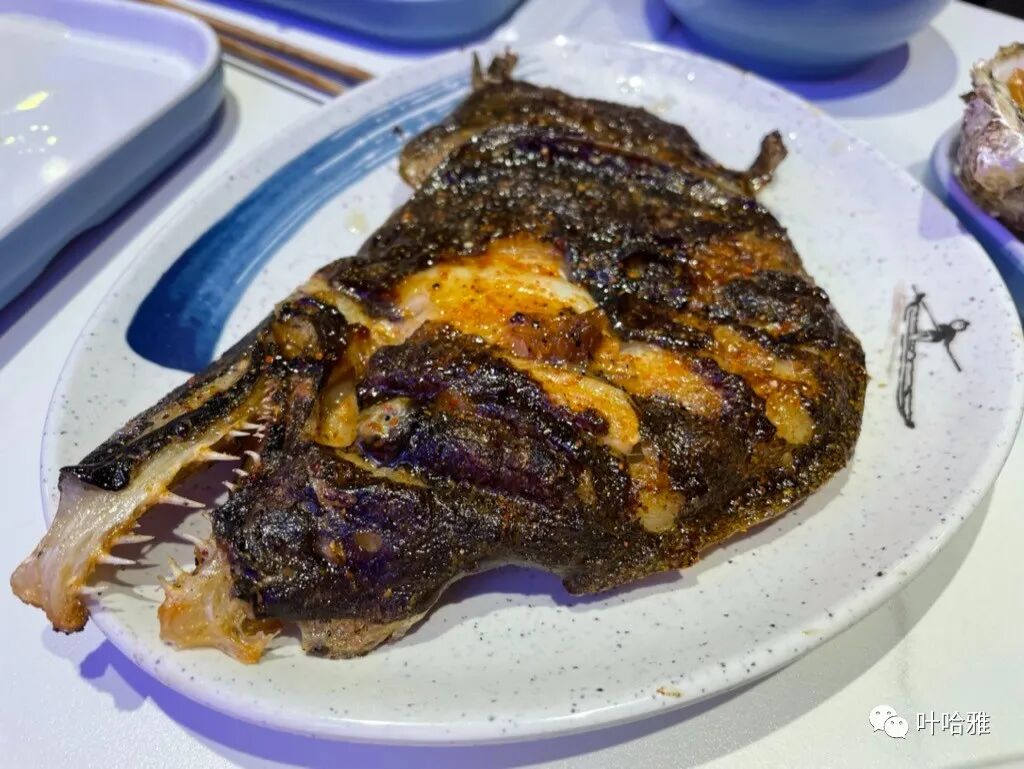
Deep-sea turbot head (shenhai dieyutou). This fish has sharp teeth and a fierce temperament. The more aggressive the fish, the firmer and tastier the meat.
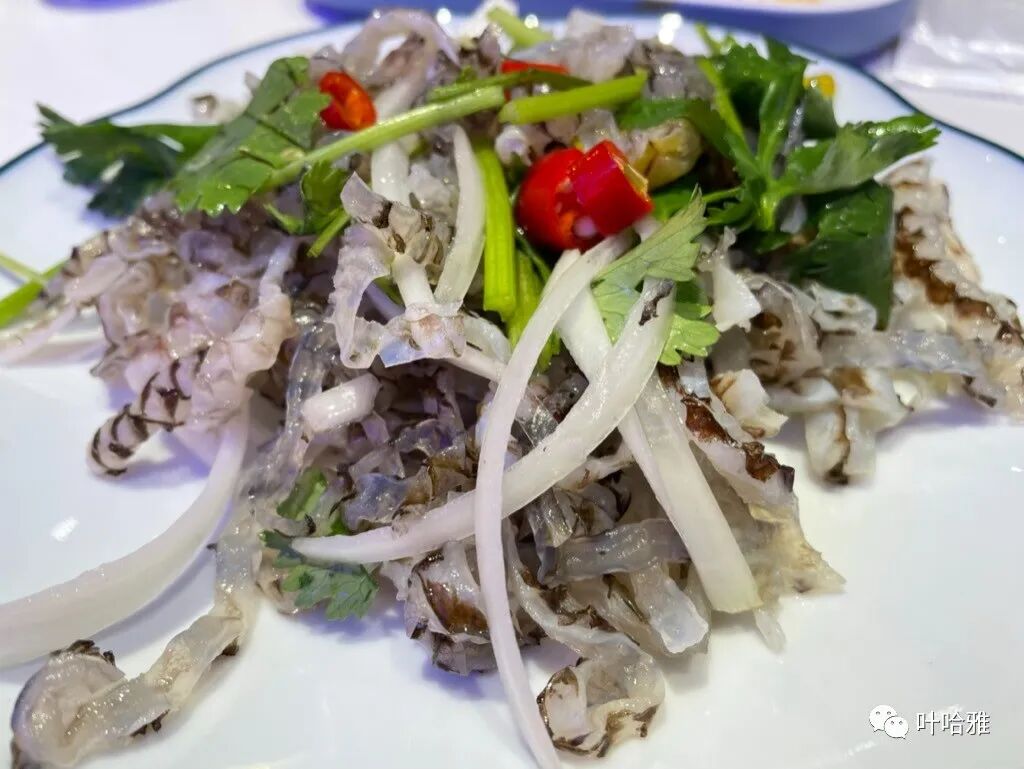
The cold-tossed fish skin (liangban yupi) has no fishy smell, which shows it is very fresh, and it tastes crisp and refreshing. Cold-tossed fish skin is a classic home-style dish in Northeast China. I wanted to try the roasted silkworm pupae (kao canyong), but my friend talked me out of it because they were scared.
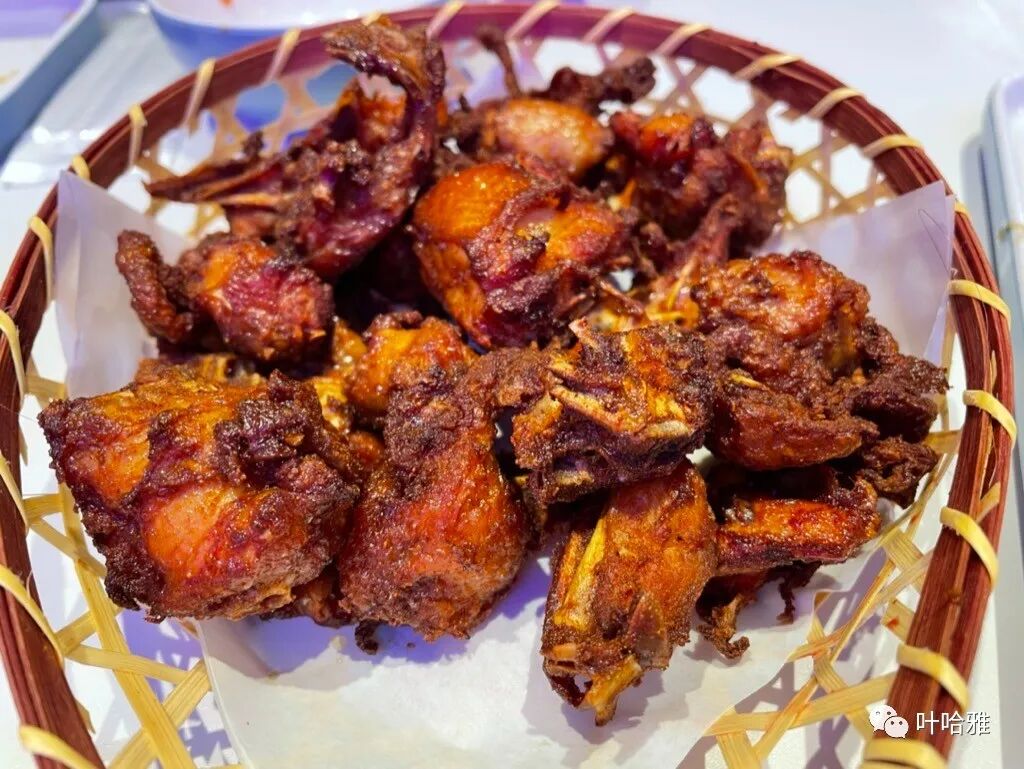
Shenyang chicken rack (jijia) is also a very famous local specialty in the Northeast. The chicken rack is fried until it is golden and crispy, and you can even chew the bones. This shop has a wide variety of small skewers, covering almost all the signature barbecue dishes of the Northeast. The prices are a bit high, with an average cost of over 150 yuan per person.
Address: Ground floor shops on the east side of Dajiaoting International Business Hotel, Guangqu Road.
Phone: 13041118808
13
Beijing Cuisine · Xingyuanzhai Halal Restaurant
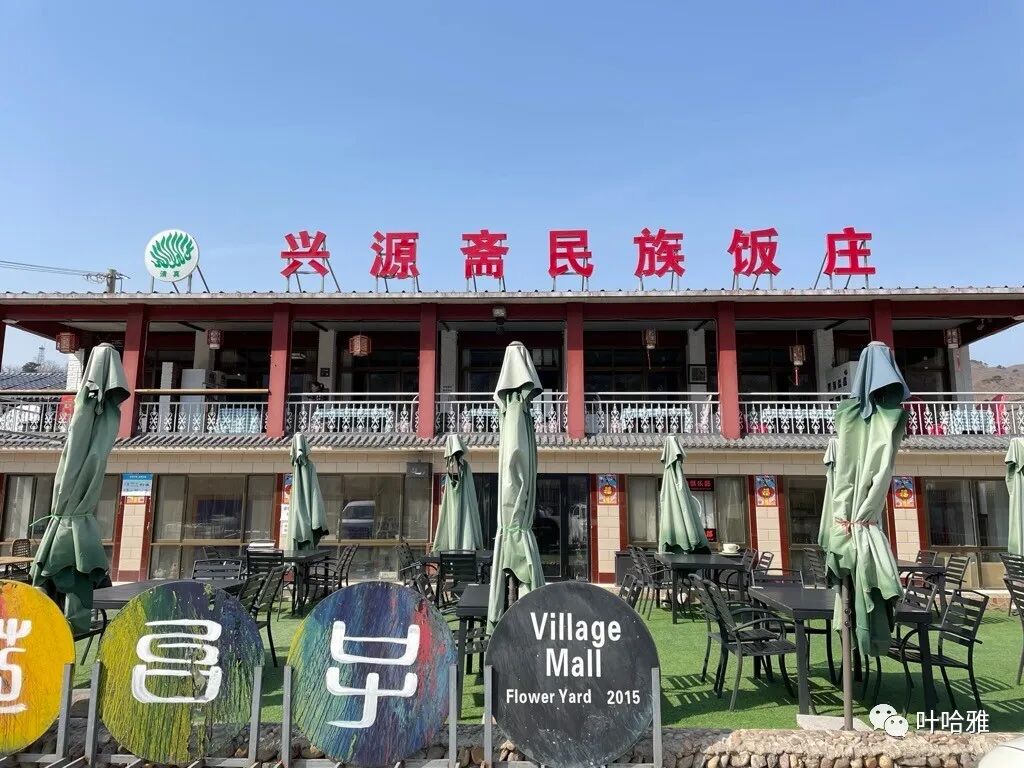
It is not easy to find a halal restaurant near the Mutianyu Great Wall in Huairou. Fortunately, there are two halal restaurants right next to each other in Sanduhe Village. I introduced one before, called Sudan Pakistan Restaurant, and the other is this Xingyuanzhai. Xingyuanzhai is a farmhouse-style restaurant with a spacious, two-story layout. In the summer, you can also sit in the courtyard to eat barbecue.
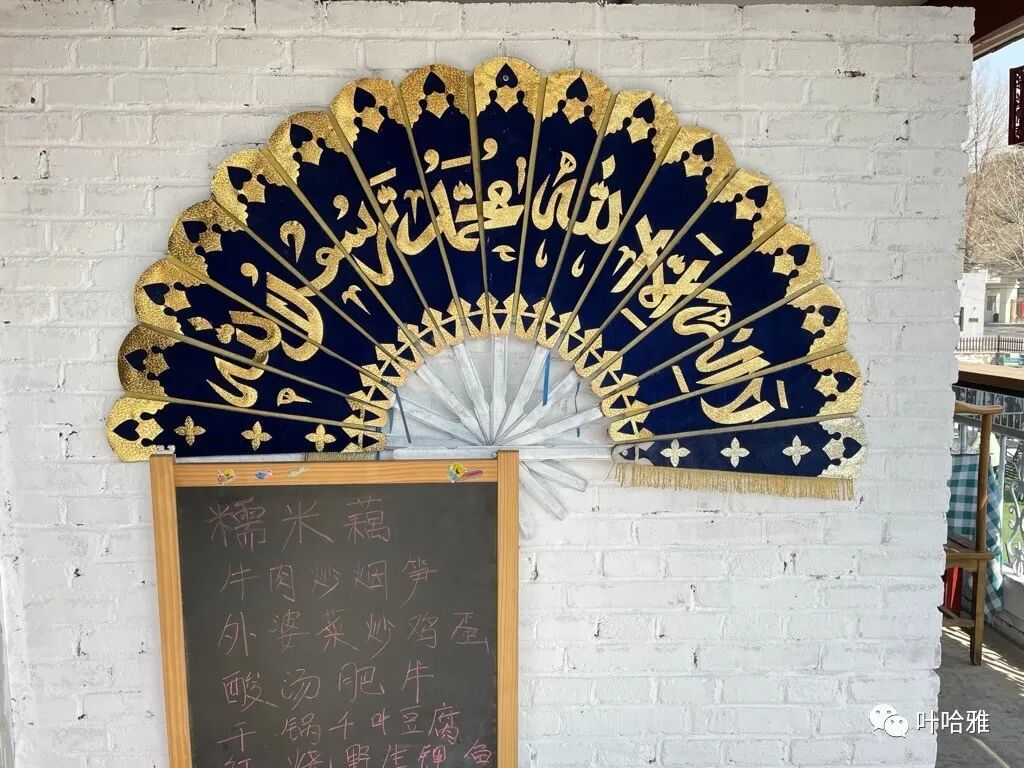
The owner is a Hui Muslim from Shunyi. This shop was originally located in Shunyi and is related to the famous Fushouzhai Hot Pot Restaurant in Shunyi. They just moved to Huairou during the pandemic.
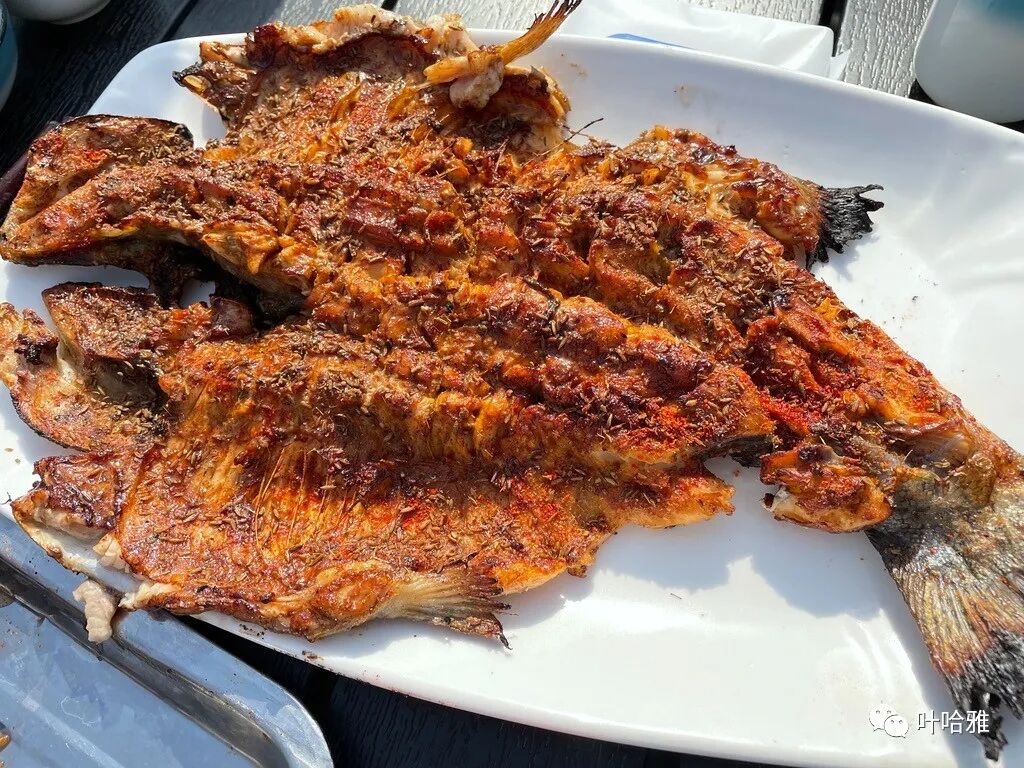
A must-eat in Huairou is the roasted rainbow trout (kao hongzunyu), which is a local farmhouse specialty. Rainbow trout is a cold-water fish with teeth in its mouth. It has a fierce nature and requires high water quality, so its meat is quite delicious.
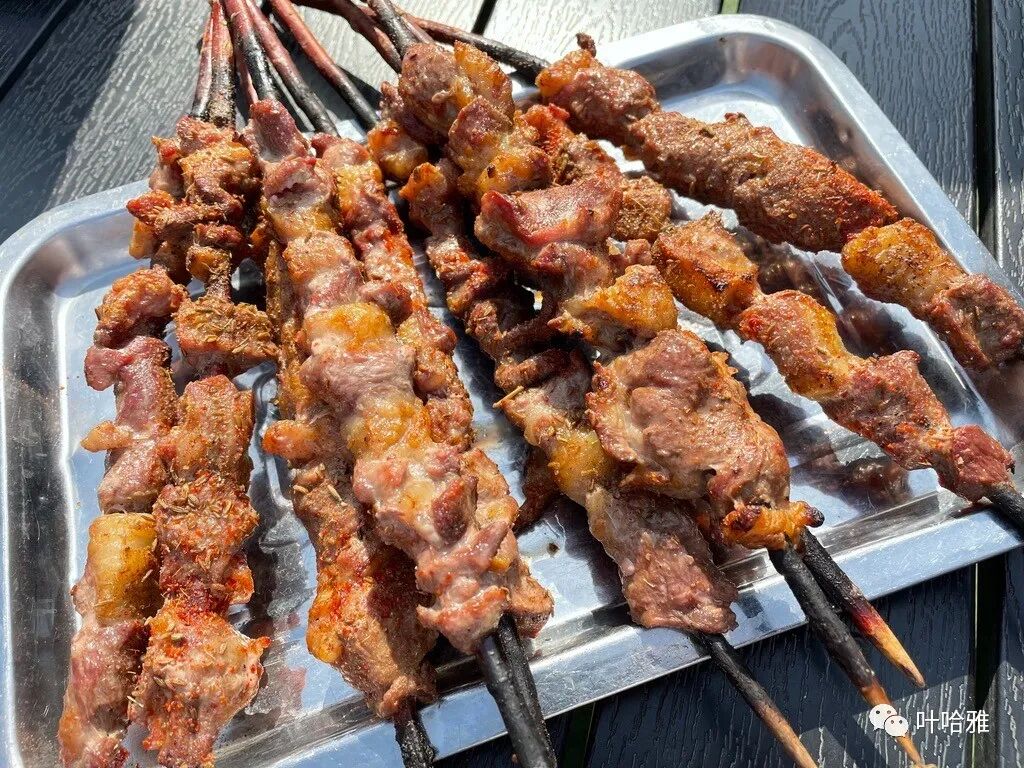
I originally said I wanted to eat small skewers, but the owner recommended that they have freshly slaughtered lamb, so I could have a pound of freshly grilled large skewers, which are even more fragrant.
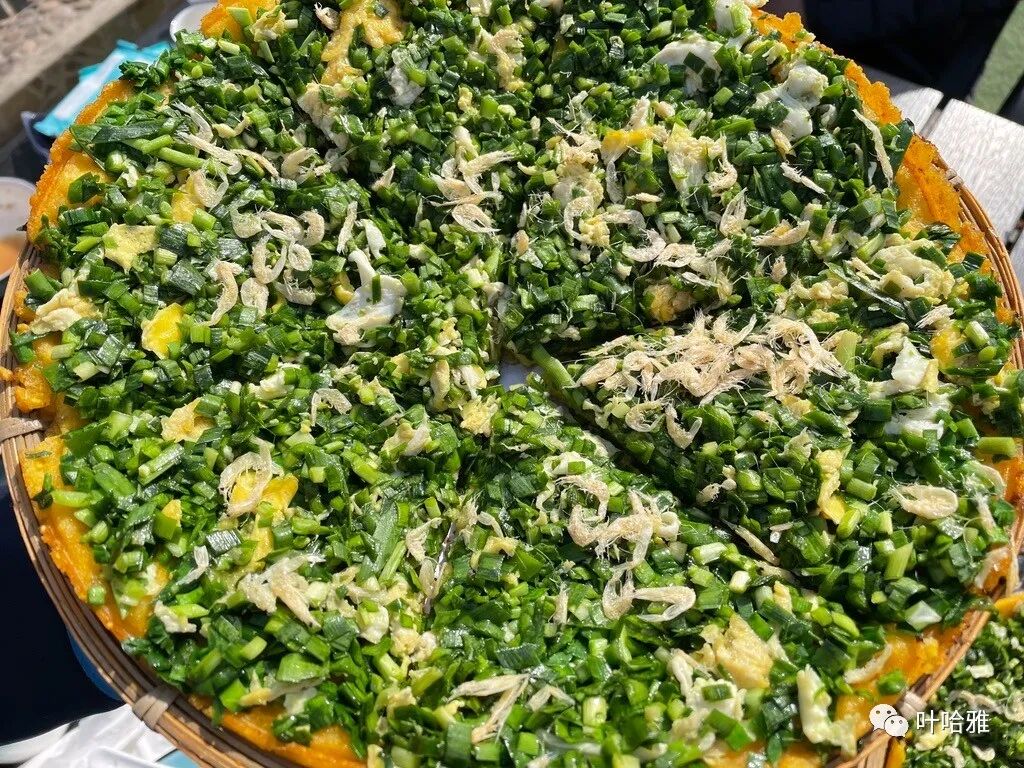
Cornmeal flatbread (hubing) stuffed with chives and eggs.
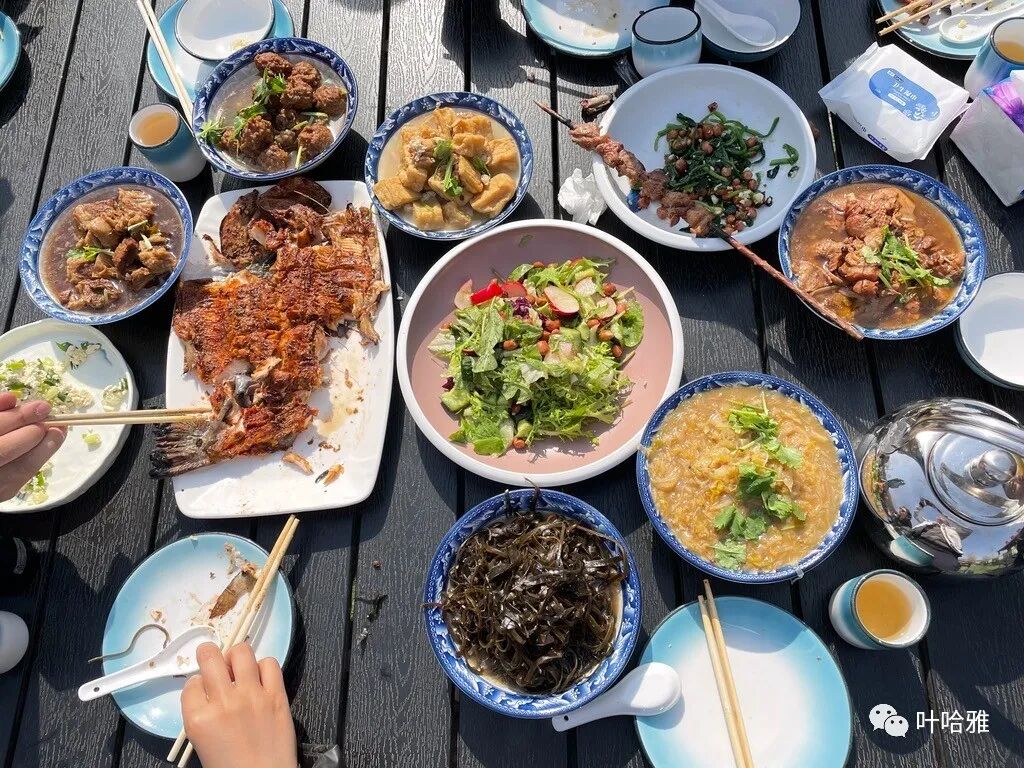
Address: Sanduhe Village, Bohai Town, Huairou District.
Phone: 18910316080
14
Fusion Cuisine · Sayierier
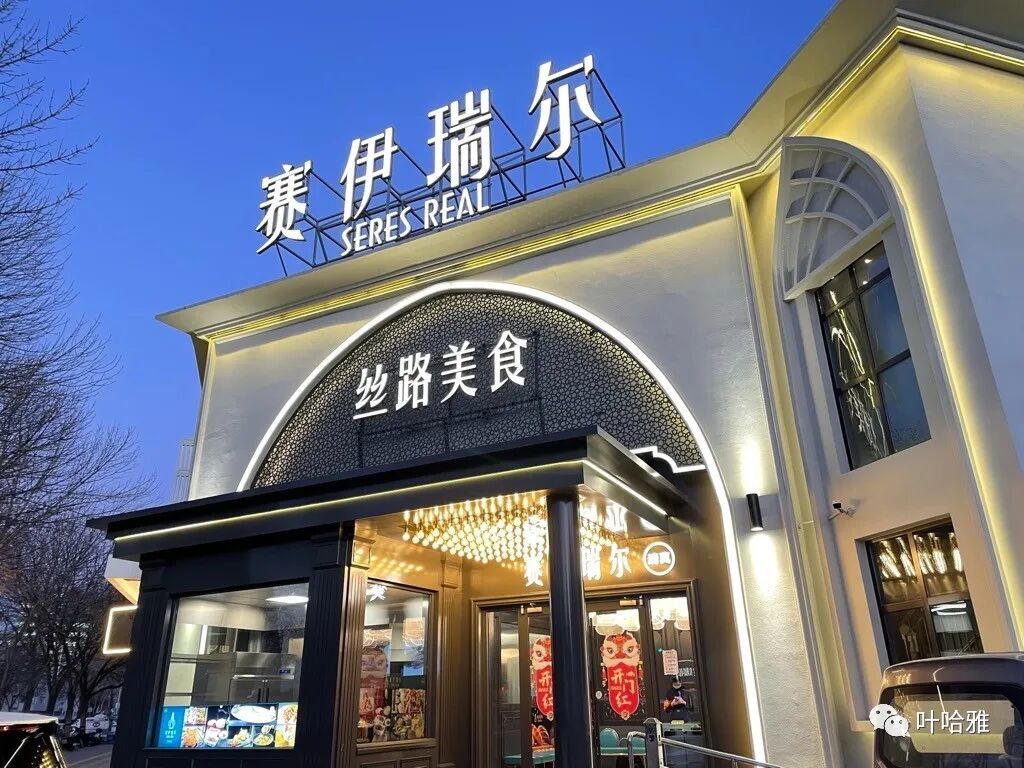
Sayierier Silk Road Cuisine focuses on food from the Silk Road, so it should not be seen as just Xinjiang-style. It also features Mediterranean specialties, as well as Sichuan, Huaiyang, Hunan, Cantonese, and seafood dishes, making it a fusion restaurant.
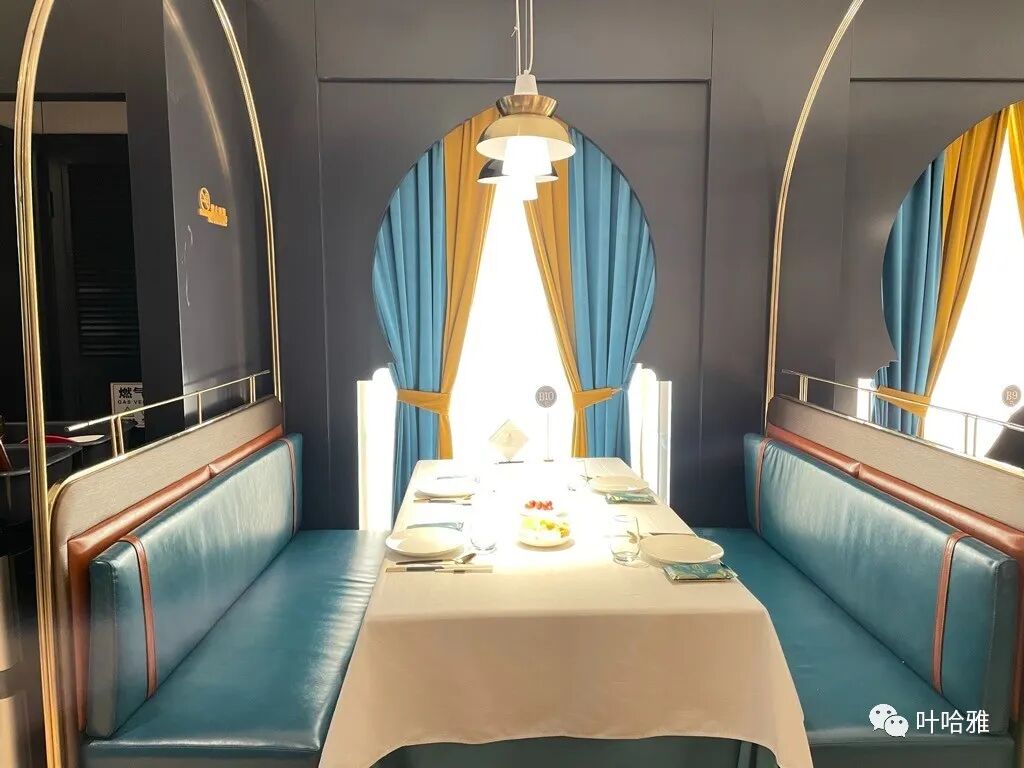
The environment is upscale and the prices are not cheap, with an average cost of around 200 yuan per person.
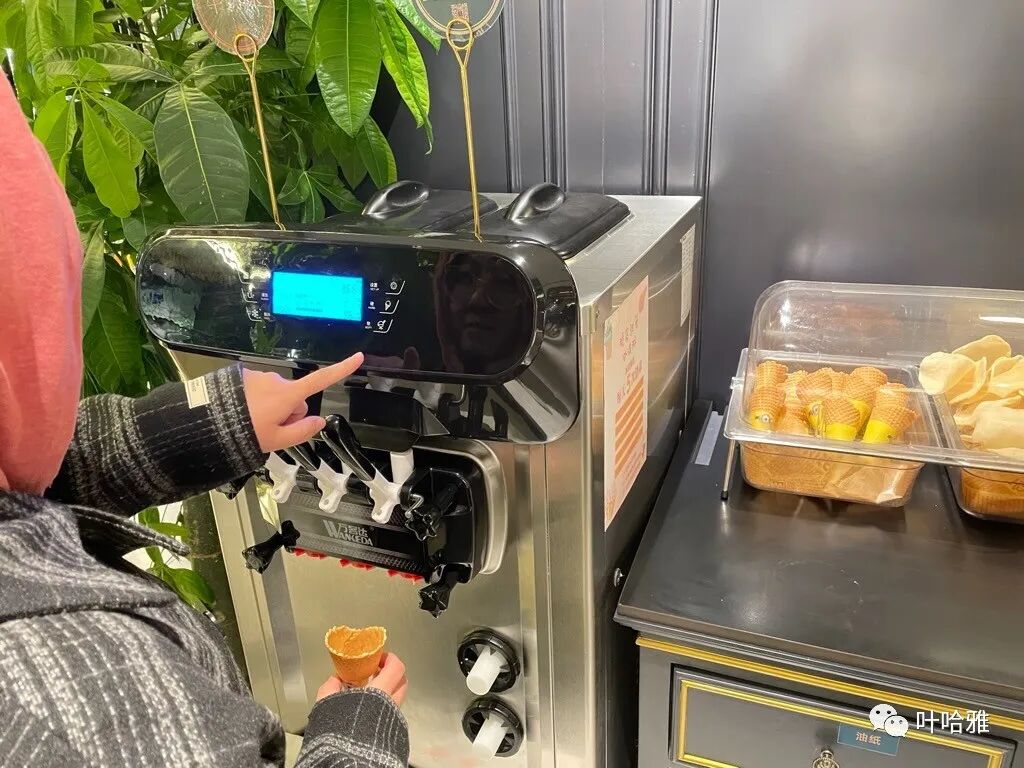
There is free ice cream and snacks you can help yourself to while waiting for a table.
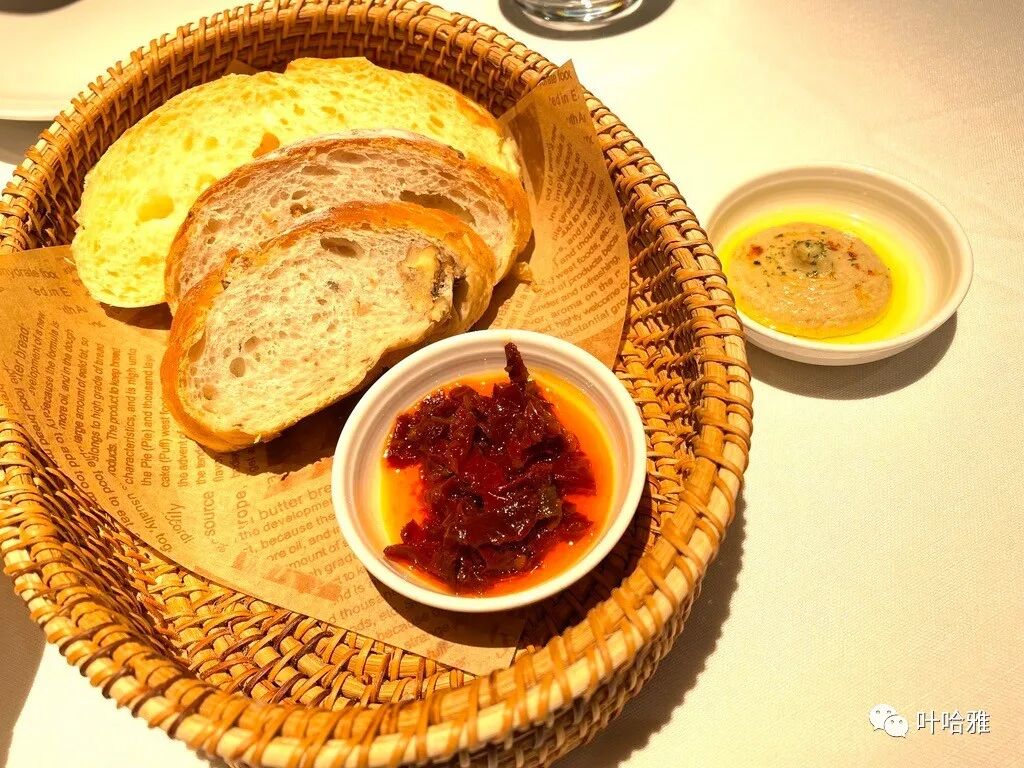
The complimentary bread and spicy onion salad (pilahong) served before the meal are also delicious, not just some thrown-together freebie.
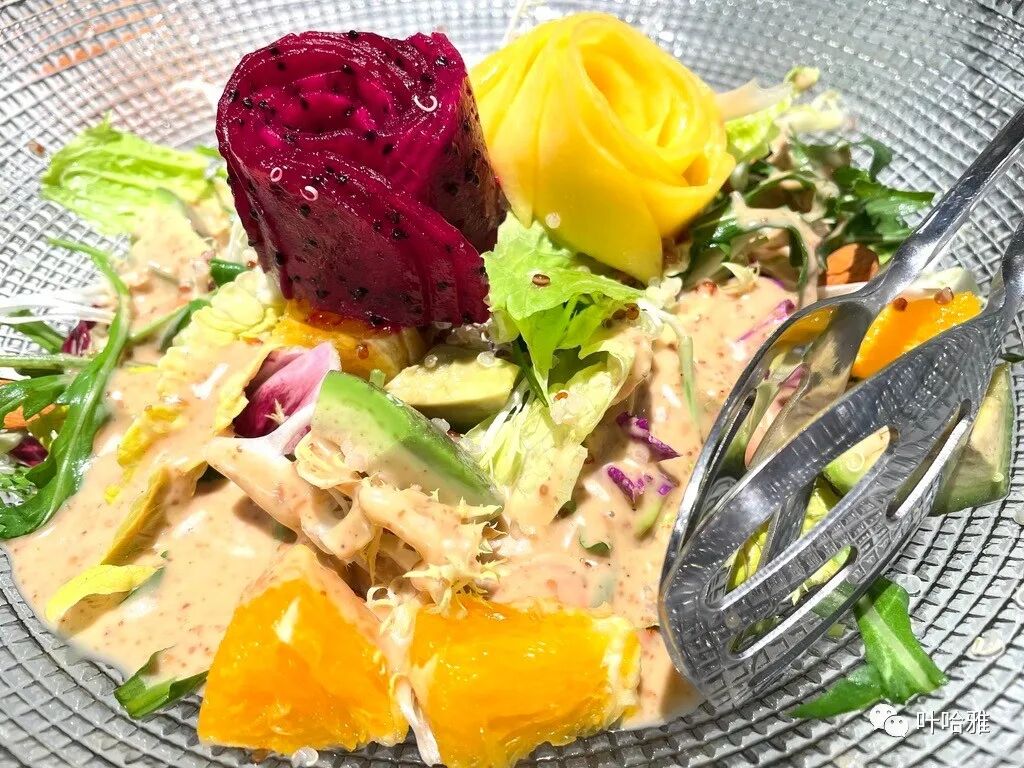
For the Mediterranean salad, the dragon fruit and mango are shaped like roses.
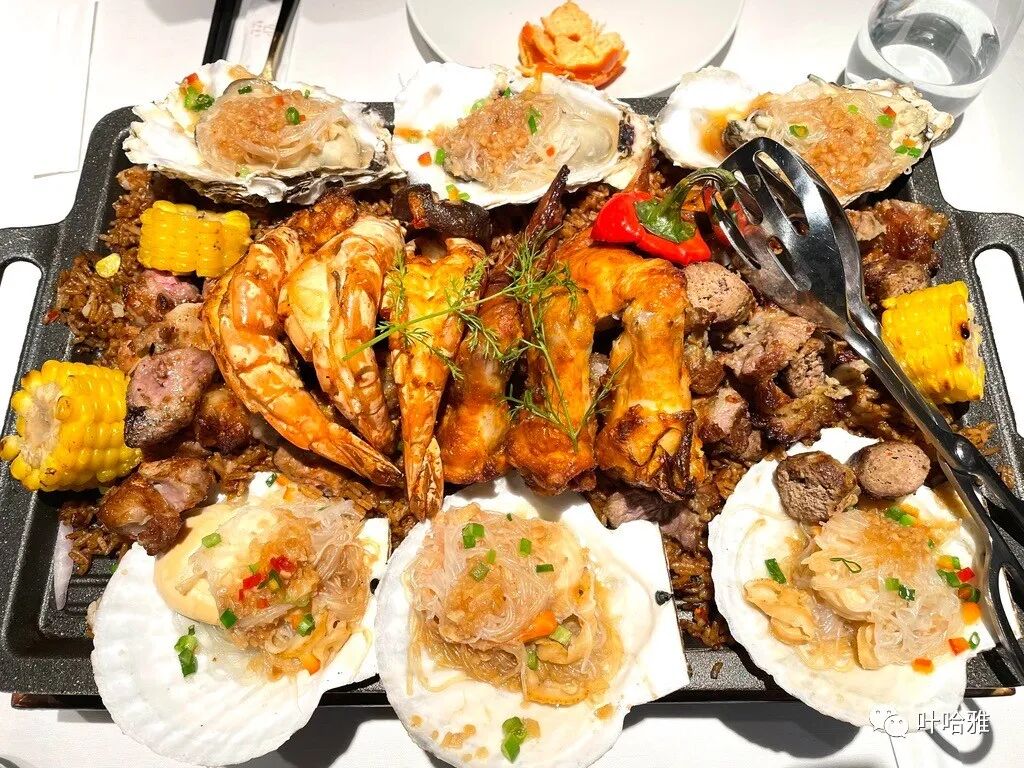
Four of us shared a classic grilled meat platter for 328 yuan, which included beef, lamb, vegetables, and seafood. Adding a few carb-heavy sides was plenty. The food tasted great and the service was attentive. I plan to bring more people next time to try other dishes.
Address: 1st Floor, No. F2 Huayuan Road
Phone: 13161344588
Summary: This Beijing halal food map covers new Muslim-friendly restaurants opened around Ramadan, including Korean-style barbecue, Yanji cold noodles, Anhui banmian, Turkish food, Indian food, and local Hui Muslim dining.
— Hello, Travel —
This is the third Ramadan I have spent during the pandemic. In March, I was locked down for nearly a month in Dachang, which had zero confirmed cases. I could only move around within the community, so I could not go out to visit restaurants. When Langfang lifted the lockdown in early April, I immediately packed my bags and took my family back to our home in Beijing overnight.
Back in the capital after a long absence, I was greeted by many halal restaurants that had just opened. I had only been away for half a year, but halal restaurants in Beijing were opening one after another. Overall, although some shops closed, the speed of new openings was slightly faster than the closures, so I do not have to worry about having nothing to write for my official account.
During Ramadan, we visited a new restaurant almost every night. Sometimes I treated everyone to iftar, and sometimes others treated me. There is a reward for feeding someone who is fasting, so everyone scrambled to pay the bill. The thrilling part was that just as I finished visiting the new restaurants on my list, Beijing suspended dine-in services during the May Day holiday.
This issue (the 25th issue) is very rich in content, with new additions including halal versions of Yanji cold noodles (lengmian), Anhui flat noodles (banmian), Northeast-style barbecue, Turkish food, Indian food, Korean barbecue, and new-style Chinese cuisine.
1
Korean-style Xiaohuiniu Barbecue
Xiaohuiniu Barbecue is located in the ground-floor shops of Maying Village in Zhangjiawan Town, Tongzhou. It is near a residential area for Hui Muslims and close to Universal Studios, so there are many halal restaurants nearby. We even saw a barbecue night market on the roadside with stalls selling halal deep-fried stinky tofu and grilled skewers. This kind of lively atmosphere is hard to find in Beijing nowadays.
We bought a 4-person set meal on Dazhong Dianping for 288 yuan, which is 70 yuan per person. Overall, the price is cheaper than in the city center. The quality of the beef in the set is good, there are servers to help grill the meat, and the restaurant environment is spacious, making for a comfortable dining experience.
The set includes a portion of Hui beef belly and thick-cut beef tongue, as well as lamb butterfly chops and Orleans-style chicken wings. Paired with some cold dishes, it basically satisfies the appetites of four people.
The main courses are a portion of cold noodles (lengmian) and a portion of stone pot bibimbap. These two are the standard main course pairings for Korean barbecue. Both are quite delicious, and the portions are not too large, so there is no waste.
A major highlight of this place is the self-service sauce bar, which offers many flavor options. There are various dry and wet dipping sauces, and I suggest trying each one. I personally prefer the dry dipping sauces.
I have tried grilling meat at home, but a drawback is that the smoke fills the whole room. So, whenever I want to eat barbecue, I still recommend going to a restaurant. There are now several halal Korean barbecue restaurants in Beijing, such as Toupiqi and Qingu in Changying, as well as Japanese-style places like Chidao Yakiniku and Niushi, all of which are good restaurants.
Address: Shop 5, Ground Floor, Maying Village, Zhangjiawan Town
Phone: 17610562606
2
Taihe beef flat noodles (banmian) from Anhui.
We originally planned to break our fast at Xiaohuiniu, but when we arrived at Zhangjiawan, we stumbled upon this halal Anhui flat noodle shop. It is located right at the entrance of the street where the Zhangjiawan mosque stands. The guys and I agreed immediately to eat our noodles here to break our fast before heading off for barbecue. Sometimes plans just cannot keep up with changes.
Taihe beef flat noodles are a specialty snack from Anhui that originated during the Jiaqing reign of the Qing Dynasty. Taihe is a place in Fuyang, Anhui. The name flat noodles comes from the way the dough is flattened with a rolling pin and slapped against a cutting board.
To save room for the barbecue at Xiaohuiniu, we each ordered a small bowl of noodles. The small bowl was actually quite large and cost 10 yuan. The beef broth was rich and the wide noodles were chewy. My teammates could not stop praising them. It was everyone's first time having halal flat noodles, and we all felt the trip was worth it.
3
New Chinese-style pastries: Tanggusu and Guiyizhai.
Tanggusu and Guiyizhai are the same business, located right next to each other with an interior connection. Tanggusu is the takeout window, while you can walk into Guiyizhai to shop. Young people who are not used to traditional pastries can find new flavors here.
They have halal meat floss cakes (xiaobei), egg tarts, jujube cakes, chocolate pies, muffins, Napoleon cakes, and sweetheart cakes (laopobing), as well as sugar-free cakes.
The chocolate pie is their best-selling dessert and is cheap at 8 yuan each. Given the limited options for halal desserts, this shop is quite affordable, even if it is not as good as what my wife makes.
The chocolate pie was packed with filling. Since I was still fasting, I did not get to taste it; my wife ate it all (nursing mothers do not have to fast).
Napoleon cake.
Address: Bungalow 1, Courtyard 2, Jiaomen Road.
Phone: 01067532366.
4
New-style Beijing cuisine: Yimanxuan.
One evening, Tiantian had the intention (niyyah) to treat everyone to break their fast. Since we wanted to keep the cost per person reasonable, I specifically chose this newly opened restaurant near Xidan.
Qianlong cabbage.
Qianlong cabbage (qianlong baicai) is a cold dish made with Chinese cabbage, sesame paste, honey, and sugar.
Dry-fried young chicken (ganbian ziji).
This Sichuan-style dry-fried young chicken is deep-fried first, so it is crispy on the outside and tender on the inside. It is topped with dried chili strips for a spicy, fragrant flavor that is just right.
Stir-fried lamb (baohu).
Baohu is basically stir-fried lamb, but cooked over higher heat for a longer time. You eat it with sesame flatbread (shaobing), which is soft enough to stuff the meat inside. This dish is quite popular.
Fried cornmeal buns with stinky tofu (zha wotou choudoufu).
This is a favorite among old Beijingers. You spread stinky tofu on fried cornmeal buns. Don't smell it; just hold your breath and eat it, and you won't notice the smell.
Noodles with thick gravy (dalu mian).
We chose these noodles with thick gravy as our main course. One big bowl serves three people. The handmade noodles and the gravy are both carefully prepared and highly recommended.
5
Northwest cuisine at Lili Yangke.
During Ramadan, Lili Yangke provides dates for those fasting to break their fast. They also prioritize serving food to guests breaking their fast; just tell the server it is an iftar meal, and the chef will serve it on time.
The waitresses at Lili Yangke wear headscarves, and I saw them performing namaz after breaking their fast.
We use boiled dates to break our fast, following the Sunnah.
The deluxe version of eight-treasure tea (babao cha), also known as three-cannon tea (sanpaotai) in Lanzhou, is always filled to the brim when you visit a home in the Northwest.
Hezhou steamed buns (Hezhou baozi) are not a main course here; in the Northwest, they are served as an appetizer before the meal.
Milk and egg fermented rice soup (niunai jidan laozao) is a Northwest dessert that can be eaten before or after a meal.
Their Dongxiang free-range chicken (Dongxiang liuda ji) is excellent. The meat is tender and has a great texture that is clearly different from regular chicken.
The golden bread roasted lamb leg (huangjin mianbao kao yangtui) is their signature dish. You need to order it an hour in advance because it is baked to order. Once the bread is cut open, it is filled with pre-cut pieces of lamb, and the quality of the meat is excellent.
The small fried dough (youxiang) is fluffy and delicious, and you can eat it like a snack. Many places do not fry youxiang regularly, only on important days, which makes the food feel sacred. There is even a custom that you must break it by hand to eat it. These are local traditions that do not come from the Quran or Hadith. We respect these traditions, but we should also know where they come from.
Address: No. 15 Guangqu Jiayuan, Guangqumen Outer Street.
Phone: 13777836511.
6
Xinjiang Cuisine: Ziyuan.
There are Xinjiang restaurants everywhere in Beijing now, but this one stands out for its decor. People say they hired the famous Japanese designer Shuhei Aoyama. The master's design fee was as high as 2,000 yuan per square meter, which shows the owner has very high standards for aesthetics.
Since they hired a master designer, they are naturally careful about choosing ingredients. The owner is a Hui Muslim from Xinjiang, so the ingredients come directly from Xinjiang.
We saw a note on the menu: 'The restaurant's chefs all come from ethnic minority regions in Xinjiang.' This description speaks for itself. Those who know, know. This is how ethnic restaurants from Xinjiang write it these days.
Actually, before eating at Ziyuan, we had already broken our fast at a nearby Yunnan restaurant called Dianxinyuan. We just happened to pass by here and thought, since we came all this way, we might as well go in and sit for a while.
We ordered a meat-filled flatbread (rou nang). Even though we were very full, we still thought it was delicious. It had plenty of filling and lots of meat.
We also ordered a skewer of grilled lamb liver and a skewer of red willow grilled meat (hongliu kaorou). The ingredients were all very fresh and satisfying.
Address: Block B, Podium Building, AVIC Plaza, Ronghua South Road.
Phone: 13511041942.
7
Turkish Cuisine: SIMIT PALACE.
This is a newly opened Turkish restaurant in the Asian Games Village. The owner is a Turkish man from Istanbul, and his wife is from Beijing. In 2005, they opened a Turkish restaurant called Osman on Lucky Street.
The restaurant has only one floor, with the kitchen on the second floor. The first floor serves desserts, bread, and coffee, making it a great spot for a casual afternoon tea.
I bought some bread to try. It was made very delicately, and after my wife checked it, she said it was quite good.
I love drinking coffee and enjoy the feeling of relaxing in a cafe. Since we cannot drink water during the day in Ramadan, we went at night. I couldn't resist ordering a cup of strong Turkish coffee, even if it meant I might not sleep well later.
The coffee cups here are very delicate and decorated with patterns of dragon robes.
Rice pudding (sutlac) is a small dessert that originated in the Middle East, made by baking cooked rice with milk and butter.
Usually, you should eat Turkish food at a Turkish restaurant, but I saw fried chicken, french fries, and burgers on the menu and couldn't resist. After all, halal Western-style fast food is not as common in Beijing as Turkish restaurants, and we consider Turkish food to be Western cuisine anyway.
The fries and burgers are made to order. The cheese and meat patty in the burger were delicious. This burger combo costs over 50 yuan.
Address: First floor, Building 17, Courtyard 5, Anding Road.
Phone: 13718618634.
8
Yanji Cuisine: Xiangyu Jubinyuan.
This place also opened recently. They serve halal Yanji cold noodles (lengmian) and double-stir-fried meat (guobaorou), which my friends from Northeast China will recognize.
The double-stir-fried meat is sweet and sour, and it is eaten as a side dish with the cold noodles.
Although this is the first restaurant to focus on halal Yanji cold noodles, many barbecue restaurants in Beijing serve halal cold noodles that taste just as good.
Spicy shredded pollock (ban mingtaiyu si).
Spicy shredded pollock is a specialty snack of the Korean ethnic group. It is mixed with Korean chili paste and has a salty, sweet, and slightly spicy taste.
Spicy mixed beef (la ban niurou).
Spicy mixed beef is also a common cold dish for the Korean ethnic group, but they usually use dog meat. Since we cannot eat dog meat, we use beef instead.
Address: No. 1 Beicaochang Hutong, a century-old classic.
Phone: 18501952822
9
Fusion cuisine, Qingxiangge Crayfish, and Anhui Flat Noodles King.
Qingxiangge opened a crayfish shop in Tuanjiehu, specializing in fresh, spicy crayfish. They also opened an Anhui Flat Noodles King (Anhui banmian wang) next door. The iron pot stew (tieguo dun) upstairs and the two shops downstairs all belong to Qingxiangge.
As usual, we couldn't resist ordering a bowl of beef flat noodles (niurou banmian) from next door. Coincidentally, they also sell hot dry noodles (reganmian), so we brought both bowls over to the crayfish shop to break our fast.
Hot dry noodles (reganmian)
In my opinion, the hot dry noodles are better than the beef flat noodles. The hot dry noodles are a bit spicy but very fragrant, similar to what I ate in Wuhan. For beef flat noodles, I prefer the place in Zhangjiawan.
Beef flat noodles (niurou banmian)
The crayfish are fresh, and you can taste it. You must order at least two jin (one kilogram). The price is a bit high, but the chef can help peel the shrimp. You can add noodles to the leftover sauce after eating the shrimp. It is very fragrant but also quite spicy. If you cannot handle spice, I suggest choosing the thirteen-spice (shisanxiang) flavor.
The hand-rolled noodles mixed with the sauce are delicious. The texture of the noodles is similar to noodles with stir-fried meat (guoyourou banmian).
Spicy chicken (lazi ji)
The spicy chicken at this shop is very delicious. The chili peppers are especially fragrant, and it is worth recommending.
Spanish mackerel dumplings (bayu shuijiao)
Qingxiangge started by selling Dalian seafood, so their menu naturally includes Spanish mackerel dumplings. The filling is made of whole mackerel meat, which is pure, soft, and savory.
Address: Five single-story houses on the south side of Building 20, Baijiazhuang Dongli.
Phone: 18911210255
10
Indian Cuisine: Love in Curry
This shop is tucked away. It has been in the basement of Hongqiao Market for five years, but I only found out about it this year.
The space is small, just a stall in the basement food court, but it is clean and hygienic. They do not sell alcohol. Honestly, I have never seen an Indian or Pakistani brother run a restaurant that sells alcohol.
When eating Indian food, curry and naan bread (nangbing) are must-haves. If I want more options, I add fried rice or roasted chicken. Naan and curry come in many flavors, but I recommend the butter naan and lamb curry.
Indian and Pakistani barbecue has bright colors because it is marinated with spices. The green dipping sauce is made from spinach juice.
Deep-fried vegetable curry puffs (samosa)
Address: B1 Food Court, Hongqiao Market, Chongwenmen Outer Street
Phone: 15210944043
11
Beijing Cuisine: Yuelangzhai
In Xiguanshi Village, Changping, there is a halal restaurant with a famous history. Before I arrived, I learned that the restaurant was once an Imperial Escort Agency (yushan biaoju), named for protecting Empress Dowager Cixi during her escape to Xi'an.
Yuelangzhai Restaurant started in 2014. The Li family ancestors were professional escorts. Although that trade no longer exists, the descendants of the Li family are good cooks. Using their ancestral property, they decided to open a restaurant.
At the entrance, a screen wall is carved with the four characters for Imperial Escort Agency. Research confirms it was indeed bestowed by the emperor. The Imperial Escort Agency was originally called Xiguangyu Escort Agency. To protect Empress Dowager Cixi as she left Beijing, the owner Li Entao recommended Yang Juchuan to accompany her all the way to Xi'an and back to Beijing.
The front hall has a dragon chair with a yellow robe hanging nearby. In the center hangs a plaque that reads Yuelangzhai, showing that this shop once served the royal family.
Walking through the porch into the main hall, the space is wide. The interior uses a traditional Chinese style that is simple and elegant. The restaurant has two floors: the first floor has open seating, and the second floor has private rooms.
Inside a private room, the decor remains traditional Chinese with square tables and wooden stools. Calligraphy and ink paintings hang on the walls, creating an atmosphere that feels like traveling back to the late Qing Dynasty.
Vinegar-fried wood-ear and egg (culiu muxu) is a common Beijing home-style dish found in many restaurants. It should be called culiu muxi because the fried eggs look like osmanthus flowers (muxi). It requires high culinary skill; it looks simple, but it is not easy to make well.
Manager Li highly recommended these beef meatballs. He said he usually avoids ordering this dish at other restaurants because they often use too many fillers and not enough beef, but the beef meatballs at Yuelangzhai are made with real, quality ingredients. I picked one up and took a bite. It was just as Manager Li said, full of beef flavor with no taste of starch or other fillers. The meatballs were soft, delicious, and melted in my mouth.
Pan-seared tofu (guota doufu) is a classic Beijing-Shandong dish. You cut the tofu into 5-centimeter squares, mince shrimp into a paste, and mix it with egg wash. Dip the tofu in the egg mixture, pan-fry it over low heat, and when the oil is about 60 percent hot, slide the tofu into the pan. Fry both sides until golden brown, then cover and simmer until the sauce reduces.
For the main course, we had grilled noodles (zhizi kaomian). I had heard of grilled meat (zhizi kaorou) before, but never grilled noodles. Manager Li said he invented this dish. He seasons hand-rolled noodles and stir-fries them on a hot iron grill, similar to stir-fried noodles. The high heat of the grill adds a lot of aroma and texture, and it is very popular with diners.
Address: No. 8, Houchang Street, Xiguanshi Village, Yangfang Town
Phone: 01069760863
12
Northeast Chinese Cuisine: Baixiaobei Northeast Barbecue
This is the only halal Northeast-style barbecue restaurant in Beijing. It just opened, so we organized a group of friends to visit during the trial period. Northeast barbecue is known for small skewers, which is different from Northeast stir-fry dishes that come in large portions.
Boiled beef tripe (shuan niudu)
I don't mind small portions because it lets me try more flavors and helps avoid food waste.
Stir-fried screw snails (baochao dingluo)
Once the tips of the screw snails are broken off, you just suck on them to pull the meat out. The texture is crisp, tender, and chewy.
Fruit cold noodles (shuiguo lengmian). I have to say, the cold noodles here are quite authentic and taste much better than the halal Yanji cold noodles I mentioned earlier.
The skewers are called 'Five Elements Lacking Skewers' (wuxing que chuan). I don't know what that means, but I can tell it's beef, and the yellow part is cheese.
This dish is called 'Super Big Salad' (wocao chaoji da shala) because it is served on a huge plate. People from the Northeast love eating raw vegetables, and the owner gave us this cold salad for free.
Grilled oysters and scallops are a must. The ingredients are very fresh, but they are not cheap.
Deep-sea turbot head (shenhai dieyutou). This fish has sharp teeth and a fierce temperament. The more aggressive the fish, the firmer and tastier the meat.
The cold-tossed fish skin (liangban yupi) has no fishy smell, which shows it is very fresh, and it tastes crisp and refreshing. Cold-tossed fish skin is a classic home-style dish in Northeast China. I wanted to try the roasted silkworm pupae (kao canyong), but my friend talked me out of it because they were scared.
Shenyang chicken rack (jijia) is also a very famous local specialty in the Northeast. The chicken rack is fried until it is golden and crispy, and you can even chew the bones. This shop has a wide variety of small skewers, covering almost all the signature barbecue dishes of the Northeast. The prices are a bit high, with an average cost of over 150 yuan per person.
Address: Ground floor shops on the east side of Dajiaoting International Business Hotel, Guangqu Road.
Phone: 13041118808
13
Beijing Cuisine · Xingyuanzhai Halal Restaurant
It is not easy to find a halal restaurant near the Mutianyu Great Wall in Huairou. Fortunately, there are two halal restaurants right next to each other in Sanduhe Village. I introduced one before, called Sudan Pakistan Restaurant, and the other is this Xingyuanzhai. Xingyuanzhai is a farmhouse-style restaurant with a spacious, two-story layout. In the summer, you can also sit in the courtyard to eat barbecue.
The owner is a Hui Muslim from Shunyi. This shop was originally located in Shunyi and is related to the famous Fushouzhai Hot Pot Restaurant in Shunyi. They just moved to Huairou during the pandemic.
A must-eat in Huairou is the roasted rainbow trout (kao hongzunyu), which is a local farmhouse specialty. Rainbow trout is a cold-water fish with teeth in its mouth. It has a fierce nature and requires high water quality, so its meat is quite delicious.
I originally said I wanted to eat small skewers, but the owner recommended that they have freshly slaughtered lamb, so I could have a pound of freshly grilled large skewers, which are even more fragrant.
Cornmeal flatbread (hubing) stuffed with chives and eggs.
Address: Sanduhe Village, Bohai Town, Huairou District.
Phone: 18910316080
14
Fusion Cuisine · Sayierier
Sayierier Silk Road Cuisine focuses on food from the Silk Road, so it should not be seen as just Xinjiang-style. It also features Mediterranean specialties, as well as Sichuan, Huaiyang, Hunan, Cantonese, and seafood dishes, making it a fusion restaurant.
The environment is upscale and the prices are not cheap, with an average cost of around 200 yuan per person.
There is free ice cream and snacks you can help yourself to while waiting for a table.
The complimentary bread and spicy onion salad (pilahong) served before the meal are also delicious, not just some thrown-together freebie.
For the Mediterranean salad, the dragon fruit and mango are shaped like roses.
Four of us shared a classic grilled meat platter for 328 yuan, which included beef, lamb, vegetables, and seafood. Adding a few carb-heavy sides was plenty. The food tasted great and the service was attentive. I plan to bring more people next time to try other dishes.
Address: 1st Floor, No. F2 Huayuan Road
Phone: 13161344588
