
China Mosque Travel Guide: Hui Muslim Plaques, Couplets and Islamic Calligraphy (51-100)
Reposted from the web
Summary: China Mosque Travel Guide: Hui Muslim Plaques, Couplets and Islamic Calligraphy (51-100) is presented here as a firsthand travel account in clear English, beginning with this scene: Tian Yongtong was a Hui Muslim general from Taiyuan, Shanxi. He became a military Jinshi scholar in the 28th year of the Qianlong reign and rose to the rank of Commander-in-Chief of Jiangnan. The account keeps its focus on Mosque Travel, Islamic Heritage, Muslim Travel while preserving the names, places, food, and historical details from the Chinese source.
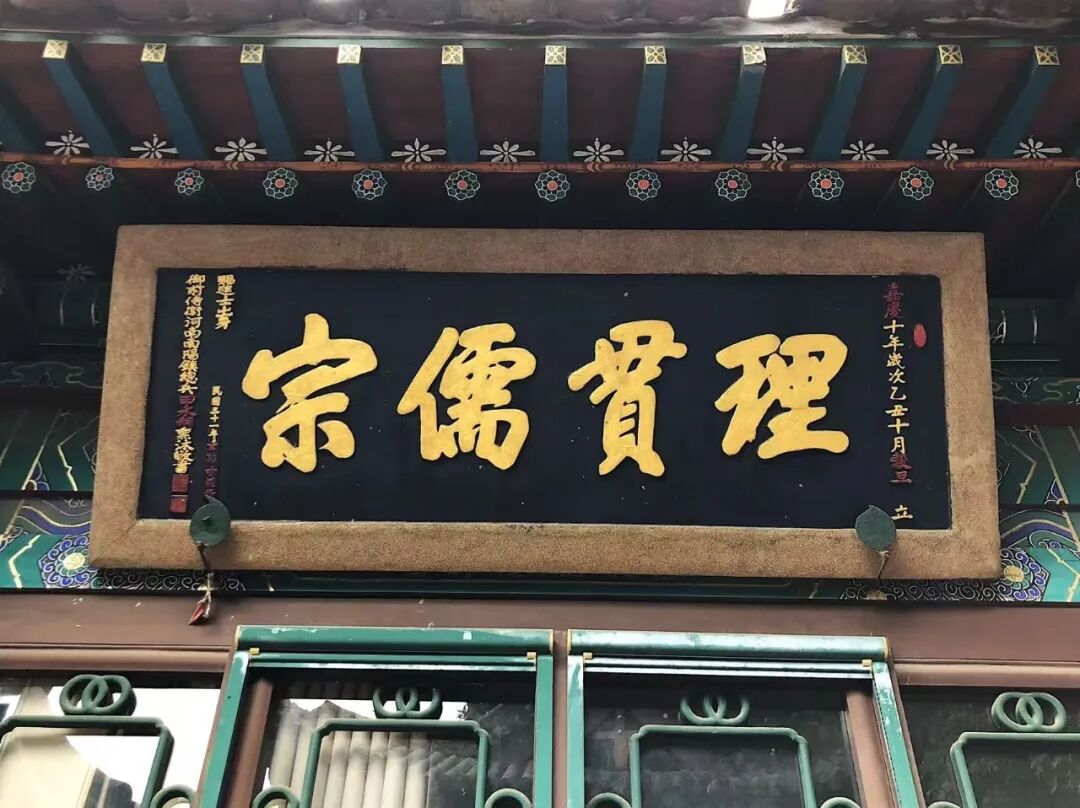
51. The plaque 'Principles Rooted in Confucianism' (Li Guan Ru Zong) at Taiyuan Mosque.
Erected on a lucky day in the tenth month of the Yichou year, the tenth year of the Jiaqing reign.
Respectfully written by Tian Yongtong, a palace guard who earned the title of Jinshi scholar and served as the Brigade General of Nanyang, Henan.
Renovated by his great-great-grandson Zhenjing in the 31st year of the Republic of China.
Tian Yongtong was a Hui Muslim general from Taiyuan, Shanxi. He became a military Jinshi scholar in the 28th year of the Qianlong reign and rose to the rank of Commander-in-Chief of Jiangnan.
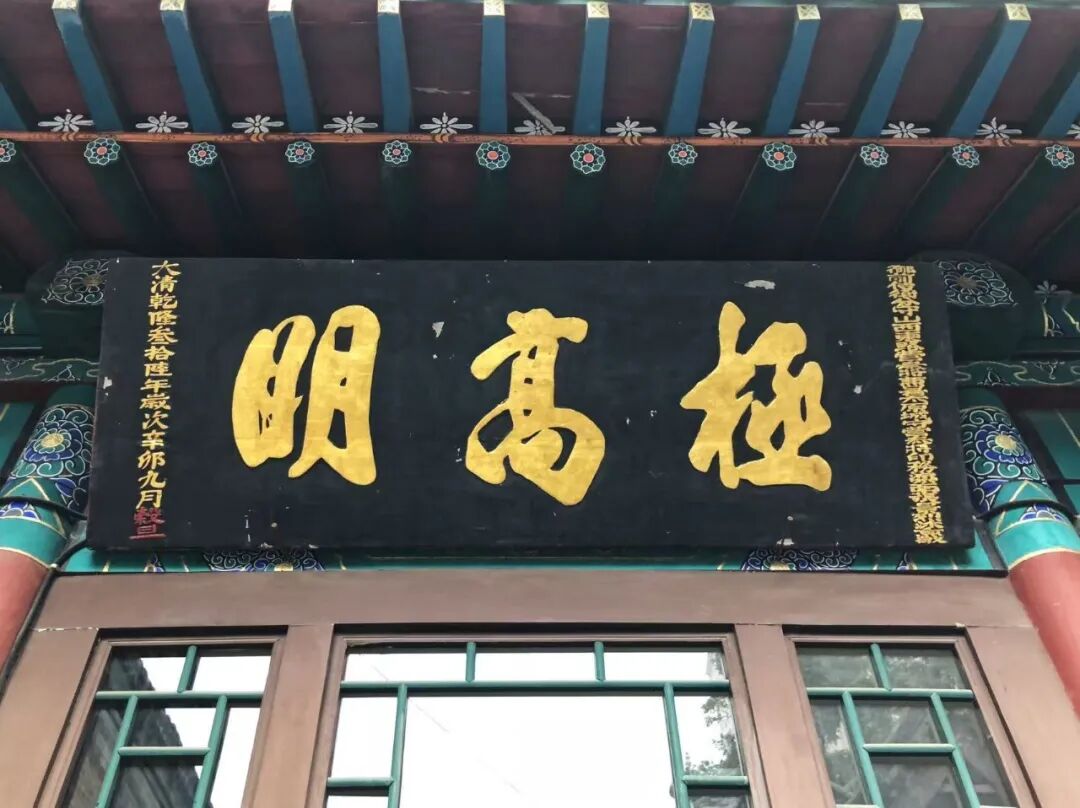
52. The plaque 'Extremely Brilliant' (Ji Gao Ming) at Taiyuan Mosque.
Respectfully presented by Zhang Jinglie from Yunnan, a palace guard and assistant regional commander in charge of the eastern route of Shanxi and the southern defense of Taiyuan city.
A lucky day in the ninth month of the Xinmao year, the 36th year of the Qianlong reign of the Great Qing Dynasty.
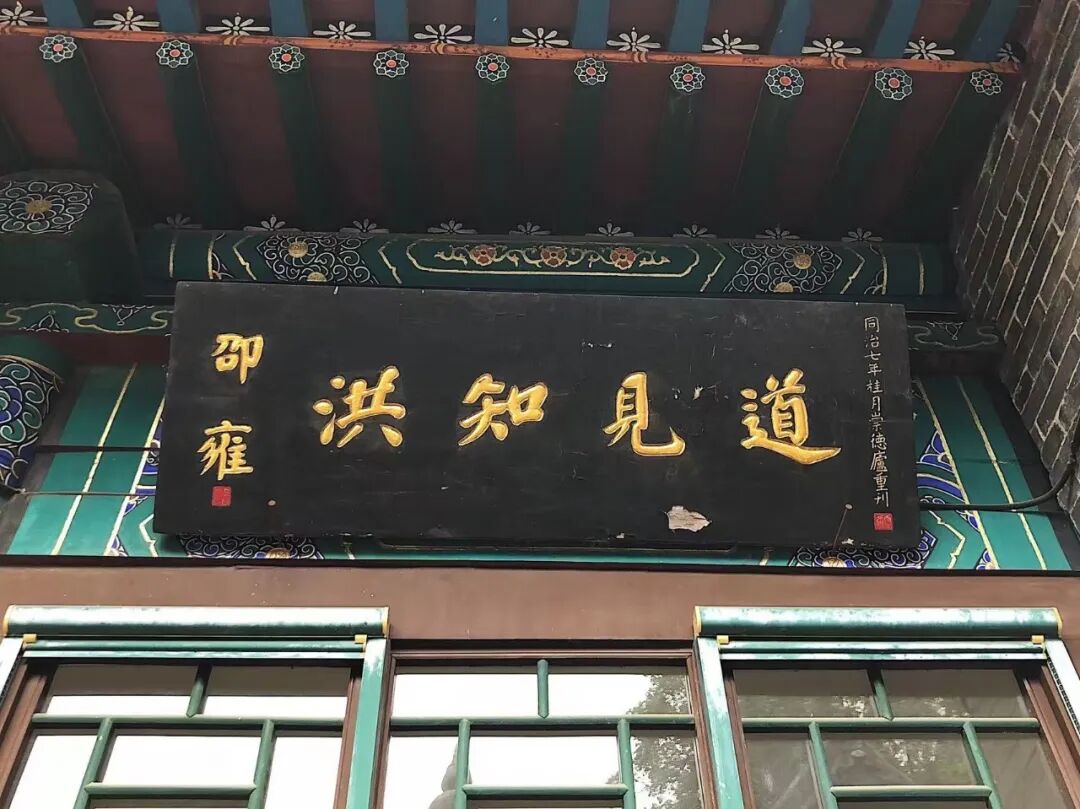
53. The plaque 'The Way is Known in Greatness' (Dao Jian Zhi Hong) at Taiyuan Mosque.
Reprinted by Chongde Lu in the eighth month of the seventh year of the Tongzhi reign.
Shao Yong.
Shao Yong was a philosopher and expert on the I Ching during the Northern Song Dynasty.
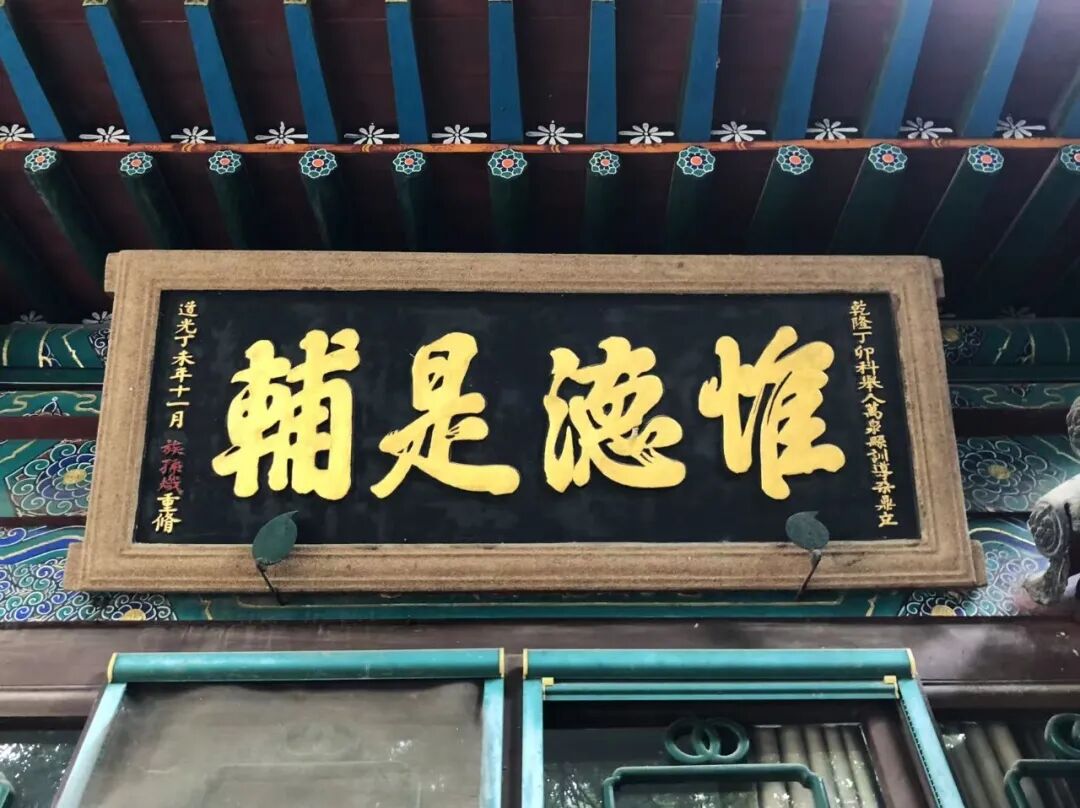
54. The plaque 'Only Virtue is Supported' (Wei De Shi Fu) at Taiyuan Mosque.
Respectfully erected by Duo Ding, a Juren scholar from the Dingmao year of the Qianlong reign and an instructor in Wanquan County.
Renovated by his clansman Chi in the eleventh month of the Dingwei year of the Daoguang reign.
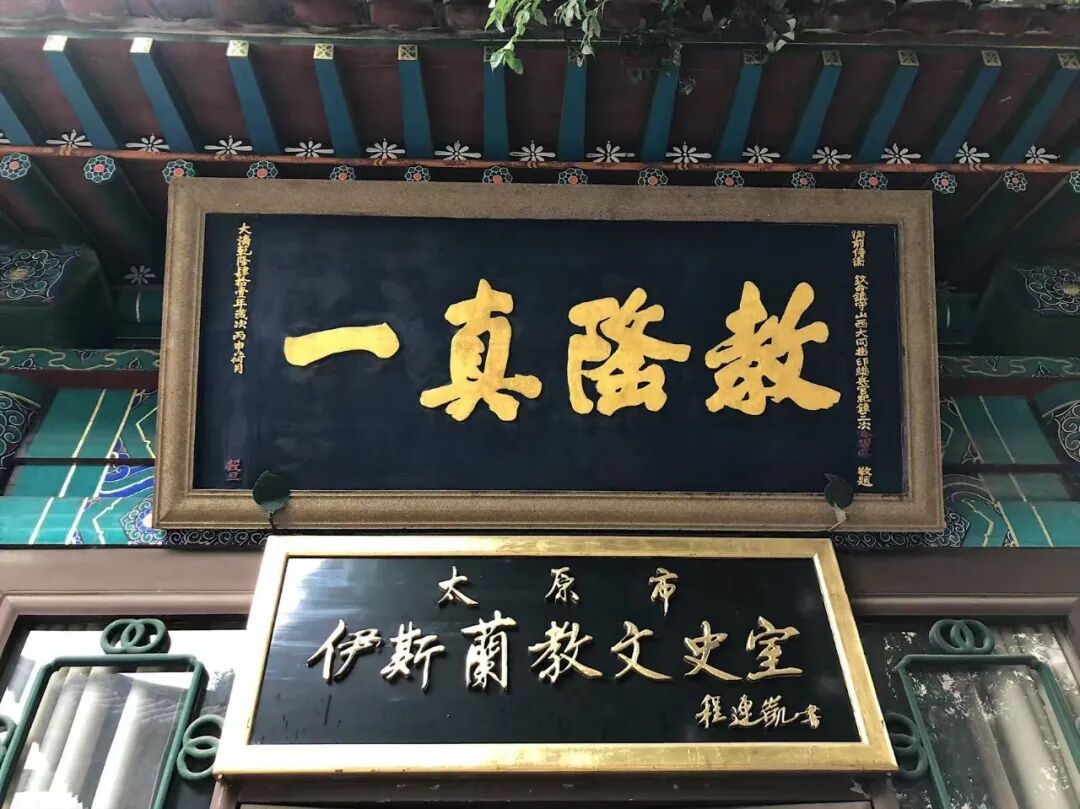
55. The plaque 'The Teaching Exalts the True One' (Jiao Long Zhen Yi) at Taiyuan Mosque.
Respectfully inscribed by Ha Panfeng, Imperial Guard, Commander-in-Chief of Datong, Shanxi, appointed by imperial decree, with three recorded merits.
An auspicious day in the sixth lunar month of the 46th year of the Qianlong reign of the Great Qing Dynasty (1781).
Ha Panfeng was from Suning County, Hebei, and became a military jinshi scholar in the 16th year of the Qianlong reign.
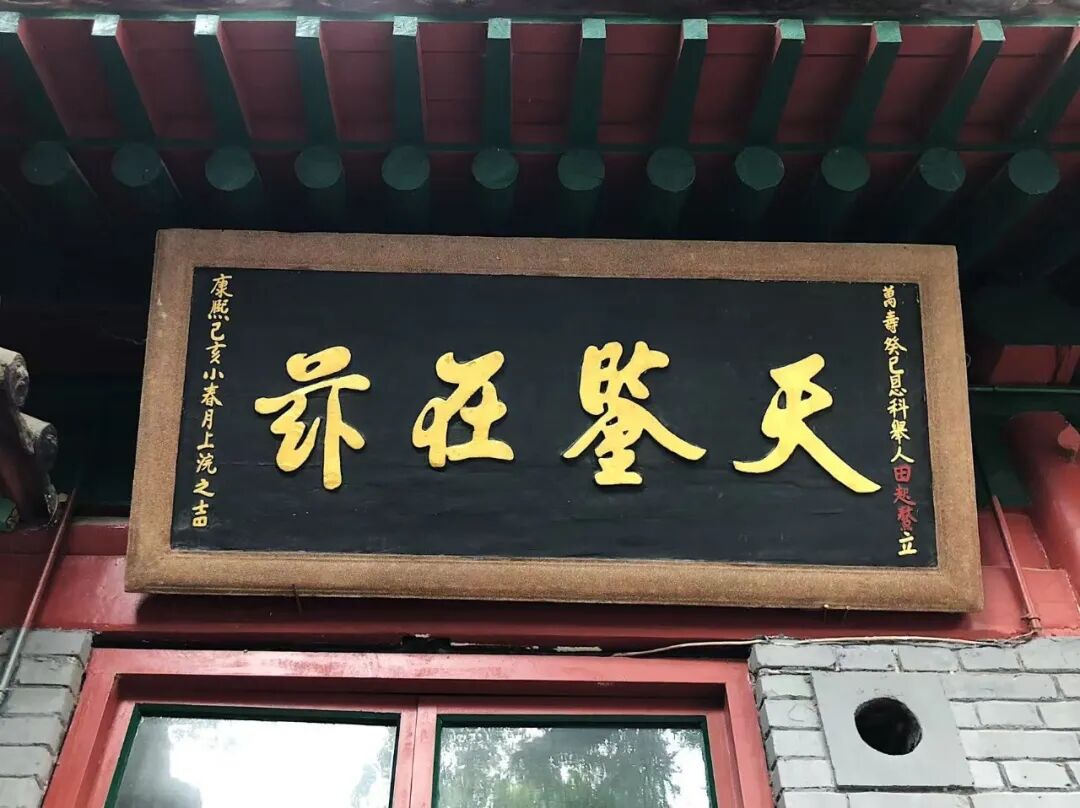
56. Taiyuan Mosque: "Heaven's Mirror is Here"
Erected by Tian Qiao, a successful candidate in the imperial examinations during the Wanshou Guisi year.
An auspicious day in the early tenth lunar month of the Jihai year of the Kangxi reign.
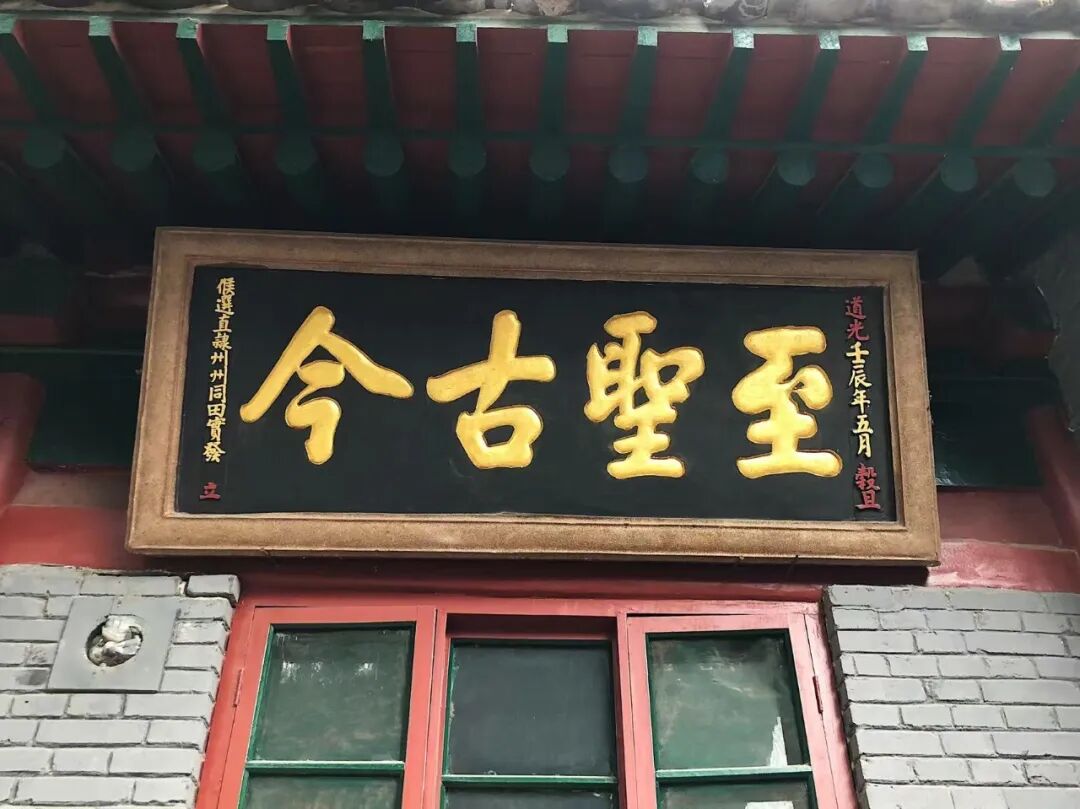
57. Taiyuan Mosque: "The Most Holy, Past and Present"
An auspicious day in the fifth lunar month of the Renchen year of the Daoguang reign.
Erected by Tian Shifa, a candidate for the position of Zhili Prefecture assistant magistrate.
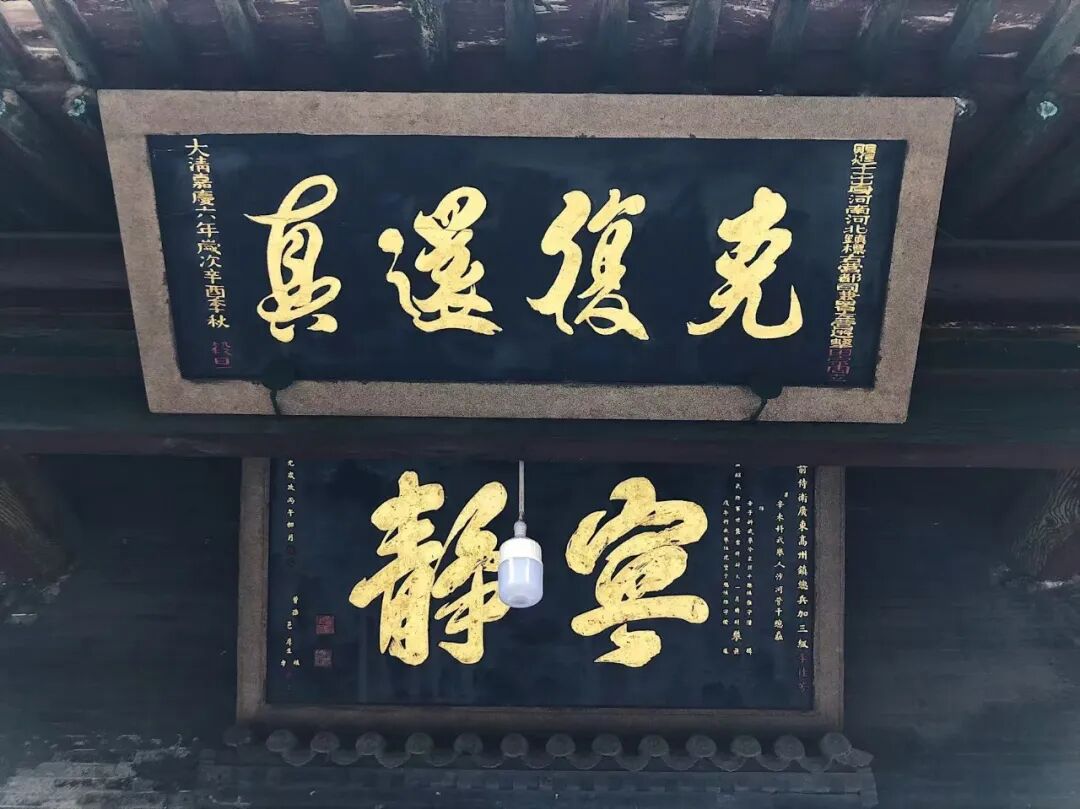
58. Taiyuan Mosque: "Return to the Truth"
Erected by Tian Zongzhou, a jinshi scholar, serving as a captain in the Right Battalion of the Henan-Hebei Garrison and acting commander of the Left Battalion.
An auspicious day in the third month of autumn in the Xinyou year, the 6th year of the Jiaqing reign of the Great Qing Dynasty (1801).
59. Taiyuan Mosque: "Tranquility"
Li Guifang, Imperial Guard and Commander-in-Chief of Gaozhou, Guangdong, with a rank increase of three levels.
His son, a successful candidate in the Xinwei year imperial examinations and a lieutenant at Shahe Camp.
His grandson, Panlin, a military graduate of the Renzi year and a lieutenant at Lengquan Pass, waiting for promotion to major.
Imperial-bestowed Zhaowu General, hereditary Cloud Cavalry Lieutenant, and additional Grace Cavalry Lieutenant Pan Long.
Wuwu-year military graduate, commander of Zhuhu Fort, and expectant garrison commander Pan Feng.
A lucky day in the ninth lunar month of the Bingwu year of the Daoguang reign.
Respectfully erected by his great-grandson, a local government student (yixiangsheng) named He Ming.
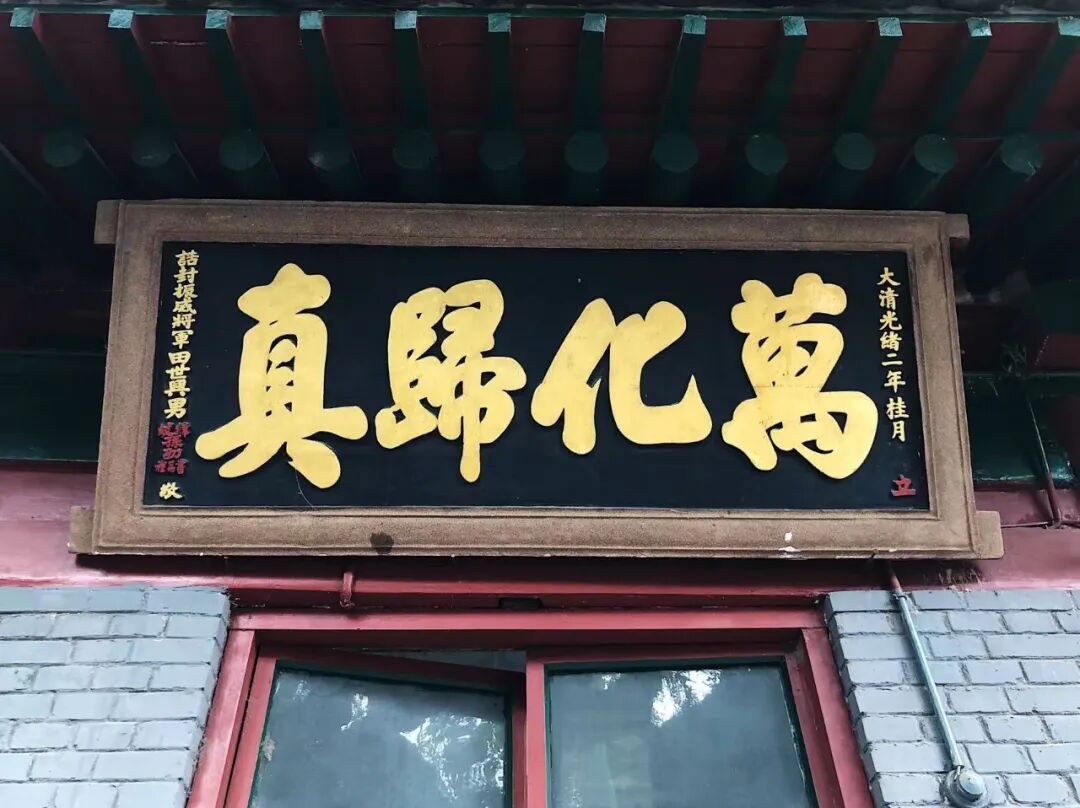
60. Taiyuan Mosque: 'All things return to the truth'.
Erected in the eighth lunar month of the second year of the Guangxu reign of the Great Qing Dynasty.
Respectfully erected by the imperial-titled Zhenwu General Tian Shixing, along with his son Weirong and grandsons Shaoshu, Shaoyi, and Shaoli.
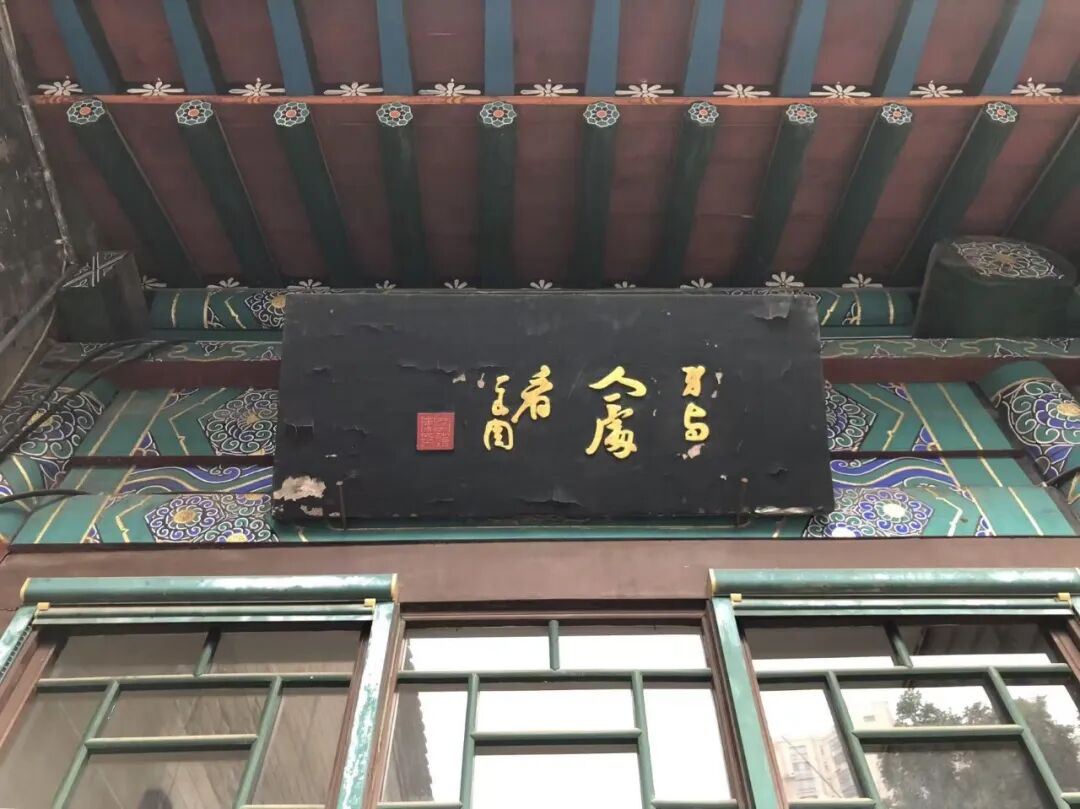
61. Taiyuan Mosque: 'The body is in the same place as others'.
Seal of Huang Daozhou.
Huang Daozhou was a famous scholar, calligrapher, and painter at the end of the Ming Dynasty.
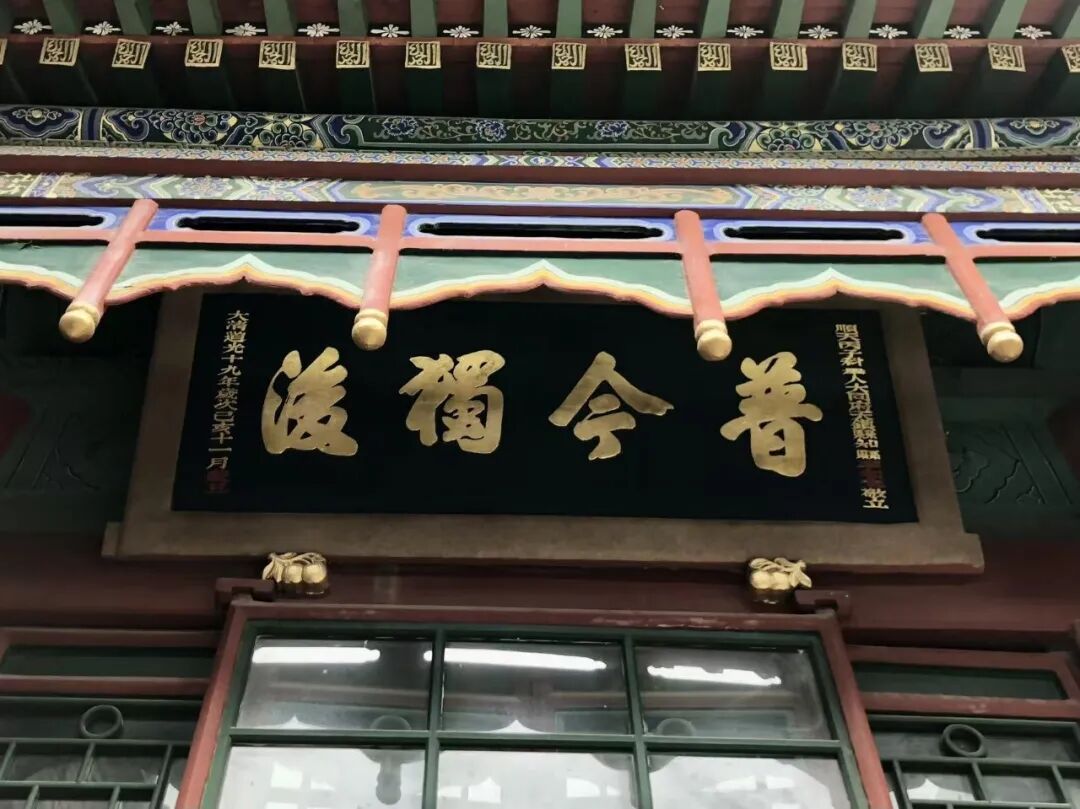
62. Taiyuan Mosque: 'Universal now, unique later'.
Respectfully erected by Li Hechun, a successful candidate in the Shuntian Bingzi provincial examination and magistrate of Tianzhen County, Datong Prefecture.
A lucky day in the eleventh lunar month of the Jihai year, the nineteenth year of the Daoguang reign of the Great Qing Dynasty.
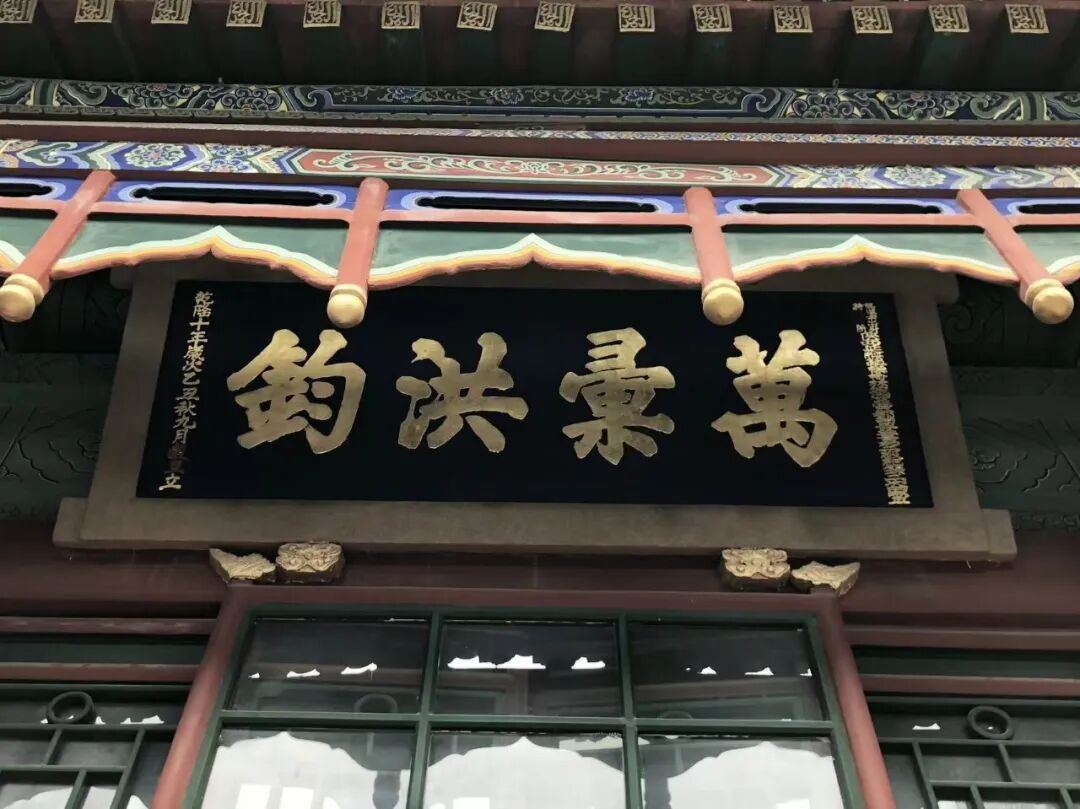
63. Taiyuan Mosque: 'The great potter of all things'.
Erected by Tian Li, a presented scholar (jinshi) who was specially appointed as a military official (dusi) at the Yulin City garrison in the Shaanxi Yanjing region, with a two-grade promotion and two recorded merits.
Erected on a lucky day in the autumn, the ninth lunar month of the Yichou year, the tenth year of the Qianlong reign.
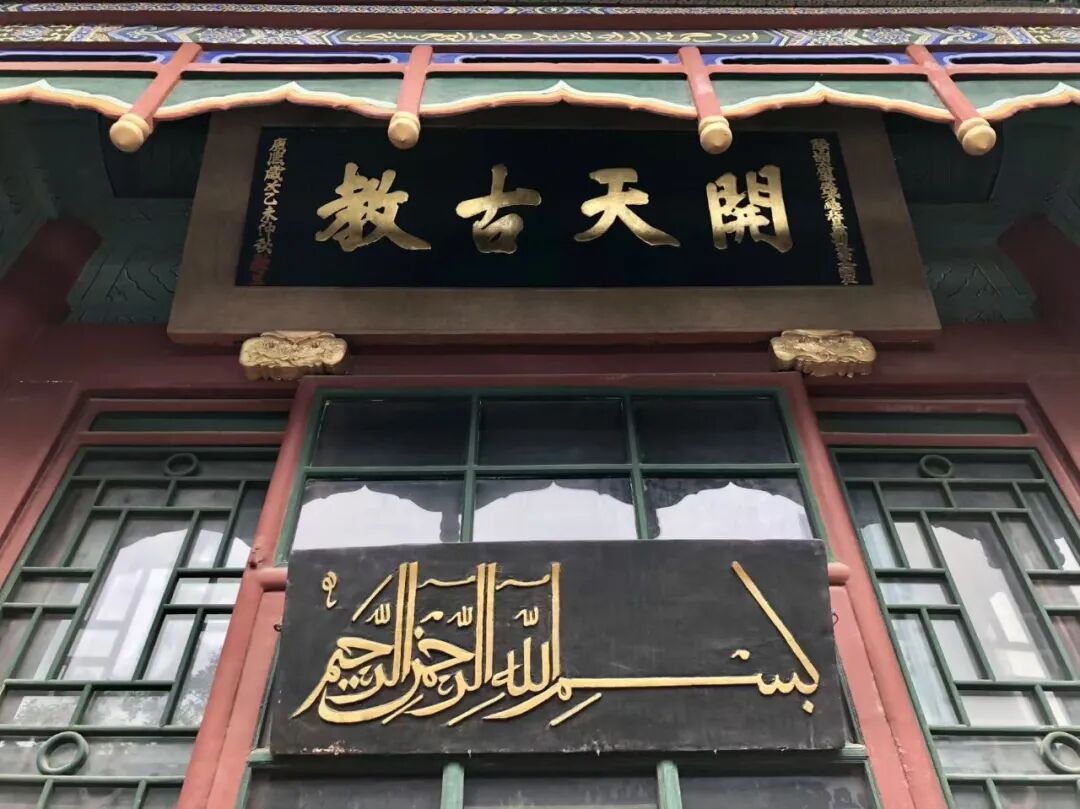
64. Taiyuan Mosque's "Ancient Religion from the Beginning of Heaven"
Jin Guozheng, Regional Commander and Assistant Commissioner-in-Chief in charge of Taiyuan, Shanxi and other areas
An auspicious day in the second month of autumn, the Yiwei year of the Kangxi reign
Jin Guozheng was from Tongxin, Ningxia. He was a famous Hui Muslim general during the Qing Dynasty. During the Kangxi reign, he served as the Regional Commander of Datong, Shanxi, the Regional Commander of Taiyuan Prefecture, and the Provincial Commander of Guyuan.
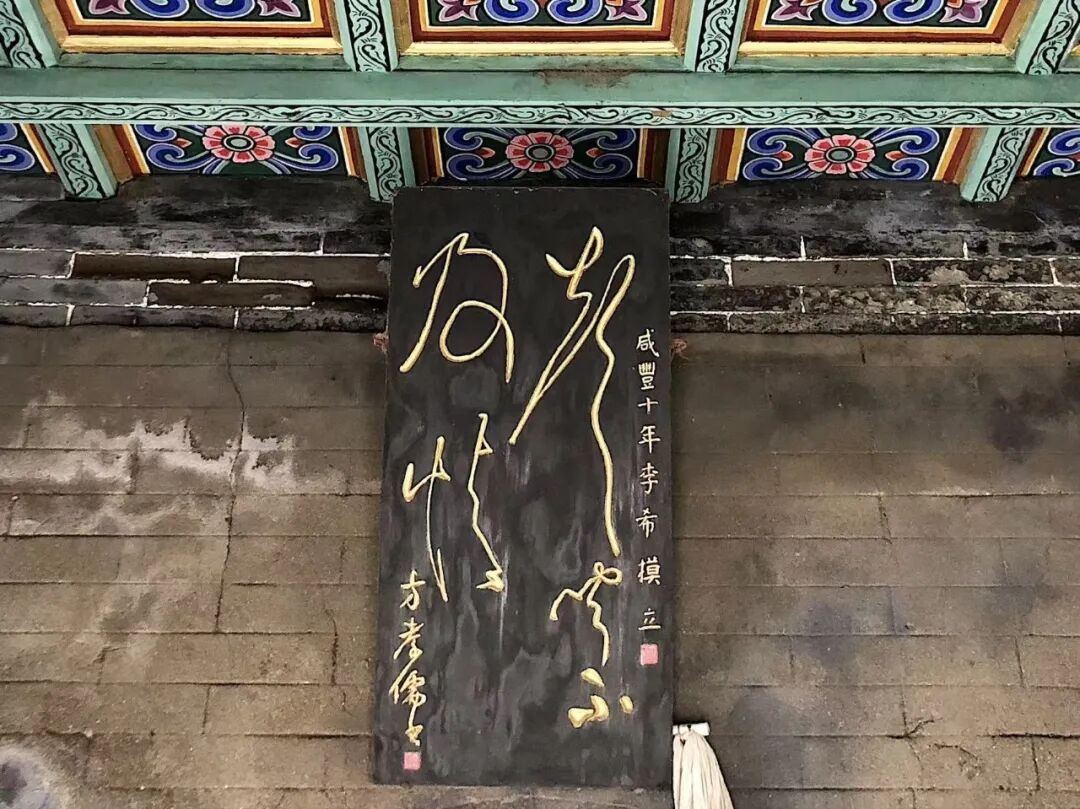
65. Taiyuan Mosque's "The Sound of Chanting Cannot Reach the Depth of Feeling"
Erected by Li Ximo in the tenth year of the Xianfeng reign
Calligraphy by Fang Xiaoru
Fang Xiaoru was a famous scholar, writer, and thinker of the Ming Dynasty.
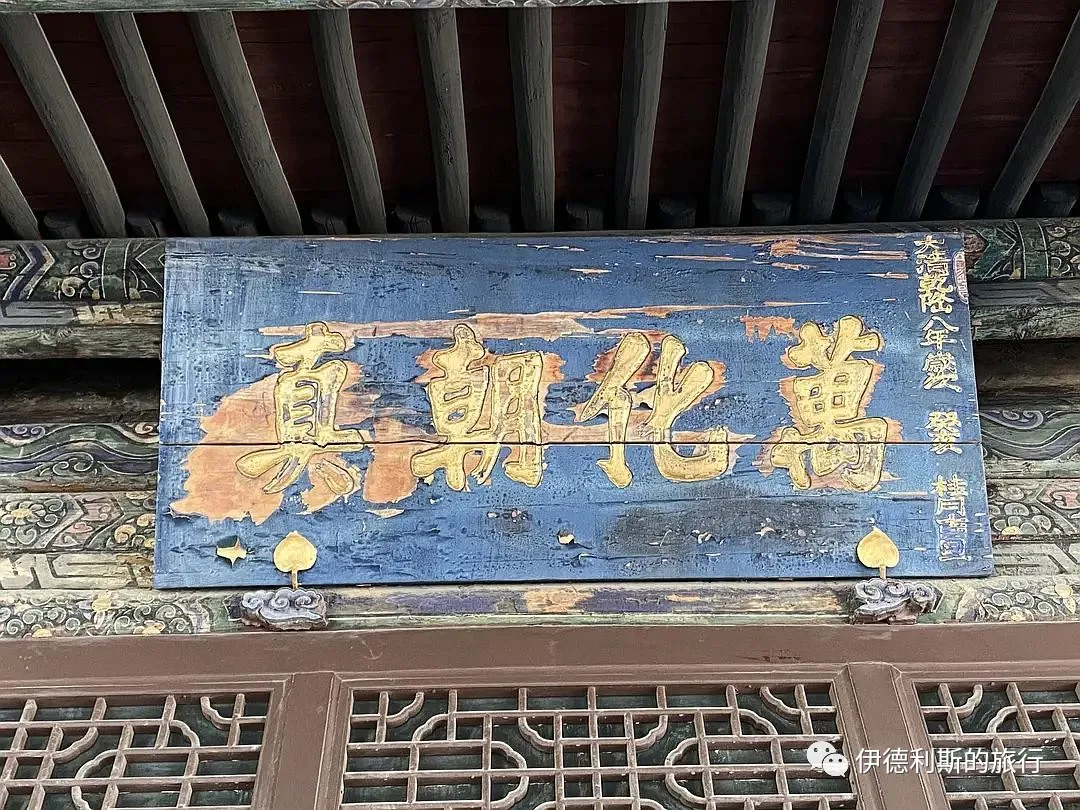
66. Datong Mosque's "Ten Thousand Transformations Bow to the Truth"
An auspicious day in the eighth month, the Guihai year of the Qianlong reign of the Great Qing
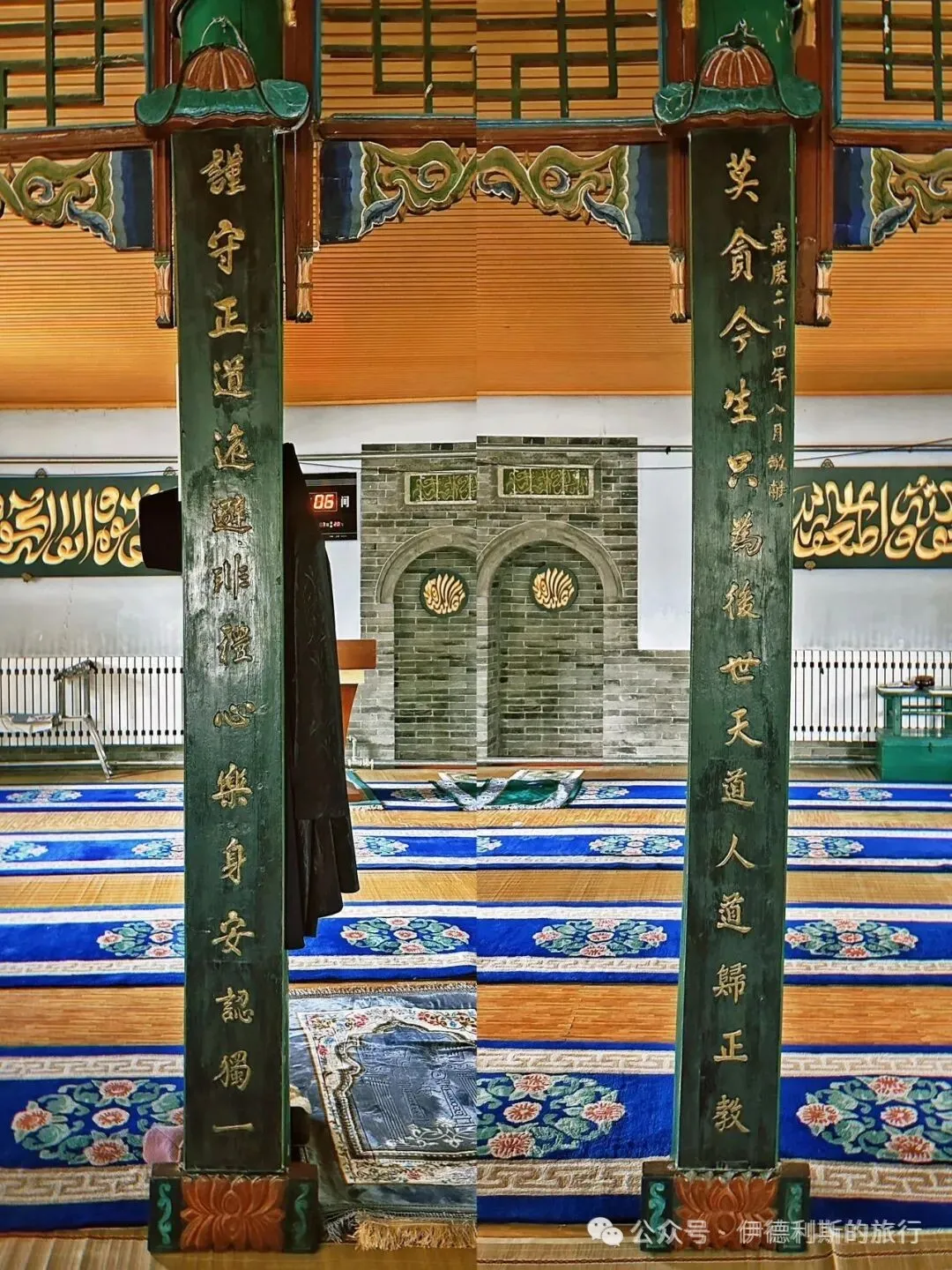
67. Duolun Middle Mosque, Inner Mongolia
Do not be greedy for this life, only for the afterlife; let the way of heaven and the way of man return to the true religion
Strictly keep to the righteous path, avoid what is improper, let the heart be happy and the body be at peace, and recognize the One
Respectfully presented in the eighth month of the twenty-fourth year of the Jiaqing reign
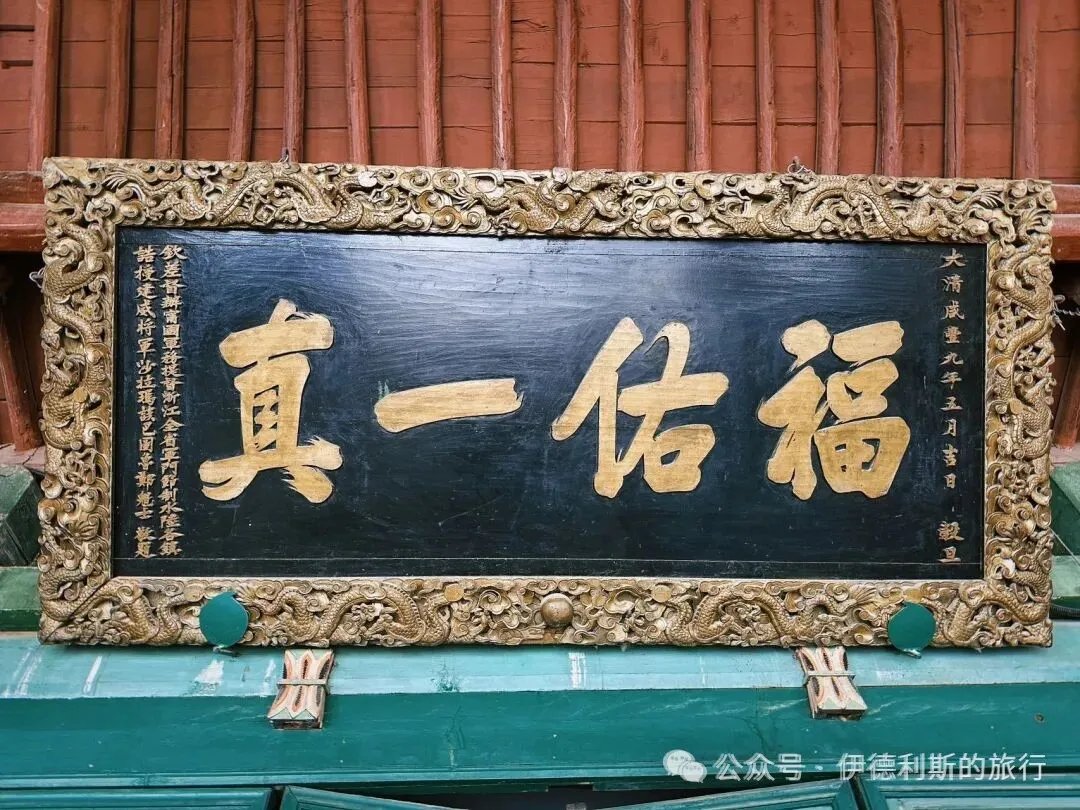
68. Duolun Middle Mosque, Inner Mongolia's "Blessings Protect the One Truth"
An auspicious day in the fifth month of the ninth year of the Xianfeng reign of the Great Qing
Respectfully inscribed by Zheng Kuishi, Imperial Commissioner overseeing Ningguo military affairs, Commander-in-Chief of Zhejiang Province, supervisor of all land and naval garrisons, and holder of the title Jianwei General, Shalama Gai Batulu.
Zheng Kuishi was a famous general in the late Qing Dynasty and a Hui Muslim from Wanquan, Zhangjiakou, Hebei. He fought the Taiping Heavenly Kingdom and the Nian Army for many years. He was the first to break through Luzhou and was wounded over twenty times in Huaiyuan, nearly losing his life, which earned him great praise from the imperial court. When Zheng Kuishi inscribed the plaque for Duolun in the ninth year of the Xianfeng reign, he was serving as the Zhejiang Commander-in-Chief and overseeing Ningguo military affairs, which was the highest rank of his career. In a memorial to the throne, Li Hongzhang highly praised Zheng Kuishi, saying he was "hardworking, resolute, and peerlessly brave... he was the first to face the enemy's sharp edge, braving death, and was severely wounded eight or nine times. His body was covered in scars, and among all the famous generals north and south of the Yangtze River at the time, everyone considered Kuishi the best."
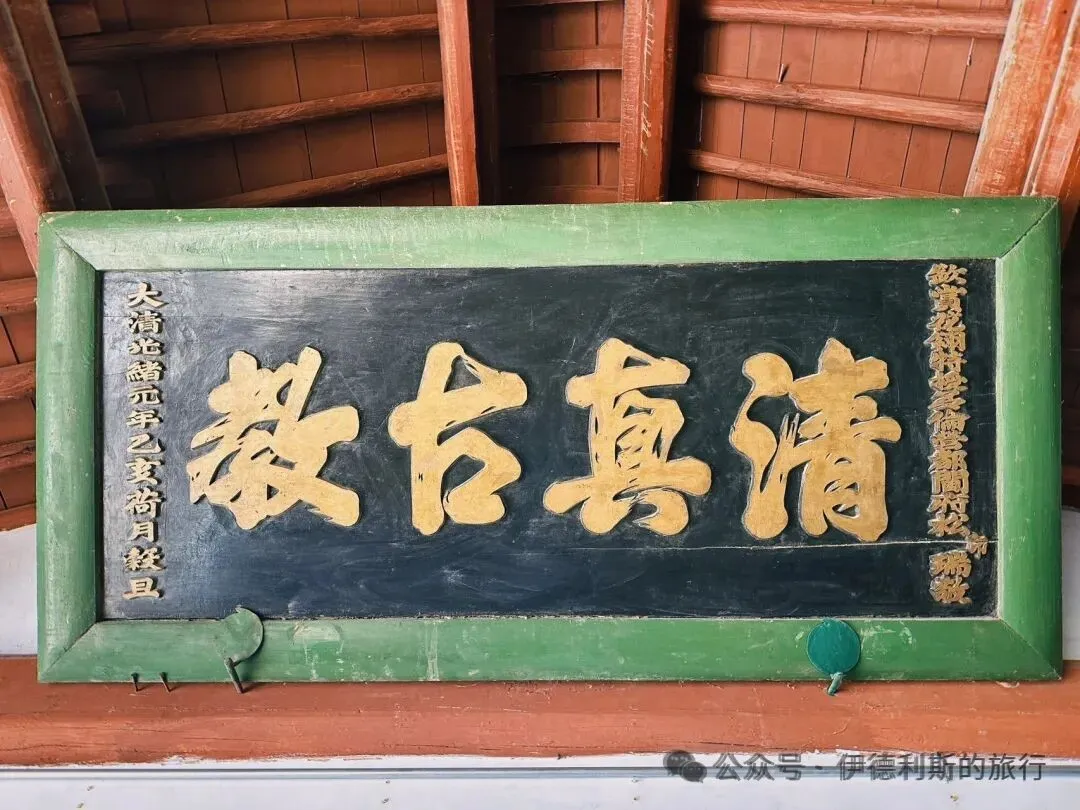
69. "Ancient Islamic Teachings" (Qingzhen Gujiao) at the Middle Mosque (Zhongsi) in Duolun, Inner Mongolia.
Respectfully presented by Song Rui, specially appointed Commander of the Duolun Garrison and recipient of the imperial peacock feather.
An auspicious day in the sixth lunar month of the Yi-Hai year, the first year of the Guangxu reign of the Great Qing Dynasty.
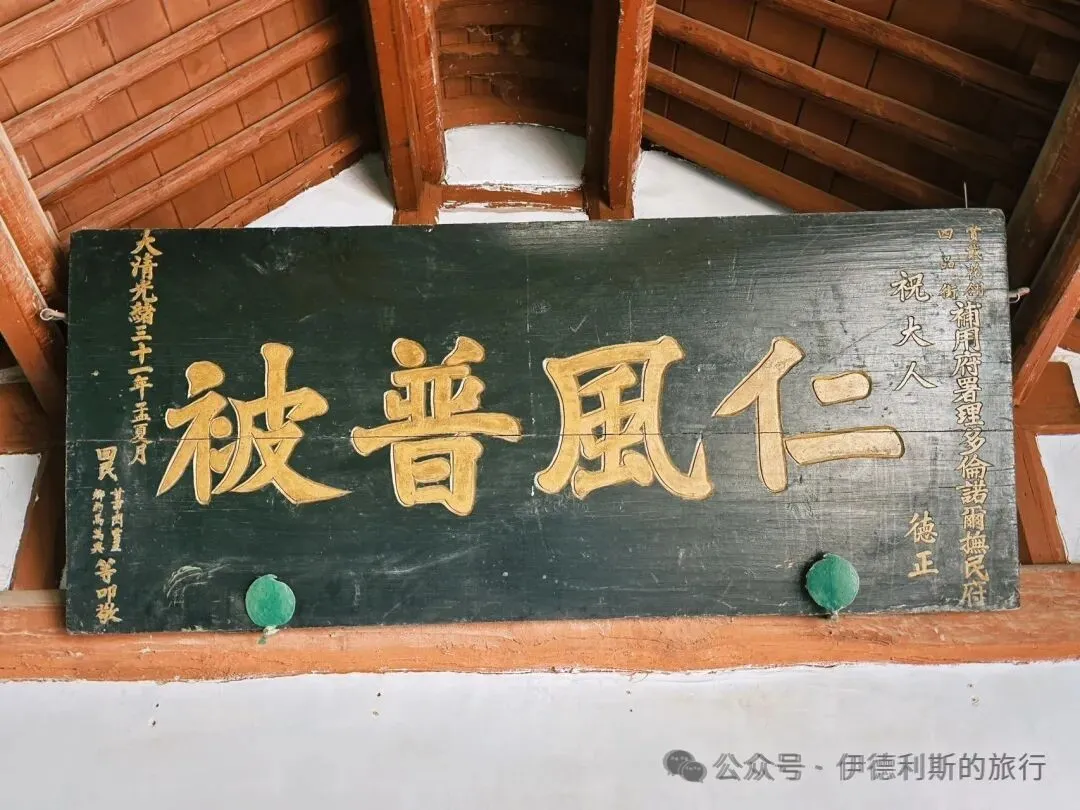
70. "Benevolent Wind Spreads Everywhere" (Renfeng Pubei) at the Middle Mosque (Zhongsi) in Duolun, Inner Mongolia.
Presented by Lord Zhu Dezheng, holder of the fourth-rank title and peacock feather, acting administrator of the Duolun Nuo'er Civil Administration Office.
Respectfully presented by Hui Muslim community leaders Shan Yunxing, village elder Ma Wanxing, and others in the first month of summer, the thirty-first year of the Guangxu reign of the Great Qing Dynasty.
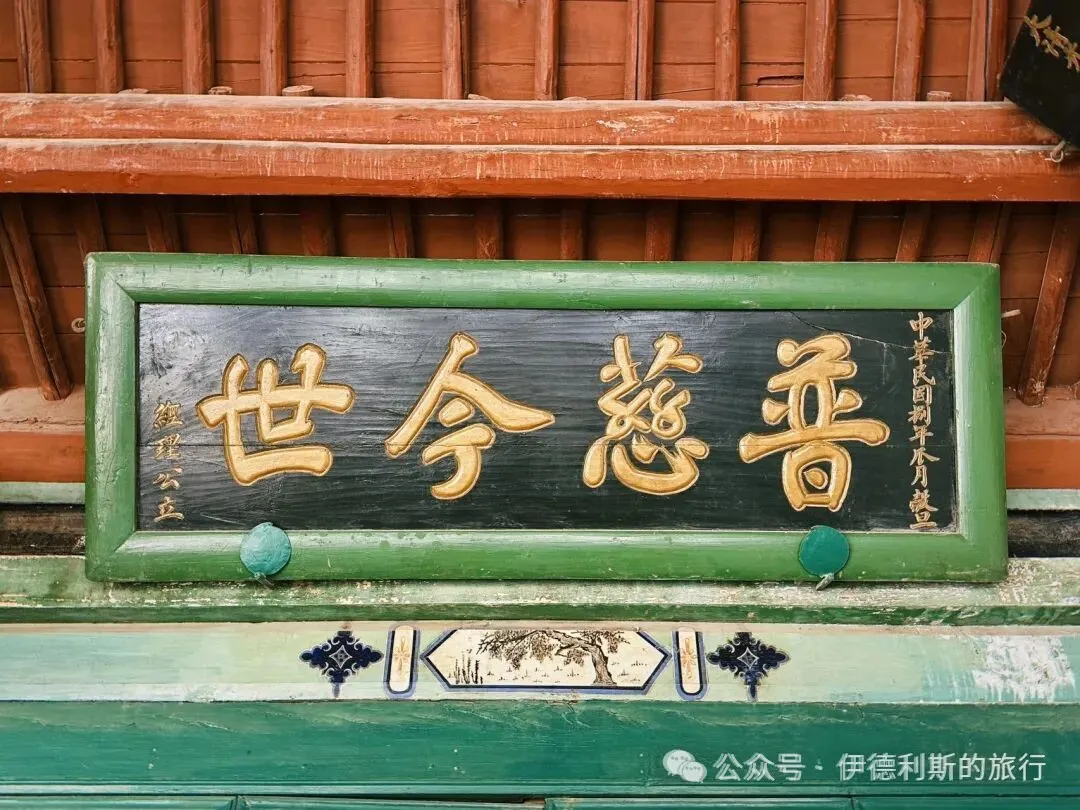
71. "Universal Mercy for the Present World" (Puci Jinshi) at the Middle Mosque (Zhongsi) in Duolun, Inner Mongolia.
An auspicious day in the seventh lunar month of the eighth year of the Republic of China.
Managed by the public.
72. "Unique Mercy for the Future World" (Duci Houshi) at the Middle Mosque (Zhongsi) in Duolun, Inner Mongolia.
An auspicious day in the seventh lunar month of the eighth year of the Republic of China.
Managed by the public.
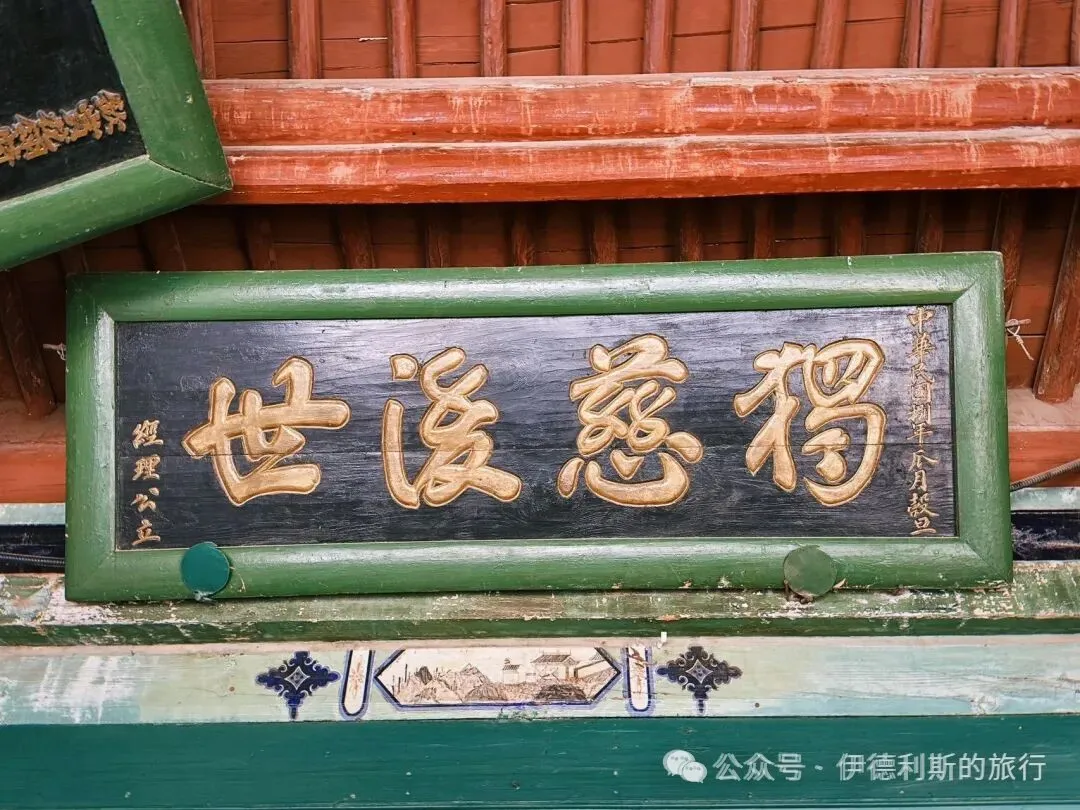
73. Inner Mongolia Chasuqi Mosque (Chasuqi Si)
An auspicious day in the 47th year of the Qianlong reign of the Great Qing Dynasty
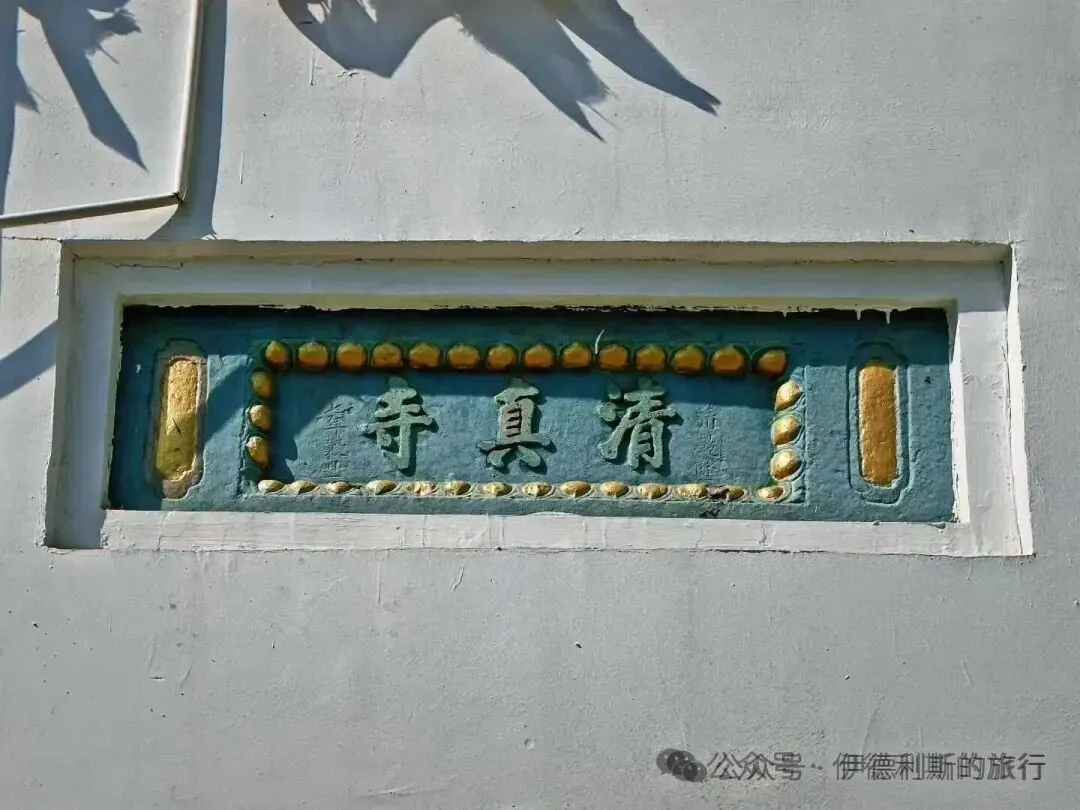
74. Baotou Great Mosque (Baotou Dasi) plaque "Guqiu"
An auspicious day in the third lunar month of the Jiawu year of the Daoguang reign of the Great Qing Dynasty
Inscribed by community leaders Wang Daxing and Bai Kede
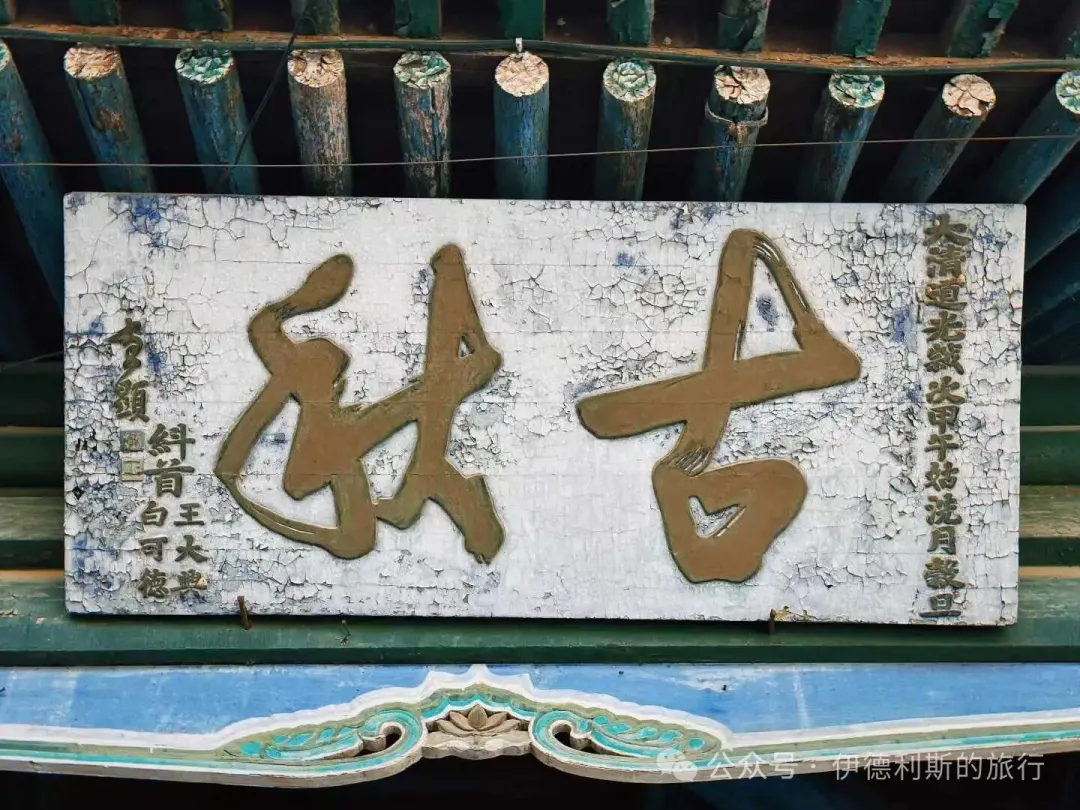
75. Baotou Great Mosque plaque "Xianyang Zhengjiao"
An auspicious day in the eighth month of the second year of the Republic of China
Respectfully inscribed by Ma Fuxiang, Altay Garrison Commander, Army Lieutenant General, and Commander of the Gansu Zhaowu Patrol and Ningxia forces
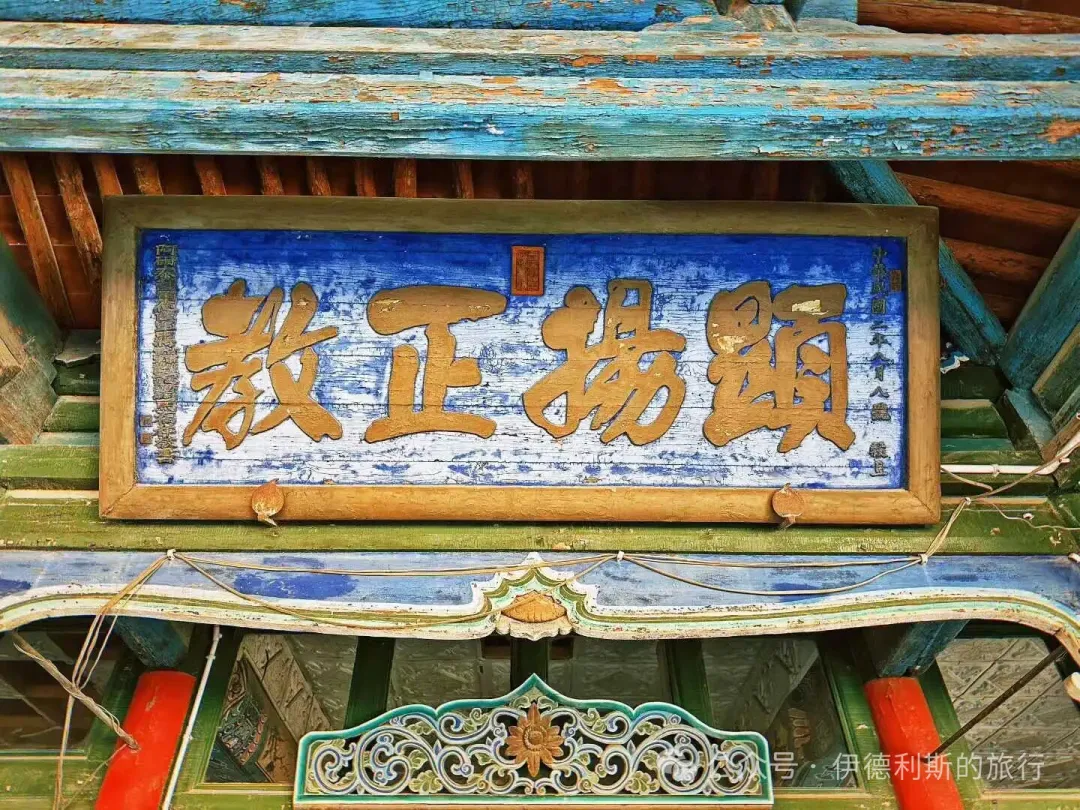
76. Kaifeng Zhuxian Town North Mosque plaque "Zhenyi Huanzhen"
Inscribed by Yulu, First Rank official, Minister of War, Censor-in-Chief of the Left, and Viceroy of Huguang
Erected by Wu Dengshun and Yu Qinghe on an auspicious day in the first month of winter in the Wuzi year of the Guangxu reign
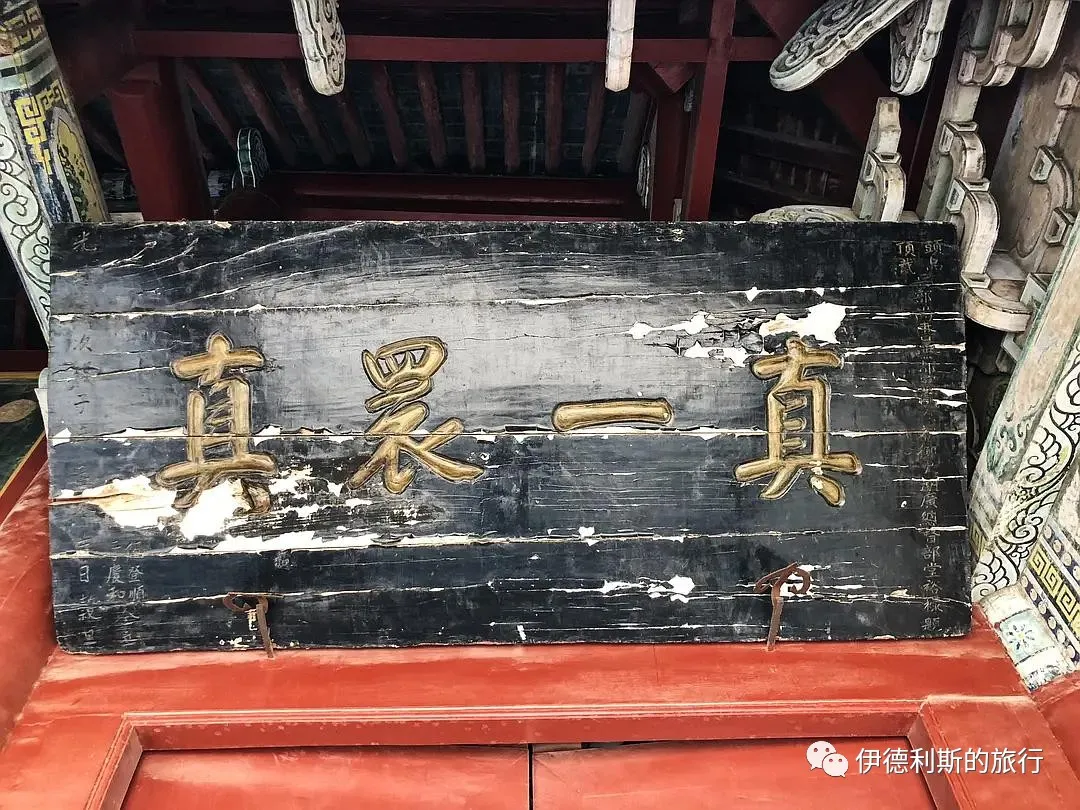
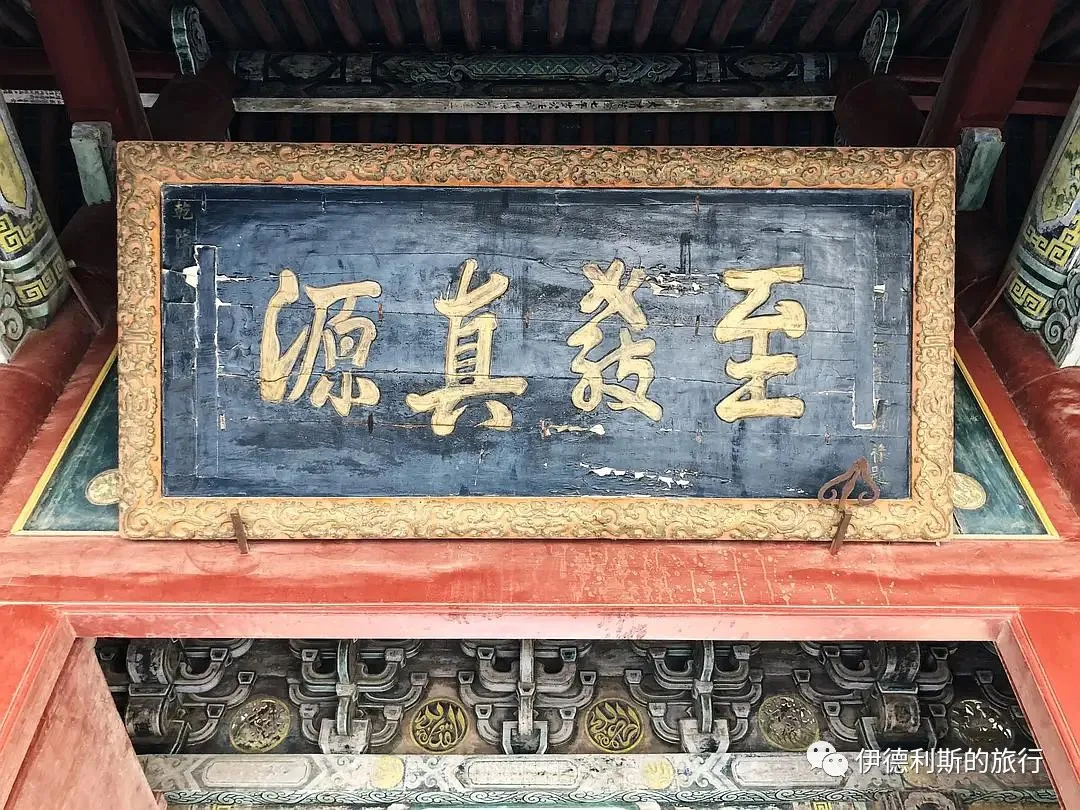
77. Kaifeng Zhuxian Town North Mosque plaque "Zhijiao Zhenyuan"
Inscribed by Zhu Yulu, Imperial Scholar and Governor of Henan
Erected on an auspicious day in the Dinghai year of the 30th year of the Qianlong reign
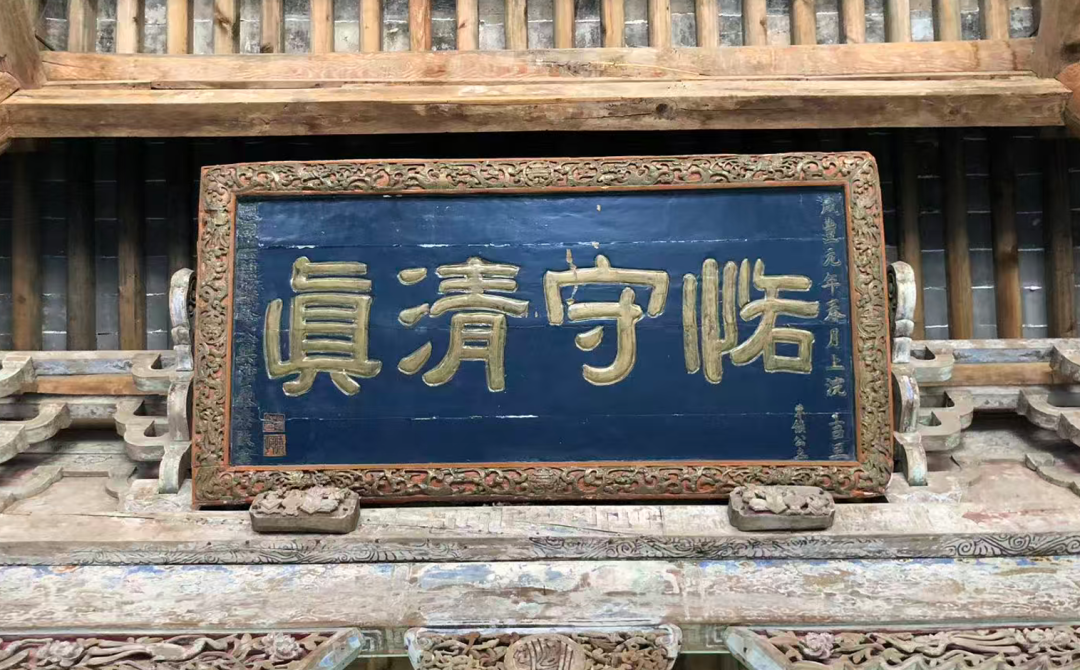
78. Kaifeng Zhuxian Town North Mosque plaque "Keshou Qingzhen"
Erected on an auspicious day in the first ten days of spring in the first year of the Xianfeng reign by the Zhu Town community.
Respectfully inscribed by Sha Lütai, a candidate for county magistrate in Henan.
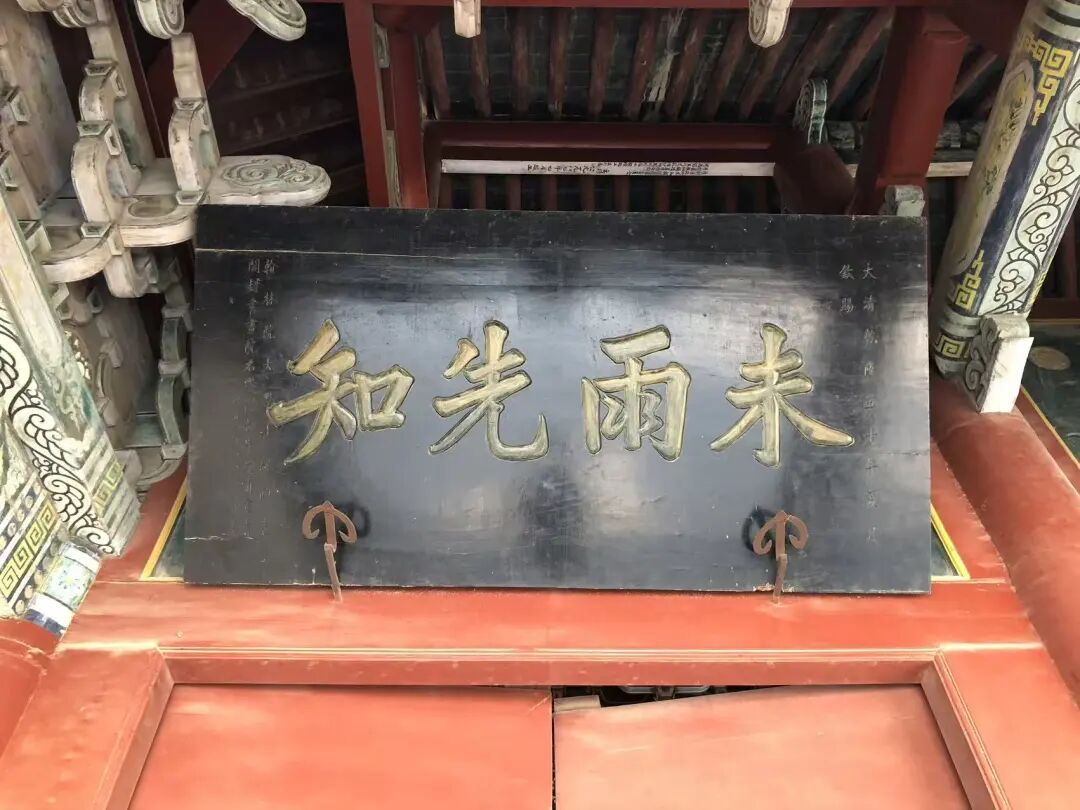
79. The 'Knowing Before the Rain' plaque at the North Mosque in Zhuxian Town, Kaifeng.
Bestowed by imperial decree in the summer of the 50th year of the Qianlong reign of the Great Qing Dynasty.
Inscribed by Ji Yun, Grand Academician of the Hanlin Academy.
Re-inscribed by Niu Guangfu, Honorary Dean of the Kaifeng Calligraphy and Painting Academy.
Re-erected in the ninth lunar month of 1988.
The original plaque was destroyed after 1966. Legend has it that in the summer of the 50th year of the Qianlong reign (1785), Emperor Qianlong toured the south with Ji Xiaolan. On their return, they stayed at the North Mosque in Zhuxian Town. It was a hot, sunny day in the seventh lunar month. When Emperor Qianlong left, the mosque's Imam Sai gave Ji Xiaolan a bamboo hat, a fox-fur coat, and rain gear. Ji Xiaolan did not understand why, but Imam Sai said they would surely be useful. As Emperor Qianlong’s party traveled north by boat along the grain transport canal, they had gone only about 20 li when a fierce storm broke out with thunder and rain. The temperature dropped suddenly, and Ji Xiaolan quickly draped the fox-fur coat the Imam had given him over the Emperor. Ji Xiaolan made a special trip back to the North Mosque in Zhuxian Town to ask Imam Sai how he had predicted the storm. The Imam said, 'Last night there was a lunar halo, and today the base of the stone pillar behind the mosque gate was damp. A lunar halo means wind, and damp stone bases mean rain. With both, there was bound to be heavy rain and hail.' After hearing this, Ji Xiaolan wrote the four large characters 'Knowing Before the Rain' (weiyu xianzhi), which were later made into a plaque and hung on the mosque gate.
80. The 'Shanyitang Mosque' in Kaifeng.
The second month of spring in the ninth year of the Guangxu reign.
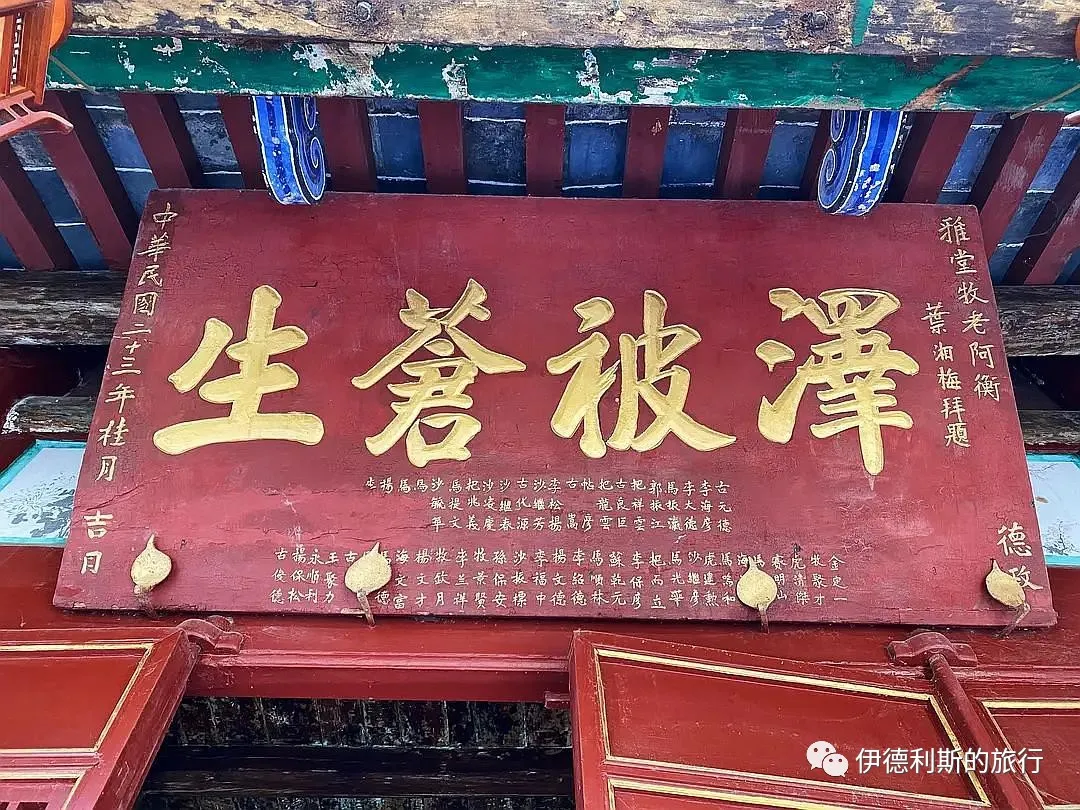
81. Zhengzhou North Mosque: 'Blessings for All People'.
The virtuous governance of Imam (ahong) Mu of Yatang.
Inscribed by Ye Xiangmei.
An auspicious day in the eighth lunar month of the twenty-third year of the Republic of China.
The local community set up this plaque for Imam Mu Wenxiu. Legend says Imam Mu was invited to Yangqiaotan Township near the Yellow River in the northern suburbs of Zhengzhou to offer dua for rain and end a drought. After his dua, a soaking rain fell, providing enough water to end the drought. Imam Mu and others walked there under the hot sun and returned in the rain. The people were very grateful and presented this plaque to show their appreciation.
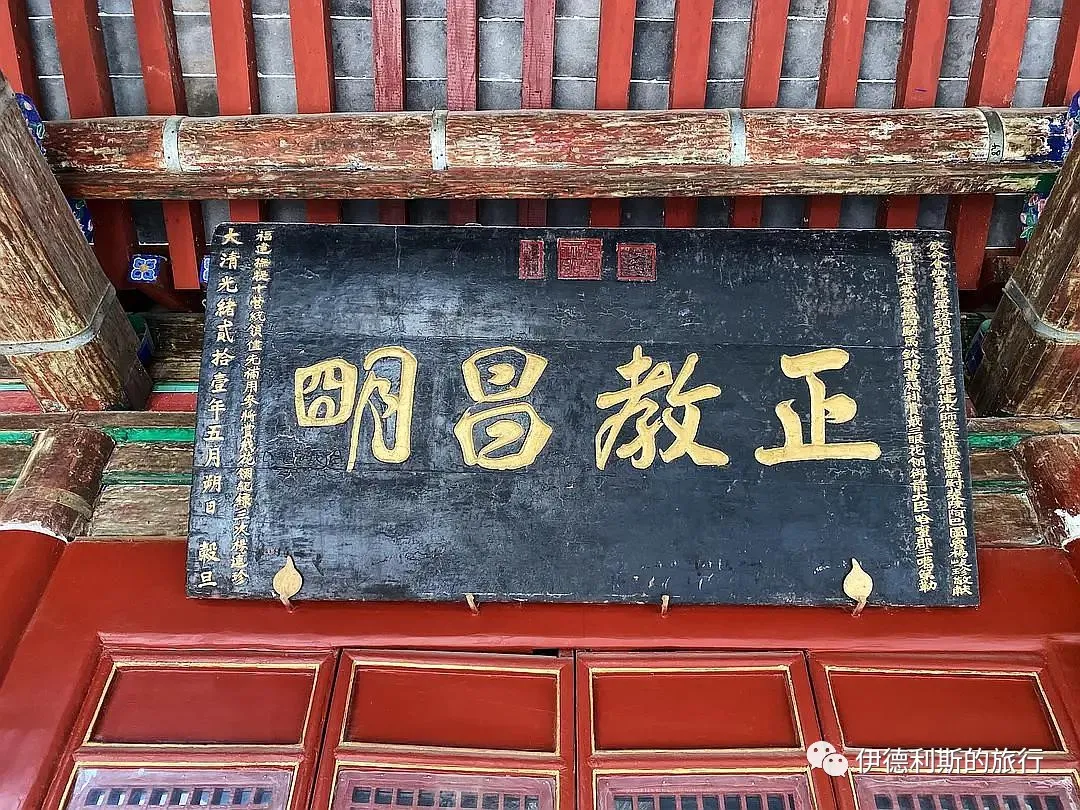
82. Zhengzhou North Mosque: 'The True Faith Flourishes'.
Presented by Yang Qizhen, Imperial Commissioner for Taiwan Military Affairs, First Rank Official, Minister-ranked Fujian Naval Admiral, and Hereditary Cloud-riding Lieutenant (yunqiwei) Peiling Abatur.
Presented by Hami Prince Hedile, Imperial Guard, permitted to ride a horse in the Forbidden City, recipient of the Imperial Yellow Jacket and the three-eyed peacock feather.
Presented by Yang Lianzhen, Commander of the Ten Fujian Battalions, expectant Brigade General (canjiang), recipient of the peacock feather, and three-time record holder for merit.
An auspicious day on the first day of the first lunar month in the twenty-first year of the Guangxu reign of the Great Qing Dynasty.
Yang Qizhen was a Hui Muslim from Huainan, Anhui, and a patriotic general in the late Qing Dynasty. In 1885, he led his troops to fight against French warships. He became the Admiral of the Fujian Navy in 1892 and built a mosque in Xiamen. In 1895, he passed through Zhengzhou and wrote a plaque for the North Mosque (Beidasi).
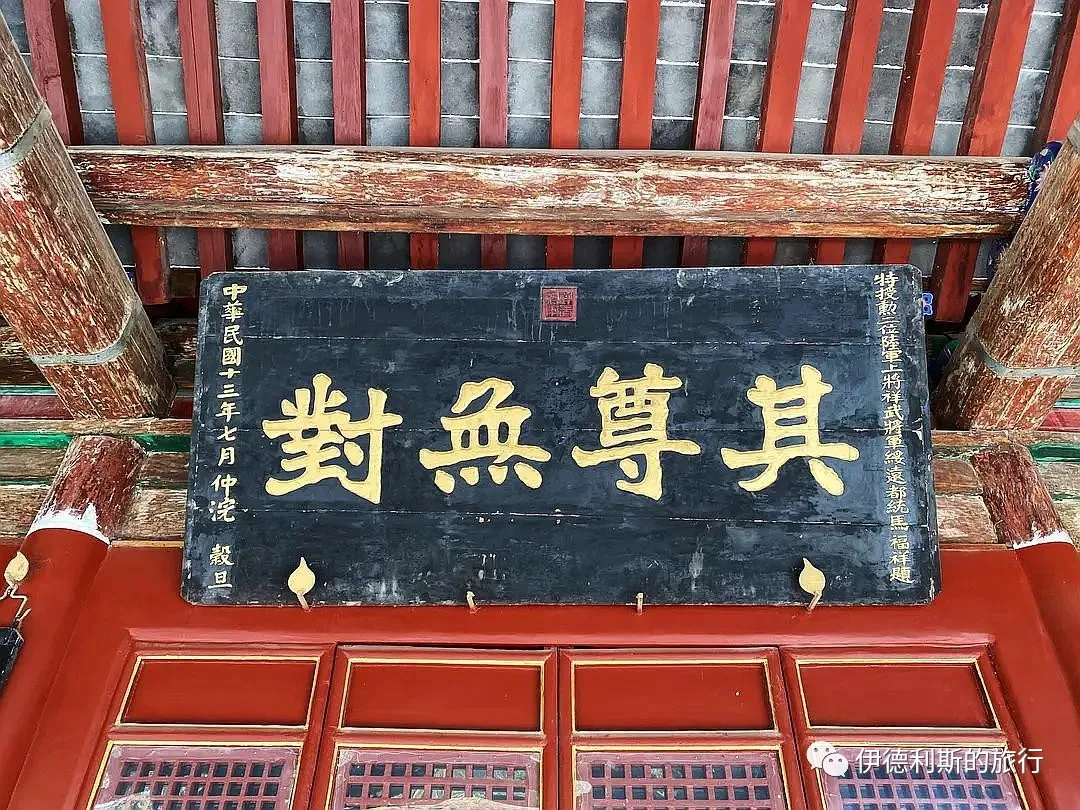
83. The 'His Majesty Has No Equal' plaque at the Zhengzhou North Mosque.
Inscribed by Ma Fuxiang, specially appointed Army General, General Xiangwu, and Military Governor of Suiyuan.
A lucky day in the middle of the seventh lunar month, the 13th year of the Republic of China.
84. Arabic plaque at the Zhengzhou North Mosque.
A lucky day in the sixth lunar month, the 14th year of the Qianlong reign of the Great Qing Dynasty.
Erected by Ai Zhijing, a follower of the Islamic faith.
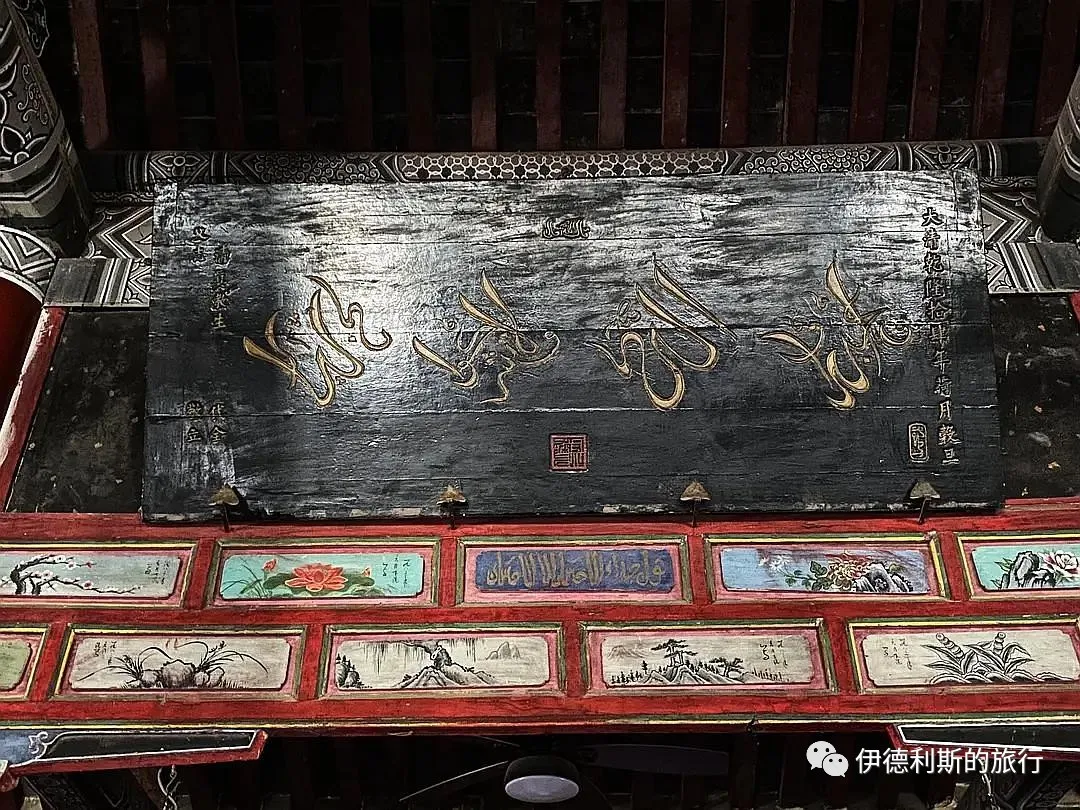
85. The 'Truth Discusses the Three Worlds' plaque at the Zhengzhou North Mosque.
The 13th year of the Guangxu reign.
The World of Truth (the unseen world), the World of Form (the material world, the present life), and the World of Reality (the afterlife) are unified and inseparable. The World of Truth explores the origin of creation, the World of Form is the material reality we see, and the afterlife explores our future destination.
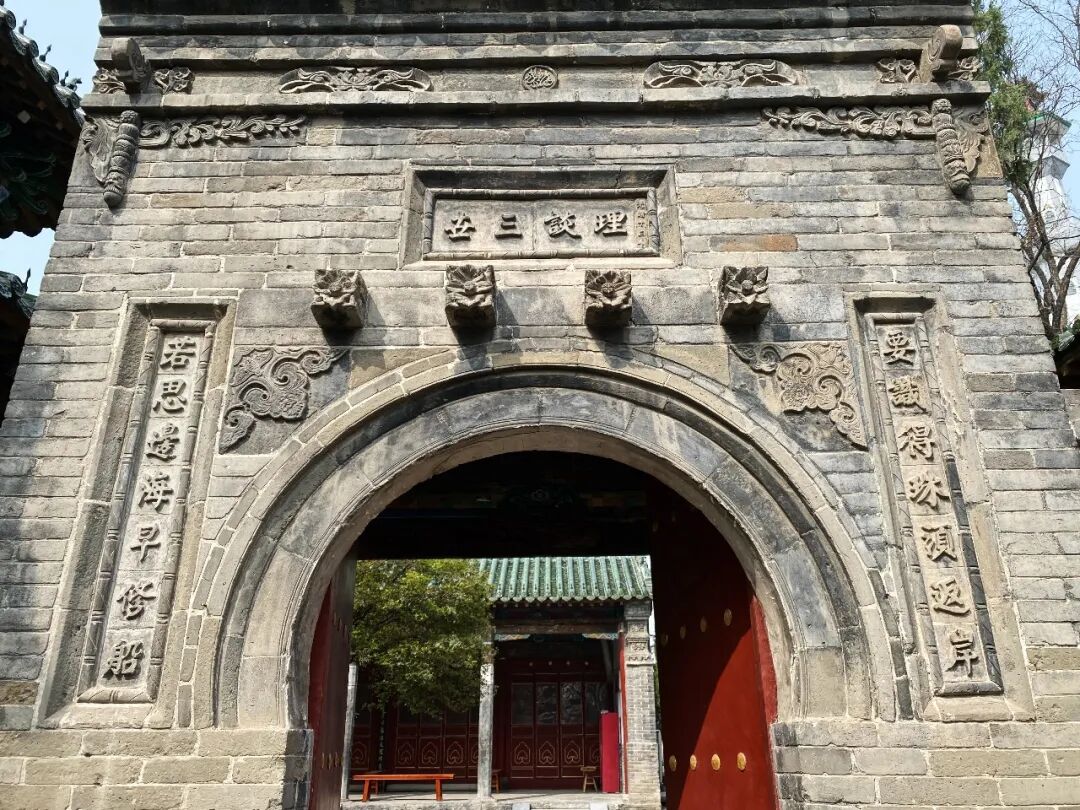
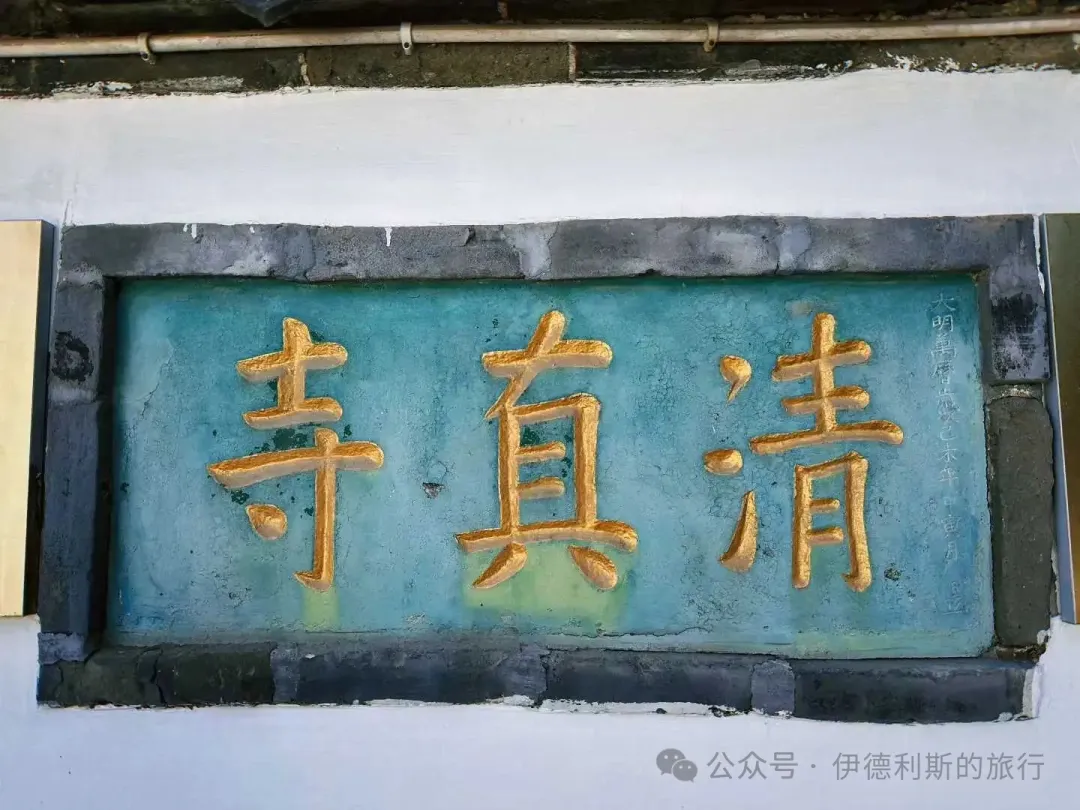
86. The 'Mosque' plaque at the Taicheng Mosque in Tai'an.
Erected on a day in the first lunar month of the Jiwei year, the Wanli reign of the Great Ming Dynasty.
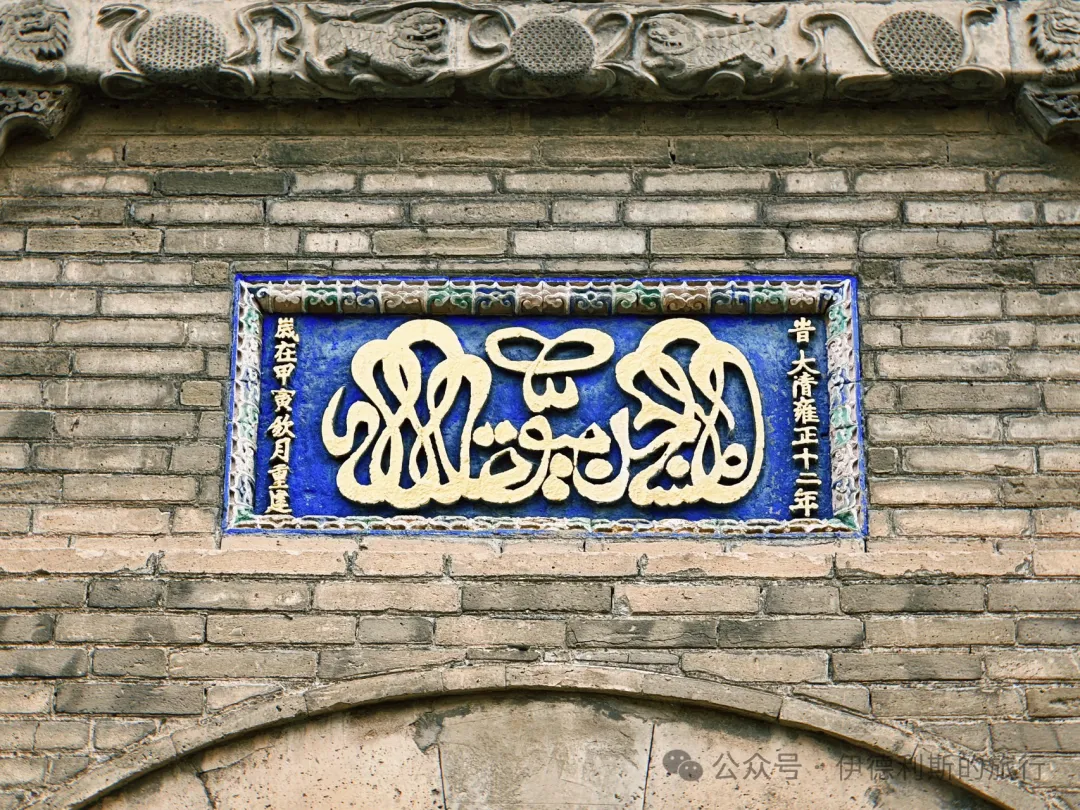
87. Arabic plaque at the Zhenjiao Mosque in Qingzhou.
In the 12th year of the Yongzheng reign of the Great Qing Dynasty.
Rebuilt in the Jiayin year during the month of Qin.
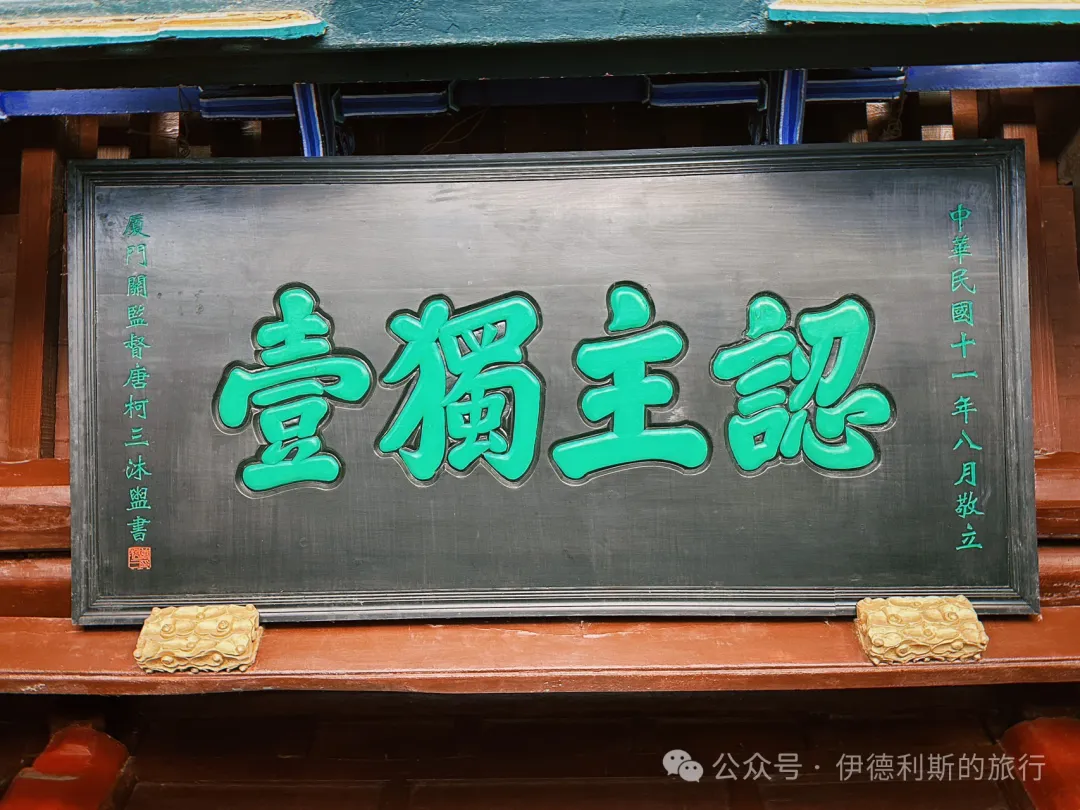
88. Jinan North Mosque: 'Recognize the Oneness of Allah'.
Respectfully erected in the eighth month of the eleventh year of the Republic of China.
Written by Tang Kesan, Superintendent of the Xiamen Customs, after ritual washing.
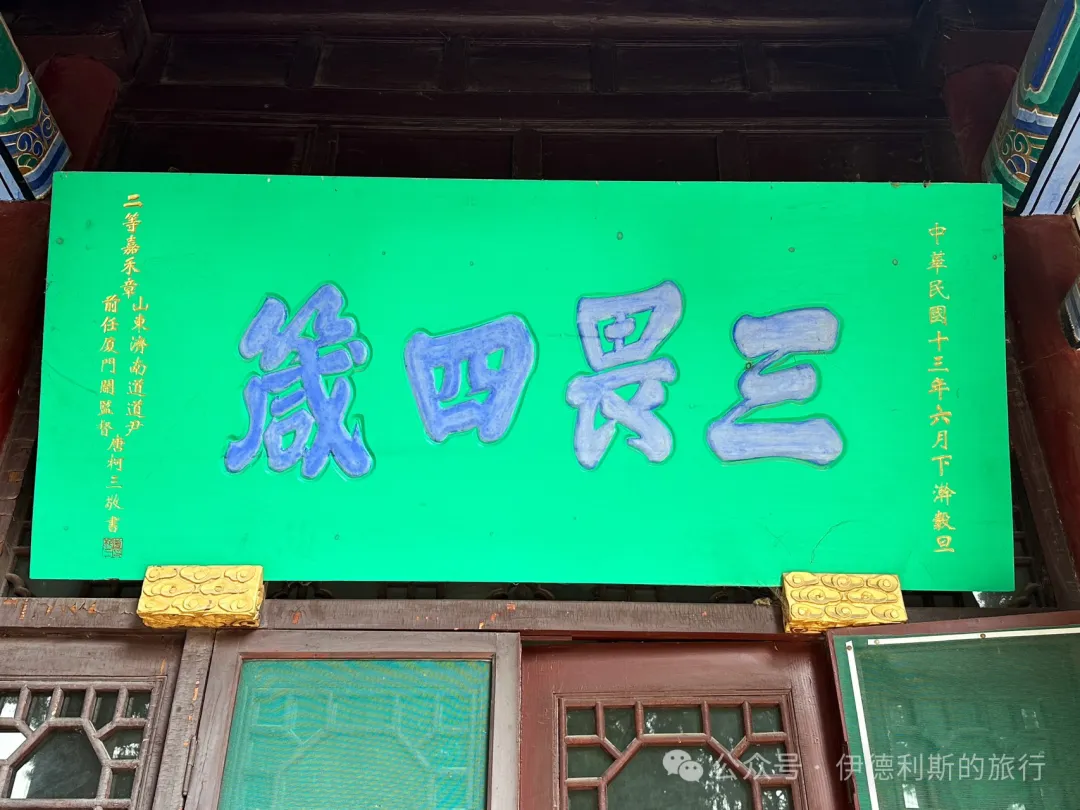
89. Jinan North Mosque: 'Three Fears and Four Admonitions'.
An auspicious day in the latter part of the sixth month of the thirteenth year of the Republic of China.
Respectfully written by Tang Kesan, holder of the Second Class Order of the Golden Grain, former Daoyin of the Jinan Circuit in Shandong, and former Superintendent of the Xiamen Customs.
Tang Kesan was a Hui Muslim from Zoucheng, Shandong. He was a famous social activist during the Republic of China era. He served as the Shandong negotiator for the Ministry of Foreign Affairs, director of the Shandong Epidemic Prevention Office, Superintendent of the Xiamen Customs, director of the Shandong Provincial Road Administration, and Daoyin of the Jinan West Circuit. He served as principal of Chengda Normal School, founded the 'Yuehua' magazine, helped establish the Chinese Islamic Progress Association, and organized and led the Hui Muslim movement to resist Japan and save the nation. He made great contributions to the faith.
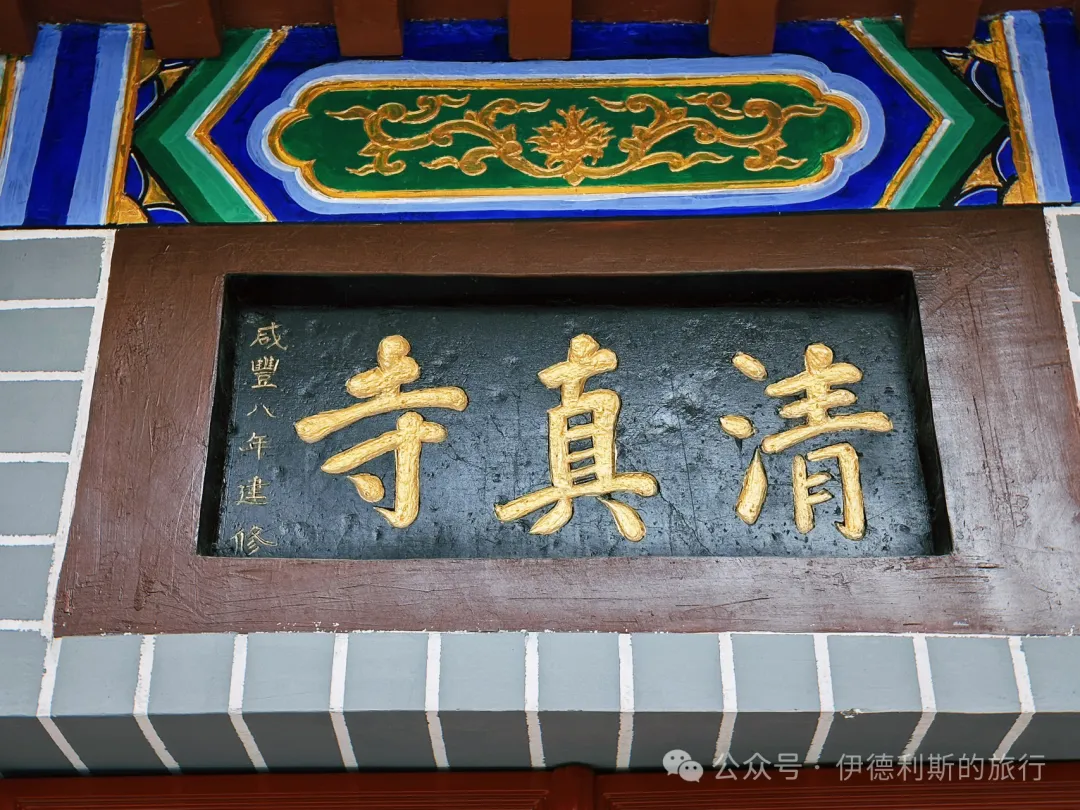
90. Jinan Nanguan Mosque: 'Mosque'.
Built and renovated in the eighth year of the Xianfeng reign.
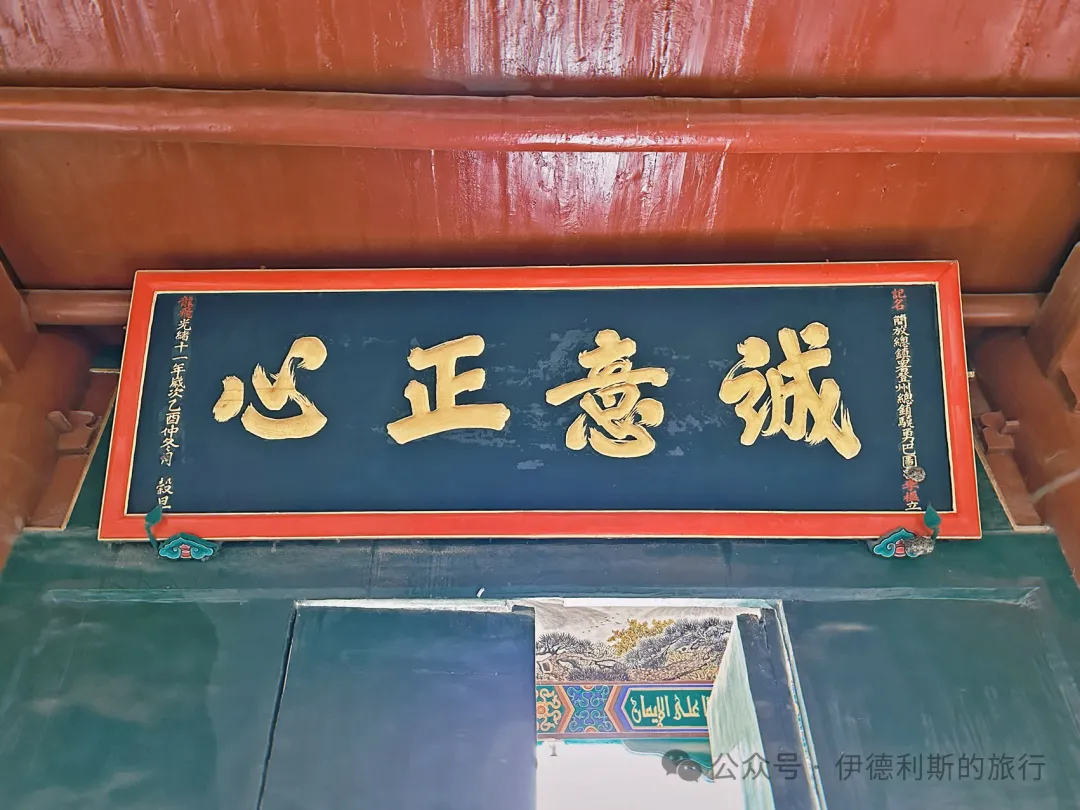
91. Linqing North Mosque: 'Sincere Intentions and Upright Heart'.
Erected by Li Ying, a nominated and appointed brave Baturu (a title of honor) of the Dengzhou General Military Office.
An auspicious day in the middle winter month of the Yiyou year, the eleventh year of the Guangxu reign.
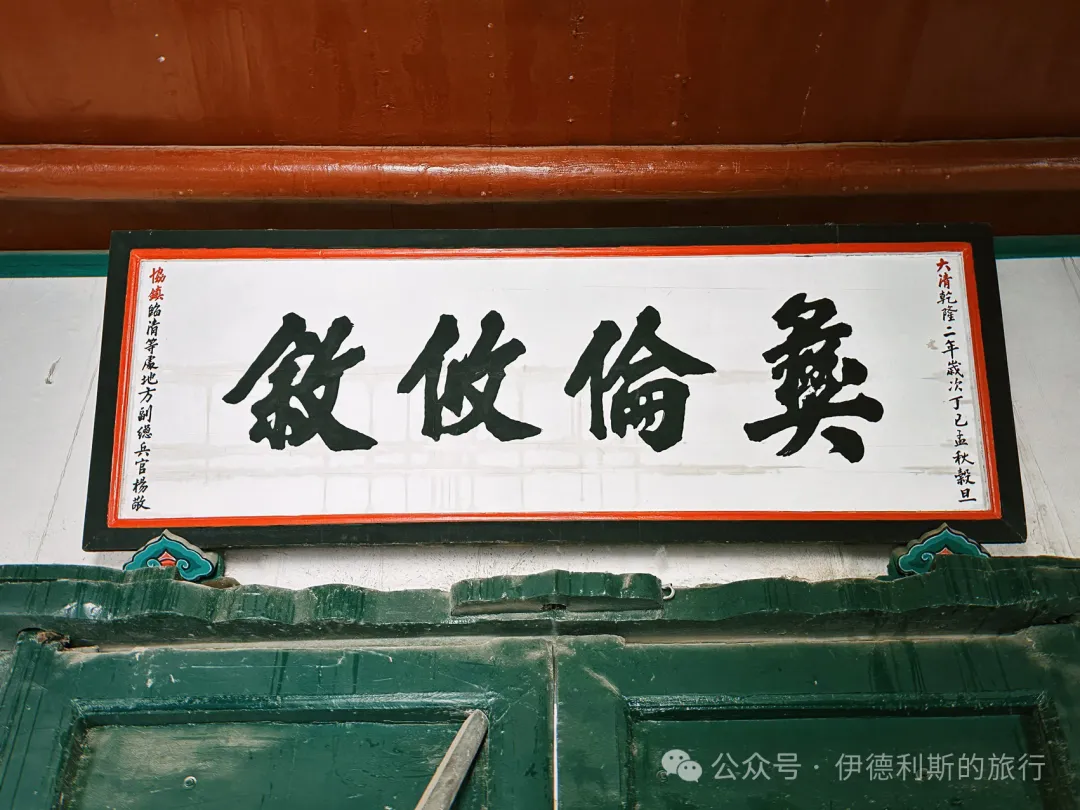
92. Linqing North Mosque: 'The Proper Order of Human Relationships'.
An auspicious day in the first month of autumn in the Dingji year, the second year of the Qianlong reign of the Great Qing Dynasty.
Yang Jing, the Vice Regional Commander of Linqing and surrounding areas.
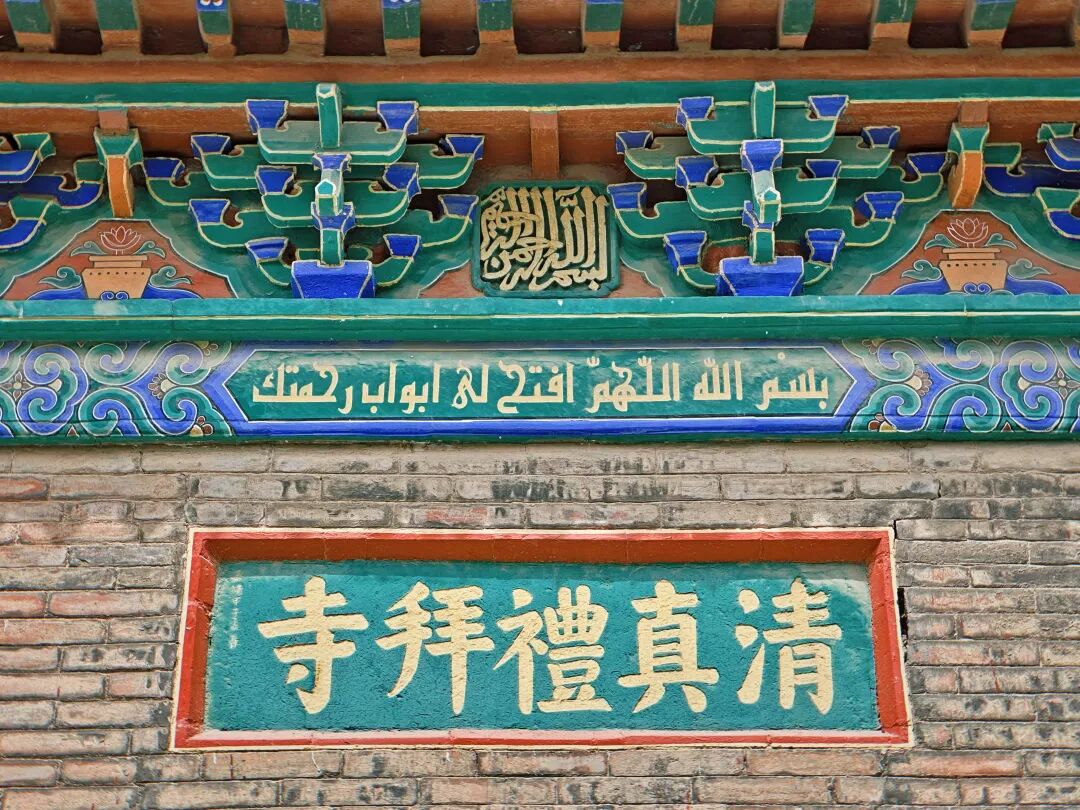
93. Linqing North Mosque, the "Pure and True Mosque" (Qingzhen Libaisi).
The first month of spring in the Jiajing year of Jiazi.
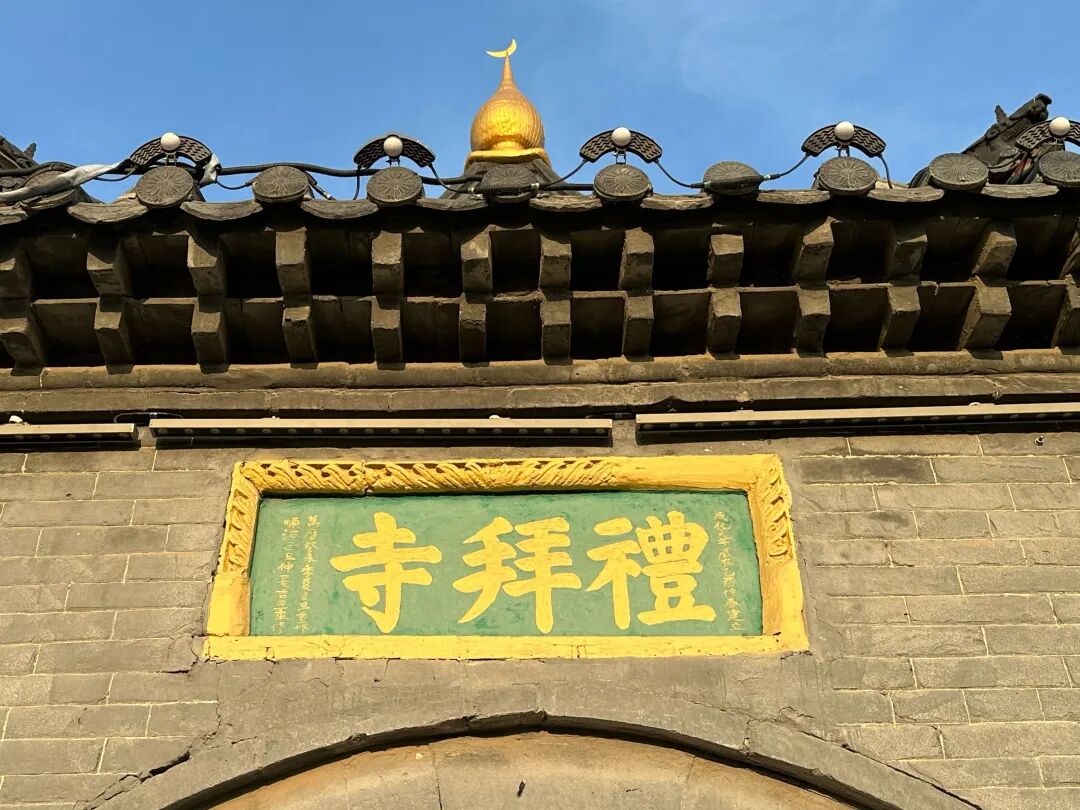
94. Linqing East Mosque, the "Mosque" (Libaisi).
Built in the second month of spring in the Yiyou year, the first year of the Chenghua reign.
Renovated on an auspicious day in the last month of summer in the Wanli year of Guiwei.
Renovated on an auspicious day in the second month of summer in the Shunzhi year of Jiwei.
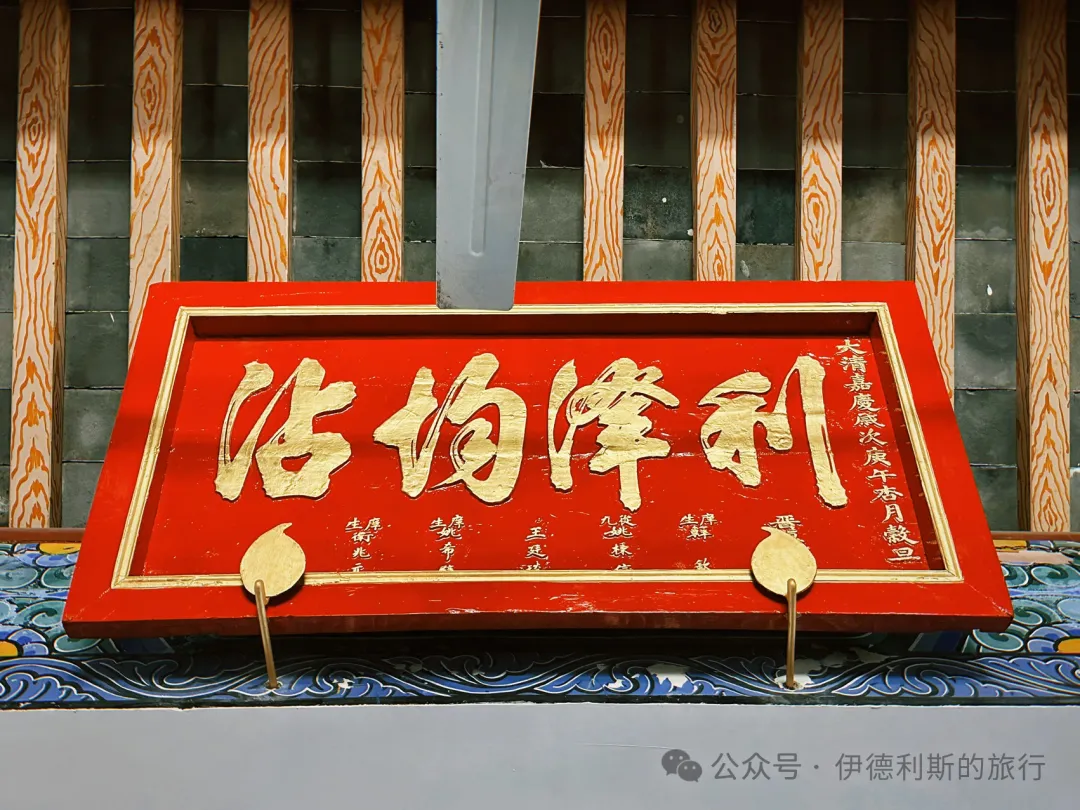
95. Liaocheng East Mosque, "Benefits Shared Equally" (Lize Junzhan).
An auspicious day in the second month of spring in the Gengwu year of the Jiaqing reign of the Great Qing.
Disciples from Shanxi and Hebei.
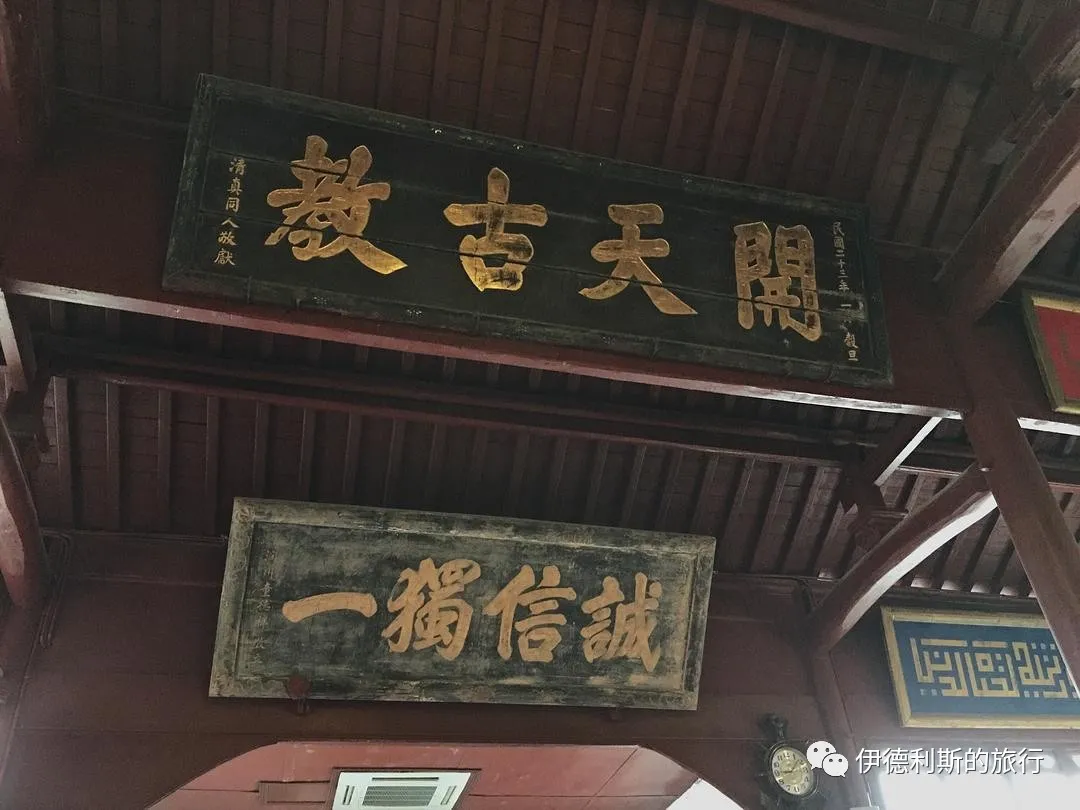
96. Wuhu Mosque, "Ancient Faith That Opened the Heavens" (Kaitian Gujiao).
An auspicious day in the twenty-third year of the Republic of China.
Respectfully presented by fellow Muslims.
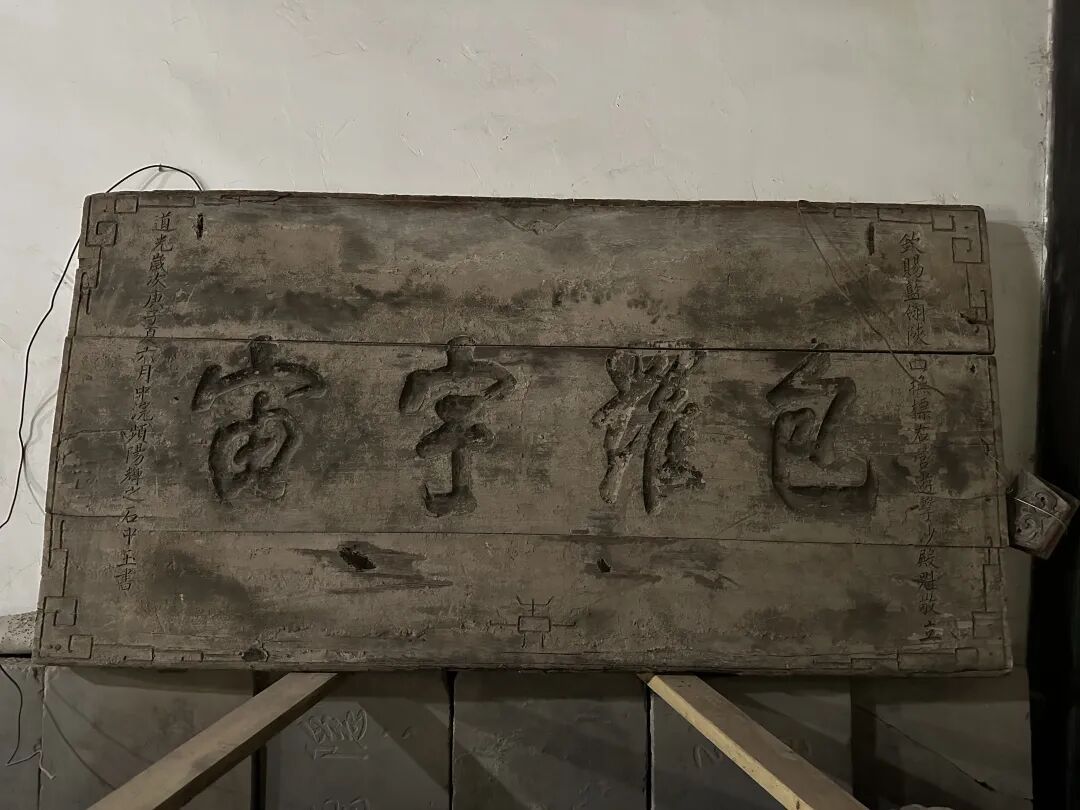
97. Xi'an Huajue Lane Great Mosque, "Encompassing the Universe" (Baoluo Yuzhou).
Respectfully erected by Sha Diankui, the imperial-appointed Blue Feather-wearing Major of the Shaanxi Governor's Left Battalion.
Written by Shi Zhongyu of Pinyang during the middle ten days of the sixth month of summer in the Daoguang year of Gengzi.
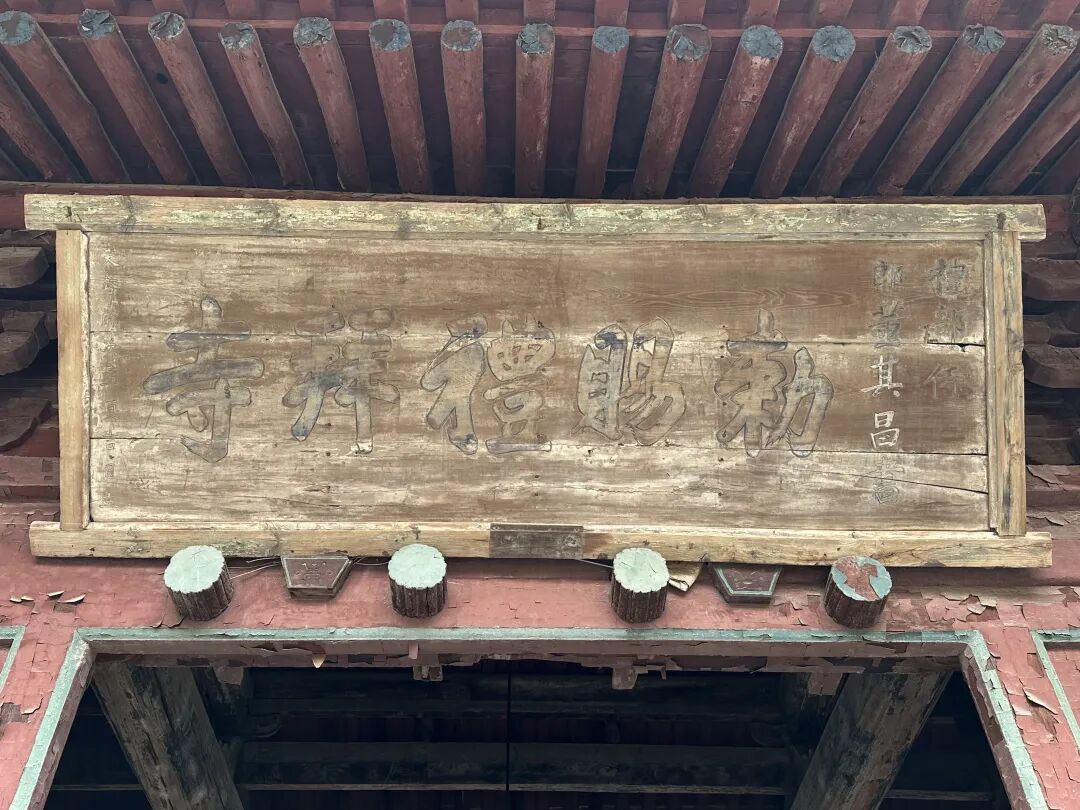
98. The Imperial Mosque (Chici Libaisi) at Huajue Lane in Xi'an.
Calligraphy by Dong Qichang, Vice Minister of the Ministry of Rites.
Erected on an auspicious day in the first month of summer in the Tianqi era.
Dong Qichang was a calligrapher and painter during the Ming Dynasty.
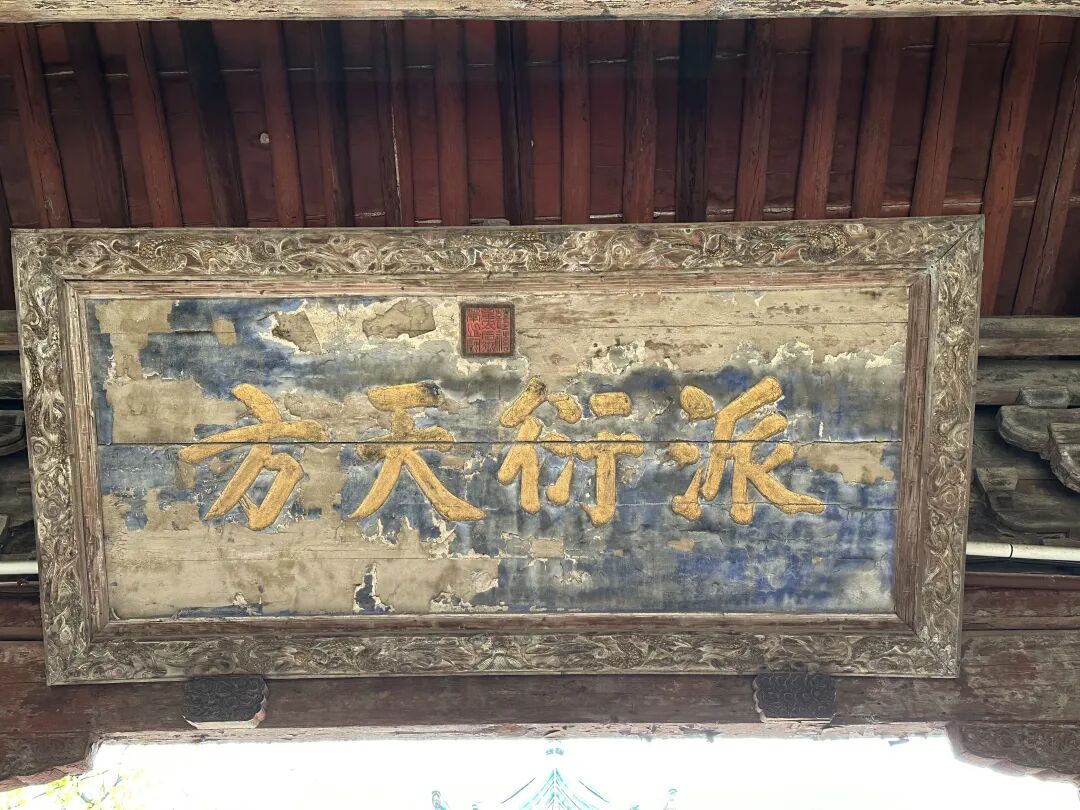
99. The plaque 'Lineage from the Holy Land' (Pai Yan Tian Fang) at the Huajue Lane Mosque in Xi'an.
The Imperial Seal of Empress Dowager Cixi.
Legend says that when the Eight-Nation Alliance invaded in 1900, Empress Dowager Cixi and Emperor Guangxu fled to Xi'an. On the day they returned to the capital the following year, she wrote the inscription for this famous mosque. Tang Mianzhu, the former provincial judge, handled the delivery. The streets were packed with people watching the plaque being delivered, making it a very lively event.
100. The Huajue Lane Mosque in Xi'an.
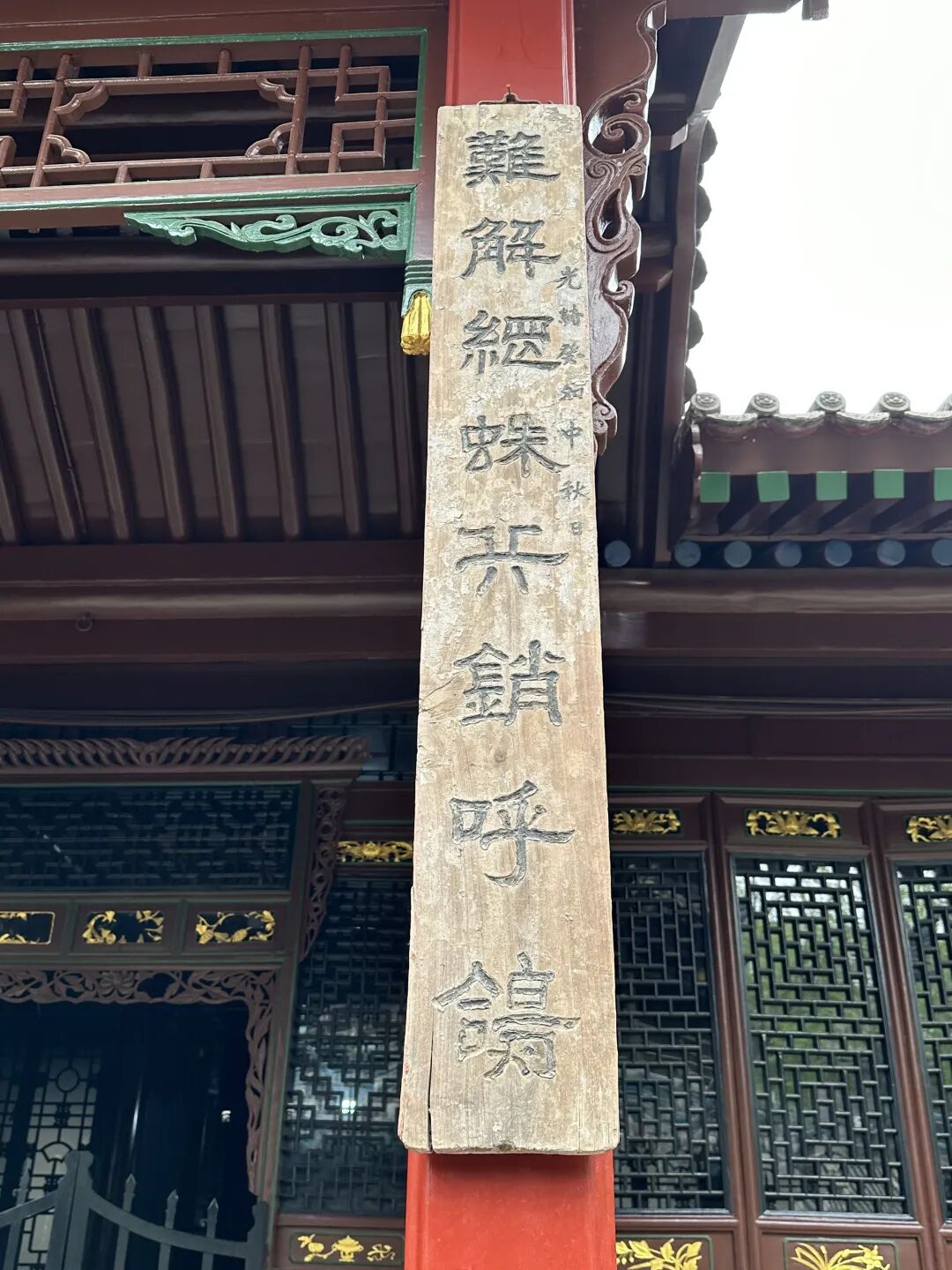
The spider web remained intact, and the pigeons called out.
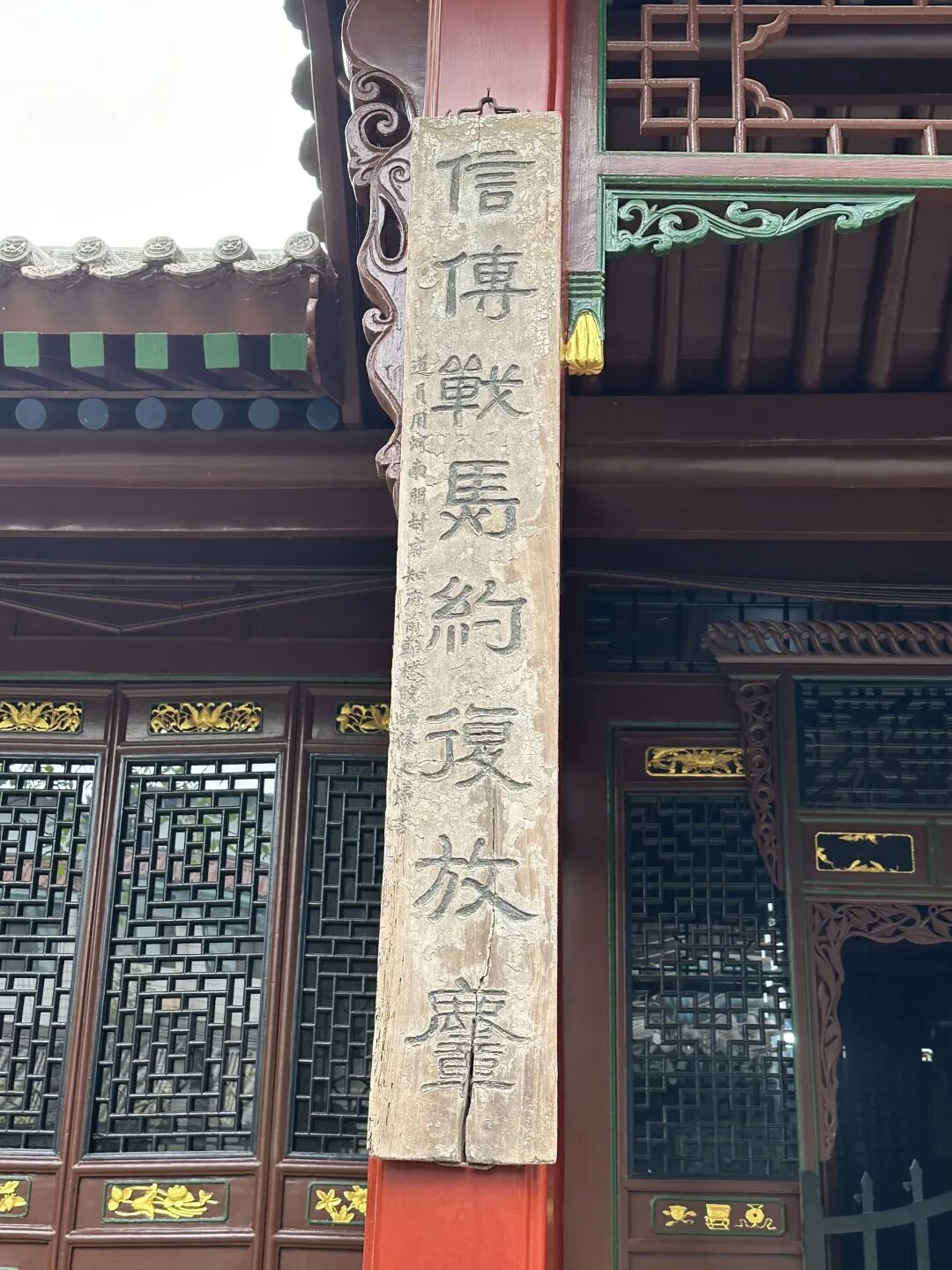
The message reached the warhorse, and the deer was released again.
Mid-Autumn Festival, the year of Guimao in the Guangxu reign.
Calligraphy by Wenti, a former compiler at the Hanlin Academy and Prefect of Kaifeng, Henan.
The Prophet was pursued by the Quraish tribe and hid in the Cave of Thawr with Abu Bakr.
The enemies reached the cave entrance and saw the spider web was unbroken.
They thought no one was inside and left.
The pursuers were still suspicious and threw stones to test the cave, causing two turtledoves (hu ge) to fly out.
The enemy saw the birds were not startled, so they were sure no one was there and the threat of war disappeared.
Companions of the Prophet, warhorses delivering messages, battles, and treaties.
A non-believer caught a live deer and said to the Prophet, If you can make this deer speak, I will convert. The Prophet guaranteed the deer would be released to nurse its young and promised it would return. The deer returned on time.
The non-believer was amazed and converted to the faith.
Wenti was from the Manchu Plain Yellow Banner, of the Guwalgiya clan, and a calligrapher in the late Qing Dynasty.
Appreciating plaques and couplets from the faith (1-50 pieces).
Summary: China Mosque Travel Guide: Hui Muslim Plaques, Couplets and Islamic Calligraphy (51-100) is presented here as a firsthand travel account in clear English, beginning with this scene: Tian Yongtong was a Hui Muslim general from Taiyuan, Shanxi. He became a military Jinshi scholar in the 28th year of the Qianlong reign and rose to the rank of Commander-in-Chief of Jiangnan. The account keeps its focus on Mosque Travel, Islamic Heritage, Muslim Travel while preserving the names, places, food, and historical details from the Chinese source.
51. The plaque 'Principles Rooted in Confucianism' (Li Guan Ru Zong) at Taiyuan Mosque.
Erected on a lucky day in the tenth month of the Yichou year, the tenth year of the Jiaqing reign.
Respectfully written by Tian Yongtong, a palace guard who earned the title of Jinshi scholar and served as the Brigade General of Nanyang, Henan.
Renovated by his great-great-grandson Zhenjing in the 31st year of the Republic of China.
Tian Yongtong was a Hui Muslim general from Taiyuan, Shanxi. He became a military Jinshi scholar in the 28th year of the Qianlong reign and rose to the rank of Commander-in-Chief of Jiangnan.
52. The plaque 'Extremely Brilliant' (Ji Gao Ming) at Taiyuan Mosque.
Respectfully presented by Zhang Jinglie from Yunnan, a palace guard and assistant regional commander in charge of the eastern route of Shanxi and the southern defense of Taiyuan city.
A lucky day in the ninth month of the Xinmao year, the 36th year of the Qianlong reign of the Great Qing Dynasty.
53. The plaque 'The Way is Known in Greatness' (Dao Jian Zhi Hong) at Taiyuan Mosque.
Reprinted by Chongde Lu in the eighth month of the seventh year of the Tongzhi reign.
Shao Yong.
Shao Yong was a philosopher and expert on the I Ching during the Northern Song Dynasty.
54. The plaque 'Only Virtue is Supported' (Wei De Shi Fu) at Taiyuan Mosque.
Respectfully erected by Duo Ding, a Juren scholar from the Dingmao year of the Qianlong reign and an instructor in Wanquan County.
Renovated by his clansman Chi in the eleventh month of the Dingwei year of the Daoguang reign.
55. The plaque 'The Teaching Exalts the True One' (Jiao Long Zhen Yi) at Taiyuan Mosque.
Respectfully inscribed by Ha Panfeng, Imperial Guard, Commander-in-Chief of Datong, Shanxi, appointed by imperial decree, with three recorded merits.
An auspicious day in the sixth lunar month of the 46th year of the Qianlong reign of the Great Qing Dynasty (1781).
Ha Panfeng was from Suning County, Hebei, and became a military jinshi scholar in the 16th year of the Qianlong reign.
56. Taiyuan Mosque: "Heaven's Mirror is Here"
Erected by Tian Qiao, a successful candidate in the imperial examinations during the Wanshou Guisi year.
An auspicious day in the early tenth lunar month of the Jihai year of the Kangxi reign.
57. Taiyuan Mosque: "The Most Holy, Past and Present"
An auspicious day in the fifth lunar month of the Renchen year of the Daoguang reign.
Erected by Tian Shifa, a candidate for the position of Zhili Prefecture assistant magistrate.
58. Taiyuan Mosque: "Return to the Truth"
Erected by Tian Zongzhou, a jinshi scholar, serving as a captain in the Right Battalion of the Henan-Hebei Garrison and acting commander of the Left Battalion.
An auspicious day in the third month of autumn in the Xinyou year, the 6th year of the Jiaqing reign of the Great Qing Dynasty (1801).
59. Taiyuan Mosque: "Tranquility"
Li Guifang, Imperial Guard and Commander-in-Chief of Gaozhou, Guangdong, with a rank increase of three levels.
His son, a successful candidate in the Xinwei year imperial examinations and a lieutenant at Shahe Camp.
His grandson, Panlin, a military graduate of the Renzi year and a lieutenant at Lengquan Pass, waiting for promotion to major.
Imperial-bestowed Zhaowu General, hereditary Cloud Cavalry Lieutenant, and additional Grace Cavalry Lieutenant Pan Long.
Wuwu-year military graduate, commander of Zhuhu Fort, and expectant garrison commander Pan Feng.
A lucky day in the ninth lunar month of the Bingwu year of the Daoguang reign.
Respectfully erected by his great-grandson, a local government student (yixiangsheng) named He Ming.
60. Taiyuan Mosque: 'All things return to the truth'.
Erected in the eighth lunar month of the second year of the Guangxu reign of the Great Qing Dynasty.
Respectfully erected by the imperial-titled Zhenwu General Tian Shixing, along with his son Weirong and grandsons Shaoshu, Shaoyi, and Shaoli.
61. Taiyuan Mosque: 'The body is in the same place as others'.
Seal of Huang Daozhou.
Huang Daozhou was a famous scholar, calligrapher, and painter at the end of the Ming Dynasty.
62. Taiyuan Mosque: 'Universal now, unique later'.
Respectfully erected by Li Hechun, a successful candidate in the Shuntian Bingzi provincial examination and magistrate of Tianzhen County, Datong Prefecture.
A lucky day in the eleventh lunar month of the Jihai year, the nineteenth year of the Daoguang reign of the Great Qing Dynasty.
63. Taiyuan Mosque: 'The great potter of all things'.
Erected by Tian Li, a presented scholar (jinshi) who was specially appointed as a military official (dusi) at the Yulin City garrison in the Shaanxi Yanjing region, with a two-grade promotion and two recorded merits.
Erected on a lucky day in the autumn, the ninth lunar month of the Yichou year, the tenth year of the Qianlong reign.
64. Taiyuan Mosque's "Ancient Religion from the Beginning of Heaven"
Jin Guozheng, Regional Commander and Assistant Commissioner-in-Chief in charge of Taiyuan, Shanxi and other areas
An auspicious day in the second month of autumn, the Yiwei year of the Kangxi reign
Jin Guozheng was from Tongxin, Ningxia. He was a famous Hui Muslim general during the Qing Dynasty. During the Kangxi reign, he served as the Regional Commander of Datong, Shanxi, the Regional Commander of Taiyuan Prefecture, and the Provincial Commander of Guyuan.
65. Taiyuan Mosque's "The Sound of Chanting Cannot Reach the Depth of Feeling"
Erected by Li Ximo in the tenth year of the Xianfeng reign
Calligraphy by Fang Xiaoru
Fang Xiaoru was a famous scholar, writer, and thinker of the Ming Dynasty.
66. Datong Mosque's "Ten Thousand Transformations Bow to the Truth"
An auspicious day in the eighth month, the Guihai year of the Qianlong reign of the Great Qing
67. Duolun Middle Mosque, Inner Mongolia
Do not be greedy for this life, only for the afterlife; let the way of heaven and the way of man return to the true religion
Strictly keep to the righteous path, avoid what is improper, let the heart be happy and the body be at peace, and recognize the One
Respectfully presented in the eighth month of the twenty-fourth year of the Jiaqing reign
68. Duolun Middle Mosque, Inner Mongolia's "Blessings Protect the One Truth"
An auspicious day in the fifth month of the ninth year of the Xianfeng reign of the Great Qing
Respectfully inscribed by Zheng Kuishi, Imperial Commissioner overseeing Ningguo military affairs, Commander-in-Chief of Zhejiang Province, supervisor of all land and naval garrisons, and holder of the title Jianwei General, Shalama Gai Batulu.
Zheng Kuishi was a famous general in the late Qing Dynasty and a Hui Muslim from Wanquan, Zhangjiakou, Hebei. He fought the Taiping Heavenly Kingdom and the Nian Army for many years. He was the first to break through Luzhou and was wounded over twenty times in Huaiyuan, nearly losing his life, which earned him great praise from the imperial court. When Zheng Kuishi inscribed the plaque for Duolun in the ninth year of the Xianfeng reign, he was serving as the Zhejiang Commander-in-Chief and overseeing Ningguo military affairs, which was the highest rank of his career. In a memorial to the throne, Li Hongzhang highly praised Zheng Kuishi, saying he was "hardworking, resolute, and peerlessly brave... he was the first to face the enemy's sharp edge, braving death, and was severely wounded eight or nine times. His body was covered in scars, and among all the famous generals north and south of the Yangtze River at the time, everyone considered Kuishi the best."
69. "Ancient Islamic Teachings" (Qingzhen Gujiao) at the Middle Mosque (Zhongsi) in Duolun, Inner Mongolia.
Respectfully presented by Song Rui, specially appointed Commander of the Duolun Garrison and recipient of the imperial peacock feather.
An auspicious day in the sixth lunar month of the Yi-Hai year, the first year of the Guangxu reign of the Great Qing Dynasty.
70. "Benevolent Wind Spreads Everywhere" (Renfeng Pubei) at the Middle Mosque (Zhongsi) in Duolun, Inner Mongolia.
Presented by Lord Zhu Dezheng, holder of the fourth-rank title and peacock feather, acting administrator of the Duolun Nuo'er Civil Administration Office.
Respectfully presented by Hui Muslim community leaders Shan Yunxing, village elder Ma Wanxing, and others in the first month of summer, the thirty-first year of the Guangxu reign of the Great Qing Dynasty.
71. "Universal Mercy for the Present World" (Puci Jinshi) at the Middle Mosque (Zhongsi) in Duolun, Inner Mongolia.
An auspicious day in the seventh lunar month of the eighth year of the Republic of China.
Managed by the public.
72. "Unique Mercy for the Future World" (Duci Houshi) at the Middle Mosque (Zhongsi) in Duolun, Inner Mongolia.
An auspicious day in the seventh lunar month of the eighth year of the Republic of China.
Managed by the public.
73. Inner Mongolia Chasuqi Mosque (Chasuqi Si)
An auspicious day in the 47th year of the Qianlong reign of the Great Qing Dynasty
74. Baotou Great Mosque (Baotou Dasi) plaque "Guqiu"
An auspicious day in the third lunar month of the Jiawu year of the Daoguang reign of the Great Qing Dynasty
Inscribed by community leaders Wang Daxing and Bai Kede
75. Baotou Great Mosque plaque "Xianyang Zhengjiao"
An auspicious day in the eighth month of the second year of the Republic of China
Respectfully inscribed by Ma Fuxiang, Altay Garrison Commander, Army Lieutenant General, and Commander of the Gansu Zhaowu Patrol and Ningxia forces
76. Kaifeng Zhuxian Town North Mosque plaque "Zhenyi Huanzhen"
Inscribed by Yulu, First Rank official, Minister of War, Censor-in-Chief of the Left, and Viceroy of Huguang
Erected by Wu Dengshun and Yu Qinghe on an auspicious day in the first month of winter in the Wuzi year of the Guangxu reign
77. Kaifeng Zhuxian Town North Mosque plaque "Zhijiao Zhenyuan"
Inscribed by Zhu Yulu, Imperial Scholar and Governor of Henan
Erected on an auspicious day in the Dinghai year of the 30th year of the Qianlong reign
78. Kaifeng Zhuxian Town North Mosque plaque "Keshou Qingzhen"
Erected on an auspicious day in the first ten days of spring in the first year of the Xianfeng reign by the Zhu Town community.
Respectfully inscribed by Sha Lütai, a candidate for county magistrate in Henan.
79. The 'Knowing Before the Rain' plaque at the North Mosque in Zhuxian Town, Kaifeng.
Bestowed by imperial decree in the summer of the 50th year of the Qianlong reign of the Great Qing Dynasty.
Inscribed by Ji Yun, Grand Academician of the Hanlin Academy.
Re-inscribed by Niu Guangfu, Honorary Dean of the Kaifeng Calligraphy and Painting Academy.
Re-erected in the ninth lunar month of 1988.
The original plaque was destroyed after 1966. Legend has it that in the summer of the 50th year of the Qianlong reign (1785), Emperor Qianlong toured the south with Ji Xiaolan. On their return, they stayed at the North Mosque in Zhuxian Town. It was a hot, sunny day in the seventh lunar month. When Emperor Qianlong left, the mosque's Imam Sai gave Ji Xiaolan a bamboo hat, a fox-fur coat, and rain gear. Ji Xiaolan did not understand why, but Imam Sai said they would surely be useful. As Emperor Qianlong’s party traveled north by boat along the grain transport canal, they had gone only about 20 li when a fierce storm broke out with thunder and rain. The temperature dropped suddenly, and Ji Xiaolan quickly draped the fox-fur coat the Imam had given him over the Emperor. Ji Xiaolan made a special trip back to the North Mosque in Zhuxian Town to ask Imam Sai how he had predicted the storm. The Imam said, 'Last night there was a lunar halo, and today the base of the stone pillar behind the mosque gate was damp. A lunar halo means wind, and damp stone bases mean rain. With both, there was bound to be heavy rain and hail.' After hearing this, Ji Xiaolan wrote the four large characters 'Knowing Before the Rain' (weiyu xianzhi), which were later made into a plaque and hung on the mosque gate.
80. The 'Shanyitang Mosque' in Kaifeng.
The second month of spring in the ninth year of the Guangxu reign.
81. Zhengzhou North Mosque: 'Blessings for All People'.
The virtuous governance of Imam (ahong) Mu of Yatang.
Inscribed by Ye Xiangmei.
An auspicious day in the eighth lunar month of the twenty-third year of the Republic of China.
The local community set up this plaque for Imam Mu Wenxiu. Legend says Imam Mu was invited to Yangqiaotan Township near the Yellow River in the northern suburbs of Zhengzhou to offer dua for rain and end a drought. After his dua, a soaking rain fell, providing enough water to end the drought. Imam Mu and others walked there under the hot sun and returned in the rain. The people were very grateful and presented this plaque to show their appreciation.
82. Zhengzhou North Mosque: 'The True Faith Flourishes'.
Presented by Yang Qizhen, Imperial Commissioner for Taiwan Military Affairs, First Rank Official, Minister-ranked Fujian Naval Admiral, and Hereditary Cloud-riding Lieutenant (yunqiwei) Peiling Abatur.
Presented by Hami Prince Hedile, Imperial Guard, permitted to ride a horse in the Forbidden City, recipient of the Imperial Yellow Jacket and the three-eyed peacock feather.
Presented by Yang Lianzhen, Commander of the Ten Fujian Battalions, expectant Brigade General (canjiang), recipient of the peacock feather, and three-time record holder for merit.
An auspicious day on the first day of the first lunar month in the twenty-first year of the Guangxu reign of the Great Qing Dynasty.
Yang Qizhen was a Hui Muslim from Huainan, Anhui, and a patriotic general in the late Qing Dynasty. In 1885, he led his troops to fight against French warships. He became the Admiral of the Fujian Navy in 1892 and built a mosque in Xiamen. In 1895, he passed through Zhengzhou and wrote a plaque for the North Mosque (Beidasi).
83. The 'His Majesty Has No Equal' plaque at the Zhengzhou North Mosque.
Inscribed by Ma Fuxiang, specially appointed Army General, General Xiangwu, and Military Governor of Suiyuan.
A lucky day in the middle of the seventh lunar month, the 13th year of the Republic of China.
84. Arabic plaque at the Zhengzhou North Mosque.
A lucky day in the sixth lunar month, the 14th year of the Qianlong reign of the Great Qing Dynasty.
Erected by Ai Zhijing, a follower of the Islamic faith.
85. The 'Truth Discusses the Three Worlds' plaque at the Zhengzhou North Mosque.
The 13th year of the Guangxu reign.
The World of Truth (the unseen world), the World of Form (the material world, the present life), and the World of Reality (the afterlife) are unified and inseparable. The World of Truth explores the origin of creation, the World of Form is the material reality we see, and the afterlife explores our future destination.
86. The 'Mosque' plaque at the Taicheng Mosque in Tai'an.
Erected on a day in the first lunar month of the Jiwei year, the Wanli reign of the Great Ming Dynasty.
87. Arabic plaque at the Zhenjiao Mosque in Qingzhou.
In the 12th year of the Yongzheng reign of the Great Qing Dynasty.
Rebuilt in the Jiayin year during the month of Qin.
88. Jinan North Mosque: 'Recognize the Oneness of Allah'.
Respectfully erected in the eighth month of the eleventh year of the Republic of China.
Written by Tang Kesan, Superintendent of the Xiamen Customs, after ritual washing.
89. Jinan North Mosque: 'Three Fears and Four Admonitions'.
An auspicious day in the latter part of the sixth month of the thirteenth year of the Republic of China.
Respectfully written by Tang Kesan, holder of the Second Class Order of the Golden Grain, former Daoyin of the Jinan Circuit in Shandong, and former Superintendent of the Xiamen Customs.
Tang Kesan was a Hui Muslim from Zoucheng, Shandong. He was a famous social activist during the Republic of China era. He served as the Shandong negotiator for the Ministry of Foreign Affairs, director of the Shandong Epidemic Prevention Office, Superintendent of the Xiamen Customs, director of the Shandong Provincial Road Administration, and Daoyin of the Jinan West Circuit. He served as principal of Chengda Normal School, founded the 'Yuehua' magazine, helped establish the Chinese Islamic Progress Association, and organized and led the Hui Muslim movement to resist Japan and save the nation. He made great contributions to the faith.
90. Jinan Nanguan Mosque: 'Mosque'.
Built and renovated in the eighth year of the Xianfeng reign.
91. Linqing North Mosque: 'Sincere Intentions and Upright Heart'.
Erected by Li Ying, a nominated and appointed brave Baturu (a title of honor) of the Dengzhou General Military Office.
An auspicious day in the middle winter month of the Yiyou year, the eleventh year of the Guangxu reign.
92. Linqing North Mosque: 'The Proper Order of Human Relationships'.
An auspicious day in the first month of autumn in the Dingji year, the second year of the Qianlong reign of the Great Qing Dynasty.
Yang Jing, the Vice Regional Commander of Linqing and surrounding areas.
93. Linqing North Mosque, the "Pure and True Mosque" (Qingzhen Libaisi).
The first month of spring in the Jiajing year of Jiazi.
94. Linqing East Mosque, the "Mosque" (Libaisi).
Built in the second month of spring in the Yiyou year, the first year of the Chenghua reign.
Renovated on an auspicious day in the last month of summer in the Wanli year of Guiwei.
Renovated on an auspicious day in the second month of summer in the Shunzhi year of Jiwei.
95. Liaocheng East Mosque, "Benefits Shared Equally" (Lize Junzhan).
An auspicious day in the second month of spring in the Gengwu year of the Jiaqing reign of the Great Qing.
Disciples from Shanxi and Hebei.
96. Wuhu Mosque, "Ancient Faith That Opened the Heavens" (Kaitian Gujiao).
An auspicious day in the twenty-third year of the Republic of China.
Respectfully presented by fellow Muslims.
97. Xi'an Huajue Lane Great Mosque, "Encompassing the Universe" (Baoluo Yuzhou).
Respectfully erected by Sha Diankui, the imperial-appointed Blue Feather-wearing Major of the Shaanxi Governor's Left Battalion.
Written by Shi Zhongyu of Pinyang during the middle ten days of the sixth month of summer in the Daoguang year of Gengzi.
98. The Imperial Mosque (Chici Libaisi) at Huajue Lane in Xi'an.
Calligraphy by Dong Qichang, Vice Minister of the Ministry of Rites.
Erected on an auspicious day in the first month of summer in the Tianqi era.
Dong Qichang was a calligrapher and painter during the Ming Dynasty.
99. The plaque 'Lineage from the Holy Land' (Pai Yan Tian Fang) at the Huajue Lane Mosque in Xi'an.
The Imperial Seal of Empress Dowager Cixi.
Legend says that when the Eight-Nation Alliance invaded in 1900, Empress Dowager Cixi and Emperor Guangxu fled to Xi'an. On the day they returned to the capital the following year, she wrote the inscription for this famous mosque. Tang Mianzhu, the former provincial judge, handled the delivery. The streets were packed with people watching the plaque being delivered, making it a very lively event.
100. The Huajue Lane Mosque in Xi'an.
The spider web remained intact, and the pigeons called out.
The message reached the warhorse, and the deer was released again.
Mid-Autumn Festival, the year of Guimao in the Guangxu reign.
Calligraphy by Wenti, a former compiler at the Hanlin Academy and Prefect of Kaifeng, Henan.
The Prophet was pursued by the Quraish tribe and hid in the Cave of Thawr with Abu Bakr.
The enemies reached the cave entrance and saw the spider web was unbroken.
They thought no one was inside and left.
The pursuers were still suspicious and threw stones to test the cave, causing two turtledoves (hu ge) to fly out.
The enemy saw the birds were not startled, so they were sure no one was there and the threat of war disappeared.
Companions of the Prophet, warhorses delivering messages, battles, and treaties.
A non-believer caught a live deer and said to the Prophet, If you can make this deer speak, I will convert. The Prophet guaranteed the deer would be released to nurse its young and promised it would return. The deer returned on time.
The non-believer was amazed and converted to the faith.
Wenti was from the Manchu Plain Yellow Banner, of the Guwalgiya clan, and a calligrapher in the late Qing Dynasty.
Appreciating plaques and couplets from the faith (1-50 pieces).
