

Hui Muslim Heritage
China Mosque Travel Guide: Hui Muslim Plaques, Couplets and Islamic Calligraphy (101-150)
Articles • Hasan09 posted the article • 0 comments • 354 views • 2026-05-26 03:00
Summary: China Mosque Travel Guide: Hui Muslim Plaques, Couplets and Islamic Calligraphy (101-150) is presented here as a firsthand travel account in clear English, beginning with this scene: Tian Rui was a Hui Muslim from Taiyuan, Shanxi. He was the son of Tian Yongtong, a military jinshi scholar from the 28th year of the Qianlong reign. The account keeps its focus on Forbidden City, Islamic Art, Persian Culture while preserving the names, places, food, and historical details from the Chinese source.
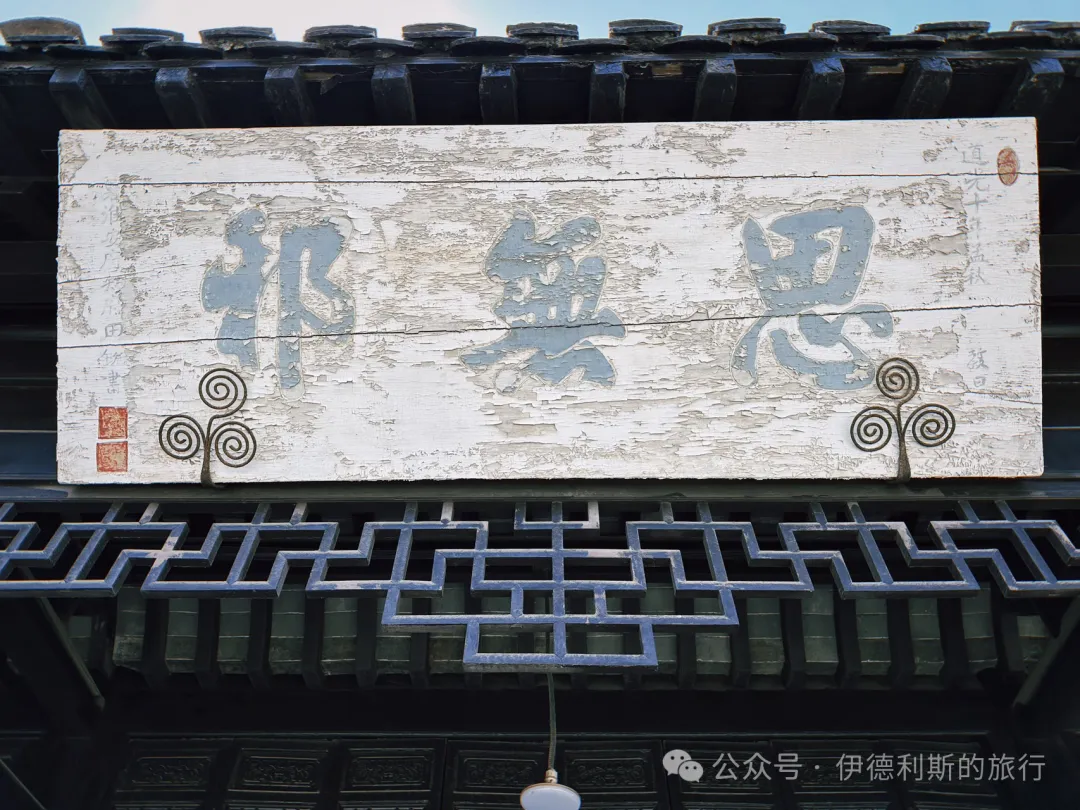
101. 'Think No Evil' (siwuxie) plaque at Hexia Mosque in Huai'an.
An auspicious day in the first month of autumn, the 10th year of the Daoguang reign.
Inscribed by Tian Rui, Prefect of Huai'an.
Tian Rui was a Hui Muslim from Taiyuan, Shanxi. He was the son of Tian Yongtong, a military jinshi scholar from the 28th year of the Qianlong reign. He served as Prefect of Huai'an and Yangzhou and wrote a poetry collection called 'Yigai Pavilion Poetry Drafts' (Yigaiting Shichao).
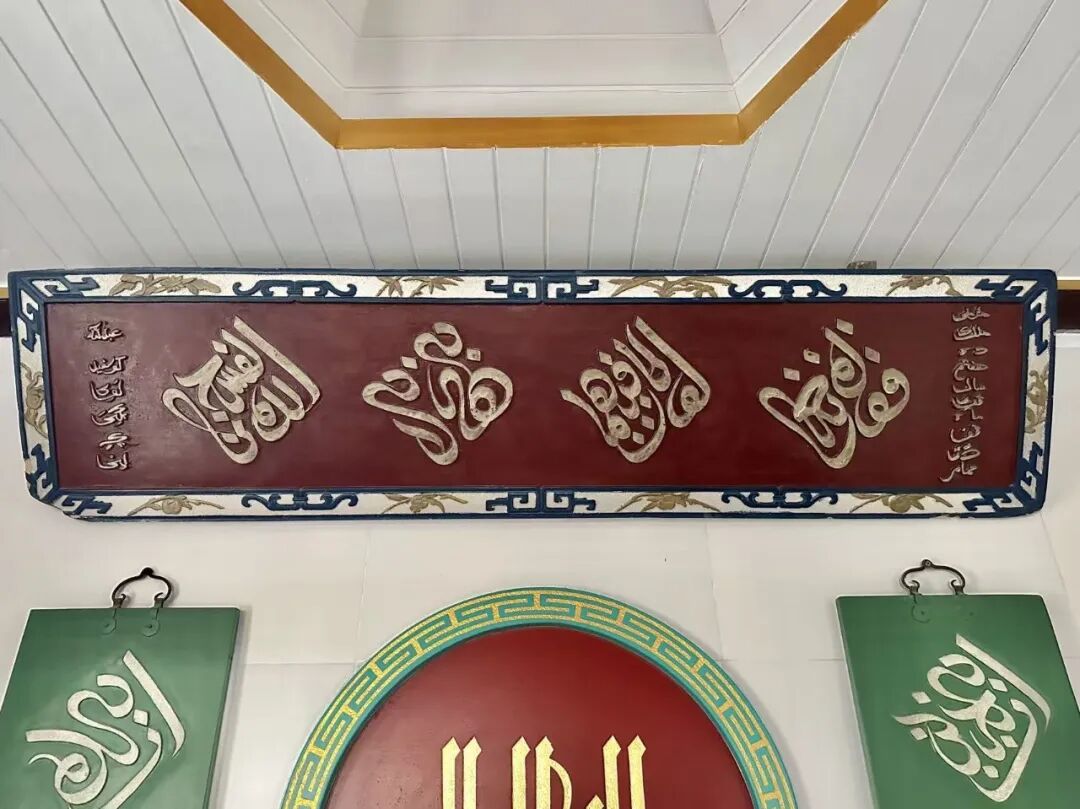
102. Plaque in Arabic, Persian, and Xiao'erjing script at Yancheng Mosque.
Completed on an auspicious day in the eighth lunar month, the 17th year of the Republic of China.
Respectfully erected by Abdullah Yang Lüji.
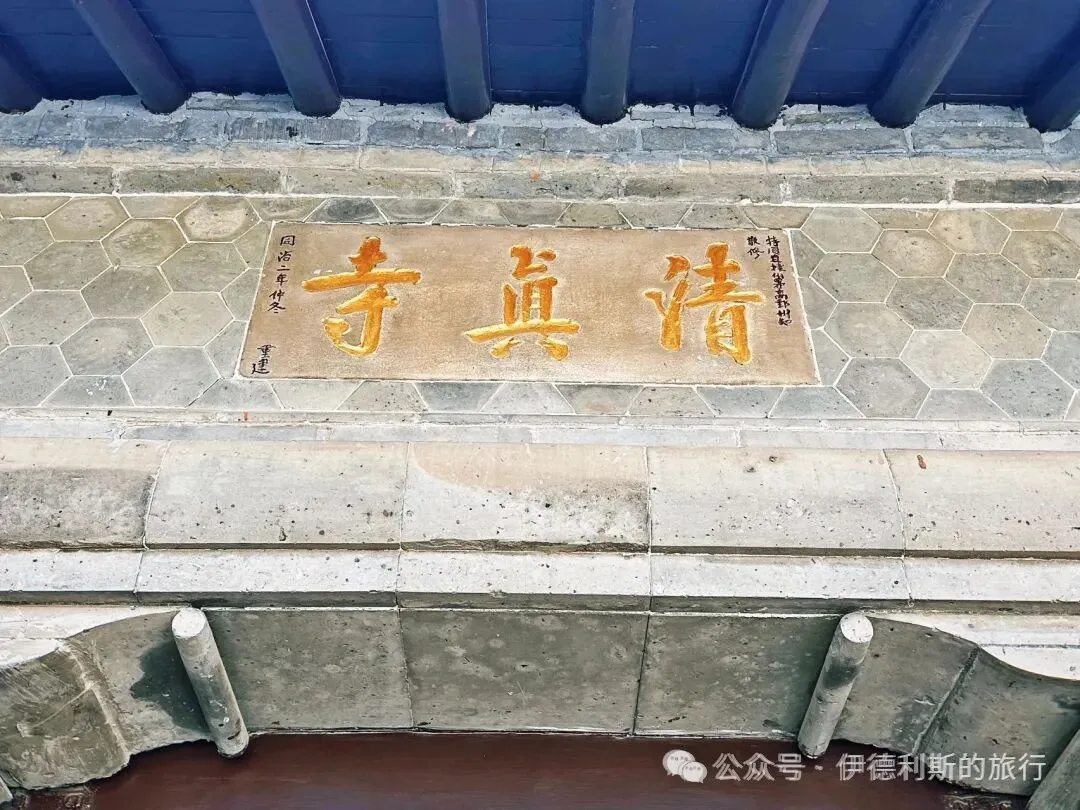
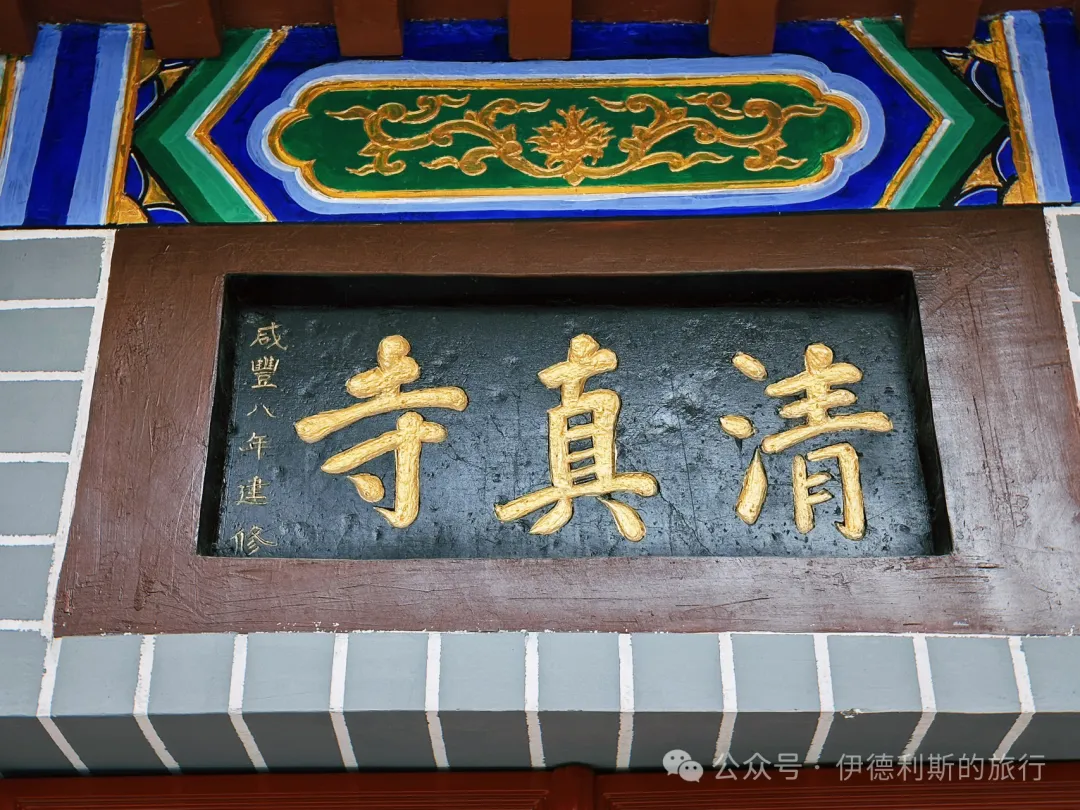
103. 'Mosque' (Qingzhensi) plaque at Gaoyou Mosque.
Respectfully inscribed by Jingxiu, Magistrate of the Zhili Department of Gaoyou.
Rebuilt in the middle of winter, the 2nd year of the Tongzhi reign of the Qing Dynasty.
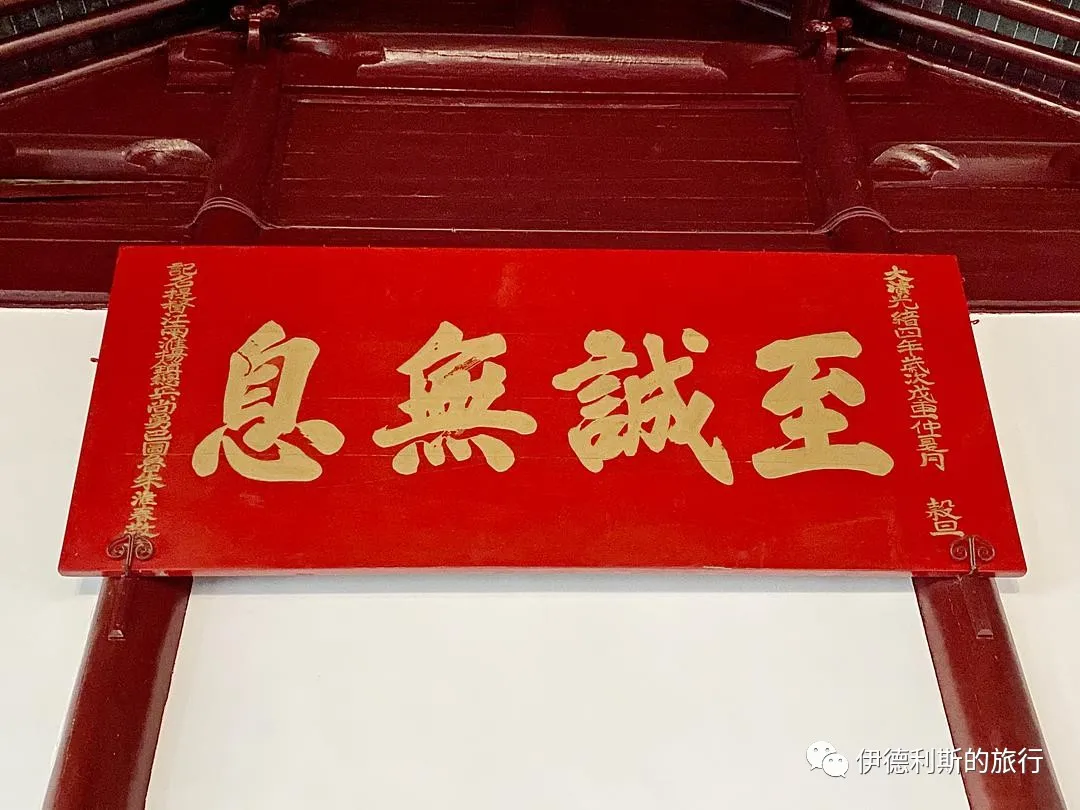
104. 'Utmost Sincerity Never Ceases' (zhichengwuxi) plaque at Xianhe Mosque in Yangzhou.
An auspicious day in the middle of summer, the Wuyin year, the 4th year of the Guangxu reign of the Great Qing Dynasty.
Respectfully erected by Zhu Huaisen, a nominated provincial commander-in-chief and regional commander of the Huai-Yang garrison, who held the title of Shangyong Baturu.
105. 'The Holy Religion is Entirely True' (shengjiaoquanzhen) plaque at Xianhe Mosque in Yangzhou.
An auspicious day in the spring month, the Dingchou year, the 3rd year of the Guangxu reign.
Inscribed by Zhu Huaijun, a guerrilla commander of the Qianshan Battalion in Anhui, who held the rank of provincial commander-in-chief and was in charge of the New Army of the Liangjiang Governor-General.
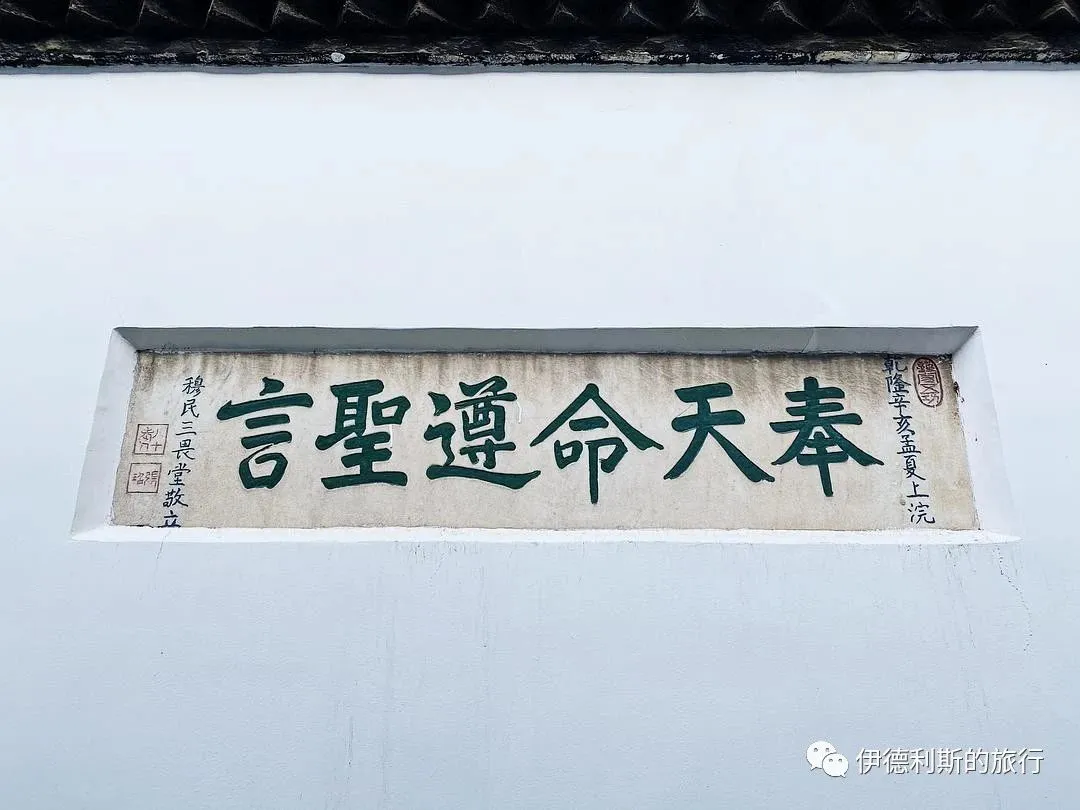
106. Xianhe Mosque in Yangzhou: 'Obey the decree of heaven and follow the holy word'
Early summer, the year of Xinhai in the Qianlong reign
Respectfully erected by the Sanwei Hall of the Muslim community
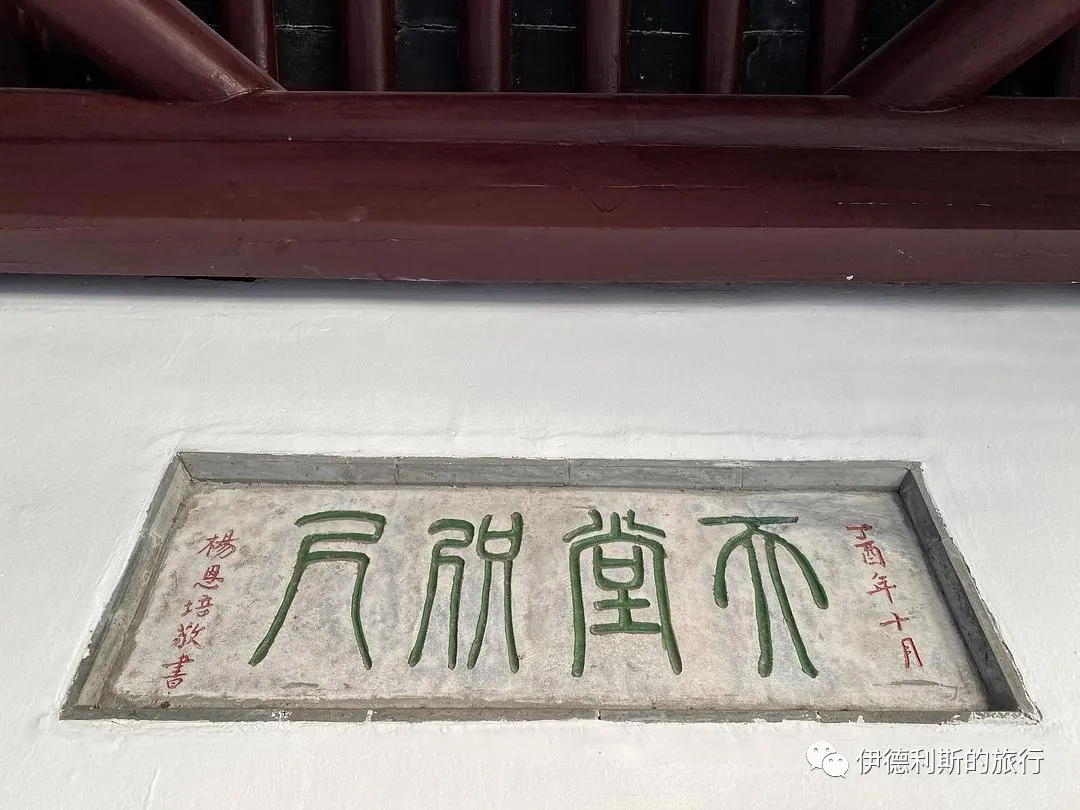
107. Xianhe Mosque in Yangzhou: 'Heaven is close at hand'
The tenth month of the Dingyou year (the 42nd year of the Qianlong reign of the Qing Dynasty)
Calligraphy by Yang Enpei
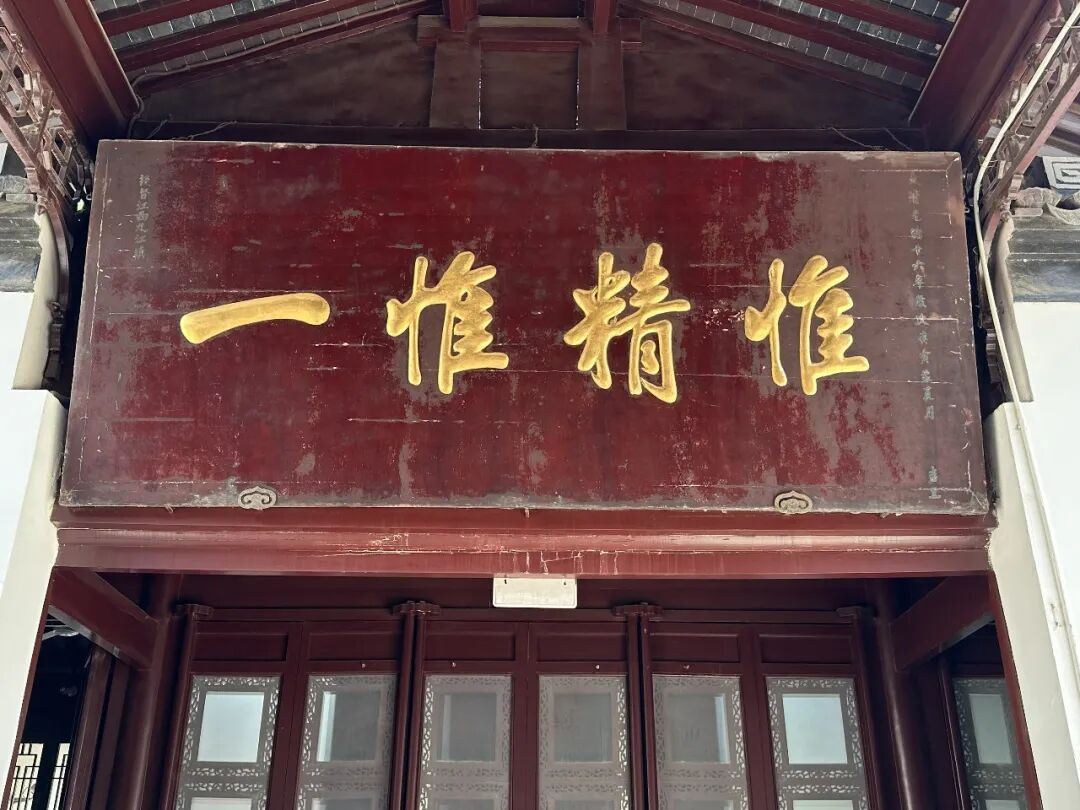
108. Jingjue Mosque in Nanjing: 'Only pure, only one'
An auspicious day in the first month of summer, the Gengyin year, the 16th year of the Guangxu reign of the Great Qing Dynasty
Commander of the Jiujiang Garrison in Jiangxi
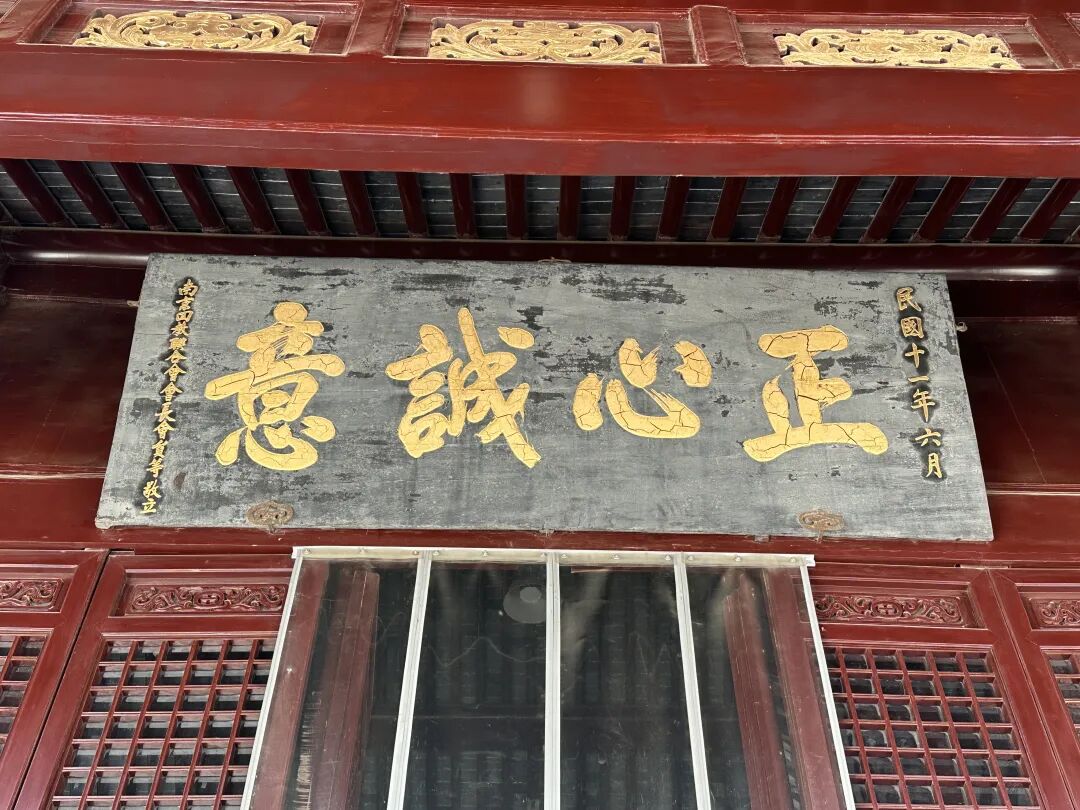
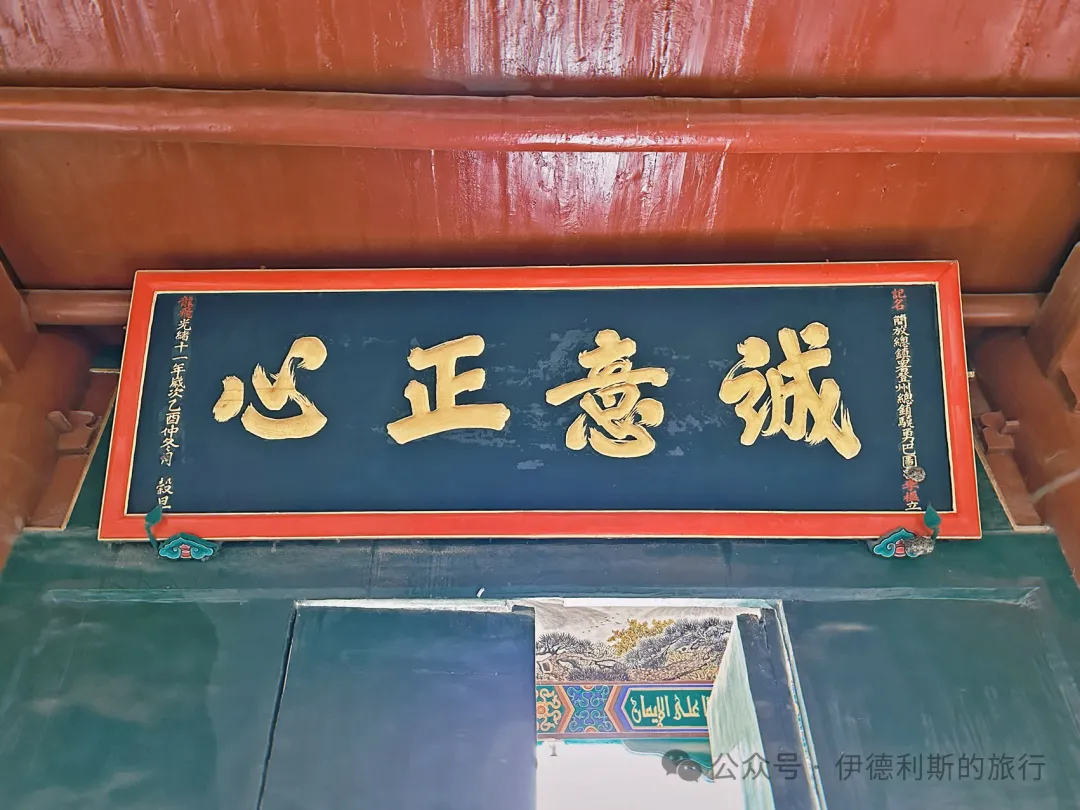
109. Jingjue Mosque in Nanjing: 'Rectify the heart and be sincere'
June, the 11th year of the Republic of China
Respectfully erected by the president and members of the Nanjing Islamic Association
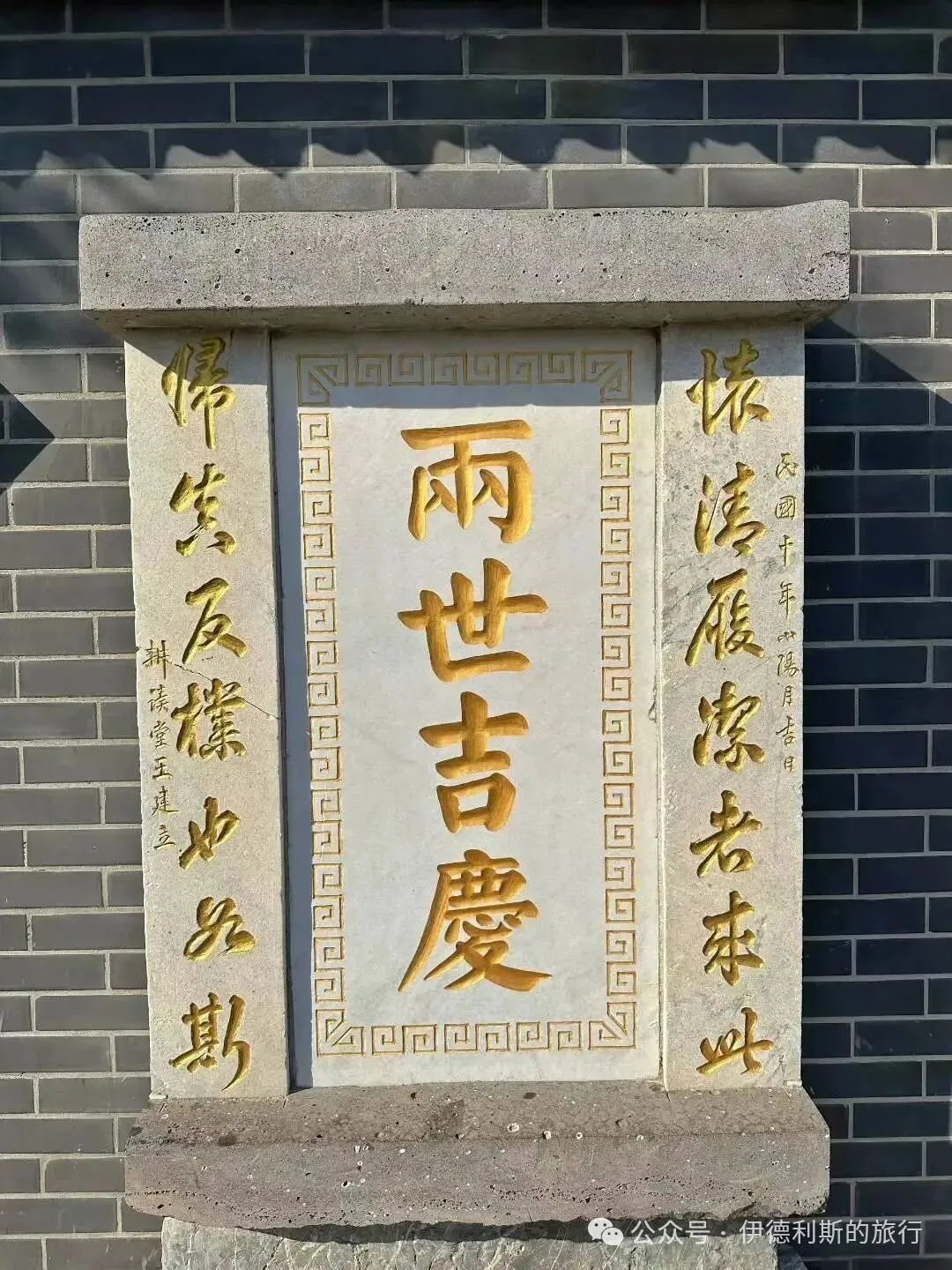
110. Nanmen Mosque in Liuhe, Nanjing
Cherish purity and walk in cleanliness as if in the afterlife
Return to the truth and simplicity just like this
An auspicious day in the tenth lunar month, the 10th year of the Republic of China
Wang Jianli of Gengdu Hall
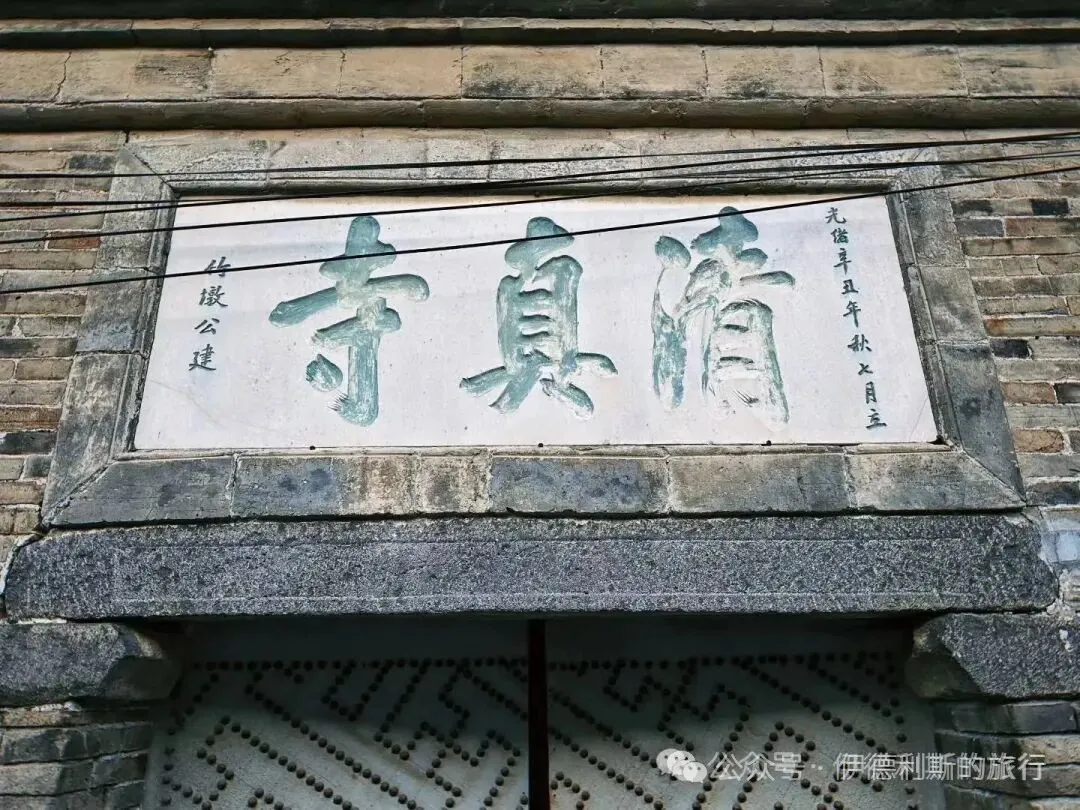
111. Mosque (qingzhensi) at Zhuzhen Mosque in Nanjing
Erected in the seventh lunar month of the Xinchou year of the Guangxu reign
Built by Zhu Dun
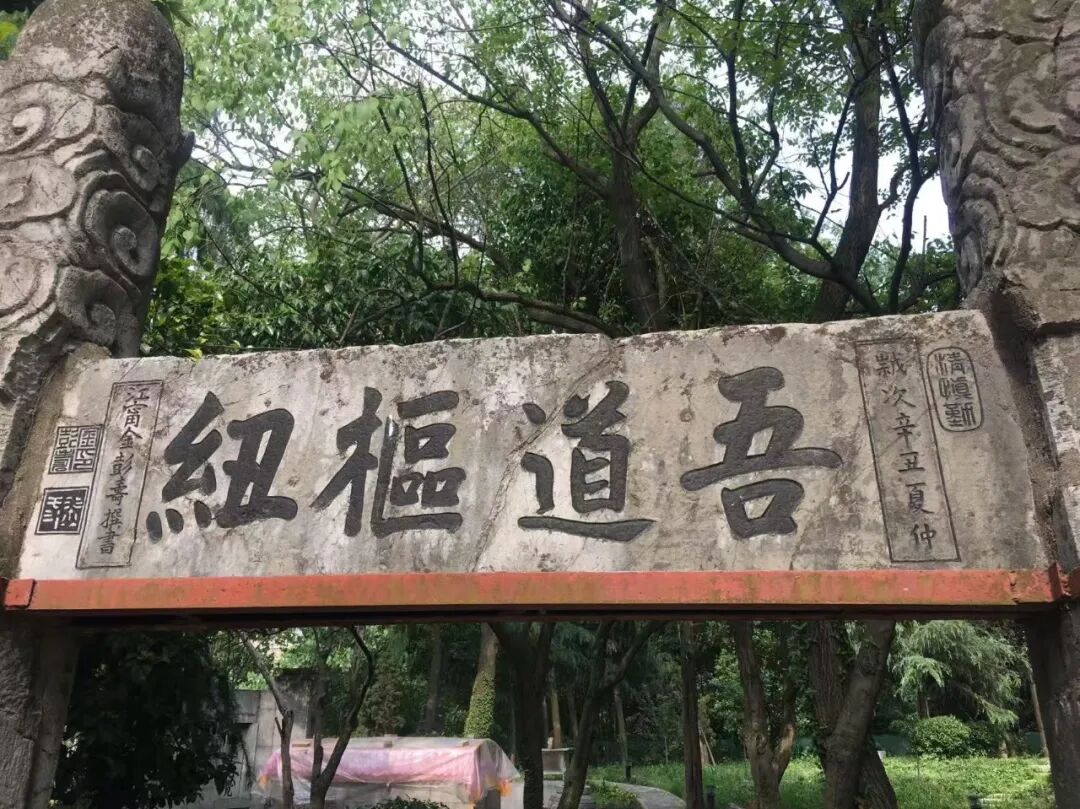
112. "Pivot of My Way" at the tomb of Liu Zhi in Nanjing
Mid-summer of the Xinchou year (27th year of the Guangxu reign)
Written by Jin Pengshou of Jiangning
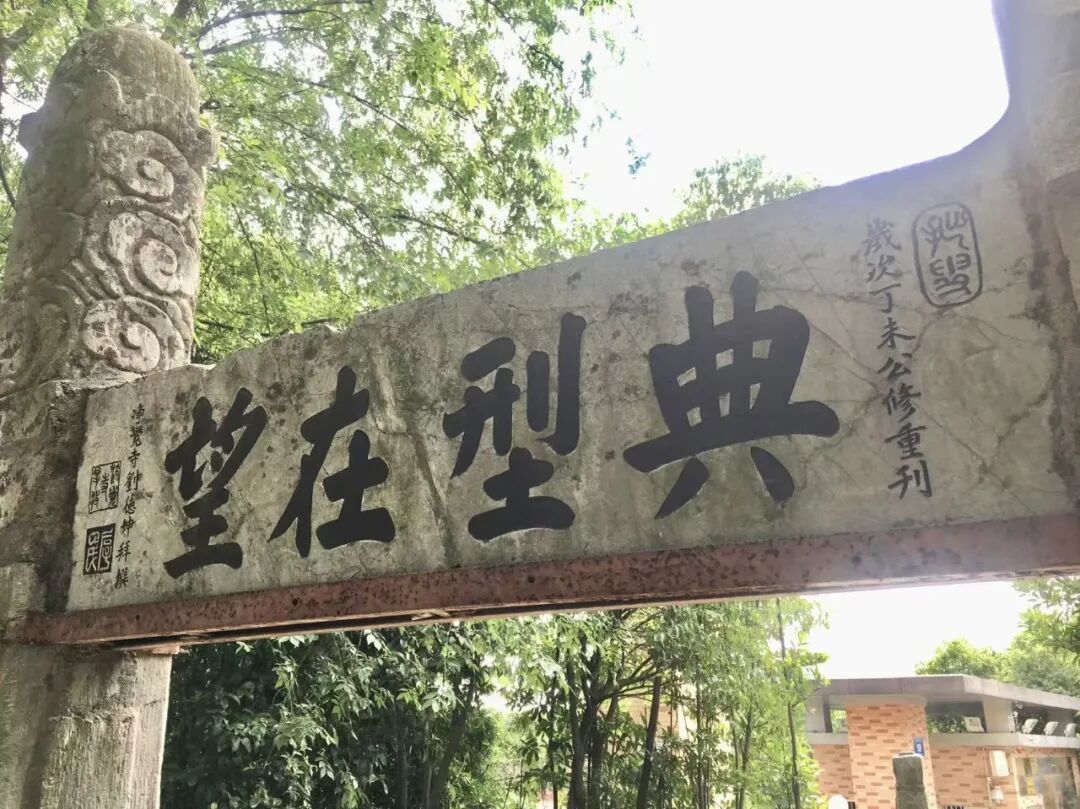
113. "A Model for Posterity" at the tomb of Liu Zhi in Nanjing
Reprinted by the public in the Dingwei year (33rd year of the Guangxu reign)
Respectfully written by Liu Dekun of Jingjue Mosque
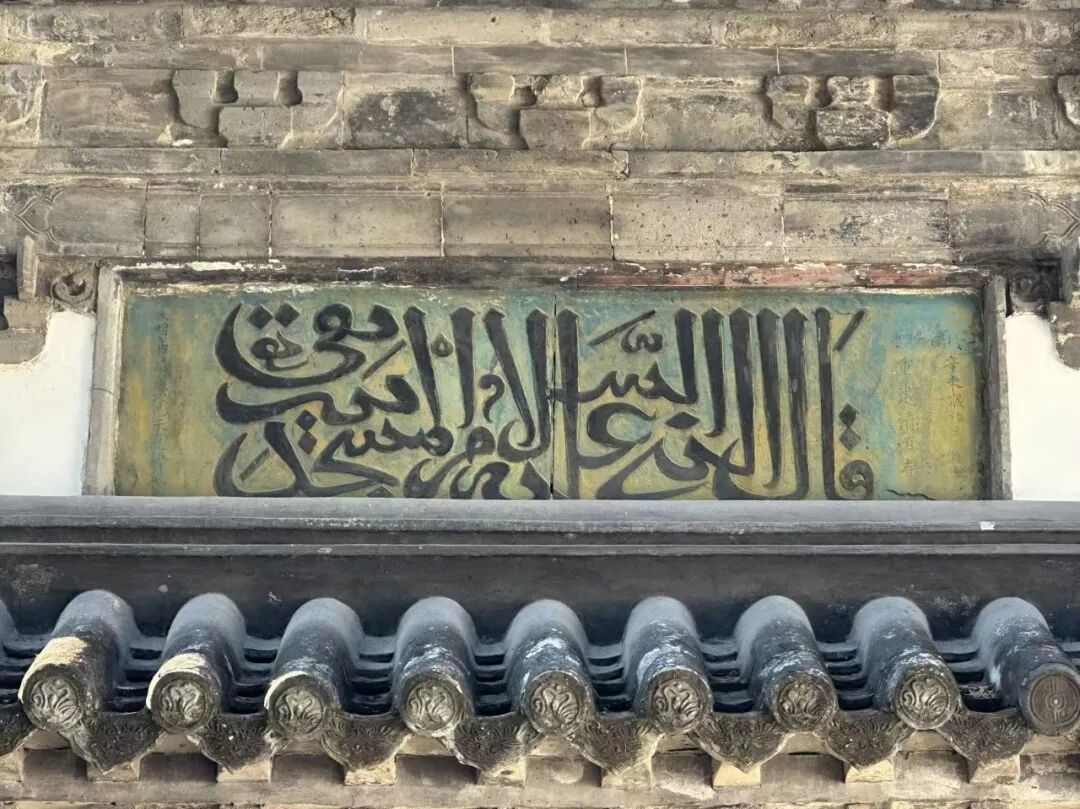
114. Arabic plaque at the ancient mosque in Songjiang, Shanghai
Restored by Zhang Yunsheng in the Xinwei year
Rebuilt Qingshen Mosque
An auspicious day in the fifth lunar month of the Yiwei year of the Jiajing reign of the Great Ming Dynasty
The stele was erected in the Yiwei year of the Ming Jiajing reign (1535). The restoration by Zhang Yunsheng took place in a Xinwei year. It is confirmed that there is no 'Xinwei' year in the Jiajing era. Therefore, the renovation of the mosque likely took place in the sixth year of the Zhengde era (1511).
The inscription refers to the mosque as 'Qingshen Mosque,' which is a unique occurrence.
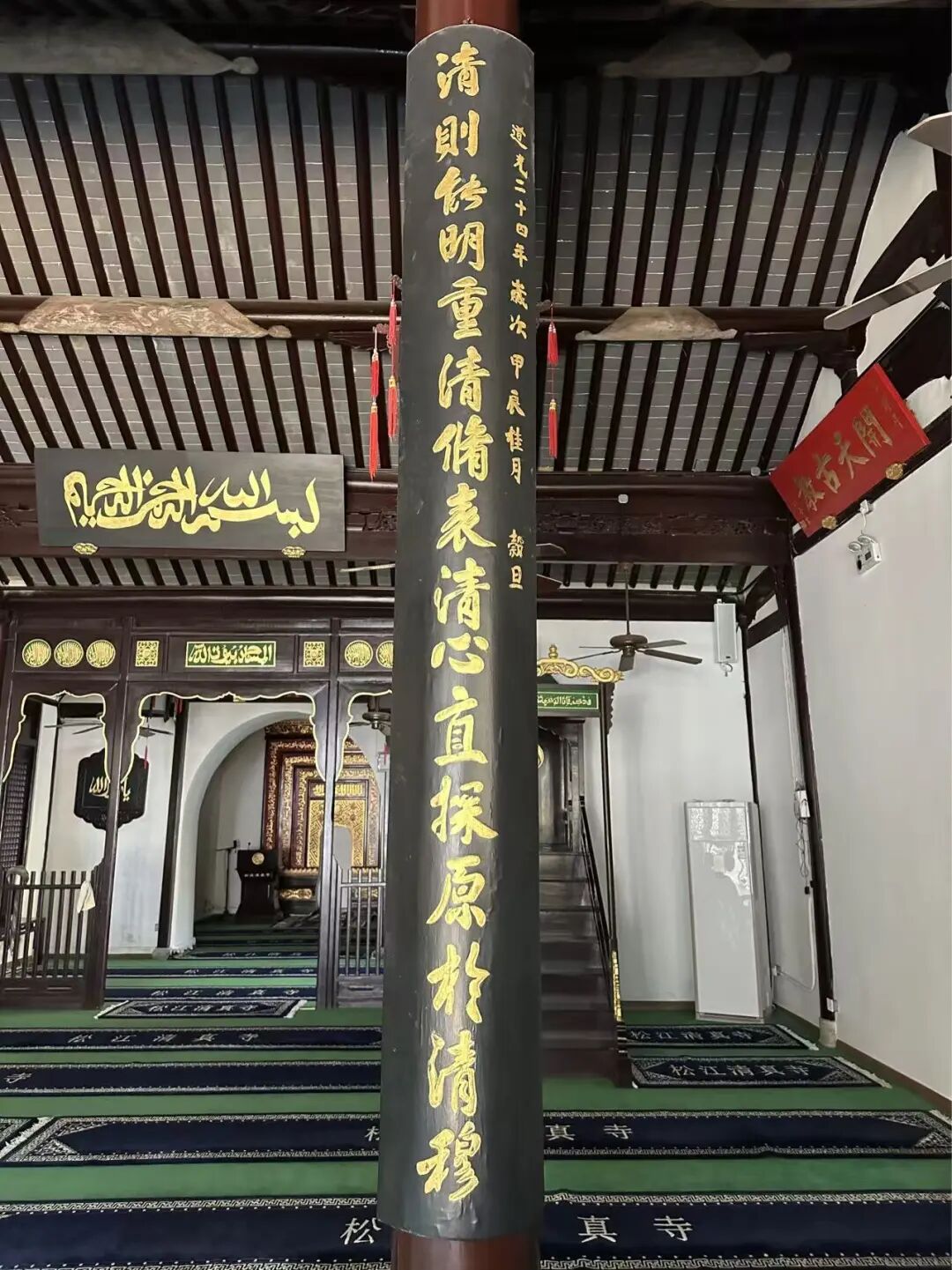
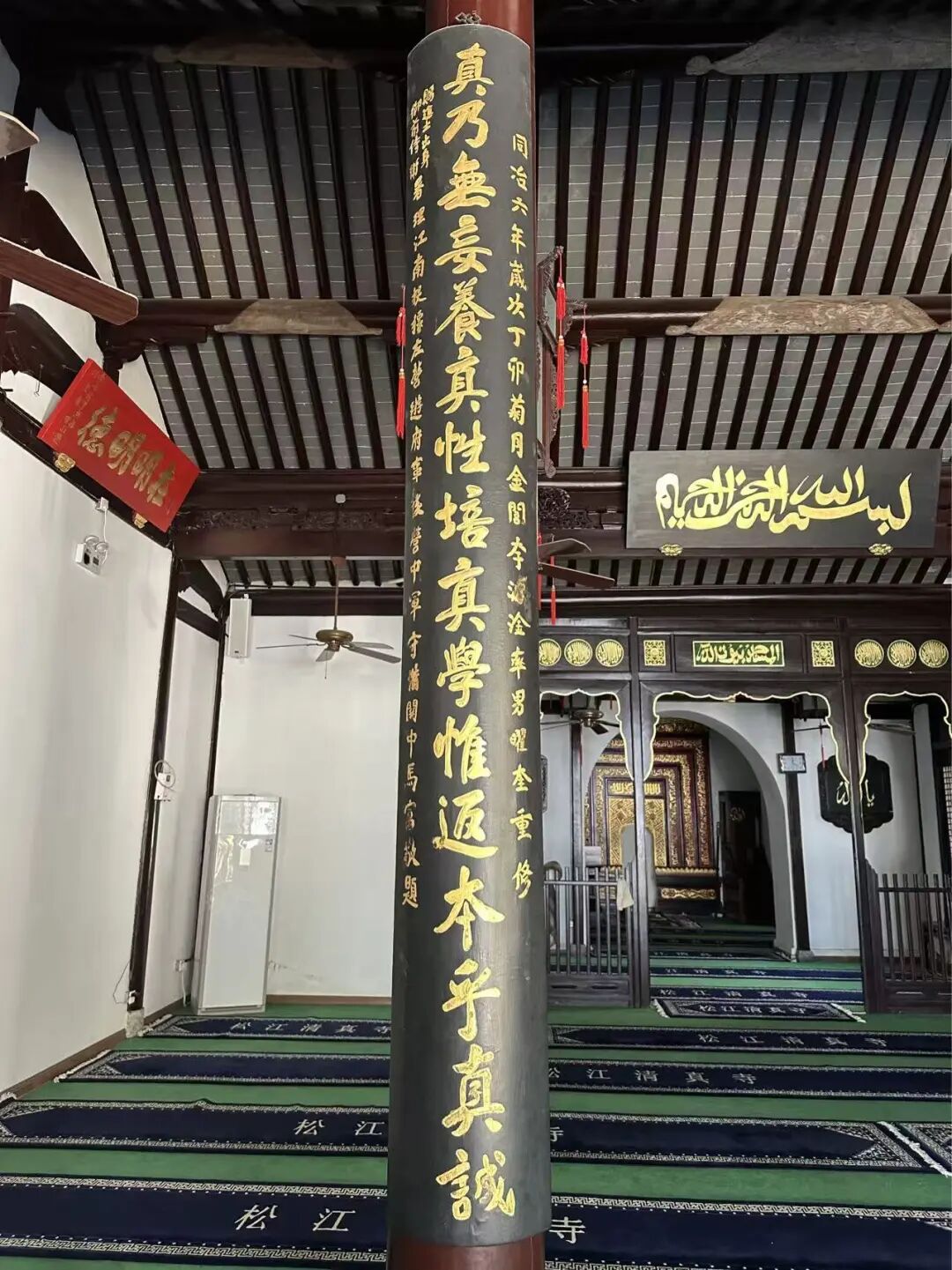
115. Ancient Mosque in Songjiang, Shanghai
Purity brings clarity, focus on pure cultivation to show a pure heart, and directly explore the origin of pure majesty.
Truth is without falsehood, nurture a true nature and cultivate true learning, only by returning to the root can one find true sincerity.
An auspicious day in the eighth lunar month of the Jia-Chen year, the 24th year of the Daoguang era.
Renovated in the ninth lunar month of the Ding-Mao year, the sixth year of the Tongzhi era, by Li Lügan, a follower of the faith from Jinchang, and his son Yaokui.
Inscribed by Ma Fujing, a presented scholar (jinshi), imperial guard, acting commander of the left battalion of the Jiangnan military, and garrison commander of the Ninghou battalion.
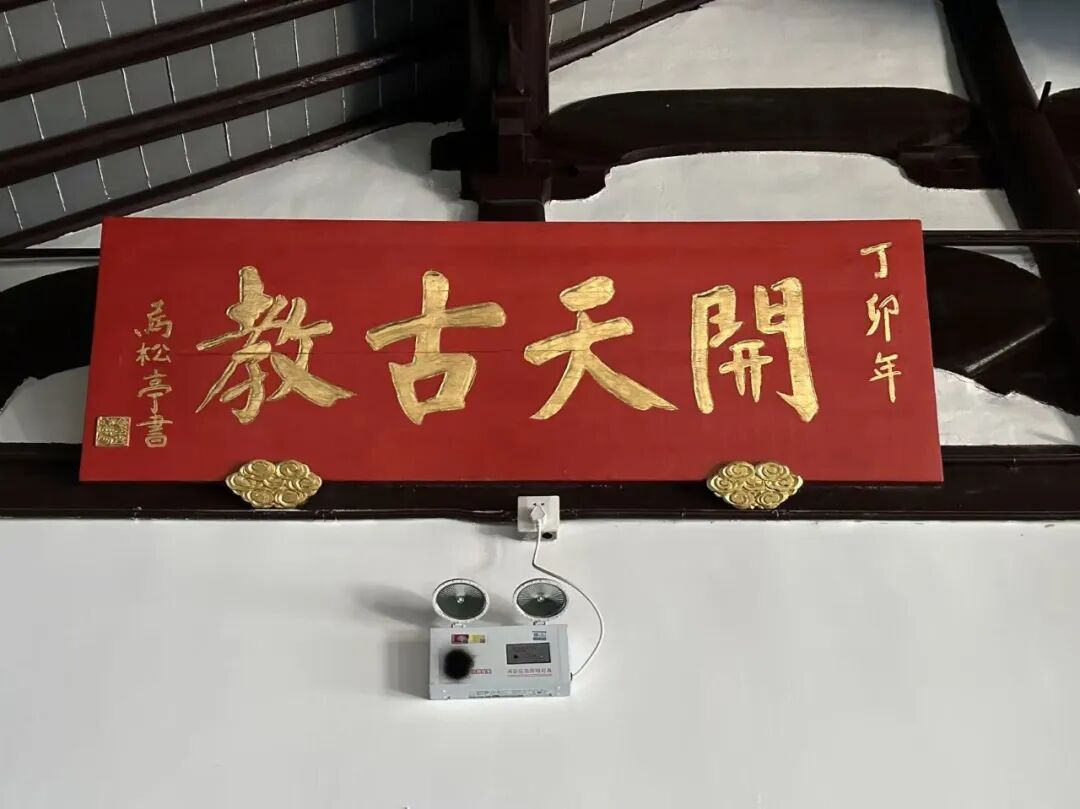
116. 'Ancient Faith from the Beginning' at the Ancient Mosque in Songjiang, Shanghai
Ding-Mao year.
Calligraphy by Ma Songting.
Ma Songting (1895–1992) is known alongside Wang Jingzhai, Ha Decheng, and Da Pusheng as one of the four great modern imams of China.
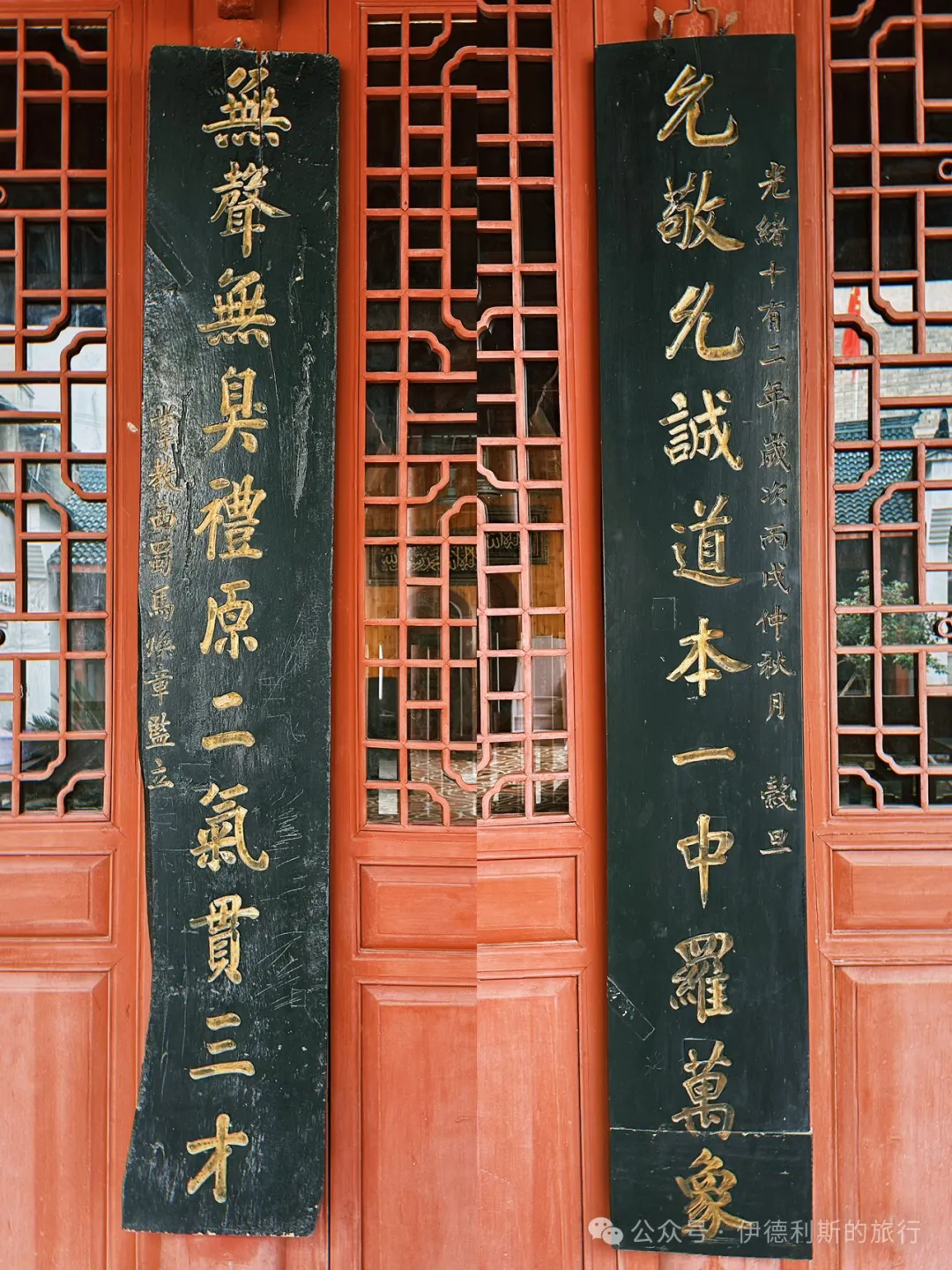
117. Mosque in Lishui, Zhejiang
Sincere and respectful, the Way is rooted in the middle, encompassing all things.
Silent and scentless, the ritual originates from the two energies that permeate the three realms.
An auspicious day in the autumn of the Bingxu year, the 12th year of the Guangxu reign.
Erected by Ma Huanzhang, the imam (zhangjiao) from Western Sichuan.
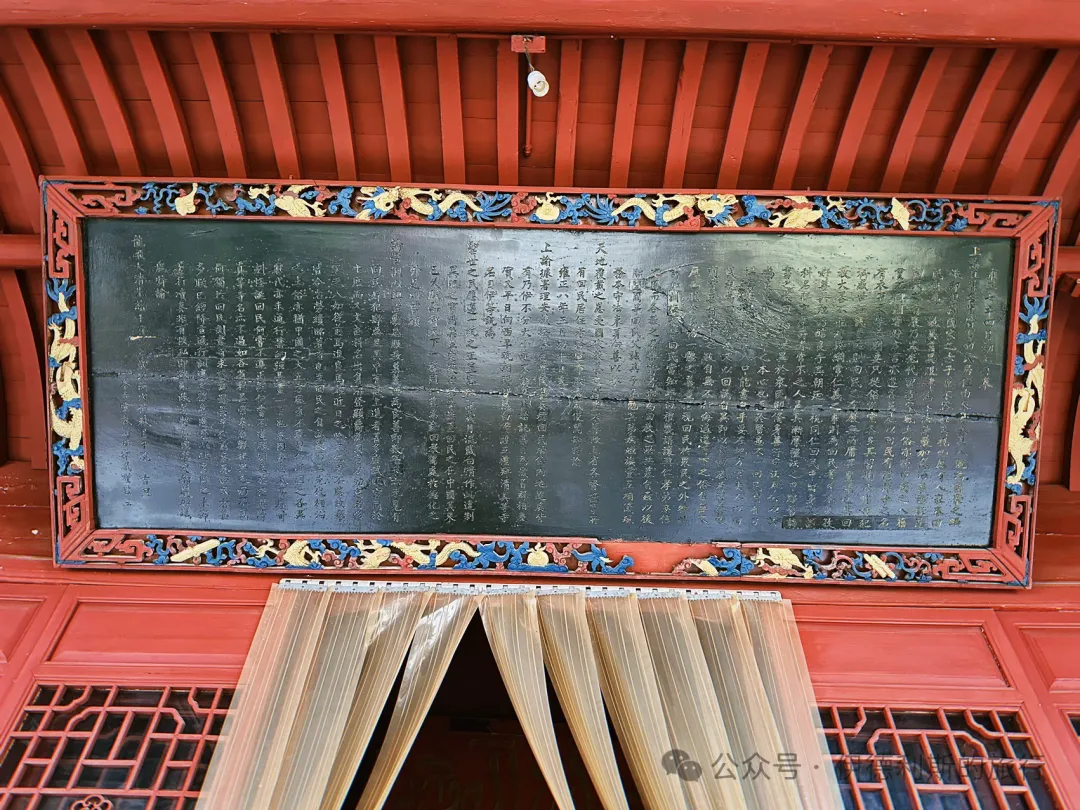
118. The Yongzheng Imperial Edict at the Lishui Mosque in Zhejiang.
An auspicious day in the middle of the second month of autumn in the Bingxu year, the 12th year of the Guangxu reign of the Great Qing.
Respectfully supervised and erected by the mosque's imam, Ma Huanzhang.
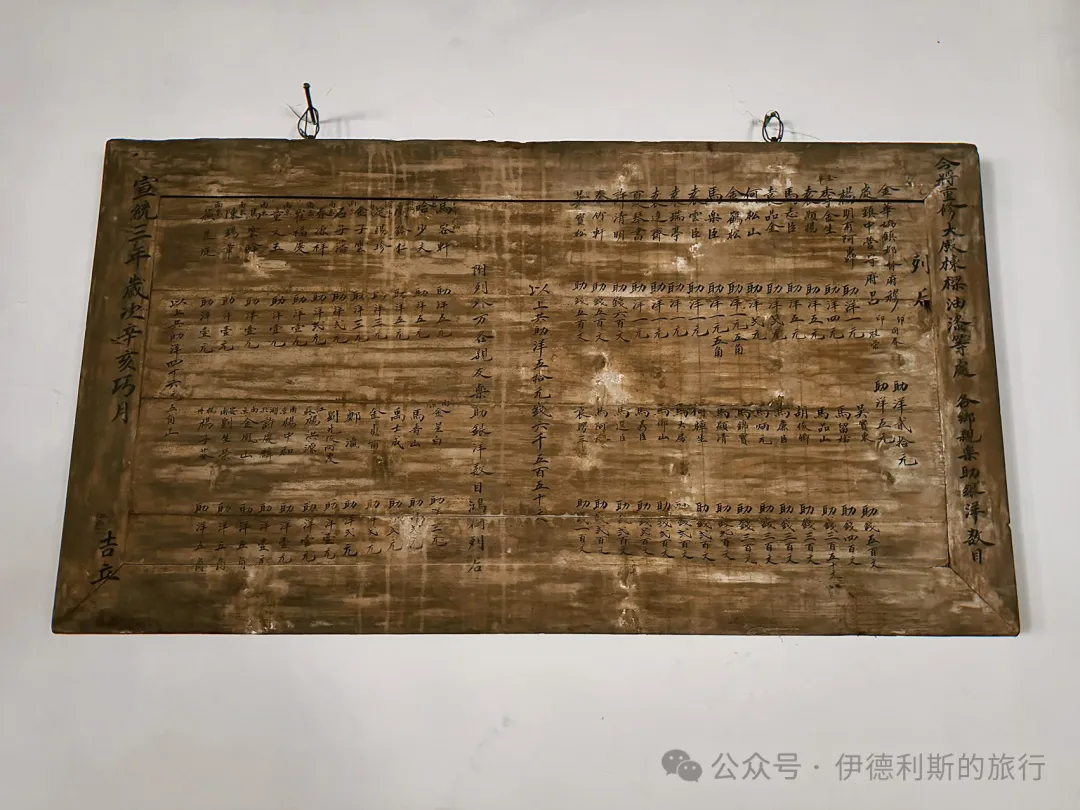
119. Donation plaque at the Lishui Mosque in Zhejiang.
Auspiciously erected in the seventh month of the Xinhai year, the third year of the Xuantong reign.
120. The 'Ten Thousand Differences, One Origin' plaque at the Qingjing Mosque in Quanzhou.
The first month of the Wuyin year, the 23rd year of the Jiaqing reign of the Qing dynasty.
The Land Forces Command of Fujian Province.
Respectfully erected by Ma Jianji, the Zhangzhou Garrison Commander.
Ma Jianji was a Hui Muslim from Sichuan. While serving in Fujian during the Jiaqing reign, he renovated the Qingjing Mosque and the Lingshan Sacred Tomb, and carved an inscription on the Wind-Moving Rock at Lingshan.
121. The 'Recognize the Oneness of Allah' plaque at the Qingjing Mosque in Quanzhou.
Respectfully presented in the eighth month of the 11th year of the Republic of China.
Written by Tang Kesan, Superintendent of the Xiamen Customs, after ritual washing.
122. The 'Three Fears and Four Admonitions' plaque at the Qingjing Mosque in Quanzhou.
An auspicious day in the latter part of the sixth month of the thirteenth year of the Republic of China.
Second-class Golden Grain Medal recipient, Intendant of the Jinan Circuit in Shandong, and former Superintendent of the Xiamen Customs, Tang Kesan respectfully wrote this.
The original plaque was destroyed between the 1960s and 1970s; this is a replica.
123. Fuzhou Mosque, 'Promoting the Holy Teachings'.
An auspicious day in the tenth month of the tenth year of the Republic of China.
Respectfully erected by Tang Kesan, Superintendent of Xiamen Customs.
After Tang Kesan became the Superintendent of Xiamen Customs in 1919, he worked hard to revive the faith in Fujian. He donated significant funds to the Fuzhou Mosque, Xiamen Mosque, and Quanzhou Qingjing Mosque. He also encouraged the descendants of local Fujian scripture readers to return to the faith and serve in the mosques.
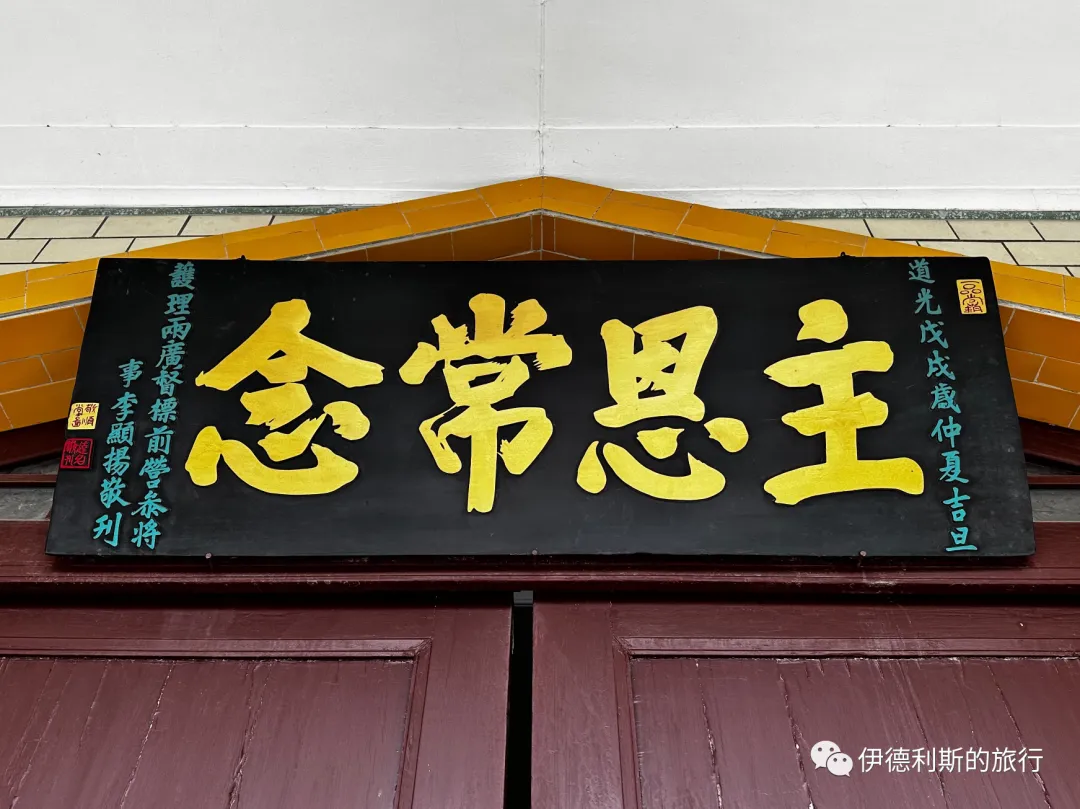
124. Zhaoqing West Mosque, 'Always Remember the Lord's Grace'.
An auspicious day in mid-summer of the Wuxu year of the Daoguang reign.
Respectfully carved by Li Xianyang, acting Lieutenant Colonel of the Guangdong and Guangxi Governor's Front Battalion.
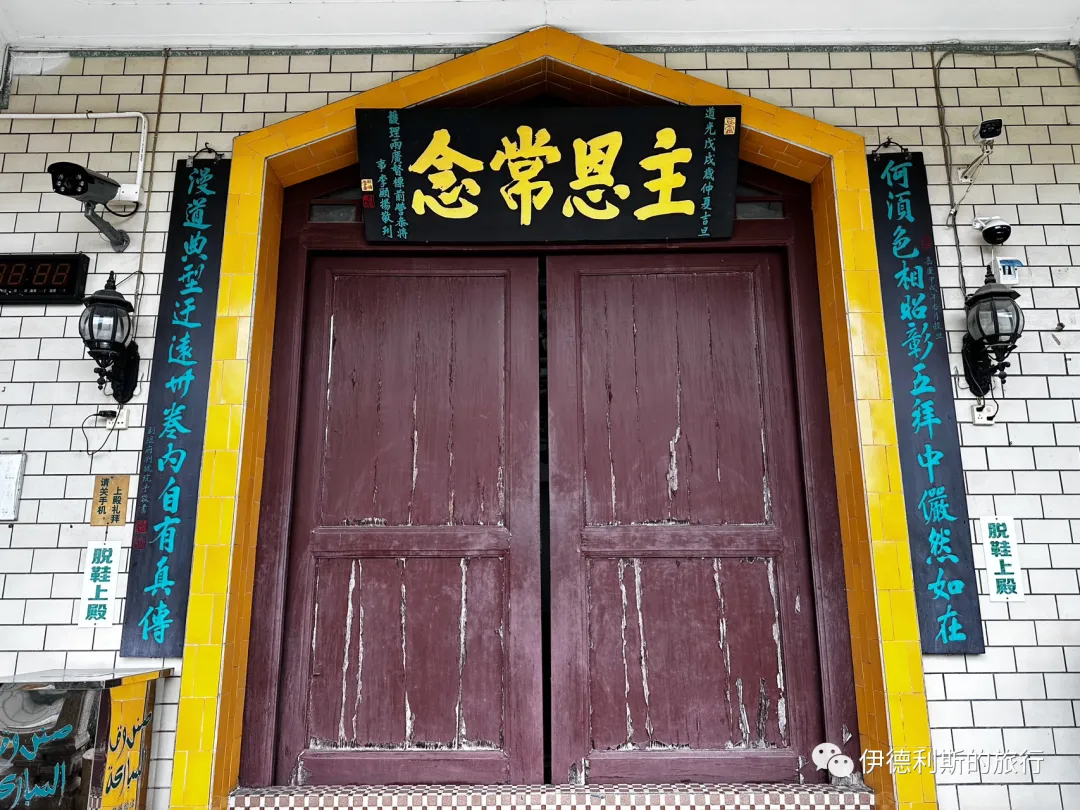
125. Zhaoqing West Mosque.
Why look for visible signs when in the five daily prayers, one feels as if Allah is truly present?
Do not say the traditions are distant, for within the thirty volumes of the Quran, the true teachings are found.
An auspicious day in the lucky month of the Jiaxu year of the Jiaqing reign.
Respectfully written by Vice Commander Liu Hu after washing his hands.
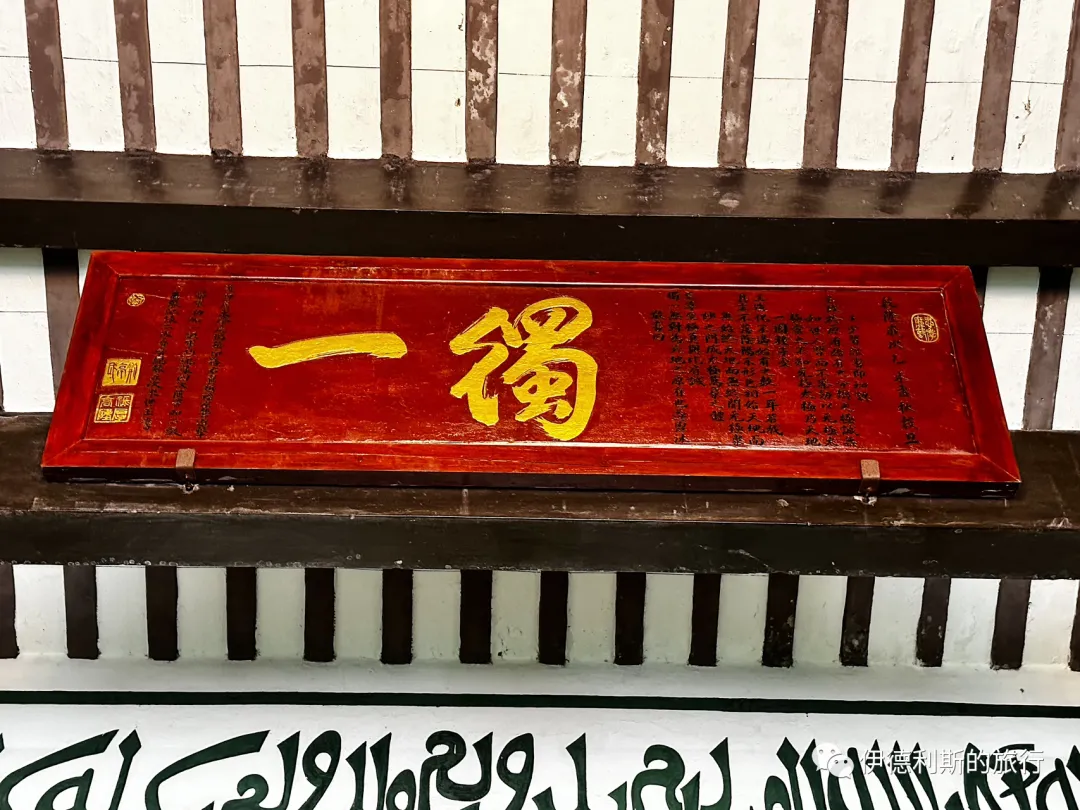
126. Zhaoqing East Mosque, 'The Only One'.
An auspicious day in the first month of autumn in the Yiwei year of the Qianlong reign.
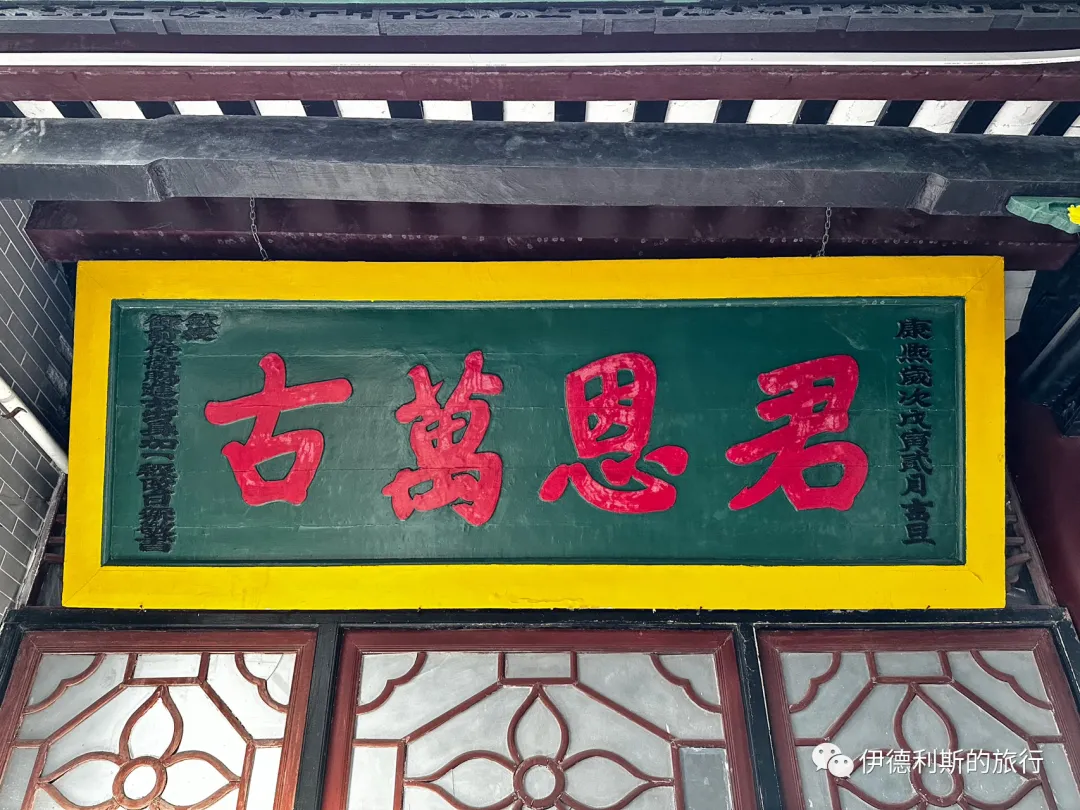
127. Huaisheng Mosque in Guangzhou: 'The Emperor's Grace Lasts Forever'.
An auspicious day in the second month of the Wuyin year of the Kangxi reign.
Respectfully written by Gai Rixin, an imperial guard appointed by the Emperor, who was granted the status of Jinshi and promoted by one rank.
128. Huaisheng Mosque in Guangzhou: 'Rectify the Heart and Be Sincere'.
An auspicious day in the second month of the Wuyin year of the Kangxi reign.
Respectfully written by Tie Fanjin, a Jinshi degree holder and bachelor of the Hanlin Academy.
129. Huaisheng Mosque in Guangzhou: 'Great Mercy for the Whole World'.
An auspicious day in the second month of spring in the Wuyin year of the Kangxi reign.
Erected by Yang Guolin, a director of the Guangdong Department of the Ministry of Revenue, who was promoted by three ranks.
130. Huaisheng Mosque in Guangzhou: 'Utmost Sincerity Never Ceases'.
An auspicious day in the first month of autumn in the Xinchou year, the 60th year of the Kangxi reign of the Great Qing Dynasty.
Respectfully erected by Yan Guangwu, a deputy commander in charge of the Guangdong Chunjiang, Kaiping, Nafu, and Enping regions, who was awarded one merit record.
131. Huaisheng Mosque in Guangzhou: 'Follow the Past and Inspire the Future'.
Erected on an auspicious day in the first month of summer in the Jiaxu year, the 19th year of the Qianlong reign.
Respectfully inscribed by Li Xianxiang, an imperial guard and commander-in-chief of the Guizhou military, who served as the acting deputy commander of the Pingyuan garrison.
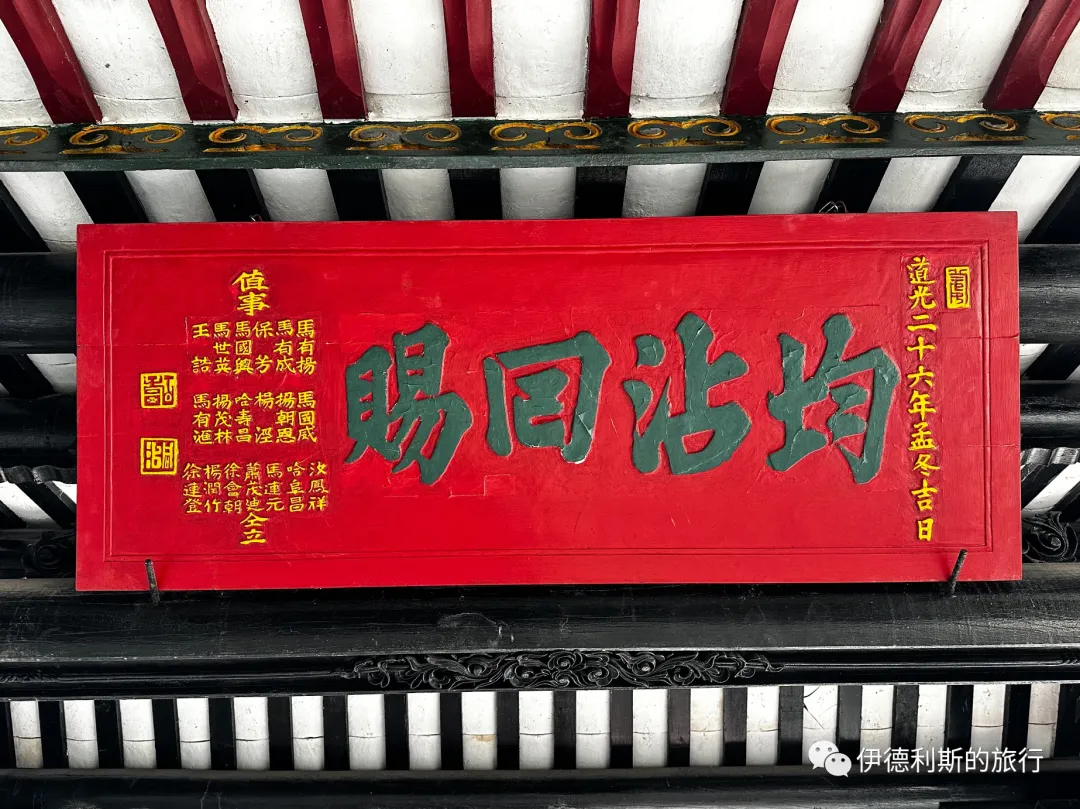
132. Huaisheng Mosque in Guangzhou: "Sharing in Allah's Blessings"
An auspicious day in the first month of winter, 26th year of the Daoguang reign.
Erected by the committee members together.
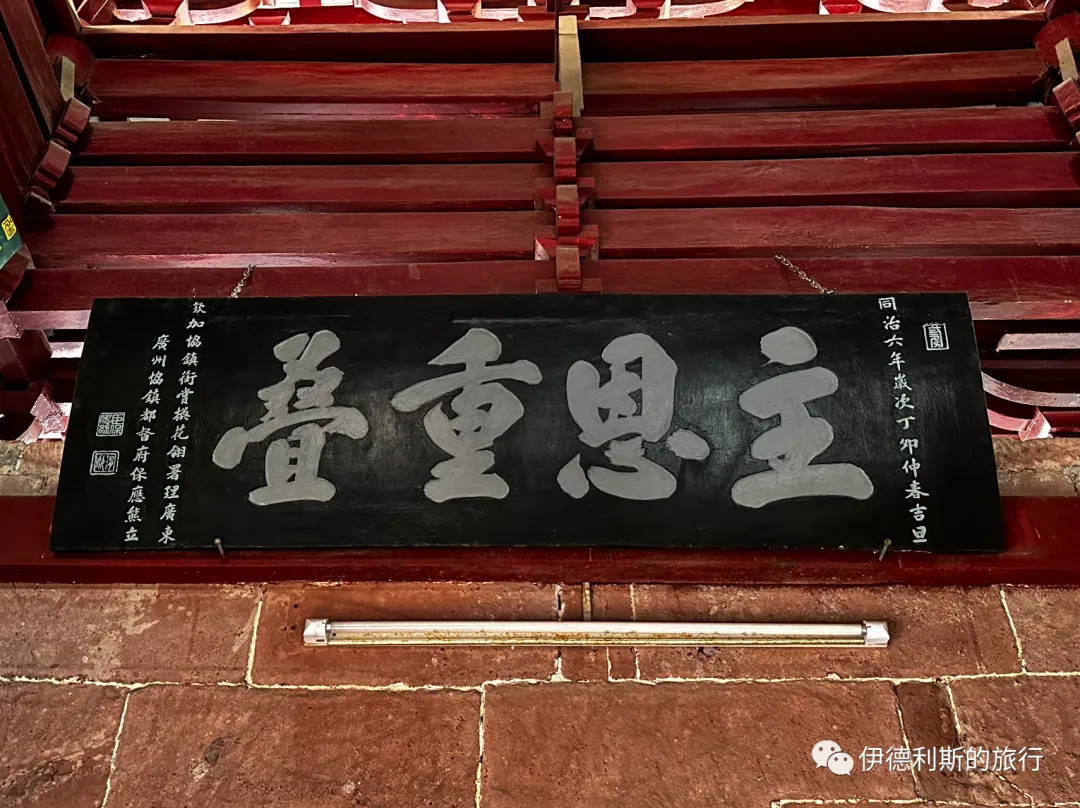
133. Huaisheng Mosque in Guangzhou: "Abundant Blessings from the Lord"
An auspicious day in the second month of spring, 6th year of the Tongzhi reign, year of Dingmao.
Erected by Bao Yingxiong, acting Guangzhou Brigade Commander, holding the rank of Assistant Brigade Commander and awarded the peacock feather.
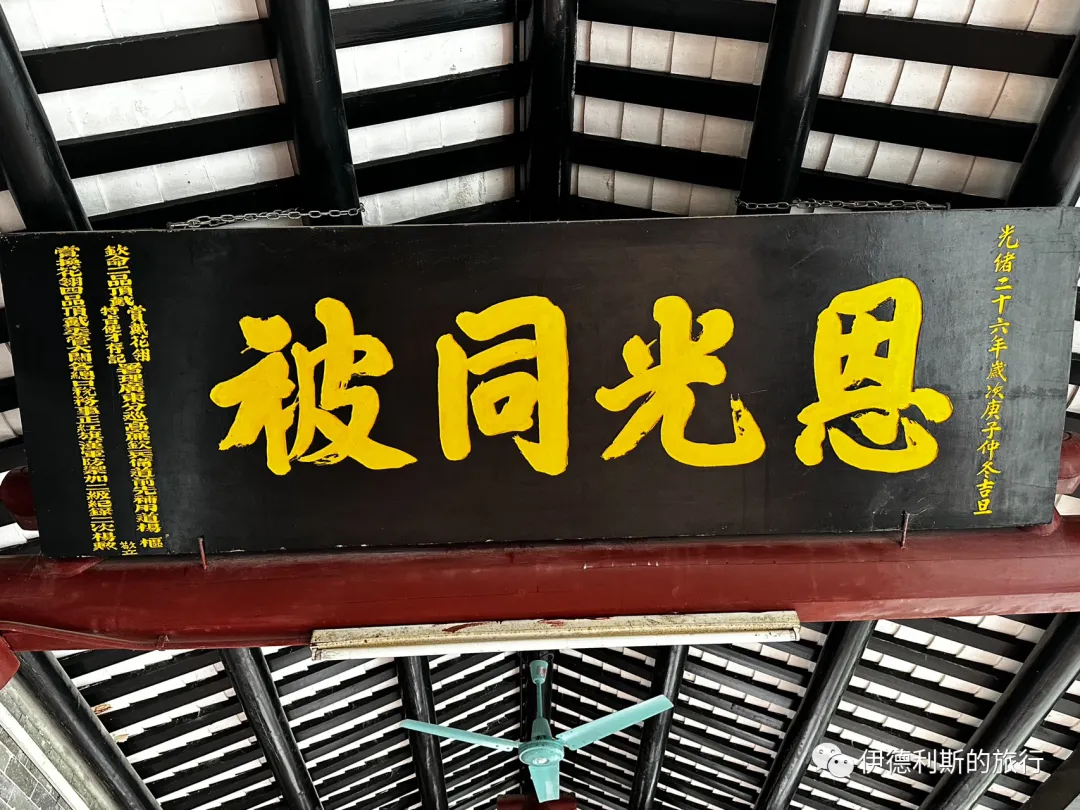
134. Huaisheng Mosque in Guangzhou: "Grace Shines Upon All"
An auspicious day in the second month of winter, 26th year of the Guangxu reign, year of Gengzi.
Erected by Yang Shu, acting Guangdong Circuit Intendant for Gaozhou and Lianzhou, holding a second-rank button and awarded the peacock feather, and Yang Xun, a defense officer of the Plain Red Banner Han Army, holding a fourth-rank button and awarded the peacock feather.
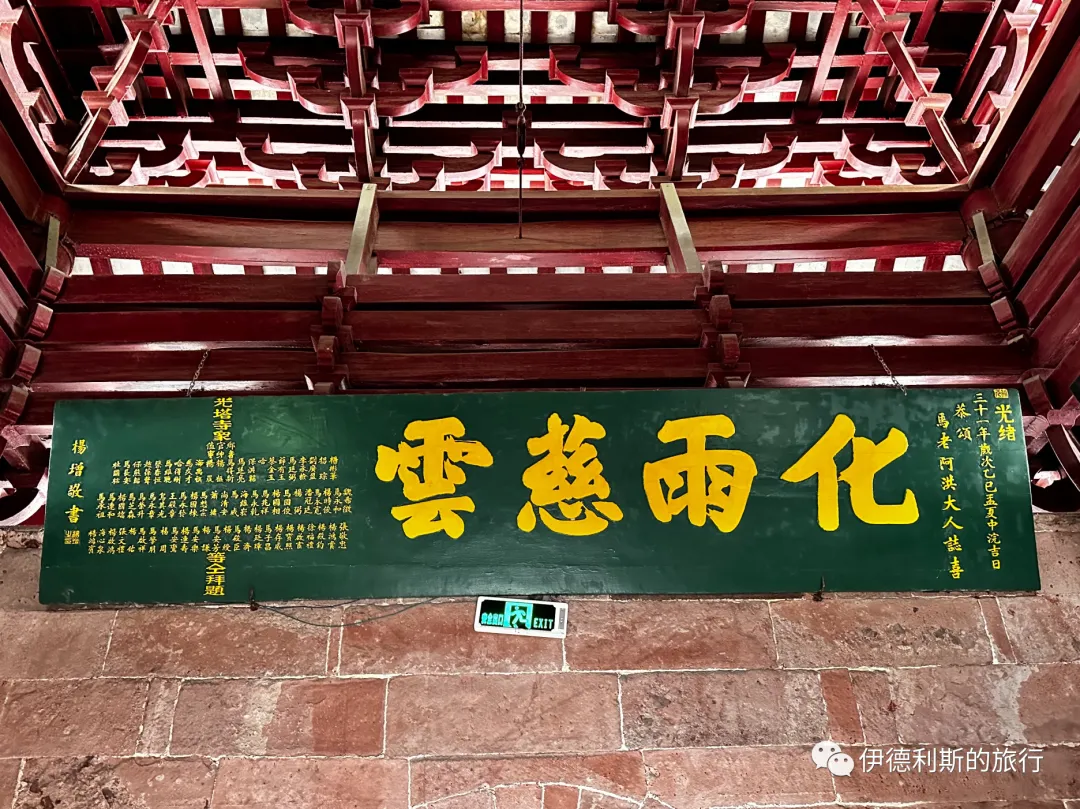
135. Huaisheng Mosque in Guangzhou: "Merciful Clouds and Nourishing Rain"
An auspicious day in the middle of the first month of summer, 31st year of the Guangxu reign, year of Yisi.
Respectfully dedicated to celebrate the joy of Imam Ma.
Offered by the officials, gentry, elders, and committee members of the Lighthouse Mosque (Guangta Si).
Calligraphy by Yang Zeng.
136. Huaisheng Mosque in Guangzhou: "Carrying Forward the Past and Opening Up the Future"
National Day, 35th year of the Republic of China.
Erected respectfully by the first committee members and all the followers of the faith.
137. The 'Holy Path to the South' plaque at Huaisheng Mosque in Guangzhou.
Erected on an auspicious day in the winter of the 20th year of the Republic of China.
The venerable Sahaba Waqqas followed the Prophet's command to spread the faith in China. He left his mark in Guangzhou and built a tower that has stood for over a thousand years. All of us Muslims follow the ancient traditions and uphold the great principles of the Quran. We truly carry this path in the south and will never forget it for as long as we live.
Respectfully inscribed by Yang Mengling of Panyu, along with his sons Youfang, Guifang, Qunfang, Shifang, Yinfang, Lianfang, Qifang, and his grandsons Bingyi, Bingchang, Bingren, Bingshu, Bingquan, Bingtao, and Bingjun.
138. The 'Boundless Grace Bestowed' plaque at Huaisheng Mosque in Guangzhou.
An auspicious day in the first month of winter in the Dingwei year of the Guangxu reign.
Respectfully erected by follower Yuan Hongmo, his younger brother Hongquan, and his son Changzhen.
139. Arabic plaque at the Ancient Tomb of the Worthies in Guangzhou.
The second month of autumn in the first year of the Xuantong reign.
The members of the Tongxie Hall at Huaisheng Mosque.
140. Arabic plaque at the Ancient Tomb of the Worthies in Guangzhou.
An auspicious day in the first month of winter in the Gengxu year of the second year of the Xuantong reign.
Erected together by the members of the Guangta Heyi Hall.
141. 'Guard Our Pure Truth' plaque at the Ancient Tomb of the Worthies in Guangzhou.
An auspicious day in June, the fourth year of the Republic of China.
Since our ancestors from the West (Wanheshi) arrived in the East over a thousand years ago, we have followed our religious rules and never dared to break them. Recently, some young people have misunderstood the idea of freedom of belief, and their marriages and diets have started to ignore our religious rules. I fear that people's hearts are worsening and our holy faith is fading away. I have carefully chosen these four characters to write on the plaque as a reminder to our community. I hope everyone carefully follows the teachings of the scriptures and respects the examples set by our ancestors. If we do this, we will not be sinners against our people, and our faith will be fortunate.
Respectfully inscribed by Cai Chunheng from Wanbei, Major General of the Army, Director of the Guangdong Water Police Department, and recipient of the Third Class Order of the Golden Grain.
142. The plaque 'Zhengjue Xizong' at the Ancient Tomb of the Worthies in Guangzhou.
An auspicious day in the first month of summer, the tenth year of the Jiaqing reign (Yichou year).
Erected by Xu Wenmo, a hereditary brave official with the title of Admiral, Jiyong Baturu, and Commander of the land and water forces in the Gao, Lian, and Luo regions of Guangdong, who has received military honors twenty-two times.
143. The plaque 'Chanyang Shilai' at the Ancient Tomb of the Worthies in Guangzhou.
An auspicious day in March, the second year of the Republic of China.
Respectfully erected by Ma Bonian and others.
Respectfully written by Ma Yongkuan.
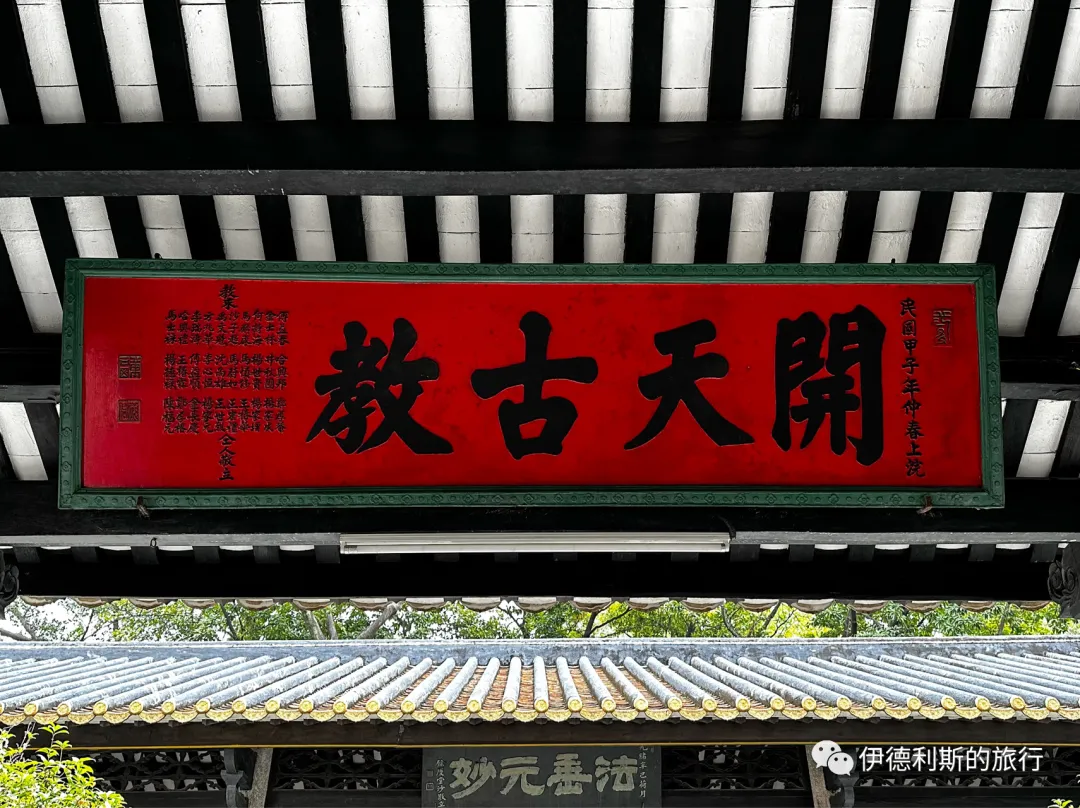
144. The plaque 'Kaitian Gujiao' at the Ancient Tomb of the Worthies in Guangzhou.
The first ten days of the second month of spring, the Jiazi year of the Republic of China.
Respectfully erected by the humble members of the faith.
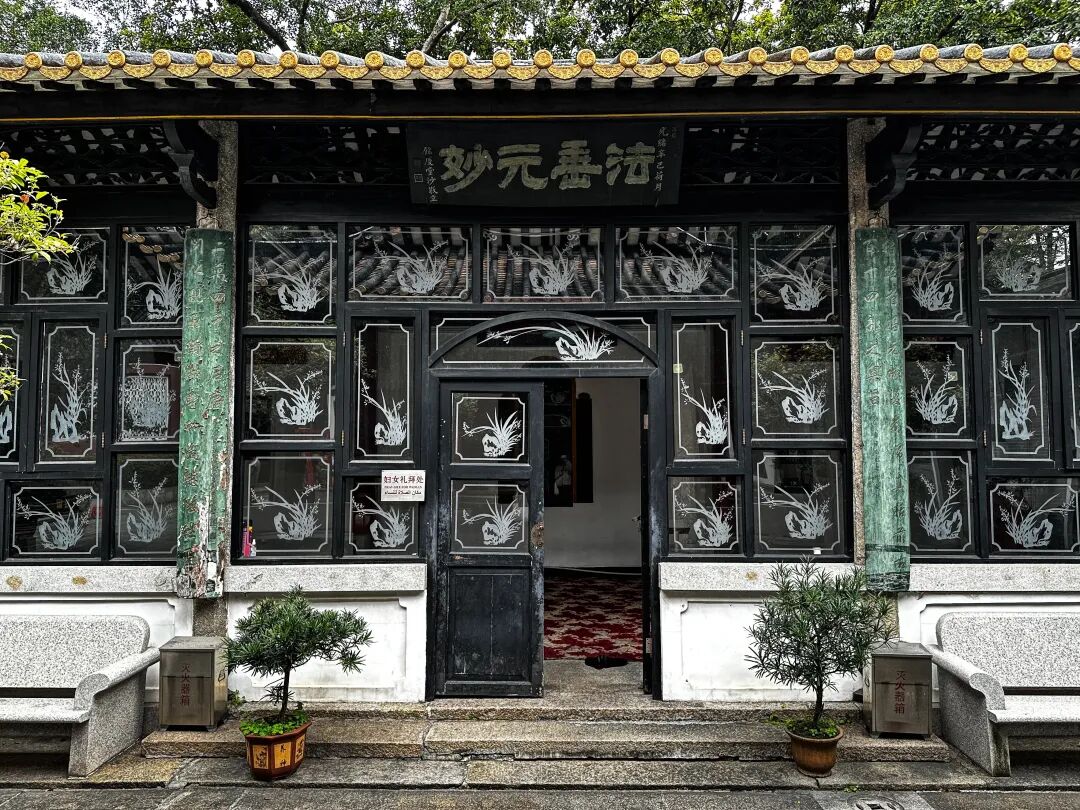
145. The Ancient Tomb of the Worthies in Guangzhou, with the inscription 'The Law Extends to the Origin of Wonders' (Fa Chui Yuan Miao).
The sixth lunar month of the Xinsi year in the Guangxu reign.
Respectfully erected by Sha Jing of Qingyu Hall.
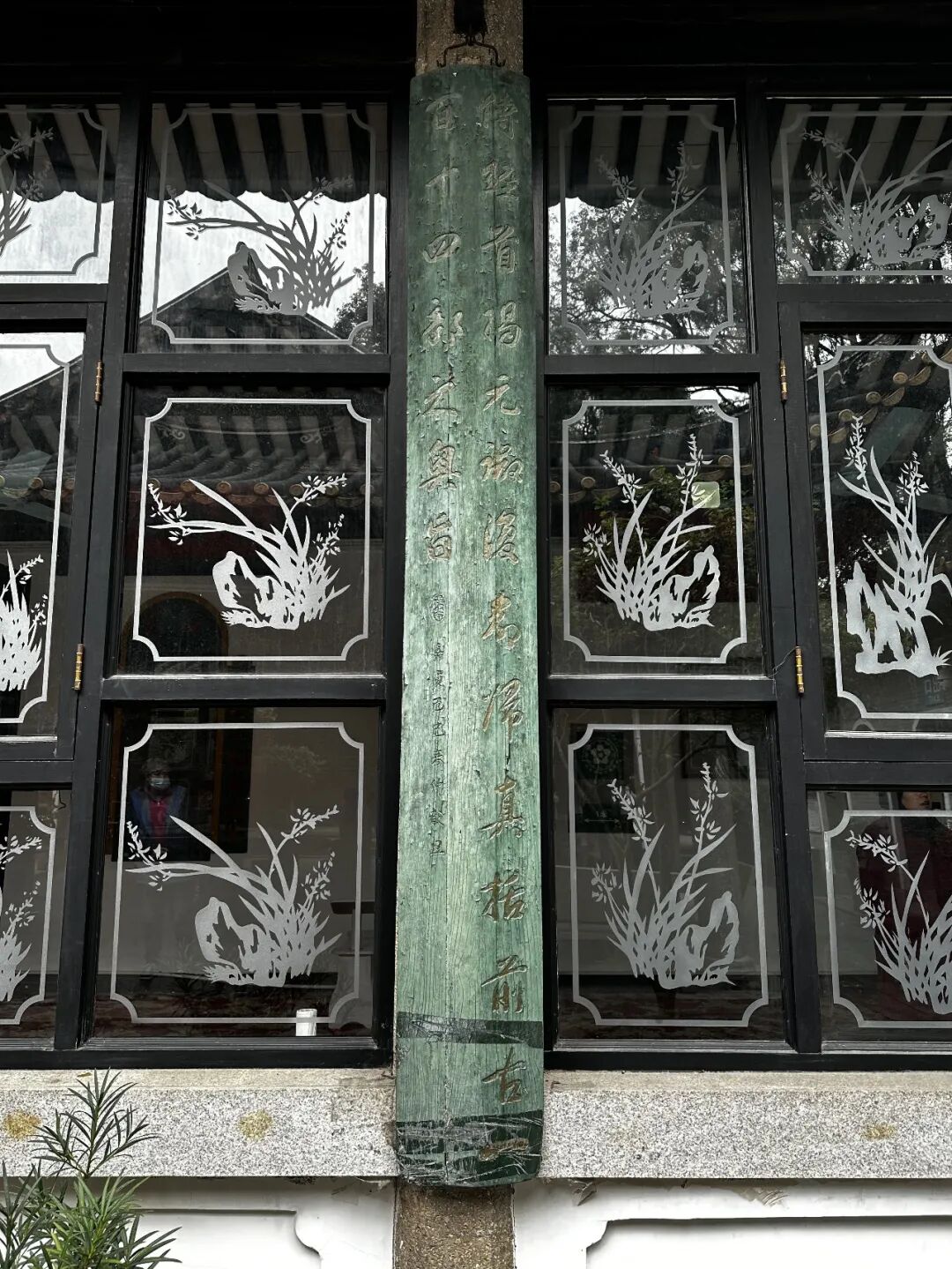
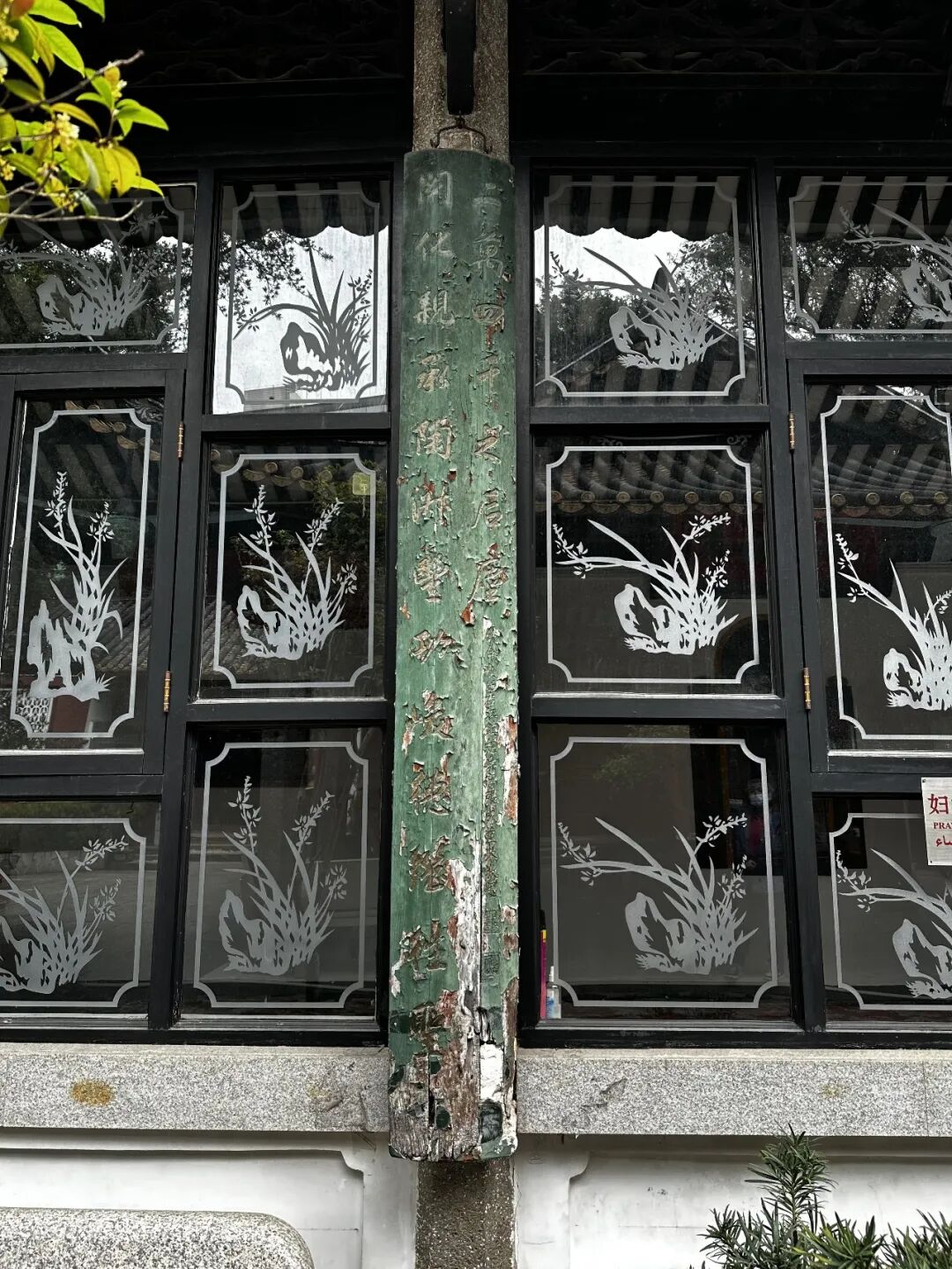
146. The Ancient Tomb of the Worthies in Guangzhou.
He was the first to spread the scriptures, a sign of returning to the truth, encompassing the profound meanings of the 140 ancient volumes.
He personally received the teachings to transform and educate, with great achievements and noble virtues, following in the footsteps of the 124,000 past saints.
Respectfully inscribed by Zhang Cheng, the Imperial-appointed Commander-in-Chief of the Youjiang Town in Guangxi, after ritual purification.
An auspicious day in the second month of spring in the Jisi year of the Jiaqing reign.
148. The Ancient Tomb of the Worthies in Guangzhou, with the inscription 'Looking Up to High Virtue' (Gao Feng Yang Zhi).
Respectfully erected on the Winter Solstice of the first year of the Yongzheng reign.
148. The Ancient Tomb of the Worthies in Guangzhou.
He spread the holy teachings in the southern lands, passed down through generations, strictly following the 30 volumes of sacred instructions.
He established a virtuous reputation in eastern Guangdong, standing tall and independent, admired by all for thousands of years as a model.
Built in the summer of the Jiawu year of the Guangxu reign.
Respectfully inscribed by Cai Jinzhang, the Imperial-granted Commander-in-Chief of the Guangdong Land Forces, titled Kengsenge Batulu.
149. The Ancient Tomb of the Worthies in Guangzhou, with the inscription 'Looking Afar to the Long Journey' (Chang Zhan Yuan Xing).
An auspicious day in the first month of autumn, in the Yiwei year of the Guangxu reign.
Respectfully erected by Xu Yingzhong, head of the Huaisheng Mosque, together with Ma Shikui of the Diegan Hall and others.
150. Ancient Tombs of the Worthies in Guangzhou.
Receiving the holy teachings in the West, the spiritual lineage has been passed down for fifty generations.
Upholding the heavenly scriptures in the East, the tradition remains for thousands of years.
An auspicious day in the second month of spring, in the Bingyin year, the eleventh year of the Jiaqing reign.
Respectfully written and composed by Hu Changqing from Guilin, a presented scholar (jinshi) by imperial decree, former bachelor of the Hanlin Academy, and official of the first rank.
Appreciating plaques and couplets from the faith (1-50 pieces).
Appreciating mosque plaques and couplets (51-100 pieces) view all
Summary: China Mosque Travel Guide: Hui Muslim Plaques, Couplets and Islamic Calligraphy (101-150) is presented here as a firsthand travel account in clear English, beginning with this scene: Tian Rui was a Hui Muslim from Taiyuan, Shanxi. He was the son of Tian Yongtong, a military jinshi scholar from the 28th year of the Qianlong reign. The account keeps its focus on Forbidden City, Islamic Art, Persian Culture while preserving the names, places, food, and historical details from the Chinese source.
101. 'Think No Evil' (siwuxie) plaque at Hexia Mosque in Huai'an.
An auspicious day in the first month of autumn, the 10th year of the Daoguang reign.
Inscribed by Tian Rui, Prefect of Huai'an.
Tian Rui was a Hui Muslim from Taiyuan, Shanxi. He was the son of Tian Yongtong, a military jinshi scholar from the 28th year of the Qianlong reign. He served as Prefect of Huai'an and Yangzhou and wrote a poetry collection called 'Yigai Pavilion Poetry Drafts' (Yigaiting Shichao).
102. Plaque in Arabic, Persian, and Xiao'erjing script at Yancheng Mosque.
Completed on an auspicious day in the eighth lunar month, the 17th year of the Republic of China.
Respectfully erected by Abdullah Yang Lüji.
103. 'Mosque' (Qingzhensi) plaque at Gaoyou Mosque.
Respectfully inscribed by Jingxiu, Magistrate of the Zhili Department of Gaoyou.
Rebuilt in the middle of winter, the 2nd year of the Tongzhi reign of the Qing Dynasty.
104. 'Utmost Sincerity Never Ceases' (zhichengwuxi) plaque at Xianhe Mosque in Yangzhou.
An auspicious day in the middle of summer, the Wuyin year, the 4th year of the Guangxu reign of the Great Qing Dynasty.
Respectfully erected by Zhu Huaisen, a nominated provincial commander-in-chief and regional commander of the Huai-Yang garrison, who held the title of Shangyong Baturu.
105. 'The Holy Religion is Entirely True' (shengjiaoquanzhen) plaque at Xianhe Mosque in Yangzhou.
An auspicious day in the spring month, the Dingchou year, the 3rd year of the Guangxu reign.
Inscribed by Zhu Huaijun, a guerrilla commander of the Qianshan Battalion in Anhui, who held the rank of provincial commander-in-chief and was in charge of the New Army of the Liangjiang Governor-General.
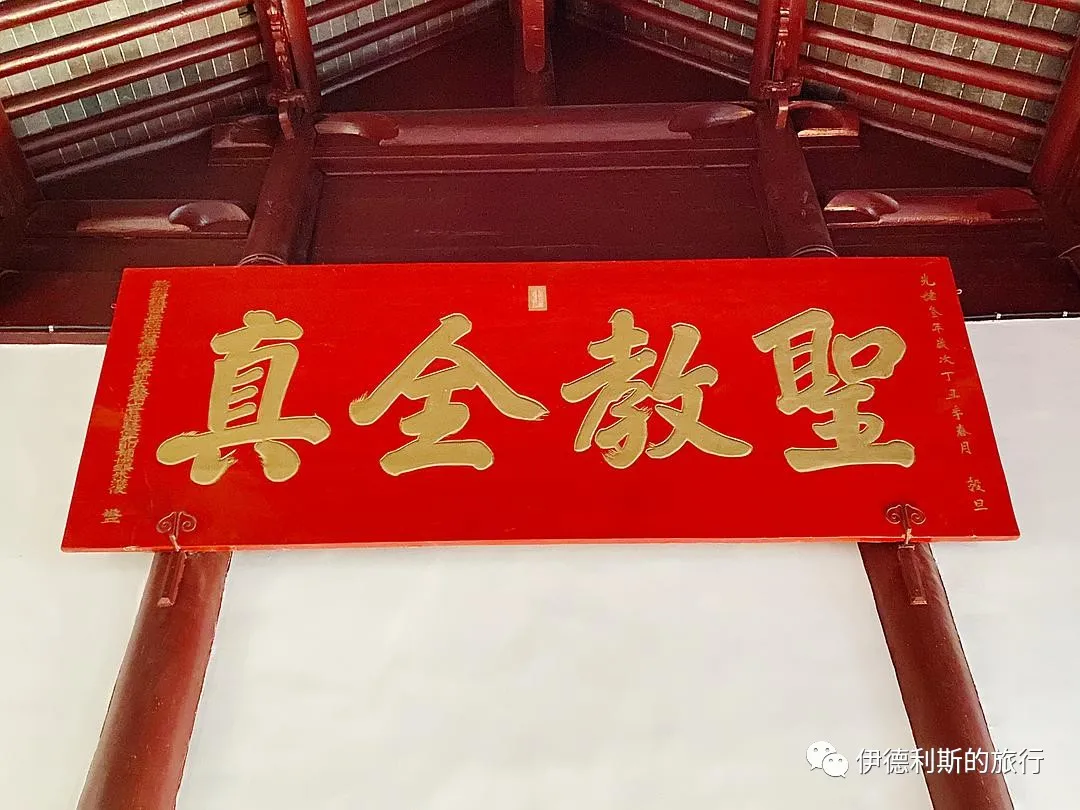
106. Xianhe Mosque in Yangzhou: 'Obey the decree of heaven and follow the holy word'
Early summer, the year of Xinhai in the Qianlong reign
Respectfully erected by the Sanwei Hall of the Muslim community
107. Xianhe Mosque in Yangzhou: 'Heaven is close at hand'
The tenth month of the Dingyou year (the 42nd year of the Qianlong reign of the Qing Dynasty)
Calligraphy by Yang Enpei
108. Jingjue Mosque in Nanjing: 'Only pure, only one'
An auspicious day in the first month of summer, the Gengyin year, the 16th year of the Guangxu reign of the Great Qing Dynasty
Commander of the Jiujiang Garrison in Jiangxi
109. Jingjue Mosque in Nanjing: 'Rectify the heart and be sincere'
June, the 11th year of the Republic of China
Respectfully erected by the president and members of the Nanjing Islamic Association
110. Nanmen Mosque in Liuhe, Nanjing
Cherish purity and walk in cleanliness as if in the afterlife
Return to the truth and simplicity just like this
An auspicious day in the tenth lunar month, the 10th year of the Republic of China
Wang Jianli of Gengdu Hall
111. Mosque (qingzhensi) at Zhuzhen Mosque in Nanjing
Erected in the seventh lunar month of the Xinchou year of the Guangxu reign
Built by Zhu Dun
112. "Pivot of My Way" at the tomb of Liu Zhi in Nanjing
Mid-summer of the Xinchou year (27th year of the Guangxu reign)
Written by Jin Pengshou of Jiangning
113. "A Model for Posterity" at the tomb of Liu Zhi in Nanjing
Reprinted by the public in the Dingwei year (33rd year of the Guangxu reign)
Respectfully written by Liu Dekun of Jingjue Mosque
114. Arabic plaque at the ancient mosque in Songjiang, Shanghai
Restored by Zhang Yunsheng in the Xinwei year
Rebuilt Qingshen Mosque
An auspicious day in the fifth lunar month of the Yiwei year of the Jiajing reign of the Great Ming Dynasty
The stele was erected in the Yiwei year of the Ming Jiajing reign (1535). The restoration by Zhang Yunsheng took place in a Xinwei year. It is confirmed that there is no 'Xinwei' year in the Jiajing era. Therefore, the renovation of the mosque likely took place in the sixth year of the Zhengde era (1511).
The inscription refers to the mosque as 'Qingshen Mosque,' which is a unique occurrence.
115. Ancient Mosque in Songjiang, Shanghai
Purity brings clarity, focus on pure cultivation to show a pure heart, and directly explore the origin of pure majesty.
Truth is without falsehood, nurture a true nature and cultivate true learning, only by returning to the root can one find true sincerity.
An auspicious day in the eighth lunar month of the Jia-Chen year, the 24th year of the Daoguang era.
Renovated in the ninth lunar month of the Ding-Mao year, the sixth year of the Tongzhi era, by Li Lügan, a follower of the faith from Jinchang, and his son Yaokui.
Inscribed by Ma Fujing, a presented scholar (jinshi), imperial guard, acting commander of the left battalion of the Jiangnan military, and garrison commander of the Ninghou battalion.
116. 'Ancient Faith from the Beginning' at the Ancient Mosque in Songjiang, Shanghai
Ding-Mao year.
Calligraphy by Ma Songting.
Ma Songting (1895–1992) is known alongside Wang Jingzhai, Ha Decheng, and Da Pusheng as one of the four great modern imams of China.
117. Mosque in Lishui, Zhejiang
Sincere and respectful, the Way is rooted in the middle, encompassing all things.
Silent and scentless, the ritual originates from the two energies that permeate the three realms.
An auspicious day in the autumn of the Bingxu year, the 12th year of the Guangxu reign.
Erected by Ma Huanzhang, the imam (zhangjiao) from Western Sichuan.
118. The Yongzheng Imperial Edict at the Lishui Mosque in Zhejiang.
An auspicious day in the middle of the second month of autumn in the Bingxu year, the 12th year of the Guangxu reign of the Great Qing.
Respectfully supervised and erected by the mosque's imam, Ma Huanzhang.
119. Donation plaque at the Lishui Mosque in Zhejiang.
Auspiciously erected in the seventh month of the Xinhai year, the third year of the Xuantong reign.
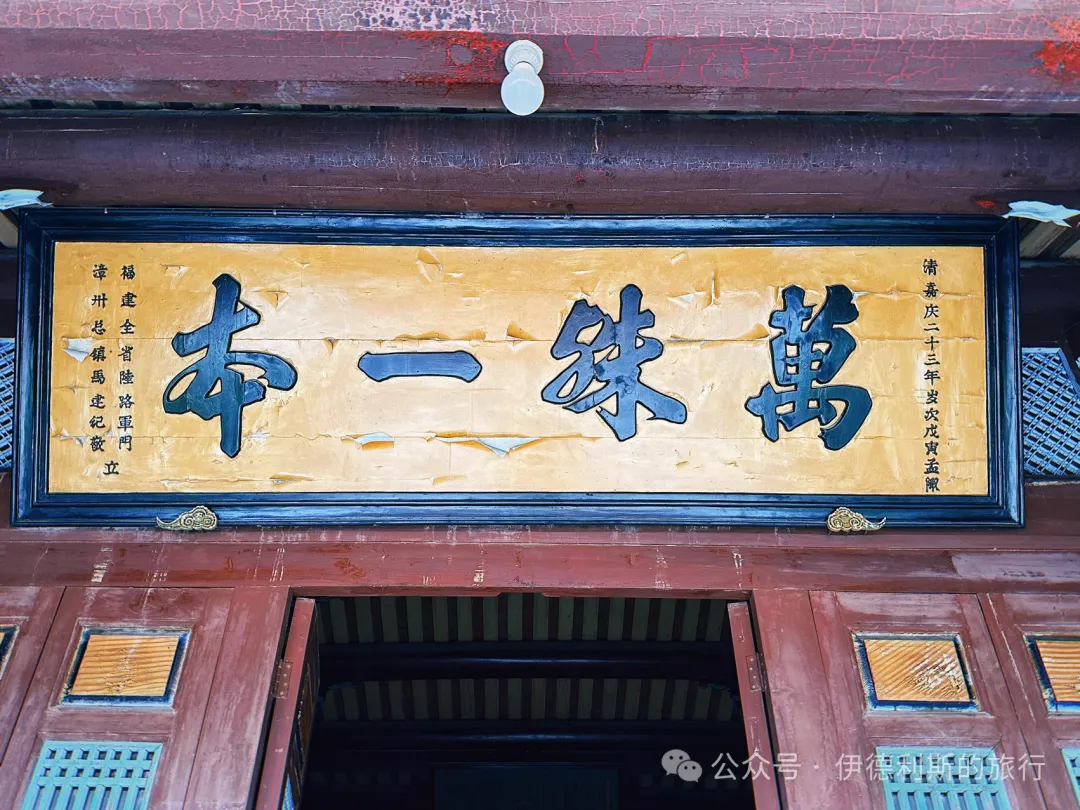
120. The 'Ten Thousand Differences, One Origin' plaque at the Qingjing Mosque in Quanzhou.
The first month of the Wuyin year, the 23rd year of the Jiaqing reign of the Qing dynasty.
The Land Forces Command of Fujian Province.
Respectfully erected by Ma Jianji, the Zhangzhou Garrison Commander.
Ma Jianji was a Hui Muslim from Sichuan. While serving in Fujian during the Jiaqing reign, he renovated the Qingjing Mosque and the Lingshan Sacred Tomb, and carved an inscription on the Wind-Moving Rock at Lingshan.
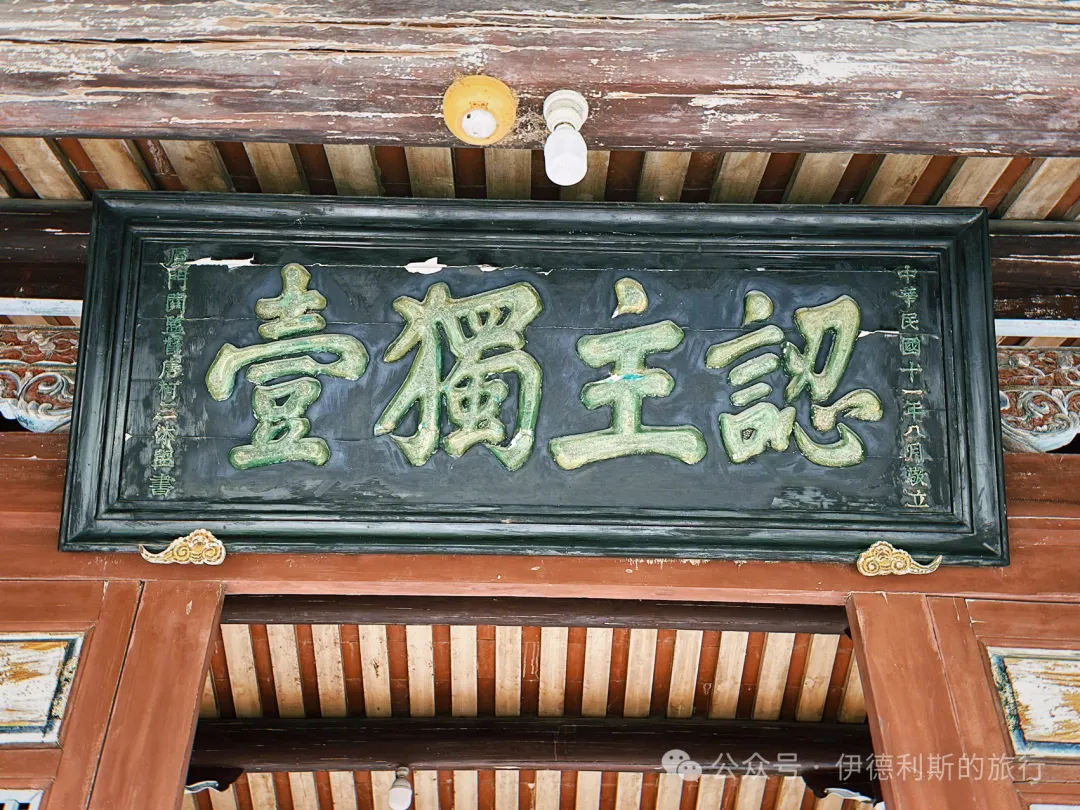
121. The 'Recognize the Oneness of Allah' plaque at the Qingjing Mosque in Quanzhou.
Respectfully presented in the eighth month of the 11th year of the Republic of China.
Written by Tang Kesan, Superintendent of the Xiamen Customs, after ritual washing.
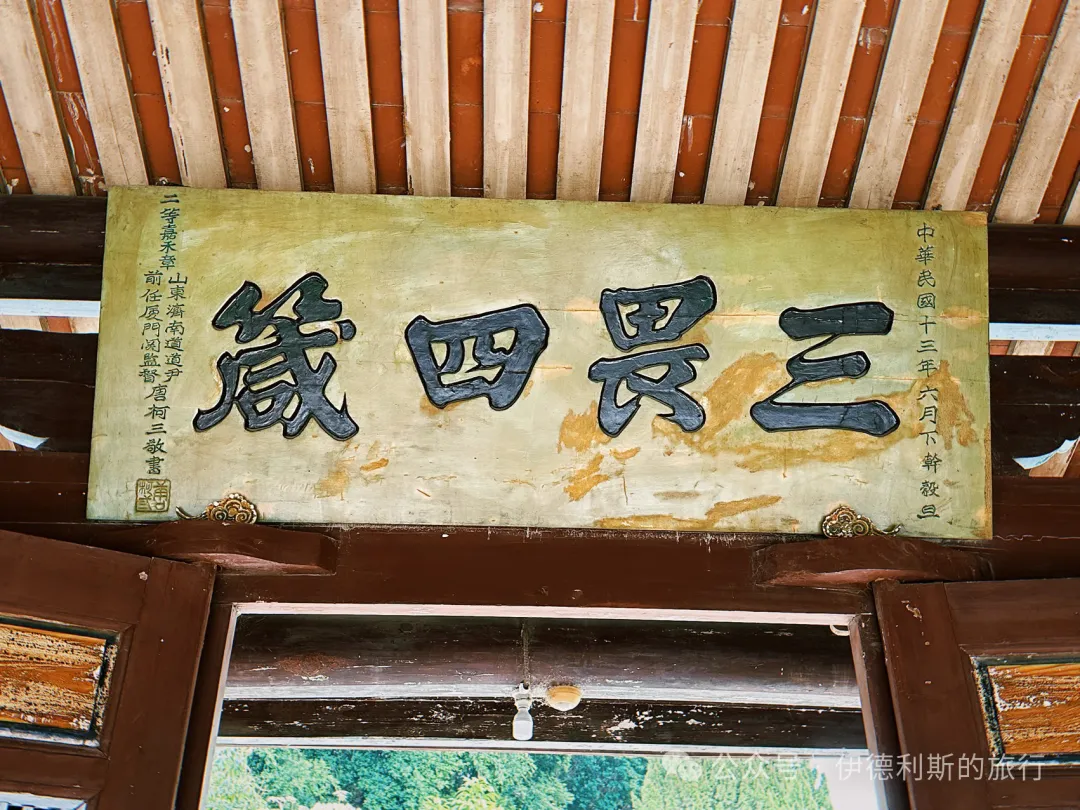
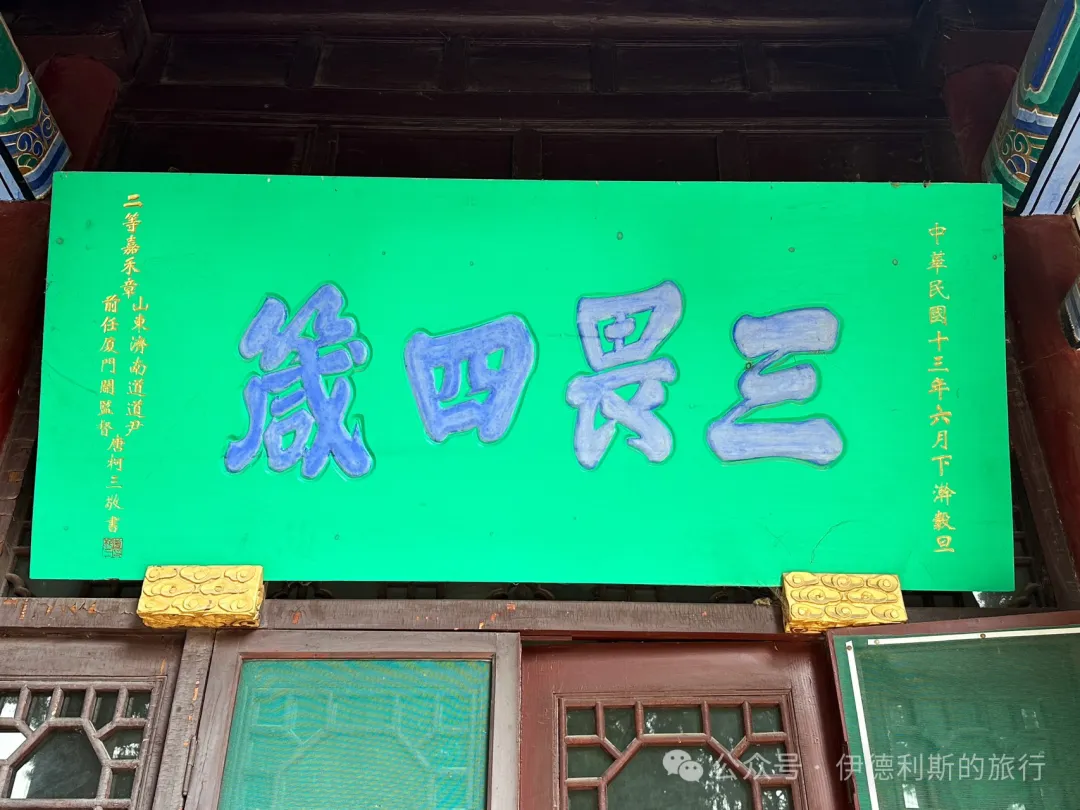
122. The 'Three Fears and Four Admonitions' plaque at the Qingjing Mosque in Quanzhou.
An auspicious day in the latter part of the sixth month of the thirteenth year of the Republic of China.
Second-class Golden Grain Medal recipient, Intendant of the Jinan Circuit in Shandong, and former Superintendent of the Xiamen Customs, Tang Kesan respectfully wrote this.
The original plaque was destroyed between the 1960s and 1970s; this is a replica.
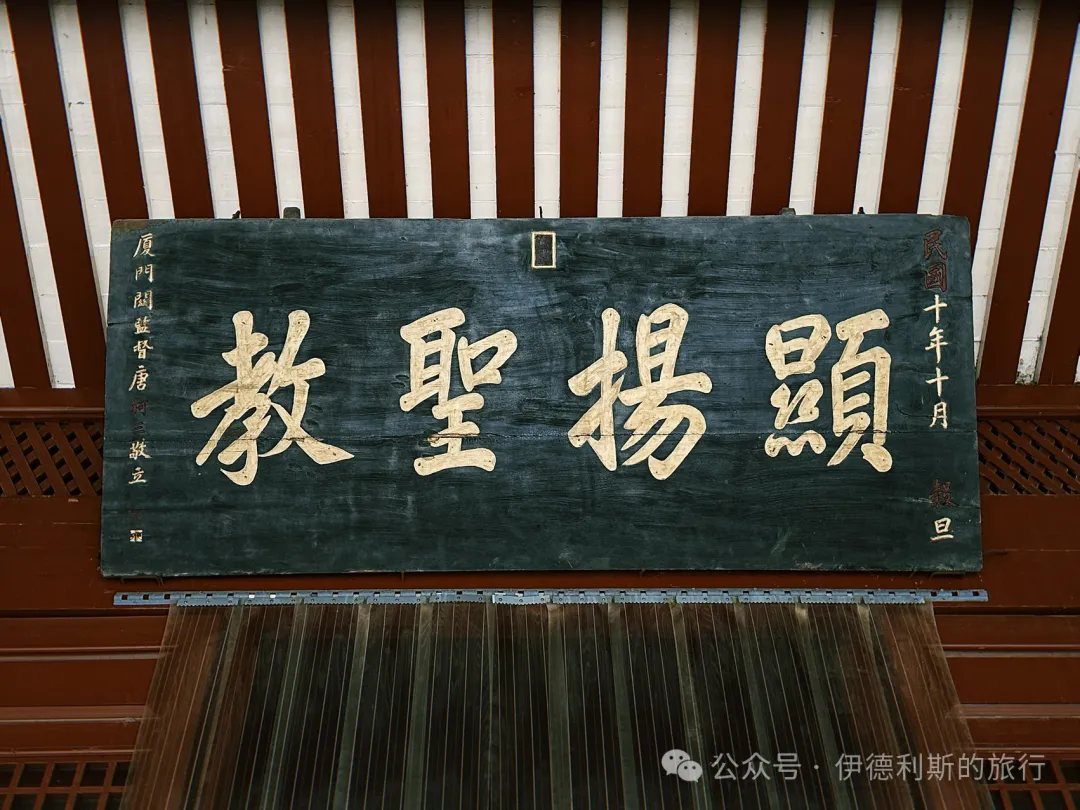
123. Fuzhou Mosque, 'Promoting the Holy Teachings'.
An auspicious day in the tenth month of the tenth year of the Republic of China.
Respectfully erected by Tang Kesan, Superintendent of Xiamen Customs.
After Tang Kesan became the Superintendent of Xiamen Customs in 1919, he worked hard to revive the faith in Fujian. He donated significant funds to the Fuzhou Mosque, Xiamen Mosque, and Quanzhou Qingjing Mosque. He also encouraged the descendants of local Fujian scripture readers to return to the faith and serve in the mosques.
124. Zhaoqing West Mosque, 'Always Remember the Lord's Grace'.
An auspicious day in mid-summer of the Wuxu year of the Daoguang reign.
Respectfully carved by Li Xianyang, acting Lieutenant Colonel of the Guangdong and Guangxi Governor's Front Battalion.
125. Zhaoqing West Mosque.
Why look for visible signs when in the five daily prayers, one feels as if Allah is truly present?
Do not say the traditions are distant, for within the thirty volumes of the Quran, the true teachings are found.
An auspicious day in the lucky month of the Jiaxu year of the Jiaqing reign.
Respectfully written by Vice Commander Liu Hu after washing his hands.
126. Zhaoqing East Mosque, 'The Only One'.
An auspicious day in the first month of autumn in the Yiwei year of the Qianlong reign.
127. Huaisheng Mosque in Guangzhou: 'The Emperor's Grace Lasts Forever'.
An auspicious day in the second month of the Wuyin year of the Kangxi reign.
Respectfully written by Gai Rixin, an imperial guard appointed by the Emperor, who was granted the status of Jinshi and promoted by one rank.
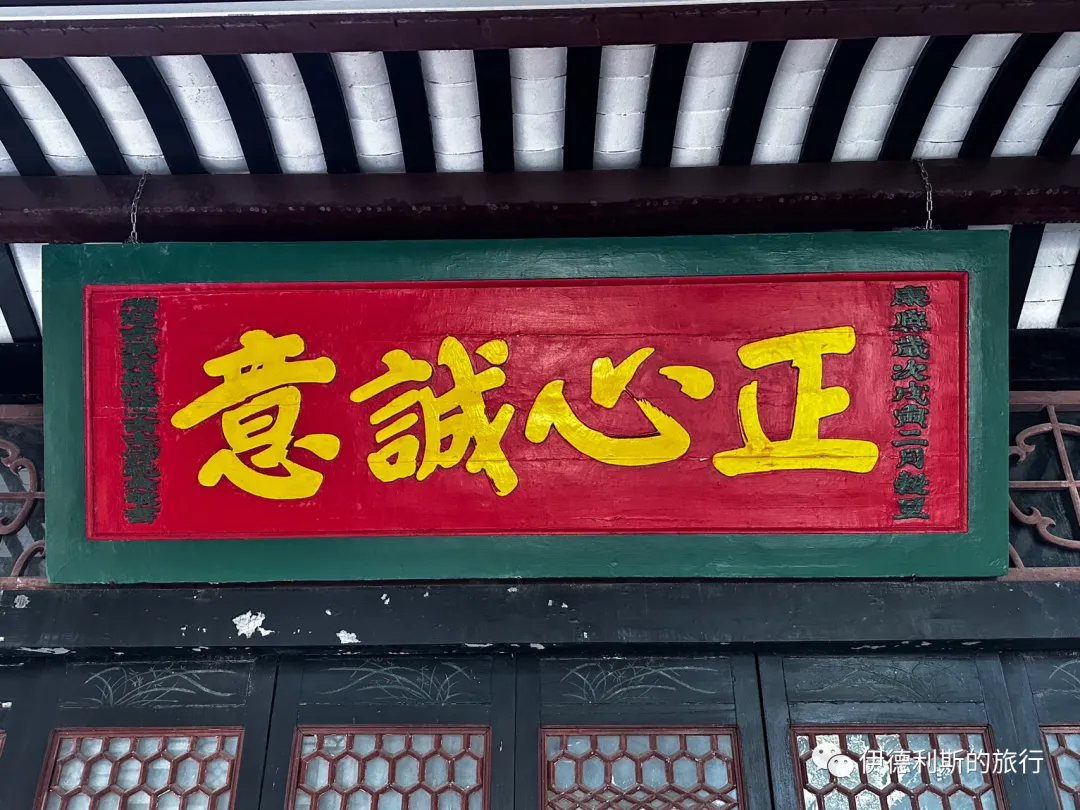
128. Huaisheng Mosque in Guangzhou: 'Rectify the Heart and Be Sincere'.
An auspicious day in the second month of the Wuyin year of the Kangxi reign.
Respectfully written by Tie Fanjin, a Jinshi degree holder and bachelor of the Hanlin Academy.
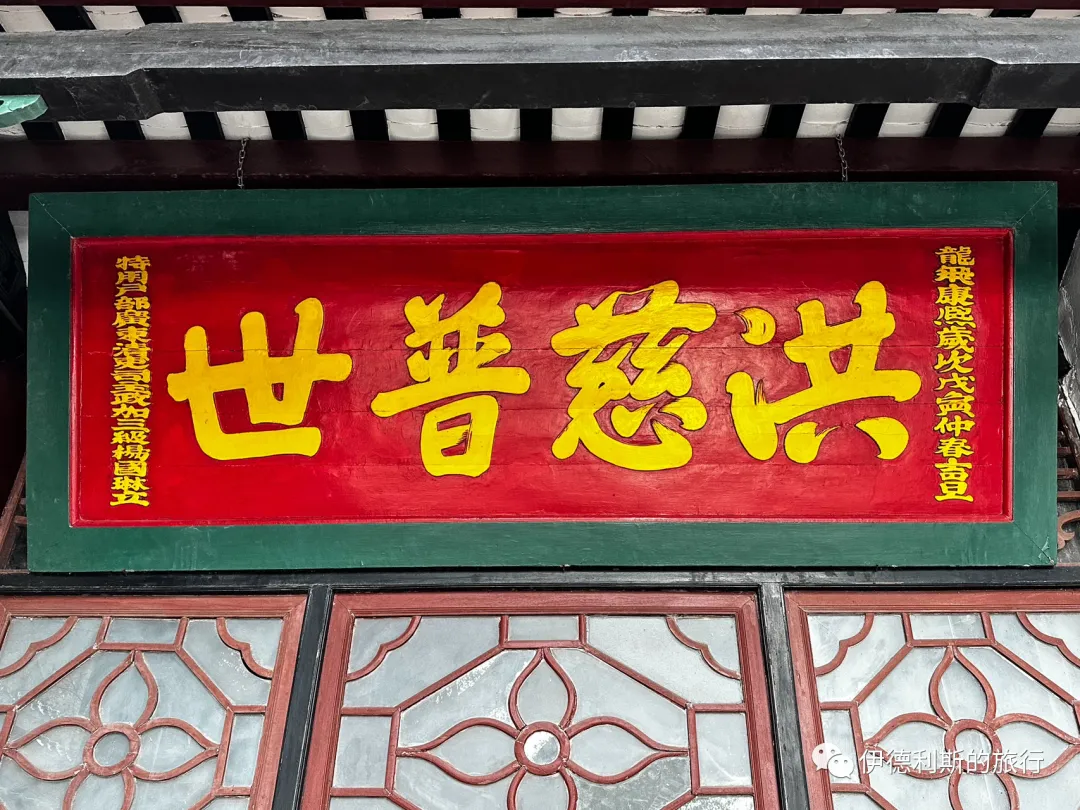
129. Huaisheng Mosque in Guangzhou: 'Great Mercy for the Whole World'.
An auspicious day in the second month of spring in the Wuyin year of the Kangxi reign.
Erected by Yang Guolin, a director of the Guangdong Department of the Ministry of Revenue, who was promoted by three ranks.
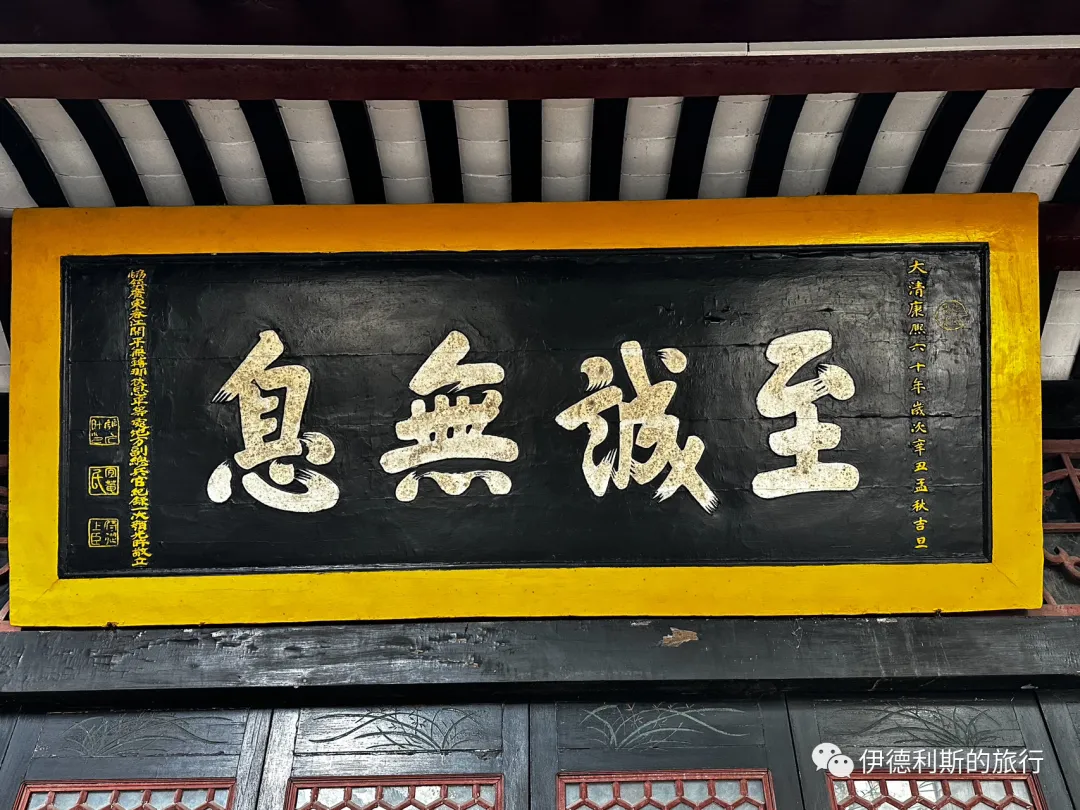
130. Huaisheng Mosque in Guangzhou: 'Utmost Sincerity Never Ceases'.
An auspicious day in the first month of autumn in the Xinchou year, the 60th year of the Kangxi reign of the Great Qing Dynasty.
Respectfully erected by Yan Guangwu, a deputy commander in charge of the Guangdong Chunjiang, Kaiping, Nafu, and Enping regions, who was awarded one merit record.
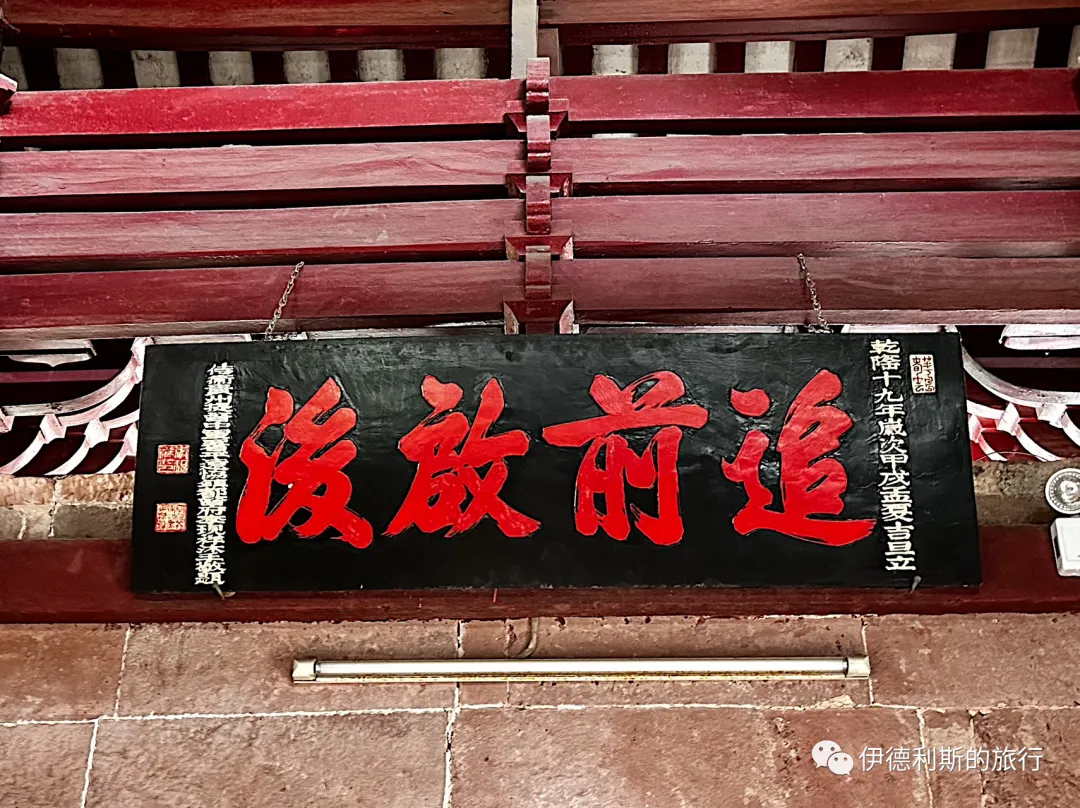
131. Huaisheng Mosque in Guangzhou: 'Follow the Past and Inspire the Future'.
Erected on an auspicious day in the first month of summer in the Jiaxu year, the 19th year of the Qianlong reign.
Respectfully inscribed by Li Xianxiang, an imperial guard and commander-in-chief of the Guizhou military, who served as the acting deputy commander of the Pingyuan garrison.
132. Huaisheng Mosque in Guangzhou: "Sharing in Allah's Blessings"
An auspicious day in the first month of winter, 26th year of the Daoguang reign.
Erected by the committee members together.
133. Huaisheng Mosque in Guangzhou: "Abundant Blessings from the Lord"
An auspicious day in the second month of spring, 6th year of the Tongzhi reign, year of Dingmao.
Erected by Bao Yingxiong, acting Guangzhou Brigade Commander, holding the rank of Assistant Brigade Commander and awarded the peacock feather.
134. Huaisheng Mosque in Guangzhou: "Grace Shines Upon All"
An auspicious day in the second month of winter, 26th year of the Guangxu reign, year of Gengzi.
Erected by Yang Shu, acting Guangdong Circuit Intendant for Gaozhou and Lianzhou, holding a second-rank button and awarded the peacock feather, and Yang Xun, a defense officer of the Plain Red Banner Han Army, holding a fourth-rank button and awarded the peacock feather.
135. Huaisheng Mosque in Guangzhou: "Merciful Clouds and Nourishing Rain"
An auspicious day in the middle of the first month of summer, 31st year of the Guangxu reign, year of Yisi.
Respectfully dedicated to celebrate the joy of Imam Ma.
Offered by the officials, gentry, elders, and committee members of the Lighthouse Mosque (Guangta Si).
Calligraphy by Yang Zeng.
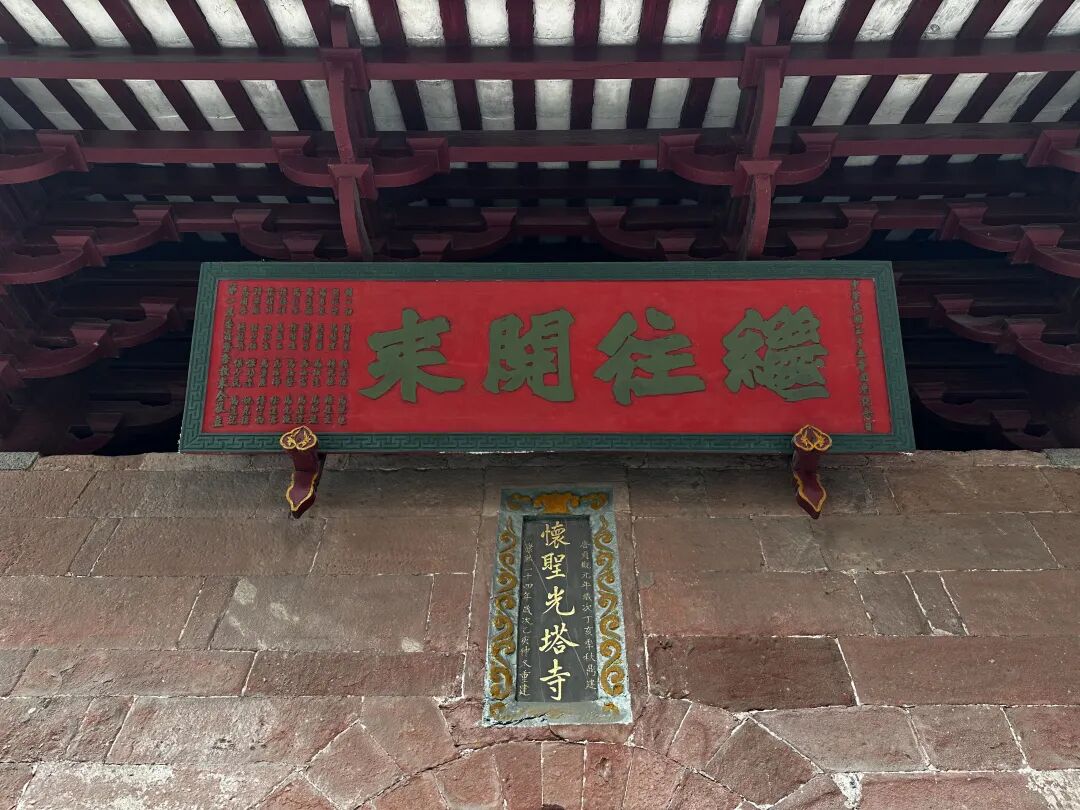
136. Huaisheng Mosque in Guangzhou: "Carrying Forward the Past and Opening Up the Future"
National Day, 35th year of the Republic of China.
Erected respectfully by the first committee members and all the followers of the faith.
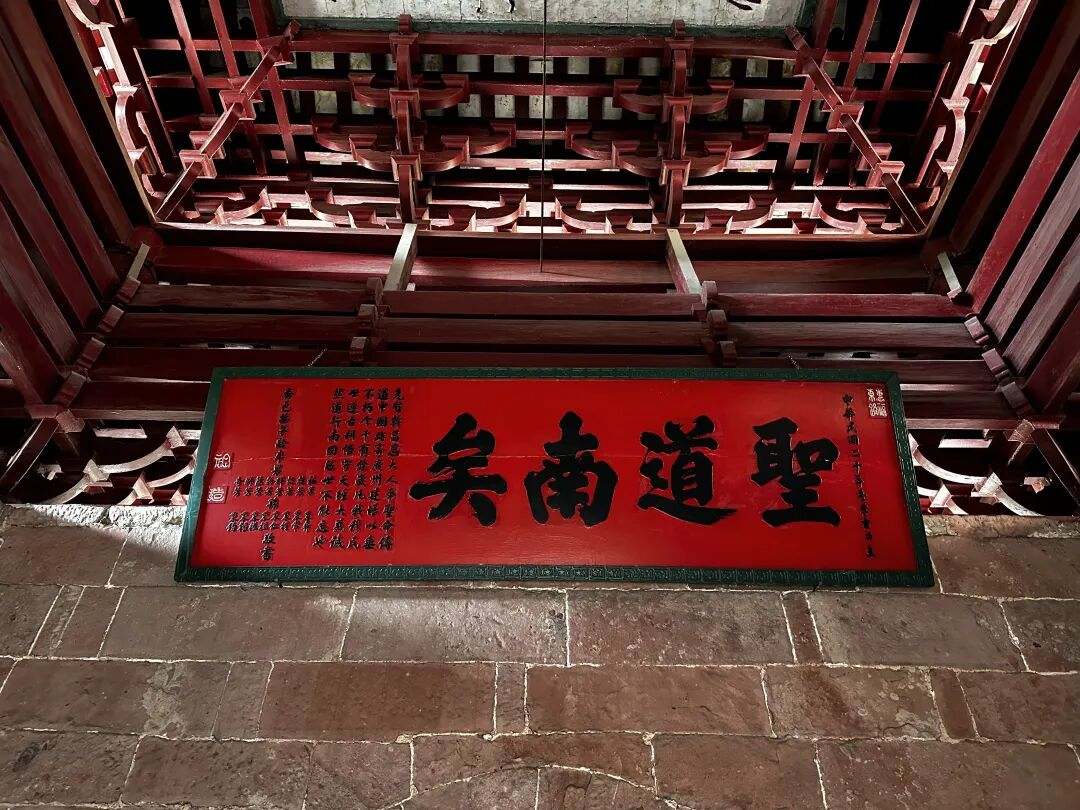
137. The 'Holy Path to the South' plaque at Huaisheng Mosque in Guangzhou.
Erected on an auspicious day in the winter of the 20th year of the Republic of China.
The venerable Sahaba Waqqas followed the Prophet's command to spread the faith in China. He left his mark in Guangzhou and built a tower that has stood for over a thousand years. All of us Muslims follow the ancient traditions and uphold the great principles of the Quran. We truly carry this path in the south and will never forget it for as long as we live.
Respectfully inscribed by Yang Mengling of Panyu, along with his sons Youfang, Guifang, Qunfang, Shifang, Yinfang, Lianfang, Qifang, and his grandsons Bingyi, Bingchang, Bingren, Bingshu, Bingquan, Bingtao, and Bingjun.
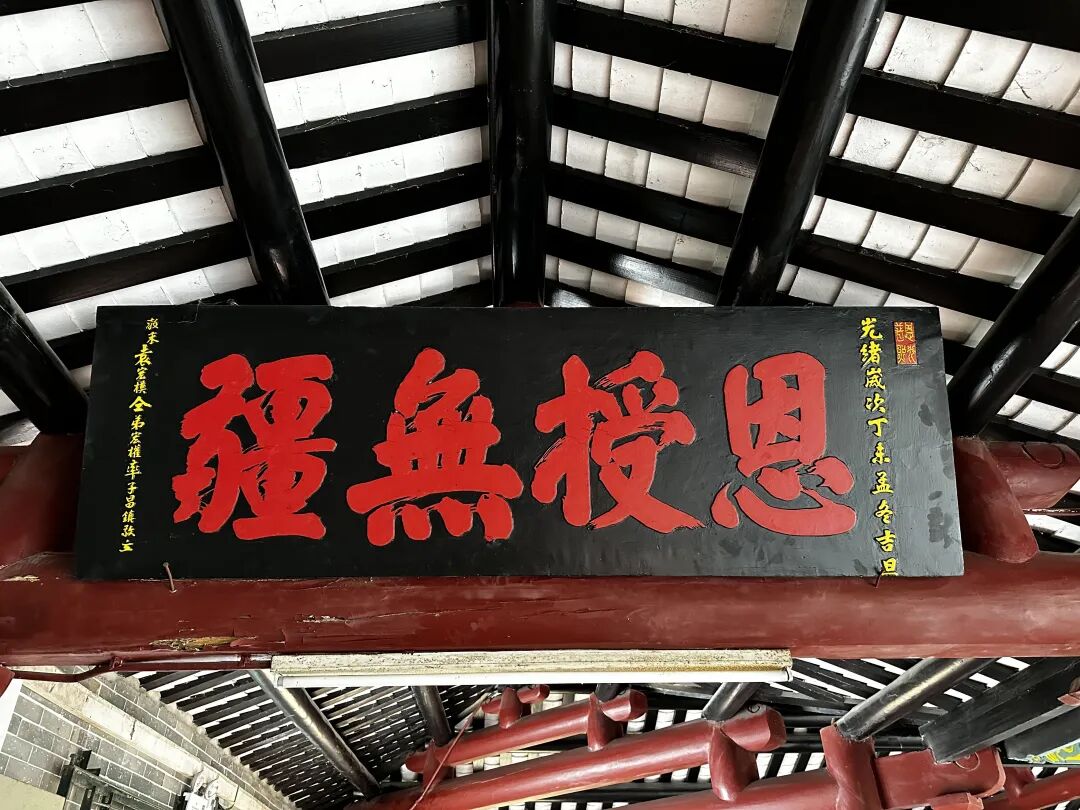
138. The 'Boundless Grace Bestowed' plaque at Huaisheng Mosque in Guangzhou.
An auspicious day in the first month of winter in the Dingwei year of the Guangxu reign.
Respectfully erected by follower Yuan Hongmo, his younger brother Hongquan, and his son Changzhen.
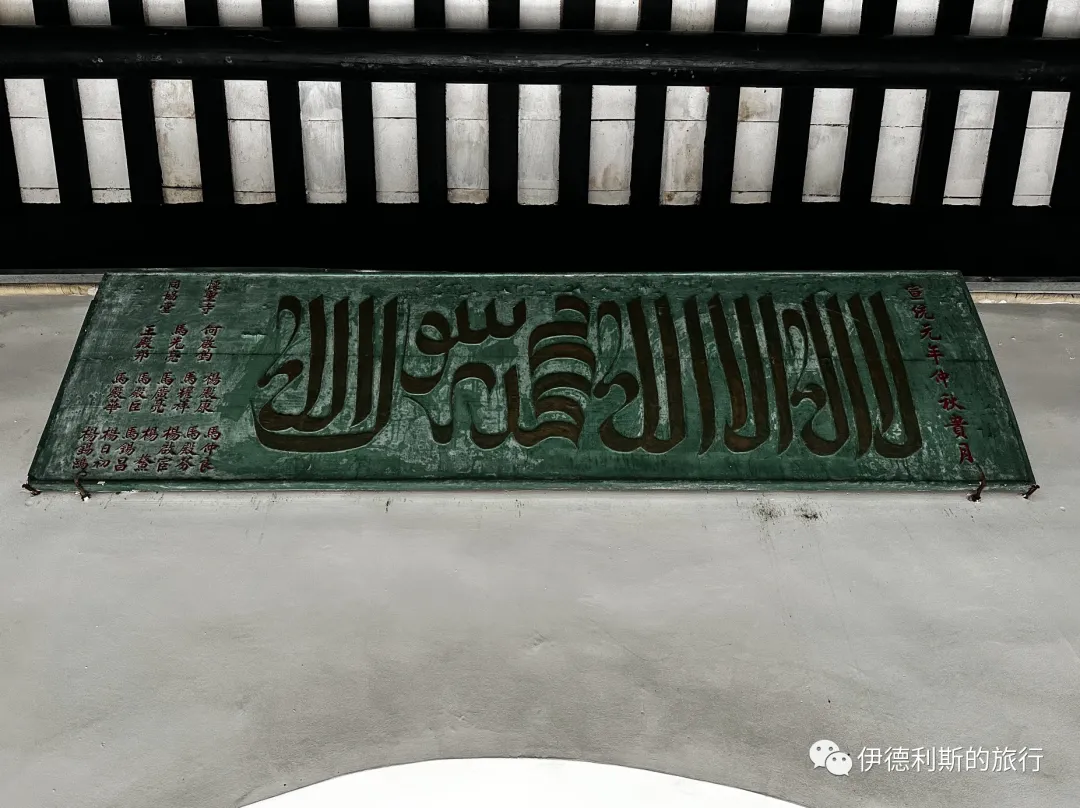
139. Arabic plaque at the Ancient Tomb of the Worthies in Guangzhou.
The second month of autumn in the first year of the Xuantong reign.
The members of the Tongxie Hall at Huaisheng Mosque.
140. Arabic plaque at the Ancient Tomb of the Worthies in Guangzhou.
An auspicious day in the first month of winter in the Gengxu year of the second year of the Xuantong reign.
Erected together by the members of the Guangta Heyi Hall.
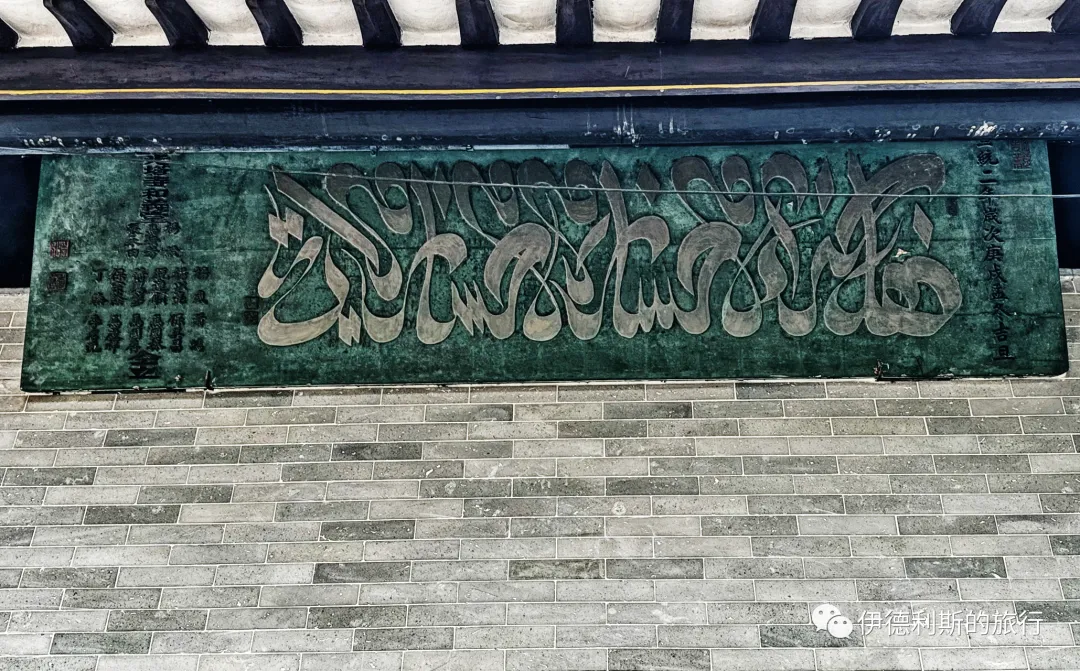
141. 'Guard Our Pure Truth' plaque at the Ancient Tomb of the Worthies in Guangzhou.
An auspicious day in June, the fourth year of the Republic of China.
Since our ancestors from the West (Wanheshi) arrived in the East over a thousand years ago, we have followed our religious rules and never dared to break them. Recently, some young people have misunderstood the idea of freedom of belief, and their marriages and diets have started to ignore our religious rules. I fear that people's hearts are worsening and our holy faith is fading away. I have carefully chosen these four characters to write on the plaque as a reminder to our community. I hope everyone carefully follows the teachings of the scriptures and respects the examples set by our ancestors. If we do this, we will not be sinners against our people, and our faith will be fortunate.
Respectfully inscribed by Cai Chunheng from Wanbei, Major General of the Army, Director of the Guangdong Water Police Department, and recipient of the Third Class Order of the Golden Grain.
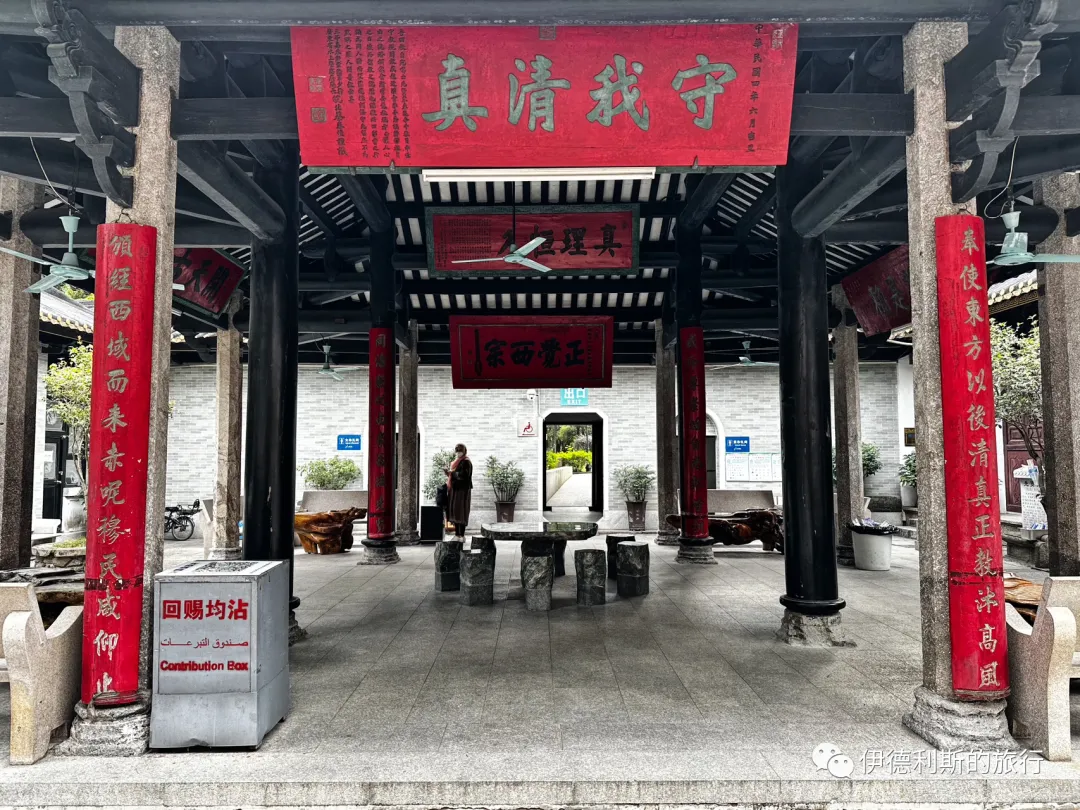
142. The plaque 'Zhengjue Xizong' at the Ancient Tomb of the Worthies in Guangzhou.
An auspicious day in the first month of summer, the tenth year of the Jiaqing reign (Yichou year).
Erected by Xu Wenmo, a hereditary brave official with the title of Admiral, Jiyong Baturu, and Commander of the land and water forces in the Gao, Lian, and Luo regions of Guangdong, who has received military honors twenty-two times.
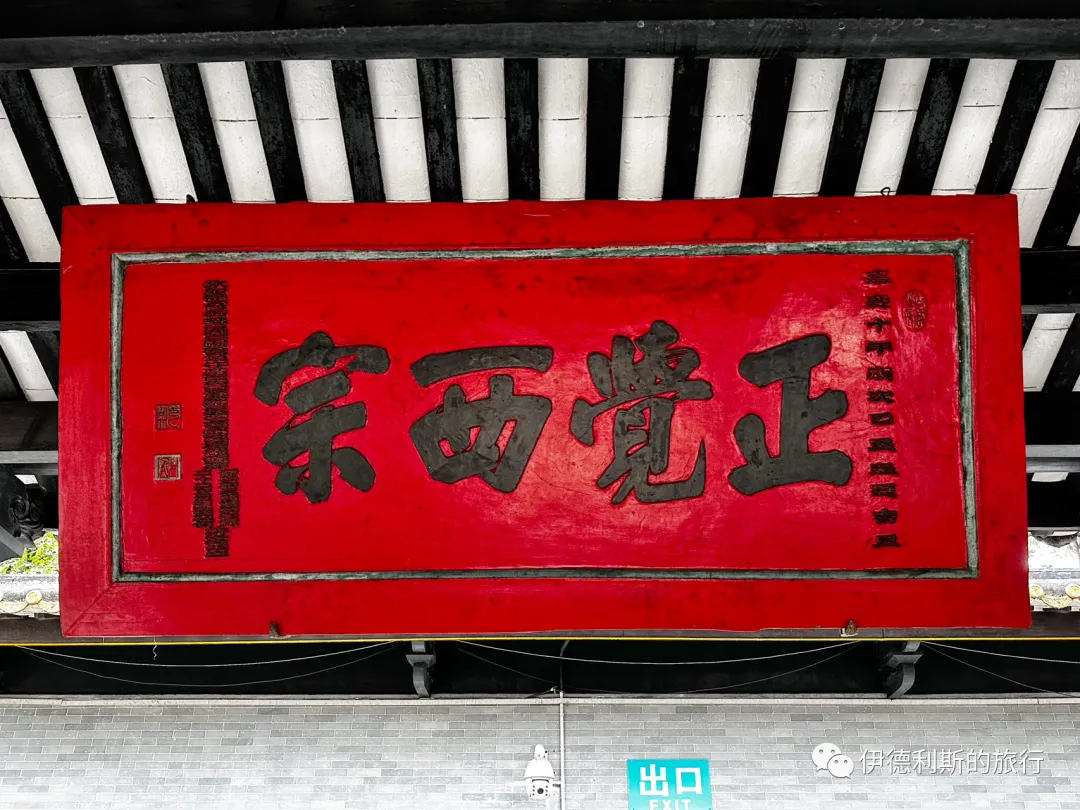
143. The plaque 'Chanyang Shilai' at the Ancient Tomb of the Worthies in Guangzhou.
An auspicious day in March, the second year of the Republic of China.
Respectfully erected by Ma Bonian and others.
Respectfully written by Ma Yongkuan.
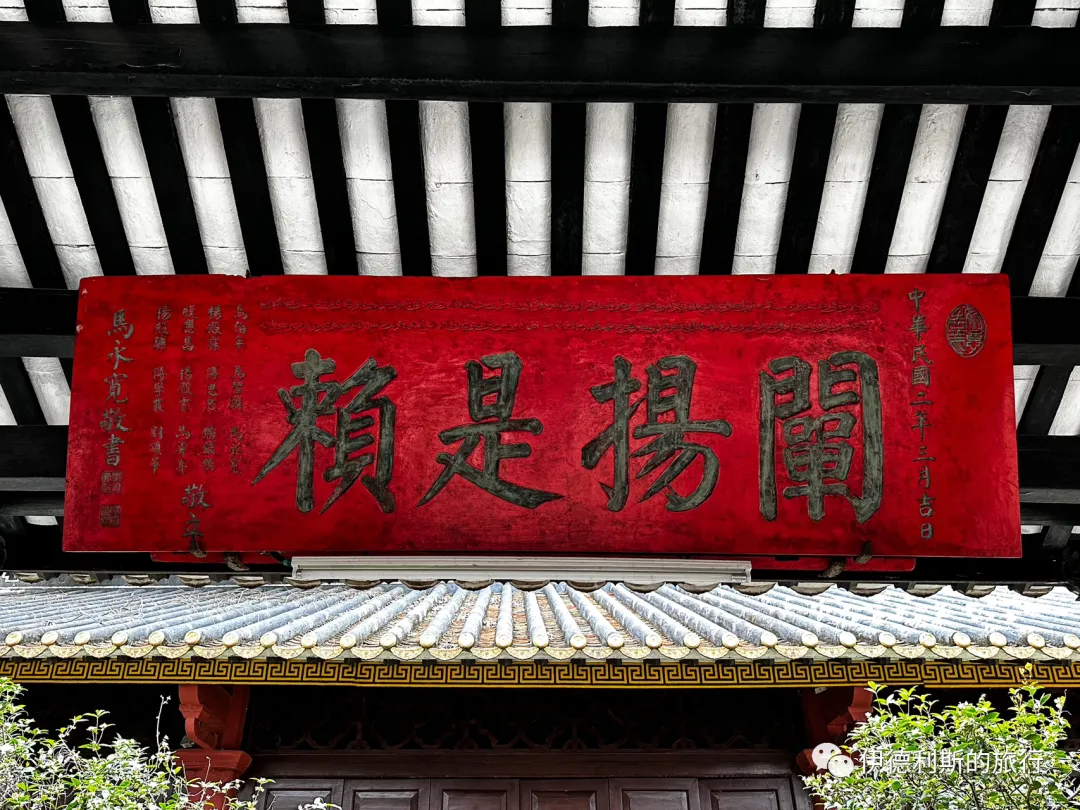
144. The plaque 'Kaitian Gujiao' at the Ancient Tomb of the Worthies in Guangzhou.
The first ten days of the second month of spring, the Jiazi year of the Republic of China.
Respectfully erected by the humble members of the faith.
145. The Ancient Tomb of the Worthies in Guangzhou, with the inscription 'The Law Extends to the Origin of Wonders' (Fa Chui Yuan Miao).
The sixth lunar month of the Xinsi year in the Guangxu reign.
Respectfully erected by Sha Jing of Qingyu Hall.
146. The Ancient Tomb of the Worthies in Guangzhou.
He was the first to spread the scriptures, a sign of returning to the truth, encompassing the profound meanings of the 140 ancient volumes.
He personally received the teachings to transform and educate, with great achievements and noble virtues, following in the footsteps of the 124,000 past saints.
Respectfully inscribed by Zhang Cheng, the Imperial-appointed Commander-in-Chief of the Youjiang Town in Guangxi, after ritual purification.
An auspicious day in the second month of spring in the Jisi year of the Jiaqing reign.
148. The Ancient Tomb of the Worthies in Guangzhou, with the inscription 'Looking Up to High Virtue' (Gao Feng Yang Zhi).
Respectfully erected on the Winter Solstice of the first year of the Yongzheng reign.
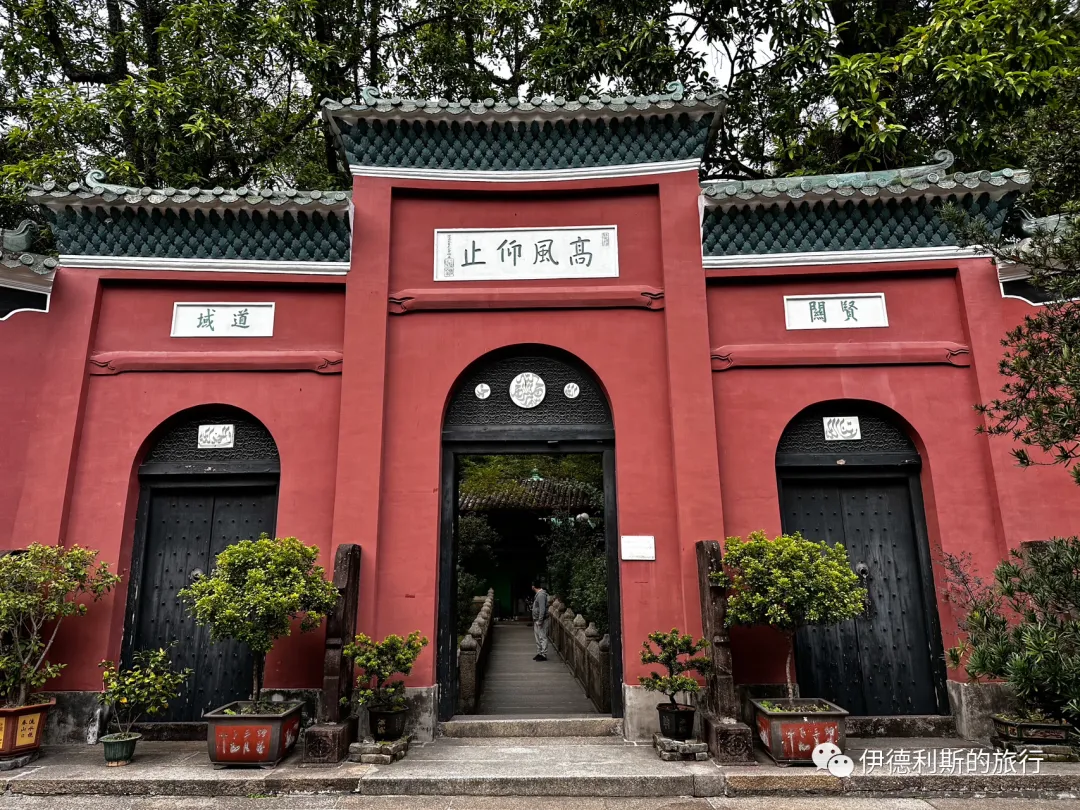
148. The Ancient Tomb of the Worthies in Guangzhou.
He spread the holy teachings in the southern lands, passed down through generations, strictly following the 30 volumes of sacred instructions.
He established a virtuous reputation in eastern Guangdong, standing tall and independent, admired by all for thousands of years as a model.
Built in the summer of the Jiawu year of the Guangxu reign.
Respectfully inscribed by Cai Jinzhang, the Imperial-granted Commander-in-Chief of the Guangdong Land Forces, titled Kengsenge Batulu.
149. The Ancient Tomb of the Worthies in Guangzhou, with the inscription 'Looking Afar to the Long Journey' (Chang Zhan Yuan Xing).
An auspicious day in the first month of autumn, in the Yiwei year of the Guangxu reign.
Respectfully erected by Xu Yingzhong, head of the Huaisheng Mosque, together with Ma Shikui of the Diegan Hall and others.
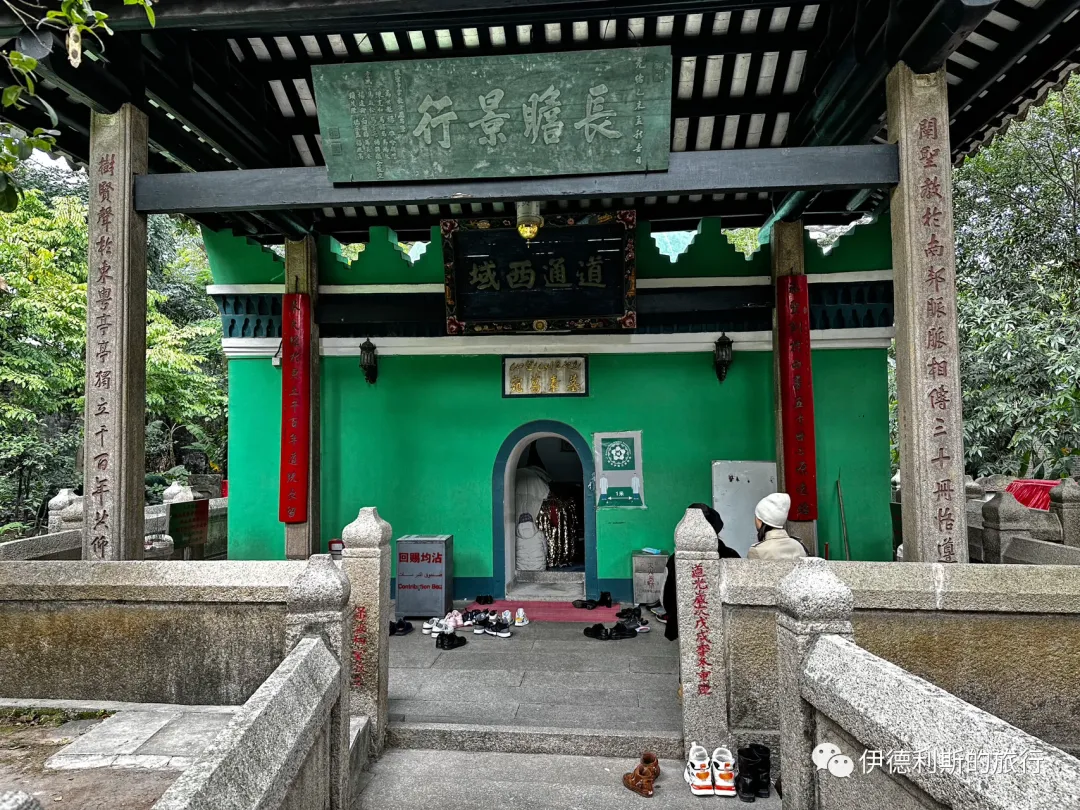
150. Ancient Tombs of the Worthies in Guangzhou.
Receiving the holy teachings in the West, the spiritual lineage has been passed down for fifty generations.
Upholding the heavenly scriptures in the East, the tradition remains for thousands of years.
An auspicious day in the second month of spring, in the Bingyin year, the eleventh year of the Jiaqing reign.
Respectfully written and composed by Hu Changqing from Guilin, a presented scholar (jinshi) by imperial decree, former bachelor of the Hanlin Academy, and official of the first rank.
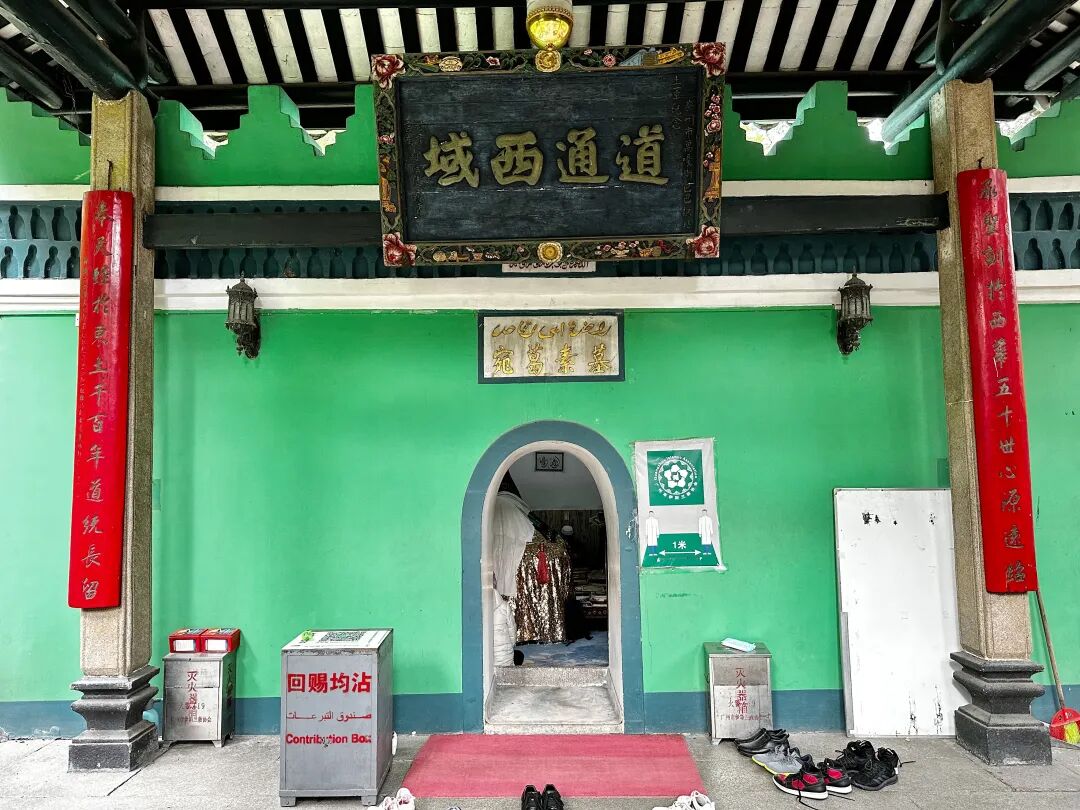
Appreciating plaques and couplets from the faith (1-50 pieces).
Appreciating mosque plaques and couplets (51-100 pieces)
China Mosque Travel Guide: Hui Muslim Plaques, Couplets and Islamic Calligraphy (51-100)
Articles • Hasan09 posted the article • 0 comments • 356 views • 2026-05-26 03:00
Summary: China Mosque Travel Guide: Hui Muslim Plaques, Couplets and Islamic Calligraphy (51-100) is presented here as a firsthand travel account in clear English, beginning with this scene: Tian Yongtong was a Hui Muslim general from Taiyuan, Shanxi. He became a military Jinshi scholar in the 28th year of the Qianlong reign and rose to the rank of Commander-in-Chief of Jiangnan. The account keeps its focus on Mosque Travel, Islamic Heritage, Muslim Travel while preserving the names, places, food, and historical details from the Chinese source.
51. The plaque 'Principles Rooted in Confucianism' (Li Guan Ru Zong) at Taiyuan Mosque.
Erected on a lucky day in the tenth month of the Yichou year, the tenth year of the Jiaqing reign.
Respectfully written by Tian Yongtong, a palace guard who earned the title of Jinshi scholar and served as the Brigade General of Nanyang, Henan.
Renovated by his great-great-grandson Zhenjing in the 31st year of the Republic of China.
Tian Yongtong was a Hui Muslim general from Taiyuan, Shanxi. He became a military Jinshi scholar in the 28th year of the Qianlong reign and rose to the rank of Commander-in-Chief of Jiangnan.
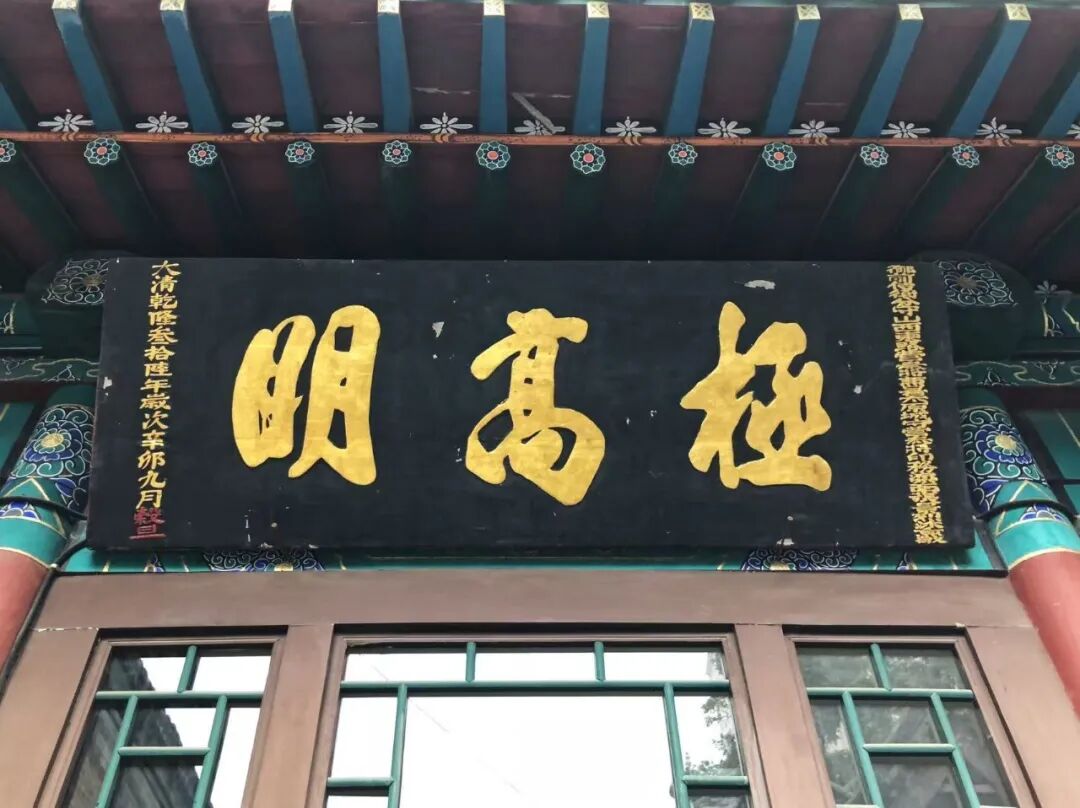
52. The plaque 'Extremely Brilliant' (Ji Gao Ming) at Taiyuan Mosque.
Respectfully presented by Zhang Jinglie from Yunnan, a palace guard and assistant regional commander in charge of the eastern route of Shanxi and the southern defense of Taiyuan city.
A lucky day in the ninth month of the Xinmao year, the 36th year of the Qianlong reign of the Great Qing Dynasty.
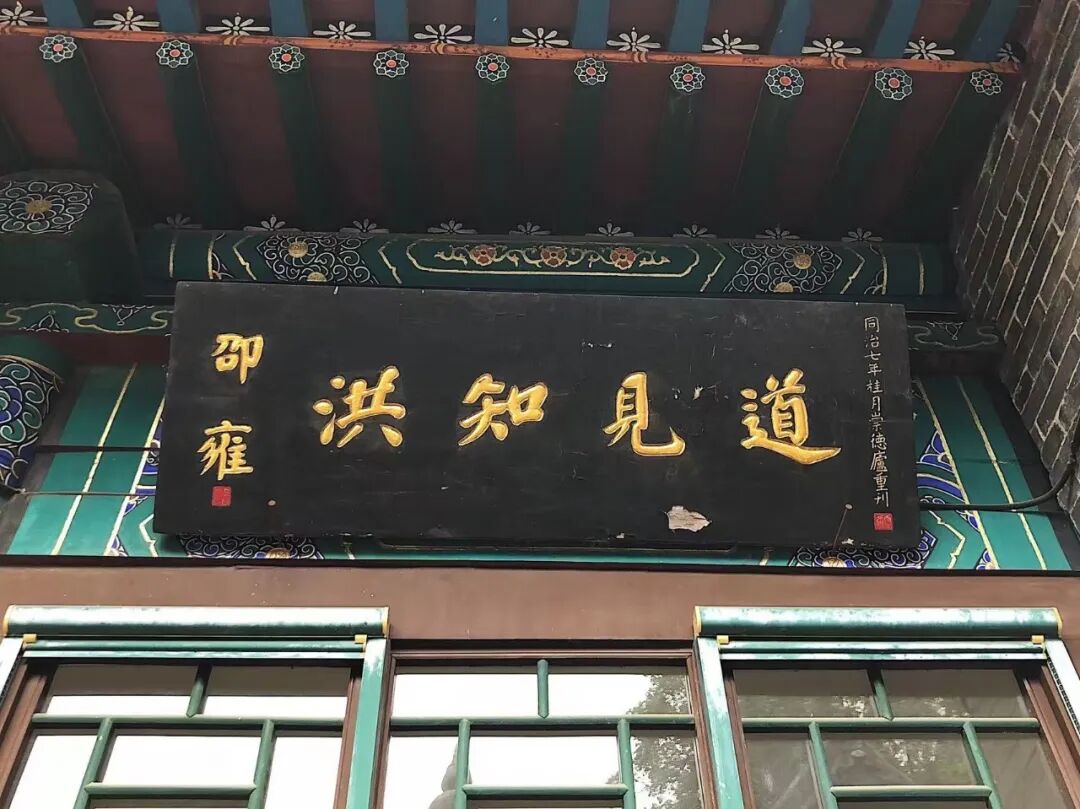
53. The plaque 'The Way is Known in Greatness' (Dao Jian Zhi Hong) at Taiyuan Mosque.
Reprinted by Chongde Lu in the eighth month of the seventh year of the Tongzhi reign.
Shao Yong.
Shao Yong was a philosopher and expert on the I Ching during the Northern Song Dynasty.
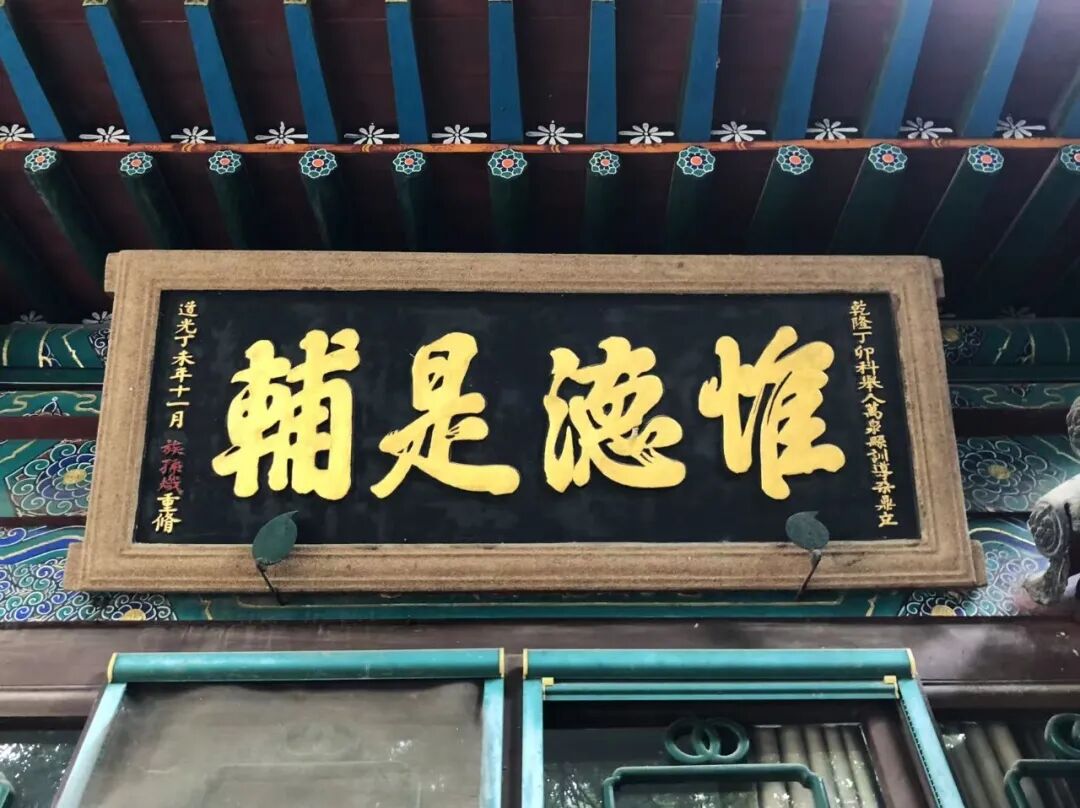
54. The plaque 'Only Virtue is Supported' (Wei De Shi Fu) at Taiyuan Mosque.
Respectfully erected by Duo Ding, a Juren scholar from the Dingmao year of the Qianlong reign and an instructor in Wanquan County.
Renovated by his clansman Chi in the eleventh month of the Dingwei year of the Daoguang reign.
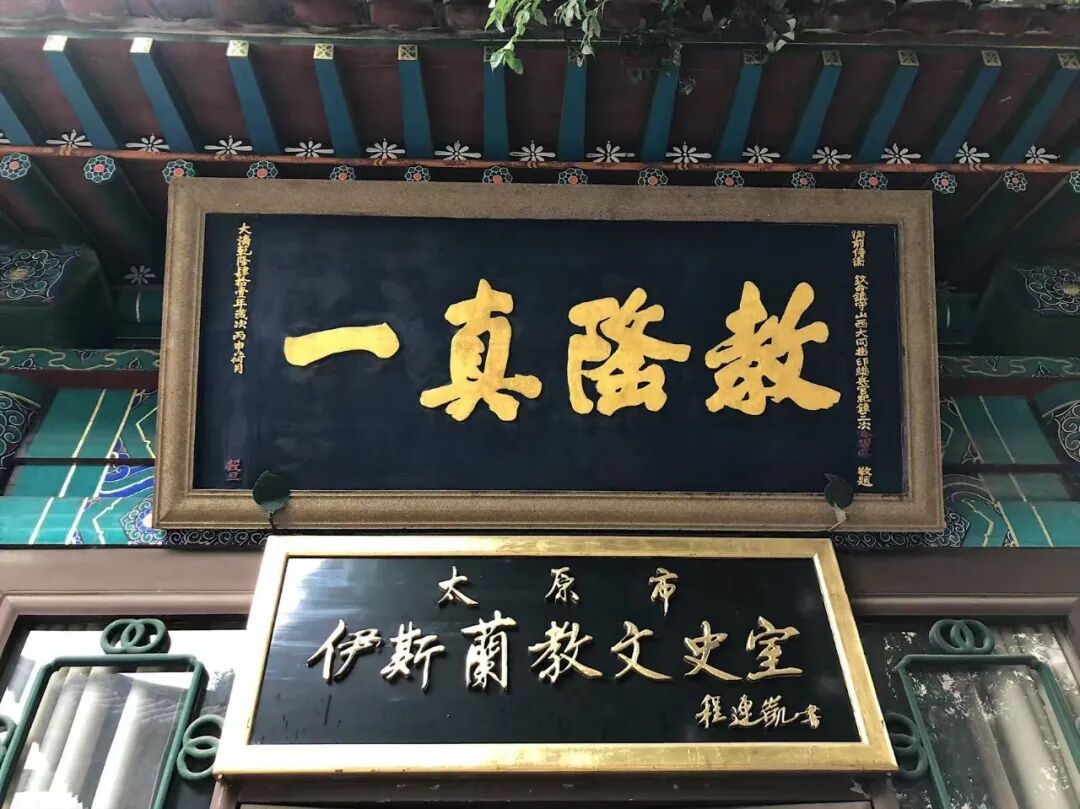
55. The plaque 'The Teaching Exalts the True One' (Jiao Long Zhen Yi) at Taiyuan Mosque.
Respectfully inscribed by Ha Panfeng, Imperial Guard, Commander-in-Chief of Datong, Shanxi, appointed by imperial decree, with three recorded merits.
An auspicious day in the sixth lunar month of the 46th year of the Qianlong reign of the Great Qing Dynasty (1781).
Ha Panfeng was from Suning County, Hebei, and became a military jinshi scholar in the 16th year of the Qianlong reign.
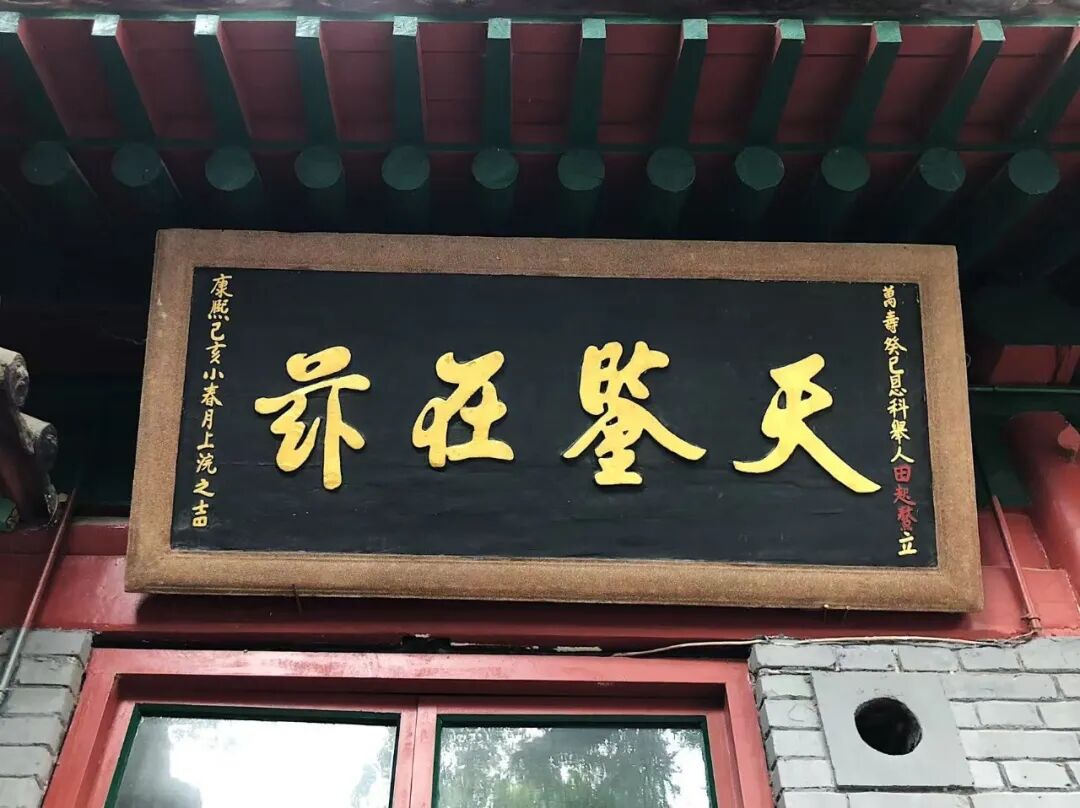
56. Taiyuan Mosque: "Heaven's Mirror is Here"
Erected by Tian Qiao, a successful candidate in the imperial examinations during the Wanshou Guisi year.
An auspicious day in the early tenth lunar month of the Jihai year of the Kangxi reign.
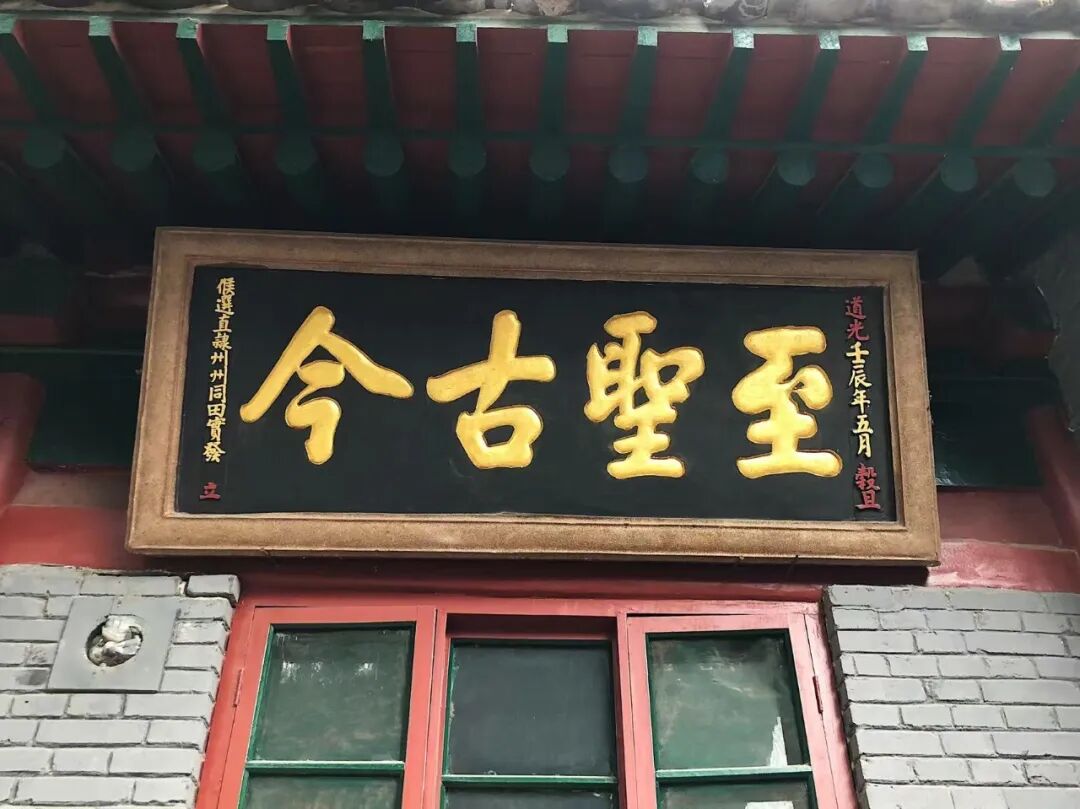
57. Taiyuan Mosque: "The Most Holy, Past and Present"
An auspicious day in the fifth lunar month of the Renchen year of the Daoguang reign.
Erected by Tian Shifa, a candidate for the position of Zhili Prefecture assistant magistrate.
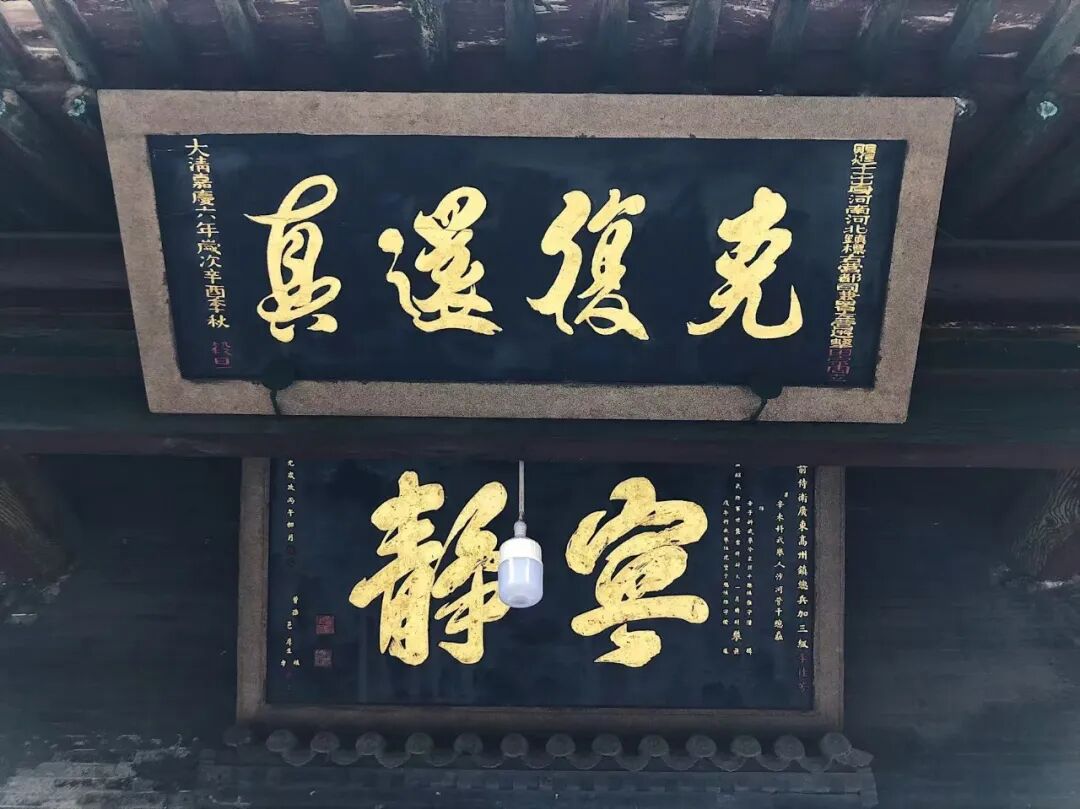
58. Taiyuan Mosque: "Return to the Truth"
Erected by Tian Zongzhou, a jinshi scholar, serving as a captain in the Right Battalion of the Henan-Hebei Garrison and acting commander of the Left Battalion.
An auspicious day in the third month of autumn in the Xinyou year, the 6th year of the Jiaqing reign of the Great Qing Dynasty (1801).
59. Taiyuan Mosque: "Tranquility"
Li Guifang, Imperial Guard and Commander-in-Chief of Gaozhou, Guangdong, with a rank increase of three levels.
His son, a successful candidate in the Xinwei year imperial examinations and a lieutenant at Shahe Camp.
His grandson, Panlin, a military graduate of the Renzi year and a lieutenant at Lengquan Pass, waiting for promotion to major.
Imperial-bestowed Zhaowu General, hereditary Cloud Cavalry Lieutenant, and additional Grace Cavalry Lieutenant Pan Long.
Wuwu-year military graduate, commander of Zhuhu Fort, and expectant garrison commander Pan Feng.
A lucky day in the ninth lunar month of the Bingwu year of the Daoguang reign.
Respectfully erected by his great-grandson, a local government student (yixiangsheng) named He Ming.
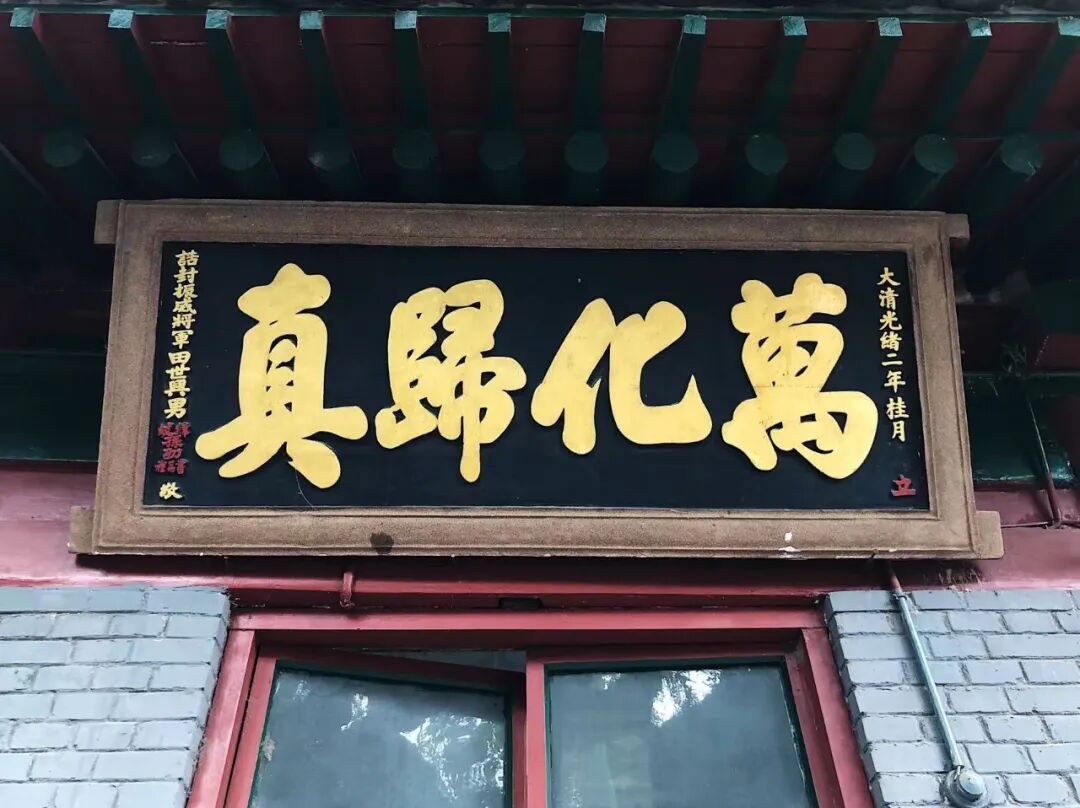
60. Taiyuan Mosque: 'All things return to the truth'.
Erected in the eighth lunar month of the second year of the Guangxu reign of the Great Qing Dynasty.
Respectfully erected by the imperial-titled Zhenwu General Tian Shixing, along with his son Weirong and grandsons Shaoshu, Shaoyi, and Shaoli.
61. Taiyuan Mosque: 'The body is in the same place as others'.
Seal of Huang Daozhou.
Huang Daozhou was a famous scholar, calligrapher, and painter at the end of the Ming Dynasty.
62. Taiyuan Mosque: 'Universal now, unique later'.
Respectfully erected by Li Hechun, a successful candidate in the Shuntian Bingzi provincial examination and magistrate of Tianzhen County, Datong Prefecture.
A lucky day in the eleventh lunar month of the Jihai year, the nineteenth year of the Daoguang reign of the Great Qing Dynasty.
63. Taiyuan Mosque: 'The great potter of all things'.
Erected by Tian Li, a presented scholar (jinshi) who was specially appointed as a military official (dusi) at the Yulin City garrison in the Shaanxi Yanjing region, with a two-grade promotion and two recorded merits.
Erected on a lucky day in the autumn, the ninth lunar month of the Yichou year, the tenth year of the Qianlong reign.
64. Taiyuan Mosque's "Ancient Religion from the Beginning of Heaven"
Jin Guozheng, Regional Commander and Assistant Commissioner-in-Chief in charge of Taiyuan, Shanxi and other areas
An auspicious day in the second month of autumn, the Yiwei year of the Kangxi reign
Jin Guozheng was from Tongxin, Ningxia. He was a famous Hui Muslim general during the Qing Dynasty. During the Kangxi reign, he served as the Regional Commander of Datong, Shanxi, the Regional Commander of Taiyuan Prefecture, and the Provincial Commander of Guyuan.
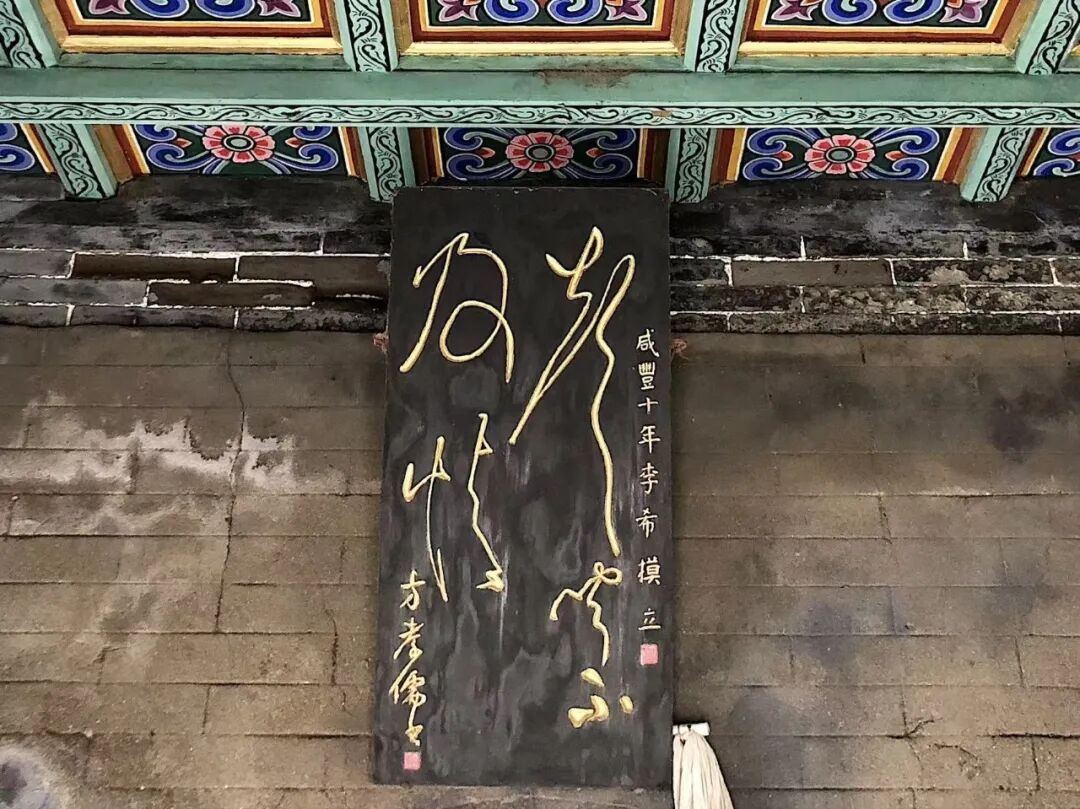
65. Taiyuan Mosque's "The Sound of Chanting Cannot Reach the Depth of Feeling"
Erected by Li Ximo in the tenth year of the Xianfeng reign
Calligraphy by Fang Xiaoru
Fang Xiaoru was a famous scholar, writer, and thinker of the Ming Dynasty.
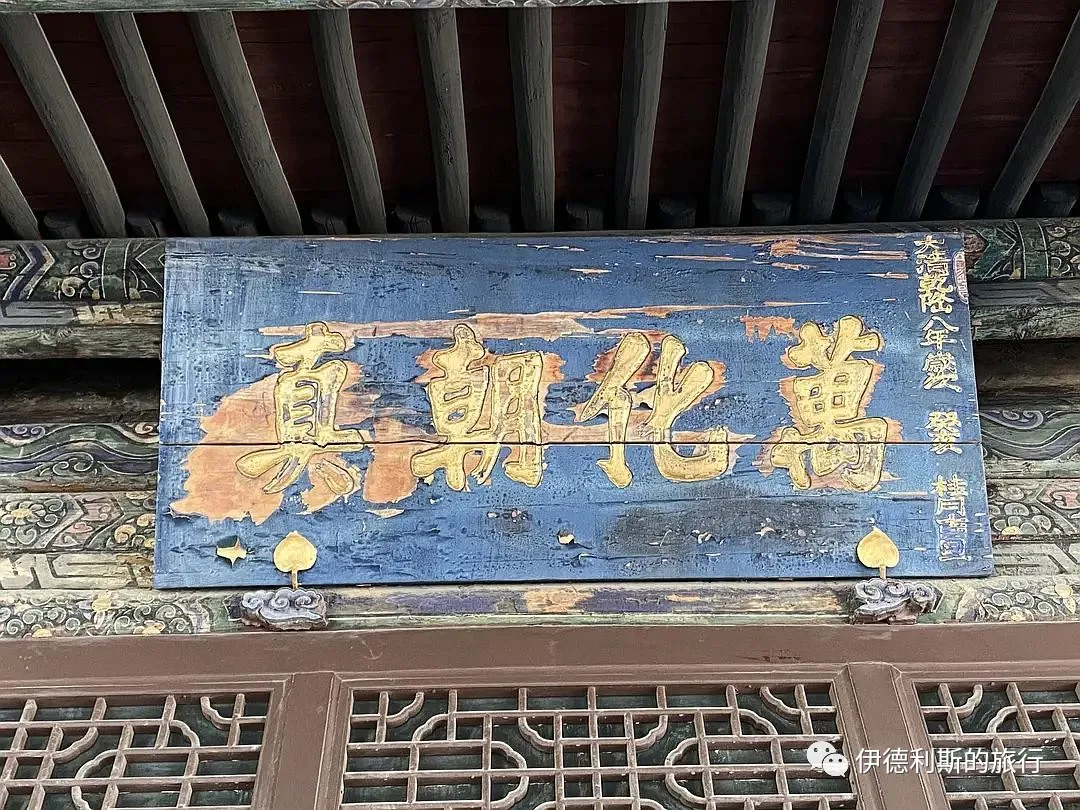
66. Datong Mosque's "Ten Thousand Transformations Bow to the Truth"
An auspicious day in the eighth month, the Guihai year of the Qianlong reign of the Great Qing
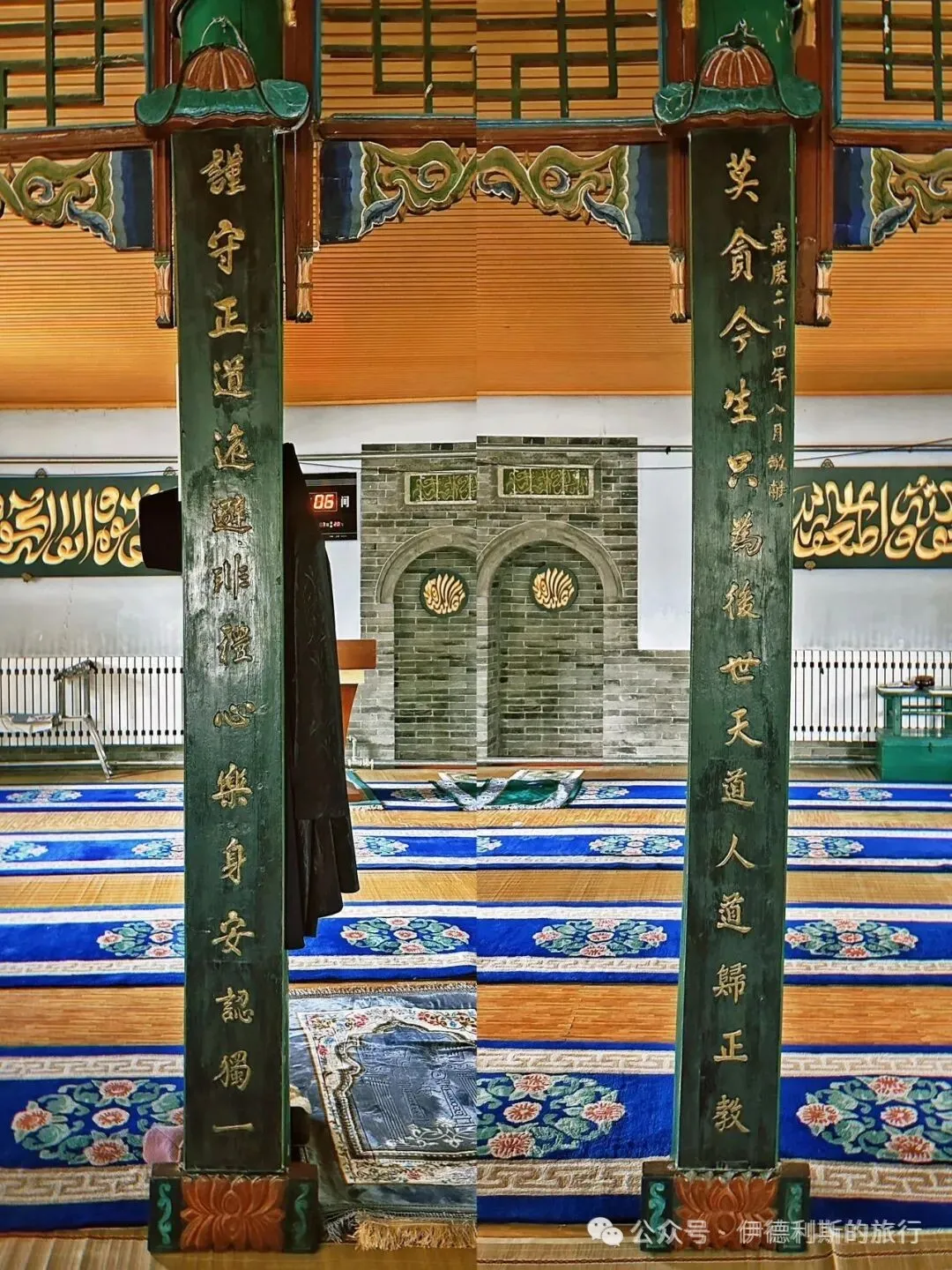
67. Duolun Middle Mosque, Inner Mongolia
Do not be greedy for this life, only for the afterlife; let the way of heaven and the way of man return to the true religion
Strictly keep to the righteous path, avoid what is improper, let the heart be happy and the body be at peace, and recognize the One
Respectfully presented in the eighth month of the twenty-fourth year of the Jiaqing reign
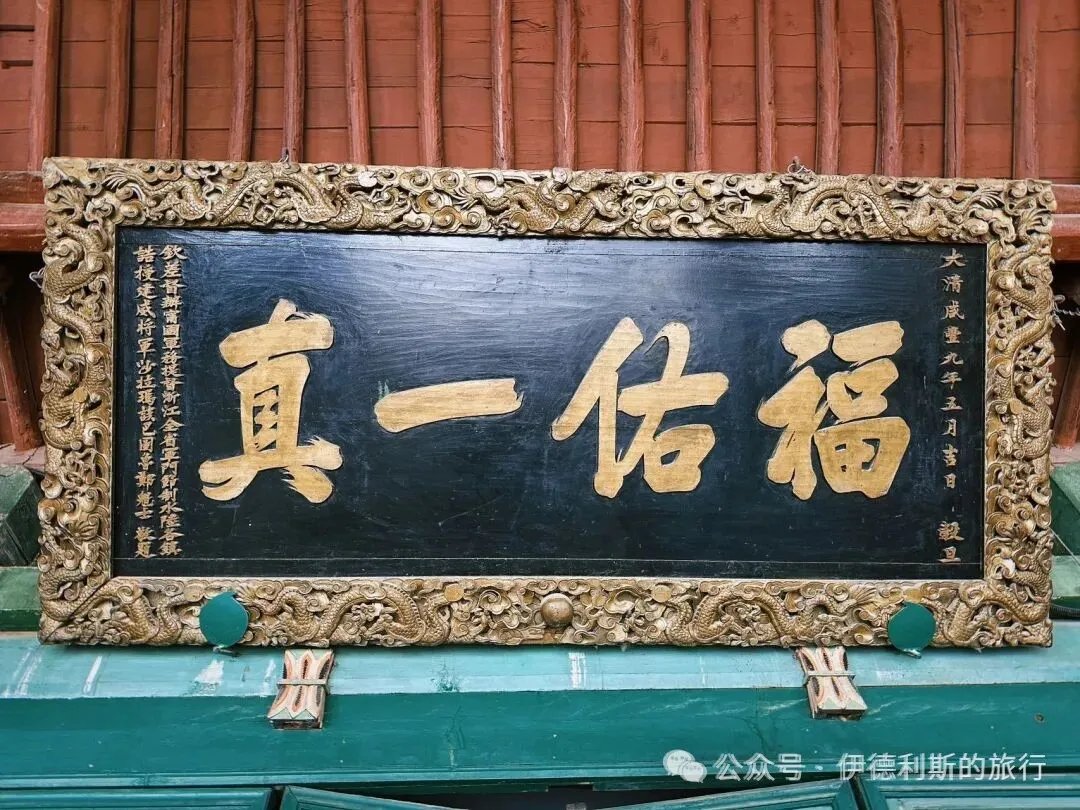
68. Duolun Middle Mosque, Inner Mongolia's "Blessings Protect the One Truth"
An auspicious day in the fifth month of the ninth year of the Xianfeng reign of the Great Qing
Respectfully inscribed by Zheng Kuishi, Imperial Commissioner overseeing Ningguo military affairs, Commander-in-Chief of Zhejiang Province, supervisor of all land and naval garrisons, and holder of the title Jianwei General, Shalama Gai Batulu.
Zheng Kuishi was a famous general in the late Qing Dynasty and a Hui Muslim from Wanquan, Zhangjiakou, Hebei. He fought the Taiping Heavenly Kingdom and the Nian Army for many years. He was the first to break through Luzhou and was wounded over twenty times in Huaiyuan, nearly losing his life, which earned him great praise from the imperial court. When Zheng Kuishi inscribed the plaque for Duolun in the ninth year of the Xianfeng reign, he was serving as the Zhejiang Commander-in-Chief and overseeing Ningguo military affairs, which was the highest rank of his career. In a memorial to the throne, Li Hongzhang highly praised Zheng Kuishi, saying he was "hardworking, resolute, and peerlessly brave... he was the first to face the enemy's sharp edge, braving death, and was severely wounded eight or nine times. His body was covered in scars, and among all the famous generals north and south of the Yangtze River at the time, everyone considered Kuishi the best."
69. "Ancient Islamic Teachings" (Qingzhen Gujiao) at the Middle Mosque (Zhongsi) in Duolun, Inner Mongolia.
Respectfully presented by Song Rui, specially appointed Commander of the Duolun Garrison and recipient of the imperial peacock feather.
An auspicious day in the sixth lunar month of the Yi-Hai year, the first year of the Guangxu reign of the Great Qing Dynasty.
70. "Benevolent Wind Spreads Everywhere" (Renfeng Pubei) at the Middle Mosque (Zhongsi) in Duolun, Inner Mongolia.
Presented by Lord Zhu Dezheng, holder of the fourth-rank title and peacock feather, acting administrator of the Duolun Nuo'er Civil Administration Office.
Respectfully presented by Hui Muslim community leaders Shan Yunxing, village elder Ma Wanxing, and others in the first month of summer, the thirty-first year of the Guangxu reign of the Great Qing Dynasty.
71. "Universal Mercy for the Present World" (Puci Jinshi) at the Middle Mosque (Zhongsi) in Duolun, Inner Mongolia.
An auspicious day in the seventh lunar month of the eighth year of the Republic of China.
Managed by the public.
72. "Unique Mercy for the Future World" (Duci Houshi) at the Middle Mosque (Zhongsi) in Duolun, Inner Mongolia.
An auspicious day in the seventh lunar month of the eighth year of the Republic of China.
Managed by the public.
73. Inner Mongolia Chasuqi Mosque (Chasuqi Si)
An auspicious day in the 47th year of the Qianlong reign of the Great Qing Dynasty
74. Baotou Great Mosque (Baotou Dasi) plaque "Guqiu"
An auspicious day in the third lunar month of the Jiawu year of the Daoguang reign of the Great Qing Dynasty
Inscribed by community leaders Wang Daxing and Bai Kede
75. Baotou Great Mosque plaque "Xianyang Zhengjiao"
An auspicious day in the eighth month of the second year of the Republic of China
Respectfully inscribed by Ma Fuxiang, Altay Garrison Commander, Army Lieutenant General, and Commander of the Gansu Zhaowu Patrol and Ningxia forces
76. Kaifeng Zhuxian Town North Mosque plaque "Zhenyi Huanzhen"
Inscribed by Yulu, First Rank official, Minister of War, Censor-in-Chief of the Left, and Viceroy of Huguang
Erected by Wu Dengshun and Yu Qinghe on an auspicious day in the first month of winter in the Wuzi year of the Guangxu reign
77. Kaifeng Zhuxian Town North Mosque plaque "Zhijiao Zhenyuan"
Inscribed by Zhu Yulu, Imperial Scholar and Governor of Henan
Erected on an auspicious day in the Dinghai year of the 30th year of the Qianlong reign
78. Kaifeng Zhuxian Town North Mosque plaque "Keshou Qingzhen"
Erected on an auspicious day in the first ten days of spring in the first year of the Xianfeng reign by the Zhu Town community.
Respectfully inscribed by Sha Lütai, a candidate for county magistrate in Henan.
79. The 'Knowing Before the Rain' plaque at the North Mosque in Zhuxian Town, Kaifeng.
Bestowed by imperial decree in the summer of the 50th year of the Qianlong reign of the Great Qing Dynasty.
Inscribed by Ji Yun, Grand Academician of the Hanlin Academy.
Re-inscribed by Niu Guangfu, Honorary Dean of the Kaifeng Calligraphy and Painting Academy.
Re-erected in the ninth lunar month of 1988.
The original plaque was destroyed after 1966. Legend has it that in the summer of the 50th year of the Qianlong reign (1785), Emperor Qianlong toured the south with Ji Xiaolan. On their return, they stayed at the North Mosque in Zhuxian Town. It was a hot, sunny day in the seventh lunar month. When Emperor Qianlong left, the mosque's Imam Sai gave Ji Xiaolan a bamboo hat, a fox-fur coat, and rain gear. Ji Xiaolan did not understand why, but Imam Sai said they would surely be useful. As Emperor Qianlong’s party traveled north by boat along the grain transport canal, they had gone only about 20 li when a fierce storm broke out with thunder and rain. The temperature dropped suddenly, and Ji Xiaolan quickly draped the fox-fur coat the Imam had given him over the Emperor. Ji Xiaolan made a special trip back to the North Mosque in Zhuxian Town to ask Imam Sai how he had predicted the storm. The Imam said, 'Last night there was a lunar halo, and today the base of the stone pillar behind the mosque gate was damp. A lunar halo means wind, and damp stone bases mean rain. With both, there was bound to be heavy rain and hail.' After hearing this, Ji Xiaolan wrote the four large characters 'Knowing Before the Rain' (weiyu xianzhi), which were later made into a plaque and hung on the mosque gate.
80. The 'Shanyitang Mosque' in Kaifeng.
The second month of spring in the ninth year of the Guangxu reign.
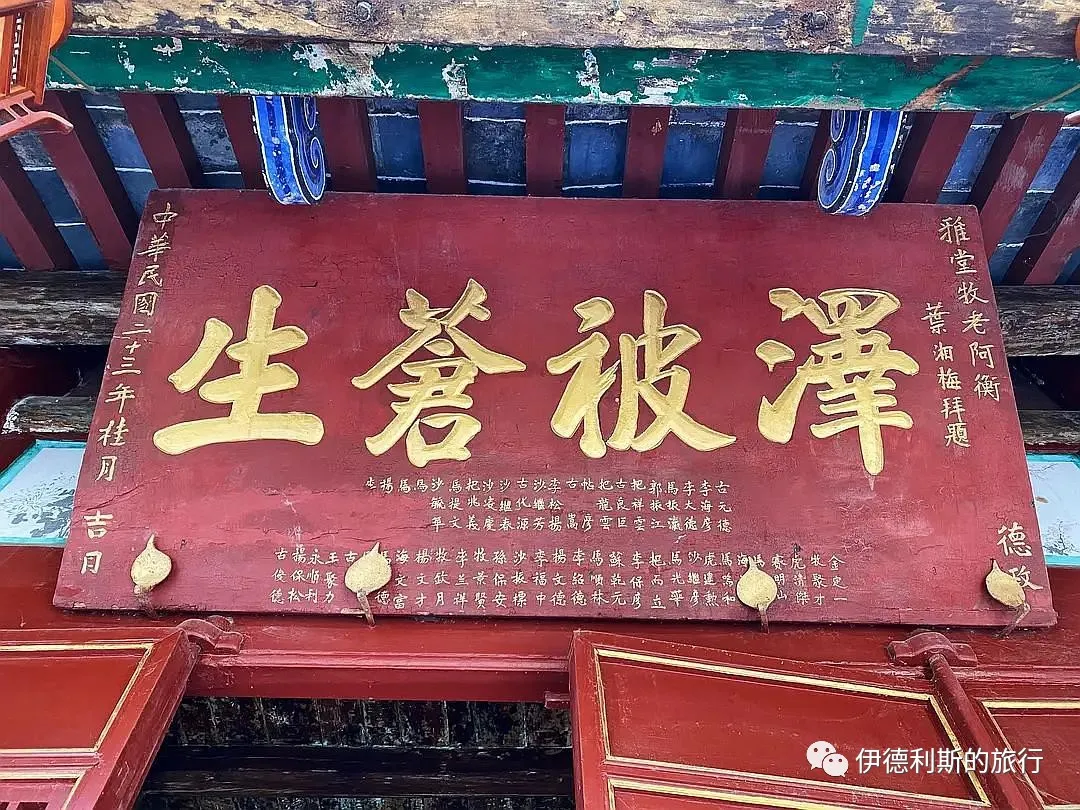
81. Zhengzhou North Mosque: 'Blessings for All People'.
The virtuous governance of Imam (ahong) Mu of Yatang.
Inscribed by Ye Xiangmei.
An auspicious day in the eighth lunar month of the twenty-third year of the Republic of China.
The local community set up this plaque for Imam Mu Wenxiu. Legend says Imam Mu was invited to Yangqiaotan Township near the Yellow River in the northern suburbs of Zhengzhou to offer dua for rain and end a drought. After his dua, a soaking rain fell, providing enough water to end the drought. Imam Mu and others walked there under the hot sun and returned in the rain. The people were very grateful and presented this plaque to show their appreciation.
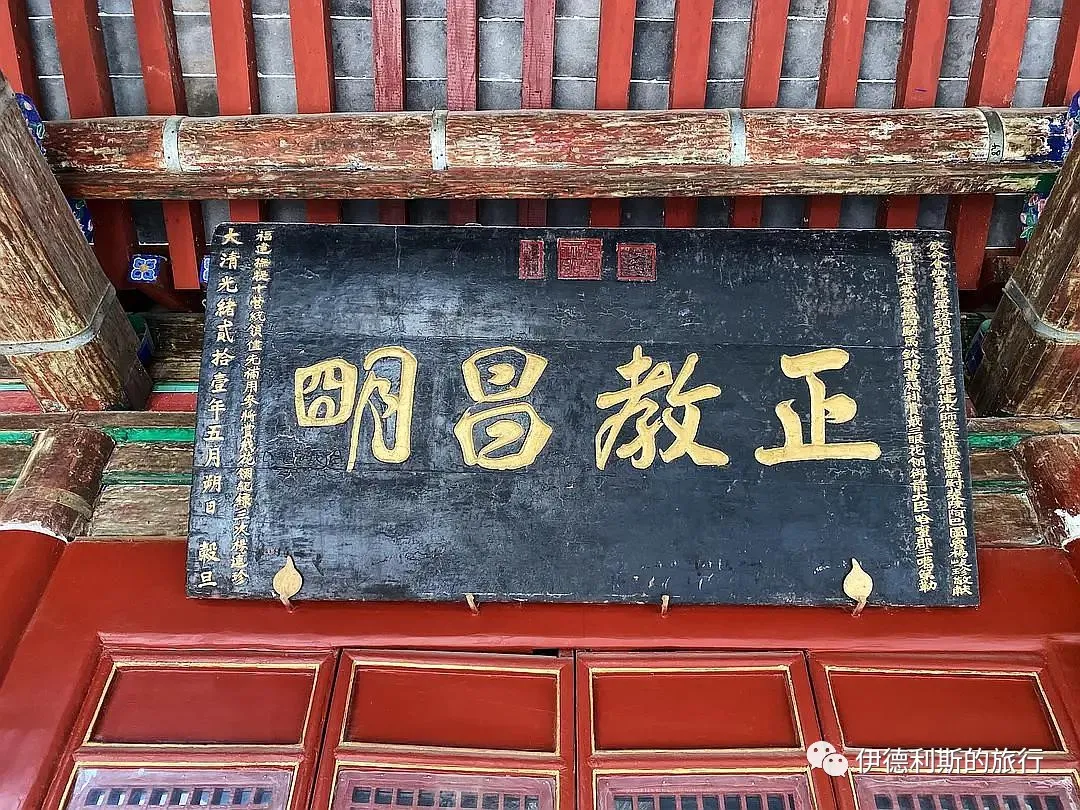
82. Zhengzhou North Mosque: 'The True Faith Flourishes'.
Presented by Yang Qizhen, Imperial Commissioner for Taiwan Military Affairs, First Rank Official, Minister-ranked Fujian Naval Admiral, and Hereditary Cloud-riding Lieutenant (yunqiwei) Peiling Abatur.
Presented by Hami Prince Hedile, Imperial Guard, permitted to ride a horse in the Forbidden City, recipient of the Imperial Yellow Jacket and the three-eyed peacock feather.
Presented by Yang Lianzhen, Commander of the Ten Fujian Battalions, expectant Brigade General (canjiang), recipient of the peacock feather, and three-time record holder for merit.
An auspicious day on the first day of the first lunar month in the twenty-first year of the Guangxu reign of the Great Qing Dynasty.
Yang Qizhen was a Hui Muslim from Huainan, Anhui, and a patriotic general in the late Qing Dynasty. In 1885, he led his troops to fight against French warships. He became the Admiral of the Fujian Navy in 1892 and built a mosque in Xiamen. In 1895, he passed through Zhengzhou and wrote a plaque for the North Mosque (Beidasi).
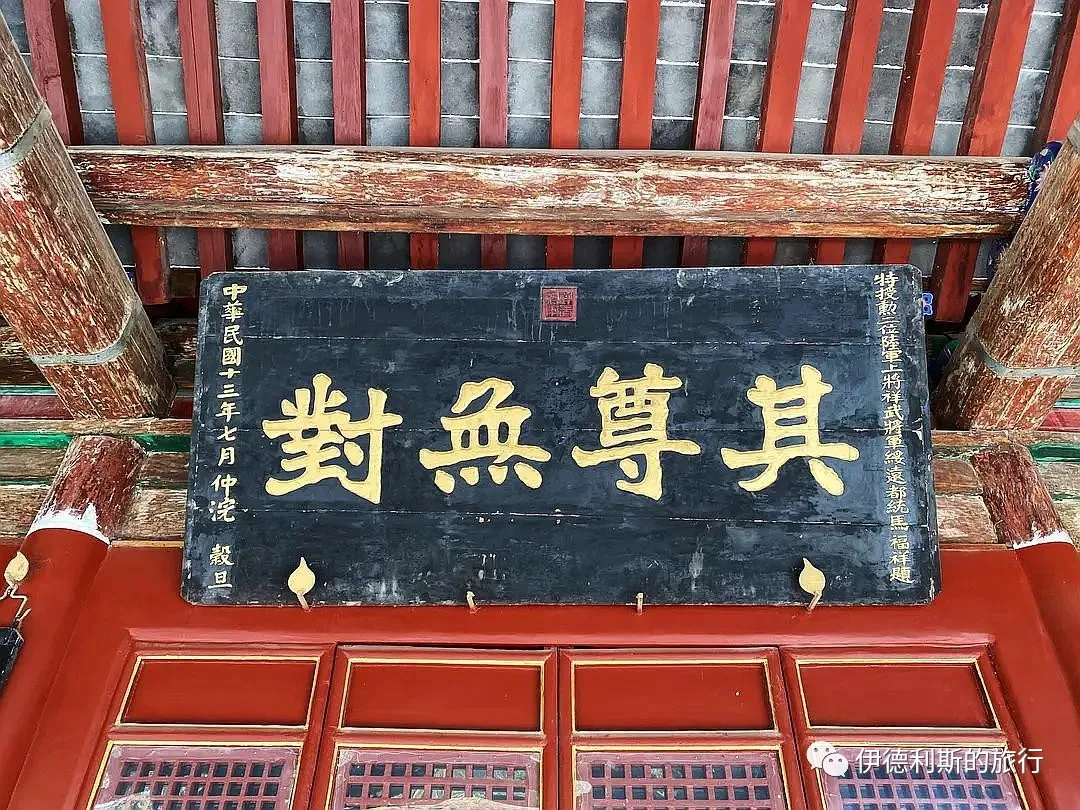
83. The 'His Majesty Has No Equal' plaque at the Zhengzhou North Mosque.
Inscribed by Ma Fuxiang, specially appointed Army General, General Xiangwu, and Military Governor of Suiyuan.
A lucky day in the middle of the seventh lunar month, the 13th year of the Republic of China.
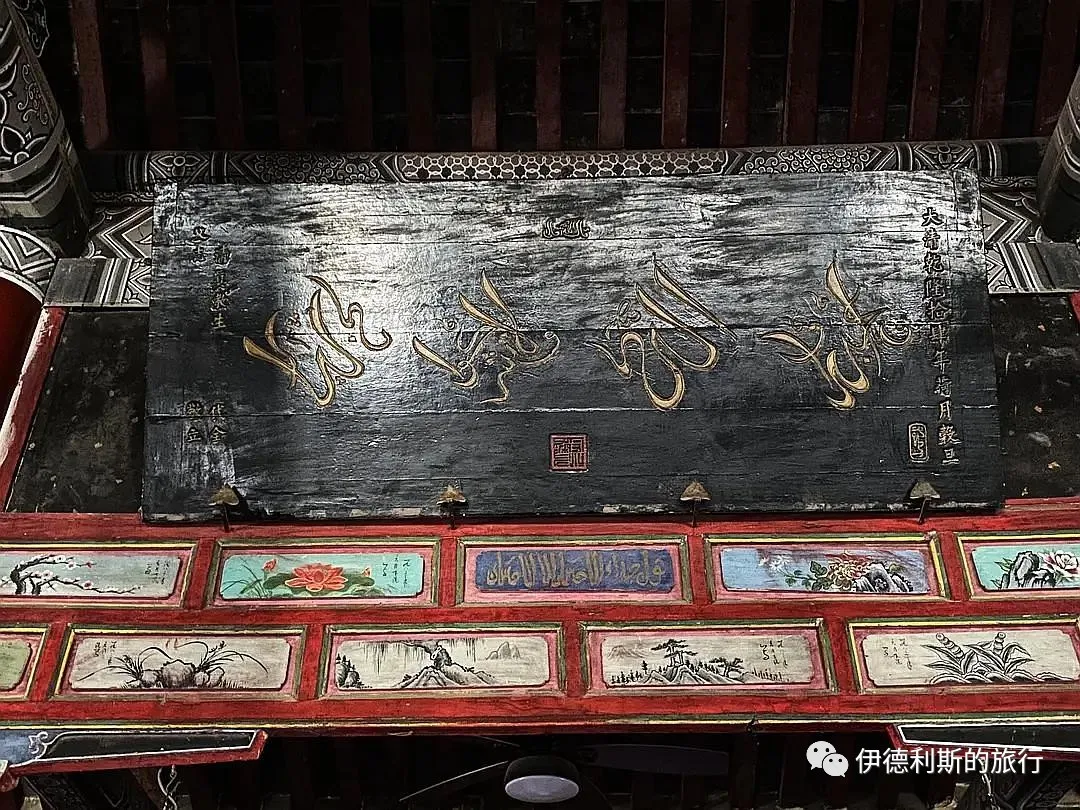
84. Arabic plaque at the Zhengzhou North Mosque.
A lucky day in the sixth lunar month, the 14th year of the Qianlong reign of the Great Qing Dynasty.
Erected by Ai Zhijing, a follower of the Islamic faith.
85. The 'Truth Discusses the Three Worlds' plaque at the Zhengzhou North Mosque.
The 13th year of the Guangxu reign.
The World of Truth (the unseen world), the World of Form (the material world, the present life), and the World of Reality (the afterlife) are unified and inseparable. The World of Truth explores the origin of creation, the World of Form is the material reality we see, and the afterlife explores our future destination.
86. The 'Mosque' plaque at the Taicheng Mosque in Tai'an.
Erected on a day in the first lunar month of the Jiwei year, the Wanli reign of the Great Ming Dynasty.
87. Arabic plaque at the Zhenjiao Mosque in Qingzhou.
In the 12th year of the Yongzheng reign of the Great Qing Dynasty.
Rebuilt in the Jiayin year during the month of Qin.
88. Jinan North Mosque: 'Recognize the Oneness of Allah'.
Respectfully erected in the eighth month of the eleventh year of the Republic of China.
Written by Tang Kesan, Superintendent of the Xiamen Customs, after ritual washing.
89. Jinan North Mosque: 'Three Fears and Four Admonitions'.
An auspicious day in the latter part of the sixth month of the thirteenth year of the Republic of China.
Respectfully written by Tang Kesan, holder of the Second Class Order of the Golden Grain, former Daoyin of the Jinan Circuit in Shandong, and former Superintendent of the Xiamen Customs.
Tang Kesan was a Hui Muslim from Zoucheng, Shandong. He was a famous social activist during the Republic of China era. He served as the Shandong negotiator for the Ministry of Foreign Affairs, director of the Shandong Epidemic Prevention Office, Superintendent of the Xiamen Customs, director of the Shandong Provincial Road Administration, and Daoyin of the Jinan West Circuit. He served as principal of Chengda Normal School, founded the 'Yuehua' magazine, helped establish the Chinese Islamic Progress Association, and organized and led the Hui Muslim movement to resist Japan and save the nation. He made great contributions to the faith.
90. Jinan Nanguan Mosque: 'Mosque'.
Built and renovated in the eighth year of the Xianfeng reign.
91. Linqing North Mosque: 'Sincere Intentions and Upright Heart'.
Erected by Li Ying, a nominated and appointed brave Baturu (a title of honor) of the Dengzhou General Military Office.
An auspicious day in the middle winter month of the Yiyou year, the eleventh year of the Guangxu reign.
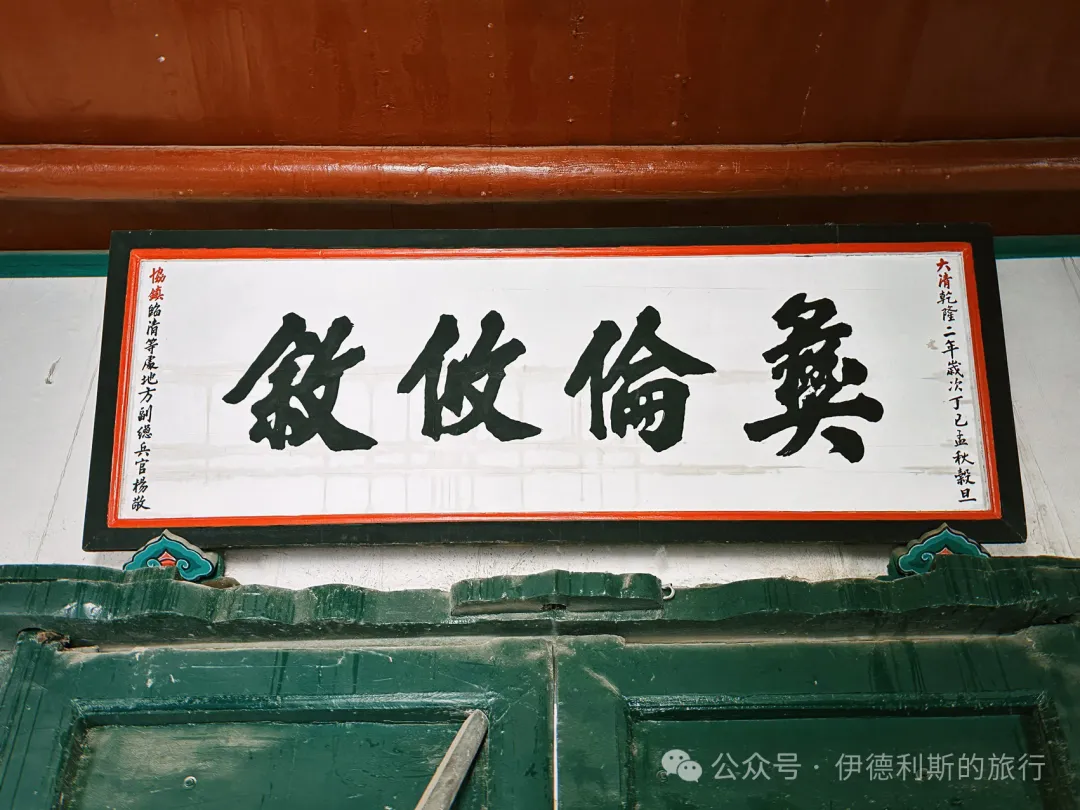
92. Linqing North Mosque: 'The Proper Order of Human Relationships'.
An auspicious day in the first month of autumn in the Dingji year, the second year of the Qianlong reign of the Great Qing Dynasty.
Yang Jing, the Vice Regional Commander of Linqing and surrounding areas.
93. Linqing North Mosque, the "Pure and True Mosque" (Qingzhen Libaisi).
The first month of spring in the Jiajing year of Jiazi.
94. Linqing East Mosque, the "Mosque" (Libaisi).
Built in the second month of spring in the Yiyou year, the first year of the Chenghua reign.
Renovated on an auspicious day in the last month of summer in the Wanli year of Guiwei.
Renovated on an auspicious day in the second month of summer in the Shunzhi year of Jiwei.
95. Liaocheng East Mosque, "Benefits Shared Equally" (Lize Junzhan).
An auspicious day in the second month of spring in the Gengwu year of the Jiaqing reign of the Great Qing.
Disciples from Shanxi and Hebei.
96. Wuhu Mosque, "Ancient Faith That Opened the Heavens" (Kaitian Gujiao).
An auspicious day in the twenty-third year of the Republic of China.
Respectfully presented by fellow Muslims.
97. Xi'an Huajue Lane Great Mosque, "Encompassing the Universe" (Baoluo Yuzhou).
Respectfully erected by Sha Diankui, the imperial-appointed Blue Feather-wearing Major of the Shaanxi Governor's Left Battalion.
Written by Shi Zhongyu of Pinyang during the middle ten days of the sixth month of summer in the Daoguang year of Gengzi.
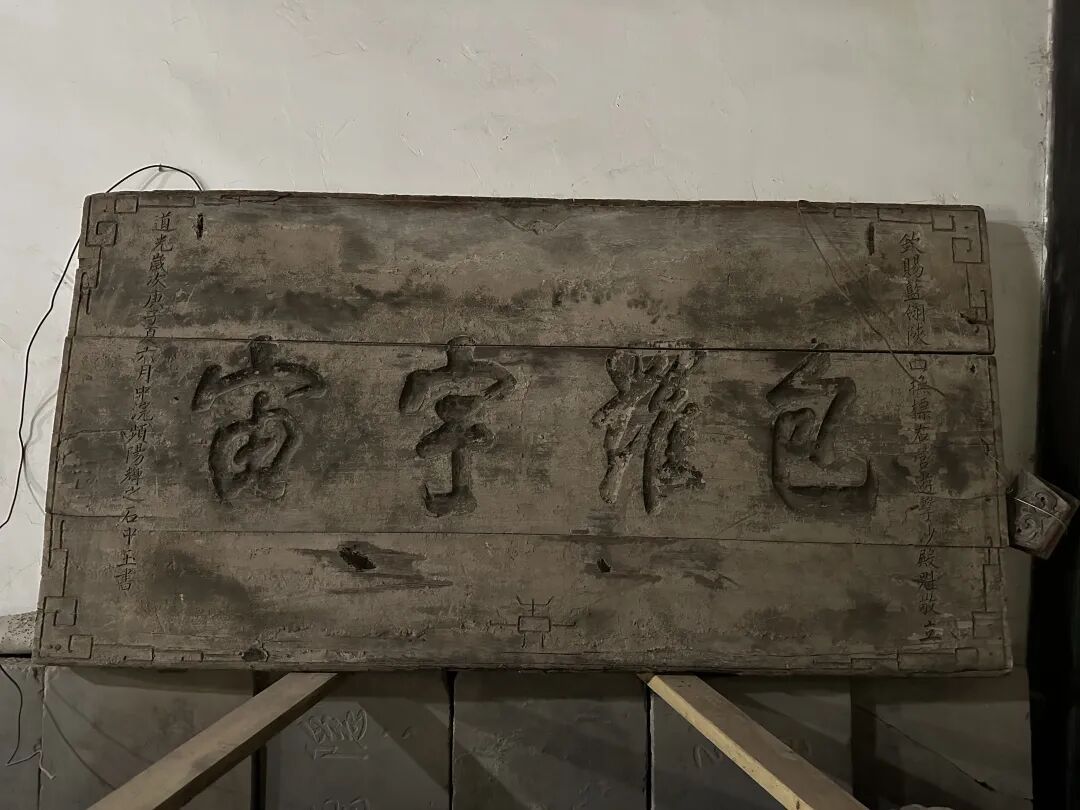
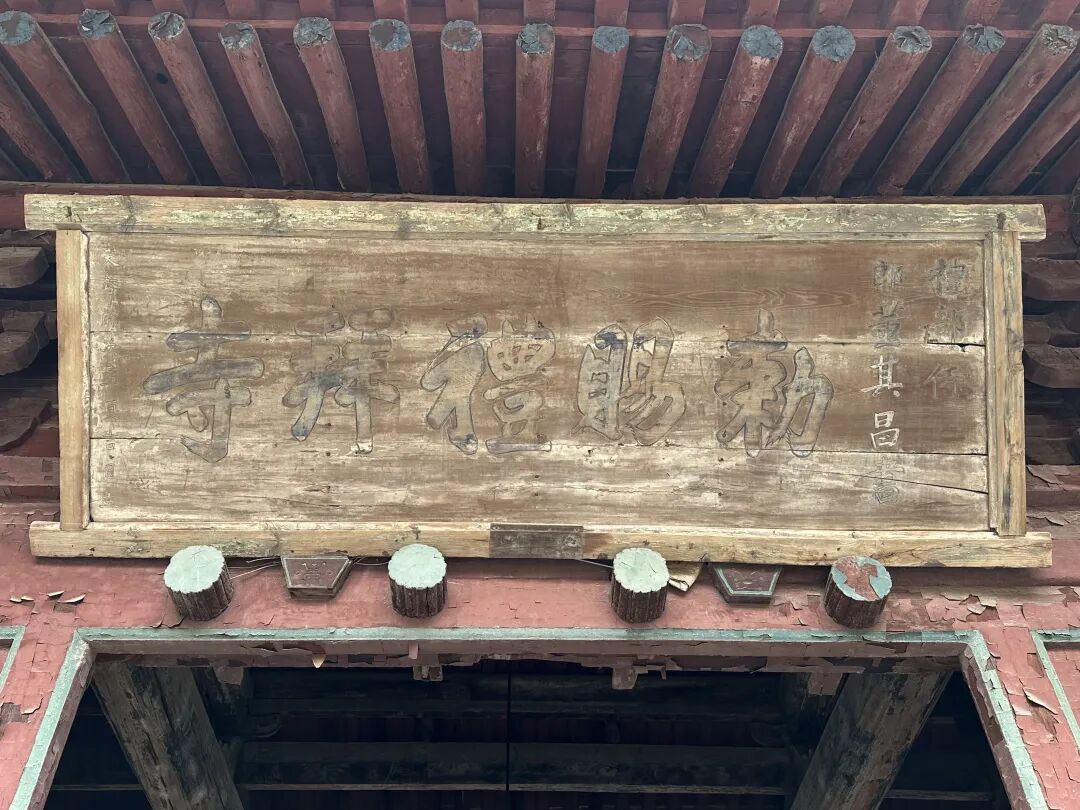
98. The Imperial Mosque (Chici Libaisi) at Huajue Lane in Xi'an.
Calligraphy by Dong Qichang, Vice Minister of the Ministry of Rites.
Erected on an auspicious day in the first month of summer in the Tianqi era.
Dong Qichang was a calligrapher and painter during the Ming Dynasty.
99. The plaque 'Lineage from the Holy Land' (Pai Yan Tian Fang) at the Huajue Lane Mosque in Xi'an.
The Imperial Seal of Empress Dowager Cixi.
Legend says that when the Eight-Nation Alliance invaded in 1900, Empress Dowager Cixi and Emperor Guangxu fled to Xi'an. On the day they returned to the capital the following year, she wrote the inscription for this famous mosque. Tang Mianzhu, the former provincial judge, handled the delivery. The streets were packed with people watching the plaque being delivered, making it a very lively event.
100. The Huajue Lane Mosque in Xi'an.
The spider web remained intact, and the pigeons called out.
The message reached the warhorse, and the deer was released again.
Mid-Autumn Festival, the year of Guimao in the Guangxu reign.
Calligraphy by Wenti, a former compiler at the Hanlin Academy and Prefect of Kaifeng, Henan.
The Prophet was pursued by the Quraish tribe and hid in the Cave of Thawr with Abu Bakr.
The enemies reached the cave entrance and saw the spider web was unbroken.
They thought no one was inside and left.
The pursuers were still suspicious and threw stones to test the cave, causing two turtledoves (hu ge) to fly out.
The enemy saw the birds were not startled, so they were sure no one was there and the threat of war disappeared.
Companions of the Prophet, warhorses delivering messages, battles, and treaties.
A non-believer caught a live deer and said to the Prophet, If you can make this deer speak, I will convert. The Prophet guaranteed the deer would be released to nurse its young and promised it would return. The deer returned on time.
The non-believer was amazed and converted to the faith.
Wenti was from the Manchu Plain Yellow Banner, of the Guwalgiya clan, and a calligrapher in the late Qing Dynasty.
Appreciating plaques and couplets from the faith (1-50 pieces). view all
Summary: China Mosque Travel Guide: Hui Muslim Plaques, Couplets and Islamic Calligraphy (51-100) is presented here as a firsthand travel account in clear English, beginning with this scene: Tian Yongtong was a Hui Muslim general from Taiyuan, Shanxi. He became a military Jinshi scholar in the 28th year of the Qianlong reign and rose to the rank of Commander-in-Chief of Jiangnan. The account keeps its focus on Mosque Travel, Islamic Heritage, Muslim Travel while preserving the names, places, food, and historical details from the Chinese source.
51. The plaque 'Principles Rooted in Confucianism' (Li Guan Ru Zong) at Taiyuan Mosque.
Erected on a lucky day in the tenth month of the Yichou year, the tenth year of the Jiaqing reign.
Respectfully written by Tian Yongtong, a palace guard who earned the title of Jinshi scholar and served as the Brigade General of Nanyang, Henan.
Renovated by his great-great-grandson Zhenjing in the 31st year of the Republic of China.
Tian Yongtong was a Hui Muslim general from Taiyuan, Shanxi. He became a military Jinshi scholar in the 28th year of the Qianlong reign and rose to the rank of Commander-in-Chief of Jiangnan.
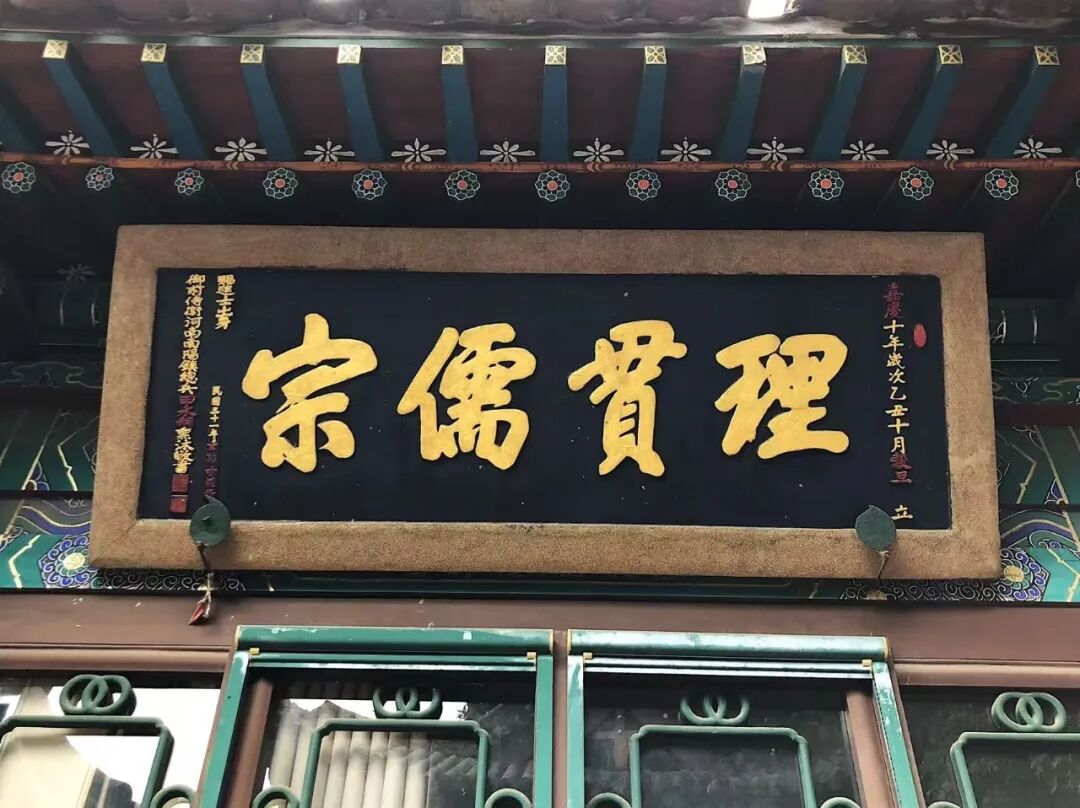
52. The plaque 'Extremely Brilliant' (Ji Gao Ming) at Taiyuan Mosque.
Respectfully presented by Zhang Jinglie from Yunnan, a palace guard and assistant regional commander in charge of the eastern route of Shanxi and the southern defense of Taiyuan city.
A lucky day in the ninth month of the Xinmao year, the 36th year of the Qianlong reign of the Great Qing Dynasty.
53. The plaque 'The Way is Known in Greatness' (Dao Jian Zhi Hong) at Taiyuan Mosque.
Reprinted by Chongde Lu in the eighth month of the seventh year of the Tongzhi reign.
Shao Yong.
Shao Yong was a philosopher and expert on the I Ching during the Northern Song Dynasty.
54. The plaque 'Only Virtue is Supported' (Wei De Shi Fu) at Taiyuan Mosque.
Respectfully erected by Duo Ding, a Juren scholar from the Dingmao year of the Qianlong reign and an instructor in Wanquan County.
Renovated by his clansman Chi in the eleventh month of the Dingwei year of the Daoguang reign.
55. The plaque 'The Teaching Exalts the True One' (Jiao Long Zhen Yi) at Taiyuan Mosque.
Respectfully inscribed by Ha Panfeng, Imperial Guard, Commander-in-Chief of Datong, Shanxi, appointed by imperial decree, with three recorded merits.
An auspicious day in the sixth lunar month of the 46th year of the Qianlong reign of the Great Qing Dynasty (1781).
Ha Panfeng was from Suning County, Hebei, and became a military jinshi scholar in the 16th year of the Qianlong reign.
56. Taiyuan Mosque: "Heaven's Mirror is Here"
Erected by Tian Qiao, a successful candidate in the imperial examinations during the Wanshou Guisi year.
An auspicious day in the early tenth lunar month of the Jihai year of the Kangxi reign.
57. Taiyuan Mosque: "The Most Holy, Past and Present"
An auspicious day in the fifth lunar month of the Renchen year of the Daoguang reign.
Erected by Tian Shifa, a candidate for the position of Zhili Prefecture assistant magistrate.
58. Taiyuan Mosque: "Return to the Truth"
Erected by Tian Zongzhou, a jinshi scholar, serving as a captain in the Right Battalion of the Henan-Hebei Garrison and acting commander of the Left Battalion.
An auspicious day in the third month of autumn in the Xinyou year, the 6th year of the Jiaqing reign of the Great Qing Dynasty (1801).
59. Taiyuan Mosque: "Tranquility"
Li Guifang, Imperial Guard and Commander-in-Chief of Gaozhou, Guangdong, with a rank increase of three levels.
His son, a successful candidate in the Xinwei year imperial examinations and a lieutenant at Shahe Camp.
His grandson, Panlin, a military graduate of the Renzi year and a lieutenant at Lengquan Pass, waiting for promotion to major.
Imperial-bestowed Zhaowu General, hereditary Cloud Cavalry Lieutenant, and additional Grace Cavalry Lieutenant Pan Long.
Wuwu-year military graduate, commander of Zhuhu Fort, and expectant garrison commander Pan Feng.
A lucky day in the ninth lunar month of the Bingwu year of the Daoguang reign.
Respectfully erected by his great-grandson, a local government student (yixiangsheng) named He Ming.
60. Taiyuan Mosque: 'All things return to the truth'.
Erected in the eighth lunar month of the second year of the Guangxu reign of the Great Qing Dynasty.
Respectfully erected by the imperial-titled Zhenwu General Tian Shixing, along with his son Weirong and grandsons Shaoshu, Shaoyi, and Shaoli.
61. Taiyuan Mosque: 'The body is in the same place as others'.
Seal of Huang Daozhou.
Huang Daozhou was a famous scholar, calligrapher, and painter at the end of the Ming Dynasty.
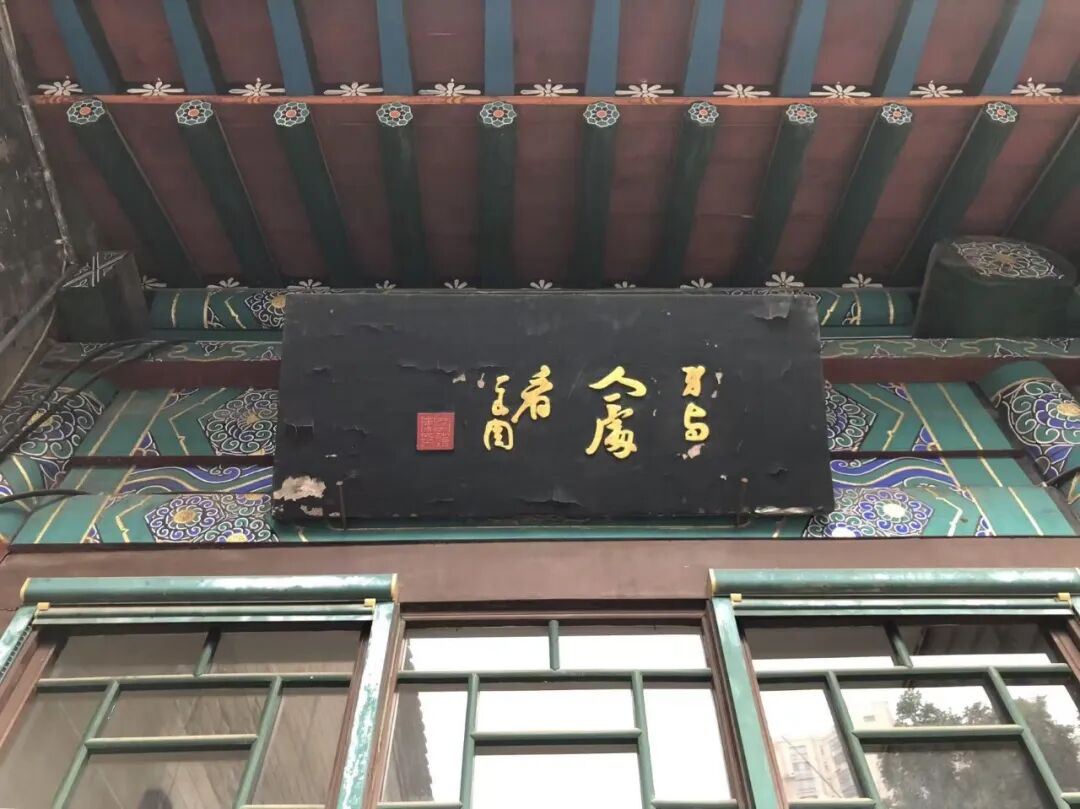
62. Taiyuan Mosque: 'Universal now, unique later'.
Respectfully erected by Li Hechun, a successful candidate in the Shuntian Bingzi provincial examination and magistrate of Tianzhen County, Datong Prefecture.
A lucky day in the eleventh lunar month of the Jihai year, the nineteenth year of the Daoguang reign of the Great Qing Dynasty.
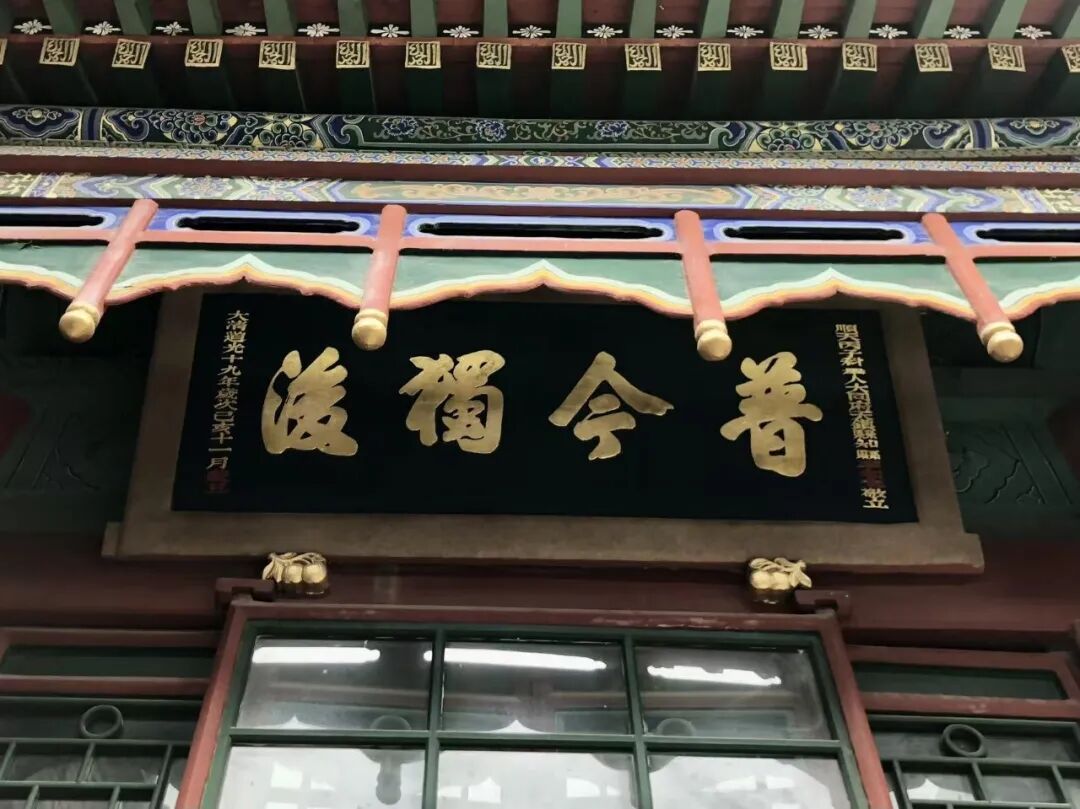
63. Taiyuan Mosque: 'The great potter of all things'.
Erected by Tian Li, a presented scholar (jinshi) who was specially appointed as a military official (dusi) at the Yulin City garrison in the Shaanxi Yanjing region, with a two-grade promotion and two recorded merits.
Erected on a lucky day in the autumn, the ninth lunar month of the Yichou year, the tenth year of the Qianlong reign.
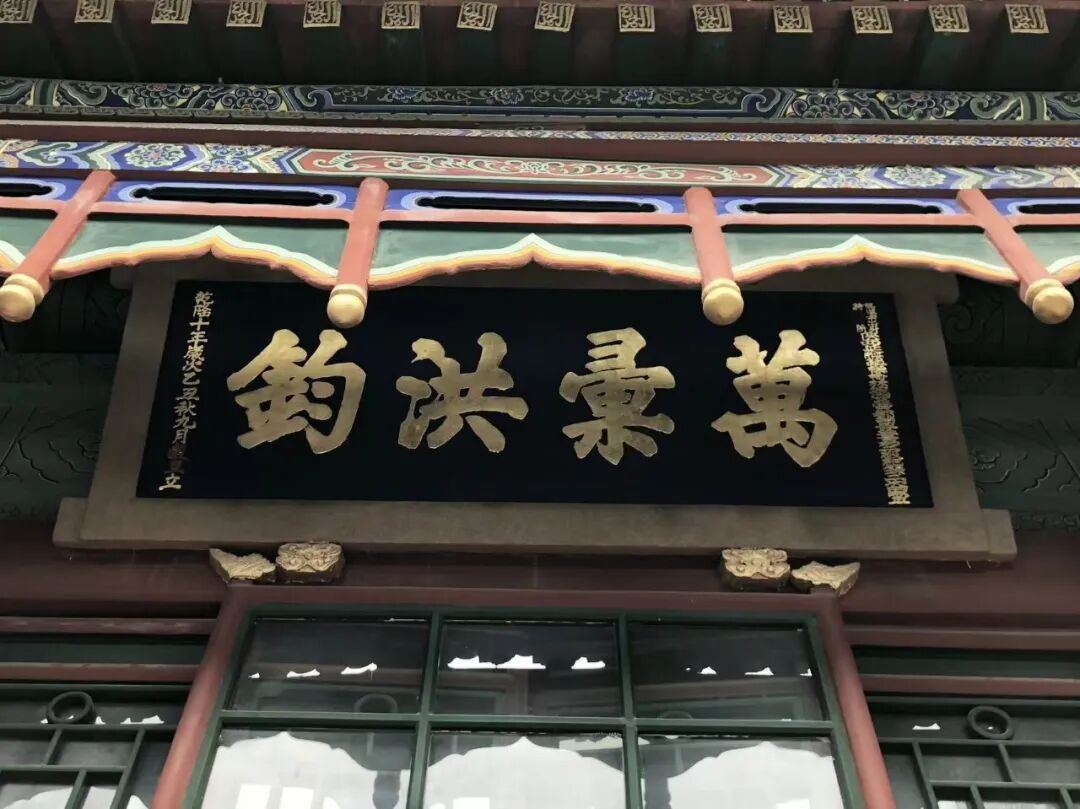
64. Taiyuan Mosque's "Ancient Religion from the Beginning of Heaven"
Jin Guozheng, Regional Commander and Assistant Commissioner-in-Chief in charge of Taiyuan, Shanxi and other areas
An auspicious day in the second month of autumn, the Yiwei year of the Kangxi reign
Jin Guozheng was from Tongxin, Ningxia. He was a famous Hui Muslim general during the Qing Dynasty. During the Kangxi reign, he served as the Regional Commander of Datong, Shanxi, the Regional Commander of Taiyuan Prefecture, and the Provincial Commander of Guyuan.
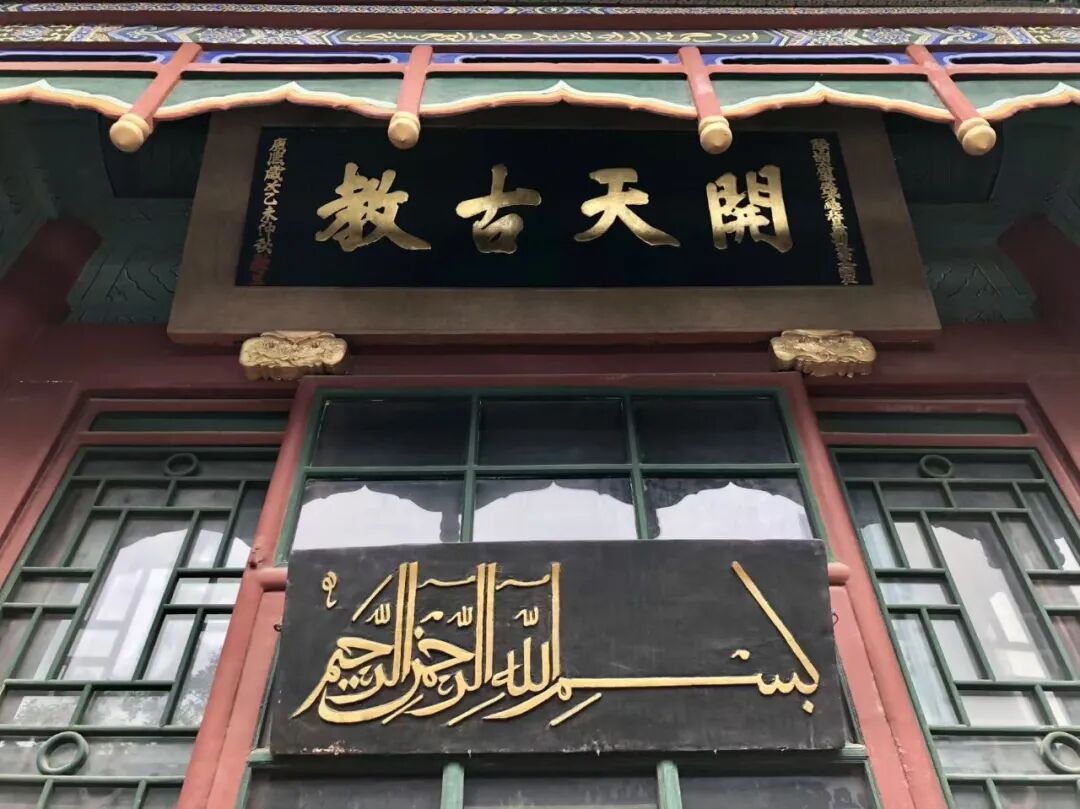
65. Taiyuan Mosque's "The Sound of Chanting Cannot Reach the Depth of Feeling"
Erected by Li Ximo in the tenth year of the Xianfeng reign
Calligraphy by Fang Xiaoru
Fang Xiaoru was a famous scholar, writer, and thinker of the Ming Dynasty.
66. Datong Mosque's "Ten Thousand Transformations Bow to the Truth"
An auspicious day in the eighth month, the Guihai year of the Qianlong reign of the Great Qing
67. Duolun Middle Mosque, Inner Mongolia
Do not be greedy for this life, only for the afterlife; let the way of heaven and the way of man return to the true religion
Strictly keep to the righteous path, avoid what is improper, let the heart be happy and the body be at peace, and recognize the One
Respectfully presented in the eighth month of the twenty-fourth year of the Jiaqing reign
68. Duolun Middle Mosque, Inner Mongolia's "Blessings Protect the One Truth"
An auspicious day in the fifth month of the ninth year of the Xianfeng reign of the Great Qing
Respectfully inscribed by Zheng Kuishi, Imperial Commissioner overseeing Ningguo military affairs, Commander-in-Chief of Zhejiang Province, supervisor of all land and naval garrisons, and holder of the title Jianwei General, Shalama Gai Batulu.
Zheng Kuishi was a famous general in the late Qing Dynasty and a Hui Muslim from Wanquan, Zhangjiakou, Hebei. He fought the Taiping Heavenly Kingdom and the Nian Army for many years. He was the first to break through Luzhou and was wounded over twenty times in Huaiyuan, nearly losing his life, which earned him great praise from the imperial court. When Zheng Kuishi inscribed the plaque for Duolun in the ninth year of the Xianfeng reign, he was serving as the Zhejiang Commander-in-Chief and overseeing Ningguo military affairs, which was the highest rank of his career. In a memorial to the throne, Li Hongzhang highly praised Zheng Kuishi, saying he was "hardworking, resolute, and peerlessly brave... he was the first to face the enemy's sharp edge, braving death, and was severely wounded eight or nine times. His body was covered in scars, and among all the famous generals north and south of the Yangtze River at the time, everyone considered Kuishi the best."
69. "Ancient Islamic Teachings" (Qingzhen Gujiao) at the Middle Mosque (Zhongsi) in Duolun, Inner Mongolia.
Respectfully presented by Song Rui, specially appointed Commander of the Duolun Garrison and recipient of the imperial peacock feather.
An auspicious day in the sixth lunar month of the Yi-Hai year, the first year of the Guangxu reign of the Great Qing Dynasty.
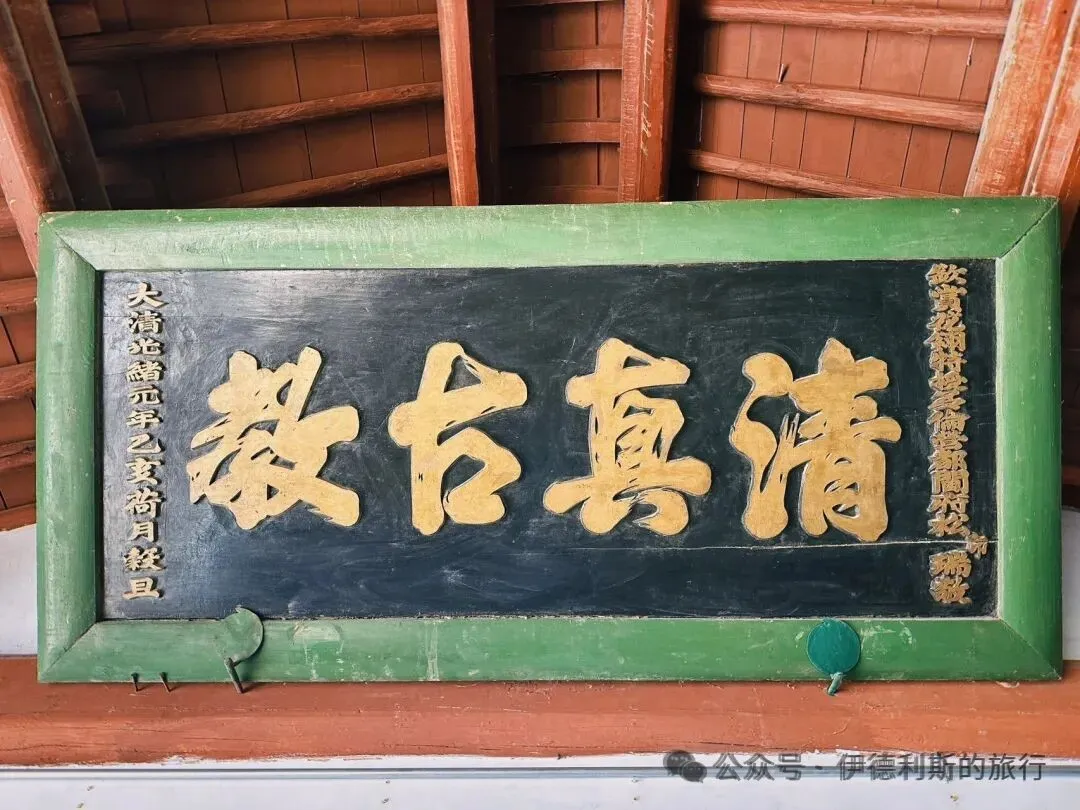
70. "Benevolent Wind Spreads Everywhere" (Renfeng Pubei) at the Middle Mosque (Zhongsi) in Duolun, Inner Mongolia.
Presented by Lord Zhu Dezheng, holder of the fourth-rank title and peacock feather, acting administrator of the Duolun Nuo'er Civil Administration Office.
Respectfully presented by Hui Muslim community leaders Shan Yunxing, village elder Ma Wanxing, and others in the first month of summer, the thirty-first year of the Guangxu reign of the Great Qing Dynasty.
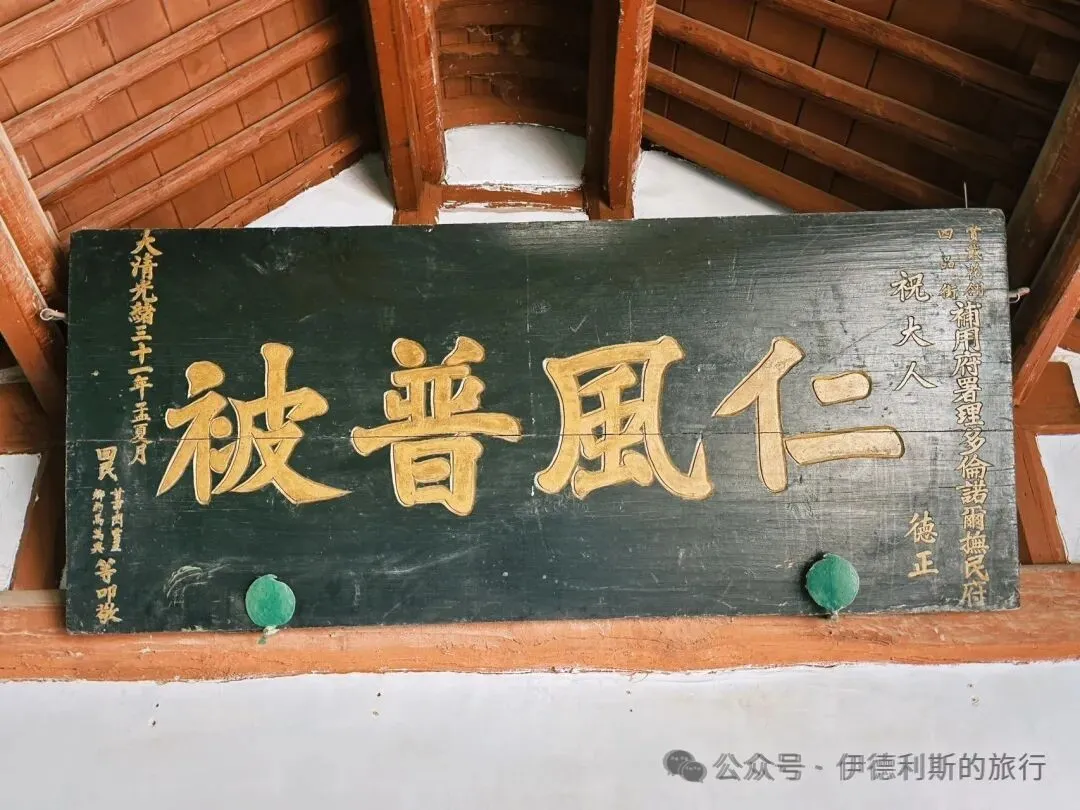
71. "Universal Mercy for the Present World" (Puci Jinshi) at the Middle Mosque (Zhongsi) in Duolun, Inner Mongolia.
An auspicious day in the seventh lunar month of the eighth year of the Republic of China.
Managed by the public.
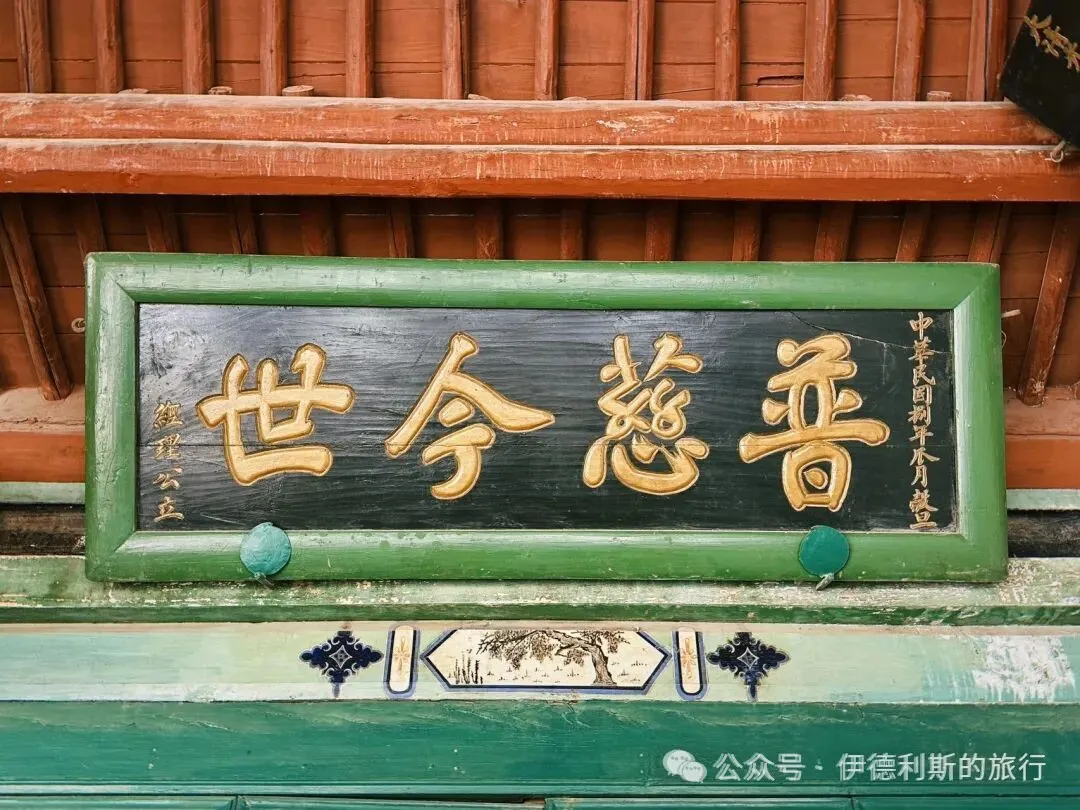
72. "Unique Mercy for the Future World" (Duci Houshi) at the Middle Mosque (Zhongsi) in Duolun, Inner Mongolia.
An auspicious day in the seventh lunar month of the eighth year of the Republic of China.
Managed by the public.
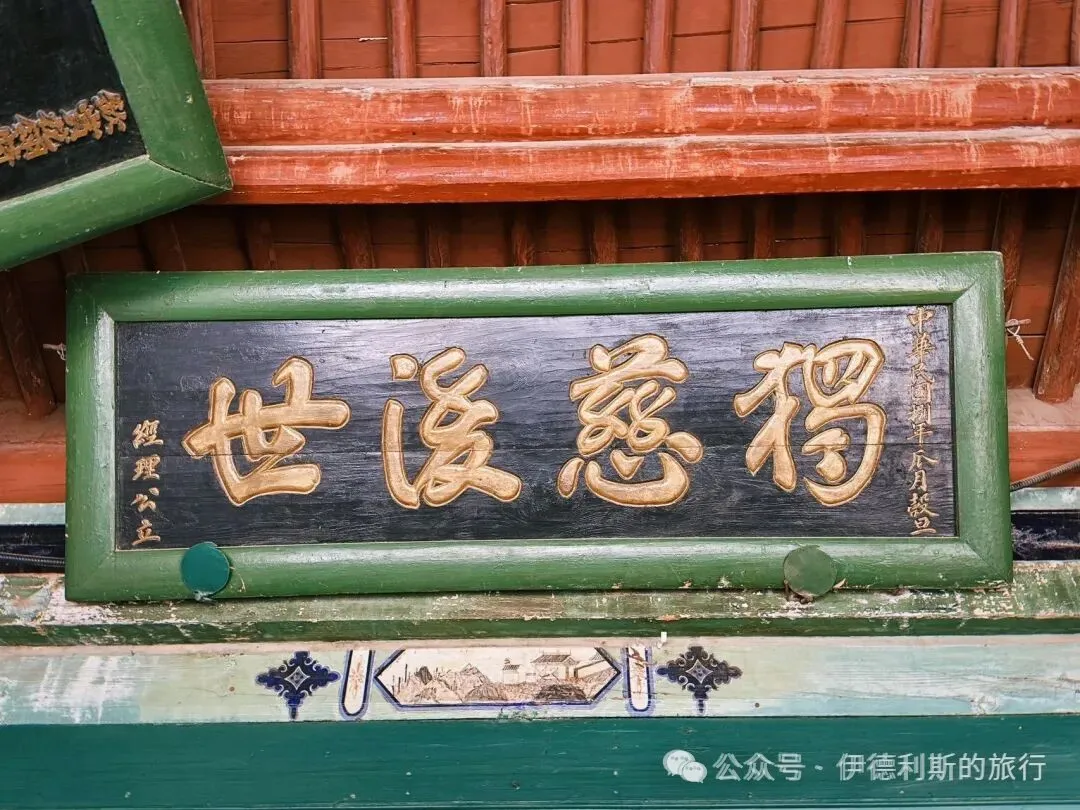
73. Inner Mongolia Chasuqi Mosque (Chasuqi Si)
An auspicious day in the 47th year of the Qianlong reign of the Great Qing Dynasty
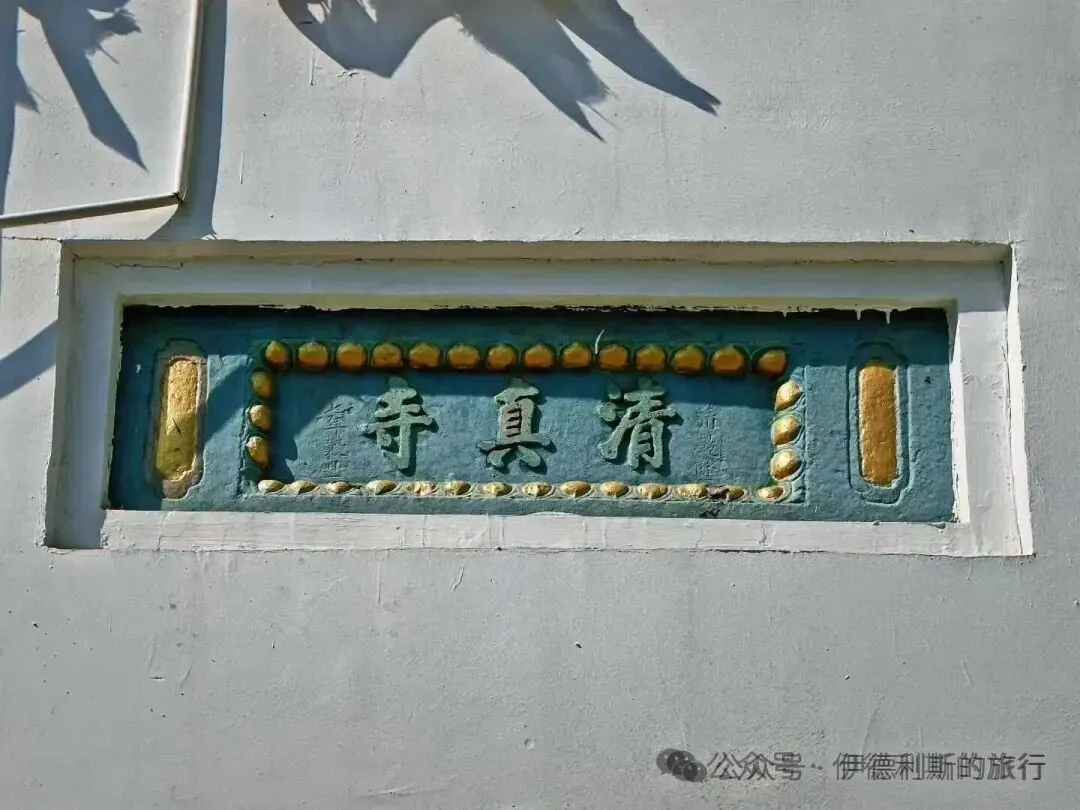
74. Baotou Great Mosque (Baotou Dasi) plaque "Guqiu"
An auspicious day in the third lunar month of the Jiawu year of the Daoguang reign of the Great Qing Dynasty
Inscribed by community leaders Wang Daxing and Bai Kede
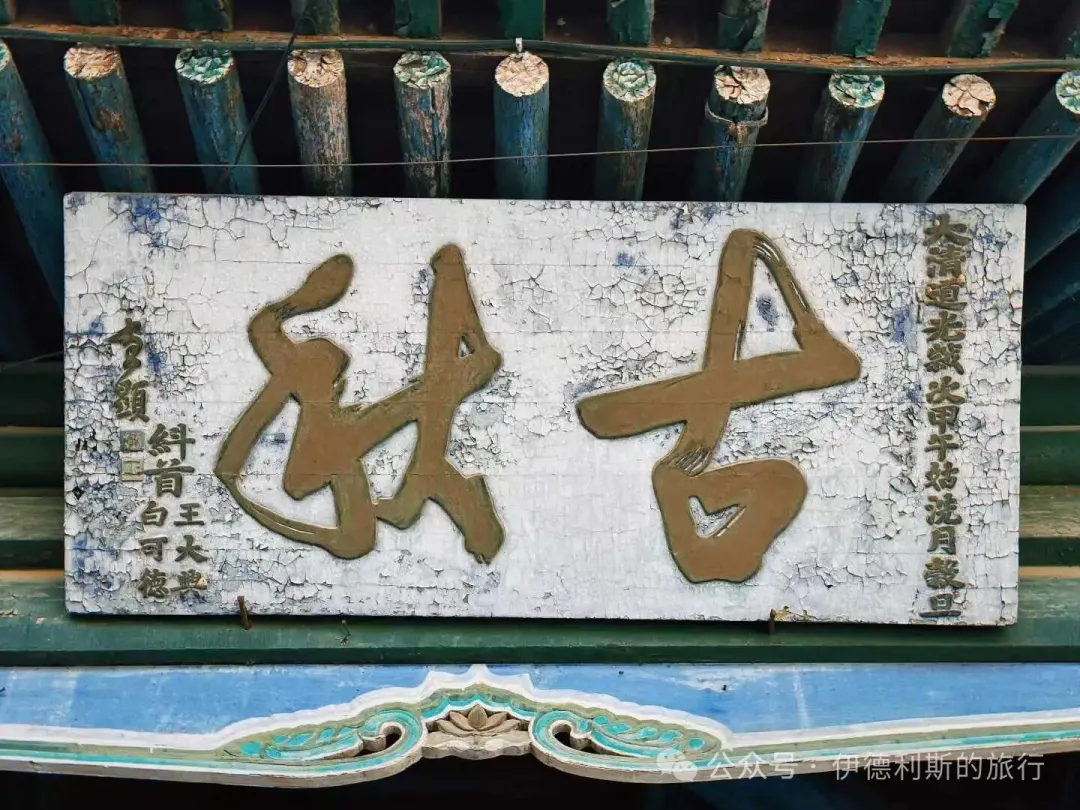
75. Baotou Great Mosque plaque "Xianyang Zhengjiao"
An auspicious day in the eighth month of the second year of the Republic of China
Respectfully inscribed by Ma Fuxiang, Altay Garrison Commander, Army Lieutenant General, and Commander of the Gansu Zhaowu Patrol and Ningxia forces
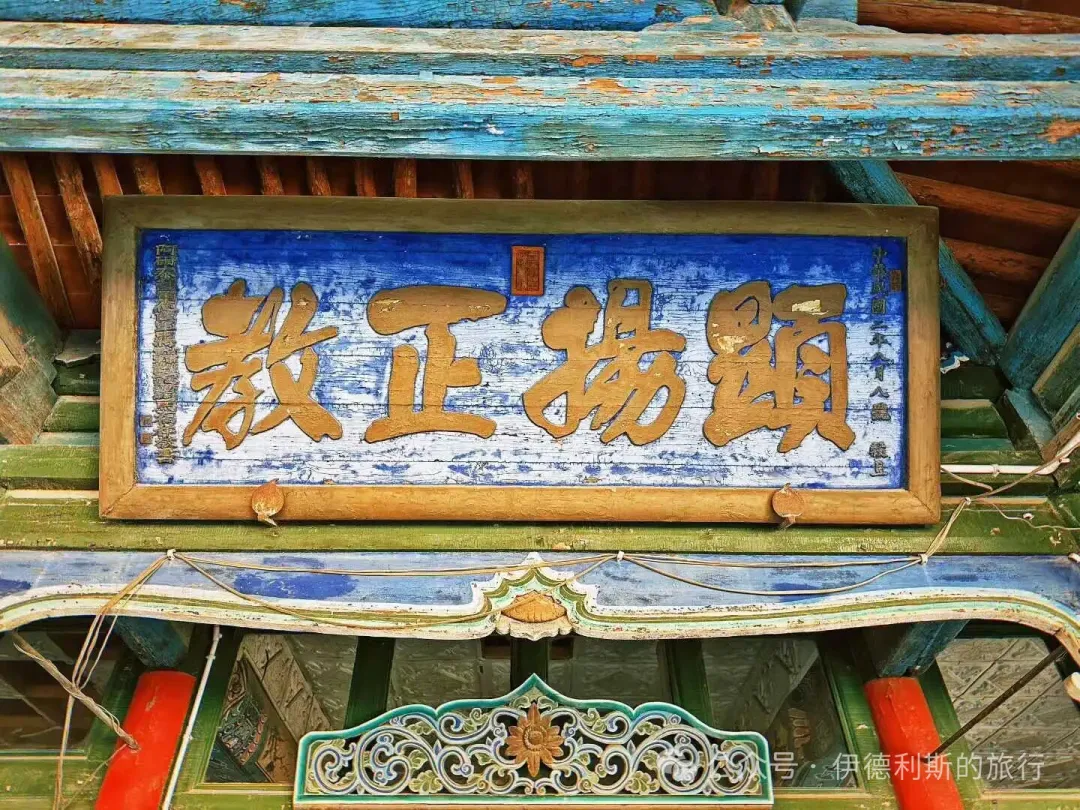
76. Kaifeng Zhuxian Town North Mosque plaque "Zhenyi Huanzhen"
Inscribed by Yulu, First Rank official, Minister of War, Censor-in-Chief of the Left, and Viceroy of Huguang
Erected by Wu Dengshun and Yu Qinghe on an auspicious day in the first month of winter in the Wuzi year of the Guangxu reign
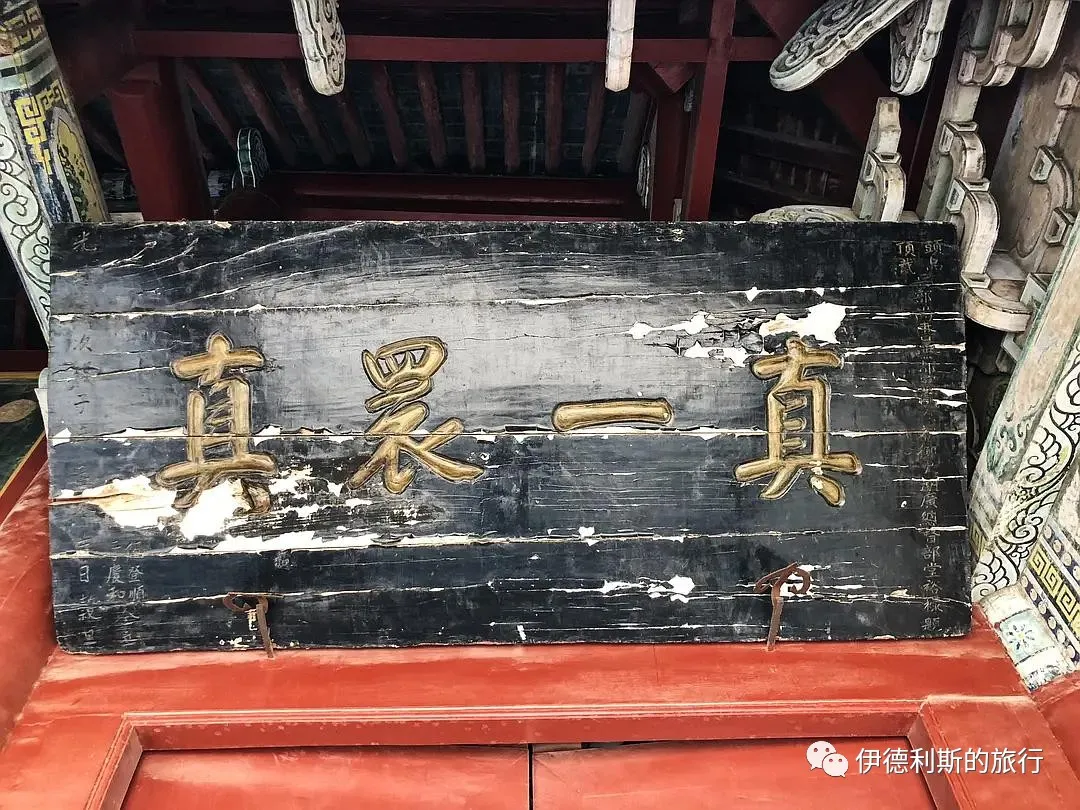
77. Kaifeng Zhuxian Town North Mosque plaque "Zhijiao Zhenyuan"
Inscribed by Zhu Yulu, Imperial Scholar and Governor of Henan
Erected on an auspicious day in the Dinghai year of the 30th year of the Qianlong reign
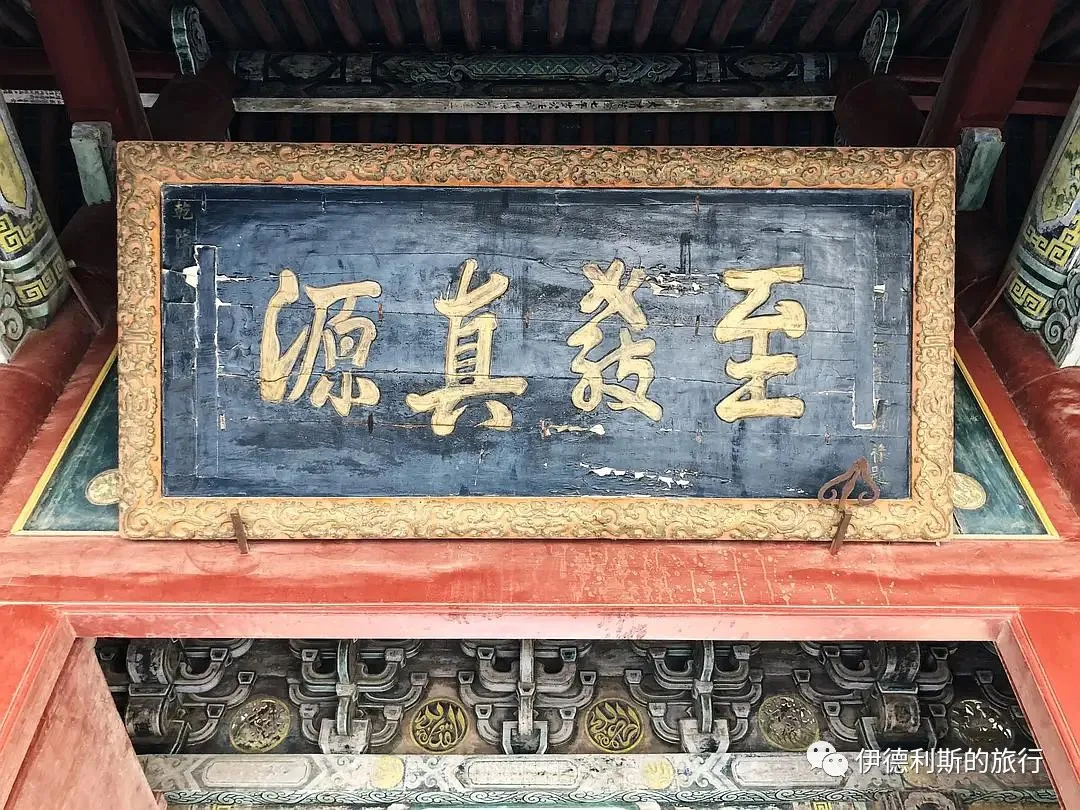
78. Kaifeng Zhuxian Town North Mosque plaque "Keshou Qingzhen"
Erected on an auspicious day in the first ten days of spring in the first year of the Xianfeng reign by the Zhu Town community.
Respectfully inscribed by Sha Lütai, a candidate for county magistrate in Henan.
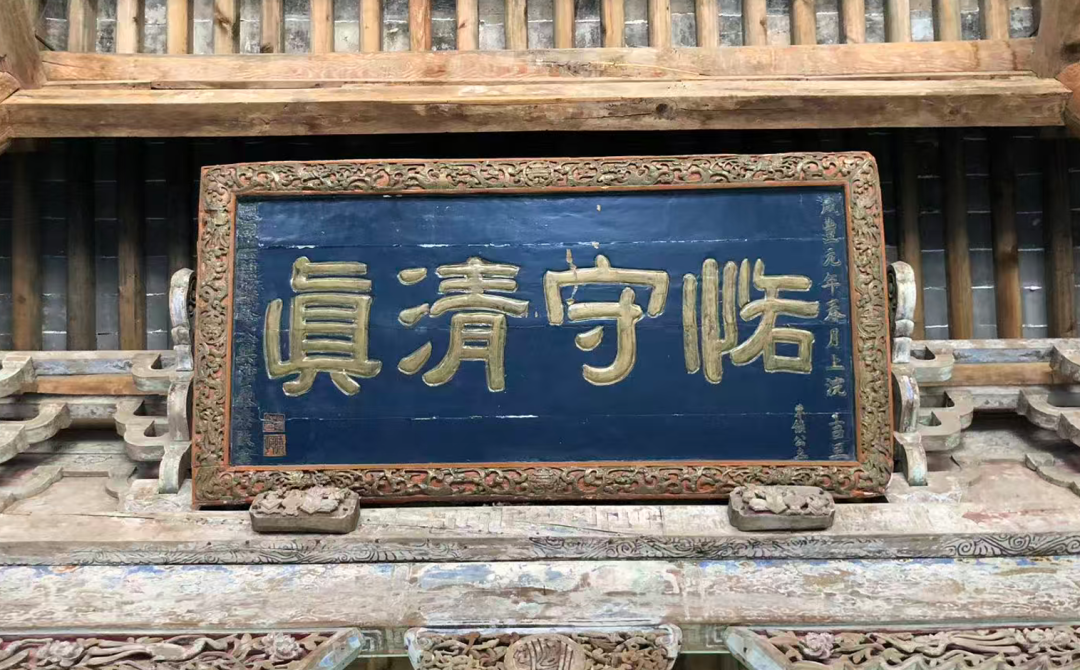
79. The 'Knowing Before the Rain' plaque at the North Mosque in Zhuxian Town, Kaifeng.
Bestowed by imperial decree in the summer of the 50th year of the Qianlong reign of the Great Qing Dynasty.
Inscribed by Ji Yun, Grand Academician of the Hanlin Academy.
Re-inscribed by Niu Guangfu, Honorary Dean of the Kaifeng Calligraphy and Painting Academy.
Re-erected in the ninth lunar month of 1988.
The original plaque was destroyed after 1966. Legend has it that in the summer of the 50th year of the Qianlong reign (1785), Emperor Qianlong toured the south with Ji Xiaolan. On their return, they stayed at the North Mosque in Zhuxian Town. It was a hot, sunny day in the seventh lunar month. When Emperor Qianlong left, the mosque's Imam Sai gave Ji Xiaolan a bamboo hat, a fox-fur coat, and rain gear. Ji Xiaolan did not understand why, but Imam Sai said they would surely be useful. As Emperor Qianlong’s party traveled north by boat along the grain transport canal, they had gone only about 20 li when a fierce storm broke out with thunder and rain. The temperature dropped suddenly, and Ji Xiaolan quickly draped the fox-fur coat the Imam had given him over the Emperor. Ji Xiaolan made a special trip back to the North Mosque in Zhuxian Town to ask Imam Sai how he had predicted the storm. The Imam said, 'Last night there was a lunar halo, and today the base of the stone pillar behind the mosque gate was damp. A lunar halo means wind, and damp stone bases mean rain. With both, there was bound to be heavy rain and hail.' After hearing this, Ji Xiaolan wrote the four large characters 'Knowing Before the Rain' (weiyu xianzhi), which were later made into a plaque and hung on the mosque gate.
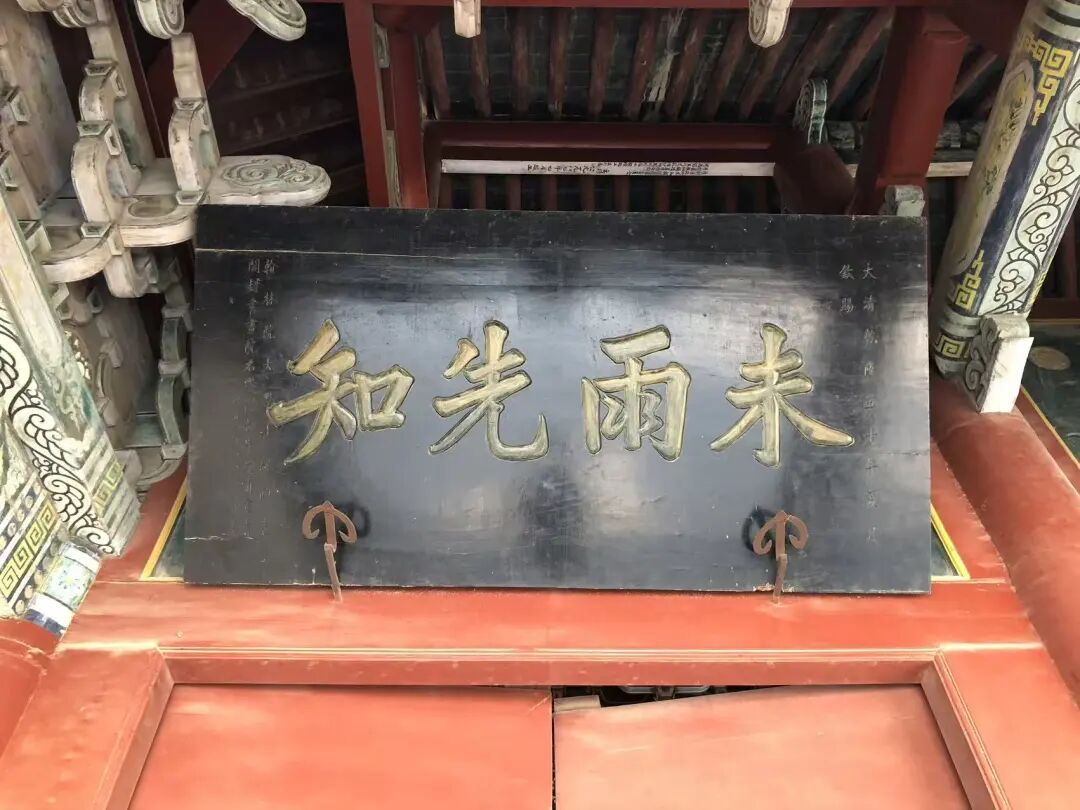
80. The 'Shanyitang Mosque' in Kaifeng.
The second month of spring in the ninth year of the Guangxu reign.
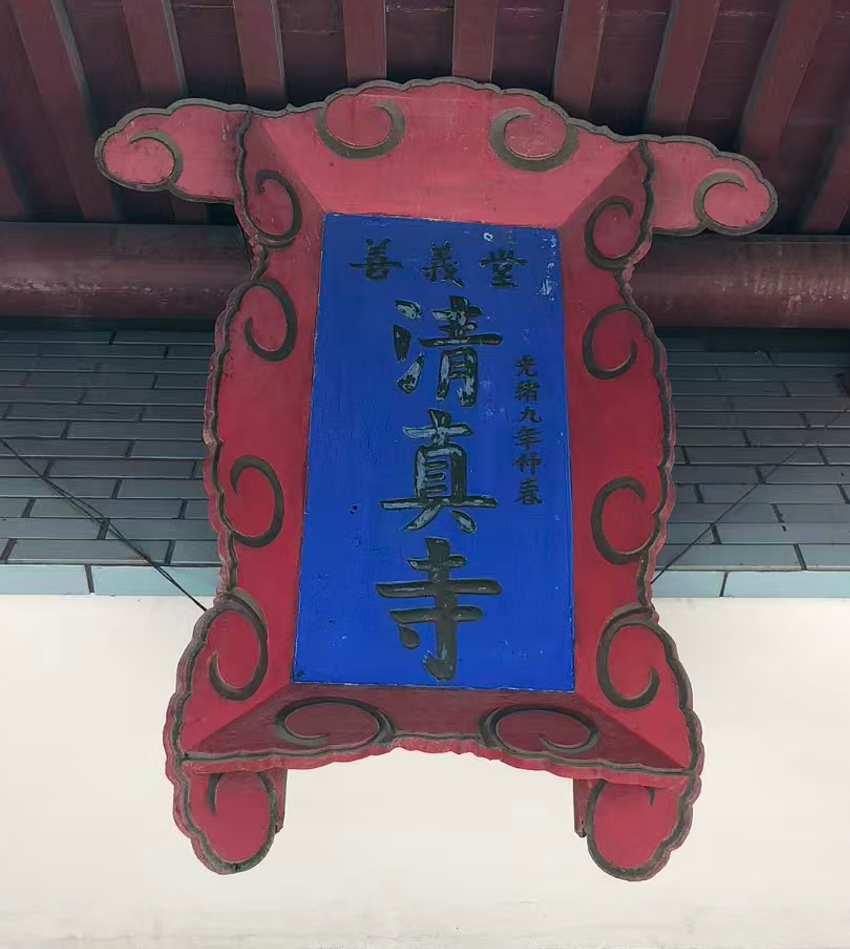
81. Zhengzhou North Mosque: 'Blessings for All People'.
The virtuous governance of Imam (ahong) Mu of Yatang.
Inscribed by Ye Xiangmei.
An auspicious day in the eighth lunar month of the twenty-third year of the Republic of China.
The local community set up this plaque for Imam Mu Wenxiu. Legend says Imam Mu was invited to Yangqiaotan Township near the Yellow River in the northern suburbs of Zhengzhou to offer dua for rain and end a drought. After his dua, a soaking rain fell, providing enough water to end the drought. Imam Mu and others walked there under the hot sun and returned in the rain. The people were very grateful and presented this plaque to show their appreciation.
82. Zhengzhou North Mosque: 'The True Faith Flourishes'.
Presented by Yang Qizhen, Imperial Commissioner for Taiwan Military Affairs, First Rank Official, Minister-ranked Fujian Naval Admiral, and Hereditary Cloud-riding Lieutenant (yunqiwei) Peiling Abatur.
Presented by Hami Prince Hedile, Imperial Guard, permitted to ride a horse in the Forbidden City, recipient of the Imperial Yellow Jacket and the three-eyed peacock feather.
Presented by Yang Lianzhen, Commander of the Ten Fujian Battalions, expectant Brigade General (canjiang), recipient of the peacock feather, and three-time record holder for merit.
An auspicious day on the first day of the first lunar month in the twenty-first year of the Guangxu reign of the Great Qing Dynasty.
Yang Qizhen was a Hui Muslim from Huainan, Anhui, and a patriotic general in the late Qing Dynasty. In 1885, he led his troops to fight against French warships. He became the Admiral of the Fujian Navy in 1892 and built a mosque in Xiamen. In 1895, he passed through Zhengzhou and wrote a plaque for the North Mosque (Beidasi).
83. The 'His Majesty Has No Equal' plaque at the Zhengzhou North Mosque.
Inscribed by Ma Fuxiang, specially appointed Army General, General Xiangwu, and Military Governor of Suiyuan.
A lucky day in the middle of the seventh lunar month, the 13th year of the Republic of China.
84. Arabic plaque at the Zhengzhou North Mosque.
A lucky day in the sixth lunar month, the 14th year of the Qianlong reign of the Great Qing Dynasty.
Erected by Ai Zhijing, a follower of the Islamic faith.
85. The 'Truth Discusses the Three Worlds' plaque at the Zhengzhou North Mosque.
The 13th year of the Guangxu reign.
The World of Truth (the unseen world), the World of Form (the material world, the present life), and the World of Reality (the afterlife) are unified and inseparable. The World of Truth explores the origin of creation, the World of Form is the material reality we see, and the afterlife explores our future destination.
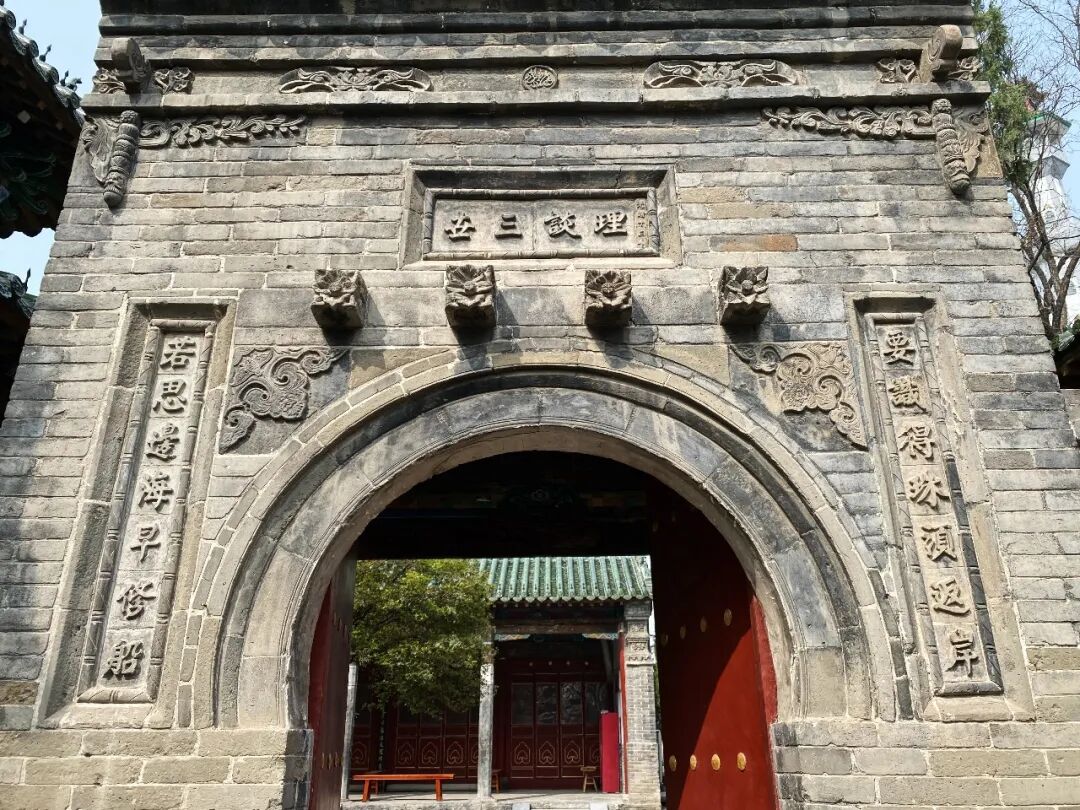
86. The 'Mosque' plaque at the Taicheng Mosque in Tai'an.
Erected on a day in the first lunar month of the Jiwei year, the Wanli reign of the Great Ming Dynasty.
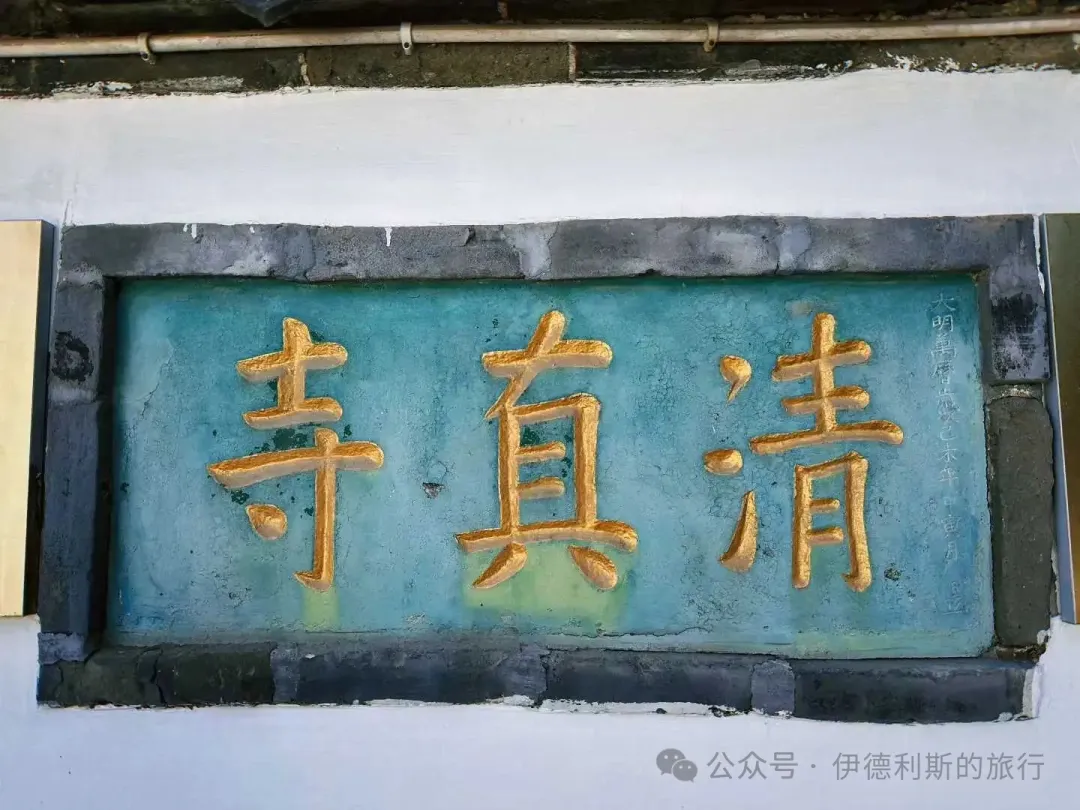
87. Arabic plaque at the Zhenjiao Mosque in Qingzhou.
In the 12th year of the Yongzheng reign of the Great Qing Dynasty.
Rebuilt in the Jiayin year during the month of Qin.
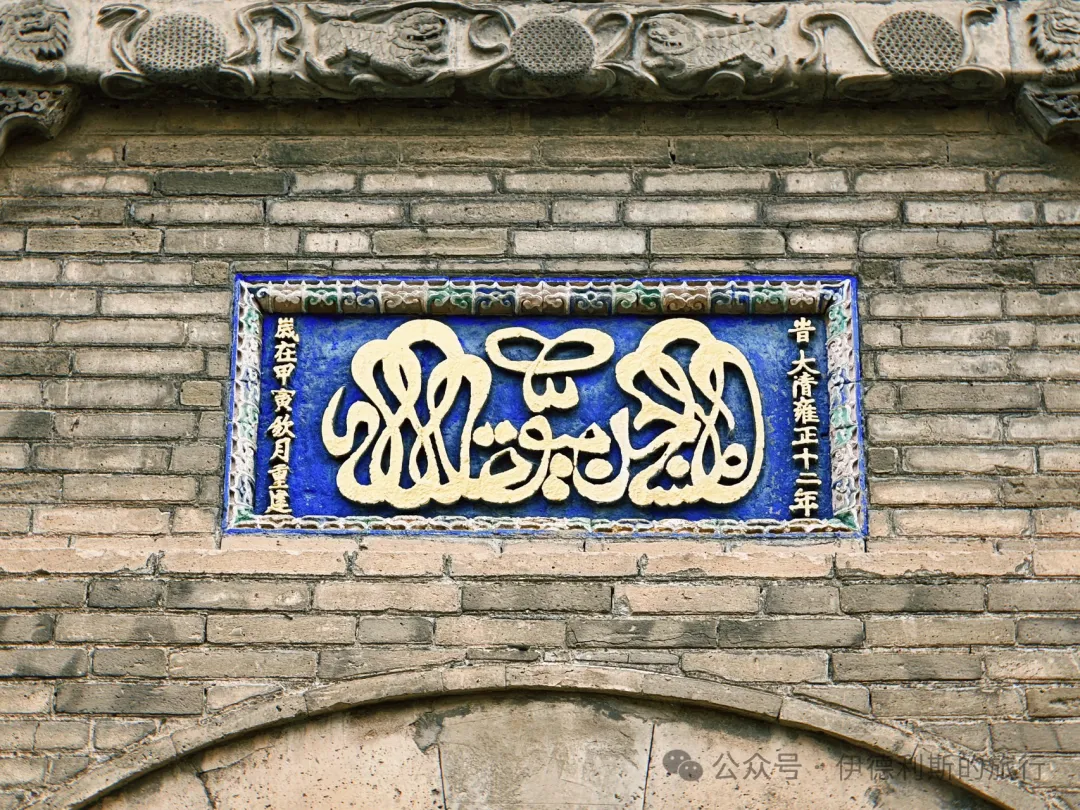
88. Jinan North Mosque: 'Recognize the Oneness of Allah'.
Respectfully erected in the eighth month of the eleventh year of the Republic of China.
Written by Tang Kesan, Superintendent of the Xiamen Customs, after ritual washing.
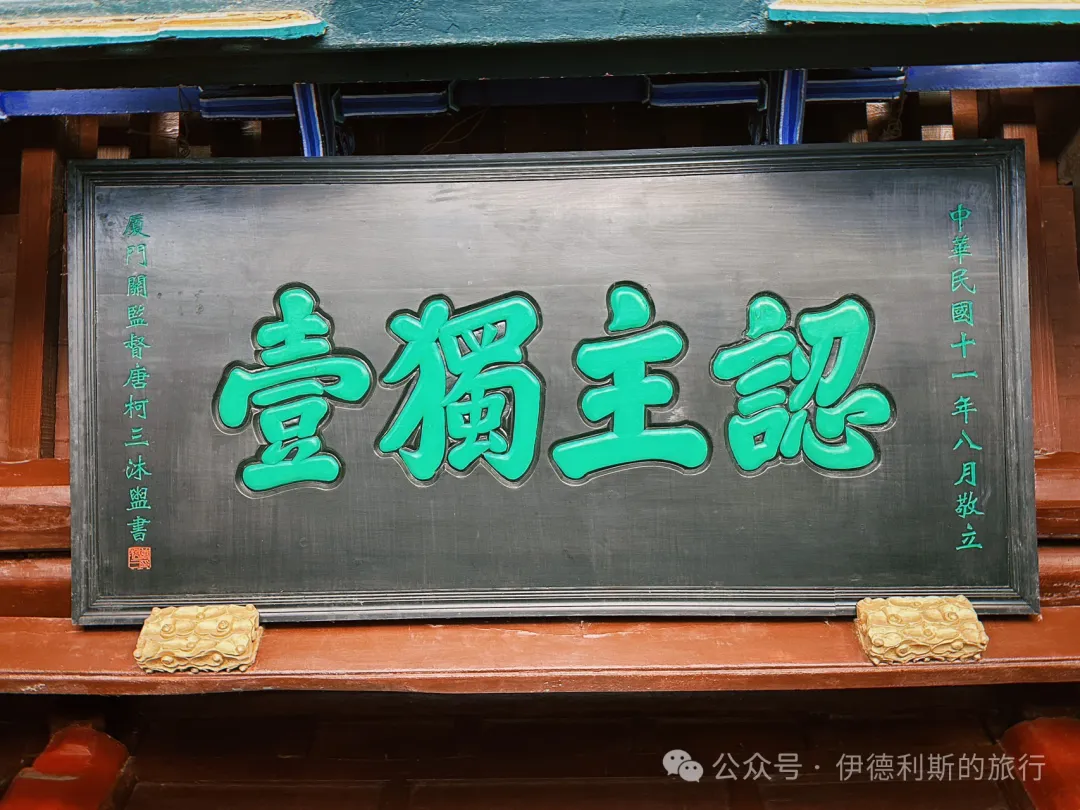
89. Jinan North Mosque: 'Three Fears and Four Admonitions'.
An auspicious day in the latter part of the sixth month of the thirteenth year of the Republic of China.
Respectfully written by Tang Kesan, holder of the Second Class Order of the Golden Grain, former Daoyin of the Jinan Circuit in Shandong, and former Superintendent of the Xiamen Customs.
Tang Kesan was a Hui Muslim from Zoucheng, Shandong. He was a famous social activist during the Republic of China era. He served as the Shandong negotiator for the Ministry of Foreign Affairs, director of the Shandong Epidemic Prevention Office, Superintendent of the Xiamen Customs, director of the Shandong Provincial Road Administration, and Daoyin of the Jinan West Circuit. He served as principal of Chengda Normal School, founded the 'Yuehua' magazine, helped establish the Chinese Islamic Progress Association, and organized and led the Hui Muslim movement to resist Japan and save the nation. He made great contributions to the faith.
90. Jinan Nanguan Mosque: 'Mosque'.
Built and renovated in the eighth year of the Xianfeng reign.
91. Linqing North Mosque: 'Sincere Intentions and Upright Heart'.
Erected by Li Ying, a nominated and appointed brave Baturu (a title of honor) of the Dengzhou General Military Office.
An auspicious day in the middle winter month of the Yiyou year, the eleventh year of the Guangxu reign.
92. Linqing North Mosque: 'The Proper Order of Human Relationships'.
An auspicious day in the first month of autumn in the Dingji year, the second year of the Qianlong reign of the Great Qing Dynasty.
Yang Jing, the Vice Regional Commander of Linqing and surrounding areas.
93. Linqing North Mosque, the "Pure and True Mosque" (Qingzhen Libaisi).
The first month of spring in the Jiajing year of Jiazi.
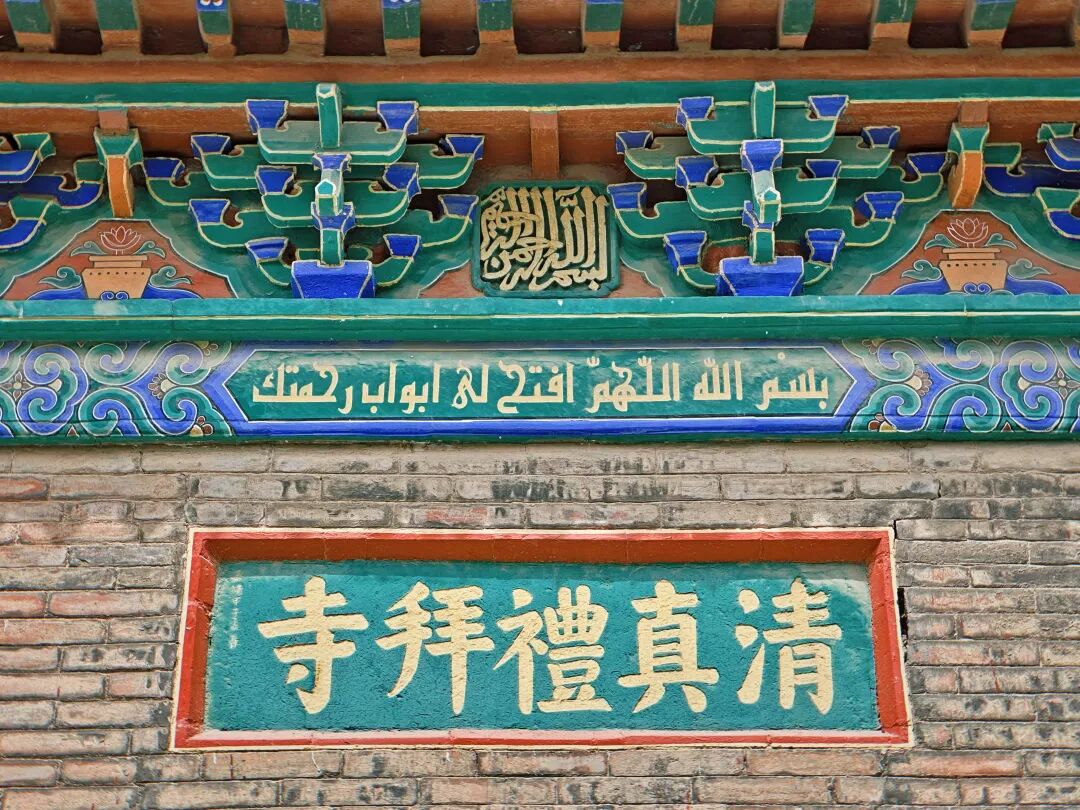
94. Linqing East Mosque, the "Mosque" (Libaisi).
Built in the second month of spring in the Yiyou year, the first year of the Chenghua reign.
Renovated on an auspicious day in the last month of summer in the Wanli year of Guiwei.
Renovated on an auspicious day in the second month of summer in the Shunzhi year of Jiwei.
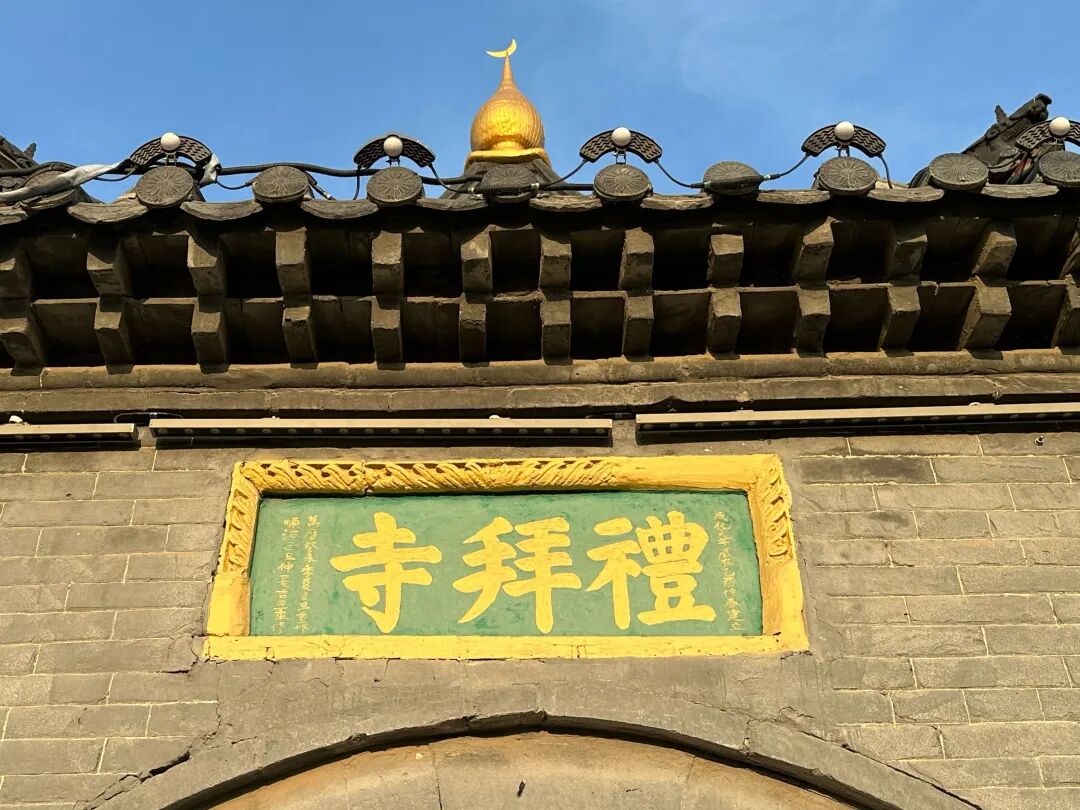
95. Liaocheng East Mosque, "Benefits Shared Equally" (Lize Junzhan).
An auspicious day in the second month of spring in the Gengwu year of the Jiaqing reign of the Great Qing.
Disciples from Shanxi and Hebei.
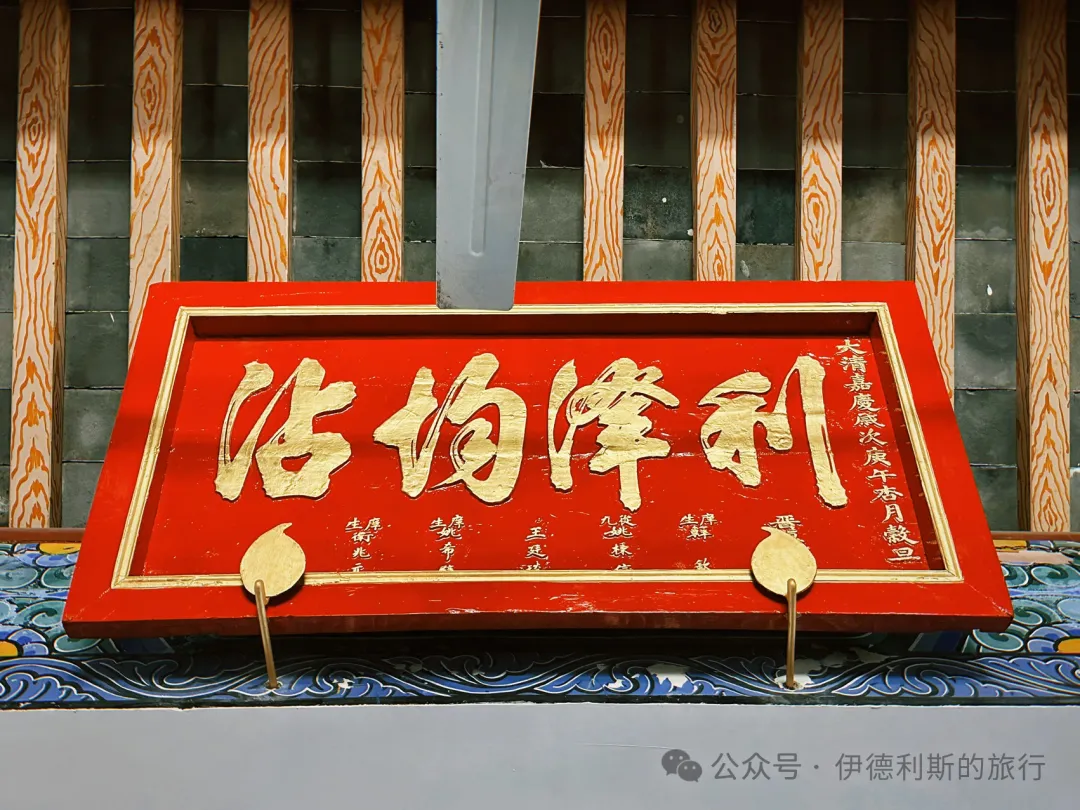
96. Wuhu Mosque, "Ancient Faith That Opened the Heavens" (Kaitian Gujiao).
An auspicious day in the twenty-third year of the Republic of China.
Respectfully presented by fellow Muslims.
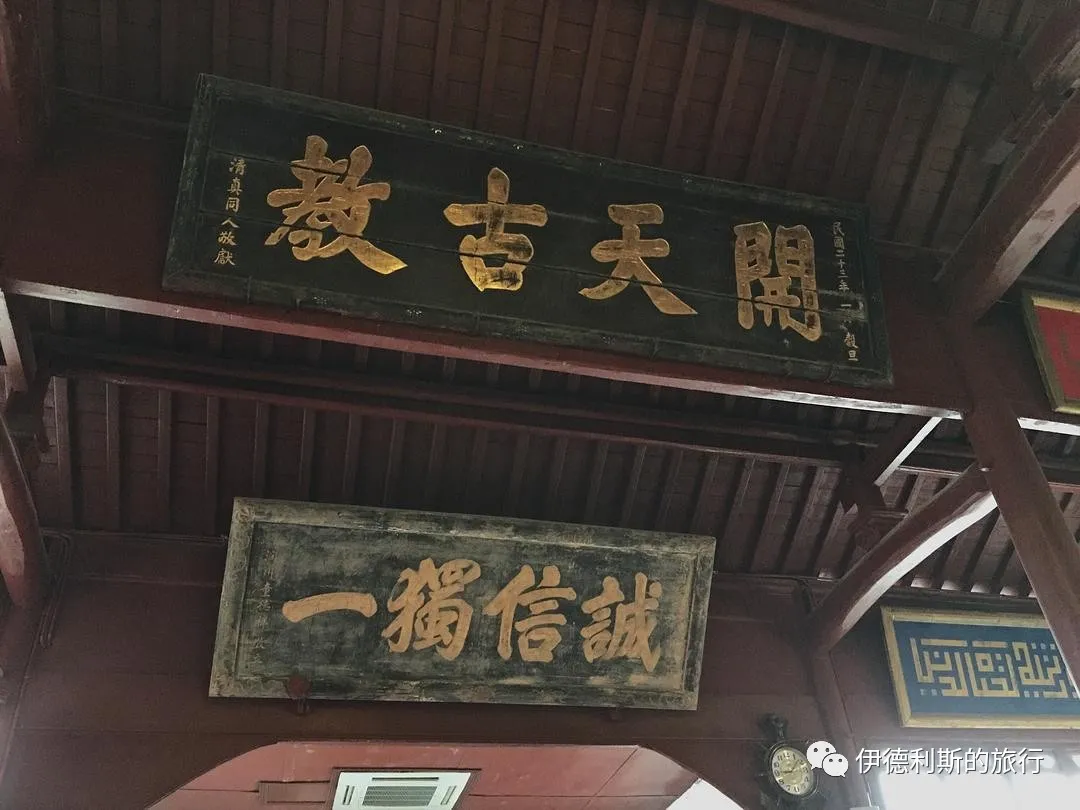
97. Xi'an Huajue Lane Great Mosque, "Encompassing the Universe" (Baoluo Yuzhou).
Respectfully erected by Sha Diankui, the imperial-appointed Blue Feather-wearing Major of the Shaanxi Governor's Left Battalion.
Written by Shi Zhongyu of Pinyang during the middle ten days of the sixth month of summer in the Daoguang year of Gengzi.
98. The Imperial Mosque (Chici Libaisi) at Huajue Lane in Xi'an.
Calligraphy by Dong Qichang, Vice Minister of the Ministry of Rites.
Erected on an auspicious day in the first month of summer in the Tianqi era.
Dong Qichang was a calligrapher and painter during the Ming Dynasty.
99. The plaque 'Lineage from the Holy Land' (Pai Yan Tian Fang) at the Huajue Lane Mosque in Xi'an.
The Imperial Seal of Empress Dowager Cixi.
Legend says that when the Eight-Nation Alliance invaded in 1900, Empress Dowager Cixi and Emperor Guangxu fled to Xi'an. On the day they returned to the capital the following year, she wrote the inscription for this famous mosque. Tang Mianzhu, the former provincial judge, handled the delivery. The streets were packed with people watching the plaque being delivered, making it a very lively event.
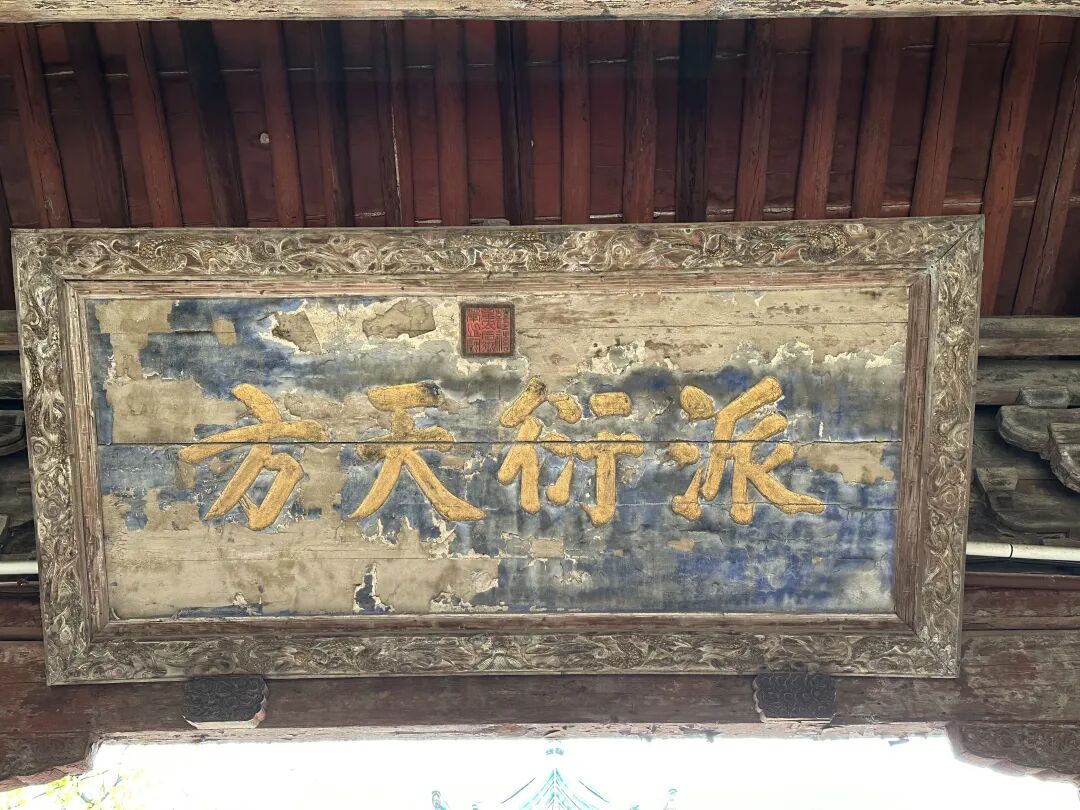
100. The Huajue Lane Mosque in Xi'an.
The spider web remained intact, and the pigeons called out.
The message reached the warhorse, and the deer was released again.
Mid-Autumn Festival, the year of Guimao in the Guangxu reign.
Calligraphy by Wenti, a former compiler at the Hanlin Academy and Prefect of Kaifeng, Henan.
The Prophet was pursued by the Quraish tribe and hid in the Cave of Thawr with Abu Bakr.
The enemies reached the cave entrance and saw the spider web was unbroken.
They thought no one was inside and left.
The pursuers were still suspicious and threw stones to test the cave, causing two turtledoves (hu ge) to fly out.
The enemy saw the birds were not startled, so they were sure no one was there and the threat of war disappeared.
Companions of the Prophet, warhorses delivering messages, battles, and treaties.
A non-believer caught a live deer and said to the Prophet, If you can make this deer speak, I will convert. The Prophet guaranteed the deer would be released to nurse its young and promised it would return. The deer returned on time.
The non-believer was amazed and converted to the faith.
Wenti was from the Manchu Plain Yellow Banner, of the Guwalgiya clan, and a calligrapher in the late Qing Dynasty.
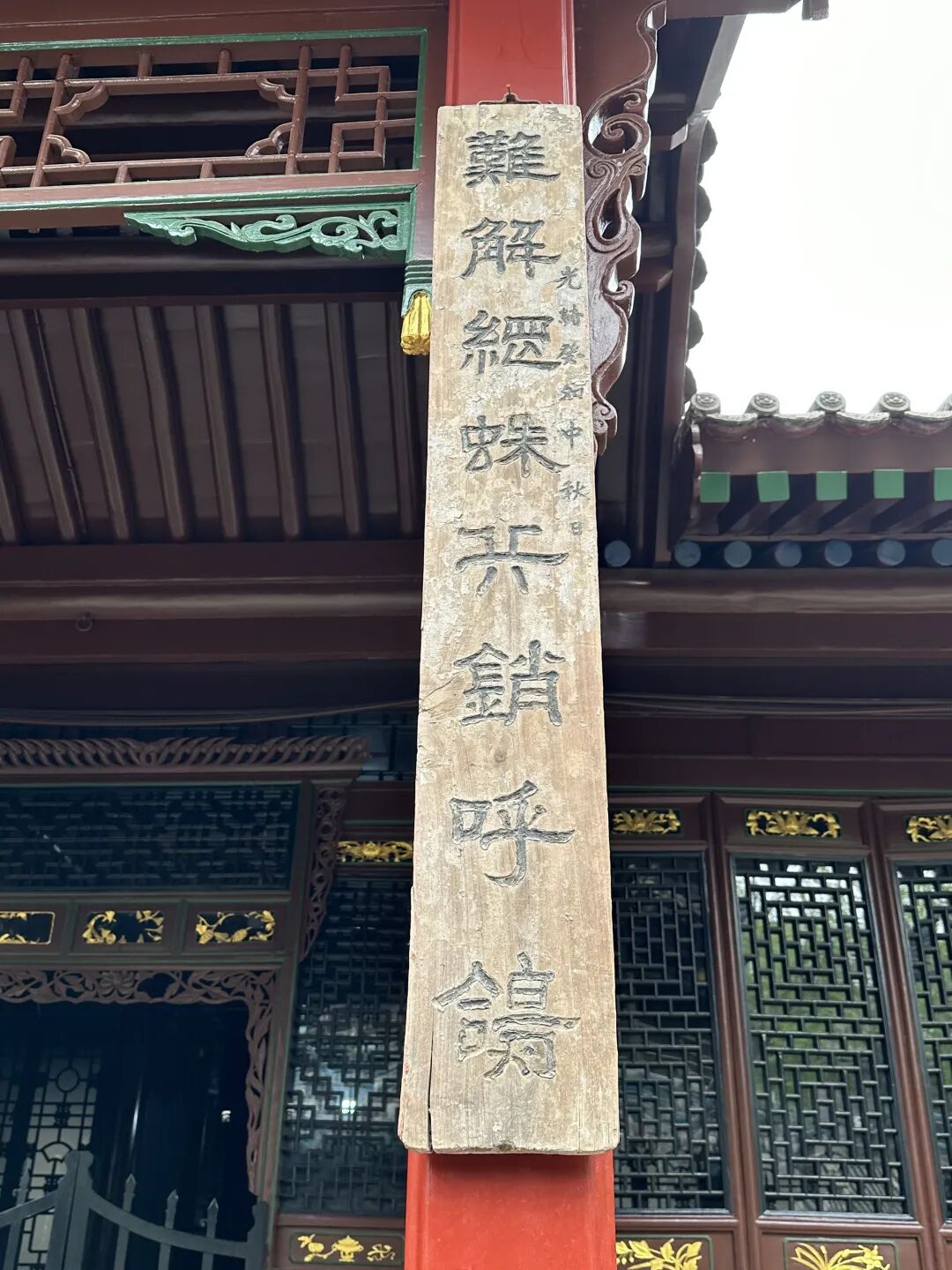
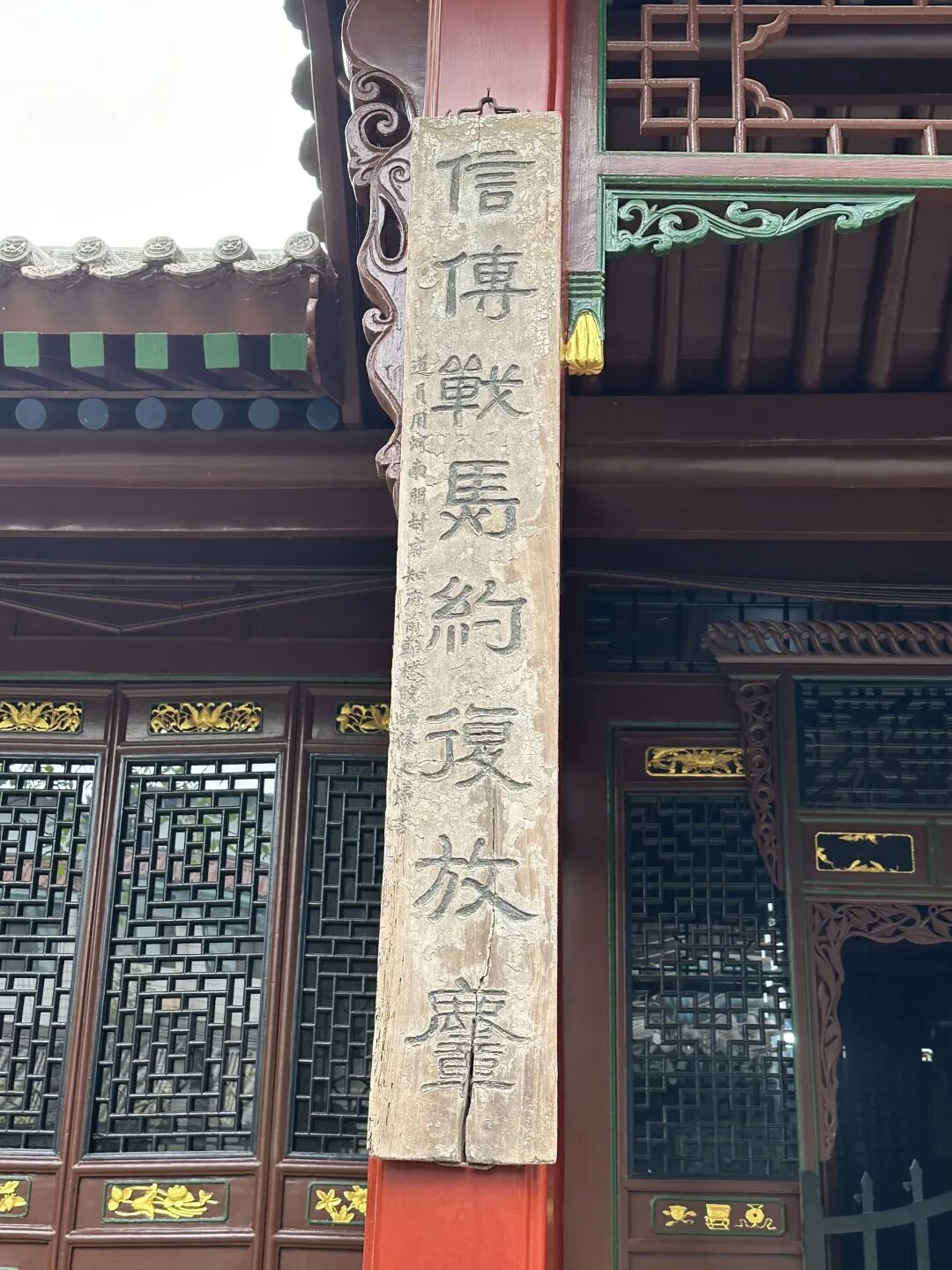
Appreciating plaques and couplets from the faith (1-50 pieces).
China Mosque Travel Guide: Dachang Hui Muslim Mosques, Halal Food and Community Heritage
Articles • yusuf908 posted the article • 0 comments • 165 views • 2026-05-24 00:17
Summary: This mosque travel guide follows a halal trip east of Beijing through Yanjiao and Dachang, covering traditional Hui Muslim mosques, local halal food, village communities, and practical travel details.
When we mention Jingdong, we usually mean the area east of Beijing, typically referring to Langfang in Hebei. This is the birthplace of meat pie (roubing). Yanjiao and Dachang both belong to Langfang, about 50 kilometers east of Beijing's city center by car. Dachang is an autonomous county for Hui Muslims, where the Hui Muslim population makes up 20 percent, or about 20,000 people.
To get to Dachang from Beijing, you pass through Yanjiao first. Yanjiao is a small town bordering Dachang and is the most densely populated area in Langfang. Most people here work in Beijing, and nearly half the cars on the street have Beijing license plates. Yanjiao follows the same traffic restriction policies as Beijing, so if your car is restricted in Beijing, it is also restricted in Yanjiao. Friends (dosti), please take note if you are driving.
This article is a bit long. We will introduce the mosque first, then the halal restaurants.
Yanjiao
Starting from Beijing, you first reach Yanjiao Town. Currently, Yanjiao has only one mosque, located on Qingyuan Street in Sanjie Village. The original mosque was built in the Qing Dynasty but was destroyed.
Yanjiao Mosque
Yanjiao Mosque
The newly built mosque is very small and can hold 20 to 30 people for Jumu'ah. Next to the mosque are a few scattered halal restaurants with small storefronts selling traditional snacks. Although Yanjiao is crowded, there are few Hui Muslims. Aside from noodle shops, halal restaurants with local specialties are rare in the town.
However, I did find a few delicious places in Yanjiao, such as the halal light meal shop below.
Yanjiao Halal Food
Yunshang Light Meal
Beijing does not have halal light meal shops yet. This shop is run by Hui Muslims from Zhengzhou and is located in the commercial area at the bottom of the Shangshangcheng Phase 3 building on Yanshun Road. It has been open for over three years and business is stable. Light meals are low-calorie, simply cooked, and nutritionally balanced foods suitable for people who are dieting or exercising. This shop does not serve alcohol.
Chicken steak rice, buckwheat noodles, and black pepper beef sets are all around 20 yuan each, and you can add sauces yourself.
The drinks in the shop are also homemade soy milk and fruit tea, and you can taste the real ingredients with one sip.
Yezi Barbecue
Yezi Barbecue is a halal Qiqihar-style restaurant. It is quite popular in Yanjiao. Many people from Northeast China live in Yanjiao, but this is the only halal Northeast-style barbecue place.
People from Qiqihar are said to start eating barbecue from the day they are born and keep eating it until they are old.
After trying it, I found the meat quality and dipping sauces here are excellent. The steak and beef cubes are very tender. You come to a Qiqihar barbecue shop to eat beef, as grilled beef is the core of the meal.
Of course, a busy restaurant is not just about good barbecue; the seafood, fried rice, and cold noodles are also worth recommending.
Yanjiao is separated from Tongzhou, Beijing, only by the Chaobai River, but the prices are much cheaper. A hearty barbecue feast like this costs less than 100 yuan per person.
Mengxiang Steamed Dumplings (shaomai) / Hohhot Steamed Dumplings (shaomai)
These are two shops opened by people from Inner Mongolia. The Hohhot steamed dumplings here basically recreate the authentic Inner Mongolian taste, especially the lamb offal soup (yangza), which feels no different from what I have eaten in Inner Mongolia. Mengxiang Steamed Dumplings is the first shop, and Hohhot Steamed Dumplings is the second. I have been to both, but I think Mengxiang is better. The owner says the ingredients and seasonings are the same, so if you think the taste is different, it might be due to the preparation technique.
Inner Mongolian lamb offal soup is a clear broth with very generous portions. A bowl is packed with offal, and it feels like there is more meat than soup. It makes you feel warm all over after eating.
Authentic Hohhot steamed dumplings can be eaten in two ways: steamed or pan-fried. I love both, but pan-fried dumplings are not easy to find. Locals seem to prefer the pan-fried ones, and I recommend trying both.
Oat noodles (youmian) are also a specialty of Inner Mongolia. They are made from naked oats. The noodles are quite sticky, so you pick them up and mix them with sauce while eating.
These are the halal elements I have seen in Yanjiao so far, but there is much more to eat and explore in Dachang. After all, it is a Hui Muslim county, and it is a 15-kilometer drive from Yanjiao to Dachang.
Records show there are 16 mosques in Dachang, but a new one was built in Xiadian Village, so there are actually 17. I have visited all of them except for the North Wu Women's Mosque.
Dachang
1. Xiadian Mosque
Xiadian Mosque was first built during the Wanli period of the Ming Dynasty and rebuilt in 1995. Xiadian Village is a village where Hui Muslims and Han people live together.
2. Xiadian Village Mosque
The imam of Xiadian told us about the hardships he faced while preaching in Xiadian. Fortunately, after years of effort, he managed to secure two mosques for Xiadian.
3. Xiaochang Mosque
Xiaochang Village Mosque was first built during the Ming Dynasty by Chang Yuchun and Hu Dahai under imperial order. It was rebuilt in 2006.
The imam at Xiaochang Village is from Yunnan. He is young but is said to be a very talented preacher. He has helped many villagers who were drifting away from their faith become firm in their beliefs, and he is highly respected by everyone in the area.
4. Dachang Mosque
Dachang Mosque was first built during the Yongle period of the Ming Dynasty. It did not look like this when I visited in 2017. It was recently renovated, and the dome was removed. Now, all 17 mosques in Dachang are built in a traditional style.
Dachang Mosque before 2017
Dachang Mosque before 2017
5. Dongchang Mosque
Dongchang Mosque in Dongchang Village was first built during the Daoguang period of the Qing Dynasty. This "Dongchang" is not the same "Dongchang" run by the eunuchs in history.
The mosque is currently undergoing repairs. I met the resident imam, who is from Cangzhou.
6. Nanwangzhuang Mosque
Nanwangzhuang Mosque was first built during the Jianwen period of the Ming Dynasty by the Wang brothers, who followed the Prince of Yan on his northern military campaign. It was rebuilt in 2009.
7. Yangxinzhuang Mosque
Yangxinzhuang Mosque was first built in the second year of the Tongzhi period of the Qing Dynasty and reopened in 1983.
8. Weizizhuang Mosque
The mosque in Weizizhuang Village was first built during the Guangxu period of the Qing Dynasty and rebuilt in 1997.
9. Chenxinzhuang Mosque
Chenxinzhuang Mosque was first built during the Ming Dynasty. It was rebuilt in 2004 and is currently undergoing repairs again.
10. Manxingying Mosque
Manxingying Mosque was first built in 1927 and rebuilt in 1992.
11. Liangzhuang Village Mosque
Liangzhuang Village Mosque was first built during the Yongzheng reign of the Qing Dynasty and rebuilt in 2002.
12. Huogezhuang Mosque
Huogezhuang Mosque was first built in the early years of the Republic of China. It was destroyed in the Tangshan earthquake and rebuilt in 1992.
13. Luzhuang Mosque
Luzhuang Mosque was first built during the Zhengde reign of the Ming Dynasty and rebuilt in 1999.
14. Damazhuang Mosque
Damazhuang Mosque was first built in the early Ming Dynasty and rebuilt in 1995.
15. Nantitou Mosque
Nantitou Mosque was first built in 1403, funded by the Yang family of Muslims. It is currently undergoing renovations, so the main prayer hall is closed and namaz has been moved to the side hall.
16. Beiwu Mosque
Beiwu Mosque was first built during the Wanli reign of the Ming Dynasty, as proven by the stone inscriptions inside. It covers 6,000 square meters. Beiwu is a village for Hui Muslims. Several imams at the Niujie Mosque came from Beiwu, so the tone of their chanting here is passed down from the same tradition as Niujie.
The Beiwu women's mosque is right next to the men's main hall.
Beiwu Women's Mosque
Dachang Halal Food
Zhenwei Grilled Fish Bar
Zhenwei Grilled Fish is at the entrance of Nansitou Village. I went for lunch and they grill live fish to order, so it is very fresh.
You can choose two flavors for the grilled fish: spicy or scallion-scented. The Qingjiang fish costs 48 yuan per jin. Besides the fish, their freshly baked scallion pancakes (cong huabing) are also delicious.
TR Pizza Master
I have tried three pizza shops in Dachang County and think Pizza Master is the best. The shop is on the west side of Rongchang South Street, near the Dachang Mosque.
I personally tested the chicken cutlet rice and it is very tasty and cheap. We tried two pizza flavors, and I liked the Margherita beef sausage pizza better.
Margherita beef sausage pizza
Durian pizza
Meizhoujia Pizza
Meizhoujia Pizza is in the ground-floor shops of the Yongxiangyuan residential area on Yongan Road. Their pizza crust is thicker and has more toppings than Pizza Master, but the flavor is stronger and saltier.
Three-topping pizza
Chicken cutlet rice
Guozhiyi Italian Handmade Pizza
Guozhiyi Pizza is not far from Pizza Master, located on Yanling Road. This shop has the lowest prices, with a fruit pizza costing only 9.9 yuan.
Super Supreme Pizza
The pizza ingredient list specifically notes the use of Yuehua beef sausage. Yuehua is a well-known Hui Muslim enterprise in Dachang, and it is said the owner is very devout.
Halal Dicos
There is a halal Dicos near the street where Pizza Master is located. I ordered takeout, and I can confirm it tastes just as good as the Dicos in Xining.
Yuehuachun Barbecue City
Yuehuachun and Yuehua are different brands. A young owner started Yuehuachun, and it is the most popular barbecue brand in Dachang. If you come to Dachang for barbecue, Yuehuachun is the top choice.
Marbled beef steak (xuehua niupai)
The beef quality at Yuehuachun is truly good, and the barbecue dipping sauce is fragrant. There is a reason why business is so good.
Cold noodles (lengmian)
Cold noodles are also a signature dish at Yuehuachun. People in Dachang love cold noodles, and they even eat them for breakfast, though they use hot soup for the breakfast version.
Blooming steamed bun (kaihuamo)
For staples, I also recommend the stone pot bibimbap (shiguo banfan) and the blooming steamed bun. The blooming steamed bun is soft and fluffy, with a texture like bread. It is rare to find a restaurant that makes both its signature dishes and snacks taste so delicious.
Stone pot bibimbap (shiguo banfan)
Nanyuan Beijiao Chongqing Hot Pot
Dachang netizens recommended this place to me. When I said I wanted to eat something special, they suggested Chongqing hot pot.
This restaurant is also very popular in Dachang, and you need to wait for a table during meal times.
I chose a two-person set meal called the "Mercedes-Benz Pot" (benchi guo) for 135 yuan, and the taste was good.
This restaurant offers great value for money. It still cannot compare to the Huiwei Chuanyu hot pot I had in Chongqing, but since you cannot quench your thirst with water from afar, coming to Dachang for halal Chongqing hot pot is a good local option.
Tongxingshun Snack Shop
To try a traditional Dachang breakfast, I specifically met up with a Dachang friend (dost) and came to this old shop just to eat a bowl of hot cold noodles.
The cold noodles are topped with hot soup, and the noodles are quite chewy. Pair them with two sesame flatbreads (shaobing); the lighter-colored one has a meat filling. This is the standard breakfast for a person from Dachang.
Dehaozhai Snacks
You have to eat Jingdong meat pie (Jingdong roubing) when you visit Jingdong, but how do you choose from so many small shops? I heard the viral shop Damaqi charges 100 yuan per jin for their meat pie. My friend told me that place is just a trap for Beijingers, so I was not going to walk right into it.
We went to this old shop called Dehaozhai that locals visit often. People say it has been around for over ten years.
We ordered two pies, one beef and green onion and one chive and egg. The meat pies cost 15 yuan each. They had thin crusts and plenty of filling. The taste was just right and it was a great value.
My trip to Dachang helped me meet several devout friends (dosti). They invited me to their home for dinner. The host prepared a wonderful meal for us. A home-cooked meal like this means more than spending money at a restaurant. After dinner, we talked about the current state of the faith in Dachang. The locals are generally not very optimistic, but I am not pessimistic. Dachang is a lot like Niujie. If some people abandon their faith (imani), others will pick it up. This will happen over and over until the Day of Judgment, when everyone will be rewarded for their actions.
Beiwo Home Feast view all
Summary: This mosque travel guide follows a halal trip east of Beijing through Yanjiao and Dachang, covering traditional Hui Muslim mosques, local halal food, village communities, and practical travel details.
When we mention Jingdong, we usually mean the area east of Beijing, typically referring to Langfang in Hebei. This is the birthplace of meat pie (roubing). Yanjiao and Dachang both belong to Langfang, about 50 kilometers east of Beijing's city center by car. Dachang is an autonomous county for Hui Muslims, where the Hui Muslim population makes up 20 percent, or about 20,000 people.
To get to Dachang from Beijing, you pass through Yanjiao first. Yanjiao is a small town bordering Dachang and is the most densely populated area in Langfang. Most people here work in Beijing, and nearly half the cars on the street have Beijing license plates. Yanjiao follows the same traffic restriction policies as Beijing, so if your car is restricted in Beijing, it is also restricted in Yanjiao. Friends (dosti), please take note if you are driving.
This article is a bit long. We will introduce the mosque first, then the halal restaurants.
Yanjiao
Starting from Beijing, you first reach Yanjiao Town. Currently, Yanjiao has only one mosque, located on Qingyuan Street in Sanjie Village. The original mosque was built in the Qing Dynasty but was destroyed.
Yanjiao Mosque
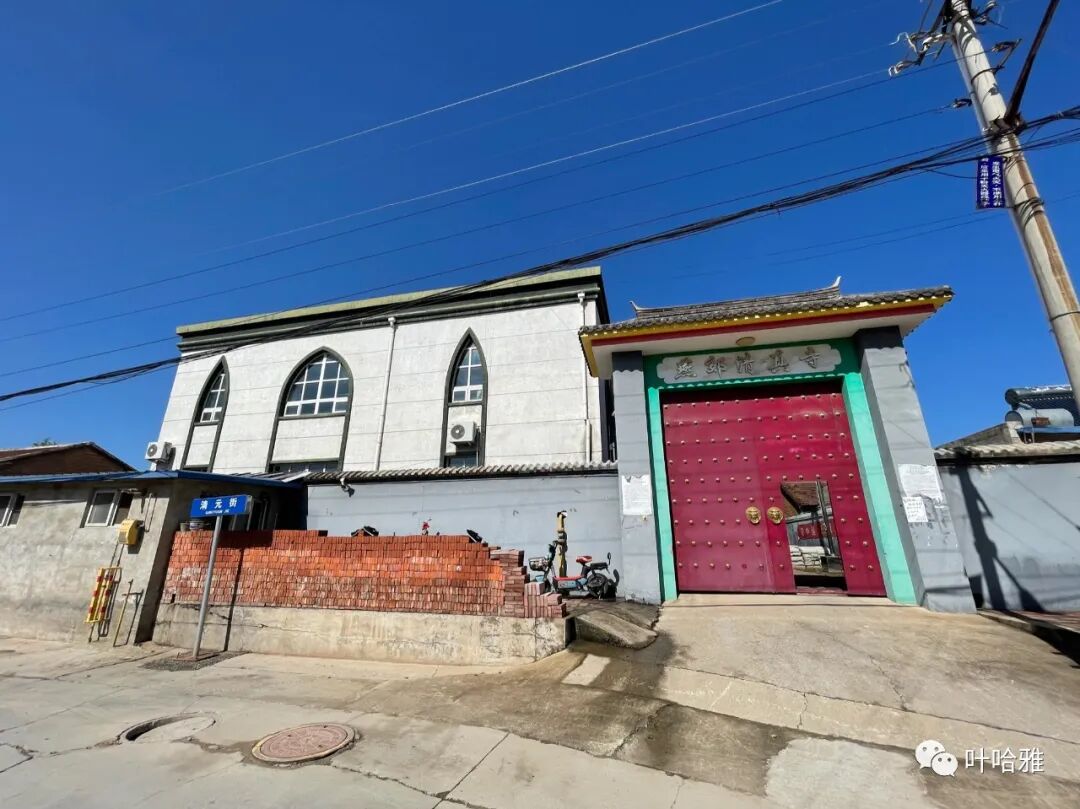
Yanjiao Mosque
The newly built mosque is very small and can hold 20 to 30 people for Jumu'ah. Next to the mosque are a few scattered halal restaurants with small storefronts selling traditional snacks. Although Yanjiao is crowded, there are few Hui Muslims. Aside from noodle shops, halal restaurants with local specialties are rare in the town.
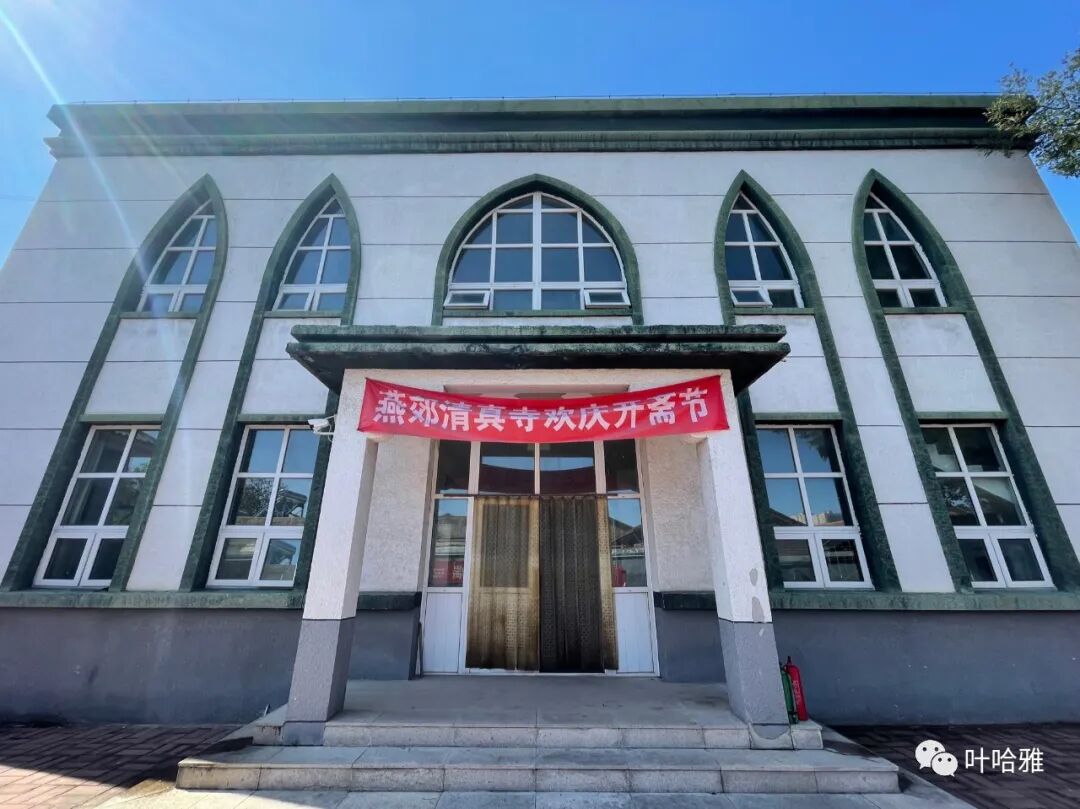
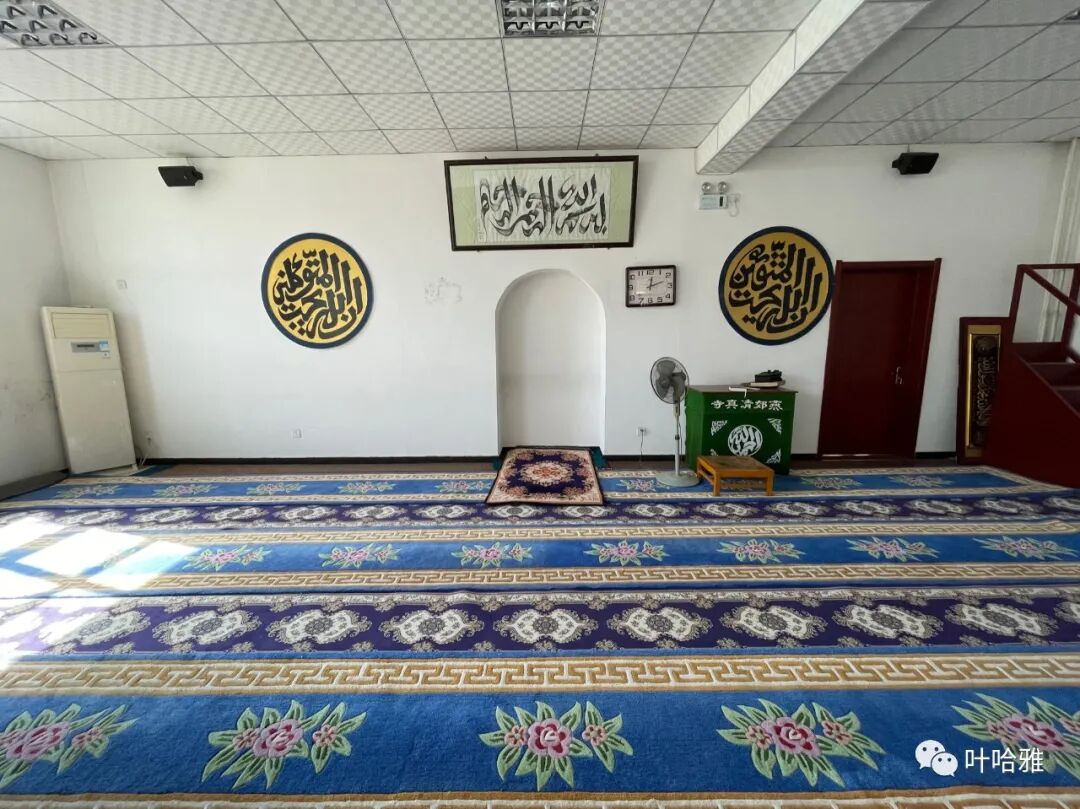
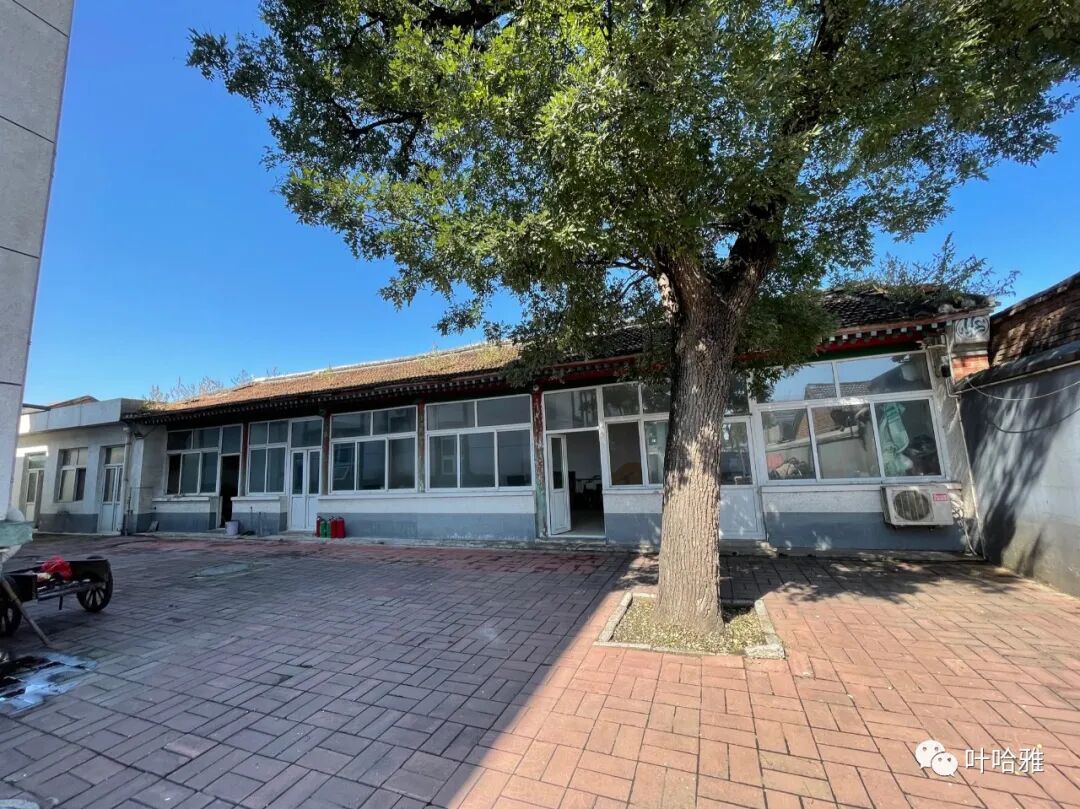
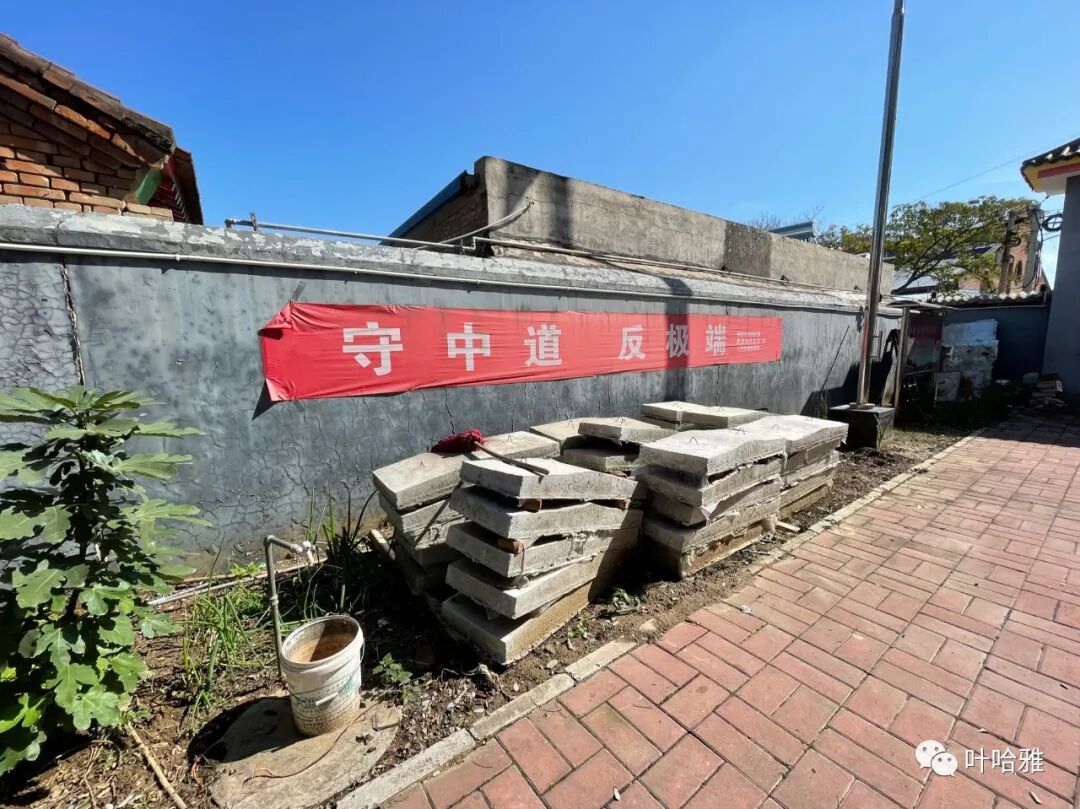
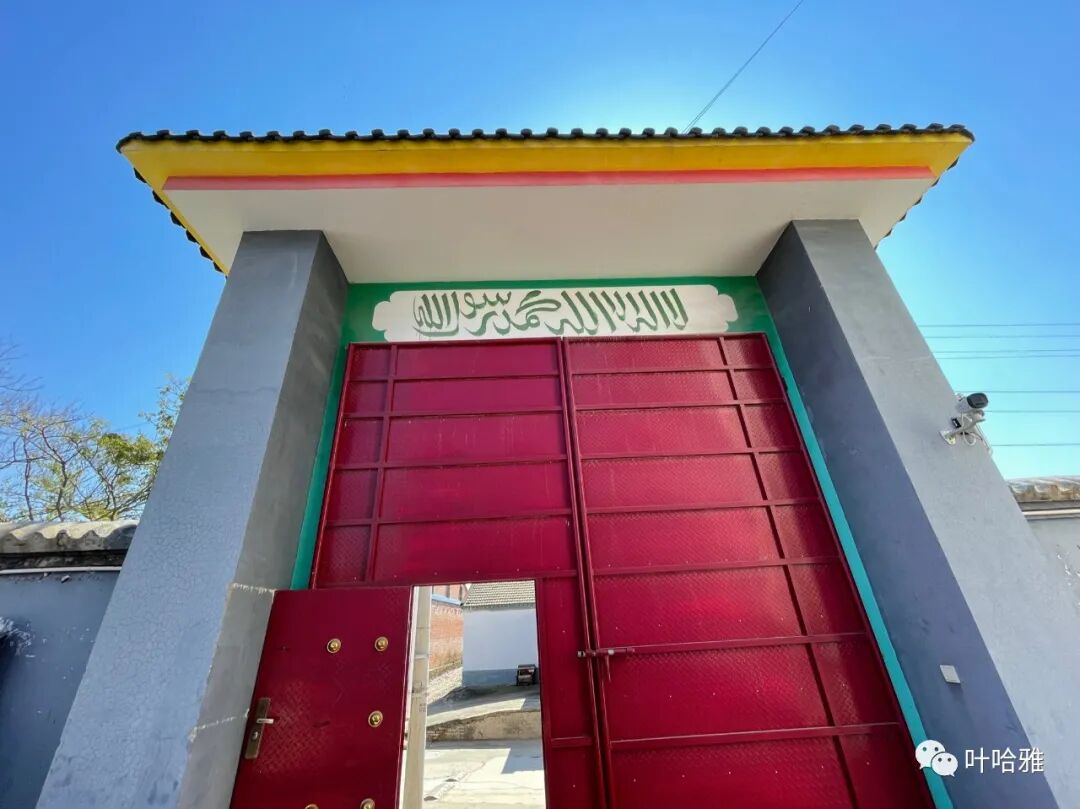
However, I did find a few delicious places in Yanjiao, such as the halal light meal shop below.
Yanjiao Halal Food
Yunshang Light Meal
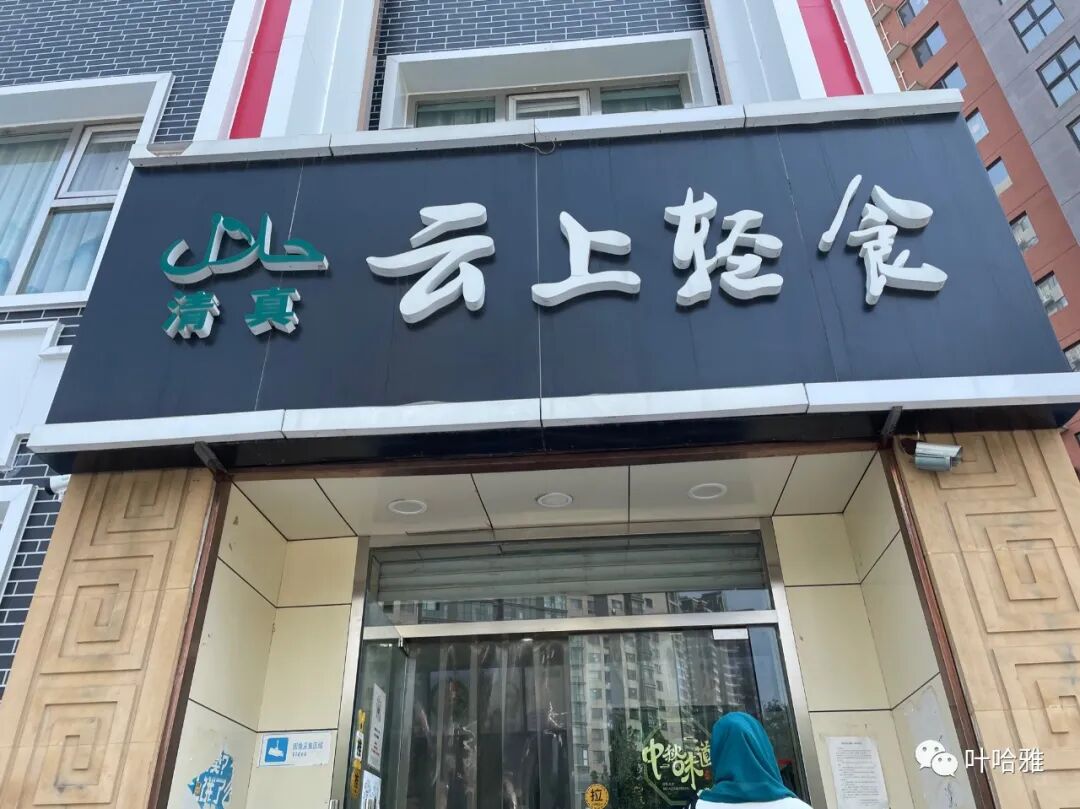
Beijing does not have halal light meal shops yet. This shop is run by Hui Muslims from Zhengzhou and is located in the commercial area at the bottom of the Shangshangcheng Phase 3 building on Yanshun Road. It has been open for over three years and business is stable. Light meals are low-calorie, simply cooked, and nutritionally balanced foods suitable for people who are dieting or exercising. This shop does not serve alcohol.
Chicken steak rice, buckwheat noodles, and black pepper beef sets are all around 20 yuan each, and you can add sauces yourself.
The drinks in the shop are also homemade soy milk and fruit tea, and you can taste the real ingredients with one sip.
Yezi Barbecue
Yezi Barbecue is a halal Qiqihar-style restaurant. It is quite popular in Yanjiao. Many people from Northeast China live in Yanjiao, but this is the only halal Northeast-style barbecue place.
People from Qiqihar are said to start eating barbecue from the day they are born and keep eating it until they are old.
After trying it, I found the meat quality and dipping sauces here are excellent. The steak and beef cubes are very tender. You come to a Qiqihar barbecue shop to eat beef, as grilled beef is the core of the meal.
Of course, a busy restaurant is not just about good barbecue; the seafood, fried rice, and cold noodles are also worth recommending.
Yanjiao is separated from Tongzhou, Beijing, only by the Chaobai River, but the prices are much cheaper. A hearty barbecue feast like this costs less than 100 yuan per person.
Mengxiang Steamed Dumplings (shaomai) / Hohhot Steamed Dumplings (shaomai)
These are two shops opened by people from Inner Mongolia. The Hohhot steamed dumplings here basically recreate the authentic Inner Mongolian taste, especially the lamb offal soup (yangza), which feels no different from what I have eaten in Inner Mongolia. Mengxiang Steamed Dumplings is the first shop, and Hohhot Steamed Dumplings is the second. I have been to both, but I think Mengxiang is better. The owner says the ingredients and seasonings are the same, so if you think the taste is different, it might be due to the preparation technique.
Inner Mongolian lamb offal soup is a clear broth with very generous portions. A bowl is packed with offal, and it feels like there is more meat than soup. It makes you feel warm all over after eating.
Authentic Hohhot steamed dumplings can be eaten in two ways: steamed or pan-fried. I love both, but pan-fried dumplings are not easy to find. Locals seem to prefer the pan-fried ones, and I recommend trying both.
Oat noodles (youmian) are also a specialty of Inner Mongolia. They are made from naked oats. The noodles are quite sticky, so you pick them up and mix them with sauce while eating.
These are the halal elements I have seen in Yanjiao so far, but there is much more to eat and explore in Dachang. After all, it is a Hui Muslim county, and it is a 15-kilometer drive from Yanjiao to Dachang.
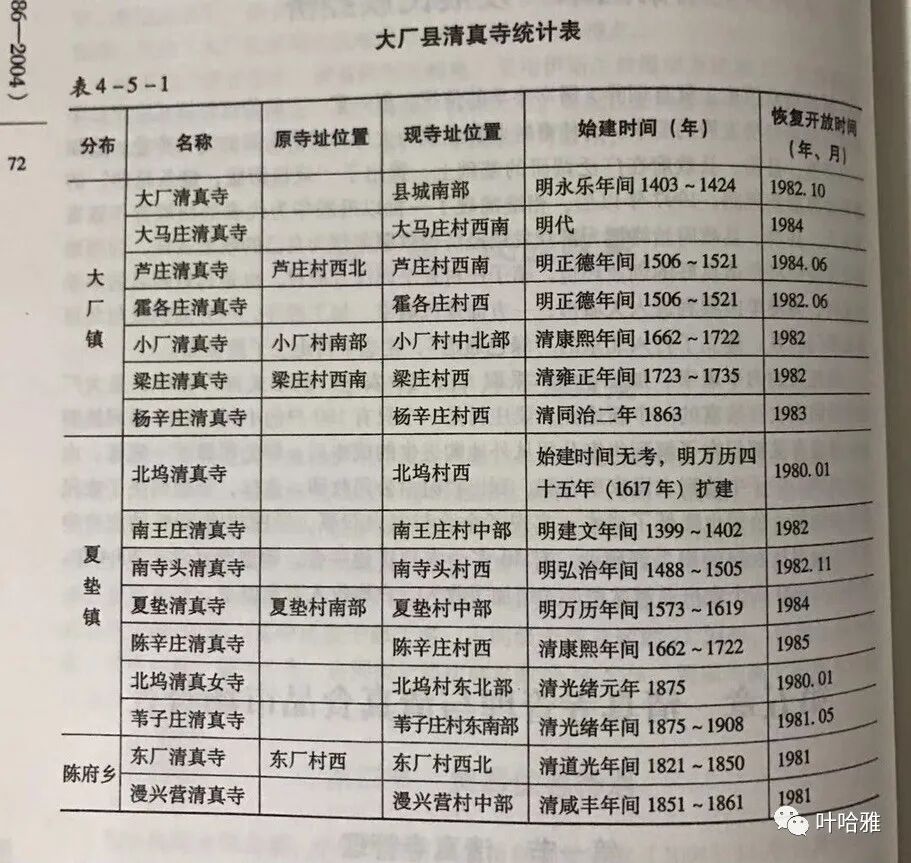
Records show there are 16 mosques in Dachang, but a new one was built in Xiadian Village, so there are actually 17. I have visited all of them except for the North Wu Women's Mosque.
Dachang
1. Xiadian Mosque
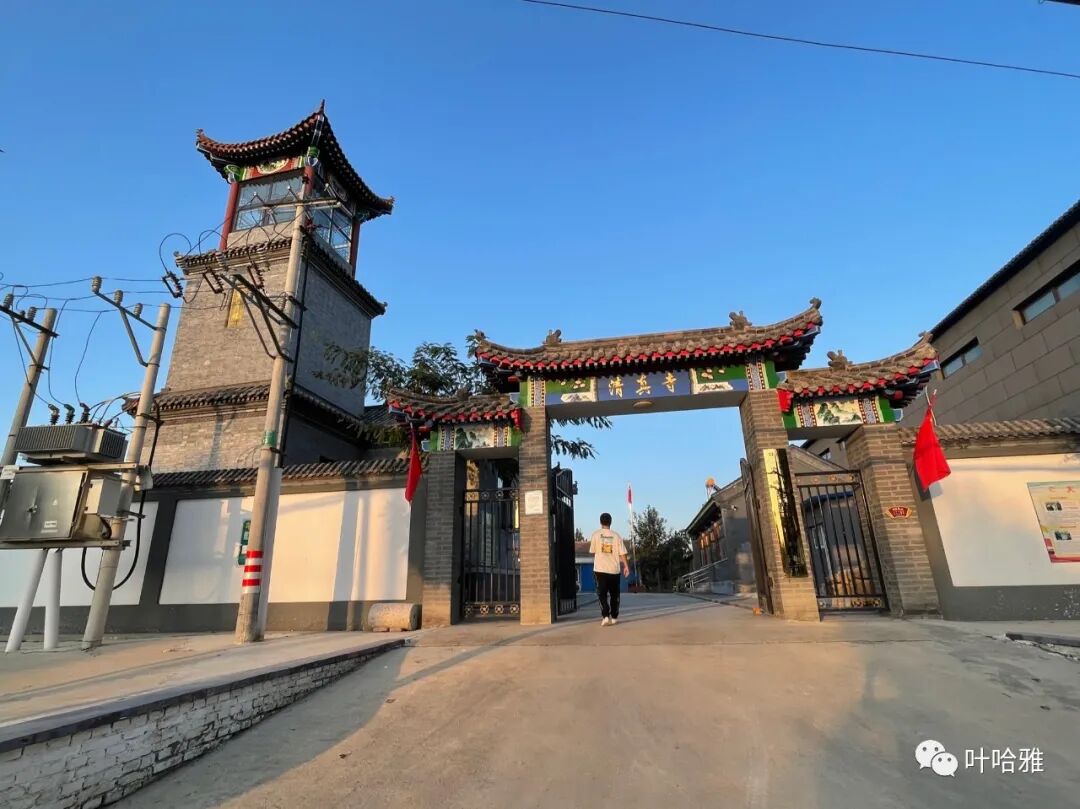
Xiadian Mosque was first built during the Wanli period of the Ming Dynasty and rebuilt in 1995. Xiadian Village is a village where Hui Muslims and Han people live together.
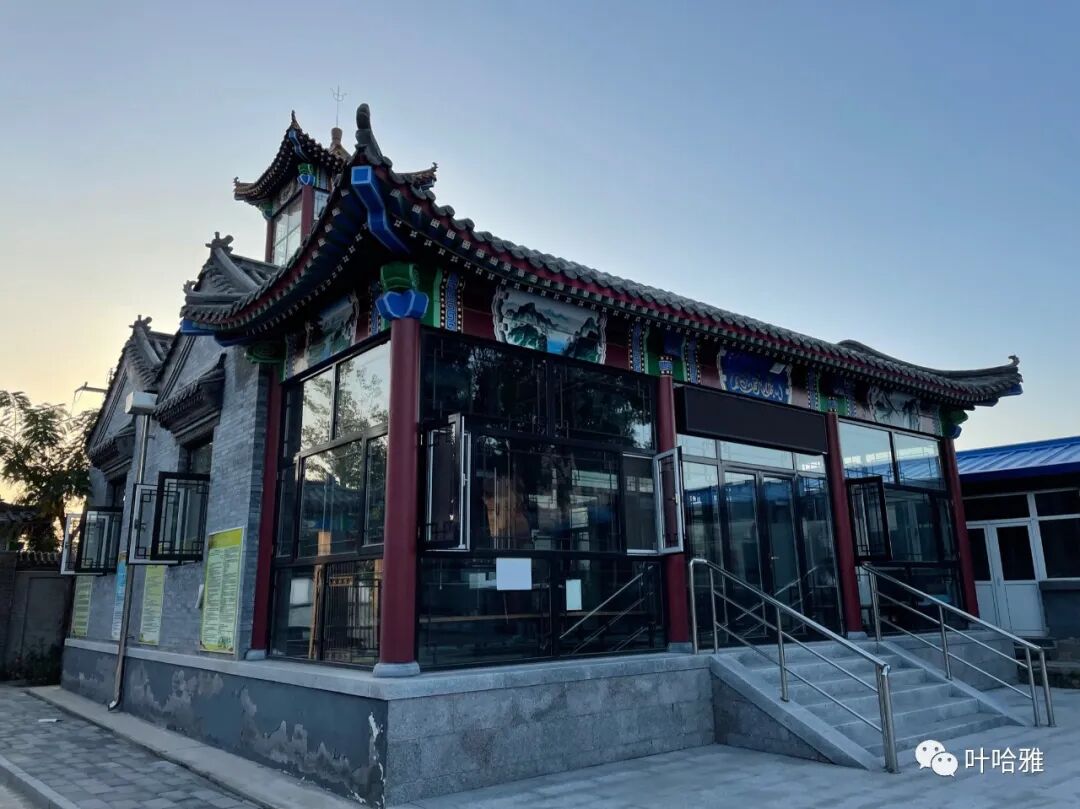
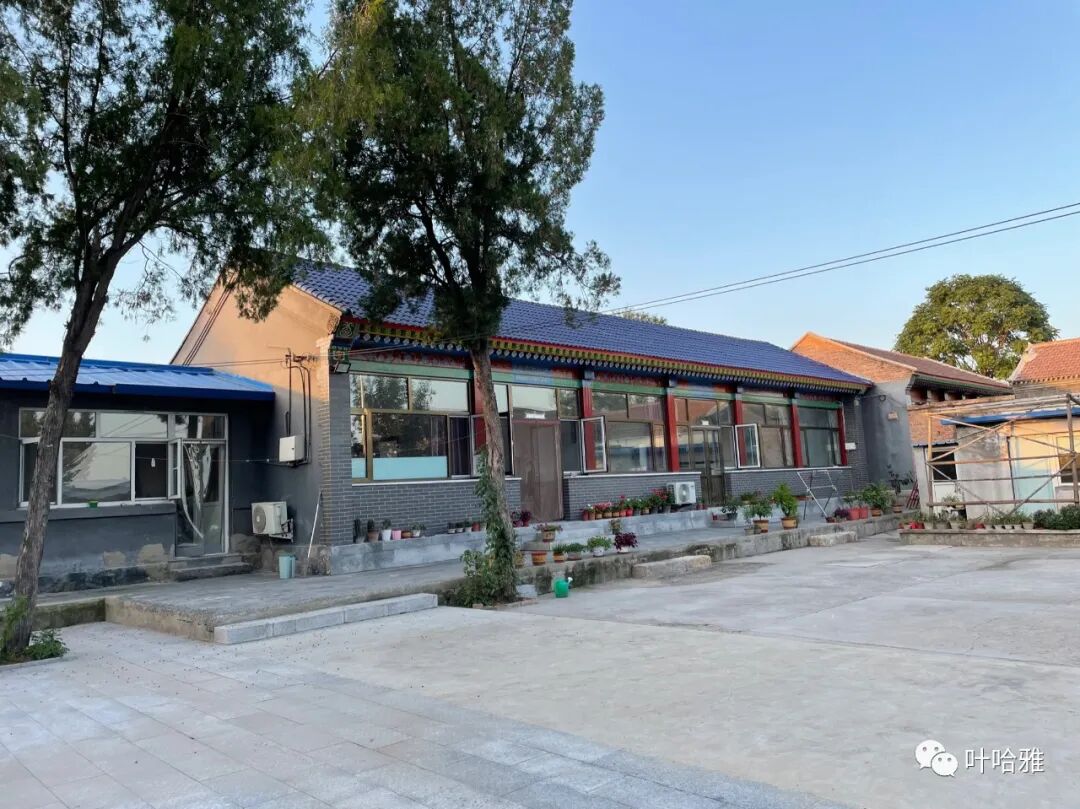
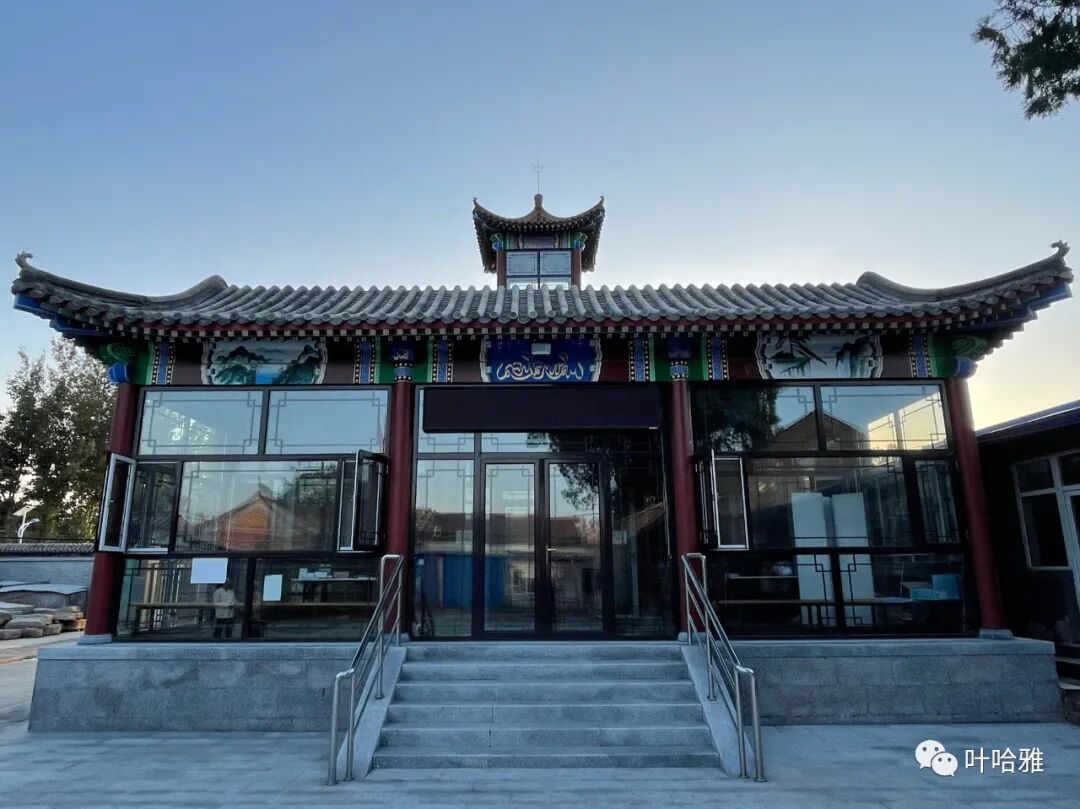
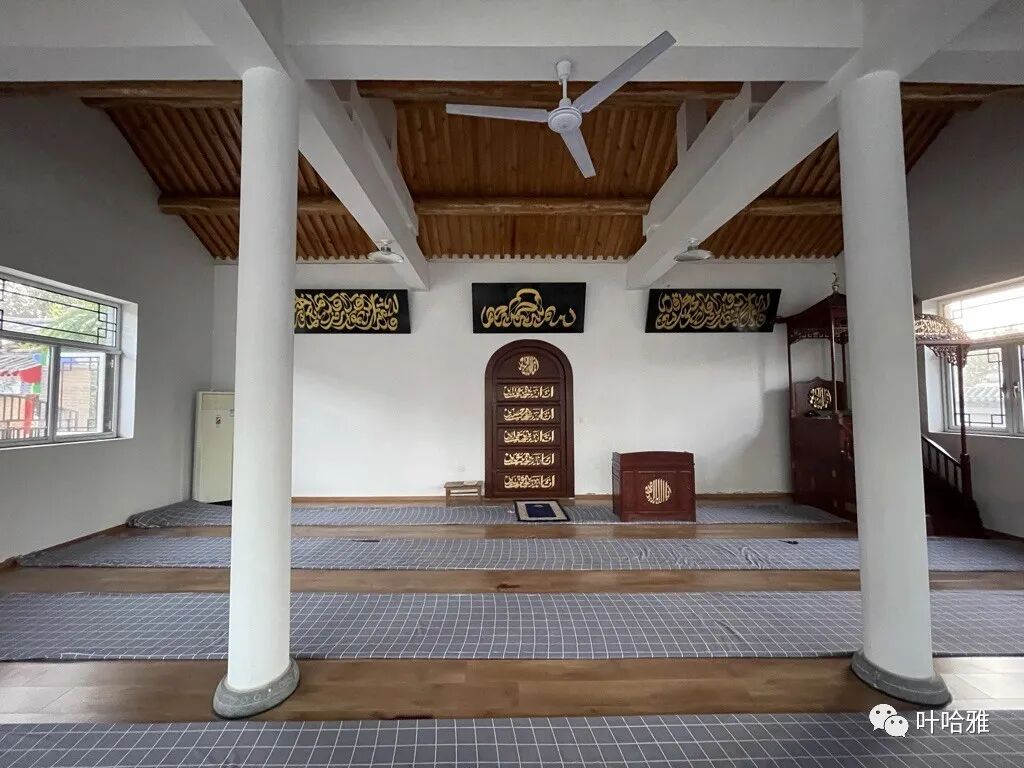
2. Xiadian Village Mosque
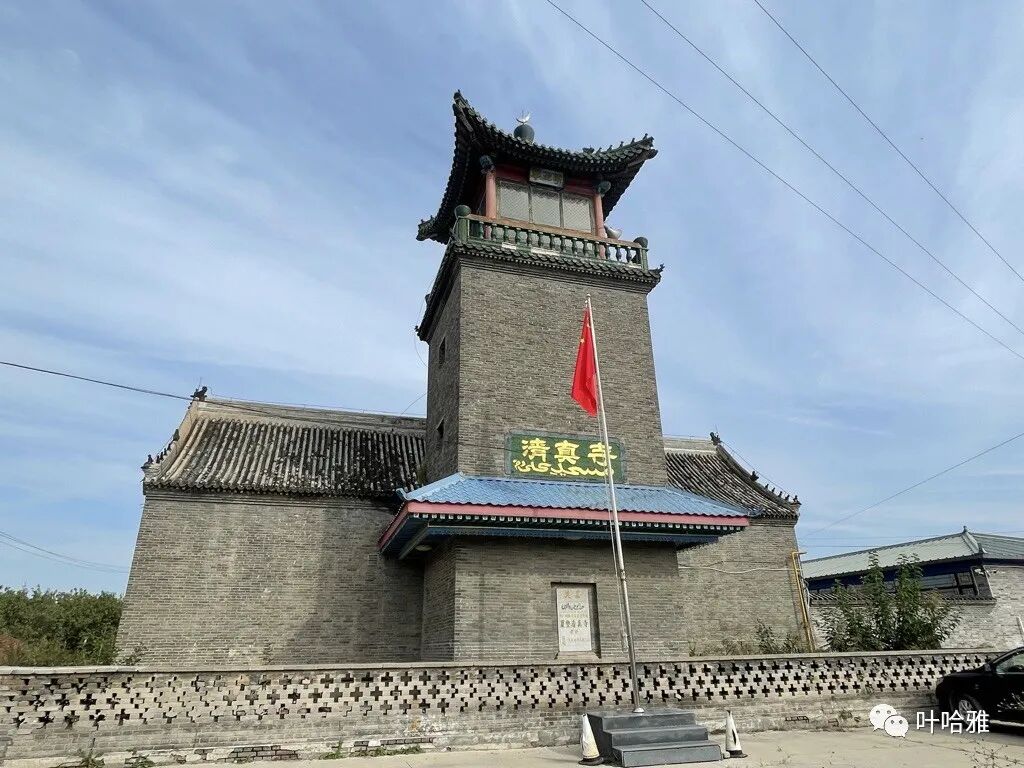
The imam of Xiadian told us about the hardships he faced while preaching in Xiadian. Fortunately, after years of effort, he managed to secure two mosques for Xiadian.
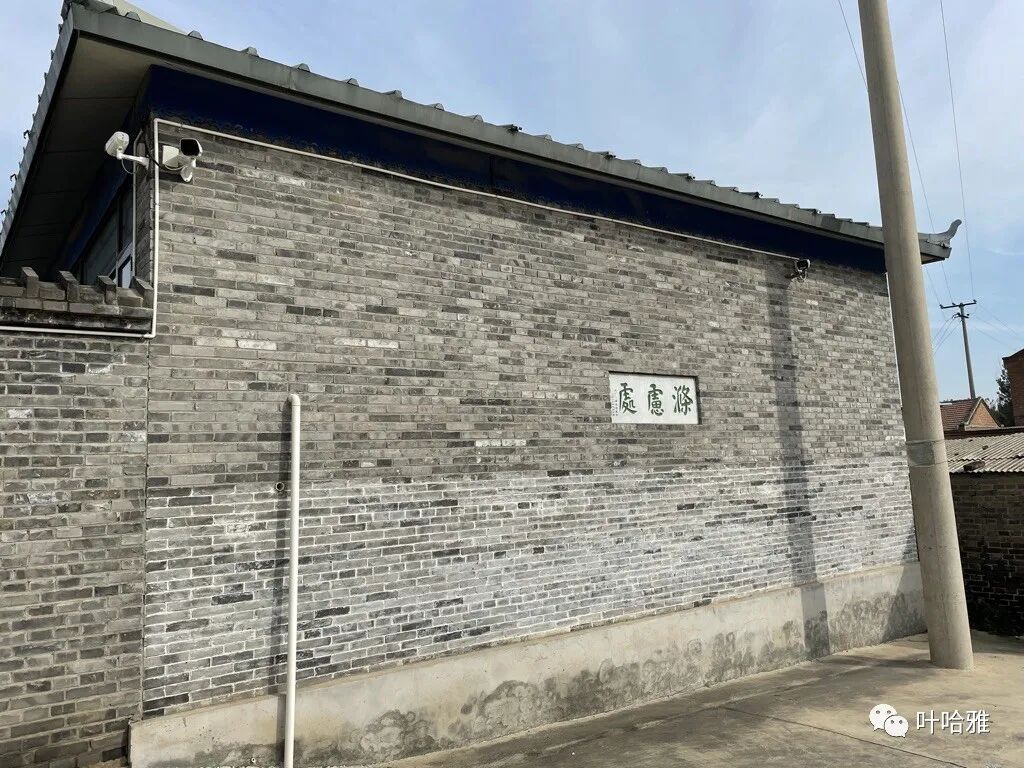
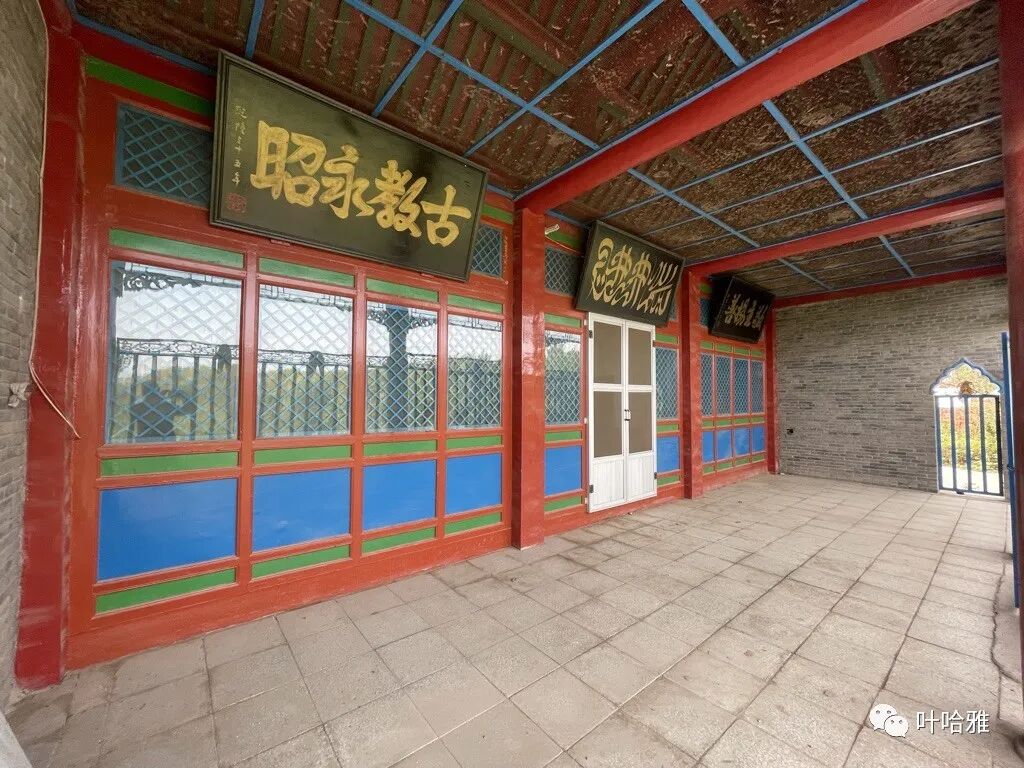
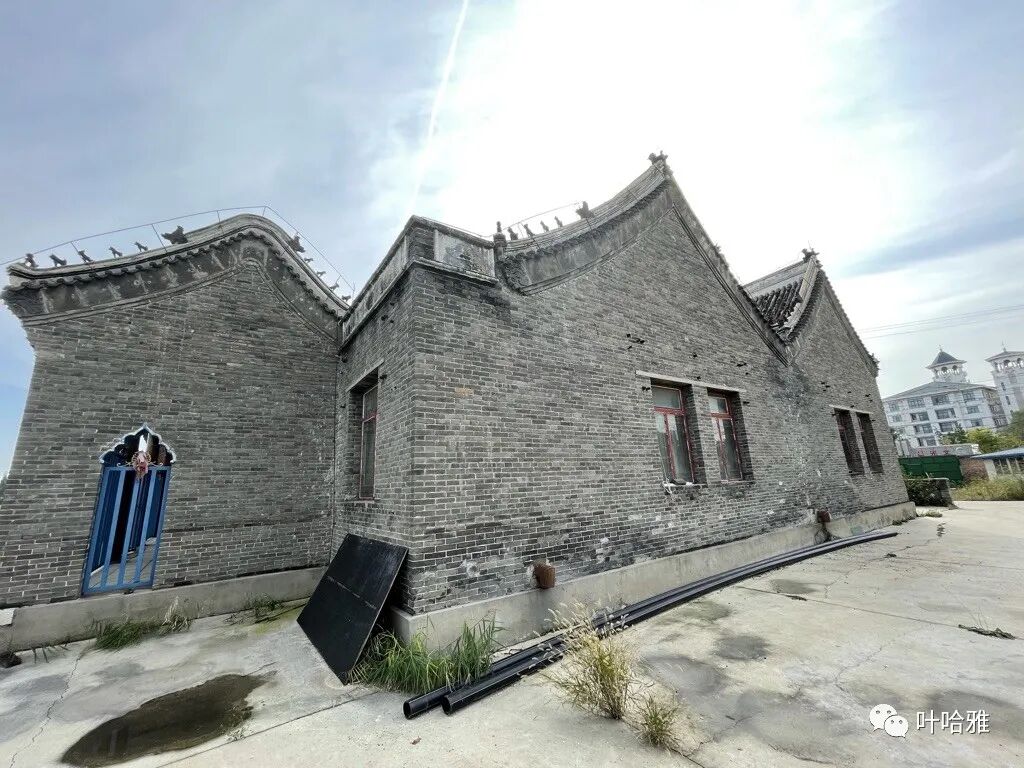
3. Xiaochang Mosque
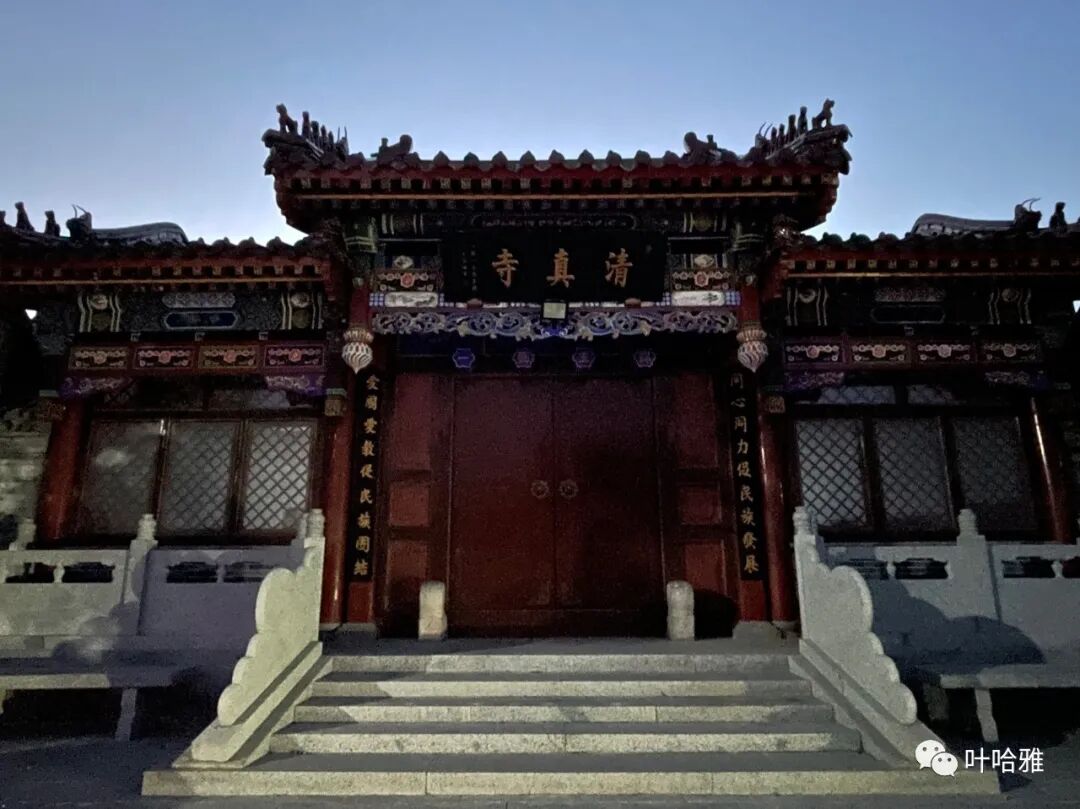
Xiaochang Village Mosque was first built during the Ming Dynasty by Chang Yuchun and Hu Dahai under imperial order. It was rebuilt in 2006.
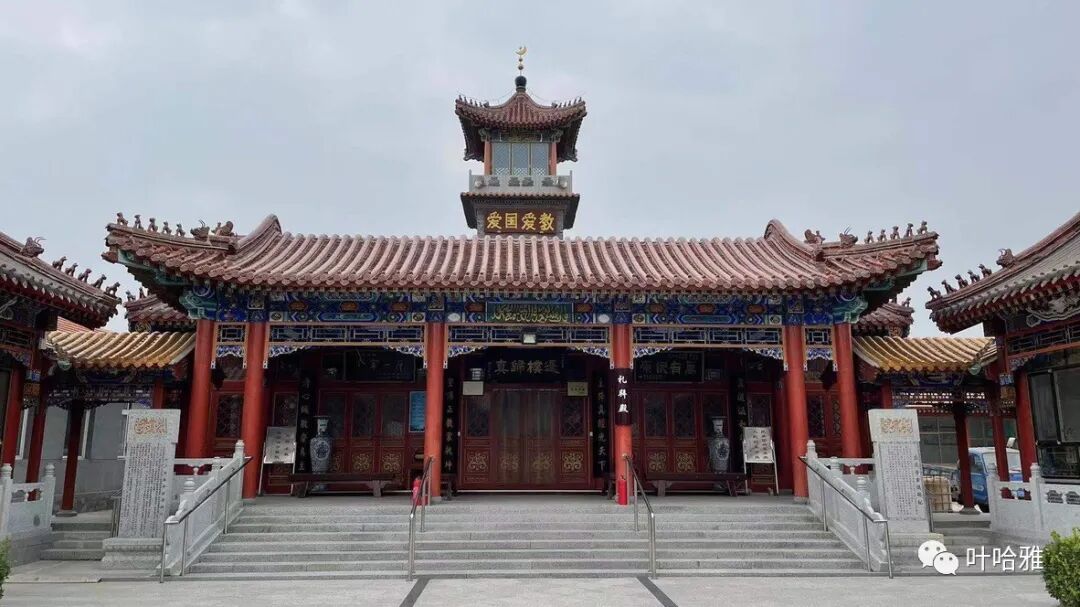
The imam at Xiaochang Village is from Yunnan. He is young but is said to be a very talented preacher. He has helped many villagers who were drifting away from their faith become firm in their beliefs, and he is highly respected by everyone in the area.
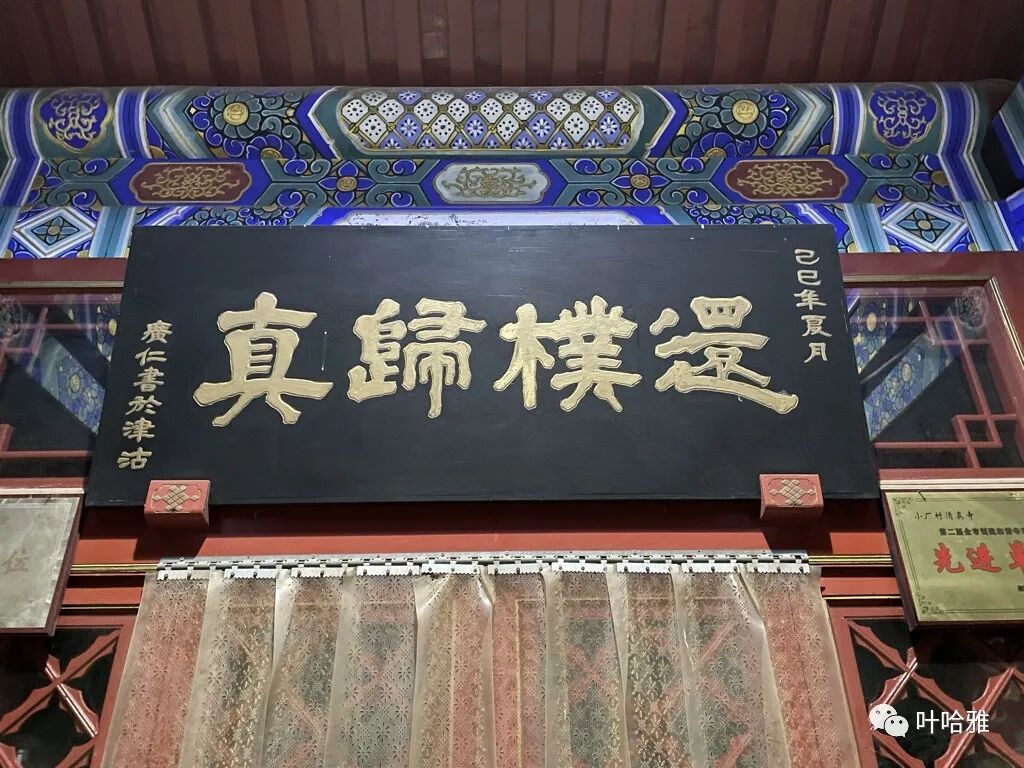
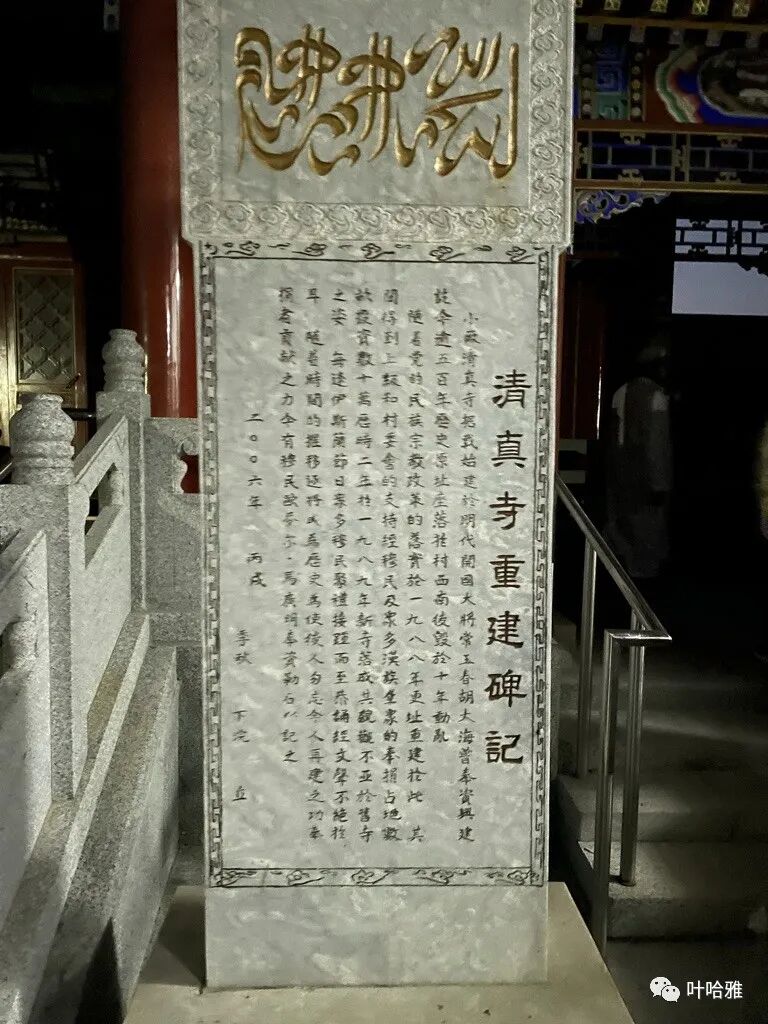
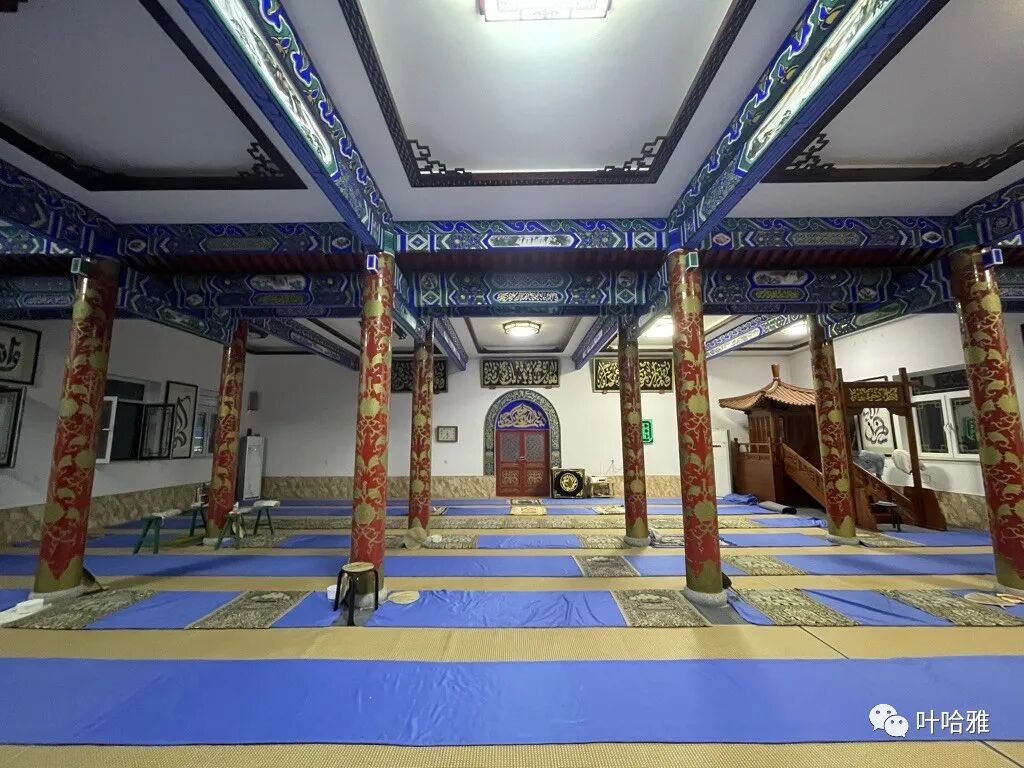
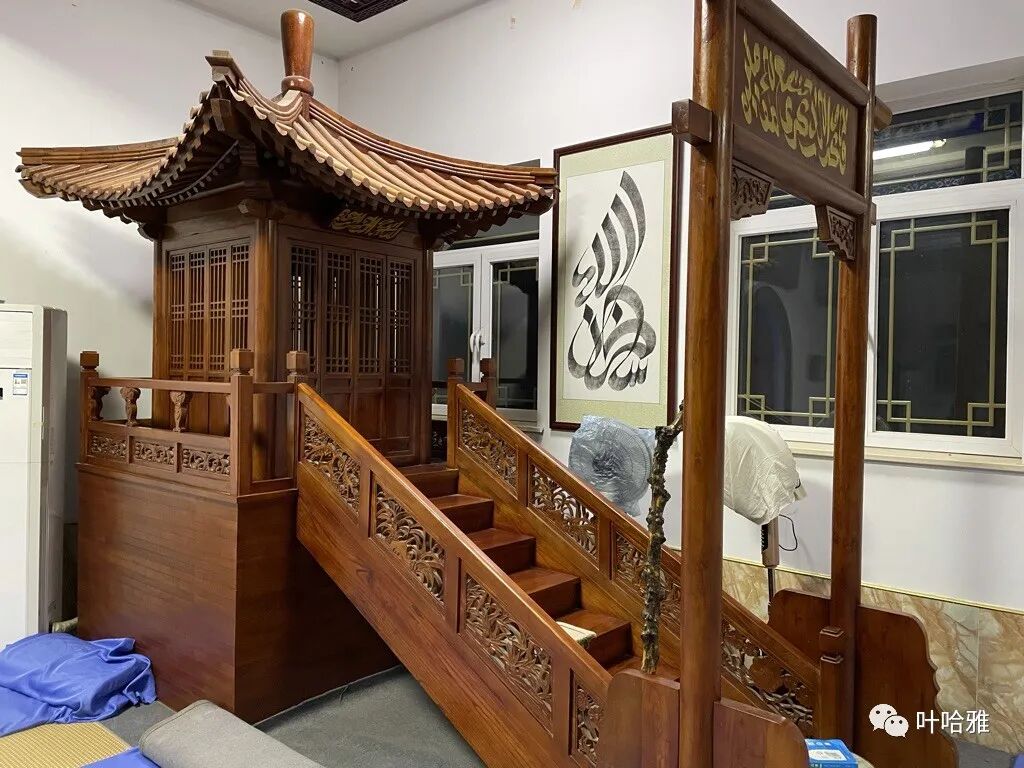
4. Dachang Mosque
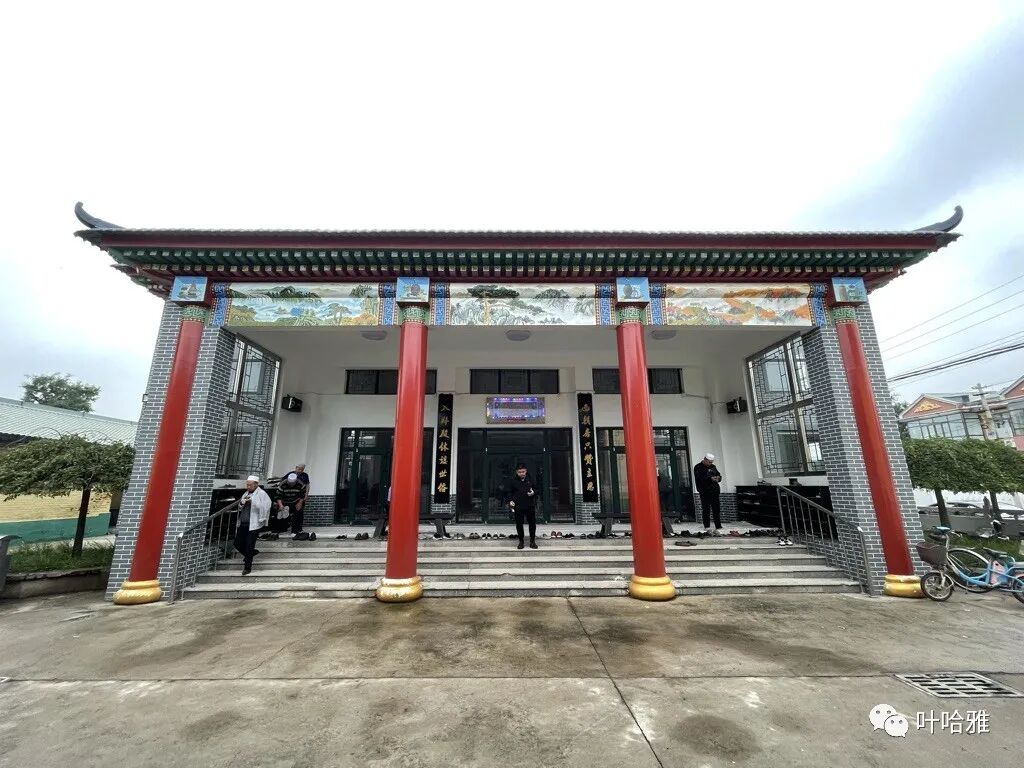
Dachang Mosque was first built during the Yongle period of the Ming Dynasty. It did not look like this when I visited in 2017. It was recently renovated, and the dome was removed. Now, all 17 mosques in Dachang are built in a traditional style.
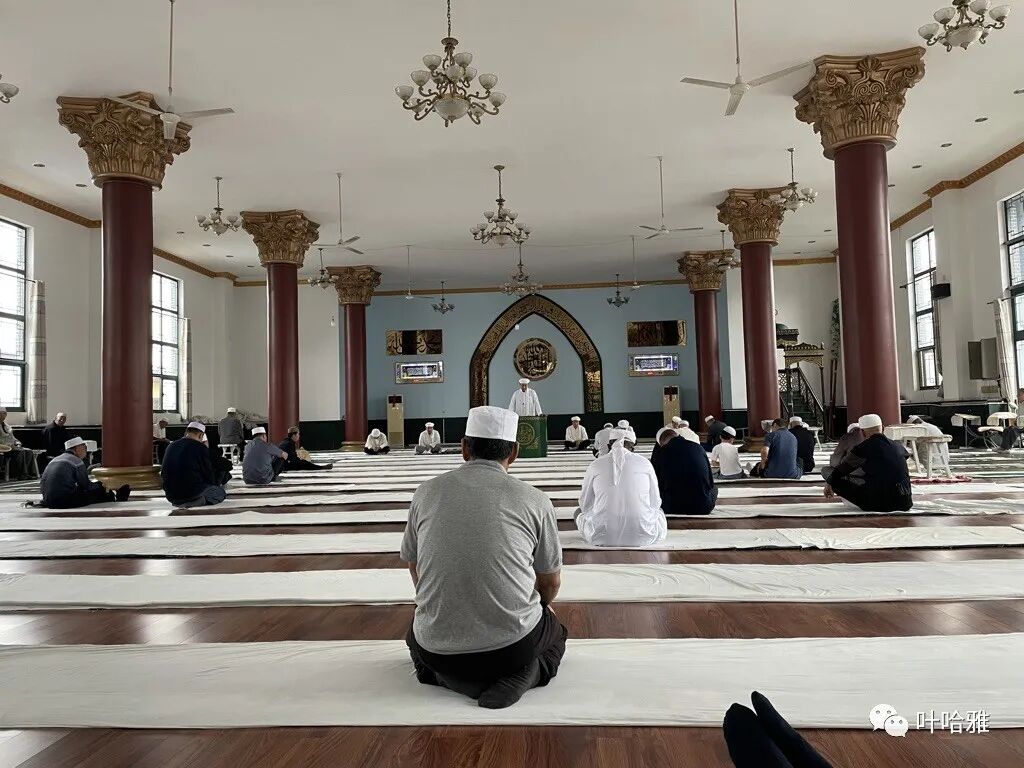
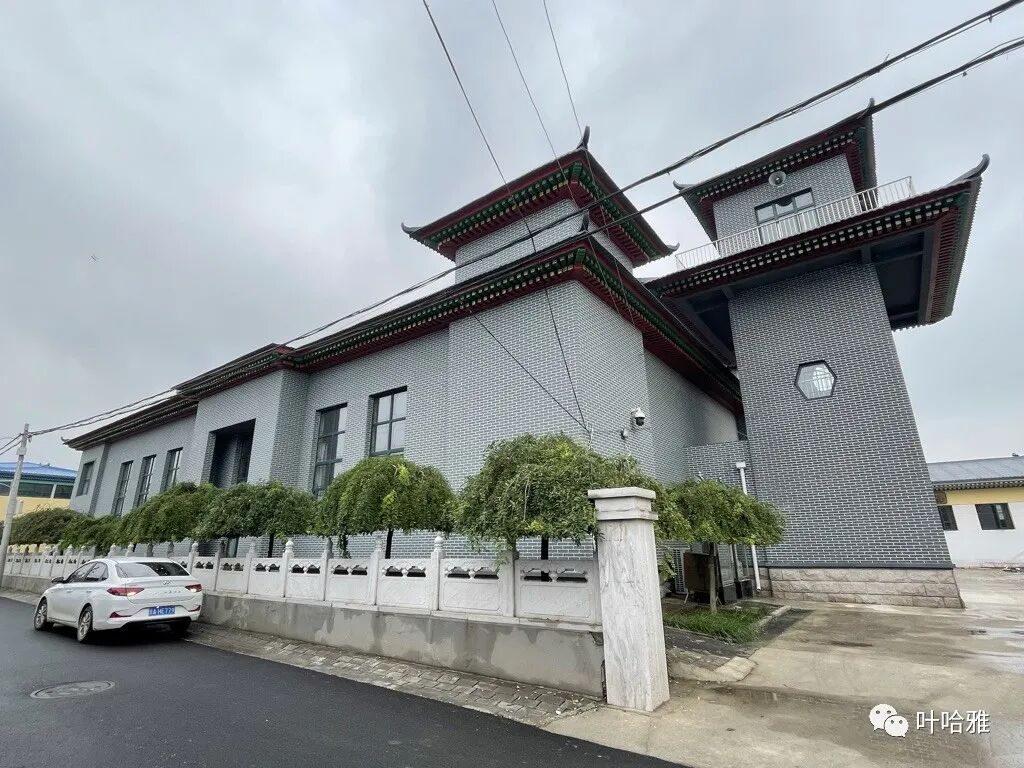
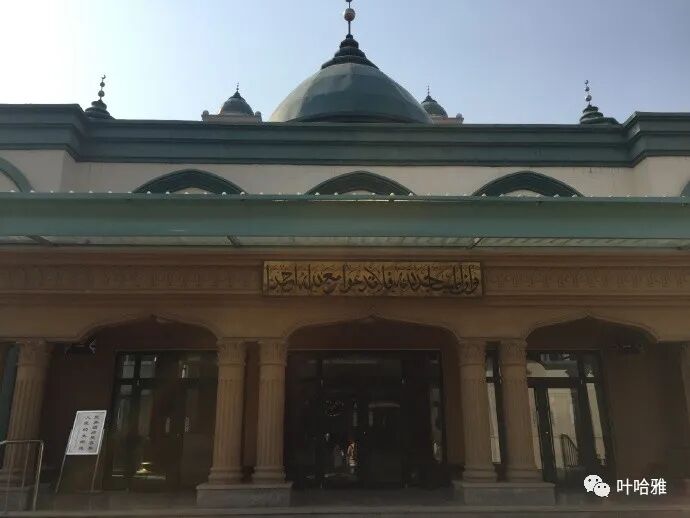
Dachang Mosque before 2017
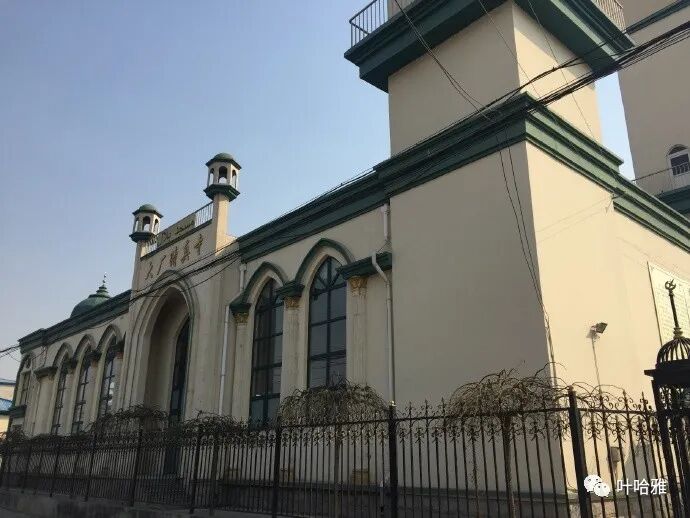
Dachang Mosque before 2017
5. Dongchang Mosque
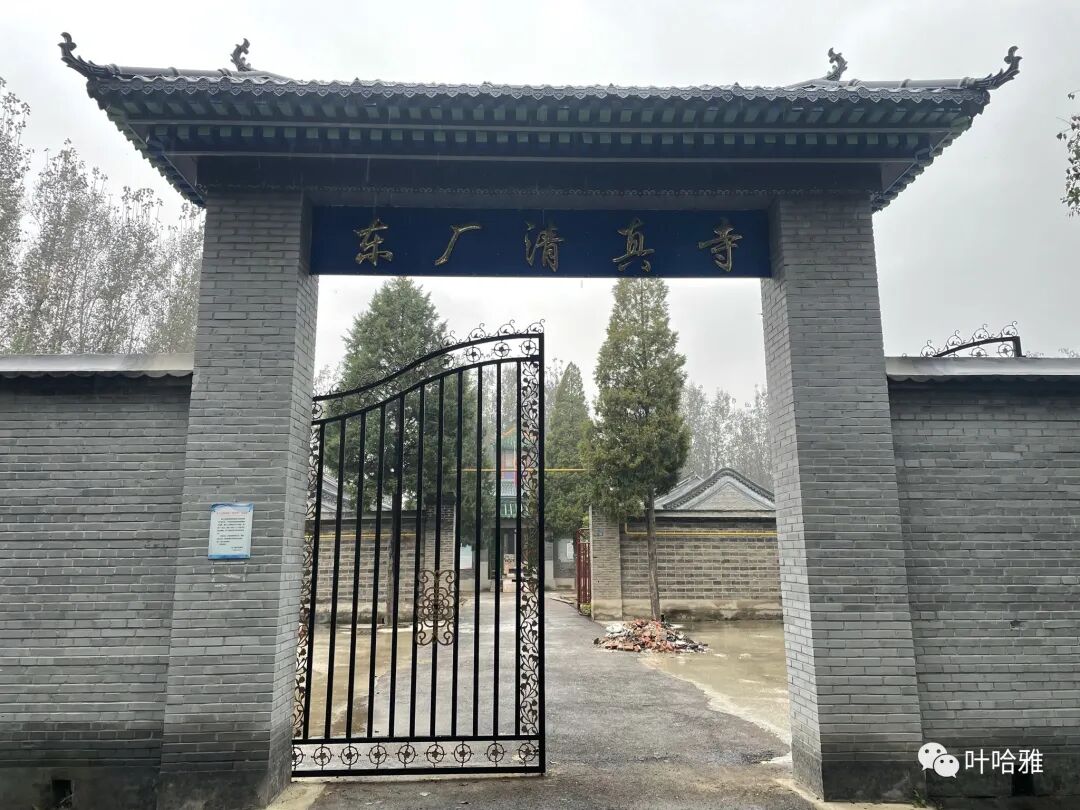
Dongchang Mosque in Dongchang Village was first built during the Daoguang period of the Qing Dynasty. This "Dongchang" is not the same "Dongchang" run by the eunuchs in history.
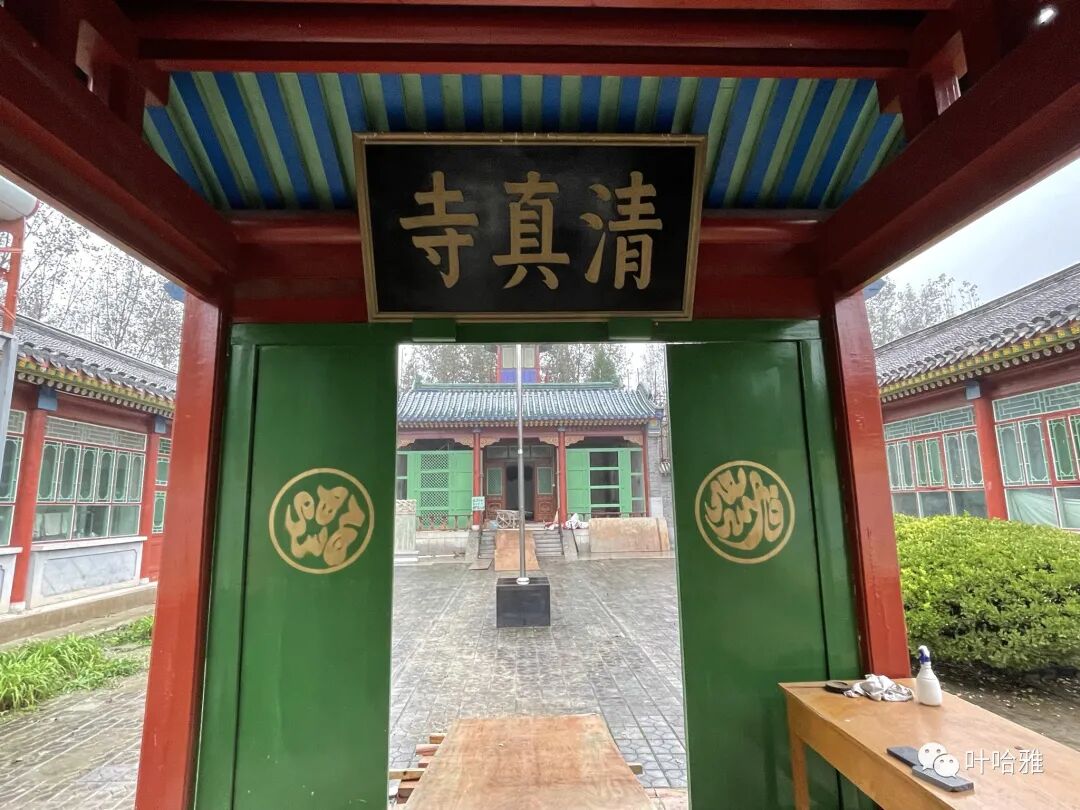
The mosque is currently undergoing repairs. I met the resident imam, who is from Cangzhou.
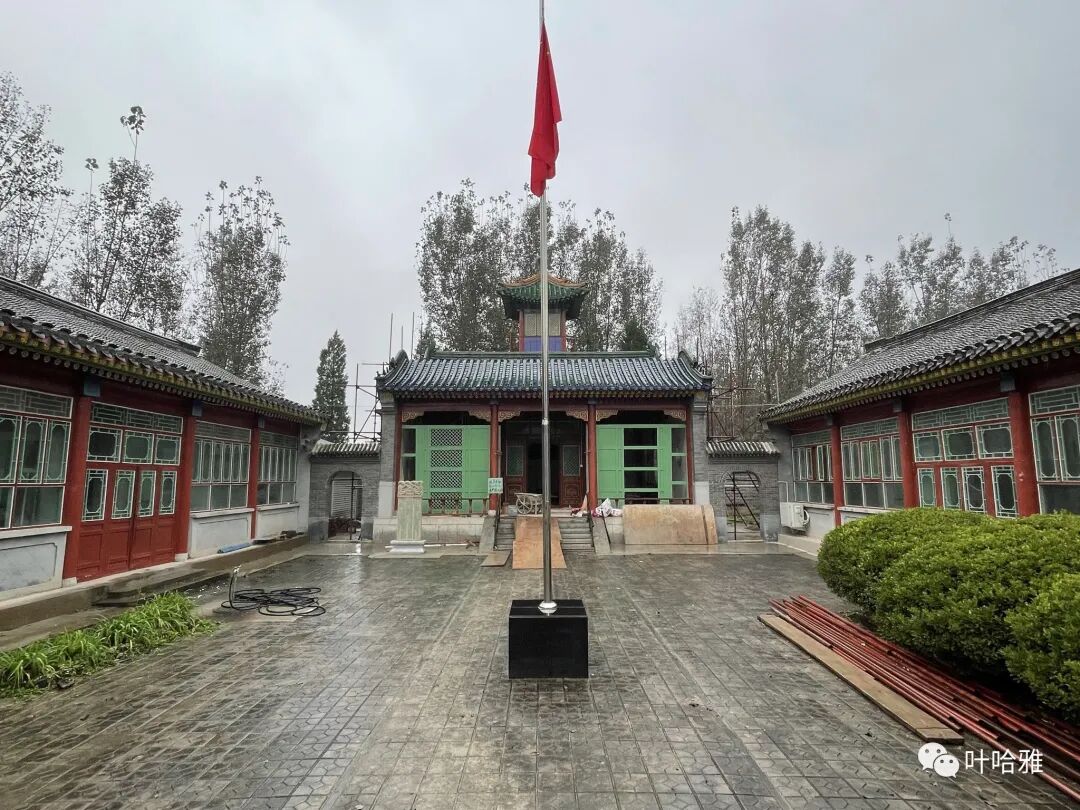
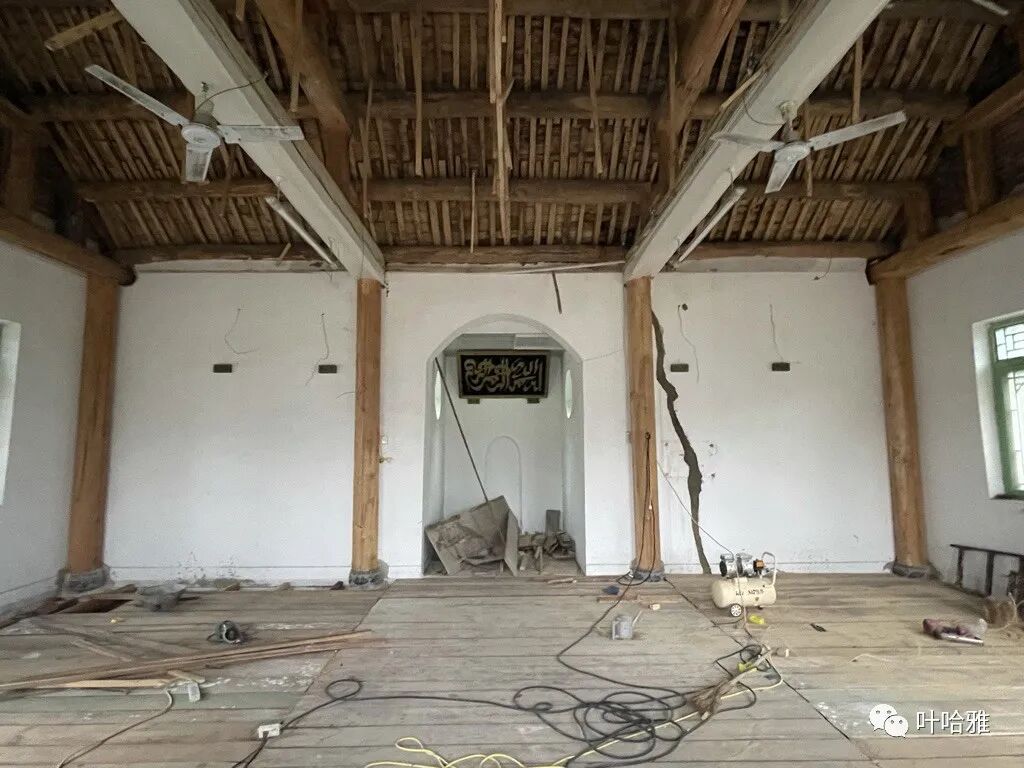
6. Nanwangzhuang Mosque
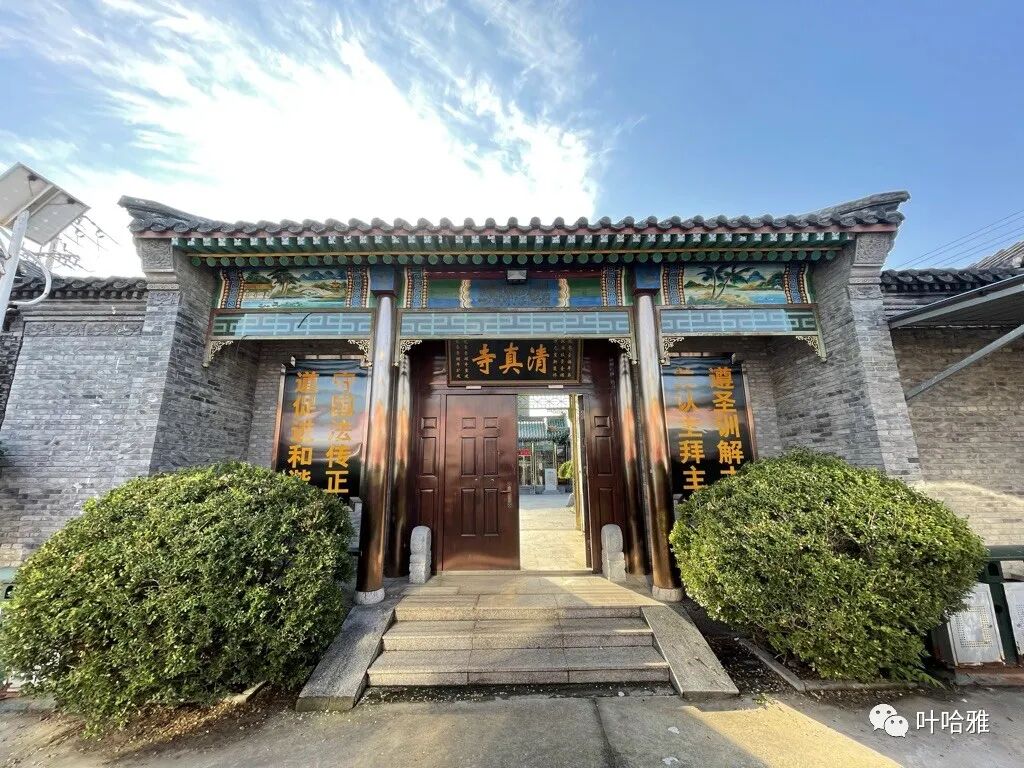
Nanwangzhuang Mosque was first built during the Jianwen period of the Ming Dynasty by the Wang brothers, who followed the Prince of Yan on his northern military campaign. It was rebuilt in 2009.
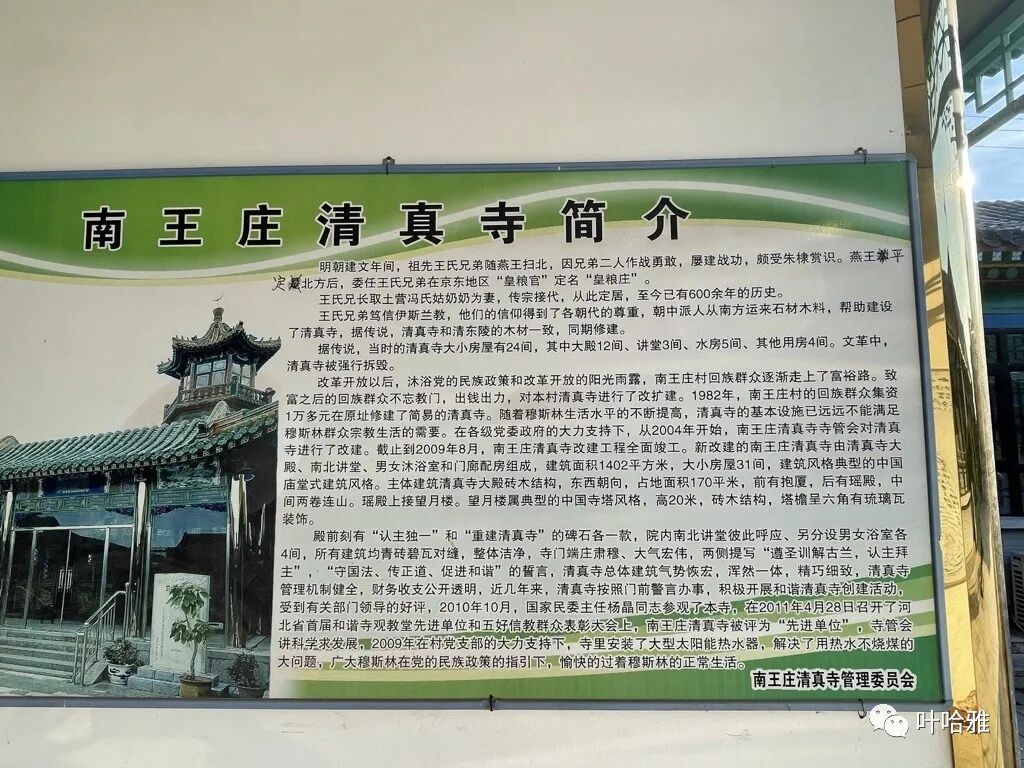
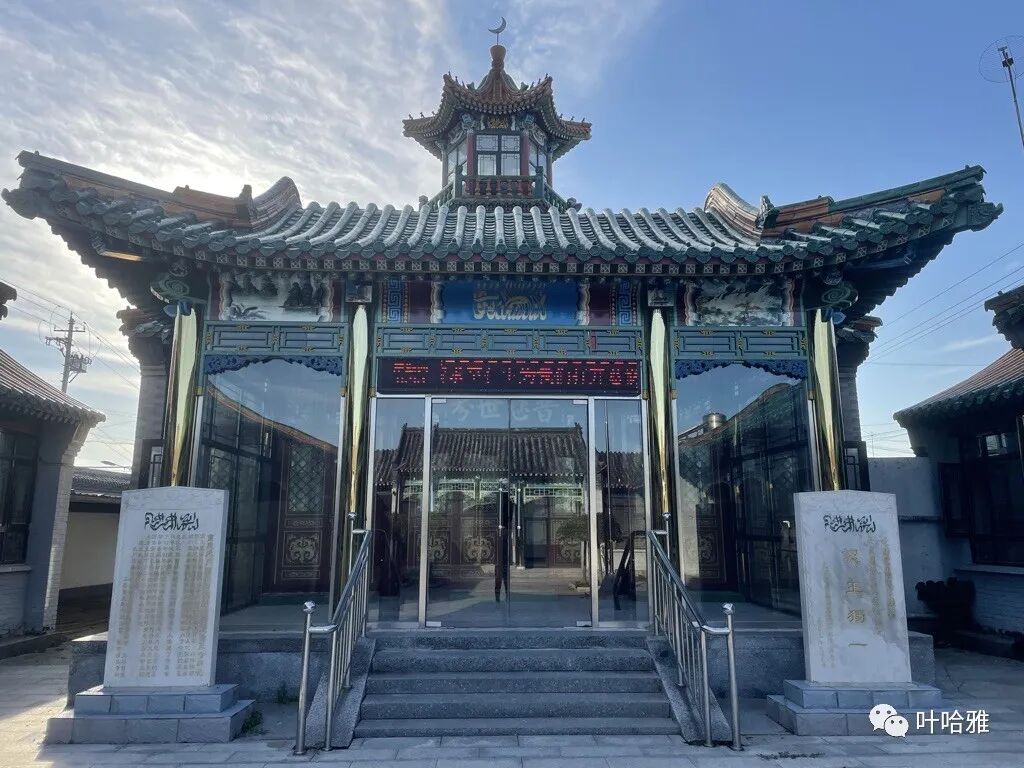
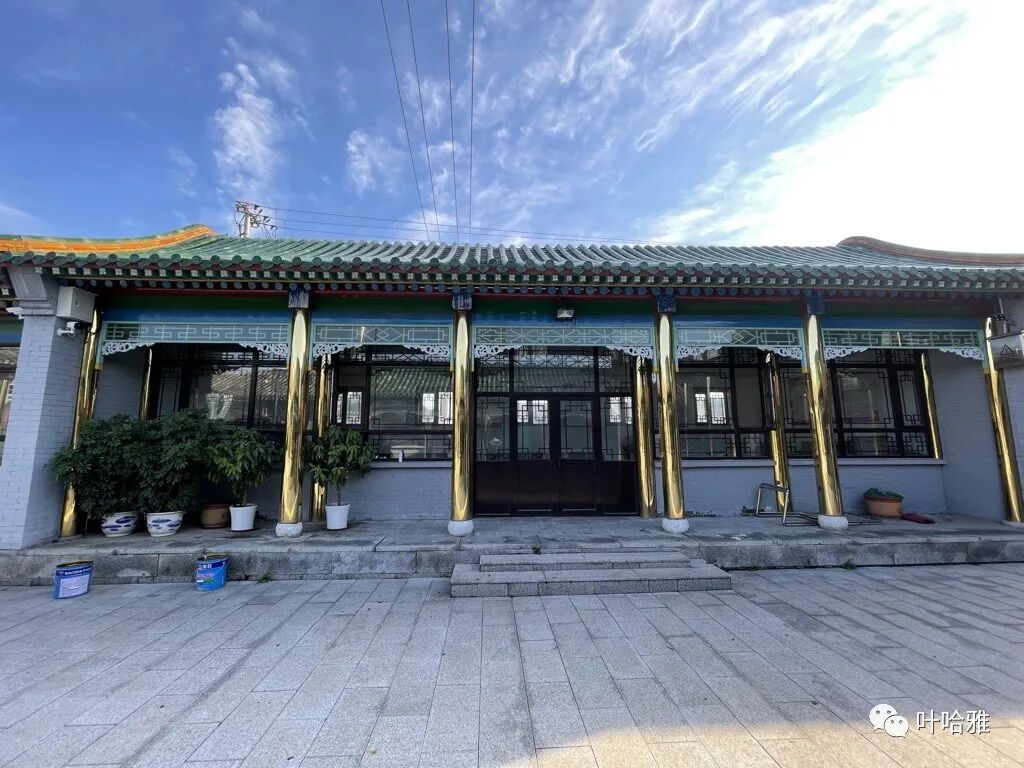
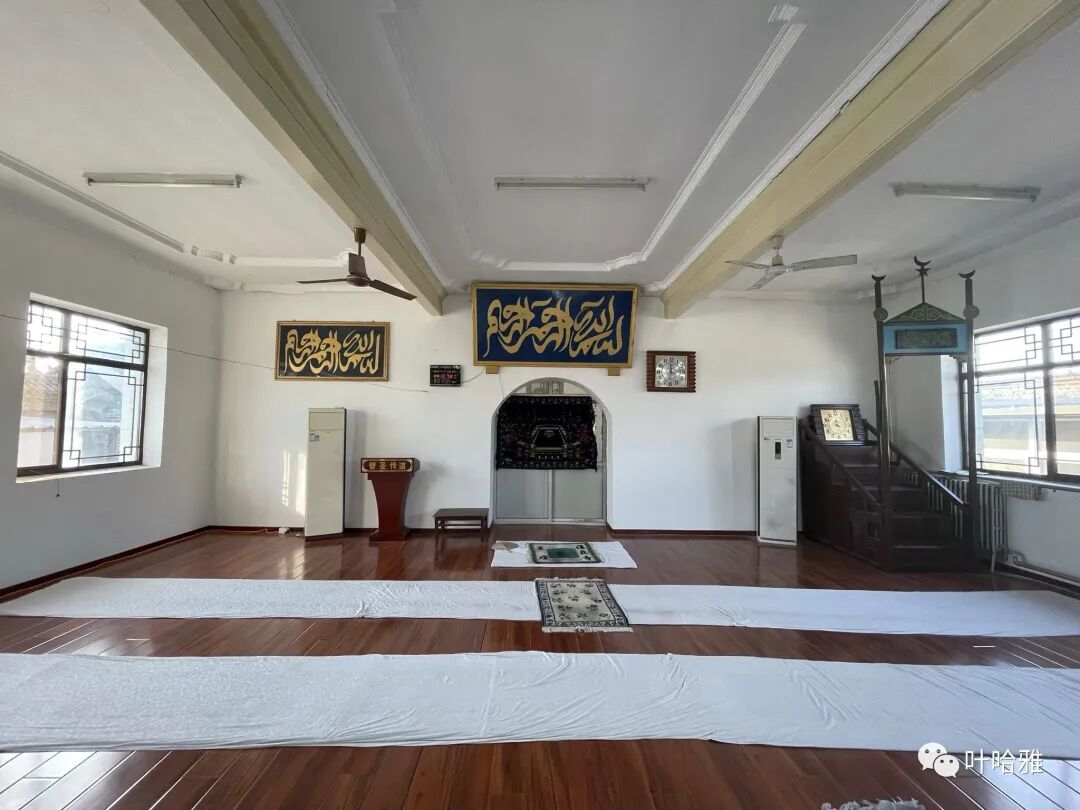
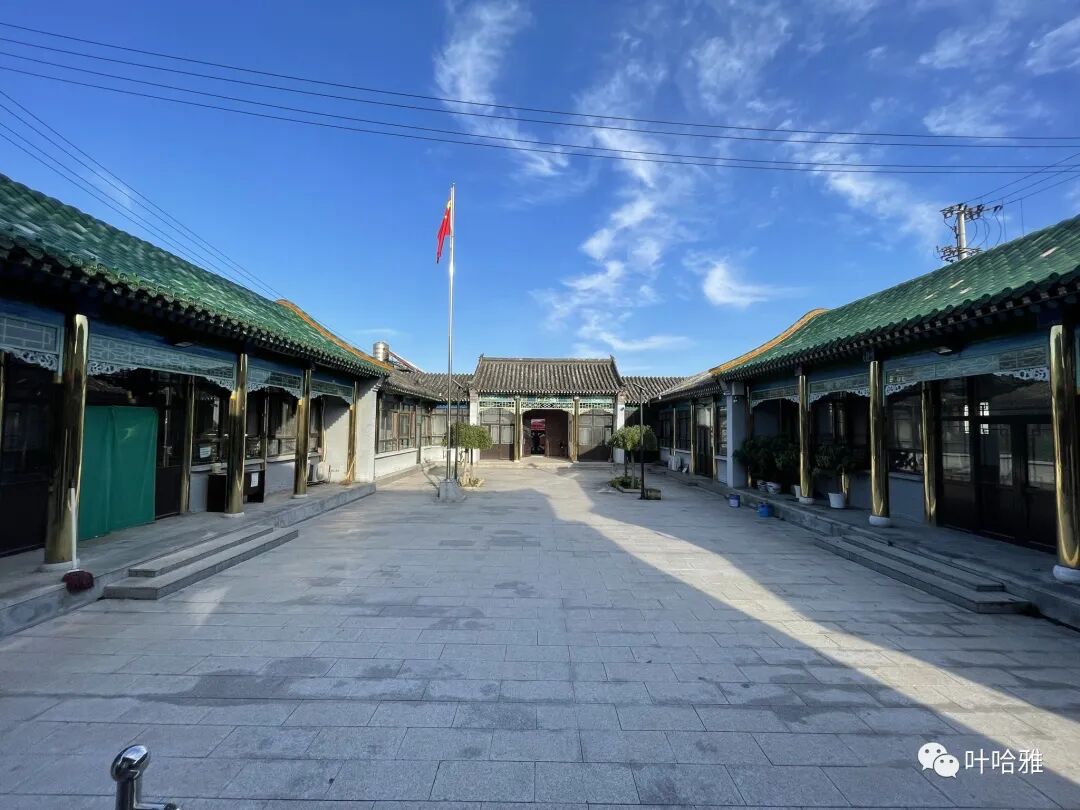
7. Yangxinzhuang Mosque
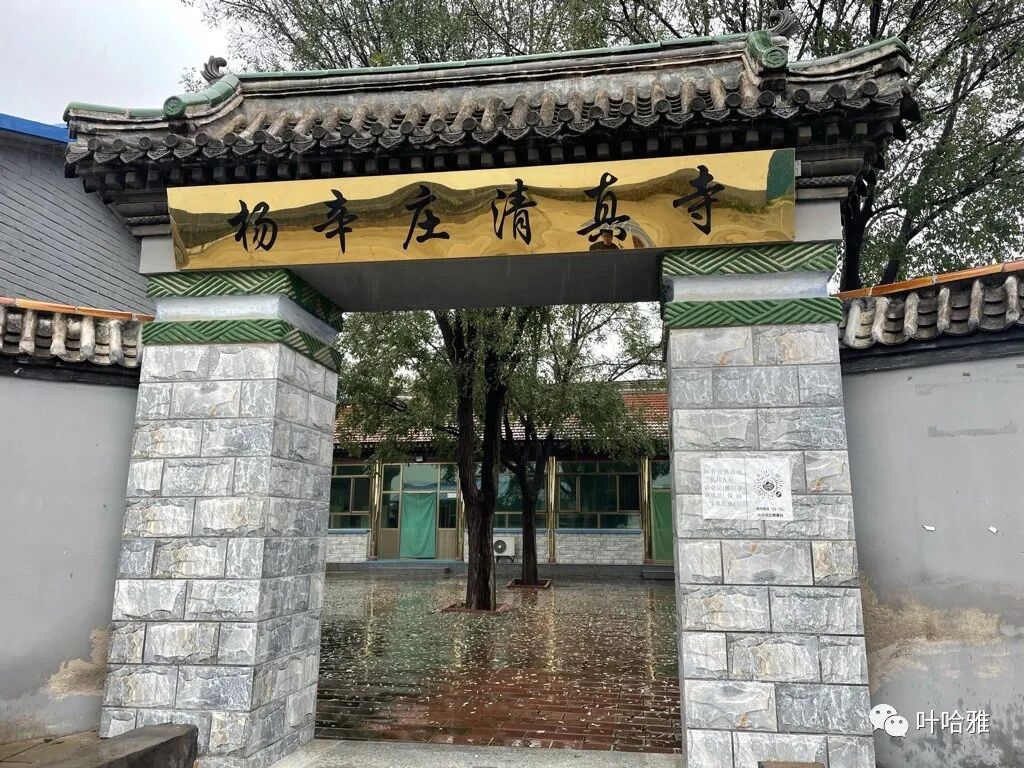
Yangxinzhuang Mosque was first built in the second year of the Tongzhi period of the Qing Dynasty and reopened in 1983.
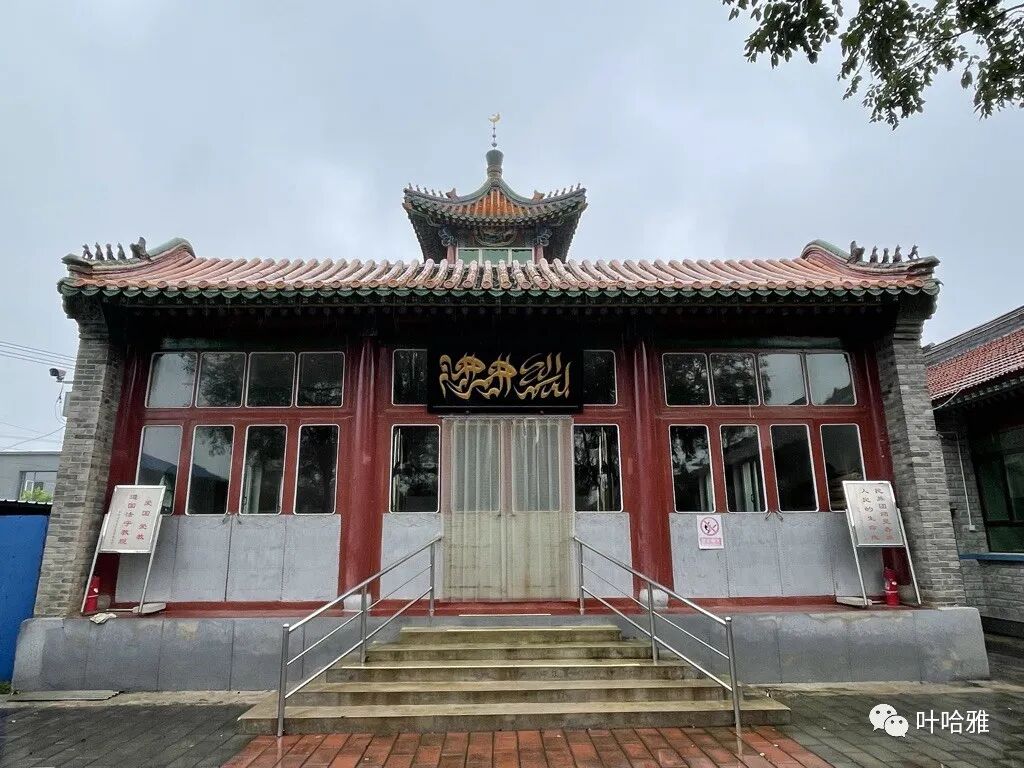
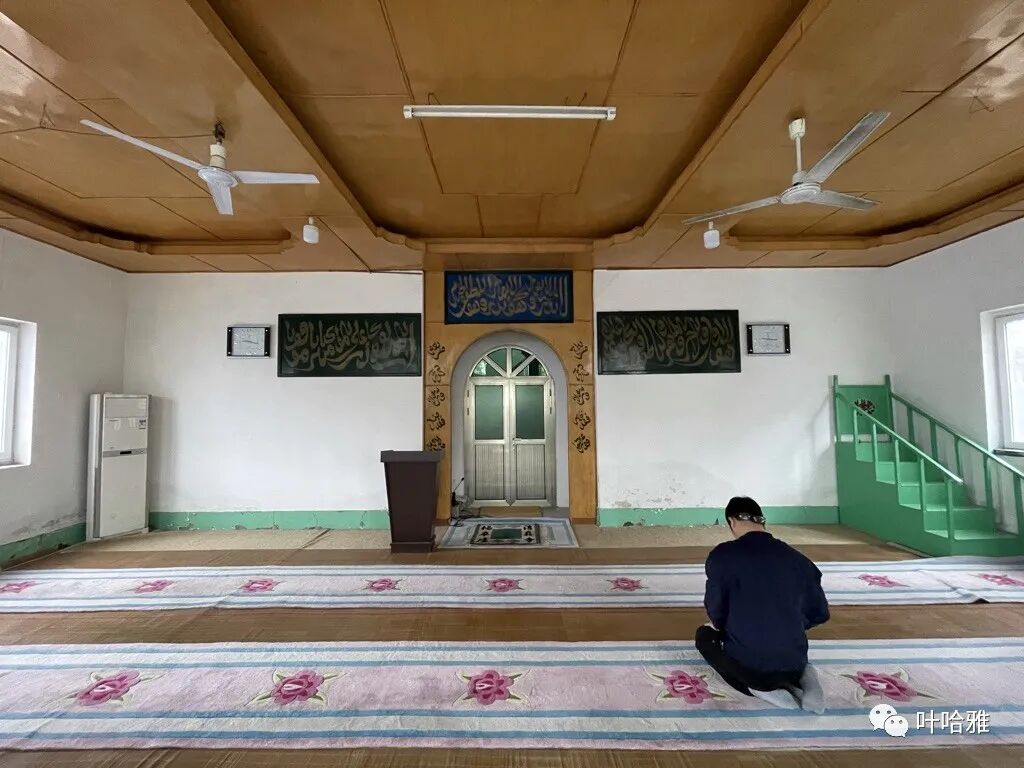
8. Weizizhuang Mosque
The mosque in Weizizhuang Village was first built during the Guangxu period of the Qing Dynasty and rebuilt in 1997.
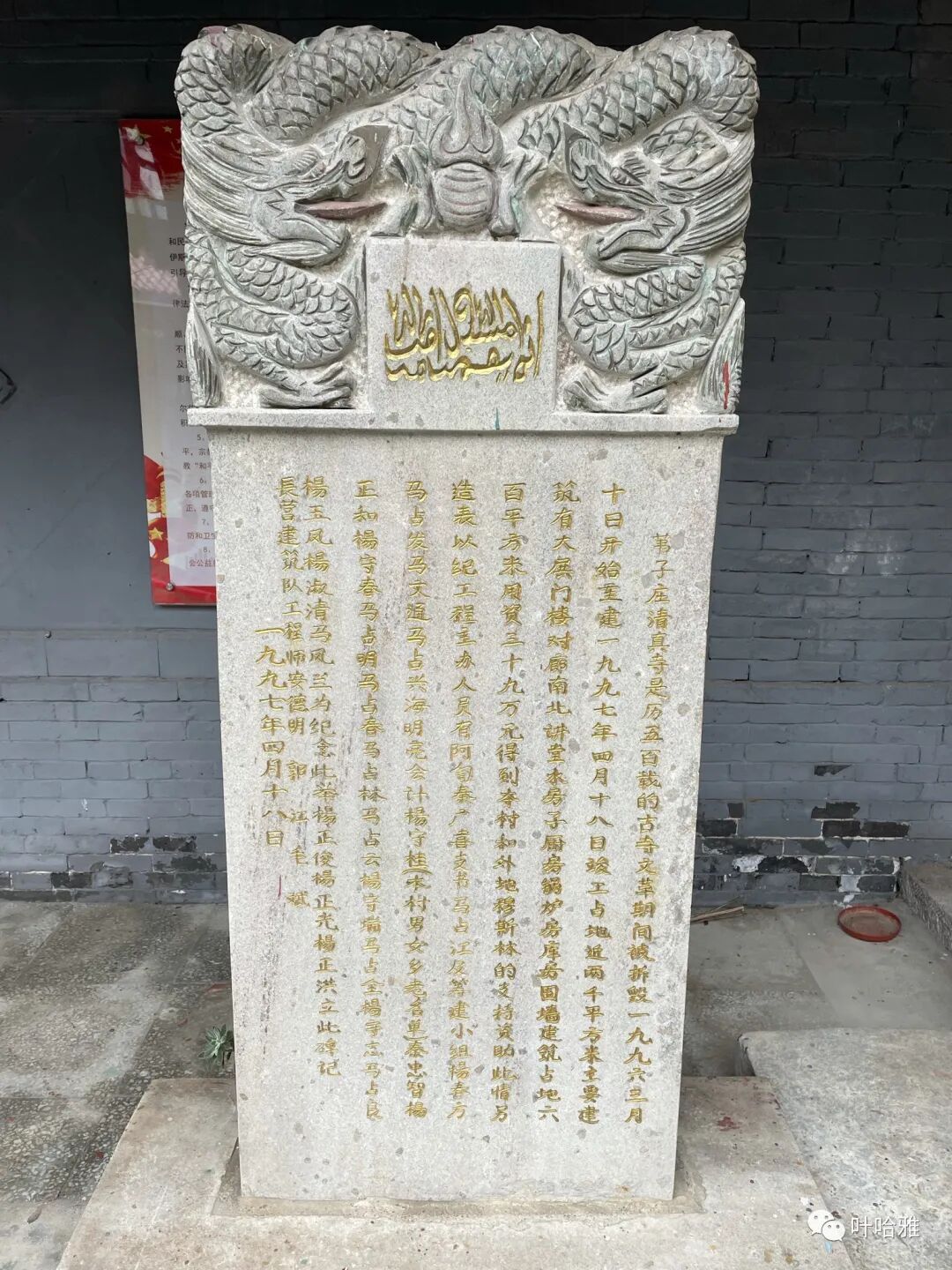
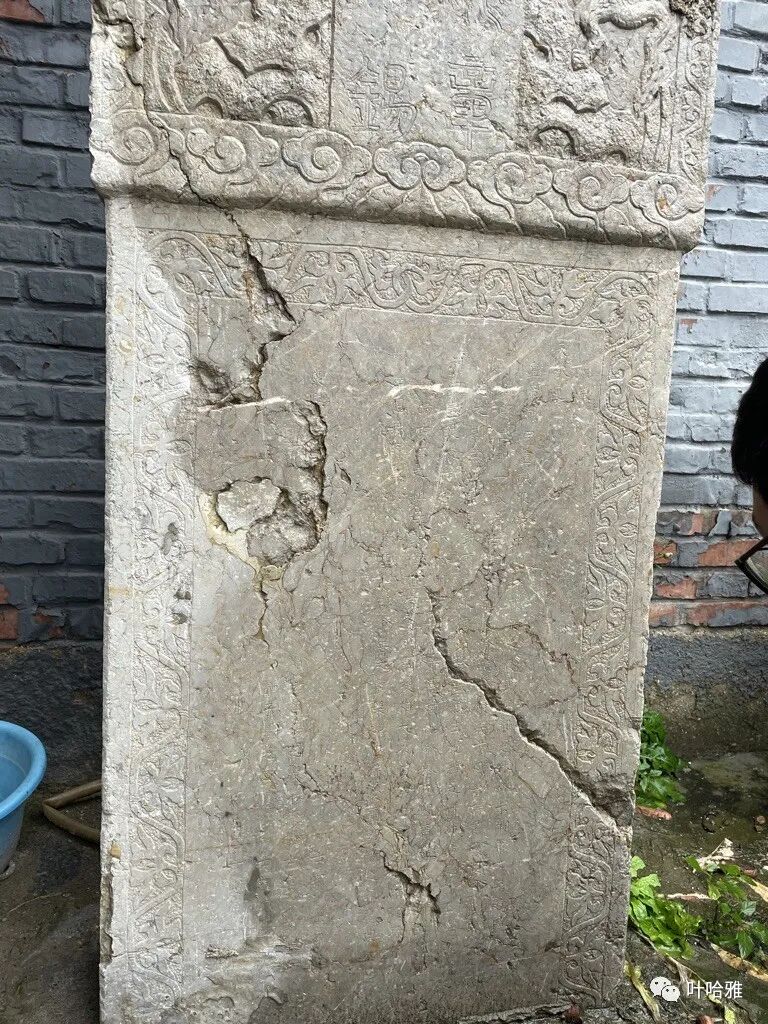
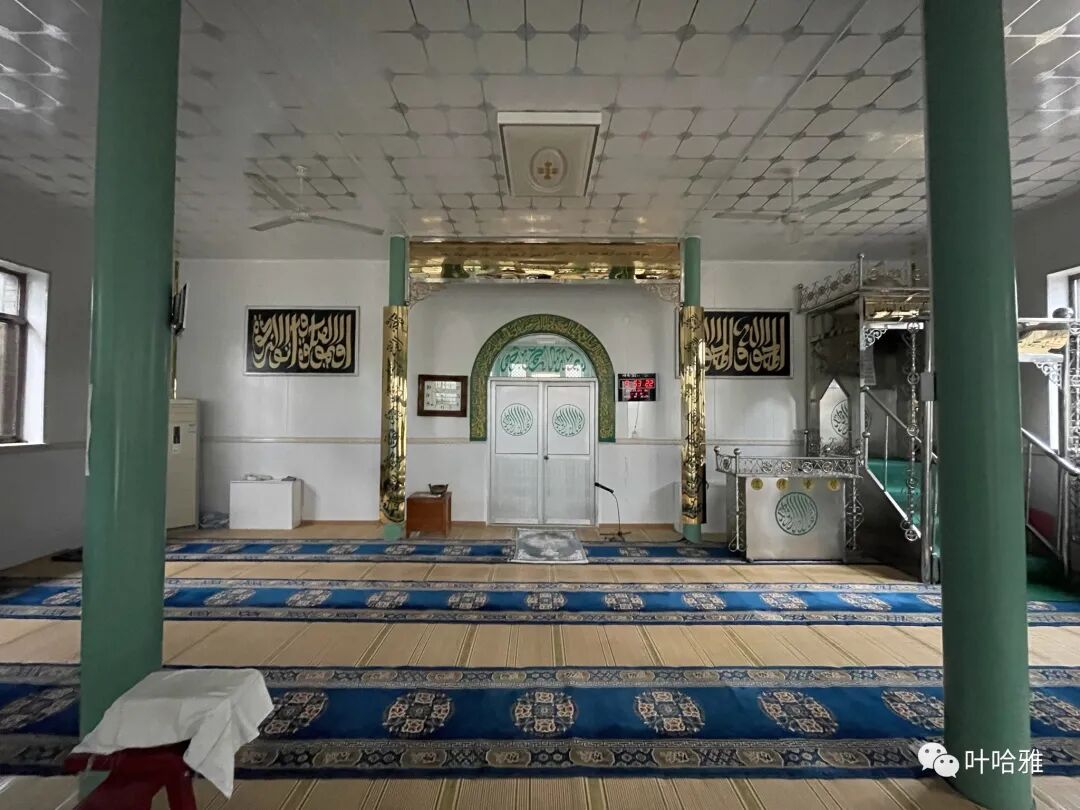
9. Chenxinzhuang Mosque
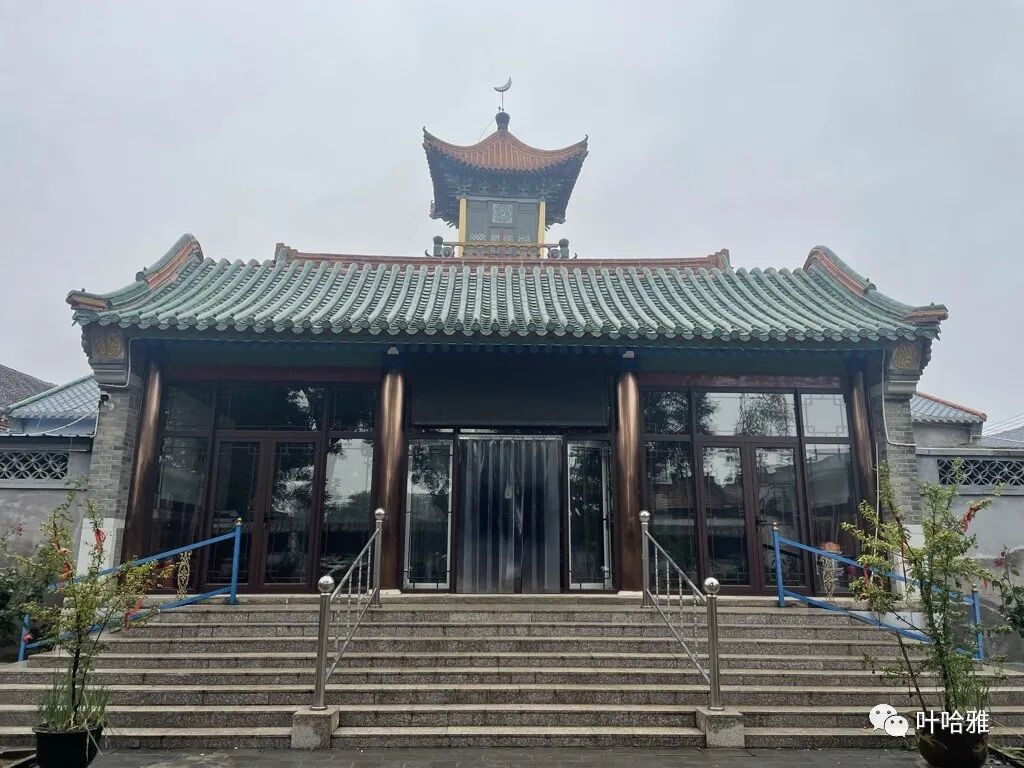
Chenxinzhuang Mosque was first built during the Ming Dynasty. It was rebuilt in 2004 and is currently undergoing repairs again.
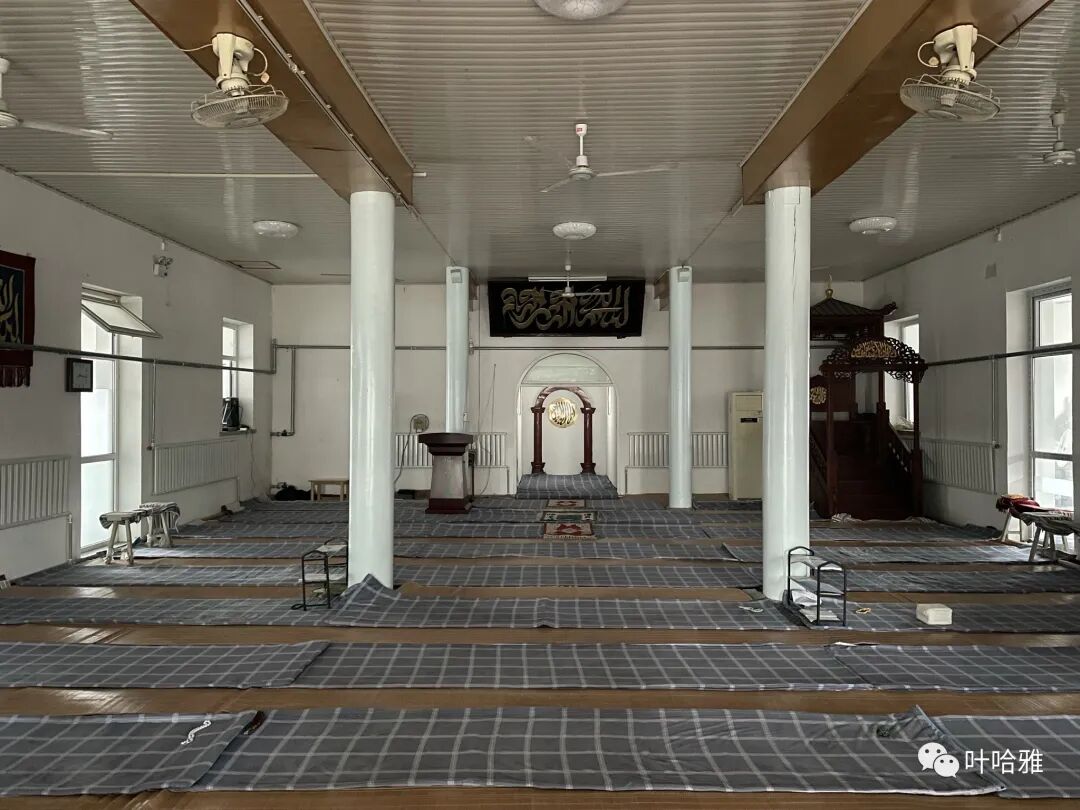
10. Manxingying Mosque
Manxingying Mosque was first built in 1927 and rebuilt in 1992.
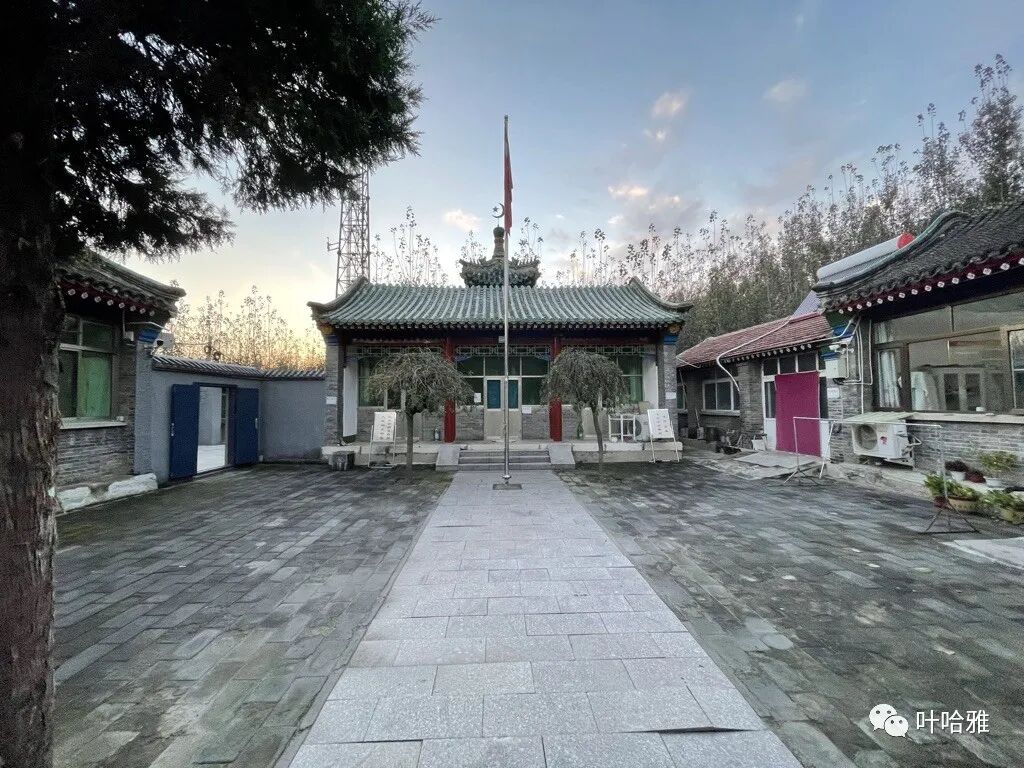
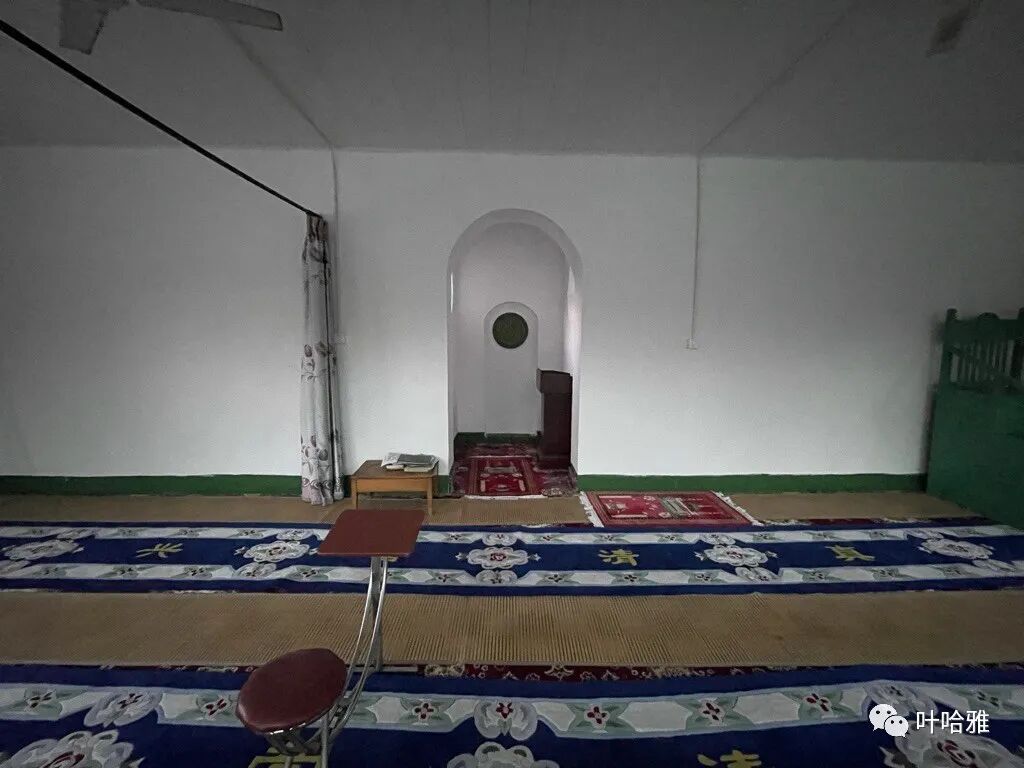
11. Liangzhuang Village Mosque
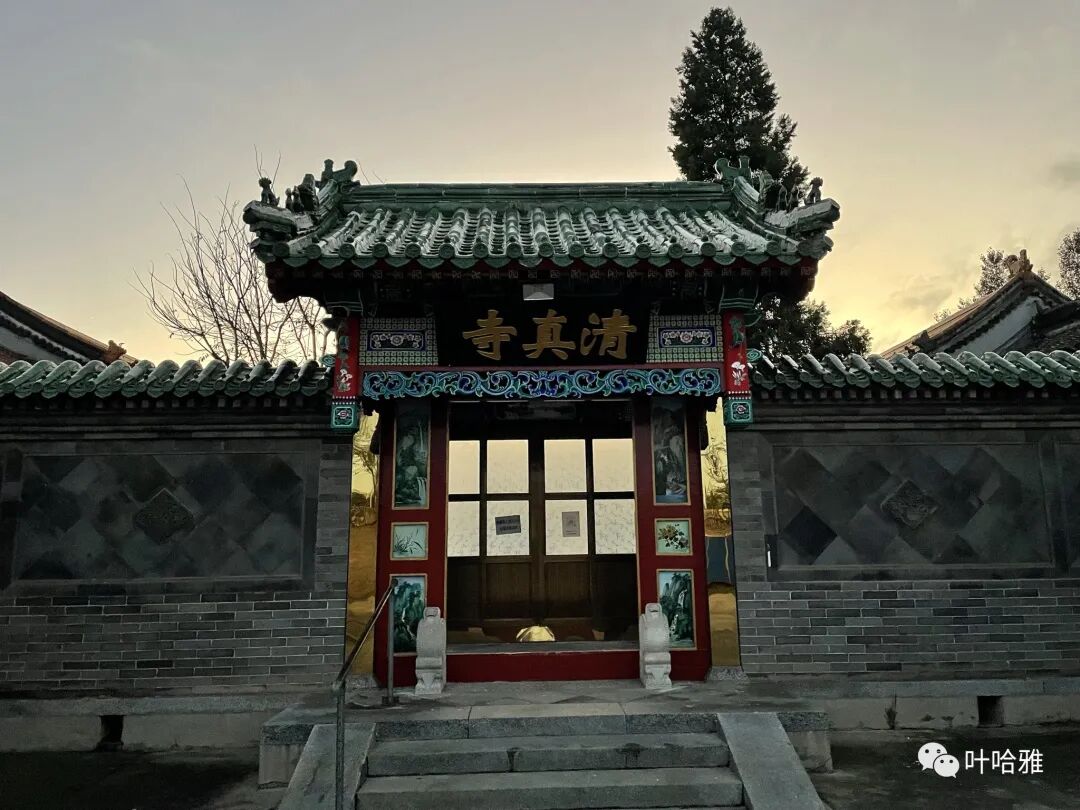
Liangzhuang Village Mosque was first built during the Yongzheng reign of the Qing Dynasty and rebuilt in 2002.
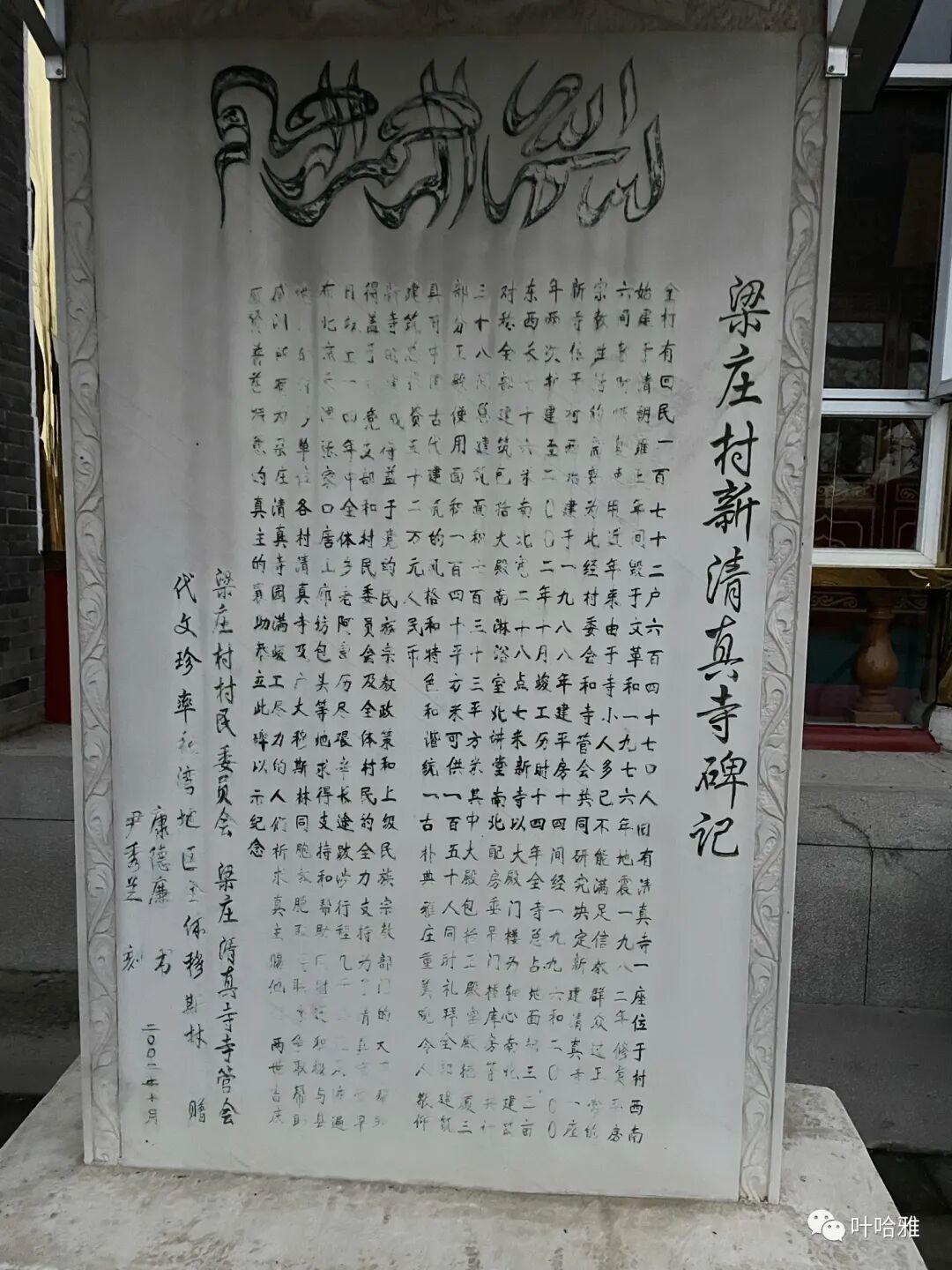
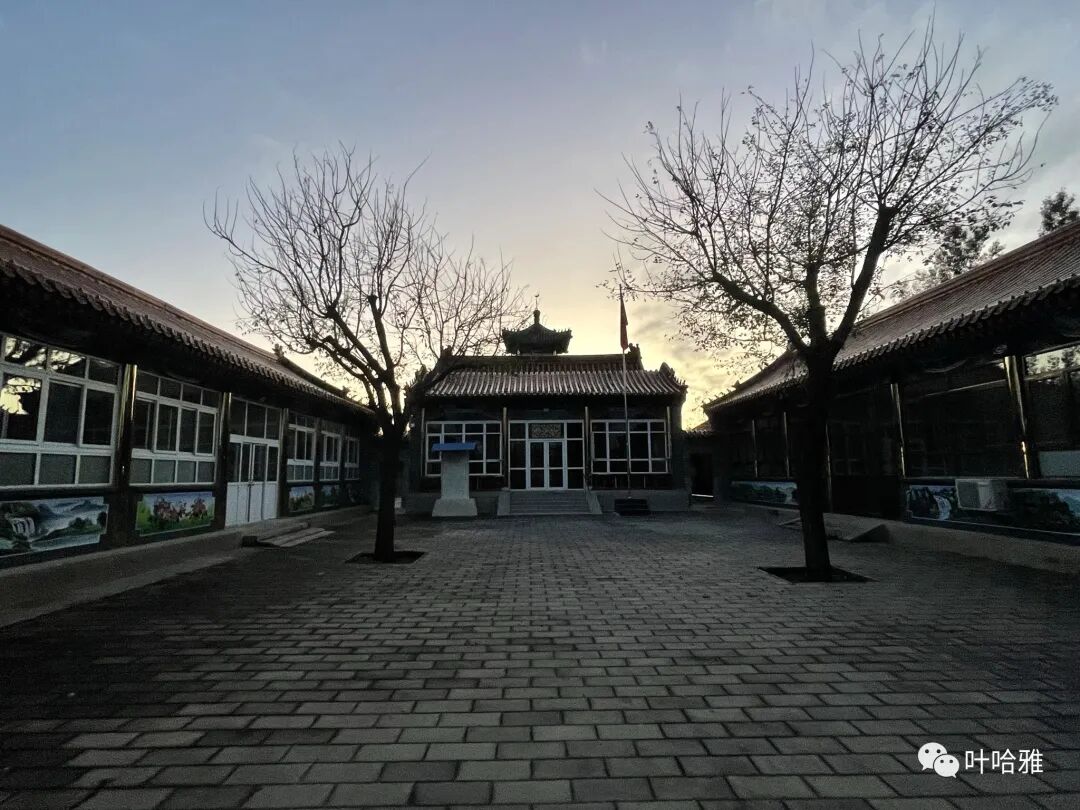
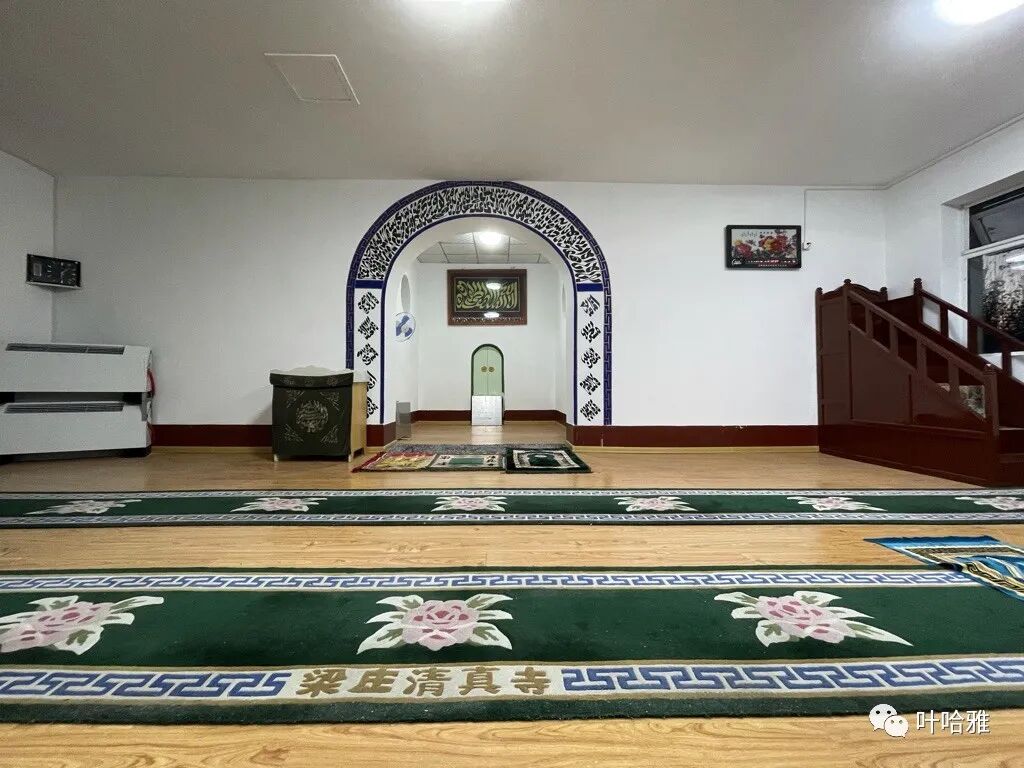
12. Huogezhuang Mosque
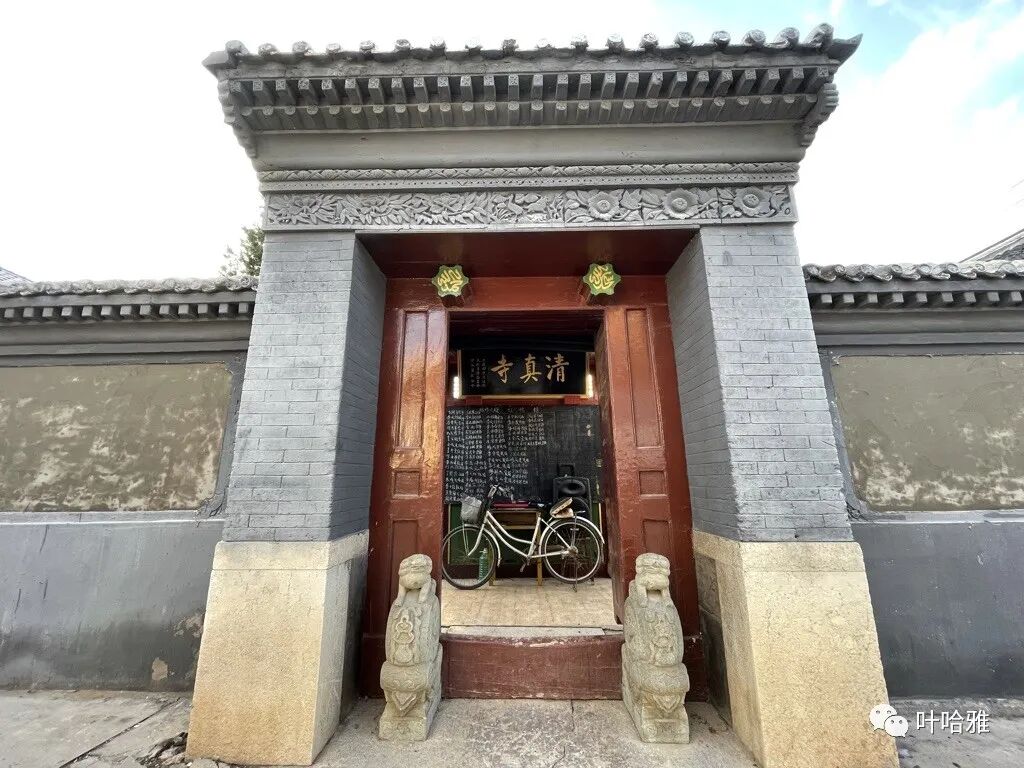
Huogezhuang Mosque was first built in the early years of the Republic of China. It was destroyed in the Tangshan earthquake and rebuilt in 1992.
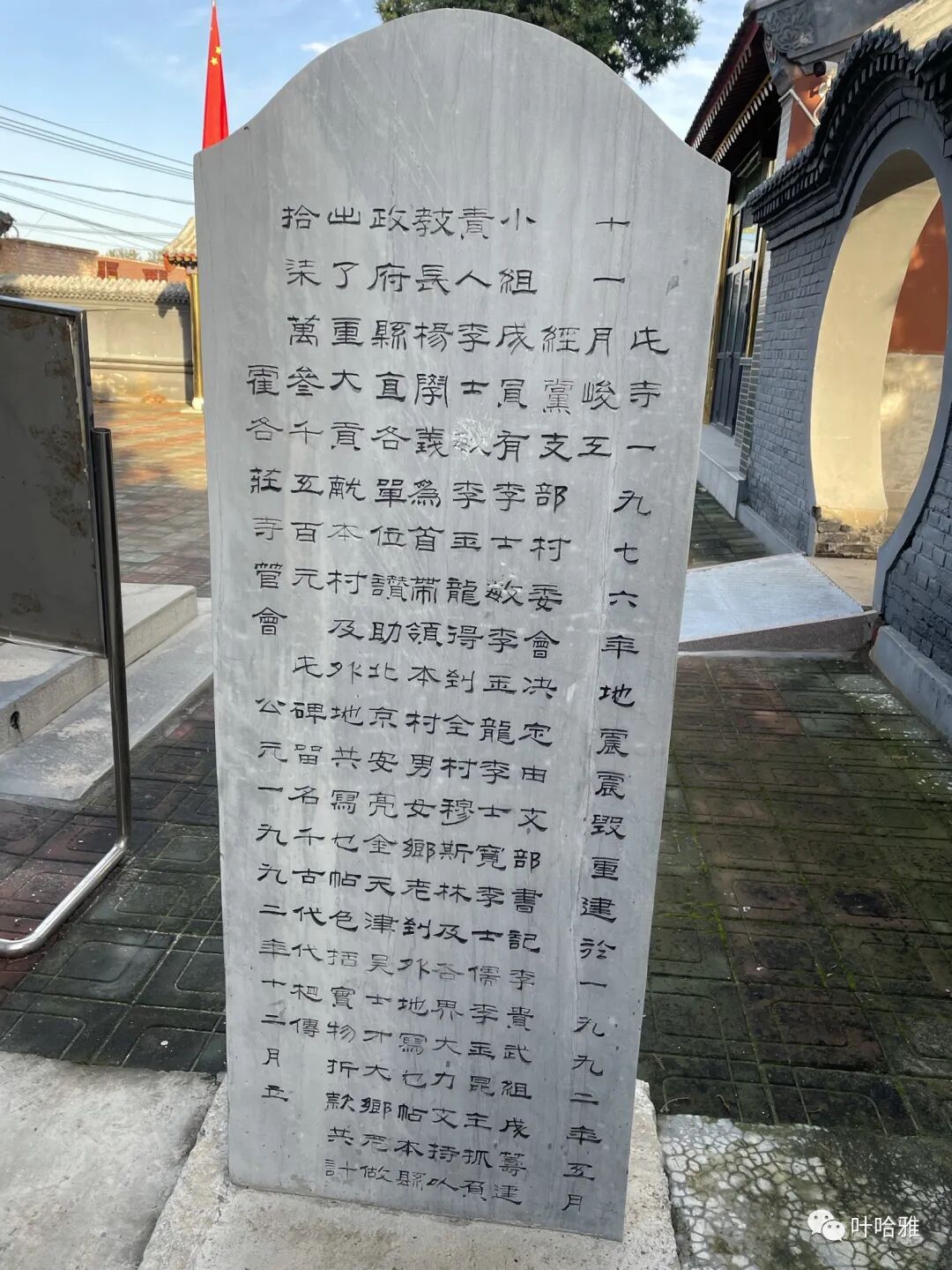
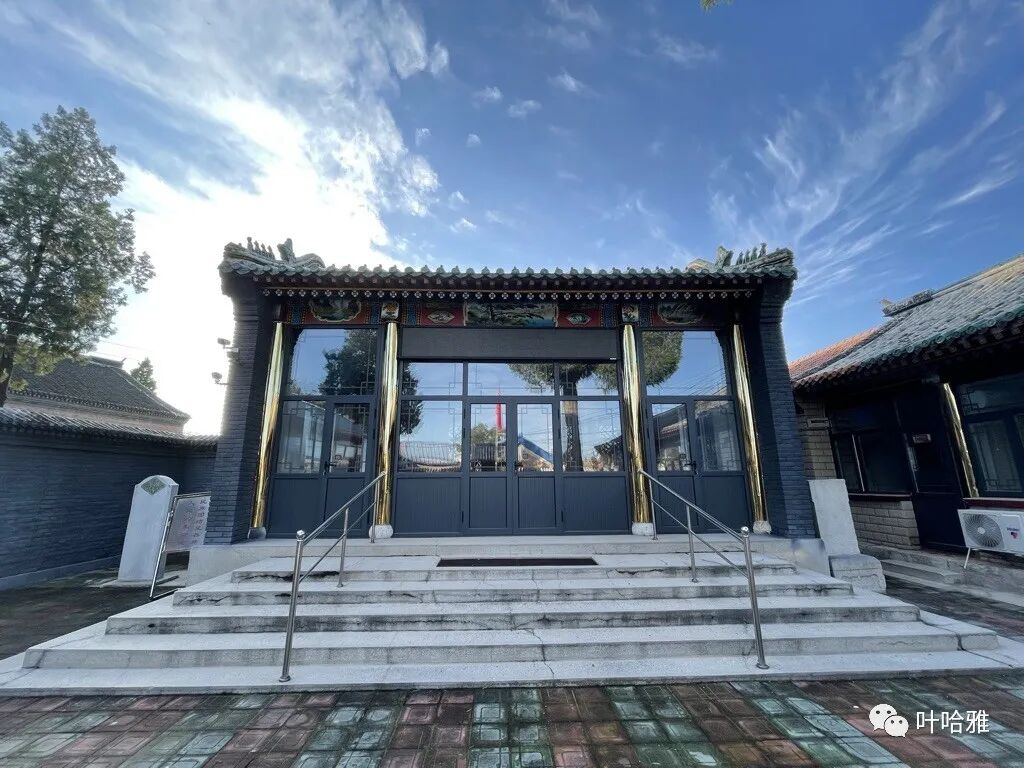
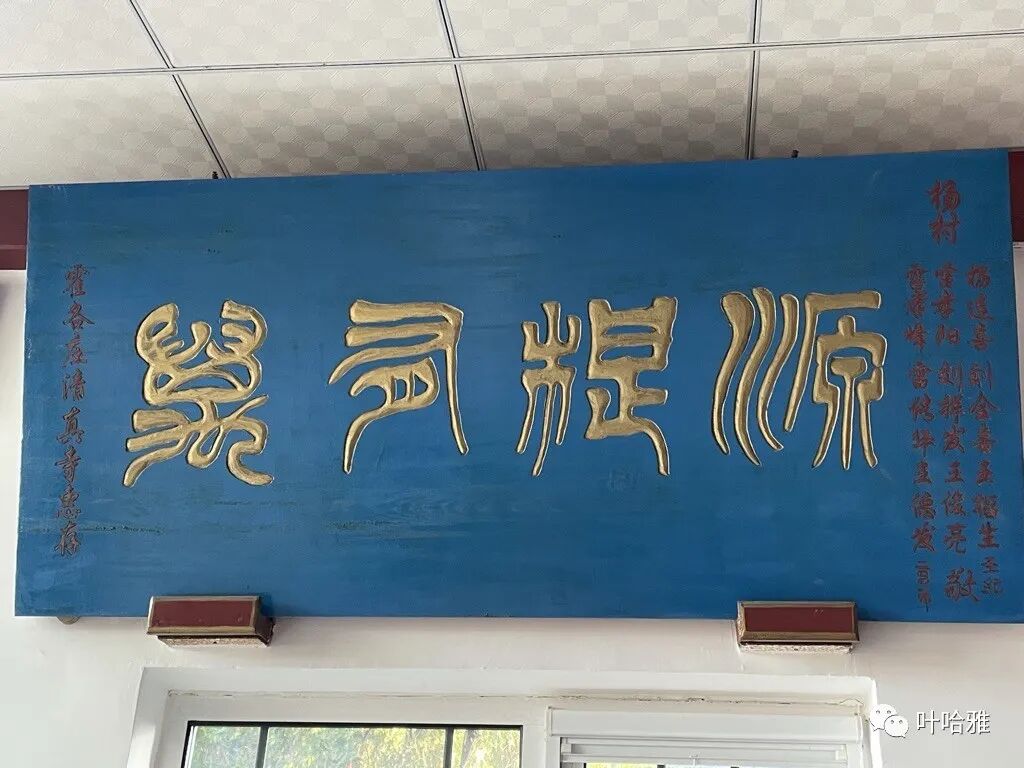
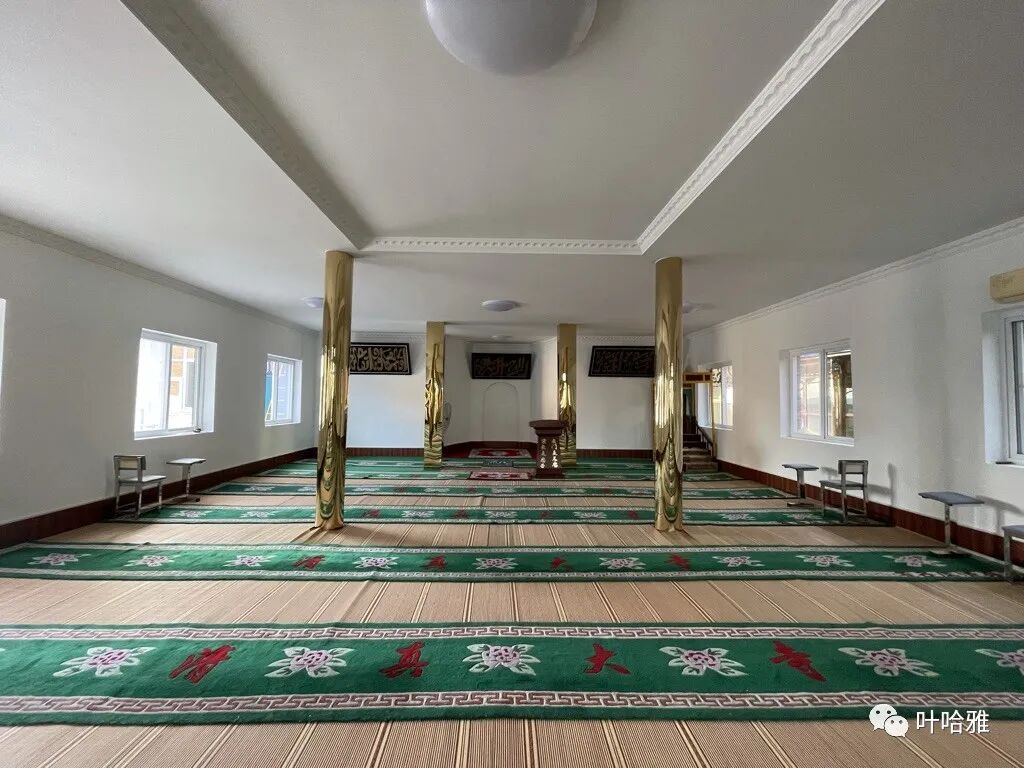
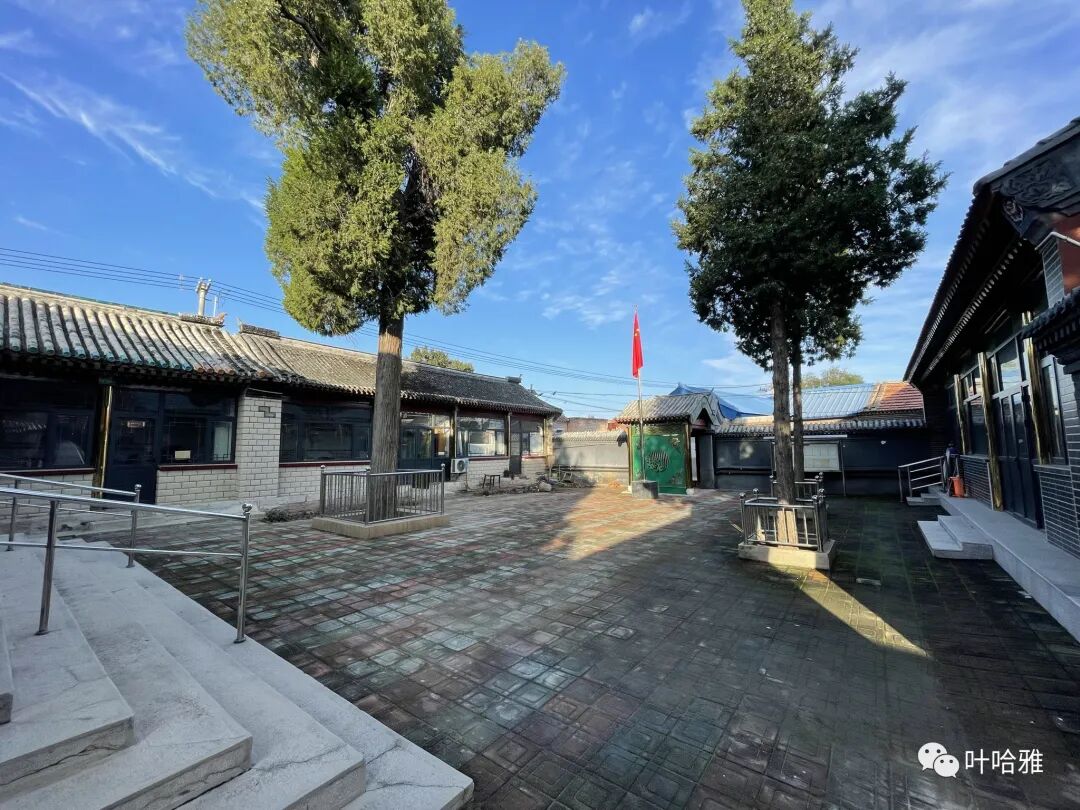
13. Luzhuang Mosque
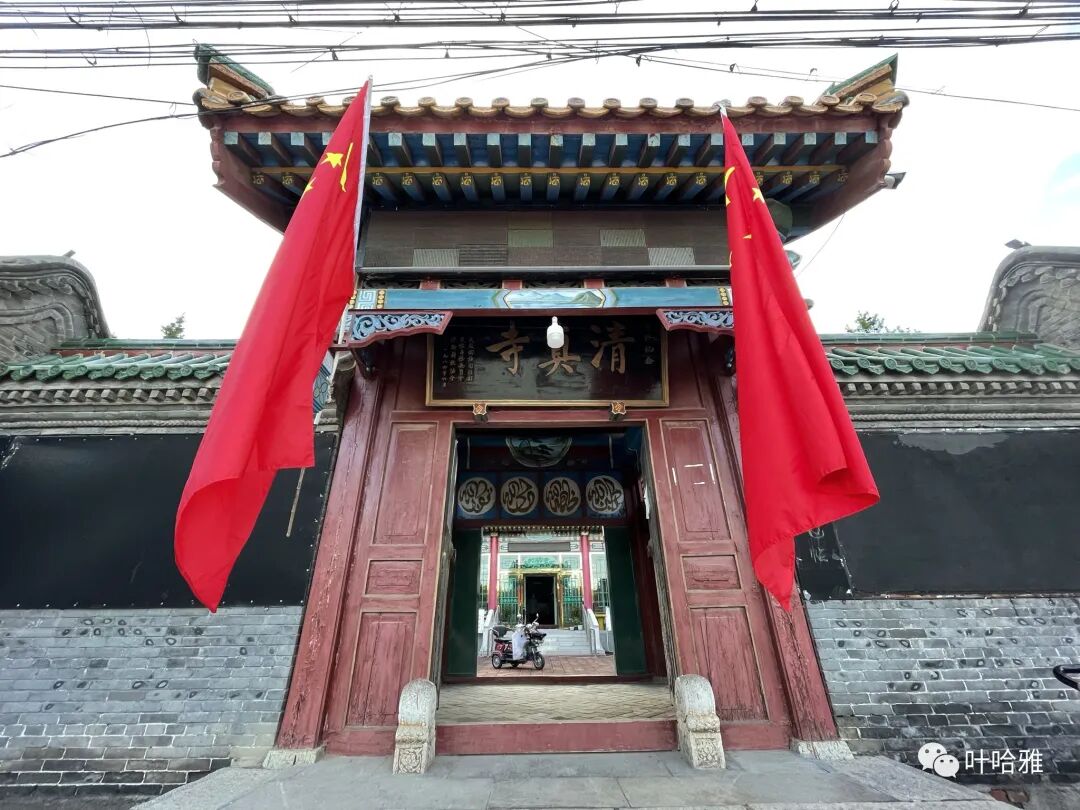
Luzhuang Mosque was first built during the Zhengde reign of the Ming Dynasty and rebuilt in 1999.
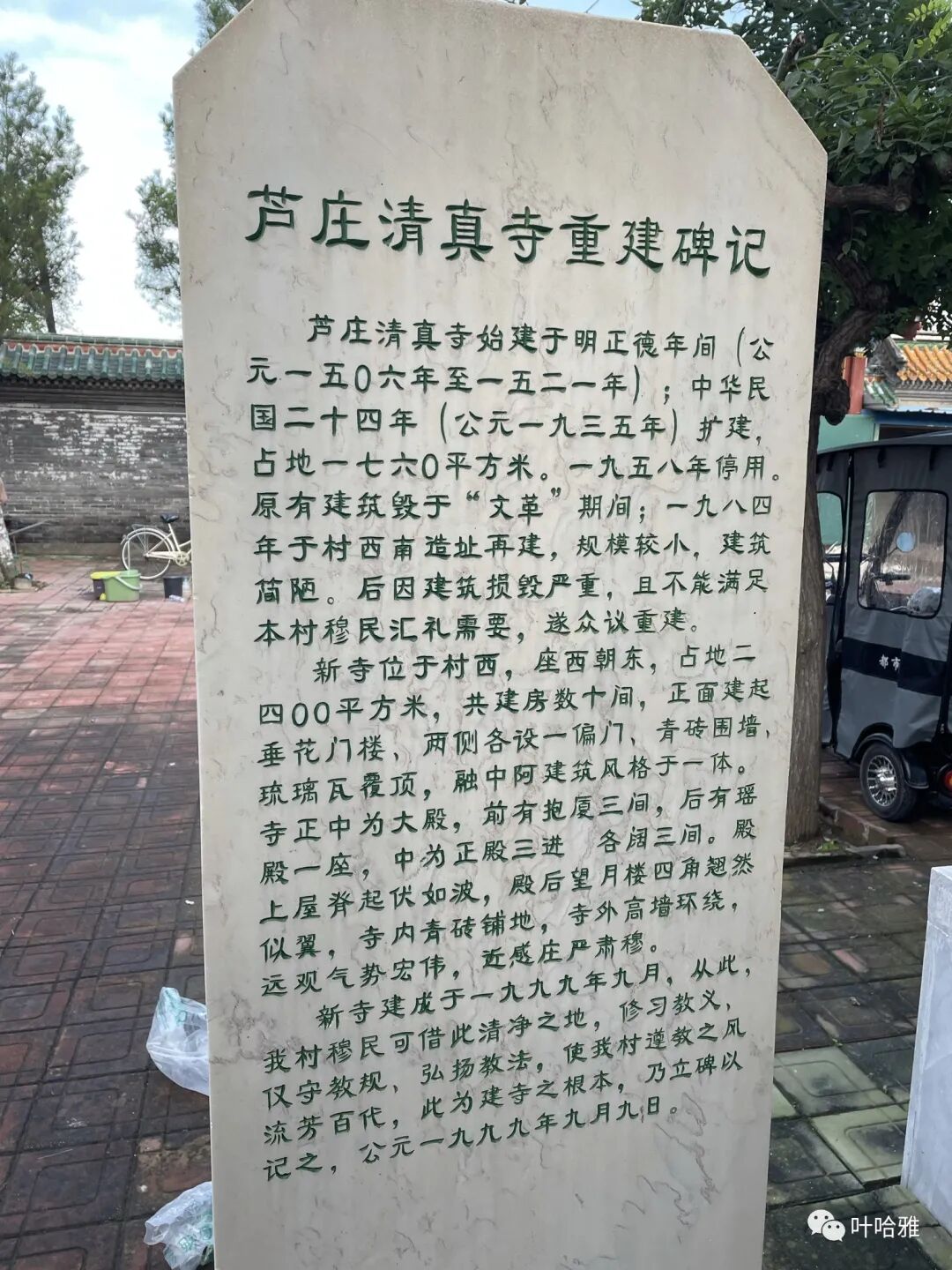
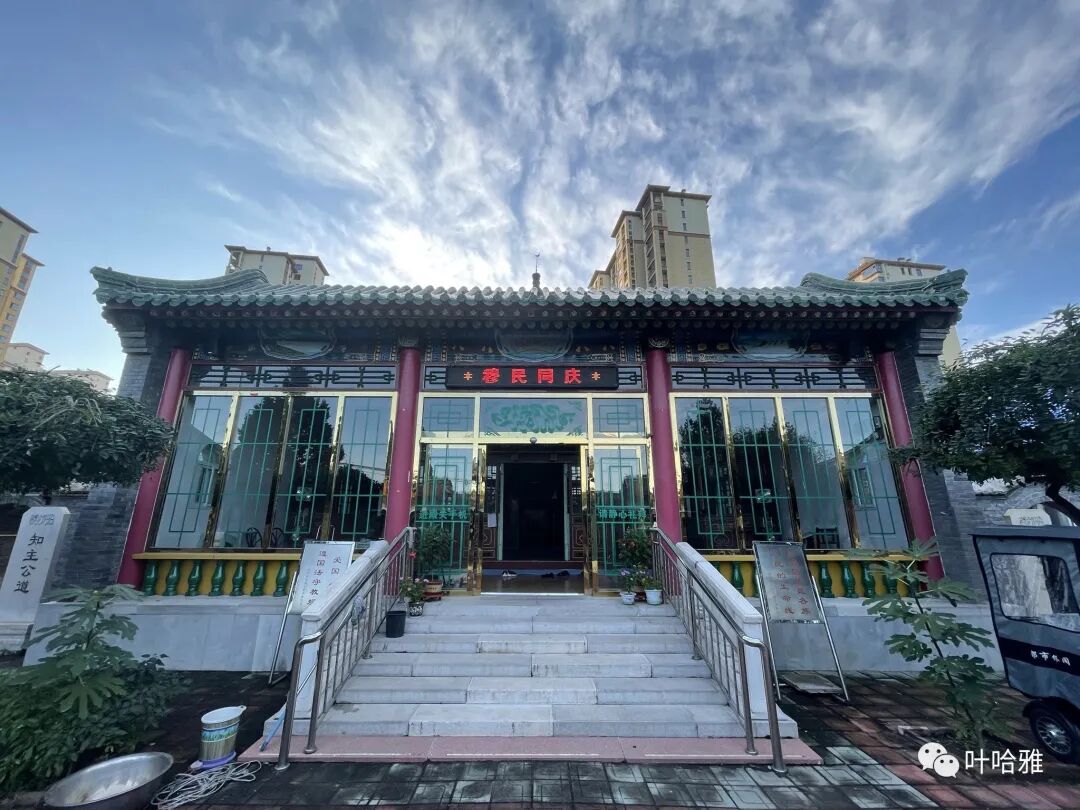
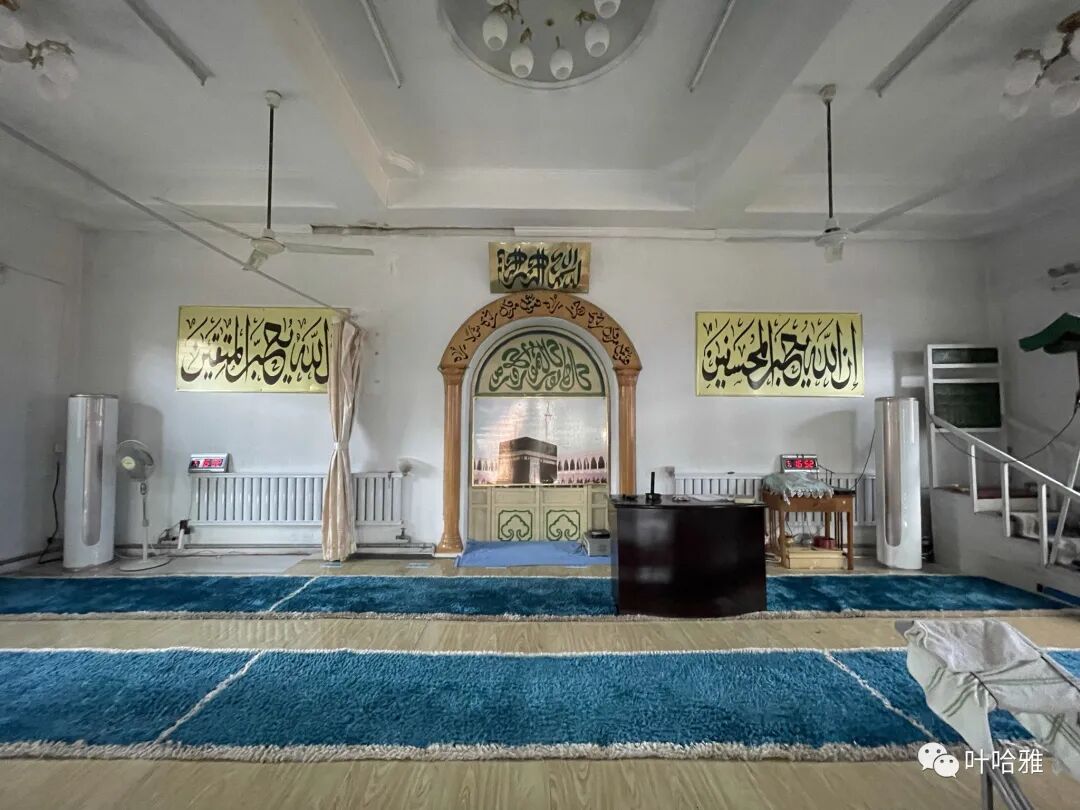
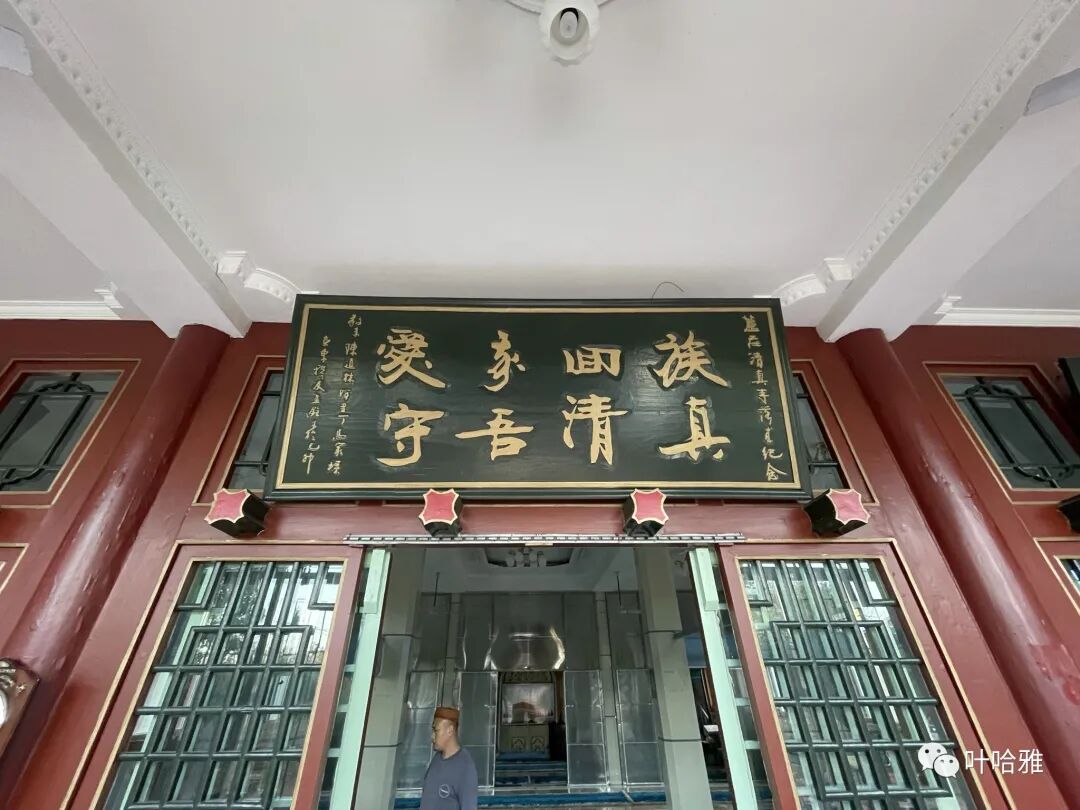
14. Damazhuang Mosque
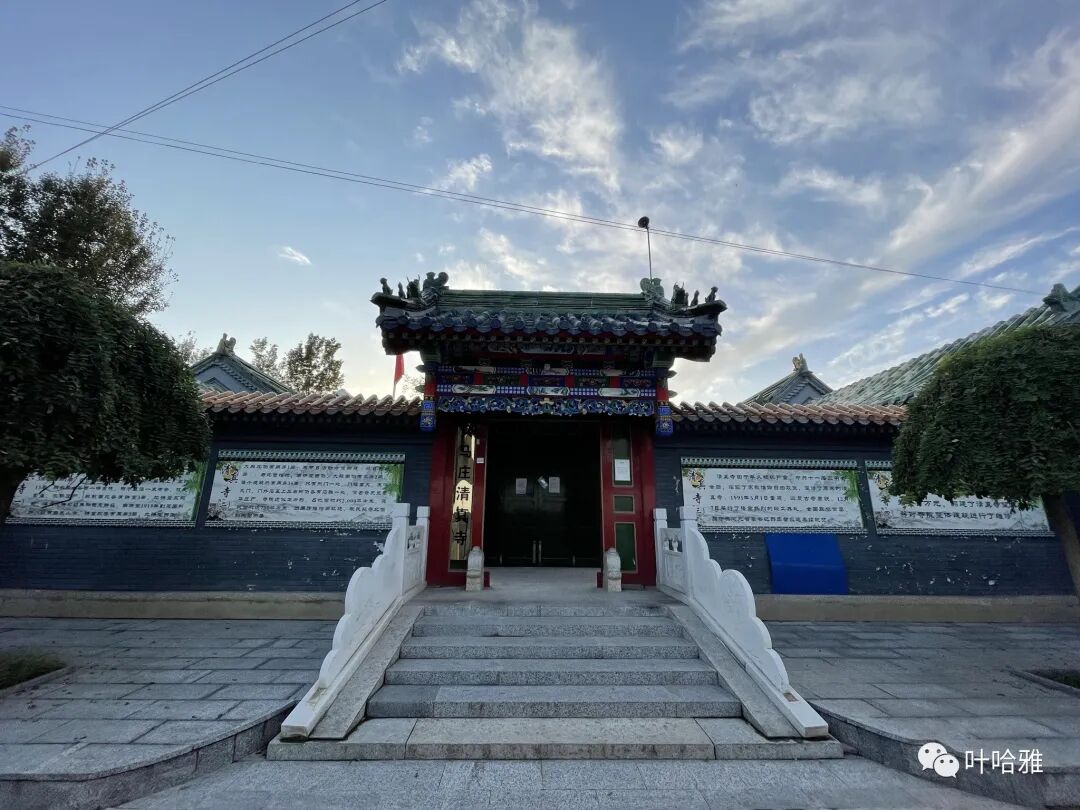
Damazhuang Mosque was first built in the early Ming Dynasty and rebuilt in 1995.
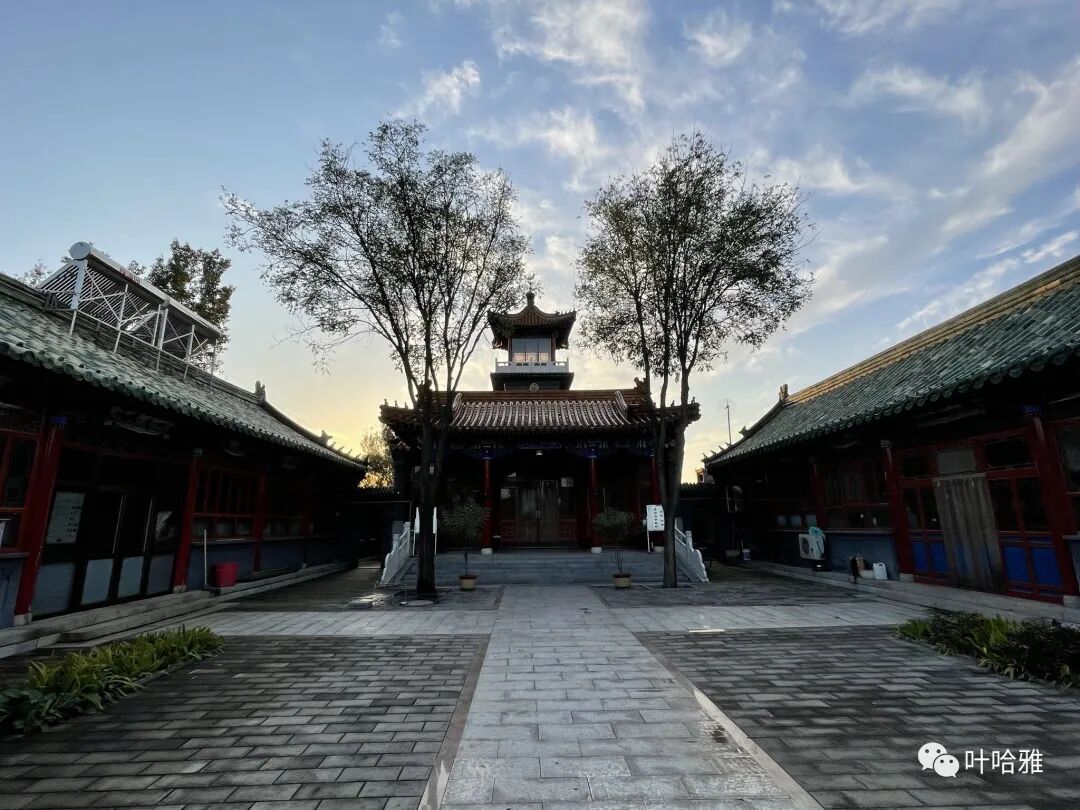
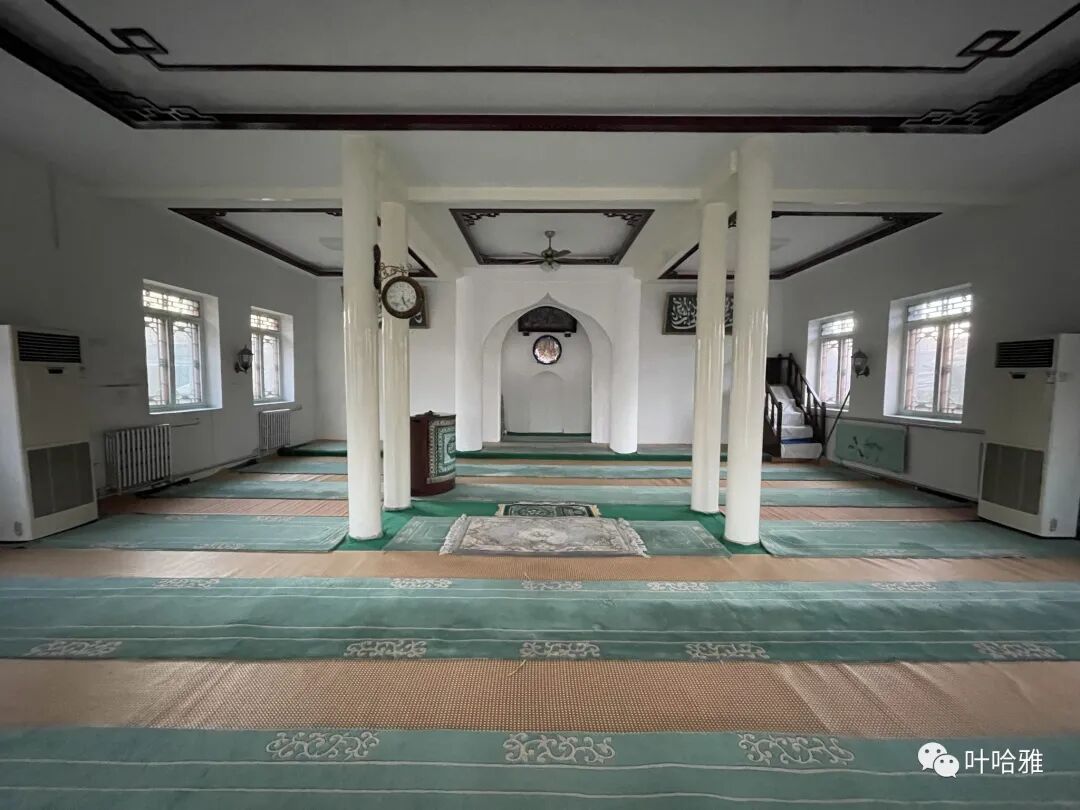
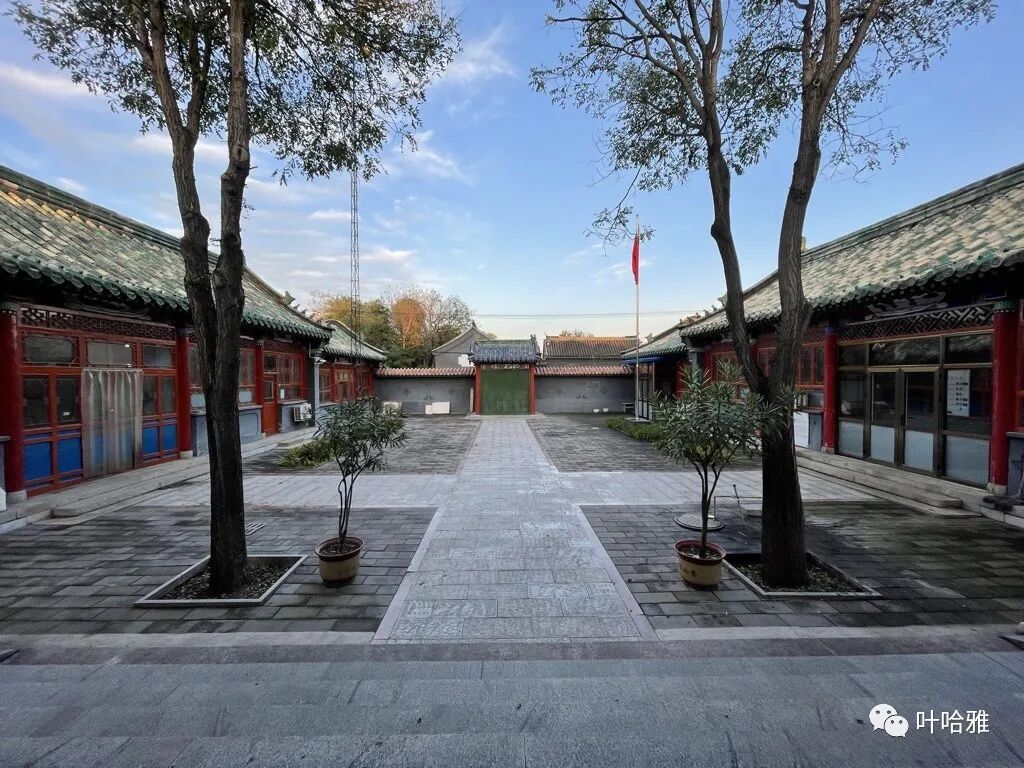
15. Nantitou Mosque
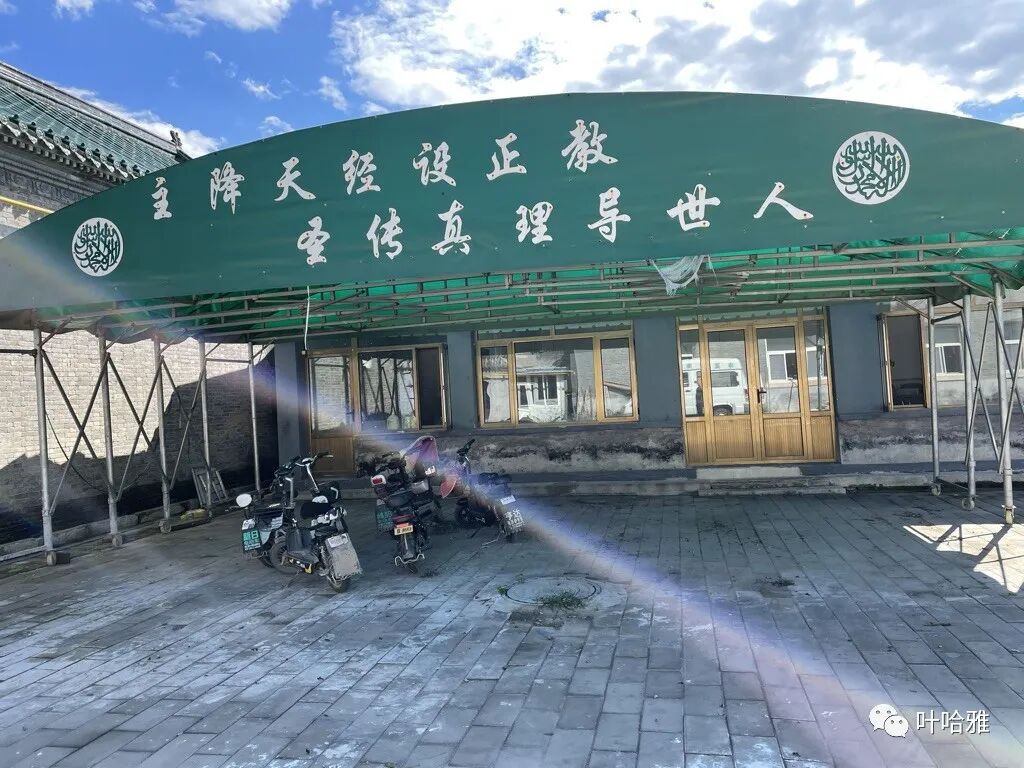
Nantitou Mosque was first built in 1403, funded by the Yang family of Muslims. It is currently undergoing renovations, so the main prayer hall is closed and namaz has been moved to the side hall.
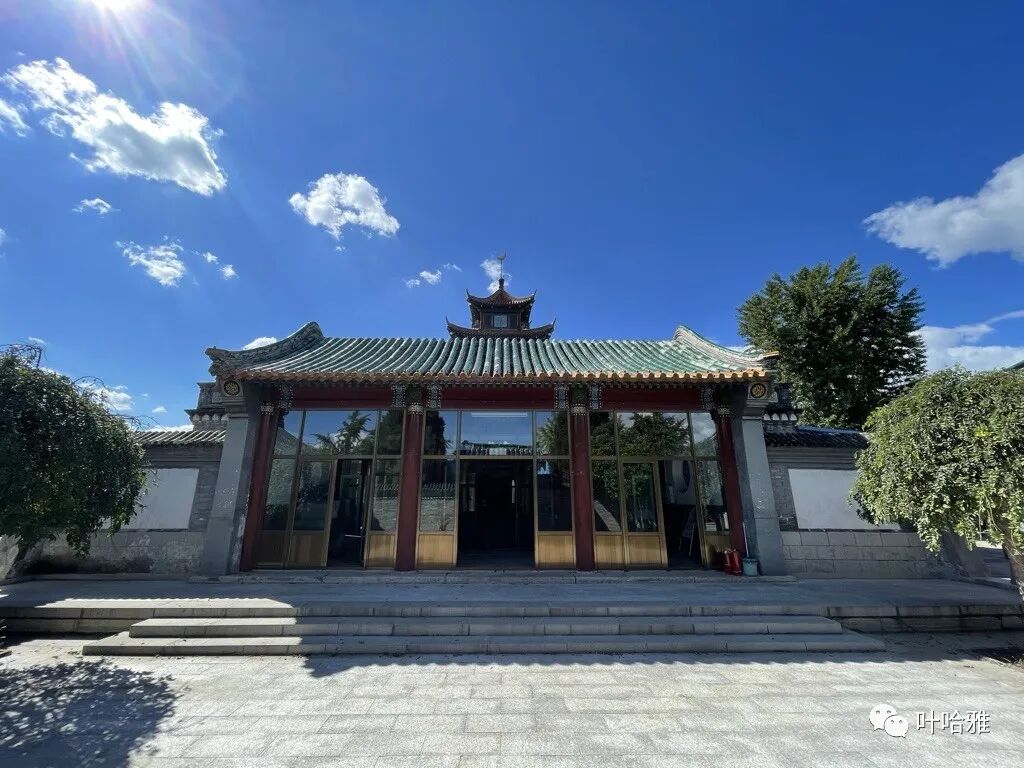
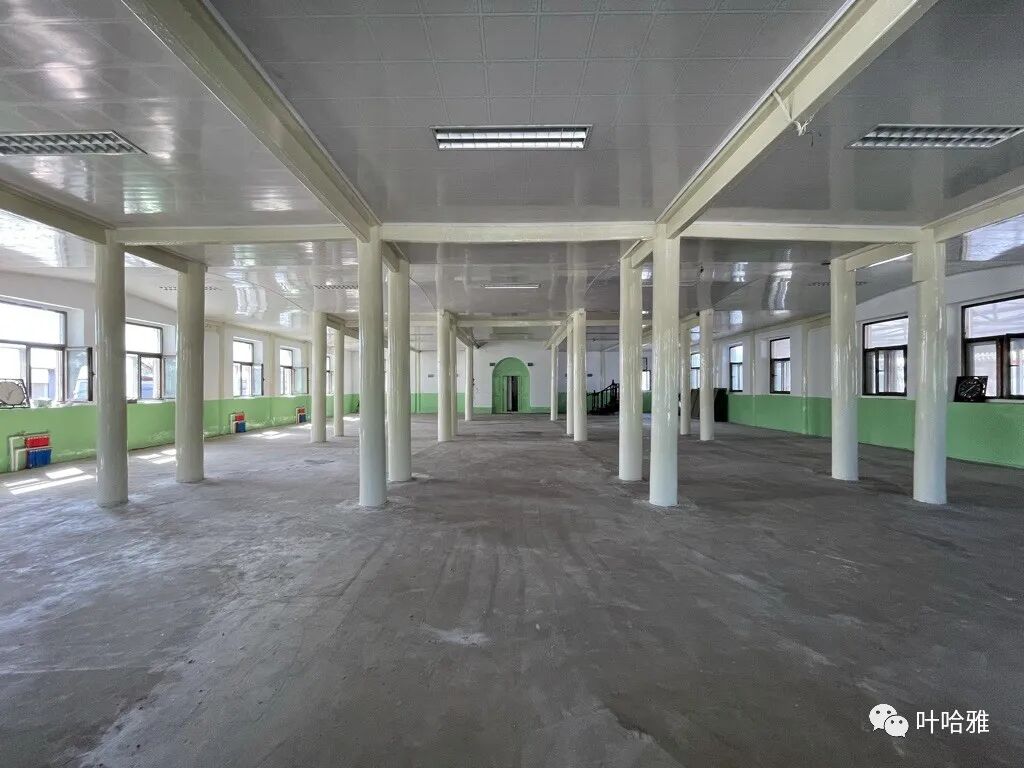
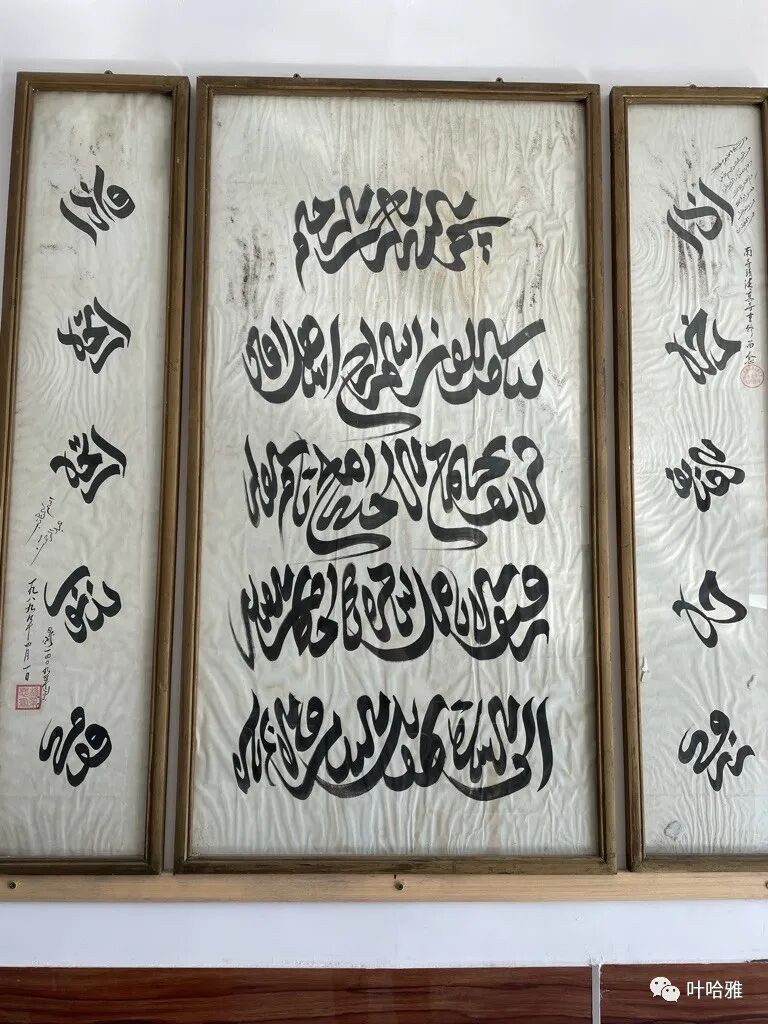
16. Beiwu Mosque
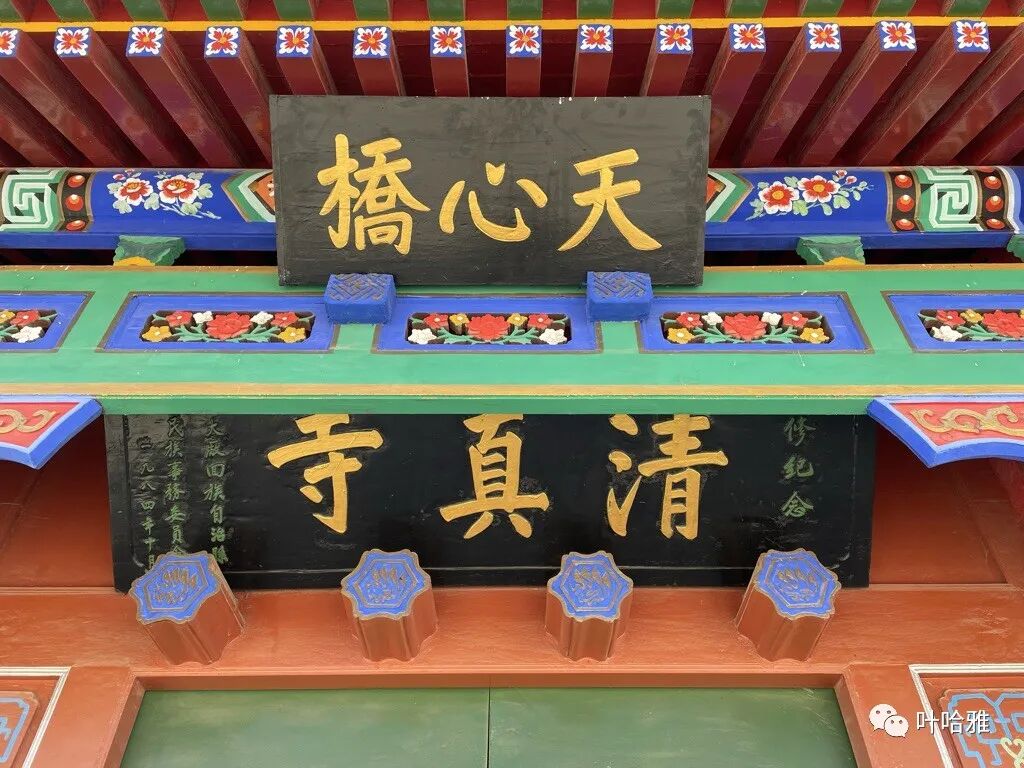
Beiwu Mosque was first built during the Wanli reign of the Ming Dynasty, as proven by the stone inscriptions inside. It covers 6,000 square meters. Beiwu is a village for Hui Muslims. Several imams at the Niujie Mosque came from Beiwu, so the tone of their chanting here is passed down from the same tradition as Niujie.
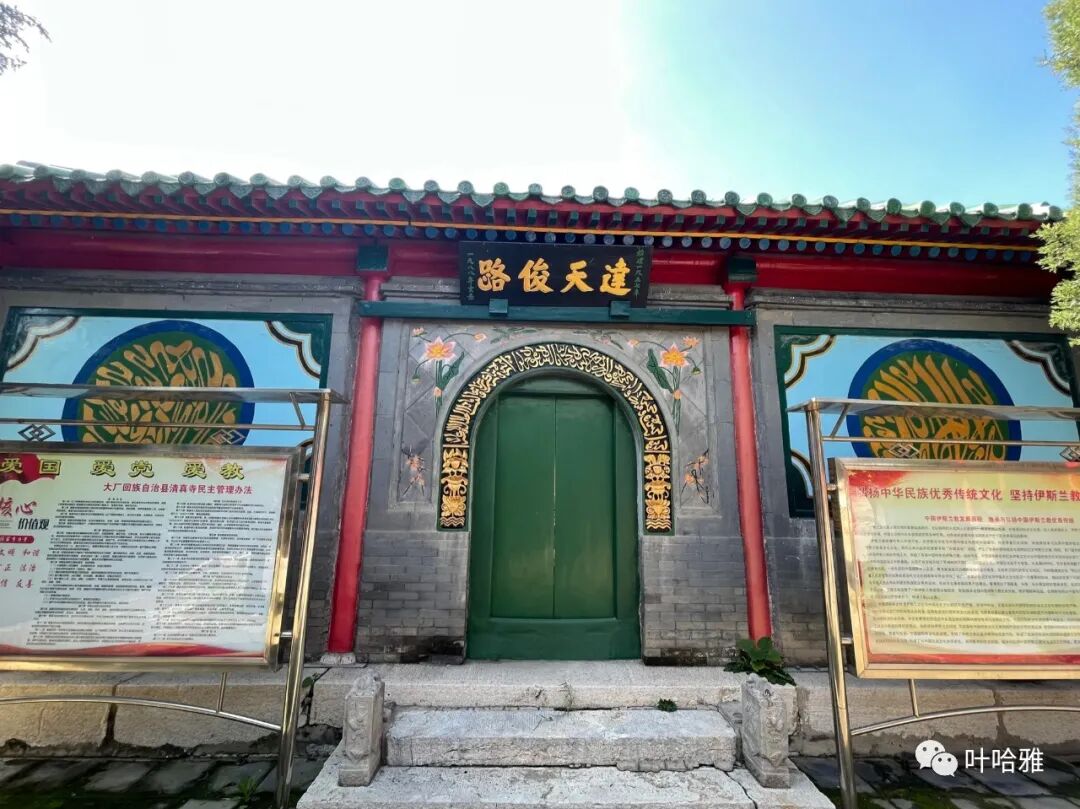
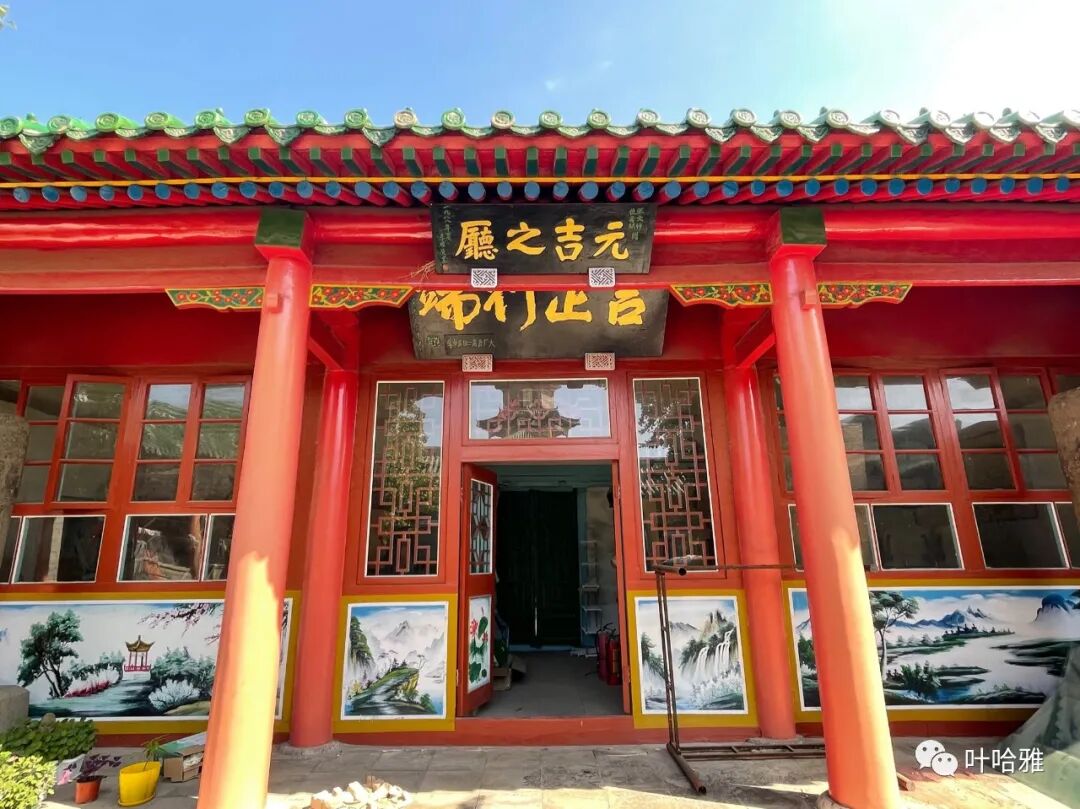
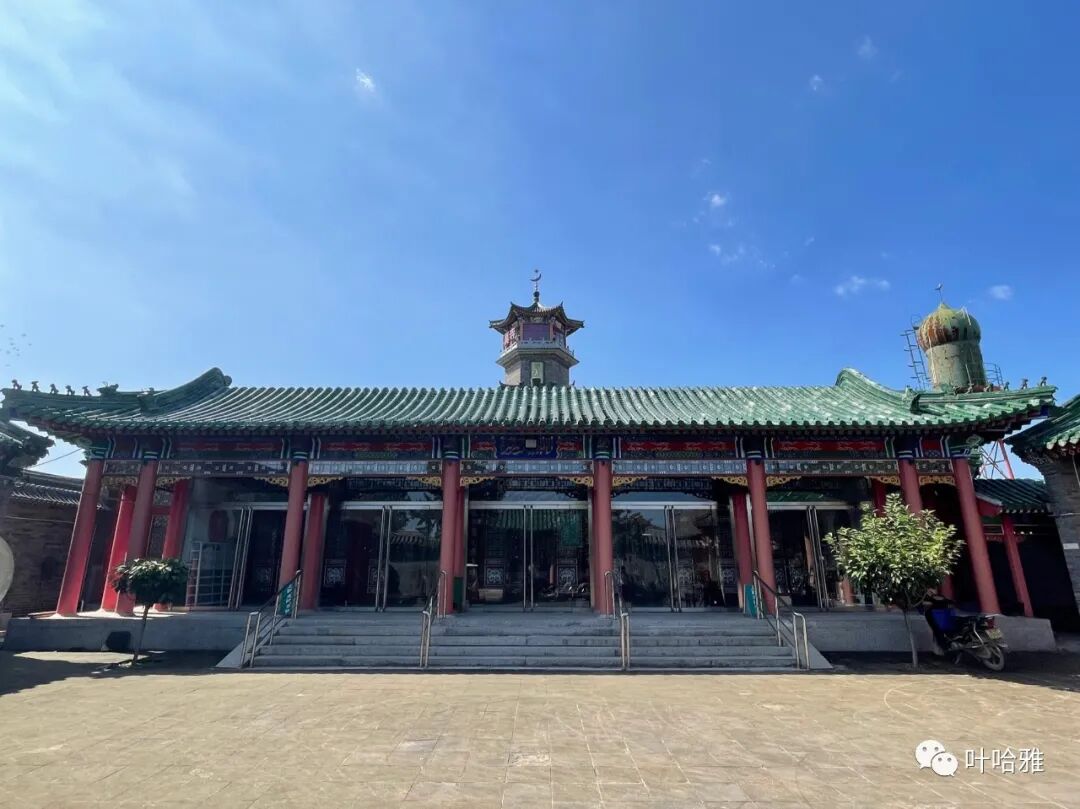
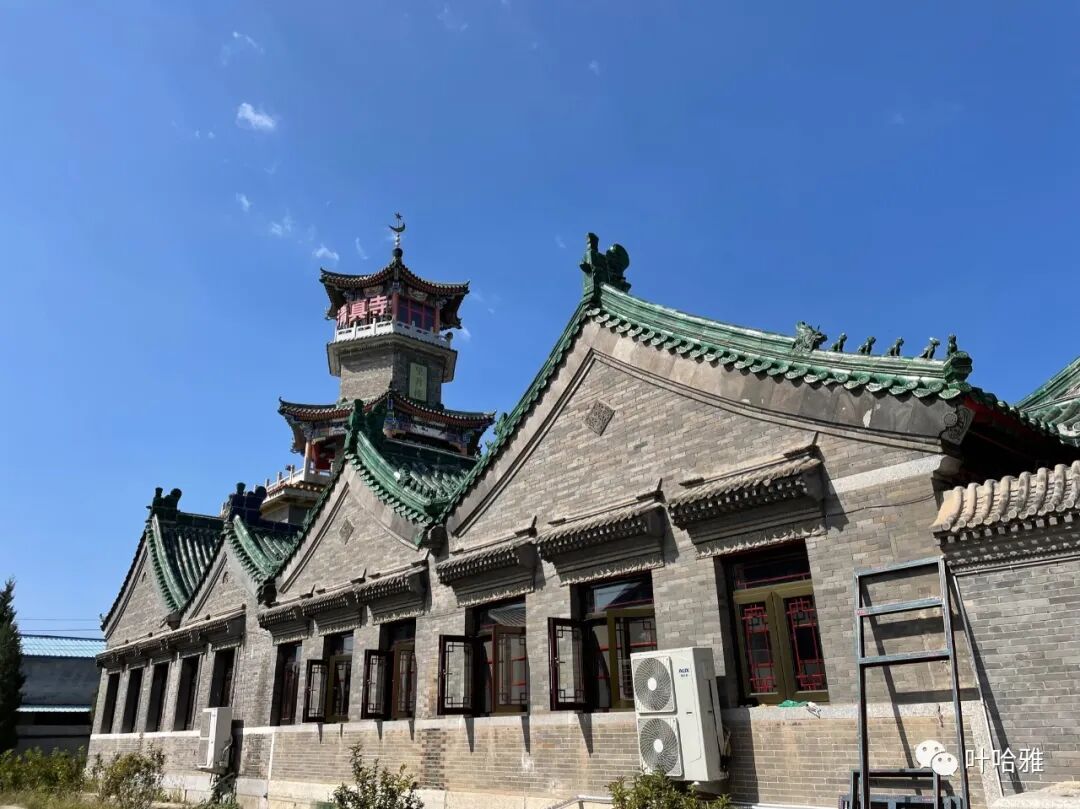
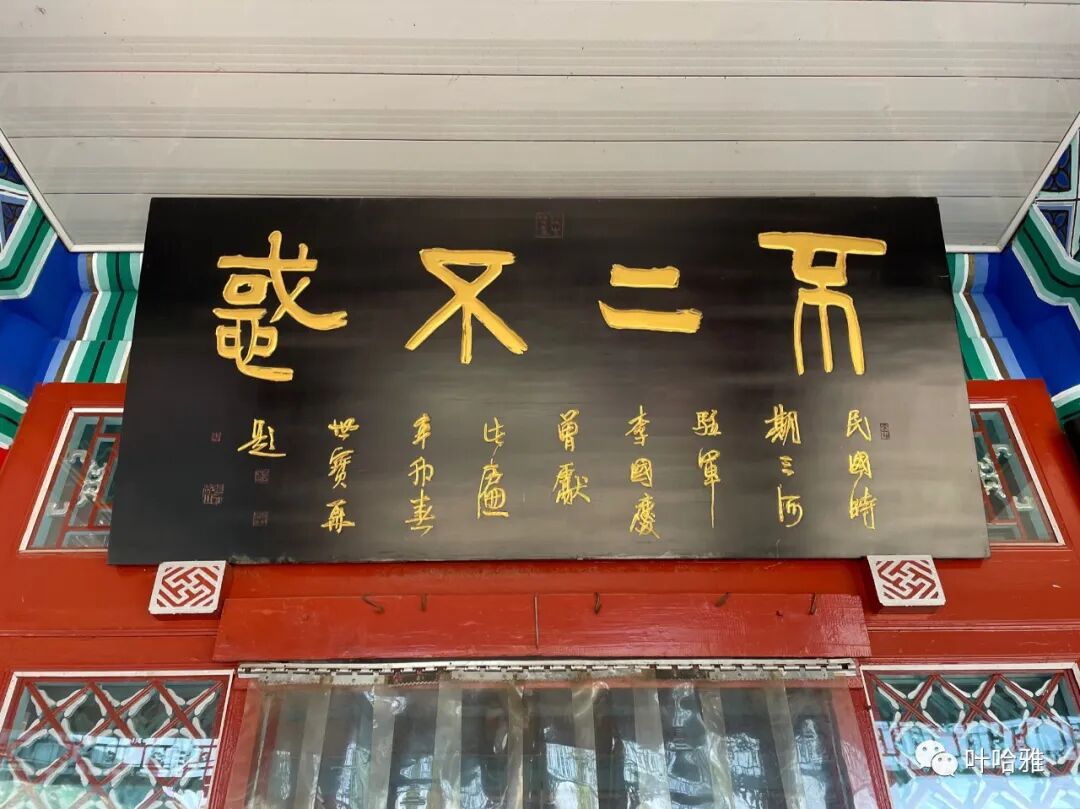
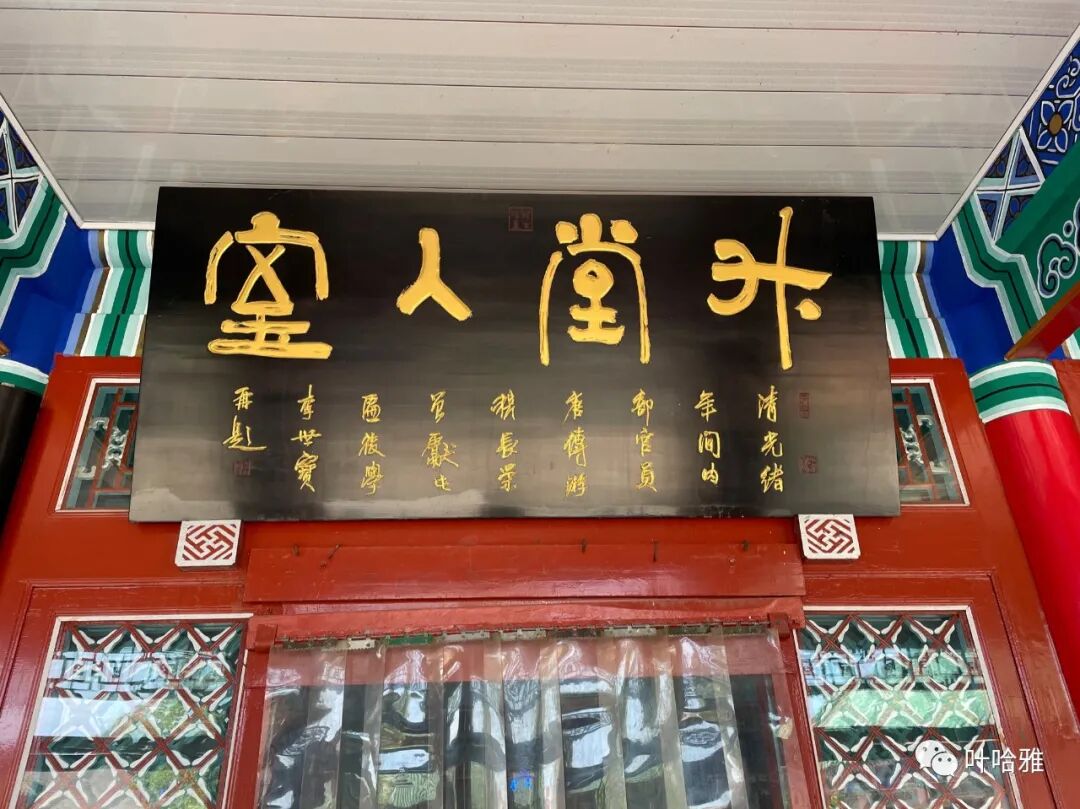
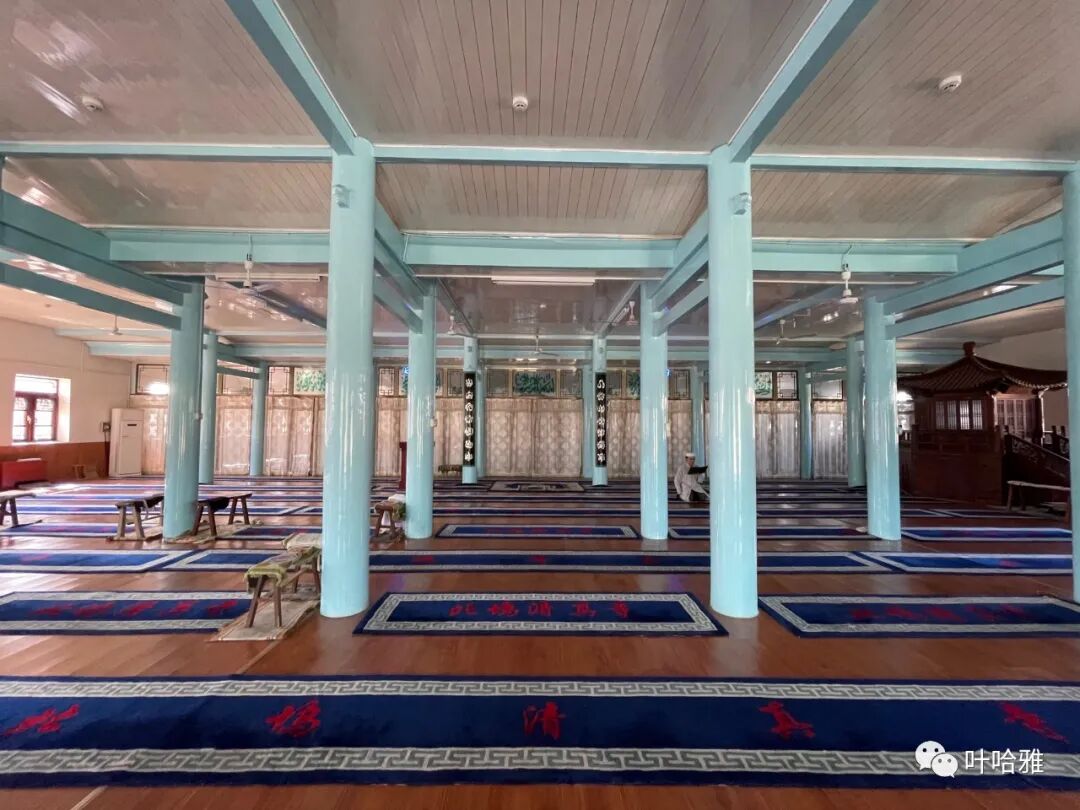
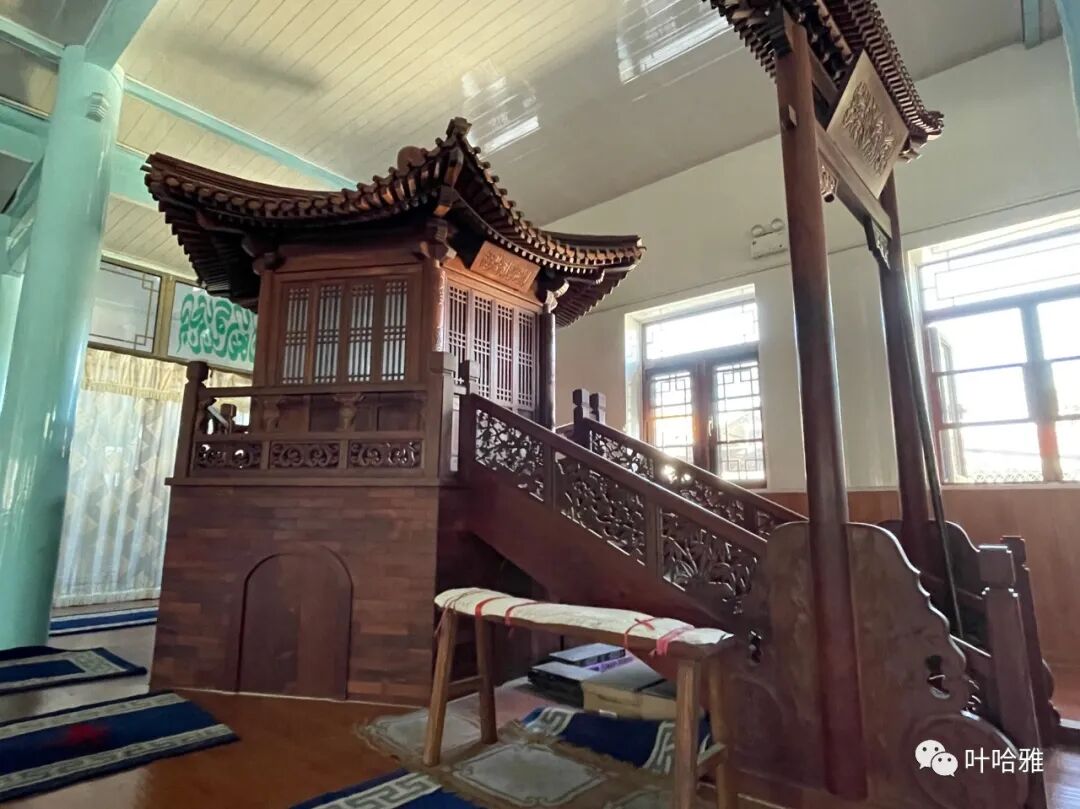
The Beiwu women's mosque is right next to the men's main hall.
Beiwu Women's Mosque
Dachang Halal Food
Zhenwei Grilled Fish Bar
Zhenwei Grilled Fish is at the entrance of Nansitou Village. I went for lunch and they grill live fish to order, so it is very fresh.
You can choose two flavors for the grilled fish: spicy or scallion-scented. The Qingjiang fish costs 48 yuan per jin. Besides the fish, their freshly baked scallion pancakes (cong huabing) are also delicious.
TR Pizza Master
I have tried three pizza shops in Dachang County and think Pizza Master is the best. The shop is on the west side of Rongchang South Street, near the Dachang Mosque.
I personally tested the chicken cutlet rice and it is very tasty and cheap. We tried two pizza flavors, and I liked the Margherita beef sausage pizza better.
Margherita beef sausage pizza
Durian pizza
Meizhoujia Pizza
Meizhoujia Pizza is in the ground-floor shops of the Yongxiangyuan residential area on Yongan Road. Their pizza crust is thicker and has more toppings than Pizza Master, but the flavor is stronger and saltier.
Three-topping pizza
Chicken cutlet rice
Guozhiyi Italian Handmade Pizza
Guozhiyi Pizza is not far from Pizza Master, located on Yanling Road. This shop has the lowest prices, with a fruit pizza costing only 9.9 yuan.
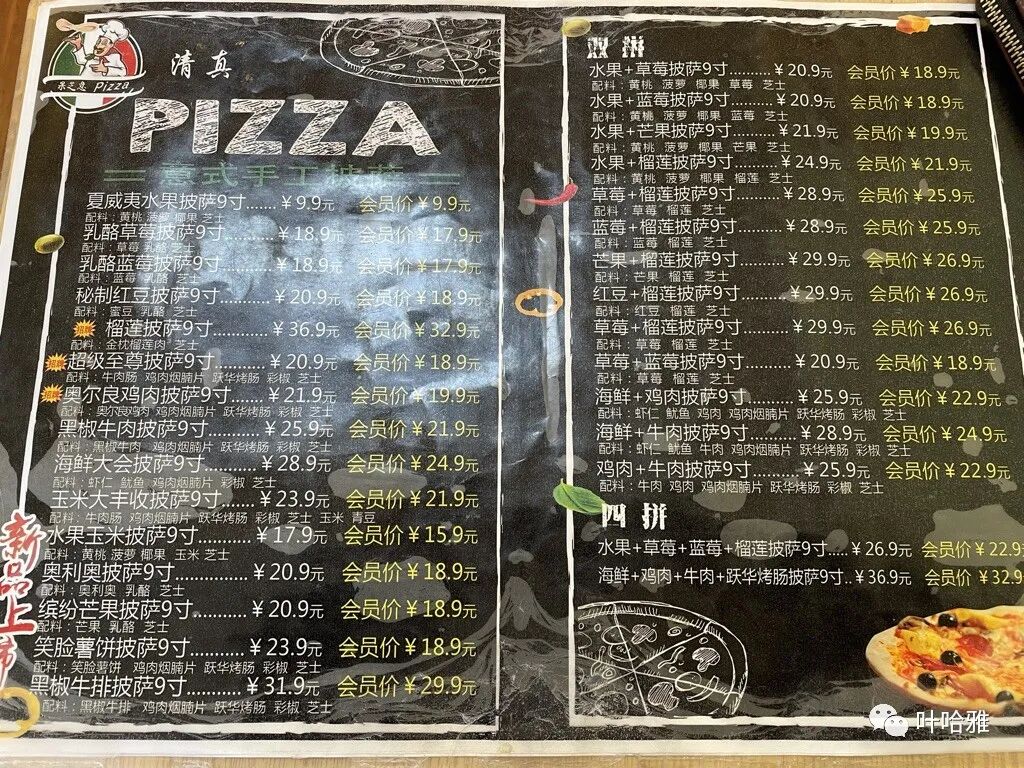

Super Supreme Pizza
The pizza ingredient list specifically notes the use of Yuehua beef sausage. Yuehua is a well-known Hui Muslim enterprise in Dachang, and it is said the owner is very devout.
Halal Dicos
There is a halal Dicos near the street where Pizza Master is located. I ordered takeout, and I can confirm it tastes just as good as the Dicos in Xining.
Yuehuachun Barbecue City
Yuehuachun and Yuehua are different brands. A young owner started Yuehuachun, and it is the most popular barbecue brand in Dachang. If you come to Dachang for barbecue, Yuehuachun is the top choice.
Marbled beef steak (xuehua niupai)
The beef quality at Yuehuachun is truly good, and the barbecue dipping sauce is fragrant. There is a reason why business is so good.
Cold noodles (lengmian)
Cold noodles are also a signature dish at Yuehuachun. People in Dachang love cold noodles, and they even eat them for breakfast, though they use hot soup for the breakfast version.
Blooming steamed bun (kaihuamo)
For staples, I also recommend the stone pot bibimbap (shiguo banfan) and the blooming steamed bun. The blooming steamed bun is soft and fluffy, with a texture like bread. It is rare to find a restaurant that makes both its signature dishes and snacks taste so delicious.
Stone pot bibimbap (shiguo banfan)
Nanyuan Beijiao Chongqing Hot Pot
Dachang netizens recommended this place to me. When I said I wanted to eat something special, they suggested Chongqing hot pot.
This restaurant is also very popular in Dachang, and you need to wait for a table during meal times.
I chose a two-person set meal called the "Mercedes-Benz Pot" (benchi guo) for 135 yuan, and the taste was good.
This restaurant offers great value for money. It still cannot compare to the Huiwei Chuanyu hot pot I had in Chongqing, but since you cannot quench your thirst with water from afar, coming to Dachang for halal Chongqing hot pot is a good local option.
Tongxingshun Snack Shop
To try a traditional Dachang breakfast, I specifically met up with a Dachang friend (dost) and came to this old shop just to eat a bowl of hot cold noodles.
The cold noodles are topped with hot soup, and the noodles are quite chewy. Pair them with two sesame flatbreads (shaobing); the lighter-colored one has a meat filling. This is the standard breakfast for a person from Dachang.
Dehaozhai Snacks
You have to eat Jingdong meat pie (Jingdong roubing) when you visit Jingdong, but how do you choose from so many small shops? I heard the viral shop Damaqi charges 100 yuan per jin for their meat pie. My friend told me that place is just a trap for Beijingers, so I was not going to walk right into it.
We went to this old shop called Dehaozhai that locals visit often. People say it has been around for over ten years.
We ordered two pies, one beef and green onion and one chive and egg. The meat pies cost 15 yuan each. They had thin crusts and plenty of filling. The taste was just right and it was a great value.
My trip to Dachang helped me meet several devout friends (dosti). They invited me to their home for dinner. The host prepared a wonderful meal for us. A home-cooked meal like this means more than spending money at a restaurant. After dinner, we talked about the current state of the faith in Dachang. The locals are generally not very optimistic, but I am not pessimistic. Dachang is a lot like Niujie. If some people abandon their faith (imani), others will pick it up. This will happen over and over until the Day of Judgment, when everyone will be rewarded for their actions.
Beiwo Home Feast
Halal Food Guide Shaanxi: Ankang Hui Muslim Street, Old Mosques and Local Halal Snacks
Articles • yusuf908 posted the article • 0 comments • 215 views • 2026-05-22 22:52
Summary: This Shaanxi halal food guide visits Ankang Hui Muslim Street, seven old mosques, West Mosque, North Mosque, Xingwen Mosque, Jingning South Mosque, local shaobing, fried snacks, halal dishes, and the Han River night view.
Ankang Hui Muslim Street Guide: Halal Food and Muslim Heritage in Shaanxi is presented here as a firsthand travel account in clear English, beginning with this scene: Ten of my travelogues were deleted recently, likely due to title violations. I have revised and reposted them. The account keeps its focus on Ankang Muslim Street, Halal Food, Shaanxi Travel while preserving the names, places, food, and historical details from the Chinese source.
Ten of my travelogues were deleted recently, likely due to title violations. I have revised and reposted them.
In Shaanxi, Hui Muslims mostly live in the Xi'an Muslim Quarter, but there are also small groups in Hanzhong and Ankang to the south. During my road trip through the southwest, I passed through Ankang and visited four mosques located within two kilometers of each other in the city.
Ankang has seven mosques: Xingwen Mosque, North Mosque, South Mosque, Inner City Mosque, Middle Mosque, West Mosque, and East Mosque. Over ten thousand Hui Muslims live around these mosques in the East and West Gates. The West Gate has been torn down, but the East Gate is the oldest part of Ankang. The East Gate stretches over half a kilometer from south to north and has three streets filled with halal snacks.
Ankang West Mosque
Ankang West Mosque was built in the first year of the Xianfeng reign of the Qing Dynasty and has separate prayer halls for men and women.
Ankang North Mosque
Ankang North Mosque was first built in the 15th year of the Hongzhi reign of the Ming Dynasty (1502). The North Mosque's
The minaret of the North Mosque is 46.4 meters tall.
The graveyard for imams inside the North Mosque.
Ankang Xingwen Mosque
Xingwen Mosque was built during the Daoguang reign of the Qing Dynasty. It was named for its focus on education and historically ran schools like the Hui Muslim Charity School and the Northwest Ankang Primary School.
Jingning South Mosque
Rumor has it that Jingning South Mosque in Ankang was built during the Tang Dynasty. A stone tablet inside says the Tang government built Xingwen Mosque after asking the Arabs for military help to stop the An Lushan Rebellion, but there is no proof of this. The oldest reliable records show it was built at least by the Ming Dynasty.
The stone tablet lists the names of the imams who have taught at the mosque throughout Ankang's history.
There are many halal snack shops in the old town of Hanbin District, but most were closed when I arrived.
The small shops around Dongguan are mostly run by local Hui Muslims. They mostly sell fried foods, steamed buns (baozi), and noodles. The hanging-griddle flatbread (diao'ao shaobing) is unique.
We ate stir-fried dishes at Yong'an Kangjia, which is a local restaurant that has been open for many years.
Because Ankang is close to Sichuan, the stir-fried dishes here taste very similar to Sichuan food.
The pickled vegetables and sour radishes on the menu are local specialties.
I ordered the twice-cooked winter melon (huiguo donggua). I thought it was twice-cooked pork, but it turned out to be winter melon cooked in the same style instead of meat.
The steamed beef with alfalfa (muxu zhengrou) is made with beef, a cooking style just like in Sichuan cuisine.
The Han River flows through the city. We took a walk by the river at night to enjoy the night view.
If not for the Hui Muslim uprisings in the late Qing Dynasty, there would be many more Hui Muslims in Shaanxi today, and they would likely be living better lives. My regret in Ankang is that I did not get to eat many local halal snacks. Maybe I came at the wrong time. Hui Muslim snacks in Ankang are completely different from those in the Xi'an Muslim Quarter. They have distinct features and are worth another visit. We only stayed in Ankang for one night and left for Sichuan early the next morning. view all
Summary: This Shaanxi halal food guide visits Ankang Hui Muslim Street, seven old mosques, West Mosque, North Mosque, Xingwen Mosque, Jingning South Mosque, local shaobing, fried snacks, halal dishes, and the Han River night view.
Ankang Hui Muslim Street Guide: Halal Food and Muslim Heritage in Shaanxi is presented here as a firsthand travel account in clear English, beginning with this scene: Ten of my travelogues were deleted recently, likely due to title violations. I have revised and reposted them. The account keeps its focus on Ankang Muslim Street, Halal Food, Shaanxi Travel while preserving the names, places, food, and historical details from the Chinese source.
Ten of my travelogues were deleted recently, likely due to title violations. I have revised and reposted them.
In Shaanxi, Hui Muslims mostly live in the Xi'an Muslim Quarter, but there are also small groups in Hanzhong and Ankang to the south. During my road trip through the southwest, I passed through Ankang and visited four mosques located within two kilometers of each other in the city.
Ankang has seven mosques: Xingwen Mosque, North Mosque, South Mosque, Inner City Mosque, Middle Mosque, West Mosque, and East Mosque. Over ten thousand Hui Muslims live around these mosques in the East and West Gates. The West Gate has been torn down, but the East Gate is the oldest part of Ankang. The East Gate stretches over half a kilometer from south to north and has three streets filled with halal snacks.
Ankang West Mosque
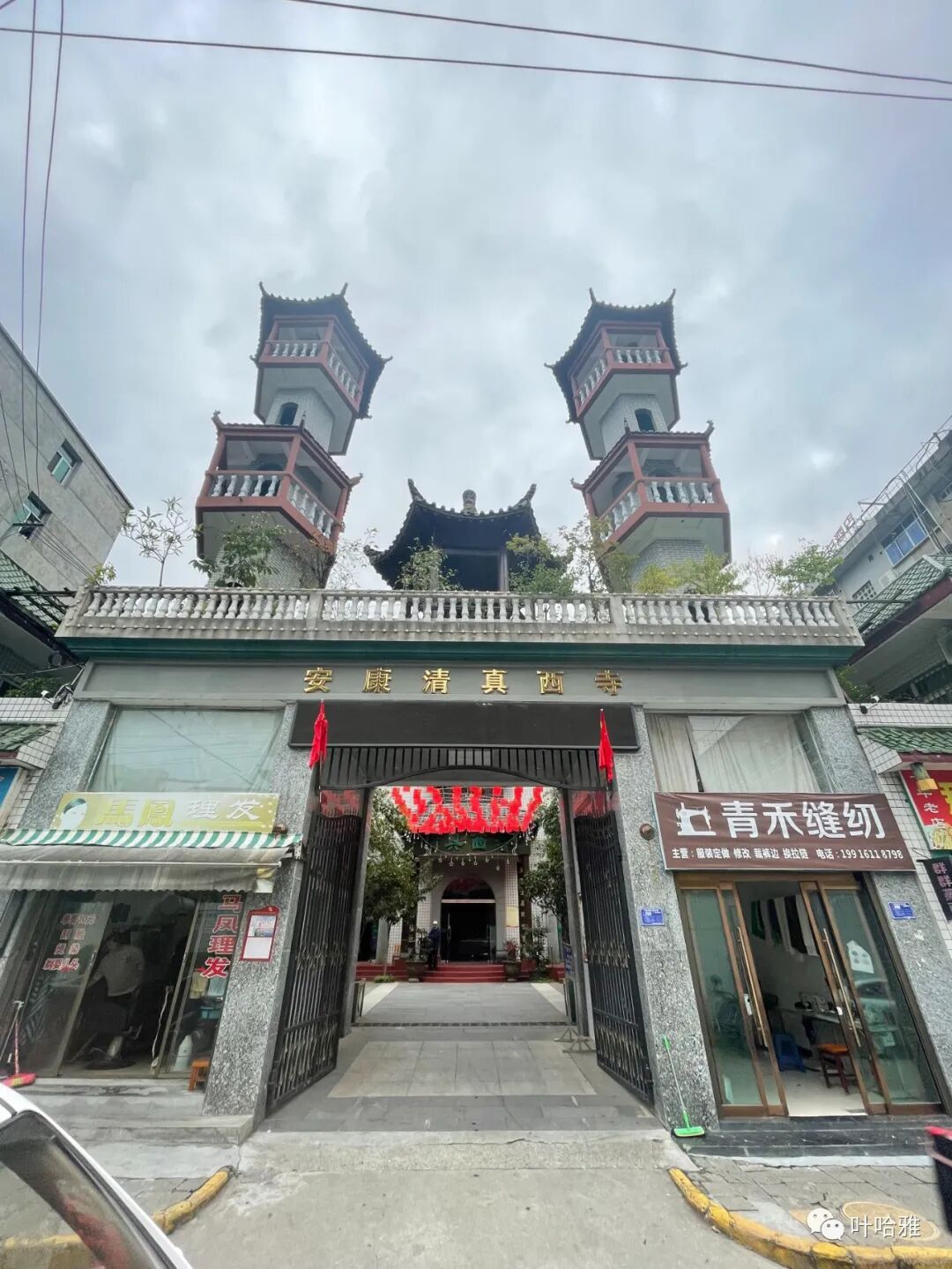
Ankang West Mosque was built in the first year of the Xianfeng reign of the Qing Dynasty and has separate prayer halls for men and women.
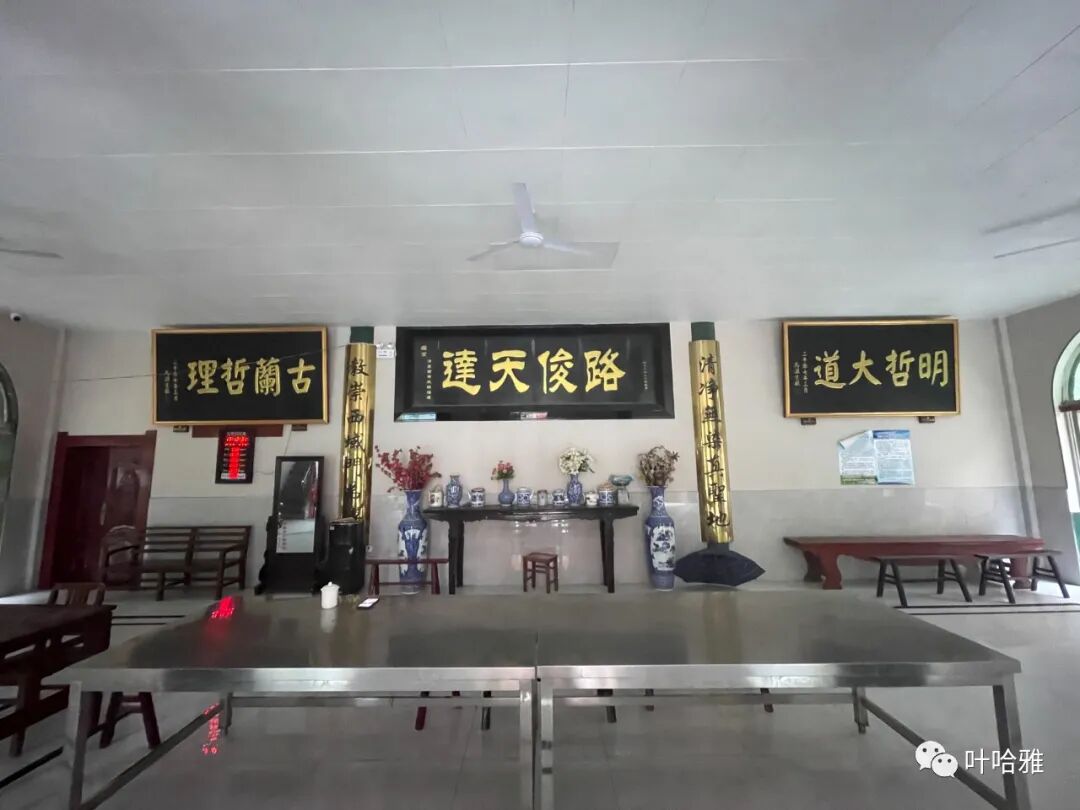
Ankang North Mosque
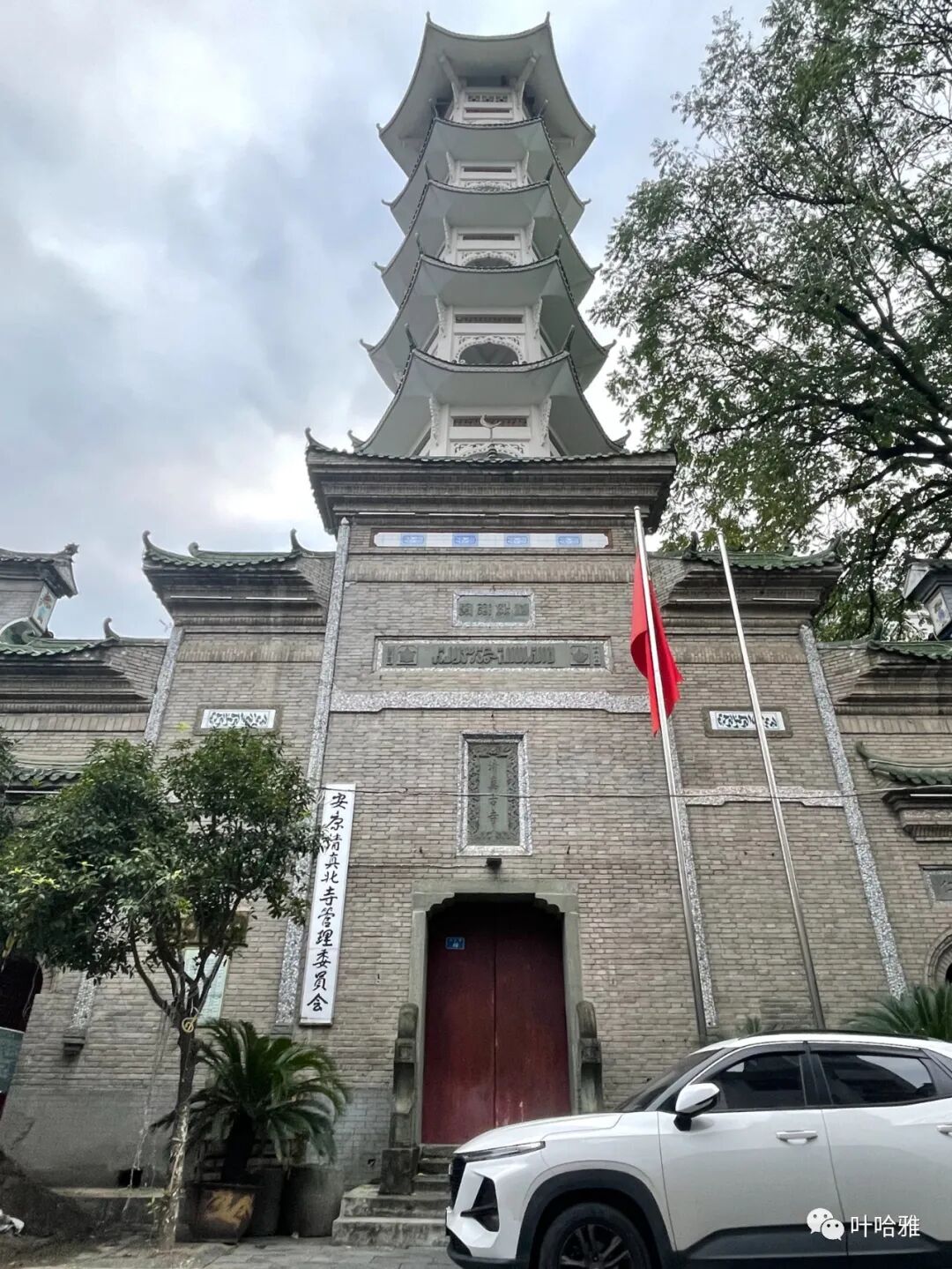
Ankang North Mosque was first built in the 15th year of the Hongzhi reign of the Ming Dynasty (1502). The North Mosque's
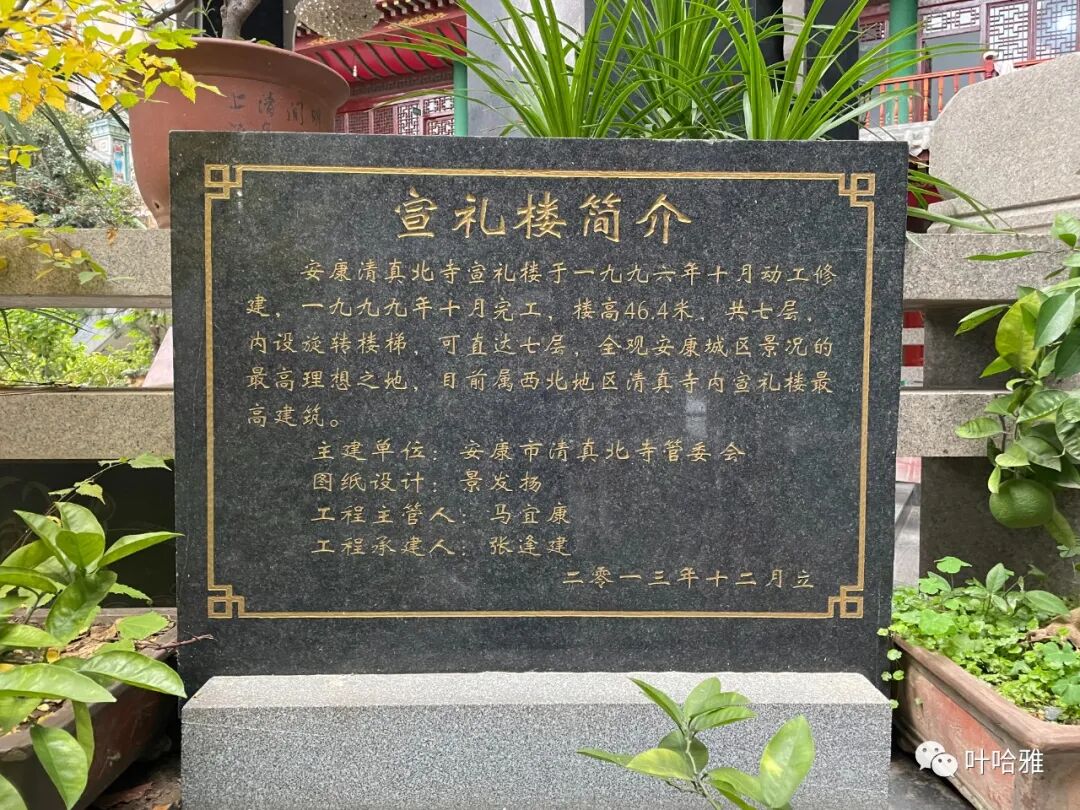
The minaret of the North Mosque is 46.4 meters tall.
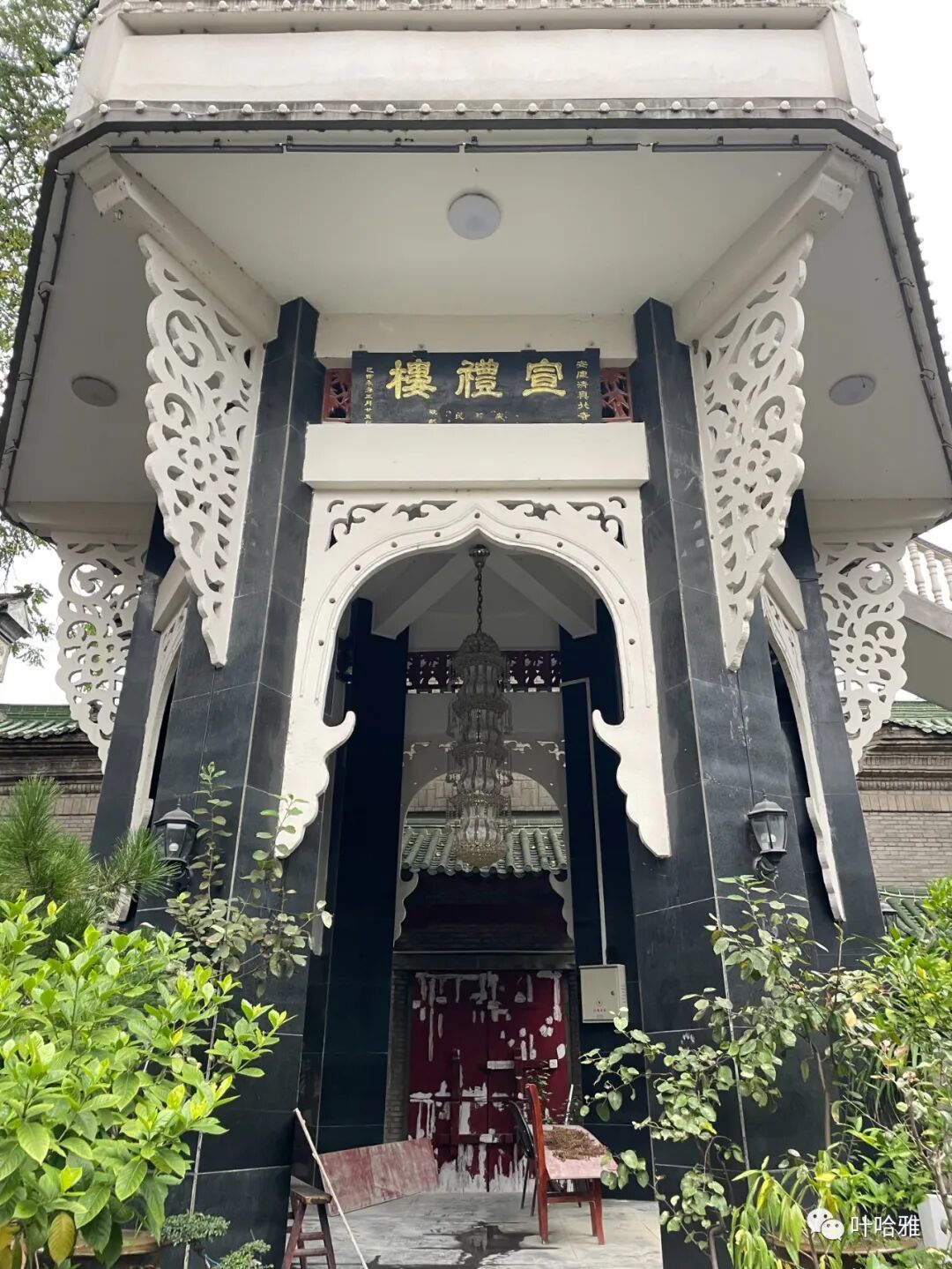
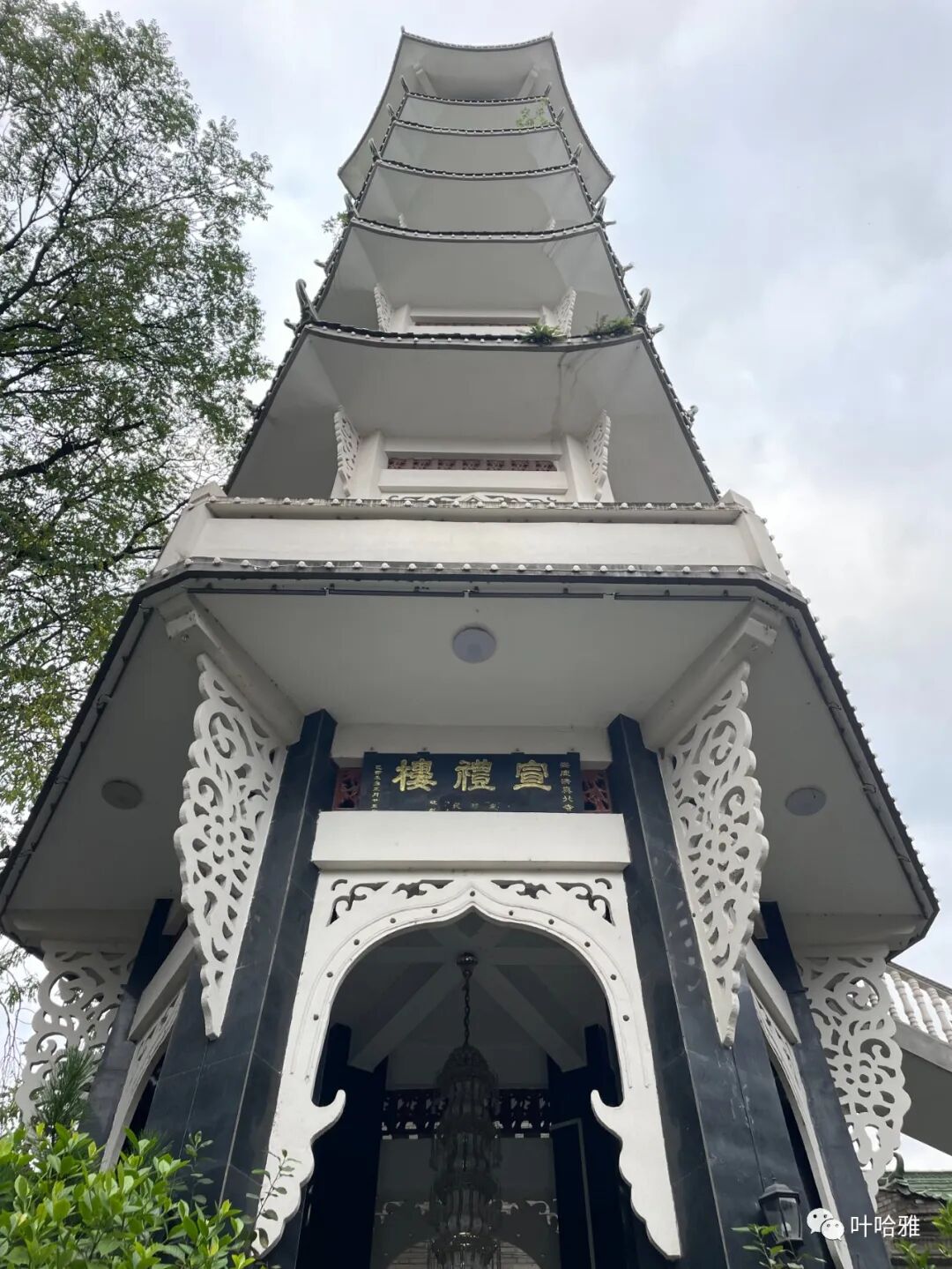
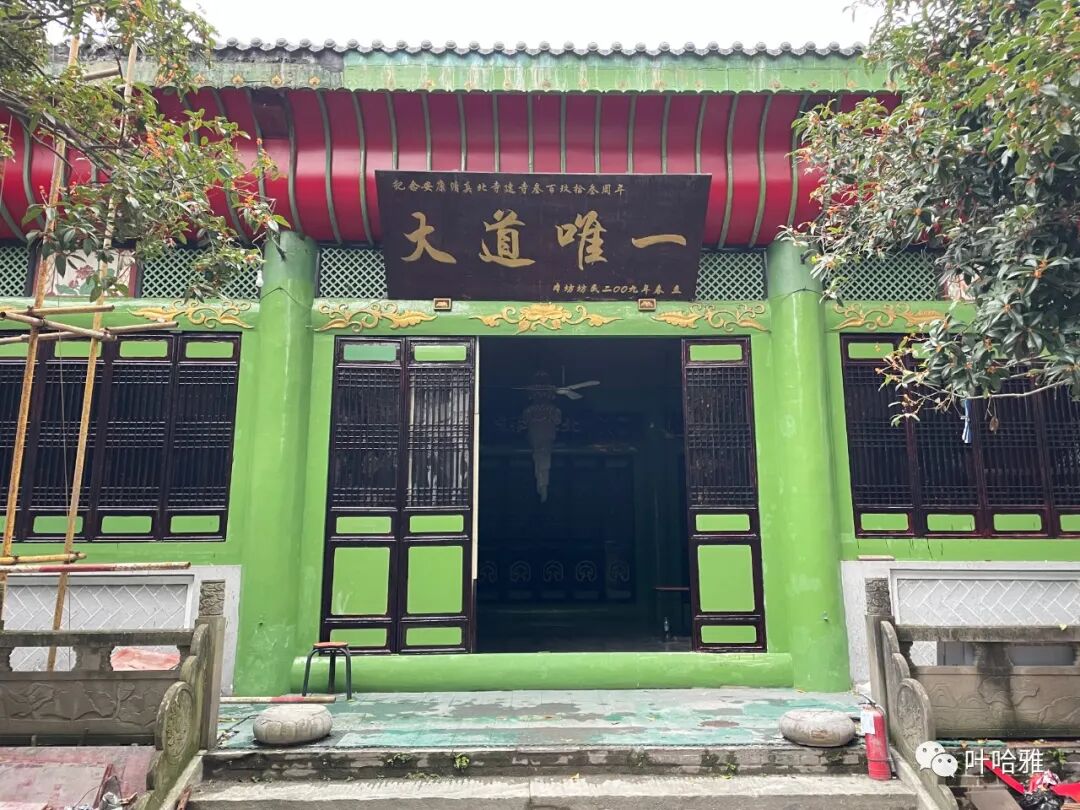
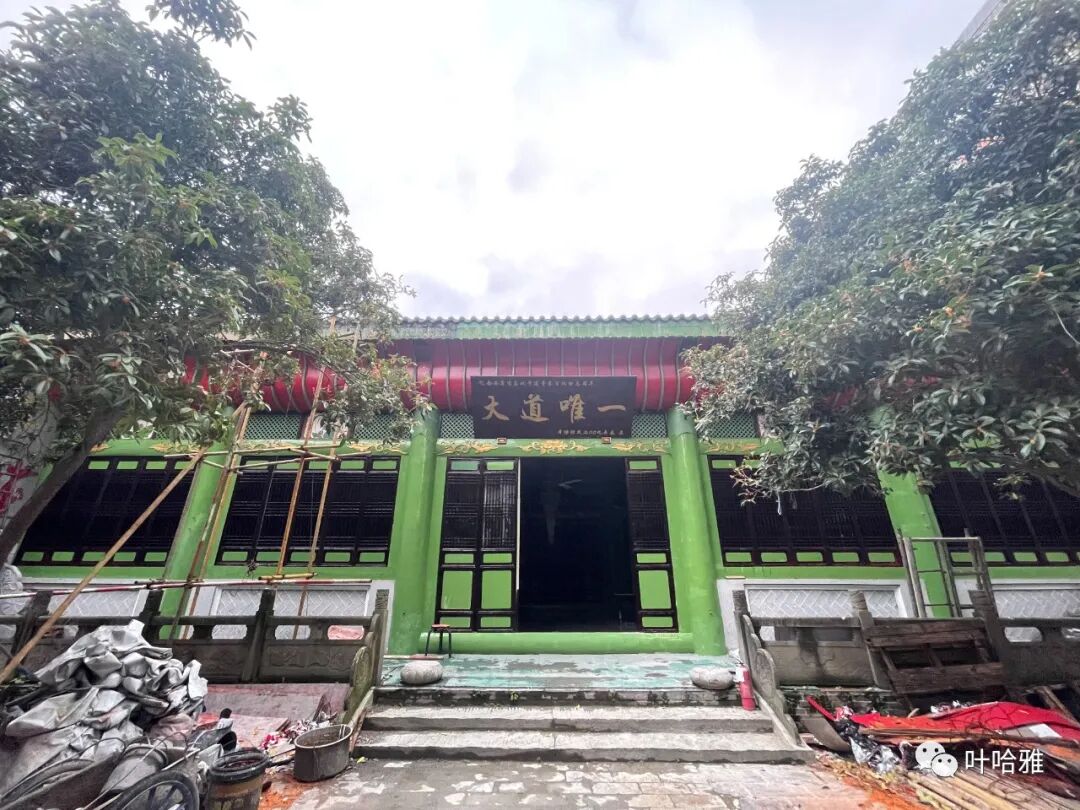
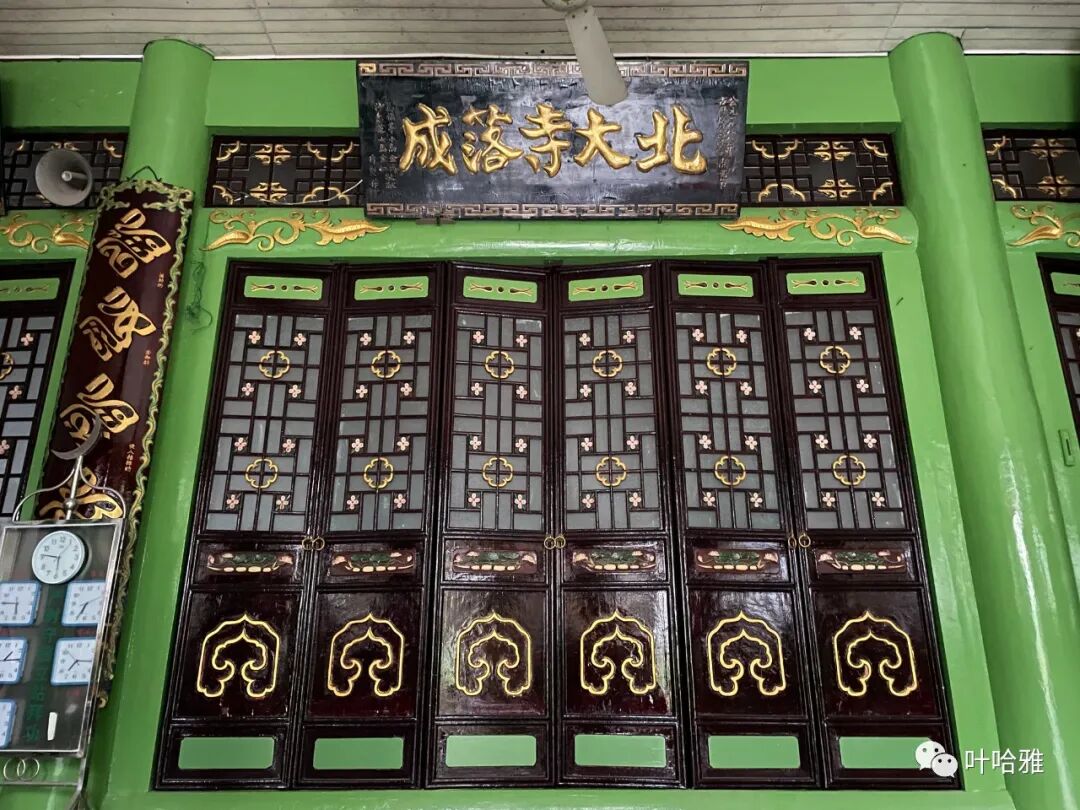
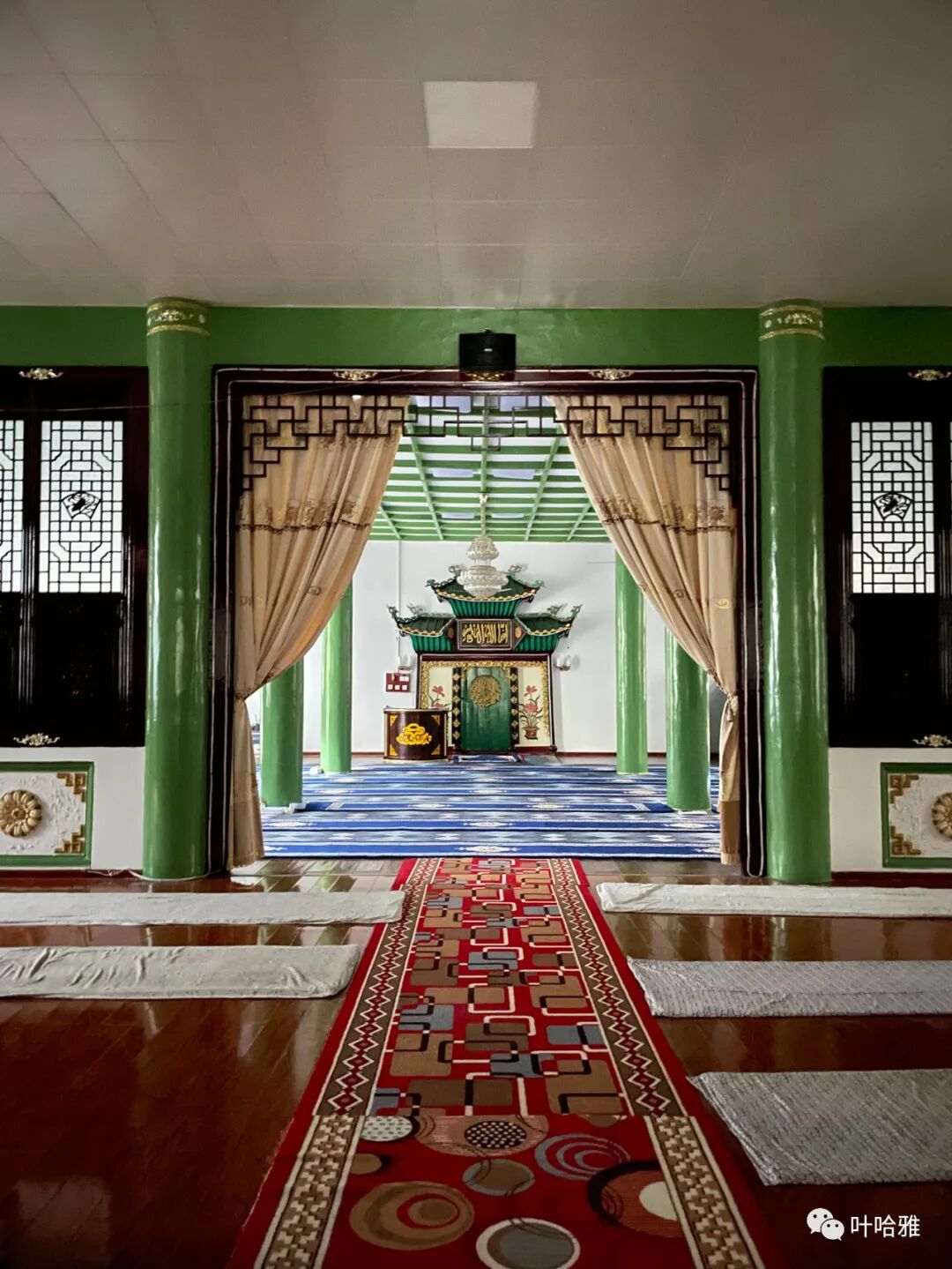
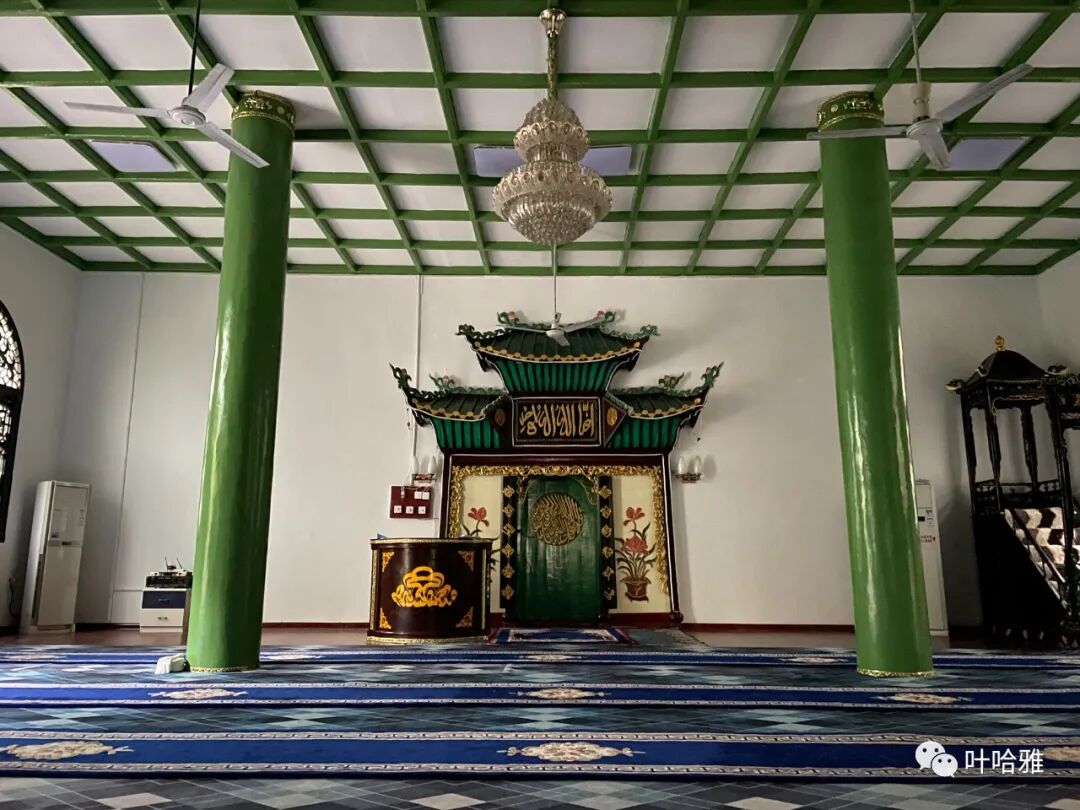
The graveyard for imams inside the North Mosque.
Ankang Xingwen Mosque
Xingwen Mosque was built during the Daoguang reign of the Qing Dynasty. It was named for its focus on education and historically ran schools like the Hui Muslim Charity School and the Northwest Ankang Primary School.
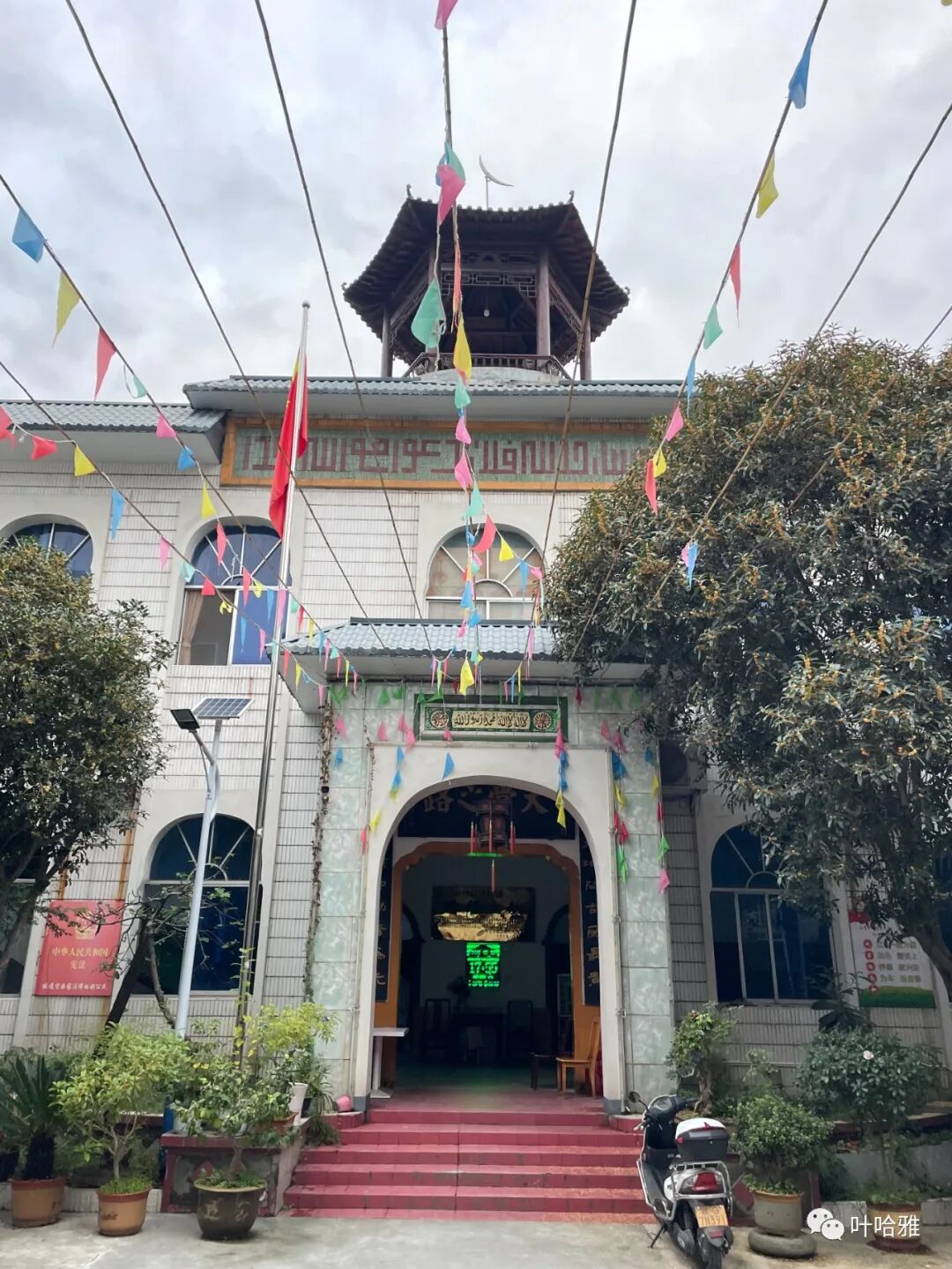
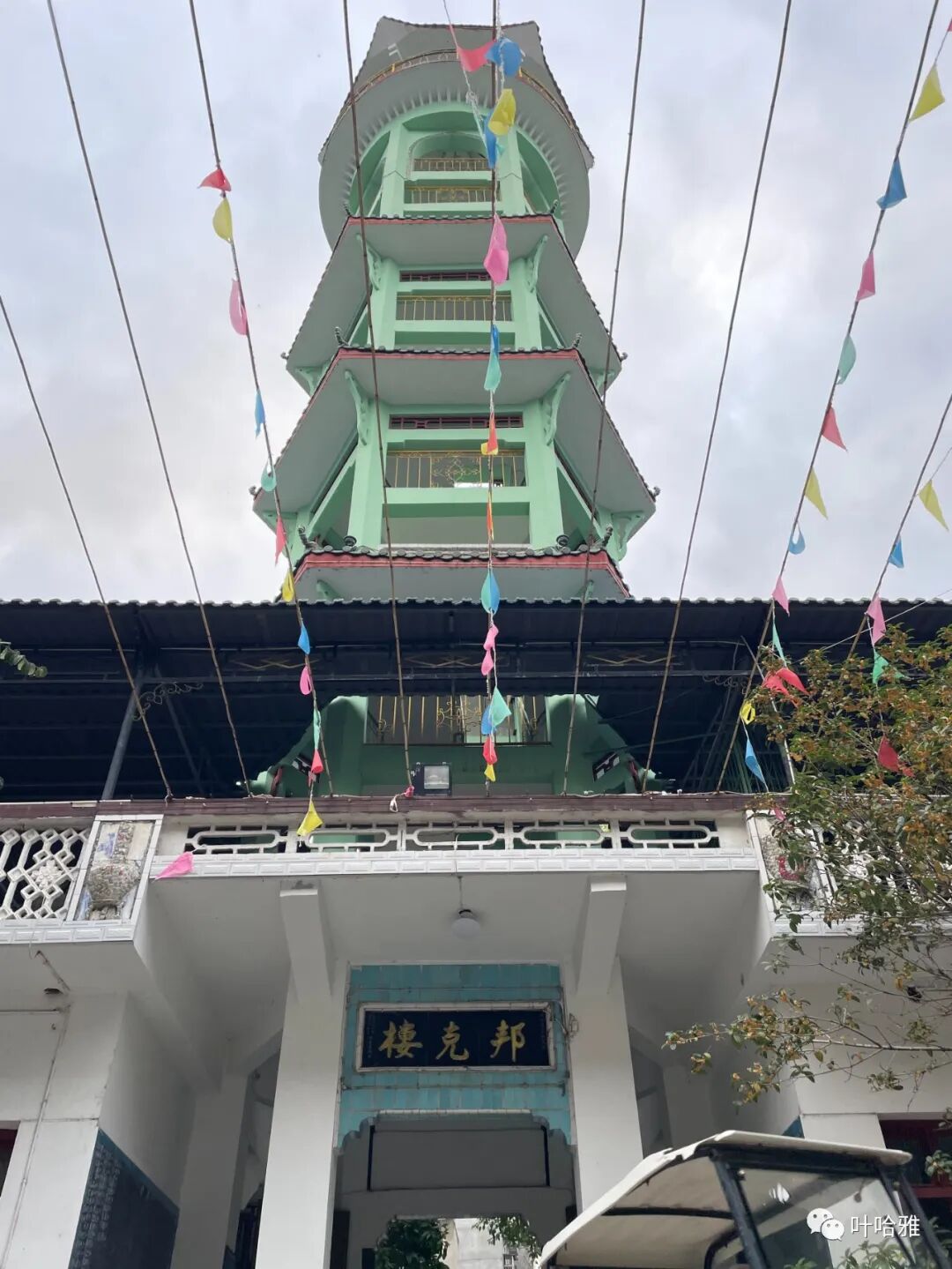
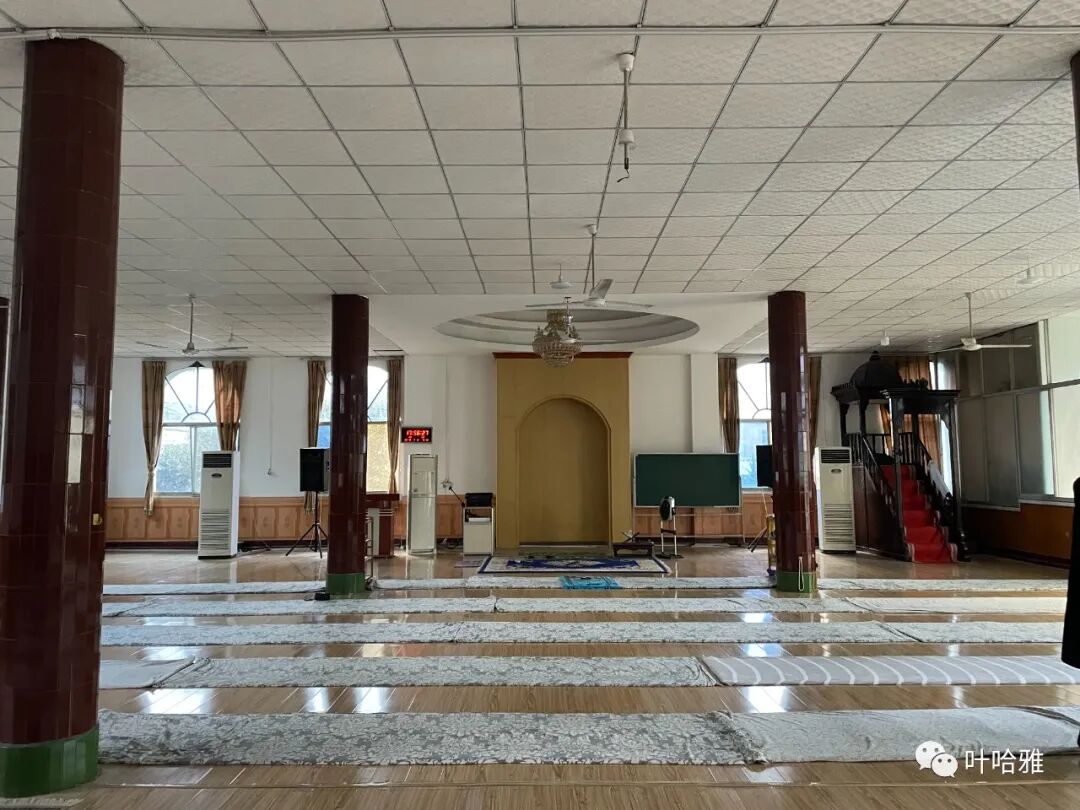
Jingning South Mosque
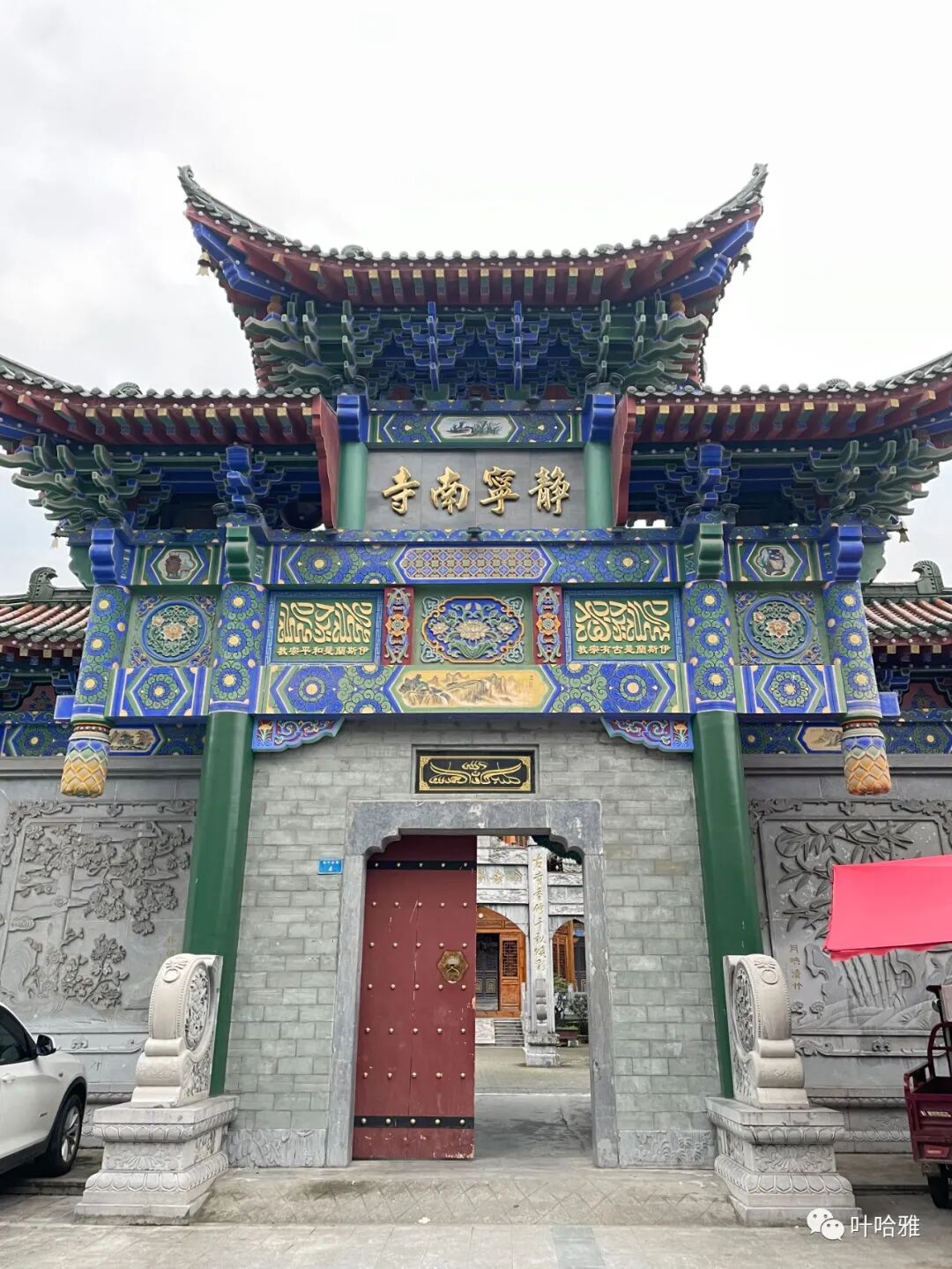
Rumor has it that Jingning South Mosque in Ankang was built during the Tang Dynasty. A stone tablet inside says the Tang government built Xingwen Mosque after asking the Arabs for military help to stop the An Lushan Rebellion, but there is no proof of this. The oldest reliable records show it was built at least by the Ming Dynasty.
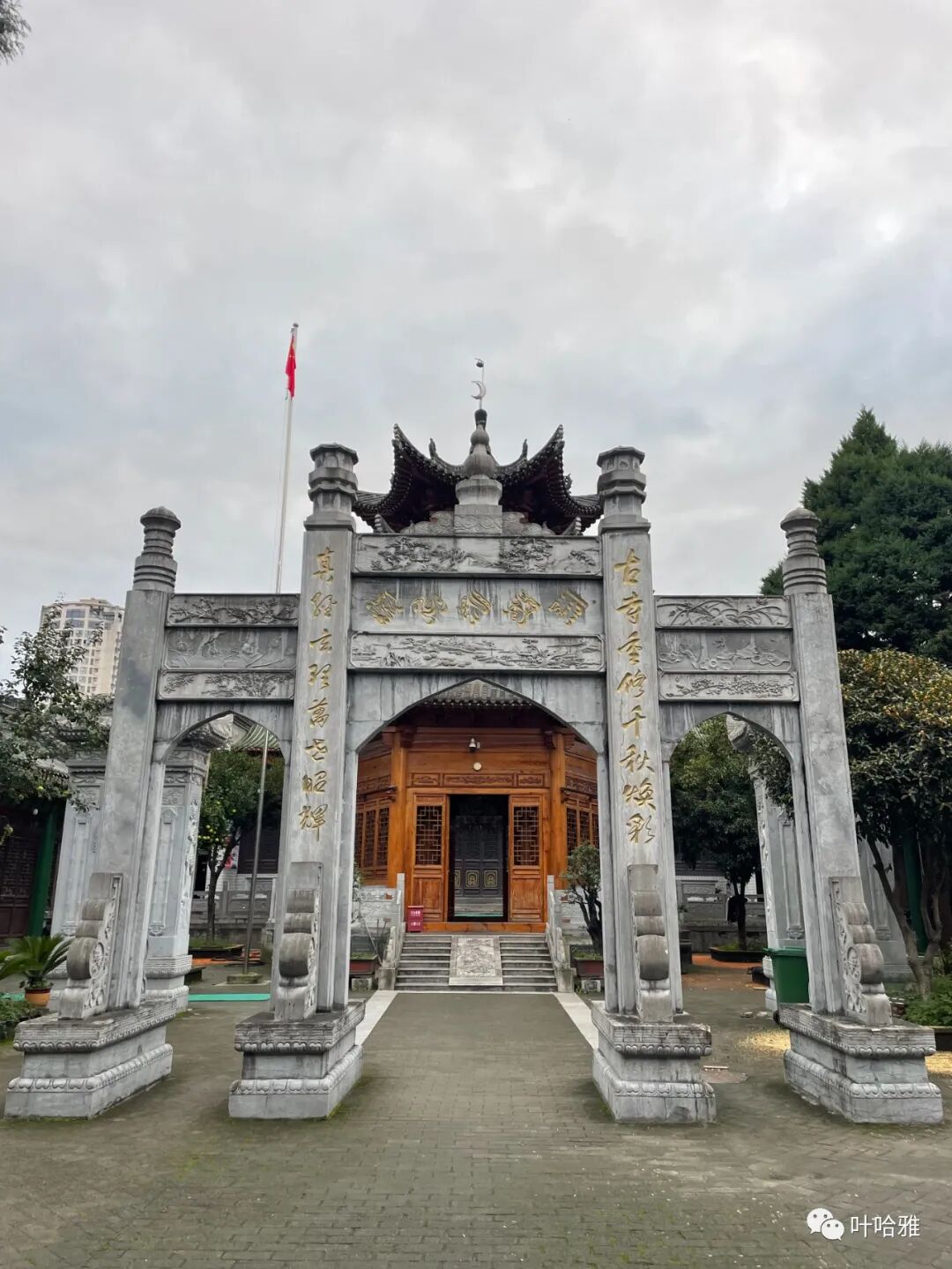
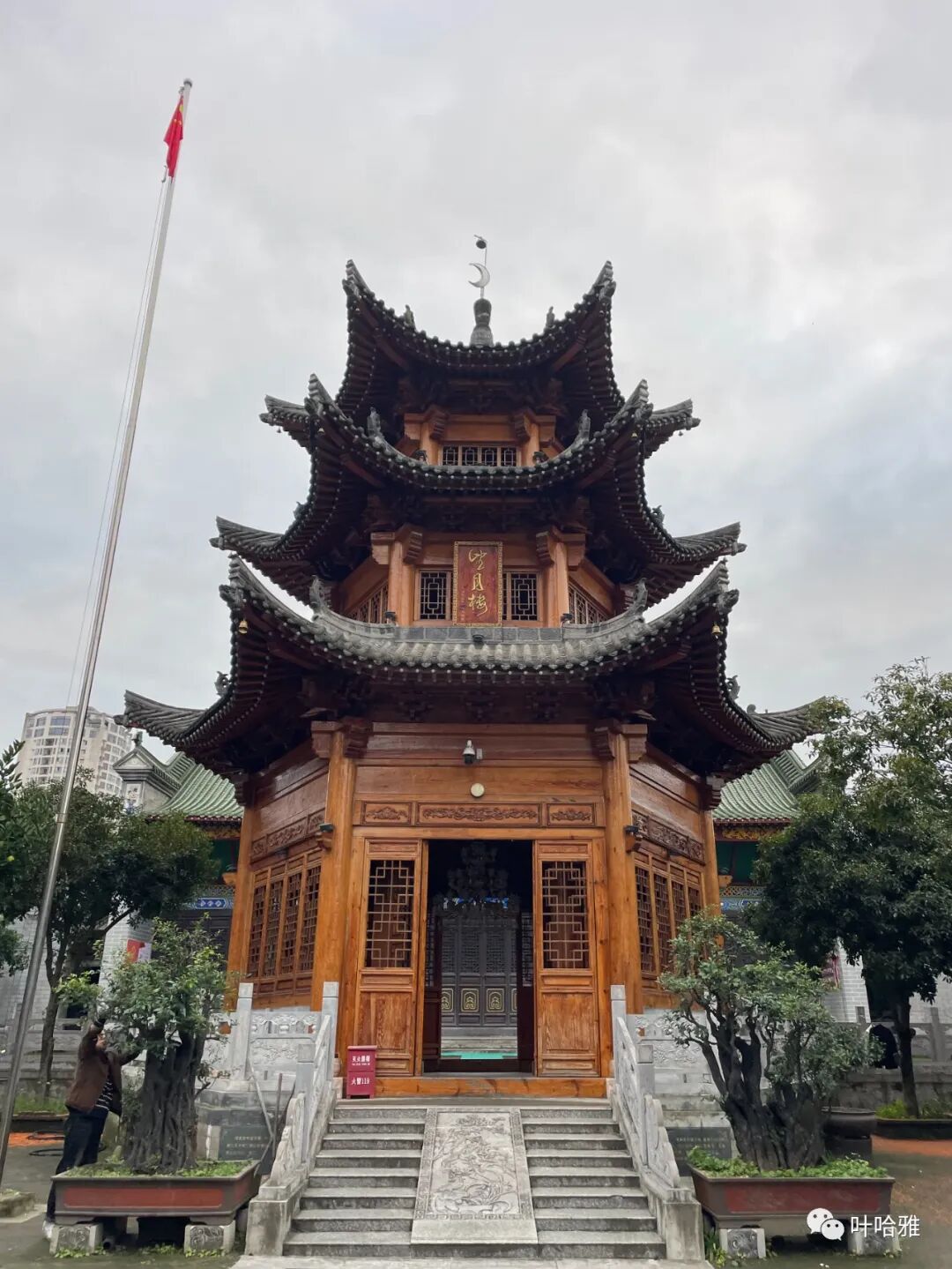
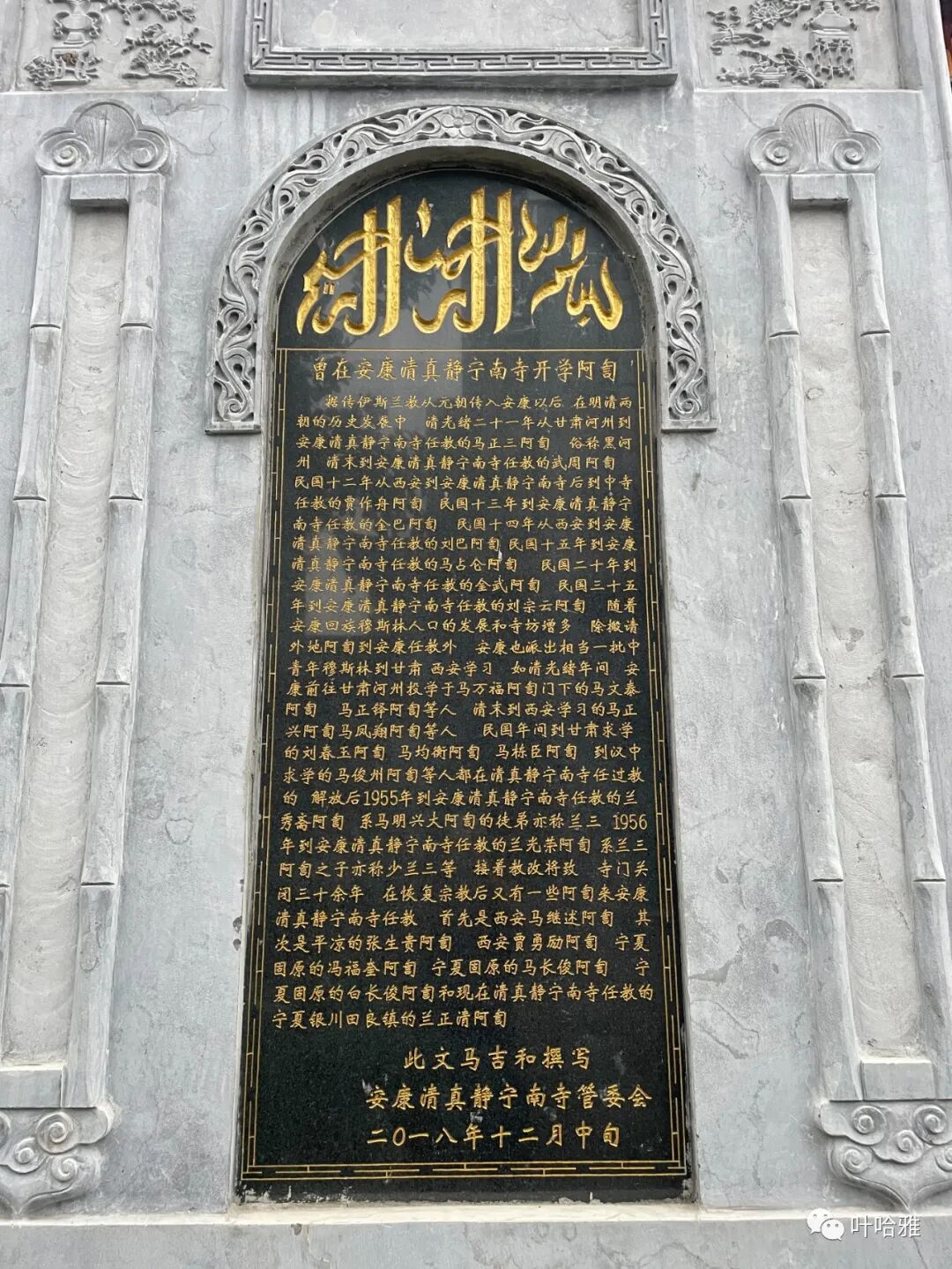
The stone tablet lists the names of the imams who have taught at the mosque throughout Ankang's history.
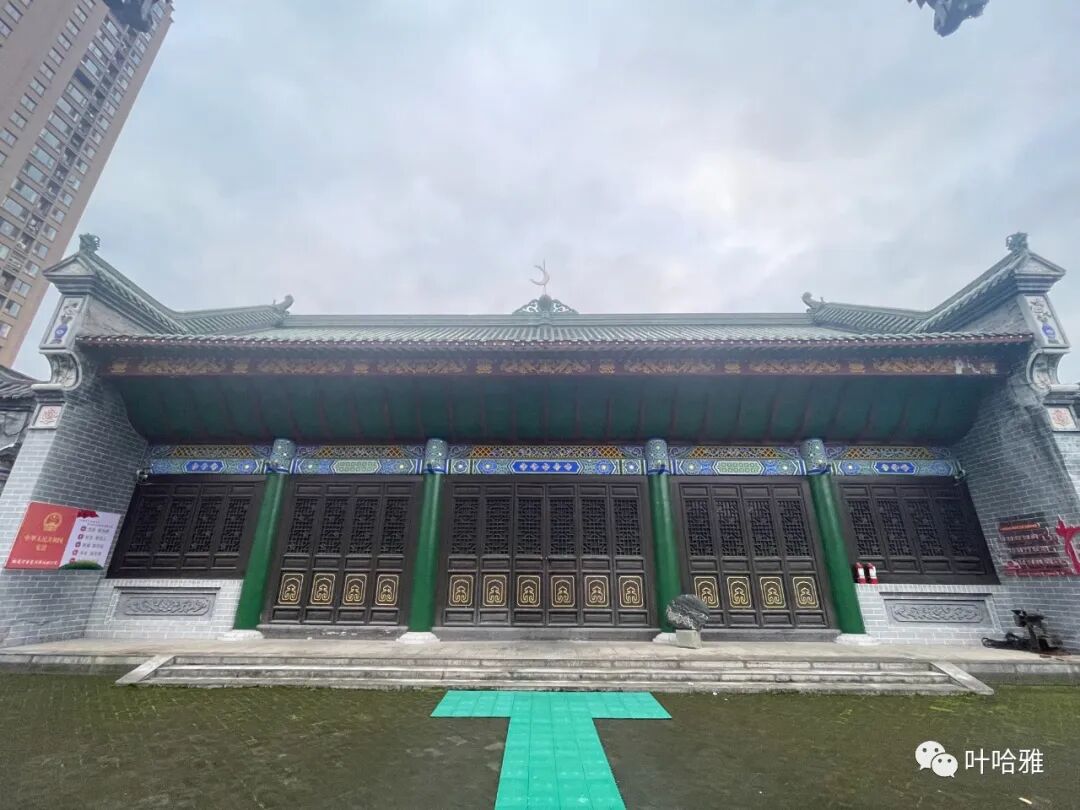
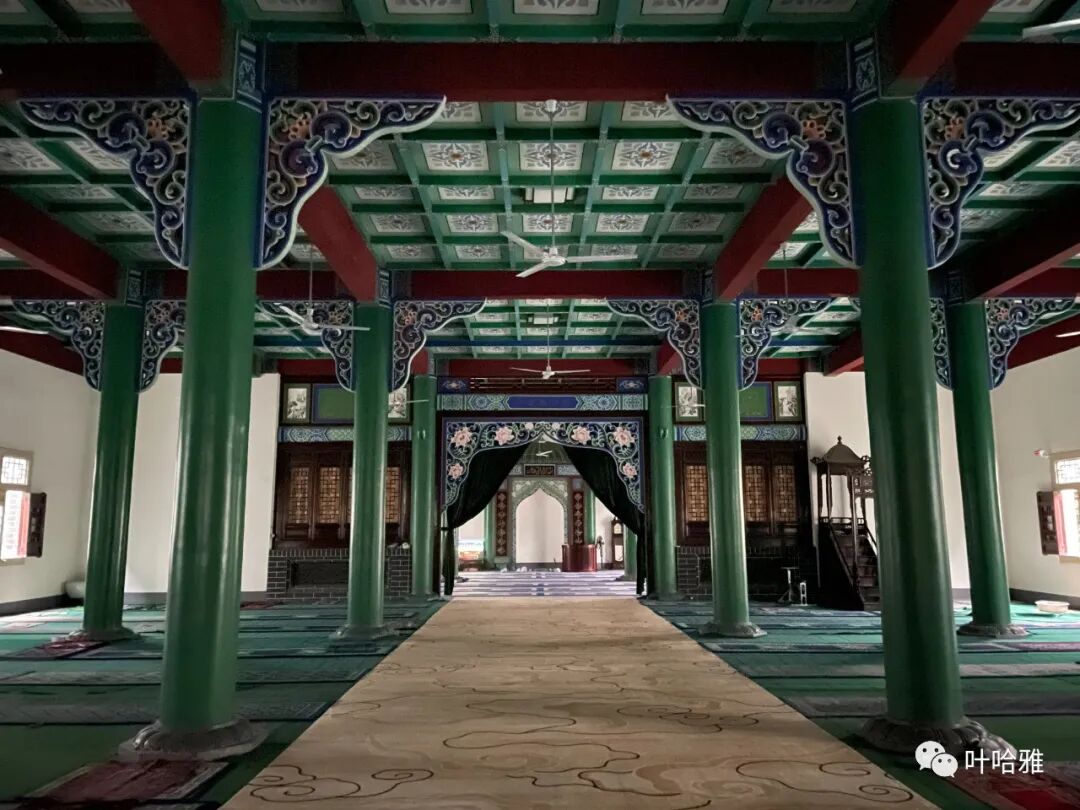
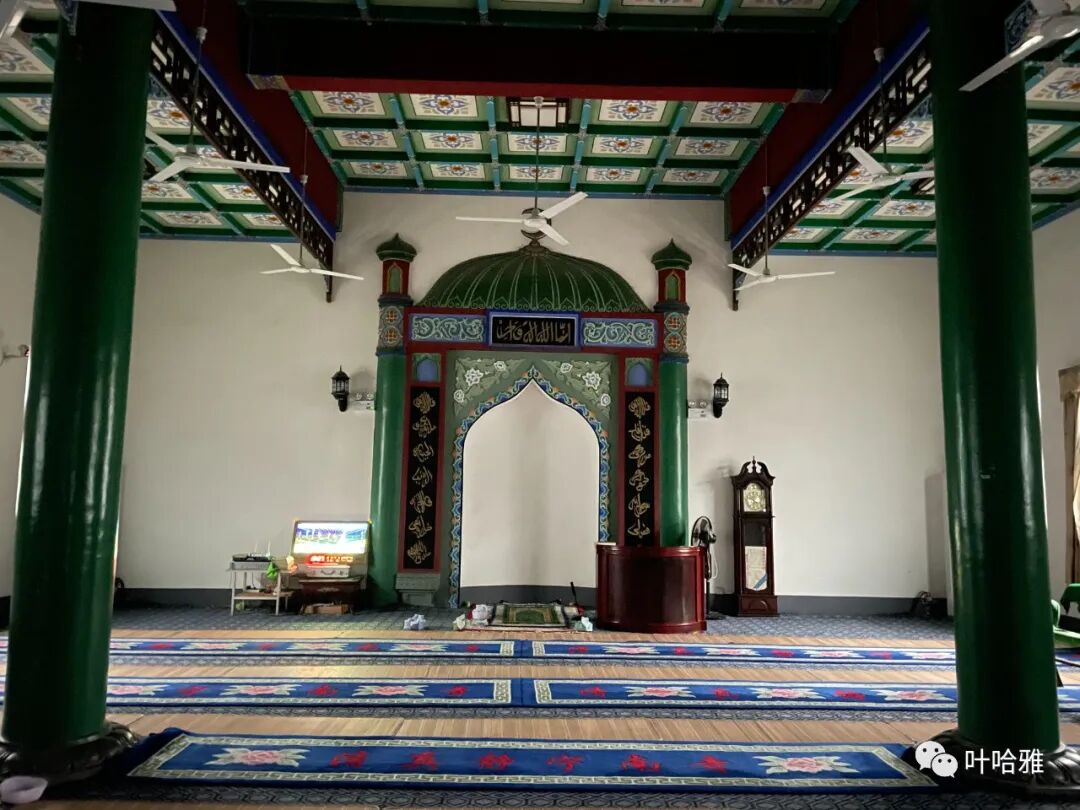
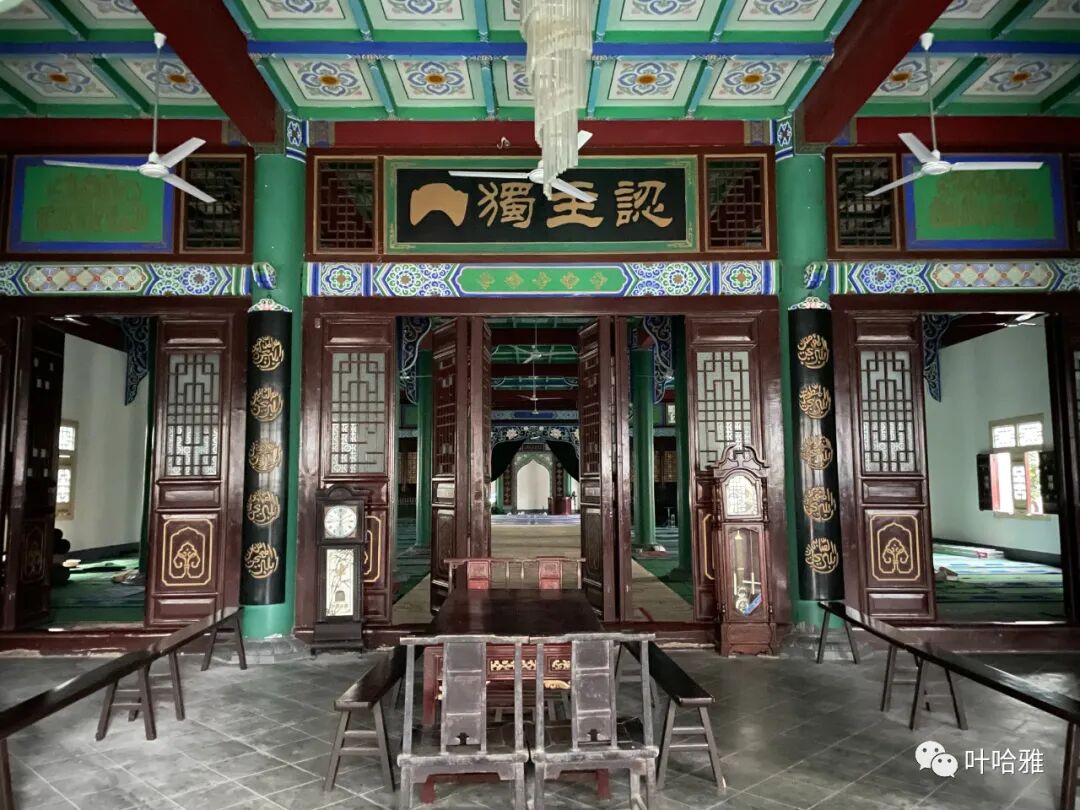
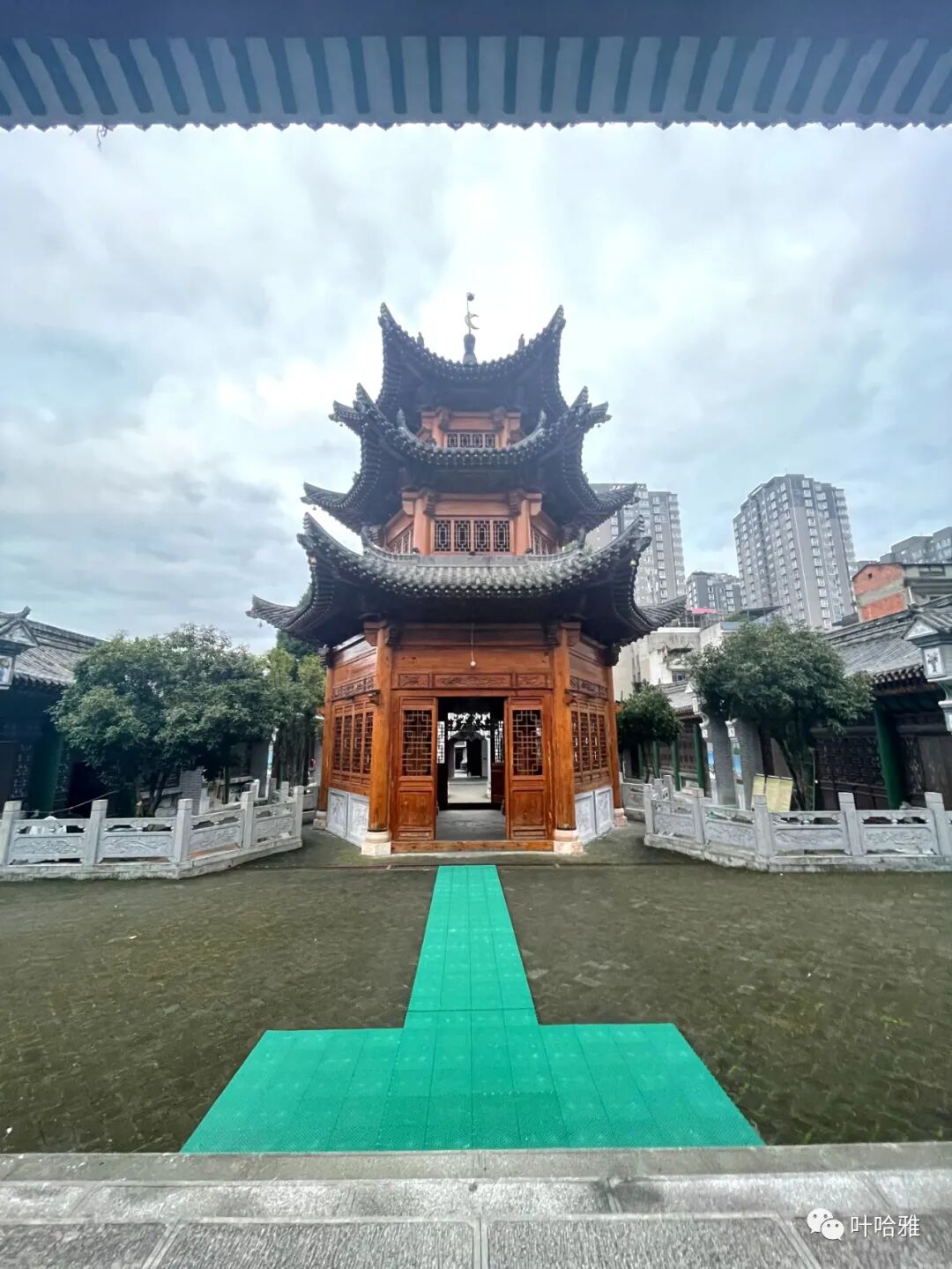
There are many halal snack shops in the old town of Hanbin District, but most were closed when I arrived.
The small shops around Dongguan are mostly run by local Hui Muslims. They mostly sell fried foods, steamed buns (baozi), and noodles. The hanging-griddle flatbread (diao'ao shaobing) is unique.
We ate stir-fried dishes at Yong'an Kangjia, which is a local restaurant that has been open for many years.
Because Ankang is close to Sichuan, the stir-fried dishes here taste very similar to Sichuan food.
The pickled vegetables and sour radishes on the menu are local specialties.
I ordered the twice-cooked winter melon (huiguo donggua). I thought it was twice-cooked pork, but it turned out to be winter melon cooked in the same style instead of meat.
The steamed beef with alfalfa (muxu zhengrou) is made with beef, a cooking style just like in Sichuan cuisine.
The Han River flows through the city. We took a walk by the river at night to enjoy the night view.
If not for the Hui Muslim uprisings in the late Qing Dynasty, there would be many more Hui Muslims in Shaanxi today, and they would likely be living better lives. My regret in Ankang is that I did not get to eat many local halal snacks. Maybe I came at the wrong time. Hui Muslim snacks in Ankang are completely different from those in the Xi'an Muslim Quarter. They have distinct features and are worth another visit. We only stayed in Ankang for one night and left for Sichuan early the next morning.
China Mosque Travel Guide Yunnan: Jianshui Ancient Mosque, Dazhuang Mosques and Shadian Road Trip
Articles • yusuf908 posted the article • 0 comments • 266 views • 2026-05-22 22:10
Summary: This China mosque travel guide follows a Yunnan road trip through Jianshui, Dazhuang, and nearby Shadian, covering ancient mosques, halal rice noodles, local restaurants, stone tablets, Hajj door signs, Xinzhai Mosque, and Hui Muslim history.
A Road Trip in Yunnan: Searching for Old Mosques in Jianshui and Dazhuang is presented here as a firsthand travel account in clear English, beginning with this scene: Ten of my travelogues were deleted one after another recently, likely due to title violations, so I am reposting them after making edits. The account keeps its focus on Halal Travel, Yiwu Food, Mosque Travel while preserving the names, places, food, and historical details from the Chinese source.
Ten of my travelogues were deleted one after another recently, likely due to title violations, so I am reposting them after making edits.
I remember my first trip to Shadian. I asked the locals what good food they had, and they told me there wasn't much. They usually go to Jianshui and Dazhuang to find good food because there is more to eat there. That is why I kept those two places in mind. Jianshui, Dazhuang, and Shadian are less than 100 miles apart. It takes an hour to drive between them, and they form a triangle. If you plan to visit Shadian, it is best to visit all three places together.
Jianshui Ancient City Hanlin Garden (Hanlin Yuan)
Jianshui is a bit busier than other ancient cities in Yunnan. We chose to stay at Hanlin Garden, which is in the center of the ancient city. It is a state-owned hotel with a classic garden style. The rooms are huge and have complete facilities. The parking lot is right at the hotel entrance. The staff told us to use Gaode Maps to navigate to the hotel instead of Baidu, or we would go the wrong way.
The hotel breakfast offers halal rice noodles (mixian), but you must book them in advance. The staff goes to a halal shop outside to buy them early in the morning.
The little person next to the flower pot in the distance is Fahim. He can play to his heart's content in this garden.
Jianshui Ancient Mosque (Jianshui Qingzhen Gusi)
The ancient mosque is on Randengsi Street next to the ancient city. It was first built during the Huangqing era of the Yuan Dynasty. It is the oldest mosque in southern Yunnan, and the hall in front of the main prayer hall dates back to the Yuan Dynasty.
Randeng Mosque is a Buddhist mosque built during the Jiaqing era of the Ming Dynasty, and it is less than 100 meters away from the mosque.
When I arrived, the women's study group at the mosque was having a class.
There are a few small halal shops on Mashi Street next to the Jianshui ancient mosque, but they only open at noon. I arrived too early and didn't see anything. Locals prefer to come here, but if you want more food, it is all concentrated on Zitao Street.
There are a few halal shops in the old town that are easy to find. I asked a student of mine named Ma from Shadian if I could use facial recognition payment here, and he said he had never even seen beef pancakes (niuroubing) in Shadian.
Koule Bakery is a chain store selling Western-style desserts that a local friend recommended. I bought some flower cakes (xianhuabing), but they were a bit too sweet; I still think the ones in Dali are better.
Jiahe Restaurant
Jiahe Restaurant is across from the Walmart supermarket at the entrance of the old town. We came out of the supermarket and didn't want to walk too far, so we went straight into this shop.
The owner's daughter took a liking to Fahim and tried to trade her Ultraman toy for the snacks in his hand, but Fahim wasn't interested.
We chatted and learned the owner is from Wenshan and married into Jianshui, where she has run this shop for many years. We actually have a mutual friend; her classmate is currently studying at the China Islamic Institute.
The owner recommended a few local specialties, including iron-plate tofu (tieban doufu) and steam-pot chicken (qiguo ji).
Everything was delicious. Jianshui tofu has a smooth texture and can be eaten in many different ways.
Zitao Street
Jianshui's Zitao Street is like the Muslim Quarter (Huimin Jie) in Xi'an. Most of the food stalls inside are halal, and they also sell some small goods.
Yingfeng Grilled Rice Cake (shao erkua). There used to be a shop in Beijing, but it closed down.
The grilled tofu (shao doufu) is very popular locally. It costs one yuan per piece and is grilled fresh to order.
They sell big-pot beef rice noodles (niurou mixian) across the street. The seasonings and side dishes are self-serve, and a huge bowl only costs 10 yuan.
My friends in Jianshui do not think much of Purple Pottery Street (Zitao Jie). They find it expensive and say it is just for tourists. We actually liked it after we arrived. Tourists have different needs than locals, and some people just enjoy this kind of lively, bustling market. That is why the Hui Muslim Street in Xi'an is so popular. Locals should support it instead of tearing it down.
Lion cake (shizi gao) is probably the same as Beijing's sachima. It does not taste very good.
We bought grilled beef jerky (niuganba). It is delicious and comes in original and spicy flavors. This stall looks clean and hygienic.
Dazhuang Mosque in Kaiyuan
Dazhuang in Kaiyuan has two mosques, a new one and an old one. The old mosque was built during the Wanli period of the Ming Dynasty, and the new mosque was built during an expansion in the Jiaqing period of the Qing Dynasty. The old mosque was then converted into a women's mosque. The new mosque covers nearly 10,000 square meters and is now a provincial-level cultural relic protection site.
I have seen schools in almost every mosque I visited in Yunnan. Dazhuang Mosque belongs to the Gedimu tradition.
This stone tablet is from the Daoguang period of the Qing Dynasty and records a list of charitable deeds.
This stone tablet is from the Republic of China era. The full text of the above tablets is included in the book "Kaiyuan Stone Tablets."
While walking around the village, I noticed many houses have a red sign on their doors that says "Obey Allah's Command to Perform Hajj." Families who have completed the Hajj (hadji) likely hang these signs to show their honor.
Xinzhai Mosque
Xinzhai Mosque was not originally on my planned route. I was on my way to Dazhuang when I saw a huge mosque by the road. I was so attracted to it that I turned in to visit.
Xinzhai Mosque was built during the Tongzhi reign of the Qing Dynasty and has just been renovated.
I saw a martyr monument (shexide) here just like the one in Shadian.
The Xinzhai martyr monument commemorates the Shadian Incident. Many friends (dosti) in Xinzhai suffered back then, and by percentage, the death toll here was even higher than in Shadian.
Every martyr has a name, with three hundred and fifty people in total.
The back is carved with a Quranic verse: Do not say that those who are killed in the way of Allah are dead; they are alive, but you do not perceive it. (2:154) view all
Summary: This China mosque travel guide follows a Yunnan road trip through Jianshui, Dazhuang, and nearby Shadian, covering ancient mosques, halal rice noodles, local restaurants, stone tablets, Hajj door signs, Xinzhai Mosque, and Hui Muslim history.
A Road Trip in Yunnan: Searching for Old Mosques in Jianshui and Dazhuang is presented here as a firsthand travel account in clear English, beginning with this scene: Ten of my travelogues were deleted one after another recently, likely due to title violations, so I am reposting them after making edits. The account keeps its focus on Halal Travel, Yiwu Food, Mosque Travel while preserving the names, places, food, and historical details from the Chinese source.
Ten of my travelogues were deleted one after another recently, likely due to title violations, so I am reposting them after making edits.
I remember my first trip to Shadian. I asked the locals what good food they had, and they told me there wasn't much. They usually go to Jianshui and Dazhuang to find good food because there is more to eat there. That is why I kept those two places in mind. Jianshui, Dazhuang, and Shadian are less than 100 miles apart. It takes an hour to drive between them, and they form a triangle. If you plan to visit Shadian, it is best to visit all three places together.
Jianshui Ancient City Hanlin Garden (Hanlin Yuan)
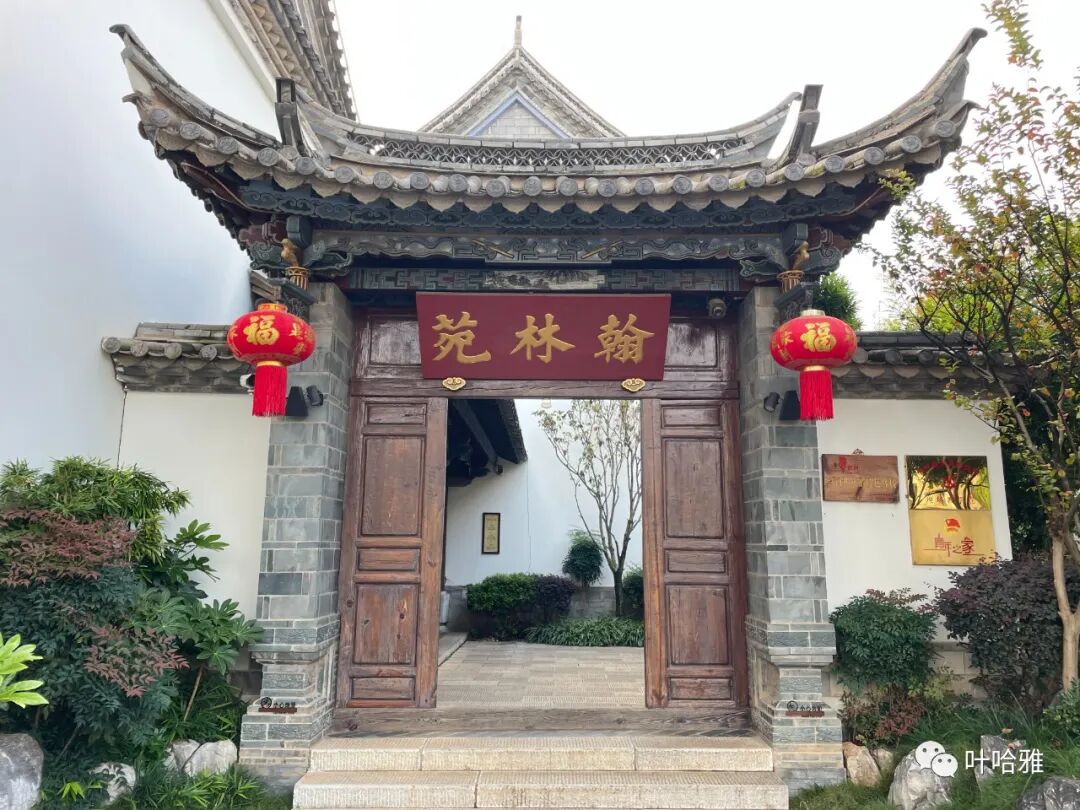
Jianshui is a bit busier than other ancient cities in Yunnan. We chose to stay at Hanlin Garden, which is in the center of the ancient city. It is a state-owned hotel with a classic garden style. The rooms are huge and have complete facilities. The parking lot is right at the hotel entrance. The staff told us to use Gaode Maps to navigate to the hotel instead of Baidu, or we would go the wrong way.
The hotel breakfast offers halal rice noodles (mixian), but you must book them in advance. The staff goes to a halal shop outside to buy them early in the morning.
The little person next to the flower pot in the distance is Fahim. He can play to his heart's content in this garden.
Jianshui Ancient Mosque (Jianshui Qingzhen Gusi)
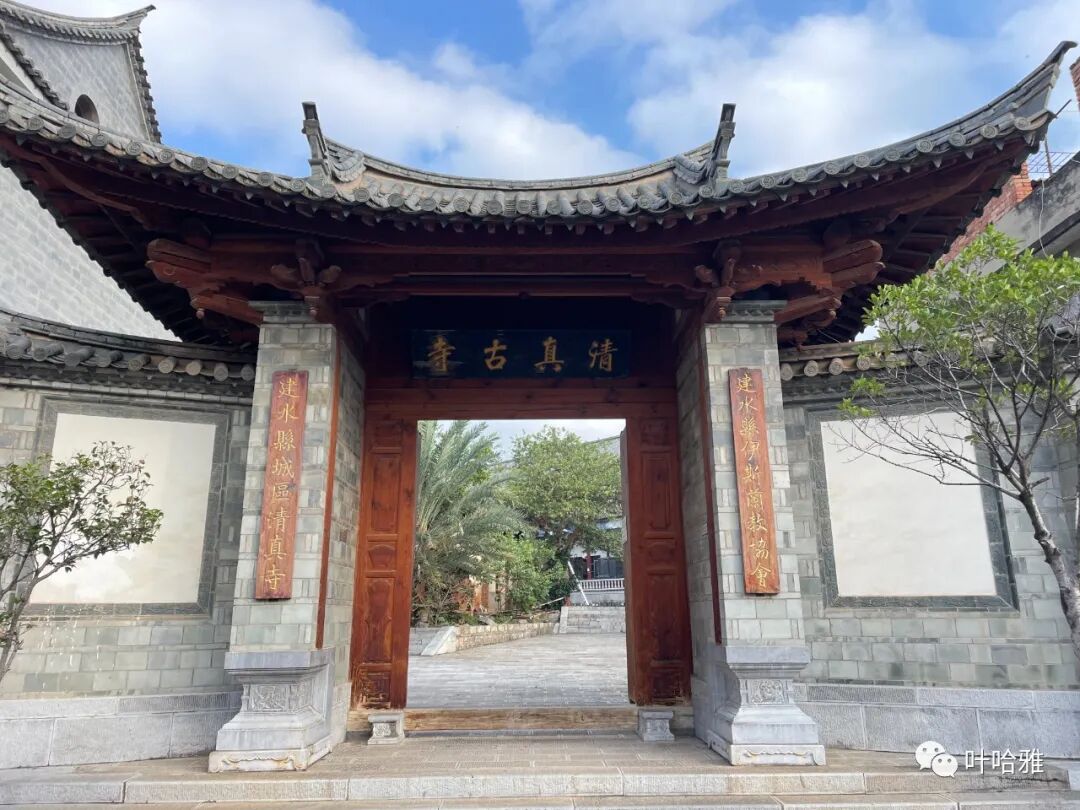
The ancient mosque is on Randengsi Street next to the ancient city. It was first built during the Huangqing era of the Yuan Dynasty. It is the oldest mosque in southern Yunnan, and the hall in front of the main prayer hall dates back to the Yuan Dynasty.
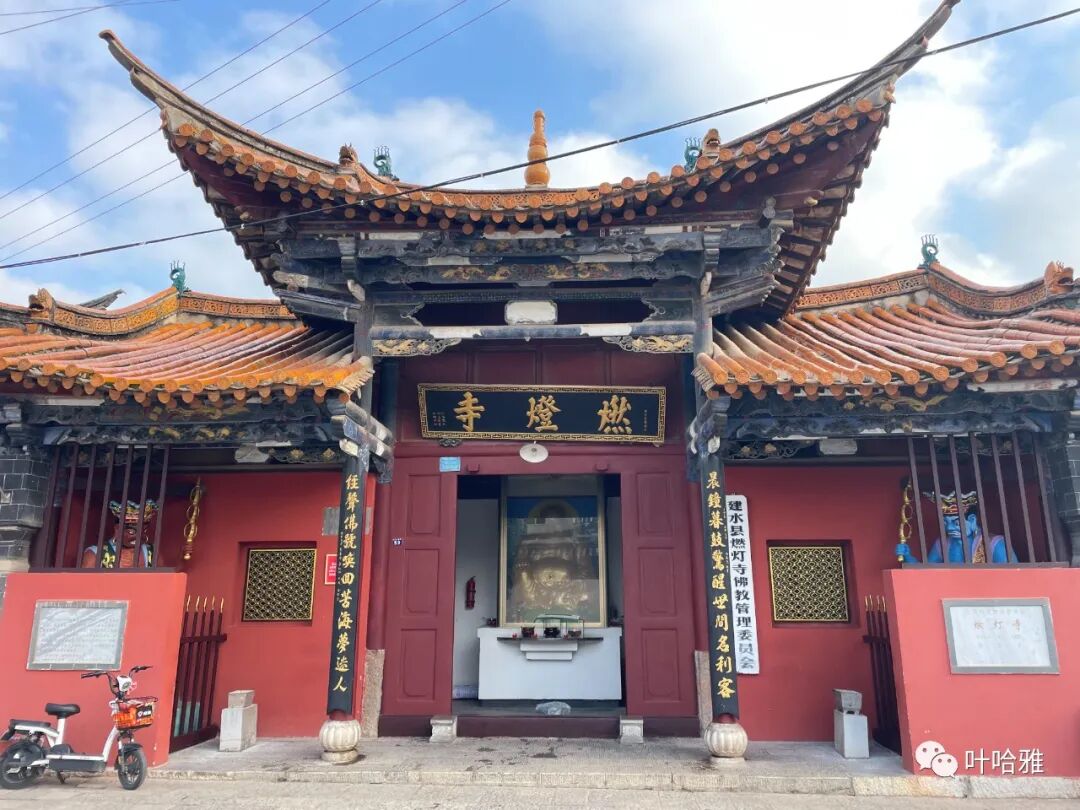
Randeng Mosque is a Buddhist mosque built during the Jiaqing era of the Ming Dynasty, and it is less than 100 meters away from the mosque.
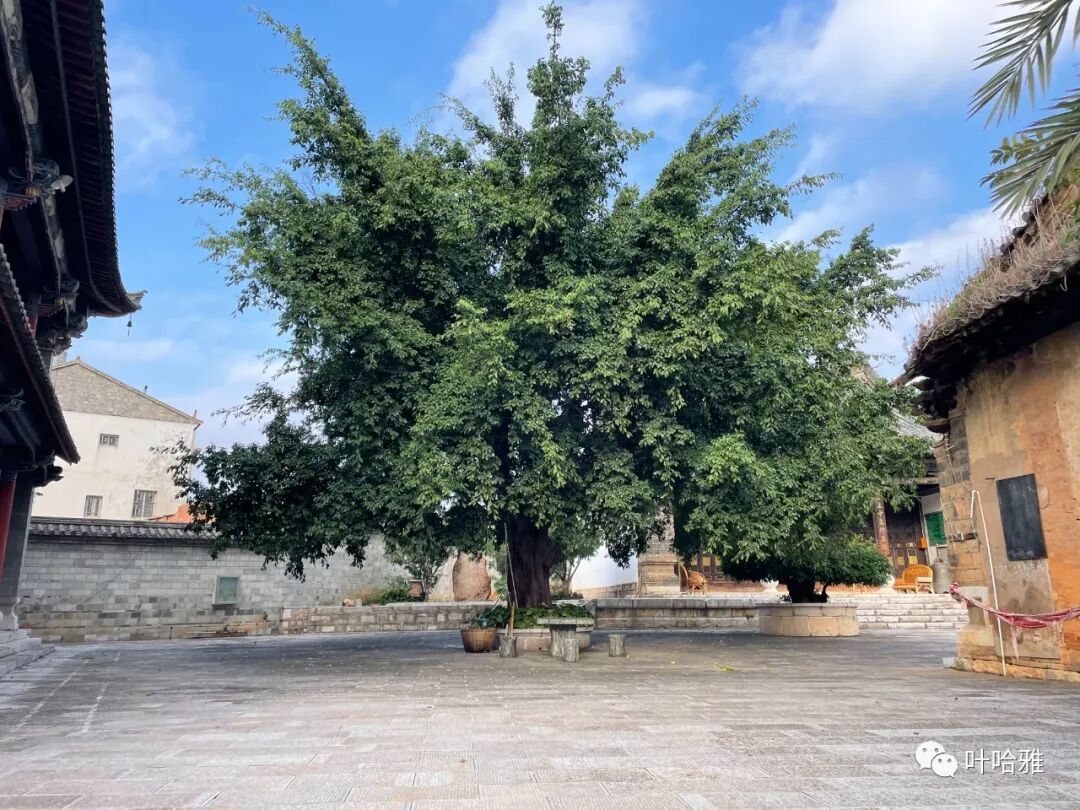
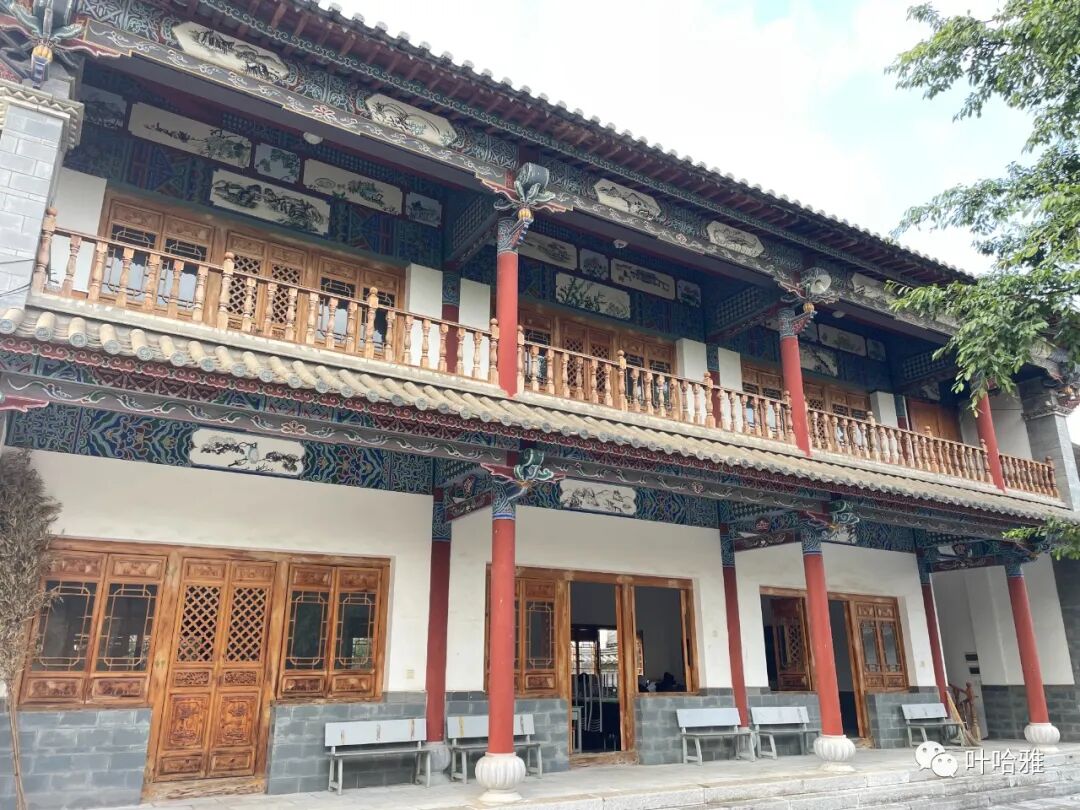
When I arrived, the women's study group at the mosque was having a class.
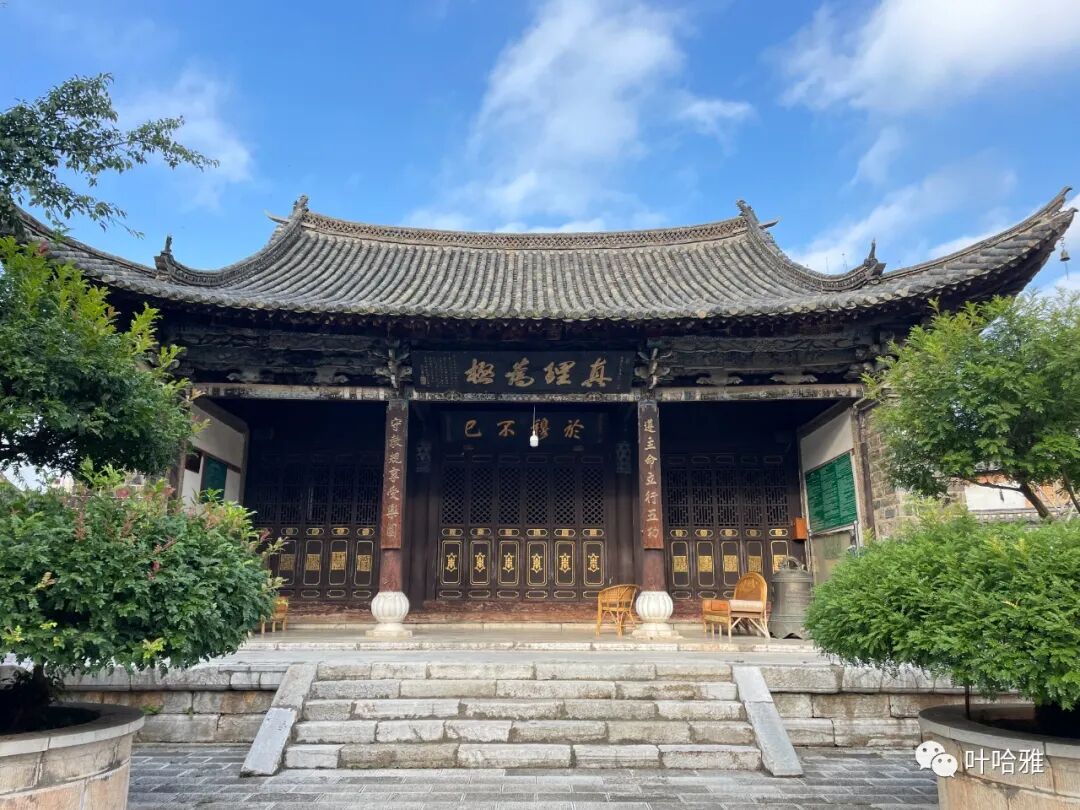
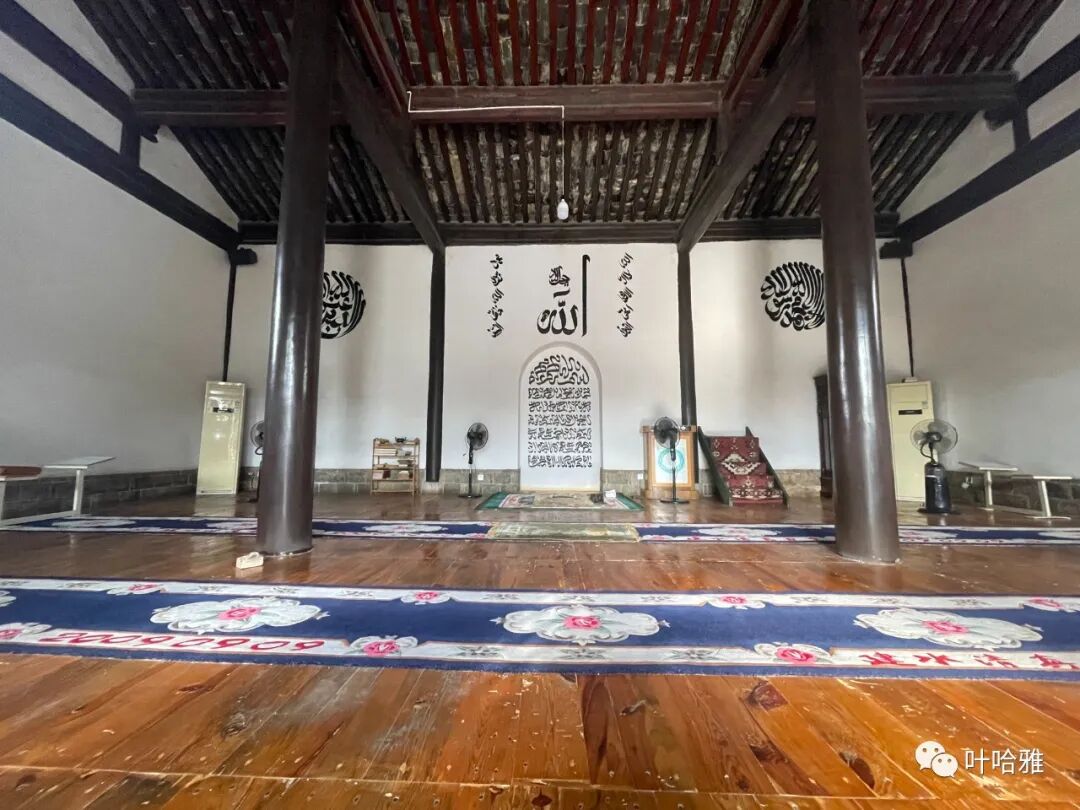
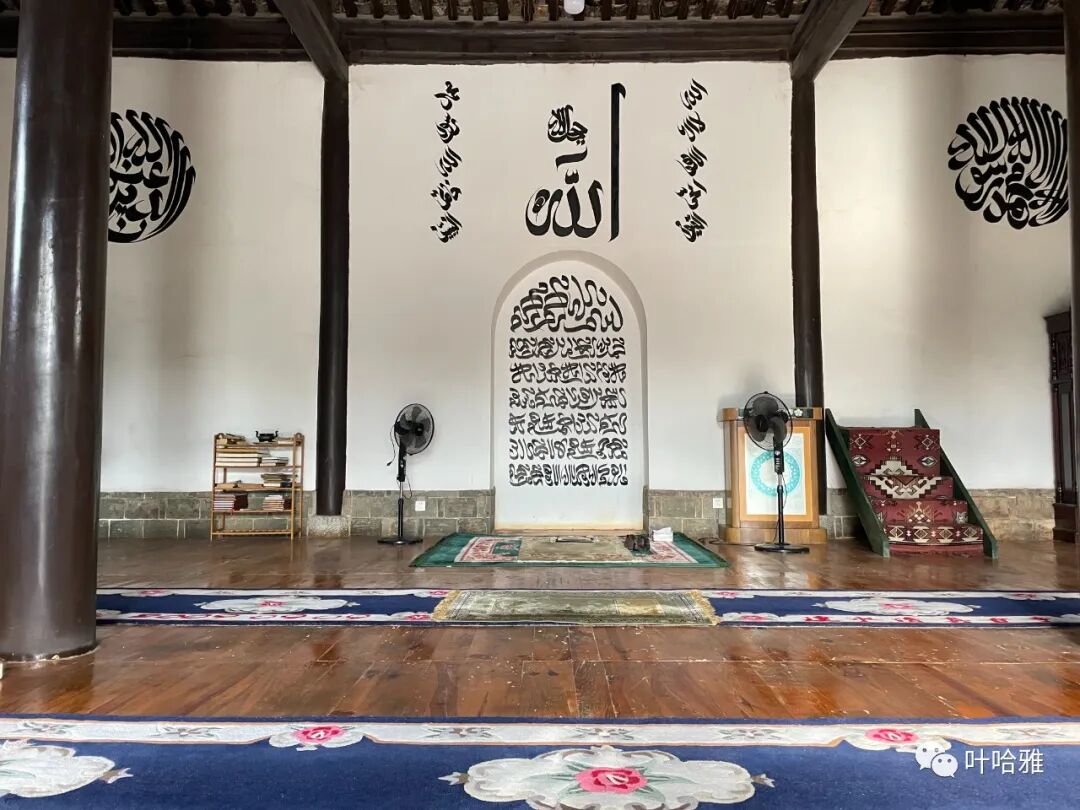
There are a few small halal shops on Mashi Street next to the Jianshui ancient mosque, but they only open at noon. I arrived too early and didn't see anything. Locals prefer to come here, but if you want more food, it is all concentrated on Zitao Street.
There are a few halal shops in the old town that are easy to find. I asked a student of mine named Ma from Shadian if I could use facial recognition payment here, and he said he had never even seen beef pancakes (niuroubing) in Shadian.
Koule Bakery is a chain store selling Western-style desserts that a local friend recommended. I bought some flower cakes (xianhuabing), but they were a bit too sweet; I still think the ones in Dali are better.
Jiahe Restaurant
Jiahe Restaurant is across from the Walmart supermarket at the entrance of the old town. We came out of the supermarket and didn't want to walk too far, so we went straight into this shop.
The owner's daughter took a liking to Fahim and tried to trade her Ultraman toy for the snacks in his hand, but Fahim wasn't interested.
We chatted and learned the owner is from Wenshan and married into Jianshui, where she has run this shop for many years. We actually have a mutual friend; her classmate is currently studying at the China Islamic Institute.
The owner recommended a few local specialties, including iron-plate tofu (tieban doufu) and steam-pot chicken (qiguo ji).
Everything was delicious. Jianshui tofu has a smooth texture and can be eaten in many different ways.
Zitao Street
Jianshui's Zitao Street is like the Muslim Quarter (Huimin Jie) in Xi'an. Most of the food stalls inside are halal, and they also sell some small goods.
Yingfeng Grilled Rice Cake (shao erkua). There used to be a shop in Beijing, but it closed down.
The grilled tofu (shao doufu) is very popular locally. It costs one yuan per piece and is grilled fresh to order.
They sell big-pot beef rice noodles (niurou mixian) across the street. The seasonings and side dishes are self-serve, and a huge bowl only costs 10 yuan.
My friends in Jianshui do not think much of Purple Pottery Street (Zitao Jie). They find it expensive and say it is just for tourists. We actually liked it after we arrived. Tourists have different needs than locals, and some people just enjoy this kind of lively, bustling market. That is why the Hui Muslim Street in Xi'an is so popular. Locals should support it instead of tearing it down.
Lion cake (shizi gao) is probably the same as Beijing's sachima. It does not taste very good.
We bought grilled beef jerky (niuganba). It is delicious and comes in original and spicy flavors. This stall looks clean and hygienic.
Dazhuang Mosque in Kaiyuan
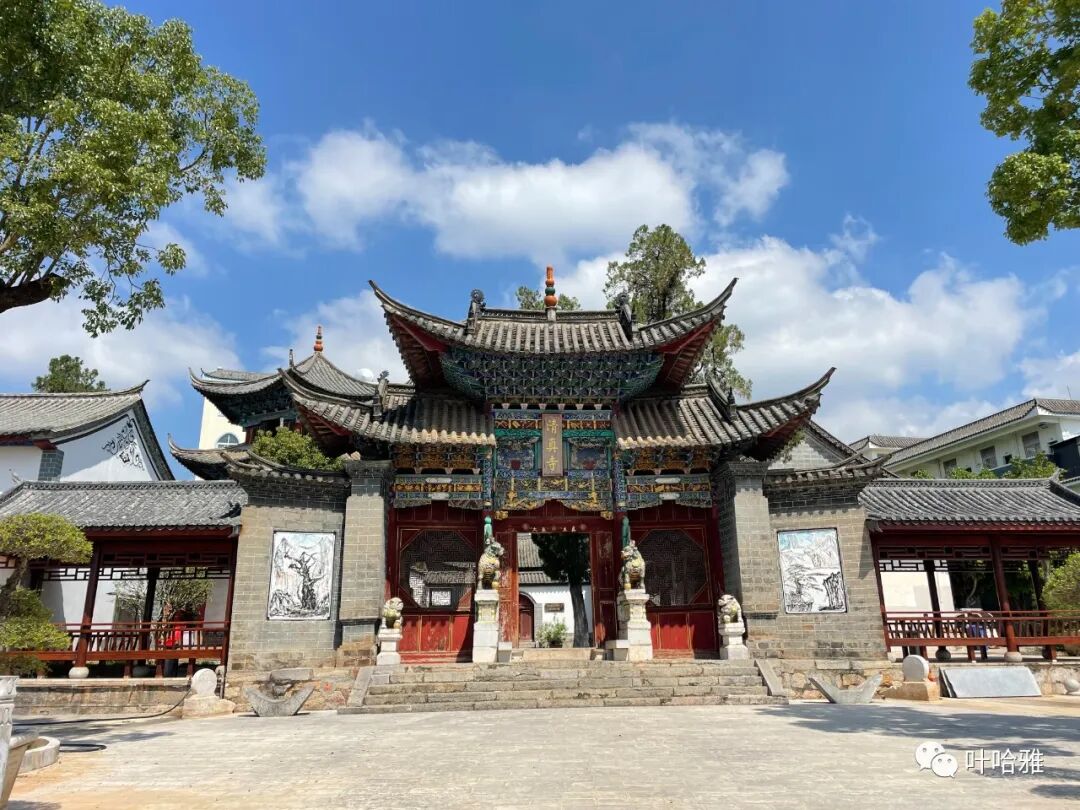
Dazhuang in Kaiyuan has two mosques, a new one and an old one. The old mosque was built during the Wanli period of the Ming Dynasty, and the new mosque was built during an expansion in the Jiaqing period of the Qing Dynasty. The old mosque was then converted into a women's mosque. The new mosque covers nearly 10,000 square meters and is now a provincial-level cultural relic protection site.
I have seen schools in almost every mosque I visited in Yunnan. Dazhuang Mosque belongs to the Gedimu tradition.
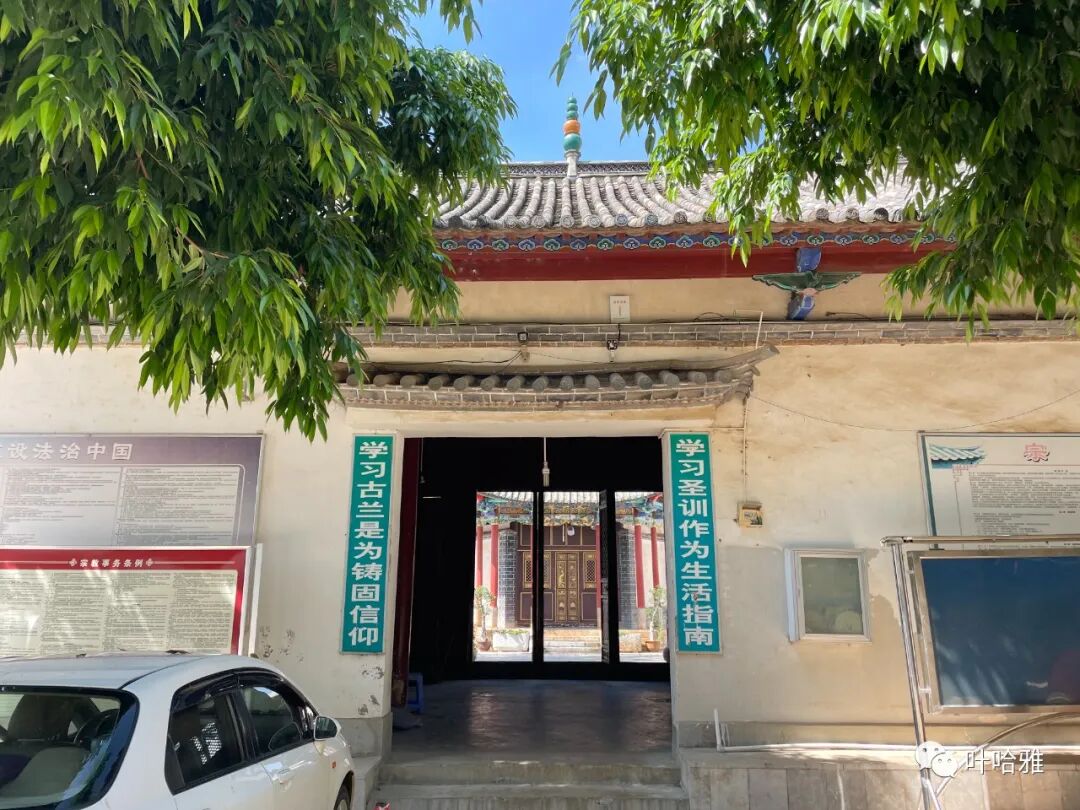
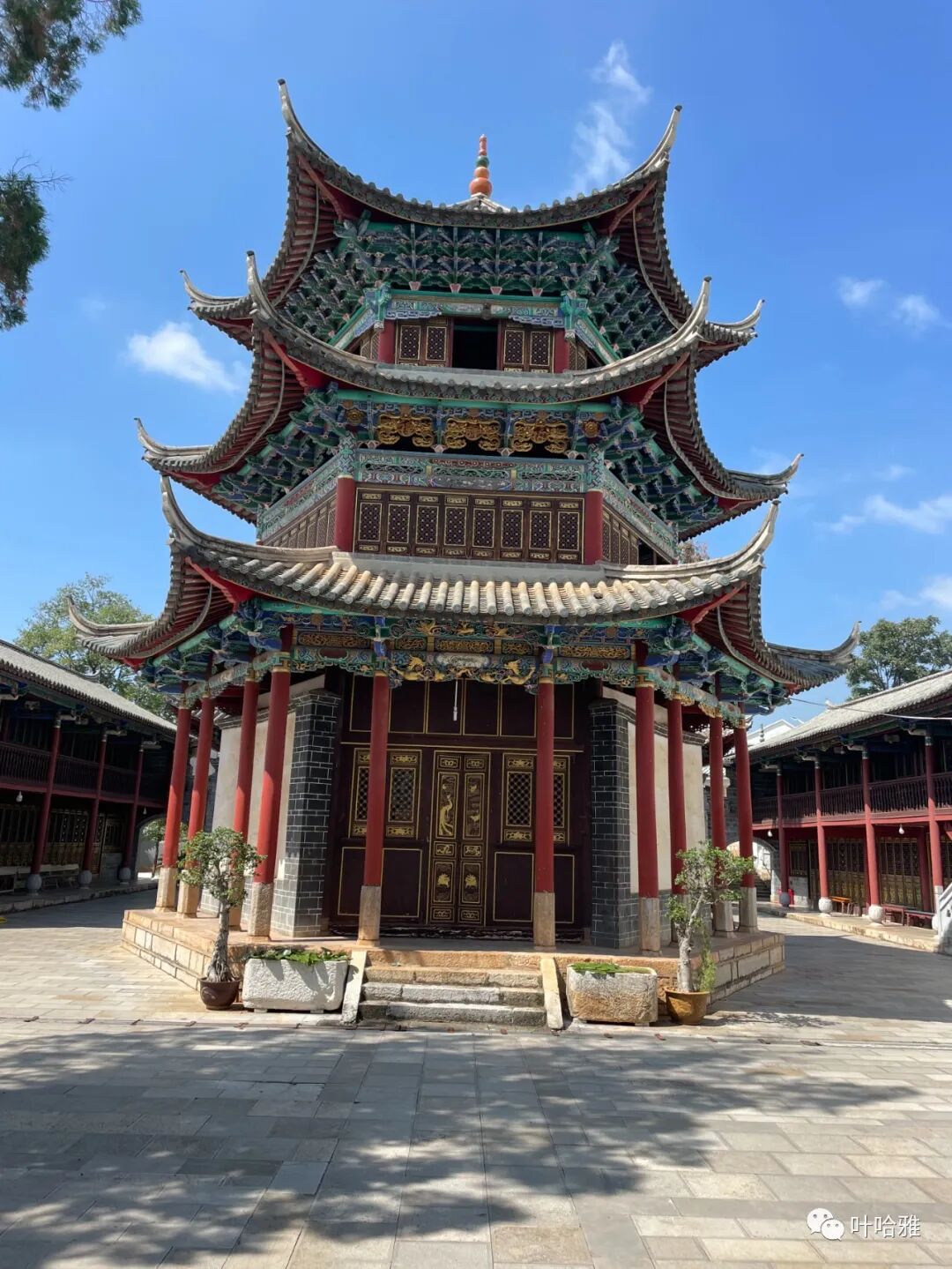
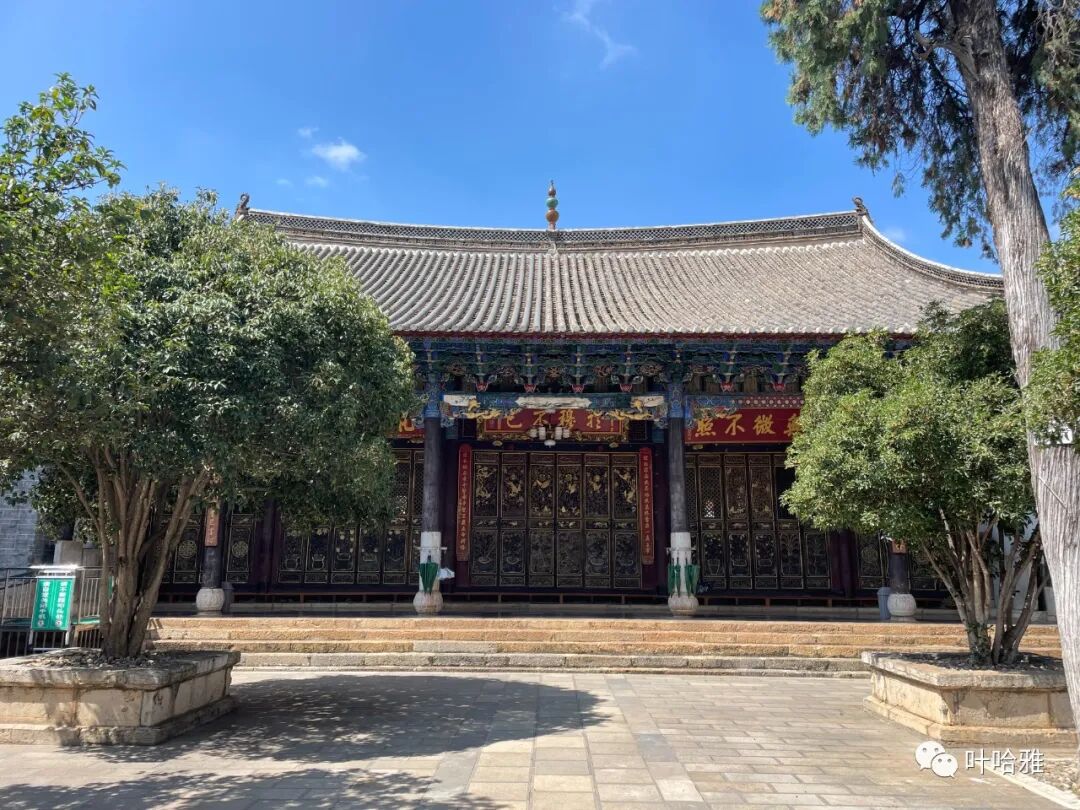
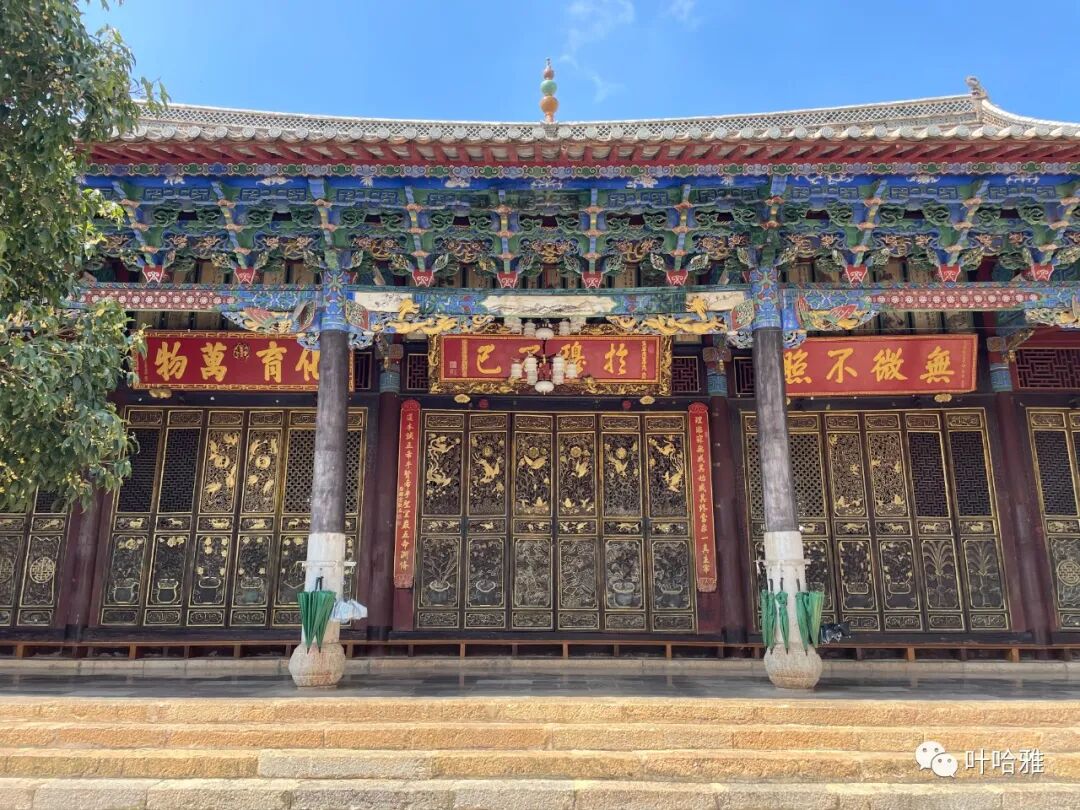
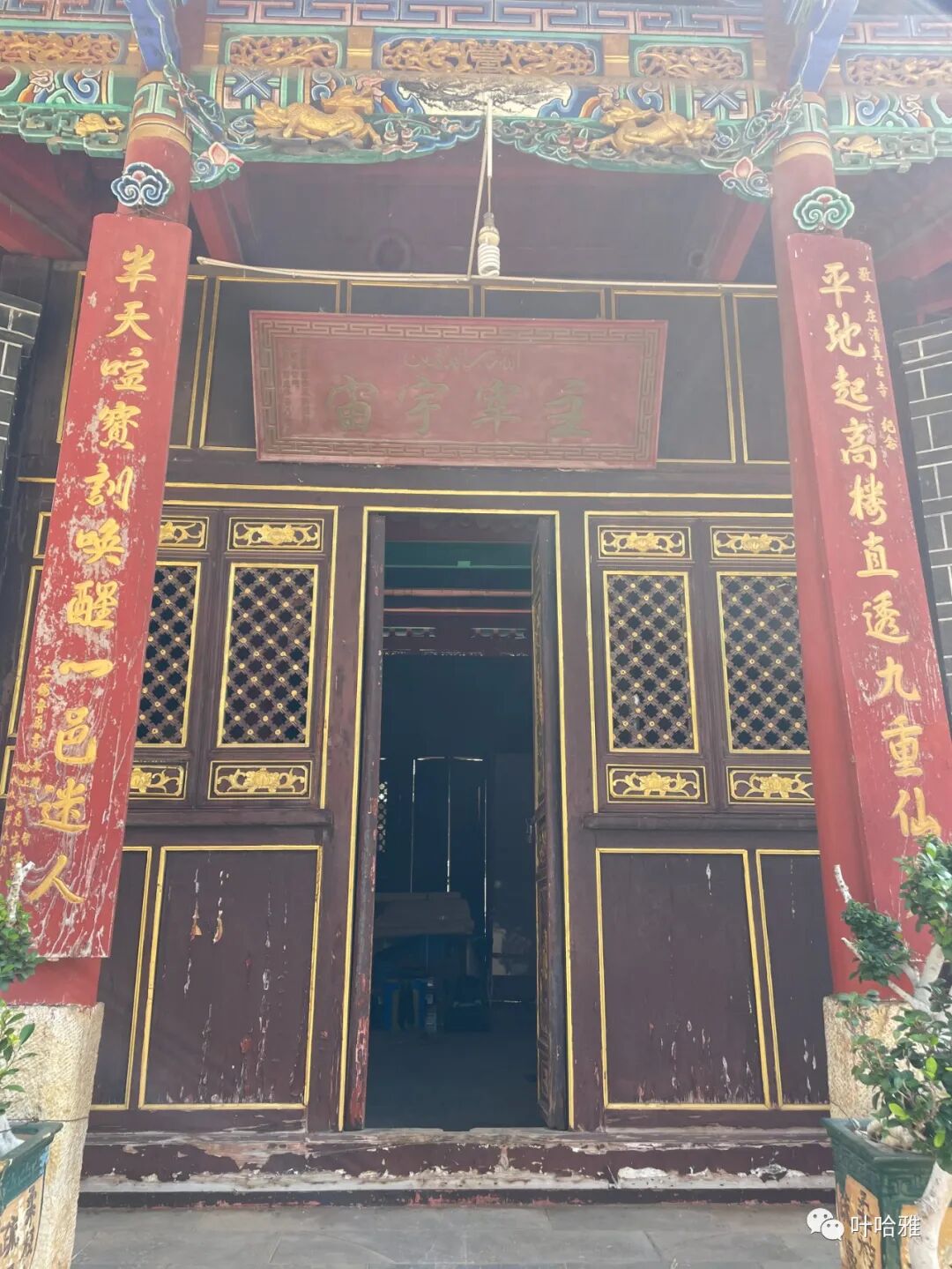
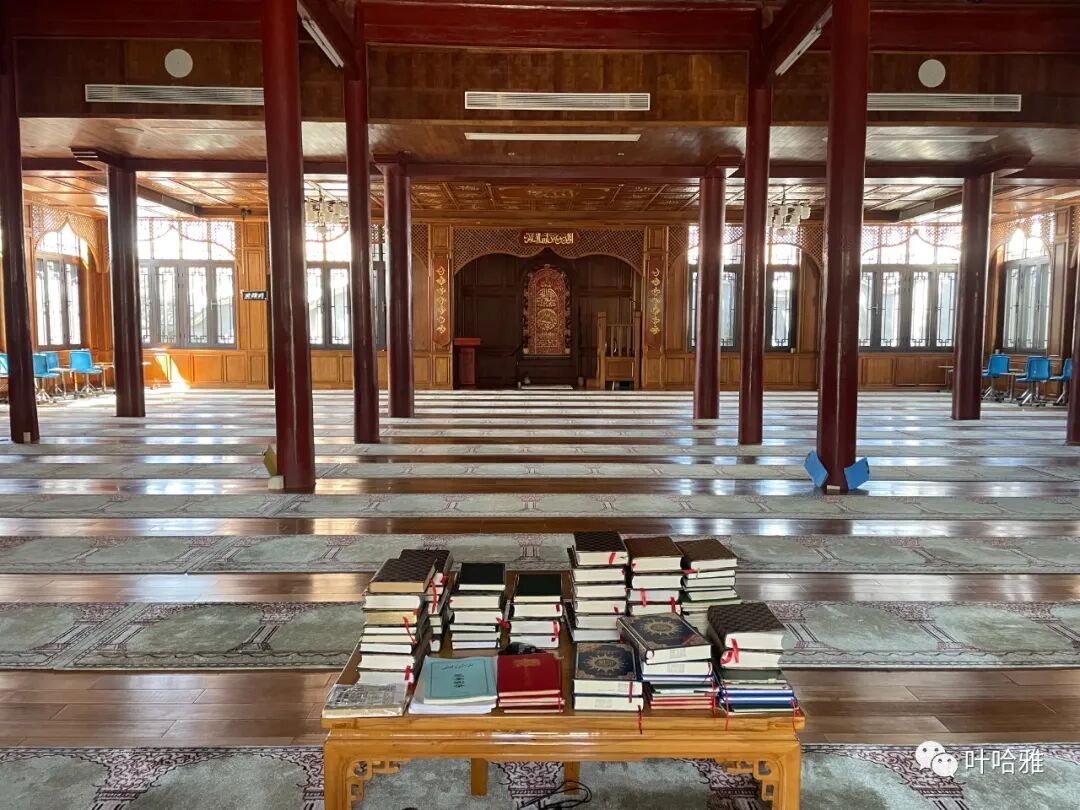
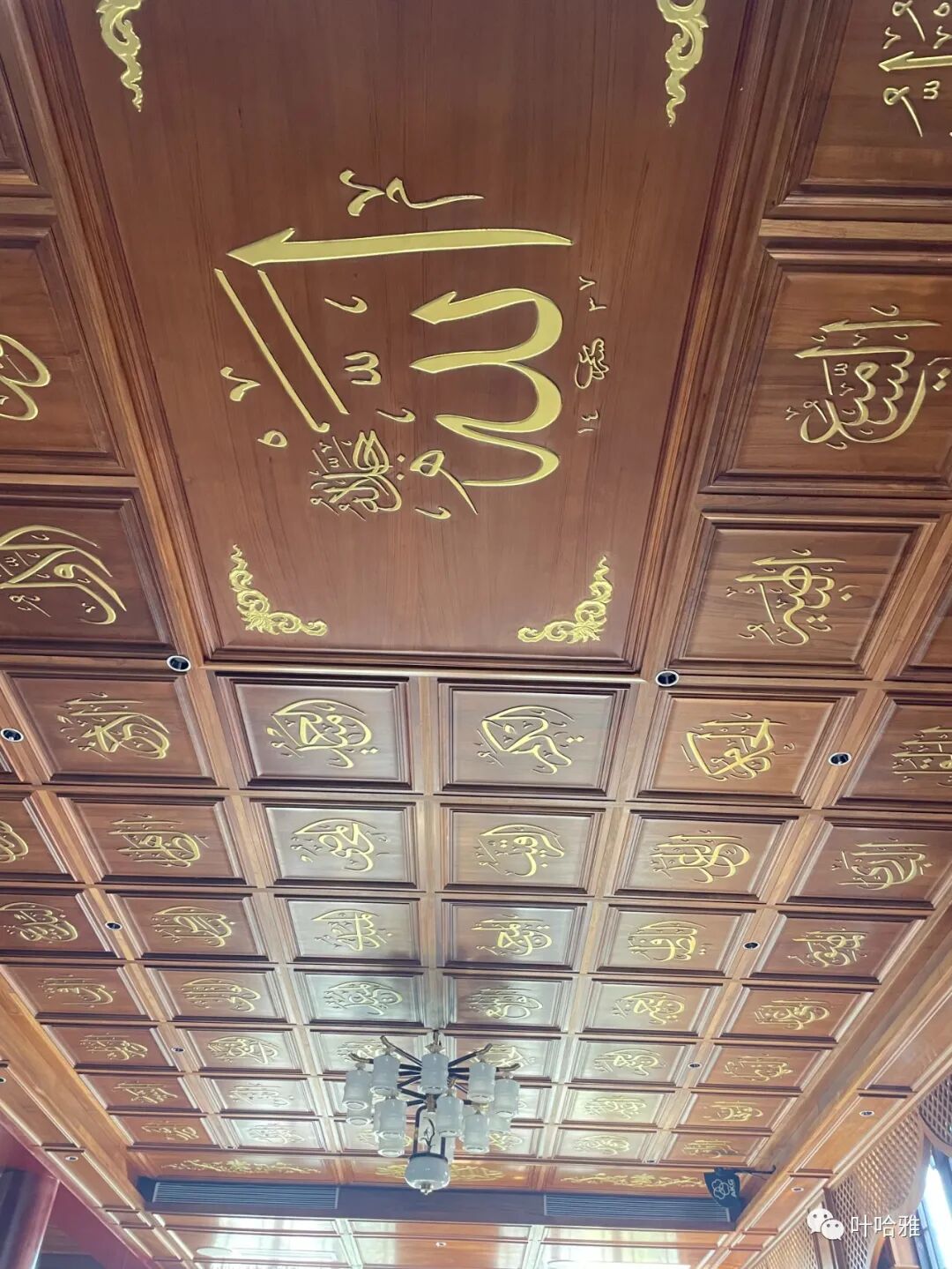
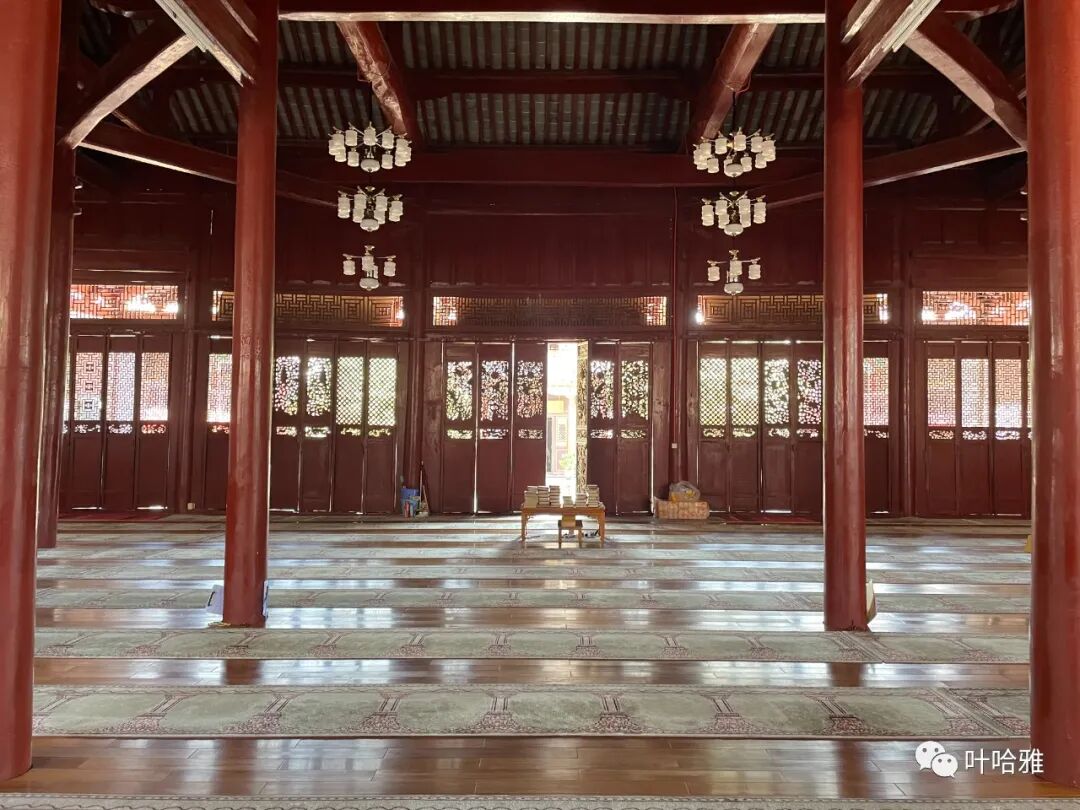
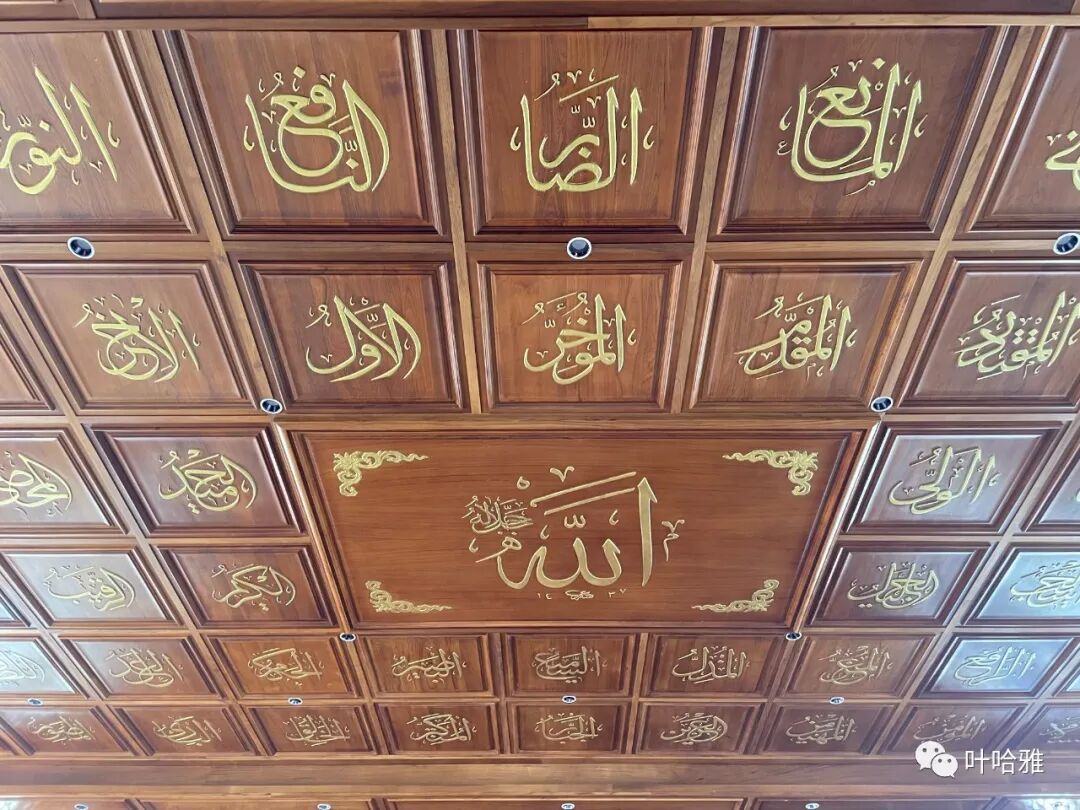
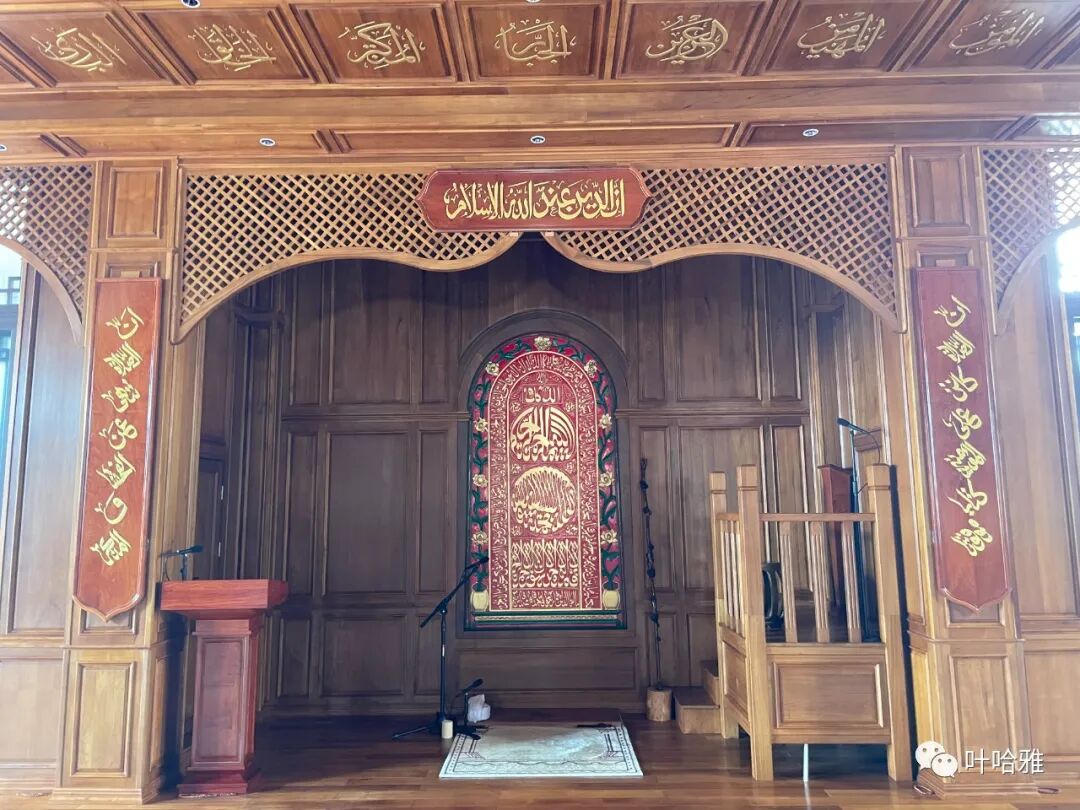
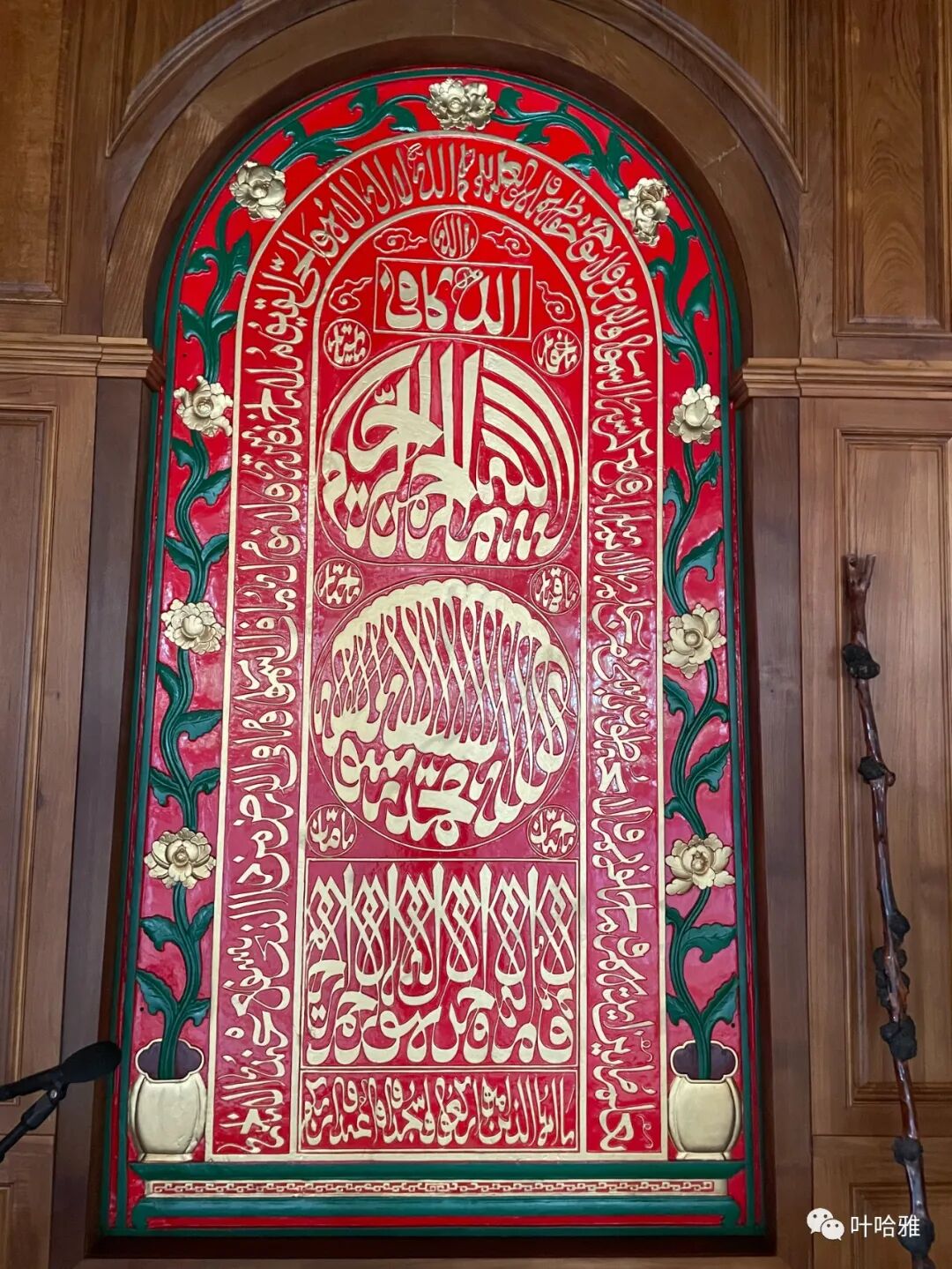
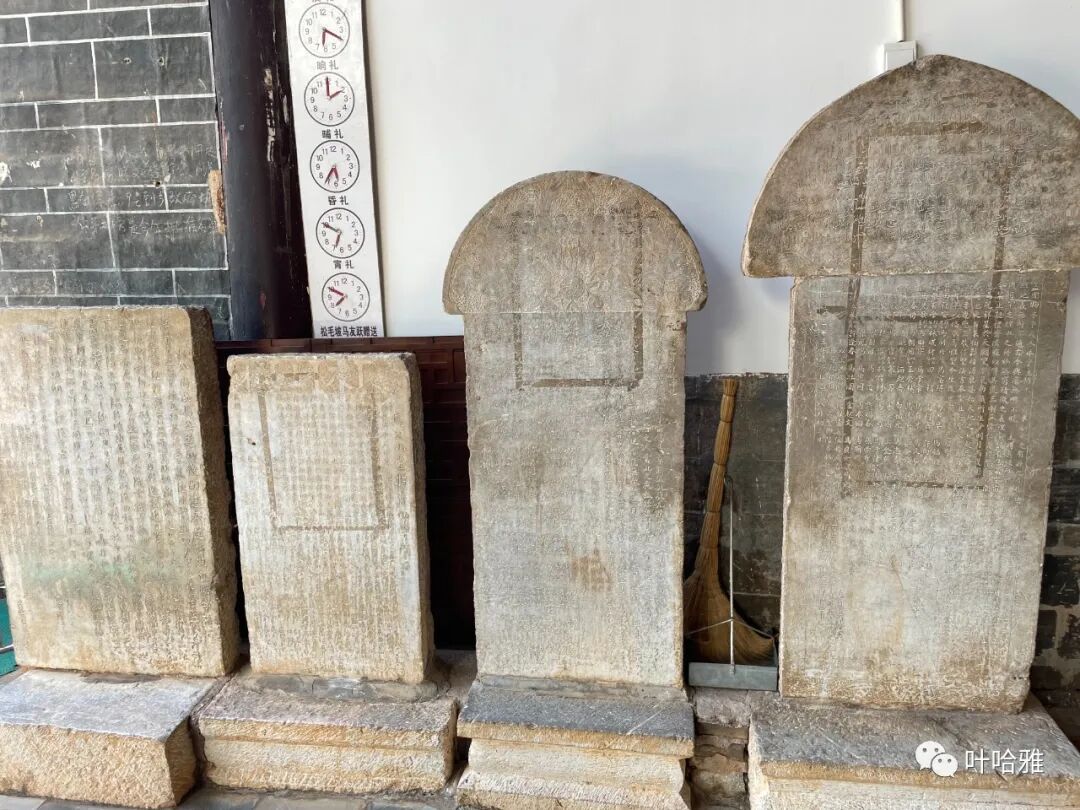
This stone tablet is from the Daoguang period of the Qing Dynasty and records a list of charitable deeds.
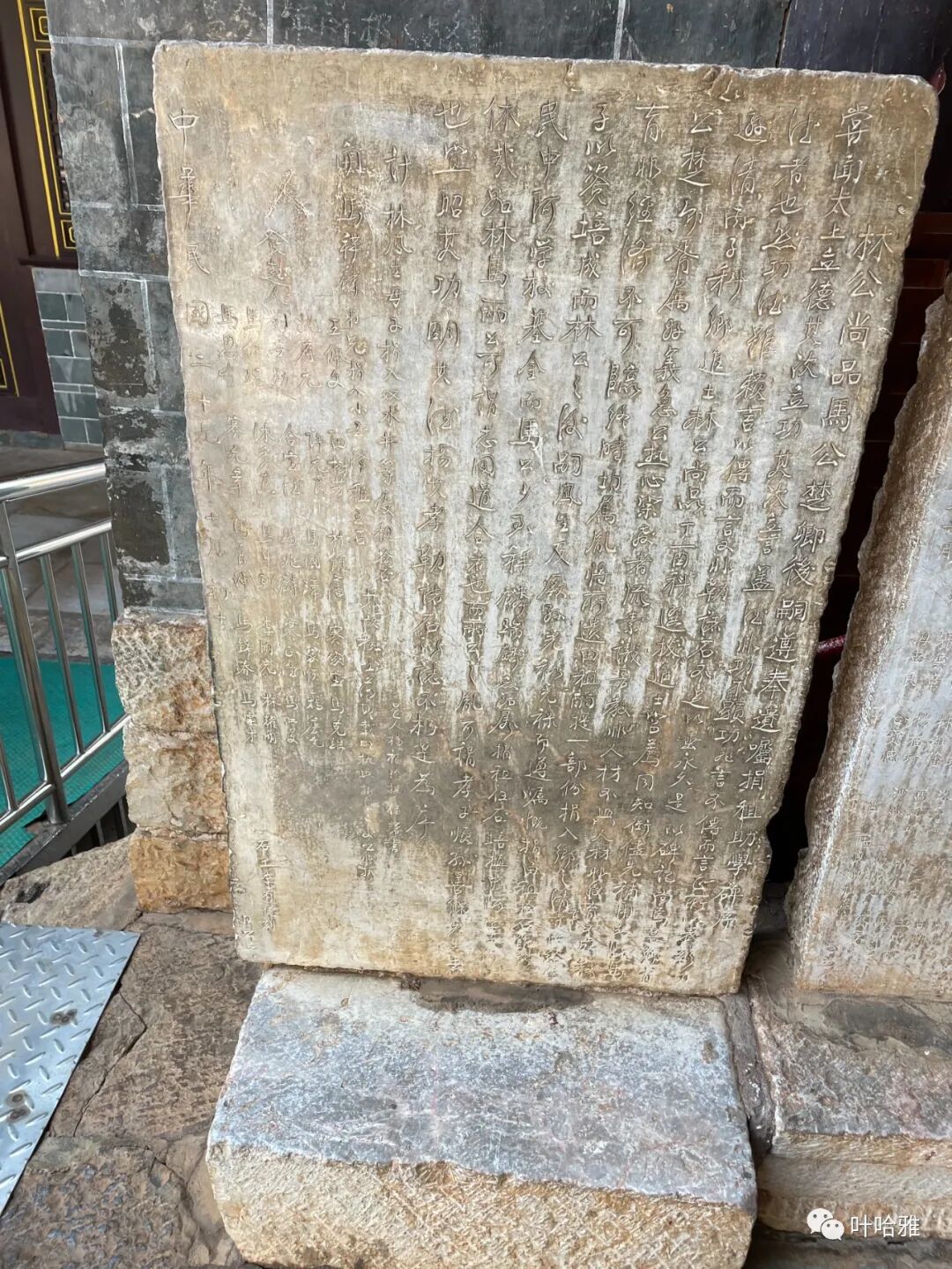
This stone tablet is from the Republic of China era. The full text of the above tablets is included in the book "Kaiyuan Stone Tablets."
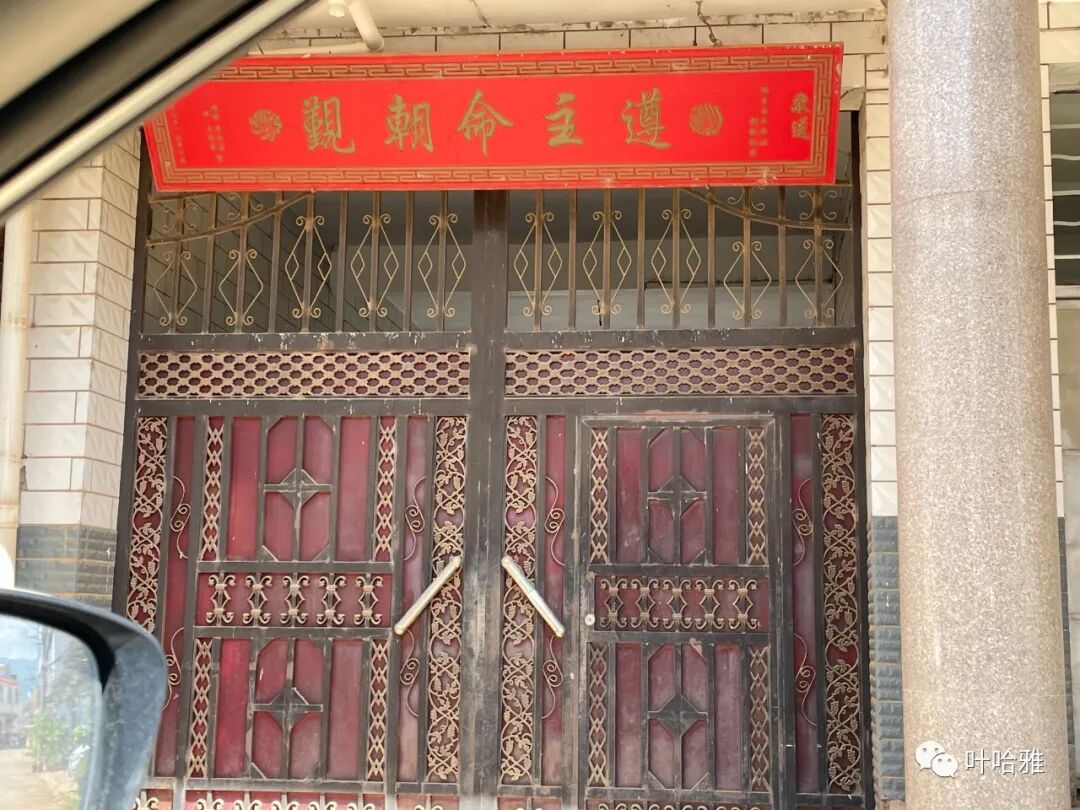
While walking around the village, I noticed many houses have a red sign on their doors that says "Obey Allah's Command to Perform Hajj." Families who have completed the Hajj (hadji) likely hang these signs to show their honor.
Xinzhai Mosque
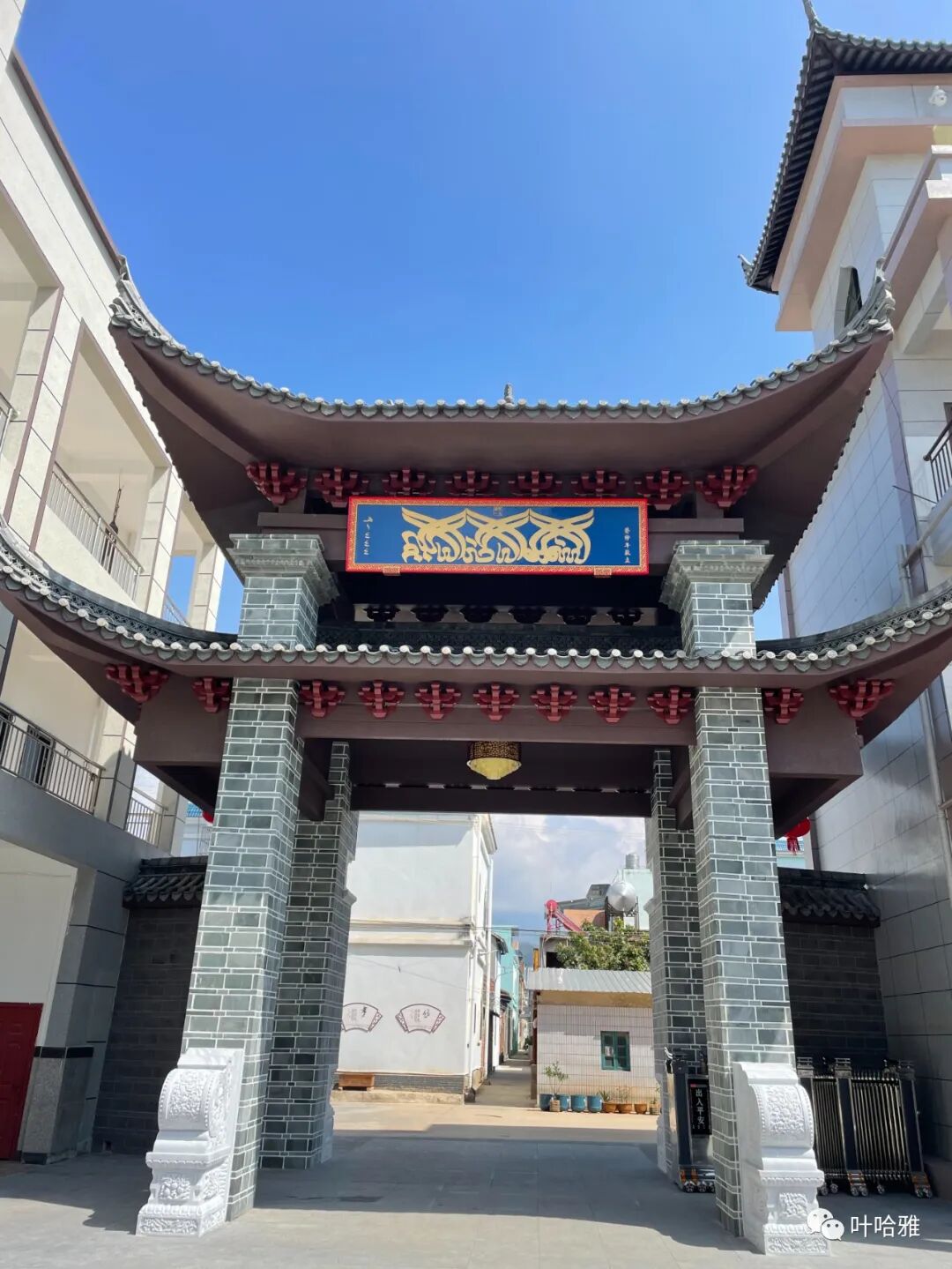
Xinzhai Mosque was not originally on my planned route. I was on my way to Dazhuang when I saw a huge mosque by the road. I was so attracted to it that I turned in to visit.
Xinzhai Mosque was built during the Tongzhi reign of the Qing Dynasty and has just been renovated.
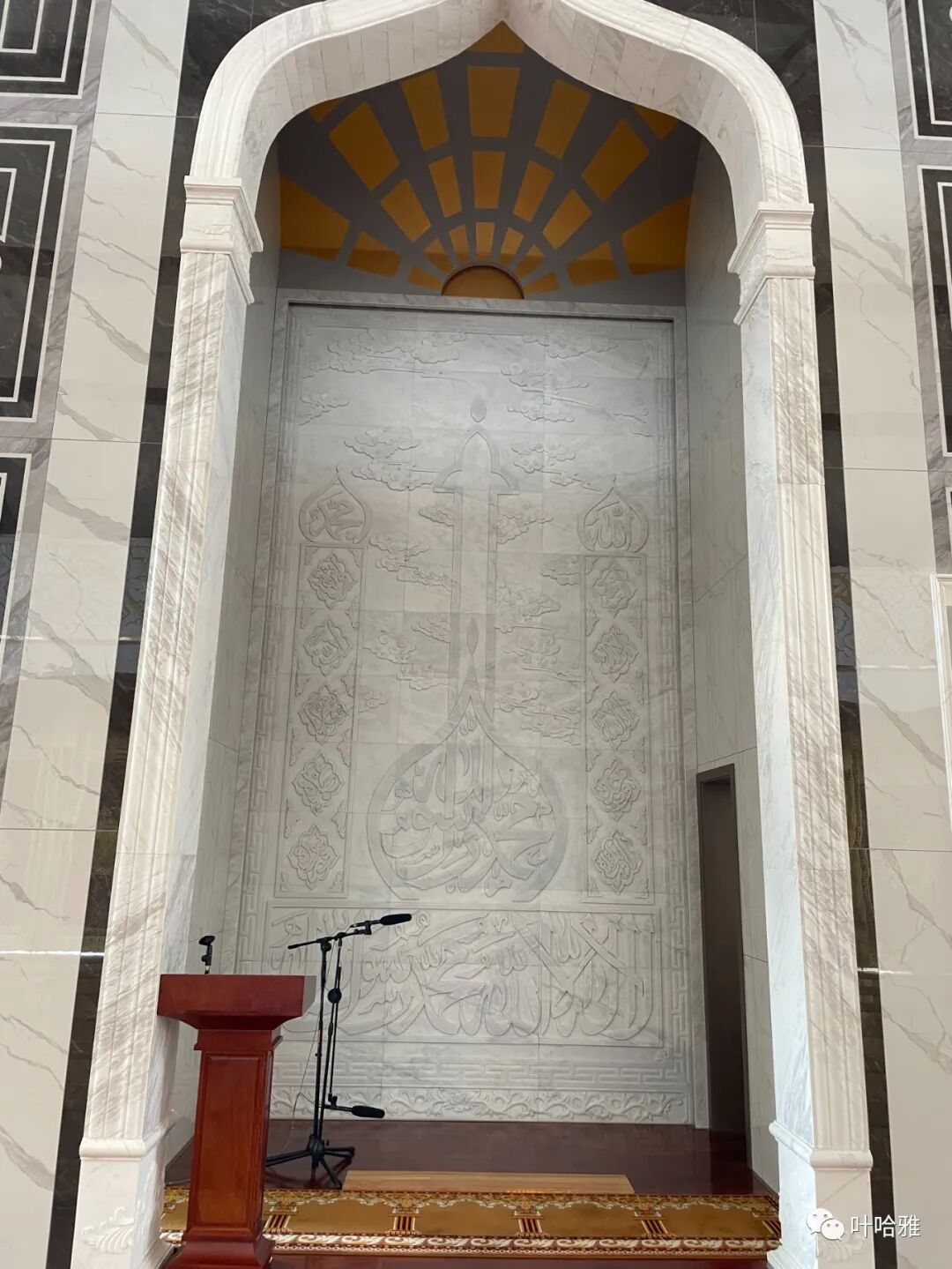
I saw a martyr monument (shexide) here just like the one in Shadian.
The Xinzhai martyr monument commemorates the Shadian Incident. Many friends (dosti) in Xinzhai suffered back then, and by percentage, the death toll here was even higher than in Shadian.
Every martyr has a name, with three hundred and fifty people in total.
The back is carved with a Quranic verse: Do not say that those who are killed in the way of Allah are dead; they are alive, but you do not perceive it. (2:154)
China Mosque Travel Guide Shandong: Tai'an Seventy Mosques, Taicheng Mosque and Hui Heritage
Articles • yusuf908 posted the article • 0 comments • 219 views • 2026-05-22 22:10
Summary: This China mosque travel guide begins the Tai'an seventy mosques project, introducing the citywide mosque survey, Taicheng Mosque, Xiawang Mosque, historic stone tablets, women's mosques, Hui Muslim elders, and Shandong Islamic heritage.
The Seventy Mosques of Tai'an is presented here as a firsthand travel account in clear English, beginning with this scene: and with the help of elders and fellow villagers across Tai'an, I traveled with Liang Weimin from Luoyang. The account keeps its focus on Mosque Travel, Islamic Heritage, Muslim Travel while preserving the names, places, food, and historical details from the Chinese source.
All praise is due to Allah.
With the support of Jin Lei and Han Yong from Tai'an,
and with the help of elders and fellow villagers across Tai'an, I traveled with Liang Weimin from Luoyang
and Haji Liang Weimin to Tai'an City, Shandong Province. We visited 70 mosques throughout the city and took photos, with the intention of creating a photo album to distribute to each mosque in Tai'an.
The imams who helped us complete our tour of the city's mosques were: Jin Chong, Liu Cang, Ding Jiabin, Ma Hongping, Zhang Changshi, Yang Dawei, Jin Yongfeng, Li Zhongguo, Han Jian, Zhu Xurang, Ma Chunyu, Gao Cunguo, Han Weizeng, Zhao Peng, Ma Hongru, Haji Fa Jinliang, and Bai Hairong.
The elders (xianglao) were: Jin Zongjie, Jin Yulong, Han Yongqiang, Chen Guozeng, Han Chao, Li Chunbing, Zhao Zhongbin, Jin Teng, Yang Anli, Fa Jun, Ding Hao, Wang Gang, Wang Jianzhong, and Bai Qingke.
The Arabic cover was calligraphed by the Shandong-based Arabic calligrapher, Mr. Mi Guangjiang.
May Allah reward everyone.
According to the Records of Islam in Tai'an, there are 70 mosques in Tai'an City, including 10 in Taishan District, 21 in Daiyue District, 16 in Xintai City, 10 in Feicheng City, 9 in Ningyang County, and 4 in Dongping County. Among the mosques in Tai'an, 2 were built in the Yuan Dynasty, 24 in the Ming Dynasty, 18 in the Qing Dynasty, 5 during the Republic of China era, 9 after the founding of the People's Republic of China, and the construction dates of 12 others are unknown. The oldest one is the West Mosque of Xijie in Mazhuang Town, Daiyue District, which was built during the Yuan Dynasty. There are currently 3 women's mosques: the Taicheng Women's Mosque, the Suozhuang Women's Mosque in Zhuyang Town, Daiyue District, and the Dongshendong Village Women's Mosque in Yucun Town, Xintai City.
Taishan District
Taicheng Mosque
Taicheng Mosque is located in the Mosque Community of Caiyuan Subdistrict. It was built between the end of the Yuan Dynasty and the beginning of the Ming Dynasty. Stone tablets confirm that it was rebuilt many times during the Ming and Qing dynasties. In 1944, the mosque had fallen into disrepair and was quite damaged. Local elders and mosque leaders raised 12,213 yuan for renovations. They gathered workers and materials, finishing the project in a few months and making the main hall look brand new. Ma Ziming, a local elder living in Suzhou and Shanghai, was a devout believer and passionate about charity. He donated a set of finely woven curtains from Suzhou, and other elders and the hometown association in Shanghai also donated generously.
The mosque underwent several repairs starting in the 1950s. It was restored and repaired after the Reform and Opening-up policy began. The mosque gate was rebuilt in 1997. A comprehensive renovation took place in 2008, covering an area of 2,600 square meters. In 2013, the North Lecture Hall was rebuilt, and a funeral home, a multi-functional building, and buildings along the east and west streets were constructed.
Taicheng Mosque is a classic Chinese palace-style building with two courtyards. It mainly consists of a prayer hall, north lecture hall, south lecture hall, main gate, second gate, and rear kiln hall. The main gate features three gold-painted characters for "Mosque," inscribed with the date "10th day of the first lunar month, 1619" (the year of Jiwei in the Wanli reign of the Ming Dynasty). After entering the gate, a path leads through the second gate into a courtyard where ancient cypress trees reach toward the sky. The north and south lecture halls of the mosque are spacious and bright, housing a scripture room, living quarters for the imam, and a bathing room. To the west stands the prayer hall, which connects a front porch, a middle hall, and a rear kiln hall into one structure. The front porch uses a Ming-style hip-and-gable roof, while the rear kiln hall features a Ming-style hip-and-gable roof with bracket sets, three layers of eaves, and 12 upturned corners. The center of the main hall's roof ridge and the top of the rear kiln hall are both topped with golden glazed gourds over one meter tall.
The mosque covers an area of 6,174.19 square meters, with a building area of 6,394.5 square meters. The main hall is 18 meters high, 42.3 meters long, and 16.95 meters wide. The north lecture hall is 17.5 meters long and 8.1 meters wide. The south lecture hall is 14.4 meters long and 8.7 meters wide. The water house is 17 meters long and 6.7 meters wide. The mosque has many auxiliary buildings, including the east gate, the north courtyard meeting room, the funeral home, the frame house (jiaziwu), a two-story building on the west side of the west gate, and rooms along the street. The mosque originally held dozens of stone tablets carved during the Ming and Qing dynasties and the Republic of China period, but they were all destroyed during the Cultural Revolution. Today, only four remain: the broken Mosque Tablet (Qingzhensi Bei) from the first year of the Wanli reign of the Ming Dynasty (1573), the Laifu Inscription Tablet (Laifu Mingbei) from the fourth year of the Tianqi reign (1624), the Donation Tablet (Juanxian Bei) from the thirty-fourth year of the Qianlong reign of the Qing Dynasty (1759), and the Mosque Reconstruction Tablet (Chongxiu Qingzhensi Bei) from the thirty-third year of the Republic of China (1944). The Laifu Inscription Tablet (Laifu Mingbei) is an important reflection of how Shandong Hui Muslims interpreted Islam through Confucianism, and it holds significant historical and cultural value.
Since the Republic of China era, the mosque's religious affairs have been led by imams including Tang Ahong, Yang Fuyuan, Yang Dechun, Wang Changshun, Mi Guangxun, Han Yuhai, and Wang Rongchen. Imam Mi Zhaojie has served since 1997 and currently holds positions such as Standing Committee Member of the Tai'an Municipal Committee of the CPPCC and Vice President of the Tai'an Islamic Association.
Historically, the mosque has trained more than ten imams and religious leaders, including Wang Qinglin, Fan Guiyuan, Xu Huanliang, Mi Yinghua, Mi Qinglu, Wang Hongchen, Liu Zhong'an, Wang Wu, Wang Changgui, Ding Junting, Wang Changlin, Bai Shengguang, and Bai Shenglin. The Mi family of Tai City, represented by Imam Mi Yingjie, and the Wang family of Beiqiu, represented by Imams Wang Jie, Wang Pu, Wang Qinglin, and Wang Yongxing, are both families of imams that have produced religious leaders for over three generations. The mosque is managed by a management committee consisting of nine members. Xu Shuhua, Fa Debao, Mi Shouzhi, Wang Fengge, and Mi Xiankuan have served as directors of the management committee.
The management committee conducts religious activities according to the law and actively guides Hui Muslims in their normal religious life. Responding to the call of the Party and the government, the mosque promotes the Islamic spirit of helping the needy, supports social charity and public welfare, has provided aid multiple times to areas affected by natural disasters like earthquakes and tsunamis, and actively donates to causes such as education and elderly care.
The mosque hosts international Muslim friends and has received many honors over the years. It was named a cultural heritage site of Taishan District in 1992. It was named a cultural heritage site of Tai'an City in 1994. It was named a cultural heritage site of Shandong Province in 2013. It received the title of Provincial Civilized Religious Venue in 2001 and was named a Model Mosque of Tai'an City in 2008. In 2009, it was awarded titles including Provincial Harmonious Religious Venue, Shandong Province Outstanding Historical Building, Shandong Province Model Mosque, and National Advanced Collective for Creating Harmonious Temples and Churches.
Taicheng Women's Mosque.
Taicheng Women's Mosque in Caiyuan Subdistrict. Due to urban renewal, it moved from Baijia Alley on Mosque Street to its current location. It covers 360 square meters with a building area of 240 square meters. It currently has a main prayer hall, a north lecture hall, a washroom (shuifang), a main gate, and one stone tablet.
Taicheng East Mosque.
The mosque in Beixin Community, Daimiao Subdistrict, is commonly known as the Taicheng East Mosque and is located in the middle of Beixin Community. It was built in 1920, the ninth year of the Republic of China, with funding from the famous Shandong industrialist Mr. Ma Bosheng. The three characters for "Mosque" written in his own hand are still preserved there. It has been renovated many times since the reform and opening-up. Large-scale repairs were carried out in 2006.
The mosque is built in the traditional Chinese courtyard style, measuring 51 meters long and 25 meters wide. The backyard is 16 meters long and 17.5 meters wide. The main prayer hall consists of a front porch, a middle hall, and a rear kiln-style hall, measuring 17.8 meters long and 12 meters wide. The north lecture hall is 16.3 meters long and 7 meters wide. The south lecture hall is 16.3 meters long and 5.4 meters wide. The water room is 14 meters long and 7 meters wide. There are 6 existing stone tablets. Four are in the tablet corridor, including the mosque gate plaque calligraphed by Ma Bosheng and the 2006 tablet listing the organizations and individuals who donated to the mosque repairs. The others include an Arabic calligraphy work by the calligrapher Mr. Ma Shitou and the four characters for "Praise Allah and the Prophet" written by the famous Tai'an calligrapher Mr. An Tingshan. Additionally, there are 2 tablets on the sides of the main hall's porch, which are the "Ancient Islamic Faith" tablet and the mosque reconstruction tablet.
Since the mosque was built, the religious affairs have been led by Imam Cao, Imam Wang, and Imam Liu Guoxiang. The mosque was closed during the Cultural Revolution. After it reopened, Imams such as Liu Zhong'an and Ma Qun led the religious affairs, and the current imam is Wang Linlin. The mosque is managed by a seven-member democratic management committee, with Yu Zongbin and Chen Guangwu serving as past directors.
The mosque has significant historical and cultural value. It has earned titles like Provincial Harmonious Religious Activity Site and City-Level Model Mosque, and the Tai'an municipal government recognizes it as an advanced unit for patriotism and religious devotion.
Zhitian Village Mosque
Zhitian Village Mosque in Shengzhuang Town sits at the south end of the village. It was founded at least by the mid-Ming Dynasty, specifically after the Chenghua era (1465-1487) and before the Jiajing era (1522-1566), and has undergone many repairs since. In the 56th year of the Qianlong reign (1791), a new moon terrace (yuetai) was built to make it easier for Muslims to enter the main hall for namaz, and the mosque gate was rebuilt at the same time. In the 14th year of the Guangxu reign (1888), the original main hall burned down. Village elders Yang Fugang and Yang Futai pushed for the reconstruction of the main hall, the porch (juanpeng), the south lecture hall, the storage shed (jiaziwu), the water room, and the warehouse. In the 23rd year of the Guangxu reign (1897), village elder Yang Fugang led the construction of the rear kiln hall (houyaodian). The mosque has been repaired many times since the Reform and Opening-up. The pavilion was rebuilt in 1991, the middle hall in 2003, and the rear hall in 2008.
The mosque is a traditional Chinese courtyard-style building. It includes one main hall, four north lecture rooms, two south lecture rooms, three south water rooms, one gate tower, six side rooms (erfang), one second gate, one front gate tower, one spirit wall (yingbi), and one stone pavilion. The mosque is 49 meters long and 25 meters wide, with a building area of 783.65 square meters. The prayer hall is 24.2 meters long and 11 meters wide. It has three sections and three rows, made up of a front hall, middle hall, back hall, and niche hall (yaodian). The front hall is 17.2 meters long, 8.6 meters wide, and 8 meters high. The middle hall is 17.2 meters long, 8.6 meters wide, and 8.5 meters high. The back hall is 9 meters long and 7 meters wide. The front, middle, and back halls (including the niche hall) each have two side rooms, totaling 6 side rooms with an area of 54 square meters. The front hall is a brick-and-wood structure with a hard-mountain roof, gray tiles, a front porch, and side rooms. It is three bays wide. The middle hall is a brick-and-wood structure with a hard-mountain roof, gray tiles, and side rooms. The niche hall is a three-story, six-pillar brick-and-wood structure with a pointed roof. In front of the main hall stands a stone pavilion with a pointed roof. The upper part is made of brick, wood, and black tiles. The base features Ming Dynasty-style carvings, and the stone drums at the base have archaeological value. The mosque gatehouse is a brick, wood, and stone structure built in the traditional style with a large wooden ridge.
The north lecture hall is 13.2 meters long and 6.3 meters wide. The south lecture hall is 20 meters long and 6 meters wide. The water room is 11 meters long and 5 meters wide. There are 7 stone tablets remaining here. In order, they are the 1791 Tablet for the Reconstruction of the Mosque and New Moon Terrace, the 1888 Tablet for the Reconstruction of the Main Hall, the 1891 Land Donation Tablet, the 1897 Tablet for the Construction of the Rear Kiln Hall, the 1952 Magnificent Spirit Tablet, the 2010 Eternal Fame Tablet, and the 2013 Provincial Cultural Relics Protection Unit Tablet.
The mosque has a long history and significant influence, and it has produced many ahongs and imams. Since the late Qing Dynasty, the ahongs who have led religious affairs are, in order: Ahong Xie, Fa Zhiliang, Fa Xianxue, Fa Zaixiang, Li Tinglin, Yang Liben, Zuo Jinglun, Zhou Baotian, Yang Yueqing, Li Mingtian, Yang Xinen, Yang Peiqing, Li Shengcai, Zhao Xinzheng, Li Qingen, Yang Xinen, Yang Xinde, Zhang Shuiquan, Jin Haixue, Yang Xinde, and Wang Xiangbin.
The mosque's income mainly comes from school land (xuetian) and donations. The mosque uses an appointment system for ahongs and a group consultation system for managing religious affairs. A mosque democratic management committee was established after 1982, which oversees a financial supervision group and includes several committee members. The directors over the years have been Yang Rusong, Yang Baotong, Yang Xinquan, Yang Bo, Yang Xinming, Yang Xinpeng, and Li Jianjun.
Before the founding of the People's Republic of China, the mosque's scripture hall education was quite influential in the Tai'an area. Since 1886, Ma Yinde, Wang Jiping, Yang Rusong, Bai Canying, Yang Chaoxuan, Bai Fu'en, Zhao Yansheng, and Liu Yutang studied under Ahong Fa Zhiliang. In 1932, Yang Xinen, Yang Xingguang, and Chen Dianqing studied under Ahong Yang Yueqing. In 1938, Li Qingen studied under Ahong Li Mingtian. In 1943, Zhao Xinzheng, Han Jingxin, and Wang Hongchen studied under Ahong Yang Xinen. In 1949, Jin Haitang, Mi Guangxun, Yang Xinting, Yang Xinde, and Han Jingming followed their teacher, Imam Li Shengcai. In 1954, Han Tongping and Yang Yuezhen followed their teacher, Imam Zhao Xinzheng. Gao Cuntong followed his teacher, Imam Jin Haixue.
The mosque carries out religious activities according to the law and provides religious services for the Muslims of Zhitian Village and the Muslims of Zhihuizhuang (before their own mosque was built in 1990). It houses a hand-copied version of the Quran. In 2010, it was named a Model Mosque of Tai'an City and a Harmonious Religious Activity Venue of Shandong Province. In 2013, it was approved as a provincial-level cultural relic protection unit.
Yuezhuang Village Mosque
Yuezhuang Village Mosque in Shengzhuang Town is located in the middle section of the village's north-south main street. The mosque was built around the middle to late Ming Dynasty and has been repaired many times since its founding. In the second year of the Daoguang reign of the Qing Dynasty (1822), imams and village elders proposed raising funds, and Gao Dalun and Zhao Tinggui were responsible for rebuilding all the structures. Since the reform and opening up, it has been repaired many times. It was renovated again in 1995 and 2011.
The mosque has one main prayer hall, five northern lecture halls, five southern lecture halls, three water rooms, one side room, one bathing room, one inner gate, one front gate tower, and one screen wall. Both the northern and southern lecture halls have porch extensions (baoxia). The mosque is 60 meters long and 50 meters wide. The prayer hall is a Qing Dynasty building with a three-section, three-hall layout. It is divided into front, middle, and rear halls, measuring 25 meters long and 40 meters wide. The front hall is a scroll-shed hard-mountain style (juanpeng yingshan) structure, 10 meters long and 6.1 meters wide. The middle hall is a hard-mountain style (yingshan) structure, 13 meters long and 17 meters wide, with side rooms on the north and south sides covering about 42 square meters each. The rear hall is a three-story brick-and-wood structure with a pointed roof and grey tiles. The northern and southern lecture halls and the water rooms are newly built. The northern lecture hall is 40 meters long and 10 meters wide. The southern lecture hall is 40 meters long and 10 meters wide. The water room is 30 meters long and 10 meters wide. There are four stone tablets remaining: the 1822 "Stele Record of the Mosque Renovation" from the second year of the Daoguang reign, the 1995 "Stele of Eternal Fame," and two 2011 "Steles of Lasting Fame."
Since the Republic of China era, the mosque's religious affairs have been led by imams including Zhan Qinggui, Wang Changshun, Wang Fuxiang, Yang Zhaozeng, Mi Zongkun, Jin Haixue, Ma Chunyu, Jin Haizeng, Xu Yongqiang, and Bai Jian. The mosque is managed by a management committee, with past directors including Jin Dejia, Yang Xingqi, Gao Chuandong, Yang Zhengwu, and Han Jingxin. Village elder Jin Tongchun went on the Hajj pilgrimage to Mecca in 2014. Under the guidance of the mosque management committee, the imam explains religious rules and laws to local Muslims during religious holidays and carries out religious activities according to the law. The mosque houses two incense burners and eight water ewers (tangping).
Gangshang Village Mosque
Gangshang Village Mosque in Shengzhuang Town is located in the middle section of the village's main north-south street. It was first built around the mid-to-late Ming Dynasty and has been renovated several times since. In the 14th year of the Jiaqing reign of the Qing Dynasty (1809), the rear hall was expanded and the front hall was repaired, followed by large-scale renovations in 1923. Since the founding of the People's Republic of China, and especially in recent years, the mosque has undergone multiple repairs, giving it a completely new look.
The mosque is 56.6 meters long and 32.7 meters wide. It currently has one main hall, three north lecture rooms, three south lecture rooms, one gate tower, one side room, one bathing room, two inner gates, one front gate tower, and two stone lions. The courtyard walls on both sides of the gate tower feature traditional-style eaves and a 'two dragons playing with a pearl' carving. There is a stone lion on each side of the front door.
The eaves of the main hall feature palace-style paintings, and the main entrance has a plaque inscribed with scripture and the Basmala (Tasmie). To the left in front of the hall stands the 1820 (the 25th year of the Jiaqing reign of the Qing Dynasty) Stele Record of the Mosque Renovation, and to the right is the Revolutionary Martyrs Monument. In front of the main hall is a square moon terrace with blue brick patterned walls, a bluestone slab roof, and five steps. The main hall is divided into a front hall and a rear hall, measuring 19.5 meters long and 10 meters wide in total. Ten wooden pillars inside the hall support the roof. Two stone pillars support the stone gutter (tiangou) used for draining rainwater between the two halls. On the northwest side, there is an intricately crafted minbar archway with nine steps. The back wall of the main hall has a hanging doorway leading to the rear kiln hall, decorated with scripture paintings. The hall is carpeted and equipped with electric lights and sound equipment. The front and rear halls have a total of four side rooms.
The north lecture hall is a newly built structure in an antique style, 15.1 meters long and 7.1 meters wide. The front porch has round pillars and five steps. The middle three rooms of the north lecture hall serve as a reception area. The two rooms on the east and west sides are living quarters for the imam and the religious leader. The south lecture hall is also a newly built structure in an antique style, measuring 15.1 meters long and 4.2 meters wide, sitting in harmony across from the north lecture hall.
The north courtyard contains a washroom (shuifang) that is 40 meters long and 6.1 meters wide. There are also other buildings including a storage shed, a funeral room, and a utility room, with five rooms for the women's mosque in the northwest corner. Five stone tablets remain today: the 1820 'Record of Rebuilding the Mosque' from the 25th year of the Jiaqing reign of the Qing Dynasty, the 2002 'Revolutionary Martyrs Monument,' the 2006 'Preface to Rebuilding the Gangshang Mosque Washroom' and 'Mosque Washroom Tablet,' and the 2010 'Tai'an City Key Cultural Relics Protection Unit Tablet.'
The mosque has trained dozens of imams and other religious staff, and since the Republic of China era, religious affairs have been led by imams including Jin Dechang, Ma Tongyu, Jin Maozeng, Jin Maoyuan, Yang Xinzeng, and Jin Shuai. The mosque is managed by a mosque management committee, with Mi Yong and Sha Chuanren serving as committee directors consecutively.
The mosque carries out religious activities strictly in accordance with the law. There was once a 'Long Live the Emperor' tablet and several Ming-style incense burners, but their whereabouts became unknown during the Cultural Revolution. In 2010, it was designated as a key cultural relics protection unit of Tai'an City, and in 2014, it received the titles of 'Shandong Province Model Religious Activity Venue' and 'Tai'an City Model Mosque.'
Ershilibu Village Mosque
The Ershilibu Village Mosque in Shengzhuang Town sits at the south end of the village. The exact date of its founding is unknown. Major renovations took place in 1881 during the Qing Dynasty, in 1945 during the Republic of China era, and again in 2001.
The mosque includes one main prayer hall, four rooms for the north lecture hall, three rooms for the south lecture hall, one gate tower, one spirit wall (yingbi), one raised platform (yuetai), one south side room, one side room on each side of the front gate, and two ancient trees. The mosque is 66.56 meters long and 50 meters wide. The main prayer hall has two sections, front and back, standing 12 meters high, 18 meters long, and 12 meters wide. The front hall is a hard-mountain style building with a brick and wood structure and a four-pillar front porch (baoxia). The back hall has side rooms to the north and south, stands about 11 meters high, and dates back to the Qing Dynasty. Both the north and south lecture halls are four-room brick and wood structures with black tiles, featuring four beams and five purlins. The north lecture hall is 16.2 meters long and 5.1 meters wide, and the south lecture hall is also 16.2 meters long and 5.1 meters wide. The ablution room (shuiwu) is 28.5 meters long and 5 meters wide. There are two stone tablets here: the Stele of Eternal Fame (Wangu Liufang Bei) from 2000 and the Stele of Ethnic Unity and Merit (Minzu Tuanjie Gongde Bei) from 2001.
The mosque's religious affairs were led by imams including Zhao Bingfa, Zhu Ahong, Li Shengcai, Mi Guangxun, Yang Zhaozeng, Mi Peiqi, Ding Jian, and Ma Depeng. In 2010, Imam Ma Depeng and two women, Hong Zhenxi and Hong Zhenying, went to Mecca for the Hajj. The mosque is managed by a committee, and past directors include Hong Jiren, Zuo Xingwang, Hong Zhenyi, and Ding Yanzhi.
During the War of Resistance Against Japan, Imam Yang Dechun hid Muslim anti-Japanese fighters from the Japanese army by disguising them as religious students (hailifan) inside the mosque. After the founding of the People's Republic of China, Imam Li Shengcai trained students including Mi Guangxun, Han Jingming, Zhu Yuepo, and Zhao Chang'en. In May 1964, Imam Yang Dechun was elected vice president of the first committee of the Shandong Islamic Association. The mosque currently houses items such as an incense burner, a water pitcher (tangping), a floor mirror, and palace lanterns. In 2011, it was named a Shandong Province Harmonious Religious Venue.
Dongsun Village Mosque.
Located in the western part of Dongsun Village in Shengzhuang Town, the mosque was built in the late Qing Dynasty and has been repaired many times since. Large-scale renovations took place in 2001, 2006, and 2014.
The mosque courtyard has one main prayer hall, eight northern lecture rooms, eight southern lecture rooms, one front gate tower, one screen wall, and one raised platform. The mosque is 53.5 meters long and 30 meters wide. The main prayer hall is a two-part, two-section structure from the Qing Dynasty. It has a hard mountain-style roof made of brick, wood, and grey tiles, measuring 12.5 meters long and 11.7 meters wide. The front hall has two side rooms, each 3.9 meters long and 1.9 meters wide. The north and south lecture rooms are newly built, with the north lecture room measuring 23 meters long and 6.7 meters wide. The south lecture room is 8.63 meters long and 7.2 meters wide. The water room is 8.63 meters long and 7.2 meters wide. The boiler room is 5.74 meters long and 7.2 meters wide. Outside the main gate of the mosque, there is a flower bed and a square with a total area of 473.29 square meters.
The mosque currently houses five stone tablets: the 1904 Tablet for the Reconstruction of the Mosque from the Guangxu era of the Qing Dynasty, the 1930 Mi Gaoshi Land Donation Tablet from the Republic of China era, the 2001 Tablet Listing Donors for Mosque Construction, the 2007 Tablet for the Reconstruction of the Mosque, and the 2014 Memorial Tablet for Donations to the Major Renovation of the Main Hall.
Imams trained at this mosque throughout its history include Yang Zhanchun, Yang Huaizhen, Mi Hechun, Mi Xiyu, Mi Shuqian, and Mi Peiqi. After the Cultural Revolution, Imams Mi Hechun and Ma Qun served as leaders of the mosque's religious affairs. The mosque is now managed by the Mosque Management Committee, with Yang Huaiyin serving as the committee director.
Dongsun Village Mosque was named a Model Mosque of Tai'an City in 2008 and 2014, and it was named a Harmonious Religious Activity Venue of Shandong Province in 2010.
Liujiazhuang Mosque
Liujiazhuang Village Mosque in Shengzhuang Town is located in the south of the village. It was built in 1917, the sixth year of the Republic of China, with funding from Jin Fengyin, Jin Fengcai, and others from Liujiazhuang Village, and it has been repaired many times since.
The mosque has one main prayer hall, four rooms for the north annex and north lecture hall, three rooms for the south lecture hall, and one spirit wall (yingbi), covering a total area of about 150 square meters. The main hall is three bays wide with a front porch. It features a black brick, tile, wood, and stone structure with a hip-and-gable roof and a front-embracing porch. The door frame of the front porch has colorful paintings. It is 10 meters long from north to south and 6 meters deep. There is also one reception room, four bathing rooms, and one ancient cypress tree. The courtyard covers an area of 288 square meters. There are four existing stone tablets: the Tombstone of Mr. Jin from 1910 (the second year of the Xuantong reign of the Qing Dynasty), the Tablet Record of Building Liujiazhuang Mosque from 1917 (the sixth year of the Republic of China), the Mosque Tablet Record from 1928 (the seventeenth year of the Republic of China), and the 2013 Tablet of Donors for the Liujiazhuang Mosque Funeral Vehicle.
The mosque's religious affairs have been led by imams including Liu Furong and Han Jian. It is managed by the Mosque Management Committee.
Zhihuizhuang Village Mosque
Zhihuizhuang Village Mosque in Shengzhuang Town sits on the south side of the village. It was built in 1994 and has been repaired several times since. The mosque is a modern building, 18 meters long and 27 meters wide. The main prayer hall is 10 meters high, 13 meters long, and 13 meters wide. The north lecture hall is 9 meters long and 5 meters wide. The south lecture hall is 9 meters long and 5 meters wide. The water room is 5 meters long and 5 meters wide. There are two stone tablets here: the 2005 "Stele of Eternal Fame" and the "Stele Recording Donations from Han Chinese Compatriots for the Mosque's Main Hall."
Imams such as Zhang Shuiquan and Zhang Guorui have led religious affairs at the mosque. The village has produced several imams, including Zhang Changshi, Zhang Shuiquan, Zhang Feng, and Zhang Guorui. Zhang Changshi once traveled to Mecca for Hajj. It is now managed by the mosque management committee. Past directors include Zhang Changling, Zhang Changxin, Xu Yongchang, Zhang Changjin, Zhang Hengzhen, and Zhang Hengyong.
The mosque was awarded the title of Shandong Province Harmonious Religious Activity Venue.
Daiyue District
Xijie Mosque
The Xijie South Mosque in Mazhuang Town is located in the southeast corner of Qianying Village. It was founded in the early years of the Qianlong reign of the Qing Dynasty and has been expanded and renovated ever since. It was renovated multiple times in 1781, 2003, and 2015.
The main buildings of the mosque include the front gate, the second gate, the front hall, the middle hall, and the rear hall. They are arranged along a central east-west axis with symmetrical side structures. The three-courtyard layout features the architectural style of a Chinese palace. The mosque is 60 meters long and 60 meters wide. The rear hall has three levels and stands 22 meters high. The main hall is 30 meters long and 14.5 meters wide. The north lecture hall is 14.3 meters long and 6.3 meters wide. The south lecture hall is 7 meters long and 6.2 meters wide. The water room is 18.6 meters long and 6.2 meters wide. The mosque gate is 4.7 meters long and 3.9 meters wide, and there are also facilities like a storage room, kitchen, and garage.
The mosque has 6 existing stone tablets, including the 1781 Tablet Record of the Renovation of the Front Hall of the Xijie Qianyin Village Mosque from the Qianlong reign of the Qing Dynasty, the 1802 Tablet Record of the South Mosque Street Residence from the Jiaqing reign, the Tablet Record of the Bai Family Genealogy from the late Qing Dynasty, the 2003 Tablet Record of the Renovation of the Front Hall and Rear Kiln of the Xijie Qianyin South Mosque and the Tablet Record of Donations for the Renovation of the Front Hall and Rear Kiln of the South Mosque, and the 2015 Merit Tablet for Donations to the Renovation of the North Lecture Hall of the South Mosque.
Imams including Bai Anfu, Bai Maosheng, Zhang Fengyi, Bai Anmeng, Bai Guangpu, and Bai Anzhong once led religious affairs at the mosque, and it is currently led by Imams Ma Yubing and Bai Hairong. Before the founding of the People's Republic of China, the mosque's affairs were managed by village elders and imams, and during the Jiaqing reign of the Qing Dynasty (1796-1820), Ma Long, Bai Guoren, Bai Guoxin, and Bai Guoli were responsible for management. During the late Qing Dynasty and early Republic of China, Bai Zongmao was responsible for management. Starting in the 1980s, a democratic management committee for the mosque was established, and Bai Maojun, Ma Zhulian, Ma Zongwang, Bai Anqi, Bai Anying, Bai Maozhu, Bai Fuhai, and Zhao Xinwen served as directors one after another.
The mosque values religious education, and since its founding, more than 60 imams and scholars have studied the Quran and Hadith there. During the Republic of China era, Bai Zongmao founded a primary school for Hui Muslims at the mosque and invited Mr. Cao Shusheng from the south corner and Mr. Huang from Dapo to serve as teachers.
The mosque currently has a pair of Ming Dynasty grand master chairs, a Qing Dynasty three-legged incense burner, a pair of Qing Dynasty porcelain drums, a plaque for the main gate tower, and a plaque for the front hall. Imam Bai Hairong currently keeps a handwritten copy of the Quran. In 2010, it was named a Harmonious Religious Activity Venue by Shandong Province, and in 2013, it was designated as a Provincial Cultural Relics Protection Unit.
West Boundary West Mosque (Xijie Qingzhen Xisi).
The West Boundary West Mosque in Mazhuang Town is located in Qianying Village. Built during the Yuan Dynasty, the prayer site founded by Ma Zhaoyang in the early Yuan period was the predecessor of the West Boundary Qianying West Mosque, which was later expanded and renovated many times. The West Mosque was expanded during the Zhengde period of the Ming Dynasty (1506-1521), renovated in the tenth year of the Xianfeng period of the Qing Dynasty (1860), and again during the Republic of China era. After the founding of the People's Republic of China, the north lecture hall was rebuilt. It underwent large-scale repairs in 1998 and has been maintained several times since.
The mosque faces east and rises in height from front to back. Its main buildings, including the front gate, second gate, front hall, middle hall, and rear hall, are all arranged along a central east-west axis. It is symmetrical with three courtyards, combining Chinese palace-style architecture with Arabic architectural styles. The mosque is 34 meters long and 31 meters wide.
The mosque's main gate tower is 7 meters high and 4 meters wide with an outer porch. It is a single-eave brick and stone structure with hanging beaded ornaments under the eaves and wood carvings featuring floral patterns. The gate tower features brick and wood carvings of auspicious creatures like phoenixes and qilin, with the overall shape composed of floral patterns. It also contains brick carvings depicting incense burners used in Islamic rituals and patterns of scripture scrolls. The plaque on the front of the main gate bears the four large characters for Eternal Purity (Gengu Qingzhen). The second gate is a single-eave, slanted-ridge structure shaped like a Taoist crown. It features three-ring moon windows on both sides and five wind doors facing the front, covering a building area of 24 square meters.
The main prayer hall of the mosque is 24.5 meters long and 13.5 meters wide, with enough space for 100 people to perform namaz at the same time. It consists of three connected sections—the front, middle, and rear halls—using a side-by-side design to increase the total depth. The front hall is one bay deep and three bays wide. The middle hall is two bays deep and three bays wide. The rear hall is three bays deep and three bays wide. The rear hall uses a beamless timber structure supported by tall wooden pillars and dates back to the Ming Dynasty. The protruding section at the back is the mihrab, a wooden carved pavilion for the imam. To the left of the imam's pavilion is the minbar. The floor plan of the entire hall looks like the Chinese character 'zhu' (meaning 'lord' or 'main'). The mihrab is the dot, the front hall is the bottom horizontal stroke, the rear hall is the top horizontal stroke, and the main aisle for entering the hall is the vertical stroke. This matches the idea that the prayer hall is the 'House of the Lord'. The main hall sits on a one-meter-high platform. The stone pillars on both sides of the front hall are carved with a couplet: 'The holy traces started in the Kaaba, the faith traveled ten thousand miles to the eastern lands; the miraculous work supported the Tang Dynasty, its influence lasting a thousand years to this prosperous era.'
The north lecture hall has five rooms, measuring 17.5 meters long and 7.2 meters wide. It is a hard-mountain style building with a front porch. The crossbeams have patterns on the ends, and the main and vertical ridges are tall and decorated with floral carvings. In the past, the mosque's imam and religious students (hailifan) also lived here. The south lecture hall has four rooms, measuring 14 meters long and 7.2 meters wide.
The four-room washroom (shuifang) connects to the west side of the south lecture hall, sits to the right of the main prayer hall, and measures 17.5 meters long and 7.2 meters wide. The four washrooms can accommodate over thirty people performing their ritual ablutions (wudu) at the same time.
The mosque currently holds four stone tablets: the 1860 Tablet Record of the West Mosque Neighborhood from the Xianfeng era of the Qing Dynasty, the 1998 Tablet Record of the Renovation of the West Boundary Mosque, the Tablet of Eternal Virtue, and the 2013 Provincial Key Cultural Relic Protection Unit tablet.
Past imams of the mosque include Yang Chengri, Jin Shiyuan, Yang Lisheng, Wang Li, Wang Qinglin, Wang Fuxiang, Wang Guanliang, Wang Ziliang, Xu Changcun, Wang Changshun, Yang Maoxiu, Liu Yuanxin, Sha Fengge, Mi Baokun, Bai Anjin, Bai Mantun, Bai Fujian, and Wang Xiuming. Mi Enwei, Han Bing, Bai Jinhu, and Bai Manchao currently lead the religious affairs.
In 1977, the mosque established a management group led by Bai Yongying, Bai Maojun, and Bai Maoxiang. In 1983, the mosque established a democratic management committee led by Bai Anqi and Ma Zhulian. In 1994, the second democratic management committee was established, led by Ma Zongwang and Bai Manchao. In 2000, the third mosque management committee was established, with Bai Qingfang serving as director to this day. The mosque has trained over 60 imams for the faith, including Ma Long, Bai Guoxin, Bai Anfu, and Zhang Fengyi. The Bai family has been a lineage of imams in this village for over three generations, starting with Bai Maosheng and including members like Bai Anxi, Bai Guangpu, Bai Qingyu, and Bai Anzhong.
The mosque values traditional scripture education. Throughout the Yuan, Ming, and Qing dynasties, it maintained Islamic culture, religious rules, and scripture studies, producing many qualified imams and students of Islamic theology (hailifan). Notable figures include Imam (Haji) Wang Qinglin and his students, such as Mi Xuejing and Zhu Yuepo. In the early years of the Republic of China, the mosque started a charity school to teach both Chinese and Arabic cultures, with Imam Wang Qinglin and Mr. Yang Maosong as instructors. During the War of Resistance Against Japan, the mosque established the Taiyun District Islamic Anti-Japanese School under the leadership of the Taixi Hui Muslims Anti-Japanese National Salvation Association.
In 1998, the mosque received the title of Model Mosque from the Shandong Islamic Association. In 2008, it was awarded the title of Model Mosque by the Tai'an Islamic Association. In 2009, the Shandong Provincial Bureau of Religious Affairs named it a Provincial Harmonious Religious Venue. In 2010, it was awarded the title of Model Mosque by the Tai'an Islamic Association. In 2013, it was recognized as a Provincial Cultural Relics Protection Unit. In 2014, it was awarded the title of Model Mosque by the Tai'an Islamic Association.
Beidaquan Mosque
Beidaquan Mosque is located on the south side of the main street in the center of the village, under the jurisdiction of the Tianping Subdistrict Office. It was built around the beginning of the Ming Dynasty and has been repaired many times since. The mosque underwent major renovations in 1935, 2002, and 2010.
The mosque is 30 meters long and 21 meters wide. The main prayer hall is 6 meters high and consists of a front hall and a back hall; the front hall is 7 meters long and 10 meters wide. The back hall is 5 meters long and 7 meters wide. The north lecture hall is 14.2 meters long and 4.7 meters wide. The south lecture hall, which includes the washroom (shuifang), is 21 meters long and 4.2 meters wide. The main gate is 7.9 meters long and 5.3 meters wide.
The mosque currently houses three stone tablets: the 1935 Mosque Tablet Record, the 2002 Mosque Renovation Tablet Record, and the 2011 Ethnic Harmony Lasts Forever Tablet. There is an old honey locust tree (zaojiao shu) inside the mosque. In 2008, forestry experts estimated the tree to be over 300 years old.
Imams including Bai Rongxin, Jin Maoshan, Imam Yang, Zhang Zhongjun, and Ma Fusheng have served as leaders of the mosque's religious affairs. The mosque is now managed by a democratic management committee, with Zhang Yuhe serving as the director.
In 2011, the mosque received the title of "Harmonious Religious Activity Venue" from Shandong Province.
Xihuang Village Mosque
The Xihuang Mosque in the Tianping Subdistrict Office is located south of the village. It was first built during the Ming Dynasty and later expanded several times; the current mosque was rebuilt on the original site.
The mosque is 27.3 meters long and 21.6 meters wide. The main prayer hall is 9.3 meters long and 9 meters wide. The north lecture hall is 9.35 meters long and 6.68 meters wide. The south lecture hall is 8.85 meters long and 4.55 meters wide. The water room is 3.1 meters long and 4.55 meters wide.
Imams including Ma Wanqing, Xu Jiwu, Xu Changpu, Ma Daoguang, and Shi Guorong have successively led religious affairs at the mosque. Imam Liu Cang currently leads the religious affairs. The mosque was once managed by Yang Fuchang and others, but it is now run by a mosque management committee led by director Yang Shunshan.
In 2013, it was named a Harmonious Religious Activity Site by Shandong Province.
Fajialing Mosque
Fajialing Mosque in Tianping Subdistrict is located in the western part of the village. It was built in 1868 during the seventh year of the Tongzhi reign of the Qing Dynasty and has been expanded several times since. The mosque was renovated twice, in 2001 and 2008.
The mosque is a single-courtyard complex measuring 32 meters long and 24 meters wide. The main prayer hall is a single-story building that is 3.8 meters high, 24 meters long, and 8 meters wide. The north lecture hall is 28 meters long and 6 meters wide. The south lecture hall is 28 meters long and 4 meters wide. The water room is 4 meters long and 4 meters wide. There are two stone tablets remaining: the Donation List for the Renovation of Fajialing Mosque in Tianping Subdistrict and the 2002 Ethnic Unity Merit Tablet.
Imams including Wang Changming, Li Shengcai, Ma Yunming, and Yang Yuqing have led the religious affairs of this mosque. Imam Ma Yunming led the renovation of the mosque in 2001. The mosque is managed by a mosque management committee, with Fa Jinyu serving as the director.
In 2010, it was named a Harmonious Religious Activity Site in Shandong Province. In 2014, it received the Model Mosque title from the Tai'an Islamic Association.
Xiawang Mosque
Xiawang Mosque, located in the Zhoudian Subdistrict, sits on the Gaotaizi land in the west of Xiawang Village. It is a famous historic mosque in Tai'an and Shandong Province, with many stone tablets inside recording that the mosque was founded a long time ago. A stone tablet from the sixth year of the Tianqi reign of the Ming Dynasty (1626) shows that Muslims were already donating land and houses to the mosque at that time. Existing stone tablets show that there have been 10 large-scale renovations since the twelfth year of the Yongzheng reign of the Qing Dynasty (1734).
During the Cultural Revolution, the mosque was damaged, and its buildings, many precious artifacts, and historical documents were destroyed. After the Reform and Opening-up policy, ethnic and religious policies were implemented, and under the leadership of the mosque's democratic management committee, three more large-scale renovations took place in 1996, 2007, and 2013.
The mosque has two courtyards and measures 100 meters long by 100 meters wide. The main gate is built in a traditional Chinese style and faces the second gate. The main prayer hall is three bays wide and three bays deep, consisting of a main hall and a front porch (baoxia). Both have gray-tiled hard-mountain roofs (yingshan ding) and stand 30 meters high, 60 meters long, and 30 meters wide. The rear hall is built in the Ming Dynasty style with a hip-and-gable roof (xieshan), bracket sets (dougong), three layers of eaves, and twelve upturned corners. The north and south lecture halls have gray-tiled hard-mountain roofs and front porches. The north lecture hall is 10 meters long and 6 meters wide. The south lecture hall is 7 meters long and 6 meters wide. The water room is 10 meters long and 5 meters wide. Additionally, the mosque's courtyard covers an area of 225 square meters.
To protect the mosque's cultural relics, the Tai'an municipal government officially allocated ten mu of land for the mosque in the 1990s. The mosque established a cultural relic protection group, designating the area inside the walls as a key protection zone, and also marked out general protection areas and building control zones.
The mosque currently holds 26 stone tablets, including the 1626 Land and House Donation Tablet from the sixth year of the Tianqi reign of the Ming Dynasty. The imams who served during the middle and late Qing Dynasty were Li Qin, Bai Jiankui, Yang Taixiang, Wang Yongqing, Yang Yutian, Mi Tian, and Yang Yueqing. Between 1935 and 1949, the imams who served were Zhang Deng'ao, Tang Zhenlin, Bai Shengping, Bai Shengyuan, and Wang Fuxiang. After the founding of the People's Republic of China, the imams who led religious affairs included Wang Xichun, Wang Xilian, Li Jitang, Han Yuhai, and Bai Shenglin.
During the Cultural Revolution, the mosque was forced to close. After the turmoil ended, religious activities resumed, and the mosque was led by imams including Sha Zhenkui, Han Yuhai, Jin Haixue, Mi Baokun, Xu Changpu, Tang Xixing, Ma Ruisha, Wang Xiangkun, and Ma Zhaokui.
In 2006, it was named a Tai'an City Cultural Relics Protection Unit. It received the city-level Civilized Mosque title in 2008, was named a provincial-level Harmonious Religious Activity Venue in 2009, won the Daiyue District Model Mosque title in 2010, and was designated a Provincial Cultural Relics Protection Unit in 2013.
Shangwang Mosque
Shangwang Mosque in the Zhoudian Subdistrict Office is located in the southwest of the village. Built in 2008, it was once relocated to the north side of Lingshan Street due to the construction of the street. The mosque covers an area of over 1,000 square meters (50 meters long and 24 meters wide). The main prayer hall is 24 meters long and 24 meters wide. The northern lecture hall is 12 meters long and 6 meters wide. The south lecture hall is 12 meters long and 6 meters wide. The water room is 6 meters long and 6 meters wide.
The mosque was led by imams Han Yuhai and Ma Daoguang. It is managed by the mosque's democratic management committee, with Han Xiaohui serving as director. The mosque keeps a set of handwritten Quran manuscripts, which once won a city-level award.
Ershilibu Mosque
Ershilibu Mosque in the Zhoudian sub-district office is located in the west of the village, on the east bank of Tianping Lake. It was first built around the end of the Ming Dynasty and has been expanded and repaired ever since. In 1960, it was moved and rebuilt for the first time due to the construction of the Dahe Reservoir. In 2002, it was moved and rebuilt for the second time to build the Mount Tai pumped-storage power station, and it has been used ever since.
The mosque covers an area of over 1,200 square meters (36 meters long and 35 meters wide). The main hall has four pillars and nine rooms, standing 10 meters high, 12 meters long, and 12 meters wide. The north lecture hall is 10 meters long and 6 meters wide. The south lecture hall is 10 meters long and 6 meters wide. The water house is 10 meters long and 6 meters wide. view all
Summary: This China mosque travel guide begins the Tai'an seventy mosques project, introducing the citywide mosque survey, Taicheng Mosque, Xiawang Mosque, historic stone tablets, women's mosques, Hui Muslim elders, and Shandong Islamic heritage.
The Seventy Mosques of Tai'an is presented here as a firsthand travel account in clear English, beginning with this scene: and with the help of elders and fellow villagers across Tai'an, I traveled with Liang Weimin from Luoyang. The account keeps its focus on Mosque Travel, Islamic Heritage, Muslim Travel while preserving the names, places, food, and historical details from the Chinese source.
All praise is due to Allah.
With the support of Jin Lei and Han Yong from Tai'an,
and with the help of elders and fellow villagers across Tai'an, I traveled with Liang Weimin from Luoyang
and Haji Liang Weimin to Tai'an City, Shandong Province. We visited 70 mosques throughout the city and took photos, with the intention of creating a photo album to distribute to each mosque in Tai'an.
The imams who helped us complete our tour of the city's mosques were: Jin Chong, Liu Cang, Ding Jiabin, Ma Hongping, Zhang Changshi, Yang Dawei, Jin Yongfeng, Li Zhongguo, Han Jian, Zhu Xurang, Ma Chunyu, Gao Cunguo, Han Weizeng, Zhao Peng, Ma Hongru, Haji Fa Jinliang, and Bai Hairong.
The elders (xianglao) were: Jin Zongjie, Jin Yulong, Han Yongqiang, Chen Guozeng, Han Chao, Li Chunbing, Zhao Zhongbin, Jin Teng, Yang Anli, Fa Jun, Ding Hao, Wang Gang, Wang Jianzhong, and Bai Qingke.
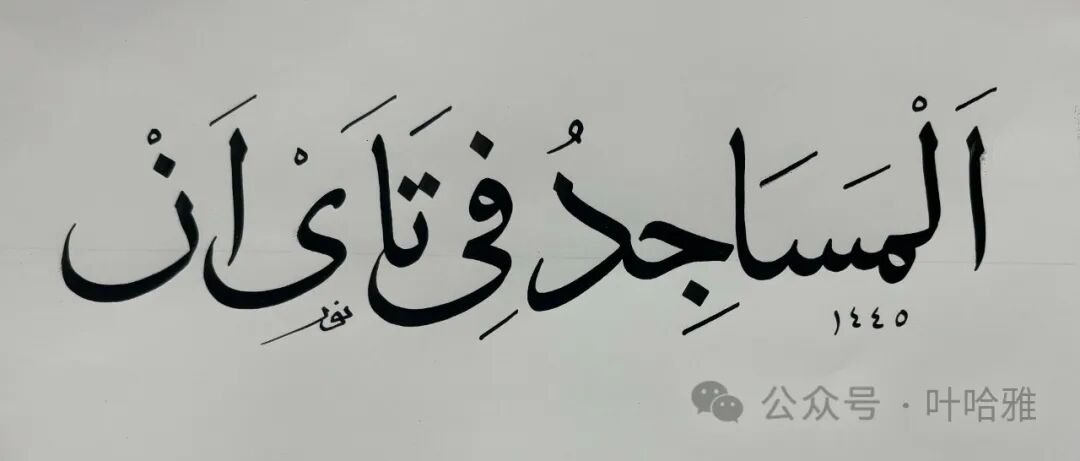
The Arabic cover was calligraphed by the Shandong-based Arabic calligrapher, Mr. Mi Guangjiang.
May Allah reward everyone.
According to the Records of Islam in Tai'an, there are 70 mosques in Tai'an City, including 10 in Taishan District, 21 in Daiyue District, 16 in Xintai City, 10 in Feicheng City, 9 in Ningyang County, and 4 in Dongping County. Among the mosques in Tai'an, 2 were built in the Yuan Dynasty, 24 in the Ming Dynasty, 18 in the Qing Dynasty, 5 during the Republic of China era, 9 after the founding of the People's Republic of China, and the construction dates of 12 others are unknown. The oldest one is the West Mosque of Xijie in Mazhuang Town, Daiyue District, which was built during the Yuan Dynasty. There are currently 3 women's mosques: the Taicheng Women's Mosque, the Suozhuang Women's Mosque in Zhuyang Town, Daiyue District, and the Dongshendong Village Women's Mosque in Yucun Town, Xintai City.
Taishan District
Taicheng Mosque
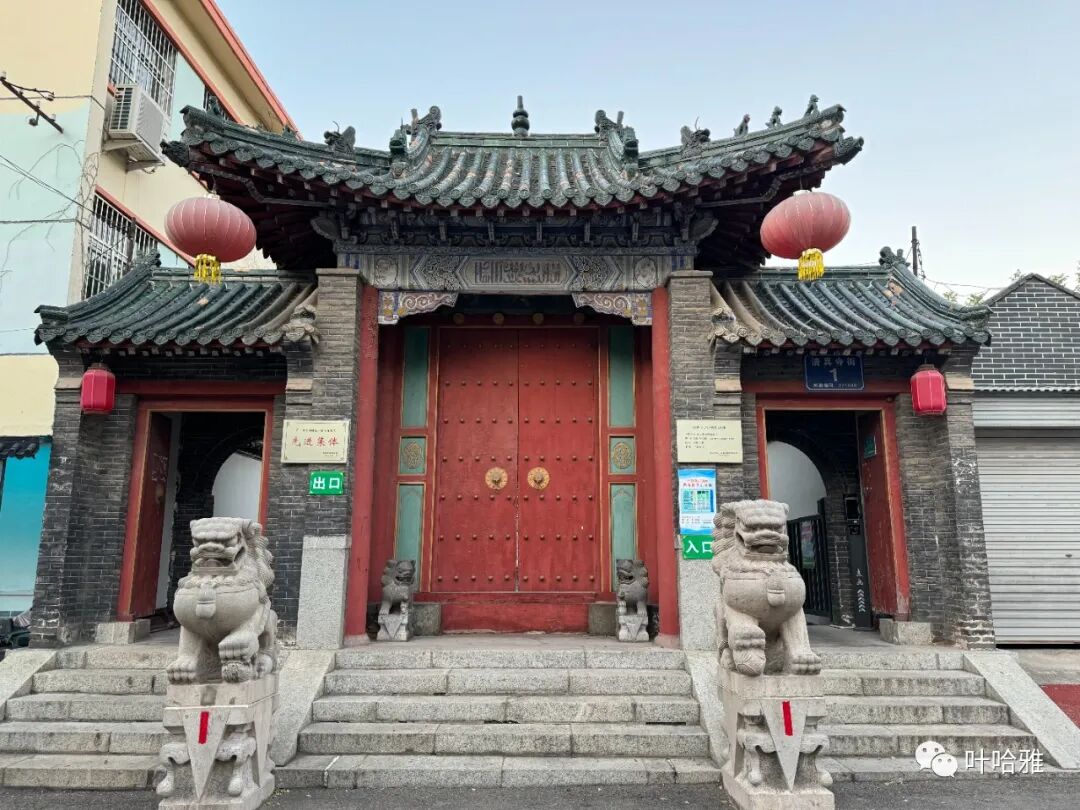
Taicheng Mosque is located in the Mosque Community of Caiyuan Subdistrict. It was built between the end of the Yuan Dynasty and the beginning of the Ming Dynasty. Stone tablets confirm that it was rebuilt many times during the Ming and Qing dynasties. In 1944, the mosque had fallen into disrepair and was quite damaged. Local elders and mosque leaders raised 12,213 yuan for renovations. They gathered workers and materials, finishing the project in a few months and making the main hall look brand new. Ma Ziming, a local elder living in Suzhou and Shanghai, was a devout believer and passionate about charity. He donated a set of finely woven curtains from Suzhou, and other elders and the hometown association in Shanghai also donated generously.
The mosque underwent several repairs starting in the 1950s. It was restored and repaired after the Reform and Opening-up policy began. The mosque gate was rebuilt in 1997. A comprehensive renovation took place in 2008, covering an area of 2,600 square meters. In 2013, the North Lecture Hall was rebuilt, and a funeral home, a multi-functional building, and buildings along the east and west streets were constructed.
Taicheng Mosque is a classic Chinese palace-style building with two courtyards. It mainly consists of a prayer hall, north lecture hall, south lecture hall, main gate, second gate, and rear kiln hall. The main gate features three gold-painted characters for "Mosque," inscribed with the date "10th day of the first lunar month, 1619" (the year of Jiwei in the Wanli reign of the Ming Dynasty). After entering the gate, a path leads through the second gate into a courtyard where ancient cypress trees reach toward the sky. The north and south lecture halls of the mosque are spacious and bright, housing a scripture room, living quarters for the imam, and a bathing room. To the west stands the prayer hall, which connects a front porch, a middle hall, and a rear kiln hall into one structure. The front porch uses a Ming-style hip-and-gable roof, while the rear kiln hall features a Ming-style hip-and-gable roof with bracket sets, three layers of eaves, and 12 upturned corners. The center of the main hall's roof ridge and the top of the rear kiln hall are both topped with golden glazed gourds over one meter tall.
The mosque covers an area of 6,174.19 square meters, with a building area of 6,394.5 square meters. The main hall is 18 meters high, 42.3 meters long, and 16.95 meters wide. The north lecture hall is 17.5 meters long and 8.1 meters wide. The south lecture hall is 14.4 meters long and 8.7 meters wide. The water house is 17 meters long and 6.7 meters wide. The mosque has many auxiliary buildings, including the east gate, the north courtyard meeting room, the funeral home, the frame house (jiaziwu), a two-story building on the west side of the west gate, and rooms along the street. The mosque originally held dozens of stone tablets carved during the Ming and Qing dynasties and the Republic of China period, but they were all destroyed during the Cultural Revolution. Today, only four remain: the broken Mosque Tablet (Qingzhensi Bei) from the first year of the Wanli reign of the Ming Dynasty (1573), the Laifu Inscription Tablet (Laifu Mingbei) from the fourth year of the Tianqi reign (1624), the Donation Tablet (Juanxian Bei) from the thirty-fourth year of the Qianlong reign of the Qing Dynasty (1759), and the Mosque Reconstruction Tablet (Chongxiu Qingzhensi Bei) from the thirty-third year of the Republic of China (1944). The Laifu Inscription Tablet (Laifu Mingbei) is an important reflection of how Shandong Hui Muslims interpreted Islam through Confucianism, and it holds significant historical and cultural value.
Since the Republic of China era, the mosque's religious affairs have been led by imams including Tang Ahong, Yang Fuyuan, Yang Dechun, Wang Changshun, Mi Guangxun, Han Yuhai, and Wang Rongchen. Imam Mi Zhaojie has served since 1997 and currently holds positions such as Standing Committee Member of the Tai'an Municipal Committee of the CPPCC and Vice President of the Tai'an Islamic Association.
Historically, the mosque has trained more than ten imams and religious leaders, including Wang Qinglin, Fan Guiyuan, Xu Huanliang, Mi Yinghua, Mi Qinglu, Wang Hongchen, Liu Zhong'an, Wang Wu, Wang Changgui, Ding Junting, Wang Changlin, Bai Shengguang, and Bai Shenglin. The Mi family of Tai City, represented by Imam Mi Yingjie, and the Wang family of Beiqiu, represented by Imams Wang Jie, Wang Pu, Wang Qinglin, and Wang Yongxing, are both families of imams that have produced religious leaders for over three generations. The mosque is managed by a management committee consisting of nine members. Xu Shuhua, Fa Debao, Mi Shouzhi, Wang Fengge, and Mi Xiankuan have served as directors of the management committee.
The management committee conducts religious activities according to the law and actively guides Hui Muslims in their normal religious life. Responding to the call of the Party and the government, the mosque promotes the Islamic spirit of helping the needy, supports social charity and public welfare, has provided aid multiple times to areas affected by natural disasters like earthquakes and tsunamis, and actively donates to causes such as education and elderly care.
The mosque hosts international Muslim friends and has received many honors over the years. It was named a cultural heritage site of Taishan District in 1992. It was named a cultural heritage site of Tai'an City in 1994. It was named a cultural heritage site of Shandong Province in 2013. It received the title of Provincial Civilized Religious Venue in 2001 and was named a Model Mosque of Tai'an City in 2008. In 2009, it was awarded titles including Provincial Harmonious Religious Venue, Shandong Province Outstanding Historical Building, Shandong Province Model Mosque, and National Advanced Collective for Creating Harmonious Temples and Churches.
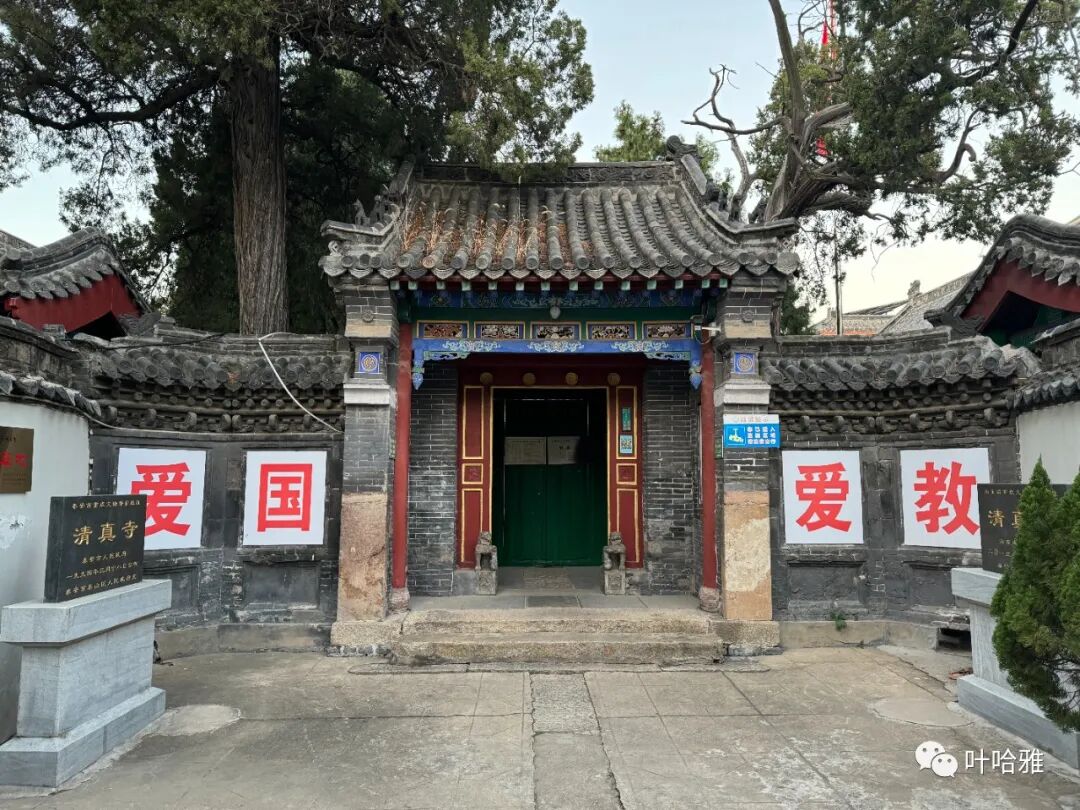
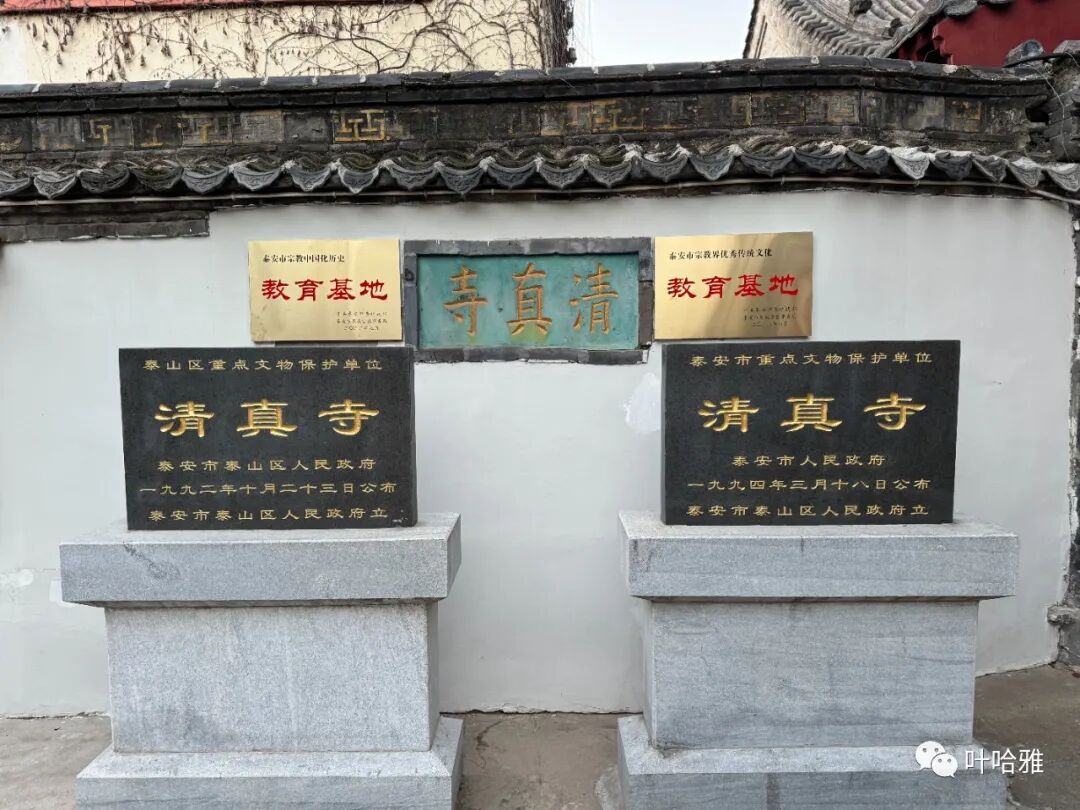
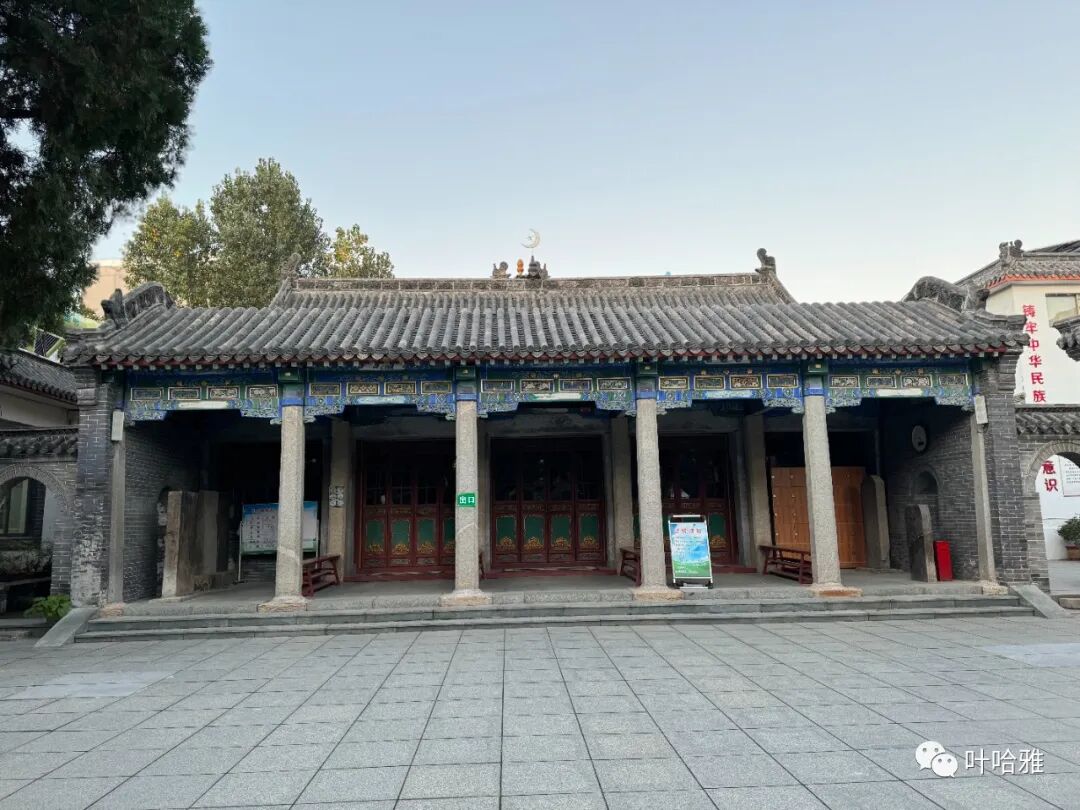
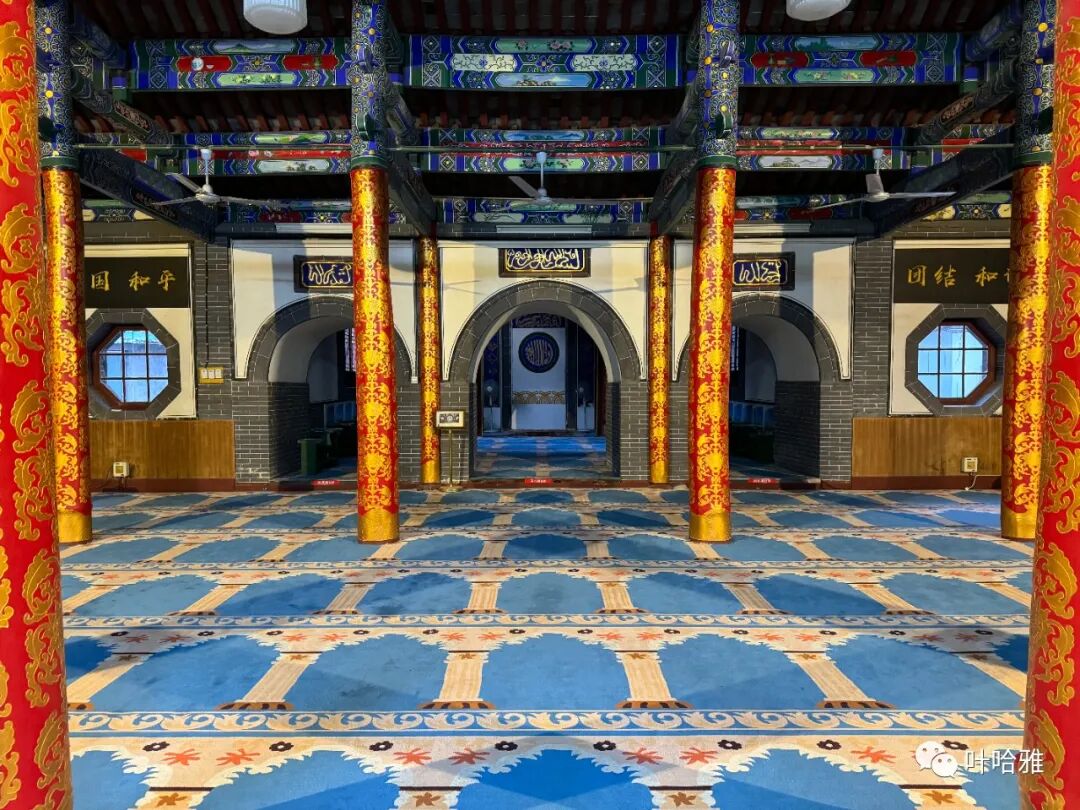
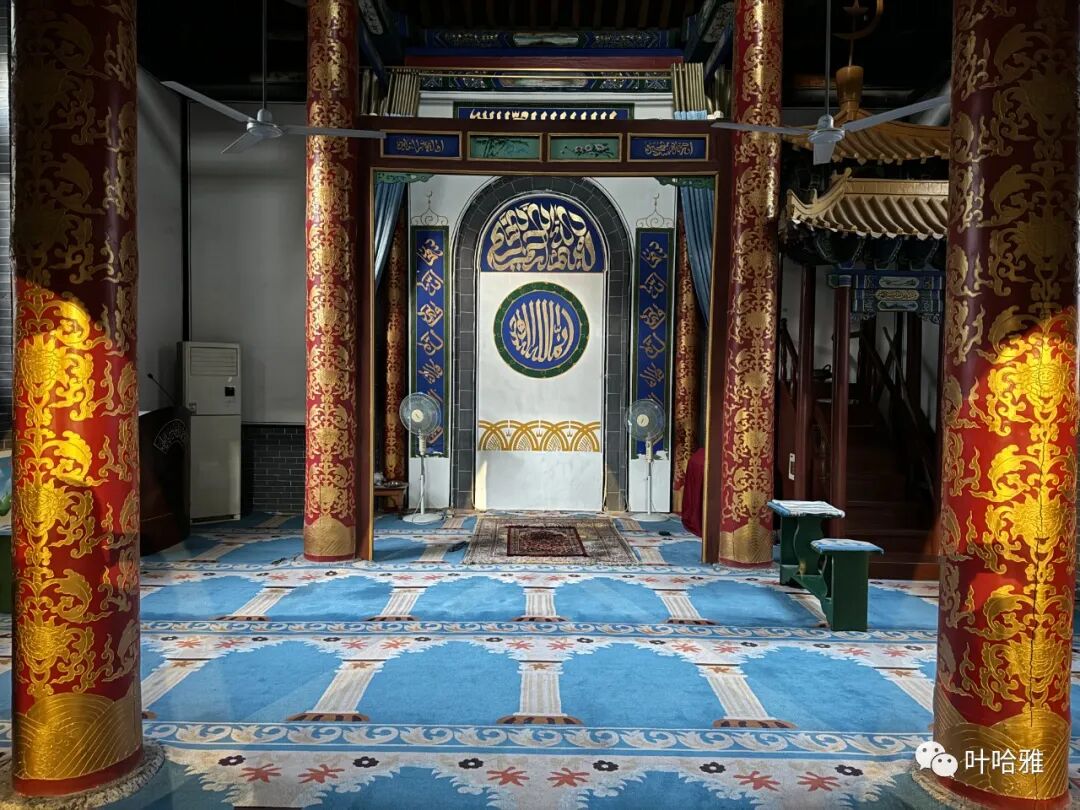
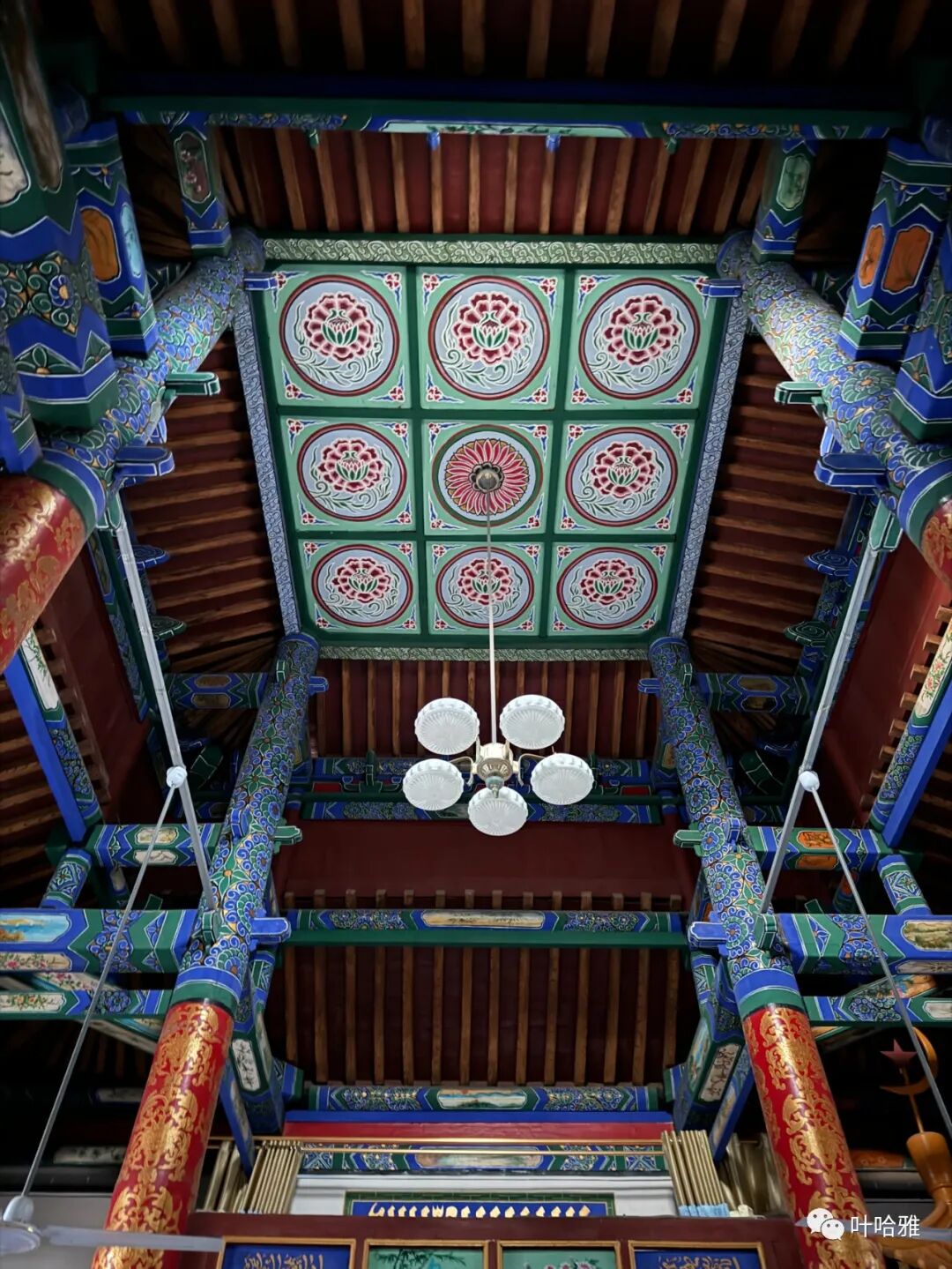
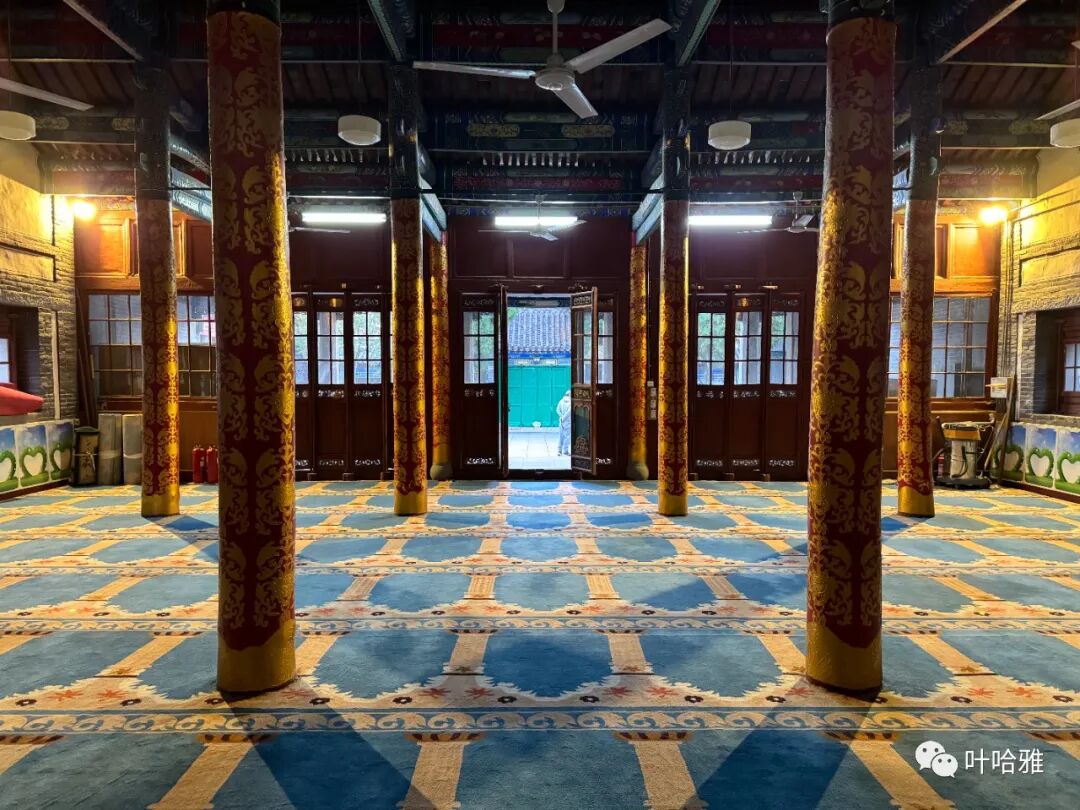
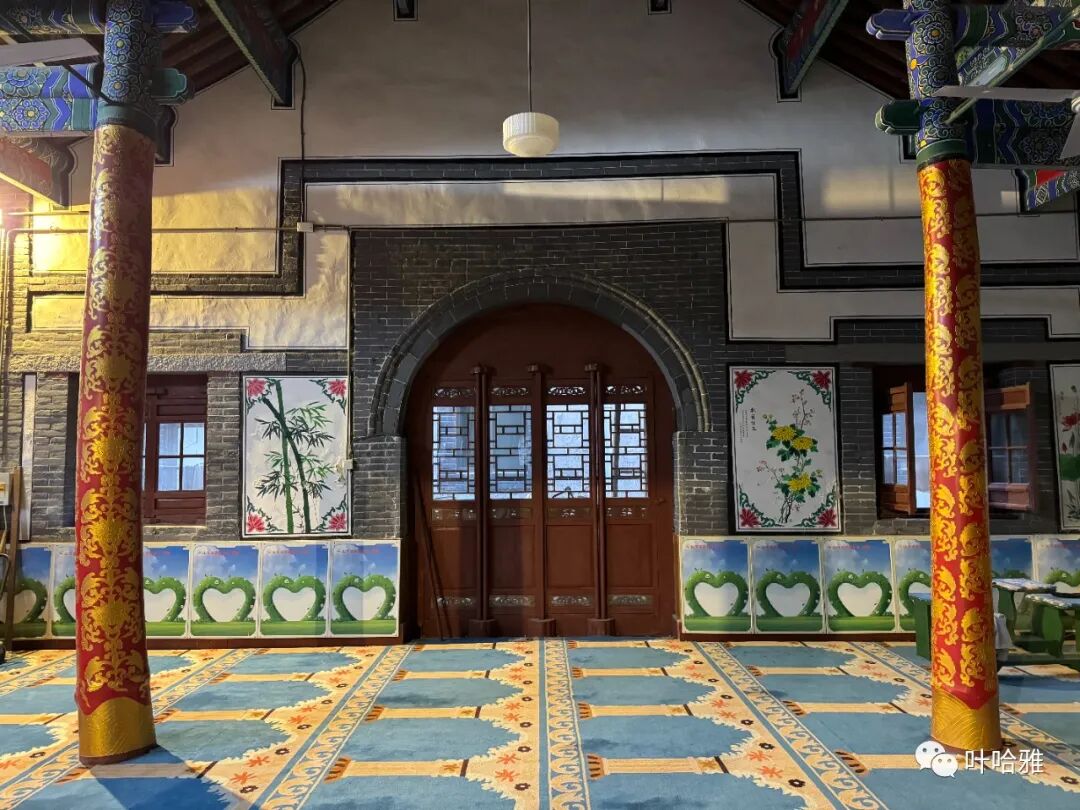
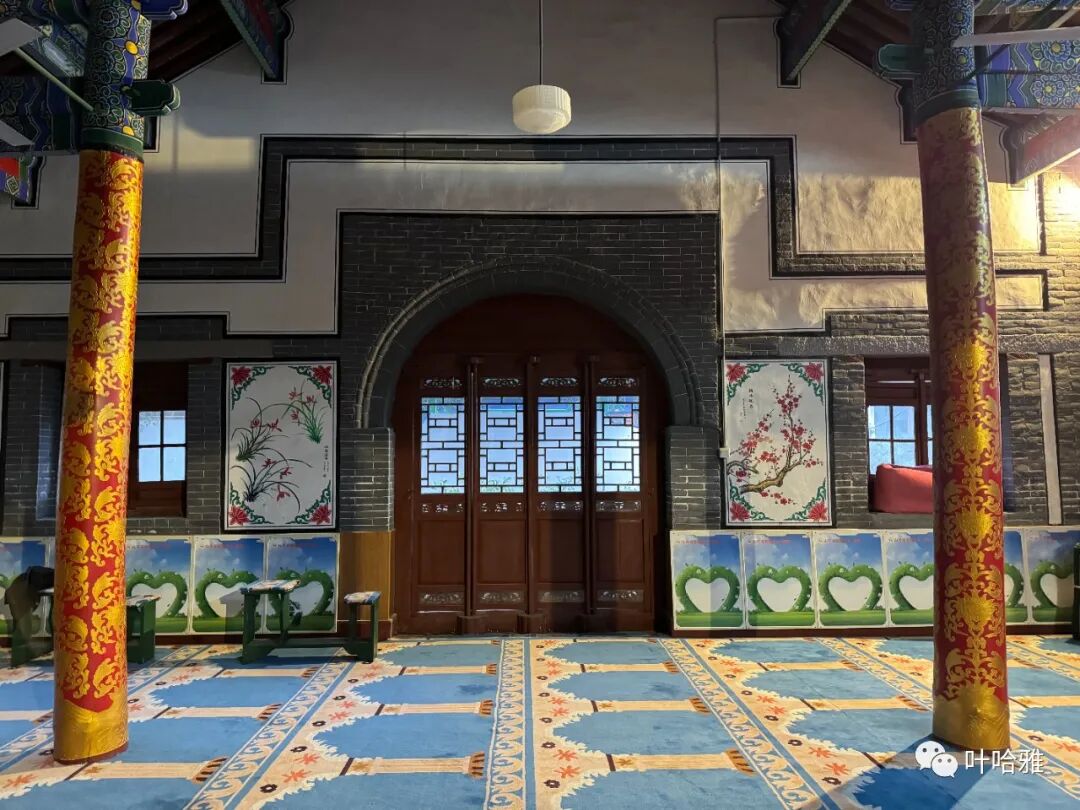
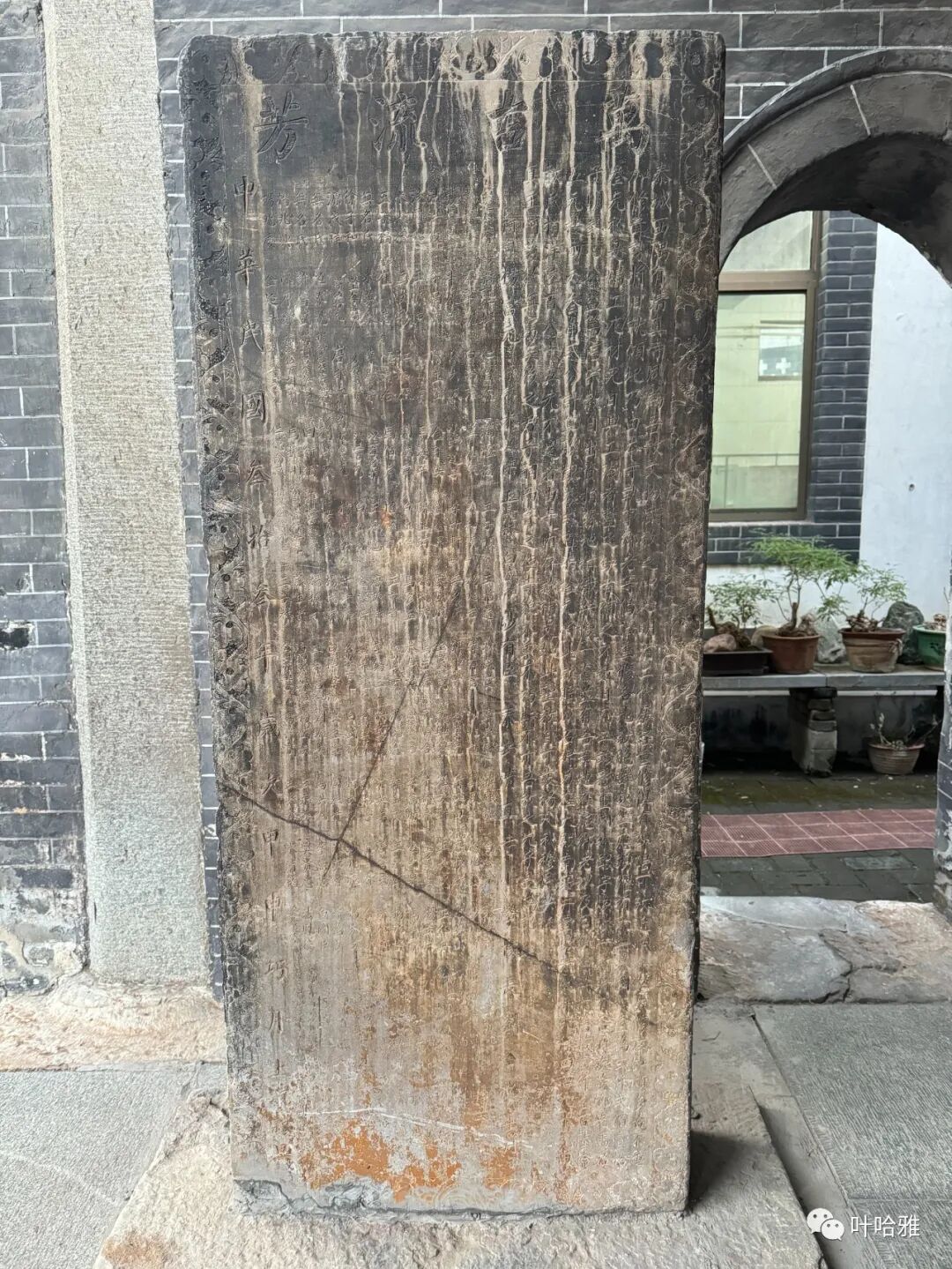
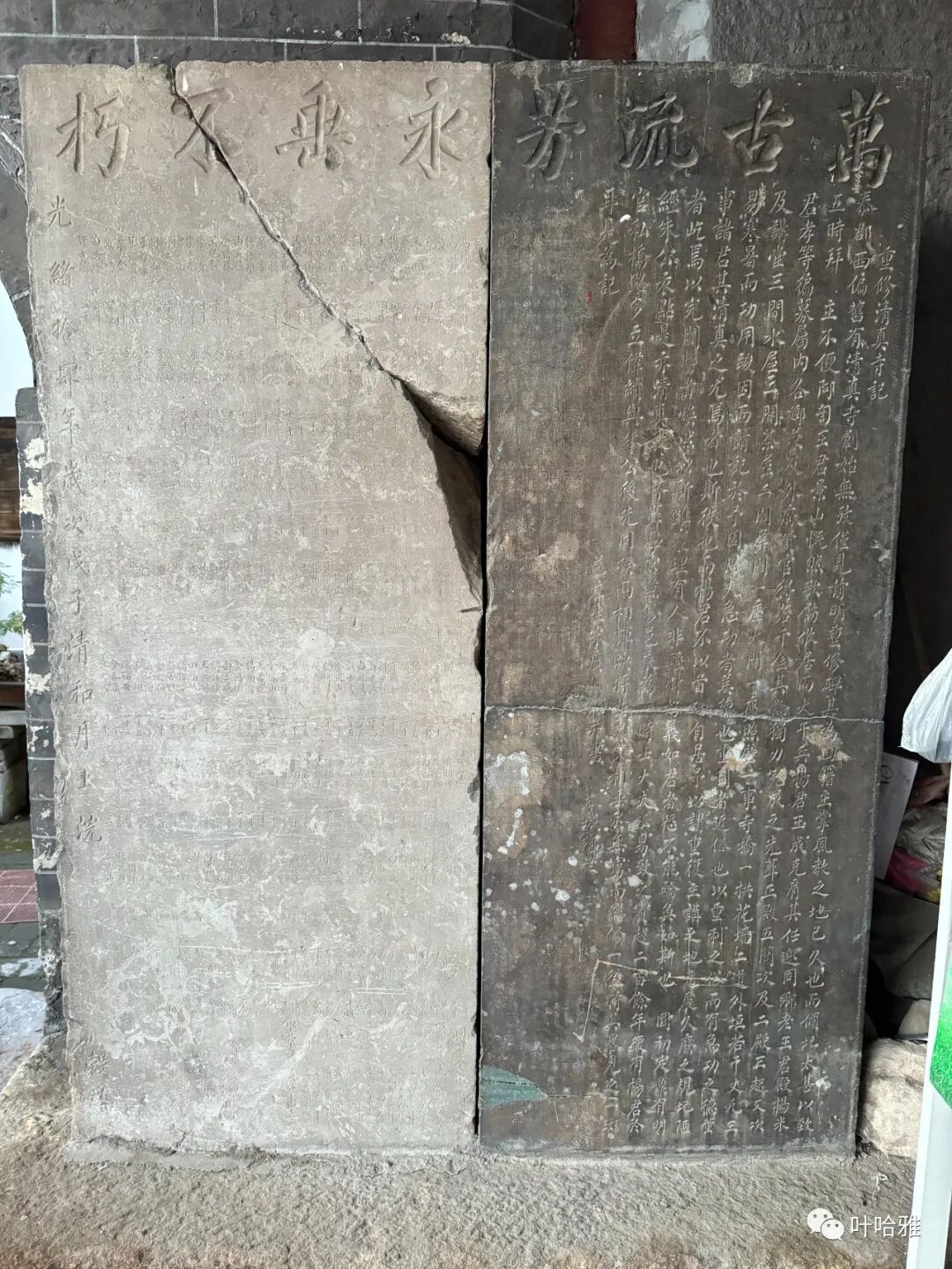
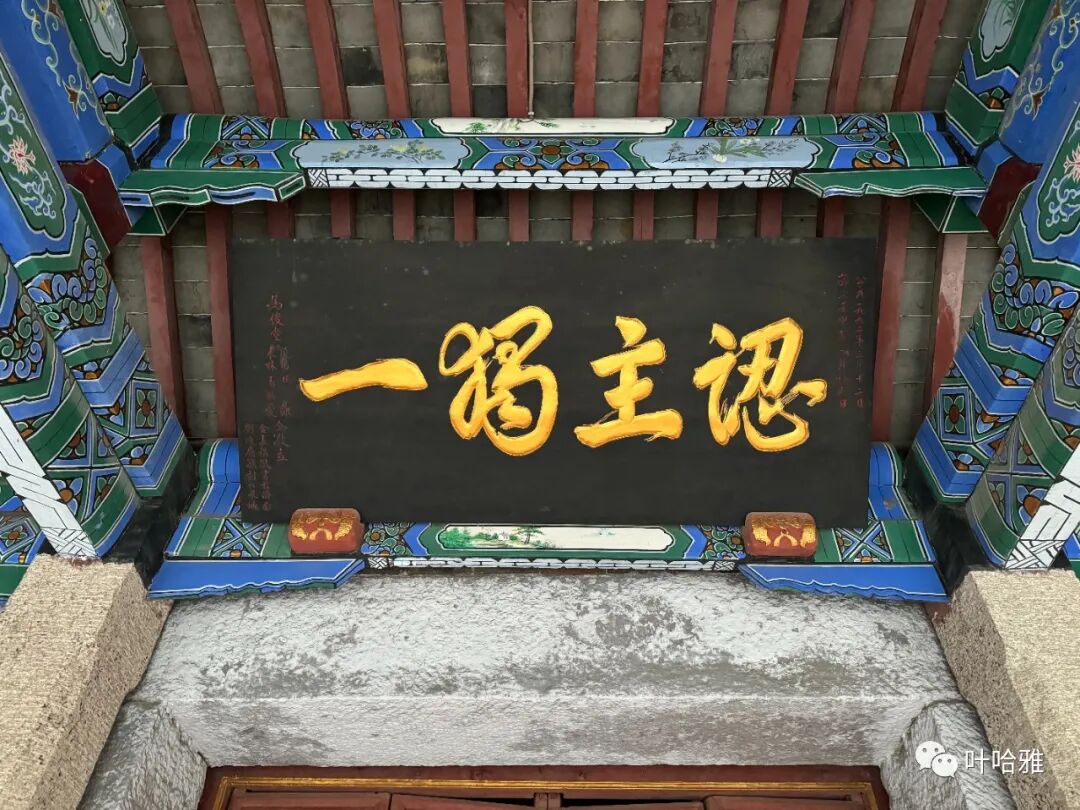
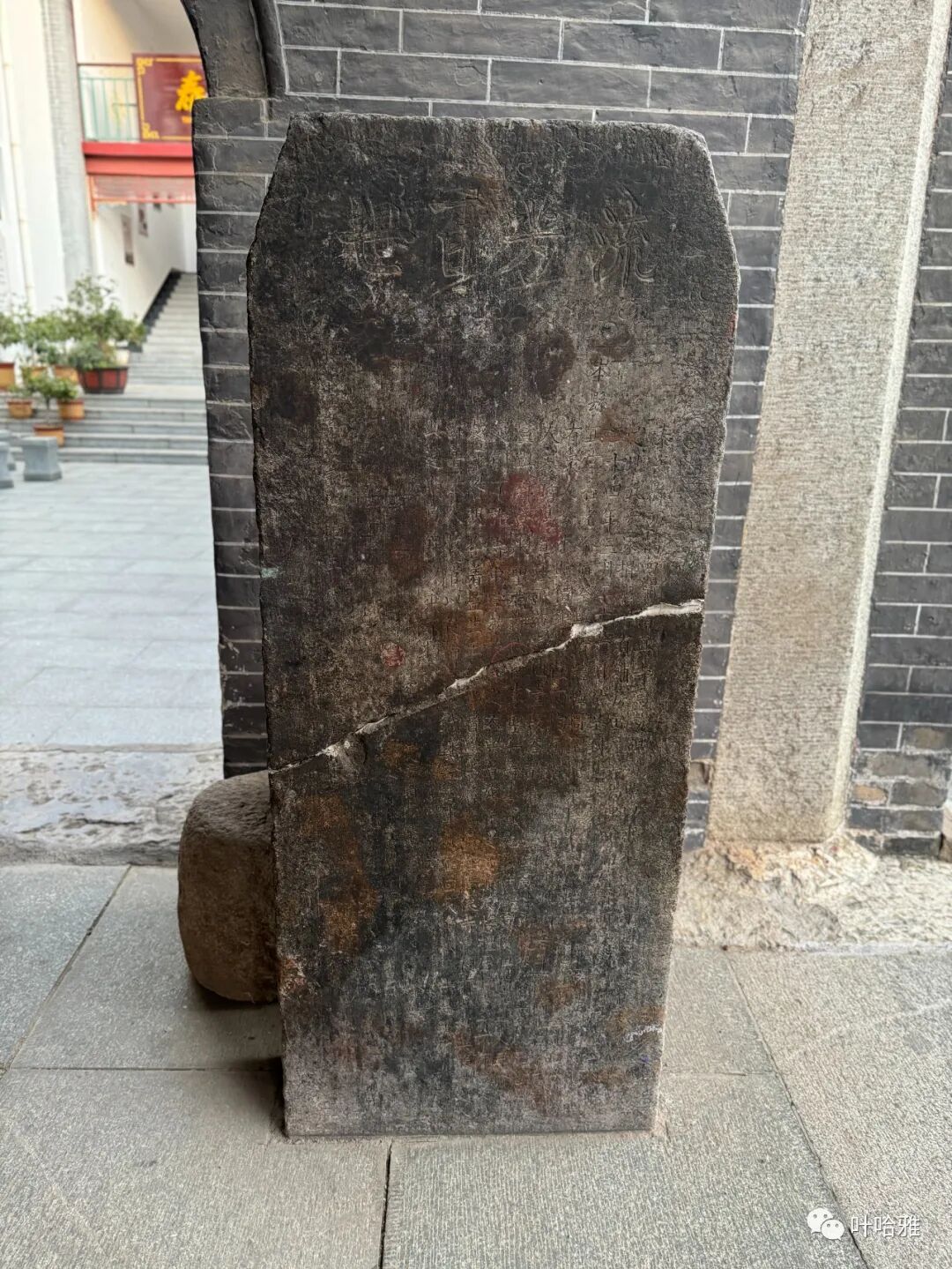
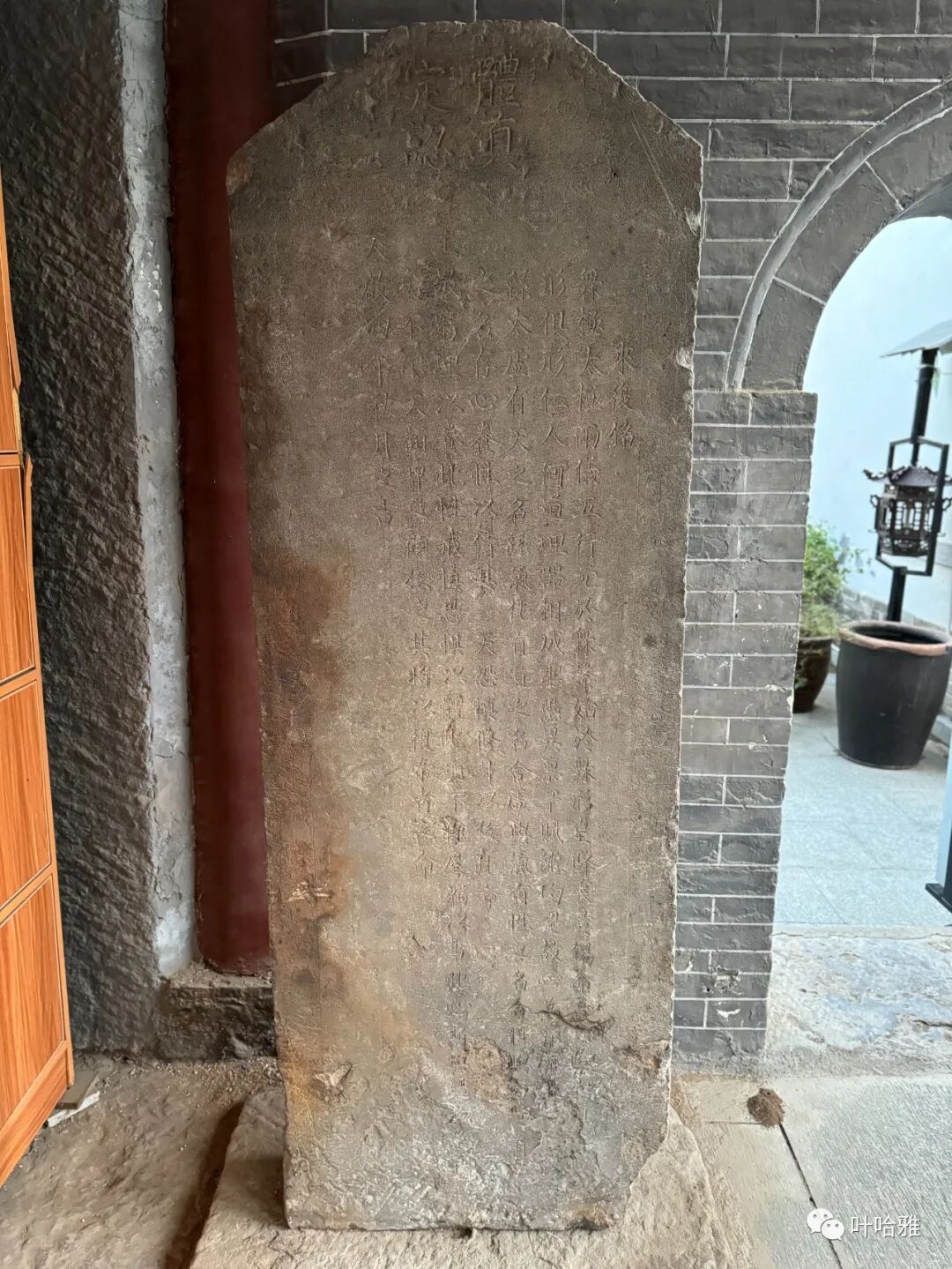
Taicheng Women's Mosque.
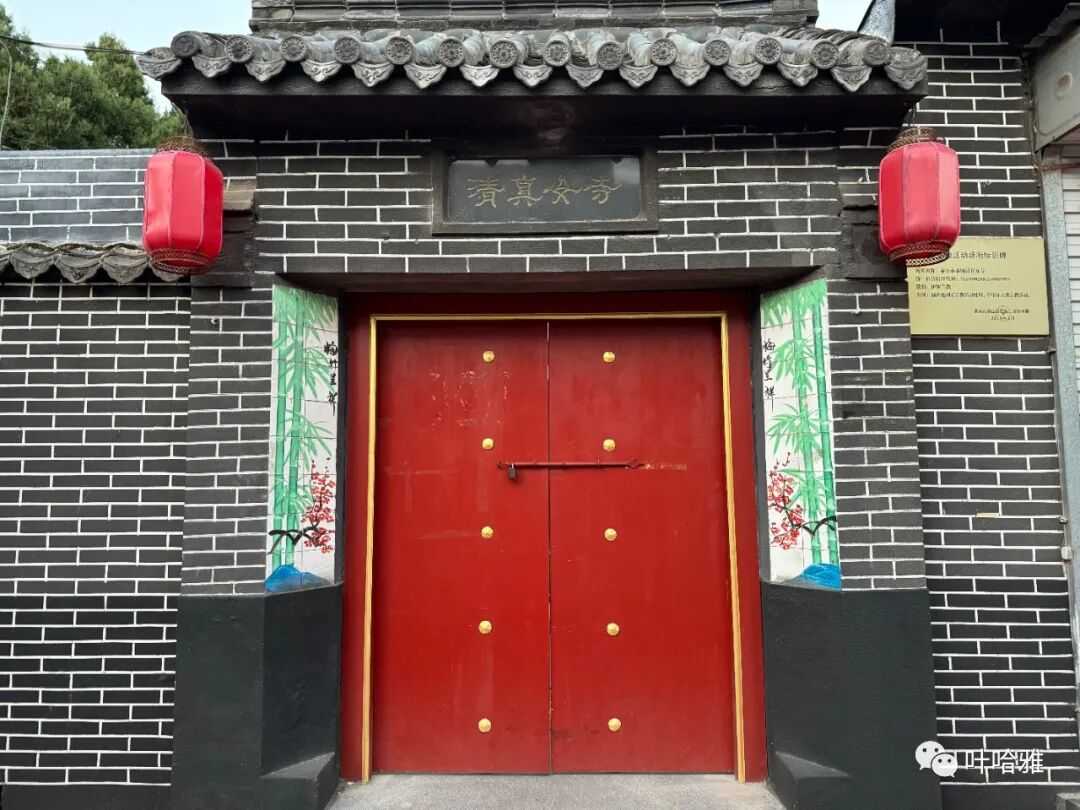
Taicheng Women's Mosque in Caiyuan Subdistrict. Due to urban renewal, it moved from Baijia Alley on Mosque Street to its current location. It covers 360 square meters with a building area of 240 square meters. It currently has a main prayer hall, a north lecture hall, a washroom (shuifang), a main gate, and one stone tablet.
Taicheng East Mosque.
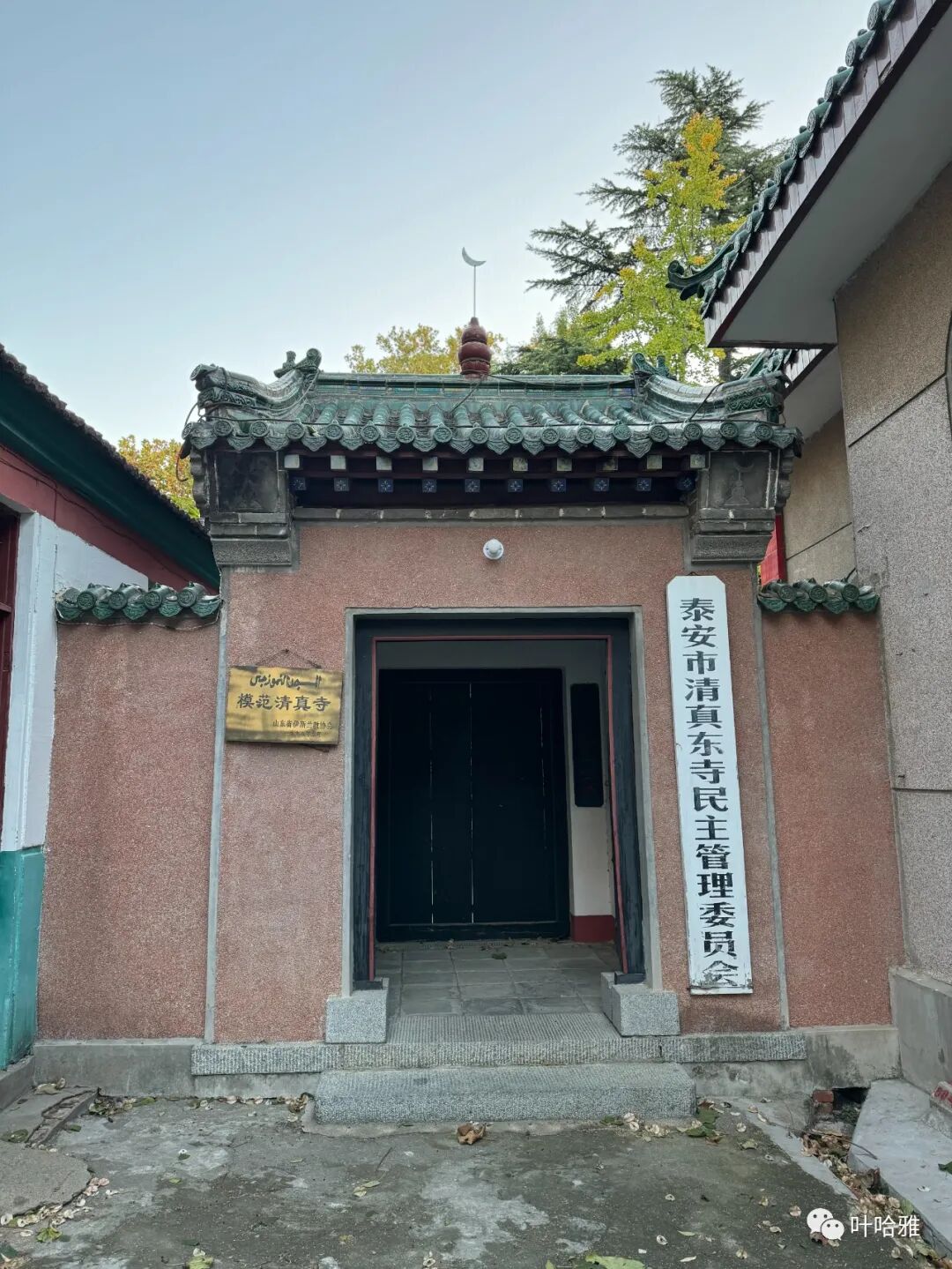
The mosque in Beixin Community, Daimiao Subdistrict, is commonly known as the Taicheng East Mosque and is located in the middle of Beixin Community. It was built in 1920, the ninth year of the Republic of China, with funding from the famous Shandong industrialist Mr. Ma Bosheng. The three characters for "Mosque" written in his own hand are still preserved there. It has been renovated many times since the reform and opening-up. Large-scale repairs were carried out in 2006.
The mosque is built in the traditional Chinese courtyard style, measuring 51 meters long and 25 meters wide. The backyard is 16 meters long and 17.5 meters wide. The main prayer hall consists of a front porch, a middle hall, and a rear kiln-style hall, measuring 17.8 meters long and 12 meters wide. The north lecture hall is 16.3 meters long and 7 meters wide. The south lecture hall is 16.3 meters long and 5.4 meters wide. The water room is 14 meters long and 7 meters wide. There are 6 existing stone tablets. Four are in the tablet corridor, including the mosque gate plaque calligraphed by Ma Bosheng and the 2006 tablet listing the organizations and individuals who donated to the mosque repairs. The others include an Arabic calligraphy work by the calligrapher Mr. Ma Shitou and the four characters for "Praise Allah and the Prophet" written by the famous Tai'an calligrapher Mr. An Tingshan. Additionally, there are 2 tablets on the sides of the main hall's porch, which are the "Ancient Islamic Faith" tablet and the mosque reconstruction tablet.
Since the mosque was built, the religious affairs have been led by Imam Cao, Imam Wang, and Imam Liu Guoxiang. The mosque was closed during the Cultural Revolution. After it reopened, Imams such as Liu Zhong'an and Ma Qun led the religious affairs, and the current imam is Wang Linlin. The mosque is managed by a seven-member democratic management committee, with Yu Zongbin and Chen Guangwu serving as past directors.
The mosque has significant historical and cultural value. It has earned titles like Provincial Harmonious Religious Activity Site and City-Level Model Mosque, and the Tai'an municipal government recognizes it as an advanced unit for patriotism and religious devotion.
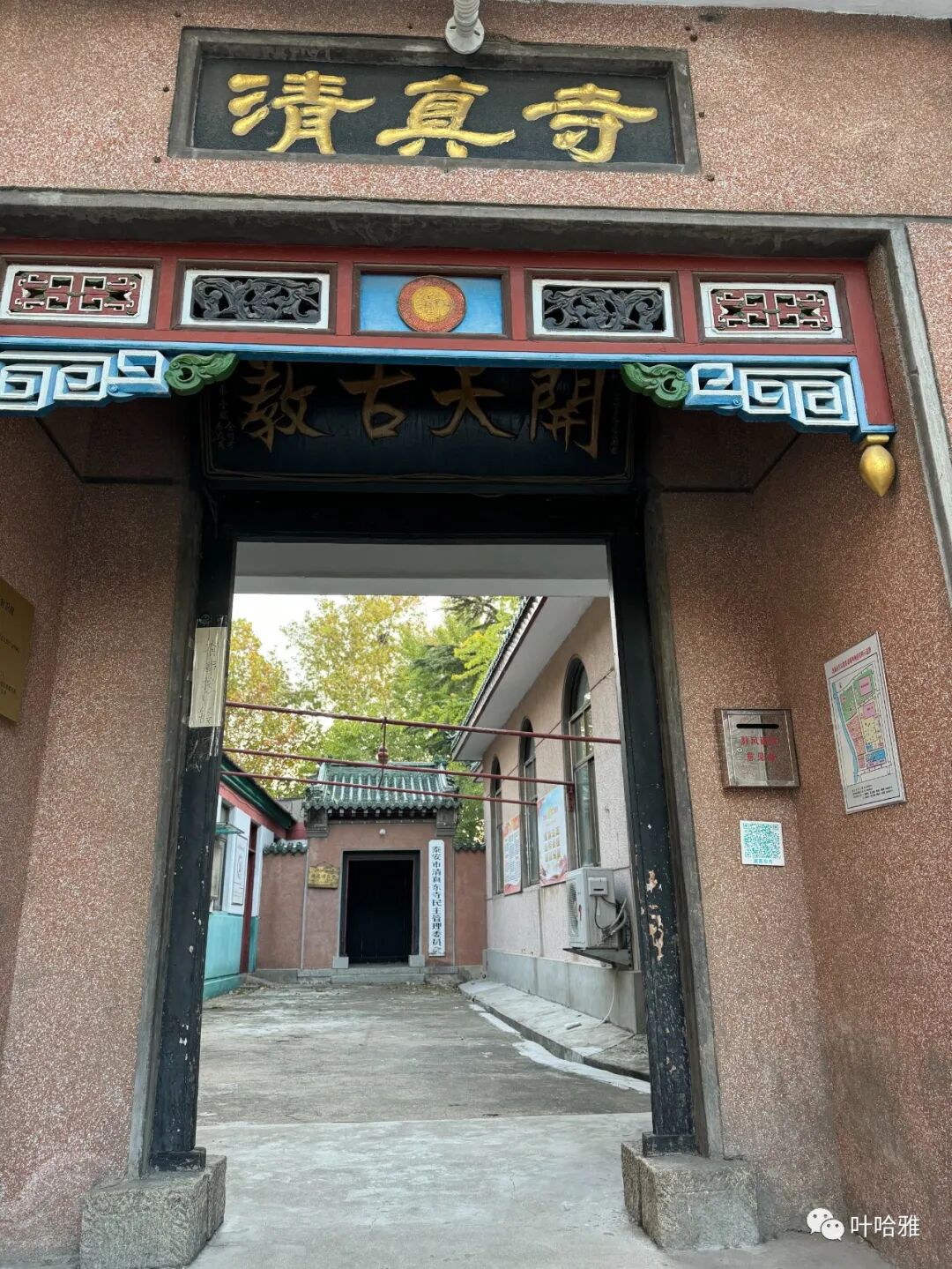
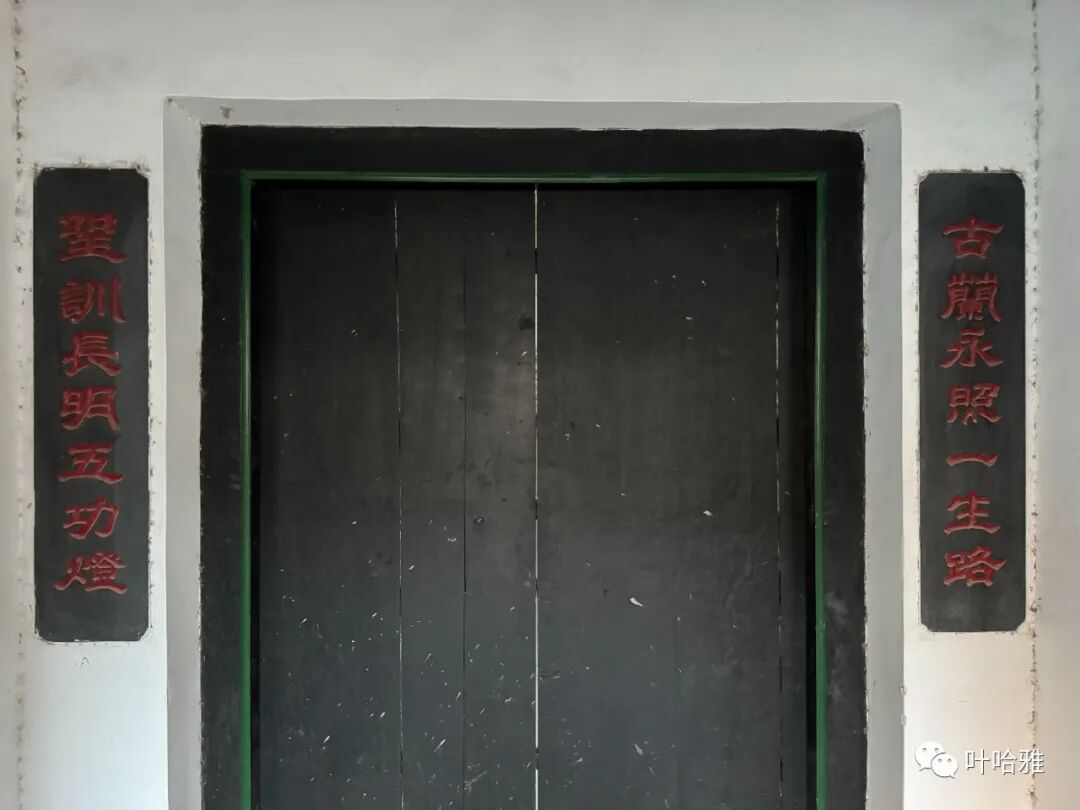
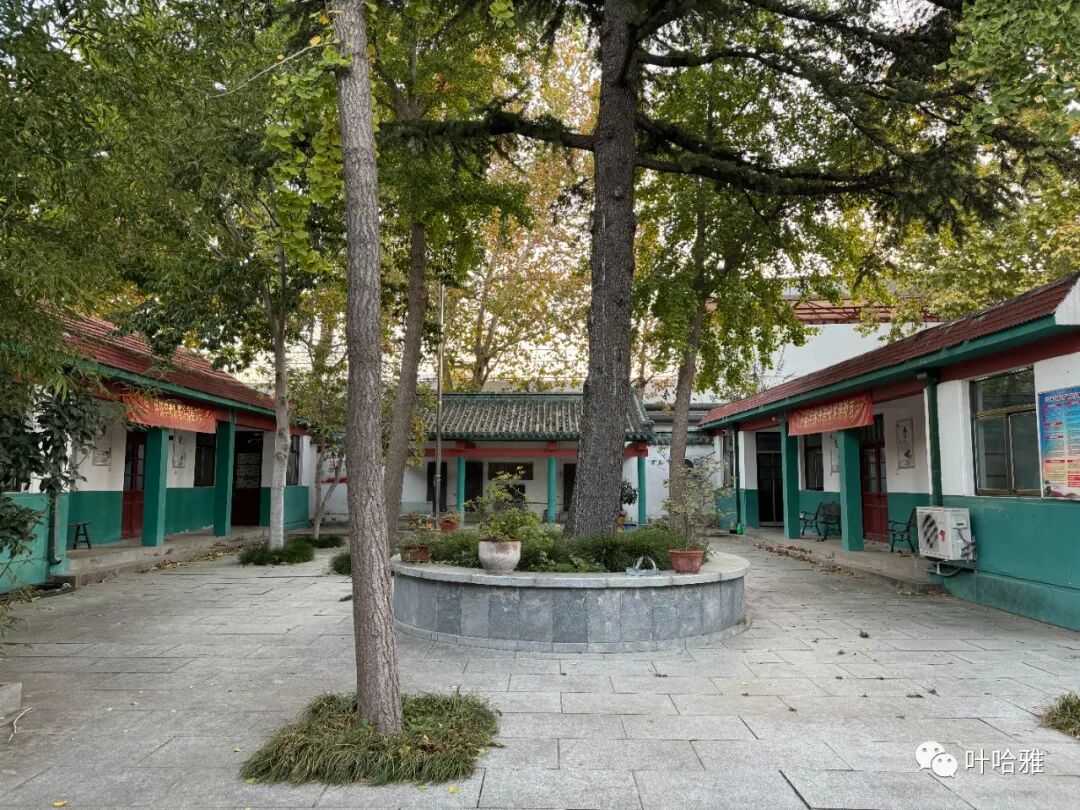
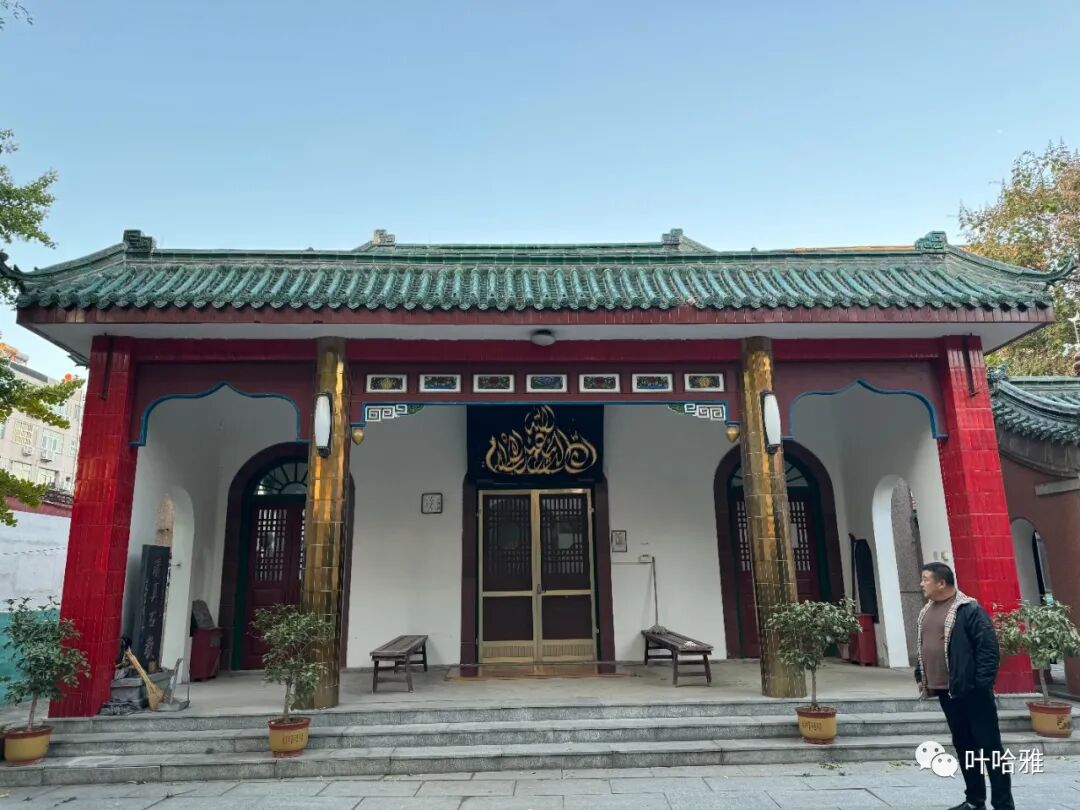
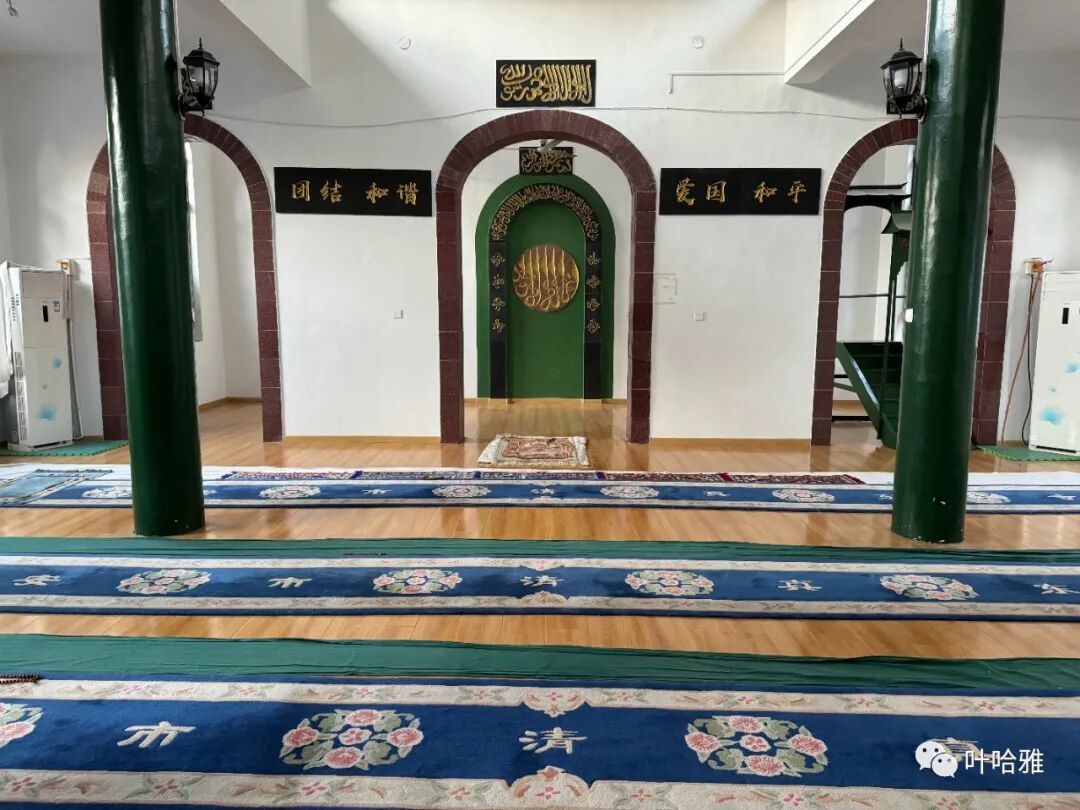
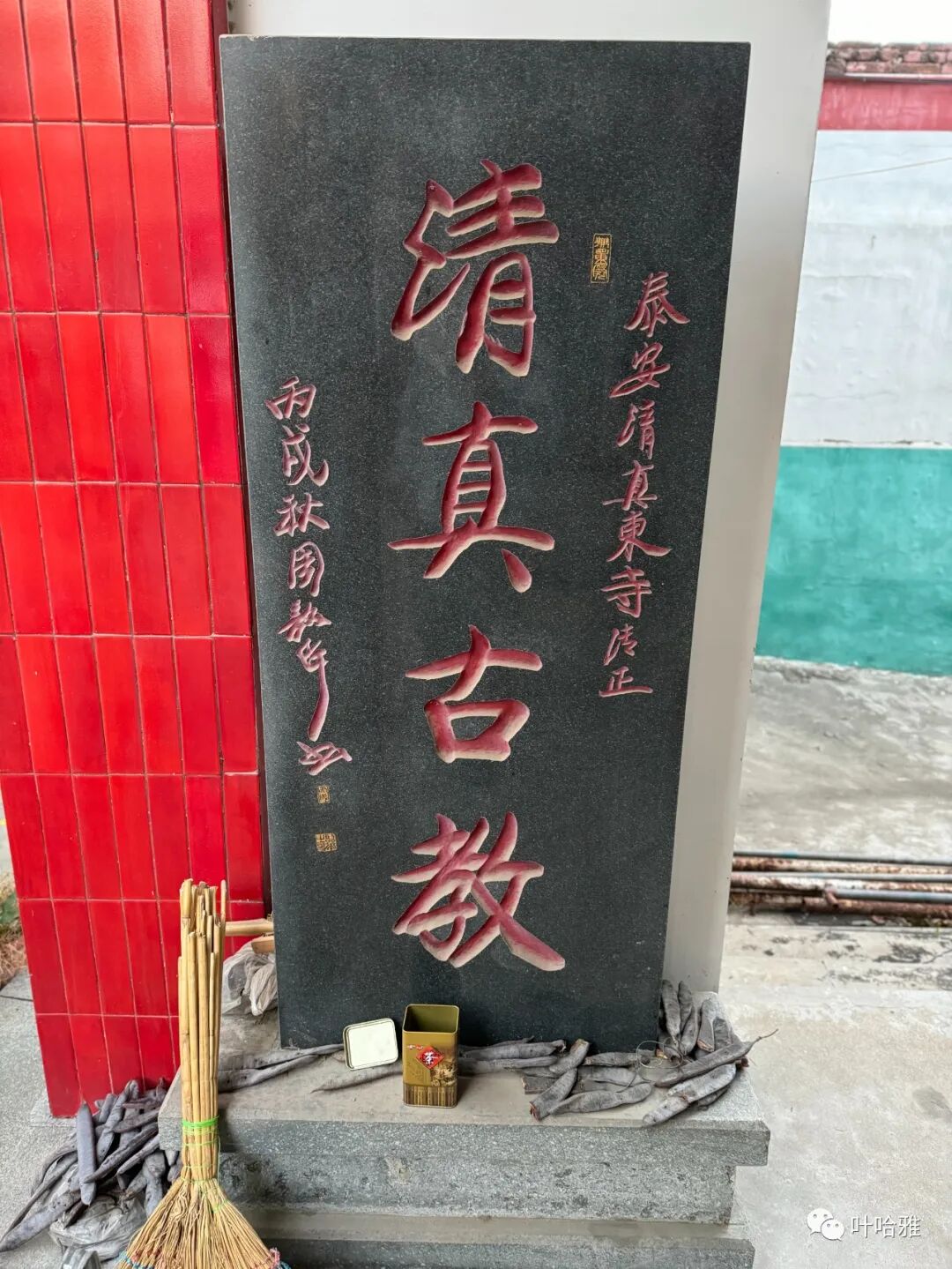
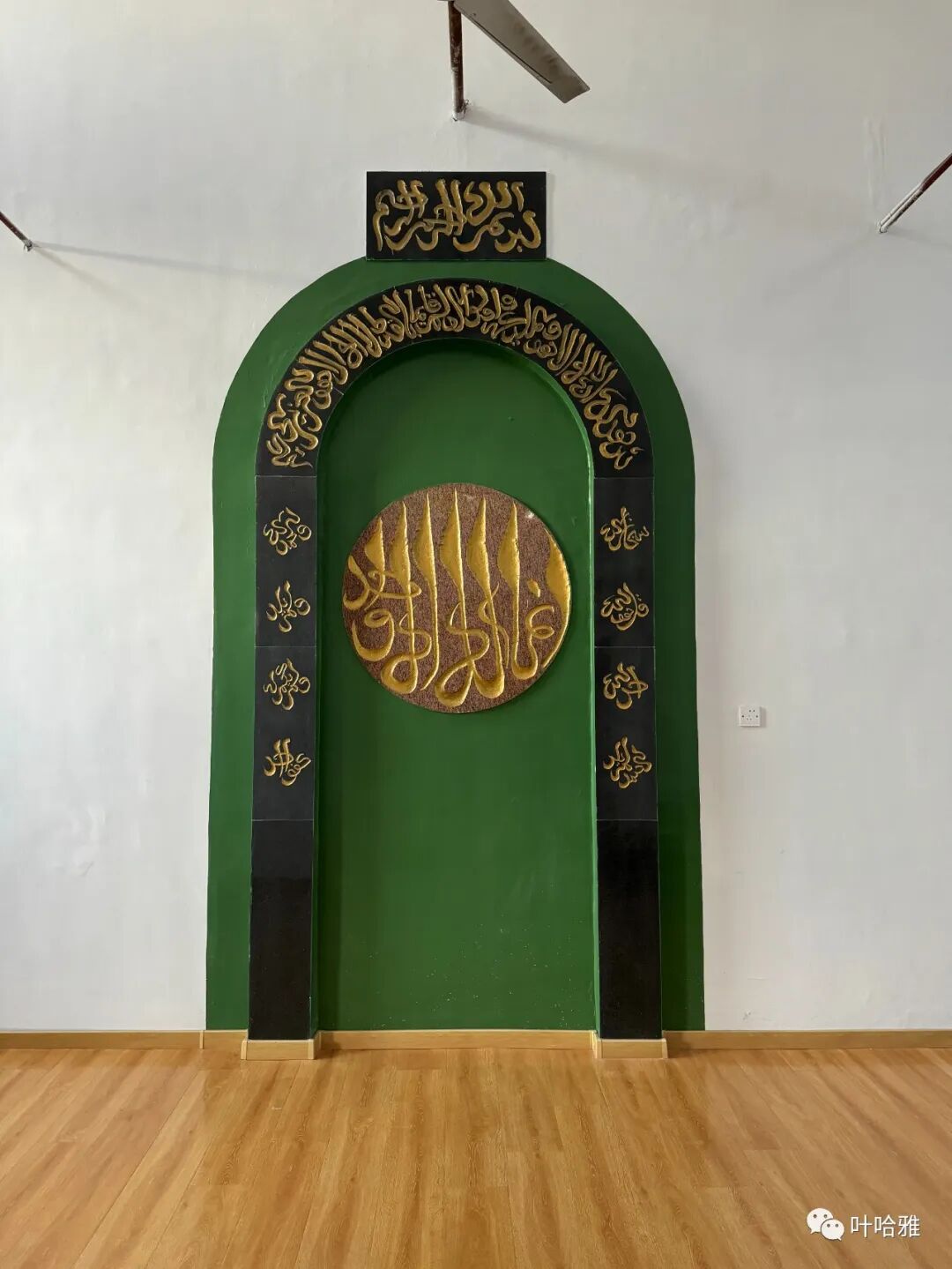
Zhitian Village Mosque
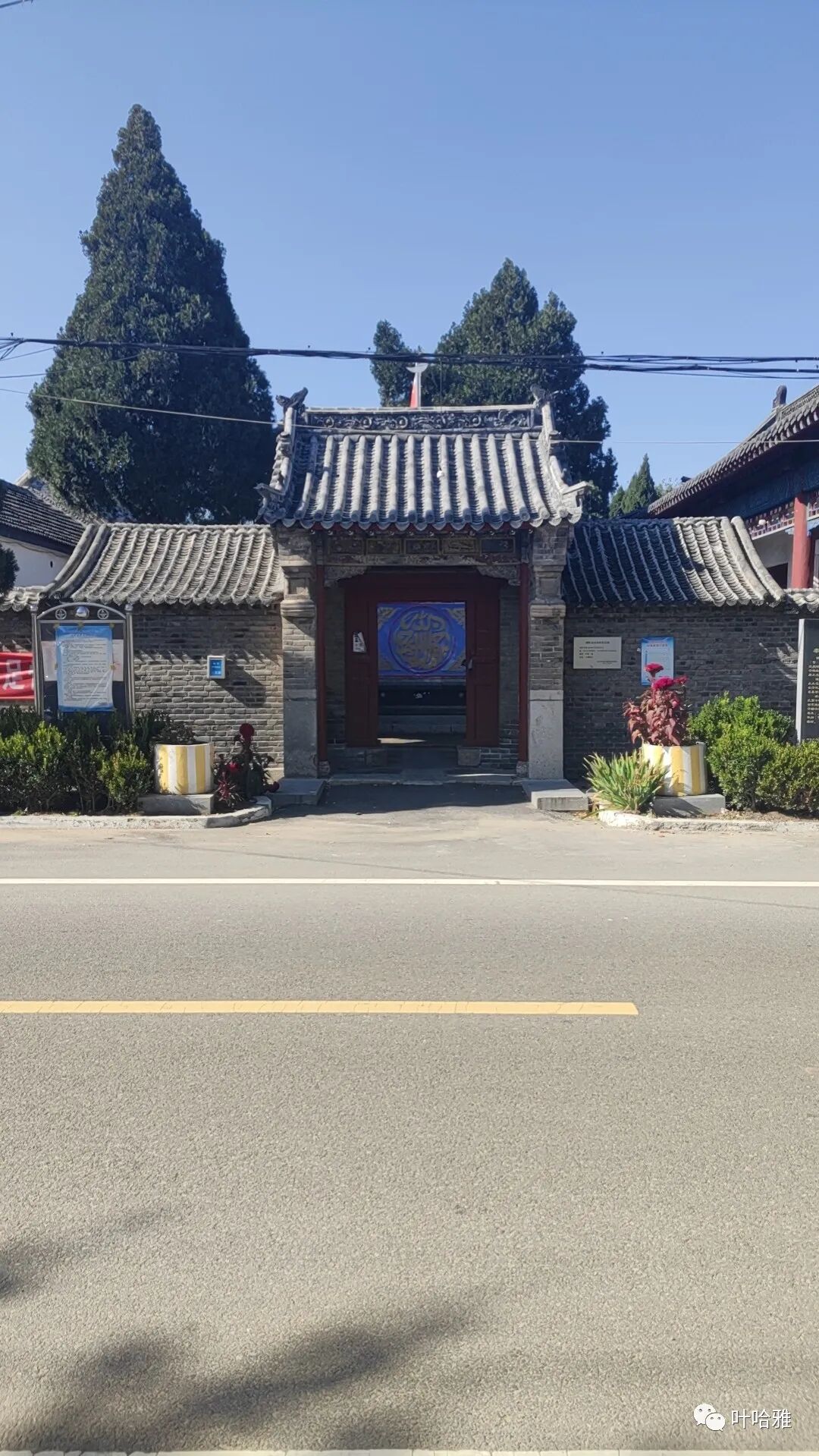
Zhitian Village Mosque in Shengzhuang Town sits at the south end of the village. It was founded at least by the mid-Ming Dynasty, specifically after the Chenghua era (1465-1487) and before the Jiajing era (1522-1566), and has undergone many repairs since. In the 56th year of the Qianlong reign (1791), a new moon terrace (yuetai) was built to make it easier for Muslims to enter the main hall for namaz, and the mosque gate was rebuilt at the same time. In the 14th year of the Guangxu reign (1888), the original main hall burned down. Village elders Yang Fugang and Yang Futai pushed for the reconstruction of the main hall, the porch (juanpeng), the south lecture hall, the storage shed (jiaziwu), the water room, and the warehouse. In the 23rd year of the Guangxu reign (1897), village elder Yang Fugang led the construction of the rear kiln hall (houyaodian). The mosque has been repaired many times since the Reform and Opening-up. The pavilion was rebuilt in 1991, the middle hall in 2003, and the rear hall in 2008.
The mosque is a traditional Chinese courtyard-style building. It includes one main hall, four north lecture rooms, two south lecture rooms, three south water rooms, one gate tower, six side rooms (erfang), one second gate, one front gate tower, one spirit wall (yingbi), and one stone pavilion. The mosque is 49 meters long and 25 meters wide, with a building area of 783.65 square meters. The prayer hall is 24.2 meters long and 11 meters wide. It has three sections and three rows, made up of a front hall, middle hall, back hall, and niche hall (yaodian). The front hall is 17.2 meters long, 8.6 meters wide, and 8 meters high. The middle hall is 17.2 meters long, 8.6 meters wide, and 8.5 meters high. The back hall is 9 meters long and 7 meters wide. The front, middle, and back halls (including the niche hall) each have two side rooms, totaling 6 side rooms with an area of 54 square meters. The front hall is a brick-and-wood structure with a hard-mountain roof, gray tiles, a front porch, and side rooms. It is three bays wide. The middle hall is a brick-and-wood structure with a hard-mountain roof, gray tiles, and side rooms. The niche hall is a three-story, six-pillar brick-and-wood structure with a pointed roof. In front of the main hall stands a stone pavilion with a pointed roof. The upper part is made of brick, wood, and black tiles. The base features Ming Dynasty-style carvings, and the stone drums at the base have archaeological value. The mosque gatehouse is a brick, wood, and stone structure built in the traditional style with a large wooden ridge.
The north lecture hall is 13.2 meters long and 6.3 meters wide. The south lecture hall is 20 meters long and 6 meters wide. The water room is 11 meters long and 5 meters wide. There are 7 stone tablets remaining here. In order, they are the 1791 Tablet for the Reconstruction of the Mosque and New Moon Terrace, the 1888 Tablet for the Reconstruction of the Main Hall, the 1891 Land Donation Tablet, the 1897 Tablet for the Construction of the Rear Kiln Hall, the 1952 Magnificent Spirit Tablet, the 2010 Eternal Fame Tablet, and the 2013 Provincial Cultural Relics Protection Unit Tablet.
The mosque has a long history and significant influence, and it has produced many ahongs and imams. Since the late Qing Dynasty, the ahongs who have led religious affairs are, in order: Ahong Xie, Fa Zhiliang, Fa Xianxue, Fa Zaixiang, Li Tinglin, Yang Liben, Zuo Jinglun, Zhou Baotian, Yang Yueqing, Li Mingtian, Yang Xinen, Yang Peiqing, Li Shengcai, Zhao Xinzheng, Li Qingen, Yang Xinen, Yang Xinde, Zhang Shuiquan, Jin Haixue, Yang Xinde, and Wang Xiangbin.
The mosque's income mainly comes from school land (xuetian) and donations. The mosque uses an appointment system for ahongs and a group consultation system for managing religious affairs. A mosque democratic management committee was established after 1982, which oversees a financial supervision group and includes several committee members. The directors over the years have been Yang Rusong, Yang Baotong, Yang Xinquan, Yang Bo, Yang Xinming, Yang Xinpeng, and Li Jianjun.
Before the founding of the People's Republic of China, the mosque's scripture hall education was quite influential in the Tai'an area. Since 1886, Ma Yinde, Wang Jiping, Yang Rusong, Bai Canying, Yang Chaoxuan, Bai Fu'en, Zhao Yansheng, and Liu Yutang studied under Ahong Fa Zhiliang. In 1932, Yang Xinen, Yang Xingguang, and Chen Dianqing studied under Ahong Yang Yueqing. In 1938, Li Qingen studied under Ahong Li Mingtian. In 1943, Zhao Xinzheng, Han Jingxin, and Wang Hongchen studied under Ahong Yang Xinen. In 1949, Jin Haitang, Mi Guangxun, Yang Xinting, Yang Xinde, and Han Jingming followed their teacher, Imam Li Shengcai. In 1954, Han Tongping and Yang Yuezhen followed their teacher, Imam Zhao Xinzheng. Gao Cuntong followed his teacher, Imam Jin Haixue.
The mosque carries out religious activities according to the law and provides religious services for the Muslims of Zhitian Village and the Muslims of Zhihuizhuang (before their own mosque was built in 1990). It houses a hand-copied version of the Quran. In 2010, it was named a Model Mosque of Tai'an City and a Harmonious Religious Activity Venue of Shandong Province. In 2013, it was approved as a provincial-level cultural relic protection unit.
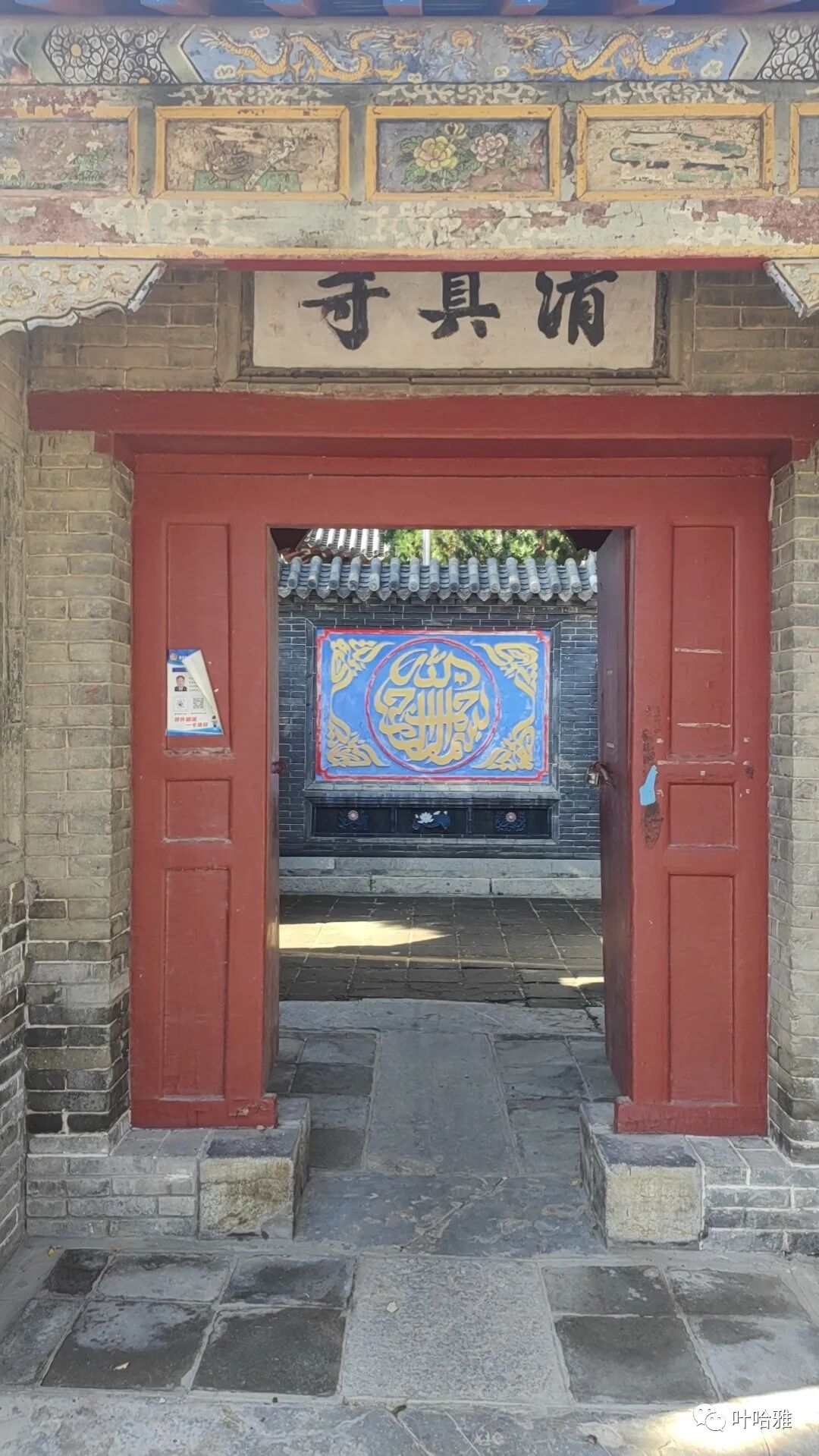
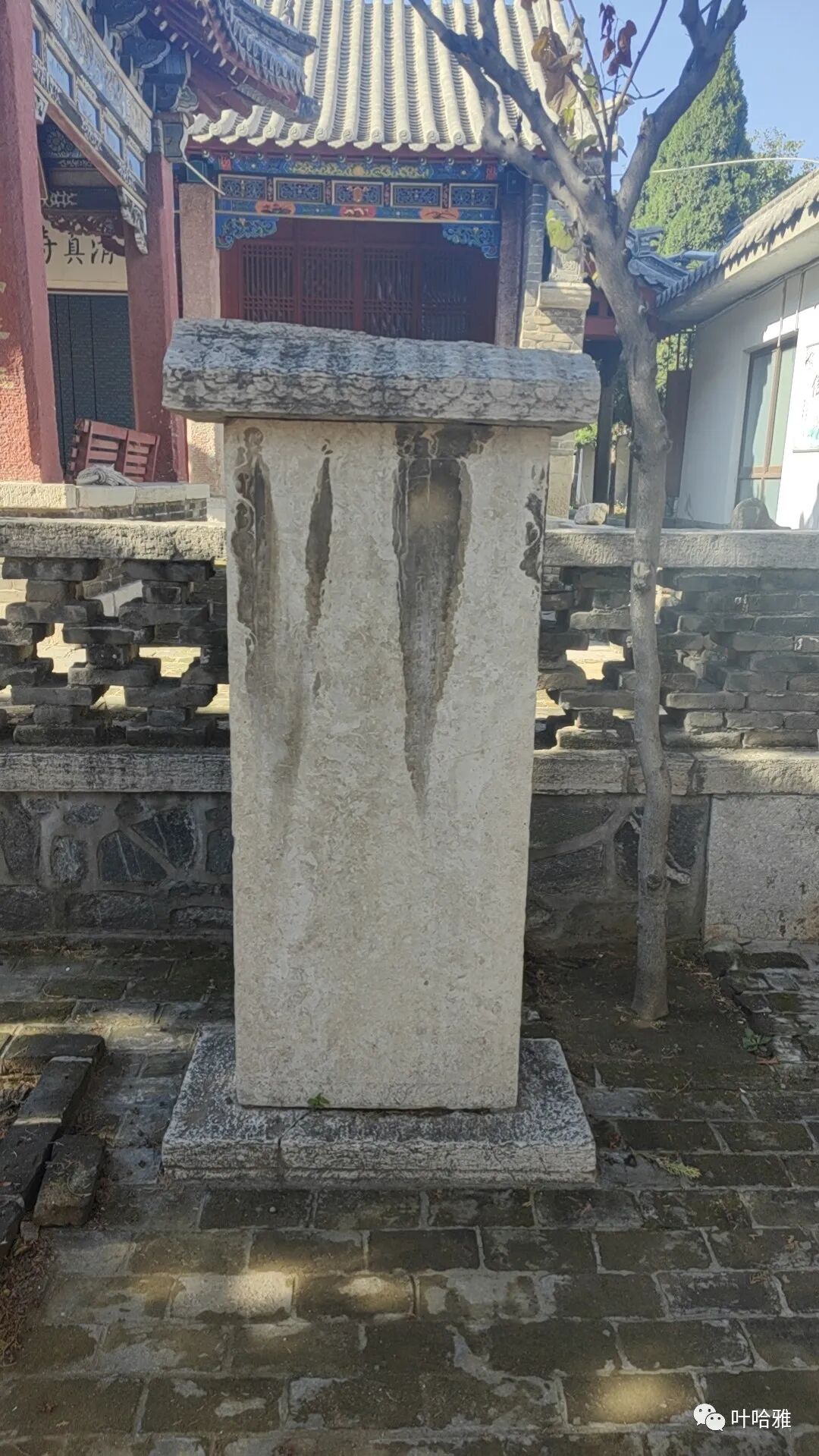
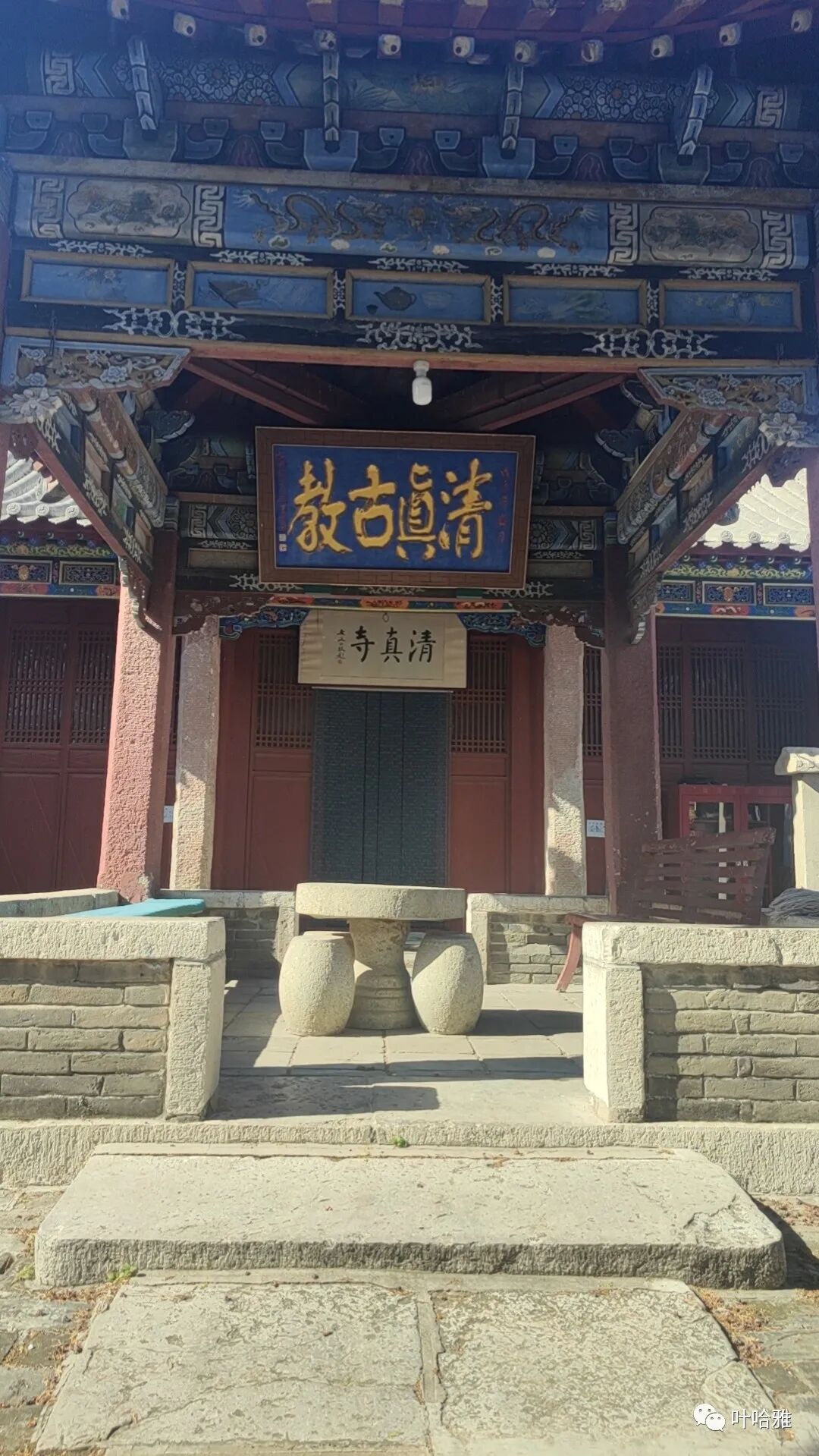
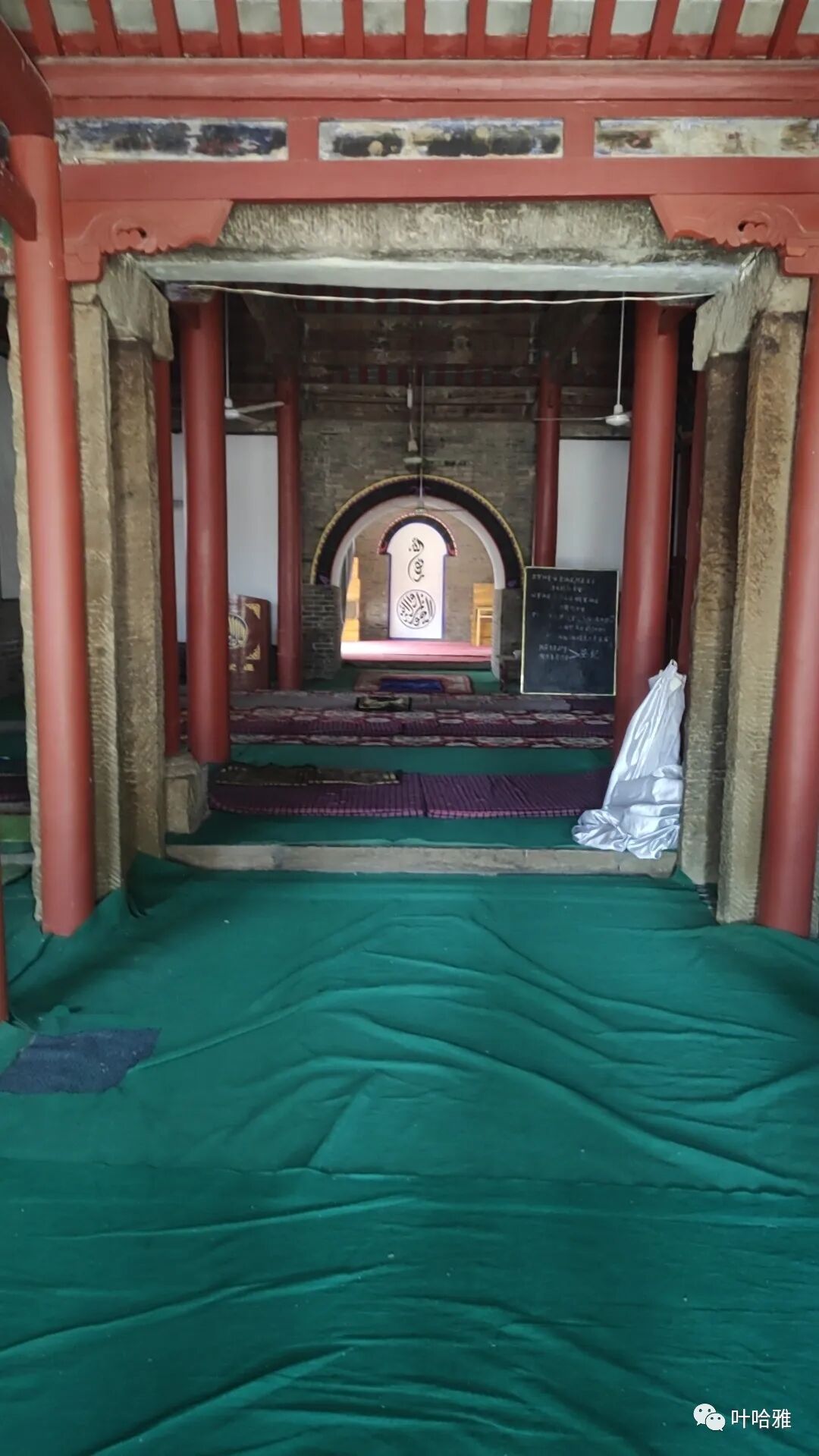
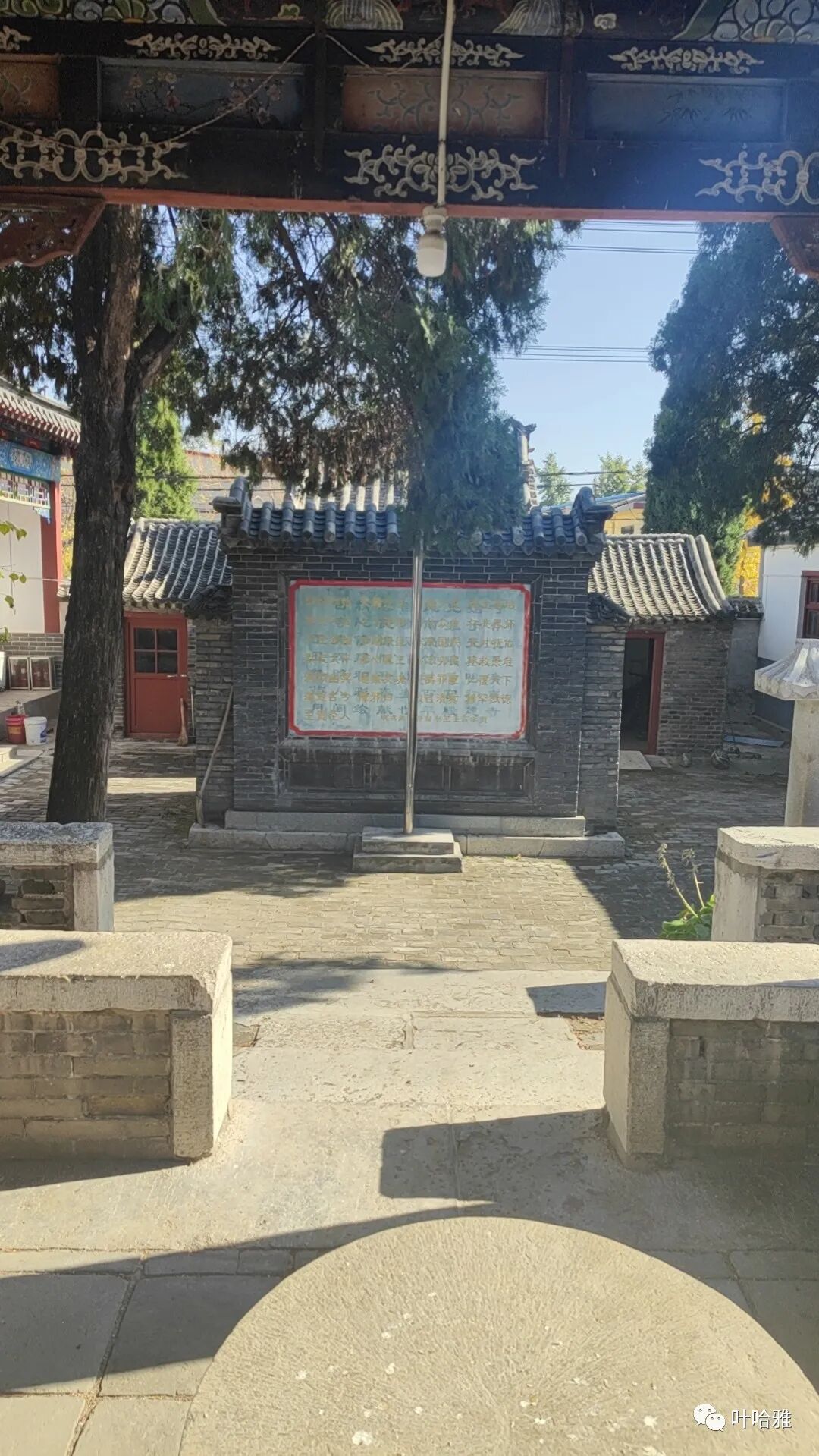
Yuezhuang Village Mosque
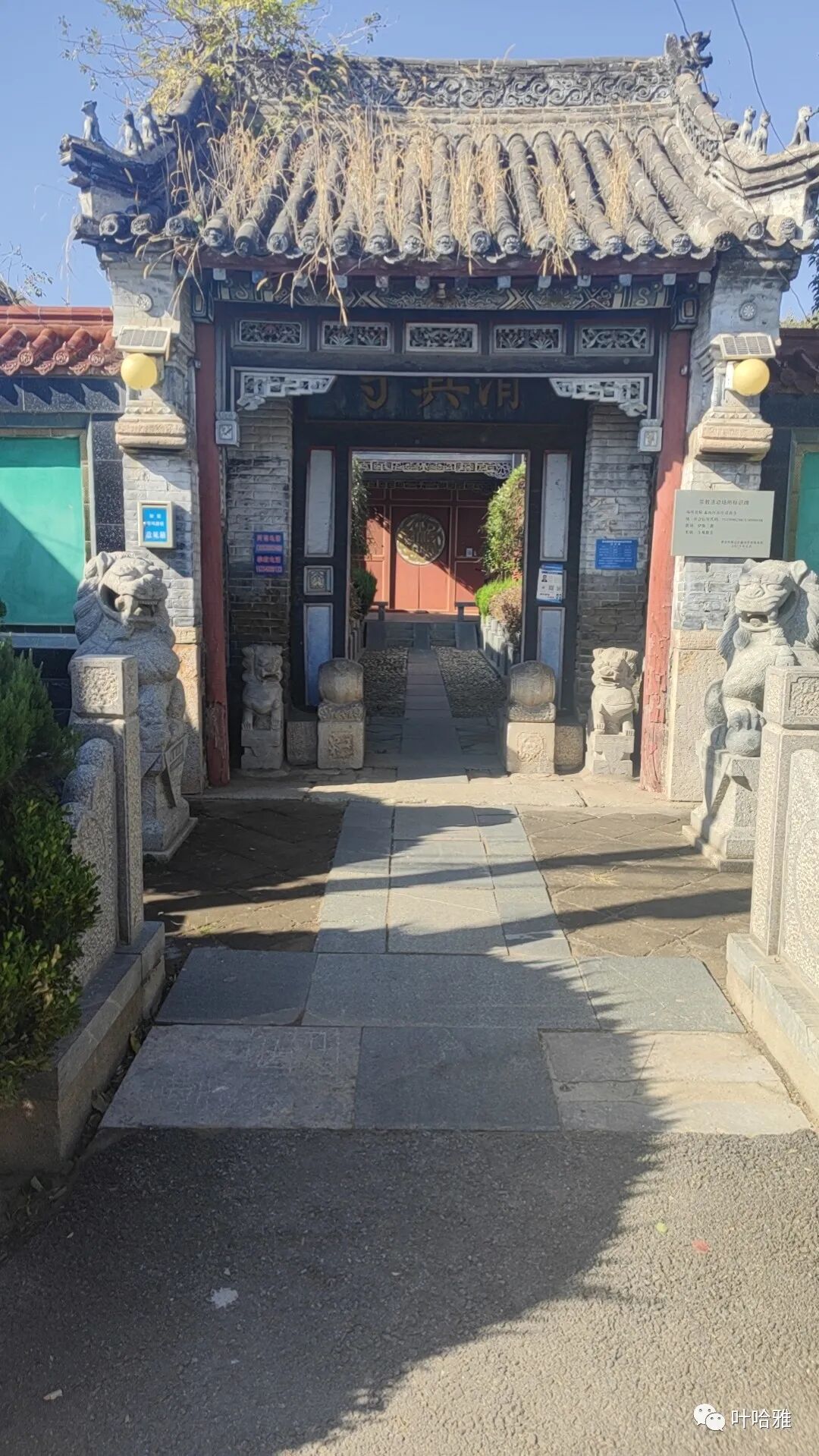
Yuezhuang Village Mosque in Shengzhuang Town is located in the middle section of the village's north-south main street. The mosque was built around the middle to late Ming Dynasty and has been repaired many times since its founding. In the second year of the Daoguang reign of the Qing Dynasty (1822), imams and village elders proposed raising funds, and Gao Dalun and Zhao Tinggui were responsible for rebuilding all the structures. Since the reform and opening up, it has been repaired many times. It was renovated again in 1995 and 2011.
The mosque has one main prayer hall, five northern lecture halls, five southern lecture halls, three water rooms, one side room, one bathing room, one inner gate, one front gate tower, and one screen wall. Both the northern and southern lecture halls have porch extensions (baoxia). The mosque is 60 meters long and 50 meters wide. The prayer hall is a Qing Dynasty building with a three-section, three-hall layout. It is divided into front, middle, and rear halls, measuring 25 meters long and 40 meters wide. The front hall is a scroll-shed hard-mountain style (juanpeng yingshan) structure, 10 meters long and 6.1 meters wide. The middle hall is a hard-mountain style (yingshan) structure, 13 meters long and 17 meters wide, with side rooms on the north and south sides covering about 42 square meters each. The rear hall is a three-story brick-and-wood structure with a pointed roof and grey tiles. The northern and southern lecture halls and the water rooms are newly built. The northern lecture hall is 40 meters long and 10 meters wide. The southern lecture hall is 40 meters long and 10 meters wide. The water room is 30 meters long and 10 meters wide. There are four stone tablets remaining: the 1822 "Stele Record of the Mosque Renovation" from the second year of the Daoguang reign, the 1995 "Stele of Eternal Fame," and two 2011 "Steles of Lasting Fame."
Since the Republic of China era, the mosque's religious affairs have been led by imams including Zhan Qinggui, Wang Changshun, Wang Fuxiang, Yang Zhaozeng, Mi Zongkun, Jin Haixue, Ma Chunyu, Jin Haizeng, Xu Yongqiang, and Bai Jian. The mosque is managed by a management committee, with past directors including Jin Dejia, Yang Xingqi, Gao Chuandong, Yang Zhengwu, and Han Jingxin. Village elder Jin Tongchun went on the Hajj pilgrimage to Mecca in 2014. Under the guidance of the mosque management committee, the imam explains religious rules and laws to local Muslims during religious holidays and carries out religious activities according to the law. The mosque houses two incense burners and eight water ewers (tangping).
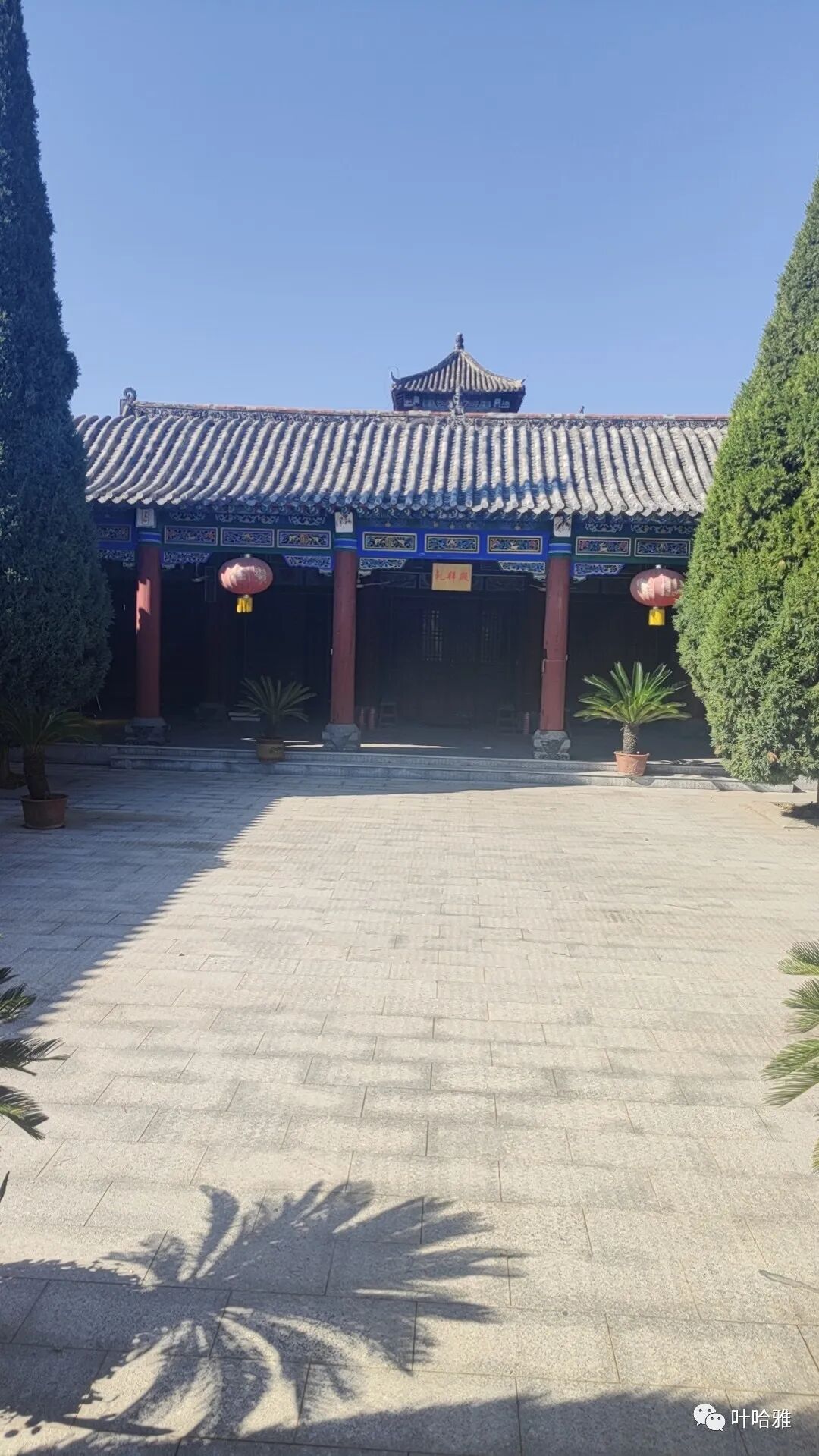
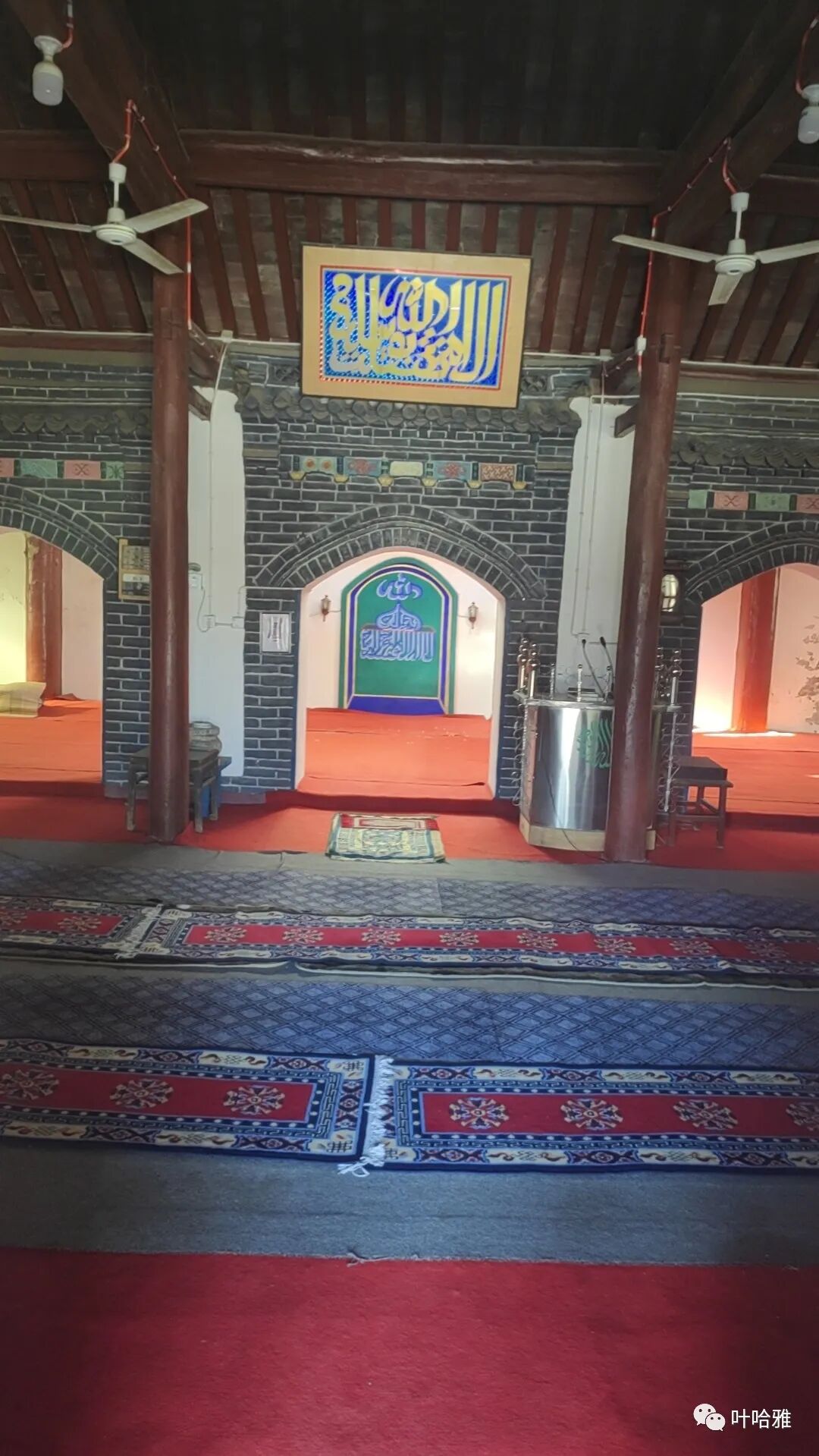
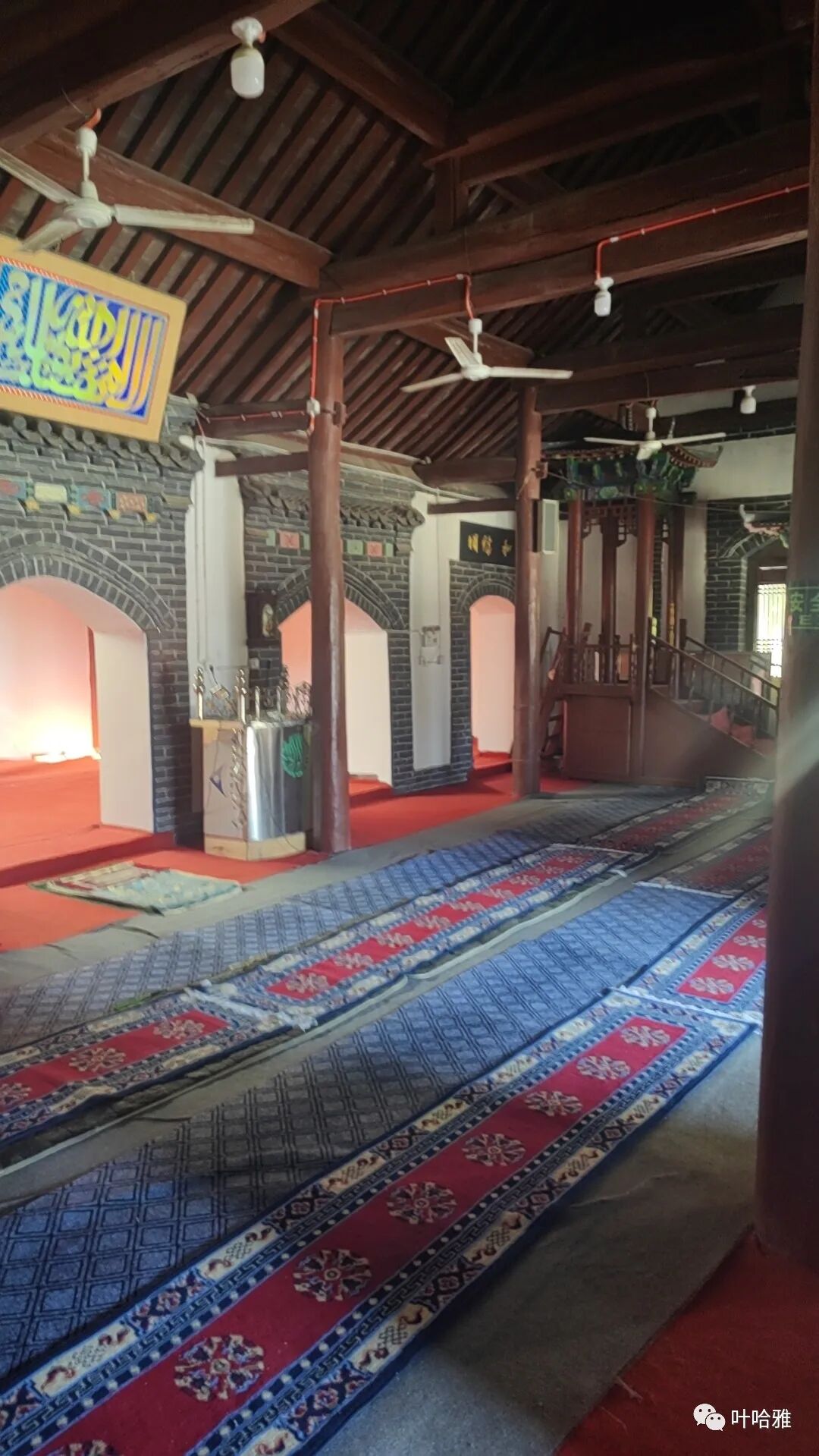
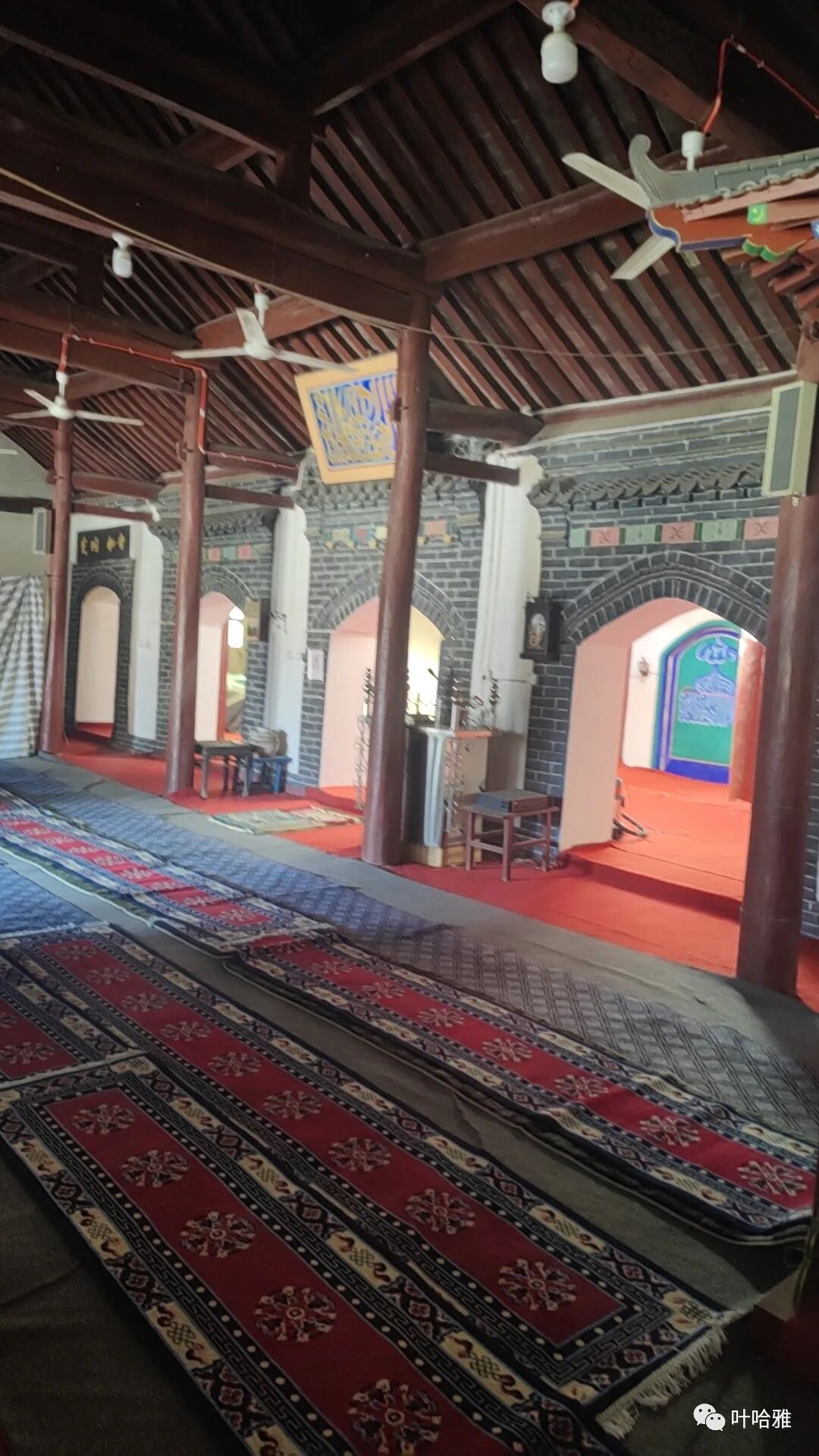
Gangshang Village Mosque
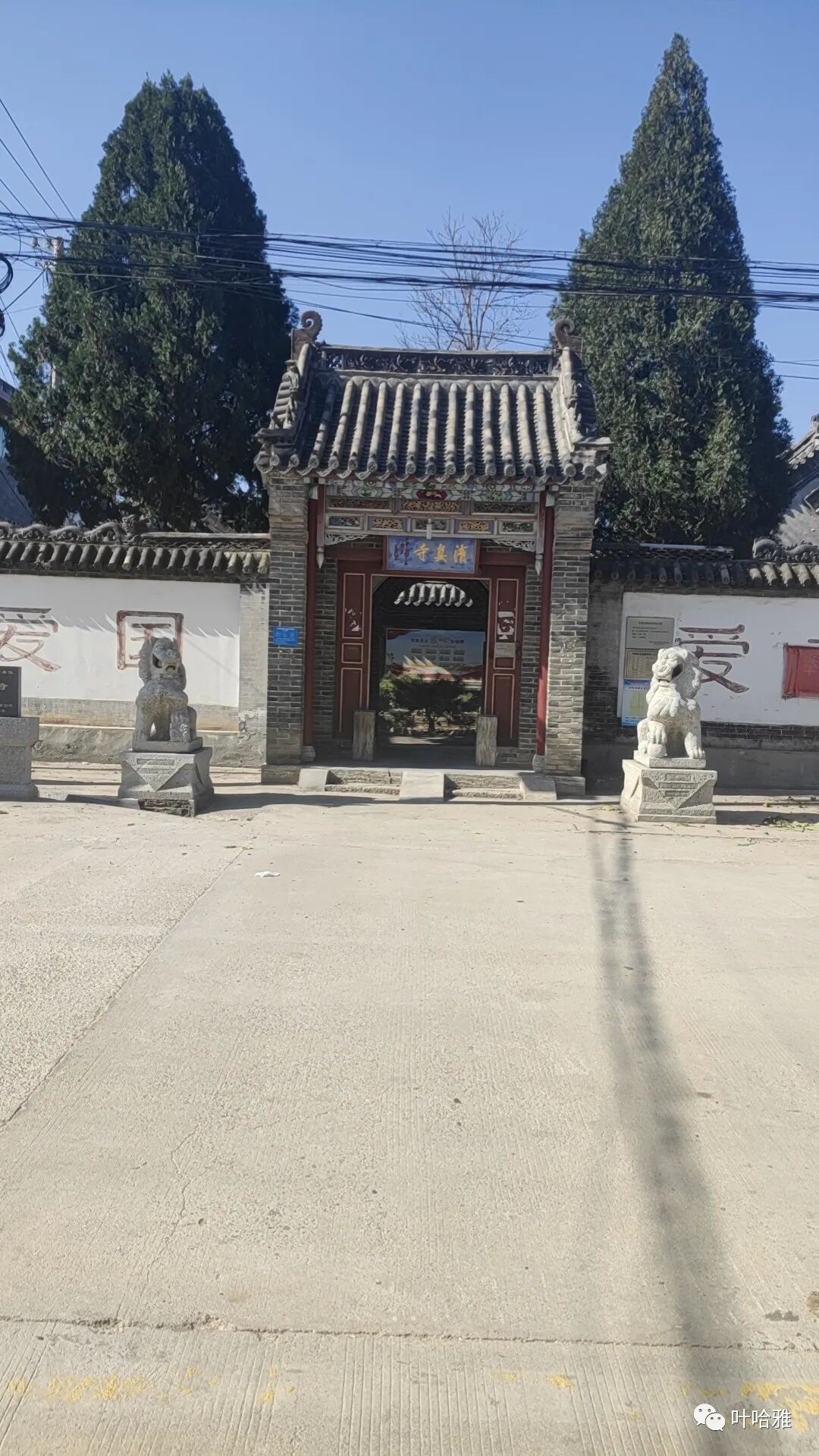
Gangshang Village Mosque in Shengzhuang Town is located in the middle section of the village's main north-south street. It was first built around the mid-to-late Ming Dynasty and has been renovated several times since. In the 14th year of the Jiaqing reign of the Qing Dynasty (1809), the rear hall was expanded and the front hall was repaired, followed by large-scale renovations in 1923. Since the founding of the People's Republic of China, and especially in recent years, the mosque has undergone multiple repairs, giving it a completely new look.
The mosque is 56.6 meters long and 32.7 meters wide. It currently has one main hall, three north lecture rooms, three south lecture rooms, one gate tower, one side room, one bathing room, two inner gates, one front gate tower, and two stone lions. The courtyard walls on both sides of the gate tower feature traditional-style eaves and a 'two dragons playing with a pearl' carving. There is a stone lion on each side of the front door.
The eaves of the main hall feature palace-style paintings, and the main entrance has a plaque inscribed with scripture and the Basmala (Tasmie). To the left in front of the hall stands the 1820 (the 25th year of the Jiaqing reign of the Qing Dynasty) Stele Record of the Mosque Renovation, and to the right is the Revolutionary Martyrs Monument. In front of the main hall is a square moon terrace with blue brick patterned walls, a bluestone slab roof, and five steps. The main hall is divided into a front hall and a rear hall, measuring 19.5 meters long and 10 meters wide in total. Ten wooden pillars inside the hall support the roof. Two stone pillars support the stone gutter (tiangou) used for draining rainwater between the two halls. On the northwest side, there is an intricately crafted minbar archway with nine steps. The back wall of the main hall has a hanging doorway leading to the rear kiln hall, decorated with scripture paintings. The hall is carpeted and equipped with electric lights and sound equipment. The front and rear halls have a total of four side rooms.
The north lecture hall is a newly built structure in an antique style, 15.1 meters long and 7.1 meters wide. The front porch has round pillars and five steps. The middle three rooms of the north lecture hall serve as a reception area. The two rooms on the east and west sides are living quarters for the imam and the religious leader. The south lecture hall is also a newly built structure in an antique style, measuring 15.1 meters long and 4.2 meters wide, sitting in harmony across from the north lecture hall.
The north courtyard contains a washroom (shuifang) that is 40 meters long and 6.1 meters wide. There are also other buildings including a storage shed, a funeral room, and a utility room, with five rooms for the women's mosque in the northwest corner. Five stone tablets remain today: the 1820 'Record of Rebuilding the Mosque' from the 25th year of the Jiaqing reign of the Qing Dynasty, the 2002 'Revolutionary Martyrs Monument,' the 2006 'Preface to Rebuilding the Gangshang Mosque Washroom' and 'Mosque Washroom Tablet,' and the 2010 'Tai'an City Key Cultural Relics Protection Unit Tablet.'
The mosque has trained dozens of imams and other religious staff, and since the Republic of China era, religious affairs have been led by imams including Jin Dechang, Ma Tongyu, Jin Maozeng, Jin Maoyuan, Yang Xinzeng, and Jin Shuai. The mosque is managed by a mosque management committee, with Mi Yong and Sha Chuanren serving as committee directors consecutively.
The mosque carries out religious activities strictly in accordance with the law. There was once a 'Long Live the Emperor' tablet and several Ming-style incense burners, but their whereabouts became unknown during the Cultural Revolution. In 2010, it was designated as a key cultural relics protection unit of Tai'an City, and in 2014, it received the titles of 'Shandong Province Model Religious Activity Venue' and 'Tai'an City Model Mosque.'
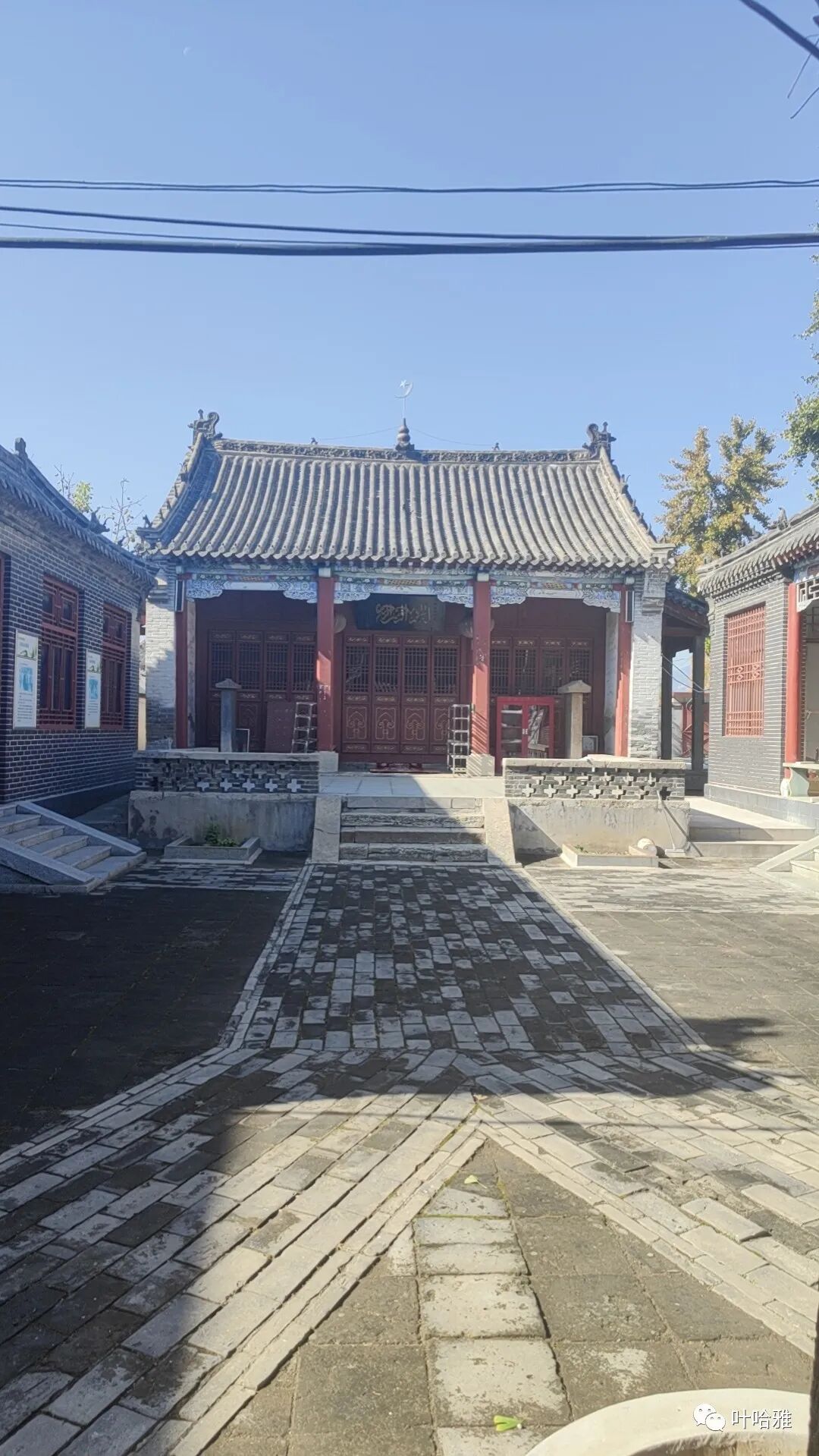
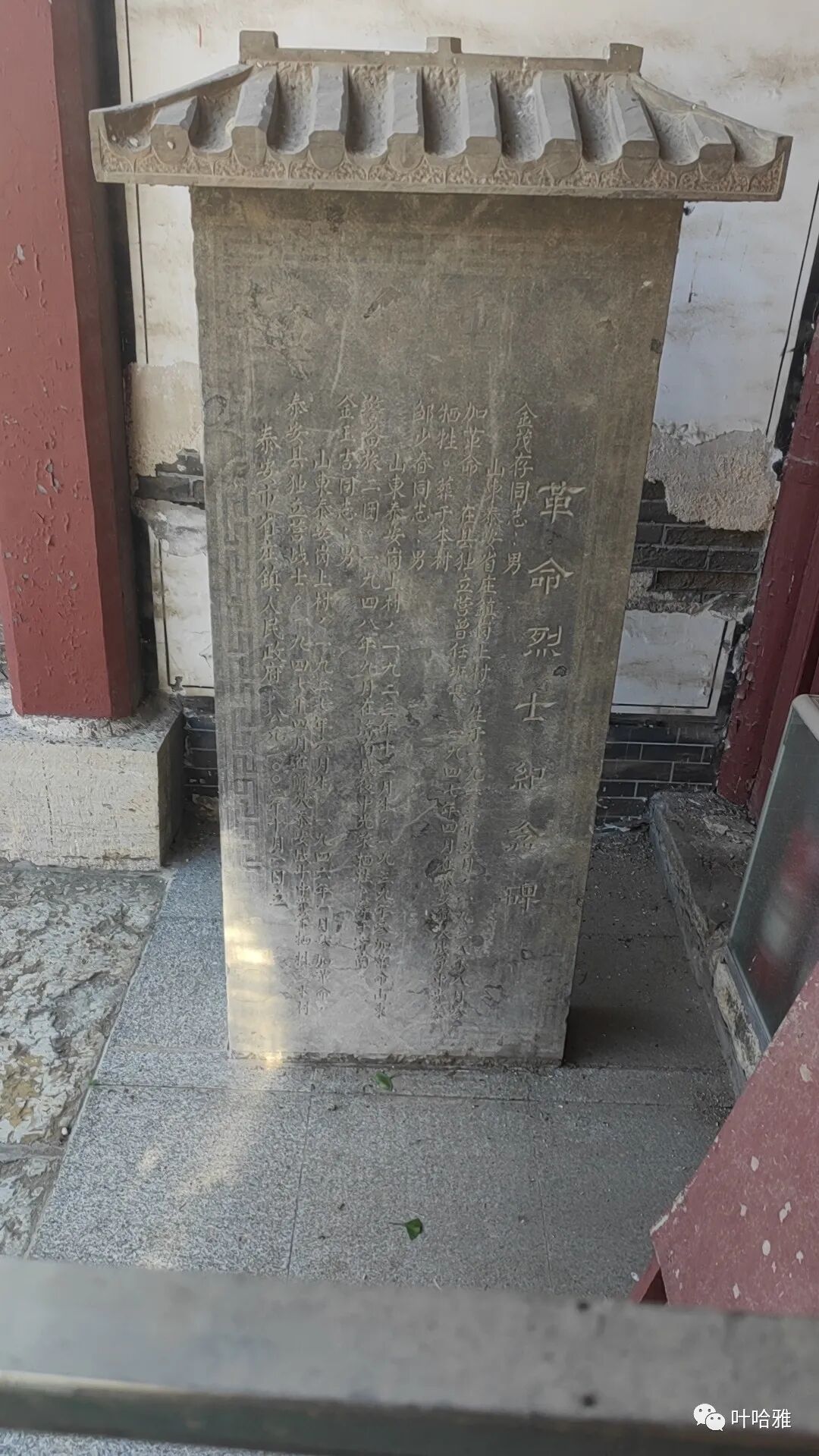
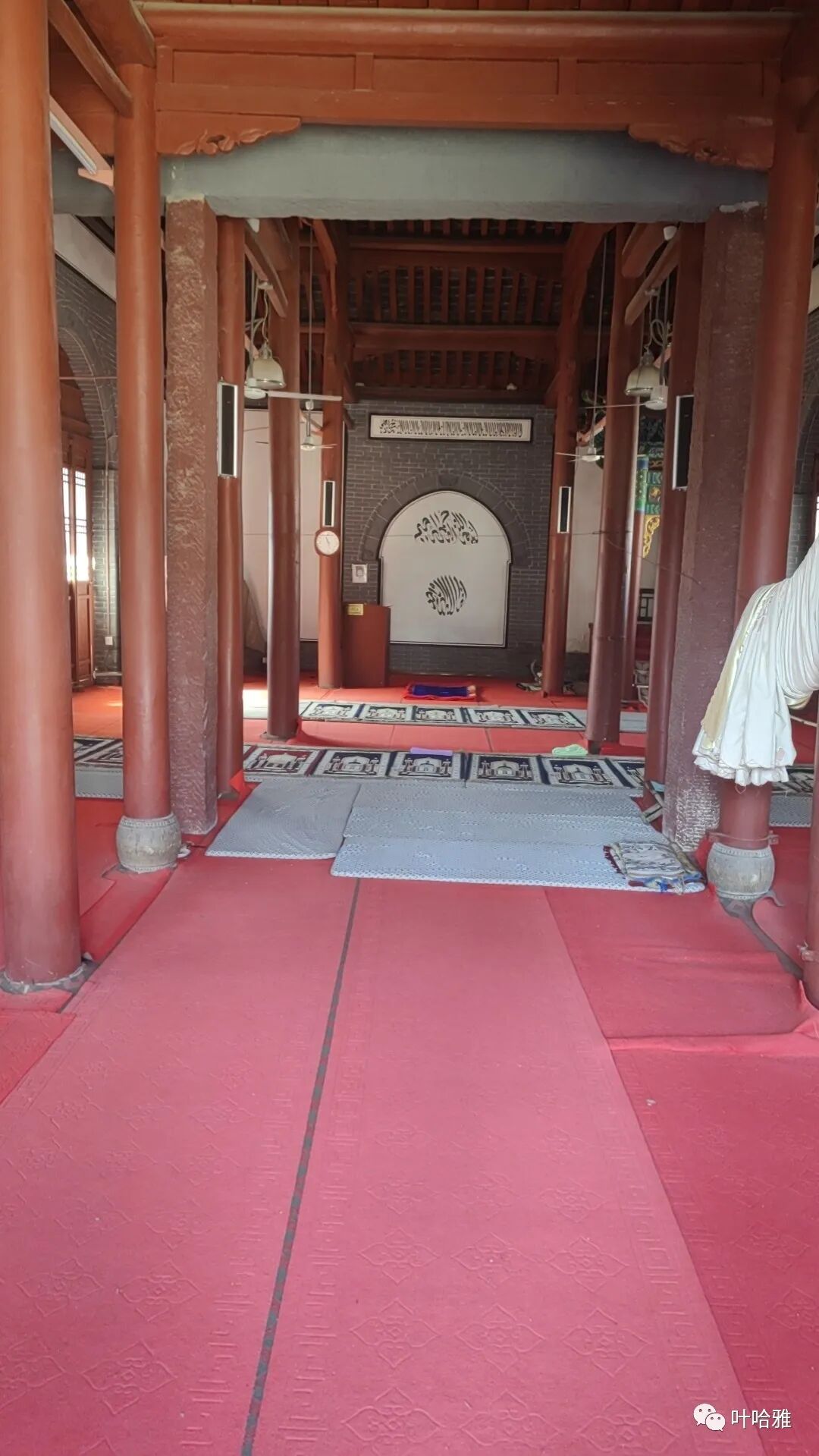
Ershilibu Village Mosque
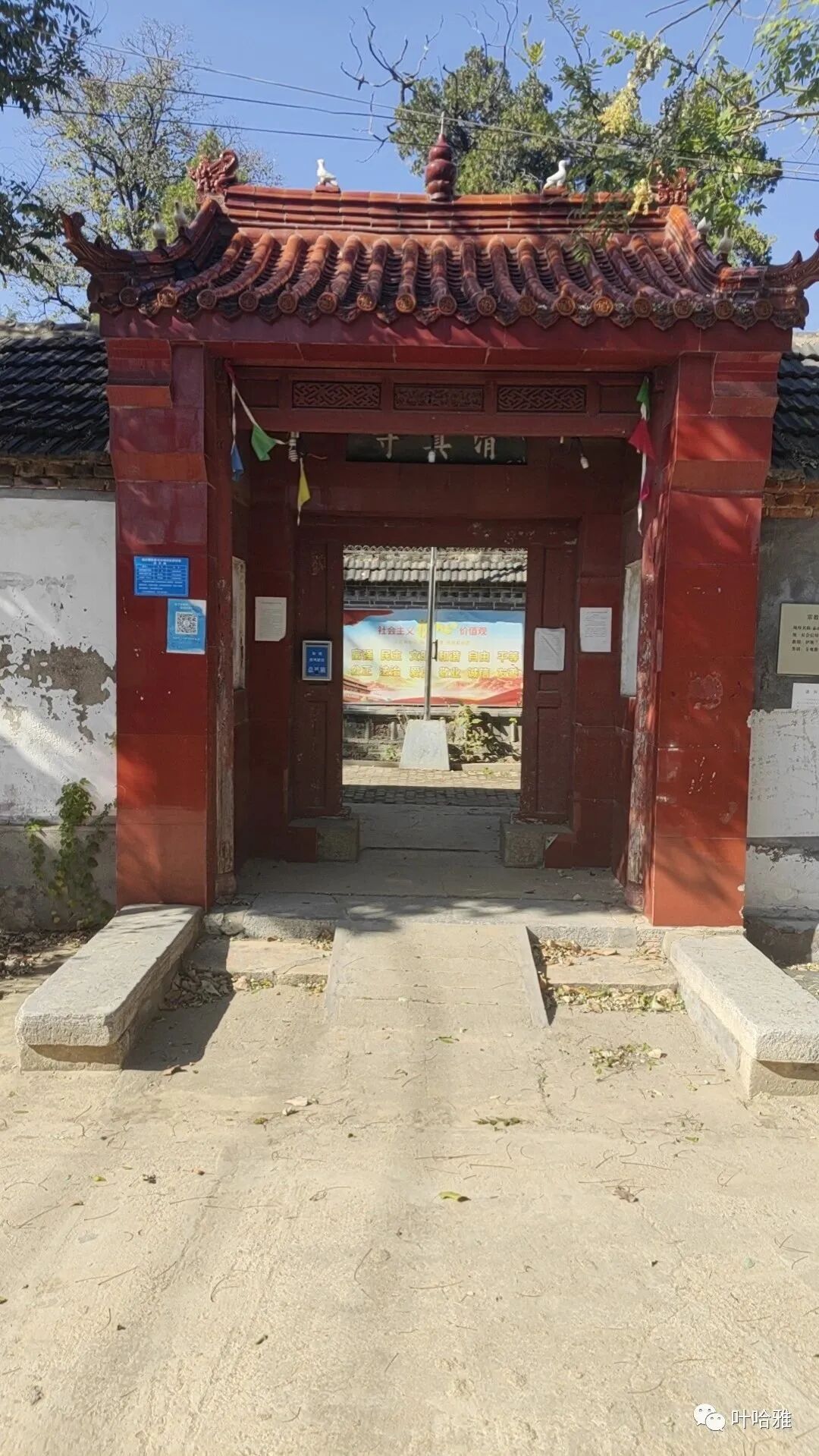
The Ershilibu Village Mosque in Shengzhuang Town sits at the south end of the village. The exact date of its founding is unknown. Major renovations took place in 1881 during the Qing Dynasty, in 1945 during the Republic of China era, and again in 2001.
The mosque includes one main prayer hall, four rooms for the north lecture hall, three rooms for the south lecture hall, one gate tower, one spirit wall (yingbi), one raised platform (yuetai), one south side room, one side room on each side of the front gate, and two ancient trees. The mosque is 66.56 meters long and 50 meters wide. The main prayer hall has two sections, front and back, standing 12 meters high, 18 meters long, and 12 meters wide. The front hall is a hard-mountain style building with a brick and wood structure and a four-pillar front porch (baoxia). The back hall has side rooms to the north and south, stands about 11 meters high, and dates back to the Qing Dynasty. Both the north and south lecture halls are four-room brick and wood structures with black tiles, featuring four beams and five purlins. The north lecture hall is 16.2 meters long and 5.1 meters wide, and the south lecture hall is also 16.2 meters long and 5.1 meters wide. The ablution room (shuiwu) is 28.5 meters long and 5 meters wide. There are two stone tablets here: the Stele of Eternal Fame (Wangu Liufang Bei) from 2000 and the Stele of Ethnic Unity and Merit (Minzu Tuanjie Gongde Bei) from 2001.
The mosque's religious affairs were led by imams including Zhao Bingfa, Zhu Ahong, Li Shengcai, Mi Guangxun, Yang Zhaozeng, Mi Peiqi, Ding Jian, and Ma Depeng. In 2010, Imam Ma Depeng and two women, Hong Zhenxi and Hong Zhenying, went to Mecca for the Hajj. The mosque is managed by a committee, and past directors include Hong Jiren, Zuo Xingwang, Hong Zhenyi, and Ding Yanzhi.
During the War of Resistance Against Japan, Imam Yang Dechun hid Muslim anti-Japanese fighters from the Japanese army by disguising them as religious students (hailifan) inside the mosque. After the founding of the People's Republic of China, Imam Li Shengcai trained students including Mi Guangxun, Han Jingming, Zhu Yuepo, and Zhao Chang'en. In May 1964, Imam Yang Dechun was elected vice president of the first committee of the Shandong Islamic Association. The mosque currently houses items such as an incense burner, a water pitcher (tangping), a floor mirror, and palace lanterns. In 2011, it was named a Shandong Province Harmonious Religious Venue.
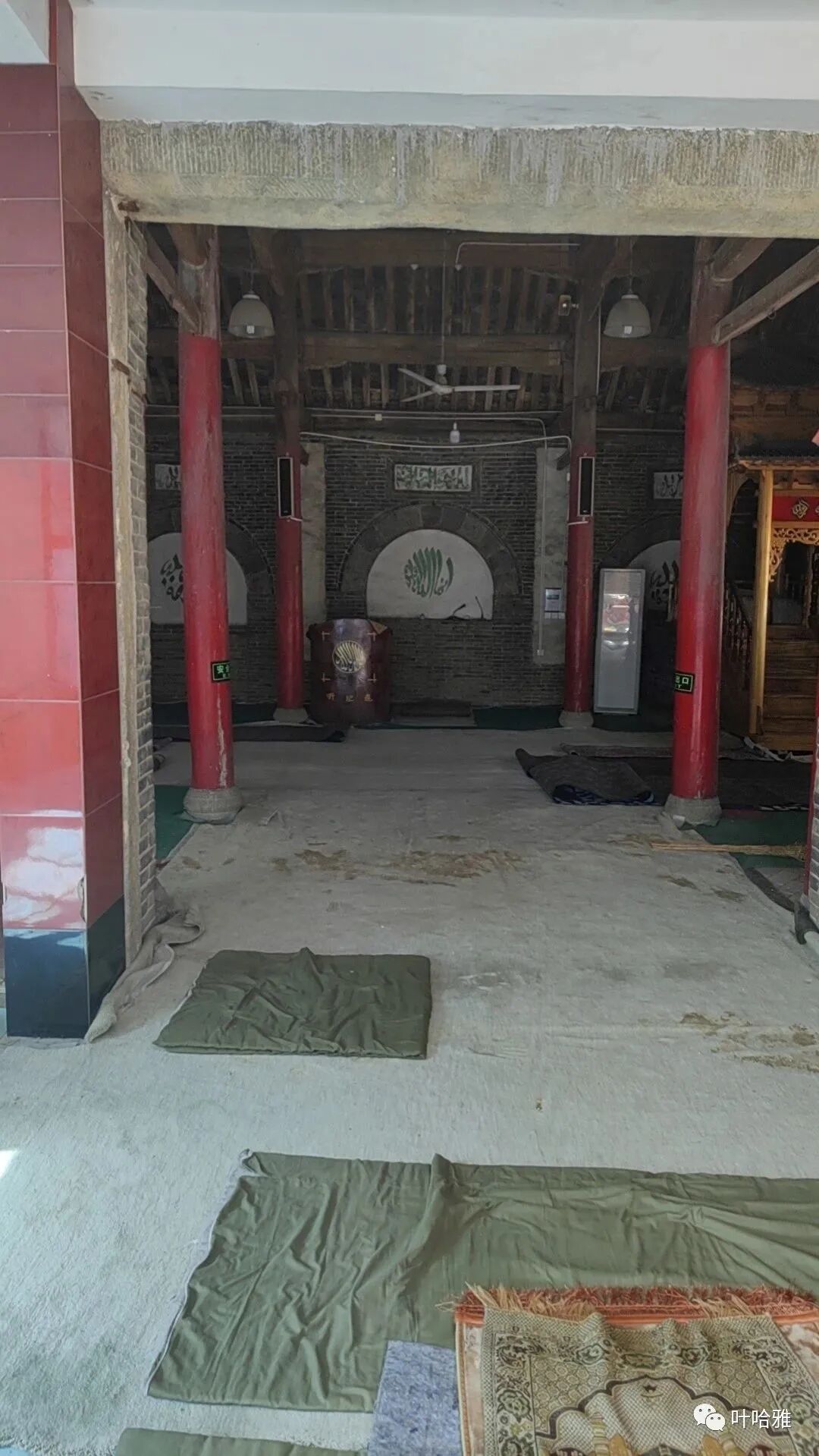
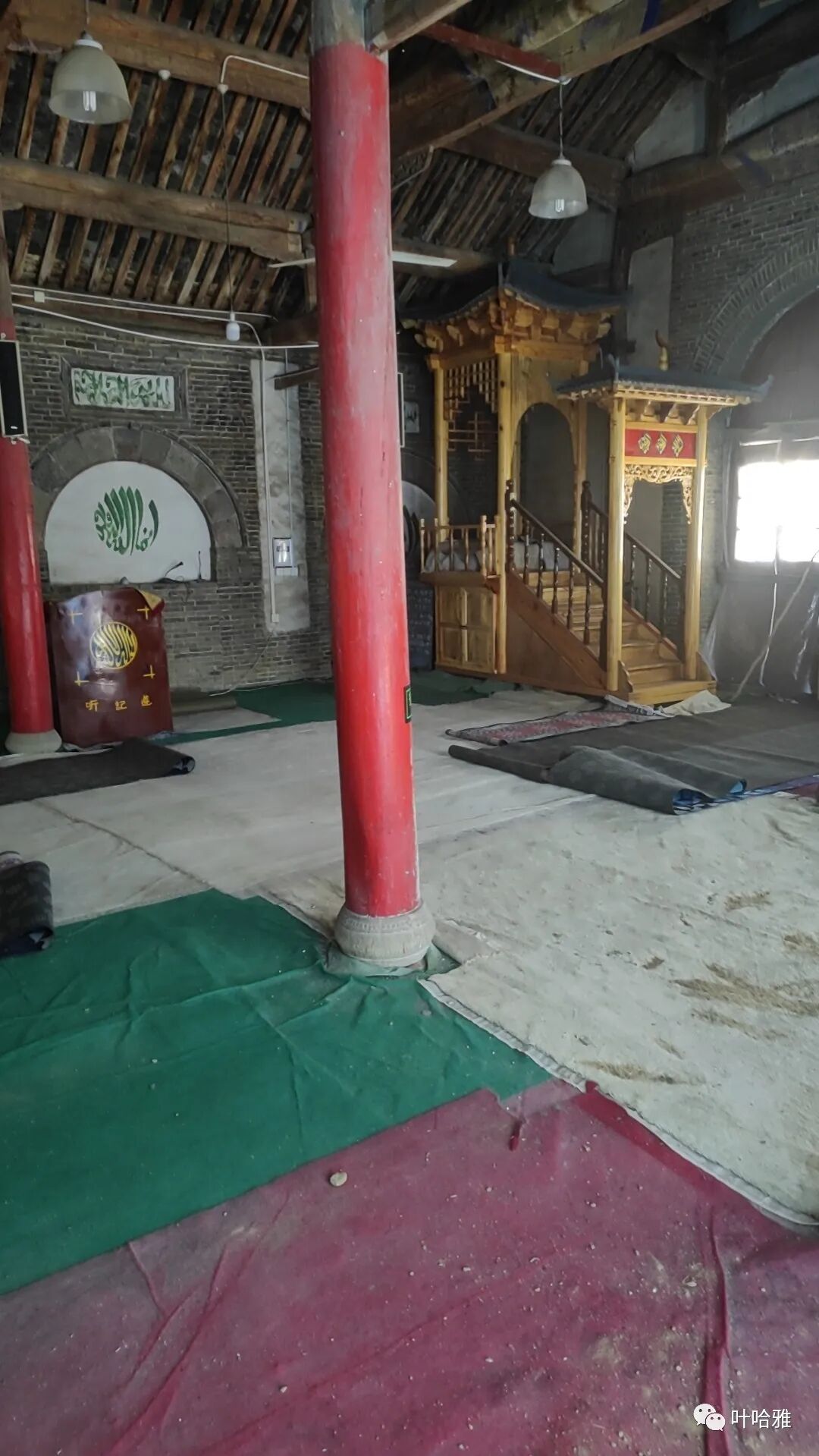
Dongsun Village Mosque.
Located in the western part of Dongsun Village in Shengzhuang Town, the mosque was built in the late Qing Dynasty and has been repaired many times since. Large-scale renovations took place in 2001, 2006, and 2014.
The mosque courtyard has one main prayer hall, eight northern lecture rooms, eight southern lecture rooms, one front gate tower, one screen wall, and one raised platform. The mosque is 53.5 meters long and 30 meters wide. The main prayer hall is a two-part, two-section structure from the Qing Dynasty. It has a hard mountain-style roof made of brick, wood, and grey tiles, measuring 12.5 meters long and 11.7 meters wide. The front hall has two side rooms, each 3.9 meters long and 1.9 meters wide. The north and south lecture rooms are newly built, with the north lecture room measuring 23 meters long and 6.7 meters wide. The south lecture room is 8.63 meters long and 7.2 meters wide. The water room is 8.63 meters long and 7.2 meters wide. The boiler room is 5.74 meters long and 7.2 meters wide. Outside the main gate of the mosque, there is a flower bed and a square with a total area of 473.29 square meters.
The mosque currently houses five stone tablets: the 1904 Tablet for the Reconstruction of the Mosque from the Guangxu era of the Qing Dynasty, the 1930 Mi Gaoshi Land Donation Tablet from the Republic of China era, the 2001 Tablet Listing Donors for Mosque Construction, the 2007 Tablet for the Reconstruction of the Mosque, and the 2014 Memorial Tablet for Donations to the Major Renovation of the Main Hall.
Imams trained at this mosque throughout its history include Yang Zhanchun, Yang Huaizhen, Mi Hechun, Mi Xiyu, Mi Shuqian, and Mi Peiqi. After the Cultural Revolution, Imams Mi Hechun and Ma Qun served as leaders of the mosque's religious affairs. The mosque is now managed by the Mosque Management Committee, with Yang Huaiyin serving as the committee director.
Dongsun Village Mosque was named a Model Mosque of Tai'an City in 2008 and 2014, and it was named a Harmonious Religious Activity Venue of Shandong Province in 2010.
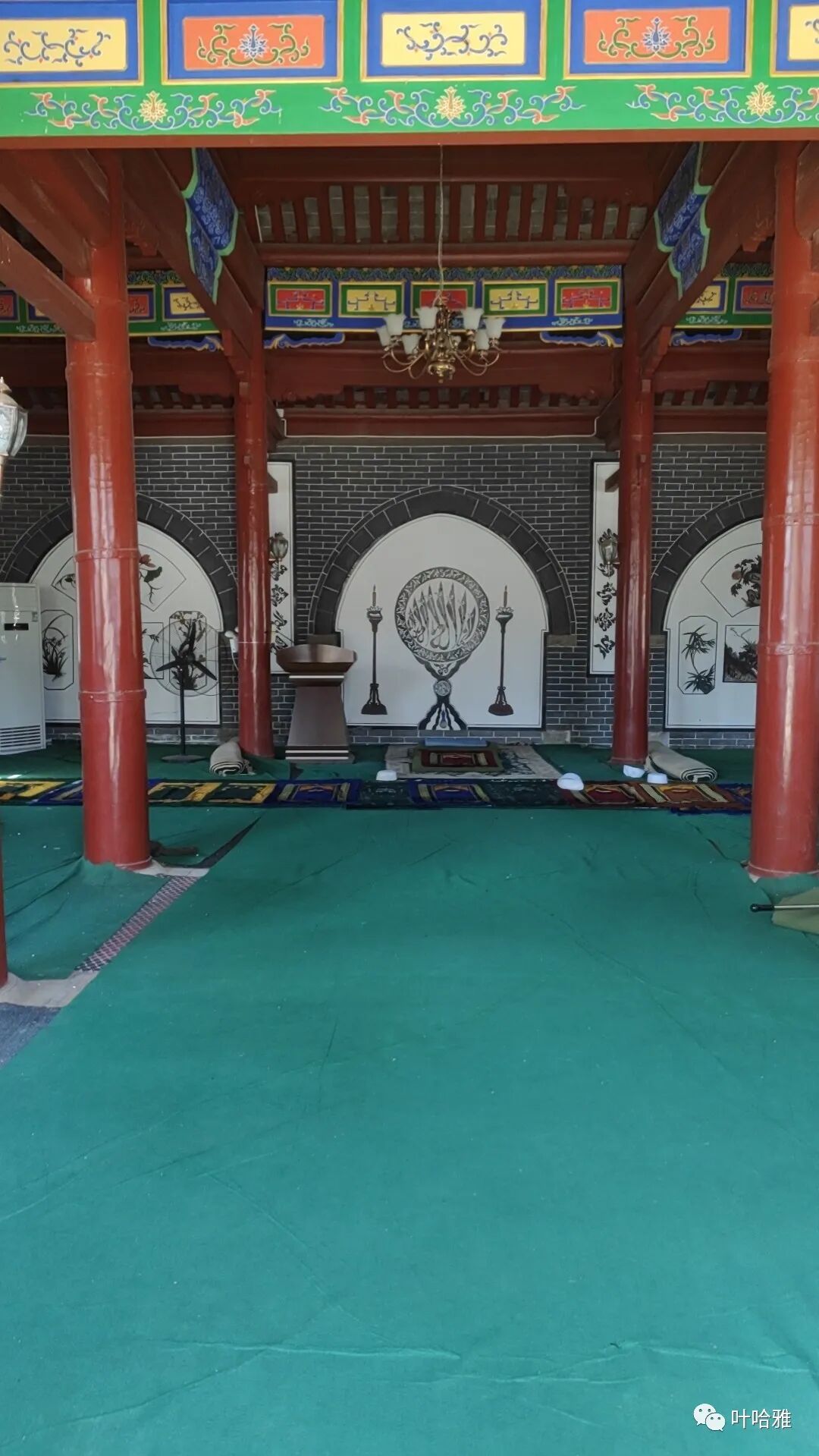
Liujiazhuang Mosque
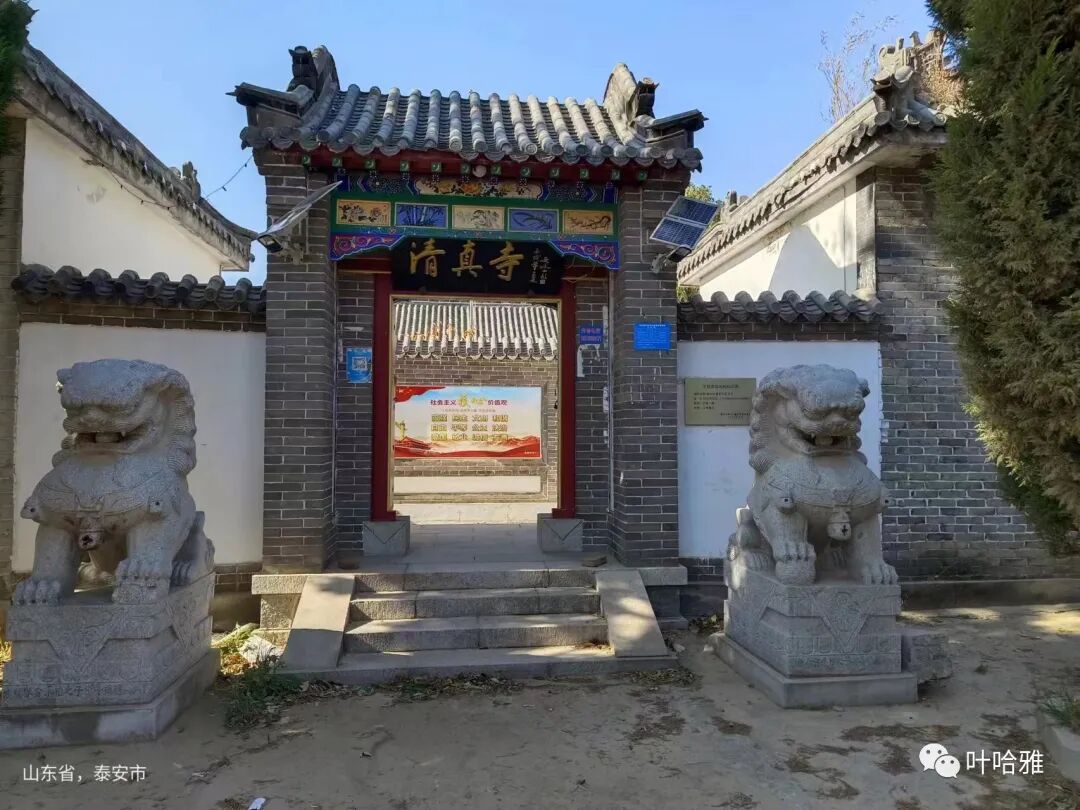
Liujiazhuang Village Mosque in Shengzhuang Town is located in the south of the village. It was built in 1917, the sixth year of the Republic of China, with funding from Jin Fengyin, Jin Fengcai, and others from Liujiazhuang Village, and it has been repaired many times since.
The mosque has one main prayer hall, four rooms for the north annex and north lecture hall, three rooms for the south lecture hall, and one spirit wall (yingbi), covering a total area of about 150 square meters. The main hall is three bays wide with a front porch. It features a black brick, tile, wood, and stone structure with a hip-and-gable roof and a front-embracing porch. The door frame of the front porch has colorful paintings. It is 10 meters long from north to south and 6 meters deep. There is also one reception room, four bathing rooms, and one ancient cypress tree. The courtyard covers an area of 288 square meters. There are four existing stone tablets: the Tombstone of Mr. Jin from 1910 (the second year of the Xuantong reign of the Qing Dynasty), the Tablet Record of Building Liujiazhuang Mosque from 1917 (the sixth year of the Republic of China), the Mosque Tablet Record from 1928 (the seventeenth year of the Republic of China), and the 2013 Tablet of Donors for the Liujiazhuang Mosque Funeral Vehicle.
The mosque's religious affairs have been led by imams including Liu Furong and Han Jian. It is managed by the Mosque Management Committee.
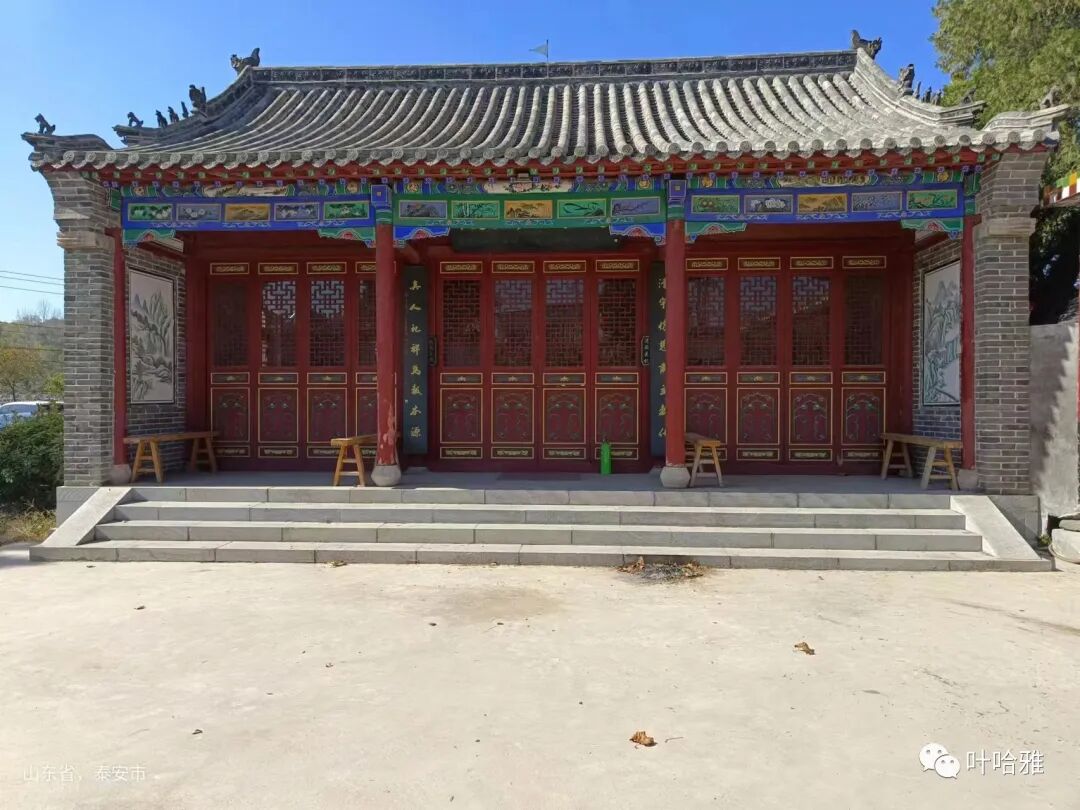
Zhihuizhuang Village Mosque
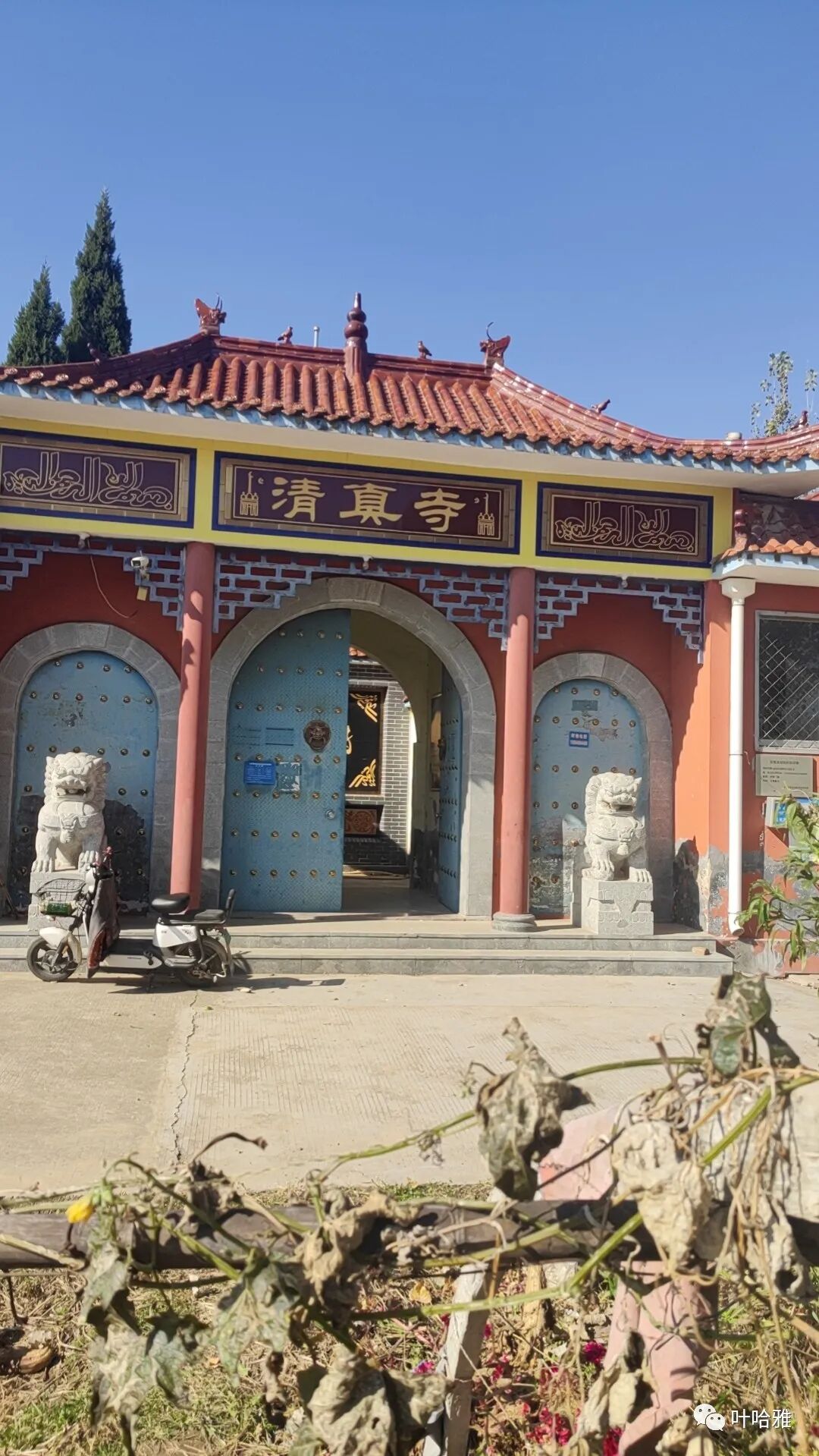
Zhihuizhuang Village Mosque in Shengzhuang Town sits on the south side of the village. It was built in 1994 and has been repaired several times since. The mosque is a modern building, 18 meters long and 27 meters wide. The main prayer hall is 10 meters high, 13 meters long, and 13 meters wide. The north lecture hall is 9 meters long and 5 meters wide. The south lecture hall is 9 meters long and 5 meters wide. The water room is 5 meters long and 5 meters wide. There are two stone tablets here: the 2005 "Stele of Eternal Fame" and the "Stele Recording Donations from Han Chinese Compatriots for the Mosque's Main Hall."
Imams such as Zhang Shuiquan and Zhang Guorui have led religious affairs at the mosque. The village has produced several imams, including Zhang Changshi, Zhang Shuiquan, Zhang Feng, and Zhang Guorui. Zhang Changshi once traveled to Mecca for Hajj. It is now managed by the mosque management committee. Past directors include Zhang Changling, Zhang Changxin, Xu Yongchang, Zhang Changjin, Zhang Hengzhen, and Zhang Hengyong.
The mosque was awarded the title of Shandong Province Harmonious Religious Activity Venue.
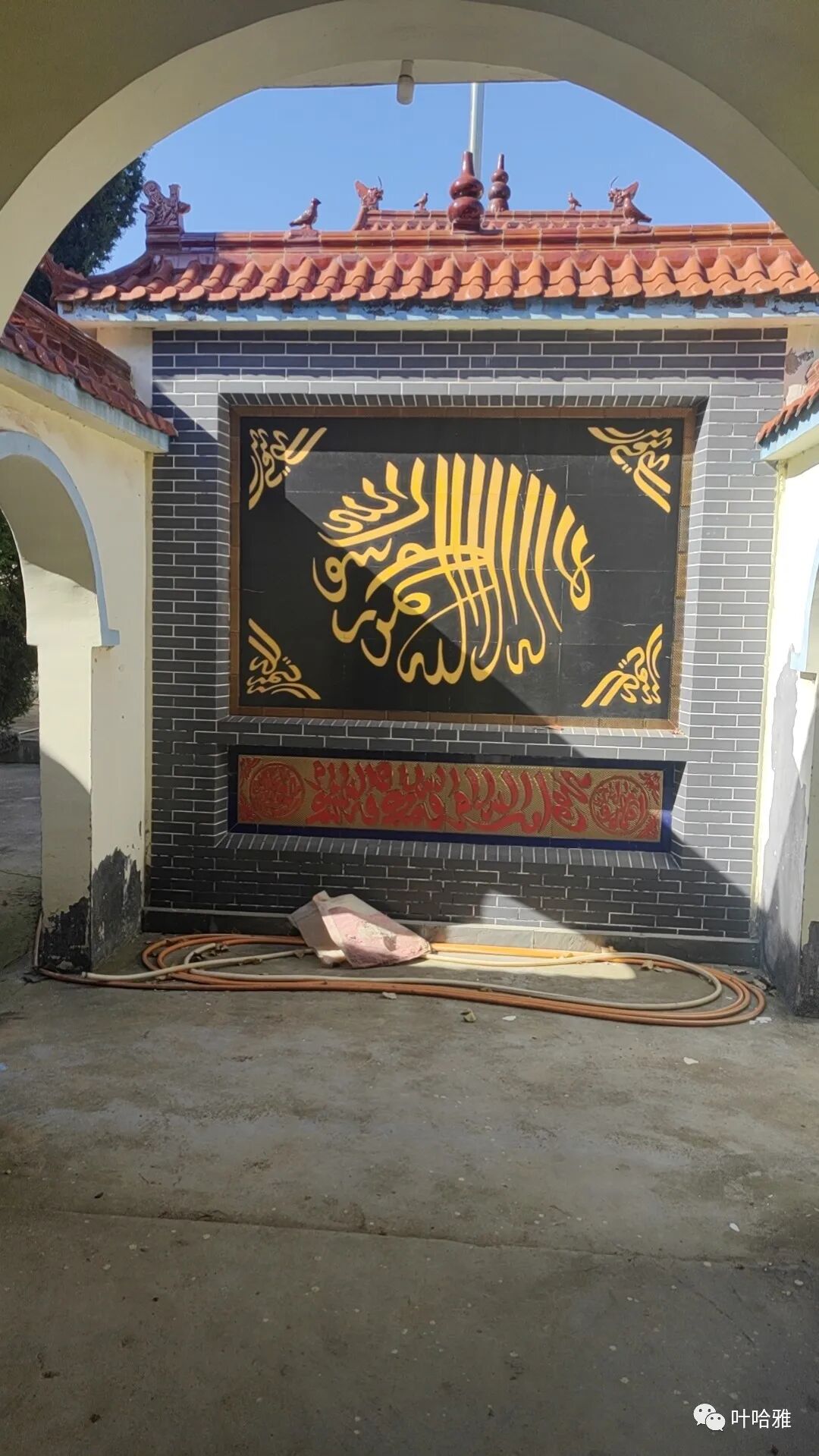
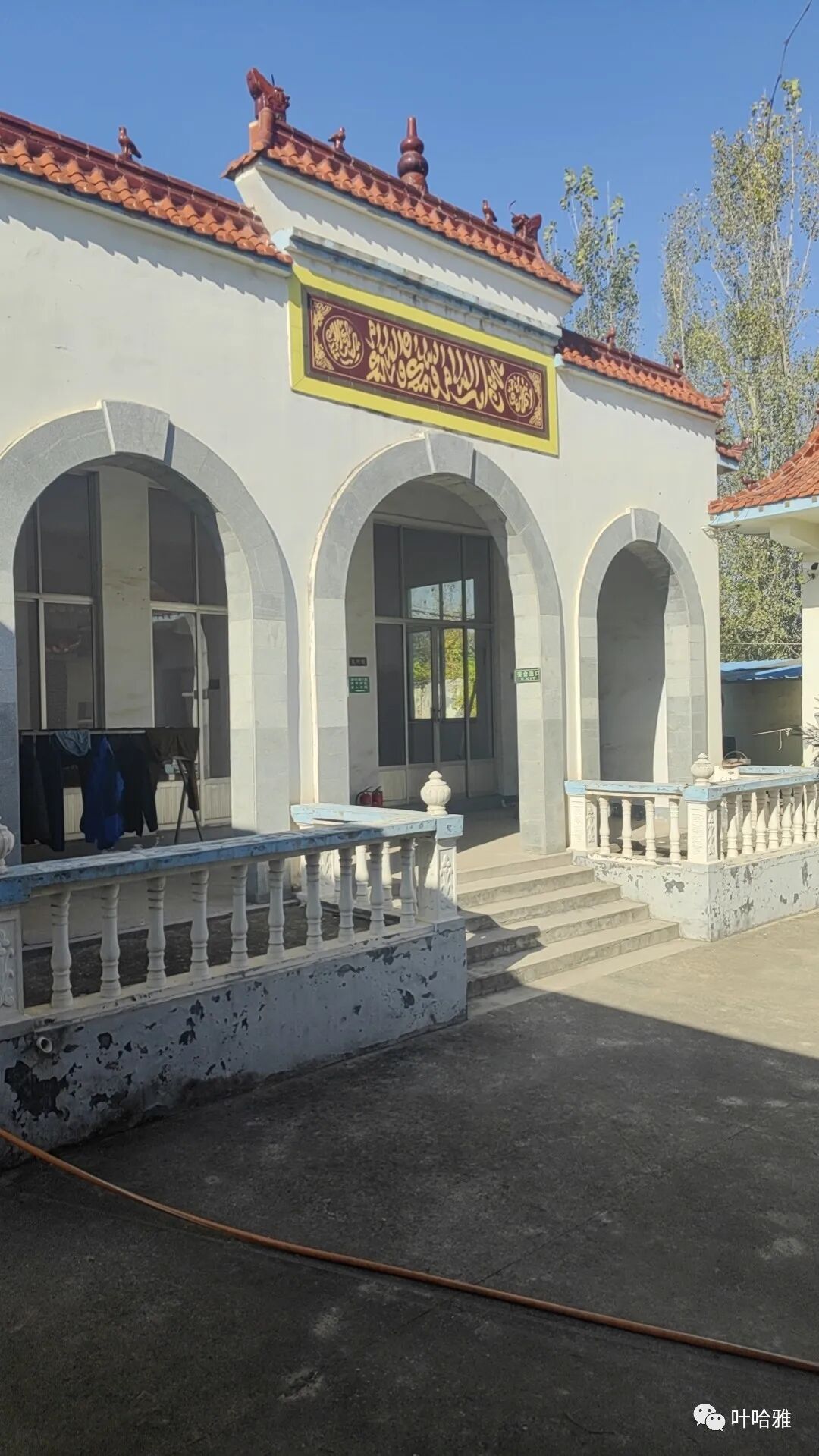
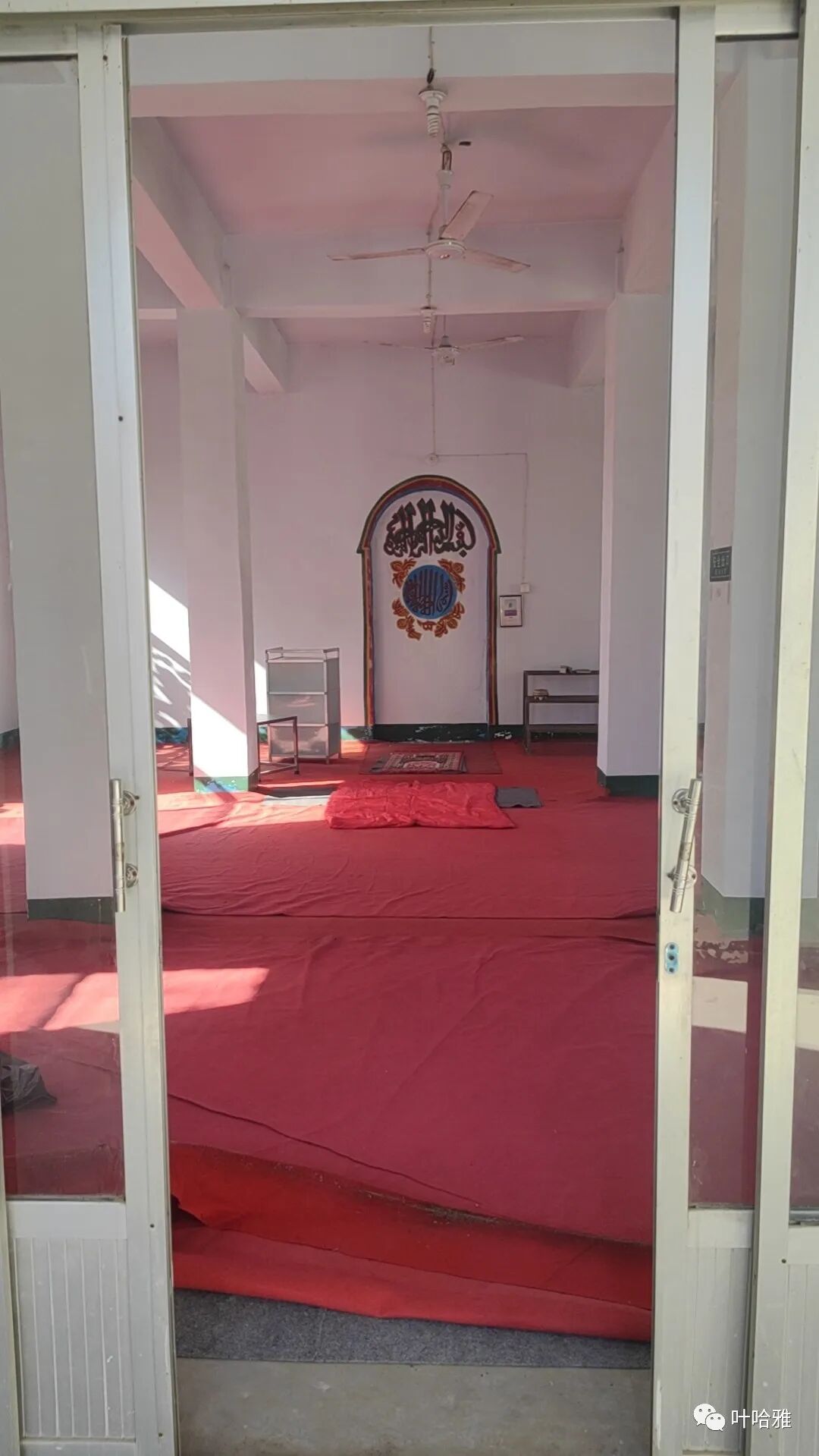
Daiyue District
Xijie Mosque
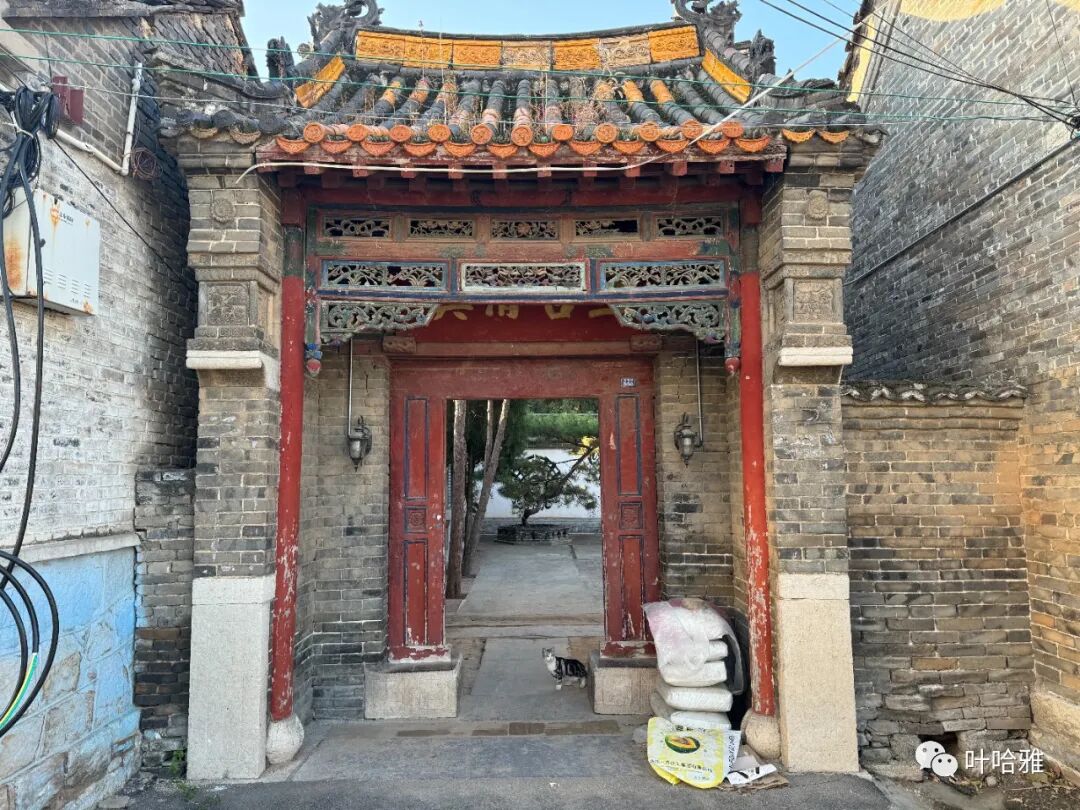
The Xijie South Mosque in Mazhuang Town is located in the southeast corner of Qianying Village. It was founded in the early years of the Qianlong reign of the Qing Dynasty and has been expanded and renovated ever since. It was renovated multiple times in 1781, 2003, and 2015.
The main buildings of the mosque include the front gate, the second gate, the front hall, the middle hall, and the rear hall. They are arranged along a central east-west axis with symmetrical side structures. The three-courtyard layout features the architectural style of a Chinese palace. The mosque is 60 meters long and 60 meters wide. The rear hall has three levels and stands 22 meters high. The main hall is 30 meters long and 14.5 meters wide. The north lecture hall is 14.3 meters long and 6.3 meters wide. The south lecture hall is 7 meters long and 6.2 meters wide. The water room is 18.6 meters long and 6.2 meters wide. The mosque gate is 4.7 meters long and 3.9 meters wide, and there are also facilities like a storage room, kitchen, and garage.
The mosque has 6 existing stone tablets, including the 1781 Tablet Record of the Renovation of the Front Hall of the Xijie Qianyin Village Mosque from the Qianlong reign of the Qing Dynasty, the 1802 Tablet Record of the South Mosque Street Residence from the Jiaqing reign, the Tablet Record of the Bai Family Genealogy from the late Qing Dynasty, the 2003 Tablet Record of the Renovation of the Front Hall and Rear Kiln of the Xijie Qianyin South Mosque and the Tablet Record of Donations for the Renovation of the Front Hall and Rear Kiln of the South Mosque, and the 2015 Merit Tablet for Donations to the Renovation of the North Lecture Hall of the South Mosque.
Imams including Bai Anfu, Bai Maosheng, Zhang Fengyi, Bai Anmeng, Bai Guangpu, and Bai Anzhong once led religious affairs at the mosque, and it is currently led by Imams Ma Yubing and Bai Hairong. Before the founding of the People's Republic of China, the mosque's affairs were managed by village elders and imams, and during the Jiaqing reign of the Qing Dynasty (1796-1820), Ma Long, Bai Guoren, Bai Guoxin, and Bai Guoli were responsible for management. During the late Qing Dynasty and early Republic of China, Bai Zongmao was responsible for management. Starting in the 1980s, a democratic management committee for the mosque was established, and Bai Maojun, Ma Zhulian, Ma Zongwang, Bai Anqi, Bai Anying, Bai Maozhu, Bai Fuhai, and Zhao Xinwen served as directors one after another.
The mosque values religious education, and since its founding, more than 60 imams and scholars have studied the Quran and Hadith there. During the Republic of China era, Bai Zongmao founded a primary school for Hui Muslims at the mosque and invited Mr. Cao Shusheng from the south corner and Mr. Huang from Dapo to serve as teachers.
The mosque currently has a pair of Ming Dynasty grand master chairs, a Qing Dynasty three-legged incense burner, a pair of Qing Dynasty porcelain drums, a plaque for the main gate tower, and a plaque for the front hall. Imam Bai Hairong currently keeps a handwritten copy of the Quran. In 2010, it was named a Harmonious Religious Activity Venue by Shandong Province, and in 2013, it was designated as a Provincial Cultural Relics Protection Unit.
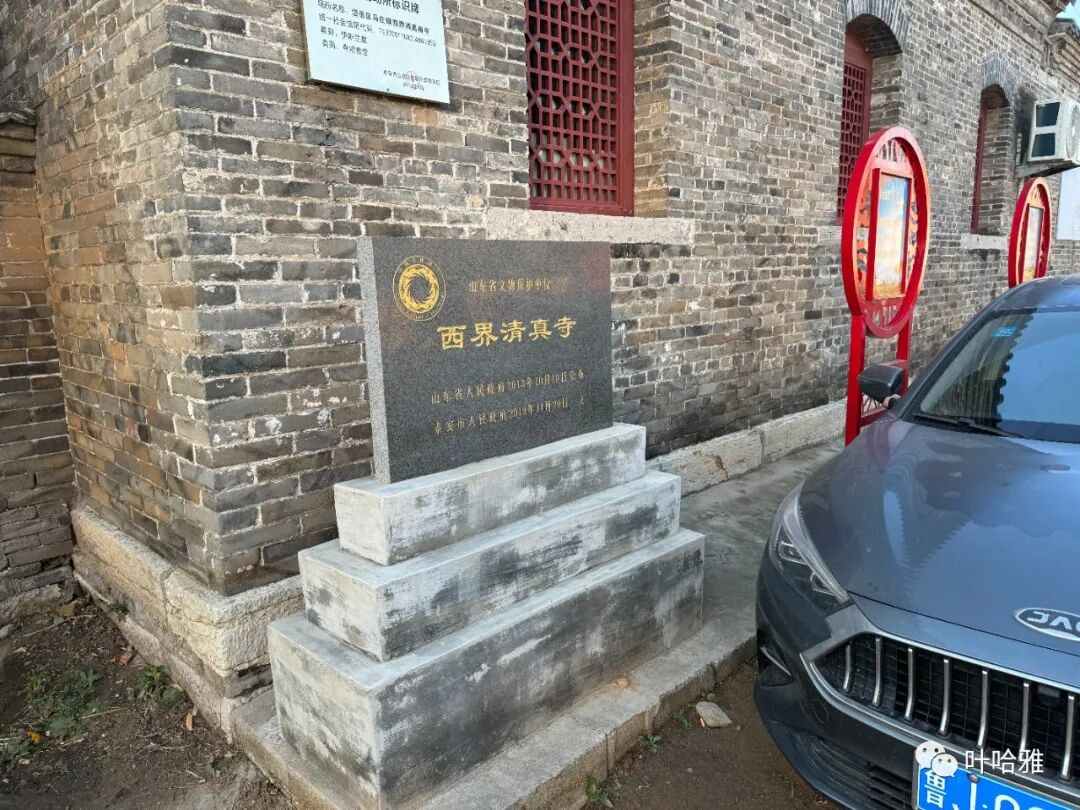
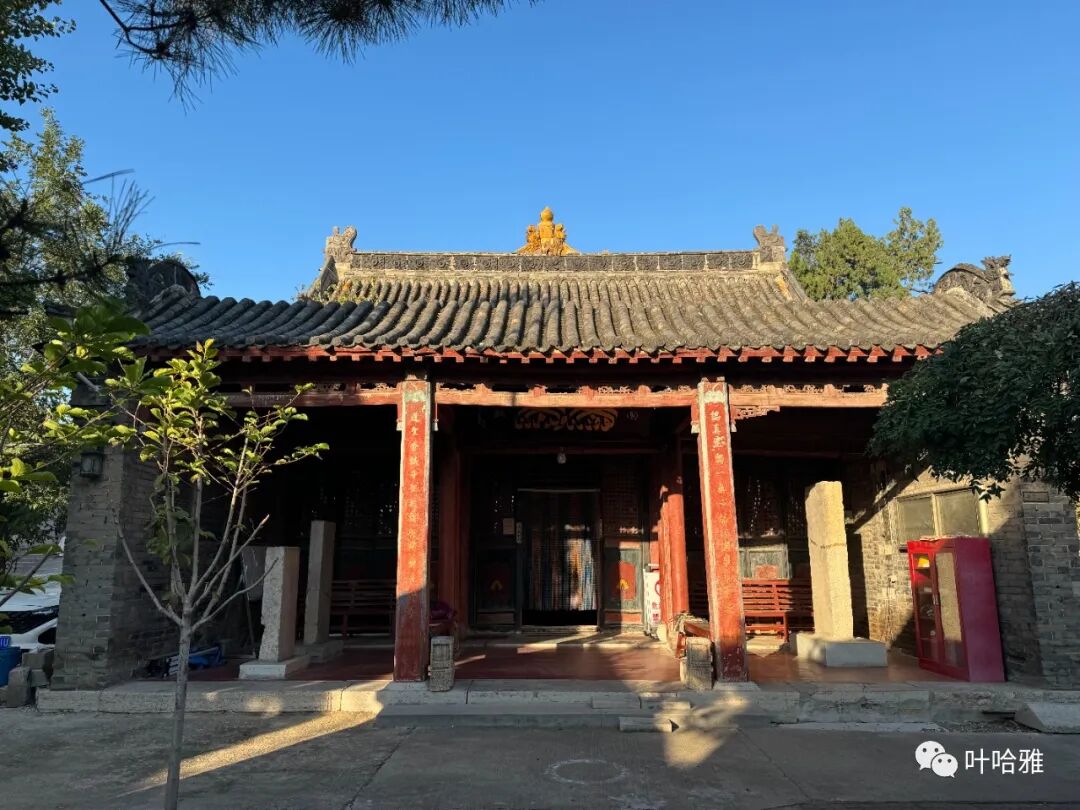
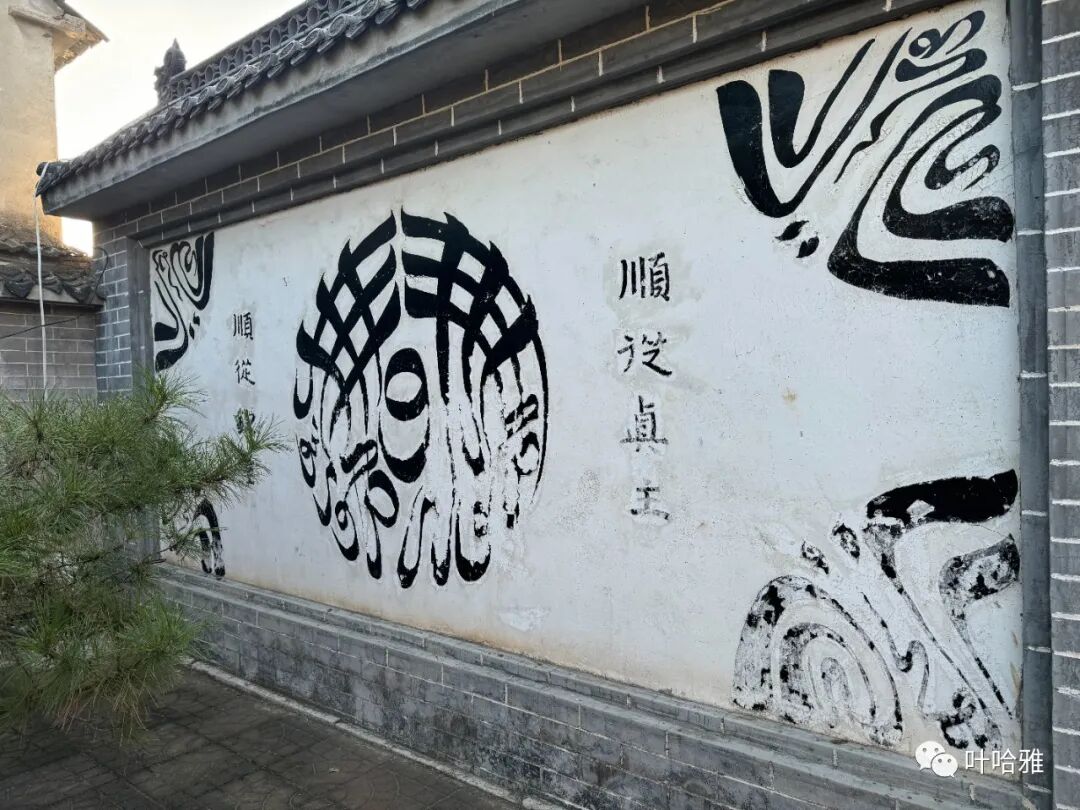
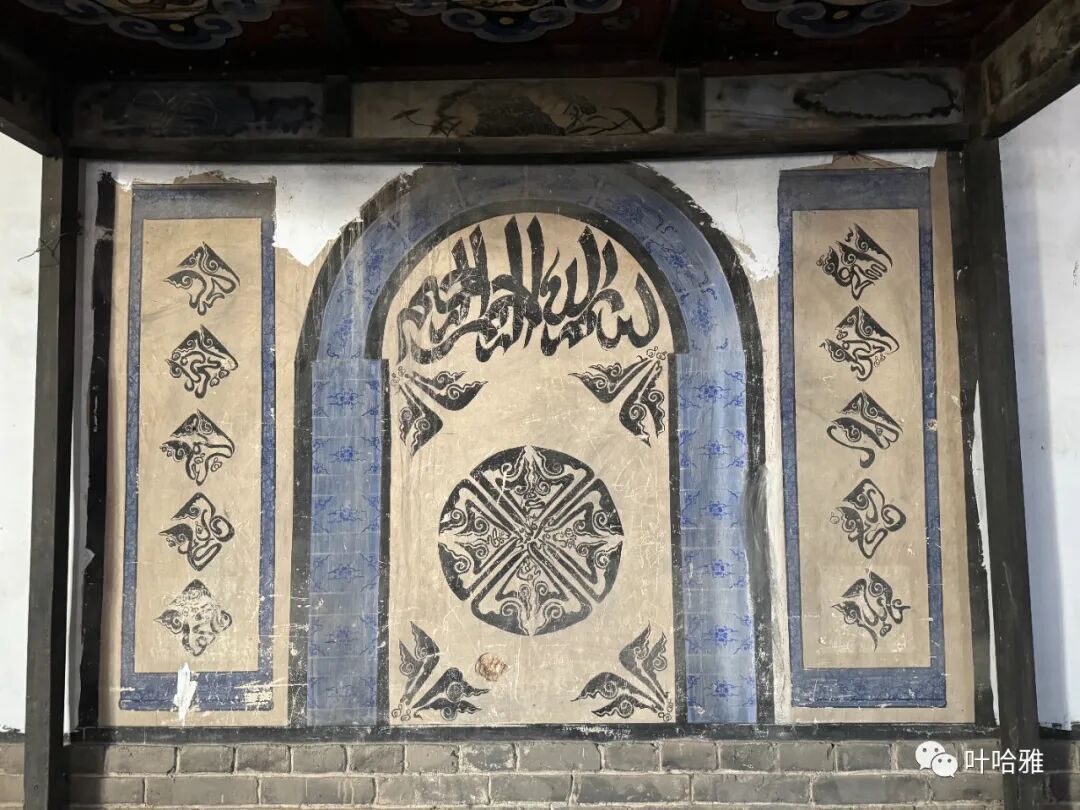
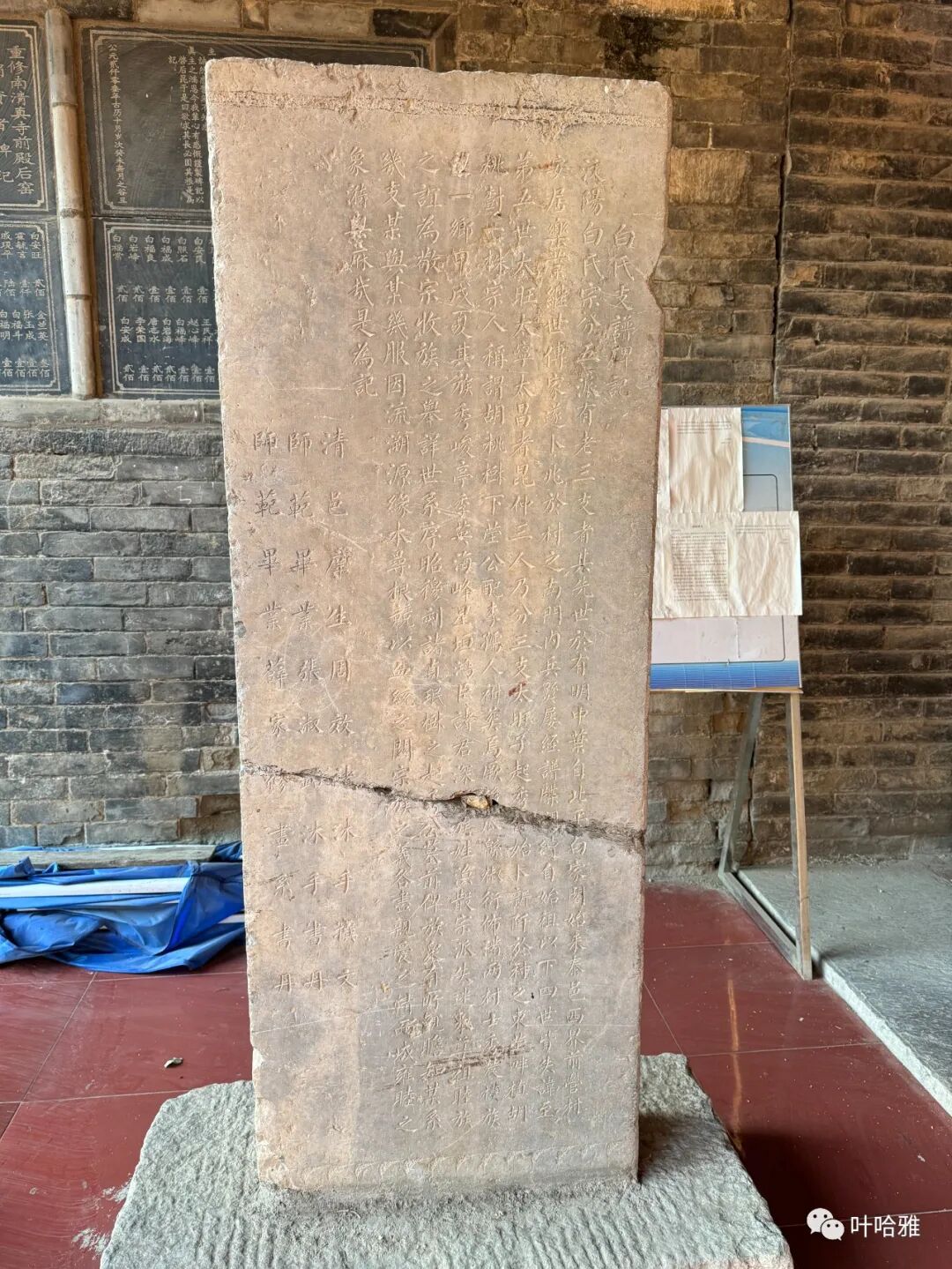
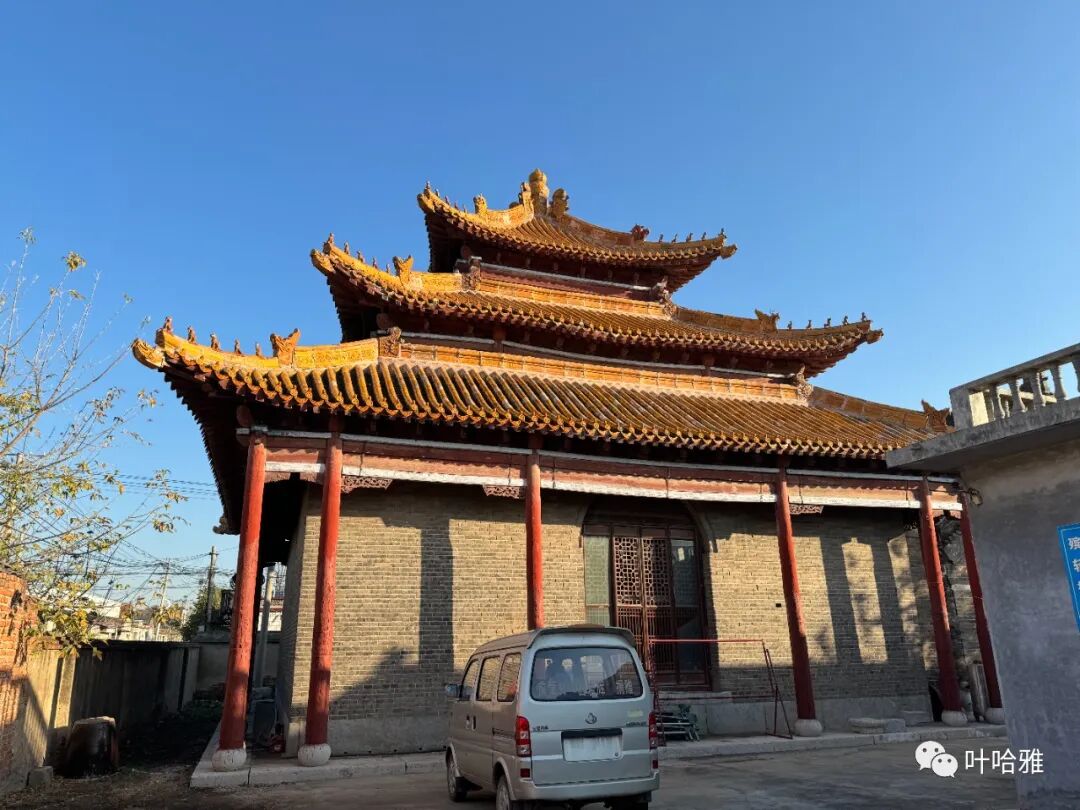
West Boundary West Mosque (Xijie Qingzhen Xisi).
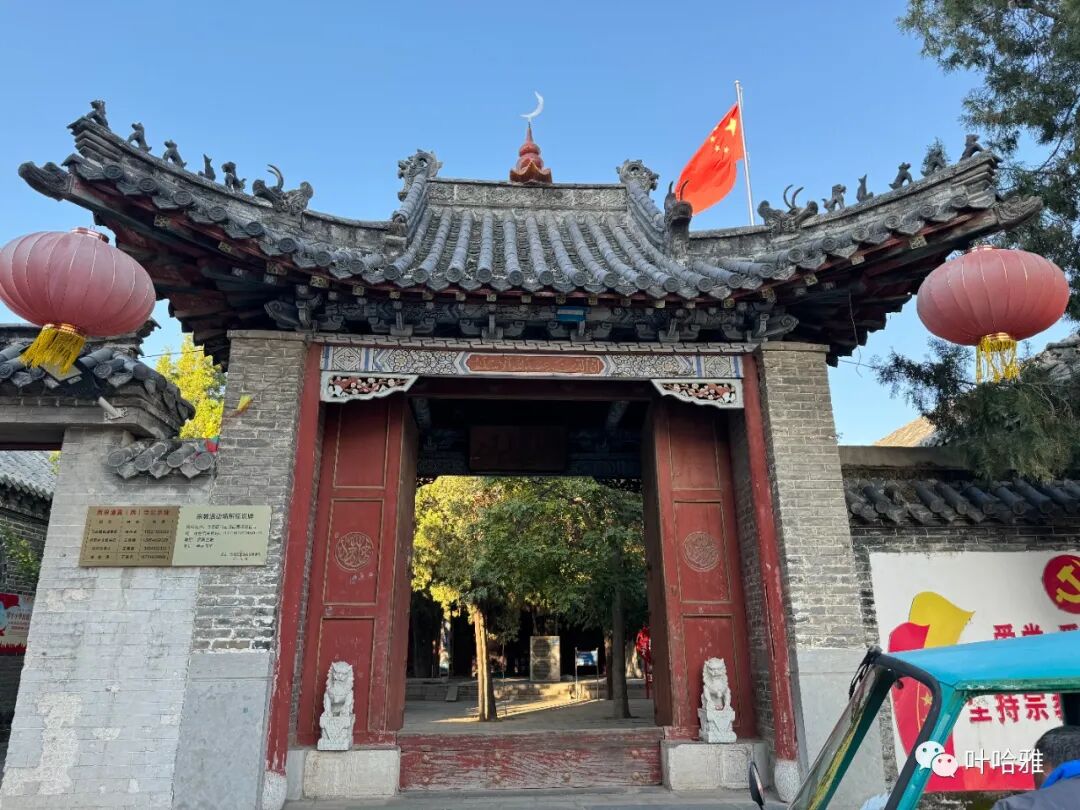
The West Boundary West Mosque in Mazhuang Town is located in Qianying Village. Built during the Yuan Dynasty, the prayer site founded by Ma Zhaoyang in the early Yuan period was the predecessor of the West Boundary Qianying West Mosque, which was later expanded and renovated many times. The West Mosque was expanded during the Zhengde period of the Ming Dynasty (1506-1521), renovated in the tenth year of the Xianfeng period of the Qing Dynasty (1860), and again during the Republic of China era. After the founding of the People's Republic of China, the north lecture hall was rebuilt. It underwent large-scale repairs in 1998 and has been maintained several times since.
The mosque faces east and rises in height from front to back. Its main buildings, including the front gate, second gate, front hall, middle hall, and rear hall, are all arranged along a central east-west axis. It is symmetrical with three courtyards, combining Chinese palace-style architecture with Arabic architectural styles. The mosque is 34 meters long and 31 meters wide.
The mosque's main gate tower is 7 meters high and 4 meters wide with an outer porch. It is a single-eave brick and stone structure with hanging beaded ornaments under the eaves and wood carvings featuring floral patterns. The gate tower features brick and wood carvings of auspicious creatures like phoenixes and qilin, with the overall shape composed of floral patterns. It also contains brick carvings depicting incense burners used in Islamic rituals and patterns of scripture scrolls. The plaque on the front of the main gate bears the four large characters for Eternal Purity (Gengu Qingzhen). The second gate is a single-eave, slanted-ridge structure shaped like a Taoist crown. It features three-ring moon windows on both sides and five wind doors facing the front, covering a building area of 24 square meters.
The main prayer hall of the mosque is 24.5 meters long and 13.5 meters wide, with enough space for 100 people to perform namaz at the same time. It consists of three connected sections—the front, middle, and rear halls—using a side-by-side design to increase the total depth. The front hall is one bay deep and three bays wide. The middle hall is two bays deep and three bays wide. The rear hall is three bays deep and three bays wide. The rear hall uses a beamless timber structure supported by tall wooden pillars and dates back to the Ming Dynasty. The protruding section at the back is the mihrab, a wooden carved pavilion for the imam. To the left of the imam's pavilion is the minbar. The floor plan of the entire hall looks like the Chinese character 'zhu' (meaning 'lord' or 'main'). The mihrab is the dot, the front hall is the bottom horizontal stroke, the rear hall is the top horizontal stroke, and the main aisle for entering the hall is the vertical stroke. This matches the idea that the prayer hall is the 'House of the Lord'. The main hall sits on a one-meter-high platform. The stone pillars on both sides of the front hall are carved with a couplet: 'The holy traces started in the Kaaba, the faith traveled ten thousand miles to the eastern lands; the miraculous work supported the Tang Dynasty, its influence lasting a thousand years to this prosperous era.'
The north lecture hall has five rooms, measuring 17.5 meters long and 7.2 meters wide. It is a hard-mountain style building with a front porch. The crossbeams have patterns on the ends, and the main and vertical ridges are tall and decorated with floral carvings. In the past, the mosque's imam and religious students (hailifan) also lived here. The south lecture hall has four rooms, measuring 14 meters long and 7.2 meters wide.
The four-room washroom (shuifang) connects to the west side of the south lecture hall, sits to the right of the main prayer hall, and measures 17.5 meters long and 7.2 meters wide. The four washrooms can accommodate over thirty people performing their ritual ablutions (wudu) at the same time.
The mosque currently holds four stone tablets: the 1860 Tablet Record of the West Mosque Neighborhood from the Xianfeng era of the Qing Dynasty, the 1998 Tablet Record of the Renovation of the West Boundary Mosque, the Tablet of Eternal Virtue, and the 2013 Provincial Key Cultural Relic Protection Unit tablet.
Past imams of the mosque include Yang Chengri, Jin Shiyuan, Yang Lisheng, Wang Li, Wang Qinglin, Wang Fuxiang, Wang Guanliang, Wang Ziliang, Xu Changcun, Wang Changshun, Yang Maoxiu, Liu Yuanxin, Sha Fengge, Mi Baokun, Bai Anjin, Bai Mantun, Bai Fujian, and Wang Xiuming. Mi Enwei, Han Bing, Bai Jinhu, and Bai Manchao currently lead the religious affairs.
In 1977, the mosque established a management group led by Bai Yongying, Bai Maojun, and Bai Maoxiang. In 1983, the mosque established a democratic management committee led by Bai Anqi and Ma Zhulian. In 1994, the second democratic management committee was established, led by Ma Zongwang and Bai Manchao. In 2000, the third mosque management committee was established, with Bai Qingfang serving as director to this day. The mosque has trained over 60 imams for the faith, including Ma Long, Bai Guoxin, Bai Anfu, and Zhang Fengyi. The Bai family has been a lineage of imams in this village for over three generations, starting with Bai Maosheng and including members like Bai Anxi, Bai Guangpu, Bai Qingyu, and Bai Anzhong.
The mosque values traditional scripture education. Throughout the Yuan, Ming, and Qing dynasties, it maintained Islamic culture, religious rules, and scripture studies, producing many qualified imams and students of Islamic theology (hailifan). Notable figures include Imam (Haji) Wang Qinglin and his students, such as Mi Xuejing and Zhu Yuepo. In the early years of the Republic of China, the mosque started a charity school to teach both Chinese and Arabic cultures, with Imam Wang Qinglin and Mr. Yang Maosong as instructors. During the War of Resistance Against Japan, the mosque established the Taiyun District Islamic Anti-Japanese School under the leadership of the Taixi Hui Muslims Anti-Japanese National Salvation Association.
In 1998, the mosque received the title of Model Mosque from the Shandong Islamic Association. In 2008, it was awarded the title of Model Mosque by the Tai'an Islamic Association. In 2009, the Shandong Provincial Bureau of Religious Affairs named it a Provincial Harmonious Religious Venue. In 2010, it was awarded the title of Model Mosque by the Tai'an Islamic Association. In 2013, it was recognized as a Provincial Cultural Relics Protection Unit. In 2014, it was awarded the title of Model Mosque by the Tai'an Islamic Association.
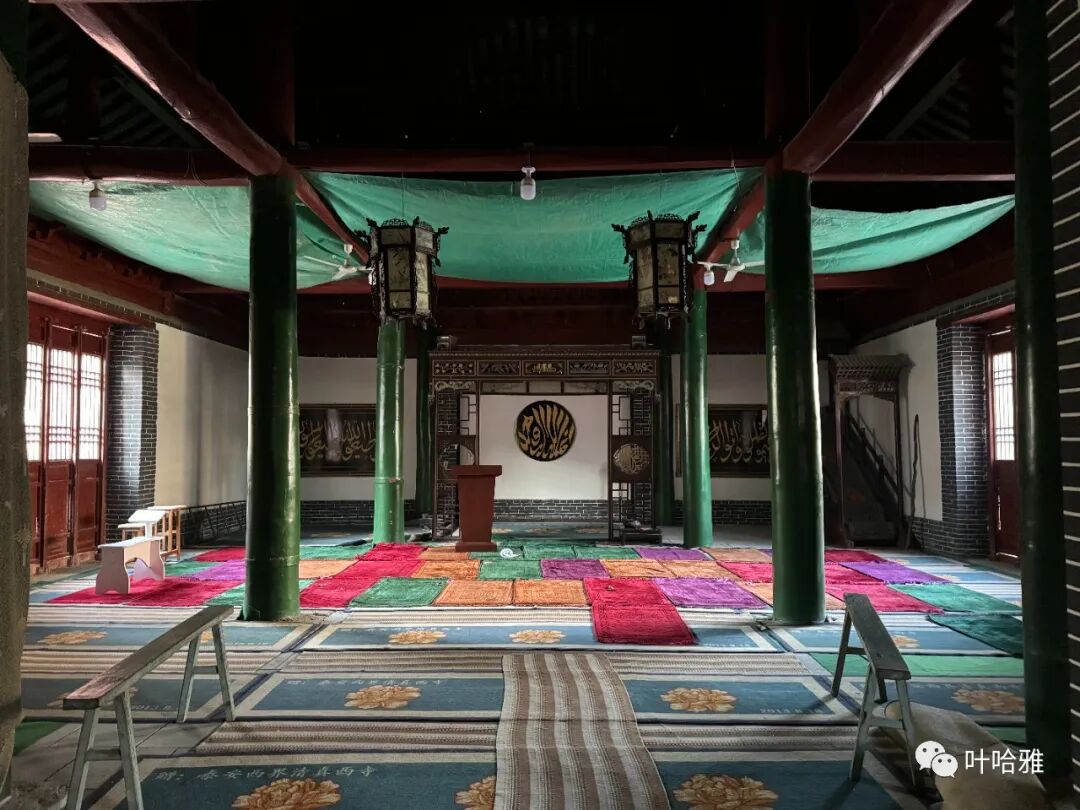
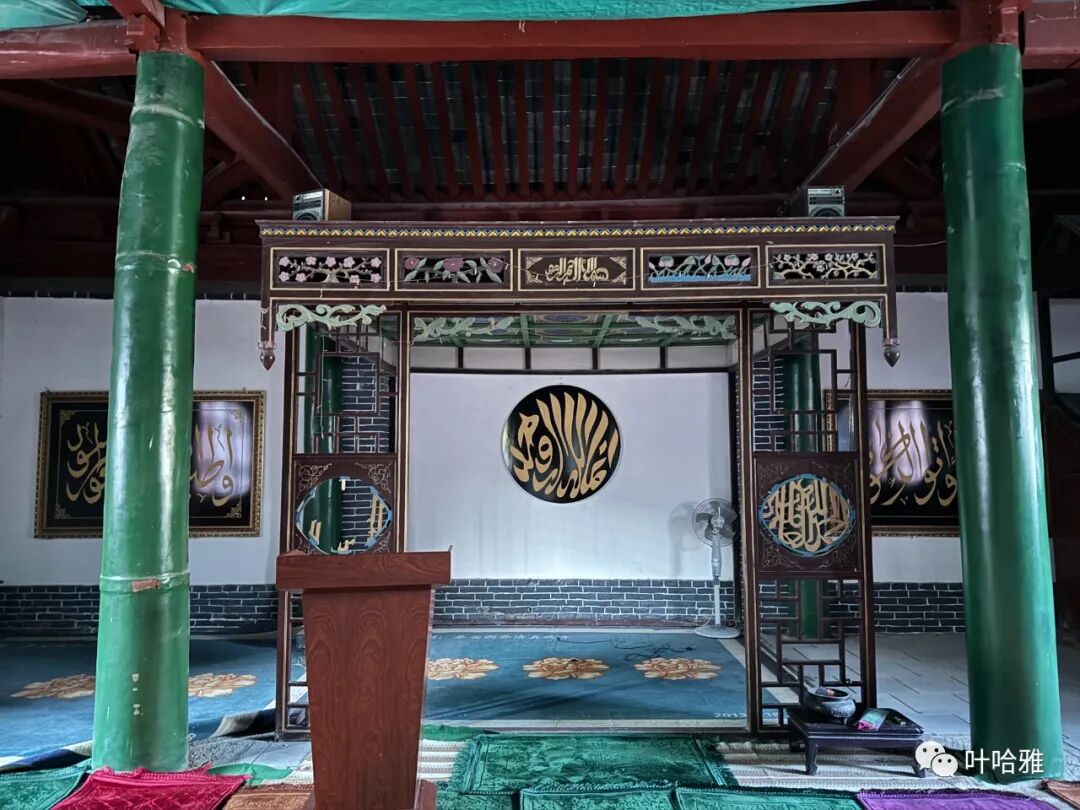
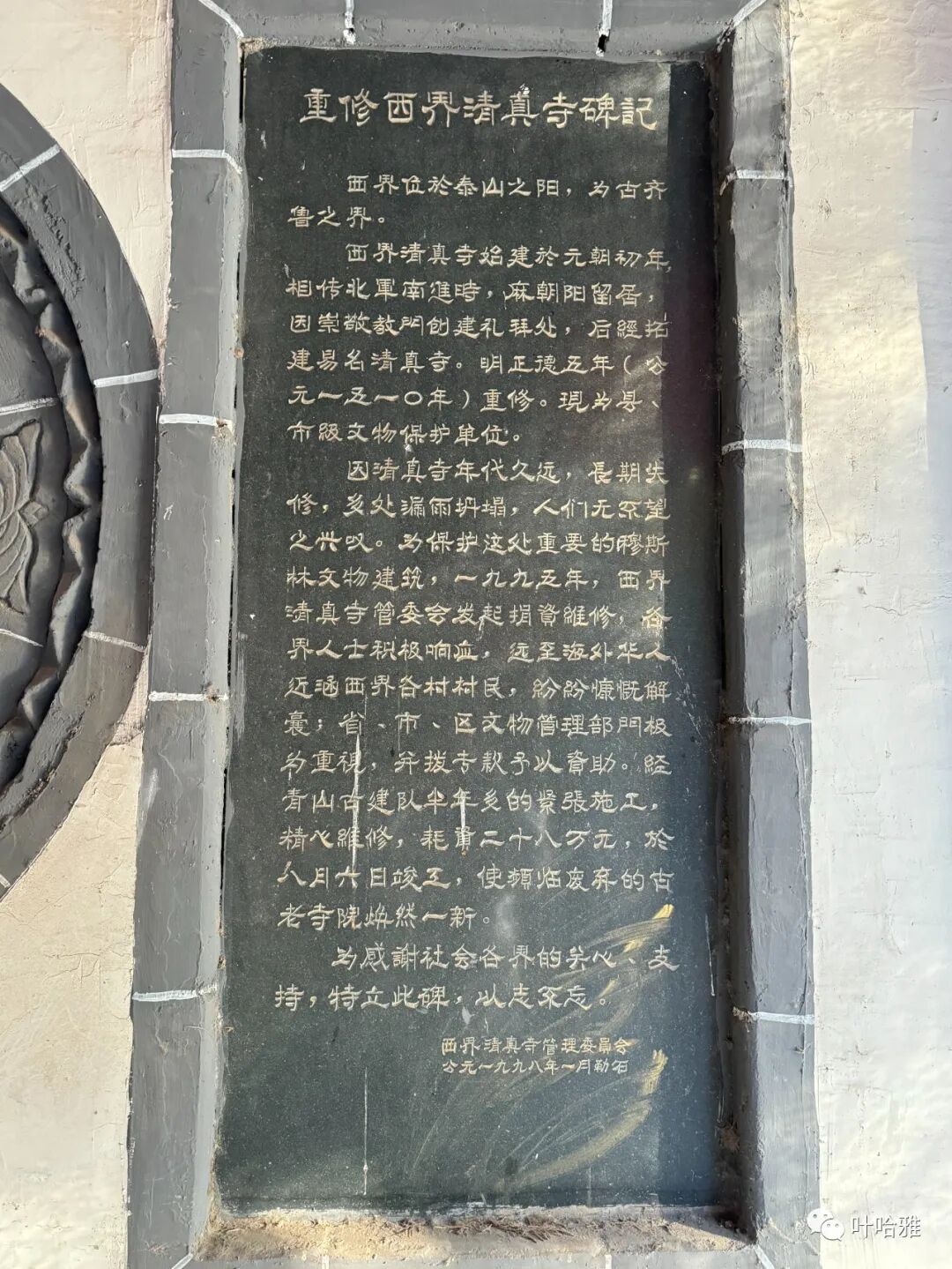
Beidaquan Mosque
Beidaquan Mosque is located on the south side of the main street in the center of the village, under the jurisdiction of the Tianping Subdistrict Office. It was built around the beginning of the Ming Dynasty and has been repaired many times since. The mosque underwent major renovations in 1935, 2002, and 2010.
The mosque is 30 meters long and 21 meters wide. The main prayer hall is 6 meters high and consists of a front hall and a back hall; the front hall is 7 meters long and 10 meters wide. The back hall is 5 meters long and 7 meters wide. The north lecture hall is 14.2 meters long and 4.7 meters wide. The south lecture hall, which includes the washroom (shuifang), is 21 meters long and 4.2 meters wide. The main gate is 7.9 meters long and 5.3 meters wide.
The mosque currently houses three stone tablets: the 1935 Mosque Tablet Record, the 2002 Mosque Renovation Tablet Record, and the 2011 Ethnic Harmony Lasts Forever Tablet. There is an old honey locust tree (zaojiao shu) inside the mosque. In 2008, forestry experts estimated the tree to be over 300 years old.
Imams including Bai Rongxin, Jin Maoshan, Imam Yang, Zhang Zhongjun, and Ma Fusheng have served as leaders of the mosque's religious affairs. The mosque is now managed by a democratic management committee, with Zhang Yuhe serving as the director.
In 2011, the mosque received the title of "Harmonious Religious Activity Venue" from Shandong Province.
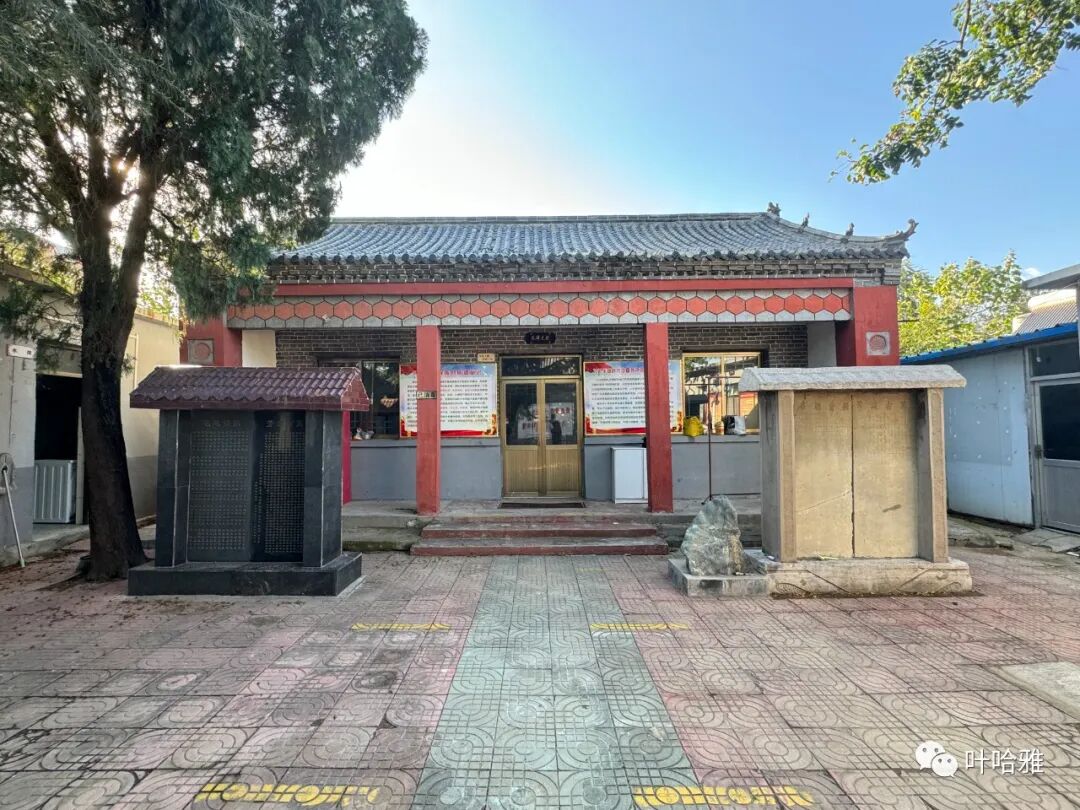
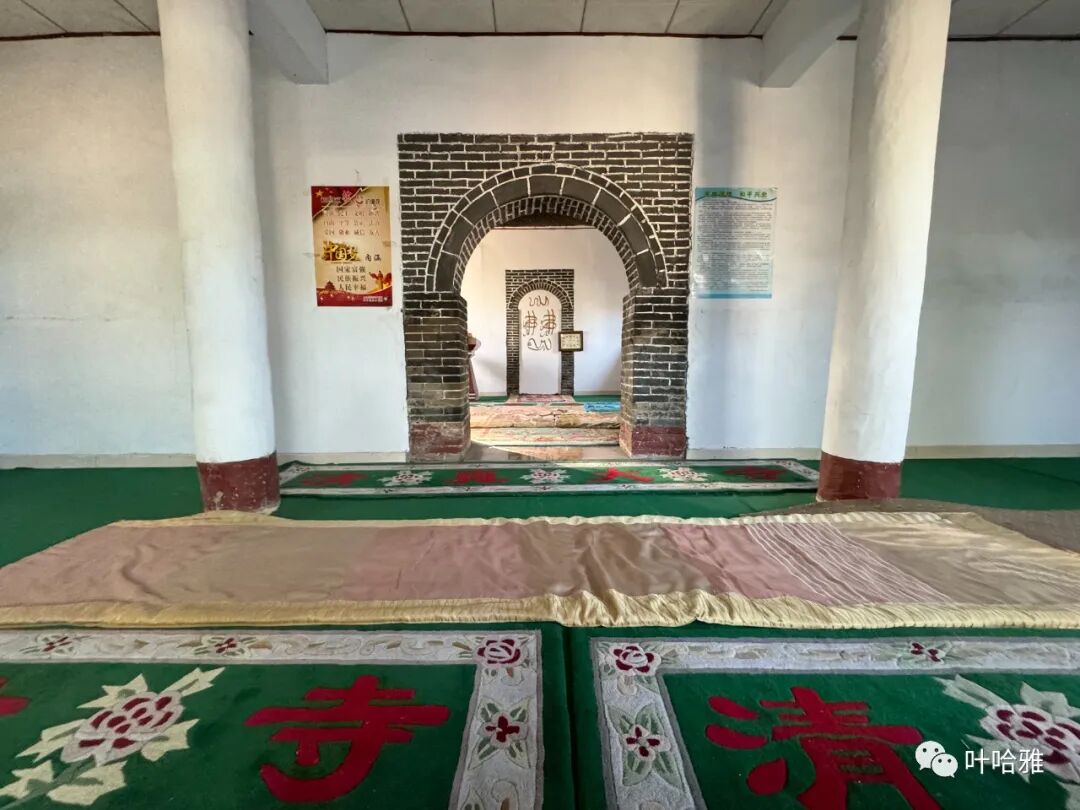
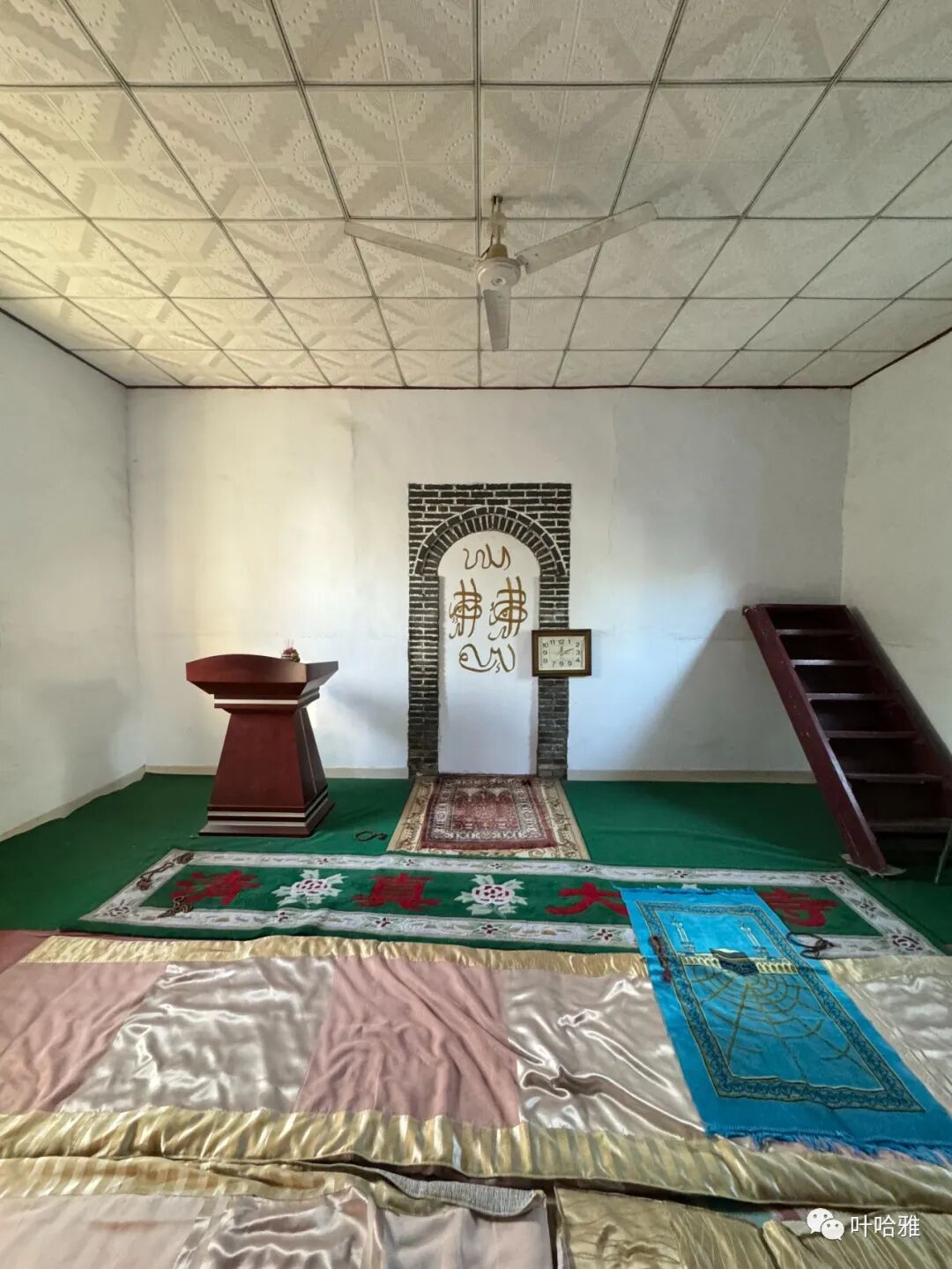
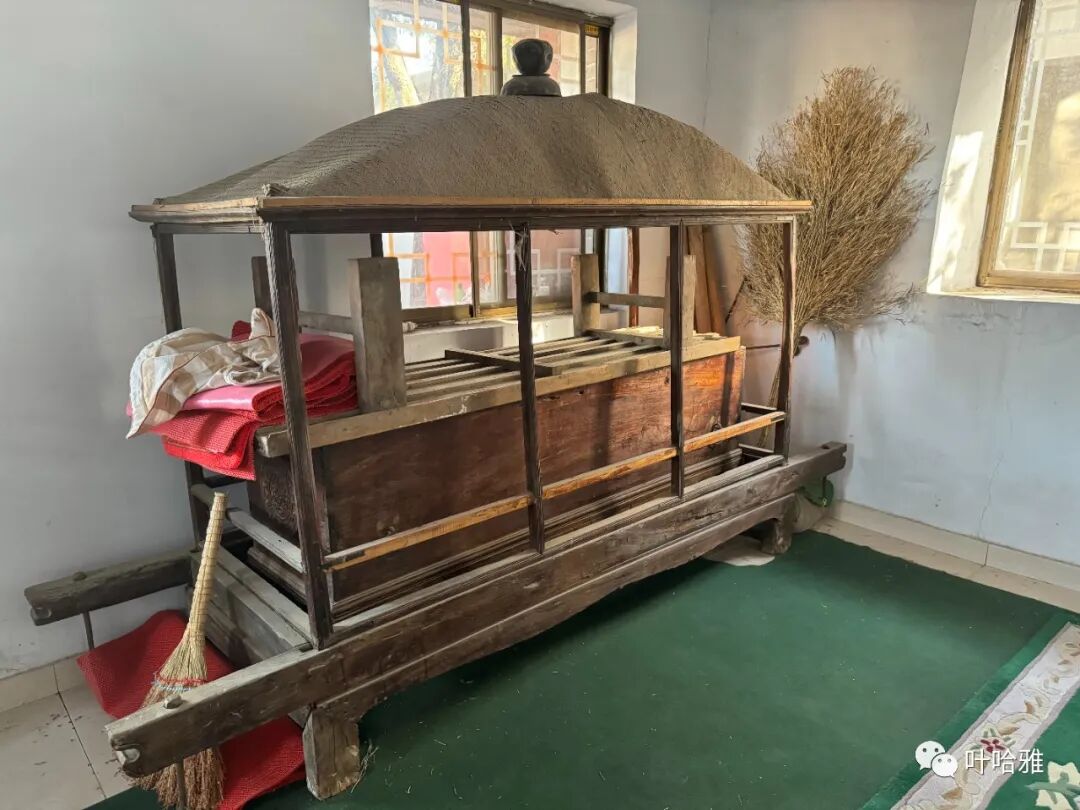
Xihuang Village Mosque
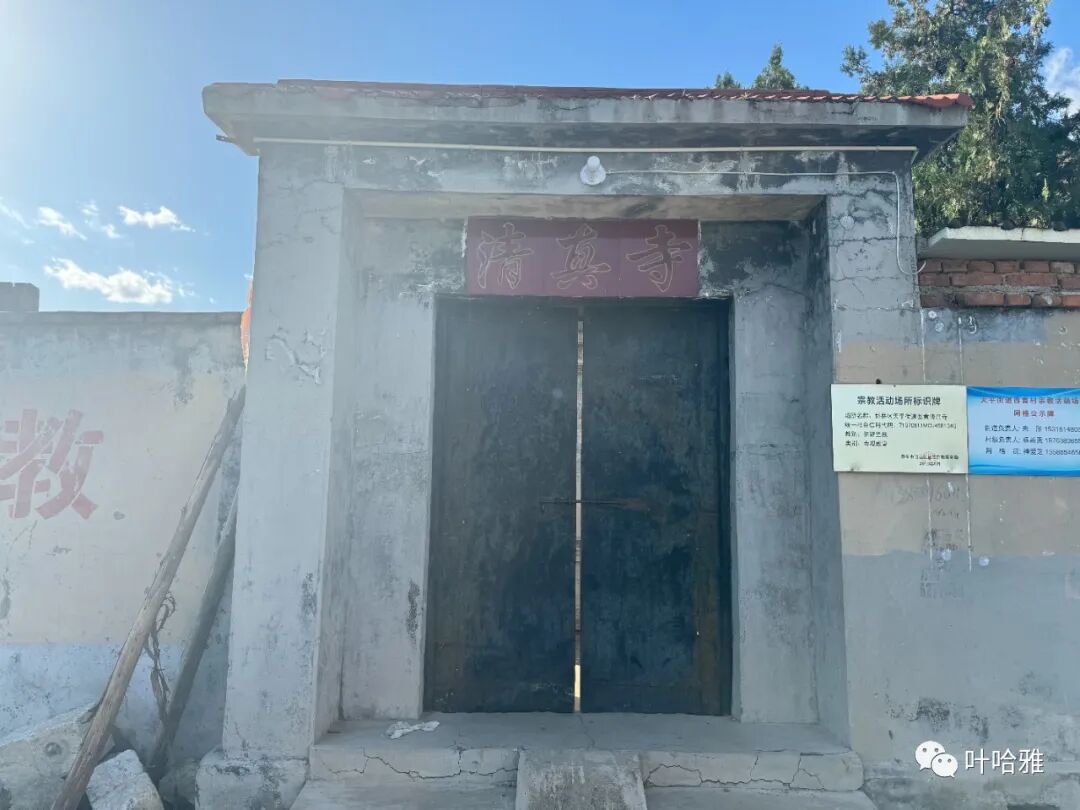
The Xihuang Mosque in the Tianping Subdistrict Office is located south of the village. It was first built during the Ming Dynasty and later expanded several times; the current mosque was rebuilt on the original site.
The mosque is 27.3 meters long and 21.6 meters wide. The main prayer hall is 9.3 meters long and 9 meters wide. The north lecture hall is 9.35 meters long and 6.68 meters wide. The south lecture hall is 8.85 meters long and 4.55 meters wide. The water room is 3.1 meters long and 4.55 meters wide.
Imams including Ma Wanqing, Xu Jiwu, Xu Changpu, Ma Daoguang, and Shi Guorong have successively led religious affairs at the mosque. Imam Liu Cang currently leads the religious affairs. The mosque was once managed by Yang Fuchang and others, but it is now run by a mosque management committee led by director Yang Shunshan.
In 2013, it was named a Harmonious Religious Activity Site by Shandong Province.
Fajialing Mosque
Fajialing Mosque in Tianping Subdistrict is located in the western part of the village. It was built in 1868 during the seventh year of the Tongzhi reign of the Qing Dynasty and has been expanded several times since. The mosque was renovated twice, in 2001 and 2008.
The mosque is a single-courtyard complex measuring 32 meters long and 24 meters wide. The main prayer hall is a single-story building that is 3.8 meters high, 24 meters long, and 8 meters wide. The north lecture hall is 28 meters long and 6 meters wide. The south lecture hall is 28 meters long and 4 meters wide. The water room is 4 meters long and 4 meters wide. There are two stone tablets remaining: the Donation List for the Renovation of Fajialing Mosque in Tianping Subdistrict and the 2002 Ethnic Unity Merit Tablet.
Imams including Wang Changming, Li Shengcai, Ma Yunming, and Yang Yuqing have led the religious affairs of this mosque. Imam Ma Yunming led the renovation of the mosque in 2001. The mosque is managed by a mosque management committee, with Fa Jinyu serving as the director.
In 2010, it was named a Harmonious Religious Activity Site in Shandong Province. In 2014, it received the Model Mosque title from the Tai'an Islamic Association.
Xiawang Mosque
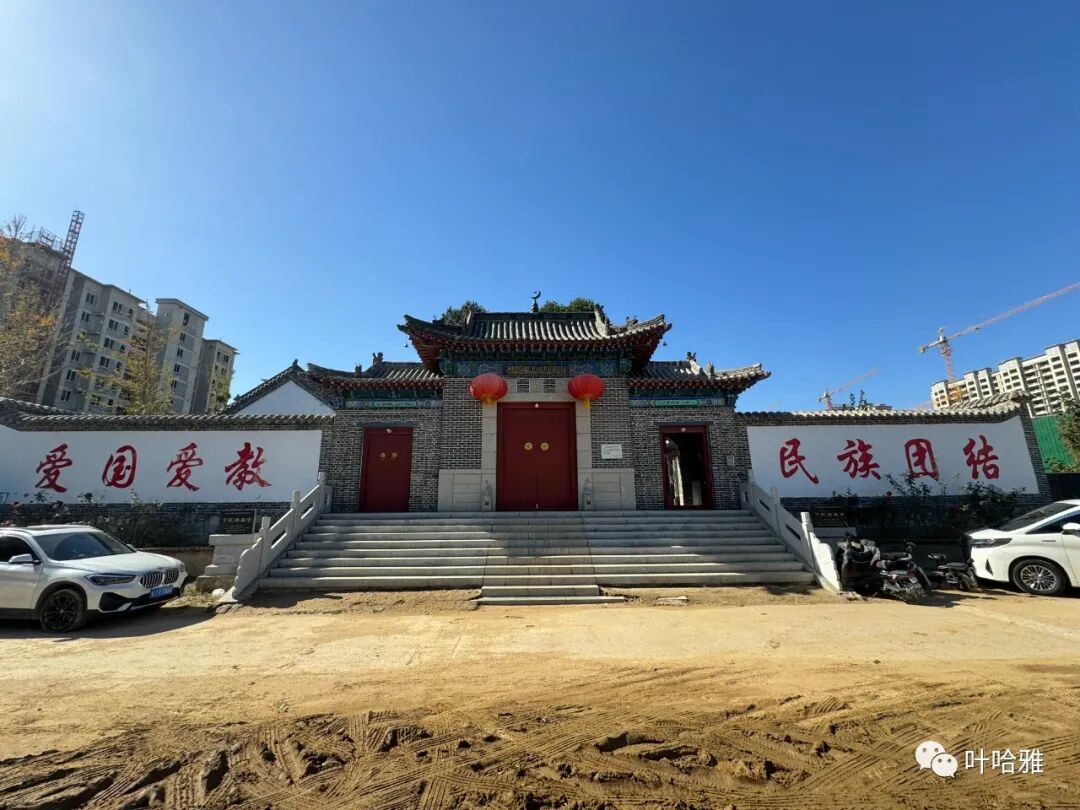
Xiawang Mosque, located in the Zhoudian Subdistrict, sits on the Gaotaizi land in the west of Xiawang Village. It is a famous historic mosque in Tai'an and Shandong Province, with many stone tablets inside recording that the mosque was founded a long time ago. A stone tablet from the sixth year of the Tianqi reign of the Ming Dynasty (1626) shows that Muslims were already donating land and houses to the mosque at that time. Existing stone tablets show that there have been 10 large-scale renovations since the twelfth year of the Yongzheng reign of the Qing Dynasty (1734).
During the Cultural Revolution, the mosque was damaged, and its buildings, many precious artifacts, and historical documents were destroyed. After the Reform and Opening-up policy, ethnic and religious policies were implemented, and under the leadership of the mosque's democratic management committee, three more large-scale renovations took place in 1996, 2007, and 2013.
The mosque has two courtyards and measures 100 meters long by 100 meters wide. The main gate is built in a traditional Chinese style and faces the second gate. The main prayer hall is three bays wide and three bays deep, consisting of a main hall and a front porch (baoxia). Both have gray-tiled hard-mountain roofs (yingshan ding) and stand 30 meters high, 60 meters long, and 30 meters wide. The rear hall is built in the Ming Dynasty style with a hip-and-gable roof (xieshan), bracket sets (dougong), three layers of eaves, and twelve upturned corners. The north and south lecture halls have gray-tiled hard-mountain roofs and front porches. The north lecture hall is 10 meters long and 6 meters wide. The south lecture hall is 7 meters long and 6 meters wide. The water room is 10 meters long and 5 meters wide. Additionally, the mosque's courtyard covers an area of 225 square meters.
To protect the mosque's cultural relics, the Tai'an municipal government officially allocated ten mu of land for the mosque in the 1990s. The mosque established a cultural relic protection group, designating the area inside the walls as a key protection zone, and also marked out general protection areas and building control zones.
The mosque currently holds 26 stone tablets, including the 1626 Land and House Donation Tablet from the sixth year of the Tianqi reign of the Ming Dynasty. The imams who served during the middle and late Qing Dynasty were Li Qin, Bai Jiankui, Yang Taixiang, Wang Yongqing, Yang Yutian, Mi Tian, and Yang Yueqing. Between 1935 and 1949, the imams who served were Zhang Deng'ao, Tang Zhenlin, Bai Shengping, Bai Shengyuan, and Wang Fuxiang. After the founding of the People's Republic of China, the imams who led religious affairs included Wang Xichun, Wang Xilian, Li Jitang, Han Yuhai, and Bai Shenglin.
During the Cultural Revolution, the mosque was forced to close. After the turmoil ended, religious activities resumed, and the mosque was led by imams including Sha Zhenkui, Han Yuhai, Jin Haixue, Mi Baokun, Xu Changpu, Tang Xixing, Ma Ruisha, Wang Xiangkun, and Ma Zhaokui.
In 2006, it was named a Tai'an City Cultural Relics Protection Unit. It received the city-level Civilized Mosque title in 2008, was named a provincial-level Harmonious Religious Activity Venue in 2009, won the Daiyue District Model Mosque title in 2010, and was designated a Provincial Cultural Relics Protection Unit in 2013.
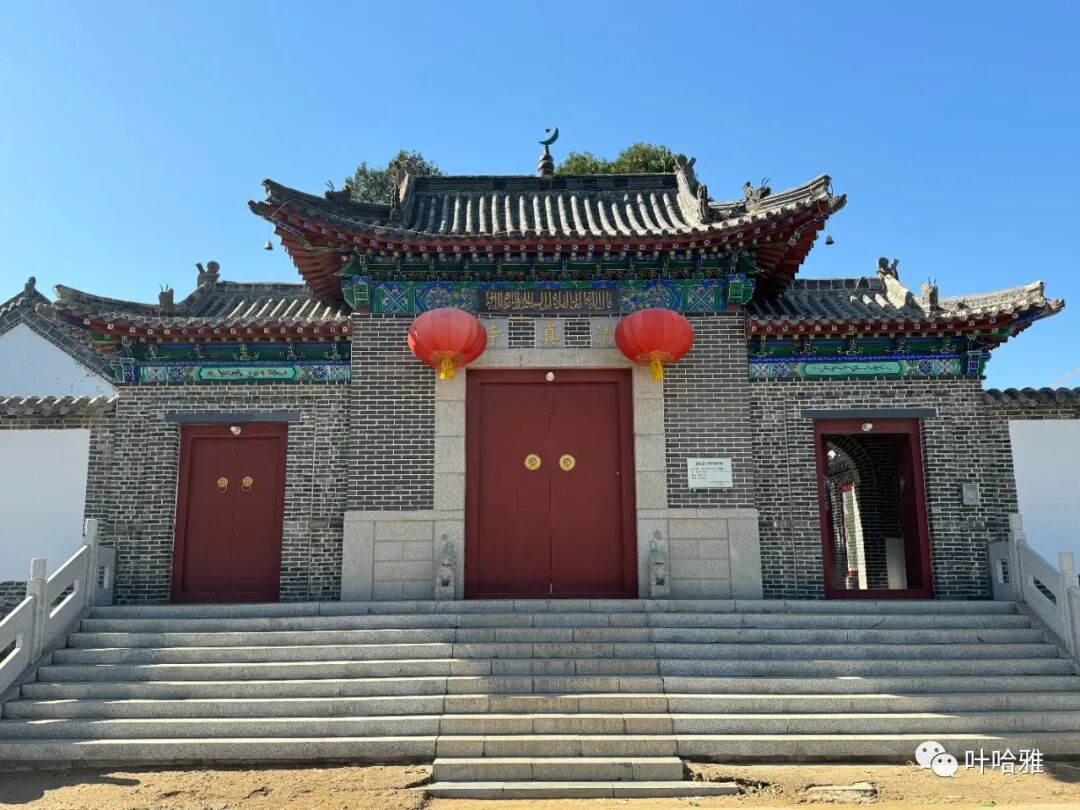
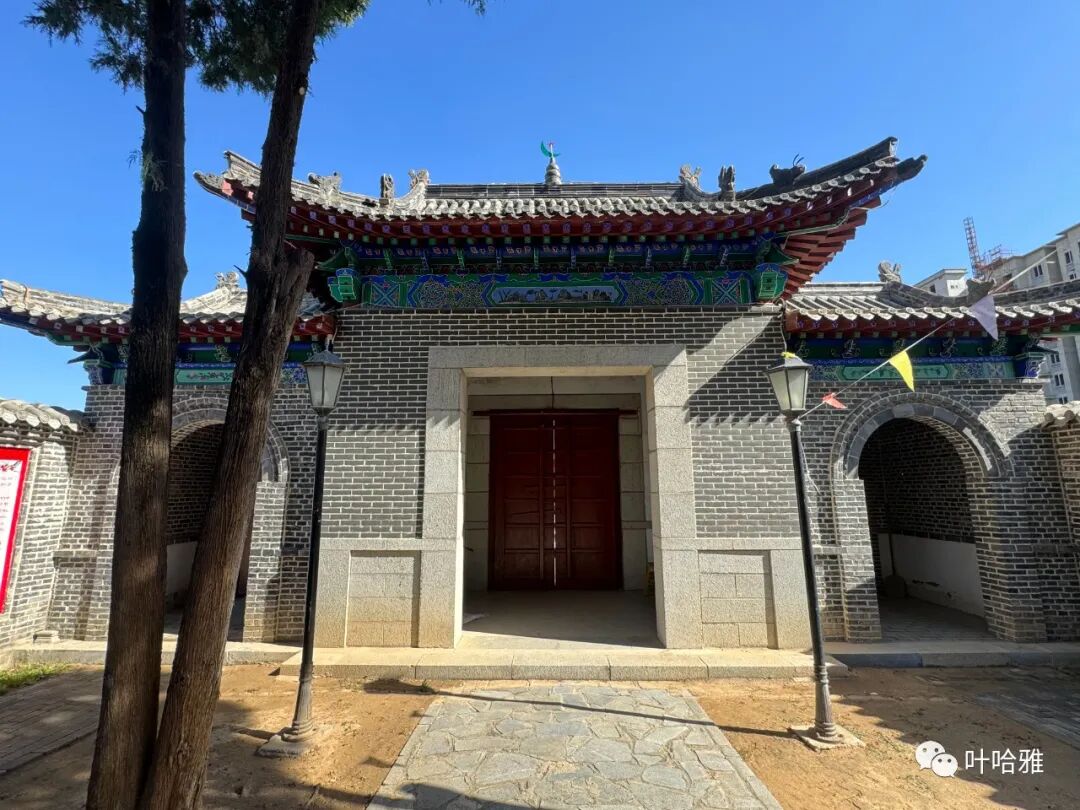
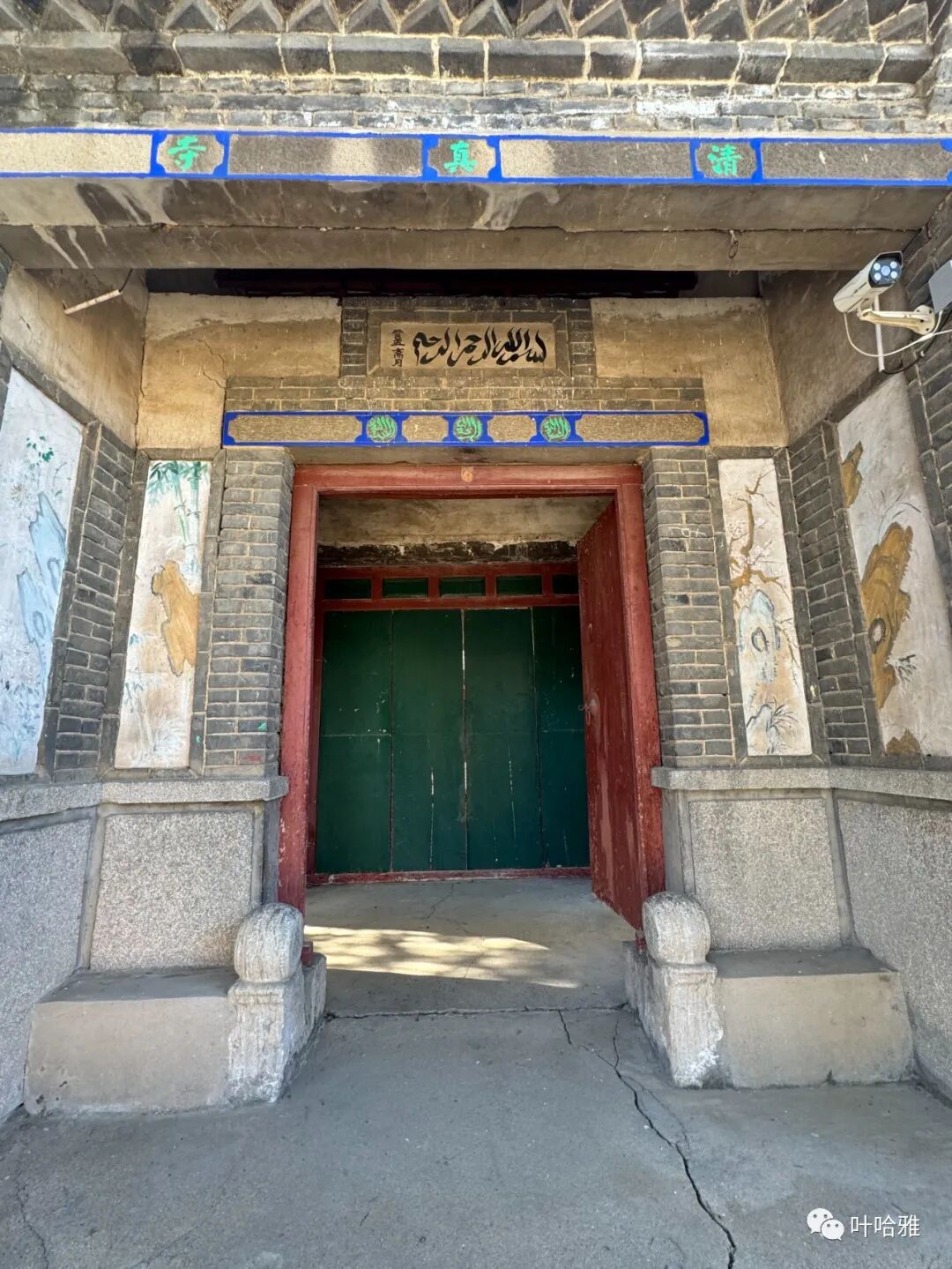
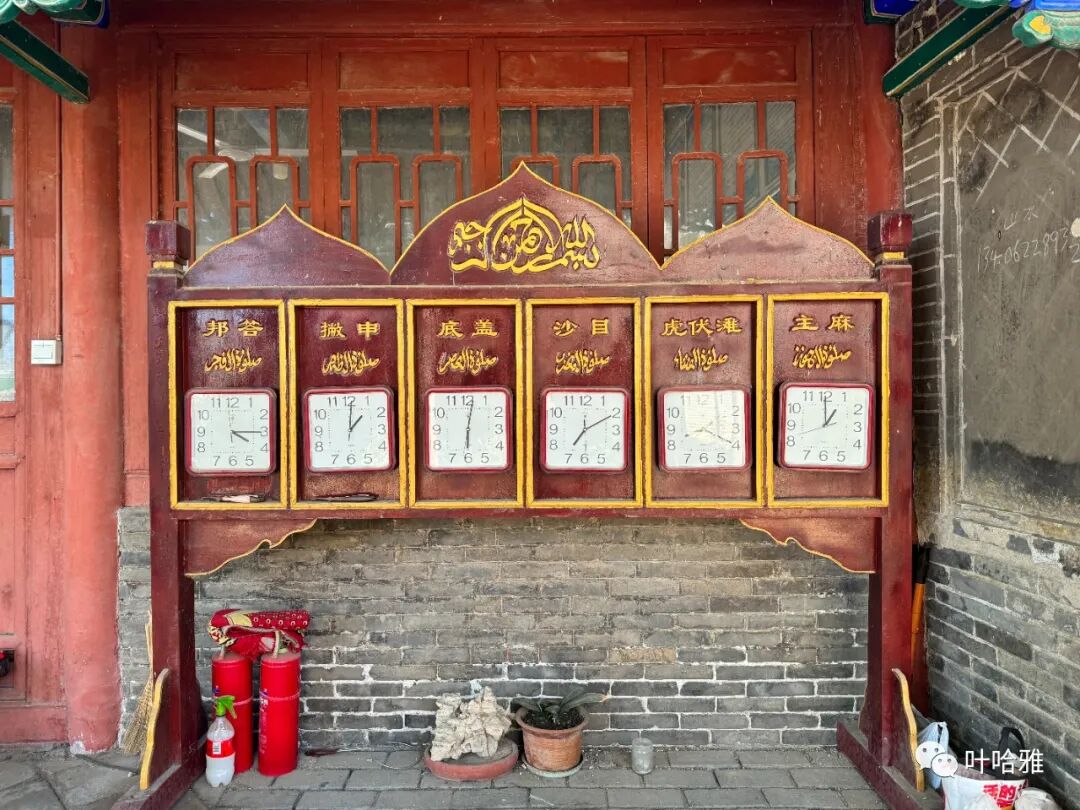
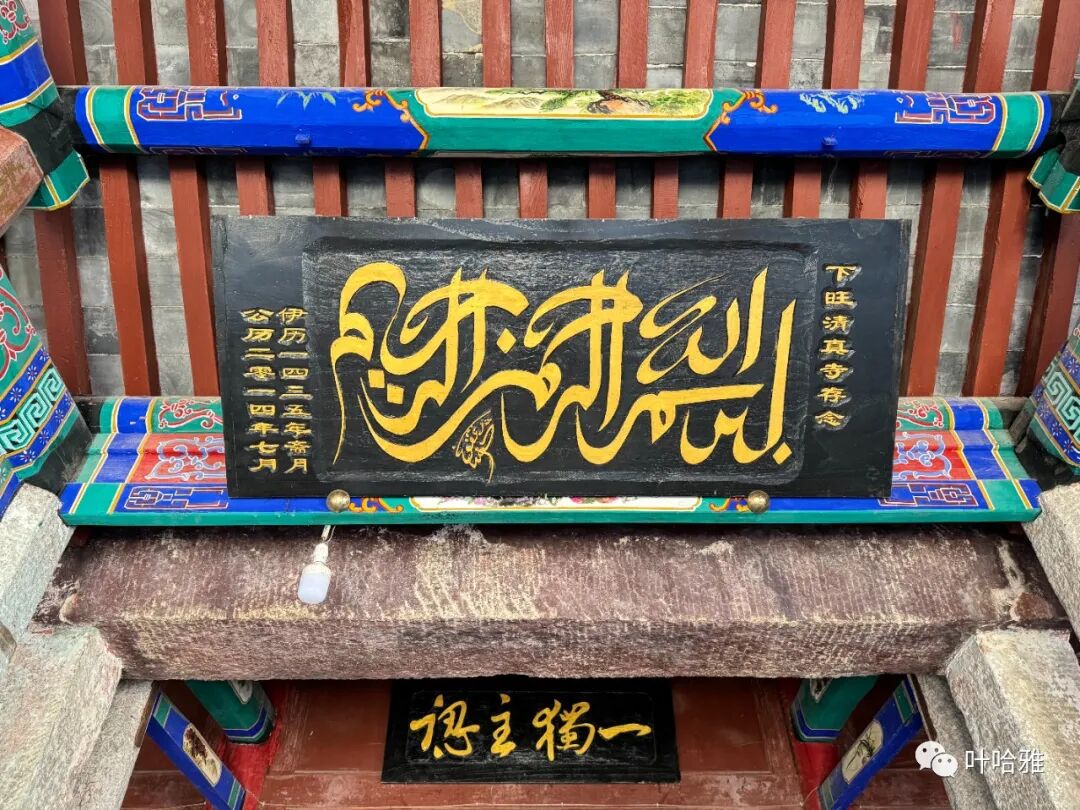
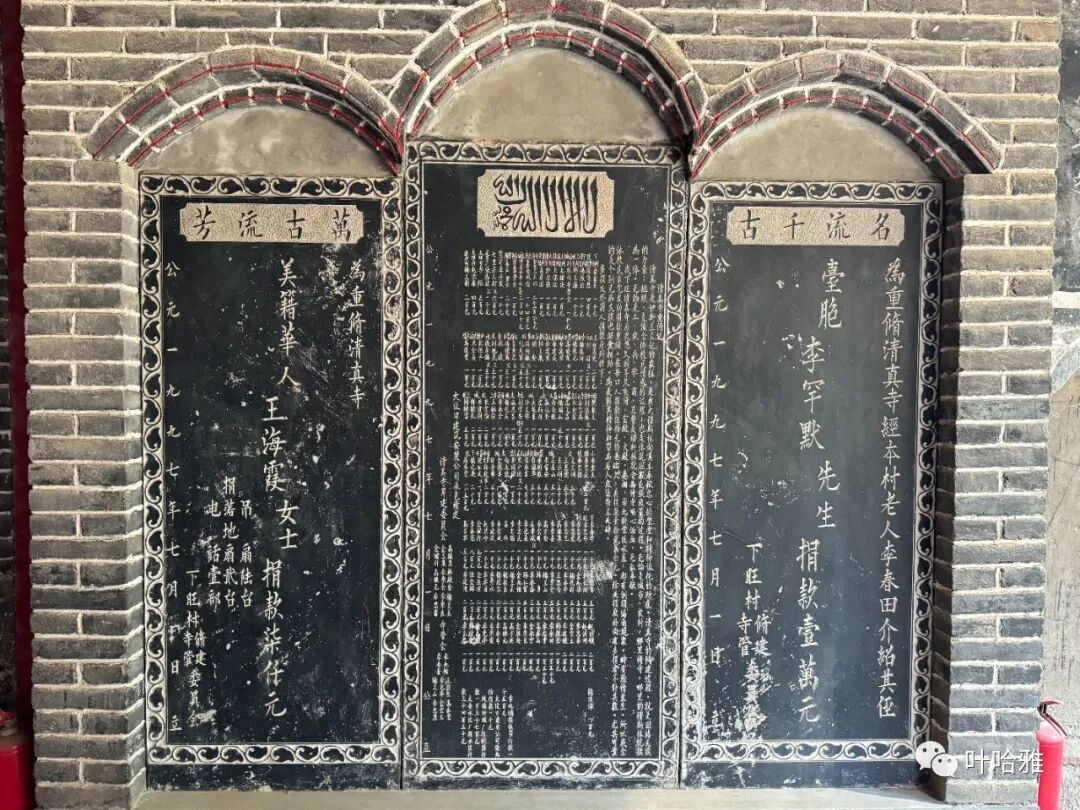
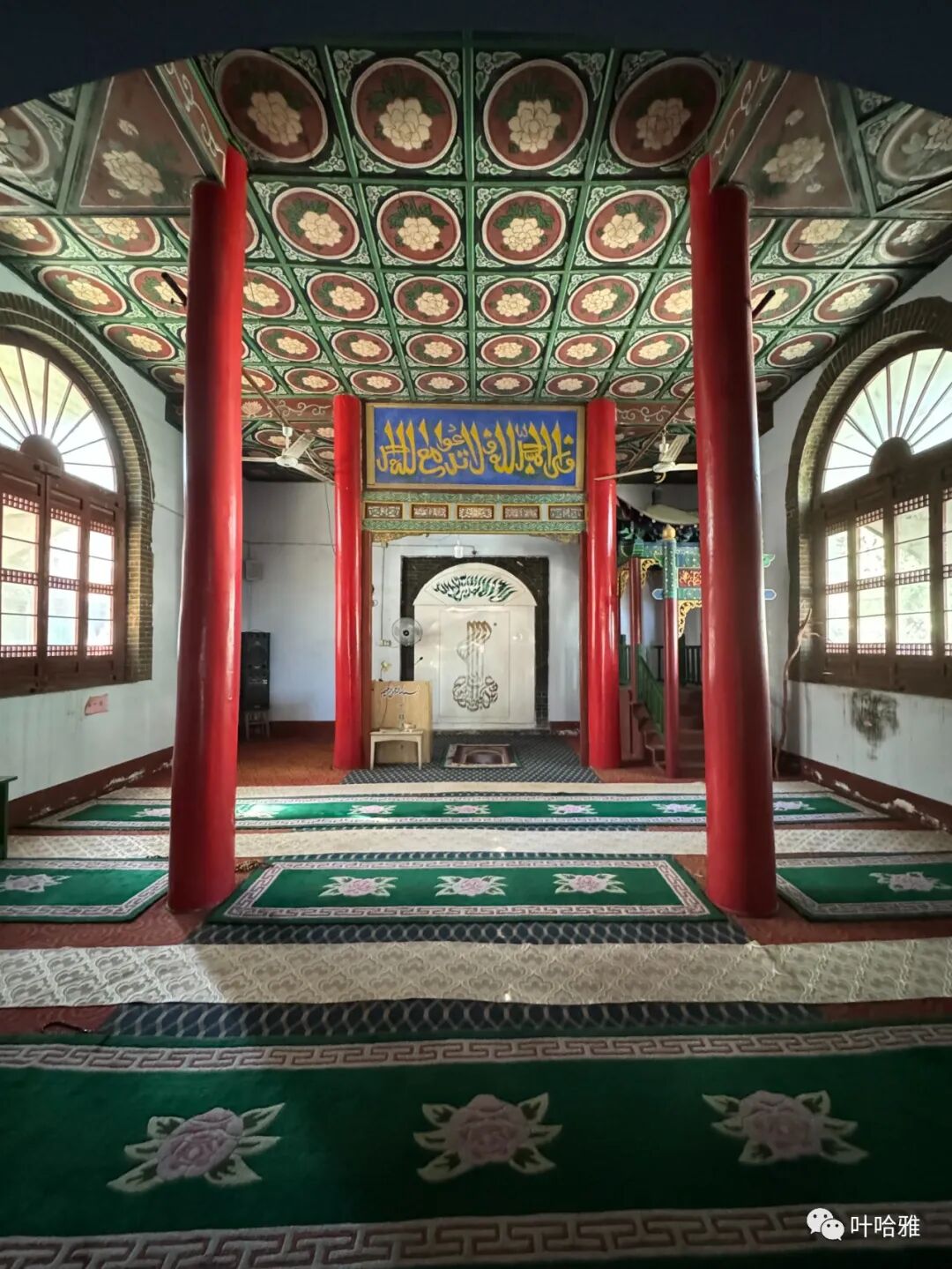
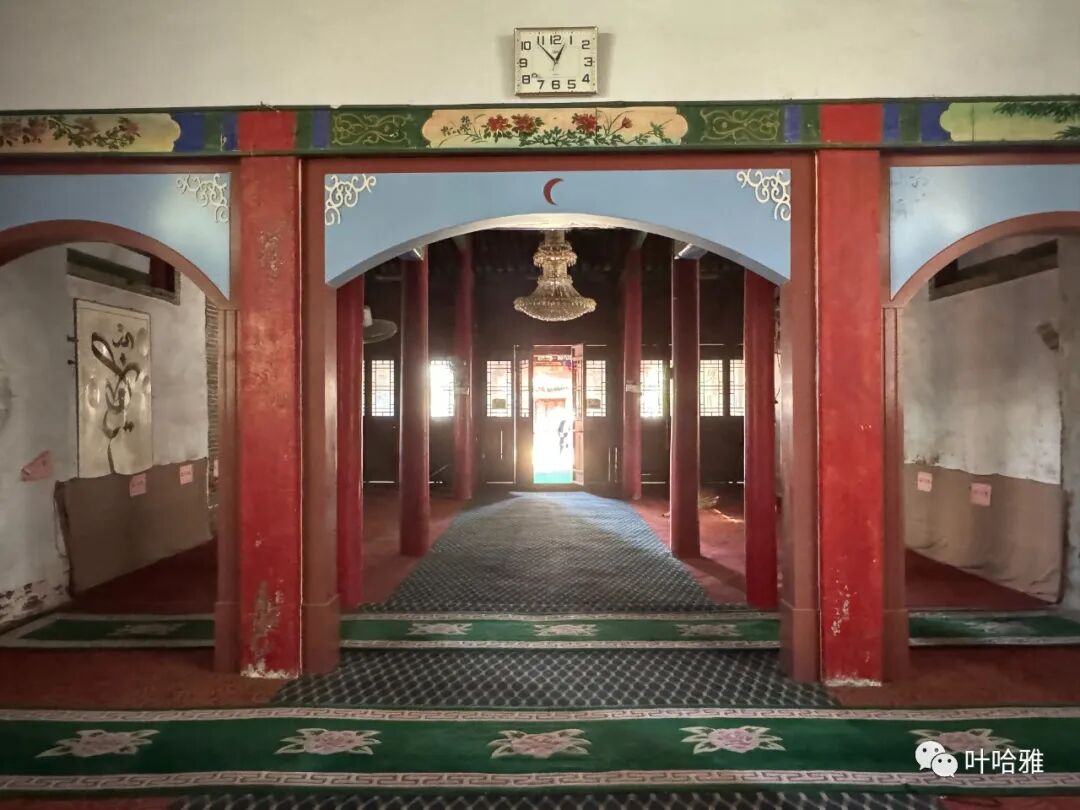
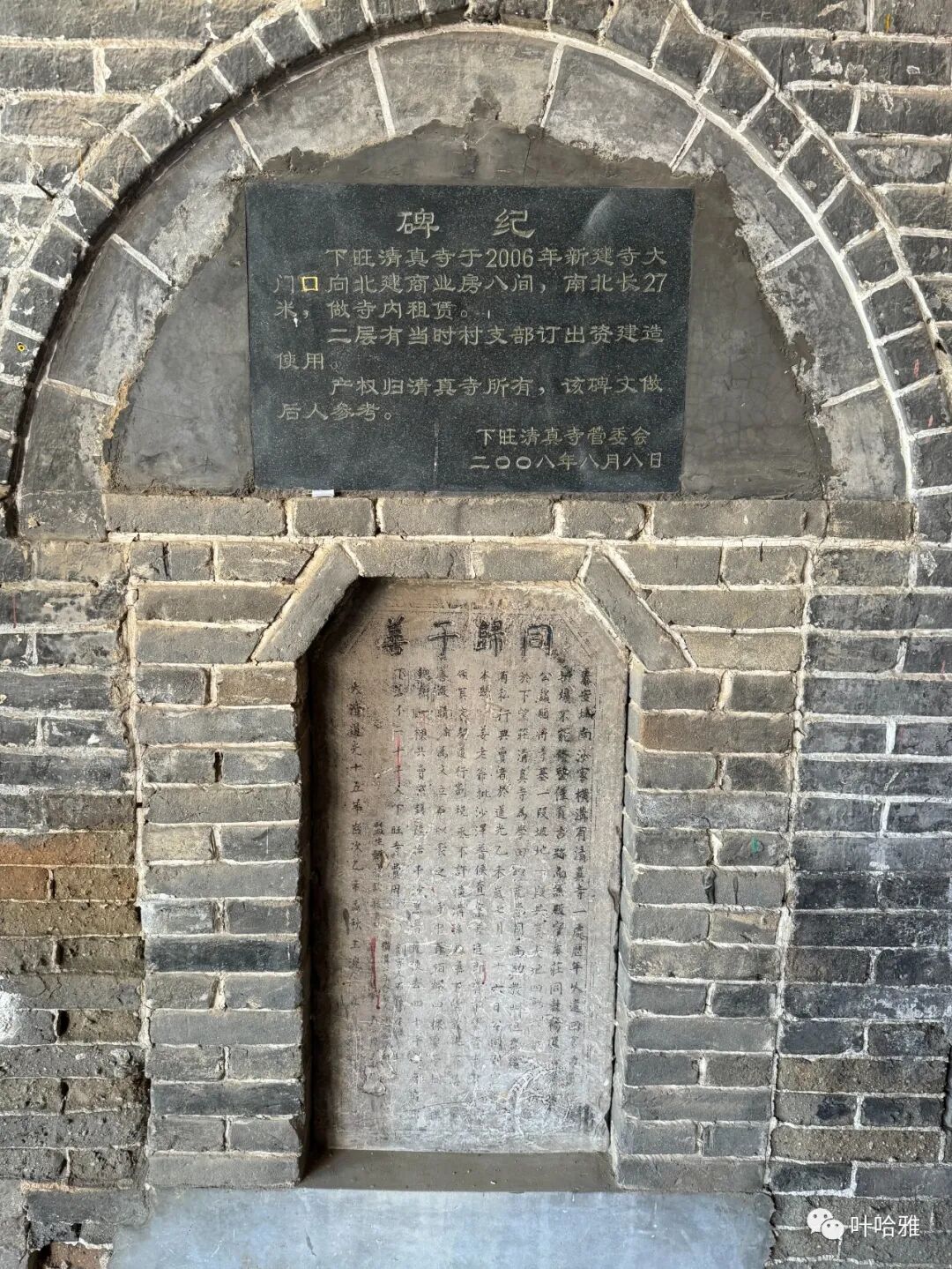
Shangwang Mosque
Shangwang Mosque in the Zhoudian Subdistrict Office is located in the southwest of the village. Built in 2008, it was once relocated to the north side of Lingshan Street due to the construction of the street. The mosque covers an area of over 1,000 square meters (50 meters long and 24 meters wide). The main prayer hall is 24 meters long and 24 meters wide. The northern lecture hall is 12 meters long and 6 meters wide. The south lecture hall is 12 meters long and 6 meters wide. The water room is 6 meters long and 6 meters wide.
The mosque was led by imams Han Yuhai and Ma Daoguang. It is managed by the mosque's democratic management committee, with Han Xiaohui serving as director. The mosque keeps a set of handwritten Quran manuscripts, which once won a city-level award.
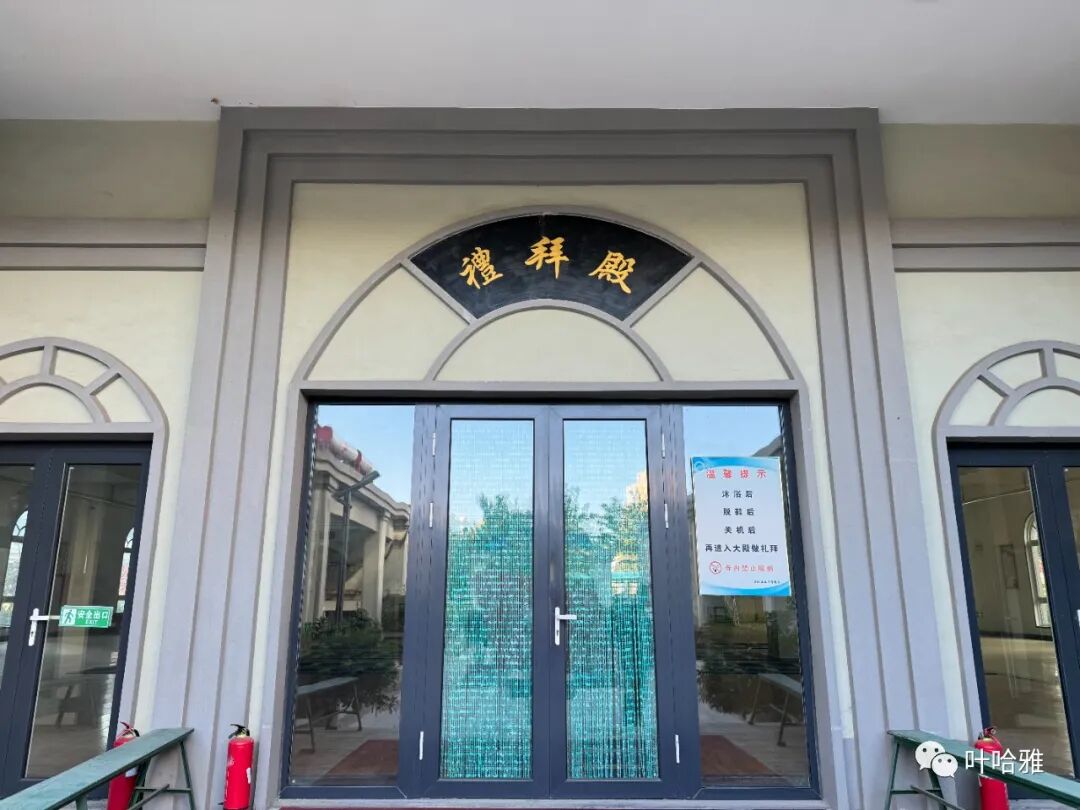
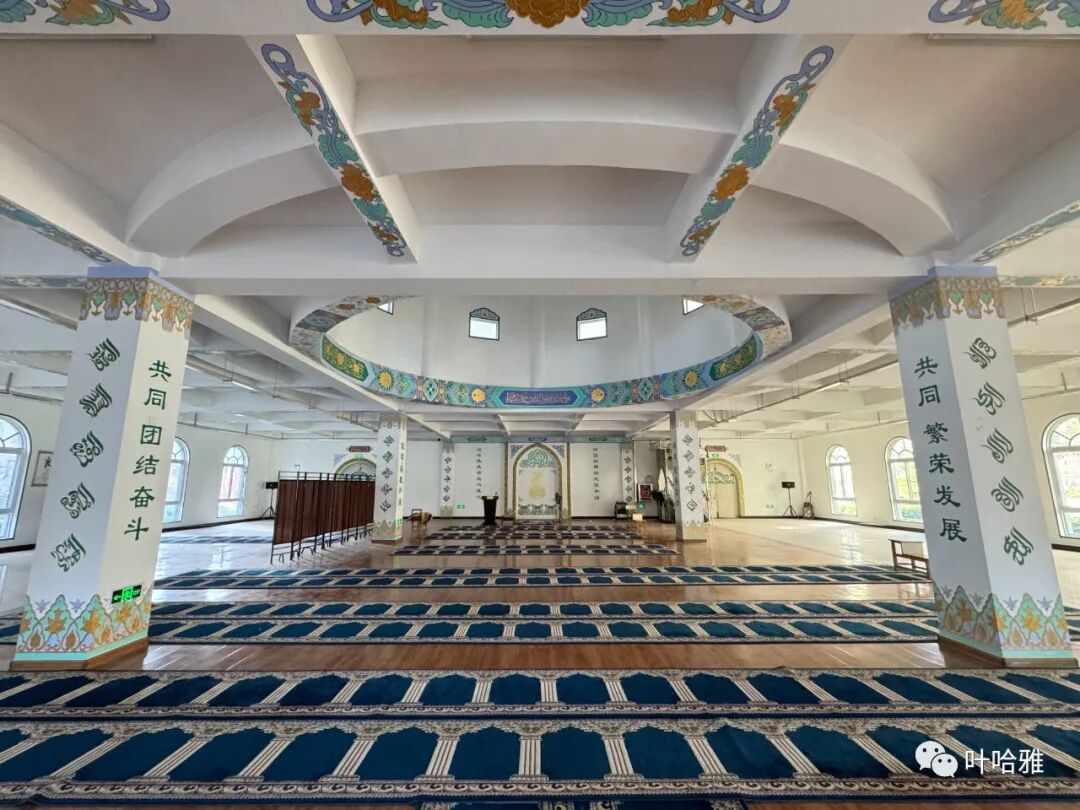
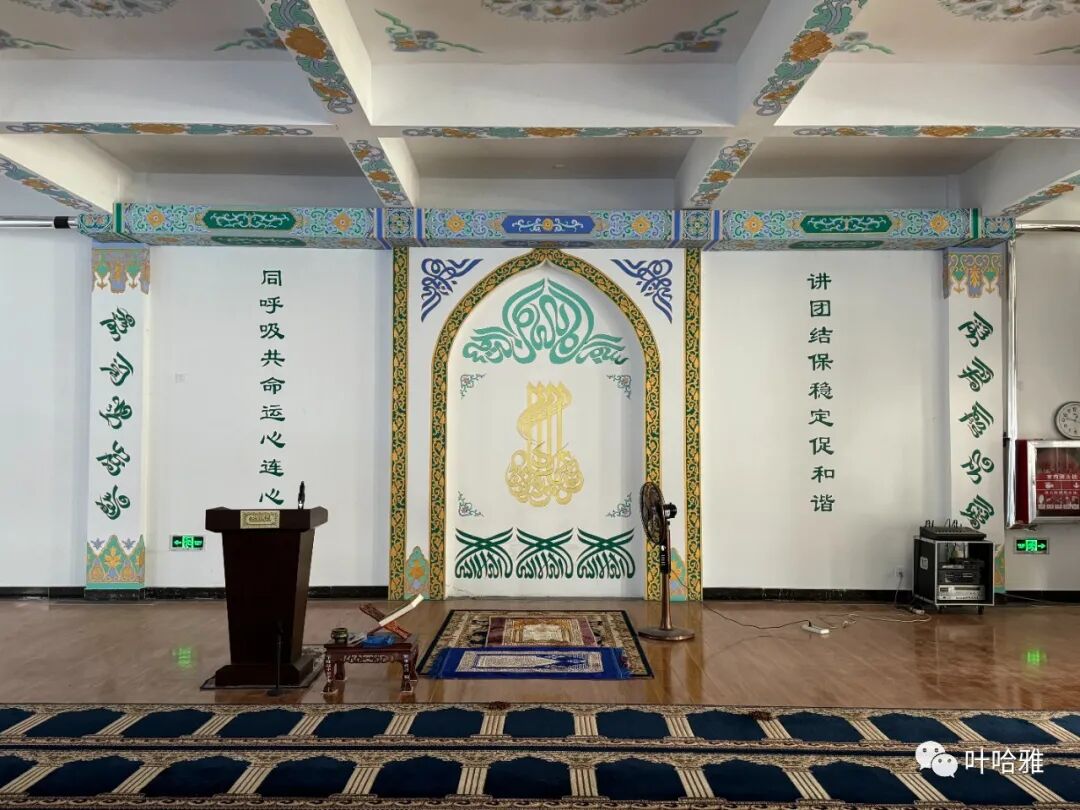
Ershilibu Mosque
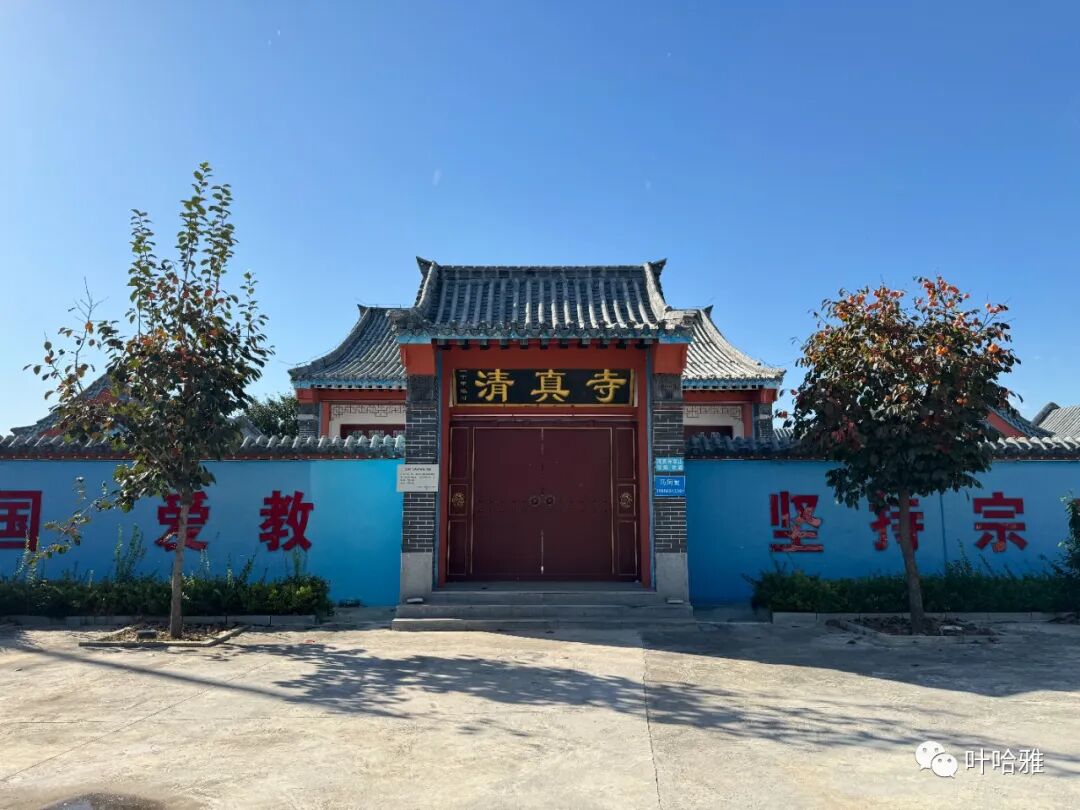
Ershilibu Mosque in the Zhoudian sub-district office is located in the west of the village, on the east bank of Tianping Lake. It was first built around the end of the Ming Dynasty and has been expanded and repaired ever since. In 1960, it was moved and rebuilt for the first time due to the construction of the Dahe Reservoir. In 2002, it was moved and rebuilt for the second time to build the Mount Tai pumped-storage power station, and it has been used ever since.
The mosque covers an area of over 1,200 square meters (36 meters long and 35 meters wide). The main hall has four pillars and nine rooms, standing 10 meters high, 12 meters long, and 12 meters wide. The north lecture hall is 10 meters long and 6 meters wide. The south lecture hall is 10 meters long and 6 meters wide. The water house is 10 meters long and 6 meters wide.
China Mosque Travel Guide: Changzhi Shanxi Mosques, Hui Muslim Heritage and Local Halal Food
Articles • yusuf908 posted the article • 0 comments • 241 views • 2026-05-22 11:44
Summary: This China mosque travel guide visits Changzhi in Shanxi, covering Hui Muslim history, North Mosque, South Mosque, women’s mosques, local learning traditions, and halal food around Ethnic Square.
A Halal Travel Tour in Changzhi is presented here as a firsthand travel account in clear English, beginning with this scene: Changzhi in Shanxi Province was one of the few Hui Muslim communities in China I had not yet visited. The account keeps its focus on Halal Travel, Yiwu Food, Mosque Travel while preserving the names, places, food, and historical details from the Chinese source.
Changzhi in Shanxi Province was one of the few Hui Muslim communities in China I had not yet visited. Changzhi is very influential, and I felt my life would be incomplete without going there. While on a business trip to Zhengzhou, I took a detour on my way back to Beijing and drove to Changzhi for a one-day stay.
Changzhi Lakeside Cultural and Tourism Service Center
We stayed at the Lakeside Cultural and Tourism Service Center by Zhangze Reservoir. It was much better than I expected. It opened last year and offers five-star service and surroundings. The only downside is that it is far from the city center, taking half an hour to drive there. I wanted my wife to take our son for a walk by the lake to enjoy the view, so to save time, I drove to the city's mosques by myself early in the morning.
If you choose to stay near Ethnic Square in the Luzhou District of Changzhi, dining will be more convenient, as most of Changzhi's halal food is concentrated there.
Before coming to Changzhi, I asked many local elders about the local specialties. The answers were all similar: the halal food in Changzhi tastes more like Henan cuisine. The only local specialties are stir-fried flatbread (chaobing) and buckwheat noodles (heluo mian). You cannot find a halal version of the famous Shanxi knife-cut noodles (daoxiao mian) in Changzhi at all. However, those who know Changzhi understand that people do not come here for the food. It is the learning atmosphere that attracts friends (dosti) from all over to visit.
The history of Hui Muslims in Changzhi began around the Ming Dynasty, when soldiers from Nanjing settled here. It has been over 600 years since then. There are currently more than 30,000 Hui Muslims in the Changzhi area, and 90% of them are descendants of Cheng De and Ma Zhao from Nanjing.
There are 22 existing mosques in Changzhi, not counting the women's mosques, as almost every mosque has a corresponding one for women.
The first mosque in Changzhi is the North Mosque (Qingzhen Beisi). It was built during the Ming Dynasty, and the stone tablets inside date back to the Yongle period of the Ming Dynasty.
North Mosque (Qingzhen Beisi)
The minaret (minbai lou) of the North Mosque
Two stories high
Stone tablet inscription from the Yongle era.
Soon after, the South Mosque (Qingzhen Nansi) was built nearby, also dating back to the Ming Dynasty.
South Mosque (Qingzhen Nansi)
The Central Mosque (Qingzhen Zhongsi) was first built in 1928. In 1938, the Changzhi National Salvation Association was founded here, making a great contribution to the War of Resistance Against Japan. The mosque was rebuilt in 1999.
Central Mosque (Qingzhen Zhongsi)
Legend says the Central Mosque was built due to sectarian disputes. Today, Changzhi has long moved past these biases. Everyone follows their own chosen school of Islamic law in peace. Ethnic unity and the relationship between Hui Muslims and Han people are harmonious, which has earned praise from the local government.
The West Mosque (Qingzhen Xisi) was built in 1944. These four mosques were all constructed before the founding of the People's Republic of China. New mosques built after the founding of the country include:
Southwest City Mosque, Luze Mosque, Jianhua Mosque, Southwest Gate Mosque, Wuyi Road Mosque, West Gate Mosque, Wuzhen Road Mosque, Beidong Mosque, Changbei Mosque, Donghe Mosque, Baodian Mosque, Dabaotou Mosque, Railway Station Mosque, Guancun Mosque, Huangyechi Mosque, Huanan Mosque, Qinyuan County Mosque, and Zhangzi Mosque.
Huanan Mosque
Wuyi Road Mosque
Southwest City Mosque
Luze Mosque
Not long ago, Imam Ma Aimin of the Dongsi Mosque in Beijing passed away. I attended his funeral at Niujie. I remember last year, a few of us sat in his office at the Dongsi Mosque drinking tea and chatting. His kind face and gentle, honest smile stay in my mind. Imam Ma Aimin was from Changzhi, and that day, vehicles from a mosque in Changzhi drove through the night to Beijing to attend his funeral.
President Yang Faming of the Islamic Association of China attended the funeral.
The first meal we had in Changzhi was steamed dumplings (zhengjiao) at Detaiyong. A friend (dosti) from Zhengzhou highly recommended it. I thought it was a local specialty, but later, local elders in Changzhi told me the family is actually from Tianjin, and these steamed dumplings are a Tianjin specialty.
Since modern times, the number of Muslim surnames in Changzhi has grown every year, and those who settled here for business brought halal food from all over. halal restaurants in Changzhi do not sell alcohol, so you can eat there with peace of mind.
The steamed dumpling shop has been in Changzhi for over thirty years, so it is fair to say it has become localized.
Our second meal in Changzhi was at this sesame flatbread (shaobing) shop right at the entrance of the Middle Mosque (Zhongsi). These savory and sweet flatbreads baked over coal fires cost one yuan each. They are a Henan-style flatbread that I have loved since I was a child, especially when they are fresh out of the oven and still hot to the touch—they are delicious. However, this kind of flatbread is hard to find now. Big cities do not allow coal fires, so many foods cannot be made with their original flavor.
Early in the morning, I walked around the neighborhood of the Middle Mosque and took photos of some unique halal restaurants. It was still early, so none were open. We planned to leave for Beijing before noon to arrive before dark. Fahim is only eight months old and needs to sleep when it gets dark, so he could not travel at night with me. Because of this, I missed the chance to taste more of Changzhi's many delicacies.
The term 'laowaijia' here does not refer to foreigners; it means the family of a nephew.
Changzhi has local specialties, but they are not halal. Local Hui Muslims rarely eat out and usually cook at home. My halal tour of Changzhi relied entirely on local friends (dosti) to lead the way, and I managed to visit seven mosques in just half a day.
Before we left, the village elders gave us Changzhi aged vinegar (chencu) and millet (xiaomi). These are things I love to eat. The millet is for Fahim’s baby food, and my wife really loves the vinegar—the sourer, the better.
Before leaving, I took a quick photo of a Changzhi family’s doorway on the street, and it made me feel at peace. view all
Summary: This China mosque travel guide visits Changzhi in Shanxi, covering Hui Muslim history, North Mosque, South Mosque, women’s mosques, local learning traditions, and halal food around Ethnic Square.
A Halal Travel Tour in Changzhi is presented here as a firsthand travel account in clear English, beginning with this scene: Changzhi in Shanxi Province was one of the few Hui Muslim communities in China I had not yet visited. The account keeps its focus on Halal Travel, Yiwu Food, Mosque Travel while preserving the names, places, food, and historical details from the Chinese source.
Changzhi in Shanxi Province was one of the few Hui Muslim communities in China I had not yet visited. Changzhi is very influential, and I felt my life would be incomplete without going there. While on a business trip to Zhengzhou, I took a detour on my way back to Beijing and drove to Changzhi for a one-day stay.
Changzhi Lakeside Cultural and Tourism Service Center
We stayed at the Lakeside Cultural and Tourism Service Center by Zhangze Reservoir. It was much better than I expected. It opened last year and offers five-star service and surroundings. The only downside is that it is far from the city center, taking half an hour to drive there. I wanted my wife to take our son for a walk by the lake to enjoy the view, so to save time, I drove to the city's mosques by myself early in the morning.
If you choose to stay near Ethnic Square in the Luzhou District of Changzhi, dining will be more convenient, as most of Changzhi's halal food is concentrated there.
Before coming to Changzhi, I asked many local elders about the local specialties. The answers were all similar: the halal food in Changzhi tastes more like Henan cuisine. The only local specialties are stir-fried flatbread (chaobing) and buckwheat noodles (heluo mian). You cannot find a halal version of the famous Shanxi knife-cut noodles (daoxiao mian) in Changzhi at all. However, those who know Changzhi understand that people do not come here for the food. It is the learning atmosphere that attracts friends (dosti) from all over to visit.
The history of Hui Muslims in Changzhi began around the Ming Dynasty, when soldiers from Nanjing settled here. It has been over 600 years since then. There are currently more than 30,000 Hui Muslims in the Changzhi area, and 90% of them are descendants of Cheng De and Ma Zhao from Nanjing.
There are 22 existing mosques in Changzhi, not counting the women's mosques, as almost every mosque has a corresponding one for women.
The first mosque in Changzhi is the North Mosque (Qingzhen Beisi). It was built during the Ming Dynasty, and the stone tablets inside date back to the Yongle period of the Ming Dynasty.
North Mosque (Qingzhen Beisi)
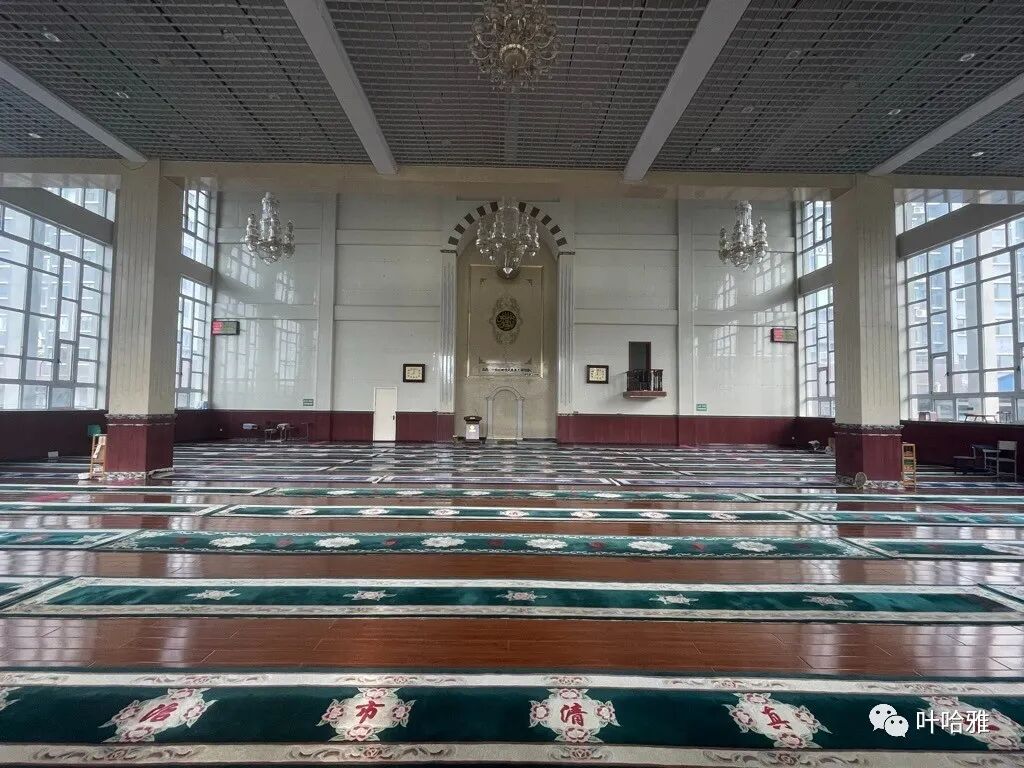
The minaret (minbai lou) of the North Mosque
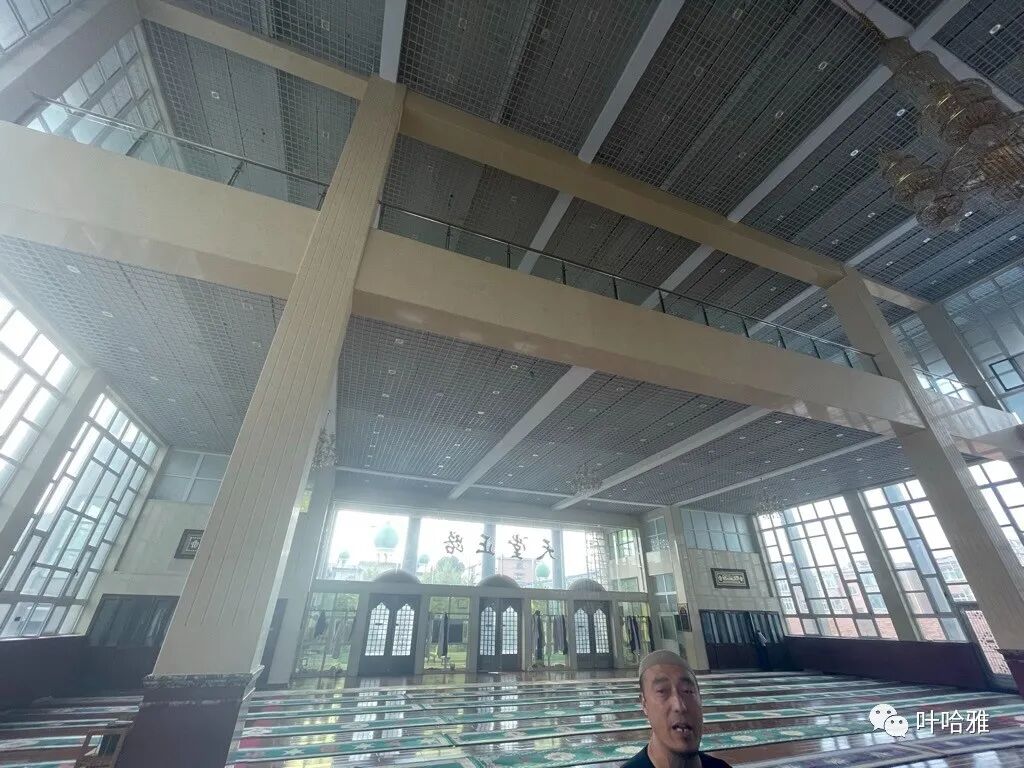
Two stories high
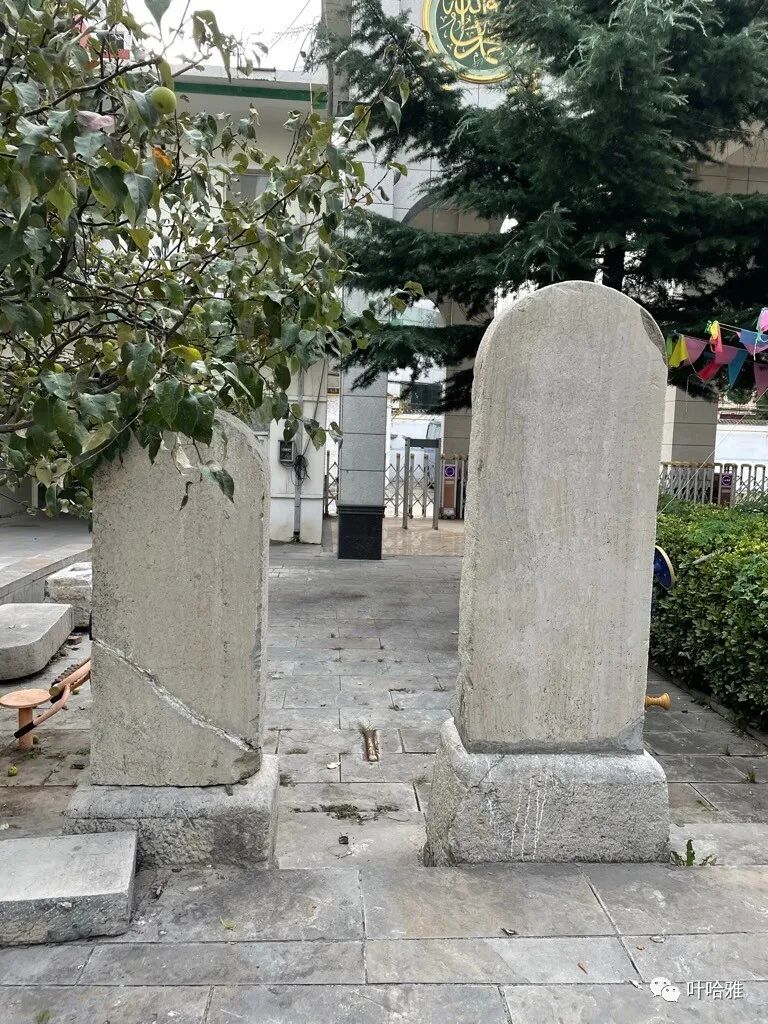
Stone tablet inscription from the Yongle era.
Soon after, the South Mosque (Qingzhen Nansi) was built nearby, also dating back to the Ming Dynasty.
South Mosque (Qingzhen Nansi)
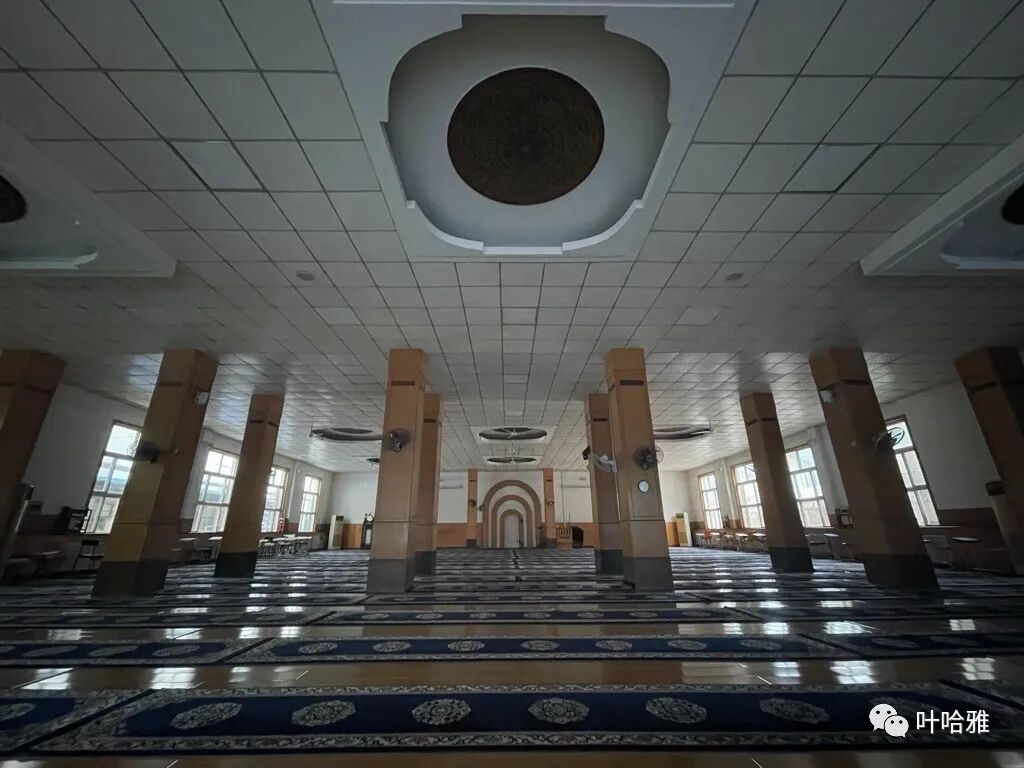
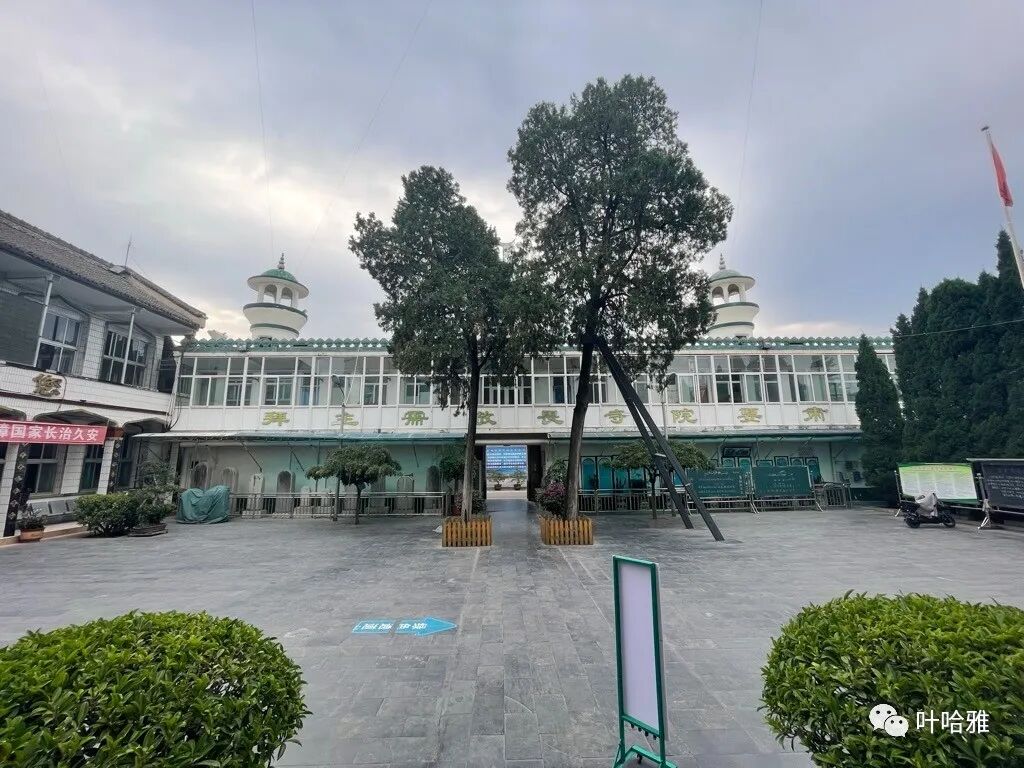
The Central Mosque (Qingzhen Zhongsi) was first built in 1928. In 1938, the Changzhi National Salvation Association was founded here, making a great contribution to the War of Resistance Against Japan. The mosque was rebuilt in 1999.
Central Mosque (Qingzhen Zhongsi)
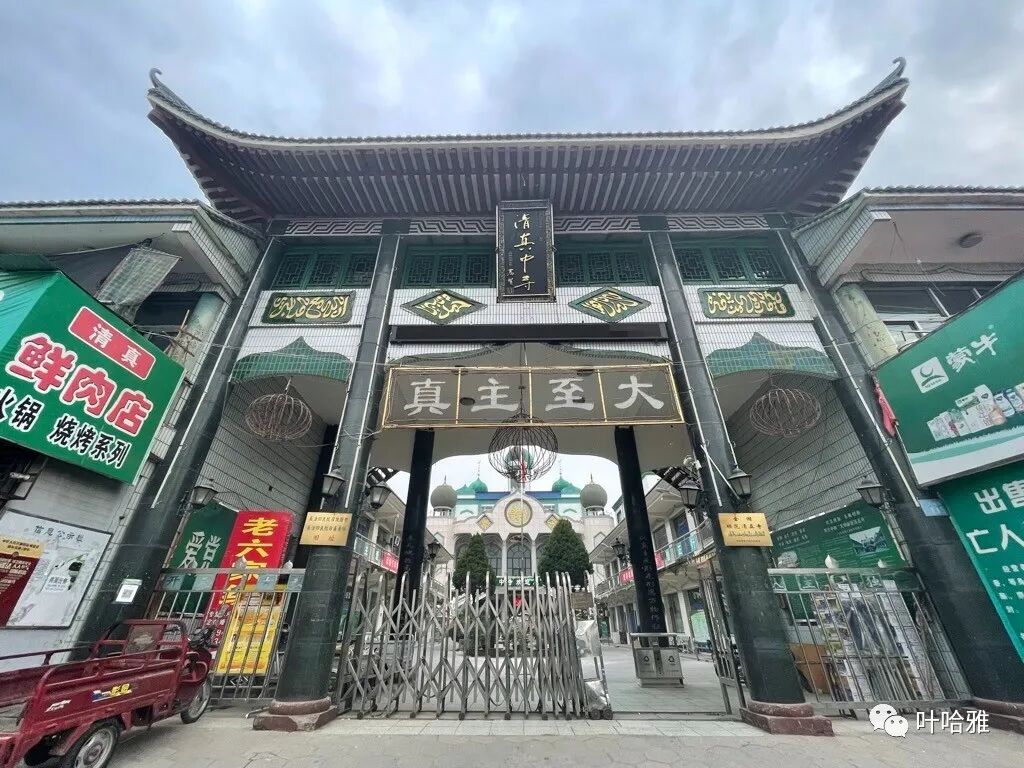
Legend says the Central Mosque was built due to sectarian disputes. Today, Changzhi has long moved past these biases. Everyone follows their own chosen school of Islamic law in peace. Ethnic unity and the relationship between Hui Muslims and Han people are harmonious, which has earned praise from the local government.
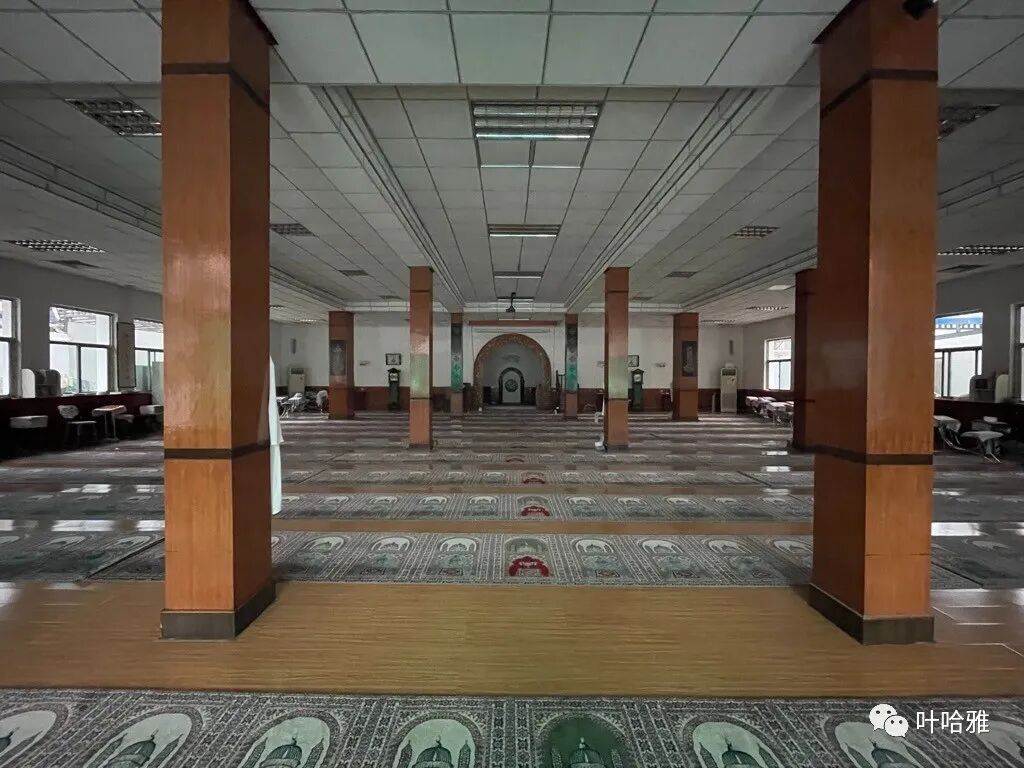
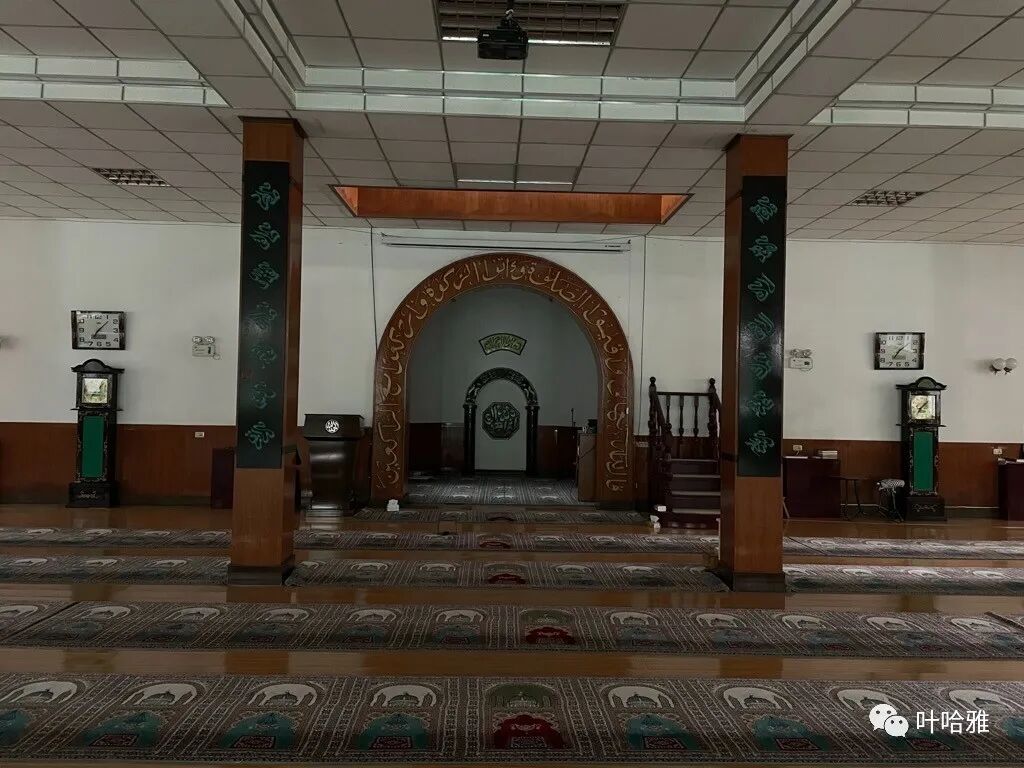
The West Mosque (Qingzhen Xisi) was built in 1944. These four mosques were all constructed before the founding of the People's Republic of China. New mosques built after the founding of the country include:
Southwest City Mosque, Luze Mosque, Jianhua Mosque, Southwest Gate Mosque, Wuyi Road Mosque, West Gate Mosque, Wuzhen Road Mosque, Beidong Mosque, Changbei Mosque, Donghe Mosque, Baodian Mosque, Dabaotou Mosque, Railway Station Mosque, Guancun Mosque, Huangyechi Mosque, Huanan Mosque, Qinyuan County Mosque, and Zhangzi Mosque.
Huanan Mosque
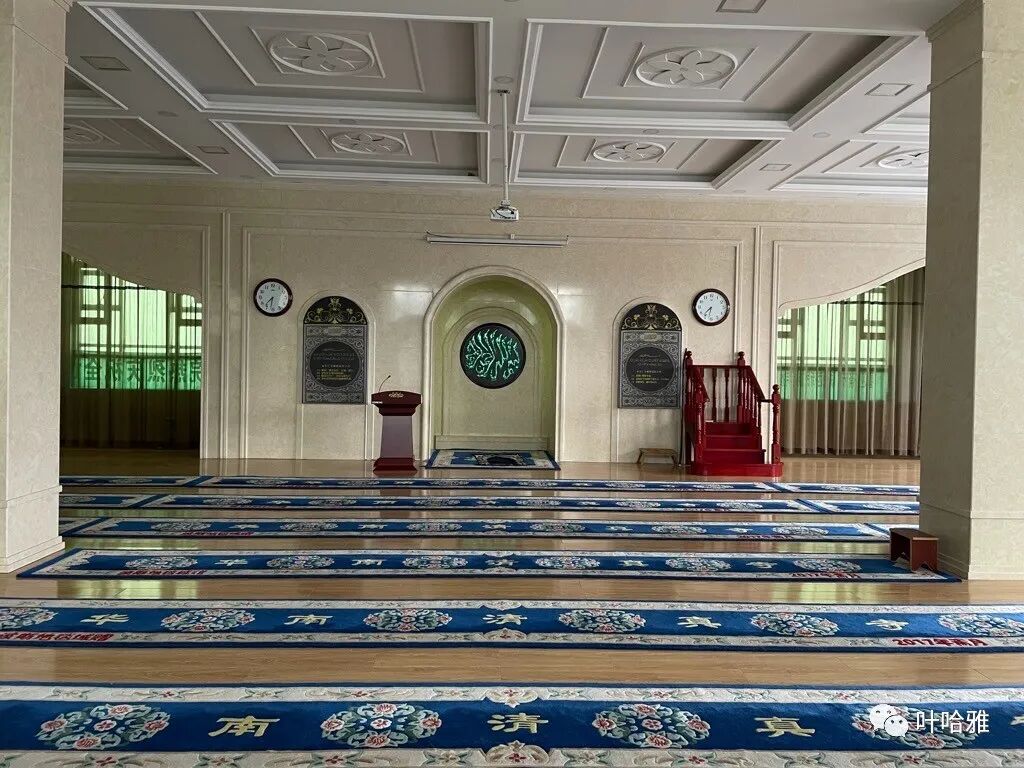
Wuyi Road Mosque
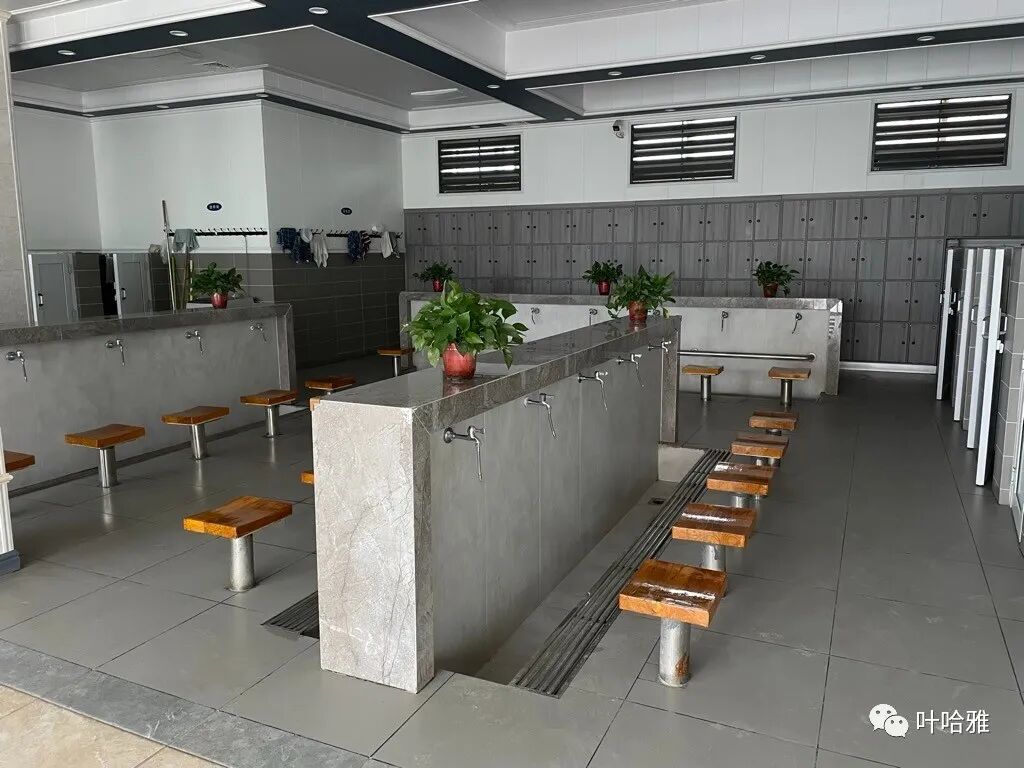
Southwest City Mosque
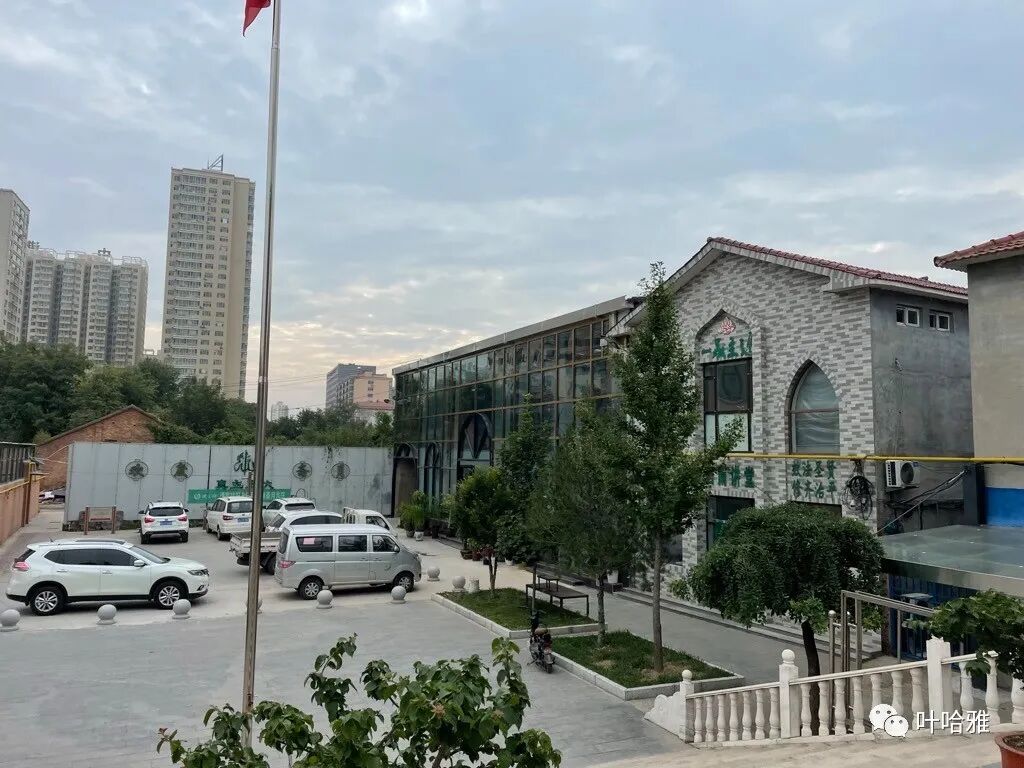
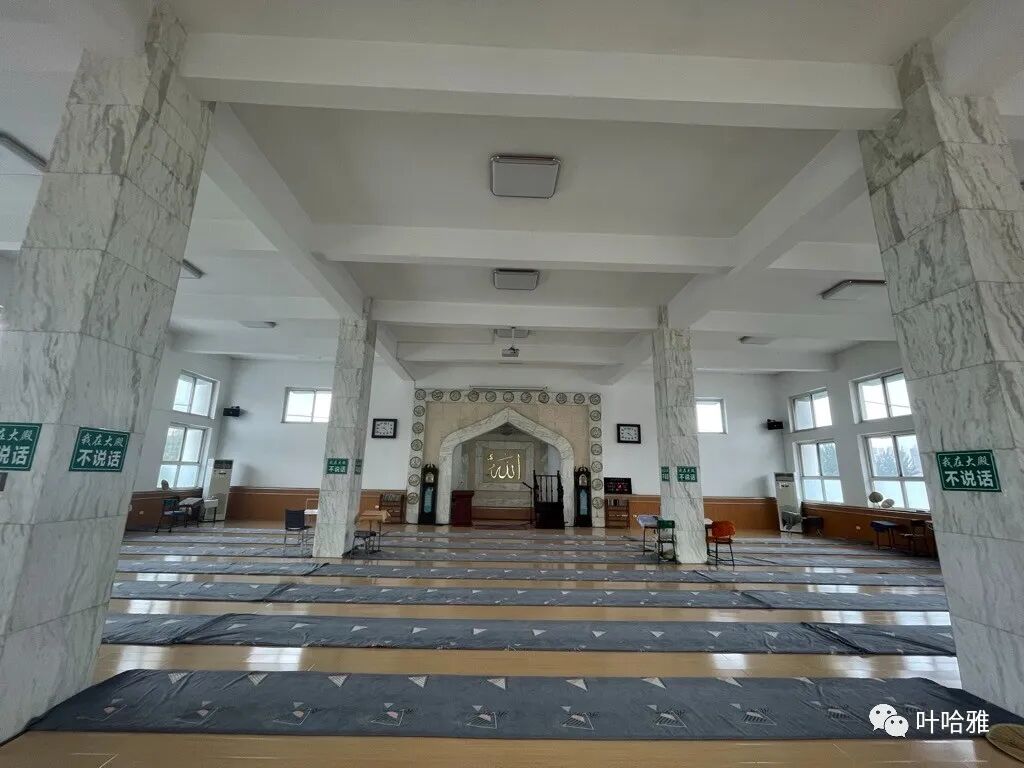
Luze Mosque
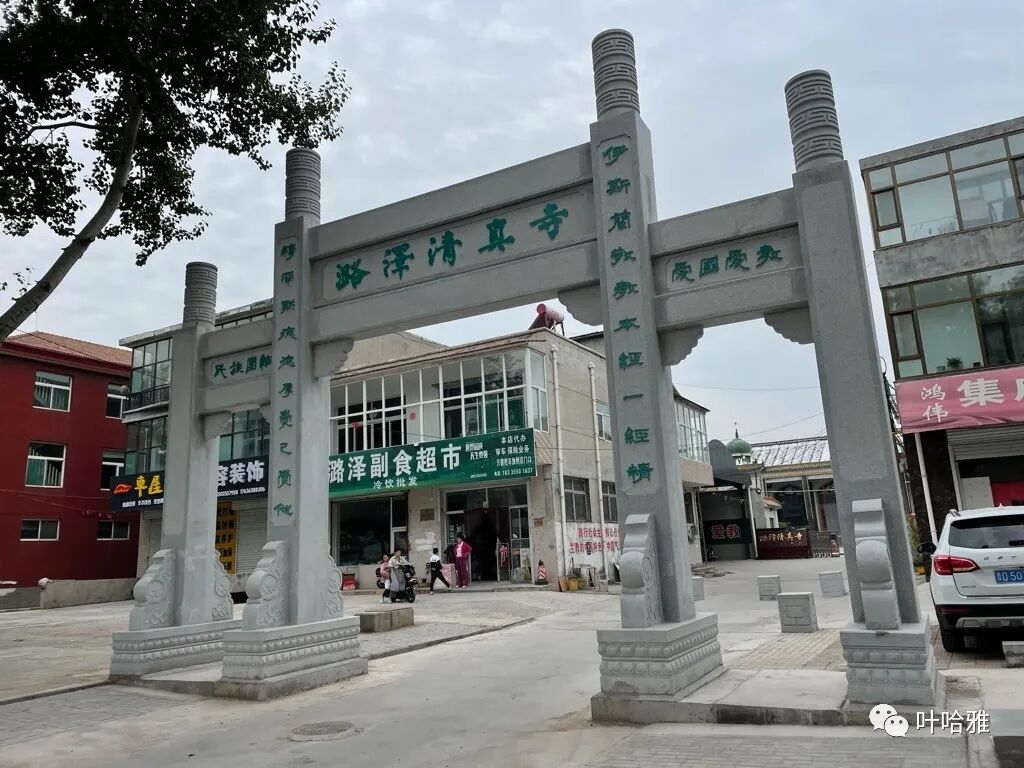
Not long ago, Imam Ma Aimin of the Dongsi Mosque in Beijing passed away. I attended his funeral at Niujie. I remember last year, a few of us sat in his office at the Dongsi Mosque drinking tea and chatting. His kind face and gentle, honest smile stay in my mind. Imam Ma Aimin was from Changzhi, and that day, vehicles from a mosque in Changzhi drove through the night to Beijing to attend his funeral.
President Yang Faming of the Islamic Association of China attended the funeral.
The first meal we had in Changzhi was steamed dumplings (zhengjiao) at Detaiyong. A friend (dosti) from Zhengzhou highly recommended it. I thought it was a local specialty, but later, local elders in Changzhi told me the family is actually from Tianjin, and these steamed dumplings are a Tianjin specialty.
Since modern times, the number of Muslim surnames in Changzhi has grown every year, and those who settled here for business brought halal food from all over. halal restaurants in Changzhi do not sell alcohol, so you can eat there with peace of mind.
The steamed dumpling shop has been in Changzhi for over thirty years, so it is fair to say it has become localized.
Our second meal in Changzhi was at this sesame flatbread (shaobing) shop right at the entrance of the Middle Mosque (Zhongsi). These savory and sweet flatbreads baked over coal fires cost one yuan each. They are a Henan-style flatbread that I have loved since I was a child, especially when they are fresh out of the oven and still hot to the touch—they are delicious. However, this kind of flatbread is hard to find now. Big cities do not allow coal fires, so many foods cannot be made with their original flavor.
Early in the morning, I walked around the neighborhood of the Middle Mosque and took photos of some unique halal restaurants. It was still early, so none were open. We planned to leave for Beijing before noon to arrive before dark. Fahim is only eight months old and needs to sleep when it gets dark, so he could not travel at night with me. Because of this, I missed the chance to taste more of Changzhi's many delicacies.
The term 'laowaijia' here does not refer to foreigners; it means the family of a nephew.
Changzhi has local specialties, but they are not halal. Local Hui Muslims rarely eat out and usually cook at home. My halal tour of Changzhi relied entirely on local friends (dosti) to lead the way, and I managed to visit seven mosques in just half a day.
Before we left, the village elders gave us Changzhi aged vinegar (chencu) and millet (xiaomi). These are things I love to eat. The millet is for Fahim’s baby food, and my wife really loves the vinegar—the sourer, the better.
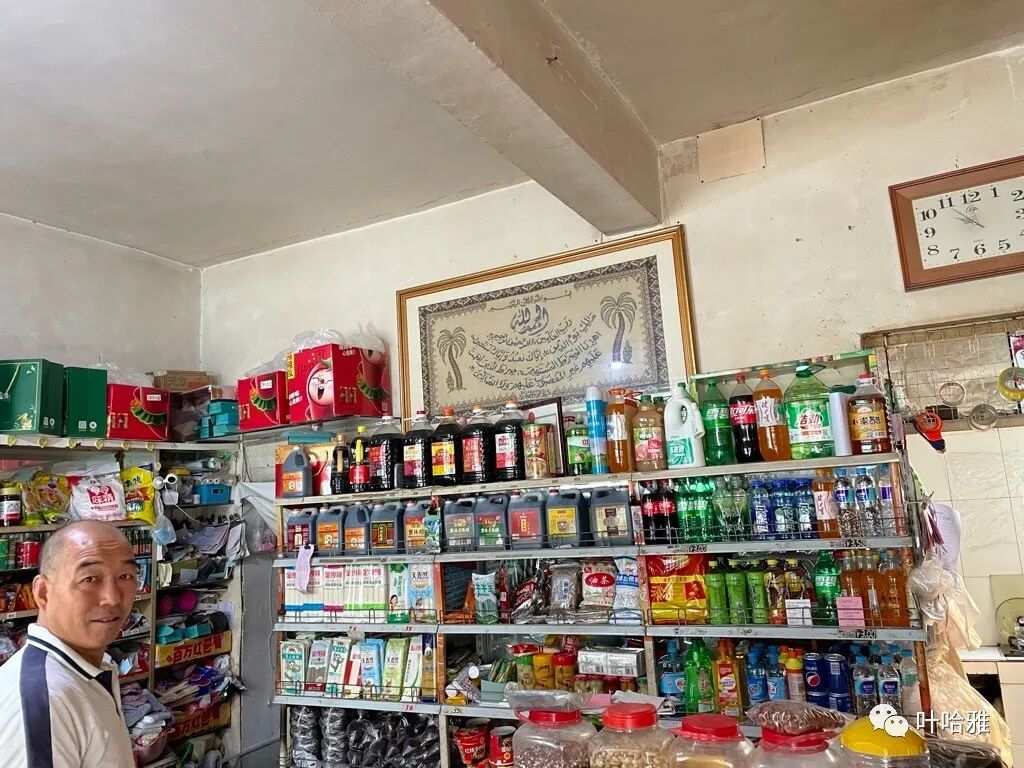
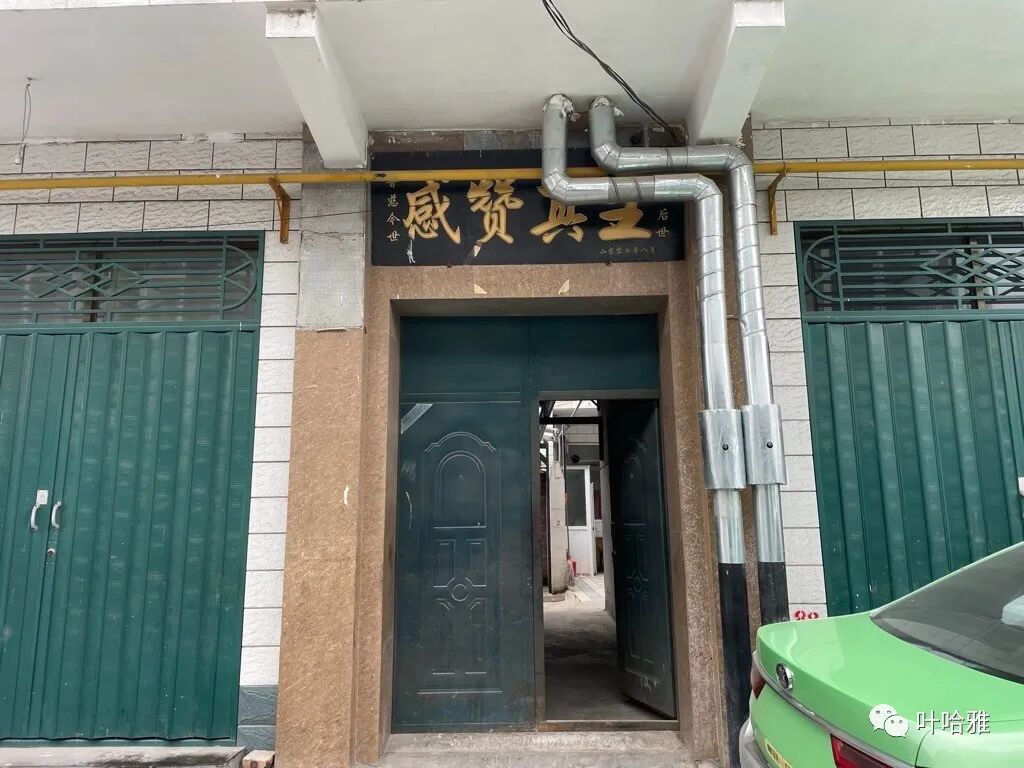
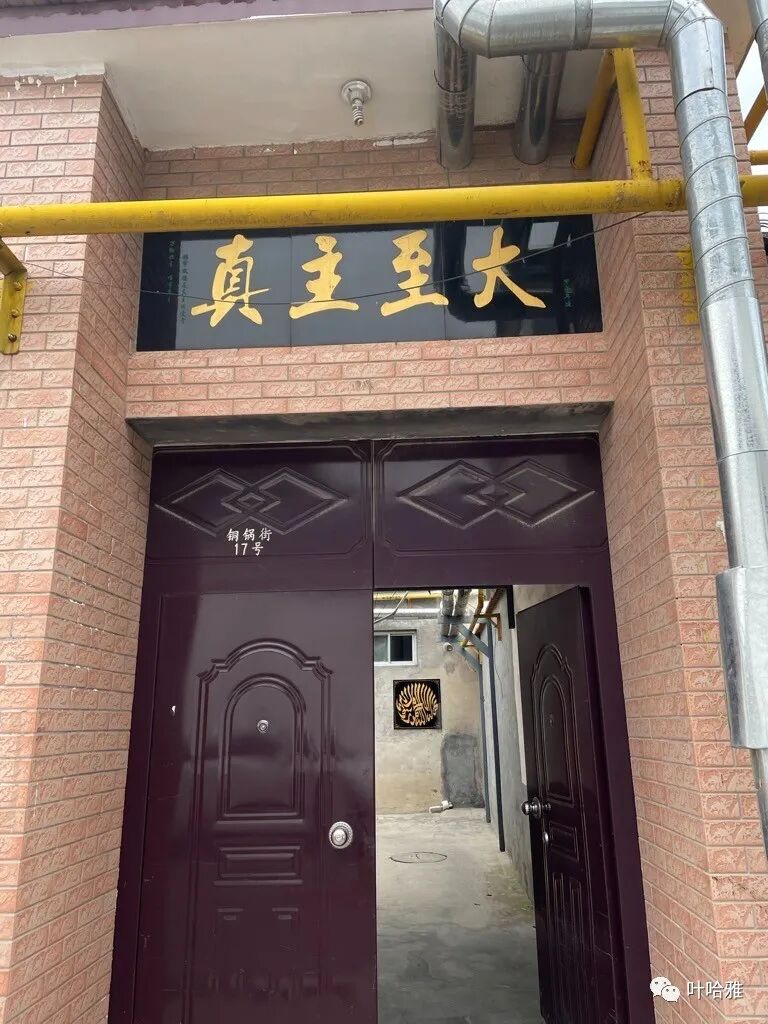
Before leaving, I took a quick photo of a Changzhi family’s doorway on the street, and it made me feel at peace.
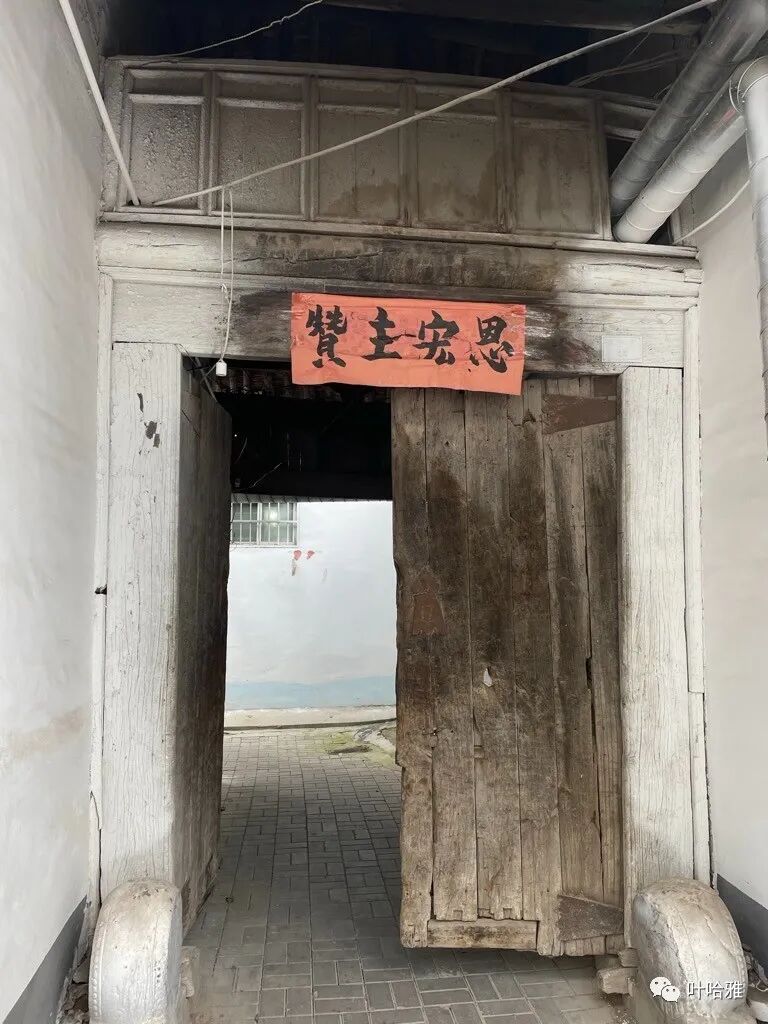

China Mosque Travel Guide: Zhaoqing Guangdong Mosques, Hui Muslim Tombs and Halal Roast Goose
Articles • yusuf908 posted the article • 0 comments • 266 views • 2026-05-22 11:44
Summary: This China mosque travel guide covers Zhaoqing in Guangdong, including East City Mosque, West Mosque, ancient Hui Muslim tombs, local Muslim history, and halal Cantonese food such as crispy roast goose.
A Halal Trip to Zhaoqing, Guangdong: The Mosque, Ancient Tombs of Hui Muslims, and Crispy Roast Goose (Shaoge) is presented here as a firsthand travel account in clear English, beginning with this scene: I had long heard that Zhaoqing has a halal Cantonese restaurant run by locals for many years, two mosques, and the largest ancient tomb complex for Hui Muslims in Guangdong. The account keeps its focus on Halal Travel, Yiwu Food, Mosque Travel while preserving the names, places, food, and historical details from the Chinese source.
I had long heard that Zhaoqing has a halal Cantonese restaurant run by locals for many years, two mosques, and the largest ancient tomb complex for Hui Muslims in Guangdong. During our team-building trip to Guangzhou, I set aside one day to visit Zhaoqing. You can take an intercity train from Guangzhou and reach Zhaoqing in just over an hour, making it an easy day trip. I suggest buying a ticket to Zhaoqing Station instead of Zhaoqing East Station, as the East Station is a 40-minute drive from the city center.
Zhaoqing Station is only three kilometers from the mosques. Historical records show two mosques in Zhaoqing: the East Mosque and the West Mosque. The East Mosque was built between the late Ming and early Qing dynasties on Shuishiying Road in the Duanzhou District, which was the Shuixiangying area at the time. The West Mosque was built in the 32nd year of the Qianlong reign of the Qing dynasty on Kangle Middle Road in the Duanzhou District, formerly known as Kangle Middle Street on Zhujia Road near the West Gate. The two mosques are about two kilometers apart.
East City Mosque
Zhaoqing East City Mosque
The Zhaoqing East City Mosque was first built between the late Ming and early Qing dynasties. It currently houses 11 ancient stone tablets and plaques, along with a collection of ancient books. It was named a Zhaoqing municipal cultural relic protection site in 1984. According to ancient stone tablets, the mosque was originally a brick-and-wood structure and underwent repairs during the Kangxi, Qianlong, Jiaqing, and Daoguang reigns. In 1946, Imam Yang Maolin opened a scripture school inside the mosque. The following year, he turned it into a halal primary school. It became a public halal primary school after 1950 and was renamed Zhaoqing No. 17 Primary School in 1966. In 1991, the mosque and the primary school were separated; the north side of the main prayer hall was given to the primary school, and the south side was returned to the mosque.
Old photo of the halal primary school
The caretaker of the East City Mosque is from the Wang family of Hui Muslims, who were the first of their people to settle in Zhaoqing. According to the Wang Family Genealogy of Zhaoqing, People say Wang Jiyin had a brother who moved to Guangxi shortly after arriving in Zhaoqing, and they lost contact. Since Wang Jiyin, the family has lived here for over 200 years across eleven generations. The family has grown to over a thousand people, with relatives now living in Hong Kong, Macau, and overseas, far beyond their original small presence in Zhaoqing.
The East City Mosque is slightly older than the West City Mosque and was rebuilt in a traditional style.
The East City Mosque does not hold regular religious services; you must go to the West City Mosque for Jumu'ah prayers.
Hui Muslims in Guangdong live all over the province. They are mainly concentrated in the Pearl River Delta centered on Guangzhou, the West River region centered on Zhaoqing, and the North River region centered on Shaozhou and Nanxiong. There are also scattered populations in southern Guangdong, the East River area, and the Chaoshan region.
The Hui Muslims in Zhaoqing mainly came from military garrisons during the Ming and Qing dynasties, where they settled down and raised families. Others were Hui Muslims from across the country who came to do business, or Hui scholars who came to Guangdong to serve as imams, moving from places like Gansu, Shaanxi, Guangxi, and Hunan. A small number of Hui Muslims were also exiled here. For example, during the Hongzhi reign, the imperial court sent 181 tribute envoys from Turpan to be settled in Guangdong and Guangxi. Thousands of Hui Muslims from counties like Fengxiang and Fufeng in Shaanxi rose up in rebellion. After the uprising was suppressed, the men were all sent to Guangdong and Guangxi for military service. In the seventh year of the Hongzhi reign, Minister of War Ma Wensheng requested that 40 Turpan Hui tribute envoys, including Xieyiman Su'er, be sent to Guangdong, Guangxi, and Fujian as a punishment.
Recorded history of Hui Muslims in Zhaoqing dates back to the Ming dynasty. In the first year of the Jingtai reign (1450), Dong Xing requested that over 400 officers and soldiers under the command of Lian Zhong, a regional military commander sent from Nanjing to suppress Huang Xiaoyang, be allowed to stay and garrison in Guangdong. In the second year of the Chenghua reign (1466), Han Yong requested that they and their families be allowed to settle in Guangdong as part of the agricultural garrison troops. Some of these Hui Muslims settled near the naval camp east of Zhaoqing city, while those who settled in the west of the city arrived in the early Qing dynasty. Today, there are about 600 Hui Muslims in Zhaoqing with nine surnames: Liu, Li, Ma, Mu, Luo, Wang, Dong, Ha, and Sa.
In 1646, Zhu Youlang of the Ming royal family established the Southern Ming regime in Zhaoqing. The Qing government sent troops to suppress it. Once the fighting stopped, the Hui Muslim soldiers settled down as civilians, and these Hui Muslims later moved to Guangzhou one after another.
After the Southern Ming regime fell, the Qing government moved the Governor-General's office of Guangdong and Guangxi to Guangzhou in the 11th year of the Qianlong reign. Zhaoqing was no longer a major military hub, so the Hui Muslims moved out of Zhaoqing and into Guangzhou along with the government. Because of this, a saying spread among the Hui Muslims: First arrive in Zhaoqing, then live in Guangzhou.
West City Mosque
The West City Mosque in Zhaoqing was first built in the early years of the Qianlong reign. Local elders pooled money to buy a house in Zhongyongshe outside the north of the city to serve as the first mosque. It was later moved to Longdinggang in Zhujia Lane outside the west of the city, and then expanded with funds raised by local elders during the Jiaqing reign.
The imam of the West City Mosque is from Hainan and has led the mosque in Zhaoqing for over thirty years. He just retired. The day after my visit was the first day for the new imam, who is from Xinjiang and has taught in Guangdong for many years.
Zhaoqing West City Mosque
The West City Mosque was built with a dome style. Since it has long been a municipal-level cultural relic protection site, there are no plans to renovate it.
Daily religious activities are held at the West City Mosque. The East City Mosque has no imam, so Friday prayers (Jumu'ah) are held at the West City Mosque.
The ground of the mosque is covered in frangipani flowers (jidan hua), which have a very fresh scent. They can be dried and used in medicine or for making soup.
The only remaining historical site inside the mosque records the history of its construction.
Zhaoqing Hui Muslim Cemetery
The Zhaoqing Hui Muslim Cemetery is located in Ganshu Village, Gaoyao District, more than ten kilometers from the city center. It was originally located at Niumiangang in the west of the city and covered nearly 20,000 square meters. Later, due to urban planning, the graves were moved here, and the area was expanded to nearly 40,000 square meters.
A total of 2,521 graves were relocated. The remains of the ancestors were wrapped in white burial shrouds (kafan) and reburied.
The cemetery is overgrown with weeds and rarely visited. Only one local Hui Muslim caretaker stays here year-round.
The names carved on the stone tablets are those who donated money to renovate the cemetery. Many are from the Guangdong-Hong Kong-Macao region. For those who have passed away, the characters for "late Hui" (gu hui) are carved above their names.
The cemetery has an area specifically for burying scholars and imams from the Ming and Qing dynasties. The local Islamic Association rebuilt the graves for these predecessors based on historical records. However, the caretaker said that the descendants of these scholars are mostly missing, so he has never seen any descendants come to visit the graves.
Huangqing Gu refers to someone who returned to Allah during the early Qing Dynasty, while Qing Gu refers to someone who returned to Allah during the later years of the Qing Dynasty.
Praise the Emperor Pavilion (Songsheng Ting).
The Praise the Emperor Pavilion (Songsheng Ting) donated and built by the Guangzhou Dost.
Li Family Genealogy.
The Zhaoqing Hui Muslim Li Family Genealogy records that their ancestor, Li Fengqi, was originally from Jinan Prefecture, Shandong, and came south to Guangdong with Ma Bohu during the Chongzhen reign of the Ming Dynasty. After Ma Bohu was defeated in battle, Li Fengqi lived in seclusion in Guangzhou (Yangcheng) and moved to Zhaoqing in the early Qing Dynasty. The Zhaoqing Hui Muslim Liu Family Genealogy records that their ancestor, Liu Zhongyi, was originally from Wumenlou, Beiguan, Chang'an County, Xi'an Prefecture, Shaanxi Province. He also came south to Guangdong with Ma Bohu in the early Qing Dynasty and served at the Guangdong Luoding Garrison Governor's Office (possibly the Luoding Garrison Vice General; the Yongzheng edition of the Guangdong Gazetteer mentions Liu Zhengli as the Luoding Garrison Vice General in the 47th year of the Kangxi reign, though it is unclear if this is Liu Zhongyi). His descendants then lived in Zhaoqing for generations. However, checking the official records in the Ming Dynasty Guangdong Gazetteer and the Qing Dynasty Guangdong Gazetteer, there is no mention of a person named Ma Bohu.
The Zhaoqing Hui Muslim Liu Family Genealogy (revised in the 50th year of the Qianlong reign), Li Family Genealogy (revised in the 23rd year of the Daoguang reign), Luo Family Genealogy, Wang Family Genealogy, and the Liangguang Sa Family Genealogy (based on the Daoguang 17th-year edition, reprinted in the Republic of China era) all record that their respective ancestors came from Chang'an in Shaanxi, Jinan in Shandong, Xuanping in Zhejiang, Taiyuan in Shanxi, and other places. They settled in Zhaoqing after taking official posts there during the Qianlong and Daoguang reigns of the Qing Dynasty.
The Zhaoqing City Luo Jiyuan Family Genealogy records: Tracing our Luo Jiyuan family, People say we originated from Xuanping County, Zhejiang Province. During the Qianlong reign, they received an imperial order to lead troops south to eastern Guangdong and were stationed in Duanzhou (Zhaoqing). They later settled there, and the family branches have multiplied and flourished for nearly 300 years, with a long and deep history.
Although the cemetery is located in a remote mountain area, I asked the caretaker, and he said he has not encountered any ghosts or supernatural events in the decades he has been here. I wanted to give the old gentleman some money, but he politely declined and told me I could give it to the mosque instead.
The photos show that the Hui Muslim cemetery has fallen into disrepair and is overgrown with weeds, with many tombstones hidden by grass taller than a person. Every year, family members still invite an imam to recite prayers in memory of the deceased. Most Hui Muslims from Zhaoqing have moved away or work elsewhere, and few are very wealthy. The owner of the Zhaoqing Halal Restaurant is a local Hui Muslim who stays true to his faith, which is not easy.
Halal Restaurant
The Halal Restaurant was founded in 1957. Luo Xutang, president of the Zhaoqing Islamic Association, explained that four Hui Muslims who lived in Zhaoqing—Luo Shiyong, Sa Zhinan, Dong Shi, and Liu Youxing—were entrusted with setting up the restaurant. In 1998, the Halal Restaurant moved to its current location by the river.
There used to be three local halal restaurants in downtown Zhaoqing, but this is the only one left. It is famous for its Zhaoqing crispy roast goose (cui pi shao e), which locals have eaten since they were children, making it a fond childhood memory for many.
The restaurant is about 300 square meters and has private rooms and display areas, making it suitable for daily dining and hosting weddings or funerals.
This is the only halal restaurant in Zhaoqing that serves Cantonese food, though there are over twenty noodle shops.
My friends in Guangzhou told me the roast goose was a must-order before I arrived. The skin is crispy and the meat is tender; it is the best Cantonese-style roast goose I have ever had. You can dip it in a sweet and sour sauce so you can eat plenty without it feeling greasy.
Roast goose
Cantonese people care a lot about healthy eating and are especially good at making soups, using all kinds of ingredients and herbs. The bowl of black-eyed pea, chicken foot, and clam soup (meidou jijiao bang tang) I had tasted a bit medicinal. I asked Imam Liu what the difference is between Zhaoqing food and Guangzhou food. He felt that Zhaoqing has a wider variety of soups, though perhaps that is because we Hui Muslims have fewer soup options, so we can only compare the Zhaoqing Halal Restaurant with those in Guangzhou.
Black-eyed pea, chicken feet, and clam soup (meidou jijiao bangtang).
Stir-fried rice noodles with beef (ganchao niuhe) is a famous street food in Guangdong. I think it is a main dish that really shows a Cantonese chef's skill. It is made with beef slices and flat rice noodles, and the green parts are yellow chives (jiuhuang). I was surprised that the portion at the halal restaurant was huge; one serving is enough for two people.
Stir-fried rice noodles with beef (ganchao niuhe).
When I was in Guangzhou, I could easily get a group together for a meal. But when I said I wanted to go to Zhaoqing to visit graves, no one would go with me. So, I ended up eating alone at the halal restaurant, which meant I could not try everything on the menu. Sand ginger poached chicken (shajiang baiqieji) is also a Zhaoqing specialty, but I could not finish it by myself. It was a shame, but I will come back again. view all
Summary: This China mosque travel guide covers Zhaoqing in Guangdong, including East City Mosque, West Mosque, ancient Hui Muslim tombs, local Muslim history, and halal Cantonese food such as crispy roast goose.
A Halal Trip to Zhaoqing, Guangdong: The Mosque, Ancient Tombs of Hui Muslims, and Crispy Roast Goose (Shaoge) is presented here as a firsthand travel account in clear English, beginning with this scene: I had long heard that Zhaoqing has a halal Cantonese restaurant run by locals for many years, two mosques, and the largest ancient tomb complex for Hui Muslims in Guangdong. The account keeps its focus on Halal Travel, Yiwu Food, Mosque Travel while preserving the names, places, food, and historical details from the Chinese source.
I had long heard that Zhaoqing has a halal Cantonese restaurant run by locals for many years, two mosques, and the largest ancient tomb complex for Hui Muslims in Guangdong. During our team-building trip to Guangzhou, I set aside one day to visit Zhaoqing. You can take an intercity train from Guangzhou and reach Zhaoqing in just over an hour, making it an easy day trip. I suggest buying a ticket to Zhaoqing Station instead of Zhaoqing East Station, as the East Station is a 40-minute drive from the city center.
Zhaoqing Station is only three kilometers from the mosques. Historical records show two mosques in Zhaoqing: the East Mosque and the West Mosque. The East Mosque was built between the late Ming and early Qing dynasties on Shuishiying Road in the Duanzhou District, which was the Shuixiangying area at the time. The West Mosque was built in the 32nd year of the Qianlong reign of the Qing dynasty on Kangle Middle Road in the Duanzhou District, formerly known as Kangle Middle Street on Zhujia Road near the West Gate. The two mosques are about two kilometers apart.
East City Mosque
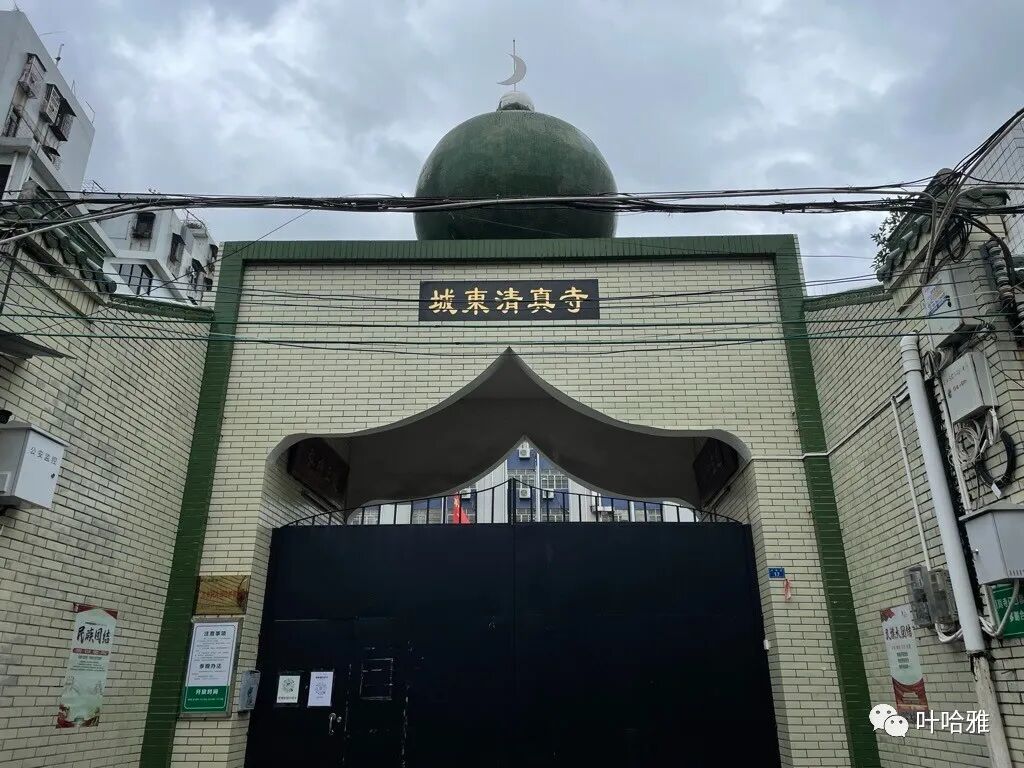
Zhaoqing East City Mosque
The Zhaoqing East City Mosque was first built between the late Ming and early Qing dynasties. It currently houses 11 ancient stone tablets and plaques, along with a collection of ancient books. It was named a Zhaoqing municipal cultural relic protection site in 1984. According to ancient stone tablets, the mosque was originally a brick-and-wood structure and underwent repairs during the Kangxi, Qianlong, Jiaqing, and Daoguang reigns. In 1946, Imam Yang Maolin opened a scripture school inside the mosque. The following year, he turned it into a halal primary school. It became a public halal primary school after 1950 and was renamed Zhaoqing No. 17 Primary School in 1966. In 1991, the mosque and the primary school were separated; the north side of the main prayer hall was given to the primary school, and the south side was returned to the mosque.
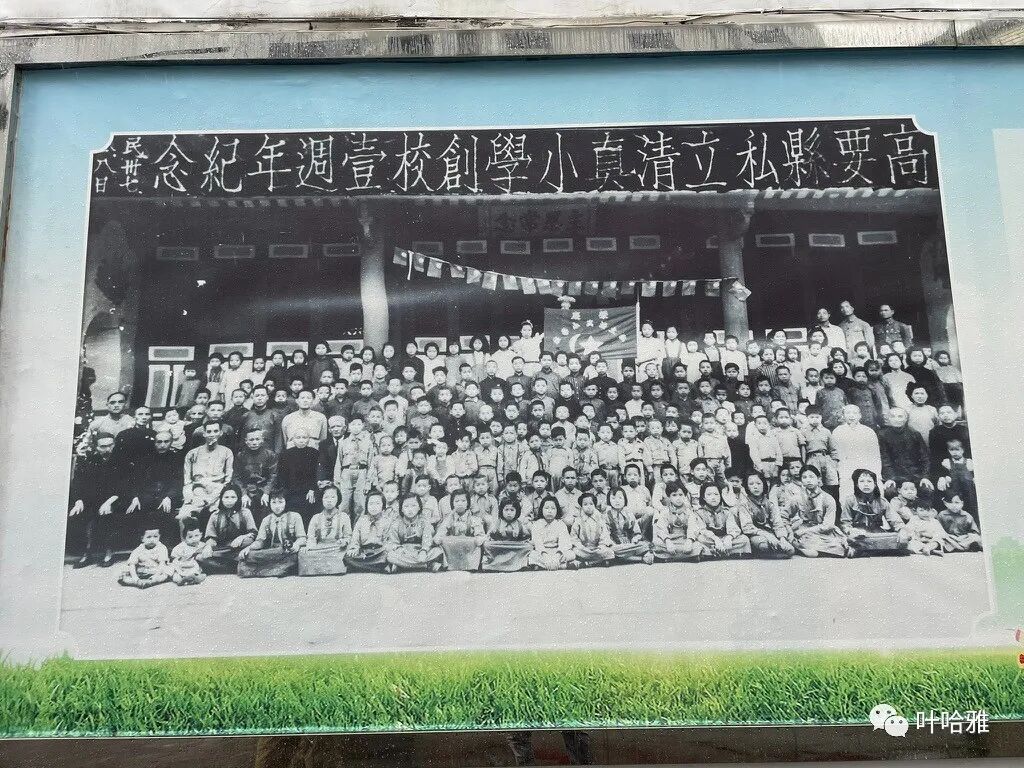
Old photo of the halal primary school
The caretaker of the East City Mosque is from the Wang family of Hui Muslims, who were the first of their people to settle in Zhaoqing. According to the Wang Family Genealogy of Zhaoqing, People say Wang Jiyin had a brother who moved to Guangxi shortly after arriving in Zhaoqing, and they lost contact. Since Wang Jiyin, the family has lived here for over 200 years across eleven generations. The family has grown to over a thousand people, with relatives now living in Hong Kong, Macau, and overseas, far beyond their original small presence in Zhaoqing.
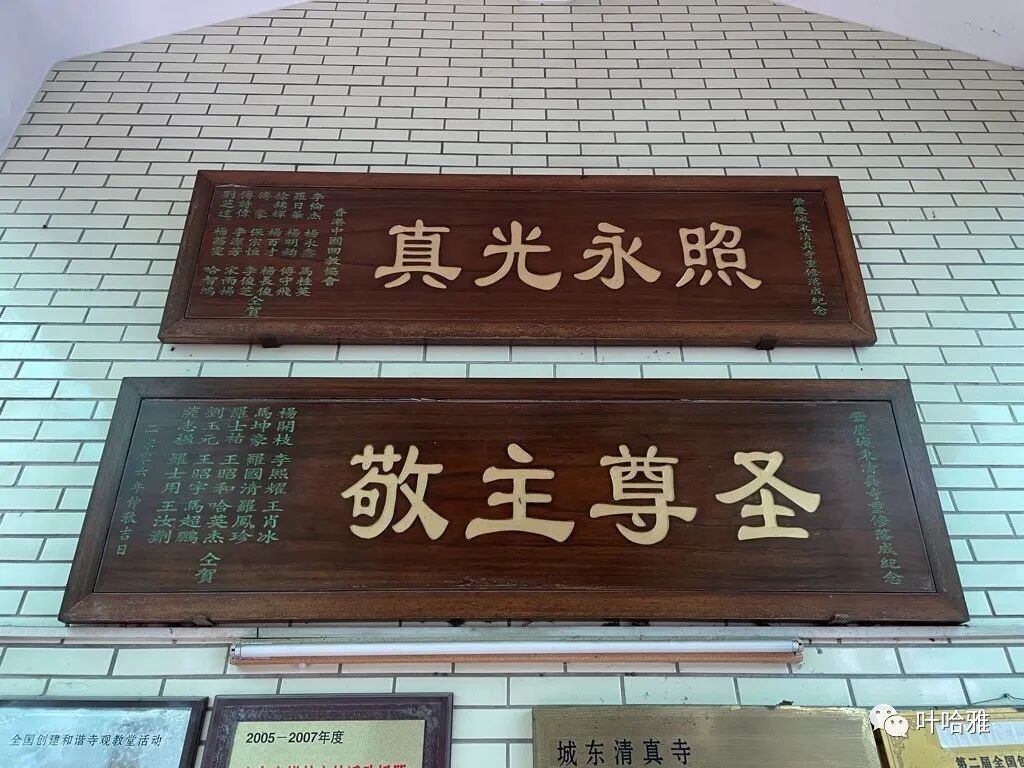
The East City Mosque is slightly older than the West City Mosque and was rebuilt in a traditional style.
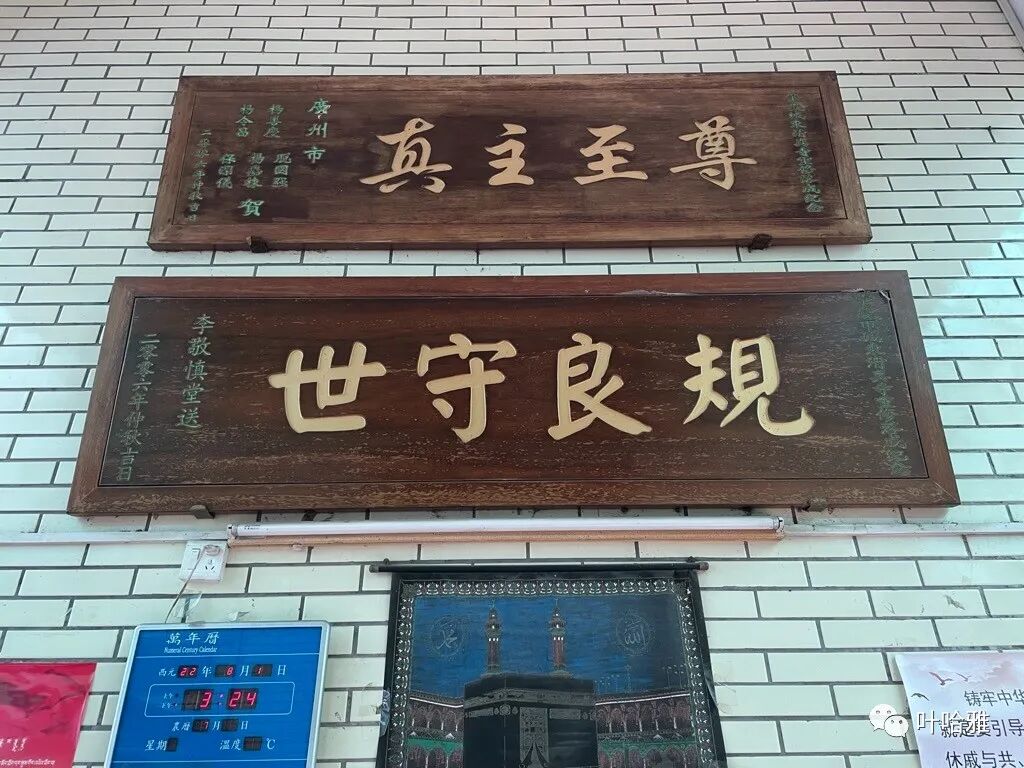
The East City Mosque does not hold regular religious services; you must go to the West City Mosque for Jumu'ah prayers.
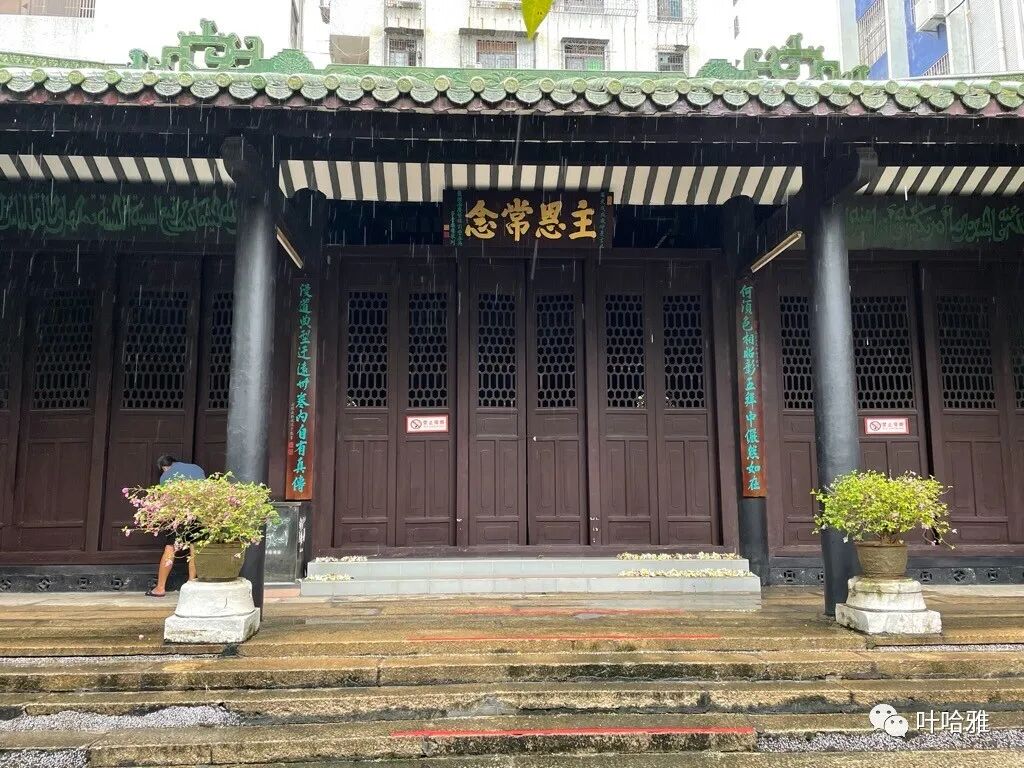
Hui Muslims in Guangdong live all over the province. They are mainly concentrated in the Pearl River Delta centered on Guangzhou, the West River region centered on Zhaoqing, and the North River region centered on Shaozhou and Nanxiong. There are also scattered populations in southern Guangdong, the East River area, and the Chaoshan region.
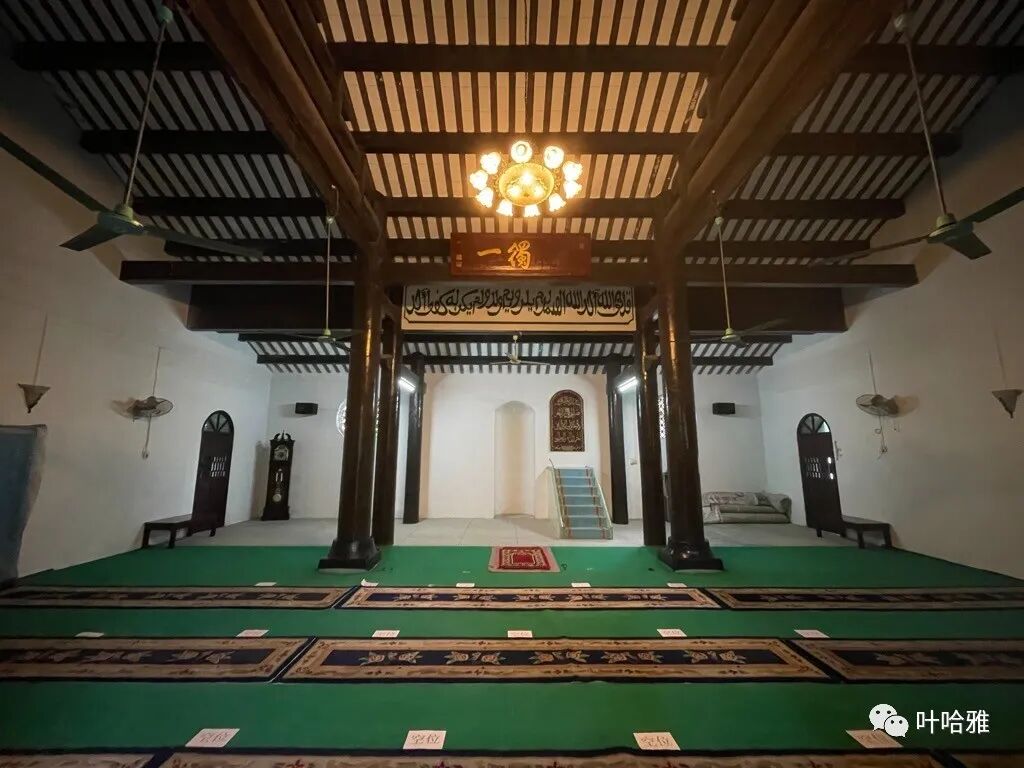
The Hui Muslims in Zhaoqing mainly came from military garrisons during the Ming and Qing dynasties, where they settled down and raised families. Others were Hui Muslims from across the country who came to do business, or Hui scholars who came to Guangdong to serve as imams, moving from places like Gansu, Shaanxi, Guangxi, and Hunan. A small number of Hui Muslims were also exiled here. For example, during the Hongzhi reign, the imperial court sent 181 tribute envoys from Turpan to be settled in Guangdong and Guangxi. Thousands of Hui Muslims from counties like Fengxiang and Fufeng in Shaanxi rose up in rebellion. After the uprising was suppressed, the men were all sent to Guangdong and Guangxi for military service. In the seventh year of the Hongzhi reign, Minister of War Ma Wensheng requested that 40 Turpan Hui tribute envoys, including Xieyiman Su'er, be sent to Guangdong, Guangxi, and Fujian as a punishment.
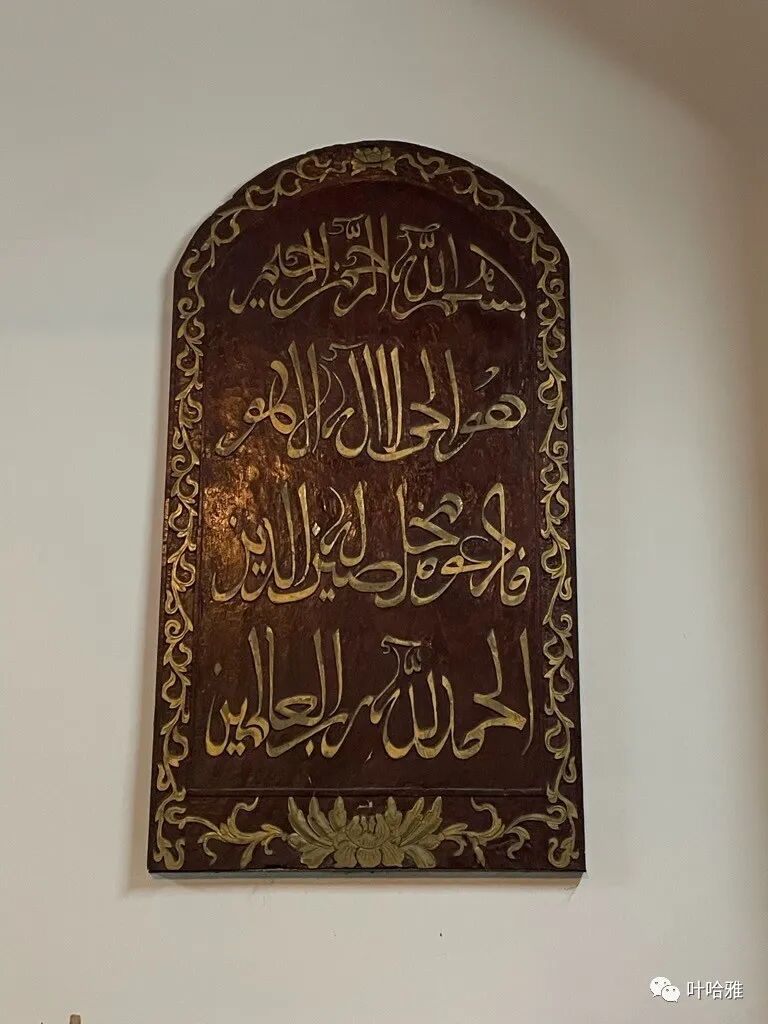
Recorded history of Hui Muslims in Zhaoqing dates back to the Ming dynasty. In the first year of the Jingtai reign (1450), Dong Xing requested that over 400 officers and soldiers under the command of Lian Zhong, a regional military commander sent from Nanjing to suppress Huang Xiaoyang, be allowed to stay and garrison in Guangdong. In the second year of the Chenghua reign (1466), Han Yong requested that they and their families be allowed to settle in Guangdong as part of the agricultural garrison troops. Some of these Hui Muslims settled near the naval camp east of Zhaoqing city, while those who settled in the west of the city arrived in the early Qing dynasty. Today, there are about 600 Hui Muslims in Zhaoqing with nine surnames: Liu, Li, Ma, Mu, Luo, Wang, Dong, Ha, and Sa.
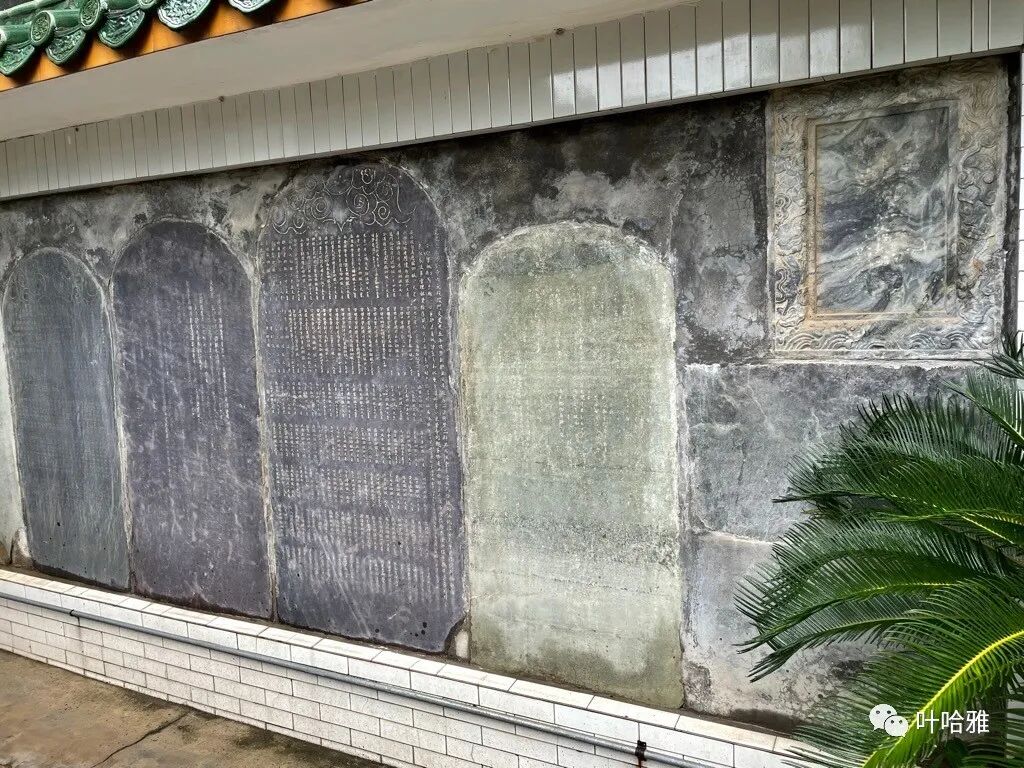
In 1646, Zhu Youlang of the Ming royal family established the Southern Ming regime in Zhaoqing. The Qing government sent troops to suppress it. Once the fighting stopped, the Hui Muslim soldiers settled down as civilians, and these Hui Muslims later moved to Guangzhou one after another.
After the Southern Ming regime fell, the Qing government moved the Governor-General's office of Guangdong and Guangxi to Guangzhou in the 11th year of the Qianlong reign. Zhaoqing was no longer a major military hub, so the Hui Muslims moved out of Zhaoqing and into Guangzhou along with the government. Because of this, a saying spread among the Hui Muslims: First arrive in Zhaoqing, then live in Guangzhou.
West City Mosque
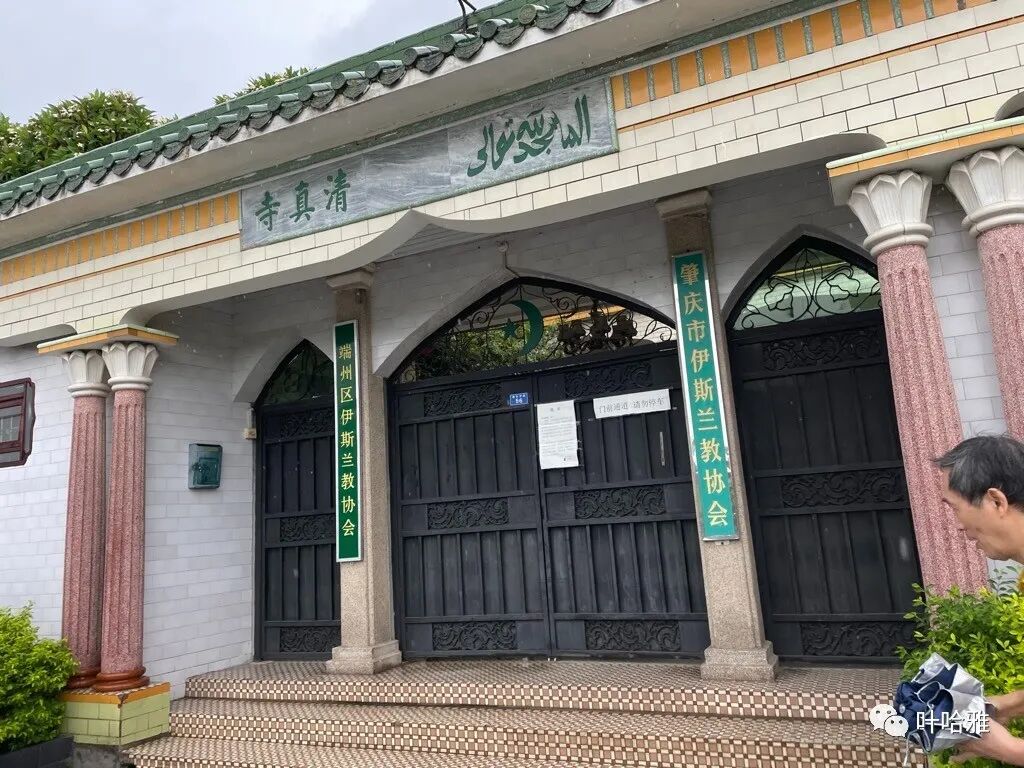
The West City Mosque in Zhaoqing was first built in the early years of the Qianlong reign. Local elders pooled money to buy a house in Zhongyongshe outside the north of the city to serve as the first mosque. It was later moved to Longdinggang in Zhujia Lane outside the west of the city, and then expanded with funds raised by local elders during the Jiaqing reign.
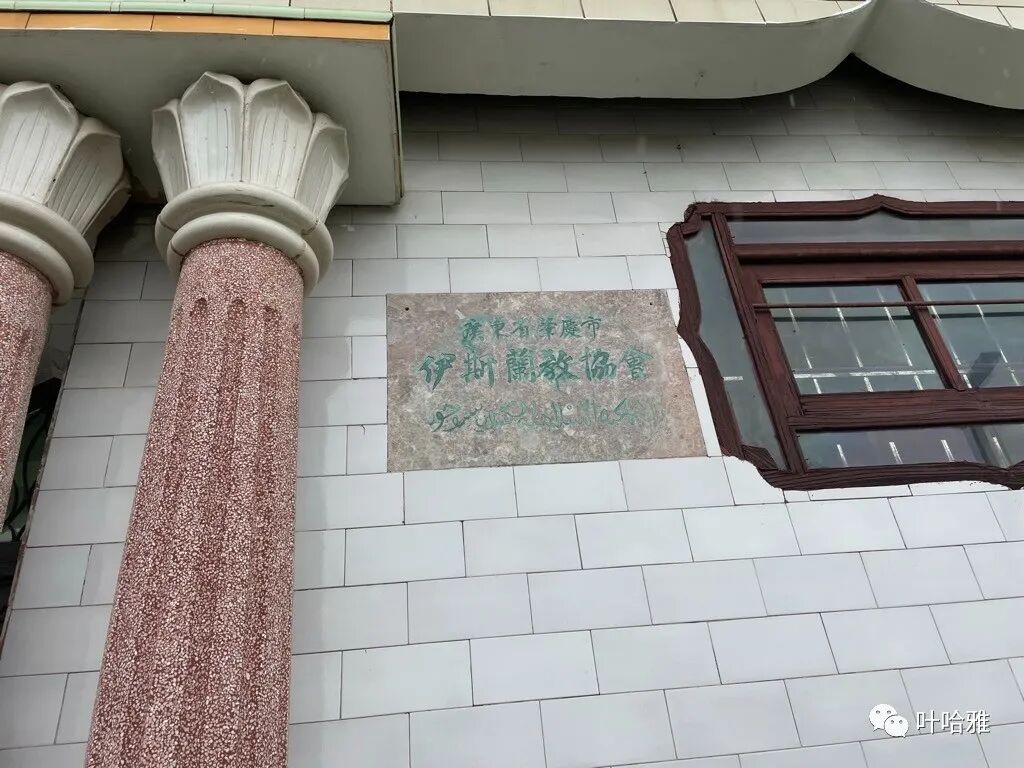
The imam of the West City Mosque is from Hainan and has led the mosque in Zhaoqing for over thirty years. He just retired. The day after my visit was the first day for the new imam, who is from Xinjiang and has taught in Guangdong for many years.
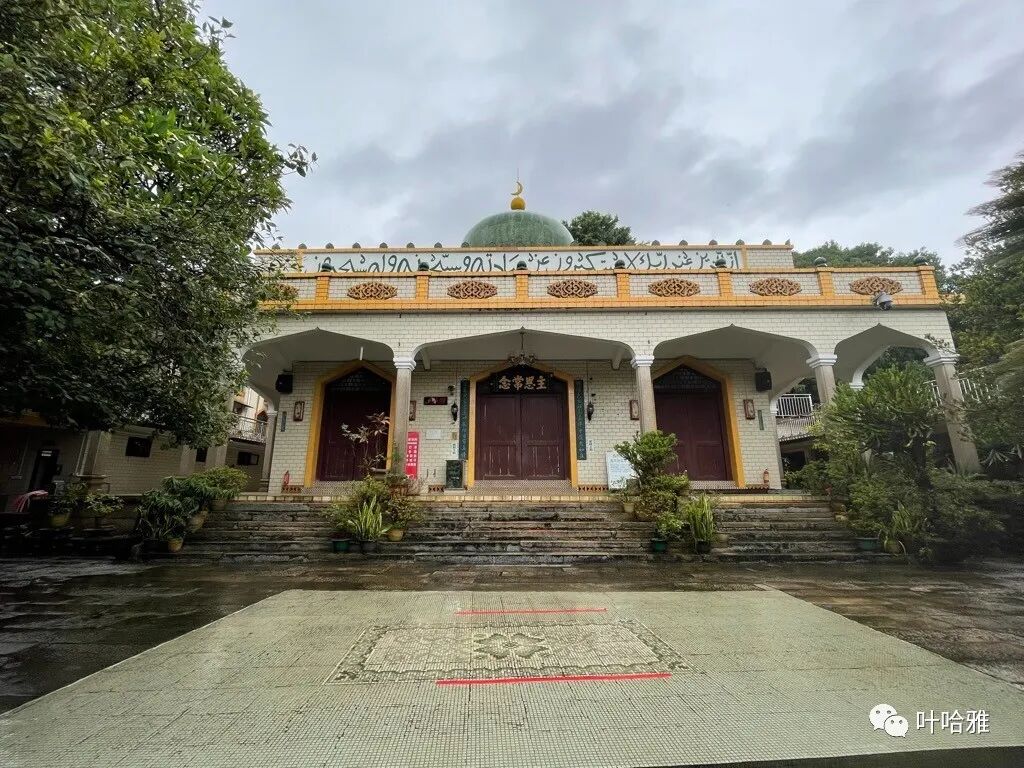
Zhaoqing West City Mosque
The West City Mosque was built with a dome style. Since it has long been a municipal-level cultural relic protection site, there are no plans to renovate it.
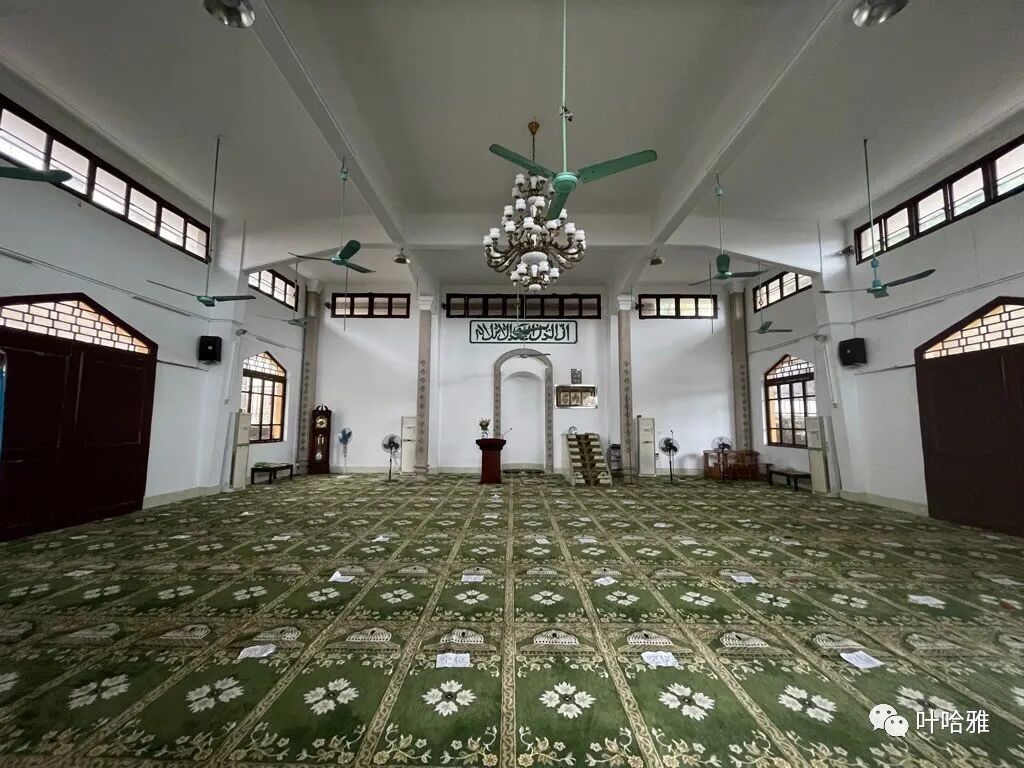
Daily religious activities are held at the West City Mosque. The East City Mosque has no imam, so Friday prayers (Jumu'ah) are held at the West City Mosque.
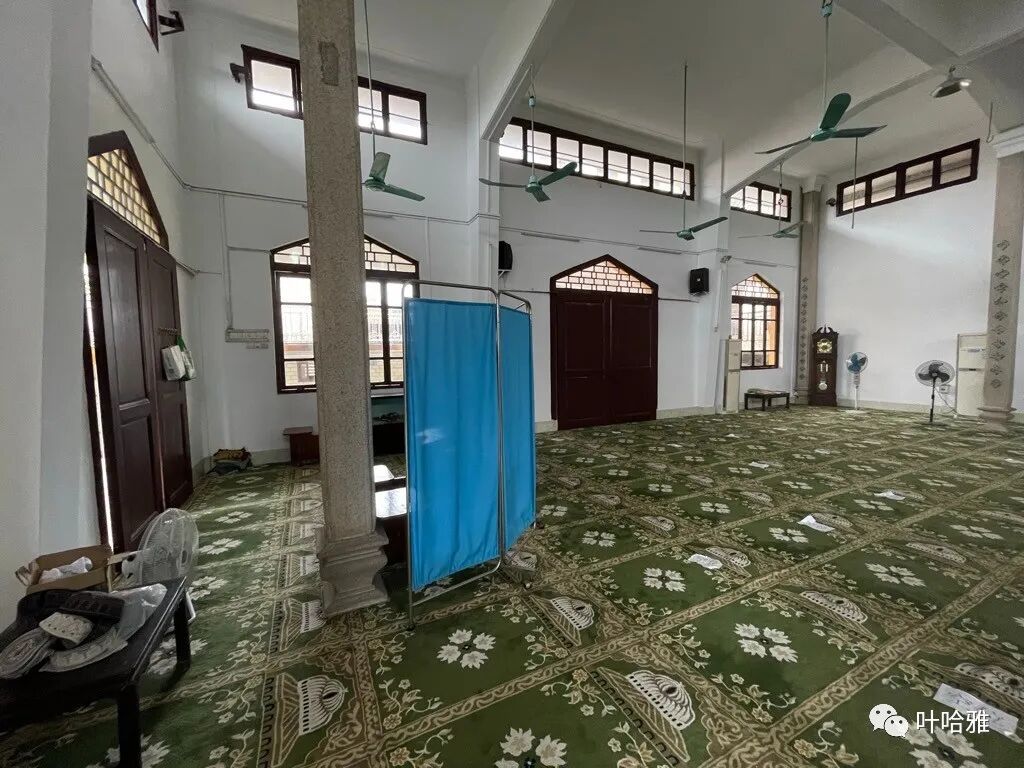
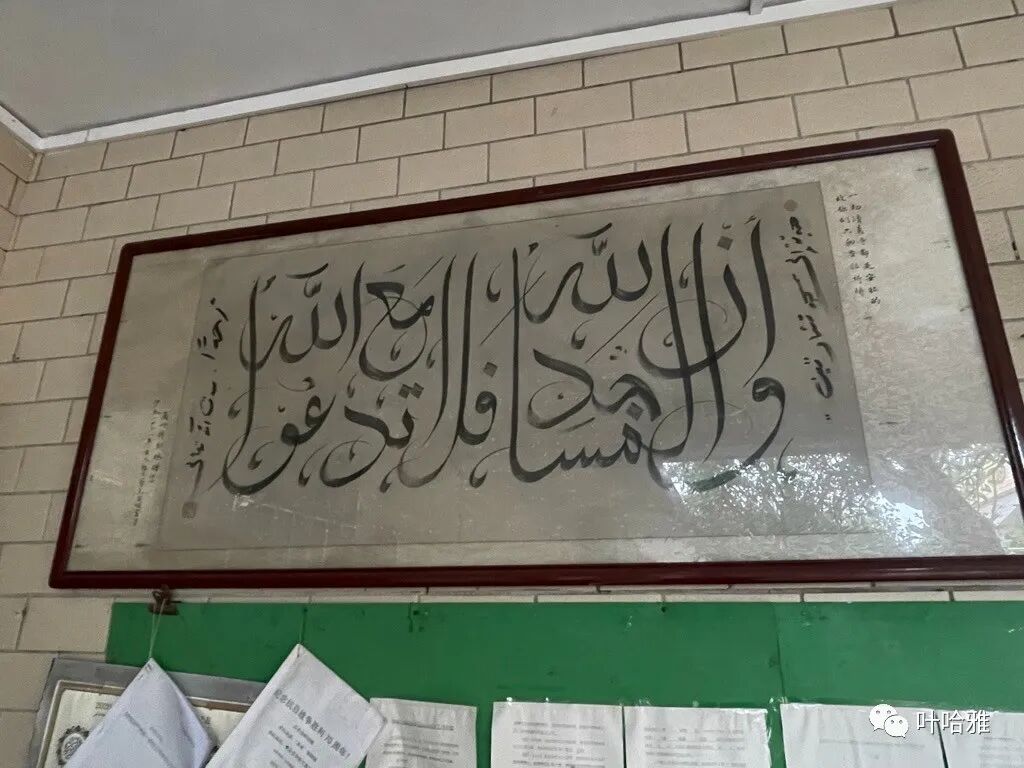
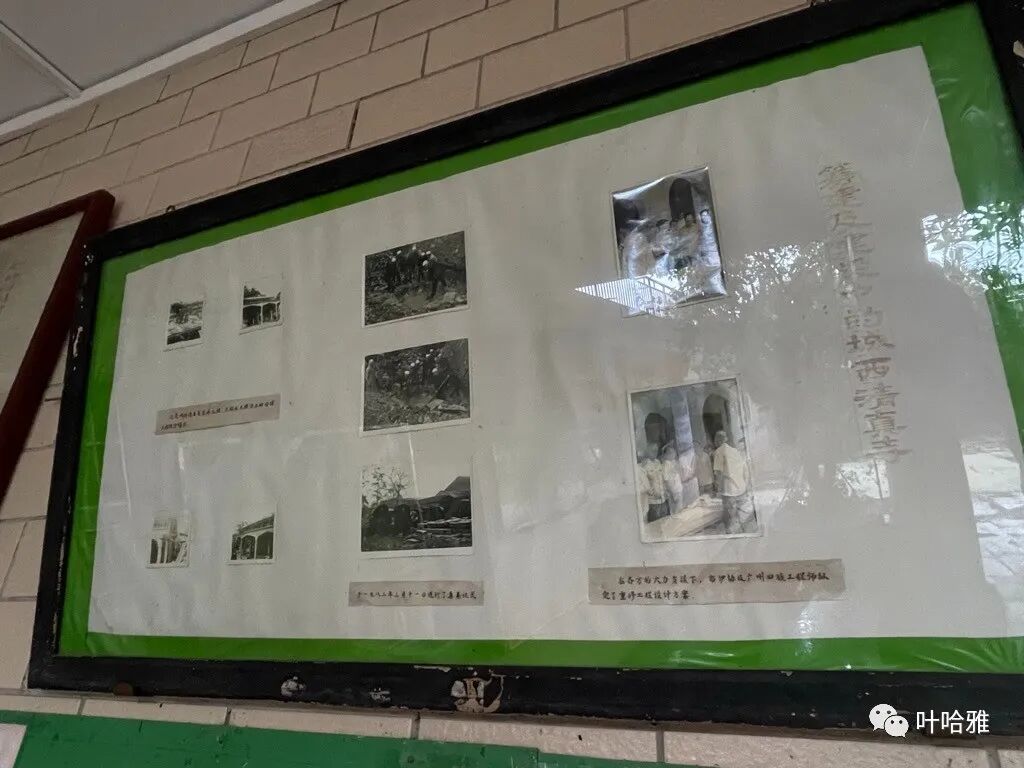
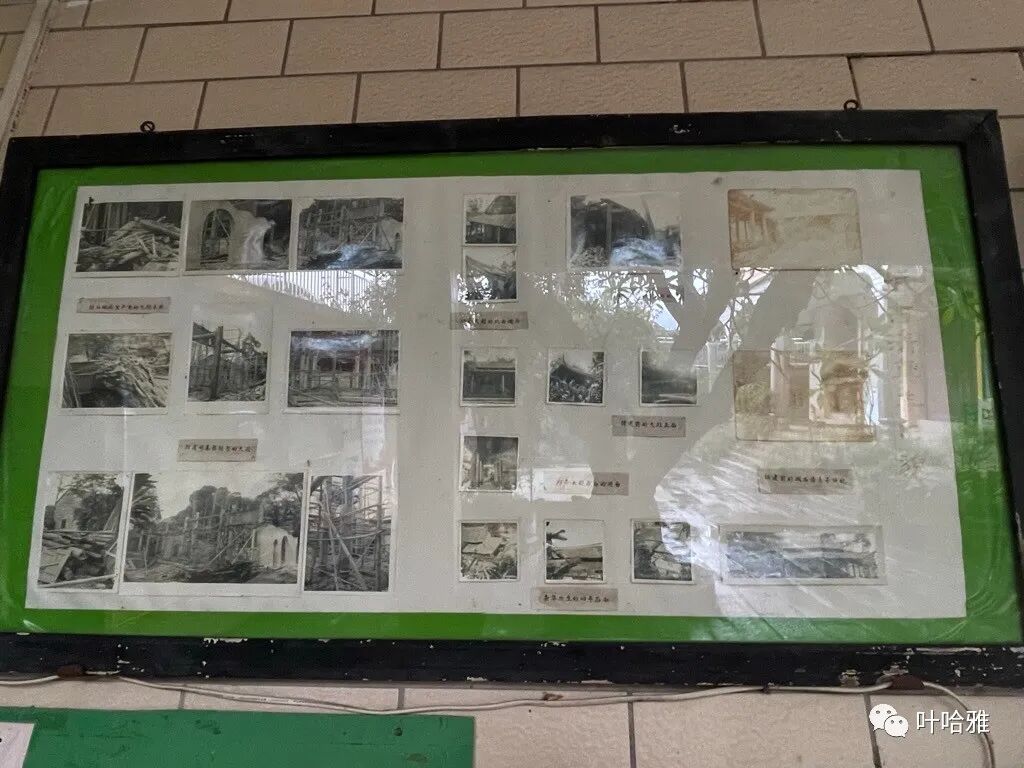
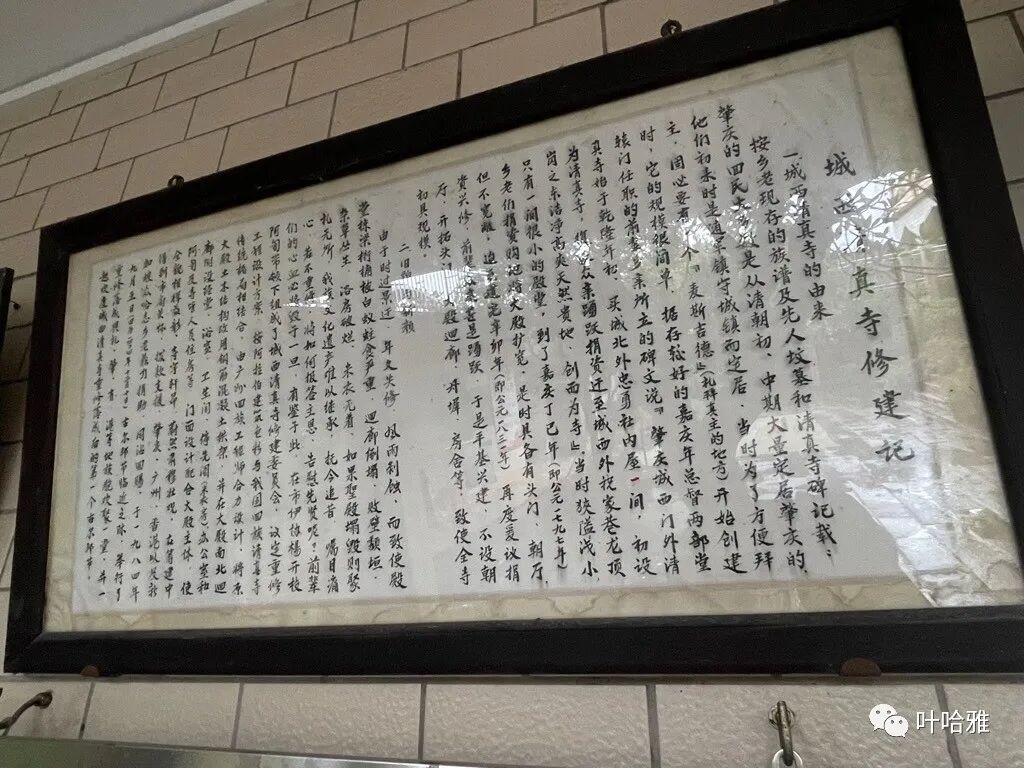
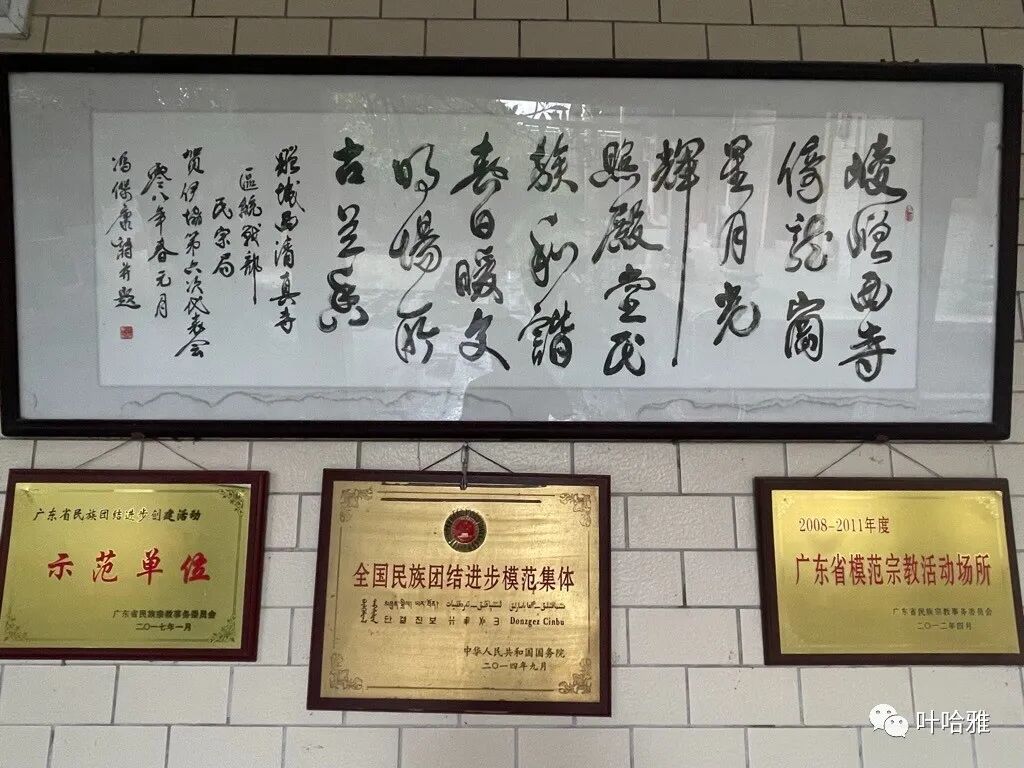
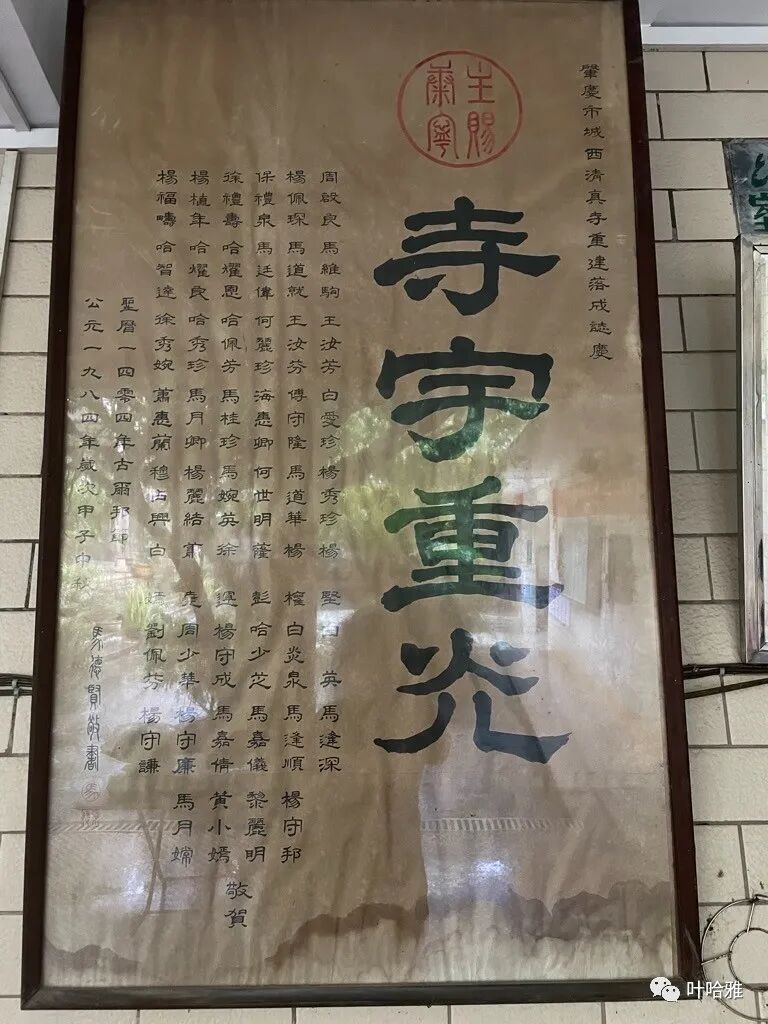
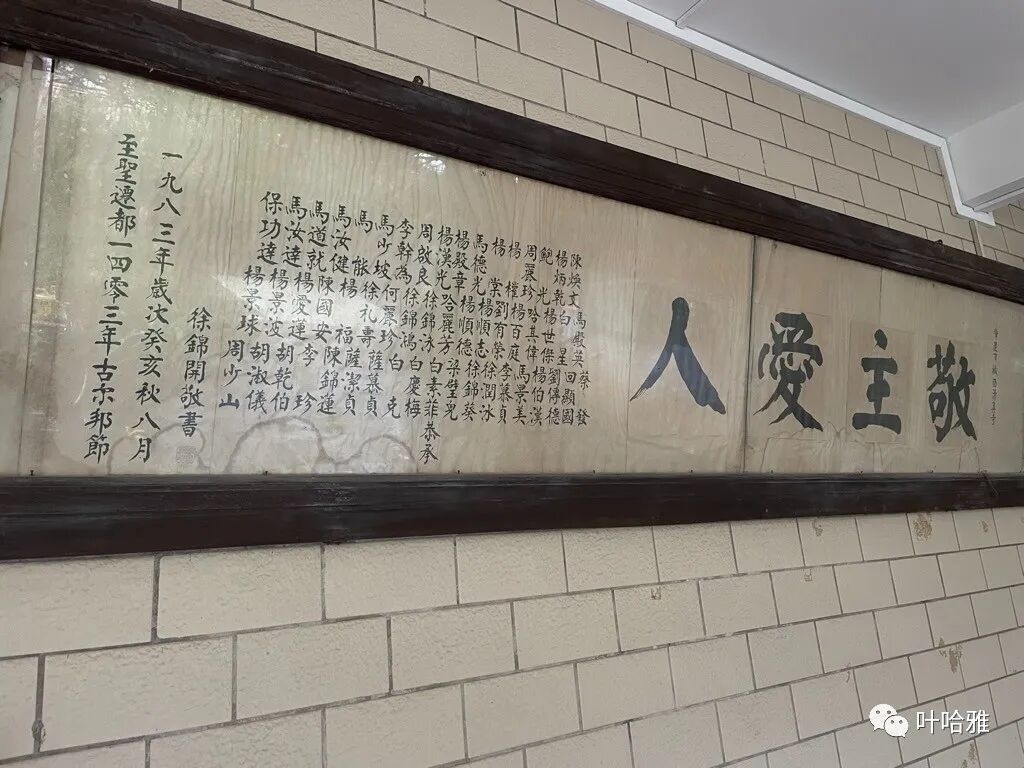
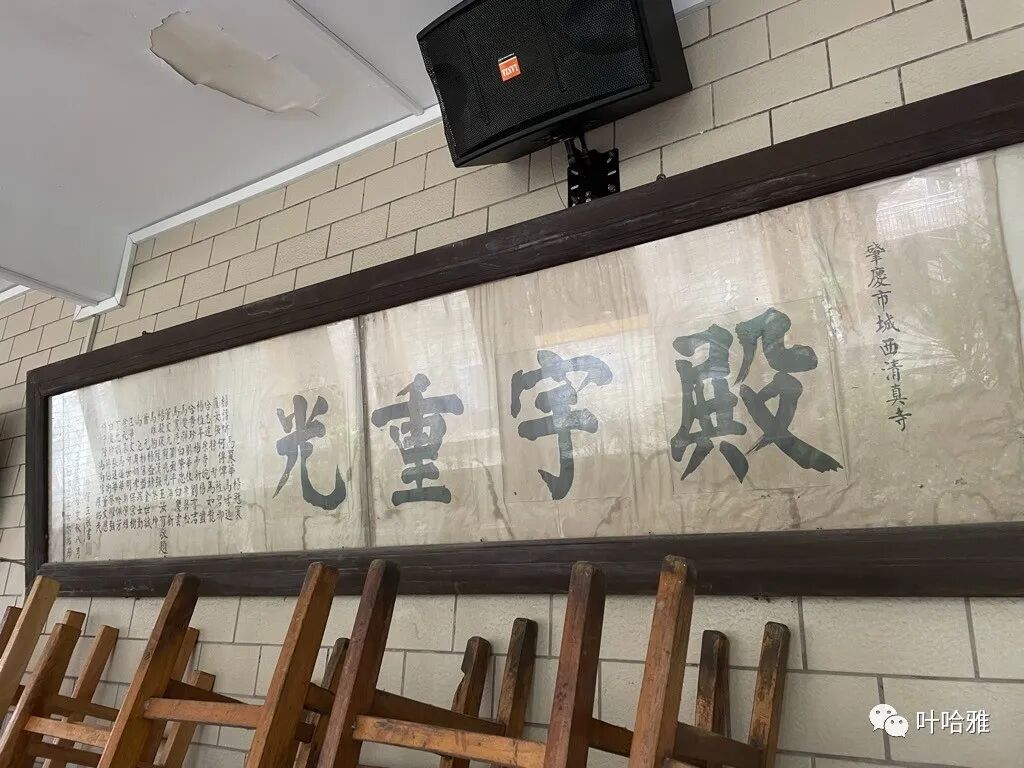
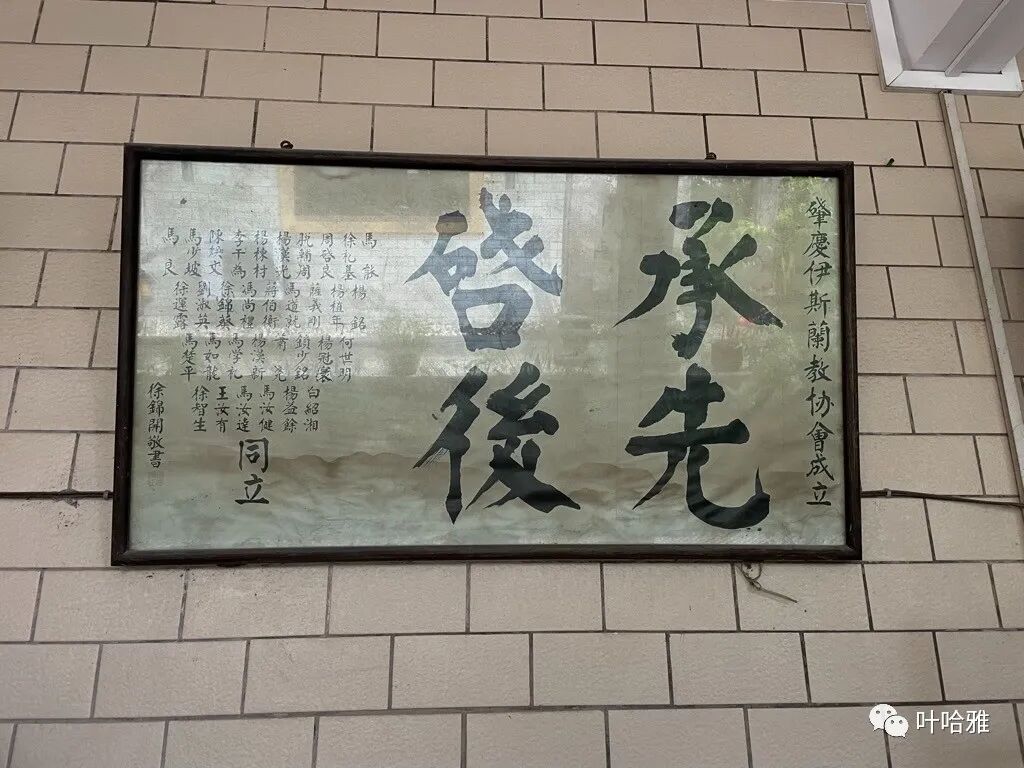
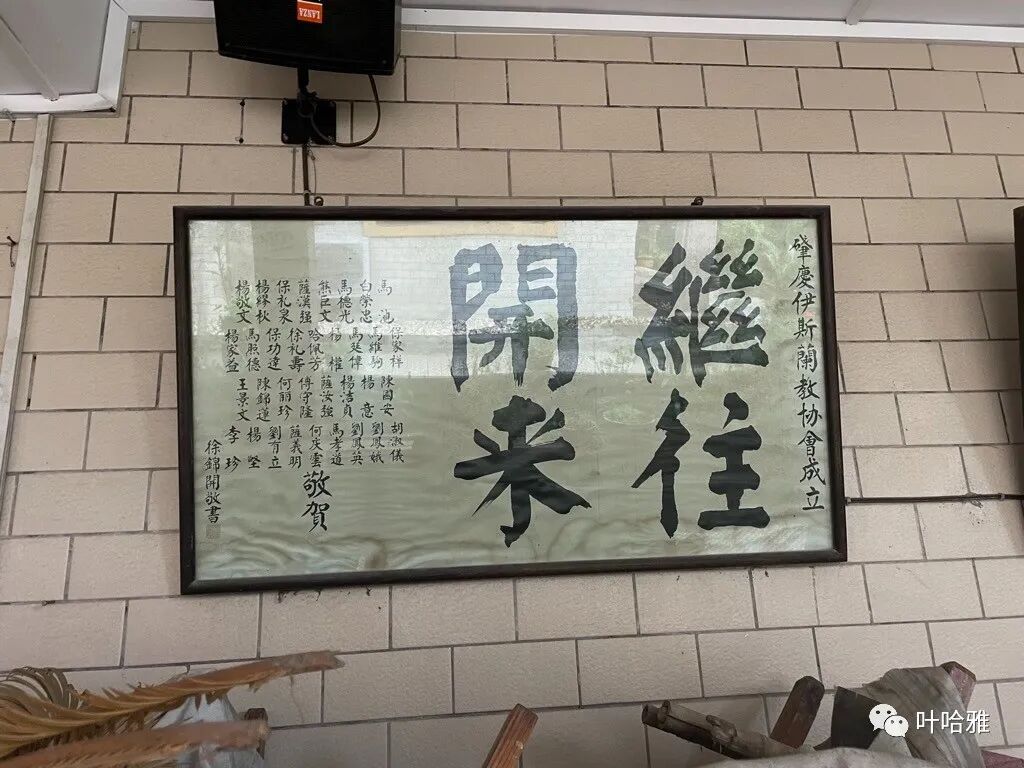
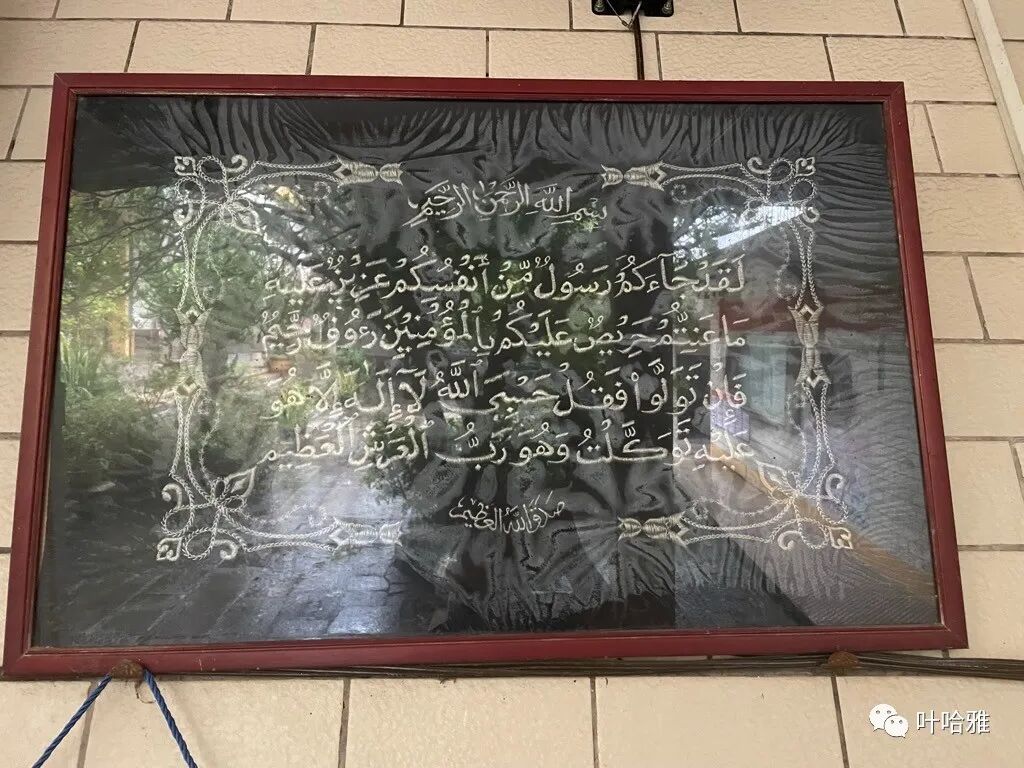
The ground of the mosque is covered in frangipani flowers (jidan hua), which have a very fresh scent. They can be dried and used in medicine or for making soup.
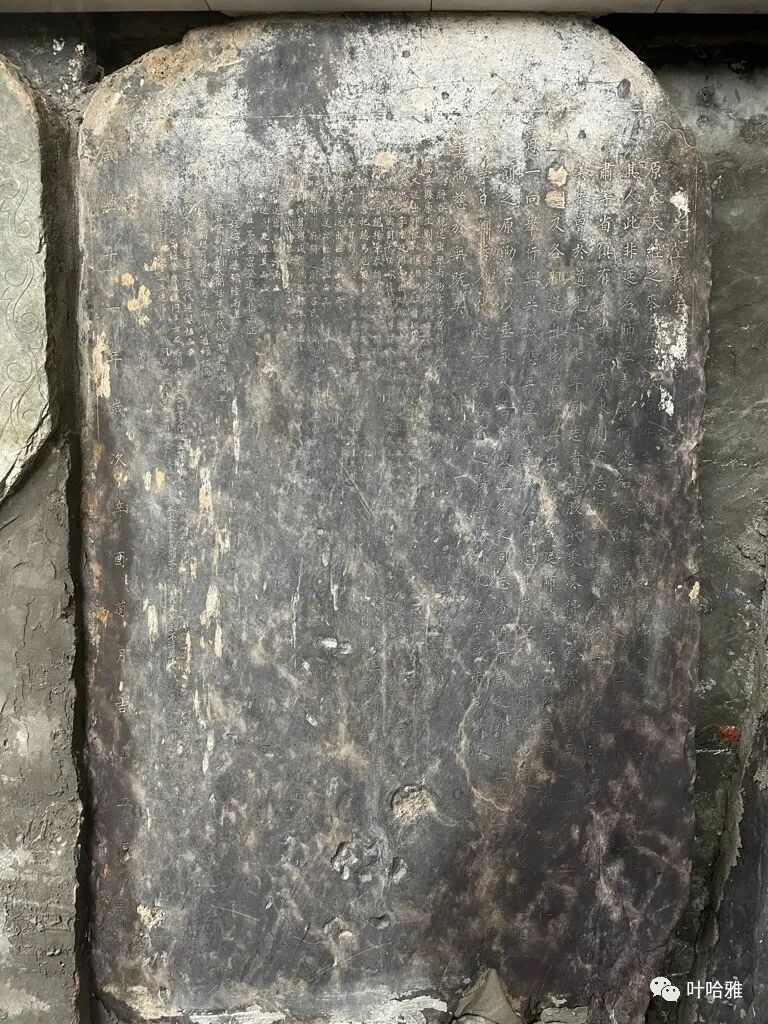
The only remaining historical site inside the mosque records the history of its construction.
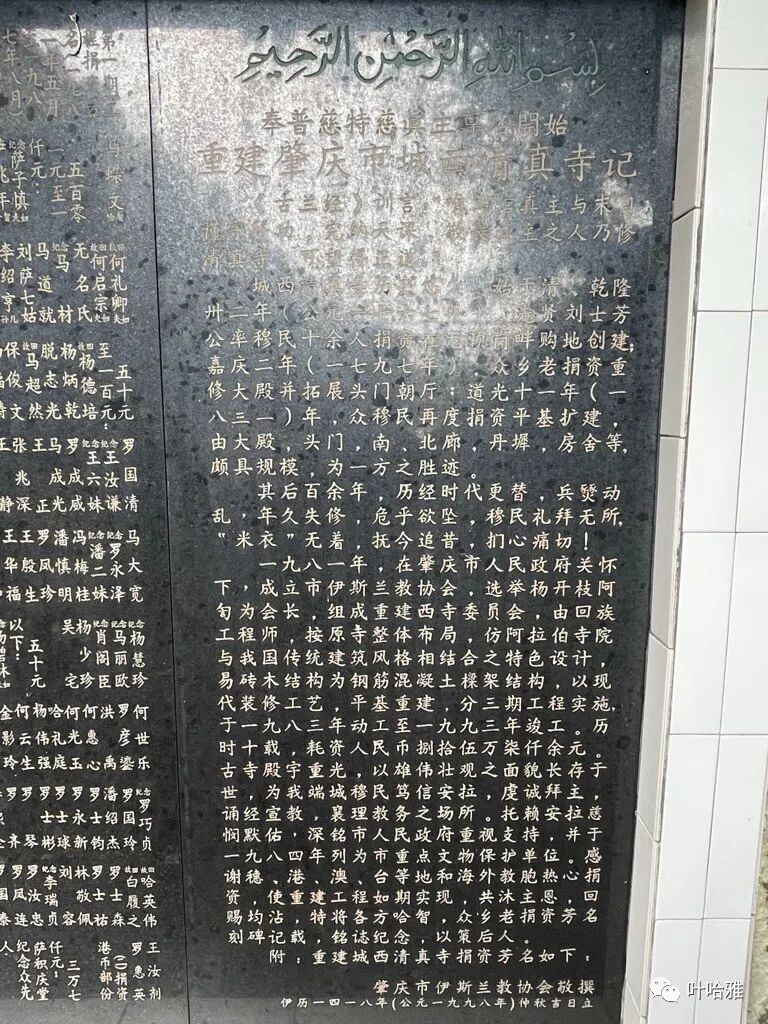
Zhaoqing Hui Muslim Cemetery
The Zhaoqing Hui Muslim Cemetery is located in Ganshu Village, Gaoyao District, more than ten kilometers from the city center. It was originally located at Niumiangang in the west of the city and covered nearly 20,000 square meters. Later, due to urban planning, the graves were moved here, and the area was expanded to nearly 40,000 square meters.
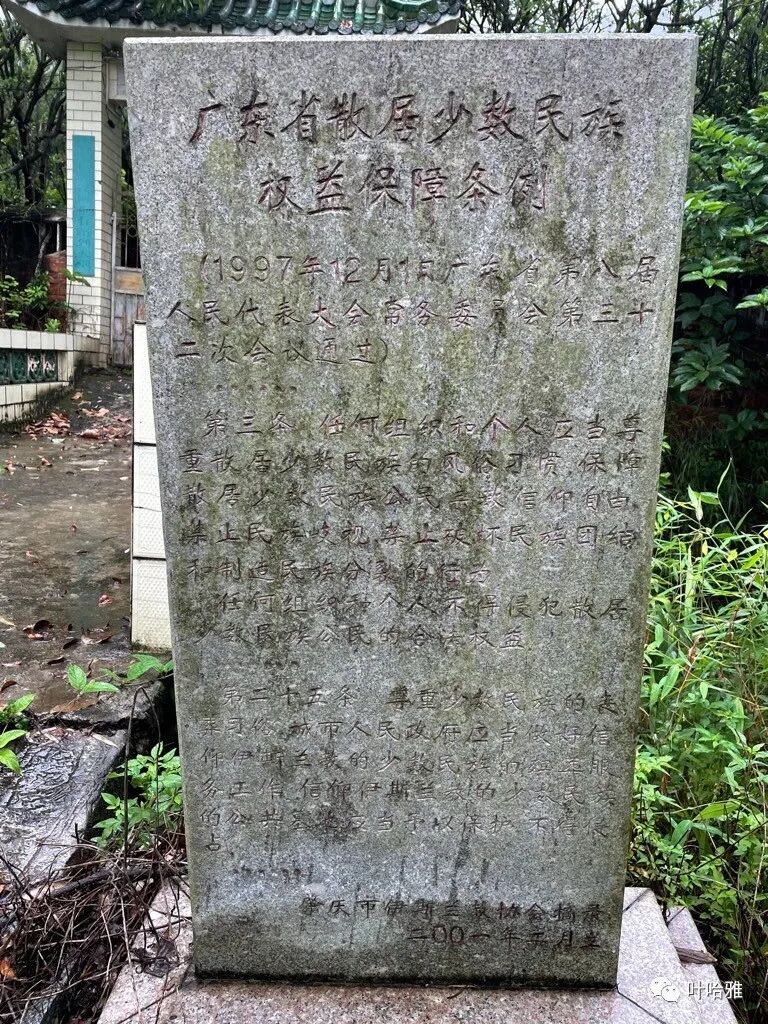
A total of 2,521 graves were relocated. The remains of the ancestors were wrapped in white burial shrouds (kafan) and reburied.
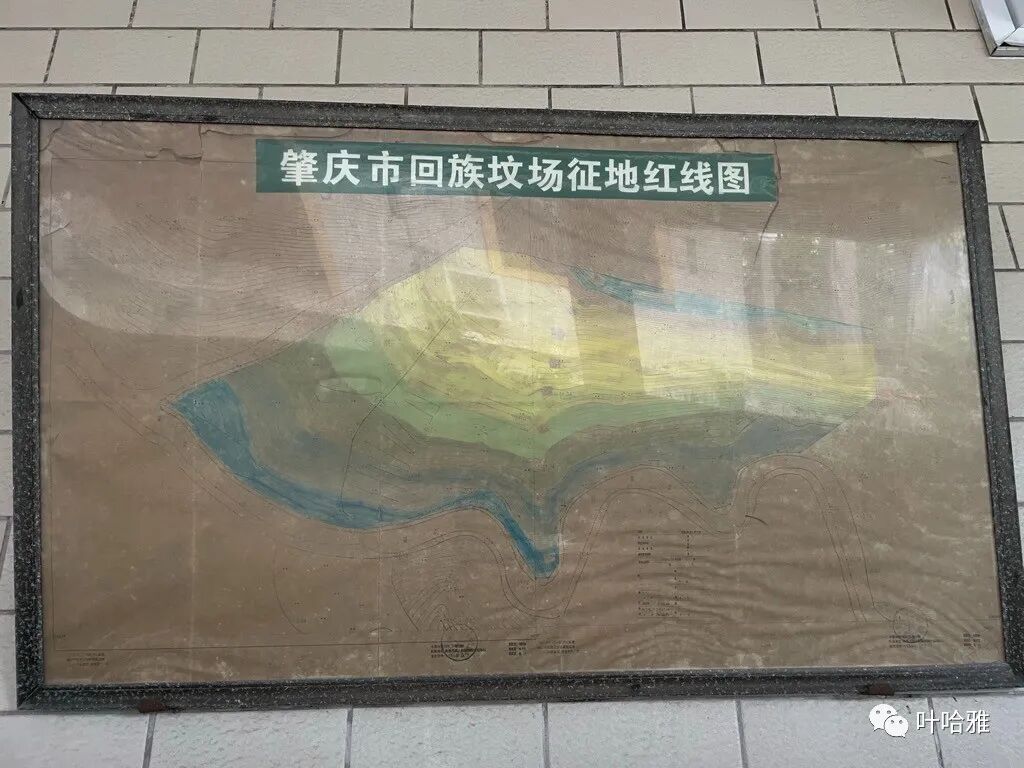
The cemetery is overgrown with weeds and rarely visited. Only one local Hui Muslim caretaker stays here year-round.
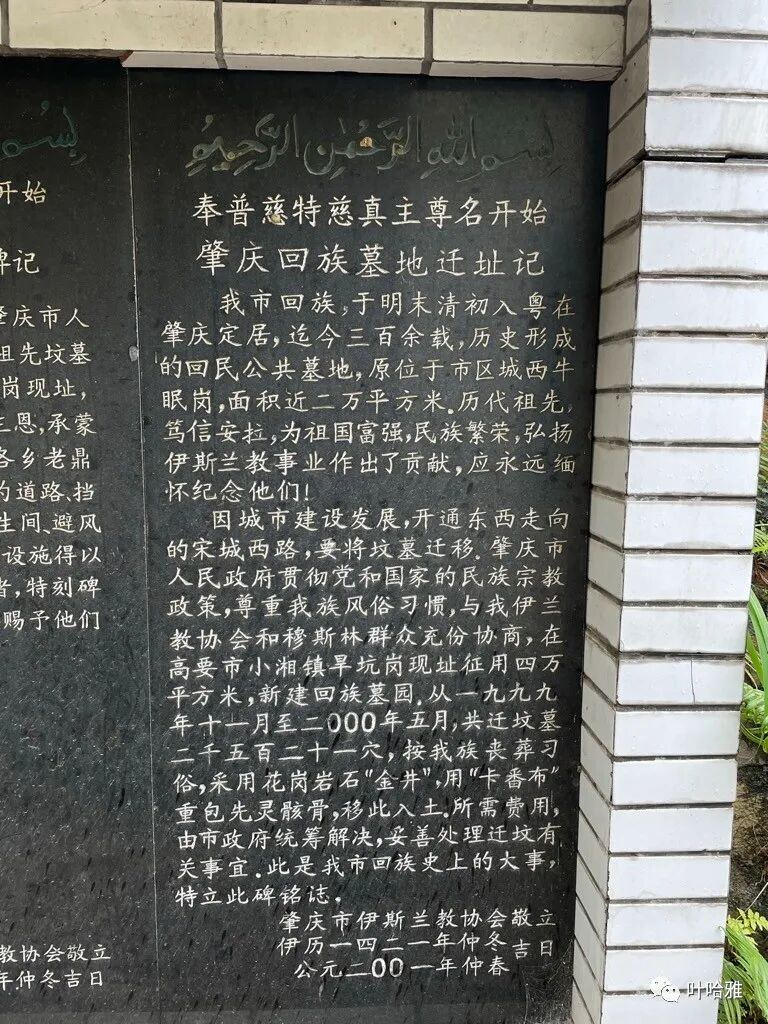
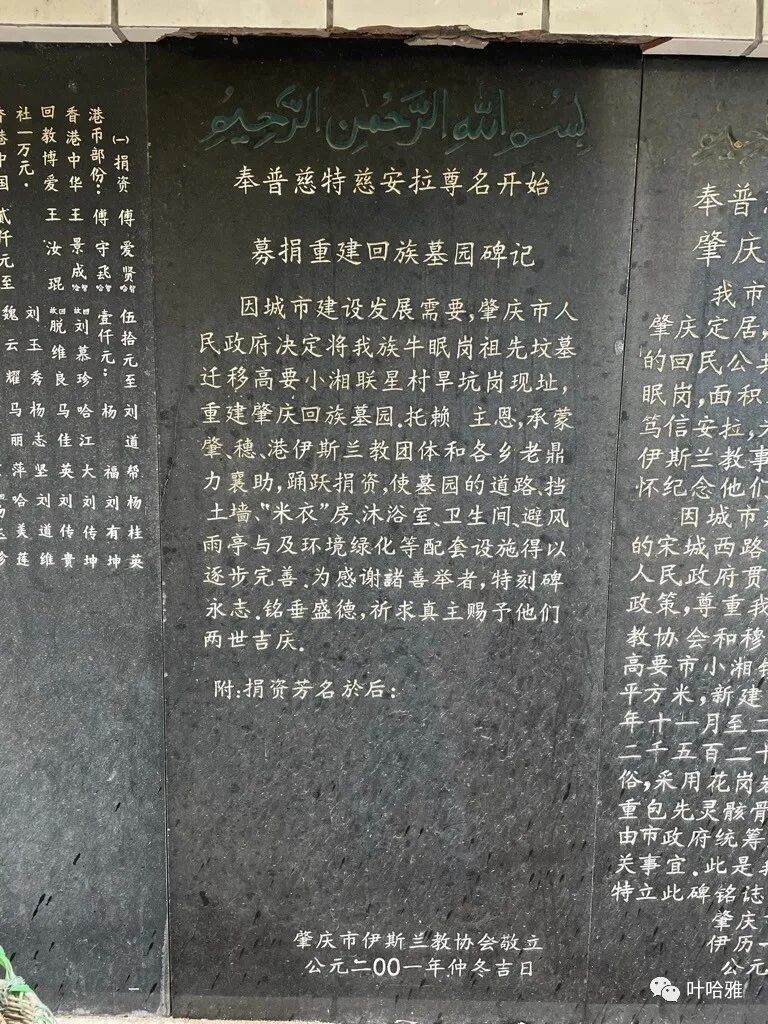
The names carved on the stone tablets are those who donated money to renovate the cemetery. Many are from the Guangdong-Hong Kong-Macao region. For those who have passed away, the characters for "late Hui" (gu hui) are carved above their names.
The cemetery has an area specifically for burying scholars and imams from the Ming and Qing dynasties. The local Islamic Association rebuilt the graves for these predecessors based on historical records. However, the caretaker said that the descendants of these scholars are mostly missing, so he has never seen any descendants come to visit the graves.
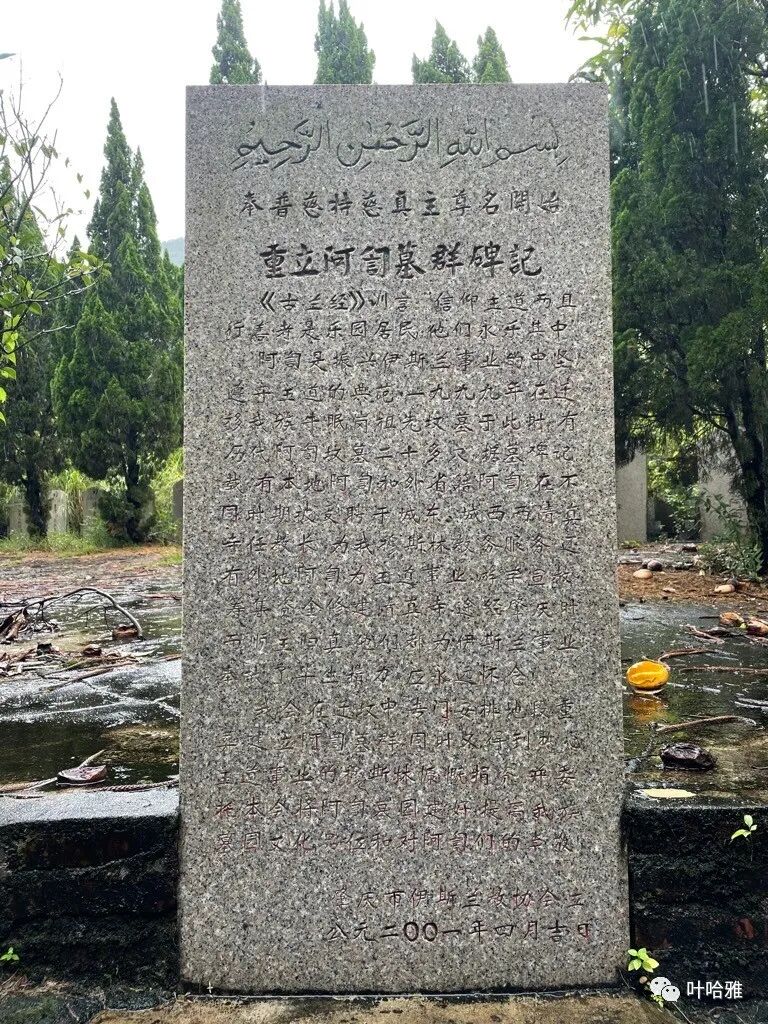
Huangqing Gu refers to someone who returned to Allah during the early Qing Dynasty, while Qing Gu refers to someone who returned to Allah during the later years of the Qing Dynasty.
Praise the Emperor Pavilion (Songsheng Ting).
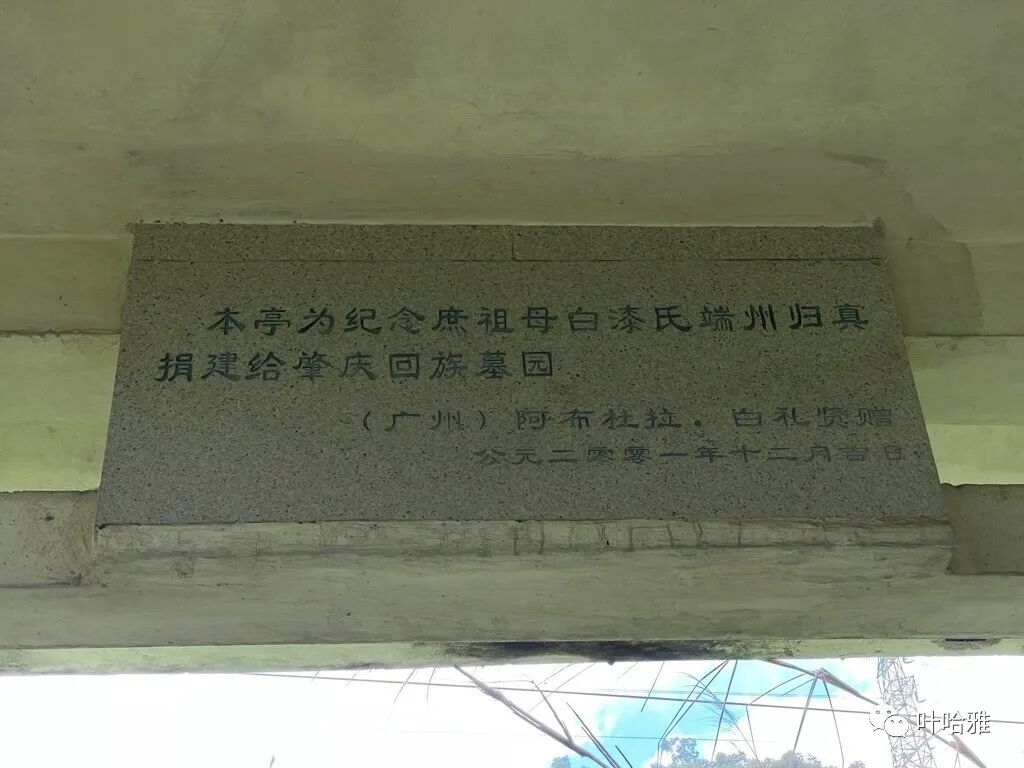
The Praise the Emperor Pavilion (Songsheng Ting) donated and built by the Guangzhou Dost.

Li Family Genealogy.
The Zhaoqing Hui Muslim Li Family Genealogy records that their ancestor, Li Fengqi, was originally from Jinan Prefecture, Shandong, and came south to Guangdong with Ma Bohu during the Chongzhen reign of the Ming Dynasty. After Ma Bohu was defeated in battle, Li Fengqi lived in seclusion in Guangzhou (Yangcheng) and moved to Zhaoqing in the early Qing Dynasty. The Zhaoqing Hui Muslim Liu Family Genealogy records that their ancestor, Liu Zhongyi, was originally from Wumenlou, Beiguan, Chang'an County, Xi'an Prefecture, Shaanxi Province. He also came south to Guangdong with Ma Bohu in the early Qing Dynasty and served at the Guangdong Luoding Garrison Governor's Office (possibly the Luoding Garrison Vice General; the Yongzheng edition of the Guangdong Gazetteer mentions Liu Zhengli as the Luoding Garrison Vice General in the 47th year of the Kangxi reign, though it is unclear if this is Liu Zhongyi). His descendants then lived in Zhaoqing for generations. However, checking the official records in the Ming Dynasty Guangdong Gazetteer and the Qing Dynasty Guangdong Gazetteer, there is no mention of a person named Ma Bohu.
The Zhaoqing Hui Muslim Liu Family Genealogy (revised in the 50th year of the Qianlong reign), Li Family Genealogy (revised in the 23rd year of the Daoguang reign), Luo Family Genealogy, Wang Family Genealogy, and the Liangguang Sa Family Genealogy (based on the Daoguang 17th-year edition, reprinted in the Republic of China era) all record that their respective ancestors came from Chang'an in Shaanxi, Jinan in Shandong, Xuanping in Zhejiang, Taiyuan in Shanxi, and other places. They settled in Zhaoqing after taking official posts there during the Qianlong and Daoguang reigns of the Qing Dynasty.
The Zhaoqing City Luo Jiyuan Family Genealogy records: Tracing our Luo Jiyuan family, People say we originated from Xuanping County, Zhejiang Province. During the Qianlong reign, they received an imperial order to lead troops south to eastern Guangdong and were stationed in Duanzhou (Zhaoqing). They later settled there, and the family branches have multiplied and flourished for nearly 300 years, with a long and deep history.
Although the cemetery is located in a remote mountain area, I asked the caretaker, and he said he has not encountered any ghosts or supernatural events in the decades he has been here. I wanted to give the old gentleman some money, but he politely declined and told me I could give it to the mosque instead.
The photos show that the Hui Muslim cemetery has fallen into disrepair and is overgrown with weeds, with many tombstones hidden by grass taller than a person. Every year, family members still invite an imam to recite prayers in memory of the deceased. Most Hui Muslims from Zhaoqing have moved away or work elsewhere, and few are very wealthy. The owner of the Zhaoqing Halal Restaurant is a local Hui Muslim who stays true to his faith, which is not easy.
Halal Restaurant
The Halal Restaurant was founded in 1957. Luo Xutang, president of the Zhaoqing Islamic Association, explained that four Hui Muslims who lived in Zhaoqing—Luo Shiyong, Sa Zhinan, Dong Shi, and Liu Youxing—were entrusted with setting up the restaurant. In 1998, the Halal Restaurant moved to its current location by the river.
There used to be three local halal restaurants in downtown Zhaoqing, but this is the only one left. It is famous for its Zhaoqing crispy roast goose (cui pi shao e), which locals have eaten since they were children, making it a fond childhood memory for many.
The restaurant is about 300 square meters and has private rooms and display areas, making it suitable for daily dining and hosting weddings or funerals.
This is the only halal restaurant in Zhaoqing that serves Cantonese food, though there are over twenty noodle shops.
My friends in Guangzhou told me the roast goose was a must-order before I arrived. The skin is crispy and the meat is tender; it is the best Cantonese-style roast goose I have ever had. You can dip it in a sweet and sour sauce so you can eat plenty without it feeling greasy.
Roast goose
Cantonese people care a lot about healthy eating and are especially good at making soups, using all kinds of ingredients and herbs. The bowl of black-eyed pea, chicken foot, and clam soup (meidou jijiao bang tang) I had tasted a bit medicinal. I asked Imam Liu what the difference is between Zhaoqing food and Guangzhou food. He felt that Zhaoqing has a wider variety of soups, though perhaps that is because we Hui Muslims have fewer soup options, so we can only compare the Zhaoqing Halal Restaurant with those in Guangzhou.
Black-eyed pea, chicken feet, and clam soup (meidou jijiao bangtang).
Stir-fried rice noodles with beef (ganchao niuhe) is a famous street food in Guangdong. I think it is a main dish that really shows a Cantonese chef's skill. It is made with beef slices and flat rice noodles, and the green parts are yellow chives (jiuhuang). I was surprised that the portion at the halal restaurant was huge; one serving is enough for two people.
Stir-fried rice noodles with beef (ganchao niuhe).
When I was in Guangzhou, I could easily get a group together for a meal. But when I said I wanted to go to Zhaoqing to visit graves, no one would go with me. So, I ended up eating alone at the halal restaurant, which meant I could not try everything on the menu. Sand ginger poached chicken (shajiang baiqieji) is also a Zhaoqing specialty, but I could not finish it by myself. It was a shame, but I will come back again.
China Mosque Travel Guide: Dachang Hui Muslim Mosques, Halal Food and Community Heritage
Articles • yusuf908 posted the article • 0 comments • 219 views • 2026-05-22 11:26
Summary: This mosque travel guide follows a halal trip east of Beijing through Yanjiao and Dachang, covering traditional Hui Muslim mosques, local halal food, village communities, and practical travel details.
When we mention Jingdong, we usually mean the area east of Beijing, typically referring to Langfang in Hebei. This is the birthplace of meat pie (roubing). Yanjiao and Dachang both belong to Langfang, about 50 kilometers east of Beijing's city center by car. Dachang is an autonomous county for Hui Muslims, where the Hui Muslim population makes up 20 percent, or about 20,000 people.
To get to Dachang from Beijing, you pass through Yanjiao first. Yanjiao is a small town bordering Dachang and is the most densely populated area in Langfang. Most people here work in Beijing, and nearly half the cars on the street have Beijing license plates. Yanjiao follows the same traffic restriction policies as Beijing, so if your car is restricted in Beijing, it is also restricted in Yanjiao. Friends (dosti), please take note if you are driving.
This article is a bit long. We will introduce the mosque first, then the halal restaurants.
Yanjiao
Starting from Beijing, you first reach Yanjiao Town. Currently, Yanjiao has only one mosque, located on Qingyuan Street in Sanjie Village. The original mosque was built in the Qing Dynasty but was destroyed.
Yanjiao Mosque
Yanjiao Mosque
The newly built mosque is very small and can hold 20 to 30 people for Jumu'ah. Next to the mosque are a few scattered halal restaurants with small storefronts selling traditional snacks. Although Yanjiao is crowded, there are few Hui Muslims. Aside from noodle shops, halal restaurants with local specialties are rare in the town.
However, I did find a few delicious places in Yanjiao, such as the halal light meal shop below.
Yanjiao Halal Food
Yunshang Light Meal
Beijing does not have halal light meal shops yet. This shop is run by Hui Muslims from Zhengzhou and is located in the commercial area at the bottom of the Shangshangcheng Phase 3 building on Yanshun Road. It has been open for over three years and business is stable. Light meals are low-calorie, simply cooked, and nutritionally balanced foods suitable for people who are dieting or exercising. This shop does not serve alcohol.
Chicken steak rice, buckwheat noodles, and black pepper beef sets are all around 20 yuan each, and you can add sauces yourself.
The drinks in the shop are also homemade soy milk and fruit tea, and you can taste the real ingredients with one sip.
Yezi Barbecue
Yezi Barbecue is a halal Qiqihar-style restaurant. It is quite popular in Yanjiao. Many people from Northeast China live in Yanjiao, but this is the only halal Northeast-style barbecue place.
People from Qiqihar are said to start eating barbecue from the day they are born and keep eating it until they are old.
After trying it, I found the meat quality and dipping sauces here are excellent. The steak and beef cubes are very tender. You come to a Qiqihar barbecue shop to eat beef, as grilled beef is the core of the meal.
Of course, a busy restaurant is not just about good barbecue; the seafood, fried rice, and cold noodles are also worth recommending.
Yanjiao is separated from Tongzhou, Beijing, only by the Chaobai River, but the prices are much cheaper. A hearty barbecue feast like this costs less than 100 yuan per person.
Mengxiang Steamed Dumplings (shaomai) / Hohhot Steamed Dumplings (shaomai)
These are two shops opened by people from Inner Mongolia. The Hohhot steamed dumplings here basically recreate the authentic Inner Mongolian taste, especially the lamb offal soup (yangza), which feels no different from what I have eaten in Inner Mongolia. Mengxiang Steamed Dumplings is the first shop, and Hohhot Steamed Dumplings is the second. I have been to both, but I think Mengxiang is better. The owner says the ingredients and seasonings are the same, so if you think the taste is different, it might be due to the preparation technique.
Inner Mongolian lamb offal soup is a clear broth with very generous portions. A bowl is packed with offal, and it feels like there is more meat than soup. It makes you feel warm all over after eating.
Authentic Hohhot steamed dumplings can be eaten in two ways: steamed or pan-fried. I love both, but pan-fried dumplings are not easy to find. Locals seem to prefer the pan-fried ones, and I recommend trying both.
Oat noodles (youmian) are also a specialty of Inner Mongolia. They are made from naked oats. The noodles are quite sticky, so you pick them up and mix them with sauce while eating.
These are the halal elements I have seen in Yanjiao so far, but there is much more to eat and explore in Dachang. After all, it is a Hui Muslim county, and it is a 15-kilometer drive from Yanjiao to Dachang.
Records show there are 16 mosques in Dachang, but a new one was built in Xiadian Village, so there are actually 17. I have visited all of them except for the North Wu Women's Mosque.
Dachang
1. Xiadian Mosque
Xiadian Mosque was first built during the Wanli period of the Ming Dynasty and rebuilt in 1995. Xiadian Village is a village where Hui Muslims and Han people live together.
2. Xiadian Village Mosque
The imam of Xiadian told us about the hardships he faced while preaching in Xiadian. Fortunately, after years of effort, he managed to secure two mosques for Xiadian.
3. Xiaochang Mosque
Xiaochang Village Mosque was first built during the Ming Dynasty by Chang Yuchun and Hu Dahai under imperial order. It was rebuilt in 2006.
The imam at Xiaochang Village is from Yunnan. He is young but is said to be a very talented preacher. He has helped many villagers who were drifting away from their faith become firm in their beliefs, and he is highly respected by everyone in the area.
4. Dachang Mosque
Dachang Mosque was first built during the Yongle period of the Ming Dynasty. It did not look like this when I visited in 2017. It was recently renovated, and the dome was removed. Now, all 17 mosques in Dachang are built in a traditional style.
Dachang Mosque before 2017
Dachang Mosque before 2017
5. Dongchang Mosque
Dongchang Mosque in Dongchang Village was first built during the Daoguang period of the Qing Dynasty. This "Dongchang" is not the same "Dongchang" run by the eunuchs in history.
The mosque is currently undergoing repairs. I met the resident imam, who is from Cangzhou.
6. Nanwangzhuang Mosque
Nanwangzhuang Mosque was first built during the Jianwen period of the Ming Dynasty by the Wang brothers, who followed the Prince of Yan on his northern military campaign. It was rebuilt in 2009.
7. Yangxinzhuang Mosque
Yangxinzhuang Mosque was first built in the second year of the Tongzhi period of the Qing Dynasty and reopened in 1983.
8. Weizizhuang Mosque
The mosque in Weizizhuang Village was first built during the Guangxu period of the Qing Dynasty and rebuilt in 1997.
9. Chenxinzhuang Mosque
Chenxinzhuang Mosque was first built during the Ming Dynasty. It was rebuilt in 2004 and is currently undergoing repairs again.
10. Manxingying Mosque
Manxingying Mosque was first built in 1927 and rebuilt in 1992.
11. Liangzhuang Village Mosque
Liangzhuang Village Mosque was first built during the Yongzheng reign of the Qing Dynasty and rebuilt in 2002.
12. Huogezhuang Mosque
Huogezhuang Mosque was first built in the early years of the Republic of China. It was destroyed in the Tangshan earthquake and rebuilt in 1992.
13. Luzhuang Mosque
Luzhuang Mosque was first built during the Zhengde reign of the Ming Dynasty and rebuilt in 1999.
14. Damazhuang Mosque
Damazhuang Mosque was first built in the early Ming Dynasty and rebuilt in 1995.
15. Nantitou Mosque
Nantitou Mosque was first built in 1403, funded by the Yang family of Muslims. It is currently undergoing renovations, so the main prayer hall is closed and namaz has been moved to the side hall.
16. Beiwu Mosque
Beiwu Mosque was first built during the Wanli reign of the Ming Dynasty, as proven by the stone inscriptions inside. It covers 6,000 square meters. Beiwu is a village for Hui Muslims. Several imams at the Niujie Mosque came from Beiwu, so the tone of their chanting here is passed down from the same tradition as Niujie.
The Beiwu women's mosque is right next to the men's main hall.
Beiwu Women's Mosque
Dachang Halal Food
Zhenwei Grilled Fish Bar
Zhenwei Grilled Fish is at the entrance of Nansitou Village. I went for lunch and they grill live fish to order, so it is very fresh.
You can choose two flavors for the grilled fish: spicy or scallion-scented. The Qingjiang fish costs 48 yuan per jin. Besides the fish, their freshly baked scallion pancakes (cong huabing) are also delicious.
TR Pizza Master
I have tried three pizza shops in Dachang County and think Pizza Master is the best. The shop is on the west side of Rongchang South Street, near the Dachang Mosque.
I personally tested the chicken cutlet rice and it is very tasty and cheap. We tried two pizza flavors, and I liked the Margherita beef sausage pizza better.
Margherita beef sausage pizza
Durian pizza
Meizhoujia Pizza
Meizhoujia Pizza is in the ground-floor shops of the Yongxiangyuan residential area on Yongan Road. Their pizza crust is thicker and has more toppings than Pizza Master, but the flavor is stronger and saltier.
Three-topping pizza
Chicken cutlet rice
Guozhiyi Italian Handmade Pizza
Guozhiyi Pizza is not far from Pizza Master, located on Yanling Road. This shop has the lowest prices, with a fruit pizza costing only 9.9 yuan.
Super Supreme Pizza
The pizza ingredient list specifically notes the use of Yuehua beef sausage. Yuehua is a well-known Hui Muslim enterprise in Dachang, and it is said the owner is very devout.
Halal Dicos
There is a halal Dicos near the street where Pizza Master is located. I ordered takeout, and I can confirm it tastes just as good as the Dicos in Xining.
Yuehuachun Barbecue City
Yuehuachun and Yuehua are different brands. A young owner started Yuehuachun, and it is the most popular barbecue brand in Dachang. If you come to Dachang for barbecue, Yuehuachun is the top choice.
Marbled beef steak (xuehua niupai)
The beef quality at Yuehuachun is truly good, and the barbecue dipping sauce is fragrant. There is a reason why business is so good.
Cold noodles (lengmian)
Cold noodles are also a signature dish at Yuehuachun. People in Dachang love cold noodles, and they even eat them for breakfast, though they use hot soup for the breakfast version.
Blooming steamed bun (kaihuamo)
For staples, I also recommend the stone pot bibimbap (shiguo banfan) and the blooming steamed bun. The blooming steamed bun is soft and fluffy, with a texture like bread. It is rare to find a restaurant that makes both its signature dishes and snacks taste so delicious.
Stone pot bibimbap (shiguo banfan)
Nanyuan Beijiao Chongqing Hot Pot
Dachang netizens recommended this place to me. When I said I wanted to eat something special, they suggested Chongqing hot pot.
This restaurant is also very popular in Dachang, and you need to wait for a table during meal times.
I chose a two-person set meal called the "Mercedes-Benz Pot" (benchi guo) for 135 yuan, and the taste was good.
This restaurant offers great value for money. It still cannot compare to the Huiwei Chuanyu hot pot I had in Chongqing, but since you cannot quench your thirst with water from afar, coming to Dachang for halal Chongqing hot pot is a good local option.
Tongxingshun Snack Shop
To try a traditional Dachang breakfast, I specifically met up with a Dachang friend (dost) and came to this old shop just to eat a bowl of hot cold noodles.
The cold noodles are topped with hot soup, and the noodles are quite chewy. Pair them with two sesame flatbreads (shaobing); the lighter-colored one has a meat filling. This is the standard breakfast for a person from Dachang.
Dehaozhai Snacks
You have to eat Jingdong meat pie (Jingdong roubing) when you visit Jingdong, but how do you choose from so many small shops? I heard the viral shop Damaqi charges 100 yuan per jin for their meat pie. My friend told me that place is just a trap for Beijingers, so I was not going to walk right into it.
We went to this old shop called Dehaozhai that locals visit often. People say it has been around for over ten years.
We ordered two pies, one beef and green onion and one chive and egg. The meat pies cost 15 yuan each. They had thin crusts and plenty of filling. The taste was just right and it was a great value.
My trip to Dachang helped me meet several devout friends (dosti). They invited me to their home for dinner. The host prepared a wonderful meal for us. A home-cooked meal like this means more than spending money at a restaurant. After dinner, we talked about the current state of the faith in Dachang. The locals are generally not very optimistic, but I am not pessimistic. Dachang is a lot like Niujie. If some people abandon their faith (imani), others will pick it up. This will happen over and over until the Day of Judgment, when everyone will be rewarded for their actions.
Beiwo Home Feast view all
Summary: This mosque travel guide follows a halal trip east of Beijing through Yanjiao and Dachang, covering traditional Hui Muslim mosques, local halal food, village communities, and practical travel details.
When we mention Jingdong, we usually mean the area east of Beijing, typically referring to Langfang in Hebei. This is the birthplace of meat pie (roubing). Yanjiao and Dachang both belong to Langfang, about 50 kilometers east of Beijing's city center by car. Dachang is an autonomous county for Hui Muslims, where the Hui Muslim population makes up 20 percent, or about 20,000 people.
To get to Dachang from Beijing, you pass through Yanjiao first. Yanjiao is a small town bordering Dachang and is the most densely populated area in Langfang. Most people here work in Beijing, and nearly half the cars on the street have Beijing license plates. Yanjiao follows the same traffic restriction policies as Beijing, so if your car is restricted in Beijing, it is also restricted in Yanjiao. Friends (dosti), please take note if you are driving.
This article is a bit long. We will introduce the mosque first, then the halal restaurants.
Yanjiao
Starting from Beijing, you first reach Yanjiao Town. Currently, Yanjiao has only one mosque, located on Qingyuan Street in Sanjie Village. The original mosque was built in the Qing Dynasty but was destroyed.
Yanjiao Mosque
Yanjiao Mosque
The newly built mosque is very small and can hold 20 to 30 people for Jumu'ah. Next to the mosque are a few scattered halal restaurants with small storefronts selling traditional snacks. Although Yanjiao is crowded, there are few Hui Muslims. Aside from noodle shops, halal restaurants with local specialties are rare in the town.
However, I did find a few delicious places in Yanjiao, such as the halal light meal shop below.
Yanjiao Halal Food
Yunshang Light Meal
Beijing does not have halal light meal shops yet. This shop is run by Hui Muslims from Zhengzhou and is located in the commercial area at the bottom of the Shangshangcheng Phase 3 building on Yanshun Road. It has been open for over three years and business is stable. Light meals are low-calorie, simply cooked, and nutritionally balanced foods suitable for people who are dieting or exercising. This shop does not serve alcohol.
Chicken steak rice, buckwheat noodles, and black pepper beef sets are all around 20 yuan each, and you can add sauces yourself.
The drinks in the shop are also homemade soy milk and fruit tea, and you can taste the real ingredients with one sip.
Yezi Barbecue
Yezi Barbecue is a halal Qiqihar-style restaurant. It is quite popular in Yanjiao. Many people from Northeast China live in Yanjiao, but this is the only halal Northeast-style barbecue place.
People from Qiqihar are said to start eating barbecue from the day they are born and keep eating it until they are old.
After trying it, I found the meat quality and dipping sauces here are excellent. The steak and beef cubes are very tender. You come to a Qiqihar barbecue shop to eat beef, as grilled beef is the core of the meal.
Of course, a busy restaurant is not just about good barbecue; the seafood, fried rice, and cold noodles are also worth recommending.
Yanjiao is separated from Tongzhou, Beijing, only by the Chaobai River, but the prices are much cheaper. A hearty barbecue feast like this costs less than 100 yuan per person.
Mengxiang Steamed Dumplings (shaomai) / Hohhot Steamed Dumplings (shaomai)
These are two shops opened by people from Inner Mongolia. The Hohhot steamed dumplings here basically recreate the authentic Inner Mongolian taste, especially the lamb offal soup (yangza), which feels no different from what I have eaten in Inner Mongolia. Mengxiang Steamed Dumplings is the first shop, and Hohhot Steamed Dumplings is the second. I have been to both, but I think Mengxiang is better. The owner says the ingredients and seasonings are the same, so if you think the taste is different, it might be due to the preparation technique.
Inner Mongolian lamb offal soup is a clear broth with very generous portions. A bowl is packed with offal, and it feels like there is more meat than soup. It makes you feel warm all over after eating.
Authentic Hohhot steamed dumplings can be eaten in two ways: steamed or pan-fried. I love both, but pan-fried dumplings are not easy to find. Locals seem to prefer the pan-fried ones, and I recommend trying both.
Oat noodles (youmian) are also a specialty of Inner Mongolia. They are made from naked oats. The noodles are quite sticky, so you pick them up and mix them with sauce while eating.
These are the halal elements I have seen in Yanjiao so far, but there is much more to eat and explore in Dachang. After all, it is a Hui Muslim county, and it is a 15-kilometer drive from Yanjiao to Dachang.
Records show there are 16 mosques in Dachang, but a new one was built in Xiadian Village, so there are actually 17. I have visited all of them except for the North Wu Women's Mosque.
Dachang
1. Xiadian Mosque
Xiadian Mosque was first built during the Wanli period of the Ming Dynasty and rebuilt in 1995. Xiadian Village is a village where Hui Muslims and Han people live together.
2. Xiadian Village Mosque
The imam of Xiadian told us about the hardships he faced while preaching in Xiadian. Fortunately, after years of effort, he managed to secure two mosques for Xiadian.
3. Xiaochang Mosque
Xiaochang Village Mosque was first built during the Ming Dynasty by Chang Yuchun and Hu Dahai under imperial order. It was rebuilt in 2006.
The imam at Xiaochang Village is from Yunnan. He is young but is said to be a very talented preacher. He has helped many villagers who were drifting away from their faith become firm in their beliefs, and he is highly respected by everyone in the area.
4. Dachang Mosque
Dachang Mosque was first built during the Yongle period of the Ming Dynasty. It did not look like this when I visited in 2017. It was recently renovated, and the dome was removed. Now, all 17 mosques in Dachang are built in a traditional style.
Dachang Mosque before 2017
Dachang Mosque before 2017
5. Dongchang Mosque
Dongchang Mosque in Dongchang Village was first built during the Daoguang period of the Qing Dynasty. This "Dongchang" is not the same "Dongchang" run by the eunuchs in history.
The mosque is currently undergoing repairs. I met the resident imam, who is from Cangzhou.
6. Nanwangzhuang Mosque
Nanwangzhuang Mosque was first built during the Jianwen period of the Ming Dynasty by the Wang brothers, who followed the Prince of Yan on his northern military campaign. It was rebuilt in 2009.
7. Yangxinzhuang Mosque
Yangxinzhuang Mosque was first built in the second year of the Tongzhi period of the Qing Dynasty and reopened in 1983.
8. Weizizhuang Mosque
The mosque in Weizizhuang Village was first built during the Guangxu period of the Qing Dynasty and rebuilt in 1997.
9. Chenxinzhuang Mosque
Chenxinzhuang Mosque was first built during the Ming Dynasty. It was rebuilt in 2004 and is currently undergoing repairs again.
10. Manxingying Mosque
Manxingying Mosque was first built in 1927 and rebuilt in 1992.
11. Liangzhuang Village Mosque
Liangzhuang Village Mosque was first built during the Yongzheng reign of the Qing Dynasty and rebuilt in 2002.
12. Huogezhuang Mosque
Huogezhuang Mosque was first built in the early years of the Republic of China. It was destroyed in the Tangshan earthquake and rebuilt in 1992.
13. Luzhuang Mosque
Luzhuang Mosque was first built during the Zhengde reign of the Ming Dynasty and rebuilt in 1999.
14. Damazhuang Mosque
Damazhuang Mosque was first built in the early Ming Dynasty and rebuilt in 1995.
15. Nantitou Mosque
Nantitou Mosque was first built in 1403, funded by the Yang family of Muslims. It is currently undergoing renovations, so the main prayer hall is closed and namaz has been moved to the side hall.
16. Beiwu Mosque
Beiwu Mosque was first built during the Wanli reign of the Ming Dynasty, as proven by the stone inscriptions inside. It covers 6,000 square meters. Beiwu is a village for Hui Muslims. Several imams at the Niujie Mosque came from Beiwu, so the tone of their chanting here is passed down from the same tradition as Niujie.
The Beiwu women's mosque is right next to the men's main hall.
Beiwu Women's Mosque
Dachang Halal Food
Zhenwei Grilled Fish Bar
Zhenwei Grilled Fish is at the entrance of Nansitou Village. I went for lunch and they grill live fish to order, so it is very fresh.
You can choose two flavors for the grilled fish: spicy or scallion-scented. The Qingjiang fish costs 48 yuan per jin. Besides the fish, their freshly baked scallion pancakes (cong huabing) are also delicious.
TR Pizza Master
I have tried three pizza shops in Dachang County and think Pizza Master is the best. The shop is on the west side of Rongchang South Street, near the Dachang Mosque.
I personally tested the chicken cutlet rice and it is very tasty and cheap. We tried two pizza flavors, and I liked the Margherita beef sausage pizza better.
Margherita beef sausage pizza
Durian pizza
Meizhoujia Pizza
Meizhoujia Pizza is in the ground-floor shops of the Yongxiangyuan residential area on Yongan Road. Their pizza crust is thicker and has more toppings than Pizza Master, but the flavor is stronger and saltier.
Three-topping pizza
Chicken cutlet rice
Guozhiyi Italian Handmade Pizza
Guozhiyi Pizza is not far from Pizza Master, located on Yanling Road. This shop has the lowest prices, with a fruit pizza costing only 9.9 yuan.
Super Supreme Pizza
The pizza ingredient list specifically notes the use of Yuehua beef sausage. Yuehua is a well-known Hui Muslim enterprise in Dachang, and it is said the owner is very devout.
Halal Dicos
There is a halal Dicos near the street where Pizza Master is located. I ordered takeout, and I can confirm it tastes just as good as the Dicos in Xining.
Yuehuachun Barbecue City
Yuehuachun and Yuehua are different brands. A young owner started Yuehuachun, and it is the most popular barbecue brand in Dachang. If you come to Dachang for barbecue, Yuehuachun is the top choice.
Marbled beef steak (xuehua niupai)
The beef quality at Yuehuachun is truly good, and the barbecue dipping sauce is fragrant. There is a reason why business is so good.
Cold noodles (lengmian)
Cold noodles are also a signature dish at Yuehuachun. People in Dachang love cold noodles, and they even eat them for breakfast, though they use hot soup for the breakfast version.
Blooming steamed bun (kaihuamo)
For staples, I also recommend the stone pot bibimbap (shiguo banfan) and the blooming steamed bun. The blooming steamed bun is soft and fluffy, with a texture like bread. It is rare to find a restaurant that makes both its signature dishes and snacks taste so delicious.
Stone pot bibimbap (shiguo banfan)
Nanyuan Beijiao Chongqing Hot Pot
Dachang netizens recommended this place to me. When I said I wanted to eat something special, they suggested Chongqing hot pot.
This restaurant is also very popular in Dachang, and you need to wait for a table during meal times.
I chose a two-person set meal called the "Mercedes-Benz Pot" (benchi guo) for 135 yuan, and the taste was good.
This restaurant offers great value for money. It still cannot compare to the Huiwei Chuanyu hot pot I had in Chongqing, but since you cannot quench your thirst with water from afar, coming to Dachang for halal Chongqing hot pot is a good local option.
Tongxingshun Snack Shop
To try a traditional Dachang breakfast, I specifically met up with a Dachang friend (dost) and came to this old shop just to eat a bowl of hot cold noodles.
The cold noodles are topped with hot soup, and the noodles are quite chewy. Pair them with two sesame flatbreads (shaobing); the lighter-colored one has a meat filling. This is the standard breakfast for a person from Dachang.
Dehaozhai Snacks
You have to eat Jingdong meat pie (Jingdong roubing) when you visit Jingdong, but how do you choose from so many small shops? I heard the viral shop Damaqi charges 100 yuan per jin for their meat pie. My friend told me that place is just a trap for Beijingers, so I was not going to walk right into it.
We went to this old shop called Dehaozhai that locals visit often. People say it has been around for over ten years.
We ordered two pies, one beef and green onion and one chive and egg. The meat pies cost 15 yuan each. They had thin crusts and plenty of filling. The taste was just right and it was a great value.
My trip to Dachang helped me meet several devout friends (dosti). They invited me to their home for dinner. The host prepared a wonderful meal for us. A home-cooked meal like this means more than spending money at a restaurant. After dinner, we talked about the current state of the faith in Dachang. The locals are generally not very optimistic, but I am not pessimistic. Dachang is a lot like Niujie. If some people abandon their faith (imani), others will pick it up. This will happen over and over until the Day of Judgment, when everyone will be rewarded for their actions.
Beiwo Home Feast
China Mosque Travel Guide: Hui Muslim Plaques, Couplets and Islamic Calligraphy (101-150)
Articles • Hasan09 posted the article • 0 comments • 354 views • 2026-05-26 03:00
Summary: China Mosque Travel Guide: Hui Muslim Plaques, Couplets and Islamic Calligraphy (101-150) is presented here as a firsthand travel account in clear English, beginning with this scene: Tian Rui was a Hui Muslim from Taiyuan, Shanxi. He was the son of Tian Yongtong, a military jinshi scholar from the 28th year of the Qianlong reign. The account keeps its focus on Forbidden City, Islamic Art, Persian Culture while preserving the names, places, food, and historical details from the Chinese source.
101. 'Think No Evil' (siwuxie) plaque at Hexia Mosque in Huai'an.
An auspicious day in the first month of autumn, the 10th year of the Daoguang reign.
Inscribed by Tian Rui, Prefect of Huai'an.
Tian Rui was a Hui Muslim from Taiyuan, Shanxi. He was the son of Tian Yongtong, a military jinshi scholar from the 28th year of the Qianlong reign. He served as Prefect of Huai'an and Yangzhou and wrote a poetry collection called 'Yigai Pavilion Poetry Drafts' (Yigaiting Shichao).
102. Plaque in Arabic, Persian, and Xiao'erjing script at Yancheng Mosque.
Completed on an auspicious day in the eighth lunar month, the 17th year of the Republic of China.
Respectfully erected by Abdullah Yang Lüji.
103. 'Mosque' (Qingzhensi) plaque at Gaoyou Mosque.
Respectfully inscribed by Jingxiu, Magistrate of the Zhili Department of Gaoyou.
Rebuilt in the middle of winter, the 2nd year of the Tongzhi reign of the Qing Dynasty.
104. 'Utmost Sincerity Never Ceases' (zhichengwuxi) plaque at Xianhe Mosque in Yangzhou.
An auspicious day in the middle of summer, the Wuyin year, the 4th year of the Guangxu reign of the Great Qing Dynasty.
Respectfully erected by Zhu Huaisen, a nominated provincial commander-in-chief and regional commander of the Huai-Yang garrison, who held the title of Shangyong Baturu.
105. 'The Holy Religion is Entirely True' (shengjiaoquanzhen) plaque at Xianhe Mosque in Yangzhou.
An auspicious day in the spring month, the Dingchou year, the 3rd year of the Guangxu reign.
Inscribed by Zhu Huaijun, a guerrilla commander of the Qianshan Battalion in Anhui, who held the rank of provincial commander-in-chief and was in charge of the New Army of the Liangjiang Governor-General.
106. Xianhe Mosque in Yangzhou: 'Obey the decree of heaven and follow the holy word'
Early summer, the year of Xinhai in the Qianlong reign
Respectfully erected by the Sanwei Hall of the Muslim community
107. Xianhe Mosque in Yangzhou: 'Heaven is close at hand'
The tenth month of the Dingyou year (the 42nd year of the Qianlong reign of the Qing Dynasty)
Calligraphy by Yang Enpei
108. Jingjue Mosque in Nanjing: 'Only pure, only one'
An auspicious day in the first month of summer, the Gengyin year, the 16th year of the Guangxu reign of the Great Qing Dynasty
Commander of the Jiujiang Garrison in Jiangxi
109. Jingjue Mosque in Nanjing: 'Rectify the heart and be sincere'
June, the 11th year of the Republic of China
Respectfully erected by the president and members of the Nanjing Islamic Association
110. Nanmen Mosque in Liuhe, Nanjing
Cherish purity and walk in cleanliness as if in the afterlife
Return to the truth and simplicity just like this
An auspicious day in the tenth lunar month, the 10th year of the Republic of China
Wang Jianli of Gengdu Hall
111. Mosque (qingzhensi) at Zhuzhen Mosque in Nanjing
Erected in the seventh lunar month of the Xinchou year of the Guangxu reign
Built by Zhu Dun
112. "Pivot of My Way" at the tomb of Liu Zhi in Nanjing
Mid-summer of the Xinchou year (27th year of the Guangxu reign)
Written by Jin Pengshou of Jiangning
113. "A Model for Posterity" at the tomb of Liu Zhi in Nanjing
Reprinted by the public in the Dingwei year (33rd year of the Guangxu reign)
Respectfully written by Liu Dekun of Jingjue Mosque
114. Arabic plaque at the ancient mosque in Songjiang, Shanghai
Restored by Zhang Yunsheng in the Xinwei year
Rebuilt Qingshen Mosque
An auspicious day in the fifth lunar month of the Yiwei year of the Jiajing reign of the Great Ming Dynasty
The stele was erected in the Yiwei year of the Ming Jiajing reign (1535). The restoration by Zhang Yunsheng took place in a Xinwei year. It is confirmed that there is no 'Xinwei' year in the Jiajing era. Therefore, the renovation of the mosque likely took place in the sixth year of the Zhengde era (1511).
The inscription refers to the mosque as 'Qingshen Mosque,' which is a unique occurrence.
115. Ancient Mosque in Songjiang, Shanghai
Purity brings clarity, focus on pure cultivation to show a pure heart, and directly explore the origin of pure majesty.
Truth is without falsehood, nurture a true nature and cultivate true learning, only by returning to the root can one find true sincerity.
An auspicious day in the eighth lunar month of the Jia-Chen year, the 24th year of the Daoguang era.
Renovated in the ninth lunar month of the Ding-Mao year, the sixth year of the Tongzhi era, by Li Lügan, a follower of the faith from Jinchang, and his son Yaokui.
Inscribed by Ma Fujing, a presented scholar (jinshi), imperial guard, acting commander of the left battalion of the Jiangnan military, and garrison commander of the Ninghou battalion.
116. 'Ancient Faith from the Beginning' at the Ancient Mosque in Songjiang, Shanghai
Ding-Mao year.
Calligraphy by Ma Songting.
Ma Songting (1895–1992) is known alongside Wang Jingzhai, Ha Decheng, and Da Pusheng as one of the four great modern imams of China.
117. Mosque in Lishui, Zhejiang
Sincere and respectful, the Way is rooted in the middle, encompassing all things.
Silent and scentless, the ritual originates from the two energies that permeate the three realms.
An auspicious day in the autumn of the Bingxu year, the 12th year of the Guangxu reign.
Erected by Ma Huanzhang, the imam (zhangjiao) from Western Sichuan.
118. The Yongzheng Imperial Edict at the Lishui Mosque in Zhejiang.
An auspicious day in the middle of the second month of autumn in the Bingxu year, the 12th year of the Guangxu reign of the Great Qing.
Respectfully supervised and erected by the mosque's imam, Ma Huanzhang.
119. Donation plaque at the Lishui Mosque in Zhejiang.
Auspiciously erected in the seventh month of the Xinhai year, the third year of the Xuantong reign.
120. The 'Ten Thousand Differences, One Origin' plaque at the Qingjing Mosque in Quanzhou.
The first month of the Wuyin year, the 23rd year of the Jiaqing reign of the Qing dynasty.
The Land Forces Command of Fujian Province.
Respectfully erected by Ma Jianji, the Zhangzhou Garrison Commander.
Ma Jianji was a Hui Muslim from Sichuan. While serving in Fujian during the Jiaqing reign, he renovated the Qingjing Mosque and the Lingshan Sacred Tomb, and carved an inscription on the Wind-Moving Rock at Lingshan.
121. The 'Recognize the Oneness of Allah' plaque at the Qingjing Mosque in Quanzhou.
Respectfully presented in the eighth month of the 11th year of the Republic of China.
Written by Tang Kesan, Superintendent of the Xiamen Customs, after ritual washing.
122. The 'Three Fears and Four Admonitions' plaque at the Qingjing Mosque in Quanzhou.
An auspicious day in the latter part of the sixth month of the thirteenth year of the Republic of China.
Second-class Golden Grain Medal recipient, Intendant of the Jinan Circuit in Shandong, and former Superintendent of the Xiamen Customs, Tang Kesan respectfully wrote this.
The original plaque was destroyed between the 1960s and 1970s; this is a replica.
123. Fuzhou Mosque, 'Promoting the Holy Teachings'.
An auspicious day in the tenth month of the tenth year of the Republic of China.
Respectfully erected by Tang Kesan, Superintendent of Xiamen Customs.
After Tang Kesan became the Superintendent of Xiamen Customs in 1919, he worked hard to revive the faith in Fujian. He donated significant funds to the Fuzhou Mosque, Xiamen Mosque, and Quanzhou Qingjing Mosque. He also encouraged the descendants of local Fujian scripture readers to return to the faith and serve in the mosques.
124. Zhaoqing West Mosque, 'Always Remember the Lord's Grace'.
An auspicious day in mid-summer of the Wuxu year of the Daoguang reign.
Respectfully carved by Li Xianyang, acting Lieutenant Colonel of the Guangdong and Guangxi Governor's Front Battalion.
125. Zhaoqing West Mosque.
Why look for visible signs when in the five daily prayers, one feels as if Allah is truly present?
Do not say the traditions are distant, for within the thirty volumes of the Quran, the true teachings are found.
An auspicious day in the lucky month of the Jiaxu year of the Jiaqing reign.
Respectfully written by Vice Commander Liu Hu after washing his hands.
126. Zhaoqing East Mosque, 'The Only One'.
An auspicious day in the first month of autumn in the Yiwei year of the Qianlong reign.
127. Huaisheng Mosque in Guangzhou: 'The Emperor's Grace Lasts Forever'.
An auspicious day in the second month of the Wuyin year of the Kangxi reign.
Respectfully written by Gai Rixin, an imperial guard appointed by the Emperor, who was granted the status of Jinshi and promoted by one rank.
128. Huaisheng Mosque in Guangzhou: 'Rectify the Heart and Be Sincere'.
An auspicious day in the second month of the Wuyin year of the Kangxi reign.
Respectfully written by Tie Fanjin, a Jinshi degree holder and bachelor of the Hanlin Academy.
129. Huaisheng Mosque in Guangzhou: 'Great Mercy for the Whole World'.
An auspicious day in the second month of spring in the Wuyin year of the Kangxi reign.
Erected by Yang Guolin, a director of the Guangdong Department of the Ministry of Revenue, who was promoted by three ranks.
130. Huaisheng Mosque in Guangzhou: 'Utmost Sincerity Never Ceases'.
An auspicious day in the first month of autumn in the Xinchou year, the 60th year of the Kangxi reign of the Great Qing Dynasty.
Respectfully erected by Yan Guangwu, a deputy commander in charge of the Guangdong Chunjiang, Kaiping, Nafu, and Enping regions, who was awarded one merit record.
131. Huaisheng Mosque in Guangzhou: 'Follow the Past and Inspire the Future'.
Erected on an auspicious day in the first month of summer in the Jiaxu year, the 19th year of the Qianlong reign.
Respectfully inscribed by Li Xianxiang, an imperial guard and commander-in-chief of the Guizhou military, who served as the acting deputy commander of the Pingyuan garrison.
132. Huaisheng Mosque in Guangzhou: "Sharing in Allah's Blessings"
An auspicious day in the first month of winter, 26th year of the Daoguang reign.
Erected by the committee members together.
133. Huaisheng Mosque in Guangzhou: "Abundant Blessings from the Lord"
An auspicious day in the second month of spring, 6th year of the Tongzhi reign, year of Dingmao.
Erected by Bao Yingxiong, acting Guangzhou Brigade Commander, holding the rank of Assistant Brigade Commander and awarded the peacock feather.
134. Huaisheng Mosque in Guangzhou: "Grace Shines Upon All"
An auspicious day in the second month of winter, 26th year of the Guangxu reign, year of Gengzi.
Erected by Yang Shu, acting Guangdong Circuit Intendant for Gaozhou and Lianzhou, holding a second-rank button and awarded the peacock feather, and Yang Xun, a defense officer of the Plain Red Banner Han Army, holding a fourth-rank button and awarded the peacock feather.
135. Huaisheng Mosque in Guangzhou: "Merciful Clouds and Nourishing Rain"
An auspicious day in the middle of the first month of summer, 31st year of the Guangxu reign, year of Yisi.
Respectfully dedicated to celebrate the joy of Imam Ma.
Offered by the officials, gentry, elders, and committee members of the Lighthouse Mosque (Guangta Si).
Calligraphy by Yang Zeng.
136. Huaisheng Mosque in Guangzhou: "Carrying Forward the Past and Opening Up the Future"
National Day, 35th year of the Republic of China.
Erected respectfully by the first committee members and all the followers of the faith.
137. The 'Holy Path to the South' plaque at Huaisheng Mosque in Guangzhou.
Erected on an auspicious day in the winter of the 20th year of the Republic of China.
The venerable Sahaba Waqqas followed the Prophet's command to spread the faith in China. He left his mark in Guangzhou and built a tower that has stood for over a thousand years. All of us Muslims follow the ancient traditions and uphold the great principles of the Quran. We truly carry this path in the south and will never forget it for as long as we live.
Respectfully inscribed by Yang Mengling of Panyu, along with his sons Youfang, Guifang, Qunfang, Shifang, Yinfang, Lianfang, Qifang, and his grandsons Bingyi, Bingchang, Bingren, Bingshu, Bingquan, Bingtao, and Bingjun.
138. The 'Boundless Grace Bestowed' plaque at Huaisheng Mosque in Guangzhou.
An auspicious day in the first month of winter in the Dingwei year of the Guangxu reign.
Respectfully erected by follower Yuan Hongmo, his younger brother Hongquan, and his son Changzhen.
139. Arabic plaque at the Ancient Tomb of the Worthies in Guangzhou.
The second month of autumn in the first year of the Xuantong reign.
The members of the Tongxie Hall at Huaisheng Mosque.
140. Arabic plaque at the Ancient Tomb of the Worthies in Guangzhou.
An auspicious day in the first month of winter in the Gengxu year of the second year of the Xuantong reign.
Erected together by the members of the Guangta Heyi Hall.
141. 'Guard Our Pure Truth' plaque at the Ancient Tomb of the Worthies in Guangzhou.
An auspicious day in June, the fourth year of the Republic of China.
Since our ancestors from the West (Wanheshi) arrived in the East over a thousand years ago, we have followed our religious rules and never dared to break them. Recently, some young people have misunderstood the idea of freedom of belief, and their marriages and diets have started to ignore our religious rules. I fear that people's hearts are worsening and our holy faith is fading away. I have carefully chosen these four characters to write on the plaque as a reminder to our community. I hope everyone carefully follows the teachings of the scriptures and respects the examples set by our ancestors. If we do this, we will not be sinners against our people, and our faith will be fortunate.
Respectfully inscribed by Cai Chunheng from Wanbei, Major General of the Army, Director of the Guangdong Water Police Department, and recipient of the Third Class Order of the Golden Grain.
142. The plaque 'Zhengjue Xizong' at the Ancient Tomb of the Worthies in Guangzhou.
An auspicious day in the first month of summer, the tenth year of the Jiaqing reign (Yichou year).
Erected by Xu Wenmo, a hereditary brave official with the title of Admiral, Jiyong Baturu, and Commander of the land and water forces in the Gao, Lian, and Luo regions of Guangdong, who has received military honors twenty-two times.
143. The plaque 'Chanyang Shilai' at the Ancient Tomb of the Worthies in Guangzhou.
An auspicious day in March, the second year of the Republic of China.
Respectfully erected by Ma Bonian and others.
Respectfully written by Ma Yongkuan.
144. The plaque 'Kaitian Gujiao' at the Ancient Tomb of the Worthies in Guangzhou.
The first ten days of the second month of spring, the Jiazi year of the Republic of China.
Respectfully erected by the humble members of the faith.
145. The Ancient Tomb of the Worthies in Guangzhou, with the inscription 'The Law Extends to the Origin of Wonders' (Fa Chui Yuan Miao).
The sixth lunar month of the Xinsi year in the Guangxu reign.
Respectfully erected by Sha Jing of Qingyu Hall.
146. The Ancient Tomb of the Worthies in Guangzhou.
He was the first to spread the scriptures, a sign of returning to the truth, encompassing the profound meanings of the 140 ancient volumes.
He personally received the teachings to transform and educate, with great achievements and noble virtues, following in the footsteps of the 124,000 past saints.
Respectfully inscribed by Zhang Cheng, the Imperial-appointed Commander-in-Chief of the Youjiang Town in Guangxi, after ritual purification.
An auspicious day in the second month of spring in the Jisi year of the Jiaqing reign.
148. The Ancient Tomb of the Worthies in Guangzhou, with the inscription 'Looking Up to High Virtue' (Gao Feng Yang Zhi).
Respectfully erected on the Winter Solstice of the first year of the Yongzheng reign.
148. The Ancient Tomb of the Worthies in Guangzhou.
He spread the holy teachings in the southern lands, passed down through generations, strictly following the 30 volumes of sacred instructions.
He established a virtuous reputation in eastern Guangdong, standing tall and independent, admired by all for thousands of years as a model.
Built in the summer of the Jiawu year of the Guangxu reign.
Respectfully inscribed by Cai Jinzhang, the Imperial-granted Commander-in-Chief of the Guangdong Land Forces, titled Kengsenge Batulu.
149. The Ancient Tomb of the Worthies in Guangzhou, with the inscription 'Looking Afar to the Long Journey' (Chang Zhan Yuan Xing).
An auspicious day in the first month of autumn, in the Yiwei year of the Guangxu reign.
Respectfully erected by Xu Yingzhong, head of the Huaisheng Mosque, together with Ma Shikui of the Diegan Hall and others.
150. Ancient Tombs of the Worthies in Guangzhou.
Receiving the holy teachings in the West, the spiritual lineage has been passed down for fifty generations.
Upholding the heavenly scriptures in the East, the tradition remains for thousands of years.
An auspicious day in the second month of spring, in the Bingyin year, the eleventh year of the Jiaqing reign.
Respectfully written and composed by Hu Changqing from Guilin, a presented scholar (jinshi) by imperial decree, former bachelor of the Hanlin Academy, and official of the first rank.
Appreciating plaques and couplets from the faith (1-50 pieces).
Appreciating mosque plaques and couplets (51-100 pieces) view all
Summary: China Mosque Travel Guide: Hui Muslim Plaques, Couplets and Islamic Calligraphy (101-150) is presented here as a firsthand travel account in clear English, beginning with this scene: Tian Rui was a Hui Muslim from Taiyuan, Shanxi. He was the son of Tian Yongtong, a military jinshi scholar from the 28th year of the Qianlong reign. The account keeps its focus on Forbidden City, Islamic Art, Persian Culture while preserving the names, places, food, and historical details from the Chinese source.
101. 'Think No Evil' (siwuxie) plaque at Hexia Mosque in Huai'an.
An auspicious day in the first month of autumn, the 10th year of the Daoguang reign.
Inscribed by Tian Rui, Prefect of Huai'an.
Tian Rui was a Hui Muslim from Taiyuan, Shanxi. He was the son of Tian Yongtong, a military jinshi scholar from the 28th year of the Qianlong reign. He served as Prefect of Huai'an and Yangzhou and wrote a poetry collection called 'Yigai Pavilion Poetry Drafts' (Yigaiting Shichao).
102. Plaque in Arabic, Persian, and Xiao'erjing script at Yancheng Mosque.
Completed on an auspicious day in the eighth lunar month, the 17th year of the Republic of China.
Respectfully erected by Abdullah Yang Lüji.
103. 'Mosque' (Qingzhensi) plaque at Gaoyou Mosque.
Respectfully inscribed by Jingxiu, Magistrate of the Zhili Department of Gaoyou.
Rebuilt in the middle of winter, the 2nd year of the Tongzhi reign of the Qing Dynasty.
104. 'Utmost Sincerity Never Ceases' (zhichengwuxi) plaque at Xianhe Mosque in Yangzhou.
An auspicious day in the middle of summer, the Wuyin year, the 4th year of the Guangxu reign of the Great Qing Dynasty.
Respectfully erected by Zhu Huaisen, a nominated provincial commander-in-chief and regional commander of the Huai-Yang garrison, who held the title of Shangyong Baturu.
105. 'The Holy Religion is Entirely True' (shengjiaoquanzhen) plaque at Xianhe Mosque in Yangzhou.
An auspicious day in the spring month, the Dingchou year, the 3rd year of the Guangxu reign.
Inscribed by Zhu Huaijun, a guerrilla commander of the Qianshan Battalion in Anhui, who held the rank of provincial commander-in-chief and was in charge of the New Army of the Liangjiang Governor-General.
106. Xianhe Mosque in Yangzhou: 'Obey the decree of heaven and follow the holy word'
Early summer, the year of Xinhai in the Qianlong reign
Respectfully erected by the Sanwei Hall of the Muslim community
107. Xianhe Mosque in Yangzhou: 'Heaven is close at hand'
The tenth month of the Dingyou year (the 42nd year of the Qianlong reign of the Qing Dynasty)
Calligraphy by Yang Enpei
108. Jingjue Mosque in Nanjing: 'Only pure, only one'
An auspicious day in the first month of summer, the Gengyin year, the 16th year of the Guangxu reign of the Great Qing Dynasty
Commander of the Jiujiang Garrison in Jiangxi
109. Jingjue Mosque in Nanjing: 'Rectify the heart and be sincere'
June, the 11th year of the Republic of China
Respectfully erected by the president and members of the Nanjing Islamic Association
110. Nanmen Mosque in Liuhe, Nanjing
Cherish purity and walk in cleanliness as if in the afterlife
Return to the truth and simplicity just like this
An auspicious day in the tenth lunar month, the 10th year of the Republic of China
Wang Jianli of Gengdu Hall
111. Mosque (qingzhensi) at Zhuzhen Mosque in Nanjing
Erected in the seventh lunar month of the Xinchou year of the Guangxu reign
Built by Zhu Dun
112. "Pivot of My Way" at the tomb of Liu Zhi in Nanjing
Mid-summer of the Xinchou year (27th year of the Guangxu reign)
Written by Jin Pengshou of Jiangning
113. "A Model for Posterity" at the tomb of Liu Zhi in Nanjing
Reprinted by the public in the Dingwei year (33rd year of the Guangxu reign)
Respectfully written by Liu Dekun of Jingjue Mosque
114. Arabic plaque at the ancient mosque in Songjiang, Shanghai
Restored by Zhang Yunsheng in the Xinwei year
Rebuilt Qingshen Mosque
An auspicious day in the fifth lunar month of the Yiwei year of the Jiajing reign of the Great Ming Dynasty
The stele was erected in the Yiwei year of the Ming Jiajing reign (1535). The restoration by Zhang Yunsheng took place in a Xinwei year. It is confirmed that there is no 'Xinwei' year in the Jiajing era. Therefore, the renovation of the mosque likely took place in the sixth year of the Zhengde era (1511).
The inscription refers to the mosque as 'Qingshen Mosque,' which is a unique occurrence.
115. Ancient Mosque in Songjiang, Shanghai
Purity brings clarity, focus on pure cultivation to show a pure heart, and directly explore the origin of pure majesty.
Truth is without falsehood, nurture a true nature and cultivate true learning, only by returning to the root can one find true sincerity.
An auspicious day in the eighth lunar month of the Jia-Chen year, the 24th year of the Daoguang era.
Renovated in the ninth lunar month of the Ding-Mao year, the sixth year of the Tongzhi era, by Li Lügan, a follower of the faith from Jinchang, and his son Yaokui.
Inscribed by Ma Fujing, a presented scholar (jinshi), imperial guard, acting commander of the left battalion of the Jiangnan military, and garrison commander of the Ninghou battalion.
116. 'Ancient Faith from the Beginning' at the Ancient Mosque in Songjiang, Shanghai
Ding-Mao year.
Calligraphy by Ma Songting.
Ma Songting (1895–1992) is known alongside Wang Jingzhai, Ha Decheng, and Da Pusheng as one of the four great modern imams of China.
117. Mosque in Lishui, Zhejiang
Sincere and respectful, the Way is rooted in the middle, encompassing all things.
Silent and scentless, the ritual originates from the two energies that permeate the three realms.
An auspicious day in the autumn of the Bingxu year, the 12th year of the Guangxu reign.
Erected by Ma Huanzhang, the imam (zhangjiao) from Western Sichuan.
118. The Yongzheng Imperial Edict at the Lishui Mosque in Zhejiang.
An auspicious day in the middle of the second month of autumn in the Bingxu year, the 12th year of the Guangxu reign of the Great Qing.
Respectfully supervised and erected by the mosque's imam, Ma Huanzhang.
119. Donation plaque at the Lishui Mosque in Zhejiang.
Auspiciously erected in the seventh month of the Xinhai year, the third year of the Xuantong reign.
120. The 'Ten Thousand Differences, One Origin' plaque at the Qingjing Mosque in Quanzhou.
The first month of the Wuyin year, the 23rd year of the Jiaqing reign of the Qing dynasty.
The Land Forces Command of Fujian Province.
Respectfully erected by Ma Jianji, the Zhangzhou Garrison Commander.
Ma Jianji was a Hui Muslim from Sichuan. While serving in Fujian during the Jiaqing reign, he renovated the Qingjing Mosque and the Lingshan Sacred Tomb, and carved an inscription on the Wind-Moving Rock at Lingshan.
121. The 'Recognize the Oneness of Allah' plaque at the Qingjing Mosque in Quanzhou.
Respectfully presented in the eighth month of the 11th year of the Republic of China.
Written by Tang Kesan, Superintendent of the Xiamen Customs, after ritual washing.
122. The 'Three Fears and Four Admonitions' plaque at the Qingjing Mosque in Quanzhou.
An auspicious day in the latter part of the sixth month of the thirteenth year of the Republic of China.
Second-class Golden Grain Medal recipient, Intendant of the Jinan Circuit in Shandong, and former Superintendent of the Xiamen Customs, Tang Kesan respectfully wrote this.
The original plaque was destroyed between the 1960s and 1970s; this is a replica.
123. Fuzhou Mosque, 'Promoting the Holy Teachings'.
An auspicious day in the tenth month of the tenth year of the Republic of China.
Respectfully erected by Tang Kesan, Superintendent of Xiamen Customs.
After Tang Kesan became the Superintendent of Xiamen Customs in 1919, he worked hard to revive the faith in Fujian. He donated significant funds to the Fuzhou Mosque, Xiamen Mosque, and Quanzhou Qingjing Mosque. He also encouraged the descendants of local Fujian scripture readers to return to the faith and serve in the mosques.
124. Zhaoqing West Mosque, 'Always Remember the Lord's Grace'.
An auspicious day in mid-summer of the Wuxu year of the Daoguang reign.
Respectfully carved by Li Xianyang, acting Lieutenant Colonel of the Guangdong and Guangxi Governor's Front Battalion.
125. Zhaoqing West Mosque.
Why look for visible signs when in the five daily prayers, one feels as if Allah is truly present?
Do not say the traditions are distant, for within the thirty volumes of the Quran, the true teachings are found.
An auspicious day in the lucky month of the Jiaxu year of the Jiaqing reign.
Respectfully written by Vice Commander Liu Hu after washing his hands.
126. Zhaoqing East Mosque, 'The Only One'.
An auspicious day in the first month of autumn in the Yiwei year of the Qianlong reign.
127. Huaisheng Mosque in Guangzhou: 'The Emperor's Grace Lasts Forever'.
An auspicious day in the second month of the Wuyin year of the Kangxi reign.
Respectfully written by Gai Rixin, an imperial guard appointed by the Emperor, who was granted the status of Jinshi and promoted by one rank.
128. Huaisheng Mosque in Guangzhou: 'Rectify the Heart and Be Sincere'.
An auspicious day in the second month of the Wuyin year of the Kangxi reign.
Respectfully written by Tie Fanjin, a Jinshi degree holder and bachelor of the Hanlin Academy.
129. Huaisheng Mosque in Guangzhou: 'Great Mercy for the Whole World'.
An auspicious day in the second month of spring in the Wuyin year of the Kangxi reign.
Erected by Yang Guolin, a director of the Guangdong Department of the Ministry of Revenue, who was promoted by three ranks.
130. Huaisheng Mosque in Guangzhou: 'Utmost Sincerity Never Ceases'.
An auspicious day in the first month of autumn in the Xinchou year, the 60th year of the Kangxi reign of the Great Qing Dynasty.
Respectfully erected by Yan Guangwu, a deputy commander in charge of the Guangdong Chunjiang, Kaiping, Nafu, and Enping regions, who was awarded one merit record.
131. Huaisheng Mosque in Guangzhou: 'Follow the Past and Inspire the Future'.
Erected on an auspicious day in the first month of summer in the Jiaxu year, the 19th year of the Qianlong reign.
Respectfully inscribed by Li Xianxiang, an imperial guard and commander-in-chief of the Guizhou military, who served as the acting deputy commander of the Pingyuan garrison.
132. Huaisheng Mosque in Guangzhou: "Sharing in Allah's Blessings"
An auspicious day in the first month of winter, 26th year of the Daoguang reign.
Erected by the committee members together.
133. Huaisheng Mosque in Guangzhou: "Abundant Blessings from the Lord"
An auspicious day in the second month of spring, 6th year of the Tongzhi reign, year of Dingmao.
Erected by Bao Yingxiong, acting Guangzhou Brigade Commander, holding the rank of Assistant Brigade Commander and awarded the peacock feather.
134. Huaisheng Mosque in Guangzhou: "Grace Shines Upon All"
An auspicious day in the second month of winter, 26th year of the Guangxu reign, year of Gengzi.
Erected by Yang Shu, acting Guangdong Circuit Intendant for Gaozhou and Lianzhou, holding a second-rank button and awarded the peacock feather, and Yang Xun, a defense officer of the Plain Red Banner Han Army, holding a fourth-rank button and awarded the peacock feather.
135. Huaisheng Mosque in Guangzhou: "Merciful Clouds and Nourishing Rain"
An auspicious day in the middle of the first month of summer, 31st year of the Guangxu reign, year of Yisi.
Respectfully dedicated to celebrate the joy of Imam Ma.
Offered by the officials, gentry, elders, and committee members of the Lighthouse Mosque (Guangta Si).
Calligraphy by Yang Zeng.
136. Huaisheng Mosque in Guangzhou: "Carrying Forward the Past and Opening Up the Future"
National Day, 35th year of the Republic of China.
Erected respectfully by the first committee members and all the followers of the faith.
137. The 'Holy Path to the South' plaque at Huaisheng Mosque in Guangzhou.
Erected on an auspicious day in the winter of the 20th year of the Republic of China.
The venerable Sahaba Waqqas followed the Prophet's command to spread the faith in China. He left his mark in Guangzhou and built a tower that has stood for over a thousand years. All of us Muslims follow the ancient traditions and uphold the great principles of the Quran. We truly carry this path in the south and will never forget it for as long as we live.
Respectfully inscribed by Yang Mengling of Panyu, along with his sons Youfang, Guifang, Qunfang, Shifang, Yinfang, Lianfang, Qifang, and his grandsons Bingyi, Bingchang, Bingren, Bingshu, Bingquan, Bingtao, and Bingjun.
138. The 'Boundless Grace Bestowed' plaque at Huaisheng Mosque in Guangzhou.
An auspicious day in the first month of winter in the Dingwei year of the Guangxu reign.
Respectfully erected by follower Yuan Hongmo, his younger brother Hongquan, and his son Changzhen.
139. Arabic plaque at the Ancient Tomb of the Worthies in Guangzhou.
The second month of autumn in the first year of the Xuantong reign.
The members of the Tongxie Hall at Huaisheng Mosque.
140. Arabic plaque at the Ancient Tomb of the Worthies in Guangzhou.
An auspicious day in the first month of winter in the Gengxu year of the second year of the Xuantong reign.
Erected together by the members of the Guangta Heyi Hall.
141. 'Guard Our Pure Truth' plaque at the Ancient Tomb of the Worthies in Guangzhou.
An auspicious day in June, the fourth year of the Republic of China.
Since our ancestors from the West (Wanheshi) arrived in the East over a thousand years ago, we have followed our religious rules and never dared to break them. Recently, some young people have misunderstood the idea of freedom of belief, and their marriages and diets have started to ignore our religious rules. I fear that people's hearts are worsening and our holy faith is fading away. I have carefully chosen these four characters to write on the plaque as a reminder to our community. I hope everyone carefully follows the teachings of the scriptures and respects the examples set by our ancestors. If we do this, we will not be sinners against our people, and our faith will be fortunate.
Respectfully inscribed by Cai Chunheng from Wanbei, Major General of the Army, Director of the Guangdong Water Police Department, and recipient of the Third Class Order of the Golden Grain.
142. The plaque 'Zhengjue Xizong' at the Ancient Tomb of the Worthies in Guangzhou.
An auspicious day in the first month of summer, the tenth year of the Jiaqing reign (Yichou year).
Erected by Xu Wenmo, a hereditary brave official with the title of Admiral, Jiyong Baturu, and Commander of the land and water forces in the Gao, Lian, and Luo regions of Guangdong, who has received military honors twenty-two times.
143. The plaque 'Chanyang Shilai' at the Ancient Tomb of the Worthies in Guangzhou.
An auspicious day in March, the second year of the Republic of China.
Respectfully erected by Ma Bonian and others.
Respectfully written by Ma Yongkuan.
144. The plaque 'Kaitian Gujiao' at the Ancient Tomb of the Worthies in Guangzhou.
The first ten days of the second month of spring, the Jiazi year of the Republic of China.
Respectfully erected by the humble members of the faith.
145. The Ancient Tomb of the Worthies in Guangzhou, with the inscription 'The Law Extends to the Origin of Wonders' (Fa Chui Yuan Miao).
The sixth lunar month of the Xinsi year in the Guangxu reign.
Respectfully erected by Sha Jing of Qingyu Hall.
146. The Ancient Tomb of the Worthies in Guangzhou.
He was the first to spread the scriptures, a sign of returning to the truth, encompassing the profound meanings of the 140 ancient volumes.
He personally received the teachings to transform and educate, with great achievements and noble virtues, following in the footsteps of the 124,000 past saints.
Respectfully inscribed by Zhang Cheng, the Imperial-appointed Commander-in-Chief of the Youjiang Town in Guangxi, after ritual purification.
An auspicious day in the second month of spring in the Jisi year of the Jiaqing reign.
148. The Ancient Tomb of the Worthies in Guangzhou, with the inscription 'Looking Up to High Virtue' (Gao Feng Yang Zhi).
Respectfully erected on the Winter Solstice of the first year of the Yongzheng reign.
148. The Ancient Tomb of the Worthies in Guangzhou.
He spread the holy teachings in the southern lands, passed down through generations, strictly following the 30 volumes of sacred instructions.
He established a virtuous reputation in eastern Guangdong, standing tall and independent, admired by all for thousands of years as a model.
Built in the summer of the Jiawu year of the Guangxu reign.
Respectfully inscribed by Cai Jinzhang, the Imperial-granted Commander-in-Chief of the Guangdong Land Forces, titled Kengsenge Batulu.
149. The Ancient Tomb of the Worthies in Guangzhou, with the inscription 'Looking Afar to the Long Journey' (Chang Zhan Yuan Xing).
An auspicious day in the first month of autumn, in the Yiwei year of the Guangxu reign.
Respectfully erected by Xu Yingzhong, head of the Huaisheng Mosque, together with Ma Shikui of the Diegan Hall and others.
150. Ancient Tombs of the Worthies in Guangzhou.
Receiving the holy teachings in the West, the spiritual lineage has been passed down for fifty generations.
Upholding the heavenly scriptures in the East, the tradition remains for thousands of years.
An auspicious day in the second month of spring, in the Bingyin year, the eleventh year of the Jiaqing reign.
Respectfully written and composed by Hu Changqing from Guilin, a presented scholar (jinshi) by imperial decree, former bachelor of the Hanlin Academy, and official of the first rank.
Appreciating plaques and couplets from the faith (1-50 pieces).
Appreciating mosque plaques and couplets (51-100 pieces)
China Mosque Travel Guide: Hui Muslim Plaques, Couplets and Islamic Calligraphy (51-100)
Articles • Hasan09 posted the article • 0 comments • 356 views • 2026-05-26 03:00
Summary: China Mosque Travel Guide: Hui Muslim Plaques, Couplets and Islamic Calligraphy (51-100) is presented here as a firsthand travel account in clear English, beginning with this scene: Tian Yongtong was a Hui Muslim general from Taiyuan, Shanxi. He became a military Jinshi scholar in the 28th year of the Qianlong reign and rose to the rank of Commander-in-Chief of Jiangnan. The account keeps its focus on Mosque Travel, Islamic Heritage, Muslim Travel while preserving the names, places, food, and historical details from the Chinese source.
51. The plaque 'Principles Rooted in Confucianism' (Li Guan Ru Zong) at Taiyuan Mosque.
Erected on a lucky day in the tenth month of the Yichou year, the tenth year of the Jiaqing reign.
Respectfully written by Tian Yongtong, a palace guard who earned the title of Jinshi scholar and served as the Brigade General of Nanyang, Henan.
Renovated by his great-great-grandson Zhenjing in the 31st year of the Republic of China.
Tian Yongtong was a Hui Muslim general from Taiyuan, Shanxi. He became a military Jinshi scholar in the 28th year of the Qianlong reign and rose to the rank of Commander-in-Chief of Jiangnan.
52. The plaque 'Extremely Brilliant' (Ji Gao Ming) at Taiyuan Mosque.
Respectfully presented by Zhang Jinglie from Yunnan, a palace guard and assistant regional commander in charge of the eastern route of Shanxi and the southern defense of Taiyuan city.
A lucky day in the ninth month of the Xinmao year, the 36th year of the Qianlong reign of the Great Qing Dynasty.
53. The plaque 'The Way is Known in Greatness' (Dao Jian Zhi Hong) at Taiyuan Mosque.
Reprinted by Chongde Lu in the eighth month of the seventh year of the Tongzhi reign.
Shao Yong.
Shao Yong was a philosopher and expert on the I Ching during the Northern Song Dynasty.
54. The plaque 'Only Virtue is Supported' (Wei De Shi Fu) at Taiyuan Mosque.
Respectfully erected by Duo Ding, a Juren scholar from the Dingmao year of the Qianlong reign and an instructor in Wanquan County.
Renovated by his clansman Chi in the eleventh month of the Dingwei year of the Daoguang reign.
55. The plaque 'The Teaching Exalts the True One' (Jiao Long Zhen Yi) at Taiyuan Mosque.
Respectfully inscribed by Ha Panfeng, Imperial Guard, Commander-in-Chief of Datong, Shanxi, appointed by imperial decree, with three recorded merits.
An auspicious day in the sixth lunar month of the 46th year of the Qianlong reign of the Great Qing Dynasty (1781).
Ha Panfeng was from Suning County, Hebei, and became a military jinshi scholar in the 16th year of the Qianlong reign.
56. Taiyuan Mosque: "Heaven's Mirror is Here"
Erected by Tian Qiao, a successful candidate in the imperial examinations during the Wanshou Guisi year.
An auspicious day in the early tenth lunar month of the Jihai year of the Kangxi reign.
57. Taiyuan Mosque: "The Most Holy, Past and Present"
An auspicious day in the fifth lunar month of the Renchen year of the Daoguang reign.
Erected by Tian Shifa, a candidate for the position of Zhili Prefecture assistant magistrate.
58. Taiyuan Mosque: "Return to the Truth"
Erected by Tian Zongzhou, a jinshi scholar, serving as a captain in the Right Battalion of the Henan-Hebei Garrison and acting commander of the Left Battalion.
An auspicious day in the third month of autumn in the Xinyou year, the 6th year of the Jiaqing reign of the Great Qing Dynasty (1801).
59. Taiyuan Mosque: "Tranquility"
Li Guifang, Imperial Guard and Commander-in-Chief of Gaozhou, Guangdong, with a rank increase of three levels.
His son, a successful candidate in the Xinwei year imperial examinations and a lieutenant at Shahe Camp.
His grandson, Panlin, a military graduate of the Renzi year and a lieutenant at Lengquan Pass, waiting for promotion to major.
Imperial-bestowed Zhaowu General, hereditary Cloud Cavalry Lieutenant, and additional Grace Cavalry Lieutenant Pan Long.
Wuwu-year military graduate, commander of Zhuhu Fort, and expectant garrison commander Pan Feng.
A lucky day in the ninth lunar month of the Bingwu year of the Daoguang reign.
Respectfully erected by his great-grandson, a local government student (yixiangsheng) named He Ming.
60. Taiyuan Mosque: 'All things return to the truth'.
Erected in the eighth lunar month of the second year of the Guangxu reign of the Great Qing Dynasty.
Respectfully erected by the imperial-titled Zhenwu General Tian Shixing, along with his son Weirong and grandsons Shaoshu, Shaoyi, and Shaoli.
61. Taiyuan Mosque: 'The body is in the same place as others'.
Seal of Huang Daozhou.
Huang Daozhou was a famous scholar, calligrapher, and painter at the end of the Ming Dynasty.
62. Taiyuan Mosque: 'Universal now, unique later'.
Respectfully erected by Li Hechun, a successful candidate in the Shuntian Bingzi provincial examination and magistrate of Tianzhen County, Datong Prefecture.
A lucky day in the eleventh lunar month of the Jihai year, the nineteenth year of the Daoguang reign of the Great Qing Dynasty.
63. Taiyuan Mosque: 'The great potter of all things'.
Erected by Tian Li, a presented scholar (jinshi) who was specially appointed as a military official (dusi) at the Yulin City garrison in the Shaanxi Yanjing region, with a two-grade promotion and two recorded merits.
Erected on a lucky day in the autumn, the ninth lunar month of the Yichou year, the tenth year of the Qianlong reign.
64. Taiyuan Mosque's "Ancient Religion from the Beginning of Heaven"
Jin Guozheng, Regional Commander and Assistant Commissioner-in-Chief in charge of Taiyuan, Shanxi and other areas
An auspicious day in the second month of autumn, the Yiwei year of the Kangxi reign
Jin Guozheng was from Tongxin, Ningxia. He was a famous Hui Muslim general during the Qing Dynasty. During the Kangxi reign, he served as the Regional Commander of Datong, Shanxi, the Regional Commander of Taiyuan Prefecture, and the Provincial Commander of Guyuan.
65. Taiyuan Mosque's "The Sound of Chanting Cannot Reach the Depth of Feeling"
Erected by Li Ximo in the tenth year of the Xianfeng reign
Calligraphy by Fang Xiaoru
Fang Xiaoru was a famous scholar, writer, and thinker of the Ming Dynasty.
66. Datong Mosque's "Ten Thousand Transformations Bow to the Truth"
An auspicious day in the eighth month, the Guihai year of the Qianlong reign of the Great Qing
67. Duolun Middle Mosque, Inner Mongolia
Do not be greedy for this life, only for the afterlife; let the way of heaven and the way of man return to the true religion
Strictly keep to the righteous path, avoid what is improper, let the heart be happy and the body be at peace, and recognize the One
Respectfully presented in the eighth month of the twenty-fourth year of the Jiaqing reign
68. Duolun Middle Mosque, Inner Mongolia's "Blessings Protect the One Truth"
An auspicious day in the fifth month of the ninth year of the Xianfeng reign of the Great Qing
Respectfully inscribed by Zheng Kuishi, Imperial Commissioner overseeing Ningguo military affairs, Commander-in-Chief of Zhejiang Province, supervisor of all land and naval garrisons, and holder of the title Jianwei General, Shalama Gai Batulu.
Zheng Kuishi was a famous general in the late Qing Dynasty and a Hui Muslim from Wanquan, Zhangjiakou, Hebei. He fought the Taiping Heavenly Kingdom and the Nian Army for many years. He was the first to break through Luzhou and was wounded over twenty times in Huaiyuan, nearly losing his life, which earned him great praise from the imperial court. When Zheng Kuishi inscribed the plaque for Duolun in the ninth year of the Xianfeng reign, he was serving as the Zhejiang Commander-in-Chief and overseeing Ningguo military affairs, which was the highest rank of his career. In a memorial to the throne, Li Hongzhang highly praised Zheng Kuishi, saying he was "hardworking, resolute, and peerlessly brave... he was the first to face the enemy's sharp edge, braving death, and was severely wounded eight or nine times. His body was covered in scars, and among all the famous generals north and south of the Yangtze River at the time, everyone considered Kuishi the best."
69. "Ancient Islamic Teachings" (Qingzhen Gujiao) at the Middle Mosque (Zhongsi) in Duolun, Inner Mongolia.
Respectfully presented by Song Rui, specially appointed Commander of the Duolun Garrison and recipient of the imperial peacock feather.
An auspicious day in the sixth lunar month of the Yi-Hai year, the first year of the Guangxu reign of the Great Qing Dynasty.
70. "Benevolent Wind Spreads Everywhere" (Renfeng Pubei) at the Middle Mosque (Zhongsi) in Duolun, Inner Mongolia.
Presented by Lord Zhu Dezheng, holder of the fourth-rank title and peacock feather, acting administrator of the Duolun Nuo'er Civil Administration Office.
Respectfully presented by Hui Muslim community leaders Shan Yunxing, village elder Ma Wanxing, and others in the first month of summer, the thirty-first year of the Guangxu reign of the Great Qing Dynasty.
71. "Universal Mercy for the Present World" (Puci Jinshi) at the Middle Mosque (Zhongsi) in Duolun, Inner Mongolia.
An auspicious day in the seventh lunar month of the eighth year of the Republic of China.
Managed by the public.
72. "Unique Mercy for the Future World" (Duci Houshi) at the Middle Mosque (Zhongsi) in Duolun, Inner Mongolia.
An auspicious day in the seventh lunar month of the eighth year of the Republic of China.
Managed by the public.
73. Inner Mongolia Chasuqi Mosque (Chasuqi Si)
An auspicious day in the 47th year of the Qianlong reign of the Great Qing Dynasty
74. Baotou Great Mosque (Baotou Dasi) plaque "Guqiu"
An auspicious day in the third lunar month of the Jiawu year of the Daoguang reign of the Great Qing Dynasty
Inscribed by community leaders Wang Daxing and Bai Kede
75. Baotou Great Mosque plaque "Xianyang Zhengjiao"
An auspicious day in the eighth month of the second year of the Republic of China
Respectfully inscribed by Ma Fuxiang, Altay Garrison Commander, Army Lieutenant General, and Commander of the Gansu Zhaowu Patrol and Ningxia forces
76. Kaifeng Zhuxian Town North Mosque plaque "Zhenyi Huanzhen"
Inscribed by Yulu, First Rank official, Minister of War, Censor-in-Chief of the Left, and Viceroy of Huguang
Erected by Wu Dengshun and Yu Qinghe on an auspicious day in the first month of winter in the Wuzi year of the Guangxu reign
77. Kaifeng Zhuxian Town North Mosque plaque "Zhijiao Zhenyuan"
Inscribed by Zhu Yulu, Imperial Scholar and Governor of Henan
Erected on an auspicious day in the Dinghai year of the 30th year of the Qianlong reign
78. Kaifeng Zhuxian Town North Mosque plaque "Keshou Qingzhen"
Erected on an auspicious day in the first ten days of spring in the first year of the Xianfeng reign by the Zhu Town community.
Respectfully inscribed by Sha Lütai, a candidate for county magistrate in Henan.
79. The 'Knowing Before the Rain' plaque at the North Mosque in Zhuxian Town, Kaifeng.
Bestowed by imperial decree in the summer of the 50th year of the Qianlong reign of the Great Qing Dynasty.
Inscribed by Ji Yun, Grand Academician of the Hanlin Academy.
Re-inscribed by Niu Guangfu, Honorary Dean of the Kaifeng Calligraphy and Painting Academy.
Re-erected in the ninth lunar month of 1988.
The original plaque was destroyed after 1966. Legend has it that in the summer of the 50th year of the Qianlong reign (1785), Emperor Qianlong toured the south with Ji Xiaolan. On their return, they stayed at the North Mosque in Zhuxian Town. It was a hot, sunny day in the seventh lunar month. When Emperor Qianlong left, the mosque's Imam Sai gave Ji Xiaolan a bamboo hat, a fox-fur coat, and rain gear. Ji Xiaolan did not understand why, but Imam Sai said they would surely be useful. As Emperor Qianlong’s party traveled north by boat along the grain transport canal, they had gone only about 20 li when a fierce storm broke out with thunder and rain. The temperature dropped suddenly, and Ji Xiaolan quickly draped the fox-fur coat the Imam had given him over the Emperor. Ji Xiaolan made a special trip back to the North Mosque in Zhuxian Town to ask Imam Sai how he had predicted the storm. The Imam said, 'Last night there was a lunar halo, and today the base of the stone pillar behind the mosque gate was damp. A lunar halo means wind, and damp stone bases mean rain. With both, there was bound to be heavy rain and hail.' After hearing this, Ji Xiaolan wrote the four large characters 'Knowing Before the Rain' (weiyu xianzhi), which were later made into a plaque and hung on the mosque gate.
80. The 'Shanyitang Mosque' in Kaifeng.
The second month of spring in the ninth year of the Guangxu reign.
81. Zhengzhou North Mosque: 'Blessings for All People'.
The virtuous governance of Imam (ahong) Mu of Yatang.
Inscribed by Ye Xiangmei.
An auspicious day in the eighth lunar month of the twenty-third year of the Republic of China.
The local community set up this plaque for Imam Mu Wenxiu. Legend says Imam Mu was invited to Yangqiaotan Township near the Yellow River in the northern suburbs of Zhengzhou to offer dua for rain and end a drought. After his dua, a soaking rain fell, providing enough water to end the drought. Imam Mu and others walked there under the hot sun and returned in the rain. The people were very grateful and presented this plaque to show their appreciation.
82. Zhengzhou North Mosque: 'The True Faith Flourishes'.
Presented by Yang Qizhen, Imperial Commissioner for Taiwan Military Affairs, First Rank Official, Minister-ranked Fujian Naval Admiral, and Hereditary Cloud-riding Lieutenant (yunqiwei) Peiling Abatur.
Presented by Hami Prince Hedile, Imperial Guard, permitted to ride a horse in the Forbidden City, recipient of the Imperial Yellow Jacket and the three-eyed peacock feather.
Presented by Yang Lianzhen, Commander of the Ten Fujian Battalions, expectant Brigade General (canjiang), recipient of the peacock feather, and three-time record holder for merit.
An auspicious day on the first day of the first lunar month in the twenty-first year of the Guangxu reign of the Great Qing Dynasty.
Yang Qizhen was a Hui Muslim from Huainan, Anhui, and a patriotic general in the late Qing Dynasty. In 1885, he led his troops to fight against French warships. He became the Admiral of the Fujian Navy in 1892 and built a mosque in Xiamen. In 1895, he passed through Zhengzhou and wrote a plaque for the North Mosque (Beidasi).
83. The 'His Majesty Has No Equal' plaque at the Zhengzhou North Mosque.
Inscribed by Ma Fuxiang, specially appointed Army General, General Xiangwu, and Military Governor of Suiyuan.
A lucky day in the middle of the seventh lunar month, the 13th year of the Republic of China.
84. Arabic plaque at the Zhengzhou North Mosque.
A lucky day in the sixth lunar month, the 14th year of the Qianlong reign of the Great Qing Dynasty.
Erected by Ai Zhijing, a follower of the Islamic faith.
85. The 'Truth Discusses the Three Worlds' plaque at the Zhengzhou North Mosque.
The 13th year of the Guangxu reign.
The World of Truth (the unseen world), the World of Form (the material world, the present life), and the World of Reality (the afterlife) are unified and inseparable. The World of Truth explores the origin of creation, the World of Form is the material reality we see, and the afterlife explores our future destination.
86. The 'Mosque' plaque at the Taicheng Mosque in Tai'an.
Erected on a day in the first lunar month of the Jiwei year, the Wanli reign of the Great Ming Dynasty.
87. Arabic plaque at the Zhenjiao Mosque in Qingzhou.
In the 12th year of the Yongzheng reign of the Great Qing Dynasty.
Rebuilt in the Jiayin year during the month of Qin.
88. Jinan North Mosque: 'Recognize the Oneness of Allah'.
Respectfully erected in the eighth month of the eleventh year of the Republic of China.
Written by Tang Kesan, Superintendent of the Xiamen Customs, after ritual washing.
89. Jinan North Mosque: 'Three Fears and Four Admonitions'.
An auspicious day in the latter part of the sixth month of the thirteenth year of the Republic of China.
Respectfully written by Tang Kesan, holder of the Second Class Order of the Golden Grain, former Daoyin of the Jinan Circuit in Shandong, and former Superintendent of the Xiamen Customs.
Tang Kesan was a Hui Muslim from Zoucheng, Shandong. He was a famous social activist during the Republic of China era. He served as the Shandong negotiator for the Ministry of Foreign Affairs, director of the Shandong Epidemic Prevention Office, Superintendent of the Xiamen Customs, director of the Shandong Provincial Road Administration, and Daoyin of the Jinan West Circuit. He served as principal of Chengda Normal School, founded the 'Yuehua' magazine, helped establish the Chinese Islamic Progress Association, and organized and led the Hui Muslim movement to resist Japan and save the nation. He made great contributions to the faith.
90. Jinan Nanguan Mosque: 'Mosque'.
Built and renovated in the eighth year of the Xianfeng reign.
91. Linqing North Mosque: 'Sincere Intentions and Upright Heart'.
Erected by Li Ying, a nominated and appointed brave Baturu (a title of honor) of the Dengzhou General Military Office.
An auspicious day in the middle winter month of the Yiyou year, the eleventh year of the Guangxu reign.
92. Linqing North Mosque: 'The Proper Order of Human Relationships'.
An auspicious day in the first month of autumn in the Dingji year, the second year of the Qianlong reign of the Great Qing Dynasty.
Yang Jing, the Vice Regional Commander of Linqing and surrounding areas.
93. Linqing North Mosque, the "Pure and True Mosque" (Qingzhen Libaisi).
The first month of spring in the Jiajing year of Jiazi.
94. Linqing East Mosque, the "Mosque" (Libaisi).
Built in the second month of spring in the Yiyou year, the first year of the Chenghua reign.
Renovated on an auspicious day in the last month of summer in the Wanli year of Guiwei.
Renovated on an auspicious day in the second month of summer in the Shunzhi year of Jiwei.
95. Liaocheng East Mosque, "Benefits Shared Equally" (Lize Junzhan).
An auspicious day in the second month of spring in the Gengwu year of the Jiaqing reign of the Great Qing.
Disciples from Shanxi and Hebei.
96. Wuhu Mosque, "Ancient Faith That Opened the Heavens" (Kaitian Gujiao).
An auspicious day in the twenty-third year of the Republic of China.
Respectfully presented by fellow Muslims.
97. Xi'an Huajue Lane Great Mosque, "Encompassing the Universe" (Baoluo Yuzhou).
Respectfully erected by Sha Diankui, the imperial-appointed Blue Feather-wearing Major of the Shaanxi Governor's Left Battalion.
Written by Shi Zhongyu of Pinyang during the middle ten days of the sixth month of summer in the Daoguang year of Gengzi.
98. The Imperial Mosque (Chici Libaisi) at Huajue Lane in Xi'an.
Calligraphy by Dong Qichang, Vice Minister of the Ministry of Rites.
Erected on an auspicious day in the first month of summer in the Tianqi era.
Dong Qichang was a calligrapher and painter during the Ming Dynasty.
99. The plaque 'Lineage from the Holy Land' (Pai Yan Tian Fang) at the Huajue Lane Mosque in Xi'an.
The Imperial Seal of Empress Dowager Cixi.
Legend says that when the Eight-Nation Alliance invaded in 1900, Empress Dowager Cixi and Emperor Guangxu fled to Xi'an. On the day they returned to the capital the following year, she wrote the inscription for this famous mosque. Tang Mianzhu, the former provincial judge, handled the delivery. The streets were packed with people watching the plaque being delivered, making it a very lively event.
100. The Huajue Lane Mosque in Xi'an.
The spider web remained intact, and the pigeons called out.
The message reached the warhorse, and the deer was released again.
Mid-Autumn Festival, the year of Guimao in the Guangxu reign.
Calligraphy by Wenti, a former compiler at the Hanlin Academy and Prefect of Kaifeng, Henan.
The Prophet was pursued by the Quraish tribe and hid in the Cave of Thawr with Abu Bakr.
The enemies reached the cave entrance and saw the spider web was unbroken.
They thought no one was inside and left.
The pursuers were still suspicious and threw stones to test the cave, causing two turtledoves (hu ge) to fly out.
The enemy saw the birds were not startled, so they were sure no one was there and the threat of war disappeared.
Companions of the Prophet, warhorses delivering messages, battles, and treaties.
A non-believer caught a live deer and said to the Prophet, If you can make this deer speak, I will convert. The Prophet guaranteed the deer would be released to nurse its young and promised it would return. The deer returned on time.
The non-believer was amazed and converted to the faith.
Wenti was from the Manchu Plain Yellow Banner, of the Guwalgiya clan, and a calligrapher in the late Qing Dynasty.
Appreciating plaques and couplets from the faith (1-50 pieces). view all
Summary: China Mosque Travel Guide: Hui Muslim Plaques, Couplets and Islamic Calligraphy (51-100) is presented here as a firsthand travel account in clear English, beginning with this scene: Tian Yongtong was a Hui Muslim general from Taiyuan, Shanxi. He became a military Jinshi scholar in the 28th year of the Qianlong reign and rose to the rank of Commander-in-Chief of Jiangnan. The account keeps its focus on Mosque Travel, Islamic Heritage, Muslim Travel while preserving the names, places, food, and historical details from the Chinese source.
51. The plaque 'Principles Rooted in Confucianism' (Li Guan Ru Zong) at Taiyuan Mosque.
Erected on a lucky day in the tenth month of the Yichou year, the tenth year of the Jiaqing reign.
Respectfully written by Tian Yongtong, a palace guard who earned the title of Jinshi scholar and served as the Brigade General of Nanyang, Henan.
Renovated by his great-great-grandson Zhenjing in the 31st year of the Republic of China.
Tian Yongtong was a Hui Muslim general from Taiyuan, Shanxi. He became a military Jinshi scholar in the 28th year of the Qianlong reign and rose to the rank of Commander-in-Chief of Jiangnan.
52. The plaque 'Extremely Brilliant' (Ji Gao Ming) at Taiyuan Mosque.
Respectfully presented by Zhang Jinglie from Yunnan, a palace guard and assistant regional commander in charge of the eastern route of Shanxi and the southern defense of Taiyuan city.
A lucky day in the ninth month of the Xinmao year, the 36th year of the Qianlong reign of the Great Qing Dynasty.
53. The plaque 'The Way is Known in Greatness' (Dao Jian Zhi Hong) at Taiyuan Mosque.
Reprinted by Chongde Lu in the eighth month of the seventh year of the Tongzhi reign.
Shao Yong.
Shao Yong was a philosopher and expert on the I Ching during the Northern Song Dynasty.
54. The plaque 'Only Virtue is Supported' (Wei De Shi Fu) at Taiyuan Mosque.
Respectfully erected by Duo Ding, a Juren scholar from the Dingmao year of the Qianlong reign and an instructor in Wanquan County.
Renovated by his clansman Chi in the eleventh month of the Dingwei year of the Daoguang reign.
55. The plaque 'The Teaching Exalts the True One' (Jiao Long Zhen Yi) at Taiyuan Mosque.
Respectfully inscribed by Ha Panfeng, Imperial Guard, Commander-in-Chief of Datong, Shanxi, appointed by imperial decree, with three recorded merits.
An auspicious day in the sixth lunar month of the 46th year of the Qianlong reign of the Great Qing Dynasty (1781).
Ha Panfeng was from Suning County, Hebei, and became a military jinshi scholar in the 16th year of the Qianlong reign.
56. Taiyuan Mosque: "Heaven's Mirror is Here"
Erected by Tian Qiao, a successful candidate in the imperial examinations during the Wanshou Guisi year.
An auspicious day in the early tenth lunar month of the Jihai year of the Kangxi reign.
57. Taiyuan Mosque: "The Most Holy, Past and Present"
An auspicious day in the fifth lunar month of the Renchen year of the Daoguang reign.
Erected by Tian Shifa, a candidate for the position of Zhili Prefecture assistant magistrate.
58. Taiyuan Mosque: "Return to the Truth"
Erected by Tian Zongzhou, a jinshi scholar, serving as a captain in the Right Battalion of the Henan-Hebei Garrison and acting commander of the Left Battalion.
An auspicious day in the third month of autumn in the Xinyou year, the 6th year of the Jiaqing reign of the Great Qing Dynasty (1801).
59. Taiyuan Mosque: "Tranquility"
Li Guifang, Imperial Guard and Commander-in-Chief of Gaozhou, Guangdong, with a rank increase of three levels.
His son, a successful candidate in the Xinwei year imperial examinations and a lieutenant at Shahe Camp.
His grandson, Panlin, a military graduate of the Renzi year and a lieutenant at Lengquan Pass, waiting for promotion to major.
Imperial-bestowed Zhaowu General, hereditary Cloud Cavalry Lieutenant, and additional Grace Cavalry Lieutenant Pan Long.
Wuwu-year military graduate, commander of Zhuhu Fort, and expectant garrison commander Pan Feng.
A lucky day in the ninth lunar month of the Bingwu year of the Daoguang reign.
Respectfully erected by his great-grandson, a local government student (yixiangsheng) named He Ming.
60. Taiyuan Mosque: 'All things return to the truth'.
Erected in the eighth lunar month of the second year of the Guangxu reign of the Great Qing Dynasty.
Respectfully erected by the imperial-titled Zhenwu General Tian Shixing, along with his son Weirong and grandsons Shaoshu, Shaoyi, and Shaoli.
61. Taiyuan Mosque: 'The body is in the same place as others'.
Seal of Huang Daozhou.
Huang Daozhou was a famous scholar, calligrapher, and painter at the end of the Ming Dynasty.
62. Taiyuan Mosque: 'Universal now, unique later'.
Respectfully erected by Li Hechun, a successful candidate in the Shuntian Bingzi provincial examination and magistrate of Tianzhen County, Datong Prefecture.
A lucky day in the eleventh lunar month of the Jihai year, the nineteenth year of the Daoguang reign of the Great Qing Dynasty.
63. Taiyuan Mosque: 'The great potter of all things'.
Erected by Tian Li, a presented scholar (jinshi) who was specially appointed as a military official (dusi) at the Yulin City garrison in the Shaanxi Yanjing region, with a two-grade promotion and two recorded merits.
Erected on a lucky day in the autumn, the ninth lunar month of the Yichou year, the tenth year of the Qianlong reign.
64. Taiyuan Mosque's "Ancient Religion from the Beginning of Heaven"
Jin Guozheng, Regional Commander and Assistant Commissioner-in-Chief in charge of Taiyuan, Shanxi and other areas
An auspicious day in the second month of autumn, the Yiwei year of the Kangxi reign
Jin Guozheng was from Tongxin, Ningxia. He was a famous Hui Muslim general during the Qing Dynasty. During the Kangxi reign, he served as the Regional Commander of Datong, Shanxi, the Regional Commander of Taiyuan Prefecture, and the Provincial Commander of Guyuan.
65. Taiyuan Mosque's "The Sound of Chanting Cannot Reach the Depth of Feeling"
Erected by Li Ximo in the tenth year of the Xianfeng reign
Calligraphy by Fang Xiaoru
Fang Xiaoru was a famous scholar, writer, and thinker of the Ming Dynasty.
66. Datong Mosque's "Ten Thousand Transformations Bow to the Truth"
An auspicious day in the eighth month, the Guihai year of the Qianlong reign of the Great Qing
67. Duolun Middle Mosque, Inner Mongolia
Do not be greedy for this life, only for the afterlife; let the way of heaven and the way of man return to the true religion
Strictly keep to the righteous path, avoid what is improper, let the heart be happy and the body be at peace, and recognize the One
Respectfully presented in the eighth month of the twenty-fourth year of the Jiaqing reign
68. Duolun Middle Mosque, Inner Mongolia's "Blessings Protect the One Truth"
An auspicious day in the fifth month of the ninth year of the Xianfeng reign of the Great Qing
Respectfully inscribed by Zheng Kuishi, Imperial Commissioner overseeing Ningguo military affairs, Commander-in-Chief of Zhejiang Province, supervisor of all land and naval garrisons, and holder of the title Jianwei General, Shalama Gai Batulu.
Zheng Kuishi was a famous general in the late Qing Dynasty and a Hui Muslim from Wanquan, Zhangjiakou, Hebei. He fought the Taiping Heavenly Kingdom and the Nian Army for many years. He was the first to break through Luzhou and was wounded over twenty times in Huaiyuan, nearly losing his life, which earned him great praise from the imperial court. When Zheng Kuishi inscribed the plaque for Duolun in the ninth year of the Xianfeng reign, he was serving as the Zhejiang Commander-in-Chief and overseeing Ningguo military affairs, which was the highest rank of his career. In a memorial to the throne, Li Hongzhang highly praised Zheng Kuishi, saying he was "hardworking, resolute, and peerlessly brave... he was the first to face the enemy's sharp edge, braving death, and was severely wounded eight or nine times. His body was covered in scars, and among all the famous generals north and south of the Yangtze River at the time, everyone considered Kuishi the best."
69. "Ancient Islamic Teachings" (Qingzhen Gujiao) at the Middle Mosque (Zhongsi) in Duolun, Inner Mongolia.
Respectfully presented by Song Rui, specially appointed Commander of the Duolun Garrison and recipient of the imperial peacock feather.
An auspicious day in the sixth lunar month of the Yi-Hai year, the first year of the Guangxu reign of the Great Qing Dynasty.
70. "Benevolent Wind Spreads Everywhere" (Renfeng Pubei) at the Middle Mosque (Zhongsi) in Duolun, Inner Mongolia.
Presented by Lord Zhu Dezheng, holder of the fourth-rank title and peacock feather, acting administrator of the Duolun Nuo'er Civil Administration Office.
Respectfully presented by Hui Muslim community leaders Shan Yunxing, village elder Ma Wanxing, and others in the first month of summer, the thirty-first year of the Guangxu reign of the Great Qing Dynasty.
71. "Universal Mercy for the Present World" (Puci Jinshi) at the Middle Mosque (Zhongsi) in Duolun, Inner Mongolia.
An auspicious day in the seventh lunar month of the eighth year of the Republic of China.
Managed by the public.
72. "Unique Mercy for the Future World" (Duci Houshi) at the Middle Mosque (Zhongsi) in Duolun, Inner Mongolia.
An auspicious day in the seventh lunar month of the eighth year of the Republic of China.
Managed by the public.
73. Inner Mongolia Chasuqi Mosque (Chasuqi Si)
An auspicious day in the 47th year of the Qianlong reign of the Great Qing Dynasty
74. Baotou Great Mosque (Baotou Dasi) plaque "Guqiu"
An auspicious day in the third lunar month of the Jiawu year of the Daoguang reign of the Great Qing Dynasty
Inscribed by community leaders Wang Daxing and Bai Kede
75. Baotou Great Mosque plaque "Xianyang Zhengjiao"
An auspicious day in the eighth month of the second year of the Republic of China
Respectfully inscribed by Ma Fuxiang, Altay Garrison Commander, Army Lieutenant General, and Commander of the Gansu Zhaowu Patrol and Ningxia forces
76. Kaifeng Zhuxian Town North Mosque plaque "Zhenyi Huanzhen"
Inscribed by Yulu, First Rank official, Minister of War, Censor-in-Chief of the Left, and Viceroy of Huguang
Erected by Wu Dengshun and Yu Qinghe on an auspicious day in the first month of winter in the Wuzi year of the Guangxu reign
77. Kaifeng Zhuxian Town North Mosque plaque "Zhijiao Zhenyuan"
Inscribed by Zhu Yulu, Imperial Scholar and Governor of Henan
Erected on an auspicious day in the Dinghai year of the 30th year of the Qianlong reign
78. Kaifeng Zhuxian Town North Mosque plaque "Keshou Qingzhen"
Erected on an auspicious day in the first ten days of spring in the first year of the Xianfeng reign by the Zhu Town community.
Respectfully inscribed by Sha Lütai, a candidate for county magistrate in Henan.
79. The 'Knowing Before the Rain' plaque at the North Mosque in Zhuxian Town, Kaifeng.
Bestowed by imperial decree in the summer of the 50th year of the Qianlong reign of the Great Qing Dynasty.
Inscribed by Ji Yun, Grand Academician of the Hanlin Academy.
Re-inscribed by Niu Guangfu, Honorary Dean of the Kaifeng Calligraphy and Painting Academy.
Re-erected in the ninth lunar month of 1988.
The original plaque was destroyed after 1966. Legend has it that in the summer of the 50th year of the Qianlong reign (1785), Emperor Qianlong toured the south with Ji Xiaolan. On their return, they stayed at the North Mosque in Zhuxian Town. It was a hot, sunny day in the seventh lunar month. When Emperor Qianlong left, the mosque's Imam Sai gave Ji Xiaolan a bamboo hat, a fox-fur coat, and rain gear. Ji Xiaolan did not understand why, but Imam Sai said they would surely be useful. As Emperor Qianlong’s party traveled north by boat along the grain transport canal, they had gone only about 20 li when a fierce storm broke out with thunder and rain. The temperature dropped suddenly, and Ji Xiaolan quickly draped the fox-fur coat the Imam had given him over the Emperor. Ji Xiaolan made a special trip back to the North Mosque in Zhuxian Town to ask Imam Sai how he had predicted the storm. The Imam said, 'Last night there was a lunar halo, and today the base of the stone pillar behind the mosque gate was damp. A lunar halo means wind, and damp stone bases mean rain. With both, there was bound to be heavy rain and hail.' After hearing this, Ji Xiaolan wrote the four large characters 'Knowing Before the Rain' (weiyu xianzhi), which were later made into a plaque and hung on the mosque gate.
80. The 'Shanyitang Mosque' in Kaifeng.
The second month of spring in the ninth year of the Guangxu reign.
81. Zhengzhou North Mosque: 'Blessings for All People'.
The virtuous governance of Imam (ahong) Mu of Yatang.
Inscribed by Ye Xiangmei.
An auspicious day in the eighth lunar month of the twenty-third year of the Republic of China.
The local community set up this plaque for Imam Mu Wenxiu. Legend says Imam Mu was invited to Yangqiaotan Township near the Yellow River in the northern suburbs of Zhengzhou to offer dua for rain and end a drought. After his dua, a soaking rain fell, providing enough water to end the drought. Imam Mu and others walked there under the hot sun and returned in the rain. The people were very grateful and presented this plaque to show their appreciation.
82. Zhengzhou North Mosque: 'The True Faith Flourishes'.
Presented by Yang Qizhen, Imperial Commissioner for Taiwan Military Affairs, First Rank Official, Minister-ranked Fujian Naval Admiral, and Hereditary Cloud-riding Lieutenant (yunqiwei) Peiling Abatur.
Presented by Hami Prince Hedile, Imperial Guard, permitted to ride a horse in the Forbidden City, recipient of the Imperial Yellow Jacket and the three-eyed peacock feather.
Presented by Yang Lianzhen, Commander of the Ten Fujian Battalions, expectant Brigade General (canjiang), recipient of the peacock feather, and three-time record holder for merit.
An auspicious day on the first day of the first lunar month in the twenty-first year of the Guangxu reign of the Great Qing Dynasty.
Yang Qizhen was a Hui Muslim from Huainan, Anhui, and a patriotic general in the late Qing Dynasty. In 1885, he led his troops to fight against French warships. He became the Admiral of the Fujian Navy in 1892 and built a mosque in Xiamen. In 1895, he passed through Zhengzhou and wrote a plaque for the North Mosque (Beidasi).
83. The 'His Majesty Has No Equal' plaque at the Zhengzhou North Mosque.
Inscribed by Ma Fuxiang, specially appointed Army General, General Xiangwu, and Military Governor of Suiyuan.
A lucky day in the middle of the seventh lunar month, the 13th year of the Republic of China.
84. Arabic plaque at the Zhengzhou North Mosque.
A lucky day in the sixth lunar month, the 14th year of the Qianlong reign of the Great Qing Dynasty.
Erected by Ai Zhijing, a follower of the Islamic faith.
85. The 'Truth Discusses the Three Worlds' plaque at the Zhengzhou North Mosque.
The 13th year of the Guangxu reign.
The World of Truth (the unseen world), the World of Form (the material world, the present life), and the World of Reality (the afterlife) are unified and inseparable. The World of Truth explores the origin of creation, the World of Form is the material reality we see, and the afterlife explores our future destination.
86. The 'Mosque' plaque at the Taicheng Mosque in Tai'an.
Erected on a day in the first lunar month of the Jiwei year, the Wanli reign of the Great Ming Dynasty.
87. Arabic plaque at the Zhenjiao Mosque in Qingzhou.
In the 12th year of the Yongzheng reign of the Great Qing Dynasty.
Rebuilt in the Jiayin year during the month of Qin.
88. Jinan North Mosque: 'Recognize the Oneness of Allah'.
Respectfully erected in the eighth month of the eleventh year of the Republic of China.
Written by Tang Kesan, Superintendent of the Xiamen Customs, after ritual washing.
89. Jinan North Mosque: 'Three Fears and Four Admonitions'.
An auspicious day in the latter part of the sixth month of the thirteenth year of the Republic of China.
Respectfully written by Tang Kesan, holder of the Second Class Order of the Golden Grain, former Daoyin of the Jinan Circuit in Shandong, and former Superintendent of the Xiamen Customs.
Tang Kesan was a Hui Muslim from Zoucheng, Shandong. He was a famous social activist during the Republic of China era. He served as the Shandong negotiator for the Ministry of Foreign Affairs, director of the Shandong Epidemic Prevention Office, Superintendent of the Xiamen Customs, director of the Shandong Provincial Road Administration, and Daoyin of the Jinan West Circuit. He served as principal of Chengda Normal School, founded the 'Yuehua' magazine, helped establish the Chinese Islamic Progress Association, and organized and led the Hui Muslim movement to resist Japan and save the nation. He made great contributions to the faith.
90. Jinan Nanguan Mosque: 'Mosque'.
Built and renovated in the eighth year of the Xianfeng reign.
91. Linqing North Mosque: 'Sincere Intentions and Upright Heart'.
Erected by Li Ying, a nominated and appointed brave Baturu (a title of honor) of the Dengzhou General Military Office.
An auspicious day in the middle winter month of the Yiyou year, the eleventh year of the Guangxu reign.
92. Linqing North Mosque: 'The Proper Order of Human Relationships'.
An auspicious day in the first month of autumn in the Dingji year, the second year of the Qianlong reign of the Great Qing Dynasty.
Yang Jing, the Vice Regional Commander of Linqing and surrounding areas.
93. Linqing North Mosque, the "Pure and True Mosque" (Qingzhen Libaisi).
The first month of spring in the Jiajing year of Jiazi.
94. Linqing East Mosque, the "Mosque" (Libaisi).
Built in the second month of spring in the Yiyou year, the first year of the Chenghua reign.
Renovated on an auspicious day in the last month of summer in the Wanli year of Guiwei.
Renovated on an auspicious day in the second month of summer in the Shunzhi year of Jiwei.
95. Liaocheng East Mosque, "Benefits Shared Equally" (Lize Junzhan).
An auspicious day in the second month of spring in the Gengwu year of the Jiaqing reign of the Great Qing.
Disciples from Shanxi and Hebei.
96. Wuhu Mosque, "Ancient Faith That Opened the Heavens" (Kaitian Gujiao).
An auspicious day in the twenty-third year of the Republic of China.
Respectfully presented by fellow Muslims.
97. Xi'an Huajue Lane Great Mosque, "Encompassing the Universe" (Baoluo Yuzhou).
Respectfully erected by Sha Diankui, the imperial-appointed Blue Feather-wearing Major of the Shaanxi Governor's Left Battalion.
Written by Shi Zhongyu of Pinyang during the middle ten days of the sixth month of summer in the Daoguang year of Gengzi.
98. The Imperial Mosque (Chici Libaisi) at Huajue Lane in Xi'an.
Calligraphy by Dong Qichang, Vice Minister of the Ministry of Rites.
Erected on an auspicious day in the first month of summer in the Tianqi era.
Dong Qichang was a calligrapher and painter during the Ming Dynasty.
99. The plaque 'Lineage from the Holy Land' (Pai Yan Tian Fang) at the Huajue Lane Mosque in Xi'an.
The Imperial Seal of Empress Dowager Cixi.
Legend says that when the Eight-Nation Alliance invaded in 1900, Empress Dowager Cixi and Emperor Guangxu fled to Xi'an. On the day they returned to the capital the following year, she wrote the inscription for this famous mosque. Tang Mianzhu, the former provincial judge, handled the delivery. The streets were packed with people watching the plaque being delivered, making it a very lively event.
100. The Huajue Lane Mosque in Xi'an.
The spider web remained intact, and the pigeons called out.
The message reached the warhorse, and the deer was released again.
Mid-Autumn Festival, the year of Guimao in the Guangxu reign.
Calligraphy by Wenti, a former compiler at the Hanlin Academy and Prefect of Kaifeng, Henan.
The Prophet was pursued by the Quraish tribe and hid in the Cave of Thawr with Abu Bakr.
The enemies reached the cave entrance and saw the spider web was unbroken.
They thought no one was inside and left.
The pursuers were still suspicious and threw stones to test the cave, causing two turtledoves (hu ge) to fly out.
The enemy saw the birds were not startled, so they were sure no one was there and the threat of war disappeared.
Companions of the Prophet, warhorses delivering messages, battles, and treaties.
A non-believer caught a live deer and said to the Prophet, If you can make this deer speak, I will convert. The Prophet guaranteed the deer would be released to nurse its young and promised it would return. The deer returned on time.
The non-believer was amazed and converted to the faith.
Wenti was from the Manchu Plain Yellow Banner, of the Guwalgiya clan, and a calligrapher in the late Qing Dynasty.
Appreciating plaques and couplets from the faith (1-50 pieces).
China Mosque Travel Guide: Dachang Hui Muslim Mosques, Halal Food and Community Heritage
Articles • yusuf908 posted the article • 0 comments • 165 views • 2026-05-24 00:17
Summary: This mosque travel guide follows a halal trip east of Beijing through Yanjiao and Dachang, covering traditional Hui Muslim mosques, local halal food, village communities, and practical travel details.
When we mention Jingdong, we usually mean the area east of Beijing, typically referring to Langfang in Hebei. This is the birthplace of meat pie (roubing). Yanjiao and Dachang both belong to Langfang, about 50 kilometers east of Beijing's city center by car. Dachang is an autonomous county for Hui Muslims, where the Hui Muslim population makes up 20 percent, or about 20,000 people.
To get to Dachang from Beijing, you pass through Yanjiao first. Yanjiao is a small town bordering Dachang and is the most densely populated area in Langfang. Most people here work in Beijing, and nearly half the cars on the street have Beijing license plates. Yanjiao follows the same traffic restriction policies as Beijing, so if your car is restricted in Beijing, it is also restricted in Yanjiao. Friends (dosti), please take note if you are driving.
This article is a bit long. We will introduce the mosque first, then the halal restaurants.
Yanjiao
Starting from Beijing, you first reach Yanjiao Town. Currently, Yanjiao has only one mosque, located on Qingyuan Street in Sanjie Village. The original mosque was built in the Qing Dynasty but was destroyed.
Yanjiao Mosque
Yanjiao Mosque
The newly built mosque is very small and can hold 20 to 30 people for Jumu'ah. Next to the mosque are a few scattered halal restaurants with small storefronts selling traditional snacks. Although Yanjiao is crowded, there are few Hui Muslims. Aside from noodle shops, halal restaurants with local specialties are rare in the town.
However, I did find a few delicious places in Yanjiao, such as the halal light meal shop below.
Yanjiao Halal Food
Yunshang Light Meal
Beijing does not have halal light meal shops yet. This shop is run by Hui Muslims from Zhengzhou and is located in the commercial area at the bottom of the Shangshangcheng Phase 3 building on Yanshun Road. It has been open for over three years and business is stable. Light meals are low-calorie, simply cooked, and nutritionally balanced foods suitable for people who are dieting or exercising. This shop does not serve alcohol.
Chicken steak rice, buckwheat noodles, and black pepper beef sets are all around 20 yuan each, and you can add sauces yourself.
The drinks in the shop are also homemade soy milk and fruit tea, and you can taste the real ingredients with one sip.
Yezi Barbecue
Yezi Barbecue is a halal Qiqihar-style restaurant. It is quite popular in Yanjiao. Many people from Northeast China live in Yanjiao, but this is the only halal Northeast-style barbecue place.
People from Qiqihar are said to start eating barbecue from the day they are born and keep eating it until they are old.
After trying it, I found the meat quality and dipping sauces here are excellent. The steak and beef cubes are very tender. You come to a Qiqihar barbecue shop to eat beef, as grilled beef is the core of the meal.
Of course, a busy restaurant is not just about good barbecue; the seafood, fried rice, and cold noodles are also worth recommending.
Yanjiao is separated from Tongzhou, Beijing, only by the Chaobai River, but the prices are much cheaper. A hearty barbecue feast like this costs less than 100 yuan per person.
Mengxiang Steamed Dumplings (shaomai) / Hohhot Steamed Dumplings (shaomai)
These are two shops opened by people from Inner Mongolia. The Hohhot steamed dumplings here basically recreate the authentic Inner Mongolian taste, especially the lamb offal soup (yangza), which feels no different from what I have eaten in Inner Mongolia. Mengxiang Steamed Dumplings is the first shop, and Hohhot Steamed Dumplings is the second. I have been to both, but I think Mengxiang is better. The owner says the ingredients and seasonings are the same, so if you think the taste is different, it might be due to the preparation technique.
Inner Mongolian lamb offal soup is a clear broth with very generous portions. A bowl is packed with offal, and it feels like there is more meat than soup. It makes you feel warm all over after eating.
Authentic Hohhot steamed dumplings can be eaten in two ways: steamed or pan-fried. I love both, but pan-fried dumplings are not easy to find. Locals seem to prefer the pan-fried ones, and I recommend trying both.
Oat noodles (youmian) are also a specialty of Inner Mongolia. They are made from naked oats. The noodles are quite sticky, so you pick them up and mix them with sauce while eating.
These are the halal elements I have seen in Yanjiao so far, but there is much more to eat and explore in Dachang. After all, it is a Hui Muslim county, and it is a 15-kilometer drive from Yanjiao to Dachang.
Records show there are 16 mosques in Dachang, but a new one was built in Xiadian Village, so there are actually 17. I have visited all of them except for the North Wu Women's Mosque.
Dachang
1. Xiadian Mosque
Xiadian Mosque was first built during the Wanli period of the Ming Dynasty and rebuilt in 1995. Xiadian Village is a village where Hui Muslims and Han people live together.
2. Xiadian Village Mosque
The imam of Xiadian told us about the hardships he faced while preaching in Xiadian. Fortunately, after years of effort, he managed to secure two mosques for Xiadian.
3. Xiaochang Mosque
Xiaochang Village Mosque was first built during the Ming Dynasty by Chang Yuchun and Hu Dahai under imperial order. It was rebuilt in 2006.
The imam at Xiaochang Village is from Yunnan. He is young but is said to be a very talented preacher. He has helped many villagers who were drifting away from their faith become firm in their beliefs, and he is highly respected by everyone in the area.
4. Dachang Mosque
Dachang Mosque was first built during the Yongle period of the Ming Dynasty. It did not look like this when I visited in 2017. It was recently renovated, and the dome was removed. Now, all 17 mosques in Dachang are built in a traditional style.
Dachang Mosque before 2017
Dachang Mosque before 2017
5. Dongchang Mosque
Dongchang Mosque in Dongchang Village was first built during the Daoguang period of the Qing Dynasty. This "Dongchang" is not the same "Dongchang" run by the eunuchs in history.
The mosque is currently undergoing repairs. I met the resident imam, who is from Cangzhou.
6. Nanwangzhuang Mosque
Nanwangzhuang Mosque was first built during the Jianwen period of the Ming Dynasty by the Wang brothers, who followed the Prince of Yan on his northern military campaign. It was rebuilt in 2009.
7. Yangxinzhuang Mosque
Yangxinzhuang Mosque was first built in the second year of the Tongzhi period of the Qing Dynasty and reopened in 1983.
8. Weizizhuang Mosque
The mosque in Weizizhuang Village was first built during the Guangxu period of the Qing Dynasty and rebuilt in 1997.
9. Chenxinzhuang Mosque
Chenxinzhuang Mosque was first built during the Ming Dynasty. It was rebuilt in 2004 and is currently undergoing repairs again.
10. Manxingying Mosque
Manxingying Mosque was first built in 1927 and rebuilt in 1992.
11. Liangzhuang Village Mosque
Liangzhuang Village Mosque was first built during the Yongzheng reign of the Qing Dynasty and rebuilt in 2002.
12. Huogezhuang Mosque
Huogezhuang Mosque was first built in the early years of the Republic of China. It was destroyed in the Tangshan earthquake and rebuilt in 1992.
13. Luzhuang Mosque
Luzhuang Mosque was first built during the Zhengde reign of the Ming Dynasty and rebuilt in 1999.
14. Damazhuang Mosque
Damazhuang Mosque was first built in the early Ming Dynasty and rebuilt in 1995.
15. Nantitou Mosque
Nantitou Mosque was first built in 1403, funded by the Yang family of Muslims. It is currently undergoing renovations, so the main prayer hall is closed and namaz has been moved to the side hall.
16. Beiwu Mosque
Beiwu Mosque was first built during the Wanli reign of the Ming Dynasty, as proven by the stone inscriptions inside. It covers 6,000 square meters. Beiwu is a village for Hui Muslims. Several imams at the Niujie Mosque came from Beiwu, so the tone of their chanting here is passed down from the same tradition as Niujie.
The Beiwu women's mosque is right next to the men's main hall.
Beiwu Women's Mosque
Dachang Halal Food
Zhenwei Grilled Fish Bar
Zhenwei Grilled Fish is at the entrance of Nansitou Village. I went for lunch and they grill live fish to order, so it is very fresh.
You can choose two flavors for the grilled fish: spicy or scallion-scented. The Qingjiang fish costs 48 yuan per jin. Besides the fish, their freshly baked scallion pancakes (cong huabing) are also delicious.
TR Pizza Master
I have tried three pizza shops in Dachang County and think Pizza Master is the best. The shop is on the west side of Rongchang South Street, near the Dachang Mosque.
I personally tested the chicken cutlet rice and it is very tasty and cheap. We tried two pizza flavors, and I liked the Margherita beef sausage pizza better.
Margherita beef sausage pizza
Durian pizza
Meizhoujia Pizza
Meizhoujia Pizza is in the ground-floor shops of the Yongxiangyuan residential area on Yongan Road. Their pizza crust is thicker and has more toppings than Pizza Master, but the flavor is stronger and saltier.
Three-topping pizza
Chicken cutlet rice
Guozhiyi Italian Handmade Pizza
Guozhiyi Pizza is not far from Pizza Master, located on Yanling Road. This shop has the lowest prices, with a fruit pizza costing only 9.9 yuan.
Super Supreme Pizza
The pizza ingredient list specifically notes the use of Yuehua beef sausage. Yuehua is a well-known Hui Muslim enterprise in Dachang, and it is said the owner is very devout.
Halal Dicos
There is a halal Dicos near the street where Pizza Master is located. I ordered takeout, and I can confirm it tastes just as good as the Dicos in Xining.
Yuehuachun Barbecue City
Yuehuachun and Yuehua are different brands. A young owner started Yuehuachun, and it is the most popular barbecue brand in Dachang. If you come to Dachang for barbecue, Yuehuachun is the top choice.
Marbled beef steak (xuehua niupai)
The beef quality at Yuehuachun is truly good, and the barbecue dipping sauce is fragrant. There is a reason why business is so good.
Cold noodles (lengmian)
Cold noodles are also a signature dish at Yuehuachun. People in Dachang love cold noodles, and they even eat them for breakfast, though they use hot soup for the breakfast version.
Blooming steamed bun (kaihuamo)
For staples, I also recommend the stone pot bibimbap (shiguo banfan) and the blooming steamed bun. The blooming steamed bun is soft and fluffy, with a texture like bread. It is rare to find a restaurant that makes both its signature dishes and snacks taste so delicious.
Stone pot bibimbap (shiguo banfan)
Nanyuan Beijiao Chongqing Hot Pot
Dachang netizens recommended this place to me. When I said I wanted to eat something special, they suggested Chongqing hot pot.
This restaurant is also very popular in Dachang, and you need to wait for a table during meal times.
I chose a two-person set meal called the "Mercedes-Benz Pot" (benchi guo) for 135 yuan, and the taste was good.
This restaurant offers great value for money. It still cannot compare to the Huiwei Chuanyu hot pot I had in Chongqing, but since you cannot quench your thirst with water from afar, coming to Dachang for halal Chongqing hot pot is a good local option.
Tongxingshun Snack Shop
To try a traditional Dachang breakfast, I specifically met up with a Dachang friend (dost) and came to this old shop just to eat a bowl of hot cold noodles.
The cold noodles are topped with hot soup, and the noodles are quite chewy. Pair them with two sesame flatbreads (shaobing); the lighter-colored one has a meat filling. This is the standard breakfast for a person from Dachang.
Dehaozhai Snacks
You have to eat Jingdong meat pie (Jingdong roubing) when you visit Jingdong, but how do you choose from so many small shops? I heard the viral shop Damaqi charges 100 yuan per jin for their meat pie. My friend told me that place is just a trap for Beijingers, so I was not going to walk right into it.
We went to this old shop called Dehaozhai that locals visit often. People say it has been around for over ten years.
We ordered two pies, one beef and green onion and one chive and egg. The meat pies cost 15 yuan each. They had thin crusts and plenty of filling. The taste was just right and it was a great value.
My trip to Dachang helped me meet several devout friends (dosti). They invited me to their home for dinner. The host prepared a wonderful meal for us. A home-cooked meal like this means more than spending money at a restaurant. After dinner, we talked about the current state of the faith in Dachang. The locals are generally not very optimistic, but I am not pessimistic. Dachang is a lot like Niujie. If some people abandon their faith (imani), others will pick it up. This will happen over and over until the Day of Judgment, when everyone will be rewarded for their actions.
Beiwo Home Feast view all
Summary: This mosque travel guide follows a halal trip east of Beijing through Yanjiao and Dachang, covering traditional Hui Muslim mosques, local halal food, village communities, and practical travel details.
When we mention Jingdong, we usually mean the area east of Beijing, typically referring to Langfang in Hebei. This is the birthplace of meat pie (roubing). Yanjiao and Dachang both belong to Langfang, about 50 kilometers east of Beijing's city center by car. Dachang is an autonomous county for Hui Muslims, where the Hui Muslim population makes up 20 percent, or about 20,000 people.
To get to Dachang from Beijing, you pass through Yanjiao first. Yanjiao is a small town bordering Dachang and is the most densely populated area in Langfang. Most people here work in Beijing, and nearly half the cars on the street have Beijing license plates. Yanjiao follows the same traffic restriction policies as Beijing, so if your car is restricted in Beijing, it is also restricted in Yanjiao. Friends (dosti), please take note if you are driving.
This article is a bit long. We will introduce the mosque first, then the halal restaurants.
Yanjiao
Starting from Beijing, you first reach Yanjiao Town. Currently, Yanjiao has only one mosque, located on Qingyuan Street in Sanjie Village. The original mosque was built in the Qing Dynasty but was destroyed.
Yanjiao Mosque
Yanjiao Mosque
The newly built mosque is very small and can hold 20 to 30 people for Jumu'ah. Next to the mosque are a few scattered halal restaurants with small storefronts selling traditional snacks. Although Yanjiao is crowded, there are few Hui Muslims. Aside from noodle shops, halal restaurants with local specialties are rare in the town.
However, I did find a few delicious places in Yanjiao, such as the halal light meal shop below.
Yanjiao Halal Food
Yunshang Light Meal
Beijing does not have halal light meal shops yet. This shop is run by Hui Muslims from Zhengzhou and is located in the commercial area at the bottom of the Shangshangcheng Phase 3 building on Yanshun Road. It has been open for over three years and business is stable. Light meals are low-calorie, simply cooked, and nutritionally balanced foods suitable for people who are dieting or exercising. This shop does not serve alcohol.
Chicken steak rice, buckwheat noodles, and black pepper beef sets are all around 20 yuan each, and you can add sauces yourself.
The drinks in the shop are also homemade soy milk and fruit tea, and you can taste the real ingredients with one sip.
Yezi Barbecue
Yezi Barbecue is a halal Qiqihar-style restaurant. It is quite popular in Yanjiao. Many people from Northeast China live in Yanjiao, but this is the only halal Northeast-style barbecue place.
People from Qiqihar are said to start eating barbecue from the day they are born and keep eating it until they are old.
After trying it, I found the meat quality and dipping sauces here are excellent. The steak and beef cubes are very tender. You come to a Qiqihar barbecue shop to eat beef, as grilled beef is the core of the meal.
Of course, a busy restaurant is not just about good barbecue; the seafood, fried rice, and cold noodles are also worth recommending.
Yanjiao is separated from Tongzhou, Beijing, only by the Chaobai River, but the prices are much cheaper. A hearty barbecue feast like this costs less than 100 yuan per person.
Mengxiang Steamed Dumplings (shaomai) / Hohhot Steamed Dumplings (shaomai)
These are two shops opened by people from Inner Mongolia. The Hohhot steamed dumplings here basically recreate the authentic Inner Mongolian taste, especially the lamb offal soup (yangza), which feels no different from what I have eaten in Inner Mongolia. Mengxiang Steamed Dumplings is the first shop, and Hohhot Steamed Dumplings is the second. I have been to both, but I think Mengxiang is better. The owner says the ingredients and seasonings are the same, so if you think the taste is different, it might be due to the preparation technique.
Inner Mongolian lamb offal soup is a clear broth with very generous portions. A bowl is packed with offal, and it feels like there is more meat than soup. It makes you feel warm all over after eating.
Authentic Hohhot steamed dumplings can be eaten in two ways: steamed or pan-fried. I love both, but pan-fried dumplings are not easy to find. Locals seem to prefer the pan-fried ones, and I recommend trying both.
Oat noodles (youmian) are also a specialty of Inner Mongolia. They are made from naked oats. The noodles are quite sticky, so you pick them up and mix them with sauce while eating.
These are the halal elements I have seen in Yanjiao so far, but there is much more to eat and explore in Dachang. After all, it is a Hui Muslim county, and it is a 15-kilometer drive from Yanjiao to Dachang.
Records show there are 16 mosques in Dachang, but a new one was built in Xiadian Village, so there are actually 17. I have visited all of them except for the North Wu Women's Mosque.
Dachang
1. Xiadian Mosque
Xiadian Mosque was first built during the Wanli period of the Ming Dynasty and rebuilt in 1995. Xiadian Village is a village where Hui Muslims and Han people live together.
2. Xiadian Village Mosque
The imam of Xiadian told us about the hardships he faced while preaching in Xiadian. Fortunately, after years of effort, he managed to secure two mosques for Xiadian.
3. Xiaochang Mosque
Xiaochang Village Mosque was first built during the Ming Dynasty by Chang Yuchun and Hu Dahai under imperial order. It was rebuilt in 2006.
The imam at Xiaochang Village is from Yunnan. He is young but is said to be a very talented preacher. He has helped many villagers who were drifting away from their faith become firm in their beliefs, and he is highly respected by everyone in the area.
4. Dachang Mosque
Dachang Mosque was first built during the Yongle period of the Ming Dynasty. It did not look like this when I visited in 2017. It was recently renovated, and the dome was removed. Now, all 17 mosques in Dachang are built in a traditional style.
Dachang Mosque before 2017
Dachang Mosque before 2017
5. Dongchang Mosque
Dongchang Mosque in Dongchang Village was first built during the Daoguang period of the Qing Dynasty. This "Dongchang" is not the same "Dongchang" run by the eunuchs in history.
The mosque is currently undergoing repairs. I met the resident imam, who is from Cangzhou.
6. Nanwangzhuang Mosque
Nanwangzhuang Mosque was first built during the Jianwen period of the Ming Dynasty by the Wang brothers, who followed the Prince of Yan on his northern military campaign. It was rebuilt in 2009.
7. Yangxinzhuang Mosque
Yangxinzhuang Mosque was first built in the second year of the Tongzhi period of the Qing Dynasty and reopened in 1983.
8. Weizizhuang Mosque
The mosque in Weizizhuang Village was first built during the Guangxu period of the Qing Dynasty and rebuilt in 1997.
9. Chenxinzhuang Mosque
Chenxinzhuang Mosque was first built during the Ming Dynasty. It was rebuilt in 2004 and is currently undergoing repairs again.
10. Manxingying Mosque
Manxingying Mosque was first built in 1927 and rebuilt in 1992.
11. Liangzhuang Village Mosque
Liangzhuang Village Mosque was first built during the Yongzheng reign of the Qing Dynasty and rebuilt in 2002.
12. Huogezhuang Mosque
Huogezhuang Mosque was first built in the early years of the Republic of China. It was destroyed in the Tangshan earthquake and rebuilt in 1992.
13. Luzhuang Mosque
Luzhuang Mosque was first built during the Zhengde reign of the Ming Dynasty and rebuilt in 1999.
14. Damazhuang Mosque
Damazhuang Mosque was first built in the early Ming Dynasty and rebuilt in 1995.
15. Nantitou Mosque
Nantitou Mosque was first built in 1403, funded by the Yang family of Muslims. It is currently undergoing renovations, so the main prayer hall is closed and namaz has been moved to the side hall.
16. Beiwu Mosque
Beiwu Mosque was first built during the Wanli reign of the Ming Dynasty, as proven by the stone inscriptions inside. It covers 6,000 square meters. Beiwu is a village for Hui Muslims. Several imams at the Niujie Mosque came from Beiwu, so the tone of their chanting here is passed down from the same tradition as Niujie.
The Beiwu women's mosque is right next to the men's main hall.
Beiwu Women's Mosque
Dachang Halal Food
Zhenwei Grilled Fish Bar
Zhenwei Grilled Fish is at the entrance of Nansitou Village. I went for lunch and they grill live fish to order, so it is very fresh.
You can choose two flavors for the grilled fish: spicy or scallion-scented. The Qingjiang fish costs 48 yuan per jin. Besides the fish, their freshly baked scallion pancakes (cong huabing) are also delicious.
TR Pizza Master
I have tried three pizza shops in Dachang County and think Pizza Master is the best. The shop is on the west side of Rongchang South Street, near the Dachang Mosque.
I personally tested the chicken cutlet rice and it is very tasty and cheap. We tried two pizza flavors, and I liked the Margherita beef sausage pizza better.
Margherita beef sausage pizza
Durian pizza
Meizhoujia Pizza
Meizhoujia Pizza is in the ground-floor shops of the Yongxiangyuan residential area on Yongan Road. Their pizza crust is thicker and has more toppings than Pizza Master, but the flavor is stronger and saltier.
Three-topping pizza
Chicken cutlet rice
Guozhiyi Italian Handmade Pizza
Guozhiyi Pizza is not far from Pizza Master, located on Yanling Road. This shop has the lowest prices, with a fruit pizza costing only 9.9 yuan.
Super Supreme Pizza
The pizza ingredient list specifically notes the use of Yuehua beef sausage. Yuehua is a well-known Hui Muslim enterprise in Dachang, and it is said the owner is very devout.
Halal Dicos
There is a halal Dicos near the street where Pizza Master is located. I ordered takeout, and I can confirm it tastes just as good as the Dicos in Xining.
Yuehuachun Barbecue City
Yuehuachun and Yuehua are different brands. A young owner started Yuehuachun, and it is the most popular barbecue brand in Dachang. If you come to Dachang for barbecue, Yuehuachun is the top choice.
Marbled beef steak (xuehua niupai)
The beef quality at Yuehuachun is truly good, and the barbecue dipping sauce is fragrant. There is a reason why business is so good.
Cold noodles (lengmian)
Cold noodles are also a signature dish at Yuehuachun. People in Dachang love cold noodles, and they even eat them for breakfast, though they use hot soup for the breakfast version.
Blooming steamed bun (kaihuamo)
For staples, I also recommend the stone pot bibimbap (shiguo banfan) and the blooming steamed bun. The blooming steamed bun is soft and fluffy, with a texture like bread. It is rare to find a restaurant that makes both its signature dishes and snacks taste so delicious.
Stone pot bibimbap (shiguo banfan)
Nanyuan Beijiao Chongqing Hot Pot
Dachang netizens recommended this place to me. When I said I wanted to eat something special, they suggested Chongqing hot pot.
This restaurant is also very popular in Dachang, and you need to wait for a table during meal times.
I chose a two-person set meal called the "Mercedes-Benz Pot" (benchi guo) for 135 yuan, and the taste was good.
This restaurant offers great value for money. It still cannot compare to the Huiwei Chuanyu hot pot I had in Chongqing, but since you cannot quench your thirst with water from afar, coming to Dachang for halal Chongqing hot pot is a good local option.
Tongxingshun Snack Shop
To try a traditional Dachang breakfast, I specifically met up with a Dachang friend (dost) and came to this old shop just to eat a bowl of hot cold noodles.
The cold noodles are topped with hot soup, and the noodles are quite chewy. Pair them with two sesame flatbreads (shaobing); the lighter-colored one has a meat filling. This is the standard breakfast for a person from Dachang.
Dehaozhai Snacks
You have to eat Jingdong meat pie (Jingdong roubing) when you visit Jingdong, but how do you choose from so many small shops? I heard the viral shop Damaqi charges 100 yuan per jin for their meat pie. My friend told me that place is just a trap for Beijingers, so I was not going to walk right into it.
We went to this old shop called Dehaozhai that locals visit often. People say it has been around for over ten years.
We ordered two pies, one beef and green onion and one chive and egg. The meat pies cost 15 yuan each. They had thin crusts and plenty of filling. The taste was just right and it was a great value.
My trip to Dachang helped me meet several devout friends (dosti). They invited me to their home for dinner. The host prepared a wonderful meal for us. A home-cooked meal like this means more than spending money at a restaurant. After dinner, we talked about the current state of the faith in Dachang. The locals are generally not very optimistic, but I am not pessimistic. Dachang is a lot like Niujie. If some people abandon their faith (imani), others will pick it up. This will happen over and over until the Day of Judgment, when everyone will be rewarded for their actions.
Beiwo Home Feast
Halal Food Guide Shaanxi: Ankang Hui Muslim Street, Old Mosques and Local Halal Snacks
Articles • yusuf908 posted the article • 0 comments • 215 views • 2026-05-22 22:52
Summary: This Shaanxi halal food guide visits Ankang Hui Muslim Street, seven old mosques, West Mosque, North Mosque, Xingwen Mosque, Jingning South Mosque, local shaobing, fried snacks, halal dishes, and the Han River night view.
Ankang Hui Muslim Street Guide: Halal Food and Muslim Heritage in Shaanxi is presented here as a firsthand travel account in clear English, beginning with this scene: Ten of my travelogues were deleted recently, likely due to title violations. I have revised and reposted them. The account keeps its focus on Ankang Muslim Street, Halal Food, Shaanxi Travel while preserving the names, places, food, and historical details from the Chinese source.
Ten of my travelogues were deleted recently, likely due to title violations. I have revised and reposted them.
In Shaanxi, Hui Muslims mostly live in the Xi'an Muslim Quarter, but there are also small groups in Hanzhong and Ankang to the south. During my road trip through the southwest, I passed through Ankang and visited four mosques located within two kilometers of each other in the city.
Ankang has seven mosques: Xingwen Mosque, North Mosque, South Mosque, Inner City Mosque, Middle Mosque, West Mosque, and East Mosque. Over ten thousand Hui Muslims live around these mosques in the East and West Gates. The West Gate has been torn down, but the East Gate is the oldest part of Ankang. The East Gate stretches over half a kilometer from south to north and has three streets filled with halal snacks.
Ankang West Mosque
Ankang West Mosque was built in the first year of the Xianfeng reign of the Qing Dynasty and has separate prayer halls for men and women.
Ankang North Mosque
Ankang North Mosque was first built in the 15th year of the Hongzhi reign of the Ming Dynasty (1502). The North Mosque's
The minaret of the North Mosque is 46.4 meters tall.
The graveyard for imams inside the North Mosque.
Ankang Xingwen Mosque
Xingwen Mosque was built during the Daoguang reign of the Qing Dynasty. It was named for its focus on education and historically ran schools like the Hui Muslim Charity School and the Northwest Ankang Primary School.
Jingning South Mosque
Rumor has it that Jingning South Mosque in Ankang was built during the Tang Dynasty. A stone tablet inside says the Tang government built Xingwen Mosque after asking the Arabs for military help to stop the An Lushan Rebellion, but there is no proof of this. The oldest reliable records show it was built at least by the Ming Dynasty.
The stone tablet lists the names of the imams who have taught at the mosque throughout Ankang's history.
There are many halal snack shops in the old town of Hanbin District, but most were closed when I arrived.
The small shops around Dongguan are mostly run by local Hui Muslims. They mostly sell fried foods, steamed buns (baozi), and noodles. The hanging-griddle flatbread (diao'ao shaobing) is unique.
We ate stir-fried dishes at Yong'an Kangjia, which is a local restaurant that has been open for many years.
Because Ankang is close to Sichuan, the stir-fried dishes here taste very similar to Sichuan food.
The pickled vegetables and sour radishes on the menu are local specialties.
I ordered the twice-cooked winter melon (huiguo donggua). I thought it was twice-cooked pork, but it turned out to be winter melon cooked in the same style instead of meat.
The steamed beef with alfalfa (muxu zhengrou) is made with beef, a cooking style just like in Sichuan cuisine.
The Han River flows through the city. We took a walk by the river at night to enjoy the night view.
If not for the Hui Muslim uprisings in the late Qing Dynasty, there would be many more Hui Muslims in Shaanxi today, and they would likely be living better lives. My regret in Ankang is that I did not get to eat many local halal snacks. Maybe I came at the wrong time. Hui Muslim snacks in Ankang are completely different from those in the Xi'an Muslim Quarter. They have distinct features and are worth another visit. We only stayed in Ankang for one night and left for Sichuan early the next morning. view all
Summary: This Shaanxi halal food guide visits Ankang Hui Muslim Street, seven old mosques, West Mosque, North Mosque, Xingwen Mosque, Jingning South Mosque, local shaobing, fried snacks, halal dishes, and the Han River night view.
Ankang Hui Muslim Street Guide: Halal Food and Muslim Heritage in Shaanxi is presented here as a firsthand travel account in clear English, beginning with this scene: Ten of my travelogues were deleted recently, likely due to title violations. I have revised and reposted them. The account keeps its focus on Ankang Muslim Street, Halal Food, Shaanxi Travel while preserving the names, places, food, and historical details from the Chinese source.
Ten of my travelogues were deleted recently, likely due to title violations. I have revised and reposted them.
In Shaanxi, Hui Muslims mostly live in the Xi'an Muslim Quarter, but there are also small groups in Hanzhong and Ankang to the south. During my road trip through the southwest, I passed through Ankang and visited four mosques located within two kilometers of each other in the city.
Ankang has seven mosques: Xingwen Mosque, North Mosque, South Mosque, Inner City Mosque, Middle Mosque, West Mosque, and East Mosque. Over ten thousand Hui Muslims live around these mosques in the East and West Gates. The West Gate has been torn down, but the East Gate is the oldest part of Ankang. The East Gate stretches over half a kilometer from south to north and has three streets filled with halal snacks.
Ankang West Mosque
Ankang West Mosque was built in the first year of the Xianfeng reign of the Qing Dynasty and has separate prayer halls for men and women.
Ankang North Mosque
Ankang North Mosque was first built in the 15th year of the Hongzhi reign of the Ming Dynasty (1502). The North Mosque's
The minaret of the North Mosque is 46.4 meters tall.
The graveyard for imams inside the North Mosque.
Ankang Xingwen Mosque
Xingwen Mosque was built during the Daoguang reign of the Qing Dynasty. It was named for its focus on education and historically ran schools like the Hui Muslim Charity School and the Northwest Ankang Primary School.
Jingning South Mosque
Rumor has it that Jingning South Mosque in Ankang was built during the Tang Dynasty. A stone tablet inside says the Tang government built Xingwen Mosque after asking the Arabs for military help to stop the An Lushan Rebellion, but there is no proof of this. The oldest reliable records show it was built at least by the Ming Dynasty.
The stone tablet lists the names of the imams who have taught at the mosque throughout Ankang's history.
There are many halal snack shops in the old town of Hanbin District, but most were closed when I arrived.
The small shops around Dongguan are mostly run by local Hui Muslims. They mostly sell fried foods, steamed buns (baozi), and noodles. The hanging-griddle flatbread (diao'ao shaobing) is unique.
We ate stir-fried dishes at Yong'an Kangjia, which is a local restaurant that has been open for many years.
Because Ankang is close to Sichuan, the stir-fried dishes here taste very similar to Sichuan food.
The pickled vegetables and sour radishes on the menu are local specialties.
I ordered the twice-cooked winter melon (huiguo donggua). I thought it was twice-cooked pork, but it turned out to be winter melon cooked in the same style instead of meat.
The steamed beef with alfalfa (muxu zhengrou) is made with beef, a cooking style just like in Sichuan cuisine.
The Han River flows through the city. We took a walk by the river at night to enjoy the night view.
If not for the Hui Muslim uprisings in the late Qing Dynasty, there would be many more Hui Muslims in Shaanxi today, and they would likely be living better lives. My regret in Ankang is that I did not get to eat many local halal snacks. Maybe I came at the wrong time. Hui Muslim snacks in Ankang are completely different from those in the Xi'an Muslim Quarter. They have distinct features and are worth another visit. We only stayed in Ankang for one night and left for Sichuan early the next morning.
China Mosque Travel Guide Yunnan: Jianshui Ancient Mosque, Dazhuang Mosques and Shadian Road Trip
Articles • yusuf908 posted the article • 0 comments • 266 views • 2026-05-22 22:10
Summary: This China mosque travel guide follows a Yunnan road trip through Jianshui, Dazhuang, and nearby Shadian, covering ancient mosques, halal rice noodles, local restaurants, stone tablets, Hajj door signs, Xinzhai Mosque, and Hui Muslim history.
A Road Trip in Yunnan: Searching for Old Mosques in Jianshui and Dazhuang is presented here as a firsthand travel account in clear English, beginning with this scene: Ten of my travelogues were deleted one after another recently, likely due to title violations, so I am reposting them after making edits. The account keeps its focus on Halal Travel, Yiwu Food, Mosque Travel while preserving the names, places, food, and historical details from the Chinese source.
Ten of my travelogues were deleted one after another recently, likely due to title violations, so I am reposting them after making edits.
I remember my first trip to Shadian. I asked the locals what good food they had, and they told me there wasn't much. They usually go to Jianshui and Dazhuang to find good food because there is more to eat there. That is why I kept those two places in mind. Jianshui, Dazhuang, and Shadian are less than 100 miles apart. It takes an hour to drive between them, and they form a triangle. If you plan to visit Shadian, it is best to visit all three places together.
Jianshui Ancient City Hanlin Garden (Hanlin Yuan)
Jianshui is a bit busier than other ancient cities in Yunnan. We chose to stay at Hanlin Garden, which is in the center of the ancient city. It is a state-owned hotel with a classic garden style. The rooms are huge and have complete facilities. The parking lot is right at the hotel entrance. The staff told us to use Gaode Maps to navigate to the hotel instead of Baidu, or we would go the wrong way.
The hotel breakfast offers halal rice noodles (mixian), but you must book them in advance. The staff goes to a halal shop outside to buy them early in the morning.
The little person next to the flower pot in the distance is Fahim. He can play to his heart's content in this garden.
Jianshui Ancient Mosque (Jianshui Qingzhen Gusi)
The ancient mosque is on Randengsi Street next to the ancient city. It was first built during the Huangqing era of the Yuan Dynasty. It is the oldest mosque in southern Yunnan, and the hall in front of the main prayer hall dates back to the Yuan Dynasty.
Randeng Mosque is a Buddhist mosque built during the Jiaqing era of the Ming Dynasty, and it is less than 100 meters away from the mosque.
When I arrived, the women's study group at the mosque was having a class.
There are a few small halal shops on Mashi Street next to the Jianshui ancient mosque, but they only open at noon. I arrived too early and didn't see anything. Locals prefer to come here, but if you want more food, it is all concentrated on Zitao Street.
There are a few halal shops in the old town that are easy to find. I asked a student of mine named Ma from Shadian if I could use facial recognition payment here, and he said he had never even seen beef pancakes (niuroubing) in Shadian.
Koule Bakery is a chain store selling Western-style desserts that a local friend recommended. I bought some flower cakes (xianhuabing), but they were a bit too sweet; I still think the ones in Dali are better.
Jiahe Restaurant
Jiahe Restaurant is across from the Walmart supermarket at the entrance of the old town. We came out of the supermarket and didn't want to walk too far, so we went straight into this shop.
The owner's daughter took a liking to Fahim and tried to trade her Ultraman toy for the snacks in his hand, but Fahim wasn't interested.
We chatted and learned the owner is from Wenshan and married into Jianshui, where she has run this shop for many years. We actually have a mutual friend; her classmate is currently studying at the China Islamic Institute.
The owner recommended a few local specialties, including iron-plate tofu (tieban doufu) and steam-pot chicken (qiguo ji).
Everything was delicious. Jianshui tofu has a smooth texture and can be eaten in many different ways.
Zitao Street
Jianshui's Zitao Street is like the Muslim Quarter (Huimin Jie) in Xi'an. Most of the food stalls inside are halal, and they also sell some small goods.
Yingfeng Grilled Rice Cake (shao erkua). There used to be a shop in Beijing, but it closed down.
The grilled tofu (shao doufu) is very popular locally. It costs one yuan per piece and is grilled fresh to order.
They sell big-pot beef rice noodles (niurou mixian) across the street. The seasonings and side dishes are self-serve, and a huge bowl only costs 10 yuan.
My friends in Jianshui do not think much of Purple Pottery Street (Zitao Jie). They find it expensive and say it is just for tourists. We actually liked it after we arrived. Tourists have different needs than locals, and some people just enjoy this kind of lively, bustling market. That is why the Hui Muslim Street in Xi'an is so popular. Locals should support it instead of tearing it down.
Lion cake (shizi gao) is probably the same as Beijing's sachima. It does not taste very good.
We bought grilled beef jerky (niuganba). It is delicious and comes in original and spicy flavors. This stall looks clean and hygienic.
Dazhuang Mosque in Kaiyuan
Dazhuang in Kaiyuan has two mosques, a new one and an old one. The old mosque was built during the Wanli period of the Ming Dynasty, and the new mosque was built during an expansion in the Jiaqing period of the Qing Dynasty. The old mosque was then converted into a women's mosque. The new mosque covers nearly 10,000 square meters and is now a provincial-level cultural relic protection site.
I have seen schools in almost every mosque I visited in Yunnan. Dazhuang Mosque belongs to the Gedimu tradition.
This stone tablet is from the Daoguang period of the Qing Dynasty and records a list of charitable deeds.
This stone tablet is from the Republic of China era. The full text of the above tablets is included in the book "Kaiyuan Stone Tablets."
While walking around the village, I noticed many houses have a red sign on their doors that says "Obey Allah's Command to Perform Hajj." Families who have completed the Hajj (hadji) likely hang these signs to show their honor.
Xinzhai Mosque
Xinzhai Mosque was not originally on my planned route. I was on my way to Dazhuang when I saw a huge mosque by the road. I was so attracted to it that I turned in to visit.
Xinzhai Mosque was built during the Tongzhi reign of the Qing Dynasty and has just been renovated.
I saw a martyr monument (shexide) here just like the one in Shadian.
The Xinzhai martyr monument commemorates the Shadian Incident. Many friends (dosti) in Xinzhai suffered back then, and by percentage, the death toll here was even higher than in Shadian.
Every martyr has a name, with three hundred and fifty people in total.
The back is carved with a Quranic verse: Do not say that those who are killed in the way of Allah are dead; they are alive, but you do not perceive it. (2:154) view all
Summary: This China mosque travel guide follows a Yunnan road trip through Jianshui, Dazhuang, and nearby Shadian, covering ancient mosques, halal rice noodles, local restaurants, stone tablets, Hajj door signs, Xinzhai Mosque, and Hui Muslim history.
A Road Trip in Yunnan: Searching for Old Mosques in Jianshui and Dazhuang is presented here as a firsthand travel account in clear English, beginning with this scene: Ten of my travelogues were deleted one after another recently, likely due to title violations, so I am reposting them after making edits. The account keeps its focus on Halal Travel, Yiwu Food, Mosque Travel while preserving the names, places, food, and historical details from the Chinese source.
Ten of my travelogues were deleted one after another recently, likely due to title violations, so I am reposting them after making edits.
I remember my first trip to Shadian. I asked the locals what good food they had, and they told me there wasn't much. They usually go to Jianshui and Dazhuang to find good food because there is more to eat there. That is why I kept those two places in mind. Jianshui, Dazhuang, and Shadian are less than 100 miles apart. It takes an hour to drive between them, and they form a triangle. If you plan to visit Shadian, it is best to visit all three places together.
Jianshui Ancient City Hanlin Garden (Hanlin Yuan)
Jianshui is a bit busier than other ancient cities in Yunnan. We chose to stay at Hanlin Garden, which is in the center of the ancient city. It is a state-owned hotel with a classic garden style. The rooms are huge and have complete facilities. The parking lot is right at the hotel entrance. The staff told us to use Gaode Maps to navigate to the hotel instead of Baidu, or we would go the wrong way.
The hotel breakfast offers halal rice noodles (mixian), but you must book them in advance. The staff goes to a halal shop outside to buy them early in the morning.
The little person next to the flower pot in the distance is Fahim. He can play to his heart's content in this garden.
Jianshui Ancient Mosque (Jianshui Qingzhen Gusi)
The ancient mosque is on Randengsi Street next to the ancient city. It was first built during the Huangqing era of the Yuan Dynasty. It is the oldest mosque in southern Yunnan, and the hall in front of the main prayer hall dates back to the Yuan Dynasty.
Randeng Mosque is a Buddhist mosque built during the Jiaqing era of the Ming Dynasty, and it is less than 100 meters away from the mosque.
When I arrived, the women's study group at the mosque was having a class.
There are a few small halal shops on Mashi Street next to the Jianshui ancient mosque, but they only open at noon. I arrived too early and didn't see anything. Locals prefer to come here, but if you want more food, it is all concentrated on Zitao Street.
There are a few halal shops in the old town that are easy to find. I asked a student of mine named Ma from Shadian if I could use facial recognition payment here, and he said he had never even seen beef pancakes (niuroubing) in Shadian.
Koule Bakery is a chain store selling Western-style desserts that a local friend recommended. I bought some flower cakes (xianhuabing), but they were a bit too sweet; I still think the ones in Dali are better.
Jiahe Restaurant
Jiahe Restaurant is across from the Walmart supermarket at the entrance of the old town. We came out of the supermarket and didn't want to walk too far, so we went straight into this shop.
The owner's daughter took a liking to Fahim and tried to trade her Ultraman toy for the snacks in his hand, but Fahim wasn't interested.
We chatted and learned the owner is from Wenshan and married into Jianshui, where she has run this shop for many years. We actually have a mutual friend; her classmate is currently studying at the China Islamic Institute.
The owner recommended a few local specialties, including iron-plate tofu (tieban doufu) and steam-pot chicken (qiguo ji).
Everything was delicious. Jianshui tofu has a smooth texture and can be eaten in many different ways.
Zitao Street
Jianshui's Zitao Street is like the Muslim Quarter (Huimin Jie) in Xi'an. Most of the food stalls inside are halal, and they also sell some small goods.
Yingfeng Grilled Rice Cake (shao erkua). There used to be a shop in Beijing, but it closed down.
The grilled tofu (shao doufu) is very popular locally. It costs one yuan per piece and is grilled fresh to order.
They sell big-pot beef rice noodles (niurou mixian) across the street. The seasonings and side dishes are self-serve, and a huge bowl only costs 10 yuan.
My friends in Jianshui do not think much of Purple Pottery Street (Zitao Jie). They find it expensive and say it is just for tourists. We actually liked it after we arrived. Tourists have different needs than locals, and some people just enjoy this kind of lively, bustling market. That is why the Hui Muslim Street in Xi'an is so popular. Locals should support it instead of tearing it down.
Lion cake (shizi gao) is probably the same as Beijing's sachima. It does not taste very good.
We bought grilled beef jerky (niuganba). It is delicious and comes in original and spicy flavors. This stall looks clean and hygienic.
Dazhuang Mosque in Kaiyuan
Dazhuang in Kaiyuan has two mosques, a new one and an old one. The old mosque was built during the Wanli period of the Ming Dynasty, and the new mosque was built during an expansion in the Jiaqing period of the Qing Dynasty. The old mosque was then converted into a women's mosque. The new mosque covers nearly 10,000 square meters and is now a provincial-level cultural relic protection site.
I have seen schools in almost every mosque I visited in Yunnan. Dazhuang Mosque belongs to the Gedimu tradition.
This stone tablet is from the Daoguang period of the Qing Dynasty and records a list of charitable deeds.
This stone tablet is from the Republic of China era. The full text of the above tablets is included in the book "Kaiyuan Stone Tablets."
While walking around the village, I noticed many houses have a red sign on their doors that says "Obey Allah's Command to Perform Hajj." Families who have completed the Hajj (hadji) likely hang these signs to show their honor.
Xinzhai Mosque
Xinzhai Mosque was not originally on my planned route. I was on my way to Dazhuang when I saw a huge mosque by the road. I was so attracted to it that I turned in to visit.
Xinzhai Mosque was built during the Tongzhi reign of the Qing Dynasty and has just been renovated.
I saw a martyr monument (shexide) here just like the one in Shadian.
The Xinzhai martyr monument commemorates the Shadian Incident. Many friends (dosti) in Xinzhai suffered back then, and by percentage, the death toll here was even higher than in Shadian.
Every martyr has a name, with three hundred and fifty people in total.
The back is carved with a Quranic verse: Do not say that those who are killed in the way of Allah are dead; they are alive, but you do not perceive it. (2:154)
China Mosque Travel Guide Shandong: Tai'an Seventy Mosques, Taicheng Mosque and Hui Heritage
Articles • yusuf908 posted the article • 0 comments • 219 views • 2026-05-22 22:10
Summary: This China mosque travel guide begins the Tai'an seventy mosques project, introducing the citywide mosque survey, Taicheng Mosque, Xiawang Mosque, historic stone tablets, women's mosques, Hui Muslim elders, and Shandong Islamic heritage.
The Seventy Mosques of Tai'an is presented here as a firsthand travel account in clear English, beginning with this scene: and with the help of elders and fellow villagers across Tai'an, I traveled with Liang Weimin from Luoyang. The account keeps its focus on Mosque Travel, Islamic Heritage, Muslim Travel while preserving the names, places, food, and historical details from the Chinese source.
All praise is due to Allah.
With the support of Jin Lei and Han Yong from Tai'an,
and with the help of elders and fellow villagers across Tai'an, I traveled with Liang Weimin from Luoyang
and Haji Liang Weimin to Tai'an City, Shandong Province. We visited 70 mosques throughout the city and took photos, with the intention of creating a photo album to distribute to each mosque in Tai'an.
The imams who helped us complete our tour of the city's mosques were: Jin Chong, Liu Cang, Ding Jiabin, Ma Hongping, Zhang Changshi, Yang Dawei, Jin Yongfeng, Li Zhongguo, Han Jian, Zhu Xurang, Ma Chunyu, Gao Cunguo, Han Weizeng, Zhao Peng, Ma Hongru, Haji Fa Jinliang, and Bai Hairong.
The elders (xianglao) were: Jin Zongjie, Jin Yulong, Han Yongqiang, Chen Guozeng, Han Chao, Li Chunbing, Zhao Zhongbin, Jin Teng, Yang Anli, Fa Jun, Ding Hao, Wang Gang, Wang Jianzhong, and Bai Qingke.
The Arabic cover was calligraphed by the Shandong-based Arabic calligrapher, Mr. Mi Guangjiang.
May Allah reward everyone.
According to the Records of Islam in Tai'an, there are 70 mosques in Tai'an City, including 10 in Taishan District, 21 in Daiyue District, 16 in Xintai City, 10 in Feicheng City, 9 in Ningyang County, and 4 in Dongping County. Among the mosques in Tai'an, 2 were built in the Yuan Dynasty, 24 in the Ming Dynasty, 18 in the Qing Dynasty, 5 during the Republic of China era, 9 after the founding of the People's Republic of China, and the construction dates of 12 others are unknown. The oldest one is the West Mosque of Xijie in Mazhuang Town, Daiyue District, which was built during the Yuan Dynasty. There are currently 3 women's mosques: the Taicheng Women's Mosque, the Suozhuang Women's Mosque in Zhuyang Town, Daiyue District, and the Dongshendong Village Women's Mosque in Yucun Town, Xintai City.
Taishan District
Taicheng Mosque
Taicheng Mosque is located in the Mosque Community of Caiyuan Subdistrict. It was built between the end of the Yuan Dynasty and the beginning of the Ming Dynasty. Stone tablets confirm that it was rebuilt many times during the Ming and Qing dynasties. In 1944, the mosque had fallen into disrepair and was quite damaged. Local elders and mosque leaders raised 12,213 yuan for renovations. They gathered workers and materials, finishing the project in a few months and making the main hall look brand new. Ma Ziming, a local elder living in Suzhou and Shanghai, was a devout believer and passionate about charity. He donated a set of finely woven curtains from Suzhou, and other elders and the hometown association in Shanghai also donated generously.
The mosque underwent several repairs starting in the 1950s. It was restored and repaired after the Reform and Opening-up policy began. The mosque gate was rebuilt in 1997. A comprehensive renovation took place in 2008, covering an area of 2,600 square meters. In 2013, the North Lecture Hall was rebuilt, and a funeral home, a multi-functional building, and buildings along the east and west streets were constructed.
Taicheng Mosque is a classic Chinese palace-style building with two courtyards. It mainly consists of a prayer hall, north lecture hall, south lecture hall, main gate, second gate, and rear kiln hall. The main gate features three gold-painted characters for "Mosque," inscribed with the date "10th day of the first lunar month, 1619" (the year of Jiwei in the Wanli reign of the Ming Dynasty). After entering the gate, a path leads through the second gate into a courtyard where ancient cypress trees reach toward the sky. The north and south lecture halls of the mosque are spacious and bright, housing a scripture room, living quarters for the imam, and a bathing room. To the west stands the prayer hall, which connects a front porch, a middle hall, and a rear kiln hall into one structure. The front porch uses a Ming-style hip-and-gable roof, while the rear kiln hall features a Ming-style hip-and-gable roof with bracket sets, three layers of eaves, and 12 upturned corners. The center of the main hall's roof ridge and the top of the rear kiln hall are both topped with golden glazed gourds over one meter tall.
The mosque covers an area of 6,174.19 square meters, with a building area of 6,394.5 square meters. The main hall is 18 meters high, 42.3 meters long, and 16.95 meters wide. The north lecture hall is 17.5 meters long and 8.1 meters wide. The south lecture hall is 14.4 meters long and 8.7 meters wide. The water house is 17 meters long and 6.7 meters wide. The mosque has many auxiliary buildings, including the east gate, the north courtyard meeting room, the funeral home, the frame house (jiaziwu), a two-story building on the west side of the west gate, and rooms along the street. The mosque originally held dozens of stone tablets carved during the Ming and Qing dynasties and the Republic of China period, but they were all destroyed during the Cultural Revolution. Today, only four remain: the broken Mosque Tablet (Qingzhensi Bei) from the first year of the Wanli reign of the Ming Dynasty (1573), the Laifu Inscription Tablet (Laifu Mingbei) from the fourth year of the Tianqi reign (1624), the Donation Tablet (Juanxian Bei) from the thirty-fourth year of the Qianlong reign of the Qing Dynasty (1759), and the Mosque Reconstruction Tablet (Chongxiu Qingzhensi Bei) from the thirty-third year of the Republic of China (1944). The Laifu Inscription Tablet (Laifu Mingbei) is an important reflection of how Shandong Hui Muslims interpreted Islam through Confucianism, and it holds significant historical and cultural value.
Since the Republic of China era, the mosque's religious affairs have been led by imams including Tang Ahong, Yang Fuyuan, Yang Dechun, Wang Changshun, Mi Guangxun, Han Yuhai, and Wang Rongchen. Imam Mi Zhaojie has served since 1997 and currently holds positions such as Standing Committee Member of the Tai'an Municipal Committee of the CPPCC and Vice President of the Tai'an Islamic Association.
Historically, the mosque has trained more than ten imams and religious leaders, including Wang Qinglin, Fan Guiyuan, Xu Huanliang, Mi Yinghua, Mi Qinglu, Wang Hongchen, Liu Zhong'an, Wang Wu, Wang Changgui, Ding Junting, Wang Changlin, Bai Shengguang, and Bai Shenglin. The Mi family of Tai City, represented by Imam Mi Yingjie, and the Wang family of Beiqiu, represented by Imams Wang Jie, Wang Pu, Wang Qinglin, and Wang Yongxing, are both families of imams that have produced religious leaders for over three generations. The mosque is managed by a management committee consisting of nine members. Xu Shuhua, Fa Debao, Mi Shouzhi, Wang Fengge, and Mi Xiankuan have served as directors of the management committee.
The management committee conducts religious activities according to the law and actively guides Hui Muslims in their normal religious life. Responding to the call of the Party and the government, the mosque promotes the Islamic spirit of helping the needy, supports social charity and public welfare, has provided aid multiple times to areas affected by natural disasters like earthquakes and tsunamis, and actively donates to causes such as education and elderly care.
The mosque hosts international Muslim friends and has received many honors over the years. It was named a cultural heritage site of Taishan District in 1992. It was named a cultural heritage site of Tai'an City in 1994. It was named a cultural heritage site of Shandong Province in 2013. It received the title of Provincial Civilized Religious Venue in 2001 and was named a Model Mosque of Tai'an City in 2008. In 2009, it was awarded titles including Provincial Harmonious Religious Venue, Shandong Province Outstanding Historical Building, Shandong Province Model Mosque, and National Advanced Collective for Creating Harmonious Temples and Churches.
Taicheng Women's Mosque.
Taicheng Women's Mosque in Caiyuan Subdistrict. Due to urban renewal, it moved from Baijia Alley on Mosque Street to its current location. It covers 360 square meters with a building area of 240 square meters. It currently has a main prayer hall, a north lecture hall, a washroom (shuifang), a main gate, and one stone tablet.
Taicheng East Mosque.
The mosque in Beixin Community, Daimiao Subdistrict, is commonly known as the Taicheng East Mosque and is located in the middle of Beixin Community. It was built in 1920, the ninth year of the Republic of China, with funding from the famous Shandong industrialist Mr. Ma Bosheng. The three characters for "Mosque" written in his own hand are still preserved there. It has been renovated many times since the reform and opening-up. Large-scale repairs were carried out in 2006.
The mosque is built in the traditional Chinese courtyard style, measuring 51 meters long and 25 meters wide. The backyard is 16 meters long and 17.5 meters wide. The main prayer hall consists of a front porch, a middle hall, and a rear kiln-style hall, measuring 17.8 meters long and 12 meters wide. The north lecture hall is 16.3 meters long and 7 meters wide. The south lecture hall is 16.3 meters long and 5.4 meters wide. The water room is 14 meters long and 7 meters wide. There are 6 existing stone tablets. Four are in the tablet corridor, including the mosque gate plaque calligraphed by Ma Bosheng and the 2006 tablet listing the organizations and individuals who donated to the mosque repairs. The others include an Arabic calligraphy work by the calligrapher Mr. Ma Shitou and the four characters for "Praise Allah and the Prophet" written by the famous Tai'an calligrapher Mr. An Tingshan. Additionally, there are 2 tablets on the sides of the main hall's porch, which are the "Ancient Islamic Faith" tablet and the mosque reconstruction tablet.
Since the mosque was built, the religious affairs have been led by Imam Cao, Imam Wang, and Imam Liu Guoxiang. The mosque was closed during the Cultural Revolution. After it reopened, Imams such as Liu Zhong'an and Ma Qun led the religious affairs, and the current imam is Wang Linlin. The mosque is managed by a seven-member democratic management committee, with Yu Zongbin and Chen Guangwu serving as past directors.
The mosque has significant historical and cultural value. It has earned titles like Provincial Harmonious Religious Activity Site and City-Level Model Mosque, and the Tai'an municipal government recognizes it as an advanced unit for patriotism and religious devotion.
Zhitian Village Mosque
Zhitian Village Mosque in Shengzhuang Town sits at the south end of the village. It was founded at least by the mid-Ming Dynasty, specifically after the Chenghua era (1465-1487) and before the Jiajing era (1522-1566), and has undergone many repairs since. In the 56th year of the Qianlong reign (1791), a new moon terrace (yuetai) was built to make it easier for Muslims to enter the main hall for namaz, and the mosque gate was rebuilt at the same time. In the 14th year of the Guangxu reign (1888), the original main hall burned down. Village elders Yang Fugang and Yang Futai pushed for the reconstruction of the main hall, the porch (juanpeng), the south lecture hall, the storage shed (jiaziwu), the water room, and the warehouse. In the 23rd year of the Guangxu reign (1897), village elder Yang Fugang led the construction of the rear kiln hall (houyaodian). The mosque has been repaired many times since the Reform and Opening-up. The pavilion was rebuilt in 1991, the middle hall in 2003, and the rear hall in 2008.
The mosque is a traditional Chinese courtyard-style building. It includes one main hall, four north lecture rooms, two south lecture rooms, three south water rooms, one gate tower, six side rooms (erfang), one second gate, one front gate tower, one spirit wall (yingbi), and one stone pavilion. The mosque is 49 meters long and 25 meters wide, with a building area of 783.65 square meters. The prayer hall is 24.2 meters long and 11 meters wide. It has three sections and three rows, made up of a front hall, middle hall, back hall, and niche hall (yaodian). The front hall is 17.2 meters long, 8.6 meters wide, and 8 meters high. The middle hall is 17.2 meters long, 8.6 meters wide, and 8.5 meters high. The back hall is 9 meters long and 7 meters wide. The front, middle, and back halls (including the niche hall) each have two side rooms, totaling 6 side rooms with an area of 54 square meters. The front hall is a brick-and-wood structure with a hard-mountain roof, gray tiles, a front porch, and side rooms. It is three bays wide. The middle hall is a brick-and-wood structure with a hard-mountain roof, gray tiles, and side rooms. The niche hall is a three-story, six-pillar brick-and-wood structure with a pointed roof. In front of the main hall stands a stone pavilion with a pointed roof. The upper part is made of brick, wood, and black tiles. The base features Ming Dynasty-style carvings, and the stone drums at the base have archaeological value. The mosque gatehouse is a brick, wood, and stone structure built in the traditional style with a large wooden ridge.
The north lecture hall is 13.2 meters long and 6.3 meters wide. The south lecture hall is 20 meters long and 6 meters wide. The water room is 11 meters long and 5 meters wide. There are 7 stone tablets remaining here. In order, they are the 1791 Tablet for the Reconstruction of the Mosque and New Moon Terrace, the 1888 Tablet for the Reconstruction of the Main Hall, the 1891 Land Donation Tablet, the 1897 Tablet for the Construction of the Rear Kiln Hall, the 1952 Magnificent Spirit Tablet, the 2010 Eternal Fame Tablet, and the 2013 Provincial Cultural Relics Protection Unit Tablet.
The mosque has a long history and significant influence, and it has produced many ahongs and imams. Since the late Qing Dynasty, the ahongs who have led religious affairs are, in order: Ahong Xie, Fa Zhiliang, Fa Xianxue, Fa Zaixiang, Li Tinglin, Yang Liben, Zuo Jinglun, Zhou Baotian, Yang Yueqing, Li Mingtian, Yang Xinen, Yang Peiqing, Li Shengcai, Zhao Xinzheng, Li Qingen, Yang Xinen, Yang Xinde, Zhang Shuiquan, Jin Haixue, Yang Xinde, and Wang Xiangbin.
The mosque's income mainly comes from school land (xuetian) and donations. The mosque uses an appointment system for ahongs and a group consultation system for managing religious affairs. A mosque democratic management committee was established after 1982, which oversees a financial supervision group and includes several committee members. The directors over the years have been Yang Rusong, Yang Baotong, Yang Xinquan, Yang Bo, Yang Xinming, Yang Xinpeng, and Li Jianjun.
Before the founding of the People's Republic of China, the mosque's scripture hall education was quite influential in the Tai'an area. Since 1886, Ma Yinde, Wang Jiping, Yang Rusong, Bai Canying, Yang Chaoxuan, Bai Fu'en, Zhao Yansheng, and Liu Yutang studied under Ahong Fa Zhiliang. In 1932, Yang Xinen, Yang Xingguang, and Chen Dianqing studied under Ahong Yang Yueqing. In 1938, Li Qingen studied under Ahong Li Mingtian. In 1943, Zhao Xinzheng, Han Jingxin, and Wang Hongchen studied under Ahong Yang Xinen. In 1949, Jin Haitang, Mi Guangxun, Yang Xinting, Yang Xinde, and Han Jingming followed their teacher, Imam Li Shengcai. In 1954, Han Tongping and Yang Yuezhen followed their teacher, Imam Zhao Xinzheng. Gao Cuntong followed his teacher, Imam Jin Haixue.
The mosque carries out religious activities according to the law and provides religious services for the Muslims of Zhitian Village and the Muslims of Zhihuizhuang (before their own mosque was built in 1990). It houses a hand-copied version of the Quran. In 2010, it was named a Model Mosque of Tai'an City and a Harmonious Religious Activity Venue of Shandong Province. In 2013, it was approved as a provincial-level cultural relic protection unit.
Yuezhuang Village Mosque
Yuezhuang Village Mosque in Shengzhuang Town is located in the middle section of the village's north-south main street. The mosque was built around the middle to late Ming Dynasty and has been repaired many times since its founding. In the second year of the Daoguang reign of the Qing Dynasty (1822), imams and village elders proposed raising funds, and Gao Dalun and Zhao Tinggui were responsible for rebuilding all the structures. Since the reform and opening up, it has been repaired many times. It was renovated again in 1995 and 2011.
The mosque has one main prayer hall, five northern lecture halls, five southern lecture halls, three water rooms, one side room, one bathing room, one inner gate, one front gate tower, and one screen wall. Both the northern and southern lecture halls have porch extensions (baoxia). The mosque is 60 meters long and 50 meters wide. The prayer hall is a Qing Dynasty building with a three-section, three-hall layout. It is divided into front, middle, and rear halls, measuring 25 meters long and 40 meters wide. The front hall is a scroll-shed hard-mountain style (juanpeng yingshan) structure, 10 meters long and 6.1 meters wide. The middle hall is a hard-mountain style (yingshan) structure, 13 meters long and 17 meters wide, with side rooms on the north and south sides covering about 42 square meters each. The rear hall is a three-story brick-and-wood structure with a pointed roof and grey tiles. The northern and southern lecture halls and the water rooms are newly built. The northern lecture hall is 40 meters long and 10 meters wide. The southern lecture hall is 40 meters long and 10 meters wide. The water room is 30 meters long and 10 meters wide. There are four stone tablets remaining: the 1822 "Stele Record of the Mosque Renovation" from the second year of the Daoguang reign, the 1995 "Stele of Eternal Fame," and two 2011 "Steles of Lasting Fame."
Since the Republic of China era, the mosque's religious affairs have been led by imams including Zhan Qinggui, Wang Changshun, Wang Fuxiang, Yang Zhaozeng, Mi Zongkun, Jin Haixue, Ma Chunyu, Jin Haizeng, Xu Yongqiang, and Bai Jian. The mosque is managed by a management committee, with past directors including Jin Dejia, Yang Xingqi, Gao Chuandong, Yang Zhengwu, and Han Jingxin. Village elder Jin Tongchun went on the Hajj pilgrimage to Mecca in 2014. Under the guidance of the mosque management committee, the imam explains religious rules and laws to local Muslims during religious holidays and carries out religious activities according to the law. The mosque houses two incense burners and eight water ewers (tangping).
Gangshang Village Mosque
Gangshang Village Mosque in Shengzhuang Town is located in the middle section of the village's main north-south street. It was first built around the mid-to-late Ming Dynasty and has been renovated several times since. In the 14th year of the Jiaqing reign of the Qing Dynasty (1809), the rear hall was expanded and the front hall was repaired, followed by large-scale renovations in 1923. Since the founding of the People's Republic of China, and especially in recent years, the mosque has undergone multiple repairs, giving it a completely new look.
The mosque is 56.6 meters long and 32.7 meters wide. It currently has one main hall, three north lecture rooms, three south lecture rooms, one gate tower, one side room, one bathing room, two inner gates, one front gate tower, and two stone lions. The courtyard walls on both sides of the gate tower feature traditional-style eaves and a 'two dragons playing with a pearl' carving. There is a stone lion on each side of the front door.
The eaves of the main hall feature palace-style paintings, and the main entrance has a plaque inscribed with scripture and the Basmala (Tasmie). To the left in front of the hall stands the 1820 (the 25th year of the Jiaqing reign of the Qing Dynasty) Stele Record of the Mosque Renovation, and to the right is the Revolutionary Martyrs Monument. In front of the main hall is a square moon terrace with blue brick patterned walls, a bluestone slab roof, and five steps. The main hall is divided into a front hall and a rear hall, measuring 19.5 meters long and 10 meters wide in total. Ten wooden pillars inside the hall support the roof. Two stone pillars support the stone gutter (tiangou) used for draining rainwater between the two halls. On the northwest side, there is an intricately crafted minbar archway with nine steps. The back wall of the main hall has a hanging doorway leading to the rear kiln hall, decorated with scripture paintings. The hall is carpeted and equipped with electric lights and sound equipment. The front and rear halls have a total of four side rooms.
The north lecture hall is a newly built structure in an antique style, 15.1 meters long and 7.1 meters wide. The front porch has round pillars and five steps. The middle three rooms of the north lecture hall serve as a reception area. The two rooms on the east and west sides are living quarters for the imam and the religious leader. The south lecture hall is also a newly built structure in an antique style, measuring 15.1 meters long and 4.2 meters wide, sitting in harmony across from the north lecture hall.
The north courtyard contains a washroom (shuifang) that is 40 meters long and 6.1 meters wide. There are also other buildings including a storage shed, a funeral room, and a utility room, with five rooms for the women's mosque in the northwest corner. Five stone tablets remain today: the 1820 'Record of Rebuilding the Mosque' from the 25th year of the Jiaqing reign of the Qing Dynasty, the 2002 'Revolutionary Martyrs Monument,' the 2006 'Preface to Rebuilding the Gangshang Mosque Washroom' and 'Mosque Washroom Tablet,' and the 2010 'Tai'an City Key Cultural Relics Protection Unit Tablet.'
The mosque has trained dozens of imams and other religious staff, and since the Republic of China era, religious affairs have been led by imams including Jin Dechang, Ma Tongyu, Jin Maozeng, Jin Maoyuan, Yang Xinzeng, and Jin Shuai. The mosque is managed by a mosque management committee, with Mi Yong and Sha Chuanren serving as committee directors consecutively.
The mosque carries out religious activities strictly in accordance with the law. There was once a 'Long Live the Emperor' tablet and several Ming-style incense burners, but their whereabouts became unknown during the Cultural Revolution. In 2010, it was designated as a key cultural relics protection unit of Tai'an City, and in 2014, it received the titles of 'Shandong Province Model Religious Activity Venue' and 'Tai'an City Model Mosque.'
Ershilibu Village Mosque
The Ershilibu Village Mosque in Shengzhuang Town sits at the south end of the village. The exact date of its founding is unknown. Major renovations took place in 1881 during the Qing Dynasty, in 1945 during the Republic of China era, and again in 2001.
The mosque includes one main prayer hall, four rooms for the north lecture hall, three rooms for the south lecture hall, one gate tower, one spirit wall (yingbi), one raised platform (yuetai), one south side room, one side room on each side of the front gate, and two ancient trees. The mosque is 66.56 meters long and 50 meters wide. The main prayer hall has two sections, front and back, standing 12 meters high, 18 meters long, and 12 meters wide. The front hall is a hard-mountain style building with a brick and wood structure and a four-pillar front porch (baoxia). The back hall has side rooms to the north and south, stands about 11 meters high, and dates back to the Qing Dynasty. Both the north and south lecture halls are four-room brick and wood structures with black tiles, featuring four beams and five purlins. The north lecture hall is 16.2 meters long and 5.1 meters wide, and the south lecture hall is also 16.2 meters long and 5.1 meters wide. The ablution room (shuiwu) is 28.5 meters long and 5 meters wide. There are two stone tablets here: the Stele of Eternal Fame (Wangu Liufang Bei) from 2000 and the Stele of Ethnic Unity and Merit (Minzu Tuanjie Gongde Bei) from 2001.
The mosque's religious affairs were led by imams including Zhao Bingfa, Zhu Ahong, Li Shengcai, Mi Guangxun, Yang Zhaozeng, Mi Peiqi, Ding Jian, and Ma Depeng. In 2010, Imam Ma Depeng and two women, Hong Zhenxi and Hong Zhenying, went to Mecca for the Hajj. The mosque is managed by a committee, and past directors include Hong Jiren, Zuo Xingwang, Hong Zhenyi, and Ding Yanzhi.
During the War of Resistance Against Japan, Imam Yang Dechun hid Muslim anti-Japanese fighters from the Japanese army by disguising them as religious students (hailifan) inside the mosque. After the founding of the People's Republic of China, Imam Li Shengcai trained students including Mi Guangxun, Han Jingming, Zhu Yuepo, and Zhao Chang'en. In May 1964, Imam Yang Dechun was elected vice president of the first committee of the Shandong Islamic Association. The mosque currently houses items such as an incense burner, a water pitcher (tangping), a floor mirror, and palace lanterns. In 2011, it was named a Shandong Province Harmonious Religious Venue.
Dongsun Village Mosque.
Located in the western part of Dongsun Village in Shengzhuang Town, the mosque was built in the late Qing Dynasty and has been repaired many times since. Large-scale renovations took place in 2001, 2006, and 2014.
The mosque courtyard has one main prayer hall, eight northern lecture rooms, eight southern lecture rooms, one front gate tower, one screen wall, and one raised platform. The mosque is 53.5 meters long and 30 meters wide. The main prayer hall is a two-part, two-section structure from the Qing Dynasty. It has a hard mountain-style roof made of brick, wood, and grey tiles, measuring 12.5 meters long and 11.7 meters wide. The front hall has two side rooms, each 3.9 meters long and 1.9 meters wide. The north and south lecture rooms are newly built, with the north lecture room measuring 23 meters long and 6.7 meters wide. The south lecture room is 8.63 meters long and 7.2 meters wide. The water room is 8.63 meters long and 7.2 meters wide. The boiler room is 5.74 meters long and 7.2 meters wide. Outside the main gate of the mosque, there is a flower bed and a square with a total area of 473.29 square meters.
The mosque currently houses five stone tablets: the 1904 Tablet for the Reconstruction of the Mosque from the Guangxu era of the Qing Dynasty, the 1930 Mi Gaoshi Land Donation Tablet from the Republic of China era, the 2001 Tablet Listing Donors for Mosque Construction, the 2007 Tablet for the Reconstruction of the Mosque, and the 2014 Memorial Tablet for Donations to the Major Renovation of the Main Hall.
Imams trained at this mosque throughout its history include Yang Zhanchun, Yang Huaizhen, Mi Hechun, Mi Xiyu, Mi Shuqian, and Mi Peiqi. After the Cultural Revolution, Imams Mi Hechun and Ma Qun served as leaders of the mosque's religious affairs. The mosque is now managed by the Mosque Management Committee, with Yang Huaiyin serving as the committee director.
Dongsun Village Mosque was named a Model Mosque of Tai'an City in 2008 and 2014, and it was named a Harmonious Religious Activity Venue of Shandong Province in 2010.
Liujiazhuang Mosque
Liujiazhuang Village Mosque in Shengzhuang Town is located in the south of the village. It was built in 1917, the sixth year of the Republic of China, with funding from Jin Fengyin, Jin Fengcai, and others from Liujiazhuang Village, and it has been repaired many times since.
The mosque has one main prayer hall, four rooms for the north annex and north lecture hall, three rooms for the south lecture hall, and one spirit wall (yingbi), covering a total area of about 150 square meters. The main hall is three bays wide with a front porch. It features a black brick, tile, wood, and stone structure with a hip-and-gable roof and a front-embracing porch. The door frame of the front porch has colorful paintings. It is 10 meters long from north to south and 6 meters deep. There is also one reception room, four bathing rooms, and one ancient cypress tree. The courtyard covers an area of 288 square meters. There are four existing stone tablets: the Tombstone of Mr. Jin from 1910 (the second year of the Xuantong reign of the Qing Dynasty), the Tablet Record of Building Liujiazhuang Mosque from 1917 (the sixth year of the Republic of China), the Mosque Tablet Record from 1928 (the seventeenth year of the Republic of China), and the 2013 Tablet of Donors for the Liujiazhuang Mosque Funeral Vehicle.
The mosque's religious affairs have been led by imams including Liu Furong and Han Jian. It is managed by the Mosque Management Committee.
Zhihuizhuang Village Mosque
Zhihuizhuang Village Mosque in Shengzhuang Town sits on the south side of the village. It was built in 1994 and has been repaired several times since. The mosque is a modern building, 18 meters long and 27 meters wide. The main prayer hall is 10 meters high, 13 meters long, and 13 meters wide. The north lecture hall is 9 meters long and 5 meters wide. The south lecture hall is 9 meters long and 5 meters wide. The water room is 5 meters long and 5 meters wide. There are two stone tablets here: the 2005 "Stele of Eternal Fame" and the "Stele Recording Donations from Han Chinese Compatriots for the Mosque's Main Hall."
Imams such as Zhang Shuiquan and Zhang Guorui have led religious affairs at the mosque. The village has produced several imams, including Zhang Changshi, Zhang Shuiquan, Zhang Feng, and Zhang Guorui. Zhang Changshi once traveled to Mecca for Hajj. It is now managed by the mosque management committee. Past directors include Zhang Changling, Zhang Changxin, Xu Yongchang, Zhang Changjin, Zhang Hengzhen, and Zhang Hengyong.
The mosque was awarded the title of Shandong Province Harmonious Religious Activity Venue.
Daiyue District
Xijie Mosque
The Xijie South Mosque in Mazhuang Town is located in the southeast corner of Qianying Village. It was founded in the early years of the Qianlong reign of the Qing Dynasty and has been expanded and renovated ever since. It was renovated multiple times in 1781, 2003, and 2015.
The main buildings of the mosque include the front gate, the second gate, the front hall, the middle hall, and the rear hall. They are arranged along a central east-west axis with symmetrical side structures. The three-courtyard layout features the architectural style of a Chinese palace. The mosque is 60 meters long and 60 meters wide. The rear hall has three levels and stands 22 meters high. The main hall is 30 meters long and 14.5 meters wide. The north lecture hall is 14.3 meters long and 6.3 meters wide. The south lecture hall is 7 meters long and 6.2 meters wide. The water room is 18.6 meters long and 6.2 meters wide. The mosque gate is 4.7 meters long and 3.9 meters wide, and there are also facilities like a storage room, kitchen, and garage.
The mosque has 6 existing stone tablets, including the 1781 Tablet Record of the Renovation of the Front Hall of the Xijie Qianyin Village Mosque from the Qianlong reign of the Qing Dynasty, the 1802 Tablet Record of the South Mosque Street Residence from the Jiaqing reign, the Tablet Record of the Bai Family Genealogy from the late Qing Dynasty, the 2003 Tablet Record of the Renovation of the Front Hall and Rear Kiln of the Xijie Qianyin South Mosque and the Tablet Record of Donations for the Renovation of the Front Hall and Rear Kiln of the South Mosque, and the 2015 Merit Tablet for Donations to the Renovation of the North Lecture Hall of the South Mosque.
Imams including Bai Anfu, Bai Maosheng, Zhang Fengyi, Bai Anmeng, Bai Guangpu, and Bai Anzhong once led religious affairs at the mosque, and it is currently led by Imams Ma Yubing and Bai Hairong. Before the founding of the People's Republic of China, the mosque's affairs were managed by village elders and imams, and during the Jiaqing reign of the Qing Dynasty (1796-1820), Ma Long, Bai Guoren, Bai Guoxin, and Bai Guoli were responsible for management. During the late Qing Dynasty and early Republic of China, Bai Zongmao was responsible for management. Starting in the 1980s, a democratic management committee for the mosque was established, and Bai Maojun, Ma Zhulian, Ma Zongwang, Bai Anqi, Bai Anying, Bai Maozhu, Bai Fuhai, and Zhao Xinwen served as directors one after another.
The mosque values religious education, and since its founding, more than 60 imams and scholars have studied the Quran and Hadith there. During the Republic of China era, Bai Zongmao founded a primary school for Hui Muslims at the mosque and invited Mr. Cao Shusheng from the south corner and Mr. Huang from Dapo to serve as teachers.
The mosque currently has a pair of Ming Dynasty grand master chairs, a Qing Dynasty three-legged incense burner, a pair of Qing Dynasty porcelain drums, a plaque for the main gate tower, and a plaque for the front hall. Imam Bai Hairong currently keeps a handwritten copy of the Quran. In 2010, it was named a Harmonious Religious Activity Venue by Shandong Province, and in 2013, it was designated as a Provincial Cultural Relics Protection Unit.
West Boundary West Mosque (Xijie Qingzhen Xisi).
The West Boundary West Mosque in Mazhuang Town is located in Qianying Village. Built during the Yuan Dynasty, the prayer site founded by Ma Zhaoyang in the early Yuan period was the predecessor of the West Boundary Qianying West Mosque, which was later expanded and renovated many times. The West Mosque was expanded during the Zhengde period of the Ming Dynasty (1506-1521), renovated in the tenth year of the Xianfeng period of the Qing Dynasty (1860), and again during the Republic of China era. After the founding of the People's Republic of China, the north lecture hall was rebuilt. It underwent large-scale repairs in 1998 and has been maintained several times since.
The mosque faces east and rises in height from front to back. Its main buildings, including the front gate, second gate, front hall, middle hall, and rear hall, are all arranged along a central east-west axis. It is symmetrical with three courtyards, combining Chinese palace-style architecture with Arabic architectural styles. The mosque is 34 meters long and 31 meters wide.
The mosque's main gate tower is 7 meters high and 4 meters wide with an outer porch. It is a single-eave brick and stone structure with hanging beaded ornaments under the eaves and wood carvings featuring floral patterns. The gate tower features brick and wood carvings of auspicious creatures like phoenixes and qilin, with the overall shape composed of floral patterns. It also contains brick carvings depicting incense burners used in Islamic rituals and patterns of scripture scrolls. The plaque on the front of the main gate bears the four large characters for Eternal Purity (Gengu Qingzhen). The second gate is a single-eave, slanted-ridge structure shaped like a Taoist crown. It features three-ring moon windows on both sides and five wind doors facing the front, covering a building area of 24 square meters.
The main prayer hall of the mosque is 24.5 meters long and 13.5 meters wide, with enough space for 100 people to perform namaz at the same time. It consists of three connected sections—the front, middle, and rear halls—using a side-by-side design to increase the total depth. The front hall is one bay deep and three bays wide. The middle hall is two bays deep and three bays wide. The rear hall is three bays deep and three bays wide. The rear hall uses a beamless timber structure supported by tall wooden pillars and dates back to the Ming Dynasty. The protruding section at the back is the mihrab, a wooden carved pavilion for the imam. To the left of the imam's pavilion is the minbar. The floor plan of the entire hall looks like the Chinese character 'zhu' (meaning 'lord' or 'main'). The mihrab is the dot, the front hall is the bottom horizontal stroke, the rear hall is the top horizontal stroke, and the main aisle for entering the hall is the vertical stroke. This matches the idea that the prayer hall is the 'House of the Lord'. The main hall sits on a one-meter-high platform. The stone pillars on both sides of the front hall are carved with a couplet: 'The holy traces started in the Kaaba, the faith traveled ten thousand miles to the eastern lands; the miraculous work supported the Tang Dynasty, its influence lasting a thousand years to this prosperous era.'
The north lecture hall has five rooms, measuring 17.5 meters long and 7.2 meters wide. It is a hard-mountain style building with a front porch. The crossbeams have patterns on the ends, and the main and vertical ridges are tall and decorated with floral carvings. In the past, the mosque's imam and religious students (hailifan) also lived here. The south lecture hall has four rooms, measuring 14 meters long and 7.2 meters wide.
The four-room washroom (shuifang) connects to the west side of the south lecture hall, sits to the right of the main prayer hall, and measures 17.5 meters long and 7.2 meters wide. The four washrooms can accommodate over thirty people performing their ritual ablutions (wudu) at the same time.
The mosque currently holds four stone tablets: the 1860 Tablet Record of the West Mosque Neighborhood from the Xianfeng era of the Qing Dynasty, the 1998 Tablet Record of the Renovation of the West Boundary Mosque, the Tablet of Eternal Virtue, and the 2013 Provincial Key Cultural Relic Protection Unit tablet.
Past imams of the mosque include Yang Chengri, Jin Shiyuan, Yang Lisheng, Wang Li, Wang Qinglin, Wang Fuxiang, Wang Guanliang, Wang Ziliang, Xu Changcun, Wang Changshun, Yang Maoxiu, Liu Yuanxin, Sha Fengge, Mi Baokun, Bai Anjin, Bai Mantun, Bai Fujian, and Wang Xiuming. Mi Enwei, Han Bing, Bai Jinhu, and Bai Manchao currently lead the religious affairs.
In 1977, the mosque established a management group led by Bai Yongying, Bai Maojun, and Bai Maoxiang. In 1983, the mosque established a democratic management committee led by Bai Anqi and Ma Zhulian. In 1994, the second democratic management committee was established, led by Ma Zongwang and Bai Manchao. In 2000, the third mosque management committee was established, with Bai Qingfang serving as director to this day. The mosque has trained over 60 imams for the faith, including Ma Long, Bai Guoxin, Bai Anfu, and Zhang Fengyi. The Bai family has been a lineage of imams in this village for over three generations, starting with Bai Maosheng and including members like Bai Anxi, Bai Guangpu, Bai Qingyu, and Bai Anzhong.
The mosque values traditional scripture education. Throughout the Yuan, Ming, and Qing dynasties, it maintained Islamic culture, religious rules, and scripture studies, producing many qualified imams and students of Islamic theology (hailifan). Notable figures include Imam (Haji) Wang Qinglin and his students, such as Mi Xuejing and Zhu Yuepo. In the early years of the Republic of China, the mosque started a charity school to teach both Chinese and Arabic cultures, with Imam Wang Qinglin and Mr. Yang Maosong as instructors. During the War of Resistance Against Japan, the mosque established the Taiyun District Islamic Anti-Japanese School under the leadership of the Taixi Hui Muslims Anti-Japanese National Salvation Association.
In 1998, the mosque received the title of Model Mosque from the Shandong Islamic Association. In 2008, it was awarded the title of Model Mosque by the Tai'an Islamic Association. In 2009, the Shandong Provincial Bureau of Religious Affairs named it a Provincial Harmonious Religious Venue. In 2010, it was awarded the title of Model Mosque by the Tai'an Islamic Association. In 2013, it was recognized as a Provincial Cultural Relics Protection Unit. In 2014, it was awarded the title of Model Mosque by the Tai'an Islamic Association.
Beidaquan Mosque
Beidaquan Mosque is located on the south side of the main street in the center of the village, under the jurisdiction of the Tianping Subdistrict Office. It was built around the beginning of the Ming Dynasty and has been repaired many times since. The mosque underwent major renovations in 1935, 2002, and 2010.
The mosque is 30 meters long and 21 meters wide. The main prayer hall is 6 meters high and consists of a front hall and a back hall; the front hall is 7 meters long and 10 meters wide. The back hall is 5 meters long and 7 meters wide. The north lecture hall is 14.2 meters long and 4.7 meters wide. The south lecture hall, which includes the washroom (shuifang), is 21 meters long and 4.2 meters wide. The main gate is 7.9 meters long and 5.3 meters wide.
The mosque currently houses three stone tablets: the 1935 Mosque Tablet Record, the 2002 Mosque Renovation Tablet Record, and the 2011 Ethnic Harmony Lasts Forever Tablet. There is an old honey locust tree (zaojiao shu) inside the mosque. In 2008, forestry experts estimated the tree to be over 300 years old.
Imams including Bai Rongxin, Jin Maoshan, Imam Yang, Zhang Zhongjun, and Ma Fusheng have served as leaders of the mosque's religious affairs. The mosque is now managed by a democratic management committee, with Zhang Yuhe serving as the director.
In 2011, the mosque received the title of "Harmonious Religious Activity Venue" from Shandong Province.
Xihuang Village Mosque
The Xihuang Mosque in the Tianping Subdistrict Office is located south of the village. It was first built during the Ming Dynasty and later expanded several times; the current mosque was rebuilt on the original site.
The mosque is 27.3 meters long and 21.6 meters wide. The main prayer hall is 9.3 meters long and 9 meters wide. The north lecture hall is 9.35 meters long and 6.68 meters wide. The south lecture hall is 8.85 meters long and 4.55 meters wide. The water room is 3.1 meters long and 4.55 meters wide.
Imams including Ma Wanqing, Xu Jiwu, Xu Changpu, Ma Daoguang, and Shi Guorong have successively led religious affairs at the mosque. Imam Liu Cang currently leads the religious affairs. The mosque was once managed by Yang Fuchang and others, but it is now run by a mosque management committee led by director Yang Shunshan.
In 2013, it was named a Harmonious Religious Activity Site by Shandong Province.
Fajialing Mosque
Fajialing Mosque in Tianping Subdistrict is located in the western part of the village. It was built in 1868 during the seventh year of the Tongzhi reign of the Qing Dynasty and has been expanded several times since. The mosque was renovated twice, in 2001 and 2008.
The mosque is a single-courtyard complex measuring 32 meters long and 24 meters wide. The main prayer hall is a single-story building that is 3.8 meters high, 24 meters long, and 8 meters wide. The north lecture hall is 28 meters long and 6 meters wide. The south lecture hall is 28 meters long and 4 meters wide. The water room is 4 meters long and 4 meters wide. There are two stone tablets remaining: the Donation List for the Renovation of Fajialing Mosque in Tianping Subdistrict and the 2002 Ethnic Unity Merit Tablet.
Imams including Wang Changming, Li Shengcai, Ma Yunming, and Yang Yuqing have led the religious affairs of this mosque. Imam Ma Yunming led the renovation of the mosque in 2001. The mosque is managed by a mosque management committee, with Fa Jinyu serving as the director.
In 2010, it was named a Harmonious Religious Activity Site in Shandong Province. In 2014, it received the Model Mosque title from the Tai'an Islamic Association.
Xiawang Mosque
Xiawang Mosque, located in the Zhoudian Subdistrict, sits on the Gaotaizi land in the west of Xiawang Village. It is a famous historic mosque in Tai'an and Shandong Province, with many stone tablets inside recording that the mosque was founded a long time ago. A stone tablet from the sixth year of the Tianqi reign of the Ming Dynasty (1626) shows that Muslims were already donating land and houses to the mosque at that time. Existing stone tablets show that there have been 10 large-scale renovations since the twelfth year of the Yongzheng reign of the Qing Dynasty (1734).
During the Cultural Revolution, the mosque was damaged, and its buildings, many precious artifacts, and historical documents were destroyed. After the Reform and Opening-up policy, ethnic and religious policies were implemented, and under the leadership of the mosque's democratic management committee, three more large-scale renovations took place in 1996, 2007, and 2013.
The mosque has two courtyards and measures 100 meters long by 100 meters wide. The main gate is built in a traditional Chinese style and faces the second gate. The main prayer hall is three bays wide and three bays deep, consisting of a main hall and a front porch (baoxia). Both have gray-tiled hard-mountain roofs (yingshan ding) and stand 30 meters high, 60 meters long, and 30 meters wide. The rear hall is built in the Ming Dynasty style with a hip-and-gable roof (xieshan), bracket sets (dougong), three layers of eaves, and twelve upturned corners. The north and south lecture halls have gray-tiled hard-mountain roofs and front porches. The north lecture hall is 10 meters long and 6 meters wide. The south lecture hall is 7 meters long and 6 meters wide. The water room is 10 meters long and 5 meters wide. Additionally, the mosque's courtyard covers an area of 225 square meters.
To protect the mosque's cultural relics, the Tai'an municipal government officially allocated ten mu of land for the mosque in the 1990s. The mosque established a cultural relic protection group, designating the area inside the walls as a key protection zone, and also marked out general protection areas and building control zones.
The mosque currently holds 26 stone tablets, including the 1626 Land and House Donation Tablet from the sixth year of the Tianqi reign of the Ming Dynasty. The imams who served during the middle and late Qing Dynasty were Li Qin, Bai Jiankui, Yang Taixiang, Wang Yongqing, Yang Yutian, Mi Tian, and Yang Yueqing. Between 1935 and 1949, the imams who served were Zhang Deng'ao, Tang Zhenlin, Bai Shengping, Bai Shengyuan, and Wang Fuxiang. After the founding of the People's Republic of China, the imams who led religious affairs included Wang Xichun, Wang Xilian, Li Jitang, Han Yuhai, and Bai Shenglin.
During the Cultural Revolution, the mosque was forced to close. After the turmoil ended, religious activities resumed, and the mosque was led by imams including Sha Zhenkui, Han Yuhai, Jin Haixue, Mi Baokun, Xu Changpu, Tang Xixing, Ma Ruisha, Wang Xiangkun, and Ma Zhaokui.
In 2006, it was named a Tai'an City Cultural Relics Protection Unit. It received the city-level Civilized Mosque title in 2008, was named a provincial-level Harmonious Religious Activity Venue in 2009, won the Daiyue District Model Mosque title in 2010, and was designated a Provincial Cultural Relics Protection Unit in 2013.
Shangwang Mosque
Shangwang Mosque in the Zhoudian Subdistrict Office is located in the southwest of the village. Built in 2008, it was once relocated to the north side of Lingshan Street due to the construction of the street. The mosque covers an area of over 1,000 square meters (50 meters long and 24 meters wide). The main prayer hall is 24 meters long and 24 meters wide. The northern lecture hall is 12 meters long and 6 meters wide. The south lecture hall is 12 meters long and 6 meters wide. The water room is 6 meters long and 6 meters wide.
The mosque was led by imams Han Yuhai and Ma Daoguang. It is managed by the mosque's democratic management committee, with Han Xiaohui serving as director. The mosque keeps a set of handwritten Quran manuscripts, which once won a city-level award.
Ershilibu Mosque
Ershilibu Mosque in the Zhoudian sub-district office is located in the west of the village, on the east bank of Tianping Lake. It was first built around the end of the Ming Dynasty and has been expanded and repaired ever since. In 1960, it was moved and rebuilt for the first time due to the construction of the Dahe Reservoir. In 2002, it was moved and rebuilt for the second time to build the Mount Tai pumped-storage power station, and it has been used ever since.
The mosque covers an area of over 1,200 square meters (36 meters long and 35 meters wide). The main hall has four pillars and nine rooms, standing 10 meters high, 12 meters long, and 12 meters wide. The north lecture hall is 10 meters long and 6 meters wide. The south lecture hall is 10 meters long and 6 meters wide. The water house is 10 meters long and 6 meters wide. view all
Summary: This China mosque travel guide begins the Tai'an seventy mosques project, introducing the citywide mosque survey, Taicheng Mosque, Xiawang Mosque, historic stone tablets, women's mosques, Hui Muslim elders, and Shandong Islamic heritage.
The Seventy Mosques of Tai'an is presented here as a firsthand travel account in clear English, beginning with this scene: and with the help of elders and fellow villagers across Tai'an, I traveled with Liang Weimin from Luoyang. The account keeps its focus on Mosque Travel, Islamic Heritage, Muslim Travel while preserving the names, places, food, and historical details from the Chinese source.
All praise is due to Allah.
With the support of Jin Lei and Han Yong from Tai'an,
and with the help of elders and fellow villagers across Tai'an, I traveled with Liang Weimin from Luoyang
and Haji Liang Weimin to Tai'an City, Shandong Province. We visited 70 mosques throughout the city and took photos, with the intention of creating a photo album to distribute to each mosque in Tai'an.
The imams who helped us complete our tour of the city's mosques were: Jin Chong, Liu Cang, Ding Jiabin, Ma Hongping, Zhang Changshi, Yang Dawei, Jin Yongfeng, Li Zhongguo, Han Jian, Zhu Xurang, Ma Chunyu, Gao Cunguo, Han Weizeng, Zhao Peng, Ma Hongru, Haji Fa Jinliang, and Bai Hairong.
The elders (xianglao) were: Jin Zongjie, Jin Yulong, Han Yongqiang, Chen Guozeng, Han Chao, Li Chunbing, Zhao Zhongbin, Jin Teng, Yang Anli, Fa Jun, Ding Hao, Wang Gang, Wang Jianzhong, and Bai Qingke.
The Arabic cover was calligraphed by the Shandong-based Arabic calligrapher, Mr. Mi Guangjiang.
May Allah reward everyone.
According to the Records of Islam in Tai'an, there are 70 mosques in Tai'an City, including 10 in Taishan District, 21 in Daiyue District, 16 in Xintai City, 10 in Feicheng City, 9 in Ningyang County, and 4 in Dongping County. Among the mosques in Tai'an, 2 were built in the Yuan Dynasty, 24 in the Ming Dynasty, 18 in the Qing Dynasty, 5 during the Republic of China era, 9 after the founding of the People's Republic of China, and the construction dates of 12 others are unknown. The oldest one is the West Mosque of Xijie in Mazhuang Town, Daiyue District, which was built during the Yuan Dynasty. There are currently 3 women's mosques: the Taicheng Women's Mosque, the Suozhuang Women's Mosque in Zhuyang Town, Daiyue District, and the Dongshendong Village Women's Mosque in Yucun Town, Xintai City.
Taishan District
Taicheng Mosque
Taicheng Mosque is located in the Mosque Community of Caiyuan Subdistrict. It was built between the end of the Yuan Dynasty and the beginning of the Ming Dynasty. Stone tablets confirm that it was rebuilt many times during the Ming and Qing dynasties. In 1944, the mosque had fallen into disrepair and was quite damaged. Local elders and mosque leaders raised 12,213 yuan for renovations. They gathered workers and materials, finishing the project in a few months and making the main hall look brand new. Ma Ziming, a local elder living in Suzhou and Shanghai, was a devout believer and passionate about charity. He donated a set of finely woven curtains from Suzhou, and other elders and the hometown association in Shanghai also donated generously.
The mosque underwent several repairs starting in the 1950s. It was restored and repaired after the Reform and Opening-up policy began. The mosque gate was rebuilt in 1997. A comprehensive renovation took place in 2008, covering an area of 2,600 square meters. In 2013, the North Lecture Hall was rebuilt, and a funeral home, a multi-functional building, and buildings along the east and west streets were constructed.
Taicheng Mosque is a classic Chinese palace-style building with two courtyards. It mainly consists of a prayer hall, north lecture hall, south lecture hall, main gate, second gate, and rear kiln hall. The main gate features three gold-painted characters for "Mosque," inscribed with the date "10th day of the first lunar month, 1619" (the year of Jiwei in the Wanli reign of the Ming Dynasty). After entering the gate, a path leads through the second gate into a courtyard where ancient cypress trees reach toward the sky. The north and south lecture halls of the mosque are spacious and bright, housing a scripture room, living quarters for the imam, and a bathing room. To the west stands the prayer hall, which connects a front porch, a middle hall, and a rear kiln hall into one structure. The front porch uses a Ming-style hip-and-gable roof, while the rear kiln hall features a Ming-style hip-and-gable roof with bracket sets, three layers of eaves, and 12 upturned corners. The center of the main hall's roof ridge and the top of the rear kiln hall are both topped with golden glazed gourds over one meter tall.
The mosque covers an area of 6,174.19 square meters, with a building area of 6,394.5 square meters. The main hall is 18 meters high, 42.3 meters long, and 16.95 meters wide. The north lecture hall is 17.5 meters long and 8.1 meters wide. The south lecture hall is 14.4 meters long and 8.7 meters wide. The water house is 17 meters long and 6.7 meters wide. The mosque has many auxiliary buildings, including the east gate, the north courtyard meeting room, the funeral home, the frame house (jiaziwu), a two-story building on the west side of the west gate, and rooms along the street. The mosque originally held dozens of stone tablets carved during the Ming and Qing dynasties and the Republic of China period, but they were all destroyed during the Cultural Revolution. Today, only four remain: the broken Mosque Tablet (Qingzhensi Bei) from the first year of the Wanli reign of the Ming Dynasty (1573), the Laifu Inscription Tablet (Laifu Mingbei) from the fourth year of the Tianqi reign (1624), the Donation Tablet (Juanxian Bei) from the thirty-fourth year of the Qianlong reign of the Qing Dynasty (1759), and the Mosque Reconstruction Tablet (Chongxiu Qingzhensi Bei) from the thirty-third year of the Republic of China (1944). The Laifu Inscription Tablet (Laifu Mingbei) is an important reflection of how Shandong Hui Muslims interpreted Islam through Confucianism, and it holds significant historical and cultural value.
Since the Republic of China era, the mosque's religious affairs have been led by imams including Tang Ahong, Yang Fuyuan, Yang Dechun, Wang Changshun, Mi Guangxun, Han Yuhai, and Wang Rongchen. Imam Mi Zhaojie has served since 1997 and currently holds positions such as Standing Committee Member of the Tai'an Municipal Committee of the CPPCC and Vice President of the Tai'an Islamic Association.
Historically, the mosque has trained more than ten imams and religious leaders, including Wang Qinglin, Fan Guiyuan, Xu Huanliang, Mi Yinghua, Mi Qinglu, Wang Hongchen, Liu Zhong'an, Wang Wu, Wang Changgui, Ding Junting, Wang Changlin, Bai Shengguang, and Bai Shenglin. The Mi family of Tai City, represented by Imam Mi Yingjie, and the Wang family of Beiqiu, represented by Imams Wang Jie, Wang Pu, Wang Qinglin, and Wang Yongxing, are both families of imams that have produced religious leaders for over three generations. The mosque is managed by a management committee consisting of nine members. Xu Shuhua, Fa Debao, Mi Shouzhi, Wang Fengge, and Mi Xiankuan have served as directors of the management committee.
The management committee conducts religious activities according to the law and actively guides Hui Muslims in their normal religious life. Responding to the call of the Party and the government, the mosque promotes the Islamic spirit of helping the needy, supports social charity and public welfare, has provided aid multiple times to areas affected by natural disasters like earthquakes and tsunamis, and actively donates to causes such as education and elderly care.
The mosque hosts international Muslim friends and has received many honors over the years. It was named a cultural heritage site of Taishan District in 1992. It was named a cultural heritage site of Tai'an City in 1994. It was named a cultural heritage site of Shandong Province in 2013. It received the title of Provincial Civilized Religious Venue in 2001 and was named a Model Mosque of Tai'an City in 2008. In 2009, it was awarded titles including Provincial Harmonious Religious Venue, Shandong Province Outstanding Historical Building, Shandong Province Model Mosque, and National Advanced Collective for Creating Harmonious Temples and Churches.
Taicheng Women's Mosque.
Taicheng Women's Mosque in Caiyuan Subdistrict. Due to urban renewal, it moved from Baijia Alley on Mosque Street to its current location. It covers 360 square meters with a building area of 240 square meters. It currently has a main prayer hall, a north lecture hall, a washroom (shuifang), a main gate, and one stone tablet.
Taicheng East Mosque.
The mosque in Beixin Community, Daimiao Subdistrict, is commonly known as the Taicheng East Mosque and is located in the middle of Beixin Community. It was built in 1920, the ninth year of the Republic of China, with funding from the famous Shandong industrialist Mr. Ma Bosheng. The three characters for "Mosque" written in his own hand are still preserved there. It has been renovated many times since the reform and opening-up. Large-scale repairs were carried out in 2006.
The mosque is built in the traditional Chinese courtyard style, measuring 51 meters long and 25 meters wide. The backyard is 16 meters long and 17.5 meters wide. The main prayer hall consists of a front porch, a middle hall, and a rear kiln-style hall, measuring 17.8 meters long and 12 meters wide. The north lecture hall is 16.3 meters long and 7 meters wide. The south lecture hall is 16.3 meters long and 5.4 meters wide. The water room is 14 meters long and 7 meters wide. There are 6 existing stone tablets. Four are in the tablet corridor, including the mosque gate plaque calligraphed by Ma Bosheng and the 2006 tablet listing the organizations and individuals who donated to the mosque repairs. The others include an Arabic calligraphy work by the calligrapher Mr. Ma Shitou and the four characters for "Praise Allah and the Prophet" written by the famous Tai'an calligrapher Mr. An Tingshan. Additionally, there are 2 tablets on the sides of the main hall's porch, which are the "Ancient Islamic Faith" tablet and the mosque reconstruction tablet.
Since the mosque was built, the religious affairs have been led by Imam Cao, Imam Wang, and Imam Liu Guoxiang. The mosque was closed during the Cultural Revolution. After it reopened, Imams such as Liu Zhong'an and Ma Qun led the religious affairs, and the current imam is Wang Linlin. The mosque is managed by a seven-member democratic management committee, with Yu Zongbin and Chen Guangwu serving as past directors.
The mosque has significant historical and cultural value. It has earned titles like Provincial Harmonious Religious Activity Site and City-Level Model Mosque, and the Tai'an municipal government recognizes it as an advanced unit for patriotism and religious devotion.
Zhitian Village Mosque
Zhitian Village Mosque in Shengzhuang Town sits at the south end of the village. It was founded at least by the mid-Ming Dynasty, specifically after the Chenghua era (1465-1487) and before the Jiajing era (1522-1566), and has undergone many repairs since. In the 56th year of the Qianlong reign (1791), a new moon terrace (yuetai) was built to make it easier for Muslims to enter the main hall for namaz, and the mosque gate was rebuilt at the same time. In the 14th year of the Guangxu reign (1888), the original main hall burned down. Village elders Yang Fugang and Yang Futai pushed for the reconstruction of the main hall, the porch (juanpeng), the south lecture hall, the storage shed (jiaziwu), the water room, and the warehouse. In the 23rd year of the Guangxu reign (1897), village elder Yang Fugang led the construction of the rear kiln hall (houyaodian). The mosque has been repaired many times since the Reform and Opening-up. The pavilion was rebuilt in 1991, the middle hall in 2003, and the rear hall in 2008.
The mosque is a traditional Chinese courtyard-style building. It includes one main hall, four north lecture rooms, two south lecture rooms, three south water rooms, one gate tower, six side rooms (erfang), one second gate, one front gate tower, one spirit wall (yingbi), and one stone pavilion. The mosque is 49 meters long and 25 meters wide, with a building area of 783.65 square meters. The prayer hall is 24.2 meters long and 11 meters wide. It has three sections and three rows, made up of a front hall, middle hall, back hall, and niche hall (yaodian). The front hall is 17.2 meters long, 8.6 meters wide, and 8 meters high. The middle hall is 17.2 meters long, 8.6 meters wide, and 8.5 meters high. The back hall is 9 meters long and 7 meters wide. The front, middle, and back halls (including the niche hall) each have two side rooms, totaling 6 side rooms with an area of 54 square meters. The front hall is a brick-and-wood structure with a hard-mountain roof, gray tiles, a front porch, and side rooms. It is three bays wide. The middle hall is a brick-and-wood structure with a hard-mountain roof, gray tiles, and side rooms. The niche hall is a three-story, six-pillar brick-and-wood structure with a pointed roof. In front of the main hall stands a stone pavilion with a pointed roof. The upper part is made of brick, wood, and black tiles. The base features Ming Dynasty-style carvings, and the stone drums at the base have archaeological value. The mosque gatehouse is a brick, wood, and stone structure built in the traditional style with a large wooden ridge.
The north lecture hall is 13.2 meters long and 6.3 meters wide. The south lecture hall is 20 meters long and 6 meters wide. The water room is 11 meters long and 5 meters wide. There are 7 stone tablets remaining here. In order, they are the 1791 Tablet for the Reconstruction of the Mosque and New Moon Terrace, the 1888 Tablet for the Reconstruction of the Main Hall, the 1891 Land Donation Tablet, the 1897 Tablet for the Construction of the Rear Kiln Hall, the 1952 Magnificent Spirit Tablet, the 2010 Eternal Fame Tablet, and the 2013 Provincial Cultural Relics Protection Unit Tablet.
The mosque has a long history and significant influence, and it has produced many ahongs and imams. Since the late Qing Dynasty, the ahongs who have led religious affairs are, in order: Ahong Xie, Fa Zhiliang, Fa Xianxue, Fa Zaixiang, Li Tinglin, Yang Liben, Zuo Jinglun, Zhou Baotian, Yang Yueqing, Li Mingtian, Yang Xinen, Yang Peiqing, Li Shengcai, Zhao Xinzheng, Li Qingen, Yang Xinen, Yang Xinde, Zhang Shuiquan, Jin Haixue, Yang Xinde, and Wang Xiangbin.
The mosque's income mainly comes from school land (xuetian) and donations. The mosque uses an appointment system for ahongs and a group consultation system for managing religious affairs. A mosque democratic management committee was established after 1982, which oversees a financial supervision group and includes several committee members. The directors over the years have been Yang Rusong, Yang Baotong, Yang Xinquan, Yang Bo, Yang Xinming, Yang Xinpeng, and Li Jianjun.
Before the founding of the People's Republic of China, the mosque's scripture hall education was quite influential in the Tai'an area. Since 1886, Ma Yinde, Wang Jiping, Yang Rusong, Bai Canying, Yang Chaoxuan, Bai Fu'en, Zhao Yansheng, and Liu Yutang studied under Ahong Fa Zhiliang. In 1932, Yang Xinen, Yang Xingguang, and Chen Dianqing studied under Ahong Yang Yueqing. In 1938, Li Qingen studied under Ahong Li Mingtian. In 1943, Zhao Xinzheng, Han Jingxin, and Wang Hongchen studied under Ahong Yang Xinen. In 1949, Jin Haitang, Mi Guangxun, Yang Xinting, Yang Xinde, and Han Jingming followed their teacher, Imam Li Shengcai. In 1954, Han Tongping and Yang Yuezhen followed their teacher, Imam Zhao Xinzheng. Gao Cuntong followed his teacher, Imam Jin Haixue.
The mosque carries out religious activities according to the law and provides religious services for the Muslims of Zhitian Village and the Muslims of Zhihuizhuang (before their own mosque was built in 1990). It houses a hand-copied version of the Quran. In 2010, it was named a Model Mosque of Tai'an City and a Harmonious Religious Activity Venue of Shandong Province. In 2013, it was approved as a provincial-level cultural relic protection unit.
Yuezhuang Village Mosque
Yuezhuang Village Mosque in Shengzhuang Town is located in the middle section of the village's north-south main street. The mosque was built around the middle to late Ming Dynasty and has been repaired many times since its founding. In the second year of the Daoguang reign of the Qing Dynasty (1822), imams and village elders proposed raising funds, and Gao Dalun and Zhao Tinggui were responsible for rebuilding all the structures. Since the reform and opening up, it has been repaired many times. It was renovated again in 1995 and 2011.
The mosque has one main prayer hall, five northern lecture halls, five southern lecture halls, three water rooms, one side room, one bathing room, one inner gate, one front gate tower, and one screen wall. Both the northern and southern lecture halls have porch extensions (baoxia). The mosque is 60 meters long and 50 meters wide. The prayer hall is a Qing Dynasty building with a three-section, three-hall layout. It is divided into front, middle, and rear halls, measuring 25 meters long and 40 meters wide. The front hall is a scroll-shed hard-mountain style (juanpeng yingshan) structure, 10 meters long and 6.1 meters wide. The middle hall is a hard-mountain style (yingshan) structure, 13 meters long and 17 meters wide, with side rooms on the north and south sides covering about 42 square meters each. The rear hall is a three-story brick-and-wood structure with a pointed roof and grey tiles. The northern and southern lecture halls and the water rooms are newly built. The northern lecture hall is 40 meters long and 10 meters wide. The southern lecture hall is 40 meters long and 10 meters wide. The water room is 30 meters long and 10 meters wide. There are four stone tablets remaining: the 1822 "Stele Record of the Mosque Renovation" from the second year of the Daoguang reign, the 1995 "Stele of Eternal Fame," and two 2011 "Steles of Lasting Fame."
Since the Republic of China era, the mosque's religious affairs have been led by imams including Zhan Qinggui, Wang Changshun, Wang Fuxiang, Yang Zhaozeng, Mi Zongkun, Jin Haixue, Ma Chunyu, Jin Haizeng, Xu Yongqiang, and Bai Jian. The mosque is managed by a management committee, with past directors including Jin Dejia, Yang Xingqi, Gao Chuandong, Yang Zhengwu, and Han Jingxin. Village elder Jin Tongchun went on the Hajj pilgrimage to Mecca in 2014. Under the guidance of the mosque management committee, the imam explains religious rules and laws to local Muslims during religious holidays and carries out religious activities according to the law. The mosque houses two incense burners and eight water ewers (tangping).
Gangshang Village Mosque
Gangshang Village Mosque in Shengzhuang Town is located in the middle section of the village's main north-south street. It was first built around the mid-to-late Ming Dynasty and has been renovated several times since. In the 14th year of the Jiaqing reign of the Qing Dynasty (1809), the rear hall was expanded and the front hall was repaired, followed by large-scale renovations in 1923. Since the founding of the People's Republic of China, and especially in recent years, the mosque has undergone multiple repairs, giving it a completely new look.
The mosque is 56.6 meters long and 32.7 meters wide. It currently has one main hall, three north lecture rooms, three south lecture rooms, one gate tower, one side room, one bathing room, two inner gates, one front gate tower, and two stone lions. The courtyard walls on both sides of the gate tower feature traditional-style eaves and a 'two dragons playing with a pearl' carving. There is a stone lion on each side of the front door.
The eaves of the main hall feature palace-style paintings, and the main entrance has a plaque inscribed with scripture and the Basmala (Tasmie). To the left in front of the hall stands the 1820 (the 25th year of the Jiaqing reign of the Qing Dynasty) Stele Record of the Mosque Renovation, and to the right is the Revolutionary Martyrs Monument. In front of the main hall is a square moon terrace with blue brick patterned walls, a bluestone slab roof, and five steps. The main hall is divided into a front hall and a rear hall, measuring 19.5 meters long and 10 meters wide in total. Ten wooden pillars inside the hall support the roof. Two stone pillars support the stone gutter (tiangou) used for draining rainwater between the two halls. On the northwest side, there is an intricately crafted minbar archway with nine steps. The back wall of the main hall has a hanging doorway leading to the rear kiln hall, decorated with scripture paintings. The hall is carpeted and equipped with electric lights and sound equipment. The front and rear halls have a total of four side rooms.
The north lecture hall is a newly built structure in an antique style, 15.1 meters long and 7.1 meters wide. The front porch has round pillars and five steps. The middle three rooms of the north lecture hall serve as a reception area. The two rooms on the east and west sides are living quarters for the imam and the religious leader. The south lecture hall is also a newly built structure in an antique style, measuring 15.1 meters long and 4.2 meters wide, sitting in harmony across from the north lecture hall.
The north courtyard contains a washroom (shuifang) that is 40 meters long and 6.1 meters wide. There are also other buildings including a storage shed, a funeral room, and a utility room, with five rooms for the women's mosque in the northwest corner. Five stone tablets remain today: the 1820 'Record of Rebuilding the Mosque' from the 25th year of the Jiaqing reign of the Qing Dynasty, the 2002 'Revolutionary Martyrs Monument,' the 2006 'Preface to Rebuilding the Gangshang Mosque Washroom' and 'Mosque Washroom Tablet,' and the 2010 'Tai'an City Key Cultural Relics Protection Unit Tablet.'
The mosque has trained dozens of imams and other religious staff, and since the Republic of China era, religious affairs have been led by imams including Jin Dechang, Ma Tongyu, Jin Maozeng, Jin Maoyuan, Yang Xinzeng, and Jin Shuai. The mosque is managed by a mosque management committee, with Mi Yong and Sha Chuanren serving as committee directors consecutively.
The mosque carries out religious activities strictly in accordance with the law. There was once a 'Long Live the Emperor' tablet and several Ming-style incense burners, but their whereabouts became unknown during the Cultural Revolution. In 2010, it was designated as a key cultural relics protection unit of Tai'an City, and in 2014, it received the titles of 'Shandong Province Model Religious Activity Venue' and 'Tai'an City Model Mosque.'
Ershilibu Village Mosque
The Ershilibu Village Mosque in Shengzhuang Town sits at the south end of the village. The exact date of its founding is unknown. Major renovations took place in 1881 during the Qing Dynasty, in 1945 during the Republic of China era, and again in 2001.
The mosque includes one main prayer hall, four rooms for the north lecture hall, three rooms for the south lecture hall, one gate tower, one spirit wall (yingbi), one raised platform (yuetai), one south side room, one side room on each side of the front gate, and two ancient trees. The mosque is 66.56 meters long and 50 meters wide. The main prayer hall has two sections, front and back, standing 12 meters high, 18 meters long, and 12 meters wide. The front hall is a hard-mountain style building with a brick and wood structure and a four-pillar front porch (baoxia). The back hall has side rooms to the north and south, stands about 11 meters high, and dates back to the Qing Dynasty. Both the north and south lecture halls are four-room brick and wood structures with black tiles, featuring four beams and five purlins. The north lecture hall is 16.2 meters long and 5.1 meters wide, and the south lecture hall is also 16.2 meters long and 5.1 meters wide. The ablution room (shuiwu) is 28.5 meters long and 5 meters wide. There are two stone tablets here: the Stele of Eternal Fame (Wangu Liufang Bei) from 2000 and the Stele of Ethnic Unity and Merit (Minzu Tuanjie Gongde Bei) from 2001.
The mosque's religious affairs were led by imams including Zhao Bingfa, Zhu Ahong, Li Shengcai, Mi Guangxun, Yang Zhaozeng, Mi Peiqi, Ding Jian, and Ma Depeng. In 2010, Imam Ma Depeng and two women, Hong Zhenxi and Hong Zhenying, went to Mecca for the Hajj. The mosque is managed by a committee, and past directors include Hong Jiren, Zuo Xingwang, Hong Zhenyi, and Ding Yanzhi.
During the War of Resistance Against Japan, Imam Yang Dechun hid Muslim anti-Japanese fighters from the Japanese army by disguising them as religious students (hailifan) inside the mosque. After the founding of the People's Republic of China, Imam Li Shengcai trained students including Mi Guangxun, Han Jingming, Zhu Yuepo, and Zhao Chang'en. In May 1964, Imam Yang Dechun was elected vice president of the first committee of the Shandong Islamic Association. The mosque currently houses items such as an incense burner, a water pitcher (tangping), a floor mirror, and palace lanterns. In 2011, it was named a Shandong Province Harmonious Religious Venue.
Dongsun Village Mosque.
Located in the western part of Dongsun Village in Shengzhuang Town, the mosque was built in the late Qing Dynasty and has been repaired many times since. Large-scale renovations took place in 2001, 2006, and 2014.
The mosque courtyard has one main prayer hall, eight northern lecture rooms, eight southern lecture rooms, one front gate tower, one screen wall, and one raised platform. The mosque is 53.5 meters long and 30 meters wide. The main prayer hall is a two-part, two-section structure from the Qing Dynasty. It has a hard mountain-style roof made of brick, wood, and grey tiles, measuring 12.5 meters long and 11.7 meters wide. The front hall has two side rooms, each 3.9 meters long and 1.9 meters wide. The north and south lecture rooms are newly built, with the north lecture room measuring 23 meters long and 6.7 meters wide. The south lecture room is 8.63 meters long and 7.2 meters wide. The water room is 8.63 meters long and 7.2 meters wide. The boiler room is 5.74 meters long and 7.2 meters wide. Outside the main gate of the mosque, there is a flower bed and a square with a total area of 473.29 square meters.
The mosque currently houses five stone tablets: the 1904 Tablet for the Reconstruction of the Mosque from the Guangxu era of the Qing Dynasty, the 1930 Mi Gaoshi Land Donation Tablet from the Republic of China era, the 2001 Tablet Listing Donors for Mosque Construction, the 2007 Tablet for the Reconstruction of the Mosque, and the 2014 Memorial Tablet for Donations to the Major Renovation of the Main Hall.
Imams trained at this mosque throughout its history include Yang Zhanchun, Yang Huaizhen, Mi Hechun, Mi Xiyu, Mi Shuqian, and Mi Peiqi. After the Cultural Revolution, Imams Mi Hechun and Ma Qun served as leaders of the mosque's religious affairs. The mosque is now managed by the Mosque Management Committee, with Yang Huaiyin serving as the committee director.
Dongsun Village Mosque was named a Model Mosque of Tai'an City in 2008 and 2014, and it was named a Harmonious Religious Activity Venue of Shandong Province in 2010.
Liujiazhuang Mosque
Liujiazhuang Village Mosque in Shengzhuang Town is located in the south of the village. It was built in 1917, the sixth year of the Republic of China, with funding from Jin Fengyin, Jin Fengcai, and others from Liujiazhuang Village, and it has been repaired many times since.
The mosque has one main prayer hall, four rooms for the north annex and north lecture hall, three rooms for the south lecture hall, and one spirit wall (yingbi), covering a total area of about 150 square meters. The main hall is three bays wide with a front porch. It features a black brick, tile, wood, and stone structure with a hip-and-gable roof and a front-embracing porch. The door frame of the front porch has colorful paintings. It is 10 meters long from north to south and 6 meters deep. There is also one reception room, four bathing rooms, and one ancient cypress tree. The courtyard covers an area of 288 square meters. There are four existing stone tablets: the Tombstone of Mr. Jin from 1910 (the second year of the Xuantong reign of the Qing Dynasty), the Tablet Record of Building Liujiazhuang Mosque from 1917 (the sixth year of the Republic of China), the Mosque Tablet Record from 1928 (the seventeenth year of the Republic of China), and the 2013 Tablet of Donors for the Liujiazhuang Mosque Funeral Vehicle.
The mosque's religious affairs have been led by imams including Liu Furong and Han Jian. It is managed by the Mosque Management Committee.
Zhihuizhuang Village Mosque
Zhihuizhuang Village Mosque in Shengzhuang Town sits on the south side of the village. It was built in 1994 and has been repaired several times since. The mosque is a modern building, 18 meters long and 27 meters wide. The main prayer hall is 10 meters high, 13 meters long, and 13 meters wide. The north lecture hall is 9 meters long and 5 meters wide. The south lecture hall is 9 meters long and 5 meters wide. The water room is 5 meters long and 5 meters wide. There are two stone tablets here: the 2005 "Stele of Eternal Fame" and the "Stele Recording Donations from Han Chinese Compatriots for the Mosque's Main Hall."
Imams such as Zhang Shuiquan and Zhang Guorui have led religious affairs at the mosque. The village has produced several imams, including Zhang Changshi, Zhang Shuiquan, Zhang Feng, and Zhang Guorui. Zhang Changshi once traveled to Mecca for Hajj. It is now managed by the mosque management committee. Past directors include Zhang Changling, Zhang Changxin, Xu Yongchang, Zhang Changjin, Zhang Hengzhen, and Zhang Hengyong.
The mosque was awarded the title of Shandong Province Harmonious Religious Activity Venue.
Daiyue District
Xijie Mosque
The Xijie South Mosque in Mazhuang Town is located in the southeast corner of Qianying Village. It was founded in the early years of the Qianlong reign of the Qing Dynasty and has been expanded and renovated ever since. It was renovated multiple times in 1781, 2003, and 2015.
The main buildings of the mosque include the front gate, the second gate, the front hall, the middle hall, and the rear hall. They are arranged along a central east-west axis with symmetrical side structures. The three-courtyard layout features the architectural style of a Chinese palace. The mosque is 60 meters long and 60 meters wide. The rear hall has three levels and stands 22 meters high. The main hall is 30 meters long and 14.5 meters wide. The north lecture hall is 14.3 meters long and 6.3 meters wide. The south lecture hall is 7 meters long and 6.2 meters wide. The water room is 18.6 meters long and 6.2 meters wide. The mosque gate is 4.7 meters long and 3.9 meters wide, and there are also facilities like a storage room, kitchen, and garage.
The mosque has 6 existing stone tablets, including the 1781 Tablet Record of the Renovation of the Front Hall of the Xijie Qianyin Village Mosque from the Qianlong reign of the Qing Dynasty, the 1802 Tablet Record of the South Mosque Street Residence from the Jiaqing reign, the Tablet Record of the Bai Family Genealogy from the late Qing Dynasty, the 2003 Tablet Record of the Renovation of the Front Hall and Rear Kiln of the Xijie Qianyin South Mosque and the Tablet Record of Donations for the Renovation of the Front Hall and Rear Kiln of the South Mosque, and the 2015 Merit Tablet for Donations to the Renovation of the North Lecture Hall of the South Mosque.
Imams including Bai Anfu, Bai Maosheng, Zhang Fengyi, Bai Anmeng, Bai Guangpu, and Bai Anzhong once led religious affairs at the mosque, and it is currently led by Imams Ma Yubing and Bai Hairong. Before the founding of the People's Republic of China, the mosque's affairs were managed by village elders and imams, and during the Jiaqing reign of the Qing Dynasty (1796-1820), Ma Long, Bai Guoren, Bai Guoxin, and Bai Guoli were responsible for management. During the late Qing Dynasty and early Republic of China, Bai Zongmao was responsible for management. Starting in the 1980s, a democratic management committee for the mosque was established, and Bai Maojun, Ma Zhulian, Ma Zongwang, Bai Anqi, Bai Anying, Bai Maozhu, Bai Fuhai, and Zhao Xinwen served as directors one after another.
The mosque values religious education, and since its founding, more than 60 imams and scholars have studied the Quran and Hadith there. During the Republic of China era, Bai Zongmao founded a primary school for Hui Muslims at the mosque and invited Mr. Cao Shusheng from the south corner and Mr. Huang from Dapo to serve as teachers.
The mosque currently has a pair of Ming Dynasty grand master chairs, a Qing Dynasty three-legged incense burner, a pair of Qing Dynasty porcelain drums, a plaque for the main gate tower, and a plaque for the front hall. Imam Bai Hairong currently keeps a handwritten copy of the Quran. In 2010, it was named a Harmonious Religious Activity Venue by Shandong Province, and in 2013, it was designated as a Provincial Cultural Relics Protection Unit.
West Boundary West Mosque (Xijie Qingzhen Xisi).
The West Boundary West Mosque in Mazhuang Town is located in Qianying Village. Built during the Yuan Dynasty, the prayer site founded by Ma Zhaoyang in the early Yuan period was the predecessor of the West Boundary Qianying West Mosque, which was later expanded and renovated many times. The West Mosque was expanded during the Zhengde period of the Ming Dynasty (1506-1521), renovated in the tenth year of the Xianfeng period of the Qing Dynasty (1860), and again during the Republic of China era. After the founding of the People's Republic of China, the north lecture hall was rebuilt. It underwent large-scale repairs in 1998 and has been maintained several times since.
The mosque faces east and rises in height from front to back. Its main buildings, including the front gate, second gate, front hall, middle hall, and rear hall, are all arranged along a central east-west axis. It is symmetrical with three courtyards, combining Chinese palace-style architecture with Arabic architectural styles. The mosque is 34 meters long and 31 meters wide.
The mosque's main gate tower is 7 meters high and 4 meters wide with an outer porch. It is a single-eave brick and stone structure with hanging beaded ornaments under the eaves and wood carvings featuring floral patterns. The gate tower features brick and wood carvings of auspicious creatures like phoenixes and qilin, with the overall shape composed of floral patterns. It also contains brick carvings depicting incense burners used in Islamic rituals and patterns of scripture scrolls. The plaque on the front of the main gate bears the four large characters for Eternal Purity (Gengu Qingzhen). The second gate is a single-eave, slanted-ridge structure shaped like a Taoist crown. It features three-ring moon windows on both sides and five wind doors facing the front, covering a building area of 24 square meters.
The main prayer hall of the mosque is 24.5 meters long and 13.5 meters wide, with enough space for 100 people to perform namaz at the same time. It consists of three connected sections—the front, middle, and rear halls—using a side-by-side design to increase the total depth. The front hall is one bay deep and three bays wide. The middle hall is two bays deep and three bays wide. The rear hall is three bays deep and three bays wide. The rear hall uses a beamless timber structure supported by tall wooden pillars and dates back to the Ming Dynasty. The protruding section at the back is the mihrab, a wooden carved pavilion for the imam. To the left of the imam's pavilion is the minbar. The floor plan of the entire hall looks like the Chinese character 'zhu' (meaning 'lord' or 'main'). The mihrab is the dot, the front hall is the bottom horizontal stroke, the rear hall is the top horizontal stroke, and the main aisle for entering the hall is the vertical stroke. This matches the idea that the prayer hall is the 'House of the Lord'. The main hall sits on a one-meter-high platform. The stone pillars on both sides of the front hall are carved with a couplet: 'The holy traces started in the Kaaba, the faith traveled ten thousand miles to the eastern lands; the miraculous work supported the Tang Dynasty, its influence lasting a thousand years to this prosperous era.'
The north lecture hall has five rooms, measuring 17.5 meters long and 7.2 meters wide. It is a hard-mountain style building with a front porch. The crossbeams have patterns on the ends, and the main and vertical ridges are tall and decorated with floral carvings. In the past, the mosque's imam and religious students (hailifan) also lived here. The south lecture hall has four rooms, measuring 14 meters long and 7.2 meters wide.
The four-room washroom (shuifang) connects to the west side of the south lecture hall, sits to the right of the main prayer hall, and measures 17.5 meters long and 7.2 meters wide. The four washrooms can accommodate over thirty people performing their ritual ablutions (wudu) at the same time.
The mosque currently holds four stone tablets: the 1860 Tablet Record of the West Mosque Neighborhood from the Xianfeng era of the Qing Dynasty, the 1998 Tablet Record of the Renovation of the West Boundary Mosque, the Tablet of Eternal Virtue, and the 2013 Provincial Key Cultural Relic Protection Unit tablet.
Past imams of the mosque include Yang Chengri, Jin Shiyuan, Yang Lisheng, Wang Li, Wang Qinglin, Wang Fuxiang, Wang Guanliang, Wang Ziliang, Xu Changcun, Wang Changshun, Yang Maoxiu, Liu Yuanxin, Sha Fengge, Mi Baokun, Bai Anjin, Bai Mantun, Bai Fujian, and Wang Xiuming. Mi Enwei, Han Bing, Bai Jinhu, and Bai Manchao currently lead the religious affairs.
In 1977, the mosque established a management group led by Bai Yongying, Bai Maojun, and Bai Maoxiang. In 1983, the mosque established a democratic management committee led by Bai Anqi and Ma Zhulian. In 1994, the second democratic management committee was established, led by Ma Zongwang and Bai Manchao. In 2000, the third mosque management committee was established, with Bai Qingfang serving as director to this day. The mosque has trained over 60 imams for the faith, including Ma Long, Bai Guoxin, Bai Anfu, and Zhang Fengyi. The Bai family has been a lineage of imams in this village for over three generations, starting with Bai Maosheng and including members like Bai Anxi, Bai Guangpu, Bai Qingyu, and Bai Anzhong.
The mosque values traditional scripture education. Throughout the Yuan, Ming, and Qing dynasties, it maintained Islamic culture, religious rules, and scripture studies, producing many qualified imams and students of Islamic theology (hailifan). Notable figures include Imam (Haji) Wang Qinglin and his students, such as Mi Xuejing and Zhu Yuepo. In the early years of the Republic of China, the mosque started a charity school to teach both Chinese and Arabic cultures, with Imam Wang Qinglin and Mr. Yang Maosong as instructors. During the War of Resistance Against Japan, the mosque established the Taiyun District Islamic Anti-Japanese School under the leadership of the Taixi Hui Muslims Anti-Japanese National Salvation Association.
In 1998, the mosque received the title of Model Mosque from the Shandong Islamic Association. In 2008, it was awarded the title of Model Mosque by the Tai'an Islamic Association. In 2009, the Shandong Provincial Bureau of Religious Affairs named it a Provincial Harmonious Religious Venue. In 2010, it was awarded the title of Model Mosque by the Tai'an Islamic Association. In 2013, it was recognized as a Provincial Cultural Relics Protection Unit. In 2014, it was awarded the title of Model Mosque by the Tai'an Islamic Association.
Beidaquan Mosque
Beidaquan Mosque is located on the south side of the main street in the center of the village, under the jurisdiction of the Tianping Subdistrict Office. It was built around the beginning of the Ming Dynasty and has been repaired many times since. The mosque underwent major renovations in 1935, 2002, and 2010.
The mosque is 30 meters long and 21 meters wide. The main prayer hall is 6 meters high and consists of a front hall and a back hall; the front hall is 7 meters long and 10 meters wide. The back hall is 5 meters long and 7 meters wide. The north lecture hall is 14.2 meters long and 4.7 meters wide. The south lecture hall, which includes the washroom (shuifang), is 21 meters long and 4.2 meters wide. The main gate is 7.9 meters long and 5.3 meters wide.
The mosque currently houses three stone tablets: the 1935 Mosque Tablet Record, the 2002 Mosque Renovation Tablet Record, and the 2011 Ethnic Harmony Lasts Forever Tablet. There is an old honey locust tree (zaojiao shu) inside the mosque. In 2008, forestry experts estimated the tree to be over 300 years old.
Imams including Bai Rongxin, Jin Maoshan, Imam Yang, Zhang Zhongjun, and Ma Fusheng have served as leaders of the mosque's religious affairs. The mosque is now managed by a democratic management committee, with Zhang Yuhe serving as the director.
In 2011, the mosque received the title of "Harmonious Religious Activity Venue" from Shandong Province.
Xihuang Village Mosque
The Xihuang Mosque in the Tianping Subdistrict Office is located south of the village. It was first built during the Ming Dynasty and later expanded several times; the current mosque was rebuilt on the original site.
The mosque is 27.3 meters long and 21.6 meters wide. The main prayer hall is 9.3 meters long and 9 meters wide. The north lecture hall is 9.35 meters long and 6.68 meters wide. The south lecture hall is 8.85 meters long and 4.55 meters wide. The water room is 3.1 meters long and 4.55 meters wide.
Imams including Ma Wanqing, Xu Jiwu, Xu Changpu, Ma Daoguang, and Shi Guorong have successively led religious affairs at the mosque. Imam Liu Cang currently leads the religious affairs. The mosque was once managed by Yang Fuchang and others, but it is now run by a mosque management committee led by director Yang Shunshan.
In 2013, it was named a Harmonious Religious Activity Site by Shandong Province.
Fajialing Mosque
Fajialing Mosque in Tianping Subdistrict is located in the western part of the village. It was built in 1868 during the seventh year of the Tongzhi reign of the Qing Dynasty and has been expanded several times since. The mosque was renovated twice, in 2001 and 2008.
The mosque is a single-courtyard complex measuring 32 meters long and 24 meters wide. The main prayer hall is a single-story building that is 3.8 meters high, 24 meters long, and 8 meters wide. The north lecture hall is 28 meters long and 6 meters wide. The south lecture hall is 28 meters long and 4 meters wide. The water room is 4 meters long and 4 meters wide. There are two stone tablets remaining: the Donation List for the Renovation of Fajialing Mosque in Tianping Subdistrict and the 2002 Ethnic Unity Merit Tablet.
Imams including Wang Changming, Li Shengcai, Ma Yunming, and Yang Yuqing have led the religious affairs of this mosque. Imam Ma Yunming led the renovation of the mosque in 2001. The mosque is managed by a mosque management committee, with Fa Jinyu serving as the director.
In 2010, it was named a Harmonious Religious Activity Site in Shandong Province. In 2014, it received the Model Mosque title from the Tai'an Islamic Association.
Xiawang Mosque
Xiawang Mosque, located in the Zhoudian Subdistrict, sits on the Gaotaizi land in the west of Xiawang Village. It is a famous historic mosque in Tai'an and Shandong Province, with many stone tablets inside recording that the mosque was founded a long time ago. A stone tablet from the sixth year of the Tianqi reign of the Ming Dynasty (1626) shows that Muslims were already donating land and houses to the mosque at that time. Existing stone tablets show that there have been 10 large-scale renovations since the twelfth year of the Yongzheng reign of the Qing Dynasty (1734).
During the Cultural Revolution, the mosque was damaged, and its buildings, many precious artifacts, and historical documents were destroyed. After the Reform and Opening-up policy, ethnic and religious policies were implemented, and under the leadership of the mosque's democratic management committee, three more large-scale renovations took place in 1996, 2007, and 2013.
The mosque has two courtyards and measures 100 meters long by 100 meters wide. The main gate is built in a traditional Chinese style and faces the second gate. The main prayer hall is three bays wide and three bays deep, consisting of a main hall and a front porch (baoxia). Both have gray-tiled hard-mountain roofs (yingshan ding) and stand 30 meters high, 60 meters long, and 30 meters wide. The rear hall is built in the Ming Dynasty style with a hip-and-gable roof (xieshan), bracket sets (dougong), three layers of eaves, and twelve upturned corners. The north and south lecture halls have gray-tiled hard-mountain roofs and front porches. The north lecture hall is 10 meters long and 6 meters wide. The south lecture hall is 7 meters long and 6 meters wide. The water room is 10 meters long and 5 meters wide. Additionally, the mosque's courtyard covers an area of 225 square meters.
To protect the mosque's cultural relics, the Tai'an municipal government officially allocated ten mu of land for the mosque in the 1990s. The mosque established a cultural relic protection group, designating the area inside the walls as a key protection zone, and also marked out general protection areas and building control zones.
The mosque currently holds 26 stone tablets, including the 1626 Land and House Donation Tablet from the sixth year of the Tianqi reign of the Ming Dynasty. The imams who served during the middle and late Qing Dynasty were Li Qin, Bai Jiankui, Yang Taixiang, Wang Yongqing, Yang Yutian, Mi Tian, and Yang Yueqing. Between 1935 and 1949, the imams who served were Zhang Deng'ao, Tang Zhenlin, Bai Shengping, Bai Shengyuan, and Wang Fuxiang. After the founding of the People's Republic of China, the imams who led religious affairs included Wang Xichun, Wang Xilian, Li Jitang, Han Yuhai, and Bai Shenglin.
During the Cultural Revolution, the mosque was forced to close. After the turmoil ended, religious activities resumed, and the mosque was led by imams including Sha Zhenkui, Han Yuhai, Jin Haixue, Mi Baokun, Xu Changpu, Tang Xixing, Ma Ruisha, Wang Xiangkun, and Ma Zhaokui.
In 2006, it was named a Tai'an City Cultural Relics Protection Unit. It received the city-level Civilized Mosque title in 2008, was named a provincial-level Harmonious Religious Activity Venue in 2009, won the Daiyue District Model Mosque title in 2010, and was designated a Provincial Cultural Relics Protection Unit in 2013.
Shangwang Mosque
Shangwang Mosque in the Zhoudian Subdistrict Office is located in the southwest of the village. Built in 2008, it was once relocated to the north side of Lingshan Street due to the construction of the street. The mosque covers an area of over 1,000 square meters (50 meters long and 24 meters wide). The main prayer hall is 24 meters long and 24 meters wide. The northern lecture hall is 12 meters long and 6 meters wide. The south lecture hall is 12 meters long and 6 meters wide. The water room is 6 meters long and 6 meters wide.
The mosque was led by imams Han Yuhai and Ma Daoguang. It is managed by the mosque's democratic management committee, with Han Xiaohui serving as director. The mosque keeps a set of handwritten Quran manuscripts, which once won a city-level award.
Ershilibu Mosque
Ershilibu Mosque in the Zhoudian sub-district office is located in the west of the village, on the east bank of Tianping Lake. It was first built around the end of the Ming Dynasty and has been expanded and repaired ever since. In 1960, it was moved and rebuilt for the first time due to the construction of the Dahe Reservoir. In 2002, it was moved and rebuilt for the second time to build the Mount Tai pumped-storage power station, and it has been used ever since.
The mosque covers an area of over 1,200 square meters (36 meters long and 35 meters wide). The main hall has four pillars and nine rooms, standing 10 meters high, 12 meters long, and 12 meters wide. The north lecture hall is 10 meters long and 6 meters wide. The south lecture hall is 10 meters long and 6 meters wide. The water house is 10 meters long and 6 meters wide.
China Mosque Travel Guide: Changzhi Shanxi Mosques, Hui Muslim Heritage and Local Halal Food
Articles • yusuf908 posted the article • 0 comments • 241 views • 2026-05-22 11:44
Summary: This China mosque travel guide visits Changzhi in Shanxi, covering Hui Muslim history, North Mosque, South Mosque, women’s mosques, local learning traditions, and halal food around Ethnic Square.
A Halal Travel Tour in Changzhi is presented here as a firsthand travel account in clear English, beginning with this scene: Changzhi in Shanxi Province was one of the few Hui Muslim communities in China I had not yet visited. The account keeps its focus on Halal Travel, Yiwu Food, Mosque Travel while preserving the names, places, food, and historical details from the Chinese source.
Changzhi in Shanxi Province was one of the few Hui Muslim communities in China I had not yet visited. Changzhi is very influential, and I felt my life would be incomplete without going there. While on a business trip to Zhengzhou, I took a detour on my way back to Beijing and drove to Changzhi for a one-day stay.
Changzhi Lakeside Cultural and Tourism Service Center
We stayed at the Lakeside Cultural and Tourism Service Center by Zhangze Reservoir. It was much better than I expected. It opened last year and offers five-star service and surroundings. The only downside is that it is far from the city center, taking half an hour to drive there. I wanted my wife to take our son for a walk by the lake to enjoy the view, so to save time, I drove to the city's mosques by myself early in the morning.
If you choose to stay near Ethnic Square in the Luzhou District of Changzhi, dining will be more convenient, as most of Changzhi's halal food is concentrated there.
Before coming to Changzhi, I asked many local elders about the local specialties. The answers were all similar: the halal food in Changzhi tastes more like Henan cuisine. The only local specialties are stir-fried flatbread (chaobing) and buckwheat noodles (heluo mian). You cannot find a halal version of the famous Shanxi knife-cut noodles (daoxiao mian) in Changzhi at all. However, those who know Changzhi understand that people do not come here for the food. It is the learning atmosphere that attracts friends (dosti) from all over to visit.
The history of Hui Muslims in Changzhi began around the Ming Dynasty, when soldiers from Nanjing settled here. It has been over 600 years since then. There are currently more than 30,000 Hui Muslims in the Changzhi area, and 90% of them are descendants of Cheng De and Ma Zhao from Nanjing.
There are 22 existing mosques in Changzhi, not counting the women's mosques, as almost every mosque has a corresponding one for women.
The first mosque in Changzhi is the North Mosque (Qingzhen Beisi). It was built during the Ming Dynasty, and the stone tablets inside date back to the Yongle period of the Ming Dynasty.
North Mosque (Qingzhen Beisi)
The minaret (minbai lou) of the North Mosque
Two stories high
Stone tablet inscription from the Yongle era.
Soon after, the South Mosque (Qingzhen Nansi) was built nearby, also dating back to the Ming Dynasty.
South Mosque (Qingzhen Nansi)
The Central Mosque (Qingzhen Zhongsi) was first built in 1928. In 1938, the Changzhi National Salvation Association was founded here, making a great contribution to the War of Resistance Against Japan. The mosque was rebuilt in 1999.
Central Mosque (Qingzhen Zhongsi)
Legend says the Central Mosque was built due to sectarian disputes. Today, Changzhi has long moved past these biases. Everyone follows their own chosen school of Islamic law in peace. Ethnic unity and the relationship between Hui Muslims and Han people are harmonious, which has earned praise from the local government.
The West Mosque (Qingzhen Xisi) was built in 1944. These four mosques were all constructed before the founding of the People's Republic of China. New mosques built after the founding of the country include:
Southwest City Mosque, Luze Mosque, Jianhua Mosque, Southwest Gate Mosque, Wuyi Road Mosque, West Gate Mosque, Wuzhen Road Mosque, Beidong Mosque, Changbei Mosque, Donghe Mosque, Baodian Mosque, Dabaotou Mosque, Railway Station Mosque, Guancun Mosque, Huangyechi Mosque, Huanan Mosque, Qinyuan County Mosque, and Zhangzi Mosque.
Huanan Mosque
Wuyi Road Mosque
Southwest City Mosque
Luze Mosque
Not long ago, Imam Ma Aimin of the Dongsi Mosque in Beijing passed away. I attended his funeral at Niujie. I remember last year, a few of us sat in his office at the Dongsi Mosque drinking tea and chatting. His kind face and gentle, honest smile stay in my mind. Imam Ma Aimin was from Changzhi, and that day, vehicles from a mosque in Changzhi drove through the night to Beijing to attend his funeral.
President Yang Faming of the Islamic Association of China attended the funeral.
The first meal we had in Changzhi was steamed dumplings (zhengjiao) at Detaiyong. A friend (dosti) from Zhengzhou highly recommended it. I thought it was a local specialty, but later, local elders in Changzhi told me the family is actually from Tianjin, and these steamed dumplings are a Tianjin specialty.
Since modern times, the number of Muslim surnames in Changzhi has grown every year, and those who settled here for business brought halal food from all over. halal restaurants in Changzhi do not sell alcohol, so you can eat there with peace of mind.
The steamed dumpling shop has been in Changzhi for over thirty years, so it is fair to say it has become localized.
Our second meal in Changzhi was at this sesame flatbread (shaobing) shop right at the entrance of the Middle Mosque (Zhongsi). These savory and sweet flatbreads baked over coal fires cost one yuan each. They are a Henan-style flatbread that I have loved since I was a child, especially when they are fresh out of the oven and still hot to the touch—they are delicious. However, this kind of flatbread is hard to find now. Big cities do not allow coal fires, so many foods cannot be made with their original flavor.
Early in the morning, I walked around the neighborhood of the Middle Mosque and took photos of some unique halal restaurants. It was still early, so none were open. We planned to leave for Beijing before noon to arrive before dark. Fahim is only eight months old and needs to sleep when it gets dark, so he could not travel at night with me. Because of this, I missed the chance to taste more of Changzhi's many delicacies.
The term 'laowaijia' here does not refer to foreigners; it means the family of a nephew.
Changzhi has local specialties, but they are not halal. Local Hui Muslims rarely eat out and usually cook at home. My halal tour of Changzhi relied entirely on local friends (dosti) to lead the way, and I managed to visit seven mosques in just half a day.
Before we left, the village elders gave us Changzhi aged vinegar (chencu) and millet (xiaomi). These are things I love to eat. The millet is for Fahim’s baby food, and my wife really loves the vinegar—the sourer, the better.
Before leaving, I took a quick photo of a Changzhi family’s doorway on the street, and it made me feel at peace. view all
Summary: This China mosque travel guide visits Changzhi in Shanxi, covering Hui Muslim history, North Mosque, South Mosque, women’s mosques, local learning traditions, and halal food around Ethnic Square.
A Halal Travel Tour in Changzhi is presented here as a firsthand travel account in clear English, beginning with this scene: Changzhi in Shanxi Province was one of the few Hui Muslim communities in China I had not yet visited. The account keeps its focus on Halal Travel, Yiwu Food, Mosque Travel while preserving the names, places, food, and historical details from the Chinese source.
Changzhi in Shanxi Province was one of the few Hui Muslim communities in China I had not yet visited. Changzhi is very influential, and I felt my life would be incomplete without going there. While on a business trip to Zhengzhou, I took a detour on my way back to Beijing and drove to Changzhi for a one-day stay.
Changzhi Lakeside Cultural and Tourism Service Center
We stayed at the Lakeside Cultural and Tourism Service Center by Zhangze Reservoir. It was much better than I expected. It opened last year and offers five-star service and surroundings. The only downside is that it is far from the city center, taking half an hour to drive there. I wanted my wife to take our son for a walk by the lake to enjoy the view, so to save time, I drove to the city's mosques by myself early in the morning.
If you choose to stay near Ethnic Square in the Luzhou District of Changzhi, dining will be more convenient, as most of Changzhi's halal food is concentrated there.
Before coming to Changzhi, I asked many local elders about the local specialties. The answers were all similar: the halal food in Changzhi tastes more like Henan cuisine. The only local specialties are stir-fried flatbread (chaobing) and buckwheat noodles (heluo mian). You cannot find a halal version of the famous Shanxi knife-cut noodles (daoxiao mian) in Changzhi at all. However, those who know Changzhi understand that people do not come here for the food. It is the learning atmosphere that attracts friends (dosti) from all over to visit.
The history of Hui Muslims in Changzhi began around the Ming Dynasty, when soldiers from Nanjing settled here. It has been over 600 years since then. There are currently more than 30,000 Hui Muslims in the Changzhi area, and 90% of them are descendants of Cheng De and Ma Zhao from Nanjing.
There are 22 existing mosques in Changzhi, not counting the women's mosques, as almost every mosque has a corresponding one for women.
The first mosque in Changzhi is the North Mosque (Qingzhen Beisi). It was built during the Ming Dynasty, and the stone tablets inside date back to the Yongle period of the Ming Dynasty.
North Mosque (Qingzhen Beisi)
The minaret (minbai lou) of the North Mosque
Two stories high
Stone tablet inscription from the Yongle era.
Soon after, the South Mosque (Qingzhen Nansi) was built nearby, also dating back to the Ming Dynasty.
South Mosque (Qingzhen Nansi)
The Central Mosque (Qingzhen Zhongsi) was first built in 1928. In 1938, the Changzhi National Salvation Association was founded here, making a great contribution to the War of Resistance Against Japan. The mosque was rebuilt in 1999.
Central Mosque (Qingzhen Zhongsi)
Legend says the Central Mosque was built due to sectarian disputes. Today, Changzhi has long moved past these biases. Everyone follows their own chosen school of Islamic law in peace. Ethnic unity and the relationship between Hui Muslims and Han people are harmonious, which has earned praise from the local government.
The West Mosque (Qingzhen Xisi) was built in 1944. These four mosques were all constructed before the founding of the People's Republic of China. New mosques built after the founding of the country include:
Southwest City Mosque, Luze Mosque, Jianhua Mosque, Southwest Gate Mosque, Wuyi Road Mosque, West Gate Mosque, Wuzhen Road Mosque, Beidong Mosque, Changbei Mosque, Donghe Mosque, Baodian Mosque, Dabaotou Mosque, Railway Station Mosque, Guancun Mosque, Huangyechi Mosque, Huanan Mosque, Qinyuan County Mosque, and Zhangzi Mosque.
Huanan Mosque
Wuyi Road Mosque
Southwest City Mosque
Luze Mosque
Not long ago, Imam Ma Aimin of the Dongsi Mosque in Beijing passed away. I attended his funeral at Niujie. I remember last year, a few of us sat in his office at the Dongsi Mosque drinking tea and chatting. His kind face and gentle, honest smile stay in my mind. Imam Ma Aimin was from Changzhi, and that day, vehicles from a mosque in Changzhi drove through the night to Beijing to attend his funeral.
President Yang Faming of the Islamic Association of China attended the funeral.
The first meal we had in Changzhi was steamed dumplings (zhengjiao) at Detaiyong. A friend (dosti) from Zhengzhou highly recommended it. I thought it was a local specialty, but later, local elders in Changzhi told me the family is actually from Tianjin, and these steamed dumplings are a Tianjin specialty.
Since modern times, the number of Muslim surnames in Changzhi has grown every year, and those who settled here for business brought halal food from all over. halal restaurants in Changzhi do not sell alcohol, so you can eat there with peace of mind.
The steamed dumpling shop has been in Changzhi for over thirty years, so it is fair to say it has become localized.
Our second meal in Changzhi was at this sesame flatbread (shaobing) shop right at the entrance of the Middle Mosque (Zhongsi). These savory and sweet flatbreads baked over coal fires cost one yuan each. They are a Henan-style flatbread that I have loved since I was a child, especially when they are fresh out of the oven and still hot to the touch—they are delicious. However, this kind of flatbread is hard to find now. Big cities do not allow coal fires, so many foods cannot be made with their original flavor.
Early in the morning, I walked around the neighborhood of the Middle Mosque and took photos of some unique halal restaurants. It was still early, so none were open. We planned to leave for Beijing before noon to arrive before dark. Fahim is only eight months old and needs to sleep when it gets dark, so he could not travel at night with me. Because of this, I missed the chance to taste more of Changzhi's many delicacies.
The term 'laowaijia' here does not refer to foreigners; it means the family of a nephew.
Changzhi has local specialties, but they are not halal. Local Hui Muslims rarely eat out and usually cook at home. My halal tour of Changzhi relied entirely on local friends (dosti) to lead the way, and I managed to visit seven mosques in just half a day.
Before we left, the village elders gave us Changzhi aged vinegar (chencu) and millet (xiaomi). These are things I love to eat. The millet is for Fahim’s baby food, and my wife really loves the vinegar—the sourer, the better.
Before leaving, I took a quick photo of a Changzhi family’s doorway on the street, and it made me feel at peace.
China Mosque Travel Guide: Zhaoqing Guangdong Mosques, Hui Muslim Tombs and Halal Roast Goose
Articles • yusuf908 posted the article • 0 comments • 266 views • 2026-05-22 11:44
Summary: This China mosque travel guide covers Zhaoqing in Guangdong, including East City Mosque, West Mosque, ancient Hui Muslim tombs, local Muslim history, and halal Cantonese food such as crispy roast goose.
A Halal Trip to Zhaoqing, Guangdong: The Mosque, Ancient Tombs of Hui Muslims, and Crispy Roast Goose (Shaoge) is presented here as a firsthand travel account in clear English, beginning with this scene: I had long heard that Zhaoqing has a halal Cantonese restaurant run by locals for many years, two mosques, and the largest ancient tomb complex for Hui Muslims in Guangdong. The account keeps its focus on Halal Travel, Yiwu Food, Mosque Travel while preserving the names, places, food, and historical details from the Chinese source.
I had long heard that Zhaoqing has a halal Cantonese restaurant run by locals for many years, two mosques, and the largest ancient tomb complex for Hui Muslims in Guangdong. During our team-building trip to Guangzhou, I set aside one day to visit Zhaoqing. You can take an intercity train from Guangzhou and reach Zhaoqing in just over an hour, making it an easy day trip. I suggest buying a ticket to Zhaoqing Station instead of Zhaoqing East Station, as the East Station is a 40-minute drive from the city center.
Zhaoqing Station is only three kilometers from the mosques. Historical records show two mosques in Zhaoqing: the East Mosque and the West Mosque. The East Mosque was built between the late Ming and early Qing dynasties on Shuishiying Road in the Duanzhou District, which was the Shuixiangying area at the time. The West Mosque was built in the 32nd year of the Qianlong reign of the Qing dynasty on Kangle Middle Road in the Duanzhou District, formerly known as Kangle Middle Street on Zhujia Road near the West Gate. The two mosques are about two kilometers apart.
East City Mosque
Zhaoqing East City Mosque
The Zhaoqing East City Mosque was first built between the late Ming and early Qing dynasties. It currently houses 11 ancient stone tablets and plaques, along with a collection of ancient books. It was named a Zhaoqing municipal cultural relic protection site in 1984. According to ancient stone tablets, the mosque was originally a brick-and-wood structure and underwent repairs during the Kangxi, Qianlong, Jiaqing, and Daoguang reigns. In 1946, Imam Yang Maolin opened a scripture school inside the mosque. The following year, he turned it into a halal primary school. It became a public halal primary school after 1950 and was renamed Zhaoqing No. 17 Primary School in 1966. In 1991, the mosque and the primary school were separated; the north side of the main prayer hall was given to the primary school, and the south side was returned to the mosque.
Old photo of the halal primary school
The caretaker of the East City Mosque is from the Wang family of Hui Muslims, who were the first of their people to settle in Zhaoqing. According to the Wang Family Genealogy of Zhaoqing, People say Wang Jiyin had a brother who moved to Guangxi shortly after arriving in Zhaoqing, and they lost contact. Since Wang Jiyin, the family has lived here for over 200 years across eleven generations. The family has grown to over a thousand people, with relatives now living in Hong Kong, Macau, and overseas, far beyond their original small presence in Zhaoqing.
The East City Mosque is slightly older than the West City Mosque and was rebuilt in a traditional style.
The East City Mosque does not hold regular religious services; you must go to the West City Mosque for Jumu'ah prayers.
Hui Muslims in Guangdong live all over the province. They are mainly concentrated in the Pearl River Delta centered on Guangzhou, the West River region centered on Zhaoqing, and the North River region centered on Shaozhou and Nanxiong. There are also scattered populations in southern Guangdong, the East River area, and the Chaoshan region.
The Hui Muslims in Zhaoqing mainly came from military garrisons during the Ming and Qing dynasties, where they settled down and raised families. Others were Hui Muslims from across the country who came to do business, or Hui scholars who came to Guangdong to serve as imams, moving from places like Gansu, Shaanxi, Guangxi, and Hunan. A small number of Hui Muslims were also exiled here. For example, during the Hongzhi reign, the imperial court sent 181 tribute envoys from Turpan to be settled in Guangdong and Guangxi. Thousands of Hui Muslims from counties like Fengxiang and Fufeng in Shaanxi rose up in rebellion. After the uprising was suppressed, the men were all sent to Guangdong and Guangxi for military service. In the seventh year of the Hongzhi reign, Minister of War Ma Wensheng requested that 40 Turpan Hui tribute envoys, including Xieyiman Su'er, be sent to Guangdong, Guangxi, and Fujian as a punishment.
Recorded history of Hui Muslims in Zhaoqing dates back to the Ming dynasty. In the first year of the Jingtai reign (1450), Dong Xing requested that over 400 officers and soldiers under the command of Lian Zhong, a regional military commander sent from Nanjing to suppress Huang Xiaoyang, be allowed to stay and garrison in Guangdong. In the second year of the Chenghua reign (1466), Han Yong requested that they and their families be allowed to settle in Guangdong as part of the agricultural garrison troops. Some of these Hui Muslims settled near the naval camp east of Zhaoqing city, while those who settled in the west of the city arrived in the early Qing dynasty. Today, there are about 600 Hui Muslims in Zhaoqing with nine surnames: Liu, Li, Ma, Mu, Luo, Wang, Dong, Ha, and Sa.
In 1646, Zhu Youlang of the Ming royal family established the Southern Ming regime in Zhaoqing. The Qing government sent troops to suppress it. Once the fighting stopped, the Hui Muslim soldiers settled down as civilians, and these Hui Muslims later moved to Guangzhou one after another.
After the Southern Ming regime fell, the Qing government moved the Governor-General's office of Guangdong and Guangxi to Guangzhou in the 11th year of the Qianlong reign. Zhaoqing was no longer a major military hub, so the Hui Muslims moved out of Zhaoqing and into Guangzhou along with the government. Because of this, a saying spread among the Hui Muslims: First arrive in Zhaoqing, then live in Guangzhou.
West City Mosque
The West City Mosque in Zhaoqing was first built in the early years of the Qianlong reign. Local elders pooled money to buy a house in Zhongyongshe outside the north of the city to serve as the first mosque. It was later moved to Longdinggang in Zhujia Lane outside the west of the city, and then expanded with funds raised by local elders during the Jiaqing reign.
The imam of the West City Mosque is from Hainan and has led the mosque in Zhaoqing for over thirty years. He just retired. The day after my visit was the first day for the new imam, who is from Xinjiang and has taught in Guangdong for many years.
Zhaoqing West City Mosque
The West City Mosque was built with a dome style. Since it has long been a municipal-level cultural relic protection site, there are no plans to renovate it.
Daily religious activities are held at the West City Mosque. The East City Mosque has no imam, so Friday prayers (Jumu'ah) are held at the West City Mosque.
The ground of the mosque is covered in frangipani flowers (jidan hua), which have a very fresh scent. They can be dried and used in medicine or for making soup.
The only remaining historical site inside the mosque records the history of its construction.
Zhaoqing Hui Muslim Cemetery
The Zhaoqing Hui Muslim Cemetery is located in Ganshu Village, Gaoyao District, more than ten kilometers from the city center. It was originally located at Niumiangang in the west of the city and covered nearly 20,000 square meters. Later, due to urban planning, the graves were moved here, and the area was expanded to nearly 40,000 square meters.
A total of 2,521 graves were relocated. The remains of the ancestors were wrapped in white burial shrouds (kafan) and reburied.
The cemetery is overgrown with weeds and rarely visited. Only one local Hui Muslim caretaker stays here year-round.
The names carved on the stone tablets are those who donated money to renovate the cemetery. Many are from the Guangdong-Hong Kong-Macao region. For those who have passed away, the characters for "late Hui" (gu hui) are carved above their names.
The cemetery has an area specifically for burying scholars and imams from the Ming and Qing dynasties. The local Islamic Association rebuilt the graves for these predecessors based on historical records. However, the caretaker said that the descendants of these scholars are mostly missing, so he has never seen any descendants come to visit the graves.
Huangqing Gu refers to someone who returned to Allah during the early Qing Dynasty, while Qing Gu refers to someone who returned to Allah during the later years of the Qing Dynasty.
Praise the Emperor Pavilion (Songsheng Ting).
The Praise the Emperor Pavilion (Songsheng Ting) donated and built by the Guangzhou Dost.
Li Family Genealogy.
The Zhaoqing Hui Muslim Li Family Genealogy records that their ancestor, Li Fengqi, was originally from Jinan Prefecture, Shandong, and came south to Guangdong with Ma Bohu during the Chongzhen reign of the Ming Dynasty. After Ma Bohu was defeated in battle, Li Fengqi lived in seclusion in Guangzhou (Yangcheng) and moved to Zhaoqing in the early Qing Dynasty. The Zhaoqing Hui Muslim Liu Family Genealogy records that their ancestor, Liu Zhongyi, was originally from Wumenlou, Beiguan, Chang'an County, Xi'an Prefecture, Shaanxi Province. He also came south to Guangdong with Ma Bohu in the early Qing Dynasty and served at the Guangdong Luoding Garrison Governor's Office (possibly the Luoding Garrison Vice General; the Yongzheng edition of the Guangdong Gazetteer mentions Liu Zhengli as the Luoding Garrison Vice General in the 47th year of the Kangxi reign, though it is unclear if this is Liu Zhongyi). His descendants then lived in Zhaoqing for generations. However, checking the official records in the Ming Dynasty Guangdong Gazetteer and the Qing Dynasty Guangdong Gazetteer, there is no mention of a person named Ma Bohu.
The Zhaoqing Hui Muslim Liu Family Genealogy (revised in the 50th year of the Qianlong reign), Li Family Genealogy (revised in the 23rd year of the Daoguang reign), Luo Family Genealogy, Wang Family Genealogy, and the Liangguang Sa Family Genealogy (based on the Daoguang 17th-year edition, reprinted in the Republic of China era) all record that their respective ancestors came from Chang'an in Shaanxi, Jinan in Shandong, Xuanping in Zhejiang, Taiyuan in Shanxi, and other places. They settled in Zhaoqing after taking official posts there during the Qianlong and Daoguang reigns of the Qing Dynasty.
The Zhaoqing City Luo Jiyuan Family Genealogy records: Tracing our Luo Jiyuan family, People say we originated from Xuanping County, Zhejiang Province. During the Qianlong reign, they received an imperial order to lead troops south to eastern Guangdong and were stationed in Duanzhou (Zhaoqing). They later settled there, and the family branches have multiplied and flourished for nearly 300 years, with a long and deep history.
Although the cemetery is located in a remote mountain area, I asked the caretaker, and he said he has not encountered any ghosts or supernatural events in the decades he has been here. I wanted to give the old gentleman some money, but he politely declined and told me I could give it to the mosque instead.
The photos show that the Hui Muslim cemetery has fallen into disrepair and is overgrown with weeds, with many tombstones hidden by grass taller than a person. Every year, family members still invite an imam to recite prayers in memory of the deceased. Most Hui Muslims from Zhaoqing have moved away or work elsewhere, and few are very wealthy. The owner of the Zhaoqing Halal Restaurant is a local Hui Muslim who stays true to his faith, which is not easy.
Halal Restaurant
The Halal Restaurant was founded in 1957. Luo Xutang, president of the Zhaoqing Islamic Association, explained that four Hui Muslims who lived in Zhaoqing—Luo Shiyong, Sa Zhinan, Dong Shi, and Liu Youxing—were entrusted with setting up the restaurant. In 1998, the Halal Restaurant moved to its current location by the river.
There used to be three local halal restaurants in downtown Zhaoqing, but this is the only one left. It is famous for its Zhaoqing crispy roast goose (cui pi shao e), which locals have eaten since they were children, making it a fond childhood memory for many.
The restaurant is about 300 square meters and has private rooms and display areas, making it suitable for daily dining and hosting weddings or funerals.
This is the only halal restaurant in Zhaoqing that serves Cantonese food, though there are over twenty noodle shops.
My friends in Guangzhou told me the roast goose was a must-order before I arrived. The skin is crispy and the meat is tender; it is the best Cantonese-style roast goose I have ever had. You can dip it in a sweet and sour sauce so you can eat plenty without it feeling greasy.
Roast goose
Cantonese people care a lot about healthy eating and are especially good at making soups, using all kinds of ingredients and herbs. The bowl of black-eyed pea, chicken foot, and clam soup (meidou jijiao bang tang) I had tasted a bit medicinal. I asked Imam Liu what the difference is between Zhaoqing food and Guangzhou food. He felt that Zhaoqing has a wider variety of soups, though perhaps that is because we Hui Muslims have fewer soup options, so we can only compare the Zhaoqing Halal Restaurant with those in Guangzhou.
Black-eyed pea, chicken feet, and clam soup (meidou jijiao bangtang).
Stir-fried rice noodles with beef (ganchao niuhe) is a famous street food in Guangdong. I think it is a main dish that really shows a Cantonese chef's skill. It is made with beef slices and flat rice noodles, and the green parts are yellow chives (jiuhuang). I was surprised that the portion at the halal restaurant was huge; one serving is enough for two people.
Stir-fried rice noodles with beef (ganchao niuhe).
When I was in Guangzhou, I could easily get a group together for a meal. But when I said I wanted to go to Zhaoqing to visit graves, no one would go with me. So, I ended up eating alone at the halal restaurant, which meant I could not try everything on the menu. Sand ginger poached chicken (shajiang baiqieji) is also a Zhaoqing specialty, but I could not finish it by myself. It was a shame, but I will come back again. view all
Summary: This China mosque travel guide covers Zhaoqing in Guangdong, including East City Mosque, West Mosque, ancient Hui Muslim tombs, local Muslim history, and halal Cantonese food such as crispy roast goose.
A Halal Trip to Zhaoqing, Guangdong: The Mosque, Ancient Tombs of Hui Muslims, and Crispy Roast Goose (Shaoge) is presented here as a firsthand travel account in clear English, beginning with this scene: I had long heard that Zhaoqing has a halal Cantonese restaurant run by locals for many years, two mosques, and the largest ancient tomb complex for Hui Muslims in Guangdong. The account keeps its focus on Halal Travel, Yiwu Food, Mosque Travel while preserving the names, places, food, and historical details from the Chinese source.
I had long heard that Zhaoqing has a halal Cantonese restaurant run by locals for many years, two mosques, and the largest ancient tomb complex for Hui Muslims in Guangdong. During our team-building trip to Guangzhou, I set aside one day to visit Zhaoqing. You can take an intercity train from Guangzhou and reach Zhaoqing in just over an hour, making it an easy day trip. I suggest buying a ticket to Zhaoqing Station instead of Zhaoqing East Station, as the East Station is a 40-minute drive from the city center.
Zhaoqing Station is only three kilometers from the mosques. Historical records show two mosques in Zhaoqing: the East Mosque and the West Mosque. The East Mosque was built between the late Ming and early Qing dynasties on Shuishiying Road in the Duanzhou District, which was the Shuixiangying area at the time. The West Mosque was built in the 32nd year of the Qianlong reign of the Qing dynasty on Kangle Middle Road in the Duanzhou District, formerly known as Kangle Middle Street on Zhujia Road near the West Gate. The two mosques are about two kilometers apart.
East City Mosque
Zhaoqing East City Mosque
The Zhaoqing East City Mosque was first built between the late Ming and early Qing dynasties. It currently houses 11 ancient stone tablets and plaques, along with a collection of ancient books. It was named a Zhaoqing municipal cultural relic protection site in 1984. According to ancient stone tablets, the mosque was originally a brick-and-wood structure and underwent repairs during the Kangxi, Qianlong, Jiaqing, and Daoguang reigns. In 1946, Imam Yang Maolin opened a scripture school inside the mosque. The following year, he turned it into a halal primary school. It became a public halal primary school after 1950 and was renamed Zhaoqing No. 17 Primary School in 1966. In 1991, the mosque and the primary school were separated; the north side of the main prayer hall was given to the primary school, and the south side was returned to the mosque.
Old photo of the halal primary school
The caretaker of the East City Mosque is from the Wang family of Hui Muslims, who were the first of their people to settle in Zhaoqing. According to the Wang Family Genealogy of Zhaoqing, People say Wang Jiyin had a brother who moved to Guangxi shortly after arriving in Zhaoqing, and they lost contact. Since Wang Jiyin, the family has lived here for over 200 years across eleven generations. The family has grown to over a thousand people, with relatives now living in Hong Kong, Macau, and overseas, far beyond their original small presence in Zhaoqing.
The East City Mosque is slightly older than the West City Mosque and was rebuilt in a traditional style.
The East City Mosque does not hold regular religious services; you must go to the West City Mosque for Jumu'ah prayers.
Hui Muslims in Guangdong live all over the province. They are mainly concentrated in the Pearl River Delta centered on Guangzhou, the West River region centered on Zhaoqing, and the North River region centered on Shaozhou and Nanxiong. There are also scattered populations in southern Guangdong, the East River area, and the Chaoshan region.
The Hui Muslims in Zhaoqing mainly came from military garrisons during the Ming and Qing dynasties, where they settled down and raised families. Others were Hui Muslims from across the country who came to do business, or Hui scholars who came to Guangdong to serve as imams, moving from places like Gansu, Shaanxi, Guangxi, and Hunan. A small number of Hui Muslims were also exiled here. For example, during the Hongzhi reign, the imperial court sent 181 tribute envoys from Turpan to be settled in Guangdong and Guangxi. Thousands of Hui Muslims from counties like Fengxiang and Fufeng in Shaanxi rose up in rebellion. After the uprising was suppressed, the men were all sent to Guangdong and Guangxi for military service. In the seventh year of the Hongzhi reign, Minister of War Ma Wensheng requested that 40 Turpan Hui tribute envoys, including Xieyiman Su'er, be sent to Guangdong, Guangxi, and Fujian as a punishment.
Recorded history of Hui Muslims in Zhaoqing dates back to the Ming dynasty. In the first year of the Jingtai reign (1450), Dong Xing requested that over 400 officers and soldiers under the command of Lian Zhong, a regional military commander sent from Nanjing to suppress Huang Xiaoyang, be allowed to stay and garrison in Guangdong. In the second year of the Chenghua reign (1466), Han Yong requested that they and their families be allowed to settle in Guangdong as part of the agricultural garrison troops. Some of these Hui Muslims settled near the naval camp east of Zhaoqing city, while those who settled in the west of the city arrived in the early Qing dynasty. Today, there are about 600 Hui Muslims in Zhaoqing with nine surnames: Liu, Li, Ma, Mu, Luo, Wang, Dong, Ha, and Sa.
In 1646, Zhu Youlang of the Ming royal family established the Southern Ming regime in Zhaoqing. The Qing government sent troops to suppress it. Once the fighting stopped, the Hui Muslim soldiers settled down as civilians, and these Hui Muslims later moved to Guangzhou one after another.
After the Southern Ming regime fell, the Qing government moved the Governor-General's office of Guangdong and Guangxi to Guangzhou in the 11th year of the Qianlong reign. Zhaoqing was no longer a major military hub, so the Hui Muslims moved out of Zhaoqing and into Guangzhou along with the government. Because of this, a saying spread among the Hui Muslims: First arrive in Zhaoqing, then live in Guangzhou.
West City Mosque
The West City Mosque in Zhaoqing was first built in the early years of the Qianlong reign. Local elders pooled money to buy a house in Zhongyongshe outside the north of the city to serve as the first mosque. It was later moved to Longdinggang in Zhujia Lane outside the west of the city, and then expanded with funds raised by local elders during the Jiaqing reign.
The imam of the West City Mosque is from Hainan and has led the mosque in Zhaoqing for over thirty years. He just retired. The day after my visit was the first day for the new imam, who is from Xinjiang and has taught in Guangdong for many years.
Zhaoqing West City Mosque
The West City Mosque was built with a dome style. Since it has long been a municipal-level cultural relic protection site, there are no plans to renovate it.
Daily religious activities are held at the West City Mosque. The East City Mosque has no imam, so Friday prayers (Jumu'ah) are held at the West City Mosque.
The ground of the mosque is covered in frangipani flowers (jidan hua), which have a very fresh scent. They can be dried and used in medicine or for making soup.
The only remaining historical site inside the mosque records the history of its construction.
Zhaoqing Hui Muslim Cemetery
The Zhaoqing Hui Muslim Cemetery is located in Ganshu Village, Gaoyao District, more than ten kilometers from the city center. It was originally located at Niumiangang in the west of the city and covered nearly 20,000 square meters. Later, due to urban planning, the graves were moved here, and the area was expanded to nearly 40,000 square meters.
A total of 2,521 graves were relocated. The remains of the ancestors were wrapped in white burial shrouds (kafan) and reburied.
The cemetery is overgrown with weeds and rarely visited. Only one local Hui Muslim caretaker stays here year-round.
The names carved on the stone tablets are those who donated money to renovate the cemetery. Many are from the Guangdong-Hong Kong-Macao region. For those who have passed away, the characters for "late Hui" (gu hui) are carved above their names.
The cemetery has an area specifically for burying scholars and imams from the Ming and Qing dynasties. The local Islamic Association rebuilt the graves for these predecessors based on historical records. However, the caretaker said that the descendants of these scholars are mostly missing, so he has never seen any descendants come to visit the graves.
Huangqing Gu refers to someone who returned to Allah during the early Qing Dynasty, while Qing Gu refers to someone who returned to Allah during the later years of the Qing Dynasty.
Praise the Emperor Pavilion (Songsheng Ting).
The Praise the Emperor Pavilion (Songsheng Ting) donated and built by the Guangzhou Dost.
Li Family Genealogy.
The Zhaoqing Hui Muslim Li Family Genealogy records that their ancestor, Li Fengqi, was originally from Jinan Prefecture, Shandong, and came south to Guangdong with Ma Bohu during the Chongzhen reign of the Ming Dynasty. After Ma Bohu was defeated in battle, Li Fengqi lived in seclusion in Guangzhou (Yangcheng) and moved to Zhaoqing in the early Qing Dynasty. The Zhaoqing Hui Muslim Liu Family Genealogy records that their ancestor, Liu Zhongyi, was originally from Wumenlou, Beiguan, Chang'an County, Xi'an Prefecture, Shaanxi Province. He also came south to Guangdong with Ma Bohu in the early Qing Dynasty and served at the Guangdong Luoding Garrison Governor's Office (possibly the Luoding Garrison Vice General; the Yongzheng edition of the Guangdong Gazetteer mentions Liu Zhengli as the Luoding Garrison Vice General in the 47th year of the Kangxi reign, though it is unclear if this is Liu Zhongyi). His descendants then lived in Zhaoqing for generations. However, checking the official records in the Ming Dynasty Guangdong Gazetteer and the Qing Dynasty Guangdong Gazetteer, there is no mention of a person named Ma Bohu.
The Zhaoqing Hui Muslim Liu Family Genealogy (revised in the 50th year of the Qianlong reign), Li Family Genealogy (revised in the 23rd year of the Daoguang reign), Luo Family Genealogy, Wang Family Genealogy, and the Liangguang Sa Family Genealogy (based on the Daoguang 17th-year edition, reprinted in the Republic of China era) all record that their respective ancestors came from Chang'an in Shaanxi, Jinan in Shandong, Xuanping in Zhejiang, Taiyuan in Shanxi, and other places. They settled in Zhaoqing after taking official posts there during the Qianlong and Daoguang reigns of the Qing Dynasty.
The Zhaoqing City Luo Jiyuan Family Genealogy records: Tracing our Luo Jiyuan family, People say we originated from Xuanping County, Zhejiang Province. During the Qianlong reign, they received an imperial order to lead troops south to eastern Guangdong and were stationed in Duanzhou (Zhaoqing). They later settled there, and the family branches have multiplied and flourished for nearly 300 years, with a long and deep history.
Although the cemetery is located in a remote mountain area, I asked the caretaker, and he said he has not encountered any ghosts or supernatural events in the decades he has been here. I wanted to give the old gentleman some money, but he politely declined and told me I could give it to the mosque instead.
The photos show that the Hui Muslim cemetery has fallen into disrepair and is overgrown with weeds, with many tombstones hidden by grass taller than a person. Every year, family members still invite an imam to recite prayers in memory of the deceased. Most Hui Muslims from Zhaoqing have moved away or work elsewhere, and few are very wealthy. The owner of the Zhaoqing Halal Restaurant is a local Hui Muslim who stays true to his faith, which is not easy.
Halal Restaurant
The Halal Restaurant was founded in 1957. Luo Xutang, president of the Zhaoqing Islamic Association, explained that four Hui Muslims who lived in Zhaoqing—Luo Shiyong, Sa Zhinan, Dong Shi, and Liu Youxing—were entrusted with setting up the restaurant. In 1998, the Halal Restaurant moved to its current location by the river.
There used to be three local halal restaurants in downtown Zhaoqing, but this is the only one left. It is famous for its Zhaoqing crispy roast goose (cui pi shao e), which locals have eaten since they were children, making it a fond childhood memory for many.
The restaurant is about 300 square meters and has private rooms and display areas, making it suitable for daily dining and hosting weddings or funerals.
This is the only halal restaurant in Zhaoqing that serves Cantonese food, though there are over twenty noodle shops.
My friends in Guangzhou told me the roast goose was a must-order before I arrived. The skin is crispy and the meat is tender; it is the best Cantonese-style roast goose I have ever had. You can dip it in a sweet and sour sauce so you can eat plenty without it feeling greasy.
Roast goose
Cantonese people care a lot about healthy eating and are especially good at making soups, using all kinds of ingredients and herbs. The bowl of black-eyed pea, chicken foot, and clam soup (meidou jijiao bang tang) I had tasted a bit medicinal. I asked Imam Liu what the difference is between Zhaoqing food and Guangzhou food. He felt that Zhaoqing has a wider variety of soups, though perhaps that is because we Hui Muslims have fewer soup options, so we can only compare the Zhaoqing Halal Restaurant with those in Guangzhou.
Black-eyed pea, chicken feet, and clam soup (meidou jijiao bangtang).
Stir-fried rice noodles with beef (ganchao niuhe) is a famous street food in Guangdong. I think it is a main dish that really shows a Cantonese chef's skill. It is made with beef slices and flat rice noodles, and the green parts are yellow chives (jiuhuang). I was surprised that the portion at the halal restaurant was huge; one serving is enough for two people.
Stir-fried rice noodles with beef (ganchao niuhe).
When I was in Guangzhou, I could easily get a group together for a meal. But when I said I wanted to go to Zhaoqing to visit graves, no one would go with me. So, I ended up eating alone at the halal restaurant, which meant I could not try everything on the menu. Sand ginger poached chicken (shajiang baiqieji) is also a Zhaoqing specialty, but I could not finish it by myself. It was a shame, but I will come back again.
China Mosque Travel Guide: Dachang Hui Muslim Mosques, Halal Food and Community Heritage
Articles • yusuf908 posted the article • 0 comments • 219 views • 2026-05-22 11:26
Summary: This mosque travel guide follows a halal trip east of Beijing through Yanjiao and Dachang, covering traditional Hui Muslim mosques, local halal food, village communities, and practical travel details.
When we mention Jingdong, we usually mean the area east of Beijing, typically referring to Langfang in Hebei. This is the birthplace of meat pie (roubing). Yanjiao and Dachang both belong to Langfang, about 50 kilometers east of Beijing's city center by car. Dachang is an autonomous county for Hui Muslims, where the Hui Muslim population makes up 20 percent, or about 20,000 people.
To get to Dachang from Beijing, you pass through Yanjiao first. Yanjiao is a small town bordering Dachang and is the most densely populated area in Langfang. Most people here work in Beijing, and nearly half the cars on the street have Beijing license plates. Yanjiao follows the same traffic restriction policies as Beijing, so if your car is restricted in Beijing, it is also restricted in Yanjiao. Friends (dosti), please take note if you are driving.
This article is a bit long. We will introduce the mosque first, then the halal restaurants.
Yanjiao
Starting from Beijing, you first reach Yanjiao Town. Currently, Yanjiao has only one mosque, located on Qingyuan Street in Sanjie Village. The original mosque was built in the Qing Dynasty but was destroyed.
Yanjiao Mosque
Yanjiao Mosque
The newly built mosque is very small and can hold 20 to 30 people for Jumu'ah. Next to the mosque are a few scattered halal restaurants with small storefronts selling traditional snacks. Although Yanjiao is crowded, there are few Hui Muslims. Aside from noodle shops, halal restaurants with local specialties are rare in the town.
However, I did find a few delicious places in Yanjiao, such as the halal light meal shop below.
Yanjiao Halal Food
Yunshang Light Meal
Beijing does not have halal light meal shops yet. This shop is run by Hui Muslims from Zhengzhou and is located in the commercial area at the bottom of the Shangshangcheng Phase 3 building on Yanshun Road. It has been open for over three years and business is stable. Light meals are low-calorie, simply cooked, and nutritionally balanced foods suitable for people who are dieting or exercising. This shop does not serve alcohol.
Chicken steak rice, buckwheat noodles, and black pepper beef sets are all around 20 yuan each, and you can add sauces yourself.
The drinks in the shop are also homemade soy milk and fruit tea, and you can taste the real ingredients with one sip.
Yezi Barbecue
Yezi Barbecue is a halal Qiqihar-style restaurant. It is quite popular in Yanjiao. Many people from Northeast China live in Yanjiao, but this is the only halal Northeast-style barbecue place.
People from Qiqihar are said to start eating barbecue from the day they are born and keep eating it until they are old.
After trying it, I found the meat quality and dipping sauces here are excellent. The steak and beef cubes are very tender. You come to a Qiqihar barbecue shop to eat beef, as grilled beef is the core of the meal.
Of course, a busy restaurant is not just about good barbecue; the seafood, fried rice, and cold noodles are also worth recommending.
Yanjiao is separated from Tongzhou, Beijing, only by the Chaobai River, but the prices are much cheaper. A hearty barbecue feast like this costs less than 100 yuan per person.
Mengxiang Steamed Dumplings (shaomai) / Hohhot Steamed Dumplings (shaomai)
These are two shops opened by people from Inner Mongolia. The Hohhot steamed dumplings here basically recreate the authentic Inner Mongolian taste, especially the lamb offal soup (yangza), which feels no different from what I have eaten in Inner Mongolia. Mengxiang Steamed Dumplings is the first shop, and Hohhot Steamed Dumplings is the second. I have been to both, but I think Mengxiang is better. The owner says the ingredients and seasonings are the same, so if you think the taste is different, it might be due to the preparation technique.
Inner Mongolian lamb offal soup is a clear broth with very generous portions. A bowl is packed with offal, and it feels like there is more meat than soup. It makes you feel warm all over after eating.
Authentic Hohhot steamed dumplings can be eaten in two ways: steamed or pan-fried. I love both, but pan-fried dumplings are not easy to find. Locals seem to prefer the pan-fried ones, and I recommend trying both.
Oat noodles (youmian) are also a specialty of Inner Mongolia. They are made from naked oats. The noodles are quite sticky, so you pick them up and mix them with sauce while eating.
These are the halal elements I have seen in Yanjiao so far, but there is much more to eat and explore in Dachang. After all, it is a Hui Muslim county, and it is a 15-kilometer drive from Yanjiao to Dachang.
Records show there are 16 mosques in Dachang, but a new one was built in Xiadian Village, so there are actually 17. I have visited all of them except for the North Wu Women's Mosque.
Dachang
1. Xiadian Mosque
Xiadian Mosque was first built during the Wanli period of the Ming Dynasty and rebuilt in 1995. Xiadian Village is a village where Hui Muslims and Han people live together.
2. Xiadian Village Mosque
The imam of Xiadian told us about the hardships he faced while preaching in Xiadian. Fortunately, after years of effort, he managed to secure two mosques for Xiadian.
3. Xiaochang Mosque
Xiaochang Village Mosque was first built during the Ming Dynasty by Chang Yuchun and Hu Dahai under imperial order. It was rebuilt in 2006.
The imam at Xiaochang Village is from Yunnan. He is young but is said to be a very talented preacher. He has helped many villagers who were drifting away from their faith become firm in their beliefs, and he is highly respected by everyone in the area.
4. Dachang Mosque
Dachang Mosque was first built during the Yongle period of the Ming Dynasty. It did not look like this when I visited in 2017. It was recently renovated, and the dome was removed. Now, all 17 mosques in Dachang are built in a traditional style.
Dachang Mosque before 2017
Dachang Mosque before 2017
5. Dongchang Mosque
Dongchang Mosque in Dongchang Village was first built during the Daoguang period of the Qing Dynasty. This "Dongchang" is not the same "Dongchang" run by the eunuchs in history.
The mosque is currently undergoing repairs. I met the resident imam, who is from Cangzhou.
6. Nanwangzhuang Mosque
Nanwangzhuang Mosque was first built during the Jianwen period of the Ming Dynasty by the Wang brothers, who followed the Prince of Yan on his northern military campaign. It was rebuilt in 2009.
7. Yangxinzhuang Mosque
Yangxinzhuang Mosque was first built in the second year of the Tongzhi period of the Qing Dynasty and reopened in 1983.
8. Weizizhuang Mosque
The mosque in Weizizhuang Village was first built during the Guangxu period of the Qing Dynasty and rebuilt in 1997.
9. Chenxinzhuang Mosque
Chenxinzhuang Mosque was first built during the Ming Dynasty. It was rebuilt in 2004 and is currently undergoing repairs again.
10. Manxingying Mosque
Manxingying Mosque was first built in 1927 and rebuilt in 1992.
11. Liangzhuang Village Mosque
Liangzhuang Village Mosque was first built during the Yongzheng reign of the Qing Dynasty and rebuilt in 2002.
12. Huogezhuang Mosque
Huogezhuang Mosque was first built in the early years of the Republic of China. It was destroyed in the Tangshan earthquake and rebuilt in 1992.
13. Luzhuang Mosque
Luzhuang Mosque was first built during the Zhengde reign of the Ming Dynasty and rebuilt in 1999.
14. Damazhuang Mosque
Damazhuang Mosque was first built in the early Ming Dynasty and rebuilt in 1995.
15. Nantitou Mosque
Nantitou Mosque was first built in 1403, funded by the Yang family of Muslims. It is currently undergoing renovations, so the main prayer hall is closed and namaz has been moved to the side hall.
16. Beiwu Mosque
Beiwu Mosque was first built during the Wanli reign of the Ming Dynasty, as proven by the stone inscriptions inside. It covers 6,000 square meters. Beiwu is a village for Hui Muslims. Several imams at the Niujie Mosque came from Beiwu, so the tone of their chanting here is passed down from the same tradition as Niujie.
The Beiwu women's mosque is right next to the men's main hall.
Beiwu Women's Mosque
Dachang Halal Food
Zhenwei Grilled Fish Bar
Zhenwei Grilled Fish is at the entrance of Nansitou Village. I went for lunch and they grill live fish to order, so it is very fresh.
You can choose two flavors for the grilled fish: spicy or scallion-scented. The Qingjiang fish costs 48 yuan per jin. Besides the fish, their freshly baked scallion pancakes (cong huabing) are also delicious.
TR Pizza Master
I have tried three pizza shops in Dachang County and think Pizza Master is the best. The shop is on the west side of Rongchang South Street, near the Dachang Mosque.
I personally tested the chicken cutlet rice and it is very tasty and cheap. We tried two pizza flavors, and I liked the Margherita beef sausage pizza better.
Margherita beef sausage pizza
Durian pizza
Meizhoujia Pizza
Meizhoujia Pizza is in the ground-floor shops of the Yongxiangyuan residential area on Yongan Road. Their pizza crust is thicker and has more toppings than Pizza Master, but the flavor is stronger and saltier.
Three-topping pizza
Chicken cutlet rice
Guozhiyi Italian Handmade Pizza
Guozhiyi Pizza is not far from Pizza Master, located on Yanling Road. This shop has the lowest prices, with a fruit pizza costing only 9.9 yuan.
Super Supreme Pizza
The pizza ingredient list specifically notes the use of Yuehua beef sausage. Yuehua is a well-known Hui Muslim enterprise in Dachang, and it is said the owner is very devout.
Halal Dicos
There is a halal Dicos near the street where Pizza Master is located. I ordered takeout, and I can confirm it tastes just as good as the Dicos in Xining.
Yuehuachun Barbecue City
Yuehuachun and Yuehua are different brands. A young owner started Yuehuachun, and it is the most popular barbecue brand in Dachang. If you come to Dachang for barbecue, Yuehuachun is the top choice.
Marbled beef steak (xuehua niupai)
The beef quality at Yuehuachun is truly good, and the barbecue dipping sauce is fragrant. There is a reason why business is so good.
Cold noodles (lengmian)
Cold noodles are also a signature dish at Yuehuachun. People in Dachang love cold noodles, and they even eat them for breakfast, though they use hot soup for the breakfast version.
Blooming steamed bun (kaihuamo)
For staples, I also recommend the stone pot bibimbap (shiguo banfan) and the blooming steamed bun. The blooming steamed bun is soft and fluffy, with a texture like bread. It is rare to find a restaurant that makes both its signature dishes and snacks taste so delicious.
Stone pot bibimbap (shiguo banfan)
Nanyuan Beijiao Chongqing Hot Pot
Dachang netizens recommended this place to me. When I said I wanted to eat something special, they suggested Chongqing hot pot.
This restaurant is also very popular in Dachang, and you need to wait for a table during meal times.
I chose a two-person set meal called the "Mercedes-Benz Pot" (benchi guo) for 135 yuan, and the taste was good.
This restaurant offers great value for money. It still cannot compare to the Huiwei Chuanyu hot pot I had in Chongqing, but since you cannot quench your thirst with water from afar, coming to Dachang for halal Chongqing hot pot is a good local option.
Tongxingshun Snack Shop
To try a traditional Dachang breakfast, I specifically met up with a Dachang friend (dost) and came to this old shop just to eat a bowl of hot cold noodles.
The cold noodles are topped with hot soup, and the noodles are quite chewy. Pair them with two sesame flatbreads (shaobing); the lighter-colored one has a meat filling. This is the standard breakfast for a person from Dachang.
Dehaozhai Snacks
You have to eat Jingdong meat pie (Jingdong roubing) when you visit Jingdong, but how do you choose from so many small shops? I heard the viral shop Damaqi charges 100 yuan per jin for their meat pie. My friend told me that place is just a trap for Beijingers, so I was not going to walk right into it.
We went to this old shop called Dehaozhai that locals visit often. People say it has been around for over ten years.
We ordered two pies, one beef and green onion and one chive and egg. The meat pies cost 15 yuan each. They had thin crusts and plenty of filling. The taste was just right and it was a great value.
My trip to Dachang helped me meet several devout friends (dosti). They invited me to their home for dinner. The host prepared a wonderful meal for us. A home-cooked meal like this means more than spending money at a restaurant. After dinner, we talked about the current state of the faith in Dachang. The locals are generally not very optimistic, but I am not pessimistic. Dachang is a lot like Niujie. If some people abandon their faith (imani), others will pick it up. This will happen over and over until the Day of Judgment, when everyone will be rewarded for their actions.
Beiwo Home Feast view all
Summary: This mosque travel guide follows a halal trip east of Beijing through Yanjiao and Dachang, covering traditional Hui Muslim mosques, local halal food, village communities, and practical travel details.
When we mention Jingdong, we usually mean the area east of Beijing, typically referring to Langfang in Hebei. This is the birthplace of meat pie (roubing). Yanjiao and Dachang both belong to Langfang, about 50 kilometers east of Beijing's city center by car. Dachang is an autonomous county for Hui Muslims, where the Hui Muslim population makes up 20 percent, or about 20,000 people.
To get to Dachang from Beijing, you pass through Yanjiao first. Yanjiao is a small town bordering Dachang and is the most densely populated area in Langfang. Most people here work in Beijing, and nearly half the cars on the street have Beijing license plates. Yanjiao follows the same traffic restriction policies as Beijing, so if your car is restricted in Beijing, it is also restricted in Yanjiao. Friends (dosti), please take note if you are driving.
This article is a bit long. We will introduce the mosque first, then the halal restaurants.
Yanjiao
Starting from Beijing, you first reach Yanjiao Town. Currently, Yanjiao has only one mosque, located on Qingyuan Street in Sanjie Village. The original mosque was built in the Qing Dynasty but was destroyed.
Yanjiao Mosque
Yanjiao Mosque
The newly built mosque is very small and can hold 20 to 30 people for Jumu'ah. Next to the mosque are a few scattered halal restaurants with small storefronts selling traditional snacks. Although Yanjiao is crowded, there are few Hui Muslims. Aside from noodle shops, halal restaurants with local specialties are rare in the town.
However, I did find a few delicious places in Yanjiao, such as the halal light meal shop below.
Yanjiao Halal Food
Yunshang Light Meal
Beijing does not have halal light meal shops yet. This shop is run by Hui Muslims from Zhengzhou and is located in the commercial area at the bottom of the Shangshangcheng Phase 3 building on Yanshun Road. It has been open for over three years and business is stable. Light meals are low-calorie, simply cooked, and nutritionally balanced foods suitable for people who are dieting or exercising. This shop does not serve alcohol.
Chicken steak rice, buckwheat noodles, and black pepper beef sets are all around 20 yuan each, and you can add sauces yourself.
The drinks in the shop are also homemade soy milk and fruit tea, and you can taste the real ingredients with one sip.
Yezi Barbecue
Yezi Barbecue is a halal Qiqihar-style restaurant. It is quite popular in Yanjiao. Many people from Northeast China live in Yanjiao, but this is the only halal Northeast-style barbecue place.
People from Qiqihar are said to start eating barbecue from the day they are born and keep eating it until they are old.
After trying it, I found the meat quality and dipping sauces here are excellent. The steak and beef cubes are very tender. You come to a Qiqihar barbecue shop to eat beef, as grilled beef is the core of the meal.
Of course, a busy restaurant is not just about good barbecue; the seafood, fried rice, and cold noodles are also worth recommending.
Yanjiao is separated from Tongzhou, Beijing, only by the Chaobai River, but the prices are much cheaper. A hearty barbecue feast like this costs less than 100 yuan per person.
Mengxiang Steamed Dumplings (shaomai) / Hohhot Steamed Dumplings (shaomai)
These are two shops opened by people from Inner Mongolia. The Hohhot steamed dumplings here basically recreate the authentic Inner Mongolian taste, especially the lamb offal soup (yangza), which feels no different from what I have eaten in Inner Mongolia. Mengxiang Steamed Dumplings is the first shop, and Hohhot Steamed Dumplings is the second. I have been to both, but I think Mengxiang is better. The owner says the ingredients and seasonings are the same, so if you think the taste is different, it might be due to the preparation technique.
Inner Mongolian lamb offal soup is a clear broth with very generous portions. A bowl is packed with offal, and it feels like there is more meat than soup. It makes you feel warm all over after eating.
Authentic Hohhot steamed dumplings can be eaten in two ways: steamed or pan-fried. I love both, but pan-fried dumplings are not easy to find. Locals seem to prefer the pan-fried ones, and I recommend trying both.
Oat noodles (youmian) are also a specialty of Inner Mongolia. They are made from naked oats. The noodles are quite sticky, so you pick them up and mix them with sauce while eating.
These are the halal elements I have seen in Yanjiao so far, but there is much more to eat and explore in Dachang. After all, it is a Hui Muslim county, and it is a 15-kilometer drive from Yanjiao to Dachang.
Records show there are 16 mosques in Dachang, but a new one was built in Xiadian Village, so there are actually 17. I have visited all of them except for the North Wu Women's Mosque.
Dachang
1. Xiadian Mosque
Xiadian Mosque was first built during the Wanli period of the Ming Dynasty and rebuilt in 1995. Xiadian Village is a village where Hui Muslims and Han people live together.
2. Xiadian Village Mosque
The imam of Xiadian told us about the hardships he faced while preaching in Xiadian. Fortunately, after years of effort, he managed to secure two mosques for Xiadian.
3. Xiaochang Mosque
Xiaochang Village Mosque was first built during the Ming Dynasty by Chang Yuchun and Hu Dahai under imperial order. It was rebuilt in 2006.
The imam at Xiaochang Village is from Yunnan. He is young but is said to be a very talented preacher. He has helped many villagers who were drifting away from their faith become firm in their beliefs, and he is highly respected by everyone in the area.
4. Dachang Mosque
Dachang Mosque was first built during the Yongle period of the Ming Dynasty. It did not look like this when I visited in 2017. It was recently renovated, and the dome was removed. Now, all 17 mosques in Dachang are built in a traditional style.
Dachang Mosque before 2017
Dachang Mosque before 2017
5. Dongchang Mosque
Dongchang Mosque in Dongchang Village was first built during the Daoguang period of the Qing Dynasty. This "Dongchang" is not the same "Dongchang" run by the eunuchs in history.
The mosque is currently undergoing repairs. I met the resident imam, who is from Cangzhou.
6. Nanwangzhuang Mosque
Nanwangzhuang Mosque was first built during the Jianwen period of the Ming Dynasty by the Wang brothers, who followed the Prince of Yan on his northern military campaign. It was rebuilt in 2009.
7. Yangxinzhuang Mosque
Yangxinzhuang Mosque was first built in the second year of the Tongzhi period of the Qing Dynasty and reopened in 1983.
8. Weizizhuang Mosque
The mosque in Weizizhuang Village was first built during the Guangxu period of the Qing Dynasty and rebuilt in 1997.
9. Chenxinzhuang Mosque
Chenxinzhuang Mosque was first built during the Ming Dynasty. It was rebuilt in 2004 and is currently undergoing repairs again.
10. Manxingying Mosque
Manxingying Mosque was first built in 1927 and rebuilt in 1992.
11. Liangzhuang Village Mosque
Liangzhuang Village Mosque was first built during the Yongzheng reign of the Qing Dynasty and rebuilt in 2002.
12. Huogezhuang Mosque
Huogezhuang Mosque was first built in the early years of the Republic of China. It was destroyed in the Tangshan earthquake and rebuilt in 1992.
13. Luzhuang Mosque
Luzhuang Mosque was first built during the Zhengde reign of the Ming Dynasty and rebuilt in 1999.
14. Damazhuang Mosque
Damazhuang Mosque was first built in the early Ming Dynasty and rebuilt in 1995.
15. Nantitou Mosque
Nantitou Mosque was first built in 1403, funded by the Yang family of Muslims. It is currently undergoing renovations, so the main prayer hall is closed and namaz has been moved to the side hall.
16. Beiwu Mosque
Beiwu Mosque was first built during the Wanli reign of the Ming Dynasty, as proven by the stone inscriptions inside. It covers 6,000 square meters. Beiwu is a village for Hui Muslims. Several imams at the Niujie Mosque came from Beiwu, so the tone of their chanting here is passed down from the same tradition as Niujie.
The Beiwu women's mosque is right next to the men's main hall.
Beiwu Women's Mosque
Dachang Halal Food
Zhenwei Grilled Fish Bar
Zhenwei Grilled Fish is at the entrance of Nansitou Village. I went for lunch and they grill live fish to order, so it is very fresh.
You can choose two flavors for the grilled fish: spicy or scallion-scented. The Qingjiang fish costs 48 yuan per jin. Besides the fish, their freshly baked scallion pancakes (cong huabing) are also delicious.
TR Pizza Master
I have tried three pizza shops in Dachang County and think Pizza Master is the best. The shop is on the west side of Rongchang South Street, near the Dachang Mosque.
I personally tested the chicken cutlet rice and it is very tasty and cheap. We tried two pizza flavors, and I liked the Margherita beef sausage pizza better.
Margherita beef sausage pizza
Durian pizza
Meizhoujia Pizza
Meizhoujia Pizza is in the ground-floor shops of the Yongxiangyuan residential area on Yongan Road. Their pizza crust is thicker and has more toppings than Pizza Master, but the flavor is stronger and saltier.
Three-topping pizza
Chicken cutlet rice
Guozhiyi Italian Handmade Pizza
Guozhiyi Pizza is not far from Pizza Master, located on Yanling Road. This shop has the lowest prices, with a fruit pizza costing only 9.9 yuan.
Super Supreme Pizza
The pizza ingredient list specifically notes the use of Yuehua beef sausage. Yuehua is a well-known Hui Muslim enterprise in Dachang, and it is said the owner is very devout.
Halal Dicos
There is a halal Dicos near the street where Pizza Master is located. I ordered takeout, and I can confirm it tastes just as good as the Dicos in Xining.
Yuehuachun Barbecue City
Yuehuachun and Yuehua are different brands. A young owner started Yuehuachun, and it is the most popular barbecue brand in Dachang. If you come to Dachang for barbecue, Yuehuachun is the top choice.
Marbled beef steak (xuehua niupai)
The beef quality at Yuehuachun is truly good, and the barbecue dipping sauce is fragrant. There is a reason why business is so good.
Cold noodles (lengmian)
Cold noodles are also a signature dish at Yuehuachun. People in Dachang love cold noodles, and they even eat them for breakfast, though they use hot soup for the breakfast version.
Blooming steamed bun (kaihuamo)
For staples, I also recommend the stone pot bibimbap (shiguo banfan) and the blooming steamed bun. The blooming steamed bun is soft and fluffy, with a texture like bread. It is rare to find a restaurant that makes both its signature dishes and snacks taste so delicious.
Stone pot bibimbap (shiguo banfan)
Nanyuan Beijiao Chongqing Hot Pot
Dachang netizens recommended this place to me. When I said I wanted to eat something special, they suggested Chongqing hot pot.
This restaurant is also very popular in Dachang, and you need to wait for a table during meal times.
I chose a two-person set meal called the "Mercedes-Benz Pot" (benchi guo) for 135 yuan, and the taste was good.
This restaurant offers great value for money. It still cannot compare to the Huiwei Chuanyu hot pot I had in Chongqing, but since you cannot quench your thirst with water from afar, coming to Dachang for halal Chongqing hot pot is a good local option.
Tongxingshun Snack Shop
To try a traditional Dachang breakfast, I specifically met up with a Dachang friend (dost) and came to this old shop just to eat a bowl of hot cold noodles.
The cold noodles are topped with hot soup, and the noodles are quite chewy. Pair them with two sesame flatbreads (shaobing); the lighter-colored one has a meat filling. This is the standard breakfast for a person from Dachang.
Dehaozhai Snacks
You have to eat Jingdong meat pie (Jingdong roubing) when you visit Jingdong, but how do you choose from so many small shops? I heard the viral shop Damaqi charges 100 yuan per jin for their meat pie. My friend told me that place is just a trap for Beijingers, so I was not going to walk right into it.
We went to this old shop called Dehaozhai that locals visit often. People say it has been around for over ten years.
We ordered two pies, one beef and green onion and one chive and egg. The meat pies cost 15 yuan each. They had thin crusts and plenty of filling. The taste was just right and it was a great value.
My trip to Dachang helped me meet several devout friends (dosti). They invited me to their home for dinner. The host prepared a wonderful meal for us. A home-cooked meal like this means more than spending money at a restaurant. After dinner, we talked about the current state of the faith in Dachang. The locals are generally not very optimistic, but I am not pessimistic. Dachang is a lot like Niujie. If some people abandon their faith (imani), others will pick it up. This will happen over and over until the Day of Judgment, when everyone will be rewarded for their actions.
Beiwo Home Feast