
China Mosque Travel Guide: Changzhi Shanxi Mosques, Hui Muslim Heritage and Local Halal Food
Reposted from the web
Summary: This China mosque travel guide visits Changzhi in Shanxi, covering Hui Muslim history, North Mosque, South Mosque, women’s mosques, local learning traditions, and halal food around Ethnic Square.
A Halal Travel Tour in Changzhi is presented here as a firsthand travel account in clear English, beginning with this scene: Changzhi in Shanxi Province was one of the few Hui Muslim communities in China I had not yet visited. The account keeps its focus on Halal Travel, Yiwu Food, Mosque Travel while preserving the names, places, food, and historical details from the Chinese source.
Changzhi in Shanxi Province was one of the few Hui Muslim communities in China I had not yet visited. Changzhi is very influential, and I felt my life would be incomplete without going there. While on a business trip to Zhengzhou, I took a detour on my way back to Beijing and drove to Changzhi for a one-day stay.
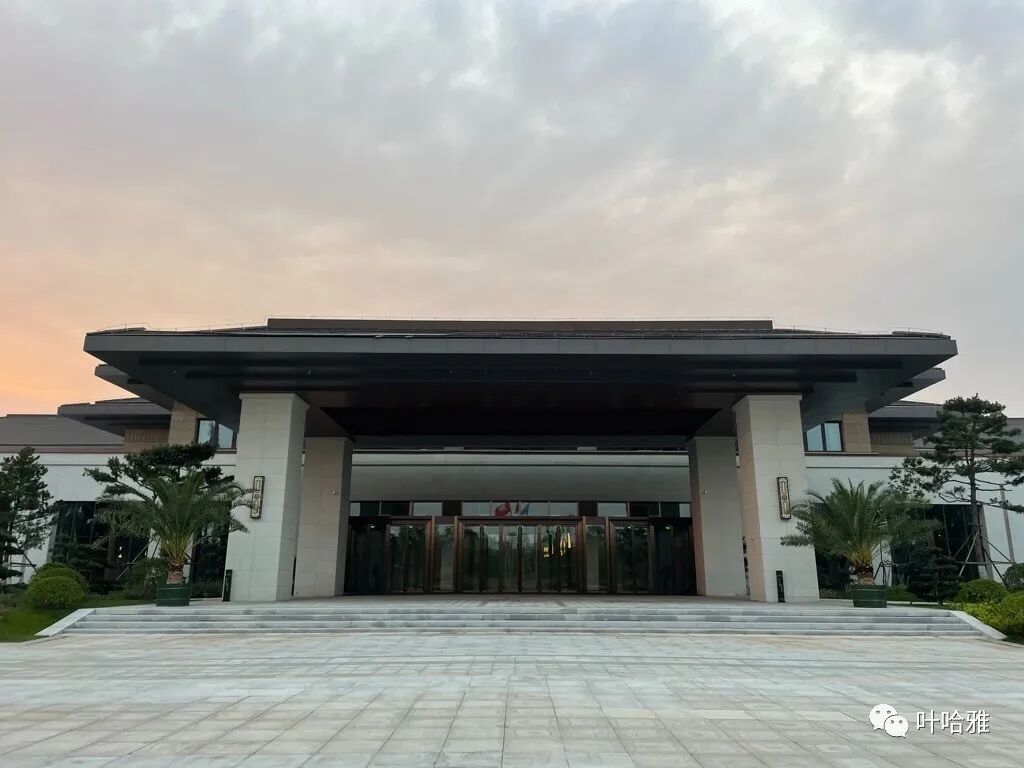
Changzhi Lakeside Cultural and Tourism Service Center
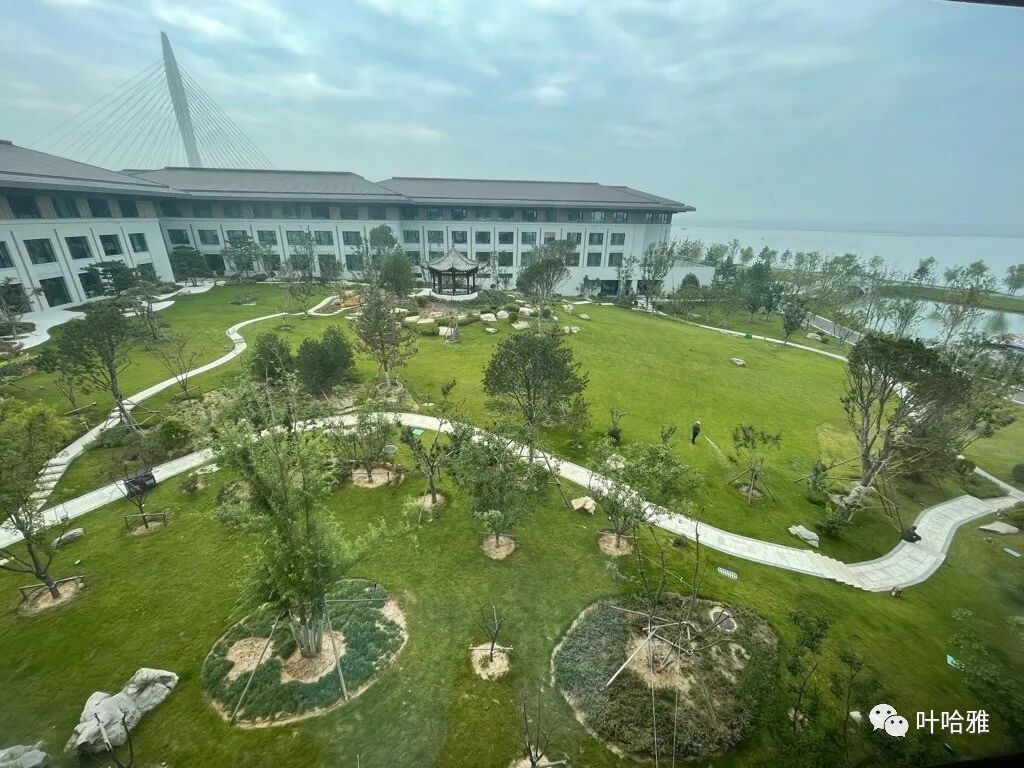
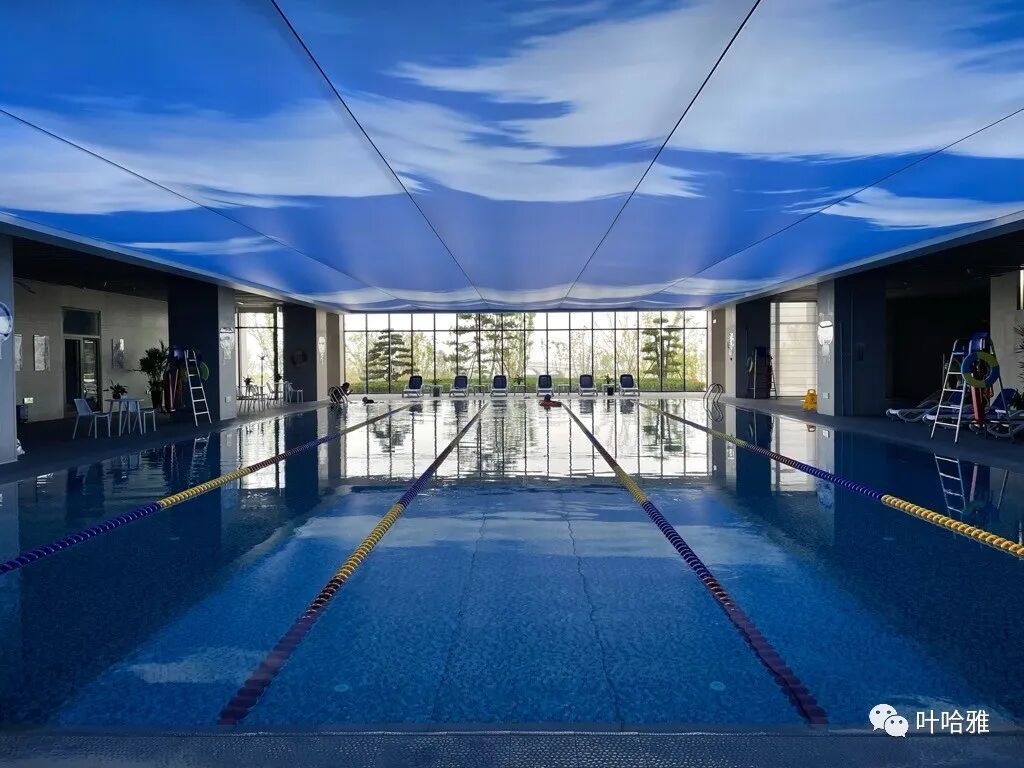
We stayed at the Lakeside Cultural and Tourism Service Center by Zhangze Reservoir. It was much better than I expected. It opened last year and offers five-star service and surroundings. The only downside is that it is far from the city center, taking half an hour to drive there. I wanted my wife to take our son for a walk by the lake to enjoy the view, so to save time, I drove to the city's mosques by myself early in the morning.
If you choose to stay near Ethnic Square in the Luzhou District of Changzhi, dining will be more convenient, as most of Changzhi's halal food is concentrated there.
Before coming to Changzhi, I asked many local elders about the local specialties. The answers were all similar: the halal food in Changzhi tastes more like Henan cuisine. The only local specialties are stir-fried flatbread (chaobing) and buckwheat noodles (heluo mian). You cannot find a halal version of the famous Shanxi knife-cut noodles (daoxiao mian) in Changzhi at all. However, those who know Changzhi understand that people do not come here for the food. It is the learning atmosphere that attracts friends (dosti) from all over to visit.
The history of Hui Muslims in Changzhi began around the Ming Dynasty, when soldiers from Nanjing settled here. It has been over 600 years since then. There are currently more than 30,000 Hui Muslims in the Changzhi area, and 90% of them are descendants of Cheng De and Ma Zhao from Nanjing.
There are 22 existing mosques in Changzhi, not counting the women's mosques, as almost every mosque has a corresponding one for women.
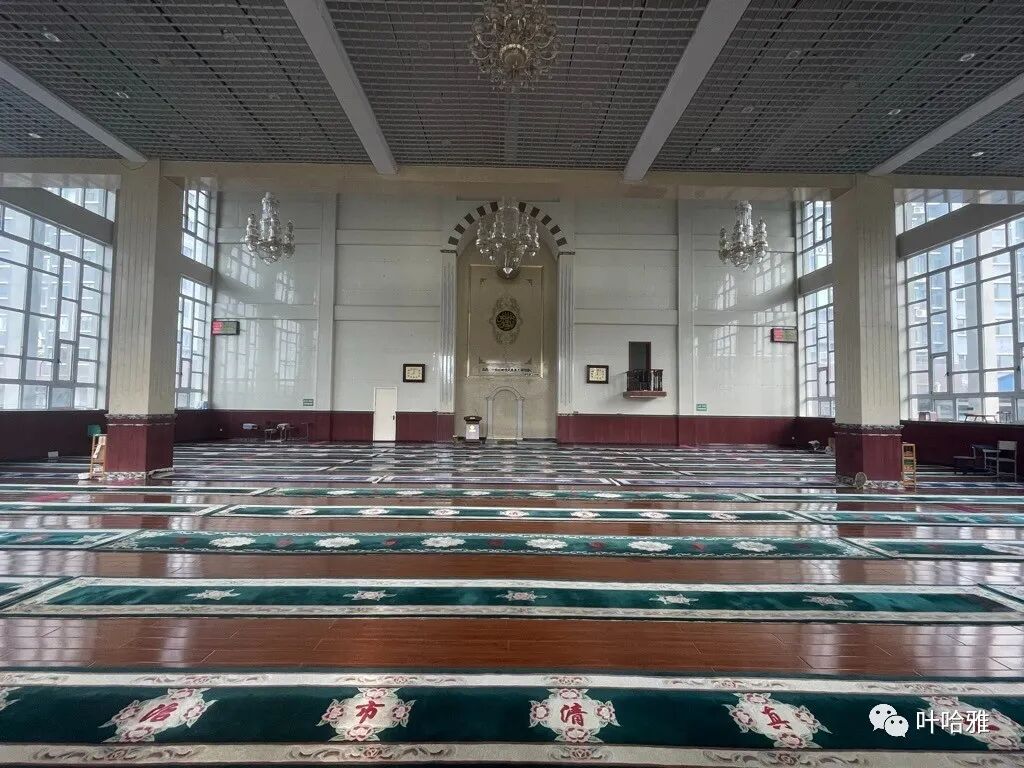
The first mosque in Changzhi is the North Mosque (Qingzhen Beisi). It was built during the Ming Dynasty, and the stone tablets inside date back to the Yongle period of the Ming Dynasty.
North Mosque (Qingzhen Beisi)
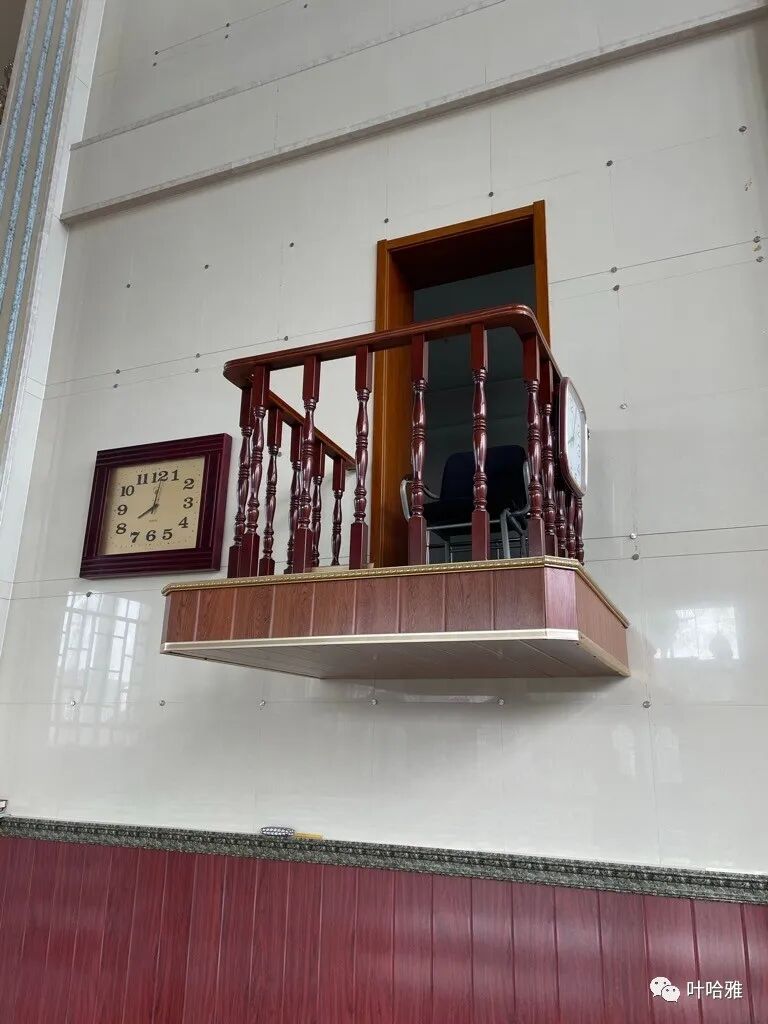
The minaret (minbai lou) of the North Mosque
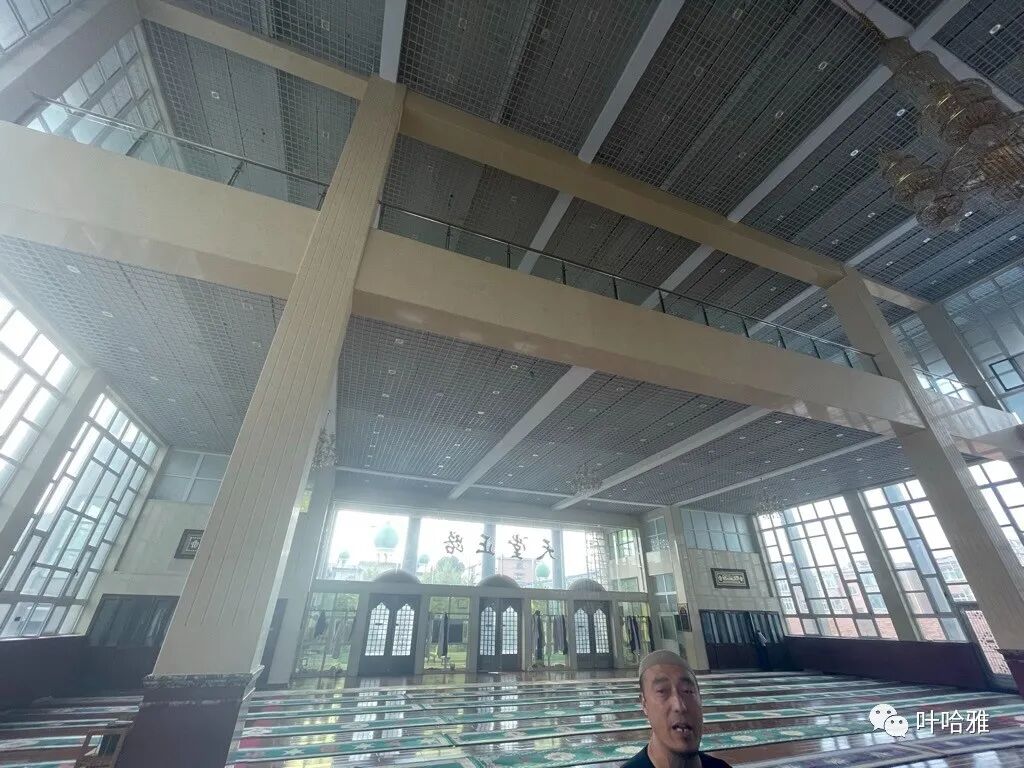
Two stories high
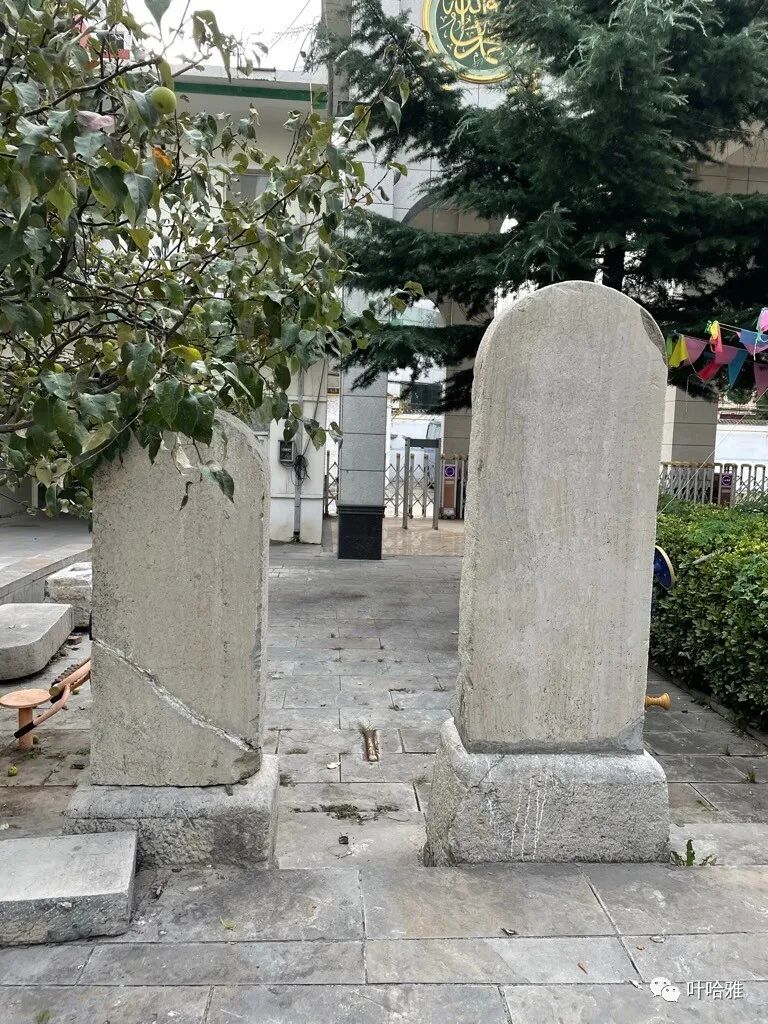
Stone tablet inscription from the Yongle era.
Soon after, the South Mosque (Qingzhen Nansi) was built nearby, also dating back to the Ming Dynasty.
South Mosque (Qingzhen Nansi)
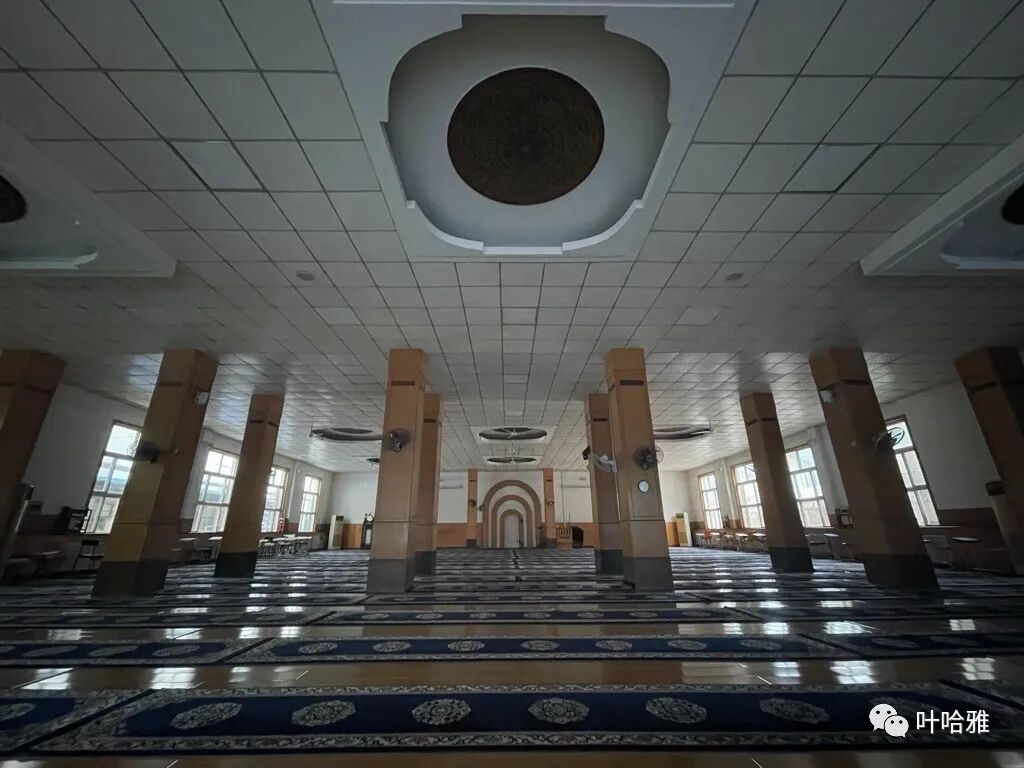
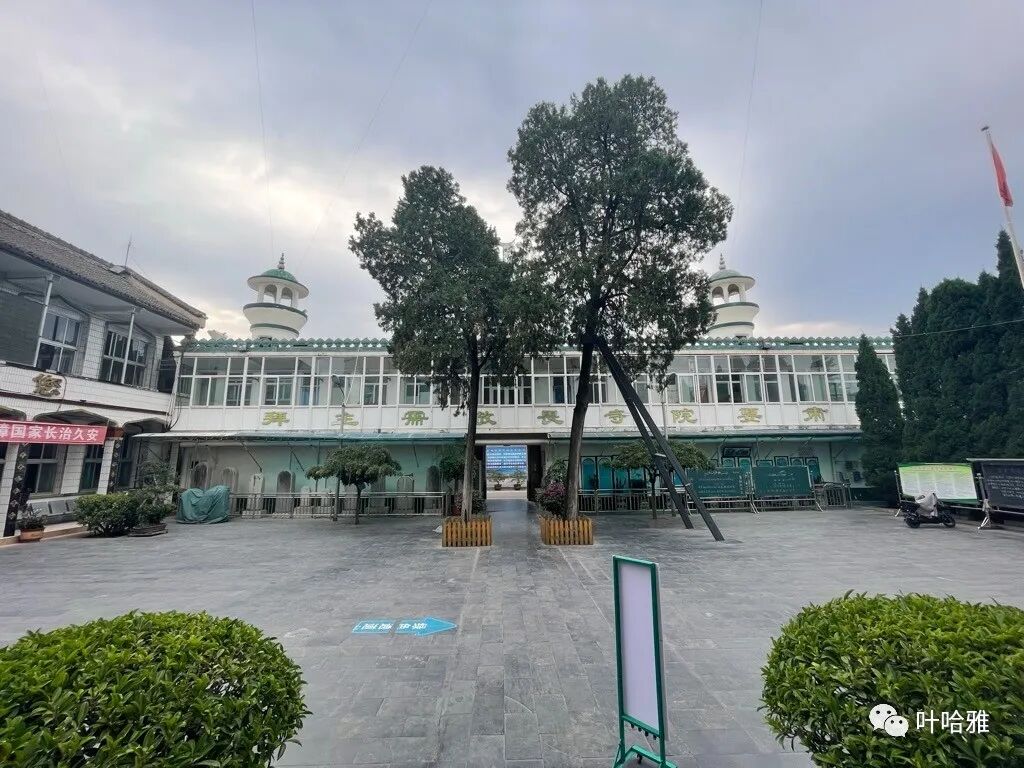
The Central Mosque (Qingzhen Zhongsi) was first built in 1928. In 1938, the Changzhi National Salvation Association was founded here, making a great contribution to the War of Resistance Against Japan. The mosque was rebuilt in 1999.
Central Mosque (Qingzhen Zhongsi)
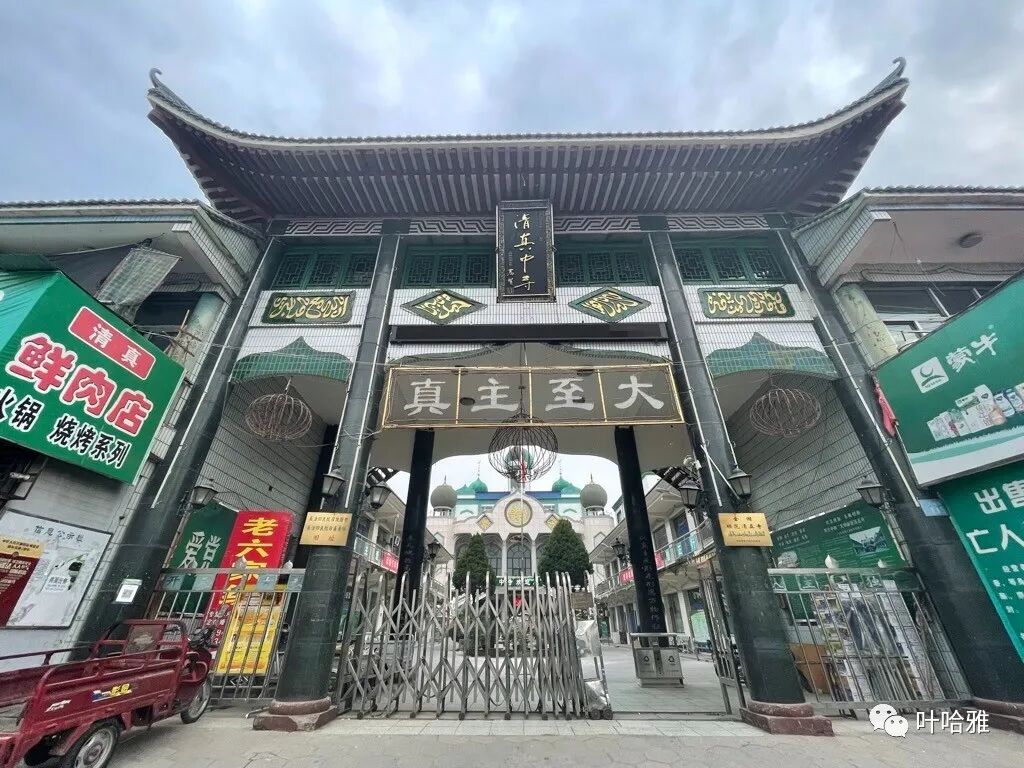
Legend says the Central Mosque was built due to sectarian disputes. Today, Changzhi has long moved past these biases. Everyone follows their own chosen school of Islamic law in peace. Ethnic unity and the relationship between Hui Muslims and Han people are harmonious, which has earned praise from the local government.
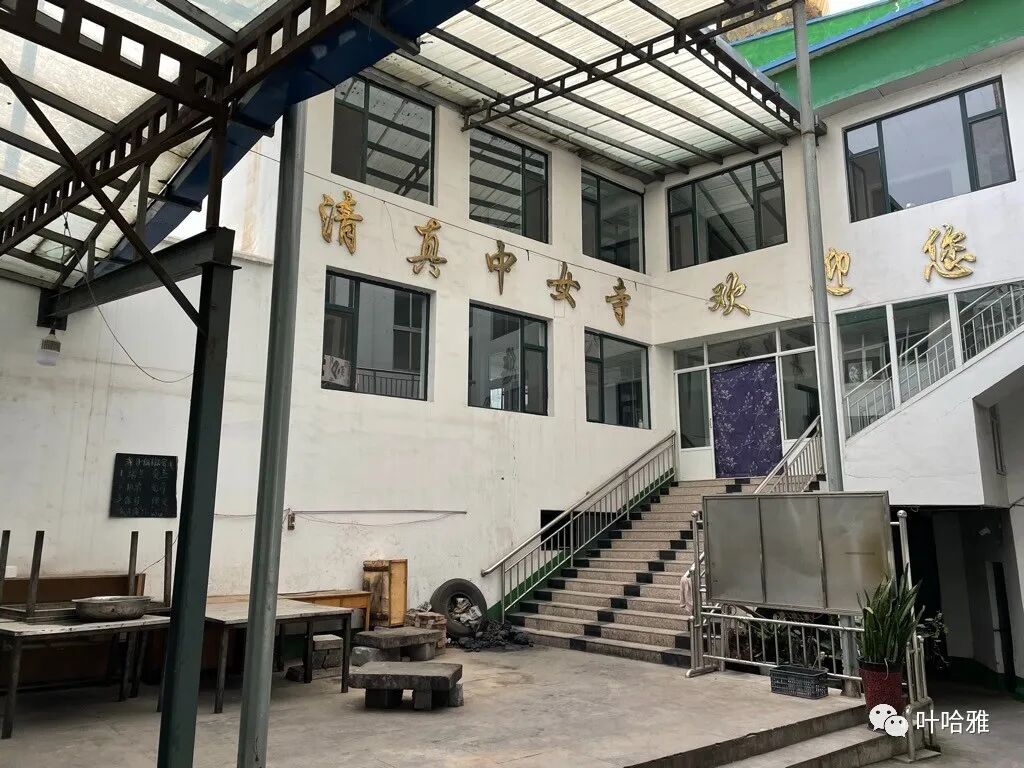
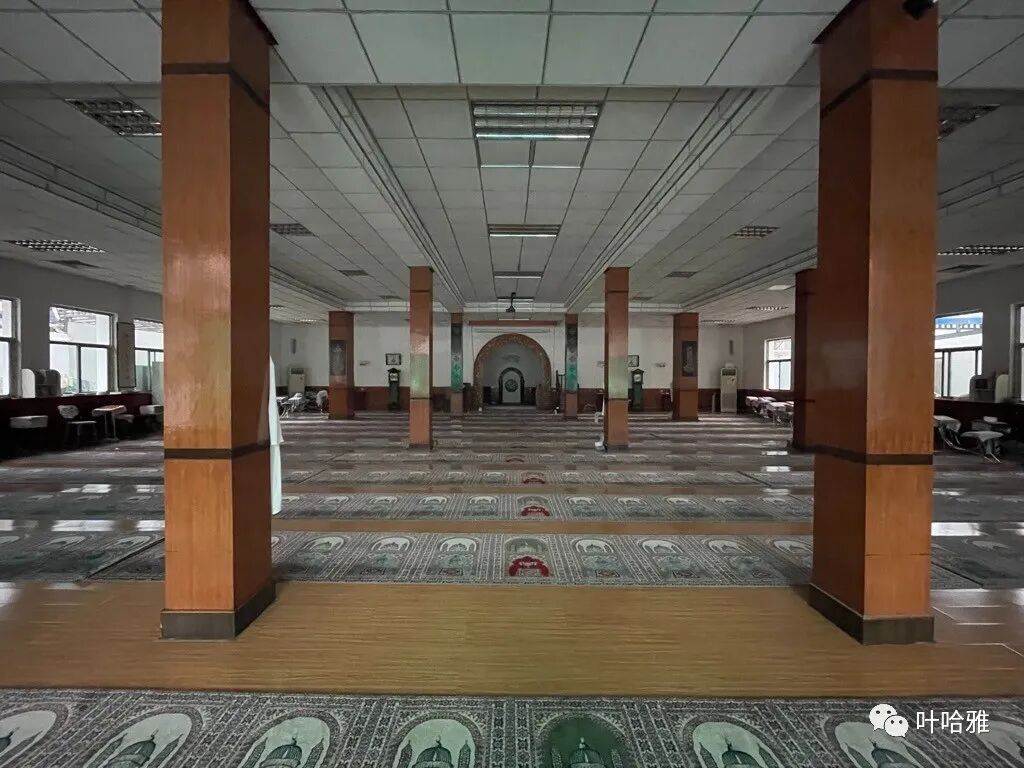
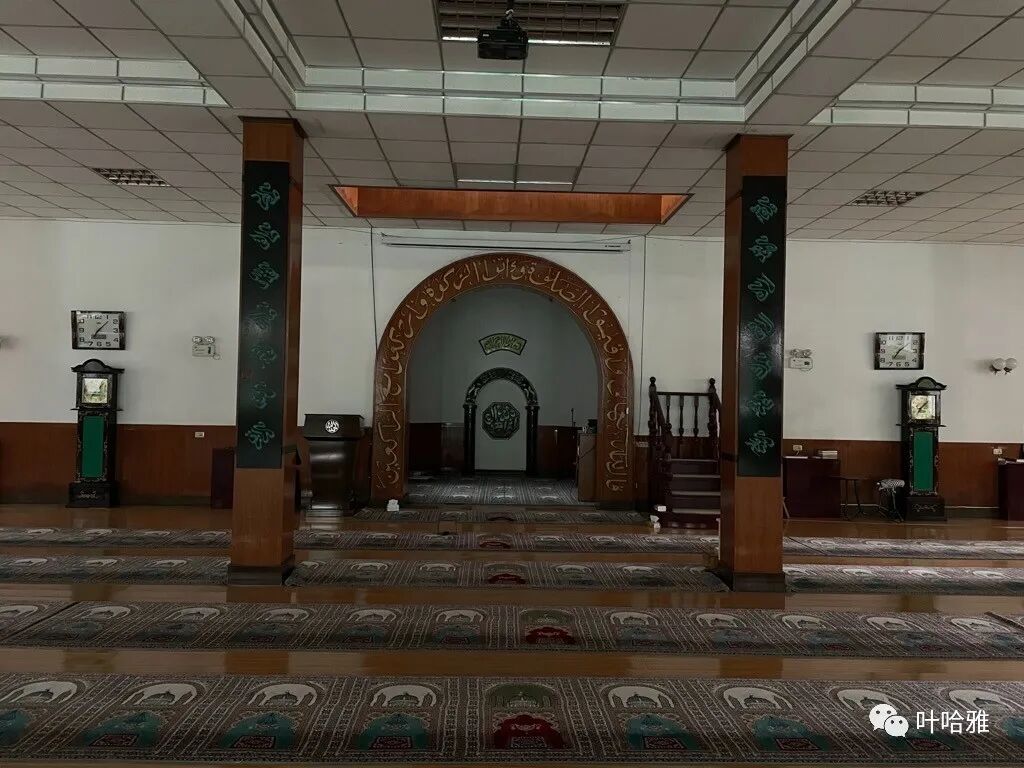
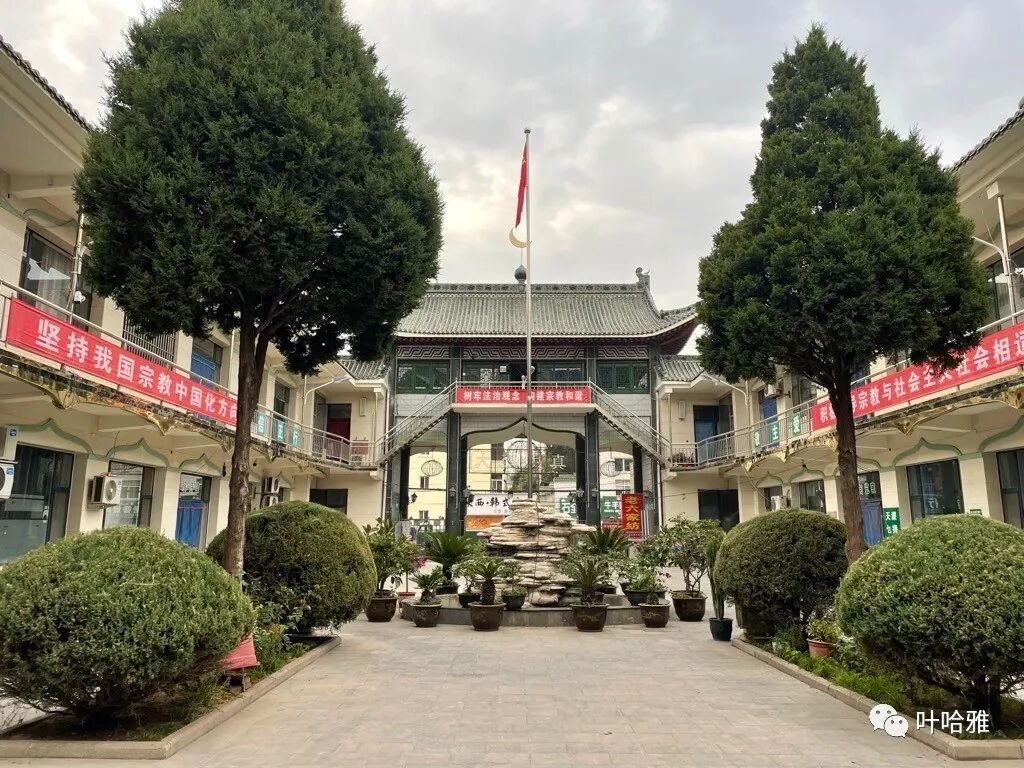
The West Mosque (Qingzhen Xisi) was built in 1944. These four mosques were all constructed before the founding of the People's Republic of China. New mosques built after the founding of the country include:
Southwest City Mosque, Luze Mosque, Jianhua Mosque, Southwest Gate Mosque, Wuyi Road Mosque, West Gate Mosque, Wuzhen Road Mosque, Beidong Mosque, Changbei Mosque, Donghe Mosque, Baodian Mosque, Dabaotou Mosque, Railway Station Mosque, Guancun Mosque, Huangyechi Mosque, Huanan Mosque, Qinyuan County Mosque, and Zhangzi Mosque.
Huanan Mosque
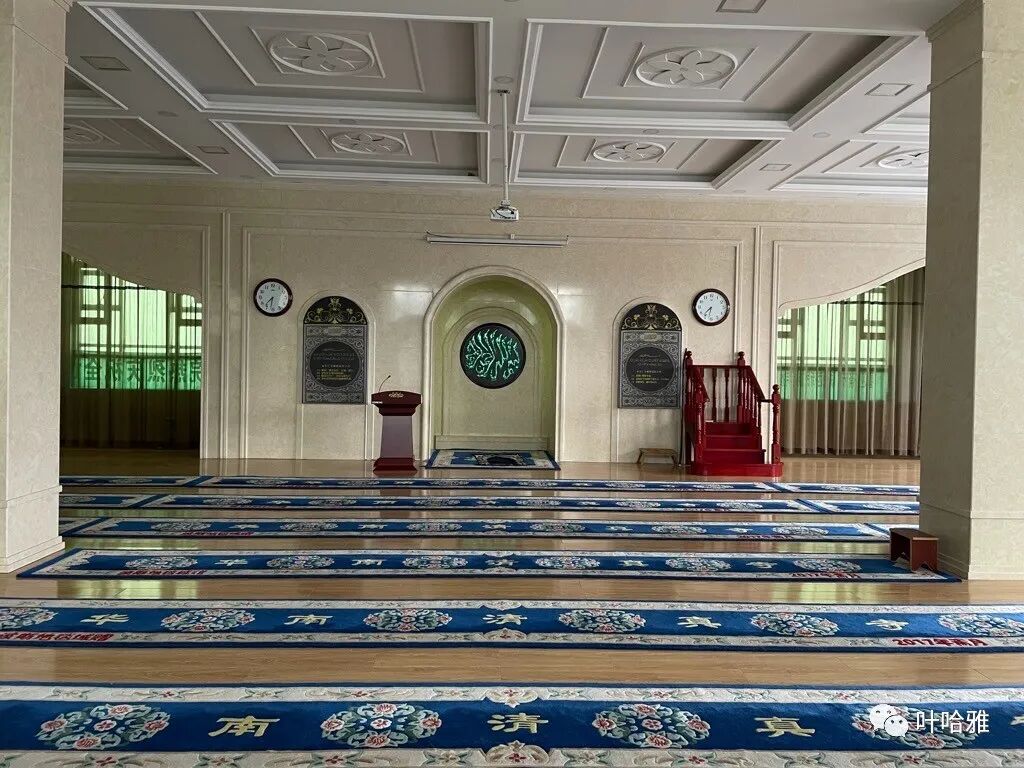
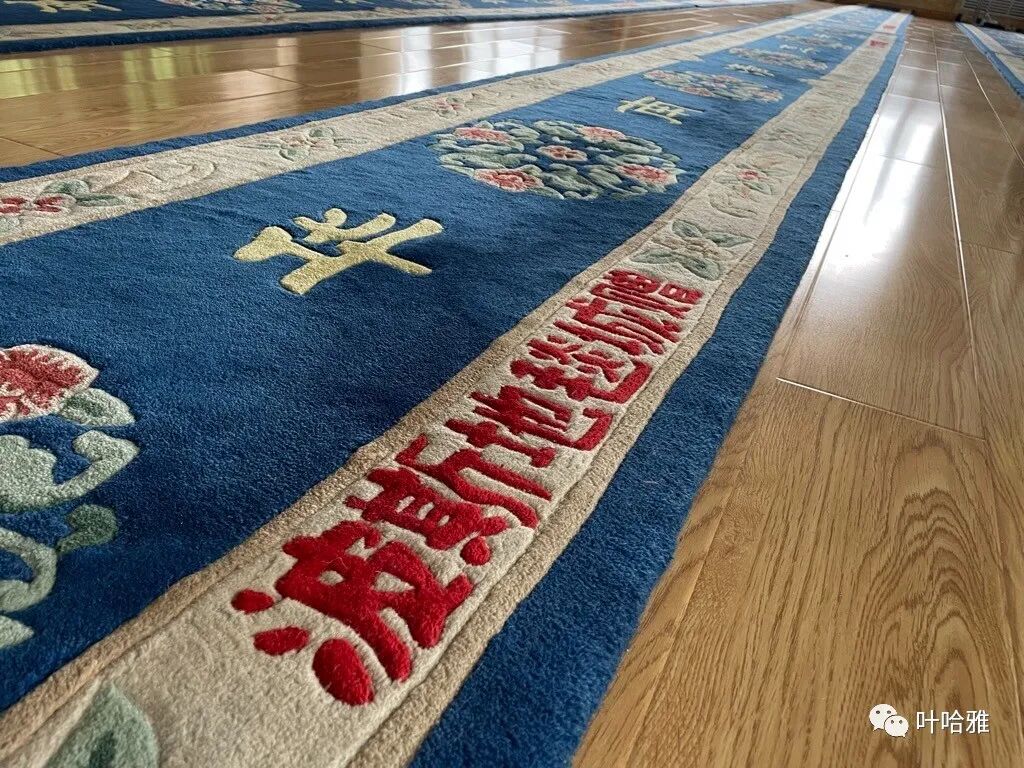
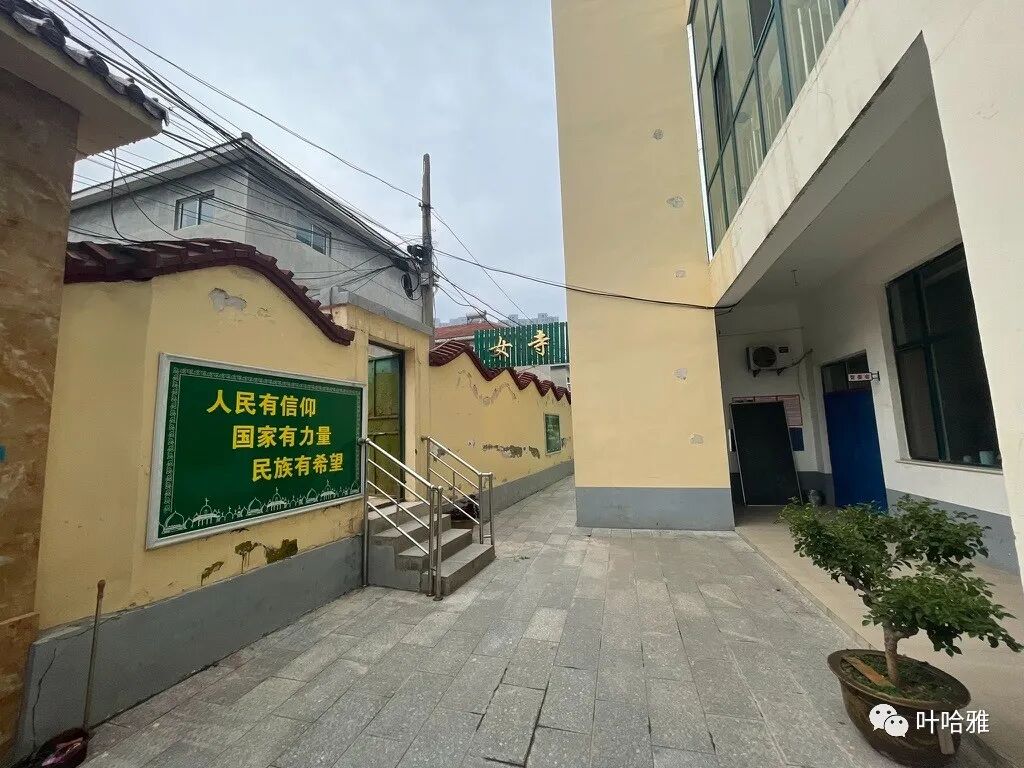
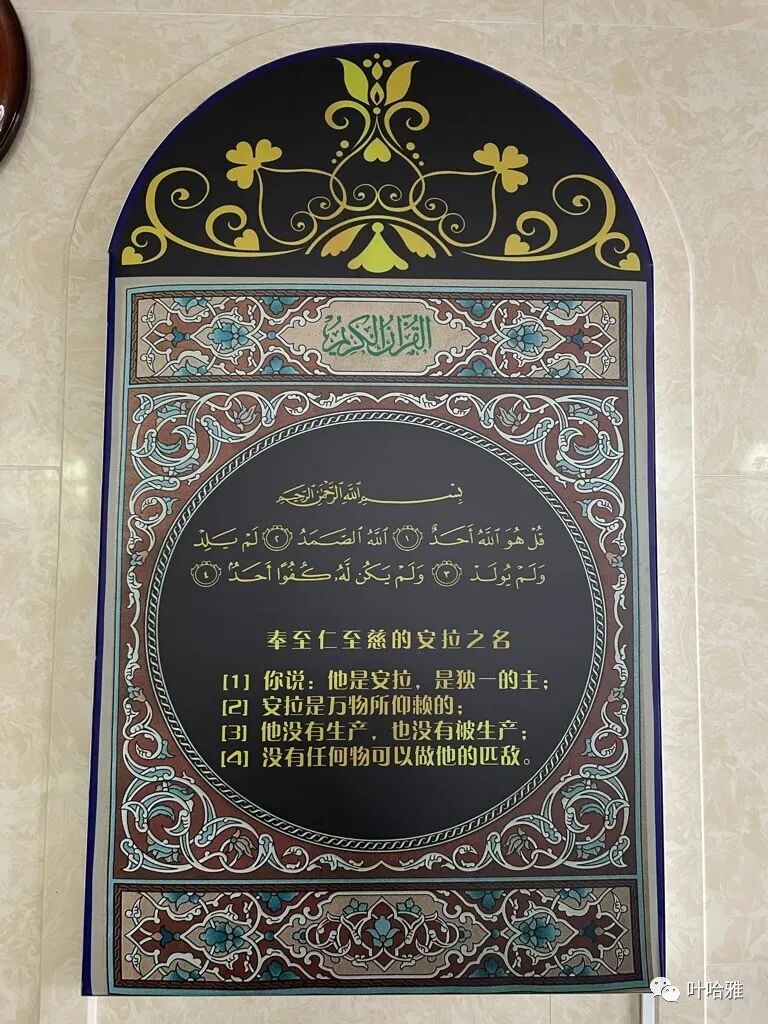
Wuyi Road Mosque
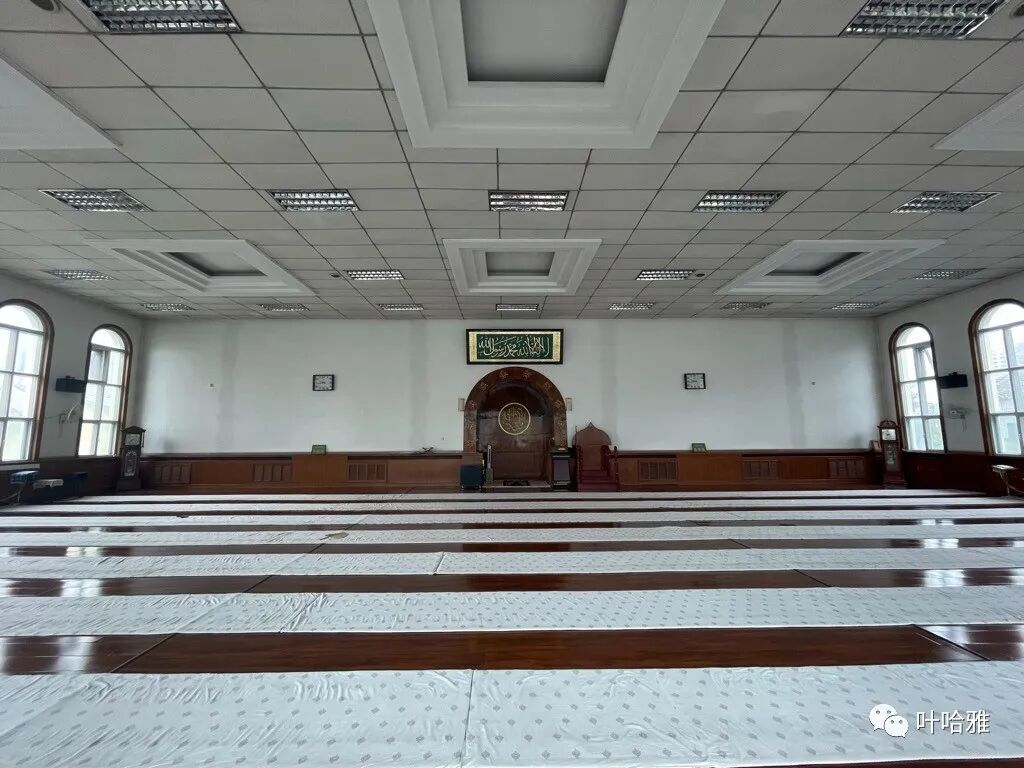
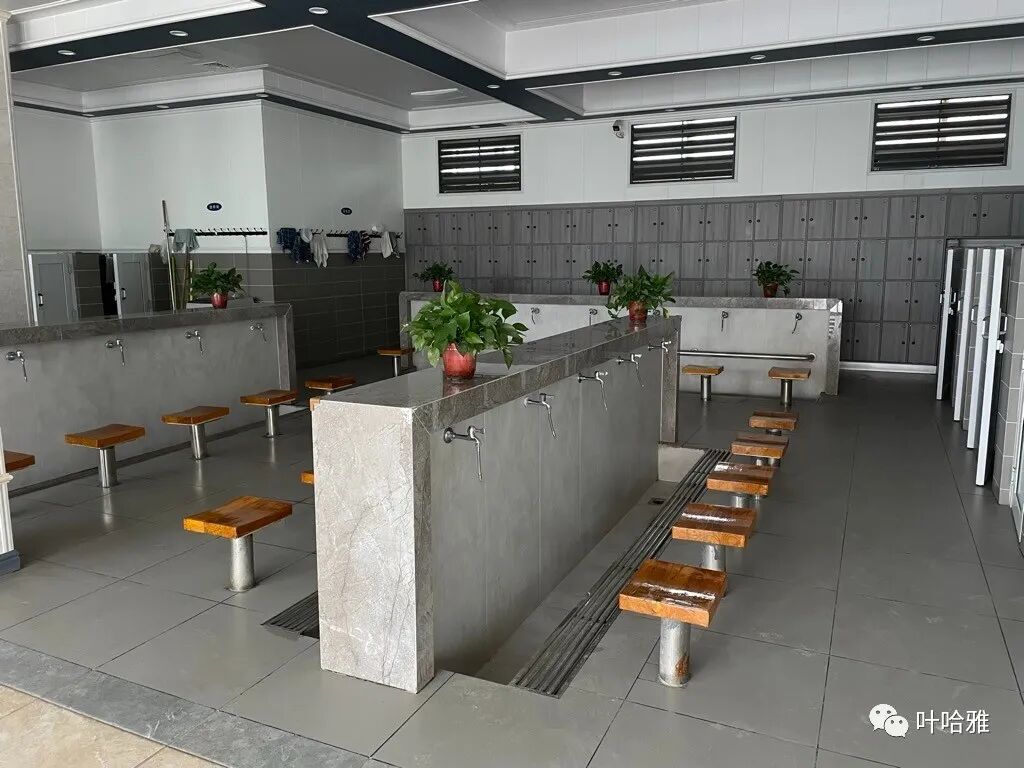
Southwest City Mosque
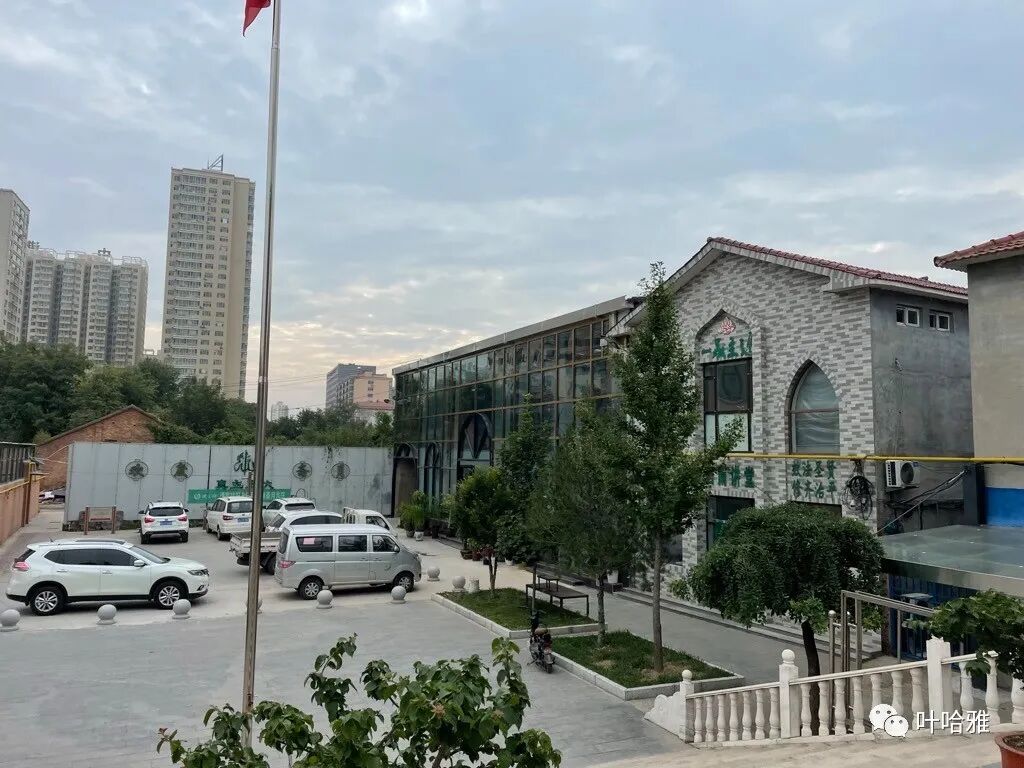
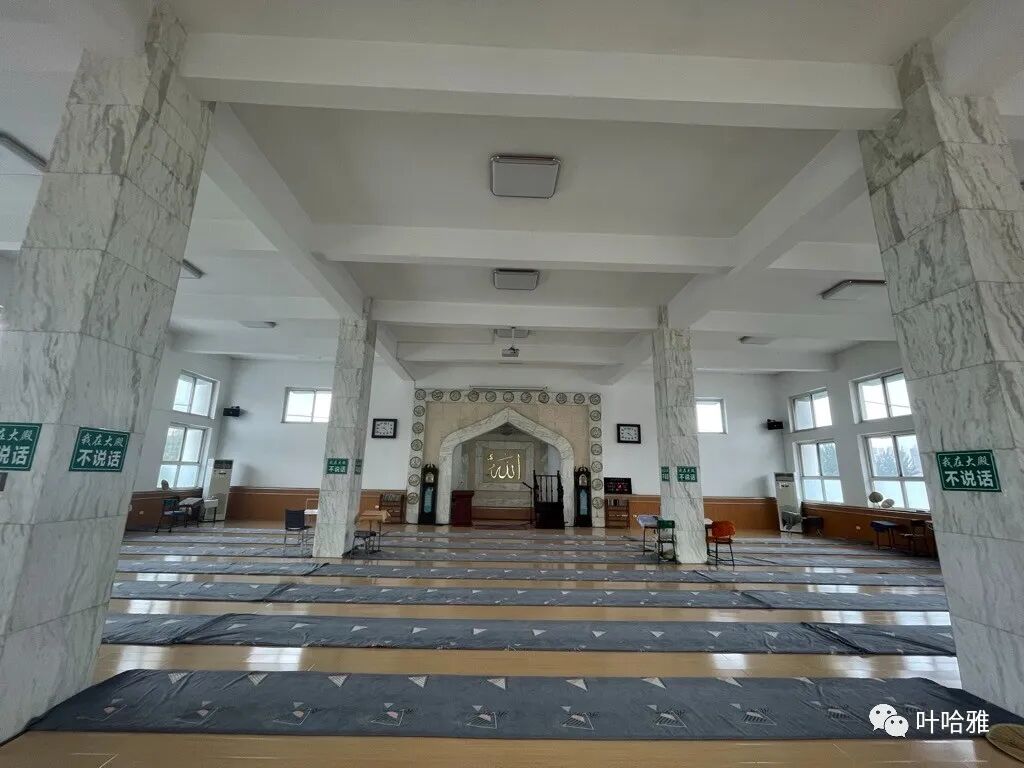
Luze Mosque
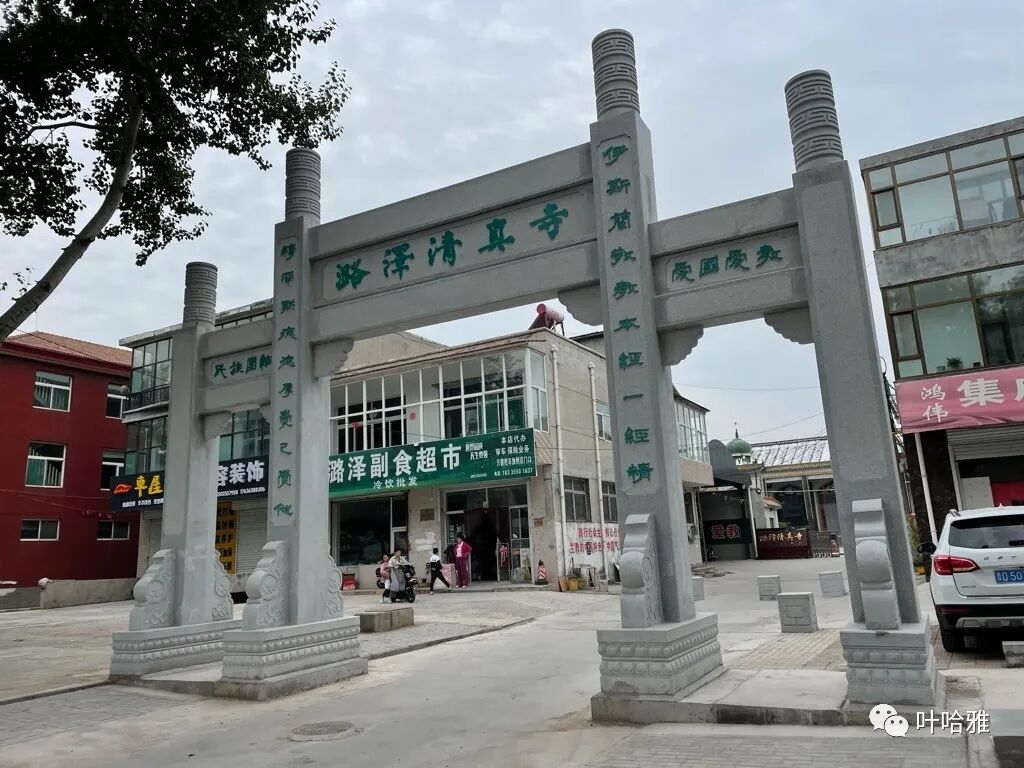
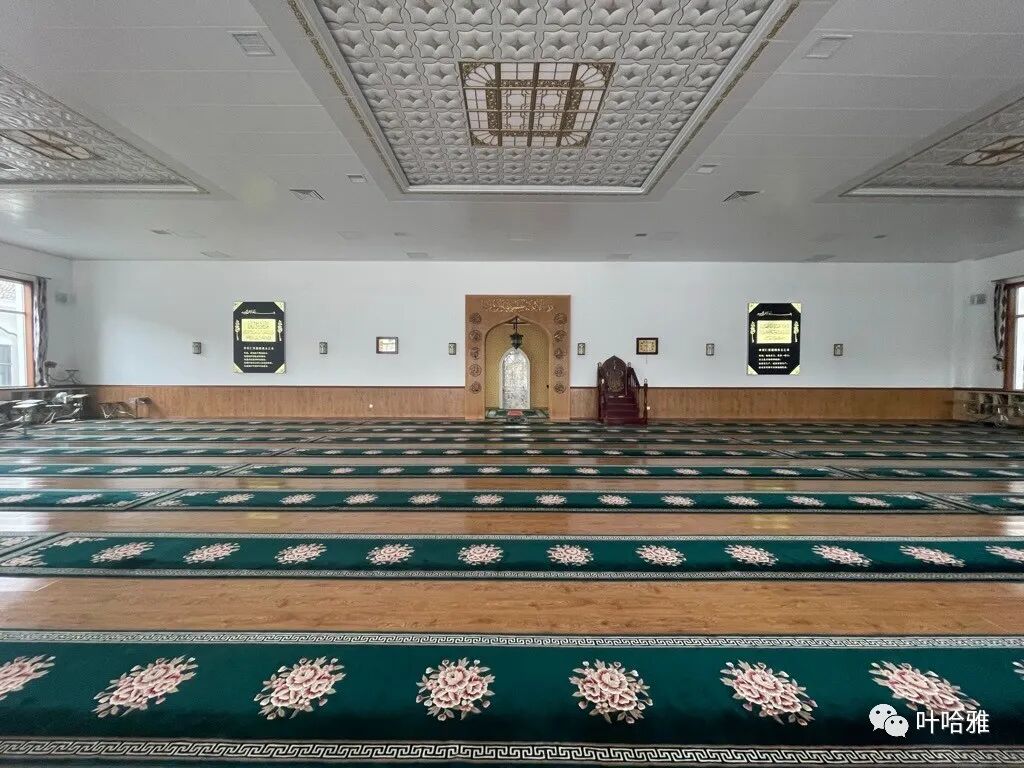
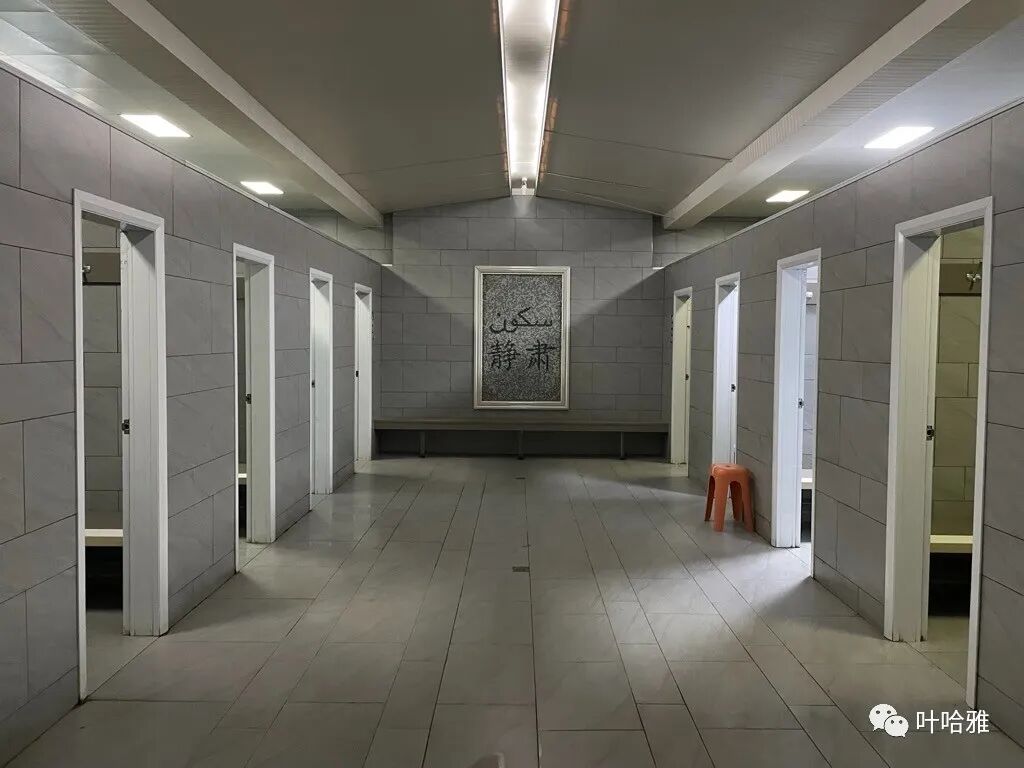
Not long ago, Imam Ma Aimin of the Dongsi Mosque in Beijing passed away. I attended his funeral at Niujie. I remember last year, a few of us sat in his office at the Dongsi Mosque drinking tea and chatting. His kind face and gentle, honest smile stay in my mind. Imam Ma Aimin was from Changzhi, and that day, vehicles from a mosque in Changzhi drove through the night to Beijing to attend his funeral.
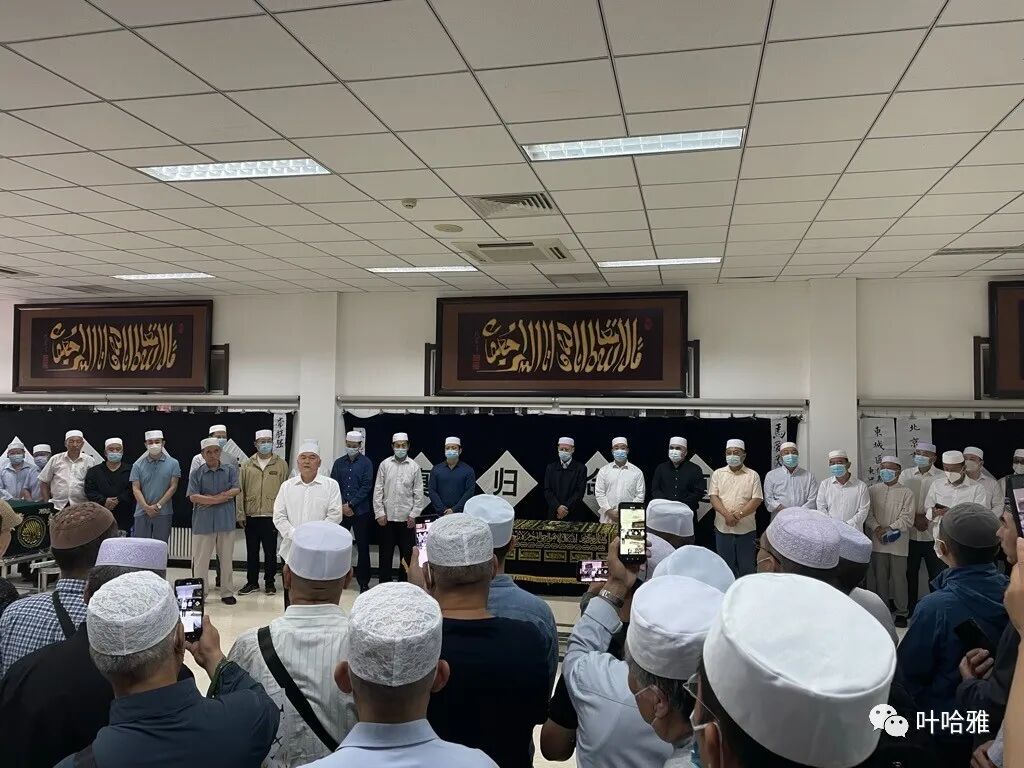
President Yang Faming of the Islamic Association of China attended the funeral.
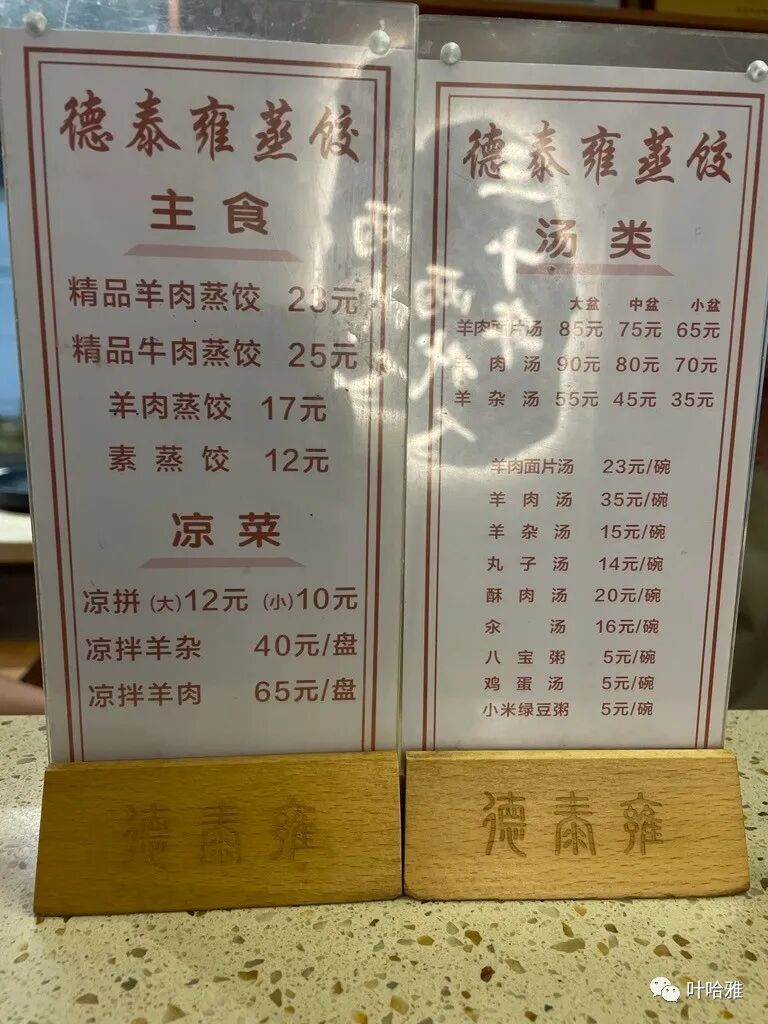
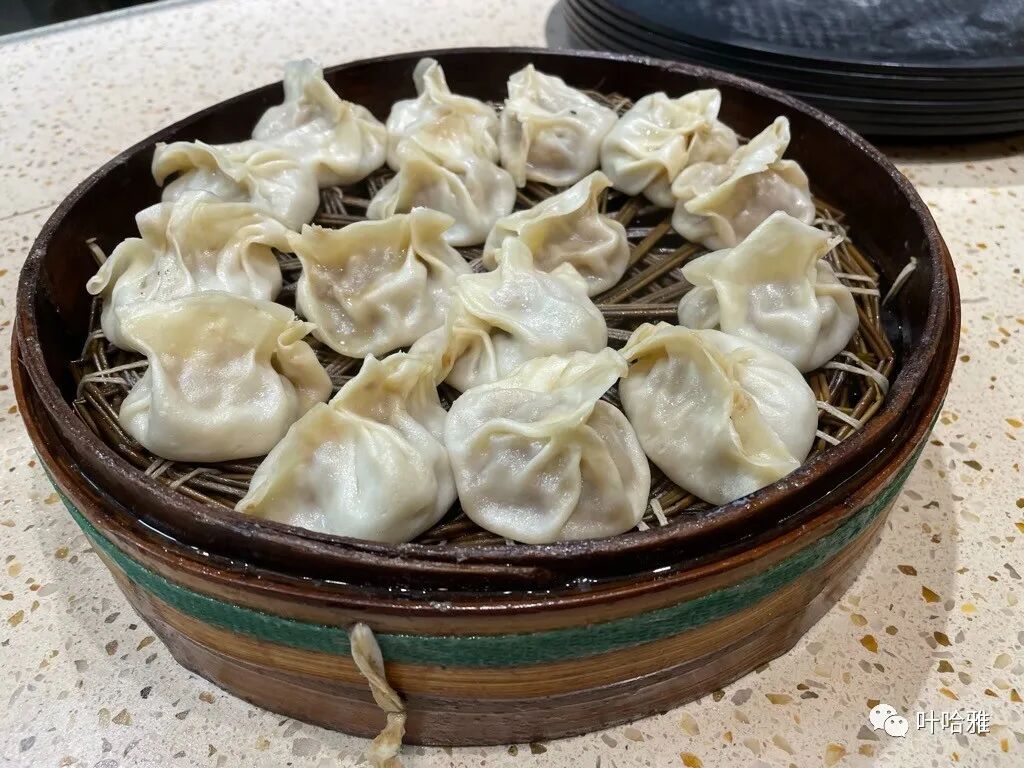
The first meal we had in Changzhi was steamed dumplings (zhengjiao) at Detaiyong. A friend (dosti) from Zhengzhou highly recommended it. I thought it was a local specialty, but later, local elders in Changzhi told me the family is actually from Tianjin, and these steamed dumplings are a Tianjin specialty.
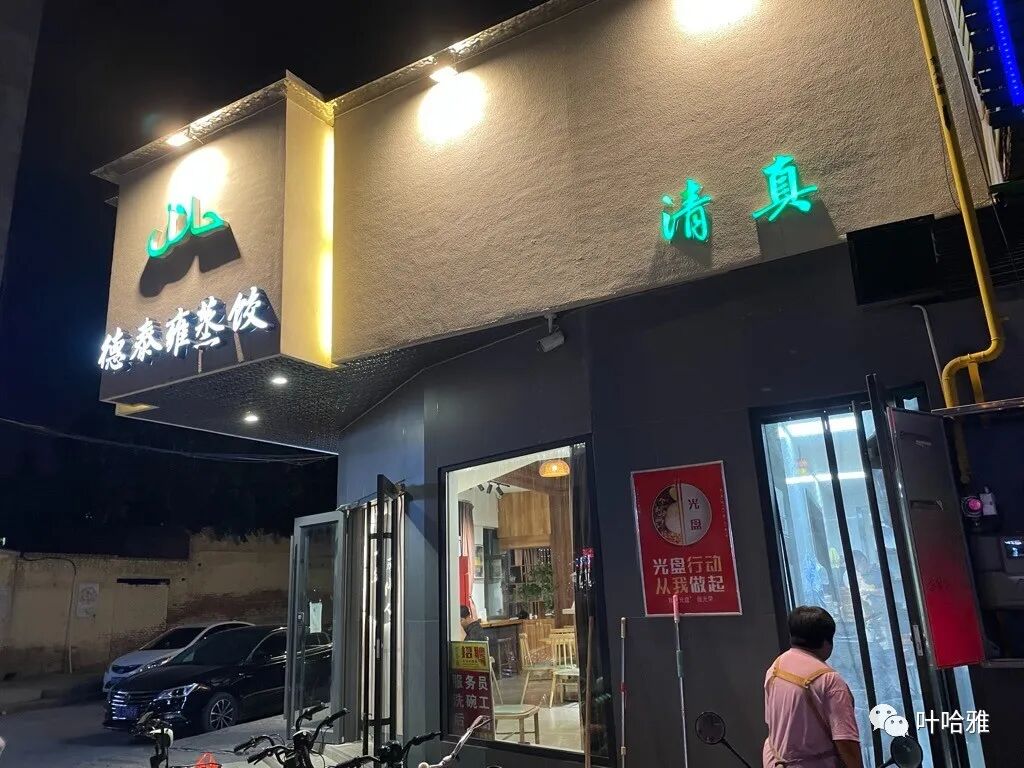
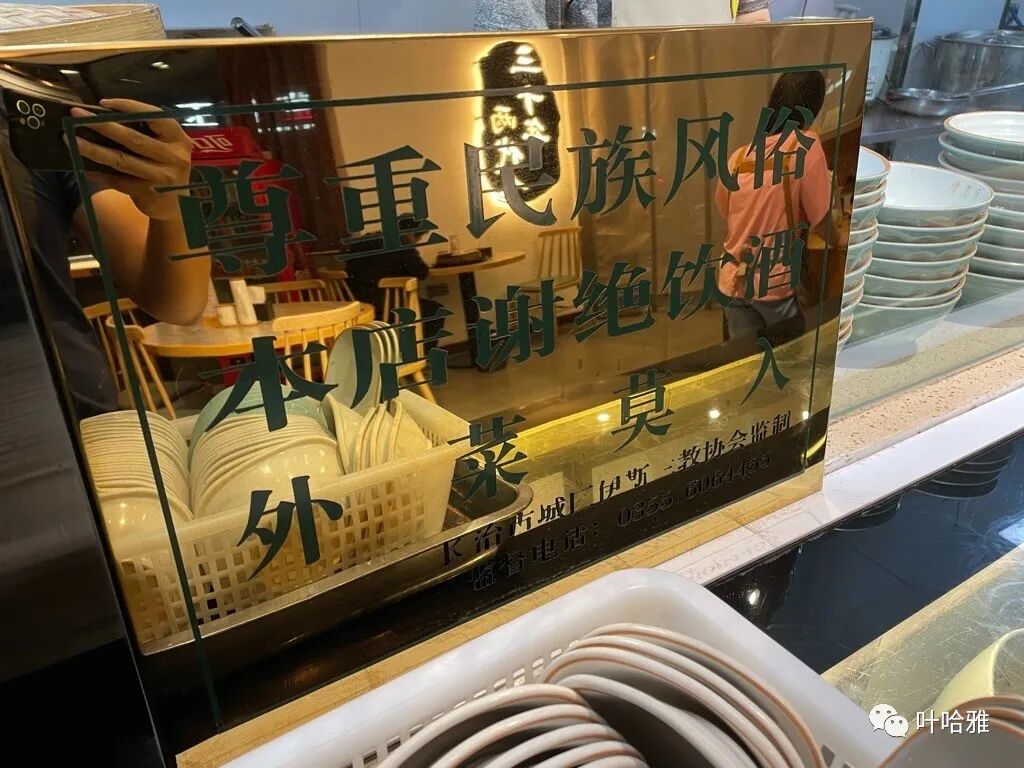
Since modern times, the number of Muslim surnames in Changzhi has grown every year, and those who settled here for business brought halal food from all over. halal restaurants in Changzhi do not sell alcohol, so you can eat there with peace of mind.
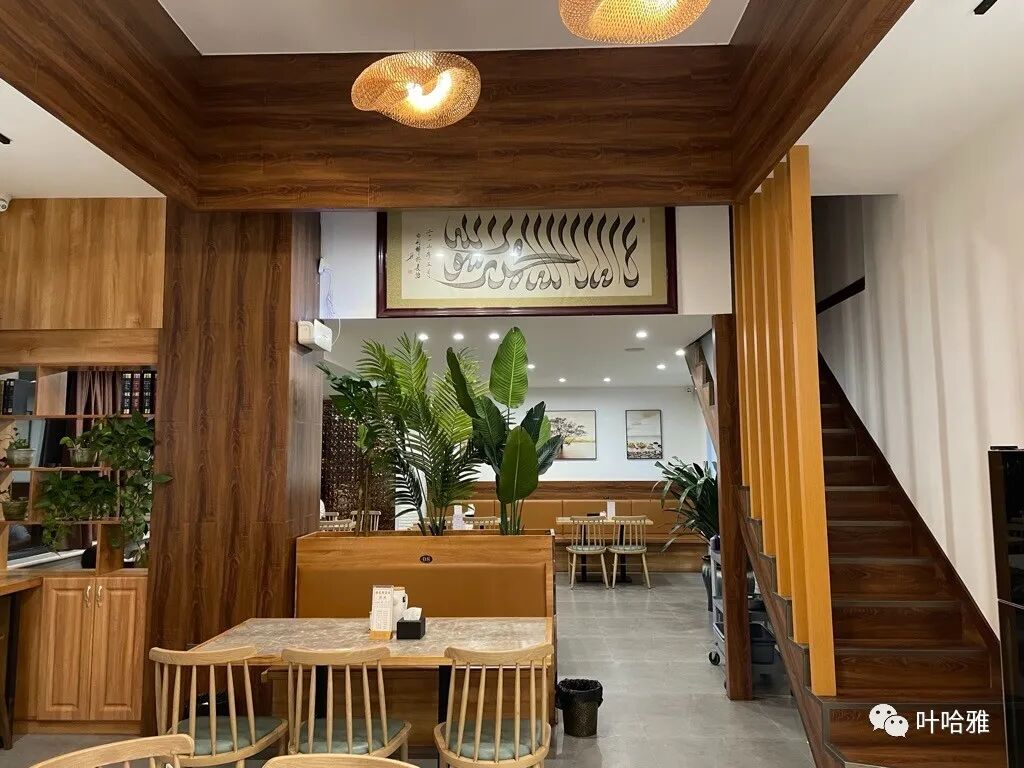
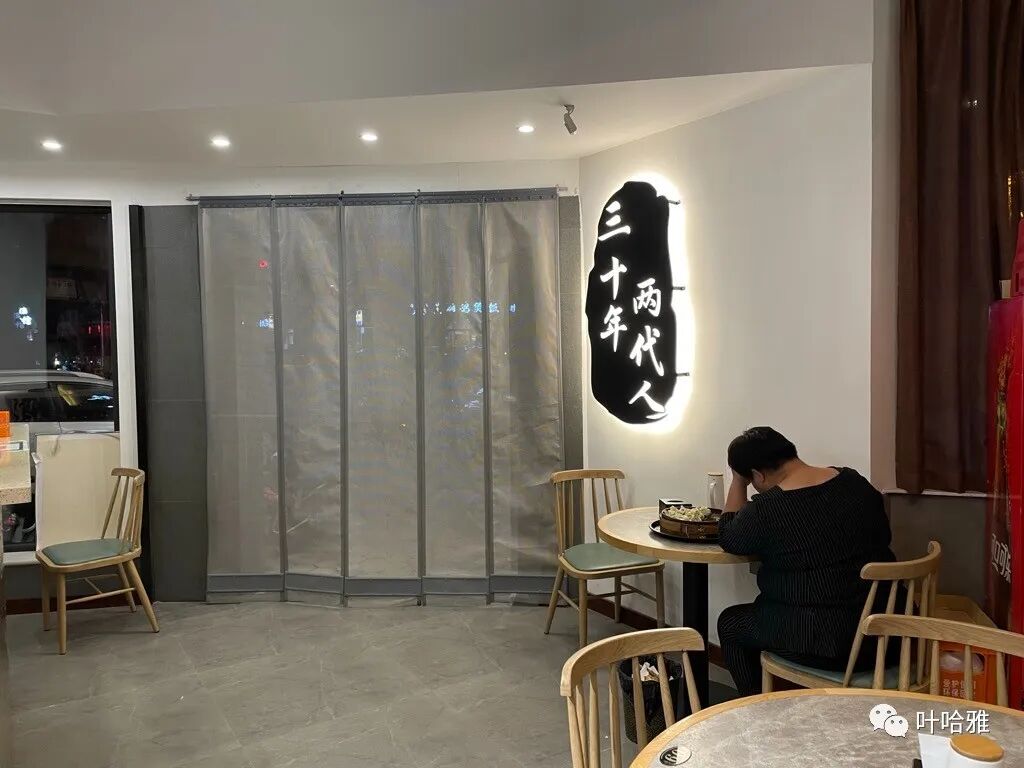
The steamed dumpling shop has been in Changzhi for over thirty years, so it is fair to say it has become localized.
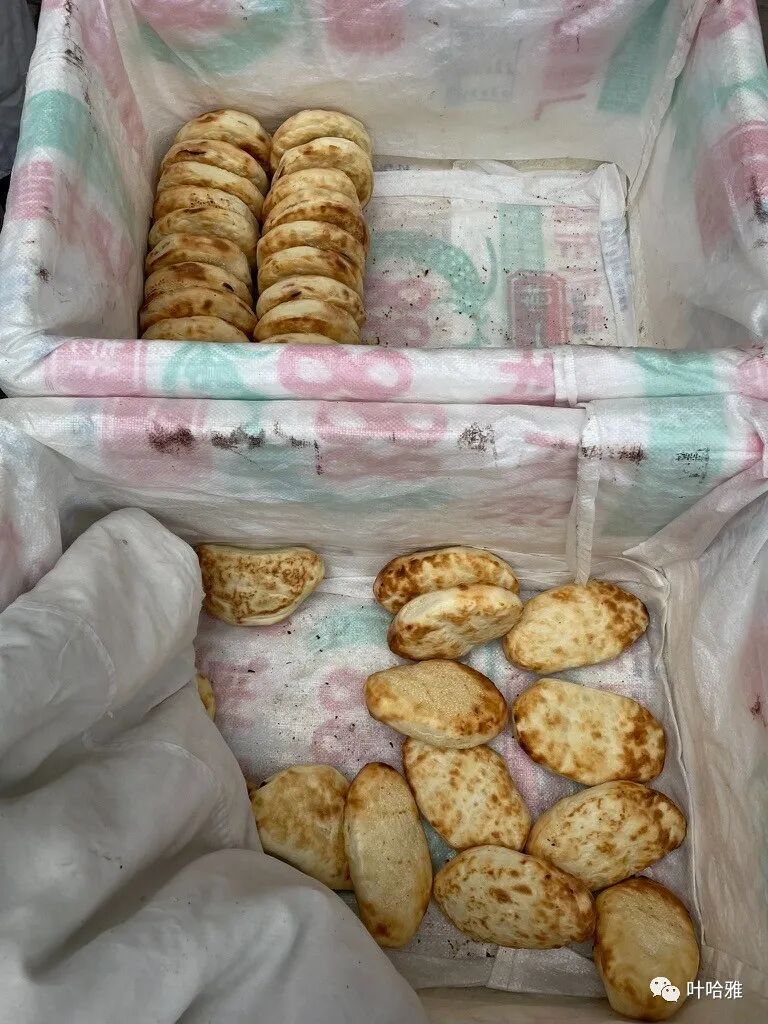
Our second meal in Changzhi was at this sesame flatbread (shaobing) shop right at the entrance of the Middle Mosque (Zhongsi). These savory and sweet flatbreads baked over coal fires cost one yuan each. They are a Henan-style flatbread that I have loved since I was a child, especially when they are fresh out of the oven and still hot to the touch—they are delicious. However, this kind of flatbread is hard to find now. Big cities do not allow coal fires, so many foods cannot be made with their original flavor.
Early in the morning, I walked around the neighborhood of the Middle Mosque and took photos of some unique halal restaurants. It was still early, so none were open. We planned to leave for Beijing before noon to arrive before dark. Fahim is only eight months old and needs to sleep when it gets dark, so he could not travel at night with me. Because of this, I missed the chance to taste more of Changzhi's many delicacies.
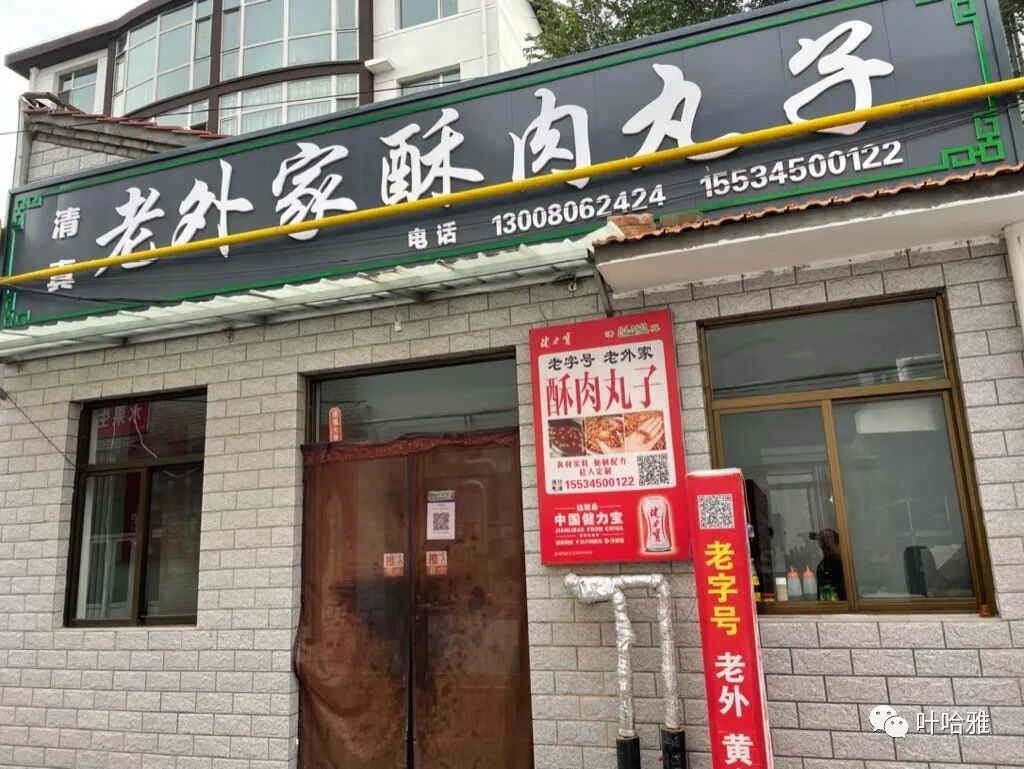
The term 'laowaijia' here does not refer to foreigners; it means the family of a nephew.
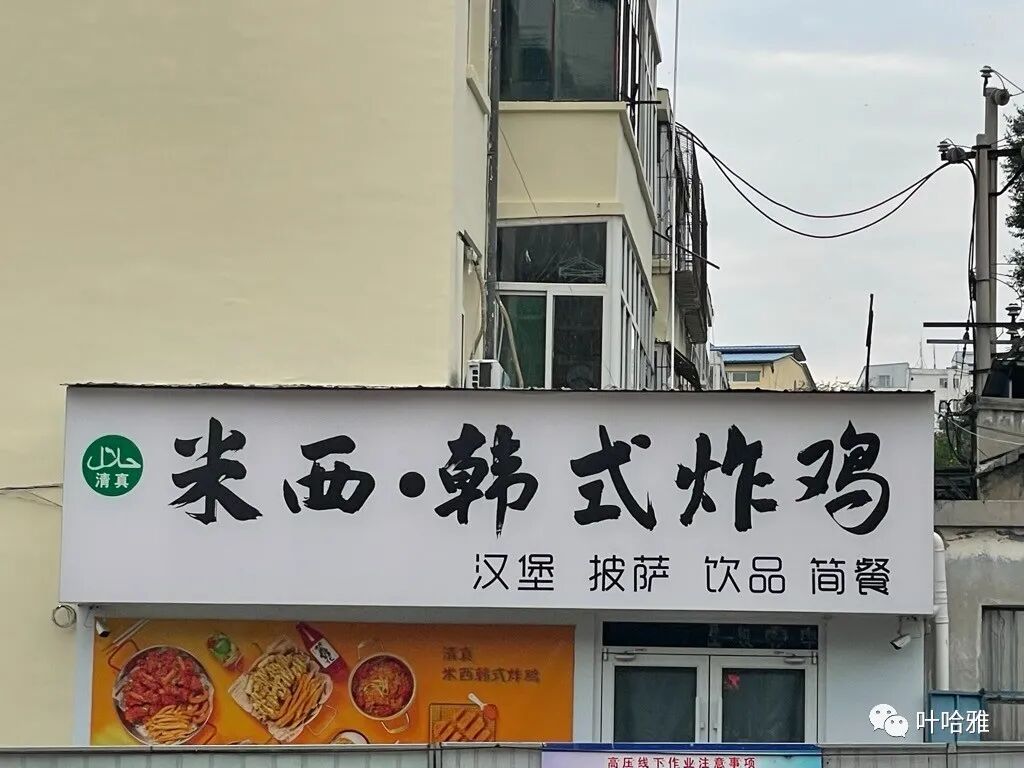
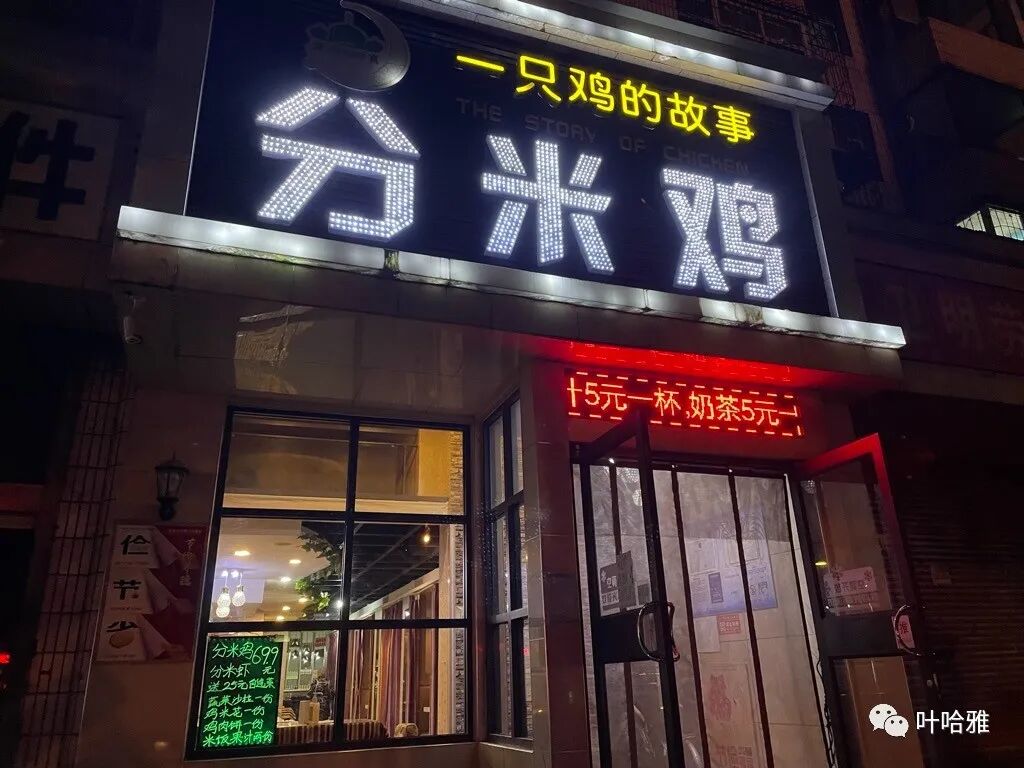
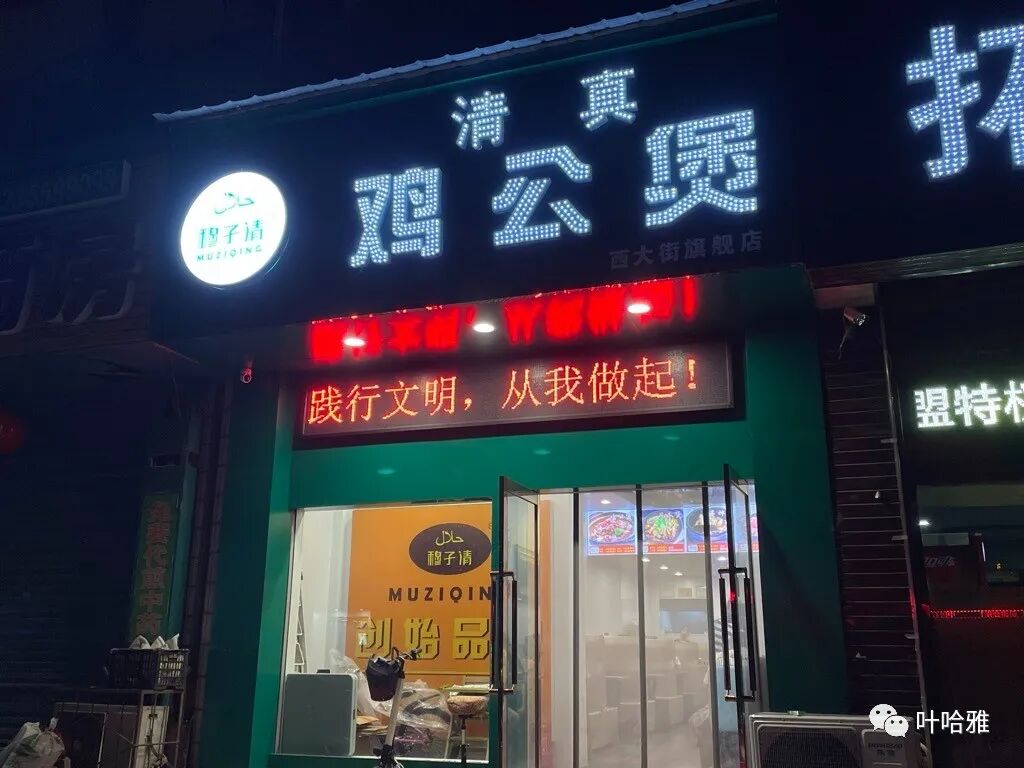
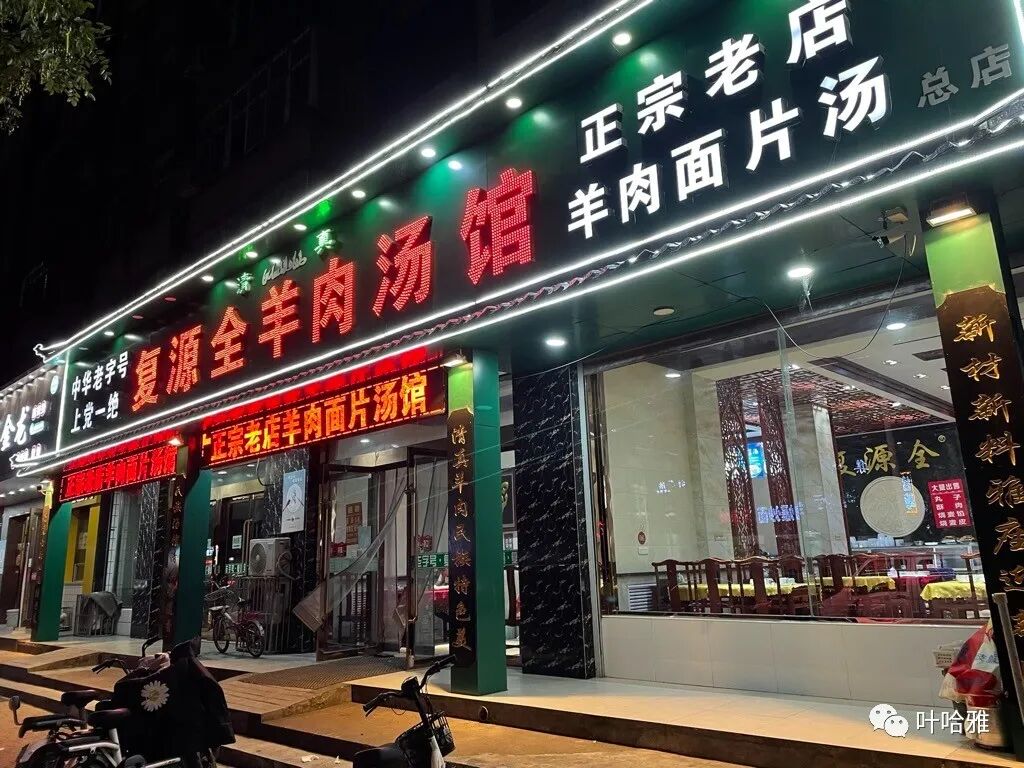
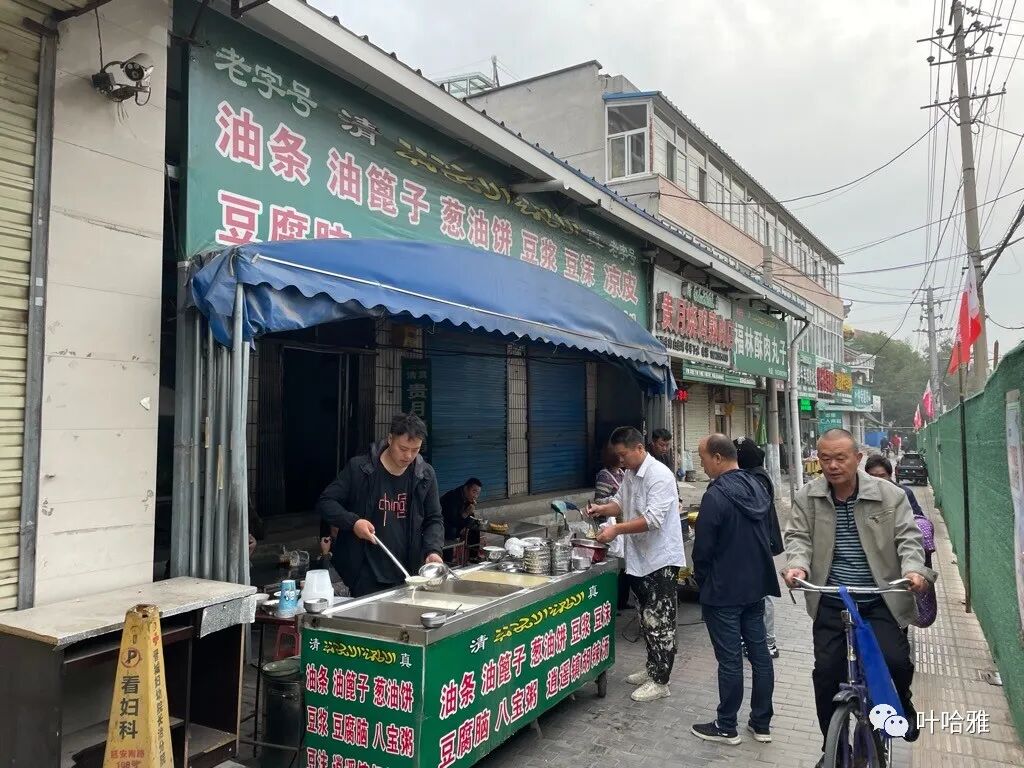
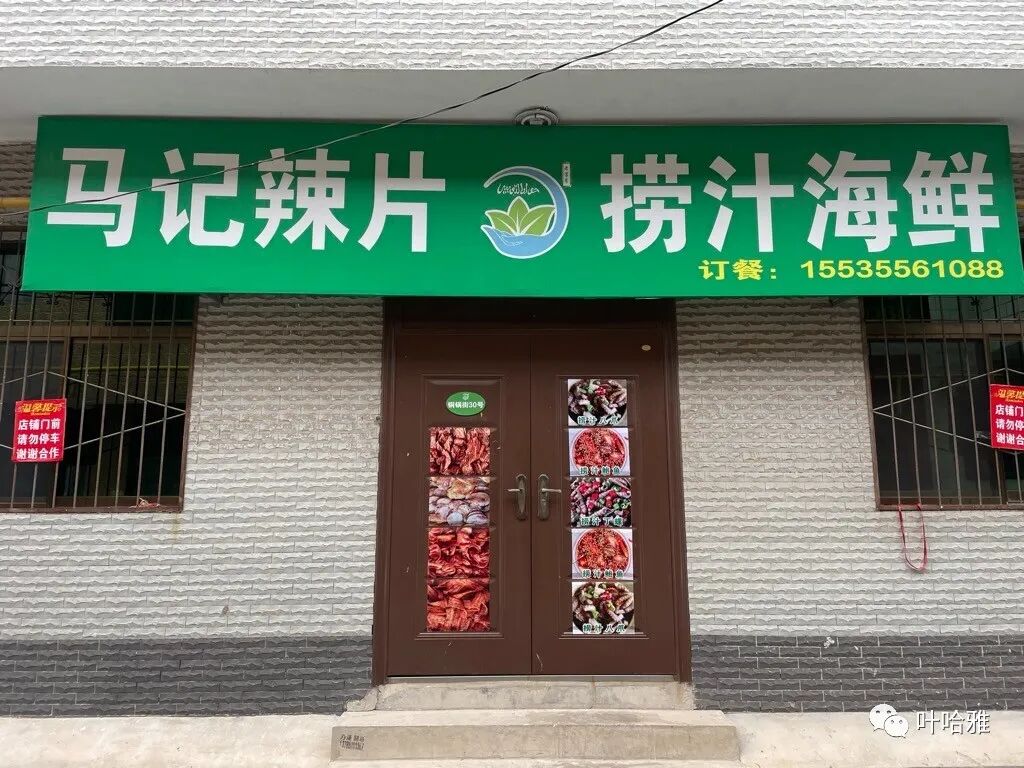
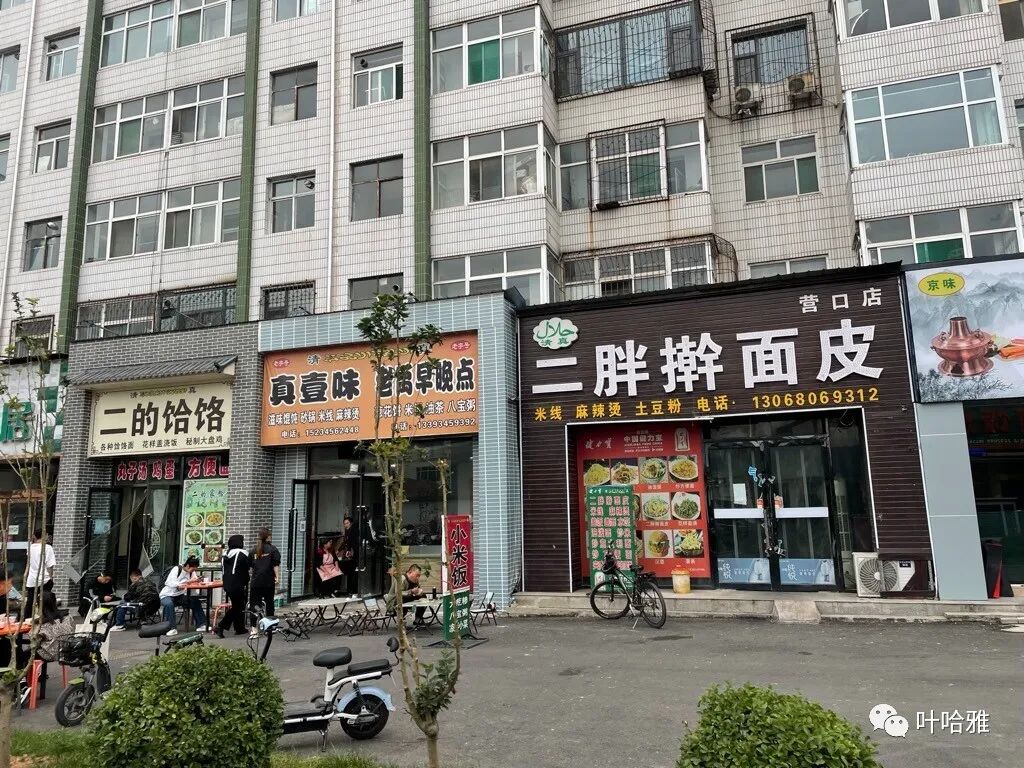
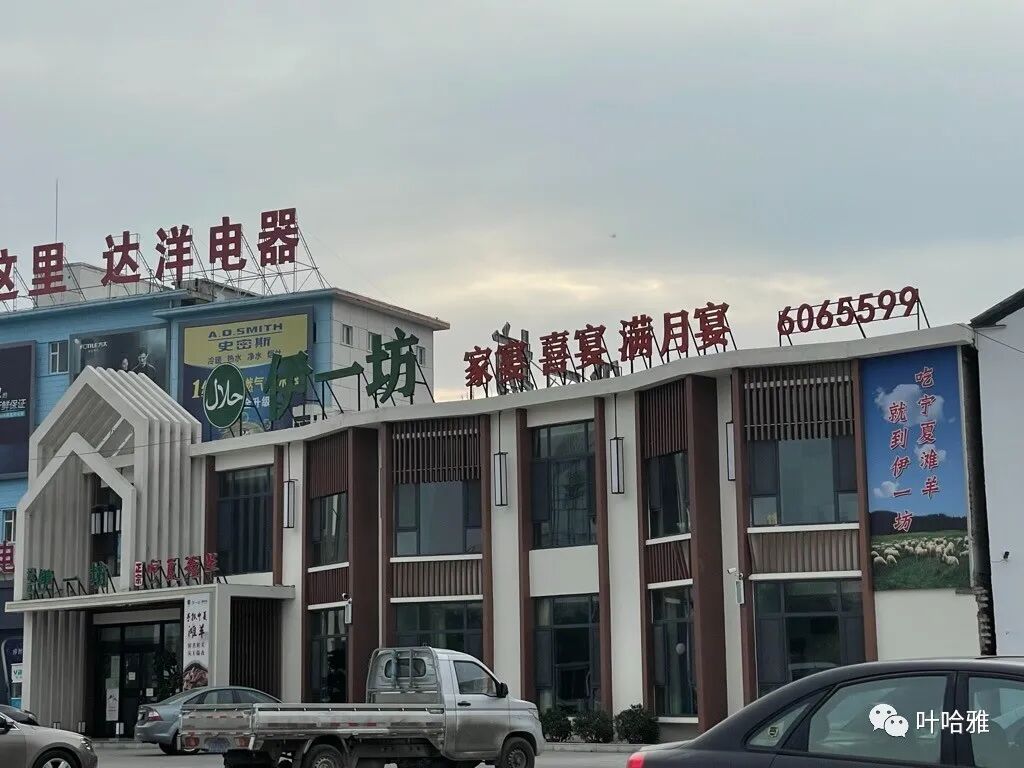
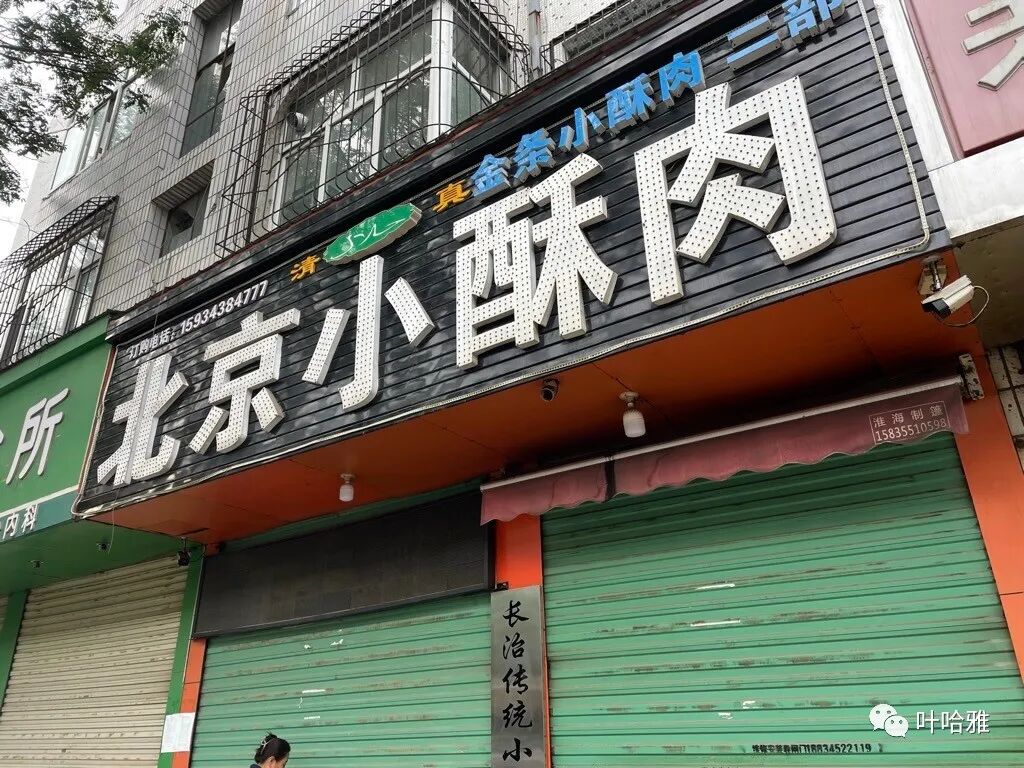
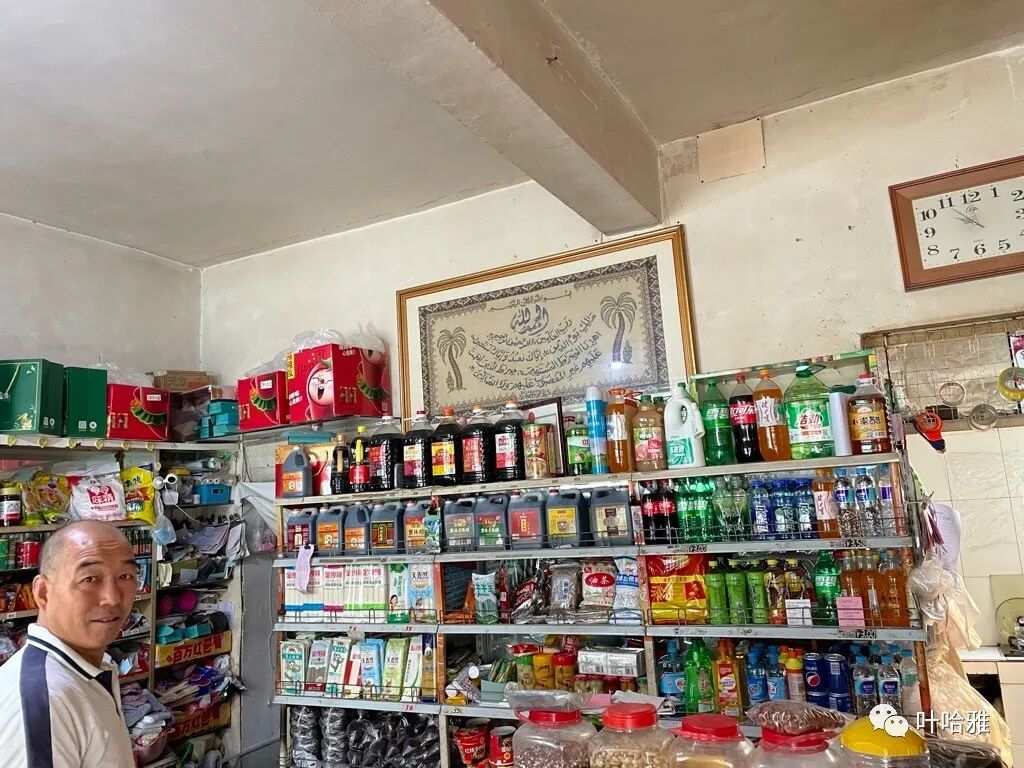
Changzhi has local specialties, but they are not halal. Local Hui Muslims rarely eat out and usually cook at home. My halal tour of Changzhi relied entirely on local friends (dosti) to lead the way, and I managed to visit seven mosques in just half a day.
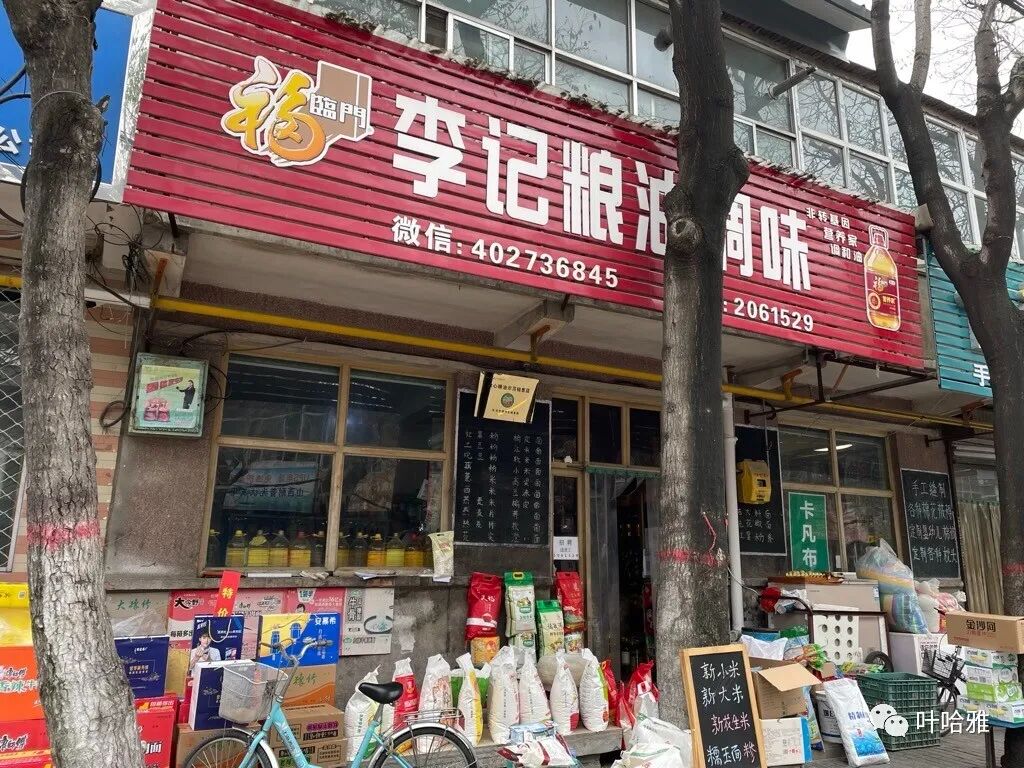
Before we left, the village elders gave us Changzhi aged vinegar (chencu) and millet (xiaomi). These are things I love to eat. The millet is for Fahim’s baby food, and my wife really loves the vinegar—the sourer, the better.
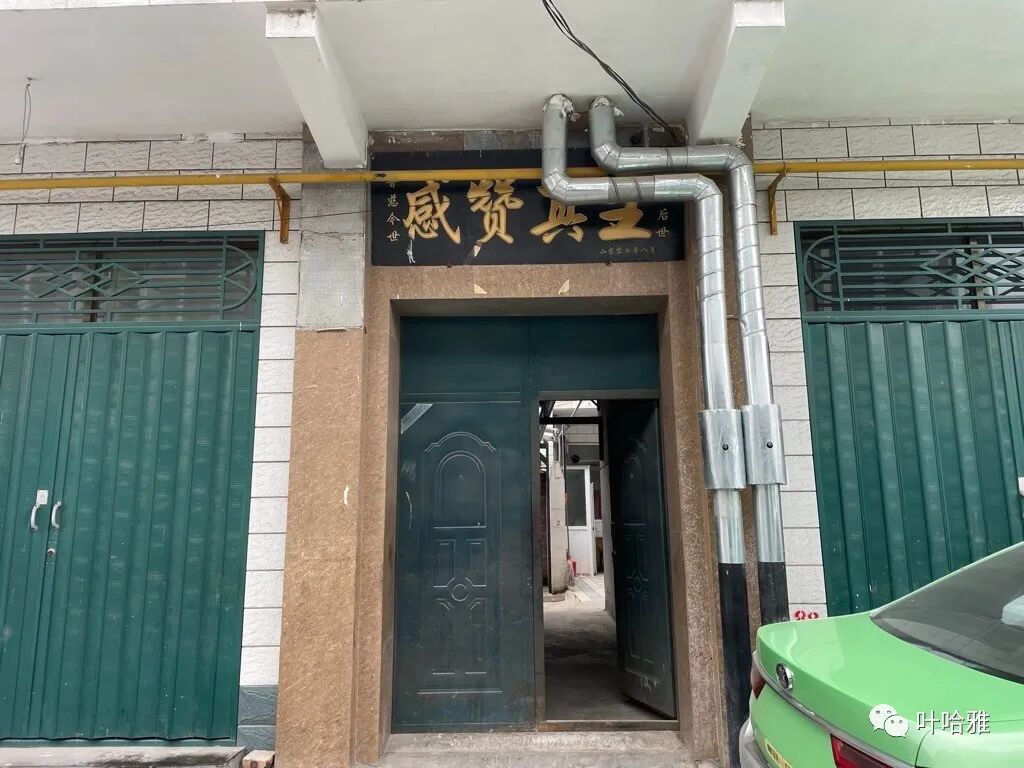
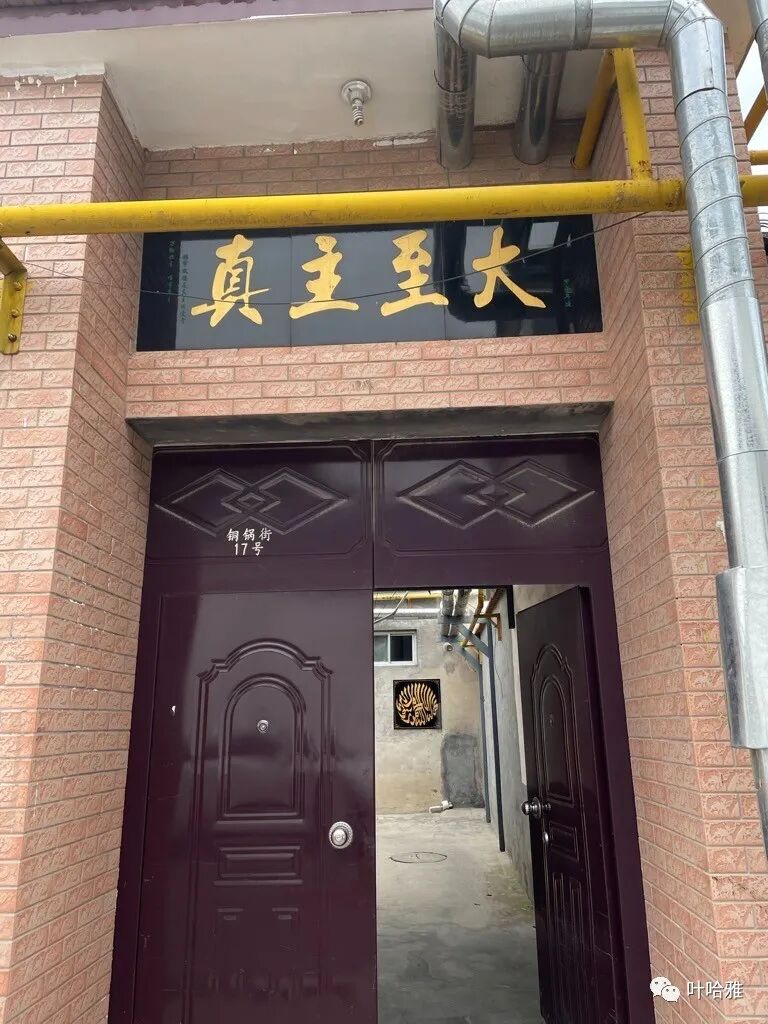
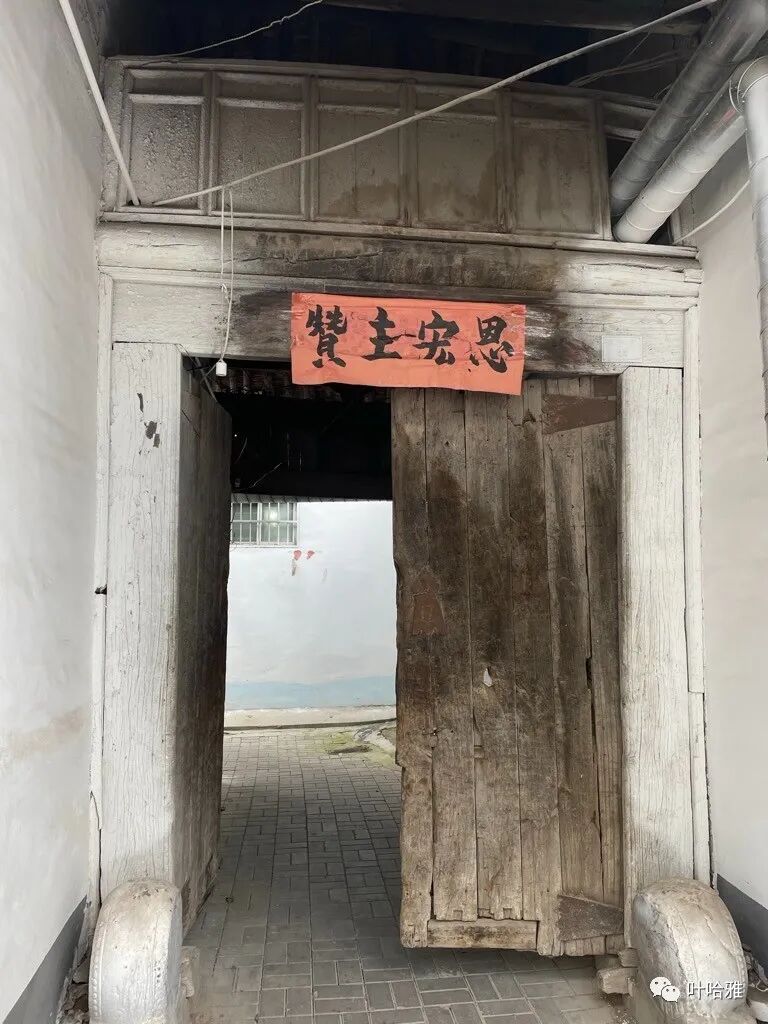
Before leaving, I took a quick photo of a Changzhi family’s doorway on the street, and it made me feel at peace.

Summary: This China mosque travel guide visits Changzhi in Shanxi, covering Hui Muslim history, North Mosque, South Mosque, women’s mosques, local learning traditions, and halal food around Ethnic Square.
A Halal Travel Tour in Changzhi is presented here as a firsthand travel account in clear English, beginning with this scene: Changzhi in Shanxi Province was one of the few Hui Muslim communities in China I had not yet visited. The account keeps its focus on Halal Travel, Yiwu Food, Mosque Travel while preserving the names, places, food, and historical details from the Chinese source.
Changzhi in Shanxi Province was one of the few Hui Muslim communities in China I had not yet visited. Changzhi is very influential, and I felt my life would be incomplete without going there. While on a business trip to Zhengzhou, I took a detour on my way back to Beijing and drove to Changzhi for a one-day stay.
Changzhi Lakeside Cultural and Tourism Service Center
We stayed at the Lakeside Cultural and Tourism Service Center by Zhangze Reservoir. It was much better than I expected. It opened last year and offers five-star service and surroundings. The only downside is that it is far from the city center, taking half an hour to drive there. I wanted my wife to take our son for a walk by the lake to enjoy the view, so to save time, I drove to the city's mosques by myself early in the morning.
If you choose to stay near Ethnic Square in the Luzhou District of Changzhi, dining will be more convenient, as most of Changzhi's halal food is concentrated there.
Before coming to Changzhi, I asked many local elders about the local specialties. The answers were all similar: the halal food in Changzhi tastes more like Henan cuisine. The only local specialties are stir-fried flatbread (chaobing) and buckwheat noodles (heluo mian). You cannot find a halal version of the famous Shanxi knife-cut noodles (daoxiao mian) in Changzhi at all. However, those who know Changzhi understand that people do not come here for the food. It is the learning atmosphere that attracts friends (dosti) from all over to visit.
The history of Hui Muslims in Changzhi began around the Ming Dynasty, when soldiers from Nanjing settled here. It has been over 600 years since then. There are currently more than 30,000 Hui Muslims in the Changzhi area, and 90% of them are descendants of Cheng De and Ma Zhao from Nanjing.
There are 22 existing mosques in Changzhi, not counting the women's mosques, as almost every mosque has a corresponding one for women.
The first mosque in Changzhi is the North Mosque (Qingzhen Beisi). It was built during the Ming Dynasty, and the stone tablets inside date back to the Yongle period of the Ming Dynasty.
North Mosque (Qingzhen Beisi)
The minaret (minbai lou) of the North Mosque
Two stories high
Stone tablet inscription from the Yongle era.
Soon after, the South Mosque (Qingzhen Nansi) was built nearby, also dating back to the Ming Dynasty.
South Mosque (Qingzhen Nansi)
The Central Mosque (Qingzhen Zhongsi) was first built in 1928. In 1938, the Changzhi National Salvation Association was founded here, making a great contribution to the War of Resistance Against Japan. The mosque was rebuilt in 1999.
Central Mosque (Qingzhen Zhongsi)
Legend says the Central Mosque was built due to sectarian disputes. Today, Changzhi has long moved past these biases. Everyone follows their own chosen school of Islamic law in peace. Ethnic unity and the relationship between Hui Muslims and Han people are harmonious, which has earned praise from the local government.
The West Mosque (Qingzhen Xisi) was built in 1944. These four mosques were all constructed before the founding of the People's Republic of China. New mosques built after the founding of the country include:
Southwest City Mosque, Luze Mosque, Jianhua Mosque, Southwest Gate Mosque, Wuyi Road Mosque, West Gate Mosque, Wuzhen Road Mosque, Beidong Mosque, Changbei Mosque, Donghe Mosque, Baodian Mosque, Dabaotou Mosque, Railway Station Mosque, Guancun Mosque, Huangyechi Mosque, Huanan Mosque, Qinyuan County Mosque, and Zhangzi Mosque.
Huanan Mosque
Wuyi Road Mosque
Southwest City Mosque
Luze Mosque
Not long ago, Imam Ma Aimin of the Dongsi Mosque in Beijing passed away. I attended his funeral at Niujie. I remember last year, a few of us sat in his office at the Dongsi Mosque drinking tea and chatting. His kind face and gentle, honest smile stay in my mind. Imam Ma Aimin was from Changzhi, and that day, vehicles from a mosque in Changzhi drove through the night to Beijing to attend his funeral.
President Yang Faming of the Islamic Association of China attended the funeral.
The first meal we had in Changzhi was steamed dumplings (zhengjiao) at Detaiyong. A friend (dosti) from Zhengzhou highly recommended it. I thought it was a local specialty, but later, local elders in Changzhi told me the family is actually from Tianjin, and these steamed dumplings are a Tianjin specialty.
Since modern times, the number of Muslim surnames in Changzhi has grown every year, and those who settled here for business brought halal food from all over. halal restaurants in Changzhi do not sell alcohol, so you can eat there with peace of mind.
The steamed dumpling shop has been in Changzhi for over thirty years, so it is fair to say it has become localized.
Our second meal in Changzhi was at this sesame flatbread (shaobing) shop right at the entrance of the Middle Mosque (Zhongsi). These savory and sweet flatbreads baked over coal fires cost one yuan each. They are a Henan-style flatbread that I have loved since I was a child, especially when they are fresh out of the oven and still hot to the touch—they are delicious. However, this kind of flatbread is hard to find now. Big cities do not allow coal fires, so many foods cannot be made with their original flavor.
Early in the morning, I walked around the neighborhood of the Middle Mosque and took photos of some unique halal restaurants. It was still early, so none were open. We planned to leave for Beijing before noon to arrive before dark. Fahim is only eight months old and needs to sleep when it gets dark, so he could not travel at night with me. Because of this, I missed the chance to taste more of Changzhi's many delicacies.
The term 'laowaijia' here does not refer to foreigners; it means the family of a nephew.
Changzhi has local specialties, but they are not halal. Local Hui Muslims rarely eat out and usually cook at home. My halal tour of Changzhi relied entirely on local friends (dosti) to lead the way, and I managed to visit seven mosques in just half a day.
Before we left, the village elders gave us Changzhi aged vinegar (chencu) and millet (xiaomi). These are things I love to eat. The millet is for Fahim’s baby food, and my wife really loves the vinegar—the sourer, the better.
Before leaving, I took a quick photo of a Changzhi family’s doorway on the street, and it made me feel at peace.
