

Muslim Travel China
Best Halal Food Hangzhou 2025: Phoenix Mosque Snacks, Northwest Food, Middle Eastern Cuisine and Hui Heritage
Articles • yusuf908 posted the article • 0 comments • 254 views • 2026-05-24 00:17
Summary: This 2025 Hangzhou halal food map follows the author's trip through Phoenix Halal Snacks, Northwest Family, Maizhou Yilongxuan, Silk Road Flames, Kosto Middle Eastern Cuisine, Pin Hui Wei, Phoenix Mosque, the tomb of Buhetiya'er, and Hangzhou Hui Muslim heritage.
I have been to Hangzhou many times. This time, I came to this popular city as one of the top 50 insurance social media influencers to receive an award. This city in the Jiangnan region left a great impression on me. The citizens are polite, the women speak in a pleasant tone, and drivers actively yield to pedestrians. Ten years ago, I only experienced this abroad. Hangzhou was the first city in China to implement a "cars yield to pedestrians" policy. As early as 2010, Hangzhou included this in traffic regulations for mandatory enforcement, with violators facing a 3-point deduction and a 100 yuan fine.
Ten years ago, as a pedestrian in Hangzhou, I naturally felt this measure was great. However, after listening to a few Hangzhou drivers complain, I realized that forced compliance is not ideal. Drivers feel that some pedestrians, protected by traffic rules, cross the street recklessly, looking down at their phones and walking slowly, leaving drivers frustrated but unable to speak up. In fact, the improvement of character should come from within. When vehicles yield to pedestrians out of politeness, pedestrians should also show gratitude. This is a natural civilized behavior. When it becomes forced, it may look like a quick improvement in character on the surface, but it is not voluntary and instead breeds resentment. Once there is no supervision, things will immediately return to the way they were.
I rented a car in Hangzhou this time and drove for three days. Experiencing Hangzhou traffic from a driver's perspective, I feel that the road rules in Hangzhou are more complex than in Beijing. It is hard to gauge the limits for yielding to pedestrians and using a phone while driving. I expect to receive a ticket in a couple of days.
1. Phoenix Halal Snacks (Fenghuang Qingzhen Xiaochi)
This shop used to be called "Halal Snacks" and is now called Phoenix Halal Snacks. They have been operating in Hangzhou for at least 10 years. The location is right at the back door of Phoenix Mosque (Fenghuang Si). The owner is a local Hui Muslim from Hangzhou, and according to the elders at the mosque, he is very devout. The shop prohibits smoking and alcohol. They mainly serve various Jiangnan-style snacks and some Northwest Chinese food, as most of the staff are from the Northwest and the waitresses wear headscarves.
They have started making hand-pulled noodles (lamian) again. Some of the photos were taken by me previously.
Hangzhou beef pan-fried buns (niurou jianbao) are quite large with thick skins, unlike the smaller ones found in Henan and Shandong.
I recommend trying the beef steamed dumplings (niurou zhengjiao), which are made more delicately than the pan-fried buns.
The clay pot dishes (shaguo) come in many flavors and taste good.
The beef vermicelli soup (niurou fensi tang) is quite similar to the version in Nanjing.
Lamb steamed dumplings (yangrou shaomai) are my favorite snack at this shop. They have a nice shape and the meat is tender; the lamb is likely sourced from the Northwest.
2. Northwest Family (Xibei Renjia)
If you want authentic halal Hangzhou-style food, I recommend Northwest Family (Xibei Renjia) by West Lake. Even though the owners are from the Northwest, the restaurant opened in Hangzhou in 1992. After more than thirty years, they are well-established here, and their Hangzhou-style dishes are truly delicious.
West Lake vinegar fish (xihu chuyu) is a famous Hangzhou dish. It is a real blessing to find a halal version right by West Lake.
West Lake beef soup (xihu niurou geng) is a must-order Hangzhou dish. I have had it in Beijing restaurants since I was a kid, but it tastes thicker here in Hangzhou.
Poached chicken (baizhanji) is a common dish in the south. Southern chicken tastes better than northern chicken.
Shrimp with fruit (shuiguo xiaren)
3. Maizhou Yilongxuan
This is a Northeast-style restaurant run by Hui Muslims from Qiqihar. I asked and found out they are related to the restaurant Gulanxuan, but Gulanxuan has already closed down.
This restaurant is located in the Xihu District. Their old branch in the Higher Education Park has closed.
The roasted lamb hooves (kao yangti) are great. Northeast-style barbecue never lets me down.
Chive pockets (jiucai hezi) are also one of the more popular staple foods here.
Sweet and sour pork (guobaorou) is a famous Northeast dish that almost every Northeast restaurant serves. However, the meat slices here are too thin, so it is not very satisfying to eat.
4. Silk Road Flames, halal barbecue, crawfish, and fusion dishes.
I wanted to eat at a halal Korean restaurant called Pu Liu Liu Korean Food after the awards ceremony, but they close at 8:30 p.m., so we changed our plans and came to this Lanzhou barbecue shop for a late-night snack.
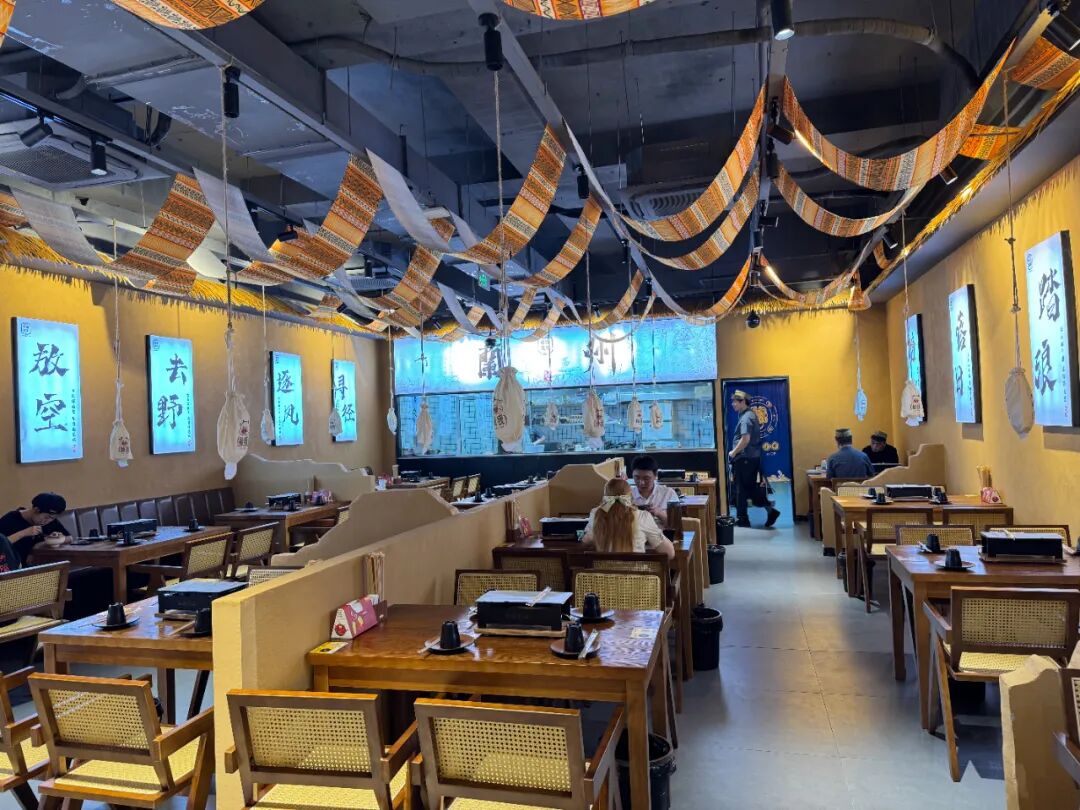
Hangzhou restaurants are really competitive with their designs, and this shop clearly put a lot of effort into its decor.
They serve authentic Lanzhou open-flame barbecue, the kind with small skewers on iron sticks.
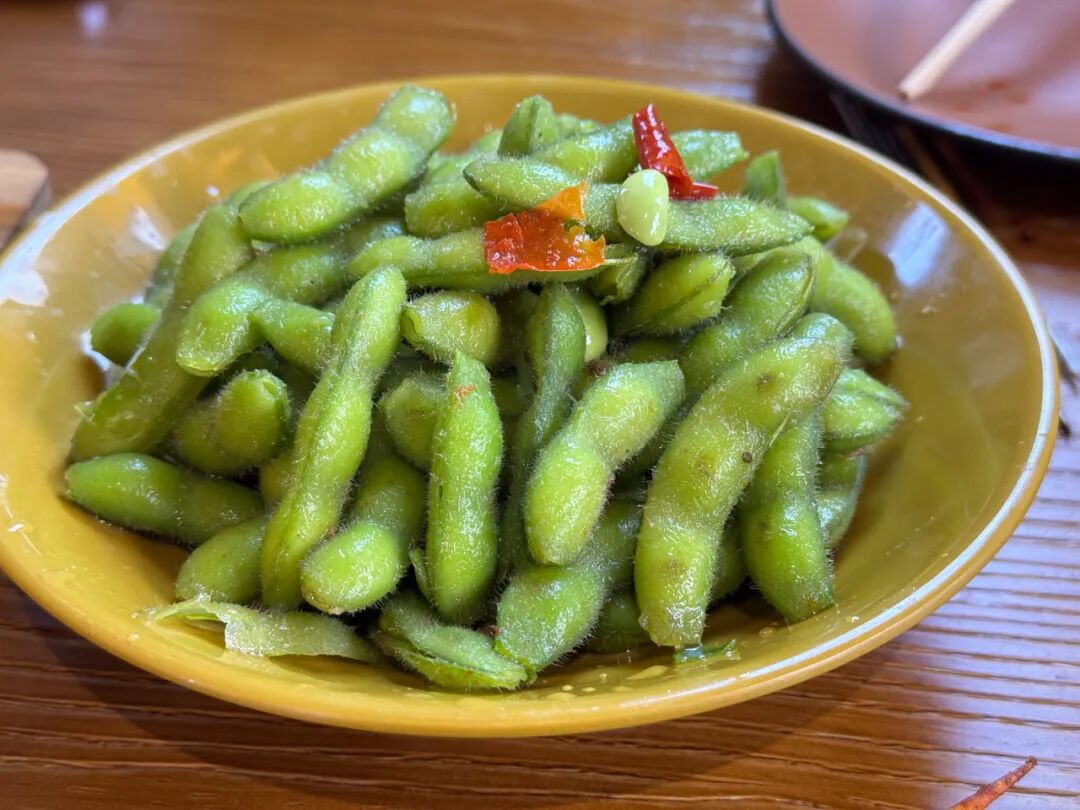
They also blend in local Jiangnan-style crawfish, with garlic, thirteen-spice, and spicy flavors to choose from. The crawfish tasted great and the ingredients were very fresh.
However, the snails still had a very strong muddy, fishy smell.
The roasted lamb chops and apricot skin tea (xingpishui) were both good, and the average cost per person was around 100 yuan.
5. Kosto Middle Eastern Cuisine.
This is a Middle Eastern Arabic restaurant located near Phoenix Mosque (Fenghuang Si), and the environment feels a bit rustic.
The dining area is on the second floor, and there are two tables by the door downstairs, but Hangzhou is quite hot in the summer, so sitting outside isn't cool.
The vegetarian appetizer platter includes falafel, which is a fried food I really like.
They serve mandi roasted chicken with rice. You can find this dish in Beijing too, but the one in Hangzhou is a mini portion.
This is his shop, Kesi Tuo Pizza, and the taste is quite good.
Overall, the food tastes fine. Some people say the prices are a bit high. Our table for two cost three hundred yuan, but we ordered too much. You can actually eat well for one hundred yuan per person.
6. Pin Hui Wei Halal Northwest Cuisine
The most amazing restaurant I ate at during this trip to Hangzhou was Pin Hui Wei. It is truly the top tier of the Hangzhou dining scene.
This is a chain brand in Shanghai and Hangzhou with an investment of tens of millions. They put a lot of thought into every aspect, starting with the design. The design team for Pin Hui Wei comes from the Blackstone Creative Design Studio, and this restaurant has become a signature project for them.
Pin Hui Wei specializes in halal Northwest cuisine and is an alcohol-free restaurant. It is very popular, so you need to wait for a table during peak hours.
Even though the design is unique and clever, the prices are very affordable, with an average cost of under one hundred yuan per person.
The prices at Pin Hui Wei are lower than similar halal restaurants in Beijing, but the food quality is very high.
There is a tandoor oven (nang keng) at the entrance where they bake bread on the spot, which is hard to find in Beijing.
With this freshly baked flatbread (nang) and a cup of tea, you have a full meal.
The Hui Muslim style sweet and sour meat sandwich (suan la jia sha) and the hand-grabbed lamb (shou zhua yang rou) are both delicious. The texture of this hand-grabbed lamb is just as good as what I ate in Dongxiang, and this portion costs 108 yuan.
Pin Hui Wei has many branches in Hangzhou and Shanghai. I went to the largest one, the Intime (Yintai) store, which has a parking lot at the entrance.
7. Phoenix Mosque (Fenghuang Si)
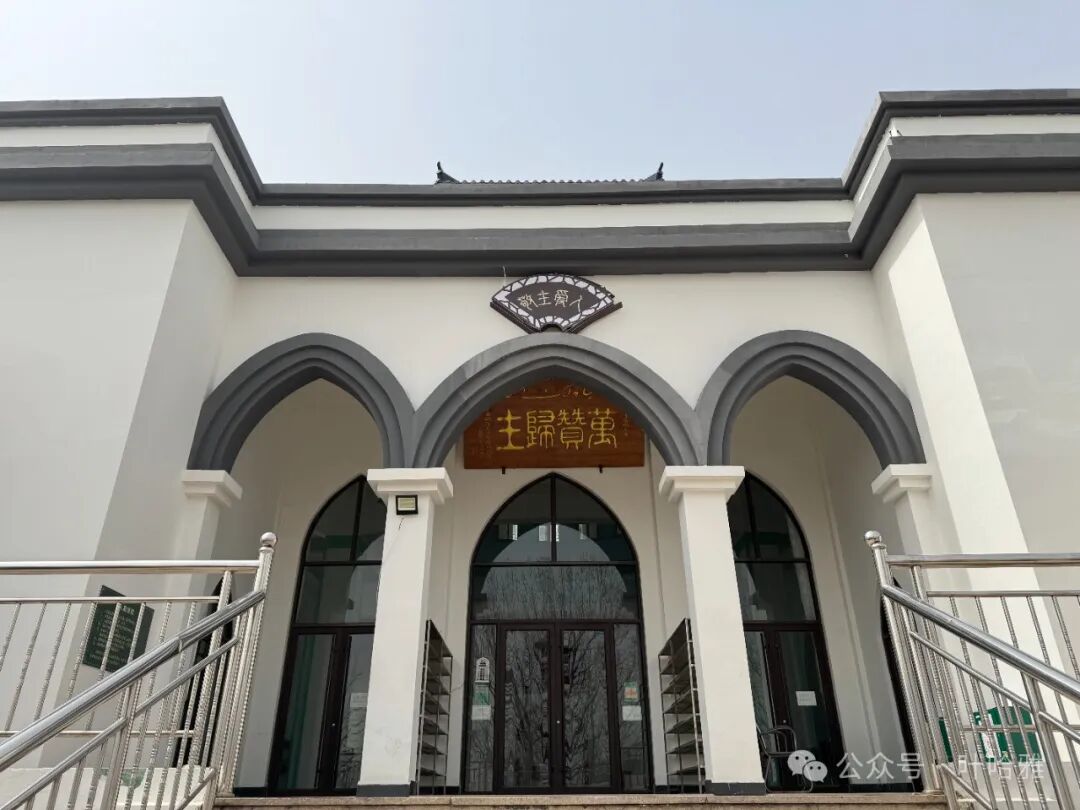
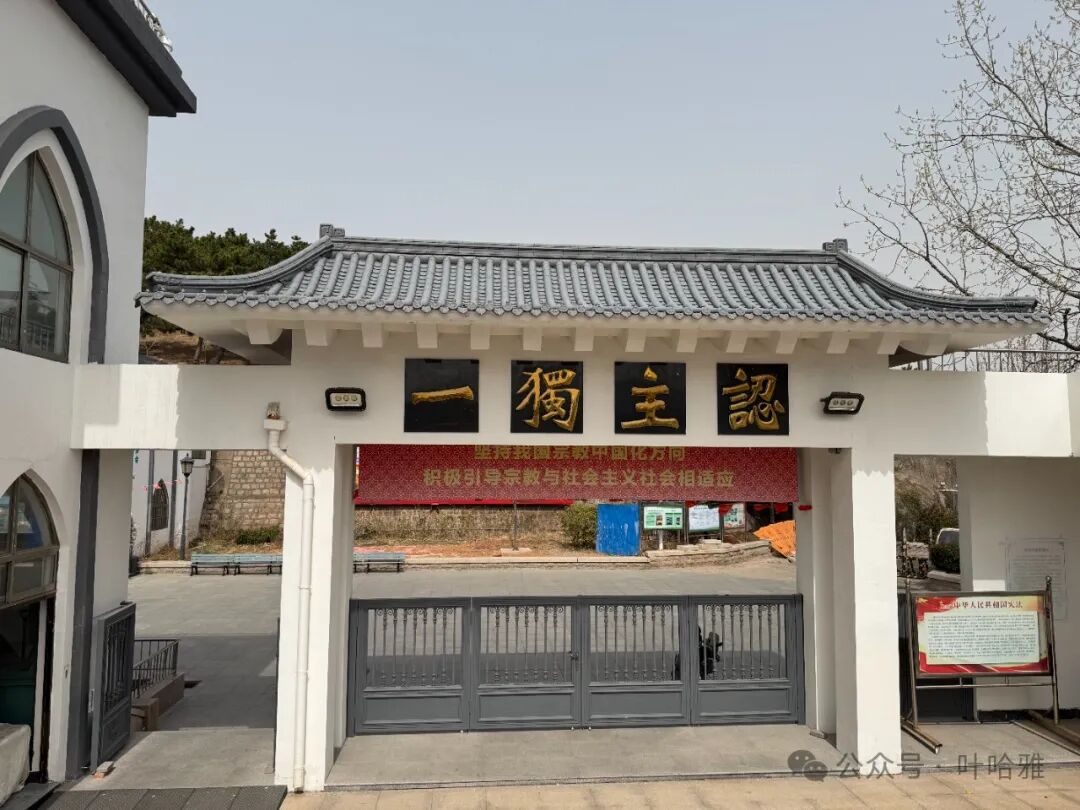
Phoenix Mosque is in a great spot. It is the first historic building at the north end of Hangzhou's famous Southern Song Imperial Street (Nansong Yujie). Hangzhou currently has two mosques. The other one is the newly built Hangzhou Mosque, located on East Canal Road in Jianggan District. To the northeast of Phoenix Mosque, there was historically another mosque called the Hui Muslim Prayer Hall (Huihui Baifotang). It was originally located next to the Hui Muslim New Bridge (Huihui Xinqiao). The mosque has been torn down, and only the name of the bridge remains.
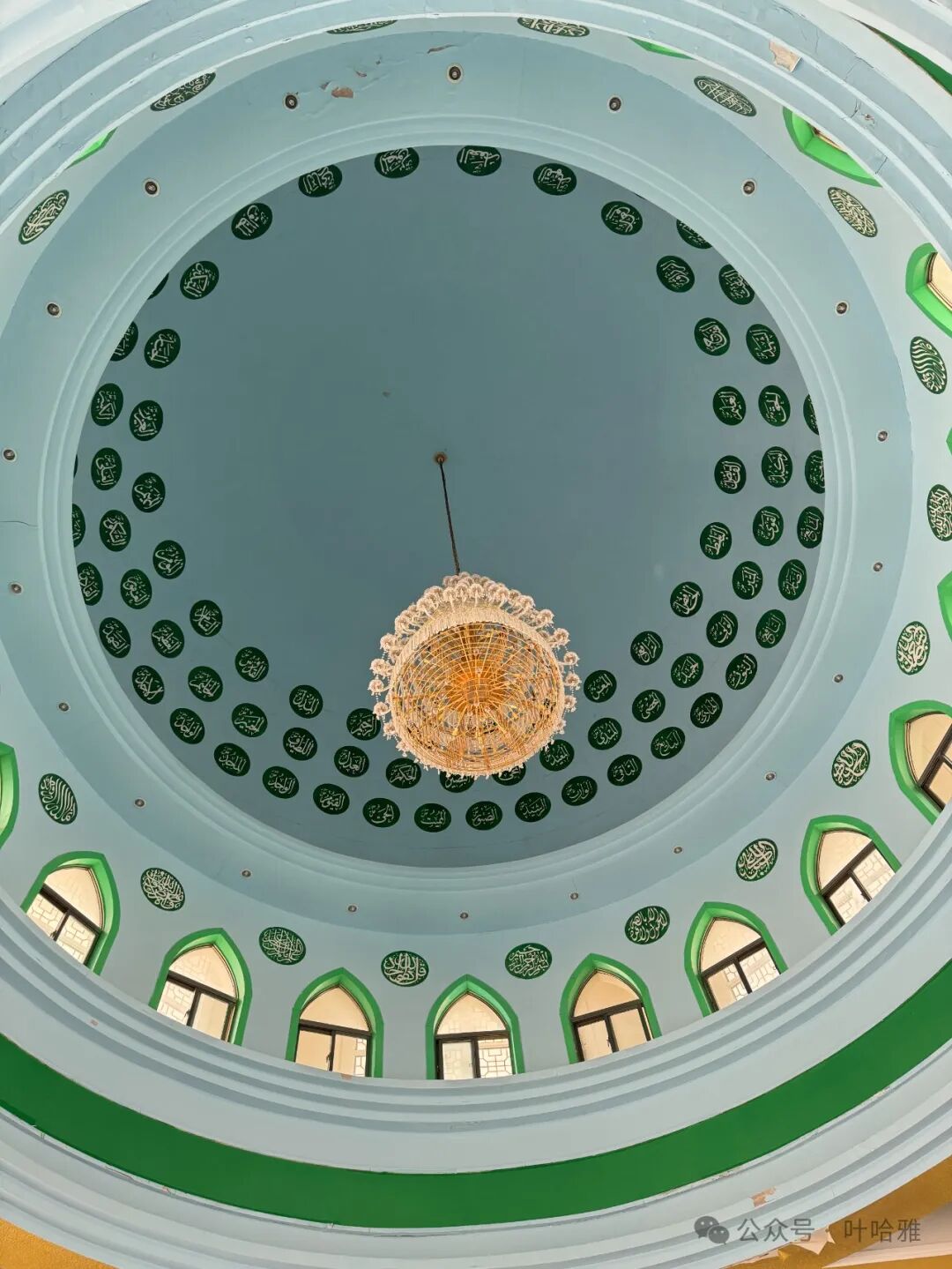
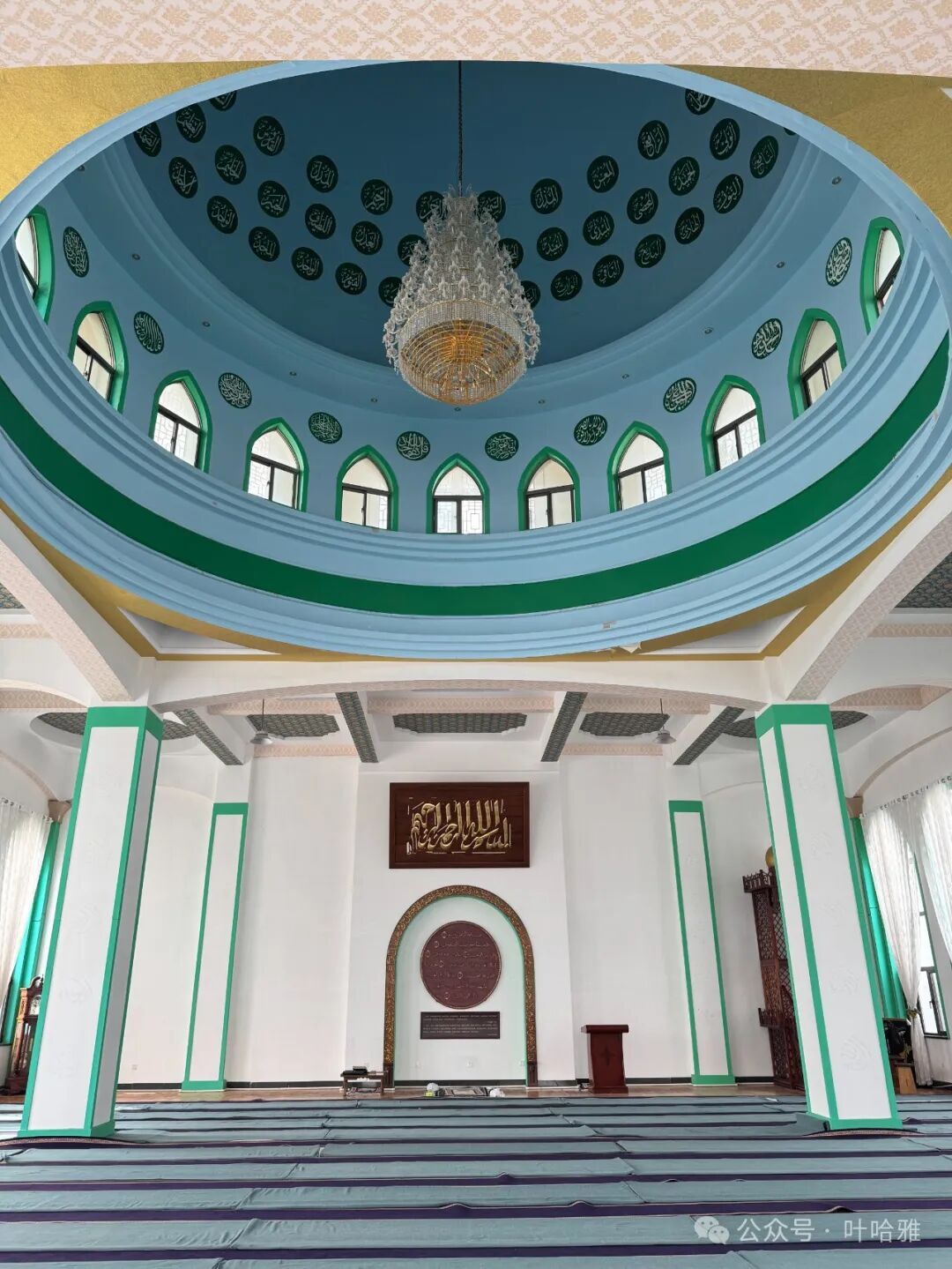
The rear main hall is the highlight of Phoenix Mosque. It dates back to the Yuan Dynasty and was built using the beamless hall (wuliangdian) technique, which also features West Asian architectural styles.
Phoenix Mosque is currently closed to tourists. It is also closed for Friday congregational prayer (Jumu'ah), as everyone is directed to the new Hangzhou Mosque for prayers. Jumu'ah starts at 1:00 PM, so travelers visiting Hangzhou should keep this time in mind. The new mosque is currently under renovation and is not open. For now, prayers are only held at a temporary prayer site in Haifu Building.
8. Tomb of the Arabian Sage Buhetiya'er
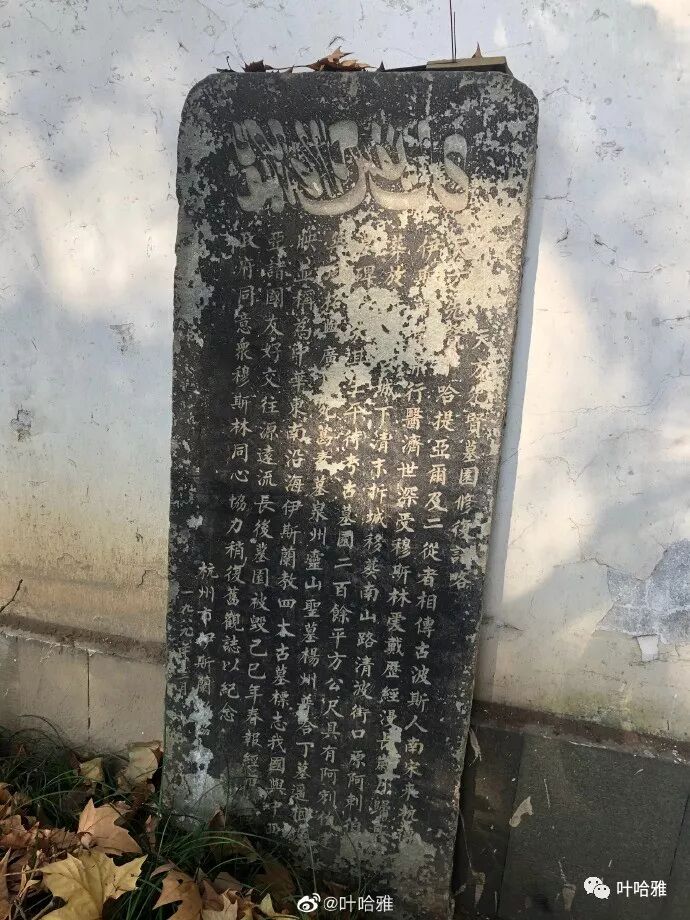
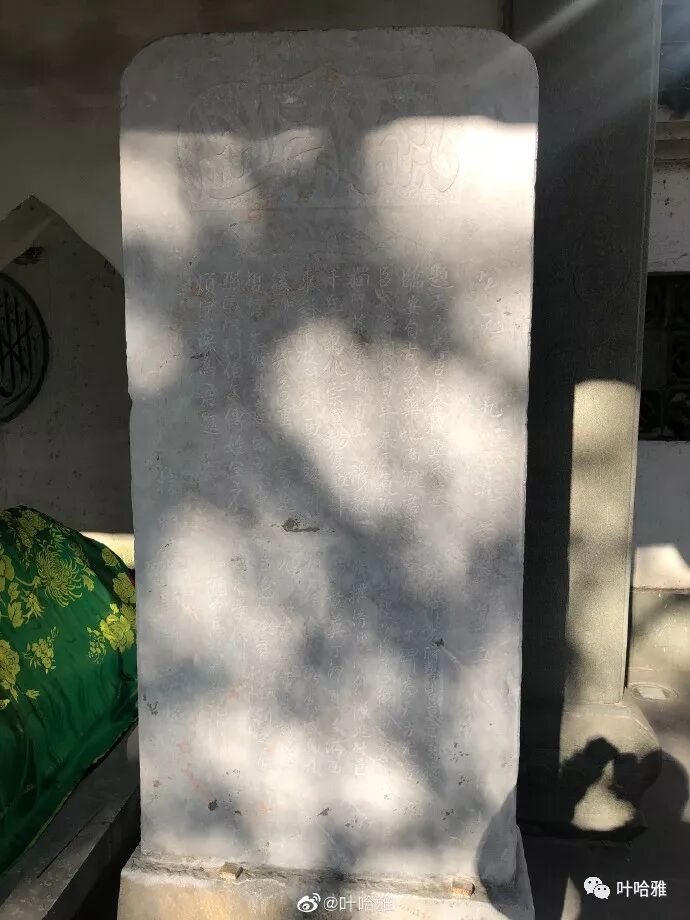
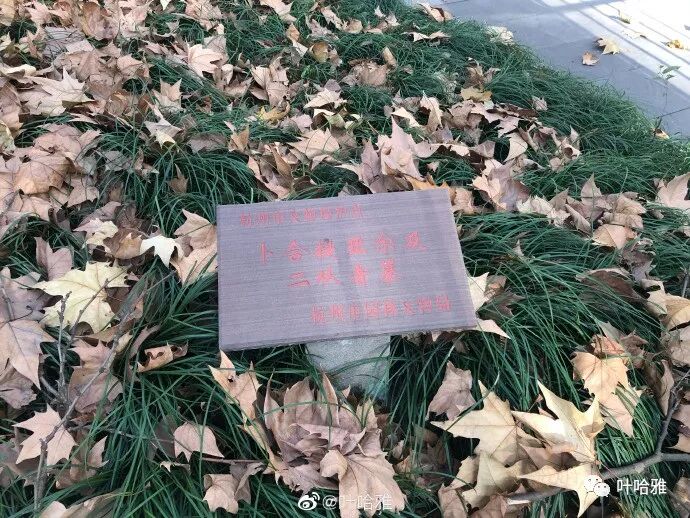
There are two ancient tombs near West Lake in Hangzhou. One belongs to a Persian man named Buhetiya'er. He came to China during the Southern Song Dynasty to practice medicine and preach. He passed away here, and his two attendants are buried with him.
Buhetiya'er, whose full name was Emir Buhetiya'er Sailuoniya Naluonike, passed away in 1329 (the second year of the Tianli era of the Yuan Dynasty). He was from Bukhara, which is in modern-day Uzbekistan. His epitaph records that his family served as officials for generations and held a prominent status.
The tomb is usually closed, but there is a contact number on the gate. The caretaker lives nearby and will come over to open the gate quickly, even though he is not a Hui Muslim.
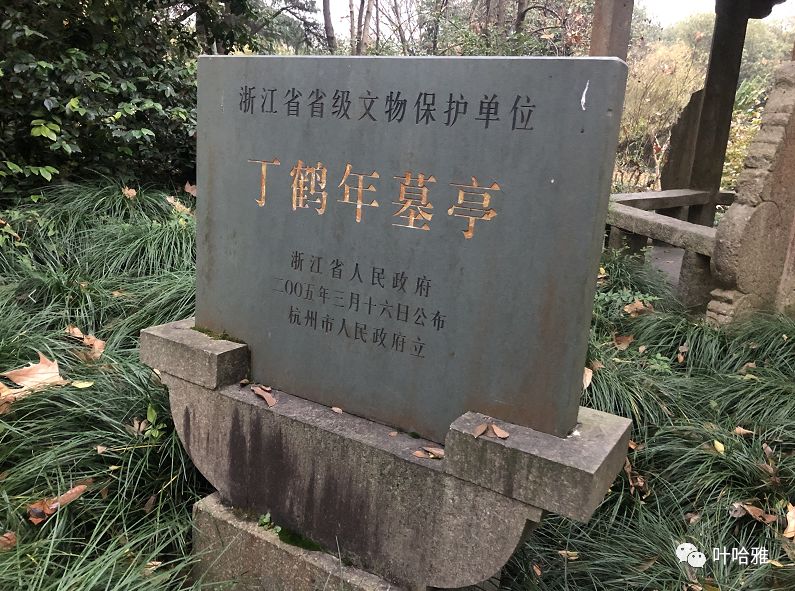
9. Ding Henian Tomb Pavilion
Near West Lake is another ancient tomb of a Hui Muslim, the tomb of Ding Henian. Ding Henian (1335-1424) was a famous Hui Muslim poet during the Yuan Dynasty and the founder of the Henian Tang pharmacy in Beijing. Henian Tang was established between 1405 and 1408, making it over two hundred years older than Tong Ren Tang and even older than the Forbidden City and the Temple of Heaven.
Ding Henian came from a very wealthy family that served as officials for generations. His father was a darughachi in Wuchang. The Ding family once spent a huge fortune to support the Yuan Emperor, so they were entrusted with important responsibilities. Ding Henian settled in Hangzhou in his later years to study Islamic law until he returned to Allah at the age of 89.
Henian Tang is located at Caishikou in Beijing, which was the site of ancient executions. Legend has it that during the Ming and Qing dynasties, families of some prisoners would bribe the executioner before the sentence was carried out. They asked him to stuff a steamed bun (mantou) into the neck cavity of the deceased when the head fell to prevent blood from splashing and the soul from lingering. This is likely the origin of the human blood bun mentioned by Lu Xun. Henian Tang originally provided these buns, but they were not meant for eating. Later, rumors spread that the blood-soaked buns could cure illnesses, and people began fighting over them. Henian Tang also provided funds to bury prisoners who had no family, acting as a charity.
When I was a child, I heard another legend about Henian Tang from the elders. Someone knocked on the door in the middle of the night asking for medicine for knife wounds. The next day, the shop assistant realized the money he received was spirit money and that he had seen a ghost the night before. Because of this, old Beijingers have a saying: 'Going to Henian Tang to ask for knife wound medicine—death is at the door.' If you look at this from an Islamic perspective, the assistant might not have seen a ghost, but possibly a jinn. view all
Summary: This 2025 Hangzhou halal food map follows the author's trip through Phoenix Halal Snacks, Northwest Family, Maizhou Yilongxuan, Silk Road Flames, Kosto Middle Eastern Cuisine, Pin Hui Wei, Phoenix Mosque, the tomb of Buhetiya'er, and Hangzhou Hui Muslim heritage.
I have been to Hangzhou many times. This time, I came to this popular city as one of the top 50 insurance social media influencers to receive an award. This city in the Jiangnan region left a great impression on me. The citizens are polite, the women speak in a pleasant tone, and drivers actively yield to pedestrians. Ten years ago, I only experienced this abroad. Hangzhou was the first city in China to implement a "cars yield to pedestrians" policy. As early as 2010, Hangzhou included this in traffic regulations for mandatory enforcement, with violators facing a 3-point deduction and a 100 yuan fine.
Ten years ago, as a pedestrian in Hangzhou, I naturally felt this measure was great. However, after listening to a few Hangzhou drivers complain, I realized that forced compliance is not ideal. Drivers feel that some pedestrians, protected by traffic rules, cross the street recklessly, looking down at their phones and walking slowly, leaving drivers frustrated but unable to speak up. In fact, the improvement of character should come from within. When vehicles yield to pedestrians out of politeness, pedestrians should also show gratitude. This is a natural civilized behavior. When it becomes forced, it may look like a quick improvement in character on the surface, but it is not voluntary and instead breeds resentment. Once there is no supervision, things will immediately return to the way they were.
I rented a car in Hangzhou this time and drove for three days. Experiencing Hangzhou traffic from a driver's perspective, I feel that the road rules in Hangzhou are more complex than in Beijing. It is hard to gauge the limits for yielding to pedestrians and using a phone while driving. I expect to receive a ticket in a couple of days.
1. Phoenix Halal Snacks (Fenghuang Qingzhen Xiaochi)
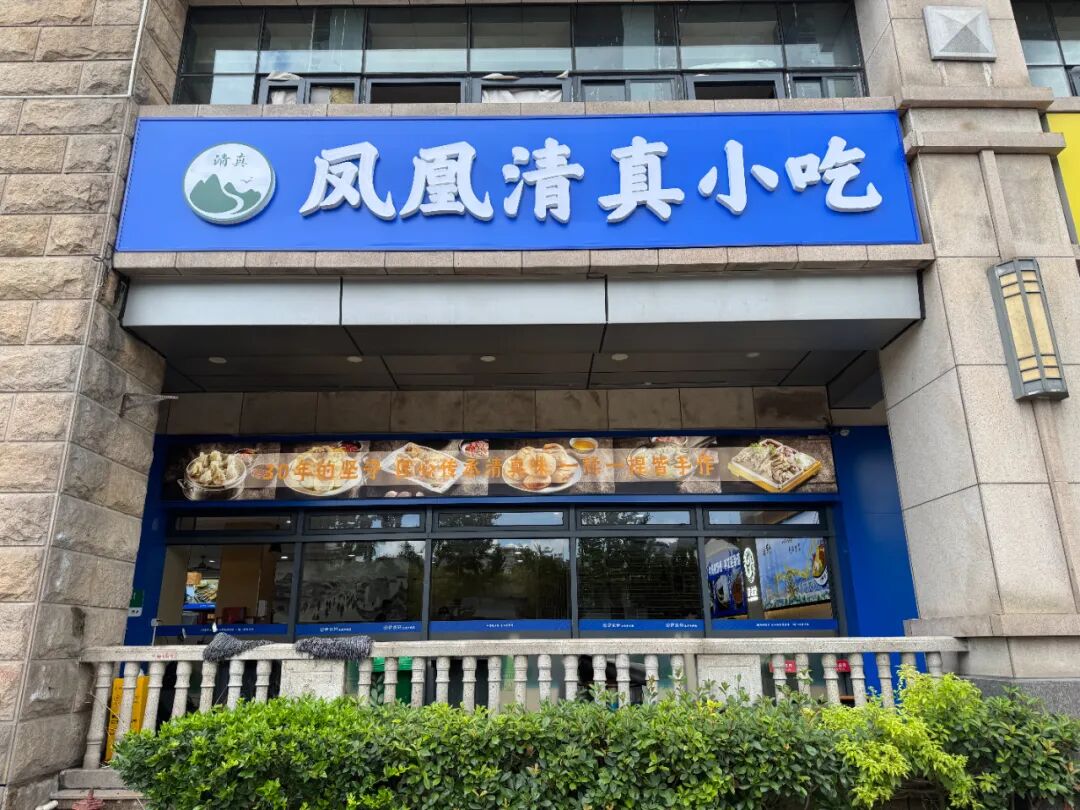
This shop used to be called "Halal Snacks" and is now called Phoenix Halal Snacks. They have been operating in Hangzhou for at least 10 years. The location is right at the back door of Phoenix Mosque (Fenghuang Si). The owner is a local Hui Muslim from Hangzhou, and according to the elders at the mosque, he is very devout. The shop prohibits smoking and alcohol. They mainly serve various Jiangnan-style snacks and some Northwest Chinese food, as most of the staff are from the Northwest and the waitresses wear headscarves.
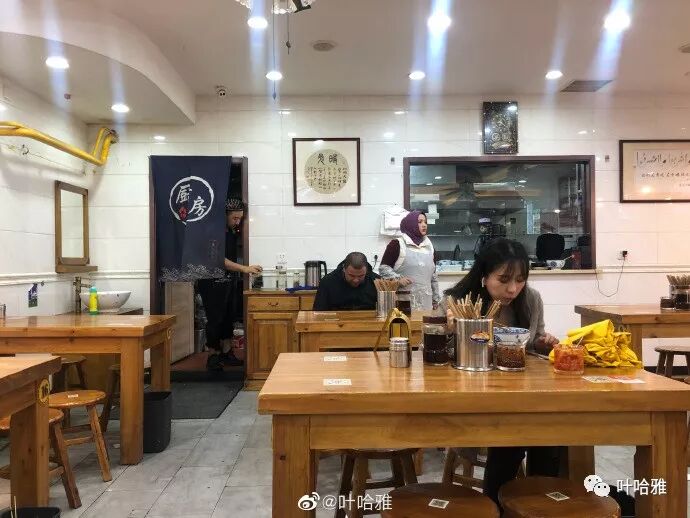
They have started making hand-pulled noodles (lamian) again. Some of the photos were taken by me previously.
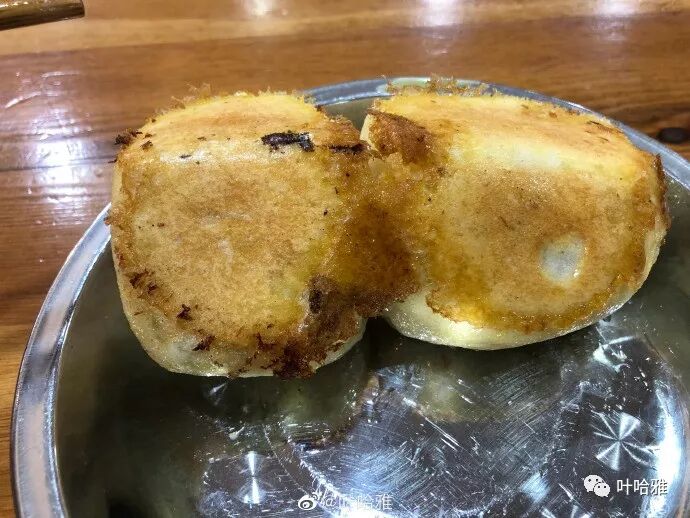
Hangzhou beef pan-fried buns (niurou jianbao) are quite large with thick skins, unlike the smaller ones found in Henan and Shandong.
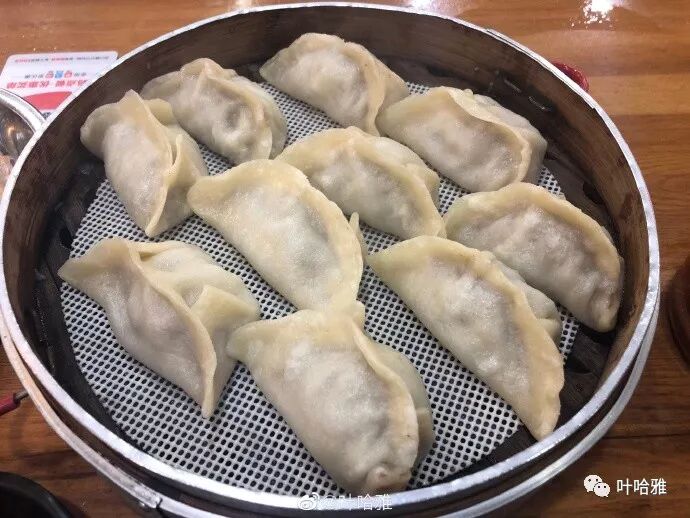
I recommend trying the beef steamed dumplings (niurou zhengjiao), which are made more delicately than the pan-fried buns.
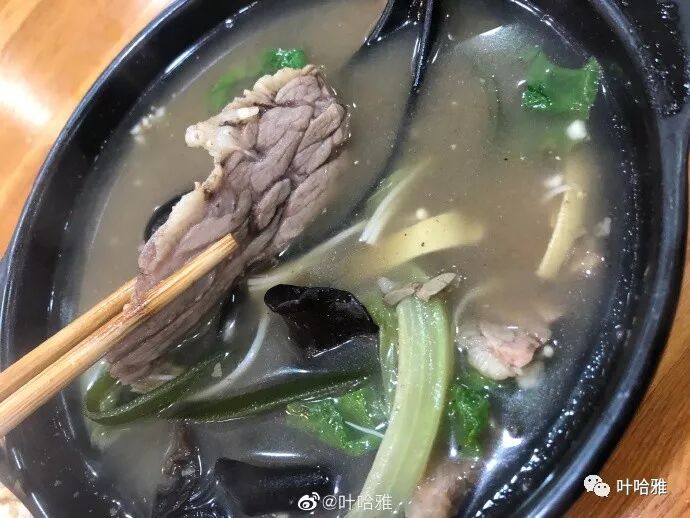
The clay pot dishes (shaguo) come in many flavors and taste good.
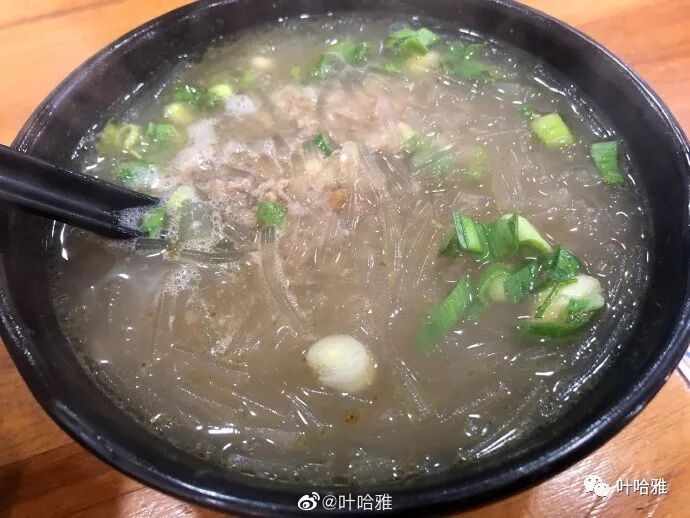
The beef vermicelli soup (niurou fensi tang) is quite similar to the version in Nanjing.
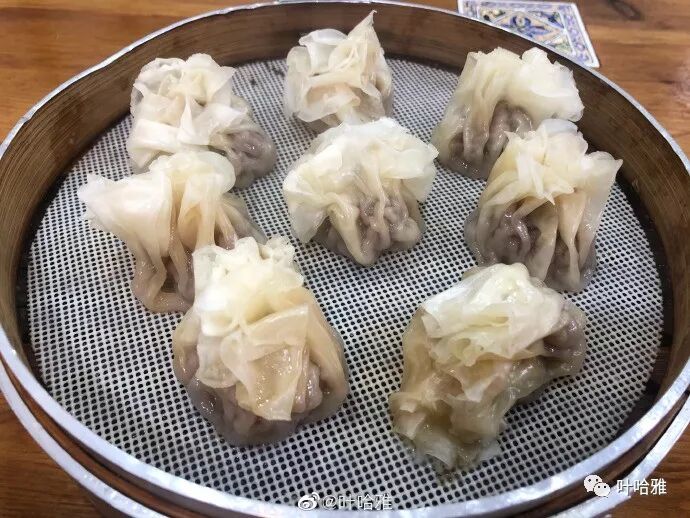
Lamb steamed dumplings (yangrou shaomai) are my favorite snack at this shop. They have a nice shape and the meat is tender; the lamb is likely sourced from the Northwest.
2. Northwest Family (Xibei Renjia)
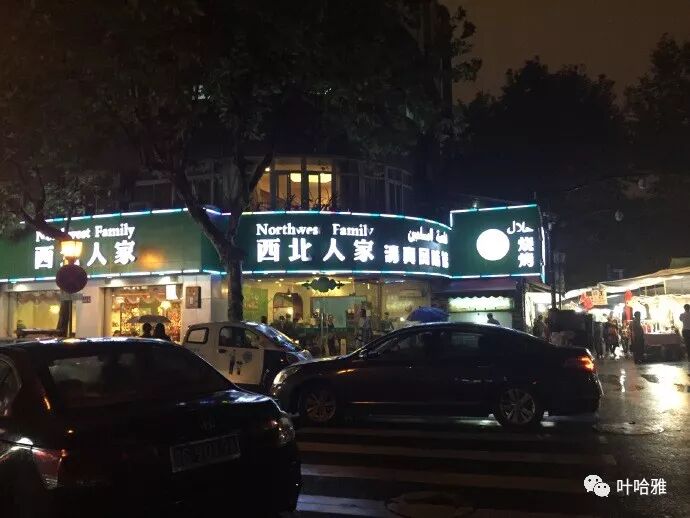
If you want authentic halal Hangzhou-style food, I recommend Northwest Family (Xibei Renjia) by West Lake. Even though the owners are from the Northwest, the restaurant opened in Hangzhou in 1992. After more than thirty years, they are well-established here, and their Hangzhou-style dishes are truly delicious.
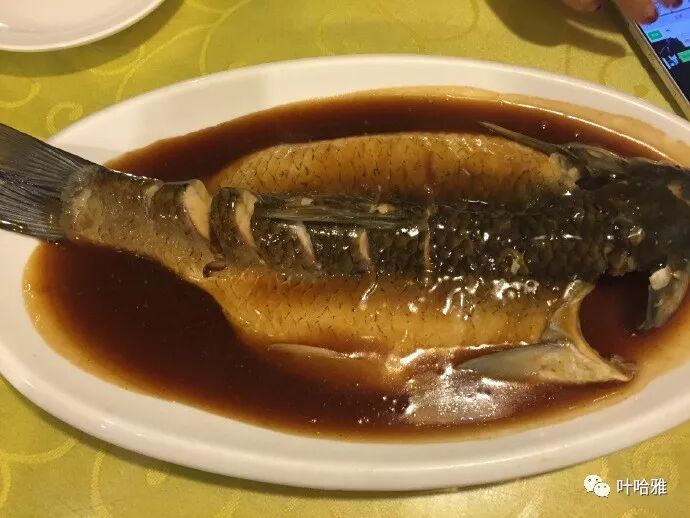
West Lake vinegar fish (xihu chuyu) is a famous Hangzhou dish. It is a real blessing to find a halal version right by West Lake.
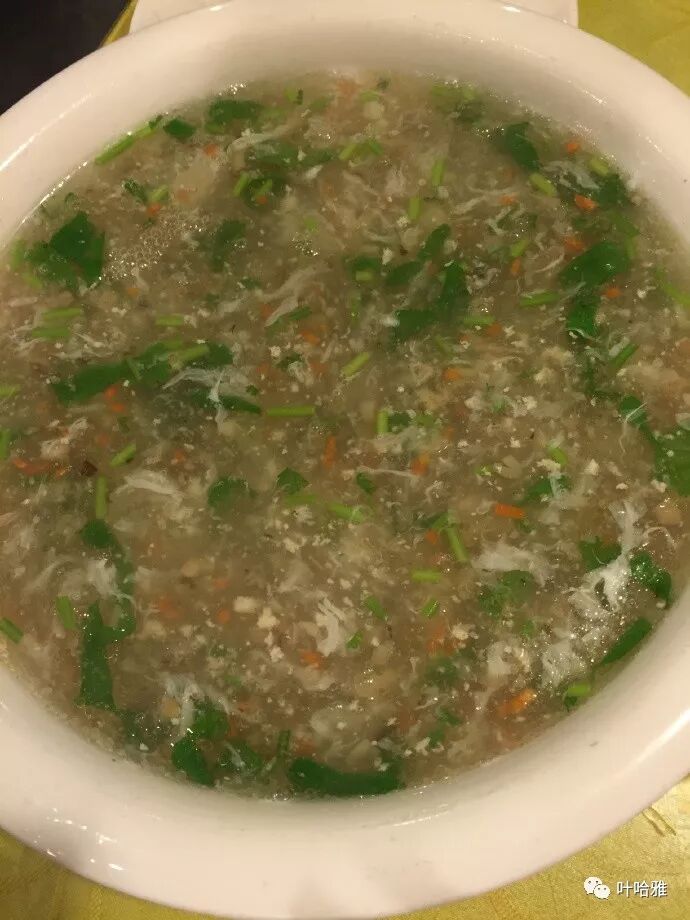
West Lake beef soup (xihu niurou geng) is a must-order Hangzhou dish. I have had it in Beijing restaurants since I was a kid, but it tastes thicker here in Hangzhou.
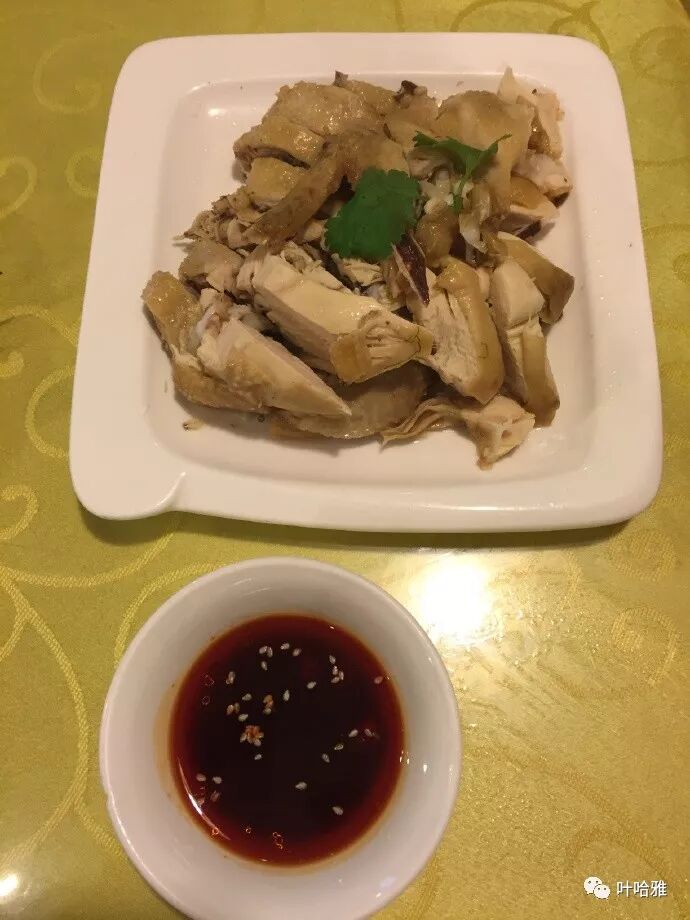
Poached chicken (baizhanji) is a common dish in the south. Southern chicken tastes better than northern chicken.
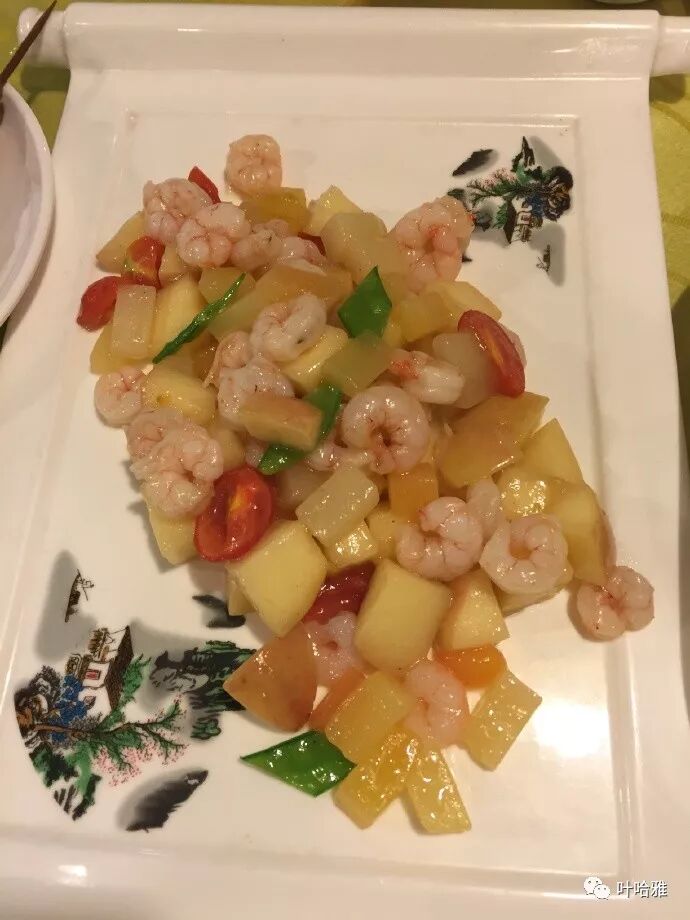
Shrimp with fruit (shuiguo xiaren)
3. Maizhou Yilongxuan
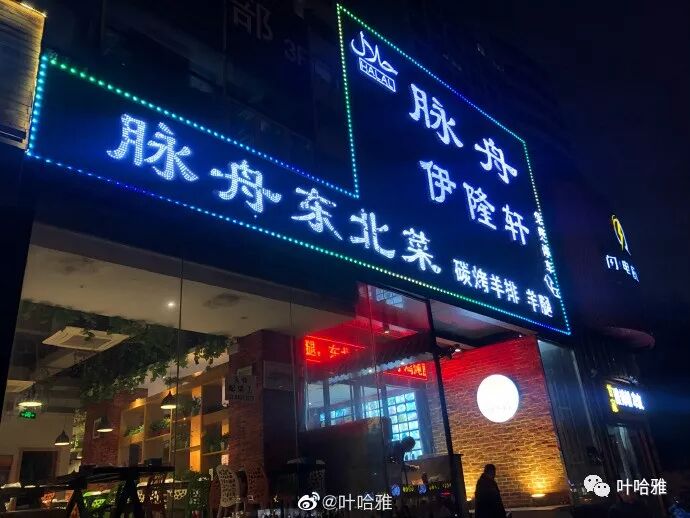
This is a Northeast-style restaurant run by Hui Muslims from Qiqihar. I asked and found out they are related to the restaurant Gulanxuan, but Gulanxuan has already closed down.
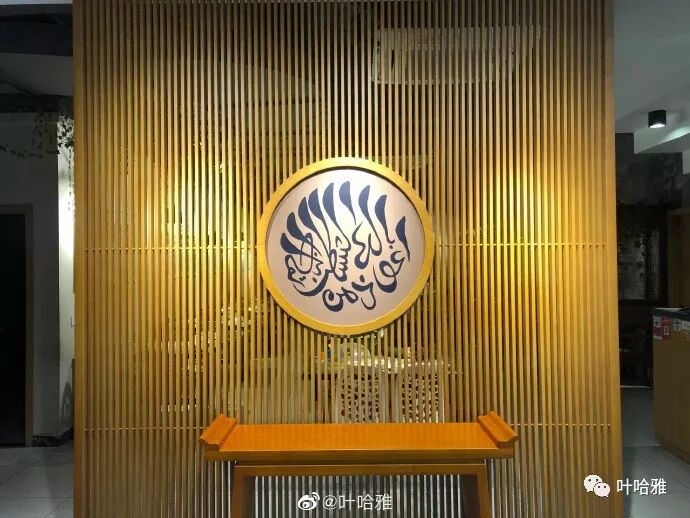
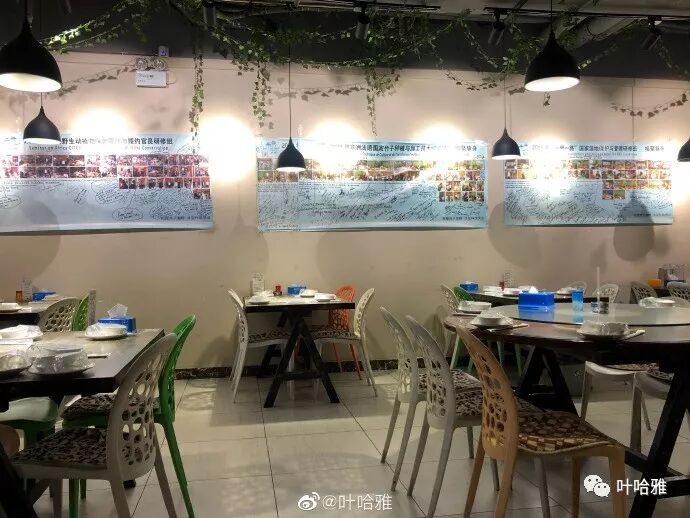
This restaurant is located in the Xihu District. Their old branch in the Higher Education Park has closed.
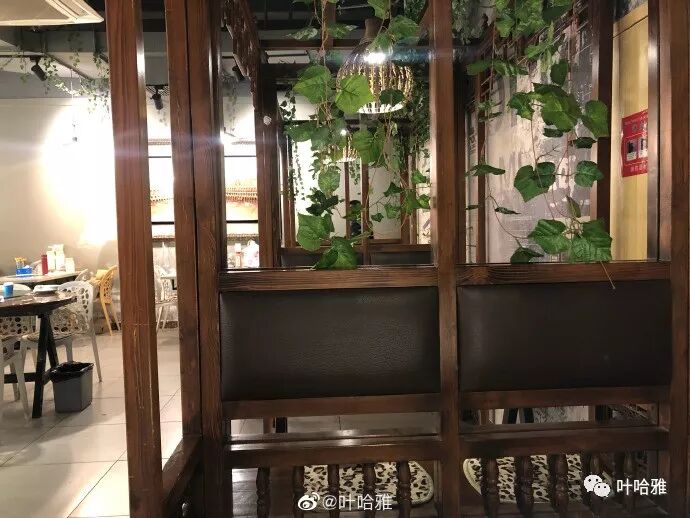
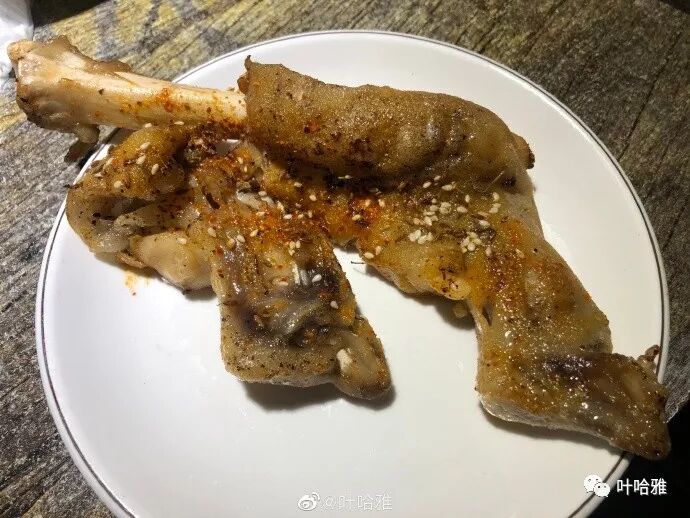
The roasted lamb hooves (kao yangti) are great. Northeast-style barbecue never lets me down.
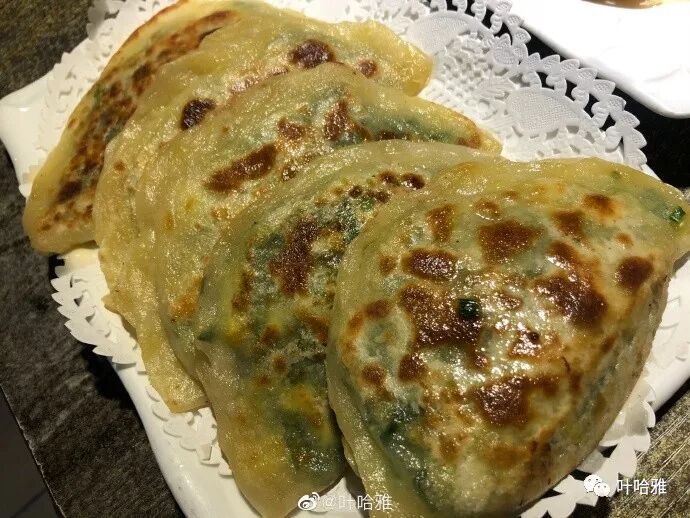
Chive pockets (jiucai hezi) are also one of the more popular staple foods here.
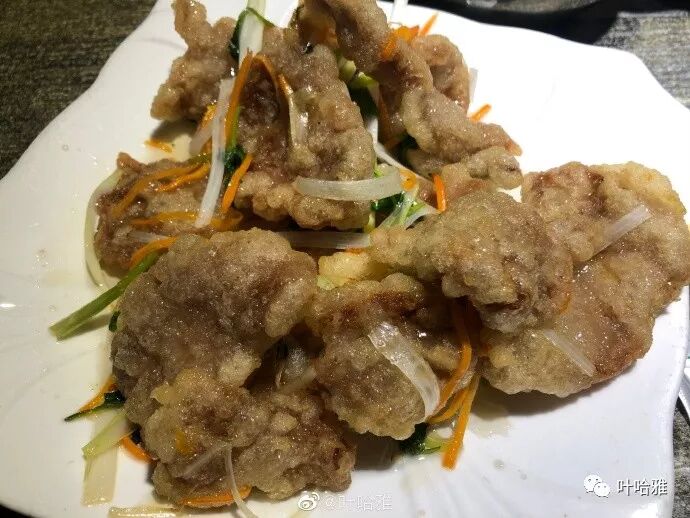
Sweet and sour pork (guobaorou) is a famous Northeast dish that almost every Northeast restaurant serves. However, the meat slices here are too thin, so it is not very satisfying to eat.
4. Silk Road Flames, halal barbecue, crawfish, and fusion dishes.
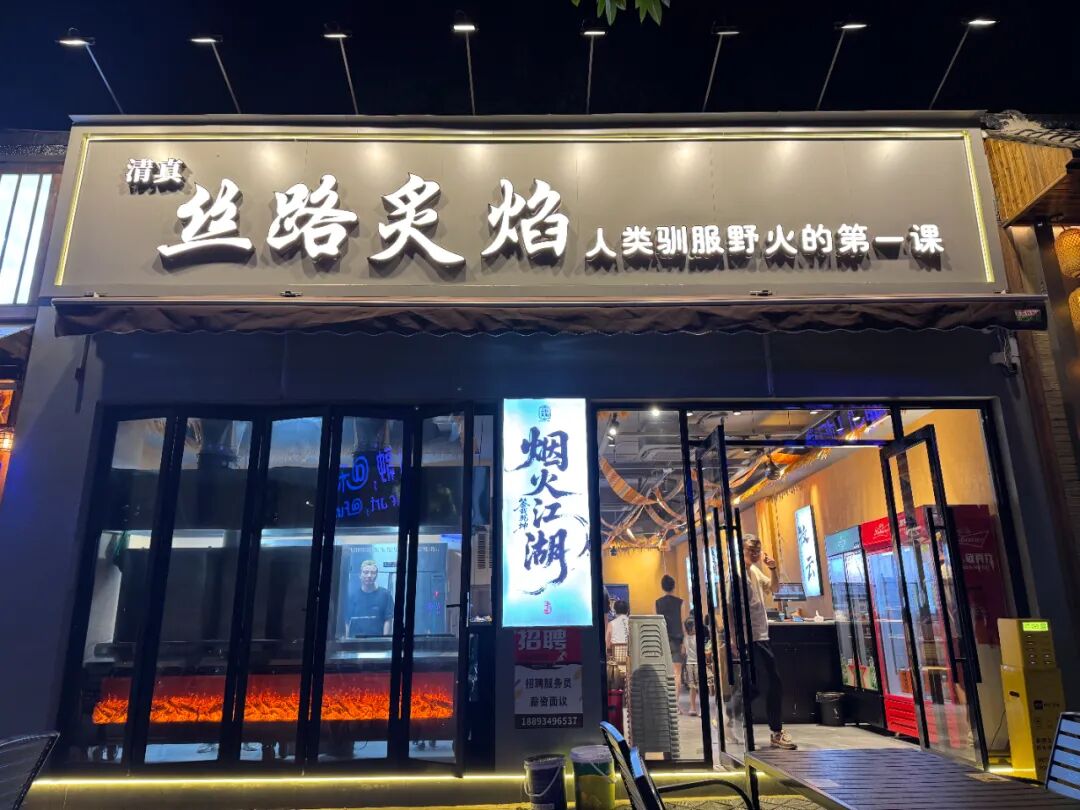
I wanted to eat at a halal Korean restaurant called Pu Liu Liu Korean Food after the awards ceremony, but they close at 8:30 p.m., so we changed our plans and came to this Lanzhou barbecue shop for a late-night snack.
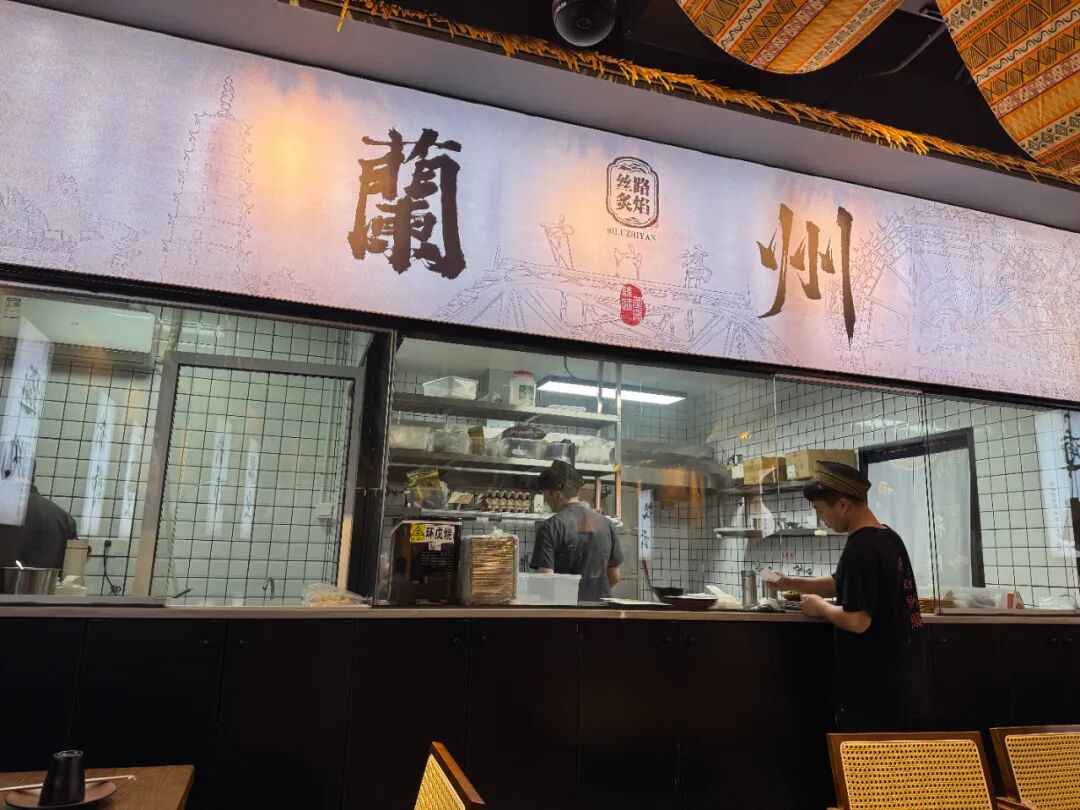
Hangzhou restaurants are really competitive with their designs, and this shop clearly put a lot of effort into its decor.
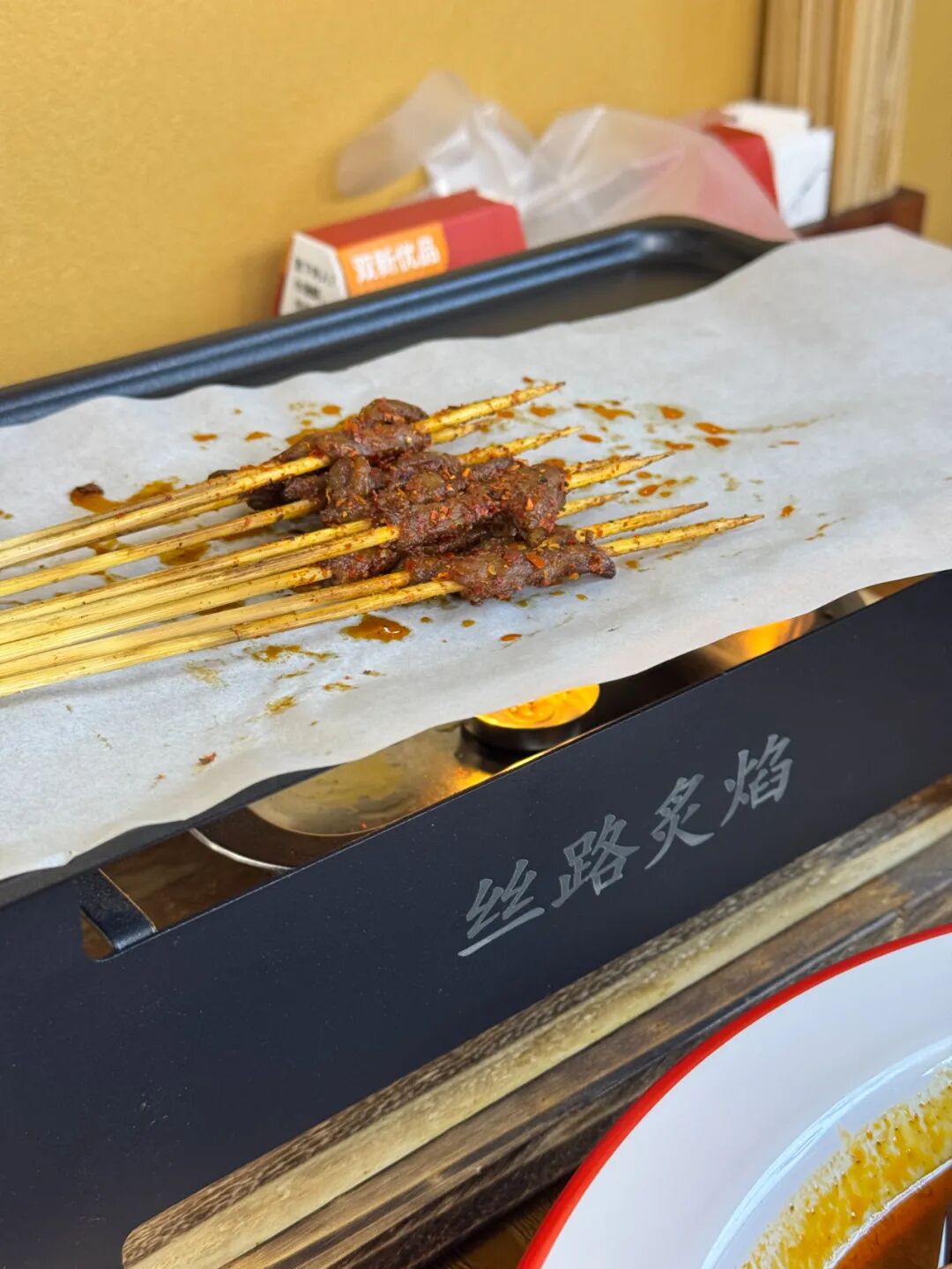
They serve authentic Lanzhou open-flame barbecue, the kind with small skewers on iron sticks.
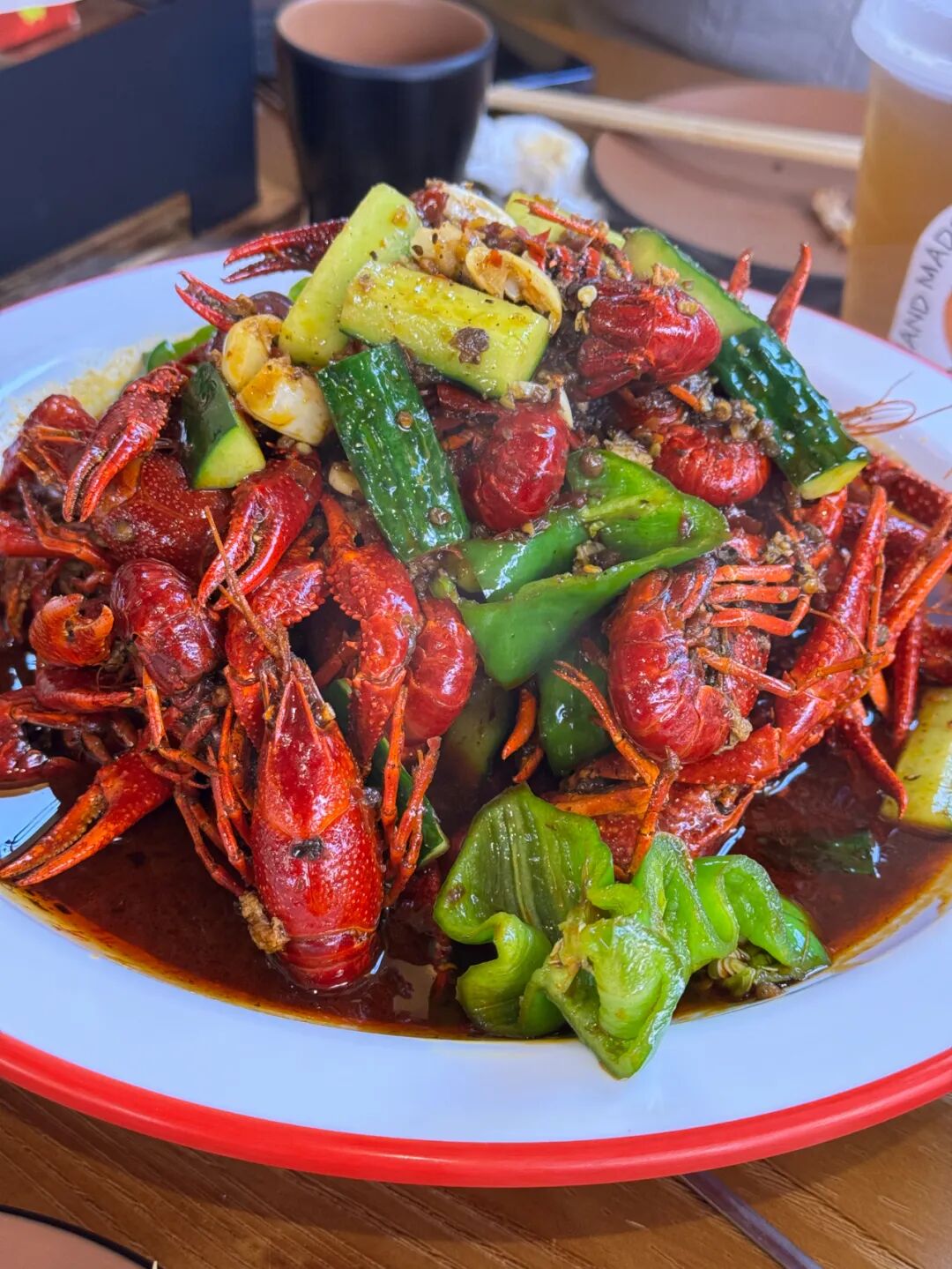
They also blend in local Jiangnan-style crawfish, with garlic, thirteen-spice, and spicy flavors to choose from. The crawfish tasted great and the ingredients were very fresh.
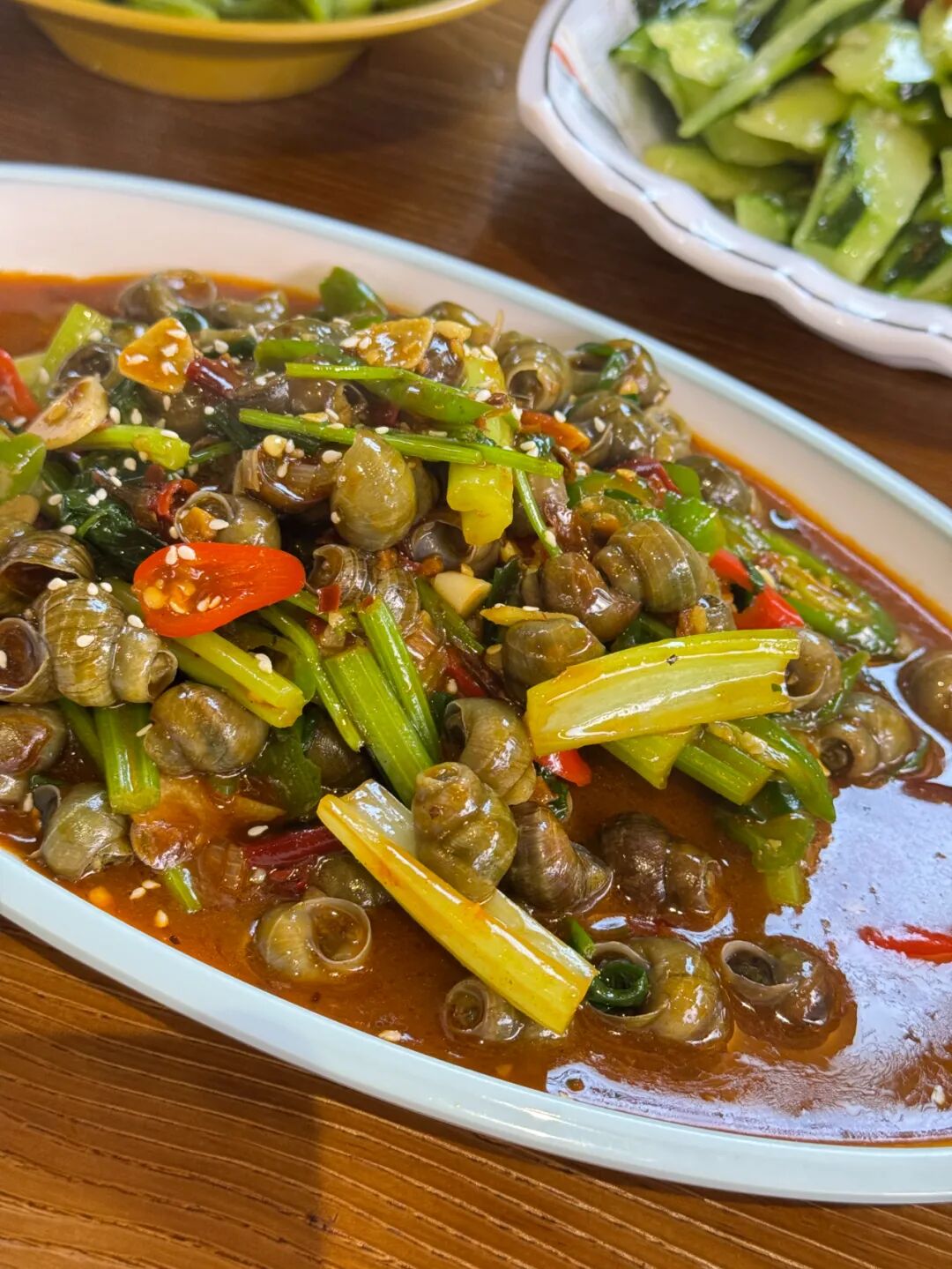
However, the snails still had a very strong muddy, fishy smell.
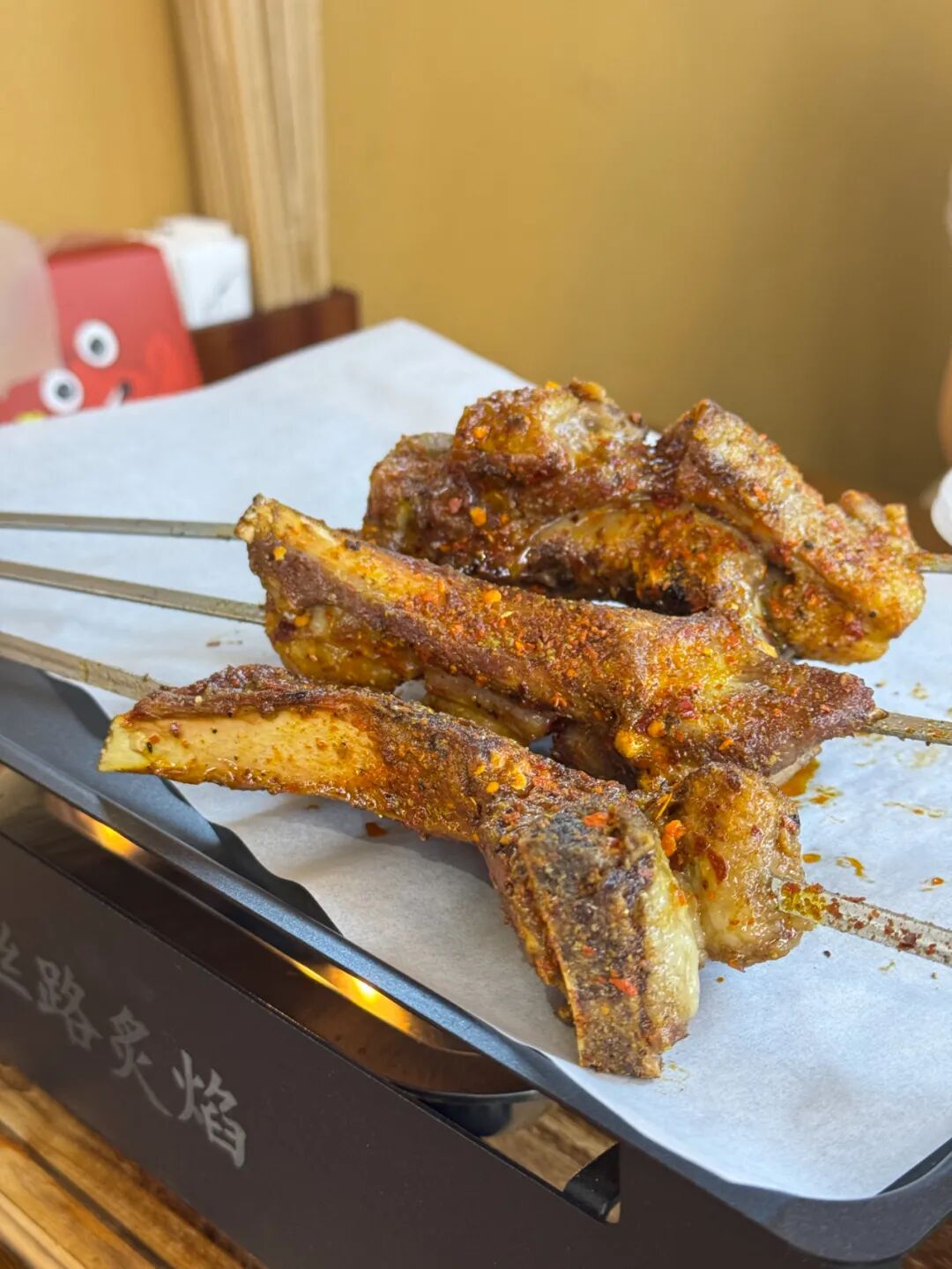
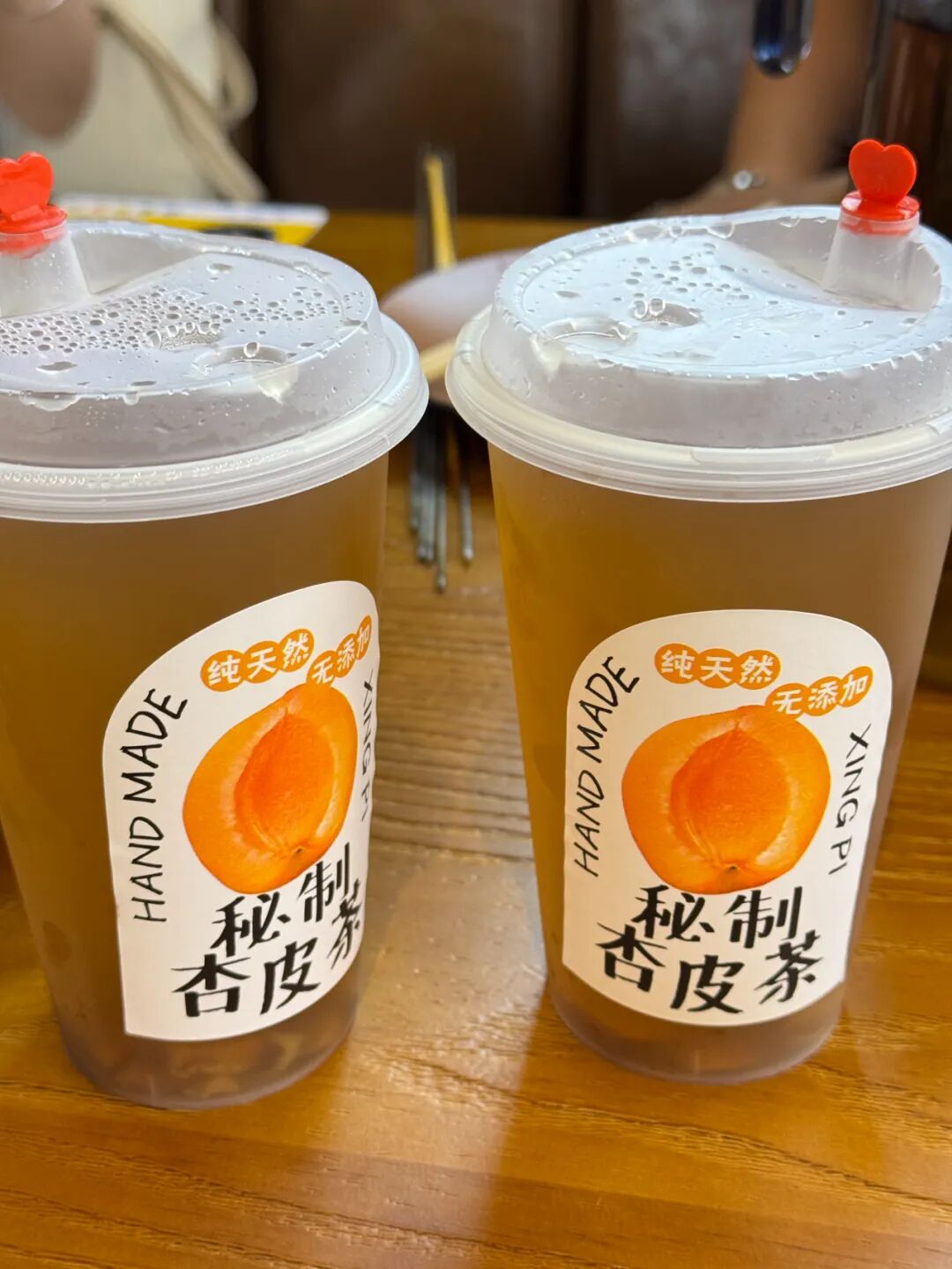
The roasted lamb chops and apricot skin tea (xingpishui) were both good, and the average cost per person was around 100 yuan.
5. Kosto Middle Eastern Cuisine.
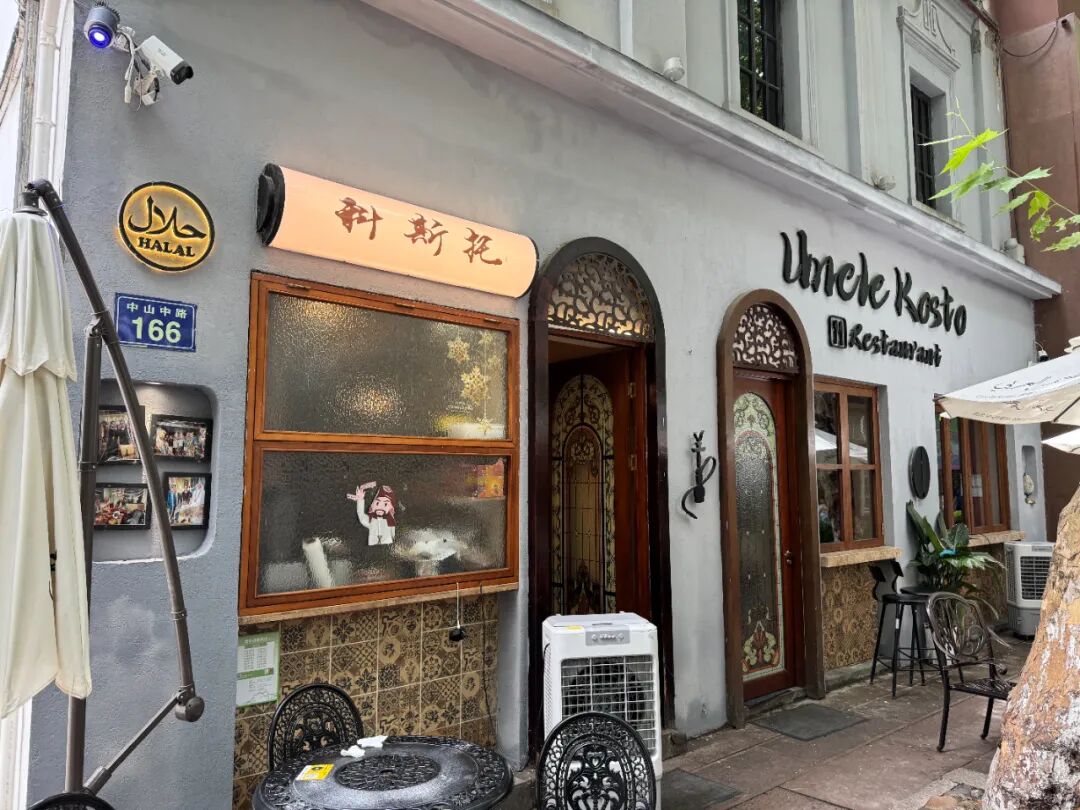
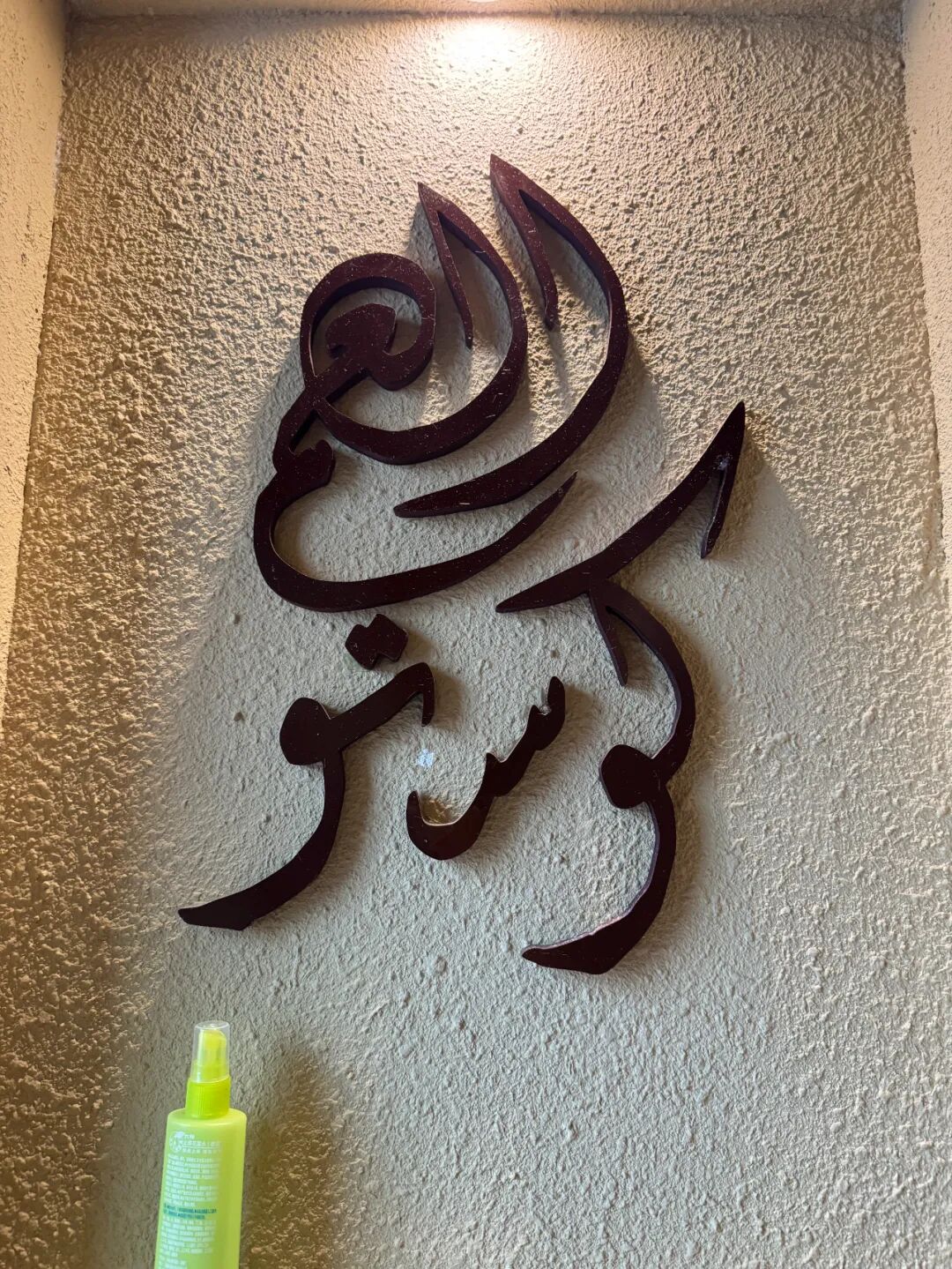
This is a Middle Eastern Arabic restaurant located near Phoenix Mosque (Fenghuang Si), and the environment feels a bit rustic.
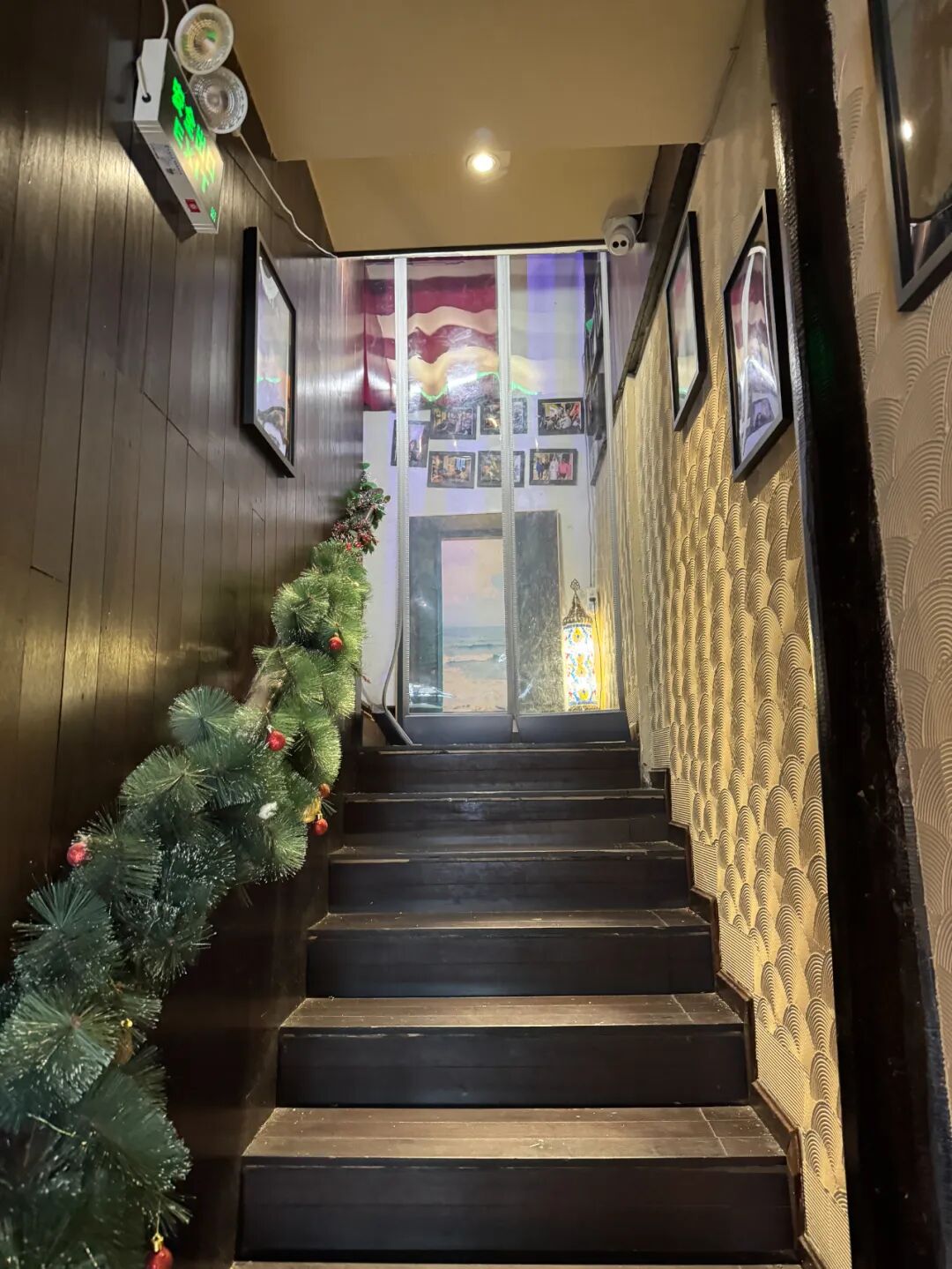
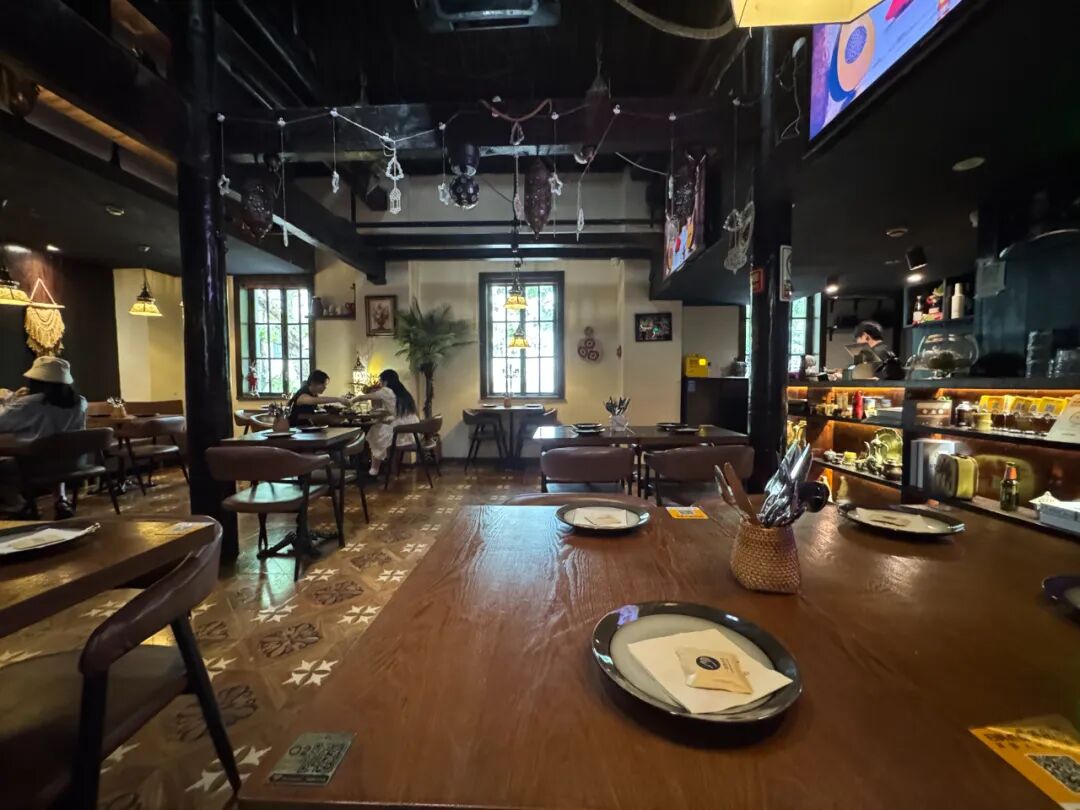
The dining area is on the second floor, and there are two tables by the door downstairs, but Hangzhou is quite hot in the summer, so sitting outside isn't cool.
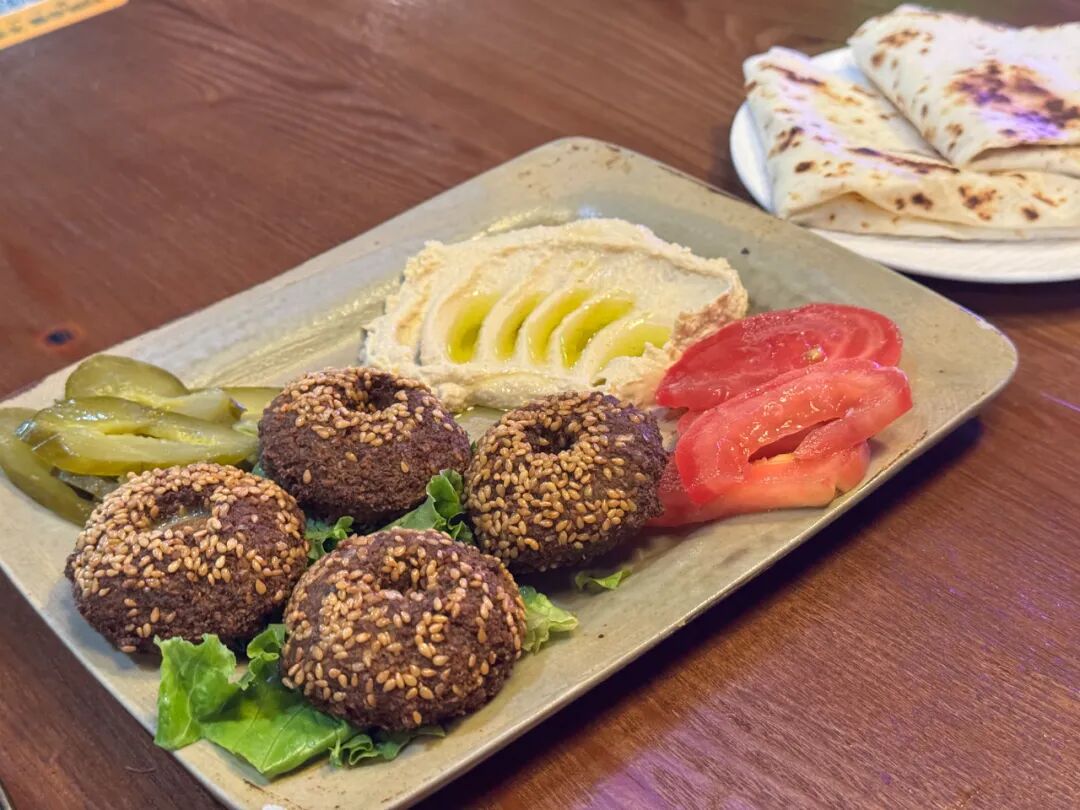
The vegetarian appetizer platter includes falafel, which is a fried food I really like.
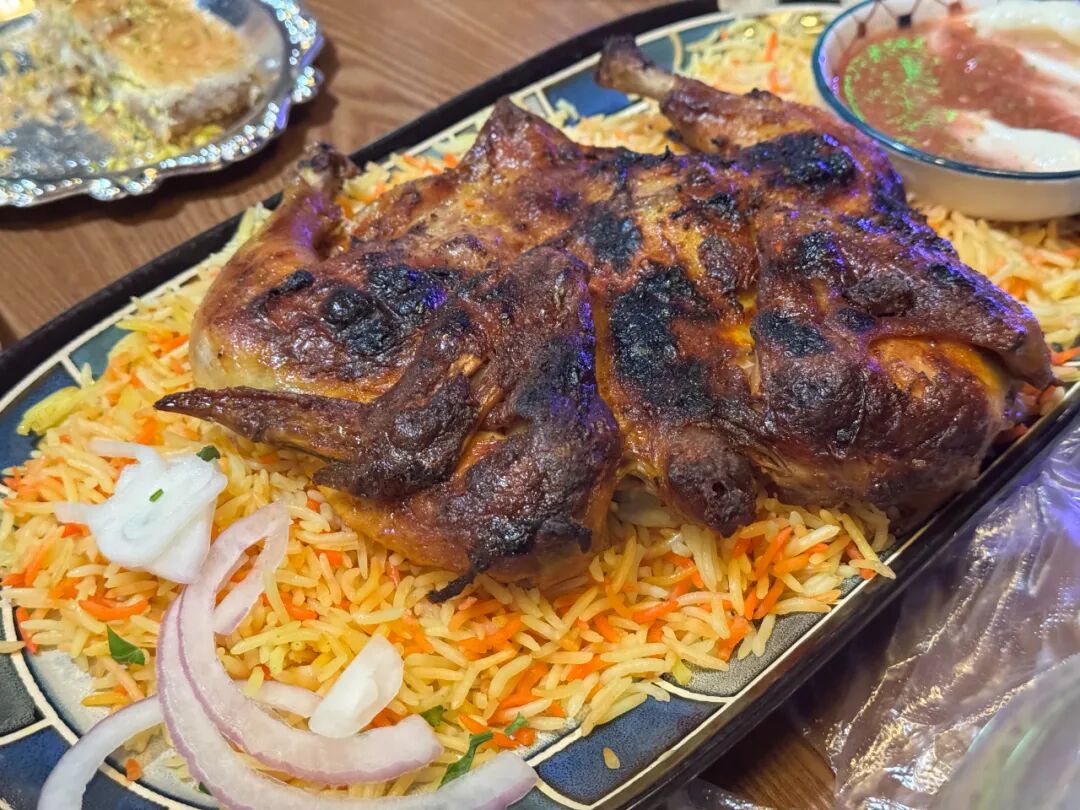
They serve mandi roasted chicken with rice. You can find this dish in Beijing too, but the one in Hangzhou is a mini portion.
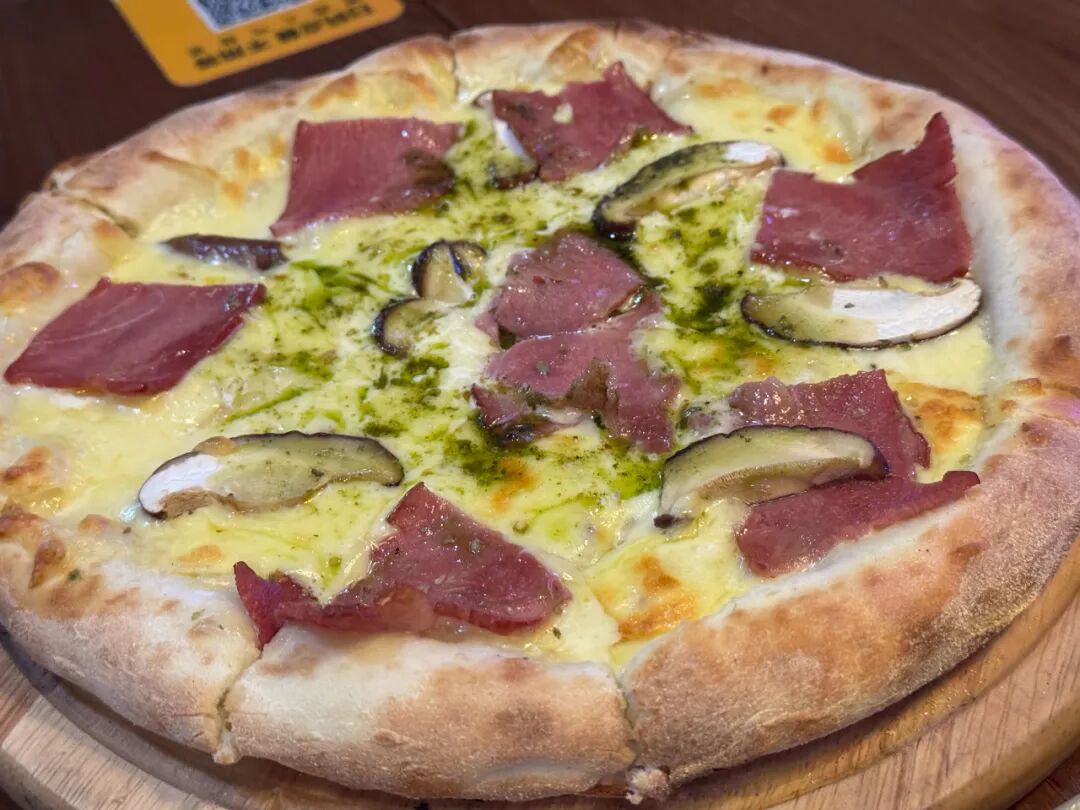
This is his shop, Kesi Tuo Pizza, and the taste is quite good.
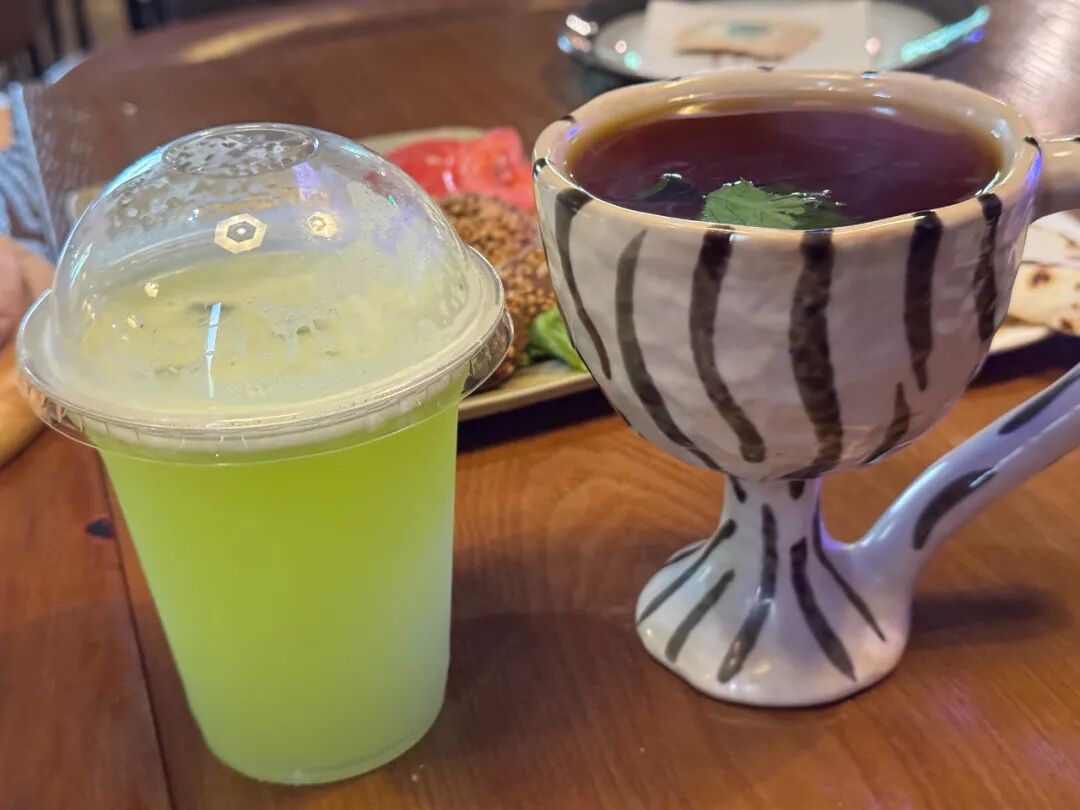
Overall, the food tastes fine. Some people say the prices are a bit high. Our table for two cost three hundred yuan, but we ordered too much. You can actually eat well for one hundred yuan per person.
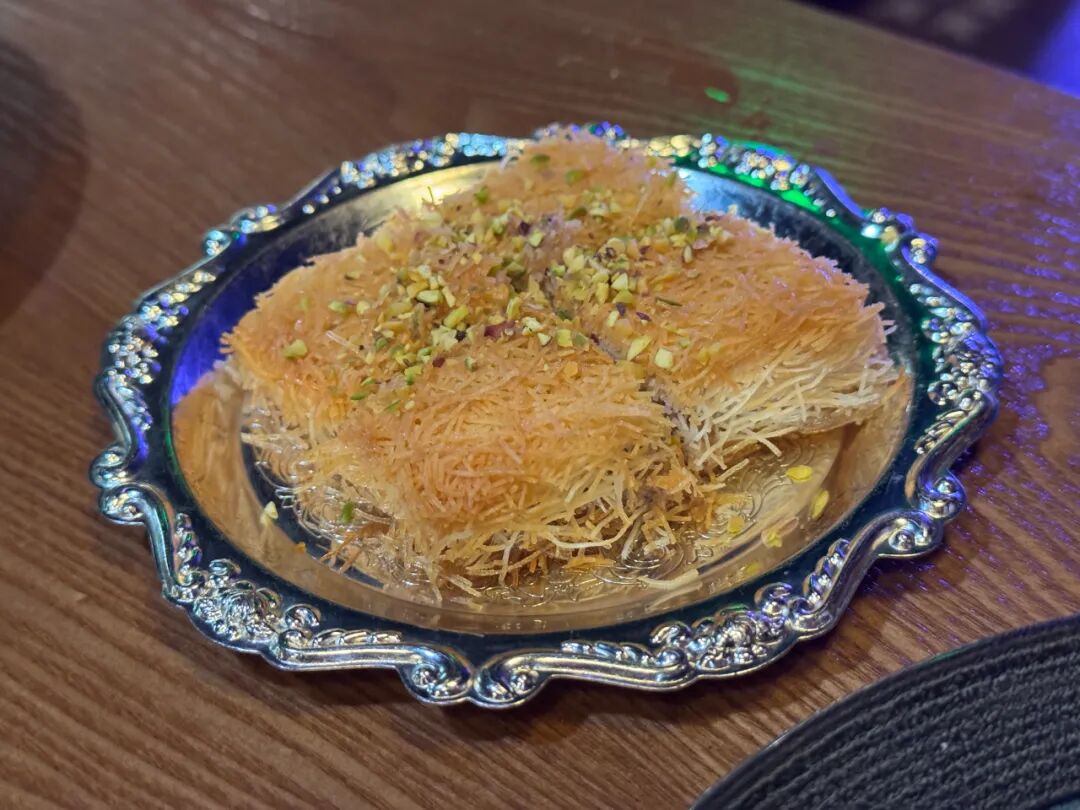
6. Pin Hui Wei Halal Northwest Cuisine
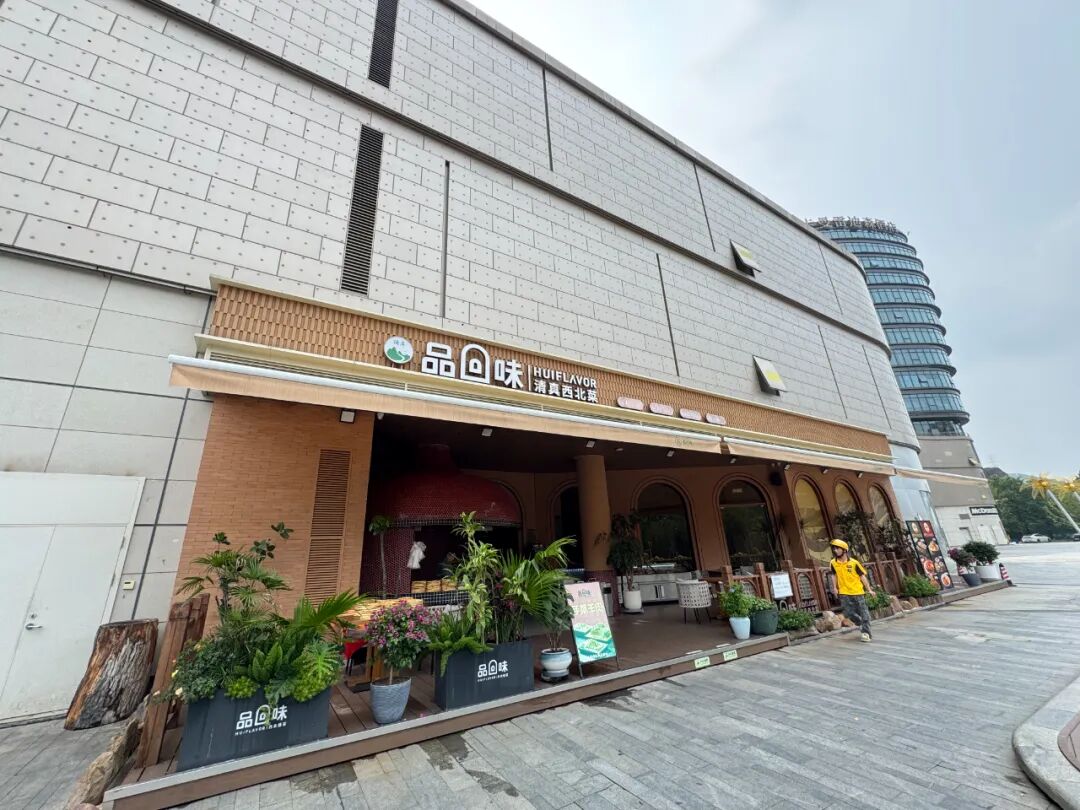
The most amazing restaurant I ate at during this trip to Hangzhou was Pin Hui Wei. It is truly the top tier of the Hangzhou dining scene.
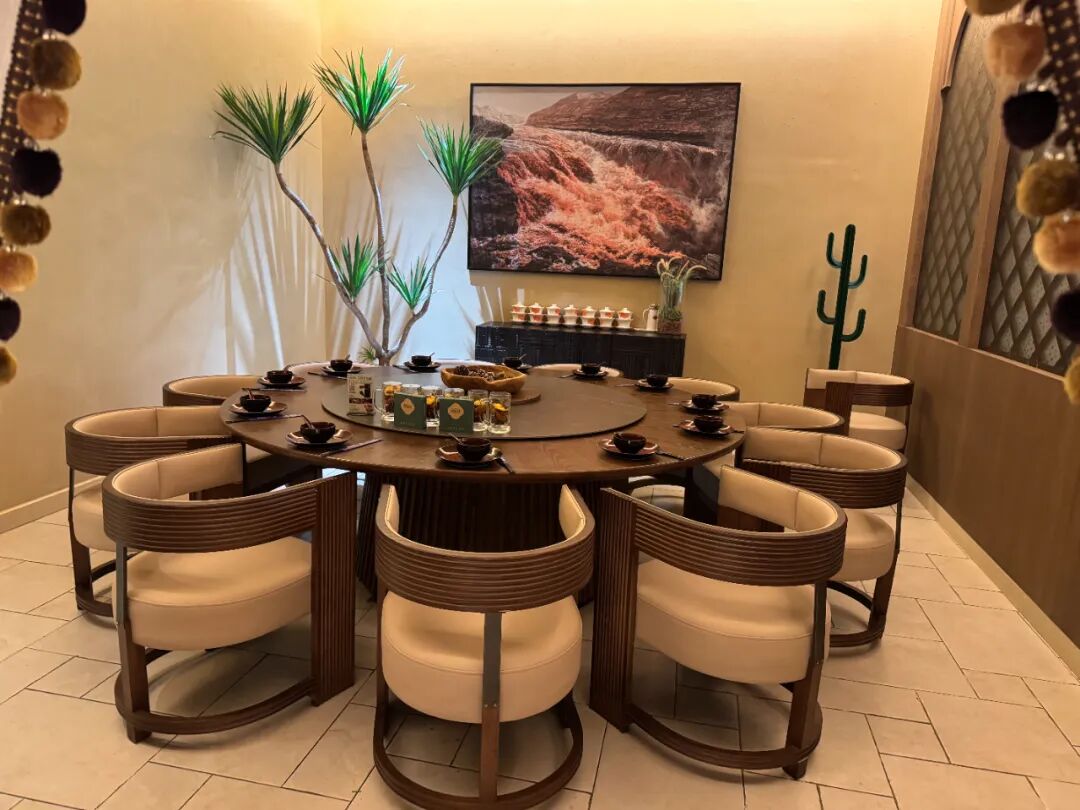
This is a chain brand in Shanghai and Hangzhou with an investment of tens of millions. They put a lot of thought into every aspect, starting with the design. The design team for Pin Hui Wei comes from the Blackstone Creative Design Studio, and this restaurant has become a signature project for them.
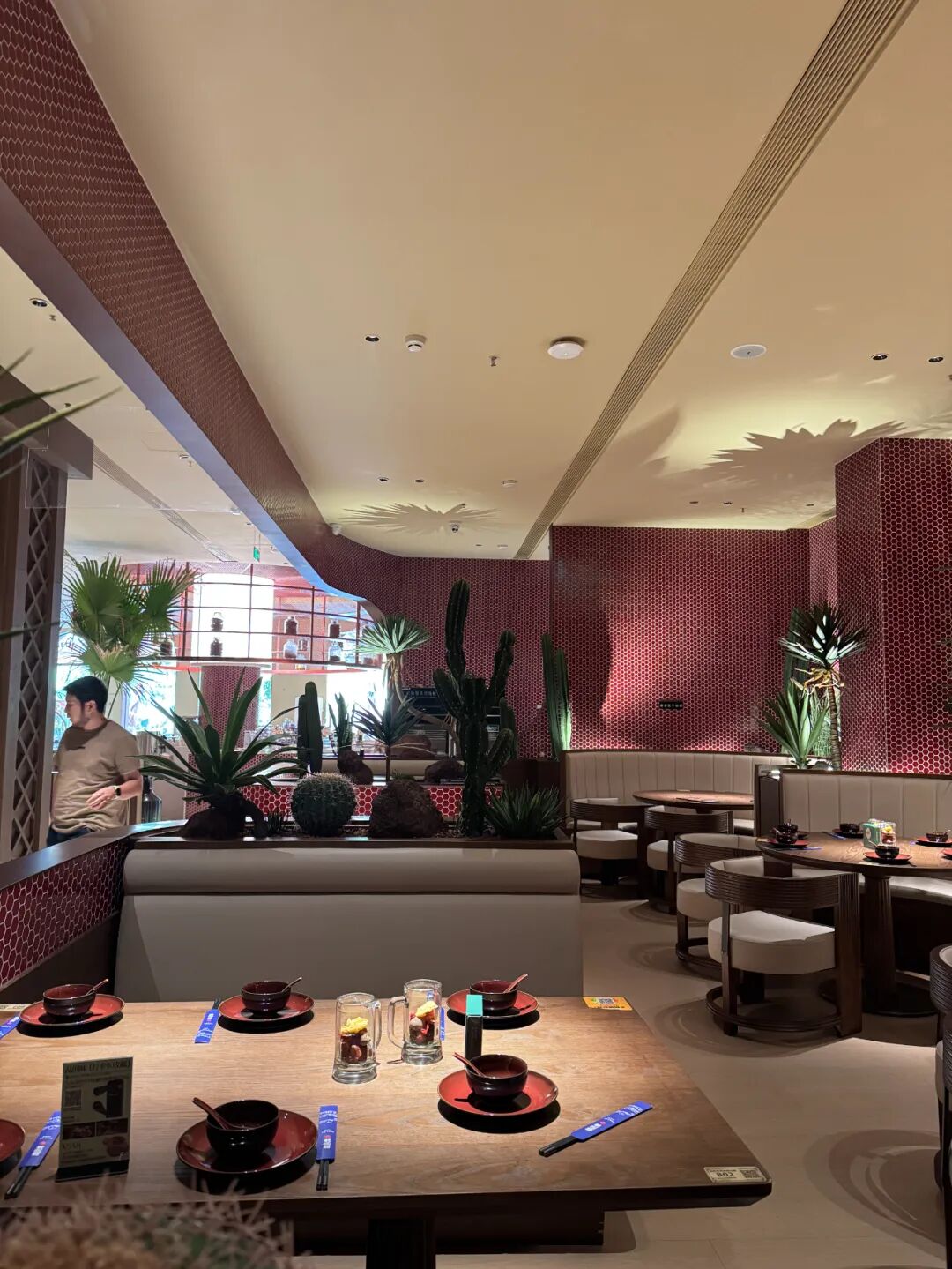
Pin Hui Wei specializes in halal Northwest cuisine and is an alcohol-free restaurant. It is very popular, so you need to wait for a table during peak hours.
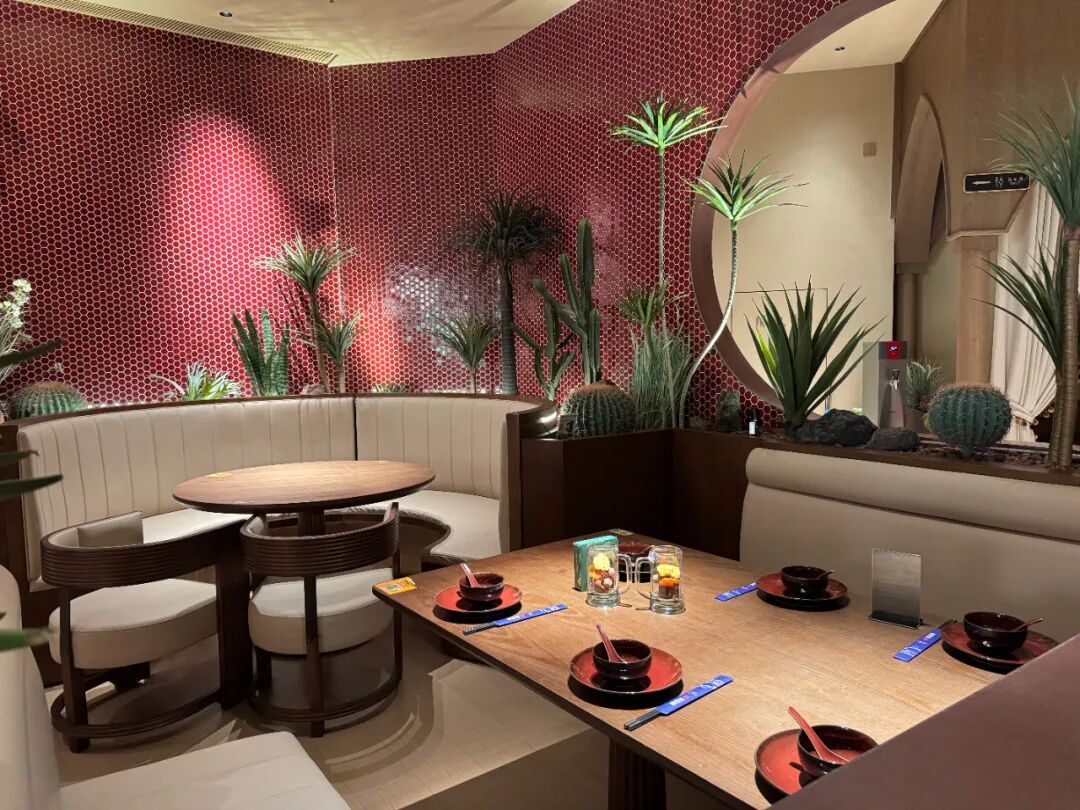
Even though the design is unique and clever, the prices are very affordable, with an average cost of under one hundred yuan per person.
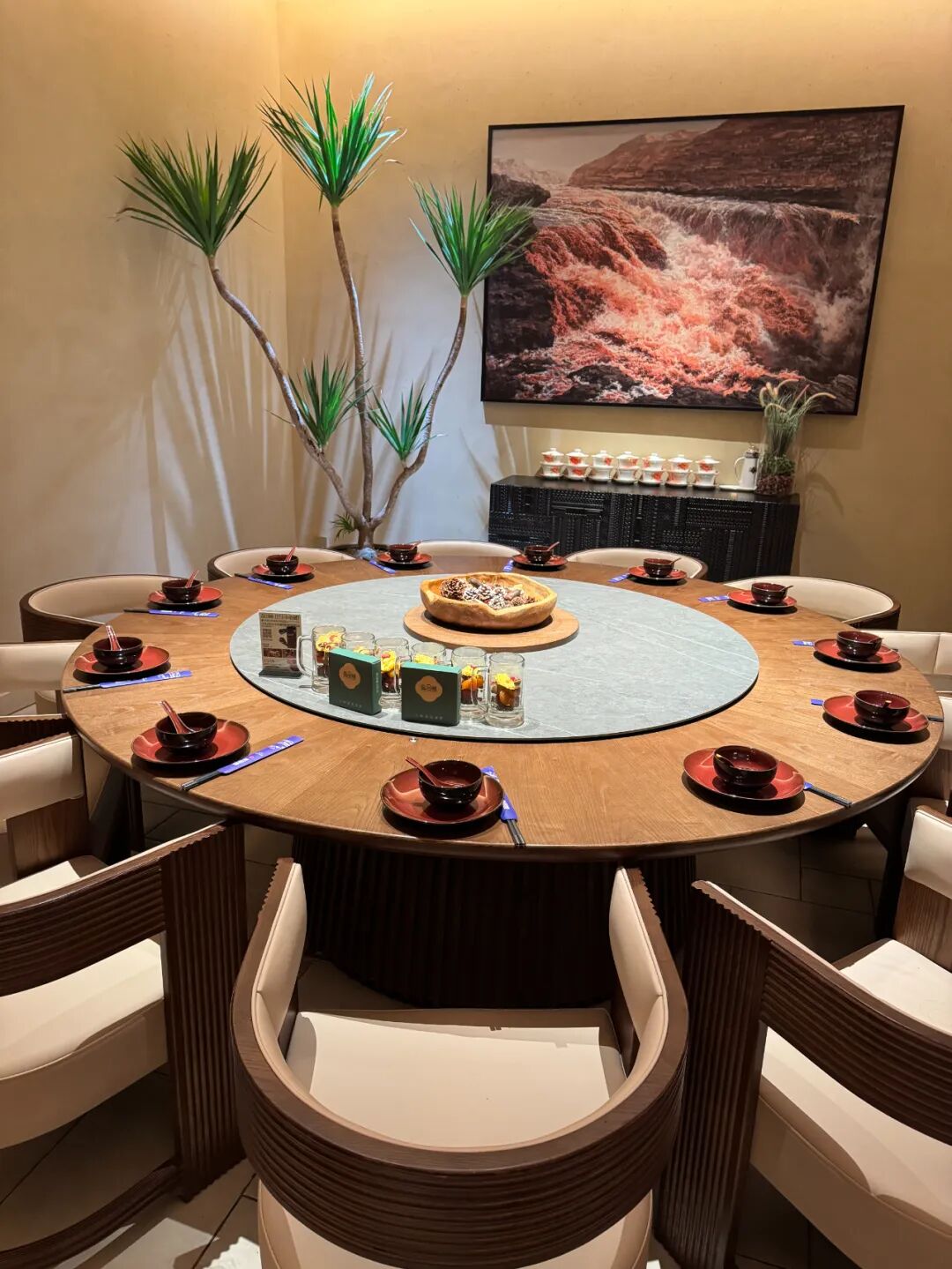
The prices at Pin Hui Wei are lower than similar halal restaurants in Beijing, but the food quality is very high.
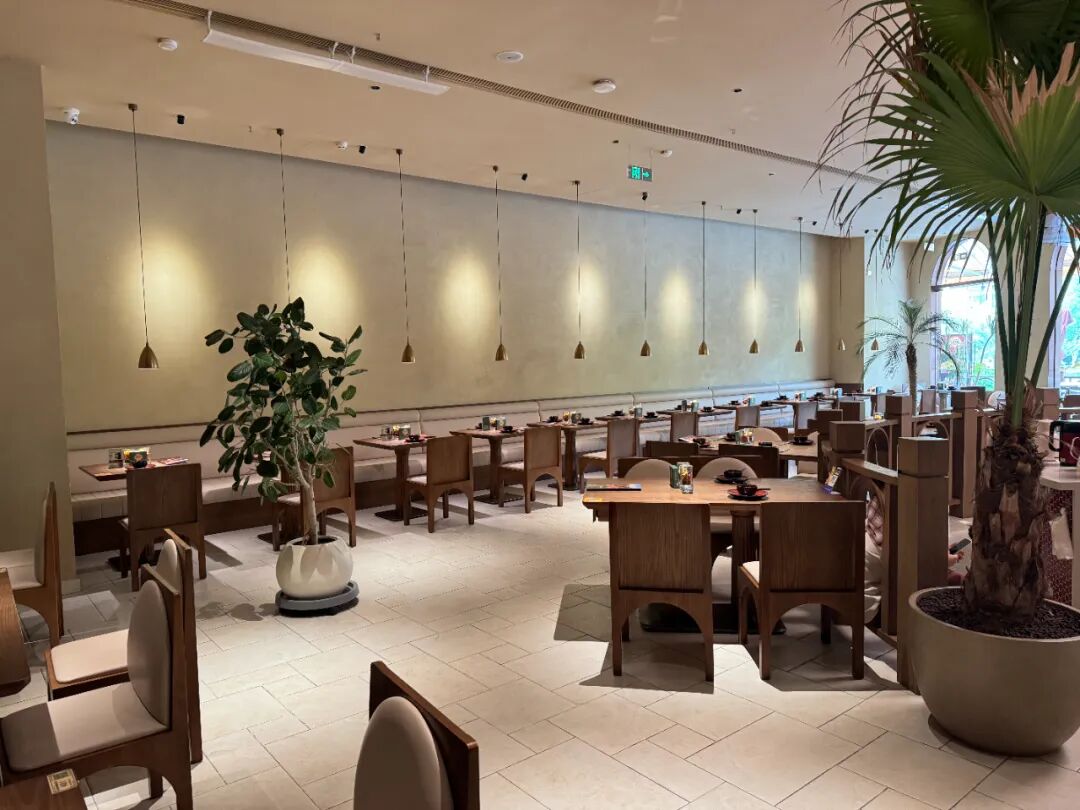
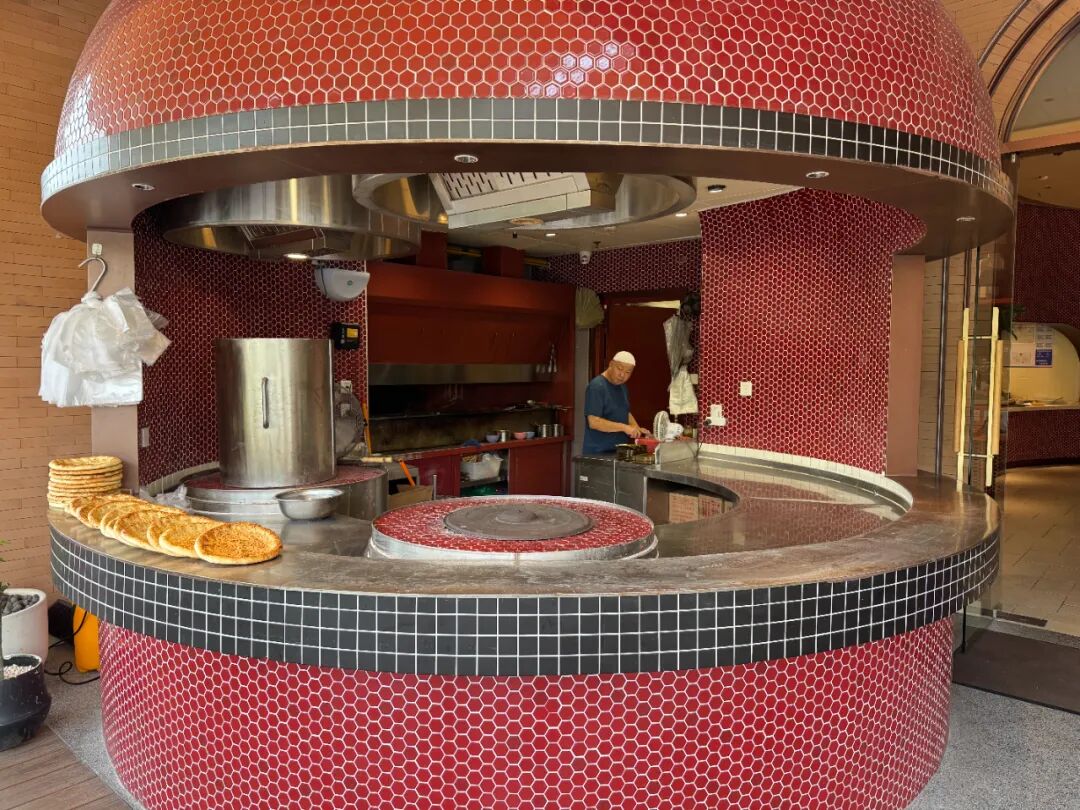
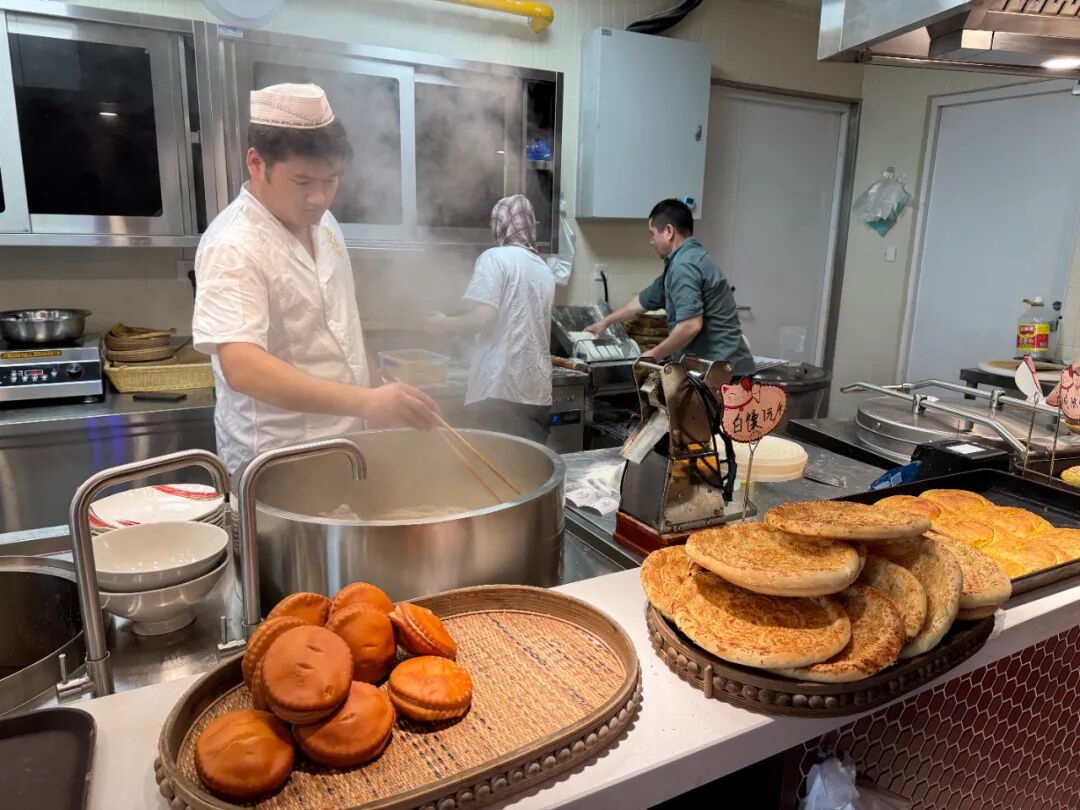
There is a tandoor oven (nang keng) at the entrance where they bake bread on the spot, which is hard to find in Beijing.
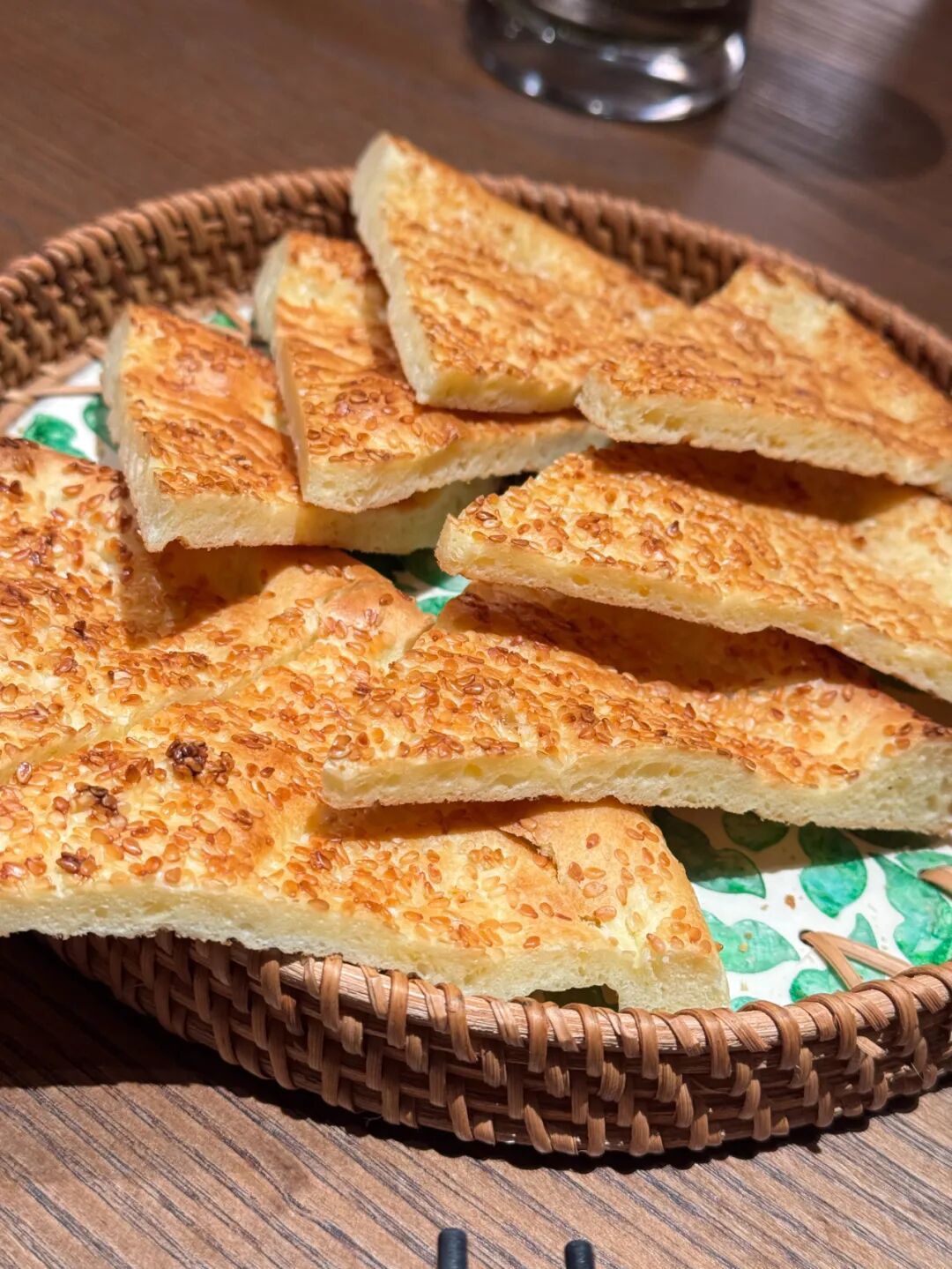
With this freshly baked flatbread (nang) and a cup of tea, you have a full meal.
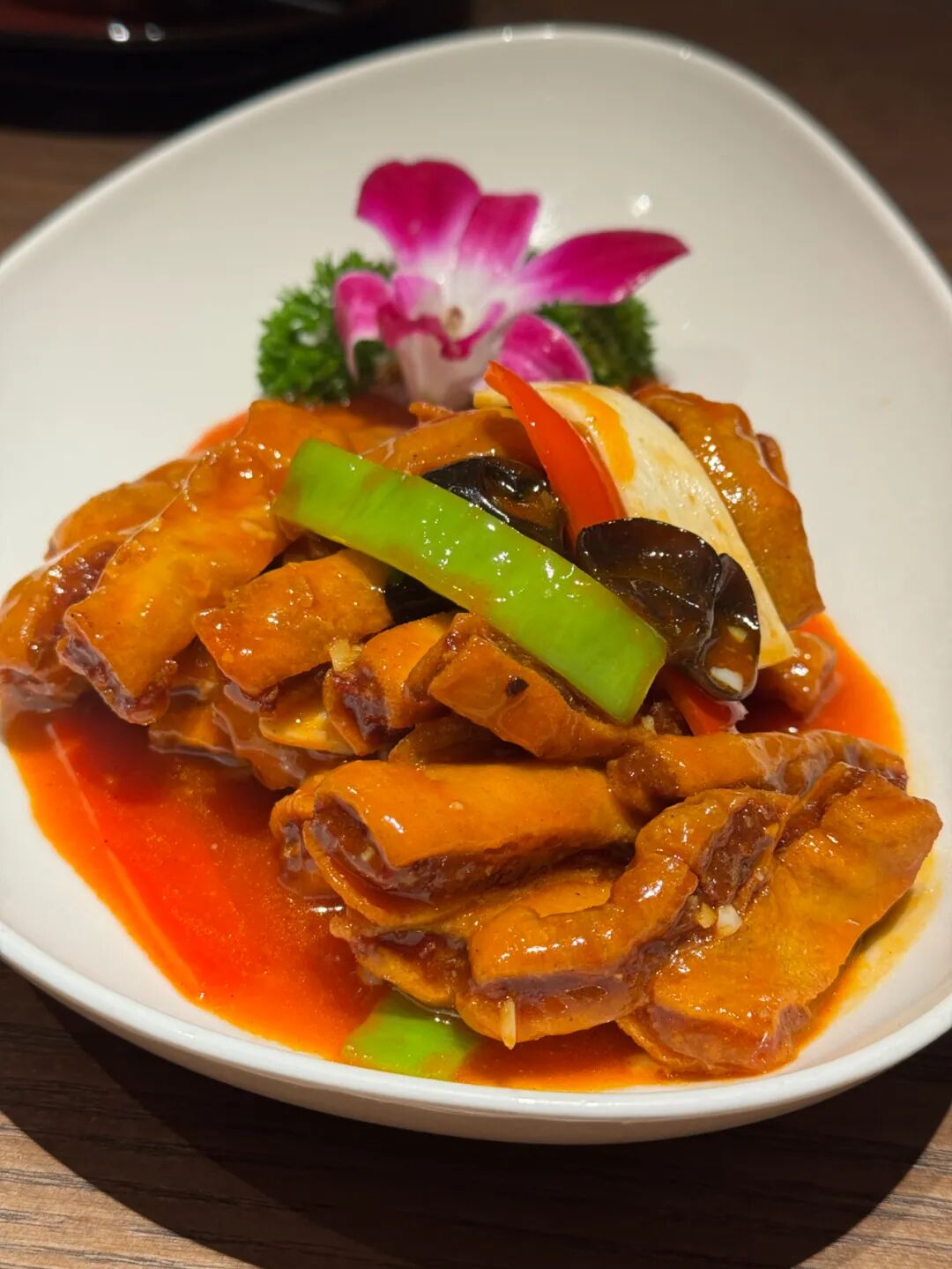
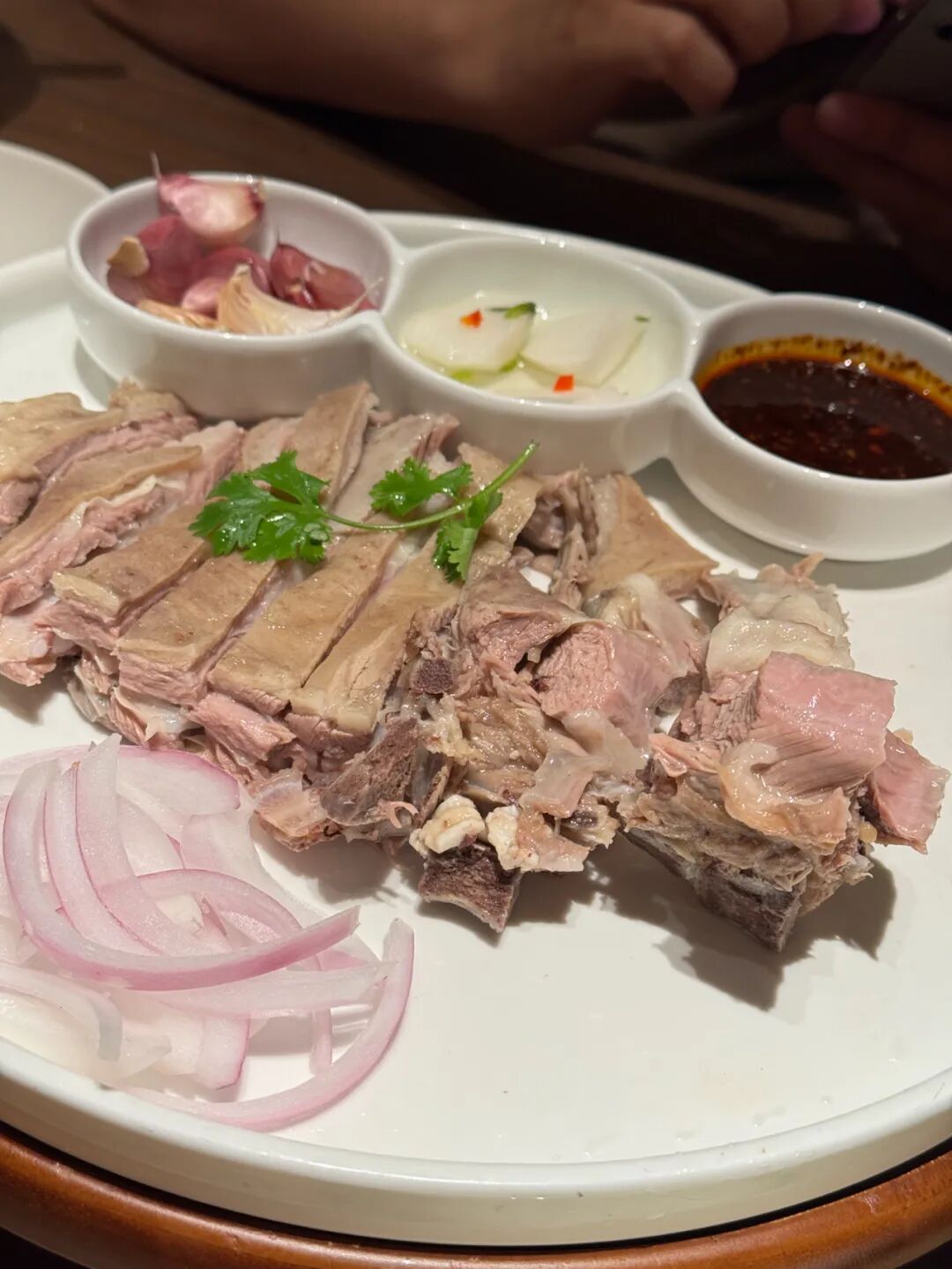
The Hui Muslim style sweet and sour meat sandwich (suan la jia sha) and the hand-grabbed lamb (shou zhua yang rou) are both delicious. The texture of this hand-grabbed lamb is just as good as what I ate in Dongxiang, and this portion costs 108 yuan.
Pin Hui Wei has many branches in Hangzhou and Shanghai. I went to the largest one, the Intime (Yintai) store, which has a parking lot at the entrance.
7. Phoenix Mosque (Fenghuang Si)
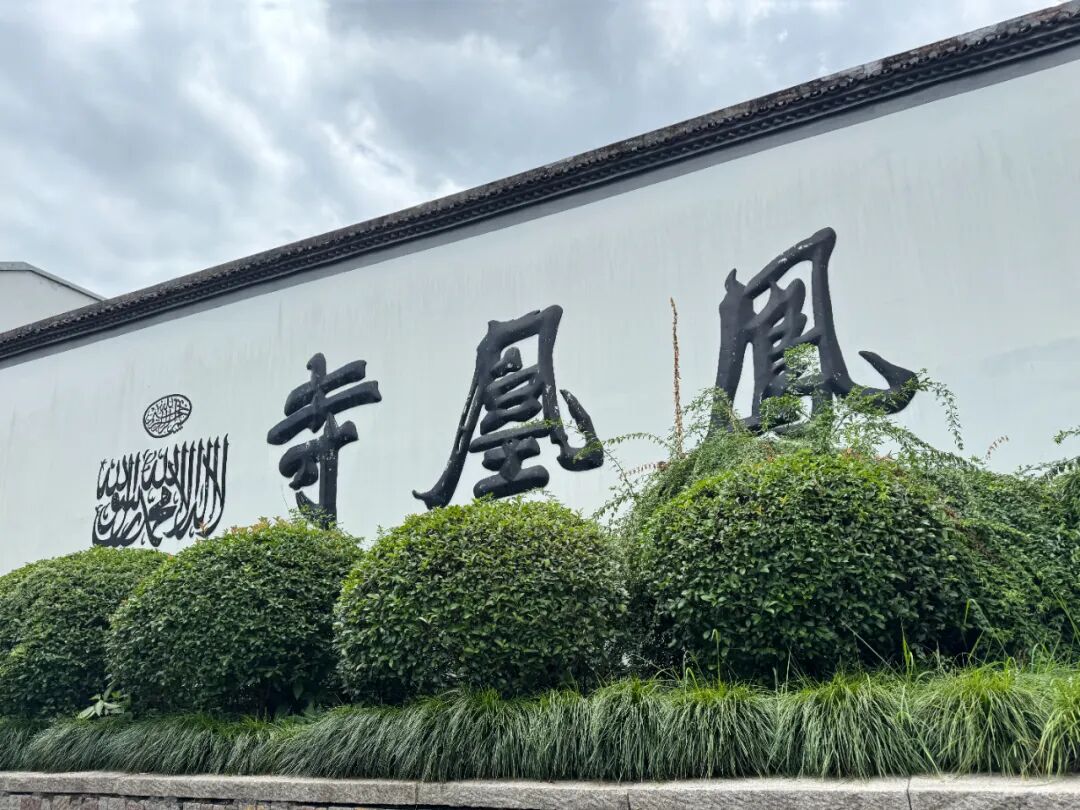
Phoenix Mosque is in a great spot. It is the first historic building at the north end of Hangzhou's famous Southern Song Imperial Street (Nansong Yujie). Hangzhou currently has two mosques. The other one is the newly built Hangzhou Mosque, located on East Canal Road in Jianggan District. To the northeast of Phoenix Mosque, there was historically another mosque called the Hui Muslim Prayer Hall (Huihui Baifotang). It was originally located next to the Hui Muslim New Bridge (Huihui Xinqiao). The mosque has been torn down, and only the name of the bridge remains.
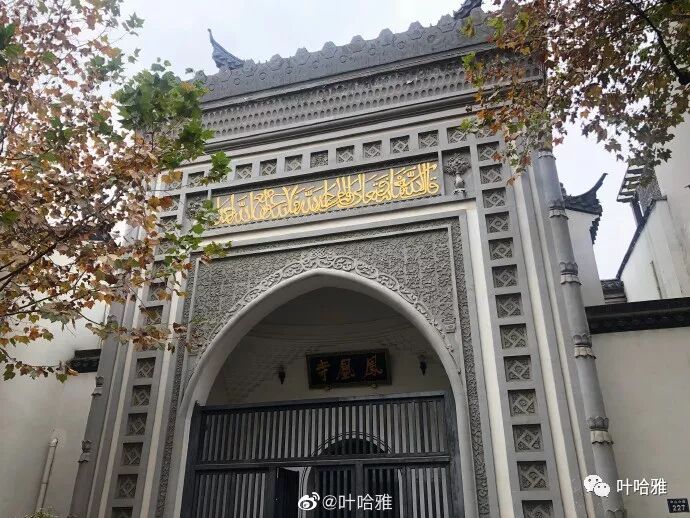
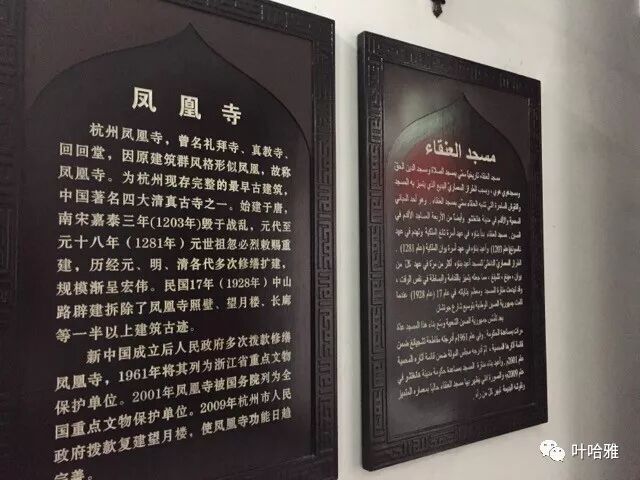
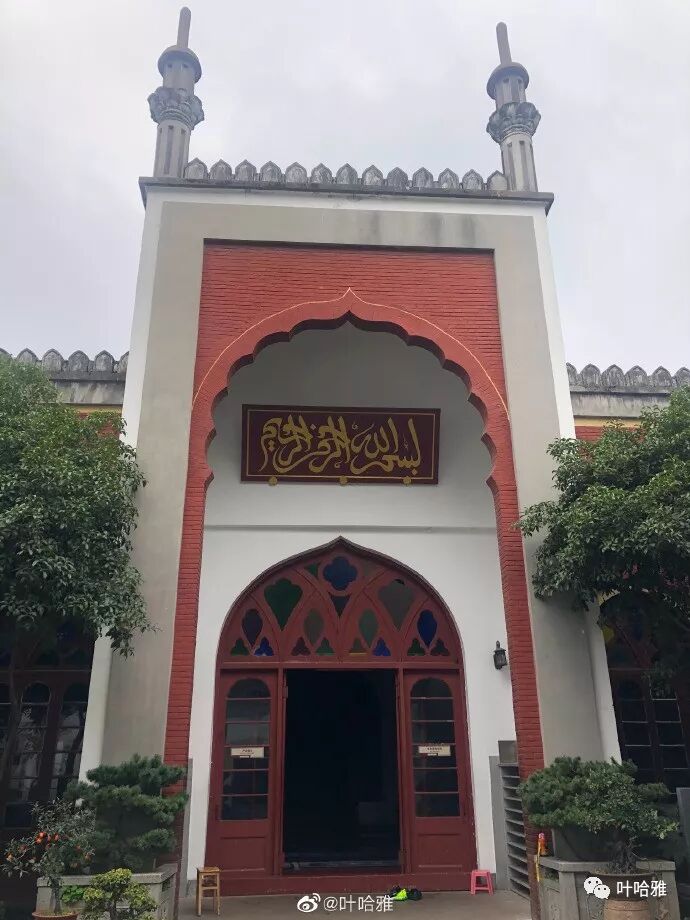
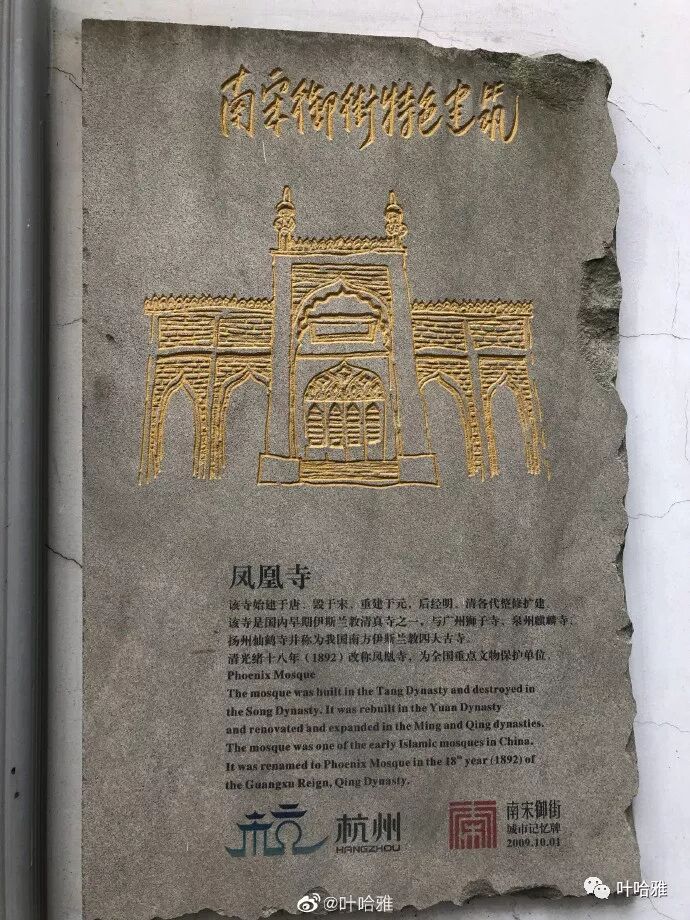
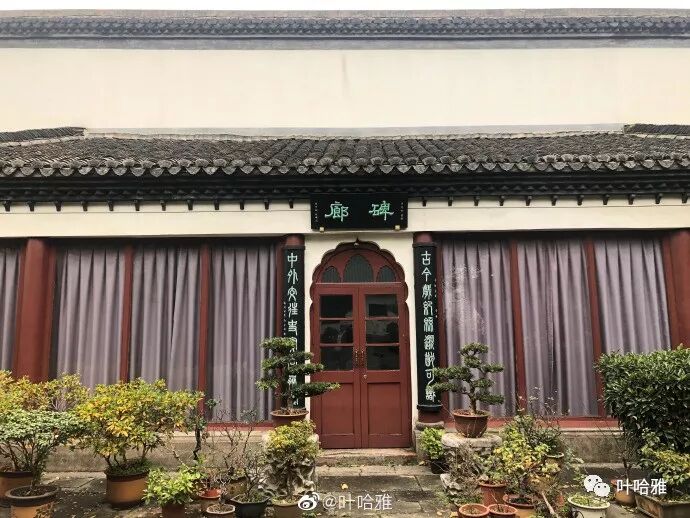
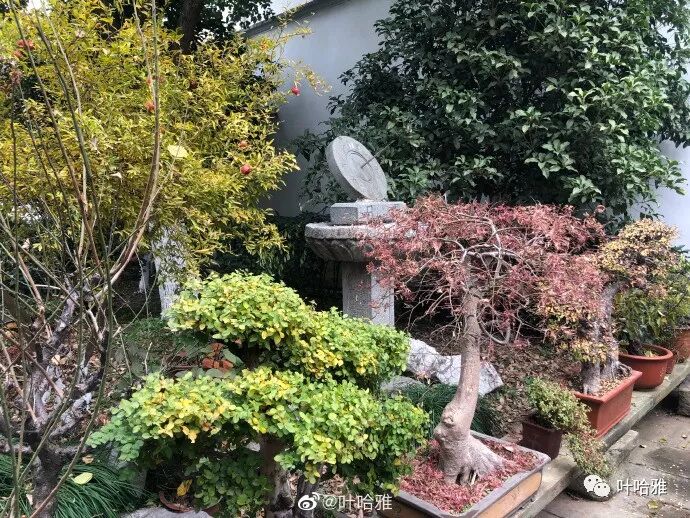
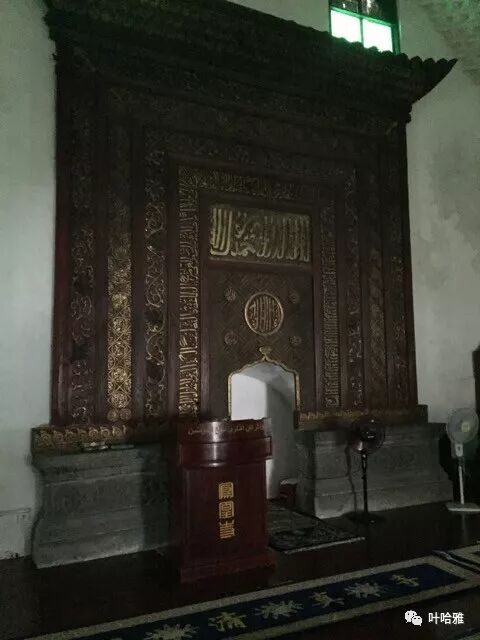
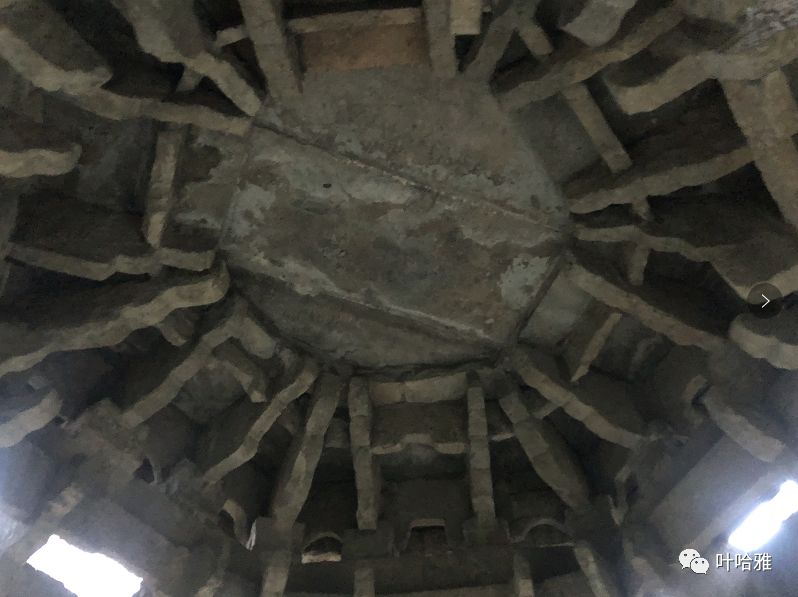
The rear main hall is the highlight of Phoenix Mosque. It dates back to the Yuan Dynasty and was built using the beamless hall (wuliangdian) technique, which also features West Asian architectural styles.
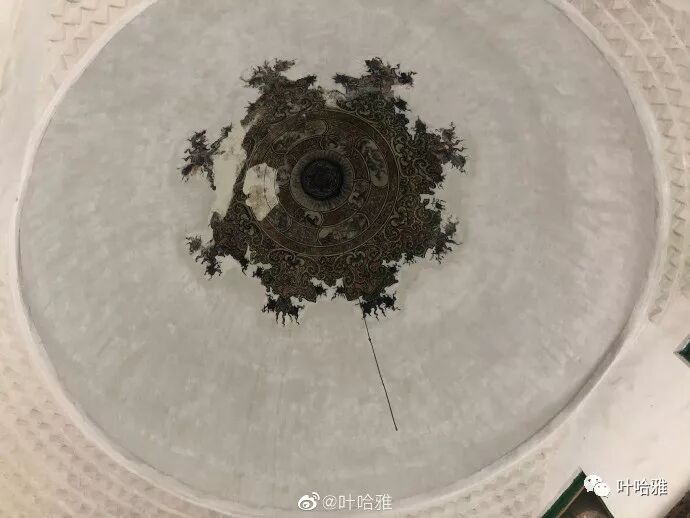
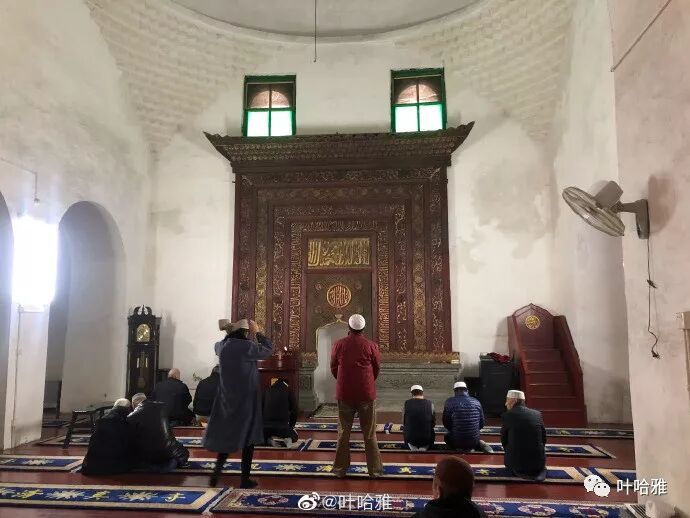
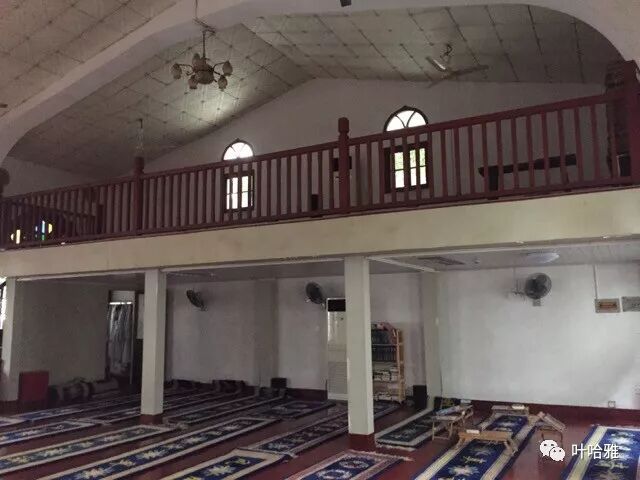
Phoenix Mosque is currently closed to tourists. It is also closed for Friday congregational prayer (Jumu'ah), as everyone is directed to the new Hangzhou Mosque for prayers. Jumu'ah starts at 1:00 PM, so travelers visiting Hangzhou should keep this time in mind. The new mosque is currently under renovation and is not open. For now, prayers are only held at a temporary prayer site in Haifu Building.
8. Tomb of the Arabian Sage Buhetiya'er
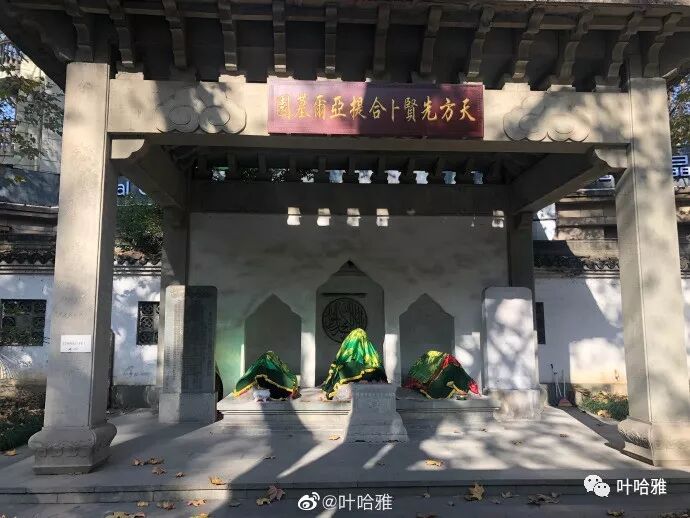
There are two ancient tombs near West Lake in Hangzhou. One belongs to a Persian man named Buhetiya'er. He came to China during the Southern Song Dynasty to practice medicine and preach. He passed away here, and his two attendants are buried with him.
Buhetiya'er, whose full name was Emir Buhetiya'er Sailuoniya Naluonike, passed away in 1329 (the second year of the Tianli era of the Yuan Dynasty). He was from Bukhara, which is in modern-day Uzbekistan. His epitaph records that his family served as officials for generations and held a prominent status.
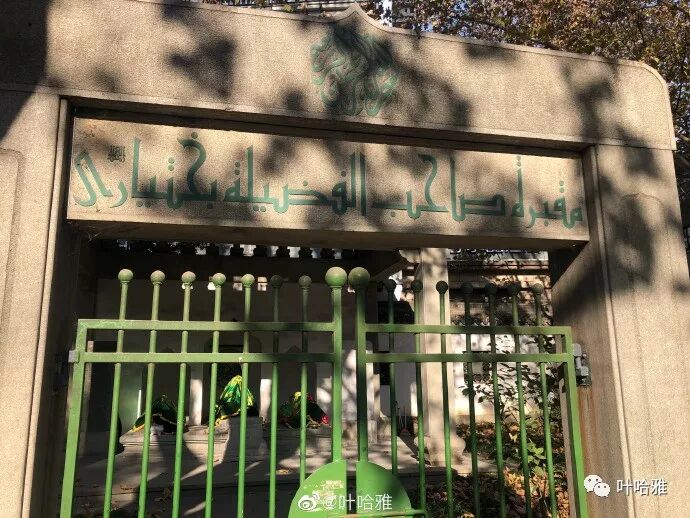
The tomb is usually closed, but there is a contact number on the gate. The caretaker lives nearby and will come over to open the gate quickly, even though he is not a Hui Muslim.
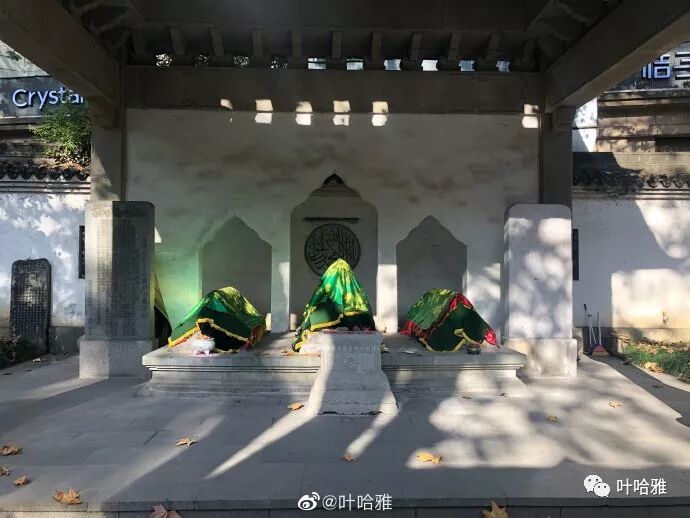
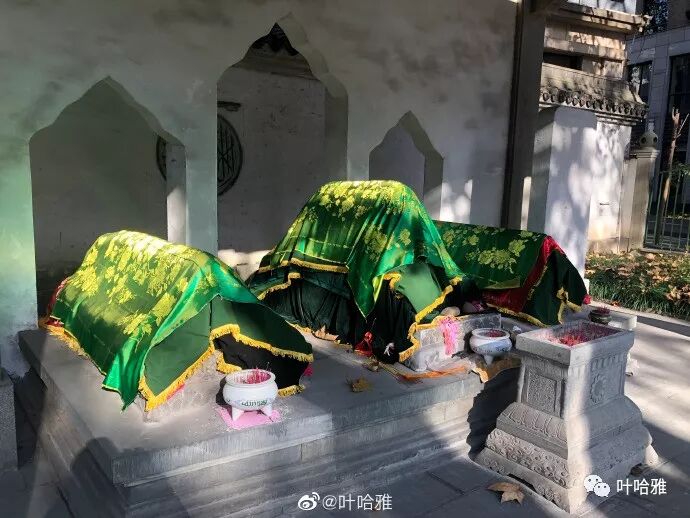
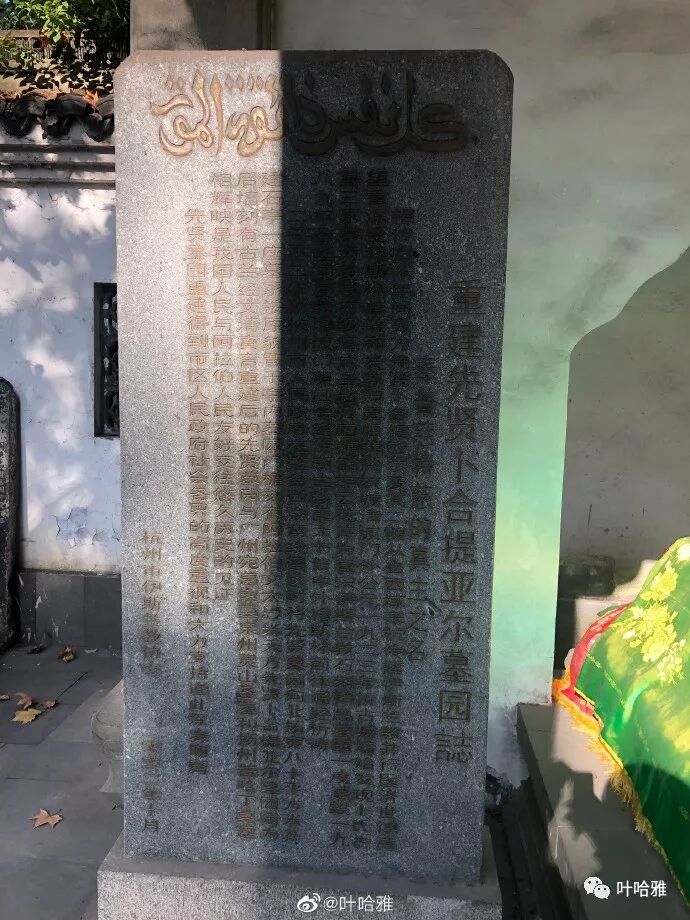
9. Ding Henian Tomb Pavilion
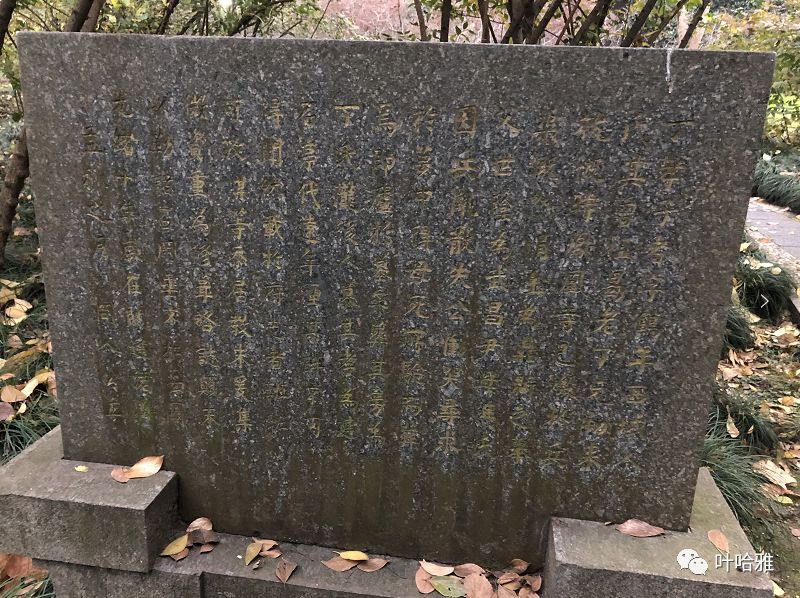
Near West Lake is another ancient tomb of a Hui Muslim, the tomb of Ding Henian. Ding Henian (1335-1424) was a famous Hui Muslim poet during the Yuan Dynasty and the founder of the Henian Tang pharmacy in Beijing. Henian Tang was established between 1405 and 1408, making it over two hundred years older than Tong Ren Tang and even older than the Forbidden City and the Temple of Heaven.
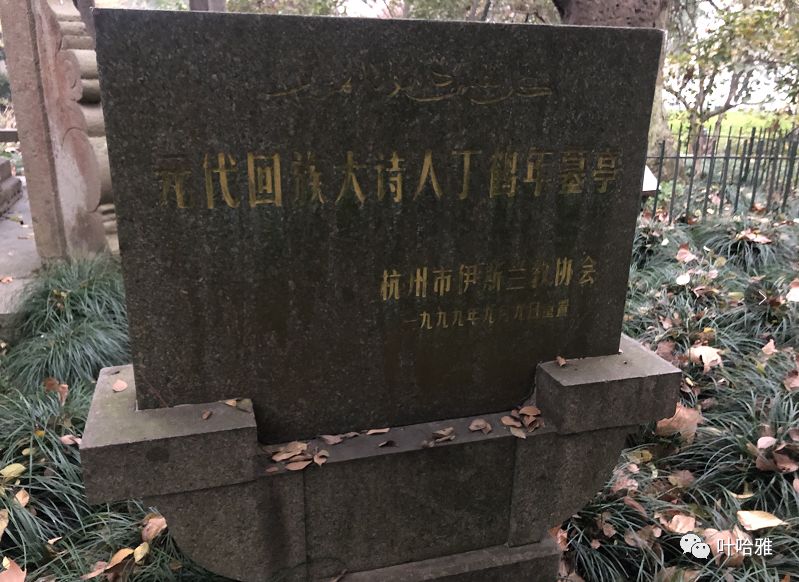
Ding Henian came from a very wealthy family that served as officials for generations. His father was a darughachi in Wuchang. The Ding family once spent a huge fortune to support the Yuan Emperor, so they were entrusted with important responsibilities. Ding Henian settled in Hangzhou in his later years to study Islamic law until he returned to Allah at the age of 89.
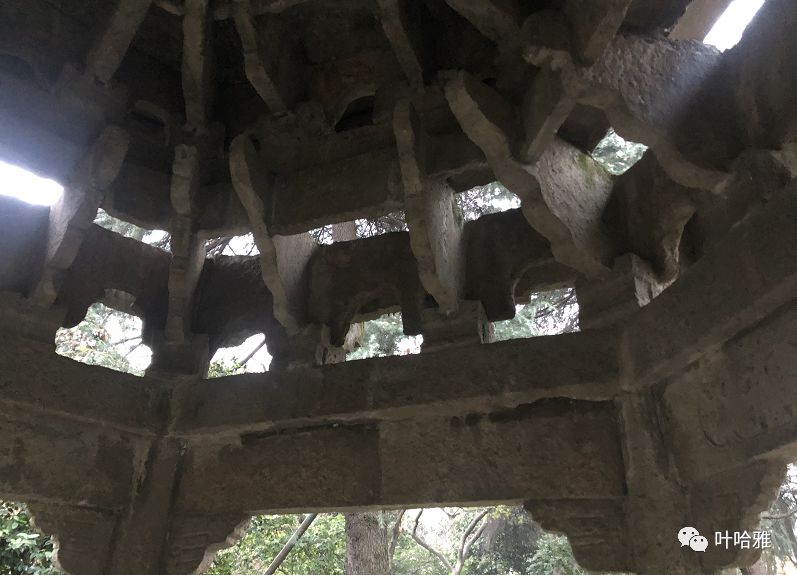
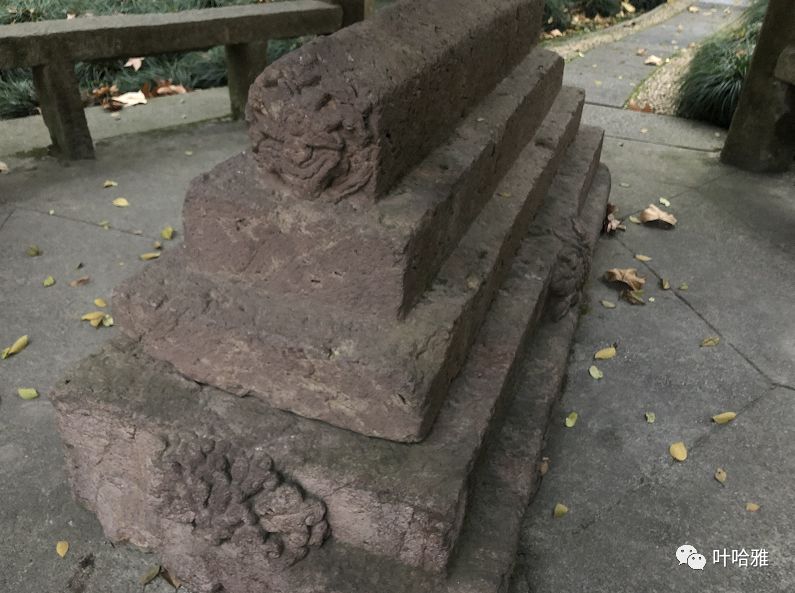
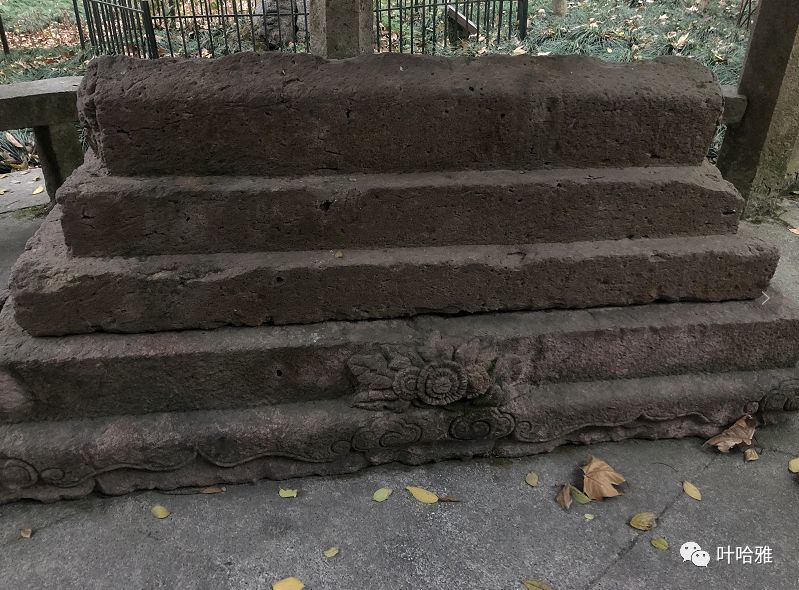
Henian Tang is located at Caishikou in Beijing, which was the site of ancient executions. Legend has it that during the Ming and Qing dynasties, families of some prisoners would bribe the executioner before the sentence was carried out. They asked him to stuff a steamed bun (mantou) into the neck cavity of the deceased when the head fell to prevent blood from splashing and the soul from lingering. This is likely the origin of the human blood bun mentioned by Lu Xun. Henian Tang originally provided these buns, but they were not meant for eating. Later, rumors spread that the blood-soaked buns could cure illnesses, and people began fighting over them. Henian Tang also provided funds to bury prisoners who had no family, acting as a charity.
When I was a child, I heard another legend about Henian Tang from the elders. Someone knocked on the door in the middle of the night asking for medicine for knife wounds. The next day, the shop assistant realized the money he received was spirit money and that he had seen a ghost the night before. Because of this, old Beijingers have a saying: 'Going to Henian Tang to ask for knife wound medicine—death is at the door.' If you look at this from an Islamic perspective, the assistant might not have seen a ghost, but possibly a jinn.
Best Halal Food Hangzhou 2025: Phoenix Mosque Snacks, Northwest Food, Middle Eastern Cuisine and Hui Heritage
Articles • yusuf908 posted the article • 0 comments • 148 views • 2026-05-23 21:09
Summary: This 2025 Hangzhou halal food map follows the author's trip through Phoenix Halal Snacks, Northwest Family, Maizhou Yilongxuan, Silk Road Flames, Kosto Middle Eastern Cuisine, Pin Hui Wei, Phoenix Mosque, the tomb of Buhetiya'er, and Hangzhou Hui Muslim heritage.
I have been to Hangzhou many times. This time, I came to this popular city as one of the top 50 insurance social media influencers to receive an award. This city in the Jiangnan region left a great impression on me. The citizens are polite, the women speak in a pleasant tone, and drivers actively yield to pedestrians. Ten years ago, I only experienced this abroad. Hangzhou was the first city in China to implement a "cars yield to pedestrians" policy. As early as 2010, Hangzhou included this in traffic regulations for mandatory enforcement, with violators facing a 3-point deduction and a 100 yuan fine.
Ten years ago, as a pedestrian in Hangzhou, I naturally felt this measure was great. However, after listening to a few Hangzhou drivers complain, I realized that forced compliance is not ideal. Drivers feel that some pedestrians, protected by traffic rules, cross the street recklessly, looking down at their phones and walking slowly, leaving drivers frustrated but unable to speak up. In fact, the improvement of character should come from within. When vehicles yield to pedestrians out of politeness, pedestrians should also show gratitude. This is a natural civilized behavior. When it becomes forced, it may look like a quick improvement in character on the surface, but it is not voluntary and instead breeds resentment. Once there is no supervision, things will immediately return to the way they were.
I rented a car in Hangzhou this time and drove for three days. Experiencing Hangzhou traffic from a driver's perspective, I feel that the road rules in Hangzhou are more complex than in Beijing. It is hard to gauge the limits for yielding to pedestrians and using a phone while driving. I expect to receive a ticket in a couple of days.
1. Phoenix Halal Snacks (Fenghuang Qingzhen Xiaochi)
This shop used to be called "Halal Snacks" and is now called Phoenix Halal Snacks. They have been operating in Hangzhou for at least 10 years. The location is right at the back door of Phoenix Mosque (Fenghuang Si). The owner is a local Hui Muslim from Hangzhou, and according to the elders at the mosque, he is very devout. The shop prohibits smoking and alcohol. They mainly serve various Jiangnan-style snacks and some Northwest Chinese food, as most of the staff are from the Northwest and the waitresses wear headscarves.
They have started making hand-pulled noodles (lamian) again. Some of the photos were taken by me previously.
Hangzhou beef pan-fried buns (niurou jianbao) are quite large with thick skins, unlike the smaller ones found in Henan and Shandong.
I recommend trying the beef steamed dumplings (niurou zhengjiao), which are made more delicately than the pan-fried buns.
The clay pot dishes (shaguo) come in many flavors and taste good.
The beef vermicelli soup (niurou fensi tang) is quite similar to the version in Nanjing.
Lamb steamed dumplings (yangrou shaomai) are my favorite snack at this shop. They have a nice shape and the meat is tender; the lamb is likely sourced from the Northwest.
2. Northwest Family (Xibei Renjia)
If you want authentic halal Hangzhou-style food, I recommend Northwest Family (Xibei Renjia) by West Lake. Even though the owners are from the Northwest, the restaurant opened in Hangzhou in 1992. After more than thirty years, they are well-established here, and their Hangzhou-style dishes are truly delicious.
West Lake vinegar fish (xihu chuyu) is a famous Hangzhou dish. It is a real blessing to find a halal version right by West Lake.
West Lake beef soup (xihu niurou geng) is a must-order Hangzhou dish. I have had it in Beijing restaurants since I was a kid, but it tastes thicker here in Hangzhou.
Poached chicken (baizhanji) is a common dish in the south. Southern chicken tastes better than northern chicken.
Shrimp with fruit (shuiguo xiaren)
3. Maizhou Yilongxuan
This is a Northeast-style restaurant run by Hui Muslims from Qiqihar. I asked and found out they are related to the restaurant Gulanxuan, but Gulanxuan has already closed down.
This restaurant is located in the Xihu District. Their old branch in the Higher Education Park has closed.
The roasted lamb hooves (kao yangti) are great. Northeast-style barbecue never lets me down.
Chive pockets (jiucai hezi) are also one of the more popular staple foods here.
Sweet and sour pork (guobaorou) is a famous Northeast dish that almost every Northeast restaurant serves. However, the meat slices here are too thin, so it is not very satisfying to eat.
4. Silk Road Flames, halal barbecue, crawfish, and fusion dishes.
I wanted to eat at a halal Korean restaurant called Pu Liu Liu Korean Food after the awards ceremony, but they close at 8:30 p.m., so we changed our plans and came to this Lanzhou barbecue shop for a late-night snack.
Hangzhou restaurants are really competitive with their designs, and this shop clearly put a lot of effort into its decor.
They serve authentic Lanzhou open-flame barbecue, the kind with small skewers on iron sticks.
They also blend in local Jiangnan-style crawfish, with garlic, thirteen-spice, and spicy flavors to choose from. The crawfish tasted great and the ingredients were very fresh.
However, the snails still had a very strong muddy, fishy smell.
The roasted lamb chops and apricot skin tea (xingpishui) were both good, and the average cost per person was around 100 yuan.
5. Kosto Middle Eastern Cuisine.
This is a Middle Eastern Arabic restaurant located near Phoenix Mosque (Fenghuang Si), and the environment feels a bit rustic.
The dining area is on the second floor, and there are two tables by the door downstairs, but Hangzhou is quite hot in the summer, so sitting outside isn't cool.
The vegetarian appetizer platter includes falafel, which is a fried food I really like.
They serve mandi roasted chicken with rice. You can find this dish in Beijing too, but the one in Hangzhou is a mini portion.
This is his shop, Kesi Tuo Pizza, and the taste is quite good.
Overall, the food tastes fine. Some people say the prices are a bit high. Our table for two cost three hundred yuan, but we ordered too much. You can actually eat well for one hundred yuan per person.
6. Pin Hui Wei Halal Northwest Cuisine
The most amazing restaurant I ate at during this trip to Hangzhou was Pin Hui Wei. It is truly the top tier of the Hangzhou dining scene.
This is a chain brand in Shanghai and Hangzhou with an investment of tens of millions. They put a lot of thought into every aspect, starting with the design. The design team for Pin Hui Wei comes from the Blackstone Creative Design Studio, and this restaurant has become a signature project for them.
Pin Hui Wei specializes in halal Northwest cuisine and is an alcohol-free restaurant. It is very popular, so you need to wait for a table during peak hours.
Even though the design is unique and clever, the prices are very affordable, with an average cost of under one hundred yuan per person.
The prices at Pin Hui Wei are lower than similar halal restaurants in Beijing, but the food quality is very high.
There is a tandoor oven (nang keng) at the entrance where they bake bread on the spot, which is hard to find in Beijing.
With this freshly baked flatbread (nang) and a cup of tea, you have a full meal.
The Hui Muslim style sweet and sour meat sandwich (suan la jia sha) and the hand-grabbed lamb (shou zhua yang rou) are both delicious. The texture of this hand-grabbed lamb is just as good as what I ate in Dongxiang, and this portion costs 108 yuan.
Pin Hui Wei has many branches in Hangzhou and Shanghai. I went to the largest one, the Intime (Yintai) store, which has a parking lot at the entrance.
7. Phoenix Mosque (Fenghuang Si)
Phoenix Mosque is in a great spot. It is the first historic building at the north end of Hangzhou's famous Southern Song Imperial Street (Nansong Yujie). Hangzhou currently has two mosques. The other one is the newly built Hangzhou Mosque, located on East Canal Road in Jianggan District. To the northeast of Phoenix Mosque, there was historically another mosque called the Hui Muslim Prayer Hall (Huihui Baifotang). It was originally located next to the Hui Muslim New Bridge (Huihui Xinqiao). The mosque has been torn down, and only the name of the bridge remains.
The rear main hall is the highlight of Phoenix Mosque. It dates back to the Yuan Dynasty and was built using the beamless hall (wuliangdian) technique, which also features West Asian architectural styles.
Phoenix Mosque is currently closed to tourists. It is also closed for Friday congregational prayer (Jumu'ah), as everyone is directed to the new Hangzhou Mosque for prayers. Jumu'ah starts at 1:00 PM, so travelers visiting Hangzhou should keep this time in mind. The new mosque is currently under renovation and is not open. For now, prayers are only held at a temporary prayer site in Haifu Building.
8. Tomb of the Arabian Sage Buhetiya'er
There are two ancient tombs near West Lake in Hangzhou. One belongs to a Persian man named Buhetiya'er. He came to China during the Southern Song Dynasty to practice medicine and preach. He passed away here, and his two attendants are buried with him.
Buhetiya'er, whose full name was Emir Buhetiya'er Sailuoniya Naluonike, passed away in 1329 (the second year of the Tianli era of the Yuan Dynasty). He was from Bukhara, which is in modern-day Uzbekistan. His epitaph records that his family served as officials for generations and held a prominent status.
The tomb is usually closed, but there is a contact number on the gate. The caretaker lives nearby and will come over to open the gate quickly, even though he is not a Hui Muslim.
9. Ding Henian Tomb Pavilion
Near West Lake is another ancient tomb of a Hui Muslim, the tomb of Ding Henian. Ding Henian (1335-1424) was a famous Hui Muslim poet during the Yuan Dynasty and the founder of the Henian Tang pharmacy in Beijing. Henian Tang was established between 1405 and 1408, making it over two hundred years older than Tong Ren Tang and even older than the Forbidden City and the Temple of Heaven.
Ding Henian came from a very wealthy family that served as officials for generations. His father was a darughachi in Wuchang. The Ding family once spent a huge fortune to support the Yuan Emperor, so they were entrusted with important responsibilities. Ding Henian settled in Hangzhou in his later years to study Islamic law until he returned to Allah at the age of 89.
Henian Tang is located at Caishikou in Beijing, which was the site of ancient executions. Legend has it that during the Ming and Qing dynasties, families of some prisoners would bribe the executioner before the sentence was carried out. They asked him to stuff a steamed bun (mantou) into the neck cavity of the deceased when the head fell to prevent blood from splashing and the soul from lingering. This is likely the origin of the human blood bun mentioned by Lu Xun. Henian Tang originally provided these buns, but they were not meant for eating. Later, rumors spread that the blood-soaked buns could cure illnesses, and people began fighting over them. Henian Tang also provided funds to bury prisoners who had no family, acting as a charity.
When I was a child, I heard another legend about Henian Tang from the elders. Someone knocked on the door in the middle of the night asking for medicine for knife wounds. The next day, the shop assistant realized the money he received was spirit money and that he had seen a ghost the night before. Because of this, old Beijingers have a saying: 'Going to Henian Tang to ask for knife wound medicine—death is at the door.' If you look at this from an Islamic perspective, the assistant might not have seen a ghost, but possibly a jinn. view all
Summary: This 2025 Hangzhou halal food map follows the author's trip through Phoenix Halal Snacks, Northwest Family, Maizhou Yilongxuan, Silk Road Flames, Kosto Middle Eastern Cuisine, Pin Hui Wei, Phoenix Mosque, the tomb of Buhetiya'er, and Hangzhou Hui Muslim heritage.
I have been to Hangzhou many times. This time, I came to this popular city as one of the top 50 insurance social media influencers to receive an award. This city in the Jiangnan region left a great impression on me. The citizens are polite, the women speak in a pleasant tone, and drivers actively yield to pedestrians. Ten years ago, I only experienced this abroad. Hangzhou was the first city in China to implement a "cars yield to pedestrians" policy. As early as 2010, Hangzhou included this in traffic regulations for mandatory enforcement, with violators facing a 3-point deduction and a 100 yuan fine.
Ten years ago, as a pedestrian in Hangzhou, I naturally felt this measure was great. However, after listening to a few Hangzhou drivers complain, I realized that forced compliance is not ideal. Drivers feel that some pedestrians, protected by traffic rules, cross the street recklessly, looking down at their phones and walking slowly, leaving drivers frustrated but unable to speak up. In fact, the improvement of character should come from within. When vehicles yield to pedestrians out of politeness, pedestrians should also show gratitude. This is a natural civilized behavior. When it becomes forced, it may look like a quick improvement in character on the surface, but it is not voluntary and instead breeds resentment. Once there is no supervision, things will immediately return to the way they were.
I rented a car in Hangzhou this time and drove for three days. Experiencing Hangzhou traffic from a driver's perspective, I feel that the road rules in Hangzhou are more complex than in Beijing. It is hard to gauge the limits for yielding to pedestrians and using a phone while driving. I expect to receive a ticket in a couple of days.
1. Phoenix Halal Snacks (Fenghuang Qingzhen Xiaochi)
This shop used to be called "Halal Snacks" and is now called Phoenix Halal Snacks. They have been operating in Hangzhou for at least 10 years. The location is right at the back door of Phoenix Mosque (Fenghuang Si). The owner is a local Hui Muslim from Hangzhou, and according to the elders at the mosque, he is very devout. The shop prohibits smoking and alcohol. They mainly serve various Jiangnan-style snacks and some Northwest Chinese food, as most of the staff are from the Northwest and the waitresses wear headscarves.
They have started making hand-pulled noodles (lamian) again. Some of the photos were taken by me previously.
Hangzhou beef pan-fried buns (niurou jianbao) are quite large with thick skins, unlike the smaller ones found in Henan and Shandong.
I recommend trying the beef steamed dumplings (niurou zhengjiao), which are made more delicately than the pan-fried buns.
The clay pot dishes (shaguo) come in many flavors and taste good.
The beef vermicelli soup (niurou fensi tang) is quite similar to the version in Nanjing.
Lamb steamed dumplings (yangrou shaomai) are my favorite snack at this shop. They have a nice shape and the meat is tender; the lamb is likely sourced from the Northwest.
2. Northwest Family (Xibei Renjia)
If you want authentic halal Hangzhou-style food, I recommend Northwest Family (Xibei Renjia) by West Lake. Even though the owners are from the Northwest, the restaurant opened in Hangzhou in 1992. After more than thirty years, they are well-established here, and their Hangzhou-style dishes are truly delicious.
West Lake vinegar fish (xihu chuyu) is a famous Hangzhou dish. It is a real blessing to find a halal version right by West Lake.
West Lake beef soup (xihu niurou geng) is a must-order Hangzhou dish. I have had it in Beijing restaurants since I was a kid, but it tastes thicker here in Hangzhou.
Poached chicken (baizhanji) is a common dish in the south. Southern chicken tastes better than northern chicken.
Shrimp with fruit (shuiguo xiaren)
3. Maizhou Yilongxuan
This is a Northeast-style restaurant run by Hui Muslims from Qiqihar. I asked and found out they are related to the restaurant Gulanxuan, but Gulanxuan has already closed down.
This restaurant is located in the Xihu District. Their old branch in the Higher Education Park has closed.
The roasted lamb hooves (kao yangti) are great. Northeast-style barbecue never lets me down.
Chive pockets (jiucai hezi) are also one of the more popular staple foods here.
Sweet and sour pork (guobaorou) is a famous Northeast dish that almost every Northeast restaurant serves. However, the meat slices here are too thin, so it is not very satisfying to eat.
4. Silk Road Flames, halal barbecue, crawfish, and fusion dishes.
I wanted to eat at a halal Korean restaurant called Pu Liu Liu Korean Food after the awards ceremony, but they close at 8:30 p.m., so we changed our plans and came to this Lanzhou barbecue shop for a late-night snack.
Hangzhou restaurants are really competitive with their designs, and this shop clearly put a lot of effort into its decor.
They serve authentic Lanzhou open-flame barbecue, the kind with small skewers on iron sticks.
They also blend in local Jiangnan-style crawfish, with garlic, thirteen-spice, and spicy flavors to choose from. The crawfish tasted great and the ingredients were very fresh.
However, the snails still had a very strong muddy, fishy smell.
The roasted lamb chops and apricot skin tea (xingpishui) were both good, and the average cost per person was around 100 yuan.
5. Kosto Middle Eastern Cuisine.
This is a Middle Eastern Arabic restaurant located near Phoenix Mosque (Fenghuang Si), and the environment feels a bit rustic.
The dining area is on the second floor, and there are two tables by the door downstairs, but Hangzhou is quite hot in the summer, so sitting outside isn't cool.
The vegetarian appetizer platter includes falafel, which is a fried food I really like.
They serve mandi roasted chicken with rice. You can find this dish in Beijing too, but the one in Hangzhou is a mini portion.
This is his shop, Kesi Tuo Pizza, and the taste is quite good.
Overall, the food tastes fine. Some people say the prices are a bit high. Our table for two cost three hundred yuan, but we ordered too much. You can actually eat well for one hundred yuan per person.
6. Pin Hui Wei Halal Northwest Cuisine
The most amazing restaurant I ate at during this trip to Hangzhou was Pin Hui Wei. It is truly the top tier of the Hangzhou dining scene.
This is a chain brand in Shanghai and Hangzhou with an investment of tens of millions. They put a lot of thought into every aspect, starting with the design. The design team for Pin Hui Wei comes from the Blackstone Creative Design Studio, and this restaurant has become a signature project for them.
Pin Hui Wei specializes in halal Northwest cuisine and is an alcohol-free restaurant. It is very popular, so you need to wait for a table during peak hours.
Even though the design is unique and clever, the prices are very affordable, with an average cost of under one hundred yuan per person.
The prices at Pin Hui Wei are lower than similar halal restaurants in Beijing, but the food quality is very high.
There is a tandoor oven (nang keng) at the entrance where they bake bread on the spot, which is hard to find in Beijing.
With this freshly baked flatbread (nang) and a cup of tea, you have a full meal.
The Hui Muslim style sweet and sour meat sandwich (suan la jia sha) and the hand-grabbed lamb (shou zhua yang rou) are both delicious. The texture of this hand-grabbed lamb is just as good as what I ate in Dongxiang, and this portion costs 108 yuan.
Pin Hui Wei has many branches in Hangzhou and Shanghai. I went to the largest one, the Intime (Yintai) store, which has a parking lot at the entrance.
7. Phoenix Mosque (Fenghuang Si)
Phoenix Mosque is in a great spot. It is the first historic building at the north end of Hangzhou's famous Southern Song Imperial Street (Nansong Yujie). Hangzhou currently has two mosques. The other one is the newly built Hangzhou Mosque, located on East Canal Road in Jianggan District. To the northeast of Phoenix Mosque, there was historically another mosque called the Hui Muslim Prayer Hall (Huihui Baifotang). It was originally located next to the Hui Muslim New Bridge (Huihui Xinqiao). The mosque has been torn down, and only the name of the bridge remains.
The rear main hall is the highlight of Phoenix Mosque. It dates back to the Yuan Dynasty and was built using the beamless hall (wuliangdian) technique, which also features West Asian architectural styles.
Phoenix Mosque is currently closed to tourists. It is also closed for Friday congregational prayer (Jumu'ah), as everyone is directed to the new Hangzhou Mosque for prayers. Jumu'ah starts at 1:00 PM, so travelers visiting Hangzhou should keep this time in mind. The new mosque is currently under renovation and is not open. For now, prayers are only held at a temporary prayer site in Haifu Building.
8. Tomb of the Arabian Sage Buhetiya'er
There are two ancient tombs near West Lake in Hangzhou. One belongs to a Persian man named Buhetiya'er. He came to China during the Southern Song Dynasty to practice medicine and preach. He passed away here, and his two attendants are buried with him.
Buhetiya'er, whose full name was Emir Buhetiya'er Sailuoniya Naluonike, passed away in 1329 (the second year of the Tianli era of the Yuan Dynasty). He was from Bukhara, which is in modern-day Uzbekistan. His epitaph records that his family served as officials for generations and held a prominent status.
The tomb is usually closed, but there is a contact number on the gate. The caretaker lives nearby and will come over to open the gate quickly, even though he is not a Hui Muslim.
9. Ding Henian Tomb Pavilion
Near West Lake is another ancient tomb of a Hui Muslim, the tomb of Ding Henian. Ding Henian (1335-1424) was a famous Hui Muslim poet during the Yuan Dynasty and the founder of the Henian Tang pharmacy in Beijing. Henian Tang was established between 1405 and 1408, making it over two hundred years older than Tong Ren Tang and even older than the Forbidden City and the Temple of Heaven.
Ding Henian came from a very wealthy family that served as officials for generations. His father was a darughachi in Wuchang. The Ding family once spent a huge fortune to support the Yuan Emperor, so they were entrusted with important responsibilities. Ding Henian settled in Hangzhou in his later years to study Islamic law until he returned to Allah at the age of 89.
Henian Tang is located at Caishikou in Beijing, which was the site of ancient executions. Legend has it that during the Ming and Qing dynasties, families of some prisoners would bribe the executioner before the sentence was carried out. They asked him to stuff a steamed bun (mantou) into the neck cavity of the deceased when the head fell to prevent blood from splashing and the soul from lingering. This is likely the origin of the human blood bun mentioned by Lu Xun. Henian Tang originally provided these buns, but they were not meant for eating. Later, rumors spread that the blood-soaked buns could cure illnesses, and people began fighting over them. Henian Tang also provided funds to bury prisoners who had no family, acting as a charity.
When I was a child, I heard another legend about Henian Tang from the elders. Someone knocked on the door in the middle of the night asking for medicine for knife wounds. The next day, the shop assistant realized the money he received was spirit money and that he had seen a ghost the night before. Because of this, old Beijingers have a saying: 'Going to Henian Tang to ask for knife wound medicine—death is at the door.' If you look at this from an Islamic perspective, the assistant might not have seen a ghost, but possibly a jinn.
Best Halal Food Qingdao 2025: Seafood Hot Pot, Ma Family Restaurants, Pakistani Food and Beach Travel
Articles • yusuf908 posted the article • 0 comments • 295 views • 2026-05-23 07:26
Summary: This 2025 Qingdao halal food map follows an Eid al-Fitr trip, Zhanqiao Pier, Shilaoren Beach, Ma Family seafood hot pot, Ma Family seafood stalls, Huiwei Restaurant, Wagyu BBQ, Pakistani food, and practical notes on halal seafood and family travel.
I visited Qingdao again after 15 years. My car broke down when I arrived, so I stayed for five days and spent Eid al-Fitr here. I was surprised to see so many more halal restaurants than when I came for my college graduation trip, when I could only find hand-pulled noodles (lamian).
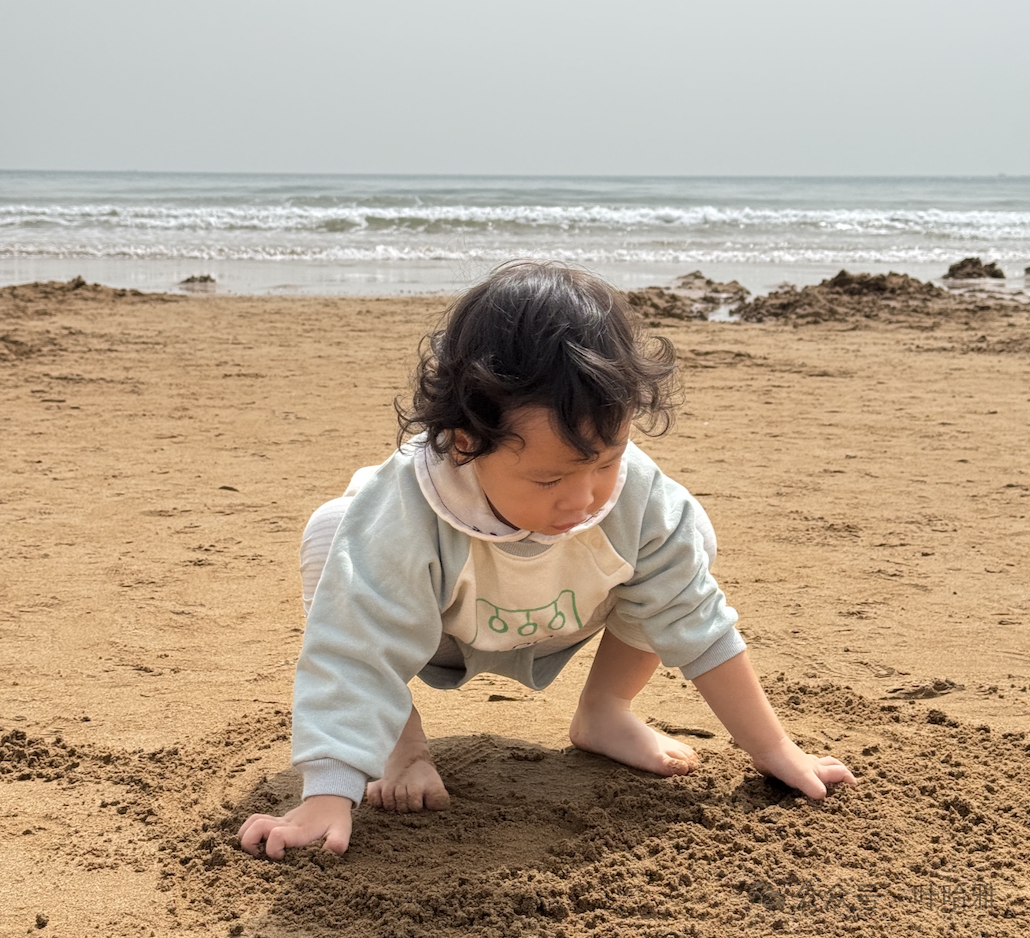
For lodging, I recommend staying near Zhanqiao Pier. It has many photogenic alleys, is close to the beach where you can feed seagulls, and has a high concentration of halal restaurants. Another good area is Shilaoren Beach, which is cleaner and quieter, making it perfect for playing in the sand with kids.
The list of halal restaurants featured in this post is as follows:
1. Halal Ma Family Seafood Hot Pot
2. Ma Family Seafood Food Stall
3. Halal Huiwei Restaurant
4. No. 2 Australian Wagyu BBQ
5. Hanbaba Pakistani Restaurant
6. Yipin Seafood Home-style Cooking
7. Minzu Restaurant
1. Halal Ma Family Seafood Hot Pot
You have to eat seafood in Qingdao. This restaurant has been open for 30 years and is currently the largest halal restaurant chain in the city with six locations. Each shop has a slightly different style, and the largest one is built like a yurt.
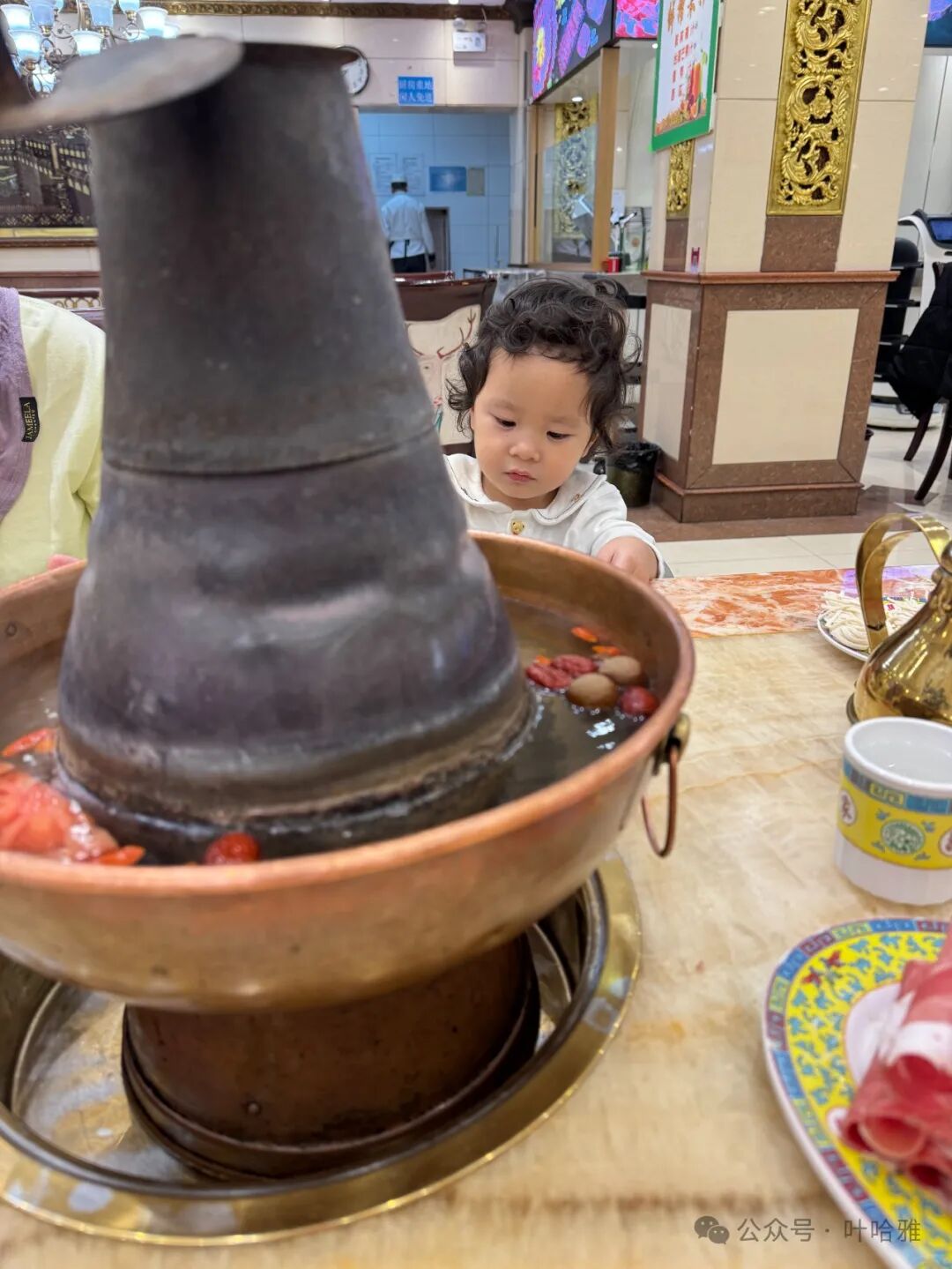
To eat seafood hot pot, pick your ingredients on the first floor, then go upstairs to the second floor and wait for your meal.
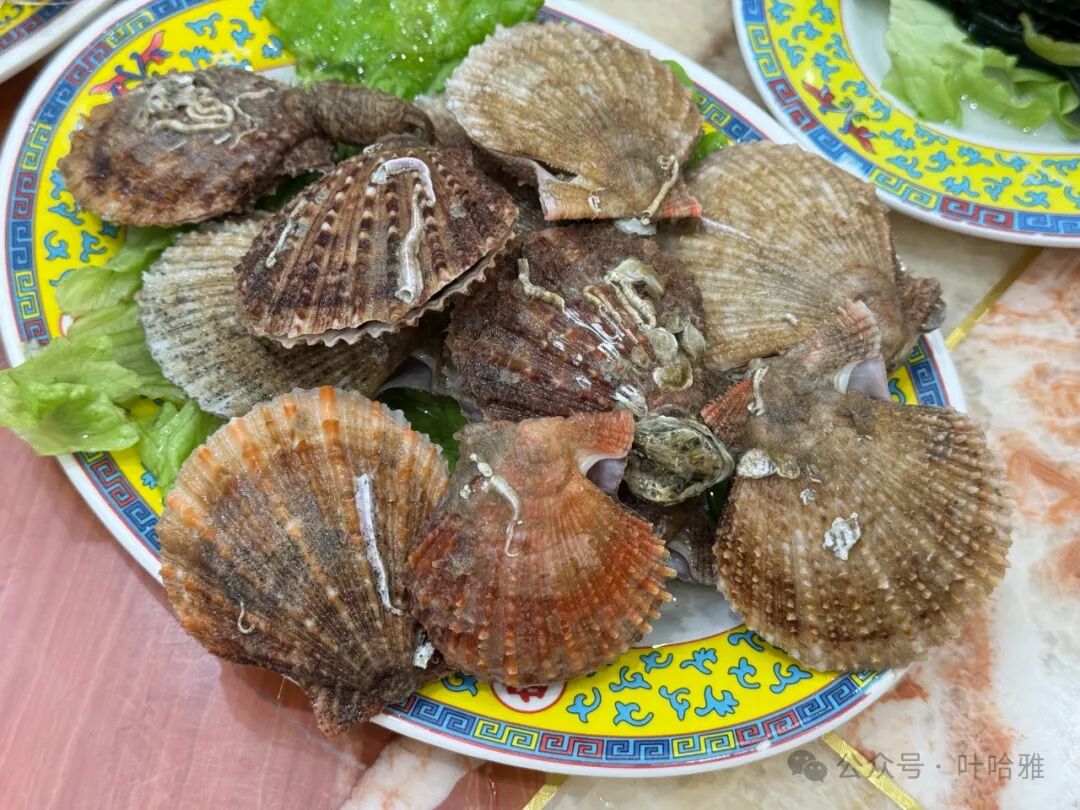
The seafood here is very fresh. The abalone and scallops arrive alive and can even crawl off the plate. The price is quite cheap, costing no more than 200 yuan for two people to have a meal.
The lamb rolls are buy-one-get-one-free. The condiment station has many combinations, and the service is very good. This shop also offers accommodation, with a nightly rate of no more than 100 yuan.
2. Halal Ma Family Seafood Stall
This shop serves seafood barbecue and local Qingdao stir-fry dishes, and it is owned by the same people as Ma Family Hot Pot.
We ordered their signature spoon worm rice (haichang laofan) and mackerel dumplings (bayu shuijiao) to go. After comparing, their versions are definitely better than others.
3. Halal Hui Flavor Restaurant
This shop is only a few hundred meters from the Ma Family Seafood Stall. It is run by Hui Muslims from Jinan and is a small place for seafood and stir-fry.
Try a local specialty, Laoshan Cola, which has a herbal medicine taste.
Spoon worm rice (haichang laofan) is a dish that every local seafood restaurant makes, and it is cooked with Chinese chives.
The mackerel dumplings have a delicate texture, and the wrappers are green because they contain spinach juice.
4. No. 2 Australian Wagyu BBQ Restaurant
This restaurant is inside the Sheraton in Huangdao. It has been open for over a year, has a good reputation, and the food tastes great.
There are a few handsome Uyghur guys in the shop who will help you grill the meat.
I thought this rice ball was meant to be eaten raw, but it turns out you have to grill it a bit more.
My top recommendation is this large slice of Australian Wagyu beef; the meat is very tender.
5. Khan Baba Pakistani Restaurant
This Khan Baba is a branch of the Beijing Khan Baba in Qingdao. The shop is small and has been in Qingdao for several years. The restaurant does not sell alcohol, and not far from Khan Baba, there is a Turkish restaurant called Istanbul Kitchen.
To be honest, the taste at this Qingdao branch is not as good as the one in Beijing, but it is still nice to have another option in Qingdao.
If you bring children, they can eat the pasta and pizza here.
6. Yipin Seafood Home-style Cooking
This is also a seafood stir-fry restaurant, located near Zhanqiao Pier.
The owner is very welcoming, and the food at this shop is quite tasty.
I tried the local bizarre drink Laoshan white flower snake grass water (Laoshan baihuashecaoshui), and it tastes like medicine.
Cold tossed fish skin is a very spicy dish, no matter where you eat it, so be careful if you cannot handle spice.
The owner will recommend which seafood just arrived, and the spicy stir-fried squid tentacles and scallops are both delicious.
7. Ethnic restaurant
This is a restaurant run by the Salar people from Qinghai that does not serve alcohol, located near the Qingdao mosque. There is now a small food street for Hui Muslims around the mosque.
We went on the last night of Ramadan, and it was packed, so the service could not keep up.
In my experience, when you come to a Northwest restaurant, you should eat Northwest specialties and try to avoid dishes that do not belong to the Northwest cuisine, or you might be disappointed.
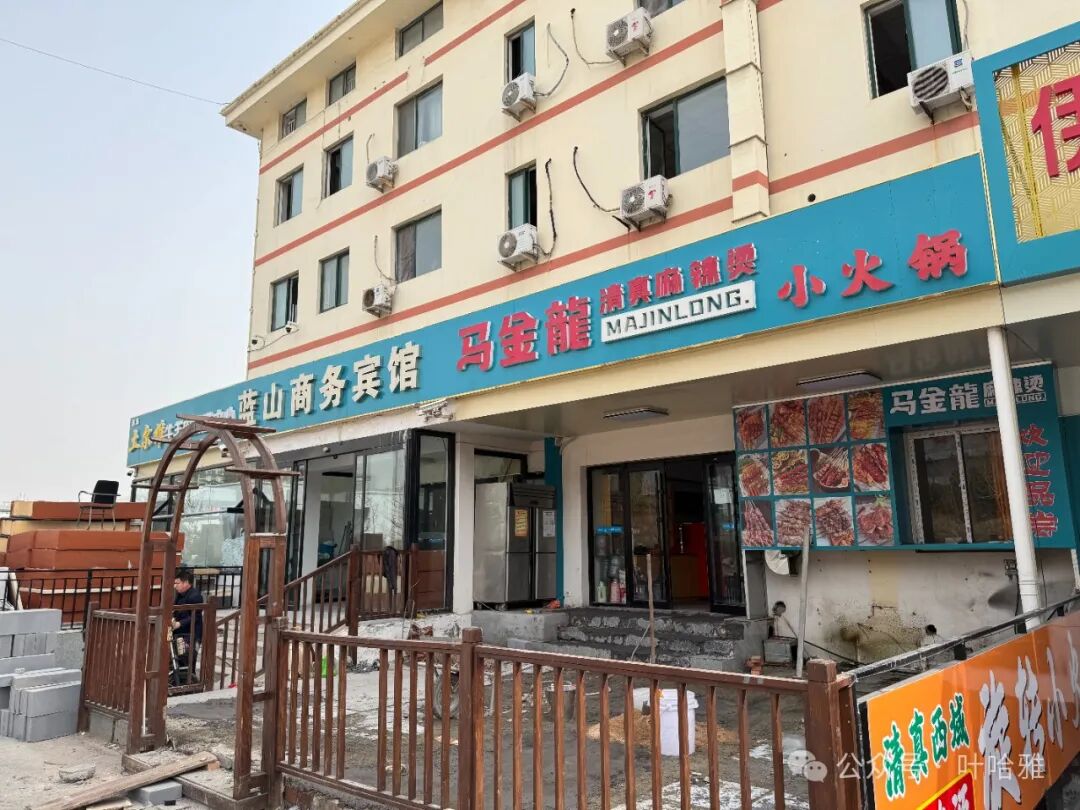
This Hui Muslim food street around the mosque is basically all Northwest restaurants, with steamed buns (baozi), spicy hot pot (malatang), barbecue, and various noodle dishes.
They say this Deqing steamed bun (baozi) shop is run by people from Dezhou, Shandong.
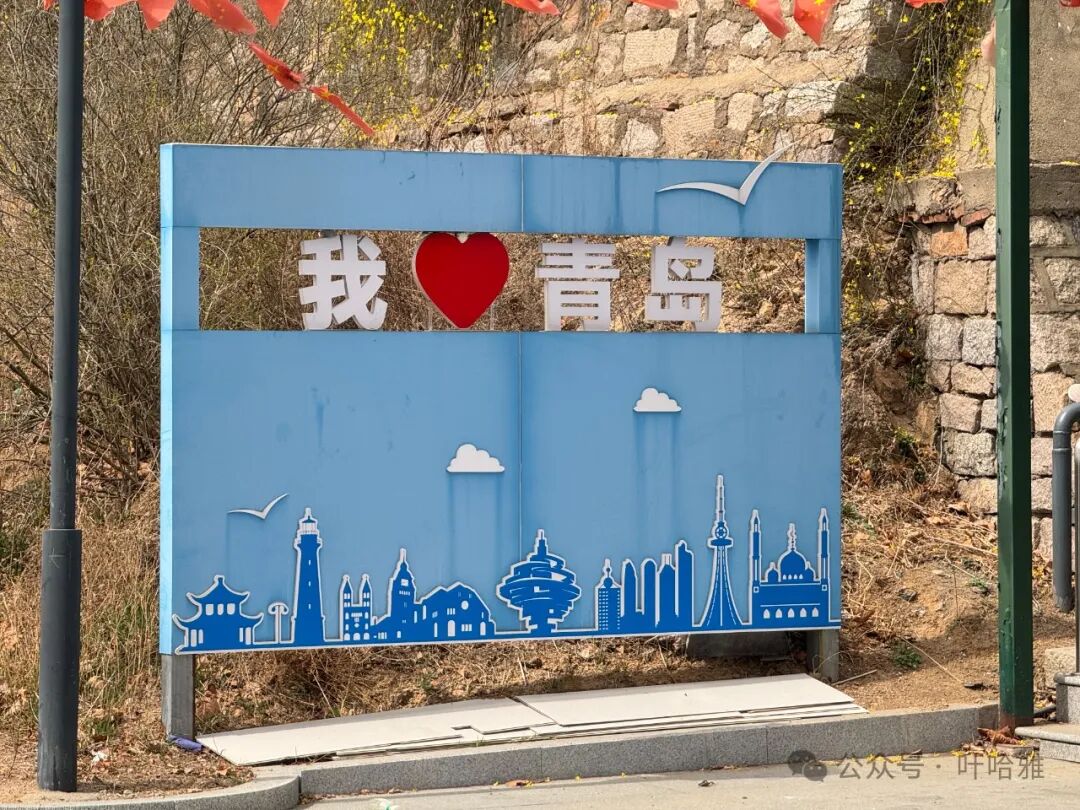
Also, I found a halal seafood barbecue shop near Zhanqiao on Dazhong Dianping, as shown in the picture below.
When I arrived, I found it was a hand-pulled noodle shop, as shown in the picture below. I asked the owner and learned they used to serve seafood but stopped, though the information online was never updated.
Qingdao Mosque
Qingdao Mosque is built on a hill. It is 20 years old, covers a large area, and sits right next to a Hui Muslim cemetery.
The Eid al-Fitr prayer is held in an outdoor space because there are too many people for the main hall to hold. About half of the attendees are international students.
A halal cafe opened right across from the mosque. It is very relaxing to drink coffee there and feel the sea breeze. view all
Summary: This 2025 Qingdao halal food map follows an Eid al-Fitr trip, Zhanqiao Pier, Shilaoren Beach, Ma Family seafood hot pot, Ma Family seafood stalls, Huiwei Restaurant, Wagyu BBQ, Pakistani food, and practical notes on halal seafood and family travel.
I visited Qingdao again after 15 years. My car broke down when I arrived, so I stayed for five days and spent Eid al-Fitr here. I was surprised to see so many more halal restaurants than when I came for my college graduation trip, when I could only find hand-pulled noodles (lamian).
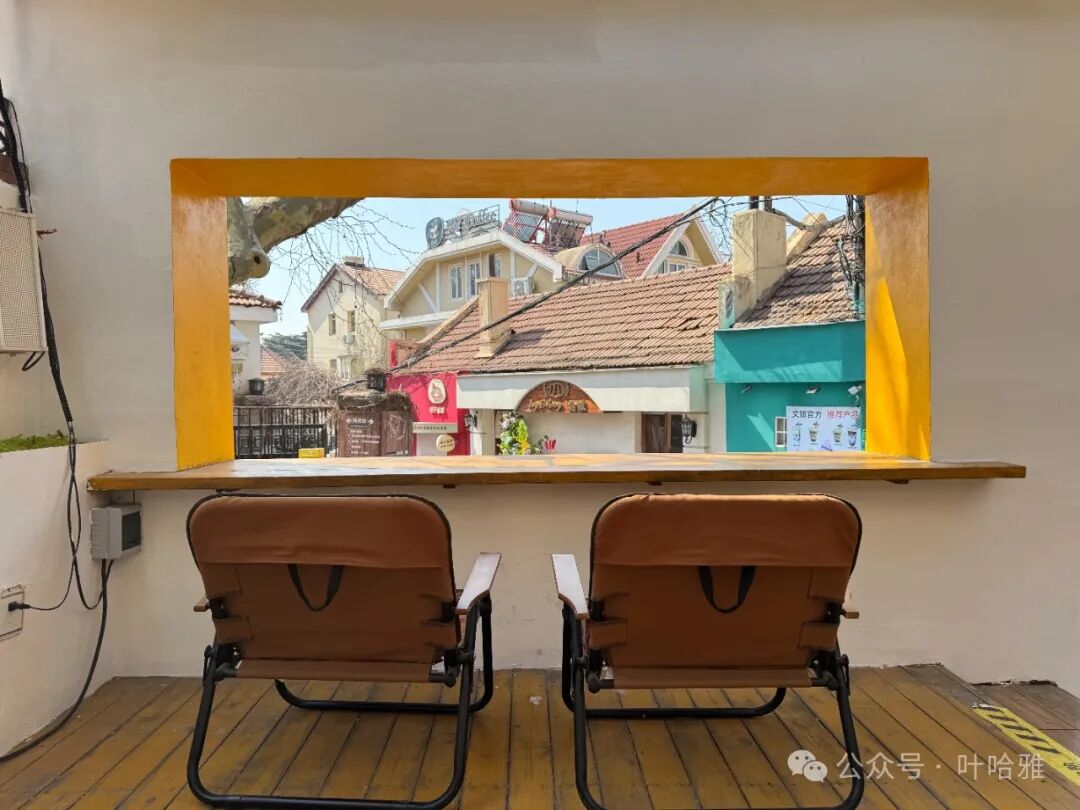
For lodging, I recommend staying near Zhanqiao Pier. It has many photogenic alleys, is close to the beach where you can feed seagulls, and has a high concentration of halal restaurants. Another good area is Shilaoren Beach, which is cleaner and quieter, making it perfect for playing in the sand with kids.
The list of halal restaurants featured in this post is as follows:
1. Halal Ma Family Seafood Hot Pot
2. Ma Family Seafood Food Stall
3. Halal Huiwei Restaurant
4. No. 2 Australian Wagyu BBQ
5. Hanbaba Pakistani Restaurant
6. Yipin Seafood Home-style Cooking
7. Minzu Restaurant
1. Halal Ma Family Seafood Hot Pot
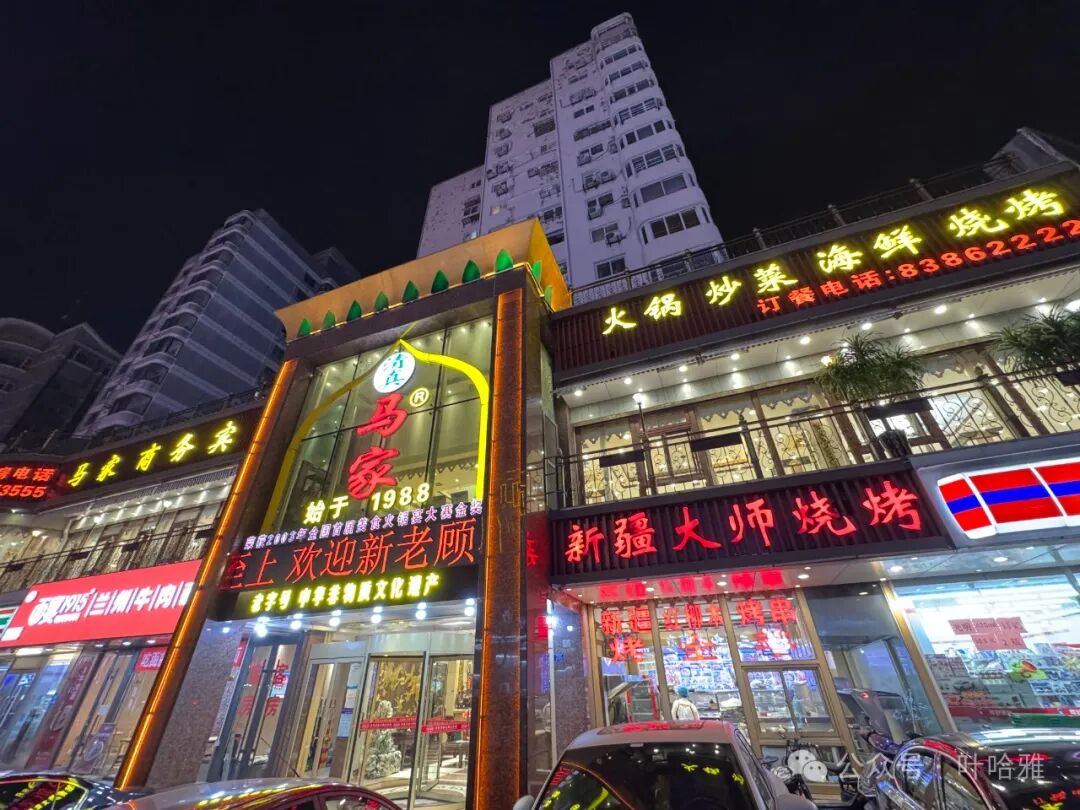
You have to eat seafood in Qingdao. This restaurant has been open for 30 years and is currently the largest halal restaurant chain in the city with six locations. Each shop has a slightly different style, and the largest one is built like a yurt.
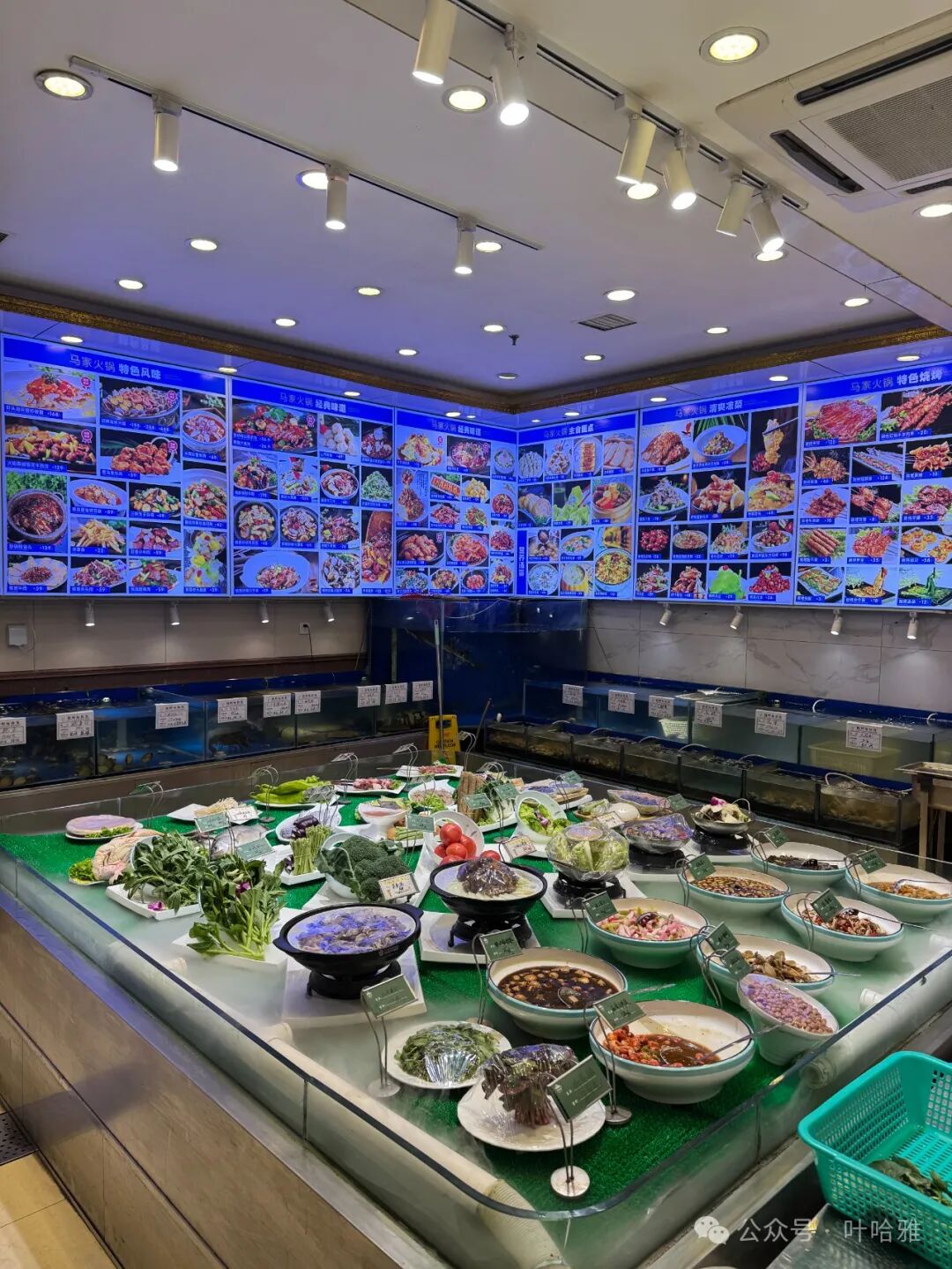
To eat seafood hot pot, pick your ingredients on the first floor, then go upstairs to the second floor and wait for your meal.
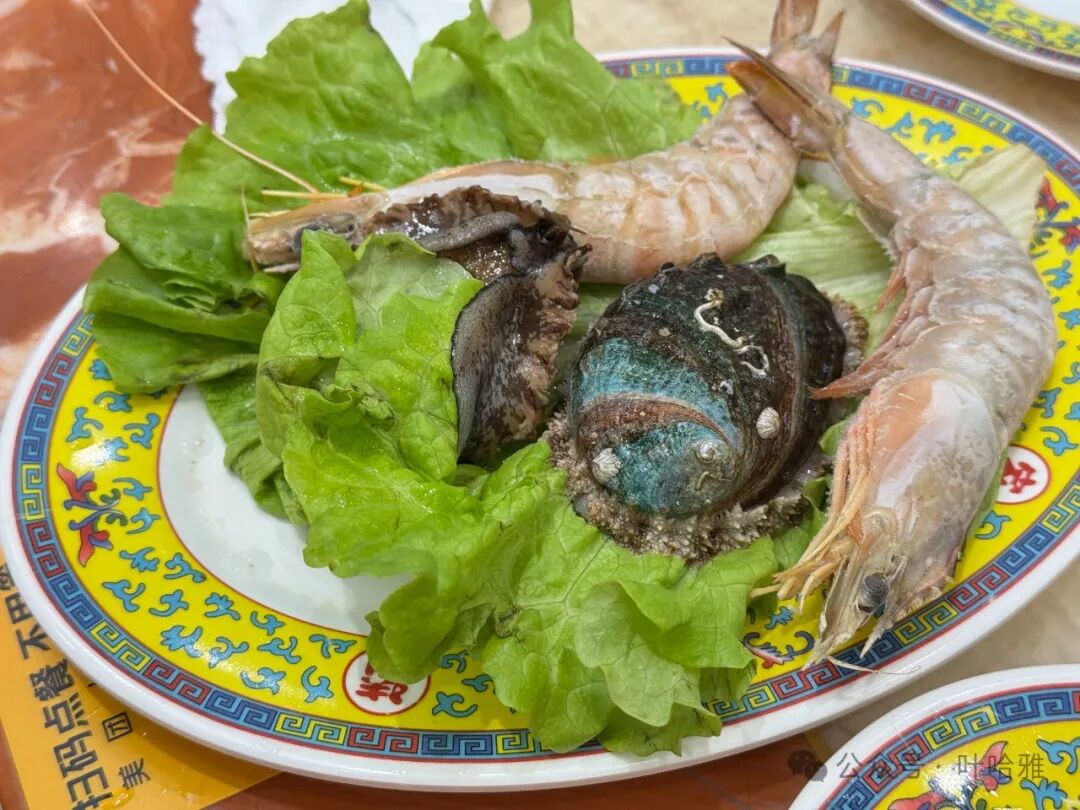
The seafood here is very fresh. The abalone and scallops arrive alive and can even crawl off the plate. The price is quite cheap, costing no more than 200 yuan for two people to have a meal.
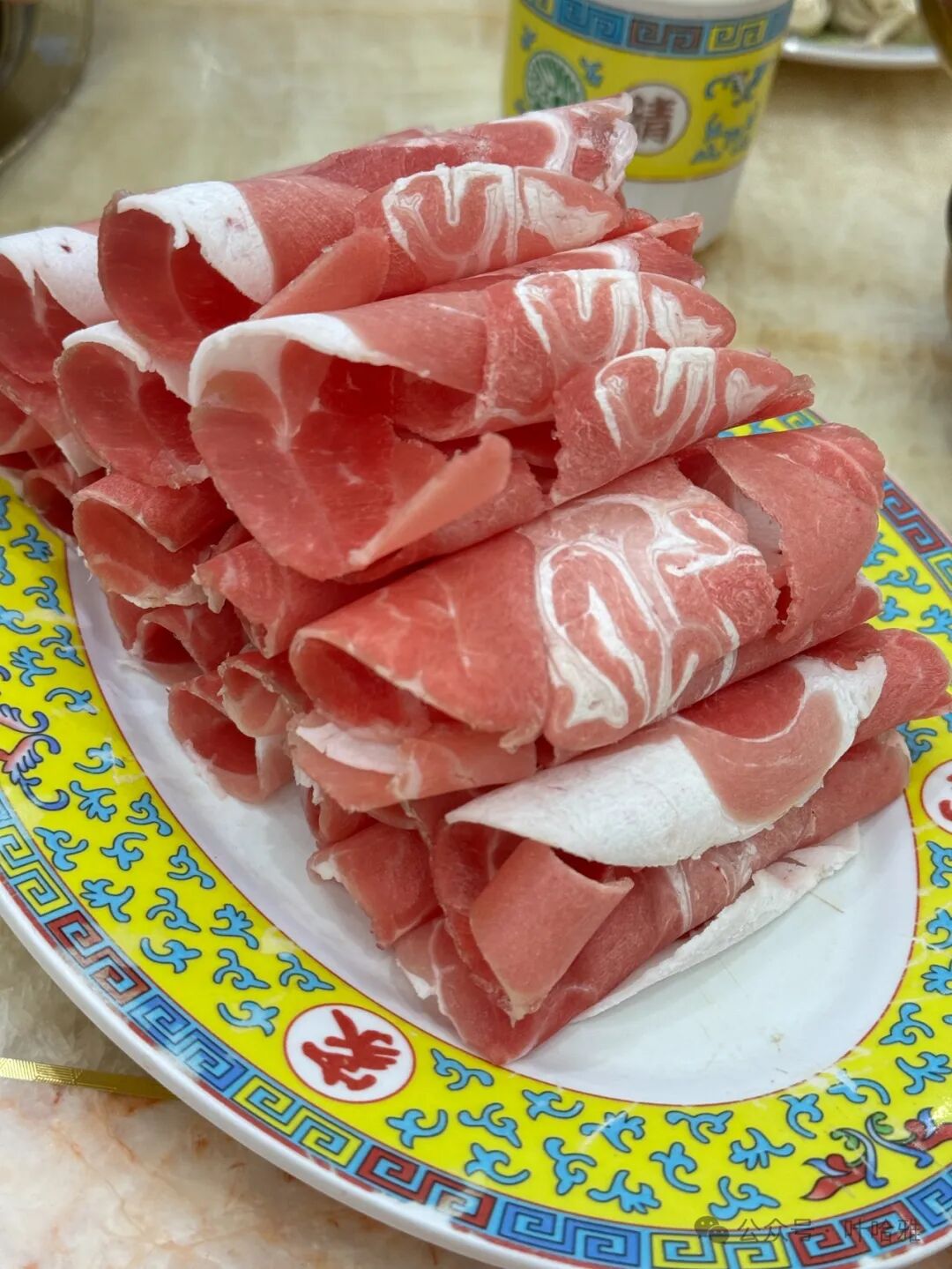
The lamb rolls are buy-one-get-one-free. The condiment station has many combinations, and the service is very good. This shop also offers accommodation, with a nightly rate of no more than 100 yuan.
2. Halal Ma Family Seafood Stall
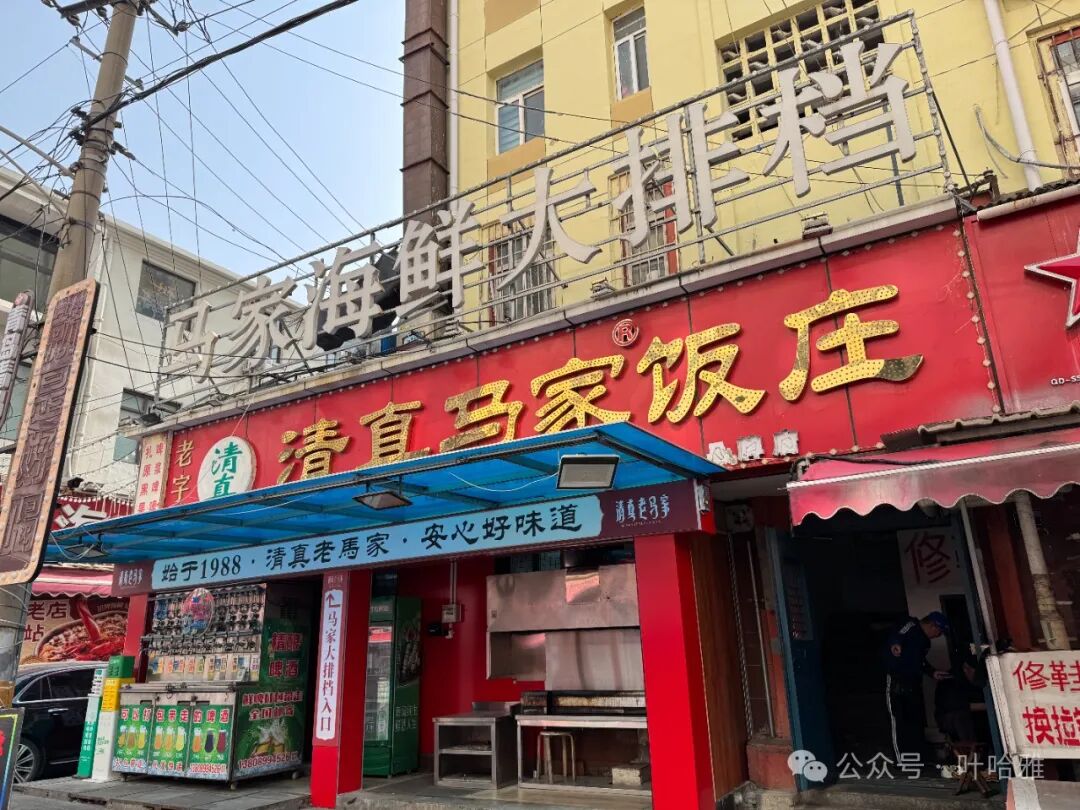
This shop serves seafood barbecue and local Qingdao stir-fry dishes, and it is owned by the same people as Ma Family Hot Pot.
We ordered their signature spoon worm rice (haichang laofan) and mackerel dumplings (bayu shuijiao) to go. After comparing, their versions are definitely better than others.
3. Halal Hui Flavor Restaurant
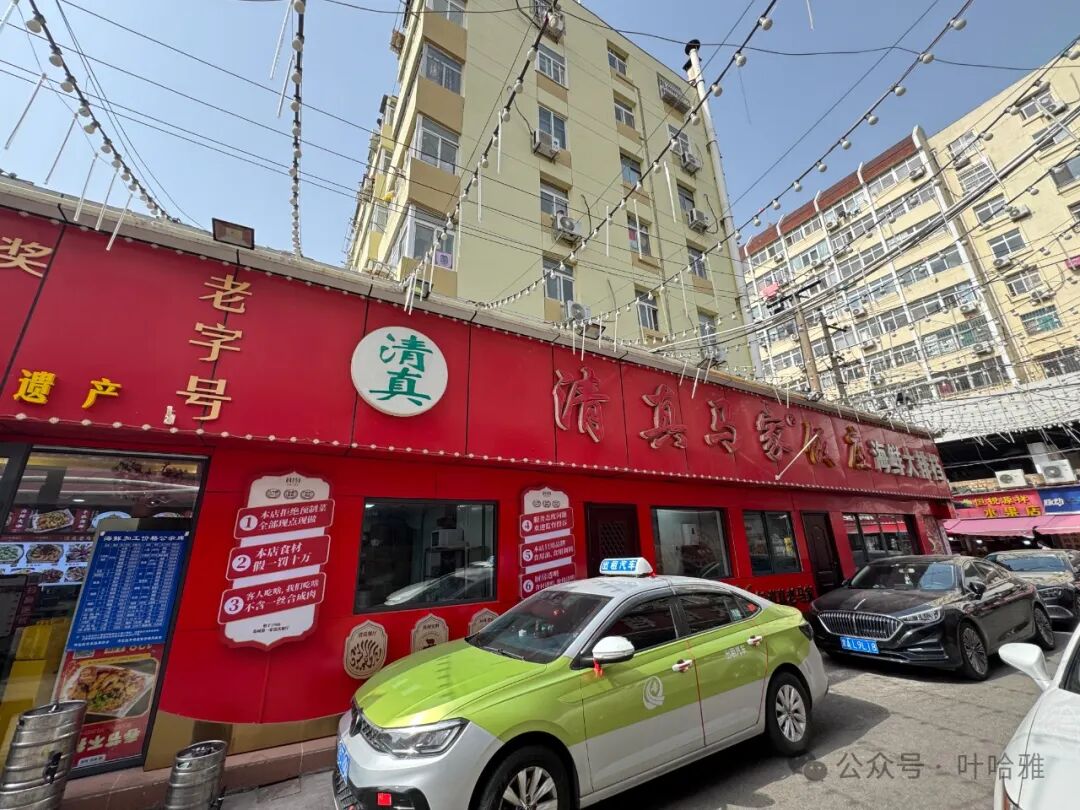
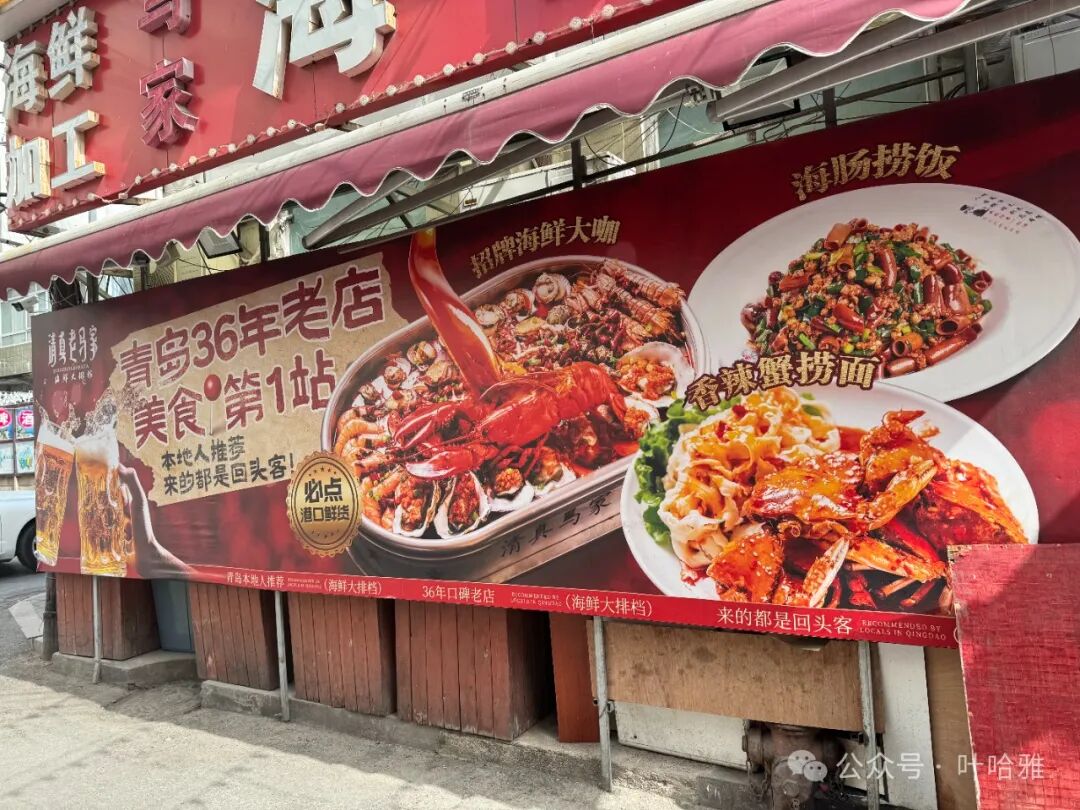
This shop is only a few hundred meters from the Ma Family Seafood Stall. It is run by Hui Muslims from Jinan and is a small place for seafood and stir-fry.
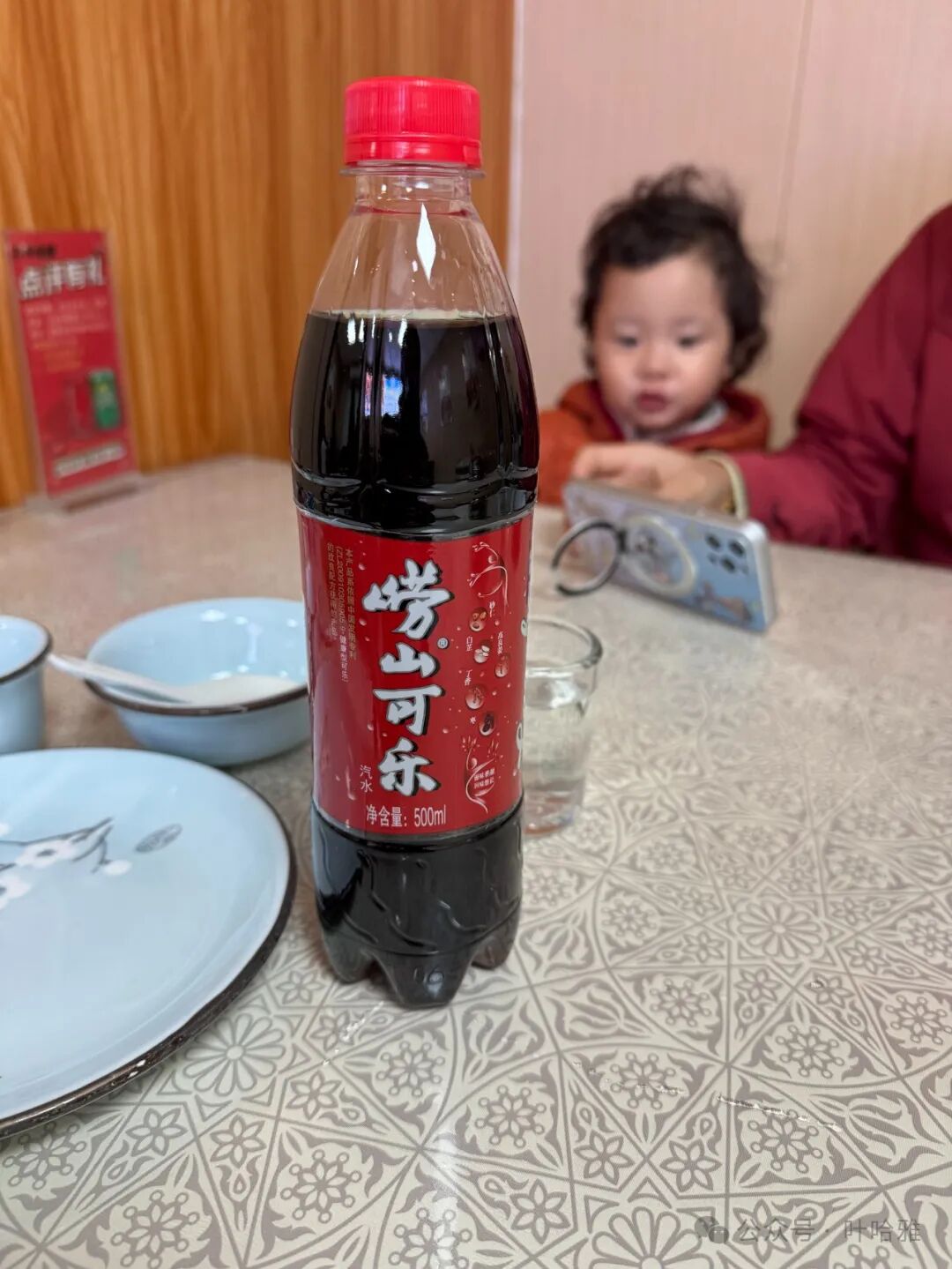
Try a local specialty, Laoshan Cola, which has a herbal medicine taste.
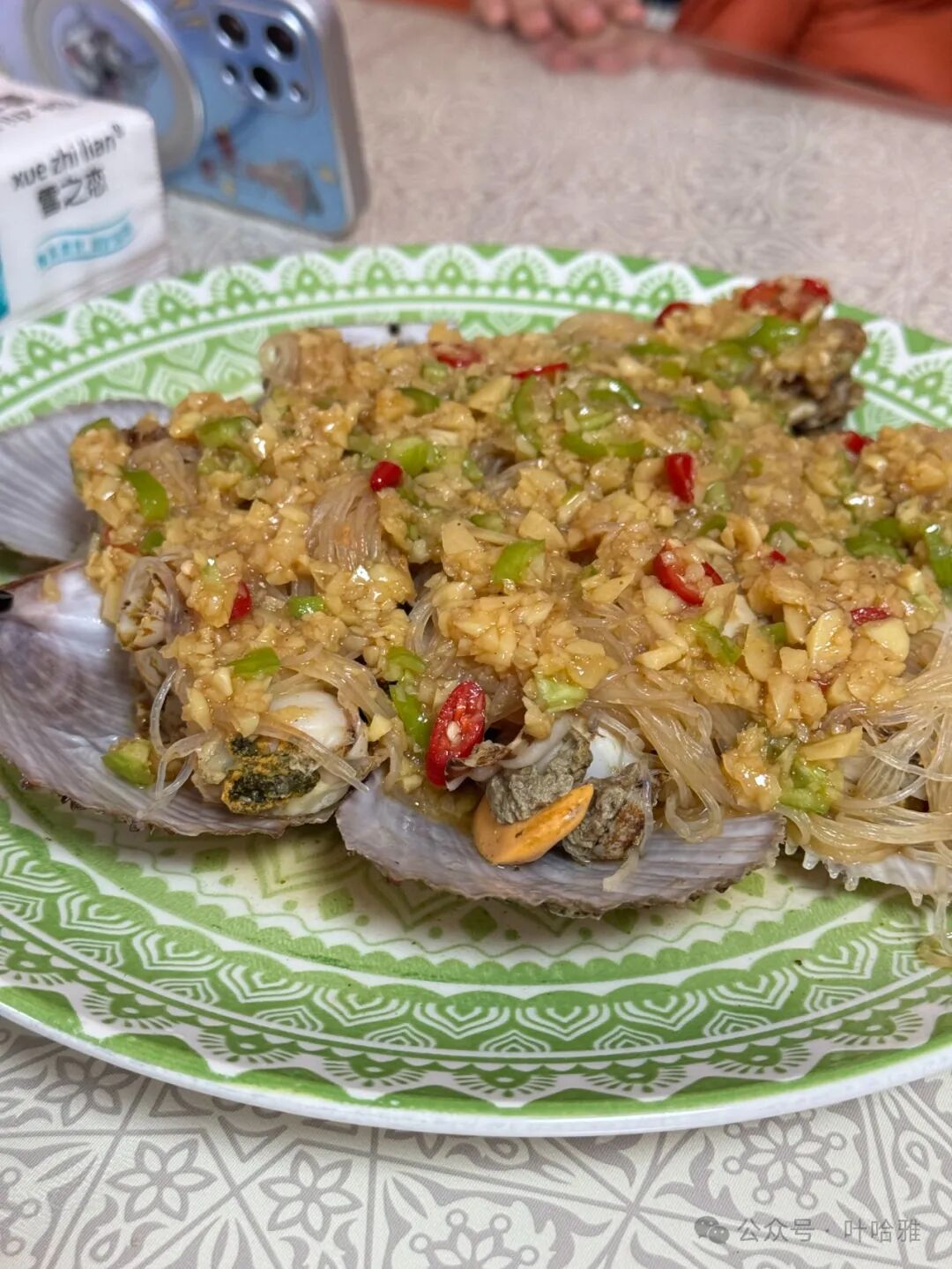
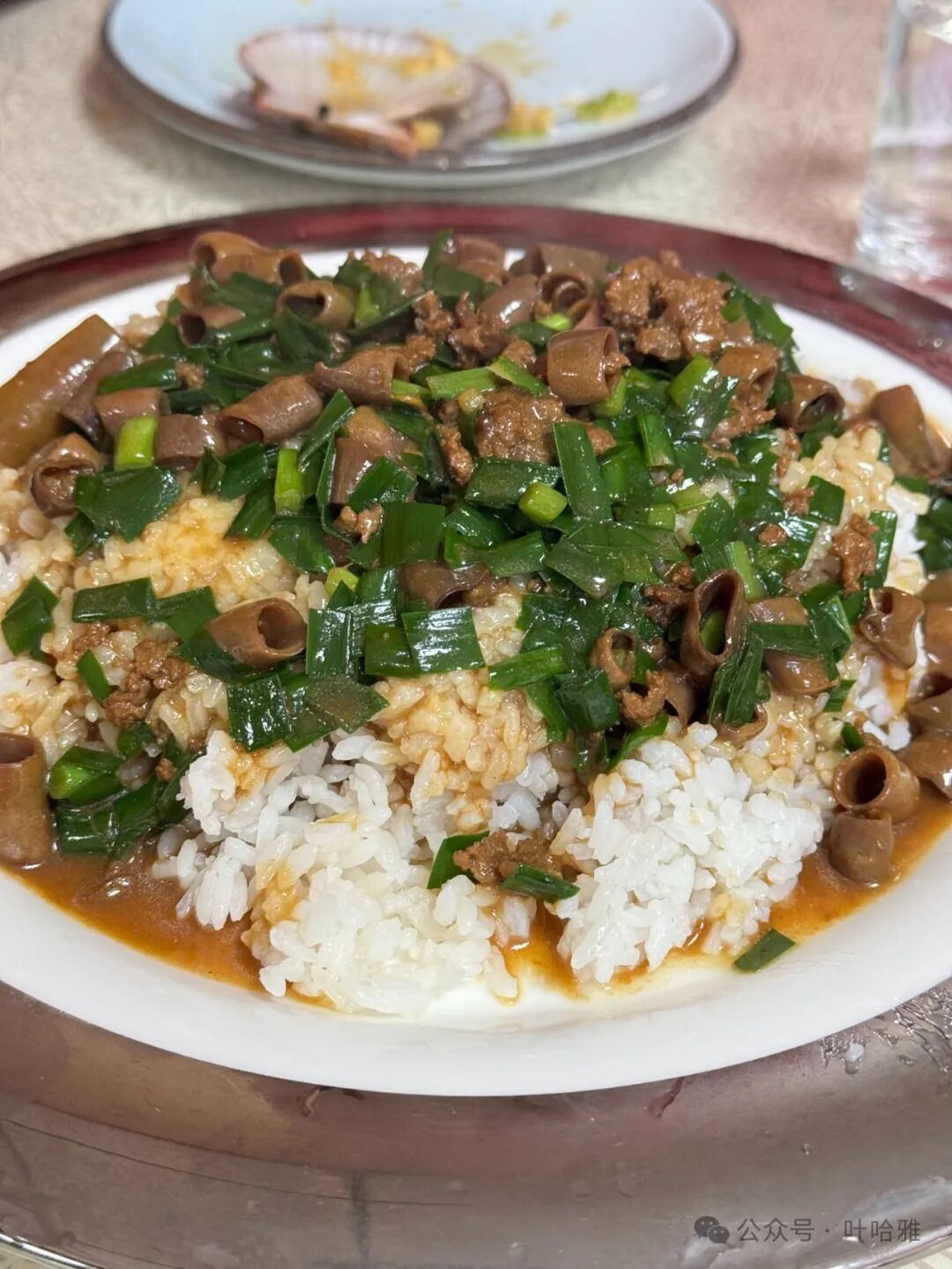
Spoon worm rice (haichang laofan) is a dish that every local seafood restaurant makes, and it is cooked with Chinese chives.
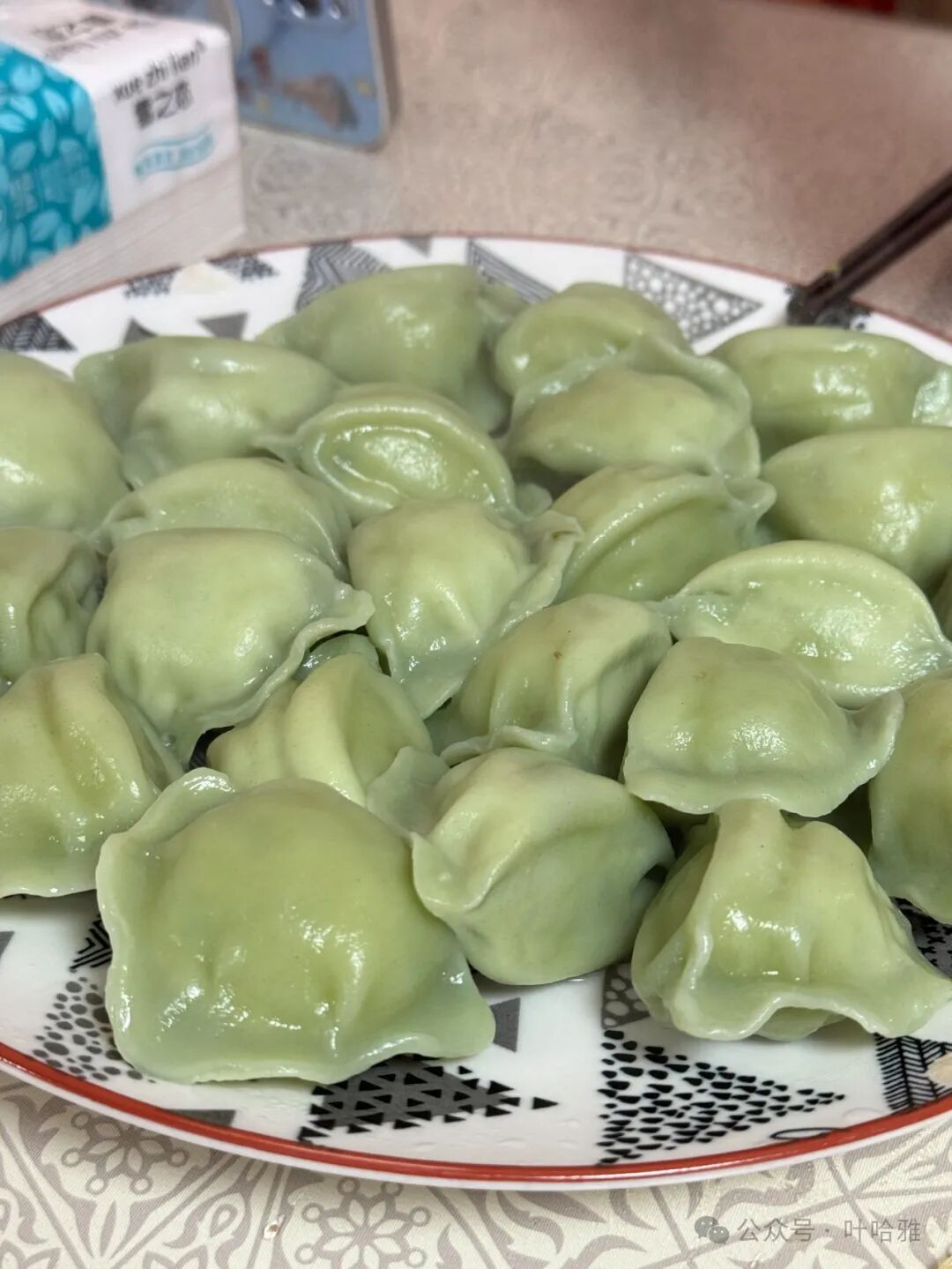
The mackerel dumplings have a delicate texture, and the wrappers are green because they contain spinach juice.
4. No. 2 Australian Wagyu BBQ Restaurant
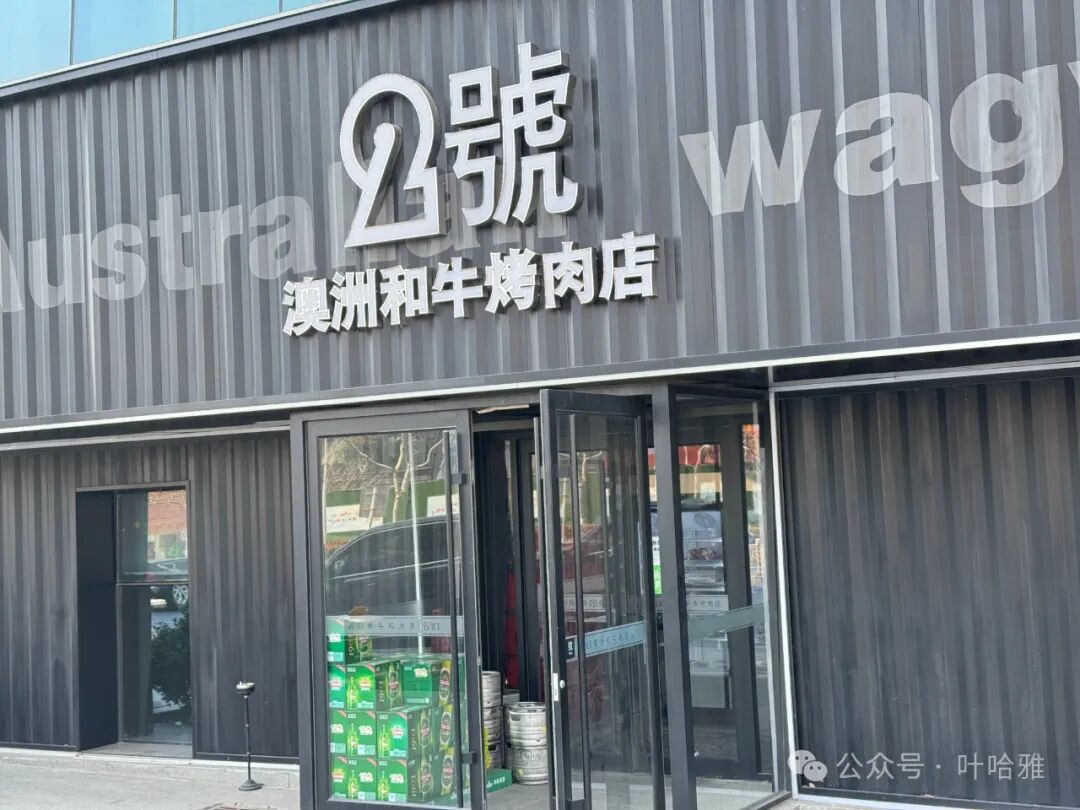
This restaurant is inside the Sheraton in Huangdao. It has been open for over a year, has a good reputation, and the food tastes great.
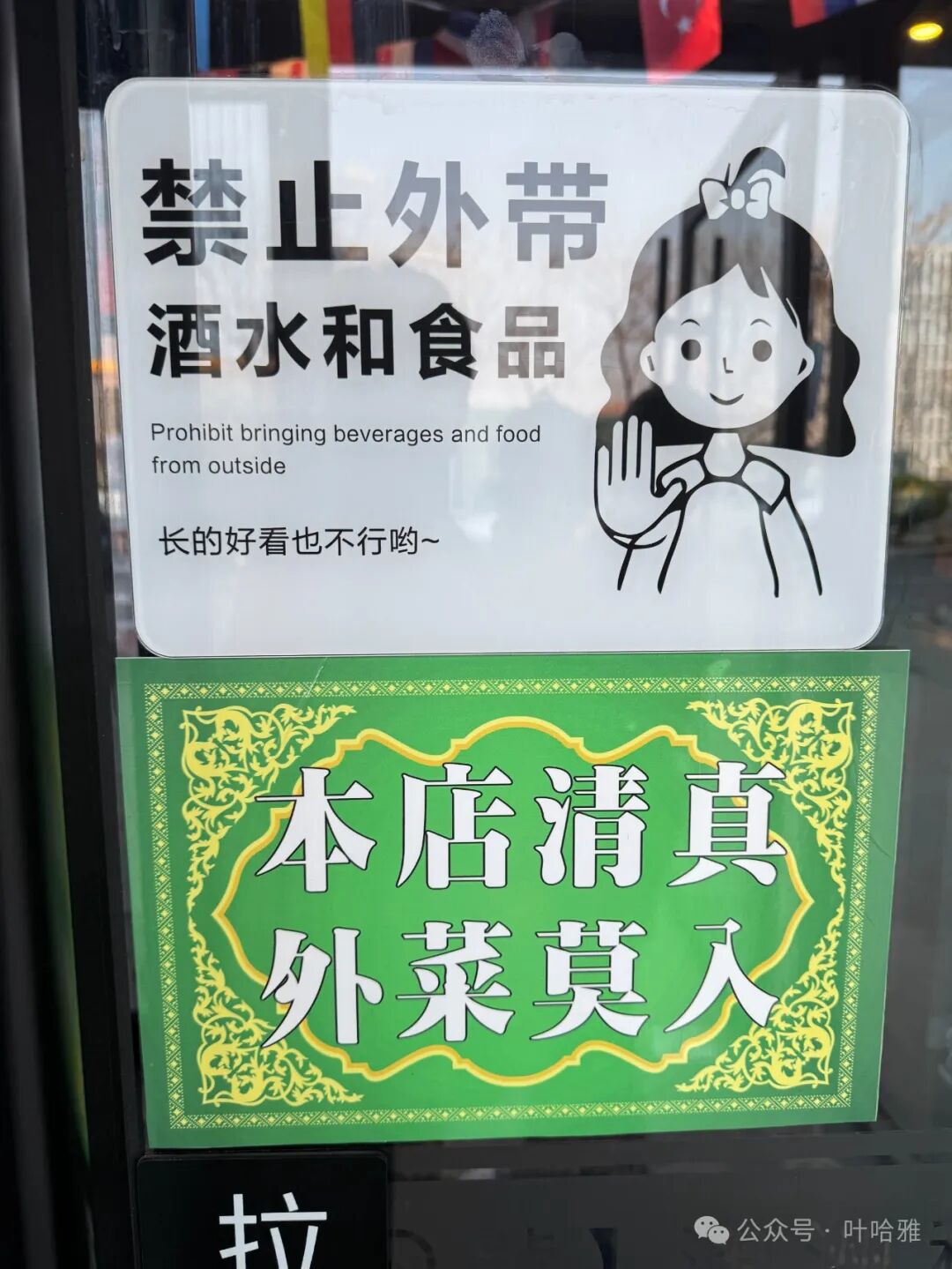
There are a few handsome Uyghur guys in the shop who will help you grill the meat.
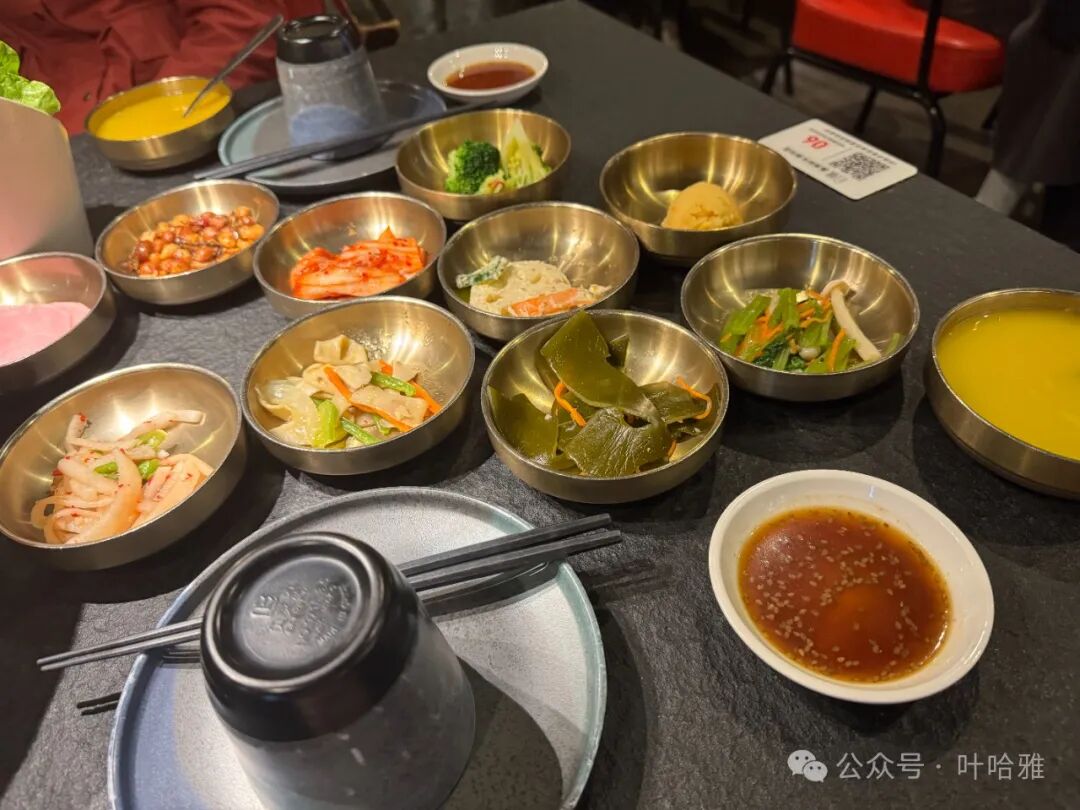
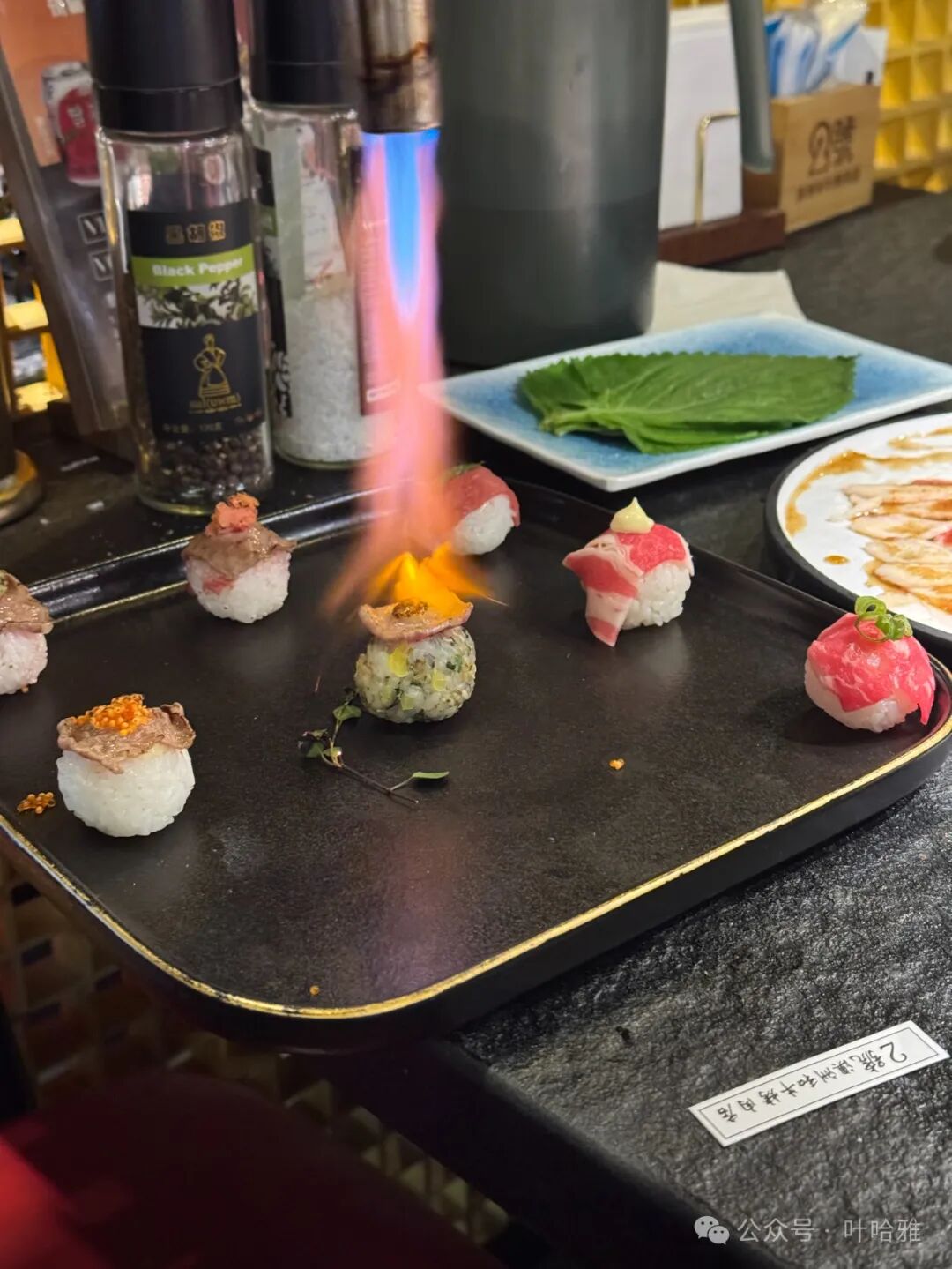
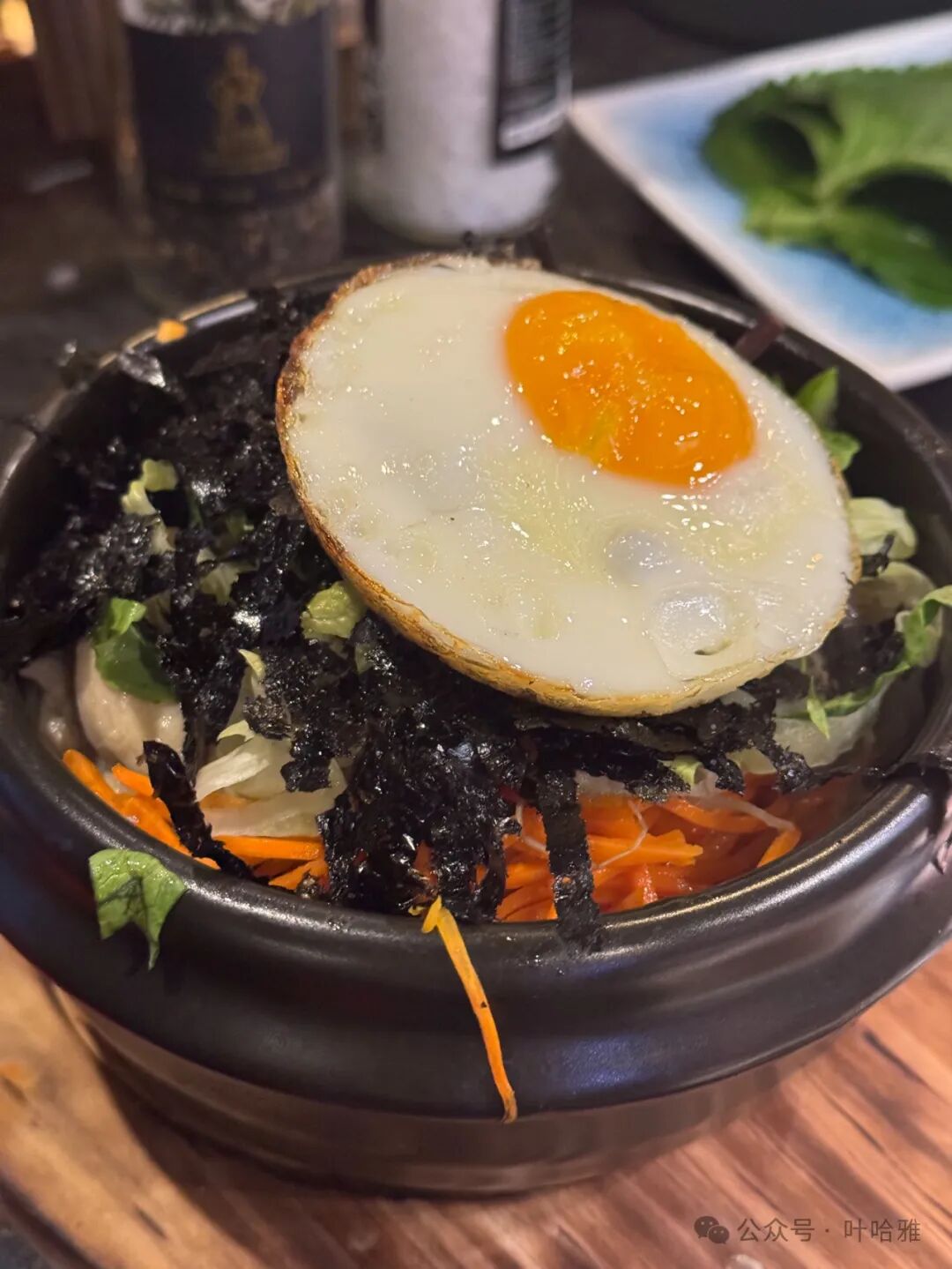
I thought this rice ball was meant to be eaten raw, but it turns out you have to grill it a bit more.
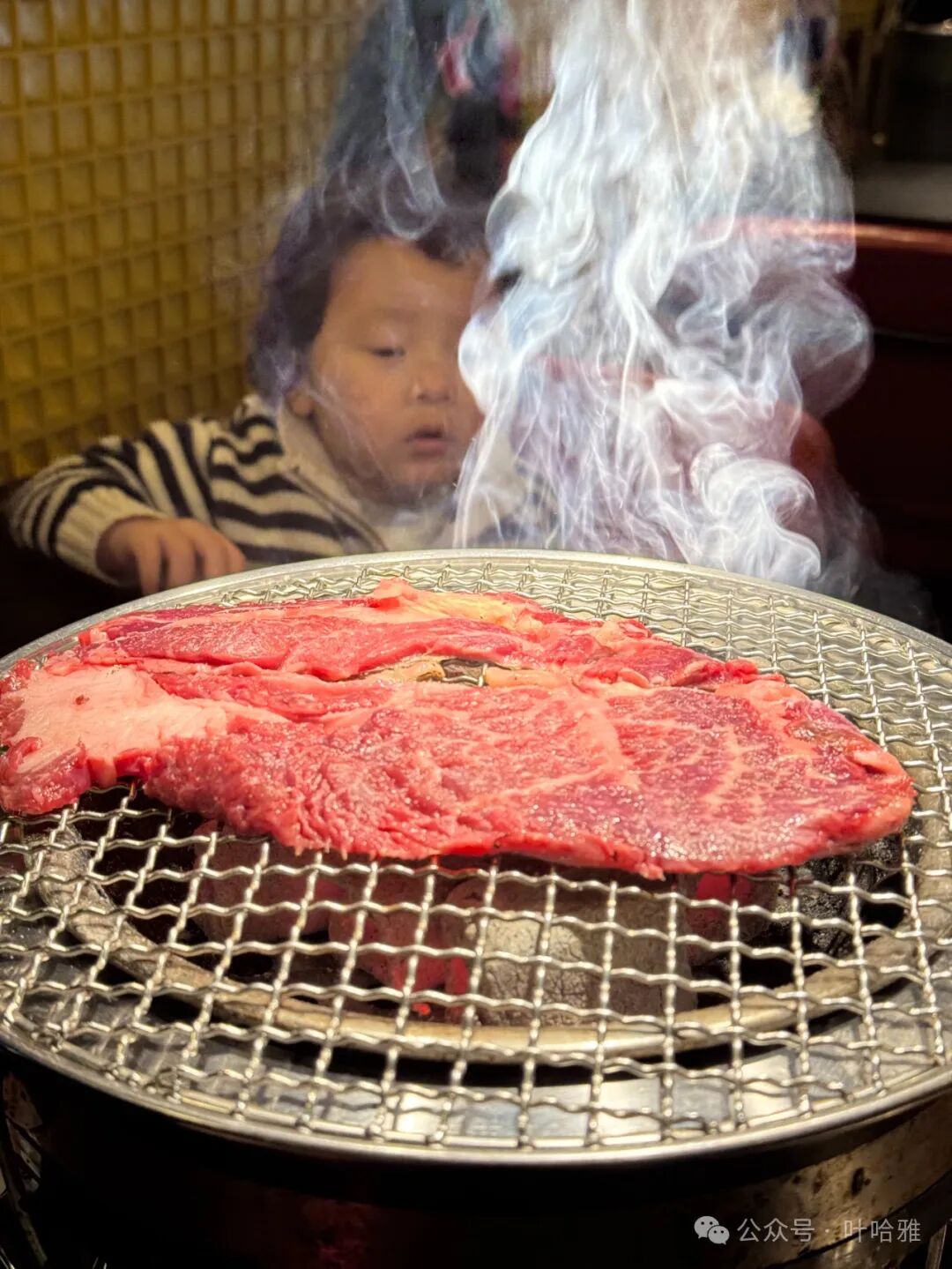
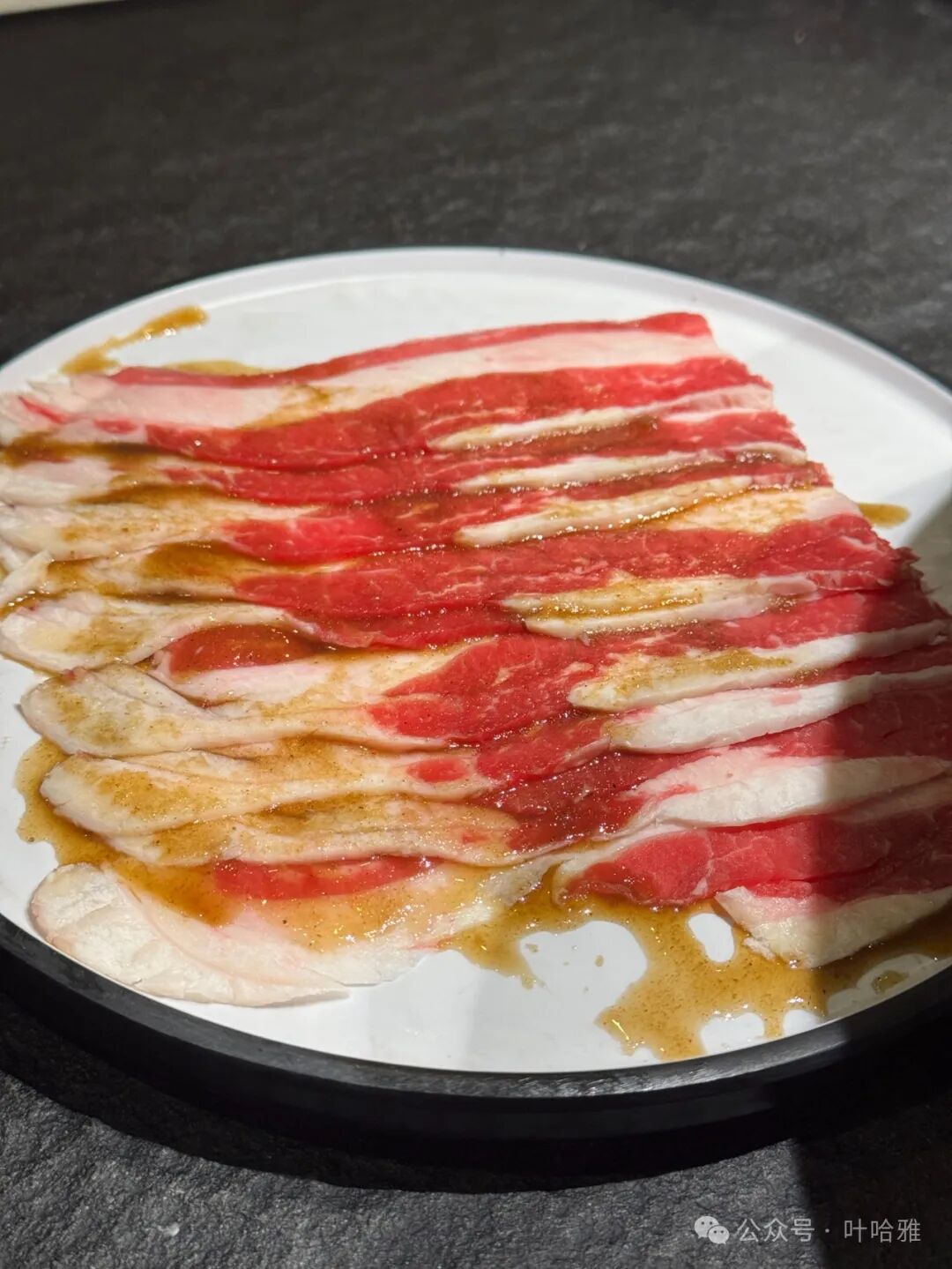
My top recommendation is this large slice of Australian Wagyu beef; the meat is very tender.
5. Khan Baba Pakistani Restaurant
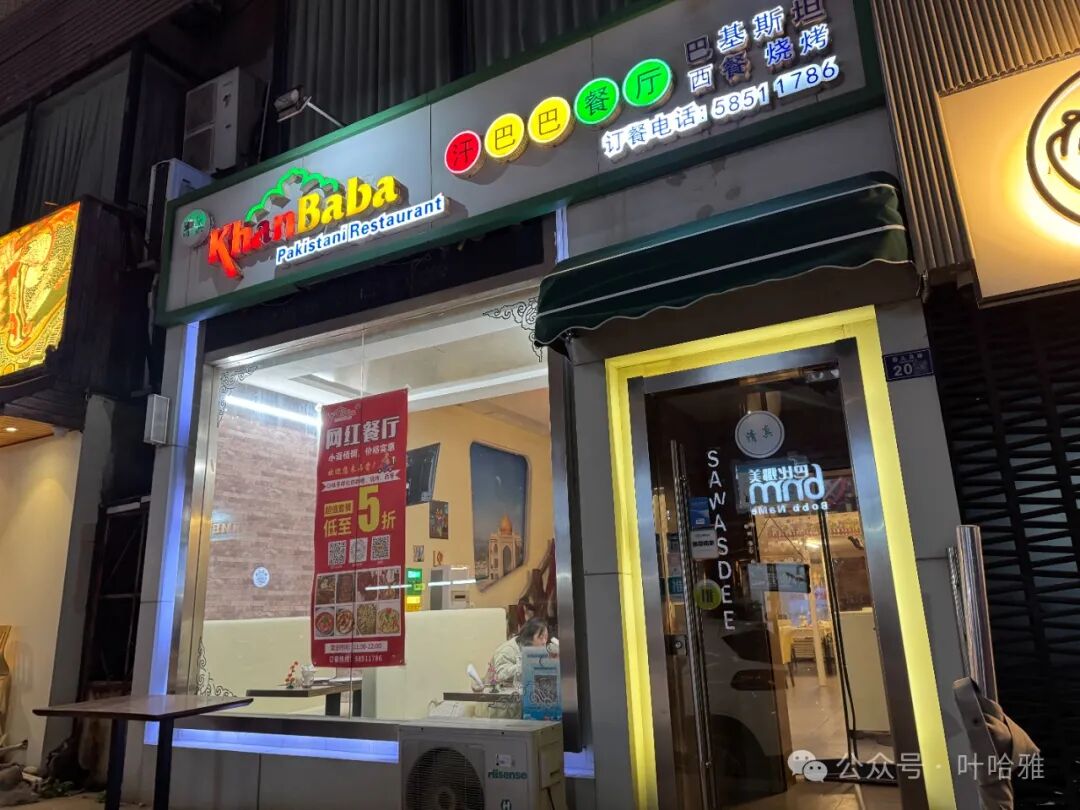
This Khan Baba is a branch of the Beijing Khan Baba in Qingdao. The shop is small and has been in Qingdao for several years. The restaurant does not sell alcohol, and not far from Khan Baba, there is a Turkish restaurant called Istanbul Kitchen.
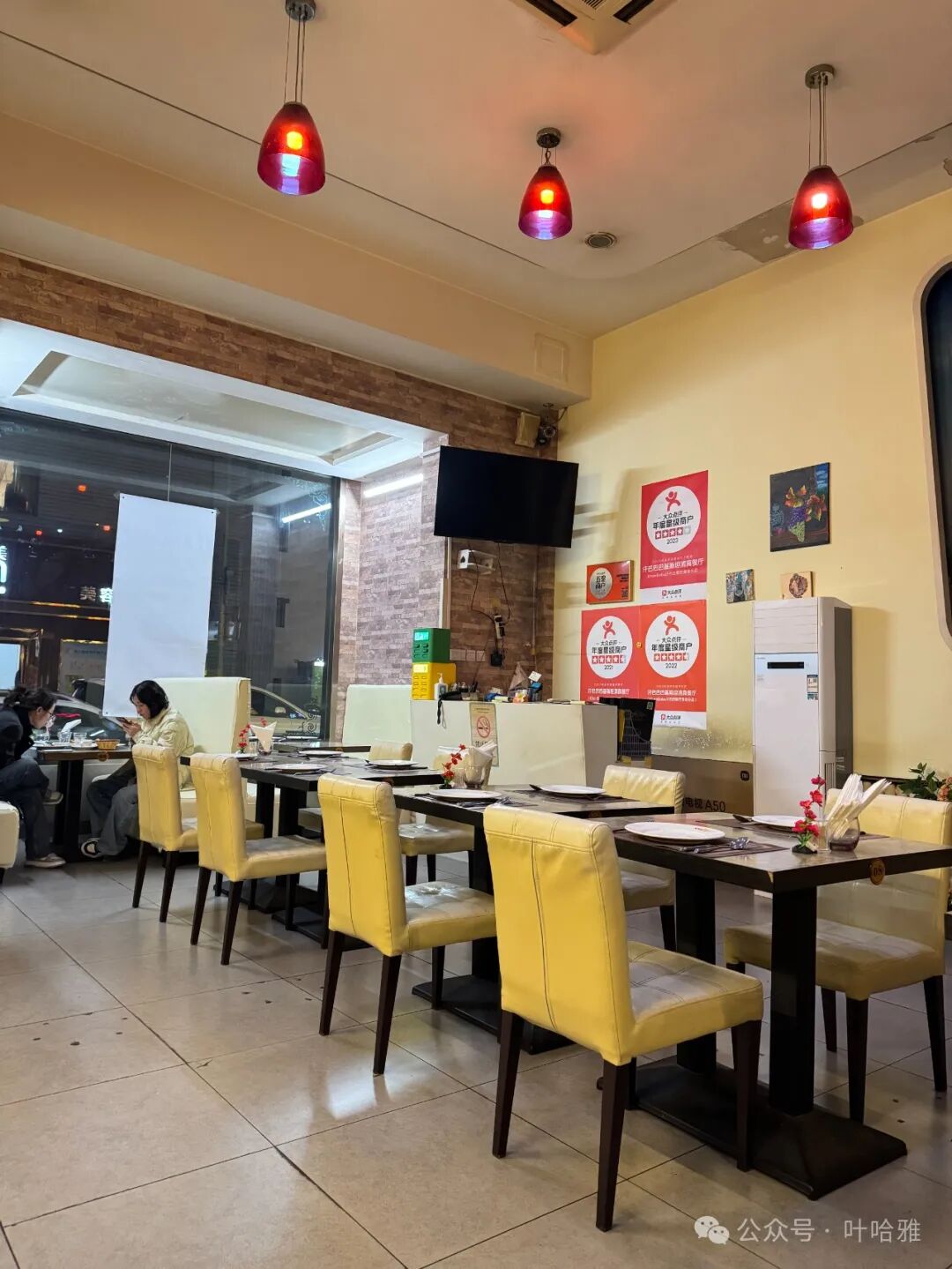
To be honest, the taste at this Qingdao branch is not as good as the one in Beijing, but it is still nice to have another option in Qingdao.
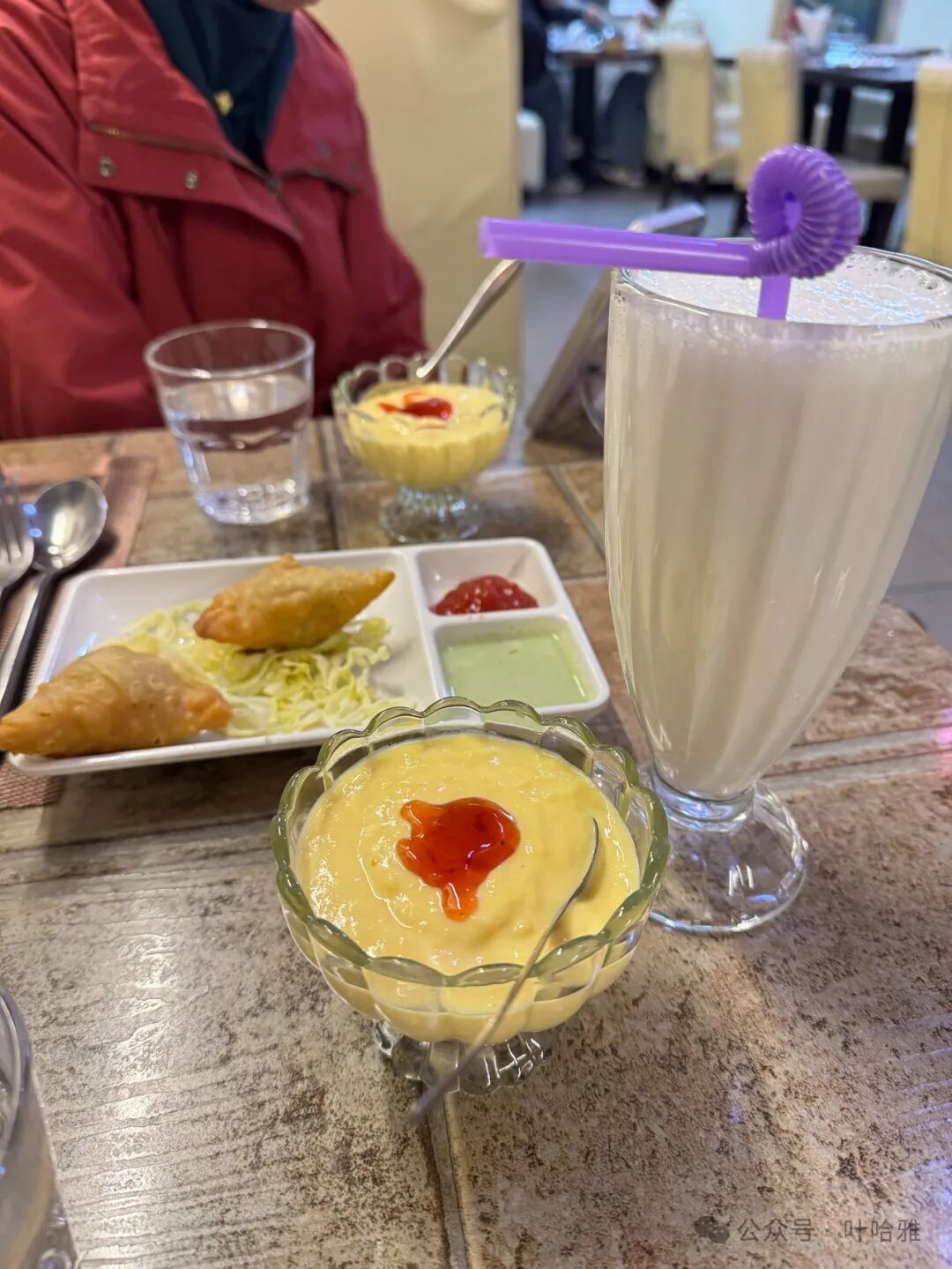
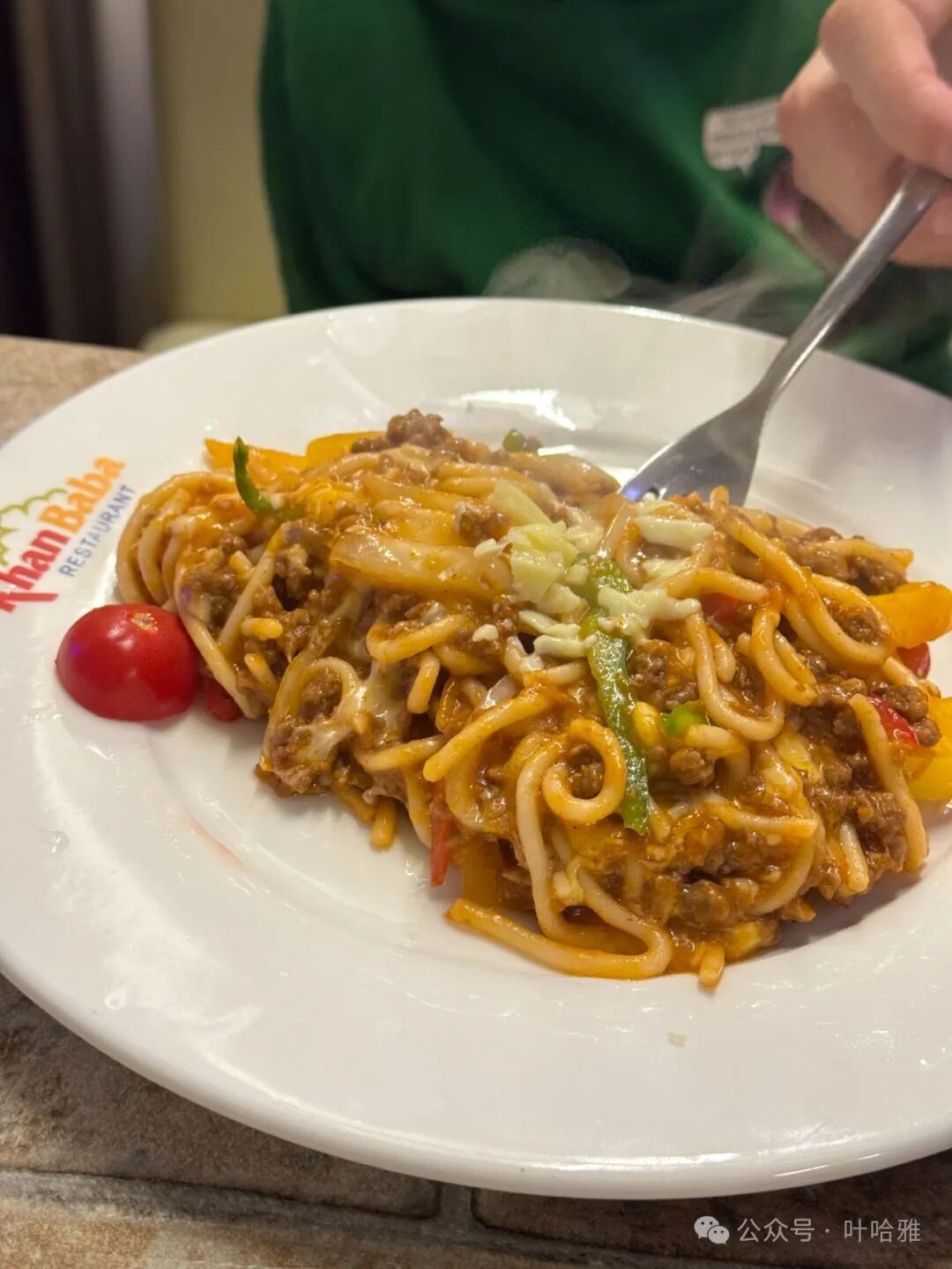
If you bring children, they can eat the pasta and pizza here.
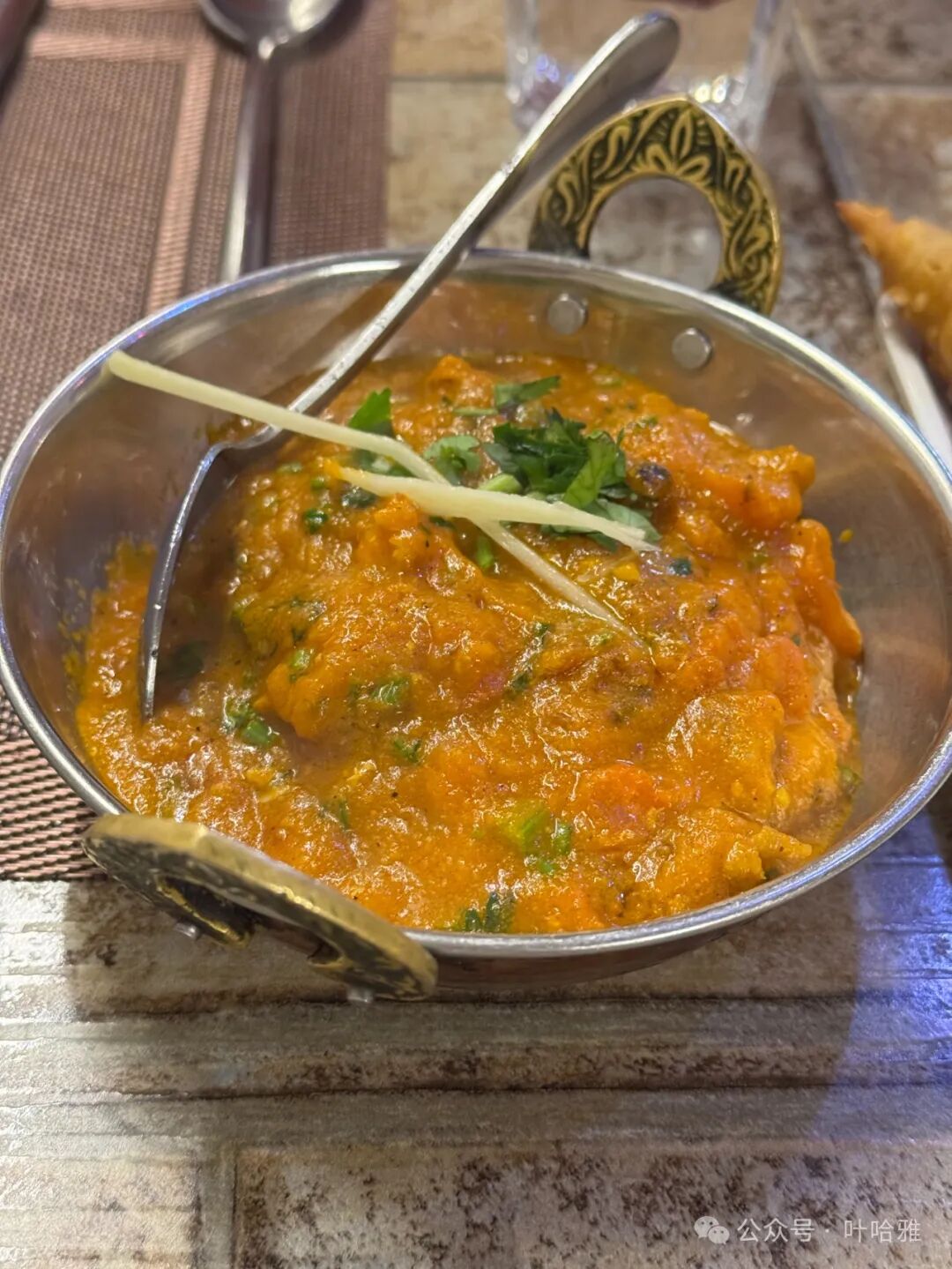
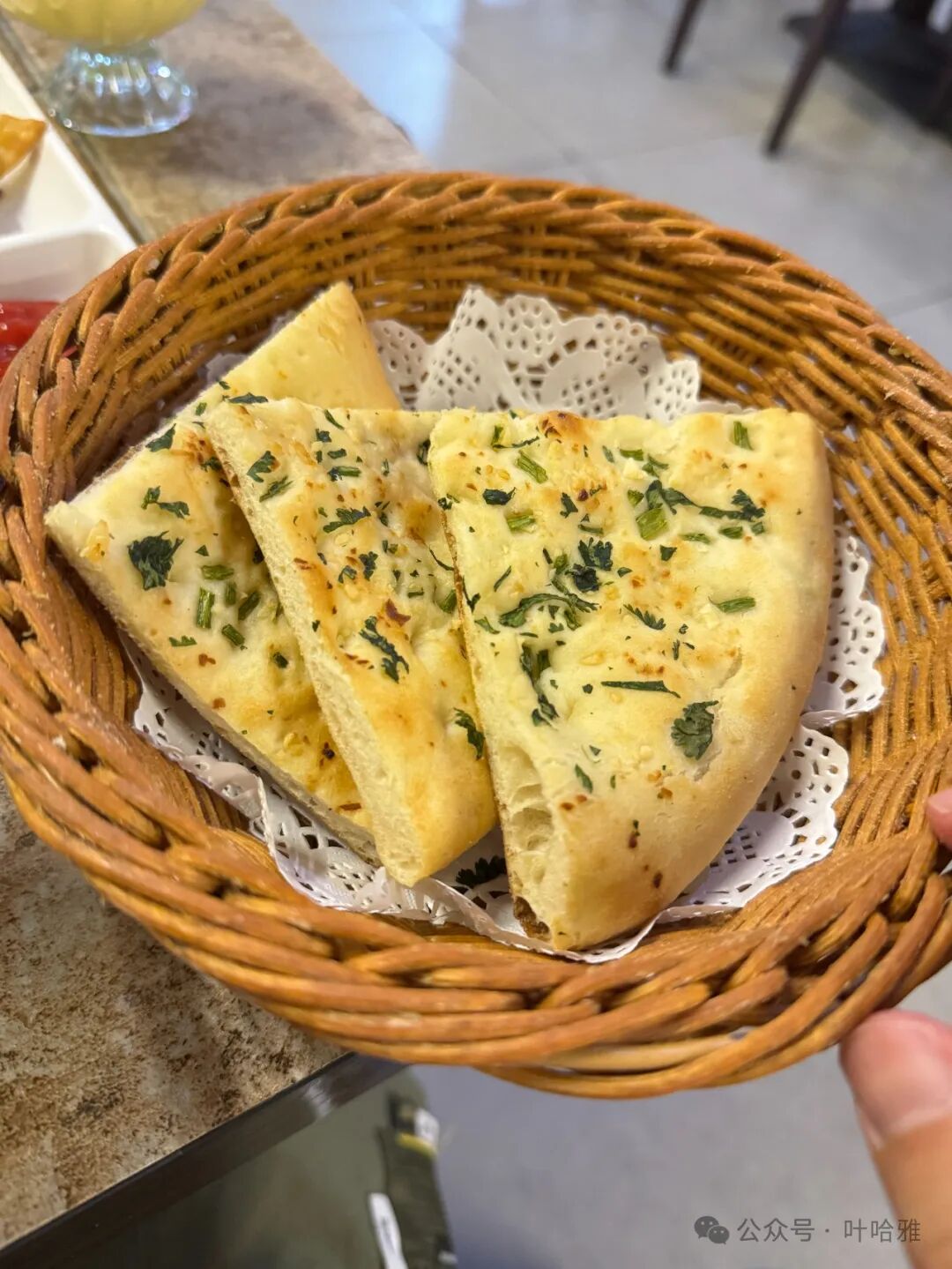
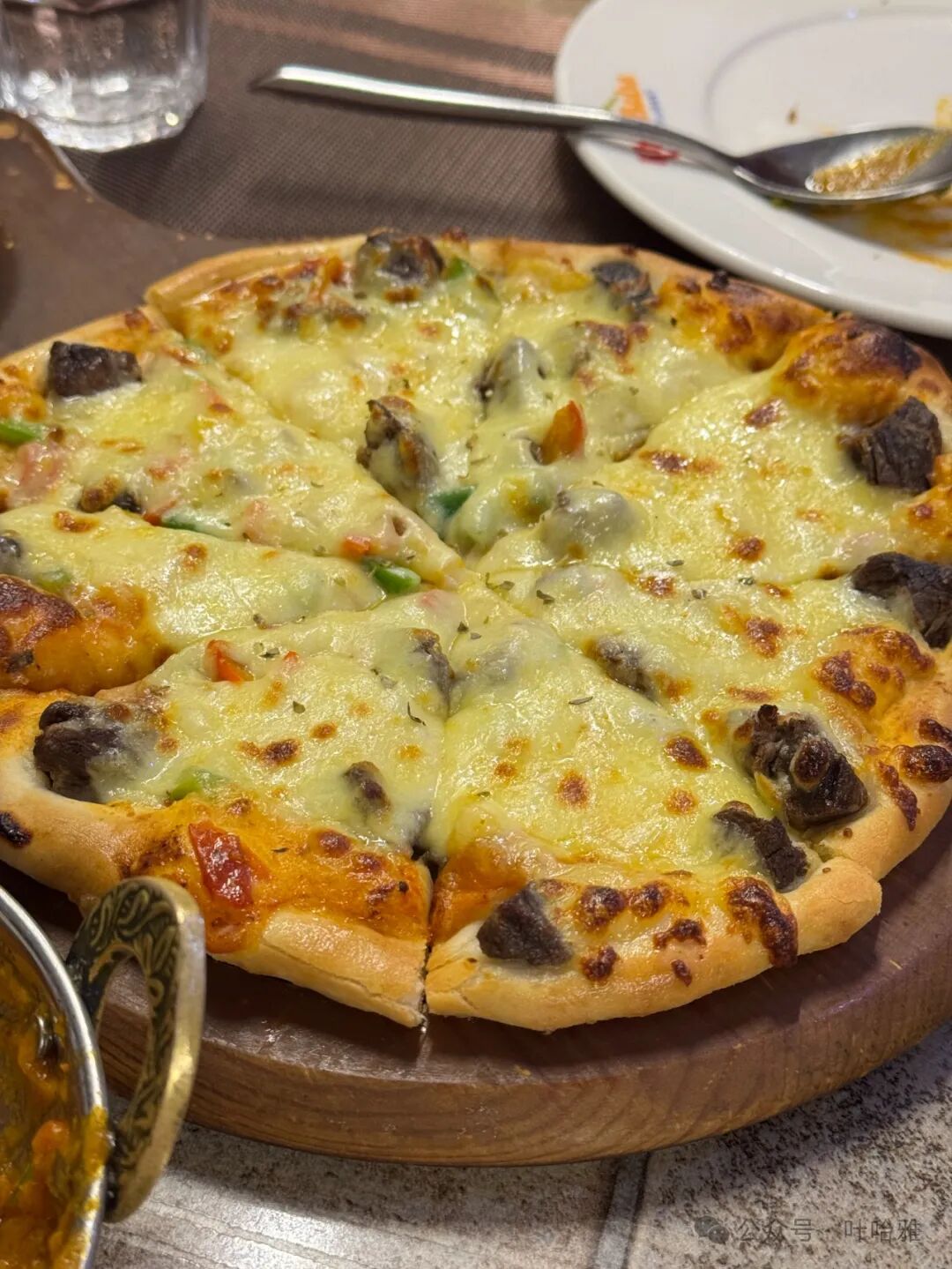
6. Yipin Seafood Home-style Cooking
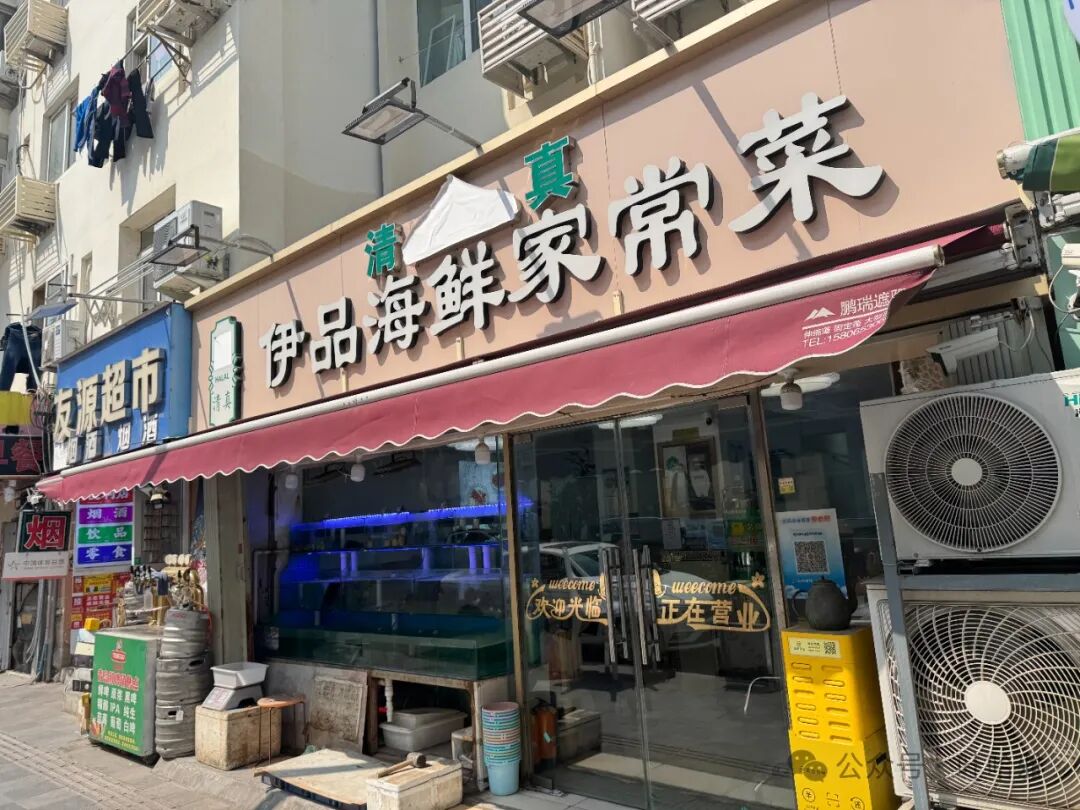
This is also a seafood stir-fry restaurant, located near Zhanqiao Pier.
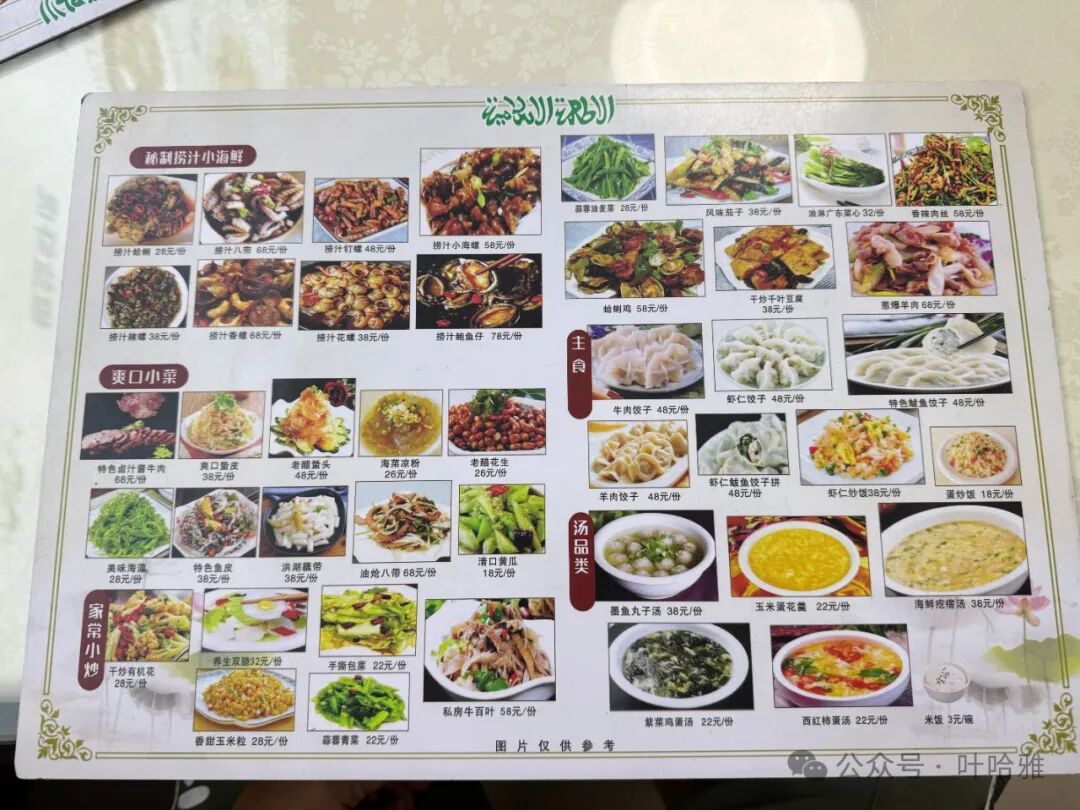
The owner is very welcoming, and the food at this shop is quite tasty.
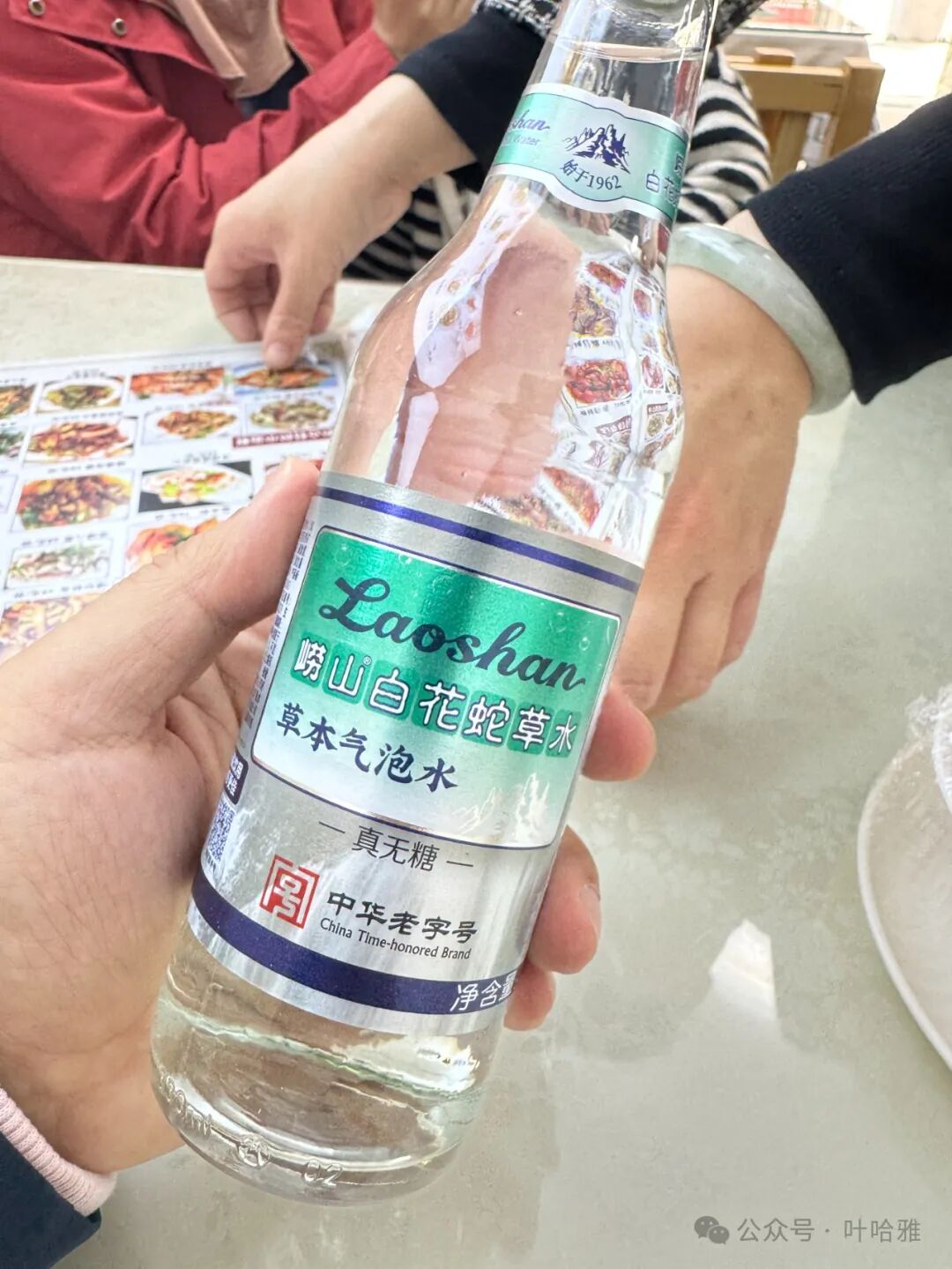
I tried the local bizarre drink Laoshan white flower snake grass water (Laoshan baihuashecaoshui), and it tastes like medicine.
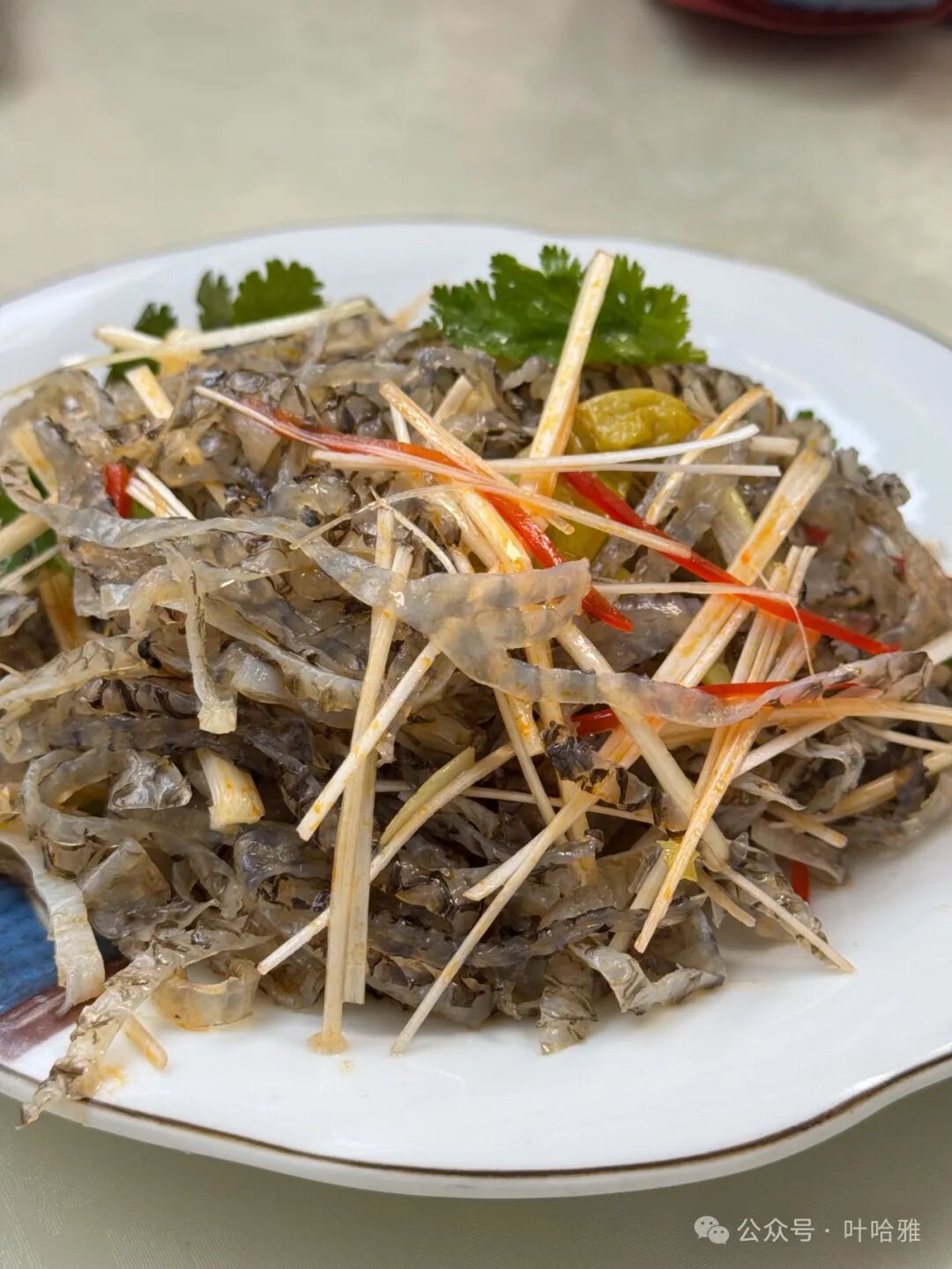
Cold tossed fish skin is a very spicy dish, no matter where you eat it, so be careful if you cannot handle spice.
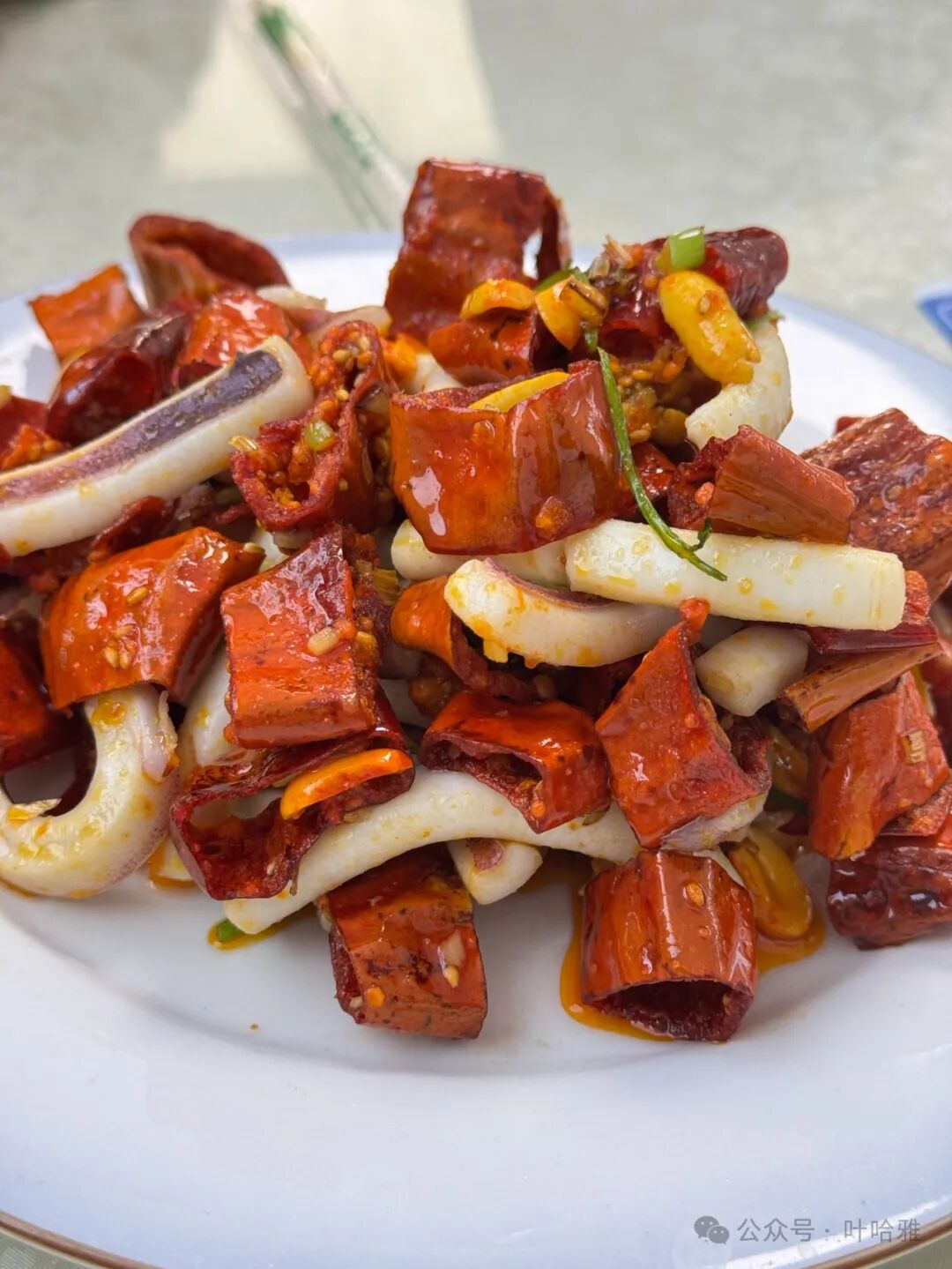
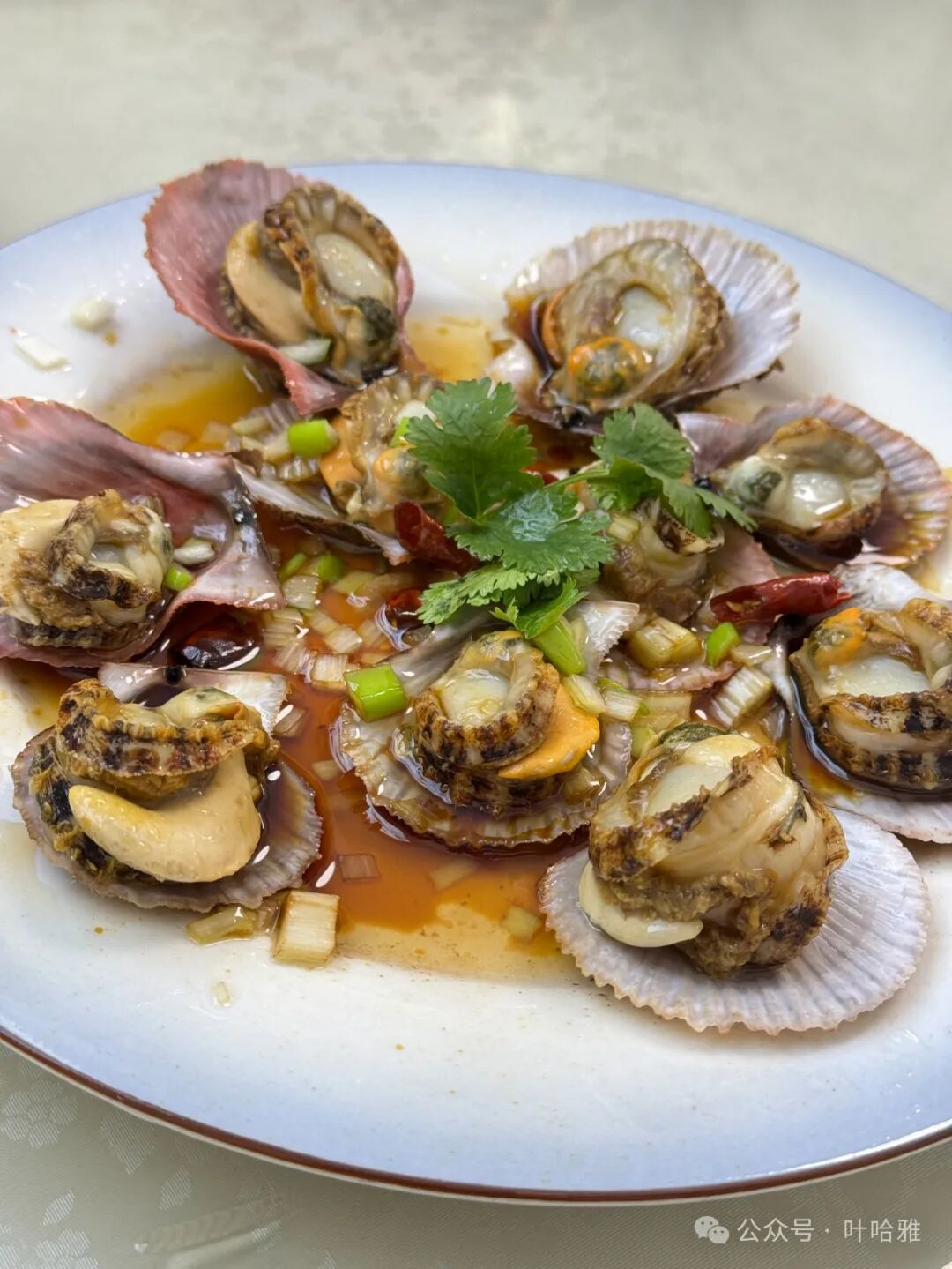
The owner will recommend which seafood just arrived, and the spicy stir-fried squid tentacles and scallops are both delicious.
7. Ethnic restaurant
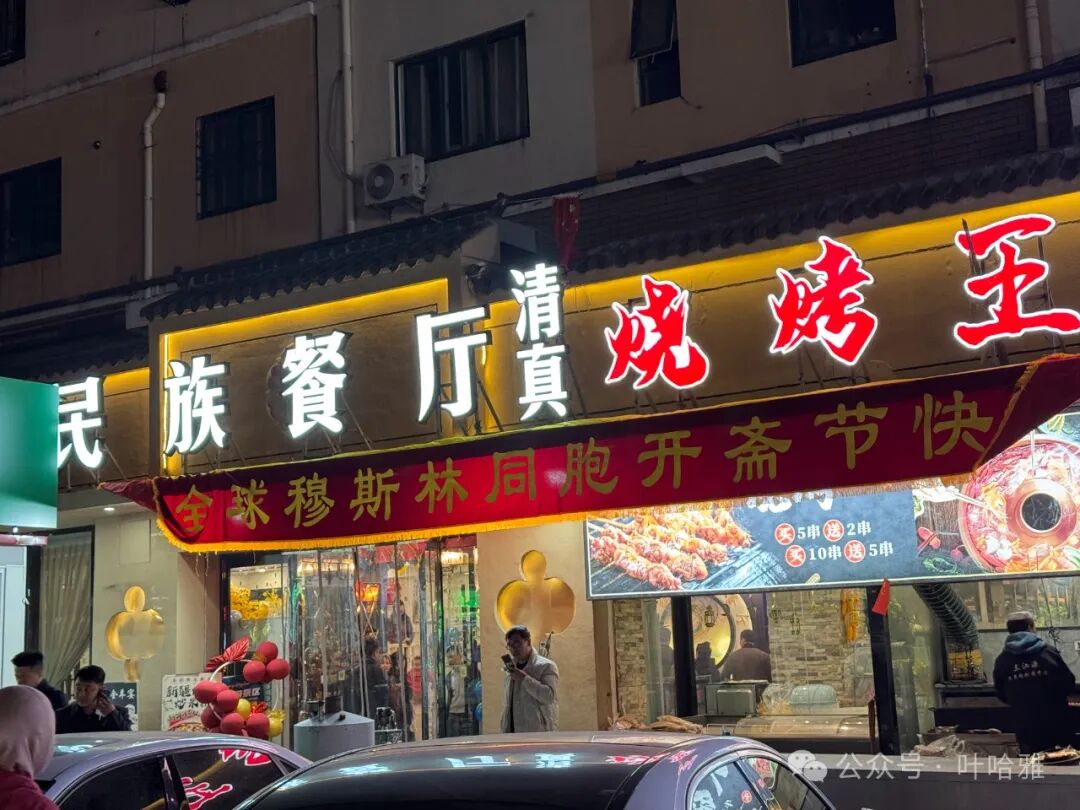
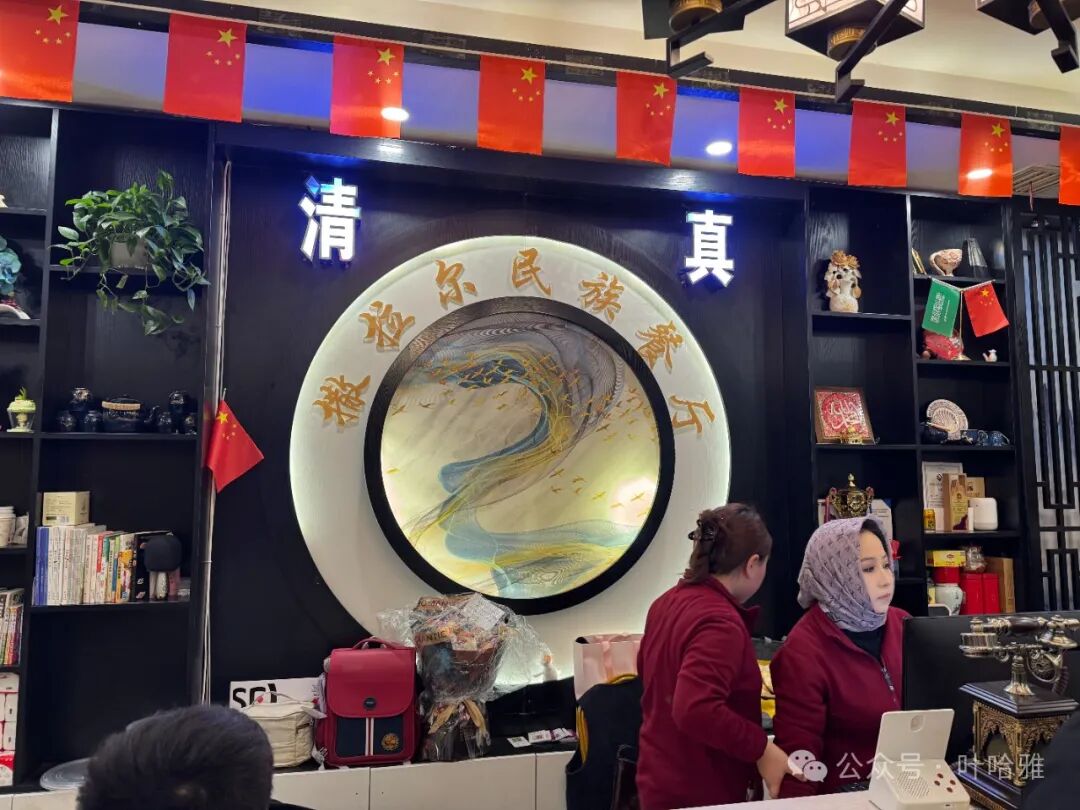
This is a restaurant run by the Salar people from Qinghai that does not serve alcohol, located near the Qingdao mosque. There is now a small food street for Hui Muslims around the mosque.
We went on the last night of Ramadan, and it was packed, so the service could not keep up.
In my experience, when you come to a Northwest restaurant, you should eat Northwest specialties and try to avoid dishes that do not belong to the Northwest cuisine, or you might be disappointed.
This Hui Muslim food street around the mosque is basically all Northwest restaurants, with steamed buns (baozi), spicy hot pot (malatang), barbecue, and various noodle dishes.
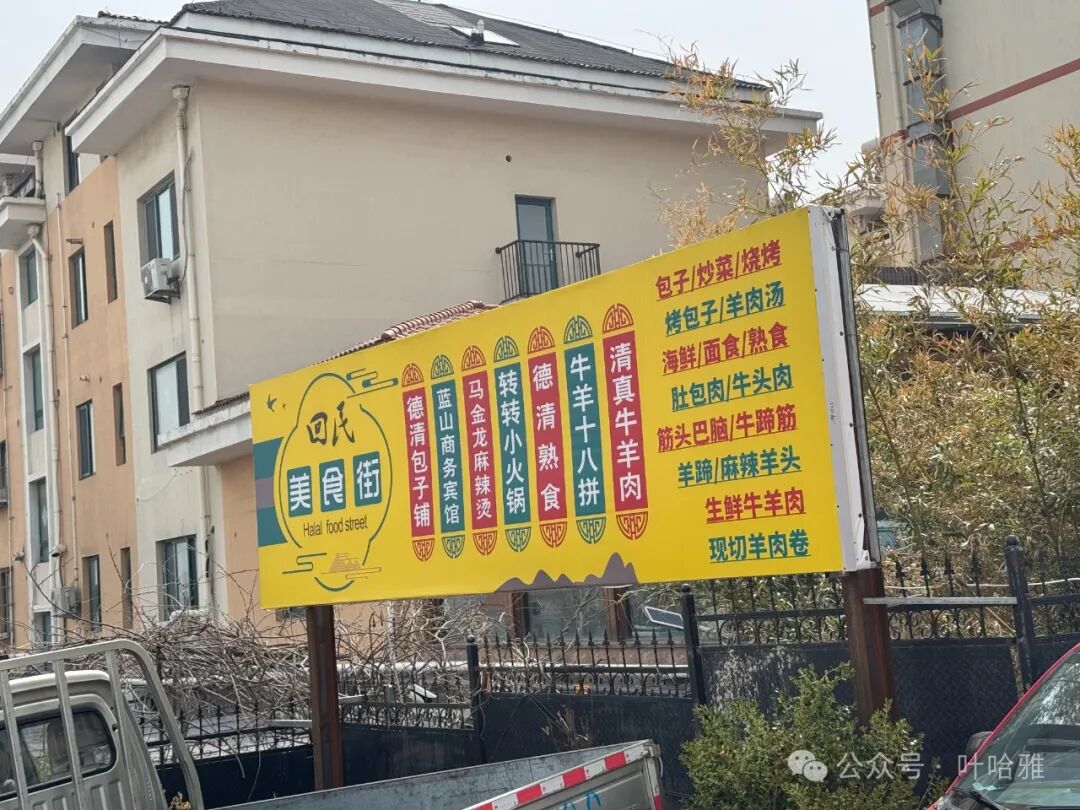
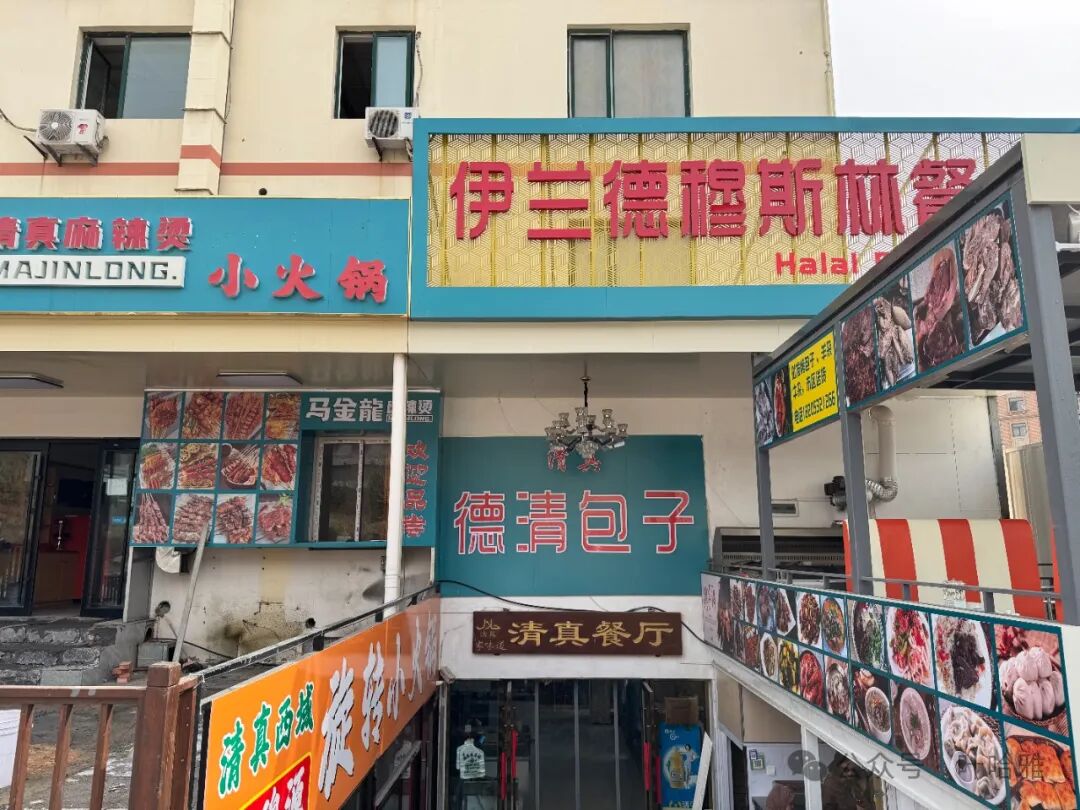
They say this Deqing steamed bun (baozi) shop is run by people from Dezhou, Shandong.
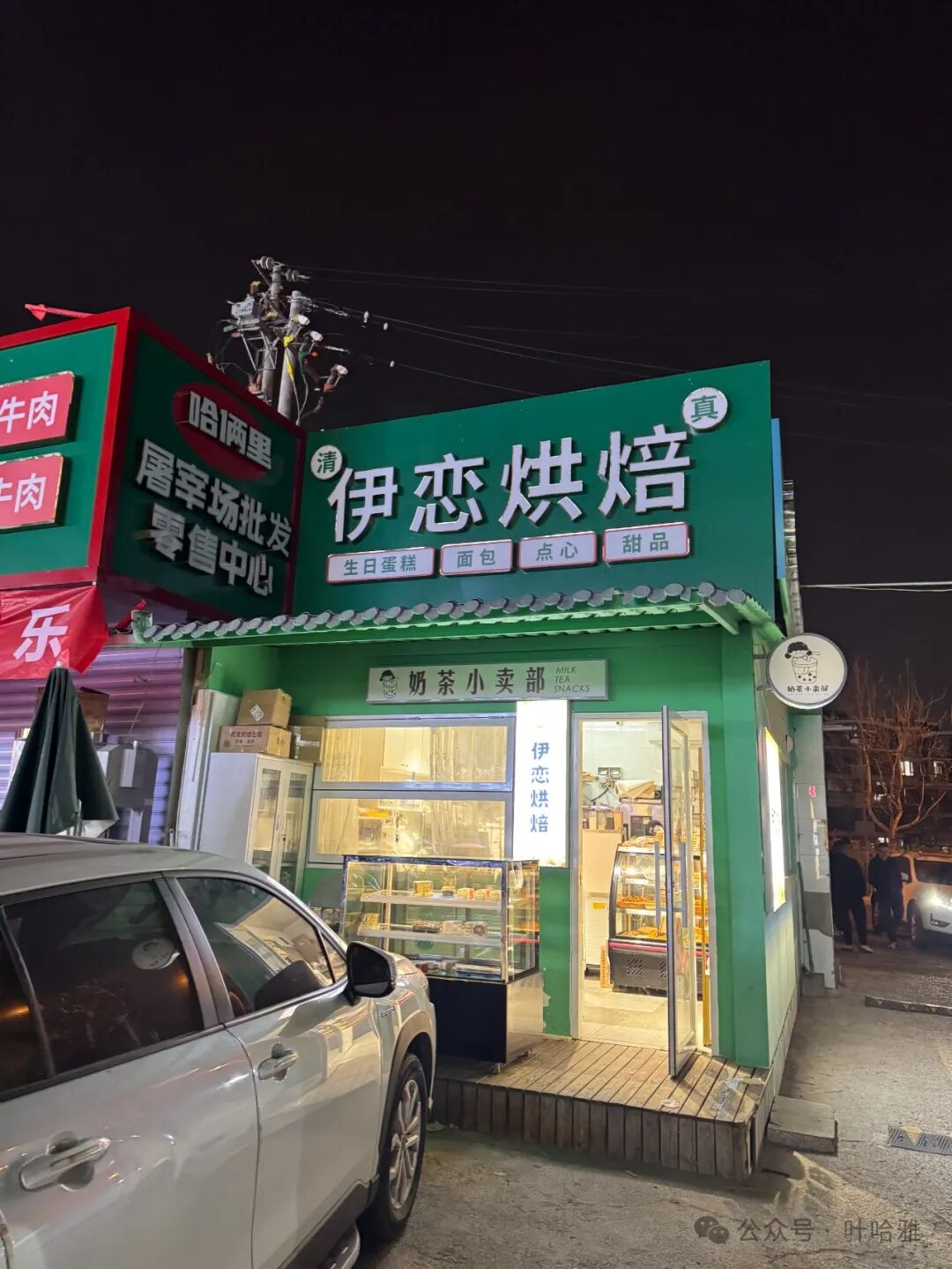
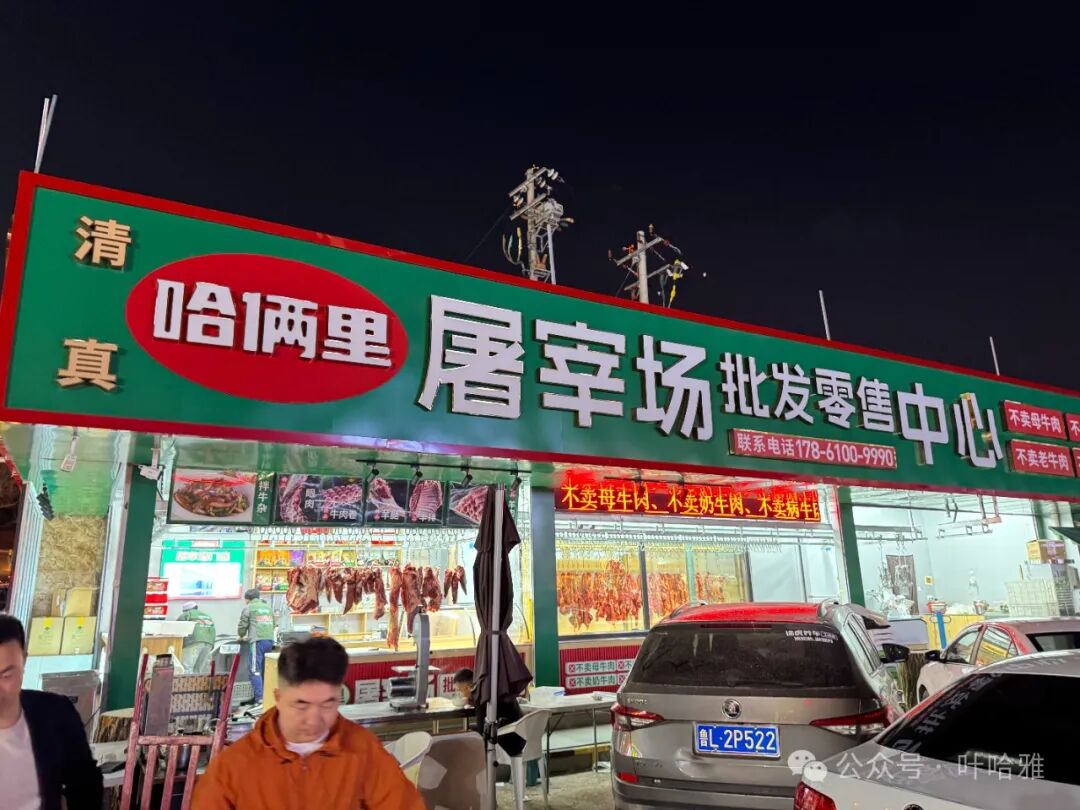
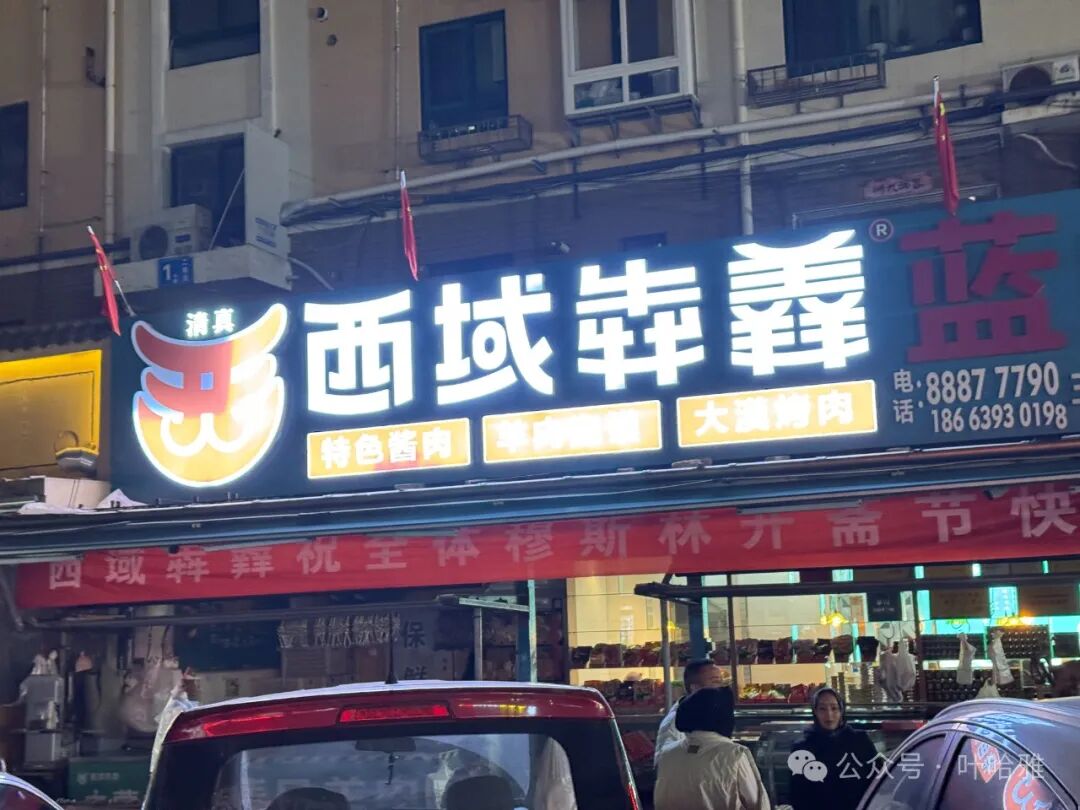
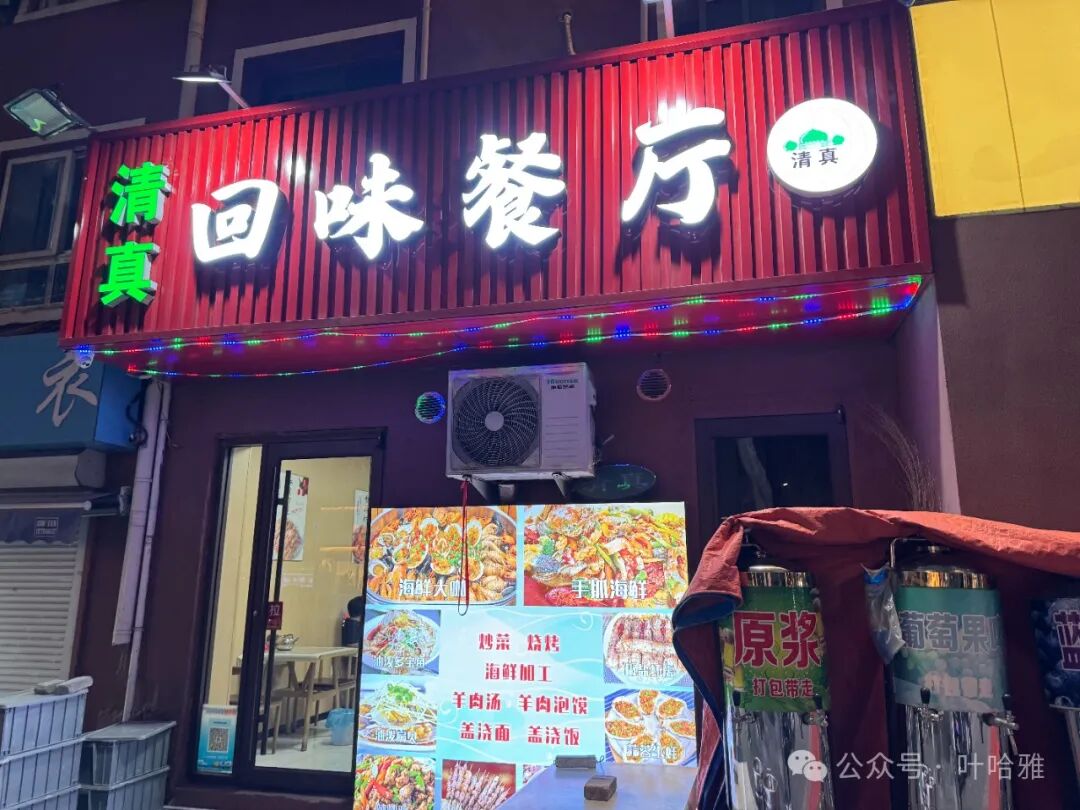
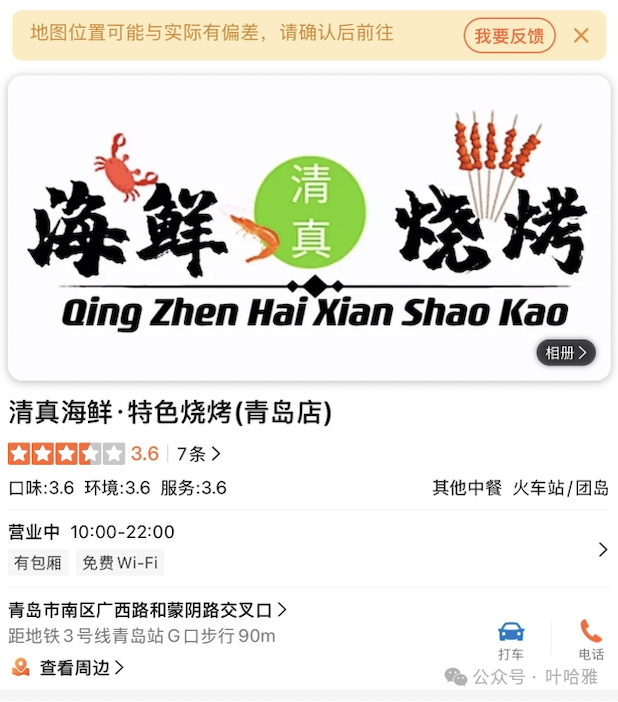
Also, I found a halal seafood barbecue shop near Zhanqiao on Dazhong Dianping, as shown in the picture below.
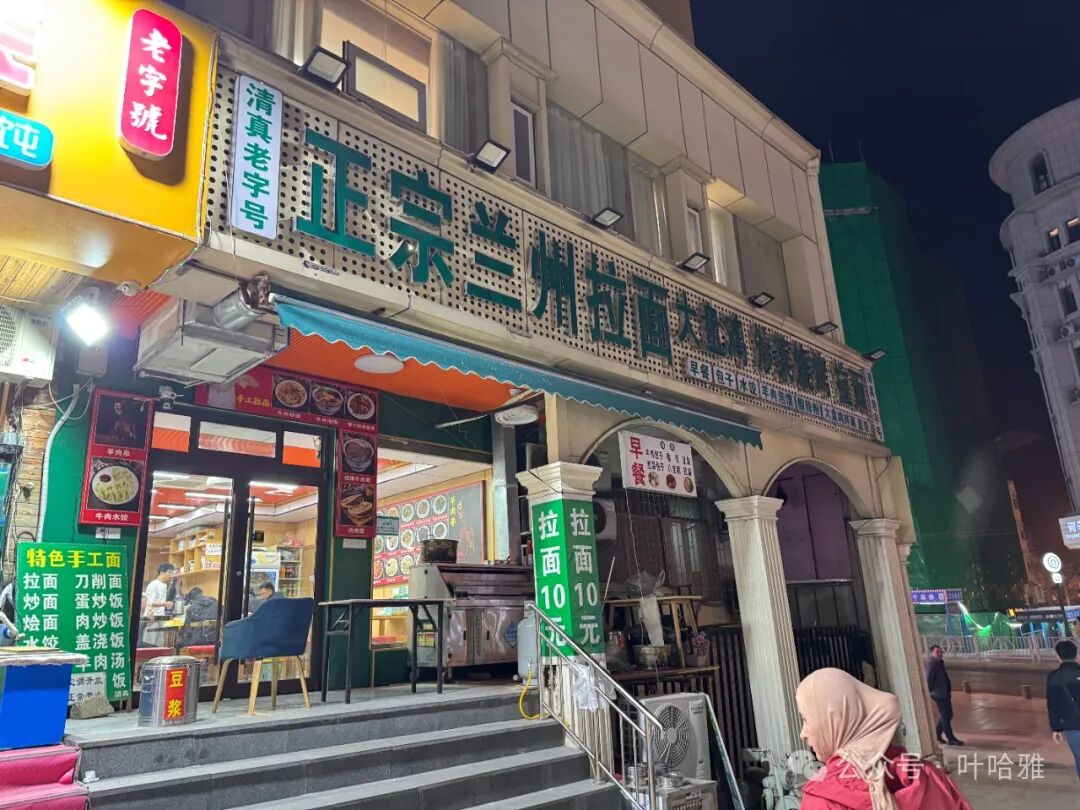
When I arrived, I found it was a hand-pulled noodle shop, as shown in the picture below. I asked the owner and learned they used to serve seafood but stopped, though the information online was never updated.
Qingdao Mosque
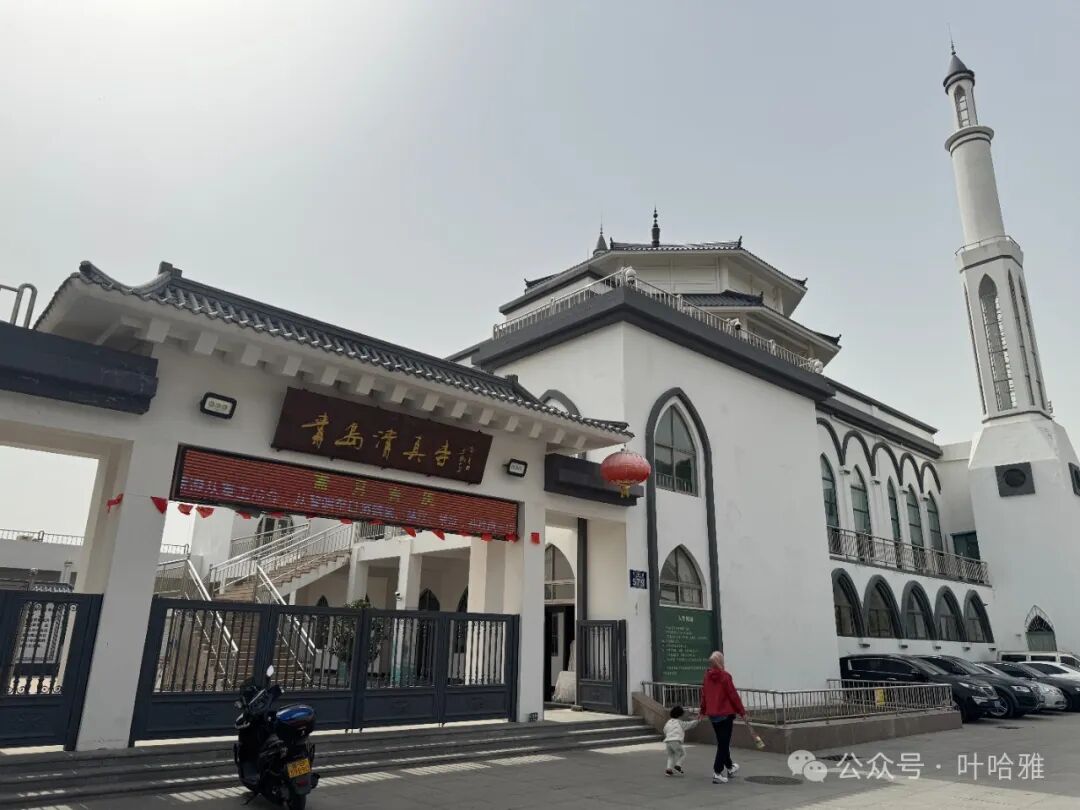
Qingdao Mosque is built on a hill. It is 20 years old, covers a large area, and sits right next to a Hui Muslim cemetery.
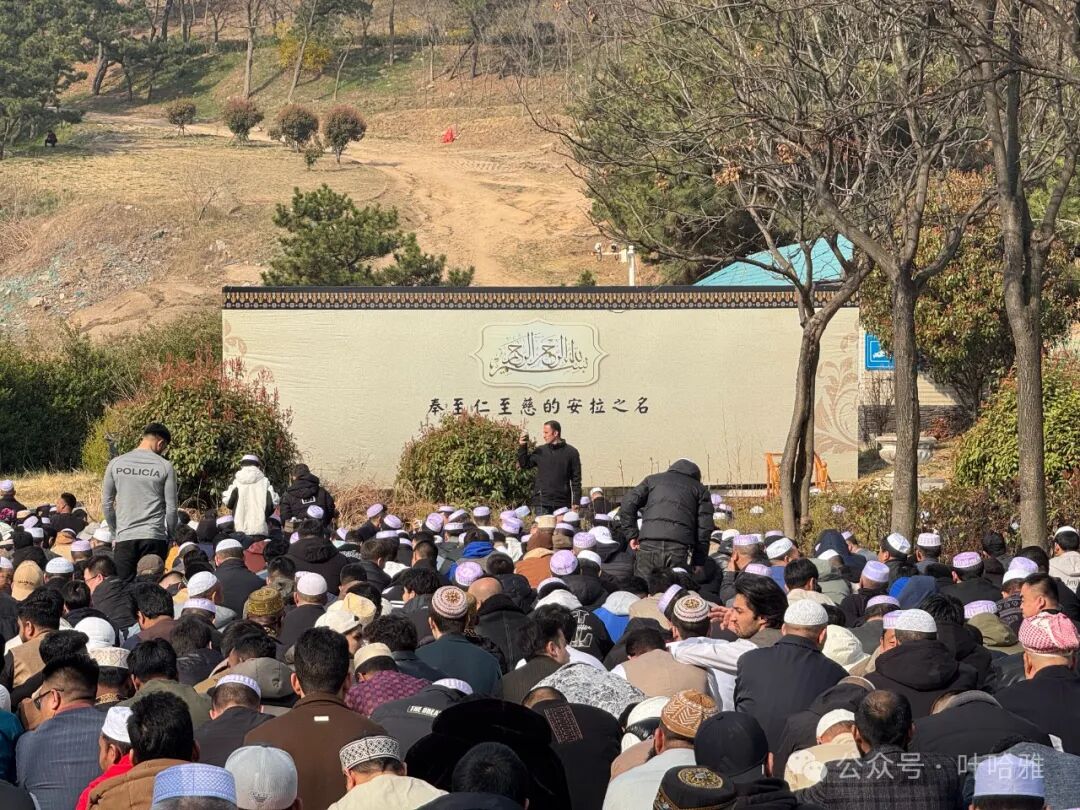
The Eid al-Fitr prayer is held in an outdoor space because there are too many people for the main hall to hold. About half of the attendees are international students.
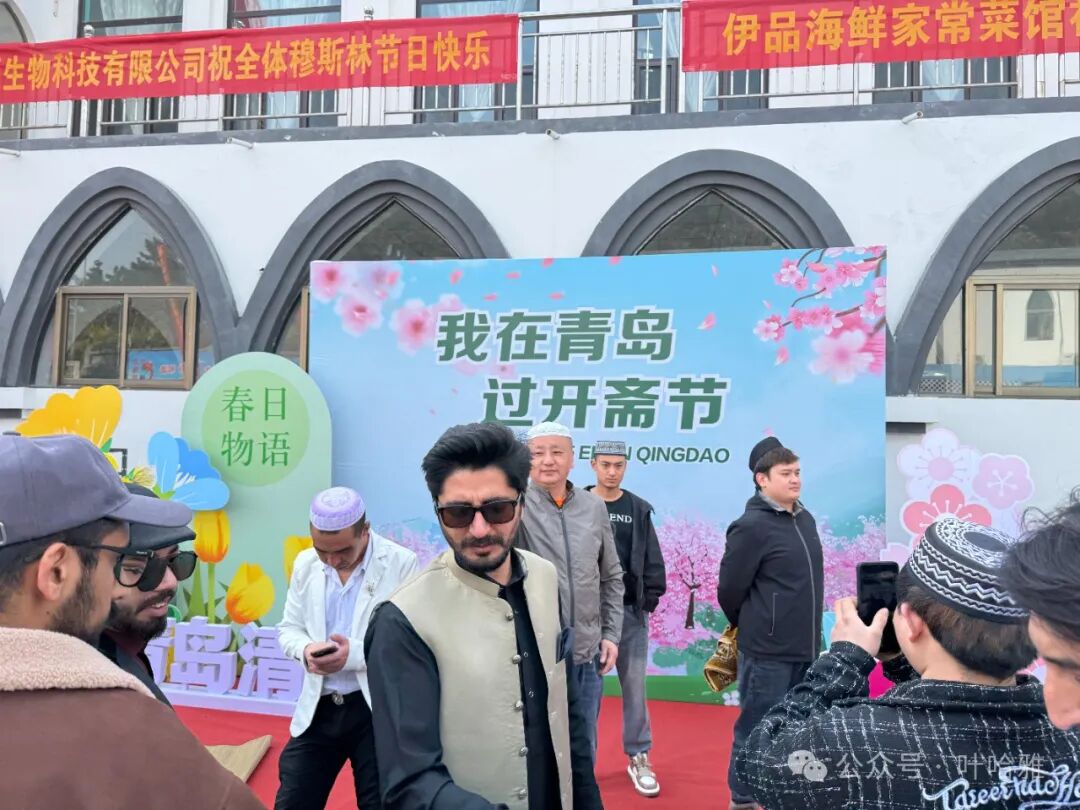
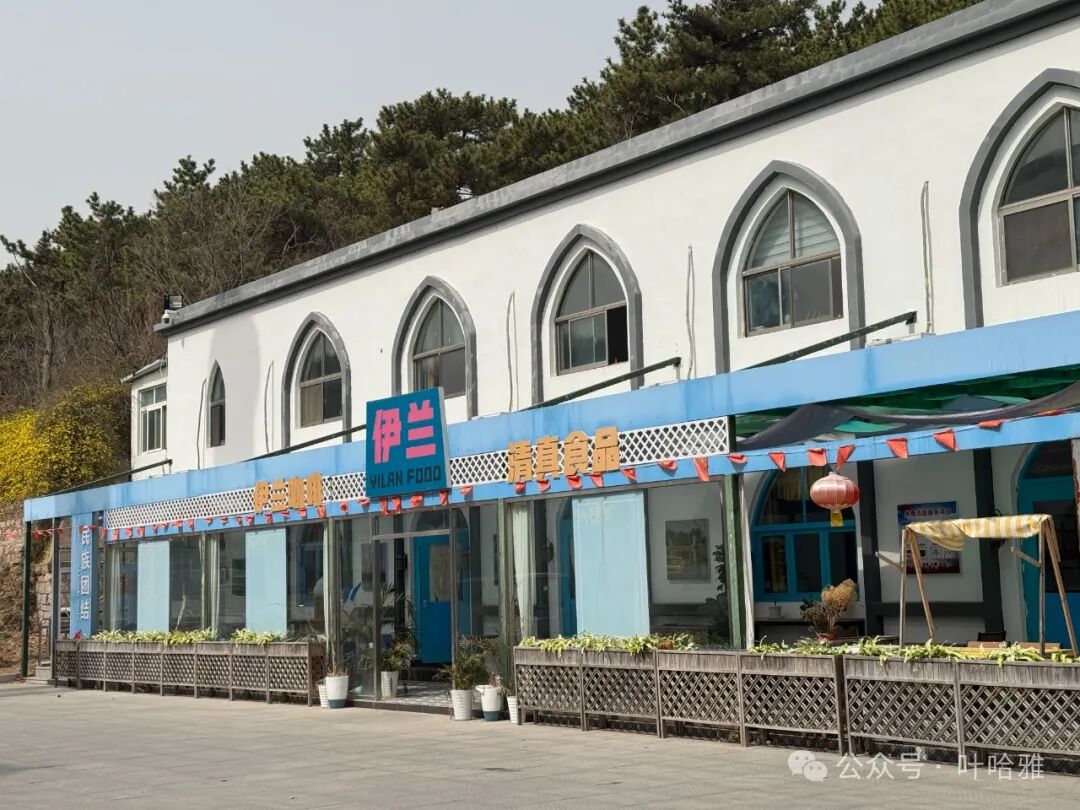
A halal cafe opened right across from the mosque. It is very relaxing to drink coffee there and feel the sea breeze.
Halal Food Guide Chengdu: Qingbaijiang Hui Muslim Area and Pengzhou Travel Notes
Articles • yusuf908 posted the article • 0 comments • 162 views • 2026-05-22 21:34
Summary: This Chengdu halal food guide closes the local map with Qingbaijiang address notes, Hui Muslim community context, Pengzhou travel plans, and practical leads for future Muslim food exploration around Chengdu.
Chengdu Halal Food Map is presented here as a firsthand travel account in clear English, beginning with this scene: Address: No. 1 Xinxing Street, Qingbaijiang District, Chengdu. The account keeps its focus on Halal Travel, Yiwu Food, Muslim Travel while preserving the names, places, food, and historical details from the Chinese source.
Address: No. 1 Xinxing Street, Qingbaijiang District, Chengdu.
Pengzhou City is a one-hour drive from Chengdu and also has many Hui Muslims. I will visit it when I have the chance. view all
Summary: This Chengdu halal food guide closes the local map with Qingbaijiang address notes, Hui Muslim community context, Pengzhou travel plans, and practical leads for future Muslim food exploration around Chengdu.
Chengdu Halal Food Map is presented here as a firsthand travel account in clear English, beginning with this scene: Address: No. 1 Xinxing Street, Qingbaijiang District, Chengdu. The account keeps its focus on Halal Travel, Yiwu Food, Muslim Travel while preserving the names, places, food, and historical details from the Chinese source.
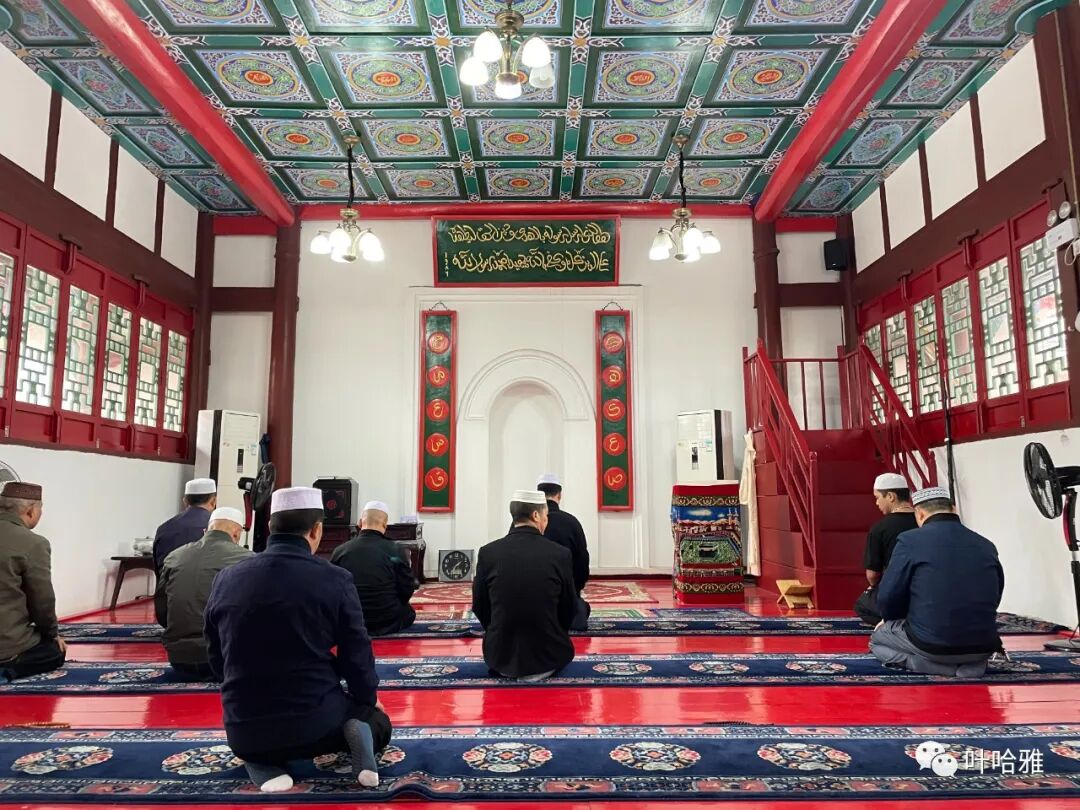
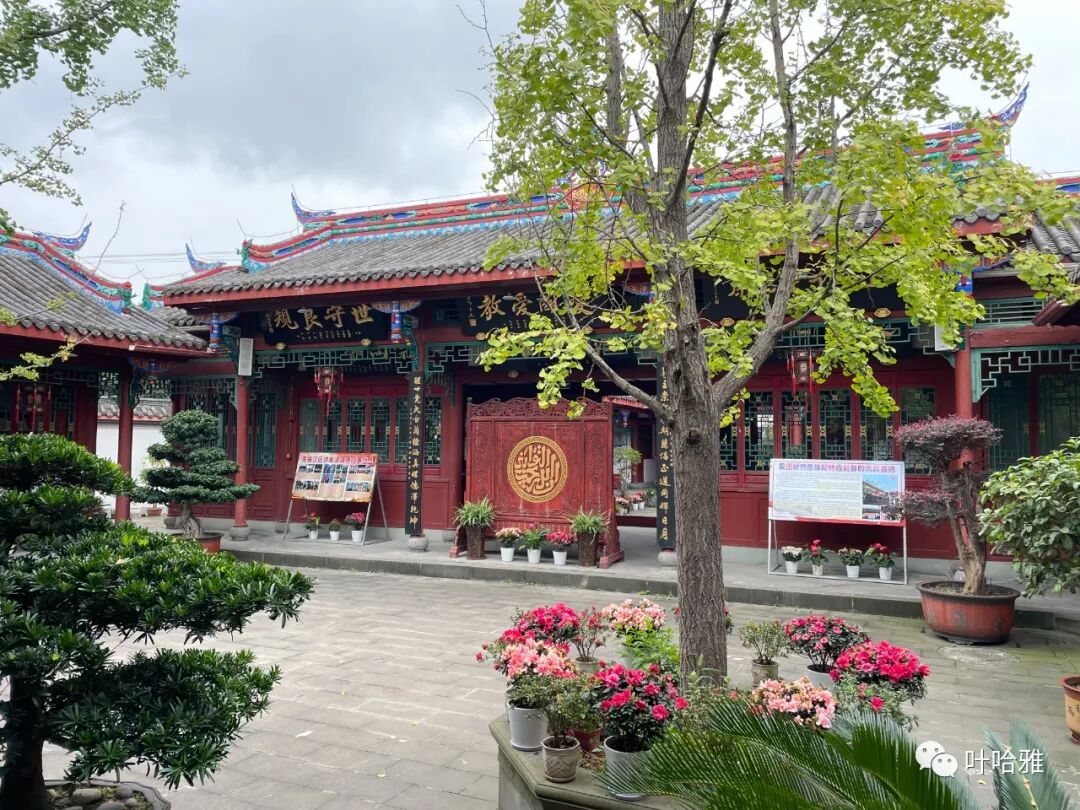
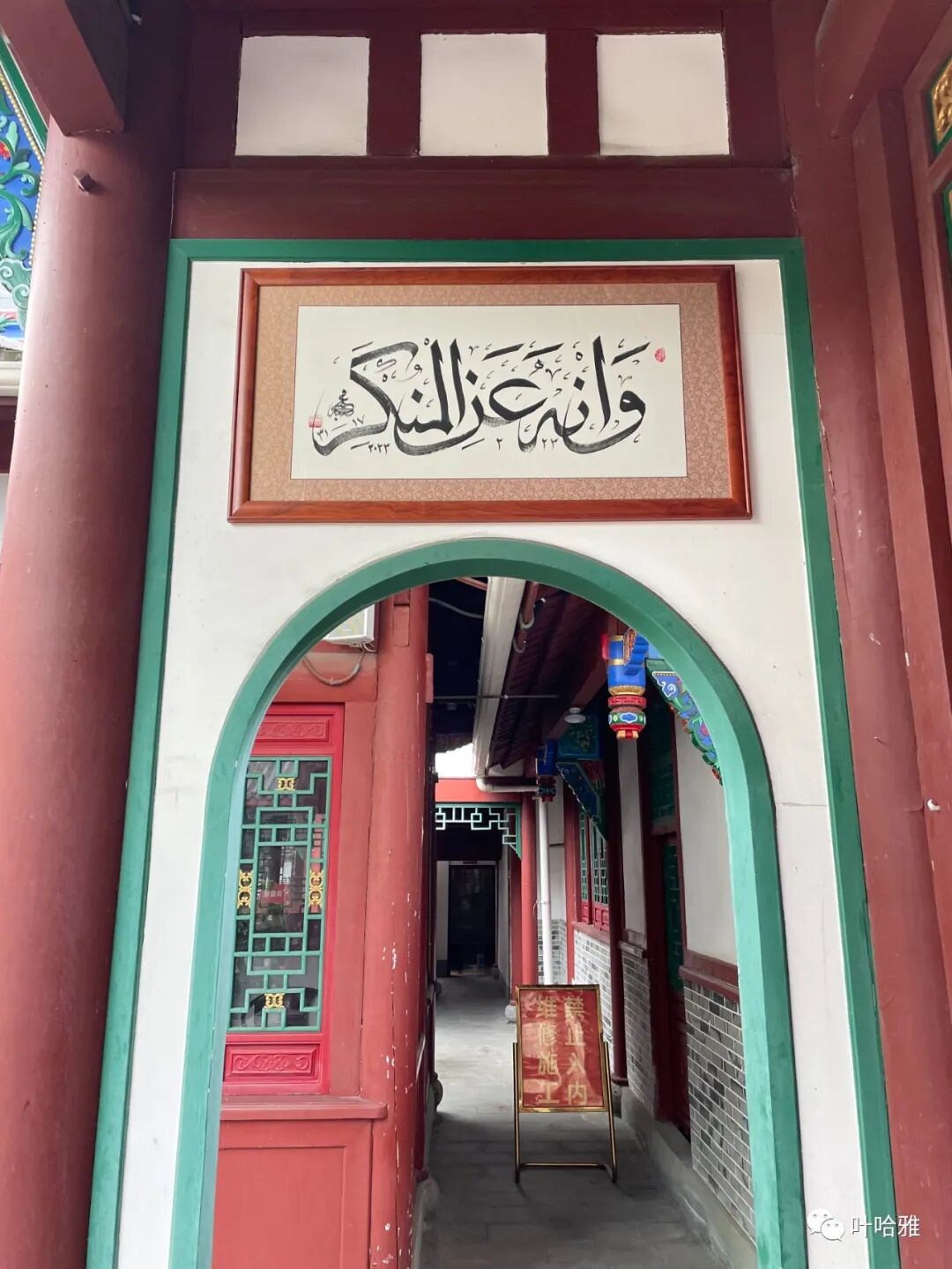
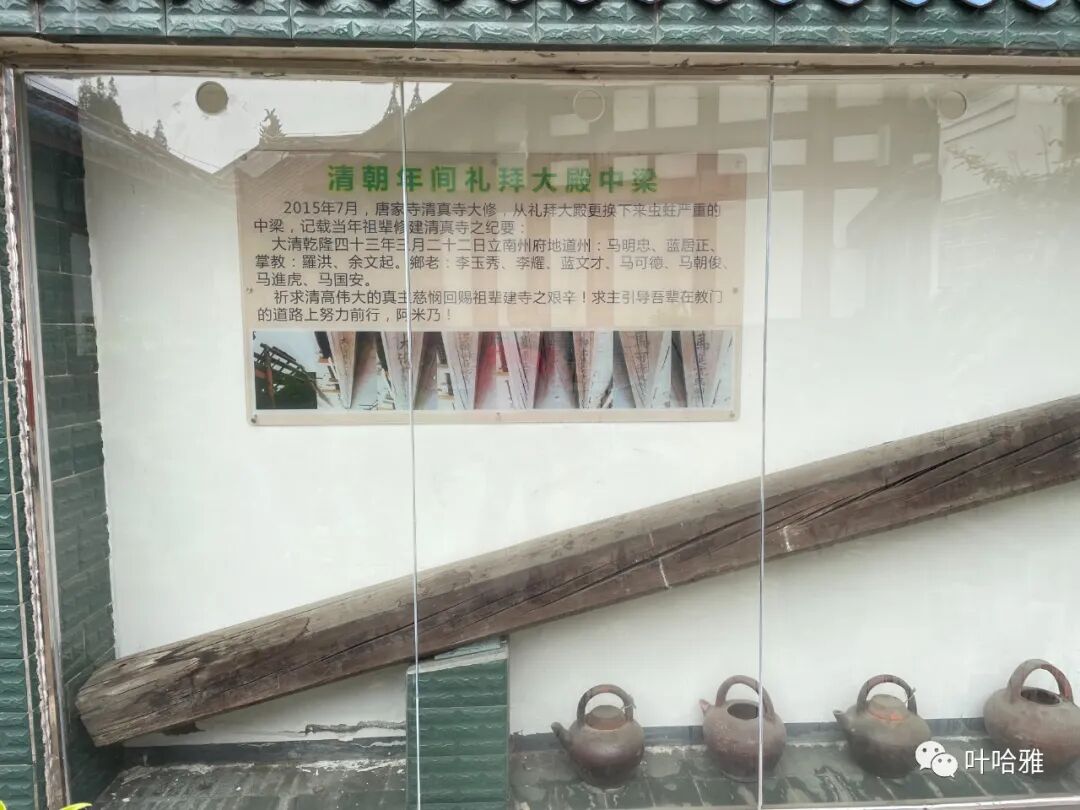
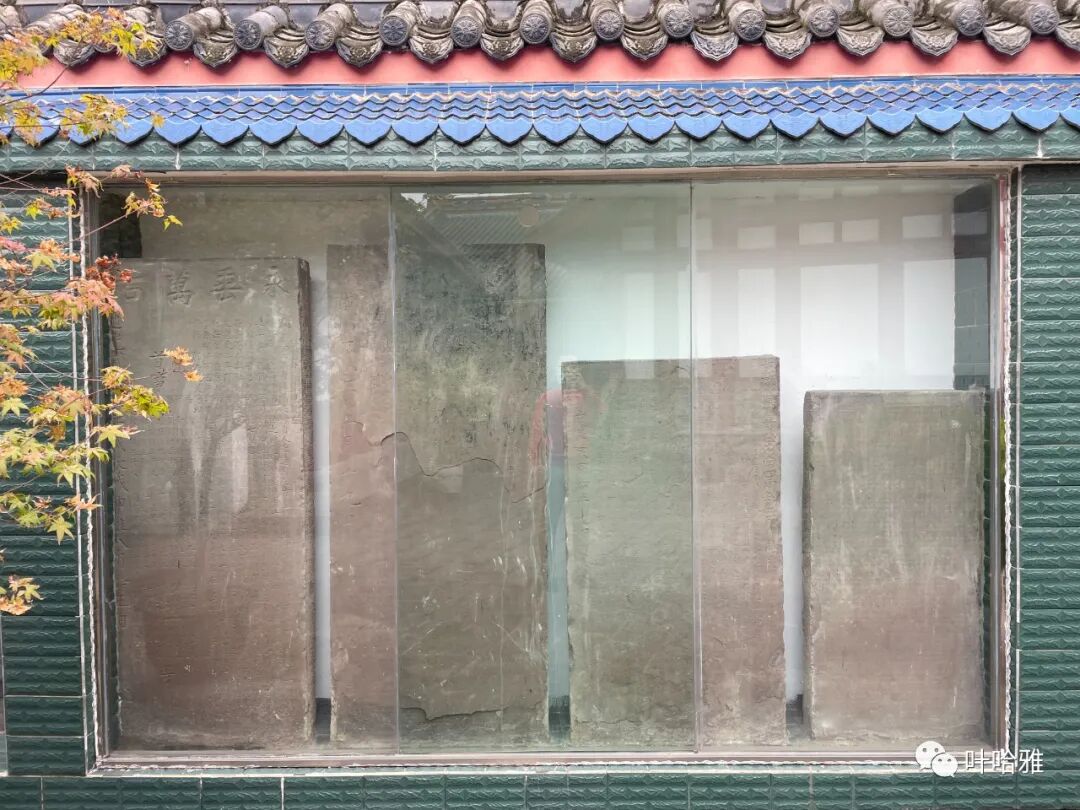
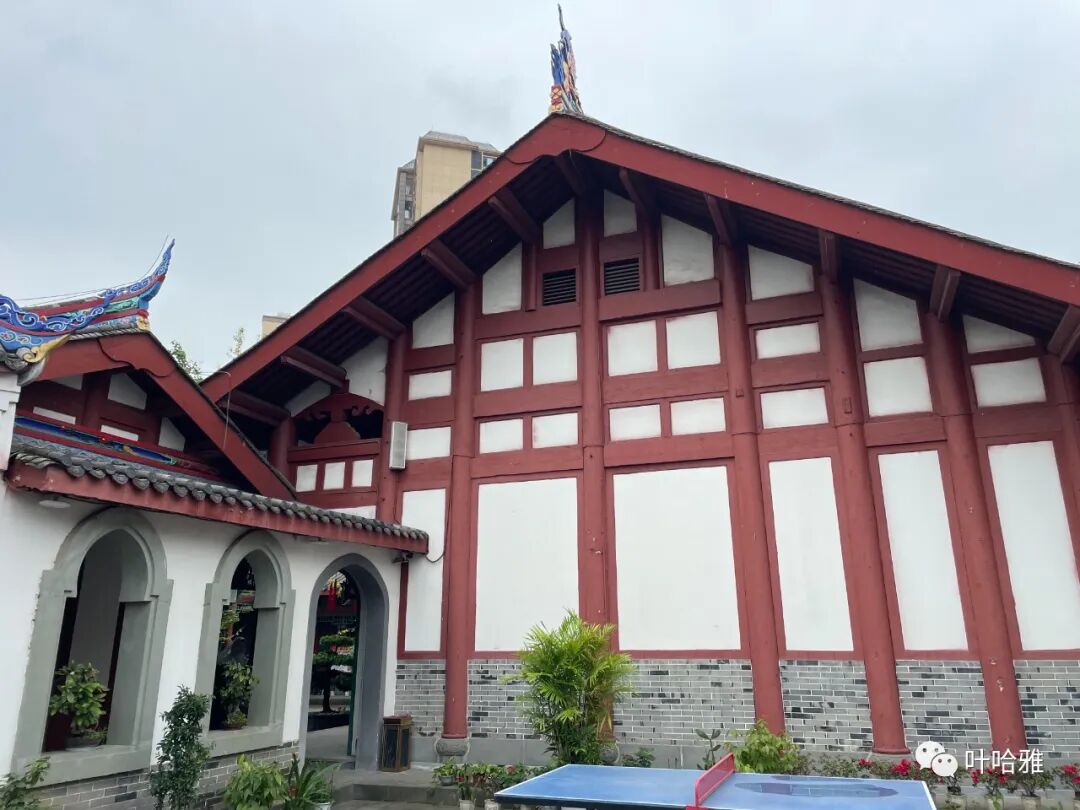
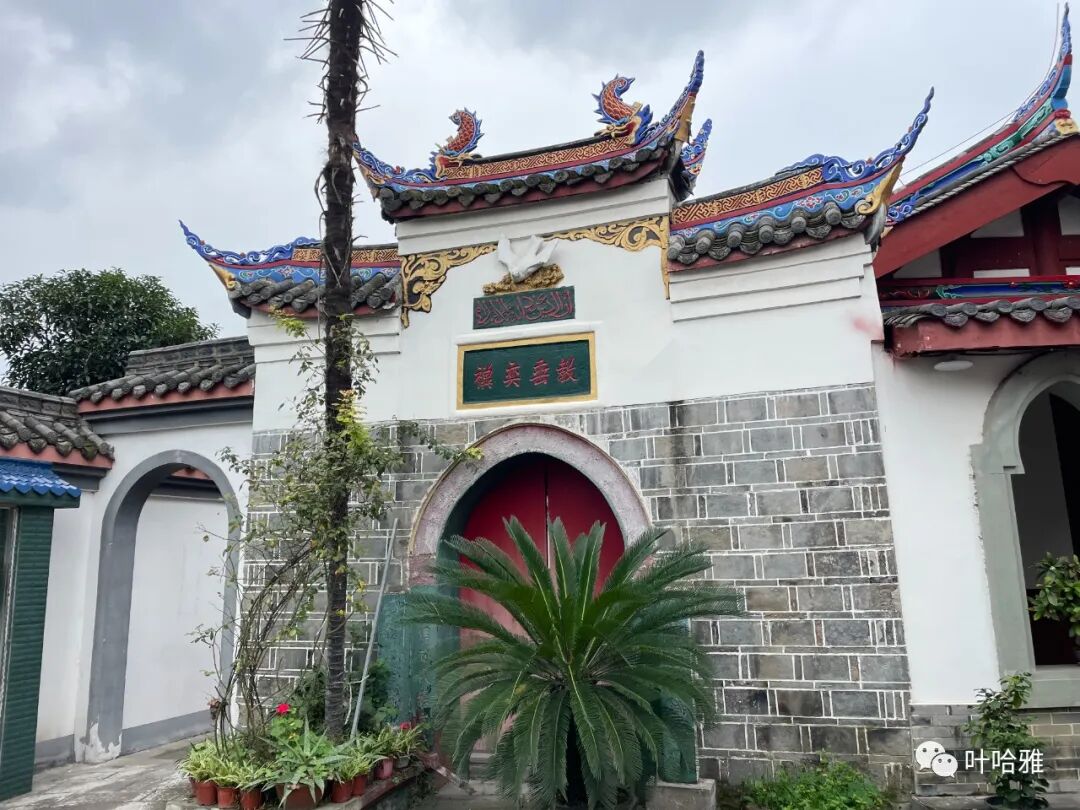
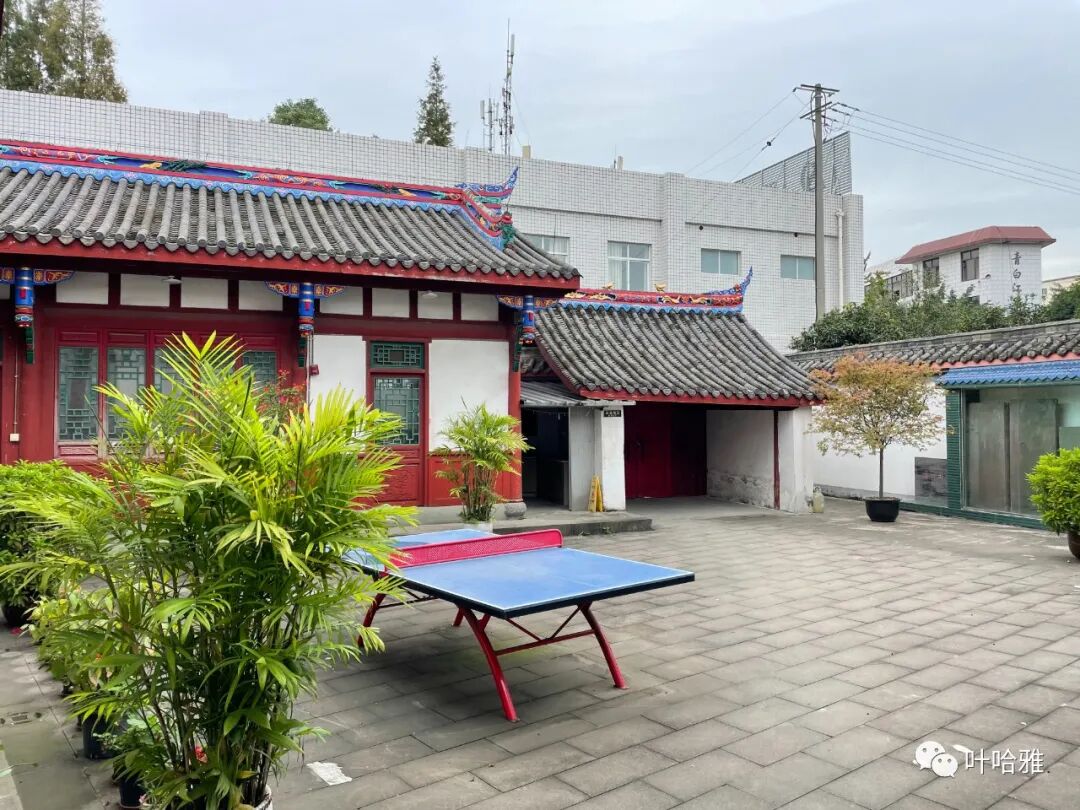
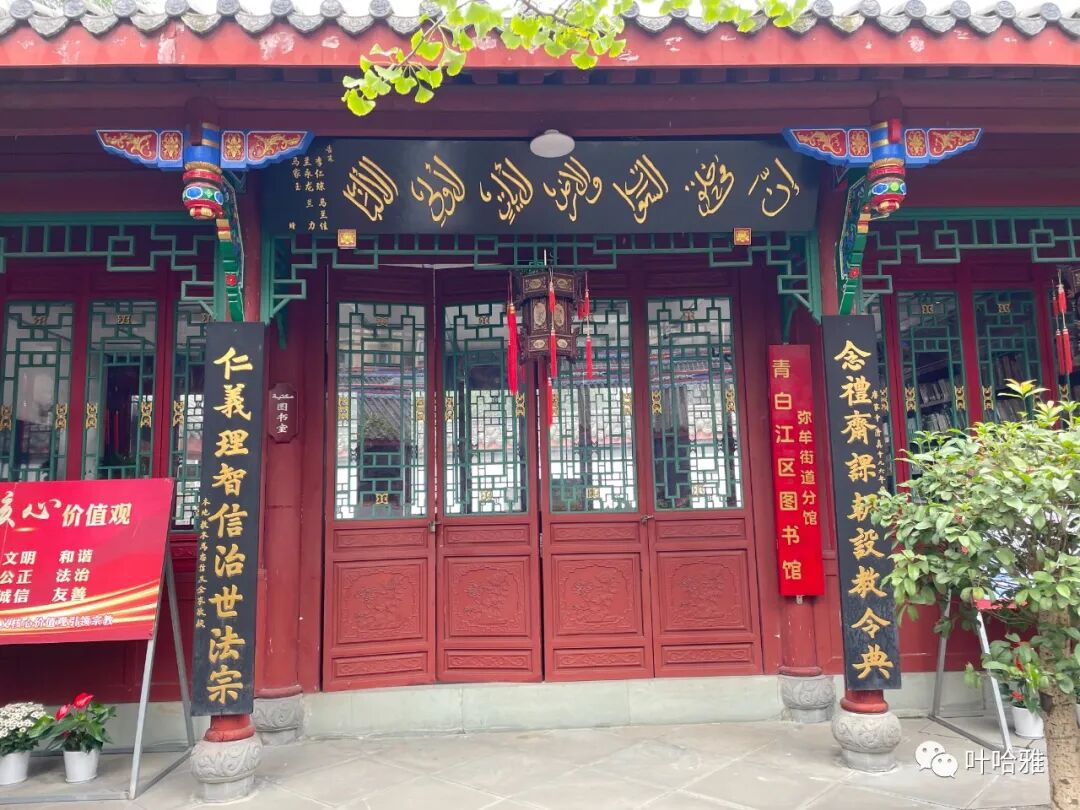
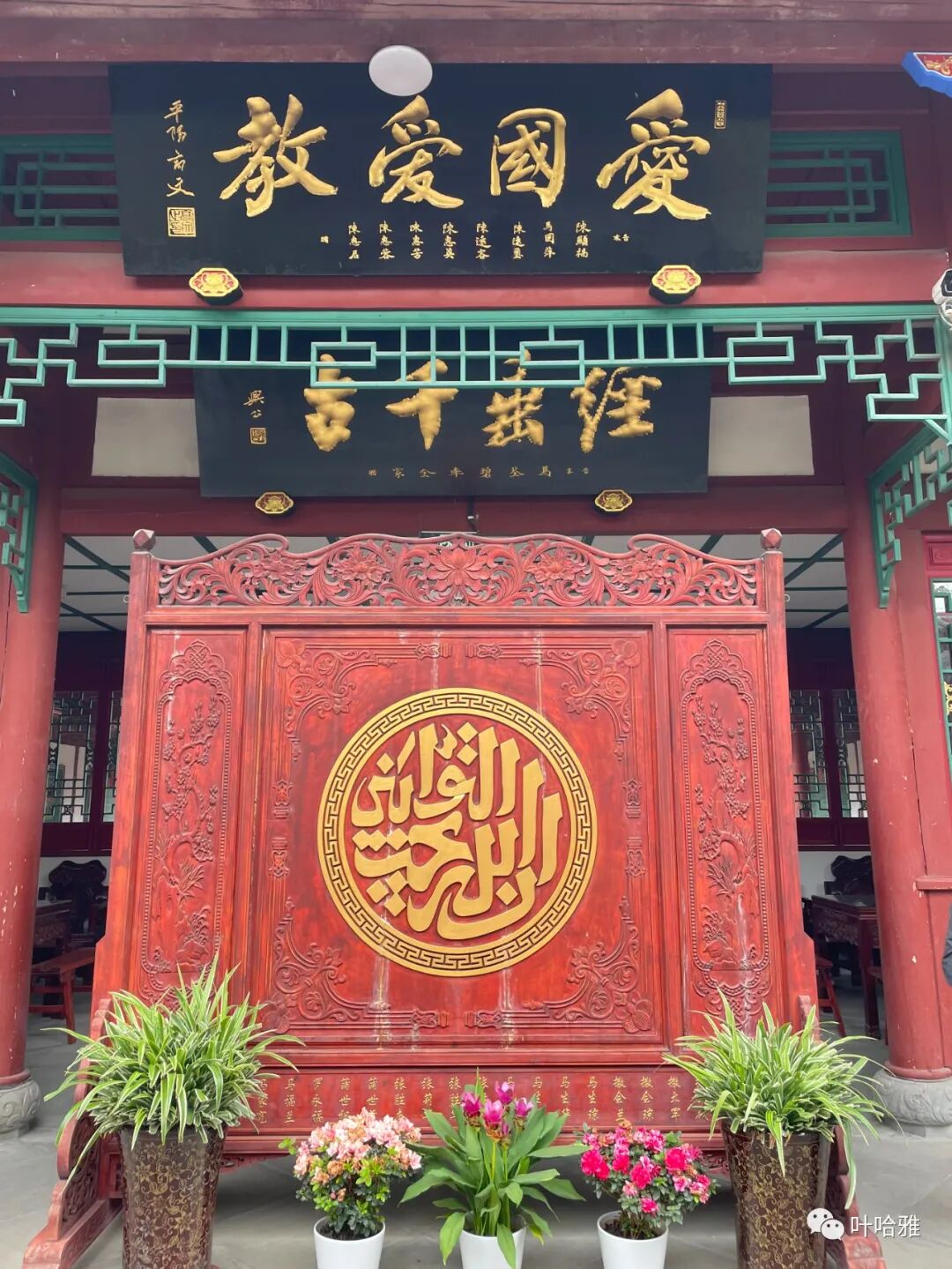
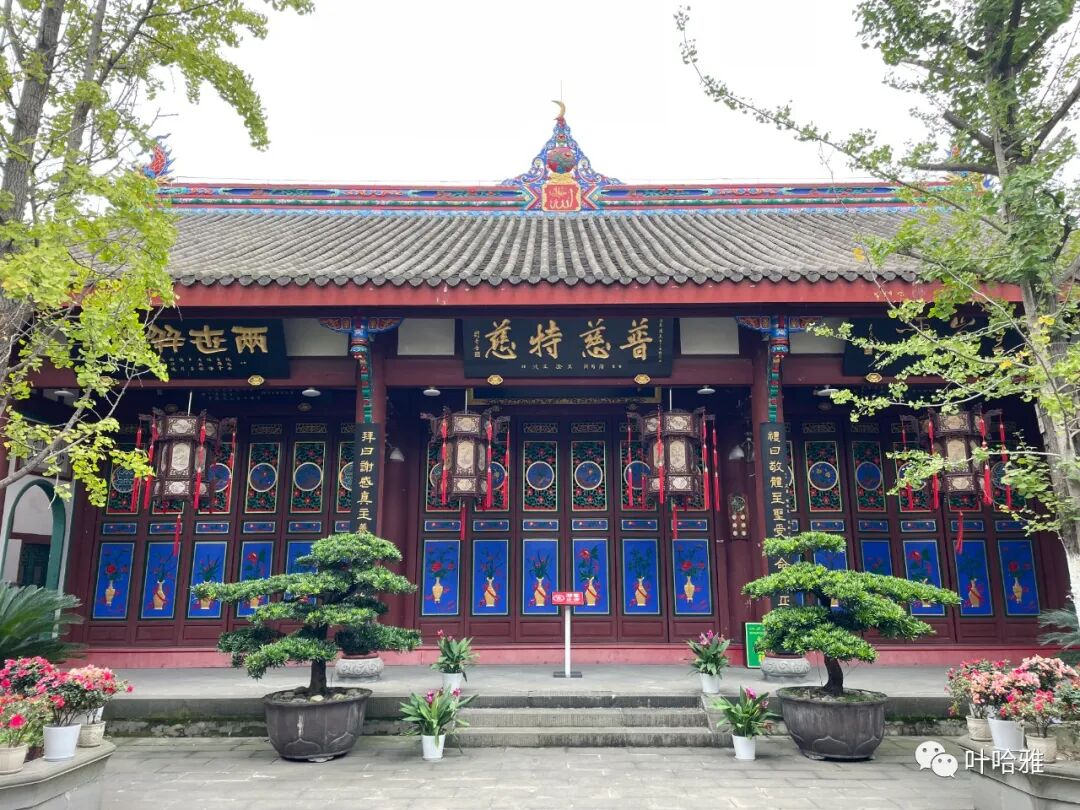
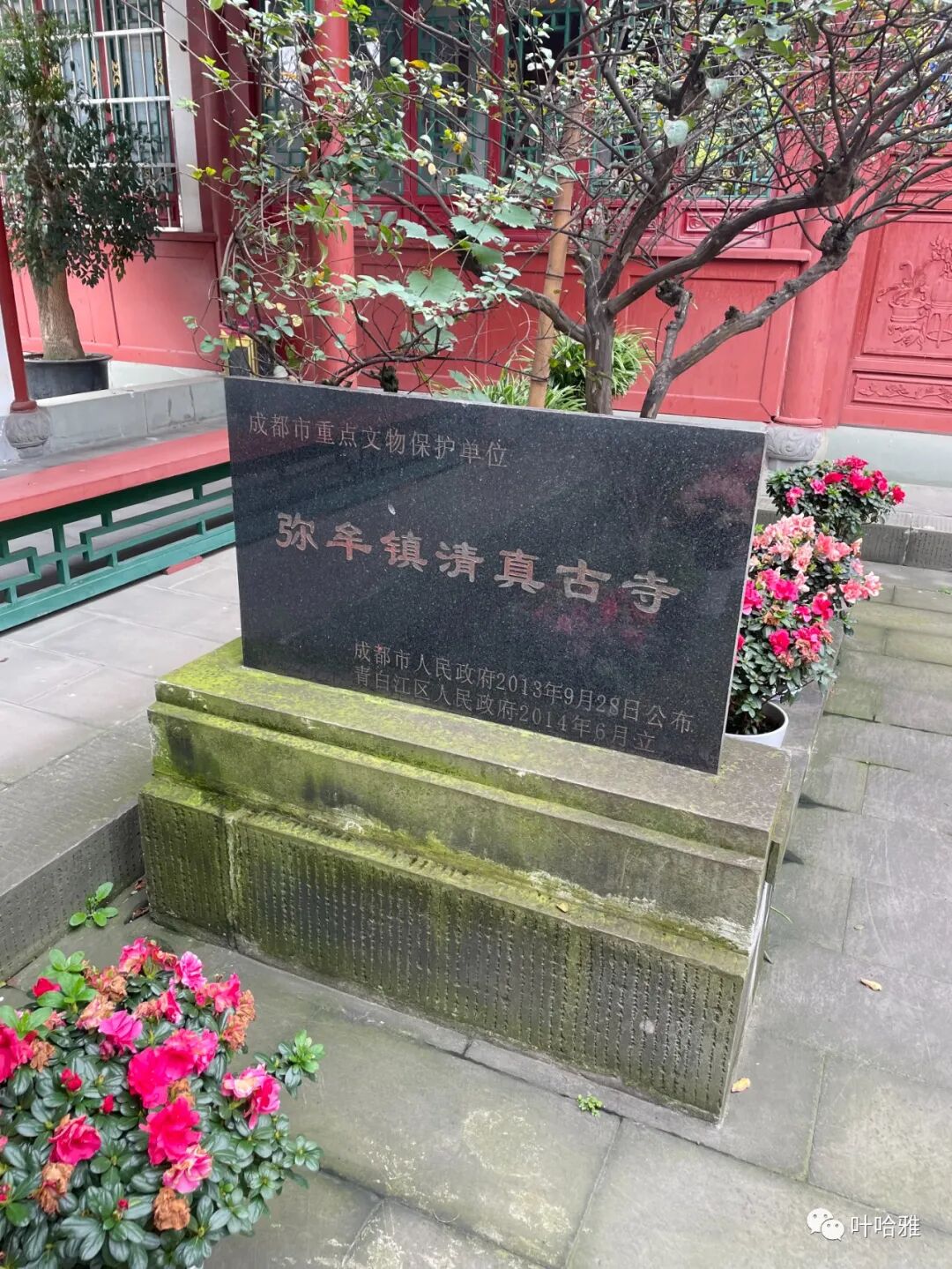
Address: No. 1 Xinxing Street, Qingbaijiang District, Chengdu.
Pengzhou City is a one-hour drive from Chengdu and also has many Hui Muslims. I will visit it when I have the chance.
China Muslim Travel Guide: Jiang Jing Halal Journey, Hui Muslim Culture and Islamic Writing
Articles • yusuf908 posted the article • 0 comments • 165 views • 2026-05-22 20:53
Summary: This China Muslim travel reflection discusses Jiang Jing Halal Journey series, his New Zealand and U.S. experiences, Hui Muslim culture, Islamic translation work, and the value of honest Muslim travel writing.
Reflections on Reading Jiang Jing's "Halal Journey" Travelogue Series is presented here as a firsthand travel account in clear English, beginning with this scene: I recently received a memorial collection for Mr. Jiang Jing (1938-2020) and learned he settled in New Zealand. The account keeps its focus on Quanzhou Muslims, Hui Muslims, Islamic History while preserving the names, places, food, and historical details from the Chinese source.
I recently received a memorial collection for Mr. Jiang Jing (1938-2020) and learned he settled in New Zealand. During his life, he wrote many articles for a 'Halal Journey' series in magazines, covering his experiences in many places at home and abroad. I only knew his name before. Years ago, when things were more relaxed, I bought many of his translated works published in Hong Kong. They cannot be publicly distributed in mainland China now, so I am glad I bought them early.
My own Halal Journey travels overlap quite a bit with Mr. Jiang's, so reading his articles feels like experiencing them myself. Mr. Jiang moved to New Zealand in 2000. It is a pity that when I first arrived in New Zealand in 2014, I did not know him. My own brother had already settled there, and reading Mr. Jiang's accounts of halal life in New Zealand brings many scenes to life for me.
Mr. Jiang lived in the United States. He wrote that when he first arrived, he was hosted by a local insurance agent named Dosti. I visited the U. S. in 2018. I used to attend the annual Million Dollar Round Table (MDRT) conference for life insurance professionals there, but I could not go in recent years due to domestic pandemic restrictions. I have already qualified for the 2024 conference, so if all goes well, I will return to the U. S. next June.
I agree with many of Mr. Jiang's views. Even though he lived overseas, he was not swayed by the Western way of life. He deeply understood the decaying, dark, and hypocritical sides of certain civilizations and was not misled by superficial material prosperity. He could take the good and leave the bad, which is very rare and commendable.
Mr. Jiang wrote a review of the book 'On Mixed Religion' and thought very highly of it. I have this book too. While I agree with the conclusions it criticizes, I do not think it is well-written. After reading it, I felt the content was too emotional. It does not read like a professional work, but rather like an online manifesto built from scattered knowledge points.
Some of Mr. Jiang's writings on domestic halal experiences might seem like old news now, but in the context of that time, they showed readers a diverse picture of Muslim culture, which was truly rare. I can feel from his writing that he tried his best to show the beautiful side of Muslims. Covering the faults of our brothers and sisters is part of our faith, and I stick to this practice too; I try not to spread bad things.
Mr. Jiang's life was enviable. Although he came from an ordinary background, he used his own efforts to have a decent job. While teaching at a university, he insisted on striving for the path of Allah. He combined his work with his faith, which helped him turn bad luck into good and live his later years in peace. This is much more impressive than some so-called pious believers I know who only want to preach but ignore the needs of their wives and children, leaving their families in poverty. Some people talk endlessly about the faith. Even some 'famous' figures in history, honored as sheikhs by many followers, make me suspicious when I learn that their descendants have left the faith. Some descendants of these celebrities complain bitterly about their fathers, saying they failed their duties as parents. I wonder if their motivation for doing good deeds was just to seek fame.
Mr. Jiang translated many English Islamic works while in New Zealand. He did this because he felt that the experience of Islamic outreach, mainly in the U. S., is worth learning from. Besides immigrants, another large group of Muslims in the U. S. are converts. I have even met white American converts in Vietnam. I believe an important standard for judging whether the faith is strong in a region is how many converts there are, not just how it looks on the surface. To attract converts, Muslims must show excellent character. Conversely, look at those well-known preachers around us who travel everywhere under the excuse of going out for dawah (chutemati), do not work, and ask for charity (nieti). After a lifetime of being busy, how many people have they actually guided to the right path? Are their own family members on the right path?
Mr. Jiang's funeral photos in New Zealand were sent back from there by Hui Muslim elders from Niujie. As a Hui Muslim from Niujie, I learned about it too late, and I feel a deep regret. If I had known him earlier, we would have had so much to talk about. Life in New Zealand has beautiful mountains and water, but it can also feel very quiet and dull. People who stay there for a long time miss their family and friends back in China the most. To meet like-minded fellow Muslims in a faraway country must have been such a happy thing. view all
Summary: This China Muslim travel reflection discusses Jiang Jing Halal Journey series, his New Zealand and U.S. experiences, Hui Muslim culture, Islamic translation work, and the value of honest Muslim travel writing.
Reflections on Reading Jiang Jing's "Halal Journey" Travelogue Series is presented here as a firsthand travel account in clear English, beginning with this scene: I recently received a memorial collection for Mr. Jiang Jing (1938-2020) and learned he settled in New Zealand. The account keeps its focus on Quanzhou Muslims, Hui Muslims, Islamic History while preserving the names, places, food, and historical details from the Chinese source.
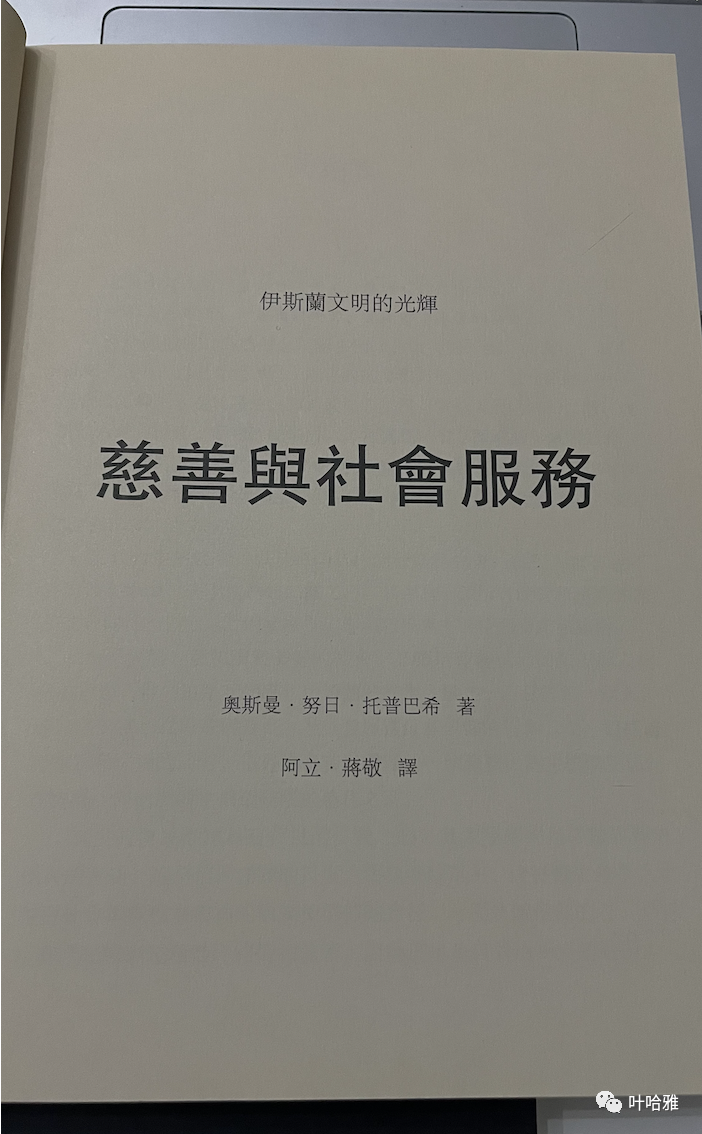
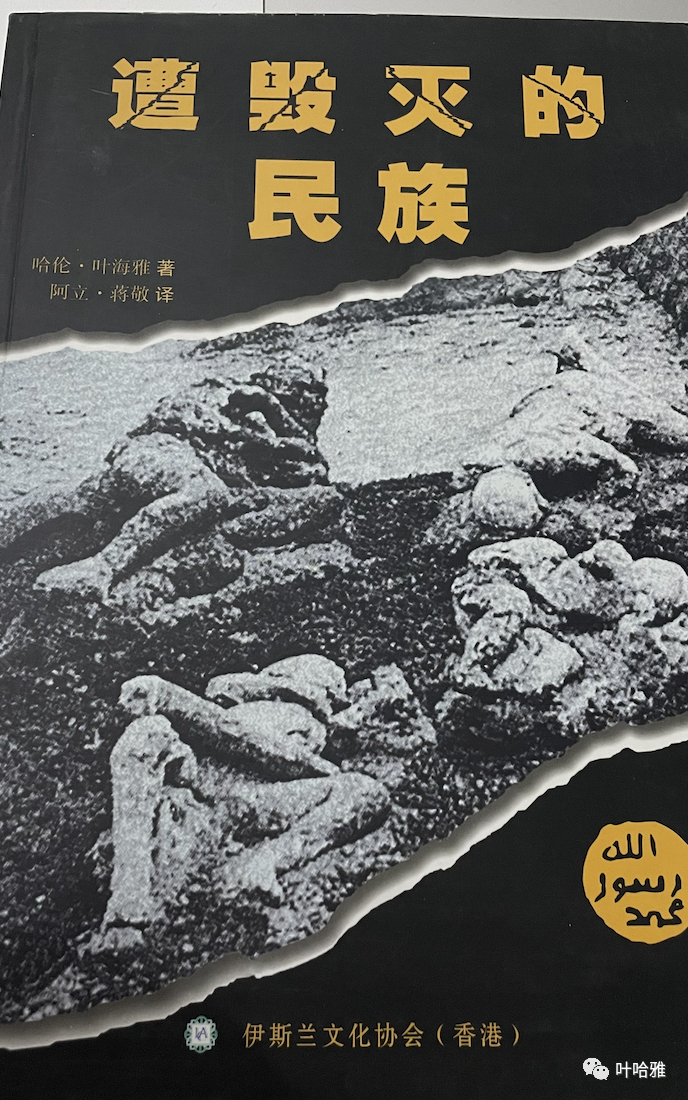
I recently received a memorial collection for Mr. Jiang Jing (1938-2020) and learned he settled in New Zealand. During his life, he wrote many articles for a 'Halal Journey' series in magazines, covering his experiences in many places at home and abroad. I only knew his name before. Years ago, when things were more relaxed, I bought many of his translated works published in Hong Kong. They cannot be publicly distributed in mainland China now, so I am glad I bought them early.
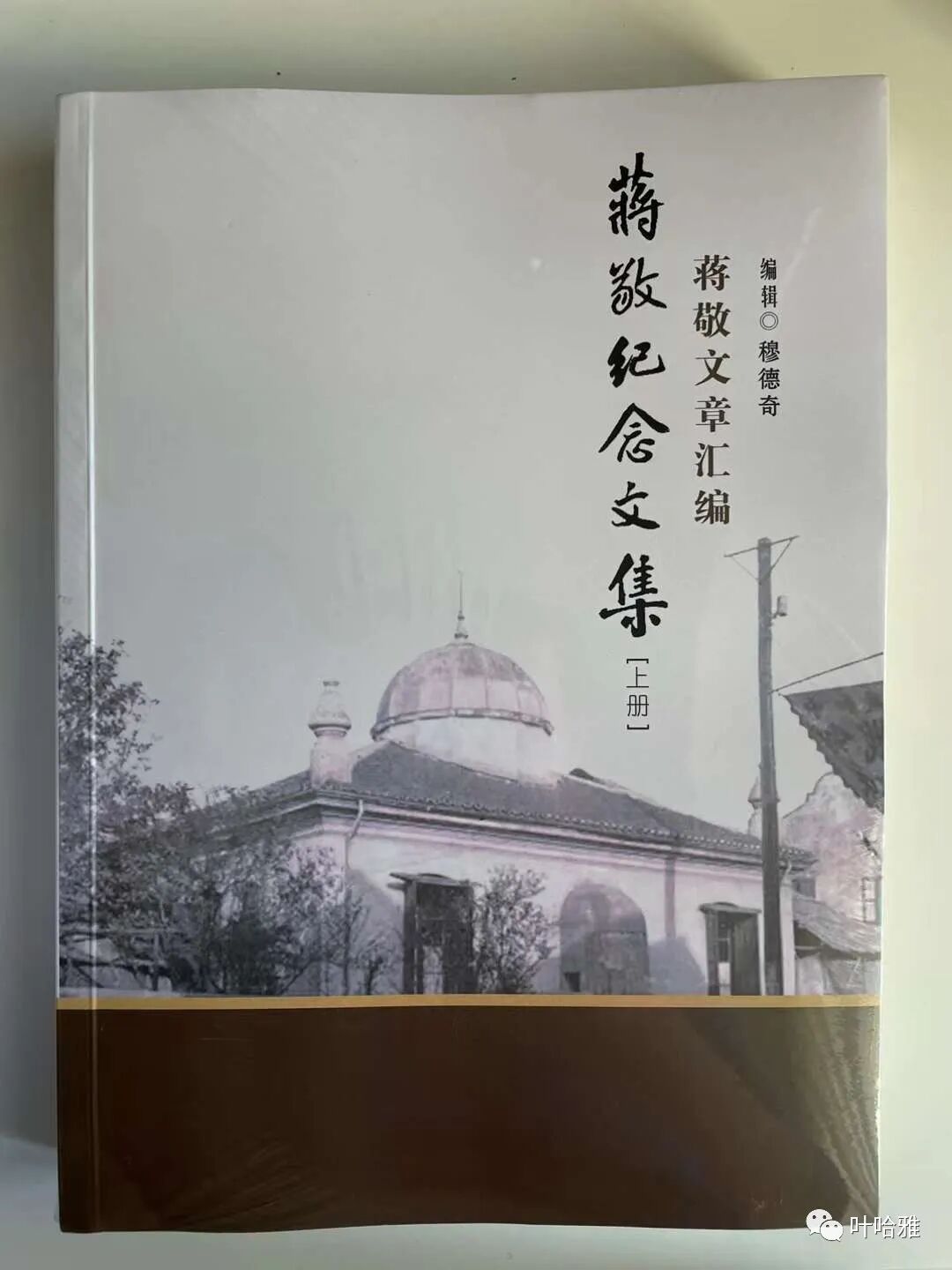
My own Halal Journey travels overlap quite a bit with Mr. Jiang's, so reading his articles feels like experiencing them myself. Mr. Jiang moved to New Zealand in 2000. It is a pity that when I first arrived in New Zealand in 2014, I did not know him. My own brother had already settled there, and reading Mr. Jiang's accounts of halal life in New Zealand brings many scenes to life for me.
Mr. Jiang lived in the United States. He wrote that when he first arrived, he was hosted by a local insurance agent named Dosti. I visited the U. S. in 2018. I used to attend the annual Million Dollar Round Table (MDRT) conference for life insurance professionals there, but I could not go in recent years due to domestic pandemic restrictions. I have already qualified for the 2024 conference, so if all goes well, I will return to the U. S. next June.
I agree with many of Mr. Jiang's views. Even though he lived overseas, he was not swayed by the Western way of life. He deeply understood the decaying, dark, and hypocritical sides of certain civilizations and was not misled by superficial material prosperity. He could take the good and leave the bad, which is very rare and commendable.
Mr. Jiang wrote a review of the book 'On Mixed Religion' and thought very highly of it. I have this book too. While I agree with the conclusions it criticizes, I do not think it is well-written. After reading it, I felt the content was too emotional. It does not read like a professional work, but rather like an online manifesto built from scattered knowledge points.
Some of Mr. Jiang's writings on domestic halal experiences might seem like old news now, but in the context of that time, they showed readers a diverse picture of Muslim culture, which was truly rare. I can feel from his writing that he tried his best to show the beautiful side of Muslims. Covering the faults of our brothers and sisters is part of our faith, and I stick to this practice too; I try not to spread bad things.
Mr. Jiang's life was enviable. Although he came from an ordinary background, he used his own efforts to have a decent job. While teaching at a university, he insisted on striving for the path of Allah. He combined his work with his faith, which helped him turn bad luck into good and live his later years in peace. This is much more impressive than some so-called pious believers I know who only want to preach but ignore the needs of their wives and children, leaving their families in poverty. Some people talk endlessly about the faith. Even some 'famous' figures in history, honored as sheikhs by many followers, make me suspicious when I learn that their descendants have left the faith. Some descendants of these celebrities complain bitterly about their fathers, saying they failed their duties as parents. I wonder if their motivation for doing good deeds was just to seek fame.
Mr. Jiang translated many English Islamic works while in New Zealand. He did this because he felt that the experience of Islamic outreach, mainly in the U. S., is worth learning from. Besides immigrants, another large group of Muslims in the U. S. are converts. I have even met white American converts in Vietnam. I believe an important standard for judging whether the faith is strong in a region is how many converts there are, not just how it looks on the surface. To attract converts, Muslims must show excellent character. Conversely, look at those well-known preachers around us who travel everywhere under the excuse of going out for dawah (chutemati), do not work, and ask for charity (nieti). After a lifetime of being busy, how many people have they actually guided to the right path? Are their own family members on the right path?
Mr. Jiang's funeral photos in New Zealand were sent back from there by Hui Muslim elders from Niujie. As a Hui Muslim from Niujie, I learned about it too late, and I feel a deep regret. If I had known him earlier, we would have had so much to talk about. Life in New Zealand has beautiful mountains and water, but it can also feel very quiet and dull. People who stay there for a long time miss their family and friends back in China the most. To meet like-minded fellow Muslims in a faraway country must have been such a happy thing.
China Mosque Travel Guide: Changzhi Shanxi Mosques, Hui Muslim Heritage and Local Halal Food
Articles • yusuf908 posted the article • 0 comments • 240 views • 2026-05-22 11:44
Summary: This China mosque travel guide visits Changzhi in Shanxi, covering Hui Muslim history, North Mosque, South Mosque, women’s mosques, local learning traditions, and halal food around Ethnic Square.
A Halal Travel Tour in Changzhi is presented here as a firsthand travel account in clear English, beginning with this scene: Changzhi in Shanxi Province was one of the few Hui Muslim communities in China I had not yet visited. The account keeps its focus on Halal Travel, Yiwu Food, Mosque Travel while preserving the names, places, food, and historical details from the Chinese source.
Changzhi in Shanxi Province was one of the few Hui Muslim communities in China I had not yet visited. Changzhi is very influential, and I felt my life would be incomplete without going there. While on a business trip to Zhengzhou, I took a detour on my way back to Beijing and drove to Changzhi for a one-day stay.
Changzhi Lakeside Cultural and Tourism Service Center
We stayed at the Lakeside Cultural and Tourism Service Center by Zhangze Reservoir. It was much better than I expected. It opened last year and offers five-star service and surroundings. The only downside is that it is far from the city center, taking half an hour to drive there. I wanted my wife to take our son for a walk by the lake to enjoy the view, so to save time, I drove to the city's mosques by myself early in the morning.
If you choose to stay near Ethnic Square in the Luzhou District of Changzhi, dining will be more convenient, as most of Changzhi's halal food is concentrated there.
Before coming to Changzhi, I asked many local elders about the local specialties. The answers were all similar: the halal food in Changzhi tastes more like Henan cuisine. The only local specialties are stir-fried flatbread (chaobing) and buckwheat noodles (heluo mian). You cannot find a halal version of the famous Shanxi knife-cut noodles (daoxiao mian) in Changzhi at all. However, those who know Changzhi understand that people do not come here for the food. It is the learning atmosphere that attracts friends (dosti) from all over to visit.
The history of Hui Muslims in Changzhi began around the Ming Dynasty, when soldiers from Nanjing settled here. It has been over 600 years since then. There are currently more than 30,000 Hui Muslims in the Changzhi area, and 90% of them are descendants of Cheng De and Ma Zhao from Nanjing.
There are 22 existing mosques in Changzhi, not counting the women's mosques, as almost every mosque has a corresponding one for women.
The first mosque in Changzhi is the North Mosque (Qingzhen Beisi). It was built during the Ming Dynasty, and the stone tablets inside date back to the Yongle period of the Ming Dynasty.
North Mosque (Qingzhen Beisi)
The minaret (minbai lou) of the North Mosque
Two stories high
Stone tablet inscription from the Yongle era.
Soon after, the South Mosque (Qingzhen Nansi) was built nearby, also dating back to the Ming Dynasty.
South Mosque (Qingzhen Nansi)
The Central Mosque (Qingzhen Zhongsi) was first built in 1928. In 1938, the Changzhi National Salvation Association was founded here, making a great contribution to the War of Resistance Against Japan. The mosque was rebuilt in 1999.
Central Mosque (Qingzhen Zhongsi)
Legend says the Central Mosque was built due to sectarian disputes. Today, Changzhi has long moved past these biases. Everyone follows their own chosen school of Islamic law in peace. Ethnic unity and the relationship between Hui Muslims and Han people are harmonious, which has earned praise from the local government.
The West Mosque (Qingzhen Xisi) was built in 1944. These four mosques were all constructed before the founding of the People's Republic of China. New mosques built after the founding of the country include:
Southwest City Mosque, Luze Mosque, Jianhua Mosque, Southwest Gate Mosque, Wuyi Road Mosque, West Gate Mosque, Wuzhen Road Mosque, Beidong Mosque, Changbei Mosque, Donghe Mosque, Baodian Mosque, Dabaotou Mosque, Railway Station Mosque, Guancun Mosque, Huangyechi Mosque, Huanan Mosque, Qinyuan County Mosque, and Zhangzi Mosque.
Huanan Mosque
Wuyi Road Mosque
Southwest City Mosque
Luze Mosque
Not long ago, Imam Ma Aimin of the Dongsi Mosque in Beijing passed away. I attended his funeral at Niujie. I remember last year, a few of us sat in his office at the Dongsi Mosque drinking tea and chatting. His kind face and gentle, honest smile stay in my mind. Imam Ma Aimin was from Changzhi, and that day, vehicles from a mosque in Changzhi drove through the night to Beijing to attend his funeral.
President Yang Faming of the Islamic Association of China attended the funeral.
The first meal we had in Changzhi was steamed dumplings (zhengjiao) at Detaiyong. A friend (dosti) from Zhengzhou highly recommended it. I thought it was a local specialty, but later, local elders in Changzhi told me the family is actually from Tianjin, and these steamed dumplings are a Tianjin specialty.
Since modern times, the number of Muslim surnames in Changzhi has grown every year, and those who settled here for business brought halal food from all over. halal restaurants in Changzhi do not sell alcohol, so you can eat there with peace of mind.
The steamed dumpling shop has been in Changzhi for over thirty years, so it is fair to say it has become localized.
Our second meal in Changzhi was at this sesame flatbread (shaobing) shop right at the entrance of the Middle Mosque (Zhongsi). These savory and sweet flatbreads baked over coal fires cost one yuan each. They are a Henan-style flatbread that I have loved since I was a child, especially when they are fresh out of the oven and still hot to the touch—they are delicious. However, this kind of flatbread is hard to find now. Big cities do not allow coal fires, so many foods cannot be made with their original flavor.
Early in the morning, I walked around the neighborhood of the Middle Mosque and took photos of some unique halal restaurants. It was still early, so none were open. We planned to leave for Beijing before noon to arrive before dark. Fahim is only eight months old and needs to sleep when it gets dark, so he could not travel at night with me. Because of this, I missed the chance to taste more of Changzhi's many delicacies.
The term 'laowaijia' here does not refer to foreigners; it means the family of a nephew.
Changzhi has local specialties, but they are not halal. Local Hui Muslims rarely eat out and usually cook at home. My halal tour of Changzhi relied entirely on local friends (dosti) to lead the way, and I managed to visit seven mosques in just half a day.
Before we left, the village elders gave us Changzhi aged vinegar (chencu) and millet (xiaomi). These are things I love to eat. The millet is for Fahim’s baby food, and my wife really loves the vinegar—the sourer, the better.
Before leaving, I took a quick photo of a Changzhi family’s doorway on the street, and it made me feel at peace. view all
Summary: This China mosque travel guide visits Changzhi in Shanxi, covering Hui Muslim history, North Mosque, South Mosque, women’s mosques, local learning traditions, and halal food around Ethnic Square.
A Halal Travel Tour in Changzhi is presented here as a firsthand travel account in clear English, beginning with this scene: Changzhi in Shanxi Province was one of the few Hui Muslim communities in China I had not yet visited. The account keeps its focus on Halal Travel, Yiwu Food, Mosque Travel while preserving the names, places, food, and historical details from the Chinese source.
Changzhi in Shanxi Province was one of the few Hui Muslim communities in China I had not yet visited. Changzhi is very influential, and I felt my life would be incomplete without going there. While on a business trip to Zhengzhou, I took a detour on my way back to Beijing and drove to Changzhi for a one-day stay.
Changzhi Lakeside Cultural and Tourism Service Center
We stayed at the Lakeside Cultural and Tourism Service Center by Zhangze Reservoir. It was much better than I expected. It opened last year and offers five-star service and surroundings. The only downside is that it is far from the city center, taking half an hour to drive there. I wanted my wife to take our son for a walk by the lake to enjoy the view, so to save time, I drove to the city's mosques by myself early in the morning.
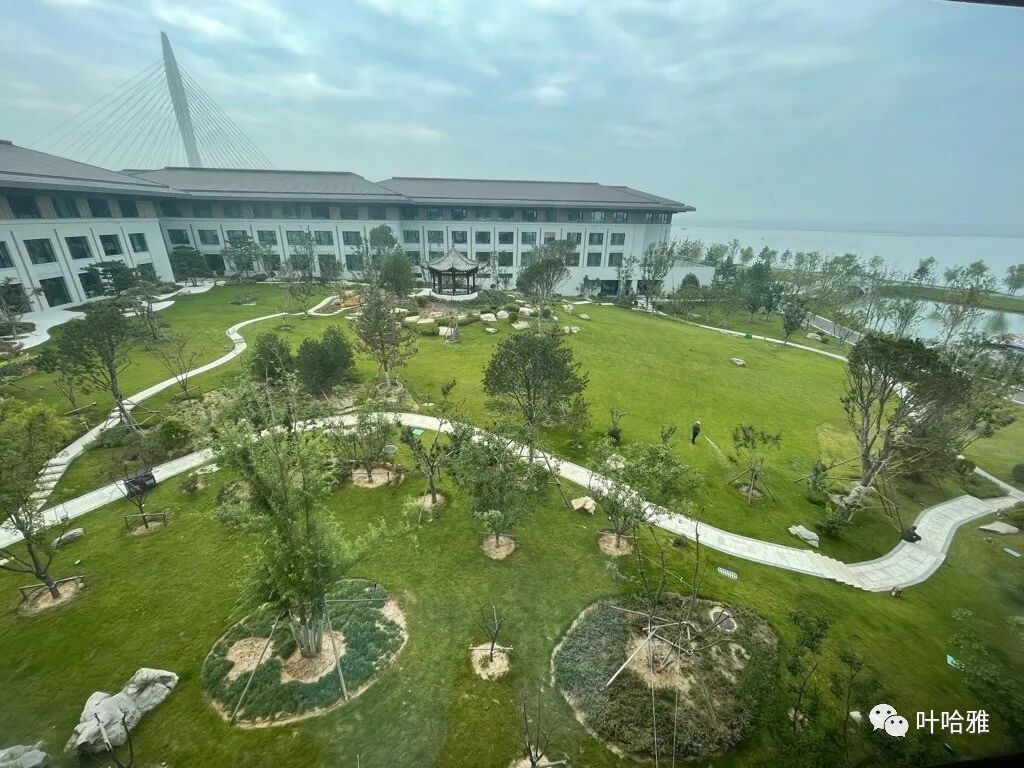
If you choose to stay near Ethnic Square in the Luzhou District of Changzhi, dining will be more convenient, as most of Changzhi's halal food is concentrated there.
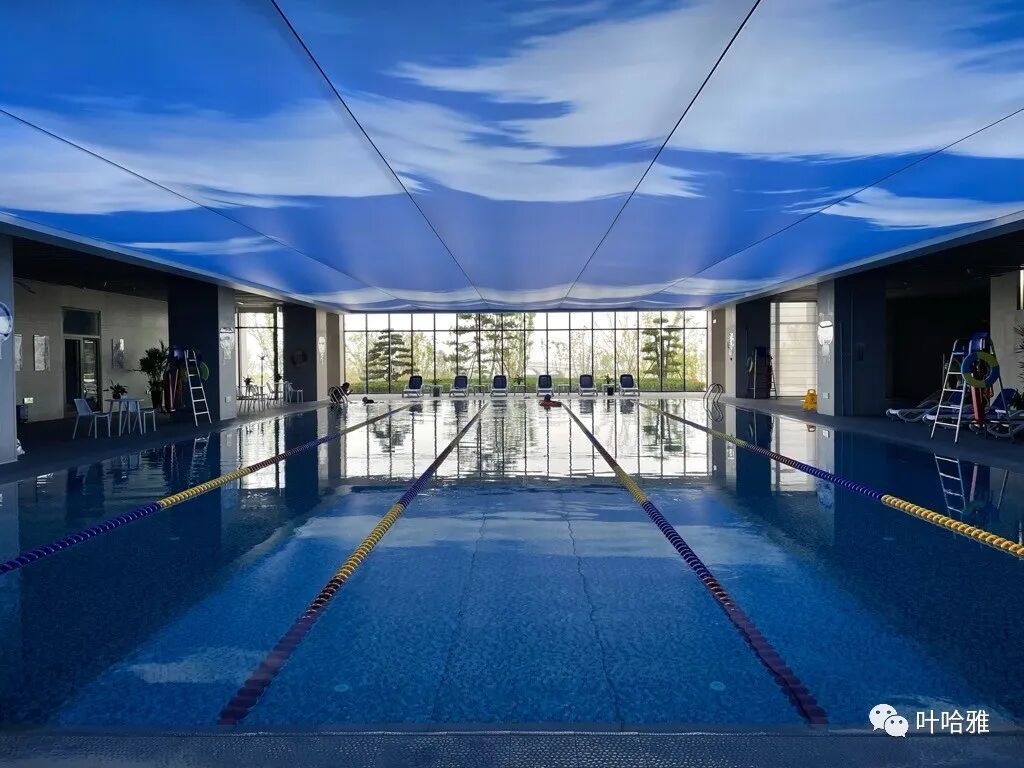
Before coming to Changzhi, I asked many local elders about the local specialties. The answers were all similar: the halal food in Changzhi tastes more like Henan cuisine. The only local specialties are stir-fried flatbread (chaobing) and buckwheat noodles (heluo mian). You cannot find a halal version of the famous Shanxi knife-cut noodles (daoxiao mian) in Changzhi at all. However, those who know Changzhi understand that people do not come here for the food. It is the learning atmosphere that attracts friends (dosti) from all over to visit.
The history of Hui Muslims in Changzhi began around the Ming Dynasty, when soldiers from Nanjing settled here. It has been over 600 years since then. There are currently more than 30,000 Hui Muslims in the Changzhi area, and 90% of them are descendants of Cheng De and Ma Zhao from Nanjing.
There are 22 existing mosques in Changzhi, not counting the women's mosques, as almost every mosque has a corresponding one for women.
The first mosque in Changzhi is the North Mosque (Qingzhen Beisi). It was built during the Ming Dynasty, and the stone tablets inside date back to the Yongle period of the Ming Dynasty.
North Mosque (Qingzhen Beisi)
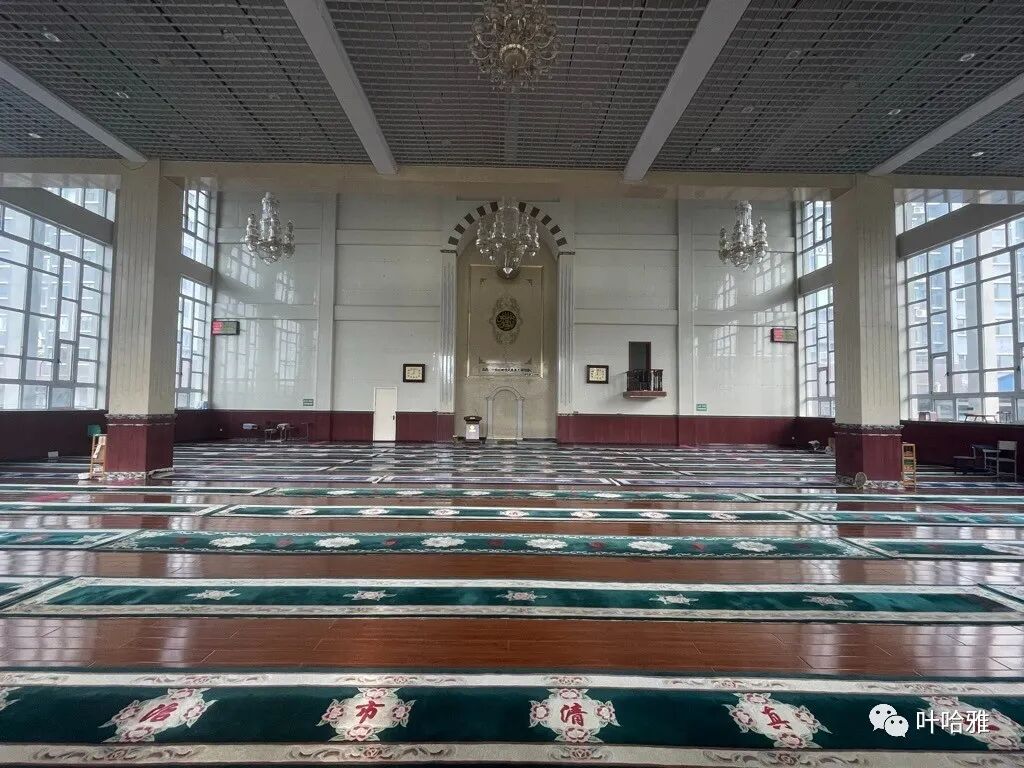
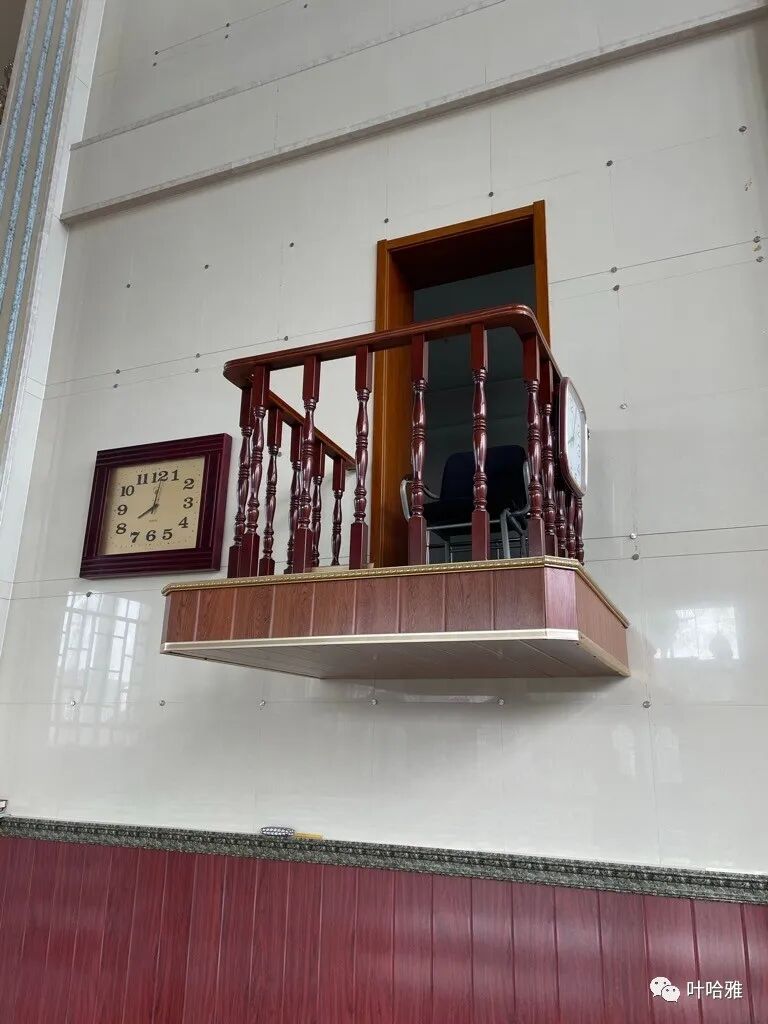
The minaret (minbai lou) of the North Mosque
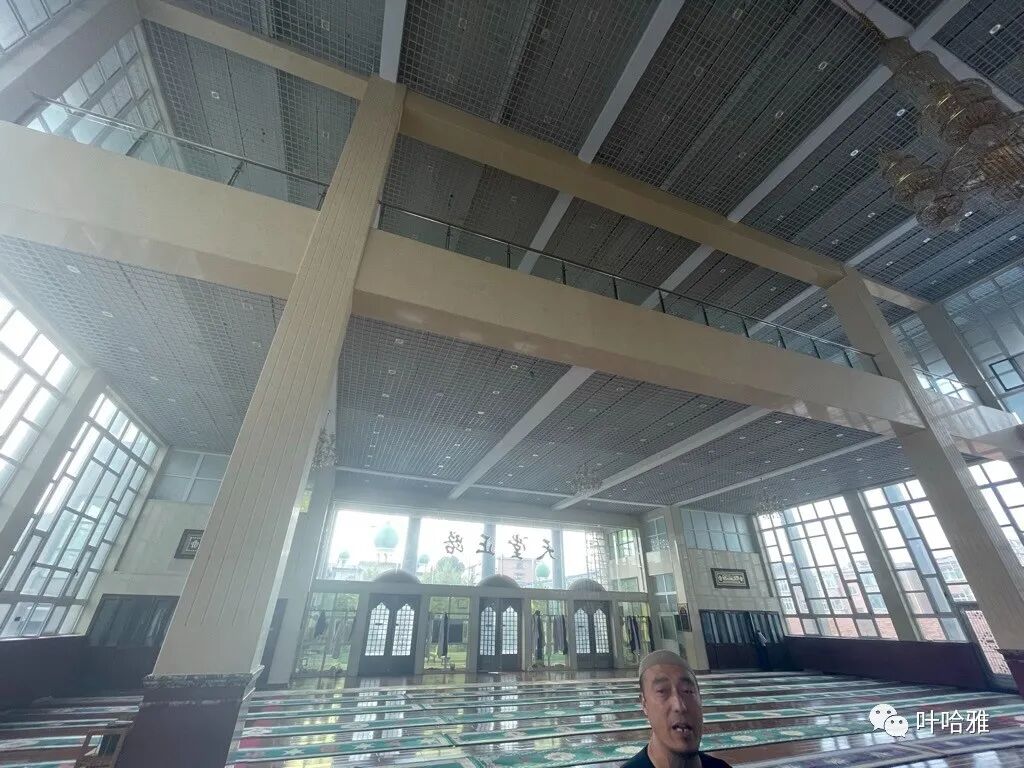
Two stories high
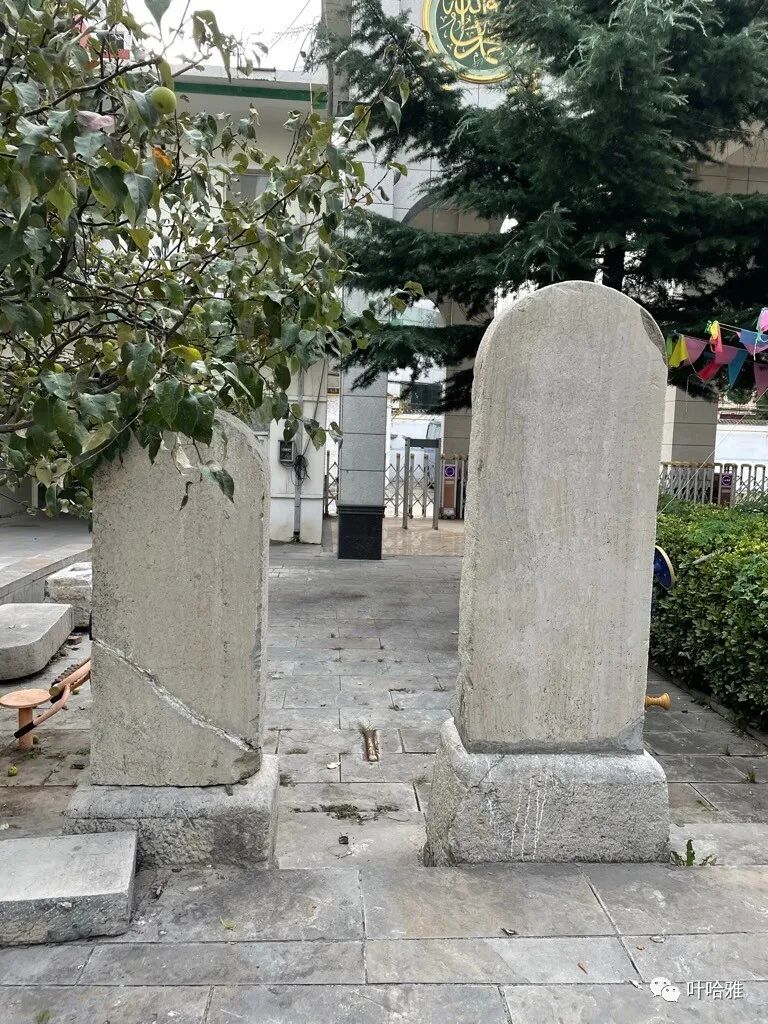
Stone tablet inscription from the Yongle era.
Soon after, the South Mosque (Qingzhen Nansi) was built nearby, also dating back to the Ming Dynasty.
South Mosque (Qingzhen Nansi)
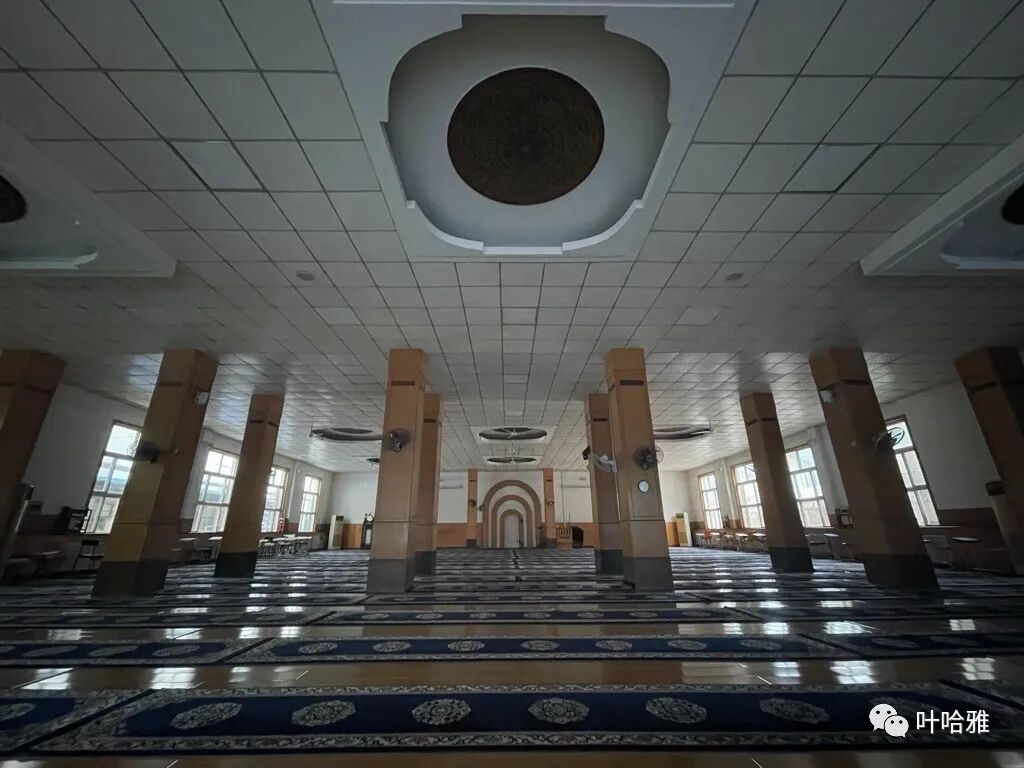
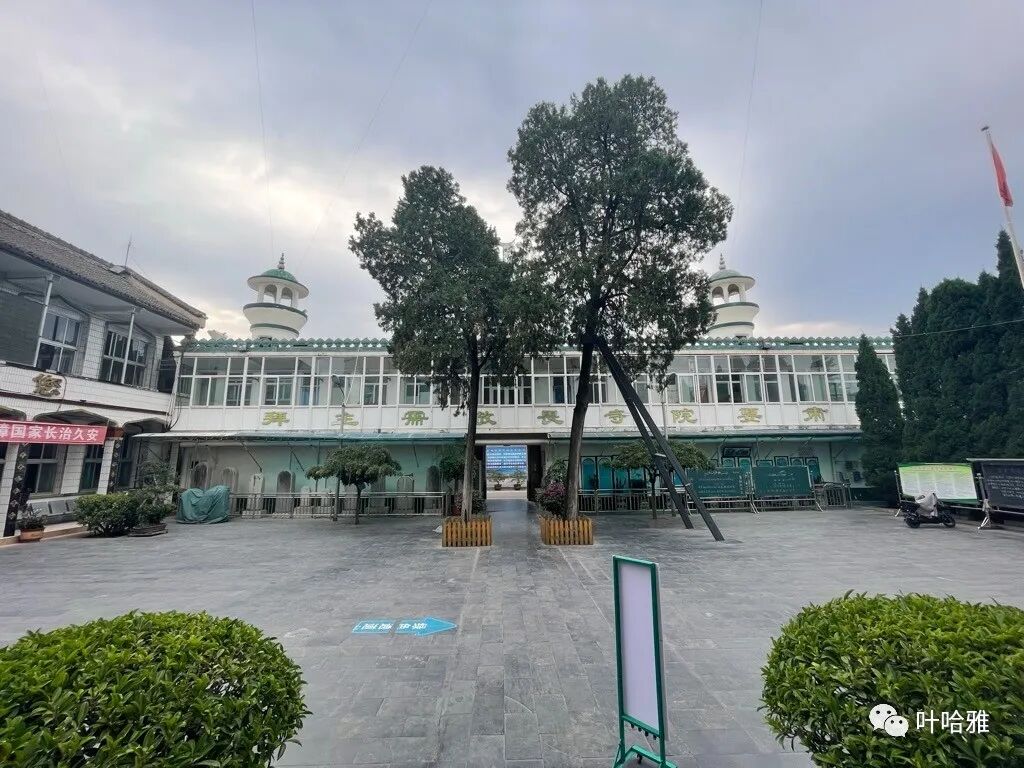
The Central Mosque (Qingzhen Zhongsi) was first built in 1928. In 1938, the Changzhi National Salvation Association was founded here, making a great contribution to the War of Resistance Against Japan. The mosque was rebuilt in 1999.
Central Mosque (Qingzhen Zhongsi)
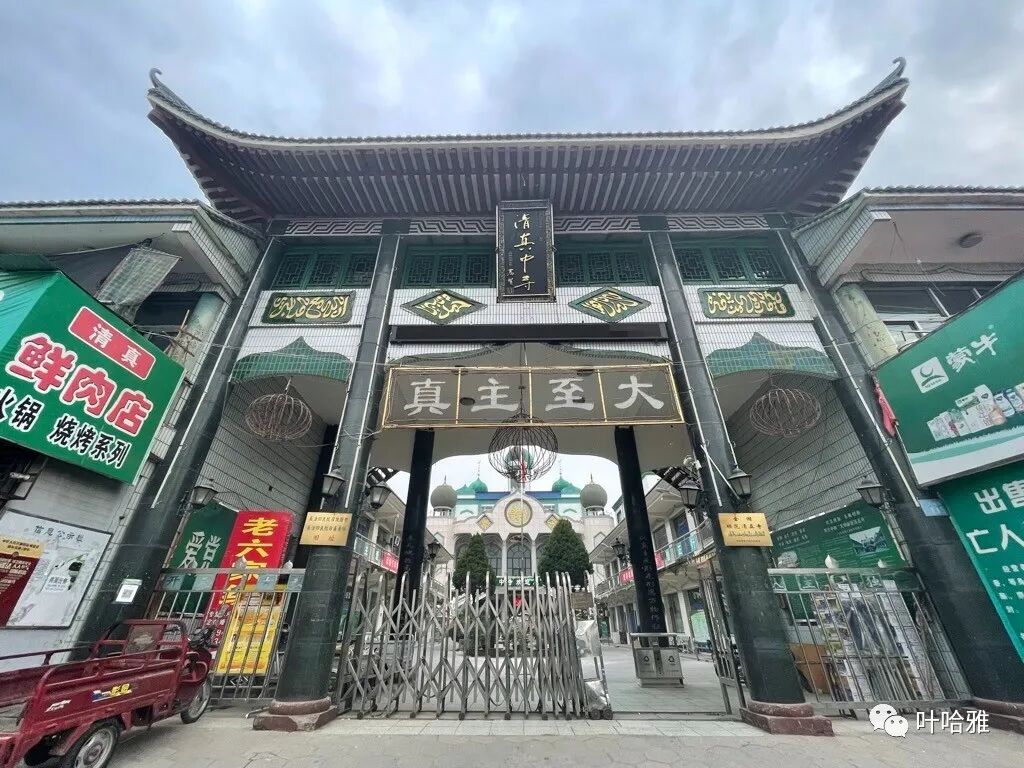
Legend says the Central Mosque was built due to sectarian disputes. Today, Changzhi has long moved past these biases. Everyone follows their own chosen school of Islamic law in peace. Ethnic unity and the relationship between Hui Muslims and Han people are harmonious, which has earned praise from the local government.
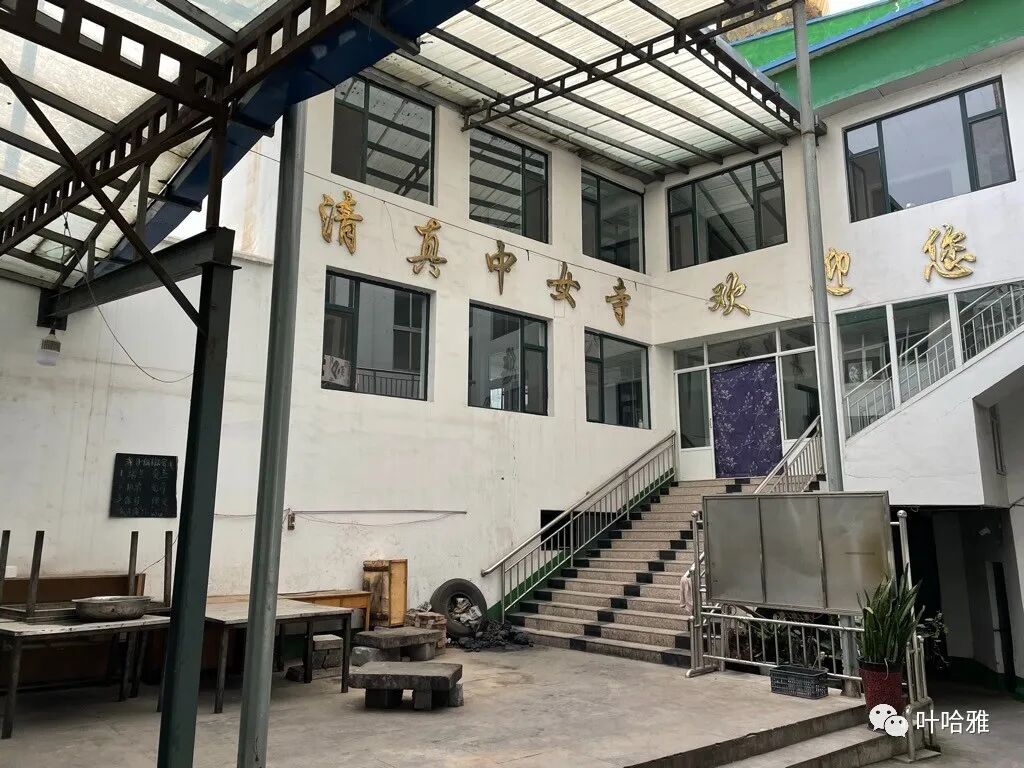
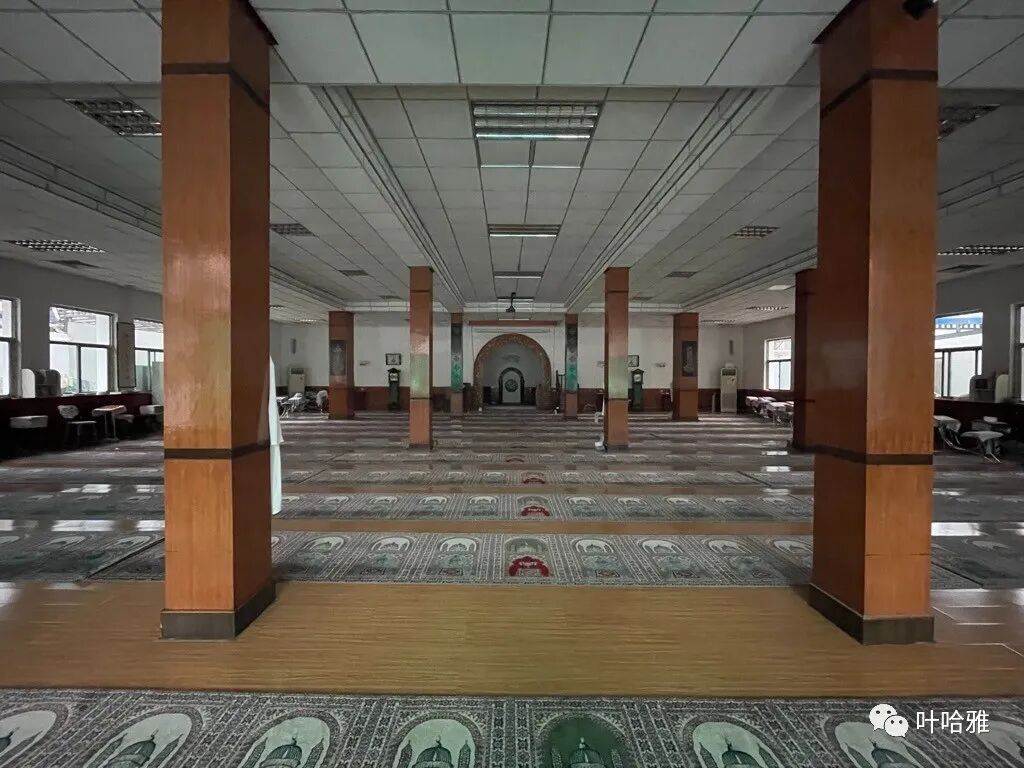
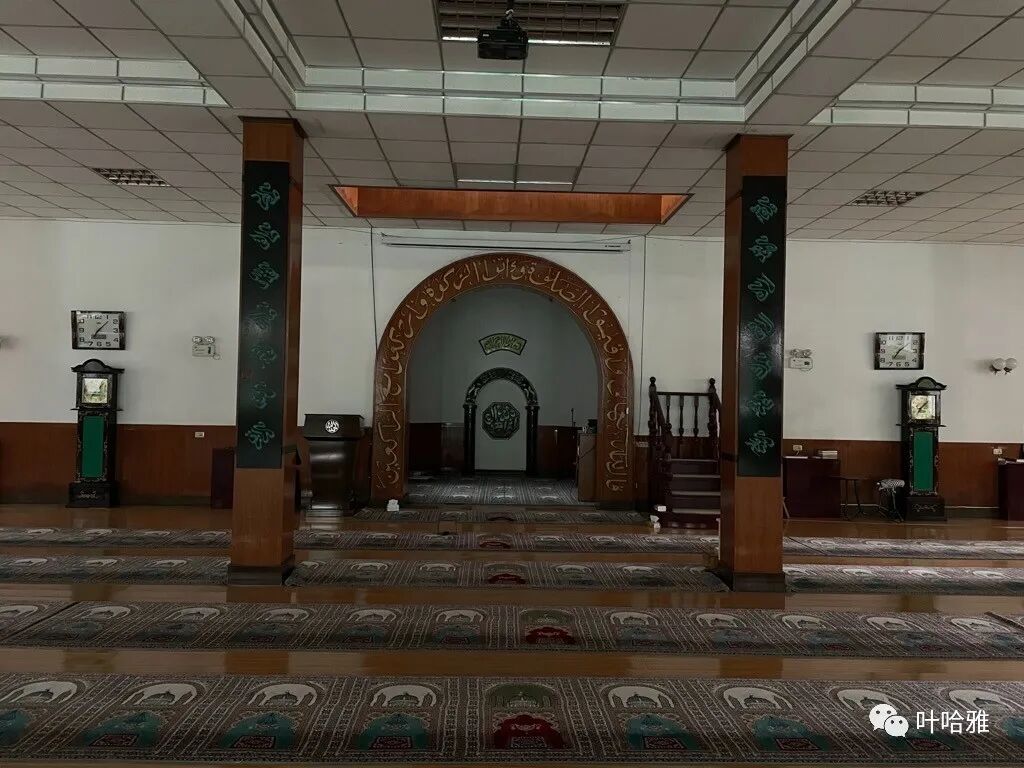
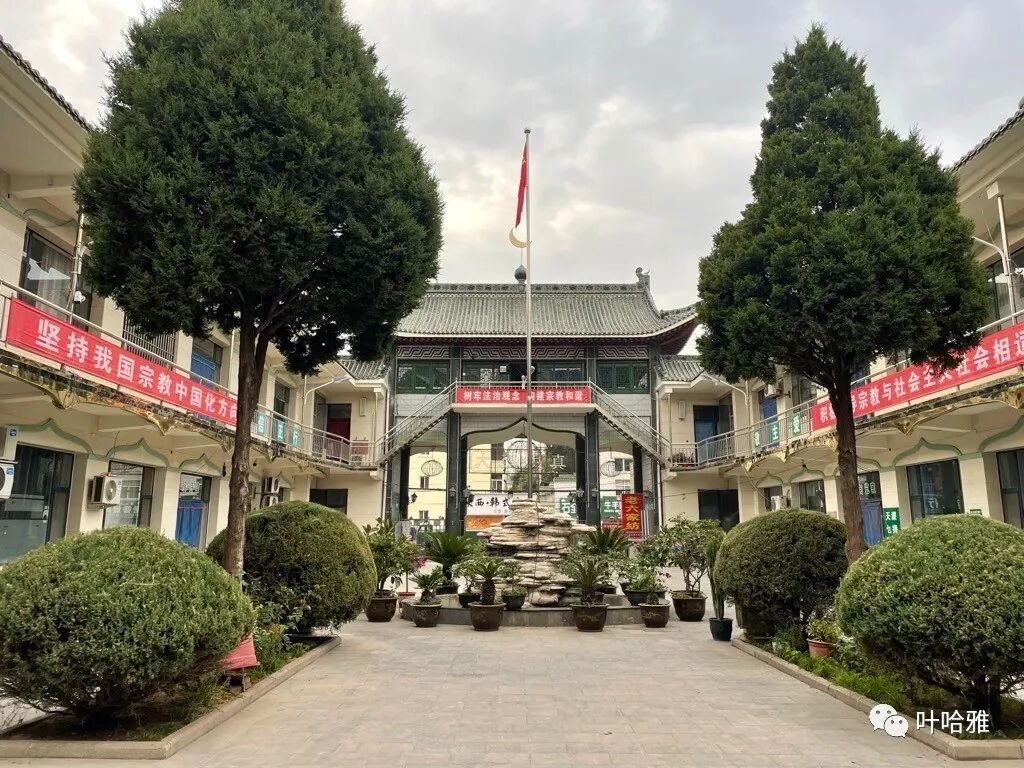
The West Mosque (Qingzhen Xisi) was built in 1944. These four mosques were all constructed before the founding of the People's Republic of China. New mosques built after the founding of the country include:
Southwest City Mosque, Luze Mosque, Jianhua Mosque, Southwest Gate Mosque, Wuyi Road Mosque, West Gate Mosque, Wuzhen Road Mosque, Beidong Mosque, Changbei Mosque, Donghe Mosque, Baodian Mosque, Dabaotou Mosque, Railway Station Mosque, Guancun Mosque, Huangyechi Mosque, Huanan Mosque, Qinyuan County Mosque, and Zhangzi Mosque.
Huanan Mosque
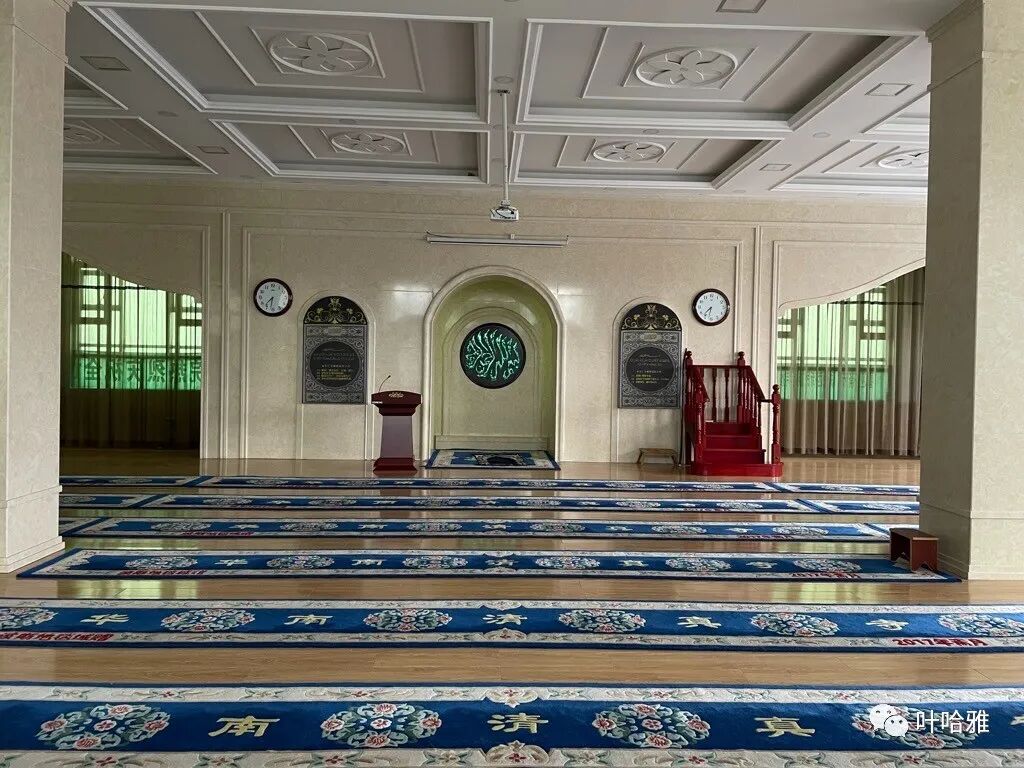
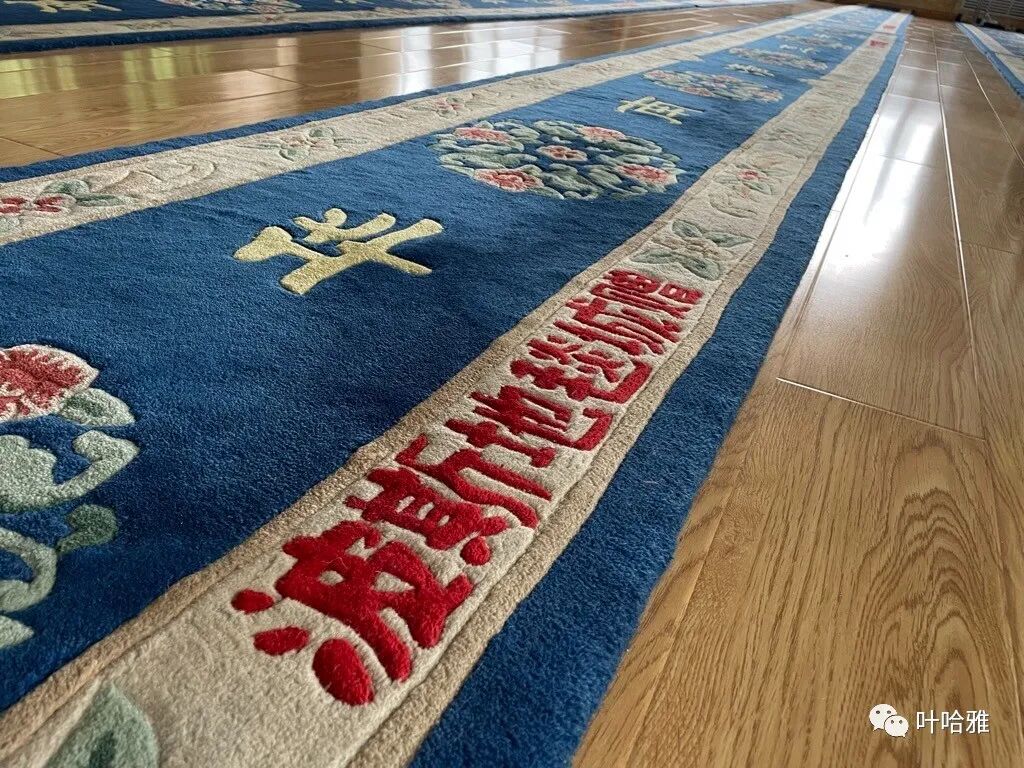
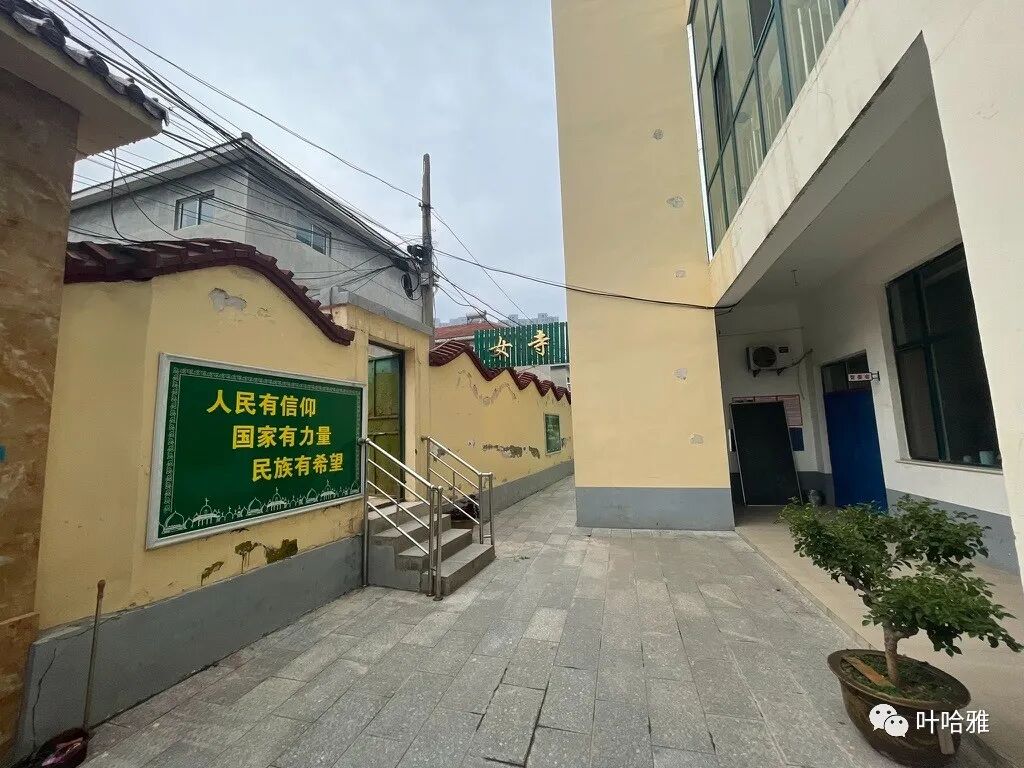
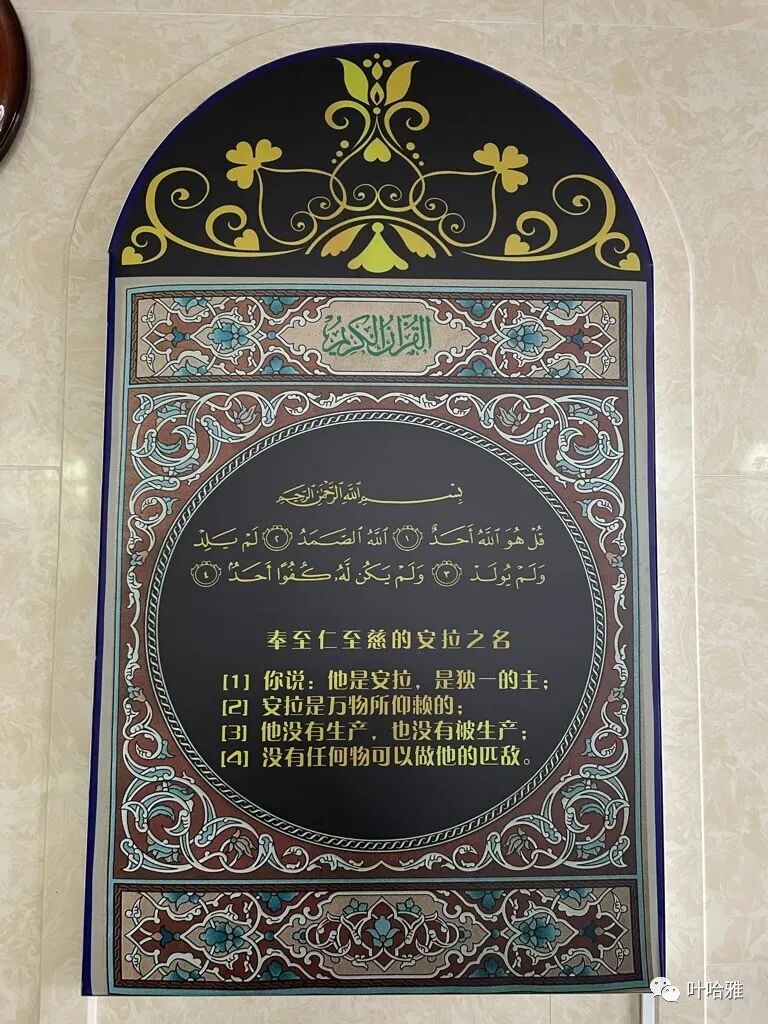
Wuyi Road Mosque
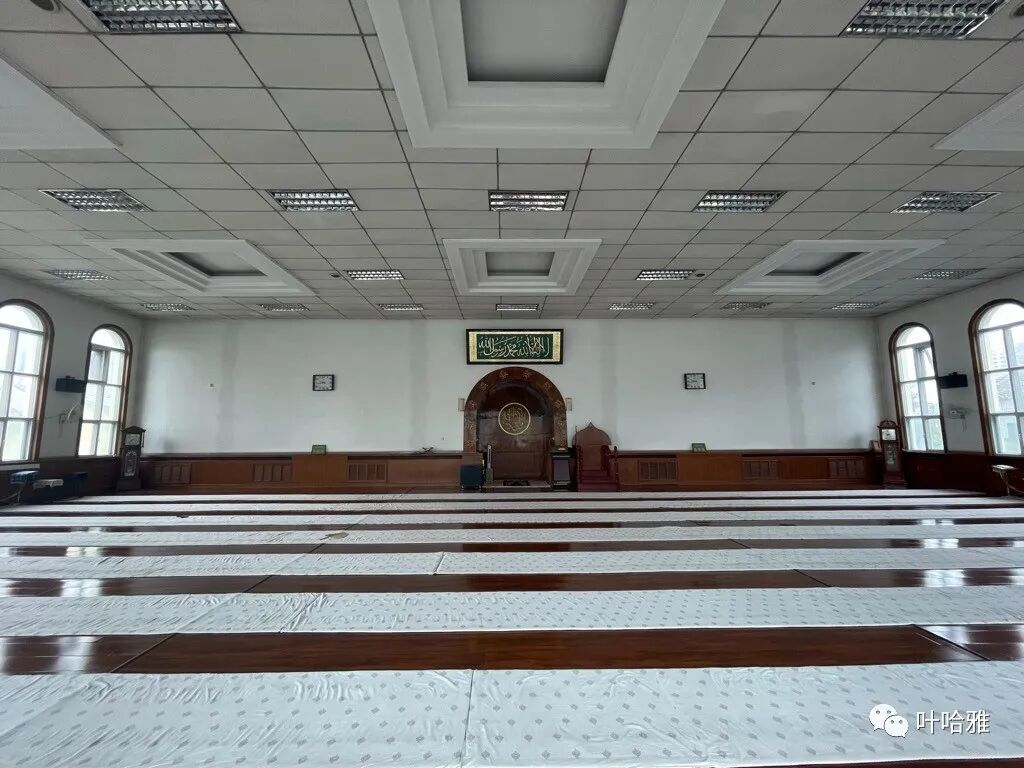
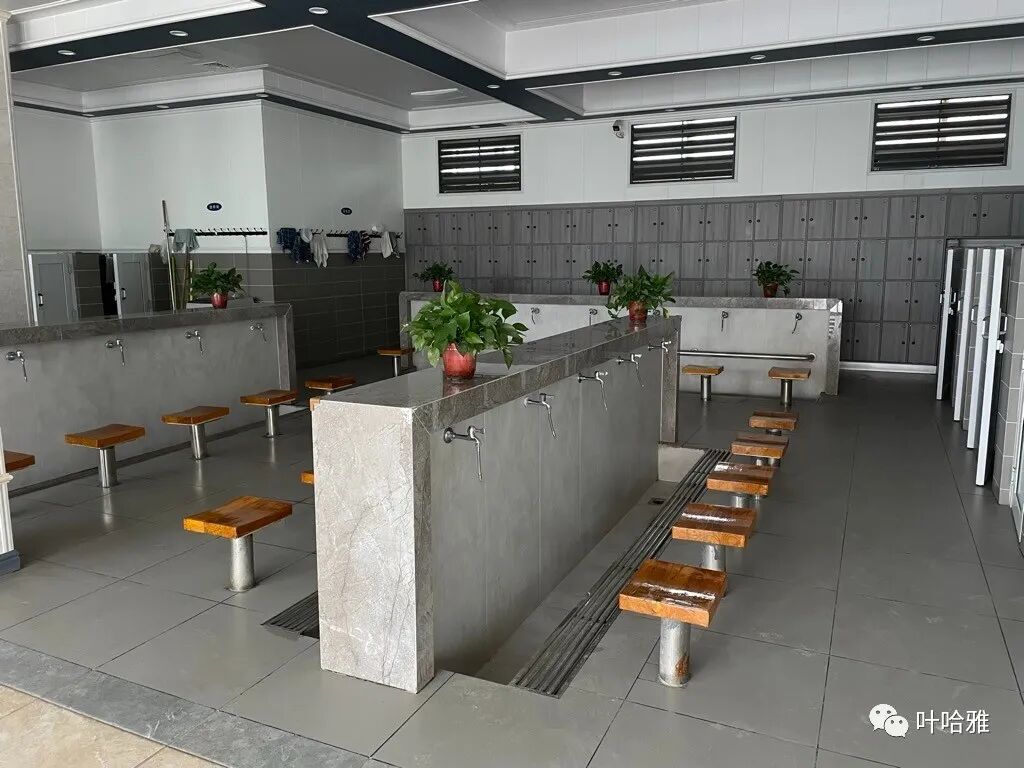
Southwest City Mosque
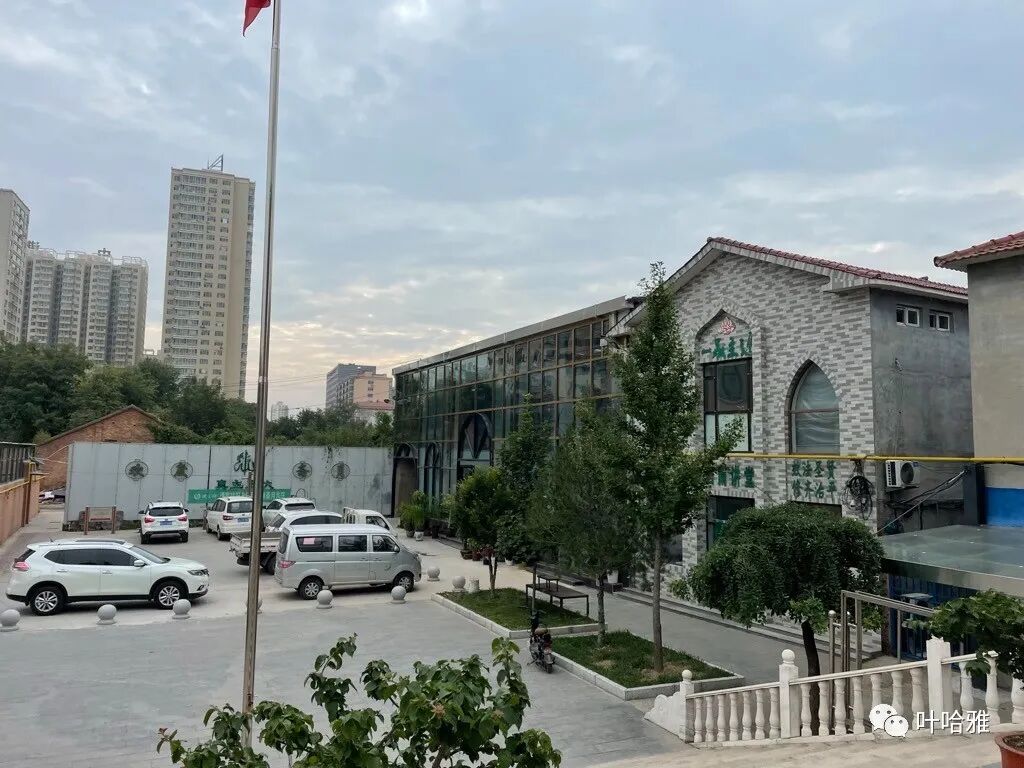
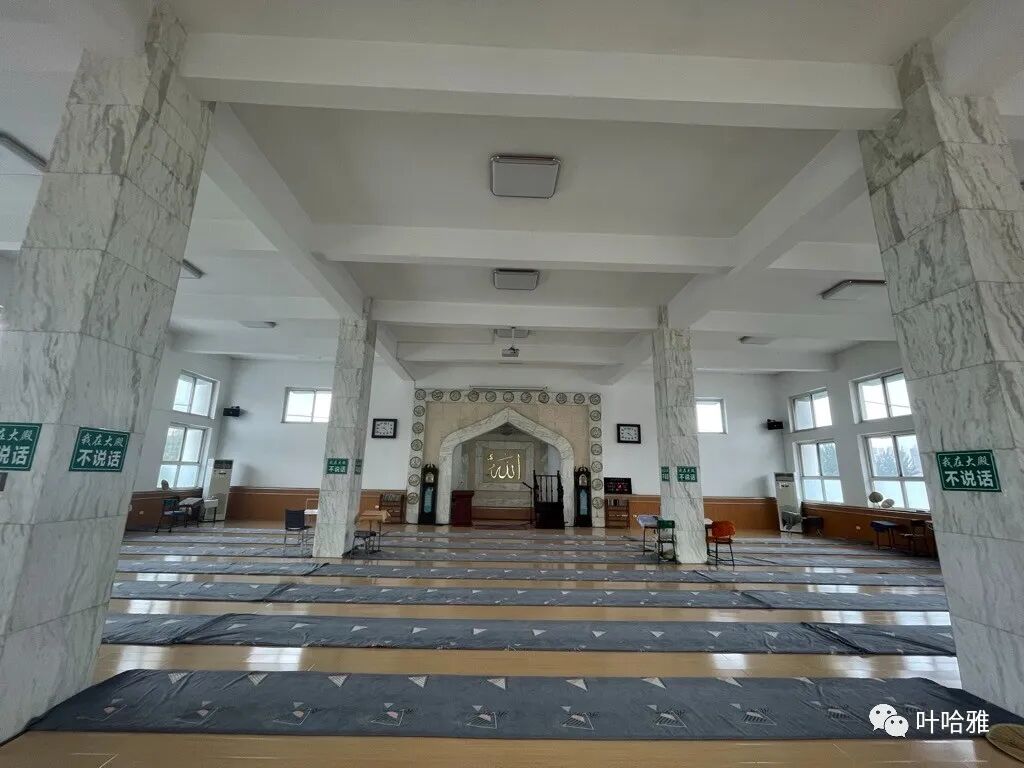
Luze Mosque
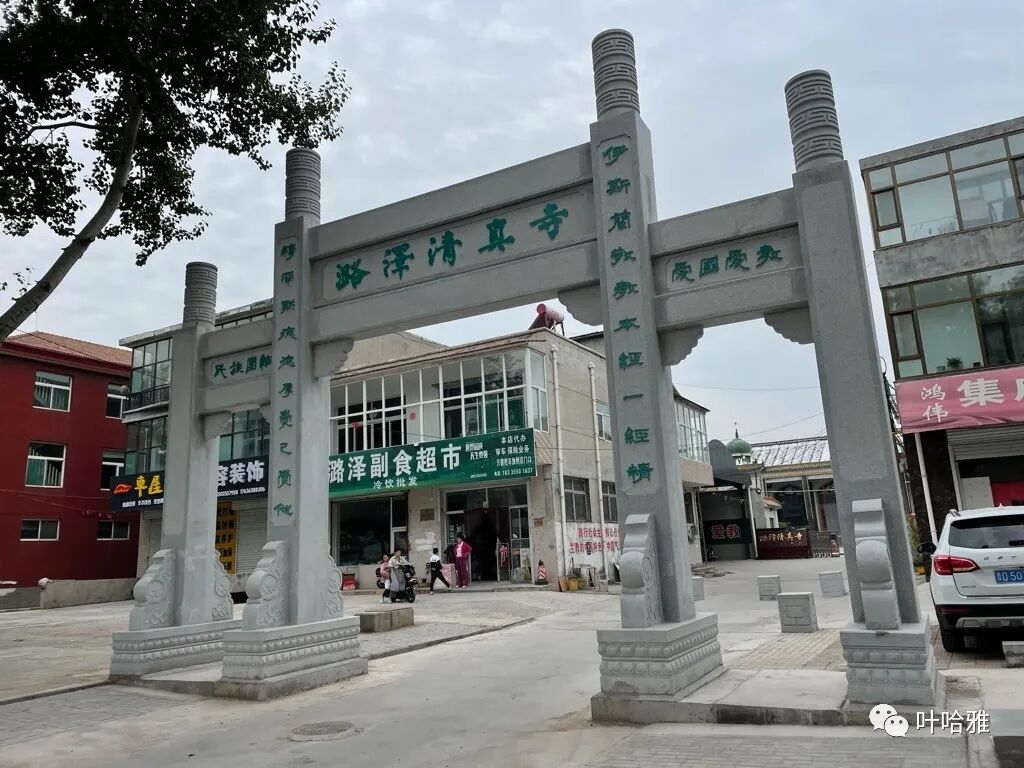
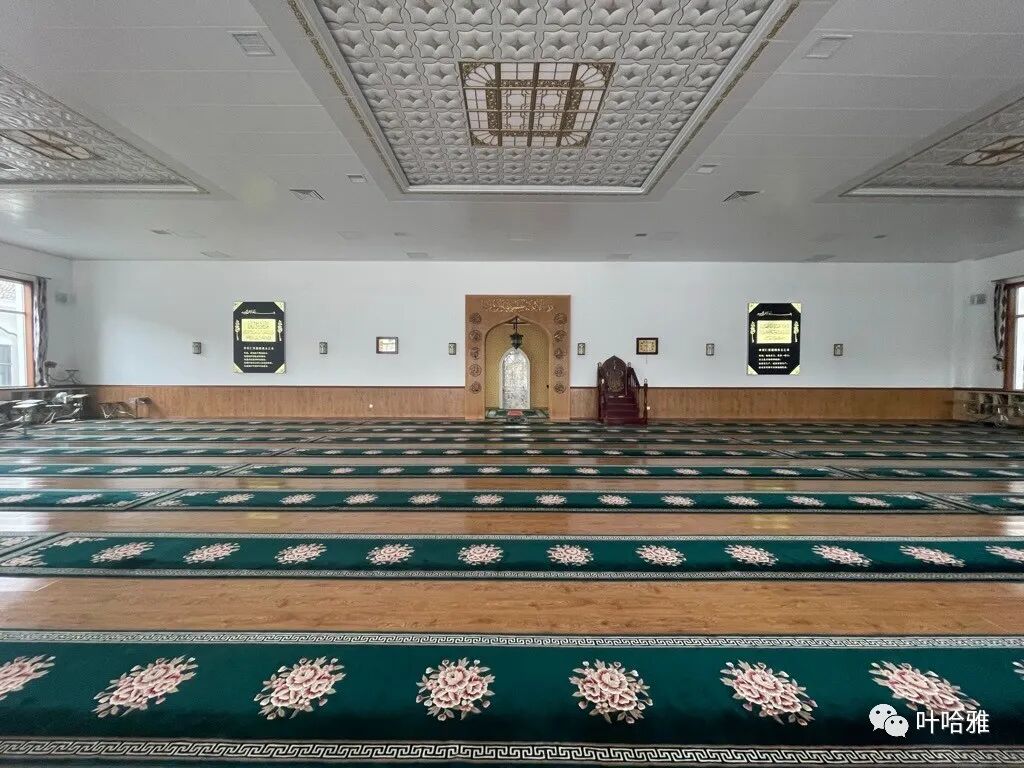
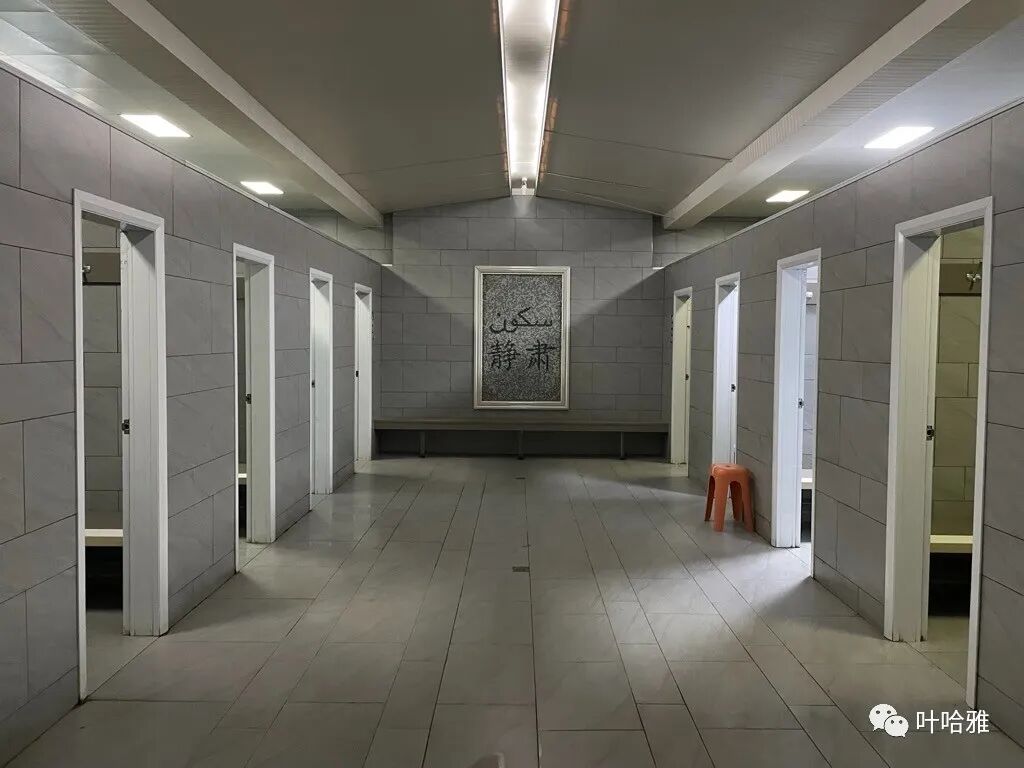
Not long ago, Imam Ma Aimin of the Dongsi Mosque in Beijing passed away. I attended his funeral at Niujie. I remember last year, a few of us sat in his office at the Dongsi Mosque drinking tea and chatting. His kind face and gentle, honest smile stay in my mind. Imam Ma Aimin was from Changzhi, and that day, vehicles from a mosque in Changzhi drove through the night to Beijing to attend his funeral.
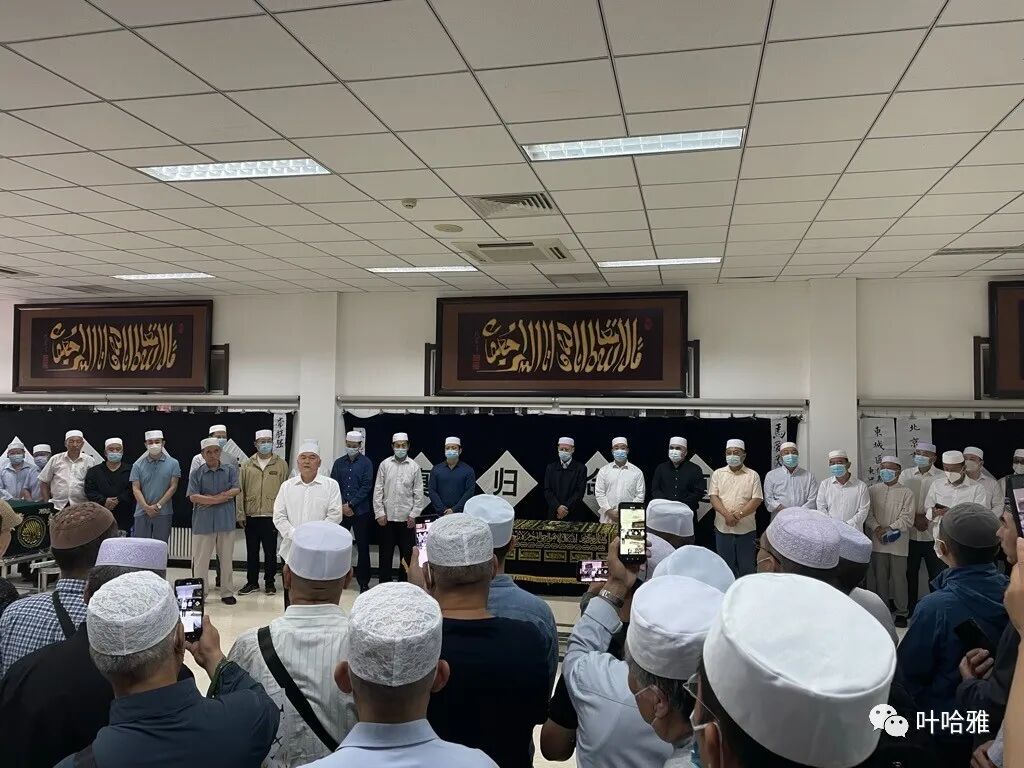
President Yang Faming of the Islamic Association of China attended the funeral.
The first meal we had in Changzhi was steamed dumplings (zhengjiao) at Detaiyong. A friend (dosti) from Zhengzhou highly recommended it. I thought it was a local specialty, but later, local elders in Changzhi told me the family is actually from Tianjin, and these steamed dumplings are a Tianjin specialty.
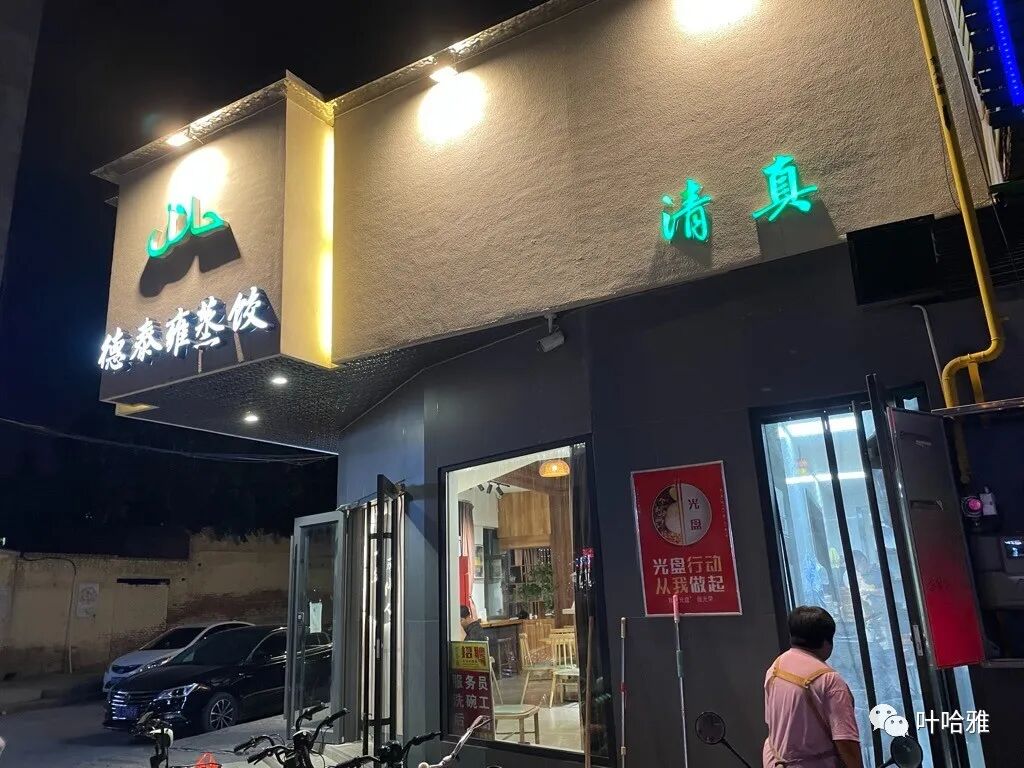
Since modern times, the number of Muslim surnames in Changzhi has grown every year, and those who settled here for business brought halal food from all over. halal restaurants in Changzhi do not sell alcohol, so you can eat there with peace of mind.
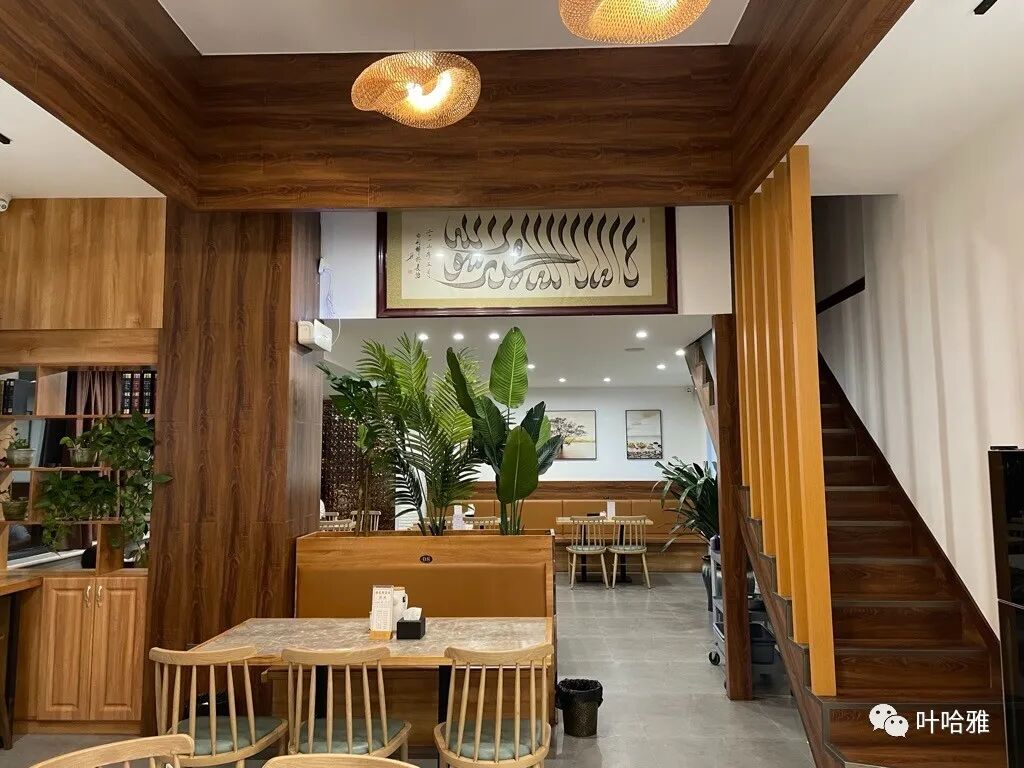
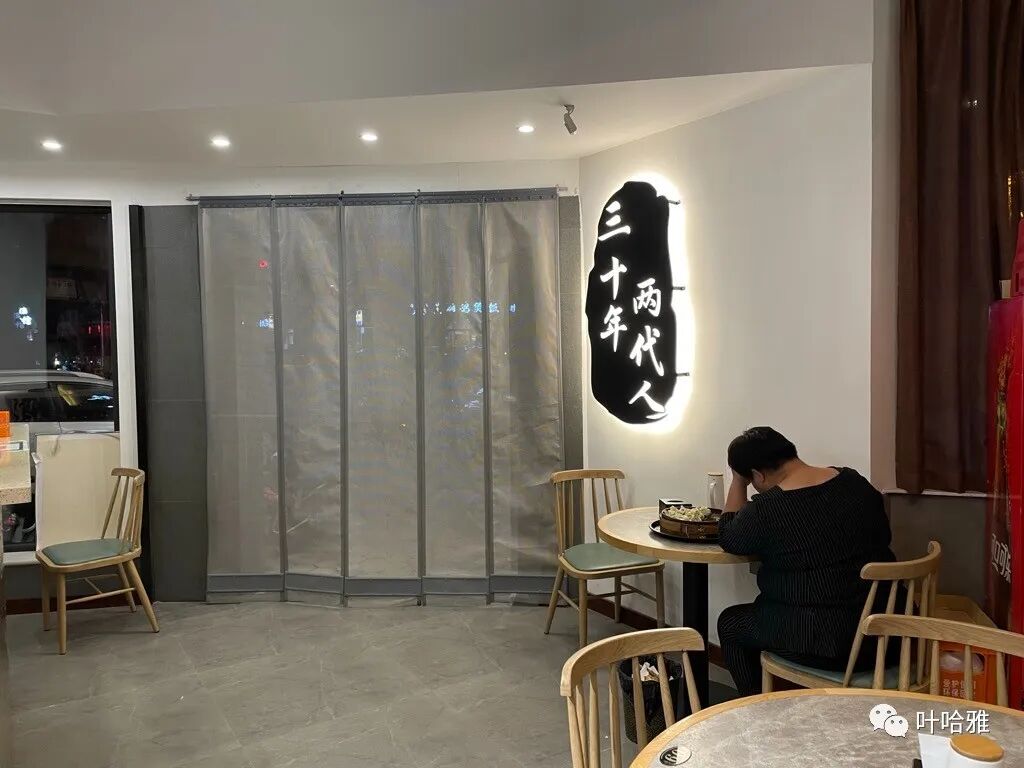
The steamed dumpling shop has been in Changzhi for over thirty years, so it is fair to say it has become localized.
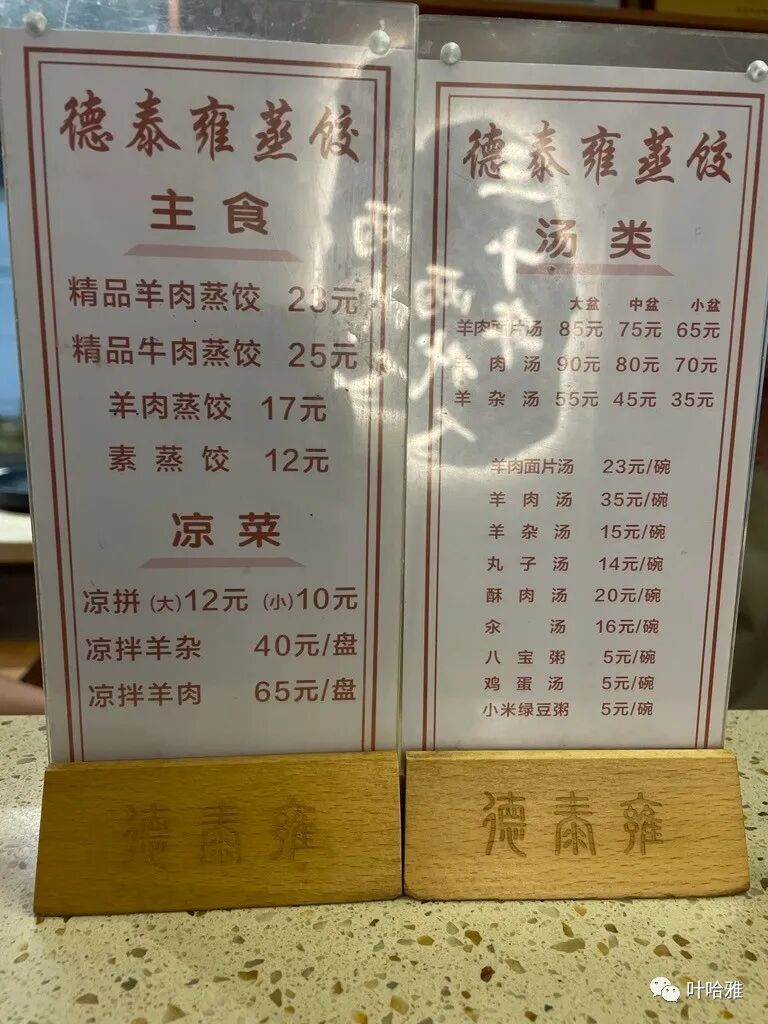
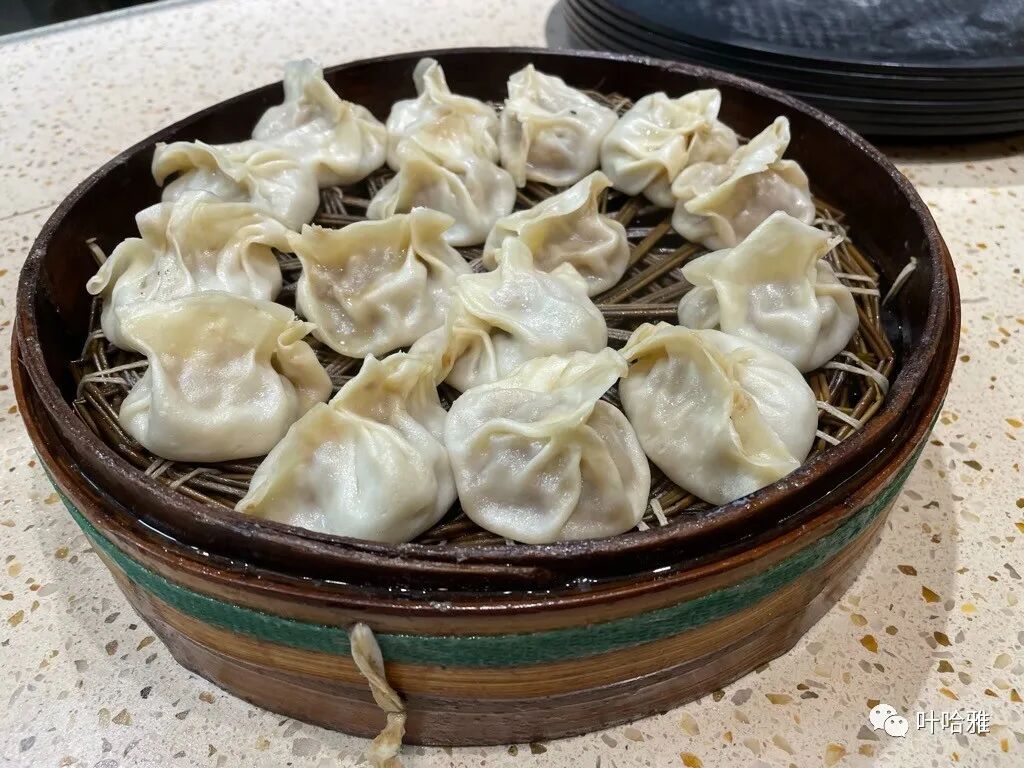
Our second meal in Changzhi was at this sesame flatbread (shaobing) shop right at the entrance of the Middle Mosque (Zhongsi). These savory and sweet flatbreads baked over coal fires cost one yuan each. They are a Henan-style flatbread that I have loved since I was a child, especially when they are fresh out of the oven and still hot to the touch—they are delicious. However, this kind of flatbread is hard to find now. Big cities do not allow coal fires, so many foods cannot be made with their original flavor.
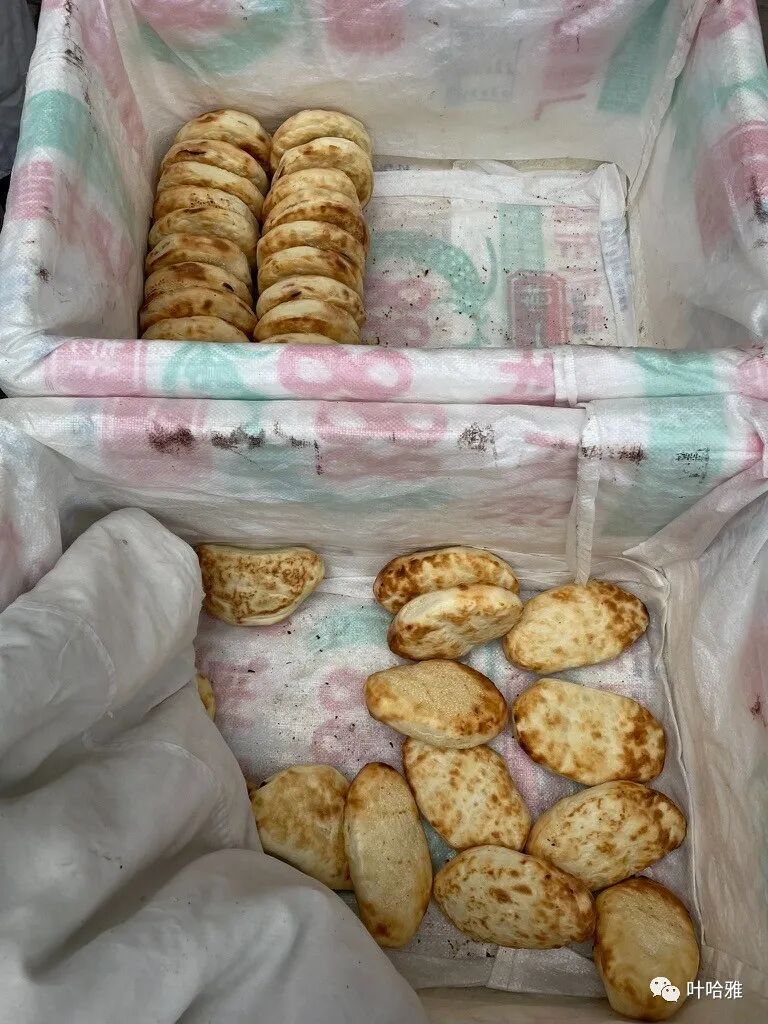
Early in the morning, I walked around the neighborhood of the Middle Mosque and took photos of some unique halal restaurants. It was still early, so none were open. We planned to leave for Beijing before noon to arrive before dark. Fahim is only eight months old and needs to sleep when it gets dark, so he could not travel at night with me. Because of this, I missed the chance to taste more of Changzhi's many delicacies.
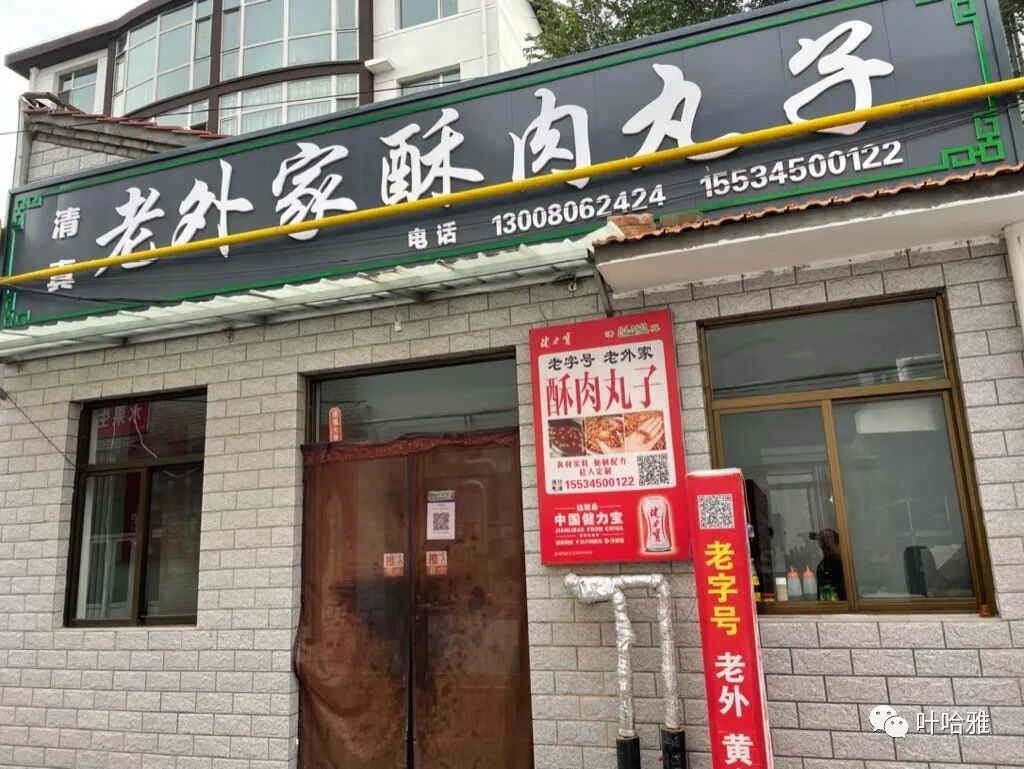
The term 'laowaijia' here does not refer to foreigners; it means the family of a nephew.
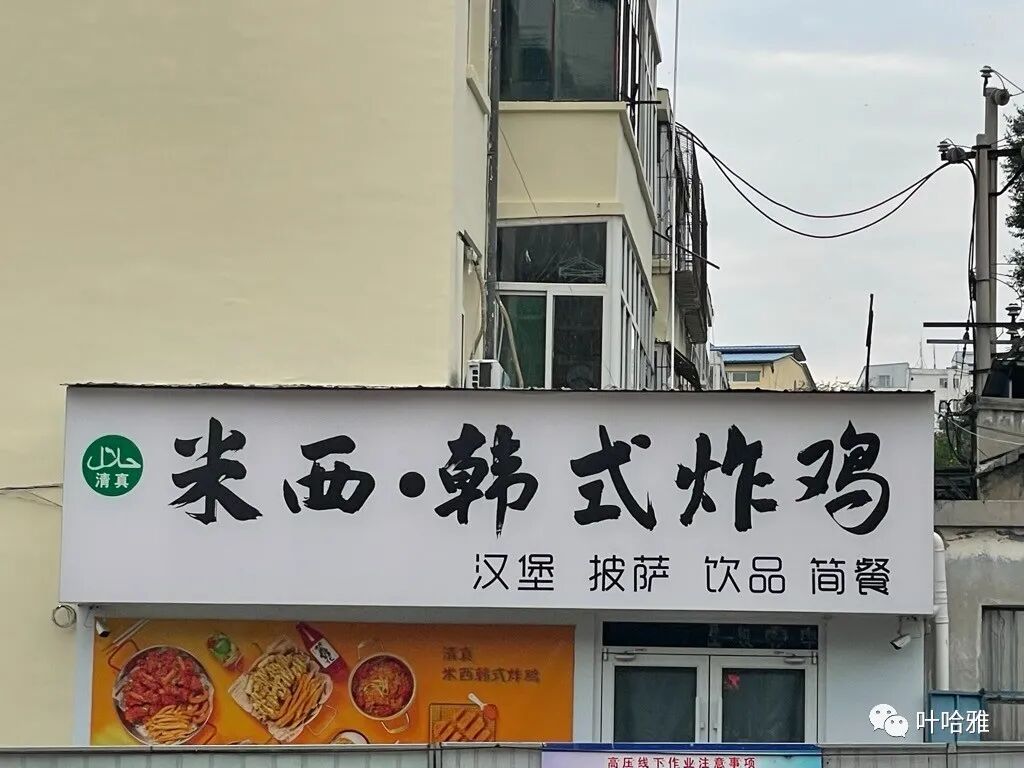
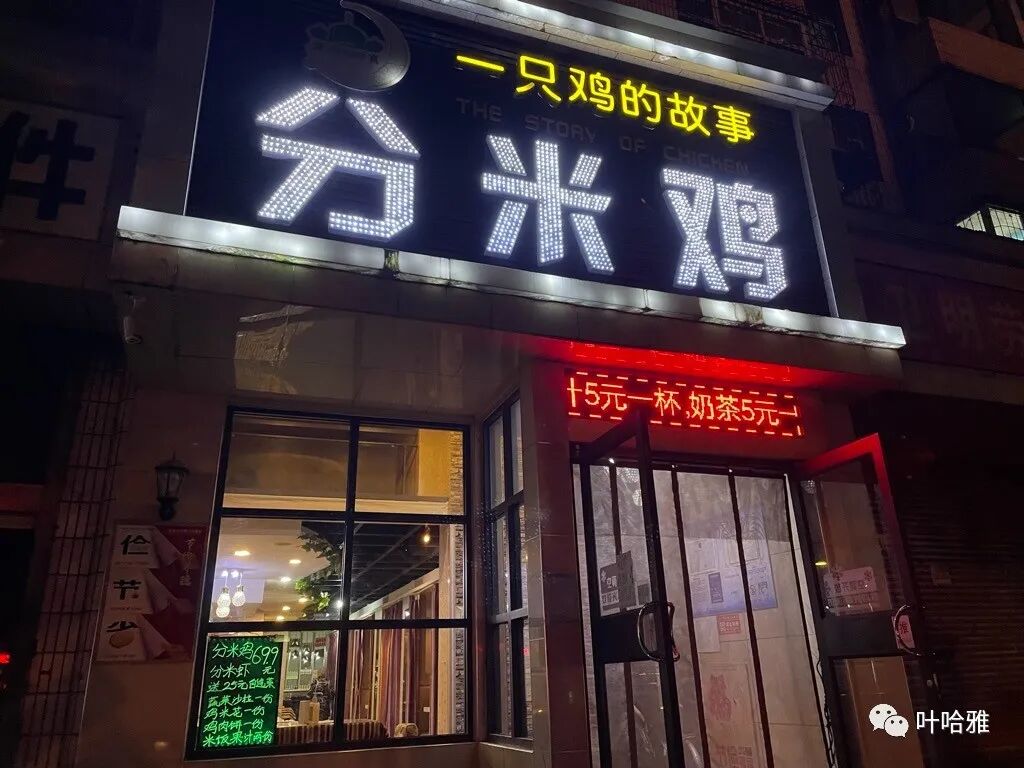
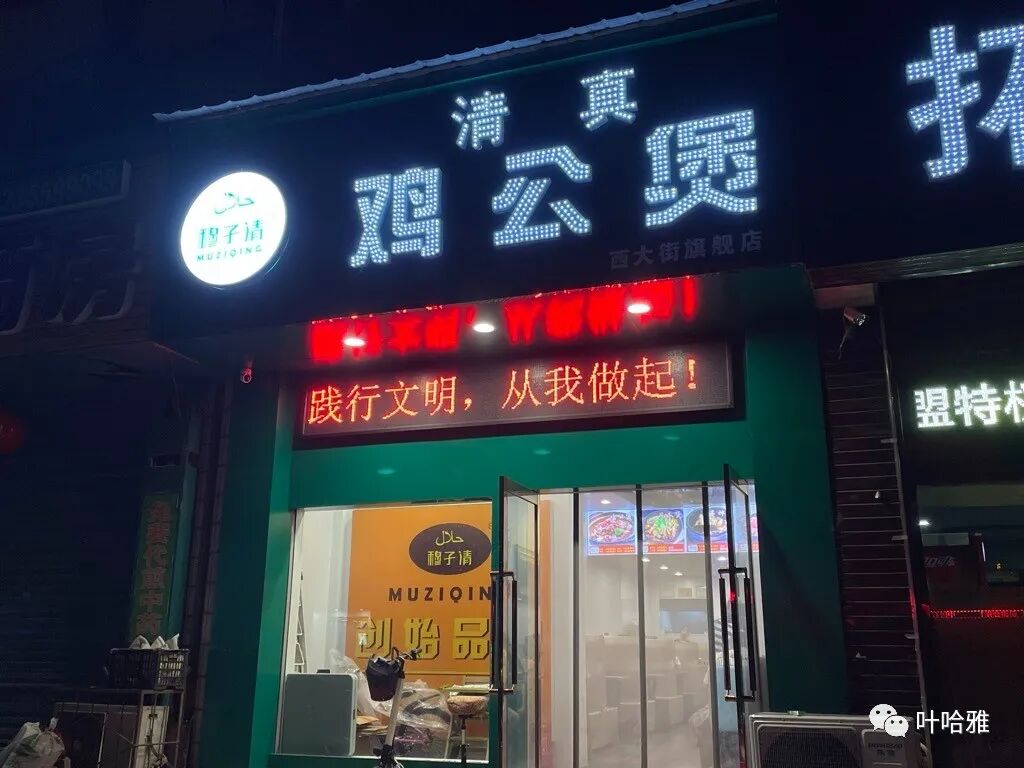
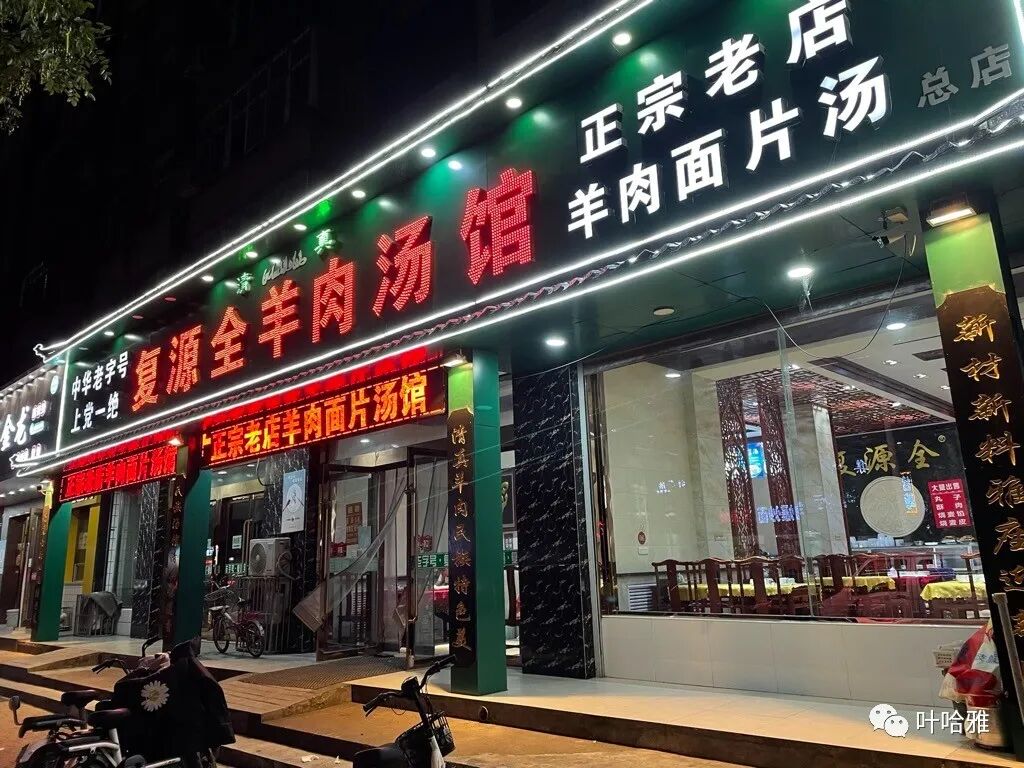
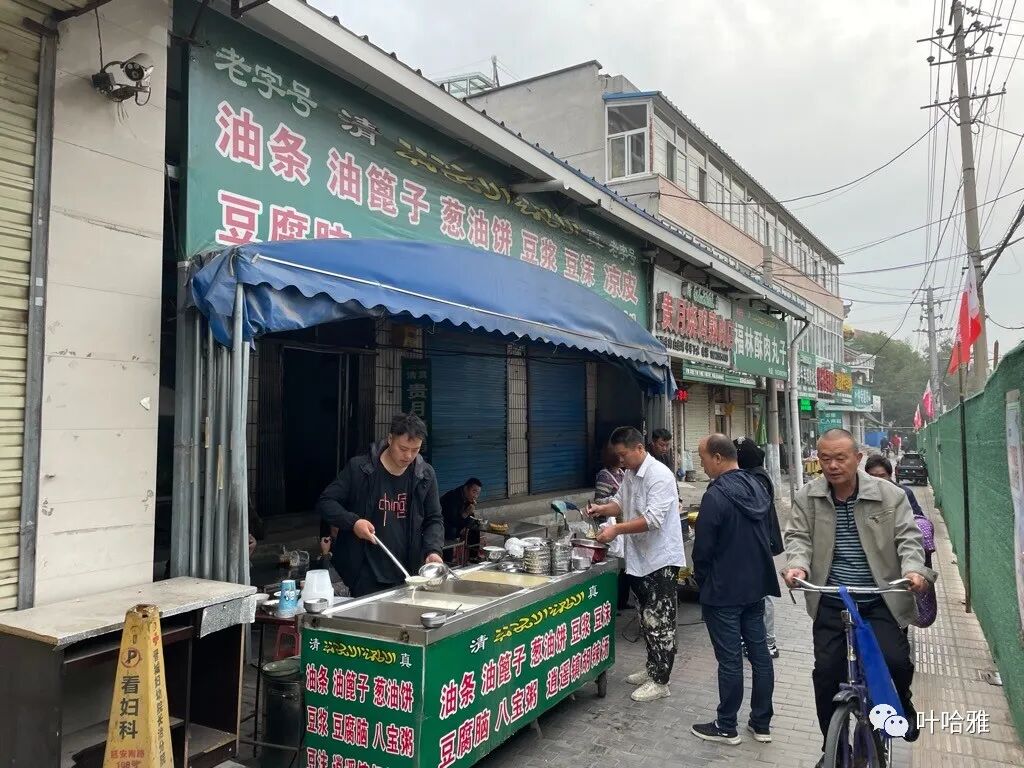
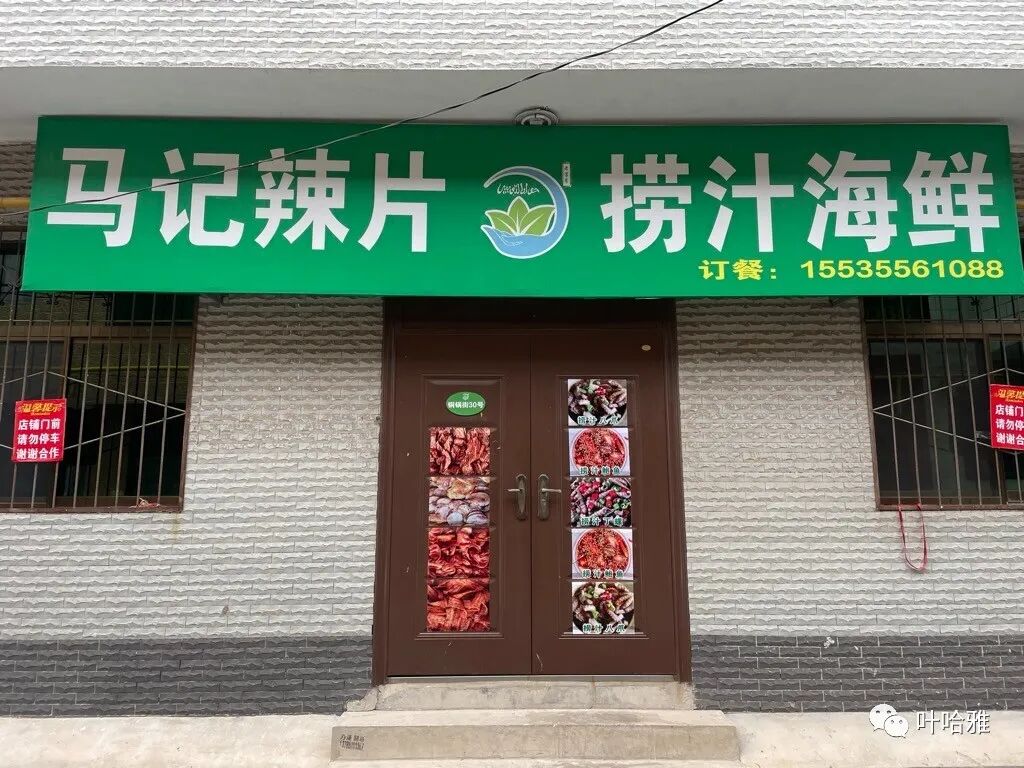
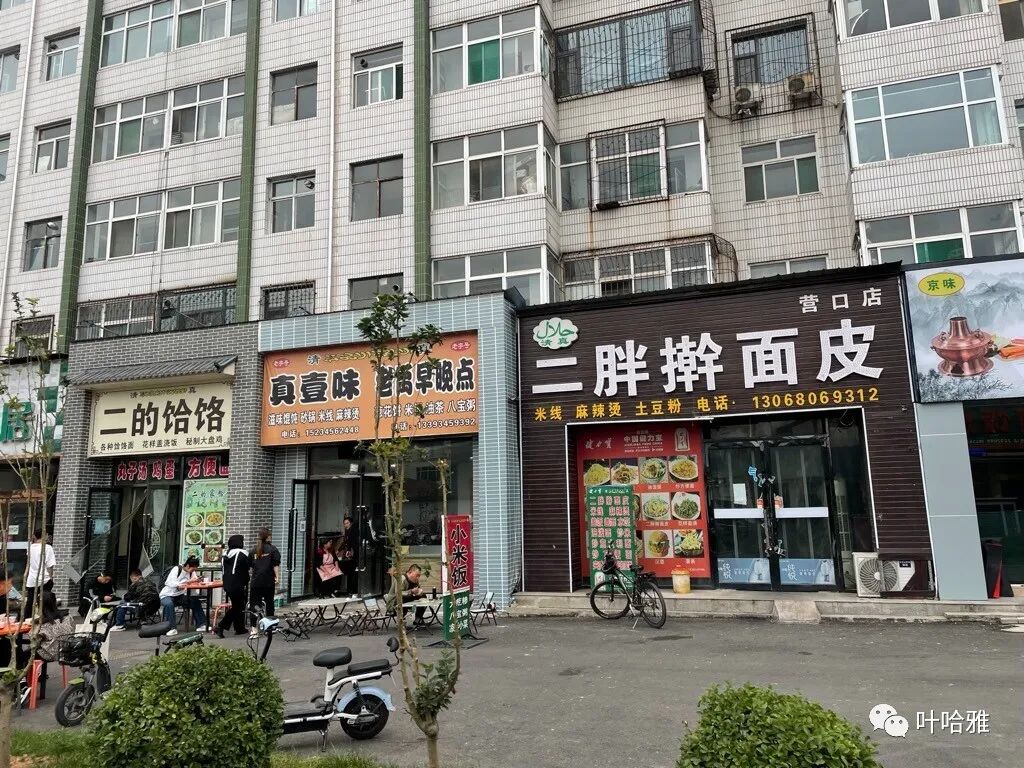
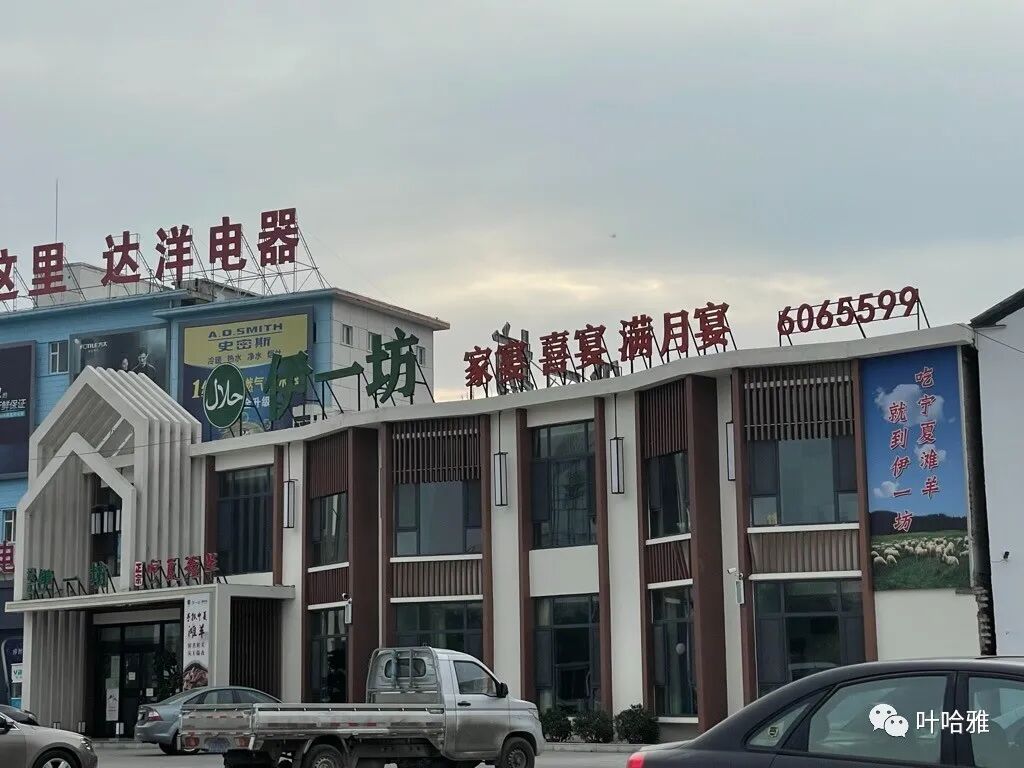
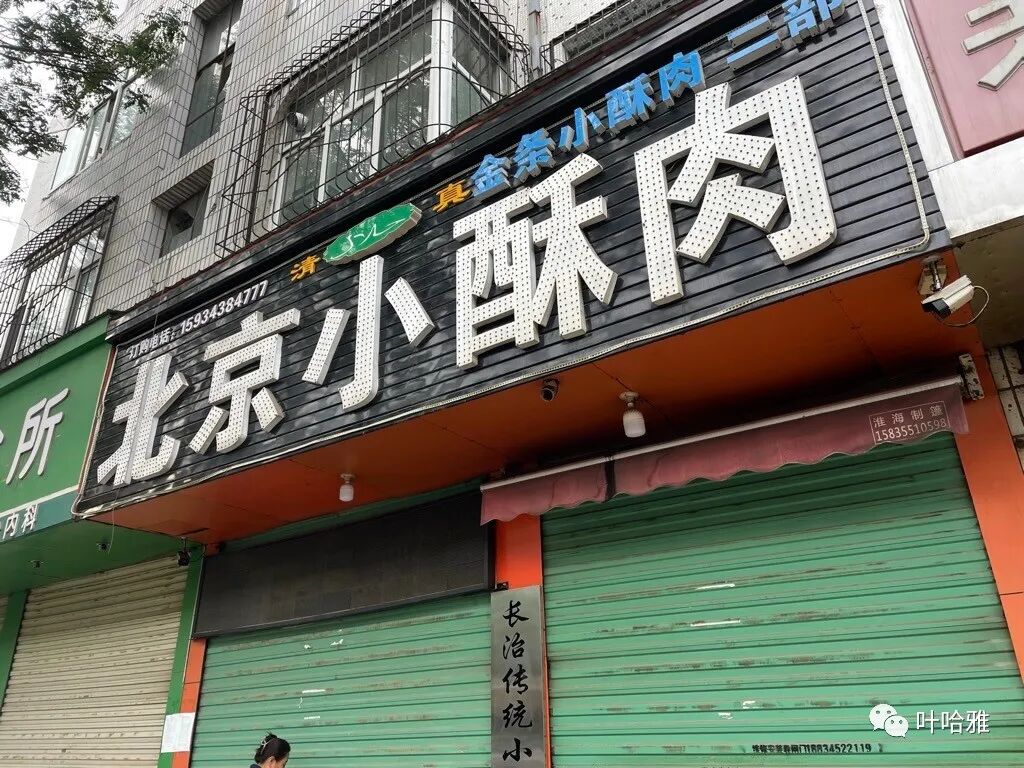
Changzhi has local specialties, but they are not halal. Local Hui Muslims rarely eat out and usually cook at home. My halal tour of Changzhi relied entirely on local friends (dosti) to lead the way, and I managed to visit seven mosques in just half a day.
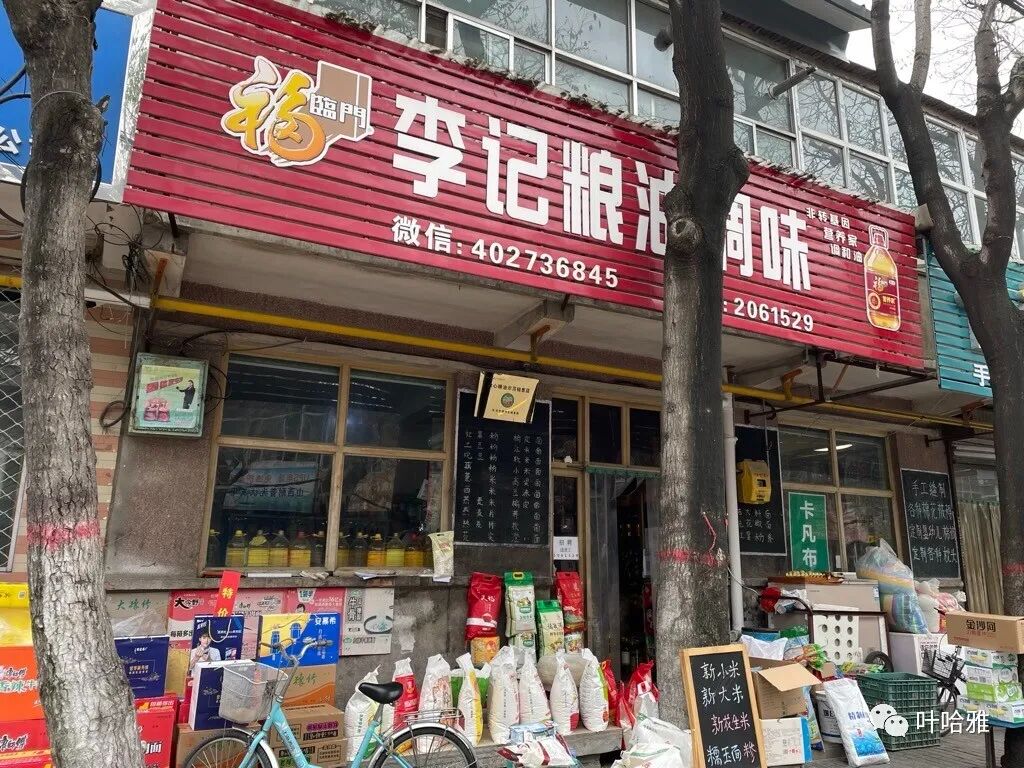
Before we left, the village elders gave us Changzhi aged vinegar (chencu) and millet (xiaomi). These are things I love to eat. The millet is for Fahim’s baby food, and my wife really loves the vinegar—the sourer, the better.
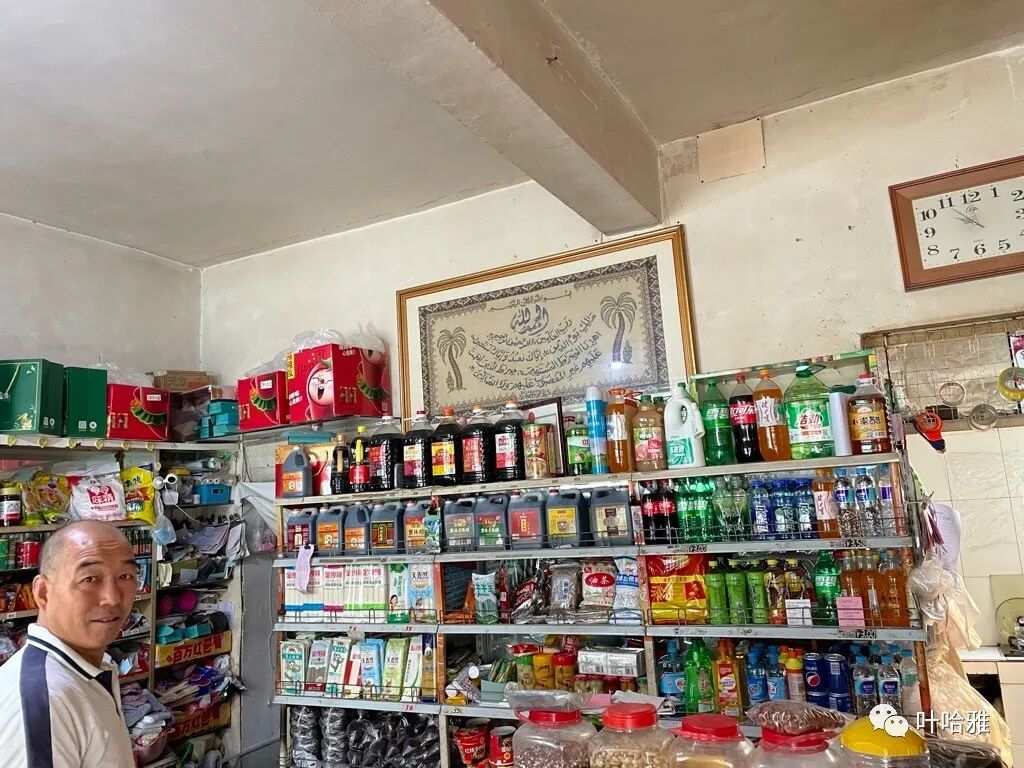
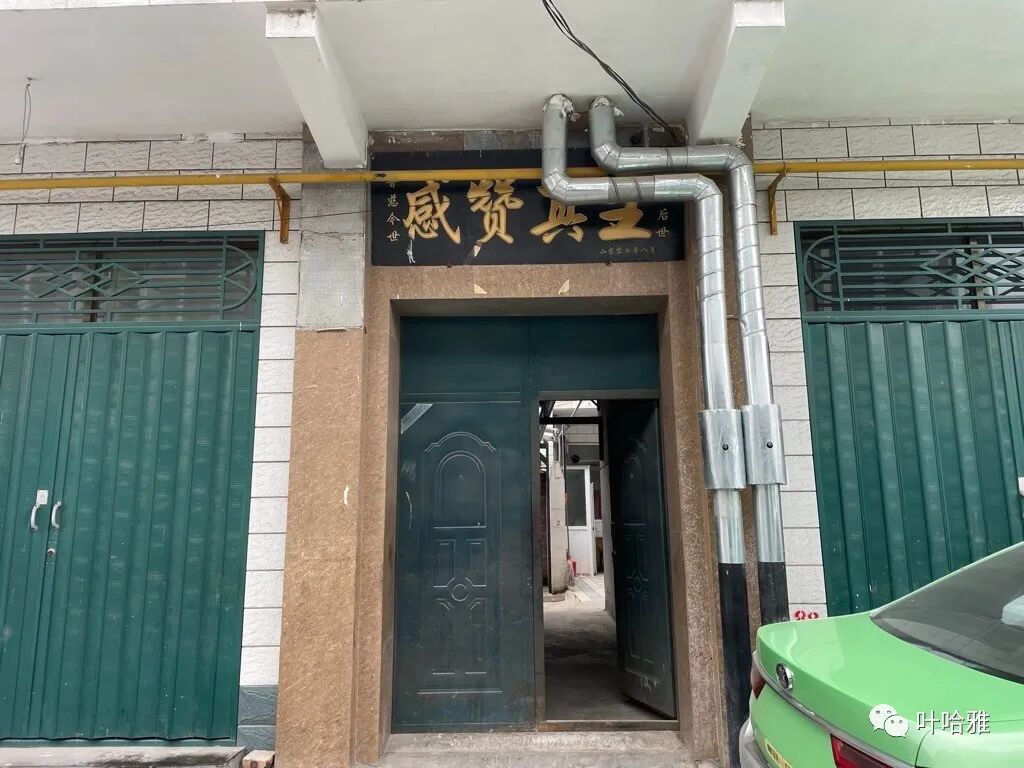
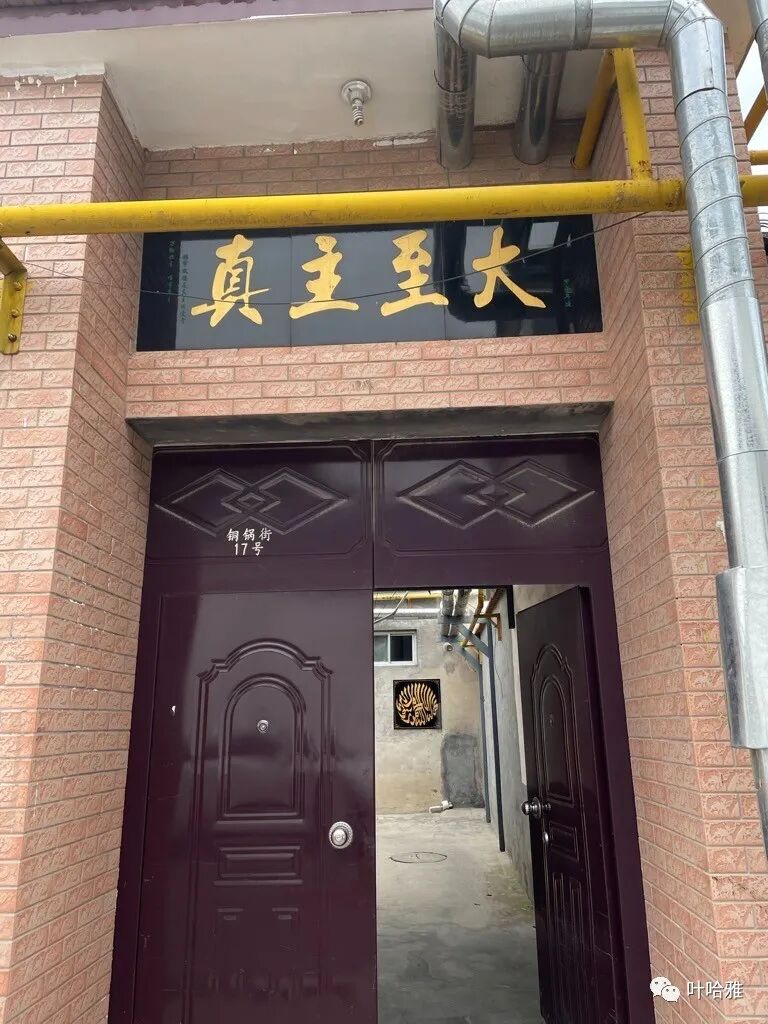
Before leaving, I took a quick photo of a Changzhi family’s doorway on the street, and it made me feel at peace.
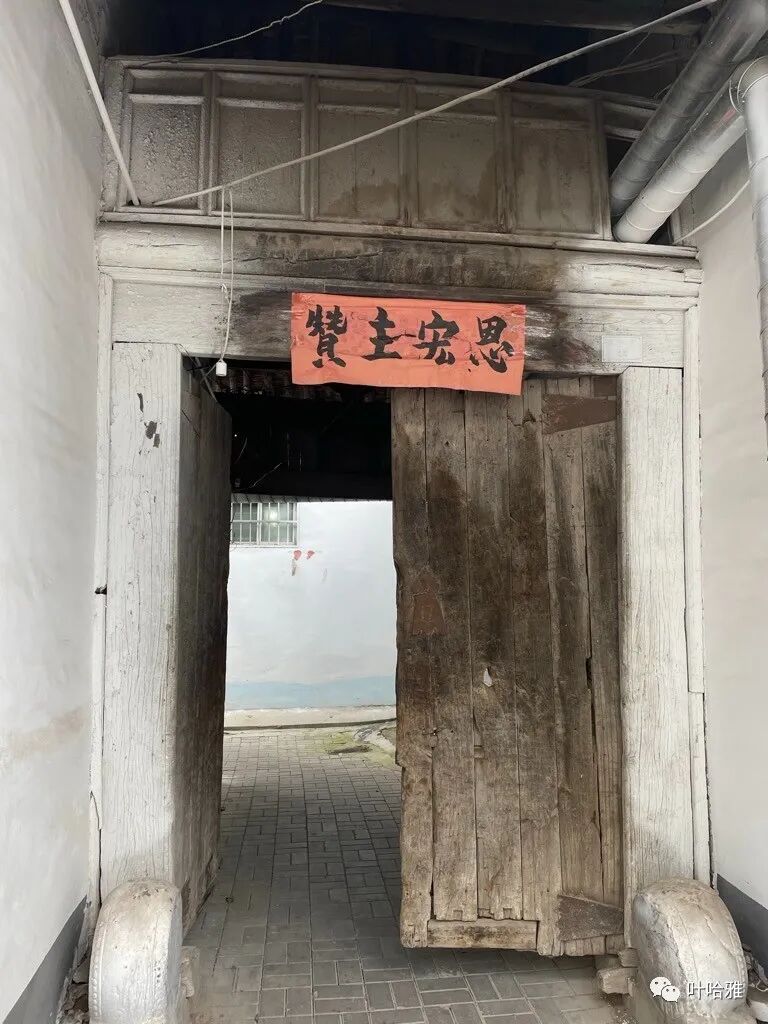
Muslim Travel Guide China: A Hui Muslim Journey Through Faith, Niujie, Mosques and Halal Life
Articles • yusuf908 posted the article • 0 comments • 225 views • 2026-05-22 11:18
Summary: This personal Muslim travel and faith memoir looks back on growing up around Niujie in Beijing, learning about Hui Muslim identity, mosque life, family memory, and the search for religious knowledge.
To be honest, I started learning about my faith during college. Before university, I did not even know that Hui Muslims were not allowed to drink alcohol. Although my family lived on Shouliu Hutong in Niujie (right by the old site of the Jubaoyuan restaurant) and our family tree shows generations of Hui Muslims, I never received any traditional religious education (jingtang jiaoyu) growing up. My parents did not have a religious education either. My grandfather and maternal grandfather passed away before I was born. My maternal grandmother was the only one in the house who kept up with the five daily prayers (namaz). I lived with her from elementary school through middle school.
If you have seen the show "Beautiful New World" (Pinzui Zhang Damin de Xingfu Shenghuo) starring Liang Guanhua, the life scenes and dialogue in that show are just like my childhood. When I was little, I mostly hung out in the South City area. By South City, I mean Xuanwu and Chongwen, but mostly Xuanwu. Going to Xidan or Wangfujing on the weekend felt like a big trip to the city center. To me, those were the busiest places in Beijing. I had never even heard of places like Guomao or Sanlitun.
About twenty or thirty percent of my classmates were Hui Muslims. I only found out after we graduated and had a reunion. We lived and studied together, but there were no real ethnic differences. The school cafeteria was halal, and everyone ate together, so you could not tell the difference. I even thought Hui Muslims were the majority and Han Chinese were the minority when I was a kid.
The most important thing is that none of us Hui Muslim students knew much about our faith. Our parents might have known a little, but only the basics. The people who went to the mosque (libaisi) often were retired folks like my grandmother. Even she did not go to the mosque much; she just prayed at home every day.
My grandmother and the other elderly Hui Muslims in Niujie are the most typical Beijingers I know. Most Niujie Hui Muslims moved to Beijing during the Qing Dynasty. Their language is mixed with traditional religious terms. For example, my grandmother would call me a "little Iblis" (the devil) or say I was "shumin" (clever). If you leave the South City, people in the East or West districts probably would not understand those words. They also do not talk like those so-called Beijing native bloggers on social media who raise their pitch and put on a fake, annoying voice. My grandmother was naturally funny. The older generation loved to joke, and some things are only funny when they say them. That is why so many Hui Muslims are stand-up comedians (xiangsheng).
My grandmother only started her five daily prayers after she retired. This is normal for the elderly in Niujie today. Most people there do not think young people should go to the mosque; they think we should focus on school and work. Going to the mosque is for retirement. My grandmother did not expect the younger generation to pray; she only held herself to that standard. Years later, when I started going back to the mosque, some old people thought I was unemployed. I got tired of being asked, so sometimes I just walk around them.
I did not go back to the mosque because of some mental breakdown or because someone tried to convert me. About eleven years ago, I saw a video on Weibo about the Quran and science. I clicked on it, and it felt like being struck by lightning. My curiosity was sparked instantly.
I have always loved science. I won many science competitions organized by the Xuanwu District Children's Palace. A children's show on the education channel called "I Want to Know" once invited me to record a program at CCTV. I won third place in a science competition they arranged, and neighbors even recognized me after it aired.
Even though I loved science, I always felt like there was a supreme being watching over me, so I never accepted atheism. Later, I read a study by Yale psychology and cognitive science professor Paul Bloom, which said: "Children are born dualists." Humans are naturally inclined to be creationists. Natural selection does not produce intuitive judgments, and children are especially likely to assign a purpose to every phenomenon. Born dualists find it very easy to believe that a "soul" lives inside the body. "(
Source http://www.americanscientist.o... birth
I remember asking my mom that same day to get me a Quran from the mosque. It was the Ma Jian translation with a brown cover. I found out later it was a pirated copy. The official version certified by the King Fahd Glorious Quran Printing Complex has a red cover and is given away for free, but in China, it was being sold for 100 yuan.
That was my first time reading the Quran, or more accurately, reading a Chinese translation and commentary, because only the Arabic Quran is the true Quran. Even reading Mr. Ma Jian's translation had a huge impact on me. I felt the power in the words. I really liked his style. I enjoy reading simple, plain language and dislike overly emotional adjectives in writing. They feel fake to me if I cannot connect with the author.
It took me about a week to finish reading the entire Quran. The translation felt personal, strong, and full of wisdom that resonated with me. Still wanting more, I went to the shop at the Niujie Mosque and bought the four-volume Sahih al-Bukhari. I finished that quickly too. It was the second religious text I had read. The language in the Hadith is even simpler and more direct than the Quran. The Prophet's plain and rational words touched my heart, so I went on to buy the other five books of the Six Major Hadith collections.
Before I started reading books about Islam, I was in the middle of forming my worldview. I had not thought much about philosophy before high school. Once I got to college, I suddenly had more free time. I used Xiaonei, a social network that connected me with students from other schools. I felt a huge gap in intellectual depth between me and the students from Peking University and Tsinghua University. Once, a senior student hosted a grassroots forum at his home for Xiaonei users. The people who came were the active opinion leaders of the time. One of them was Sun Yuchen, the billionaire active in the crypto world today. He was only 19 then, plain-looking, short, dressed simply, and just starting his second year at Peking University.
To keep up with their thinking, I started reading all kinds of social science and philosophy texts. I kept changing my own values, but I always felt that the books I read could not explain everything I saw in the world. Every thinker's theory had its flaws.
After that, I watched various opinion leaders argue with each other. Conservatives attacked reformers, and the Republican Party criticized the Democratic Party. I slowly lost interest in their arguments until I started reading books about religion.
Between 2007 and 2015, I did my most intense reading. I could finish a book every two or three days. I collected almost every book on religious history and law available in China. The Niujie ethnic goods shop had new books every two days, and I bought them as soon as I saw them. I spent over ten thousand yuan at Mr. Ma's shop. I made sure to buy every book by foreign authors. Luckily, I started early, as some of those books are now off the market for various reasons. When my home ran out of space for paper books, I started collecting e-books. Luckily, Sina Aiwen shared many classics in PDF format back then.
I read religious books much faster than social science or philosophy books. This was partly because of my interest, and partly because I found religious books simpler and easier to understand than theoretical philosophy books.
Whenever I had doubts about a social issue, I would use my religious knowledge to explain it, and it always worked. Slowly, I found my world becoming clearer. I started to feel a sense of transparency, as if I finally understood life. Before this, I would have had to look for answers in the works of experts and scholars.
After many years, I realized that friends made because of shared opinions often drift apart as our views change over time. But friendships built on faith can last.
Before 2015, my Weibo was mostly for sharing my reading notes. I rarely posted about food or fun. I was not interested in food, and I did not have the habit of taking photos when I went out to eat. Around 2015, more and more internet trolls started attacking me on Weibo. Public opinion turned against me, and my blacklist grew to over a thousand people. To reduce the conflict, I occasionally posted photos of food and fun. Unexpectedly, I gained more followers, and the number of people cursing me dropped.
At that time, a friend told me I should read ten thousand books and travel ten thousand miles instead of staying home reading. That really hit home, because before 2014, I had never even been on a plane.
I did not stay home because I was lazy, but because I had no money. My salary back then went to Japanese classes and books. I only had a home so I did not have to pay rent; otherwise, I would not have even had the money for classes.
Later, my work improved. By 2014, I was earning over ten thousand yuan a month, so I finally had extra money for plane tickets. The first time I flew was from Beijing to Xining, Qinghai. Xining was the first city I visited where halal food was the norm. It was also the first time I saw beautiful girls wearing headscarves everywhere, which left an unforgettable memory.
Everyone knows the rest of the story. I married a Salar girl from Qinghai and held our wedding at the Sky Garden in Xining in 2018. I am a classic example of how knowledge changes destiny. Because I read so many religious books, my aesthetic values changed, which led me to Qinghai. My original life path would never have crossed with a Salar girl.
I started my halal travel journey in 2014. By 2022, I had visited every province-level administrative unit in China and Hui Muslim neighborhoods in over a hundred cities. Abroad, I have been to North America, Oceania, Siberia, and more than 10 countries across East and Southeast Asia. I have visited over 400 mosques at home and abroad, writing an article about each one for my public account. Everything happened naturally, bit by bit, and I never planned it out beforehand.
As I get older, my interest in traveling is fading, and the excitement it brings me is decreasing. Instead, I find more sense of achievement in my work. I know I can never visit every mosque, and there is no point in just checking them off a list. Aside from the Sacred Mosque (Masjid al-Haram) and the Prophet's Mosque (Al-Masjid an-Nabawi), there are not many places left that I want to see. I might take my child on more trips in the future to broaden his horizons early on, making up for the lack of travel experiences in my own childhood. view all
Summary: This personal Muslim travel and faith memoir looks back on growing up around Niujie in Beijing, learning about Hui Muslim identity, mosque life, family memory, and the search for religious knowledge.
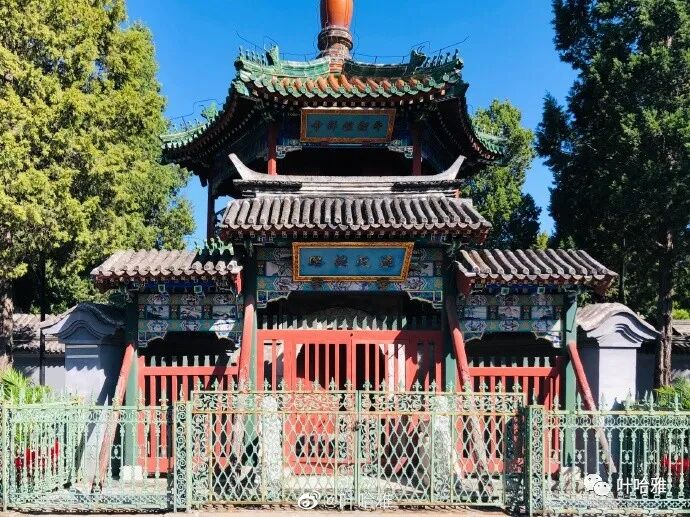
To be honest, I started learning about my faith during college. Before university, I did not even know that Hui Muslims were not allowed to drink alcohol. Although my family lived on Shouliu Hutong in Niujie (right by the old site of the Jubaoyuan restaurant) and our family tree shows generations of Hui Muslims, I never received any traditional religious education (jingtang jiaoyu) growing up. My parents did not have a religious education either. My grandfather and maternal grandfather passed away before I was born. My maternal grandmother was the only one in the house who kept up with the five daily prayers (namaz). I lived with her from elementary school through middle school.
If you have seen the show "Beautiful New World" (Pinzui Zhang Damin de Xingfu Shenghuo) starring Liang Guanhua, the life scenes and dialogue in that show are just like my childhood. When I was little, I mostly hung out in the South City area. By South City, I mean Xuanwu and Chongwen, but mostly Xuanwu. Going to Xidan or Wangfujing on the weekend felt like a big trip to the city center. To me, those were the busiest places in Beijing. I had never even heard of places like Guomao or Sanlitun.
About twenty or thirty percent of my classmates were Hui Muslims. I only found out after we graduated and had a reunion. We lived and studied together, but there were no real ethnic differences. The school cafeteria was halal, and everyone ate together, so you could not tell the difference. I even thought Hui Muslims were the majority and Han Chinese were the minority when I was a kid.
The most important thing is that none of us Hui Muslim students knew much about our faith. Our parents might have known a little, but only the basics. The people who went to the mosque (libaisi) often were retired folks like my grandmother. Even she did not go to the mosque much; she just prayed at home every day.
My grandmother and the other elderly Hui Muslims in Niujie are the most typical Beijingers I know. Most Niujie Hui Muslims moved to Beijing during the Qing Dynasty. Their language is mixed with traditional religious terms. For example, my grandmother would call me a "little Iblis" (the devil) or say I was "shumin" (clever). If you leave the South City, people in the East or West districts probably would not understand those words. They also do not talk like those so-called Beijing native bloggers on social media who raise their pitch and put on a fake, annoying voice. My grandmother was naturally funny. The older generation loved to joke, and some things are only funny when they say them. That is why so many Hui Muslims are stand-up comedians (xiangsheng).
My grandmother only started her five daily prayers after she retired. This is normal for the elderly in Niujie today. Most people there do not think young people should go to the mosque; they think we should focus on school and work. Going to the mosque is for retirement. My grandmother did not expect the younger generation to pray; she only held herself to that standard. Years later, when I started going back to the mosque, some old people thought I was unemployed. I got tired of being asked, so sometimes I just walk around them.
I did not go back to the mosque because of some mental breakdown or because someone tried to convert me. About eleven years ago, I saw a video on Weibo about the Quran and science. I clicked on it, and it felt like being struck by lightning. My curiosity was sparked instantly.
I have always loved science. I won many science competitions organized by the Xuanwu District Children's Palace. A children's show on the education channel called "I Want to Know" once invited me to record a program at CCTV. I won third place in a science competition they arranged, and neighbors even recognized me after it aired.
Even though I loved science, I always felt like there was a supreme being watching over me, so I never accepted atheism. Later, I read a study by Yale psychology and cognitive science professor Paul Bloom, which said: "Children are born dualists." Humans are naturally inclined to be creationists. Natural selection does not produce intuitive judgments, and children are especially likely to assign a purpose to every phenomenon. Born dualists find it very easy to believe that a "soul" lives inside the body. "(
Source http://www.americanscientist.o... birth
I remember asking my mom that same day to get me a Quran from the mosque. It was the Ma Jian translation with a brown cover. I found out later it was a pirated copy. The official version certified by the King Fahd Glorious Quran Printing Complex has a red cover and is given away for free, but in China, it was being sold for 100 yuan.
That was my first time reading the Quran, or more accurately, reading a Chinese translation and commentary, because only the Arabic Quran is the true Quran. Even reading Mr. Ma Jian's translation had a huge impact on me. I felt the power in the words. I really liked his style. I enjoy reading simple, plain language and dislike overly emotional adjectives in writing. They feel fake to me if I cannot connect with the author.
It took me about a week to finish reading the entire Quran. The translation felt personal, strong, and full of wisdom that resonated with me. Still wanting more, I went to the shop at the Niujie Mosque and bought the four-volume Sahih al-Bukhari. I finished that quickly too. It was the second religious text I had read. The language in the Hadith is even simpler and more direct than the Quran. The Prophet's plain and rational words touched my heart, so I went on to buy the other five books of the Six Major Hadith collections.
Before I started reading books about Islam, I was in the middle of forming my worldview. I had not thought much about philosophy before high school. Once I got to college, I suddenly had more free time. I used Xiaonei, a social network that connected me with students from other schools. I felt a huge gap in intellectual depth between me and the students from Peking University and Tsinghua University. Once, a senior student hosted a grassroots forum at his home for Xiaonei users. The people who came were the active opinion leaders of the time. One of them was Sun Yuchen, the billionaire active in the crypto world today. He was only 19 then, plain-looking, short, dressed simply, and just starting his second year at Peking University.
To keep up with their thinking, I started reading all kinds of social science and philosophy texts. I kept changing my own values, but I always felt that the books I read could not explain everything I saw in the world. Every thinker's theory had its flaws.
After that, I watched various opinion leaders argue with each other. Conservatives attacked reformers, and the Republican Party criticized the Democratic Party. I slowly lost interest in their arguments until I started reading books about religion.
Between 2007 and 2015, I did my most intense reading. I could finish a book every two or three days. I collected almost every book on religious history and law available in China. The Niujie ethnic goods shop had new books every two days, and I bought them as soon as I saw them. I spent over ten thousand yuan at Mr. Ma's shop. I made sure to buy every book by foreign authors. Luckily, I started early, as some of those books are now off the market for various reasons. When my home ran out of space for paper books, I started collecting e-books. Luckily, Sina Aiwen shared many classics in PDF format back then.
I read religious books much faster than social science or philosophy books. This was partly because of my interest, and partly because I found religious books simpler and easier to understand than theoretical philosophy books.
Whenever I had doubts about a social issue, I would use my religious knowledge to explain it, and it always worked. Slowly, I found my world becoming clearer. I started to feel a sense of transparency, as if I finally understood life. Before this, I would have had to look for answers in the works of experts and scholars.
After many years, I realized that friends made because of shared opinions often drift apart as our views change over time. But friendships built on faith can last.
Before 2015, my Weibo was mostly for sharing my reading notes. I rarely posted about food or fun. I was not interested in food, and I did not have the habit of taking photos when I went out to eat. Around 2015, more and more internet trolls started attacking me on Weibo. Public opinion turned against me, and my blacklist grew to over a thousand people. To reduce the conflict, I occasionally posted photos of food and fun. Unexpectedly, I gained more followers, and the number of people cursing me dropped.
At that time, a friend told me I should read ten thousand books and travel ten thousand miles instead of staying home reading. That really hit home, because before 2014, I had never even been on a plane.
I did not stay home because I was lazy, but because I had no money. My salary back then went to Japanese classes and books. I only had a home so I did not have to pay rent; otherwise, I would not have even had the money for classes.
Later, my work improved. By 2014, I was earning over ten thousand yuan a month, so I finally had extra money for plane tickets. The first time I flew was from Beijing to Xining, Qinghai. Xining was the first city I visited where halal food was the norm. It was also the first time I saw beautiful girls wearing headscarves everywhere, which left an unforgettable memory.
Everyone knows the rest of the story. I married a Salar girl from Qinghai and held our wedding at the Sky Garden in Xining in 2018. I am a classic example of how knowledge changes destiny. Because I read so many religious books, my aesthetic values changed, which led me to Qinghai. My original life path would never have crossed with a Salar girl.
I started my halal travel journey in 2014. By 2022, I had visited every province-level administrative unit in China and Hui Muslim neighborhoods in over a hundred cities. Abroad, I have been to North America, Oceania, Siberia, and more than 10 countries across East and Southeast Asia. I have visited over 400 mosques at home and abroad, writing an article about each one for my public account. Everything happened naturally, bit by bit, and I never planned it out beforehand.
As I get older, my interest in traveling is fading, and the excitement it brings me is decreasing. Instead, I find more sense of achievement in my work. I know I can never visit every mosque, and there is no point in just checking them off a list. Aside from the Sacred Mosque (Masjid al-Haram) and the Prophet's Mosque (Al-Masjid an-Nabawi), there are not many places left that I want to see. I might take my child on more trips in the future to broaden his horizons early on, making up for the lack of travel experiences in my own childhood.
Best Halal Food Hangzhou 2025: Phoenix Mosque Snacks, Northwest Food, Middle Eastern Cuisine and Hui Heritage
Articles • yusuf908 posted the article • 0 comments • 254 views • 2026-05-24 00:17
Summary: This 2025 Hangzhou halal food map follows the author's trip through Phoenix Halal Snacks, Northwest Family, Maizhou Yilongxuan, Silk Road Flames, Kosto Middle Eastern Cuisine, Pin Hui Wei, Phoenix Mosque, the tomb of Buhetiya'er, and Hangzhou Hui Muslim heritage.
I have been to Hangzhou many times. This time, I came to this popular city as one of the top 50 insurance social media influencers to receive an award. This city in the Jiangnan region left a great impression on me. The citizens are polite, the women speak in a pleasant tone, and drivers actively yield to pedestrians. Ten years ago, I only experienced this abroad. Hangzhou was the first city in China to implement a "cars yield to pedestrians" policy. As early as 2010, Hangzhou included this in traffic regulations for mandatory enforcement, with violators facing a 3-point deduction and a 100 yuan fine.
Ten years ago, as a pedestrian in Hangzhou, I naturally felt this measure was great. However, after listening to a few Hangzhou drivers complain, I realized that forced compliance is not ideal. Drivers feel that some pedestrians, protected by traffic rules, cross the street recklessly, looking down at their phones and walking slowly, leaving drivers frustrated but unable to speak up. In fact, the improvement of character should come from within. When vehicles yield to pedestrians out of politeness, pedestrians should also show gratitude. This is a natural civilized behavior. When it becomes forced, it may look like a quick improvement in character on the surface, but it is not voluntary and instead breeds resentment. Once there is no supervision, things will immediately return to the way they were.
I rented a car in Hangzhou this time and drove for three days. Experiencing Hangzhou traffic from a driver's perspective, I feel that the road rules in Hangzhou are more complex than in Beijing. It is hard to gauge the limits for yielding to pedestrians and using a phone while driving. I expect to receive a ticket in a couple of days.
1. Phoenix Halal Snacks (Fenghuang Qingzhen Xiaochi)
This shop used to be called "Halal Snacks" and is now called Phoenix Halal Snacks. They have been operating in Hangzhou for at least 10 years. The location is right at the back door of Phoenix Mosque (Fenghuang Si). The owner is a local Hui Muslim from Hangzhou, and according to the elders at the mosque, he is very devout. The shop prohibits smoking and alcohol. They mainly serve various Jiangnan-style snacks and some Northwest Chinese food, as most of the staff are from the Northwest and the waitresses wear headscarves.
They have started making hand-pulled noodles (lamian) again. Some of the photos were taken by me previously.
Hangzhou beef pan-fried buns (niurou jianbao) are quite large with thick skins, unlike the smaller ones found in Henan and Shandong.
I recommend trying the beef steamed dumplings (niurou zhengjiao), which are made more delicately than the pan-fried buns.
The clay pot dishes (shaguo) come in many flavors and taste good.
The beef vermicelli soup (niurou fensi tang) is quite similar to the version in Nanjing.
Lamb steamed dumplings (yangrou shaomai) are my favorite snack at this shop. They have a nice shape and the meat is tender; the lamb is likely sourced from the Northwest.
2. Northwest Family (Xibei Renjia)
If you want authentic halal Hangzhou-style food, I recommend Northwest Family (Xibei Renjia) by West Lake. Even though the owners are from the Northwest, the restaurant opened in Hangzhou in 1992. After more than thirty years, they are well-established here, and their Hangzhou-style dishes are truly delicious.
West Lake vinegar fish (xihu chuyu) is a famous Hangzhou dish. It is a real blessing to find a halal version right by West Lake.
West Lake beef soup (xihu niurou geng) is a must-order Hangzhou dish. I have had it in Beijing restaurants since I was a kid, but it tastes thicker here in Hangzhou.
Poached chicken (baizhanji) is a common dish in the south. Southern chicken tastes better than northern chicken.
Shrimp with fruit (shuiguo xiaren)
3. Maizhou Yilongxuan
This is a Northeast-style restaurant run by Hui Muslims from Qiqihar. I asked and found out they are related to the restaurant Gulanxuan, but Gulanxuan has already closed down.
This restaurant is located in the Xihu District. Their old branch in the Higher Education Park has closed.
The roasted lamb hooves (kao yangti) are great. Northeast-style barbecue never lets me down.
Chive pockets (jiucai hezi) are also one of the more popular staple foods here.
Sweet and sour pork (guobaorou) is a famous Northeast dish that almost every Northeast restaurant serves. However, the meat slices here are too thin, so it is not very satisfying to eat.
4. Silk Road Flames, halal barbecue, crawfish, and fusion dishes.
I wanted to eat at a halal Korean restaurant called Pu Liu Liu Korean Food after the awards ceremony, but they close at 8:30 p.m., so we changed our plans and came to this Lanzhou barbecue shop for a late-night snack.
Hangzhou restaurants are really competitive with their designs, and this shop clearly put a lot of effort into its decor.
They serve authentic Lanzhou open-flame barbecue, the kind with small skewers on iron sticks.
They also blend in local Jiangnan-style crawfish, with garlic, thirteen-spice, and spicy flavors to choose from. The crawfish tasted great and the ingredients were very fresh.
However, the snails still had a very strong muddy, fishy smell.
The roasted lamb chops and apricot skin tea (xingpishui) were both good, and the average cost per person was around 100 yuan.
5. Kosto Middle Eastern Cuisine.
This is a Middle Eastern Arabic restaurant located near Phoenix Mosque (Fenghuang Si), and the environment feels a bit rustic.
The dining area is on the second floor, and there are two tables by the door downstairs, but Hangzhou is quite hot in the summer, so sitting outside isn't cool.
The vegetarian appetizer platter includes falafel, which is a fried food I really like.
They serve mandi roasted chicken with rice. You can find this dish in Beijing too, but the one in Hangzhou is a mini portion.
This is his shop, Kesi Tuo Pizza, and the taste is quite good.
Overall, the food tastes fine. Some people say the prices are a bit high. Our table for two cost three hundred yuan, but we ordered too much. You can actually eat well for one hundred yuan per person.
6. Pin Hui Wei Halal Northwest Cuisine
The most amazing restaurant I ate at during this trip to Hangzhou was Pin Hui Wei. It is truly the top tier of the Hangzhou dining scene.
This is a chain brand in Shanghai and Hangzhou with an investment of tens of millions. They put a lot of thought into every aspect, starting with the design. The design team for Pin Hui Wei comes from the Blackstone Creative Design Studio, and this restaurant has become a signature project for them.
Pin Hui Wei specializes in halal Northwest cuisine and is an alcohol-free restaurant. It is very popular, so you need to wait for a table during peak hours.
Even though the design is unique and clever, the prices are very affordable, with an average cost of under one hundred yuan per person.
The prices at Pin Hui Wei are lower than similar halal restaurants in Beijing, but the food quality is very high.
There is a tandoor oven (nang keng) at the entrance where they bake bread on the spot, which is hard to find in Beijing.
With this freshly baked flatbread (nang) and a cup of tea, you have a full meal.
The Hui Muslim style sweet and sour meat sandwich (suan la jia sha) and the hand-grabbed lamb (shou zhua yang rou) are both delicious. The texture of this hand-grabbed lamb is just as good as what I ate in Dongxiang, and this portion costs 108 yuan.
Pin Hui Wei has many branches in Hangzhou and Shanghai. I went to the largest one, the Intime (Yintai) store, which has a parking lot at the entrance.
7. Phoenix Mosque (Fenghuang Si)
Phoenix Mosque is in a great spot. It is the first historic building at the north end of Hangzhou's famous Southern Song Imperial Street (Nansong Yujie). Hangzhou currently has two mosques. The other one is the newly built Hangzhou Mosque, located on East Canal Road in Jianggan District. To the northeast of Phoenix Mosque, there was historically another mosque called the Hui Muslim Prayer Hall (Huihui Baifotang). It was originally located next to the Hui Muslim New Bridge (Huihui Xinqiao). The mosque has been torn down, and only the name of the bridge remains.
The rear main hall is the highlight of Phoenix Mosque. It dates back to the Yuan Dynasty and was built using the beamless hall (wuliangdian) technique, which also features West Asian architectural styles.
Phoenix Mosque is currently closed to tourists. It is also closed for Friday congregational prayer (Jumu'ah), as everyone is directed to the new Hangzhou Mosque for prayers. Jumu'ah starts at 1:00 PM, so travelers visiting Hangzhou should keep this time in mind. The new mosque is currently under renovation and is not open. For now, prayers are only held at a temporary prayer site in Haifu Building.
8. Tomb of the Arabian Sage Buhetiya'er
There are two ancient tombs near West Lake in Hangzhou. One belongs to a Persian man named Buhetiya'er. He came to China during the Southern Song Dynasty to practice medicine and preach. He passed away here, and his two attendants are buried with him.
Buhetiya'er, whose full name was Emir Buhetiya'er Sailuoniya Naluonike, passed away in 1329 (the second year of the Tianli era of the Yuan Dynasty). He was from Bukhara, which is in modern-day Uzbekistan. His epitaph records that his family served as officials for generations and held a prominent status.
The tomb is usually closed, but there is a contact number on the gate. The caretaker lives nearby and will come over to open the gate quickly, even though he is not a Hui Muslim.
9. Ding Henian Tomb Pavilion
Near West Lake is another ancient tomb of a Hui Muslim, the tomb of Ding Henian. Ding Henian (1335-1424) was a famous Hui Muslim poet during the Yuan Dynasty and the founder of the Henian Tang pharmacy in Beijing. Henian Tang was established between 1405 and 1408, making it over two hundred years older than Tong Ren Tang and even older than the Forbidden City and the Temple of Heaven.
Ding Henian came from a very wealthy family that served as officials for generations. His father was a darughachi in Wuchang. The Ding family once spent a huge fortune to support the Yuan Emperor, so they were entrusted with important responsibilities. Ding Henian settled in Hangzhou in his later years to study Islamic law until he returned to Allah at the age of 89.
Henian Tang is located at Caishikou in Beijing, which was the site of ancient executions. Legend has it that during the Ming and Qing dynasties, families of some prisoners would bribe the executioner before the sentence was carried out. They asked him to stuff a steamed bun (mantou) into the neck cavity of the deceased when the head fell to prevent blood from splashing and the soul from lingering. This is likely the origin of the human blood bun mentioned by Lu Xun. Henian Tang originally provided these buns, but they were not meant for eating. Later, rumors spread that the blood-soaked buns could cure illnesses, and people began fighting over them. Henian Tang also provided funds to bury prisoners who had no family, acting as a charity.
When I was a child, I heard another legend about Henian Tang from the elders. Someone knocked on the door in the middle of the night asking for medicine for knife wounds. The next day, the shop assistant realized the money he received was spirit money and that he had seen a ghost the night before. Because of this, old Beijingers have a saying: 'Going to Henian Tang to ask for knife wound medicine—death is at the door.' If you look at this from an Islamic perspective, the assistant might not have seen a ghost, but possibly a jinn. view all
Summary: This 2025 Hangzhou halal food map follows the author's trip through Phoenix Halal Snacks, Northwest Family, Maizhou Yilongxuan, Silk Road Flames, Kosto Middle Eastern Cuisine, Pin Hui Wei, Phoenix Mosque, the tomb of Buhetiya'er, and Hangzhou Hui Muslim heritage.
I have been to Hangzhou many times. This time, I came to this popular city as one of the top 50 insurance social media influencers to receive an award. This city in the Jiangnan region left a great impression on me. The citizens are polite, the women speak in a pleasant tone, and drivers actively yield to pedestrians. Ten years ago, I only experienced this abroad. Hangzhou was the first city in China to implement a "cars yield to pedestrians" policy. As early as 2010, Hangzhou included this in traffic regulations for mandatory enforcement, with violators facing a 3-point deduction and a 100 yuan fine.
Ten years ago, as a pedestrian in Hangzhou, I naturally felt this measure was great. However, after listening to a few Hangzhou drivers complain, I realized that forced compliance is not ideal. Drivers feel that some pedestrians, protected by traffic rules, cross the street recklessly, looking down at their phones and walking slowly, leaving drivers frustrated but unable to speak up. In fact, the improvement of character should come from within. When vehicles yield to pedestrians out of politeness, pedestrians should also show gratitude. This is a natural civilized behavior. When it becomes forced, it may look like a quick improvement in character on the surface, but it is not voluntary and instead breeds resentment. Once there is no supervision, things will immediately return to the way they were.
I rented a car in Hangzhou this time and drove for three days. Experiencing Hangzhou traffic from a driver's perspective, I feel that the road rules in Hangzhou are more complex than in Beijing. It is hard to gauge the limits for yielding to pedestrians and using a phone while driving. I expect to receive a ticket in a couple of days.
1. Phoenix Halal Snacks (Fenghuang Qingzhen Xiaochi)
This shop used to be called "Halal Snacks" and is now called Phoenix Halal Snacks. They have been operating in Hangzhou for at least 10 years. The location is right at the back door of Phoenix Mosque (Fenghuang Si). The owner is a local Hui Muslim from Hangzhou, and according to the elders at the mosque, he is very devout. The shop prohibits smoking and alcohol. They mainly serve various Jiangnan-style snacks and some Northwest Chinese food, as most of the staff are from the Northwest and the waitresses wear headscarves.
They have started making hand-pulled noodles (lamian) again. Some of the photos were taken by me previously.
Hangzhou beef pan-fried buns (niurou jianbao) are quite large with thick skins, unlike the smaller ones found in Henan and Shandong.
I recommend trying the beef steamed dumplings (niurou zhengjiao), which are made more delicately than the pan-fried buns.
The clay pot dishes (shaguo) come in many flavors and taste good.
The beef vermicelli soup (niurou fensi tang) is quite similar to the version in Nanjing.
Lamb steamed dumplings (yangrou shaomai) are my favorite snack at this shop. They have a nice shape and the meat is tender; the lamb is likely sourced from the Northwest.
2. Northwest Family (Xibei Renjia)
If you want authentic halal Hangzhou-style food, I recommend Northwest Family (Xibei Renjia) by West Lake. Even though the owners are from the Northwest, the restaurant opened in Hangzhou in 1992. After more than thirty years, they are well-established here, and their Hangzhou-style dishes are truly delicious.
West Lake vinegar fish (xihu chuyu) is a famous Hangzhou dish. It is a real blessing to find a halal version right by West Lake.
West Lake beef soup (xihu niurou geng) is a must-order Hangzhou dish. I have had it in Beijing restaurants since I was a kid, but it tastes thicker here in Hangzhou.
Poached chicken (baizhanji) is a common dish in the south. Southern chicken tastes better than northern chicken.
Shrimp with fruit (shuiguo xiaren)
3. Maizhou Yilongxuan
This is a Northeast-style restaurant run by Hui Muslims from Qiqihar. I asked and found out they are related to the restaurant Gulanxuan, but Gulanxuan has already closed down.
This restaurant is located in the Xihu District. Their old branch in the Higher Education Park has closed.
The roasted lamb hooves (kao yangti) are great. Northeast-style barbecue never lets me down.
Chive pockets (jiucai hezi) are also one of the more popular staple foods here.
Sweet and sour pork (guobaorou) is a famous Northeast dish that almost every Northeast restaurant serves. However, the meat slices here are too thin, so it is not very satisfying to eat.
4. Silk Road Flames, halal barbecue, crawfish, and fusion dishes.
I wanted to eat at a halal Korean restaurant called Pu Liu Liu Korean Food after the awards ceremony, but they close at 8:30 p.m., so we changed our plans and came to this Lanzhou barbecue shop for a late-night snack.
Hangzhou restaurants are really competitive with their designs, and this shop clearly put a lot of effort into its decor.
They serve authentic Lanzhou open-flame barbecue, the kind with small skewers on iron sticks.
They also blend in local Jiangnan-style crawfish, with garlic, thirteen-spice, and spicy flavors to choose from. The crawfish tasted great and the ingredients were very fresh.
However, the snails still had a very strong muddy, fishy smell.
The roasted lamb chops and apricot skin tea (xingpishui) were both good, and the average cost per person was around 100 yuan.
5. Kosto Middle Eastern Cuisine.
This is a Middle Eastern Arabic restaurant located near Phoenix Mosque (Fenghuang Si), and the environment feels a bit rustic.
The dining area is on the second floor, and there are two tables by the door downstairs, but Hangzhou is quite hot in the summer, so sitting outside isn't cool.
The vegetarian appetizer platter includes falafel, which is a fried food I really like.
They serve mandi roasted chicken with rice. You can find this dish in Beijing too, but the one in Hangzhou is a mini portion.
This is his shop, Kesi Tuo Pizza, and the taste is quite good.
Overall, the food tastes fine. Some people say the prices are a bit high. Our table for two cost three hundred yuan, but we ordered too much. You can actually eat well for one hundred yuan per person.
6. Pin Hui Wei Halal Northwest Cuisine
The most amazing restaurant I ate at during this trip to Hangzhou was Pin Hui Wei. It is truly the top tier of the Hangzhou dining scene.
This is a chain brand in Shanghai and Hangzhou with an investment of tens of millions. They put a lot of thought into every aspect, starting with the design. The design team for Pin Hui Wei comes from the Blackstone Creative Design Studio, and this restaurant has become a signature project for them.
Pin Hui Wei specializes in halal Northwest cuisine and is an alcohol-free restaurant. It is very popular, so you need to wait for a table during peak hours.
Even though the design is unique and clever, the prices are very affordable, with an average cost of under one hundred yuan per person.
The prices at Pin Hui Wei are lower than similar halal restaurants in Beijing, but the food quality is very high.
There is a tandoor oven (nang keng) at the entrance where they bake bread on the spot, which is hard to find in Beijing.
With this freshly baked flatbread (nang) and a cup of tea, you have a full meal.
The Hui Muslim style sweet and sour meat sandwich (suan la jia sha) and the hand-grabbed lamb (shou zhua yang rou) are both delicious. The texture of this hand-grabbed lamb is just as good as what I ate in Dongxiang, and this portion costs 108 yuan.
Pin Hui Wei has many branches in Hangzhou and Shanghai. I went to the largest one, the Intime (Yintai) store, which has a parking lot at the entrance.
7. Phoenix Mosque (Fenghuang Si)
Phoenix Mosque is in a great spot. It is the first historic building at the north end of Hangzhou's famous Southern Song Imperial Street (Nansong Yujie). Hangzhou currently has two mosques. The other one is the newly built Hangzhou Mosque, located on East Canal Road in Jianggan District. To the northeast of Phoenix Mosque, there was historically another mosque called the Hui Muslim Prayer Hall (Huihui Baifotang). It was originally located next to the Hui Muslim New Bridge (Huihui Xinqiao). The mosque has been torn down, and only the name of the bridge remains.
The rear main hall is the highlight of Phoenix Mosque. It dates back to the Yuan Dynasty and was built using the beamless hall (wuliangdian) technique, which also features West Asian architectural styles.
Phoenix Mosque is currently closed to tourists. It is also closed for Friday congregational prayer (Jumu'ah), as everyone is directed to the new Hangzhou Mosque for prayers. Jumu'ah starts at 1:00 PM, so travelers visiting Hangzhou should keep this time in mind. The new mosque is currently under renovation and is not open. For now, prayers are only held at a temporary prayer site in Haifu Building.
8. Tomb of the Arabian Sage Buhetiya'er
There are two ancient tombs near West Lake in Hangzhou. One belongs to a Persian man named Buhetiya'er. He came to China during the Southern Song Dynasty to practice medicine and preach. He passed away here, and his two attendants are buried with him.
Buhetiya'er, whose full name was Emir Buhetiya'er Sailuoniya Naluonike, passed away in 1329 (the second year of the Tianli era of the Yuan Dynasty). He was from Bukhara, which is in modern-day Uzbekistan. His epitaph records that his family served as officials for generations and held a prominent status.
The tomb is usually closed, but there is a contact number on the gate. The caretaker lives nearby and will come over to open the gate quickly, even though he is not a Hui Muslim.
9. Ding Henian Tomb Pavilion
Near West Lake is another ancient tomb of a Hui Muslim, the tomb of Ding Henian. Ding Henian (1335-1424) was a famous Hui Muslim poet during the Yuan Dynasty and the founder of the Henian Tang pharmacy in Beijing. Henian Tang was established between 1405 and 1408, making it over two hundred years older than Tong Ren Tang and even older than the Forbidden City and the Temple of Heaven.
Ding Henian came from a very wealthy family that served as officials for generations. His father was a darughachi in Wuchang. The Ding family once spent a huge fortune to support the Yuan Emperor, so they were entrusted with important responsibilities. Ding Henian settled in Hangzhou in his later years to study Islamic law until he returned to Allah at the age of 89.
Henian Tang is located at Caishikou in Beijing, which was the site of ancient executions. Legend has it that during the Ming and Qing dynasties, families of some prisoners would bribe the executioner before the sentence was carried out. They asked him to stuff a steamed bun (mantou) into the neck cavity of the deceased when the head fell to prevent blood from splashing and the soul from lingering. This is likely the origin of the human blood bun mentioned by Lu Xun. Henian Tang originally provided these buns, but they were not meant for eating. Later, rumors spread that the blood-soaked buns could cure illnesses, and people began fighting over them. Henian Tang also provided funds to bury prisoners who had no family, acting as a charity.
When I was a child, I heard another legend about Henian Tang from the elders. Someone knocked on the door in the middle of the night asking for medicine for knife wounds. The next day, the shop assistant realized the money he received was spirit money and that he had seen a ghost the night before. Because of this, old Beijingers have a saying: 'Going to Henian Tang to ask for knife wound medicine—death is at the door.' If you look at this from an Islamic perspective, the assistant might not have seen a ghost, but possibly a jinn.
Best Halal Food Hangzhou 2025: Phoenix Mosque Snacks, Northwest Food, Middle Eastern Cuisine and Hui Heritage
Articles • yusuf908 posted the article • 0 comments • 148 views • 2026-05-23 21:09
Summary: This 2025 Hangzhou halal food map follows the author's trip through Phoenix Halal Snacks, Northwest Family, Maizhou Yilongxuan, Silk Road Flames, Kosto Middle Eastern Cuisine, Pin Hui Wei, Phoenix Mosque, the tomb of Buhetiya'er, and Hangzhou Hui Muslim heritage.
I have been to Hangzhou many times. This time, I came to this popular city as one of the top 50 insurance social media influencers to receive an award. This city in the Jiangnan region left a great impression on me. The citizens are polite, the women speak in a pleasant tone, and drivers actively yield to pedestrians. Ten years ago, I only experienced this abroad. Hangzhou was the first city in China to implement a "cars yield to pedestrians" policy. As early as 2010, Hangzhou included this in traffic regulations for mandatory enforcement, with violators facing a 3-point deduction and a 100 yuan fine.
Ten years ago, as a pedestrian in Hangzhou, I naturally felt this measure was great. However, after listening to a few Hangzhou drivers complain, I realized that forced compliance is not ideal. Drivers feel that some pedestrians, protected by traffic rules, cross the street recklessly, looking down at their phones and walking slowly, leaving drivers frustrated but unable to speak up. In fact, the improvement of character should come from within. When vehicles yield to pedestrians out of politeness, pedestrians should also show gratitude. This is a natural civilized behavior. When it becomes forced, it may look like a quick improvement in character on the surface, but it is not voluntary and instead breeds resentment. Once there is no supervision, things will immediately return to the way they were.
I rented a car in Hangzhou this time and drove for three days. Experiencing Hangzhou traffic from a driver's perspective, I feel that the road rules in Hangzhou are more complex than in Beijing. It is hard to gauge the limits for yielding to pedestrians and using a phone while driving. I expect to receive a ticket in a couple of days.
1. Phoenix Halal Snacks (Fenghuang Qingzhen Xiaochi)
This shop used to be called "Halal Snacks" and is now called Phoenix Halal Snacks. They have been operating in Hangzhou for at least 10 years. The location is right at the back door of Phoenix Mosque (Fenghuang Si). The owner is a local Hui Muslim from Hangzhou, and according to the elders at the mosque, he is very devout. The shop prohibits smoking and alcohol. They mainly serve various Jiangnan-style snacks and some Northwest Chinese food, as most of the staff are from the Northwest and the waitresses wear headscarves.
They have started making hand-pulled noodles (lamian) again. Some of the photos were taken by me previously.
Hangzhou beef pan-fried buns (niurou jianbao) are quite large with thick skins, unlike the smaller ones found in Henan and Shandong.
I recommend trying the beef steamed dumplings (niurou zhengjiao), which are made more delicately than the pan-fried buns.
The clay pot dishes (shaguo) come in many flavors and taste good.
The beef vermicelli soup (niurou fensi tang) is quite similar to the version in Nanjing.
Lamb steamed dumplings (yangrou shaomai) are my favorite snack at this shop. They have a nice shape and the meat is tender; the lamb is likely sourced from the Northwest.
2. Northwest Family (Xibei Renjia)
If you want authentic halal Hangzhou-style food, I recommend Northwest Family (Xibei Renjia) by West Lake. Even though the owners are from the Northwest, the restaurant opened in Hangzhou in 1992. After more than thirty years, they are well-established here, and their Hangzhou-style dishes are truly delicious.
West Lake vinegar fish (xihu chuyu) is a famous Hangzhou dish. It is a real blessing to find a halal version right by West Lake.
West Lake beef soup (xihu niurou geng) is a must-order Hangzhou dish. I have had it in Beijing restaurants since I was a kid, but it tastes thicker here in Hangzhou.
Poached chicken (baizhanji) is a common dish in the south. Southern chicken tastes better than northern chicken.
Shrimp with fruit (shuiguo xiaren)
3. Maizhou Yilongxuan
This is a Northeast-style restaurant run by Hui Muslims from Qiqihar. I asked and found out they are related to the restaurant Gulanxuan, but Gulanxuan has already closed down.
This restaurant is located in the Xihu District. Their old branch in the Higher Education Park has closed.
The roasted lamb hooves (kao yangti) are great. Northeast-style barbecue never lets me down.
Chive pockets (jiucai hezi) are also one of the more popular staple foods here.
Sweet and sour pork (guobaorou) is a famous Northeast dish that almost every Northeast restaurant serves. However, the meat slices here are too thin, so it is not very satisfying to eat.
4. Silk Road Flames, halal barbecue, crawfish, and fusion dishes.
I wanted to eat at a halal Korean restaurant called Pu Liu Liu Korean Food after the awards ceremony, but they close at 8:30 p.m., so we changed our plans and came to this Lanzhou barbecue shop for a late-night snack.
Hangzhou restaurants are really competitive with their designs, and this shop clearly put a lot of effort into its decor.
They serve authentic Lanzhou open-flame barbecue, the kind with small skewers on iron sticks.
They also blend in local Jiangnan-style crawfish, with garlic, thirteen-spice, and spicy flavors to choose from. The crawfish tasted great and the ingredients were very fresh.
However, the snails still had a very strong muddy, fishy smell.
The roasted lamb chops and apricot skin tea (xingpishui) were both good, and the average cost per person was around 100 yuan.
5. Kosto Middle Eastern Cuisine.
This is a Middle Eastern Arabic restaurant located near Phoenix Mosque (Fenghuang Si), and the environment feels a bit rustic.
The dining area is on the second floor, and there are two tables by the door downstairs, but Hangzhou is quite hot in the summer, so sitting outside isn't cool.
The vegetarian appetizer platter includes falafel, which is a fried food I really like.
They serve mandi roasted chicken with rice. You can find this dish in Beijing too, but the one in Hangzhou is a mini portion.
This is his shop, Kesi Tuo Pizza, and the taste is quite good.
Overall, the food tastes fine. Some people say the prices are a bit high. Our table for two cost three hundred yuan, but we ordered too much. You can actually eat well for one hundred yuan per person.
6. Pin Hui Wei Halal Northwest Cuisine
The most amazing restaurant I ate at during this trip to Hangzhou was Pin Hui Wei. It is truly the top tier of the Hangzhou dining scene.
This is a chain brand in Shanghai and Hangzhou with an investment of tens of millions. They put a lot of thought into every aspect, starting with the design. The design team for Pin Hui Wei comes from the Blackstone Creative Design Studio, and this restaurant has become a signature project for them.
Pin Hui Wei specializes in halal Northwest cuisine and is an alcohol-free restaurant. It is very popular, so you need to wait for a table during peak hours.
Even though the design is unique and clever, the prices are very affordable, with an average cost of under one hundred yuan per person.
The prices at Pin Hui Wei are lower than similar halal restaurants in Beijing, but the food quality is very high.
There is a tandoor oven (nang keng) at the entrance where they bake bread on the spot, which is hard to find in Beijing.
With this freshly baked flatbread (nang) and a cup of tea, you have a full meal.
The Hui Muslim style sweet and sour meat sandwich (suan la jia sha) and the hand-grabbed lamb (shou zhua yang rou) are both delicious. The texture of this hand-grabbed lamb is just as good as what I ate in Dongxiang, and this portion costs 108 yuan.
Pin Hui Wei has many branches in Hangzhou and Shanghai. I went to the largest one, the Intime (Yintai) store, which has a parking lot at the entrance.
7. Phoenix Mosque (Fenghuang Si)
Phoenix Mosque is in a great spot. It is the first historic building at the north end of Hangzhou's famous Southern Song Imperial Street (Nansong Yujie). Hangzhou currently has two mosques. The other one is the newly built Hangzhou Mosque, located on East Canal Road in Jianggan District. To the northeast of Phoenix Mosque, there was historically another mosque called the Hui Muslim Prayer Hall (Huihui Baifotang). It was originally located next to the Hui Muslim New Bridge (Huihui Xinqiao). The mosque has been torn down, and only the name of the bridge remains.
The rear main hall is the highlight of Phoenix Mosque. It dates back to the Yuan Dynasty and was built using the beamless hall (wuliangdian) technique, which also features West Asian architectural styles.
Phoenix Mosque is currently closed to tourists. It is also closed for Friday congregational prayer (Jumu'ah), as everyone is directed to the new Hangzhou Mosque for prayers. Jumu'ah starts at 1:00 PM, so travelers visiting Hangzhou should keep this time in mind. The new mosque is currently under renovation and is not open. For now, prayers are only held at a temporary prayer site in Haifu Building.
8. Tomb of the Arabian Sage Buhetiya'er
There are two ancient tombs near West Lake in Hangzhou. One belongs to a Persian man named Buhetiya'er. He came to China during the Southern Song Dynasty to practice medicine and preach. He passed away here, and his two attendants are buried with him.
Buhetiya'er, whose full name was Emir Buhetiya'er Sailuoniya Naluonike, passed away in 1329 (the second year of the Tianli era of the Yuan Dynasty). He was from Bukhara, which is in modern-day Uzbekistan. His epitaph records that his family served as officials for generations and held a prominent status.
The tomb is usually closed, but there is a contact number on the gate. The caretaker lives nearby and will come over to open the gate quickly, even though he is not a Hui Muslim.
9. Ding Henian Tomb Pavilion
Near West Lake is another ancient tomb of a Hui Muslim, the tomb of Ding Henian. Ding Henian (1335-1424) was a famous Hui Muslim poet during the Yuan Dynasty and the founder of the Henian Tang pharmacy in Beijing. Henian Tang was established between 1405 and 1408, making it over two hundred years older than Tong Ren Tang and even older than the Forbidden City and the Temple of Heaven.
Ding Henian came from a very wealthy family that served as officials for generations. His father was a darughachi in Wuchang. The Ding family once spent a huge fortune to support the Yuan Emperor, so they were entrusted with important responsibilities. Ding Henian settled in Hangzhou in his later years to study Islamic law until he returned to Allah at the age of 89.
Henian Tang is located at Caishikou in Beijing, which was the site of ancient executions. Legend has it that during the Ming and Qing dynasties, families of some prisoners would bribe the executioner before the sentence was carried out. They asked him to stuff a steamed bun (mantou) into the neck cavity of the deceased when the head fell to prevent blood from splashing and the soul from lingering. This is likely the origin of the human blood bun mentioned by Lu Xun. Henian Tang originally provided these buns, but they were not meant for eating. Later, rumors spread that the blood-soaked buns could cure illnesses, and people began fighting over them. Henian Tang also provided funds to bury prisoners who had no family, acting as a charity.
When I was a child, I heard another legend about Henian Tang from the elders. Someone knocked on the door in the middle of the night asking for medicine for knife wounds. The next day, the shop assistant realized the money he received was spirit money and that he had seen a ghost the night before. Because of this, old Beijingers have a saying: 'Going to Henian Tang to ask for knife wound medicine—death is at the door.' If you look at this from an Islamic perspective, the assistant might not have seen a ghost, but possibly a jinn. view all
Summary: This 2025 Hangzhou halal food map follows the author's trip through Phoenix Halal Snacks, Northwest Family, Maizhou Yilongxuan, Silk Road Flames, Kosto Middle Eastern Cuisine, Pin Hui Wei, Phoenix Mosque, the tomb of Buhetiya'er, and Hangzhou Hui Muslim heritage.
I have been to Hangzhou many times. This time, I came to this popular city as one of the top 50 insurance social media influencers to receive an award. This city in the Jiangnan region left a great impression on me. The citizens are polite, the women speak in a pleasant tone, and drivers actively yield to pedestrians. Ten years ago, I only experienced this abroad. Hangzhou was the first city in China to implement a "cars yield to pedestrians" policy. As early as 2010, Hangzhou included this in traffic regulations for mandatory enforcement, with violators facing a 3-point deduction and a 100 yuan fine.
Ten years ago, as a pedestrian in Hangzhou, I naturally felt this measure was great. However, after listening to a few Hangzhou drivers complain, I realized that forced compliance is not ideal. Drivers feel that some pedestrians, protected by traffic rules, cross the street recklessly, looking down at their phones and walking slowly, leaving drivers frustrated but unable to speak up. In fact, the improvement of character should come from within. When vehicles yield to pedestrians out of politeness, pedestrians should also show gratitude. This is a natural civilized behavior. When it becomes forced, it may look like a quick improvement in character on the surface, but it is not voluntary and instead breeds resentment. Once there is no supervision, things will immediately return to the way they were.
I rented a car in Hangzhou this time and drove for three days. Experiencing Hangzhou traffic from a driver's perspective, I feel that the road rules in Hangzhou are more complex than in Beijing. It is hard to gauge the limits for yielding to pedestrians and using a phone while driving. I expect to receive a ticket in a couple of days.
1. Phoenix Halal Snacks (Fenghuang Qingzhen Xiaochi)
This shop used to be called "Halal Snacks" and is now called Phoenix Halal Snacks. They have been operating in Hangzhou for at least 10 years. The location is right at the back door of Phoenix Mosque (Fenghuang Si). The owner is a local Hui Muslim from Hangzhou, and according to the elders at the mosque, he is very devout. The shop prohibits smoking and alcohol. They mainly serve various Jiangnan-style snacks and some Northwest Chinese food, as most of the staff are from the Northwest and the waitresses wear headscarves.
They have started making hand-pulled noodles (lamian) again. Some of the photos were taken by me previously.
Hangzhou beef pan-fried buns (niurou jianbao) are quite large with thick skins, unlike the smaller ones found in Henan and Shandong.
I recommend trying the beef steamed dumplings (niurou zhengjiao), which are made more delicately than the pan-fried buns.
The clay pot dishes (shaguo) come in many flavors and taste good.
The beef vermicelli soup (niurou fensi tang) is quite similar to the version in Nanjing.
Lamb steamed dumplings (yangrou shaomai) are my favorite snack at this shop. They have a nice shape and the meat is tender; the lamb is likely sourced from the Northwest.
2. Northwest Family (Xibei Renjia)
If you want authentic halal Hangzhou-style food, I recommend Northwest Family (Xibei Renjia) by West Lake. Even though the owners are from the Northwest, the restaurant opened in Hangzhou in 1992. After more than thirty years, they are well-established here, and their Hangzhou-style dishes are truly delicious.
West Lake vinegar fish (xihu chuyu) is a famous Hangzhou dish. It is a real blessing to find a halal version right by West Lake.
West Lake beef soup (xihu niurou geng) is a must-order Hangzhou dish. I have had it in Beijing restaurants since I was a kid, but it tastes thicker here in Hangzhou.
Poached chicken (baizhanji) is a common dish in the south. Southern chicken tastes better than northern chicken.
Shrimp with fruit (shuiguo xiaren)
3. Maizhou Yilongxuan
This is a Northeast-style restaurant run by Hui Muslims from Qiqihar. I asked and found out they are related to the restaurant Gulanxuan, but Gulanxuan has already closed down.
This restaurant is located in the Xihu District. Their old branch in the Higher Education Park has closed.
The roasted lamb hooves (kao yangti) are great. Northeast-style barbecue never lets me down.
Chive pockets (jiucai hezi) are also one of the more popular staple foods here.
Sweet and sour pork (guobaorou) is a famous Northeast dish that almost every Northeast restaurant serves. However, the meat slices here are too thin, so it is not very satisfying to eat.
4. Silk Road Flames, halal barbecue, crawfish, and fusion dishes.
I wanted to eat at a halal Korean restaurant called Pu Liu Liu Korean Food after the awards ceremony, but they close at 8:30 p.m., so we changed our plans and came to this Lanzhou barbecue shop for a late-night snack.
Hangzhou restaurants are really competitive with their designs, and this shop clearly put a lot of effort into its decor.
They serve authentic Lanzhou open-flame barbecue, the kind with small skewers on iron sticks.
They also blend in local Jiangnan-style crawfish, with garlic, thirteen-spice, and spicy flavors to choose from. The crawfish tasted great and the ingredients were very fresh.
However, the snails still had a very strong muddy, fishy smell.
The roasted lamb chops and apricot skin tea (xingpishui) were both good, and the average cost per person was around 100 yuan.
5. Kosto Middle Eastern Cuisine.
This is a Middle Eastern Arabic restaurant located near Phoenix Mosque (Fenghuang Si), and the environment feels a bit rustic.
The dining area is on the second floor, and there are two tables by the door downstairs, but Hangzhou is quite hot in the summer, so sitting outside isn't cool.
The vegetarian appetizer platter includes falafel, which is a fried food I really like.
They serve mandi roasted chicken with rice. You can find this dish in Beijing too, but the one in Hangzhou is a mini portion.
This is his shop, Kesi Tuo Pizza, and the taste is quite good.
Overall, the food tastes fine. Some people say the prices are a bit high. Our table for two cost three hundred yuan, but we ordered too much. You can actually eat well for one hundred yuan per person.
6. Pin Hui Wei Halal Northwest Cuisine
The most amazing restaurant I ate at during this trip to Hangzhou was Pin Hui Wei. It is truly the top tier of the Hangzhou dining scene.
This is a chain brand in Shanghai and Hangzhou with an investment of tens of millions. They put a lot of thought into every aspect, starting with the design. The design team for Pin Hui Wei comes from the Blackstone Creative Design Studio, and this restaurant has become a signature project for them.
Pin Hui Wei specializes in halal Northwest cuisine and is an alcohol-free restaurant. It is very popular, so you need to wait for a table during peak hours.
Even though the design is unique and clever, the prices are very affordable, with an average cost of under one hundred yuan per person.
The prices at Pin Hui Wei are lower than similar halal restaurants in Beijing, but the food quality is very high.
There is a tandoor oven (nang keng) at the entrance where they bake bread on the spot, which is hard to find in Beijing.
With this freshly baked flatbread (nang) and a cup of tea, you have a full meal.
The Hui Muslim style sweet and sour meat sandwich (suan la jia sha) and the hand-grabbed lamb (shou zhua yang rou) are both delicious. The texture of this hand-grabbed lamb is just as good as what I ate in Dongxiang, and this portion costs 108 yuan.
Pin Hui Wei has many branches in Hangzhou and Shanghai. I went to the largest one, the Intime (Yintai) store, which has a parking lot at the entrance.
7. Phoenix Mosque (Fenghuang Si)
Phoenix Mosque is in a great spot. It is the first historic building at the north end of Hangzhou's famous Southern Song Imperial Street (Nansong Yujie). Hangzhou currently has two mosques. The other one is the newly built Hangzhou Mosque, located on East Canal Road in Jianggan District. To the northeast of Phoenix Mosque, there was historically another mosque called the Hui Muslim Prayer Hall (Huihui Baifotang). It was originally located next to the Hui Muslim New Bridge (Huihui Xinqiao). The mosque has been torn down, and only the name of the bridge remains.
The rear main hall is the highlight of Phoenix Mosque. It dates back to the Yuan Dynasty and was built using the beamless hall (wuliangdian) technique, which also features West Asian architectural styles.
Phoenix Mosque is currently closed to tourists. It is also closed for Friday congregational prayer (Jumu'ah), as everyone is directed to the new Hangzhou Mosque for prayers. Jumu'ah starts at 1:00 PM, so travelers visiting Hangzhou should keep this time in mind. The new mosque is currently under renovation and is not open. For now, prayers are only held at a temporary prayer site in Haifu Building.
8. Tomb of the Arabian Sage Buhetiya'er
There are two ancient tombs near West Lake in Hangzhou. One belongs to a Persian man named Buhetiya'er. He came to China during the Southern Song Dynasty to practice medicine and preach. He passed away here, and his two attendants are buried with him.
Buhetiya'er, whose full name was Emir Buhetiya'er Sailuoniya Naluonike, passed away in 1329 (the second year of the Tianli era of the Yuan Dynasty). He was from Bukhara, which is in modern-day Uzbekistan. His epitaph records that his family served as officials for generations and held a prominent status.
The tomb is usually closed, but there is a contact number on the gate. The caretaker lives nearby and will come over to open the gate quickly, even though he is not a Hui Muslim.
9. Ding Henian Tomb Pavilion
Near West Lake is another ancient tomb of a Hui Muslim, the tomb of Ding Henian. Ding Henian (1335-1424) was a famous Hui Muslim poet during the Yuan Dynasty and the founder of the Henian Tang pharmacy in Beijing. Henian Tang was established between 1405 and 1408, making it over two hundred years older than Tong Ren Tang and even older than the Forbidden City and the Temple of Heaven.
Ding Henian came from a very wealthy family that served as officials for generations. His father was a darughachi in Wuchang. The Ding family once spent a huge fortune to support the Yuan Emperor, so they were entrusted with important responsibilities. Ding Henian settled in Hangzhou in his later years to study Islamic law until he returned to Allah at the age of 89.
Henian Tang is located at Caishikou in Beijing, which was the site of ancient executions. Legend has it that during the Ming and Qing dynasties, families of some prisoners would bribe the executioner before the sentence was carried out. They asked him to stuff a steamed bun (mantou) into the neck cavity of the deceased when the head fell to prevent blood from splashing and the soul from lingering. This is likely the origin of the human blood bun mentioned by Lu Xun. Henian Tang originally provided these buns, but they were not meant for eating. Later, rumors spread that the blood-soaked buns could cure illnesses, and people began fighting over them. Henian Tang also provided funds to bury prisoners who had no family, acting as a charity.
When I was a child, I heard another legend about Henian Tang from the elders. Someone knocked on the door in the middle of the night asking for medicine for knife wounds. The next day, the shop assistant realized the money he received was spirit money and that he had seen a ghost the night before. Because of this, old Beijingers have a saying: 'Going to Henian Tang to ask for knife wound medicine—death is at the door.' If you look at this from an Islamic perspective, the assistant might not have seen a ghost, but possibly a jinn.
Best Halal Food Qingdao 2025: Seafood Hot Pot, Ma Family Restaurants, Pakistani Food and Beach Travel
Articles • yusuf908 posted the article • 0 comments • 295 views • 2026-05-23 07:26
Summary: This 2025 Qingdao halal food map follows an Eid al-Fitr trip, Zhanqiao Pier, Shilaoren Beach, Ma Family seafood hot pot, Ma Family seafood stalls, Huiwei Restaurant, Wagyu BBQ, Pakistani food, and practical notes on halal seafood and family travel.
I visited Qingdao again after 15 years. My car broke down when I arrived, so I stayed for five days and spent Eid al-Fitr here. I was surprised to see so many more halal restaurants than when I came for my college graduation trip, when I could only find hand-pulled noodles (lamian).
For lodging, I recommend staying near Zhanqiao Pier. It has many photogenic alleys, is close to the beach where you can feed seagulls, and has a high concentration of halal restaurants. Another good area is Shilaoren Beach, which is cleaner and quieter, making it perfect for playing in the sand with kids.
The list of halal restaurants featured in this post is as follows:
1. Halal Ma Family Seafood Hot Pot
2. Ma Family Seafood Food Stall
3. Halal Huiwei Restaurant
4. No. 2 Australian Wagyu BBQ
5. Hanbaba Pakistani Restaurant
6. Yipin Seafood Home-style Cooking
7. Minzu Restaurant
1. Halal Ma Family Seafood Hot Pot
You have to eat seafood in Qingdao. This restaurant has been open for 30 years and is currently the largest halal restaurant chain in the city with six locations. Each shop has a slightly different style, and the largest one is built like a yurt.
To eat seafood hot pot, pick your ingredients on the first floor, then go upstairs to the second floor and wait for your meal.
The seafood here is very fresh. The abalone and scallops arrive alive and can even crawl off the plate. The price is quite cheap, costing no more than 200 yuan for two people to have a meal.
The lamb rolls are buy-one-get-one-free. The condiment station has many combinations, and the service is very good. This shop also offers accommodation, with a nightly rate of no more than 100 yuan.
2. Halal Ma Family Seafood Stall
This shop serves seafood barbecue and local Qingdao stir-fry dishes, and it is owned by the same people as Ma Family Hot Pot.
We ordered their signature spoon worm rice (haichang laofan) and mackerel dumplings (bayu shuijiao) to go. After comparing, their versions are definitely better than others.
3. Halal Hui Flavor Restaurant
This shop is only a few hundred meters from the Ma Family Seafood Stall. It is run by Hui Muslims from Jinan and is a small place for seafood and stir-fry.
Try a local specialty, Laoshan Cola, which has a herbal medicine taste.
Spoon worm rice (haichang laofan) is a dish that every local seafood restaurant makes, and it is cooked with Chinese chives.
The mackerel dumplings have a delicate texture, and the wrappers are green because they contain spinach juice.
4. No. 2 Australian Wagyu BBQ Restaurant
This restaurant is inside the Sheraton in Huangdao. It has been open for over a year, has a good reputation, and the food tastes great.
There are a few handsome Uyghur guys in the shop who will help you grill the meat.
I thought this rice ball was meant to be eaten raw, but it turns out you have to grill it a bit more.
My top recommendation is this large slice of Australian Wagyu beef; the meat is very tender.
5. Khan Baba Pakistani Restaurant
This Khan Baba is a branch of the Beijing Khan Baba in Qingdao. The shop is small and has been in Qingdao for several years. The restaurant does not sell alcohol, and not far from Khan Baba, there is a Turkish restaurant called Istanbul Kitchen.
To be honest, the taste at this Qingdao branch is not as good as the one in Beijing, but it is still nice to have another option in Qingdao.
If you bring children, they can eat the pasta and pizza here.
6. Yipin Seafood Home-style Cooking
This is also a seafood stir-fry restaurant, located near Zhanqiao Pier.
The owner is very welcoming, and the food at this shop is quite tasty.
I tried the local bizarre drink Laoshan white flower snake grass water (Laoshan baihuashecaoshui), and it tastes like medicine.
Cold tossed fish skin is a very spicy dish, no matter where you eat it, so be careful if you cannot handle spice.
The owner will recommend which seafood just arrived, and the spicy stir-fried squid tentacles and scallops are both delicious.
7. Ethnic restaurant
This is a restaurant run by the Salar people from Qinghai that does not serve alcohol, located near the Qingdao mosque. There is now a small food street for Hui Muslims around the mosque.
We went on the last night of Ramadan, and it was packed, so the service could not keep up.
In my experience, when you come to a Northwest restaurant, you should eat Northwest specialties and try to avoid dishes that do not belong to the Northwest cuisine, or you might be disappointed.
This Hui Muslim food street around the mosque is basically all Northwest restaurants, with steamed buns (baozi), spicy hot pot (malatang), barbecue, and various noodle dishes.
They say this Deqing steamed bun (baozi) shop is run by people from Dezhou, Shandong.
Also, I found a halal seafood barbecue shop near Zhanqiao on Dazhong Dianping, as shown in the picture below.
When I arrived, I found it was a hand-pulled noodle shop, as shown in the picture below. I asked the owner and learned they used to serve seafood but stopped, though the information online was never updated.
Qingdao Mosque
Qingdao Mosque is built on a hill. It is 20 years old, covers a large area, and sits right next to a Hui Muslim cemetery.
The Eid al-Fitr prayer is held in an outdoor space because there are too many people for the main hall to hold. About half of the attendees are international students.
A halal cafe opened right across from the mosque. It is very relaxing to drink coffee there and feel the sea breeze. view all
Summary: This 2025 Qingdao halal food map follows an Eid al-Fitr trip, Zhanqiao Pier, Shilaoren Beach, Ma Family seafood hot pot, Ma Family seafood stalls, Huiwei Restaurant, Wagyu BBQ, Pakistani food, and practical notes on halal seafood and family travel.
I visited Qingdao again after 15 years. My car broke down when I arrived, so I stayed for five days and spent Eid al-Fitr here. I was surprised to see so many more halal restaurants than when I came for my college graduation trip, when I could only find hand-pulled noodles (lamian).
For lodging, I recommend staying near Zhanqiao Pier. It has many photogenic alleys, is close to the beach where you can feed seagulls, and has a high concentration of halal restaurants. Another good area is Shilaoren Beach, which is cleaner and quieter, making it perfect for playing in the sand with kids.
The list of halal restaurants featured in this post is as follows:
1. Halal Ma Family Seafood Hot Pot
2. Ma Family Seafood Food Stall
3. Halal Huiwei Restaurant
4. No. 2 Australian Wagyu BBQ
5. Hanbaba Pakistani Restaurant
6. Yipin Seafood Home-style Cooking
7. Minzu Restaurant
1. Halal Ma Family Seafood Hot Pot
You have to eat seafood in Qingdao. This restaurant has been open for 30 years and is currently the largest halal restaurant chain in the city with six locations. Each shop has a slightly different style, and the largest one is built like a yurt.
To eat seafood hot pot, pick your ingredients on the first floor, then go upstairs to the second floor and wait for your meal.
The seafood here is very fresh. The abalone and scallops arrive alive and can even crawl off the plate. The price is quite cheap, costing no more than 200 yuan for two people to have a meal.
The lamb rolls are buy-one-get-one-free. The condiment station has many combinations, and the service is very good. This shop also offers accommodation, with a nightly rate of no more than 100 yuan.
2. Halal Ma Family Seafood Stall
This shop serves seafood barbecue and local Qingdao stir-fry dishes, and it is owned by the same people as Ma Family Hot Pot.
We ordered their signature spoon worm rice (haichang laofan) and mackerel dumplings (bayu shuijiao) to go. After comparing, their versions are definitely better than others.
3. Halal Hui Flavor Restaurant
This shop is only a few hundred meters from the Ma Family Seafood Stall. It is run by Hui Muslims from Jinan and is a small place for seafood and stir-fry.
Try a local specialty, Laoshan Cola, which has a herbal medicine taste.
Spoon worm rice (haichang laofan) is a dish that every local seafood restaurant makes, and it is cooked with Chinese chives.
The mackerel dumplings have a delicate texture, and the wrappers are green because they contain spinach juice.
4. No. 2 Australian Wagyu BBQ Restaurant
This restaurant is inside the Sheraton in Huangdao. It has been open for over a year, has a good reputation, and the food tastes great.
There are a few handsome Uyghur guys in the shop who will help you grill the meat.
I thought this rice ball was meant to be eaten raw, but it turns out you have to grill it a bit more.
My top recommendation is this large slice of Australian Wagyu beef; the meat is very tender.
5. Khan Baba Pakistani Restaurant
This Khan Baba is a branch of the Beijing Khan Baba in Qingdao. The shop is small and has been in Qingdao for several years. The restaurant does not sell alcohol, and not far from Khan Baba, there is a Turkish restaurant called Istanbul Kitchen.
To be honest, the taste at this Qingdao branch is not as good as the one in Beijing, but it is still nice to have another option in Qingdao.
If you bring children, they can eat the pasta and pizza here.
6. Yipin Seafood Home-style Cooking
This is also a seafood stir-fry restaurant, located near Zhanqiao Pier.
The owner is very welcoming, and the food at this shop is quite tasty.
I tried the local bizarre drink Laoshan white flower snake grass water (Laoshan baihuashecaoshui), and it tastes like medicine.
Cold tossed fish skin is a very spicy dish, no matter where you eat it, so be careful if you cannot handle spice.
The owner will recommend which seafood just arrived, and the spicy stir-fried squid tentacles and scallops are both delicious.
7. Ethnic restaurant
This is a restaurant run by the Salar people from Qinghai that does not serve alcohol, located near the Qingdao mosque. There is now a small food street for Hui Muslims around the mosque.
We went on the last night of Ramadan, and it was packed, so the service could not keep up.
In my experience, when you come to a Northwest restaurant, you should eat Northwest specialties and try to avoid dishes that do not belong to the Northwest cuisine, or you might be disappointed.
This Hui Muslim food street around the mosque is basically all Northwest restaurants, with steamed buns (baozi), spicy hot pot (malatang), barbecue, and various noodle dishes.
They say this Deqing steamed bun (baozi) shop is run by people from Dezhou, Shandong.
Also, I found a halal seafood barbecue shop near Zhanqiao on Dazhong Dianping, as shown in the picture below.
When I arrived, I found it was a hand-pulled noodle shop, as shown in the picture below. I asked the owner and learned they used to serve seafood but stopped, though the information online was never updated.
Qingdao Mosque
Qingdao Mosque is built on a hill. It is 20 years old, covers a large area, and sits right next to a Hui Muslim cemetery.
The Eid al-Fitr prayer is held in an outdoor space because there are too many people for the main hall to hold. About half of the attendees are international students.
A halal cafe opened right across from the mosque. It is very relaxing to drink coffee there and feel the sea breeze.
Halal Food Guide Chengdu: Qingbaijiang Hui Muslim Area and Pengzhou Travel Notes
Articles • yusuf908 posted the article • 0 comments • 162 views • 2026-05-22 21:34
Summary: This Chengdu halal food guide closes the local map with Qingbaijiang address notes, Hui Muslim community context, Pengzhou travel plans, and practical leads for future Muslim food exploration around Chengdu.
Chengdu Halal Food Map is presented here as a firsthand travel account in clear English, beginning with this scene: Address: No. 1 Xinxing Street, Qingbaijiang District, Chengdu. The account keeps its focus on Halal Travel, Yiwu Food, Muslim Travel while preserving the names, places, food, and historical details from the Chinese source.
Address: No. 1 Xinxing Street, Qingbaijiang District, Chengdu.
Pengzhou City is a one-hour drive from Chengdu and also has many Hui Muslims. I will visit it when I have the chance. view all
Summary: This Chengdu halal food guide closes the local map with Qingbaijiang address notes, Hui Muslim community context, Pengzhou travel plans, and practical leads for future Muslim food exploration around Chengdu.
Chengdu Halal Food Map is presented here as a firsthand travel account in clear English, beginning with this scene: Address: No. 1 Xinxing Street, Qingbaijiang District, Chengdu. The account keeps its focus on Halal Travel, Yiwu Food, Muslim Travel while preserving the names, places, food, and historical details from the Chinese source.
Address: No. 1 Xinxing Street, Qingbaijiang District, Chengdu.
Pengzhou City is a one-hour drive from Chengdu and also has many Hui Muslims. I will visit it when I have the chance.
China Muslim Travel Guide: Jiang Jing Halal Journey, Hui Muslim Culture and Islamic Writing
Articles • yusuf908 posted the article • 0 comments • 165 views • 2026-05-22 20:53
Summary: This China Muslim travel reflection discusses Jiang Jing Halal Journey series, his New Zealand and U.S. experiences, Hui Muslim culture, Islamic translation work, and the value of honest Muslim travel writing.
Reflections on Reading Jiang Jing's "Halal Journey" Travelogue Series is presented here as a firsthand travel account in clear English, beginning with this scene: I recently received a memorial collection for Mr. Jiang Jing (1938-2020) and learned he settled in New Zealand. The account keeps its focus on Quanzhou Muslims, Hui Muslims, Islamic History while preserving the names, places, food, and historical details from the Chinese source.
I recently received a memorial collection for Mr. Jiang Jing (1938-2020) and learned he settled in New Zealand. During his life, he wrote many articles for a 'Halal Journey' series in magazines, covering his experiences in many places at home and abroad. I only knew his name before. Years ago, when things were more relaxed, I bought many of his translated works published in Hong Kong. They cannot be publicly distributed in mainland China now, so I am glad I bought them early.
My own Halal Journey travels overlap quite a bit with Mr. Jiang's, so reading his articles feels like experiencing them myself. Mr. Jiang moved to New Zealand in 2000. It is a pity that when I first arrived in New Zealand in 2014, I did not know him. My own brother had already settled there, and reading Mr. Jiang's accounts of halal life in New Zealand brings many scenes to life for me.
Mr. Jiang lived in the United States. He wrote that when he first arrived, he was hosted by a local insurance agent named Dosti. I visited the U. S. in 2018. I used to attend the annual Million Dollar Round Table (MDRT) conference for life insurance professionals there, but I could not go in recent years due to domestic pandemic restrictions. I have already qualified for the 2024 conference, so if all goes well, I will return to the U. S. next June.
I agree with many of Mr. Jiang's views. Even though he lived overseas, he was not swayed by the Western way of life. He deeply understood the decaying, dark, and hypocritical sides of certain civilizations and was not misled by superficial material prosperity. He could take the good and leave the bad, which is very rare and commendable.
Mr. Jiang wrote a review of the book 'On Mixed Religion' and thought very highly of it. I have this book too. While I agree with the conclusions it criticizes, I do not think it is well-written. After reading it, I felt the content was too emotional. It does not read like a professional work, but rather like an online manifesto built from scattered knowledge points.
Some of Mr. Jiang's writings on domestic halal experiences might seem like old news now, but in the context of that time, they showed readers a diverse picture of Muslim culture, which was truly rare. I can feel from his writing that he tried his best to show the beautiful side of Muslims. Covering the faults of our brothers and sisters is part of our faith, and I stick to this practice too; I try not to spread bad things.
Mr. Jiang's life was enviable. Although he came from an ordinary background, he used his own efforts to have a decent job. While teaching at a university, he insisted on striving for the path of Allah. He combined his work with his faith, which helped him turn bad luck into good and live his later years in peace. This is much more impressive than some so-called pious believers I know who only want to preach but ignore the needs of their wives and children, leaving their families in poverty. Some people talk endlessly about the faith. Even some 'famous' figures in history, honored as sheikhs by many followers, make me suspicious when I learn that their descendants have left the faith. Some descendants of these celebrities complain bitterly about their fathers, saying they failed their duties as parents. I wonder if their motivation for doing good deeds was just to seek fame.
Mr. Jiang translated many English Islamic works while in New Zealand. He did this because he felt that the experience of Islamic outreach, mainly in the U. S., is worth learning from. Besides immigrants, another large group of Muslims in the U. S. are converts. I have even met white American converts in Vietnam. I believe an important standard for judging whether the faith is strong in a region is how many converts there are, not just how it looks on the surface. To attract converts, Muslims must show excellent character. Conversely, look at those well-known preachers around us who travel everywhere under the excuse of going out for dawah (chutemati), do not work, and ask for charity (nieti). After a lifetime of being busy, how many people have they actually guided to the right path? Are their own family members on the right path?
Mr. Jiang's funeral photos in New Zealand were sent back from there by Hui Muslim elders from Niujie. As a Hui Muslim from Niujie, I learned about it too late, and I feel a deep regret. If I had known him earlier, we would have had so much to talk about. Life in New Zealand has beautiful mountains and water, but it can also feel very quiet and dull. People who stay there for a long time miss their family and friends back in China the most. To meet like-minded fellow Muslims in a faraway country must have been such a happy thing. view all
Summary: This China Muslim travel reflection discusses Jiang Jing Halal Journey series, his New Zealand and U.S. experiences, Hui Muslim culture, Islamic translation work, and the value of honest Muslim travel writing.
Reflections on Reading Jiang Jing's "Halal Journey" Travelogue Series is presented here as a firsthand travel account in clear English, beginning with this scene: I recently received a memorial collection for Mr. Jiang Jing (1938-2020) and learned he settled in New Zealand. The account keeps its focus on Quanzhou Muslims, Hui Muslims, Islamic History while preserving the names, places, food, and historical details from the Chinese source.
I recently received a memorial collection for Mr. Jiang Jing (1938-2020) and learned he settled in New Zealand. During his life, he wrote many articles for a 'Halal Journey' series in magazines, covering his experiences in many places at home and abroad. I only knew his name before. Years ago, when things were more relaxed, I bought many of his translated works published in Hong Kong. They cannot be publicly distributed in mainland China now, so I am glad I bought them early.
My own Halal Journey travels overlap quite a bit with Mr. Jiang's, so reading his articles feels like experiencing them myself. Mr. Jiang moved to New Zealand in 2000. It is a pity that when I first arrived in New Zealand in 2014, I did not know him. My own brother had already settled there, and reading Mr. Jiang's accounts of halal life in New Zealand brings many scenes to life for me.
Mr. Jiang lived in the United States. He wrote that when he first arrived, he was hosted by a local insurance agent named Dosti. I visited the U. S. in 2018. I used to attend the annual Million Dollar Round Table (MDRT) conference for life insurance professionals there, but I could not go in recent years due to domestic pandemic restrictions. I have already qualified for the 2024 conference, so if all goes well, I will return to the U. S. next June.
I agree with many of Mr. Jiang's views. Even though he lived overseas, he was not swayed by the Western way of life. He deeply understood the decaying, dark, and hypocritical sides of certain civilizations and was not misled by superficial material prosperity. He could take the good and leave the bad, which is very rare and commendable.
Mr. Jiang wrote a review of the book 'On Mixed Religion' and thought very highly of it. I have this book too. While I agree with the conclusions it criticizes, I do not think it is well-written. After reading it, I felt the content was too emotional. It does not read like a professional work, but rather like an online manifesto built from scattered knowledge points.
Some of Mr. Jiang's writings on domestic halal experiences might seem like old news now, but in the context of that time, they showed readers a diverse picture of Muslim culture, which was truly rare. I can feel from his writing that he tried his best to show the beautiful side of Muslims. Covering the faults of our brothers and sisters is part of our faith, and I stick to this practice too; I try not to spread bad things.
Mr. Jiang's life was enviable. Although he came from an ordinary background, he used his own efforts to have a decent job. While teaching at a university, he insisted on striving for the path of Allah. He combined his work with his faith, which helped him turn bad luck into good and live his later years in peace. This is much more impressive than some so-called pious believers I know who only want to preach but ignore the needs of their wives and children, leaving their families in poverty. Some people talk endlessly about the faith. Even some 'famous' figures in history, honored as sheikhs by many followers, make me suspicious when I learn that their descendants have left the faith. Some descendants of these celebrities complain bitterly about their fathers, saying they failed their duties as parents. I wonder if their motivation for doing good deeds was just to seek fame.
Mr. Jiang translated many English Islamic works while in New Zealand. He did this because he felt that the experience of Islamic outreach, mainly in the U. S., is worth learning from. Besides immigrants, another large group of Muslims in the U. S. are converts. I have even met white American converts in Vietnam. I believe an important standard for judging whether the faith is strong in a region is how many converts there are, not just how it looks on the surface. To attract converts, Muslims must show excellent character. Conversely, look at those well-known preachers around us who travel everywhere under the excuse of going out for dawah (chutemati), do not work, and ask for charity (nieti). After a lifetime of being busy, how many people have they actually guided to the right path? Are their own family members on the right path?
Mr. Jiang's funeral photos in New Zealand were sent back from there by Hui Muslim elders from Niujie. As a Hui Muslim from Niujie, I learned about it too late, and I feel a deep regret. If I had known him earlier, we would have had so much to talk about. Life in New Zealand has beautiful mountains and water, but it can also feel very quiet and dull. People who stay there for a long time miss their family and friends back in China the most. To meet like-minded fellow Muslims in a faraway country must have been such a happy thing.
China Mosque Travel Guide: Changzhi Shanxi Mosques, Hui Muslim Heritage and Local Halal Food
Articles • yusuf908 posted the article • 0 comments • 240 views • 2026-05-22 11:44
Summary: This China mosque travel guide visits Changzhi in Shanxi, covering Hui Muslim history, North Mosque, South Mosque, women’s mosques, local learning traditions, and halal food around Ethnic Square.
A Halal Travel Tour in Changzhi is presented here as a firsthand travel account in clear English, beginning with this scene: Changzhi in Shanxi Province was one of the few Hui Muslim communities in China I had not yet visited. The account keeps its focus on Halal Travel, Yiwu Food, Mosque Travel while preserving the names, places, food, and historical details from the Chinese source.
Changzhi in Shanxi Province was one of the few Hui Muslim communities in China I had not yet visited. Changzhi is very influential, and I felt my life would be incomplete without going there. While on a business trip to Zhengzhou, I took a detour on my way back to Beijing and drove to Changzhi for a one-day stay.
Changzhi Lakeside Cultural and Tourism Service Center
We stayed at the Lakeside Cultural and Tourism Service Center by Zhangze Reservoir. It was much better than I expected. It opened last year and offers five-star service and surroundings. The only downside is that it is far from the city center, taking half an hour to drive there. I wanted my wife to take our son for a walk by the lake to enjoy the view, so to save time, I drove to the city's mosques by myself early in the morning.
If you choose to stay near Ethnic Square in the Luzhou District of Changzhi, dining will be more convenient, as most of Changzhi's halal food is concentrated there.
Before coming to Changzhi, I asked many local elders about the local specialties. The answers were all similar: the halal food in Changzhi tastes more like Henan cuisine. The only local specialties are stir-fried flatbread (chaobing) and buckwheat noodles (heluo mian). You cannot find a halal version of the famous Shanxi knife-cut noodles (daoxiao mian) in Changzhi at all. However, those who know Changzhi understand that people do not come here for the food. It is the learning atmosphere that attracts friends (dosti) from all over to visit.
The history of Hui Muslims in Changzhi began around the Ming Dynasty, when soldiers from Nanjing settled here. It has been over 600 years since then. There are currently more than 30,000 Hui Muslims in the Changzhi area, and 90% of them are descendants of Cheng De and Ma Zhao from Nanjing.
There are 22 existing mosques in Changzhi, not counting the women's mosques, as almost every mosque has a corresponding one for women.
The first mosque in Changzhi is the North Mosque (Qingzhen Beisi). It was built during the Ming Dynasty, and the stone tablets inside date back to the Yongle period of the Ming Dynasty.
North Mosque (Qingzhen Beisi)
The minaret (minbai lou) of the North Mosque
Two stories high
Stone tablet inscription from the Yongle era.
Soon after, the South Mosque (Qingzhen Nansi) was built nearby, also dating back to the Ming Dynasty.
South Mosque (Qingzhen Nansi)
The Central Mosque (Qingzhen Zhongsi) was first built in 1928. In 1938, the Changzhi National Salvation Association was founded here, making a great contribution to the War of Resistance Against Japan. The mosque was rebuilt in 1999.
Central Mosque (Qingzhen Zhongsi)
Legend says the Central Mosque was built due to sectarian disputes. Today, Changzhi has long moved past these biases. Everyone follows their own chosen school of Islamic law in peace. Ethnic unity and the relationship between Hui Muslims and Han people are harmonious, which has earned praise from the local government.
The West Mosque (Qingzhen Xisi) was built in 1944. These four mosques were all constructed before the founding of the People's Republic of China. New mosques built after the founding of the country include:
Southwest City Mosque, Luze Mosque, Jianhua Mosque, Southwest Gate Mosque, Wuyi Road Mosque, West Gate Mosque, Wuzhen Road Mosque, Beidong Mosque, Changbei Mosque, Donghe Mosque, Baodian Mosque, Dabaotou Mosque, Railway Station Mosque, Guancun Mosque, Huangyechi Mosque, Huanan Mosque, Qinyuan County Mosque, and Zhangzi Mosque.
Huanan Mosque
Wuyi Road Mosque
Southwest City Mosque
Luze Mosque
Not long ago, Imam Ma Aimin of the Dongsi Mosque in Beijing passed away. I attended his funeral at Niujie. I remember last year, a few of us sat in his office at the Dongsi Mosque drinking tea and chatting. His kind face and gentle, honest smile stay in my mind. Imam Ma Aimin was from Changzhi, and that day, vehicles from a mosque in Changzhi drove through the night to Beijing to attend his funeral.
President Yang Faming of the Islamic Association of China attended the funeral.
The first meal we had in Changzhi was steamed dumplings (zhengjiao) at Detaiyong. A friend (dosti) from Zhengzhou highly recommended it. I thought it was a local specialty, but later, local elders in Changzhi told me the family is actually from Tianjin, and these steamed dumplings are a Tianjin specialty.
Since modern times, the number of Muslim surnames in Changzhi has grown every year, and those who settled here for business brought halal food from all over. halal restaurants in Changzhi do not sell alcohol, so you can eat there with peace of mind.
The steamed dumpling shop has been in Changzhi for over thirty years, so it is fair to say it has become localized.
Our second meal in Changzhi was at this sesame flatbread (shaobing) shop right at the entrance of the Middle Mosque (Zhongsi). These savory and sweet flatbreads baked over coal fires cost one yuan each. They are a Henan-style flatbread that I have loved since I was a child, especially when they are fresh out of the oven and still hot to the touch—they are delicious. However, this kind of flatbread is hard to find now. Big cities do not allow coal fires, so many foods cannot be made with their original flavor.
Early in the morning, I walked around the neighborhood of the Middle Mosque and took photos of some unique halal restaurants. It was still early, so none were open. We planned to leave for Beijing before noon to arrive before dark. Fahim is only eight months old and needs to sleep when it gets dark, so he could not travel at night with me. Because of this, I missed the chance to taste more of Changzhi's many delicacies.
The term 'laowaijia' here does not refer to foreigners; it means the family of a nephew.
Changzhi has local specialties, but they are not halal. Local Hui Muslims rarely eat out and usually cook at home. My halal tour of Changzhi relied entirely on local friends (dosti) to lead the way, and I managed to visit seven mosques in just half a day.
Before we left, the village elders gave us Changzhi aged vinegar (chencu) and millet (xiaomi). These are things I love to eat. The millet is for Fahim’s baby food, and my wife really loves the vinegar—the sourer, the better.
Before leaving, I took a quick photo of a Changzhi family’s doorway on the street, and it made me feel at peace. view all
Summary: This China mosque travel guide visits Changzhi in Shanxi, covering Hui Muslim history, North Mosque, South Mosque, women’s mosques, local learning traditions, and halal food around Ethnic Square.
A Halal Travel Tour in Changzhi is presented here as a firsthand travel account in clear English, beginning with this scene: Changzhi in Shanxi Province was one of the few Hui Muslim communities in China I had not yet visited. The account keeps its focus on Halal Travel, Yiwu Food, Mosque Travel while preserving the names, places, food, and historical details from the Chinese source.
Changzhi in Shanxi Province was one of the few Hui Muslim communities in China I had not yet visited. Changzhi is very influential, and I felt my life would be incomplete without going there. While on a business trip to Zhengzhou, I took a detour on my way back to Beijing and drove to Changzhi for a one-day stay.
Changzhi Lakeside Cultural and Tourism Service Center
We stayed at the Lakeside Cultural and Tourism Service Center by Zhangze Reservoir. It was much better than I expected. It opened last year and offers five-star service and surroundings. The only downside is that it is far from the city center, taking half an hour to drive there. I wanted my wife to take our son for a walk by the lake to enjoy the view, so to save time, I drove to the city's mosques by myself early in the morning.
If you choose to stay near Ethnic Square in the Luzhou District of Changzhi, dining will be more convenient, as most of Changzhi's halal food is concentrated there.
Before coming to Changzhi, I asked many local elders about the local specialties. The answers were all similar: the halal food in Changzhi tastes more like Henan cuisine. The only local specialties are stir-fried flatbread (chaobing) and buckwheat noodles (heluo mian). You cannot find a halal version of the famous Shanxi knife-cut noodles (daoxiao mian) in Changzhi at all. However, those who know Changzhi understand that people do not come here for the food. It is the learning atmosphere that attracts friends (dosti) from all over to visit.
The history of Hui Muslims in Changzhi began around the Ming Dynasty, when soldiers from Nanjing settled here. It has been over 600 years since then. There are currently more than 30,000 Hui Muslims in the Changzhi area, and 90% of them are descendants of Cheng De and Ma Zhao from Nanjing.
There are 22 existing mosques in Changzhi, not counting the women's mosques, as almost every mosque has a corresponding one for women.
The first mosque in Changzhi is the North Mosque (Qingzhen Beisi). It was built during the Ming Dynasty, and the stone tablets inside date back to the Yongle period of the Ming Dynasty.
North Mosque (Qingzhen Beisi)
The minaret (minbai lou) of the North Mosque
Two stories high
Stone tablet inscription from the Yongle era.
Soon after, the South Mosque (Qingzhen Nansi) was built nearby, also dating back to the Ming Dynasty.
South Mosque (Qingzhen Nansi)
The Central Mosque (Qingzhen Zhongsi) was first built in 1928. In 1938, the Changzhi National Salvation Association was founded here, making a great contribution to the War of Resistance Against Japan. The mosque was rebuilt in 1999.
Central Mosque (Qingzhen Zhongsi)
Legend says the Central Mosque was built due to sectarian disputes. Today, Changzhi has long moved past these biases. Everyone follows their own chosen school of Islamic law in peace. Ethnic unity and the relationship between Hui Muslims and Han people are harmonious, which has earned praise from the local government.
The West Mosque (Qingzhen Xisi) was built in 1944. These four mosques were all constructed before the founding of the People's Republic of China. New mosques built after the founding of the country include:
Southwest City Mosque, Luze Mosque, Jianhua Mosque, Southwest Gate Mosque, Wuyi Road Mosque, West Gate Mosque, Wuzhen Road Mosque, Beidong Mosque, Changbei Mosque, Donghe Mosque, Baodian Mosque, Dabaotou Mosque, Railway Station Mosque, Guancun Mosque, Huangyechi Mosque, Huanan Mosque, Qinyuan County Mosque, and Zhangzi Mosque.
Huanan Mosque
Wuyi Road Mosque
Southwest City Mosque
Luze Mosque
Not long ago, Imam Ma Aimin of the Dongsi Mosque in Beijing passed away. I attended his funeral at Niujie. I remember last year, a few of us sat in his office at the Dongsi Mosque drinking tea and chatting. His kind face and gentle, honest smile stay in my mind. Imam Ma Aimin was from Changzhi, and that day, vehicles from a mosque in Changzhi drove through the night to Beijing to attend his funeral.
President Yang Faming of the Islamic Association of China attended the funeral.
The first meal we had in Changzhi was steamed dumplings (zhengjiao) at Detaiyong. A friend (dosti) from Zhengzhou highly recommended it. I thought it was a local specialty, but later, local elders in Changzhi told me the family is actually from Tianjin, and these steamed dumplings are a Tianjin specialty.
Since modern times, the number of Muslim surnames in Changzhi has grown every year, and those who settled here for business brought halal food from all over. halal restaurants in Changzhi do not sell alcohol, so you can eat there with peace of mind.
The steamed dumpling shop has been in Changzhi for over thirty years, so it is fair to say it has become localized.
Our second meal in Changzhi was at this sesame flatbread (shaobing) shop right at the entrance of the Middle Mosque (Zhongsi). These savory and sweet flatbreads baked over coal fires cost one yuan each. They are a Henan-style flatbread that I have loved since I was a child, especially when they are fresh out of the oven and still hot to the touch—they are delicious. However, this kind of flatbread is hard to find now. Big cities do not allow coal fires, so many foods cannot be made with their original flavor.
Early in the morning, I walked around the neighborhood of the Middle Mosque and took photos of some unique halal restaurants. It was still early, so none were open. We planned to leave for Beijing before noon to arrive before dark. Fahim is only eight months old and needs to sleep when it gets dark, so he could not travel at night with me. Because of this, I missed the chance to taste more of Changzhi's many delicacies.
The term 'laowaijia' here does not refer to foreigners; it means the family of a nephew.
Changzhi has local specialties, but they are not halal. Local Hui Muslims rarely eat out and usually cook at home. My halal tour of Changzhi relied entirely on local friends (dosti) to lead the way, and I managed to visit seven mosques in just half a day.
Before we left, the village elders gave us Changzhi aged vinegar (chencu) and millet (xiaomi). These are things I love to eat. The millet is for Fahim’s baby food, and my wife really loves the vinegar—the sourer, the better.
Before leaving, I took a quick photo of a Changzhi family’s doorway on the street, and it made me feel at peace.
Muslim Travel Guide China: A Hui Muslim Journey Through Faith, Niujie, Mosques and Halal Life
Articles • yusuf908 posted the article • 0 comments • 225 views • 2026-05-22 11:18
Summary: This personal Muslim travel and faith memoir looks back on growing up around Niujie in Beijing, learning about Hui Muslim identity, mosque life, family memory, and the search for religious knowledge.
To be honest, I started learning about my faith during college. Before university, I did not even know that Hui Muslims were not allowed to drink alcohol. Although my family lived on Shouliu Hutong in Niujie (right by the old site of the Jubaoyuan restaurant) and our family tree shows generations of Hui Muslims, I never received any traditional religious education (jingtang jiaoyu) growing up. My parents did not have a religious education either. My grandfather and maternal grandfather passed away before I was born. My maternal grandmother was the only one in the house who kept up with the five daily prayers (namaz). I lived with her from elementary school through middle school.
If you have seen the show "Beautiful New World" (Pinzui Zhang Damin de Xingfu Shenghuo) starring Liang Guanhua, the life scenes and dialogue in that show are just like my childhood. When I was little, I mostly hung out in the South City area. By South City, I mean Xuanwu and Chongwen, but mostly Xuanwu. Going to Xidan or Wangfujing on the weekend felt like a big trip to the city center. To me, those were the busiest places in Beijing. I had never even heard of places like Guomao or Sanlitun.
About twenty or thirty percent of my classmates were Hui Muslims. I only found out after we graduated and had a reunion. We lived and studied together, but there were no real ethnic differences. The school cafeteria was halal, and everyone ate together, so you could not tell the difference. I even thought Hui Muslims were the majority and Han Chinese were the minority when I was a kid.
The most important thing is that none of us Hui Muslim students knew much about our faith. Our parents might have known a little, but only the basics. The people who went to the mosque (libaisi) often were retired folks like my grandmother. Even she did not go to the mosque much; she just prayed at home every day.
My grandmother and the other elderly Hui Muslims in Niujie are the most typical Beijingers I know. Most Niujie Hui Muslims moved to Beijing during the Qing Dynasty. Their language is mixed with traditional religious terms. For example, my grandmother would call me a "little Iblis" (the devil) or say I was "shumin" (clever). If you leave the South City, people in the East or West districts probably would not understand those words. They also do not talk like those so-called Beijing native bloggers on social media who raise their pitch and put on a fake, annoying voice. My grandmother was naturally funny. The older generation loved to joke, and some things are only funny when they say them. That is why so many Hui Muslims are stand-up comedians (xiangsheng).
My grandmother only started her five daily prayers after she retired. This is normal for the elderly in Niujie today. Most people there do not think young people should go to the mosque; they think we should focus on school and work. Going to the mosque is for retirement. My grandmother did not expect the younger generation to pray; she only held herself to that standard. Years later, when I started going back to the mosque, some old people thought I was unemployed. I got tired of being asked, so sometimes I just walk around them.
I did not go back to the mosque because of some mental breakdown or because someone tried to convert me. About eleven years ago, I saw a video on Weibo about the Quran and science. I clicked on it, and it felt like being struck by lightning. My curiosity was sparked instantly.
I have always loved science. I won many science competitions organized by the Xuanwu District Children's Palace. A children's show on the education channel called "I Want to Know" once invited me to record a program at CCTV. I won third place in a science competition they arranged, and neighbors even recognized me after it aired.
Even though I loved science, I always felt like there was a supreme being watching over me, so I never accepted atheism. Later, I read a study by Yale psychology and cognitive science professor Paul Bloom, which said: "Children are born dualists." Humans are naturally inclined to be creationists. Natural selection does not produce intuitive judgments, and children are especially likely to assign a purpose to every phenomenon. Born dualists find it very easy to believe that a "soul" lives inside the body. "(
Source http://www.americanscientist.o... birth
I remember asking my mom that same day to get me a Quran from the mosque. It was the Ma Jian translation with a brown cover. I found out later it was a pirated copy. The official version certified by the King Fahd Glorious Quran Printing Complex has a red cover and is given away for free, but in China, it was being sold for 100 yuan.
That was my first time reading the Quran, or more accurately, reading a Chinese translation and commentary, because only the Arabic Quran is the true Quran. Even reading Mr. Ma Jian's translation had a huge impact on me. I felt the power in the words. I really liked his style. I enjoy reading simple, plain language and dislike overly emotional adjectives in writing. They feel fake to me if I cannot connect with the author.
It took me about a week to finish reading the entire Quran. The translation felt personal, strong, and full of wisdom that resonated with me. Still wanting more, I went to the shop at the Niujie Mosque and bought the four-volume Sahih al-Bukhari. I finished that quickly too. It was the second religious text I had read. The language in the Hadith is even simpler and more direct than the Quran. The Prophet's plain and rational words touched my heart, so I went on to buy the other five books of the Six Major Hadith collections.
Before I started reading books about Islam, I was in the middle of forming my worldview. I had not thought much about philosophy before high school. Once I got to college, I suddenly had more free time. I used Xiaonei, a social network that connected me with students from other schools. I felt a huge gap in intellectual depth between me and the students from Peking University and Tsinghua University. Once, a senior student hosted a grassroots forum at his home for Xiaonei users. The people who came were the active opinion leaders of the time. One of them was Sun Yuchen, the billionaire active in the crypto world today. He was only 19 then, plain-looking, short, dressed simply, and just starting his second year at Peking University.
To keep up with their thinking, I started reading all kinds of social science and philosophy texts. I kept changing my own values, but I always felt that the books I read could not explain everything I saw in the world. Every thinker's theory had its flaws.
After that, I watched various opinion leaders argue with each other. Conservatives attacked reformers, and the Republican Party criticized the Democratic Party. I slowly lost interest in their arguments until I started reading books about religion.
Between 2007 and 2015, I did my most intense reading. I could finish a book every two or three days. I collected almost every book on religious history and law available in China. The Niujie ethnic goods shop had new books every two days, and I bought them as soon as I saw them. I spent over ten thousand yuan at Mr. Ma's shop. I made sure to buy every book by foreign authors. Luckily, I started early, as some of those books are now off the market for various reasons. When my home ran out of space for paper books, I started collecting e-books. Luckily, Sina Aiwen shared many classics in PDF format back then.
I read religious books much faster than social science or philosophy books. This was partly because of my interest, and partly because I found religious books simpler and easier to understand than theoretical philosophy books.
Whenever I had doubts about a social issue, I would use my religious knowledge to explain it, and it always worked. Slowly, I found my world becoming clearer. I started to feel a sense of transparency, as if I finally understood life. Before this, I would have had to look for answers in the works of experts and scholars.
After many years, I realized that friends made because of shared opinions often drift apart as our views change over time. But friendships built on faith can last.
Before 2015, my Weibo was mostly for sharing my reading notes. I rarely posted about food or fun. I was not interested in food, and I did not have the habit of taking photos when I went out to eat. Around 2015, more and more internet trolls started attacking me on Weibo. Public opinion turned against me, and my blacklist grew to over a thousand people. To reduce the conflict, I occasionally posted photos of food and fun. Unexpectedly, I gained more followers, and the number of people cursing me dropped.
At that time, a friend told me I should read ten thousand books and travel ten thousand miles instead of staying home reading. That really hit home, because before 2014, I had never even been on a plane.
I did not stay home because I was lazy, but because I had no money. My salary back then went to Japanese classes and books. I only had a home so I did not have to pay rent; otherwise, I would not have even had the money for classes.
Later, my work improved. By 2014, I was earning over ten thousand yuan a month, so I finally had extra money for plane tickets. The first time I flew was from Beijing to Xining, Qinghai. Xining was the first city I visited where halal food was the norm. It was also the first time I saw beautiful girls wearing headscarves everywhere, which left an unforgettable memory.
Everyone knows the rest of the story. I married a Salar girl from Qinghai and held our wedding at the Sky Garden in Xining in 2018. I am a classic example of how knowledge changes destiny. Because I read so many religious books, my aesthetic values changed, which led me to Qinghai. My original life path would never have crossed with a Salar girl.
I started my halal travel journey in 2014. By 2022, I had visited every province-level administrative unit in China and Hui Muslim neighborhoods in over a hundred cities. Abroad, I have been to North America, Oceania, Siberia, and more than 10 countries across East and Southeast Asia. I have visited over 400 mosques at home and abroad, writing an article about each one for my public account. Everything happened naturally, bit by bit, and I never planned it out beforehand.
As I get older, my interest in traveling is fading, and the excitement it brings me is decreasing. Instead, I find more sense of achievement in my work. I know I can never visit every mosque, and there is no point in just checking them off a list. Aside from the Sacred Mosque (Masjid al-Haram) and the Prophet's Mosque (Al-Masjid an-Nabawi), there are not many places left that I want to see. I might take my child on more trips in the future to broaden his horizons early on, making up for the lack of travel experiences in my own childhood. view all
Summary: This personal Muslim travel and faith memoir looks back on growing up around Niujie in Beijing, learning about Hui Muslim identity, mosque life, family memory, and the search for religious knowledge.
To be honest, I started learning about my faith during college. Before university, I did not even know that Hui Muslims were not allowed to drink alcohol. Although my family lived on Shouliu Hutong in Niujie (right by the old site of the Jubaoyuan restaurant) and our family tree shows generations of Hui Muslims, I never received any traditional religious education (jingtang jiaoyu) growing up. My parents did not have a religious education either. My grandfather and maternal grandfather passed away before I was born. My maternal grandmother was the only one in the house who kept up with the five daily prayers (namaz). I lived with her from elementary school through middle school.
If you have seen the show "Beautiful New World" (Pinzui Zhang Damin de Xingfu Shenghuo) starring Liang Guanhua, the life scenes and dialogue in that show are just like my childhood. When I was little, I mostly hung out in the South City area. By South City, I mean Xuanwu and Chongwen, but mostly Xuanwu. Going to Xidan or Wangfujing on the weekend felt like a big trip to the city center. To me, those were the busiest places in Beijing. I had never even heard of places like Guomao or Sanlitun.
About twenty or thirty percent of my classmates were Hui Muslims. I only found out after we graduated and had a reunion. We lived and studied together, but there were no real ethnic differences. The school cafeteria was halal, and everyone ate together, so you could not tell the difference. I even thought Hui Muslims were the majority and Han Chinese were the minority when I was a kid.
The most important thing is that none of us Hui Muslim students knew much about our faith. Our parents might have known a little, but only the basics. The people who went to the mosque (libaisi) often were retired folks like my grandmother. Even she did not go to the mosque much; she just prayed at home every day.
My grandmother and the other elderly Hui Muslims in Niujie are the most typical Beijingers I know. Most Niujie Hui Muslims moved to Beijing during the Qing Dynasty. Their language is mixed with traditional religious terms. For example, my grandmother would call me a "little Iblis" (the devil) or say I was "shumin" (clever). If you leave the South City, people in the East or West districts probably would not understand those words. They also do not talk like those so-called Beijing native bloggers on social media who raise their pitch and put on a fake, annoying voice. My grandmother was naturally funny. The older generation loved to joke, and some things are only funny when they say them. That is why so many Hui Muslims are stand-up comedians (xiangsheng).
My grandmother only started her five daily prayers after she retired. This is normal for the elderly in Niujie today. Most people there do not think young people should go to the mosque; they think we should focus on school and work. Going to the mosque is for retirement. My grandmother did not expect the younger generation to pray; she only held herself to that standard. Years later, when I started going back to the mosque, some old people thought I was unemployed. I got tired of being asked, so sometimes I just walk around them.
I did not go back to the mosque because of some mental breakdown or because someone tried to convert me. About eleven years ago, I saw a video on Weibo about the Quran and science. I clicked on it, and it felt like being struck by lightning. My curiosity was sparked instantly.
I have always loved science. I won many science competitions organized by the Xuanwu District Children's Palace. A children's show on the education channel called "I Want to Know" once invited me to record a program at CCTV. I won third place in a science competition they arranged, and neighbors even recognized me after it aired.
Even though I loved science, I always felt like there was a supreme being watching over me, so I never accepted atheism. Later, I read a study by Yale psychology and cognitive science professor Paul Bloom, which said: "Children are born dualists." Humans are naturally inclined to be creationists. Natural selection does not produce intuitive judgments, and children are especially likely to assign a purpose to every phenomenon. Born dualists find it very easy to believe that a "soul" lives inside the body. "(
Source http://www.americanscientist.o... birth
I remember asking my mom that same day to get me a Quran from the mosque. It was the Ma Jian translation with a brown cover. I found out later it was a pirated copy. The official version certified by the King Fahd Glorious Quran Printing Complex has a red cover and is given away for free, but in China, it was being sold for 100 yuan.
That was my first time reading the Quran, or more accurately, reading a Chinese translation and commentary, because only the Arabic Quran is the true Quran. Even reading Mr. Ma Jian's translation had a huge impact on me. I felt the power in the words. I really liked his style. I enjoy reading simple, plain language and dislike overly emotional adjectives in writing. They feel fake to me if I cannot connect with the author.
It took me about a week to finish reading the entire Quran. The translation felt personal, strong, and full of wisdom that resonated with me. Still wanting more, I went to the shop at the Niujie Mosque and bought the four-volume Sahih al-Bukhari. I finished that quickly too. It was the second religious text I had read. The language in the Hadith is even simpler and more direct than the Quran. The Prophet's plain and rational words touched my heart, so I went on to buy the other five books of the Six Major Hadith collections.
Before I started reading books about Islam, I was in the middle of forming my worldview. I had not thought much about philosophy before high school. Once I got to college, I suddenly had more free time. I used Xiaonei, a social network that connected me with students from other schools. I felt a huge gap in intellectual depth between me and the students from Peking University and Tsinghua University. Once, a senior student hosted a grassroots forum at his home for Xiaonei users. The people who came were the active opinion leaders of the time. One of them was Sun Yuchen, the billionaire active in the crypto world today. He was only 19 then, plain-looking, short, dressed simply, and just starting his second year at Peking University.
To keep up with their thinking, I started reading all kinds of social science and philosophy texts. I kept changing my own values, but I always felt that the books I read could not explain everything I saw in the world. Every thinker's theory had its flaws.
After that, I watched various opinion leaders argue with each other. Conservatives attacked reformers, and the Republican Party criticized the Democratic Party. I slowly lost interest in their arguments until I started reading books about religion.
Between 2007 and 2015, I did my most intense reading. I could finish a book every two or three days. I collected almost every book on religious history and law available in China. The Niujie ethnic goods shop had new books every two days, and I bought them as soon as I saw them. I spent over ten thousand yuan at Mr. Ma's shop. I made sure to buy every book by foreign authors. Luckily, I started early, as some of those books are now off the market for various reasons. When my home ran out of space for paper books, I started collecting e-books. Luckily, Sina Aiwen shared many classics in PDF format back then.
I read religious books much faster than social science or philosophy books. This was partly because of my interest, and partly because I found religious books simpler and easier to understand than theoretical philosophy books.
Whenever I had doubts about a social issue, I would use my religious knowledge to explain it, and it always worked. Slowly, I found my world becoming clearer. I started to feel a sense of transparency, as if I finally understood life. Before this, I would have had to look for answers in the works of experts and scholars.
After many years, I realized that friends made because of shared opinions often drift apart as our views change over time. But friendships built on faith can last.
Before 2015, my Weibo was mostly for sharing my reading notes. I rarely posted about food or fun. I was not interested in food, and I did not have the habit of taking photos when I went out to eat. Around 2015, more and more internet trolls started attacking me on Weibo. Public opinion turned against me, and my blacklist grew to over a thousand people. To reduce the conflict, I occasionally posted photos of food and fun. Unexpectedly, I gained more followers, and the number of people cursing me dropped.
At that time, a friend told me I should read ten thousand books and travel ten thousand miles instead of staying home reading. That really hit home, because before 2014, I had never even been on a plane.
I did not stay home because I was lazy, but because I had no money. My salary back then went to Japanese classes and books. I only had a home so I did not have to pay rent; otherwise, I would not have even had the money for classes.
Later, my work improved. By 2014, I was earning over ten thousand yuan a month, so I finally had extra money for plane tickets. The first time I flew was from Beijing to Xining, Qinghai. Xining was the first city I visited where halal food was the norm. It was also the first time I saw beautiful girls wearing headscarves everywhere, which left an unforgettable memory.
Everyone knows the rest of the story. I married a Salar girl from Qinghai and held our wedding at the Sky Garden in Xining in 2018. I am a classic example of how knowledge changes destiny. Because I read so many religious books, my aesthetic values changed, which led me to Qinghai. My original life path would never have crossed with a Salar girl.
I started my halal travel journey in 2014. By 2022, I had visited every province-level administrative unit in China and Hui Muslim neighborhoods in over a hundred cities. Abroad, I have been to North America, Oceania, Siberia, and more than 10 countries across East and Southeast Asia. I have visited over 400 mosques at home and abroad, writing an article about each one for my public account. Everything happened naturally, bit by bit, and I never planned it out beforehand.
As I get older, my interest in traveling is fading, and the excitement it brings me is decreasing. Instead, I find more sense of achievement in my work. I know I can never visit every mosque, and there is no point in just checking them off a list. Aside from the Sacred Mosque (Masjid al-Haram) and the Prophet's Mosque (Al-Masjid an-Nabawi), there are not many places left that I want to see. I might take my child on more trips in the future to broaden his horizons early on, making up for the lack of travel experiences in my own childhood.