
China Mosque Travel Guide Shandong: Tai'an Seventy Mosques, Taicheng Mosque and Hui Heritage
Reposted from the web
Summary: This China mosque travel guide begins the Tai'an seventy mosques project, introducing the citywide mosque survey, Taicheng Mosque, Xiawang Mosque, historic stone tablets, women's mosques, Hui Muslim elders, and Shandong Islamic heritage.
The Seventy Mosques of Tai'an is presented here as a firsthand travel account in clear English, beginning with this scene: and with the help of elders and fellow villagers across Tai'an, I traveled with Liang Weimin from Luoyang. The account keeps its focus on Mosque Travel, Islamic Heritage, Muslim Travel while preserving the names, places, food, and historical details from the Chinese source.
All praise is due to Allah.
With the support of Jin Lei and Han Yong from Tai'an,
and with the help of elders and fellow villagers across Tai'an, I traveled with Liang Weimin from Luoyang
and Haji Liang Weimin to Tai'an City, Shandong Province. We visited 70 mosques throughout the city and took photos, with the intention of creating a photo album to distribute to each mosque in Tai'an.
The imams who helped us complete our tour of the city's mosques were: Jin Chong, Liu Cang, Ding Jiabin, Ma Hongping, Zhang Changshi, Yang Dawei, Jin Yongfeng, Li Zhongguo, Han Jian, Zhu Xurang, Ma Chunyu, Gao Cunguo, Han Weizeng, Zhao Peng, Ma Hongru, Haji Fa Jinliang, and Bai Hairong.
The elders (xianglao) were: Jin Zongjie, Jin Yulong, Han Yongqiang, Chen Guozeng, Han Chao, Li Chunbing, Zhao Zhongbin, Jin Teng, Yang Anli, Fa Jun, Ding Hao, Wang Gang, Wang Jianzhong, and Bai Qingke.
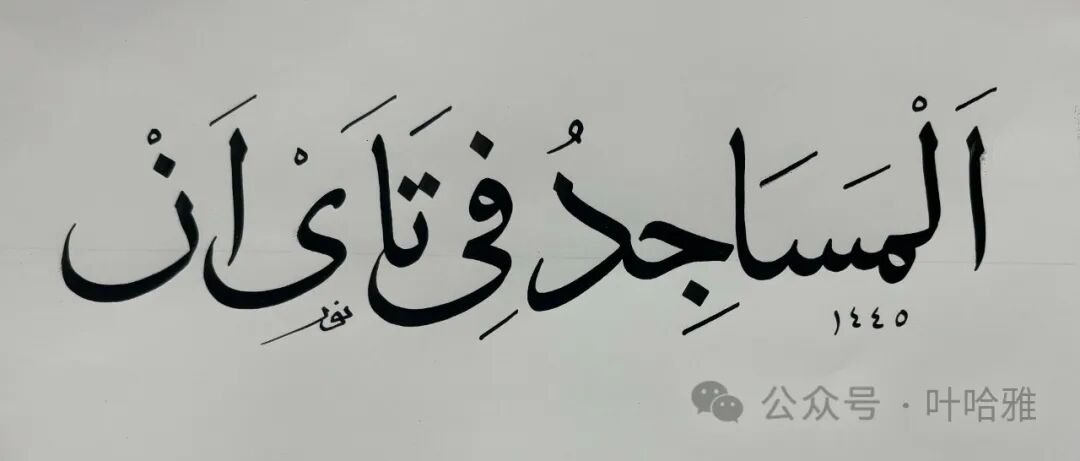
The Arabic cover was calligraphed by the Shandong-based Arabic calligrapher, Mr. Mi Guangjiang.
May Allah reward everyone.
According to the Records of Islam in Tai'an, there are 70 mosques in Tai'an City, including 10 in Taishan District, 21 in Daiyue District, 16 in Xintai City, 10 in Feicheng City, 9 in Ningyang County, and 4 in Dongping County. Among the mosques in Tai'an, 2 were built in the Yuan Dynasty, 24 in the Ming Dynasty, 18 in the Qing Dynasty, 5 during the Republic of China era, 9 after the founding of the People's Republic of China, and the construction dates of 12 others are unknown. The oldest one is the West Mosque of Xijie in Mazhuang Town, Daiyue District, which was built during the Yuan Dynasty. There are currently 3 women's mosques: the Taicheng Women's Mosque, the Suozhuang Women's Mosque in Zhuyang Town, Daiyue District, and the Dongshendong Village Women's Mosque in Yucun Town, Xintai City.
Taishan District
Taicheng Mosque
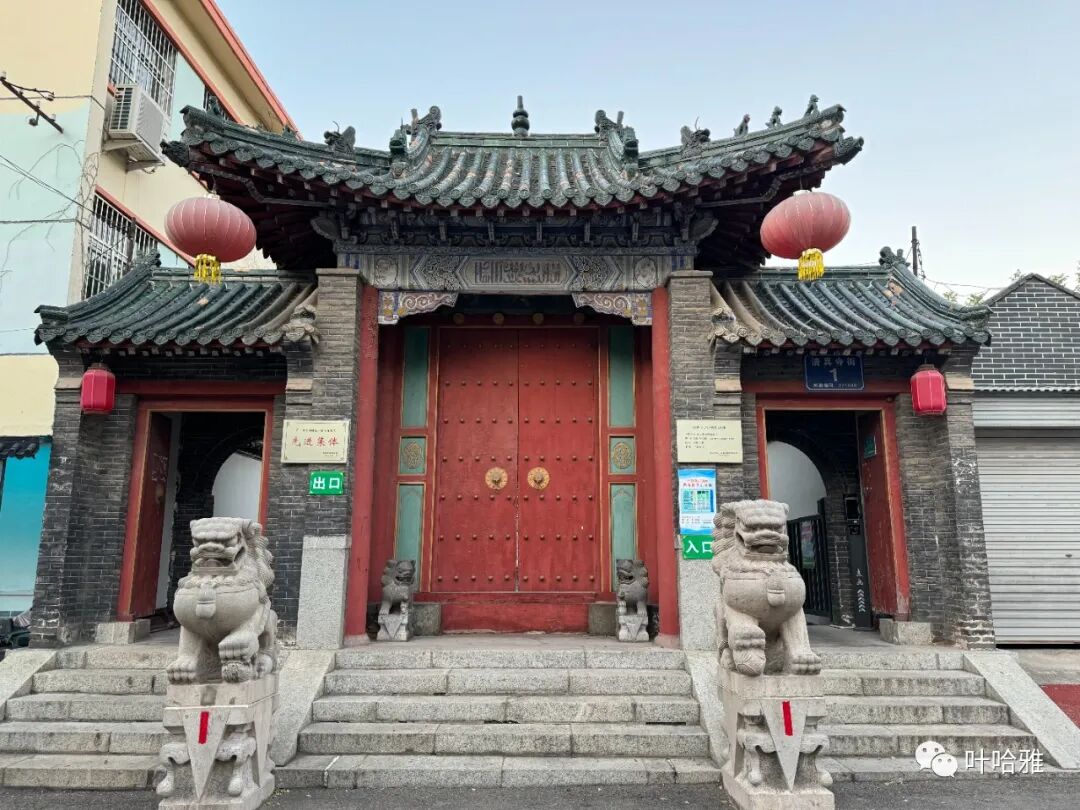
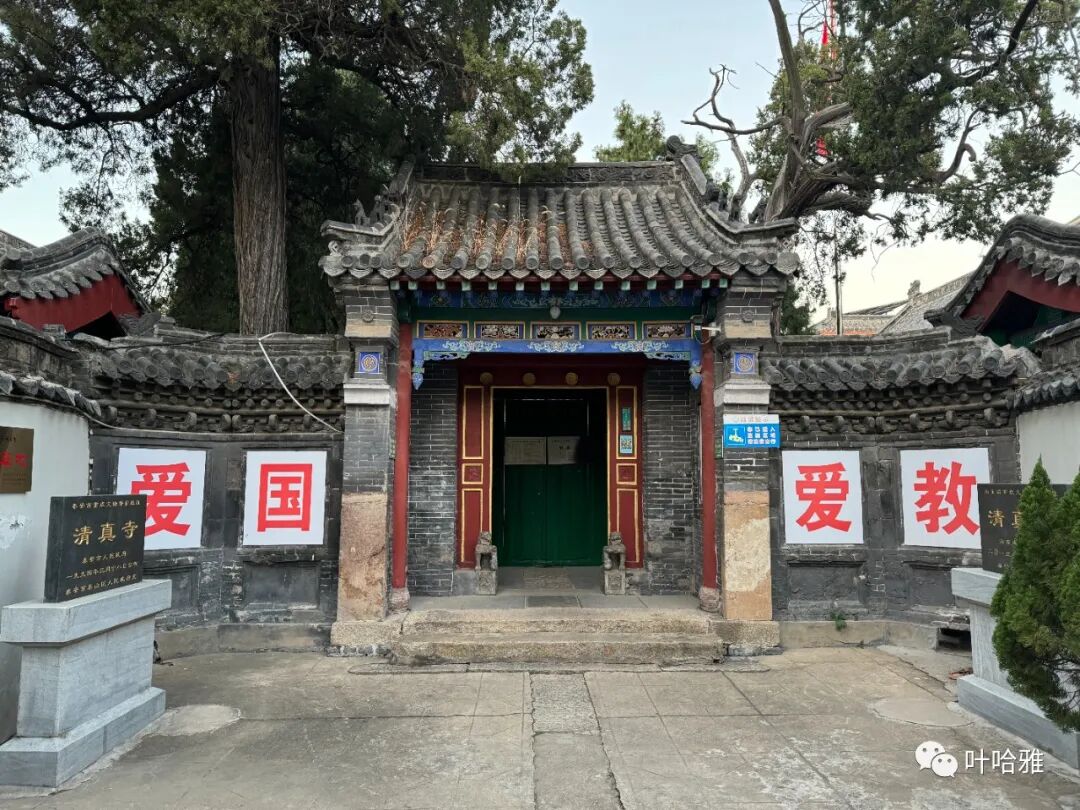
Taicheng Mosque is located in the Mosque Community of Caiyuan Subdistrict. It was built between the end of the Yuan Dynasty and the beginning of the Ming Dynasty. Stone tablets confirm that it was rebuilt many times during the Ming and Qing dynasties. In 1944, the mosque had fallen into disrepair and was quite damaged. Local elders and mosque leaders raised 12,213 yuan for renovations. They gathered workers and materials, finishing the project in a few months and making the main hall look brand new. Ma Ziming, a local elder living in Suzhou and Shanghai, was a devout believer and passionate about charity. He donated a set of finely woven curtains from Suzhou, and other elders and the hometown association in Shanghai also donated generously.
The mosque underwent several repairs starting in the 1950s. It was restored and repaired after the Reform and Opening-up policy began. The mosque gate was rebuilt in 1997. A comprehensive renovation took place in 2008, covering an area of 2,600 square meters. In 2013, the North Lecture Hall was rebuilt, and a funeral home, a multi-functional building, and buildings along the east and west streets were constructed.
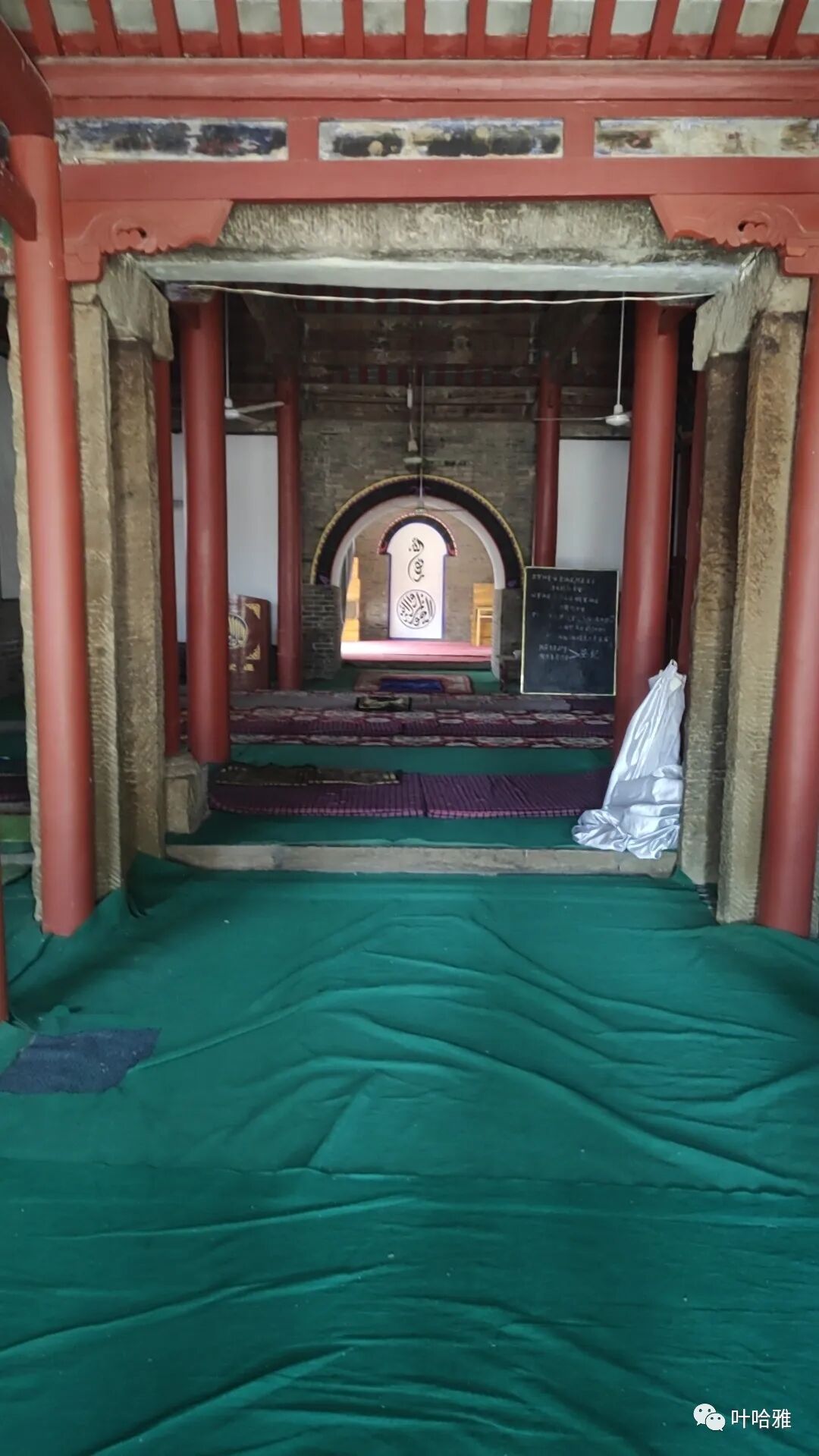
Taicheng Mosque is a classic Chinese palace-style building with two courtyards. It mainly consists of a prayer hall, north lecture hall, south lecture hall, main gate, second gate, and rear kiln hall. The main gate features three gold-painted characters for "Mosque," inscribed with the date "10th day of the first lunar month, 1619" (the year of Jiwei in the Wanli reign of the Ming Dynasty). After entering the gate, a path leads through the second gate into a courtyard where ancient cypress trees reach toward the sky. The north and south lecture halls of the mosque are spacious and bright, housing a scripture room, living quarters for the imam, and a bathing room. To the west stands the prayer hall, which connects a front porch, a middle hall, and a rear kiln hall into one structure. The front porch uses a Ming-style hip-and-gable roof, while the rear kiln hall features a Ming-style hip-and-gable roof with bracket sets, three layers of eaves, and 12 upturned corners. The center of the main hall's roof ridge and the top of the rear kiln hall are both topped with golden glazed gourds over one meter tall.
The mosque covers an area of 6,174.19 square meters, with a building area of 6,394.5 square meters. The main hall is 18 meters high, 42.3 meters long, and 16.95 meters wide. The north lecture hall is 17.5 meters long and 8.1 meters wide. The south lecture hall is 14.4 meters long and 8.7 meters wide. The water house is 17 meters long and 6.7 meters wide. The mosque has many auxiliary buildings, including the east gate, the north courtyard meeting room, the funeral home, the frame house (jiaziwu), a two-story building on the west side of the west gate, and rooms along the street. The mosque originally held dozens of stone tablets carved during the Ming and Qing dynasties and the Republic of China period, but they were all destroyed during the Cultural Revolution. Today, only four remain: the broken Mosque Tablet (Qingzhensi Bei) from the first year of the Wanli reign of the Ming Dynasty (1573), the Laifu Inscription Tablet (Laifu Mingbei) from the fourth year of the Tianqi reign (1624), the Donation Tablet (Juanxian Bei) from the thirty-fourth year of the Qianlong reign of the Qing Dynasty (1759), and the Mosque Reconstruction Tablet (Chongxiu Qingzhensi Bei) from the thirty-third year of the Republic of China (1944). The Laifu Inscription Tablet (Laifu Mingbei) is an important reflection of how Shandong Hui Muslims interpreted Islam through Confucianism, and it holds significant historical and cultural value.
Since the Republic of China era, the mosque's religious affairs have been led by imams including Tang Ahong, Yang Fuyuan, Yang Dechun, Wang Changshun, Mi Guangxun, Han Yuhai, and Wang Rongchen. Imam Mi Zhaojie has served since 1997 and currently holds positions such as Standing Committee Member of the Tai'an Municipal Committee of the CPPCC and Vice President of the Tai'an Islamic Association.
Historically, the mosque has trained more than ten imams and religious leaders, including Wang Qinglin, Fan Guiyuan, Xu Huanliang, Mi Yinghua, Mi Qinglu, Wang Hongchen, Liu Zhong'an, Wang Wu, Wang Changgui, Ding Junting, Wang Changlin, Bai Shengguang, and Bai Shenglin. The Mi family of Tai City, represented by Imam Mi Yingjie, and the Wang family of Beiqiu, represented by Imams Wang Jie, Wang Pu, Wang Qinglin, and Wang Yongxing, are both families of imams that have produced religious leaders for over three generations. The mosque is managed by a management committee consisting of nine members. Xu Shuhua, Fa Debao, Mi Shouzhi, Wang Fengge, and Mi Xiankuan have served as directors of the management committee.
The management committee conducts religious activities according to the law and actively guides Hui Muslims in their normal religious life. Responding to the call of the Party and the government, the mosque promotes the Islamic spirit of helping the needy, supports social charity and public welfare, has provided aid multiple times to areas affected by natural disasters like earthquakes and tsunamis, and actively donates to causes such as education and elderly care.
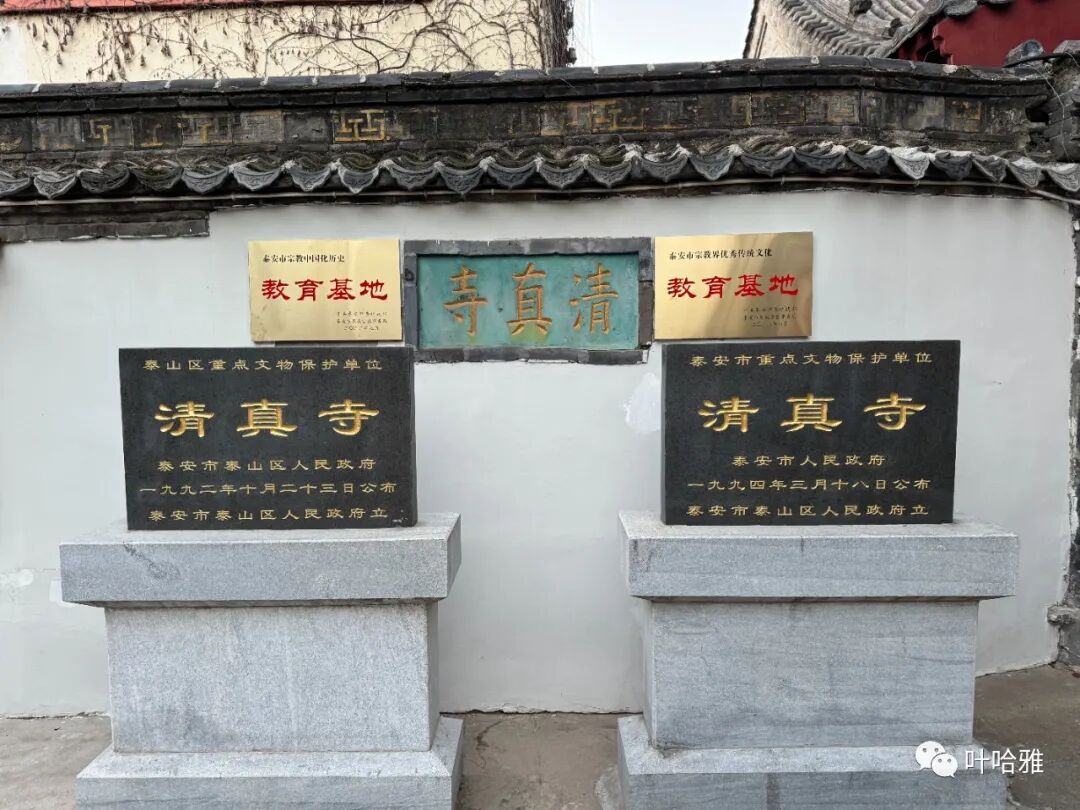
The mosque hosts international Muslim friends and has received many honors over the years. It was named a cultural heritage site of Taishan District in 1992. It was named a cultural heritage site of Tai'an City in 1994. It was named a cultural heritage site of Shandong Province in 2013. It received the title of Provincial Civilized Religious Venue in 2001 and was named a Model Mosque of Tai'an City in 2008. In 2009, it was awarded titles including Provincial Harmonious Religious Venue, Shandong Province Outstanding Historical Building, Shandong Province Model Mosque, and National Advanced Collective for Creating Harmonious Temples and Churches.
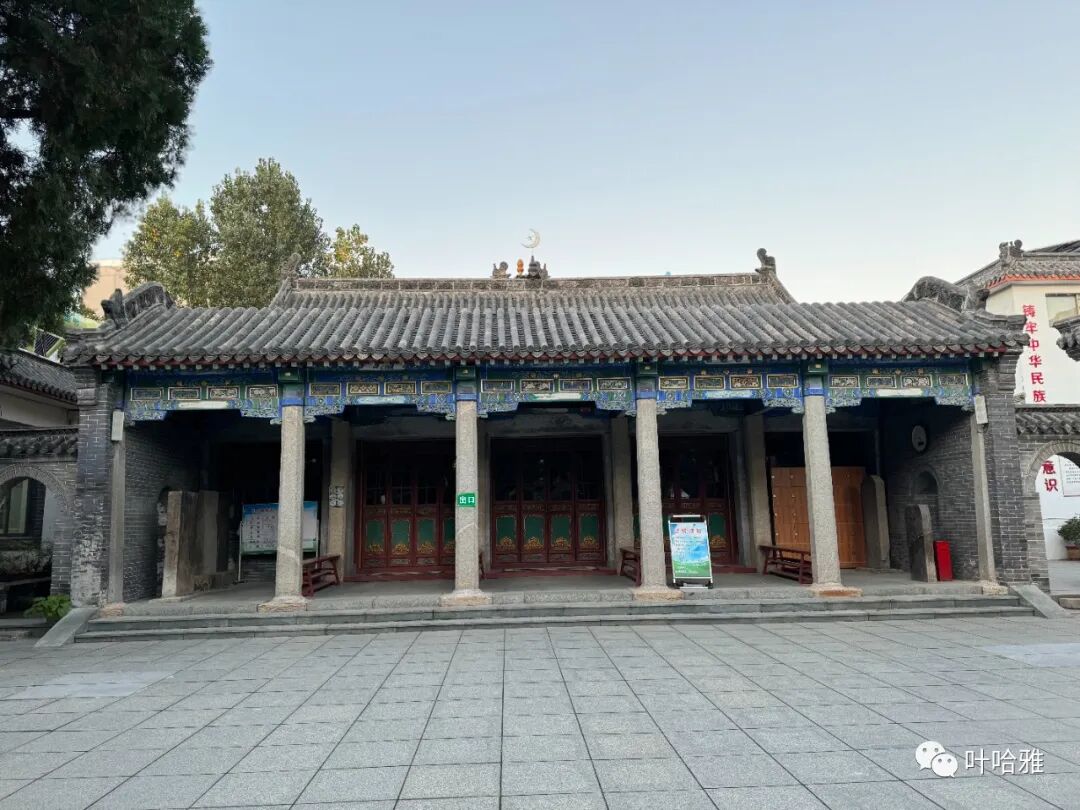
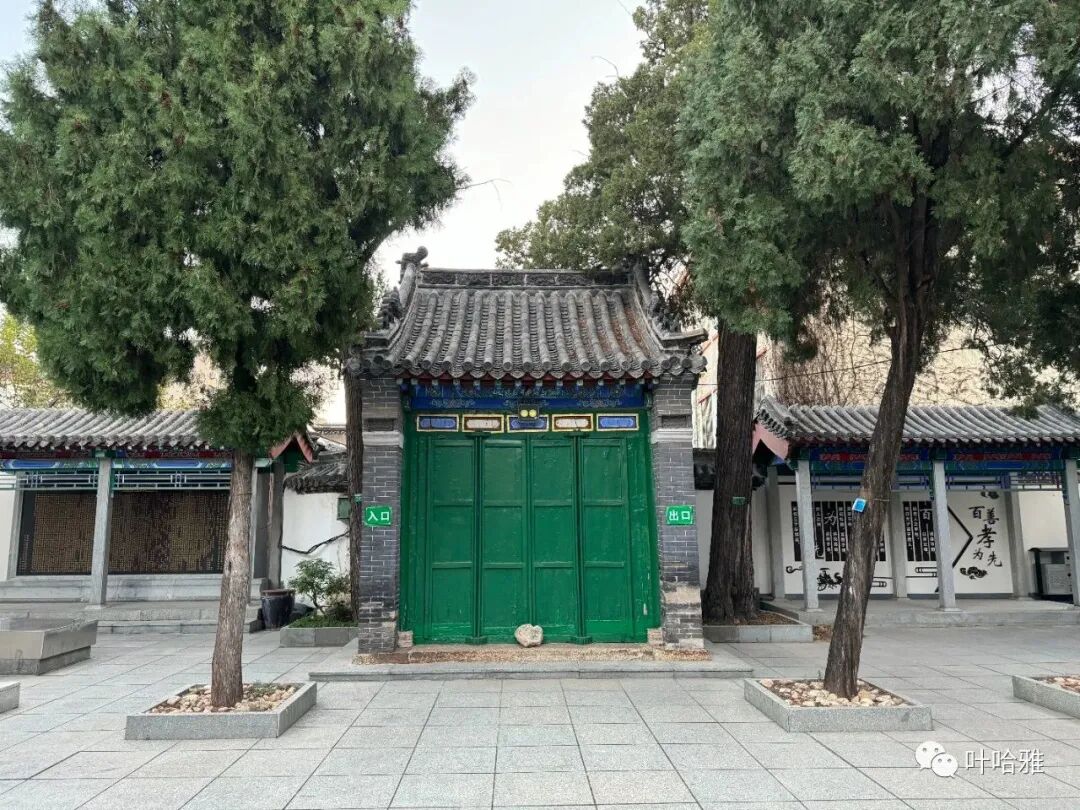
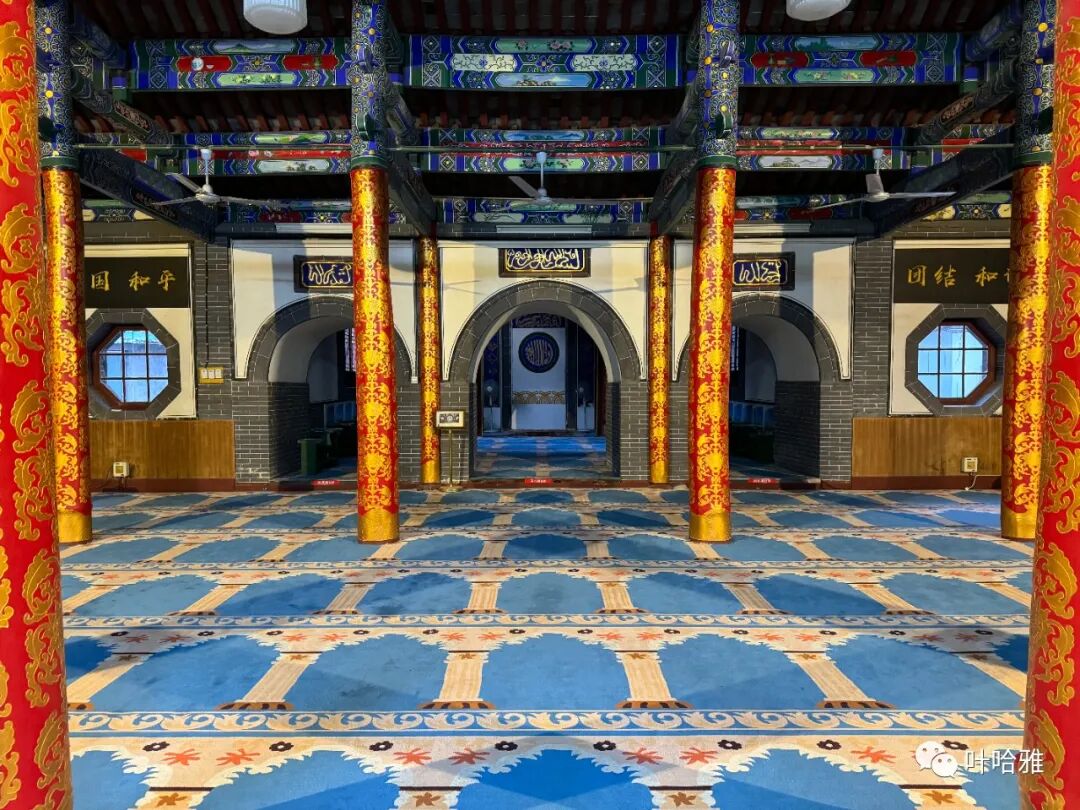
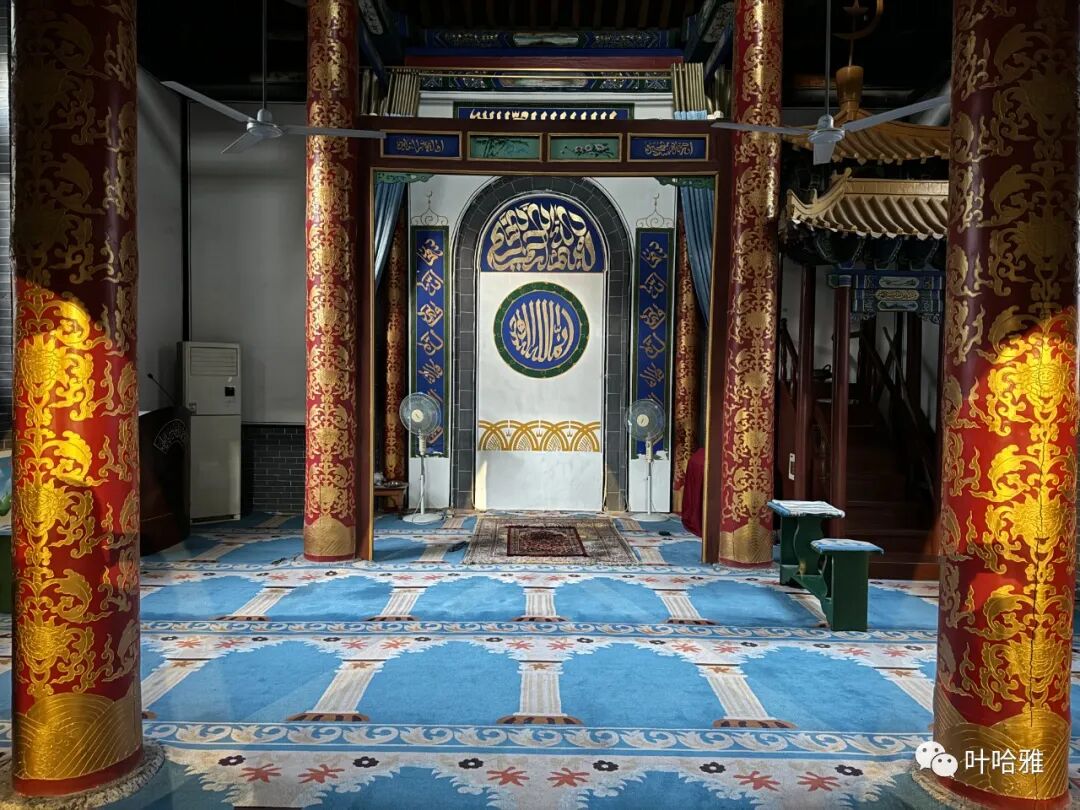
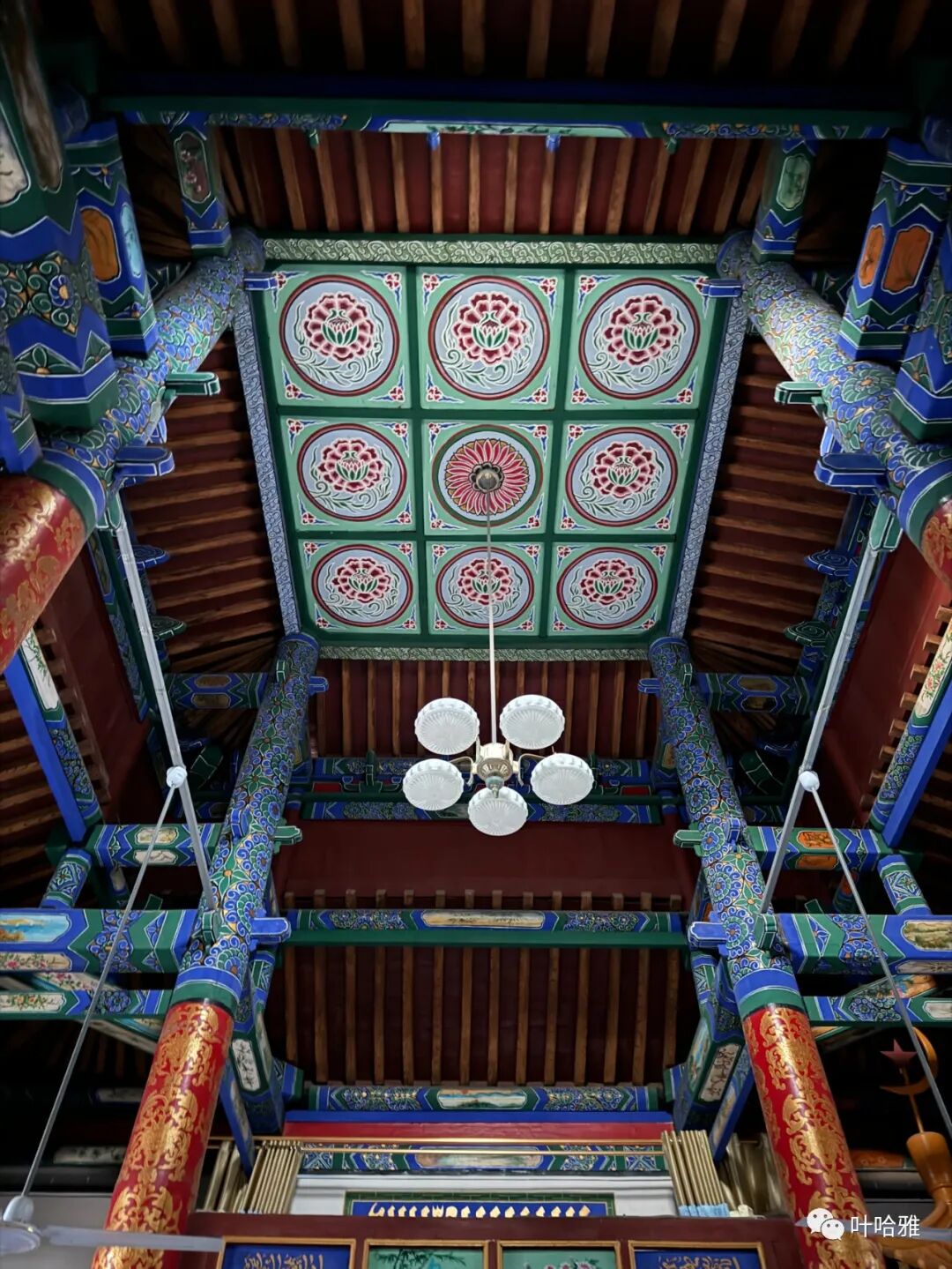
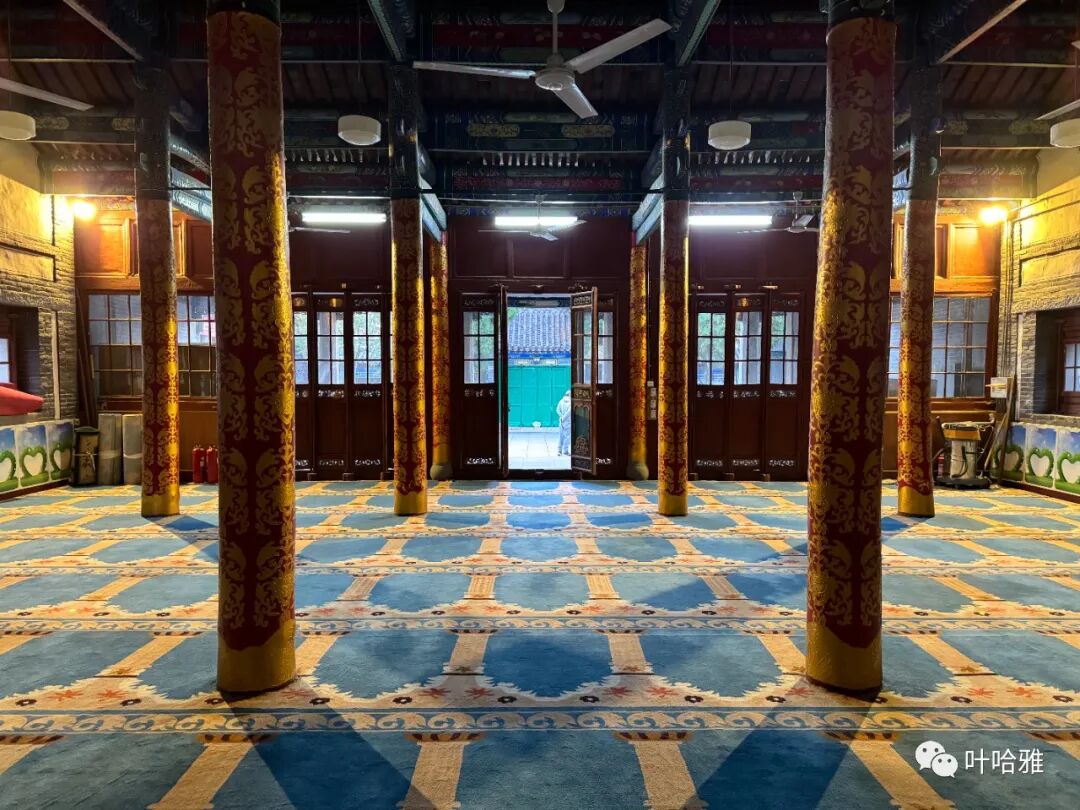
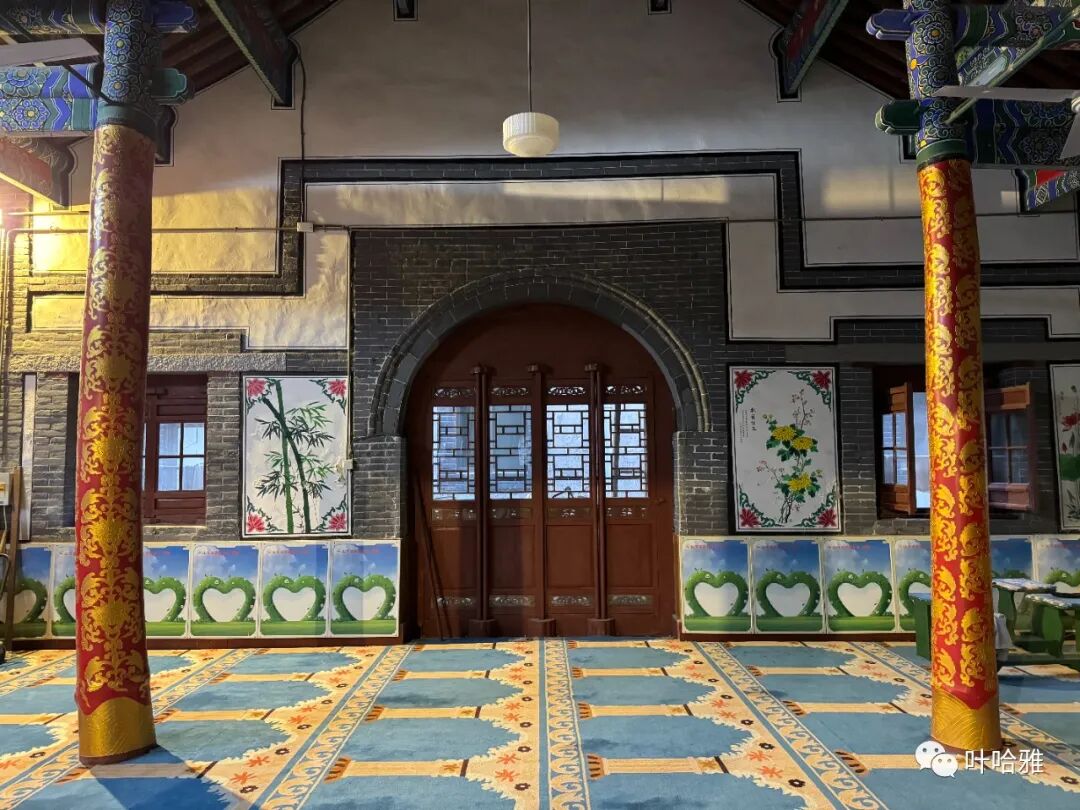
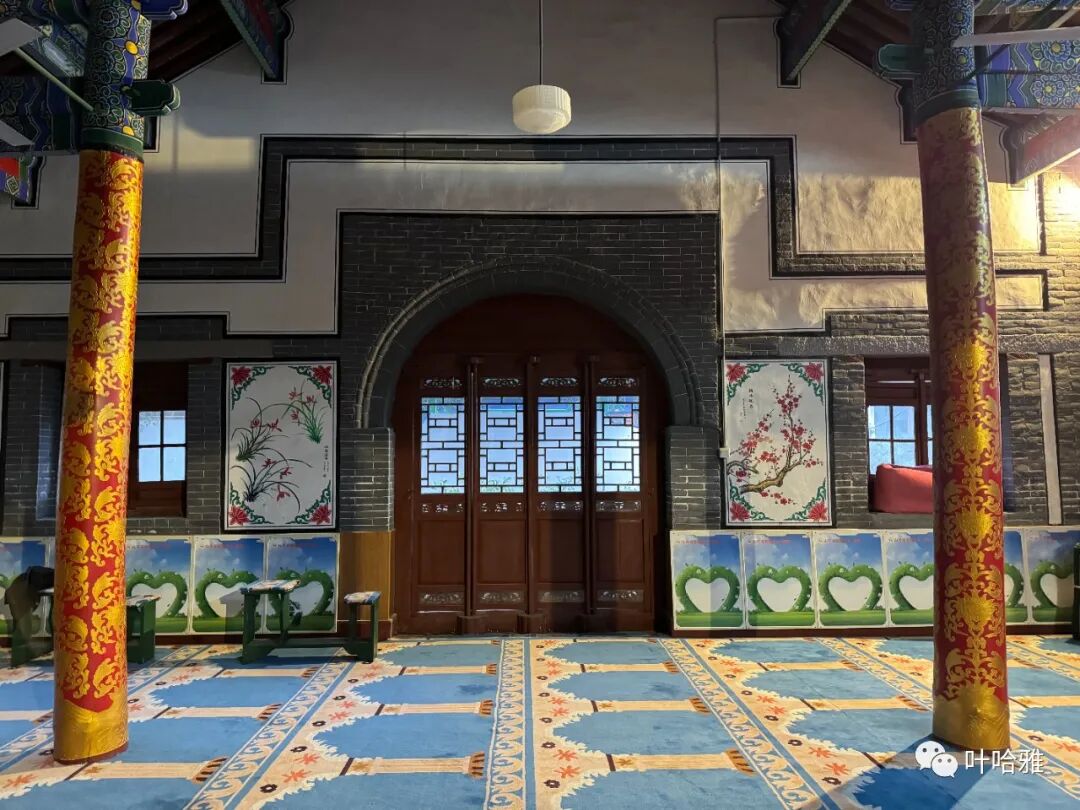
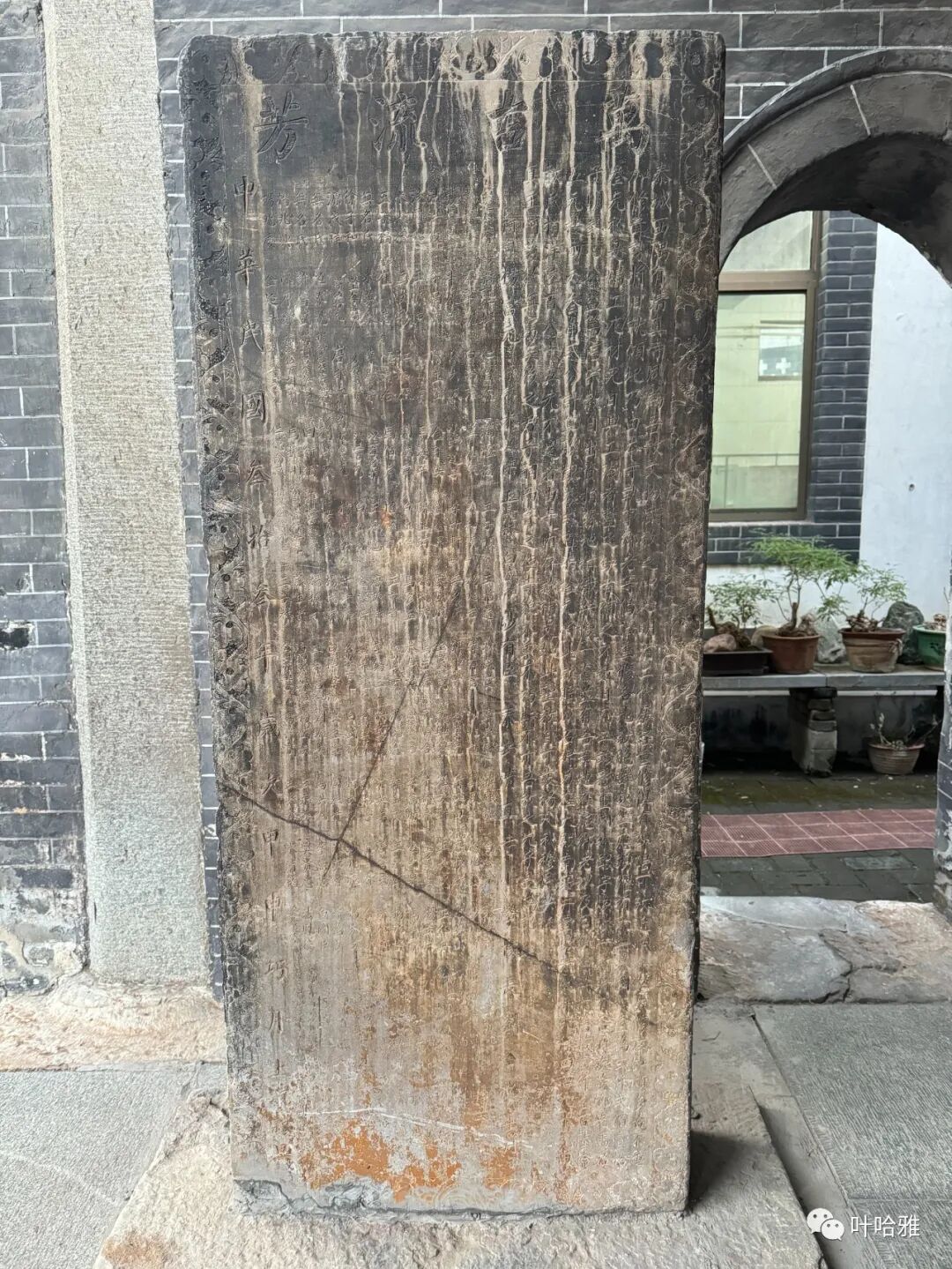
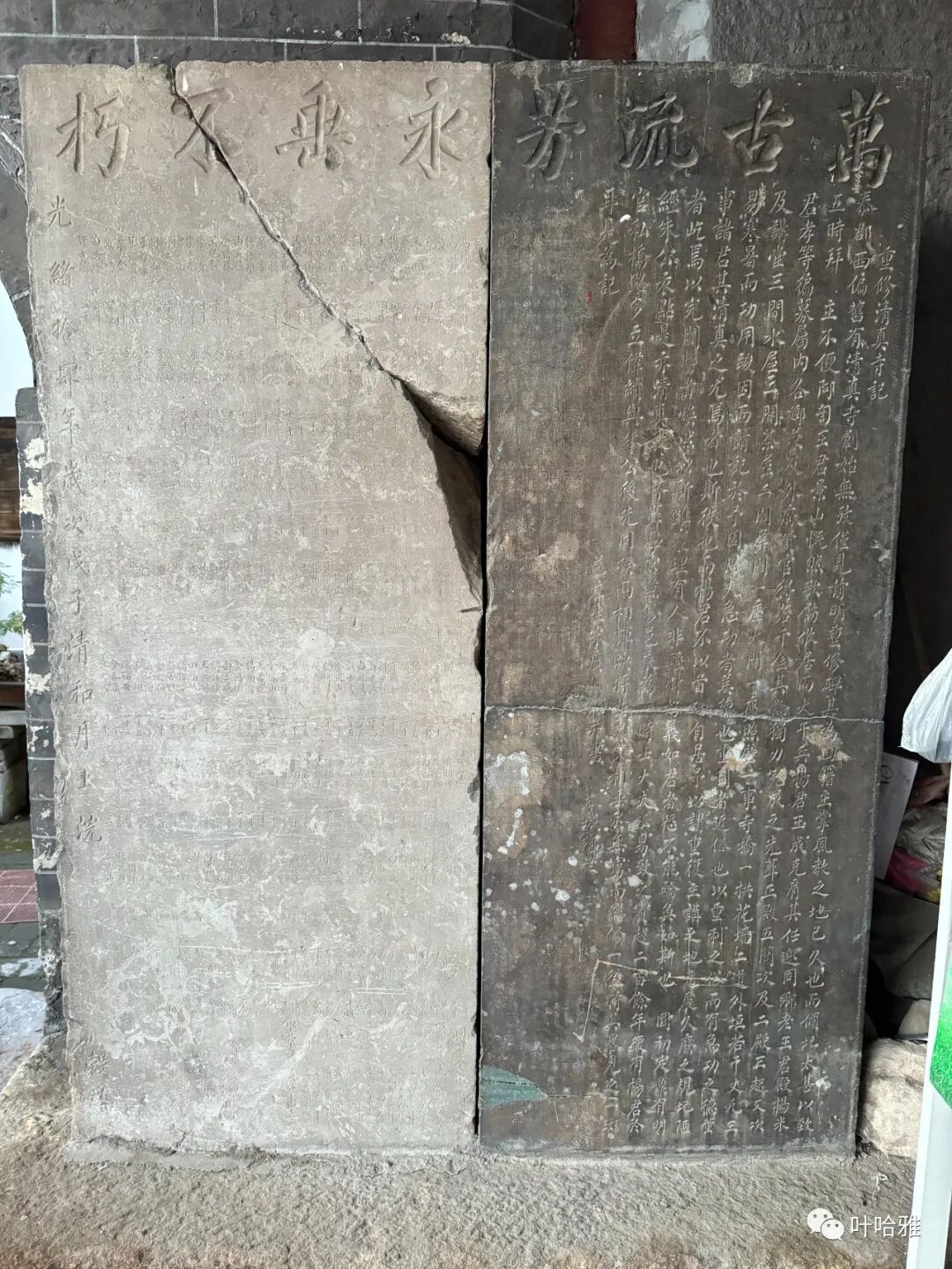
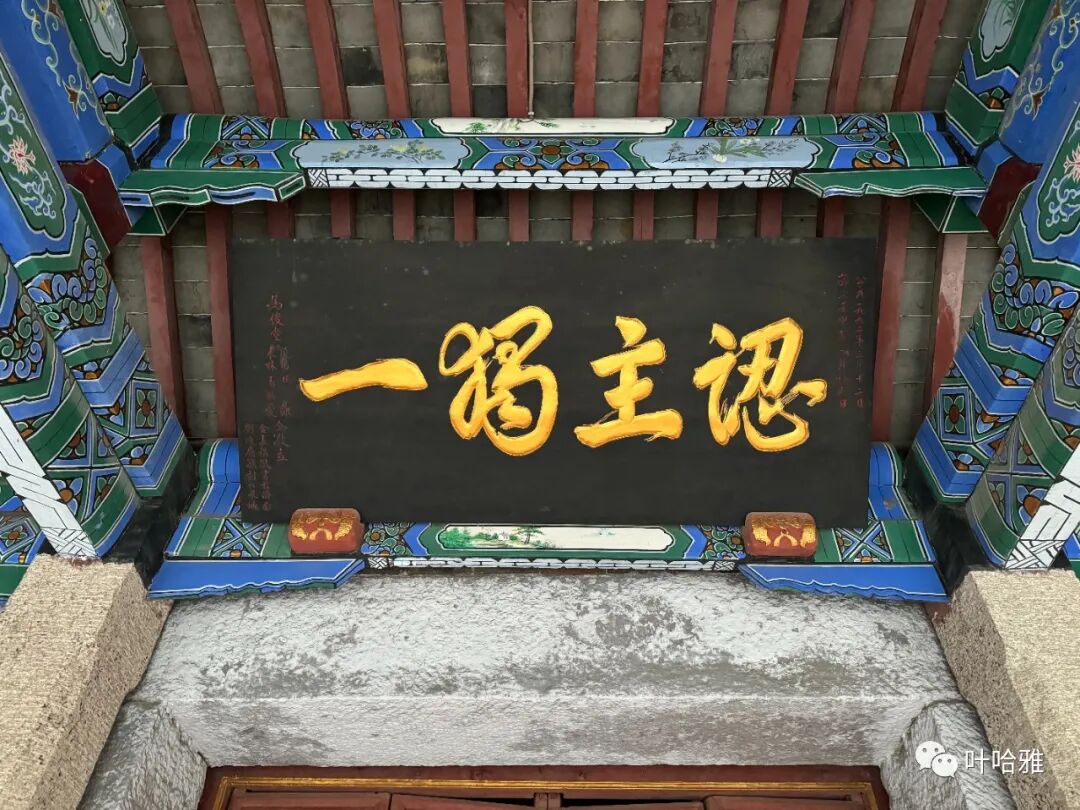
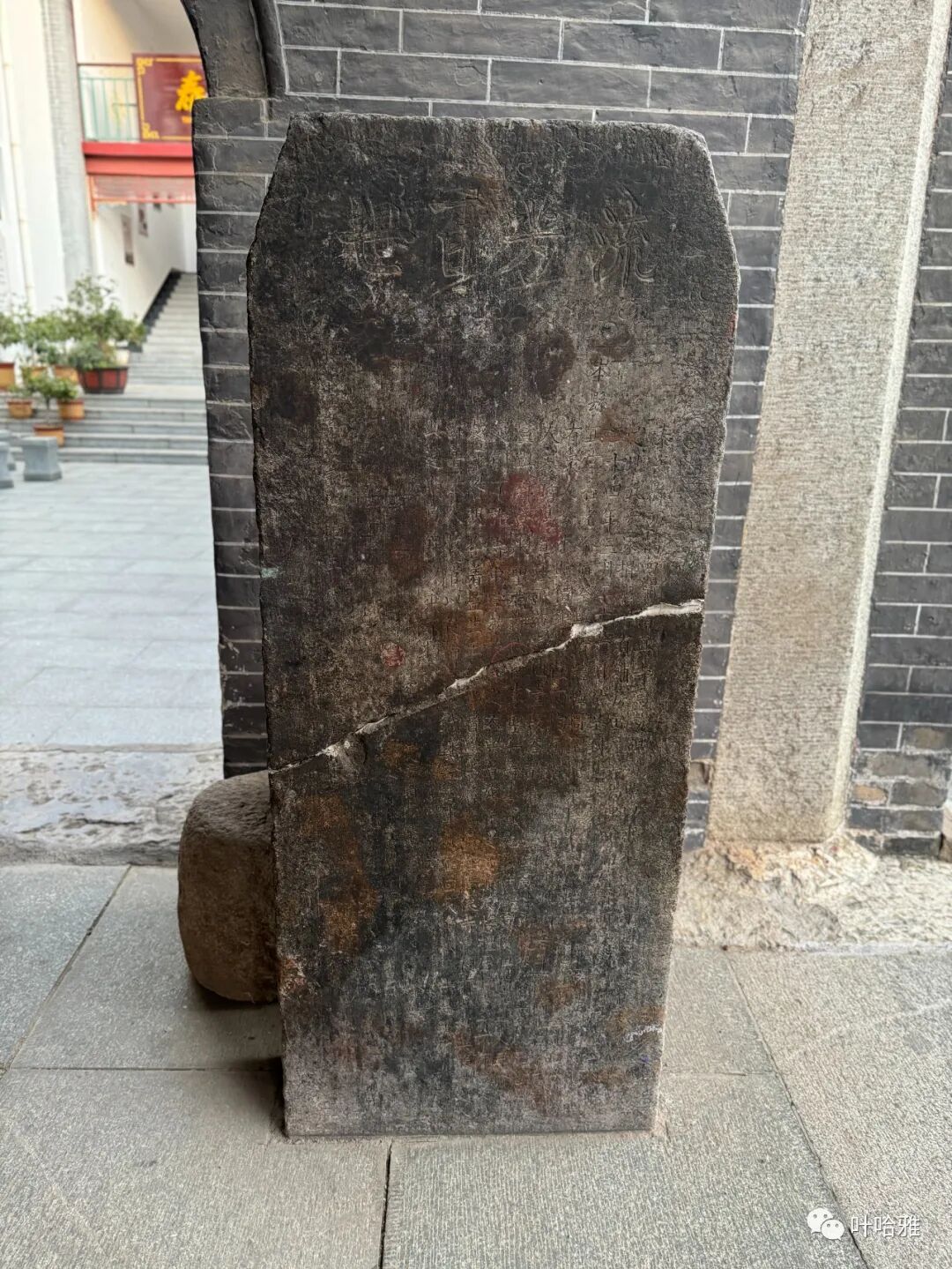
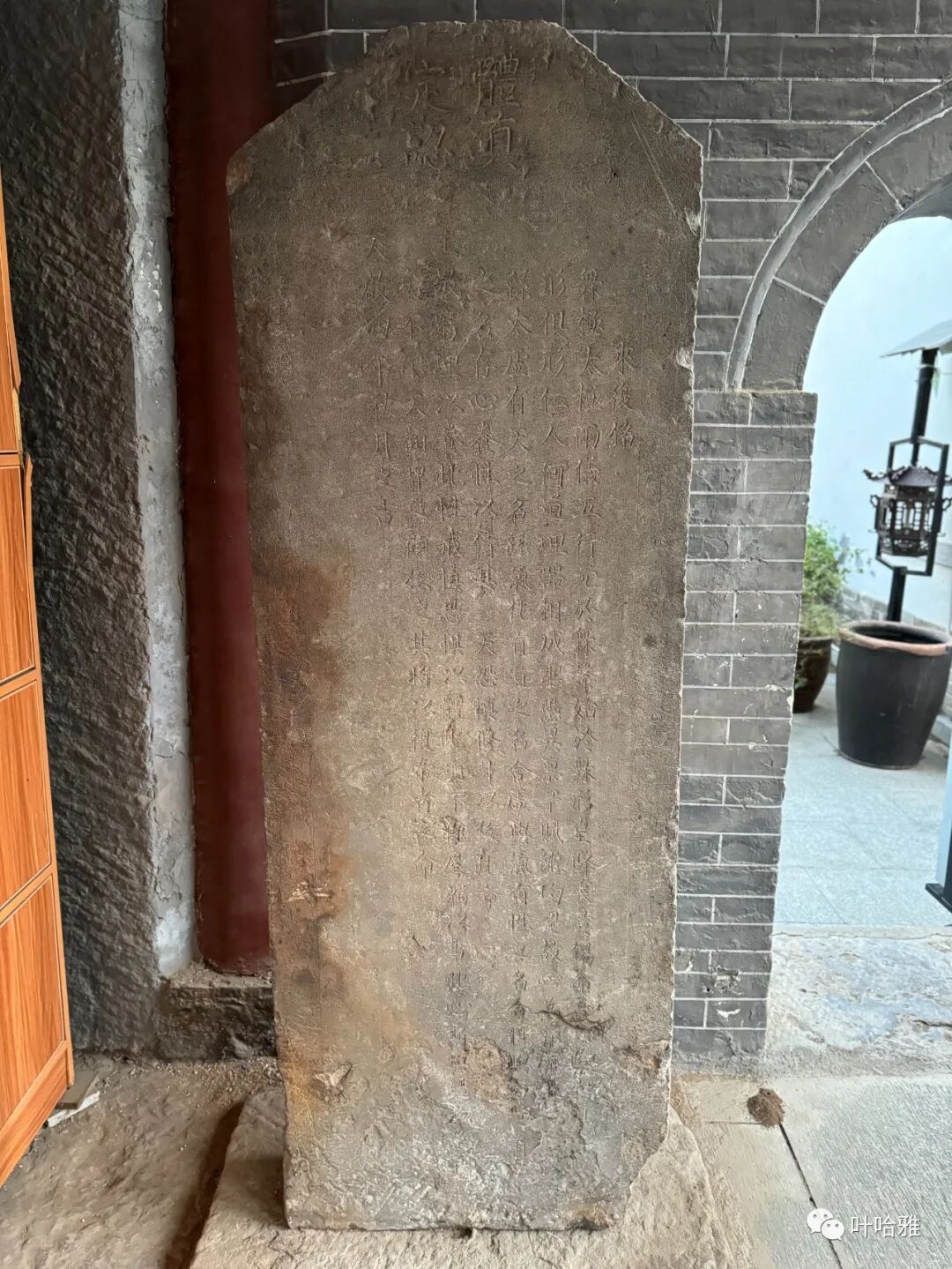
Taicheng Women's Mosque.
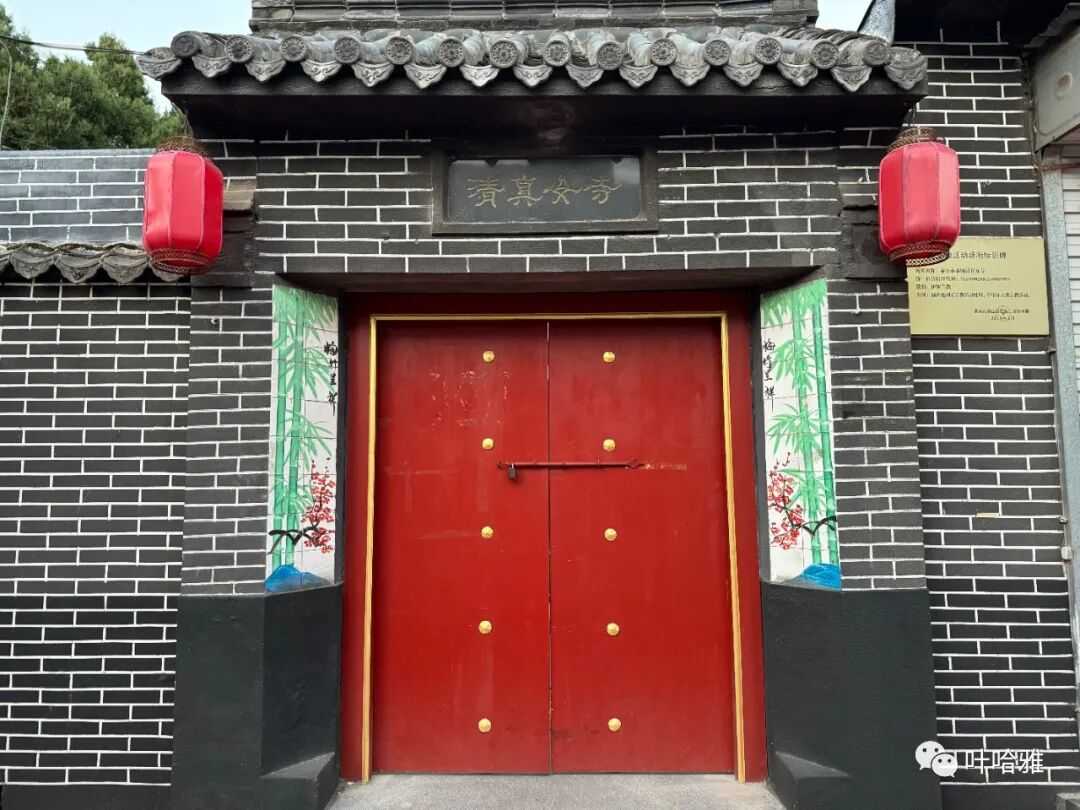
Taicheng Women's Mosque in Caiyuan Subdistrict. Due to urban renewal, it moved from Baijia Alley on Mosque Street to its current location. It covers 360 square meters with a building area of 240 square meters. It currently has a main prayer hall, a north lecture hall, a washroom (shuifang), a main gate, and one stone tablet.
Taicheng East Mosque.
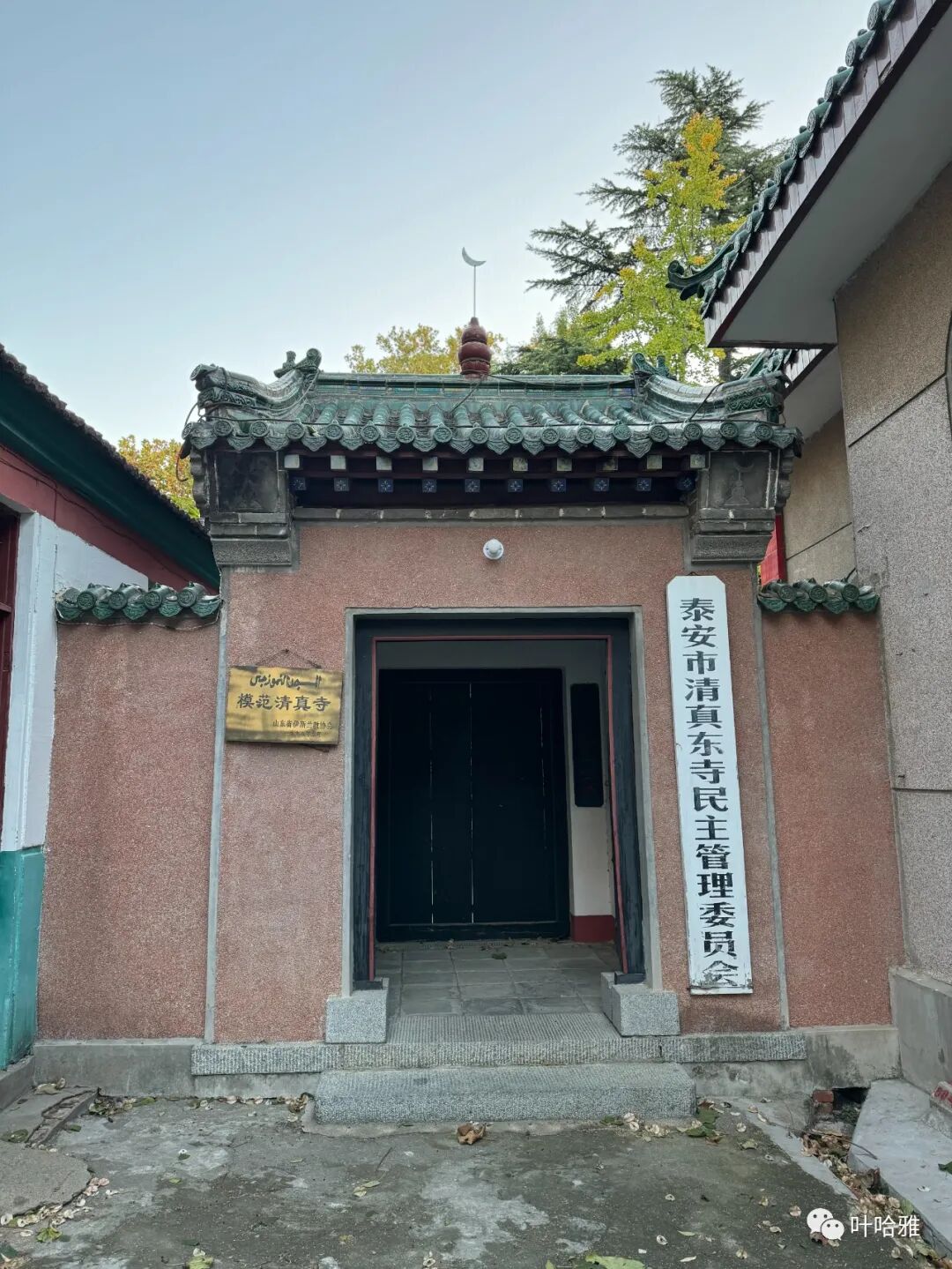
The mosque in Beixin Community, Daimiao Subdistrict, is commonly known as the Taicheng East Mosque and is located in the middle of Beixin Community. It was built in 1920, the ninth year of the Republic of China, with funding from the famous Shandong industrialist Mr. Ma Bosheng. The three characters for "Mosque" written in his own hand are still preserved there. It has been renovated many times since the reform and opening-up. Large-scale repairs were carried out in 2006.
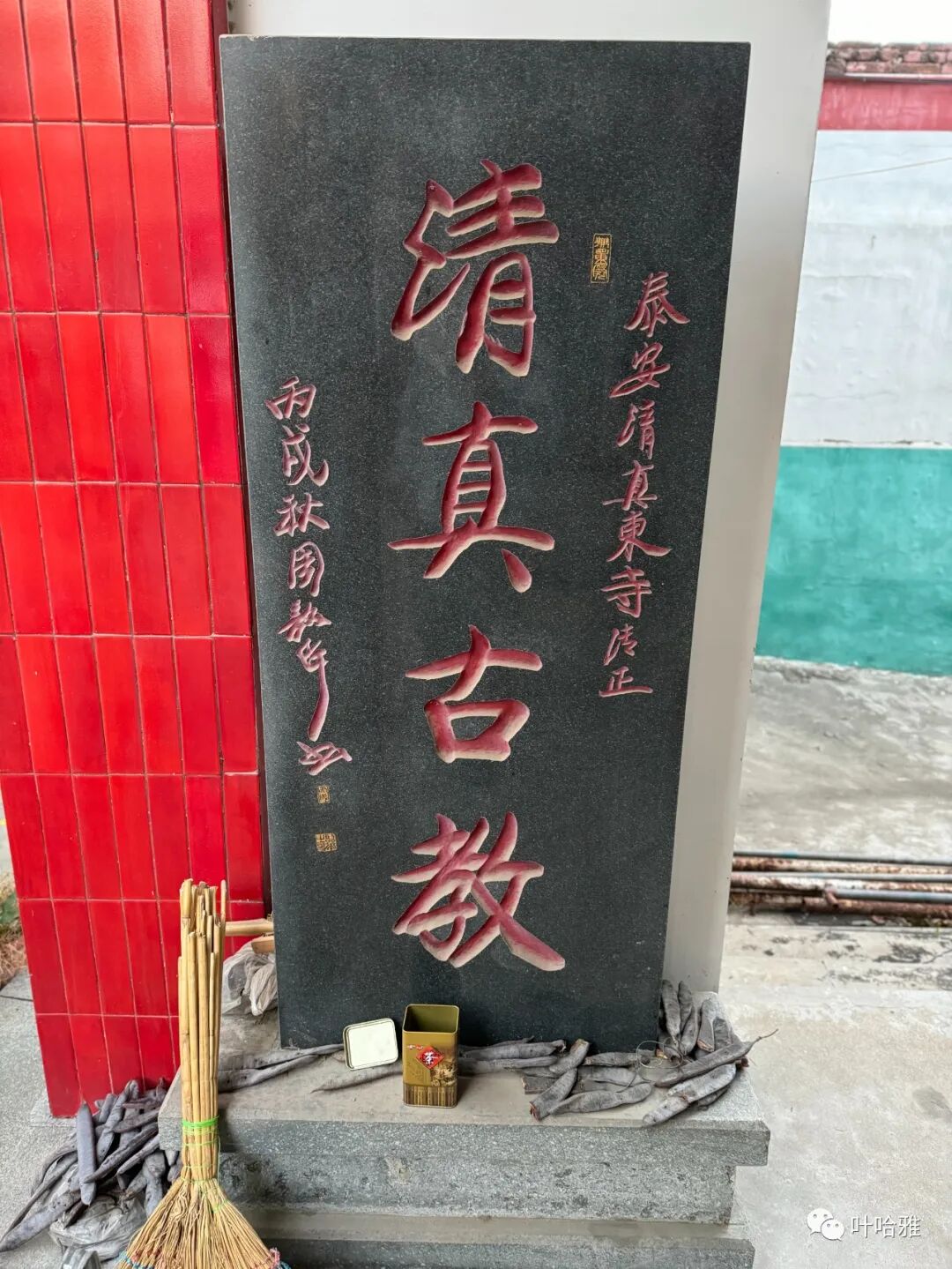
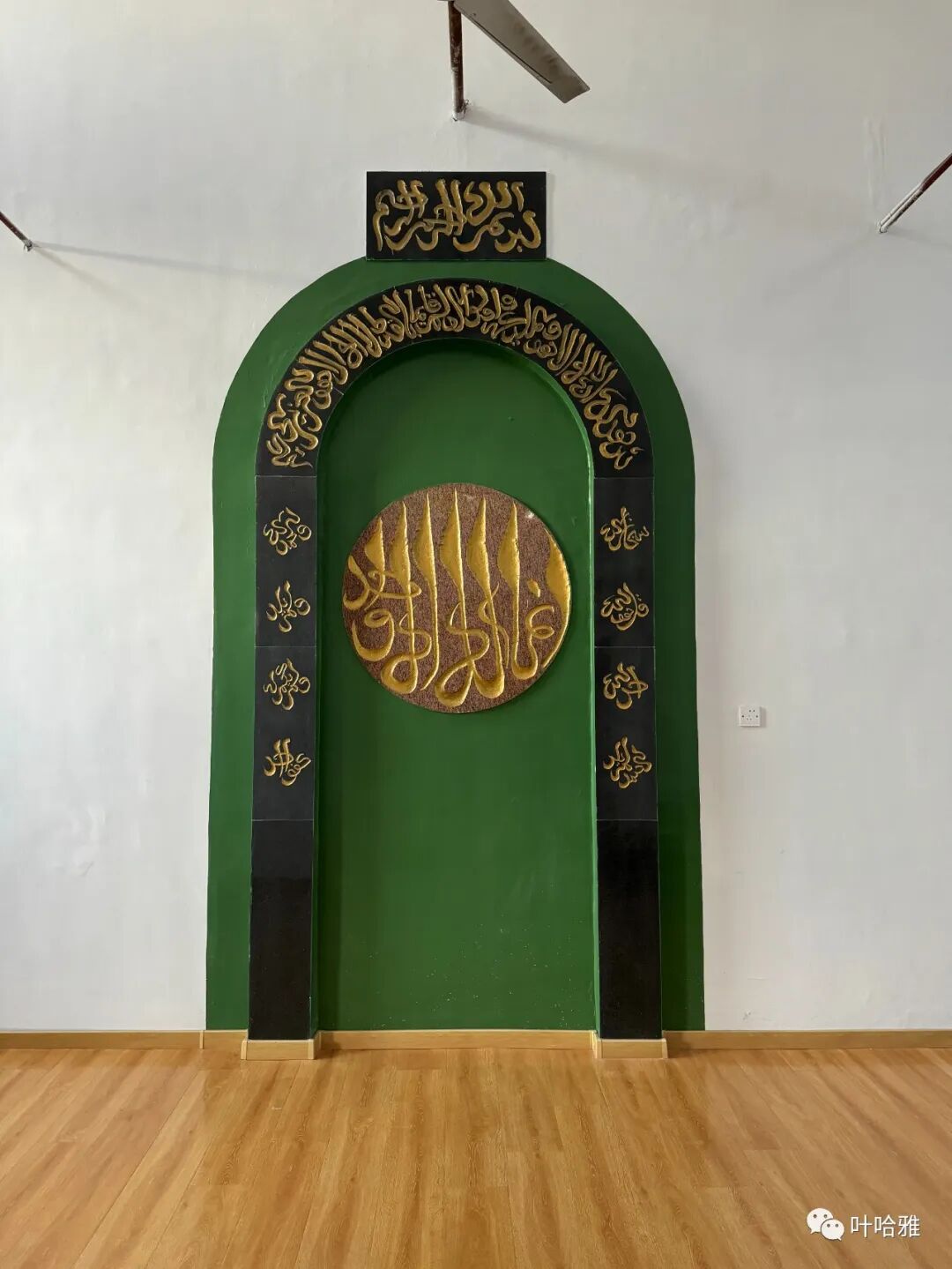
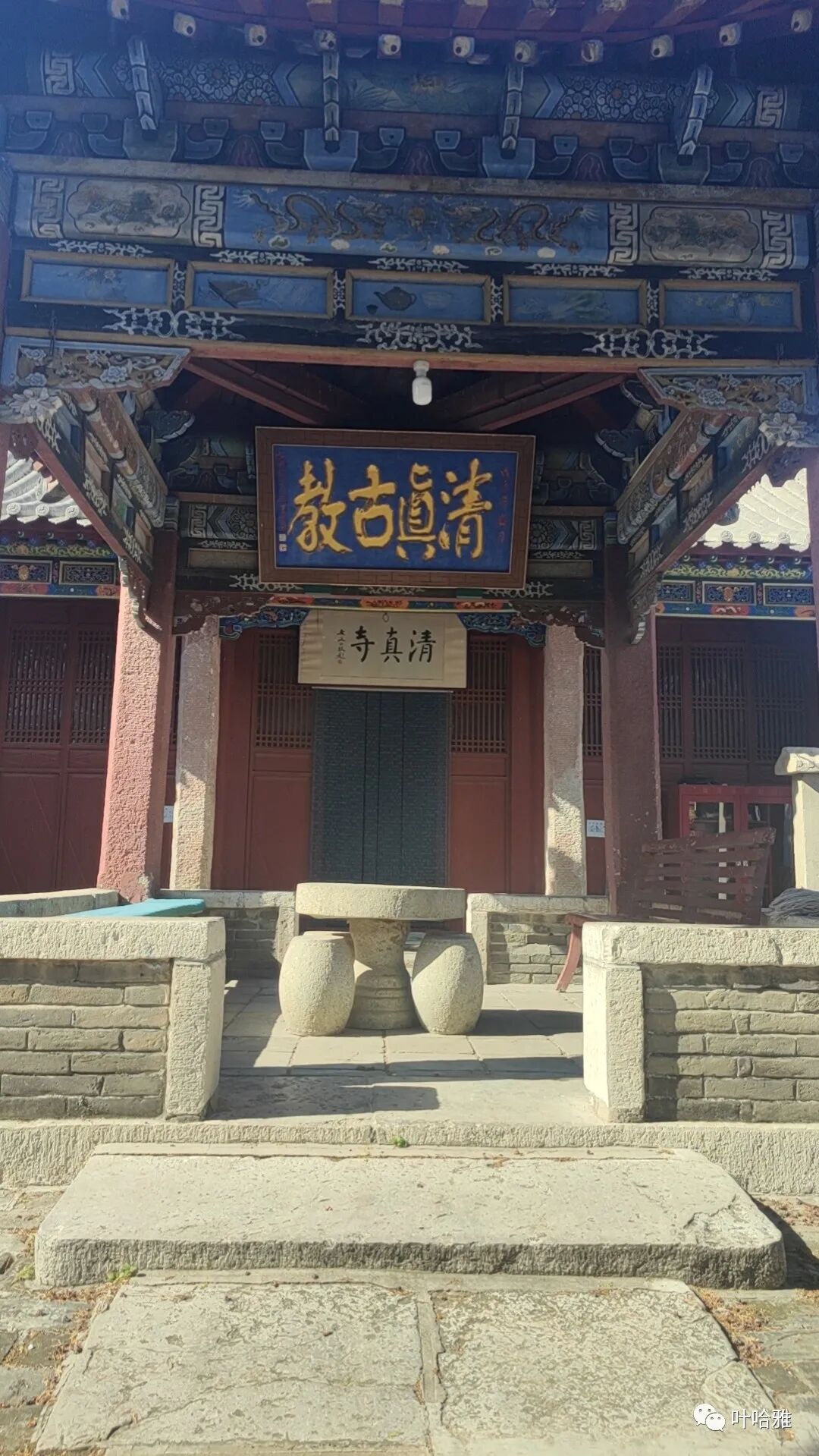
The mosque is built in the traditional Chinese courtyard style, measuring 51 meters long and 25 meters wide. The backyard is 16 meters long and 17.5 meters wide. The main prayer hall consists of a front porch, a middle hall, and a rear kiln-style hall, measuring 17.8 meters long and 12 meters wide. The north lecture hall is 16.3 meters long and 7 meters wide. The south lecture hall is 16.3 meters long and 5.4 meters wide. The water room is 14 meters long and 7 meters wide. There are 6 existing stone tablets. Four are in the tablet corridor, including the mosque gate plaque calligraphed by Ma Bosheng and the 2006 tablet listing the organizations and individuals who donated to the mosque repairs. The others include an Arabic calligraphy work by the calligrapher Mr. Ma Shitou and the four characters for "Praise Allah and the Prophet" written by the famous Tai'an calligrapher Mr. An Tingshan. Additionally, there are 2 tablets on the sides of the main hall's porch, which are the "Ancient Islamic Faith" tablet and the mosque reconstruction tablet.
Since the mosque was built, the religious affairs have been led by Imam Cao, Imam Wang, and Imam Liu Guoxiang. The mosque was closed during the Cultural Revolution. After it reopened, Imams such as Liu Zhong'an and Ma Qun led the religious affairs, and the current imam is Wang Linlin. The mosque is managed by a seven-member democratic management committee, with Yu Zongbin and Chen Guangwu serving as past directors.
The mosque has significant historical and cultural value. It has earned titles like Provincial Harmonious Religious Activity Site and City-Level Model Mosque, and the Tai'an municipal government recognizes it as an advanced unit for patriotism and religious devotion.
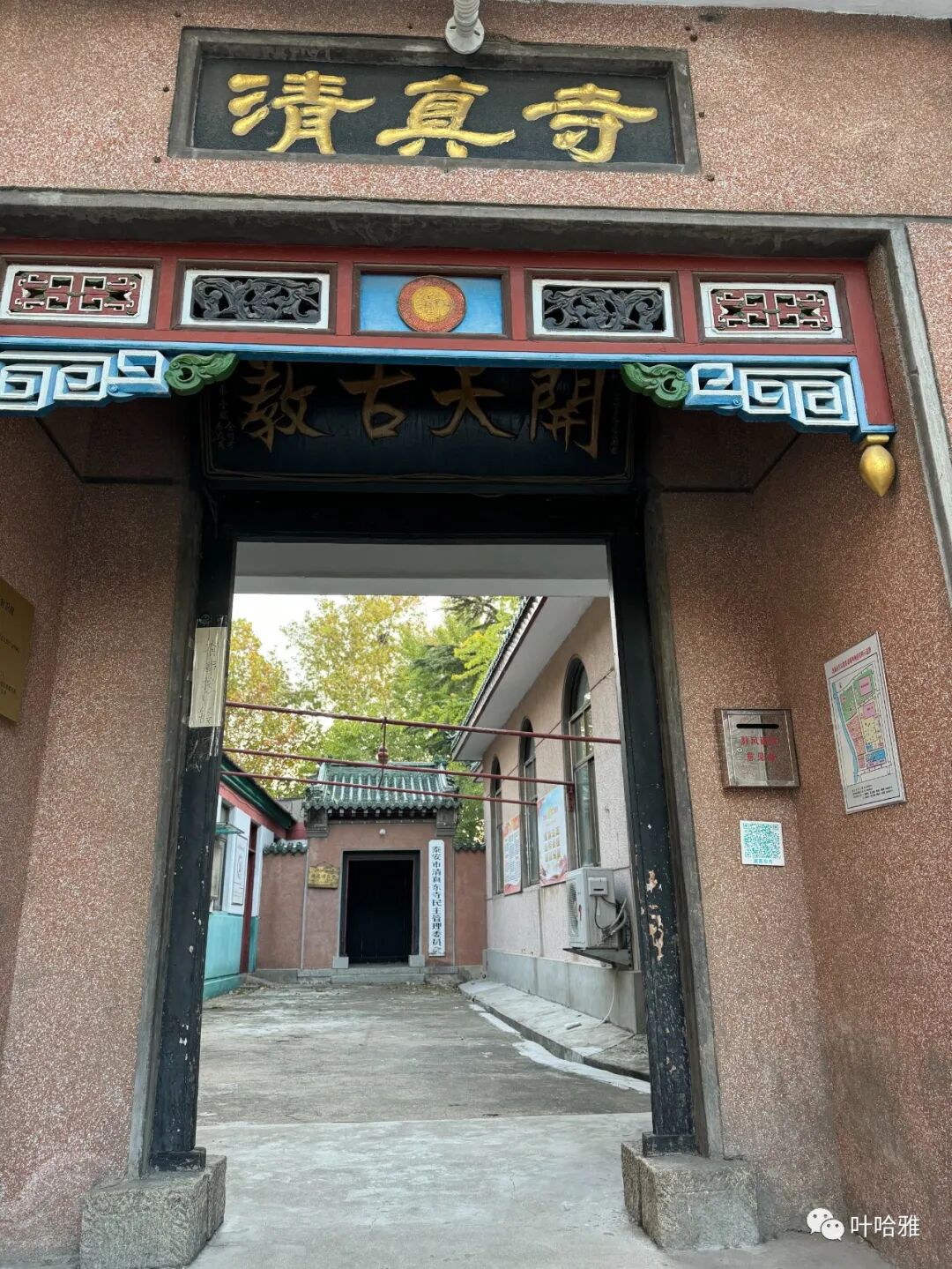
Zhitian Village Mosque
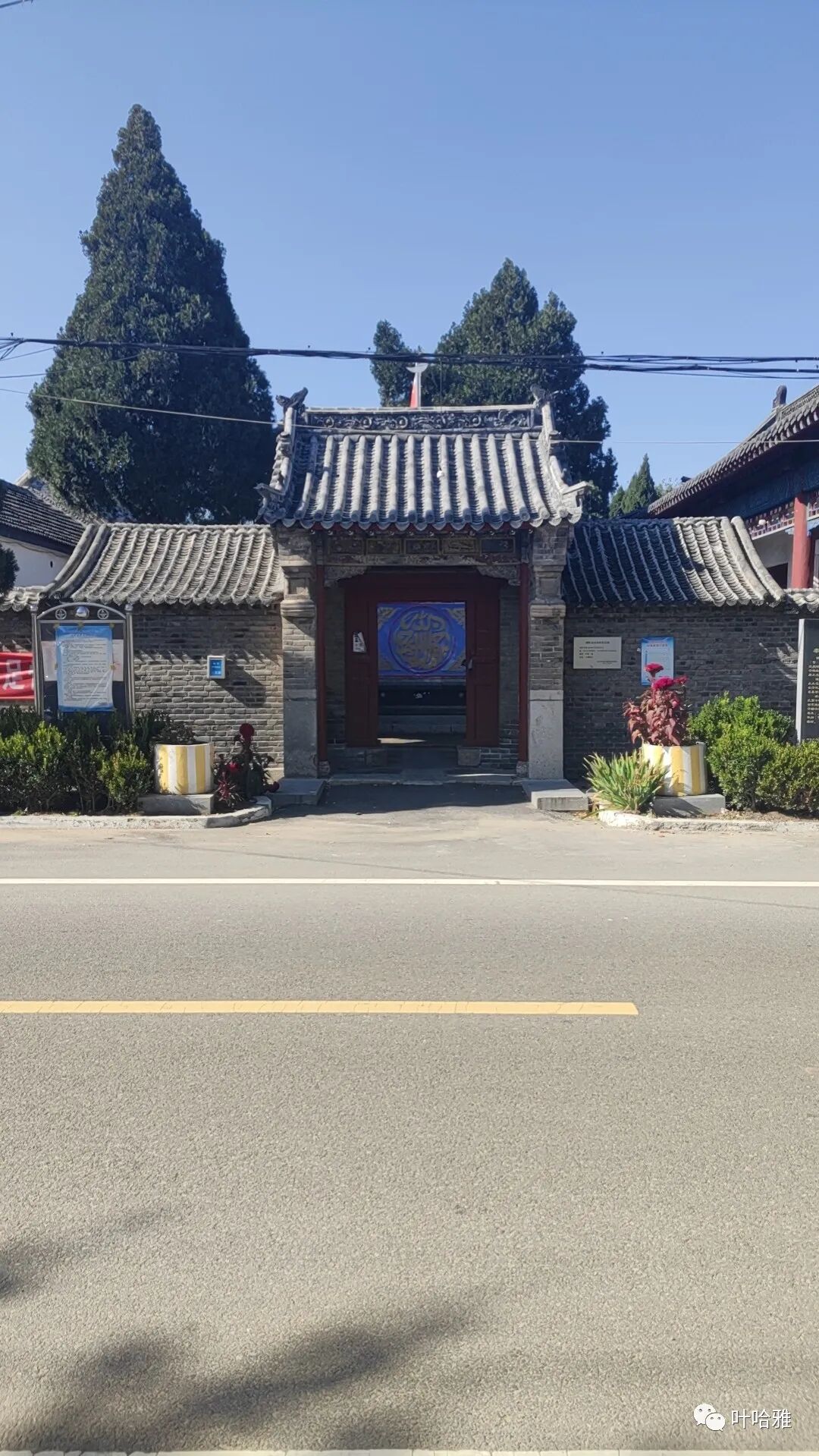
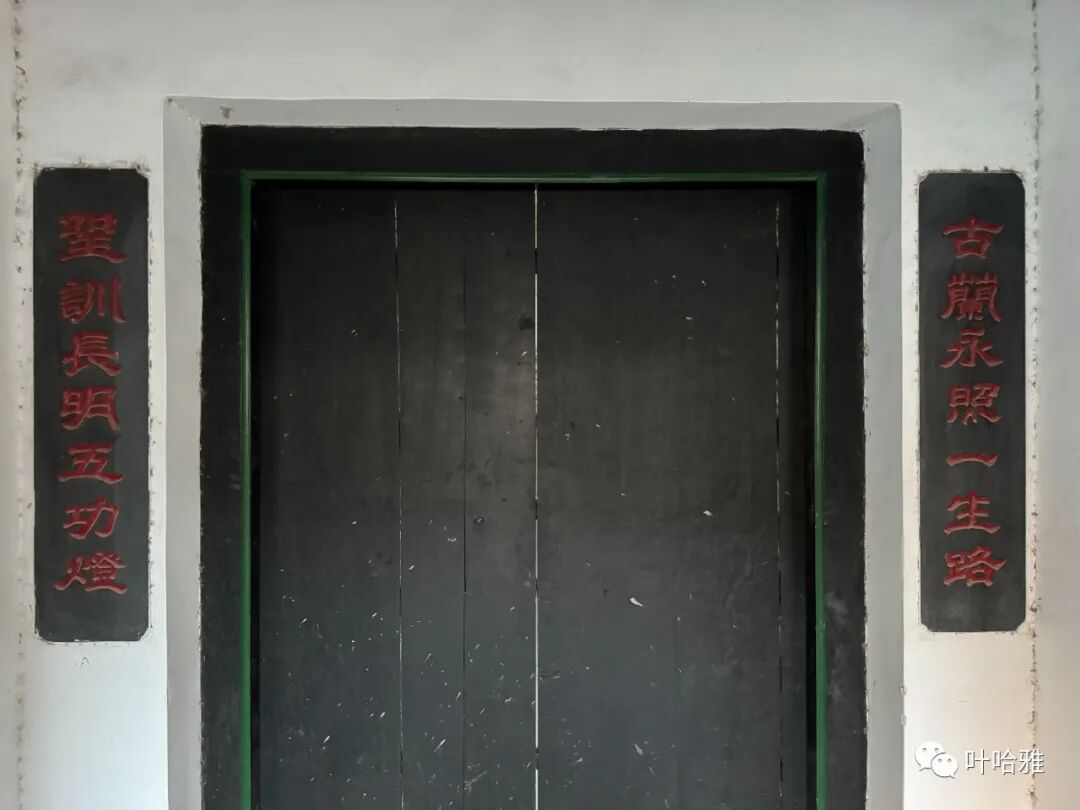
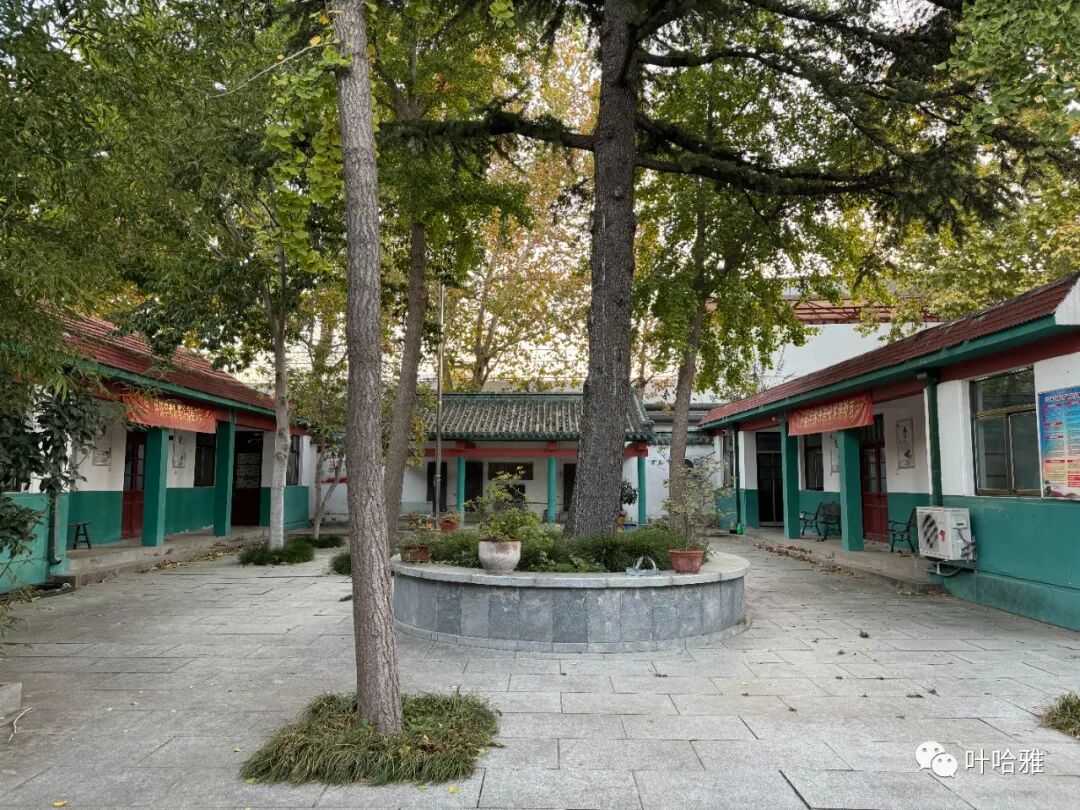
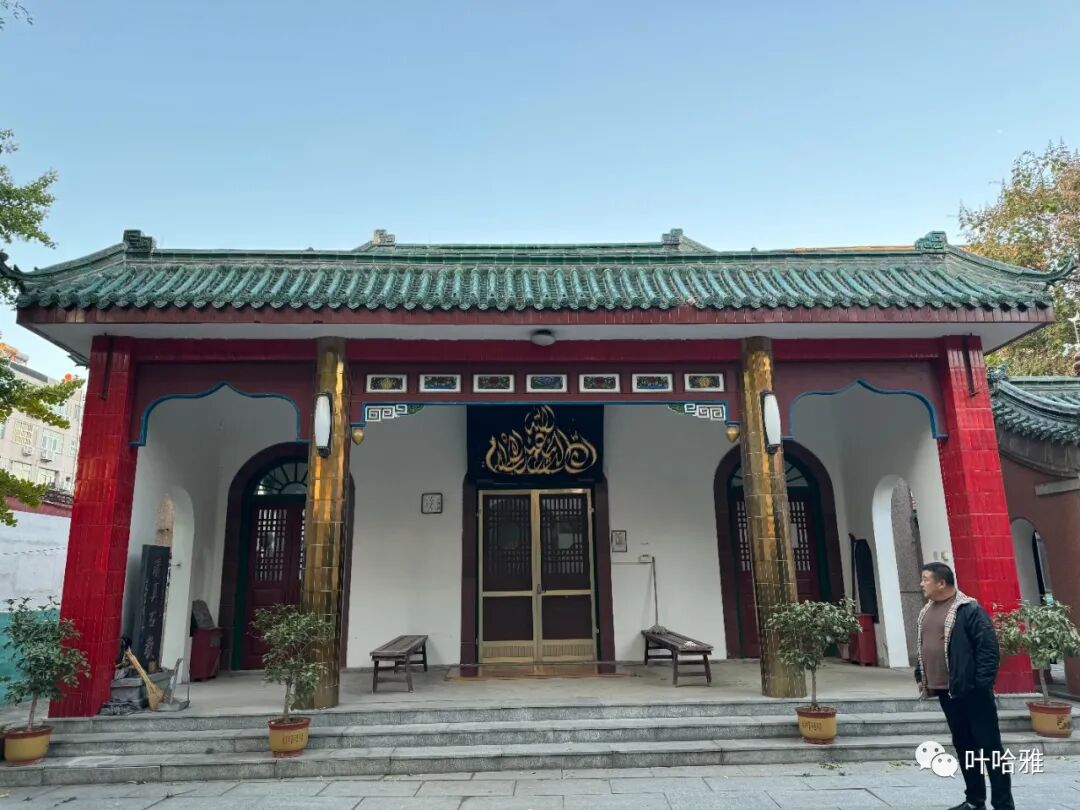
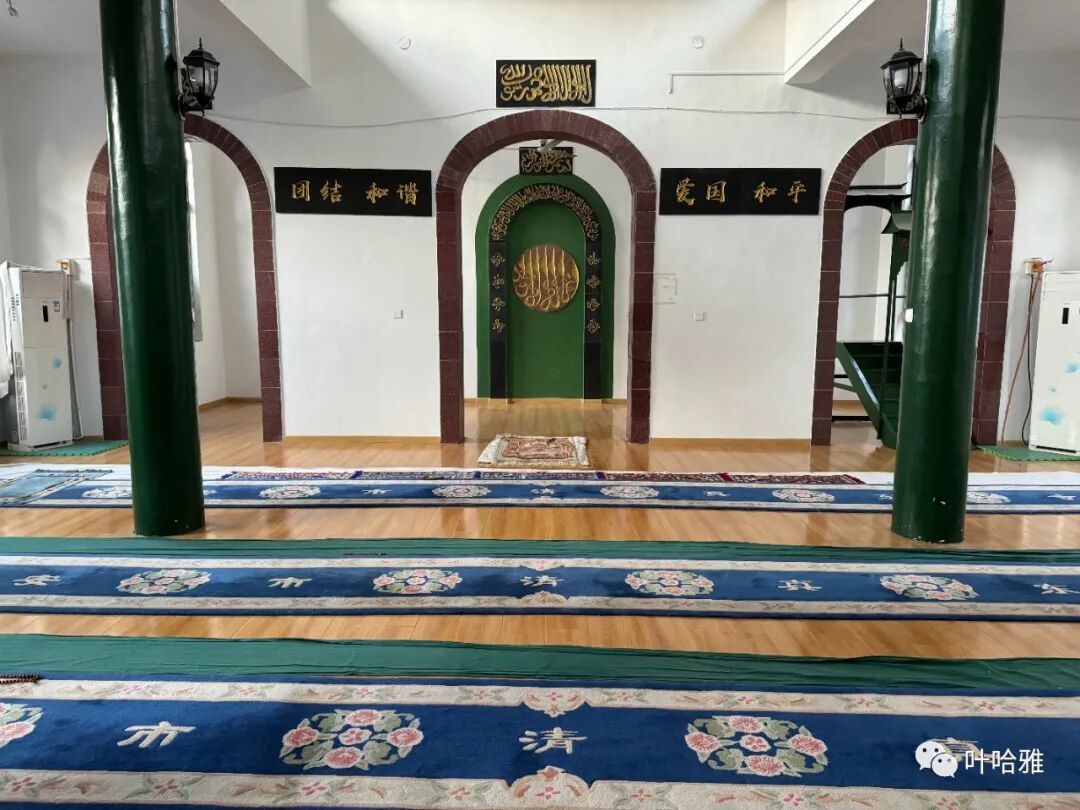
Zhitian Village Mosque in Shengzhuang Town sits at the south end of the village. It was founded at least by the mid-Ming Dynasty, specifically after the Chenghua era (1465-1487) and before the Jiajing era (1522-1566), and has undergone many repairs since. In the 56th year of the Qianlong reign (1791), a new moon terrace (yuetai) was built to make it easier for Muslims to enter the main hall for namaz, and the mosque gate was rebuilt at the same time. In the 14th year of the Guangxu reign (1888), the original main hall burned down. Village elders Yang Fugang and Yang Futai pushed for the reconstruction of the main hall, the porch (juanpeng), the south lecture hall, the storage shed (jiaziwu), the water room, and the warehouse. In the 23rd year of the Guangxu reign (1897), village elder Yang Fugang led the construction of the rear kiln hall (houyaodian). The mosque has been repaired many times since the Reform and Opening-up. The pavilion was rebuilt in 1991, the middle hall in 2003, and the rear hall in 2008.
The mosque is a traditional Chinese courtyard-style building. It includes one main hall, four north lecture rooms, two south lecture rooms, three south water rooms, one gate tower, six side rooms (erfang), one second gate, one front gate tower, one spirit wall (yingbi), and one stone pavilion. The mosque is 49 meters long and 25 meters wide, with a building area of 783.65 square meters. The prayer hall is 24.2 meters long and 11 meters wide. It has three sections and three rows, made up of a front hall, middle hall, back hall, and niche hall (yaodian). The front hall is 17.2 meters long, 8.6 meters wide, and 8 meters high. The middle hall is 17.2 meters long, 8.6 meters wide, and 8.5 meters high. The back hall is 9 meters long and 7 meters wide. The front, middle, and back halls (including the niche hall) each have two side rooms, totaling 6 side rooms with an area of 54 square meters. The front hall is a brick-and-wood structure with a hard-mountain roof, gray tiles, a front porch, and side rooms. It is three bays wide. The middle hall is a brick-and-wood structure with a hard-mountain roof, gray tiles, and side rooms. The niche hall is a three-story, six-pillar brick-and-wood structure with a pointed roof. In front of the main hall stands a stone pavilion with a pointed roof. The upper part is made of brick, wood, and black tiles. The base features Ming Dynasty-style carvings, and the stone drums at the base have archaeological value. The mosque gatehouse is a brick, wood, and stone structure built in the traditional style with a large wooden ridge.
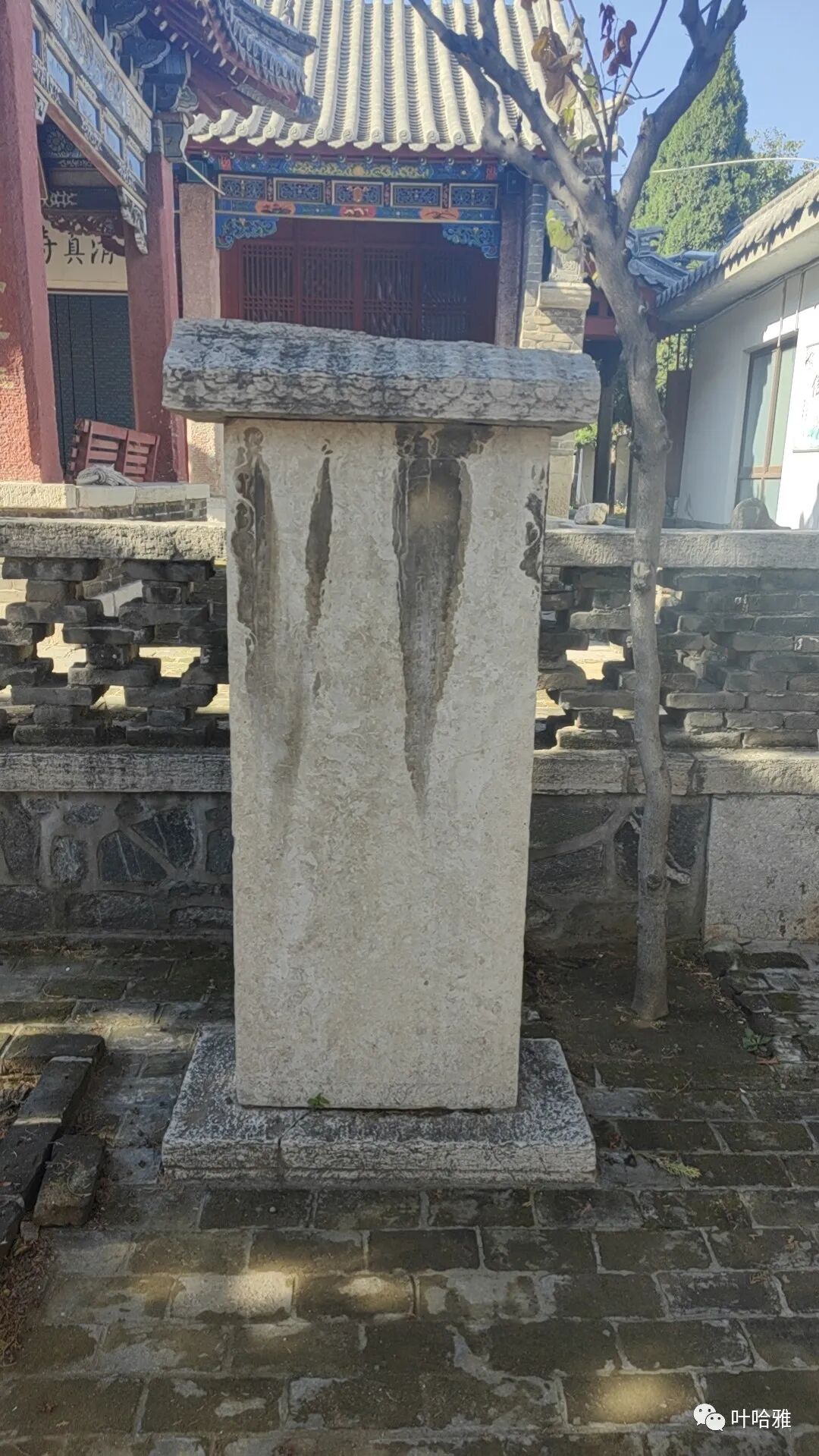
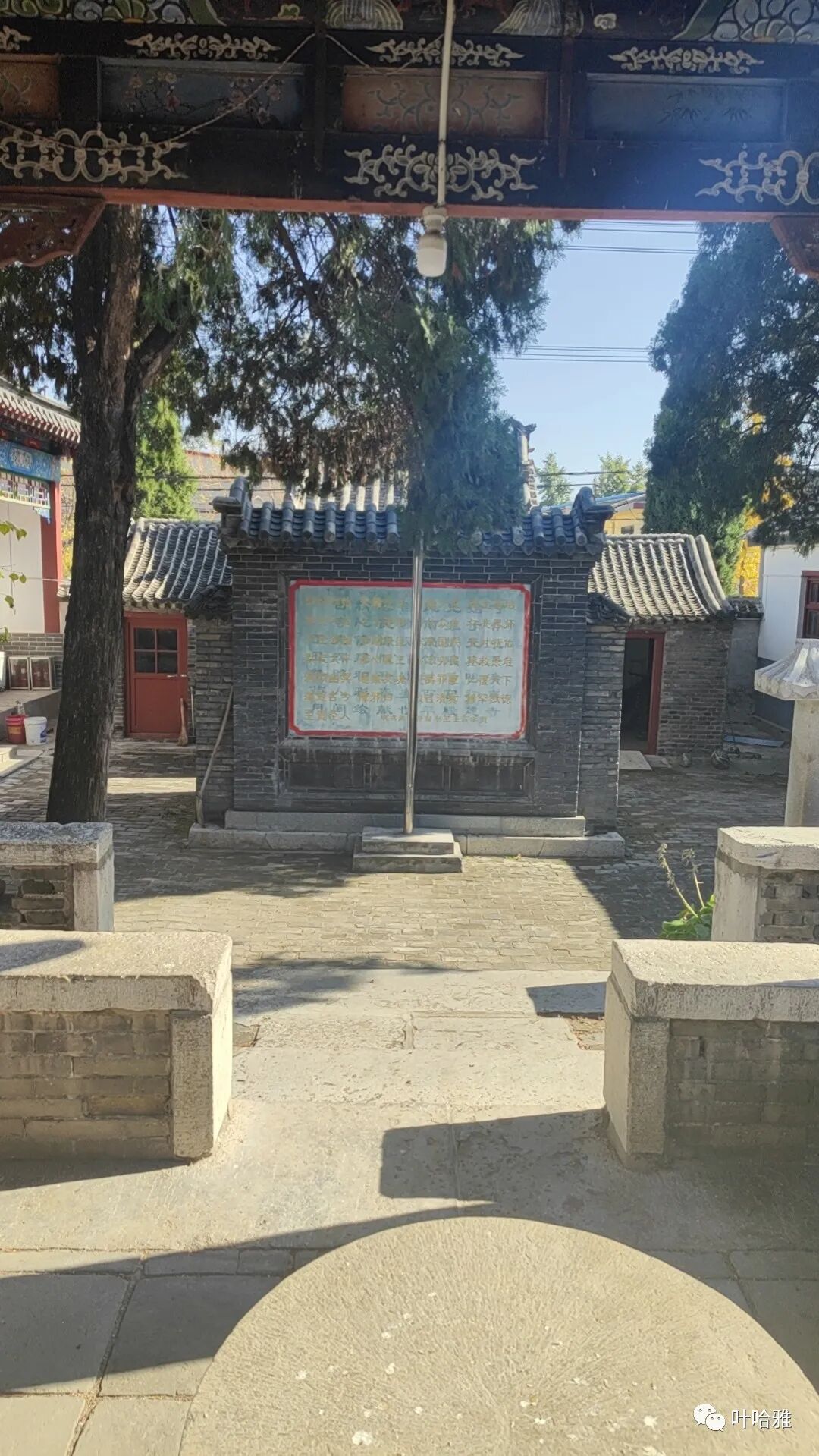
The north lecture hall is 13.2 meters long and 6.3 meters wide. The south lecture hall is 20 meters long and 6 meters wide. The water room is 11 meters long and 5 meters wide. There are 7 stone tablets remaining here. In order, they are the 1791 Tablet for the Reconstruction of the Mosque and New Moon Terrace, the 1888 Tablet for the Reconstruction of the Main Hall, the 1891 Land Donation Tablet, the 1897 Tablet for the Construction of the Rear Kiln Hall, the 1952 Magnificent Spirit Tablet, the 2010 Eternal Fame Tablet, and the 2013 Provincial Cultural Relics Protection Unit Tablet.
The mosque has a long history and significant influence, and it has produced many ahongs and imams. Since the late Qing Dynasty, the ahongs who have led religious affairs are, in order: Ahong Xie, Fa Zhiliang, Fa Xianxue, Fa Zaixiang, Li Tinglin, Yang Liben, Zuo Jinglun, Zhou Baotian, Yang Yueqing, Li Mingtian, Yang Xinen, Yang Peiqing, Li Shengcai, Zhao Xinzheng, Li Qingen, Yang Xinen, Yang Xinde, Zhang Shuiquan, Jin Haixue, Yang Xinde, and Wang Xiangbin.
The mosque's income mainly comes from school land (xuetian) and donations. The mosque uses an appointment system for ahongs and a group consultation system for managing religious affairs. A mosque democratic management committee was established after 1982, which oversees a financial supervision group and includes several committee members. The directors over the years have been Yang Rusong, Yang Baotong, Yang Xinquan, Yang Bo, Yang Xinming, Yang Xinpeng, and Li Jianjun.
Before the founding of the People's Republic of China, the mosque's scripture hall education was quite influential in the Tai'an area. Since 1886, Ma Yinde, Wang Jiping, Yang Rusong, Bai Canying, Yang Chaoxuan, Bai Fu'en, Zhao Yansheng, and Liu Yutang studied under Ahong Fa Zhiliang. In 1932, Yang Xinen, Yang Xingguang, and Chen Dianqing studied under Ahong Yang Yueqing. In 1938, Li Qingen studied under Ahong Li Mingtian. In 1943, Zhao Xinzheng, Han Jingxin, and Wang Hongchen studied under Ahong Yang Xinen. In 1949, Jin Haitang, Mi Guangxun, Yang Xinting, Yang Xinde, and Han Jingming followed their teacher, Imam Li Shengcai. In 1954, Han Tongping and Yang Yuezhen followed their teacher, Imam Zhao Xinzheng. Gao Cuntong followed his teacher, Imam Jin Haixue.
The mosque carries out religious activities according to the law and provides religious services for the Muslims of Zhitian Village and the Muslims of Zhihuizhuang (before their own mosque was built in 1990). It houses a hand-copied version of the Quran. In 2010, it was named a Model Mosque of Tai'an City and a Harmonious Religious Activity Venue of Shandong Province. In 2013, it was approved as a provincial-level cultural relic protection unit.
Yuezhuang Village Mosque
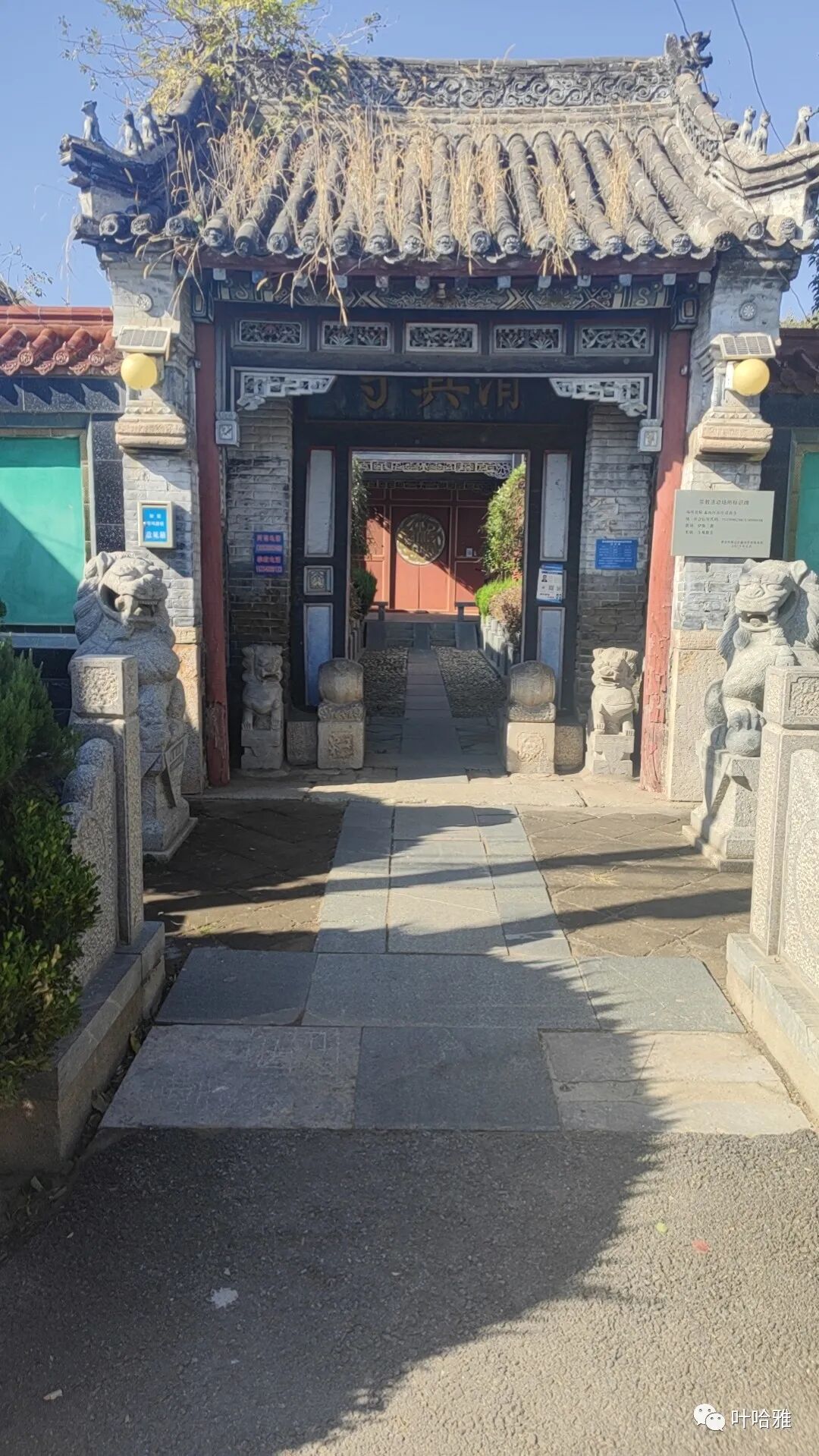
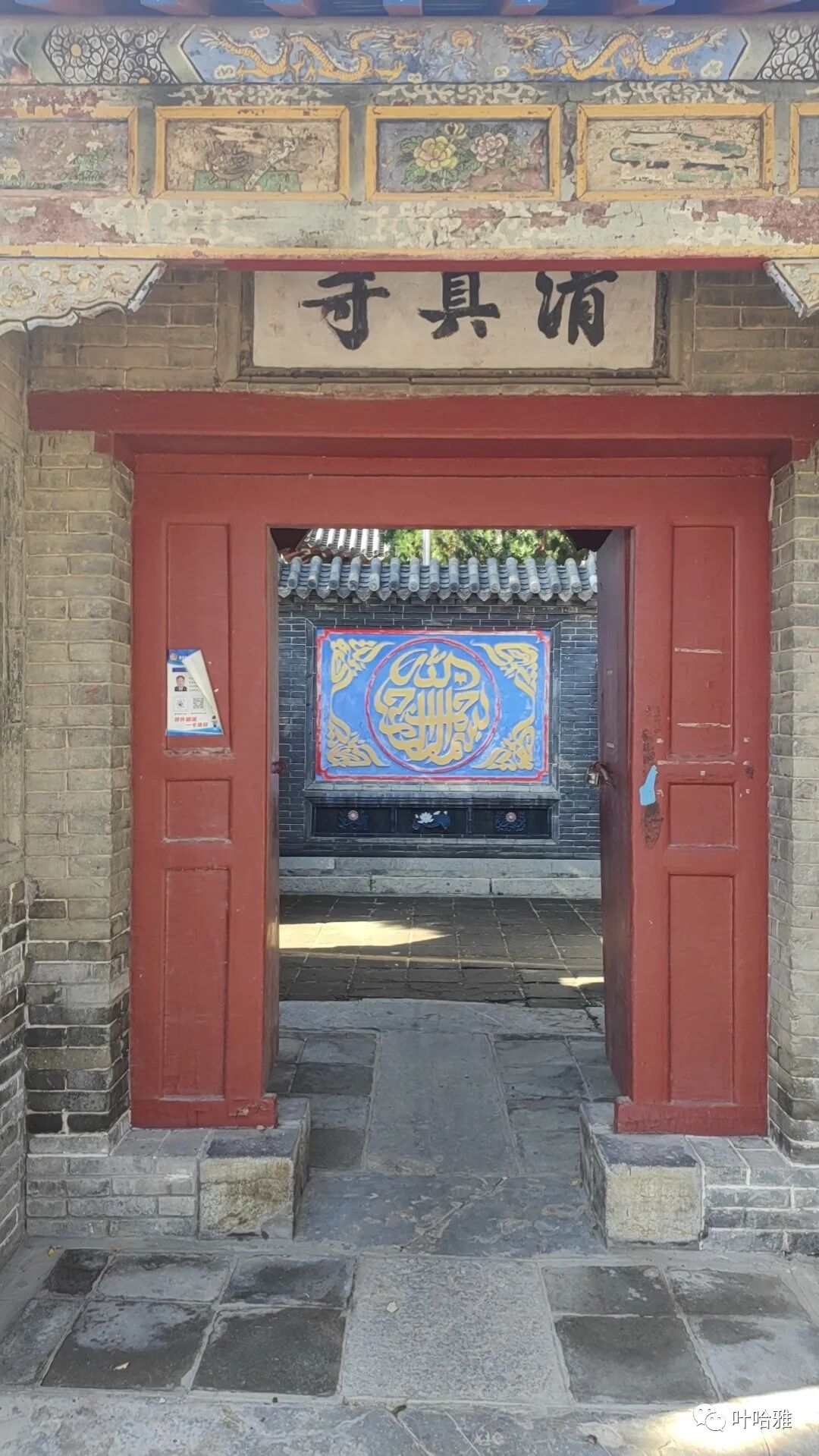
Yuezhuang Village Mosque in Shengzhuang Town is located in the middle section of the village's north-south main street. The mosque was built around the middle to late Ming Dynasty and has been repaired many times since its founding. In the second year of the Daoguang reign of the Qing Dynasty (1822), imams and village elders proposed raising funds, and Gao Dalun and Zhao Tinggui were responsible for rebuilding all the structures. Since the reform and opening up, it has been repaired many times. It was renovated again in 1995 and 2011.
The mosque has one main prayer hall, five northern lecture halls, five southern lecture halls, three water rooms, one side room, one bathing room, one inner gate, one front gate tower, and one screen wall. Both the northern and southern lecture halls have porch extensions (baoxia). The mosque is 60 meters long and 50 meters wide. The prayer hall is a Qing Dynasty building with a three-section, three-hall layout. It is divided into front, middle, and rear halls, measuring 25 meters long and 40 meters wide. The front hall is a scroll-shed hard-mountain style (juanpeng yingshan) structure, 10 meters long and 6.1 meters wide. The middle hall is a hard-mountain style (yingshan) structure, 13 meters long and 17 meters wide, with side rooms on the north and south sides covering about 42 square meters each. The rear hall is a three-story brick-and-wood structure with a pointed roof and grey tiles. The northern and southern lecture halls and the water rooms are newly built. The northern lecture hall is 40 meters long and 10 meters wide. The southern lecture hall is 40 meters long and 10 meters wide. The water room is 30 meters long and 10 meters wide. There are four stone tablets remaining: the 1822 "Stele Record of the Mosque Renovation" from the second year of the Daoguang reign, the 1995 "Stele of Eternal Fame," and two 2011 "Steles of Lasting Fame."
Since the Republic of China era, the mosque's religious affairs have been led by imams including Zhan Qinggui, Wang Changshun, Wang Fuxiang, Yang Zhaozeng, Mi Zongkun, Jin Haixue, Ma Chunyu, Jin Haizeng, Xu Yongqiang, and Bai Jian. The mosque is managed by a management committee, with past directors including Jin Dejia, Yang Xingqi, Gao Chuandong, Yang Zhengwu, and Han Jingxin. Village elder Jin Tongchun went on the Hajj pilgrimage to Mecca in 2014. Under the guidance of the mosque management committee, the imam explains religious rules and laws to local Muslims during religious holidays and carries out religious activities according to the law. The mosque houses two incense burners and eight water ewers (tangping).
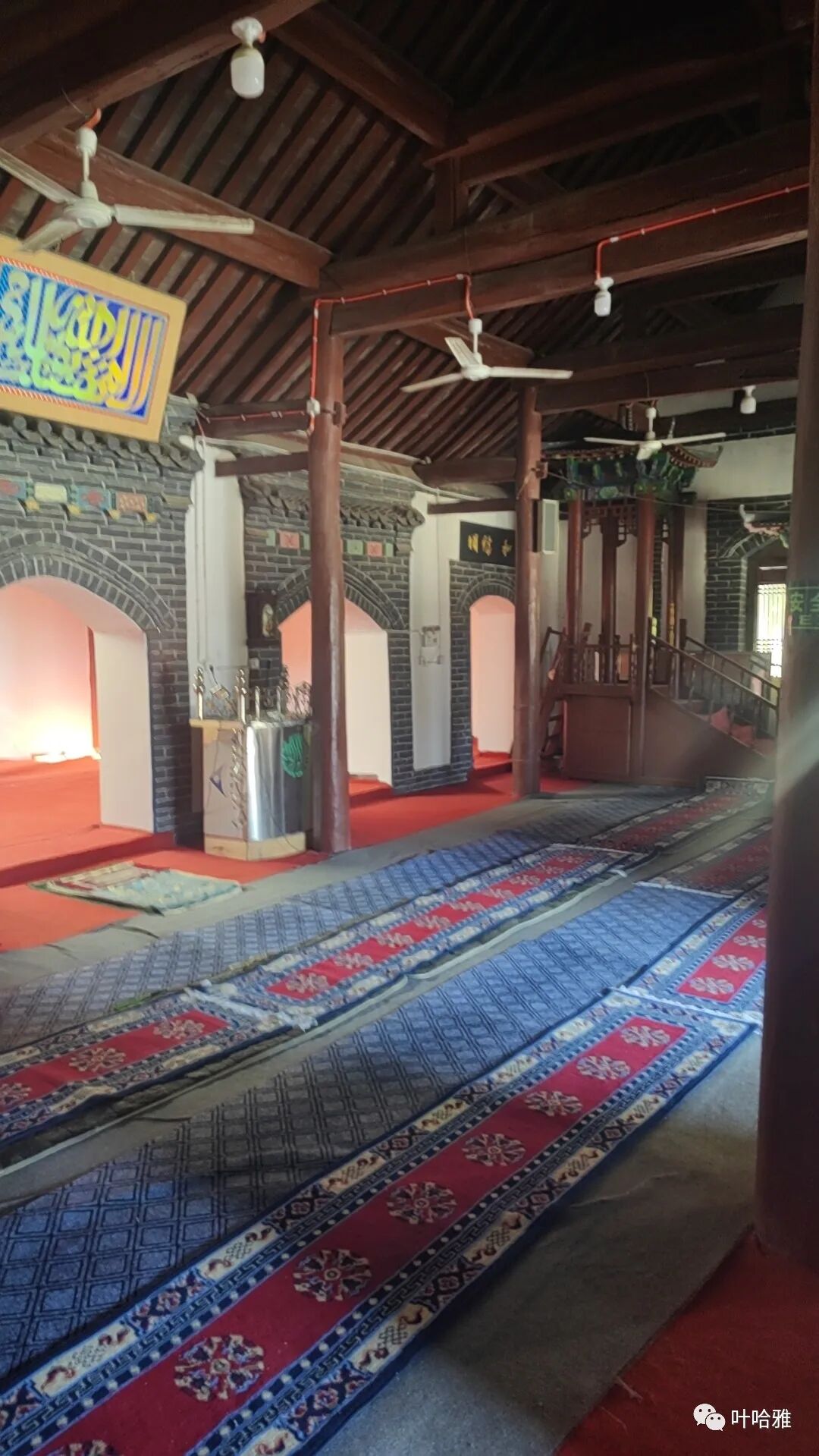
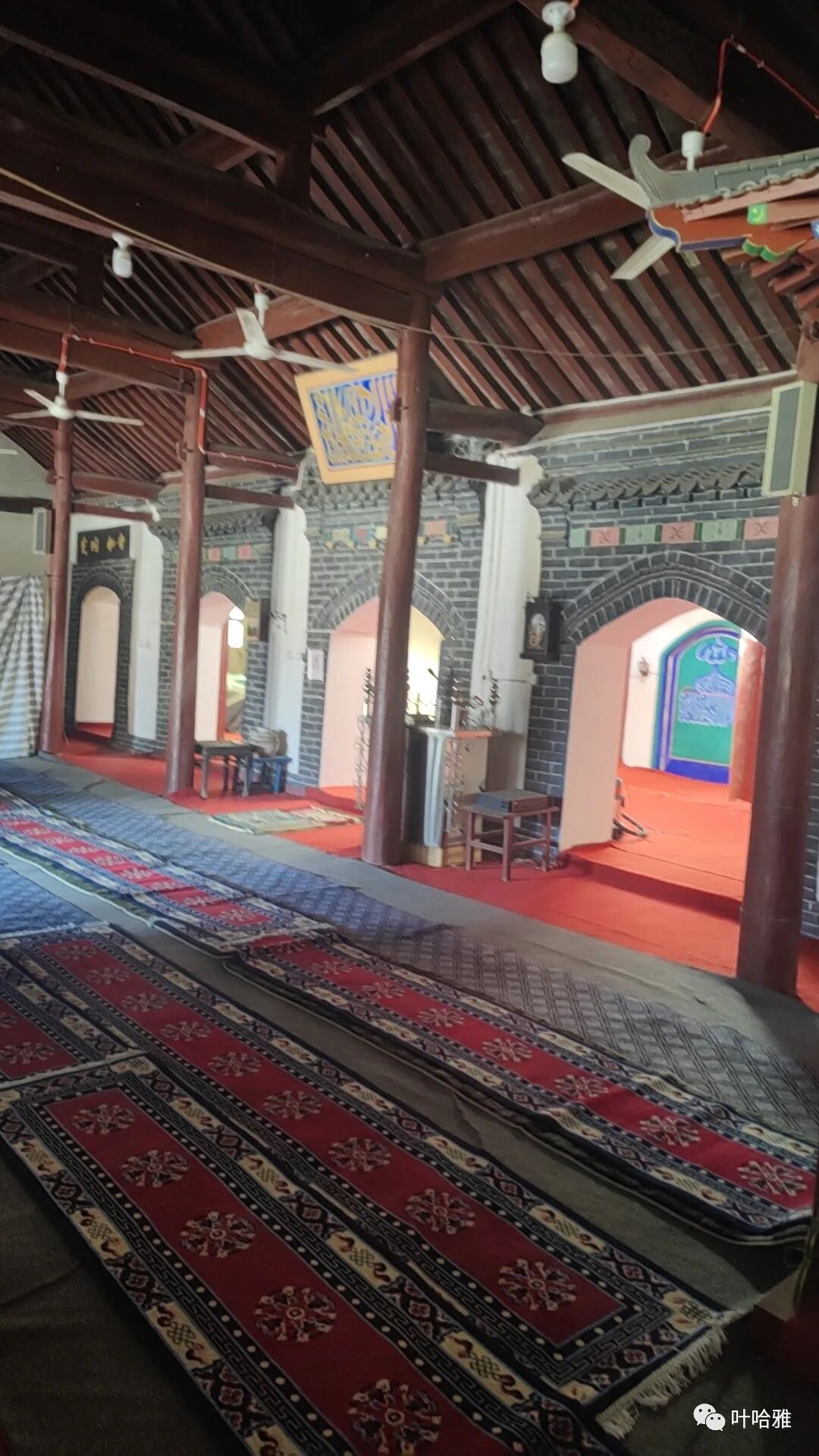
Gangshang Village Mosque
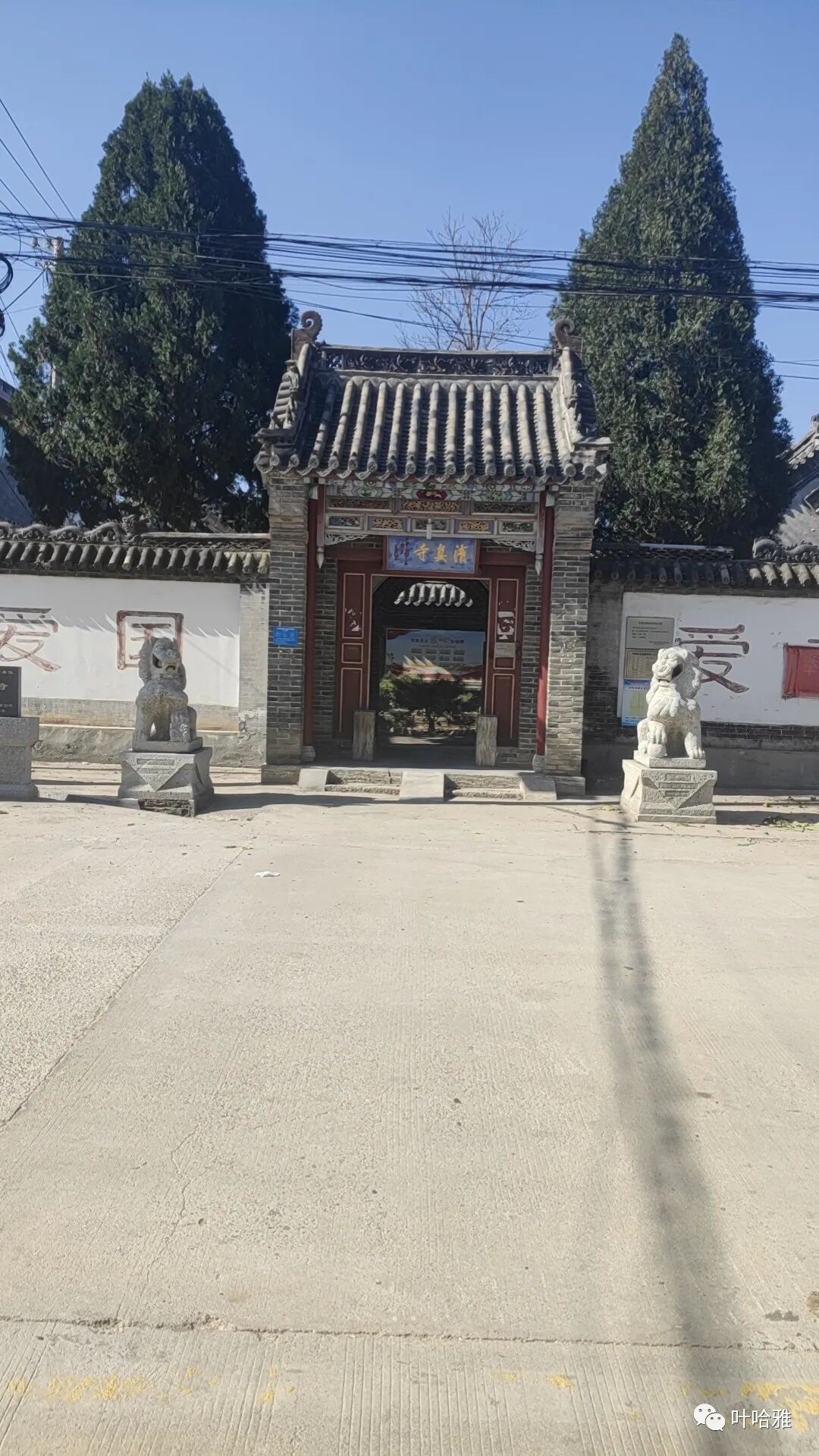
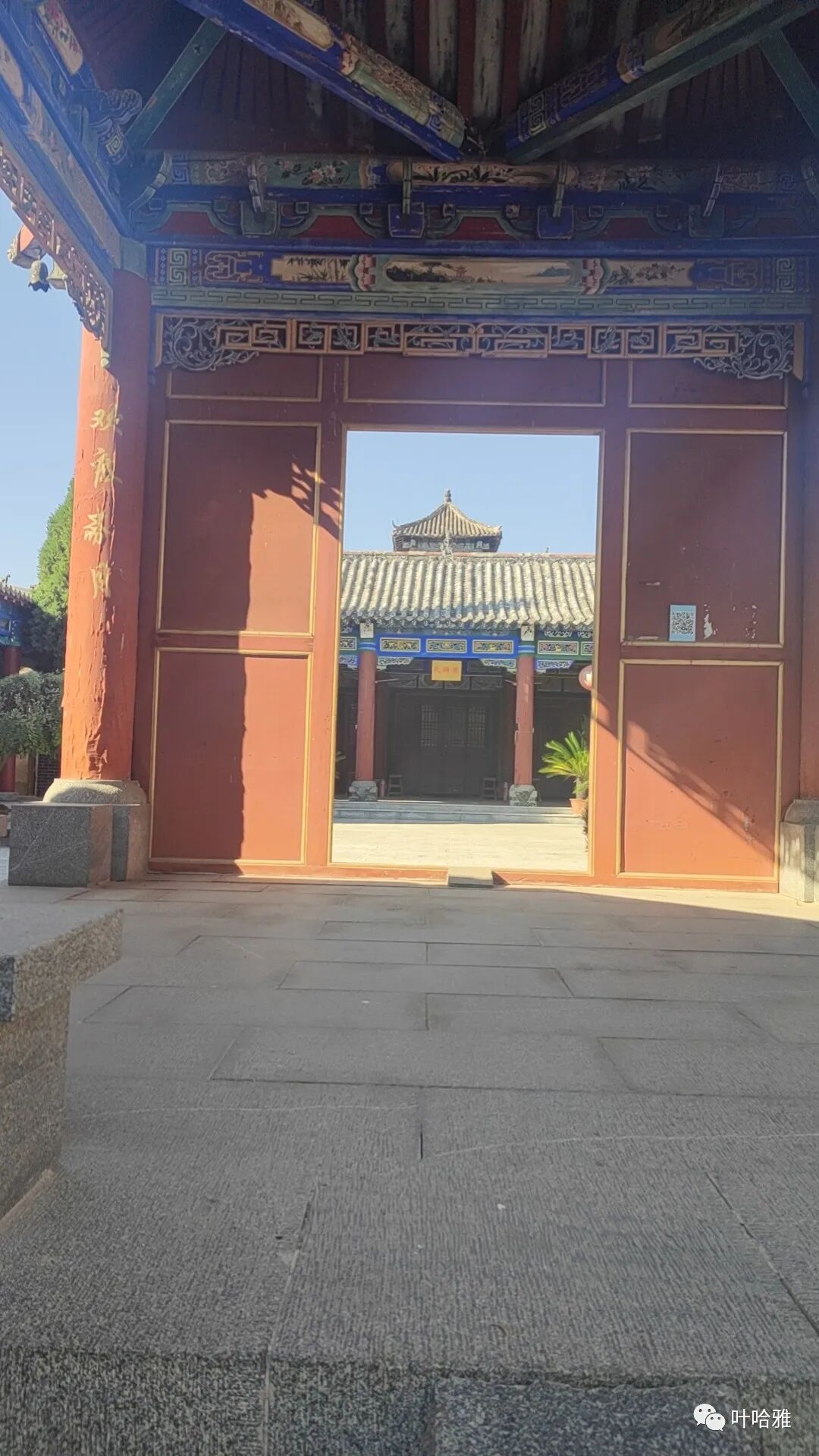
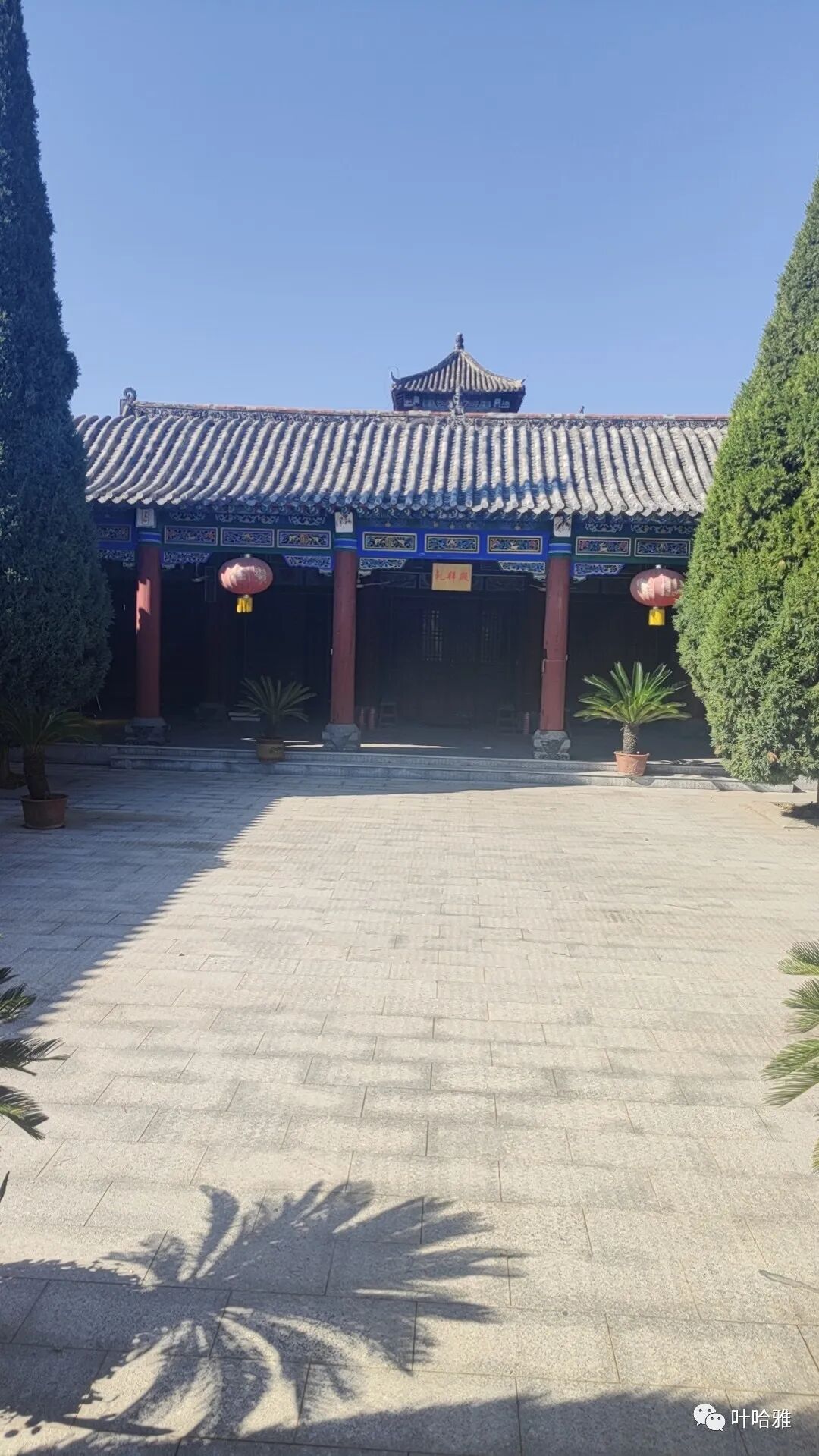
Gangshang Village Mosque in Shengzhuang Town is located in the middle section of the village's main north-south street. It was first built around the mid-to-late Ming Dynasty and has been renovated several times since. In the 14th year of the Jiaqing reign of the Qing Dynasty (1809), the rear hall was expanded and the front hall was repaired, followed by large-scale renovations in 1923. Since the founding of the People's Republic of China, and especially in recent years, the mosque has undergone multiple repairs, giving it a completely new look.
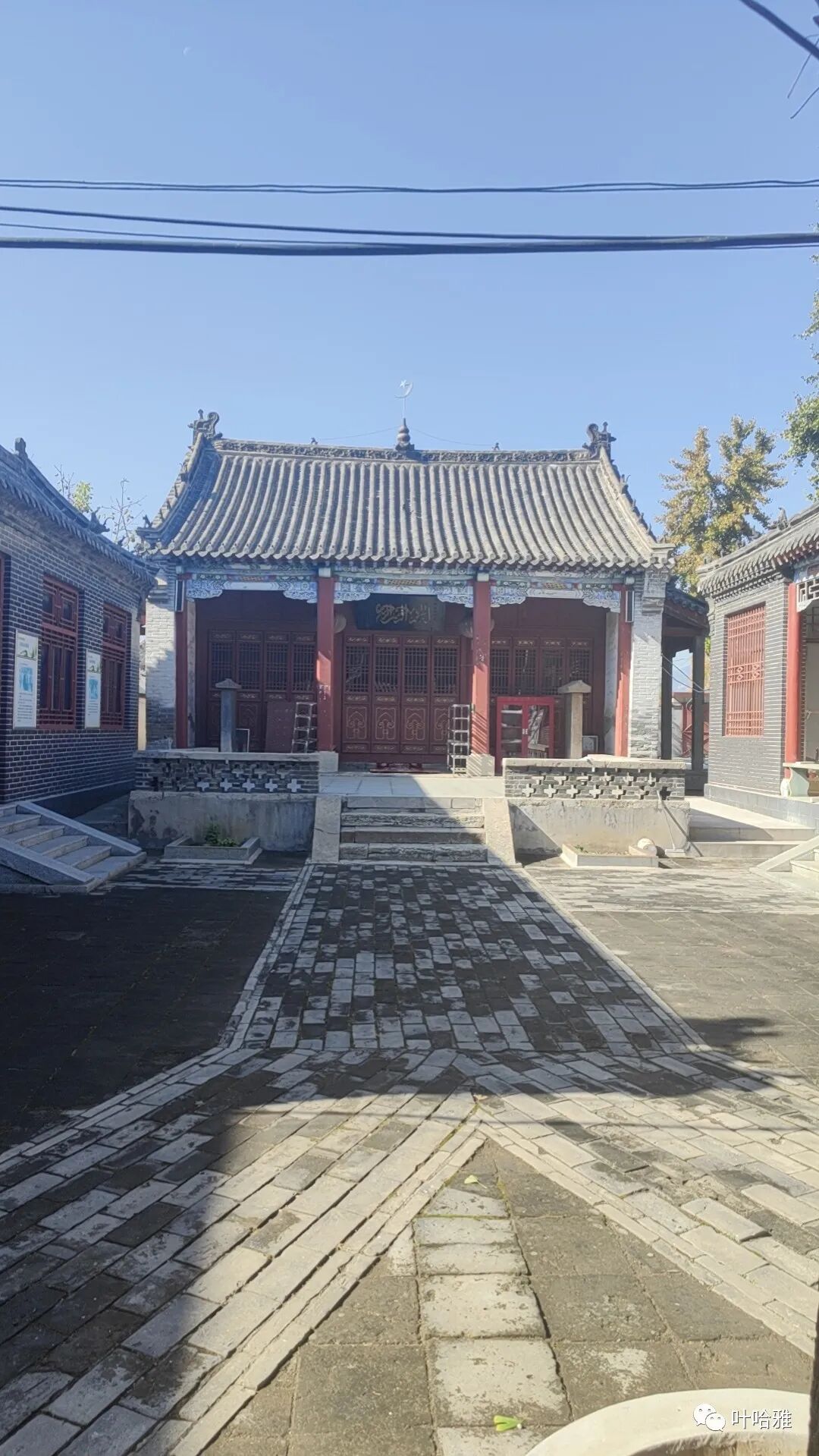
The mosque is 56.6 meters long and 32.7 meters wide. It currently has one main hall, three north lecture rooms, three south lecture rooms, one gate tower, one side room, one bathing room, two inner gates, one front gate tower, and two stone lions. The courtyard walls on both sides of the gate tower feature traditional-style eaves and a 'two dragons playing with a pearl' carving. There is a stone lion on each side of the front door.
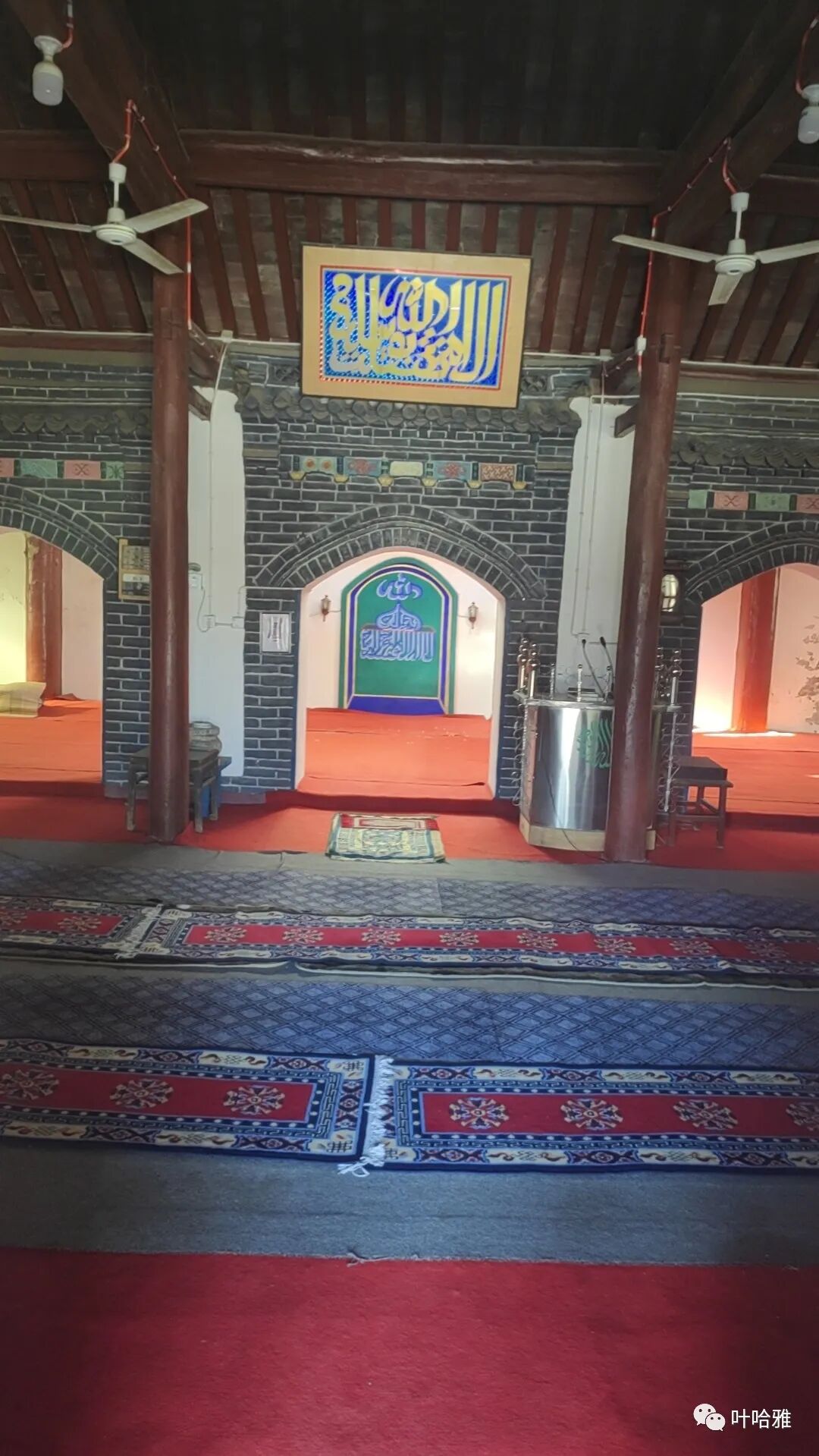
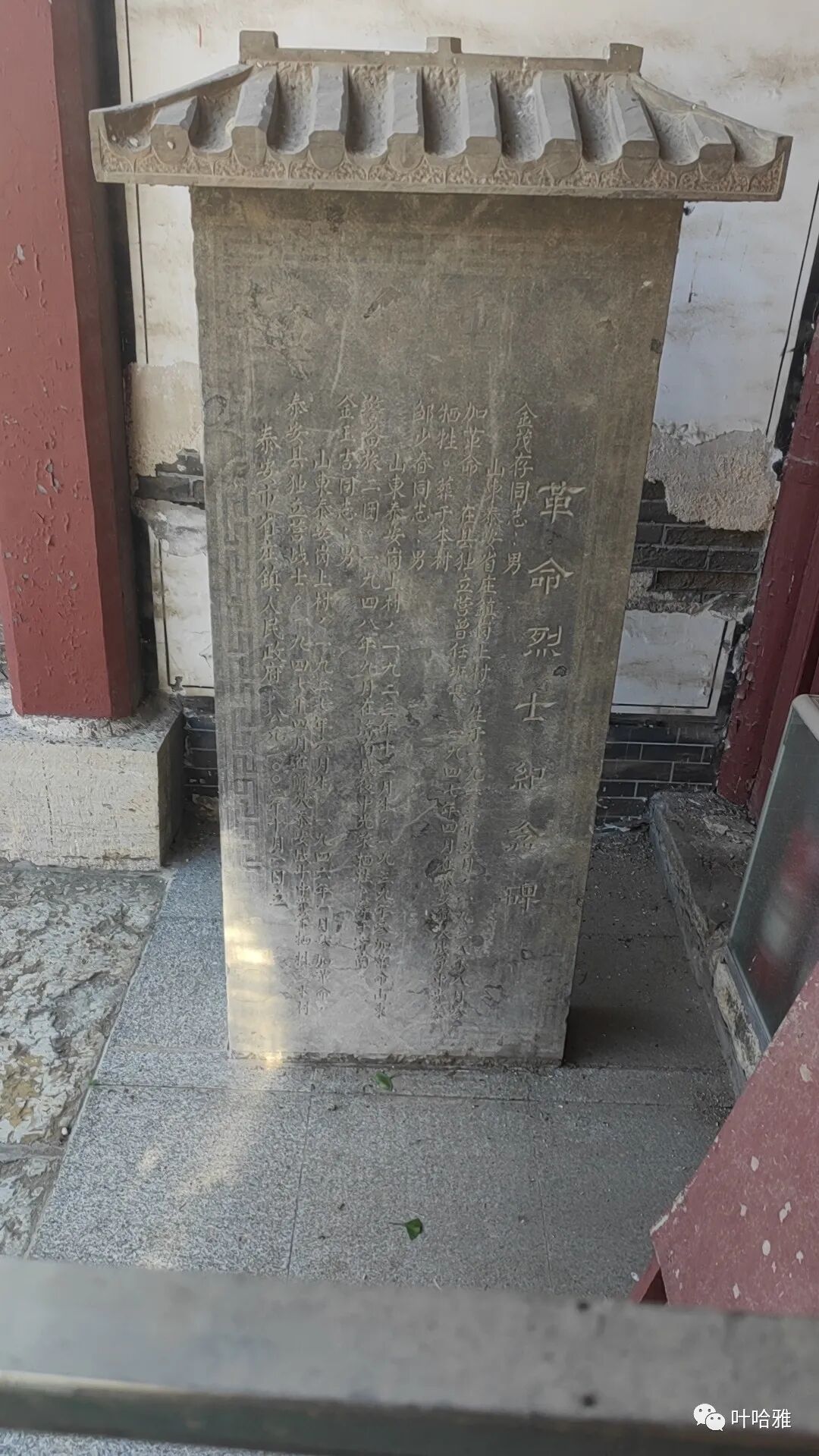
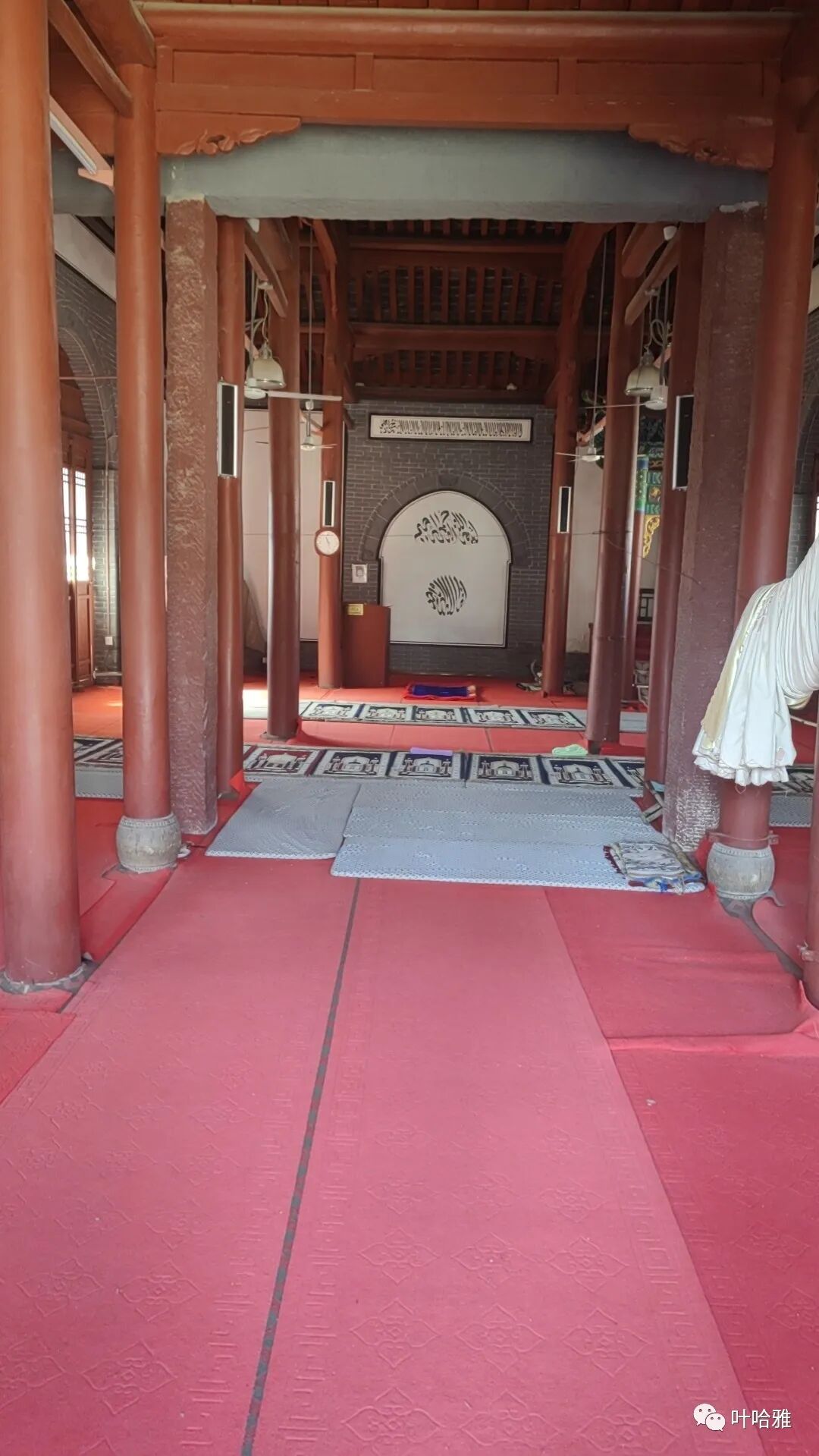
The eaves of the main hall feature palace-style paintings, and the main entrance has a plaque inscribed with scripture and the Basmala (Tasmie). To the left in front of the hall stands the 1820 (the 25th year of the Jiaqing reign of the Qing Dynasty) Stele Record of the Mosque Renovation, and to the right is the Revolutionary Martyrs Monument. In front of the main hall is a square moon terrace with blue brick patterned walls, a bluestone slab roof, and five steps. The main hall is divided into a front hall and a rear hall, measuring 19.5 meters long and 10 meters wide in total. Ten wooden pillars inside the hall support the roof. Two stone pillars support the stone gutter (tiangou) used for draining rainwater between the two halls. On the northwest side, there is an intricately crafted minbar archway with nine steps. The back wall of the main hall has a hanging doorway leading to the rear kiln hall, decorated with scripture paintings. The hall is carpeted and equipped with electric lights and sound equipment. The front and rear halls have a total of four side rooms.
The north lecture hall is a newly built structure in an antique style, 15.1 meters long and 7.1 meters wide. The front porch has round pillars and five steps. The middle three rooms of the north lecture hall serve as a reception area. The two rooms on the east and west sides are living quarters for the imam and the religious leader. The south lecture hall is also a newly built structure in an antique style, measuring 15.1 meters long and 4.2 meters wide, sitting in harmony across from the north lecture hall.
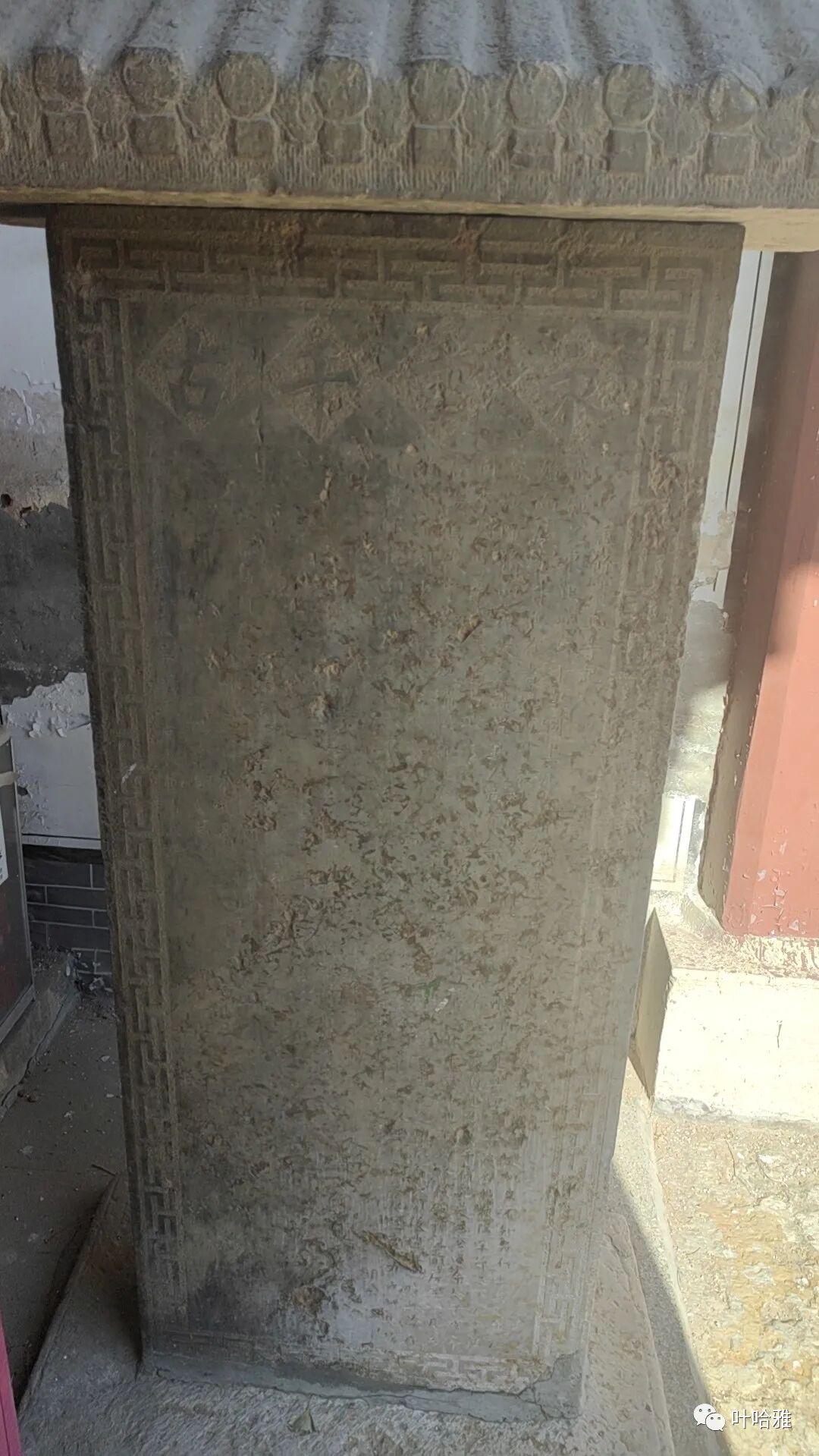
The north courtyard contains a washroom (shuifang) that is 40 meters long and 6.1 meters wide. There are also other buildings including a storage shed, a funeral room, and a utility room, with five rooms for the women's mosque in the northwest corner. Five stone tablets remain today: the 1820 'Record of Rebuilding the Mosque' from the 25th year of the Jiaqing reign of the Qing Dynasty, the 2002 'Revolutionary Martyrs Monument,' the 2006 'Preface to Rebuilding the Gangshang Mosque Washroom' and 'Mosque Washroom Tablet,' and the 2010 'Tai'an City Key Cultural Relics Protection Unit Tablet.'
The mosque has trained dozens of imams and other religious staff, and since the Republic of China era, religious affairs have been led by imams including Jin Dechang, Ma Tongyu, Jin Maozeng, Jin Maoyuan, Yang Xinzeng, and Jin Shuai. The mosque is managed by a mosque management committee, with Mi Yong and Sha Chuanren serving as committee directors consecutively.
The mosque carries out religious activities strictly in accordance with the law. There was once a 'Long Live the Emperor' tablet and several Ming-style incense burners, but their whereabouts became unknown during the Cultural Revolution. In 2010, it was designated as a key cultural relics protection unit of Tai'an City, and in 2014, it received the titles of 'Shandong Province Model Religious Activity Venue' and 'Tai'an City Model Mosque.'
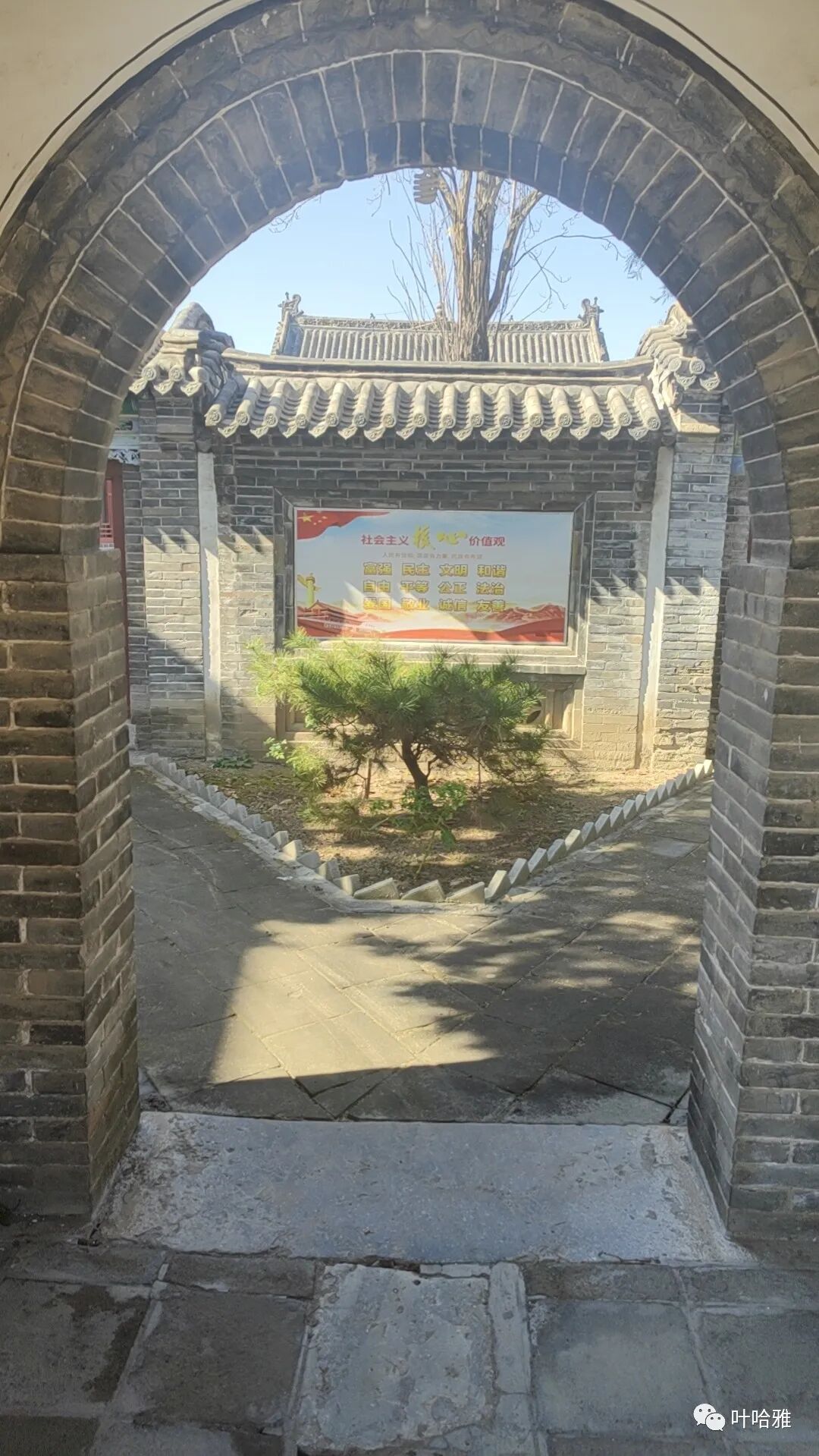
Ershilibu Village Mosque
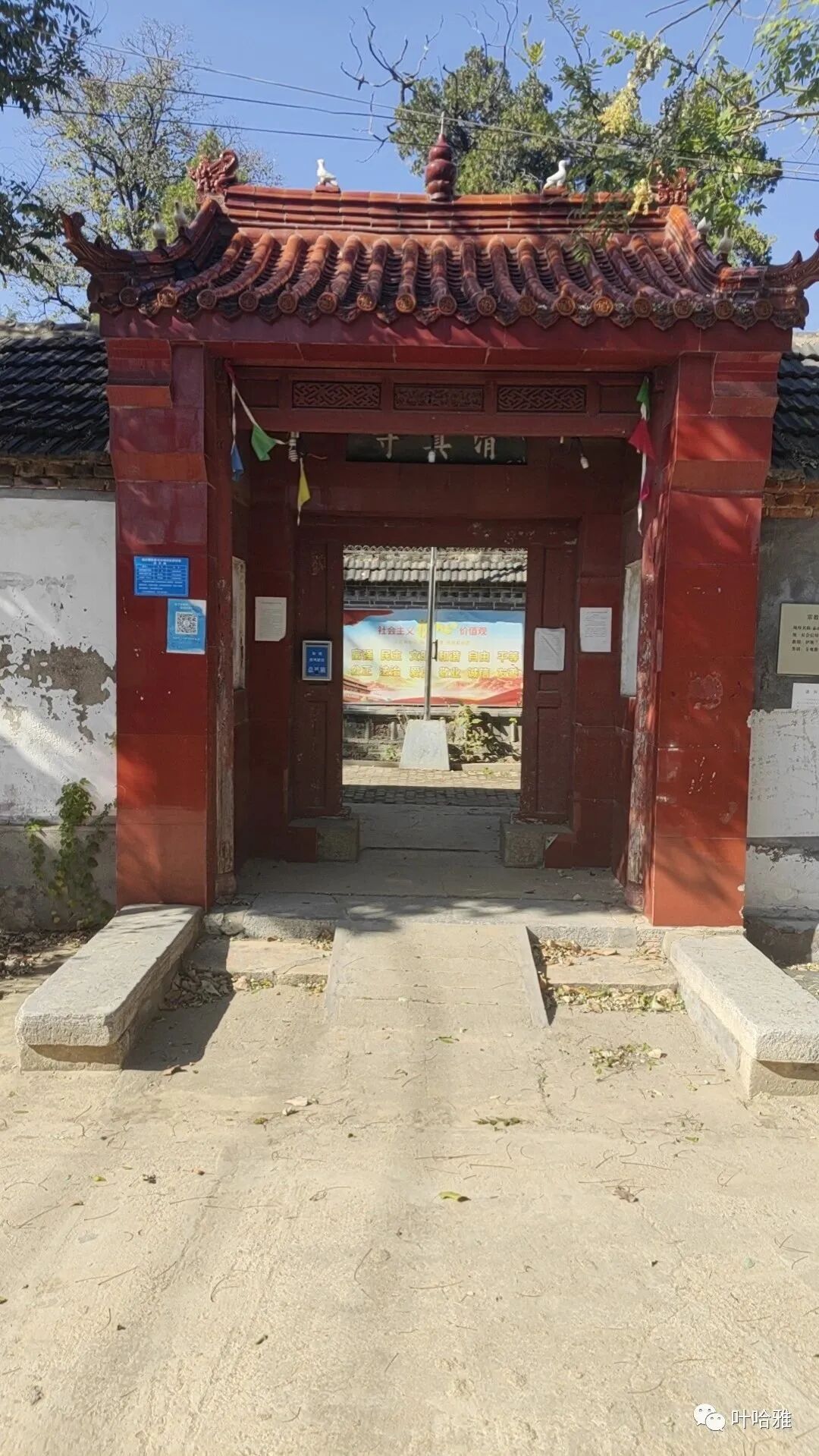
The Ershilibu Village Mosque in Shengzhuang Town sits at the south end of the village. The exact date of its founding is unknown. Major renovations took place in 1881 during the Qing Dynasty, in 1945 during the Republic of China era, and again in 2001.
The mosque includes one main prayer hall, four rooms for the north lecture hall, three rooms for the south lecture hall, one gate tower, one spirit wall (yingbi), one raised platform (yuetai), one south side room, one side room on each side of the front gate, and two ancient trees. The mosque is 66.56 meters long and 50 meters wide. The main prayer hall has two sections, front and back, standing 12 meters high, 18 meters long, and 12 meters wide. The front hall is a hard-mountain style building with a brick and wood structure and a four-pillar front porch (baoxia). The back hall has side rooms to the north and south, stands about 11 meters high, and dates back to the Qing Dynasty. Both the north and south lecture halls are four-room brick and wood structures with black tiles, featuring four beams and five purlins. The north lecture hall is 16.2 meters long and 5.1 meters wide, and the south lecture hall is also 16.2 meters long and 5.1 meters wide. The ablution room (shuiwu) is 28.5 meters long and 5 meters wide. There are two stone tablets here: the Stele of Eternal Fame (Wangu Liufang Bei) from 2000 and the Stele of Ethnic Unity and Merit (Minzu Tuanjie Gongde Bei) from 2001.
The mosque's religious affairs were led by imams including Zhao Bingfa, Zhu Ahong, Li Shengcai, Mi Guangxun, Yang Zhaozeng, Mi Peiqi, Ding Jian, and Ma Depeng. In 2010, Imam Ma Depeng and two women, Hong Zhenxi and Hong Zhenying, went to Mecca for the Hajj. The mosque is managed by a committee, and past directors include Hong Jiren, Zuo Xingwang, Hong Zhenyi, and Ding Yanzhi.
During the War of Resistance Against Japan, Imam Yang Dechun hid Muslim anti-Japanese fighters from the Japanese army by disguising them as religious students (hailifan) inside the mosque. After the founding of the People's Republic of China, Imam Li Shengcai trained students including Mi Guangxun, Han Jingming, Zhu Yuepo, and Zhao Chang'en. In May 1964, Imam Yang Dechun was elected vice president of the first committee of the Shandong Islamic Association. The mosque currently houses items such as an incense burner, a water pitcher (tangping), a floor mirror, and palace lanterns. In 2011, it was named a Shandong Province Harmonious Religious Venue.
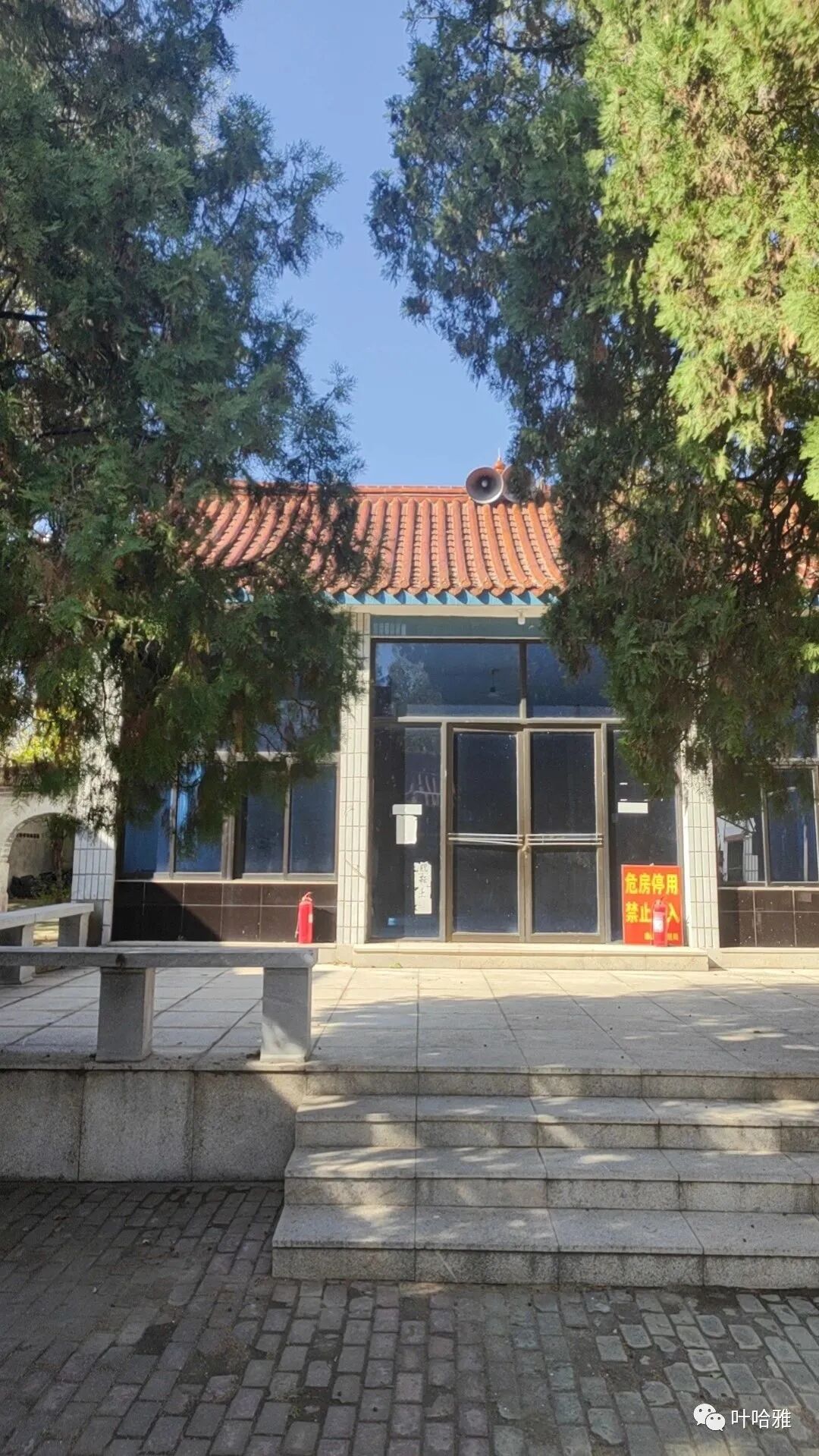
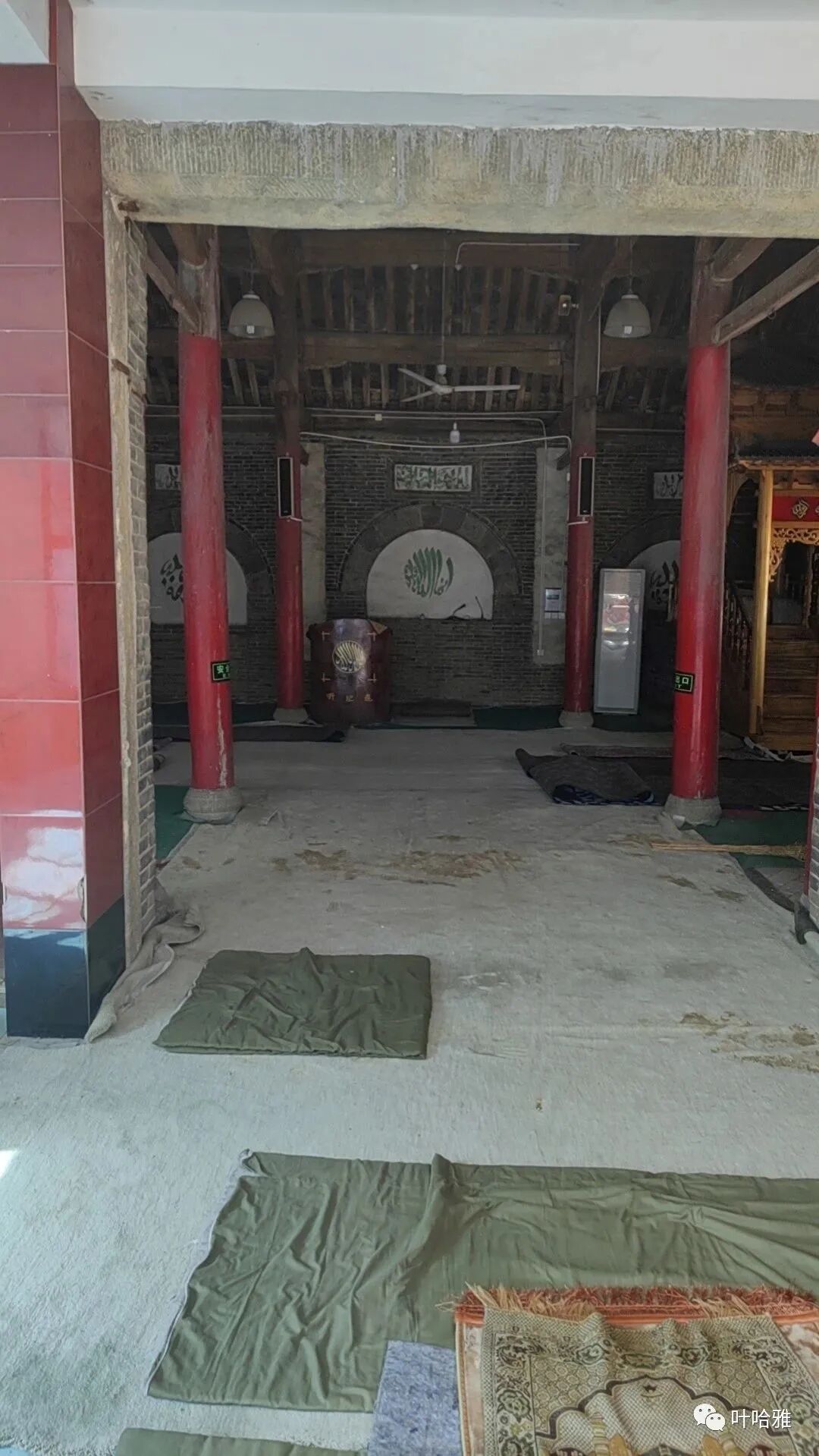
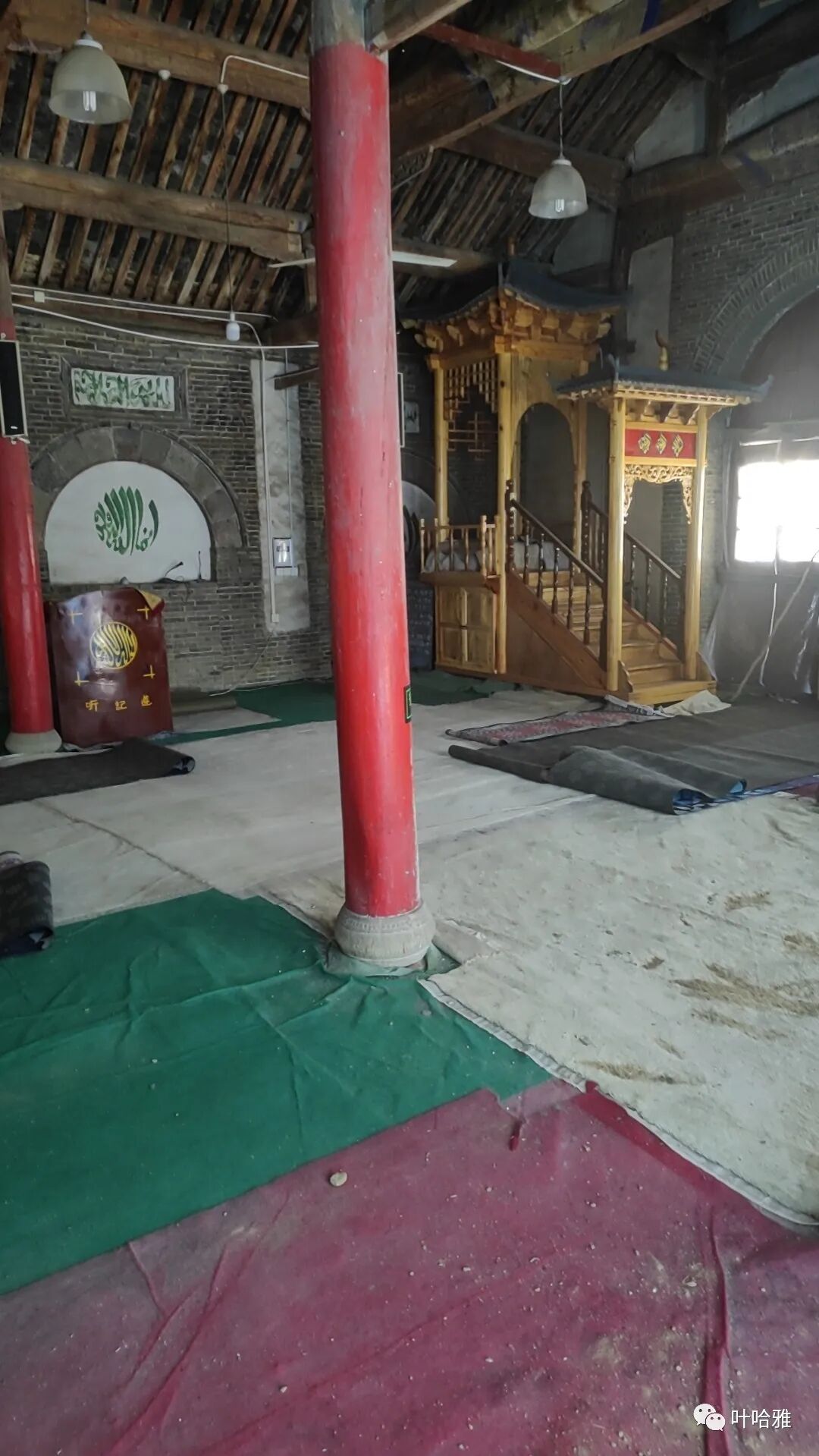
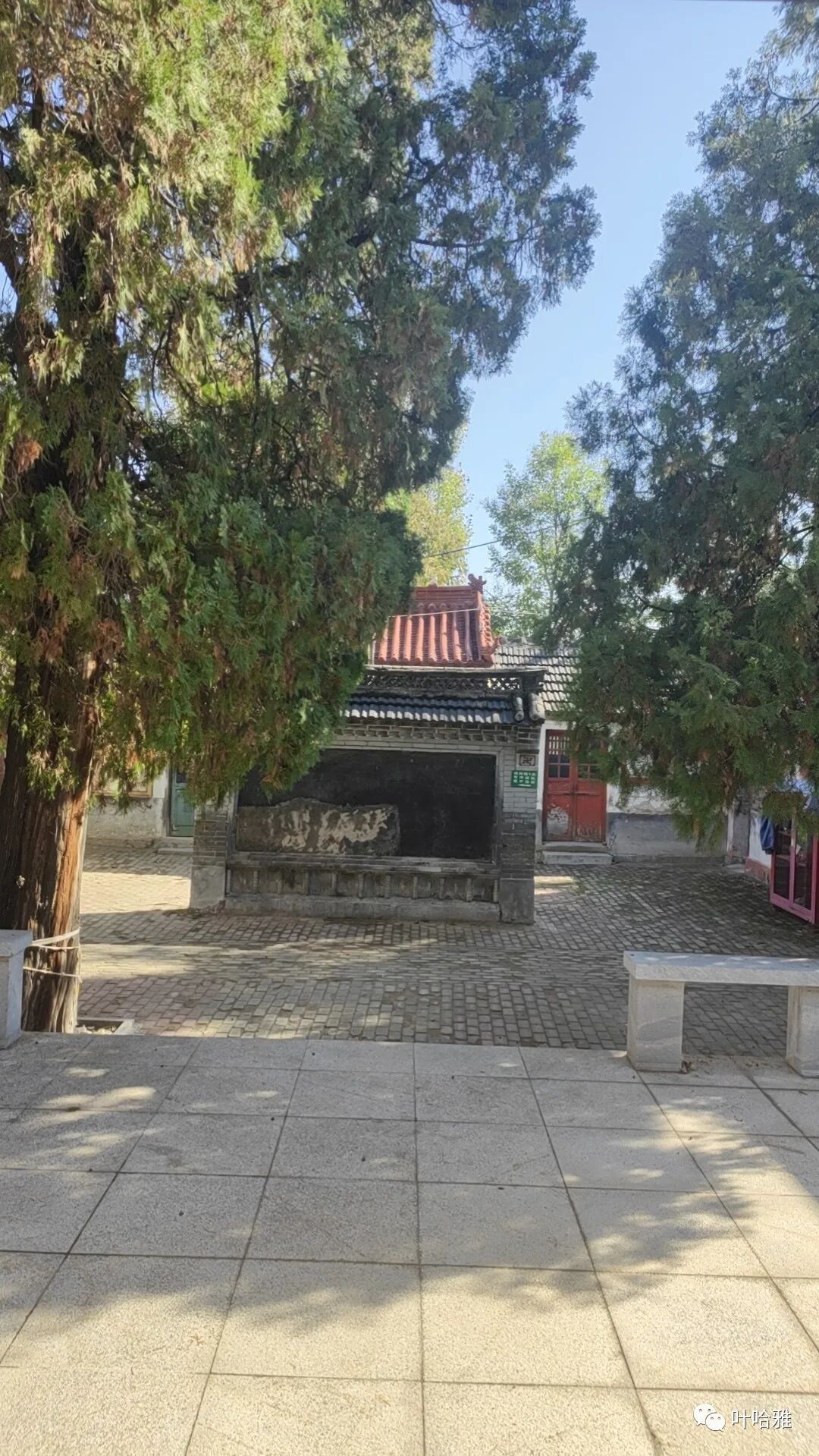
Dongsun Village Mosque.
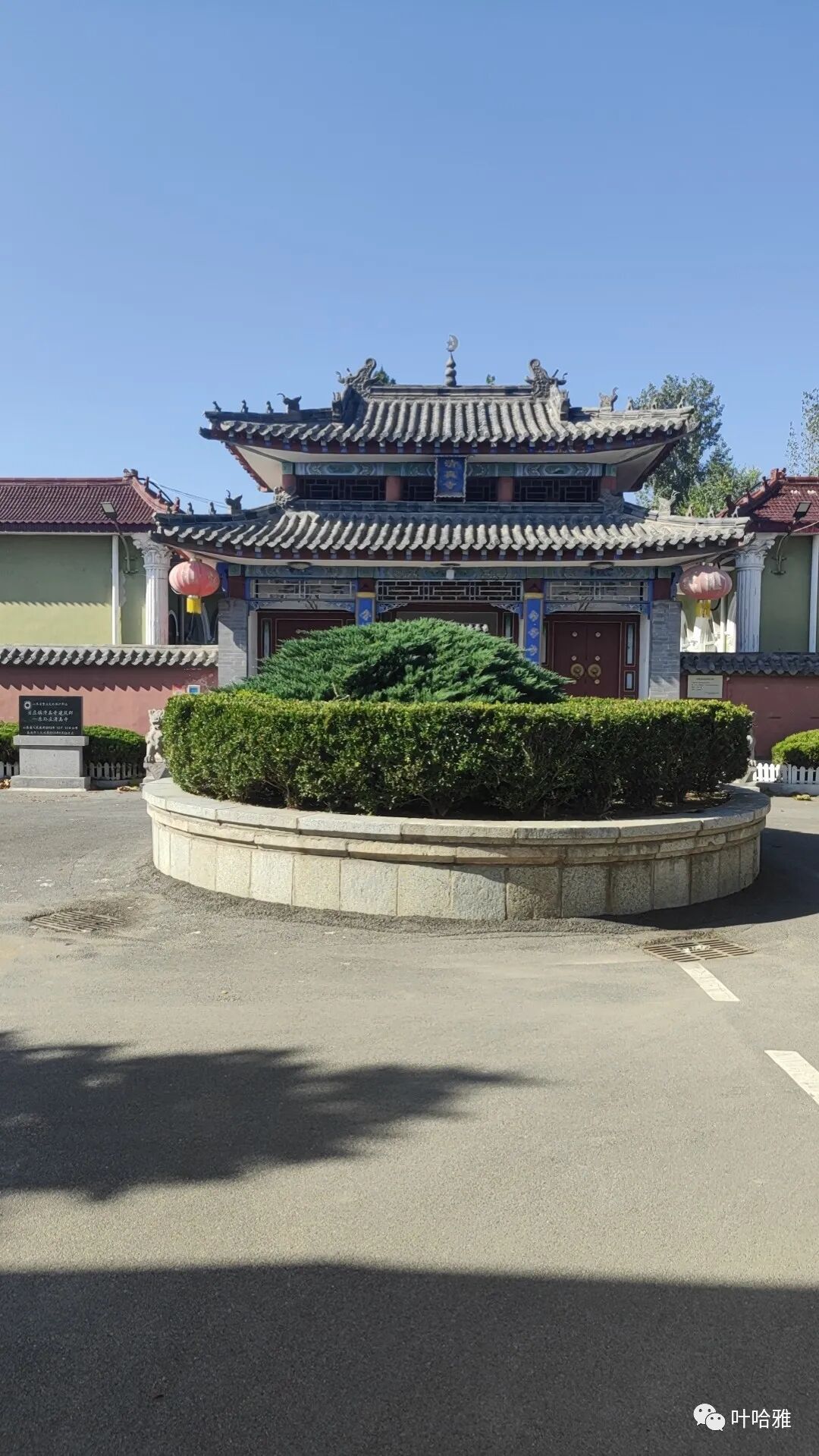
Located in the western part of Dongsun Village in Shengzhuang Town, the mosque was built in the late Qing Dynasty and has been repaired many times since. Large-scale renovations took place in 2001, 2006, and 2014.
The mosque courtyard has one main prayer hall, eight northern lecture rooms, eight southern lecture rooms, one front gate tower, one screen wall, and one raised platform. The mosque is 53.5 meters long and 30 meters wide. The main prayer hall is a two-part, two-section structure from the Qing Dynasty. It has a hard mountain-style roof made of brick, wood, and grey tiles, measuring 12.5 meters long and 11.7 meters wide. The front hall has two side rooms, each 3.9 meters long and 1.9 meters wide. The north and south lecture rooms are newly built, with the north lecture room measuring 23 meters long and 6.7 meters wide. The south lecture room is 8.63 meters long and 7.2 meters wide. The water room is 8.63 meters long and 7.2 meters wide. The boiler room is 5.74 meters long and 7.2 meters wide. Outside the main gate of the mosque, there is a flower bed and a square with a total area of 473.29 square meters.
The mosque currently houses five stone tablets: the 1904 Tablet for the Reconstruction of the Mosque from the Guangxu era of the Qing Dynasty, the 1930 Mi Gaoshi Land Donation Tablet from the Republic of China era, the 2001 Tablet Listing Donors for Mosque Construction, the 2007 Tablet for the Reconstruction of the Mosque, and the 2014 Memorial Tablet for Donations to the Major Renovation of the Main Hall.
Imams trained at this mosque throughout its history include Yang Zhanchun, Yang Huaizhen, Mi Hechun, Mi Xiyu, Mi Shuqian, and Mi Peiqi. After the Cultural Revolution, Imams Mi Hechun and Ma Qun served as leaders of the mosque's religious affairs. The mosque is now managed by the Mosque Management Committee, with Yang Huaiyin serving as the committee director.
Dongsun Village Mosque was named a Model Mosque of Tai'an City in 2008 and 2014, and it was named a Harmonious Religious Activity Venue of Shandong Province in 2010.
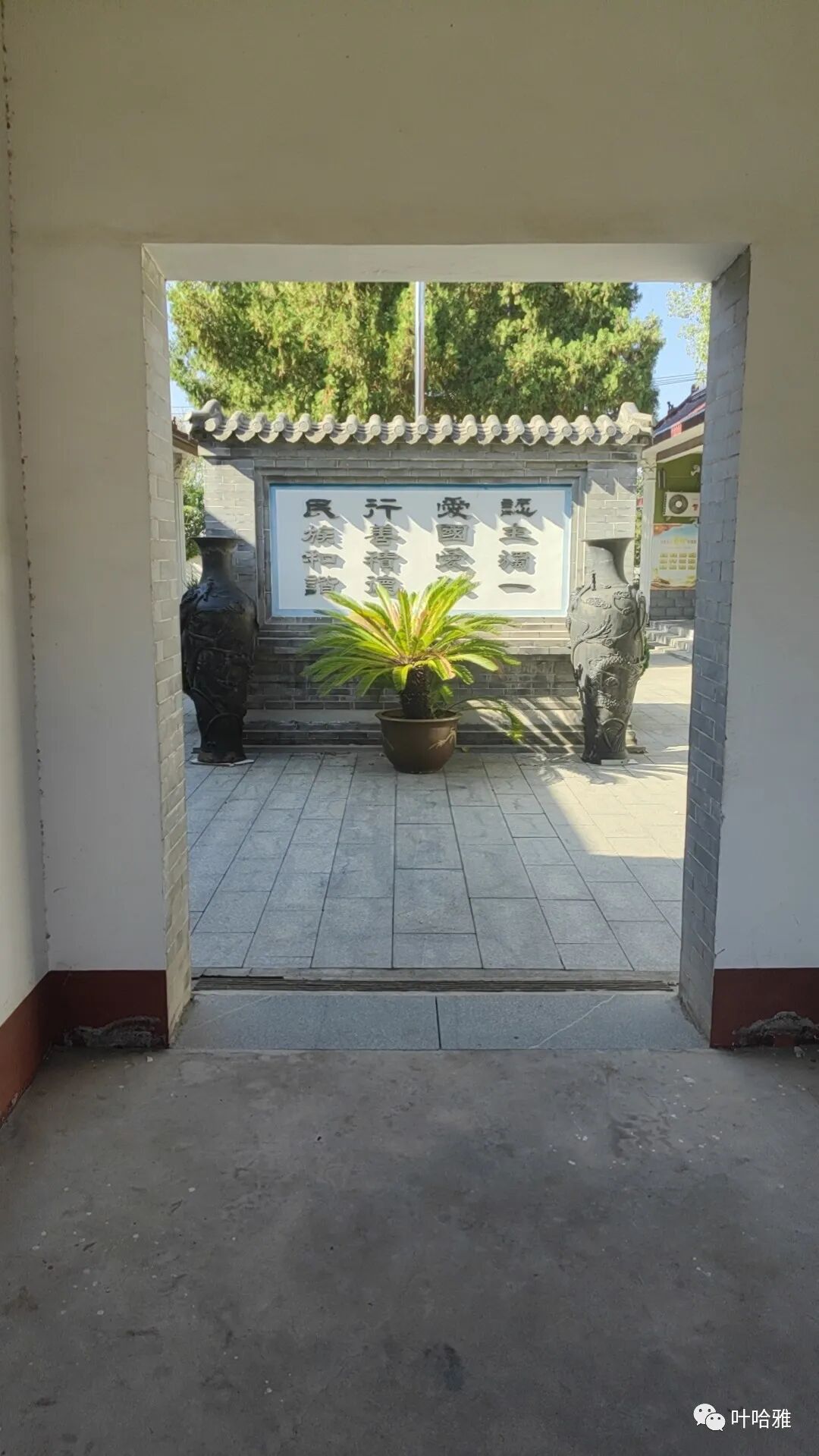
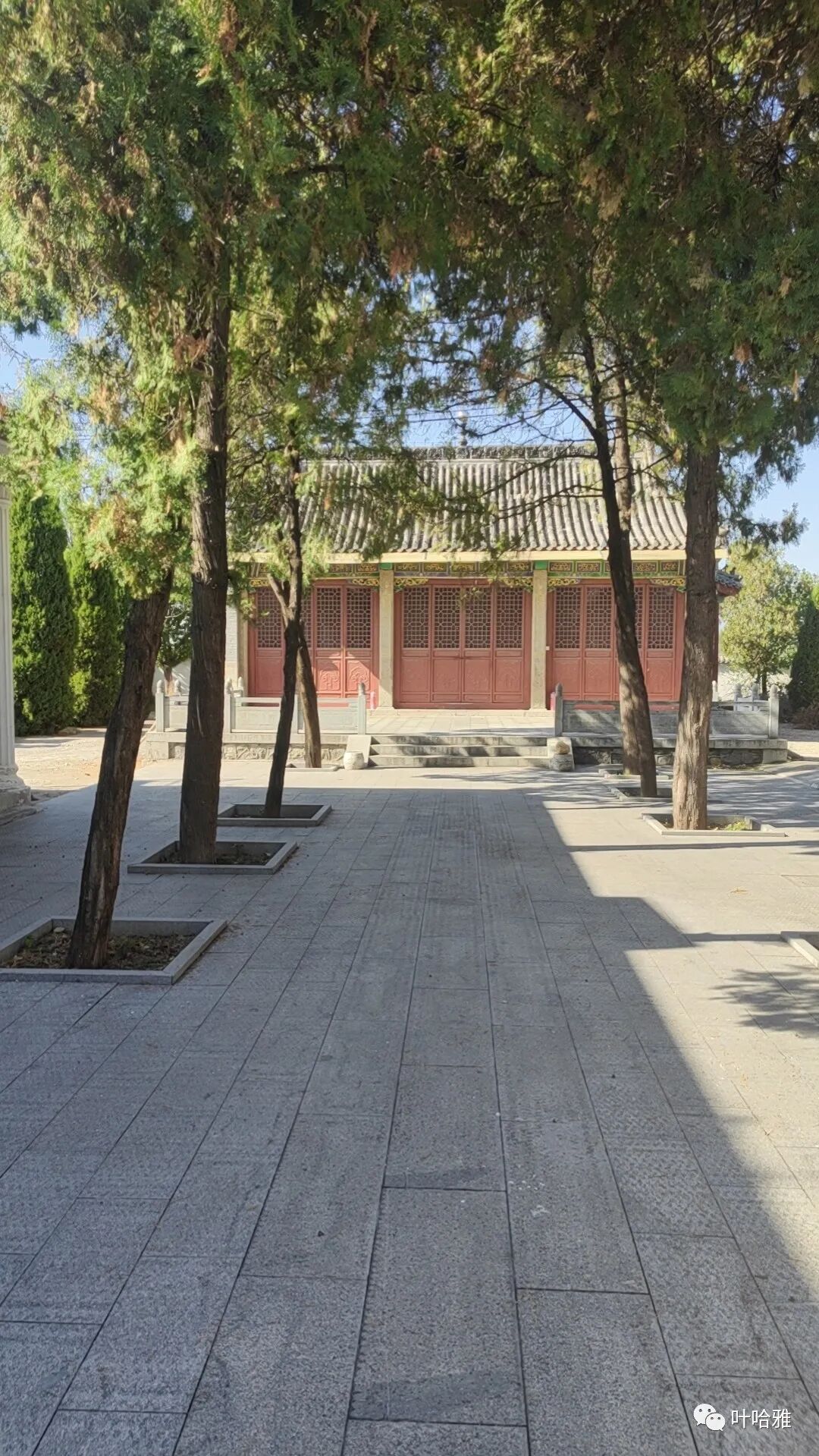
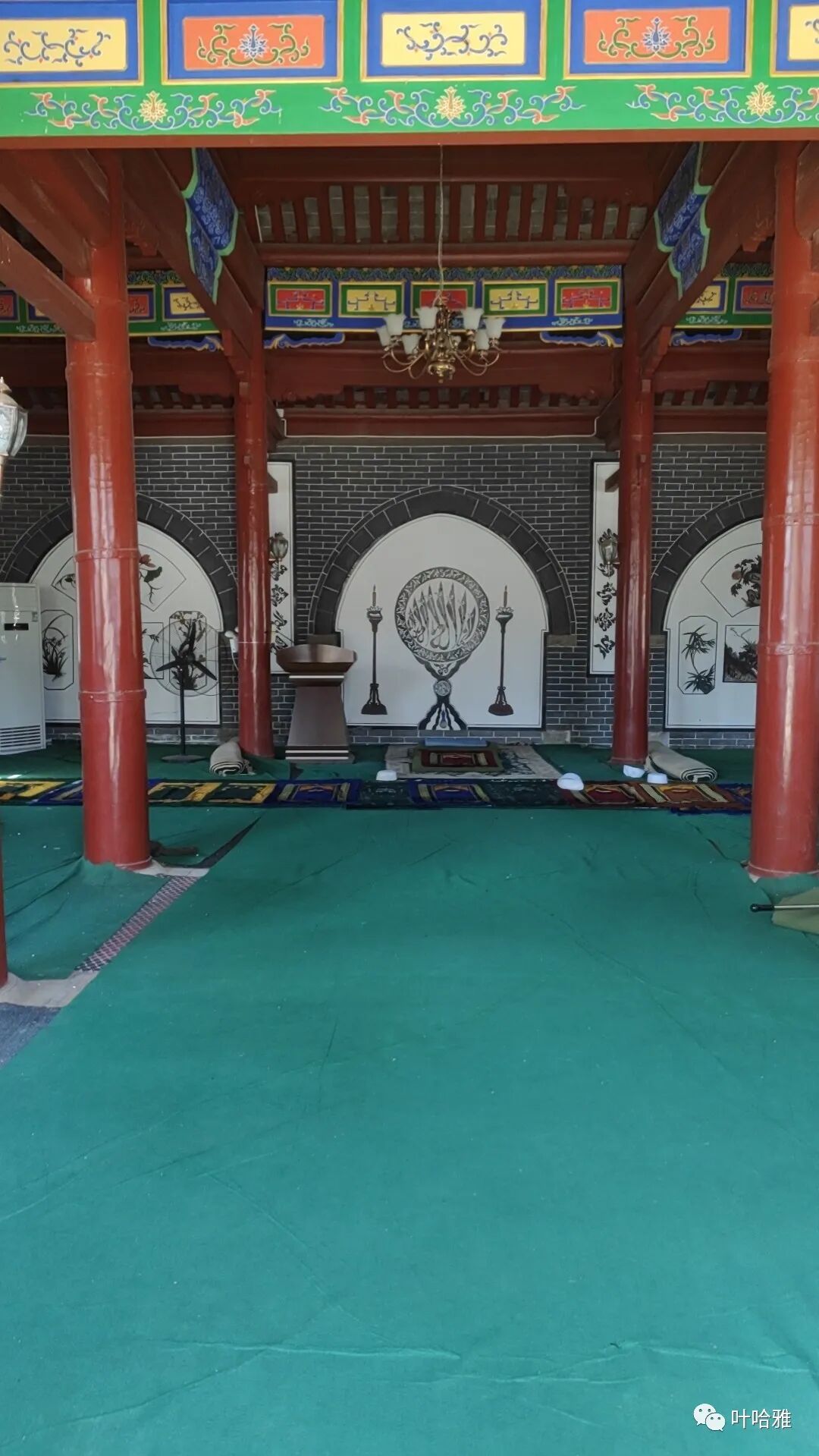
Liujiazhuang Mosque
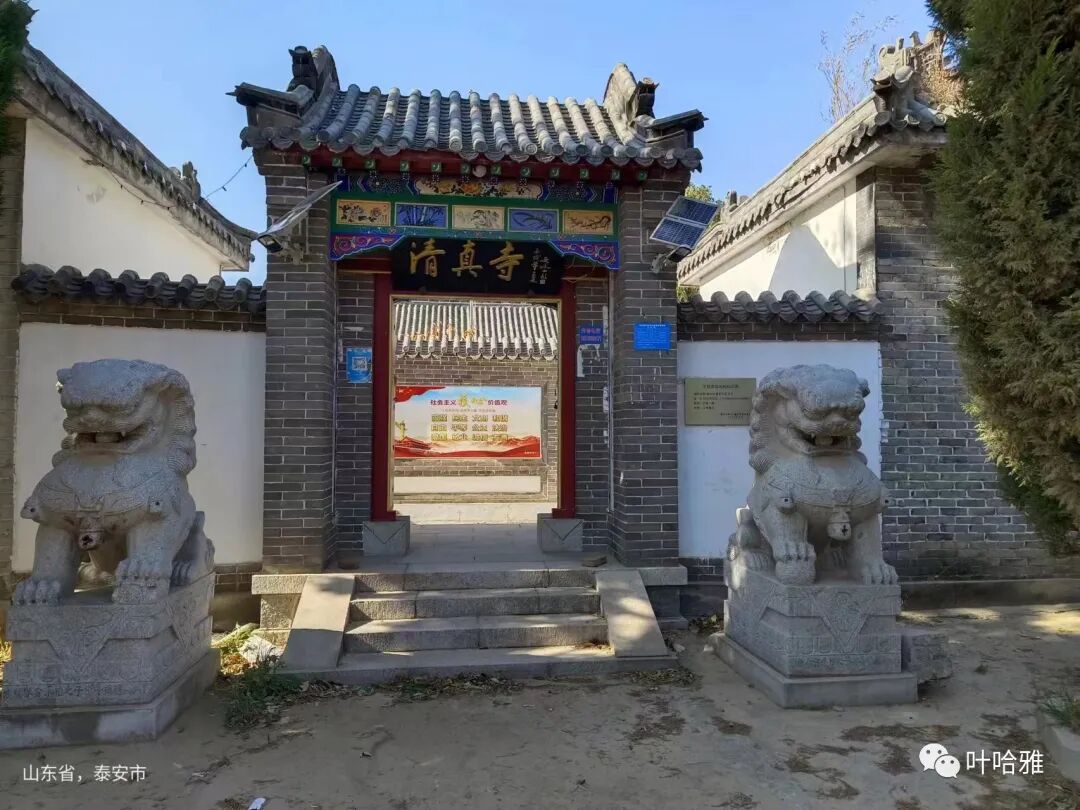
Liujiazhuang Village Mosque in Shengzhuang Town is located in the south of the village. It was built in 1917, the sixth year of the Republic of China, with funding from Jin Fengyin, Jin Fengcai, and others from Liujiazhuang Village, and it has been repaired many times since.
The mosque has one main prayer hall, four rooms for the north annex and north lecture hall, three rooms for the south lecture hall, and one spirit wall (yingbi), covering a total area of about 150 square meters. The main hall is three bays wide with a front porch. It features a black brick, tile, wood, and stone structure with a hip-and-gable roof and a front-embracing porch. The door frame of the front porch has colorful paintings. It is 10 meters long from north to south and 6 meters deep. There is also one reception room, four bathing rooms, and one ancient cypress tree. The courtyard covers an area of 288 square meters. There are four existing stone tablets: the Tombstone of Mr. Jin from 1910 (the second year of the Xuantong reign of the Qing Dynasty), the Tablet Record of Building Liujiazhuang Mosque from 1917 (the sixth year of the Republic of China), the Mosque Tablet Record from 1928 (the seventeenth year of the Republic of China), and the 2013 Tablet of Donors for the Liujiazhuang Mosque Funeral Vehicle.
The mosque's religious affairs have been led by imams including Liu Furong and Han Jian. It is managed by the Mosque Management Committee.
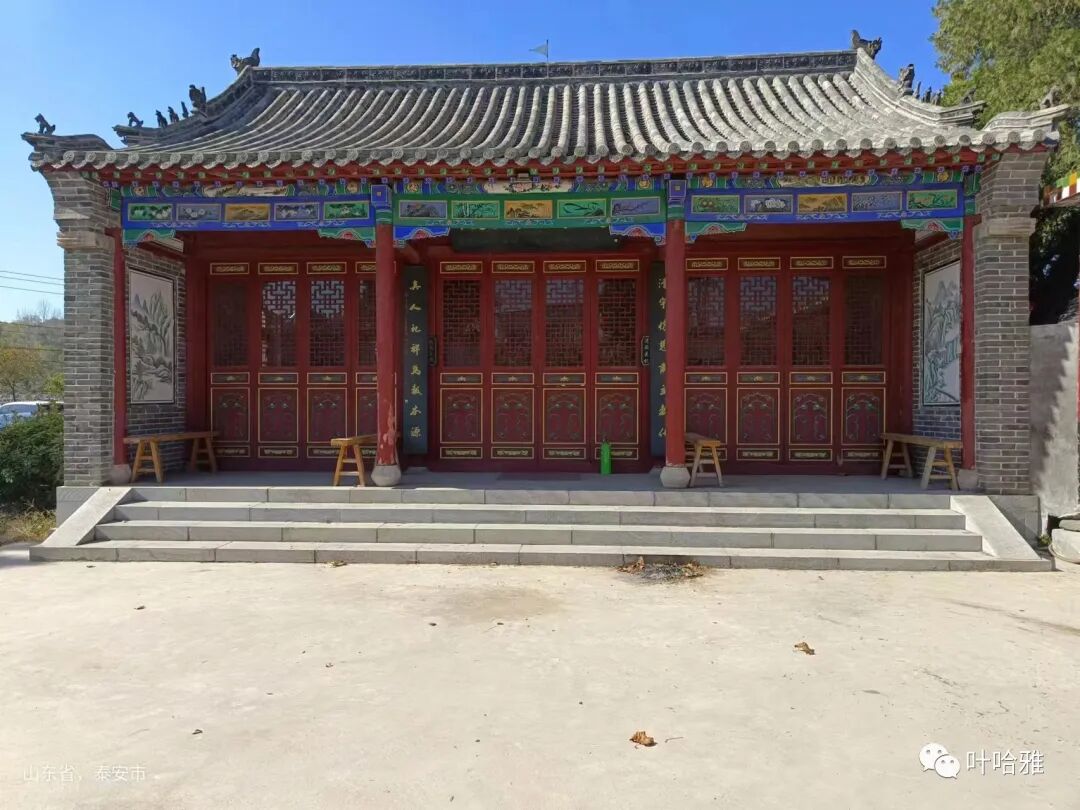
Zhihuizhuang Village Mosque
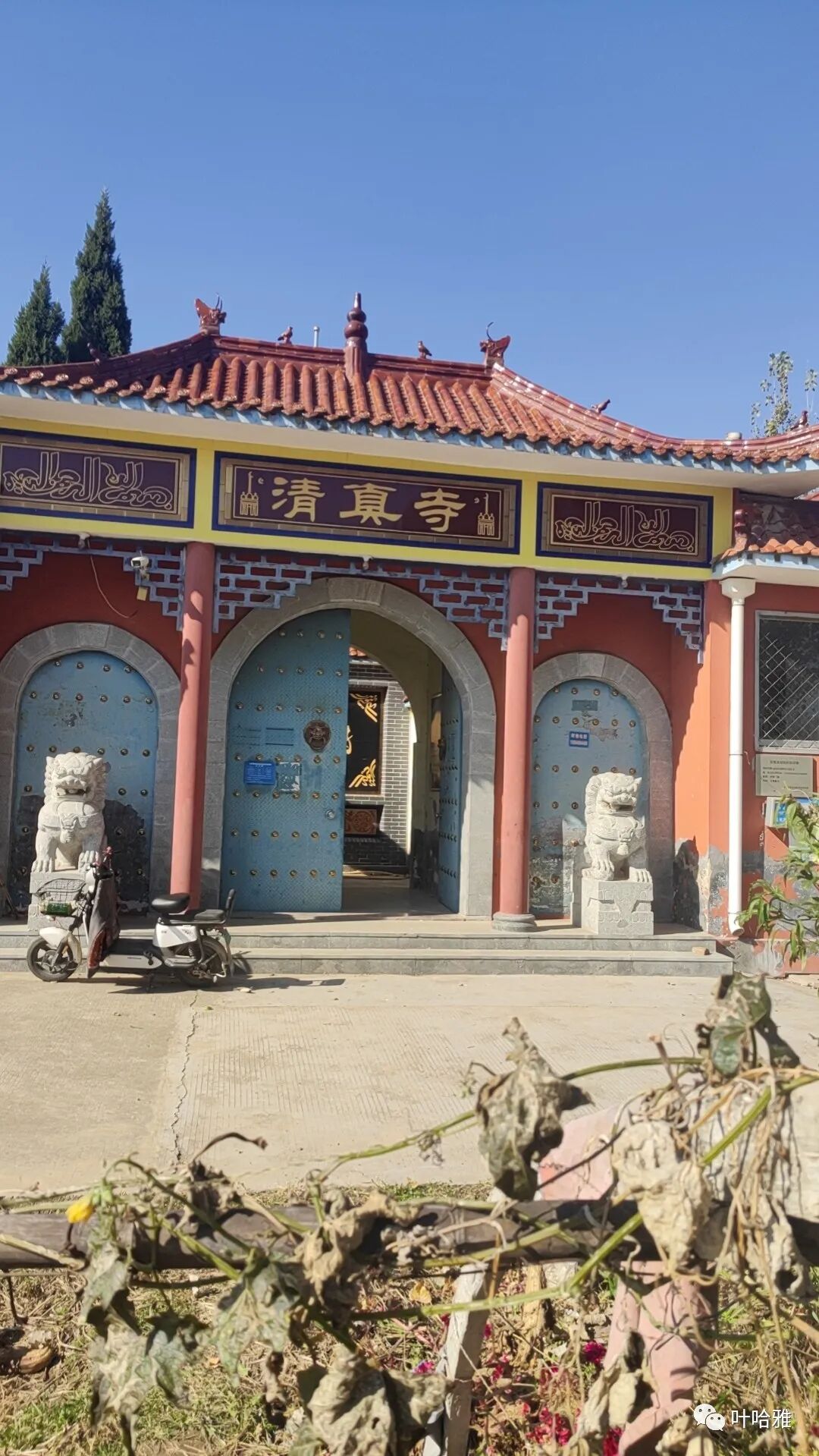
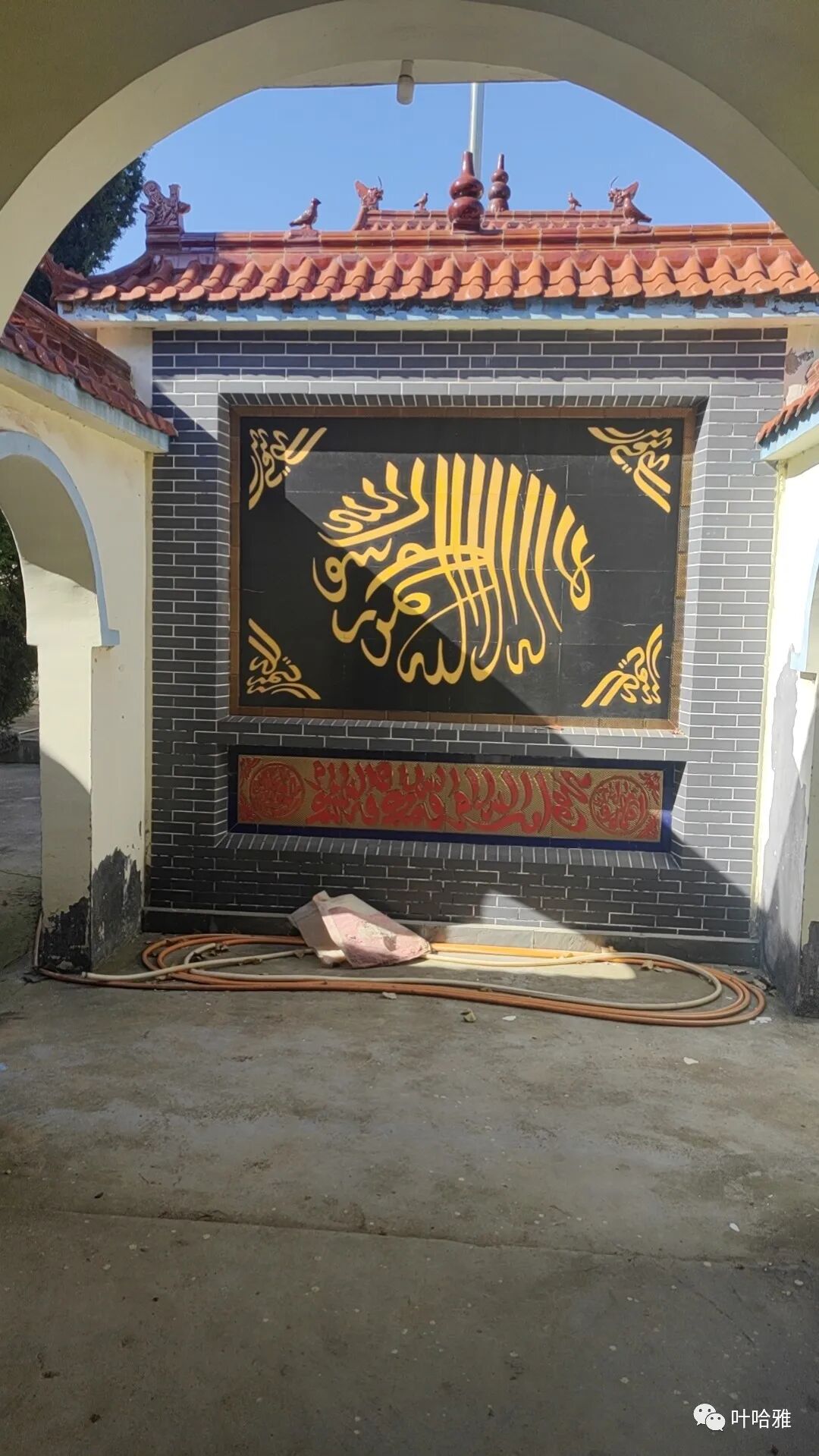
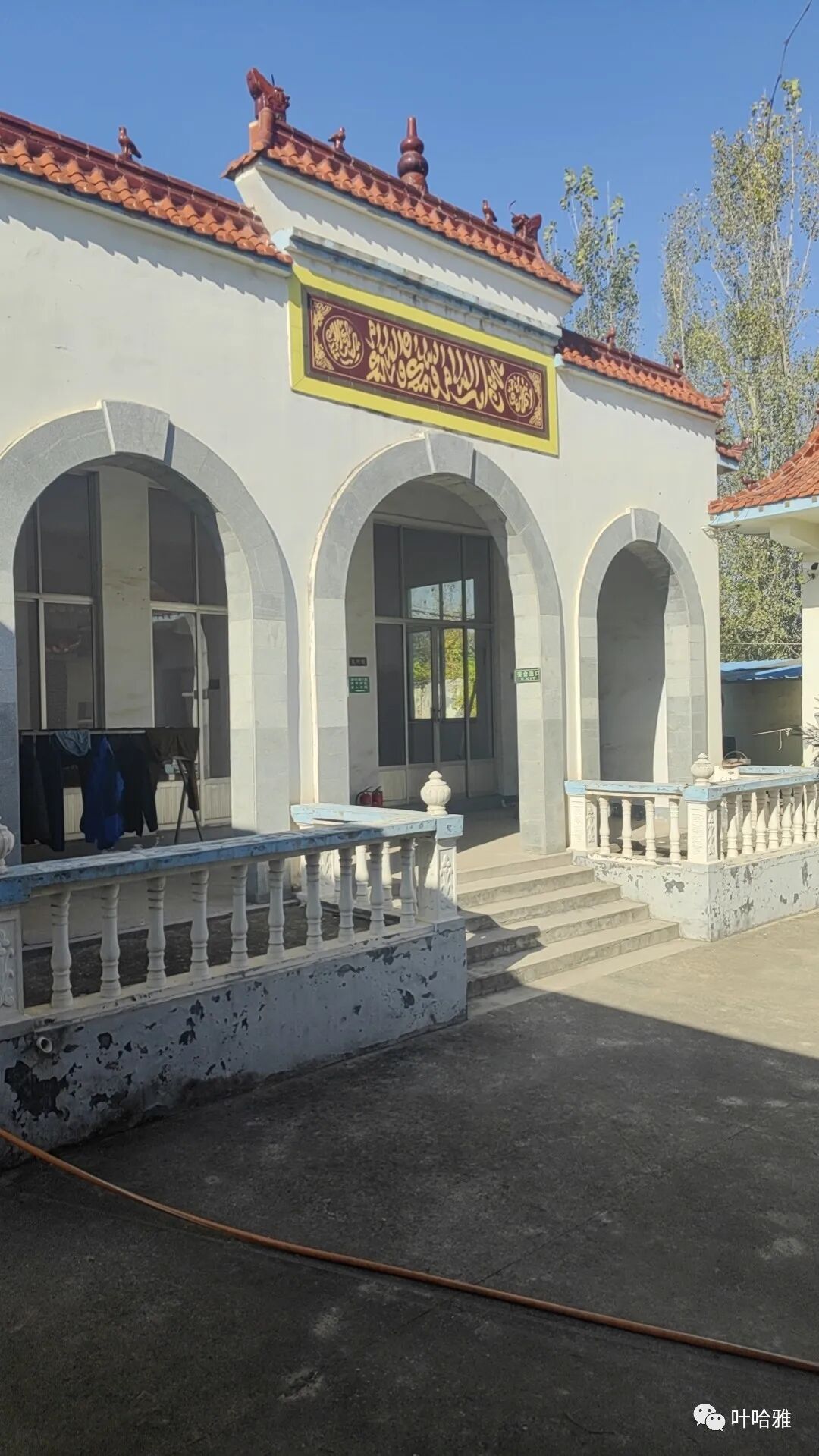
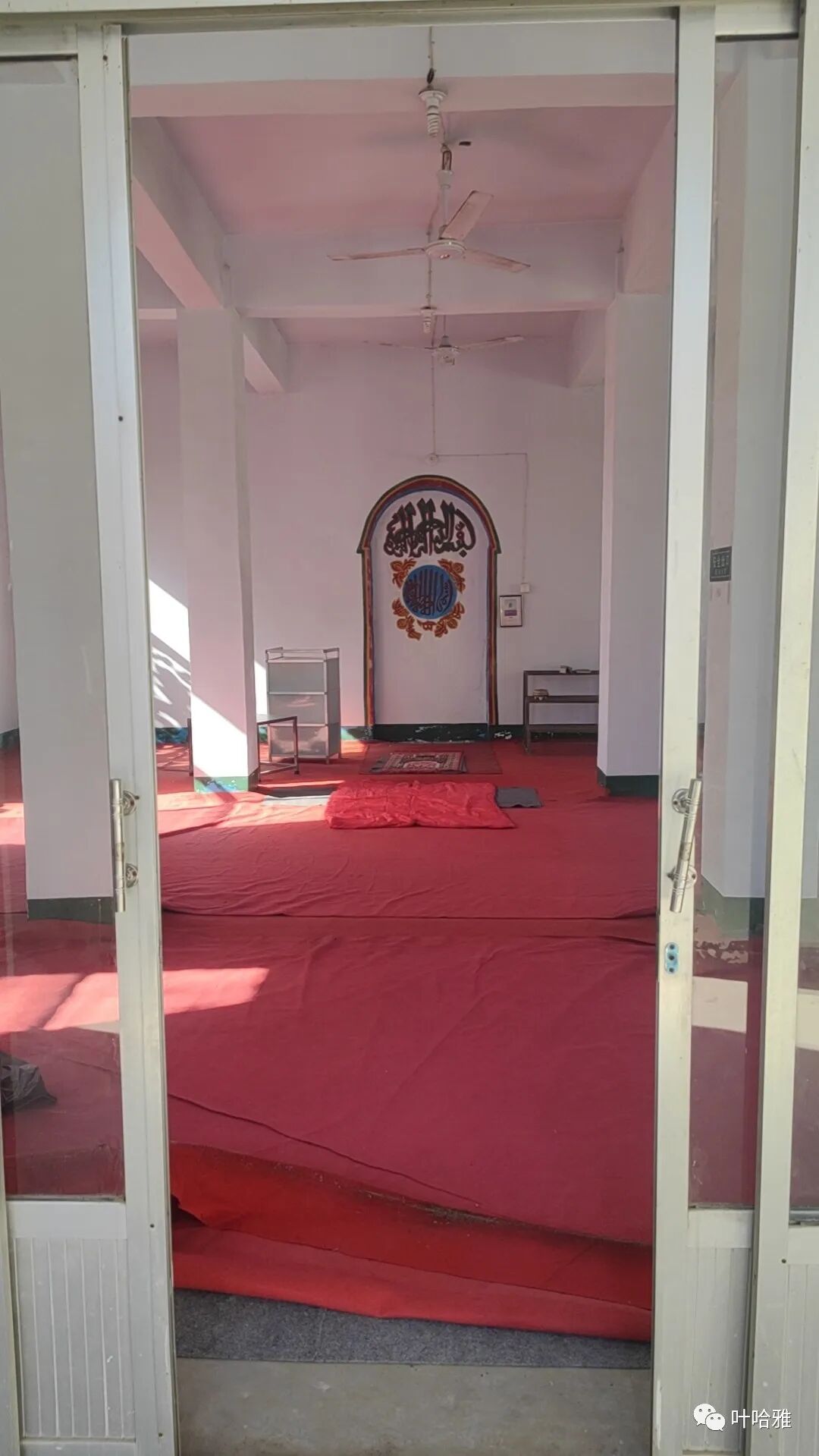
Zhihuizhuang Village Mosque in Shengzhuang Town sits on the south side of the village. It was built in 1994 and has been repaired several times since. The mosque is a modern building, 18 meters long and 27 meters wide. The main prayer hall is 10 meters high, 13 meters long, and 13 meters wide. The north lecture hall is 9 meters long and 5 meters wide. The south lecture hall is 9 meters long and 5 meters wide. The water room is 5 meters long and 5 meters wide. There are two stone tablets here: the 2005 "Stele of Eternal Fame" and the "Stele Recording Donations from Han Chinese Compatriots for the Mosque's Main Hall."
Imams such as Zhang Shuiquan and Zhang Guorui have led religious affairs at the mosque. The village has produced several imams, including Zhang Changshi, Zhang Shuiquan, Zhang Feng, and Zhang Guorui. Zhang Changshi once traveled to Mecca for Hajj. It is now managed by the mosque management committee. Past directors include Zhang Changling, Zhang Changxin, Xu Yongchang, Zhang Changjin, Zhang Hengzhen, and Zhang Hengyong.
The mosque was awarded the title of Shandong Province Harmonious Religious Activity Venue.
Daiyue District
Xijie Mosque
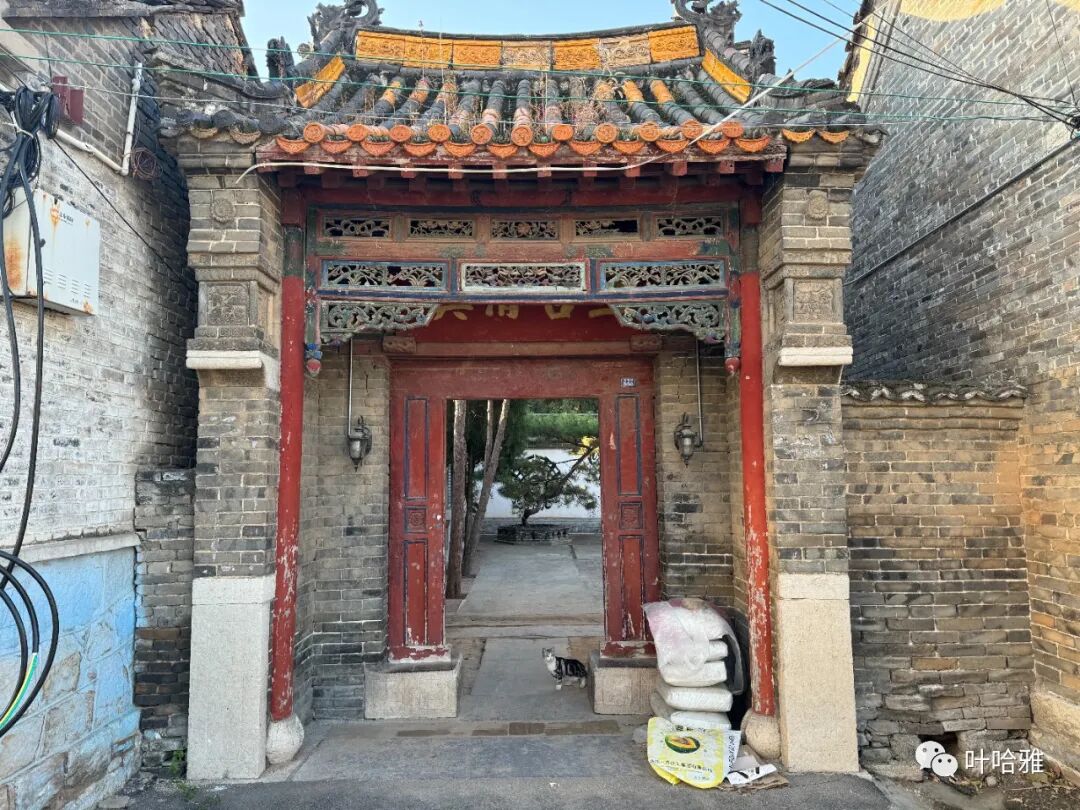
The Xijie South Mosque in Mazhuang Town is located in the southeast corner of Qianying Village. It was founded in the early years of the Qianlong reign of the Qing Dynasty and has been expanded and renovated ever since. It was renovated multiple times in 1781, 2003, and 2015.
The main buildings of the mosque include the front gate, the second gate, the front hall, the middle hall, and the rear hall. They are arranged along a central east-west axis with symmetrical side structures. The three-courtyard layout features the architectural style of a Chinese palace. The mosque is 60 meters long and 60 meters wide. The rear hall has three levels and stands 22 meters high. The main hall is 30 meters long and 14.5 meters wide. The north lecture hall is 14.3 meters long and 6.3 meters wide. The south lecture hall is 7 meters long and 6.2 meters wide. The water room is 18.6 meters long and 6.2 meters wide. The mosque gate is 4.7 meters long and 3.9 meters wide, and there are also facilities like a storage room, kitchen, and garage.
The mosque has 6 existing stone tablets, including the 1781 Tablet Record of the Renovation of the Front Hall of the Xijie Qianyin Village Mosque from the Qianlong reign of the Qing Dynasty, the 1802 Tablet Record of the South Mosque Street Residence from the Jiaqing reign, the Tablet Record of the Bai Family Genealogy from the late Qing Dynasty, the 2003 Tablet Record of the Renovation of the Front Hall and Rear Kiln of the Xijie Qianyin South Mosque and the Tablet Record of Donations for the Renovation of the Front Hall and Rear Kiln of the South Mosque, and the 2015 Merit Tablet for Donations to the Renovation of the North Lecture Hall of the South Mosque.
Imams including Bai Anfu, Bai Maosheng, Zhang Fengyi, Bai Anmeng, Bai Guangpu, and Bai Anzhong once led religious affairs at the mosque, and it is currently led by Imams Ma Yubing and Bai Hairong. Before the founding of the People's Republic of China, the mosque's affairs were managed by village elders and imams, and during the Jiaqing reign of the Qing Dynasty (1796-1820), Ma Long, Bai Guoren, Bai Guoxin, and Bai Guoli were responsible for management. During the late Qing Dynasty and early Republic of China, Bai Zongmao was responsible for management. Starting in the 1980s, a democratic management committee for the mosque was established, and Bai Maojun, Ma Zhulian, Ma Zongwang, Bai Anqi, Bai Anying, Bai Maozhu, Bai Fuhai, and Zhao Xinwen served as directors one after another.
The mosque values religious education, and since its founding, more than 60 imams and scholars have studied the Quran and Hadith there. During the Republic of China era, Bai Zongmao founded a primary school for Hui Muslims at the mosque and invited Mr. Cao Shusheng from the south corner and Mr. Huang from Dapo to serve as teachers.
The mosque currently has a pair of Ming Dynasty grand master chairs, a Qing Dynasty three-legged incense burner, a pair of Qing Dynasty porcelain drums, a plaque for the main gate tower, and a plaque for the front hall. Imam Bai Hairong currently keeps a handwritten copy of the Quran. In 2010, it was named a Harmonious Religious Activity Venue by Shandong Province, and in 2013, it was designated as a Provincial Cultural Relics Protection Unit.
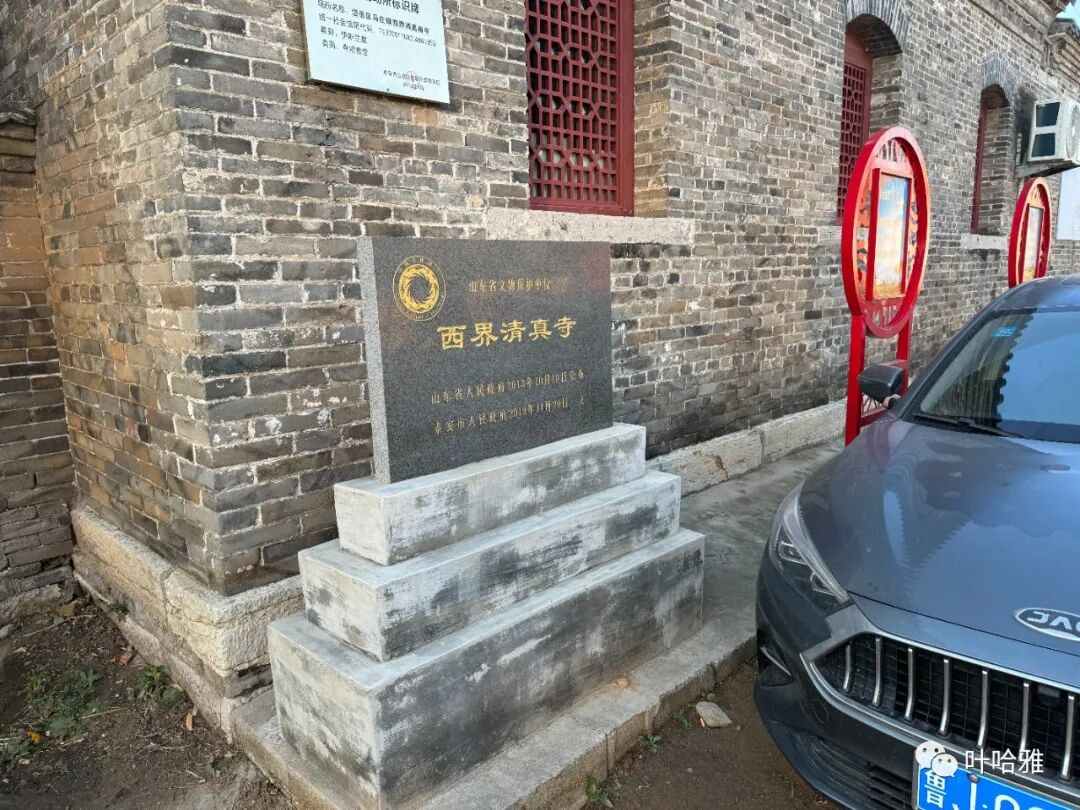
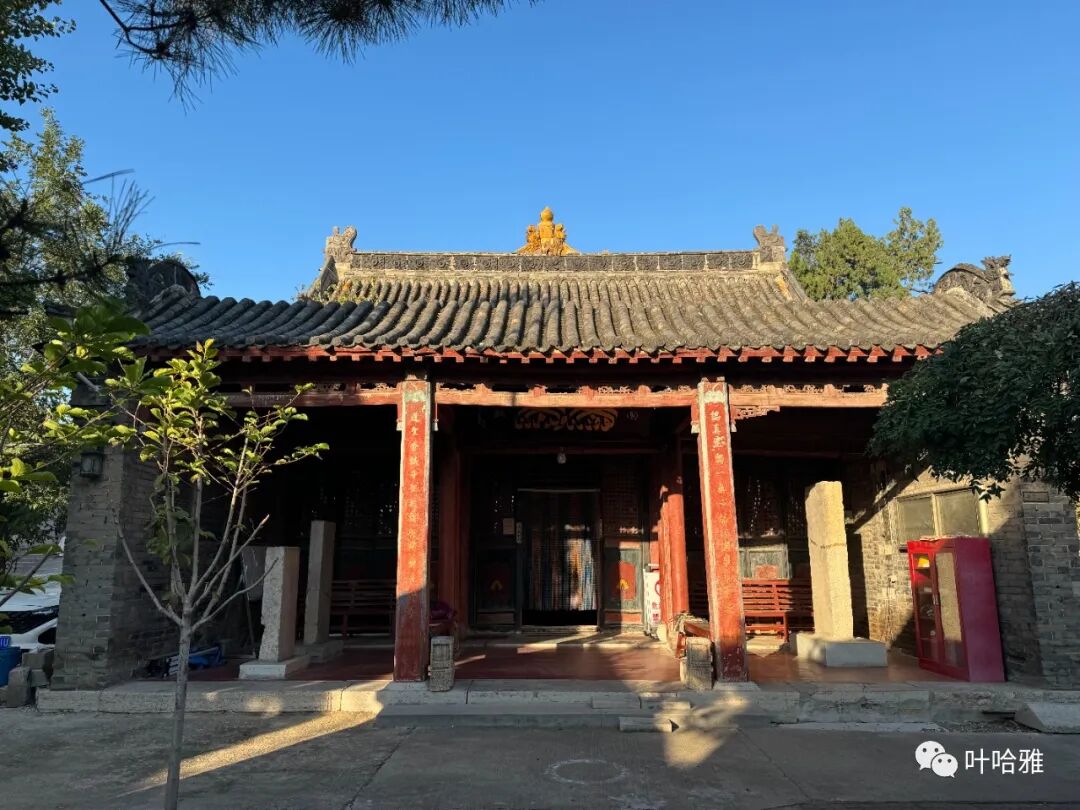
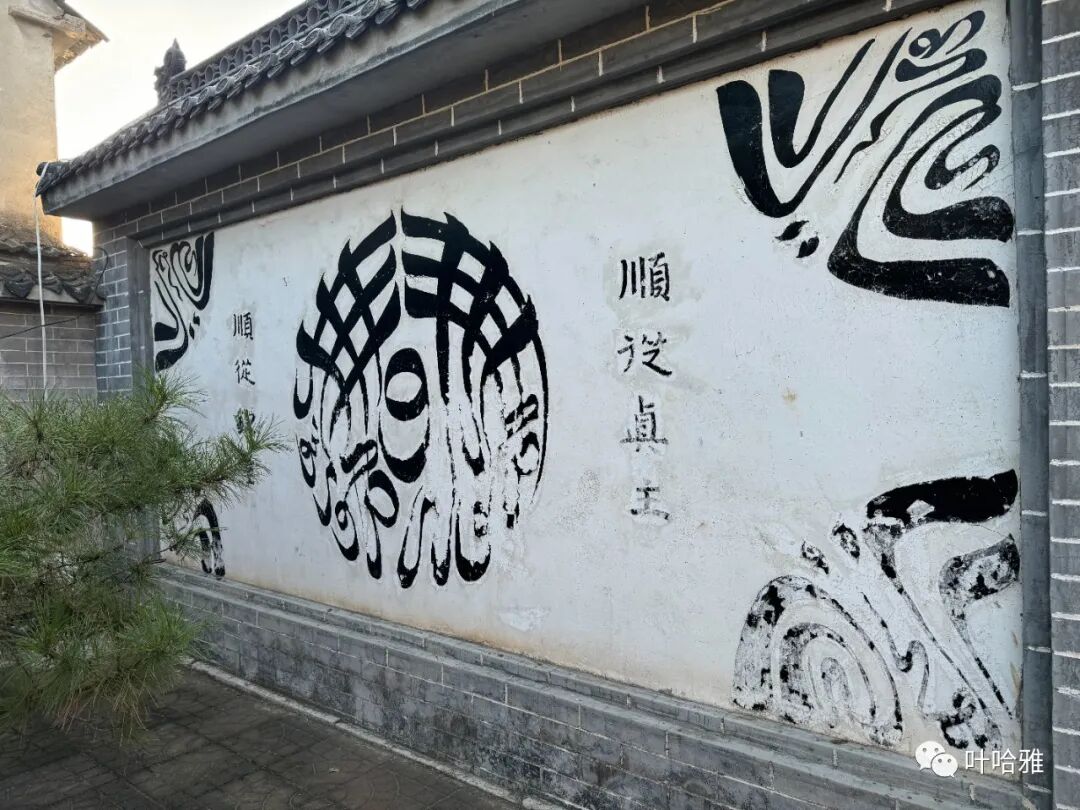
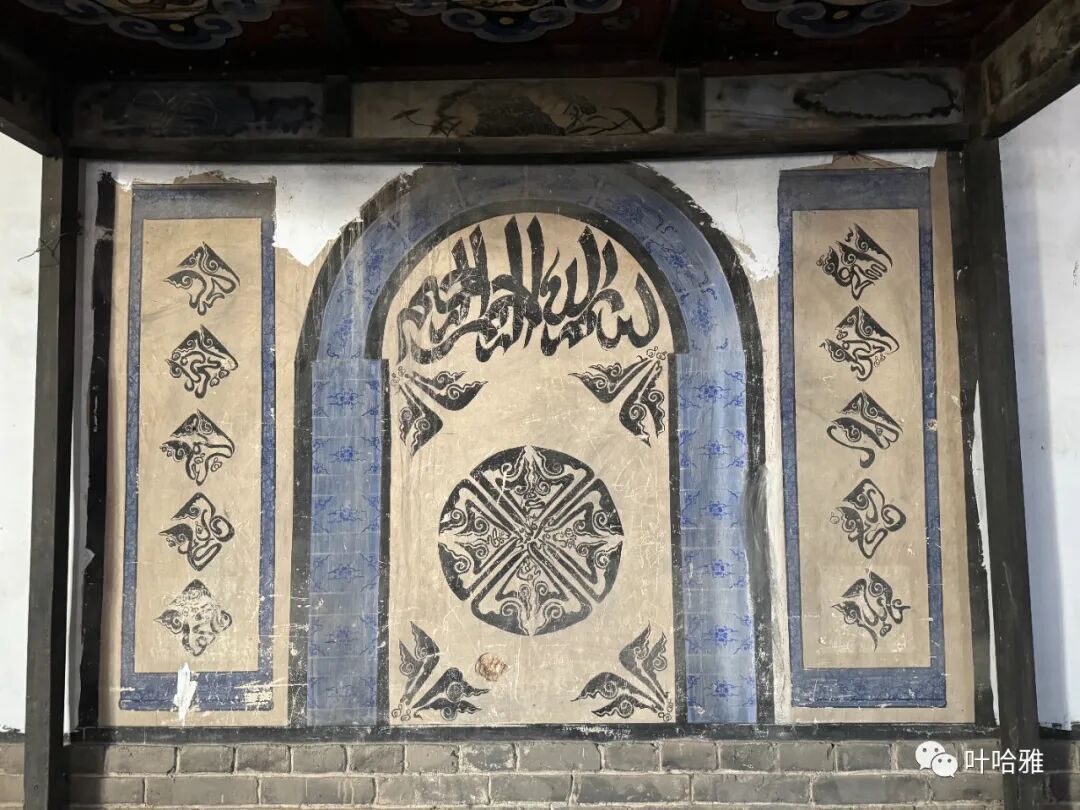
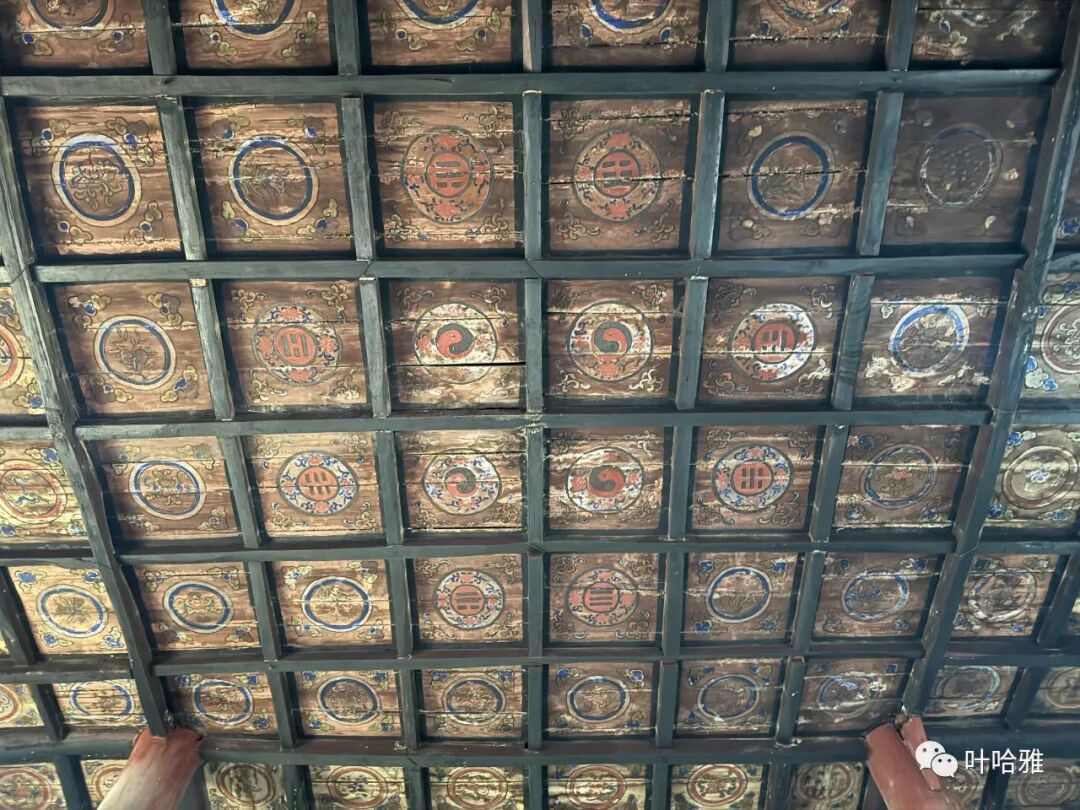
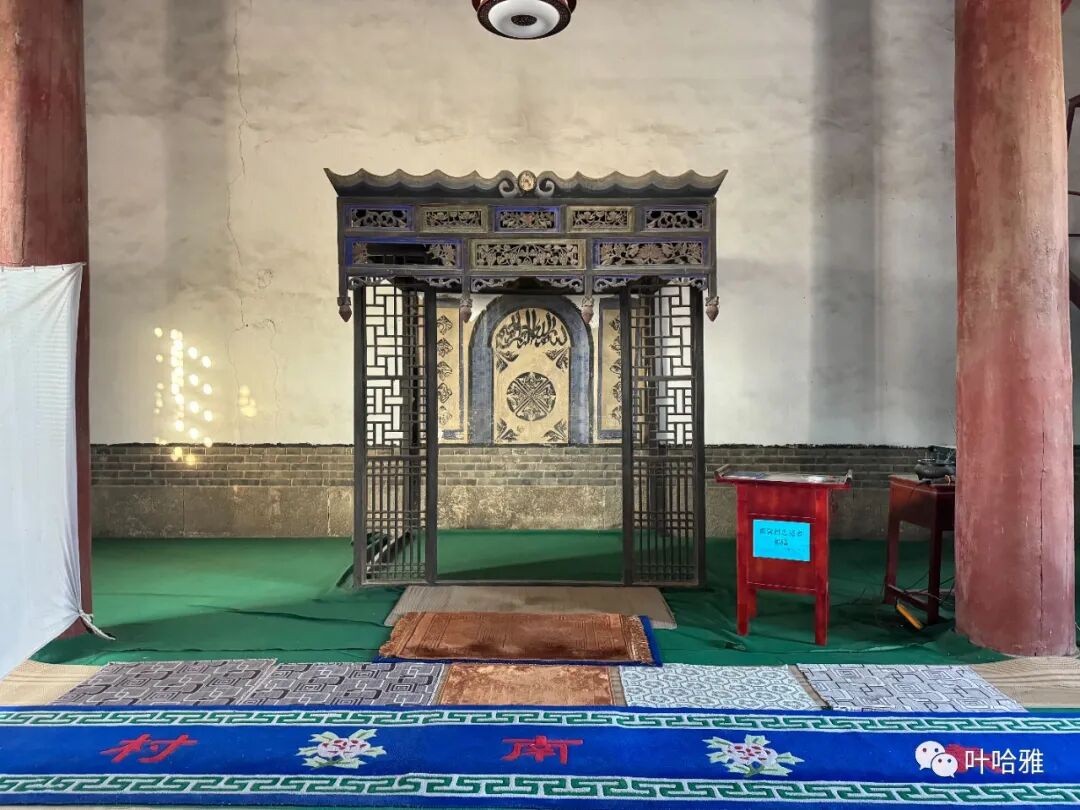
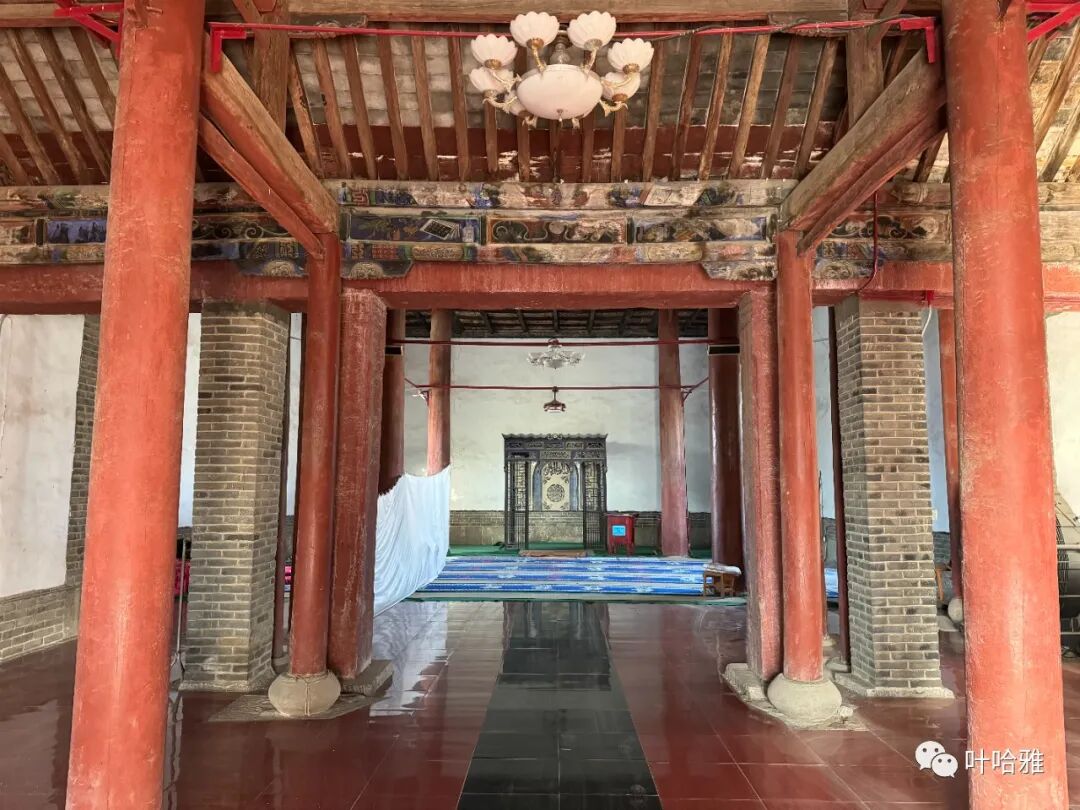
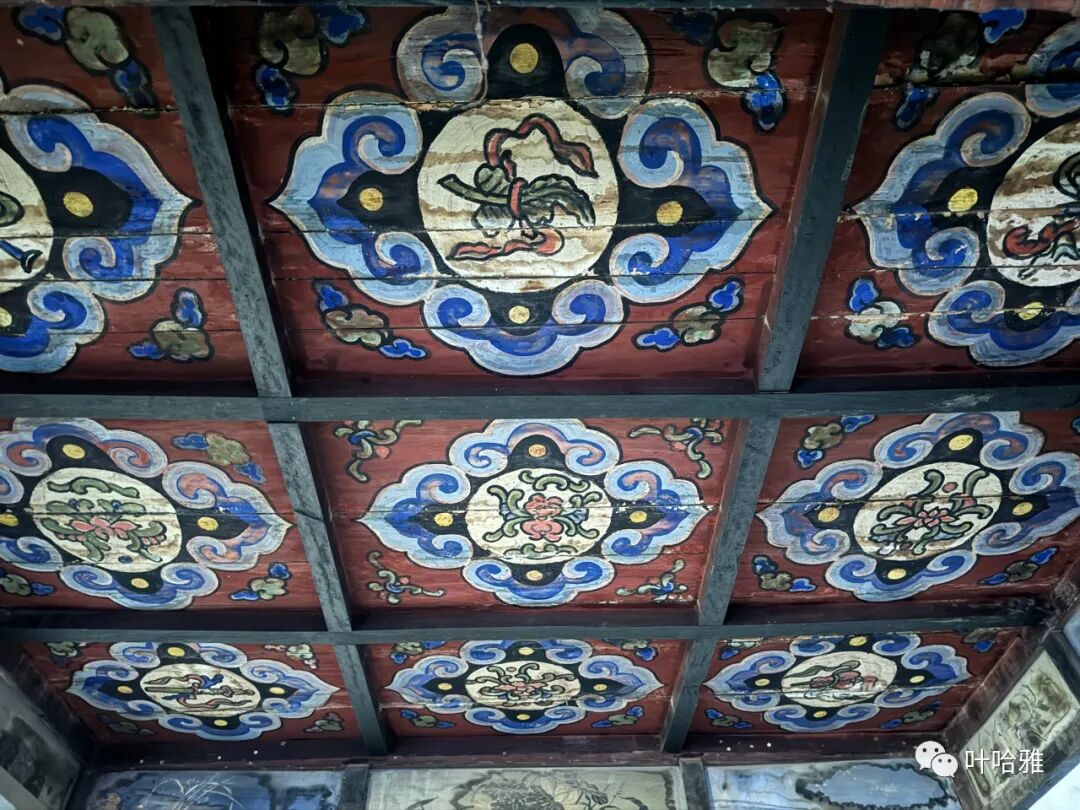
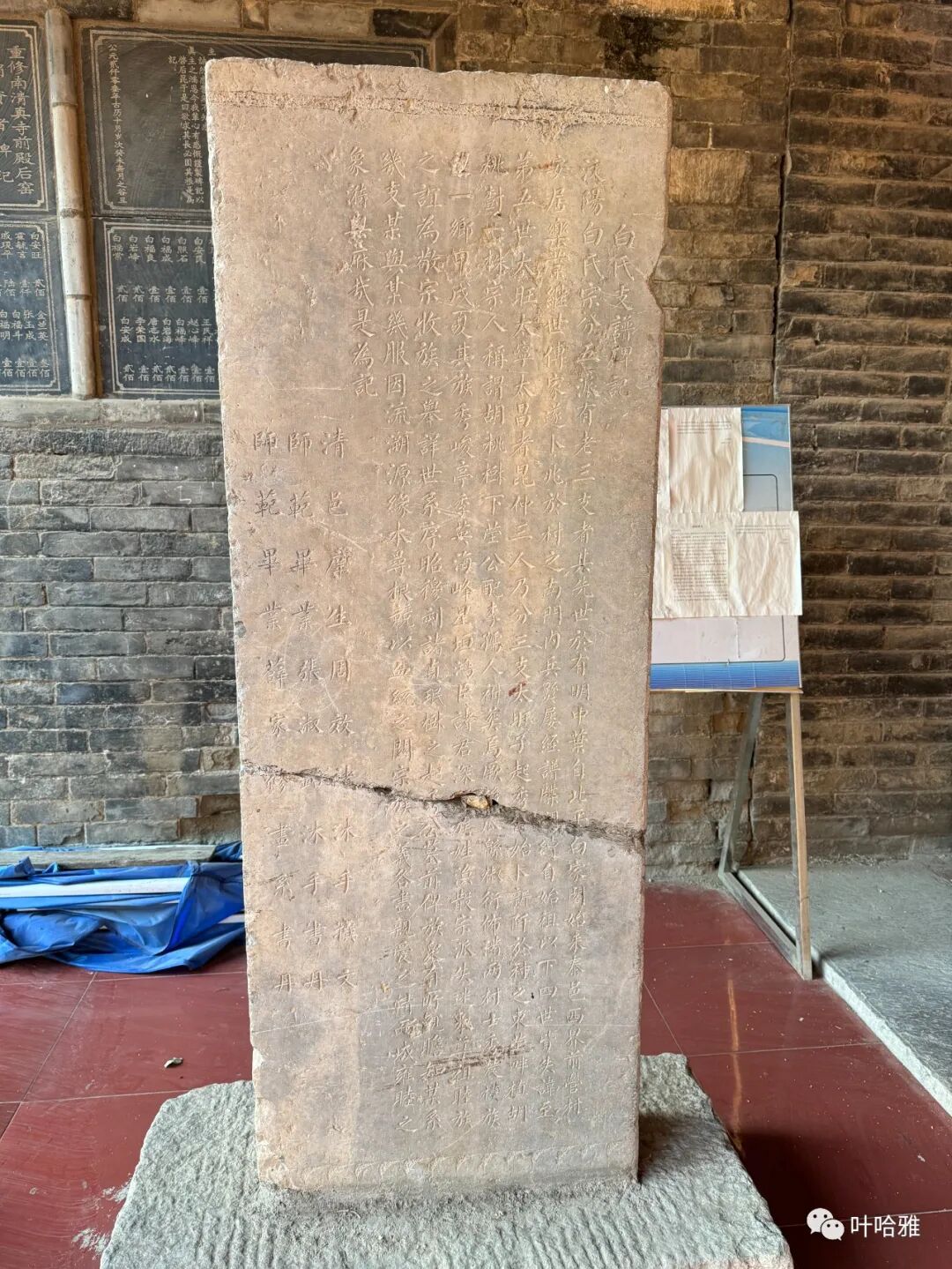
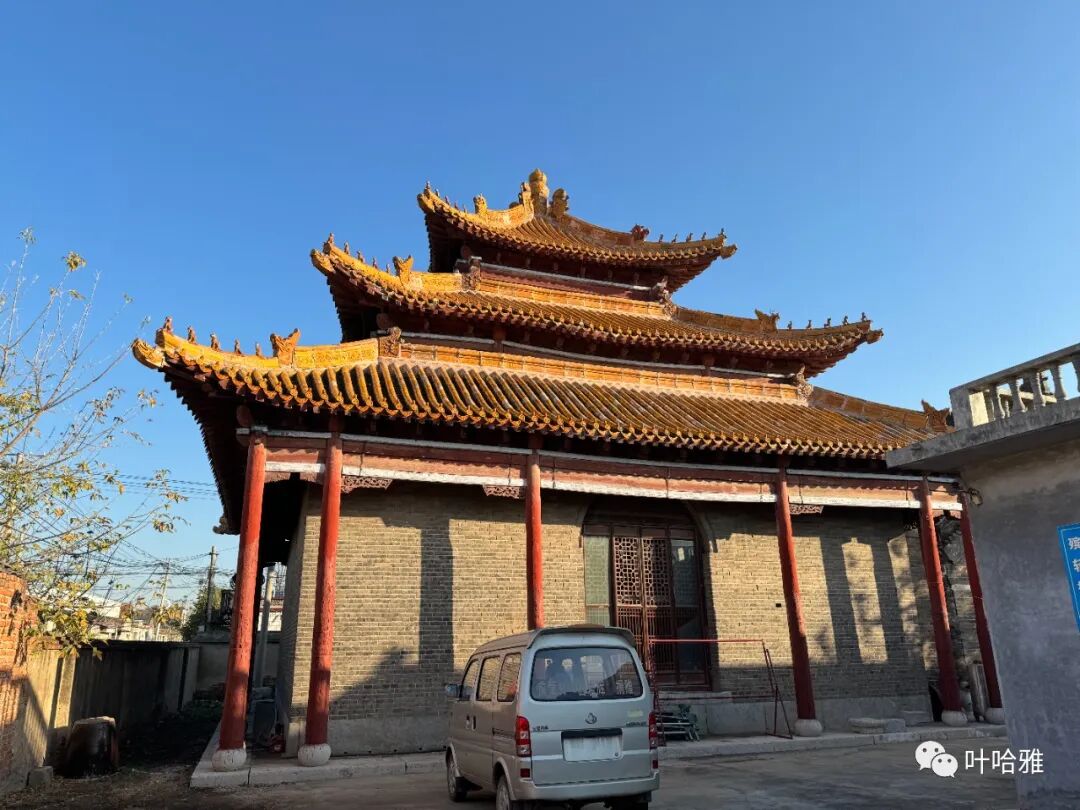
West Boundary West Mosque (Xijie Qingzhen Xisi).
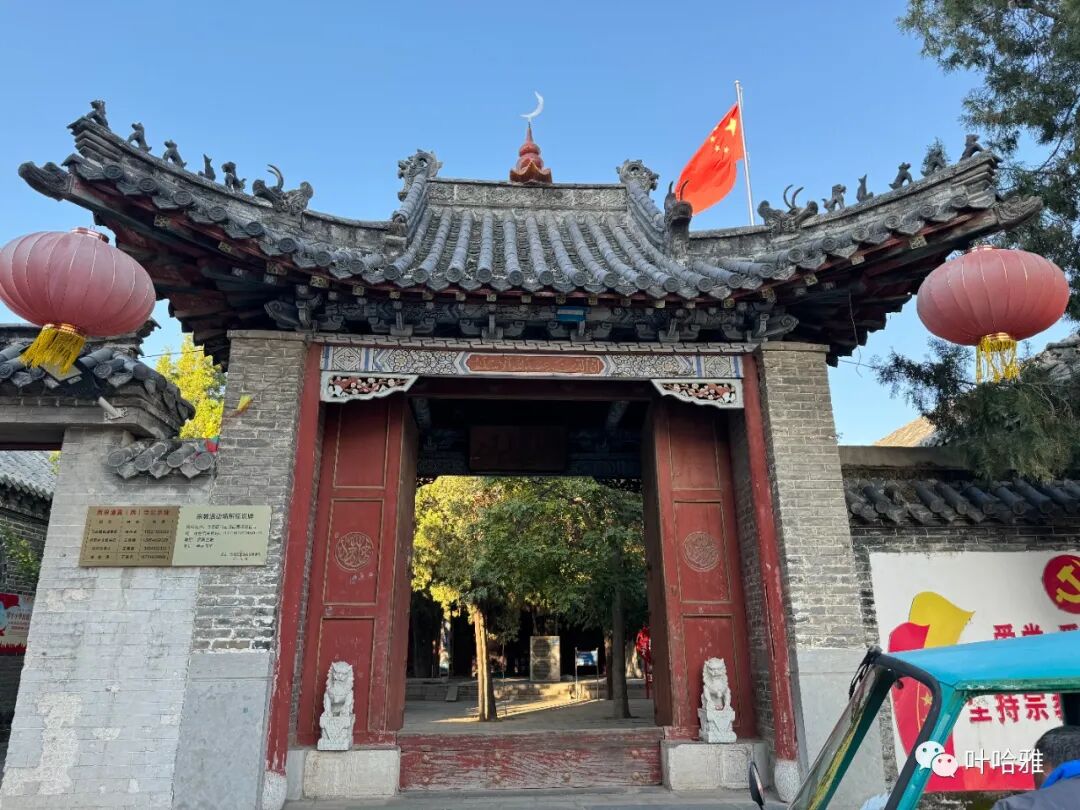
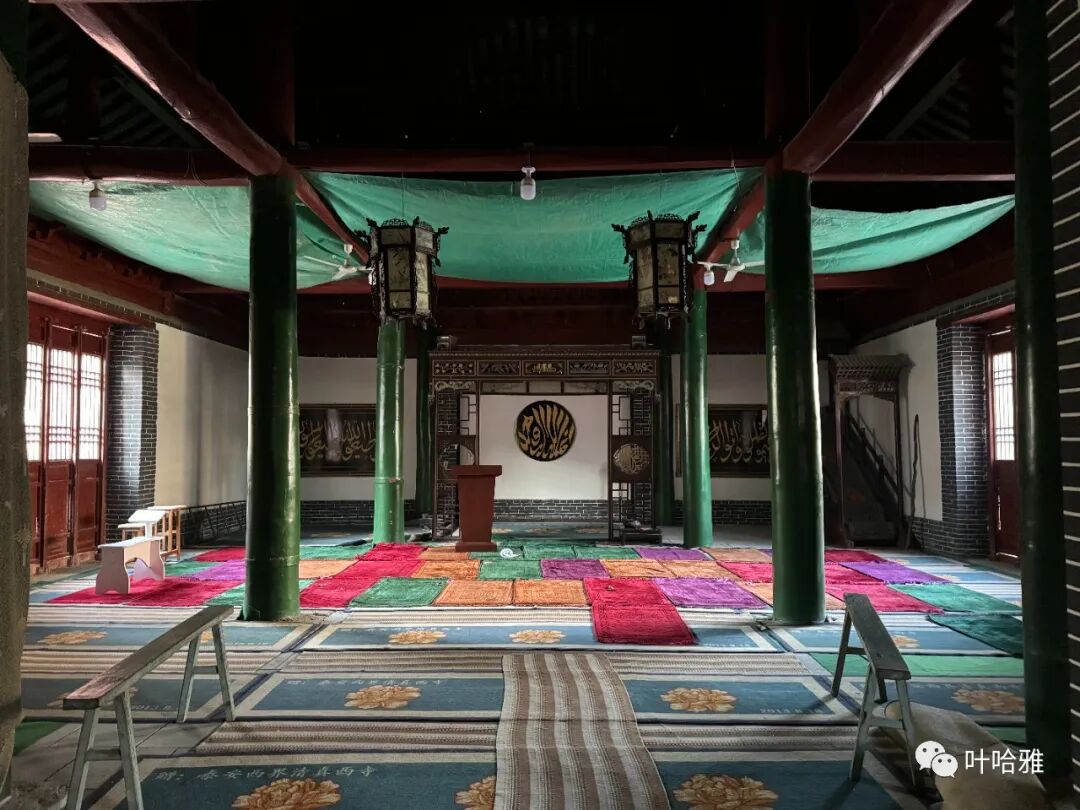
The West Boundary West Mosque in Mazhuang Town is located in Qianying Village. Built during the Yuan Dynasty, the prayer site founded by Ma Zhaoyang in the early Yuan period was the predecessor of the West Boundary Qianying West Mosque, which was later expanded and renovated many times. The West Mosque was expanded during the Zhengde period of the Ming Dynasty (1506-1521), renovated in the tenth year of the Xianfeng period of the Qing Dynasty (1860), and again during the Republic of China era. After the founding of the People's Republic of China, the north lecture hall was rebuilt. It underwent large-scale repairs in 1998 and has been maintained several times since.
The mosque faces east and rises in height from front to back. Its main buildings, including the front gate, second gate, front hall, middle hall, and rear hall, are all arranged along a central east-west axis. It is symmetrical with three courtyards, combining Chinese palace-style architecture with Arabic architectural styles. The mosque is 34 meters long and 31 meters wide.
The mosque's main gate tower is 7 meters high and 4 meters wide with an outer porch. It is a single-eave brick and stone structure with hanging beaded ornaments under the eaves and wood carvings featuring floral patterns. The gate tower features brick and wood carvings of auspicious creatures like phoenixes and qilin, with the overall shape composed of floral patterns. It also contains brick carvings depicting incense burners used in Islamic rituals and patterns of scripture scrolls. The plaque on the front of the main gate bears the four large characters for Eternal Purity (Gengu Qingzhen). The second gate is a single-eave, slanted-ridge structure shaped like a Taoist crown. It features three-ring moon windows on both sides and five wind doors facing the front, covering a building area of 24 square meters.
The main prayer hall of the mosque is 24.5 meters long and 13.5 meters wide, with enough space for 100 people to perform namaz at the same time. It consists of three connected sections—the front, middle, and rear halls—using a side-by-side design to increase the total depth. The front hall is one bay deep and three bays wide. The middle hall is two bays deep and three bays wide. The rear hall is three bays deep and three bays wide. The rear hall uses a beamless timber structure supported by tall wooden pillars and dates back to the Ming Dynasty. The protruding section at the back is the mihrab, a wooden carved pavilion for the imam. To the left of the imam's pavilion is the minbar. The floor plan of the entire hall looks like the Chinese character 'zhu' (meaning 'lord' or 'main'). The mihrab is the dot, the front hall is the bottom horizontal stroke, the rear hall is the top horizontal stroke, and the main aisle for entering the hall is the vertical stroke. This matches the idea that the prayer hall is the 'House of the Lord'. The main hall sits on a one-meter-high platform. The stone pillars on both sides of the front hall are carved with a couplet: 'The holy traces started in the Kaaba, the faith traveled ten thousand miles to the eastern lands; the miraculous work supported the Tang Dynasty, its influence lasting a thousand years to this prosperous era.'
The north lecture hall has five rooms, measuring 17.5 meters long and 7.2 meters wide. It is a hard-mountain style building with a front porch. The crossbeams have patterns on the ends, and the main and vertical ridges are tall and decorated with floral carvings. In the past, the mosque's imam and religious students (hailifan) also lived here. The south lecture hall has four rooms, measuring 14 meters long and 7.2 meters wide.
The four-room washroom (shuifang) connects to the west side of the south lecture hall, sits to the right of the main prayer hall, and measures 17.5 meters long and 7.2 meters wide. The four washrooms can accommodate over thirty people performing their ritual ablutions (wudu) at the same time.
The mosque currently holds four stone tablets: the 1860 Tablet Record of the West Mosque Neighborhood from the Xianfeng era of the Qing Dynasty, the 1998 Tablet Record of the Renovation of the West Boundary Mosque, the Tablet of Eternal Virtue, and the 2013 Provincial Key Cultural Relic Protection Unit tablet.
Past imams of the mosque include Yang Chengri, Jin Shiyuan, Yang Lisheng, Wang Li, Wang Qinglin, Wang Fuxiang, Wang Guanliang, Wang Ziliang, Xu Changcun, Wang Changshun, Yang Maoxiu, Liu Yuanxin, Sha Fengge, Mi Baokun, Bai Anjin, Bai Mantun, Bai Fujian, and Wang Xiuming. Mi Enwei, Han Bing, Bai Jinhu, and Bai Manchao currently lead the religious affairs.
In 1977, the mosque established a management group led by Bai Yongying, Bai Maojun, and Bai Maoxiang. In 1983, the mosque established a democratic management committee led by Bai Anqi and Ma Zhulian. In 1994, the second democratic management committee was established, led by Ma Zongwang and Bai Manchao. In 2000, the third mosque management committee was established, with Bai Qingfang serving as director to this day. The mosque has trained over 60 imams for the faith, including Ma Long, Bai Guoxin, Bai Anfu, and Zhang Fengyi. The Bai family has been a lineage of imams in this village for over three generations, starting with Bai Maosheng and including members like Bai Anxi, Bai Guangpu, Bai Qingyu, and Bai Anzhong.
The mosque values traditional scripture education. Throughout the Yuan, Ming, and Qing dynasties, it maintained Islamic culture, religious rules, and scripture studies, producing many qualified imams and students of Islamic theology (hailifan). Notable figures include Imam (Haji) Wang Qinglin and his students, such as Mi Xuejing and Zhu Yuepo. In the early years of the Republic of China, the mosque started a charity school to teach both Chinese and Arabic cultures, with Imam Wang Qinglin and Mr. Yang Maosong as instructors. During the War of Resistance Against Japan, the mosque established the Taiyun District Islamic Anti-Japanese School under the leadership of the Taixi Hui Muslims Anti-Japanese National Salvation Association.
In 1998, the mosque received the title of Model Mosque from the Shandong Islamic Association. In 2008, it was awarded the title of Model Mosque by the Tai'an Islamic Association. In 2009, the Shandong Provincial Bureau of Religious Affairs named it a Provincial Harmonious Religious Venue. In 2010, it was awarded the title of Model Mosque by the Tai'an Islamic Association. In 2013, it was recognized as a Provincial Cultural Relics Protection Unit. In 2014, it was awarded the title of Model Mosque by the Tai'an Islamic Association.
Beidaquan Mosque
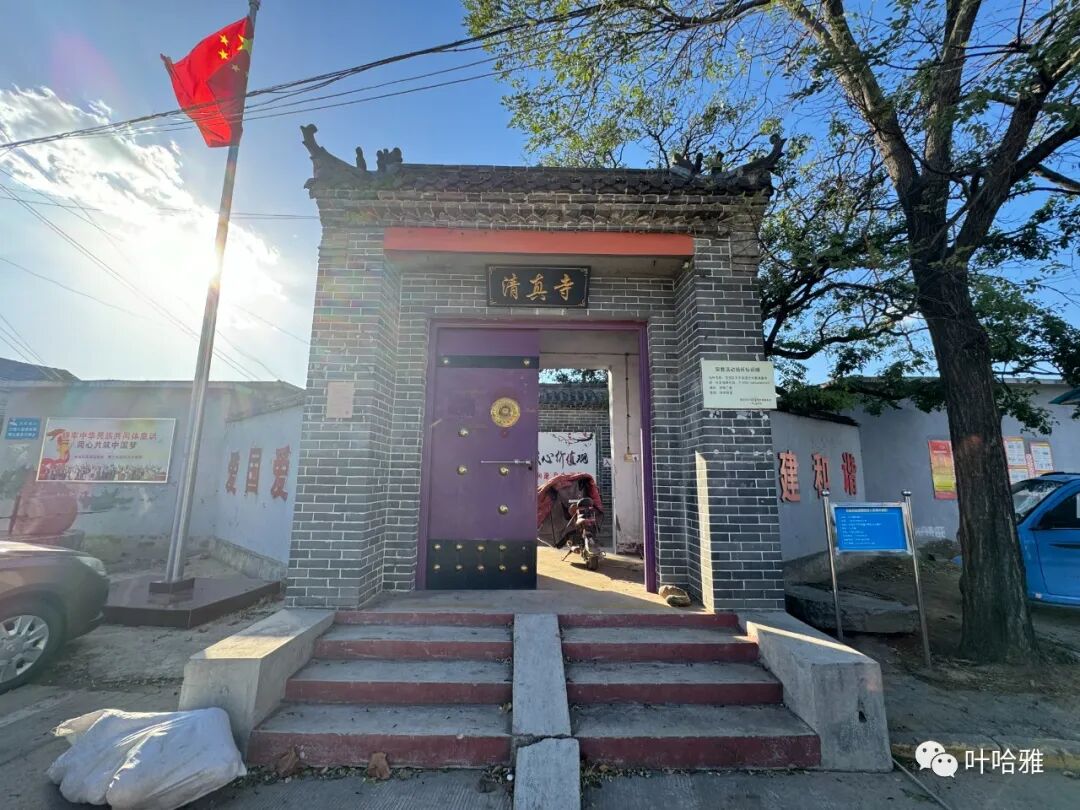
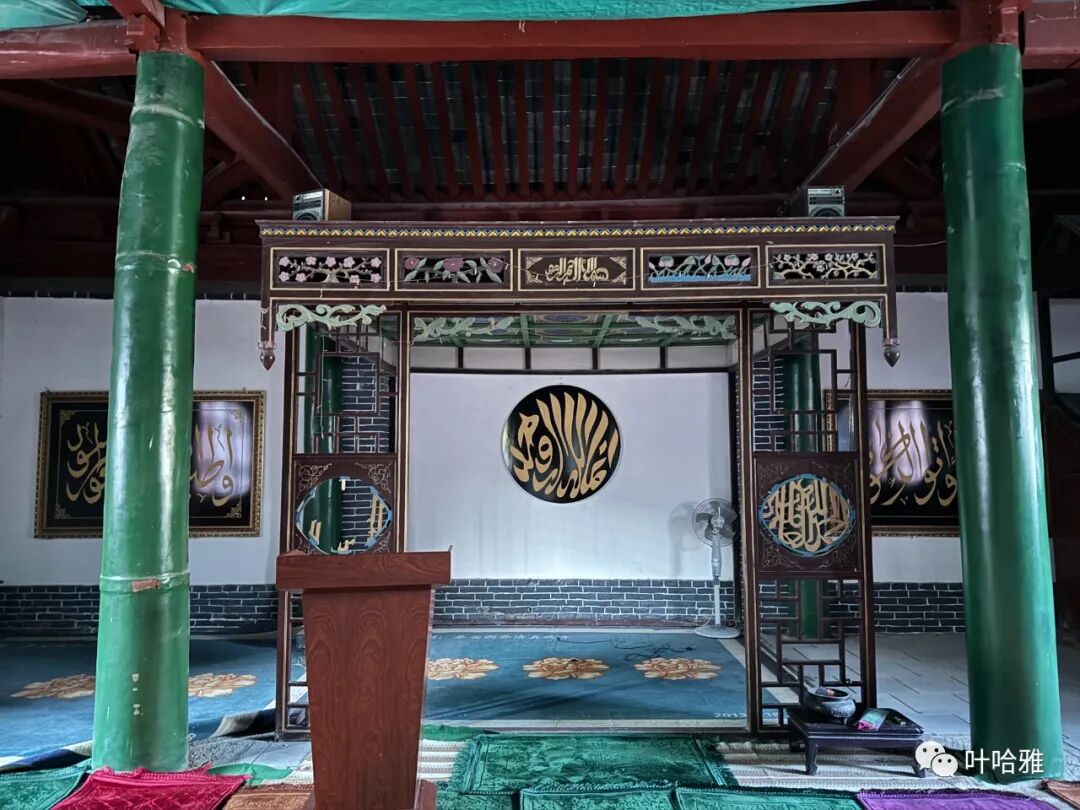
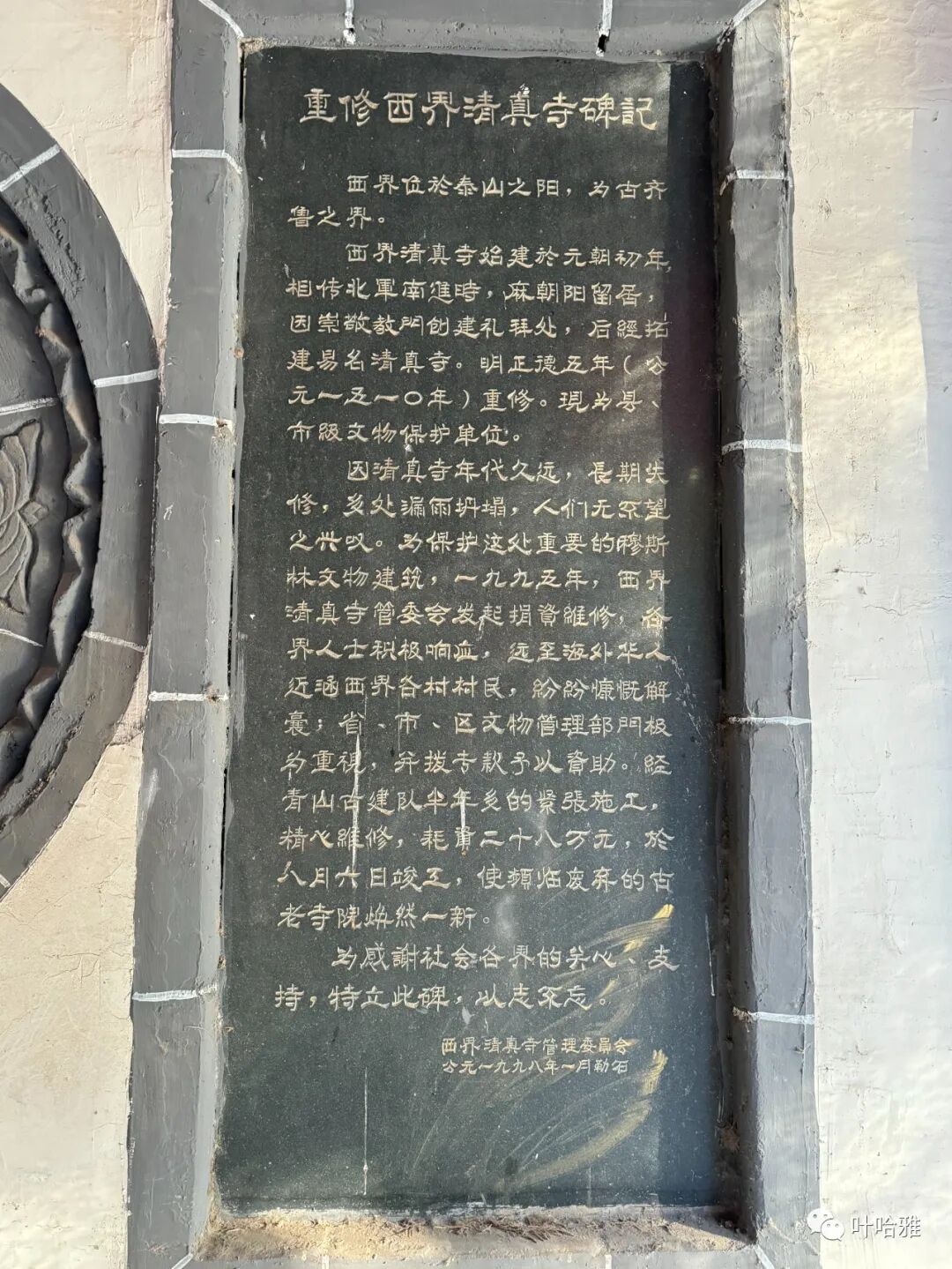
Beidaquan Mosque is located on the south side of the main street in the center of the village, under the jurisdiction of the Tianping Subdistrict Office. It was built around the beginning of the Ming Dynasty and has been repaired many times since. The mosque underwent major renovations in 1935, 2002, and 2010.
The mosque is 30 meters long and 21 meters wide. The main prayer hall is 6 meters high and consists of a front hall and a back hall; the front hall is 7 meters long and 10 meters wide. The back hall is 5 meters long and 7 meters wide. The north lecture hall is 14.2 meters long and 4.7 meters wide. The south lecture hall, which includes the washroom (shuifang), is 21 meters long and 4.2 meters wide. The main gate is 7.9 meters long and 5.3 meters wide.
The mosque currently houses three stone tablets: the 1935 Mosque Tablet Record, the 2002 Mosque Renovation Tablet Record, and the 2011 Ethnic Harmony Lasts Forever Tablet. There is an old honey locust tree (zaojiao shu) inside the mosque. In 2008, forestry experts estimated the tree to be over 300 years old.
Imams including Bai Rongxin, Jin Maoshan, Imam Yang, Zhang Zhongjun, and Ma Fusheng have served as leaders of the mosque's religious affairs. The mosque is now managed by a democratic management committee, with Zhang Yuhe serving as the director.
In 2011, the mosque received the title of "Harmonious Religious Activity Venue" from Shandong Province.
Xihuang Village Mosque
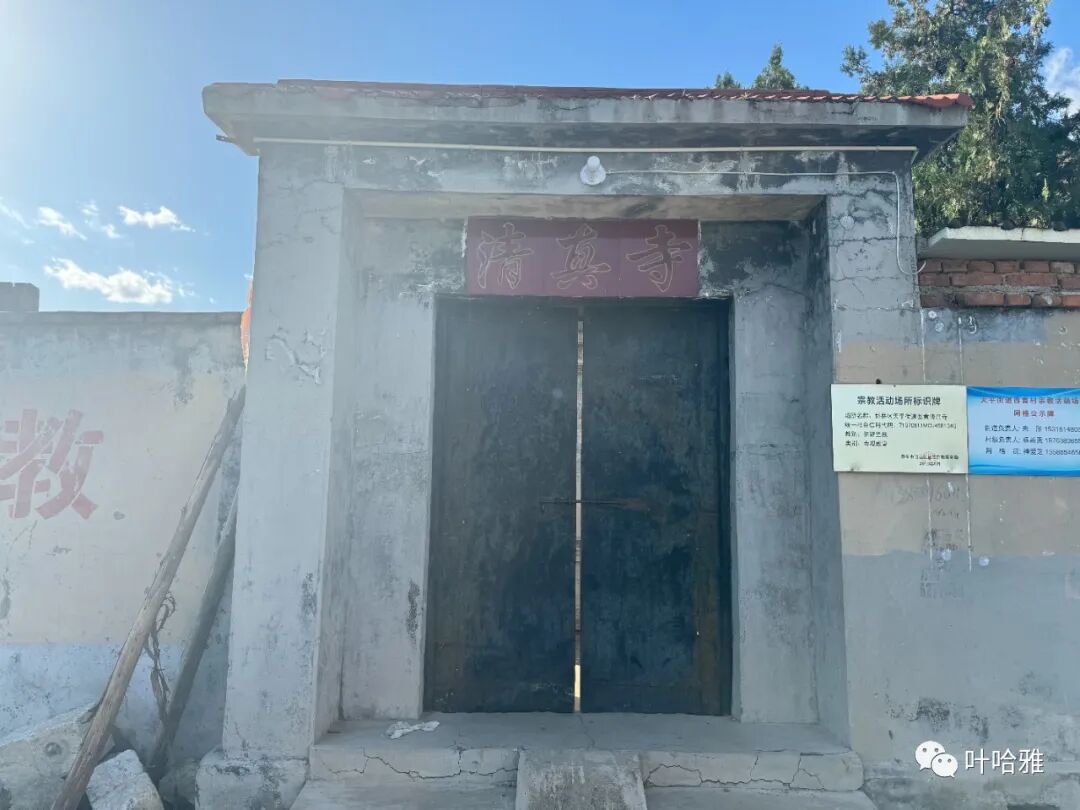
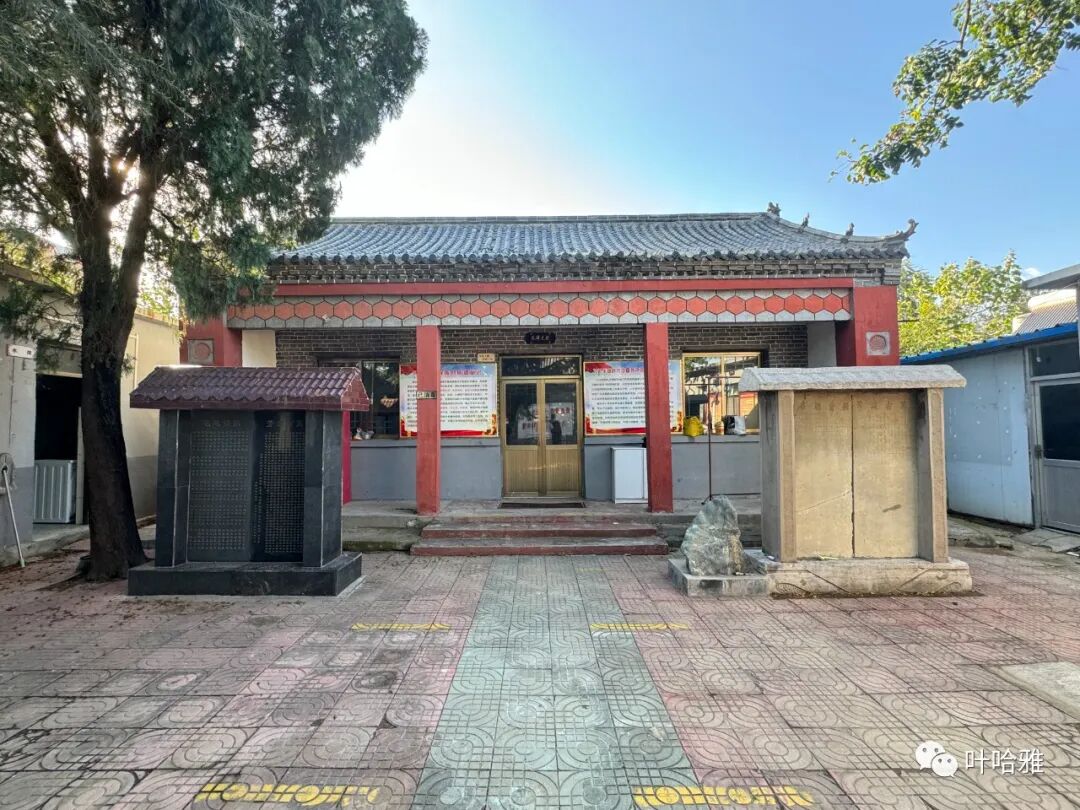
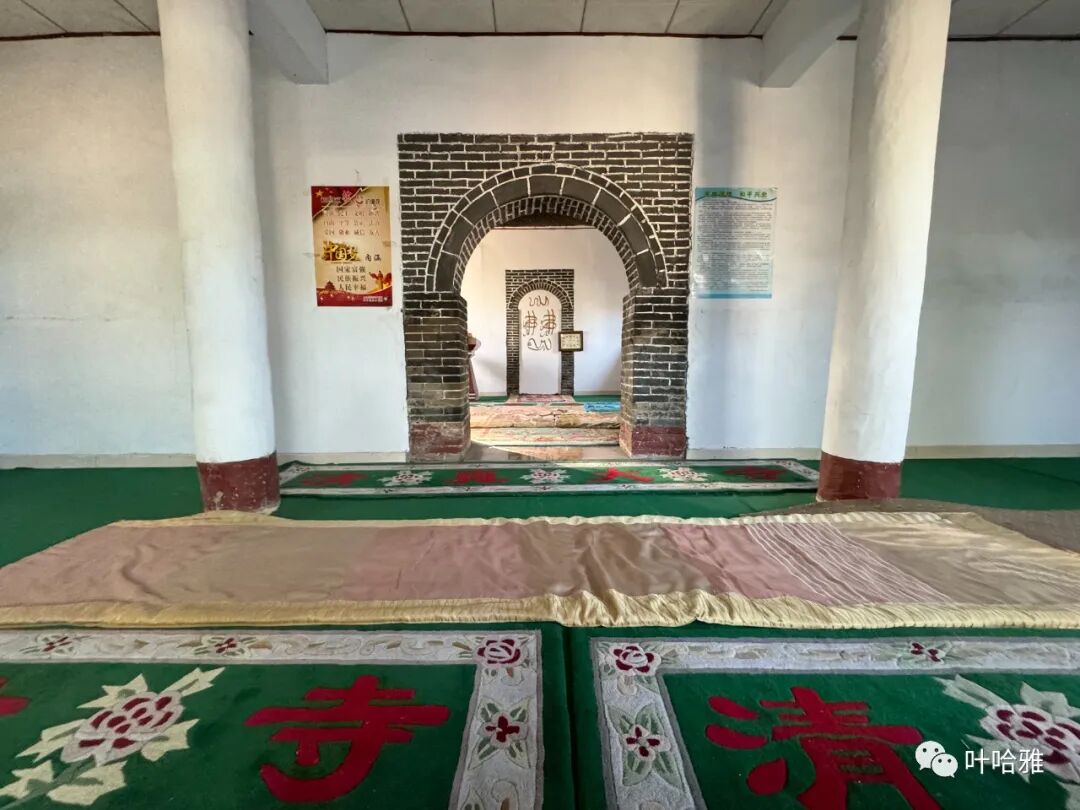
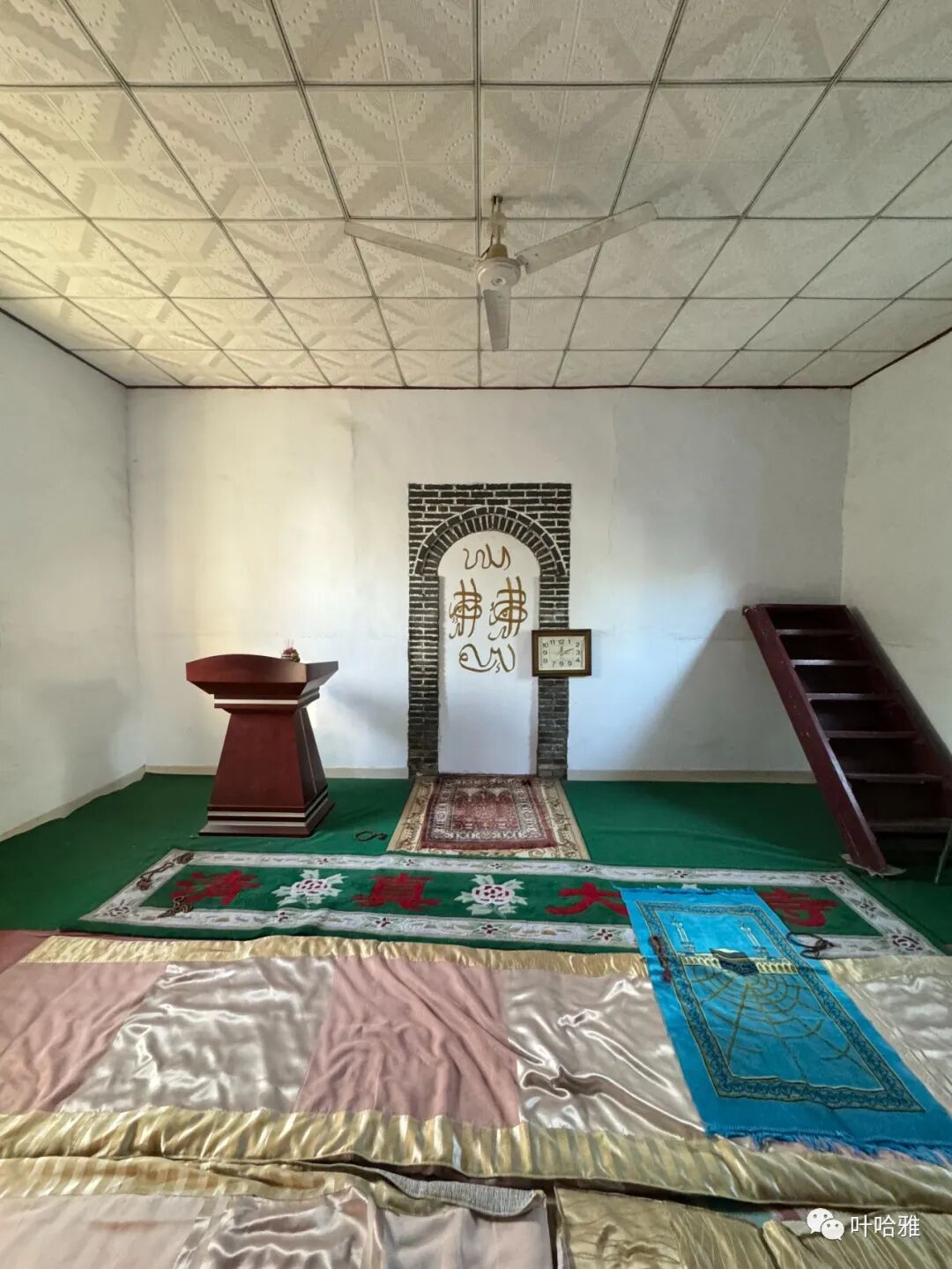
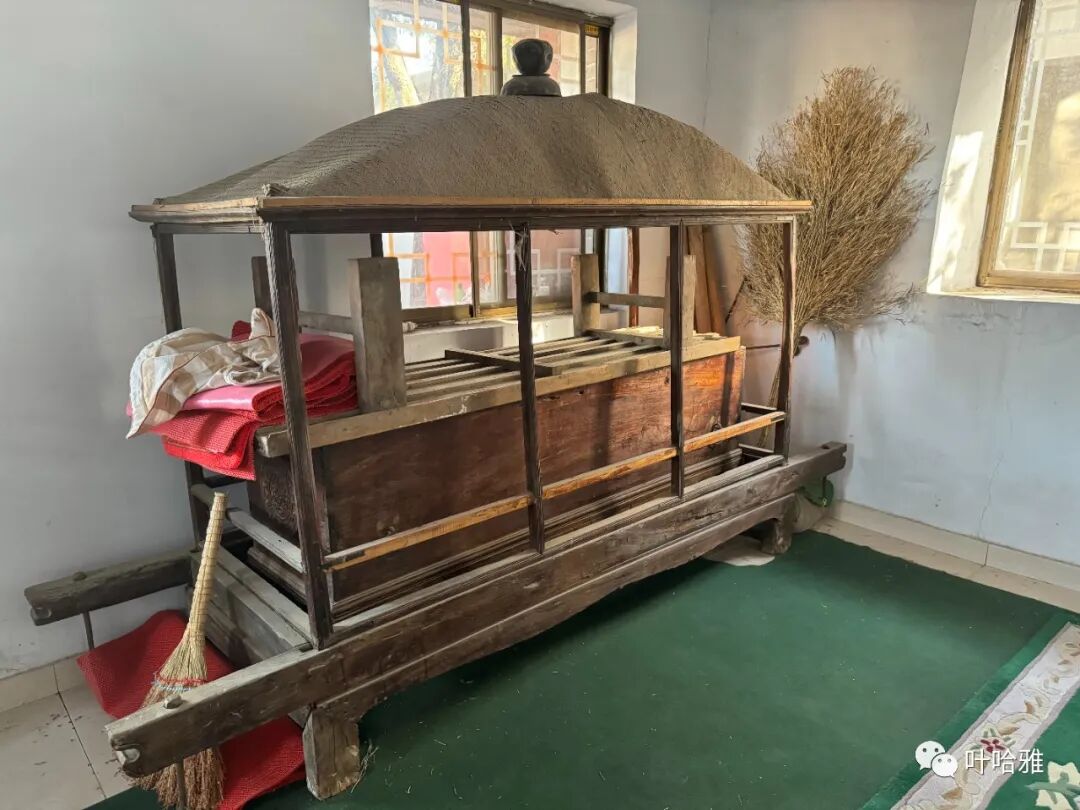
The Xihuang Mosque in the Tianping Subdistrict Office is located south of the village. It was first built during the Ming Dynasty and later expanded several times; the current mosque was rebuilt on the original site.
The mosque is 27.3 meters long and 21.6 meters wide. The main prayer hall is 9.3 meters long and 9 meters wide. The north lecture hall is 9.35 meters long and 6.68 meters wide. The south lecture hall is 8.85 meters long and 4.55 meters wide. The water room is 3.1 meters long and 4.55 meters wide.
Imams including Ma Wanqing, Xu Jiwu, Xu Changpu, Ma Daoguang, and Shi Guorong have successively led religious affairs at the mosque. Imam Liu Cang currently leads the religious affairs. The mosque was once managed by Yang Fuchang and others, but it is now run by a mosque management committee led by director Yang Shunshan.
In 2013, it was named a Harmonious Religious Activity Site by Shandong Province.
Fajialing Mosque
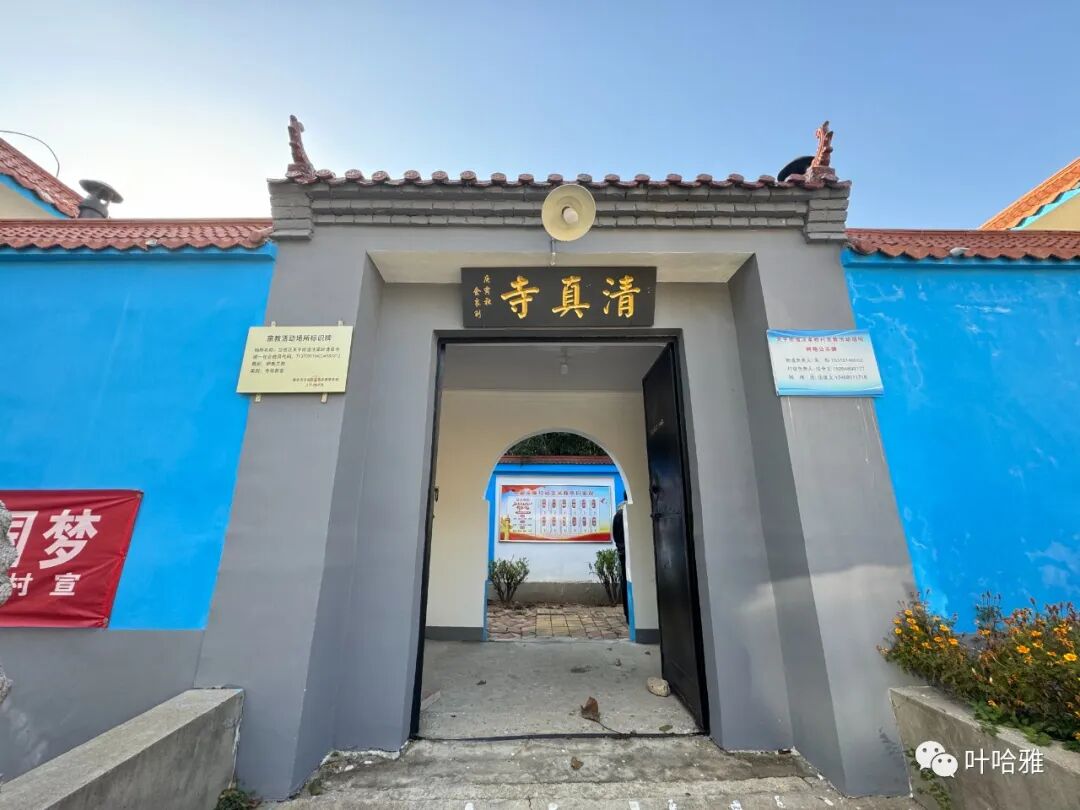
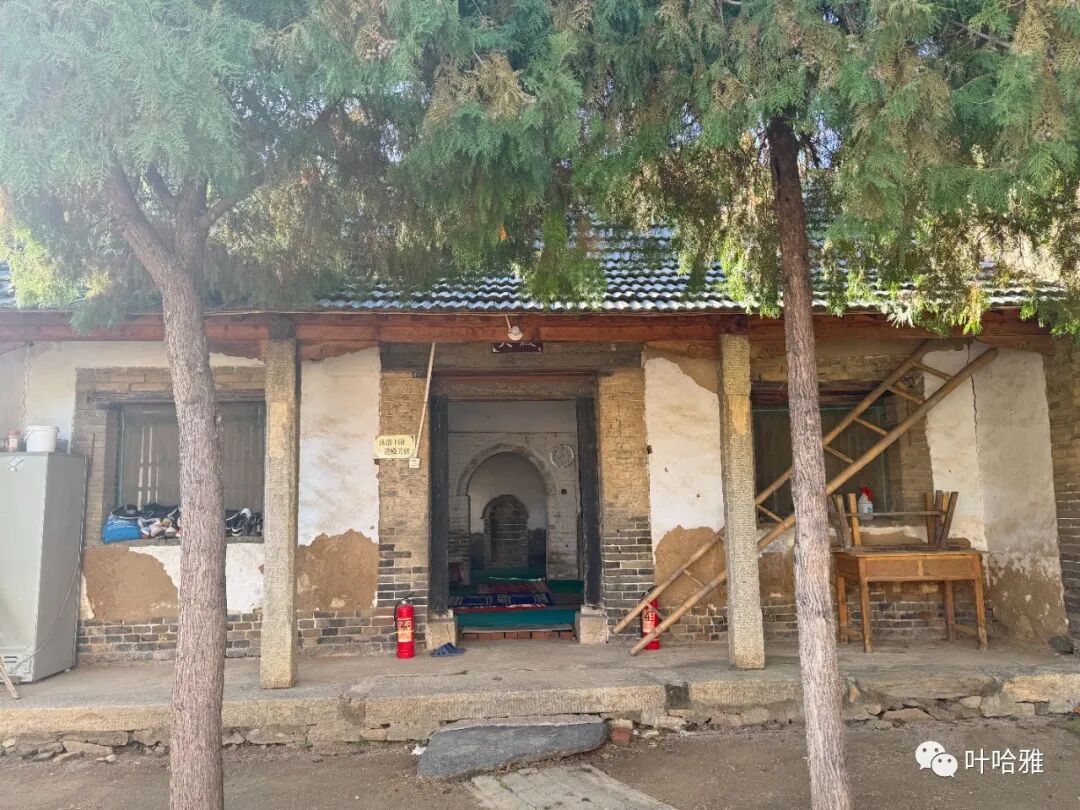
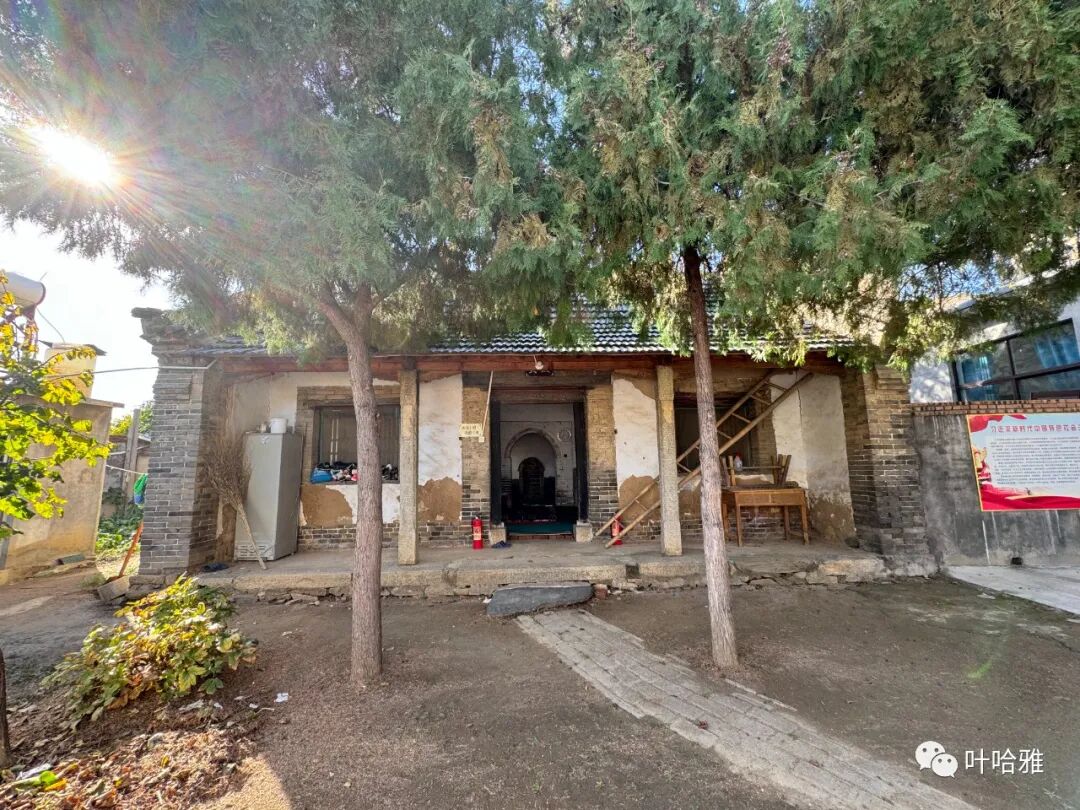
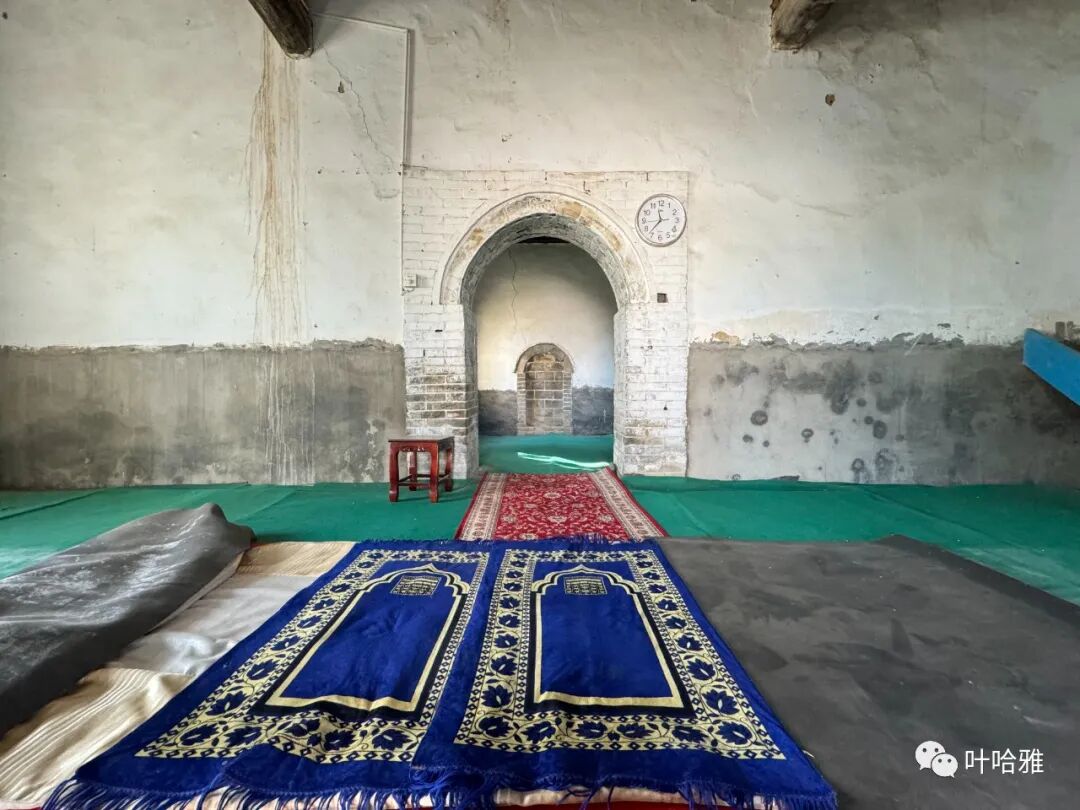
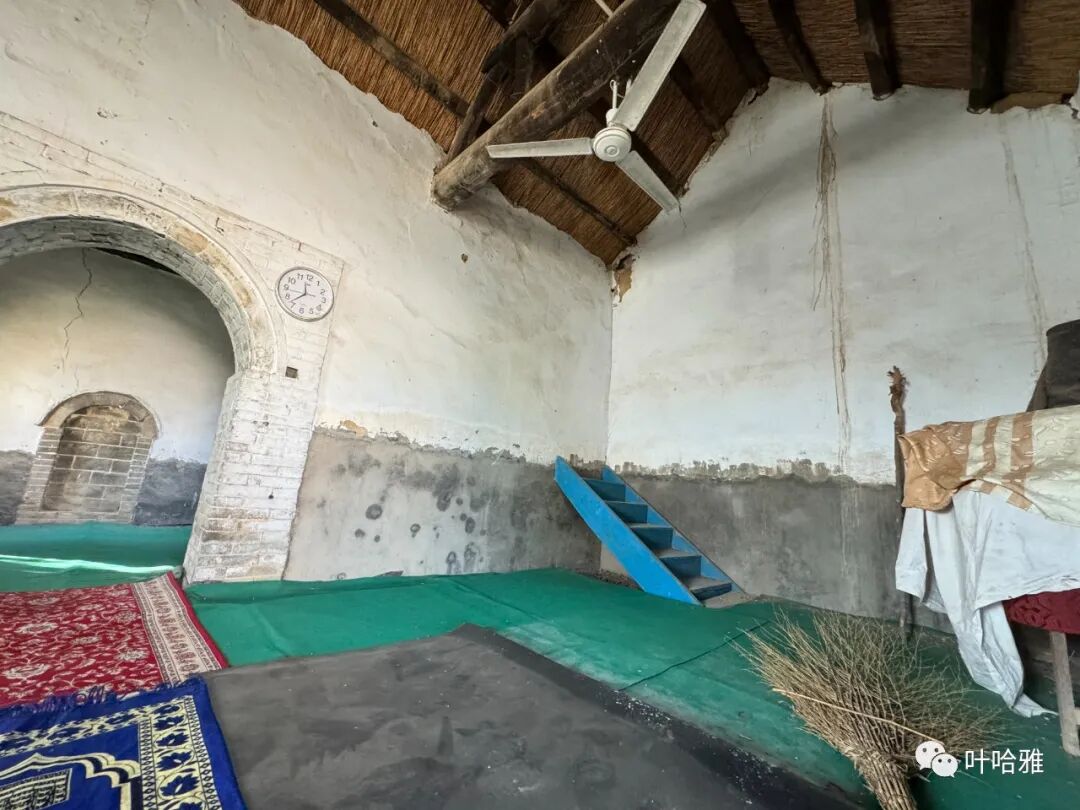
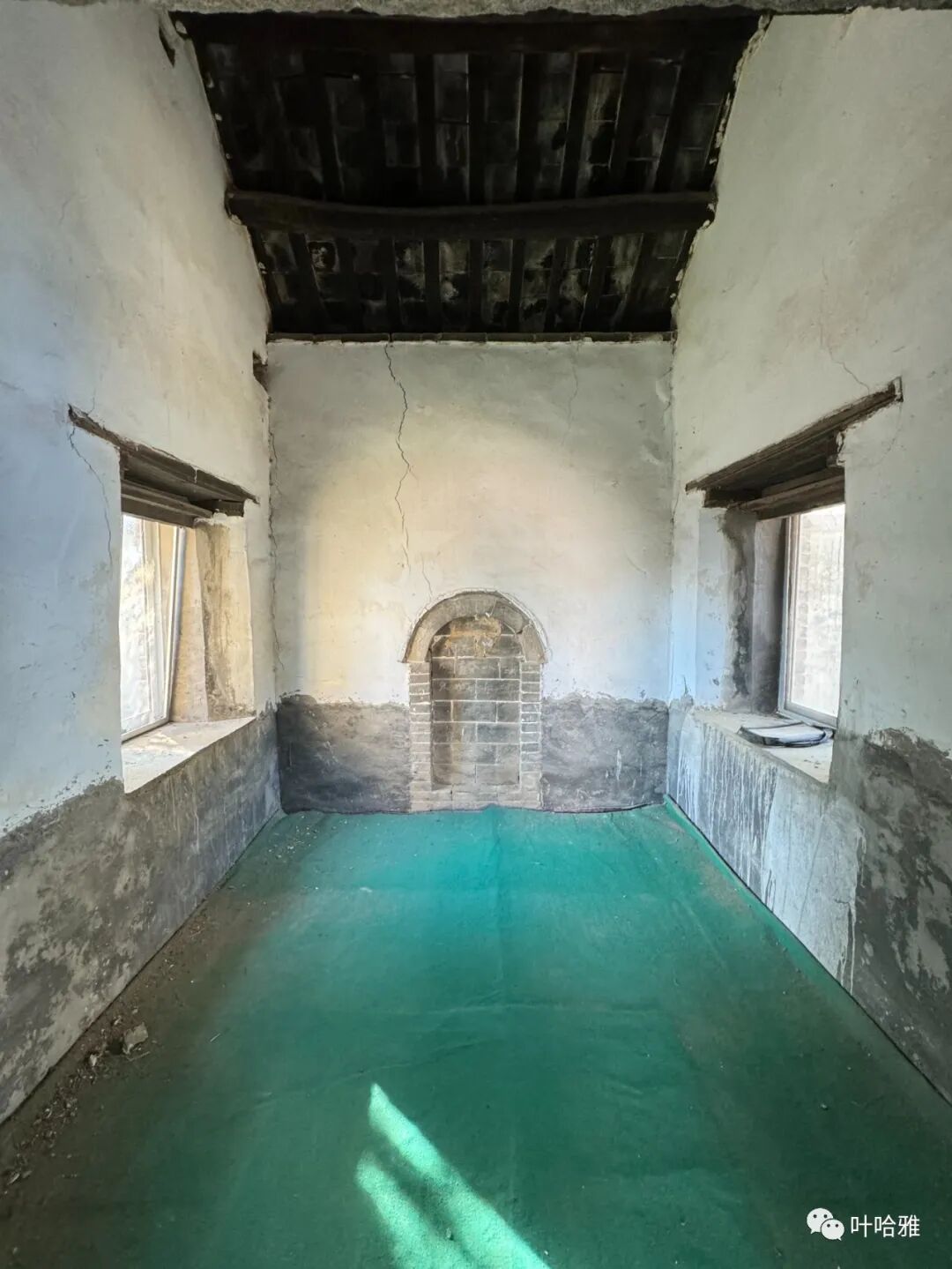
Fajialing Mosque in Tianping Subdistrict is located in the western part of the village. It was built in 1868 during the seventh year of the Tongzhi reign of the Qing Dynasty and has been expanded several times since. The mosque was renovated twice, in 2001 and 2008.
The mosque is a single-courtyard complex measuring 32 meters long and 24 meters wide. The main prayer hall is a single-story building that is 3.8 meters high, 24 meters long, and 8 meters wide. The north lecture hall is 28 meters long and 6 meters wide. The south lecture hall is 28 meters long and 4 meters wide. The water room is 4 meters long and 4 meters wide. There are two stone tablets remaining: the Donation List for the Renovation of Fajialing Mosque in Tianping Subdistrict and the 2002 Ethnic Unity Merit Tablet.
Imams including Wang Changming, Li Shengcai, Ma Yunming, and Yang Yuqing have led the religious affairs of this mosque. Imam Ma Yunming led the renovation of the mosque in 2001. The mosque is managed by a mosque management committee, with Fa Jinyu serving as the director.
In 2010, it was named a Harmonious Religious Activity Site in Shandong Province. In 2014, it received the Model Mosque title from the Tai'an Islamic Association.
Xiawang Mosque
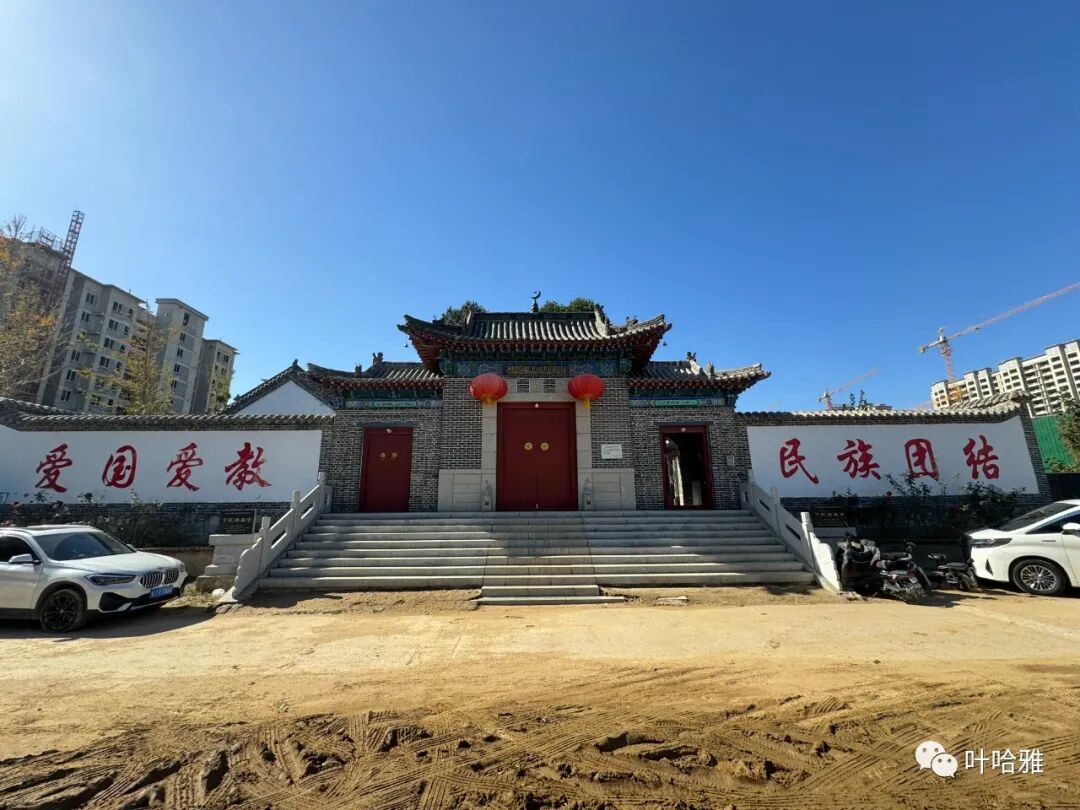
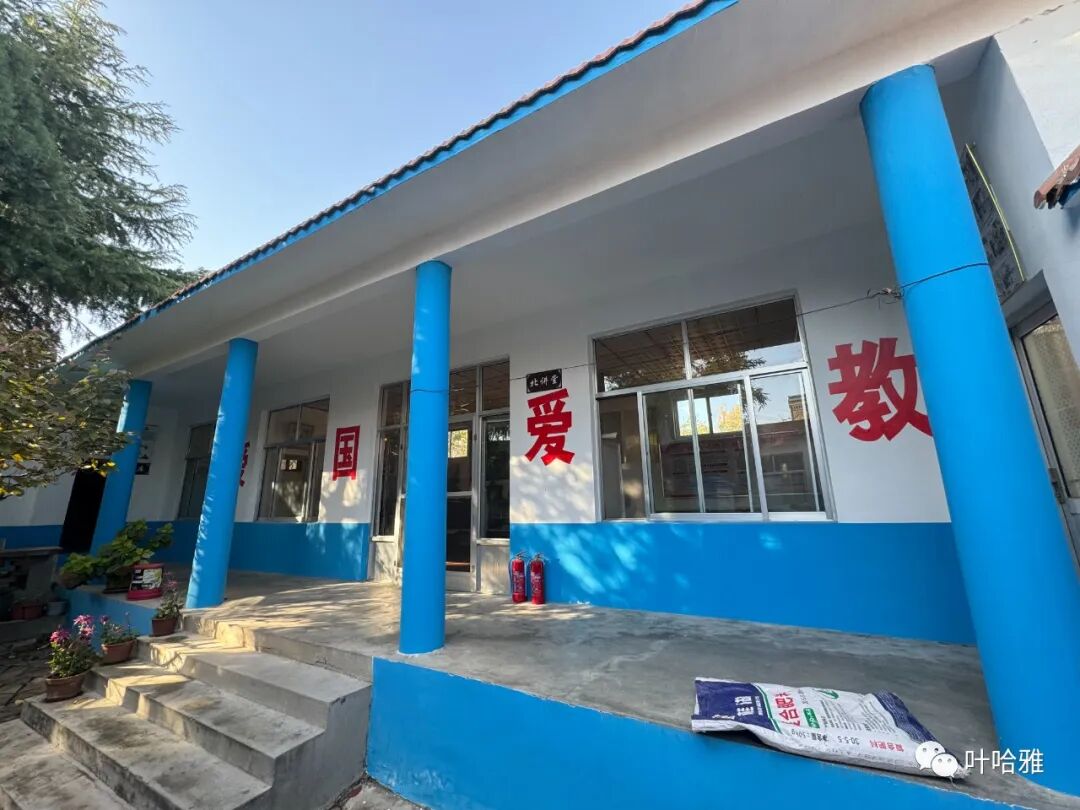
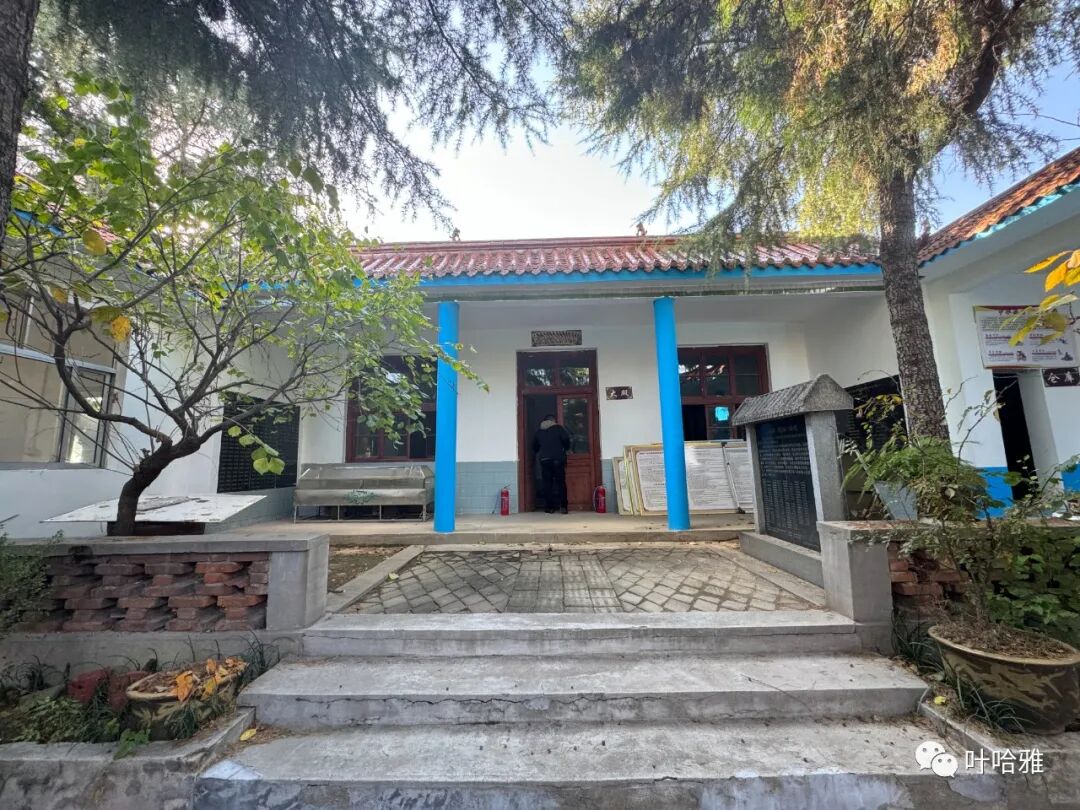
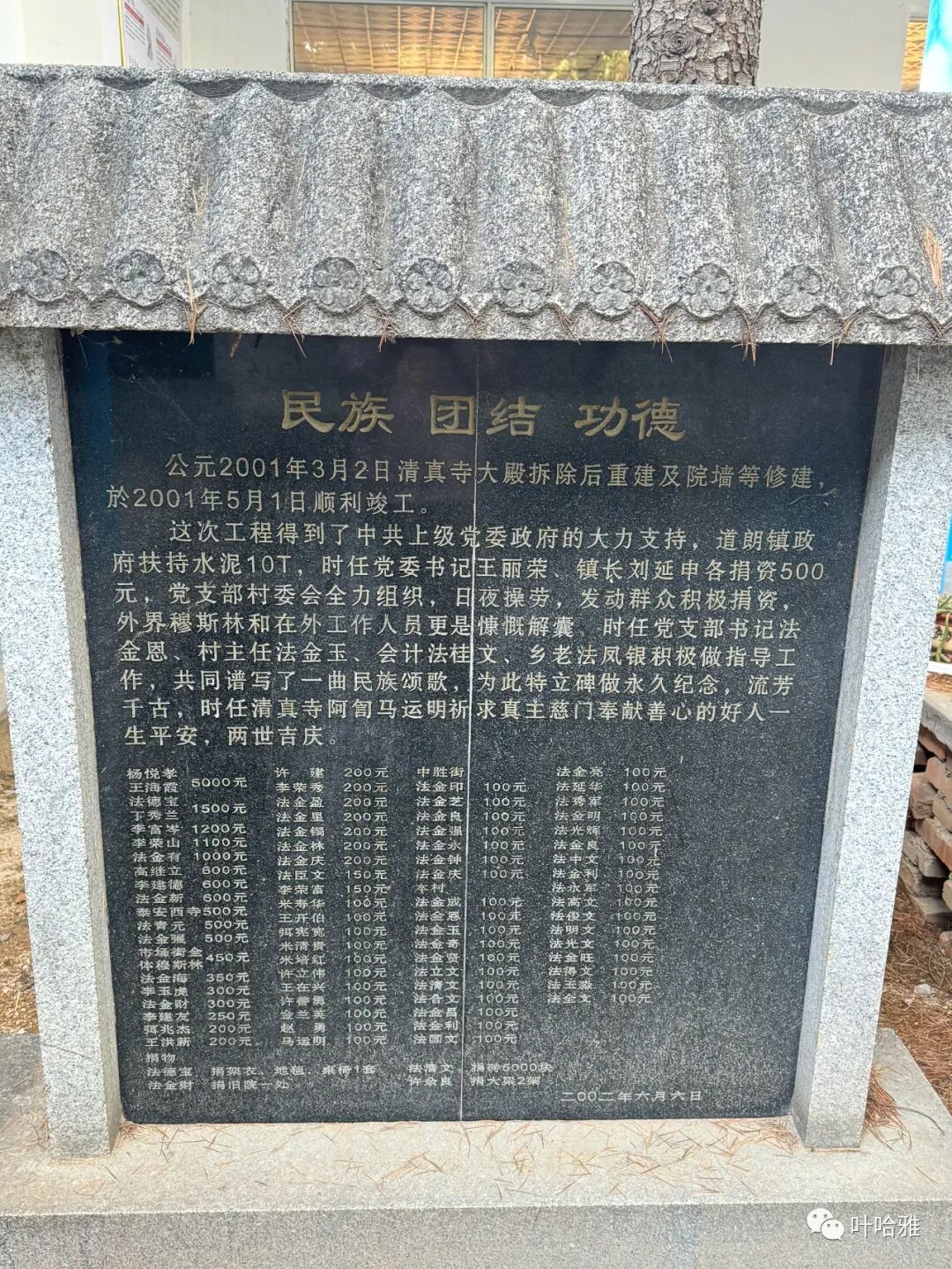
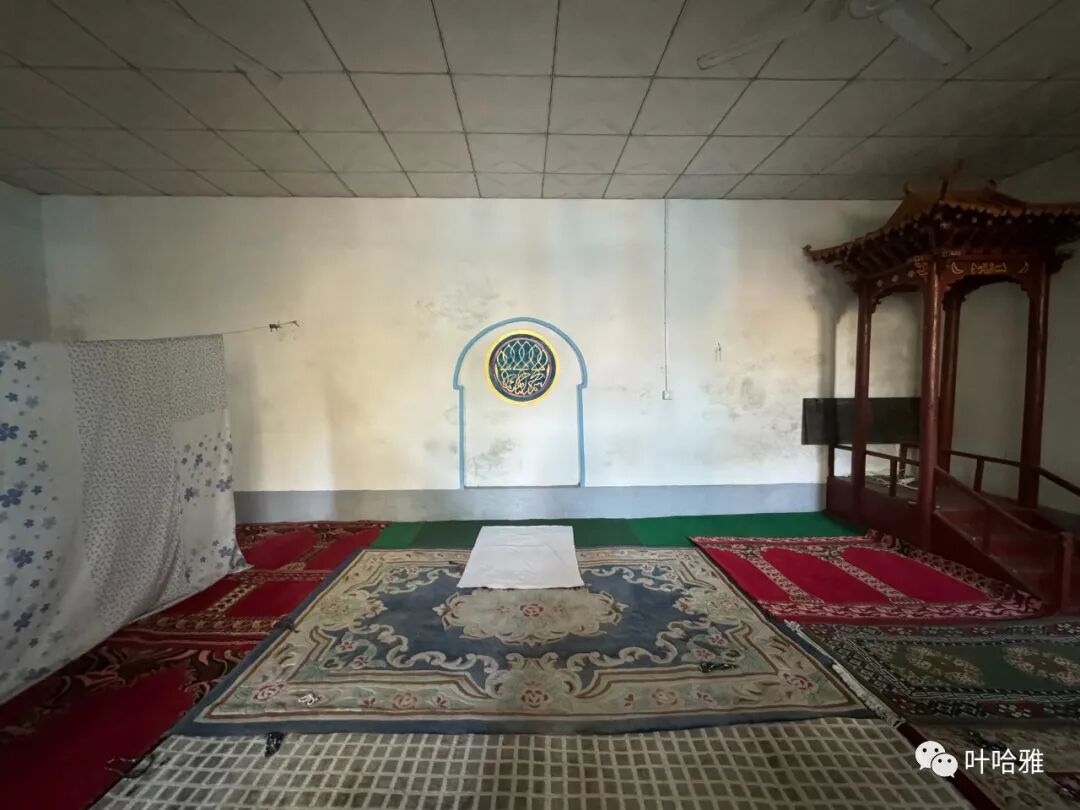
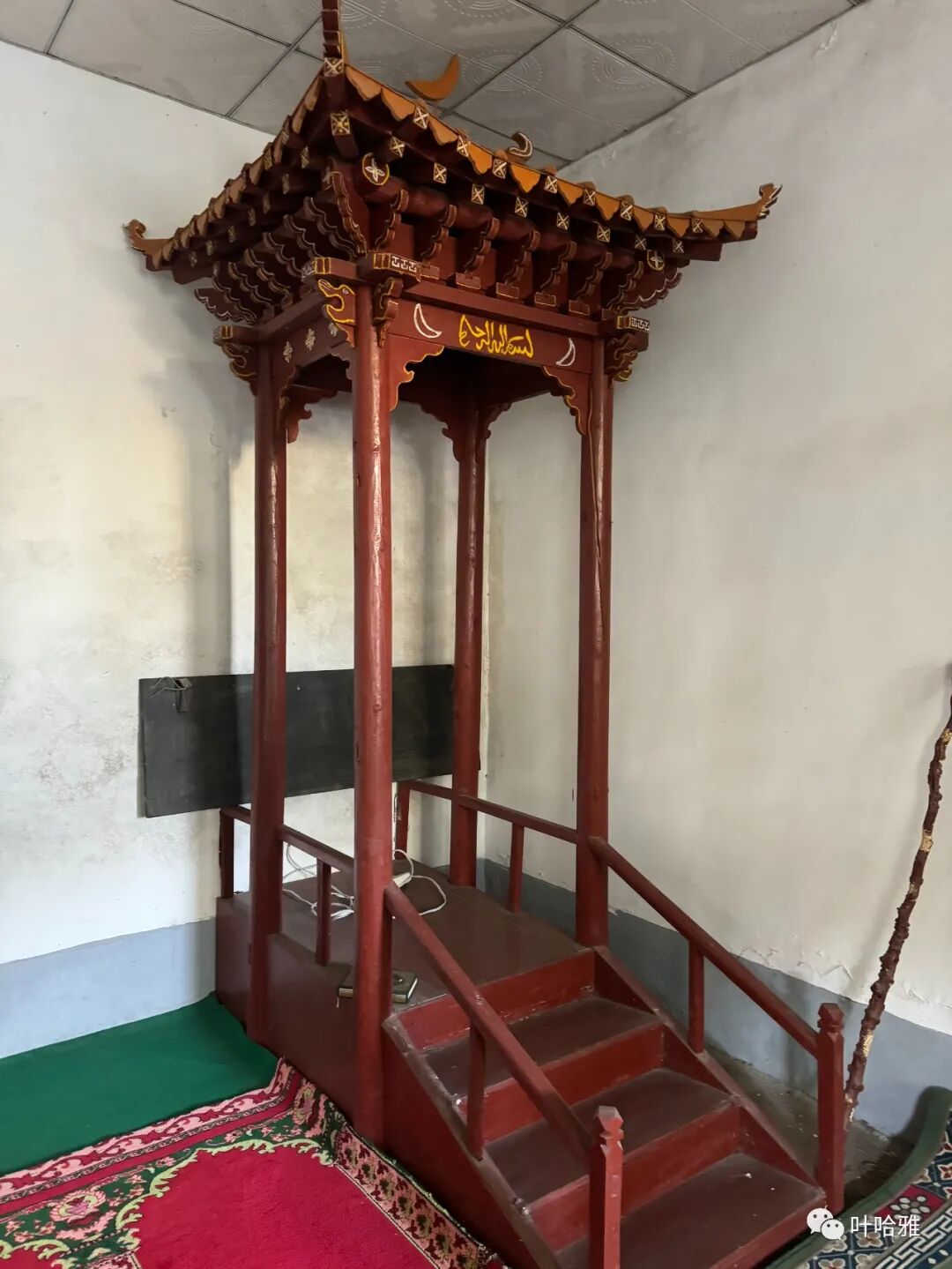
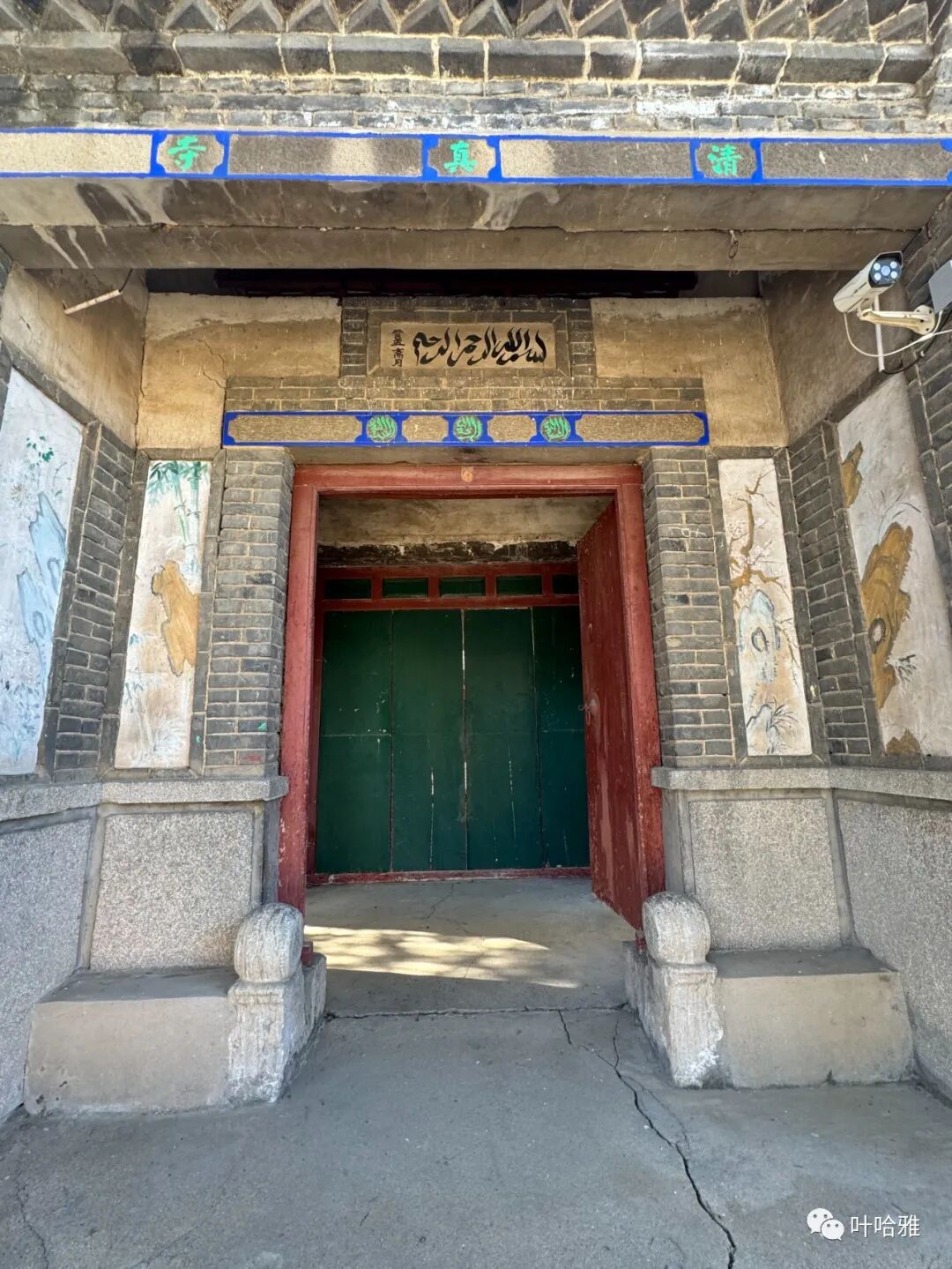
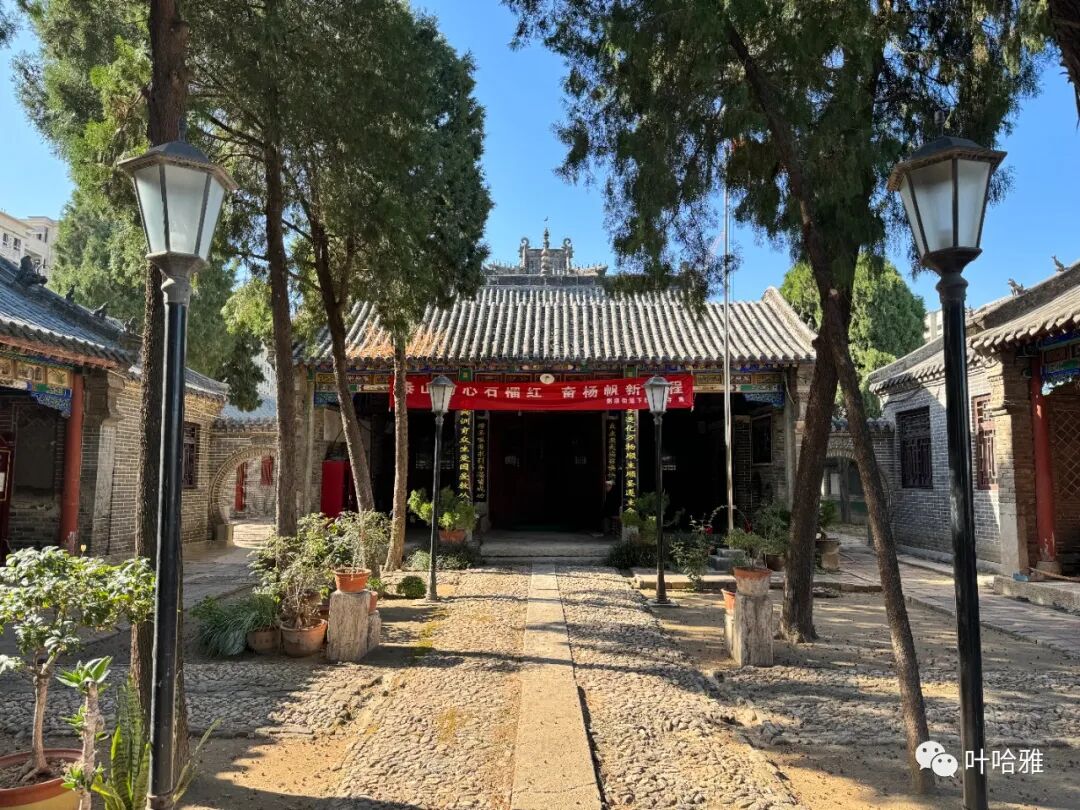
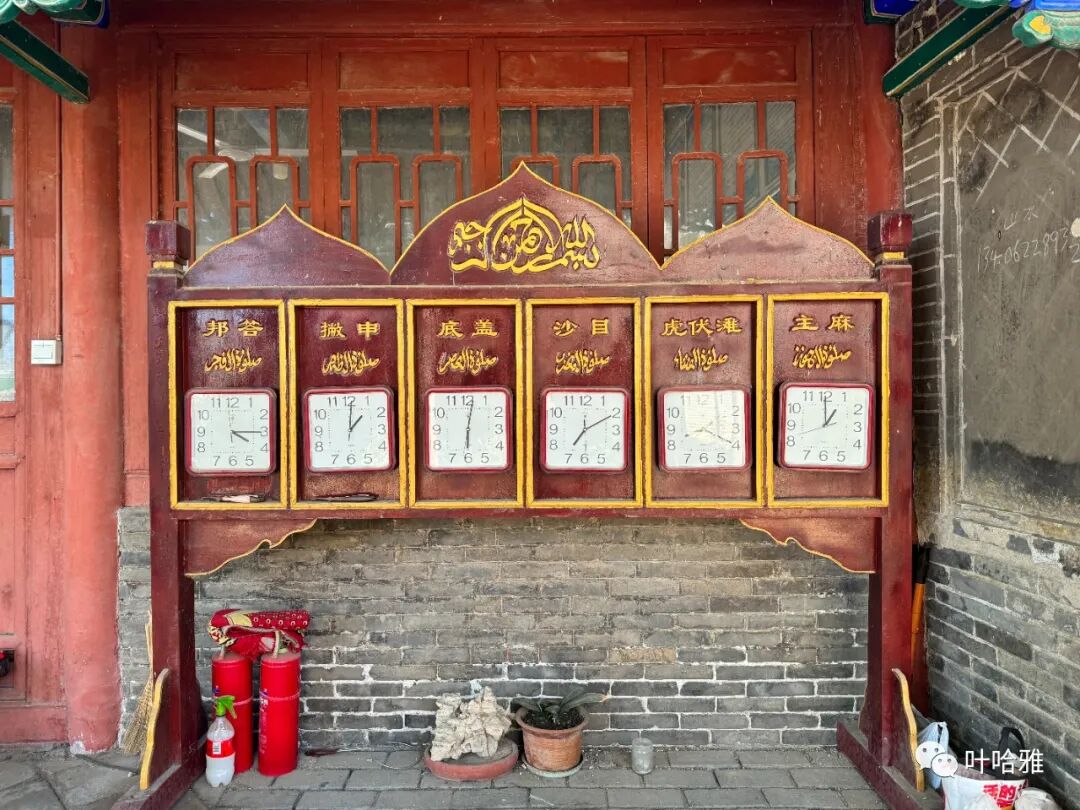
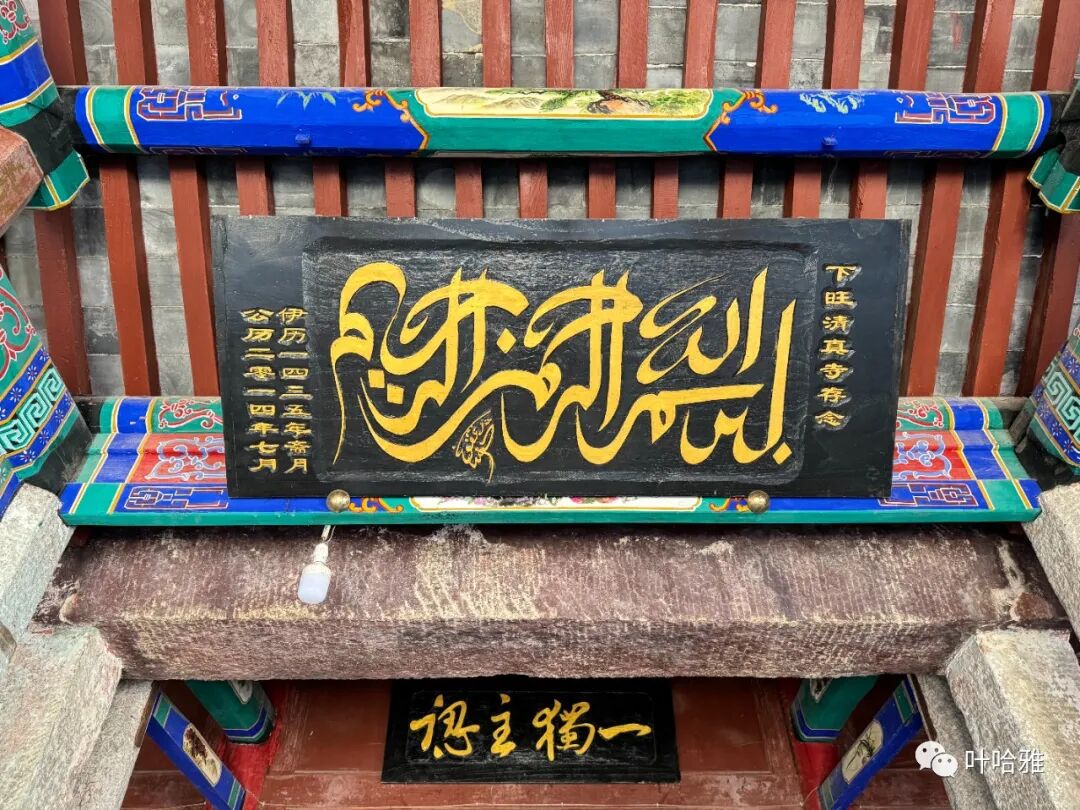
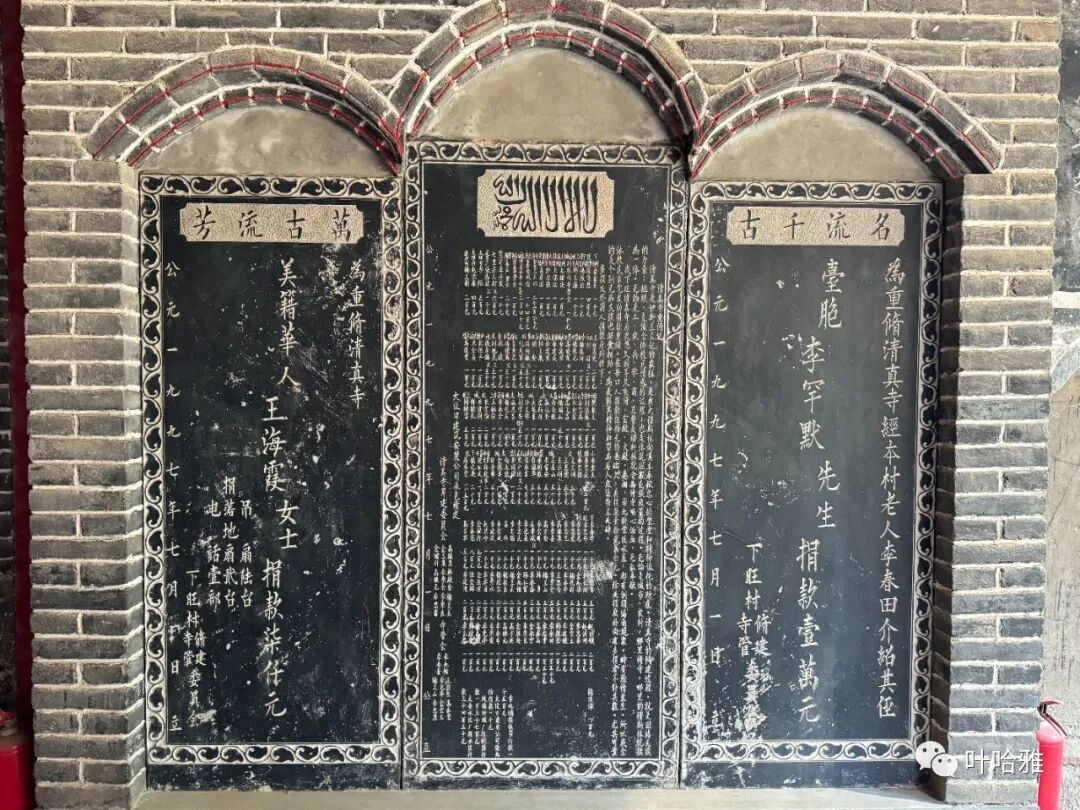
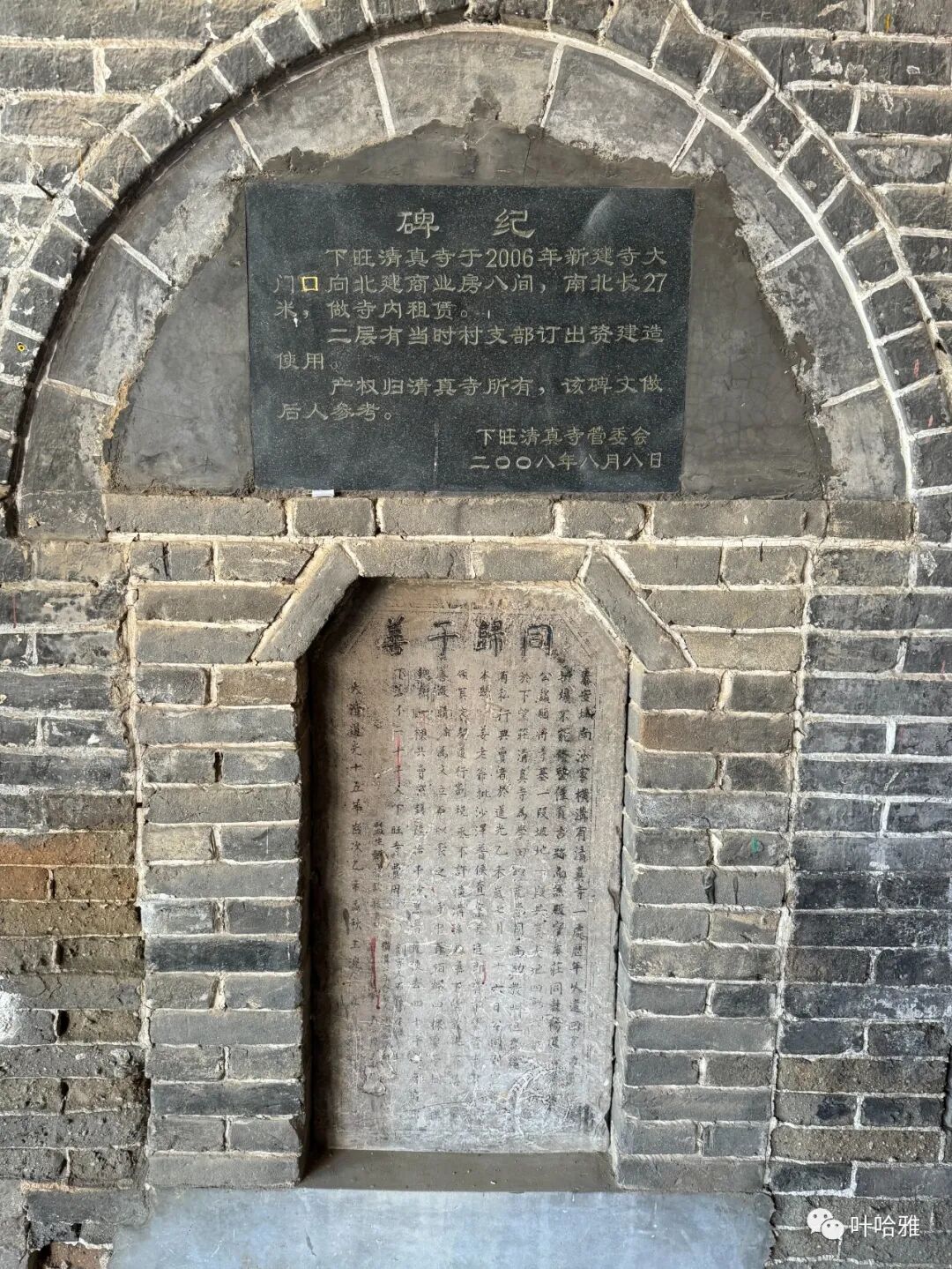
Xiawang Mosque, located in the Zhoudian Subdistrict, sits on the Gaotaizi land in the west of Xiawang Village. It is a famous historic mosque in Tai'an and Shandong Province, with many stone tablets inside recording that the mosque was founded a long time ago. A stone tablet from the sixth year of the Tianqi reign of the Ming Dynasty (1626) shows that Muslims were already donating land and houses to the mosque at that time. Existing stone tablets show that there have been 10 large-scale renovations since the twelfth year of the Yongzheng reign of the Qing Dynasty (1734).
During the Cultural Revolution, the mosque was damaged, and its buildings, many precious artifacts, and historical documents were destroyed. After the Reform and Opening-up policy, ethnic and religious policies were implemented, and under the leadership of the mosque's democratic management committee, three more large-scale renovations took place in 1996, 2007, and 2013.
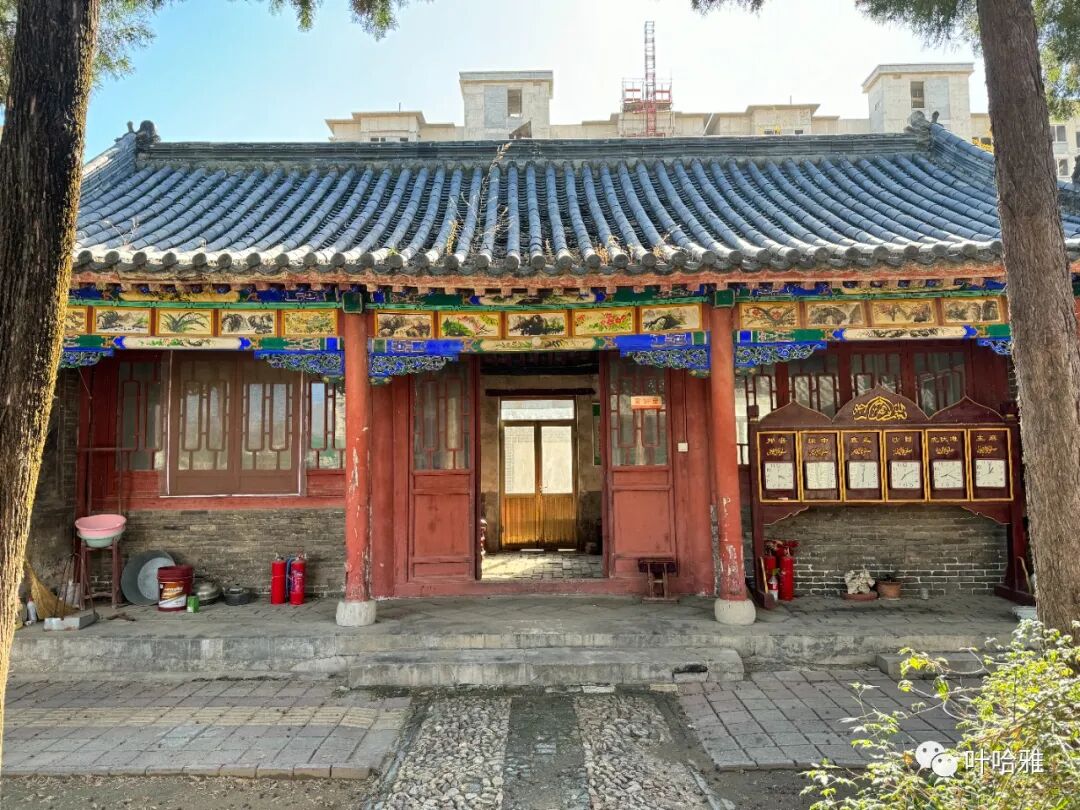
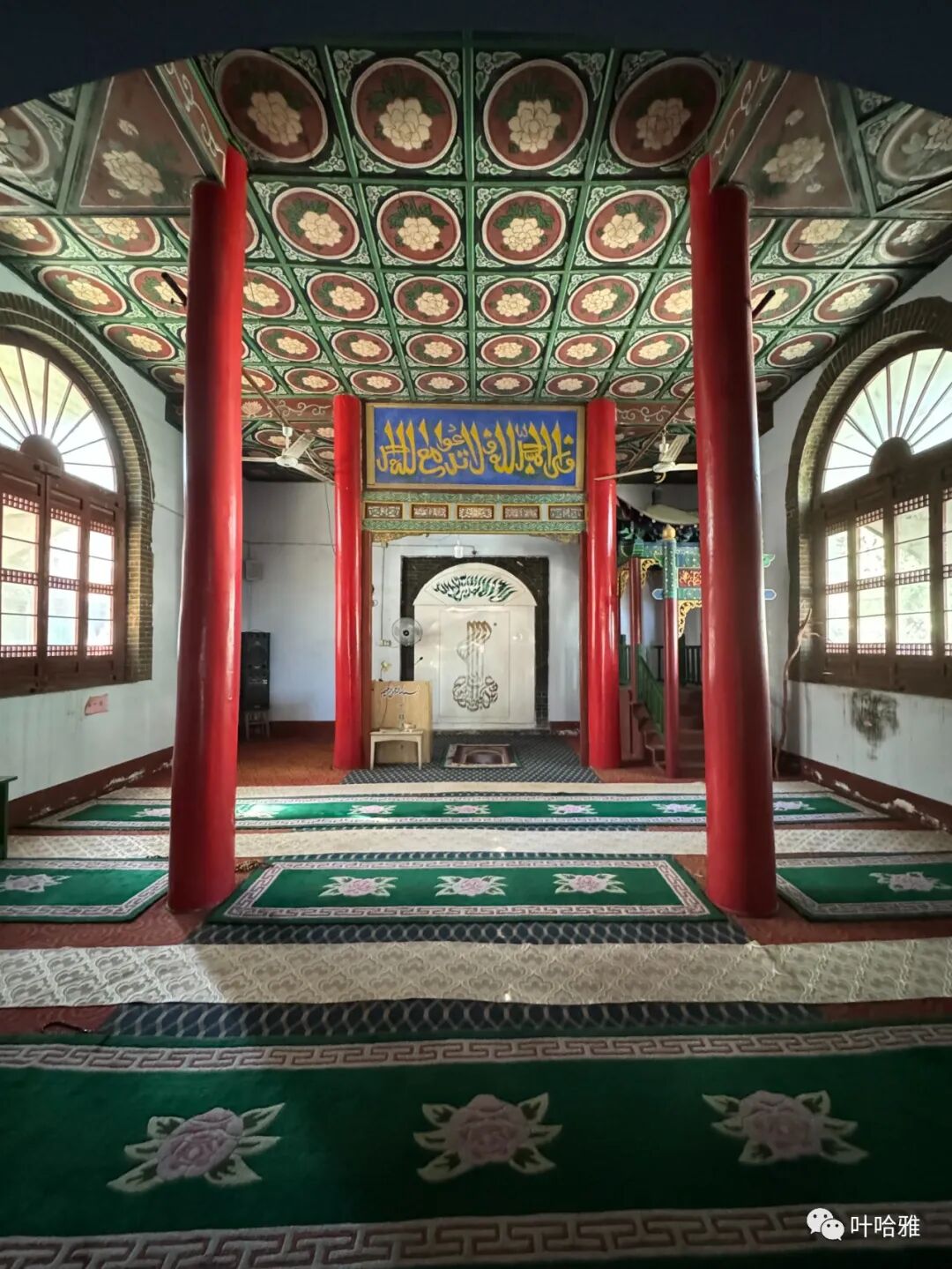
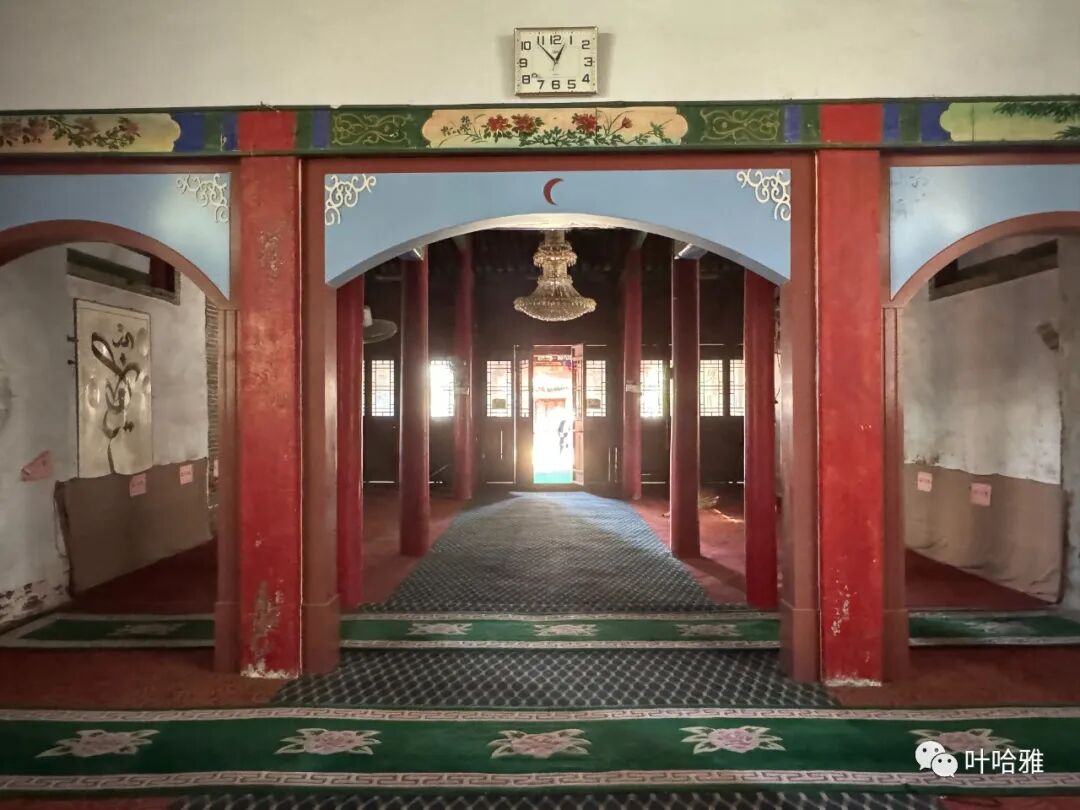
The mosque has two courtyards and measures 100 meters long by 100 meters wide. The main gate is built in a traditional Chinese style and faces the second gate. The main prayer hall is three bays wide and three bays deep, consisting of a main hall and a front porch (baoxia). Both have gray-tiled hard-mountain roofs (yingshan ding) and stand 30 meters high, 60 meters long, and 30 meters wide. The rear hall is built in the Ming Dynasty style with a hip-and-gable roof (xieshan), bracket sets (dougong), three layers of eaves, and twelve upturned corners. The north and south lecture halls have gray-tiled hard-mountain roofs and front porches. The north lecture hall is 10 meters long and 6 meters wide. The south lecture hall is 7 meters long and 6 meters wide. The water room is 10 meters long and 5 meters wide. Additionally, the mosque's courtyard covers an area of 225 square meters.
To protect the mosque's cultural relics, the Tai'an municipal government officially allocated ten mu of land for the mosque in the 1990s. The mosque established a cultural relic protection group, designating the area inside the walls as a key protection zone, and also marked out general protection areas and building control zones.
The mosque currently holds 26 stone tablets, including the 1626 Land and House Donation Tablet from the sixth year of the Tianqi reign of the Ming Dynasty. The imams who served during the middle and late Qing Dynasty were Li Qin, Bai Jiankui, Yang Taixiang, Wang Yongqing, Yang Yutian, Mi Tian, and Yang Yueqing. Between 1935 and 1949, the imams who served were Zhang Deng'ao, Tang Zhenlin, Bai Shengping, Bai Shengyuan, and Wang Fuxiang. After the founding of the People's Republic of China, the imams who led religious affairs included Wang Xichun, Wang Xilian, Li Jitang, Han Yuhai, and Bai Shenglin.
During the Cultural Revolution, the mosque was forced to close. After the turmoil ended, religious activities resumed, and the mosque was led by imams including Sha Zhenkui, Han Yuhai, Jin Haixue, Mi Baokun, Xu Changpu, Tang Xixing, Ma Ruisha, Wang Xiangkun, and Ma Zhaokui.
In 2006, it was named a Tai'an City Cultural Relics Protection Unit. It received the city-level Civilized Mosque title in 2008, was named a provincial-level Harmonious Religious Activity Venue in 2009, won the Daiyue District Model Mosque title in 2010, and was designated a Provincial Cultural Relics Protection Unit in 2013.
Shangwang Mosque
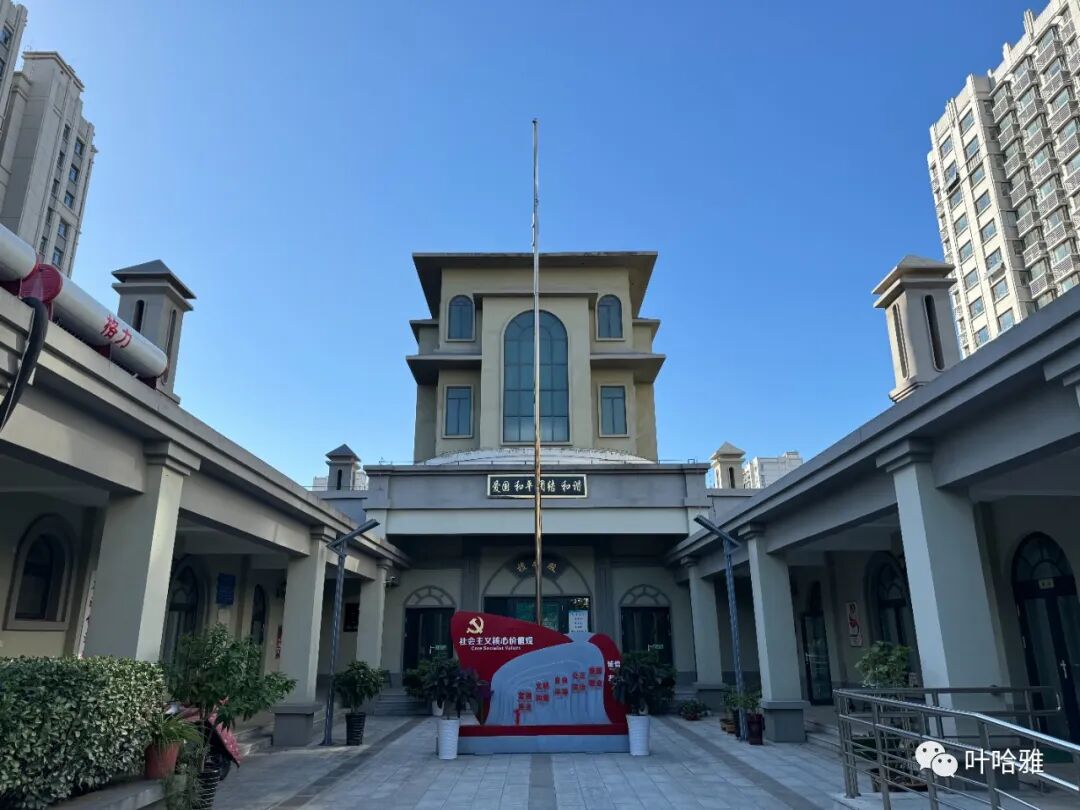
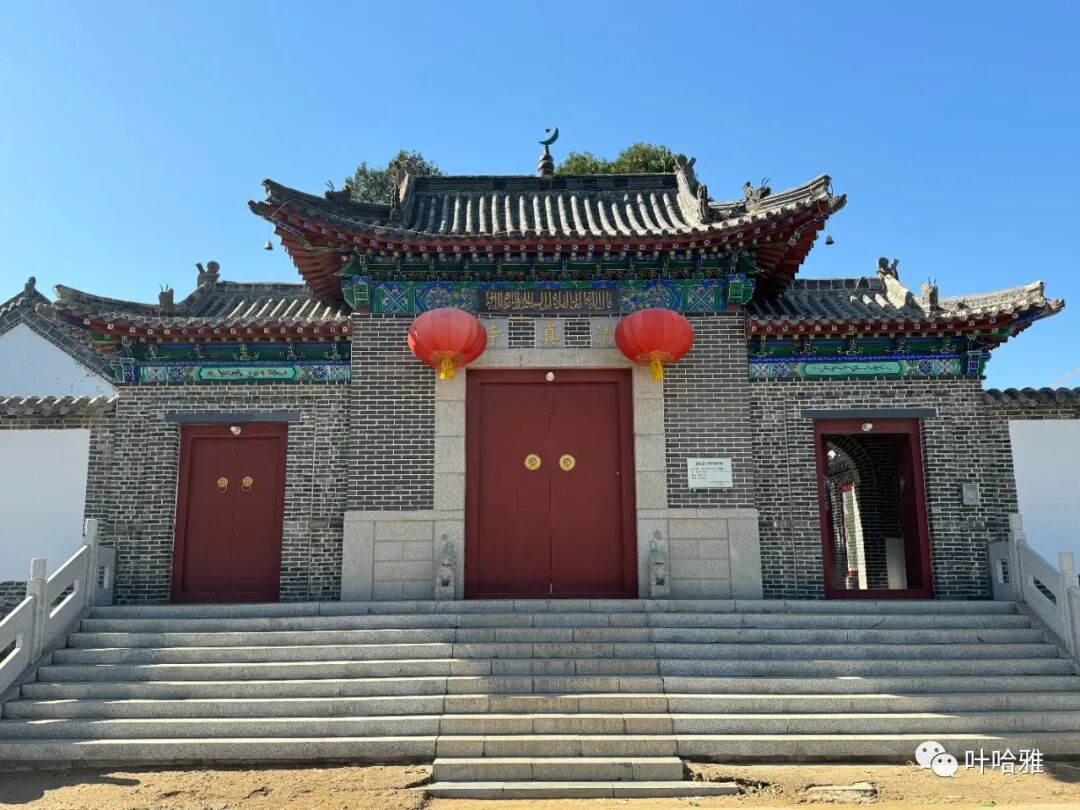
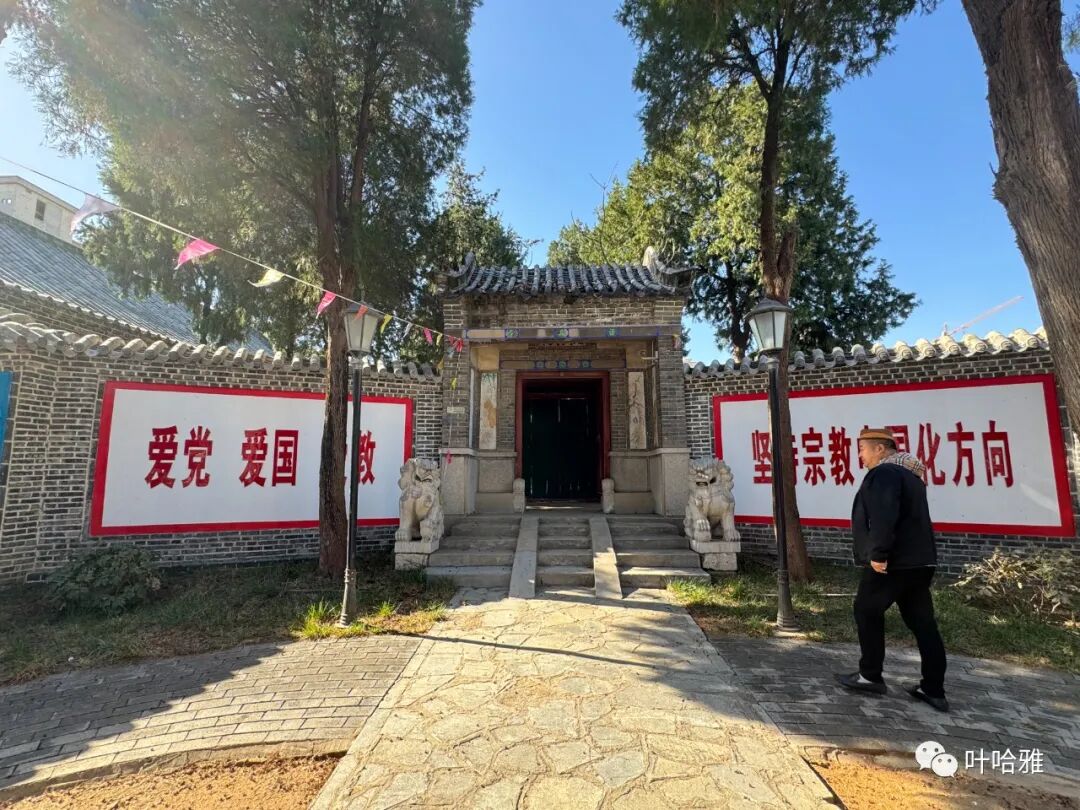
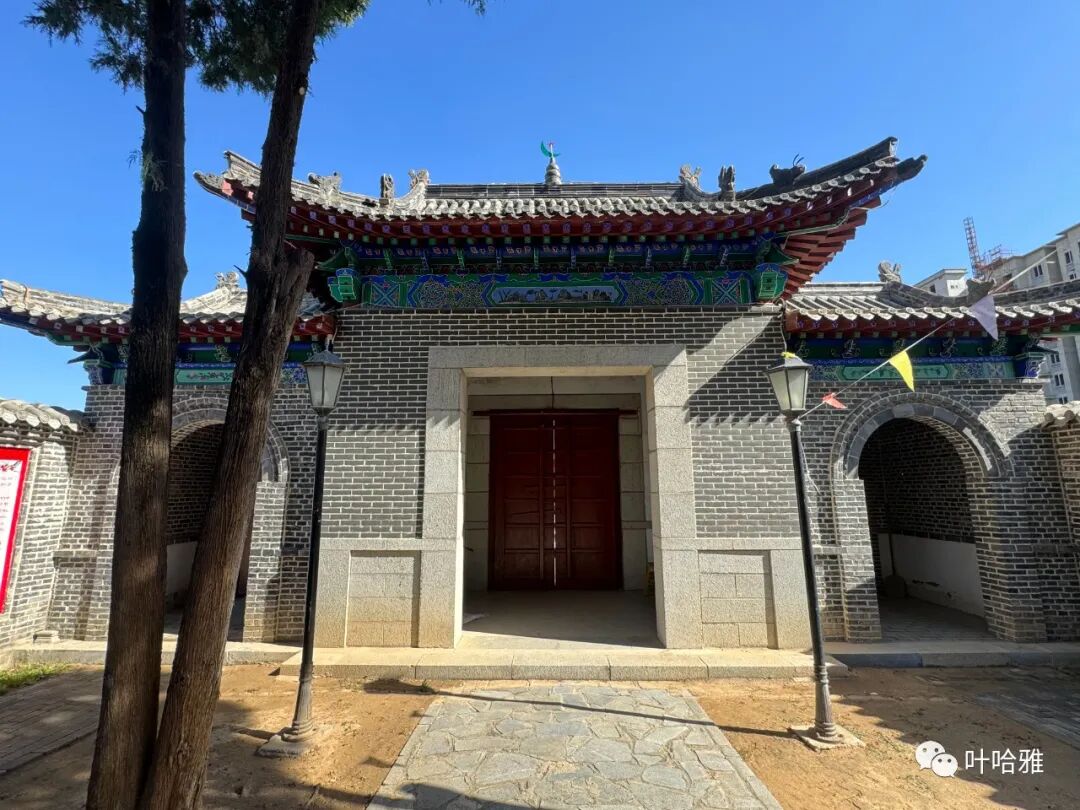
Shangwang Mosque in the Zhoudian Subdistrict Office is located in the southwest of the village. Built in 2008, it was once relocated to the north side of Lingshan Street due to the construction of the street. The mosque covers an area of over 1,000 square meters (50 meters long and 24 meters wide). The main prayer hall is 24 meters long and 24 meters wide. The northern lecture hall is 12 meters long and 6 meters wide. The south lecture hall is 12 meters long and 6 meters wide. The water room is 6 meters long and 6 meters wide.
The mosque was led by imams Han Yuhai and Ma Daoguang. It is managed by the mosque's democratic management committee, with Han Xiaohui serving as director. The mosque keeps a set of handwritten Quran manuscripts, which once won a city-level award.
Ershilibu Mosque
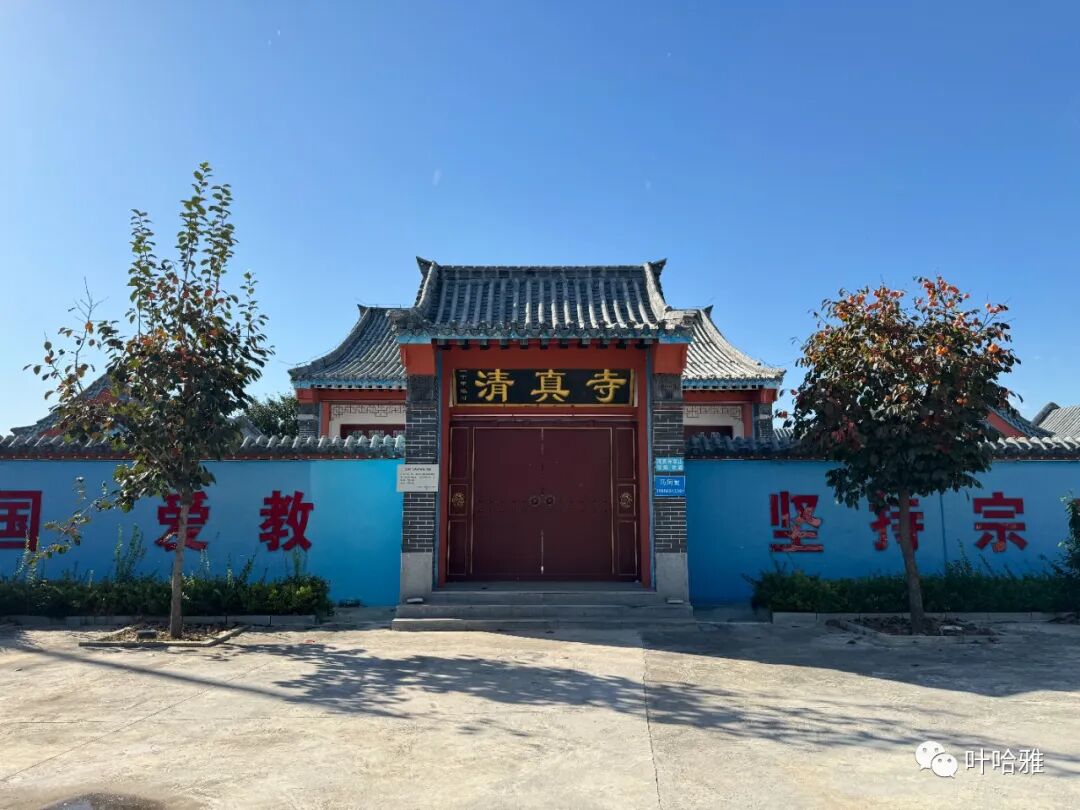
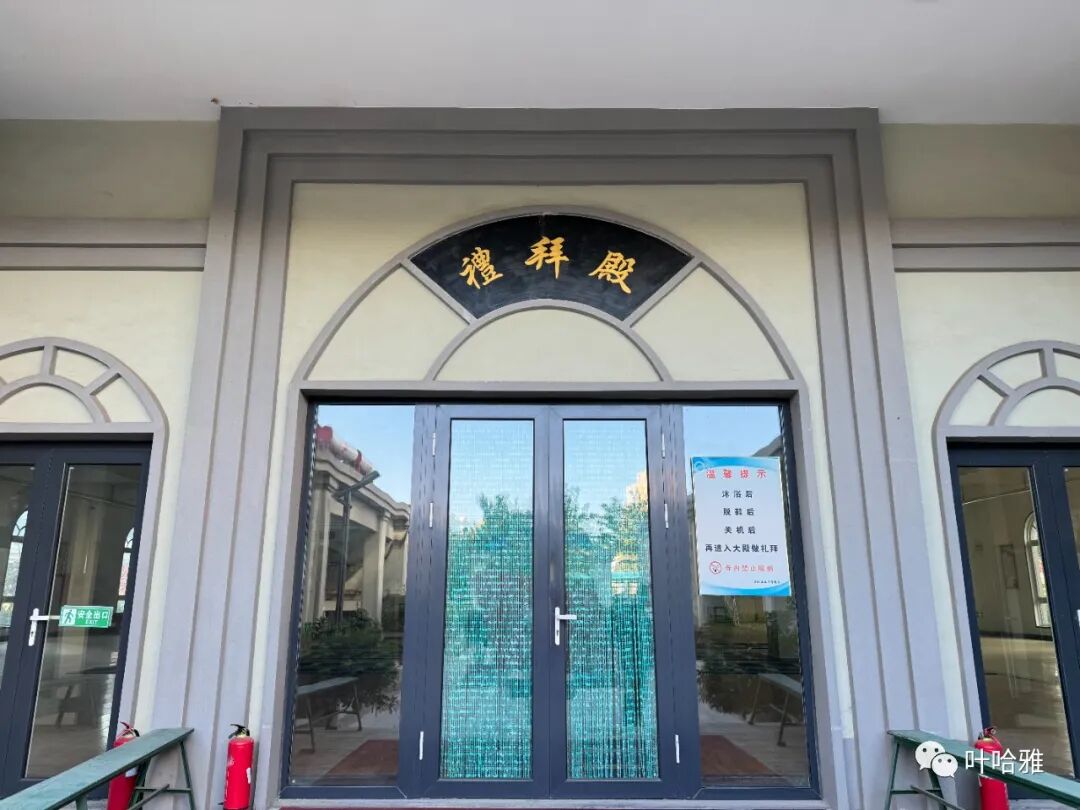
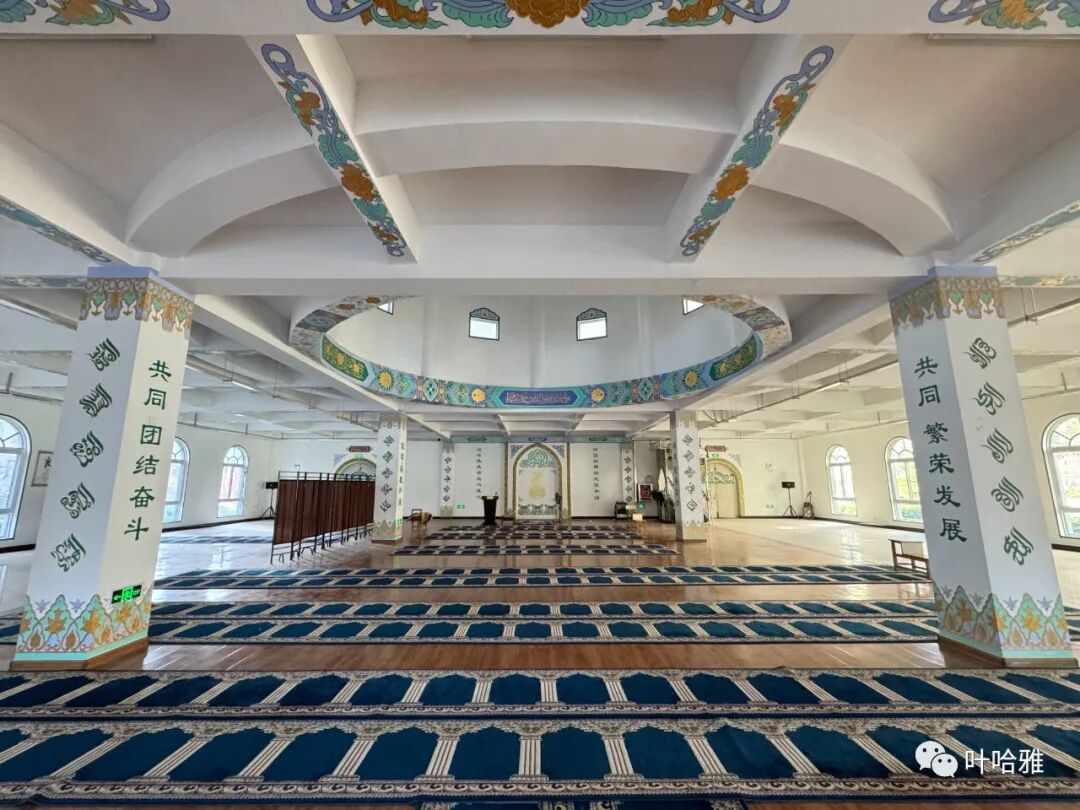
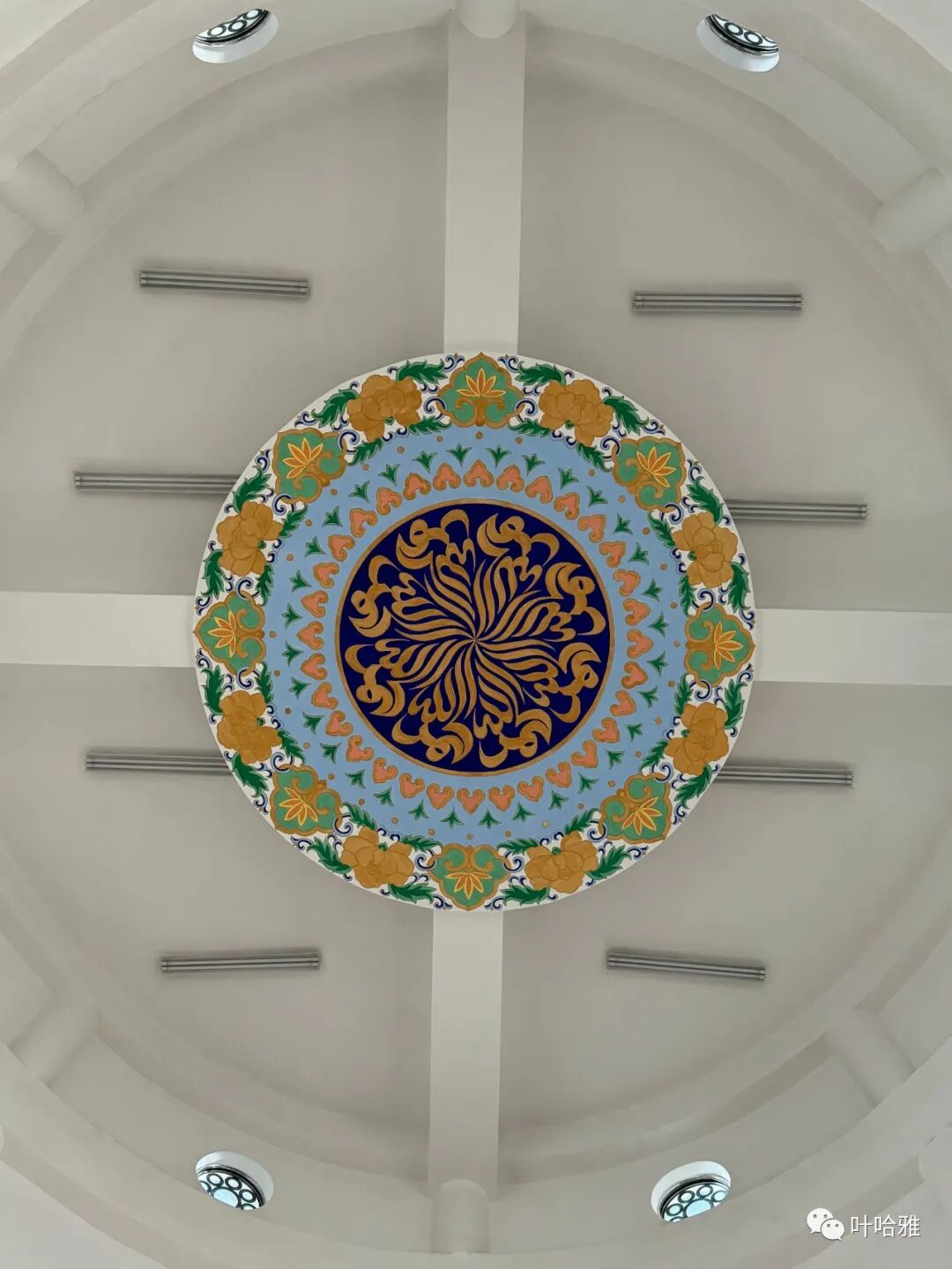
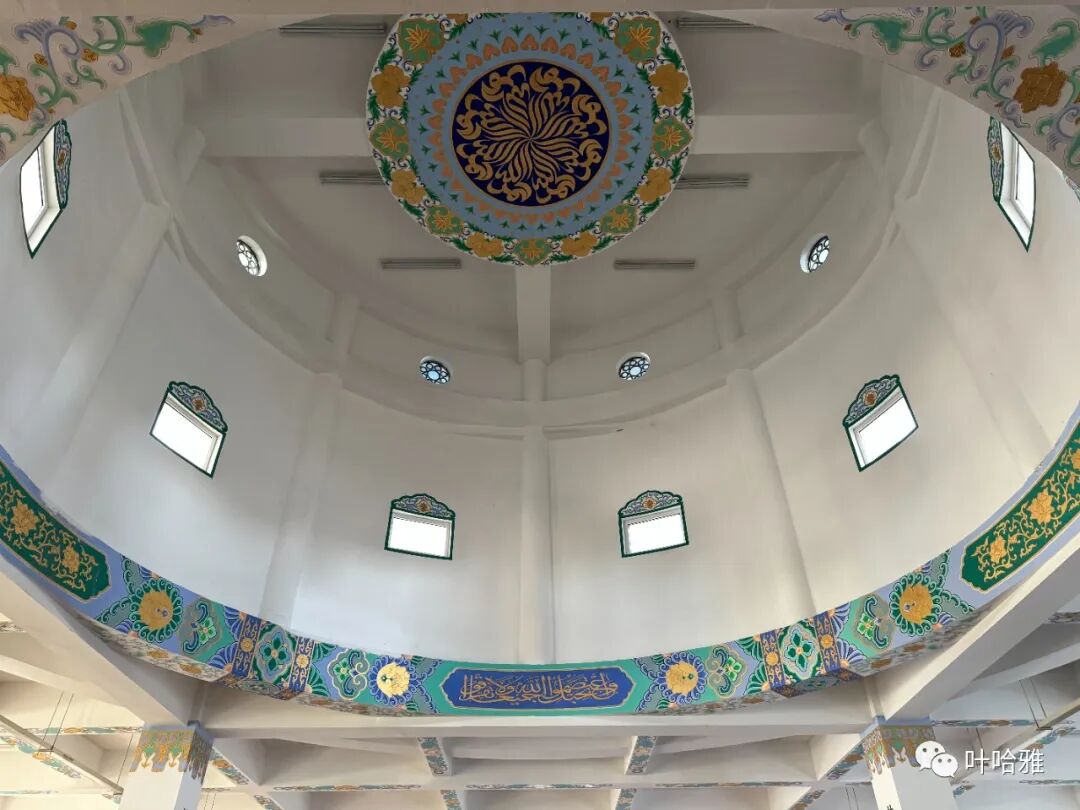
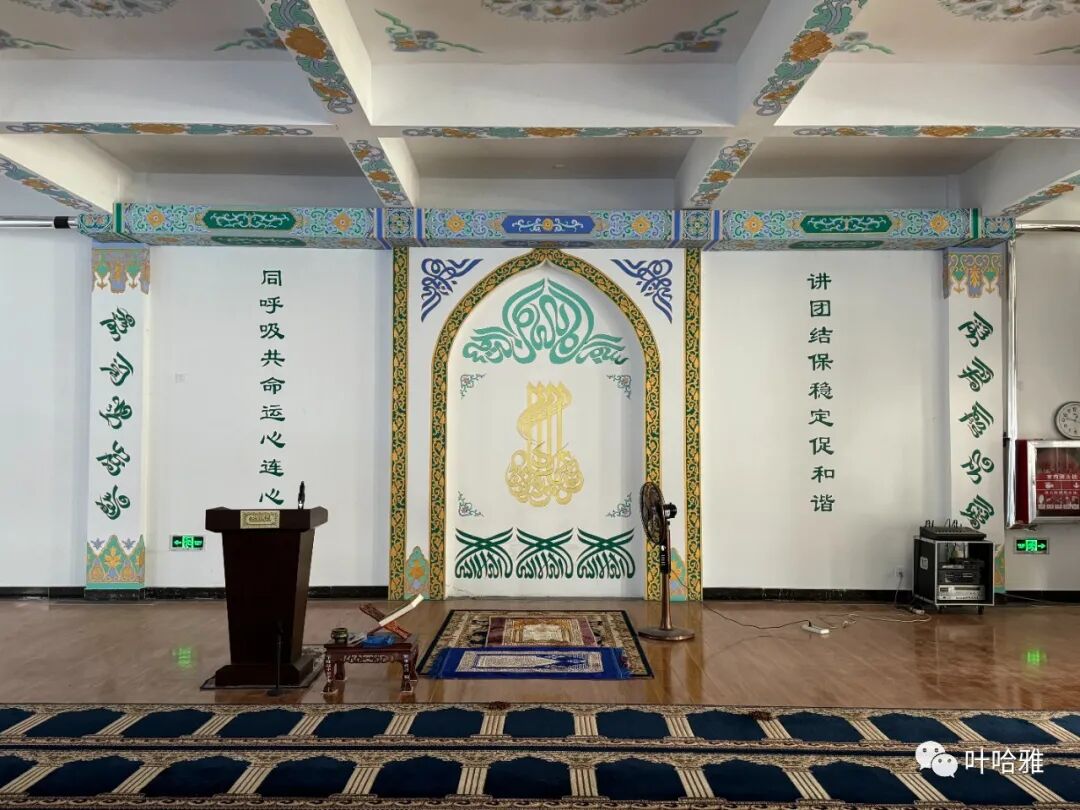
Ershilibu Mosque in the Zhoudian sub-district office is located in the west of the village, on the east bank of Tianping Lake. It was first built around the end of the Ming Dynasty and has been expanded and repaired ever since. In 1960, it was moved and rebuilt for the first time due to the construction of the Dahe Reservoir. In 2002, it was moved and rebuilt for the second time to build the Mount Tai pumped-storage power station, and it has been used ever since.
The mosque covers an area of over 1,200 square meters (36 meters long and 35 meters wide). The main hall has four pillars and nine rooms, standing 10 meters high, 12 meters long, and 12 meters wide. The north lecture hall is 10 meters long and 6 meters wide. The south lecture hall is 10 meters long and 6 meters wide. The water house is 10 meters long and 6 meters wide.
Summary: This China mosque travel guide begins the Tai'an seventy mosques project, introducing the citywide mosque survey, Taicheng Mosque, Xiawang Mosque, historic stone tablets, women's mosques, Hui Muslim elders, and Shandong Islamic heritage.
The Seventy Mosques of Tai'an is presented here as a firsthand travel account in clear English, beginning with this scene: and with the help of elders and fellow villagers across Tai'an, I traveled with Liang Weimin from Luoyang. The account keeps its focus on Mosque Travel, Islamic Heritage, Muslim Travel while preserving the names, places, food, and historical details from the Chinese source.
All praise is due to Allah.
With the support of Jin Lei and Han Yong from Tai'an,
and with the help of elders and fellow villagers across Tai'an, I traveled with Liang Weimin from Luoyang
and Haji Liang Weimin to Tai'an City, Shandong Province. We visited 70 mosques throughout the city and took photos, with the intention of creating a photo album to distribute to each mosque in Tai'an.
The imams who helped us complete our tour of the city's mosques were: Jin Chong, Liu Cang, Ding Jiabin, Ma Hongping, Zhang Changshi, Yang Dawei, Jin Yongfeng, Li Zhongguo, Han Jian, Zhu Xurang, Ma Chunyu, Gao Cunguo, Han Weizeng, Zhao Peng, Ma Hongru, Haji Fa Jinliang, and Bai Hairong.
The elders (xianglao) were: Jin Zongjie, Jin Yulong, Han Yongqiang, Chen Guozeng, Han Chao, Li Chunbing, Zhao Zhongbin, Jin Teng, Yang Anli, Fa Jun, Ding Hao, Wang Gang, Wang Jianzhong, and Bai Qingke.
The Arabic cover was calligraphed by the Shandong-based Arabic calligrapher, Mr. Mi Guangjiang.
May Allah reward everyone.
According to the Records of Islam in Tai'an, there are 70 mosques in Tai'an City, including 10 in Taishan District, 21 in Daiyue District, 16 in Xintai City, 10 in Feicheng City, 9 in Ningyang County, and 4 in Dongping County. Among the mosques in Tai'an, 2 were built in the Yuan Dynasty, 24 in the Ming Dynasty, 18 in the Qing Dynasty, 5 during the Republic of China era, 9 after the founding of the People's Republic of China, and the construction dates of 12 others are unknown. The oldest one is the West Mosque of Xijie in Mazhuang Town, Daiyue District, which was built during the Yuan Dynasty. There are currently 3 women's mosques: the Taicheng Women's Mosque, the Suozhuang Women's Mosque in Zhuyang Town, Daiyue District, and the Dongshendong Village Women's Mosque in Yucun Town, Xintai City.
Taishan District
Taicheng Mosque
Taicheng Mosque is located in the Mosque Community of Caiyuan Subdistrict. It was built between the end of the Yuan Dynasty and the beginning of the Ming Dynasty. Stone tablets confirm that it was rebuilt many times during the Ming and Qing dynasties. In 1944, the mosque had fallen into disrepair and was quite damaged. Local elders and mosque leaders raised 12,213 yuan for renovations. They gathered workers and materials, finishing the project in a few months and making the main hall look brand new. Ma Ziming, a local elder living in Suzhou and Shanghai, was a devout believer and passionate about charity. He donated a set of finely woven curtains from Suzhou, and other elders and the hometown association in Shanghai also donated generously.
The mosque underwent several repairs starting in the 1950s. It was restored and repaired after the Reform and Opening-up policy began. The mosque gate was rebuilt in 1997. A comprehensive renovation took place in 2008, covering an area of 2,600 square meters. In 2013, the North Lecture Hall was rebuilt, and a funeral home, a multi-functional building, and buildings along the east and west streets were constructed.
Taicheng Mosque is a classic Chinese palace-style building with two courtyards. It mainly consists of a prayer hall, north lecture hall, south lecture hall, main gate, second gate, and rear kiln hall. The main gate features three gold-painted characters for "Mosque," inscribed with the date "10th day of the first lunar month, 1619" (the year of Jiwei in the Wanli reign of the Ming Dynasty). After entering the gate, a path leads through the second gate into a courtyard where ancient cypress trees reach toward the sky. The north and south lecture halls of the mosque are spacious and bright, housing a scripture room, living quarters for the imam, and a bathing room. To the west stands the prayer hall, which connects a front porch, a middle hall, and a rear kiln hall into one structure. The front porch uses a Ming-style hip-and-gable roof, while the rear kiln hall features a Ming-style hip-and-gable roof with bracket sets, three layers of eaves, and 12 upturned corners. The center of the main hall's roof ridge and the top of the rear kiln hall are both topped with golden glazed gourds over one meter tall.
The mosque covers an area of 6,174.19 square meters, with a building area of 6,394.5 square meters. The main hall is 18 meters high, 42.3 meters long, and 16.95 meters wide. The north lecture hall is 17.5 meters long and 8.1 meters wide. The south lecture hall is 14.4 meters long and 8.7 meters wide. The water house is 17 meters long and 6.7 meters wide. The mosque has many auxiliary buildings, including the east gate, the north courtyard meeting room, the funeral home, the frame house (jiaziwu), a two-story building on the west side of the west gate, and rooms along the street. The mosque originally held dozens of stone tablets carved during the Ming and Qing dynasties and the Republic of China period, but they were all destroyed during the Cultural Revolution. Today, only four remain: the broken Mosque Tablet (Qingzhensi Bei) from the first year of the Wanli reign of the Ming Dynasty (1573), the Laifu Inscription Tablet (Laifu Mingbei) from the fourth year of the Tianqi reign (1624), the Donation Tablet (Juanxian Bei) from the thirty-fourth year of the Qianlong reign of the Qing Dynasty (1759), and the Mosque Reconstruction Tablet (Chongxiu Qingzhensi Bei) from the thirty-third year of the Republic of China (1944). The Laifu Inscription Tablet (Laifu Mingbei) is an important reflection of how Shandong Hui Muslims interpreted Islam through Confucianism, and it holds significant historical and cultural value.
Since the Republic of China era, the mosque's religious affairs have been led by imams including Tang Ahong, Yang Fuyuan, Yang Dechun, Wang Changshun, Mi Guangxun, Han Yuhai, and Wang Rongchen. Imam Mi Zhaojie has served since 1997 and currently holds positions such as Standing Committee Member of the Tai'an Municipal Committee of the CPPCC and Vice President of the Tai'an Islamic Association.
Historically, the mosque has trained more than ten imams and religious leaders, including Wang Qinglin, Fan Guiyuan, Xu Huanliang, Mi Yinghua, Mi Qinglu, Wang Hongchen, Liu Zhong'an, Wang Wu, Wang Changgui, Ding Junting, Wang Changlin, Bai Shengguang, and Bai Shenglin. The Mi family of Tai City, represented by Imam Mi Yingjie, and the Wang family of Beiqiu, represented by Imams Wang Jie, Wang Pu, Wang Qinglin, and Wang Yongxing, are both families of imams that have produced religious leaders for over three generations. The mosque is managed by a management committee consisting of nine members. Xu Shuhua, Fa Debao, Mi Shouzhi, Wang Fengge, and Mi Xiankuan have served as directors of the management committee.
The management committee conducts religious activities according to the law and actively guides Hui Muslims in their normal religious life. Responding to the call of the Party and the government, the mosque promotes the Islamic spirit of helping the needy, supports social charity and public welfare, has provided aid multiple times to areas affected by natural disasters like earthquakes and tsunamis, and actively donates to causes such as education and elderly care.
The mosque hosts international Muslim friends and has received many honors over the years. It was named a cultural heritage site of Taishan District in 1992. It was named a cultural heritage site of Tai'an City in 1994. It was named a cultural heritage site of Shandong Province in 2013. It received the title of Provincial Civilized Religious Venue in 2001 and was named a Model Mosque of Tai'an City in 2008. In 2009, it was awarded titles including Provincial Harmonious Religious Venue, Shandong Province Outstanding Historical Building, Shandong Province Model Mosque, and National Advanced Collective for Creating Harmonious Temples and Churches.
Taicheng Women's Mosque.
Taicheng Women's Mosque in Caiyuan Subdistrict. Due to urban renewal, it moved from Baijia Alley on Mosque Street to its current location. It covers 360 square meters with a building area of 240 square meters. It currently has a main prayer hall, a north lecture hall, a washroom (shuifang), a main gate, and one stone tablet.
Taicheng East Mosque.
The mosque in Beixin Community, Daimiao Subdistrict, is commonly known as the Taicheng East Mosque and is located in the middle of Beixin Community. It was built in 1920, the ninth year of the Republic of China, with funding from the famous Shandong industrialist Mr. Ma Bosheng. The three characters for "Mosque" written in his own hand are still preserved there. It has been renovated many times since the reform and opening-up. Large-scale repairs were carried out in 2006.
The mosque is built in the traditional Chinese courtyard style, measuring 51 meters long and 25 meters wide. The backyard is 16 meters long and 17.5 meters wide. The main prayer hall consists of a front porch, a middle hall, and a rear kiln-style hall, measuring 17.8 meters long and 12 meters wide. The north lecture hall is 16.3 meters long and 7 meters wide. The south lecture hall is 16.3 meters long and 5.4 meters wide. The water room is 14 meters long and 7 meters wide. There are 6 existing stone tablets. Four are in the tablet corridor, including the mosque gate plaque calligraphed by Ma Bosheng and the 2006 tablet listing the organizations and individuals who donated to the mosque repairs. The others include an Arabic calligraphy work by the calligrapher Mr. Ma Shitou and the four characters for "Praise Allah and the Prophet" written by the famous Tai'an calligrapher Mr. An Tingshan. Additionally, there are 2 tablets on the sides of the main hall's porch, which are the "Ancient Islamic Faith" tablet and the mosque reconstruction tablet.
Since the mosque was built, the religious affairs have been led by Imam Cao, Imam Wang, and Imam Liu Guoxiang. The mosque was closed during the Cultural Revolution. After it reopened, Imams such as Liu Zhong'an and Ma Qun led the religious affairs, and the current imam is Wang Linlin. The mosque is managed by a seven-member democratic management committee, with Yu Zongbin and Chen Guangwu serving as past directors.
The mosque has significant historical and cultural value. It has earned titles like Provincial Harmonious Religious Activity Site and City-Level Model Mosque, and the Tai'an municipal government recognizes it as an advanced unit for patriotism and religious devotion.
Zhitian Village Mosque
Zhitian Village Mosque in Shengzhuang Town sits at the south end of the village. It was founded at least by the mid-Ming Dynasty, specifically after the Chenghua era (1465-1487) and before the Jiajing era (1522-1566), and has undergone many repairs since. In the 56th year of the Qianlong reign (1791), a new moon terrace (yuetai) was built to make it easier for Muslims to enter the main hall for namaz, and the mosque gate was rebuilt at the same time. In the 14th year of the Guangxu reign (1888), the original main hall burned down. Village elders Yang Fugang and Yang Futai pushed for the reconstruction of the main hall, the porch (juanpeng), the south lecture hall, the storage shed (jiaziwu), the water room, and the warehouse. In the 23rd year of the Guangxu reign (1897), village elder Yang Fugang led the construction of the rear kiln hall (houyaodian). The mosque has been repaired many times since the Reform and Opening-up. The pavilion was rebuilt in 1991, the middle hall in 2003, and the rear hall in 2008.
The mosque is a traditional Chinese courtyard-style building. It includes one main hall, four north lecture rooms, two south lecture rooms, three south water rooms, one gate tower, six side rooms (erfang), one second gate, one front gate tower, one spirit wall (yingbi), and one stone pavilion. The mosque is 49 meters long and 25 meters wide, with a building area of 783.65 square meters. The prayer hall is 24.2 meters long and 11 meters wide. It has three sections and three rows, made up of a front hall, middle hall, back hall, and niche hall (yaodian). The front hall is 17.2 meters long, 8.6 meters wide, and 8 meters high. The middle hall is 17.2 meters long, 8.6 meters wide, and 8.5 meters high. The back hall is 9 meters long and 7 meters wide. The front, middle, and back halls (including the niche hall) each have two side rooms, totaling 6 side rooms with an area of 54 square meters. The front hall is a brick-and-wood structure with a hard-mountain roof, gray tiles, a front porch, and side rooms. It is three bays wide. The middle hall is a brick-and-wood structure with a hard-mountain roof, gray tiles, and side rooms. The niche hall is a three-story, six-pillar brick-and-wood structure with a pointed roof. In front of the main hall stands a stone pavilion with a pointed roof. The upper part is made of brick, wood, and black tiles. The base features Ming Dynasty-style carvings, and the stone drums at the base have archaeological value. The mosque gatehouse is a brick, wood, and stone structure built in the traditional style with a large wooden ridge.
The north lecture hall is 13.2 meters long and 6.3 meters wide. The south lecture hall is 20 meters long and 6 meters wide. The water room is 11 meters long and 5 meters wide. There are 7 stone tablets remaining here. In order, they are the 1791 Tablet for the Reconstruction of the Mosque and New Moon Terrace, the 1888 Tablet for the Reconstruction of the Main Hall, the 1891 Land Donation Tablet, the 1897 Tablet for the Construction of the Rear Kiln Hall, the 1952 Magnificent Spirit Tablet, the 2010 Eternal Fame Tablet, and the 2013 Provincial Cultural Relics Protection Unit Tablet.
The mosque has a long history and significant influence, and it has produced many ahongs and imams. Since the late Qing Dynasty, the ahongs who have led religious affairs are, in order: Ahong Xie, Fa Zhiliang, Fa Xianxue, Fa Zaixiang, Li Tinglin, Yang Liben, Zuo Jinglun, Zhou Baotian, Yang Yueqing, Li Mingtian, Yang Xinen, Yang Peiqing, Li Shengcai, Zhao Xinzheng, Li Qingen, Yang Xinen, Yang Xinde, Zhang Shuiquan, Jin Haixue, Yang Xinde, and Wang Xiangbin.
The mosque's income mainly comes from school land (xuetian) and donations. The mosque uses an appointment system for ahongs and a group consultation system for managing religious affairs. A mosque democratic management committee was established after 1982, which oversees a financial supervision group and includes several committee members. The directors over the years have been Yang Rusong, Yang Baotong, Yang Xinquan, Yang Bo, Yang Xinming, Yang Xinpeng, and Li Jianjun.
Before the founding of the People's Republic of China, the mosque's scripture hall education was quite influential in the Tai'an area. Since 1886, Ma Yinde, Wang Jiping, Yang Rusong, Bai Canying, Yang Chaoxuan, Bai Fu'en, Zhao Yansheng, and Liu Yutang studied under Ahong Fa Zhiliang. In 1932, Yang Xinen, Yang Xingguang, and Chen Dianqing studied under Ahong Yang Yueqing. In 1938, Li Qingen studied under Ahong Li Mingtian. In 1943, Zhao Xinzheng, Han Jingxin, and Wang Hongchen studied under Ahong Yang Xinen. In 1949, Jin Haitang, Mi Guangxun, Yang Xinting, Yang Xinde, and Han Jingming followed their teacher, Imam Li Shengcai. In 1954, Han Tongping and Yang Yuezhen followed their teacher, Imam Zhao Xinzheng. Gao Cuntong followed his teacher, Imam Jin Haixue.
The mosque carries out religious activities according to the law and provides religious services for the Muslims of Zhitian Village and the Muslims of Zhihuizhuang (before their own mosque was built in 1990). It houses a hand-copied version of the Quran. In 2010, it was named a Model Mosque of Tai'an City and a Harmonious Religious Activity Venue of Shandong Province. In 2013, it was approved as a provincial-level cultural relic protection unit.
Yuezhuang Village Mosque
Yuezhuang Village Mosque in Shengzhuang Town is located in the middle section of the village's north-south main street. The mosque was built around the middle to late Ming Dynasty and has been repaired many times since its founding. In the second year of the Daoguang reign of the Qing Dynasty (1822), imams and village elders proposed raising funds, and Gao Dalun and Zhao Tinggui were responsible for rebuilding all the structures. Since the reform and opening up, it has been repaired many times. It was renovated again in 1995 and 2011.
The mosque has one main prayer hall, five northern lecture halls, five southern lecture halls, three water rooms, one side room, one bathing room, one inner gate, one front gate tower, and one screen wall. Both the northern and southern lecture halls have porch extensions (baoxia). The mosque is 60 meters long and 50 meters wide. The prayer hall is a Qing Dynasty building with a three-section, three-hall layout. It is divided into front, middle, and rear halls, measuring 25 meters long and 40 meters wide. The front hall is a scroll-shed hard-mountain style (juanpeng yingshan) structure, 10 meters long and 6.1 meters wide. The middle hall is a hard-mountain style (yingshan) structure, 13 meters long and 17 meters wide, with side rooms on the north and south sides covering about 42 square meters each. The rear hall is a three-story brick-and-wood structure with a pointed roof and grey tiles. The northern and southern lecture halls and the water rooms are newly built. The northern lecture hall is 40 meters long and 10 meters wide. The southern lecture hall is 40 meters long and 10 meters wide. The water room is 30 meters long and 10 meters wide. There are four stone tablets remaining: the 1822 "Stele Record of the Mosque Renovation" from the second year of the Daoguang reign, the 1995 "Stele of Eternal Fame," and two 2011 "Steles of Lasting Fame."
Since the Republic of China era, the mosque's religious affairs have been led by imams including Zhan Qinggui, Wang Changshun, Wang Fuxiang, Yang Zhaozeng, Mi Zongkun, Jin Haixue, Ma Chunyu, Jin Haizeng, Xu Yongqiang, and Bai Jian. The mosque is managed by a management committee, with past directors including Jin Dejia, Yang Xingqi, Gao Chuandong, Yang Zhengwu, and Han Jingxin. Village elder Jin Tongchun went on the Hajj pilgrimage to Mecca in 2014. Under the guidance of the mosque management committee, the imam explains religious rules and laws to local Muslims during religious holidays and carries out religious activities according to the law. The mosque houses two incense burners and eight water ewers (tangping).
Gangshang Village Mosque
Gangshang Village Mosque in Shengzhuang Town is located in the middle section of the village's main north-south street. It was first built around the mid-to-late Ming Dynasty and has been renovated several times since. In the 14th year of the Jiaqing reign of the Qing Dynasty (1809), the rear hall was expanded and the front hall was repaired, followed by large-scale renovations in 1923. Since the founding of the People's Republic of China, and especially in recent years, the mosque has undergone multiple repairs, giving it a completely new look.
The mosque is 56.6 meters long and 32.7 meters wide. It currently has one main hall, three north lecture rooms, three south lecture rooms, one gate tower, one side room, one bathing room, two inner gates, one front gate tower, and two stone lions. The courtyard walls on both sides of the gate tower feature traditional-style eaves and a 'two dragons playing with a pearl' carving. There is a stone lion on each side of the front door.
The eaves of the main hall feature palace-style paintings, and the main entrance has a plaque inscribed with scripture and the Basmala (Tasmie). To the left in front of the hall stands the 1820 (the 25th year of the Jiaqing reign of the Qing Dynasty) Stele Record of the Mosque Renovation, and to the right is the Revolutionary Martyrs Monument. In front of the main hall is a square moon terrace with blue brick patterned walls, a bluestone slab roof, and five steps. The main hall is divided into a front hall and a rear hall, measuring 19.5 meters long and 10 meters wide in total. Ten wooden pillars inside the hall support the roof. Two stone pillars support the stone gutter (tiangou) used for draining rainwater between the two halls. On the northwest side, there is an intricately crafted minbar archway with nine steps. The back wall of the main hall has a hanging doorway leading to the rear kiln hall, decorated with scripture paintings. The hall is carpeted and equipped with electric lights and sound equipment. The front and rear halls have a total of four side rooms.
The north lecture hall is a newly built structure in an antique style, 15.1 meters long and 7.1 meters wide. The front porch has round pillars and five steps. The middle three rooms of the north lecture hall serve as a reception area. The two rooms on the east and west sides are living quarters for the imam and the religious leader. The south lecture hall is also a newly built structure in an antique style, measuring 15.1 meters long and 4.2 meters wide, sitting in harmony across from the north lecture hall.
The north courtyard contains a washroom (shuifang) that is 40 meters long and 6.1 meters wide. There are also other buildings including a storage shed, a funeral room, and a utility room, with five rooms for the women's mosque in the northwest corner. Five stone tablets remain today: the 1820 'Record of Rebuilding the Mosque' from the 25th year of the Jiaqing reign of the Qing Dynasty, the 2002 'Revolutionary Martyrs Monument,' the 2006 'Preface to Rebuilding the Gangshang Mosque Washroom' and 'Mosque Washroom Tablet,' and the 2010 'Tai'an City Key Cultural Relics Protection Unit Tablet.'
The mosque has trained dozens of imams and other religious staff, and since the Republic of China era, religious affairs have been led by imams including Jin Dechang, Ma Tongyu, Jin Maozeng, Jin Maoyuan, Yang Xinzeng, and Jin Shuai. The mosque is managed by a mosque management committee, with Mi Yong and Sha Chuanren serving as committee directors consecutively.
The mosque carries out religious activities strictly in accordance with the law. There was once a 'Long Live the Emperor' tablet and several Ming-style incense burners, but their whereabouts became unknown during the Cultural Revolution. In 2010, it was designated as a key cultural relics protection unit of Tai'an City, and in 2014, it received the titles of 'Shandong Province Model Religious Activity Venue' and 'Tai'an City Model Mosque.'
Ershilibu Village Mosque
The Ershilibu Village Mosque in Shengzhuang Town sits at the south end of the village. The exact date of its founding is unknown. Major renovations took place in 1881 during the Qing Dynasty, in 1945 during the Republic of China era, and again in 2001.
The mosque includes one main prayer hall, four rooms for the north lecture hall, three rooms for the south lecture hall, one gate tower, one spirit wall (yingbi), one raised platform (yuetai), one south side room, one side room on each side of the front gate, and two ancient trees. The mosque is 66.56 meters long and 50 meters wide. The main prayer hall has two sections, front and back, standing 12 meters high, 18 meters long, and 12 meters wide. The front hall is a hard-mountain style building with a brick and wood structure and a four-pillar front porch (baoxia). The back hall has side rooms to the north and south, stands about 11 meters high, and dates back to the Qing Dynasty. Both the north and south lecture halls are four-room brick and wood structures with black tiles, featuring four beams and five purlins. The north lecture hall is 16.2 meters long and 5.1 meters wide, and the south lecture hall is also 16.2 meters long and 5.1 meters wide. The ablution room (shuiwu) is 28.5 meters long and 5 meters wide. There are two stone tablets here: the Stele of Eternal Fame (Wangu Liufang Bei) from 2000 and the Stele of Ethnic Unity and Merit (Minzu Tuanjie Gongde Bei) from 2001.
The mosque's religious affairs were led by imams including Zhao Bingfa, Zhu Ahong, Li Shengcai, Mi Guangxun, Yang Zhaozeng, Mi Peiqi, Ding Jian, and Ma Depeng. In 2010, Imam Ma Depeng and two women, Hong Zhenxi and Hong Zhenying, went to Mecca for the Hajj. The mosque is managed by a committee, and past directors include Hong Jiren, Zuo Xingwang, Hong Zhenyi, and Ding Yanzhi.
During the War of Resistance Against Japan, Imam Yang Dechun hid Muslim anti-Japanese fighters from the Japanese army by disguising them as religious students (hailifan) inside the mosque. After the founding of the People's Republic of China, Imam Li Shengcai trained students including Mi Guangxun, Han Jingming, Zhu Yuepo, and Zhao Chang'en. In May 1964, Imam Yang Dechun was elected vice president of the first committee of the Shandong Islamic Association. The mosque currently houses items such as an incense burner, a water pitcher (tangping), a floor mirror, and palace lanterns. In 2011, it was named a Shandong Province Harmonious Religious Venue.
Dongsun Village Mosque.
Located in the western part of Dongsun Village in Shengzhuang Town, the mosque was built in the late Qing Dynasty and has been repaired many times since. Large-scale renovations took place in 2001, 2006, and 2014.
The mosque courtyard has one main prayer hall, eight northern lecture rooms, eight southern lecture rooms, one front gate tower, one screen wall, and one raised platform. The mosque is 53.5 meters long and 30 meters wide. The main prayer hall is a two-part, two-section structure from the Qing Dynasty. It has a hard mountain-style roof made of brick, wood, and grey tiles, measuring 12.5 meters long and 11.7 meters wide. The front hall has two side rooms, each 3.9 meters long and 1.9 meters wide. The north and south lecture rooms are newly built, with the north lecture room measuring 23 meters long and 6.7 meters wide. The south lecture room is 8.63 meters long and 7.2 meters wide. The water room is 8.63 meters long and 7.2 meters wide. The boiler room is 5.74 meters long and 7.2 meters wide. Outside the main gate of the mosque, there is a flower bed and a square with a total area of 473.29 square meters.
The mosque currently houses five stone tablets: the 1904 Tablet for the Reconstruction of the Mosque from the Guangxu era of the Qing Dynasty, the 1930 Mi Gaoshi Land Donation Tablet from the Republic of China era, the 2001 Tablet Listing Donors for Mosque Construction, the 2007 Tablet for the Reconstruction of the Mosque, and the 2014 Memorial Tablet for Donations to the Major Renovation of the Main Hall.
Imams trained at this mosque throughout its history include Yang Zhanchun, Yang Huaizhen, Mi Hechun, Mi Xiyu, Mi Shuqian, and Mi Peiqi. After the Cultural Revolution, Imams Mi Hechun and Ma Qun served as leaders of the mosque's religious affairs. The mosque is now managed by the Mosque Management Committee, with Yang Huaiyin serving as the committee director.
Dongsun Village Mosque was named a Model Mosque of Tai'an City in 2008 and 2014, and it was named a Harmonious Religious Activity Venue of Shandong Province in 2010.
Liujiazhuang Mosque
Liujiazhuang Village Mosque in Shengzhuang Town is located in the south of the village. It was built in 1917, the sixth year of the Republic of China, with funding from Jin Fengyin, Jin Fengcai, and others from Liujiazhuang Village, and it has been repaired many times since.
The mosque has one main prayer hall, four rooms for the north annex and north lecture hall, three rooms for the south lecture hall, and one spirit wall (yingbi), covering a total area of about 150 square meters. The main hall is three bays wide with a front porch. It features a black brick, tile, wood, and stone structure with a hip-and-gable roof and a front-embracing porch. The door frame of the front porch has colorful paintings. It is 10 meters long from north to south and 6 meters deep. There is also one reception room, four bathing rooms, and one ancient cypress tree. The courtyard covers an area of 288 square meters. There are four existing stone tablets: the Tombstone of Mr. Jin from 1910 (the second year of the Xuantong reign of the Qing Dynasty), the Tablet Record of Building Liujiazhuang Mosque from 1917 (the sixth year of the Republic of China), the Mosque Tablet Record from 1928 (the seventeenth year of the Republic of China), and the 2013 Tablet of Donors for the Liujiazhuang Mosque Funeral Vehicle.
The mosque's religious affairs have been led by imams including Liu Furong and Han Jian. It is managed by the Mosque Management Committee.
Zhihuizhuang Village Mosque
Zhihuizhuang Village Mosque in Shengzhuang Town sits on the south side of the village. It was built in 1994 and has been repaired several times since. The mosque is a modern building, 18 meters long and 27 meters wide. The main prayer hall is 10 meters high, 13 meters long, and 13 meters wide. The north lecture hall is 9 meters long and 5 meters wide. The south lecture hall is 9 meters long and 5 meters wide. The water room is 5 meters long and 5 meters wide. There are two stone tablets here: the 2005 "Stele of Eternal Fame" and the "Stele Recording Donations from Han Chinese Compatriots for the Mosque's Main Hall."
Imams such as Zhang Shuiquan and Zhang Guorui have led religious affairs at the mosque. The village has produced several imams, including Zhang Changshi, Zhang Shuiquan, Zhang Feng, and Zhang Guorui. Zhang Changshi once traveled to Mecca for Hajj. It is now managed by the mosque management committee. Past directors include Zhang Changling, Zhang Changxin, Xu Yongchang, Zhang Changjin, Zhang Hengzhen, and Zhang Hengyong.
The mosque was awarded the title of Shandong Province Harmonious Religious Activity Venue.
Daiyue District
Xijie Mosque
The Xijie South Mosque in Mazhuang Town is located in the southeast corner of Qianying Village. It was founded in the early years of the Qianlong reign of the Qing Dynasty and has been expanded and renovated ever since. It was renovated multiple times in 1781, 2003, and 2015.
The main buildings of the mosque include the front gate, the second gate, the front hall, the middle hall, and the rear hall. They are arranged along a central east-west axis with symmetrical side structures. The three-courtyard layout features the architectural style of a Chinese palace. The mosque is 60 meters long and 60 meters wide. The rear hall has three levels and stands 22 meters high. The main hall is 30 meters long and 14.5 meters wide. The north lecture hall is 14.3 meters long and 6.3 meters wide. The south lecture hall is 7 meters long and 6.2 meters wide. The water room is 18.6 meters long and 6.2 meters wide. The mosque gate is 4.7 meters long and 3.9 meters wide, and there are also facilities like a storage room, kitchen, and garage.
The mosque has 6 existing stone tablets, including the 1781 Tablet Record of the Renovation of the Front Hall of the Xijie Qianyin Village Mosque from the Qianlong reign of the Qing Dynasty, the 1802 Tablet Record of the South Mosque Street Residence from the Jiaqing reign, the Tablet Record of the Bai Family Genealogy from the late Qing Dynasty, the 2003 Tablet Record of the Renovation of the Front Hall and Rear Kiln of the Xijie Qianyin South Mosque and the Tablet Record of Donations for the Renovation of the Front Hall and Rear Kiln of the South Mosque, and the 2015 Merit Tablet for Donations to the Renovation of the North Lecture Hall of the South Mosque.
Imams including Bai Anfu, Bai Maosheng, Zhang Fengyi, Bai Anmeng, Bai Guangpu, and Bai Anzhong once led religious affairs at the mosque, and it is currently led by Imams Ma Yubing and Bai Hairong. Before the founding of the People's Republic of China, the mosque's affairs were managed by village elders and imams, and during the Jiaqing reign of the Qing Dynasty (1796-1820), Ma Long, Bai Guoren, Bai Guoxin, and Bai Guoli were responsible for management. During the late Qing Dynasty and early Republic of China, Bai Zongmao was responsible for management. Starting in the 1980s, a democratic management committee for the mosque was established, and Bai Maojun, Ma Zhulian, Ma Zongwang, Bai Anqi, Bai Anying, Bai Maozhu, Bai Fuhai, and Zhao Xinwen served as directors one after another.
The mosque values religious education, and since its founding, more than 60 imams and scholars have studied the Quran and Hadith there. During the Republic of China era, Bai Zongmao founded a primary school for Hui Muslims at the mosque and invited Mr. Cao Shusheng from the south corner and Mr. Huang from Dapo to serve as teachers.
The mosque currently has a pair of Ming Dynasty grand master chairs, a Qing Dynasty three-legged incense burner, a pair of Qing Dynasty porcelain drums, a plaque for the main gate tower, and a plaque for the front hall. Imam Bai Hairong currently keeps a handwritten copy of the Quran. In 2010, it was named a Harmonious Religious Activity Venue by Shandong Province, and in 2013, it was designated as a Provincial Cultural Relics Protection Unit.
West Boundary West Mosque (Xijie Qingzhen Xisi).
The West Boundary West Mosque in Mazhuang Town is located in Qianying Village. Built during the Yuan Dynasty, the prayer site founded by Ma Zhaoyang in the early Yuan period was the predecessor of the West Boundary Qianying West Mosque, which was later expanded and renovated many times. The West Mosque was expanded during the Zhengde period of the Ming Dynasty (1506-1521), renovated in the tenth year of the Xianfeng period of the Qing Dynasty (1860), and again during the Republic of China era. After the founding of the People's Republic of China, the north lecture hall was rebuilt. It underwent large-scale repairs in 1998 and has been maintained several times since.
The mosque faces east and rises in height from front to back. Its main buildings, including the front gate, second gate, front hall, middle hall, and rear hall, are all arranged along a central east-west axis. It is symmetrical with three courtyards, combining Chinese palace-style architecture with Arabic architectural styles. The mosque is 34 meters long and 31 meters wide.
The mosque's main gate tower is 7 meters high and 4 meters wide with an outer porch. It is a single-eave brick and stone structure with hanging beaded ornaments under the eaves and wood carvings featuring floral patterns. The gate tower features brick and wood carvings of auspicious creatures like phoenixes and qilin, with the overall shape composed of floral patterns. It also contains brick carvings depicting incense burners used in Islamic rituals and patterns of scripture scrolls. The plaque on the front of the main gate bears the four large characters for Eternal Purity (Gengu Qingzhen). The second gate is a single-eave, slanted-ridge structure shaped like a Taoist crown. It features three-ring moon windows on both sides and five wind doors facing the front, covering a building area of 24 square meters.
The main prayer hall of the mosque is 24.5 meters long and 13.5 meters wide, with enough space for 100 people to perform namaz at the same time. It consists of three connected sections—the front, middle, and rear halls—using a side-by-side design to increase the total depth. The front hall is one bay deep and three bays wide. The middle hall is two bays deep and three bays wide. The rear hall is three bays deep and three bays wide. The rear hall uses a beamless timber structure supported by tall wooden pillars and dates back to the Ming Dynasty. The protruding section at the back is the mihrab, a wooden carved pavilion for the imam. To the left of the imam's pavilion is the minbar. The floor plan of the entire hall looks like the Chinese character 'zhu' (meaning 'lord' or 'main'). The mihrab is the dot, the front hall is the bottom horizontal stroke, the rear hall is the top horizontal stroke, and the main aisle for entering the hall is the vertical stroke. This matches the idea that the prayer hall is the 'House of the Lord'. The main hall sits on a one-meter-high platform. The stone pillars on both sides of the front hall are carved with a couplet: 'The holy traces started in the Kaaba, the faith traveled ten thousand miles to the eastern lands; the miraculous work supported the Tang Dynasty, its influence lasting a thousand years to this prosperous era.'
The north lecture hall has five rooms, measuring 17.5 meters long and 7.2 meters wide. It is a hard-mountain style building with a front porch. The crossbeams have patterns on the ends, and the main and vertical ridges are tall and decorated with floral carvings. In the past, the mosque's imam and religious students (hailifan) also lived here. The south lecture hall has four rooms, measuring 14 meters long and 7.2 meters wide.
The four-room washroom (shuifang) connects to the west side of the south lecture hall, sits to the right of the main prayer hall, and measures 17.5 meters long and 7.2 meters wide. The four washrooms can accommodate over thirty people performing their ritual ablutions (wudu) at the same time.
The mosque currently holds four stone tablets: the 1860 Tablet Record of the West Mosque Neighborhood from the Xianfeng era of the Qing Dynasty, the 1998 Tablet Record of the Renovation of the West Boundary Mosque, the Tablet of Eternal Virtue, and the 2013 Provincial Key Cultural Relic Protection Unit tablet.
Past imams of the mosque include Yang Chengri, Jin Shiyuan, Yang Lisheng, Wang Li, Wang Qinglin, Wang Fuxiang, Wang Guanliang, Wang Ziliang, Xu Changcun, Wang Changshun, Yang Maoxiu, Liu Yuanxin, Sha Fengge, Mi Baokun, Bai Anjin, Bai Mantun, Bai Fujian, and Wang Xiuming. Mi Enwei, Han Bing, Bai Jinhu, and Bai Manchao currently lead the religious affairs.
In 1977, the mosque established a management group led by Bai Yongying, Bai Maojun, and Bai Maoxiang. In 1983, the mosque established a democratic management committee led by Bai Anqi and Ma Zhulian. In 1994, the second democratic management committee was established, led by Ma Zongwang and Bai Manchao. In 2000, the third mosque management committee was established, with Bai Qingfang serving as director to this day. The mosque has trained over 60 imams for the faith, including Ma Long, Bai Guoxin, Bai Anfu, and Zhang Fengyi. The Bai family has been a lineage of imams in this village for over three generations, starting with Bai Maosheng and including members like Bai Anxi, Bai Guangpu, Bai Qingyu, and Bai Anzhong.
The mosque values traditional scripture education. Throughout the Yuan, Ming, and Qing dynasties, it maintained Islamic culture, religious rules, and scripture studies, producing many qualified imams and students of Islamic theology (hailifan). Notable figures include Imam (Haji) Wang Qinglin and his students, such as Mi Xuejing and Zhu Yuepo. In the early years of the Republic of China, the mosque started a charity school to teach both Chinese and Arabic cultures, with Imam Wang Qinglin and Mr. Yang Maosong as instructors. During the War of Resistance Against Japan, the mosque established the Taiyun District Islamic Anti-Japanese School under the leadership of the Taixi Hui Muslims Anti-Japanese National Salvation Association.
In 1998, the mosque received the title of Model Mosque from the Shandong Islamic Association. In 2008, it was awarded the title of Model Mosque by the Tai'an Islamic Association. In 2009, the Shandong Provincial Bureau of Religious Affairs named it a Provincial Harmonious Religious Venue. In 2010, it was awarded the title of Model Mosque by the Tai'an Islamic Association. In 2013, it was recognized as a Provincial Cultural Relics Protection Unit. In 2014, it was awarded the title of Model Mosque by the Tai'an Islamic Association.
Beidaquan Mosque
Beidaquan Mosque is located on the south side of the main street in the center of the village, under the jurisdiction of the Tianping Subdistrict Office. It was built around the beginning of the Ming Dynasty and has been repaired many times since. The mosque underwent major renovations in 1935, 2002, and 2010.
The mosque is 30 meters long and 21 meters wide. The main prayer hall is 6 meters high and consists of a front hall and a back hall; the front hall is 7 meters long and 10 meters wide. The back hall is 5 meters long and 7 meters wide. The north lecture hall is 14.2 meters long and 4.7 meters wide. The south lecture hall, which includes the washroom (shuifang), is 21 meters long and 4.2 meters wide. The main gate is 7.9 meters long and 5.3 meters wide.
The mosque currently houses three stone tablets: the 1935 Mosque Tablet Record, the 2002 Mosque Renovation Tablet Record, and the 2011 Ethnic Harmony Lasts Forever Tablet. There is an old honey locust tree (zaojiao shu) inside the mosque. In 2008, forestry experts estimated the tree to be over 300 years old.
Imams including Bai Rongxin, Jin Maoshan, Imam Yang, Zhang Zhongjun, and Ma Fusheng have served as leaders of the mosque's religious affairs. The mosque is now managed by a democratic management committee, with Zhang Yuhe serving as the director.
In 2011, the mosque received the title of "Harmonious Religious Activity Venue" from Shandong Province.
Xihuang Village Mosque
The Xihuang Mosque in the Tianping Subdistrict Office is located south of the village. It was first built during the Ming Dynasty and later expanded several times; the current mosque was rebuilt on the original site.
The mosque is 27.3 meters long and 21.6 meters wide. The main prayer hall is 9.3 meters long and 9 meters wide. The north lecture hall is 9.35 meters long and 6.68 meters wide. The south lecture hall is 8.85 meters long and 4.55 meters wide. The water room is 3.1 meters long and 4.55 meters wide.
Imams including Ma Wanqing, Xu Jiwu, Xu Changpu, Ma Daoguang, and Shi Guorong have successively led religious affairs at the mosque. Imam Liu Cang currently leads the religious affairs. The mosque was once managed by Yang Fuchang and others, but it is now run by a mosque management committee led by director Yang Shunshan.
In 2013, it was named a Harmonious Religious Activity Site by Shandong Province.
Fajialing Mosque
Fajialing Mosque in Tianping Subdistrict is located in the western part of the village. It was built in 1868 during the seventh year of the Tongzhi reign of the Qing Dynasty and has been expanded several times since. The mosque was renovated twice, in 2001 and 2008.
The mosque is a single-courtyard complex measuring 32 meters long and 24 meters wide. The main prayer hall is a single-story building that is 3.8 meters high, 24 meters long, and 8 meters wide. The north lecture hall is 28 meters long and 6 meters wide. The south lecture hall is 28 meters long and 4 meters wide. The water room is 4 meters long and 4 meters wide. There are two stone tablets remaining: the Donation List for the Renovation of Fajialing Mosque in Tianping Subdistrict and the 2002 Ethnic Unity Merit Tablet.
Imams including Wang Changming, Li Shengcai, Ma Yunming, and Yang Yuqing have led the religious affairs of this mosque. Imam Ma Yunming led the renovation of the mosque in 2001. The mosque is managed by a mosque management committee, with Fa Jinyu serving as the director.
In 2010, it was named a Harmonious Religious Activity Site in Shandong Province. In 2014, it received the Model Mosque title from the Tai'an Islamic Association.
Xiawang Mosque
Xiawang Mosque, located in the Zhoudian Subdistrict, sits on the Gaotaizi land in the west of Xiawang Village. It is a famous historic mosque in Tai'an and Shandong Province, with many stone tablets inside recording that the mosque was founded a long time ago. A stone tablet from the sixth year of the Tianqi reign of the Ming Dynasty (1626) shows that Muslims were already donating land and houses to the mosque at that time. Existing stone tablets show that there have been 10 large-scale renovations since the twelfth year of the Yongzheng reign of the Qing Dynasty (1734).
During the Cultural Revolution, the mosque was damaged, and its buildings, many precious artifacts, and historical documents were destroyed. After the Reform and Opening-up policy, ethnic and religious policies were implemented, and under the leadership of the mosque's democratic management committee, three more large-scale renovations took place in 1996, 2007, and 2013.
The mosque has two courtyards and measures 100 meters long by 100 meters wide. The main gate is built in a traditional Chinese style and faces the second gate. The main prayer hall is three bays wide and three bays deep, consisting of a main hall and a front porch (baoxia). Both have gray-tiled hard-mountain roofs (yingshan ding) and stand 30 meters high, 60 meters long, and 30 meters wide. The rear hall is built in the Ming Dynasty style with a hip-and-gable roof (xieshan), bracket sets (dougong), three layers of eaves, and twelve upturned corners. The north and south lecture halls have gray-tiled hard-mountain roofs and front porches. The north lecture hall is 10 meters long and 6 meters wide. The south lecture hall is 7 meters long and 6 meters wide. The water room is 10 meters long and 5 meters wide. Additionally, the mosque's courtyard covers an area of 225 square meters.
To protect the mosque's cultural relics, the Tai'an municipal government officially allocated ten mu of land for the mosque in the 1990s. The mosque established a cultural relic protection group, designating the area inside the walls as a key protection zone, and also marked out general protection areas and building control zones.
The mosque currently holds 26 stone tablets, including the 1626 Land and House Donation Tablet from the sixth year of the Tianqi reign of the Ming Dynasty. The imams who served during the middle and late Qing Dynasty were Li Qin, Bai Jiankui, Yang Taixiang, Wang Yongqing, Yang Yutian, Mi Tian, and Yang Yueqing. Between 1935 and 1949, the imams who served were Zhang Deng'ao, Tang Zhenlin, Bai Shengping, Bai Shengyuan, and Wang Fuxiang. After the founding of the People's Republic of China, the imams who led religious affairs included Wang Xichun, Wang Xilian, Li Jitang, Han Yuhai, and Bai Shenglin.
During the Cultural Revolution, the mosque was forced to close. After the turmoil ended, religious activities resumed, and the mosque was led by imams including Sha Zhenkui, Han Yuhai, Jin Haixue, Mi Baokun, Xu Changpu, Tang Xixing, Ma Ruisha, Wang Xiangkun, and Ma Zhaokui.
In 2006, it was named a Tai'an City Cultural Relics Protection Unit. It received the city-level Civilized Mosque title in 2008, was named a provincial-level Harmonious Religious Activity Venue in 2009, won the Daiyue District Model Mosque title in 2010, and was designated a Provincial Cultural Relics Protection Unit in 2013.
Shangwang Mosque
Shangwang Mosque in the Zhoudian Subdistrict Office is located in the southwest of the village. Built in 2008, it was once relocated to the north side of Lingshan Street due to the construction of the street. The mosque covers an area of over 1,000 square meters (50 meters long and 24 meters wide). The main prayer hall is 24 meters long and 24 meters wide. The northern lecture hall is 12 meters long and 6 meters wide. The south lecture hall is 12 meters long and 6 meters wide. The water room is 6 meters long and 6 meters wide.
The mosque was led by imams Han Yuhai and Ma Daoguang. It is managed by the mosque's democratic management committee, with Han Xiaohui serving as director. The mosque keeps a set of handwritten Quran manuscripts, which once won a city-level award.
Ershilibu Mosque
Ershilibu Mosque in the Zhoudian sub-district office is located in the west of the village, on the east bank of Tianping Lake. It was first built around the end of the Ming Dynasty and has been expanded and repaired ever since. In 1960, it was moved and rebuilt for the first time due to the construction of the Dahe Reservoir. In 2002, it was moved and rebuilt for the second time to build the Mount Tai pumped-storage power station, and it has been used ever since.
The mosque covers an area of over 1,200 square meters (36 meters long and 35 meters wide). The main hall has four pillars and nine rooms, standing 10 meters high, 12 meters long, and 12 meters wide. The north lecture hall is 10 meters long and 6 meters wide. The south lecture hall is 10 meters long and 6 meters wide. The water house is 10 meters long and 6 meters wide.
