

Taian Mosques
China Mosque Travel Guide Shandong: Tai'an Hui Muslim Villages, Historic Mosques and Resistance History
Articles • yusuf908 posted the article • 0 comments • 186 views • 2026-05-24 00:17
Summary: This China mosque travel guide continues the Tai'an seventy mosques project, covering Xintai and Feicheng mosques, village mosque architecture, stone tablets, imam records, Hui Muslim communities, and anti-Japanese resistance history.
The Seventy Mosques of Tai'an is presented here as a firsthand travel account in clear English, beginning with this scene: Xigaoping Mosque in Guli Town sits in the northwest part of the old Xigaoping village. The account keeps its focus on Mosque Travel, Islamic Heritage, Muslim Travel while preserving the names, places, food, and historical details from the Chinese source.
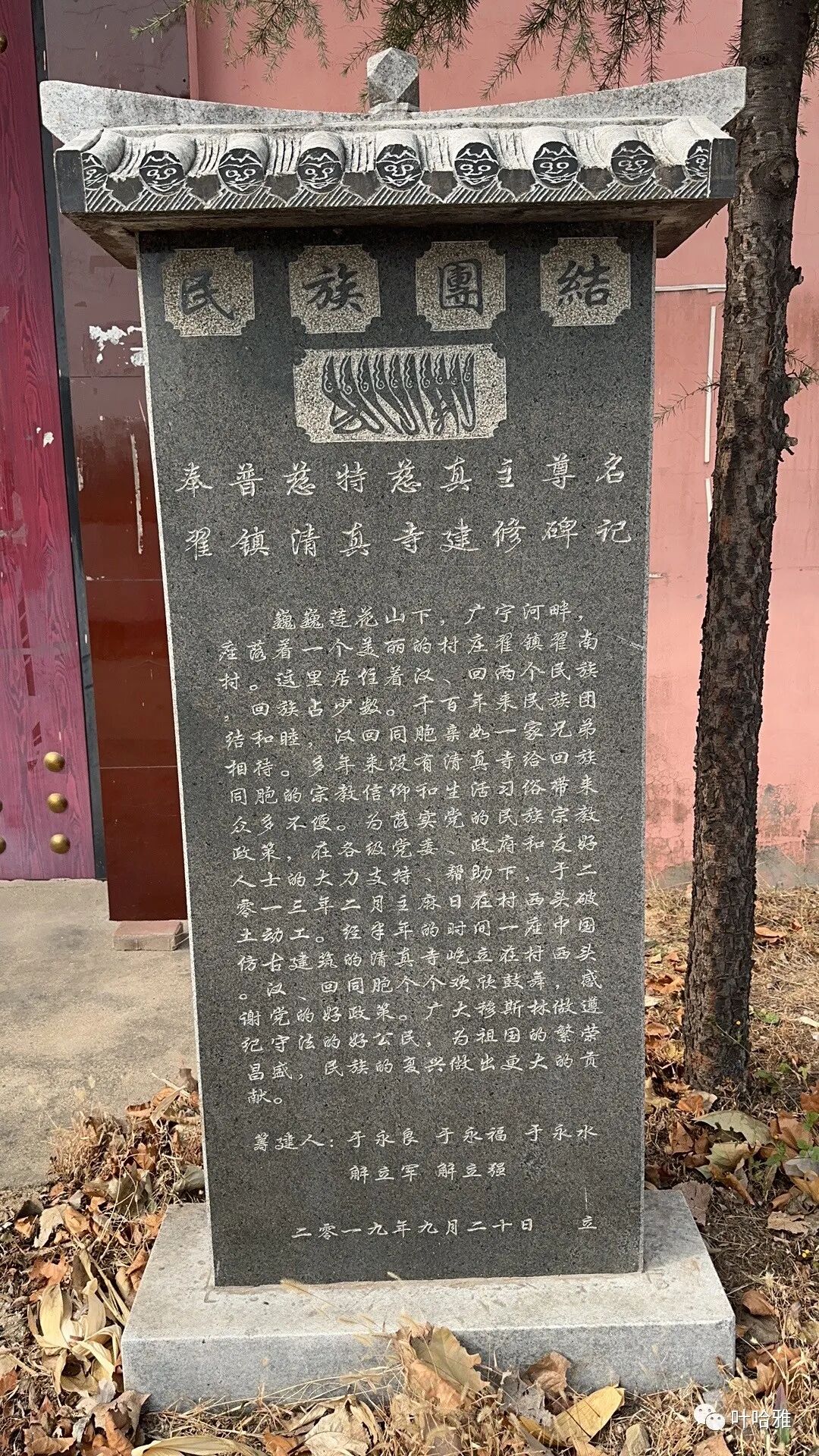
Xigaoping Mosque
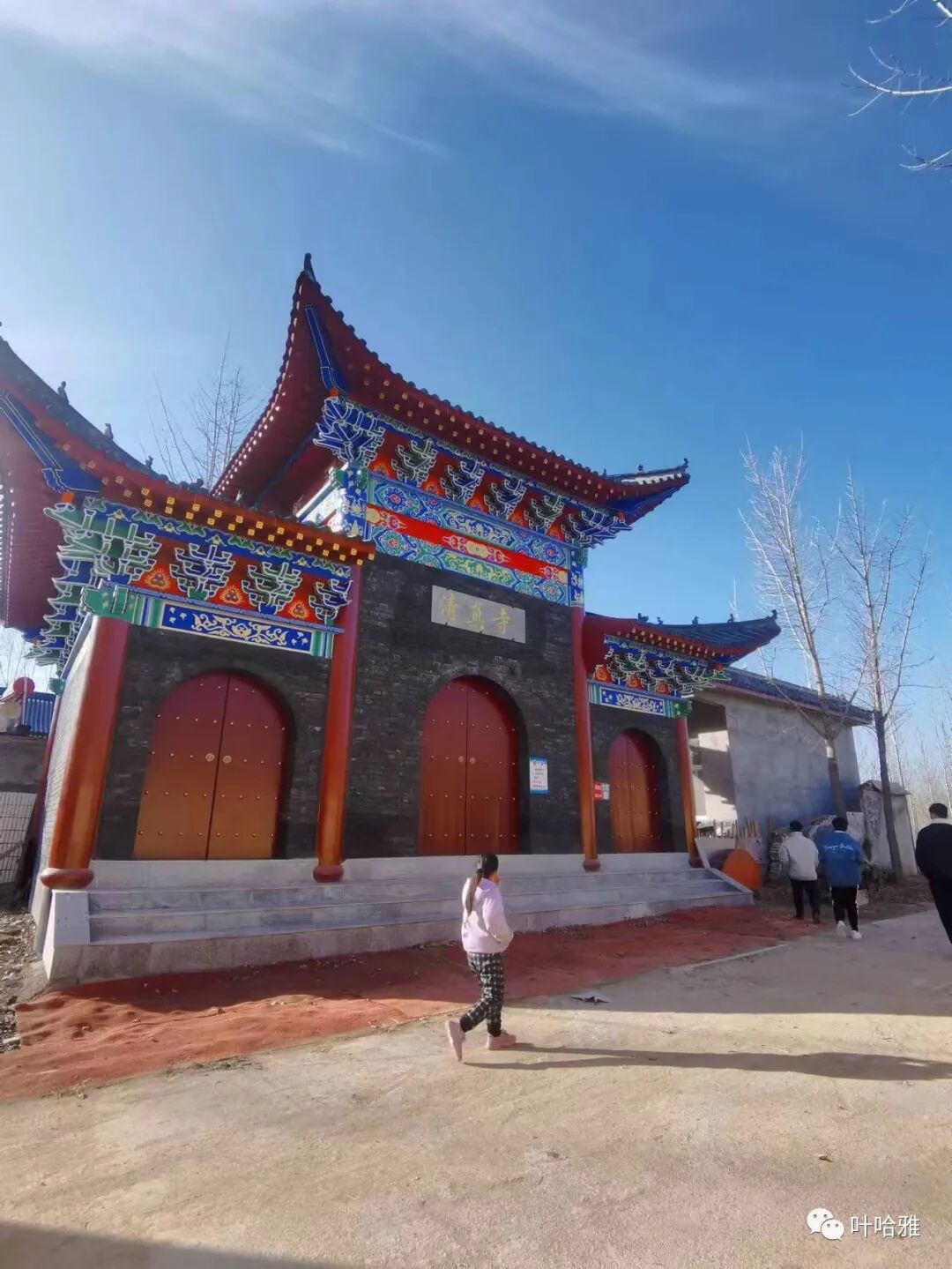
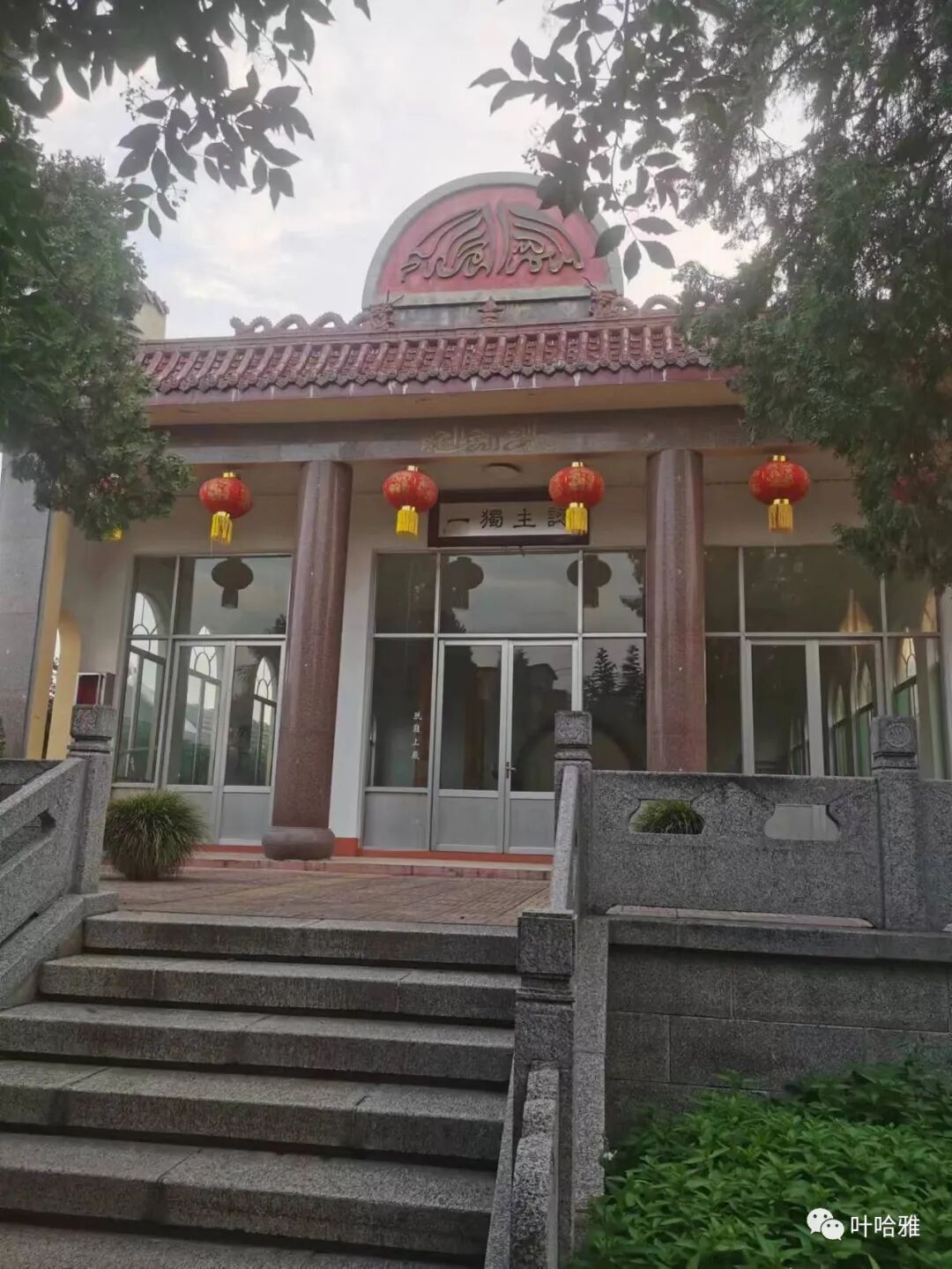
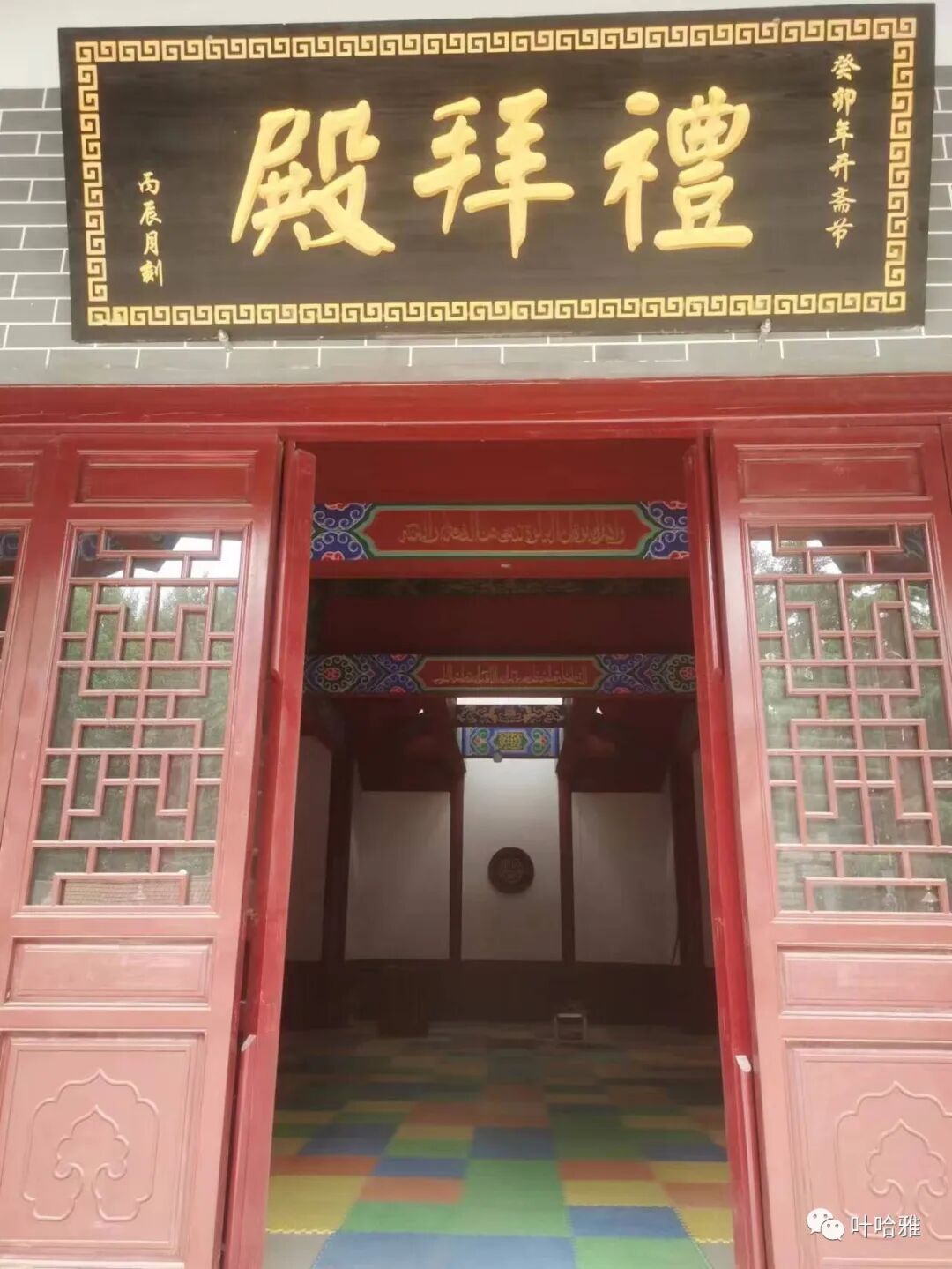
Xigaoping Mosque in Guli Town sits in the northwest part of the old Xigaoping village. It was first built in the early Qing Dynasty and has been expanded and repaired many times since. When the mosque was first established, it had a main prayer hall with five rooms and two lecture halls to the north and south with three rooms each. An ancient cypress tree once stood inside the mosque, but it was cut down during the Cultural Revolution. The mosque was re-established in 1981. It underwent large-scale renovations in 1995 and 2005.
The mosque features a typical traditional Chinese courtyard style with a single-entry layout. It is 45 meters long and 35 meters wide. The prayer hall is 15 meters long and 6.5 meters wide. The rear hall is 4 meters long and 3.5 meters wide. The north lecture hall is 16 meters long and 8 meters wide. The south lecture hall is 18 meters long and 4.5 meters wide. Two stone tablets remain today: the 2005 Renovation Record and the List of Donors for the Mosque Construction on March 16, 1994, which was also set up in 2005.
Before the founding of the People's Republic of China, Imam Bai Anfu led the religious affairs at this mosque. After the founding of the People's Republic of China, Imams Yang Yuejun, Bai Anfu, Liu Qingyuan, Wang Xiuming, and Yu Guangwei served as leaders of religious affairs in succession. The mosque is currently managed by a mosque management committee, with Liu Guitian serving as the current director.
In 2008, the mosque was named a Model Mosque by Tai'an City. In 2009, it was awarded the title of Civilized Religious Activity Venue by Xintai City. In 2010, it was once again named a Model Mosque by Tai'an City.
Feicheng City
Houhuang Village Mosque
Houhuang Village Mosque in Bianyuan Town sits in the southwest corner of the village. It was built during the Ming Dynasty and has been repaired continuously since then. The mosque underwent seven large-scale renovations in 1747 (the 12th year of the Qianlong reign of the Qing Dynasty), 1809 (the 14th year of the Jiaqing reign), 1903 (the 30th year of the Guangxu reign), 1937 (the 26th year of the Republic of China), 1944 (the 33rd year of the Republic of China), 1984, and 2010.
The mosque features a Chinese palace-style architectural design and measures 45 meters long and 28 meters wide. The prayer hall has two sections, front and back, standing 9 meters high with two side rooms and a moon platform (yuetai) in front. The main hall is 17.2 meters long and 12.45 meters wide. The north lecture hall is 10 meters long and 8 meters wide. The south lecture hall is 15.2 meters long and 5.7 meters wide. The ablution room (shuiwu) is divided into separate areas for men and women. The men's room is 15 meters long and 6.2 meters wide. The women's room is 8.8 meters long and 5.8 meters wide. There are four stone tablets here: the 1747 Record of Rebuilding the Mosque Moon Platform Railing Rooms from the Qianlong era, the 1809 Record of Rebuilding the North and South Lecture Halls from the Jiaqing era, the 1910 Record of Rebuilding the Huangjiazhuang Mosque from the Xuantong era, and the 2011 Record of Rebuilding the Main Prayer Hall.
The mosque's religious affairs have been led by imams including Zhang, Zhang Baotai, Ma Yonghui, Tang Qinglin, Wang Changshun, Ma Tongyun, Yang Fulian, Xu Changcun, Yang Baojun, Zhang Shugang, and Ma Gang. The mosque has trained many religious scholars, including imams Zhang Xuan, Xu Shihe, Xu Jiben, Xu Jiwen, Xu Changchun, Xu Changzhi, Xu Jiwu, Xu Changshan, Zhang Baotai, Ma Wenli, Yang Guotai, Yang Maodou, Xu Changzeng, Yang Suo, Xu Bin, Ding Jian, Bai Yanbing, Ding Junjian, Ding Rongfu, Ding Jianhua, Yang Libiao, Xu Yongqiang, and Yang Chaoxuan. It is currently managed by the mosque's democratic management committee, with Ding Junqian, Xu Weihua, Ding Junfu, Ding Ruqing, and Yang Wei serving as directors. Religious activities are carried out according to the law. The mosque keeps a white porcelain incense burner from the Qing Dynasty. The mosque values education, and every imam has held classes to train many students (hailifan).
In 2008, the mosque was named a Model Mosque by Tai'an City. It was named a Model Mosque by Tai'an City again in 2014.
Qianhuang Village Mosque
Qianhuang Village Mosque in Bianyuan Town sits at the west end of the village. It was first built during the Guangxu reign of the Qing Dynasty (1875-1906) and has been repaired many times since. In the third year of the Xuantong reign (1911), elder Zhang Shi'en donated over 3.6 mu of land, which became the current site. In 1924, four rooms were built for the south lecture hall. In 1946, elder Wang Yuduo from the Taihe firm in Qianhuang Village led a fundraising effort, and the five-room main prayer hall was finished in 1947. Large-scale repairs took place in 1991, 2000, 2002, 2004, and 2014.
The mosque is a single-courtyard building in the classic Chinese palace style. The main prayer hall has front and back sections and covers 250 square meters. The north lecture hall covers 107 square meters, the south lecture hall covers 98 square meters, and the water room covers 88 square meters. There are four stone tablets here: the Huangjiazhuang Ding Family Genealogy Tablet from 1741 (Qianlong year 6), the New Ablution Room Tablet from 2000, the Mosque Inscription from 2003, and the South Lecture Hall Reconstruction Tablet from 2004.
The mosque's religious affairs have been led by imams including Yang Guotai, Yang Chaoxuan, Mi Shuting, Ma Yongcai, Zhao Rongsheng, Zhan Qinggui, Dong Zhongqing, Mi Shuangzhong, Mi Shuangliang, Li Huaiguo, Wang Xiuming, Chen Xingwu, Wang Huaiyu, Jin Haixue, Wang Jingdou, Wang Xiuming, and Ma Jundong. Before the founding of the People's Republic of China, the mosque was managed by village elders including Ding Yuxi, Wang Wensheng, Wang Guanxi, Wang Guanxing, Wang Jixian, Bai Yuhe, Zhang Juntang, Wang Jichen, Ding Yang, Wang Guanqi, Zhang Baoshan, Zhang Baodang, and Wang Jixin. After the founding of the People's Republic of China, it was managed by village elders including Ding Yanzheng, Ding Yanyang, Wang Guanjiang, Ding Huaixin, Zhang Yongquan, Wang Xiuzhong, Ma Hongzhang, Wang Xiucai, Bai Tangyou, Zhang Yanlong, Wang Xiutong, Wang Jingshui, Ding Huaikui, Wang Jingtao, Wang Jingliang, Ma Xianmin, and Wang Zhongmin. It is now managed by the mosque's democratic management committee, with Ding Yanzheng, Ma Hongzhang, Wang Jingshui, and Ding Huaikui serving as directors.
The mosque once held cultural relics like celadon incense burners and vases, along with thirty handwritten copies of the Quran, but these were destroyed or lost during the Great Leap Forward and the Cultural Revolution.
In 2008, the mosque was named a Model Mosque by Tai'an City. In 2010, it was named a provincial-level Harmonious Religious Activity Site. In 2011, it was designated as a Feicheng City Cultural Relic Protection Unit.
Shengjiazhuang Mosque.
Shengjiazhuang Mosque in Anjiazhuang Town is located in the northwest corner of the village. It was first built in the early Qing Dynasty and has been renovated many times since. The mosque is built in the style of a Chinese palace, measuring 34 meters long and 30 meters wide. The prayer hall consists of a front and back section, and the main hall features a raised platform (yuetai) that is 8 meters high, 14 meters long, and 10 meters wide. The north lecture hall is 21 meters long and 7 meters wide. The south lecture hall is 11 meters long and 5 meters wide. The water room is 11 meters long and 5 meters wide. There are 7 stone tablets remaining, including the 1929 (the 18th year of the Republic of China) Tablet for the Reconstruction of the Mosque and 4 newer tablets honoring donors. An ancient stone tablet stands in front of the main hall, but the inscription is badly damaged and hard to read.
The mosque's religious affairs have been led by imams including Yang Maoxiu, Wu Mingcai, Li Jigui, and Wang Hualei. It is currently managed by the Mosque Democratic Management Committee, with Li Zhaoji, Mi Qingguo, and Yang Dengfa serving as directors.
In 2009, the mosque was named a provincial-level Harmonious Religious Activity Site. It won the title of Model Mosque of Tai'an City in 2010 and again in 2014.
Beiqiu Mosque
Located in the eastern half of Beiqiu Village in Bianyuan Town, the mosque was first built between the late Ming and early Qing dynasties and has been expanded several times since. The main hall was restored in the 12th year of the Qianlong reign of the Qing Dynasty (1747). The north lecture hall was rebuilt in 1991. In 2015, the south lecture hall, the water room, and the courtyard were built.
The mosque is built in the style of a Chinese palace, measuring 37.3 meters long and 26.8 meters wide. The prayer hall is a double-layered structure divided into a front hall and a back hall, with side rooms attached to the main hall and a moon terrace (yuetai) in front that is 8.5 meters long and 23.5 meters wide. The north lecture hall is 5 meters long and 17.8 meters wide. The south lecture hall is 5 meters long and 8 meters wide. The water room is 5 meters long and 19 meters wide. The mosque includes a living area for the imam. There are five stone tablets remaining, including the "Stele Record of the Mosque Restoration" from the 12th year of the Qianlong reign (1747), the "Mosque Prohibition Stele" from the Xuantong reign (1909-1911), the "Stele Record of the North Lecture Hall Reconstruction" from 1991, and the "Stele Record of the South Lecture Hall and Water Room Reconstruction" from 2015.
Imam Ding Ruhu currently oversees the religious affairs. In the past, village elders worked with the mosque's imam to manage affairs, with Xu Huali from the Daoguang reign of the Qing Dynasty (1820-1850) serving as a representative example. The mosque is now managed by a democratic management committee, with Liu Yuyuan, Ding Yongchang, Ding Yongdui, and Ding Xianquan serving as directors in succession. The mosque currently houses a copper water pitcher (tangping) dating back to the late Ming and early Qing dynasties.
Songzhuang Mosque
The Songzhuang Village Mosque in Bianyuan Town is located at the west end of the village. It is said to have been built in the late Ming and early Qing dynasties and has been renovated continuously since then. Before the founding of the People's Republic of China, there were four major renovations, with the most significant ones occurring in the tenth year of the Jiaqing reign (1805), the seventeenth year of the Daoguang reign (1837), the twenty-sixth year of the Guangxu reign (1900), and the fifteenth year of the Republic of China (1926). Since the founding of the People's Republic of China, it has been repaired many times, including the 2013 reconstruction of four ablution rooms (shuifang), two warehouses, and three southern lecture halls.
The mosque is built in the style of a Chinese palace, measuring 36 meters long and 36 meters wide. The prayer hall is 15.6 meters long and 11.3 meters wide, and the northern lecture hall is 18.3 meters long and 5.4 meters wide. The southern lecture hall is 15.7 meters long and 5 meters wide. The water room is 12 meters long and 5 meters wide. There are five stone tablets remaining, including the Stele for the Reconstruction of the Mosque from the nineteenth year of the Daoguang reign (1839), the Stele Record for the Reconstruction of the Mosque from the twenty-sixth year of the Guangxu reign (1900), the Preface Stele for the Reconstruction of the Mosque from the fifteenth year of the Republic of China (1926), and the Preface to the Reconstruction of the Songzhuang Ancient Mosque.
Historically, the mosque trained imams such as Ma Huanwen and Sha Xianzhang. Over the past twenty years or so, imams including Li Zhongguo and Wang Huarong have led the religious affairs. The mosque is currently managed by a democratic management committee, with Zuo Guangwen, Ma Yumin, Bai Youting, Ma Yujun, and Yang Changgang serving as directors in succession.
In 2009, the mosque was awarded the provincial title of Harmonious Religious Activity Venue. In 2010, it received the title of Model Mosque from Tai'an City. In 2016, it was designated as a Cultural Relic Protection Unit of Tai'an City.
Chahedian Mosque
Chahedian Mosque in Bianyuan Town is located in the middle of the village. It was first built during the Qianlong reign of the Qing Dynasty (1735-1796) and has been expanded and repaired ever since. In 2014, the mosque underwent a large-scale renovation.
The mosque features a Chinese palace-style architectural design, measuring 45 meters long and 30 meters wide. The prayer hall is 15 meters long and 15 meters wide, and the north lecture hall is 27 meters long and 7 meters wide. The south lecture hall is 20 meters long and 7 meters wide. The ablution room (shuiwu) is 6 meters long and 7 meters wide.
The mosque's religious affairs were led by imams including Xu Changzhi, Zhang Yanzhai, Wang Huarong, Ma Wenli, Wang Hualei, and Yang Shunchang. It is now managed by the mosque's democratic management committee, with Han Hongbin, Liu Yuantai, and Wang Jihe serving as directors. In 2012, it was named a provincial-level Harmonious Religious Activity Venue.
Fenghuang Village Mosque
Fenghuang Village Mosque in Bianyuan Town sits at the west end of the village. It was built in the 11th year of the Republic of China (1922). When the mosque was first established, it included a main prayer hall, a lecture hall, an ablution room, a main gate, and courtyard walls. It underwent large-scale renovations in 1994.
The mosque features a Chinese palace-style architectural design and is 35 meters long and 30 meters wide. The prayer hall is 12 meters long and 10 meters wide. The north lecture hall is 13 meters long and 6 meters wide. The south lecture hall is 13 meters long and 6 meters wide. There are two existing stone tablets: the Mosque Founding Tablet from 1940 and the Mosque Reconstruction Record Tablet from 1995.
The mosque's religious affairs were led by imams including Wang Yongqing, Ma Xingchang, Ding Hu, Wang Changming, Yang Xingwang, Wang Changgui, and Yang Baojun. It is currently managed by the mosque's democratic management committee, with Wu Maowen, Wu Baoshu, Mi Kuan, Wu Yuanfa, Wu Mingkun, Wu Mingxiang, Wu Jinzhong, and Mi Zhaoying serving as directors.
Dawangzhuang Mosque
Dawangzhuang Mosque in Bianyuan Town is located at the east end of the village. It was built in 1953 and has been repaired many times since. Large-scale renovations took place in 2005, 2007, and 2011.
The mosque is in a modern architectural style, measuring 35 meters long and 40.5 meters wide. The prayer hall is a single-level structure with a rear hall, standing 5.2 meters high, 11 meters long, and 7.5 meters wide. The north lecture hall is 15 meters long and 7.6 meters wide. The south lecture hall is 3 meters long and 7.6 meters wide. The water room is 7.6 meters wide.
The mosque's religious affairs were led by imams including Bai Anfu, Imam Yang, Yang Baojun, Jin Haizeng, Wang Zengli, Ma Chuanxiang, Yang Dong, and Ding Jianhua. It is now managed by the mosque's democratic management committee, with Yang Baojin, Yang Shunping, and Yang Shuncang serving as directors. The mosque houses an incense burner.
Chenjiabu Mosque
Chenjiabu Mosque in Anjiazhuang Town sits at the west end of the village. It was first built between the late Ming and early Qing dynasties and has been expanded and repaired ever since. The mosque underwent two large-scale reconstructions in 1996 and 2007.
The mosque features a Chinese palace-style architectural design and measures 46 meters long and 24 meters wide. The prayer hall is a double-layered structure consisting of a front porch, a front hall, a gutter, and a rear hall, creating a connected architectural layout. Both the front and rear halls follow a four-beam and eight-pillar design, with a brick and lime gutter installed at the junction of the two halls for drainage. There are side doors on both sides and a raised platform (yuetai) in front. The main prayer hall is now a dangerous building. The main prayer hall is 9 meters high, 16 meters long, and 10 meters wide. The north lecture hall is 16 meters long and 6.5 meters wide. The south lecture hall is 13 meters long and 5 meters wide. The water room is 6.5 meters long and 5 meters wide. The mosque was once awarded the provincial title of Harmonious Religious Activity Venue.
Xiaojiabu Mosque
Xiaojiabu Mosque in Anjiazhuang Town is located at the west end of the village. The founding date is unknown, and it was destroyed by fire in 1973 when machines inside the building caught fire. The new mosque was built in 1999.
The mosque features Chinese palace-style architecture and is 56 meters long and 50 meters wide. The prayer hall is 9.9 meters high, and the moon terrace in front of the main hall is 26 meters long and 15 meters wide. The north lecture hall has 5 rooms, measuring 15 meters long and 8 meters wide. The south lecture hall has 5 rooms, measuring 15 meters long and 5 meters wide. There is 1 kitchen, measuring 3 meters long and 4 meters wide. More than 250 trees are planted inside and outside the mosque, and the mosque is fully equipped with all necessary utensils. A stone tablet erected in 2000 still exists today.
The mosque's religious affairs have been led by imams including Bai Maoxiang, Imam Xu, Imam Yang, Imam Wang, and Bai Yanbing. It is currently managed by the mosque's democratic management committee, with Ma Wenhuan serving as the director.
A handwritten copy of the Quran from the 17th year of the Republic of China (1928) is preserved here. In 2008, the mosque was named a Model Mosque by Tai'an City.
Ningyang County
Xitaili Mosque
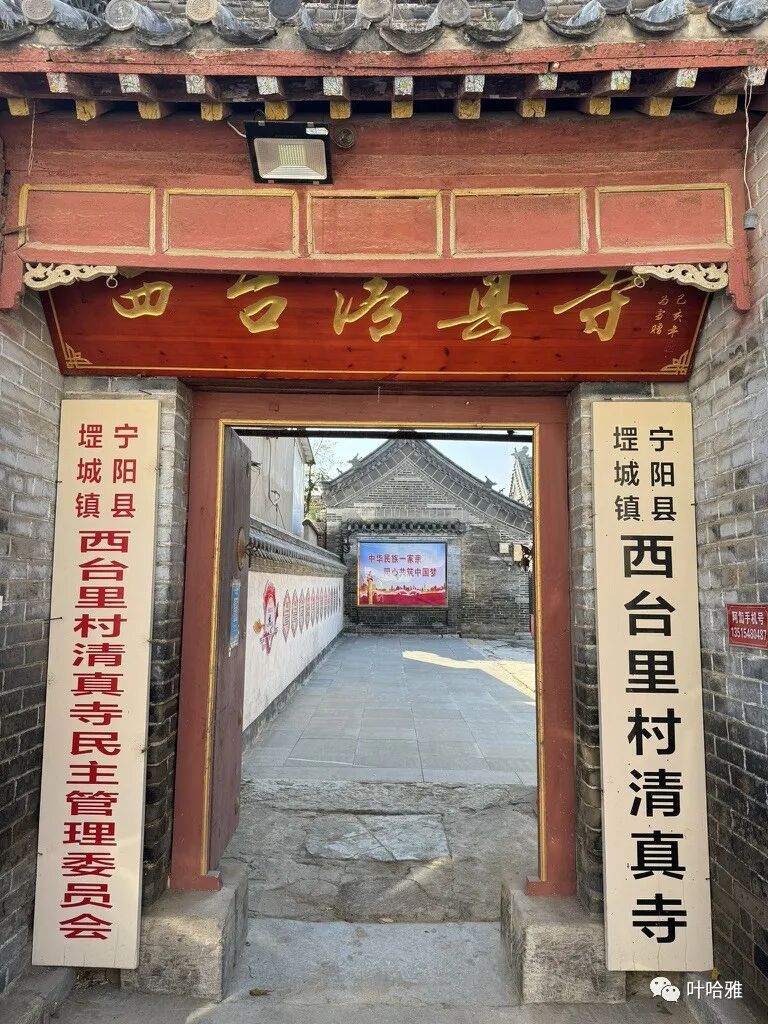
Xitaili Mosque in Gangcheng Town sits in the western half of the village. Wang Xiong founded the mosque in 1398, the 31st year of the Hongwu reign of the Ming Dynasty, and it has been expanded and repaired ever since. The mosque underwent repairs in 1411, 1460, 1698, 1719, 1738, 1819, 1900, 1945-1946, 2005, 2008, and 2012.
The mosque features Chinese palace-style architecture. It is 41.5 meters long and 34.1 meters wide, with two courtyards. The main prayer hall is a double-layered structure, 13 meters high, 13.1 meters long, and 7.1 meters wide. The north lecture hall is 17.1 meters long and 7 meters wide. The south lecture hall is 10.5 meters long and 7 meters wide. The water room is 10.6 meters long and 5.5 meters wide.
The mosque entrance has a main gate and a second gate. Past the second gate is the main courtyard. The main prayer hall sits on the west side, facing east. It is the primary building of the mosque and can hold hundreds of people for namaz at the same time. The main prayer hall uses a three-arch design with a connected roof structure, consisting of a front porch, a middle hall, and a back hall. The front porch is three bays wide with a curved roof and a wooden frame covered in small gray tiles. A stone tablet from 1719 titled Mosque Inscription is embedded in the inner north wall of the porch. The middle hall is three bays wide with a hard mountain-style roof. The front eaves connect to the back eaves of the middle hall, with water drainage channels left on both side walls. The rear hall is three bays wide, extending 0.62 meters beyond the sides of the middle hall's front porch. The front and rear eaves connect, the main roof ridge features animal ornaments, the brick walls have delicate carvings, and the mihrab is set in the center of the west wall.
The floor plan of the main hall looks like the Chinese character 'zhu' (master), and the roof has a varied, undulating shape. The platform in front of the main hall has stone railings and panels. On the north side of the platform stand stone tablets from the 11th year of the Guangxu reign (1885) and 2005 documenting repairs to the mosque. In front of the platform, the north and south lecture halls each have three rooms. They feature a single-eave, hard-mountain style roof covered with grey tiles and a front porch. North of the second gate is the room for students (hailifan). To the south is the bathing room, which can accommodate dozens of people for major and minor ablutions. Between the east gable of the north lecture hall and the courtyard wall is the east side room. To the west of the west gable are the west side room, the covered room (zhaozifang), and the tableware room. There are six existing stone tablets: the 'Mosque Tablet Record' from the 58th year of the Kangxi reign (1719), the 'Mosque Land Donation Tablet' from the 11th year of the Guangxu reign (1885), the 'Eternal Tablet' from 2005, the 'Second Batch of Municipal Key Cultural Relics Unit Tablet' from 2007, the 'Eternal Tablet' from 2008, and the 'Xitaili Mosque Reconstruction Record Tablet' from 2012.
Throughout its history, the mosque has trained many imams, including Yang Peicheng, Wang Minqing, Wang Minyi, Xu Menglan, Xu Shanfang, Li Chuanzheng, Li Hongbin, Wang Anyi, Li Anchen, Li Qingjun, Ma Xiangfa, Yang Zhenfa, Yang Cunguo, Yang Wei, Wang Antang, Wang Zifa, Xu Shouguo, Huang Zhongqing, Li Qingyun, Ma Xingcheng, Tang Wenhai, Wang Zhongzhen, Zhang Hongyi, Xu Shanfang, Li Zhaokun, Han Yuhai, and Xia Qianguo. The mosque is currently managed by a democratic management committee. Past directors include Wang Zishang, Wang Enshang, Wang Anxiang, Wang Anwen, Li Anshan, Li Baojin, Wang Anpo, and Ma Yongfu.
In 2009, the mosque received the provincial title of 'Harmonious Religious Activity Venue.' It was also named a 'Model Mosque' by Tai'an City in 2008, 2010, and 2014.
Liujiazhuang Mosque
Liujiazhuang Mosque in Geshi Town is located in the southwest corner of the village. It was first built during the Hongwu period of the Ming Dynasty (1368-1398) and has been expanded and repaired many times since. The mosque underwent three large-scale renovations in 1984, 1997, and 2008.
The mosque follows the Chinese palace architectural style, measuring 26 meters long and 19 meters wide. The prayer hall is 7.9 meters high, 10 meters long, and 8.5 meters wide. The north lecture hall is 13.5 meters long and 7 meters wide. The water room is 5 meters long and 7 meters wide. There is one stone tablet currently on site, which is the 2008 Tablet Record of Mosque Renovation.
Since the founding of the People's Republic of China, the religious affairs have been led by imams including Xu Menglan, Shi Xianbao, Wang Minqing, Xu Shanfang, Bai Anmeng, Han Tongwen, Xu Lingzhi, Wang Antang, Li Anchen, and Ma Ning. The mosque is currently managed by a democratic management committee, and past directors include Li Huaiqing, Li Lanting, and Sha Xingdong.
It has received the title of Model Mosque from Tai'an City.
Baima Mosque Mosque
Baimamiao Mosque in Fushan Town sits at the southwest corner of South Baimamiao Street in Taipingzhuang Village. It was first built during the Yongle period of the Ming Dynasty (1403-1424) and has been expanded and repaired ever since. The mosque has undergone four major renovations, including those during the Jiajing period of the Ming Dynasty (1522-1566), in the 16th year of the Guangxu reign of the Qing Dynasty (1890), and in 2001 and 2010.
The mosque features Chinese palace-style architecture, measuring 72.7 meters long, 21.1 meters wide at the front, and 27.5 meters wide at the back. The prayer hall is a double-eaved structure measuring 15.9 meters long and 13.2 meters wide. The north lecture hall is 10.2 meters long and 7 meters wide. The south lecture hall is 10.2 meters long and 6.4 meters wide. The ablution room (shuiwu) is 13.8 meters long and 6.6 meters wide. There are three stone tablets currently on site: the 1890 'Record of the Mosque Renovation' from the Qing Dynasty, the 2001 'Everlasting Renewal Tablet,' and the 2010 'Preface Tablet.'
The mosque's religious affairs have been led by imams including Zhao Wenjie, Yang Yueqing, Zhu Yuepo, Ma Guang, Han Yunting, Zhu Guanglai, Zhao Xinzheng, Zhao Guangfu, Zhu Yuehou, Yang Zhanji, Wang Ai, Zhang Yanzhai, and Yang Dawei. It is currently managed by the mosque's democratic management committee, with past directors including Mi Kuancheng, Hong Qingfang, and Zhao Anren.
A plaque from the 19th year of the Guangxu reign of the Qing Dynasty (1893) is still preserved today. In recent years, Zhu Zhaoxin donated a pair of wooden couplets that read, "The only true Allah of the universe is Allah, the only greatest sage in the world is Muhammad," which now hang on both sides of the mosque (libaidian) door.
In 2003, the county government designated the mosque as a county-level cultural relic protection site. It received the provincial title of "Harmonious Religious Activity Venue" in 2011 and was named a "Model Mosque" by Tai'an City in 2014.
Hongqi Village Mosque
Hongqi Village Mosque in Huafeng Town sits in the center of the village. It was first built during the Wanli period of the Ming Dynasty (1573-1620) and has been expanded and repaired ever since. The mosque underwent two large-scale renovations in 1932 and 2011.
The mosque features Chinese palace-style architecture and measures 30 meters long and 25 meters wide. The prayer hall is a double-layered structure that is 6 meters high, 13 meters long, and 10 meters wide. The north lecture hall is 15 meters long and 7 meters wide. The south lecture hall is 14 meters long and 4.5 meters wide. The water room is 6 meters long and 4 meters wide. There are two stone tablets here: the 2012 Tablet of Rebuilding the Main Hall and the Tablet of Eternal Memory.
Since the late 1940s, the mosque's religious affairs have been led by imams including Chen Junfang, Shi Xianxing, Liu Qingyuan, Gao Guo, and Ma Yingshang. The mosque is currently managed by a democratic management committee. Past directors include Chen Jinmei, Zhu Xiangxun, Bai Yushun, Zhu Xuyin, Wang Ansheng, Shi Junyou, Zhu Xutian, and Chen Weimin.
In 2008, the mosque was named a Model Mosque by Tai'an City, and in 2012, it received the provincial title of Harmonious Religious Activity Venue.
Jingquan Village Mosque
Jingquan Village Mosque in Huafeng Town is located in the northwest part of the village. It was first built in the 14th year of the Daoguang reign of the Qing Dynasty (1834). It was originally located in the eastern part of Jingquan Village and has been expanded and repaired many times since. Large-scale renovations took place in the 24th year of the Daoguang reign (1844), 1988, and 2001.
The mosque is 47 meters long and 35 meters wide. It includes a main hall, a north lecture hall, a south lecture hall, and a water room. There are three stone tablets: the Tablet of Founding the Mosque from the 14th year of the Daoguang reign (1834), the Tablet of Rebuilding the Mosque from 1998, and the Tablet Record of Repairing the Mosque from 2003.
Since the 1950s, the mosque's religious affairs have been led by imams including Jin Haixue, Ma Maoquan, Xu Changchun, Zhang Changshi, and Ma Shengchao. The mosque is now managed by a democratic management committee, with past directors including Huang Yuxiang, Huang Ruichang, Huang Qingfa, and Yang Yanhua.
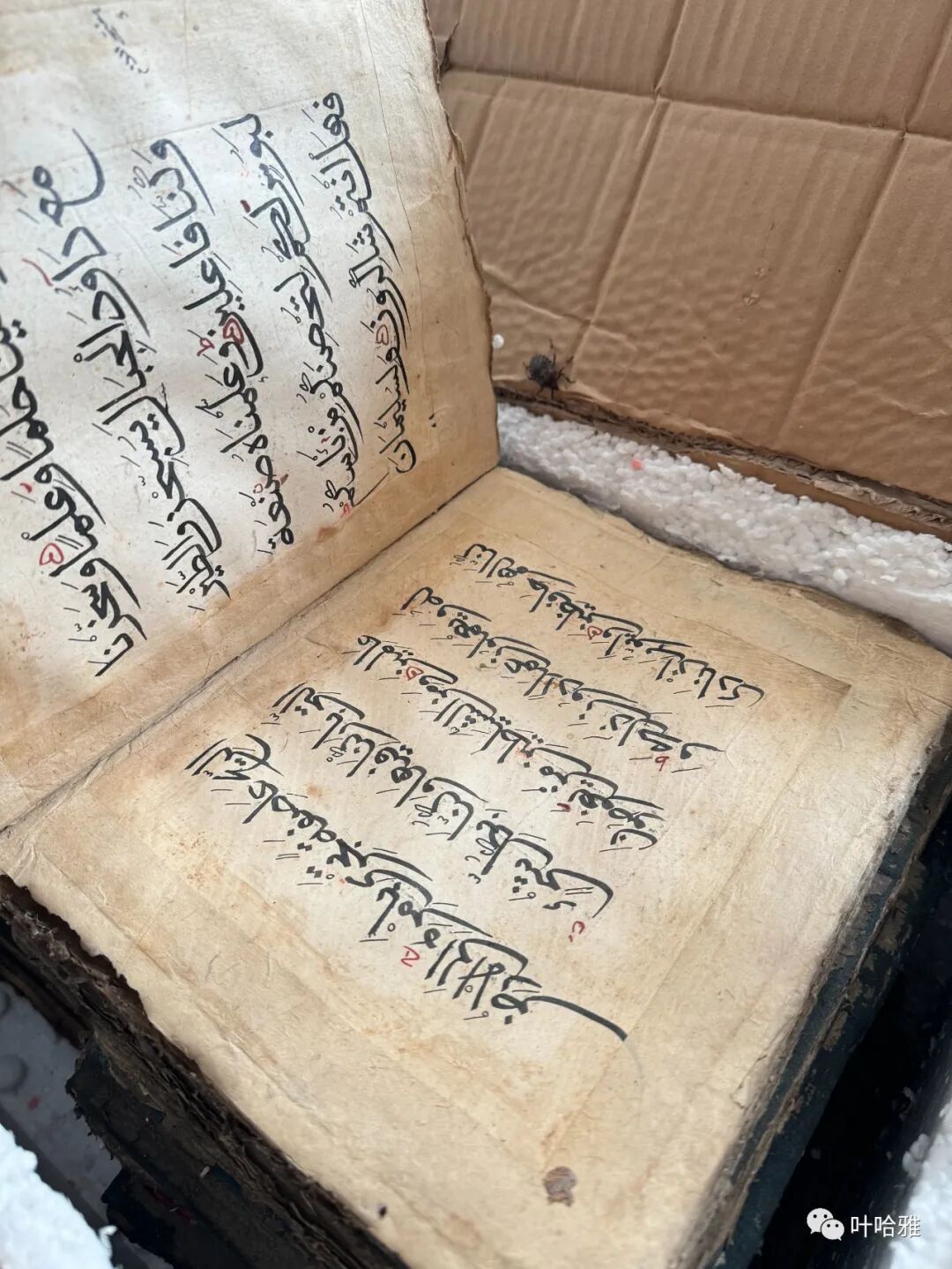
The mosque houses a set of handwritten Quran manuscripts (volumes 15, 16, 29, and 30 are missing) and one copper water pitcher (tangping), which was originally part of a pair.
Sidian Village Mosque
Sidian Village Mosque in Sidian Town is located in the northern part of the village. It was built in the 11th year of the Yongzheng reign of the Qing Dynasty (1733) and has been expanded and repaired many times since. In the first year of the Jiaqing reign (1796), a fire at a neighbor's house spread to the mosque, which was later rebuilt. In October 1926, a fire destroyed the main prayer hall. The main hall, lecture hall, and gate wall were rebuilt in 1935. The main prayer hall was torn down in the early 1950s. In the 1980s, the Sidian village brigade arranged for members to build houses on the site, but the south lecture hall remains standing today. The mosque was rebuilt between 2012 and 2015.
The mosque is built in the style of a Chinese palace, measuring 22 meters long and 21 meters wide. A white marble plaque inscribed with the words "Mosque" is embedded above the main gate. There are side doors on both sides, each with a five-step entrance platform. About 10 meters inside the main gate is a second gate, and a path leads straight from there to the main prayer hall. The main prayer hall is a single-story building with a three-bay porch-style design, standing 15 meters high with a bronze vase ornament on the roof. On each side of the main prayer hall, there is a carved openwork lattice window featuring Arabic calligraphy. Inside the hall, four round plaques hang on the front sides, and a plaque with gold lettering hangs in the center. There are four large painted pillars, each over 40 centimeters in diameter, decorated with large gold-painted lotus flowers. The ceiling is inscribed with the holy names of Allah. The floor of the main prayer hall is covered with felt carpets. The front of the main prayer hall is a wooden structure with a simple, ancient style, built in the Chinese hip-roof (wudian) architectural form. The north lecture hall has three rooms and covers an area of about 60 square meters. Inside the hall, there is antique porcelain printed with Arabic scripture. The south lecture hall has three rooms and covers an area of about 50 square meters.
There are two stone tablets remaining: the Imperial Edict Tablet (Shengyu Bei) from the seventh year of the Yongzheng reign of the Qing Dynasty (1729) and the Tablet Record of the Reconstruction of Sizhuangdian Mosque (Chongxiu Sizhuangdian Qingzhensi Beiji) from the twenty-eighth year of the Republic of China (1939). The former is the only one of its kind in Tai'an and holds significant historical and cultural value. There are several cypress trees inside the mosque.
The mosque was once led by imams including Mi Baogui, Zhao Defu, and Zhao Furun. It is now managed by the mosque's democratic management committee, with past directors including Shi Guanli, Li Xiangqian, and Li Hong'an. The mosque also serves the communities of Qianwang Village and Houwang Village in Caohe Town, Yanzhou City.
Nanyi Village Mosque
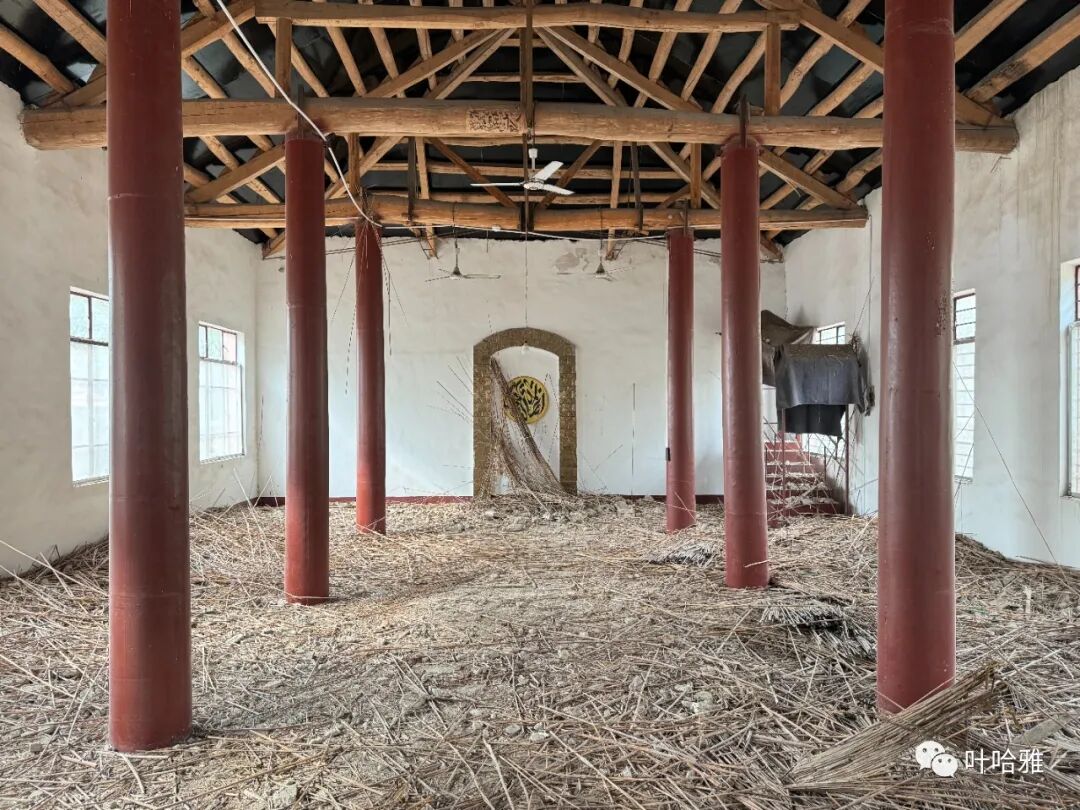
Nanyi Village Mosque in Ciyao Town is located in the southwest part of the village. The original mosque in Nanyi Village fell into disrepair and was severely damaged. In May 2015, the dangerous structures were demolished according to plan, and a new mosque was built at a different site.
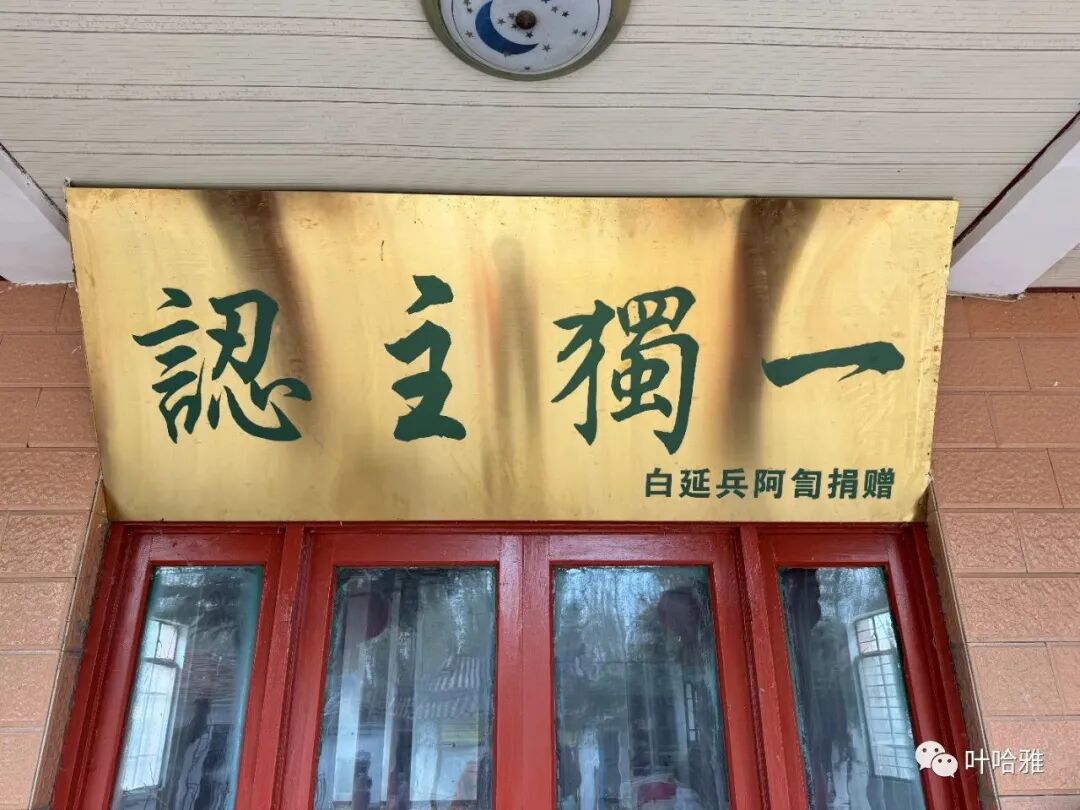
The mosque covers an area of 1,600 square meters, measuring 40 meters long and 40 meters wide. The prayer hall is 15 meters long and 11 meters wide. The north lecture hall is 10 meters long and 8 meters wide. The south lecture hall is 10 meters long and 8 meters wide. The water house is 10 meters long and 11 meters wide. There is one stone tablet here, the 2016 Tablet of Loving the Country, Loving the Faith, and Recognizing the Oneness of Allah.
The mosque has trained imams like Zhu Zhili, and Imam Yang Zhi currently manages religious affairs. The mosque is managed by a mosque management committee, with Zhang Weimin and Zhu Zhiming serving as past directors.
Houlyuguan Mosque
Houlyuguan Mosque in Huafeng Town sits in the middle of the village. It was likely built in the early days of Lyuguan Village and has been expanded and repaired ever since. In the second year of the Daoguang reign (1822), the old mosque was falling apart, so it moved to the north end of the village, which is its current location. The new mosque added three lecture rooms and a moon terrace (yuetai). In the 27th year of the Guangxu reign (1901), three large tiled rooms were added, and pine and bamboo were planted. The mosque was repaired in the ninth year of the Republic of China (1920). It was severely damaged during the Cultural Revolution.
When the mosque was first built, it was made of grass huts and covered seven and a half mu of land, with eight farming families from the north and south villages providing money and grain. After moving to the north of the village, it was rebuilt with brick, wood, earth, and stone, measuring 62 meters long and 52 meters wide. An old plaque hangs in the prayer hall, but the three characters on it are no longer readable. The main hall is 11 meters long and 11 meters wide. The north lecture hall is 11 meters long and 5 meters wide. The south lecture hall is 11 meters long and 5 meters wide. The water room is 4 meters long and 3.5 meters wide. There are three existing stone tablets: the Record of Rebuilding the Mosque from the second year of the Daoguang reign of the Qing Dynasty (1822), the Record of Rebuilding the Mosque from the 27th year of the Guangxu reign (1901), and the Record of Rebuilding the Mosque from the ninth year of the Republic of China (1920). Several stone tablets buried during the Cultural Revolution are inside the water pool.
The mosque's religious affairs were successively led by imams including Ma, Liu Yulin, and Xu Yongtong. Xiluoshan Mosque.
Xiluoshan Mosque in Heshan Township. Built in 2013, it covers 500 square meters with a building area of 300 square meters. It includes a main prayer hall, north and south lecture halls, and a main gate.
Xiluoshan Mosque.
Xiluoshan Mosque in Heshan Township. Built in 2013, it covers 500 square meters with a building area of 300 square meters. It includes a main prayer hall, north and south lecture halls, and a main gate.
Dongping County
Zhoucheng Mosque
Zhoucheng Mosque is located in the middle of the ten-mile Song Street in Zhoucheng Subdistrict. It was first built in 1575 during the third year of the Wanli reign of the Ming Dynasty and has been expanded several times since. Large-scale renovations took place in 1819 (the 24th year of the Jiaqing reign), 1828 (the 8th year of the Daoguang reign), 1840 (the 20th year of the Daoguang reign), 1911 (the 3rd year of the Xuantong reign), and 1926 (the 15th year of the Republic of China). After the founding of the People's Republic of China, it was repaired many times, with major renovations in 1990 and 2004.
The mosque features a classic Chinese palace-style architectural design, measuring 91 meters long and 51 meters wide. The prayer hall is a ridge-roof building that stands 12 meters high, 31 meters long, and 29 meters wide. The north lecture hall is 17.5 meters long and 6 meters wide. The south lecture hall is 17.5 meters long and 6 meters wide. The water house is 10.5 meters long and 6 meters wide. There are five stone tablets remaining: the Donation of Land Tablet and the Record of Rebuilding the Mosque Tablet from the 12th year of the Daoguang reign (1832), the Record of Rebuilding the Mosque Tablet from the 20th year of the Daoguang reign (1840), the Preface to the Tablet for Rebuilding the Mosque from the 3rd year of the Xuantong reign (1911), and the Tablet for Rebuilding the Mosque from the 15th year of the Republic of China (1926).
Since modern times, the mosque's religious affairs have been led by imams including Zhan Huiyuan, Zhan Shikai, Zhan Hongru, Zhan Faxin, Xu Changzheng, Xu Changzhi, Yang Maoxiu, Yang Baojun, Zhan Hongda, Imam Guo, Ding Shanzhen, Ma Xiangfa, Li Anchen, Zhan Qiang, and Jin Feng. It is now managed by the mosque's democratic management committee, with Bian Qingfang, Wang Jinghan, Guo Guangcai, Zhan Yanling, and Zhao Rongsheng serving as directors in succession.
In 2004, the mosque was designated as a Tai'an City Cultural Relics Protection Unit. It won the title of Tai'an City Model Mosque four times in 2008, 2009, 2010, and 2014. In 2010, it was named a provincial-level Harmonious Religious Activity Venue.
Xicun Mosque
Laohu Town Xicun Mosque is located in the southern part of the village. The mosque was originally built in Zhanjialou during the Daoguang reign of the Qing Dynasty (1820-1850) and was expanded several times later. It was destroyed by a flood in 1955 and later rebuilt in Xicun Village, where it was completed with a main prayer hall of three rooms and a lecture hall of four rooms.
The mosque is built in the style of a Chinese palace and covers a total area of 1,404 square meters. The main prayer hall is a single-story building that stands 12 meters high and covers 130 square meters. The north lecture hall covers 168 square meters, and the south lecture hall covers 43.2 square meters. The ablution room (shuiwu) covers 77 square meters. The mosque currently houses two stone tablets.
The mosque's religious affairs have been led by imams including Mi, Yang, Ma Yunxiang, Xu Changzhi, Wu Mingcai, Wang Enqing, Bai Zhenhe, Lu Qingjie, Yang Yinqing, and Zhang Changshi. It is now managed by a mosque democratic management committee, with members including Zhan Ensu, Zhan Enkui, Zhan Qinghai, Zhan Qingyu, Bai Shulin, Jin Licai, Jin Baoli, Zhan Yanwu, Bai Chengzhen, and He Mingjun serving as directors.
Lisuo Village Mosque.
Lisuo Village Mosque in Timen Town was built in 1896 during the Guangxu reign of the Qing Dynasty and has been repaired several times since. It was damaged in 1958 and later rebuilt. In 2012, due to new village planning, it was moved and rebuilt 60 meters southeast of the old mosque, and it is now located at the 15th Team in the south of Lisuo Village. Repairs were carried out in 2015 and 2016.
This mosque has a modern architectural style and covers a total area of 1,751.1 square meters. The main prayer hall is a single-story building that stands 8 meters high and covers 151.2 square meters. The north lecture hall covers 87.1 square meters, and the ablution room (shuiwu) covers 90 square meters. A storage room (jiazi fang) is built to the south of the main prayer hall. Two stone tablets remain. One ancient tablet was carved with verses from the Quran, the date the mosque was built, and the names of the founders, but it was damaged in 1958 and is now a broken fragment.
The mosque was led by imams including Imam Ding, Imam Yang, and Zhao Jie, and it is currently managed by the mosque's democratic management committee.
Daimiao Mosque
Daimiao Mosque is located in the center of Daimiao Village, Daimiao Town. The date it was first built is unknown. It was damaged by the Yellow River in the 16th year of the Guangxu reign of the Qing Dynasty (1890). It was rebuilt in the spring of the 20th year of the Republic of China (1931). It was later destroyed by flooding and was rebuilt at a new site in 2017. It covers 400 square meters and includes a prayer hall, a south lecture hall, an ablution room (shuifang), a main gate, and a storage room (jiazi fang). There is one stone tablet remaining from the 20th year of the Republic of China (1931) titled 'Record of the Reconstruction of the Daijia Mosque Town Mosque'.
The mosque was led by imams such as Zhan Enpu and Jin Feng. It is currently managed by the mosque's democratic management committee, with Guo Guangcai serving as the current director.
Discussion | A Preliminary Study of the Hui Muslims' Resistance Against Japan in Tai'an, Shandong
At the end of 1937, the Japanese army invaded the Tai'an region of Shandong, causing major losses to the local economy and society. After thorough mobilization, people from all walks of life among the Hui Muslims in Tai'an—including farmers, workers, teachers, students, business owners, doctors, and imams—all joined the vigorous, full-scale war of resistance. Under the leadership of the Party, the Hui Muslim forces in Tai'an grew from nothing to something and from weak to strong, participating in over 300 battles, with figures like Jin Xiaocun and Jin Guang becoming key leaders of the force. The Tai'an Hui Muslim Anti-Japanese School, the Anti-Japanese National Salvation Association, the Anti-Japanese Propaganda Team, and anti-Japanese logistics industries continued to develop, becoming important elements of the systematic Hui Muslim resistance in Tai'an.
During the war, 322,000 soldiers and civilians in Tai'an city (based on current statistics for the six counties and districts of Tai'an) were killed or wounded, accounting for 1/20 of the total casualties in Shandong (6,526,000 people), which shows the atrocities committed by the Japanese army in Shandong and Tai'an. After the Japanese army occupied Tai'an at the end of 1937, they set up 37 enemy-puppet strongholds and carried out horrific, insane massacres. Between 3:00 PM and 5:00 PM on February 24, 1938, the Japanese army committed the Shanyang Village (in front of Culai Mountain) massacre, killing 72 villagers and wounding 13. They burned down 3,080 rooms. 151 large livestock and over 3,500 sheep were burned to death. Over 500,000 jin of grain and more than 400 carts of various sizes were burned. Hui Muslims in Shandong suffered severely from the Japanese invaders. The Japanese army raped countless women, burned down 71 mosques, killed over 130 imams (aheng), and looted all gold, silver, and property. Hui Muslims in Tai'an were not spared either. The Japanese invaders committed monstrous crimes against Hui Muslim villagers in places like Dashuozhuang in Zhuyang Town, Nigou Village in Manzhuang Town, and Yuezhuang Village in Shengzhuang Town. Facing the inhumane massacre policy of the Japanese invaders, Hui Muslim villagers in Tai'an joined the broad masses of Han people in a bitter and arduous war of resistance. Since the spring of 1938, Hui Muslim villagers in the Tai'an region launched a vigorous and systematic war of resistance against Japan, making important contributions to the victory of the war in Tai'an, Shandong, and North China.
1.
Tai'an Hui Muslim Resistance Forces
The Tai'an Hui Muslim resistance was divided into two forces: the Taixi Hui Muslim Anti-Japanese Armed Force and the Taidong Hui Muslim Anti-Japanese Armed Force. The Taixi Hui Muslim resistance was centered in Chenjiabu and Shengjiazhuang in Anjiazhuang Town, Feicheng City, as well as Nanbailou and Zhoujiapo in Xiazhang Town, Daiyue District, with Jin Xiaocun, Mi Yingjun, and Ma Ancai as the main leaders. The Taidong Hui Muslim resistance was centered in Yuezhuang, Gangshang, and Ershilibu in Shengzhuang Town, Tai'an District, and Dashuozhuang Village in Zhuyang Town, Daiyue District, with Jin Guang, Zhao Manshi, Ma Qianli, and Hong Zhanwu as the main leaders. In January 1941, the two forces merged into the Hui Muslim Backbone Battalion in Nigou Village, Manzhuang Town, Daiyue District, totaling over 100 people. The reorganized Hui Muslim backbone brigade operated mainly in the Taixi region. Specifically, the Taixi region covers the vast area west of the Jinpu Railway in Tai'an, south of the Yellow River, up to the north bank of the Dawen River, and east of the Ding River. It mainly includes the counties of Tai'an, Feicheng, Changqing, Dongping, Pingyin, Dong'e, Wenshang, and Ningyang. The anti-Japanese war led by the Hui Muslims of Tai'an was not a series of isolated or scattered battles, but a systematic resistance. The leadership of the Party, the Hui Muslim forces, the Hui Muslim National Salvation Association, the Hui Muslim resistance leaders, the anti-Japanese propaganda teams, the anti-Japanese schools, and the Longshan Military Shoe Factory were all specific elements of the systematic resistance of the Tai'an Hui Muslims. Specifically, the Party's leadership provided a strong political guarantee for the Tai'an Hui Muslim resistance. The Hui Muslim forces were a solid fighting force, and the National Salvation Association was a comprehensive revolutionary group. Jin Xiaocun, Mi Yingjun, and Jin Guang were outstanding leaders of the Tai'an Hui Muslim resistance. The Hui Muslim anti-Japanese propaganda team was an independent system for mobilization, the Hui Muslim anti-Japanese school was a fully established training institution for the resistance, and the Longshan Military Shoe Factory was an independent anti-Japanese logistics industry for the Tai'an Hui Muslims.
II.
The Tai'an Hui Muslim Resistance and the Party's Leadership
Branches of the Communist Party of China were established very early among Hui Muslim teachers and young students in Tai'an. The earliest ones were the Party branch in Ershilibu Village in Taidong and the Party branch in Beiqiu Village in Taixi. The former was established in 1932 with the help of Zhao Manshi and was the first rural Party branch in Tai'an County. Jin Yisan served as secretary, Hong Jixiao as propagandist, and Chen Xingcai as armed committee member, building up strength for future revolutionary struggles. In 1938, the Taixi Special Committee of the Communist Party of China was founded at Beiqiu Primary School, becoming the first Party organization in Taixi County at that time. Duan Junyi served as secretary, and Hui Muslim Party members such as Bai Youfang and Ding Maoshan actively participated in the work.
After the July 7th Incident, cooperation between the Kuomintang and the Communist Party gradually deepened, and many imprisoned Communist Party members were released. In July 1937, Communist Party members Lu Baoqi, Zhu Yugan, Yan Yuming, and Wu Guanying, who had been hiding outside, returned to Tai'an one after another to carry out anti-Japanese propaganda and mobilization. Around October, more than ten Communist Party members, including Zhang Beihua, Cheng Zhaoxuan, Xia Furen, Hou Decai, Cui Ziming, and Wang Zhongfan, returned one after another to Tai'an and the surrounding areas. Li Wenfu, Xu Lincun, Wang Shaofen, and others were released from a Kuomintang prison in Nanjing and returned to Feicheng one by one to start anti-Japanese activities. Many party members returned to Tai'an, planting the seeds for the anti-Japanese war among Hui Muslims in Tai'an and providing a strong political foundation.
In early 1938, Wu Guanying held a mobilization meeting for progressive youth at Hekou in western Tai'an, which was attended by Jin Xiaocun, Mi Yingjun, Wang Baoheng, and others. The meeting decided to organize an anti-Japanese guerrilla force and proposed the slogan, "Those with strength give strength, those with money give money." After the meeting, Mi Yingjun sold 800 jin of wheat to buy a box cannon (xiaziqiang). Fan Changyou sold his mule to buy a Hanyang rifle, and others did the same. This formed the initial organization for the Hui Muslim resistance in Tai'an. During the brutal struggle, the Communist Party cared deeply for Mi Yingjun and the Hui Muslim troops he led. Mi Yingjun also studied the works of Mao Zedong diligently to constantly improve his ideological awareness and military skills. In 1939, he joined the Communist Party of China. In March of the same year, Chen Guang, acting commander of the 115th Division of the Eighth Route Army, and political commissar Luo Ronghuan led the Eastward Advance Detachment to the Tai-Fei mountain area to establish the western Tai'an anti-Japanese base. Fan Pengfei, the leader of the Eastward Advance Detachment's civil movement team, quickly made contact with Jin Xiaocun and others and provided guns to the guerrilla group. Fan Pengfei once recalled:
North of Anjiazhuang, there was a village with many Hui Muslims. Several young men there formed a guerrilla group on their own, and they had a few guns. After I arrived, I often visited them. One of them was named Mi Yingjun. He was a very accurate shot and trusted me a lot. Later, I organized them and they joined the Tai'an Independent Regiment.
3.
The Growth of Hui Muslim Resistance Forces in Tai'an
Under the leadership of the Party and the guidance of the 115th Division, the Hui Muslim anti-Japanese armed forces in Tai'an continued to grow and strengthen. Whether it was the Hui Muslim anti-Japanese armed forces, the Hui Muslim anti-Japanese leadership, or other entities like anti-Japanese schools and industries, all grew gradually under the leadership of the Communist Party of China.
The Hui Muslim Battalion was a vital force in the Tai'an Hui Muslim resistance. In January 1938, Jin Xiaocun, Mi Yingjun, and six or seven others organized a Hui Muslim anti-Japanese guerrilla group. It soon grew to over twenty people and became a guerrilla squad. After that, the number of Hui Muslim youths joining the resistance kept increasing, and by the end of that year, it had expanded to more than 80 people. In the spring of 1939, the unit was reorganized as the Second Company of the Taixi Independent Regiment, also known as the Hui Muslim Company, with Mi Yingjun serving as company commander.
From then on, this Hui Muslim anti-Japanese armed force grew rapidly under the leadership of the Party. Between the spring and summer of 1939, the Hui Muslim Company worked with the 115th Division and the 686th Regiment to wipe out the Taian traitor organization Red Spear Society and executed its leader, Gao Fuchang. Afterward, the company was reorganized as the Fourth Company of the Taixi Independent Battalion. Soon after, the Fourth Company was reorganized again as the Second Company of the Sub-district Backbone Regiment, fighting across the Taixi region and becoming a banner for Hui Muslim resistance against Japan in Taixi. In early 1940, Jin Xiaocun mobilized people in over 40 Hui Muslim villages in Taixi to form anti-Japanese armed forces, eventually establishing three platoons, which were actually three small squads. In 1941, the two Hui Muslim anti-Japanese units from Taidong and Taixi merged to form the Hui Muslim Backbone Battalion, which oversaw two squadrons. In the second half of that year, Jin Xiaocun and others ordered the formation of the Third Hui Muslim Squadron in the suburbs of Jinan. At the end of 1943, Zhang Xiaonong and others formed the Fifth Detachment of Qihe in Qihe. At the same time, Jin Xiaocun formed the Fourth Squad in Xiaojinzhuang, Jinan. In August 1945, the units merged to form the Taixi Hui Muslim Battalion, with Jin Xiaocun serving as political commissar and Ma Ancai as general branch secretary. In November, it was reorganized as the First Battalion of the First Backbone Regiment of the sub-district, overseeing three companies. Since its founding, this unit made the most of the Hui Muslims' bravery, tenacity, and strong sense of community. They actively carried out guerrilla warfare. After hundreds of battles, they became a national revolutionary force in the Hebei-Shandong-Henan border region that could not be crushed or broken. In February 1949, they were reorganized as the 151st Regiment of the 51st Division of the 17th Army. They took part in the Yangtze River crossing campaign and later marched into the great southwest.
The Tai'an Hui Muslim unit was a strong fighting force. They once successfully protected Comrade Jiang Hua as he passed through enemy blockade lines. During the War of Resistance Against Japan and the War of Liberation, this unit fought over 300 battles. They cleared out more than 60 enemy strongholds and wiped out over 6,000 Japanese, puppet, and Kuomintang troops. They captured 5 cannons, over 20 heavy machine guns, over 70 light machine guns, and more than 4,000 rifles. Nearly 20 people received special or first-class merit awards. Of course, they also made huge sacrifices. The unit's founder, Mi Yingjun, died in October 1943. His commanders spoke highly of him, calling him an excellent Communist Party member, a clever and brave commander, and a Hui Muslim anti-Japanese hero raised by the Party. Incomplete records show that during the War of Resistance, the unit lost 6 battalion-level officers, 14 company-level officers, and over 40 platoon or squad-level officers.
Anti-Japanese schools were important places for training reserve talent. The goal of starting the Hui Muslim Anti-Japanese School was to strengthen and expand the Hui Muslim anti-Japanese army, train more political officers for the Hui Muslim troops, and provide new talent for the army. In 1943, Jin Xiaocun and Jin Guang attended a meeting of the Hebei-Shandong-Henan border region government. They proposed the idea of starting the school to leaders like Deng Xiaoping, who were chairing the meeting, and received approval from the leaders and representatives. After approval from Zhang Yuenan and Wu Shengyu of the Taixi Commissioner's Office, the school was officially established in the autumn of 1944 in Dayuanzhuang Village, Qihe County, with over 60 students. The full name of the school was the Tai'an Region Hui Muslim Anti-Japanese School, also known as the Taiyun District Islamic School. It used military-style management, and the 60-plus students were organized into two platoons and eight squads. The main focus was studying the works of leaders like Mao Zedong, and figures such as Zhang Yaonan and Liu Zifang came to the school to give reports. After the founding of the country, more than 60 students joined various construction fronts across the nation, with some becoming key contributors to the building of the new China.
The Longshan Military Shoe Factory and others provided logistical support for the Hui Muslims' resistance efforts. The Hui Muslim resistance in Tai'an included production for self-sufficiency, with two typical logistics enterprises formed by Hui Muslim teams being the Taixi Wenyang Cooperative and the Longshan Military Shoe Factory. The former was established mainly in the late stages of the War of Resistance Against Japan, initially located at the western border of Mazhuang in Daiyue District, and later moved several times. Ma Qianli was the main person in charge, and it played a major role during the War of Liberation. The latter was founded in the autumn of 1944 and was located in Longshan Guanzhuang, southwest of Manzhuang Town in Daiyue District. Jin Guang served as the factory director, and Mi Guangzhen from Dashuozhuang, east of Tai'an city, served as the purchaser. With over 20 Hui Muslim workers, they mainly produced military shoes, with products primarily supplied to local Hui Muslim forces. Thousands of pairs of military shoes, along with some semi-finished products, raw materials, and tools, were escorted by Jin Guang's wife, Gao Fangpu, to the home of Jin Yongzeng in their village for hiding. Later, they were transported to Dashuozhuang, and in 1948, they were handed over to the Bohai Military Region.
On December 31, 1937, the Japanese invaders occupied Tai'an. On January 1, 1938, the first shot of the Shandong resistance, led by the Shandong Provincial Committee of the Communist Party of China, was fired on Culai Mountain within Tai'an. Influenced by the Culai Mountain anti-Japanese armed uprising and under the leadership of the Communist Party, Jin Xiaocun, Mi Yingjun, and others formed the Tai'an Hui Muslim anti-Japanese guerrilla group in early 1938. This force grew from weak to strong and from small to large, with Jin Xiaocun, Jin Guang, Ma Ancai, and others becoming important leaders of the team. Through in-depth mobilization, all walks of life among the Hui Muslims in Tai'an, including workers, farmers, intellectuals, entrepreneurs, and religious figures, participated in the vigorous all-out war of resistance.
(The author, Jin Po, is the director of the History Department at the School of History, Taishan University, and holds a doctorate in modern and contemporary Chinese history. He is a lecturer, and this was originally published in the first issue of 'Chinese Muslims' in 2019.)
Modern and contemporary history major, lecturer, originally published in 'Chinese Muslims', 2019, Issue 1.
I have finished introducing all 70 mosques in Tai'an. A mosque tour naturally needs to include halal food, but my trip to Tai'an was short and busy. With so many mosques to cover, I have limited space left to talk about the food.
Jin Family Roasted Chicken (Jin Jia Shaoji)
The highlight was the Jin Family Roasted Chicken we ate at a local elder's home near the Dashuozhuang Mosque. It was affordable and delicious. The chicken was tender, and the seasoning was just right. It tasted better than some of the trendy roasted chicken shops that have long lines, and it really suited my taste. On the right side of the photo is fresh camel meat, which tastes similar to beef.
Also, Elder Jin is reliable in his faith, so the ingredients are safe to eat. You can find his contact number in the picture below.
Mi Family Halal Gruel Shop (Mi Jia Qingzhen Sanguan)
After finishing my work, I went with Elder Han to have a traditional Tai'an breakfast at the Mi Family Gruel Shop. It is a thick soup made with lamb broth and eggs. This type of gruel (sangtang) is most famous in the Linyi area. view all
Summary: This China mosque travel guide continues the Tai'an seventy mosques project, covering Xintai and Feicheng mosques, village mosque architecture, stone tablets, imam records, Hui Muslim communities, and anti-Japanese resistance history.
The Seventy Mosques of Tai'an is presented here as a firsthand travel account in clear English, beginning with this scene: Xigaoping Mosque in Guli Town sits in the northwest part of the old Xigaoping village. The account keeps its focus on Mosque Travel, Islamic Heritage, Muslim Travel while preserving the names, places, food, and historical details from the Chinese source.
Xigaoping Mosque
Xigaoping Mosque in Guli Town sits in the northwest part of the old Xigaoping village. It was first built in the early Qing Dynasty and has been expanded and repaired many times since. When the mosque was first established, it had a main prayer hall with five rooms and two lecture halls to the north and south with three rooms each. An ancient cypress tree once stood inside the mosque, but it was cut down during the Cultural Revolution. The mosque was re-established in 1981. It underwent large-scale renovations in 1995 and 2005.
The mosque features a typical traditional Chinese courtyard style with a single-entry layout. It is 45 meters long and 35 meters wide. The prayer hall is 15 meters long and 6.5 meters wide. The rear hall is 4 meters long and 3.5 meters wide. The north lecture hall is 16 meters long and 8 meters wide. The south lecture hall is 18 meters long and 4.5 meters wide. Two stone tablets remain today: the 2005 Renovation Record and the List of Donors for the Mosque Construction on March 16, 1994, which was also set up in 2005.
Before the founding of the People's Republic of China, Imam Bai Anfu led the religious affairs at this mosque. After the founding of the People's Republic of China, Imams Yang Yuejun, Bai Anfu, Liu Qingyuan, Wang Xiuming, and Yu Guangwei served as leaders of religious affairs in succession. The mosque is currently managed by a mosque management committee, with Liu Guitian serving as the current director.
In 2008, the mosque was named a Model Mosque by Tai'an City. In 2009, it was awarded the title of Civilized Religious Activity Venue by Xintai City. In 2010, it was once again named a Model Mosque by Tai'an City.
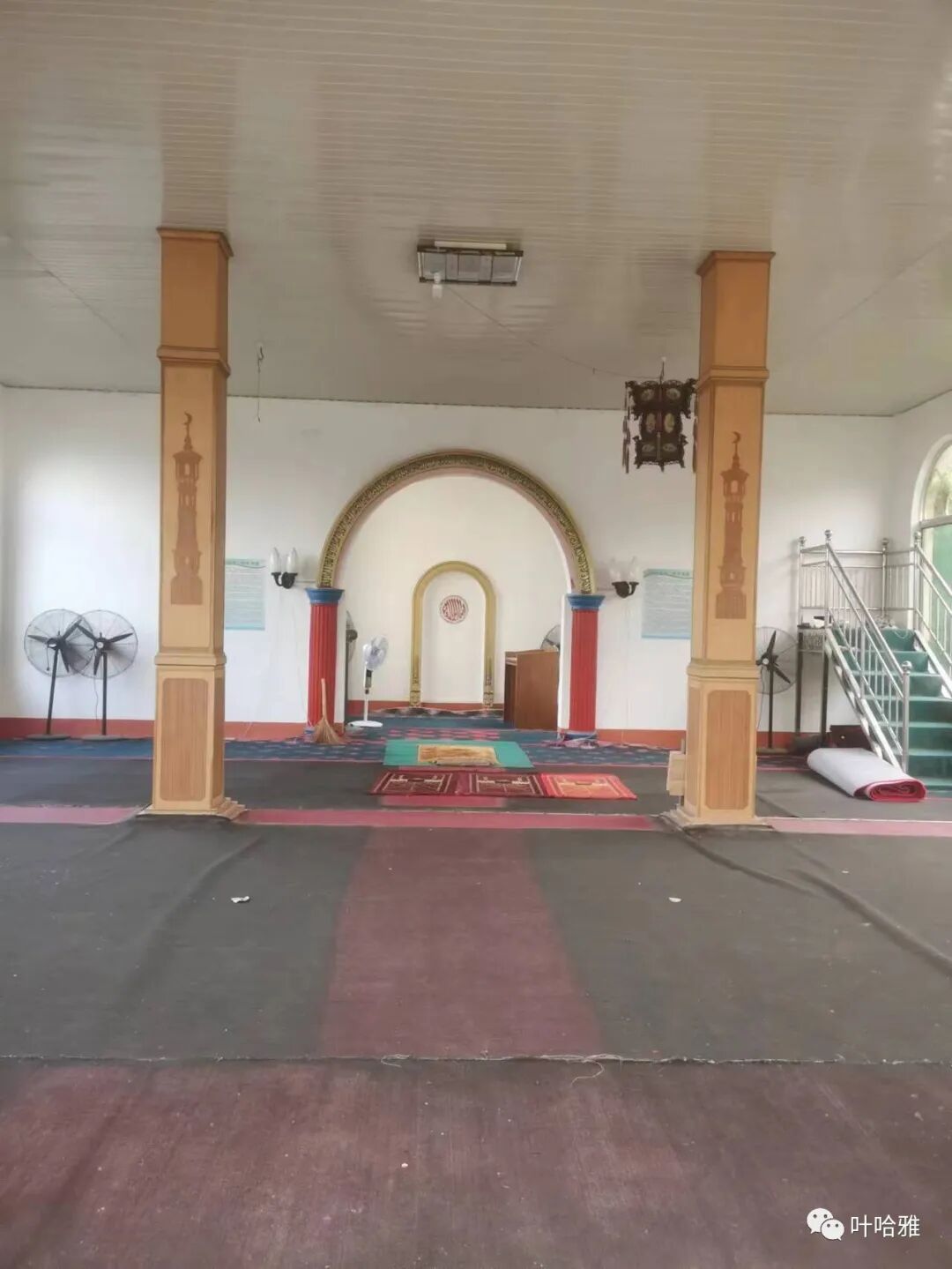
Feicheng City
Houhuang Village Mosque
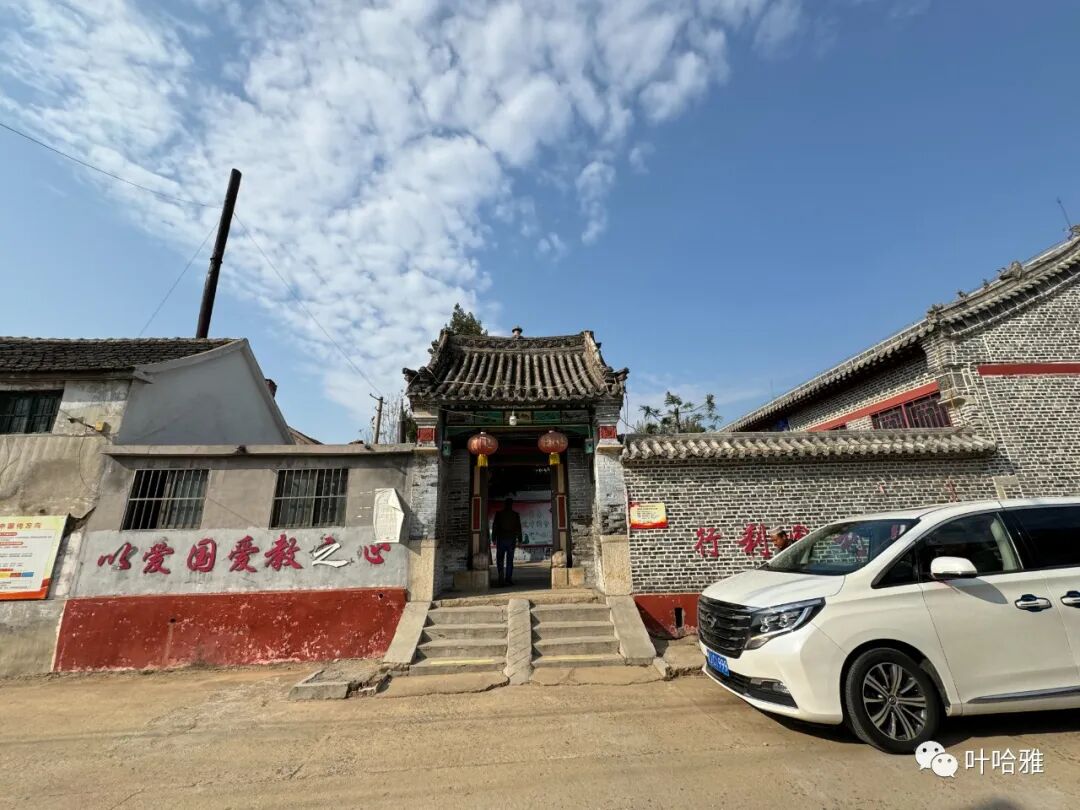
Houhuang Village Mosque in Bianyuan Town sits in the southwest corner of the village. It was built during the Ming Dynasty and has been repaired continuously since then. The mosque underwent seven large-scale renovations in 1747 (the 12th year of the Qianlong reign of the Qing Dynasty), 1809 (the 14th year of the Jiaqing reign), 1903 (the 30th year of the Guangxu reign), 1937 (the 26th year of the Republic of China), 1944 (the 33rd year of the Republic of China), 1984, and 2010.
The mosque features a Chinese palace-style architectural design and measures 45 meters long and 28 meters wide. The prayer hall has two sections, front and back, standing 9 meters high with two side rooms and a moon platform (yuetai) in front. The main hall is 17.2 meters long and 12.45 meters wide. The north lecture hall is 10 meters long and 8 meters wide. The south lecture hall is 15.2 meters long and 5.7 meters wide. The ablution room (shuiwu) is divided into separate areas for men and women. The men's room is 15 meters long and 6.2 meters wide. The women's room is 8.8 meters long and 5.8 meters wide. There are four stone tablets here: the 1747 Record of Rebuilding the Mosque Moon Platform Railing Rooms from the Qianlong era, the 1809 Record of Rebuilding the North and South Lecture Halls from the Jiaqing era, the 1910 Record of Rebuilding the Huangjiazhuang Mosque from the Xuantong era, and the 2011 Record of Rebuilding the Main Prayer Hall.
The mosque's religious affairs have been led by imams including Zhang, Zhang Baotai, Ma Yonghui, Tang Qinglin, Wang Changshun, Ma Tongyun, Yang Fulian, Xu Changcun, Yang Baojun, Zhang Shugang, and Ma Gang. The mosque has trained many religious scholars, including imams Zhang Xuan, Xu Shihe, Xu Jiben, Xu Jiwen, Xu Changchun, Xu Changzhi, Xu Jiwu, Xu Changshan, Zhang Baotai, Ma Wenli, Yang Guotai, Yang Maodou, Xu Changzeng, Yang Suo, Xu Bin, Ding Jian, Bai Yanbing, Ding Junjian, Ding Rongfu, Ding Jianhua, Yang Libiao, Xu Yongqiang, and Yang Chaoxuan. It is currently managed by the mosque's democratic management committee, with Ding Junqian, Xu Weihua, Ding Junfu, Ding Ruqing, and Yang Wei serving as directors. Religious activities are carried out according to the law. The mosque keeps a white porcelain incense burner from the Qing Dynasty. The mosque values education, and every imam has held classes to train many students (hailifan).
In 2008, the mosque was named a Model Mosque by Tai'an City. It was named a Model Mosque by Tai'an City again in 2014.
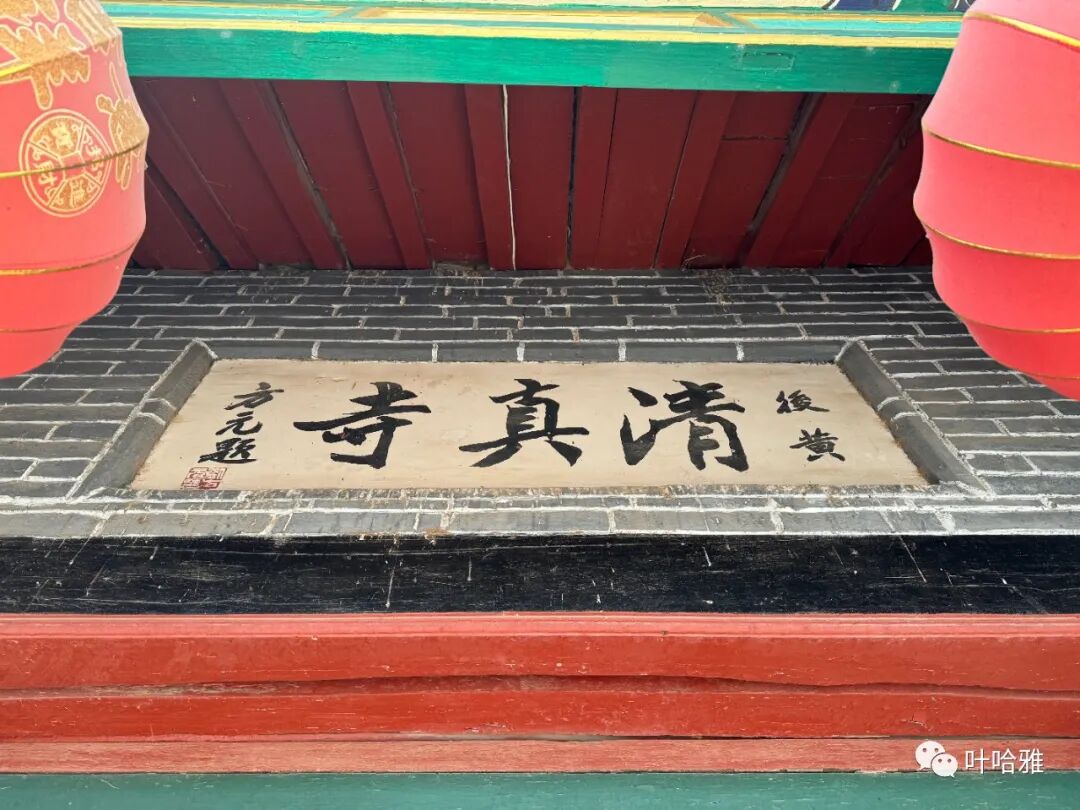
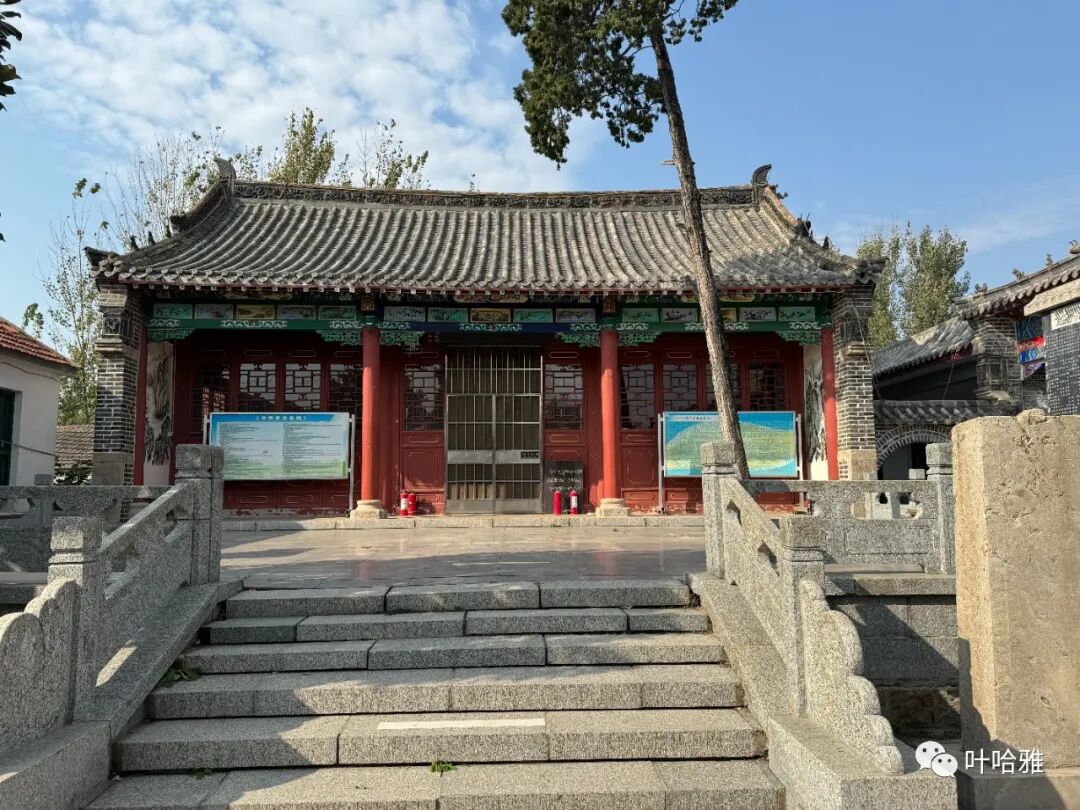
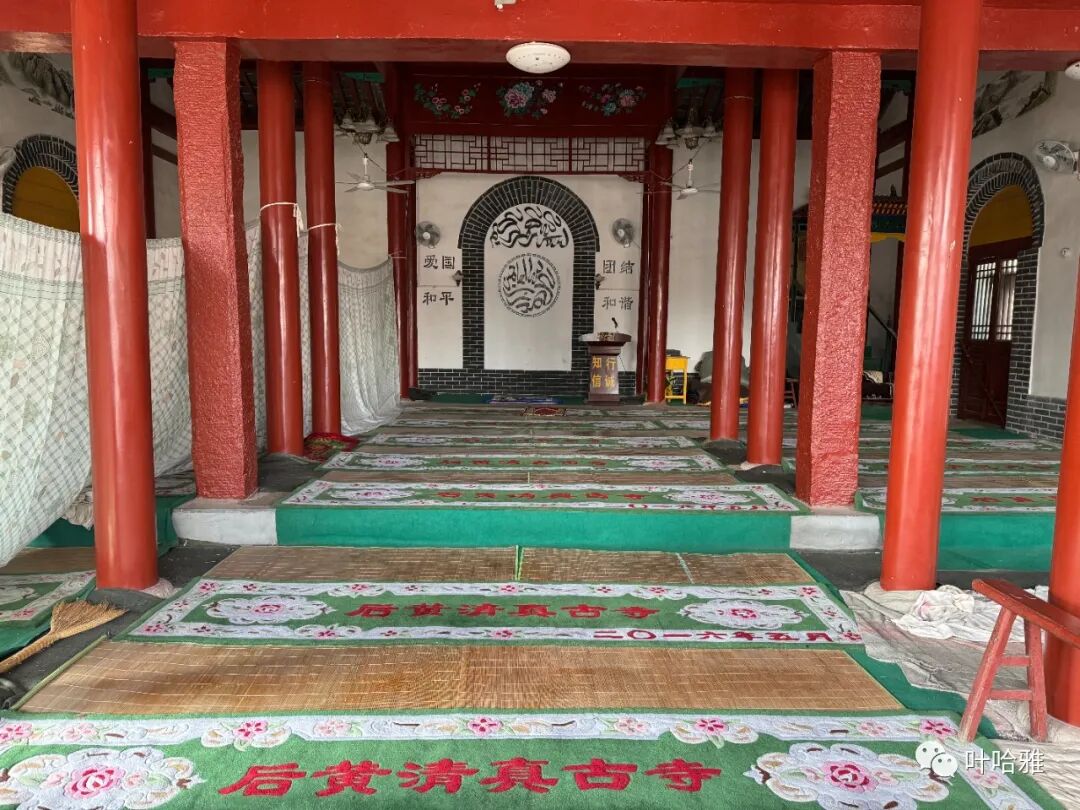
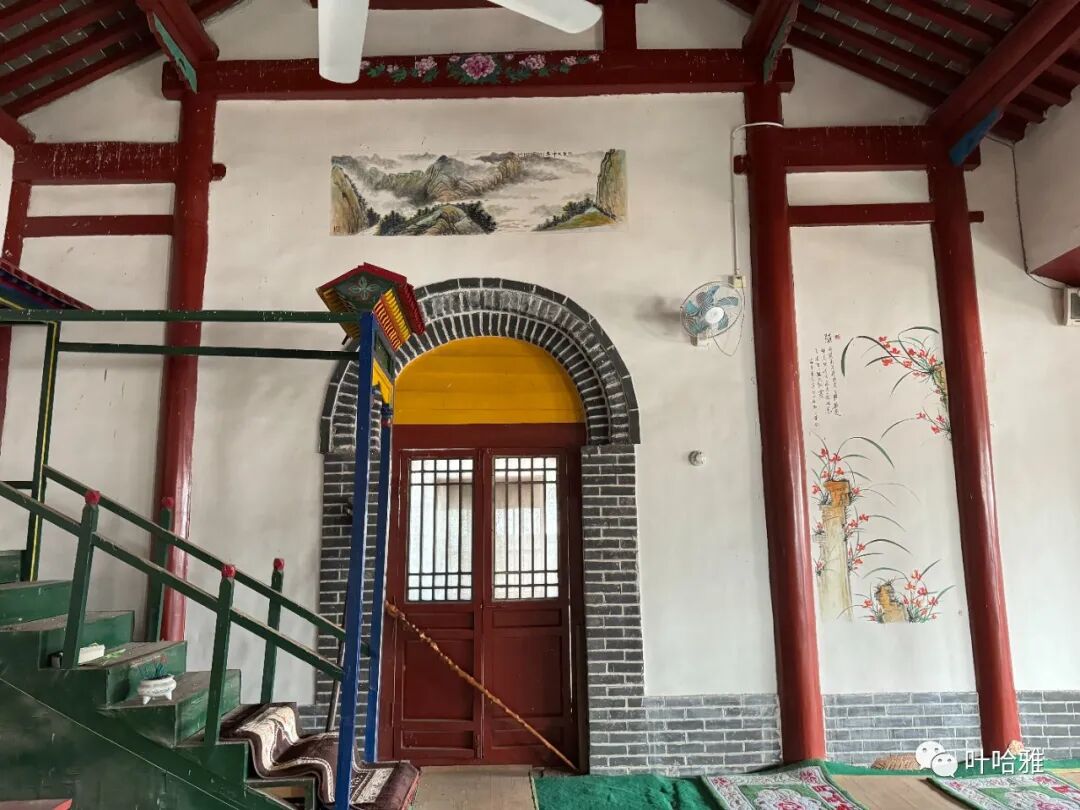
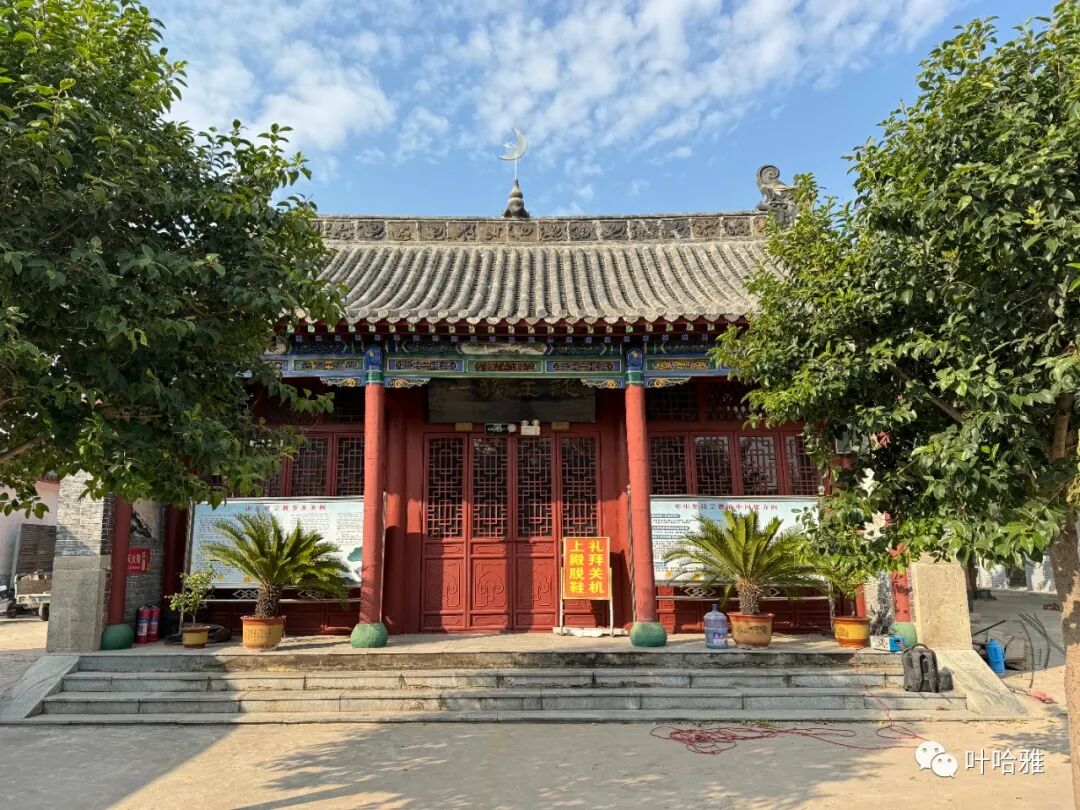
Qianhuang Village Mosque
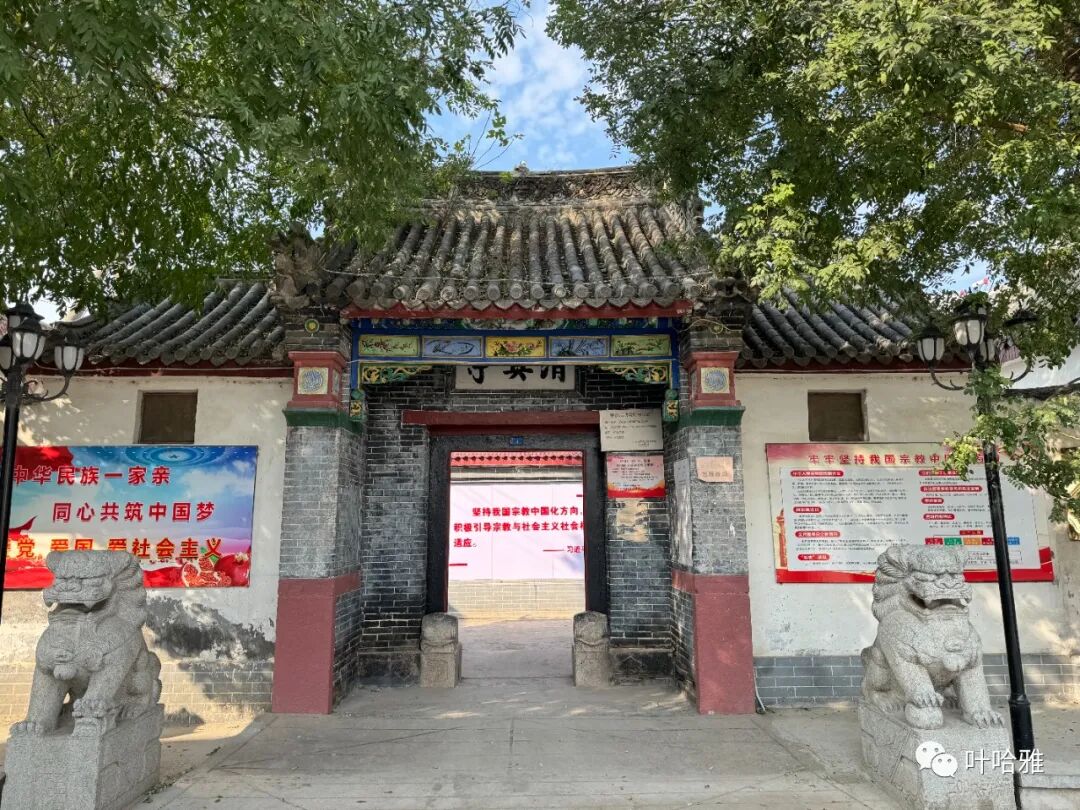
Qianhuang Village Mosque in Bianyuan Town sits at the west end of the village. It was first built during the Guangxu reign of the Qing Dynasty (1875-1906) and has been repaired many times since. In the third year of the Xuantong reign (1911), elder Zhang Shi'en donated over 3.6 mu of land, which became the current site. In 1924, four rooms were built for the south lecture hall. In 1946, elder Wang Yuduo from the Taihe firm in Qianhuang Village led a fundraising effort, and the five-room main prayer hall was finished in 1947. Large-scale repairs took place in 1991, 2000, 2002, 2004, and 2014.
The mosque is a single-courtyard building in the classic Chinese palace style. The main prayer hall has front and back sections and covers 250 square meters. The north lecture hall covers 107 square meters, the south lecture hall covers 98 square meters, and the water room covers 88 square meters. There are four stone tablets here: the Huangjiazhuang Ding Family Genealogy Tablet from 1741 (Qianlong year 6), the New Ablution Room Tablet from 2000, the Mosque Inscription from 2003, and the South Lecture Hall Reconstruction Tablet from 2004.
The mosque's religious affairs have been led by imams including Yang Guotai, Yang Chaoxuan, Mi Shuting, Ma Yongcai, Zhao Rongsheng, Zhan Qinggui, Dong Zhongqing, Mi Shuangzhong, Mi Shuangliang, Li Huaiguo, Wang Xiuming, Chen Xingwu, Wang Huaiyu, Jin Haixue, Wang Jingdou, Wang Xiuming, and Ma Jundong. Before the founding of the People's Republic of China, the mosque was managed by village elders including Ding Yuxi, Wang Wensheng, Wang Guanxi, Wang Guanxing, Wang Jixian, Bai Yuhe, Zhang Juntang, Wang Jichen, Ding Yang, Wang Guanqi, Zhang Baoshan, Zhang Baodang, and Wang Jixin. After the founding of the People's Republic of China, it was managed by village elders including Ding Yanzheng, Ding Yanyang, Wang Guanjiang, Ding Huaixin, Zhang Yongquan, Wang Xiuzhong, Ma Hongzhang, Wang Xiucai, Bai Tangyou, Zhang Yanlong, Wang Xiutong, Wang Jingshui, Ding Huaikui, Wang Jingtao, Wang Jingliang, Ma Xianmin, and Wang Zhongmin. It is now managed by the mosque's democratic management committee, with Ding Yanzheng, Ma Hongzhang, Wang Jingshui, and Ding Huaikui serving as directors.
The mosque once held cultural relics like celadon incense burners and vases, along with thirty handwritten copies of the Quran, but these were destroyed or lost during the Great Leap Forward and the Cultural Revolution.
In 2008, the mosque was named a Model Mosque by Tai'an City. In 2010, it was named a provincial-level Harmonious Religious Activity Site. In 2011, it was designated as a Feicheng City Cultural Relic Protection Unit.
Shengjiazhuang Mosque.
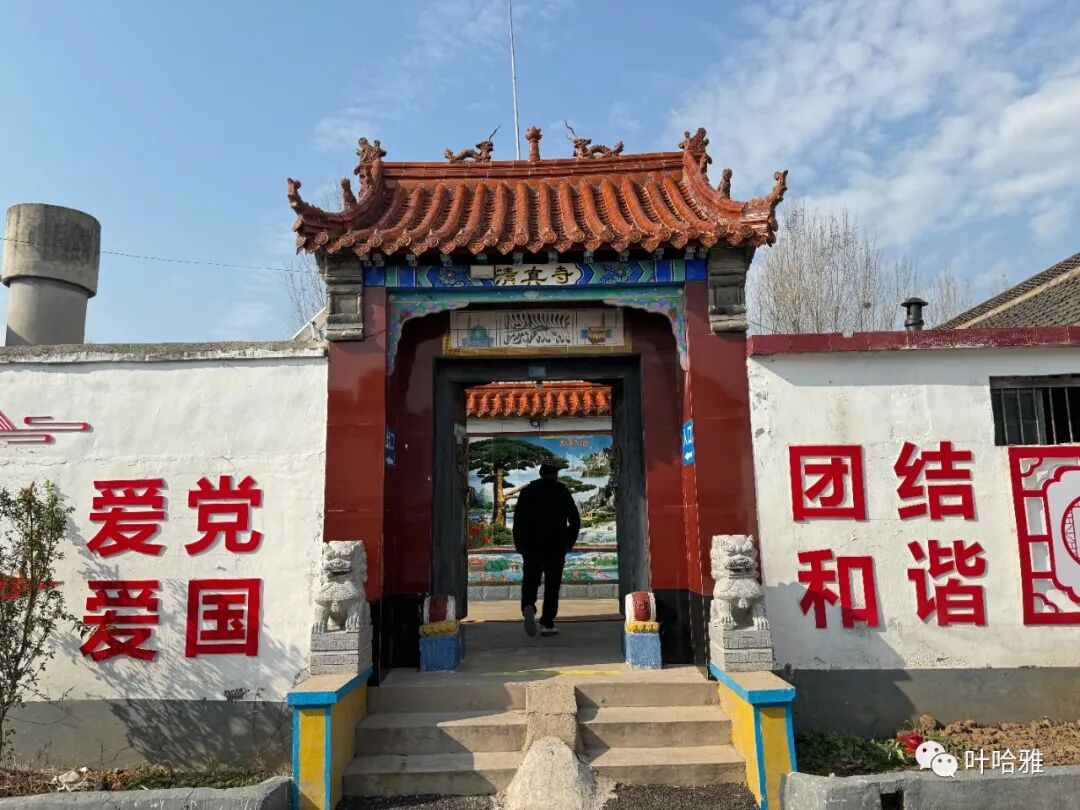
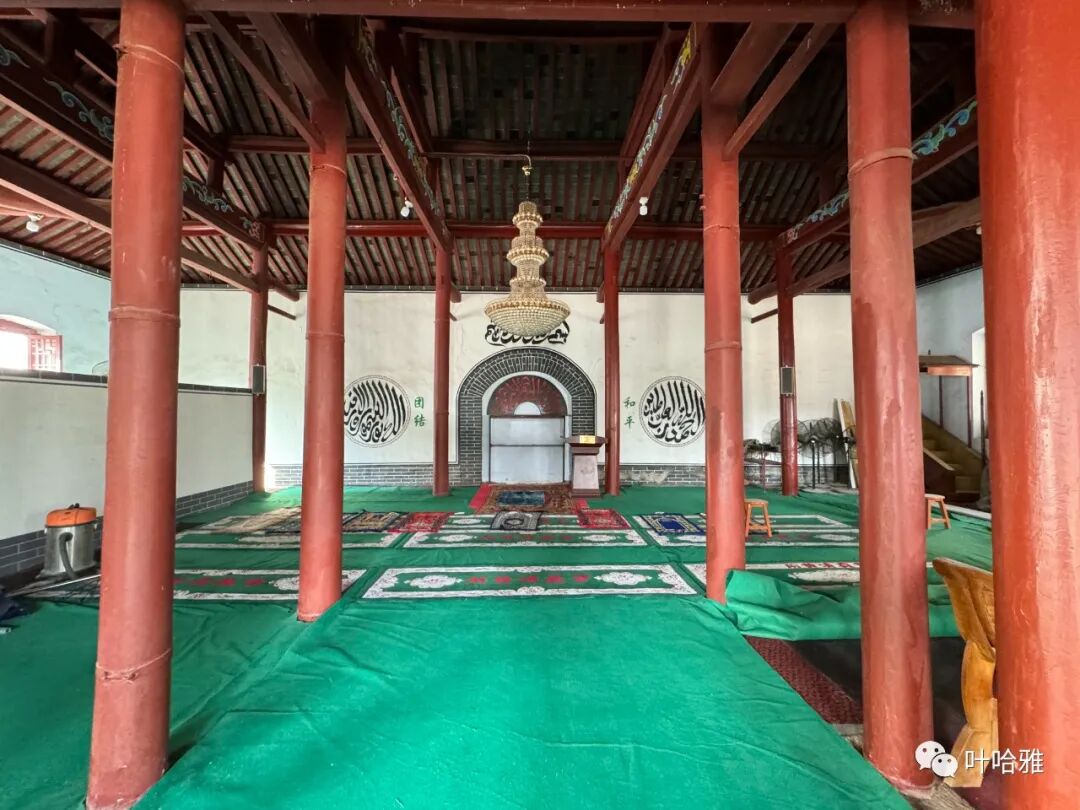
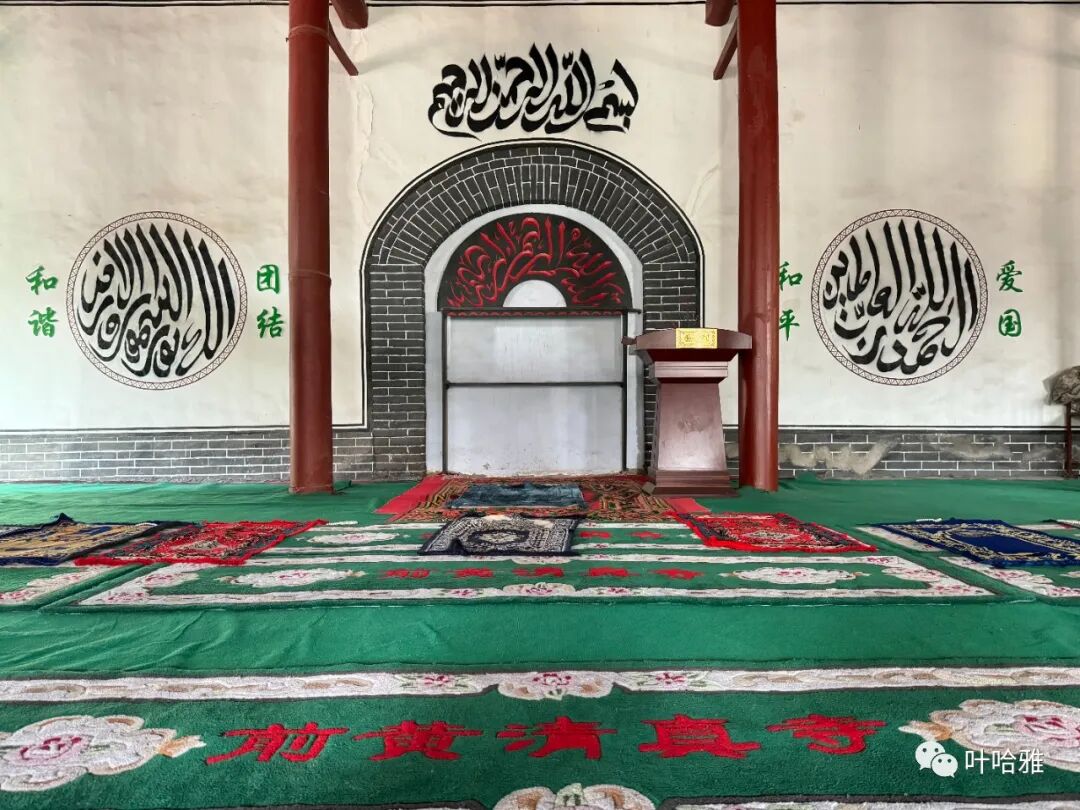
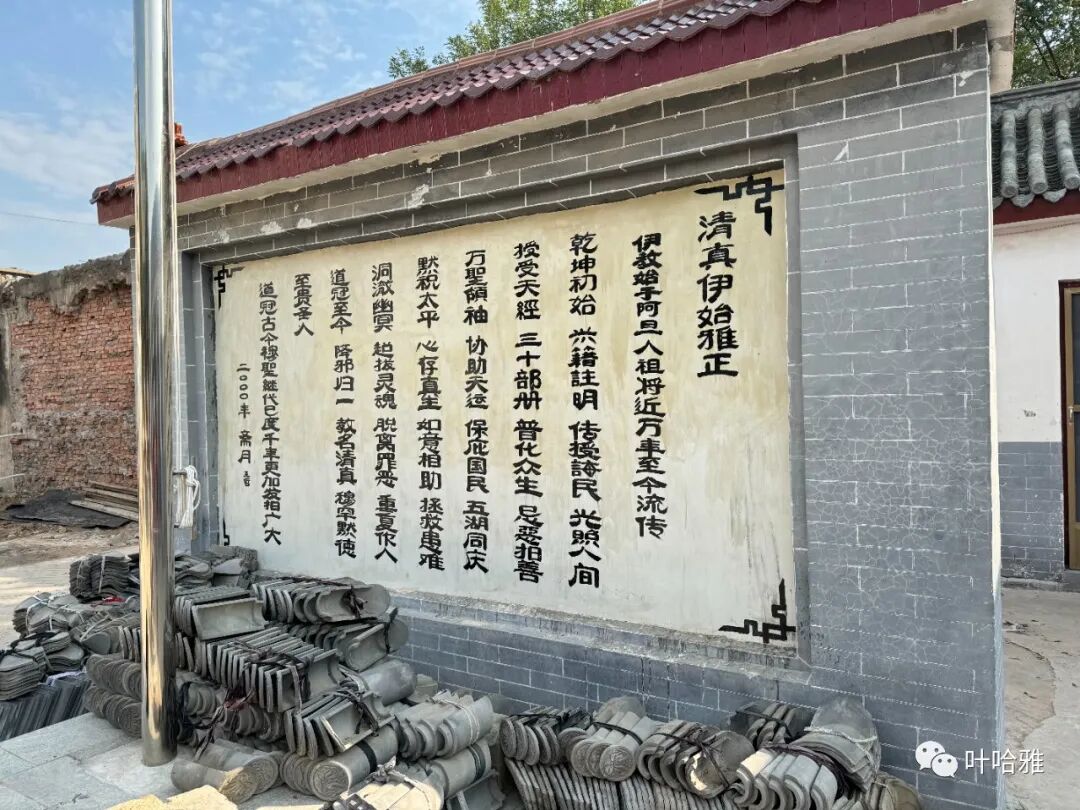
Shengjiazhuang Mosque in Anjiazhuang Town is located in the northwest corner of the village. It was first built in the early Qing Dynasty and has been renovated many times since. The mosque is built in the style of a Chinese palace, measuring 34 meters long and 30 meters wide. The prayer hall consists of a front and back section, and the main hall features a raised platform (yuetai) that is 8 meters high, 14 meters long, and 10 meters wide. The north lecture hall is 21 meters long and 7 meters wide. The south lecture hall is 11 meters long and 5 meters wide. The water room is 11 meters long and 5 meters wide. There are 7 stone tablets remaining, including the 1929 (the 18th year of the Republic of China) Tablet for the Reconstruction of the Mosque and 4 newer tablets honoring donors. An ancient stone tablet stands in front of the main hall, but the inscription is badly damaged and hard to read.
The mosque's religious affairs have been led by imams including Yang Maoxiu, Wu Mingcai, Li Jigui, and Wang Hualei. It is currently managed by the Mosque Democratic Management Committee, with Li Zhaoji, Mi Qingguo, and Yang Dengfa serving as directors.
In 2009, the mosque was named a provincial-level Harmonious Religious Activity Site. It won the title of Model Mosque of Tai'an City in 2010 and again in 2014.
Beiqiu Mosque
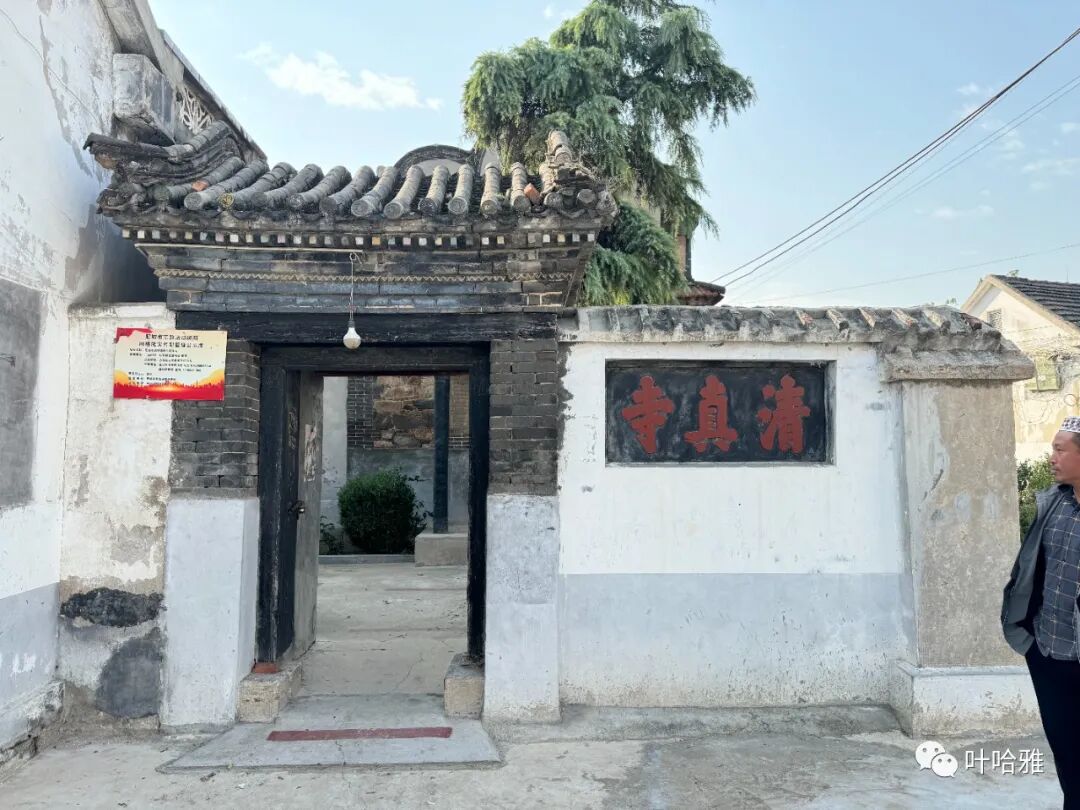
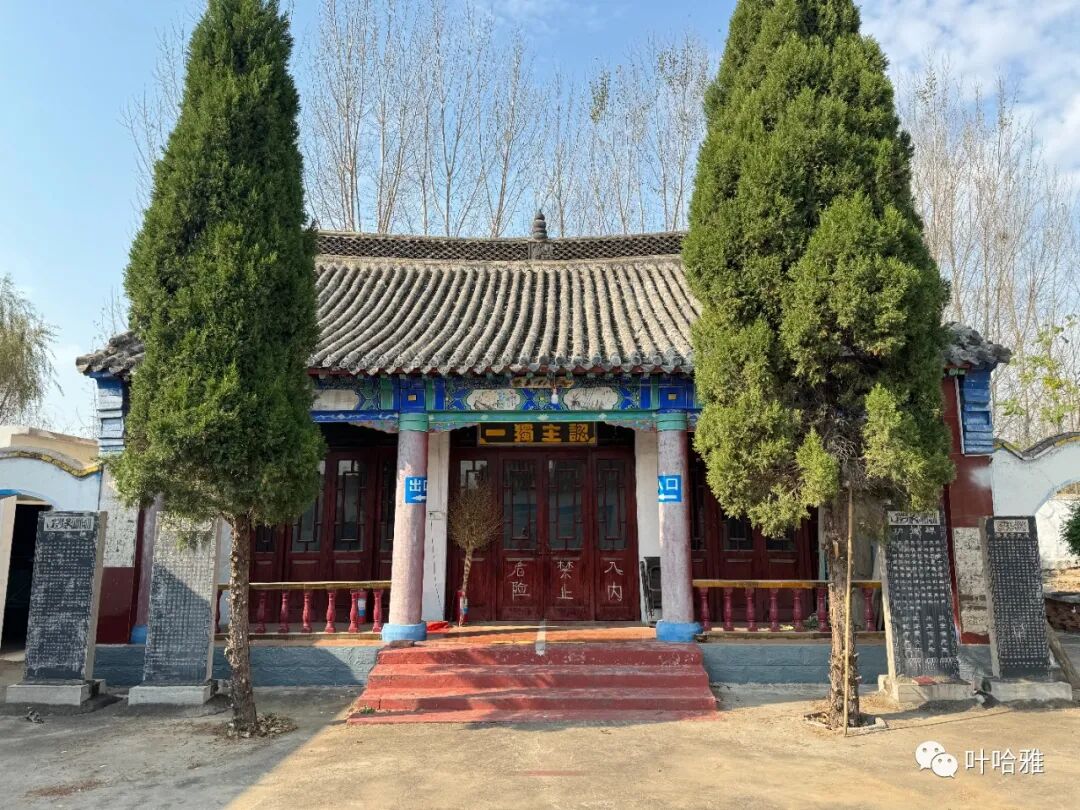
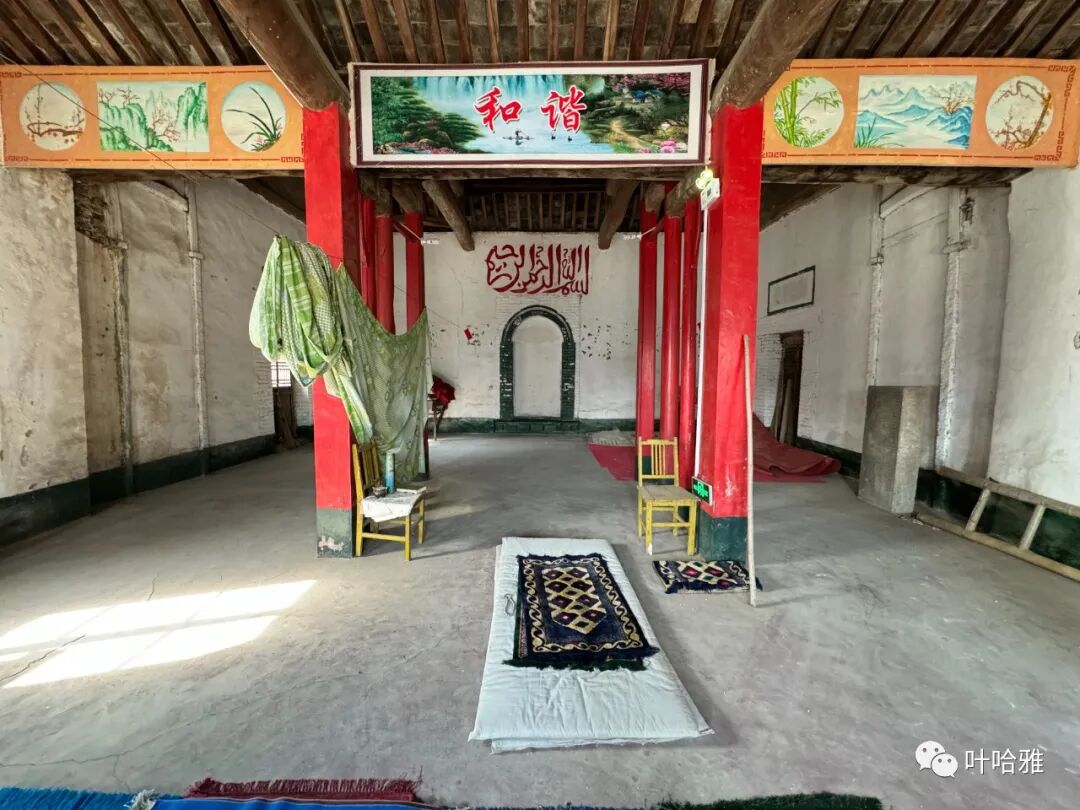
Located in the eastern half of Beiqiu Village in Bianyuan Town, the mosque was first built between the late Ming and early Qing dynasties and has been expanded several times since. The main hall was restored in the 12th year of the Qianlong reign of the Qing Dynasty (1747). The north lecture hall was rebuilt in 1991. In 2015, the south lecture hall, the water room, and the courtyard were built.
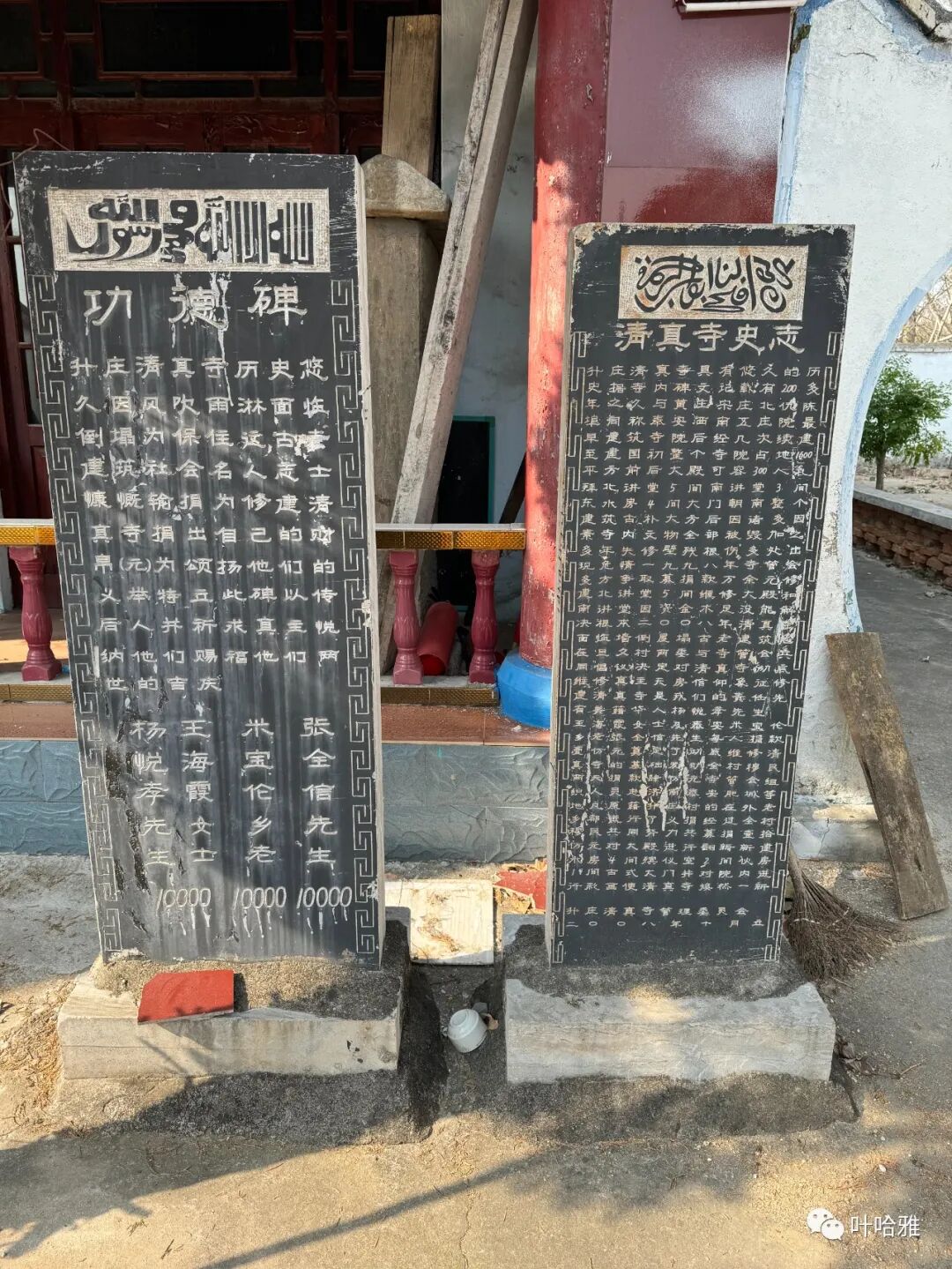
The mosque is built in the style of a Chinese palace, measuring 37.3 meters long and 26.8 meters wide. The prayer hall is a double-layered structure divided into a front hall and a back hall, with side rooms attached to the main hall and a moon terrace (yuetai) in front that is 8.5 meters long and 23.5 meters wide. The north lecture hall is 5 meters long and 17.8 meters wide. The south lecture hall is 5 meters long and 8 meters wide. The water room is 5 meters long and 19 meters wide. The mosque includes a living area for the imam. There are five stone tablets remaining, including the "Stele Record of the Mosque Restoration" from the 12th year of the Qianlong reign (1747), the "Mosque Prohibition Stele" from the Xuantong reign (1909-1911), the "Stele Record of the North Lecture Hall Reconstruction" from 1991, and the "Stele Record of the South Lecture Hall and Water Room Reconstruction" from 2015.
Imam Ding Ruhu currently oversees the religious affairs. In the past, village elders worked with the mosque's imam to manage affairs, with Xu Huali from the Daoguang reign of the Qing Dynasty (1820-1850) serving as a representative example. The mosque is now managed by a democratic management committee, with Liu Yuyuan, Ding Yongchang, Ding Yongdui, and Ding Xianquan serving as directors in succession. The mosque currently houses a copper water pitcher (tangping) dating back to the late Ming and early Qing dynasties.
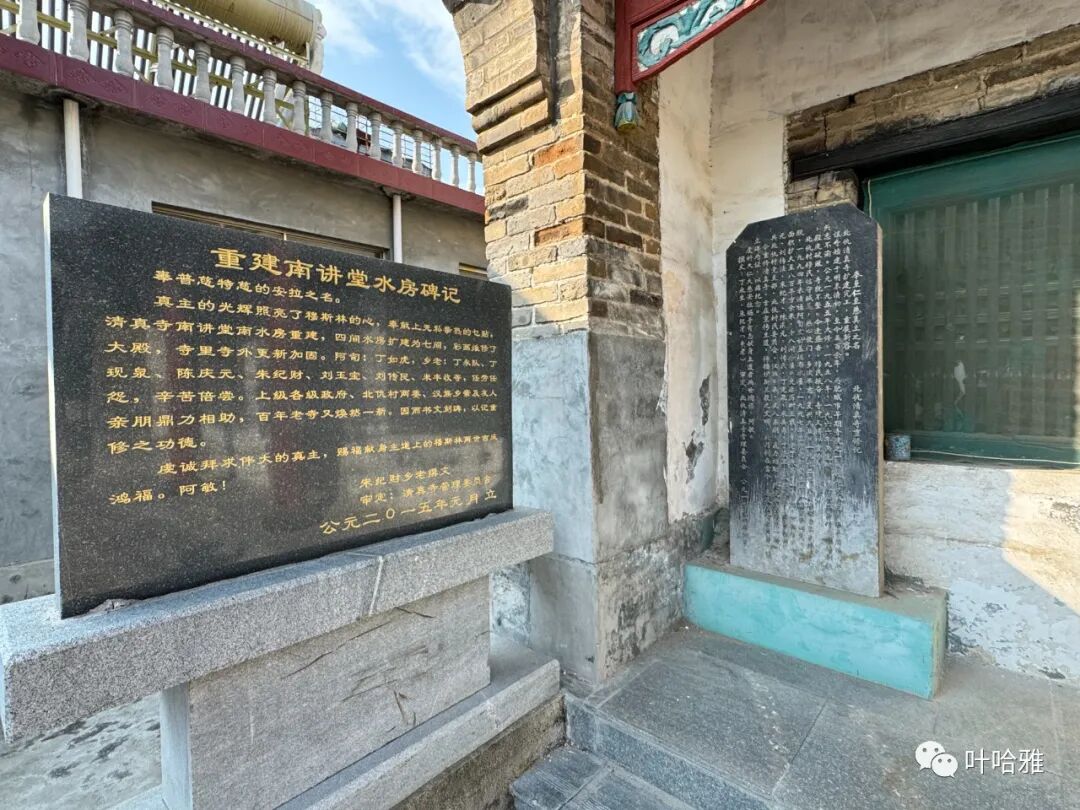
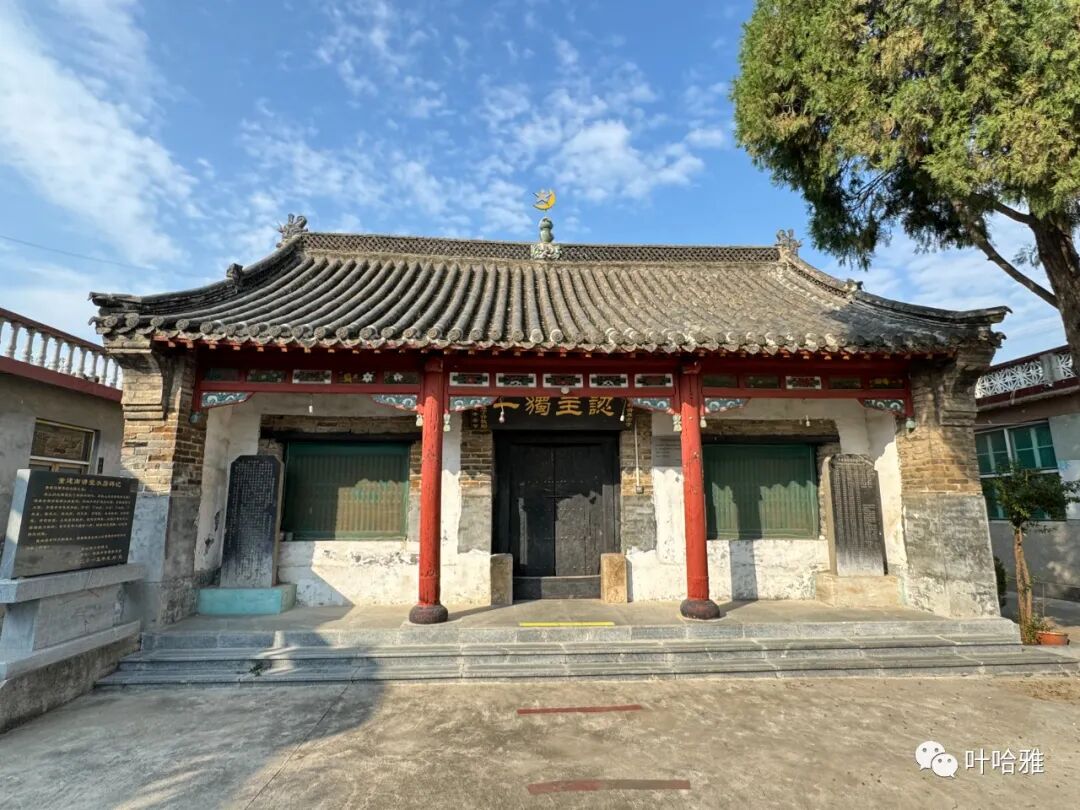
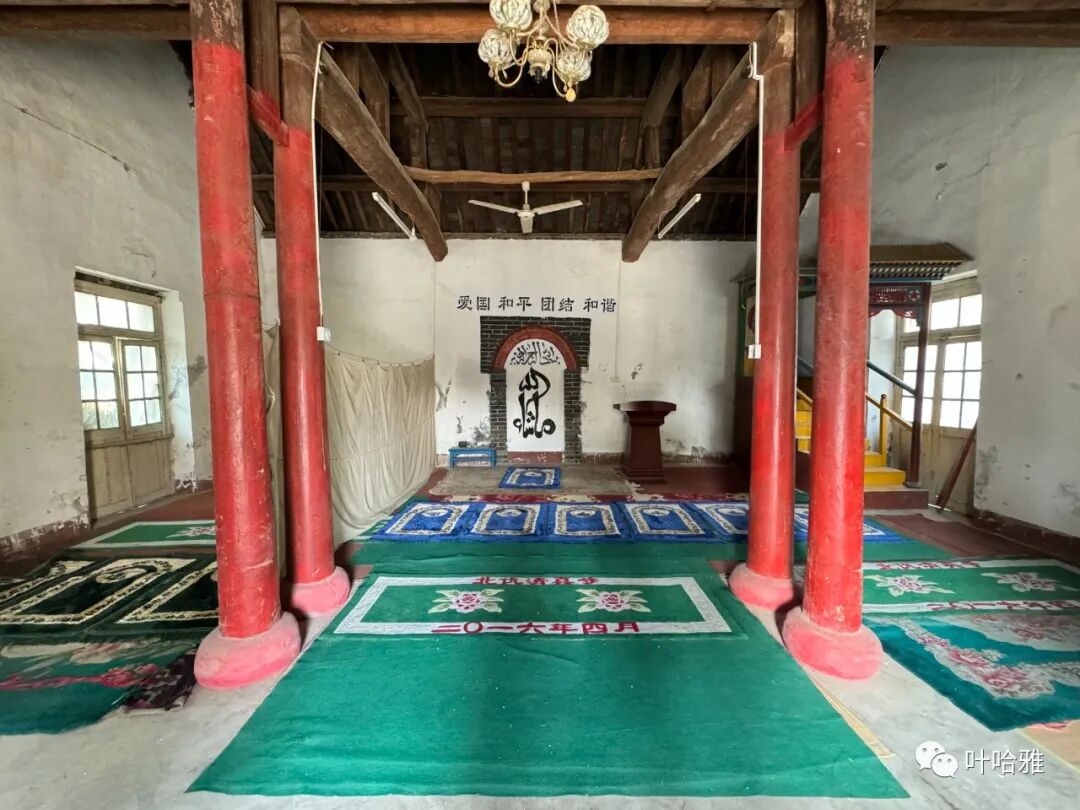
Songzhuang Mosque
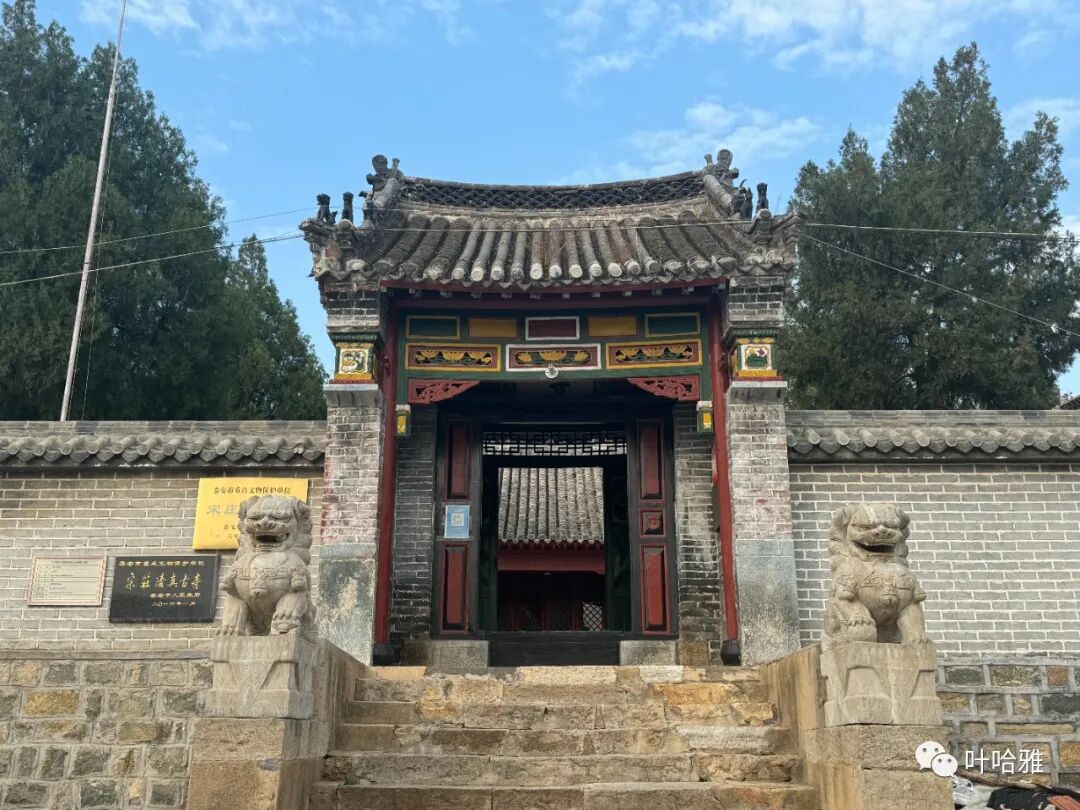
The Songzhuang Village Mosque in Bianyuan Town is located at the west end of the village. It is said to have been built in the late Ming and early Qing dynasties and has been renovated continuously since then. Before the founding of the People's Republic of China, there were four major renovations, with the most significant ones occurring in the tenth year of the Jiaqing reign (1805), the seventeenth year of the Daoguang reign (1837), the twenty-sixth year of the Guangxu reign (1900), and the fifteenth year of the Republic of China (1926). Since the founding of the People's Republic of China, it has been repaired many times, including the 2013 reconstruction of four ablution rooms (shuifang), two warehouses, and three southern lecture halls.
The mosque is built in the style of a Chinese palace, measuring 36 meters long and 36 meters wide. The prayer hall is 15.6 meters long and 11.3 meters wide, and the northern lecture hall is 18.3 meters long and 5.4 meters wide. The southern lecture hall is 15.7 meters long and 5 meters wide. The water room is 12 meters long and 5 meters wide. There are five stone tablets remaining, including the Stele for the Reconstruction of the Mosque from the nineteenth year of the Daoguang reign (1839), the Stele Record for the Reconstruction of the Mosque from the twenty-sixth year of the Guangxu reign (1900), the Preface Stele for the Reconstruction of the Mosque from the fifteenth year of the Republic of China (1926), and the Preface to the Reconstruction of the Songzhuang Ancient Mosque.
Historically, the mosque trained imams such as Ma Huanwen and Sha Xianzhang. Over the past twenty years or so, imams including Li Zhongguo and Wang Huarong have led the religious affairs. The mosque is currently managed by a democratic management committee, with Zuo Guangwen, Ma Yumin, Bai Youting, Ma Yujun, and Yang Changgang serving as directors in succession.
In 2009, the mosque was awarded the provincial title of Harmonious Religious Activity Venue. In 2010, it received the title of Model Mosque from Tai'an City. In 2016, it was designated as a Cultural Relic Protection Unit of Tai'an City.
Chahedian Mosque
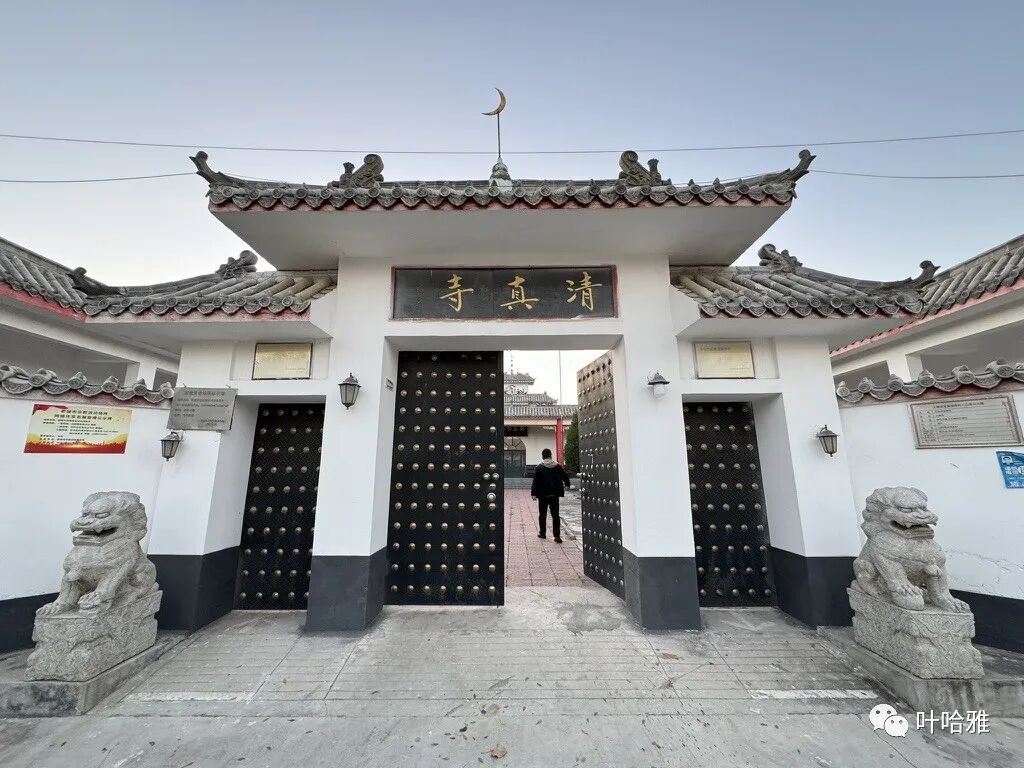
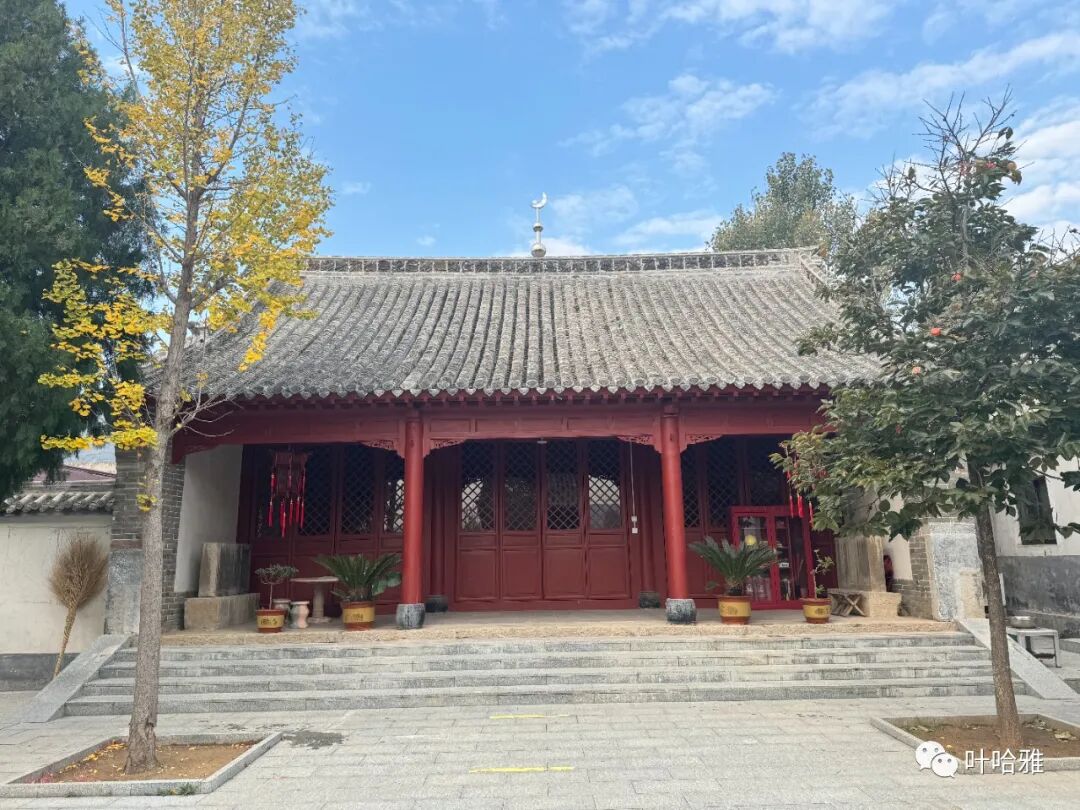
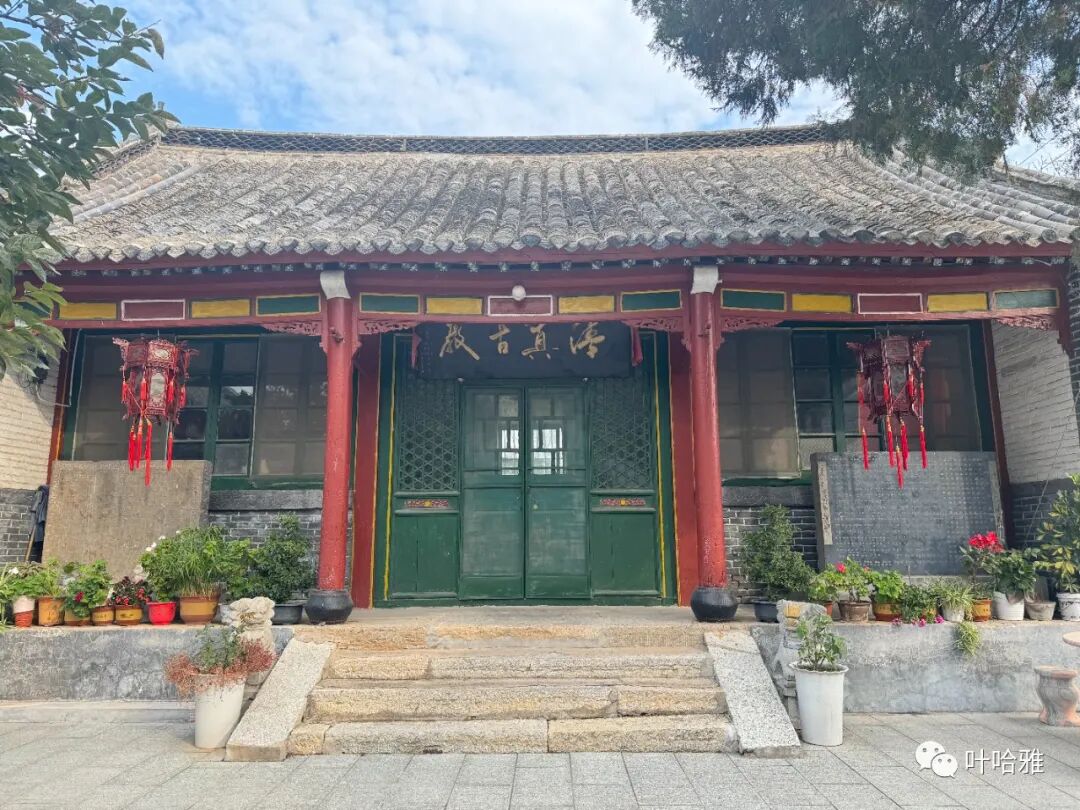
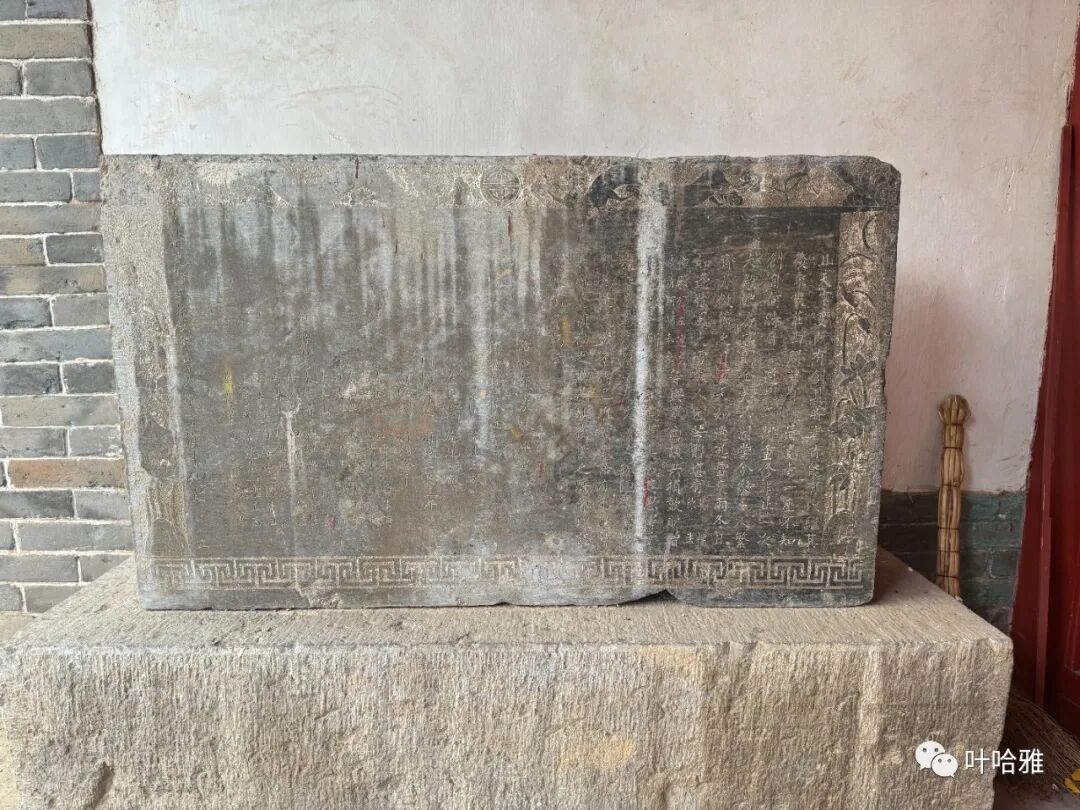
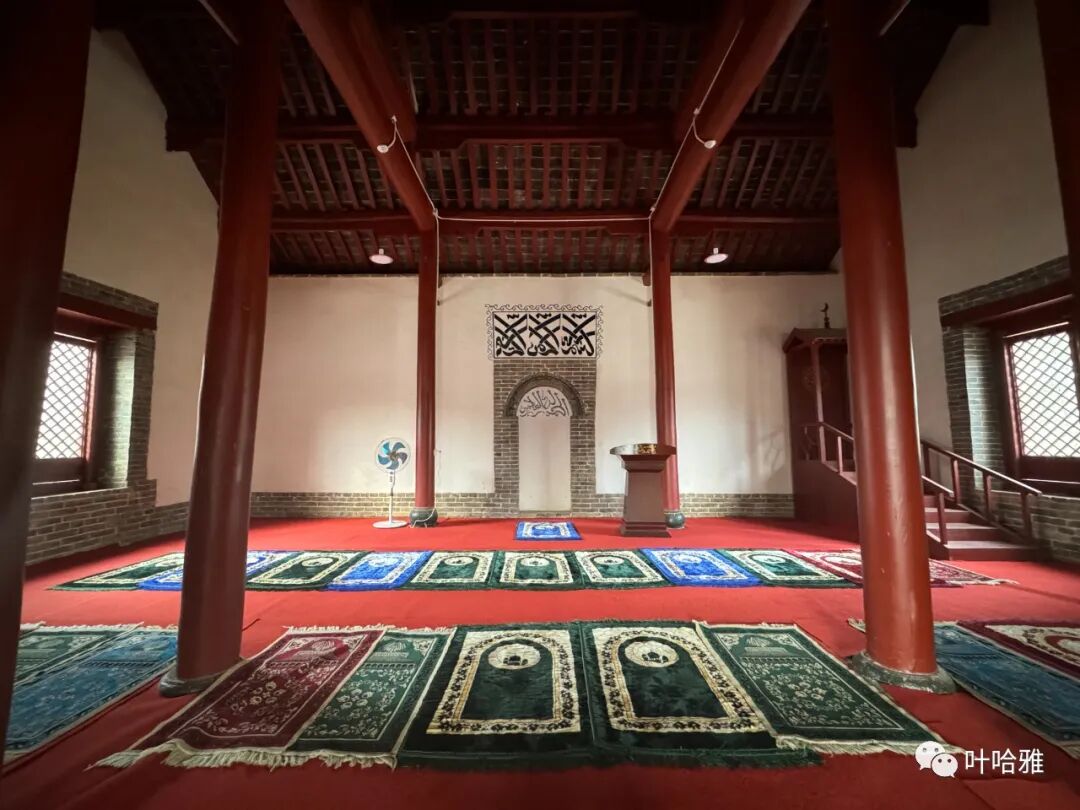
Chahedian Mosque in Bianyuan Town is located in the middle of the village. It was first built during the Qianlong reign of the Qing Dynasty (1735-1796) and has been expanded and repaired ever since. In 2014, the mosque underwent a large-scale renovation.
The mosque features a Chinese palace-style architectural design, measuring 45 meters long and 30 meters wide. The prayer hall is 15 meters long and 15 meters wide, and the north lecture hall is 27 meters long and 7 meters wide. The south lecture hall is 20 meters long and 7 meters wide. The ablution room (shuiwu) is 6 meters long and 7 meters wide.
The mosque's religious affairs were led by imams including Xu Changzhi, Zhang Yanzhai, Wang Huarong, Ma Wenli, Wang Hualei, and Yang Shunchang. It is now managed by the mosque's democratic management committee, with Han Hongbin, Liu Yuantai, and Wang Jihe serving as directors. In 2012, it was named a provincial-level Harmonious Religious Activity Venue.
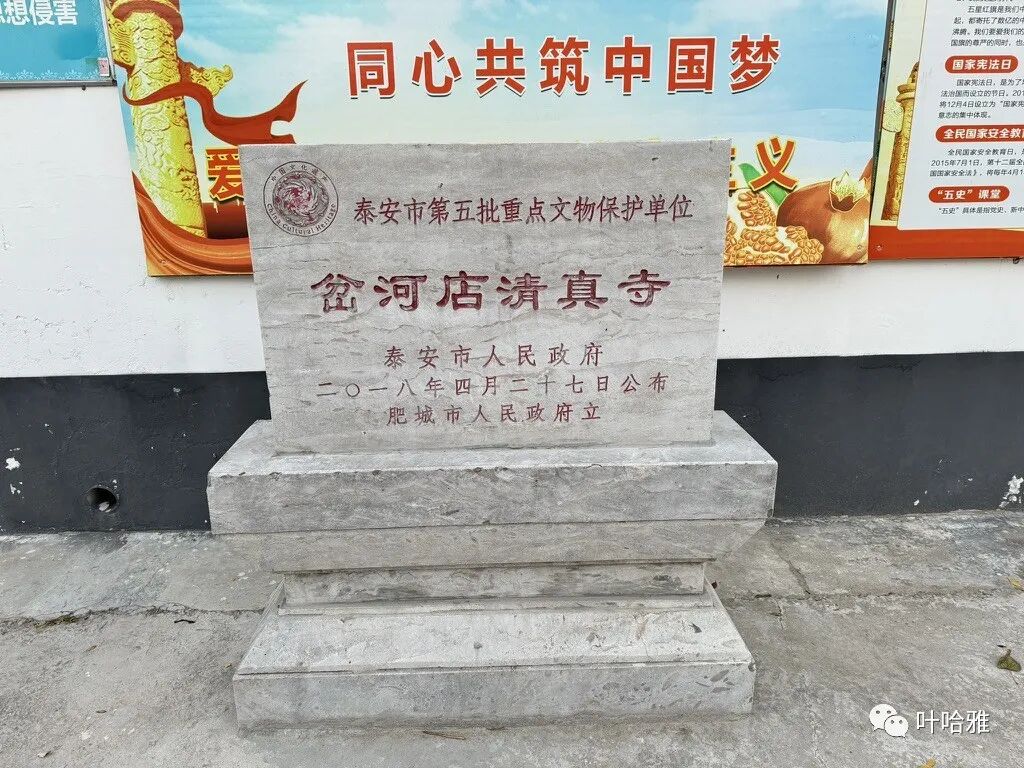
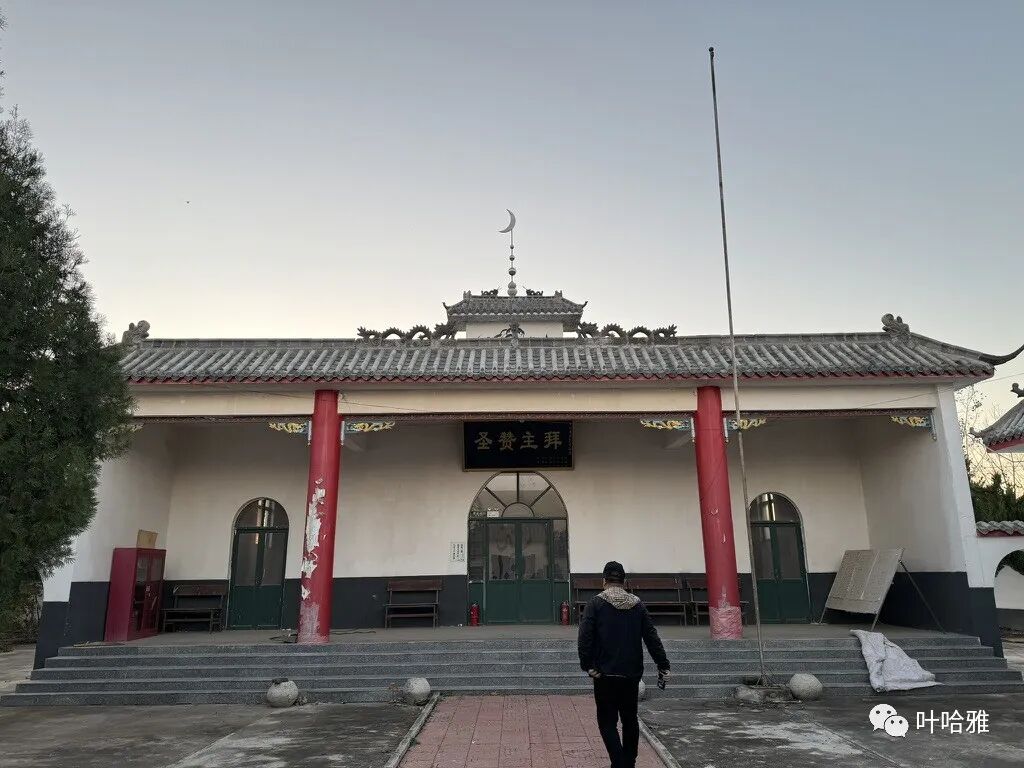
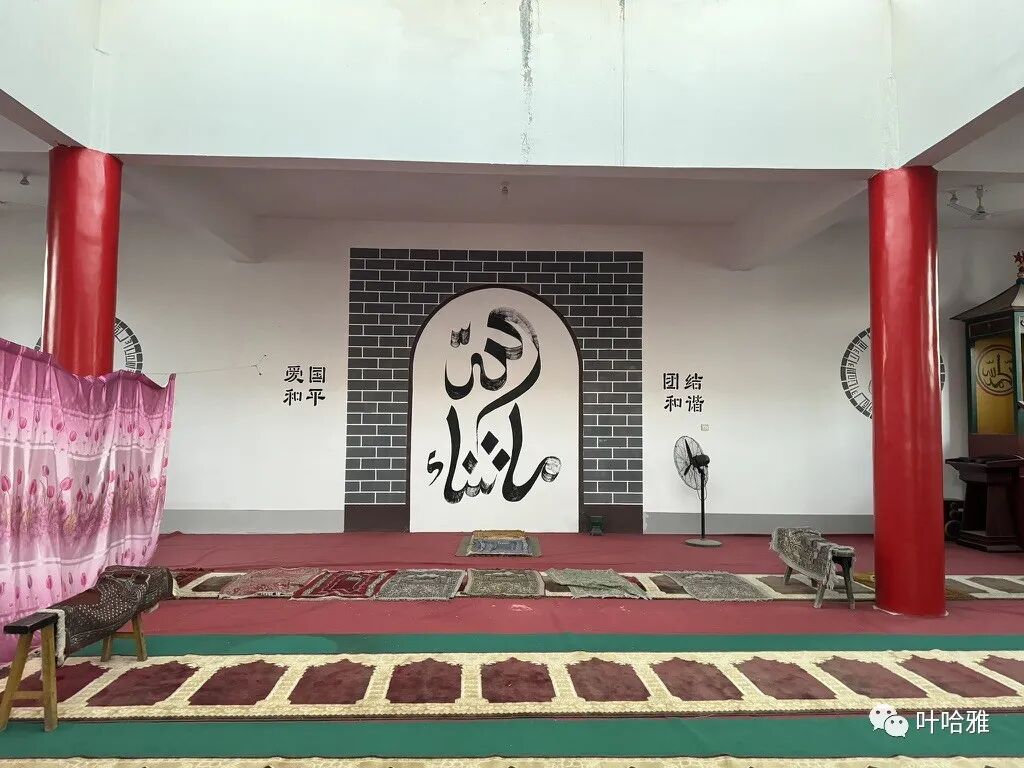
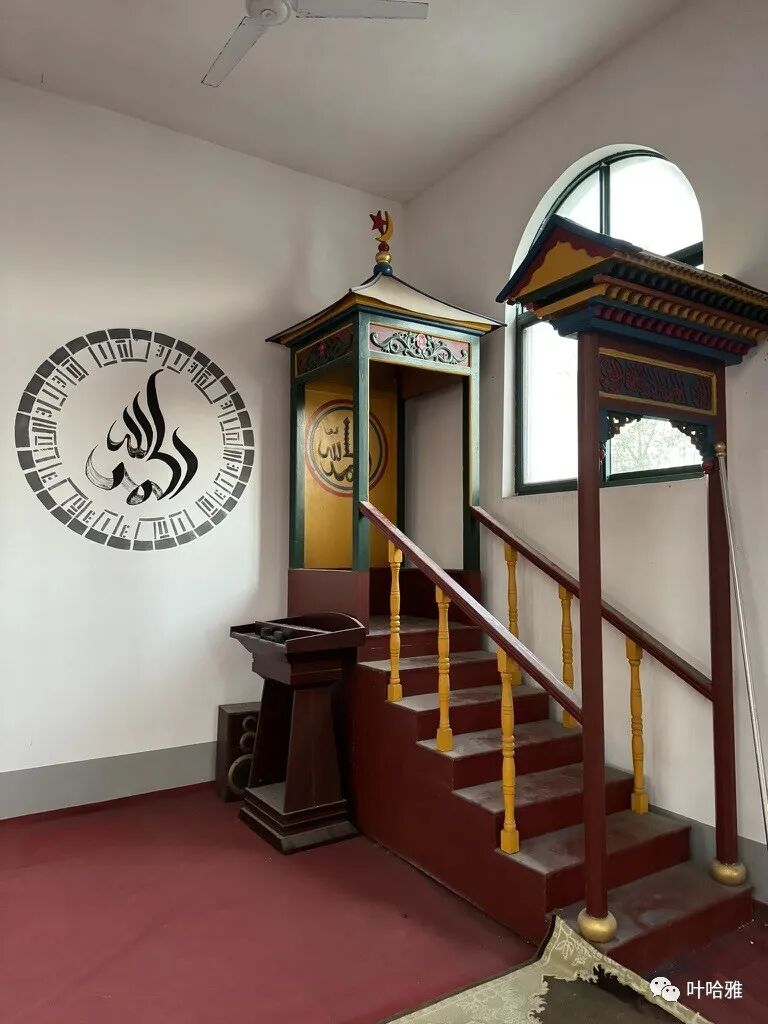
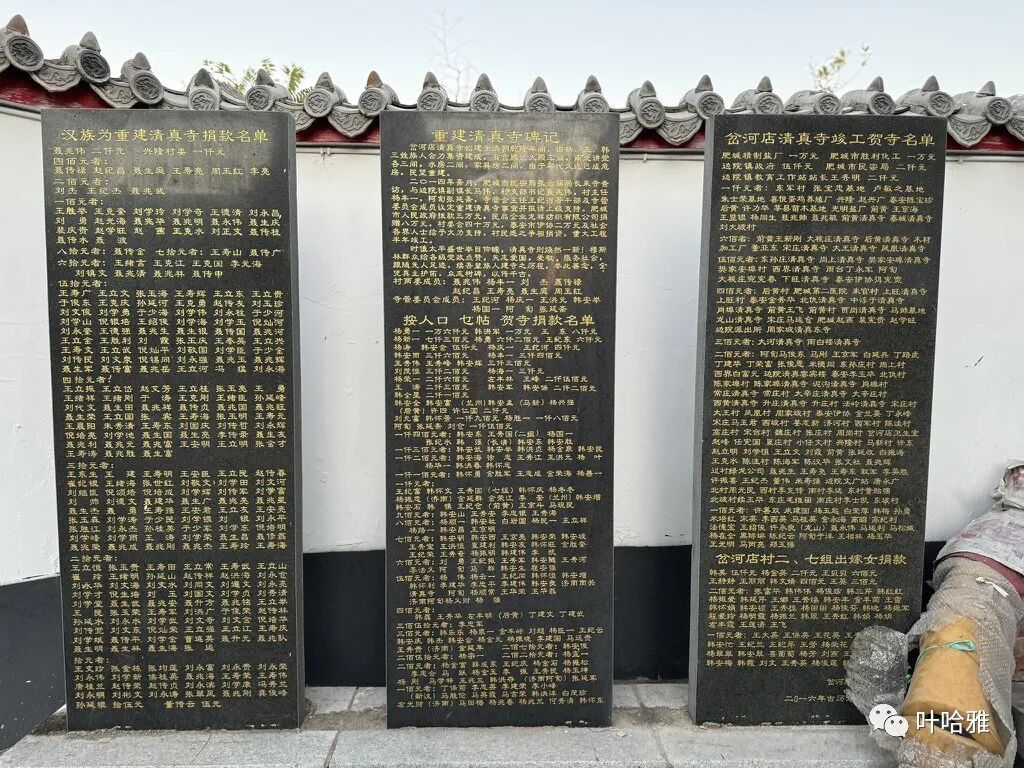
Fenghuang Village Mosque
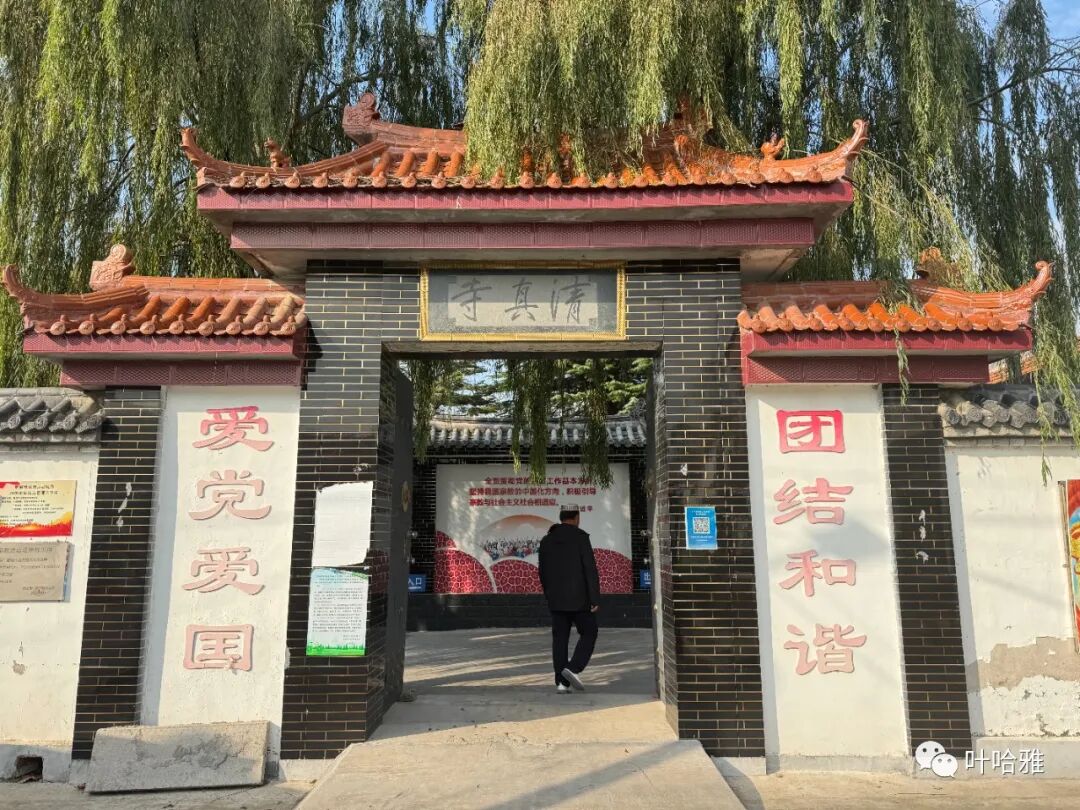
Fenghuang Village Mosque in Bianyuan Town sits at the west end of the village. It was built in the 11th year of the Republic of China (1922). When the mosque was first established, it included a main prayer hall, a lecture hall, an ablution room, a main gate, and courtyard walls. It underwent large-scale renovations in 1994.
The mosque features a Chinese palace-style architectural design and is 35 meters long and 30 meters wide. The prayer hall is 12 meters long and 10 meters wide. The north lecture hall is 13 meters long and 6 meters wide. The south lecture hall is 13 meters long and 6 meters wide. There are two existing stone tablets: the Mosque Founding Tablet from 1940 and the Mosque Reconstruction Record Tablet from 1995.
The mosque's religious affairs were led by imams including Wang Yongqing, Ma Xingchang, Ding Hu, Wang Changming, Yang Xingwang, Wang Changgui, and Yang Baojun. It is currently managed by the mosque's democratic management committee, with Wu Maowen, Wu Baoshu, Mi Kuan, Wu Yuanfa, Wu Mingkun, Wu Mingxiang, Wu Jinzhong, and Mi Zhaoying serving as directors.
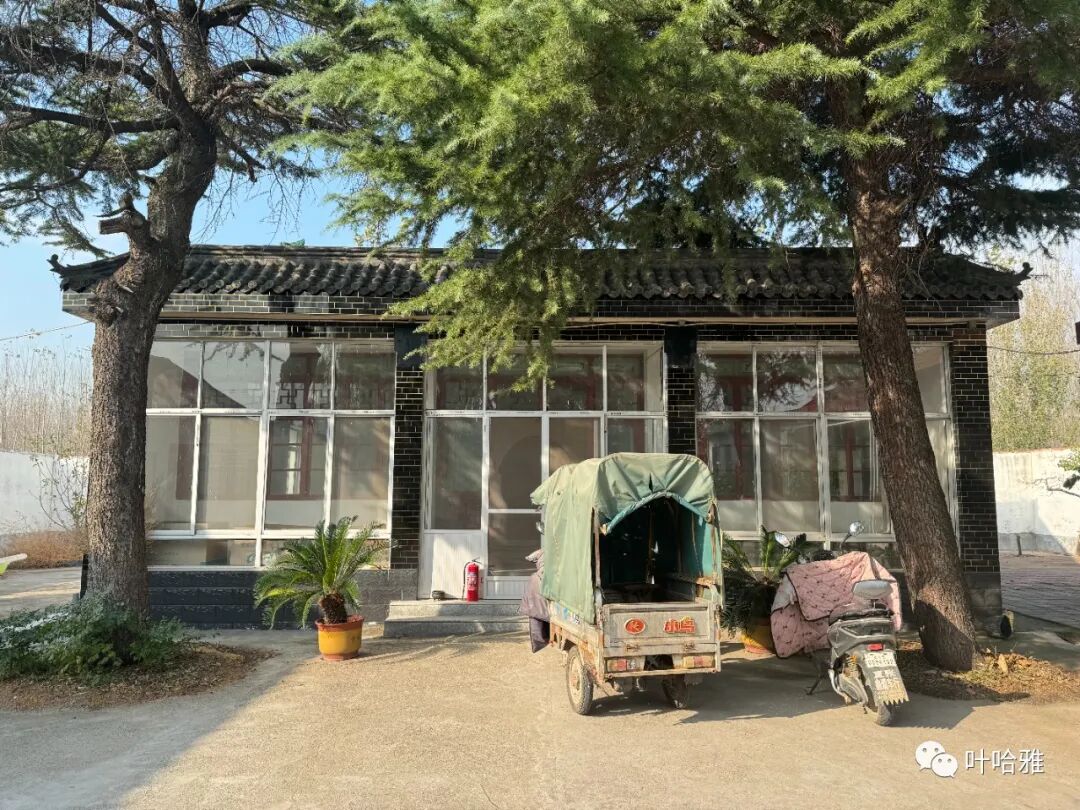
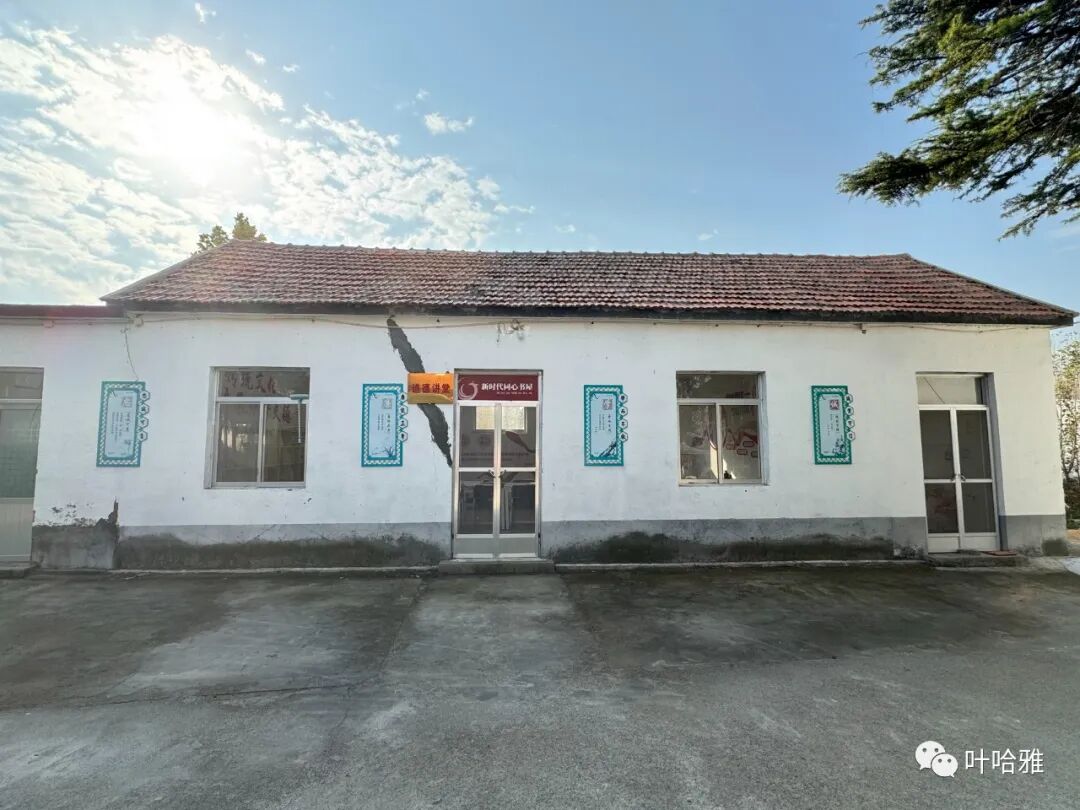
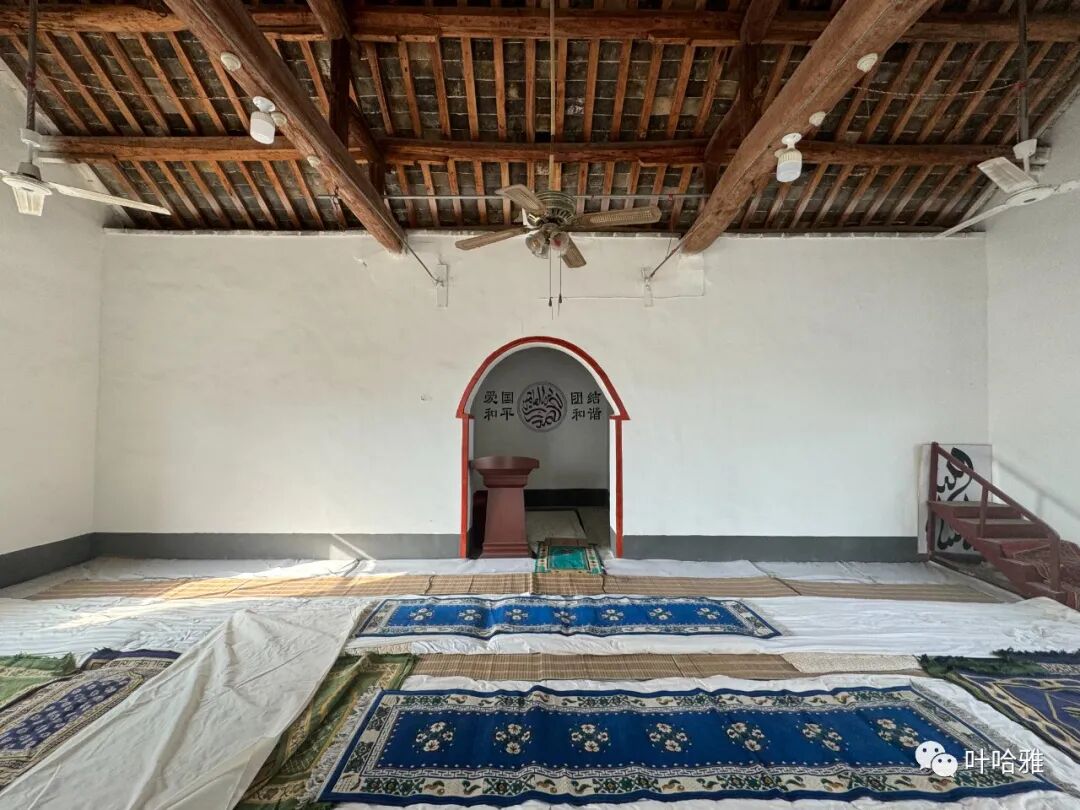
Dawangzhuang Mosque
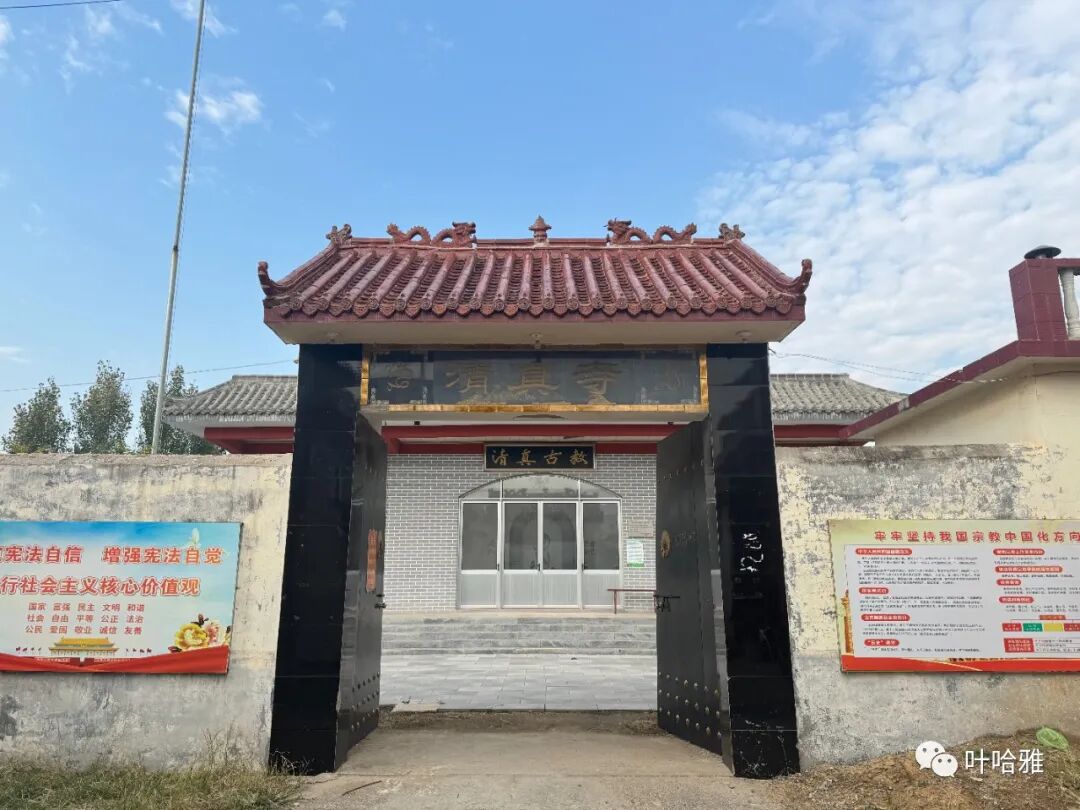
Dawangzhuang Mosque in Bianyuan Town is located at the east end of the village. It was built in 1953 and has been repaired many times since. Large-scale renovations took place in 2005, 2007, and 2011.
The mosque is in a modern architectural style, measuring 35 meters long and 40.5 meters wide. The prayer hall is a single-level structure with a rear hall, standing 5.2 meters high, 11 meters long, and 7.5 meters wide. The north lecture hall is 15 meters long and 7.6 meters wide. The south lecture hall is 3 meters long and 7.6 meters wide. The water room is 7.6 meters wide.
The mosque's religious affairs were led by imams including Bai Anfu, Imam Yang, Yang Baojun, Jin Haizeng, Wang Zengli, Ma Chuanxiang, Yang Dong, and Ding Jianhua. It is now managed by the mosque's democratic management committee, with Yang Baojin, Yang Shunping, and Yang Shuncang serving as directors. The mosque houses an incense burner.
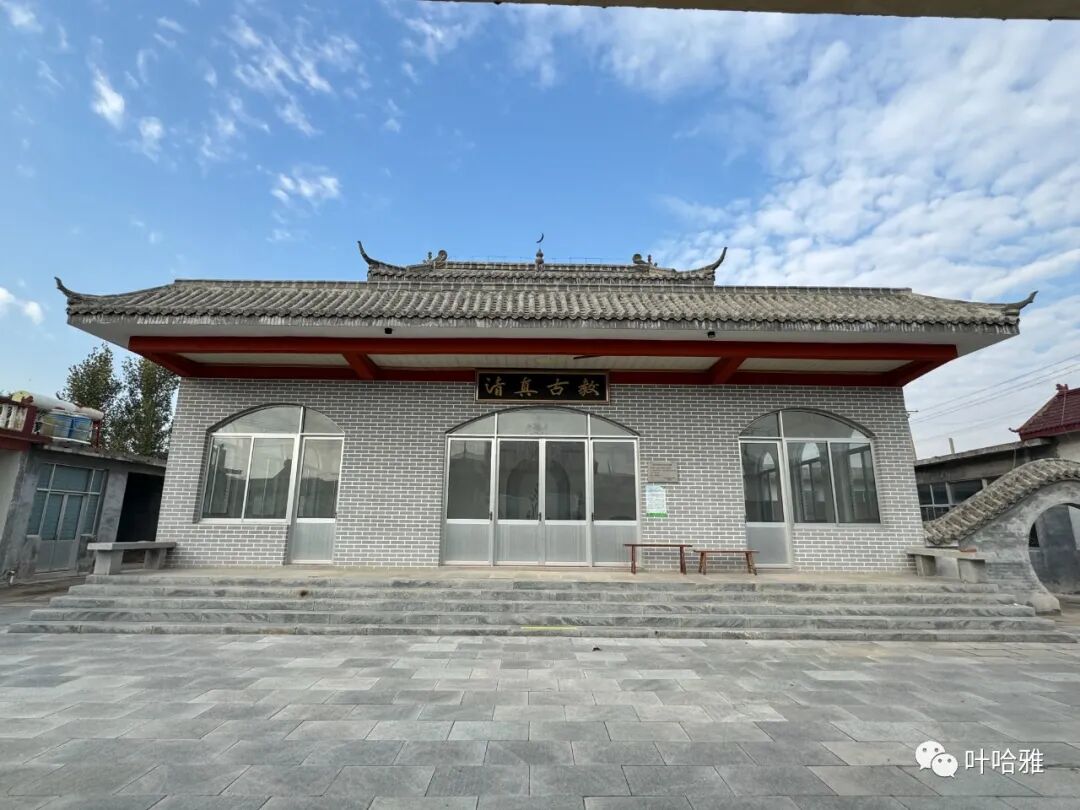
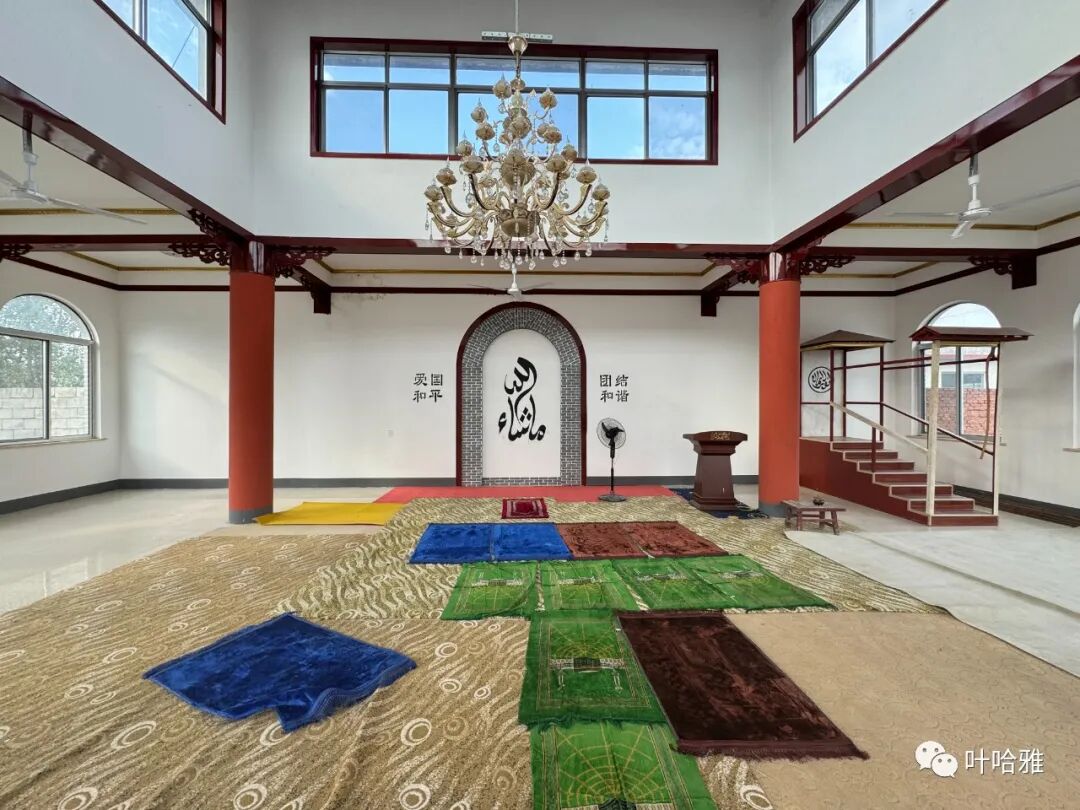
Chenjiabu Mosque
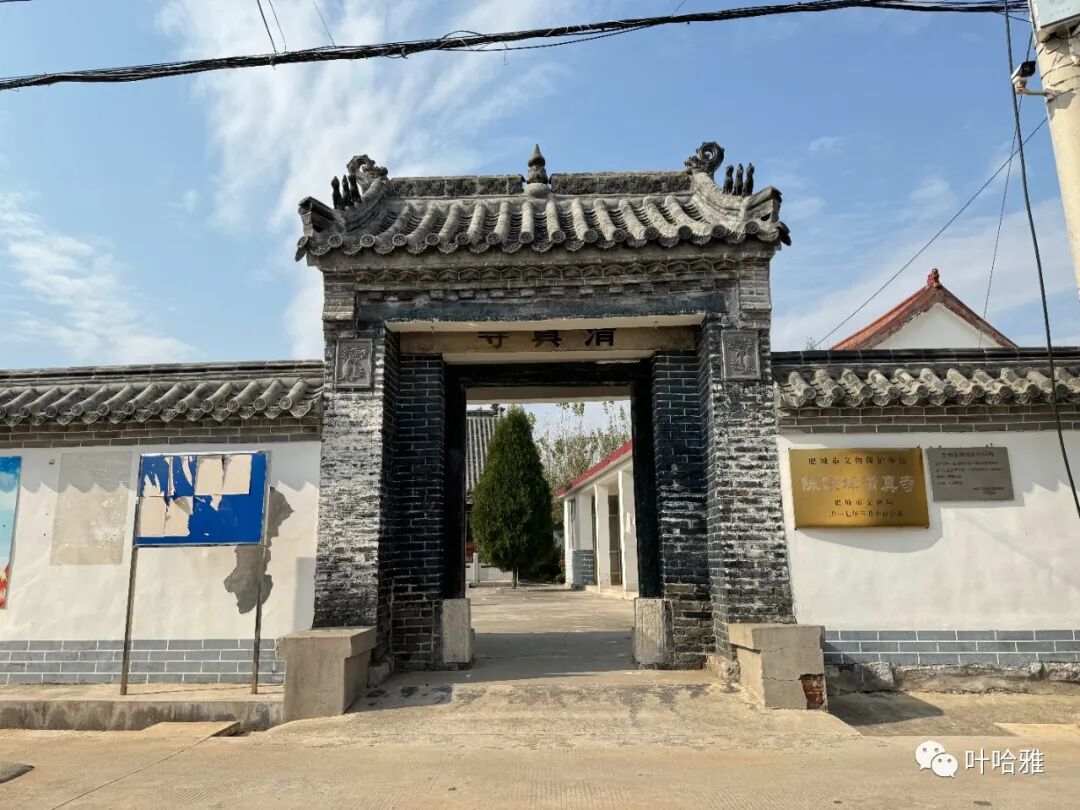
Chenjiabu Mosque in Anjiazhuang Town sits at the west end of the village. It was first built between the late Ming and early Qing dynasties and has been expanded and repaired ever since. The mosque underwent two large-scale reconstructions in 1996 and 2007.
The mosque features a Chinese palace-style architectural design and measures 46 meters long and 24 meters wide. The prayer hall is a double-layered structure consisting of a front porch, a front hall, a gutter, and a rear hall, creating a connected architectural layout. Both the front and rear halls follow a four-beam and eight-pillar design, with a brick and lime gutter installed at the junction of the two halls for drainage. There are side doors on both sides and a raised platform (yuetai) in front. The main prayer hall is now a dangerous building. The main prayer hall is 9 meters high, 16 meters long, and 10 meters wide. The north lecture hall is 16 meters long and 6.5 meters wide. The south lecture hall is 13 meters long and 5 meters wide. The water room is 6.5 meters long and 5 meters wide. The mosque was once awarded the provincial title of Harmonious Religious Activity Venue.
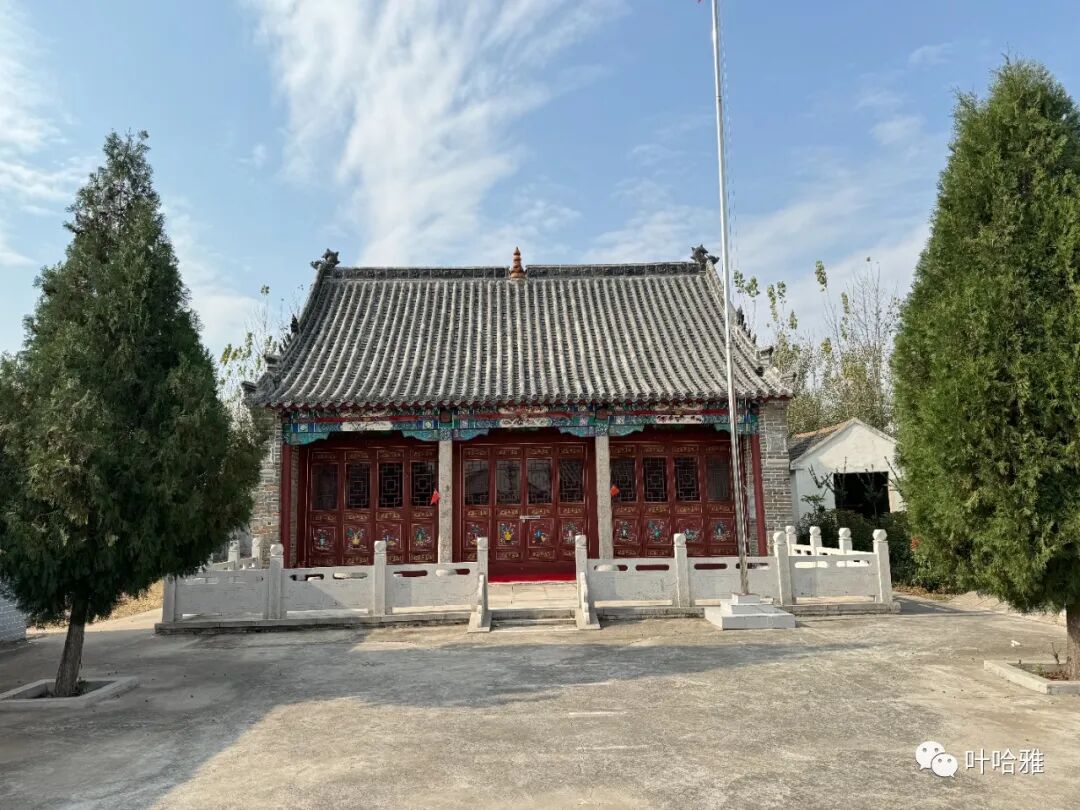
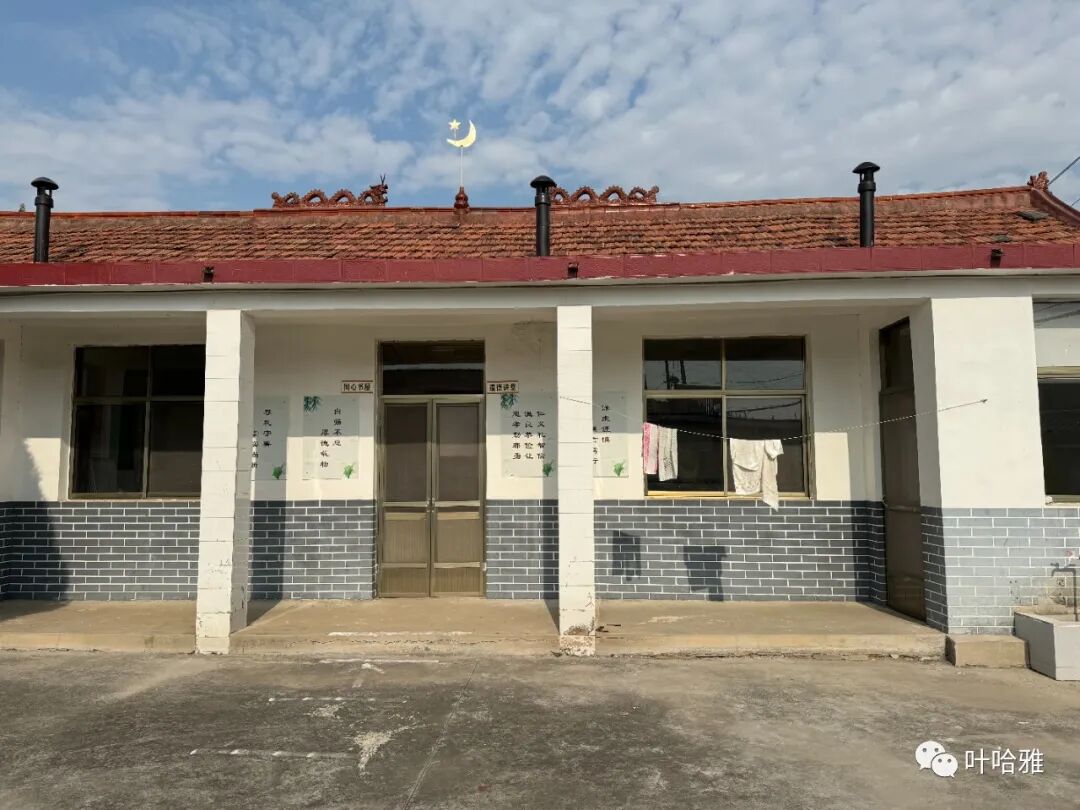
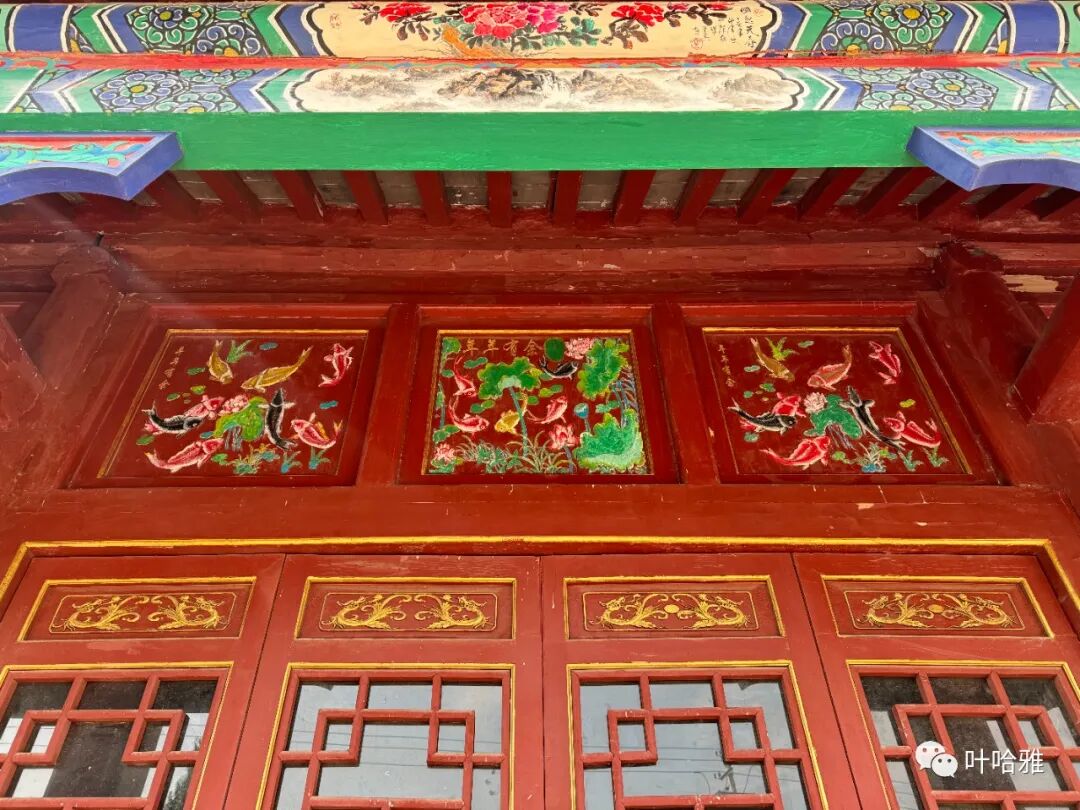
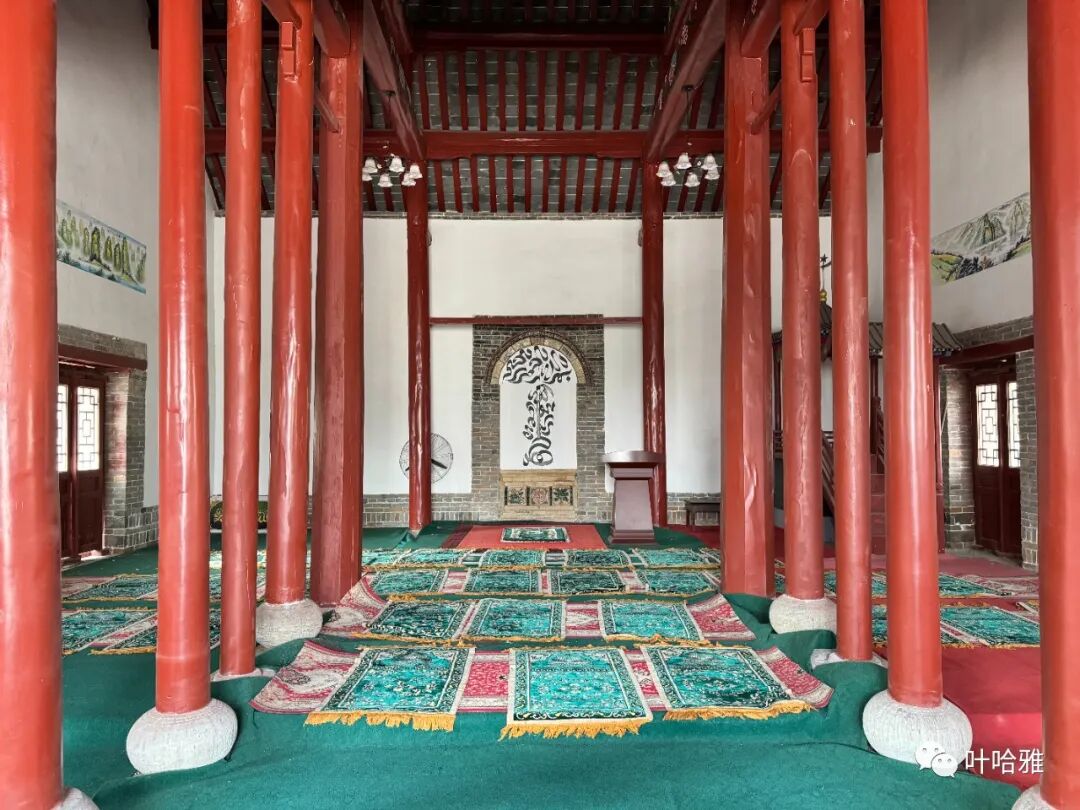
Xiaojiabu Mosque
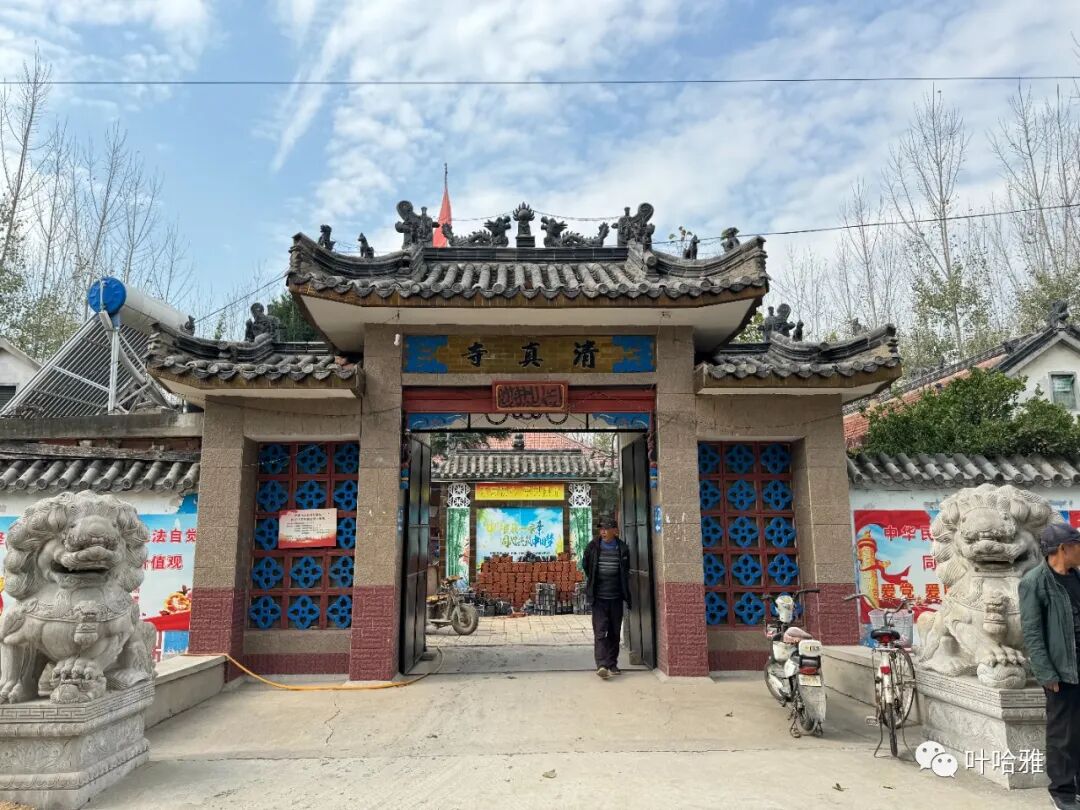
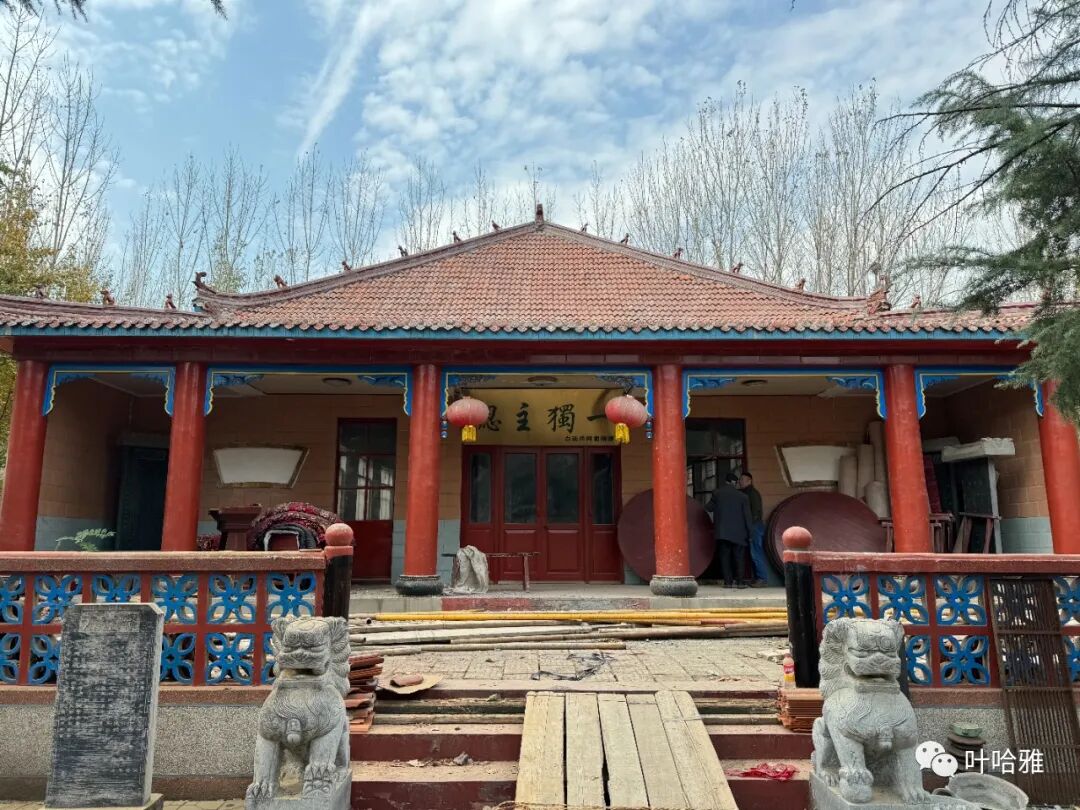
Xiaojiabu Mosque in Anjiazhuang Town is located at the west end of the village. The founding date is unknown, and it was destroyed by fire in 1973 when machines inside the building caught fire. The new mosque was built in 1999.
The mosque features Chinese palace-style architecture and is 56 meters long and 50 meters wide. The prayer hall is 9.9 meters high, and the moon terrace in front of the main hall is 26 meters long and 15 meters wide. The north lecture hall has 5 rooms, measuring 15 meters long and 8 meters wide. The south lecture hall has 5 rooms, measuring 15 meters long and 5 meters wide. There is 1 kitchen, measuring 3 meters long and 4 meters wide. More than 250 trees are planted inside and outside the mosque, and the mosque is fully equipped with all necessary utensils. A stone tablet erected in 2000 still exists today.
The mosque's religious affairs have been led by imams including Bai Maoxiang, Imam Xu, Imam Yang, Imam Wang, and Bai Yanbing. It is currently managed by the mosque's democratic management committee, with Ma Wenhuan serving as the director.
A handwritten copy of the Quran from the 17th year of the Republic of China (1928) is preserved here. In 2008, the mosque was named a Model Mosque by Tai'an City.
Ningyang County
Xitaili Mosque
Xitaili Mosque in Gangcheng Town sits in the western half of the village. Wang Xiong founded the mosque in 1398, the 31st year of the Hongwu reign of the Ming Dynasty, and it has been expanded and repaired ever since. The mosque underwent repairs in 1411, 1460, 1698, 1719, 1738, 1819, 1900, 1945-1946, 2005, 2008, and 2012.
The mosque features Chinese palace-style architecture. It is 41.5 meters long and 34.1 meters wide, with two courtyards. The main prayer hall is a double-layered structure, 13 meters high, 13.1 meters long, and 7.1 meters wide. The north lecture hall is 17.1 meters long and 7 meters wide. The south lecture hall is 10.5 meters long and 7 meters wide. The water room is 10.6 meters long and 5.5 meters wide.
The mosque entrance has a main gate and a second gate. Past the second gate is the main courtyard. The main prayer hall sits on the west side, facing east. It is the primary building of the mosque and can hold hundreds of people for namaz at the same time. The main prayer hall uses a three-arch design with a connected roof structure, consisting of a front porch, a middle hall, and a back hall. The front porch is three bays wide with a curved roof and a wooden frame covered in small gray tiles. A stone tablet from 1719 titled Mosque Inscription is embedded in the inner north wall of the porch. The middle hall is three bays wide with a hard mountain-style roof. The front eaves connect to the back eaves of the middle hall, with water drainage channels left on both side walls. The rear hall is three bays wide, extending 0.62 meters beyond the sides of the middle hall's front porch. The front and rear eaves connect, the main roof ridge features animal ornaments, the brick walls have delicate carvings, and the mihrab is set in the center of the west wall.
The floor plan of the main hall looks like the Chinese character 'zhu' (master), and the roof has a varied, undulating shape. The platform in front of the main hall has stone railings and panels. On the north side of the platform stand stone tablets from the 11th year of the Guangxu reign (1885) and 2005 documenting repairs to the mosque. In front of the platform, the north and south lecture halls each have three rooms. They feature a single-eave, hard-mountain style roof covered with grey tiles and a front porch. North of the second gate is the room for students (hailifan). To the south is the bathing room, which can accommodate dozens of people for major and minor ablutions. Between the east gable of the north lecture hall and the courtyard wall is the east side room. To the west of the west gable are the west side room, the covered room (zhaozifang), and the tableware room. There are six existing stone tablets: the 'Mosque Tablet Record' from the 58th year of the Kangxi reign (1719), the 'Mosque Land Donation Tablet' from the 11th year of the Guangxu reign (1885), the 'Eternal Tablet' from 2005, the 'Second Batch of Municipal Key Cultural Relics Unit Tablet' from 2007, the 'Eternal Tablet' from 2008, and the 'Xitaili Mosque Reconstruction Record Tablet' from 2012.
Throughout its history, the mosque has trained many imams, including Yang Peicheng, Wang Minqing, Wang Minyi, Xu Menglan, Xu Shanfang, Li Chuanzheng, Li Hongbin, Wang Anyi, Li Anchen, Li Qingjun, Ma Xiangfa, Yang Zhenfa, Yang Cunguo, Yang Wei, Wang Antang, Wang Zifa, Xu Shouguo, Huang Zhongqing, Li Qingyun, Ma Xingcheng, Tang Wenhai, Wang Zhongzhen, Zhang Hongyi, Xu Shanfang, Li Zhaokun, Han Yuhai, and Xia Qianguo. The mosque is currently managed by a democratic management committee. Past directors include Wang Zishang, Wang Enshang, Wang Anxiang, Wang Anwen, Li Anshan, Li Baojin, Wang Anpo, and Ma Yongfu.
In 2009, the mosque received the provincial title of 'Harmonious Religious Activity Venue.' It was also named a 'Model Mosque' by Tai'an City in 2008, 2010, and 2014.
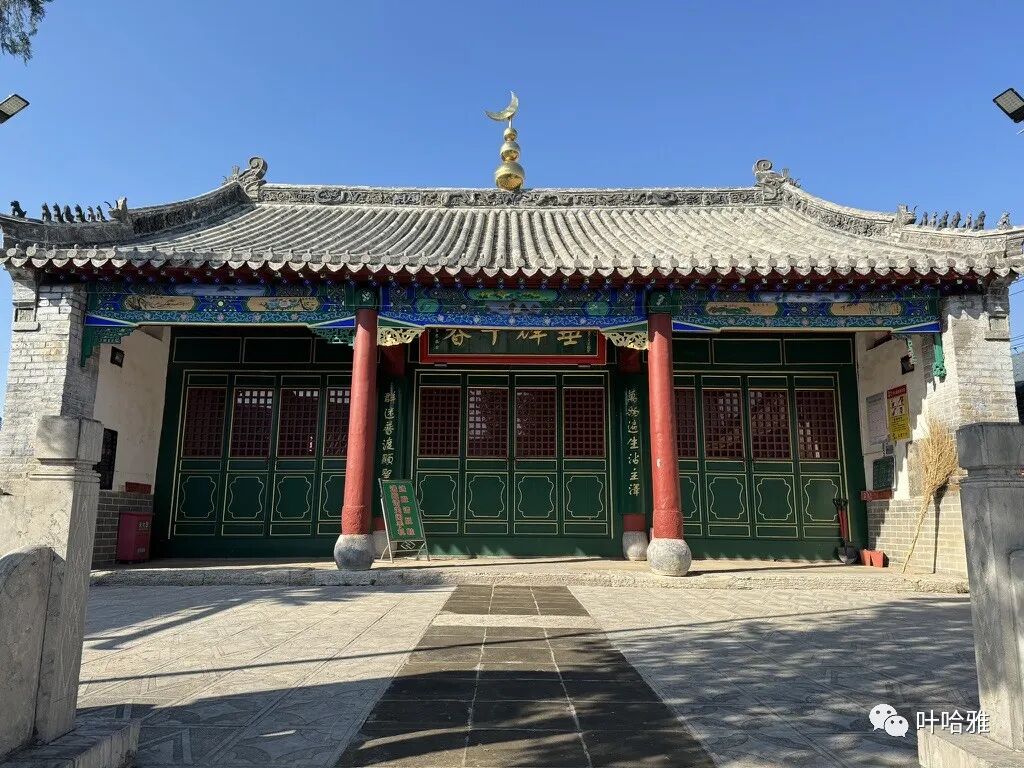
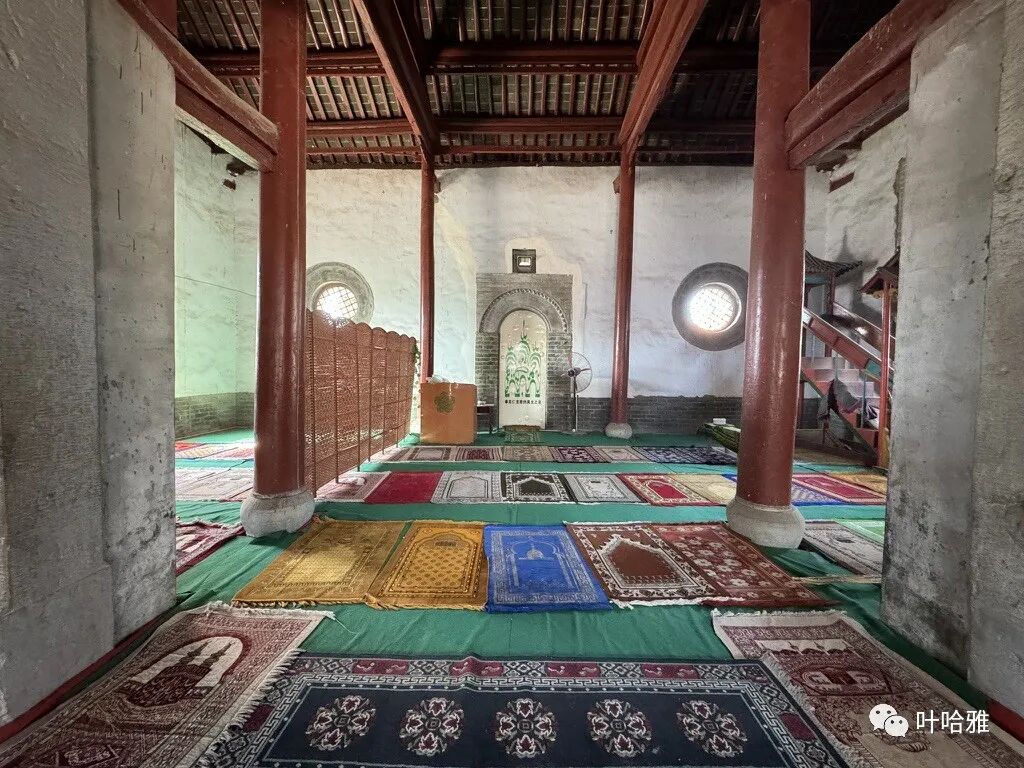
Liujiazhuang Mosque
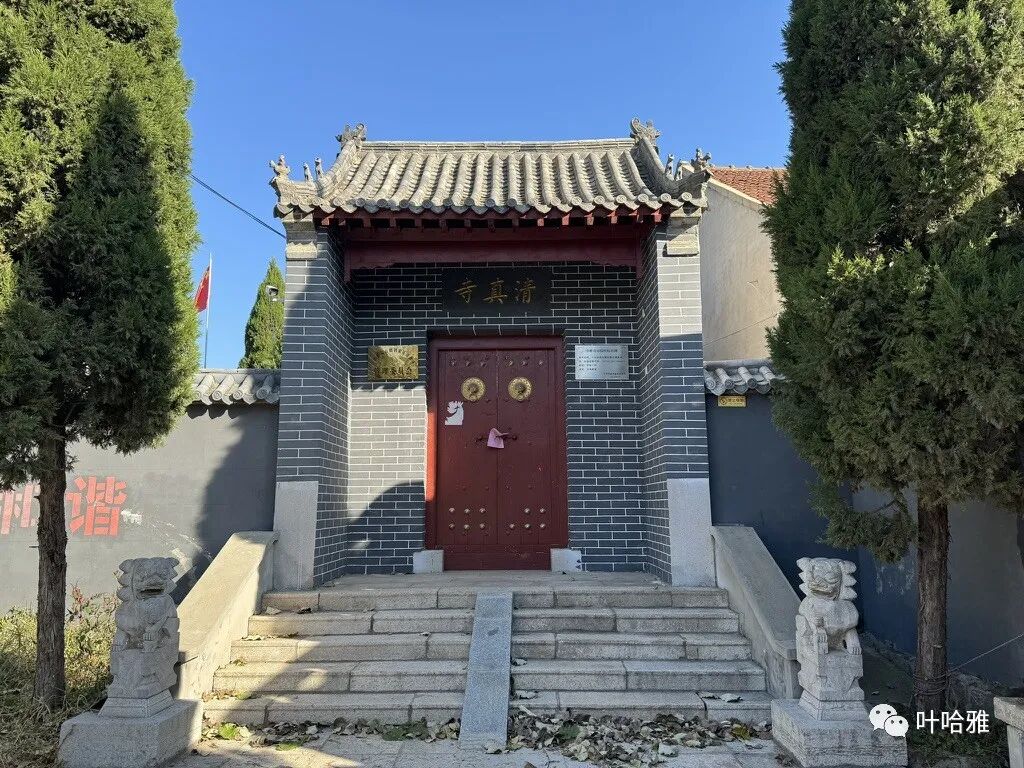
Liujiazhuang Mosque in Geshi Town is located in the southwest corner of the village. It was first built during the Hongwu period of the Ming Dynasty (1368-1398) and has been expanded and repaired many times since. The mosque underwent three large-scale renovations in 1984, 1997, and 2008.
The mosque follows the Chinese palace architectural style, measuring 26 meters long and 19 meters wide. The prayer hall is 7.9 meters high, 10 meters long, and 8.5 meters wide. The north lecture hall is 13.5 meters long and 7 meters wide. The water room is 5 meters long and 7 meters wide. There is one stone tablet currently on site, which is the 2008 Tablet Record of Mosque Renovation.
Since the founding of the People's Republic of China, the religious affairs have been led by imams including Xu Menglan, Shi Xianbao, Wang Minqing, Xu Shanfang, Bai Anmeng, Han Tongwen, Xu Lingzhi, Wang Antang, Li Anchen, and Ma Ning. The mosque is currently managed by a democratic management committee, and past directors include Li Huaiqing, Li Lanting, and Sha Xingdong.
It has received the title of Model Mosque from Tai'an City.
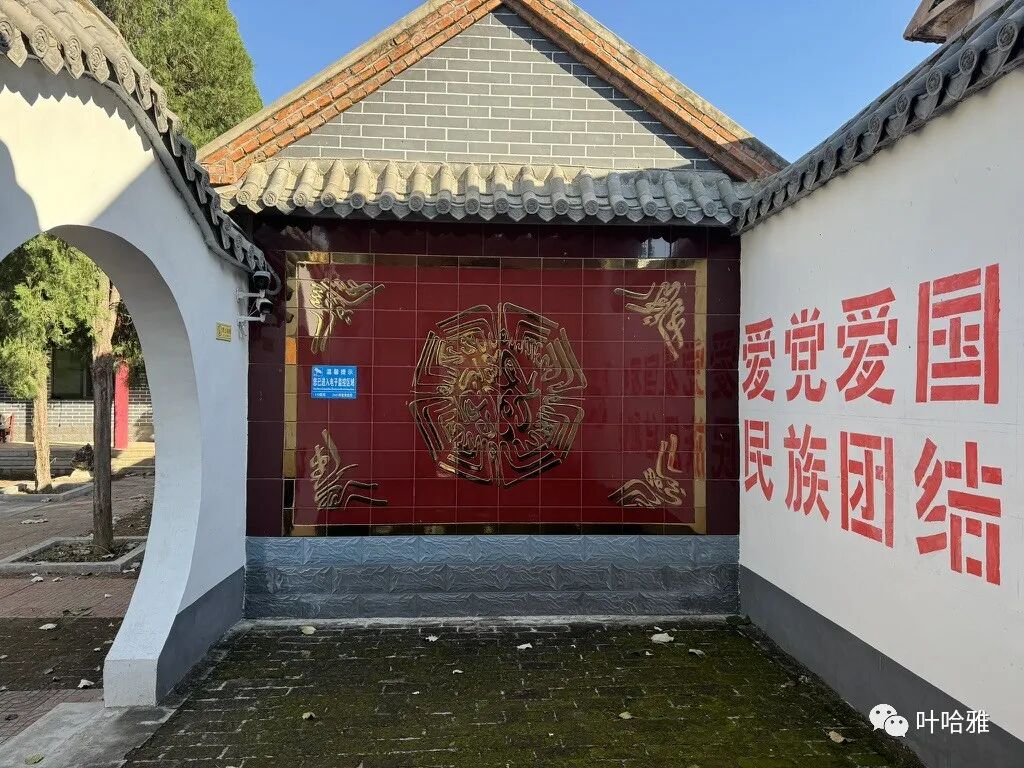
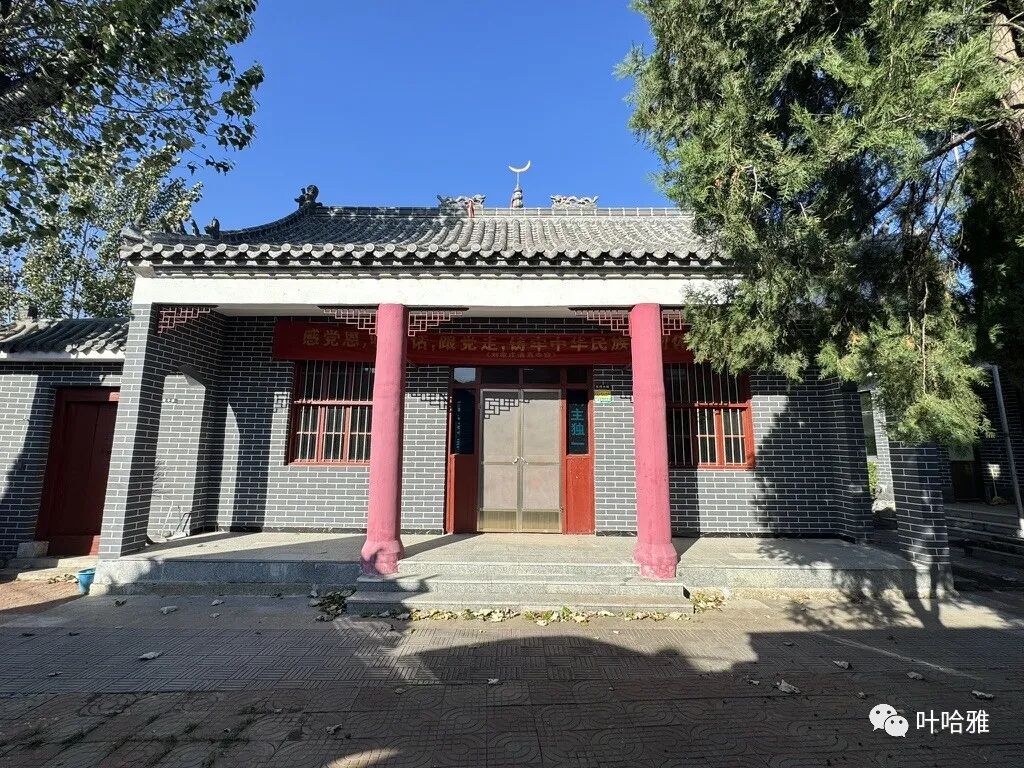
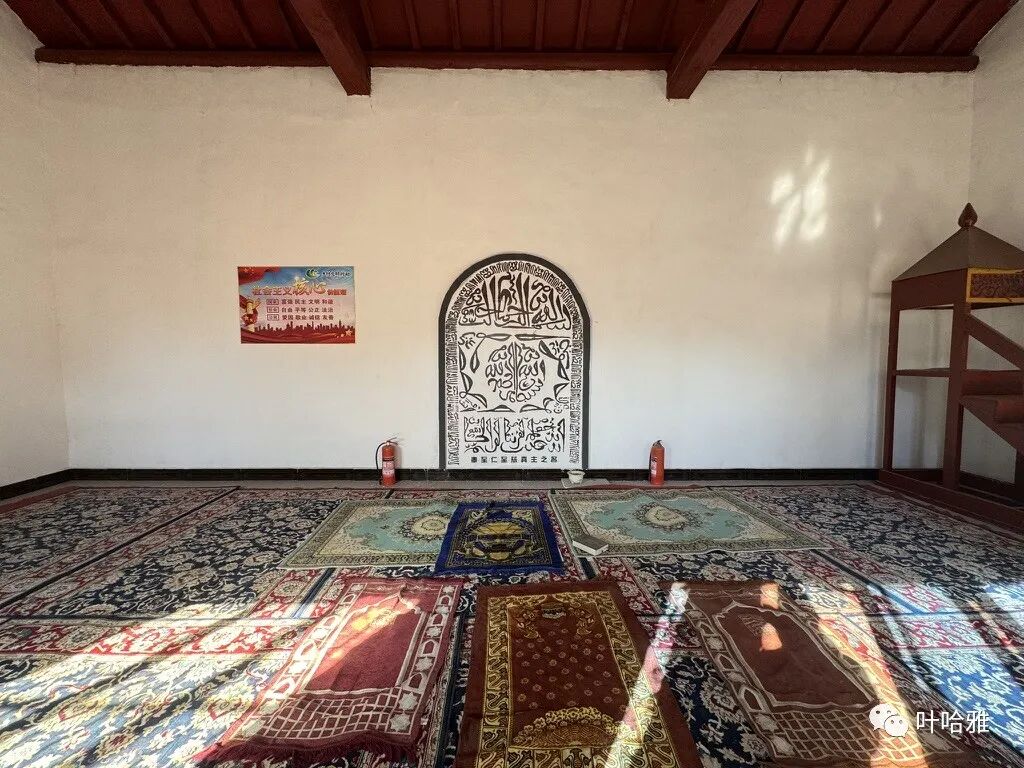
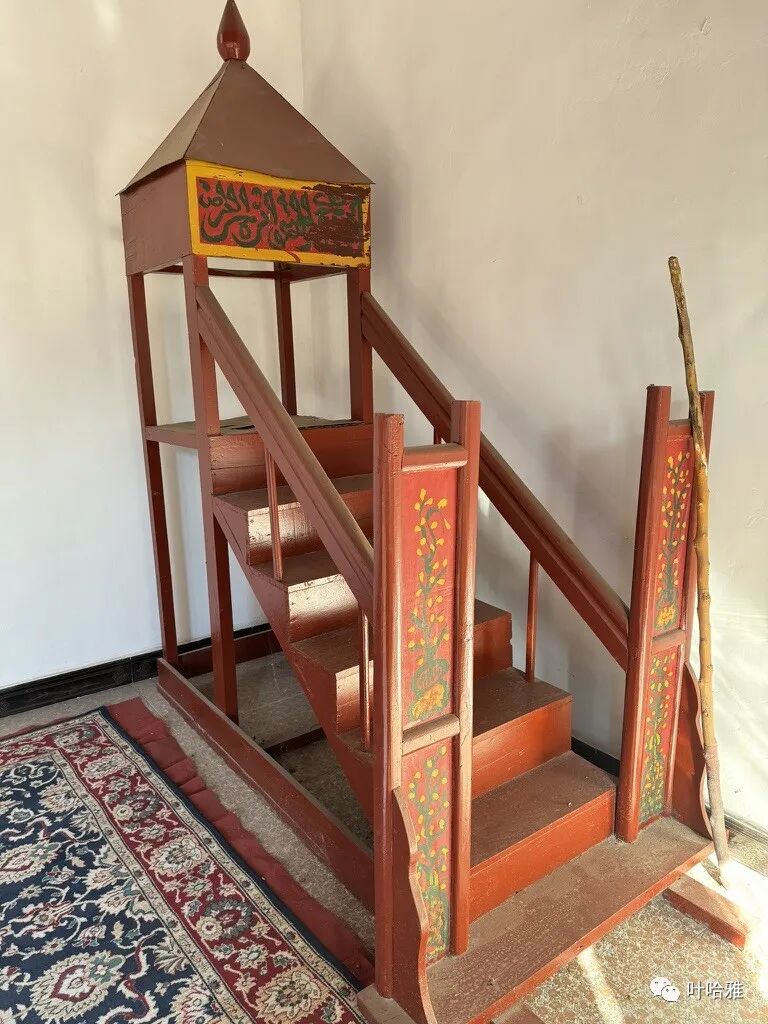
Baima Mosque Mosque
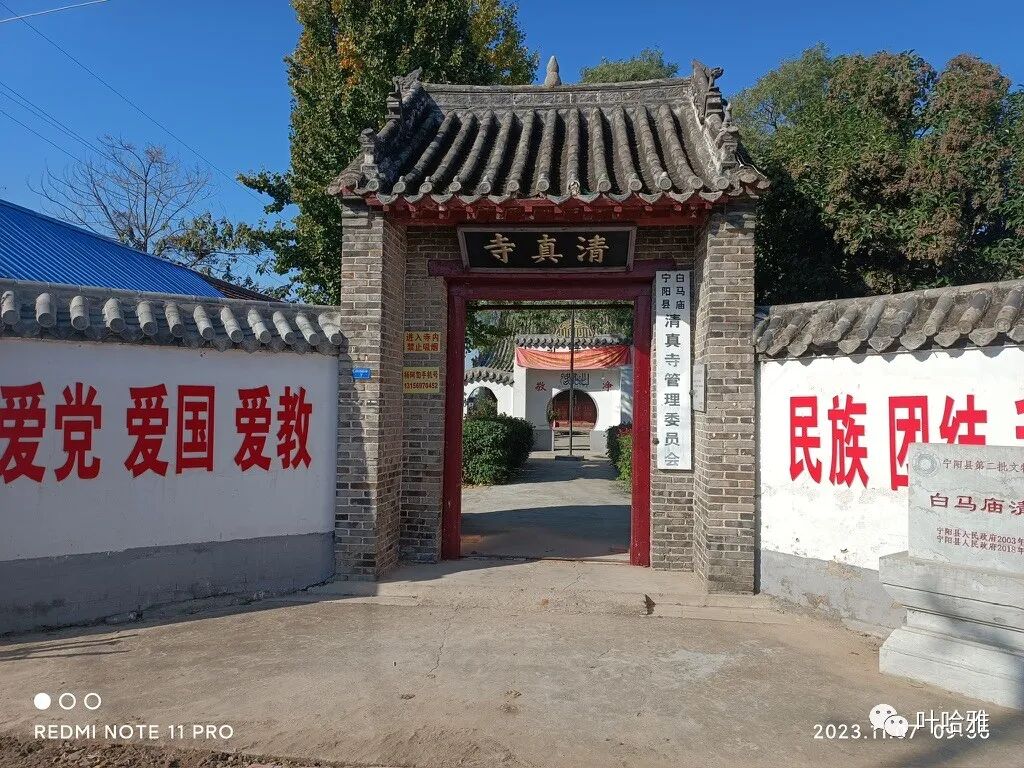
Baimamiao Mosque in Fushan Town sits at the southwest corner of South Baimamiao Street in Taipingzhuang Village. It was first built during the Yongle period of the Ming Dynasty (1403-1424) and has been expanded and repaired ever since. The mosque has undergone four major renovations, including those during the Jiajing period of the Ming Dynasty (1522-1566), in the 16th year of the Guangxu reign of the Qing Dynasty (1890), and in 2001 and 2010.
The mosque features Chinese palace-style architecture, measuring 72.7 meters long, 21.1 meters wide at the front, and 27.5 meters wide at the back. The prayer hall is a double-eaved structure measuring 15.9 meters long and 13.2 meters wide. The north lecture hall is 10.2 meters long and 7 meters wide. The south lecture hall is 10.2 meters long and 6.4 meters wide. The ablution room (shuiwu) is 13.8 meters long and 6.6 meters wide. There are three stone tablets currently on site: the 1890 'Record of the Mosque Renovation' from the Qing Dynasty, the 2001 'Everlasting Renewal Tablet,' and the 2010 'Preface Tablet.'
The mosque's religious affairs have been led by imams including Zhao Wenjie, Yang Yueqing, Zhu Yuepo, Ma Guang, Han Yunting, Zhu Guanglai, Zhao Xinzheng, Zhao Guangfu, Zhu Yuehou, Yang Zhanji, Wang Ai, Zhang Yanzhai, and Yang Dawei. It is currently managed by the mosque's democratic management committee, with past directors including Mi Kuancheng, Hong Qingfang, and Zhao Anren.
A plaque from the 19th year of the Guangxu reign of the Qing Dynasty (1893) is still preserved today. In recent years, Zhu Zhaoxin donated a pair of wooden couplets that read, "The only true Allah of the universe is Allah, the only greatest sage in the world is Muhammad," which now hang on both sides of the mosque (libaidian) door.
In 2003, the county government designated the mosque as a county-level cultural relic protection site. It received the provincial title of "Harmonious Religious Activity Venue" in 2011 and was named a "Model Mosque" by Tai'an City in 2014.
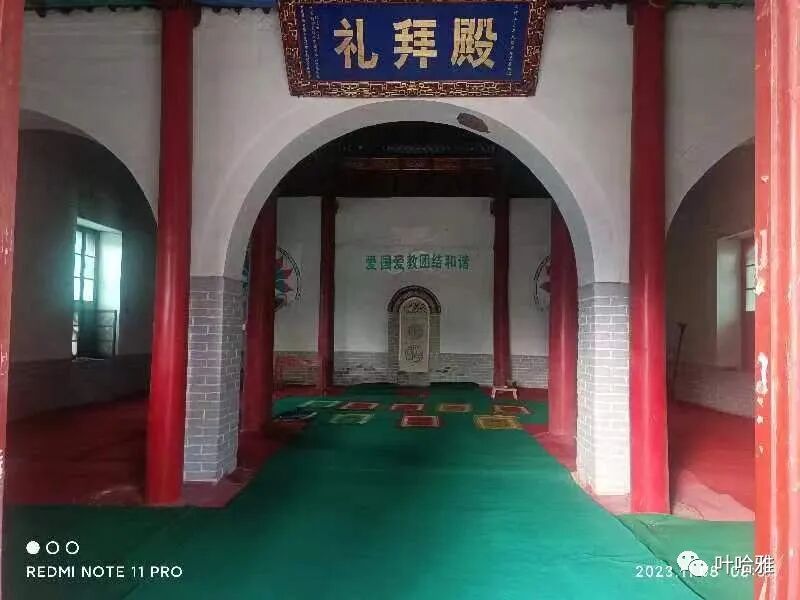
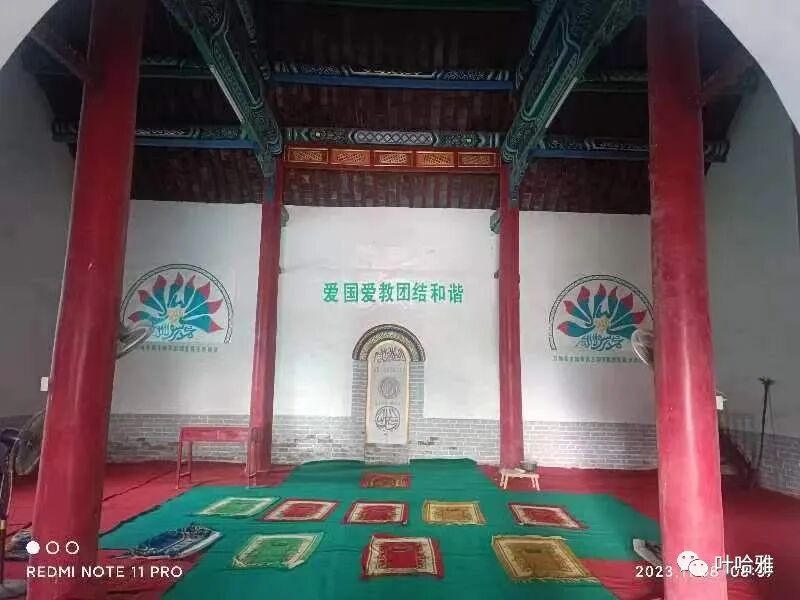
Hongqi Village Mosque
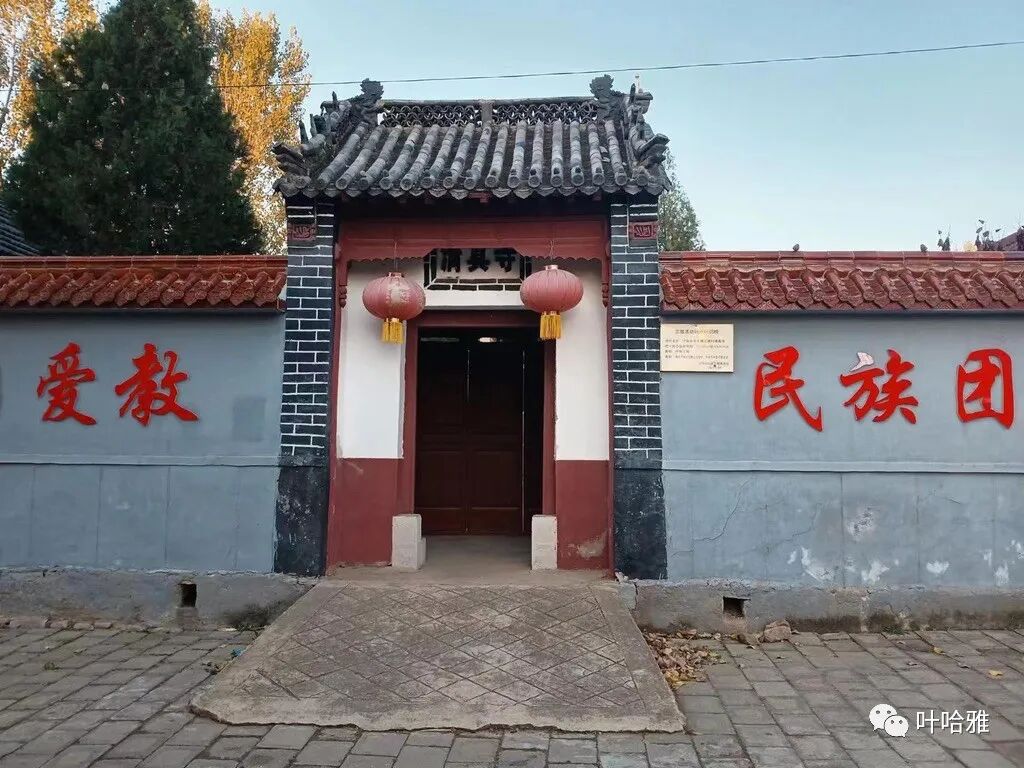
Hongqi Village Mosque in Huafeng Town sits in the center of the village. It was first built during the Wanli period of the Ming Dynasty (1573-1620) and has been expanded and repaired ever since. The mosque underwent two large-scale renovations in 1932 and 2011.
The mosque features Chinese palace-style architecture and measures 30 meters long and 25 meters wide. The prayer hall is a double-layered structure that is 6 meters high, 13 meters long, and 10 meters wide. The north lecture hall is 15 meters long and 7 meters wide. The south lecture hall is 14 meters long and 4.5 meters wide. The water room is 6 meters long and 4 meters wide. There are two stone tablets here: the 2012 Tablet of Rebuilding the Main Hall and the Tablet of Eternal Memory.
Since the late 1940s, the mosque's religious affairs have been led by imams including Chen Junfang, Shi Xianxing, Liu Qingyuan, Gao Guo, and Ma Yingshang. The mosque is currently managed by a democratic management committee. Past directors include Chen Jinmei, Zhu Xiangxun, Bai Yushun, Zhu Xuyin, Wang Ansheng, Shi Junyou, Zhu Xutian, and Chen Weimin.
In 2008, the mosque was named a Model Mosque by Tai'an City, and in 2012, it received the provincial title of Harmonious Religious Activity Venue.
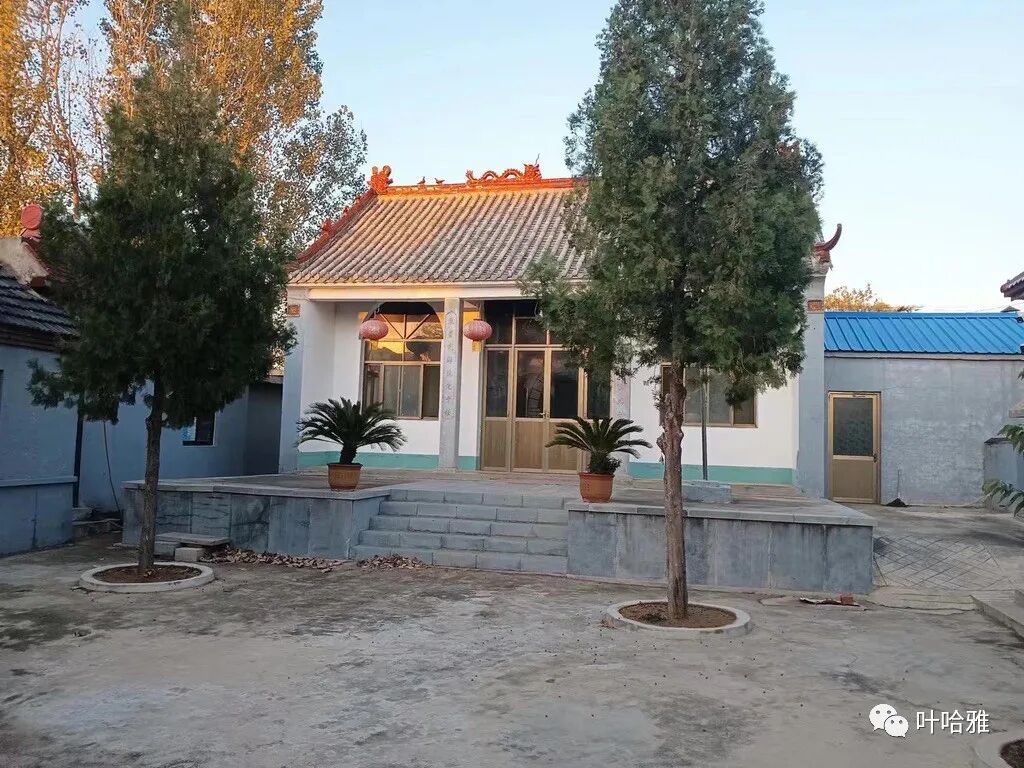
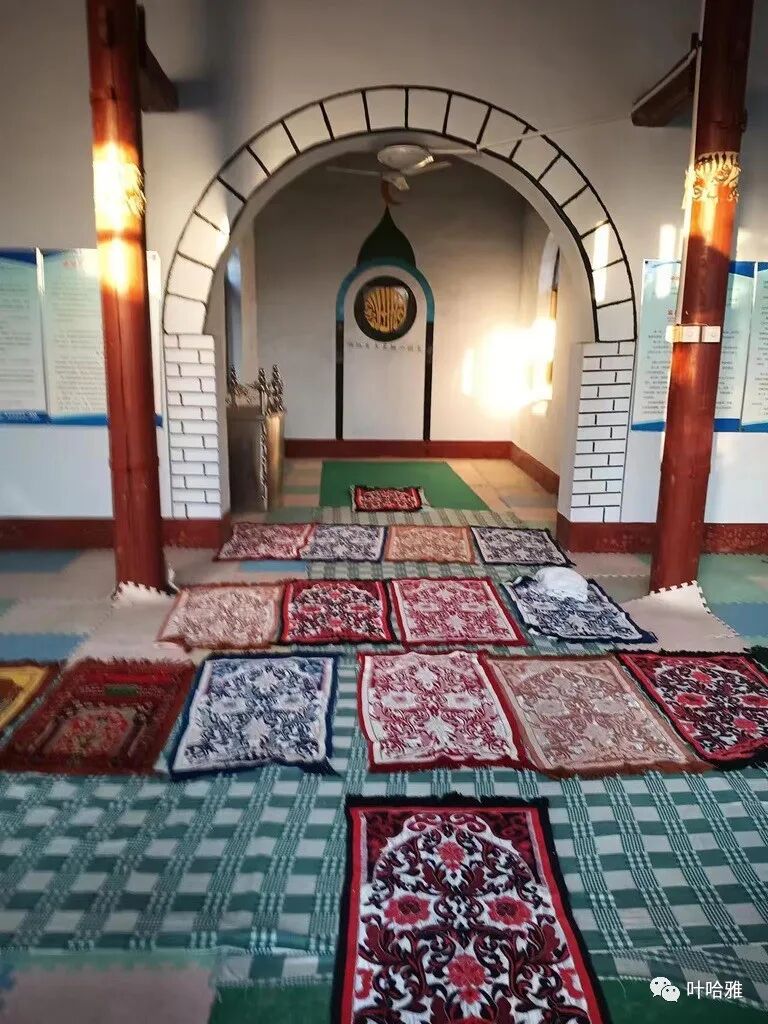
Jingquan Village Mosque
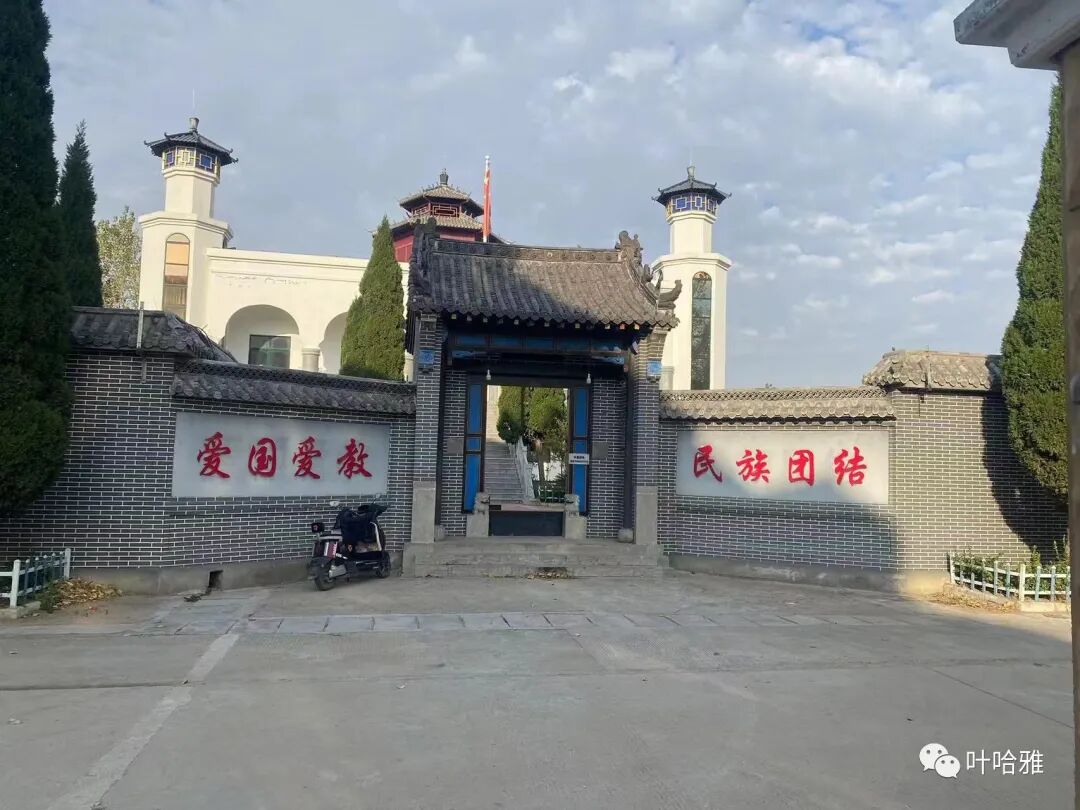
Jingquan Village Mosque in Huafeng Town is located in the northwest part of the village. It was first built in the 14th year of the Daoguang reign of the Qing Dynasty (1834). It was originally located in the eastern part of Jingquan Village and has been expanded and repaired many times since. Large-scale renovations took place in the 24th year of the Daoguang reign (1844), 1988, and 2001.
The mosque is 47 meters long and 35 meters wide. It includes a main hall, a north lecture hall, a south lecture hall, and a water room. There are three stone tablets: the Tablet of Founding the Mosque from the 14th year of the Daoguang reign (1834), the Tablet of Rebuilding the Mosque from 1998, and the Tablet Record of Repairing the Mosque from 2003.
Since the 1950s, the mosque's religious affairs have been led by imams including Jin Haixue, Ma Maoquan, Xu Changchun, Zhang Changshi, and Ma Shengchao. The mosque is now managed by a democratic management committee, with past directors including Huang Yuxiang, Huang Ruichang, Huang Qingfa, and Yang Yanhua.
The mosque houses a set of handwritten Quran manuscripts (volumes 15, 16, 29, and 30 are missing) and one copper water pitcher (tangping), which was originally part of a pair.
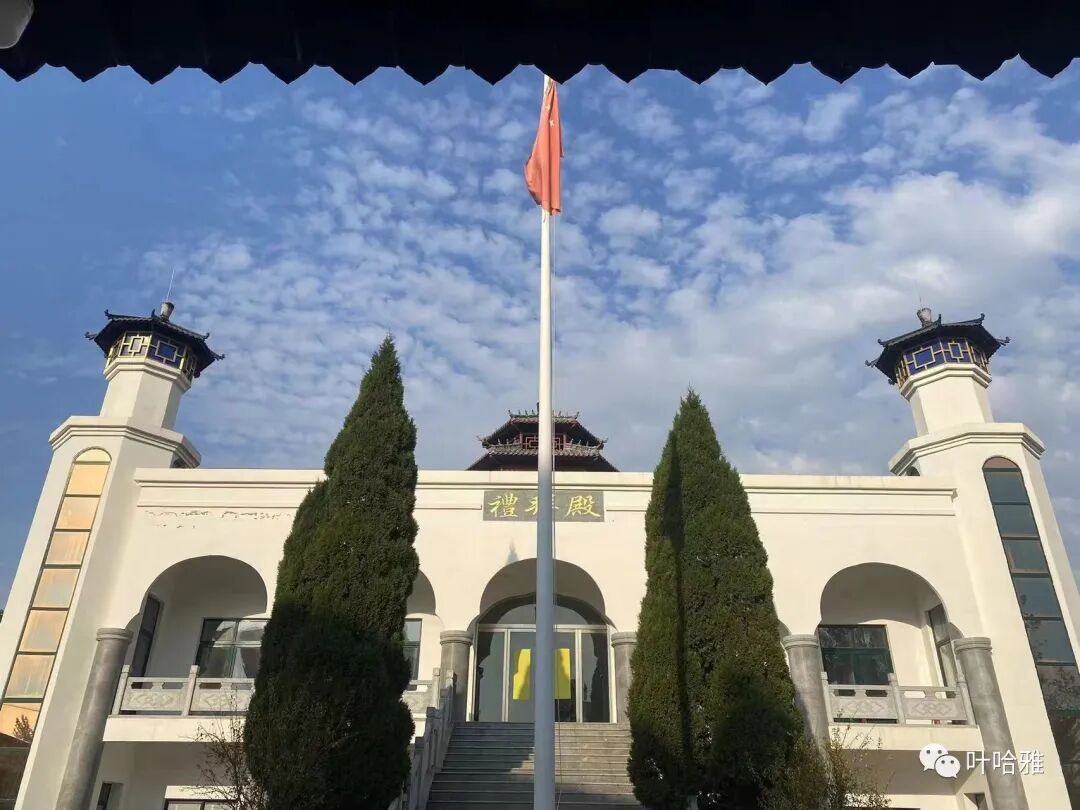
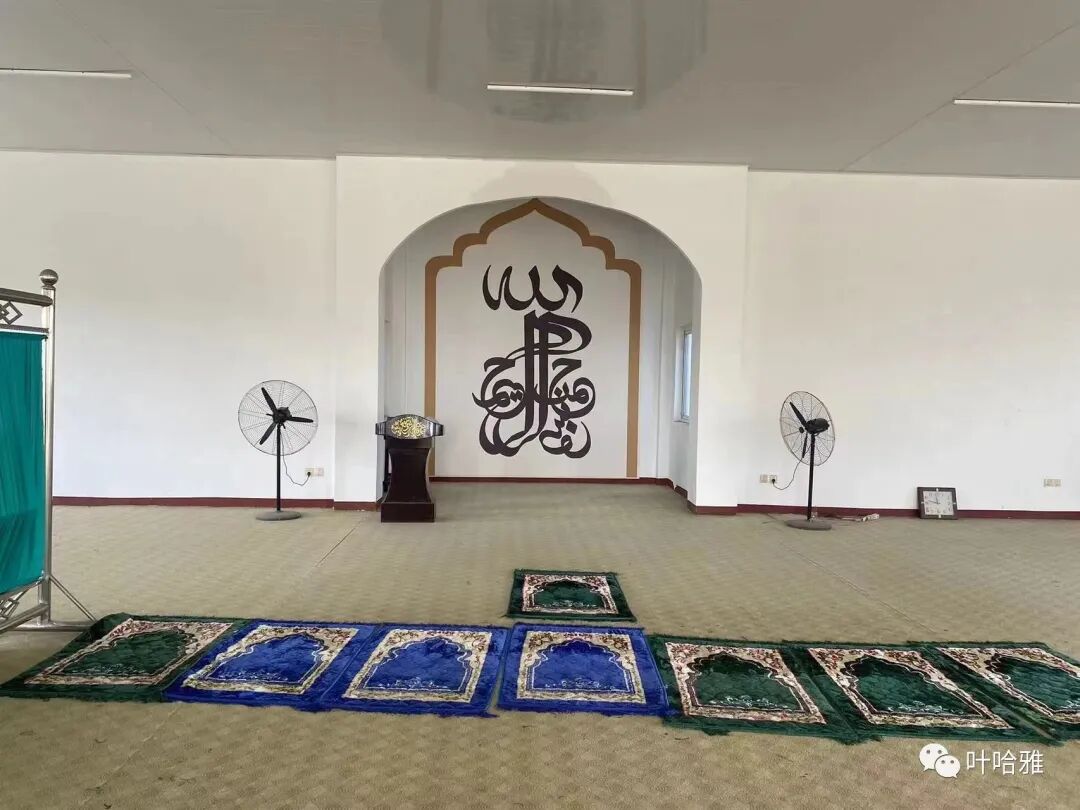
Sidian Village Mosque
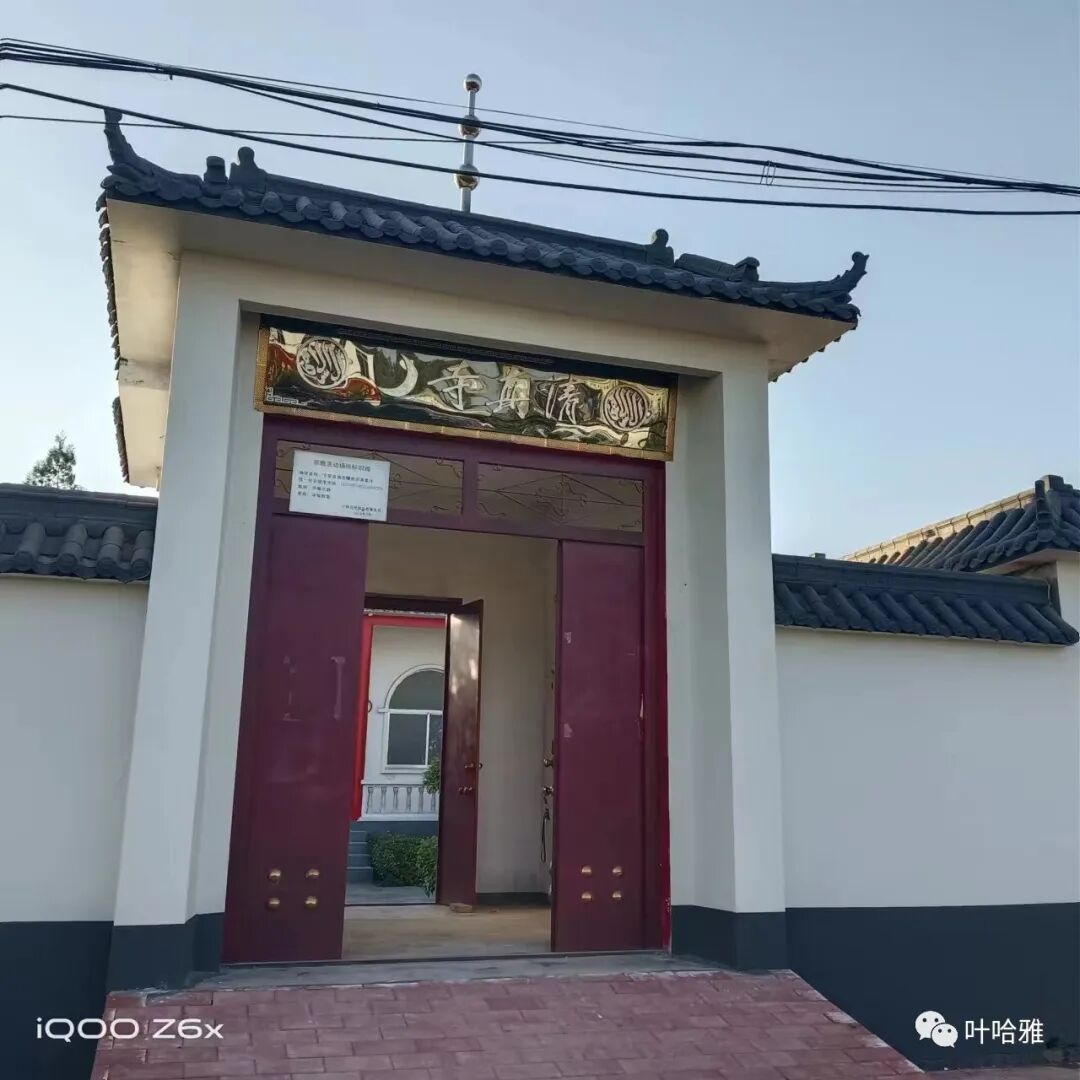
Sidian Village Mosque in Sidian Town is located in the northern part of the village. It was built in the 11th year of the Yongzheng reign of the Qing Dynasty (1733) and has been expanded and repaired many times since. In the first year of the Jiaqing reign (1796), a fire at a neighbor's house spread to the mosque, which was later rebuilt. In October 1926, a fire destroyed the main prayer hall. The main hall, lecture hall, and gate wall were rebuilt in 1935. The main prayer hall was torn down in the early 1950s. In the 1980s, the Sidian village brigade arranged for members to build houses on the site, but the south lecture hall remains standing today. The mosque was rebuilt between 2012 and 2015.
The mosque is built in the style of a Chinese palace, measuring 22 meters long and 21 meters wide. A white marble plaque inscribed with the words "Mosque" is embedded above the main gate. There are side doors on both sides, each with a five-step entrance platform. About 10 meters inside the main gate is a second gate, and a path leads straight from there to the main prayer hall. The main prayer hall is a single-story building with a three-bay porch-style design, standing 15 meters high with a bronze vase ornament on the roof. On each side of the main prayer hall, there is a carved openwork lattice window featuring Arabic calligraphy. Inside the hall, four round plaques hang on the front sides, and a plaque with gold lettering hangs in the center. There are four large painted pillars, each over 40 centimeters in diameter, decorated with large gold-painted lotus flowers. The ceiling is inscribed with the holy names of Allah. The floor of the main prayer hall is covered with felt carpets. The front of the main prayer hall is a wooden structure with a simple, ancient style, built in the Chinese hip-roof (wudian) architectural form. The north lecture hall has three rooms and covers an area of about 60 square meters. Inside the hall, there is antique porcelain printed with Arabic scripture. The south lecture hall has three rooms and covers an area of about 50 square meters.
There are two stone tablets remaining: the Imperial Edict Tablet (Shengyu Bei) from the seventh year of the Yongzheng reign of the Qing Dynasty (1729) and the Tablet Record of the Reconstruction of Sizhuangdian Mosque (Chongxiu Sizhuangdian Qingzhensi Beiji) from the twenty-eighth year of the Republic of China (1939). The former is the only one of its kind in Tai'an and holds significant historical and cultural value. There are several cypress trees inside the mosque.
The mosque was once led by imams including Mi Baogui, Zhao Defu, and Zhao Furun. It is now managed by the mosque's democratic management committee, with past directors including Shi Guanli, Li Xiangqian, and Li Hong'an. The mosque also serves the communities of Qianwang Village and Houwang Village in Caohe Town, Yanzhou City.
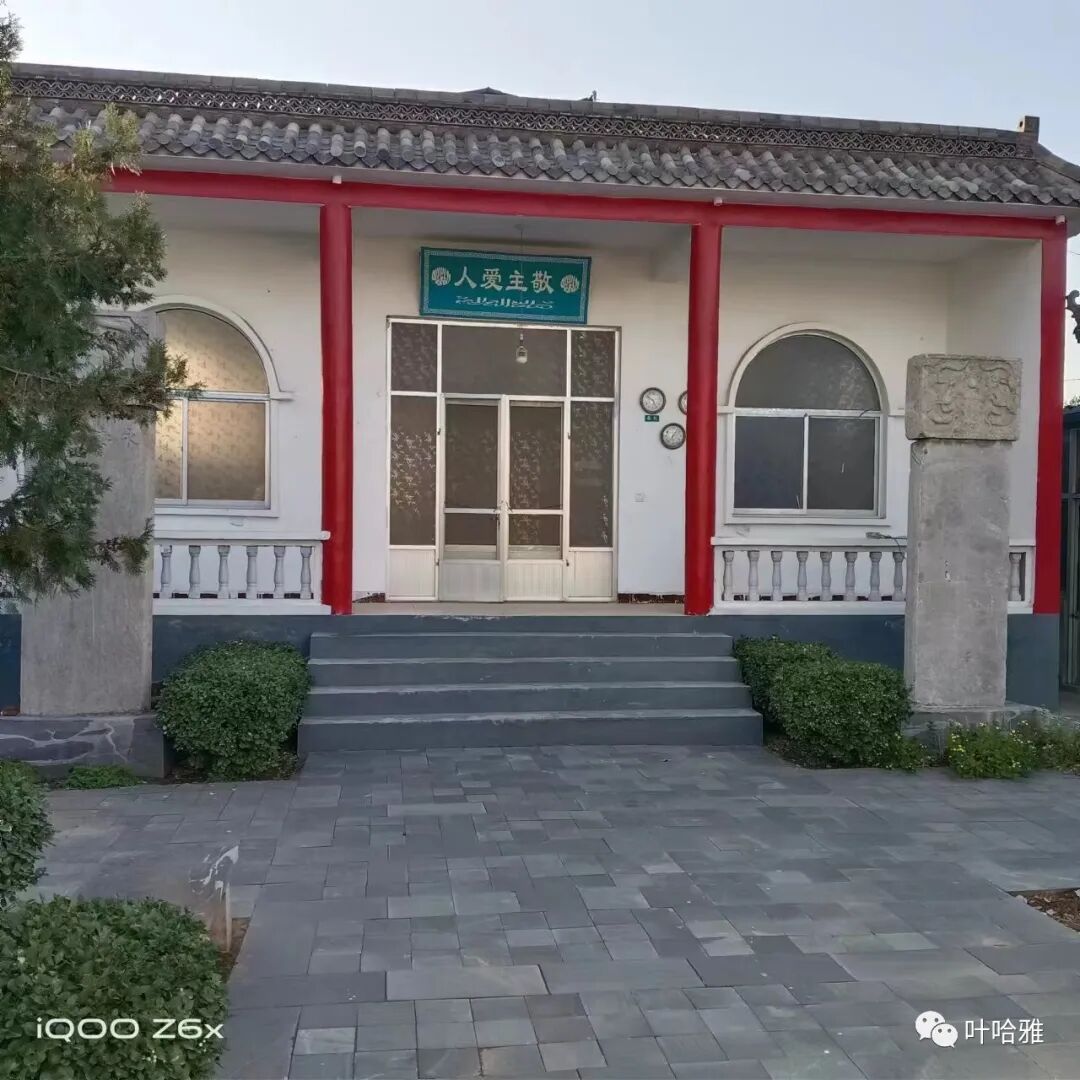
Nanyi Village Mosque
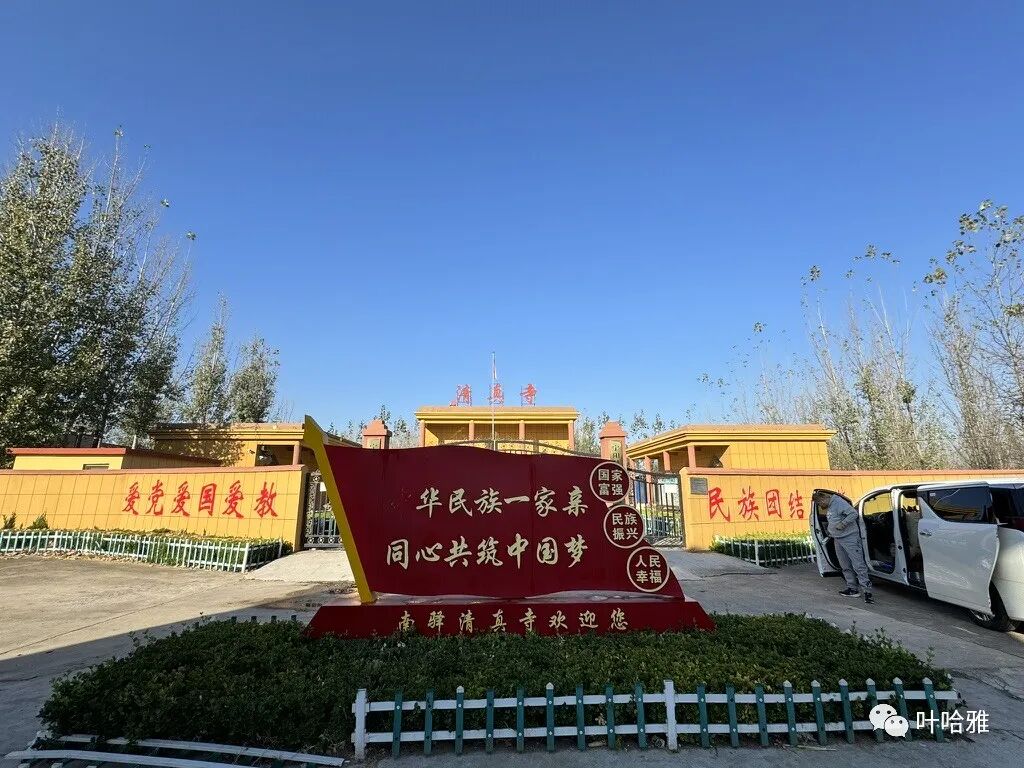
Nanyi Village Mosque in Ciyao Town is located in the southwest part of the village. The original mosque in Nanyi Village fell into disrepair and was severely damaged. In May 2015, the dangerous structures were demolished according to plan, and a new mosque was built at a different site.
The mosque covers an area of 1,600 square meters, measuring 40 meters long and 40 meters wide. The prayer hall is 15 meters long and 11 meters wide. The north lecture hall is 10 meters long and 8 meters wide. The south lecture hall is 10 meters long and 8 meters wide. The water house is 10 meters long and 11 meters wide. There is one stone tablet here, the 2016 Tablet of Loving the Country, Loving the Faith, and Recognizing the Oneness of Allah.
The mosque has trained imams like Zhu Zhili, and Imam Yang Zhi currently manages religious affairs. The mosque is managed by a mosque management committee, with Zhang Weimin and Zhu Zhiming serving as past directors.
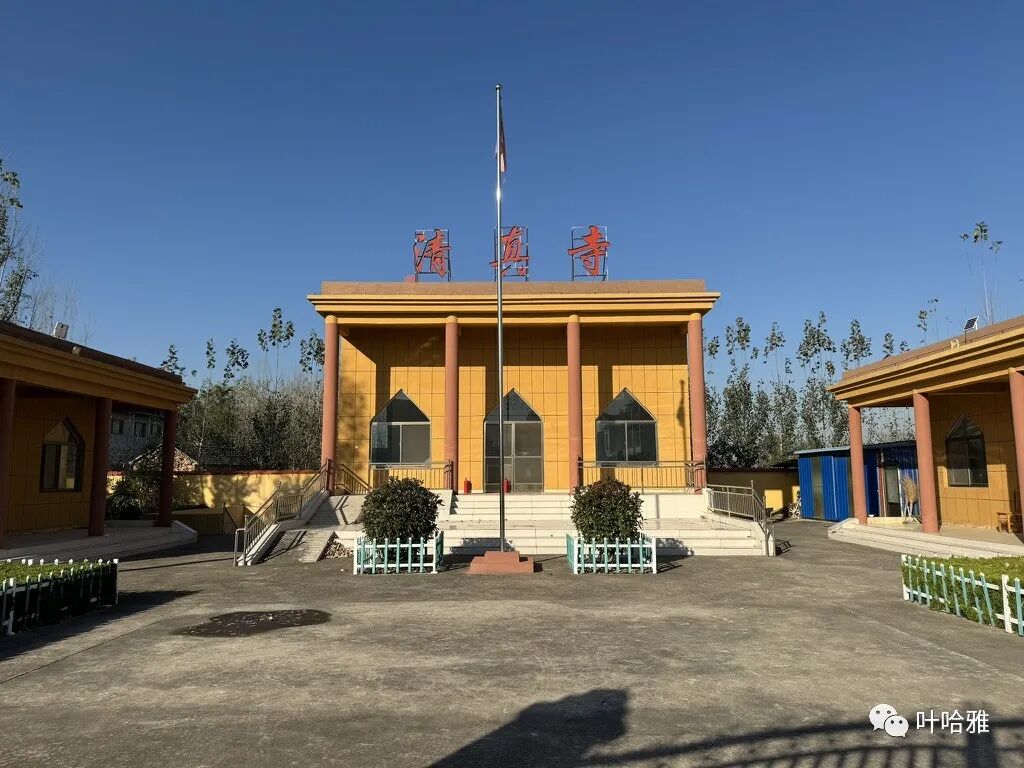
Houlyuguan Mosque
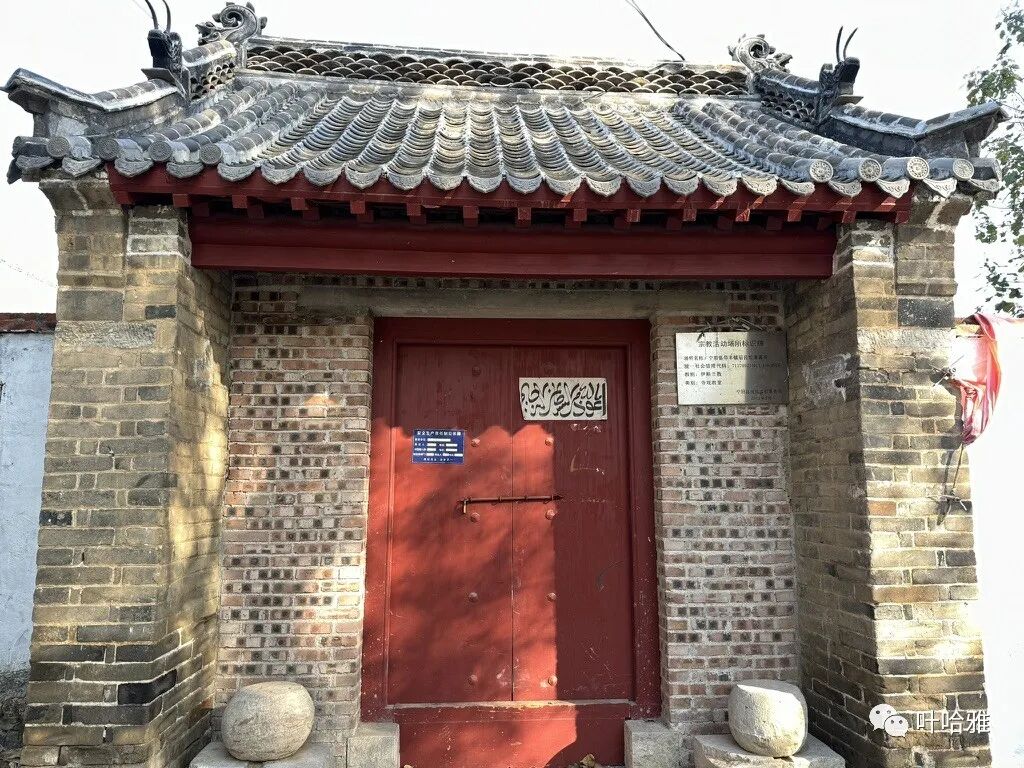
Houlyuguan Mosque in Huafeng Town sits in the middle of the village. It was likely built in the early days of Lyuguan Village and has been expanded and repaired ever since. In the second year of the Daoguang reign (1822), the old mosque was falling apart, so it moved to the north end of the village, which is its current location. The new mosque added three lecture rooms and a moon terrace (yuetai). In the 27th year of the Guangxu reign (1901), three large tiled rooms were added, and pine and bamboo were planted. The mosque was repaired in the ninth year of the Republic of China (1920). It was severely damaged during the Cultural Revolution.
When the mosque was first built, it was made of grass huts and covered seven and a half mu of land, with eight farming families from the north and south villages providing money and grain. After moving to the north of the village, it was rebuilt with brick, wood, earth, and stone, measuring 62 meters long and 52 meters wide. An old plaque hangs in the prayer hall, but the three characters on it are no longer readable. The main hall is 11 meters long and 11 meters wide. The north lecture hall is 11 meters long and 5 meters wide. The south lecture hall is 11 meters long and 5 meters wide. The water room is 4 meters long and 3.5 meters wide. There are three existing stone tablets: the Record of Rebuilding the Mosque from the second year of the Daoguang reign of the Qing Dynasty (1822), the Record of Rebuilding the Mosque from the 27th year of the Guangxu reign (1901), and the Record of Rebuilding the Mosque from the ninth year of the Republic of China (1920). Several stone tablets buried during the Cultural Revolution are inside the water pool.
The mosque's religious affairs were successively led by imams including Ma, Liu Yulin, and Xu Yongtong. Xiluoshan Mosque.
Xiluoshan Mosque in Heshan Township. Built in 2013, it covers 500 square meters with a building area of 300 square meters. It includes a main prayer hall, north and south lecture halls, and a main gate.
Xiluoshan Mosque.
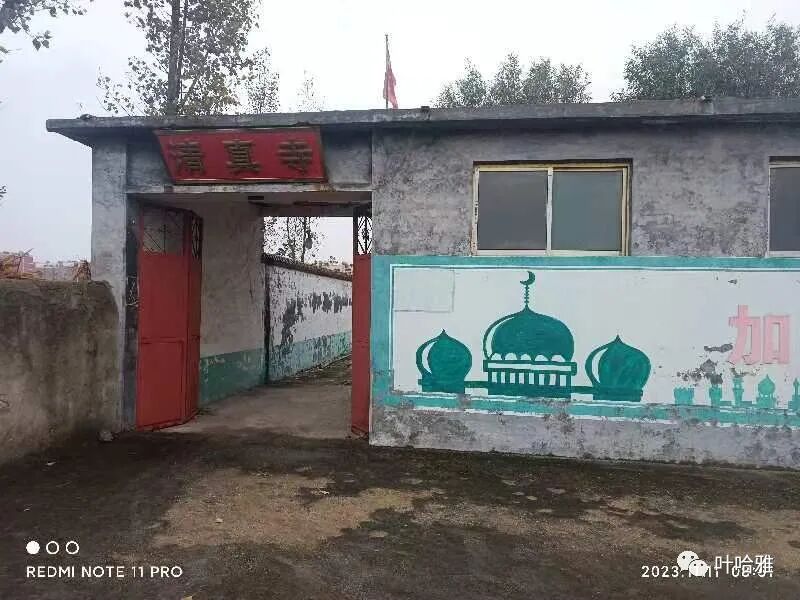
Xiluoshan Mosque in Heshan Township. Built in 2013, it covers 500 square meters with a building area of 300 square meters. It includes a main prayer hall, north and south lecture halls, and a main gate.
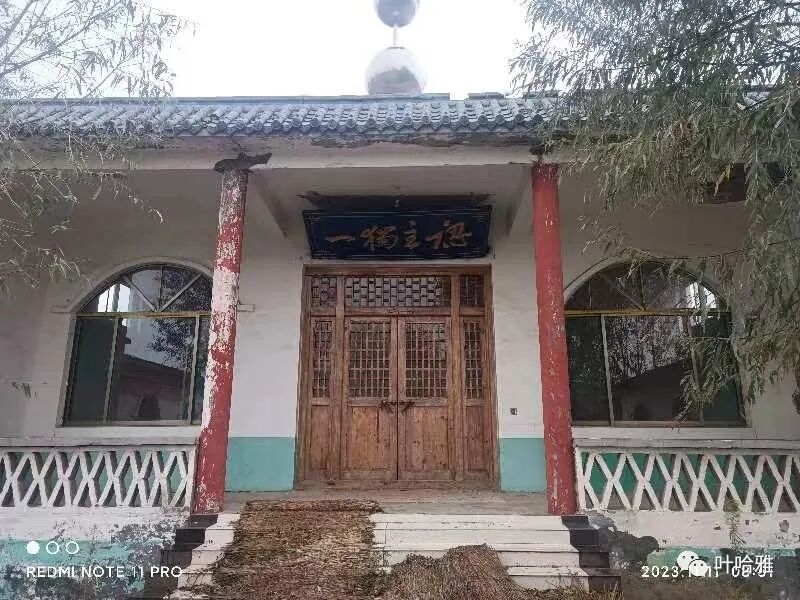
Dongping County
Zhoucheng Mosque
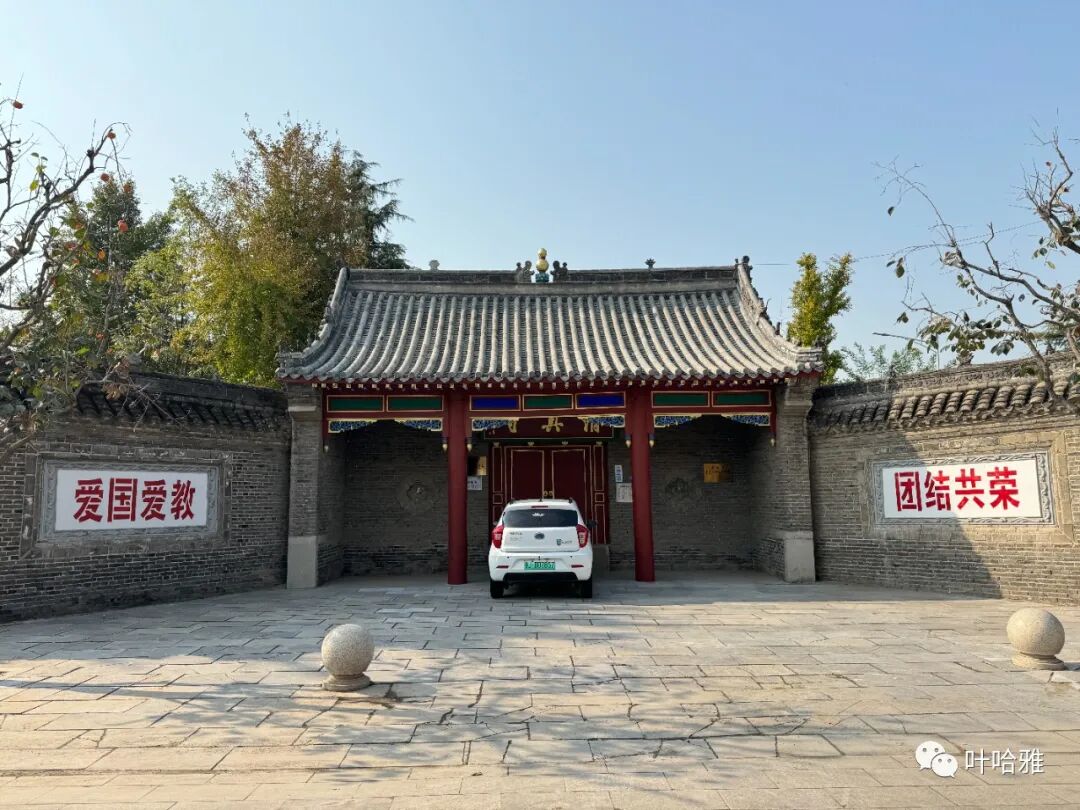
Zhoucheng Mosque is located in the middle of the ten-mile Song Street in Zhoucheng Subdistrict. It was first built in 1575 during the third year of the Wanli reign of the Ming Dynasty and has been expanded several times since. Large-scale renovations took place in 1819 (the 24th year of the Jiaqing reign), 1828 (the 8th year of the Daoguang reign), 1840 (the 20th year of the Daoguang reign), 1911 (the 3rd year of the Xuantong reign), and 1926 (the 15th year of the Republic of China). After the founding of the People's Republic of China, it was repaired many times, with major renovations in 1990 and 2004.
The mosque features a classic Chinese palace-style architectural design, measuring 91 meters long and 51 meters wide. The prayer hall is a ridge-roof building that stands 12 meters high, 31 meters long, and 29 meters wide. The north lecture hall is 17.5 meters long and 6 meters wide. The south lecture hall is 17.5 meters long and 6 meters wide. The water house is 10.5 meters long and 6 meters wide. There are five stone tablets remaining: the Donation of Land Tablet and the Record of Rebuilding the Mosque Tablet from the 12th year of the Daoguang reign (1832), the Record of Rebuilding the Mosque Tablet from the 20th year of the Daoguang reign (1840), the Preface to the Tablet for Rebuilding the Mosque from the 3rd year of the Xuantong reign (1911), and the Tablet for Rebuilding the Mosque from the 15th year of the Republic of China (1926).
Since modern times, the mosque's religious affairs have been led by imams including Zhan Huiyuan, Zhan Shikai, Zhan Hongru, Zhan Faxin, Xu Changzheng, Xu Changzhi, Yang Maoxiu, Yang Baojun, Zhan Hongda, Imam Guo, Ding Shanzhen, Ma Xiangfa, Li Anchen, Zhan Qiang, and Jin Feng. It is now managed by the mosque's democratic management committee, with Bian Qingfang, Wang Jinghan, Guo Guangcai, Zhan Yanling, and Zhao Rongsheng serving as directors in succession.
In 2004, the mosque was designated as a Tai'an City Cultural Relics Protection Unit. It won the title of Tai'an City Model Mosque four times in 2008, 2009, 2010, and 2014. In 2010, it was named a provincial-level Harmonious Religious Activity Venue.
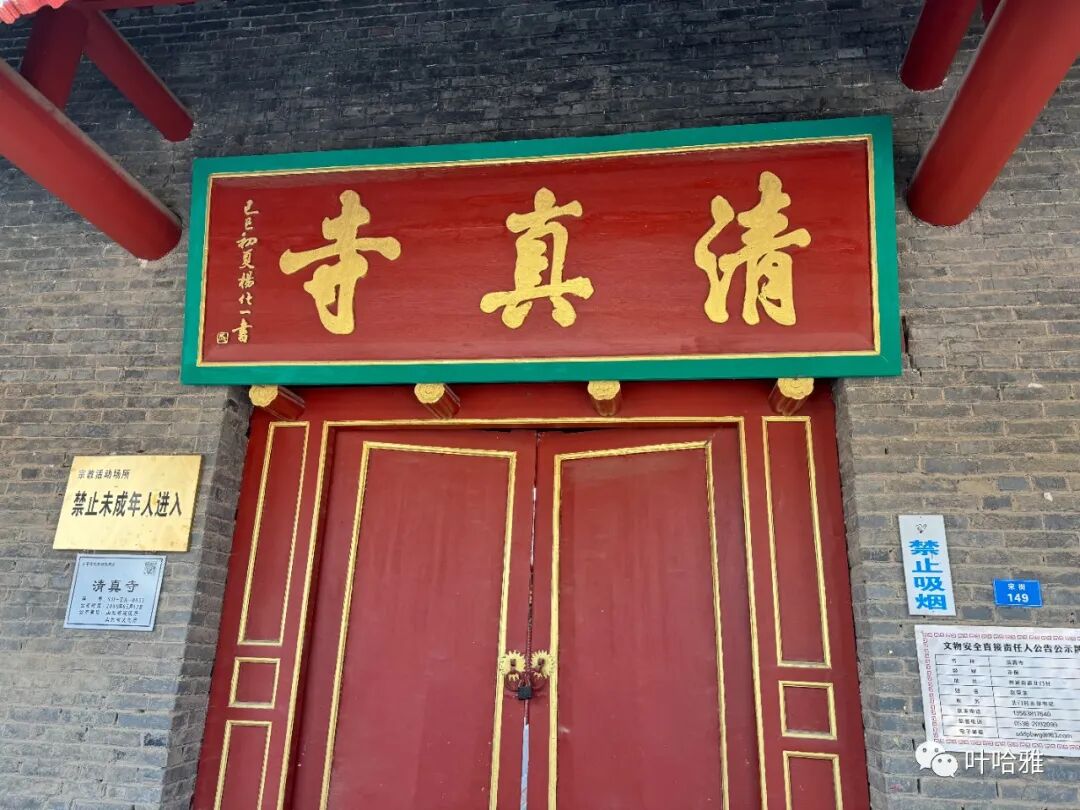
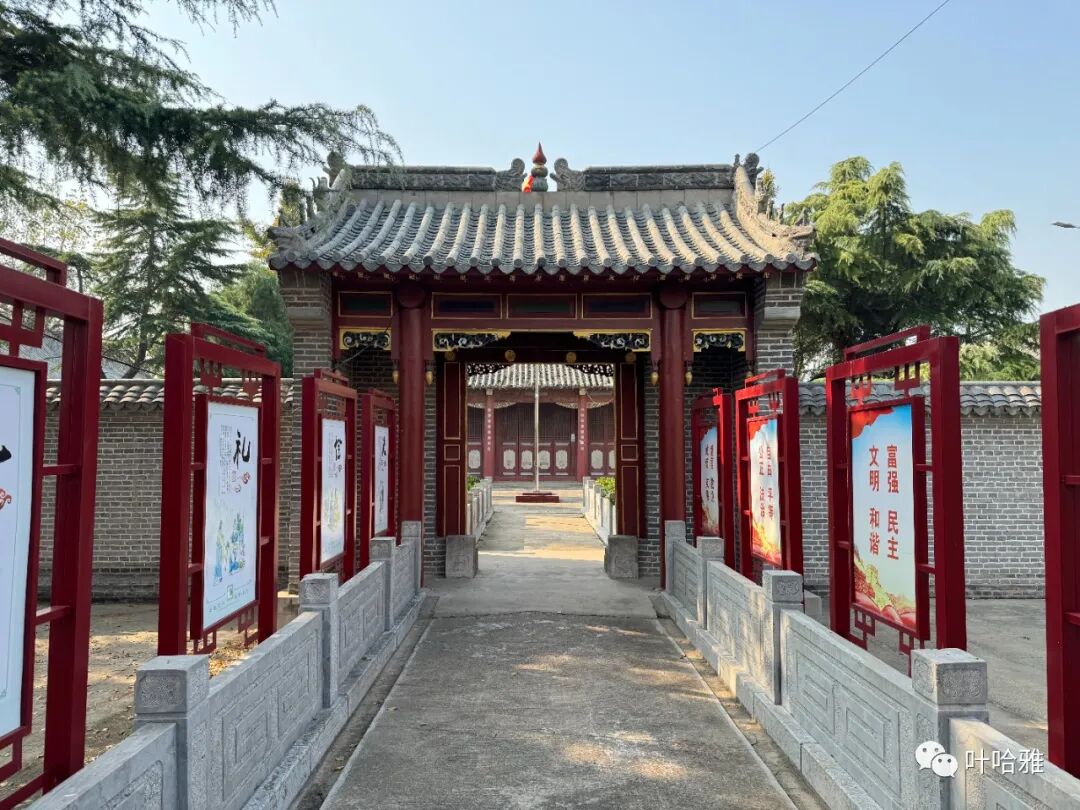
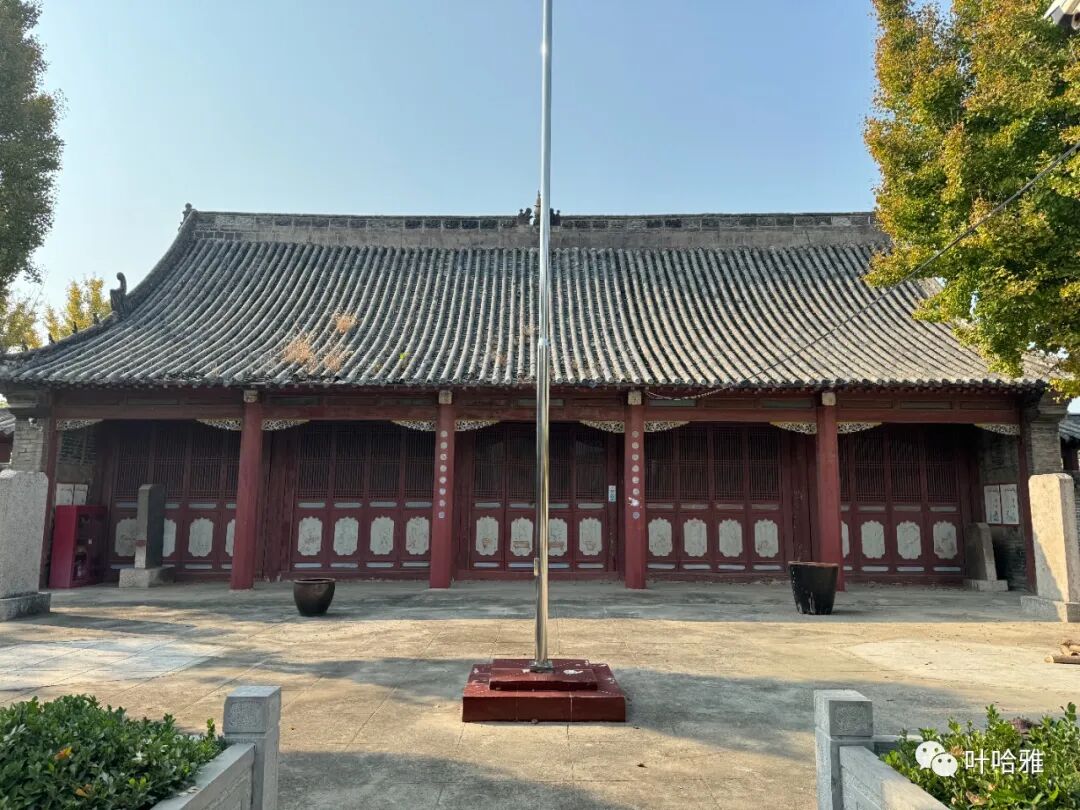
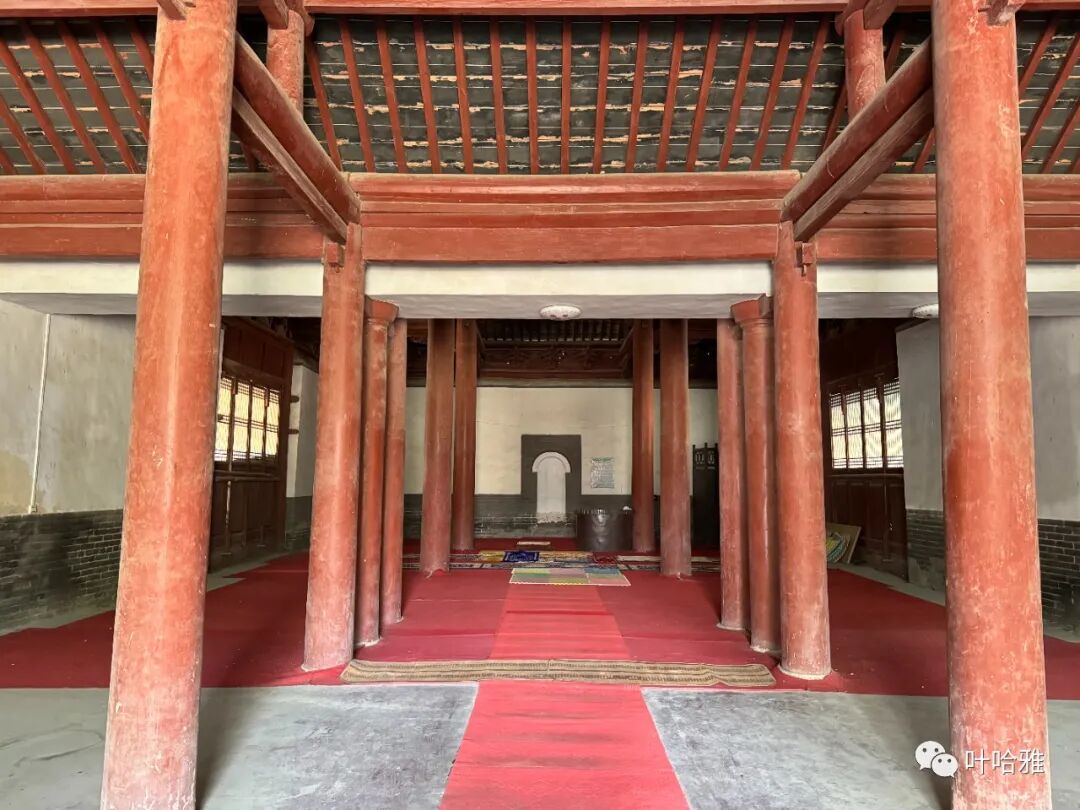
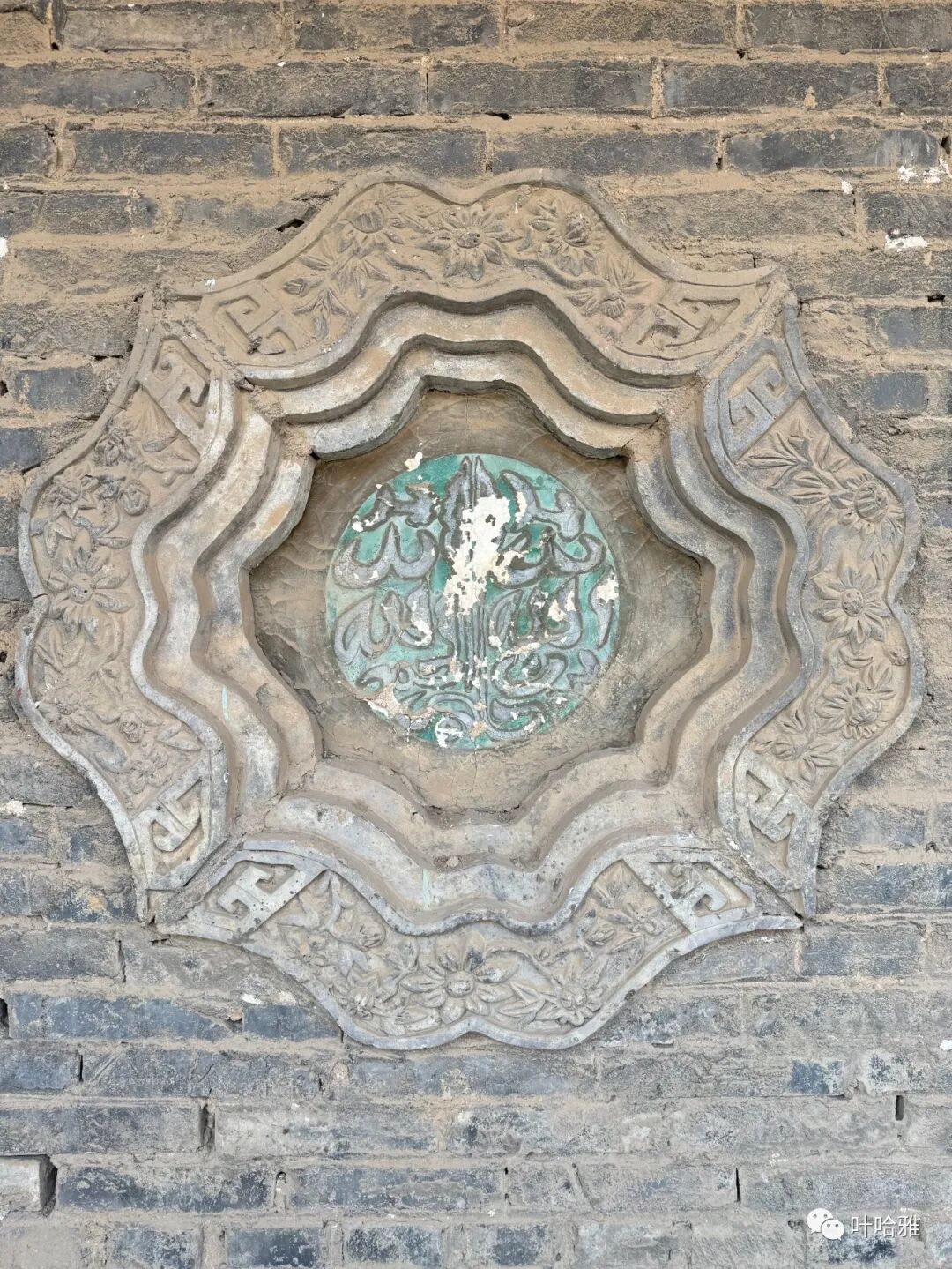
Xicun Mosque
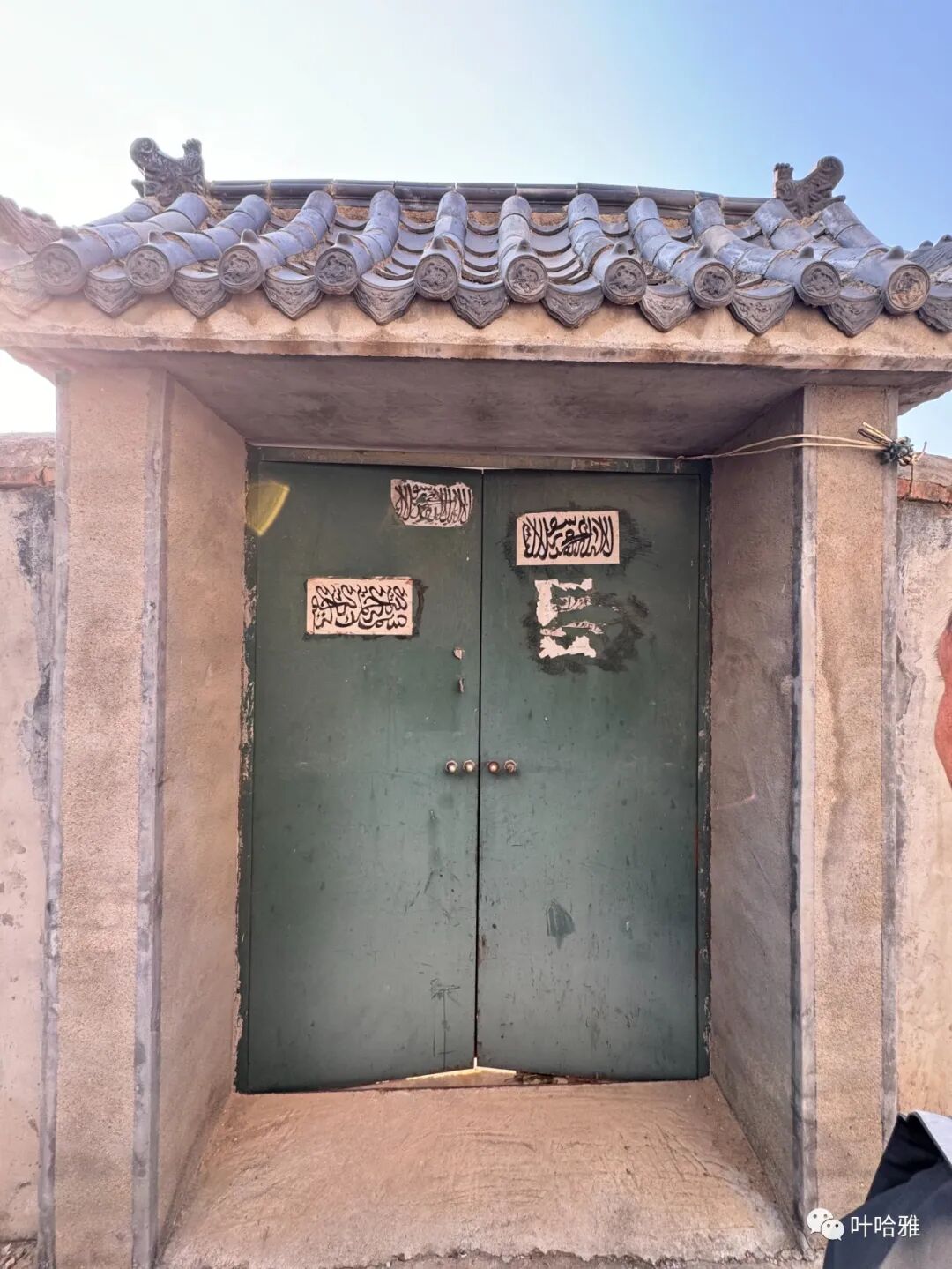
Laohu Town Xicun Mosque is located in the southern part of the village. The mosque was originally built in Zhanjialou during the Daoguang reign of the Qing Dynasty (1820-1850) and was expanded several times later. It was destroyed by a flood in 1955 and later rebuilt in Xicun Village, where it was completed with a main prayer hall of three rooms and a lecture hall of four rooms.
The mosque is built in the style of a Chinese palace and covers a total area of 1,404 square meters. The main prayer hall is a single-story building that stands 12 meters high and covers 130 square meters. The north lecture hall covers 168 square meters, and the south lecture hall covers 43.2 square meters. The ablution room (shuiwu) covers 77 square meters. The mosque currently houses two stone tablets.
The mosque's religious affairs have been led by imams including Mi, Yang, Ma Yunxiang, Xu Changzhi, Wu Mingcai, Wang Enqing, Bai Zhenhe, Lu Qingjie, Yang Yinqing, and Zhang Changshi. It is now managed by a mosque democratic management committee, with members including Zhan Ensu, Zhan Enkui, Zhan Qinghai, Zhan Qingyu, Bai Shulin, Jin Licai, Jin Baoli, Zhan Yanwu, Bai Chengzhen, and He Mingjun serving as directors.
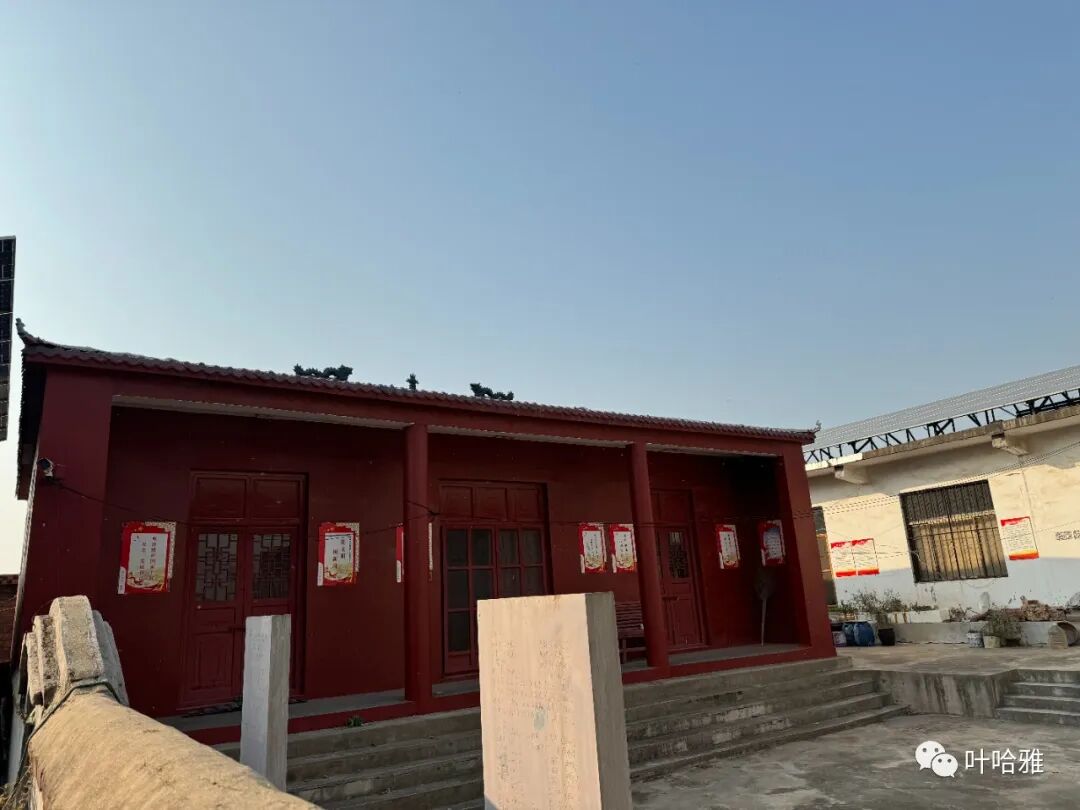
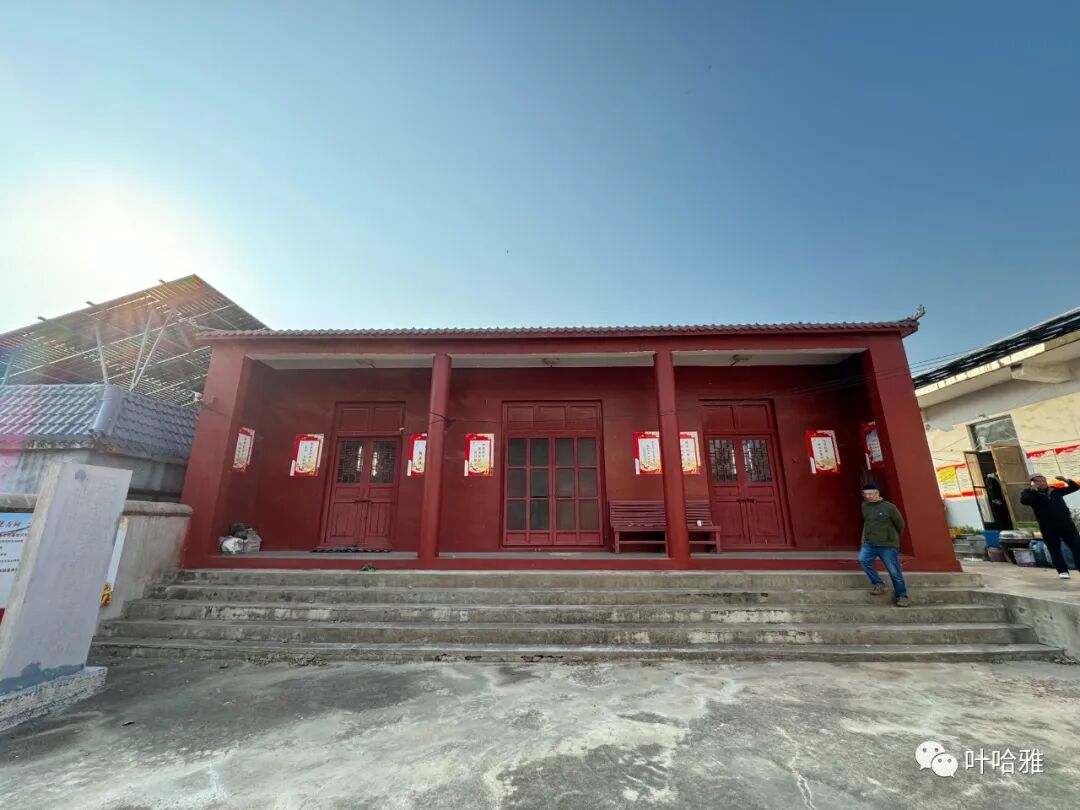
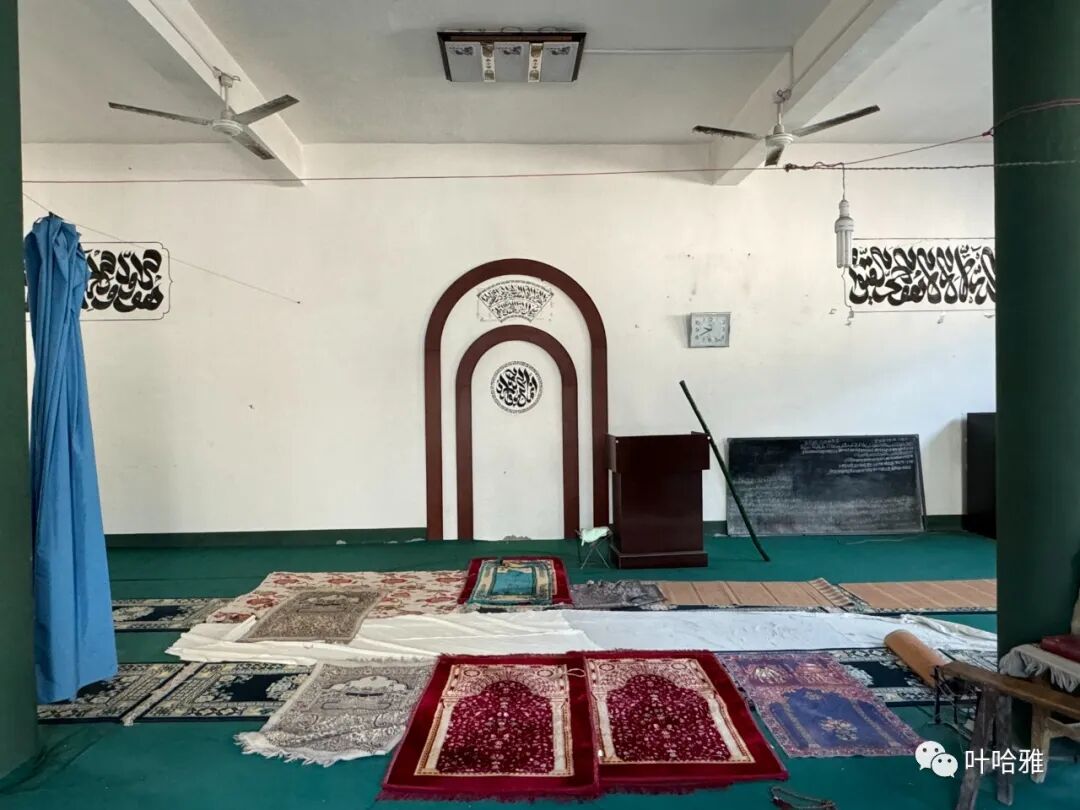
Lisuo Village Mosque.
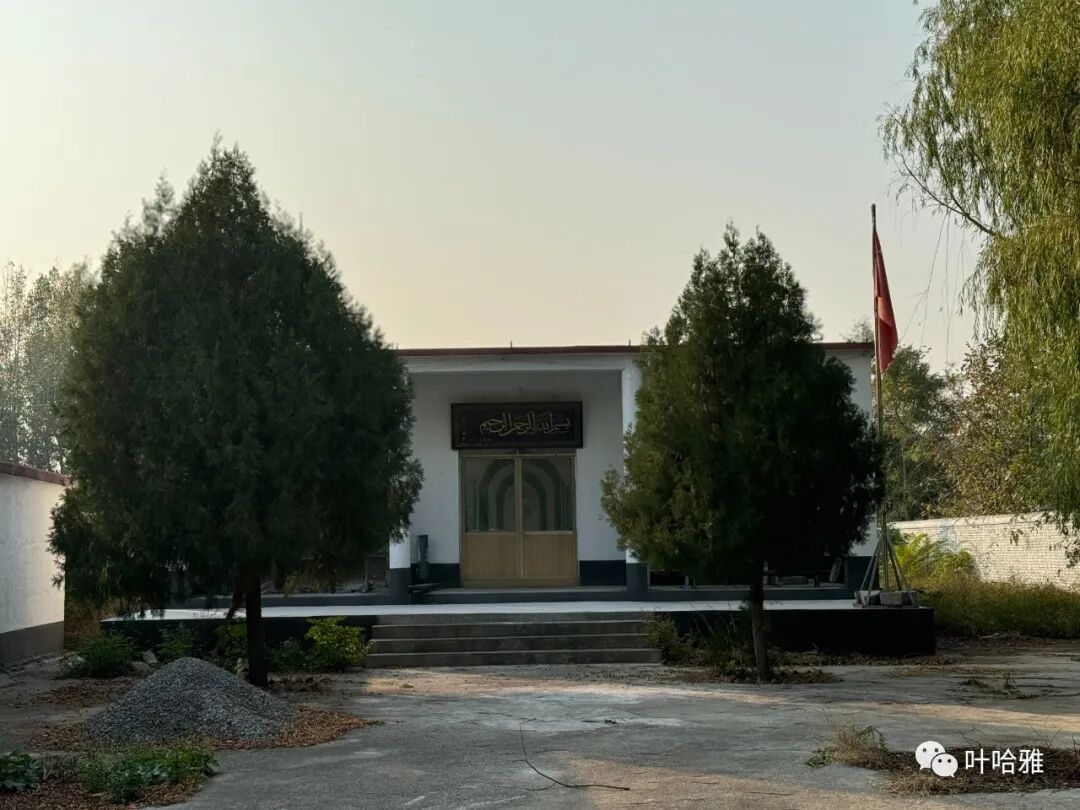
Lisuo Village Mosque in Timen Town was built in 1896 during the Guangxu reign of the Qing Dynasty and has been repaired several times since. It was damaged in 1958 and later rebuilt. In 2012, due to new village planning, it was moved and rebuilt 60 meters southeast of the old mosque, and it is now located at the 15th Team in the south of Lisuo Village. Repairs were carried out in 2015 and 2016.
This mosque has a modern architectural style and covers a total area of 1,751.1 square meters. The main prayer hall is a single-story building that stands 8 meters high and covers 151.2 square meters. The north lecture hall covers 87.1 square meters, and the ablution room (shuiwu) covers 90 square meters. A storage room (jiazi fang) is built to the south of the main prayer hall. Two stone tablets remain. One ancient tablet was carved with verses from the Quran, the date the mosque was built, and the names of the founders, but it was damaged in 1958 and is now a broken fragment.
The mosque was led by imams including Imam Ding, Imam Yang, and Zhao Jie, and it is currently managed by the mosque's democratic management committee.
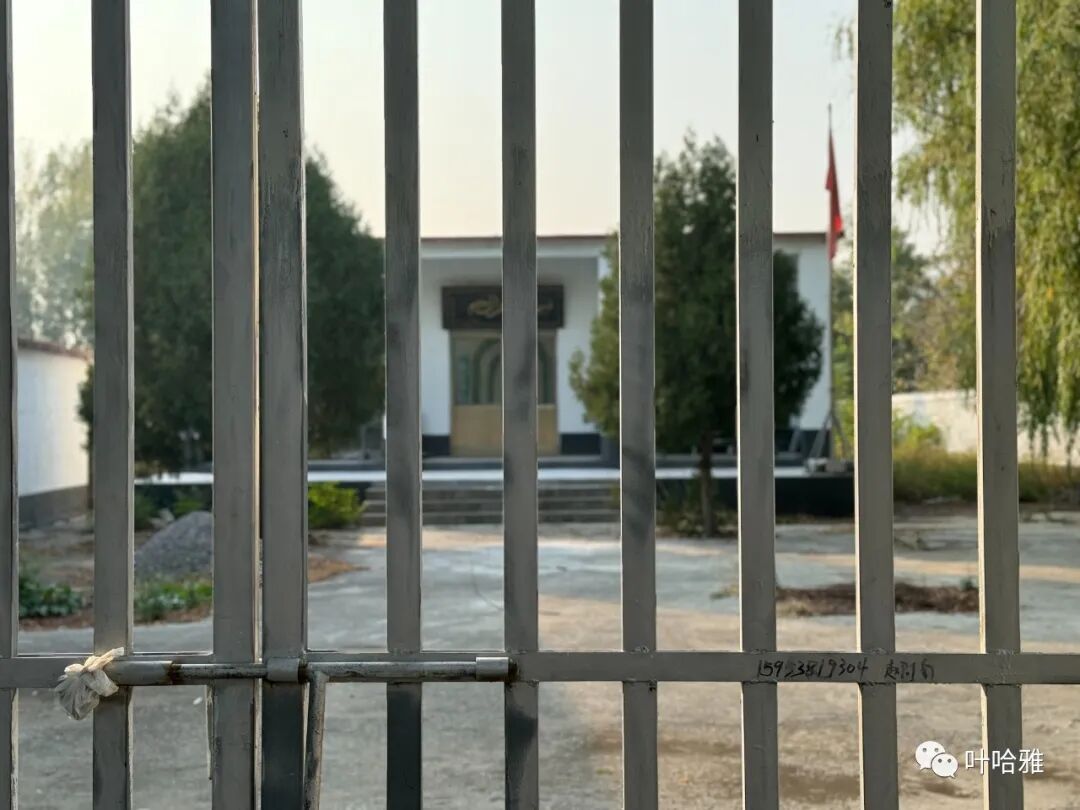
Daimiao Mosque
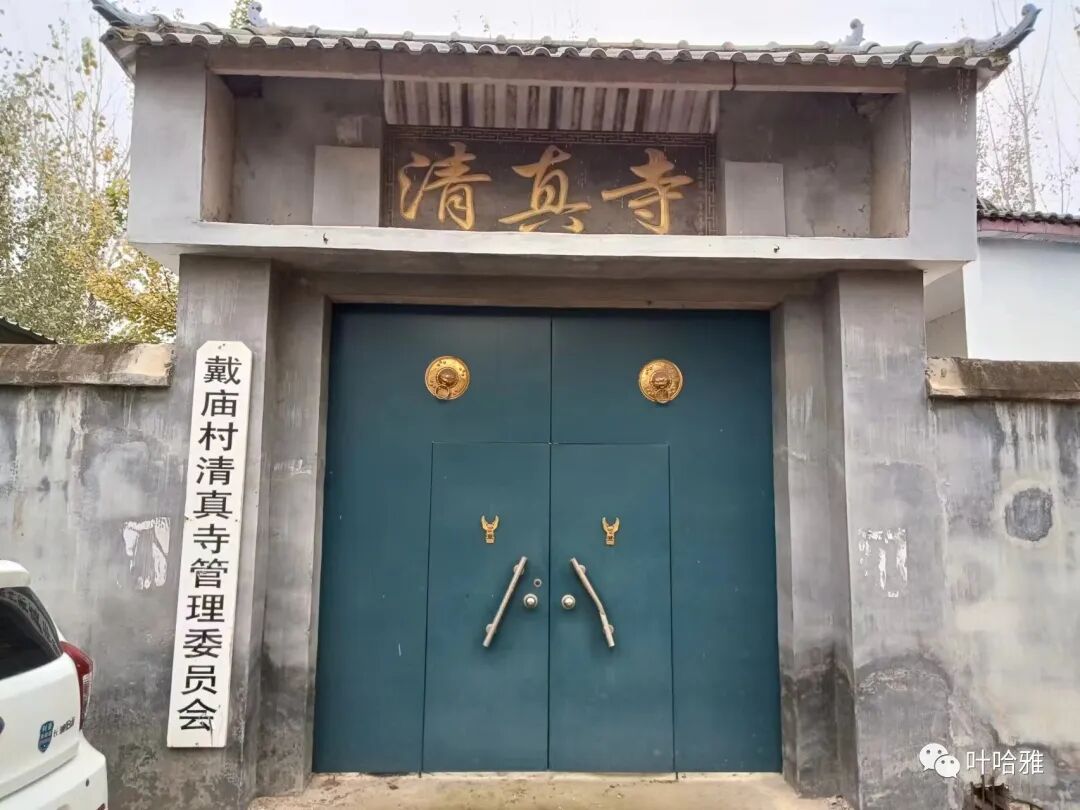
Daimiao Mosque is located in the center of Daimiao Village, Daimiao Town. The date it was first built is unknown. It was damaged by the Yellow River in the 16th year of the Guangxu reign of the Qing Dynasty (1890). It was rebuilt in the spring of the 20th year of the Republic of China (1931). It was later destroyed by flooding and was rebuilt at a new site in 2017. It covers 400 square meters and includes a prayer hall, a south lecture hall, an ablution room (shuifang), a main gate, and a storage room (jiazi fang). There is one stone tablet remaining from the 20th year of the Republic of China (1931) titled 'Record of the Reconstruction of the Daijia Mosque Town Mosque'.
The mosque was led by imams such as Zhan Enpu and Jin Feng. It is currently managed by the mosque's democratic management committee, with Guo Guangcai serving as the current director.
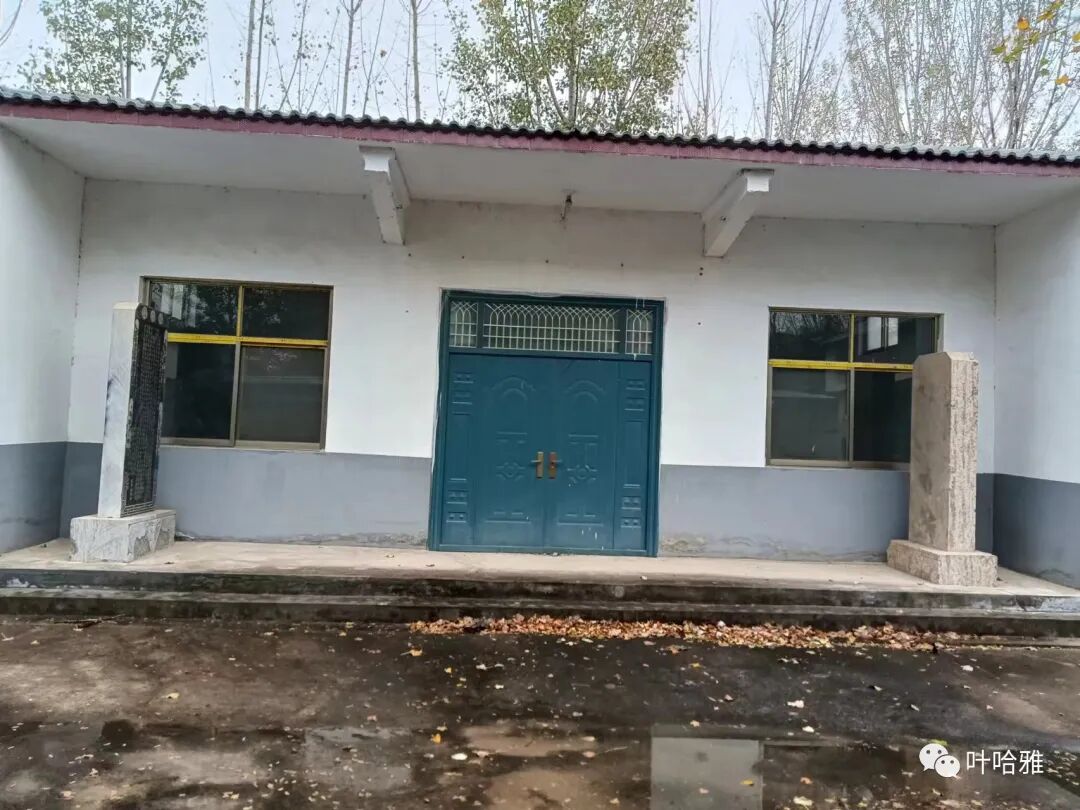
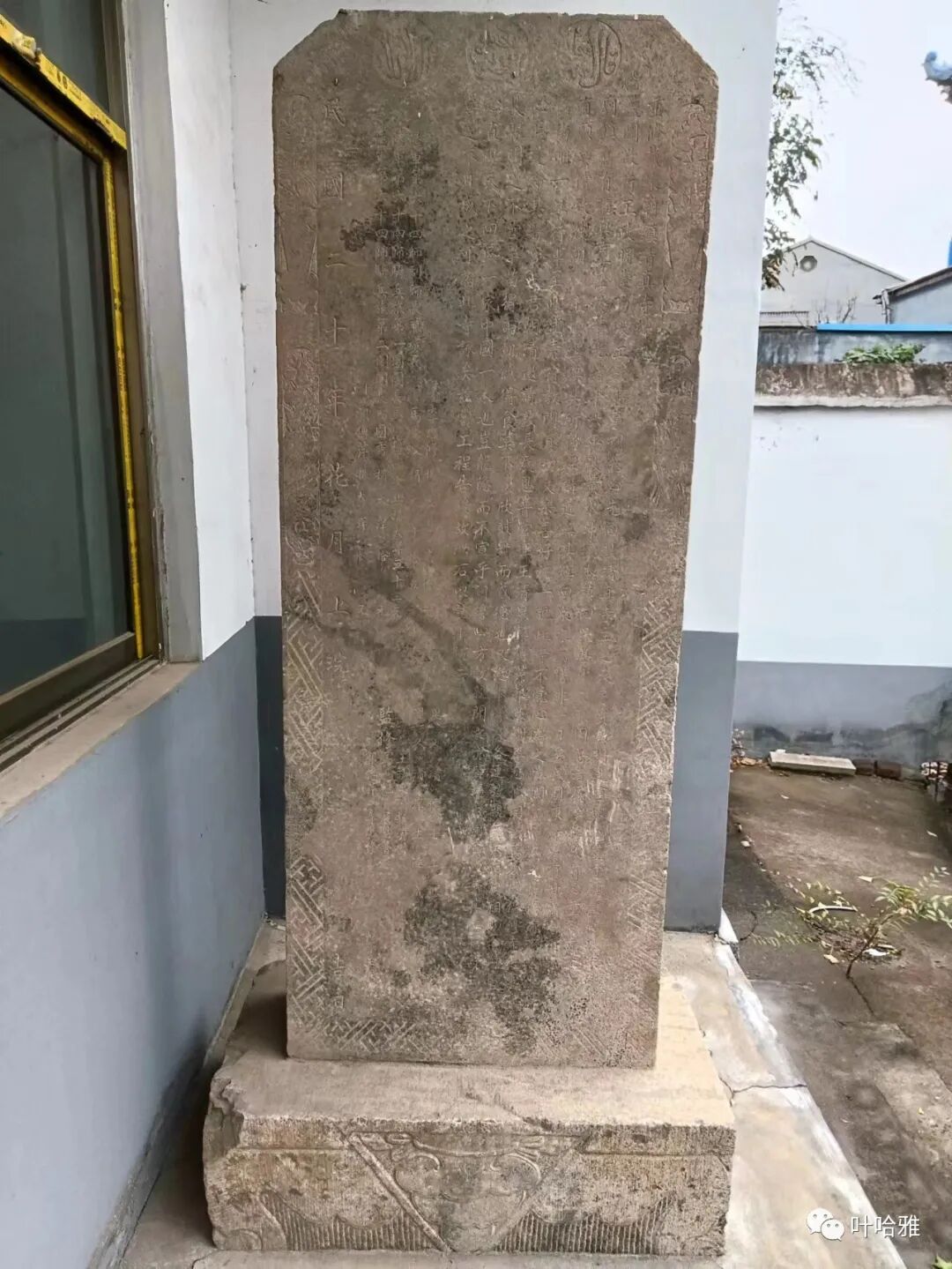
Discussion | A Preliminary Study of the Hui Muslims' Resistance Against Japan in Tai'an, Shandong
At the end of 1937, the Japanese army invaded the Tai'an region of Shandong, causing major losses to the local economy and society. After thorough mobilization, people from all walks of life among the Hui Muslims in Tai'an—including farmers, workers, teachers, students, business owners, doctors, and imams—all joined the vigorous, full-scale war of resistance. Under the leadership of the Party, the Hui Muslim forces in Tai'an grew from nothing to something and from weak to strong, participating in over 300 battles, with figures like Jin Xiaocun and Jin Guang becoming key leaders of the force. The Tai'an Hui Muslim Anti-Japanese School, the Anti-Japanese National Salvation Association, the Anti-Japanese Propaganda Team, and anti-Japanese logistics industries continued to develop, becoming important elements of the systematic Hui Muslim resistance in Tai'an.
During the war, 322,000 soldiers and civilians in Tai'an city (based on current statistics for the six counties and districts of Tai'an) were killed or wounded, accounting for 1/20 of the total casualties in Shandong (6,526,000 people), which shows the atrocities committed by the Japanese army in Shandong and Tai'an. After the Japanese army occupied Tai'an at the end of 1937, they set up 37 enemy-puppet strongholds and carried out horrific, insane massacres. Between 3:00 PM and 5:00 PM on February 24, 1938, the Japanese army committed the Shanyang Village (in front of Culai Mountain) massacre, killing 72 villagers and wounding 13. They burned down 3,080 rooms. 151 large livestock and over 3,500 sheep were burned to death. Over 500,000 jin of grain and more than 400 carts of various sizes were burned. Hui Muslims in Shandong suffered severely from the Japanese invaders. The Japanese army raped countless women, burned down 71 mosques, killed over 130 imams (aheng), and looted all gold, silver, and property. Hui Muslims in Tai'an were not spared either. The Japanese invaders committed monstrous crimes against Hui Muslim villagers in places like Dashuozhuang in Zhuyang Town, Nigou Village in Manzhuang Town, and Yuezhuang Village in Shengzhuang Town. Facing the inhumane massacre policy of the Japanese invaders, Hui Muslim villagers in Tai'an joined the broad masses of Han people in a bitter and arduous war of resistance. Since the spring of 1938, Hui Muslim villagers in the Tai'an region launched a vigorous and systematic war of resistance against Japan, making important contributions to the victory of the war in Tai'an, Shandong, and North China.
1.
Tai'an Hui Muslim Resistance Forces
The Tai'an Hui Muslim resistance was divided into two forces: the Taixi Hui Muslim Anti-Japanese Armed Force and the Taidong Hui Muslim Anti-Japanese Armed Force. The Taixi Hui Muslim resistance was centered in Chenjiabu and Shengjiazhuang in Anjiazhuang Town, Feicheng City, as well as Nanbailou and Zhoujiapo in Xiazhang Town, Daiyue District, with Jin Xiaocun, Mi Yingjun, and Ma Ancai as the main leaders. The Taidong Hui Muslim resistance was centered in Yuezhuang, Gangshang, and Ershilibu in Shengzhuang Town, Tai'an District, and Dashuozhuang Village in Zhuyang Town, Daiyue District, with Jin Guang, Zhao Manshi, Ma Qianli, and Hong Zhanwu as the main leaders. In January 1941, the two forces merged into the Hui Muslim Backbone Battalion in Nigou Village, Manzhuang Town, Daiyue District, totaling over 100 people. The reorganized Hui Muslim backbone brigade operated mainly in the Taixi region. Specifically, the Taixi region covers the vast area west of the Jinpu Railway in Tai'an, south of the Yellow River, up to the north bank of the Dawen River, and east of the Ding River. It mainly includes the counties of Tai'an, Feicheng, Changqing, Dongping, Pingyin, Dong'e, Wenshang, and Ningyang. The anti-Japanese war led by the Hui Muslims of Tai'an was not a series of isolated or scattered battles, but a systematic resistance. The leadership of the Party, the Hui Muslim forces, the Hui Muslim National Salvation Association, the Hui Muslim resistance leaders, the anti-Japanese propaganda teams, the anti-Japanese schools, and the Longshan Military Shoe Factory were all specific elements of the systematic resistance of the Tai'an Hui Muslims. Specifically, the Party's leadership provided a strong political guarantee for the Tai'an Hui Muslim resistance. The Hui Muslim forces were a solid fighting force, and the National Salvation Association was a comprehensive revolutionary group. Jin Xiaocun, Mi Yingjun, and Jin Guang were outstanding leaders of the Tai'an Hui Muslim resistance. The Hui Muslim anti-Japanese propaganda team was an independent system for mobilization, the Hui Muslim anti-Japanese school was a fully established training institution for the resistance, and the Longshan Military Shoe Factory was an independent anti-Japanese logistics industry for the Tai'an Hui Muslims.
II.
The Tai'an Hui Muslim Resistance and the Party's Leadership
Branches of the Communist Party of China were established very early among Hui Muslim teachers and young students in Tai'an. The earliest ones were the Party branch in Ershilibu Village in Taidong and the Party branch in Beiqiu Village in Taixi. The former was established in 1932 with the help of Zhao Manshi and was the first rural Party branch in Tai'an County. Jin Yisan served as secretary, Hong Jixiao as propagandist, and Chen Xingcai as armed committee member, building up strength for future revolutionary struggles. In 1938, the Taixi Special Committee of the Communist Party of China was founded at Beiqiu Primary School, becoming the first Party organization in Taixi County at that time. Duan Junyi served as secretary, and Hui Muslim Party members such as Bai Youfang and Ding Maoshan actively participated in the work.
After the July 7th Incident, cooperation between the Kuomintang and the Communist Party gradually deepened, and many imprisoned Communist Party members were released. In July 1937, Communist Party members Lu Baoqi, Zhu Yugan, Yan Yuming, and Wu Guanying, who had been hiding outside, returned to Tai'an one after another to carry out anti-Japanese propaganda and mobilization. Around October, more than ten Communist Party members, including Zhang Beihua, Cheng Zhaoxuan, Xia Furen, Hou Decai, Cui Ziming, and Wang Zhongfan, returned one after another to Tai'an and the surrounding areas. Li Wenfu, Xu Lincun, Wang Shaofen, and others were released from a Kuomintang prison in Nanjing and returned to Feicheng one by one to start anti-Japanese activities. Many party members returned to Tai'an, planting the seeds for the anti-Japanese war among Hui Muslims in Tai'an and providing a strong political foundation.
In early 1938, Wu Guanying held a mobilization meeting for progressive youth at Hekou in western Tai'an, which was attended by Jin Xiaocun, Mi Yingjun, Wang Baoheng, and others. The meeting decided to organize an anti-Japanese guerrilla force and proposed the slogan, "Those with strength give strength, those with money give money." After the meeting, Mi Yingjun sold 800 jin of wheat to buy a box cannon (xiaziqiang). Fan Changyou sold his mule to buy a Hanyang rifle, and others did the same. This formed the initial organization for the Hui Muslim resistance in Tai'an. During the brutal struggle, the Communist Party cared deeply for Mi Yingjun and the Hui Muslim troops he led. Mi Yingjun also studied the works of Mao Zedong diligently to constantly improve his ideological awareness and military skills. In 1939, he joined the Communist Party of China. In March of the same year, Chen Guang, acting commander of the 115th Division of the Eighth Route Army, and political commissar Luo Ronghuan led the Eastward Advance Detachment to the Tai-Fei mountain area to establish the western Tai'an anti-Japanese base. Fan Pengfei, the leader of the Eastward Advance Detachment's civil movement team, quickly made contact with Jin Xiaocun and others and provided guns to the guerrilla group. Fan Pengfei once recalled:
North of Anjiazhuang, there was a village with many Hui Muslims. Several young men there formed a guerrilla group on their own, and they had a few guns. After I arrived, I often visited them. One of them was named Mi Yingjun. He was a very accurate shot and trusted me a lot. Later, I organized them and they joined the Tai'an Independent Regiment.
3.
The Growth of Hui Muslim Resistance Forces in Tai'an
Under the leadership of the Party and the guidance of the 115th Division, the Hui Muslim anti-Japanese armed forces in Tai'an continued to grow and strengthen. Whether it was the Hui Muslim anti-Japanese armed forces, the Hui Muslim anti-Japanese leadership, or other entities like anti-Japanese schools and industries, all grew gradually under the leadership of the Communist Party of China.
The Hui Muslim Battalion was a vital force in the Tai'an Hui Muslim resistance. In January 1938, Jin Xiaocun, Mi Yingjun, and six or seven others organized a Hui Muslim anti-Japanese guerrilla group. It soon grew to over twenty people and became a guerrilla squad. After that, the number of Hui Muslim youths joining the resistance kept increasing, and by the end of that year, it had expanded to more than 80 people. In the spring of 1939, the unit was reorganized as the Second Company of the Taixi Independent Regiment, also known as the Hui Muslim Company, with Mi Yingjun serving as company commander.
From then on, this Hui Muslim anti-Japanese armed force grew rapidly under the leadership of the Party. Between the spring and summer of 1939, the Hui Muslim Company worked with the 115th Division and the 686th Regiment to wipe out the Taian traitor organization Red Spear Society and executed its leader, Gao Fuchang. Afterward, the company was reorganized as the Fourth Company of the Taixi Independent Battalion. Soon after, the Fourth Company was reorganized again as the Second Company of the Sub-district Backbone Regiment, fighting across the Taixi region and becoming a banner for Hui Muslim resistance against Japan in Taixi. In early 1940, Jin Xiaocun mobilized people in over 40 Hui Muslim villages in Taixi to form anti-Japanese armed forces, eventually establishing three platoons, which were actually three small squads. In 1941, the two Hui Muslim anti-Japanese units from Taidong and Taixi merged to form the Hui Muslim Backbone Battalion, which oversaw two squadrons. In the second half of that year, Jin Xiaocun and others ordered the formation of the Third Hui Muslim Squadron in the suburbs of Jinan. At the end of 1943, Zhang Xiaonong and others formed the Fifth Detachment of Qihe in Qihe. At the same time, Jin Xiaocun formed the Fourth Squad in Xiaojinzhuang, Jinan. In August 1945, the units merged to form the Taixi Hui Muslim Battalion, with Jin Xiaocun serving as political commissar and Ma Ancai as general branch secretary. In November, it was reorganized as the First Battalion of the First Backbone Regiment of the sub-district, overseeing three companies. Since its founding, this unit made the most of the Hui Muslims' bravery, tenacity, and strong sense of community. They actively carried out guerrilla warfare. After hundreds of battles, they became a national revolutionary force in the Hebei-Shandong-Henan border region that could not be crushed or broken. In February 1949, they were reorganized as the 151st Regiment of the 51st Division of the 17th Army. They took part in the Yangtze River crossing campaign and later marched into the great southwest.
The Tai'an Hui Muslim unit was a strong fighting force. They once successfully protected Comrade Jiang Hua as he passed through enemy blockade lines. During the War of Resistance Against Japan and the War of Liberation, this unit fought over 300 battles. They cleared out more than 60 enemy strongholds and wiped out over 6,000 Japanese, puppet, and Kuomintang troops. They captured 5 cannons, over 20 heavy machine guns, over 70 light machine guns, and more than 4,000 rifles. Nearly 20 people received special or first-class merit awards. Of course, they also made huge sacrifices. The unit's founder, Mi Yingjun, died in October 1943. His commanders spoke highly of him, calling him an excellent Communist Party member, a clever and brave commander, and a Hui Muslim anti-Japanese hero raised by the Party. Incomplete records show that during the War of Resistance, the unit lost 6 battalion-level officers, 14 company-level officers, and over 40 platoon or squad-level officers.
Anti-Japanese schools were important places for training reserve talent. The goal of starting the Hui Muslim Anti-Japanese School was to strengthen and expand the Hui Muslim anti-Japanese army, train more political officers for the Hui Muslim troops, and provide new talent for the army. In 1943, Jin Xiaocun and Jin Guang attended a meeting of the Hebei-Shandong-Henan border region government. They proposed the idea of starting the school to leaders like Deng Xiaoping, who were chairing the meeting, and received approval from the leaders and representatives. After approval from Zhang Yuenan and Wu Shengyu of the Taixi Commissioner's Office, the school was officially established in the autumn of 1944 in Dayuanzhuang Village, Qihe County, with over 60 students. The full name of the school was the Tai'an Region Hui Muslim Anti-Japanese School, also known as the Taiyun District Islamic School. It used military-style management, and the 60-plus students were organized into two platoons and eight squads. The main focus was studying the works of leaders like Mao Zedong, and figures such as Zhang Yaonan and Liu Zifang came to the school to give reports. After the founding of the country, more than 60 students joined various construction fronts across the nation, with some becoming key contributors to the building of the new China.
The Longshan Military Shoe Factory and others provided logistical support for the Hui Muslims' resistance efforts. The Hui Muslim resistance in Tai'an included production for self-sufficiency, with two typical logistics enterprises formed by Hui Muslim teams being the Taixi Wenyang Cooperative and the Longshan Military Shoe Factory. The former was established mainly in the late stages of the War of Resistance Against Japan, initially located at the western border of Mazhuang in Daiyue District, and later moved several times. Ma Qianli was the main person in charge, and it played a major role during the War of Liberation. The latter was founded in the autumn of 1944 and was located in Longshan Guanzhuang, southwest of Manzhuang Town in Daiyue District. Jin Guang served as the factory director, and Mi Guangzhen from Dashuozhuang, east of Tai'an city, served as the purchaser. With over 20 Hui Muslim workers, they mainly produced military shoes, with products primarily supplied to local Hui Muslim forces. Thousands of pairs of military shoes, along with some semi-finished products, raw materials, and tools, were escorted by Jin Guang's wife, Gao Fangpu, to the home of Jin Yongzeng in their village for hiding. Later, they were transported to Dashuozhuang, and in 1948, they were handed over to the Bohai Military Region.
On December 31, 1937, the Japanese invaders occupied Tai'an. On January 1, 1938, the first shot of the Shandong resistance, led by the Shandong Provincial Committee of the Communist Party of China, was fired on Culai Mountain within Tai'an. Influenced by the Culai Mountain anti-Japanese armed uprising and under the leadership of the Communist Party, Jin Xiaocun, Mi Yingjun, and others formed the Tai'an Hui Muslim anti-Japanese guerrilla group in early 1938. This force grew from weak to strong and from small to large, with Jin Xiaocun, Jin Guang, Ma Ancai, and others becoming important leaders of the team. Through in-depth mobilization, all walks of life among the Hui Muslims in Tai'an, including workers, farmers, intellectuals, entrepreneurs, and religious figures, participated in the vigorous all-out war of resistance.
(The author, Jin Po, is the director of the History Department at the School of History, Taishan University, and holds a doctorate in modern and contemporary Chinese history. He is a lecturer, and this was originally published in the first issue of 'Chinese Muslims' in 2019.)
Modern and contemporary history major, lecturer, originally published in 'Chinese Muslims', 2019, Issue 1.
I have finished introducing all 70 mosques in Tai'an. A mosque tour naturally needs to include halal food, but my trip to Tai'an was short and busy. With so many mosques to cover, I have limited space left to talk about the food.
Jin Family Roasted Chicken (Jin Jia Shaoji)
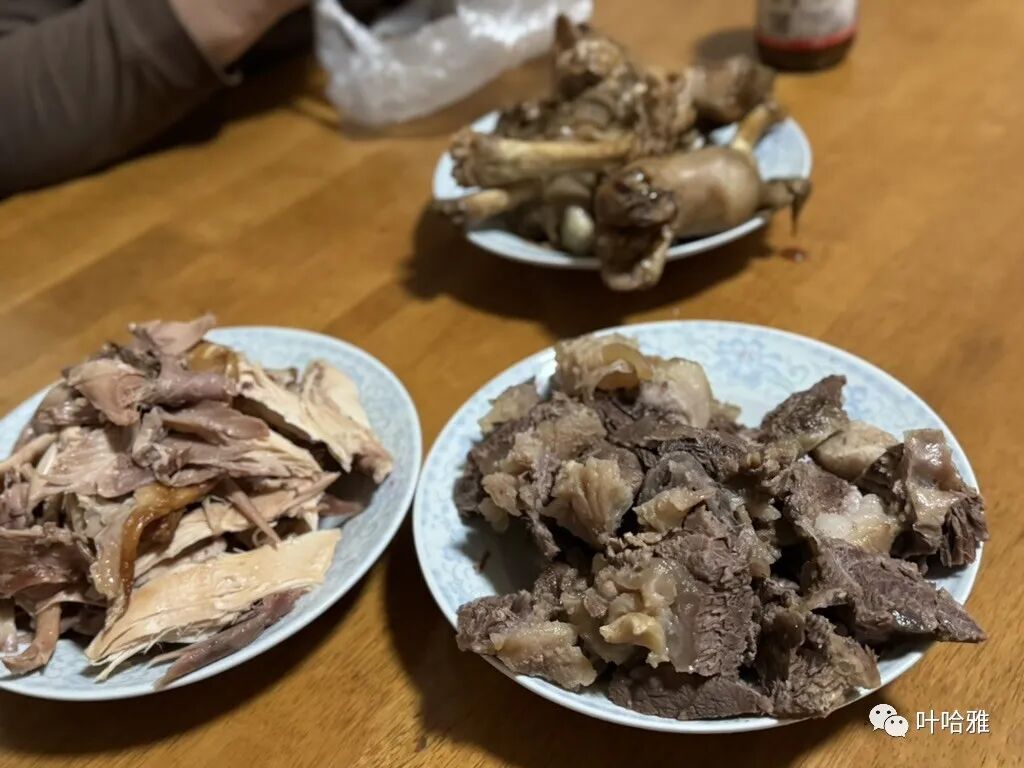
The highlight was the Jin Family Roasted Chicken we ate at a local elder's home near the Dashuozhuang Mosque. It was affordable and delicious. The chicken was tender, and the seasoning was just right. It tasted better than some of the trendy roasted chicken shops that have long lines, and it really suited my taste. On the right side of the photo is fresh camel meat, which tastes similar to beef.
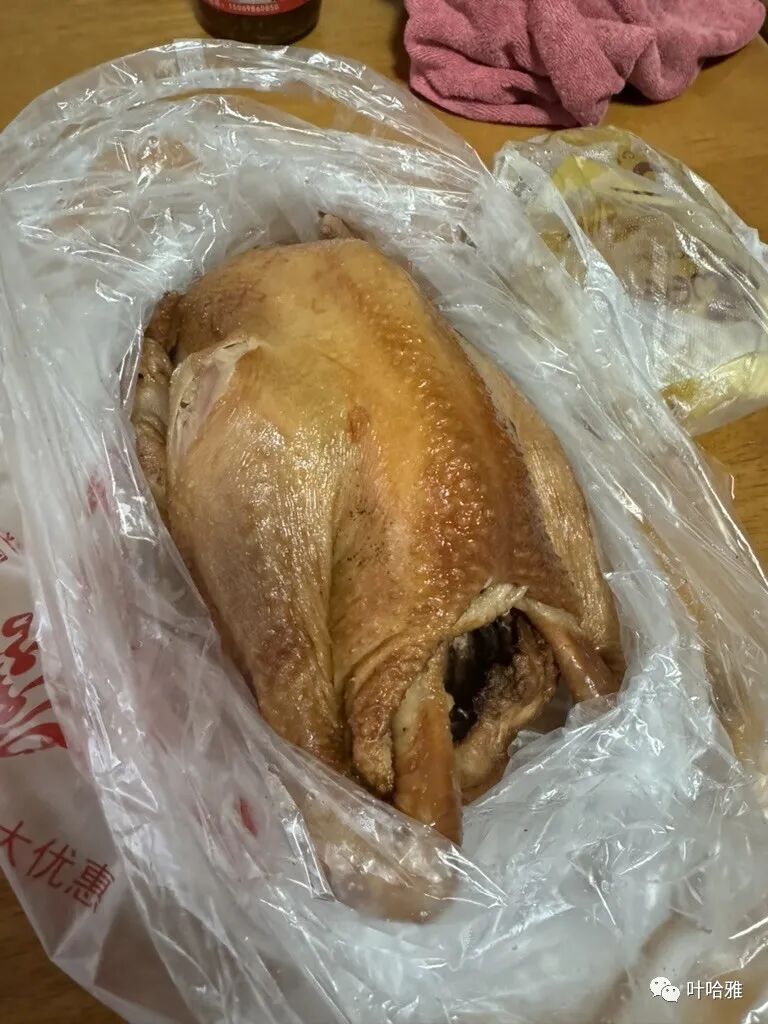
Also, Elder Jin is reliable in his faith, so the ingredients are safe to eat. You can find his contact number in the picture below.
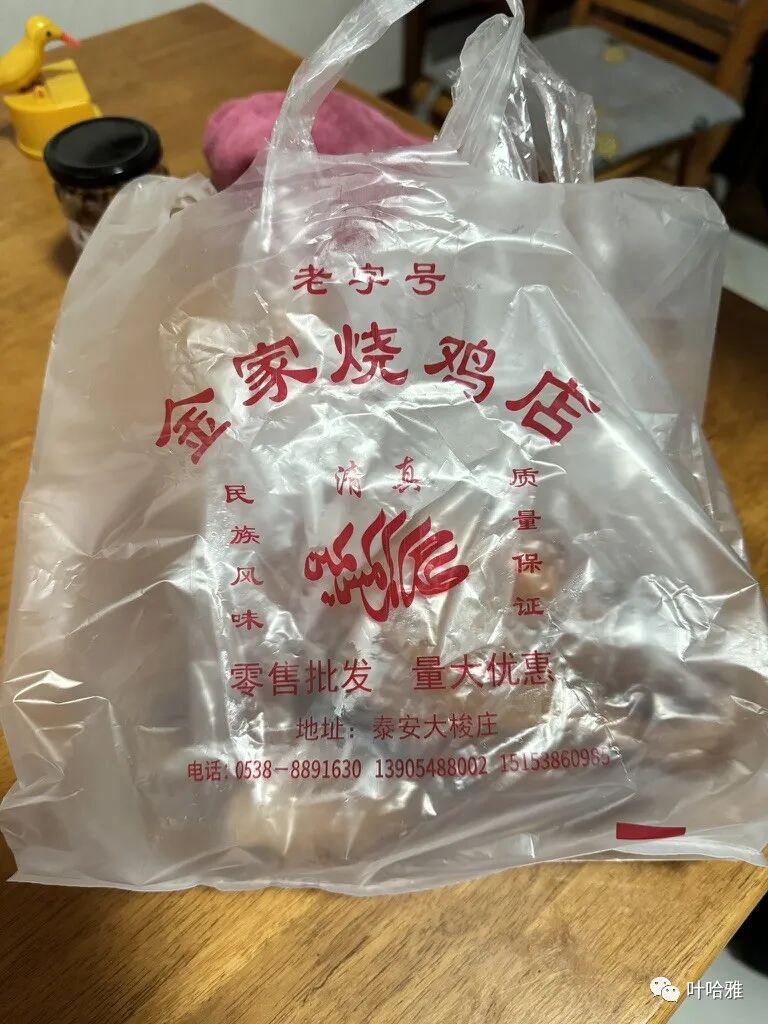
Mi Family Halal Gruel Shop (Mi Jia Qingzhen Sanguan)
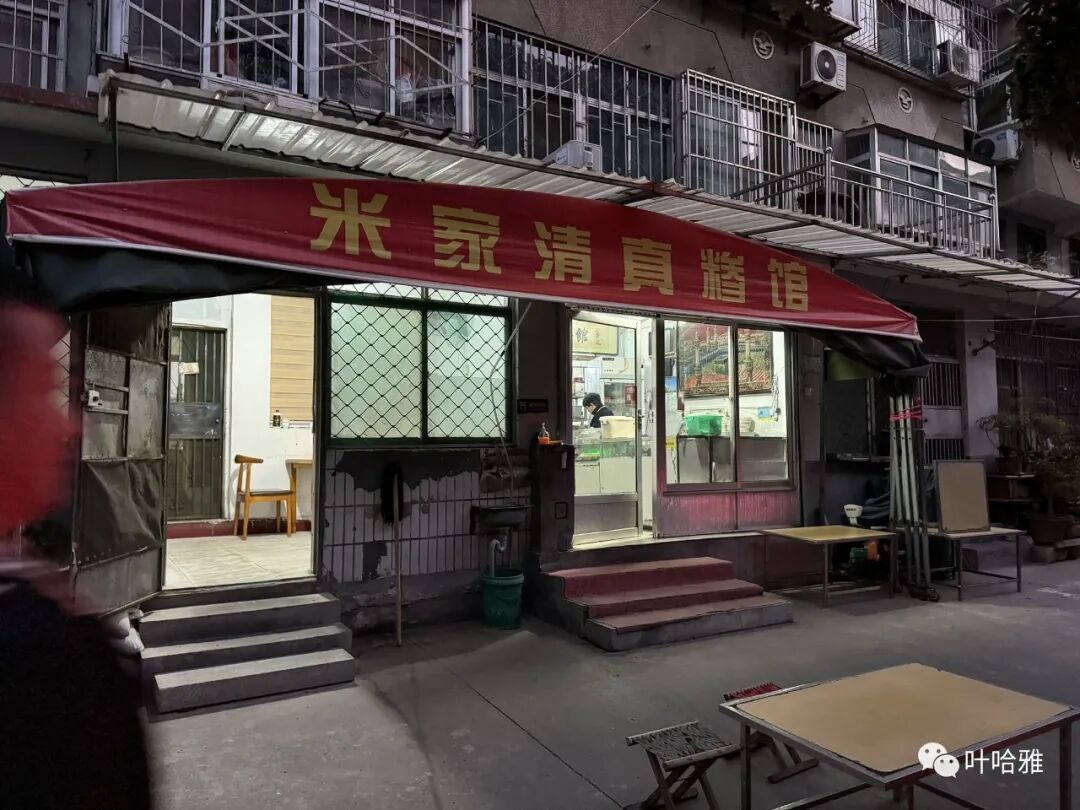
After finishing my work, I went with Elder Han to have a traditional Tai'an breakfast at the Mi Family Gruel Shop. It is a thick soup made with lamb broth and eggs. This type of gruel (sangtang) is most famous in the Linyi area.
China Mosque Travel Guide Shandong: Tai'an Hui Muslim Villages, Historic Mosques and Resistance History
Articles • yusuf908 posted the article • 0 comments • 211 views • 2026-05-22 23:08
Summary: This China mosque travel guide continues the Tai'an seventy mosques project, covering Xintai and Feicheng mosques, village mosque architecture, stone tablets, imam records, Hui Muslim communities, and anti-Japanese resistance history.
The Seventy Mosques of Tai'an is presented here as a firsthand travel account in clear English, beginning with this scene: Xigaoping Mosque in Guli Town sits in the northwest part of the old Xigaoping village. The account keeps its focus on Mosque Travel, Islamic Heritage, Muslim Travel while preserving the names, places, food, and historical details from the Chinese source.
Xigaoping Mosque
Xigaoping Mosque in Guli Town sits in the northwest part of the old Xigaoping village. It was first built in the early Qing Dynasty and has been expanded and repaired many times since. When the mosque was first established, it had a main prayer hall with five rooms and two lecture halls to the north and south with three rooms each. An ancient cypress tree once stood inside the mosque, but it was cut down during the Cultural Revolution. The mosque was re-established in 1981. It underwent large-scale renovations in 1995 and 2005.
The mosque features a typical traditional Chinese courtyard style with a single-entry layout. It is 45 meters long and 35 meters wide. The prayer hall is 15 meters long and 6.5 meters wide. The rear hall is 4 meters long and 3.5 meters wide. The north lecture hall is 16 meters long and 8 meters wide. The south lecture hall is 18 meters long and 4.5 meters wide. Two stone tablets remain today: the 2005 Renovation Record and the List of Donors for the Mosque Construction on March 16, 1994, which was also set up in 2005.
Before the founding of the People's Republic of China, Imam Bai Anfu led the religious affairs at this mosque. After the founding of the People's Republic of China, Imams Yang Yuejun, Bai Anfu, Liu Qingyuan, Wang Xiuming, and Yu Guangwei served as leaders of religious affairs in succession. The mosque is currently managed by a mosque management committee, with Liu Guitian serving as the current director.
In 2008, the mosque was named a Model Mosque by Tai'an City. In 2009, it was awarded the title of Civilized Religious Activity Venue by Xintai City. In 2010, it was once again named a Model Mosque by Tai'an City.
Feicheng City
Houhuang Village Mosque
Houhuang Village Mosque in Bianyuan Town sits in the southwest corner of the village. It was built during the Ming Dynasty and has been repaired continuously since then. The mosque underwent seven large-scale renovations in 1747 (the 12th year of the Qianlong reign of the Qing Dynasty), 1809 (the 14th year of the Jiaqing reign), 1903 (the 30th year of the Guangxu reign), 1937 (the 26th year of the Republic of China), 1944 (the 33rd year of the Republic of China), 1984, and 2010.
The mosque features a Chinese palace-style architectural design and measures 45 meters long and 28 meters wide. The prayer hall has two sections, front and back, standing 9 meters high with two side rooms and a moon platform (yuetai) in front. The main hall is 17.2 meters long and 12.45 meters wide. The north lecture hall is 10 meters long and 8 meters wide. The south lecture hall is 15.2 meters long and 5.7 meters wide. The ablution room (shuiwu) is divided into separate areas for men and women. The men's room is 15 meters long and 6.2 meters wide. The women's room is 8.8 meters long and 5.8 meters wide. There are four stone tablets here: the 1747 Record of Rebuilding the Mosque Moon Platform Railing Rooms from the Qianlong era, the 1809 Record of Rebuilding the North and South Lecture Halls from the Jiaqing era, the 1910 Record of Rebuilding the Huangjiazhuang Mosque from the Xuantong era, and the 2011 Record of Rebuilding the Main Prayer Hall.
The mosque's religious affairs have been led by imams including Zhang, Zhang Baotai, Ma Yonghui, Tang Qinglin, Wang Changshun, Ma Tongyun, Yang Fulian, Xu Changcun, Yang Baojun, Zhang Shugang, and Ma Gang. The mosque has trained many religious scholars, including imams Zhang Xuan, Xu Shihe, Xu Jiben, Xu Jiwen, Xu Changchun, Xu Changzhi, Xu Jiwu, Xu Changshan, Zhang Baotai, Ma Wenli, Yang Guotai, Yang Maodou, Xu Changzeng, Yang Suo, Xu Bin, Ding Jian, Bai Yanbing, Ding Junjian, Ding Rongfu, Ding Jianhua, Yang Libiao, Xu Yongqiang, and Yang Chaoxuan. It is currently managed by the mosque's democratic management committee, with Ding Junqian, Xu Weihua, Ding Junfu, Ding Ruqing, and Yang Wei serving as directors. Religious activities are carried out according to the law. The mosque keeps a white porcelain incense burner from the Qing Dynasty. The mosque values education, and every imam has held classes to train many students (hailifan).
In 2008, the mosque was named a Model Mosque by Tai'an City. It was named a Model Mosque by Tai'an City again in 2014.
Qianhuang Village Mosque
Qianhuang Village Mosque in Bianyuan Town sits at the west end of the village. It was first built during the Guangxu reign of the Qing Dynasty (1875-1906) and has been repaired many times since. In the third year of the Xuantong reign (1911), elder Zhang Shi'en donated over 3.6 mu of land, which became the current site. In 1924, four rooms were built for the south lecture hall. In 1946, elder Wang Yuduo from the Taihe firm in Qianhuang Village led a fundraising effort, and the five-room main prayer hall was finished in 1947. Large-scale repairs took place in 1991, 2000, 2002, 2004, and 2014.
The mosque is a single-courtyard building in the classic Chinese palace style. The main prayer hall has front and back sections and covers 250 square meters. The north lecture hall covers 107 square meters, the south lecture hall covers 98 square meters, and the water room covers 88 square meters. There are four stone tablets here: the Huangjiazhuang Ding Family Genealogy Tablet from 1741 (Qianlong year 6), the New Ablution Room Tablet from 2000, the Mosque Inscription from 2003, and the South Lecture Hall Reconstruction Tablet from 2004.
The mosque's religious affairs have been led by imams including Yang Guotai, Yang Chaoxuan, Mi Shuting, Ma Yongcai, Zhao Rongsheng, Zhan Qinggui, Dong Zhongqing, Mi Shuangzhong, Mi Shuangliang, Li Huaiguo, Wang Xiuming, Chen Xingwu, Wang Huaiyu, Jin Haixue, Wang Jingdou, Wang Xiuming, and Ma Jundong. Before the founding of the People's Republic of China, the mosque was managed by village elders including Ding Yuxi, Wang Wensheng, Wang Guanxi, Wang Guanxing, Wang Jixian, Bai Yuhe, Zhang Juntang, Wang Jichen, Ding Yang, Wang Guanqi, Zhang Baoshan, Zhang Baodang, and Wang Jixin. After the founding of the People's Republic of China, it was managed by village elders including Ding Yanzheng, Ding Yanyang, Wang Guanjiang, Ding Huaixin, Zhang Yongquan, Wang Xiuzhong, Ma Hongzhang, Wang Xiucai, Bai Tangyou, Zhang Yanlong, Wang Xiutong, Wang Jingshui, Ding Huaikui, Wang Jingtao, Wang Jingliang, Ma Xianmin, and Wang Zhongmin. It is now managed by the mosque's democratic management committee, with Ding Yanzheng, Ma Hongzhang, Wang Jingshui, and Ding Huaikui serving as directors.
The mosque once held cultural relics like celadon incense burners and vases, along with thirty handwritten copies of the Quran, but these were destroyed or lost during the Great Leap Forward and the Cultural Revolution.
In 2008, the mosque was named a Model Mosque by Tai'an City. In 2010, it was named a provincial-level Harmonious Religious Activity Site. In 2011, it was designated as a Feicheng City Cultural Relic Protection Unit.
Shengjiazhuang Mosque.
Shengjiazhuang Mosque in Anjiazhuang Town is located in the northwest corner of the village. It was first built in the early Qing Dynasty and has been renovated many times since. The mosque is built in the style of a Chinese palace, measuring 34 meters long and 30 meters wide. The prayer hall consists of a front and back section, and the main hall features a raised platform (yuetai) that is 8 meters high, 14 meters long, and 10 meters wide. The north lecture hall is 21 meters long and 7 meters wide. The south lecture hall is 11 meters long and 5 meters wide. The water room is 11 meters long and 5 meters wide. There are 7 stone tablets remaining, including the 1929 (the 18th year of the Republic of China) Tablet for the Reconstruction of the Mosque and 4 newer tablets honoring donors. An ancient stone tablet stands in front of the main hall, but the inscription is badly damaged and hard to read.
The mosque's religious affairs have been led by imams including Yang Maoxiu, Wu Mingcai, Li Jigui, and Wang Hualei. It is currently managed by the Mosque Democratic Management Committee, with Li Zhaoji, Mi Qingguo, and Yang Dengfa serving as directors.
In 2009, the mosque was named a provincial-level Harmonious Religious Activity Site. It won the title of Model Mosque of Tai'an City in 2010 and again in 2014.
Beiqiu Mosque
Located in the eastern half of Beiqiu Village in Bianyuan Town, the mosque was first built between the late Ming and early Qing dynasties and has been expanded several times since. The main hall was restored in the 12th year of the Qianlong reign of the Qing Dynasty (1747). The north lecture hall was rebuilt in 1991. In 2015, the south lecture hall, the water room, and the courtyard were built.
The mosque is built in the style of a Chinese palace, measuring 37.3 meters long and 26.8 meters wide. The prayer hall is a double-layered structure divided into a front hall and a back hall, with side rooms attached to the main hall and a moon terrace (yuetai) in front that is 8.5 meters long and 23.5 meters wide. The north lecture hall is 5 meters long and 17.8 meters wide. The south lecture hall is 5 meters long and 8 meters wide. The water room is 5 meters long and 19 meters wide. The mosque includes a living area for the imam. There are five stone tablets remaining, including the "Stele Record of the Mosque Restoration" from the 12th year of the Qianlong reign (1747), the "Mosque Prohibition Stele" from the Xuantong reign (1909-1911), the "Stele Record of the North Lecture Hall Reconstruction" from 1991, and the "Stele Record of the South Lecture Hall and Water Room Reconstruction" from 2015.
Imam Ding Ruhu currently oversees the religious affairs. In the past, village elders worked with the mosque's imam to manage affairs, with Xu Huali from the Daoguang reign of the Qing Dynasty (1820-1850) serving as a representative example. The mosque is now managed by a democratic management committee, with Liu Yuyuan, Ding Yongchang, Ding Yongdui, and Ding Xianquan serving as directors in succession. The mosque currently houses a copper water pitcher (tangping) dating back to the late Ming and early Qing dynasties.
Songzhuang Mosque
The Songzhuang Village Mosque in Bianyuan Town is located at the west end of the village. It is said to have been built in the late Ming and early Qing dynasties and has been renovated continuously since then. Before the founding of the People's Republic of China, there were four major renovations, with the most significant ones occurring in the tenth year of the Jiaqing reign (1805), the seventeenth year of the Daoguang reign (1837), the twenty-sixth year of the Guangxu reign (1900), and the fifteenth year of the Republic of China (1926). Since the founding of the People's Republic of China, it has been repaired many times, including the 2013 reconstruction of four ablution rooms (shuifang), two warehouses, and three southern lecture halls.
The mosque is built in the style of a Chinese palace, measuring 36 meters long and 36 meters wide. The prayer hall is 15.6 meters long and 11.3 meters wide, and the northern lecture hall is 18.3 meters long and 5.4 meters wide. The southern lecture hall is 15.7 meters long and 5 meters wide. The water room is 12 meters long and 5 meters wide. There are five stone tablets remaining, including the Stele for the Reconstruction of the Mosque from the nineteenth year of the Daoguang reign (1839), the Stele Record for the Reconstruction of the Mosque from the twenty-sixth year of the Guangxu reign (1900), the Preface Stele for the Reconstruction of the Mosque from the fifteenth year of the Republic of China (1926), and the Preface to the Reconstruction of the Songzhuang Ancient Mosque.
Historically, the mosque trained imams such as Ma Huanwen and Sha Xianzhang. Over the past twenty years or so, imams including Li Zhongguo and Wang Huarong have led the religious affairs. The mosque is currently managed by a democratic management committee, with Zuo Guangwen, Ma Yumin, Bai Youting, Ma Yujun, and Yang Changgang serving as directors in succession.
In 2009, the mosque was awarded the provincial title of Harmonious Religious Activity Venue. In 2010, it received the title of Model Mosque from Tai'an City. In 2016, it was designated as a Cultural Relic Protection Unit of Tai'an City.
Chahedian Mosque
Chahedian Mosque in Bianyuan Town is located in the middle of the village. It was first built during the Qianlong reign of the Qing Dynasty (1735-1796) and has been expanded and repaired ever since. In 2014, the mosque underwent a large-scale renovation.
The mosque features a Chinese palace-style architectural design, measuring 45 meters long and 30 meters wide. The prayer hall is 15 meters long and 15 meters wide, and the north lecture hall is 27 meters long and 7 meters wide. The south lecture hall is 20 meters long and 7 meters wide. The ablution room (shuiwu) is 6 meters long and 7 meters wide.
The mosque's religious affairs were led by imams including Xu Changzhi, Zhang Yanzhai, Wang Huarong, Ma Wenli, Wang Hualei, and Yang Shunchang. It is now managed by the mosque's democratic management committee, with Han Hongbin, Liu Yuantai, and Wang Jihe serving as directors. In 2012, it was named a provincial-level Harmonious Religious Activity Venue.
Fenghuang Village Mosque
Fenghuang Village Mosque in Bianyuan Town sits at the west end of the village. It was built in the 11th year of the Republic of China (1922). When the mosque was first established, it included a main prayer hall, a lecture hall, an ablution room, a main gate, and courtyard walls. It underwent large-scale renovations in 1994.
The mosque features a Chinese palace-style architectural design and is 35 meters long and 30 meters wide. The prayer hall is 12 meters long and 10 meters wide. The north lecture hall is 13 meters long and 6 meters wide. The south lecture hall is 13 meters long and 6 meters wide. There are two existing stone tablets: the Mosque Founding Tablet from 1940 and the Mosque Reconstruction Record Tablet from 1995.
The mosque's religious affairs were led by imams including Wang Yongqing, Ma Xingchang, Ding Hu, Wang Changming, Yang Xingwang, Wang Changgui, and Yang Baojun. It is currently managed by the mosque's democratic management committee, with Wu Maowen, Wu Baoshu, Mi Kuan, Wu Yuanfa, Wu Mingkun, Wu Mingxiang, Wu Jinzhong, and Mi Zhaoying serving as directors.
Dawangzhuang Mosque
Dawangzhuang Mosque in Bianyuan Town is located at the east end of the village. It was built in 1953 and has been repaired many times since. Large-scale renovations took place in 2005, 2007, and 2011.
The mosque is in a modern architectural style, measuring 35 meters long and 40.5 meters wide. The prayer hall is a single-level structure with a rear hall, standing 5.2 meters high, 11 meters long, and 7.5 meters wide. The north lecture hall is 15 meters long and 7.6 meters wide. The south lecture hall is 3 meters long and 7.6 meters wide. The water room is 7.6 meters wide.
The mosque's religious affairs were led by imams including Bai Anfu, Imam Yang, Yang Baojun, Jin Haizeng, Wang Zengli, Ma Chuanxiang, Yang Dong, and Ding Jianhua. It is now managed by the mosque's democratic management committee, with Yang Baojin, Yang Shunping, and Yang Shuncang serving as directors. The mosque houses an incense burner.
Chenjiabu Mosque
Chenjiabu Mosque in Anjiazhuang Town sits at the west end of the village. It was first built between the late Ming and early Qing dynasties and has been expanded and repaired ever since. The mosque underwent two large-scale reconstructions in 1996 and 2007.
The mosque features a Chinese palace-style architectural design and measures 46 meters long and 24 meters wide. The prayer hall is a double-layered structure consisting of a front porch, a front hall, a gutter, and a rear hall, creating a connected architectural layout. Both the front and rear halls follow a four-beam and eight-pillar design, with a brick and lime gutter installed at the junction of the two halls for drainage. There are side doors on both sides and a raised platform (yuetai) in front. The main prayer hall is now a dangerous building. The main prayer hall is 9 meters high, 16 meters long, and 10 meters wide. The north lecture hall is 16 meters long and 6.5 meters wide. The south lecture hall is 13 meters long and 5 meters wide. The water room is 6.5 meters long and 5 meters wide. The mosque was once awarded the provincial title of Harmonious Religious Activity Venue.
Xiaojiabu Mosque
Xiaojiabu Mosque in Anjiazhuang Town is located at the west end of the village. The founding date is unknown, and it was destroyed by fire in 1973 when machines inside the building caught fire. The new mosque was built in 1999.
The mosque features Chinese palace-style architecture and is 56 meters long and 50 meters wide. The prayer hall is 9.9 meters high, and the moon terrace in front of the main hall is 26 meters long and 15 meters wide. The north lecture hall has 5 rooms, measuring 15 meters long and 8 meters wide. The south lecture hall has 5 rooms, measuring 15 meters long and 5 meters wide. There is 1 kitchen, measuring 3 meters long and 4 meters wide. More than 250 trees are planted inside and outside the mosque, and the mosque is fully equipped with all necessary utensils. A stone tablet erected in 2000 still exists today.
The mosque's religious affairs have been led by imams including Bai Maoxiang, Imam Xu, Imam Yang, Imam Wang, and Bai Yanbing. It is currently managed by the mosque's democratic management committee, with Ma Wenhuan serving as the director.
A handwritten copy of the Quran from the 17th year of the Republic of China (1928) is preserved here. In 2008, the mosque was named a Model Mosque by Tai'an City.
Ningyang County
Xitaili Mosque
Xitaili Mosque in Gangcheng Town sits in the western half of the village. Wang Xiong founded the mosque in 1398, the 31st year of the Hongwu reign of the Ming Dynasty, and it has been expanded and repaired ever since. The mosque underwent repairs in 1411, 1460, 1698, 1719, 1738, 1819, 1900, 1945-1946, 2005, 2008, and 2012.
The mosque features Chinese palace-style architecture. It is 41.5 meters long and 34.1 meters wide, with two courtyards. The main prayer hall is a double-layered structure, 13 meters high, 13.1 meters long, and 7.1 meters wide. The north lecture hall is 17.1 meters long and 7 meters wide. The south lecture hall is 10.5 meters long and 7 meters wide. The water room is 10.6 meters long and 5.5 meters wide.
The mosque entrance has a main gate and a second gate. Past the second gate is the main courtyard. The main prayer hall sits on the west side, facing east. It is the primary building of the mosque and can hold hundreds of people for namaz at the same time. The main prayer hall uses a three-arch design with a connected roof structure, consisting of a front porch, a middle hall, and a back hall. The front porch is three bays wide with a curved roof and a wooden frame covered in small gray tiles. A stone tablet from 1719 titled Mosque Inscription is embedded in the inner north wall of the porch. The middle hall is three bays wide with a hard mountain-style roof. The front eaves connect to the back eaves of the middle hall, with water drainage channels left on both side walls. The rear hall is three bays wide, extending 0.62 meters beyond the sides of the middle hall's front porch. The front and rear eaves connect, the main roof ridge features animal ornaments, the brick walls have delicate carvings, and the mihrab is set in the center of the west wall.
The floor plan of the main hall looks like the Chinese character 'zhu' (master), and the roof has a varied, undulating shape. The platform in front of the main hall has stone railings and panels. On the north side of the platform stand stone tablets from the 11th year of the Guangxu reign (1885) and 2005 documenting repairs to the mosque. In front of the platform, the north and south lecture halls each have three rooms. They feature a single-eave, hard-mountain style roof covered with grey tiles and a front porch. North of the second gate is the room for students (hailifan). To the south is the bathing room, which can accommodate dozens of people for major and minor ablutions. Between the east gable of the north lecture hall and the courtyard wall is the east side room. To the west of the west gable are the west side room, the covered room (zhaozifang), and the tableware room. There are six existing stone tablets: the 'Mosque Tablet Record' from the 58th year of the Kangxi reign (1719), the 'Mosque Land Donation Tablet' from the 11th year of the Guangxu reign (1885), the 'Eternal Tablet' from 2005, the 'Second Batch of Municipal Key Cultural Relics Unit Tablet' from 2007, the 'Eternal Tablet' from 2008, and the 'Xitaili Mosque Reconstruction Record Tablet' from 2012.
Throughout its history, the mosque has trained many imams, including Yang Peicheng, Wang Minqing, Wang Minyi, Xu Menglan, Xu Shanfang, Li Chuanzheng, Li Hongbin, Wang Anyi, Li Anchen, Li Qingjun, Ma Xiangfa, Yang Zhenfa, Yang Cunguo, Yang Wei, Wang Antang, Wang Zifa, Xu Shouguo, Huang Zhongqing, Li Qingyun, Ma Xingcheng, Tang Wenhai, Wang Zhongzhen, Zhang Hongyi, Xu Shanfang, Li Zhaokun, Han Yuhai, and Xia Qianguo. The mosque is currently managed by a democratic management committee. Past directors include Wang Zishang, Wang Enshang, Wang Anxiang, Wang Anwen, Li Anshan, Li Baojin, Wang Anpo, and Ma Yongfu.
In 2009, the mosque received the provincial title of 'Harmonious Religious Activity Venue.' It was also named a 'Model Mosque' by Tai'an City in 2008, 2010, and 2014.
Liujiazhuang Mosque
Liujiazhuang Mosque in Geshi Town is located in the southwest corner of the village. It was first built during the Hongwu period of the Ming Dynasty (1368-1398) and has been expanded and repaired many times since. The mosque underwent three large-scale renovations in 1984, 1997, and 2008.
The mosque follows the Chinese palace architectural style, measuring 26 meters long and 19 meters wide. The prayer hall is 7.9 meters high, 10 meters long, and 8.5 meters wide. The north lecture hall is 13.5 meters long and 7 meters wide. The water room is 5 meters long and 7 meters wide. There is one stone tablet currently on site, which is the 2008 Tablet Record of Mosque Renovation.
Since the founding of the People's Republic of China, the religious affairs have been led by imams including Xu Menglan, Shi Xianbao, Wang Minqing, Xu Shanfang, Bai Anmeng, Han Tongwen, Xu Lingzhi, Wang Antang, Li Anchen, and Ma Ning. The mosque is currently managed by a democratic management committee, and past directors include Li Huaiqing, Li Lanting, and Sha Xingdong.
It has received the title of Model Mosque from Tai'an City.
Baima Mosque Mosque
Baimamiao Mosque in Fushan Town sits at the southwest corner of South Baimamiao Street in Taipingzhuang Village. It was first built during the Yongle period of the Ming Dynasty (1403-1424) and has been expanded and repaired ever since. The mosque has undergone four major renovations, including those during the Jiajing period of the Ming Dynasty (1522-1566), in the 16th year of the Guangxu reign of the Qing Dynasty (1890), and in 2001 and 2010.
The mosque features Chinese palace-style architecture, measuring 72.7 meters long, 21.1 meters wide at the front, and 27.5 meters wide at the back. The prayer hall is a double-eaved structure measuring 15.9 meters long and 13.2 meters wide. The north lecture hall is 10.2 meters long and 7 meters wide. The south lecture hall is 10.2 meters long and 6.4 meters wide. The ablution room (shuiwu) is 13.8 meters long and 6.6 meters wide. There are three stone tablets currently on site: the 1890 'Record of the Mosque Renovation' from the Qing Dynasty, the 2001 'Everlasting Renewal Tablet,' and the 2010 'Preface Tablet.'
The mosque's religious affairs have been led by imams including Zhao Wenjie, Yang Yueqing, Zhu Yuepo, Ma Guang, Han Yunting, Zhu Guanglai, Zhao Xinzheng, Zhao Guangfu, Zhu Yuehou, Yang Zhanji, Wang Ai, Zhang Yanzhai, and Yang Dawei. It is currently managed by the mosque's democratic management committee, with past directors including Mi Kuancheng, Hong Qingfang, and Zhao Anren.
A plaque from the 19th year of the Guangxu reign of the Qing Dynasty (1893) is still preserved today. In recent years, Zhu Zhaoxin donated a pair of wooden couplets that read, "The only true Allah of the universe is Allah, the only greatest sage in the world is Muhammad," which now hang on both sides of the mosque (libaidian) door.
In 2003, the county government designated the mosque as a county-level cultural relic protection site. It received the provincial title of "Harmonious Religious Activity Venue" in 2011 and was named a "Model Mosque" by Tai'an City in 2014.
Hongqi Village Mosque
Hongqi Village Mosque in Huafeng Town sits in the center of the village. It was first built during the Wanli period of the Ming Dynasty (1573-1620) and has been expanded and repaired ever since. The mosque underwent two large-scale renovations in 1932 and 2011.
The mosque features Chinese palace-style architecture and measures 30 meters long and 25 meters wide. The prayer hall is a double-layered structure that is 6 meters high, 13 meters long, and 10 meters wide. The north lecture hall is 15 meters long and 7 meters wide. The south lecture hall is 14 meters long and 4.5 meters wide. The water room is 6 meters long and 4 meters wide. There are two stone tablets here: the 2012 Tablet of Rebuilding the Main Hall and the Tablet of Eternal Memory.
Since the late 1940s, the mosque's religious affairs have been led by imams including Chen Junfang, Shi Xianxing, Liu Qingyuan, Gao Guo, and Ma Yingshang. The mosque is currently managed by a democratic management committee. Past directors include Chen Jinmei, Zhu Xiangxun, Bai Yushun, Zhu Xuyin, Wang Ansheng, Shi Junyou, Zhu Xutian, and Chen Weimin.
In 2008, the mosque was named a Model Mosque by Tai'an City, and in 2012, it received the provincial title of Harmonious Religious Activity Venue.
Jingquan Village Mosque
Jingquan Village Mosque in Huafeng Town is located in the northwest part of the village. It was first built in the 14th year of the Daoguang reign of the Qing Dynasty (1834). It was originally located in the eastern part of Jingquan Village and has been expanded and repaired many times since. Large-scale renovations took place in the 24th year of the Daoguang reign (1844), 1988, and 2001.
The mosque is 47 meters long and 35 meters wide. It includes a main hall, a north lecture hall, a south lecture hall, and a water room. There are three stone tablets: the Tablet of Founding the Mosque from the 14th year of the Daoguang reign (1834), the Tablet of Rebuilding the Mosque from 1998, and the Tablet Record of Repairing the Mosque from 2003.
Since the 1950s, the mosque's religious affairs have been led by imams including Jin Haixue, Ma Maoquan, Xu Changchun, Zhang Changshi, and Ma Shengchao. The mosque is now managed by a democratic management committee, with past directors including Huang Yuxiang, Huang Ruichang, Huang Qingfa, and Yang Yanhua.
The mosque houses a set of handwritten Quran manuscripts (volumes 15, 16, 29, and 30 are missing) and one copper water pitcher (tangping), which was originally part of a pair.
Sidian Village Mosque
Sidian Village Mosque in Sidian Town is located in the northern part of the village. It was built in the 11th year of the Yongzheng reign of the Qing Dynasty (1733) and has been expanded and repaired many times since. In the first year of the Jiaqing reign (1796), a fire at a neighbor's house spread to the mosque, which was later rebuilt. In October 1926, a fire destroyed the main prayer hall. The main hall, lecture hall, and gate wall were rebuilt in 1935. The main prayer hall was torn down in the early 1950s. In the 1980s, the Sidian village brigade arranged for members to build houses on the site, but the south lecture hall remains standing today. The mosque was rebuilt between 2012 and 2015.
The mosque is built in the style of a Chinese palace, measuring 22 meters long and 21 meters wide. A white marble plaque inscribed with the words "Mosque" is embedded above the main gate. There are side doors on both sides, each with a five-step entrance platform. About 10 meters inside the main gate is a second gate, and a path leads straight from there to the main prayer hall. The main prayer hall is a single-story building with a three-bay porch-style design, standing 15 meters high with a bronze vase ornament on the roof. On each side of the main prayer hall, there is a carved openwork lattice window featuring Arabic calligraphy. Inside the hall, four round plaques hang on the front sides, and a plaque with gold lettering hangs in the center. There are four large painted pillars, each over 40 centimeters in diameter, decorated with large gold-painted lotus flowers. The ceiling is inscribed with the holy names of Allah. The floor of the main prayer hall is covered with felt carpets. The front of the main prayer hall is a wooden structure with a simple, ancient style, built in the Chinese hip-roof (wudian) architectural form. The north lecture hall has three rooms and covers an area of about 60 square meters. Inside the hall, there is antique porcelain printed with Arabic scripture. The south lecture hall has three rooms and covers an area of about 50 square meters.
There are two stone tablets remaining: the Imperial Edict Tablet (Shengyu Bei) from the seventh year of the Yongzheng reign of the Qing Dynasty (1729) and the Tablet Record of the Reconstruction of Sizhuangdian Mosque (Chongxiu Sizhuangdian Qingzhensi Beiji) from the twenty-eighth year of the Republic of China (1939). The former is the only one of its kind in Tai'an and holds significant historical and cultural value. There are several cypress trees inside the mosque.
The mosque was once led by imams including Mi Baogui, Zhao Defu, and Zhao Furun. It is now managed by the mosque's democratic management committee, with past directors including Shi Guanli, Li Xiangqian, and Li Hong'an. The mosque also serves the communities of Qianwang Village and Houwang Village in Caohe Town, Yanzhou City.
Nanyi Village Mosque
Nanyi Village Mosque in Ciyao Town is located in the southwest part of the village. The original mosque in Nanyi Village fell into disrepair and was severely damaged. In May 2015, the dangerous structures were demolished according to plan, and a new mosque was built at a different site.
The mosque covers an area of 1,600 square meters, measuring 40 meters long and 40 meters wide. The prayer hall is 15 meters long and 11 meters wide. The north lecture hall is 10 meters long and 8 meters wide. The south lecture hall is 10 meters long and 8 meters wide. The water house is 10 meters long and 11 meters wide. There is one stone tablet here, the 2016 Tablet of Loving the Country, Loving the Faith, and Recognizing the Oneness of Allah.
The mosque has trained imams like Zhu Zhili, and Imam Yang Zhi currently manages religious affairs. The mosque is managed by a mosque management committee, with Zhang Weimin and Zhu Zhiming serving as past directors.
Houlyuguan Mosque
Houlyuguan Mosque in Huafeng Town sits in the middle of the village. It was likely built in the early days of Lyuguan Village and has been expanded and repaired ever since. In the second year of the Daoguang reign (1822), the old mosque was falling apart, so it moved to the north end of the village, which is its current location. The new mosque added three lecture rooms and a moon terrace (yuetai). In the 27th year of the Guangxu reign (1901), three large tiled rooms were added, and pine and bamboo were planted. The mosque was repaired in the ninth year of the Republic of China (1920). It was severely damaged during the Cultural Revolution.
When the mosque was first built, it was made of grass huts and covered seven and a half mu of land, with eight farming families from the north and south villages providing money and grain. After moving to the north of the village, it was rebuilt with brick, wood, earth, and stone, measuring 62 meters long and 52 meters wide. An old plaque hangs in the prayer hall, but the three characters on it are no longer readable. The main hall is 11 meters long and 11 meters wide. The north lecture hall is 11 meters long and 5 meters wide. The south lecture hall is 11 meters long and 5 meters wide. The water room is 4 meters long and 3.5 meters wide. There are three existing stone tablets: the Record of Rebuilding the Mosque from the second year of the Daoguang reign of the Qing Dynasty (1822), the Record of Rebuilding the Mosque from the 27th year of the Guangxu reign (1901), and the Record of Rebuilding the Mosque from the ninth year of the Republic of China (1920). Several stone tablets buried during the Cultural Revolution are inside the water pool.
The mosque's religious affairs were successively led by imams including Ma, Liu Yulin, and Xu Yongtong. Xiluoshan Mosque.
Xiluoshan Mosque in Heshan Township. Built in 2013, it covers 500 square meters with a building area of 300 square meters. It includes a main prayer hall, north and south lecture halls, and a main gate.
Xiluoshan Mosque.
Xiluoshan Mosque in Heshan Township. Built in 2013, it covers 500 square meters with a building area of 300 square meters. It includes a main prayer hall, north and south lecture halls, and a main gate.
Dongping County
Zhoucheng Mosque
Zhoucheng Mosque is located in the middle of the ten-mile Song Street in Zhoucheng Subdistrict. It was first built in 1575 during the third year of the Wanli reign of the Ming Dynasty and has been expanded several times since. Large-scale renovations took place in 1819 (the 24th year of the Jiaqing reign), 1828 (the 8th year of the Daoguang reign), 1840 (the 20th year of the Daoguang reign), 1911 (the 3rd year of the Xuantong reign), and 1926 (the 15th year of the Republic of China). After the founding of the People's Republic of China, it was repaired many times, with major renovations in 1990 and 2004.
The mosque features a classic Chinese palace-style architectural design, measuring 91 meters long and 51 meters wide. The prayer hall is a ridge-roof building that stands 12 meters high, 31 meters long, and 29 meters wide. The north lecture hall is 17.5 meters long and 6 meters wide. The south lecture hall is 17.5 meters long and 6 meters wide. The water house is 10.5 meters long and 6 meters wide. There are five stone tablets remaining: the Donation of Land Tablet and the Record of Rebuilding the Mosque Tablet from the 12th year of the Daoguang reign (1832), the Record of Rebuilding the Mosque Tablet from the 20th year of the Daoguang reign (1840), the Preface to the Tablet for Rebuilding the Mosque from the 3rd year of the Xuantong reign (1911), and the Tablet for Rebuilding the Mosque from the 15th year of the Republic of China (1926).
Since modern times, the mosque's religious affairs have been led by imams including Zhan Huiyuan, Zhan Shikai, Zhan Hongru, Zhan Faxin, Xu Changzheng, Xu Changzhi, Yang Maoxiu, Yang Baojun, Zhan Hongda, Imam Guo, Ding Shanzhen, Ma Xiangfa, Li Anchen, Zhan Qiang, and Jin Feng. It is now managed by the mosque's democratic management committee, with Bian Qingfang, Wang Jinghan, Guo Guangcai, Zhan Yanling, and Zhao Rongsheng serving as directors in succession.
In 2004, the mosque was designated as a Tai'an City Cultural Relics Protection Unit. It won the title of Tai'an City Model Mosque four times in 2008, 2009, 2010, and 2014. In 2010, it was named a provincial-level Harmonious Religious Activity Venue.
Xicun Mosque
Laohu Town Xicun Mosque is located in the southern part of the village. The mosque was originally built in Zhanjialou during the Daoguang reign of the Qing Dynasty (1820-1850) and was expanded several times later. It was destroyed by a flood in 1955 and later rebuilt in Xicun Village, where it was completed with a main prayer hall of three rooms and a lecture hall of four rooms.
The mosque is built in the style of a Chinese palace and covers a total area of 1,404 square meters. The main prayer hall is a single-story building that stands 12 meters high and covers 130 square meters. The north lecture hall covers 168 square meters, and the south lecture hall covers 43.2 square meters. The ablution room (shuiwu) covers 77 square meters. The mosque currently houses two stone tablets.
The mosque's religious affairs have been led by imams including Mi, Yang, Ma Yunxiang, Xu Changzhi, Wu Mingcai, Wang Enqing, Bai Zhenhe, Lu Qingjie, Yang Yinqing, and Zhang Changshi. It is now managed by a mosque democratic management committee, with members including Zhan Ensu, Zhan Enkui, Zhan Qinghai, Zhan Qingyu, Bai Shulin, Jin Licai, Jin Baoli, Zhan Yanwu, Bai Chengzhen, and He Mingjun serving as directors.
Lisuo Village Mosque.
Lisuo Village Mosque in Timen Town was built in 1896 during the Guangxu reign of the Qing Dynasty and has been repaired several times since. It was damaged in 1958 and later rebuilt. In 2012, due to new village planning, it was moved and rebuilt 60 meters southeast of the old mosque, and it is now located at the 15th Team in the south of Lisuo Village. Repairs were carried out in 2015 and 2016.
This mosque has a modern architectural style and covers a total area of 1,751.1 square meters. The main prayer hall is a single-story building that stands 8 meters high and covers 151.2 square meters. The north lecture hall covers 87.1 square meters, and the ablution room (shuiwu) covers 90 square meters. A storage room (jiazi fang) is built to the south of the main prayer hall. Two stone tablets remain. One ancient tablet was carved with verses from the Quran, the date the mosque was built, and the names of the founders, but it was damaged in 1958 and is now a broken fragment.
The mosque was led by imams including Imam Ding, Imam Yang, and Zhao Jie, and it is currently managed by the mosque's democratic management committee.
Daimiao Mosque
Daimiao Mosque is located in the center of Daimiao Village, Daimiao Town. The date it was first built is unknown. It was damaged by the Yellow River in the 16th year of the Guangxu reign of the Qing Dynasty (1890). It was rebuilt in the spring of the 20th year of the Republic of China (1931). It was later destroyed by flooding and was rebuilt at a new site in 2017. It covers 400 square meters and includes a prayer hall, a south lecture hall, an ablution room (shuifang), a main gate, and a storage room (jiazi fang). There is one stone tablet remaining from the 20th year of the Republic of China (1931) titled 'Record of the Reconstruction of the Daijia Mosque Town Mosque'.
The mosque was led by imams such as Zhan Enpu and Jin Feng. It is currently managed by the mosque's democratic management committee, with Guo Guangcai serving as the current director.
Discussion | A Preliminary Study of the Hui Muslims' Resistance Against Japan in Tai'an, Shandong
At the end of 1937, the Japanese army invaded the Tai'an region of Shandong, causing major losses to the local economy and society. After thorough mobilization, people from all walks of life among the Hui Muslims in Tai'an—including farmers, workers, teachers, students, business owners, doctors, and imams—all joined the vigorous, full-scale war of resistance. Under the leadership of the Party, the Hui Muslim forces in Tai'an grew from nothing to something and from weak to strong, participating in over 300 battles, with figures like Jin Xiaocun and Jin Guang becoming key leaders of the force. The Tai'an Hui Muslim Anti-Japanese School, the Anti-Japanese National Salvation Association, the Anti-Japanese Propaganda Team, and anti-Japanese logistics industries continued to develop, becoming important elements of the systematic Hui Muslim resistance in Tai'an.
During the war, 322,000 soldiers and civilians in Tai'an city (based on current statistics for the six counties and districts of Tai'an) were killed or wounded, accounting for 1/20 of the total casualties in Shandong (6,526,000 people), which shows the atrocities committed by the Japanese army in Shandong and Tai'an. After the Japanese army occupied Tai'an at the end of 1937, they set up 37 enemy-puppet strongholds and carried out horrific, insane massacres. Between 3:00 PM and 5:00 PM on February 24, 1938, the Japanese army committed the Shanyang Village (in front of Culai Mountain) massacre, killing 72 villagers and wounding 13. They burned down 3,080 rooms. 151 large livestock and over 3,500 sheep were burned to death. Over 500,000 jin of grain and more than 400 carts of various sizes were burned. Hui Muslims in Shandong suffered severely from the Japanese invaders. The Japanese army raped countless women, burned down 71 mosques, killed over 130 imams (aheng), and looted all gold, silver, and property. Hui Muslims in Tai'an were not spared either. The Japanese invaders committed monstrous crimes against Hui Muslim villagers in places like Dashuozhuang in Zhuyang Town, Nigou Village in Manzhuang Town, and Yuezhuang Village in Shengzhuang Town. Facing the inhumane massacre policy of the Japanese invaders, Hui Muslim villagers in Tai'an joined the broad masses of Han people in a bitter and arduous war of resistance. Since the spring of 1938, Hui Muslim villagers in the Tai'an region launched a vigorous and systematic war of resistance against Japan, making important contributions to the victory of the war in Tai'an, Shandong, and North China.
1.
Tai'an Hui Muslim Resistance Forces
The Tai'an Hui Muslim resistance was divided into two forces: the Taixi Hui Muslim Anti-Japanese Armed Force and the Taidong Hui Muslim Anti-Japanese Armed Force. The Taixi Hui Muslim resistance was centered in Chenjiabu and Shengjiazhuang in Anjiazhuang Town, Feicheng City, as well as Nanbailou and Zhoujiapo in Xiazhang Town, Daiyue District, with Jin Xiaocun, Mi Yingjun, and Ma Ancai as the main leaders. The Taidong Hui Muslim resistance was centered in Yuezhuang, Gangshang, and Ershilibu in Shengzhuang Town, Tai'an District, and Dashuozhuang Village in Zhuyang Town, Daiyue District, with Jin Guang, Zhao Manshi, Ma Qianli, and Hong Zhanwu as the main leaders. In January 1941, the two forces merged into the Hui Muslim Backbone Battalion in Nigou Village, Manzhuang Town, Daiyue District, totaling over 100 people. The reorganized Hui Muslim backbone brigade operated mainly in the Taixi region. Specifically, the Taixi region covers the vast area west of the Jinpu Railway in Tai'an, south of the Yellow River, up to the north bank of the Dawen River, and east of the Ding River. It mainly includes the counties of Tai'an, Feicheng, Changqing, Dongping, Pingyin, Dong'e, Wenshang, and Ningyang. The anti-Japanese war led by the Hui Muslims of Tai'an was not a series of isolated or scattered battles, but a systematic resistance. The leadership of the Party, the Hui Muslim forces, the Hui Muslim National Salvation Association, the Hui Muslim resistance leaders, the anti-Japanese propaganda teams, the anti-Japanese schools, and the Longshan Military Shoe Factory were all specific elements of the systematic resistance of the Tai'an Hui Muslims. Specifically, the Party's leadership provided a strong political guarantee for the Tai'an Hui Muslim resistance. The Hui Muslim forces were a solid fighting force, and the National Salvation Association was a comprehensive revolutionary group. Jin Xiaocun, Mi Yingjun, and Jin Guang were outstanding leaders of the Tai'an Hui Muslim resistance. The Hui Muslim anti-Japanese propaganda team was an independent system for mobilization, the Hui Muslim anti-Japanese school was a fully established training institution for the resistance, and the Longshan Military Shoe Factory was an independent anti-Japanese logistics industry for the Tai'an Hui Muslims.
II.
The Tai'an Hui Muslim Resistance and the Party's Leadership
Branches of the Communist Party of China were established very early among Hui Muslim teachers and young students in Tai'an. The earliest ones were the Party branch in Ershilibu Village in Taidong and the Party branch in Beiqiu Village in Taixi. The former was established in 1932 with the help of Zhao Manshi and was the first rural Party branch in Tai'an County. Jin Yisan served as secretary, Hong Jixiao as propagandist, and Chen Xingcai as armed committee member, building up strength for future revolutionary struggles. In 1938, the Taixi Special Committee of the Communist Party of China was founded at Beiqiu Primary School, becoming the first Party organization in Taixi County at that time. Duan Junyi served as secretary, and Hui Muslim Party members such as Bai Youfang and Ding Maoshan actively participated in the work.
After the July 7th Incident, cooperation between the Kuomintang and the Communist Party gradually deepened, and many imprisoned Communist Party members were released. In July 1937, Communist Party members Lu Baoqi, Zhu Yugan, Yan Yuming, and Wu Guanying, who had been hiding outside, returned to Tai'an one after another to carry out anti-Japanese propaganda and mobilization. Around October, more than ten Communist Party members, including Zhang Beihua, Cheng Zhaoxuan, Xia Furen, Hou Decai, Cui Ziming, and Wang Zhongfan, returned one after another to Tai'an and the surrounding areas. Li Wenfu, Xu Lincun, Wang Shaofen, and others were released from a Kuomintang prison in Nanjing and returned to Feicheng one by one to start anti-Japanese activities. Many party members returned to Tai'an, planting the seeds for the anti-Japanese war among Hui Muslims in Tai'an and providing a strong political foundation.
In early 1938, Wu Guanying held a mobilization meeting for progressive youth at Hekou in western Tai'an, which was attended by Jin Xiaocun, Mi Yingjun, Wang Baoheng, and others. The meeting decided to organize an anti-Japanese guerrilla force and proposed the slogan, "Those with strength give strength, those with money give money." After the meeting, Mi Yingjun sold 800 jin of wheat to buy a box cannon (xiaziqiang). Fan Changyou sold his mule to buy a Hanyang rifle, and others did the same. This formed the initial organization for the Hui Muslim resistance in Tai'an. During the brutal struggle, the Communist Party cared deeply for Mi Yingjun and the Hui Muslim troops he led. Mi Yingjun also studied the works of Mao Zedong diligently to constantly improve his ideological awareness and military skills. In 1939, he joined the Communist Party of China. In March of the same year, Chen Guang, acting commander of the 115th Division of the Eighth Route Army, and political commissar Luo Ronghuan led the Eastward Advance Detachment to the Tai-Fei mountain area to establish the western Tai'an anti-Japanese base. Fan Pengfei, the leader of the Eastward Advance Detachment's civil movement team, quickly made contact with Jin Xiaocun and others and provided guns to the guerrilla group. Fan Pengfei once recalled:
North of Anjiazhuang, there was a village with many Hui Muslims. Several young men there formed a guerrilla group on their own, and they had a few guns. After I arrived, I often visited them. One of them was named Mi Yingjun. He was a very accurate shot and trusted me a lot. Later, I organized them and they joined the Tai'an Independent Regiment.
3.
The Growth of Hui Muslim Resistance Forces in Tai'an
Under the leadership of the Party and the guidance of the 115th Division, the Hui Muslim anti-Japanese armed forces in Tai'an continued to grow and strengthen. Whether it was the Hui Muslim anti-Japanese armed forces, the Hui Muslim anti-Japanese leadership, or other entities like anti-Japanese schools and industries, all grew gradually under the leadership of the Communist Party of China.
The Hui Muslim Battalion was a vital force in the Tai'an Hui Muslim resistance. In January 1938, Jin Xiaocun, Mi Yingjun, and six or seven others organized a Hui Muslim anti-Japanese guerrilla group. It soon grew to over twenty people and became a guerrilla squad. After that, the number of Hui Muslim youths joining the resistance kept increasing, and by the end of that year, it had expanded to more than 80 people. In the spring of 1939, the unit was reorganized as the Second Company of the Taixi Independent Regiment, also known as the Hui Muslim Company, with Mi Yingjun serving as company commander.
From then on, this Hui Muslim anti-Japanese armed force grew rapidly under the leadership of the Party. Between the spring and summer of 1939, the Hui Muslim Company worked with the 115th Division and the 686th Regiment to wipe out the Taian traitor organization Red Spear Society and executed its leader, Gao Fuchang. Afterward, the company was reorganized as the Fourth Company of the Taixi Independent Battalion. Soon after, the Fourth Company was reorganized again as the Second Company of the Sub-district Backbone Regiment, fighting across the Taixi region and becoming a banner for Hui Muslim resistance against Japan in Taixi. In early 1940, Jin Xiaocun mobilized people in over 40 Hui Muslim villages in Taixi to form anti-Japanese armed forces, eventually establishing three platoons, which were actually three small squads. In 1941, the two Hui Muslim anti-Japanese units from Taidong and Taixi merged to form the Hui Muslim Backbone Battalion, which oversaw two squadrons. In the second half of that year, Jin Xiaocun and others ordered the formation of the Third Hui Muslim Squadron in the suburbs of Jinan. At the end of 1943, Zhang Xiaonong and others formed the Fifth Detachment of Qihe in Qihe. At the same time, Jin Xiaocun formed the Fourth Squad in Xiaojinzhuang, Jinan. In August 1945, the units merged to form the Taixi Hui Muslim Battalion, with Jin Xiaocun serving as political commissar and Ma Ancai as general branch secretary. In November, it was reorganized as the First Battalion of the First Backbone Regiment of the sub-district, overseeing three companies. Since its founding, this unit made the most of the Hui Muslims' bravery, tenacity, and strong sense of community. They actively carried out guerrilla warfare. After hundreds of battles, they became a national revolutionary force in the Hebei-Shandong-Henan border region that could not be crushed or broken. In February 1949, they were reorganized as the 151st Regiment of the 51st Division of the 17th Army. They took part in the Yangtze River crossing campaign and later marched into the great southwest.
The Tai'an Hui Muslim unit was a strong fighting force. They once successfully protected Comrade Jiang Hua as he passed through enemy blockade lines. During the War of Resistance Against Japan and the War of Liberation, this unit fought over 300 battles. They cleared out more than 60 enemy strongholds and wiped out over 6,000 Japanese, puppet, and Kuomintang troops. They captured 5 cannons, over 20 heavy machine guns, over 70 light machine guns, and more than 4,000 rifles. Nearly 20 people received special or first-class merit awards. Of course, they also made huge sacrifices. The unit's founder, Mi Yingjun, died in October 1943. His commanders spoke highly of him, calling him an excellent Communist Party member, a clever and brave commander, and a Hui Muslim anti-Japanese hero raised by the Party. Incomplete records show that during the War of Resistance, the unit lost 6 battalion-level officers, 14 company-level officers, and over 40 platoon or squad-level officers.
Anti-Japanese schools were important places for training reserve talent. The goal of starting the Hui Muslim Anti-Japanese School was to strengthen and expand the Hui Muslim anti-Japanese army, train more political officers for the Hui Muslim troops, and provide new talent for the army. In 1943, Jin Xiaocun and Jin Guang attended a meeting of the Hebei-Shandong-Henan border region government. They proposed the idea of starting the school to leaders like Deng Xiaoping, who were chairing the meeting, and received approval from the leaders and representatives. After approval from Zhang Yuenan and Wu Shengyu of the Taixi Commissioner's Office, the school was officially established in the autumn of 1944 in Dayuanzhuang Village, Qihe County, with over 60 students. The full name of the school was the Tai'an Region Hui Muslim Anti-Japanese School, also known as the Taiyun District Islamic School. It used military-style management, and the 60-plus students were organized into two platoons and eight squads. The main focus was studying the works of leaders like Mao Zedong, and figures such as Zhang Yaonan and Liu Zifang came to the school to give reports. After the founding of the country, more than 60 students joined various construction fronts across the nation, with some becoming key contributors to the building of the new China.
The Longshan Military Shoe Factory and others provided logistical support for the Hui Muslims' resistance efforts. The Hui Muslim resistance in Tai'an included production for self-sufficiency, with two typical logistics enterprises formed by Hui Muslim teams being the Taixi Wenyang Cooperative and the Longshan Military Shoe Factory. The former was established mainly in the late stages of the War of Resistance Against Japan, initially located at the western border of Mazhuang in Daiyue District, and later moved several times. Ma Qianli was the main person in charge, and it played a major role during the War of Liberation. The latter was founded in the autumn of 1944 and was located in Longshan Guanzhuang, southwest of Manzhuang Town in Daiyue District. Jin Guang served as the factory director, and Mi Guangzhen from Dashuozhuang, east of Tai'an city, served as the purchaser. With over 20 Hui Muslim workers, they mainly produced military shoes, with products primarily supplied to local Hui Muslim forces. Thousands of pairs of military shoes, along with some semi-finished products, raw materials, and tools, were escorted by Jin Guang's wife, Gao Fangpu, to the home of Jin Yongzeng in their village for hiding. Later, they were transported to Dashuozhuang, and in 1948, they were handed over to the Bohai Military Region.
On December 31, 1937, the Japanese invaders occupied Tai'an. On January 1, 1938, the first shot of the Shandong resistance, led by the Shandong Provincial Committee of the Communist Party of China, was fired on Culai Mountain within Tai'an. Influenced by the Culai Mountain anti-Japanese armed uprising and under the leadership of the Communist Party, Jin Xiaocun, Mi Yingjun, and others formed the Tai'an Hui Muslim anti-Japanese guerrilla group in early 1938. This force grew from weak to strong and from small to large, with Jin Xiaocun, Jin Guang, Ma Ancai, and others becoming important leaders of the team. Through in-depth mobilization, all walks of life among the Hui Muslims in Tai'an, including workers, farmers, intellectuals, entrepreneurs, and religious figures, participated in the vigorous all-out war of resistance.
(The author, Jin Po, is the director of the History Department at the School of History, Taishan University, and holds a doctorate in modern and contemporary Chinese history. He is a lecturer, and this was originally published in the first issue of 'Chinese Muslims' in 2019.)
Modern and contemporary history major, lecturer, originally published in 'Chinese Muslims', 2019, Issue 1.
I have finished introducing all 70 mosques in Tai'an. A mosque tour naturally needs to include halal food, but my trip to Tai'an was short and busy. With so many mosques to cover, I have limited space left to talk about the food.
Jin Family Roasted Chicken (Jin Jia Shaoji)
The highlight was the Jin Family Roasted Chicken we ate at a local elder's home near the Dashuozhuang Mosque. It was affordable and delicious. The chicken was tender, and the seasoning was just right. It tasted better than some of the trendy roasted chicken shops that have long lines, and it really suited my taste. On the right side of the photo is fresh camel meat, which tastes similar to beef.
Also, Elder Jin is reliable in his faith, so the ingredients are safe to eat. You can find his contact number in the picture below.
Mi Family Halal Gruel Shop (Mi Jia Qingzhen Sanguan)
After finishing my work, I went with Elder Han to have a traditional Tai'an breakfast at the Mi Family Gruel Shop. It is a thick soup made with lamb broth and eggs. This type of gruel (sangtang) is most famous in the Linyi area. view all
Summary: This China mosque travel guide continues the Tai'an seventy mosques project, covering Xintai and Feicheng mosques, village mosque architecture, stone tablets, imam records, Hui Muslim communities, and anti-Japanese resistance history.
The Seventy Mosques of Tai'an is presented here as a firsthand travel account in clear English, beginning with this scene: Xigaoping Mosque in Guli Town sits in the northwest part of the old Xigaoping village. The account keeps its focus on Mosque Travel, Islamic Heritage, Muslim Travel while preserving the names, places, food, and historical details from the Chinese source.
Xigaoping Mosque
Xigaoping Mosque in Guli Town sits in the northwest part of the old Xigaoping village. It was first built in the early Qing Dynasty and has been expanded and repaired many times since. When the mosque was first established, it had a main prayer hall with five rooms and two lecture halls to the north and south with three rooms each. An ancient cypress tree once stood inside the mosque, but it was cut down during the Cultural Revolution. The mosque was re-established in 1981. It underwent large-scale renovations in 1995 and 2005.
The mosque features a typical traditional Chinese courtyard style with a single-entry layout. It is 45 meters long and 35 meters wide. The prayer hall is 15 meters long and 6.5 meters wide. The rear hall is 4 meters long and 3.5 meters wide. The north lecture hall is 16 meters long and 8 meters wide. The south lecture hall is 18 meters long and 4.5 meters wide. Two stone tablets remain today: the 2005 Renovation Record and the List of Donors for the Mosque Construction on March 16, 1994, which was also set up in 2005.
Before the founding of the People's Republic of China, Imam Bai Anfu led the religious affairs at this mosque. After the founding of the People's Republic of China, Imams Yang Yuejun, Bai Anfu, Liu Qingyuan, Wang Xiuming, and Yu Guangwei served as leaders of religious affairs in succession. The mosque is currently managed by a mosque management committee, with Liu Guitian serving as the current director.
In 2008, the mosque was named a Model Mosque by Tai'an City. In 2009, it was awarded the title of Civilized Religious Activity Venue by Xintai City. In 2010, it was once again named a Model Mosque by Tai'an City.
Feicheng City
Houhuang Village Mosque
Houhuang Village Mosque in Bianyuan Town sits in the southwest corner of the village. It was built during the Ming Dynasty and has been repaired continuously since then. The mosque underwent seven large-scale renovations in 1747 (the 12th year of the Qianlong reign of the Qing Dynasty), 1809 (the 14th year of the Jiaqing reign), 1903 (the 30th year of the Guangxu reign), 1937 (the 26th year of the Republic of China), 1944 (the 33rd year of the Republic of China), 1984, and 2010.
The mosque features a Chinese palace-style architectural design and measures 45 meters long and 28 meters wide. The prayer hall has two sections, front and back, standing 9 meters high with two side rooms and a moon platform (yuetai) in front. The main hall is 17.2 meters long and 12.45 meters wide. The north lecture hall is 10 meters long and 8 meters wide. The south lecture hall is 15.2 meters long and 5.7 meters wide. The ablution room (shuiwu) is divided into separate areas for men and women. The men's room is 15 meters long and 6.2 meters wide. The women's room is 8.8 meters long and 5.8 meters wide. There are four stone tablets here: the 1747 Record of Rebuilding the Mosque Moon Platform Railing Rooms from the Qianlong era, the 1809 Record of Rebuilding the North and South Lecture Halls from the Jiaqing era, the 1910 Record of Rebuilding the Huangjiazhuang Mosque from the Xuantong era, and the 2011 Record of Rebuilding the Main Prayer Hall.
The mosque's religious affairs have been led by imams including Zhang, Zhang Baotai, Ma Yonghui, Tang Qinglin, Wang Changshun, Ma Tongyun, Yang Fulian, Xu Changcun, Yang Baojun, Zhang Shugang, and Ma Gang. The mosque has trained many religious scholars, including imams Zhang Xuan, Xu Shihe, Xu Jiben, Xu Jiwen, Xu Changchun, Xu Changzhi, Xu Jiwu, Xu Changshan, Zhang Baotai, Ma Wenli, Yang Guotai, Yang Maodou, Xu Changzeng, Yang Suo, Xu Bin, Ding Jian, Bai Yanbing, Ding Junjian, Ding Rongfu, Ding Jianhua, Yang Libiao, Xu Yongqiang, and Yang Chaoxuan. It is currently managed by the mosque's democratic management committee, with Ding Junqian, Xu Weihua, Ding Junfu, Ding Ruqing, and Yang Wei serving as directors. Religious activities are carried out according to the law. The mosque keeps a white porcelain incense burner from the Qing Dynasty. The mosque values education, and every imam has held classes to train many students (hailifan).
In 2008, the mosque was named a Model Mosque by Tai'an City. It was named a Model Mosque by Tai'an City again in 2014.
Qianhuang Village Mosque
Qianhuang Village Mosque in Bianyuan Town sits at the west end of the village. It was first built during the Guangxu reign of the Qing Dynasty (1875-1906) and has been repaired many times since. In the third year of the Xuantong reign (1911), elder Zhang Shi'en donated over 3.6 mu of land, which became the current site. In 1924, four rooms were built for the south lecture hall. In 1946, elder Wang Yuduo from the Taihe firm in Qianhuang Village led a fundraising effort, and the five-room main prayer hall was finished in 1947. Large-scale repairs took place in 1991, 2000, 2002, 2004, and 2014.
The mosque is a single-courtyard building in the classic Chinese palace style. The main prayer hall has front and back sections and covers 250 square meters. The north lecture hall covers 107 square meters, the south lecture hall covers 98 square meters, and the water room covers 88 square meters. There are four stone tablets here: the Huangjiazhuang Ding Family Genealogy Tablet from 1741 (Qianlong year 6), the New Ablution Room Tablet from 2000, the Mosque Inscription from 2003, and the South Lecture Hall Reconstruction Tablet from 2004.
The mosque's religious affairs have been led by imams including Yang Guotai, Yang Chaoxuan, Mi Shuting, Ma Yongcai, Zhao Rongsheng, Zhan Qinggui, Dong Zhongqing, Mi Shuangzhong, Mi Shuangliang, Li Huaiguo, Wang Xiuming, Chen Xingwu, Wang Huaiyu, Jin Haixue, Wang Jingdou, Wang Xiuming, and Ma Jundong. Before the founding of the People's Republic of China, the mosque was managed by village elders including Ding Yuxi, Wang Wensheng, Wang Guanxi, Wang Guanxing, Wang Jixian, Bai Yuhe, Zhang Juntang, Wang Jichen, Ding Yang, Wang Guanqi, Zhang Baoshan, Zhang Baodang, and Wang Jixin. After the founding of the People's Republic of China, it was managed by village elders including Ding Yanzheng, Ding Yanyang, Wang Guanjiang, Ding Huaixin, Zhang Yongquan, Wang Xiuzhong, Ma Hongzhang, Wang Xiucai, Bai Tangyou, Zhang Yanlong, Wang Xiutong, Wang Jingshui, Ding Huaikui, Wang Jingtao, Wang Jingliang, Ma Xianmin, and Wang Zhongmin. It is now managed by the mosque's democratic management committee, with Ding Yanzheng, Ma Hongzhang, Wang Jingshui, and Ding Huaikui serving as directors.
The mosque once held cultural relics like celadon incense burners and vases, along with thirty handwritten copies of the Quran, but these were destroyed or lost during the Great Leap Forward and the Cultural Revolution.
In 2008, the mosque was named a Model Mosque by Tai'an City. In 2010, it was named a provincial-level Harmonious Religious Activity Site. In 2011, it was designated as a Feicheng City Cultural Relic Protection Unit.
Shengjiazhuang Mosque.
Shengjiazhuang Mosque in Anjiazhuang Town is located in the northwest corner of the village. It was first built in the early Qing Dynasty and has been renovated many times since. The mosque is built in the style of a Chinese palace, measuring 34 meters long and 30 meters wide. The prayer hall consists of a front and back section, and the main hall features a raised platform (yuetai) that is 8 meters high, 14 meters long, and 10 meters wide. The north lecture hall is 21 meters long and 7 meters wide. The south lecture hall is 11 meters long and 5 meters wide. The water room is 11 meters long and 5 meters wide. There are 7 stone tablets remaining, including the 1929 (the 18th year of the Republic of China) Tablet for the Reconstruction of the Mosque and 4 newer tablets honoring donors. An ancient stone tablet stands in front of the main hall, but the inscription is badly damaged and hard to read.
The mosque's religious affairs have been led by imams including Yang Maoxiu, Wu Mingcai, Li Jigui, and Wang Hualei. It is currently managed by the Mosque Democratic Management Committee, with Li Zhaoji, Mi Qingguo, and Yang Dengfa serving as directors.
In 2009, the mosque was named a provincial-level Harmonious Religious Activity Site. It won the title of Model Mosque of Tai'an City in 2010 and again in 2014.
Beiqiu Mosque
Located in the eastern half of Beiqiu Village in Bianyuan Town, the mosque was first built between the late Ming and early Qing dynasties and has been expanded several times since. The main hall was restored in the 12th year of the Qianlong reign of the Qing Dynasty (1747). The north lecture hall was rebuilt in 1991. In 2015, the south lecture hall, the water room, and the courtyard were built.
The mosque is built in the style of a Chinese palace, measuring 37.3 meters long and 26.8 meters wide. The prayer hall is a double-layered structure divided into a front hall and a back hall, with side rooms attached to the main hall and a moon terrace (yuetai) in front that is 8.5 meters long and 23.5 meters wide. The north lecture hall is 5 meters long and 17.8 meters wide. The south lecture hall is 5 meters long and 8 meters wide. The water room is 5 meters long and 19 meters wide. The mosque includes a living area for the imam. There are five stone tablets remaining, including the "Stele Record of the Mosque Restoration" from the 12th year of the Qianlong reign (1747), the "Mosque Prohibition Stele" from the Xuantong reign (1909-1911), the "Stele Record of the North Lecture Hall Reconstruction" from 1991, and the "Stele Record of the South Lecture Hall and Water Room Reconstruction" from 2015.
Imam Ding Ruhu currently oversees the religious affairs. In the past, village elders worked with the mosque's imam to manage affairs, with Xu Huali from the Daoguang reign of the Qing Dynasty (1820-1850) serving as a representative example. The mosque is now managed by a democratic management committee, with Liu Yuyuan, Ding Yongchang, Ding Yongdui, and Ding Xianquan serving as directors in succession. The mosque currently houses a copper water pitcher (tangping) dating back to the late Ming and early Qing dynasties.
Songzhuang Mosque
The Songzhuang Village Mosque in Bianyuan Town is located at the west end of the village. It is said to have been built in the late Ming and early Qing dynasties and has been renovated continuously since then. Before the founding of the People's Republic of China, there were four major renovations, with the most significant ones occurring in the tenth year of the Jiaqing reign (1805), the seventeenth year of the Daoguang reign (1837), the twenty-sixth year of the Guangxu reign (1900), and the fifteenth year of the Republic of China (1926). Since the founding of the People's Republic of China, it has been repaired many times, including the 2013 reconstruction of four ablution rooms (shuifang), two warehouses, and three southern lecture halls.
The mosque is built in the style of a Chinese palace, measuring 36 meters long and 36 meters wide. The prayer hall is 15.6 meters long and 11.3 meters wide, and the northern lecture hall is 18.3 meters long and 5.4 meters wide. The southern lecture hall is 15.7 meters long and 5 meters wide. The water room is 12 meters long and 5 meters wide. There are five stone tablets remaining, including the Stele for the Reconstruction of the Mosque from the nineteenth year of the Daoguang reign (1839), the Stele Record for the Reconstruction of the Mosque from the twenty-sixth year of the Guangxu reign (1900), the Preface Stele for the Reconstruction of the Mosque from the fifteenth year of the Republic of China (1926), and the Preface to the Reconstruction of the Songzhuang Ancient Mosque.
Historically, the mosque trained imams such as Ma Huanwen and Sha Xianzhang. Over the past twenty years or so, imams including Li Zhongguo and Wang Huarong have led the religious affairs. The mosque is currently managed by a democratic management committee, with Zuo Guangwen, Ma Yumin, Bai Youting, Ma Yujun, and Yang Changgang serving as directors in succession.
In 2009, the mosque was awarded the provincial title of Harmonious Religious Activity Venue. In 2010, it received the title of Model Mosque from Tai'an City. In 2016, it was designated as a Cultural Relic Protection Unit of Tai'an City.
Chahedian Mosque
Chahedian Mosque in Bianyuan Town is located in the middle of the village. It was first built during the Qianlong reign of the Qing Dynasty (1735-1796) and has been expanded and repaired ever since. In 2014, the mosque underwent a large-scale renovation.
The mosque features a Chinese palace-style architectural design, measuring 45 meters long and 30 meters wide. The prayer hall is 15 meters long and 15 meters wide, and the north lecture hall is 27 meters long and 7 meters wide. The south lecture hall is 20 meters long and 7 meters wide. The ablution room (shuiwu) is 6 meters long and 7 meters wide.
The mosque's religious affairs were led by imams including Xu Changzhi, Zhang Yanzhai, Wang Huarong, Ma Wenli, Wang Hualei, and Yang Shunchang. It is now managed by the mosque's democratic management committee, with Han Hongbin, Liu Yuantai, and Wang Jihe serving as directors. In 2012, it was named a provincial-level Harmonious Religious Activity Venue.
Fenghuang Village Mosque
Fenghuang Village Mosque in Bianyuan Town sits at the west end of the village. It was built in the 11th year of the Republic of China (1922). When the mosque was first established, it included a main prayer hall, a lecture hall, an ablution room, a main gate, and courtyard walls. It underwent large-scale renovations in 1994.
The mosque features a Chinese palace-style architectural design and is 35 meters long and 30 meters wide. The prayer hall is 12 meters long and 10 meters wide. The north lecture hall is 13 meters long and 6 meters wide. The south lecture hall is 13 meters long and 6 meters wide. There are two existing stone tablets: the Mosque Founding Tablet from 1940 and the Mosque Reconstruction Record Tablet from 1995.
The mosque's religious affairs were led by imams including Wang Yongqing, Ma Xingchang, Ding Hu, Wang Changming, Yang Xingwang, Wang Changgui, and Yang Baojun. It is currently managed by the mosque's democratic management committee, with Wu Maowen, Wu Baoshu, Mi Kuan, Wu Yuanfa, Wu Mingkun, Wu Mingxiang, Wu Jinzhong, and Mi Zhaoying serving as directors.
Dawangzhuang Mosque
Dawangzhuang Mosque in Bianyuan Town is located at the east end of the village. It was built in 1953 and has been repaired many times since. Large-scale renovations took place in 2005, 2007, and 2011.
The mosque is in a modern architectural style, measuring 35 meters long and 40.5 meters wide. The prayer hall is a single-level structure with a rear hall, standing 5.2 meters high, 11 meters long, and 7.5 meters wide. The north lecture hall is 15 meters long and 7.6 meters wide. The south lecture hall is 3 meters long and 7.6 meters wide. The water room is 7.6 meters wide.
The mosque's religious affairs were led by imams including Bai Anfu, Imam Yang, Yang Baojun, Jin Haizeng, Wang Zengli, Ma Chuanxiang, Yang Dong, and Ding Jianhua. It is now managed by the mosque's democratic management committee, with Yang Baojin, Yang Shunping, and Yang Shuncang serving as directors. The mosque houses an incense burner.
Chenjiabu Mosque
Chenjiabu Mosque in Anjiazhuang Town sits at the west end of the village. It was first built between the late Ming and early Qing dynasties and has been expanded and repaired ever since. The mosque underwent two large-scale reconstructions in 1996 and 2007.
The mosque features a Chinese palace-style architectural design and measures 46 meters long and 24 meters wide. The prayer hall is a double-layered structure consisting of a front porch, a front hall, a gutter, and a rear hall, creating a connected architectural layout. Both the front and rear halls follow a four-beam and eight-pillar design, with a brick and lime gutter installed at the junction of the two halls for drainage. There are side doors on both sides and a raised platform (yuetai) in front. The main prayer hall is now a dangerous building. The main prayer hall is 9 meters high, 16 meters long, and 10 meters wide. The north lecture hall is 16 meters long and 6.5 meters wide. The south lecture hall is 13 meters long and 5 meters wide. The water room is 6.5 meters long and 5 meters wide. The mosque was once awarded the provincial title of Harmonious Religious Activity Venue.
Xiaojiabu Mosque
Xiaojiabu Mosque in Anjiazhuang Town is located at the west end of the village. The founding date is unknown, and it was destroyed by fire in 1973 when machines inside the building caught fire. The new mosque was built in 1999.
The mosque features Chinese palace-style architecture and is 56 meters long and 50 meters wide. The prayer hall is 9.9 meters high, and the moon terrace in front of the main hall is 26 meters long and 15 meters wide. The north lecture hall has 5 rooms, measuring 15 meters long and 8 meters wide. The south lecture hall has 5 rooms, measuring 15 meters long and 5 meters wide. There is 1 kitchen, measuring 3 meters long and 4 meters wide. More than 250 trees are planted inside and outside the mosque, and the mosque is fully equipped with all necessary utensils. A stone tablet erected in 2000 still exists today.
The mosque's religious affairs have been led by imams including Bai Maoxiang, Imam Xu, Imam Yang, Imam Wang, and Bai Yanbing. It is currently managed by the mosque's democratic management committee, with Ma Wenhuan serving as the director.
A handwritten copy of the Quran from the 17th year of the Republic of China (1928) is preserved here. In 2008, the mosque was named a Model Mosque by Tai'an City.
Ningyang County
Xitaili Mosque
Xitaili Mosque in Gangcheng Town sits in the western half of the village. Wang Xiong founded the mosque in 1398, the 31st year of the Hongwu reign of the Ming Dynasty, and it has been expanded and repaired ever since. The mosque underwent repairs in 1411, 1460, 1698, 1719, 1738, 1819, 1900, 1945-1946, 2005, 2008, and 2012.
The mosque features Chinese palace-style architecture. It is 41.5 meters long and 34.1 meters wide, with two courtyards. The main prayer hall is a double-layered structure, 13 meters high, 13.1 meters long, and 7.1 meters wide. The north lecture hall is 17.1 meters long and 7 meters wide. The south lecture hall is 10.5 meters long and 7 meters wide. The water room is 10.6 meters long and 5.5 meters wide.
The mosque entrance has a main gate and a second gate. Past the second gate is the main courtyard. The main prayer hall sits on the west side, facing east. It is the primary building of the mosque and can hold hundreds of people for namaz at the same time. The main prayer hall uses a three-arch design with a connected roof structure, consisting of a front porch, a middle hall, and a back hall. The front porch is three bays wide with a curved roof and a wooden frame covered in small gray tiles. A stone tablet from 1719 titled Mosque Inscription is embedded in the inner north wall of the porch. The middle hall is three bays wide with a hard mountain-style roof. The front eaves connect to the back eaves of the middle hall, with water drainage channels left on both side walls. The rear hall is three bays wide, extending 0.62 meters beyond the sides of the middle hall's front porch. The front and rear eaves connect, the main roof ridge features animal ornaments, the brick walls have delicate carvings, and the mihrab is set in the center of the west wall.
The floor plan of the main hall looks like the Chinese character 'zhu' (master), and the roof has a varied, undulating shape. The platform in front of the main hall has stone railings and panels. On the north side of the platform stand stone tablets from the 11th year of the Guangxu reign (1885) and 2005 documenting repairs to the mosque. In front of the platform, the north and south lecture halls each have three rooms. They feature a single-eave, hard-mountain style roof covered with grey tiles and a front porch. North of the second gate is the room for students (hailifan). To the south is the bathing room, which can accommodate dozens of people for major and minor ablutions. Between the east gable of the north lecture hall and the courtyard wall is the east side room. To the west of the west gable are the west side room, the covered room (zhaozifang), and the tableware room. There are six existing stone tablets: the 'Mosque Tablet Record' from the 58th year of the Kangxi reign (1719), the 'Mosque Land Donation Tablet' from the 11th year of the Guangxu reign (1885), the 'Eternal Tablet' from 2005, the 'Second Batch of Municipal Key Cultural Relics Unit Tablet' from 2007, the 'Eternal Tablet' from 2008, and the 'Xitaili Mosque Reconstruction Record Tablet' from 2012.
Throughout its history, the mosque has trained many imams, including Yang Peicheng, Wang Minqing, Wang Minyi, Xu Menglan, Xu Shanfang, Li Chuanzheng, Li Hongbin, Wang Anyi, Li Anchen, Li Qingjun, Ma Xiangfa, Yang Zhenfa, Yang Cunguo, Yang Wei, Wang Antang, Wang Zifa, Xu Shouguo, Huang Zhongqing, Li Qingyun, Ma Xingcheng, Tang Wenhai, Wang Zhongzhen, Zhang Hongyi, Xu Shanfang, Li Zhaokun, Han Yuhai, and Xia Qianguo. The mosque is currently managed by a democratic management committee. Past directors include Wang Zishang, Wang Enshang, Wang Anxiang, Wang Anwen, Li Anshan, Li Baojin, Wang Anpo, and Ma Yongfu.
In 2009, the mosque received the provincial title of 'Harmonious Religious Activity Venue.' It was also named a 'Model Mosque' by Tai'an City in 2008, 2010, and 2014.
Liujiazhuang Mosque
Liujiazhuang Mosque in Geshi Town is located in the southwest corner of the village. It was first built during the Hongwu period of the Ming Dynasty (1368-1398) and has been expanded and repaired many times since. The mosque underwent three large-scale renovations in 1984, 1997, and 2008.
The mosque follows the Chinese palace architectural style, measuring 26 meters long and 19 meters wide. The prayer hall is 7.9 meters high, 10 meters long, and 8.5 meters wide. The north lecture hall is 13.5 meters long and 7 meters wide. The water room is 5 meters long and 7 meters wide. There is one stone tablet currently on site, which is the 2008 Tablet Record of Mosque Renovation.
Since the founding of the People's Republic of China, the religious affairs have been led by imams including Xu Menglan, Shi Xianbao, Wang Minqing, Xu Shanfang, Bai Anmeng, Han Tongwen, Xu Lingzhi, Wang Antang, Li Anchen, and Ma Ning. The mosque is currently managed by a democratic management committee, and past directors include Li Huaiqing, Li Lanting, and Sha Xingdong.
It has received the title of Model Mosque from Tai'an City.
Baima Mosque Mosque
Baimamiao Mosque in Fushan Town sits at the southwest corner of South Baimamiao Street in Taipingzhuang Village. It was first built during the Yongle period of the Ming Dynasty (1403-1424) and has been expanded and repaired ever since. The mosque has undergone four major renovations, including those during the Jiajing period of the Ming Dynasty (1522-1566), in the 16th year of the Guangxu reign of the Qing Dynasty (1890), and in 2001 and 2010.
The mosque features Chinese palace-style architecture, measuring 72.7 meters long, 21.1 meters wide at the front, and 27.5 meters wide at the back. The prayer hall is a double-eaved structure measuring 15.9 meters long and 13.2 meters wide. The north lecture hall is 10.2 meters long and 7 meters wide. The south lecture hall is 10.2 meters long and 6.4 meters wide. The ablution room (shuiwu) is 13.8 meters long and 6.6 meters wide. There are three stone tablets currently on site: the 1890 'Record of the Mosque Renovation' from the Qing Dynasty, the 2001 'Everlasting Renewal Tablet,' and the 2010 'Preface Tablet.'
The mosque's religious affairs have been led by imams including Zhao Wenjie, Yang Yueqing, Zhu Yuepo, Ma Guang, Han Yunting, Zhu Guanglai, Zhao Xinzheng, Zhao Guangfu, Zhu Yuehou, Yang Zhanji, Wang Ai, Zhang Yanzhai, and Yang Dawei. It is currently managed by the mosque's democratic management committee, with past directors including Mi Kuancheng, Hong Qingfang, and Zhao Anren.
A plaque from the 19th year of the Guangxu reign of the Qing Dynasty (1893) is still preserved today. In recent years, Zhu Zhaoxin donated a pair of wooden couplets that read, "The only true Allah of the universe is Allah, the only greatest sage in the world is Muhammad," which now hang on both sides of the mosque (libaidian) door.
In 2003, the county government designated the mosque as a county-level cultural relic protection site. It received the provincial title of "Harmonious Religious Activity Venue" in 2011 and was named a "Model Mosque" by Tai'an City in 2014.
Hongqi Village Mosque
Hongqi Village Mosque in Huafeng Town sits in the center of the village. It was first built during the Wanli period of the Ming Dynasty (1573-1620) and has been expanded and repaired ever since. The mosque underwent two large-scale renovations in 1932 and 2011.
The mosque features Chinese palace-style architecture and measures 30 meters long and 25 meters wide. The prayer hall is a double-layered structure that is 6 meters high, 13 meters long, and 10 meters wide. The north lecture hall is 15 meters long and 7 meters wide. The south lecture hall is 14 meters long and 4.5 meters wide. The water room is 6 meters long and 4 meters wide. There are two stone tablets here: the 2012 Tablet of Rebuilding the Main Hall and the Tablet of Eternal Memory.
Since the late 1940s, the mosque's religious affairs have been led by imams including Chen Junfang, Shi Xianxing, Liu Qingyuan, Gao Guo, and Ma Yingshang. The mosque is currently managed by a democratic management committee. Past directors include Chen Jinmei, Zhu Xiangxun, Bai Yushun, Zhu Xuyin, Wang Ansheng, Shi Junyou, Zhu Xutian, and Chen Weimin.
In 2008, the mosque was named a Model Mosque by Tai'an City, and in 2012, it received the provincial title of Harmonious Religious Activity Venue.
Jingquan Village Mosque
Jingquan Village Mosque in Huafeng Town is located in the northwest part of the village. It was first built in the 14th year of the Daoguang reign of the Qing Dynasty (1834). It was originally located in the eastern part of Jingquan Village and has been expanded and repaired many times since. Large-scale renovations took place in the 24th year of the Daoguang reign (1844), 1988, and 2001.
The mosque is 47 meters long and 35 meters wide. It includes a main hall, a north lecture hall, a south lecture hall, and a water room. There are three stone tablets: the Tablet of Founding the Mosque from the 14th year of the Daoguang reign (1834), the Tablet of Rebuilding the Mosque from 1998, and the Tablet Record of Repairing the Mosque from 2003.
Since the 1950s, the mosque's religious affairs have been led by imams including Jin Haixue, Ma Maoquan, Xu Changchun, Zhang Changshi, and Ma Shengchao. The mosque is now managed by a democratic management committee, with past directors including Huang Yuxiang, Huang Ruichang, Huang Qingfa, and Yang Yanhua.
The mosque houses a set of handwritten Quran manuscripts (volumes 15, 16, 29, and 30 are missing) and one copper water pitcher (tangping), which was originally part of a pair.
Sidian Village Mosque
Sidian Village Mosque in Sidian Town is located in the northern part of the village. It was built in the 11th year of the Yongzheng reign of the Qing Dynasty (1733) and has been expanded and repaired many times since. In the first year of the Jiaqing reign (1796), a fire at a neighbor's house spread to the mosque, which was later rebuilt. In October 1926, a fire destroyed the main prayer hall. The main hall, lecture hall, and gate wall were rebuilt in 1935. The main prayer hall was torn down in the early 1950s. In the 1980s, the Sidian village brigade arranged for members to build houses on the site, but the south lecture hall remains standing today. The mosque was rebuilt between 2012 and 2015.
The mosque is built in the style of a Chinese palace, measuring 22 meters long and 21 meters wide. A white marble plaque inscribed with the words "Mosque" is embedded above the main gate. There are side doors on both sides, each with a five-step entrance platform. About 10 meters inside the main gate is a second gate, and a path leads straight from there to the main prayer hall. The main prayer hall is a single-story building with a three-bay porch-style design, standing 15 meters high with a bronze vase ornament on the roof. On each side of the main prayer hall, there is a carved openwork lattice window featuring Arabic calligraphy. Inside the hall, four round plaques hang on the front sides, and a plaque with gold lettering hangs in the center. There are four large painted pillars, each over 40 centimeters in diameter, decorated with large gold-painted lotus flowers. The ceiling is inscribed with the holy names of Allah. The floor of the main prayer hall is covered with felt carpets. The front of the main prayer hall is a wooden structure with a simple, ancient style, built in the Chinese hip-roof (wudian) architectural form. The north lecture hall has three rooms and covers an area of about 60 square meters. Inside the hall, there is antique porcelain printed with Arabic scripture. The south lecture hall has three rooms and covers an area of about 50 square meters.
There are two stone tablets remaining: the Imperial Edict Tablet (Shengyu Bei) from the seventh year of the Yongzheng reign of the Qing Dynasty (1729) and the Tablet Record of the Reconstruction of Sizhuangdian Mosque (Chongxiu Sizhuangdian Qingzhensi Beiji) from the twenty-eighth year of the Republic of China (1939). The former is the only one of its kind in Tai'an and holds significant historical and cultural value. There are several cypress trees inside the mosque.
The mosque was once led by imams including Mi Baogui, Zhao Defu, and Zhao Furun. It is now managed by the mosque's democratic management committee, with past directors including Shi Guanli, Li Xiangqian, and Li Hong'an. The mosque also serves the communities of Qianwang Village and Houwang Village in Caohe Town, Yanzhou City.
Nanyi Village Mosque
Nanyi Village Mosque in Ciyao Town is located in the southwest part of the village. The original mosque in Nanyi Village fell into disrepair and was severely damaged. In May 2015, the dangerous structures were demolished according to plan, and a new mosque was built at a different site.
The mosque covers an area of 1,600 square meters, measuring 40 meters long and 40 meters wide. The prayer hall is 15 meters long and 11 meters wide. The north lecture hall is 10 meters long and 8 meters wide. The south lecture hall is 10 meters long and 8 meters wide. The water house is 10 meters long and 11 meters wide. There is one stone tablet here, the 2016 Tablet of Loving the Country, Loving the Faith, and Recognizing the Oneness of Allah.
The mosque has trained imams like Zhu Zhili, and Imam Yang Zhi currently manages religious affairs. The mosque is managed by a mosque management committee, with Zhang Weimin and Zhu Zhiming serving as past directors.
Houlyuguan Mosque
Houlyuguan Mosque in Huafeng Town sits in the middle of the village. It was likely built in the early days of Lyuguan Village and has been expanded and repaired ever since. In the second year of the Daoguang reign (1822), the old mosque was falling apart, so it moved to the north end of the village, which is its current location. The new mosque added three lecture rooms and a moon terrace (yuetai). In the 27th year of the Guangxu reign (1901), three large tiled rooms were added, and pine and bamboo were planted. The mosque was repaired in the ninth year of the Republic of China (1920). It was severely damaged during the Cultural Revolution.
When the mosque was first built, it was made of grass huts and covered seven and a half mu of land, with eight farming families from the north and south villages providing money and grain. After moving to the north of the village, it was rebuilt with brick, wood, earth, and stone, measuring 62 meters long and 52 meters wide. An old plaque hangs in the prayer hall, but the three characters on it are no longer readable. The main hall is 11 meters long and 11 meters wide. The north lecture hall is 11 meters long and 5 meters wide. The south lecture hall is 11 meters long and 5 meters wide. The water room is 4 meters long and 3.5 meters wide. There are three existing stone tablets: the Record of Rebuilding the Mosque from the second year of the Daoguang reign of the Qing Dynasty (1822), the Record of Rebuilding the Mosque from the 27th year of the Guangxu reign (1901), and the Record of Rebuilding the Mosque from the ninth year of the Republic of China (1920). Several stone tablets buried during the Cultural Revolution are inside the water pool.
The mosque's religious affairs were successively led by imams including Ma, Liu Yulin, and Xu Yongtong. Xiluoshan Mosque.
Xiluoshan Mosque in Heshan Township. Built in 2013, it covers 500 square meters with a building area of 300 square meters. It includes a main prayer hall, north and south lecture halls, and a main gate.
Xiluoshan Mosque.
Xiluoshan Mosque in Heshan Township. Built in 2013, it covers 500 square meters with a building area of 300 square meters. It includes a main prayer hall, north and south lecture halls, and a main gate.
Dongping County
Zhoucheng Mosque
Zhoucheng Mosque is located in the middle of the ten-mile Song Street in Zhoucheng Subdistrict. It was first built in 1575 during the third year of the Wanli reign of the Ming Dynasty and has been expanded several times since. Large-scale renovations took place in 1819 (the 24th year of the Jiaqing reign), 1828 (the 8th year of the Daoguang reign), 1840 (the 20th year of the Daoguang reign), 1911 (the 3rd year of the Xuantong reign), and 1926 (the 15th year of the Republic of China). After the founding of the People's Republic of China, it was repaired many times, with major renovations in 1990 and 2004.
The mosque features a classic Chinese palace-style architectural design, measuring 91 meters long and 51 meters wide. The prayer hall is a ridge-roof building that stands 12 meters high, 31 meters long, and 29 meters wide. The north lecture hall is 17.5 meters long and 6 meters wide. The south lecture hall is 17.5 meters long and 6 meters wide. The water house is 10.5 meters long and 6 meters wide. There are five stone tablets remaining: the Donation of Land Tablet and the Record of Rebuilding the Mosque Tablet from the 12th year of the Daoguang reign (1832), the Record of Rebuilding the Mosque Tablet from the 20th year of the Daoguang reign (1840), the Preface to the Tablet for Rebuilding the Mosque from the 3rd year of the Xuantong reign (1911), and the Tablet for Rebuilding the Mosque from the 15th year of the Republic of China (1926).
Since modern times, the mosque's religious affairs have been led by imams including Zhan Huiyuan, Zhan Shikai, Zhan Hongru, Zhan Faxin, Xu Changzheng, Xu Changzhi, Yang Maoxiu, Yang Baojun, Zhan Hongda, Imam Guo, Ding Shanzhen, Ma Xiangfa, Li Anchen, Zhan Qiang, and Jin Feng. It is now managed by the mosque's democratic management committee, with Bian Qingfang, Wang Jinghan, Guo Guangcai, Zhan Yanling, and Zhao Rongsheng serving as directors in succession.
In 2004, the mosque was designated as a Tai'an City Cultural Relics Protection Unit. It won the title of Tai'an City Model Mosque four times in 2008, 2009, 2010, and 2014. In 2010, it was named a provincial-level Harmonious Religious Activity Venue.
Xicun Mosque
Laohu Town Xicun Mosque is located in the southern part of the village. The mosque was originally built in Zhanjialou during the Daoguang reign of the Qing Dynasty (1820-1850) and was expanded several times later. It was destroyed by a flood in 1955 and later rebuilt in Xicun Village, where it was completed with a main prayer hall of three rooms and a lecture hall of four rooms.
The mosque is built in the style of a Chinese palace and covers a total area of 1,404 square meters. The main prayer hall is a single-story building that stands 12 meters high and covers 130 square meters. The north lecture hall covers 168 square meters, and the south lecture hall covers 43.2 square meters. The ablution room (shuiwu) covers 77 square meters. The mosque currently houses two stone tablets.
The mosque's religious affairs have been led by imams including Mi, Yang, Ma Yunxiang, Xu Changzhi, Wu Mingcai, Wang Enqing, Bai Zhenhe, Lu Qingjie, Yang Yinqing, and Zhang Changshi. It is now managed by a mosque democratic management committee, with members including Zhan Ensu, Zhan Enkui, Zhan Qinghai, Zhan Qingyu, Bai Shulin, Jin Licai, Jin Baoli, Zhan Yanwu, Bai Chengzhen, and He Mingjun serving as directors.
Lisuo Village Mosque.
Lisuo Village Mosque in Timen Town was built in 1896 during the Guangxu reign of the Qing Dynasty and has been repaired several times since. It was damaged in 1958 and later rebuilt. In 2012, due to new village planning, it was moved and rebuilt 60 meters southeast of the old mosque, and it is now located at the 15th Team in the south of Lisuo Village. Repairs were carried out in 2015 and 2016.
This mosque has a modern architectural style and covers a total area of 1,751.1 square meters. The main prayer hall is a single-story building that stands 8 meters high and covers 151.2 square meters. The north lecture hall covers 87.1 square meters, and the ablution room (shuiwu) covers 90 square meters. A storage room (jiazi fang) is built to the south of the main prayer hall. Two stone tablets remain. One ancient tablet was carved with verses from the Quran, the date the mosque was built, and the names of the founders, but it was damaged in 1958 and is now a broken fragment.
The mosque was led by imams including Imam Ding, Imam Yang, and Zhao Jie, and it is currently managed by the mosque's democratic management committee.
Daimiao Mosque
Daimiao Mosque is located in the center of Daimiao Village, Daimiao Town. The date it was first built is unknown. It was damaged by the Yellow River in the 16th year of the Guangxu reign of the Qing Dynasty (1890). It was rebuilt in the spring of the 20th year of the Republic of China (1931). It was later destroyed by flooding and was rebuilt at a new site in 2017. It covers 400 square meters and includes a prayer hall, a south lecture hall, an ablution room (shuifang), a main gate, and a storage room (jiazi fang). There is one stone tablet remaining from the 20th year of the Republic of China (1931) titled 'Record of the Reconstruction of the Daijia Mosque Town Mosque'.
The mosque was led by imams such as Zhan Enpu and Jin Feng. It is currently managed by the mosque's democratic management committee, with Guo Guangcai serving as the current director.
Discussion | A Preliminary Study of the Hui Muslims' Resistance Against Japan in Tai'an, Shandong
At the end of 1937, the Japanese army invaded the Tai'an region of Shandong, causing major losses to the local economy and society. After thorough mobilization, people from all walks of life among the Hui Muslims in Tai'an—including farmers, workers, teachers, students, business owners, doctors, and imams—all joined the vigorous, full-scale war of resistance. Under the leadership of the Party, the Hui Muslim forces in Tai'an grew from nothing to something and from weak to strong, participating in over 300 battles, with figures like Jin Xiaocun and Jin Guang becoming key leaders of the force. The Tai'an Hui Muslim Anti-Japanese School, the Anti-Japanese National Salvation Association, the Anti-Japanese Propaganda Team, and anti-Japanese logistics industries continued to develop, becoming important elements of the systematic Hui Muslim resistance in Tai'an.
During the war, 322,000 soldiers and civilians in Tai'an city (based on current statistics for the six counties and districts of Tai'an) were killed or wounded, accounting for 1/20 of the total casualties in Shandong (6,526,000 people), which shows the atrocities committed by the Japanese army in Shandong and Tai'an. After the Japanese army occupied Tai'an at the end of 1937, they set up 37 enemy-puppet strongholds and carried out horrific, insane massacres. Between 3:00 PM and 5:00 PM on February 24, 1938, the Japanese army committed the Shanyang Village (in front of Culai Mountain) massacre, killing 72 villagers and wounding 13. They burned down 3,080 rooms. 151 large livestock and over 3,500 sheep were burned to death. Over 500,000 jin of grain and more than 400 carts of various sizes were burned. Hui Muslims in Shandong suffered severely from the Japanese invaders. The Japanese army raped countless women, burned down 71 mosques, killed over 130 imams (aheng), and looted all gold, silver, and property. Hui Muslims in Tai'an were not spared either. The Japanese invaders committed monstrous crimes against Hui Muslim villagers in places like Dashuozhuang in Zhuyang Town, Nigou Village in Manzhuang Town, and Yuezhuang Village in Shengzhuang Town. Facing the inhumane massacre policy of the Japanese invaders, Hui Muslim villagers in Tai'an joined the broad masses of Han people in a bitter and arduous war of resistance. Since the spring of 1938, Hui Muslim villagers in the Tai'an region launched a vigorous and systematic war of resistance against Japan, making important contributions to the victory of the war in Tai'an, Shandong, and North China.
1.
Tai'an Hui Muslim Resistance Forces
The Tai'an Hui Muslim resistance was divided into two forces: the Taixi Hui Muslim Anti-Japanese Armed Force and the Taidong Hui Muslim Anti-Japanese Armed Force. The Taixi Hui Muslim resistance was centered in Chenjiabu and Shengjiazhuang in Anjiazhuang Town, Feicheng City, as well as Nanbailou and Zhoujiapo in Xiazhang Town, Daiyue District, with Jin Xiaocun, Mi Yingjun, and Ma Ancai as the main leaders. The Taidong Hui Muslim resistance was centered in Yuezhuang, Gangshang, and Ershilibu in Shengzhuang Town, Tai'an District, and Dashuozhuang Village in Zhuyang Town, Daiyue District, with Jin Guang, Zhao Manshi, Ma Qianli, and Hong Zhanwu as the main leaders. In January 1941, the two forces merged into the Hui Muslim Backbone Battalion in Nigou Village, Manzhuang Town, Daiyue District, totaling over 100 people. The reorganized Hui Muslim backbone brigade operated mainly in the Taixi region. Specifically, the Taixi region covers the vast area west of the Jinpu Railway in Tai'an, south of the Yellow River, up to the north bank of the Dawen River, and east of the Ding River. It mainly includes the counties of Tai'an, Feicheng, Changqing, Dongping, Pingyin, Dong'e, Wenshang, and Ningyang. The anti-Japanese war led by the Hui Muslims of Tai'an was not a series of isolated or scattered battles, but a systematic resistance. The leadership of the Party, the Hui Muslim forces, the Hui Muslim National Salvation Association, the Hui Muslim resistance leaders, the anti-Japanese propaganda teams, the anti-Japanese schools, and the Longshan Military Shoe Factory were all specific elements of the systematic resistance of the Tai'an Hui Muslims. Specifically, the Party's leadership provided a strong political guarantee for the Tai'an Hui Muslim resistance. The Hui Muslim forces were a solid fighting force, and the National Salvation Association was a comprehensive revolutionary group. Jin Xiaocun, Mi Yingjun, and Jin Guang were outstanding leaders of the Tai'an Hui Muslim resistance. The Hui Muslim anti-Japanese propaganda team was an independent system for mobilization, the Hui Muslim anti-Japanese school was a fully established training institution for the resistance, and the Longshan Military Shoe Factory was an independent anti-Japanese logistics industry for the Tai'an Hui Muslims.
II.
The Tai'an Hui Muslim Resistance and the Party's Leadership
Branches of the Communist Party of China were established very early among Hui Muslim teachers and young students in Tai'an. The earliest ones were the Party branch in Ershilibu Village in Taidong and the Party branch in Beiqiu Village in Taixi. The former was established in 1932 with the help of Zhao Manshi and was the first rural Party branch in Tai'an County. Jin Yisan served as secretary, Hong Jixiao as propagandist, and Chen Xingcai as armed committee member, building up strength for future revolutionary struggles. In 1938, the Taixi Special Committee of the Communist Party of China was founded at Beiqiu Primary School, becoming the first Party organization in Taixi County at that time. Duan Junyi served as secretary, and Hui Muslim Party members such as Bai Youfang and Ding Maoshan actively participated in the work.
After the July 7th Incident, cooperation between the Kuomintang and the Communist Party gradually deepened, and many imprisoned Communist Party members were released. In July 1937, Communist Party members Lu Baoqi, Zhu Yugan, Yan Yuming, and Wu Guanying, who had been hiding outside, returned to Tai'an one after another to carry out anti-Japanese propaganda and mobilization. Around October, more than ten Communist Party members, including Zhang Beihua, Cheng Zhaoxuan, Xia Furen, Hou Decai, Cui Ziming, and Wang Zhongfan, returned one after another to Tai'an and the surrounding areas. Li Wenfu, Xu Lincun, Wang Shaofen, and others were released from a Kuomintang prison in Nanjing and returned to Feicheng one by one to start anti-Japanese activities. Many party members returned to Tai'an, planting the seeds for the anti-Japanese war among Hui Muslims in Tai'an and providing a strong political foundation.
In early 1938, Wu Guanying held a mobilization meeting for progressive youth at Hekou in western Tai'an, which was attended by Jin Xiaocun, Mi Yingjun, Wang Baoheng, and others. The meeting decided to organize an anti-Japanese guerrilla force and proposed the slogan, "Those with strength give strength, those with money give money." After the meeting, Mi Yingjun sold 800 jin of wheat to buy a box cannon (xiaziqiang). Fan Changyou sold his mule to buy a Hanyang rifle, and others did the same. This formed the initial organization for the Hui Muslim resistance in Tai'an. During the brutal struggle, the Communist Party cared deeply for Mi Yingjun and the Hui Muslim troops he led. Mi Yingjun also studied the works of Mao Zedong diligently to constantly improve his ideological awareness and military skills. In 1939, he joined the Communist Party of China. In March of the same year, Chen Guang, acting commander of the 115th Division of the Eighth Route Army, and political commissar Luo Ronghuan led the Eastward Advance Detachment to the Tai-Fei mountain area to establish the western Tai'an anti-Japanese base. Fan Pengfei, the leader of the Eastward Advance Detachment's civil movement team, quickly made contact with Jin Xiaocun and others and provided guns to the guerrilla group. Fan Pengfei once recalled:
North of Anjiazhuang, there was a village with many Hui Muslims. Several young men there formed a guerrilla group on their own, and they had a few guns. After I arrived, I often visited them. One of them was named Mi Yingjun. He was a very accurate shot and trusted me a lot. Later, I organized them and they joined the Tai'an Independent Regiment.
3.
The Growth of Hui Muslim Resistance Forces in Tai'an
Under the leadership of the Party and the guidance of the 115th Division, the Hui Muslim anti-Japanese armed forces in Tai'an continued to grow and strengthen. Whether it was the Hui Muslim anti-Japanese armed forces, the Hui Muslim anti-Japanese leadership, or other entities like anti-Japanese schools and industries, all grew gradually under the leadership of the Communist Party of China.
The Hui Muslim Battalion was a vital force in the Tai'an Hui Muslim resistance. In January 1938, Jin Xiaocun, Mi Yingjun, and six or seven others organized a Hui Muslim anti-Japanese guerrilla group. It soon grew to over twenty people and became a guerrilla squad. After that, the number of Hui Muslim youths joining the resistance kept increasing, and by the end of that year, it had expanded to more than 80 people. In the spring of 1939, the unit was reorganized as the Second Company of the Taixi Independent Regiment, also known as the Hui Muslim Company, with Mi Yingjun serving as company commander.
From then on, this Hui Muslim anti-Japanese armed force grew rapidly under the leadership of the Party. Between the spring and summer of 1939, the Hui Muslim Company worked with the 115th Division and the 686th Regiment to wipe out the Taian traitor organization Red Spear Society and executed its leader, Gao Fuchang. Afterward, the company was reorganized as the Fourth Company of the Taixi Independent Battalion. Soon after, the Fourth Company was reorganized again as the Second Company of the Sub-district Backbone Regiment, fighting across the Taixi region and becoming a banner for Hui Muslim resistance against Japan in Taixi. In early 1940, Jin Xiaocun mobilized people in over 40 Hui Muslim villages in Taixi to form anti-Japanese armed forces, eventually establishing three platoons, which were actually three small squads. In 1941, the two Hui Muslim anti-Japanese units from Taidong and Taixi merged to form the Hui Muslim Backbone Battalion, which oversaw two squadrons. In the second half of that year, Jin Xiaocun and others ordered the formation of the Third Hui Muslim Squadron in the suburbs of Jinan. At the end of 1943, Zhang Xiaonong and others formed the Fifth Detachment of Qihe in Qihe. At the same time, Jin Xiaocun formed the Fourth Squad in Xiaojinzhuang, Jinan. In August 1945, the units merged to form the Taixi Hui Muslim Battalion, with Jin Xiaocun serving as political commissar and Ma Ancai as general branch secretary. In November, it was reorganized as the First Battalion of the First Backbone Regiment of the sub-district, overseeing three companies. Since its founding, this unit made the most of the Hui Muslims' bravery, tenacity, and strong sense of community. They actively carried out guerrilla warfare. After hundreds of battles, they became a national revolutionary force in the Hebei-Shandong-Henan border region that could not be crushed or broken. In February 1949, they were reorganized as the 151st Regiment of the 51st Division of the 17th Army. They took part in the Yangtze River crossing campaign and later marched into the great southwest.
The Tai'an Hui Muslim unit was a strong fighting force. They once successfully protected Comrade Jiang Hua as he passed through enemy blockade lines. During the War of Resistance Against Japan and the War of Liberation, this unit fought over 300 battles. They cleared out more than 60 enemy strongholds and wiped out over 6,000 Japanese, puppet, and Kuomintang troops. They captured 5 cannons, over 20 heavy machine guns, over 70 light machine guns, and more than 4,000 rifles. Nearly 20 people received special or first-class merit awards. Of course, they also made huge sacrifices. The unit's founder, Mi Yingjun, died in October 1943. His commanders spoke highly of him, calling him an excellent Communist Party member, a clever and brave commander, and a Hui Muslim anti-Japanese hero raised by the Party. Incomplete records show that during the War of Resistance, the unit lost 6 battalion-level officers, 14 company-level officers, and over 40 platoon or squad-level officers.
Anti-Japanese schools were important places for training reserve talent. The goal of starting the Hui Muslim Anti-Japanese School was to strengthen and expand the Hui Muslim anti-Japanese army, train more political officers for the Hui Muslim troops, and provide new talent for the army. In 1943, Jin Xiaocun and Jin Guang attended a meeting of the Hebei-Shandong-Henan border region government. They proposed the idea of starting the school to leaders like Deng Xiaoping, who were chairing the meeting, and received approval from the leaders and representatives. After approval from Zhang Yuenan and Wu Shengyu of the Taixi Commissioner's Office, the school was officially established in the autumn of 1944 in Dayuanzhuang Village, Qihe County, with over 60 students. The full name of the school was the Tai'an Region Hui Muslim Anti-Japanese School, also known as the Taiyun District Islamic School. It used military-style management, and the 60-plus students were organized into two platoons and eight squads. The main focus was studying the works of leaders like Mao Zedong, and figures such as Zhang Yaonan and Liu Zifang came to the school to give reports. After the founding of the country, more than 60 students joined various construction fronts across the nation, with some becoming key contributors to the building of the new China.
The Longshan Military Shoe Factory and others provided logistical support for the Hui Muslims' resistance efforts. The Hui Muslim resistance in Tai'an included production for self-sufficiency, with two typical logistics enterprises formed by Hui Muslim teams being the Taixi Wenyang Cooperative and the Longshan Military Shoe Factory. The former was established mainly in the late stages of the War of Resistance Against Japan, initially located at the western border of Mazhuang in Daiyue District, and later moved several times. Ma Qianli was the main person in charge, and it played a major role during the War of Liberation. The latter was founded in the autumn of 1944 and was located in Longshan Guanzhuang, southwest of Manzhuang Town in Daiyue District. Jin Guang served as the factory director, and Mi Guangzhen from Dashuozhuang, east of Tai'an city, served as the purchaser. With over 20 Hui Muslim workers, they mainly produced military shoes, with products primarily supplied to local Hui Muslim forces. Thousands of pairs of military shoes, along with some semi-finished products, raw materials, and tools, were escorted by Jin Guang's wife, Gao Fangpu, to the home of Jin Yongzeng in their village for hiding. Later, they were transported to Dashuozhuang, and in 1948, they were handed over to the Bohai Military Region.
On December 31, 1937, the Japanese invaders occupied Tai'an. On January 1, 1938, the first shot of the Shandong resistance, led by the Shandong Provincial Committee of the Communist Party of China, was fired on Culai Mountain within Tai'an. Influenced by the Culai Mountain anti-Japanese armed uprising and under the leadership of the Communist Party, Jin Xiaocun, Mi Yingjun, and others formed the Tai'an Hui Muslim anti-Japanese guerrilla group in early 1938. This force grew from weak to strong and from small to large, with Jin Xiaocun, Jin Guang, Ma Ancai, and others becoming important leaders of the team. Through in-depth mobilization, all walks of life among the Hui Muslims in Tai'an, including workers, farmers, intellectuals, entrepreneurs, and religious figures, participated in the vigorous all-out war of resistance.
(The author, Jin Po, is the director of the History Department at the School of History, Taishan University, and holds a doctorate in modern and contemporary Chinese history. He is a lecturer, and this was originally published in the first issue of 'Chinese Muslims' in 2019.)
Modern and contemporary history major, lecturer, originally published in 'Chinese Muslims', 2019, Issue 1.
I have finished introducing all 70 mosques in Tai'an. A mosque tour naturally needs to include halal food, but my trip to Tai'an was short and busy. With so many mosques to cover, I have limited space left to talk about the food.
Jin Family Roasted Chicken (Jin Jia Shaoji)
The highlight was the Jin Family Roasted Chicken we ate at a local elder's home near the Dashuozhuang Mosque. It was affordable and delicious. The chicken was tender, and the seasoning was just right. It tasted better than some of the trendy roasted chicken shops that have long lines, and it really suited my taste. On the right side of the photo is fresh camel meat, which tastes similar to beef.
Also, Elder Jin is reliable in his faith, so the ingredients are safe to eat. You can find his contact number in the picture below.
Mi Family Halal Gruel Shop (Mi Jia Qingzhen Sanguan)
After finishing my work, I went with Elder Han to have a traditional Tai'an breakfast at the Mi Family Gruel Shop. It is a thick soup made with lamb broth and eggs. This type of gruel (sangtang) is most famous in the Linyi area.
China Mosque Travel Guide Shandong: Tai'an Seventy Mosques, Taicheng Mosque and Hui Heritage
Articles • yusuf908 posted the article • 0 comments • 219 views • 2026-05-22 22:10
Summary: This China mosque travel guide begins the Tai'an seventy mosques project, introducing the citywide mosque survey, Taicheng Mosque, Xiawang Mosque, historic stone tablets, women's mosques, Hui Muslim elders, and Shandong Islamic heritage.
The Seventy Mosques of Tai'an is presented here as a firsthand travel account in clear English, beginning with this scene: and with the help of elders and fellow villagers across Tai'an, I traveled with Liang Weimin from Luoyang. The account keeps its focus on Mosque Travel, Islamic Heritage, Muslim Travel while preserving the names, places, food, and historical details from the Chinese source.
All praise is due to Allah.
With the support of Jin Lei and Han Yong from Tai'an,
and with the help of elders and fellow villagers across Tai'an, I traveled with Liang Weimin from Luoyang
and Haji Liang Weimin to Tai'an City, Shandong Province. We visited 70 mosques throughout the city and took photos, with the intention of creating a photo album to distribute to each mosque in Tai'an.
The imams who helped us complete our tour of the city's mosques were: Jin Chong, Liu Cang, Ding Jiabin, Ma Hongping, Zhang Changshi, Yang Dawei, Jin Yongfeng, Li Zhongguo, Han Jian, Zhu Xurang, Ma Chunyu, Gao Cunguo, Han Weizeng, Zhao Peng, Ma Hongru, Haji Fa Jinliang, and Bai Hairong.
The elders (xianglao) were: Jin Zongjie, Jin Yulong, Han Yongqiang, Chen Guozeng, Han Chao, Li Chunbing, Zhao Zhongbin, Jin Teng, Yang Anli, Fa Jun, Ding Hao, Wang Gang, Wang Jianzhong, and Bai Qingke.
The Arabic cover was calligraphed by the Shandong-based Arabic calligrapher, Mr. Mi Guangjiang.
May Allah reward everyone.
According to the Records of Islam in Tai'an, there are 70 mosques in Tai'an City, including 10 in Taishan District, 21 in Daiyue District, 16 in Xintai City, 10 in Feicheng City, 9 in Ningyang County, and 4 in Dongping County. Among the mosques in Tai'an, 2 were built in the Yuan Dynasty, 24 in the Ming Dynasty, 18 in the Qing Dynasty, 5 during the Republic of China era, 9 after the founding of the People's Republic of China, and the construction dates of 12 others are unknown. The oldest one is the West Mosque of Xijie in Mazhuang Town, Daiyue District, which was built during the Yuan Dynasty. There are currently 3 women's mosques: the Taicheng Women's Mosque, the Suozhuang Women's Mosque in Zhuyang Town, Daiyue District, and the Dongshendong Village Women's Mosque in Yucun Town, Xintai City.
Taishan District
Taicheng Mosque
Taicheng Mosque is located in the Mosque Community of Caiyuan Subdistrict. It was built between the end of the Yuan Dynasty and the beginning of the Ming Dynasty. Stone tablets confirm that it was rebuilt many times during the Ming and Qing dynasties. In 1944, the mosque had fallen into disrepair and was quite damaged. Local elders and mosque leaders raised 12,213 yuan for renovations. They gathered workers and materials, finishing the project in a few months and making the main hall look brand new. Ma Ziming, a local elder living in Suzhou and Shanghai, was a devout believer and passionate about charity. He donated a set of finely woven curtains from Suzhou, and other elders and the hometown association in Shanghai also donated generously.
The mosque underwent several repairs starting in the 1950s. It was restored and repaired after the Reform and Opening-up policy began. The mosque gate was rebuilt in 1997. A comprehensive renovation took place in 2008, covering an area of 2,600 square meters. In 2013, the North Lecture Hall was rebuilt, and a funeral home, a multi-functional building, and buildings along the east and west streets were constructed.
Taicheng Mosque is a classic Chinese palace-style building with two courtyards. It mainly consists of a prayer hall, north lecture hall, south lecture hall, main gate, second gate, and rear kiln hall. The main gate features three gold-painted characters for "Mosque," inscribed with the date "10th day of the first lunar month, 1619" (the year of Jiwei in the Wanli reign of the Ming Dynasty). After entering the gate, a path leads through the second gate into a courtyard where ancient cypress trees reach toward the sky. The north and south lecture halls of the mosque are spacious and bright, housing a scripture room, living quarters for the imam, and a bathing room. To the west stands the prayer hall, which connects a front porch, a middle hall, and a rear kiln hall into one structure. The front porch uses a Ming-style hip-and-gable roof, while the rear kiln hall features a Ming-style hip-and-gable roof with bracket sets, three layers of eaves, and 12 upturned corners. The center of the main hall's roof ridge and the top of the rear kiln hall are both topped with golden glazed gourds over one meter tall.
The mosque covers an area of 6,174.19 square meters, with a building area of 6,394.5 square meters. The main hall is 18 meters high, 42.3 meters long, and 16.95 meters wide. The north lecture hall is 17.5 meters long and 8.1 meters wide. The south lecture hall is 14.4 meters long and 8.7 meters wide. The water house is 17 meters long and 6.7 meters wide. The mosque has many auxiliary buildings, including the east gate, the north courtyard meeting room, the funeral home, the frame house (jiaziwu), a two-story building on the west side of the west gate, and rooms along the street. The mosque originally held dozens of stone tablets carved during the Ming and Qing dynasties and the Republic of China period, but they were all destroyed during the Cultural Revolution. Today, only four remain: the broken Mosque Tablet (Qingzhensi Bei) from the first year of the Wanli reign of the Ming Dynasty (1573), the Laifu Inscription Tablet (Laifu Mingbei) from the fourth year of the Tianqi reign (1624), the Donation Tablet (Juanxian Bei) from the thirty-fourth year of the Qianlong reign of the Qing Dynasty (1759), and the Mosque Reconstruction Tablet (Chongxiu Qingzhensi Bei) from the thirty-third year of the Republic of China (1944). The Laifu Inscription Tablet (Laifu Mingbei) is an important reflection of how Shandong Hui Muslims interpreted Islam through Confucianism, and it holds significant historical and cultural value.
Since the Republic of China era, the mosque's religious affairs have been led by imams including Tang Ahong, Yang Fuyuan, Yang Dechun, Wang Changshun, Mi Guangxun, Han Yuhai, and Wang Rongchen. Imam Mi Zhaojie has served since 1997 and currently holds positions such as Standing Committee Member of the Tai'an Municipal Committee of the CPPCC and Vice President of the Tai'an Islamic Association.
Historically, the mosque has trained more than ten imams and religious leaders, including Wang Qinglin, Fan Guiyuan, Xu Huanliang, Mi Yinghua, Mi Qinglu, Wang Hongchen, Liu Zhong'an, Wang Wu, Wang Changgui, Ding Junting, Wang Changlin, Bai Shengguang, and Bai Shenglin. The Mi family of Tai City, represented by Imam Mi Yingjie, and the Wang family of Beiqiu, represented by Imams Wang Jie, Wang Pu, Wang Qinglin, and Wang Yongxing, are both families of imams that have produced religious leaders for over three generations. The mosque is managed by a management committee consisting of nine members. Xu Shuhua, Fa Debao, Mi Shouzhi, Wang Fengge, and Mi Xiankuan have served as directors of the management committee.
The management committee conducts religious activities according to the law and actively guides Hui Muslims in their normal religious life. Responding to the call of the Party and the government, the mosque promotes the Islamic spirit of helping the needy, supports social charity and public welfare, has provided aid multiple times to areas affected by natural disasters like earthquakes and tsunamis, and actively donates to causes such as education and elderly care.
The mosque hosts international Muslim friends and has received many honors over the years. It was named a cultural heritage site of Taishan District in 1992. It was named a cultural heritage site of Tai'an City in 1994. It was named a cultural heritage site of Shandong Province in 2013. It received the title of Provincial Civilized Religious Venue in 2001 and was named a Model Mosque of Tai'an City in 2008. In 2009, it was awarded titles including Provincial Harmonious Religious Venue, Shandong Province Outstanding Historical Building, Shandong Province Model Mosque, and National Advanced Collective for Creating Harmonious Temples and Churches.
Taicheng Women's Mosque.
Taicheng Women's Mosque in Caiyuan Subdistrict. Due to urban renewal, it moved from Baijia Alley on Mosque Street to its current location. It covers 360 square meters with a building area of 240 square meters. It currently has a main prayer hall, a north lecture hall, a washroom (shuifang), a main gate, and one stone tablet.
Taicheng East Mosque.
The mosque in Beixin Community, Daimiao Subdistrict, is commonly known as the Taicheng East Mosque and is located in the middle of Beixin Community. It was built in 1920, the ninth year of the Republic of China, with funding from the famous Shandong industrialist Mr. Ma Bosheng. The three characters for "Mosque" written in his own hand are still preserved there. It has been renovated many times since the reform and opening-up. Large-scale repairs were carried out in 2006.
The mosque is built in the traditional Chinese courtyard style, measuring 51 meters long and 25 meters wide. The backyard is 16 meters long and 17.5 meters wide. The main prayer hall consists of a front porch, a middle hall, and a rear kiln-style hall, measuring 17.8 meters long and 12 meters wide. The north lecture hall is 16.3 meters long and 7 meters wide. The south lecture hall is 16.3 meters long and 5.4 meters wide. The water room is 14 meters long and 7 meters wide. There are 6 existing stone tablets. Four are in the tablet corridor, including the mosque gate plaque calligraphed by Ma Bosheng and the 2006 tablet listing the organizations and individuals who donated to the mosque repairs. The others include an Arabic calligraphy work by the calligrapher Mr. Ma Shitou and the four characters for "Praise Allah and the Prophet" written by the famous Tai'an calligrapher Mr. An Tingshan. Additionally, there are 2 tablets on the sides of the main hall's porch, which are the "Ancient Islamic Faith" tablet and the mosque reconstruction tablet.
Since the mosque was built, the religious affairs have been led by Imam Cao, Imam Wang, and Imam Liu Guoxiang. The mosque was closed during the Cultural Revolution. After it reopened, Imams such as Liu Zhong'an and Ma Qun led the religious affairs, and the current imam is Wang Linlin. The mosque is managed by a seven-member democratic management committee, with Yu Zongbin and Chen Guangwu serving as past directors.
The mosque has significant historical and cultural value. It has earned titles like Provincial Harmonious Religious Activity Site and City-Level Model Mosque, and the Tai'an municipal government recognizes it as an advanced unit for patriotism and religious devotion.
Zhitian Village Mosque
Zhitian Village Mosque in Shengzhuang Town sits at the south end of the village. It was founded at least by the mid-Ming Dynasty, specifically after the Chenghua era (1465-1487) and before the Jiajing era (1522-1566), and has undergone many repairs since. In the 56th year of the Qianlong reign (1791), a new moon terrace (yuetai) was built to make it easier for Muslims to enter the main hall for namaz, and the mosque gate was rebuilt at the same time. In the 14th year of the Guangxu reign (1888), the original main hall burned down. Village elders Yang Fugang and Yang Futai pushed for the reconstruction of the main hall, the porch (juanpeng), the south lecture hall, the storage shed (jiaziwu), the water room, and the warehouse. In the 23rd year of the Guangxu reign (1897), village elder Yang Fugang led the construction of the rear kiln hall (houyaodian). The mosque has been repaired many times since the Reform and Opening-up. The pavilion was rebuilt in 1991, the middle hall in 2003, and the rear hall in 2008.
The mosque is a traditional Chinese courtyard-style building. It includes one main hall, four north lecture rooms, two south lecture rooms, three south water rooms, one gate tower, six side rooms (erfang), one second gate, one front gate tower, one spirit wall (yingbi), and one stone pavilion. The mosque is 49 meters long and 25 meters wide, with a building area of 783.65 square meters. The prayer hall is 24.2 meters long and 11 meters wide. It has three sections and three rows, made up of a front hall, middle hall, back hall, and niche hall (yaodian). The front hall is 17.2 meters long, 8.6 meters wide, and 8 meters high. The middle hall is 17.2 meters long, 8.6 meters wide, and 8.5 meters high. The back hall is 9 meters long and 7 meters wide. The front, middle, and back halls (including the niche hall) each have two side rooms, totaling 6 side rooms with an area of 54 square meters. The front hall is a brick-and-wood structure with a hard-mountain roof, gray tiles, a front porch, and side rooms. It is three bays wide. The middle hall is a brick-and-wood structure with a hard-mountain roof, gray tiles, and side rooms. The niche hall is a three-story, six-pillar brick-and-wood structure with a pointed roof. In front of the main hall stands a stone pavilion with a pointed roof. The upper part is made of brick, wood, and black tiles. The base features Ming Dynasty-style carvings, and the stone drums at the base have archaeological value. The mosque gatehouse is a brick, wood, and stone structure built in the traditional style with a large wooden ridge.
The north lecture hall is 13.2 meters long and 6.3 meters wide. The south lecture hall is 20 meters long and 6 meters wide. The water room is 11 meters long and 5 meters wide. There are 7 stone tablets remaining here. In order, they are the 1791 Tablet for the Reconstruction of the Mosque and New Moon Terrace, the 1888 Tablet for the Reconstruction of the Main Hall, the 1891 Land Donation Tablet, the 1897 Tablet for the Construction of the Rear Kiln Hall, the 1952 Magnificent Spirit Tablet, the 2010 Eternal Fame Tablet, and the 2013 Provincial Cultural Relics Protection Unit Tablet.
The mosque has a long history and significant influence, and it has produced many ahongs and imams. Since the late Qing Dynasty, the ahongs who have led religious affairs are, in order: Ahong Xie, Fa Zhiliang, Fa Xianxue, Fa Zaixiang, Li Tinglin, Yang Liben, Zuo Jinglun, Zhou Baotian, Yang Yueqing, Li Mingtian, Yang Xinen, Yang Peiqing, Li Shengcai, Zhao Xinzheng, Li Qingen, Yang Xinen, Yang Xinde, Zhang Shuiquan, Jin Haixue, Yang Xinde, and Wang Xiangbin.
The mosque's income mainly comes from school land (xuetian) and donations. The mosque uses an appointment system for ahongs and a group consultation system for managing religious affairs. A mosque democratic management committee was established after 1982, which oversees a financial supervision group and includes several committee members. The directors over the years have been Yang Rusong, Yang Baotong, Yang Xinquan, Yang Bo, Yang Xinming, Yang Xinpeng, and Li Jianjun.
Before the founding of the People's Republic of China, the mosque's scripture hall education was quite influential in the Tai'an area. Since 1886, Ma Yinde, Wang Jiping, Yang Rusong, Bai Canying, Yang Chaoxuan, Bai Fu'en, Zhao Yansheng, and Liu Yutang studied under Ahong Fa Zhiliang. In 1932, Yang Xinen, Yang Xingguang, and Chen Dianqing studied under Ahong Yang Yueqing. In 1938, Li Qingen studied under Ahong Li Mingtian. In 1943, Zhao Xinzheng, Han Jingxin, and Wang Hongchen studied under Ahong Yang Xinen. In 1949, Jin Haitang, Mi Guangxun, Yang Xinting, Yang Xinde, and Han Jingming followed their teacher, Imam Li Shengcai. In 1954, Han Tongping and Yang Yuezhen followed their teacher, Imam Zhao Xinzheng. Gao Cuntong followed his teacher, Imam Jin Haixue.
The mosque carries out religious activities according to the law and provides religious services for the Muslims of Zhitian Village and the Muslims of Zhihuizhuang (before their own mosque was built in 1990). It houses a hand-copied version of the Quran. In 2010, it was named a Model Mosque of Tai'an City and a Harmonious Religious Activity Venue of Shandong Province. In 2013, it was approved as a provincial-level cultural relic protection unit.
Yuezhuang Village Mosque
Yuezhuang Village Mosque in Shengzhuang Town is located in the middle section of the village's north-south main street. The mosque was built around the middle to late Ming Dynasty and has been repaired many times since its founding. In the second year of the Daoguang reign of the Qing Dynasty (1822), imams and village elders proposed raising funds, and Gao Dalun and Zhao Tinggui were responsible for rebuilding all the structures. Since the reform and opening up, it has been repaired many times. It was renovated again in 1995 and 2011.
The mosque has one main prayer hall, five northern lecture halls, five southern lecture halls, three water rooms, one side room, one bathing room, one inner gate, one front gate tower, and one screen wall. Both the northern and southern lecture halls have porch extensions (baoxia). The mosque is 60 meters long and 50 meters wide. The prayer hall is a Qing Dynasty building with a three-section, three-hall layout. It is divided into front, middle, and rear halls, measuring 25 meters long and 40 meters wide. The front hall is a scroll-shed hard-mountain style (juanpeng yingshan) structure, 10 meters long and 6.1 meters wide. The middle hall is a hard-mountain style (yingshan) structure, 13 meters long and 17 meters wide, with side rooms on the north and south sides covering about 42 square meters each. The rear hall is a three-story brick-and-wood structure with a pointed roof and grey tiles. The northern and southern lecture halls and the water rooms are newly built. The northern lecture hall is 40 meters long and 10 meters wide. The southern lecture hall is 40 meters long and 10 meters wide. The water room is 30 meters long and 10 meters wide. There are four stone tablets remaining: the 1822 "Stele Record of the Mosque Renovation" from the second year of the Daoguang reign, the 1995 "Stele of Eternal Fame," and two 2011 "Steles of Lasting Fame."
Since the Republic of China era, the mosque's religious affairs have been led by imams including Zhan Qinggui, Wang Changshun, Wang Fuxiang, Yang Zhaozeng, Mi Zongkun, Jin Haixue, Ma Chunyu, Jin Haizeng, Xu Yongqiang, and Bai Jian. The mosque is managed by a management committee, with past directors including Jin Dejia, Yang Xingqi, Gao Chuandong, Yang Zhengwu, and Han Jingxin. Village elder Jin Tongchun went on the Hajj pilgrimage to Mecca in 2014. Under the guidance of the mosque management committee, the imam explains religious rules and laws to local Muslims during religious holidays and carries out religious activities according to the law. The mosque houses two incense burners and eight water ewers (tangping).
Gangshang Village Mosque
Gangshang Village Mosque in Shengzhuang Town is located in the middle section of the village's main north-south street. It was first built around the mid-to-late Ming Dynasty and has been renovated several times since. In the 14th year of the Jiaqing reign of the Qing Dynasty (1809), the rear hall was expanded and the front hall was repaired, followed by large-scale renovations in 1923. Since the founding of the People's Republic of China, and especially in recent years, the mosque has undergone multiple repairs, giving it a completely new look.
The mosque is 56.6 meters long and 32.7 meters wide. It currently has one main hall, three north lecture rooms, three south lecture rooms, one gate tower, one side room, one bathing room, two inner gates, one front gate tower, and two stone lions. The courtyard walls on both sides of the gate tower feature traditional-style eaves and a 'two dragons playing with a pearl' carving. There is a stone lion on each side of the front door.
The eaves of the main hall feature palace-style paintings, and the main entrance has a plaque inscribed with scripture and the Basmala (Tasmie). To the left in front of the hall stands the 1820 (the 25th year of the Jiaqing reign of the Qing Dynasty) Stele Record of the Mosque Renovation, and to the right is the Revolutionary Martyrs Monument. In front of the main hall is a square moon terrace with blue brick patterned walls, a bluestone slab roof, and five steps. The main hall is divided into a front hall and a rear hall, measuring 19.5 meters long and 10 meters wide in total. Ten wooden pillars inside the hall support the roof. Two stone pillars support the stone gutter (tiangou) used for draining rainwater between the two halls. On the northwest side, there is an intricately crafted minbar archway with nine steps. The back wall of the main hall has a hanging doorway leading to the rear kiln hall, decorated with scripture paintings. The hall is carpeted and equipped with electric lights and sound equipment. The front and rear halls have a total of four side rooms.
The north lecture hall is a newly built structure in an antique style, 15.1 meters long and 7.1 meters wide. The front porch has round pillars and five steps. The middle three rooms of the north lecture hall serve as a reception area. The two rooms on the east and west sides are living quarters for the imam and the religious leader. The south lecture hall is also a newly built structure in an antique style, measuring 15.1 meters long and 4.2 meters wide, sitting in harmony across from the north lecture hall.
The north courtyard contains a washroom (shuifang) that is 40 meters long and 6.1 meters wide. There are also other buildings including a storage shed, a funeral room, and a utility room, with five rooms for the women's mosque in the northwest corner. Five stone tablets remain today: the 1820 'Record of Rebuilding the Mosque' from the 25th year of the Jiaqing reign of the Qing Dynasty, the 2002 'Revolutionary Martyrs Monument,' the 2006 'Preface to Rebuilding the Gangshang Mosque Washroom' and 'Mosque Washroom Tablet,' and the 2010 'Tai'an City Key Cultural Relics Protection Unit Tablet.'
The mosque has trained dozens of imams and other religious staff, and since the Republic of China era, religious affairs have been led by imams including Jin Dechang, Ma Tongyu, Jin Maozeng, Jin Maoyuan, Yang Xinzeng, and Jin Shuai. The mosque is managed by a mosque management committee, with Mi Yong and Sha Chuanren serving as committee directors consecutively.
The mosque carries out religious activities strictly in accordance with the law. There was once a 'Long Live the Emperor' tablet and several Ming-style incense burners, but their whereabouts became unknown during the Cultural Revolution. In 2010, it was designated as a key cultural relics protection unit of Tai'an City, and in 2014, it received the titles of 'Shandong Province Model Religious Activity Venue' and 'Tai'an City Model Mosque.'
Ershilibu Village Mosque
The Ershilibu Village Mosque in Shengzhuang Town sits at the south end of the village. The exact date of its founding is unknown. Major renovations took place in 1881 during the Qing Dynasty, in 1945 during the Republic of China era, and again in 2001.
The mosque includes one main prayer hall, four rooms for the north lecture hall, three rooms for the south lecture hall, one gate tower, one spirit wall (yingbi), one raised platform (yuetai), one south side room, one side room on each side of the front gate, and two ancient trees. The mosque is 66.56 meters long and 50 meters wide. The main prayer hall has two sections, front and back, standing 12 meters high, 18 meters long, and 12 meters wide. The front hall is a hard-mountain style building with a brick and wood structure and a four-pillar front porch (baoxia). The back hall has side rooms to the north and south, stands about 11 meters high, and dates back to the Qing Dynasty. Both the north and south lecture halls are four-room brick and wood structures with black tiles, featuring four beams and five purlins. The north lecture hall is 16.2 meters long and 5.1 meters wide, and the south lecture hall is also 16.2 meters long and 5.1 meters wide. The ablution room (shuiwu) is 28.5 meters long and 5 meters wide. There are two stone tablets here: the Stele of Eternal Fame (Wangu Liufang Bei) from 2000 and the Stele of Ethnic Unity and Merit (Minzu Tuanjie Gongde Bei) from 2001.
The mosque's religious affairs were led by imams including Zhao Bingfa, Zhu Ahong, Li Shengcai, Mi Guangxun, Yang Zhaozeng, Mi Peiqi, Ding Jian, and Ma Depeng. In 2010, Imam Ma Depeng and two women, Hong Zhenxi and Hong Zhenying, went to Mecca for the Hajj. The mosque is managed by a committee, and past directors include Hong Jiren, Zuo Xingwang, Hong Zhenyi, and Ding Yanzhi.
During the War of Resistance Against Japan, Imam Yang Dechun hid Muslim anti-Japanese fighters from the Japanese army by disguising them as religious students (hailifan) inside the mosque. After the founding of the People's Republic of China, Imam Li Shengcai trained students including Mi Guangxun, Han Jingming, Zhu Yuepo, and Zhao Chang'en. In May 1964, Imam Yang Dechun was elected vice president of the first committee of the Shandong Islamic Association. The mosque currently houses items such as an incense burner, a water pitcher (tangping), a floor mirror, and palace lanterns. In 2011, it was named a Shandong Province Harmonious Religious Venue.
Dongsun Village Mosque.
Located in the western part of Dongsun Village in Shengzhuang Town, the mosque was built in the late Qing Dynasty and has been repaired many times since. Large-scale renovations took place in 2001, 2006, and 2014.
The mosque courtyard has one main prayer hall, eight northern lecture rooms, eight southern lecture rooms, one front gate tower, one screen wall, and one raised platform. The mosque is 53.5 meters long and 30 meters wide. The main prayer hall is a two-part, two-section structure from the Qing Dynasty. It has a hard mountain-style roof made of brick, wood, and grey tiles, measuring 12.5 meters long and 11.7 meters wide. The front hall has two side rooms, each 3.9 meters long and 1.9 meters wide. The north and south lecture rooms are newly built, with the north lecture room measuring 23 meters long and 6.7 meters wide. The south lecture room is 8.63 meters long and 7.2 meters wide. The water room is 8.63 meters long and 7.2 meters wide. The boiler room is 5.74 meters long and 7.2 meters wide. Outside the main gate of the mosque, there is a flower bed and a square with a total area of 473.29 square meters.
The mosque currently houses five stone tablets: the 1904 Tablet for the Reconstruction of the Mosque from the Guangxu era of the Qing Dynasty, the 1930 Mi Gaoshi Land Donation Tablet from the Republic of China era, the 2001 Tablet Listing Donors for Mosque Construction, the 2007 Tablet for the Reconstruction of the Mosque, and the 2014 Memorial Tablet for Donations to the Major Renovation of the Main Hall.
Imams trained at this mosque throughout its history include Yang Zhanchun, Yang Huaizhen, Mi Hechun, Mi Xiyu, Mi Shuqian, and Mi Peiqi. After the Cultural Revolution, Imams Mi Hechun and Ma Qun served as leaders of the mosque's religious affairs. The mosque is now managed by the Mosque Management Committee, with Yang Huaiyin serving as the committee director.
Dongsun Village Mosque was named a Model Mosque of Tai'an City in 2008 and 2014, and it was named a Harmonious Religious Activity Venue of Shandong Province in 2010.
Liujiazhuang Mosque
Liujiazhuang Village Mosque in Shengzhuang Town is located in the south of the village. It was built in 1917, the sixth year of the Republic of China, with funding from Jin Fengyin, Jin Fengcai, and others from Liujiazhuang Village, and it has been repaired many times since.
The mosque has one main prayer hall, four rooms for the north annex and north lecture hall, three rooms for the south lecture hall, and one spirit wall (yingbi), covering a total area of about 150 square meters. The main hall is three bays wide with a front porch. It features a black brick, tile, wood, and stone structure with a hip-and-gable roof and a front-embracing porch. The door frame of the front porch has colorful paintings. It is 10 meters long from north to south and 6 meters deep. There is also one reception room, four bathing rooms, and one ancient cypress tree. The courtyard covers an area of 288 square meters. There are four existing stone tablets: the Tombstone of Mr. Jin from 1910 (the second year of the Xuantong reign of the Qing Dynasty), the Tablet Record of Building Liujiazhuang Mosque from 1917 (the sixth year of the Republic of China), the Mosque Tablet Record from 1928 (the seventeenth year of the Republic of China), and the 2013 Tablet of Donors for the Liujiazhuang Mosque Funeral Vehicle.
The mosque's religious affairs have been led by imams including Liu Furong and Han Jian. It is managed by the Mosque Management Committee.
Zhihuizhuang Village Mosque
Zhihuizhuang Village Mosque in Shengzhuang Town sits on the south side of the village. It was built in 1994 and has been repaired several times since. The mosque is a modern building, 18 meters long and 27 meters wide. The main prayer hall is 10 meters high, 13 meters long, and 13 meters wide. The north lecture hall is 9 meters long and 5 meters wide. The south lecture hall is 9 meters long and 5 meters wide. The water room is 5 meters long and 5 meters wide. There are two stone tablets here: the 2005 "Stele of Eternal Fame" and the "Stele Recording Donations from Han Chinese Compatriots for the Mosque's Main Hall."
Imams such as Zhang Shuiquan and Zhang Guorui have led religious affairs at the mosque. The village has produced several imams, including Zhang Changshi, Zhang Shuiquan, Zhang Feng, and Zhang Guorui. Zhang Changshi once traveled to Mecca for Hajj. It is now managed by the mosque management committee. Past directors include Zhang Changling, Zhang Changxin, Xu Yongchang, Zhang Changjin, Zhang Hengzhen, and Zhang Hengyong.
The mosque was awarded the title of Shandong Province Harmonious Religious Activity Venue.
Daiyue District
Xijie Mosque
The Xijie South Mosque in Mazhuang Town is located in the southeast corner of Qianying Village. It was founded in the early years of the Qianlong reign of the Qing Dynasty and has been expanded and renovated ever since. It was renovated multiple times in 1781, 2003, and 2015.
The main buildings of the mosque include the front gate, the second gate, the front hall, the middle hall, and the rear hall. They are arranged along a central east-west axis with symmetrical side structures. The three-courtyard layout features the architectural style of a Chinese palace. The mosque is 60 meters long and 60 meters wide. The rear hall has three levels and stands 22 meters high. The main hall is 30 meters long and 14.5 meters wide. The north lecture hall is 14.3 meters long and 6.3 meters wide. The south lecture hall is 7 meters long and 6.2 meters wide. The water room is 18.6 meters long and 6.2 meters wide. The mosque gate is 4.7 meters long and 3.9 meters wide, and there are also facilities like a storage room, kitchen, and garage.
The mosque has 6 existing stone tablets, including the 1781 Tablet Record of the Renovation of the Front Hall of the Xijie Qianyin Village Mosque from the Qianlong reign of the Qing Dynasty, the 1802 Tablet Record of the South Mosque Street Residence from the Jiaqing reign, the Tablet Record of the Bai Family Genealogy from the late Qing Dynasty, the 2003 Tablet Record of the Renovation of the Front Hall and Rear Kiln of the Xijie Qianyin South Mosque and the Tablet Record of Donations for the Renovation of the Front Hall and Rear Kiln of the South Mosque, and the 2015 Merit Tablet for Donations to the Renovation of the North Lecture Hall of the South Mosque.
Imams including Bai Anfu, Bai Maosheng, Zhang Fengyi, Bai Anmeng, Bai Guangpu, and Bai Anzhong once led religious affairs at the mosque, and it is currently led by Imams Ma Yubing and Bai Hairong. Before the founding of the People's Republic of China, the mosque's affairs were managed by village elders and imams, and during the Jiaqing reign of the Qing Dynasty (1796-1820), Ma Long, Bai Guoren, Bai Guoxin, and Bai Guoli were responsible for management. During the late Qing Dynasty and early Republic of China, Bai Zongmao was responsible for management. Starting in the 1980s, a democratic management committee for the mosque was established, and Bai Maojun, Ma Zhulian, Ma Zongwang, Bai Anqi, Bai Anying, Bai Maozhu, Bai Fuhai, and Zhao Xinwen served as directors one after another.
The mosque values religious education, and since its founding, more than 60 imams and scholars have studied the Quran and Hadith there. During the Republic of China era, Bai Zongmao founded a primary school for Hui Muslims at the mosque and invited Mr. Cao Shusheng from the south corner and Mr. Huang from Dapo to serve as teachers.
The mosque currently has a pair of Ming Dynasty grand master chairs, a Qing Dynasty three-legged incense burner, a pair of Qing Dynasty porcelain drums, a plaque for the main gate tower, and a plaque for the front hall. Imam Bai Hairong currently keeps a handwritten copy of the Quran. In 2010, it was named a Harmonious Religious Activity Venue by Shandong Province, and in 2013, it was designated as a Provincial Cultural Relics Protection Unit.
West Boundary West Mosque (Xijie Qingzhen Xisi).
The West Boundary West Mosque in Mazhuang Town is located in Qianying Village. Built during the Yuan Dynasty, the prayer site founded by Ma Zhaoyang in the early Yuan period was the predecessor of the West Boundary Qianying West Mosque, which was later expanded and renovated many times. The West Mosque was expanded during the Zhengde period of the Ming Dynasty (1506-1521), renovated in the tenth year of the Xianfeng period of the Qing Dynasty (1860), and again during the Republic of China era. After the founding of the People's Republic of China, the north lecture hall was rebuilt. It underwent large-scale repairs in 1998 and has been maintained several times since.
The mosque faces east and rises in height from front to back. Its main buildings, including the front gate, second gate, front hall, middle hall, and rear hall, are all arranged along a central east-west axis. It is symmetrical with three courtyards, combining Chinese palace-style architecture with Arabic architectural styles. The mosque is 34 meters long and 31 meters wide.
The mosque's main gate tower is 7 meters high and 4 meters wide with an outer porch. It is a single-eave brick and stone structure with hanging beaded ornaments under the eaves and wood carvings featuring floral patterns. The gate tower features brick and wood carvings of auspicious creatures like phoenixes and qilin, with the overall shape composed of floral patterns. It also contains brick carvings depicting incense burners used in Islamic rituals and patterns of scripture scrolls. The plaque on the front of the main gate bears the four large characters for Eternal Purity (Gengu Qingzhen). The second gate is a single-eave, slanted-ridge structure shaped like a Taoist crown. It features three-ring moon windows on both sides and five wind doors facing the front, covering a building area of 24 square meters.
The main prayer hall of the mosque is 24.5 meters long and 13.5 meters wide, with enough space for 100 people to perform namaz at the same time. It consists of three connected sections—the front, middle, and rear halls—using a side-by-side design to increase the total depth. The front hall is one bay deep and three bays wide. The middle hall is two bays deep and three bays wide. The rear hall is three bays deep and three bays wide. The rear hall uses a beamless timber structure supported by tall wooden pillars and dates back to the Ming Dynasty. The protruding section at the back is the mihrab, a wooden carved pavilion for the imam. To the left of the imam's pavilion is the minbar. The floor plan of the entire hall looks like the Chinese character 'zhu' (meaning 'lord' or 'main'). The mihrab is the dot, the front hall is the bottom horizontal stroke, the rear hall is the top horizontal stroke, and the main aisle for entering the hall is the vertical stroke. This matches the idea that the prayer hall is the 'House of the Lord'. The main hall sits on a one-meter-high platform. The stone pillars on both sides of the front hall are carved with a couplet: 'The holy traces started in the Kaaba, the faith traveled ten thousand miles to the eastern lands; the miraculous work supported the Tang Dynasty, its influence lasting a thousand years to this prosperous era.'
The north lecture hall has five rooms, measuring 17.5 meters long and 7.2 meters wide. It is a hard-mountain style building with a front porch. The crossbeams have patterns on the ends, and the main and vertical ridges are tall and decorated with floral carvings. In the past, the mosque's imam and religious students (hailifan) also lived here. The south lecture hall has four rooms, measuring 14 meters long and 7.2 meters wide.
The four-room washroom (shuifang) connects to the west side of the south lecture hall, sits to the right of the main prayer hall, and measures 17.5 meters long and 7.2 meters wide. The four washrooms can accommodate over thirty people performing their ritual ablutions (wudu) at the same time.
The mosque currently holds four stone tablets: the 1860 Tablet Record of the West Mosque Neighborhood from the Xianfeng era of the Qing Dynasty, the 1998 Tablet Record of the Renovation of the West Boundary Mosque, the Tablet of Eternal Virtue, and the 2013 Provincial Key Cultural Relic Protection Unit tablet.
Past imams of the mosque include Yang Chengri, Jin Shiyuan, Yang Lisheng, Wang Li, Wang Qinglin, Wang Fuxiang, Wang Guanliang, Wang Ziliang, Xu Changcun, Wang Changshun, Yang Maoxiu, Liu Yuanxin, Sha Fengge, Mi Baokun, Bai Anjin, Bai Mantun, Bai Fujian, and Wang Xiuming. Mi Enwei, Han Bing, Bai Jinhu, and Bai Manchao currently lead the religious affairs.
In 1977, the mosque established a management group led by Bai Yongying, Bai Maojun, and Bai Maoxiang. In 1983, the mosque established a democratic management committee led by Bai Anqi and Ma Zhulian. In 1994, the second democratic management committee was established, led by Ma Zongwang and Bai Manchao. In 2000, the third mosque management committee was established, with Bai Qingfang serving as director to this day. The mosque has trained over 60 imams for the faith, including Ma Long, Bai Guoxin, Bai Anfu, and Zhang Fengyi. The Bai family has been a lineage of imams in this village for over three generations, starting with Bai Maosheng and including members like Bai Anxi, Bai Guangpu, Bai Qingyu, and Bai Anzhong.
The mosque values traditional scripture education. Throughout the Yuan, Ming, and Qing dynasties, it maintained Islamic culture, religious rules, and scripture studies, producing many qualified imams and students of Islamic theology (hailifan). Notable figures include Imam (Haji) Wang Qinglin and his students, such as Mi Xuejing and Zhu Yuepo. In the early years of the Republic of China, the mosque started a charity school to teach both Chinese and Arabic cultures, with Imam Wang Qinglin and Mr. Yang Maosong as instructors. During the War of Resistance Against Japan, the mosque established the Taiyun District Islamic Anti-Japanese School under the leadership of the Taixi Hui Muslims Anti-Japanese National Salvation Association.
In 1998, the mosque received the title of Model Mosque from the Shandong Islamic Association. In 2008, it was awarded the title of Model Mosque by the Tai'an Islamic Association. In 2009, the Shandong Provincial Bureau of Religious Affairs named it a Provincial Harmonious Religious Venue. In 2010, it was awarded the title of Model Mosque by the Tai'an Islamic Association. In 2013, it was recognized as a Provincial Cultural Relics Protection Unit. In 2014, it was awarded the title of Model Mosque by the Tai'an Islamic Association.
Beidaquan Mosque
Beidaquan Mosque is located on the south side of the main street in the center of the village, under the jurisdiction of the Tianping Subdistrict Office. It was built around the beginning of the Ming Dynasty and has been repaired many times since. The mosque underwent major renovations in 1935, 2002, and 2010.
The mosque is 30 meters long and 21 meters wide. The main prayer hall is 6 meters high and consists of a front hall and a back hall; the front hall is 7 meters long and 10 meters wide. The back hall is 5 meters long and 7 meters wide. The north lecture hall is 14.2 meters long and 4.7 meters wide. The south lecture hall, which includes the washroom (shuifang), is 21 meters long and 4.2 meters wide. The main gate is 7.9 meters long and 5.3 meters wide.
The mosque currently houses three stone tablets: the 1935 Mosque Tablet Record, the 2002 Mosque Renovation Tablet Record, and the 2011 Ethnic Harmony Lasts Forever Tablet. There is an old honey locust tree (zaojiao shu) inside the mosque. In 2008, forestry experts estimated the tree to be over 300 years old.
Imams including Bai Rongxin, Jin Maoshan, Imam Yang, Zhang Zhongjun, and Ma Fusheng have served as leaders of the mosque's religious affairs. The mosque is now managed by a democratic management committee, with Zhang Yuhe serving as the director.
In 2011, the mosque received the title of "Harmonious Religious Activity Venue" from Shandong Province.
Xihuang Village Mosque
The Xihuang Mosque in the Tianping Subdistrict Office is located south of the village. It was first built during the Ming Dynasty and later expanded several times; the current mosque was rebuilt on the original site.
The mosque is 27.3 meters long and 21.6 meters wide. The main prayer hall is 9.3 meters long and 9 meters wide. The north lecture hall is 9.35 meters long and 6.68 meters wide. The south lecture hall is 8.85 meters long and 4.55 meters wide. The water room is 3.1 meters long and 4.55 meters wide.
Imams including Ma Wanqing, Xu Jiwu, Xu Changpu, Ma Daoguang, and Shi Guorong have successively led religious affairs at the mosque. Imam Liu Cang currently leads the religious affairs. The mosque was once managed by Yang Fuchang and others, but it is now run by a mosque management committee led by director Yang Shunshan.
In 2013, it was named a Harmonious Religious Activity Site by Shandong Province.
Fajialing Mosque
Fajialing Mosque in Tianping Subdistrict is located in the western part of the village. It was built in 1868 during the seventh year of the Tongzhi reign of the Qing Dynasty and has been expanded several times since. The mosque was renovated twice, in 2001 and 2008.
The mosque is a single-courtyard complex measuring 32 meters long and 24 meters wide. The main prayer hall is a single-story building that is 3.8 meters high, 24 meters long, and 8 meters wide. The north lecture hall is 28 meters long and 6 meters wide. The south lecture hall is 28 meters long and 4 meters wide. The water room is 4 meters long and 4 meters wide. There are two stone tablets remaining: the Donation List for the Renovation of Fajialing Mosque in Tianping Subdistrict and the 2002 Ethnic Unity Merit Tablet.
Imams including Wang Changming, Li Shengcai, Ma Yunming, and Yang Yuqing have led the religious affairs of this mosque. Imam Ma Yunming led the renovation of the mosque in 2001. The mosque is managed by a mosque management committee, with Fa Jinyu serving as the director.
In 2010, it was named a Harmonious Religious Activity Site in Shandong Province. In 2014, it received the Model Mosque title from the Tai'an Islamic Association.
Xiawang Mosque
Xiawang Mosque, located in the Zhoudian Subdistrict, sits on the Gaotaizi land in the west of Xiawang Village. It is a famous historic mosque in Tai'an and Shandong Province, with many stone tablets inside recording that the mosque was founded a long time ago. A stone tablet from the sixth year of the Tianqi reign of the Ming Dynasty (1626) shows that Muslims were already donating land and houses to the mosque at that time. Existing stone tablets show that there have been 10 large-scale renovations since the twelfth year of the Yongzheng reign of the Qing Dynasty (1734).
During the Cultural Revolution, the mosque was damaged, and its buildings, many precious artifacts, and historical documents were destroyed. After the Reform and Opening-up policy, ethnic and religious policies were implemented, and under the leadership of the mosque's democratic management committee, three more large-scale renovations took place in 1996, 2007, and 2013.
The mosque has two courtyards and measures 100 meters long by 100 meters wide. The main gate is built in a traditional Chinese style and faces the second gate. The main prayer hall is three bays wide and three bays deep, consisting of a main hall and a front porch (baoxia). Both have gray-tiled hard-mountain roofs (yingshan ding) and stand 30 meters high, 60 meters long, and 30 meters wide. The rear hall is built in the Ming Dynasty style with a hip-and-gable roof (xieshan), bracket sets (dougong), three layers of eaves, and twelve upturned corners. The north and south lecture halls have gray-tiled hard-mountain roofs and front porches. The north lecture hall is 10 meters long and 6 meters wide. The south lecture hall is 7 meters long and 6 meters wide. The water room is 10 meters long and 5 meters wide. Additionally, the mosque's courtyard covers an area of 225 square meters.
To protect the mosque's cultural relics, the Tai'an municipal government officially allocated ten mu of land for the mosque in the 1990s. The mosque established a cultural relic protection group, designating the area inside the walls as a key protection zone, and also marked out general protection areas and building control zones.
The mosque currently holds 26 stone tablets, including the 1626 Land and House Donation Tablet from the sixth year of the Tianqi reign of the Ming Dynasty. The imams who served during the middle and late Qing Dynasty were Li Qin, Bai Jiankui, Yang Taixiang, Wang Yongqing, Yang Yutian, Mi Tian, and Yang Yueqing. Between 1935 and 1949, the imams who served were Zhang Deng'ao, Tang Zhenlin, Bai Shengping, Bai Shengyuan, and Wang Fuxiang. After the founding of the People's Republic of China, the imams who led religious affairs included Wang Xichun, Wang Xilian, Li Jitang, Han Yuhai, and Bai Shenglin.
During the Cultural Revolution, the mosque was forced to close. After the turmoil ended, religious activities resumed, and the mosque was led by imams including Sha Zhenkui, Han Yuhai, Jin Haixue, Mi Baokun, Xu Changpu, Tang Xixing, Ma Ruisha, Wang Xiangkun, and Ma Zhaokui.
In 2006, it was named a Tai'an City Cultural Relics Protection Unit. It received the city-level Civilized Mosque title in 2008, was named a provincial-level Harmonious Religious Activity Venue in 2009, won the Daiyue District Model Mosque title in 2010, and was designated a Provincial Cultural Relics Protection Unit in 2013.
Shangwang Mosque
Shangwang Mosque in the Zhoudian Subdistrict Office is located in the southwest of the village. Built in 2008, it was once relocated to the north side of Lingshan Street due to the construction of the street. The mosque covers an area of over 1,000 square meters (50 meters long and 24 meters wide). The main prayer hall is 24 meters long and 24 meters wide. The northern lecture hall is 12 meters long and 6 meters wide. The south lecture hall is 12 meters long and 6 meters wide. The water room is 6 meters long and 6 meters wide.
The mosque was led by imams Han Yuhai and Ma Daoguang. It is managed by the mosque's democratic management committee, with Han Xiaohui serving as director. The mosque keeps a set of handwritten Quran manuscripts, which once won a city-level award.
Ershilibu Mosque
Ershilibu Mosque in the Zhoudian sub-district office is located in the west of the village, on the east bank of Tianping Lake. It was first built around the end of the Ming Dynasty and has been expanded and repaired ever since. In 1960, it was moved and rebuilt for the first time due to the construction of the Dahe Reservoir. In 2002, it was moved and rebuilt for the second time to build the Mount Tai pumped-storage power station, and it has been used ever since.
The mosque covers an area of over 1,200 square meters (36 meters long and 35 meters wide). The main hall has four pillars and nine rooms, standing 10 meters high, 12 meters long, and 12 meters wide. The north lecture hall is 10 meters long and 6 meters wide. The south lecture hall is 10 meters long and 6 meters wide. The water house is 10 meters long and 6 meters wide. view all
Summary: This China mosque travel guide begins the Tai'an seventy mosques project, introducing the citywide mosque survey, Taicheng Mosque, Xiawang Mosque, historic stone tablets, women's mosques, Hui Muslim elders, and Shandong Islamic heritage.
The Seventy Mosques of Tai'an is presented here as a firsthand travel account in clear English, beginning with this scene: and with the help of elders and fellow villagers across Tai'an, I traveled with Liang Weimin from Luoyang. The account keeps its focus on Mosque Travel, Islamic Heritage, Muslim Travel while preserving the names, places, food, and historical details from the Chinese source.
All praise is due to Allah.
With the support of Jin Lei and Han Yong from Tai'an,
and with the help of elders and fellow villagers across Tai'an, I traveled with Liang Weimin from Luoyang
and Haji Liang Weimin to Tai'an City, Shandong Province. We visited 70 mosques throughout the city and took photos, with the intention of creating a photo album to distribute to each mosque in Tai'an.
The imams who helped us complete our tour of the city's mosques were: Jin Chong, Liu Cang, Ding Jiabin, Ma Hongping, Zhang Changshi, Yang Dawei, Jin Yongfeng, Li Zhongguo, Han Jian, Zhu Xurang, Ma Chunyu, Gao Cunguo, Han Weizeng, Zhao Peng, Ma Hongru, Haji Fa Jinliang, and Bai Hairong.
The elders (xianglao) were: Jin Zongjie, Jin Yulong, Han Yongqiang, Chen Guozeng, Han Chao, Li Chunbing, Zhao Zhongbin, Jin Teng, Yang Anli, Fa Jun, Ding Hao, Wang Gang, Wang Jianzhong, and Bai Qingke.
The Arabic cover was calligraphed by the Shandong-based Arabic calligrapher, Mr. Mi Guangjiang.
May Allah reward everyone.
According to the Records of Islam in Tai'an, there are 70 mosques in Tai'an City, including 10 in Taishan District, 21 in Daiyue District, 16 in Xintai City, 10 in Feicheng City, 9 in Ningyang County, and 4 in Dongping County. Among the mosques in Tai'an, 2 were built in the Yuan Dynasty, 24 in the Ming Dynasty, 18 in the Qing Dynasty, 5 during the Republic of China era, 9 after the founding of the People's Republic of China, and the construction dates of 12 others are unknown. The oldest one is the West Mosque of Xijie in Mazhuang Town, Daiyue District, which was built during the Yuan Dynasty. There are currently 3 women's mosques: the Taicheng Women's Mosque, the Suozhuang Women's Mosque in Zhuyang Town, Daiyue District, and the Dongshendong Village Women's Mosque in Yucun Town, Xintai City.
Taishan District
Taicheng Mosque
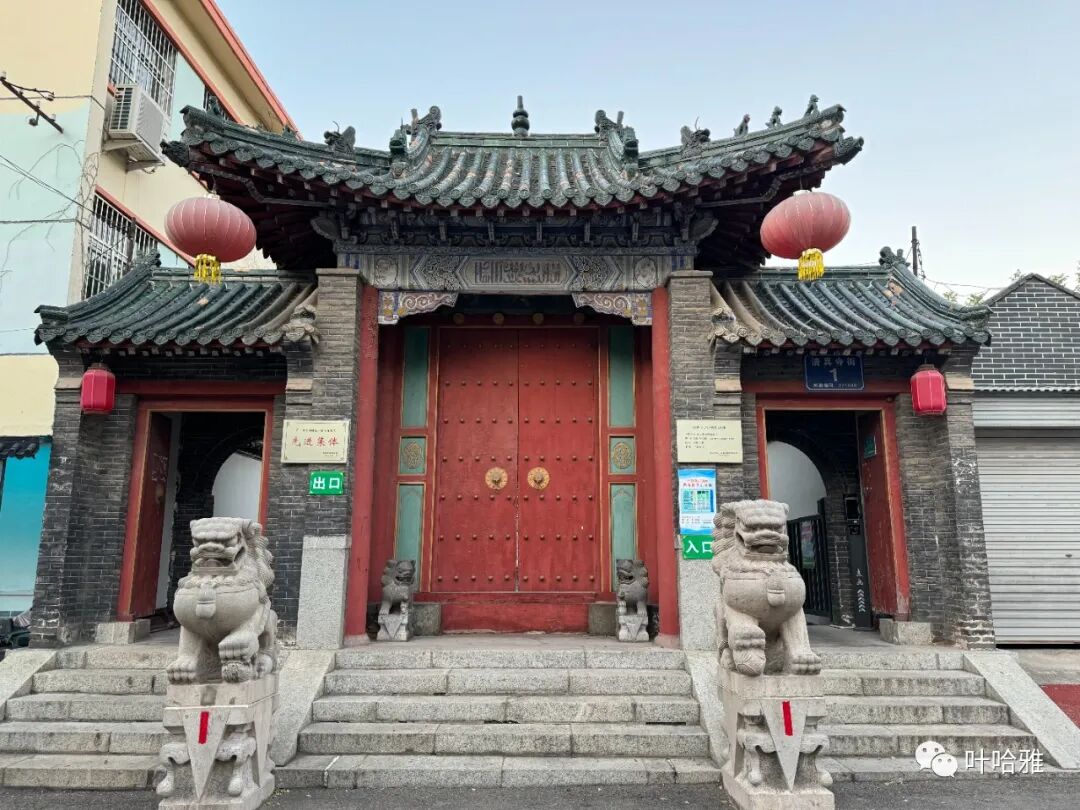
Taicheng Mosque is located in the Mosque Community of Caiyuan Subdistrict. It was built between the end of the Yuan Dynasty and the beginning of the Ming Dynasty. Stone tablets confirm that it was rebuilt many times during the Ming and Qing dynasties. In 1944, the mosque had fallen into disrepair and was quite damaged. Local elders and mosque leaders raised 12,213 yuan for renovations. They gathered workers and materials, finishing the project in a few months and making the main hall look brand new. Ma Ziming, a local elder living in Suzhou and Shanghai, was a devout believer and passionate about charity. He donated a set of finely woven curtains from Suzhou, and other elders and the hometown association in Shanghai also donated generously.
The mosque underwent several repairs starting in the 1950s. It was restored and repaired after the Reform and Opening-up policy began. The mosque gate was rebuilt in 1997. A comprehensive renovation took place in 2008, covering an area of 2,600 square meters. In 2013, the North Lecture Hall was rebuilt, and a funeral home, a multi-functional building, and buildings along the east and west streets were constructed.
Taicheng Mosque is a classic Chinese palace-style building with two courtyards. It mainly consists of a prayer hall, north lecture hall, south lecture hall, main gate, second gate, and rear kiln hall. The main gate features three gold-painted characters for "Mosque," inscribed with the date "10th day of the first lunar month, 1619" (the year of Jiwei in the Wanli reign of the Ming Dynasty). After entering the gate, a path leads through the second gate into a courtyard where ancient cypress trees reach toward the sky. The north and south lecture halls of the mosque are spacious and bright, housing a scripture room, living quarters for the imam, and a bathing room. To the west stands the prayer hall, which connects a front porch, a middle hall, and a rear kiln hall into one structure. The front porch uses a Ming-style hip-and-gable roof, while the rear kiln hall features a Ming-style hip-and-gable roof with bracket sets, three layers of eaves, and 12 upturned corners. The center of the main hall's roof ridge and the top of the rear kiln hall are both topped with golden glazed gourds over one meter tall.
The mosque covers an area of 6,174.19 square meters, with a building area of 6,394.5 square meters. The main hall is 18 meters high, 42.3 meters long, and 16.95 meters wide. The north lecture hall is 17.5 meters long and 8.1 meters wide. The south lecture hall is 14.4 meters long and 8.7 meters wide. The water house is 17 meters long and 6.7 meters wide. The mosque has many auxiliary buildings, including the east gate, the north courtyard meeting room, the funeral home, the frame house (jiaziwu), a two-story building on the west side of the west gate, and rooms along the street. The mosque originally held dozens of stone tablets carved during the Ming and Qing dynasties and the Republic of China period, but they were all destroyed during the Cultural Revolution. Today, only four remain: the broken Mosque Tablet (Qingzhensi Bei) from the first year of the Wanli reign of the Ming Dynasty (1573), the Laifu Inscription Tablet (Laifu Mingbei) from the fourth year of the Tianqi reign (1624), the Donation Tablet (Juanxian Bei) from the thirty-fourth year of the Qianlong reign of the Qing Dynasty (1759), and the Mosque Reconstruction Tablet (Chongxiu Qingzhensi Bei) from the thirty-third year of the Republic of China (1944). The Laifu Inscription Tablet (Laifu Mingbei) is an important reflection of how Shandong Hui Muslims interpreted Islam through Confucianism, and it holds significant historical and cultural value.
Since the Republic of China era, the mosque's religious affairs have been led by imams including Tang Ahong, Yang Fuyuan, Yang Dechun, Wang Changshun, Mi Guangxun, Han Yuhai, and Wang Rongchen. Imam Mi Zhaojie has served since 1997 and currently holds positions such as Standing Committee Member of the Tai'an Municipal Committee of the CPPCC and Vice President of the Tai'an Islamic Association.
Historically, the mosque has trained more than ten imams and religious leaders, including Wang Qinglin, Fan Guiyuan, Xu Huanliang, Mi Yinghua, Mi Qinglu, Wang Hongchen, Liu Zhong'an, Wang Wu, Wang Changgui, Ding Junting, Wang Changlin, Bai Shengguang, and Bai Shenglin. The Mi family of Tai City, represented by Imam Mi Yingjie, and the Wang family of Beiqiu, represented by Imams Wang Jie, Wang Pu, Wang Qinglin, and Wang Yongxing, are both families of imams that have produced religious leaders for over three generations. The mosque is managed by a management committee consisting of nine members. Xu Shuhua, Fa Debao, Mi Shouzhi, Wang Fengge, and Mi Xiankuan have served as directors of the management committee.
The management committee conducts religious activities according to the law and actively guides Hui Muslims in their normal religious life. Responding to the call of the Party and the government, the mosque promotes the Islamic spirit of helping the needy, supports social charity and public welfare, has provided aid multiple times to areas affected by natural disasters like earthquakes and tsunamis, and actively donates to causes such as education and elderly care.
The mosque hosts international Muslim friends and has received many honors over the years. It was named a cultural heritage site of Taishan District in 1992. It was named a cultural heritage site of Tai'an City in 1994. It was named a cultural heritage site of Shandong Province in 2013. It received the title of Provincial Civilized Religious Venue in 2001 and was named a Model Mosque of Tai'an City in 2008. In 2009, it was awarded titles including Provincial Harmonious Religious Venue, Shandong Province Outstanding Historical Building, Shandong Province Model Mosque, and National Advanced Collective for Creating Harmonious Temples and Churches.
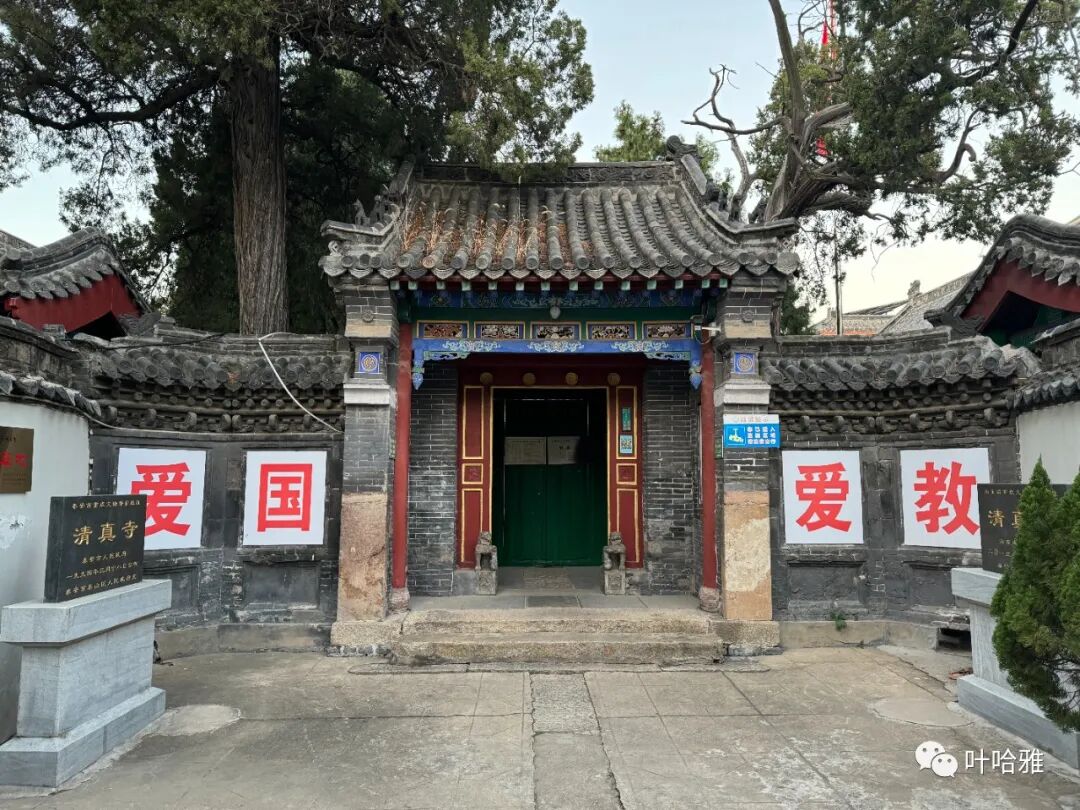
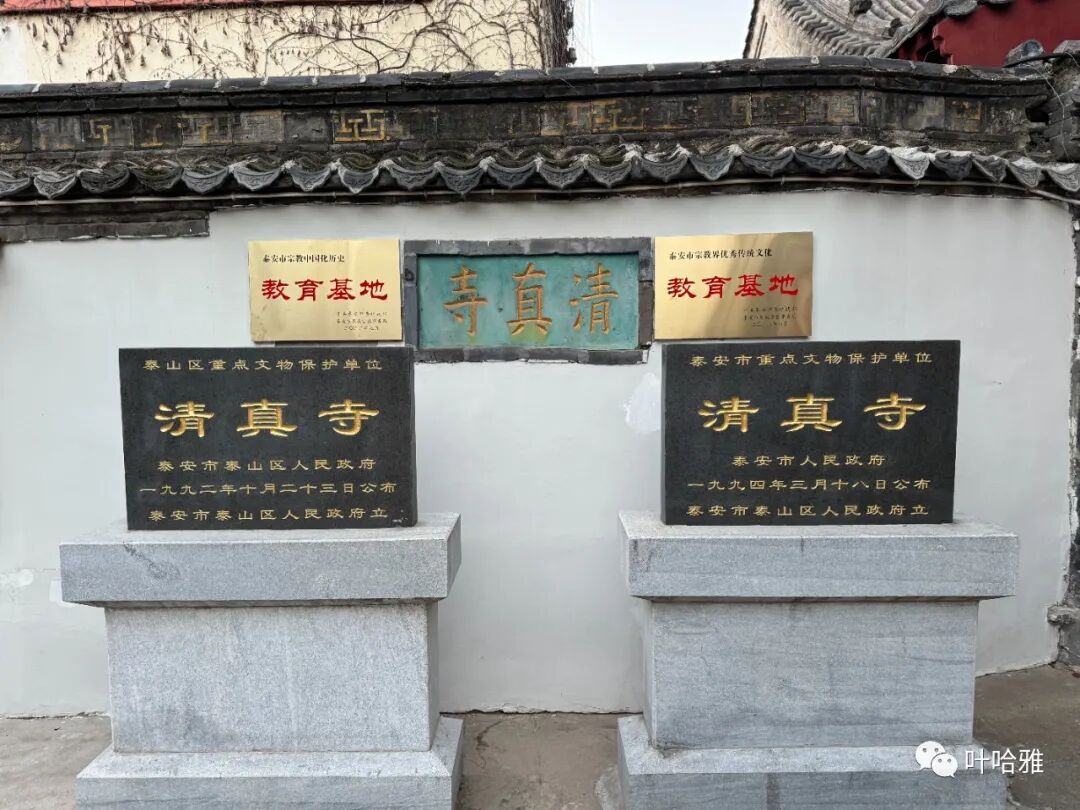
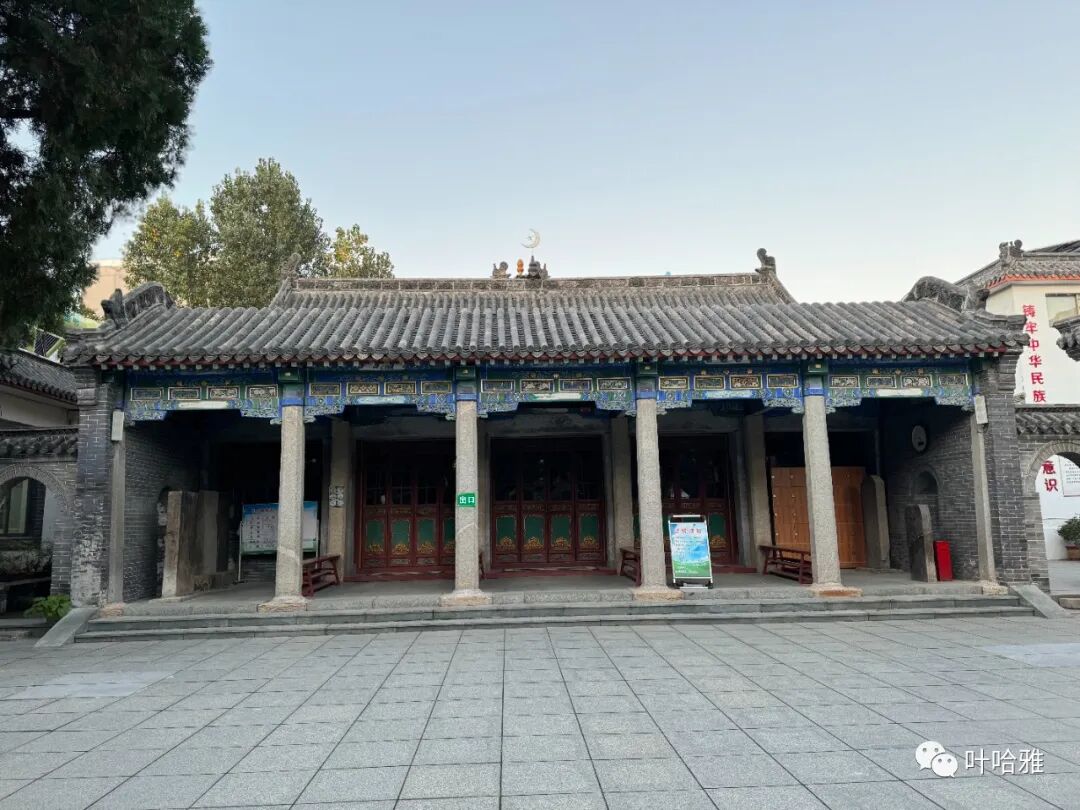
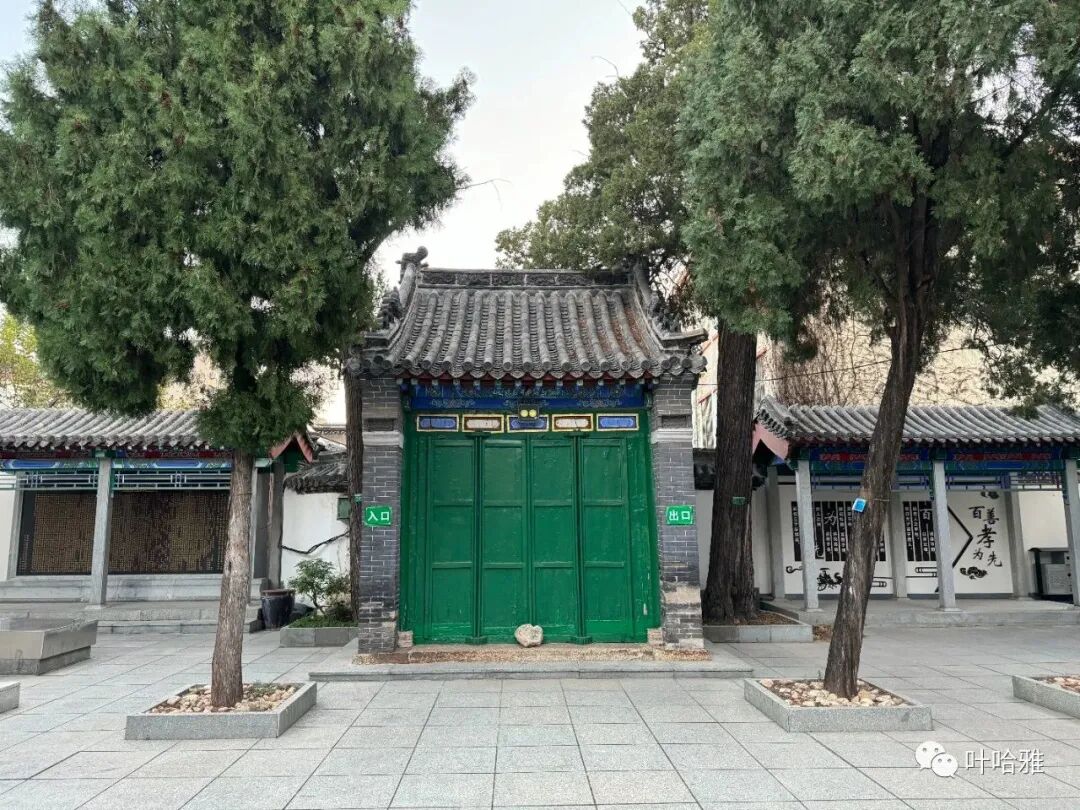
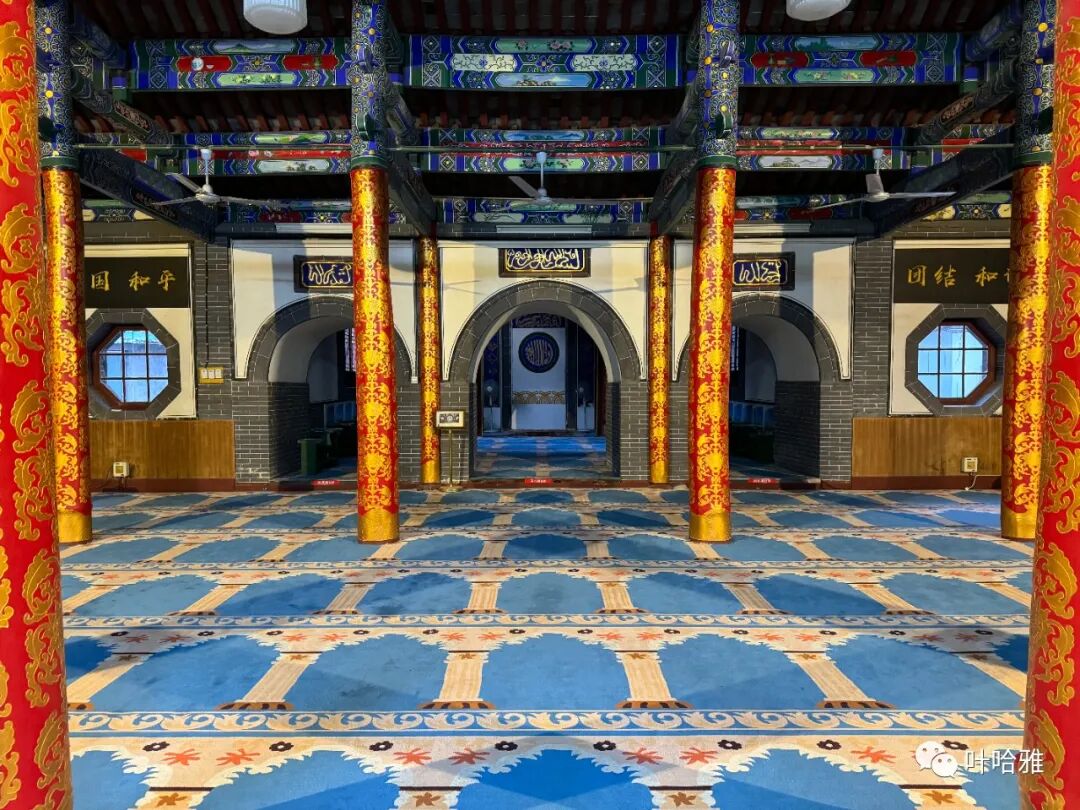
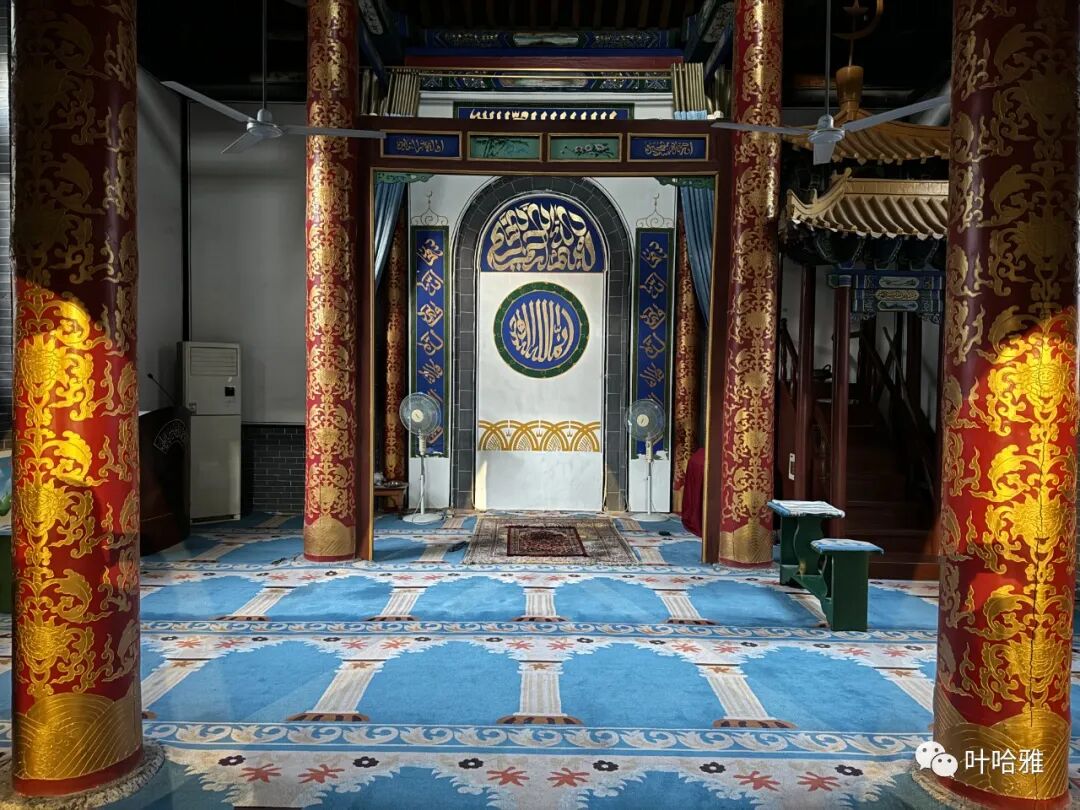
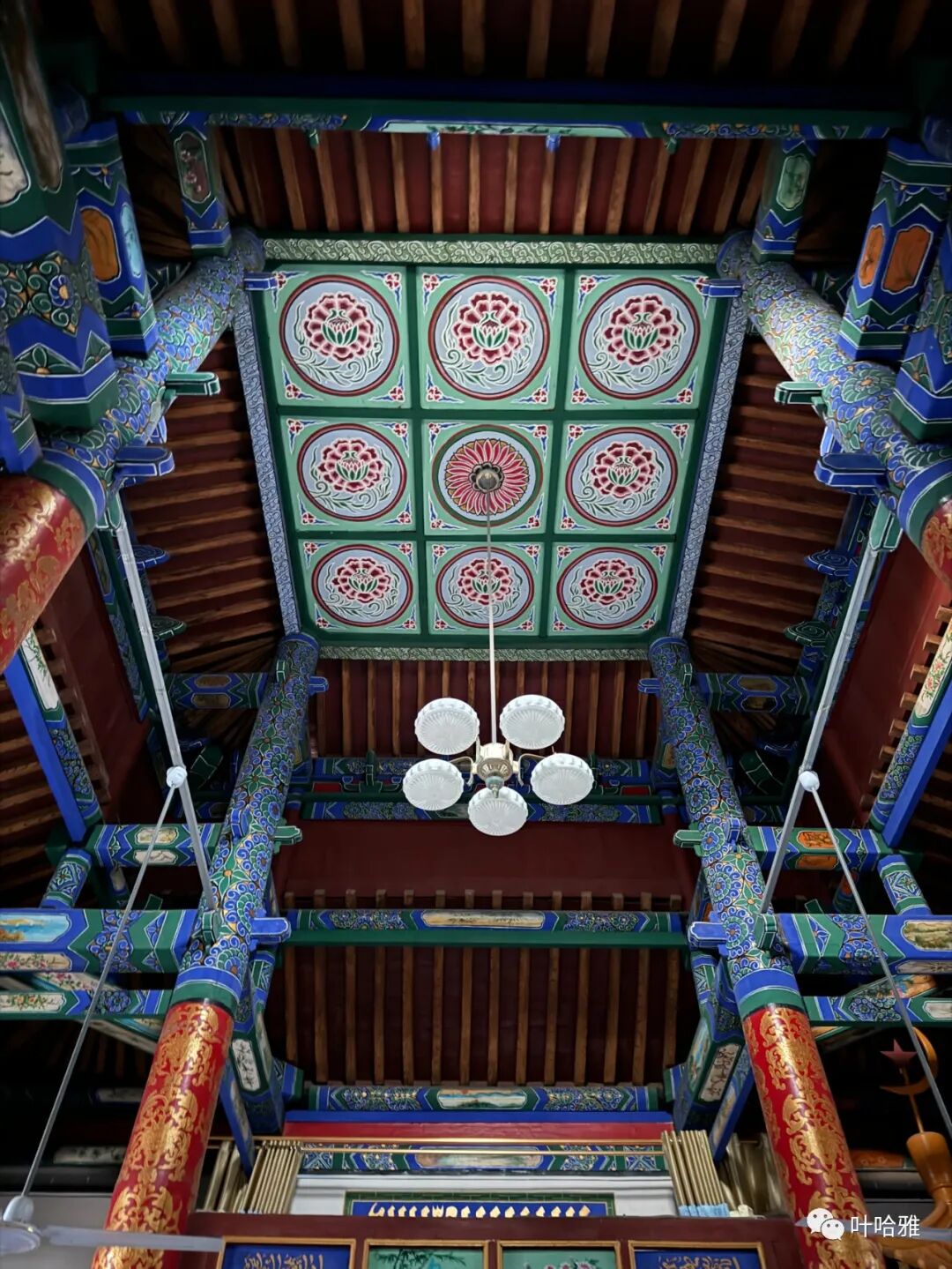
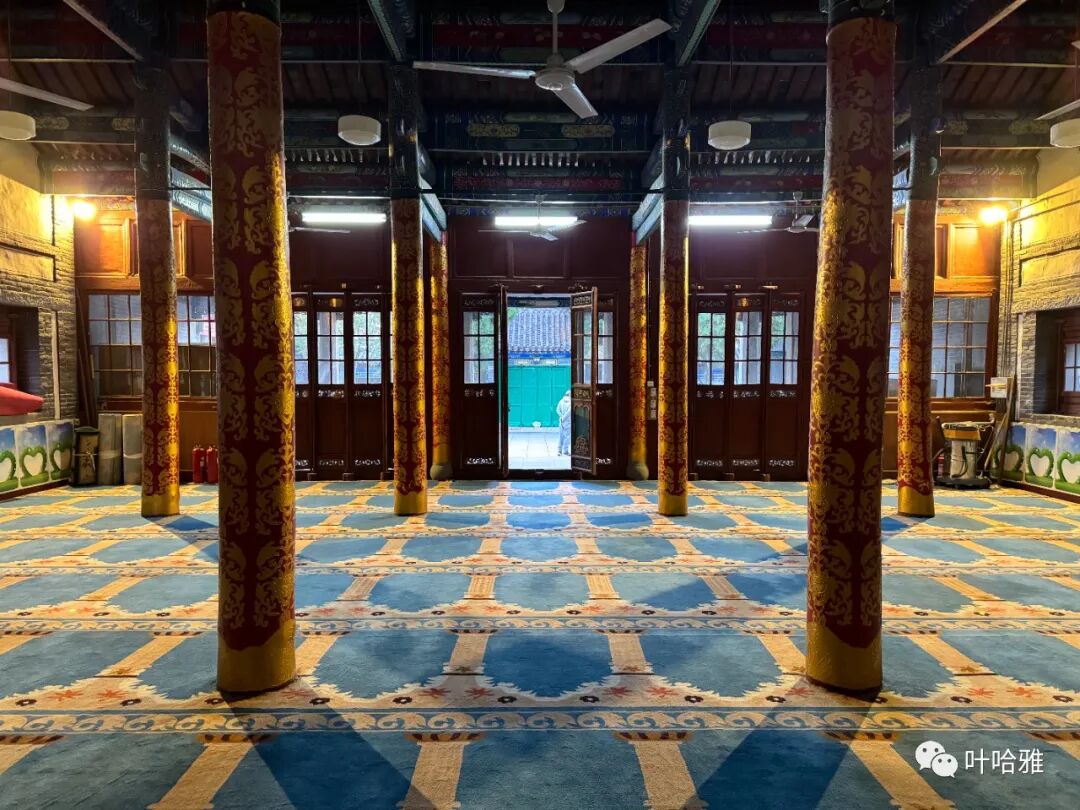
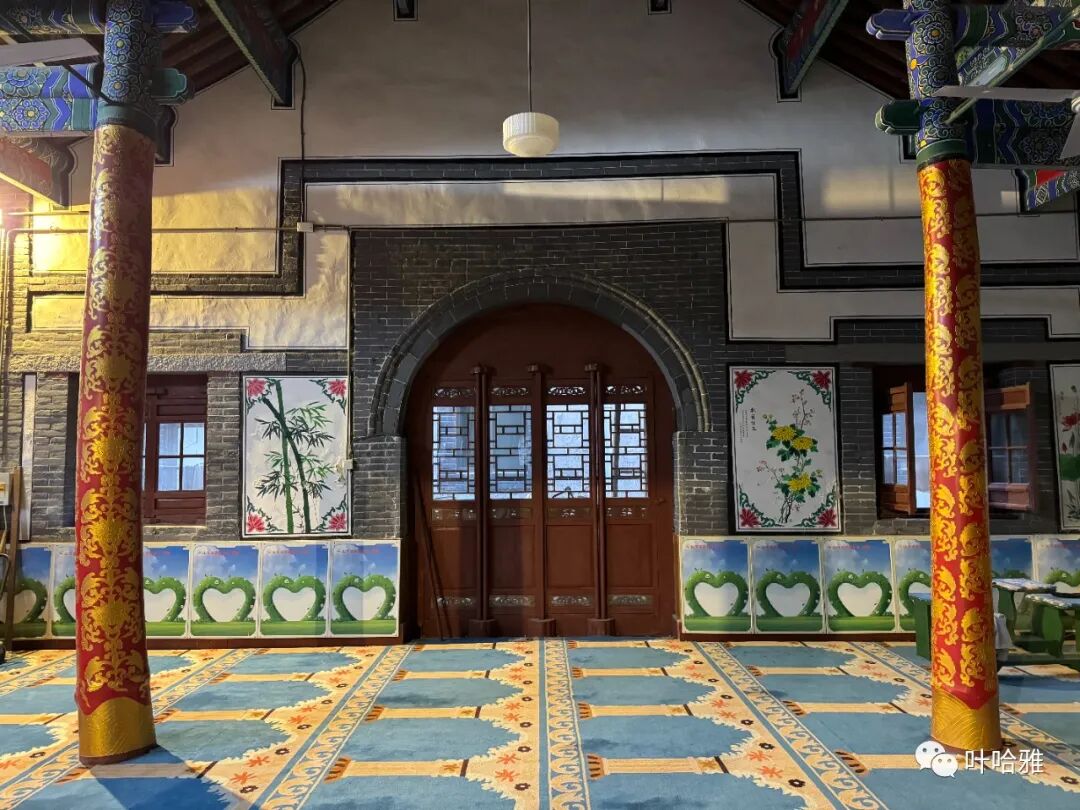
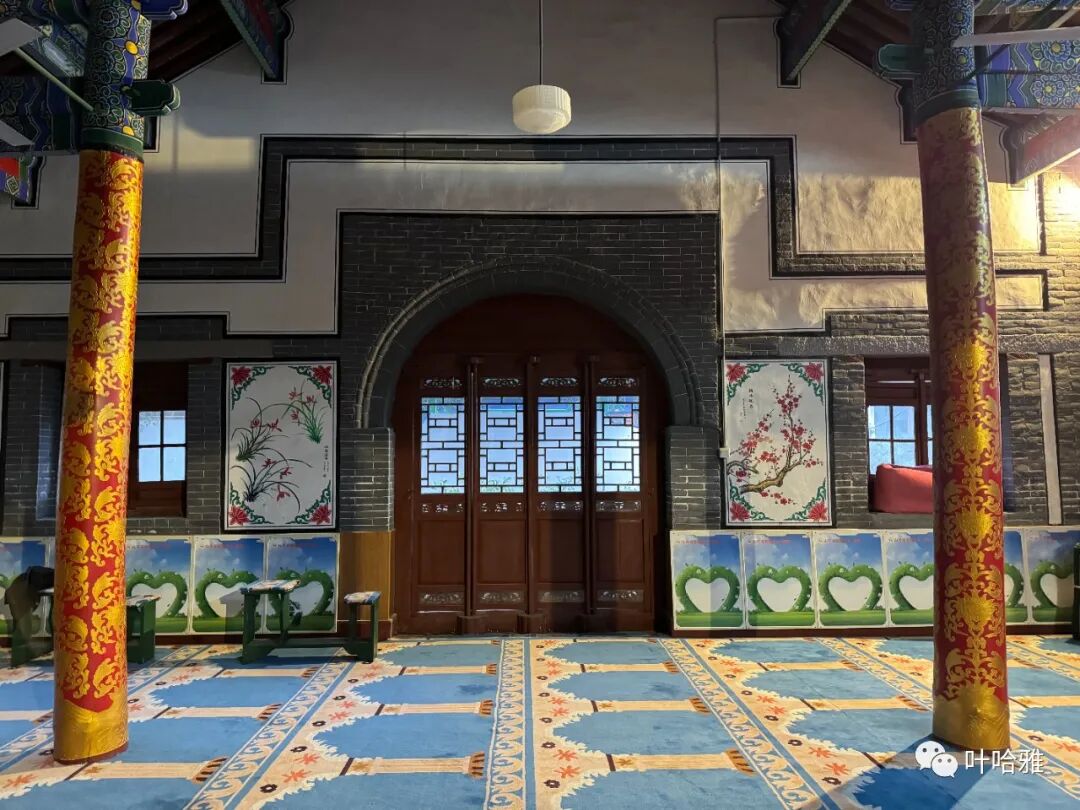
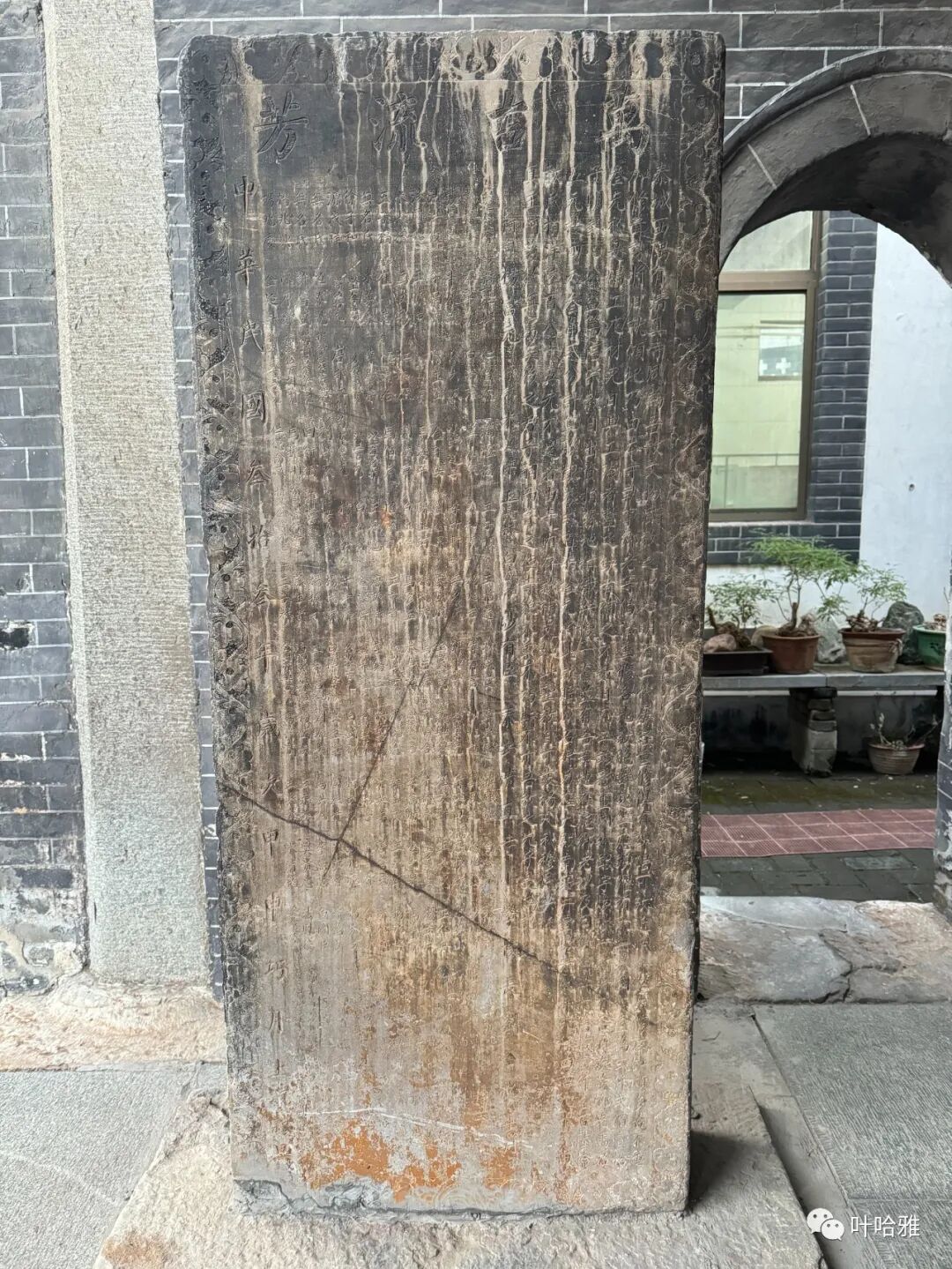
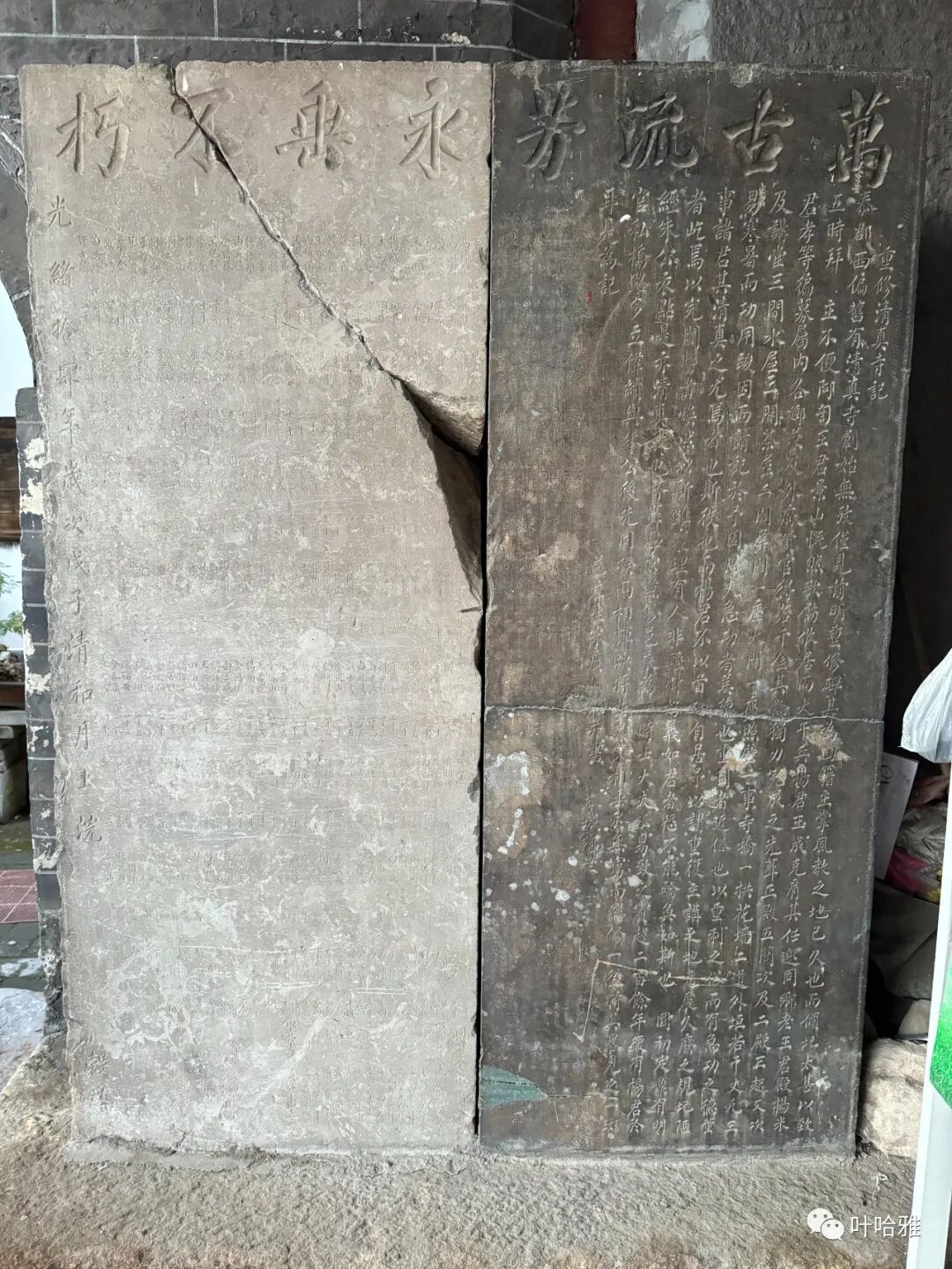
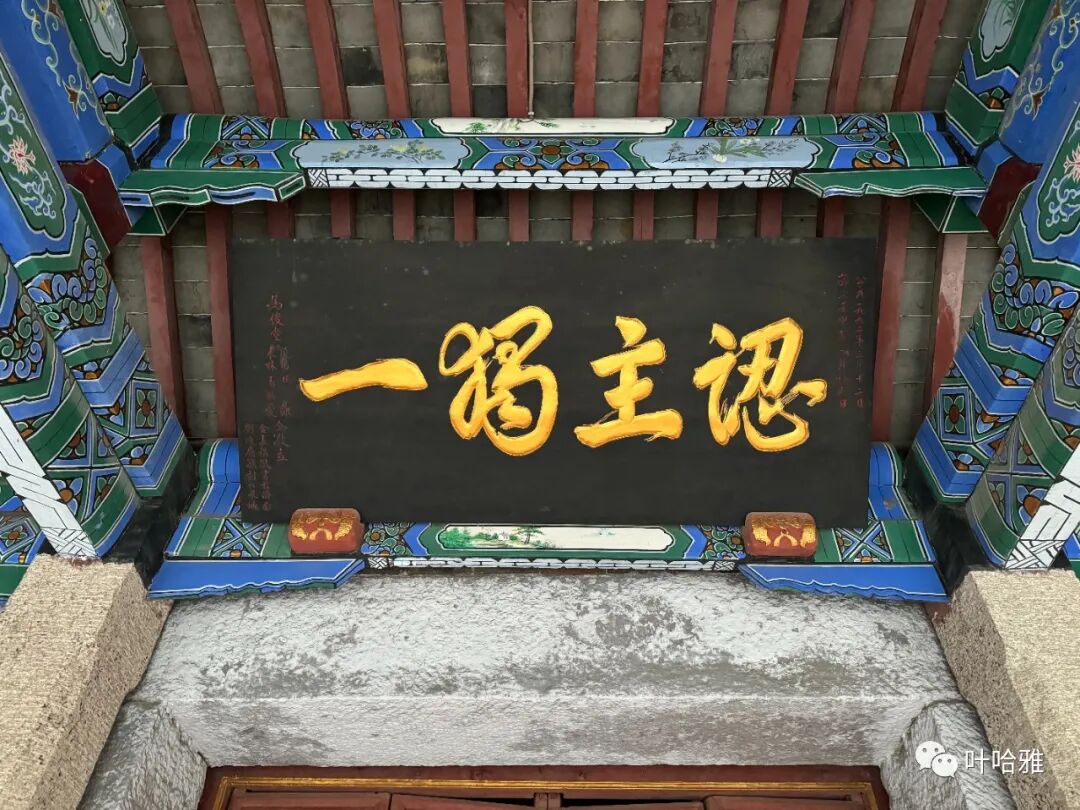
Taicheng Women's Mosque.
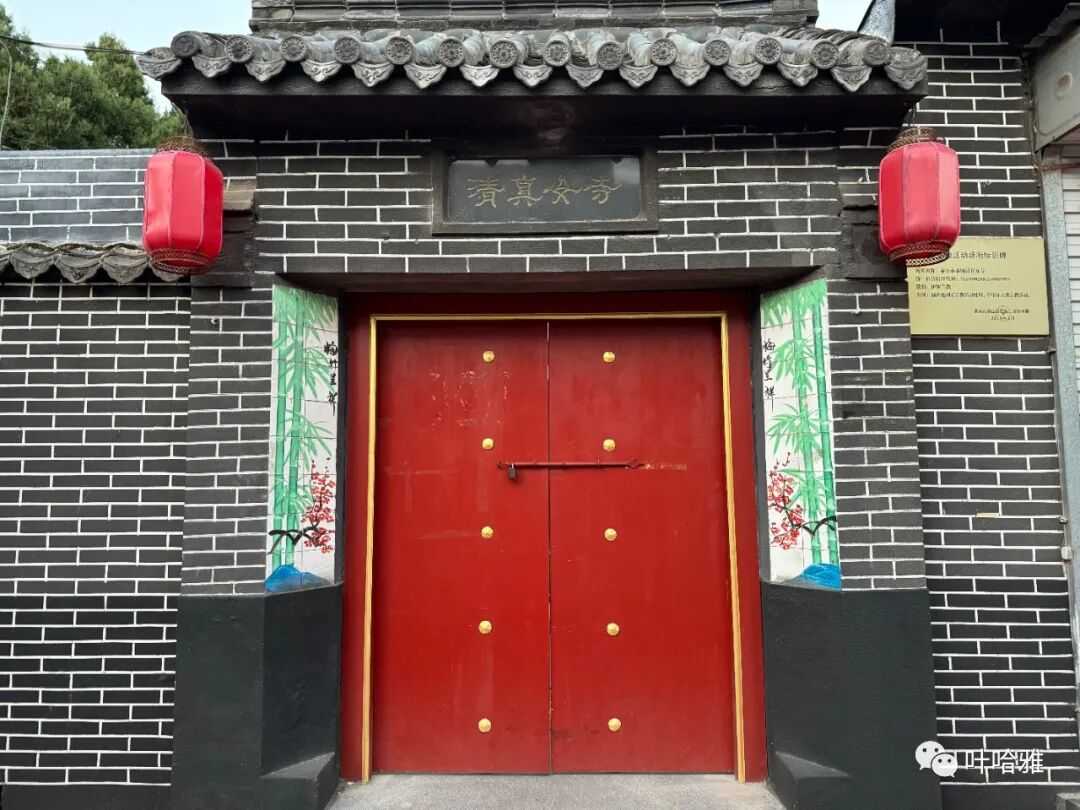
Taicheng Women's Mosque in Caiyuan Subdistrict. Due to urban renewal, it moved from Baijia Alley on Mosque Street to its current location. It covers 360 square meters with a building area of 240 square meters. It currently has a main prayer hall, a north lecture hall, a washroom (shuifang), a main gate, and one stone tablet.
Taicheng East Mosque.
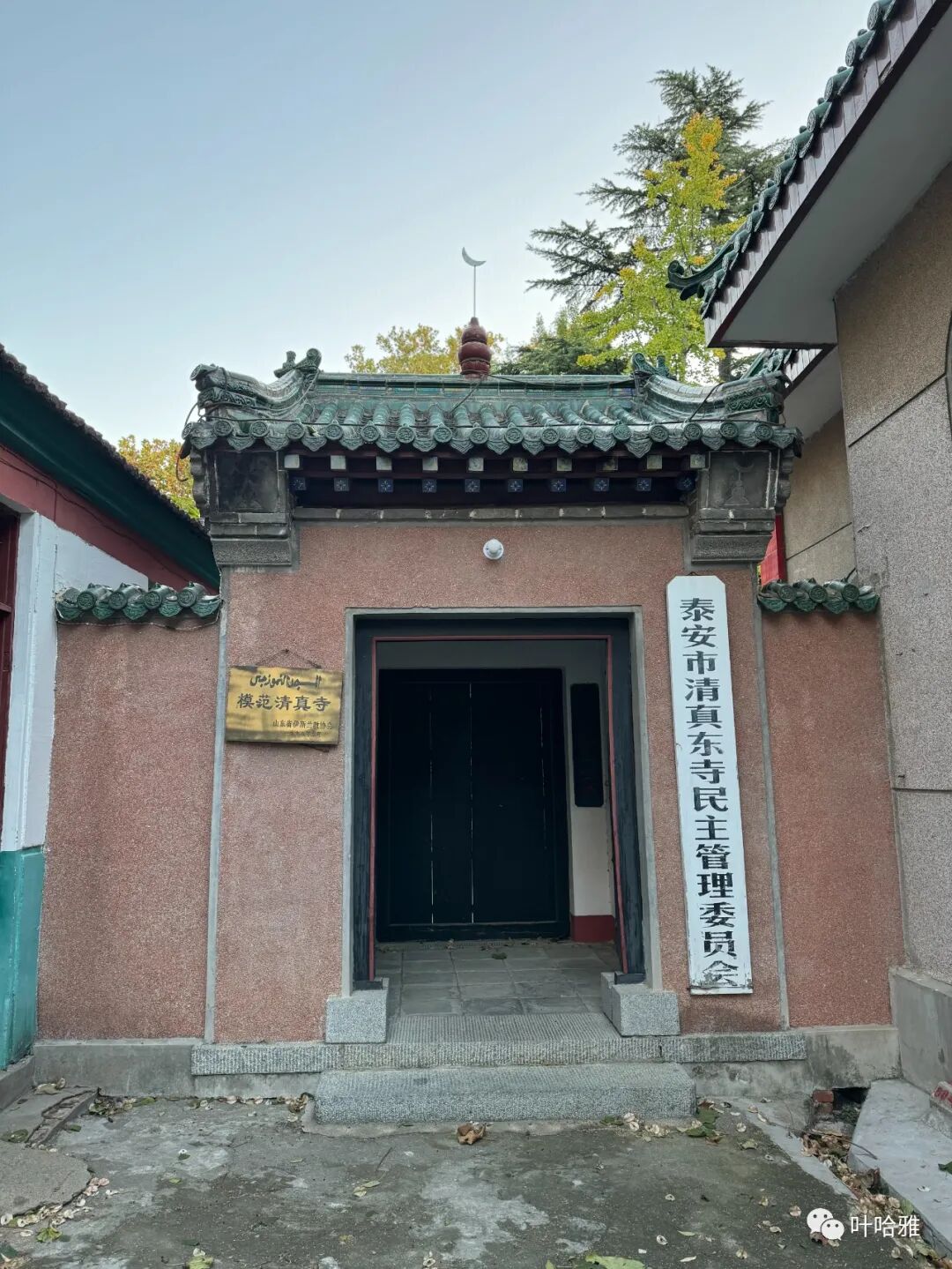
The mosque in Beixin Community, Daimiao Subdistrict, is commonly known as the Taicheng East Mosque and is located in the middle of Beixin Community. It was built in 1920, the ninth year of the Republic of China, with funding from the famous Shandong industrialist Mr. Ma Bosheng. The three characters for "Mosque" written in his own hand are still preserved there. It has been renovated many times since the reform and opening-up. Large-scale repairs were carried out in 2006.
The mosque is built in the traditional Chinese courtyard style, measuring 51 meters long and 25 meters wide. The backyard is 16 meters long and 17.5 meters wide. The main prayer hall consists of a front porch, a middle hall, and a rear kiln-style hall, measuring 17.8 meters long and 12 meters wide. The north lecture hall is 16.3 meters long and 7 meters wide. The south lecture hall is 16.3 meters long and 5.4 meters wide. The water room is 14 meters long and 7 meters wide. There are 6 existing stone tablets. Four are in the tablet corridor, including the mosque gate plaque calligraphed by Ma Bosheng and the 2006 tablet listing the organizations and individuals who donated to the mosque repairs. The others include an Arabic calligraphy work by the calligrapher Mr. Ma Shitou and the four characters for "Praise Allah and the Prophet" written by the famous Tai'an calligrapher Mr. An Tingshan. Additionally, there are 2 tablets on the sides of the main hall's porch, which are the "Ancient Islamic Faith" tablet and the mosque reconstruction tablet.
Since the mosque was built, the religious affairs have been led by Imam Cao, Imam Wang, and Imam Liu Guoxiang. The mosque was closed during the Cultural Revolution. After it reopened, Imams such as Liu Zhong'an and Ma Qun led the religious affairs, and the current imam is Wang Linlin. The mosque is managed by a seven-member democratic management committee, with Yu Zongbin and Chen Guangwu serving as past directors.
The mosque has significant historical and cultural value. It has earned titles like Provincial Harmonious Religious Activity Site and City-Level Model Mosque, and the Tai'an municipal government recognizes it as an advanced unit for patriotism and religious devotion.
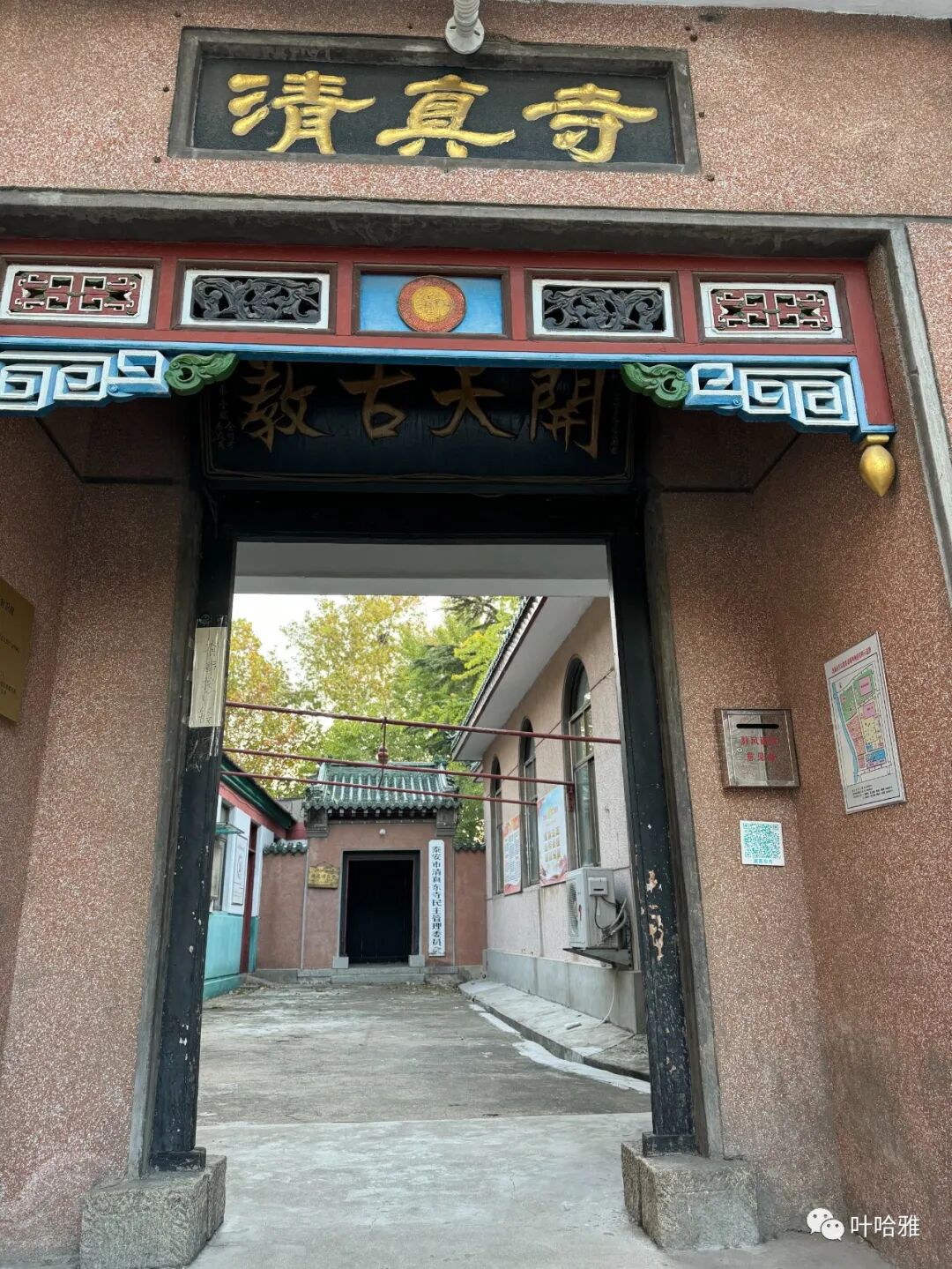
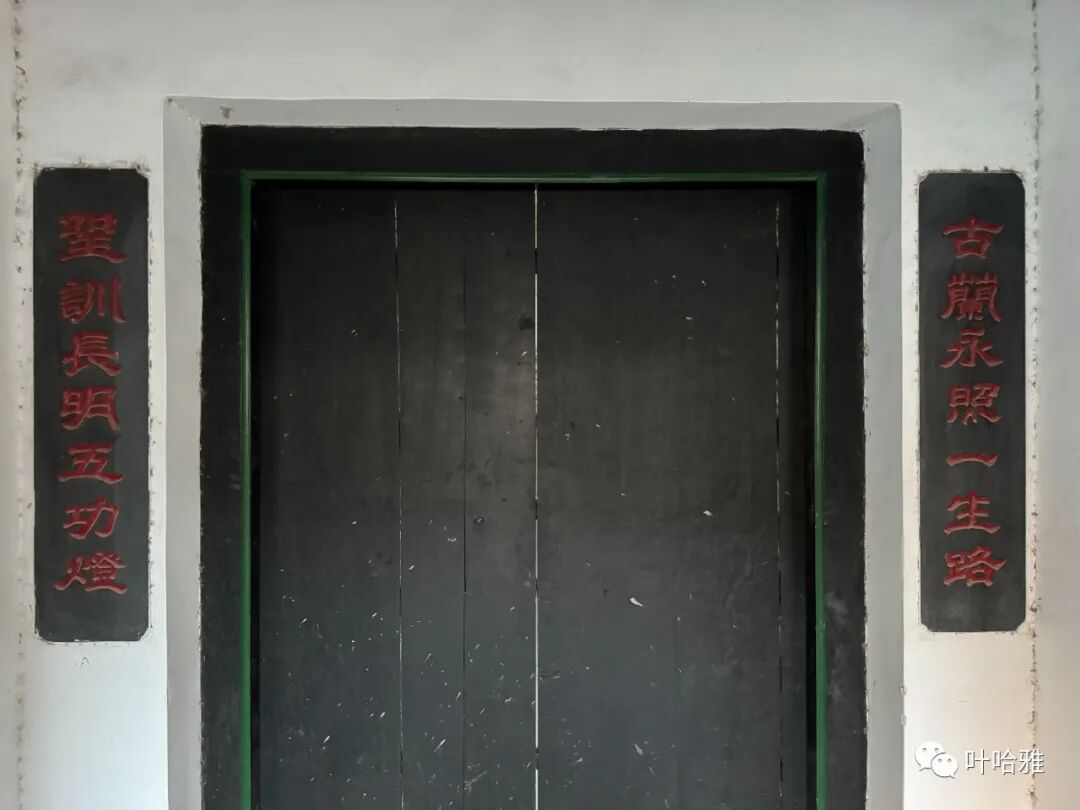
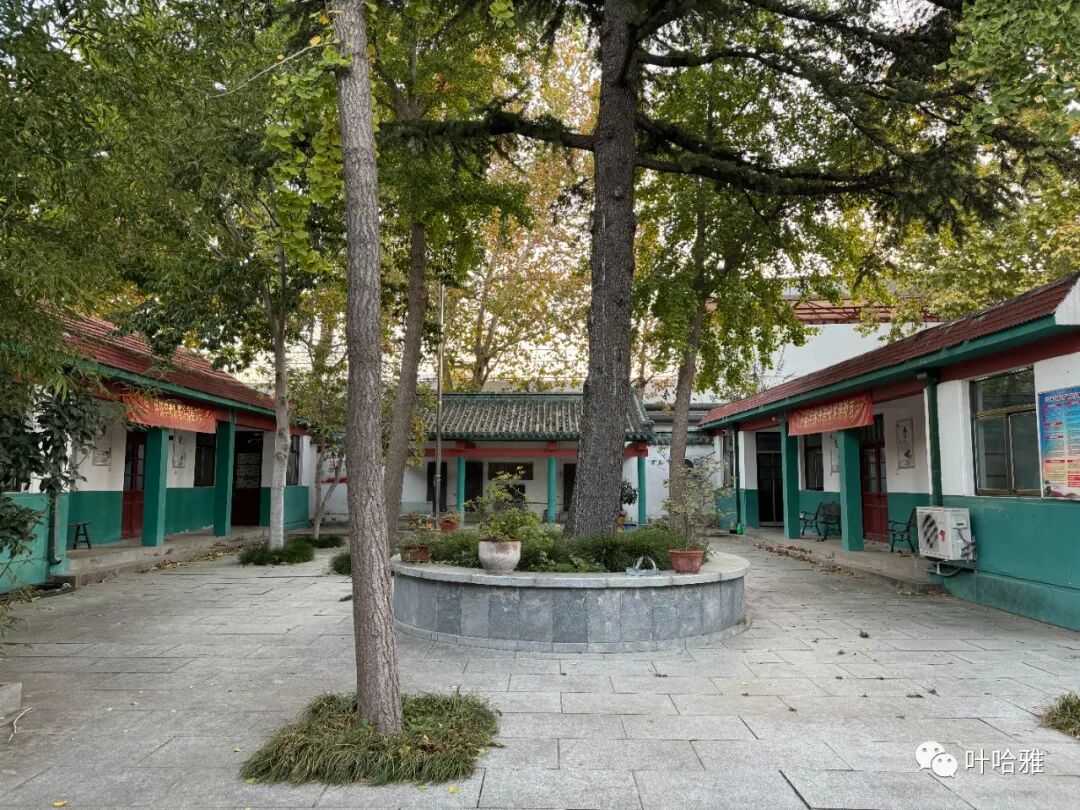
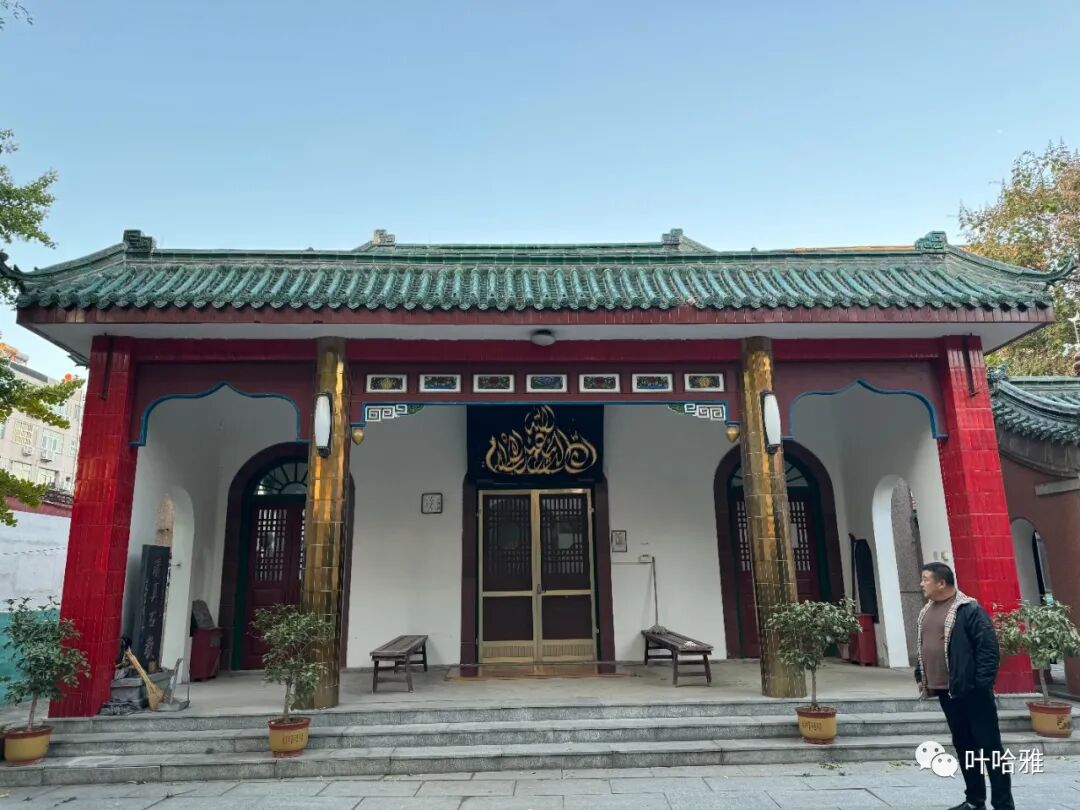
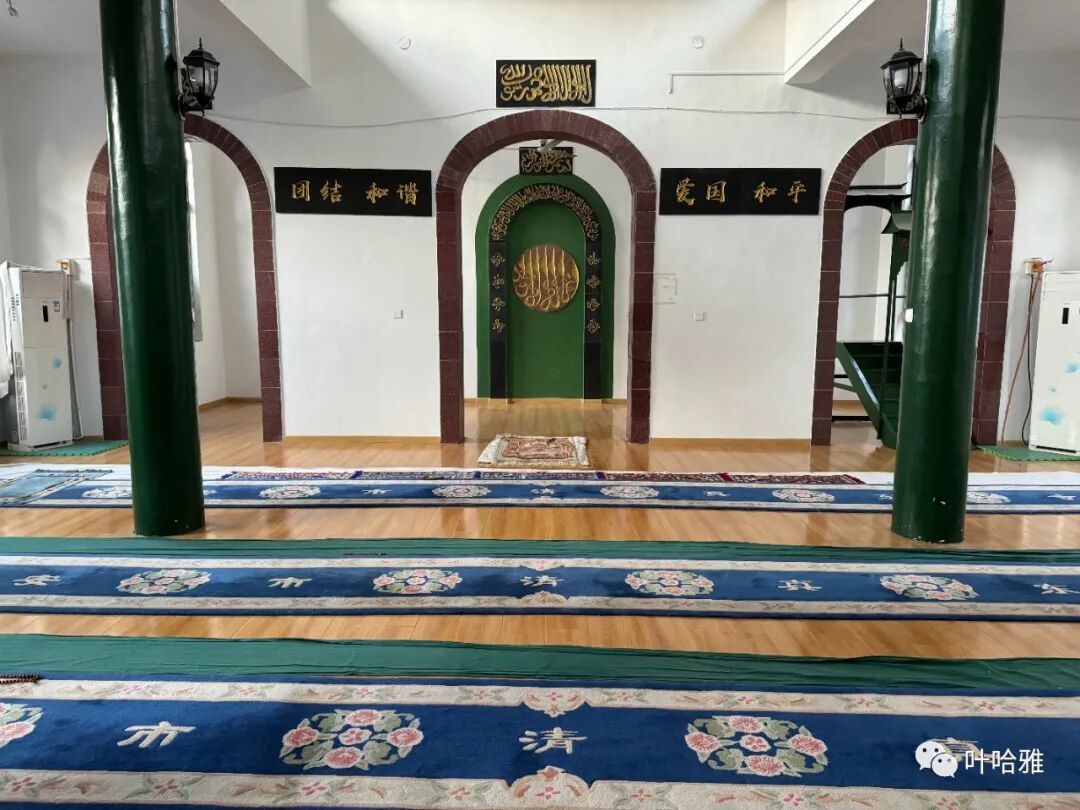
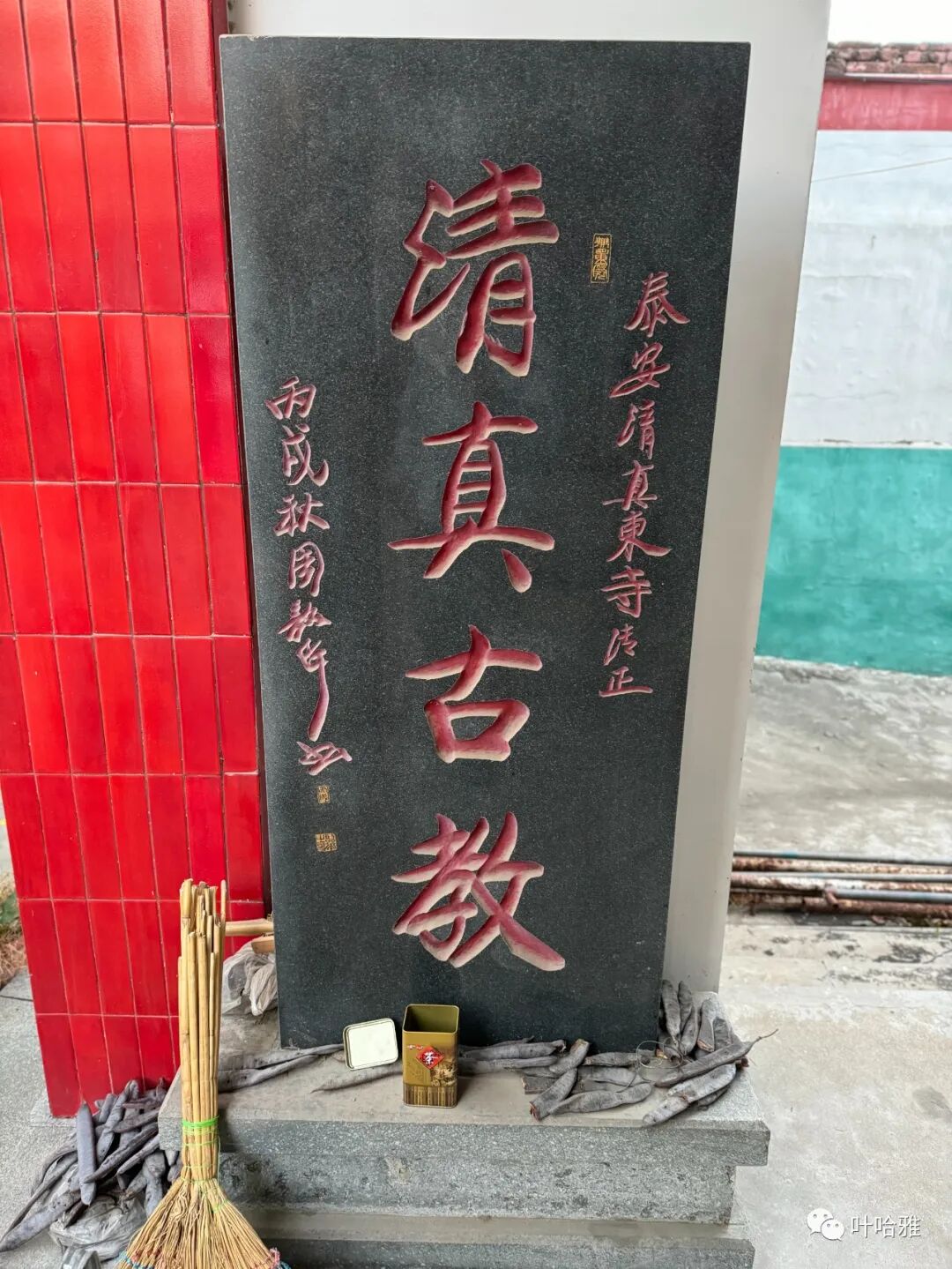
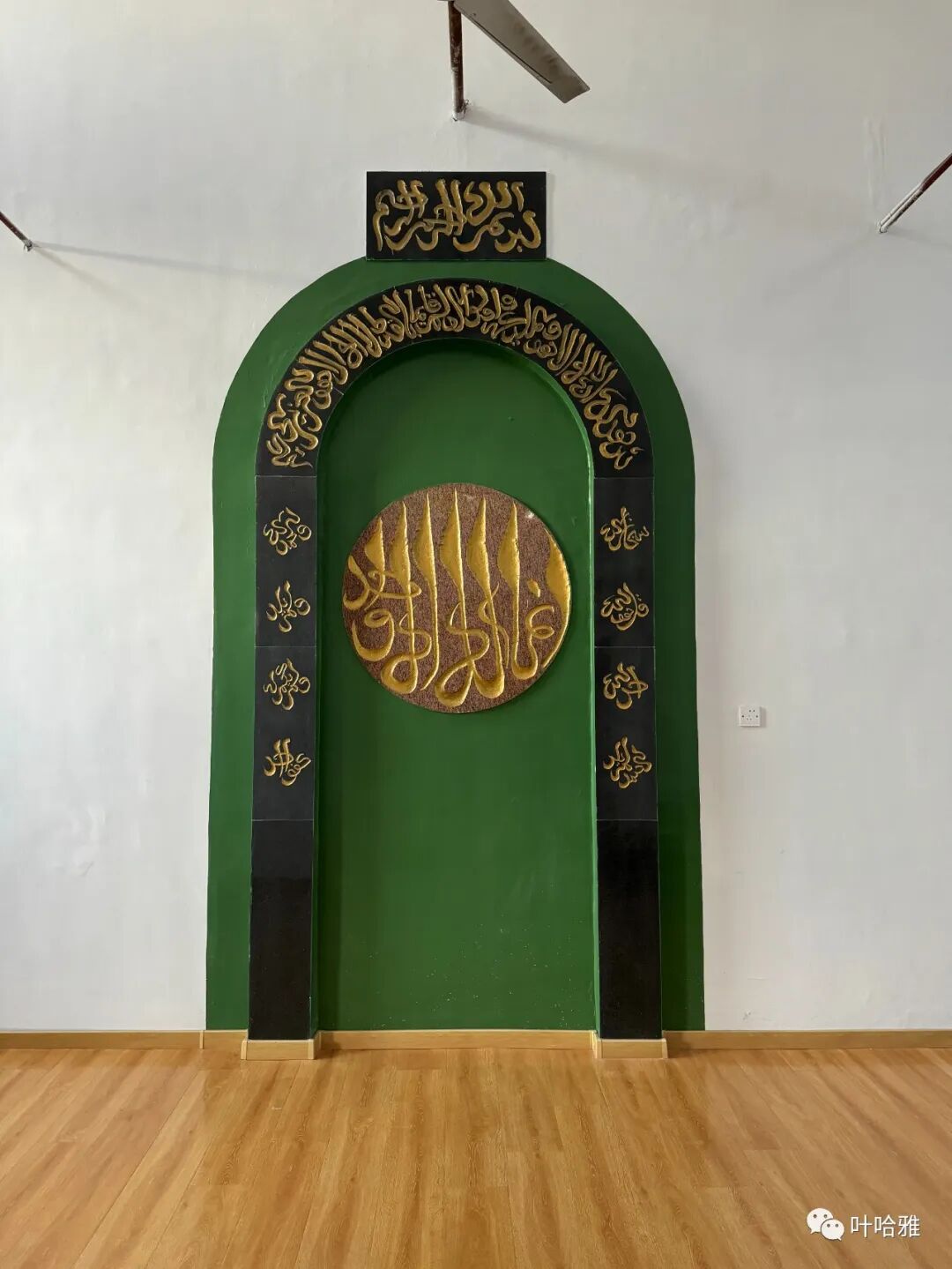
Zhitian Village Mosque
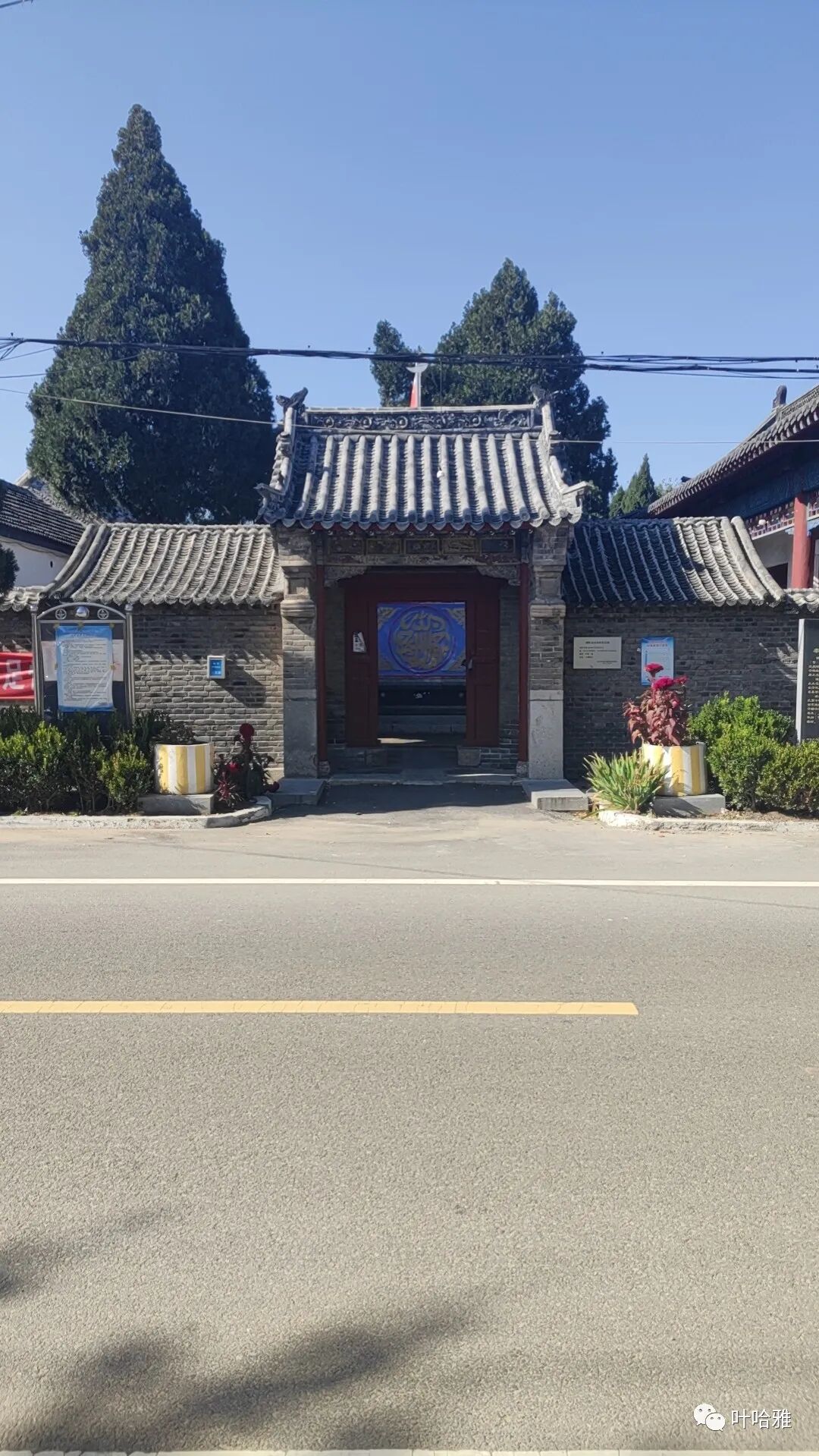
Zhitian Village Mosque in Shengzhuang Town sits at the south end of the village. It was founded at least by the mid-Ming Dynasty, specifically after the Chenghua era (1465-1487) and before the Jiajing era (1522-1566), and has undergone many repairs since. In the 56th year of the Qianlong reign (1791), a new moon terrace (yuetai) was built to make it easier for Muslims to enter the main hall for namaz, and the mosque gate was rebuilt at the same time. In the 14th year of the Guangxu reign (1888), the original main hall burned down. Village elders Yang Fugang and Yang Futai pushed for the reconstruction of the main hall, the porch (juanpeng), the south lecture hall, the storage shed (jiaziwu), the water room, and the warehouse. In the 23rd year of the Guangxu reign (1897), village elder Yang Fugang led the construction of the rear kiln hall (houyaodian). The mosque has been repaired many times since the Reform and Opening-up. The pavilion was rebuilt in 1991, the middle hall in 2003, and the rear hall in 2008.
The mosque is a traditional Chinese courtyard-style building. It includes one main hall, four north lecture rooms, two south lecture rooms, three south water rooms, one gate tower, six side rooms (erfang), one second gate, one front gate tower, one spirit wall (yingbi), and one stone pavilion. The mosque is 49 meters long and 25 meters wide, with a building area of 783.65 square meters. The prayer hall is 24.2 meters long and 11 meters wide. It has three sections and three rows, made up of a front hall, middle hall, back hall, and niche hall (yaodian). The front hall is 17.2 meters long, 8.6 meters wide, and 8 meters high. The middle hall is 17.2 meters long, 8.6 meters wide, and 8.5 meters high. The back hall is 9 meters long and 7 meters wide. The front, middle, and back halls (including the niche hall) each have two side rooms, totaling 6 side rooms with an area of 54 square meters. The front hall is a brick-and-wood structure with a hard-mountain roof, gray tiles, a front porch, and side rooms. It is three bays wide. The middle hall is a brick-and-wood structure with a hard-mountain roof, gray tiles, and side rooms. The niche hall is a three-story, six-pillar brick-and-wood structure with a pointed roof. In front of the main hall stands a stone pavilion with a pointed roof. The upper part is made of brick, wood, and black tiles. The base features Ming Dynasty-style carvings, and the stone drums at the base have archaeological value. The mosque gatehouse is a brick, wood, and stone structure built in the traditional style with a large wooden ridge.
The north lecture hall is 13.2 meters long and 6.3 meters wide. The south lecture hall is 20 meters long and 6 meters wide. The water room is 11 meters long and 5 meters wide. There are 7 stone tablets remaining here. In order, they are the 1791 Tablet for the Reconstruction of the Mosque and New Moon Terrace, the 1888 Tablet for the Reconstruction of the Main Hall, the 1891 Land Donation Tablet, the 1897 Tablet for the Construction of the Rear Kiln Hall, the 1952 Magnificent Spirit Tablet, the 2010 Eternal Fame Tablet, and the 2013 Provincial Cultural Relics Protection Unit Tablet.
The mosque has a long history and significant influence, and it has produced many ahongs and imams. Since the late Qing Dynasty, the ahongs who have led religious affairs are, in order: Ahong Xie, Fa Zhiliang, Fa Xianxue, Fa Zaixiang, Li Tinglin, Yang Liben, Zuo Jinglun, Zhou Baotian, Yang Yueqing, Li Mingtian, Yang Xinen, Yang Peiqing, Li Shengcai, Zhao Xinzheng, Li Qingen, Yang Xinen, Yang Xinde, Zhang Shuiquan, Jin Haixue, Yang Xinde, and Wang Xiangbin.
The mosque's income mainly comes from school land (xuetian) and donations. The mosque uses an appointment system for ahongs and a group consultation system for managing religious affairs. A mosque democratic management committee was established after 1982, which oversees a financial supervision group and includes several committee members. The directors over the years have been Yang Rusong, Yang Baotong, Yang Xinquan, Yang Bo, Yang Xinming, Yang Xinpeng, and Li Jianjun.
Before the founding of the People's Republic of China, the mosque's scripture hall education was quite influential in the Tai'an area. Since 1886, Ma Yinde, Wang Jiping, Yang Rusong, Bai Canying, Yang Chaoxuan, Bai Fu'en, Zhao Yansheng, and Liu Yutang studied under Ahong Fa Zhiliang. In 1932, Yang Xinen, Yang Xingguang, and Chen Dianqing studied under Ahong Yang Yueqing. In 1938, Li Qingen studied under Ahong Li Mingtian. In 1943, Zhao Xinzheng, Han Jingxin, and Wang Hongchen studied under Ahong Yang Xinen. In 1949, Jin Haitang, Mi Guangxun, Yang Xinting, Yang Xinde, and Han Jingming followed their teacher, Imam Li Shengcai. In 1954, Han Tongping and Yang Yuezhen followed their teacher, Imam Zhao Xinzheng. Gao Cuntong followed his teacher, Imam Jin Haixue.
The mosque carries out religious activities according to the law and provides religious services for the Muslims of Zhitian Village and the Muslims of Zhihuizhuang (before their own mosque was built in 1990). It houses a hand-copied version of the Quran. In 2010, it was named a Model Mosque of Tai'an City and a Harmonious Religious Activity Venue of Shandong Province. In 2013, it was approved as a provincial-level cultural relic protection unit.
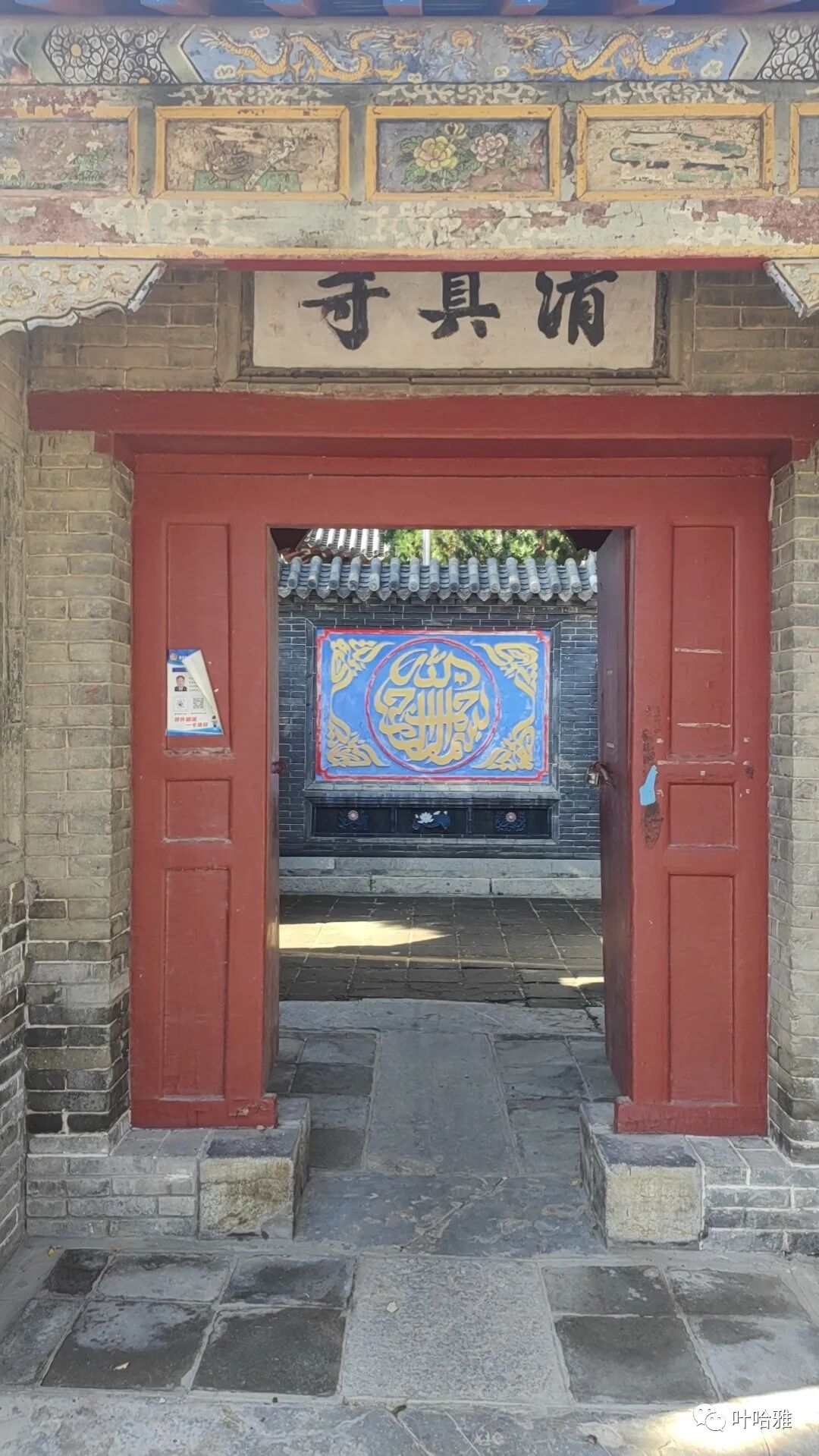
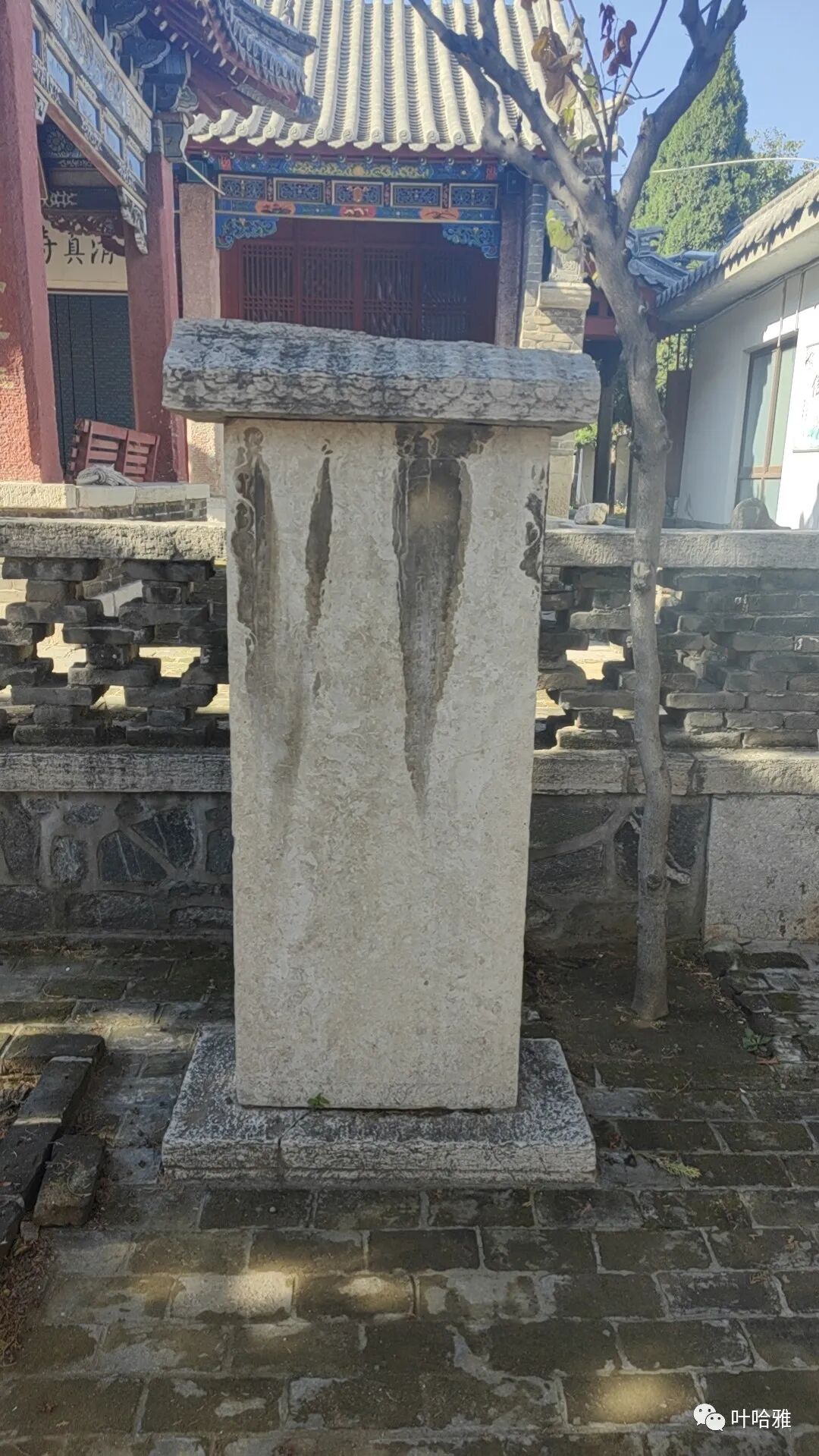
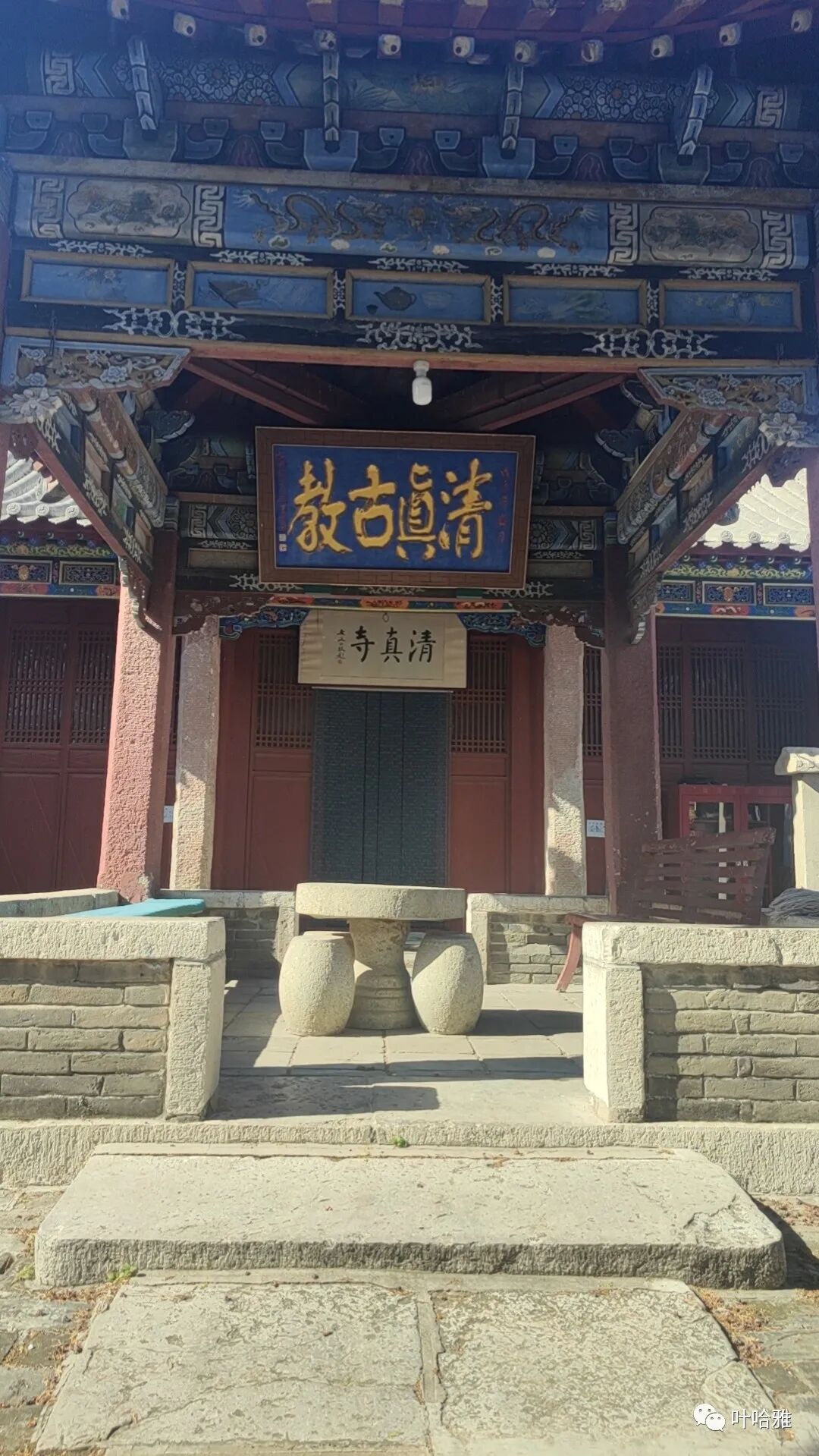
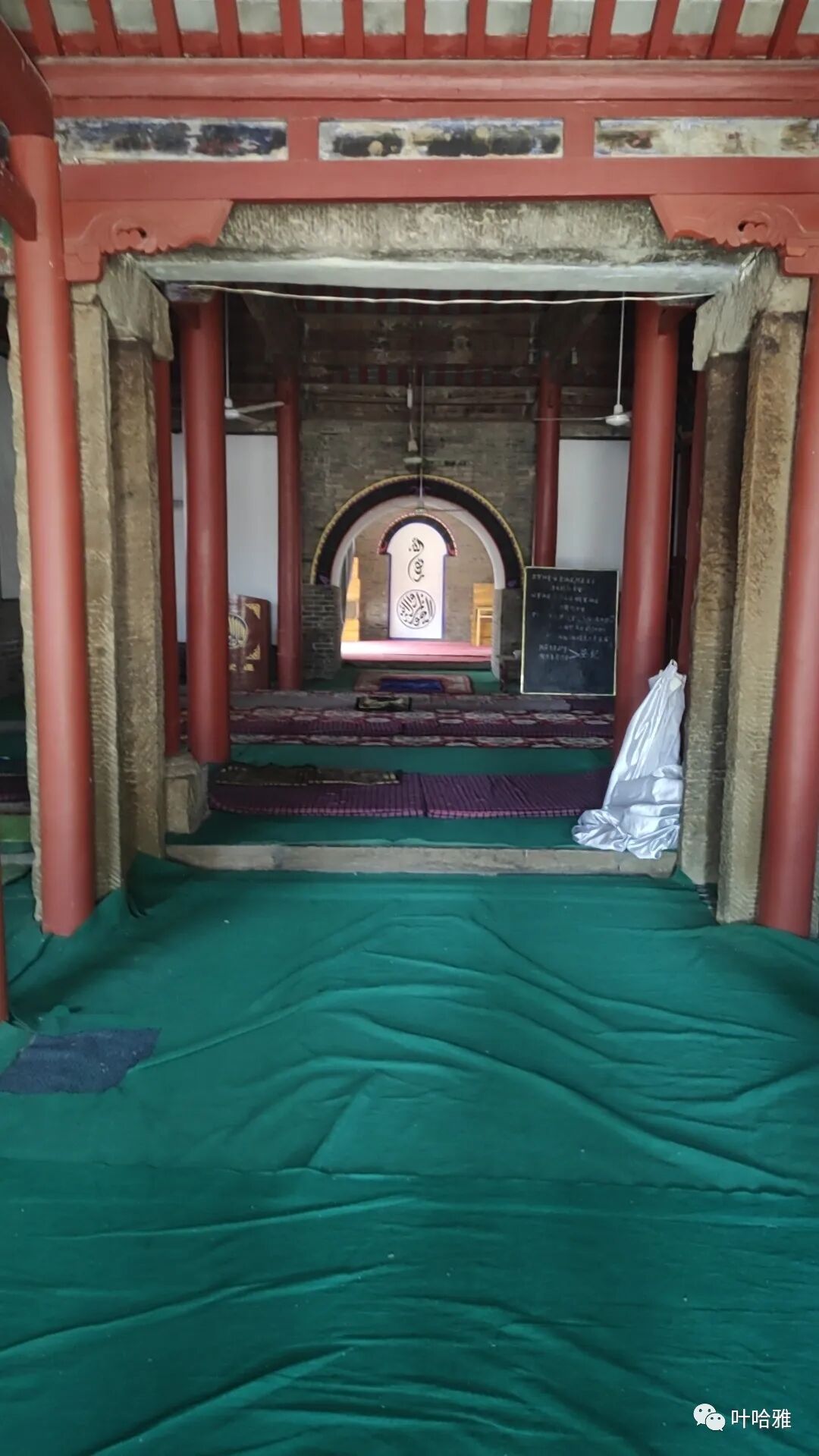
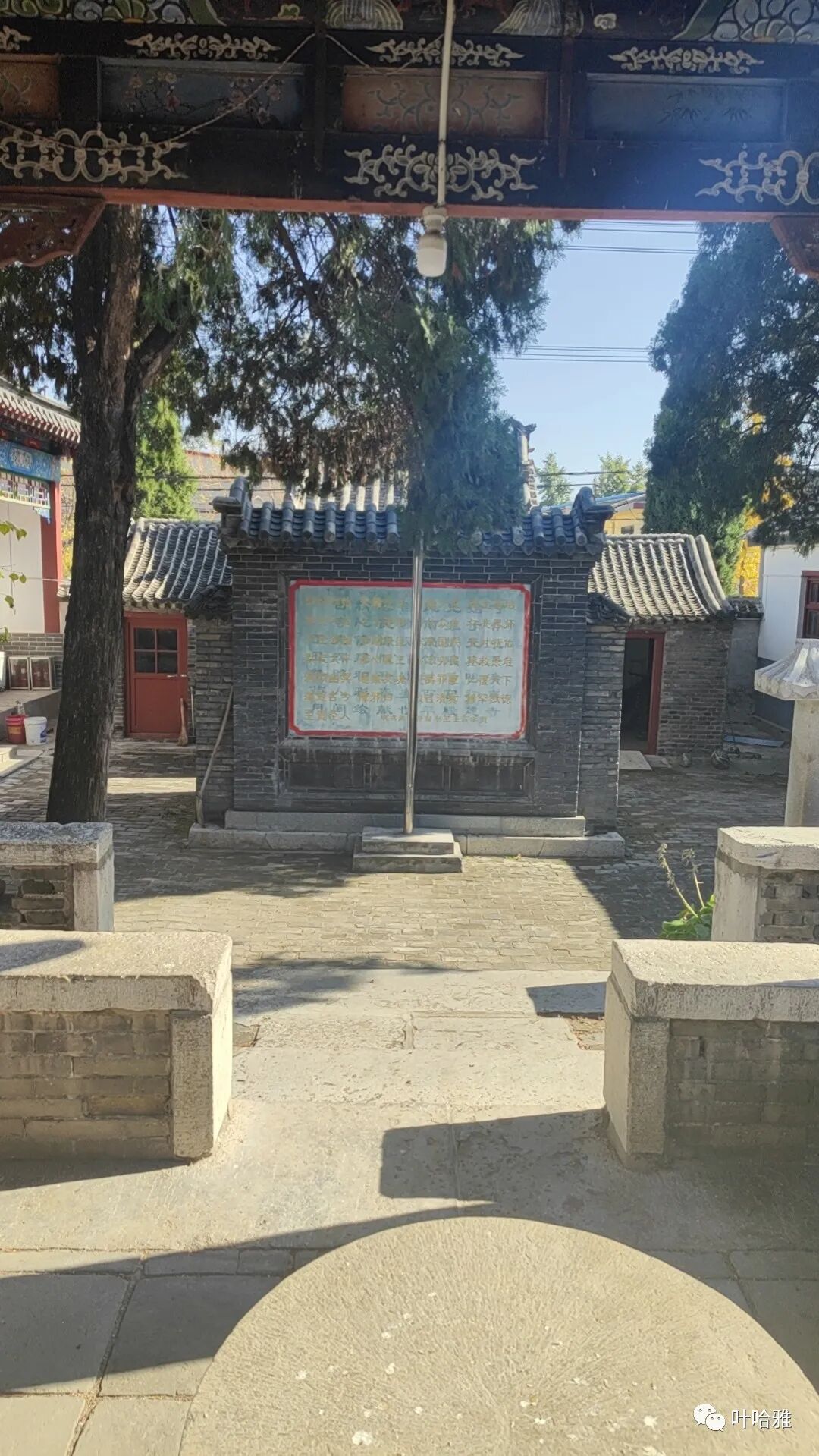
Yuezhuang Village Mosque
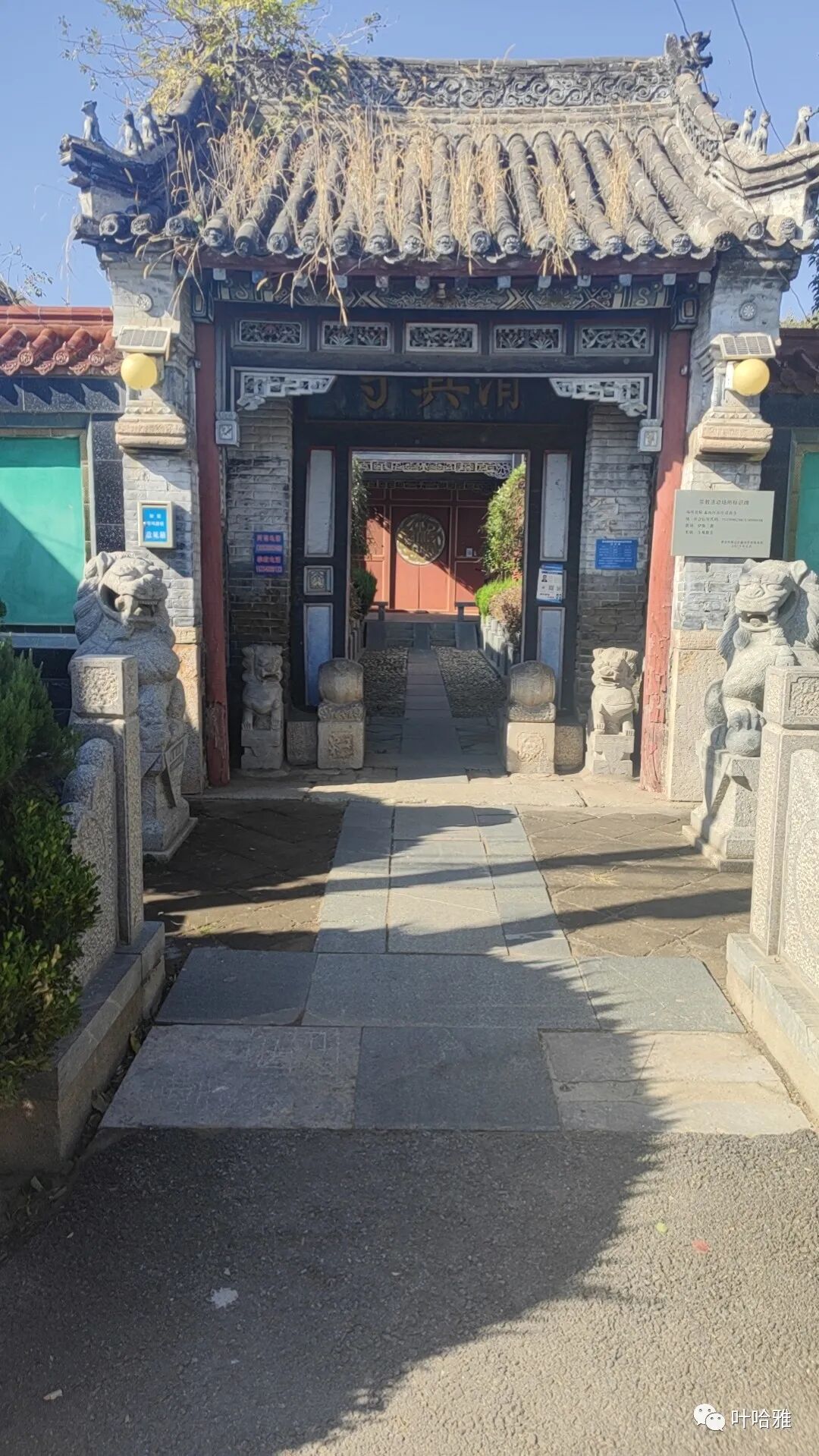
Yuezhuang Village Mosque in Shengzhuang Town is located in the middle section of the village's north-south main street. The mosque was built around the middle to late Ming Dynasty and has been repaired many times since its founding. In the second year of the Daoguang reign of the Qing Dynasty (1822), imams and village elders proposed raising funds, and Gao Dalun and Zhao Tinggui were responsible for rebuilding all the structures. Since the reform and opening up, it has been repaired many times. It was renovated again in 1995 and 2011.
The mosque has one main prayer hall, five northern lecture halls, five southern lecture halls, three water rooms, one side room, one bathing room, one inner gate, one front gate tower, and one screen wall. Both the northern and southern lecture halls have porch extensions (baoxia). The mosque is 60 meters long and 50 meters wide. The prayer hall is a Qing Dynasty building with a three-section, three-hall layout. It is divided into front, middle, and rear halls, measuring 25 meters long and 40 meters wide. The front hall is a scroll-shed hard-mountain style (juanpeng yingshan) structure, 10 meters long and 6.1 meters wide. The middle hall is a hard-mountain style (yingshan) structure, 13 meters long and 17 meters wide, with side rooms on the north and south sides covering about 42 square meters each. The rear hall is a three-story brick-and-wood structure with a pointed roof and grey tiles. The northern and southern lecture halls and the water rooms are newly built. The northern lecture hall is 40 meters long and 10 meters wide. The southern lecture hall is 40 meters long and 10 meters wide. The water room is 30 meters long and 10 meters wide. There are four stone tablets remaining: the 1822 "Stele Record of the Mosque Renovation" from the second year of the Daoguang reign, the 1995 "Stele of Eternal Fame," and two 2011 "Steles of Lasting Fame."
Since the Republic of China era, the mosque's religious affairs have been led by imams including Zhan Qinggui, Wang Changshun, Wang Fuxiang, Yang Zhaozeng, Mi Zongkun, Jin Haixue, Ma Chunyu, Jin Haizeng, Xu Yongqiang, and Bai Jian. The mosque is managed by a management committee, with past directors including Jin Dejia, Yang Xingqi, Gao Chuandong, Yang Zhengwu, and Han Jingxin. Village elder Jin Tongchun went on the Hajj pilgrimage to Mecca in 2014. Under the guidance of the mosque management committee, the imam explains religious rules and laws to local Muslims during religious holidays and carries out religious activities according to the law. The mosque houses two incense burners and eight water ewers (tangping).
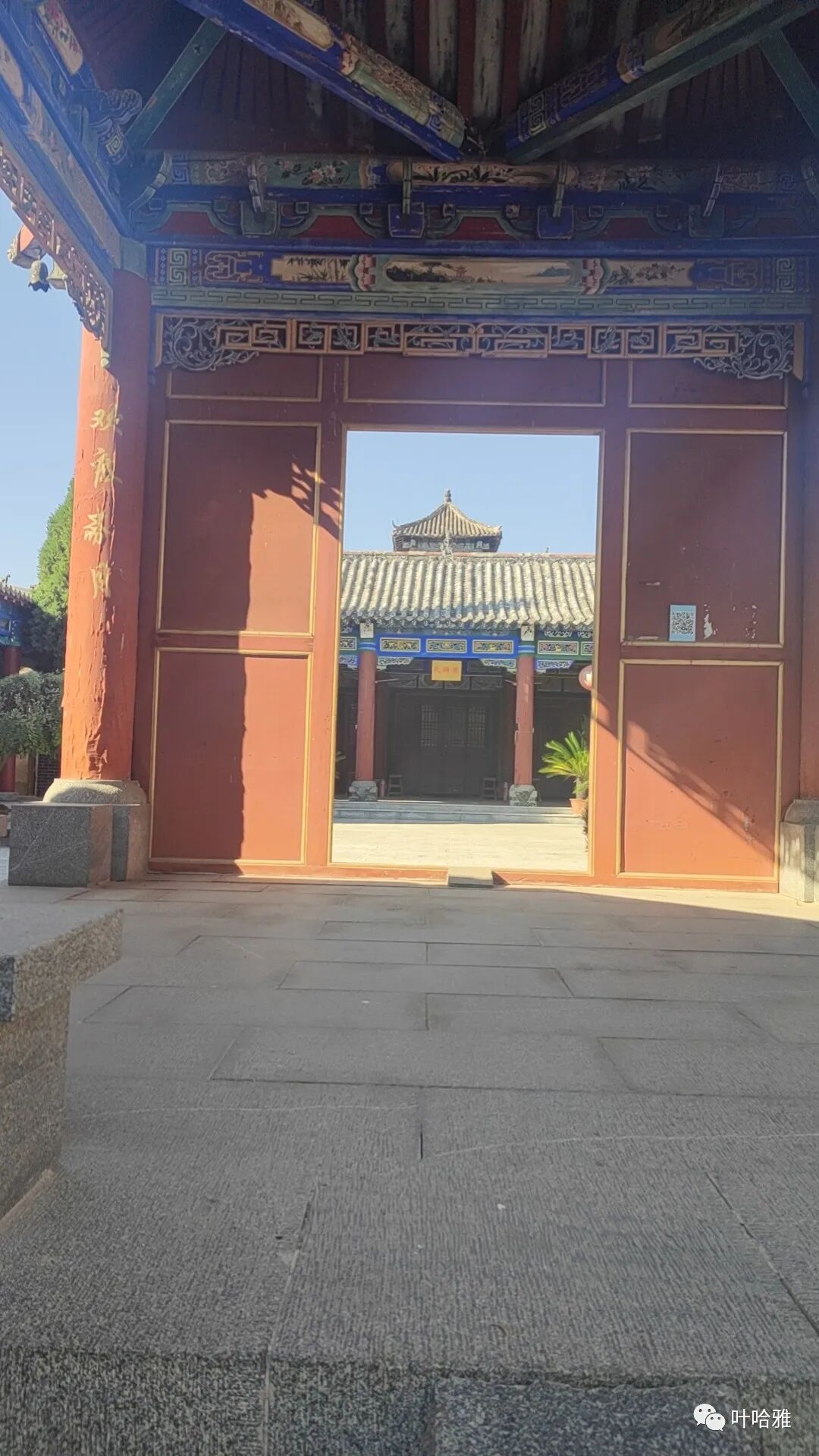
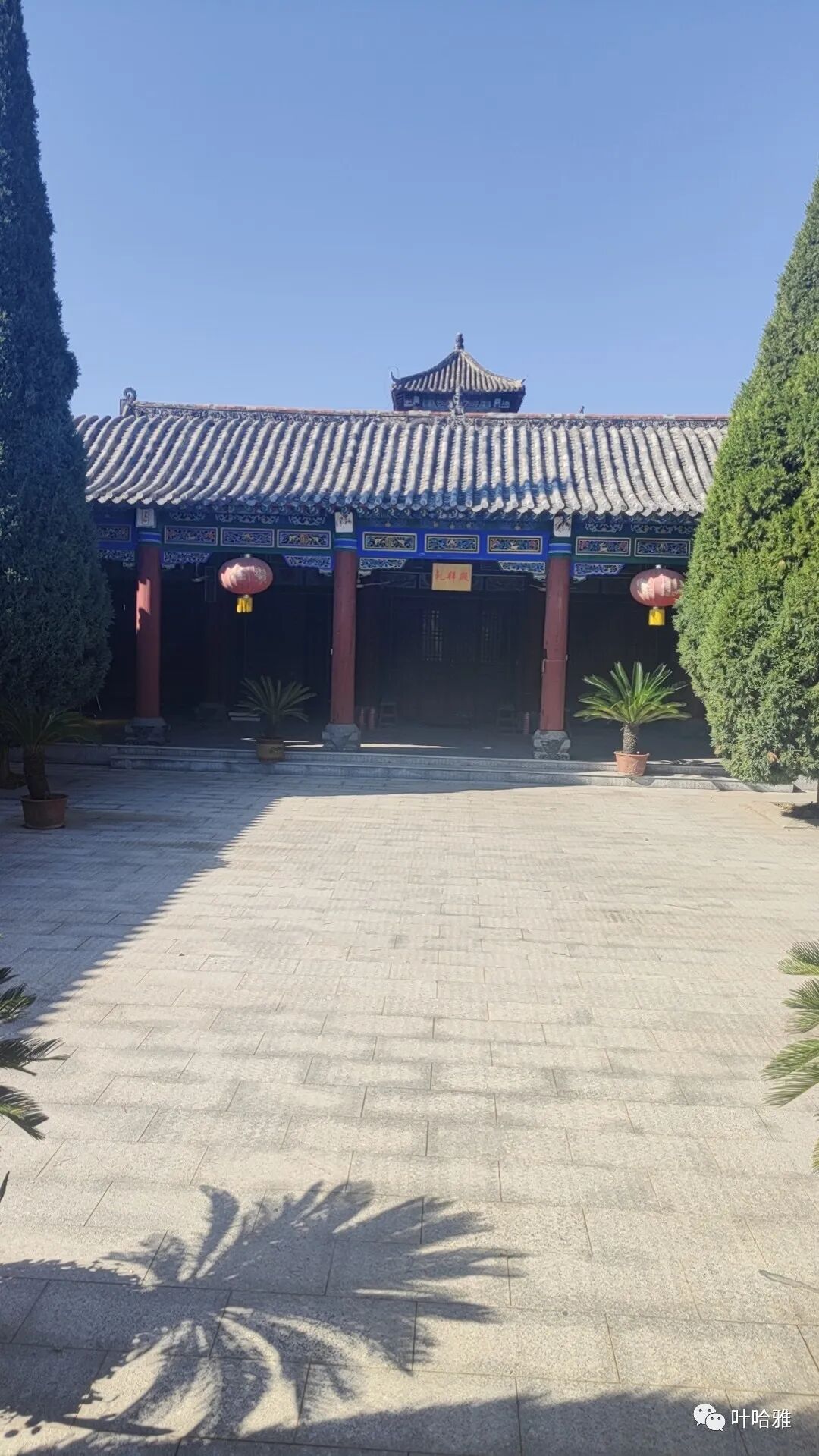
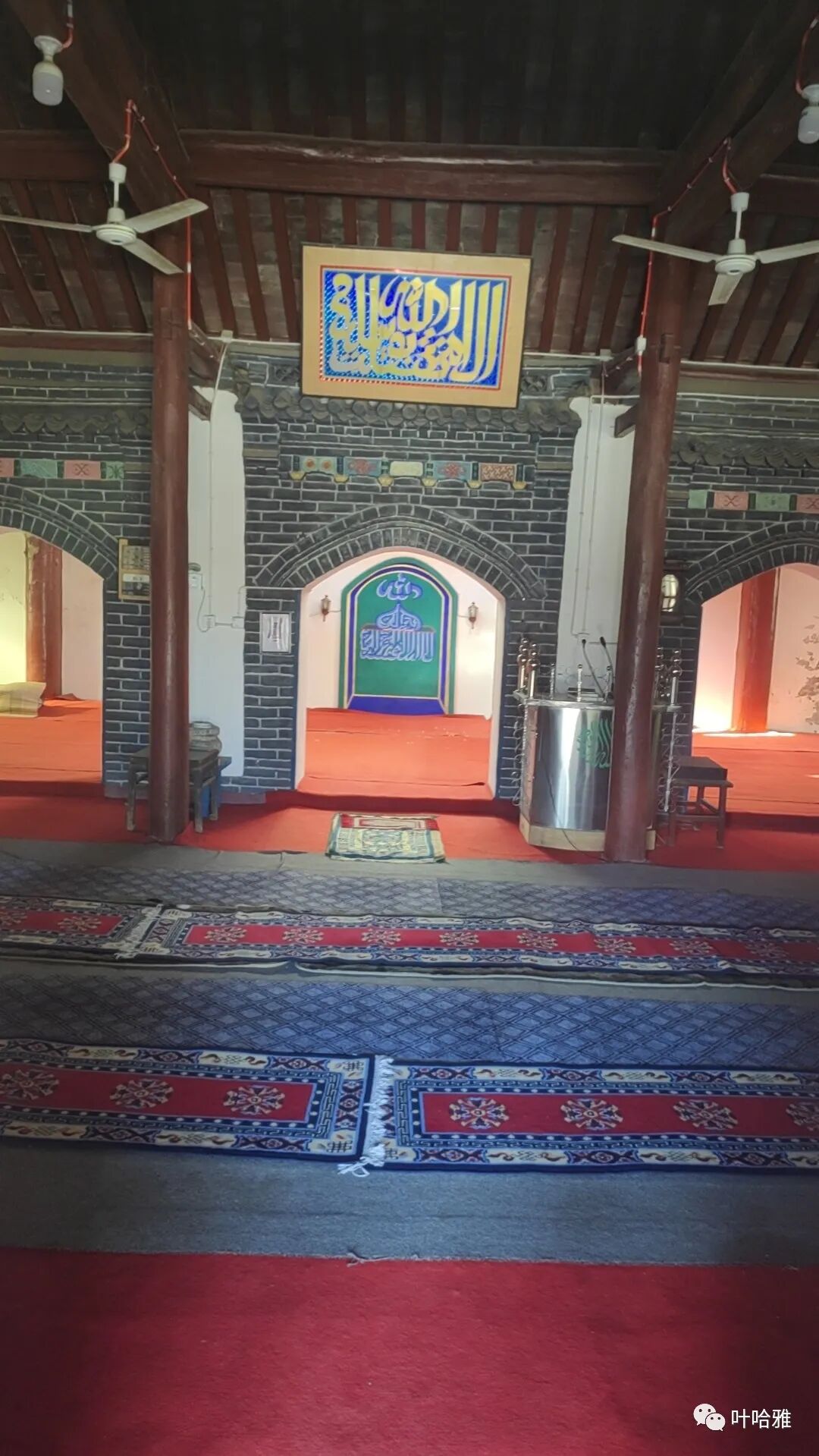
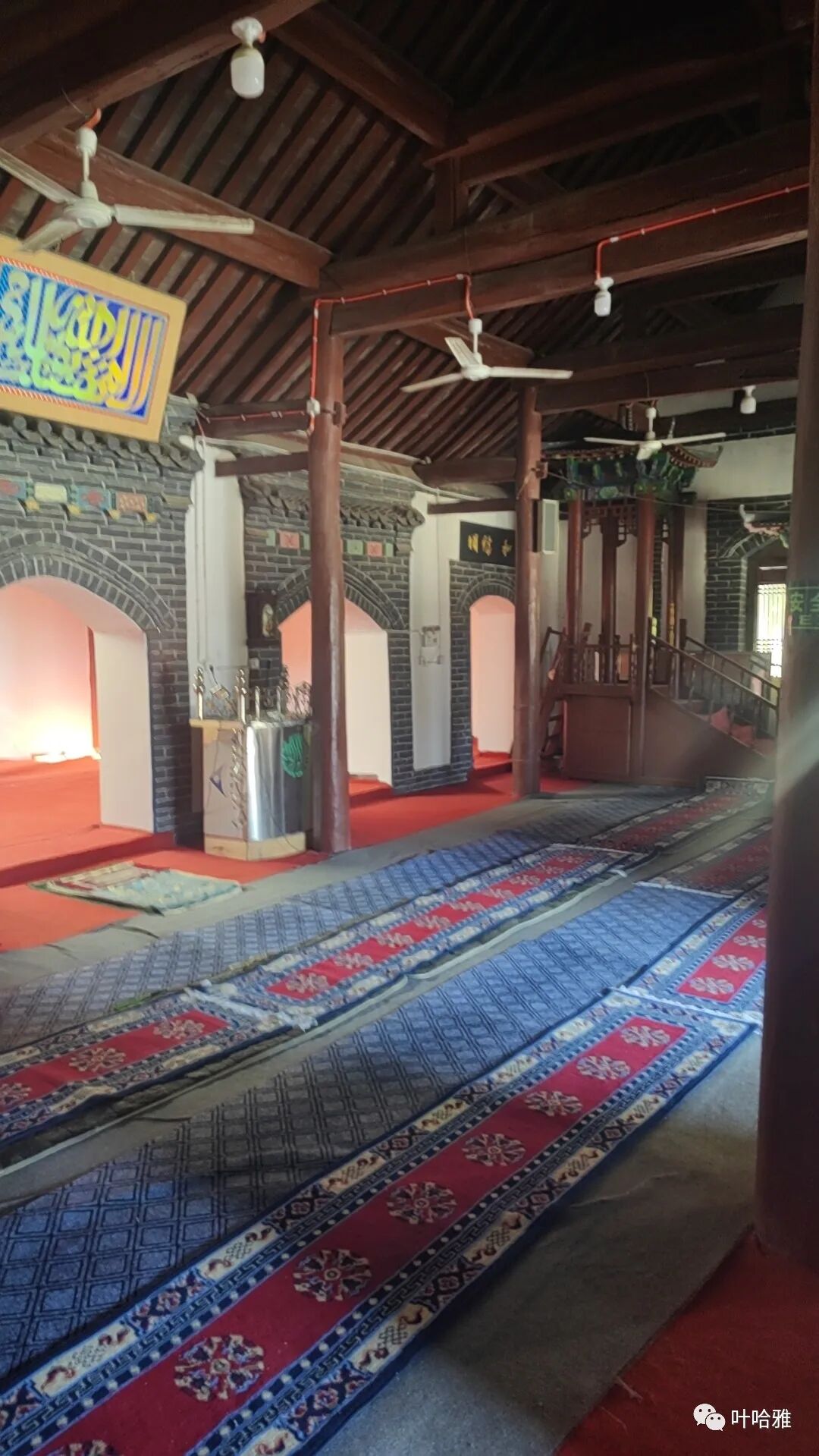
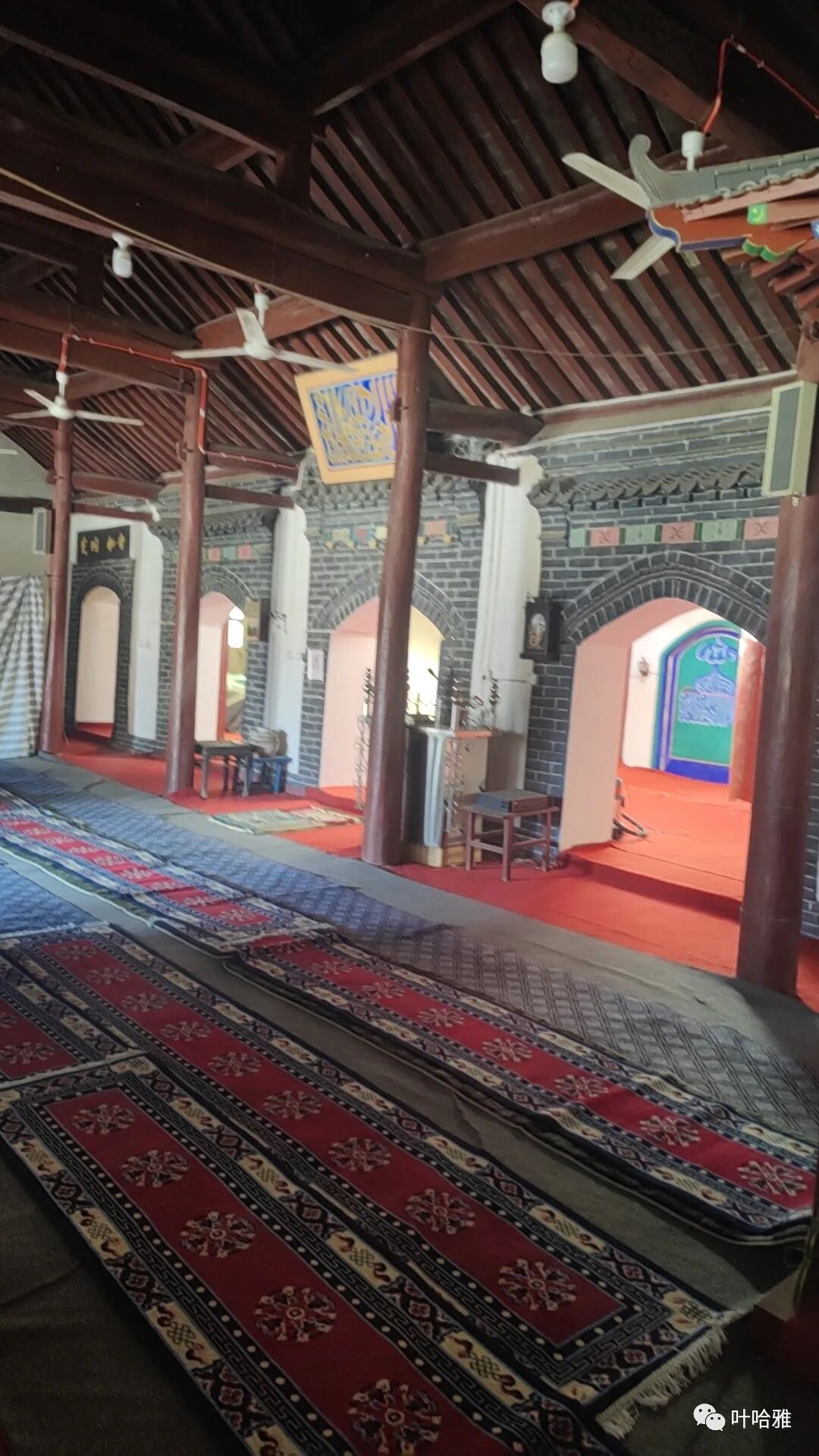
Gangshang Village Mosque
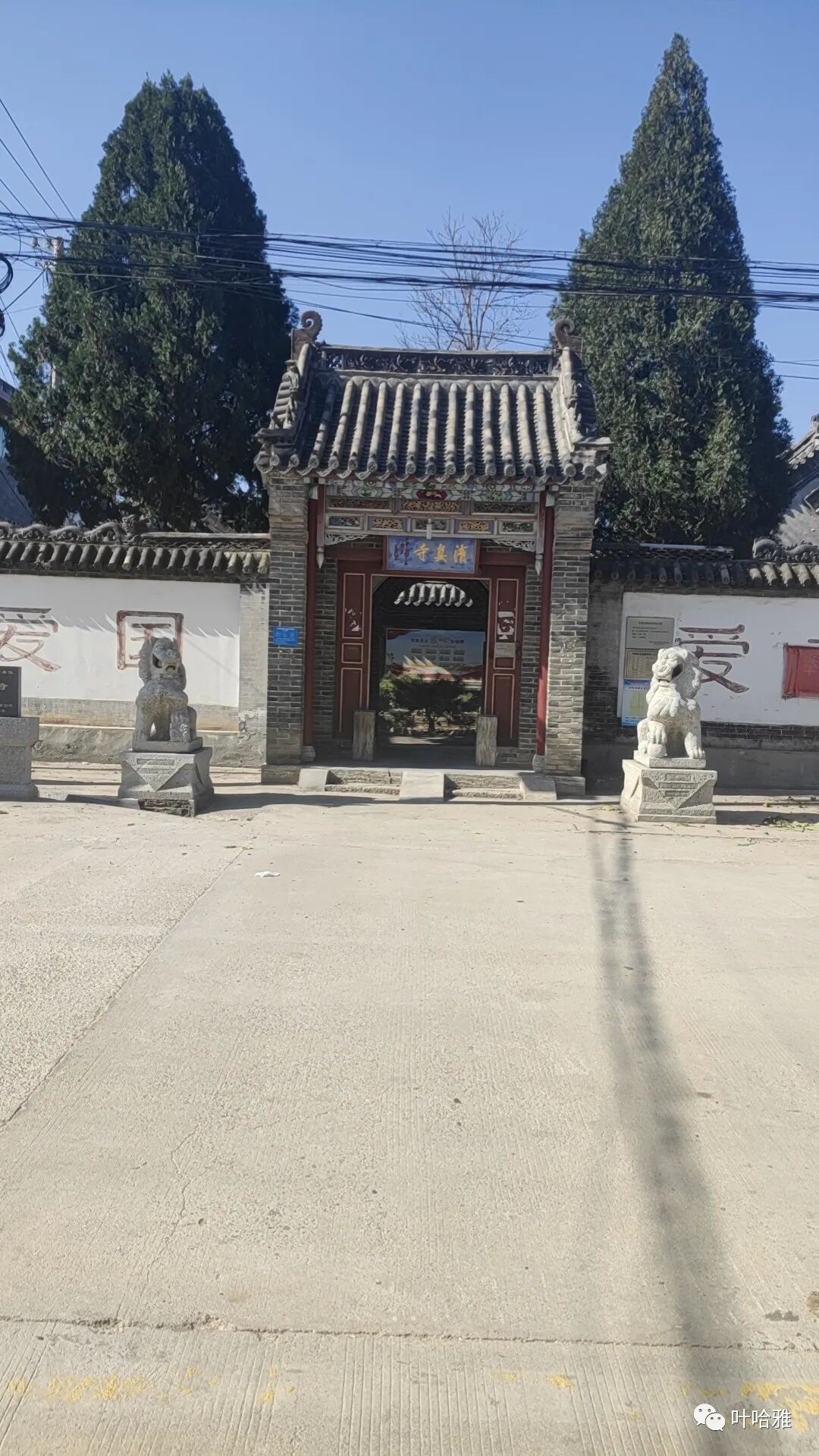
Gangshang Village Mosque in Shengzhuang Town is located in the middle section of the village's main north-south street. It was first built around the mid-to-late Ming Dynasty and has been renovated several times since. In the 14th year of the Jiaqing reign of the Qing Dynasty (1809), the rear hall was expanded and the front hall was repaired, followed by large-scale renovations in 1923. Since the founding of the People's Republic of China, and especially in recent years, the mosque has undergone multiple repairs, giving it a completely new look.
The mosque is 56.6 meters long and 32.7 meters wide. It currently has one main hall, three north lecture rooms, three south lecture rooms, one gate tower, one side room, one bathing room, two inner gates, one front gate tower, and two stone lions. The courtyard walls on both sides of the gate tower feature traditional-style eaves and a 'two dragons playing with a pearl' carving. There is a stone lion on each side of the front door.
The eaves of the main hall feature palace-style paintings, and the main entrance has a plaque inscribed with scripture and the Basmala (Tasmie). To the left in front of the hall stands the 1820 (the 25th year of the Jiaqing reign of the Qing Dynasty) Stele Record of the Mosque Renovation, and to the right is the Revolutionary Martyrs Monument. In front of the main hall is a square moon terrace with blue brick patterned walls, a bluestone slab roof, and five steps. The main hall is divided into a front hall and a rear hall, measuring 19.5 meters long and 10 meters wide in total. Ten wooden pillars inside the hall support the roof. Two stone pillars support the stone gutter (tiangou) used for draining rainwater between the two halls. On the northwest side, there is an intricately crafted minbar archway with nine steps. The back wall of the main hall has a hanging doorway leading to the rear kiln hall, decorated with scripture paintings. The hall is carpeted and equipped with electric lights and sound equipment. The front and rear halls have a total of four side rooms.
The north lecture hall is a newly built structure in an antique style, 15.1 meters long and 7.1 meters wide. The front porch has round pillars and five steps. The middle three rooms of the north lecture hall serve as a reception area. The two rooms on the east and west sides are living quarters for the imam and the religious leader. The south lecture hall is also a newly built structure in an antique style, measuring 15.1 meters long and 4.2 meters wide, sitting in harmony across from the north lecture hall.
The north courtyard contains a washroom (shuifang) that is 40 meters long and 6.1 meters wide. There are also other buildings including a storage shed, a funeral room, and a utility room, with five rooms for the women's mosque in the northwest corner. Five stone tablets remain today: the 1820 'Record of Rebuilding the Mosque' from the 25th year of the Jiaqing reign of the Qing Dynasty, the 2002 'Revolutionary Martyrs Monument,' the 2006 'Preface to Rebuilding the Gangshang Mosque Washroom' and 'Mosque Washroom Tablet,' and the 2010 'Tai'an City Key Cultural Relics Protection Unit Tablet.'
The mosque has trained dozens of imams and other religious staff, and since the Republic of China era, religious affairs have been led by imams including Jin Dechang, Ma Tongyu, Jin Maozeng, Jin Maoyuan, Yang Xinzeng, and Jin Shuai. The mosque is managed by a mosque management committee, with Mi Yong and Sha Chuanren serving as committee directors consecutively.
The mosque carries out religious activities strictly in accordance with the law. There was once a 'Long Live the Emperor' tablet and several Ming-style incense burners, but their whereabouts became unknown during the Cultural Revolution. In 2010, it was designated as a key cultural relics protection unit of Tai'an City, and in 2014, it received the titles of 'Shandong Province Model Religious Activity Venue' and 'Tai'an City Model Mosque.'
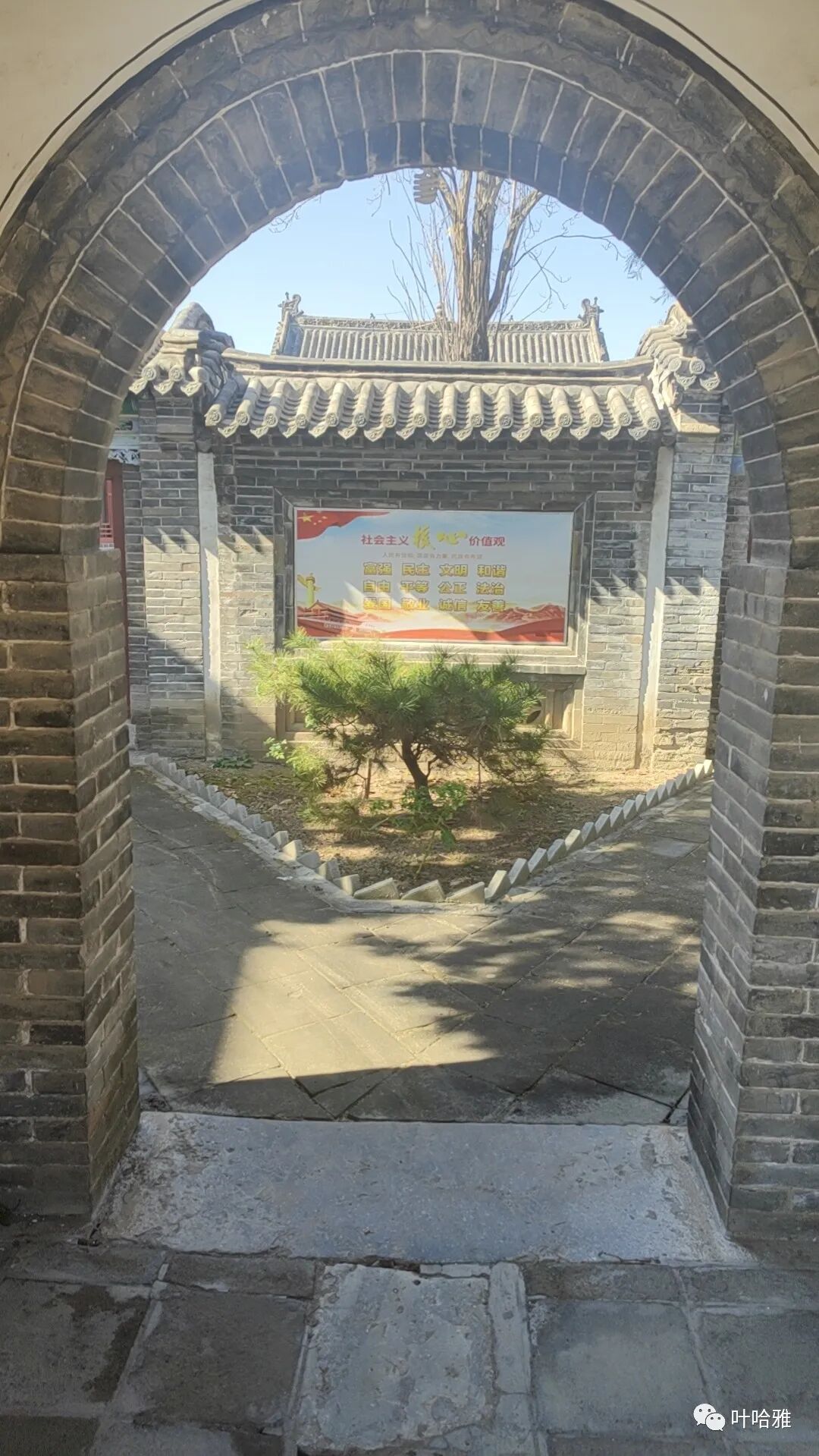
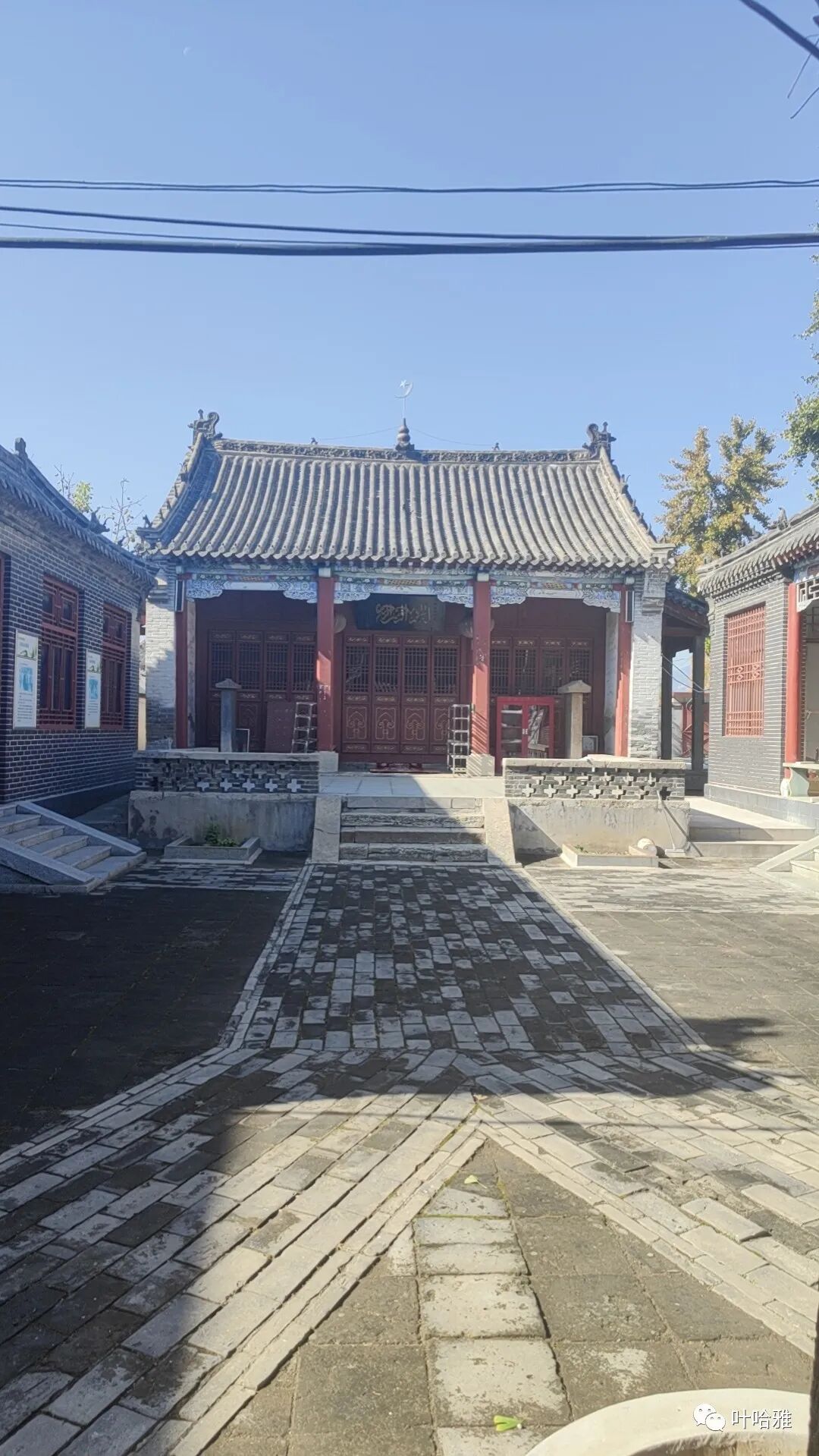
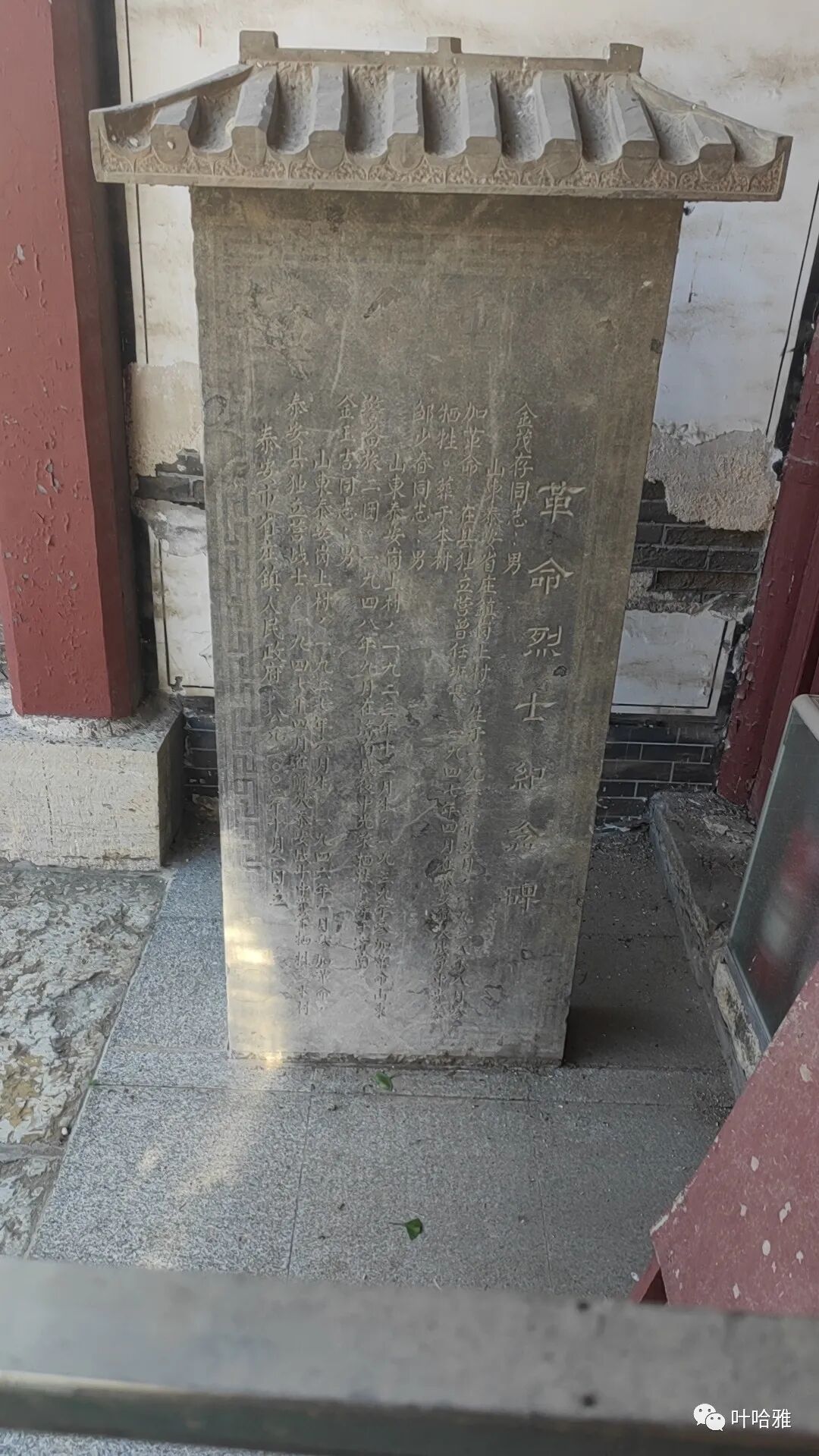
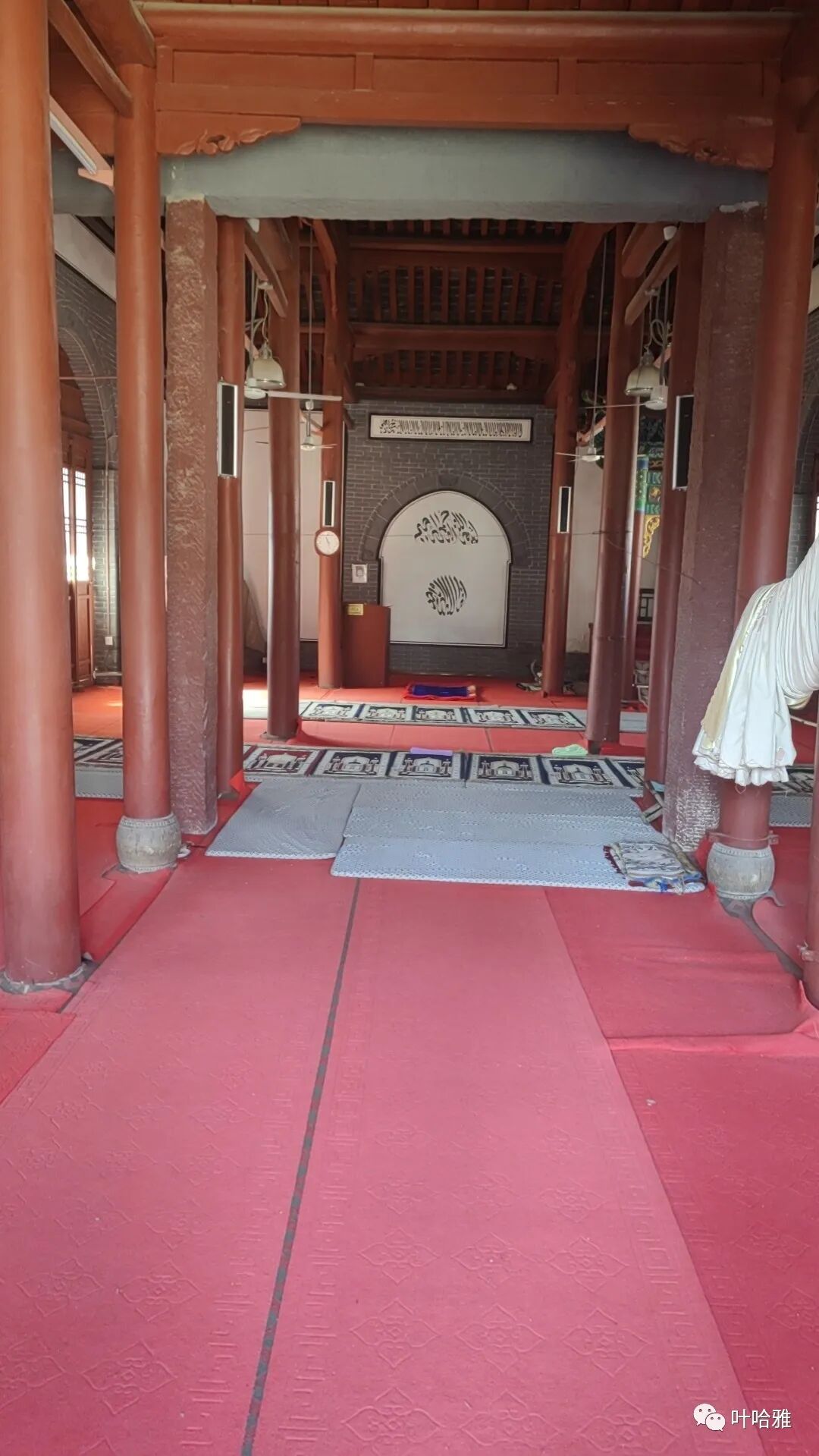
Ershilibu Village Mosque
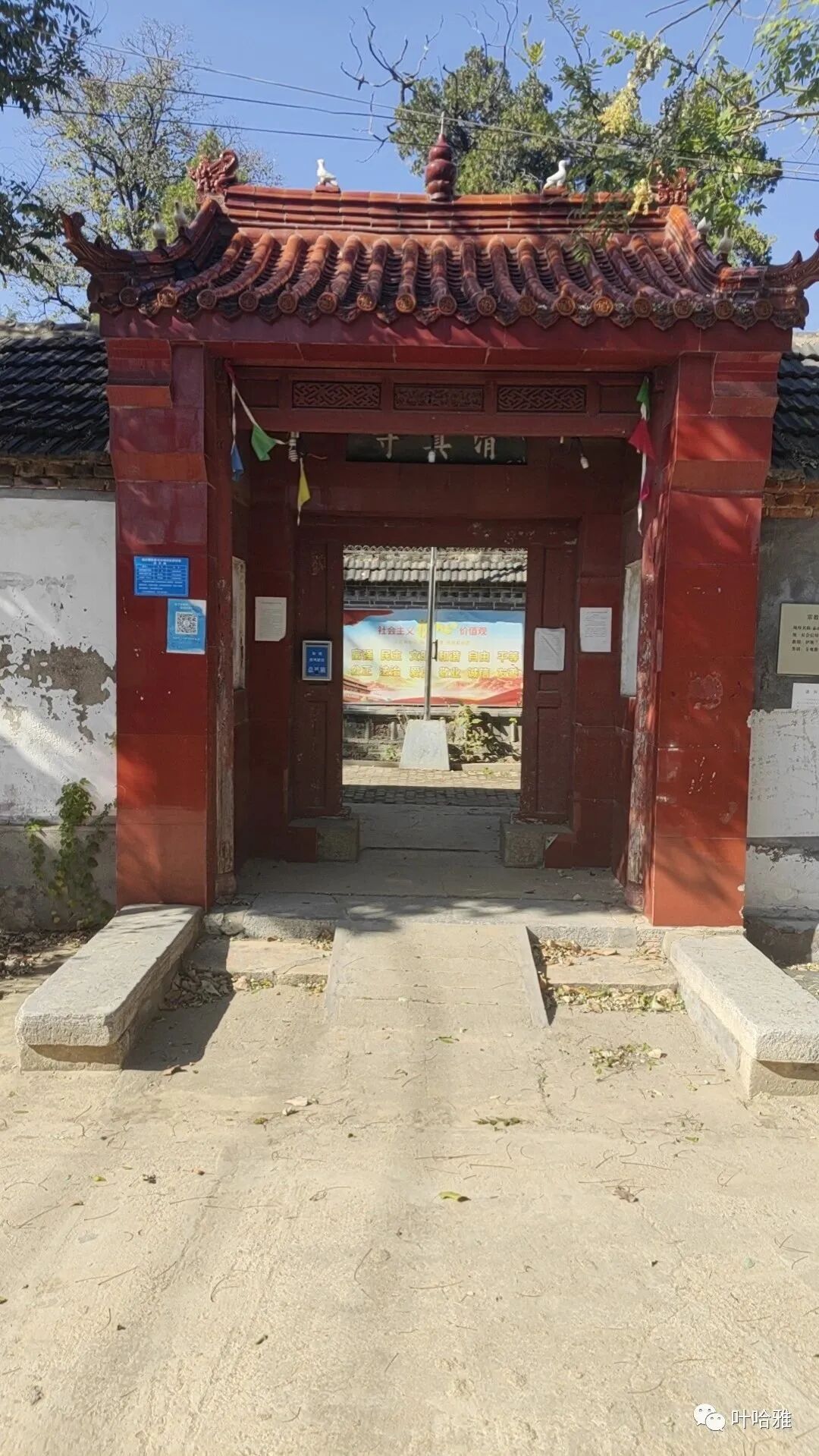
The Ershilibu Village Mosque in Shengzhuang Town sits at the south end of the village. The exact date of its founding is unknown. Major renovations took place in 1881 during the Qing Dynasty, in 1945 during the Republic of China era, and again in 2001.
The mosque includes one main prayer hall, four rooms for the north lecture hall, three rooms for the south lecture hall, one gate tower, one spirit wall (yingbi), one raised platform (yuetai), one south side room, one side room on each side of the front gate, and two ancient trees. The mosque is 66.56 meters long and 50 meters wide. The main prayer hall has two sections, front and back, standing 12 meters high, 18 meters long, and 12 meters wide. The front hall is a hard-mountain style building with a brick and wood structure and a four-pillar front porch (baoxia). The back hall has side rooms to the north and south, stands about 11 meters high, and dates back to the Qing Dynasty. Both the north and south lecture halls are four-room brick and wood structures with black tiles, featuring four beams and five purlins. The north lecture hall is 16.2 meters long and 5.1 meters wide, and the south lecture hall is also 16.2 meters long and 5.1 meters wide. The ablution room (shuiwu) is 28.5 meters long and 5 meters wide. There are two stone tablets here: the Stele of Eternal Fame (Wangu Liufang Bei) from 2000 and the Stele of Ethnic Unity and Merit (Minzu Tuanjie Gongde Bei) from 2001.
The mosque's religious affairs were led by imams including Zhao Bingfa, Zhu Ahong, Li Shengcai, Mi Guangxun, Yang Zhaozeng, Mi Peiqi, Ding Jian, and Ma Depeng. In 2010, Imam Ma Depeng and two women, Hong Zhenxi and Hong Zhenying, went to Mecca for the Hajj. The mosque is managed by a committee, and past directors include Hong Jiren, Zuo Xingwang, Hong Zhenyi, and Ding Yanzhi.
During the War of Resistance Against Japan, Imam Yang Dechun hid Muslim anti-Japanese fighters from the Japanese army by disguising them as religious students (hailifan) inside the mosque. After the founding of the People's Republic of China, Imam Li Shengcai trained students including Mi Guangxun, Han Jingming, Zhu Yuepo, and Zhao Chang'en. In May 1964, Imam Yang Dechun was elected vice president of the first committee of the Shandong Islamic Association. The mosque currently houses items such as an incense burner, a water pitcher (tangping), a floor mirror, and palace lanterns. In 2011, it was named a Shandong Province Harmonious Religious Venue.
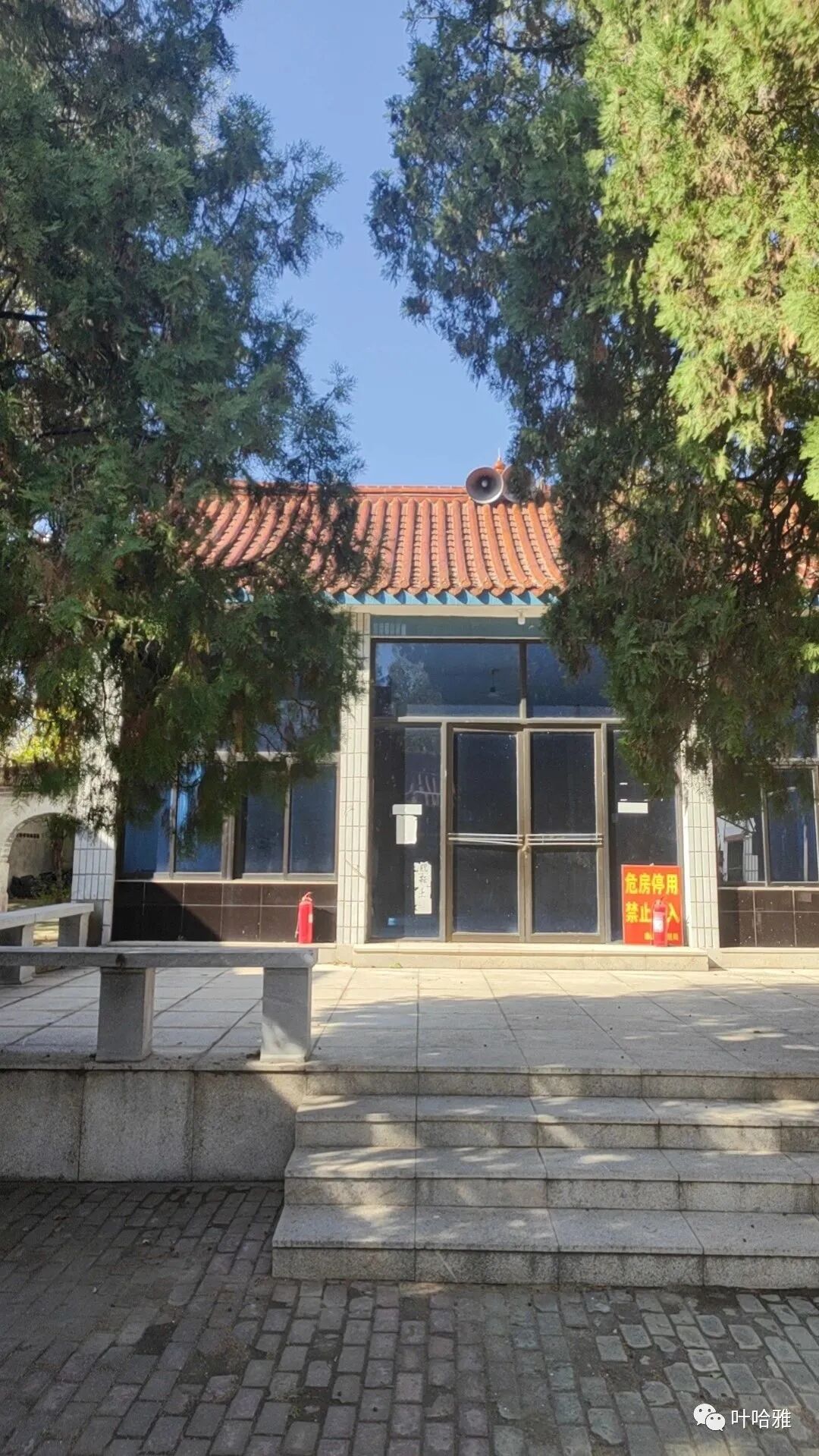
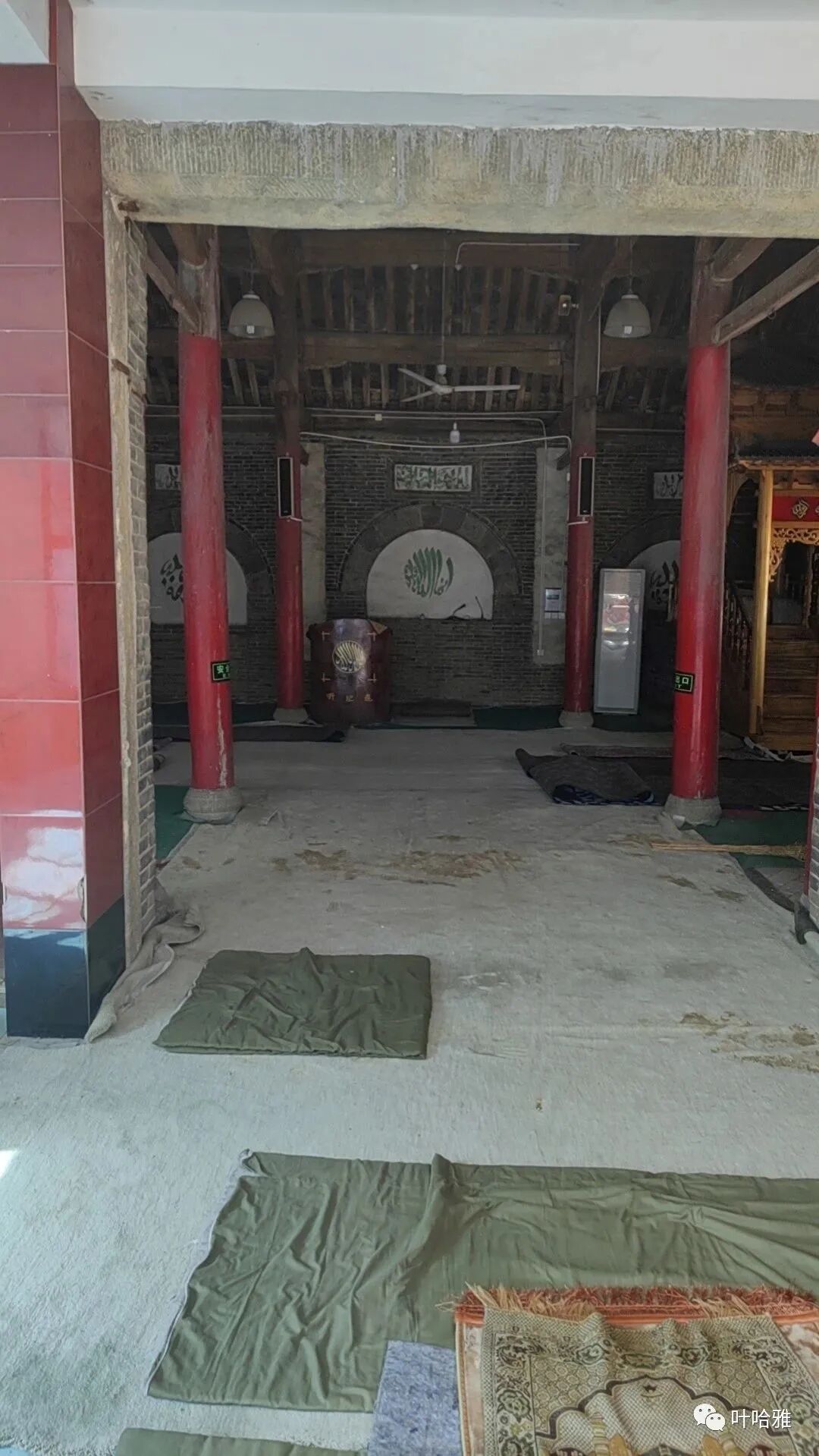
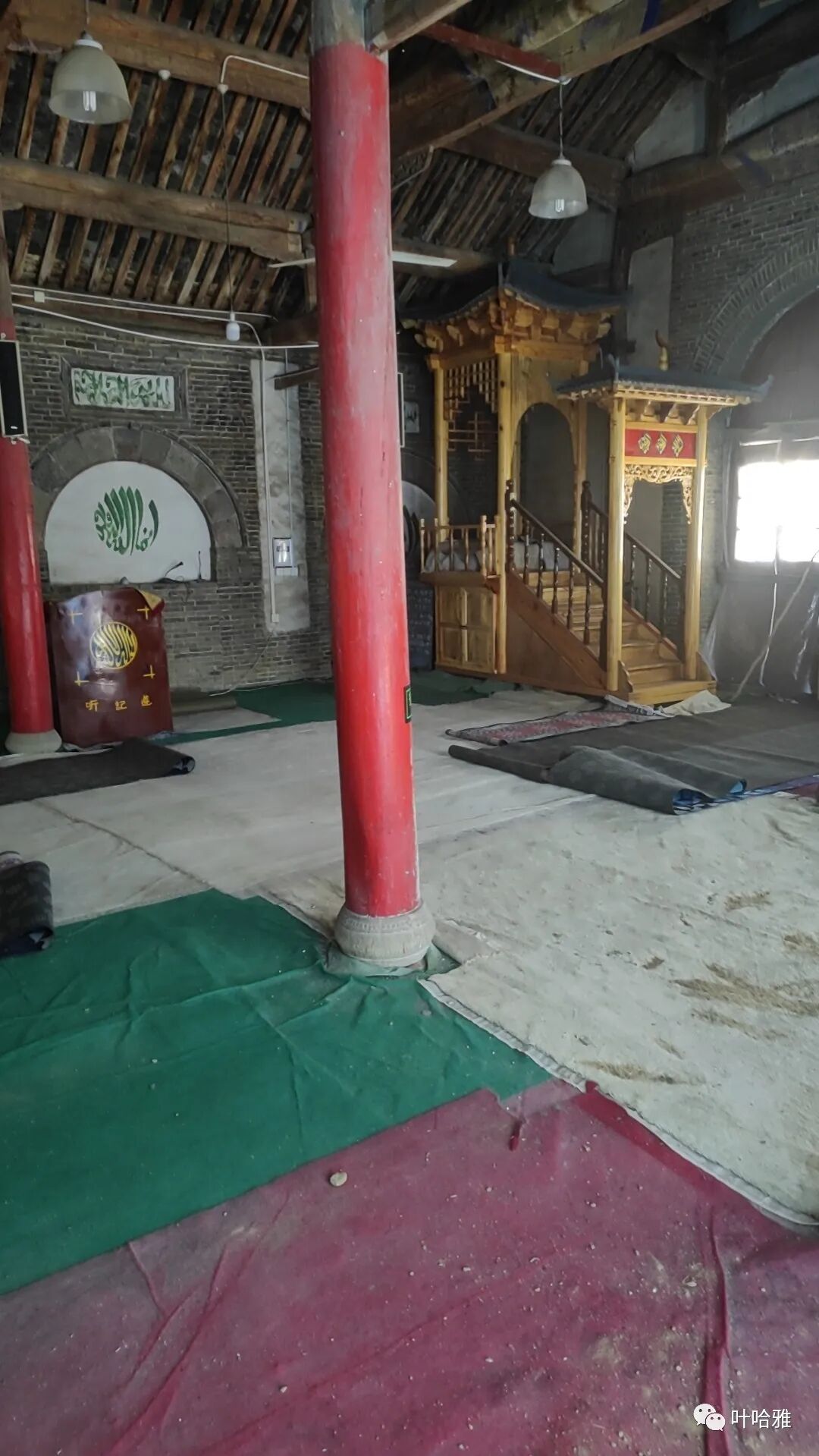
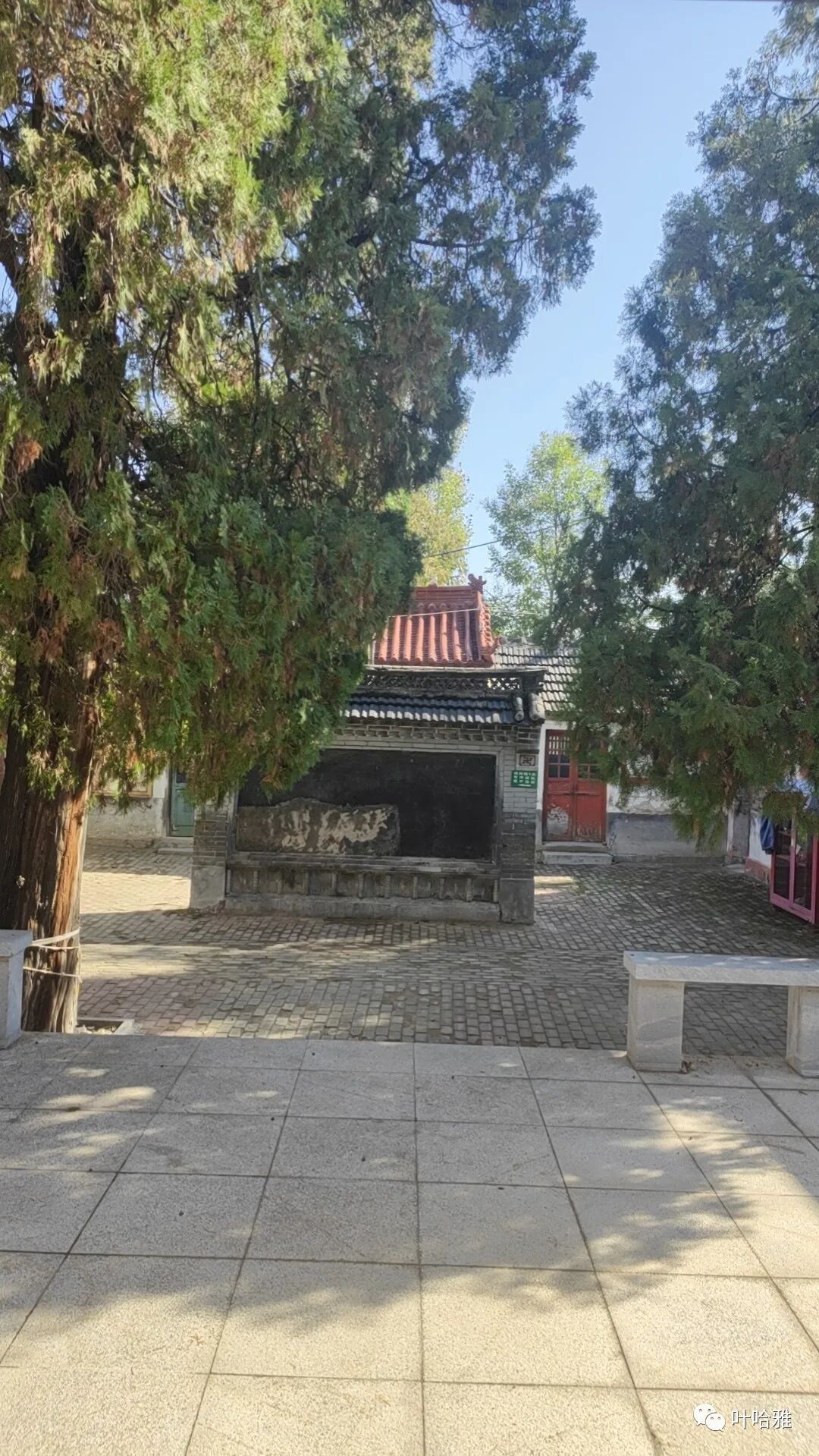
Dongsun Village Mosque.
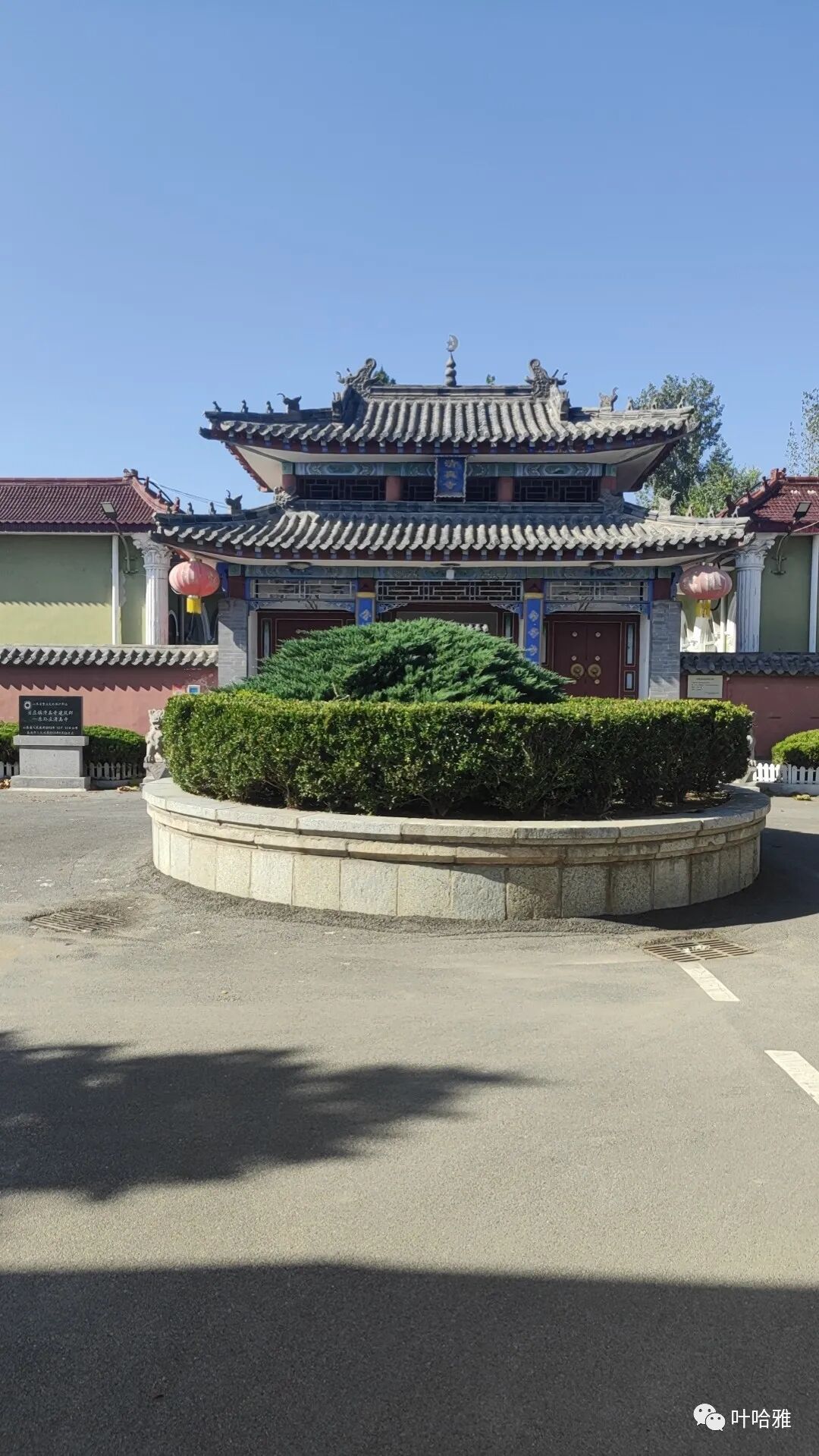
Located in the western part of Dongsun Village in Shengzhuang Town, the mosque was built in the late Qing Dynasty and has been repaired many times since. Large-scale renovations took place in 2001, 2006, and 2014.
The mosque courtyard has one main prayer hall, eight northern lecture rooms, eight southern lecture rooms, one front gate tower, one screen wall, and one raised platform. The mosque is 53.5 meters long and 30 meters wide. The main prayer hall is a two-part, two-section structure from the Qing Dynasty. It has a hard mountain-style roof made of brick, wood, and grey tiles, measuring 12.5 meters long and 11.7 meters wide. The front hall has two side rooms, each 3.9 meters long and 1.9 meters wide. The north and south lecture rooms are newly built, with the north lecture room measuring 23 meters long and 6.7 meters wide. The south lecture room is 8.63 meters long and 7.2 meters wide. The water room is 8.63 meters long and 7.2 meters wide. The boiler room is 5.74 meters long and 7.2 meters wide. Outside the main gate of the mosque, there is a flower bed and a square with a total area of 473.29 square meters.
The mosque currently houses five stone tablets: the 1904 Tablet for the Reconstruction of the Mosque from the Guangxu era of the Qing Dynasty, the 1930 Mi Gaoshi Land Donation Tablet from the Republic of China era, the 2001 Tablet Listing Donors for Mosque Construction, the 2007 Tablet for the Reconstruction of the Mosque, and the 2014 Memorial Tablet for Donations to the Major Renovation of the Main Hall.
Imams trained at this mosque throughout its history include Yang Zhanchun, Yang Huaizhen, Mi Hechun, Mi Xiyu, Mi Shuqian, and Mi Peiqi. After the Cultural Revolution, Imams Mi Hechun and Ma Qun served as leaders of the mosque's religious affairs. The mosque is now managed by the Mosque Management Committee, with Yang Huaiyin serving as the committee director.
Dongsun Village Mosque was named a Model Mosque of Tai'an City in 2008 and 2014, and it was named a Harmonious Religious Activity Venue of Shandong Province in 2010.
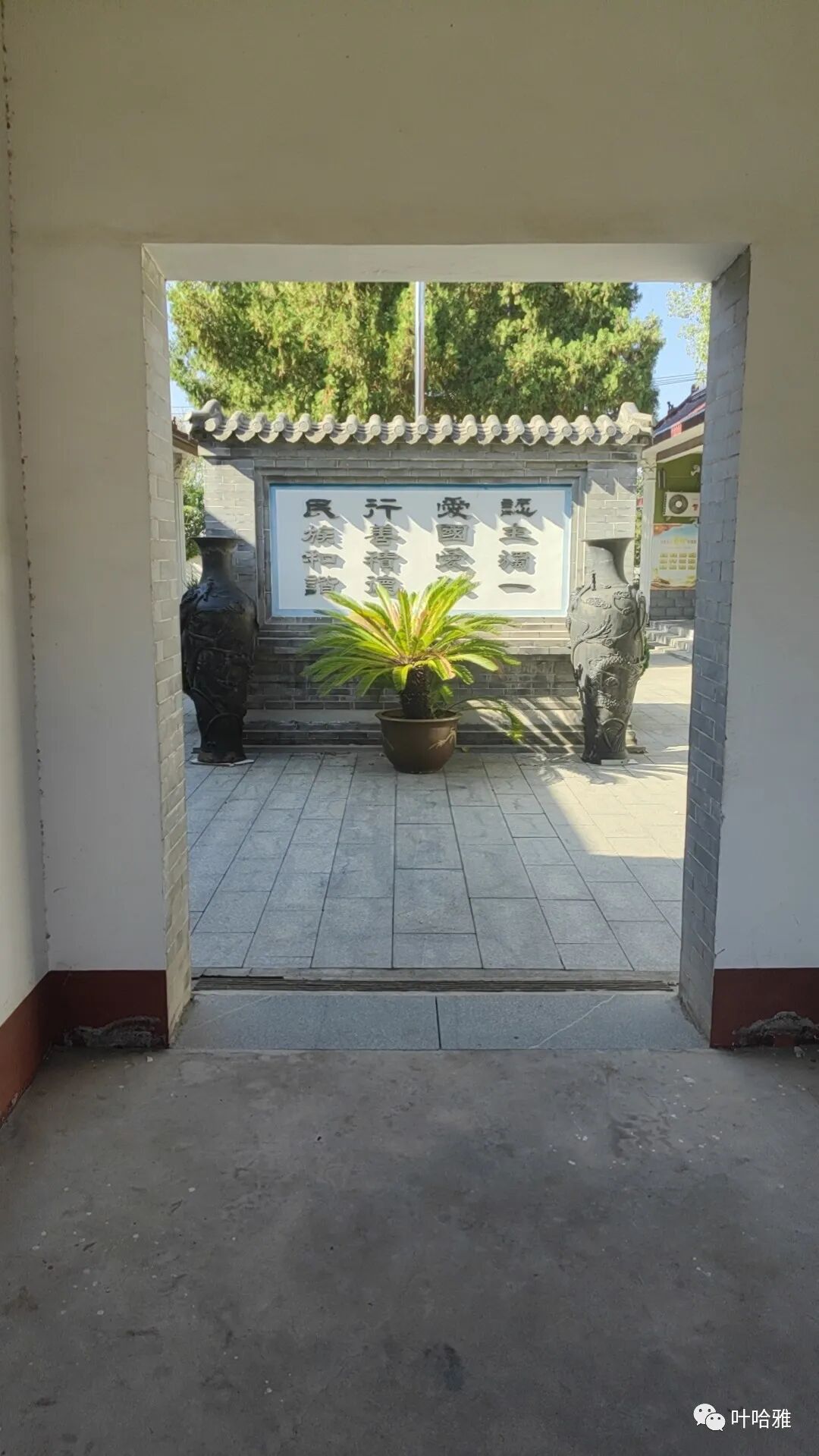
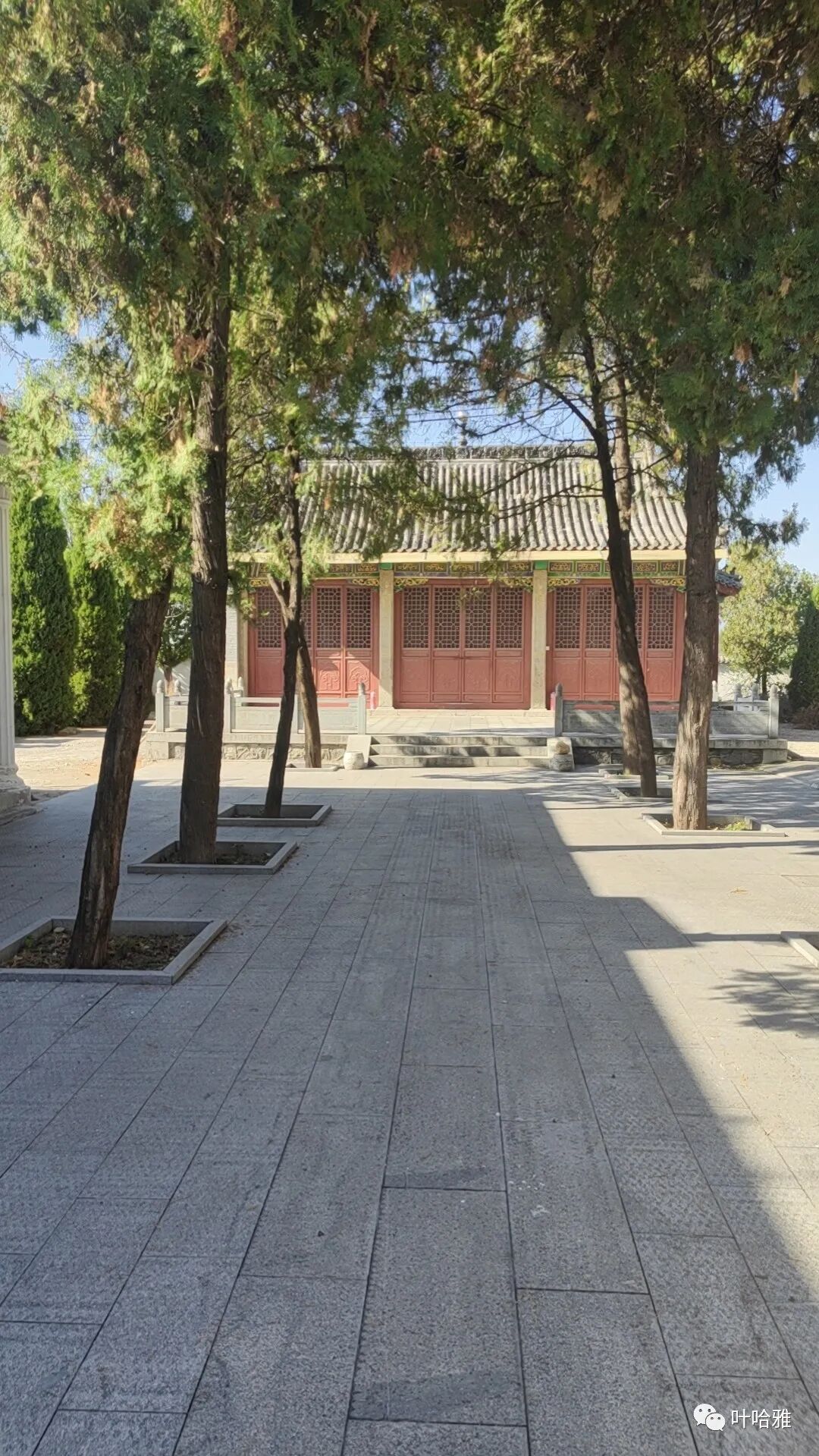
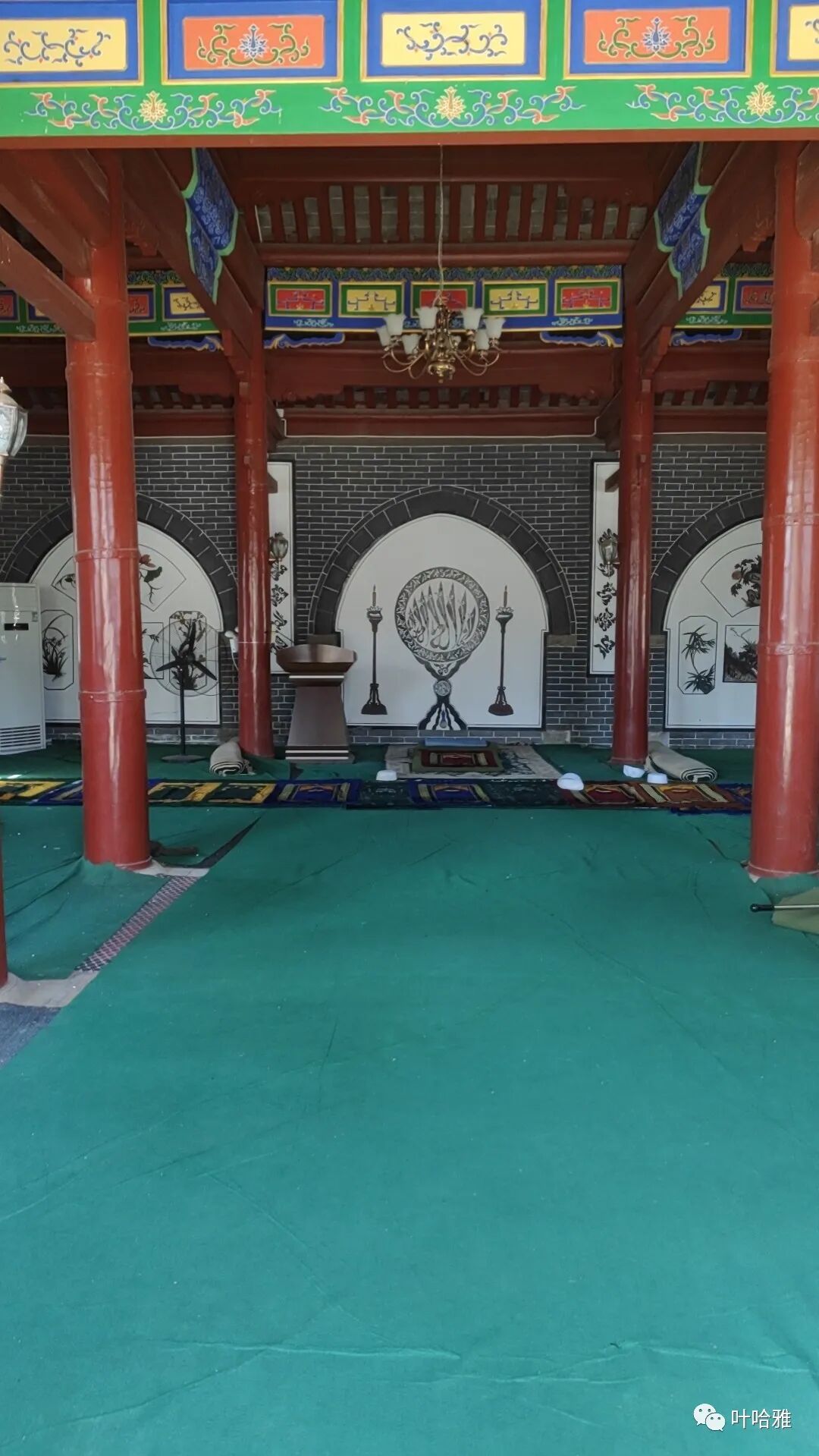
Liujiazhuang Mosque
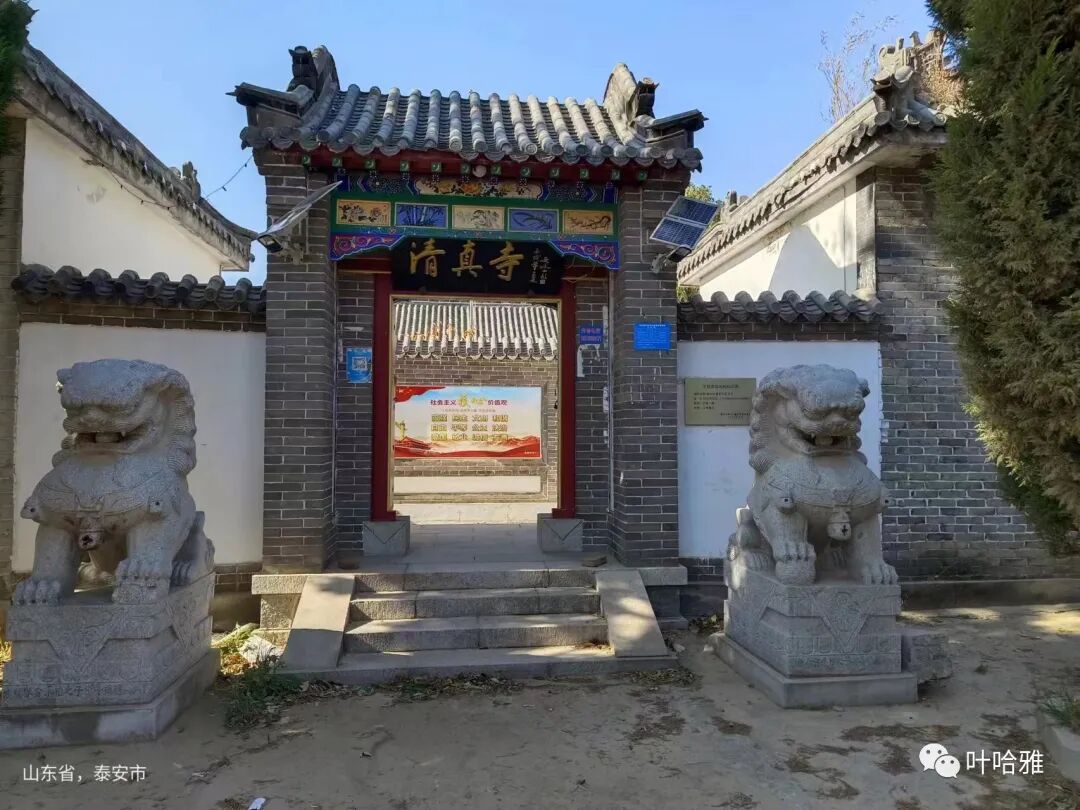
Liujiazhuang Village Mosque in Shengzhuang Town is located in the south of the village. It was built in 1917, the sixth year of the Republic of China, with funding from Jin Fengyin, Jin Fengcai, and others from Liujiazhuang Village, and it has been repaired many times since.
The mosque has one main prayer hall, four rooms for the north annex and north lecture hall, three rooms for the south lecture hall, and one spirit wall (yingbi), covering a total area of about 150 square meters. The main hall is three bays wide with a front porch. It features a black brick, tile, wood, and stone structure with a hip-and-gable roof and a front-embracing porch. The door frame of the front porch has colorful paintings. It is 10 meters long from north to south and 6 meters deep. There is also one reception room, four bathing rooms, and one ancient cypress tree. The courtyard covers an area of 288 square meters. There are four existing stone tablets: the Tombstone of Mr. Jin from 1910 (the second year of the Xuantong reign of the Qing Dynasty), the Tablet Record of Building Liujiazhuang Mosque from 1917 (the sixth year of the Republic of China), the Mosque Tablet Record from 1928 (the seventeenth year of the Republic of China), and the 2013 Tablet of Donors for the Liujiazhuang Mosque Funeral Vehicle.
The mosque's religious affairs have been led by imams including Liu Furong and Han Jian. It is managed by the Mosque Management Committee.
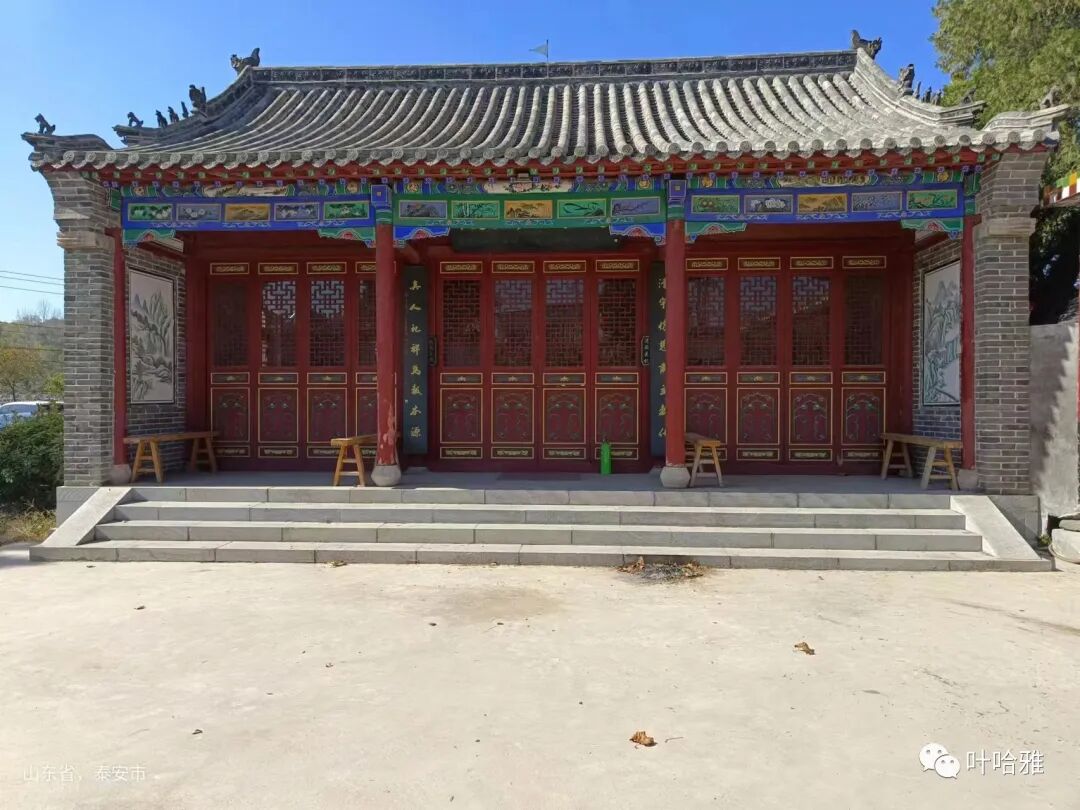
Zhihuizhuang Village Mosque
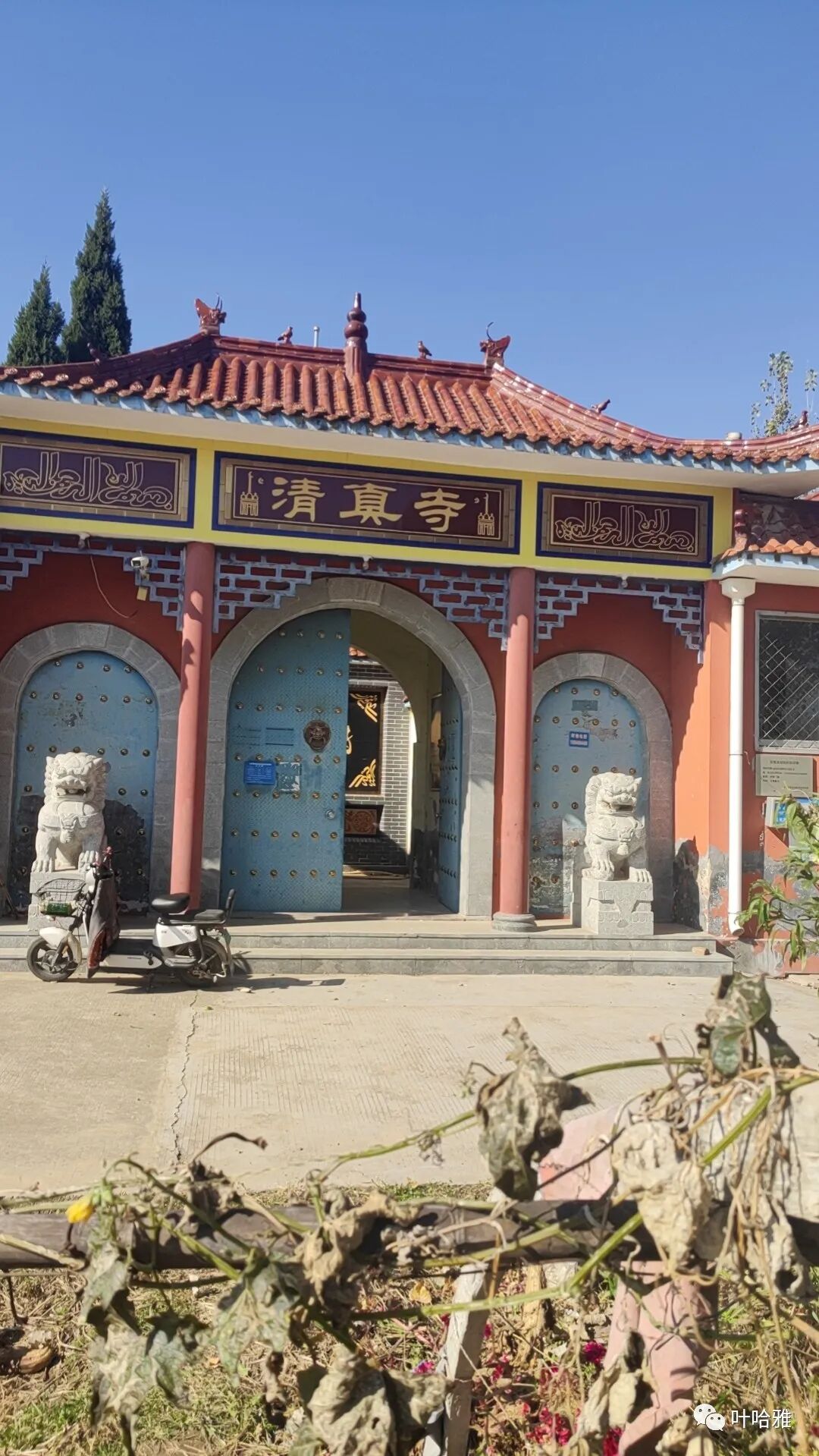
Zhihuizhuang Village Mosque in Shengzhuang Town sits on the south side of the village. It was built in 1994 and has been repaired several times since. The mosque is a modern building, 18 meters long and 27 meters wide. The main prayer hall is 10 meters high, 13 meters long, and 13 meters wide. The north lecture hall is 9 meters long and 5 meters wide. The south lecture hall is 9 meters long and 5 meters wide. The water room is 5 meters long and 5 meters wide. There are two stone tablets here: the 2005 "Stele of Eternal Fame" and the "Stele Recording Donations from Han Chinese Compatriots for the Mosque's Main Hall."
Imams such as Zhang Shuiquan and Zhang Guorui have led religious affairs at the mosque. The village has produced several imams, including Zhang Changshi, Zhang Shuiquan, Zhang Feng, and Zhang Guorui. Zhang Changshi once traveled to Mecca for Hajj. It is now managed by the mosque management committee. Past directors include Zhang Changling, Zhang Changxin, Xu Yongchang, Zhang Changjin, Zhang Hengzhen, and Zhang Hengyong.
The mosque was awarded the title of Shandong Province Harmonious Religious Activity Venue.
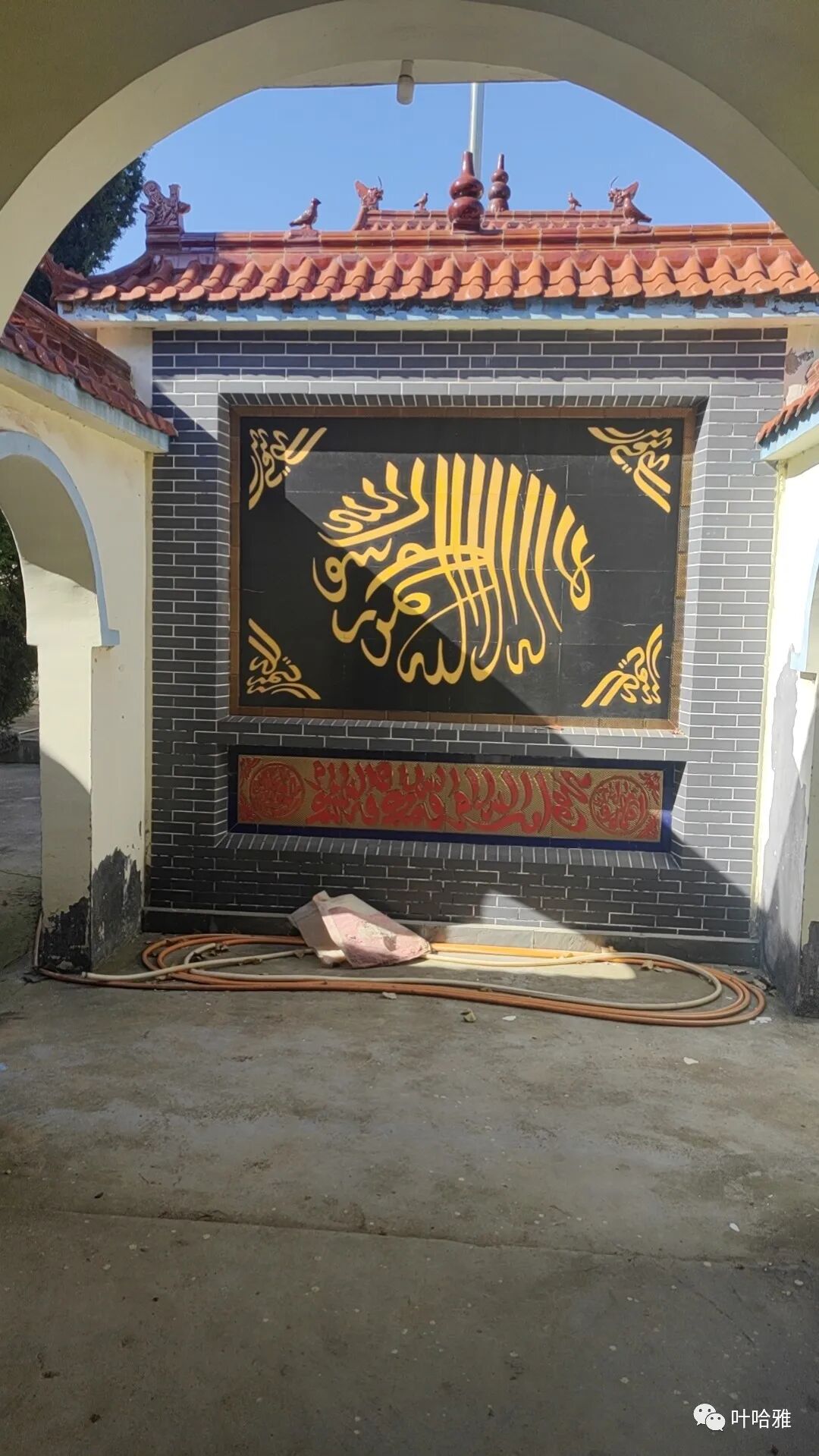
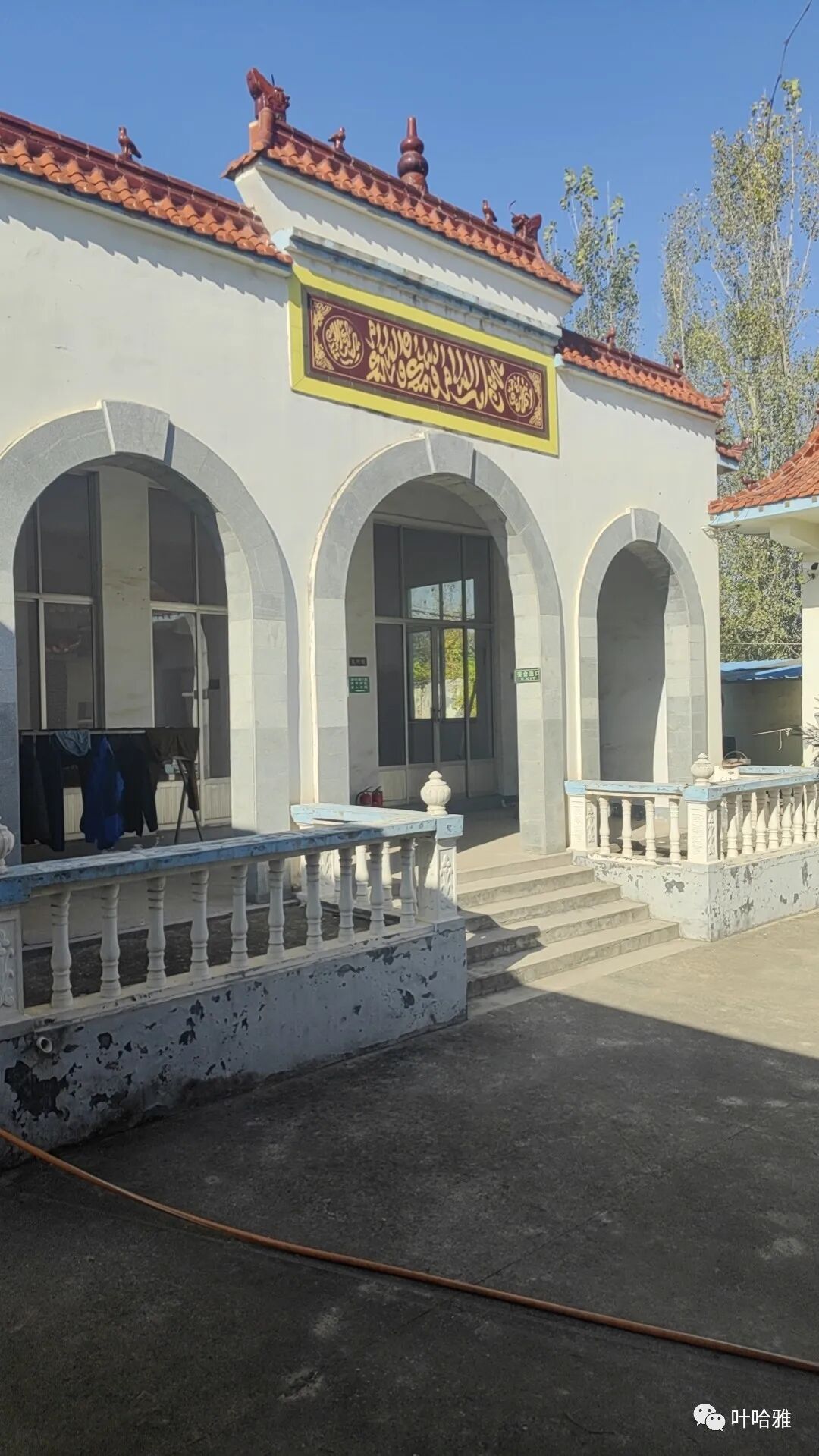
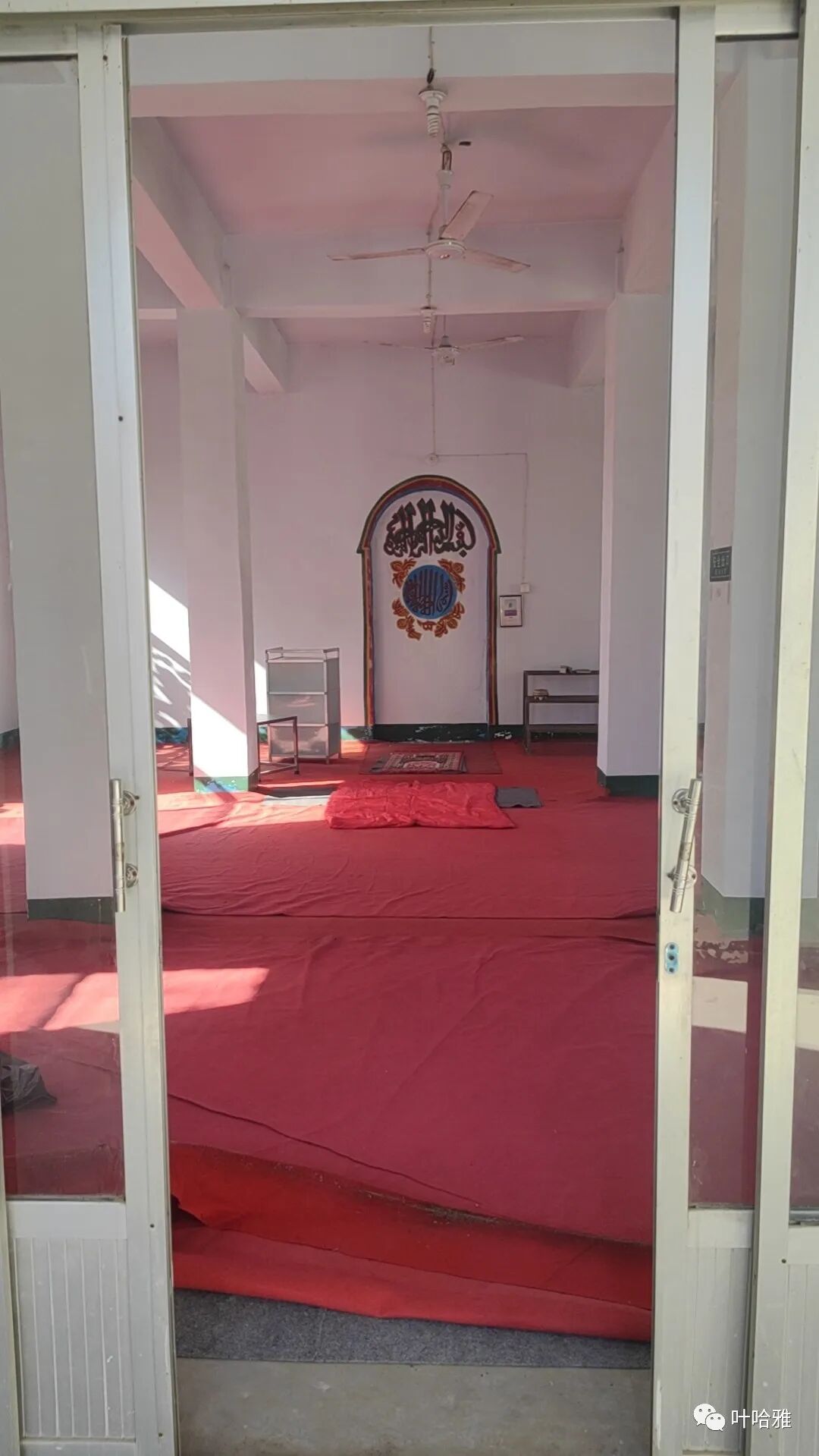
Daiyue District
Xijie Mosque
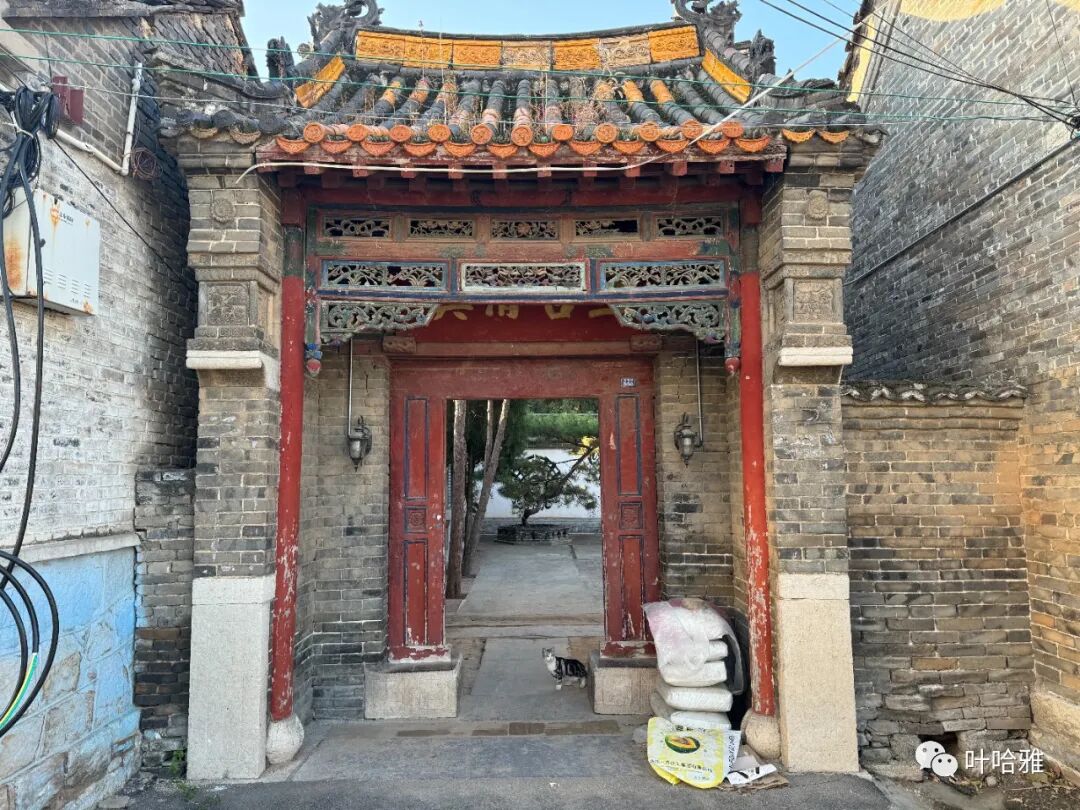
The Xijie South Mosque in Mazhuang Town is located in the southeast corner of Qianying Village. It was founded in the early years of the Qianlong reign of the Qing Dynasty and has been expanded and renovated ever since. It was renovated multiple times in 1781, 2003, and 2015.
The main buildings of the mosque include the front gate, the second gate, the front hall, the middle hall, and the rear hall. They are arranged along a central east-west axis with symmetrical side structures. The three-courtyard layout features the architectural style of a Chinese palace. The mosque is 60 meters long and 60 meters wide. The rear hall has three levels and stands 22 meters high. The main hall is 30 meters long and 14.5 meters wide. The north lecture hall is 14.3 meters long and 6.3 meters wide. The south lecture hall is 7 meters long and 6.2 meters wide. The water room is 18.6 meters long and 6.2 meters wide. The mosque gate is 4.7 meters long and 3.9 meters wide, and there are also facilities like a storage room, kitchen, and garage.
The mosque has 6 existing stone tablets, including the 1781 Tablet Record of the Renovation of the Front Hall of the Xijie Qianyin Village Mosque from the Qianlong reign of the Qing Dynasty, the 1802 Tablet Record of the South Mosque Street Residence from the Jiaqing reign, the Tablet Record of the Bai Family Genealogy from the late Qing Dynasty, the 2003 Tablet Record of the Renovation of the Front Hall and Rear Kiln of the Xijie Qianyin South Mosque and the Tablet Record of Donations for the Renovation of the Front Hall and Rear Kiln of the South Mosque, and the 2015 Merit Tablet for Donations to the Renovation of the North Lecture Hall of the South Mosque.
Imams including Bai Anfu, Bai Maosheng, Zhang Fengyi, Bai Anmeng, Bai Guangpu, and Bai Anzhong once led religious affairs at the mosque, and it is currently led by Imams Ma Yubing and Bai Hairong. Before the founding of the People's Republic of China, the mosque's affairs were managed by village elders and imams, and during the Jiaqing reign of the Qing Dynasty (1796-1820), Ma Long, Bai Guoren, Bai Guoxin, and Bai Guoli were responsible for management. During the late Qing Dynasty and early Republic of China, Bai Zongmao was responsible for management. Starting in the 1980s, a democratic management committee for the mosque was established, and Bai Maojun, Ma Zhulian, Ma Zongwang, Bai Anqi, Bai Anying, Bai Maozhu, Bai Fuhai, and Zhao Xinwen served as directors one after another.
The mosque values religious education, and since its founding, more than 60 imams and scholars have studied the Quran and Hadith there. During the Republic of China era, Bai Zongmao founded a primary school for Hui Muslims at the mosque and invited Mr. Cao Shusheng from the south corner and Mr. Huang from Dapo to serve as teachers.
The mosque currently has a pair of Ming Dynasty grand master chairs, a Qing Dynasty three-legged incense burner, a pair of Qing Dynasty porcelain drums, a plaque for the main gate tower, and a plaque for the front hall. Imam Bai Hairong currently keeps a handwritten copy of the Quran. In 2010, it was named a Harmonious Religious Activity Venue by Shandong Province, and in 2013, it was designated as a Provincial Cultural Relics Protection Unit.
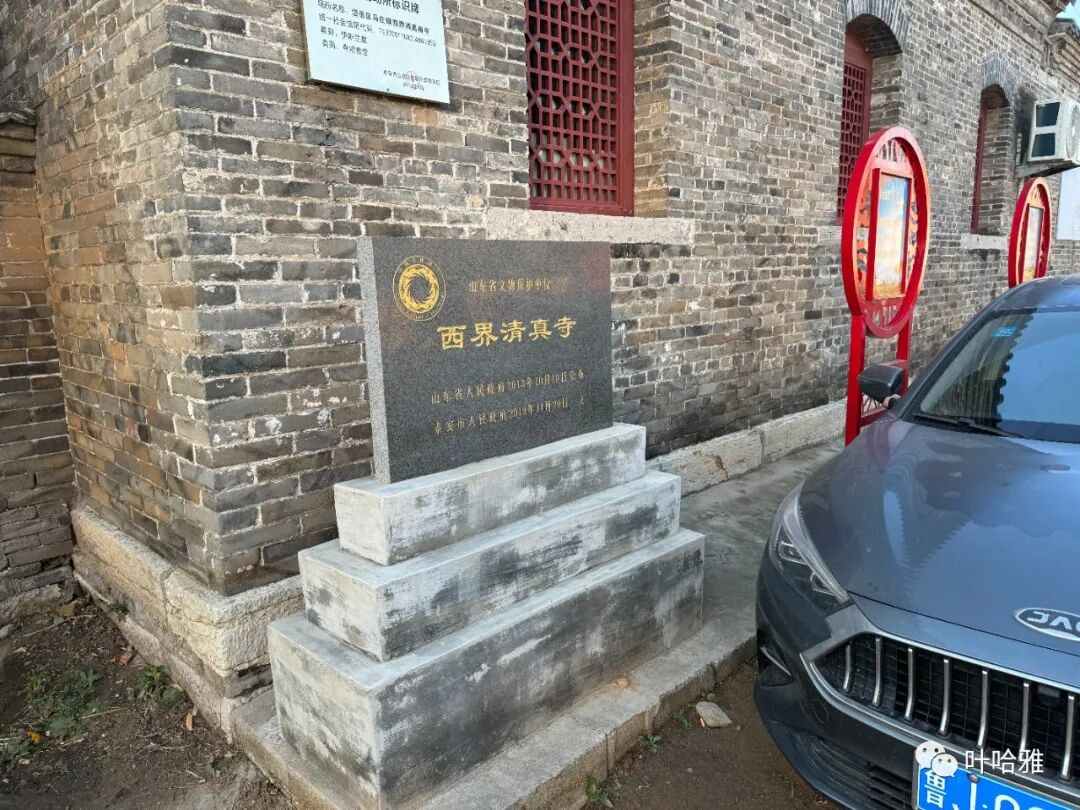
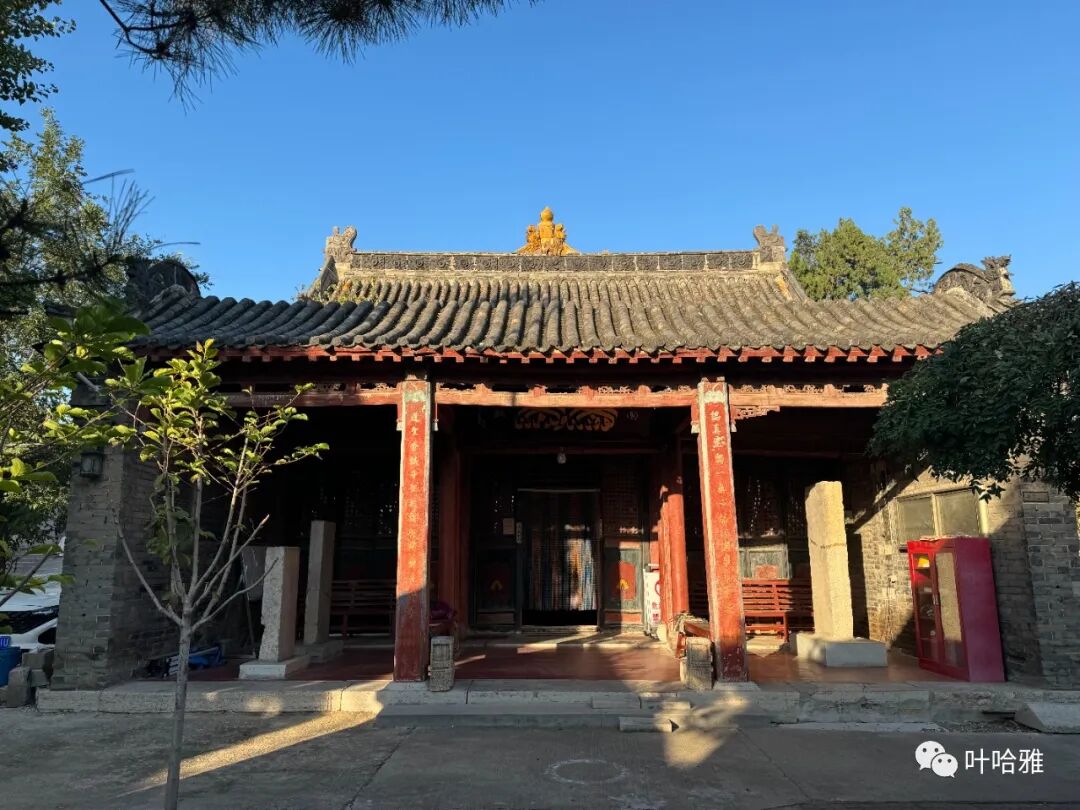
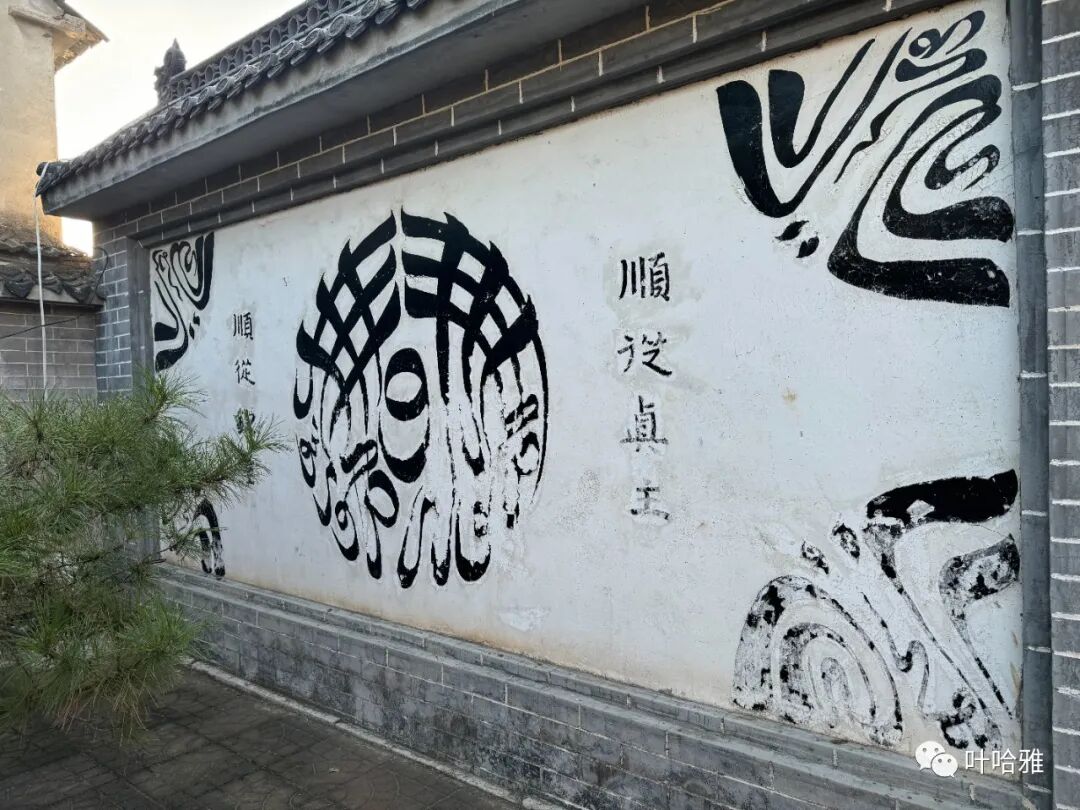
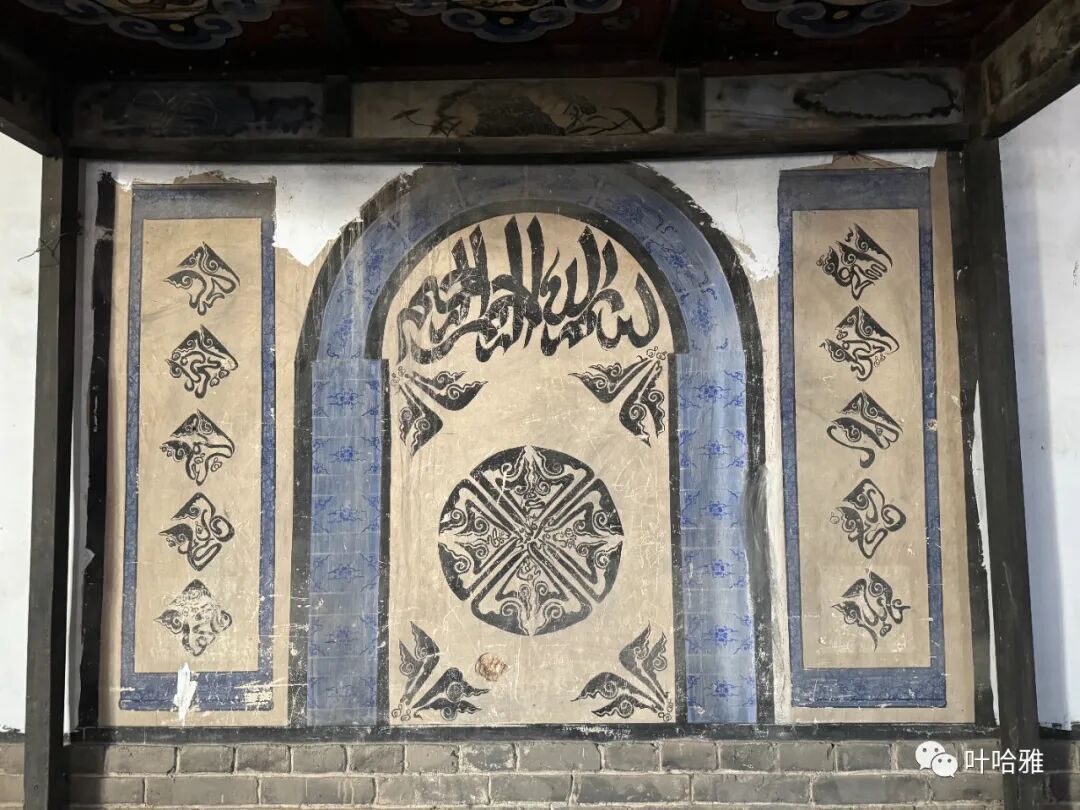
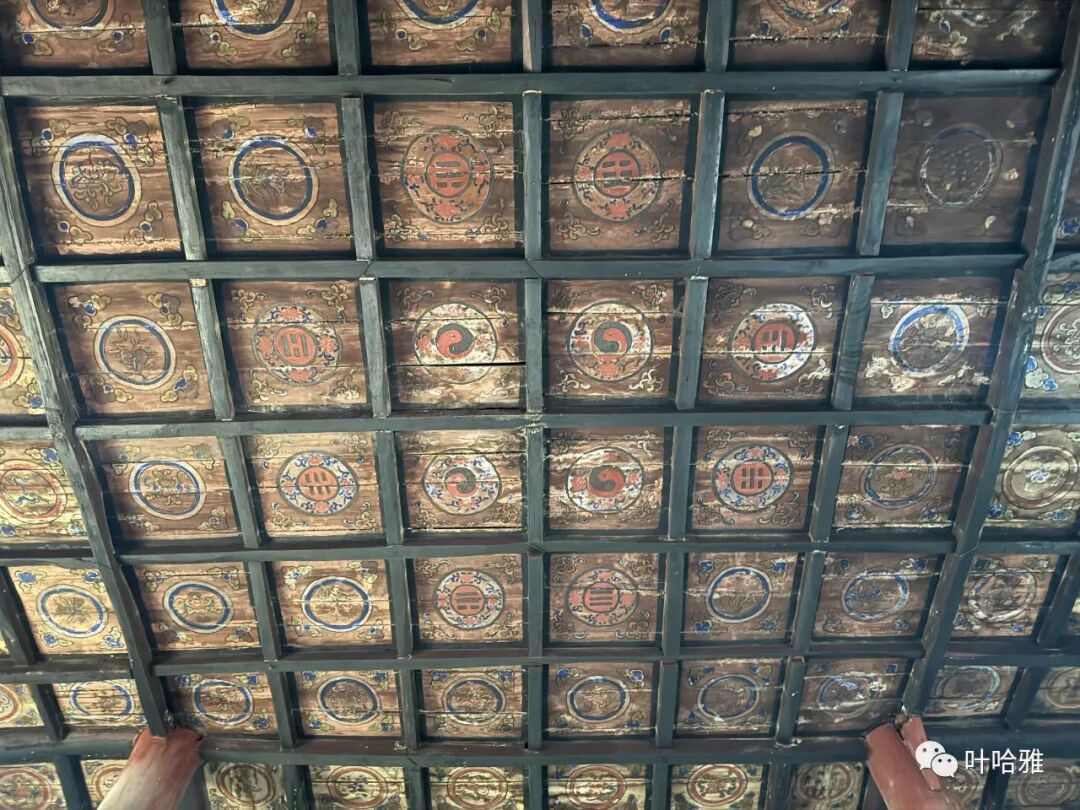
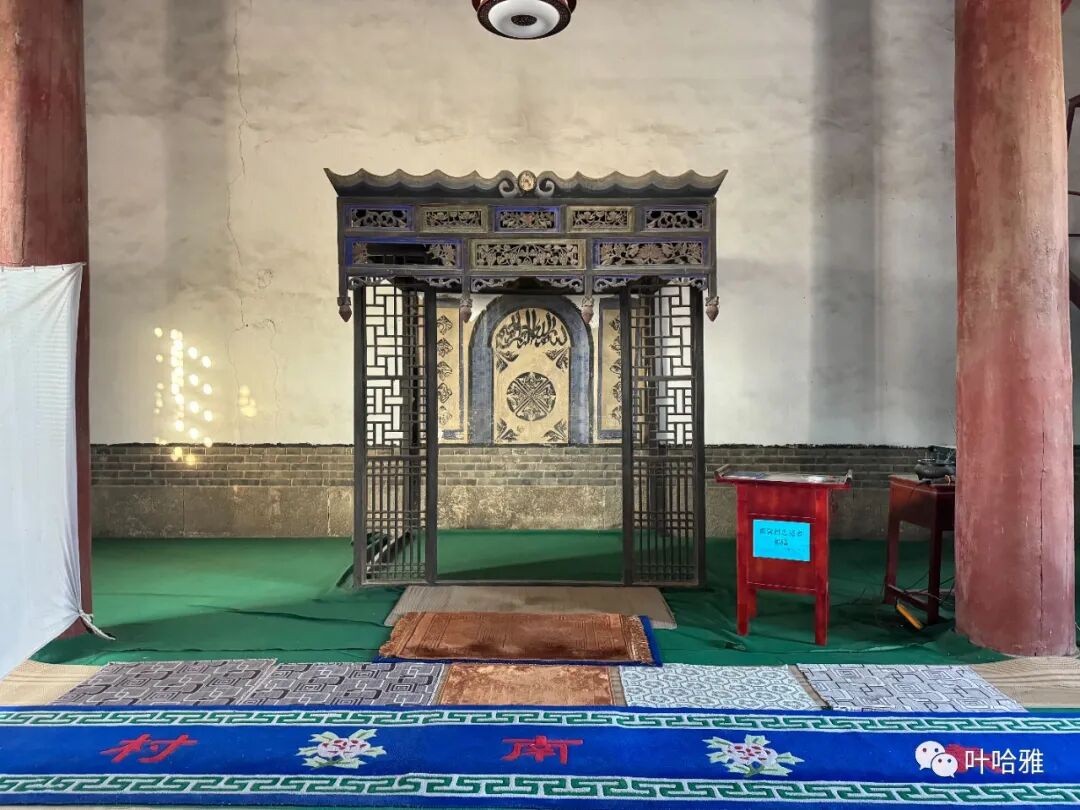
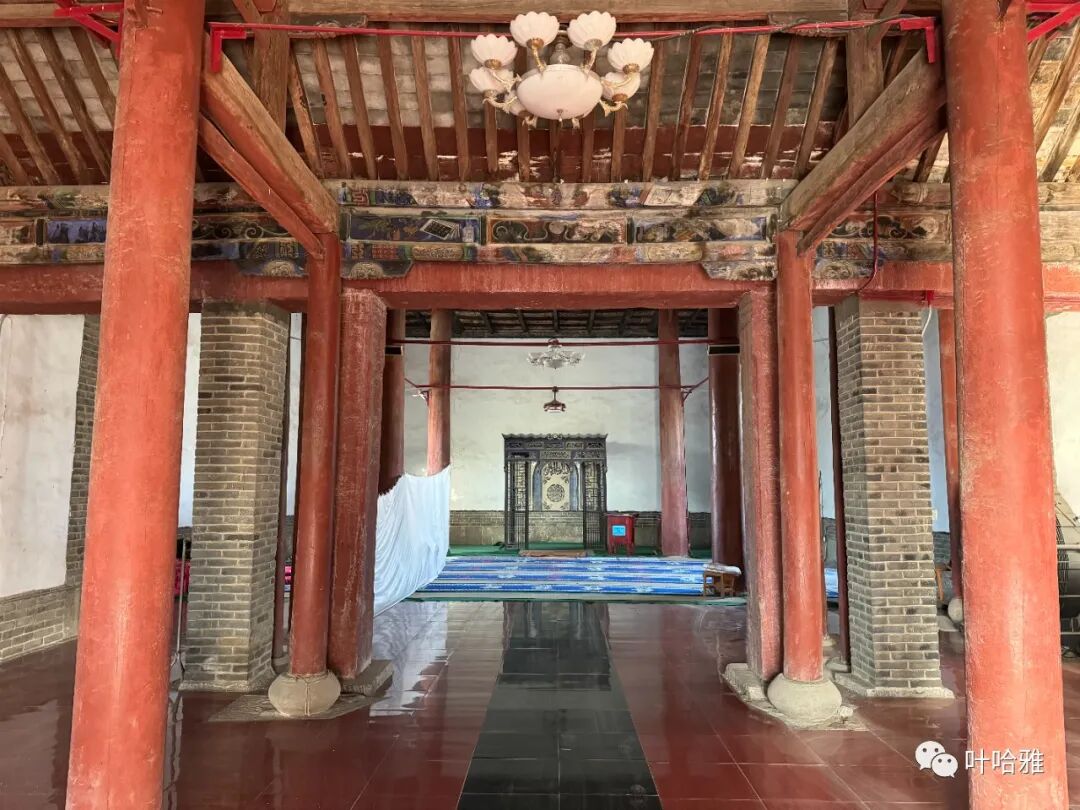
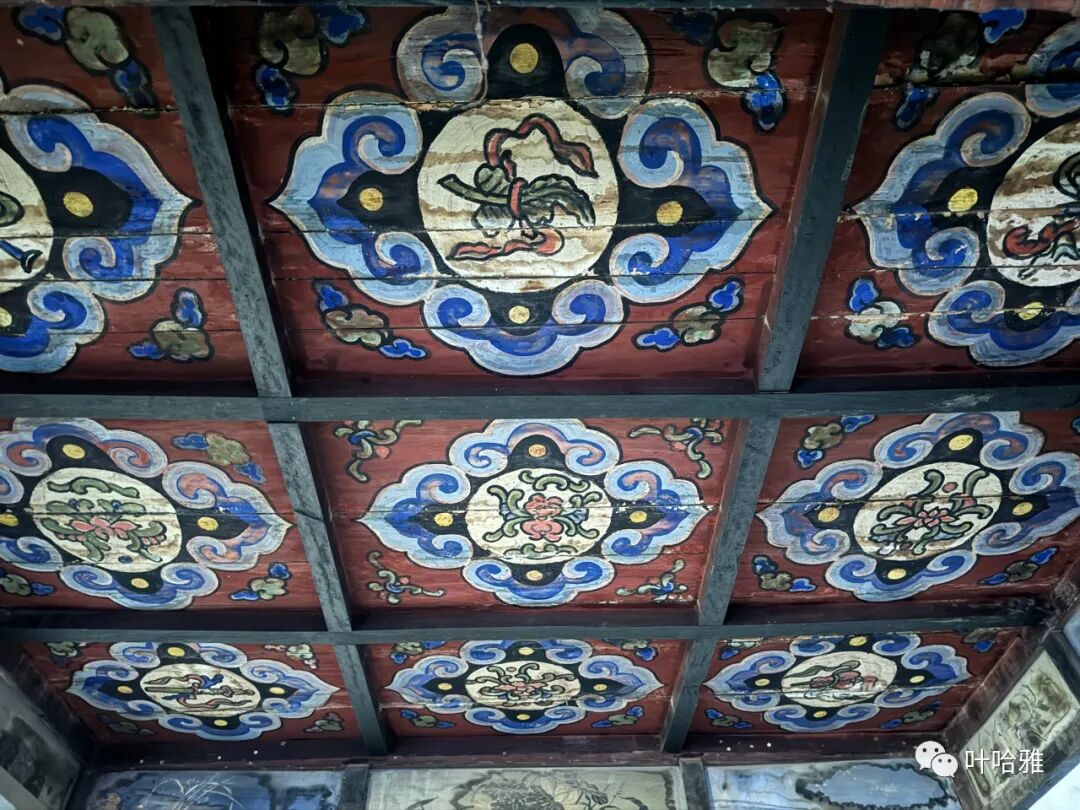
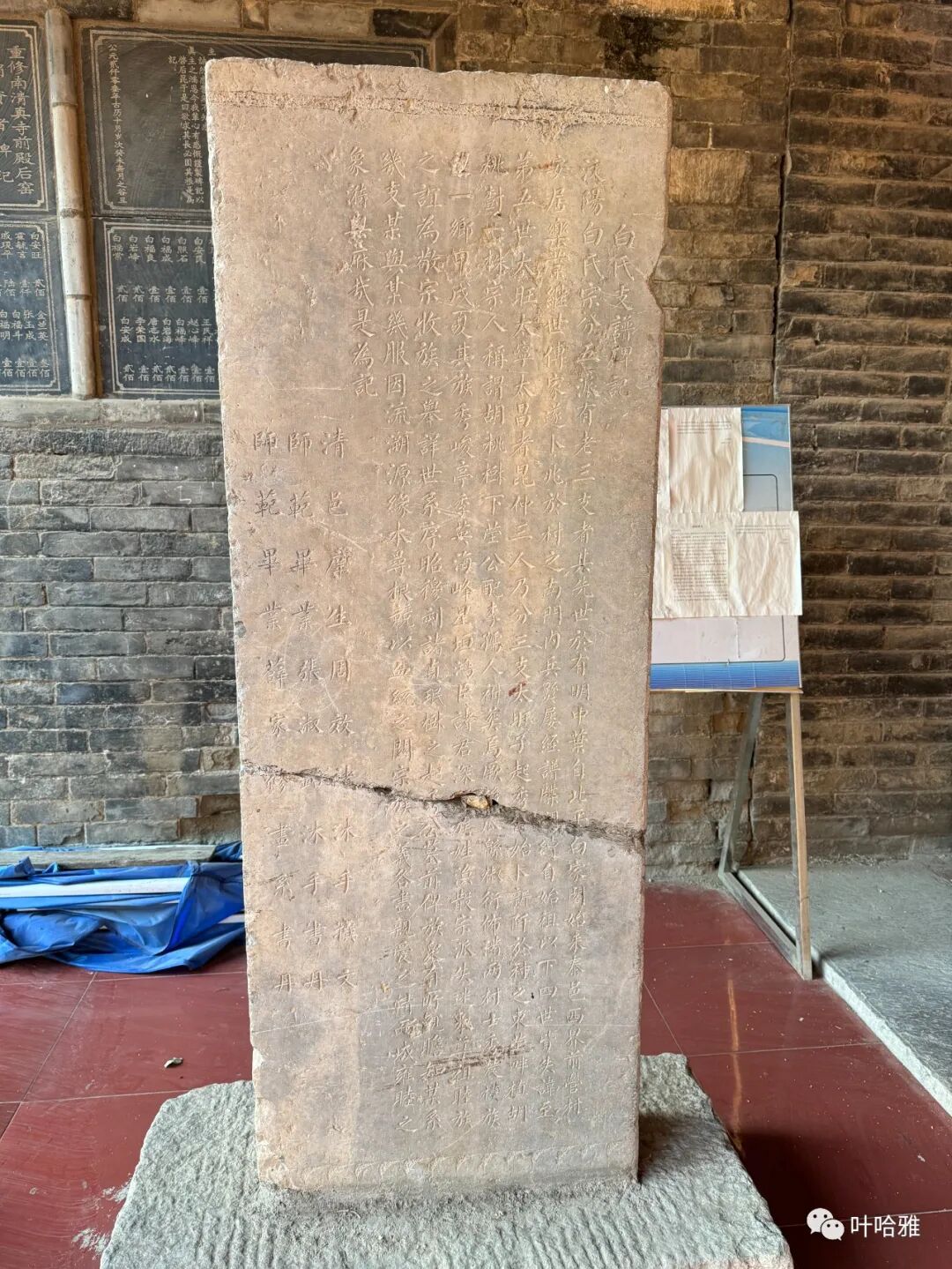
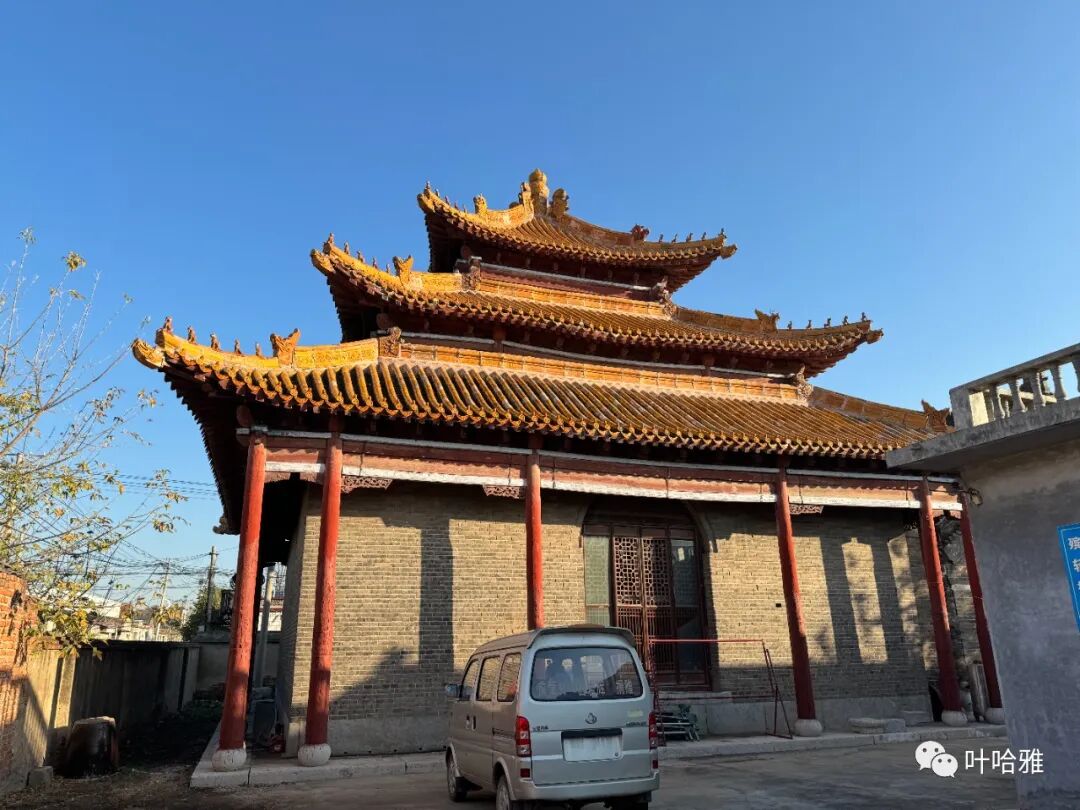
West Boundary West Mosque (Xijie Qingzhen Xisi).
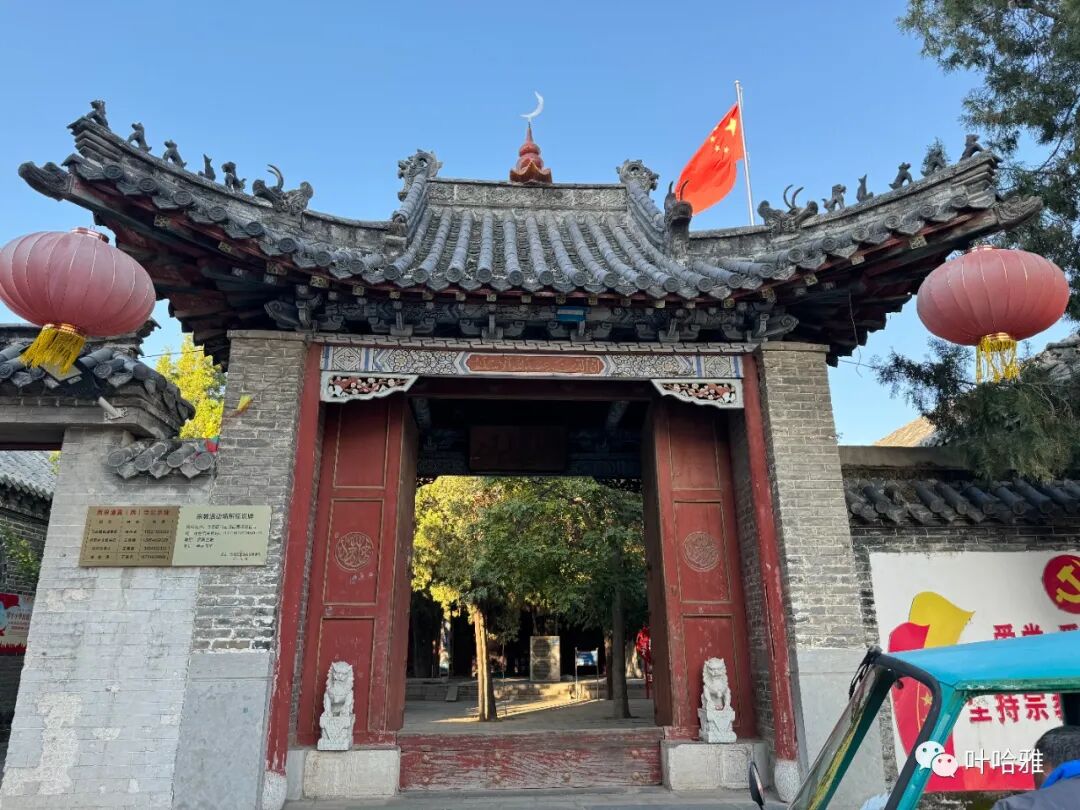
The West Boundary West Mosque in Mazhuang Town is located in Qianying Village. Built during the Yuan Dynasty, the prayer site founded by Ma Zhaoyang in the early Yuan period was the predecessor of the West Boundary Qianying West Mosque, which was later expanded and renovated many times. The West Mosque was expanded during the Zhengde period of the Ming Dynasty (1506-1521), renovated in the tenth year of the Xianfeng period of the Qing Dynasty (1860), and again during the Republic of China era. After the founding of the People's Republic of China, the north lecture hall was rebuilt. It underwent large-scale repairs in 1998 and has been maintained several times since.
The mosque faces east and rises in height from front to back. Its main buildings, including the front gate, second gate, front hall, middle hall, and rear hall, are all arranged along a central east-west axis. It is symmetrical with three courtyards, combining Chinese palace-style architecture with Arabic architectural styles. The mosque is 34 meters long and 31 meters wide.
The mosque's main gate tower is 7 meters high and 4 meters wide with an outer porch. It is a single-eave brick and stone structure with hanging beaded ornaments under the eaves and wood carvings featuring floral patterns. The gate tower features brick and wood carvings of auspicious creatures like phoenixes and qilin, with the overall shape composed of floral patterns. It also contains brick carvings depicting incense burners used in Islamic rituals and patterns of scripture scrolls. The plaque on the front of the main gate bears the four large characters for Eternal Purity (Gengu Qingzhen). The second gate is a single-eave, slanted-ridge structure shaped like a Taoist crown. It features three-ring moon windows on both sides and five wind doors facing the front, covering a building area of 24 square meters.
The main prayer hall of the mosque is 24.5 meters long and 13.5 meters wide, with enough space for 100 people to perform namaz at the same time. It consists of three connected sections—the front, middle, and rear halls—using a side-by-side design to increase the total depth. The front hall is one bay deep and three bays wide. The middle hall is two bays deep and three bays wide. The rear hall is three bays deep and three bays wide. The rear hall uses a beamless timber structure supported by tall wooden pillars and dates back to the Ming Dynasty. The protruding section at the back is the mihrab, a wooden carved pavilion for the imam. To the left of the imam's pavilion is the minbar. The floor plan of the entire hall looks like the Chinese character 'zhu' (meaning 'lord' or 'main'). The mihrab is the dot, the front hall is the bottom horizontal stroke, the rear hall is the top horizontal stroke, and the main aisle for entering the hall is the vertical stroke. This matches the idea that the prayer hall is the 'House of the Lord'. The main hall sits on a one-meter-high platform. The stone pillars on both sides of the front hall are carved with a couplet: 'The holy traces started in the Kaaba, the faith traveled ten thousand miles to the eastern lands; the miraculous work supported the Tang Dynasty, its influence lasting a thousand years to this prosperous era.'
The north lecture hall has five rooms, measuring 17.5 meters long and 7.2 meters wide. It is a hard-mountain style building with a front porch. The crossbeams have patterns on the ends, and the main and vertical ridges are tall and decorated with floral carvings. In the past, the mosque's imam and religious students (hailifan) also lived here. The south lecture hall has four rooms, measuring 14 meters long and 7.2 meters wide.
The four-room washroom (shuifang) connects to the west side of the south lecture hall, sits to the right of the main prayer hall, and measures 17.5 meters long and 7.2 meters wide. The four washrooms can accommodate over thirty people performing their ritual ablutions (wudu) at the same time.
The mosque currently holds four stone tablets: the 1860 Tablet Record of the West Mosque Neighborhood from the Xianfeng era of the Qing Dynasty, the 1998 Tablet Record of the Renovation of the West Boundary Mosque, the Tablet of Eternal Virtue, and the 2013 Provincial Key Cultural Relic Protection Unit tablet.
Past imams of the mosque include Yang Chengri, Jin Shiyuan, Yang Lisheng, Wang Li, Wang Qinglin, Wang Fuxiang, Wang Guanliang, Wang Ziliang, Xu Changcun, Wang Changshun, Yang Maoxiu, Liu Yuanxin, Sha Fengge, Mi Baokun, Bai Anjin, Bai Mantun, Bai Fujian, and Wang Xiuming. Mi Enwei, Han Bing, Bai Jinhu, and Bai Manchao currently lead the religious affairs.
In 1977, the mosque established a management group led by Bai Yongying, Bai Maojun, and Bai Maoxiang. In 1983, the mosque established a democratic management committee led by Bai Anqi and Ma Zhulian. In 1994, the second democratic management committee was established, led by Ma Zongwang and Bai Manchao. In 2000, the third mosque management committee was established, with Bai Qingfang serving as director to this day. The mosque has trained over 60 imams for the faith, including Ma Long, Bai Guoxin, Bai Anfu, and Zhang Fengyi. The Bai family has been a lineage of imams in this village for over three generations, starting with Bai Maosheng and including members like Bai Anxi, Bai Guangpu, Bai Qingyu, and Bai Anzhong.
The mosque values traditional scripture education. Throughout the Yuan, Ming, and Qing dynasties, it maintained Islamic culture, religious rules, and scripture studies, producing many qualified imams and students of Islamic theology (hailifan). Notable figures include Imam (Haji) Wang Qinglin and his students, such as Mi Xuejing and Zhu Yuepo. In the early years of the Republic of China, the mosque started a charity school to teach both Chinese and Arabic cultures, with Imam Wang Qinglin and Mr. Yang Maosong as instructors. During the War of Resistance Against Japan, the mosque established the Taiyun District Islamic Anti-Japanese School under the leadership of the Taixi Hui Muslims Anti-Japanese National Salvation Association.
In 1998, the mosque received the title of Model Mosque from the Shandong Islamic Association. In 2008, it was awarded the title of Model Mosque by the Tai'an Islamic Association. In 2009, the Shandong Provincial Bureau of Religious Affairs named it a Provincial Harmonious Religious Venue. In 2010, it was awarded the title of Model Mosque by the Tai'an Islamic Association. In 2013, it was recognized as a Provincial Cultural Relics Protection Unit. In 2014, it was awarded the title of Model Mosque by the Tai'an Islamic Association.
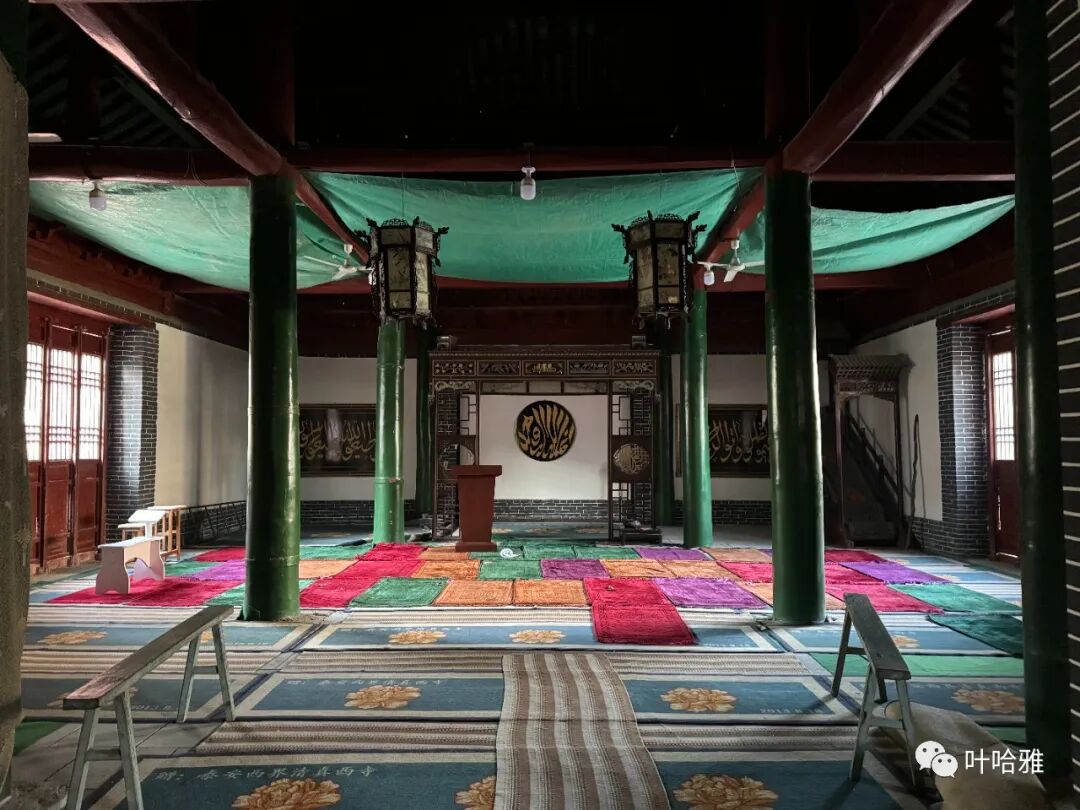
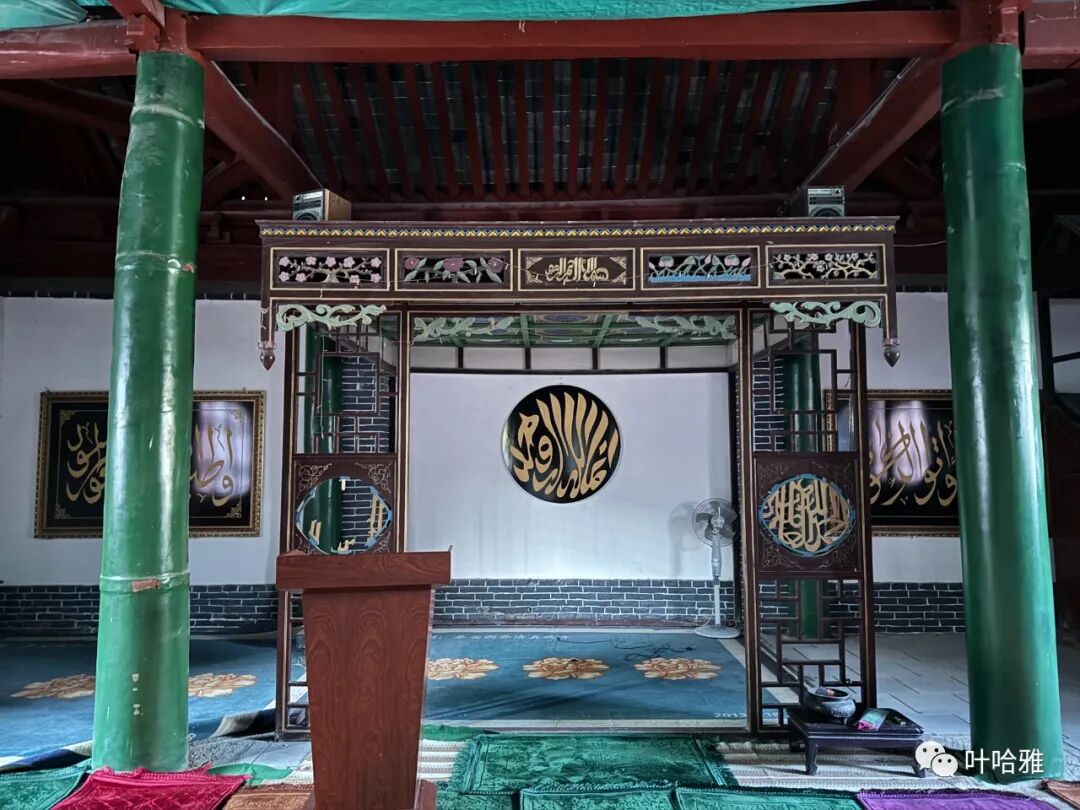
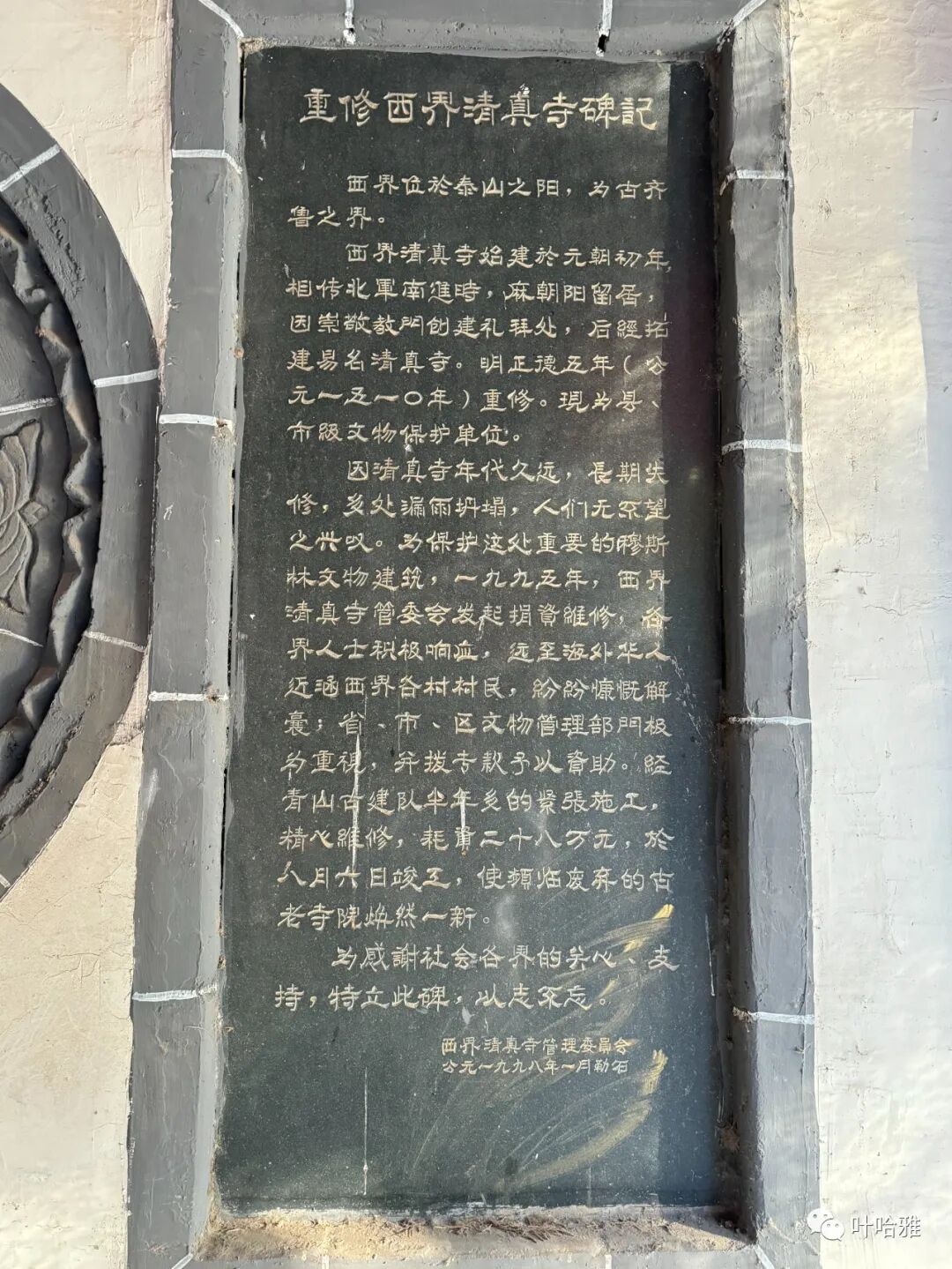
Beidaquan Mosque
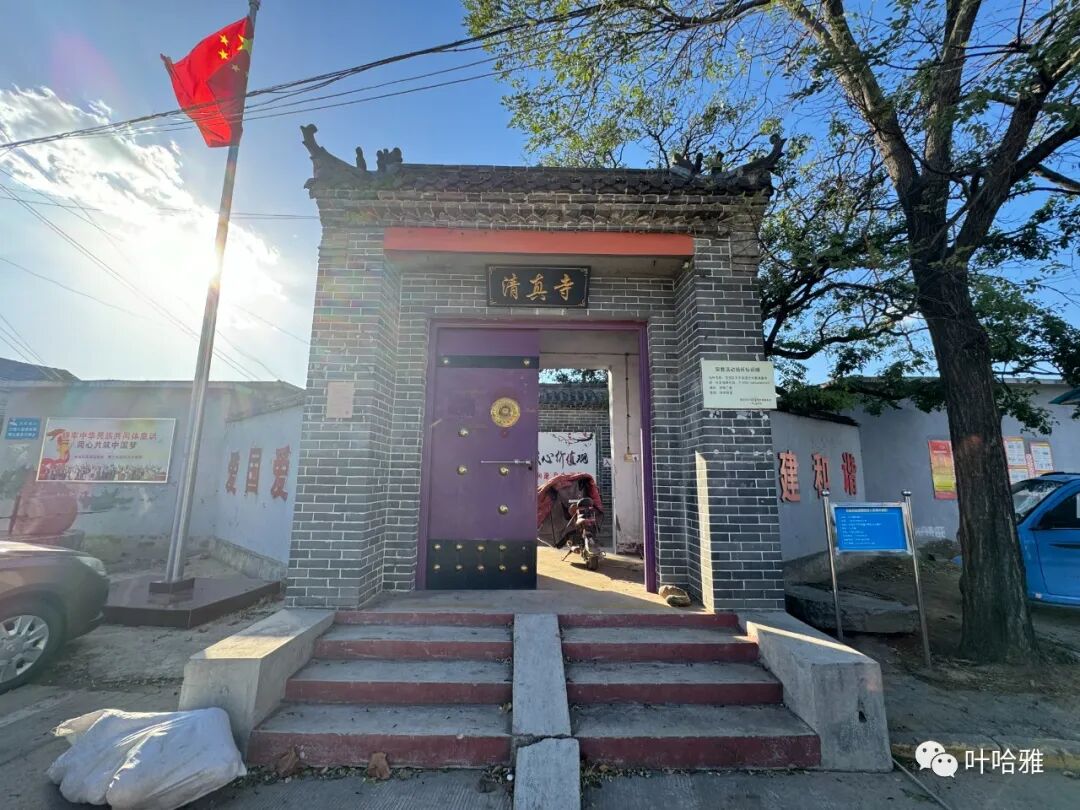
Beidaquan Mosque is located on the south side of the main street in the center of the village, under the jurisdiction of the Tianping Subdistrict Office. It was built around the beginning of the Ming Dynasty and has been repaired many times since. The mosque underwent major renovations in 1935, 2002, and 2010.
The mosque is 30 meters long and 21 meters wide. The main prayer hall is 6 meters high and consists of a front hall and a back hall; the front hall is 7 meters long and 10 meters wide. The back hall is 5 meters long and 7 meters wide. The north lecture hall is 14.2 meters long and 4.7 meters wide. The south lecture hall, which includes the washroom (shuifang), is 21 meters long and 4.2 meters wide. The main gate is 7.9 meters long and 5.3 meters wide.
The mosque currently houses three stone tablets: the 1935 Mosque Tablet Record, the 2002 Mosque Renovation Tablet Record, and the 2011 Ethnic Harmony Lasts Forever Tablet. There is an old honey locust tree (zaojiao shu) inside the mosque. In 2008, forestry experts estimated the tree to be over 300 years old.
Imams including Bai Rongxin, Jin Maoshan, Imam Yang, Zhang Zhongjun, and Ma Fusheng have served as leaders of the mosque's religious affairs. The mosque is now managed by a democratic management committee, with Zhang Yuhe serving as the director.
In 2011, the mosque received the title of "Harmonious Religious Activity Venue" from Shandong Province.
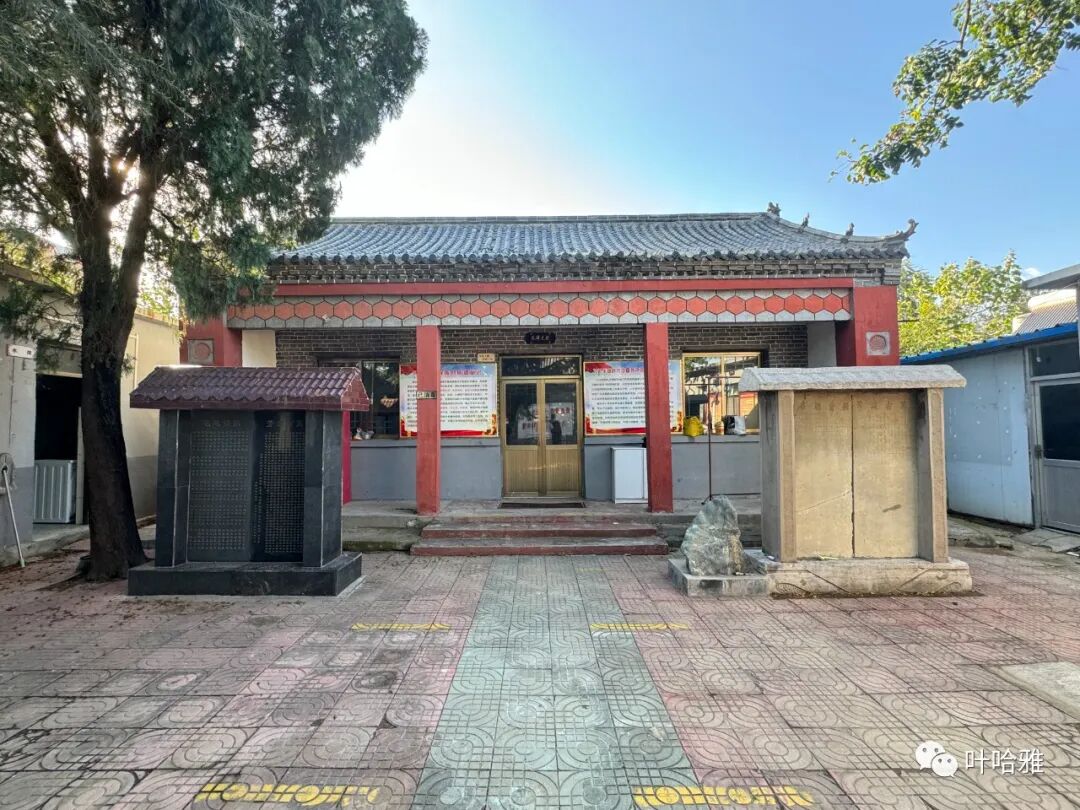
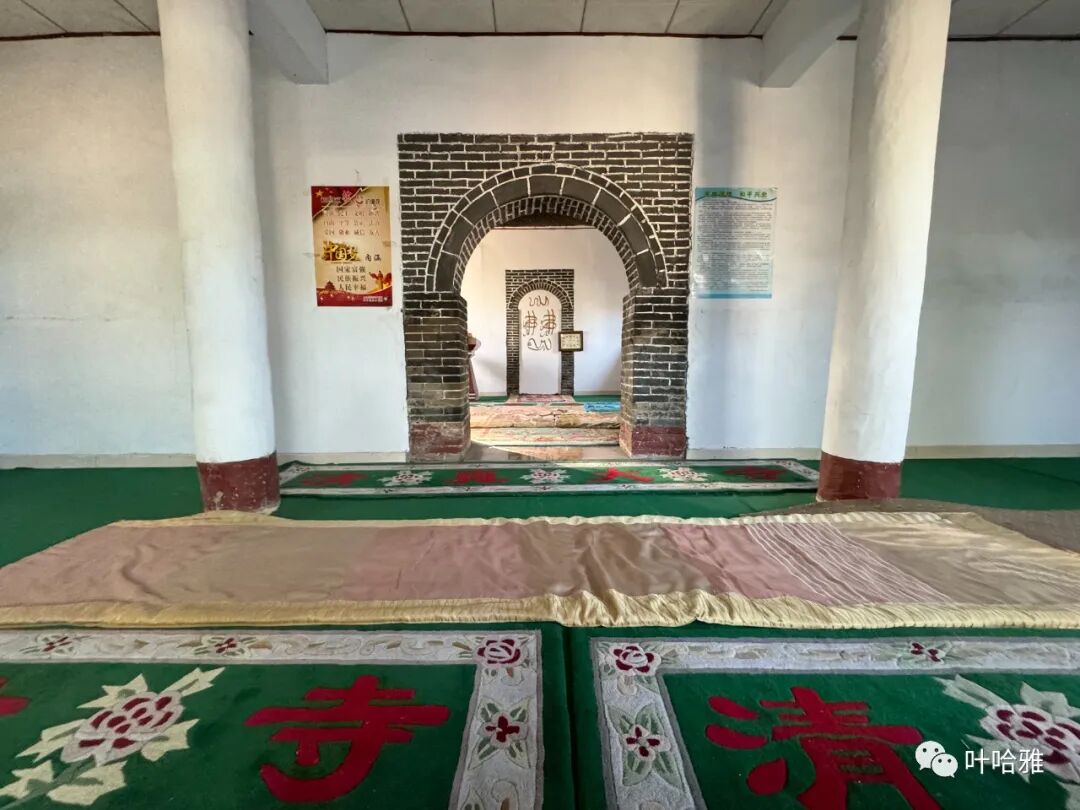
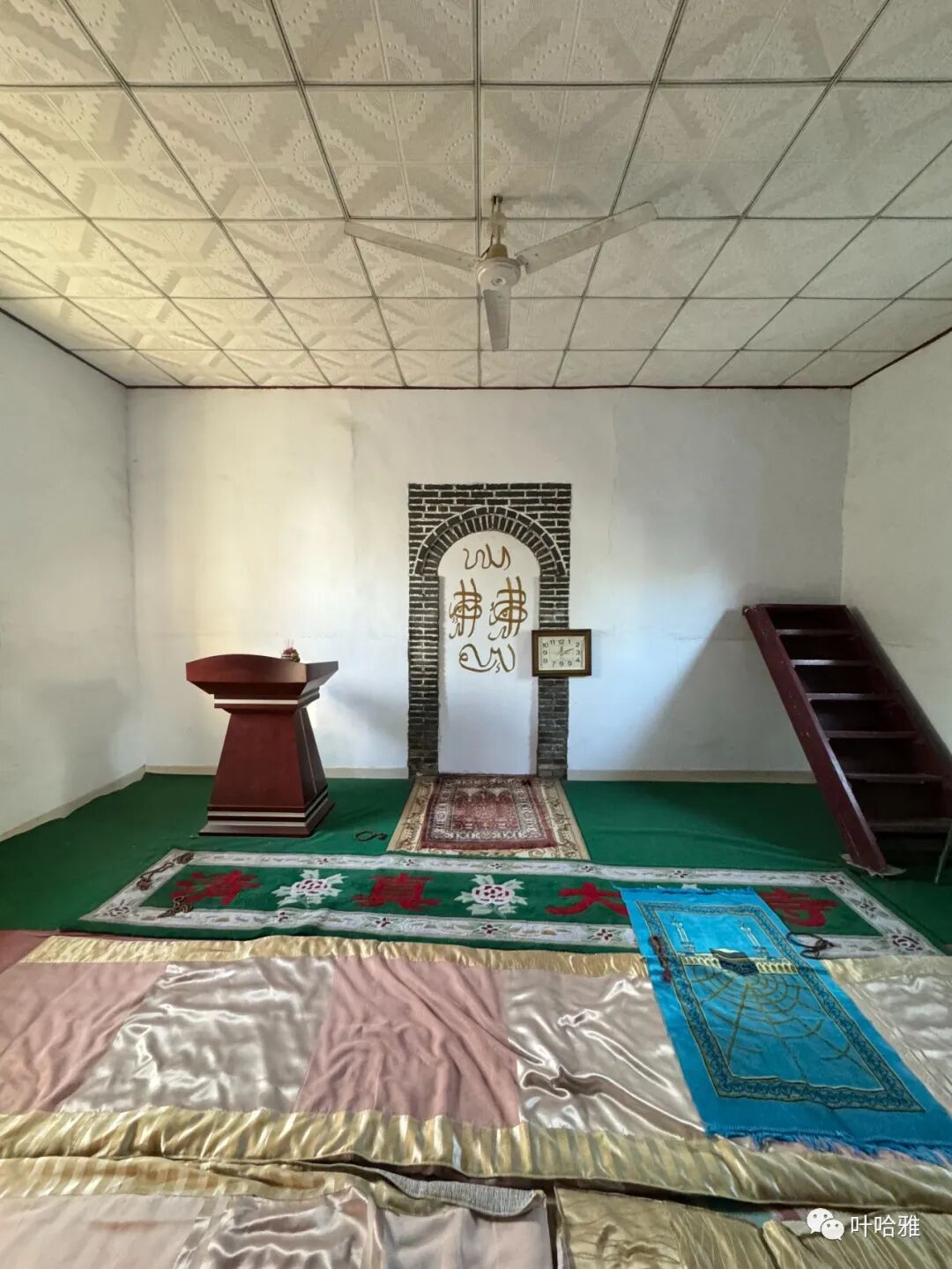
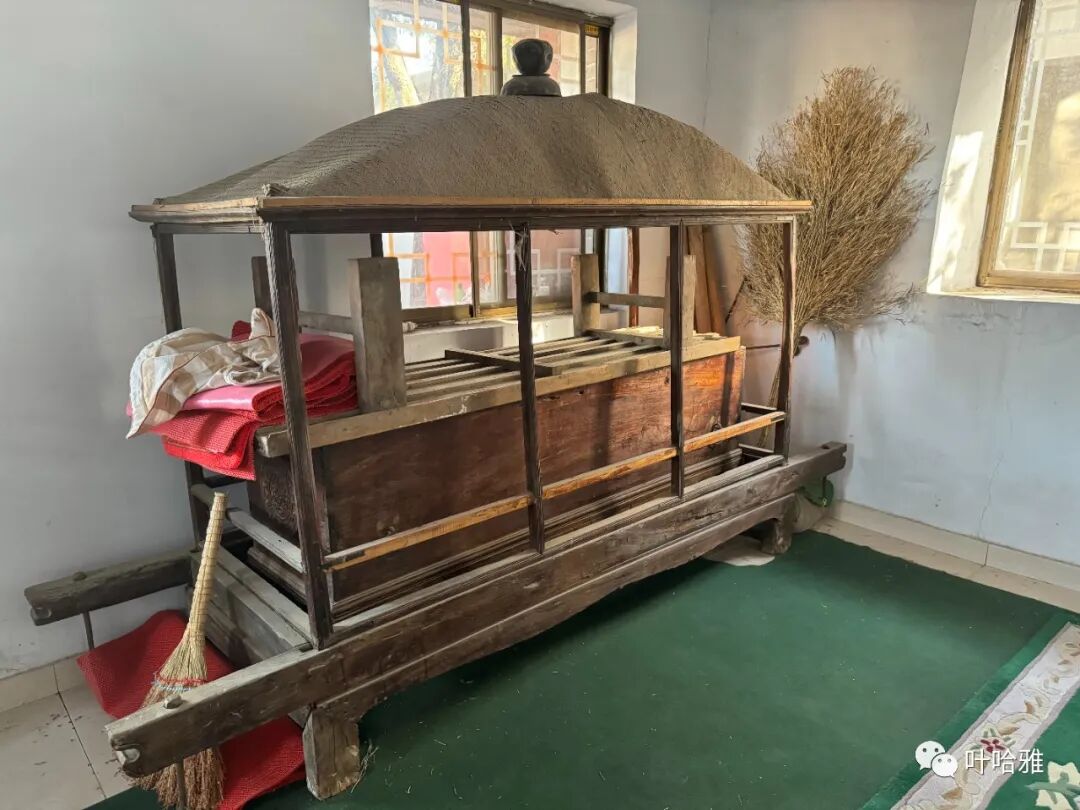
Xihuang Village Mosque
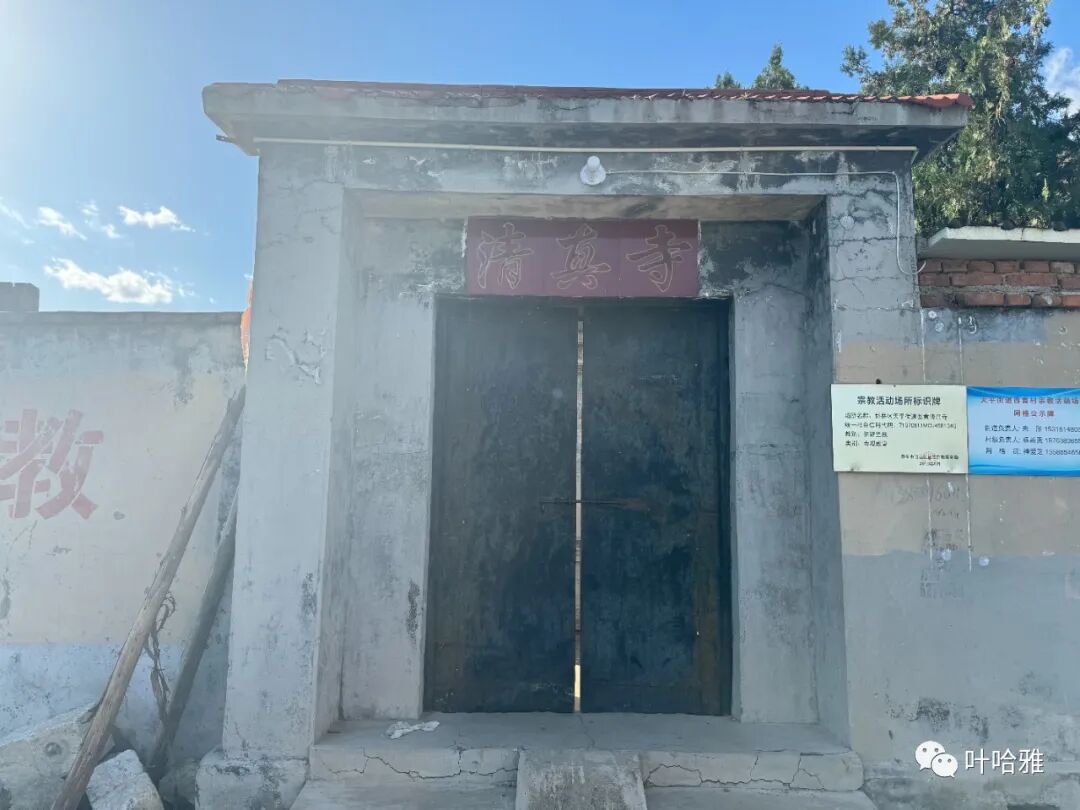
The Xihuang Mosque in the Tianping Subdistrict Office is located south of the village. It was first built during the Ming Dynasty and later expanded several times; the current mosque was rebuilt on the original site.
The mosque is 27.3 meters long and 21.6 meters wide. The main prayer hall is 9.3 meters long and 9 meters wide. The north lecture hall is 9.35 meters long and 6.68 meters wide. The south lecture hall is 8.85 meters long and 4.55 meters wide. The water room is 3.1 meters long and 4.55 meters wide.
Imams including Ma Wanqing, Xu Jiwu, Xu Changpu, Ma Daoguang, and Shi Guorong have successively led religious affairs at the mosque. Imam Liu Cang currently leads the religious affairs. The mosque was once managed by Yang Fuchang and others, but it is now run by a mosque management committee led by director Yang Shunshan.
In 2013, it was named a Harmonious Religious Activity Site by Shandong Province.
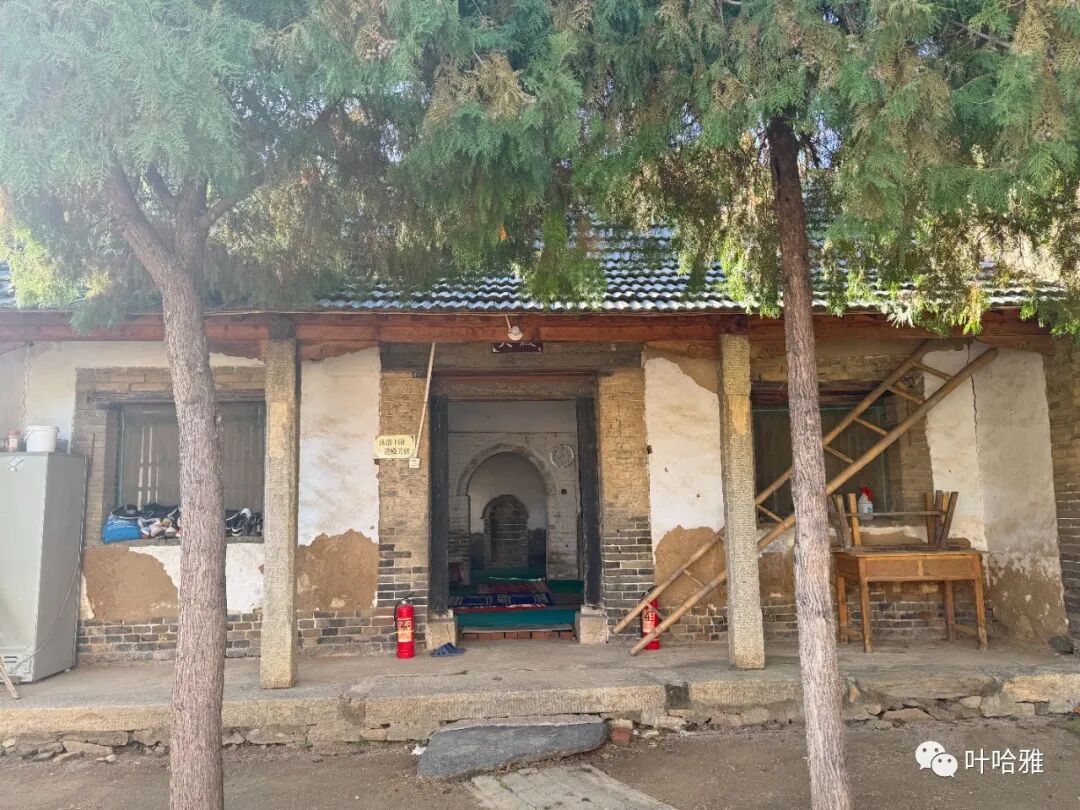
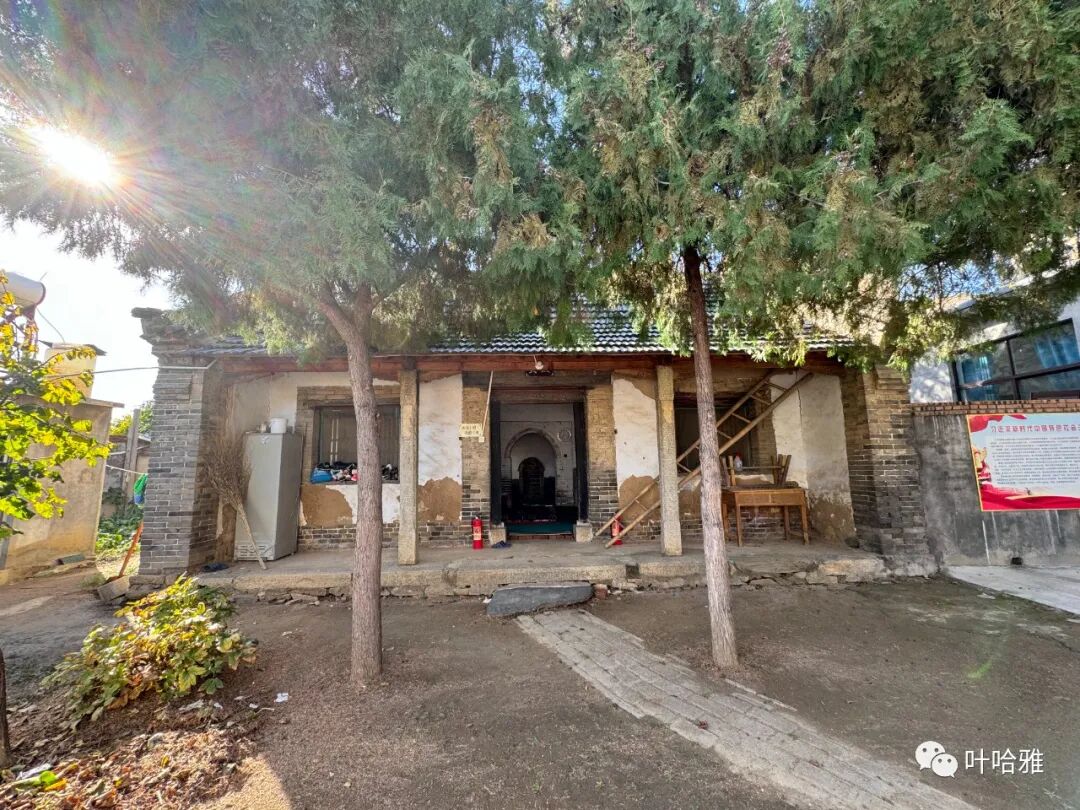
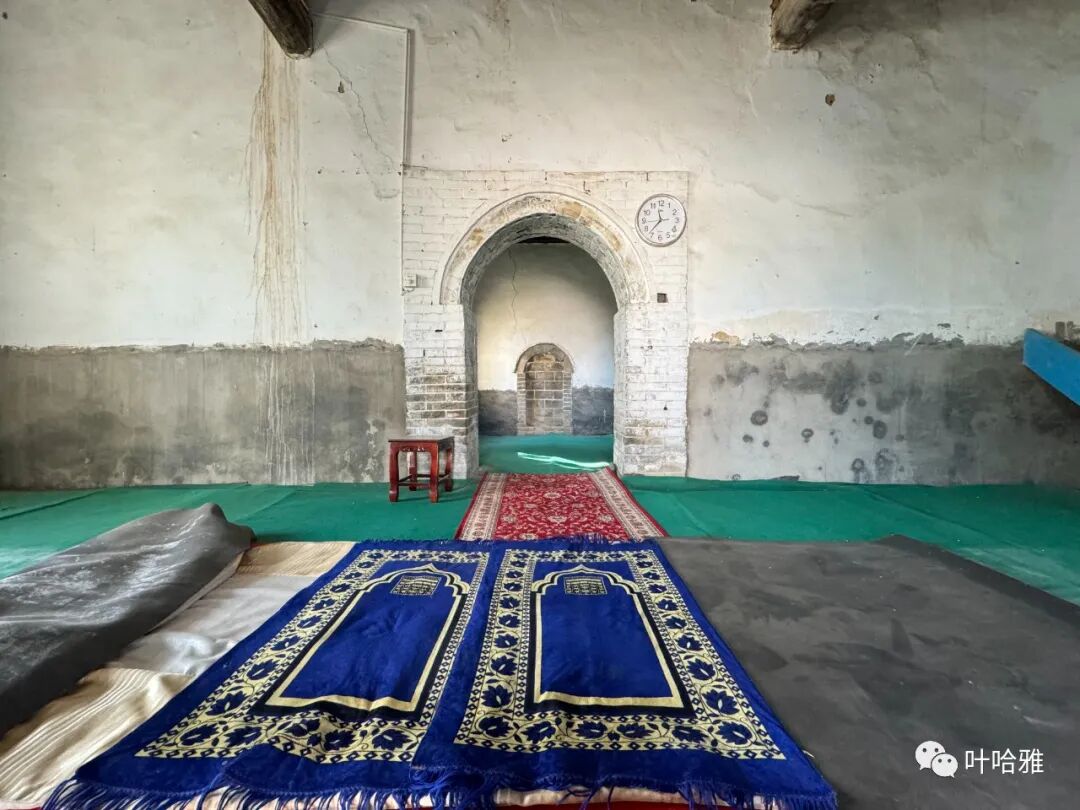
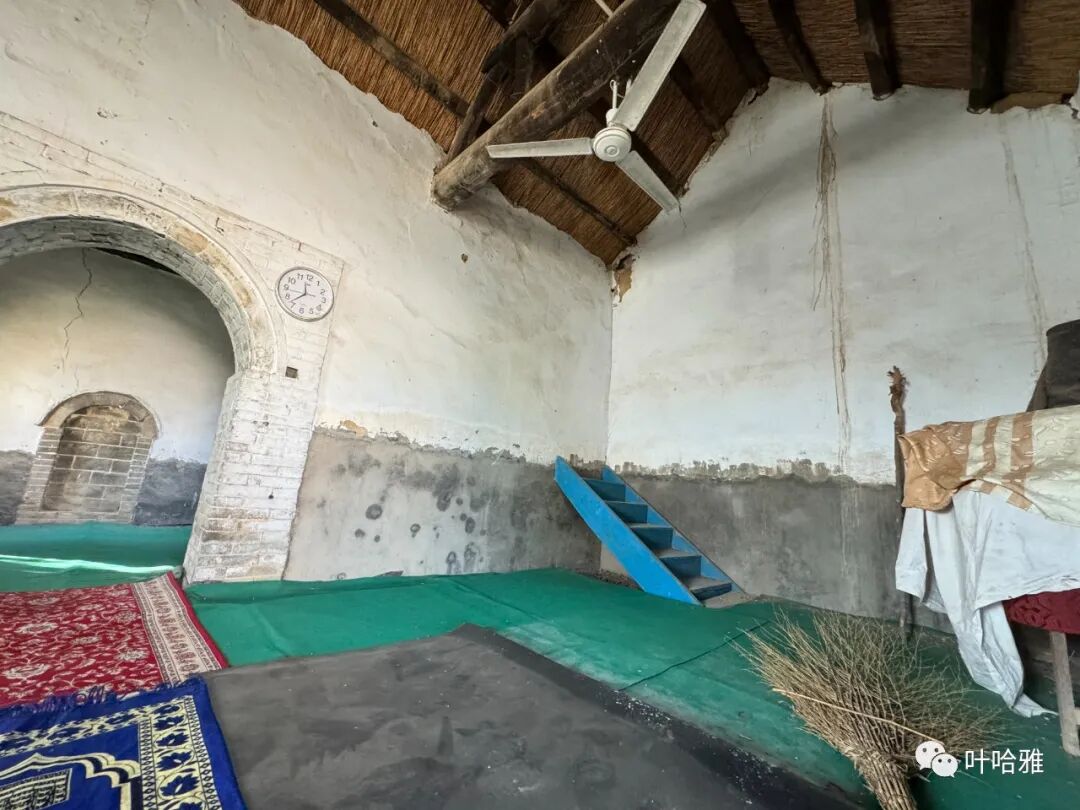
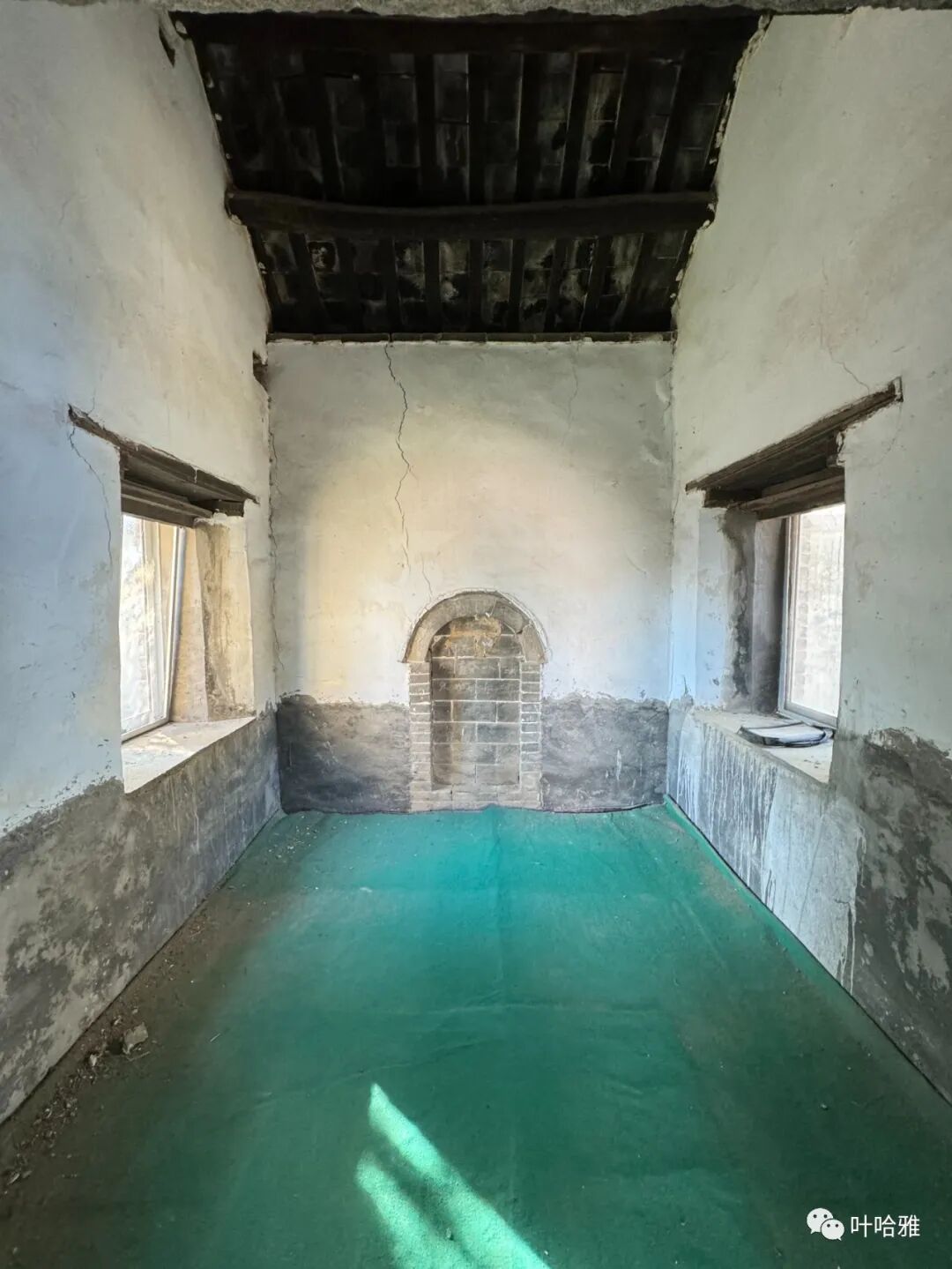
Fajialing Mosque
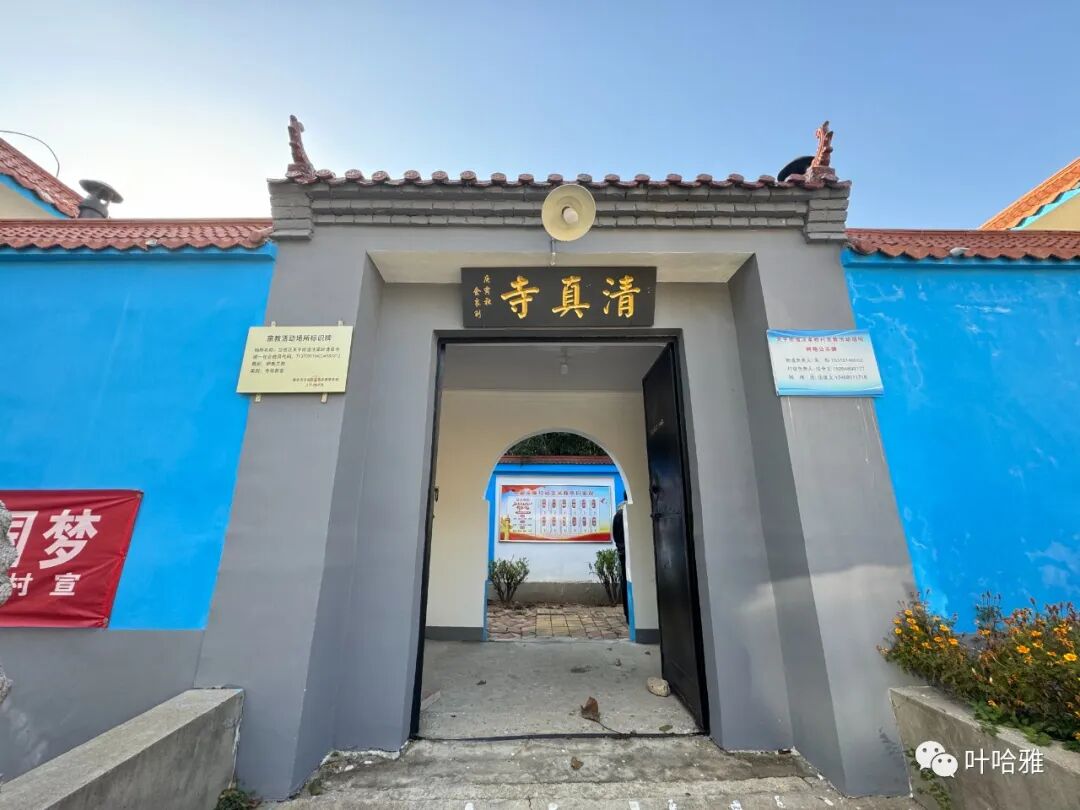
Fajialing Mosque in Tianping Subdistrict is located in the western part of the village. It was built in 1868 during the seventh year of the Tongzhi reign of the Qing Dynasty and has been expanded several times since. The mosque was renovated twice, in 2001 and 2008.
The mosque is a single-courtyard complex measuring 32 meters long and 24 meters wide. The main prayer hall is a single-story building that is 3.8 meters high, 24 meters long, and 8 meters wide. The north lecture hall is 28 meters long and 6 meters wide. The south lecture hall is 28 meters long and 4 meters wide. The water room is 4 meters long and 4 meters wide. There are two stone tablets remaining: the Donation List for the Renovation of Fajialing Mosque in Tianping Subdistrict and the 2002 Ethnic Unity Merit Tablet.
Imams including Wang Changming, Li Shengcai, Ma Yunming, and Yang Yuqing have led the religious affairs of this mosque. Imam Ma Yunming led the renovation of the mosque in 2001. The mosque is managed by a mosque management committee, with Fa Jinyu serving as the director.
In 2010, it was named a Harmonious Religious Activity Site in Shandong Province. In 2014, it received the Model Mosque title from the Tai'an Islamic Association.
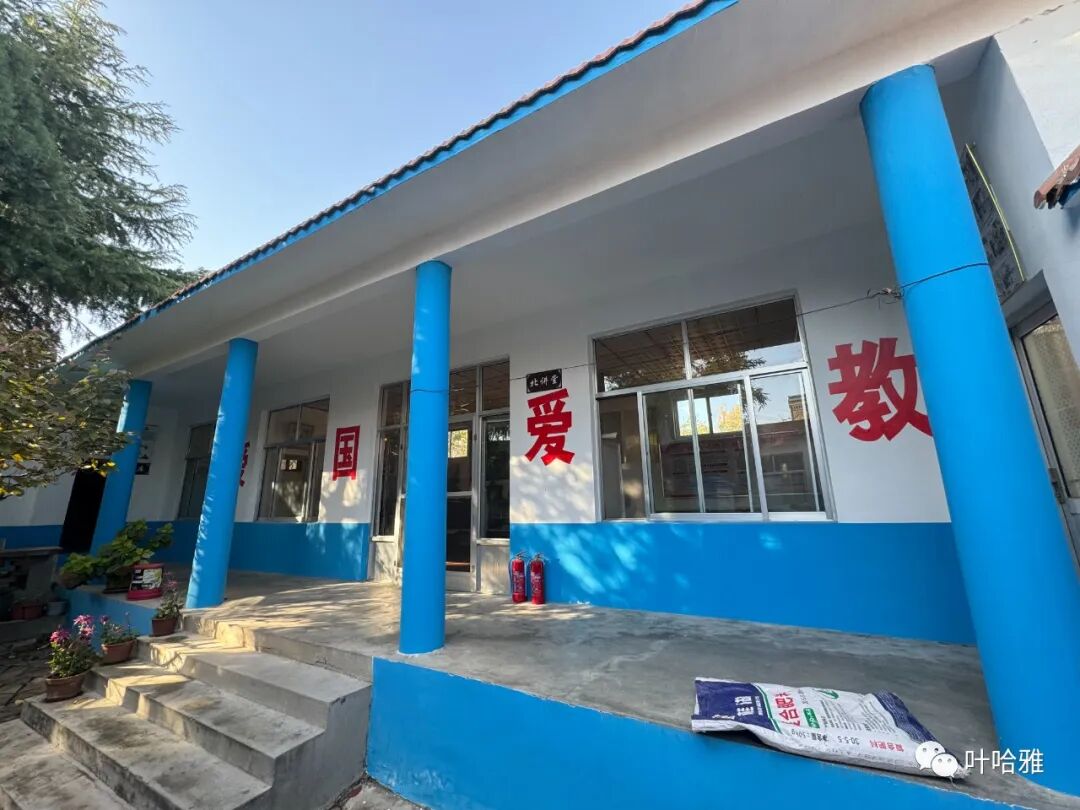
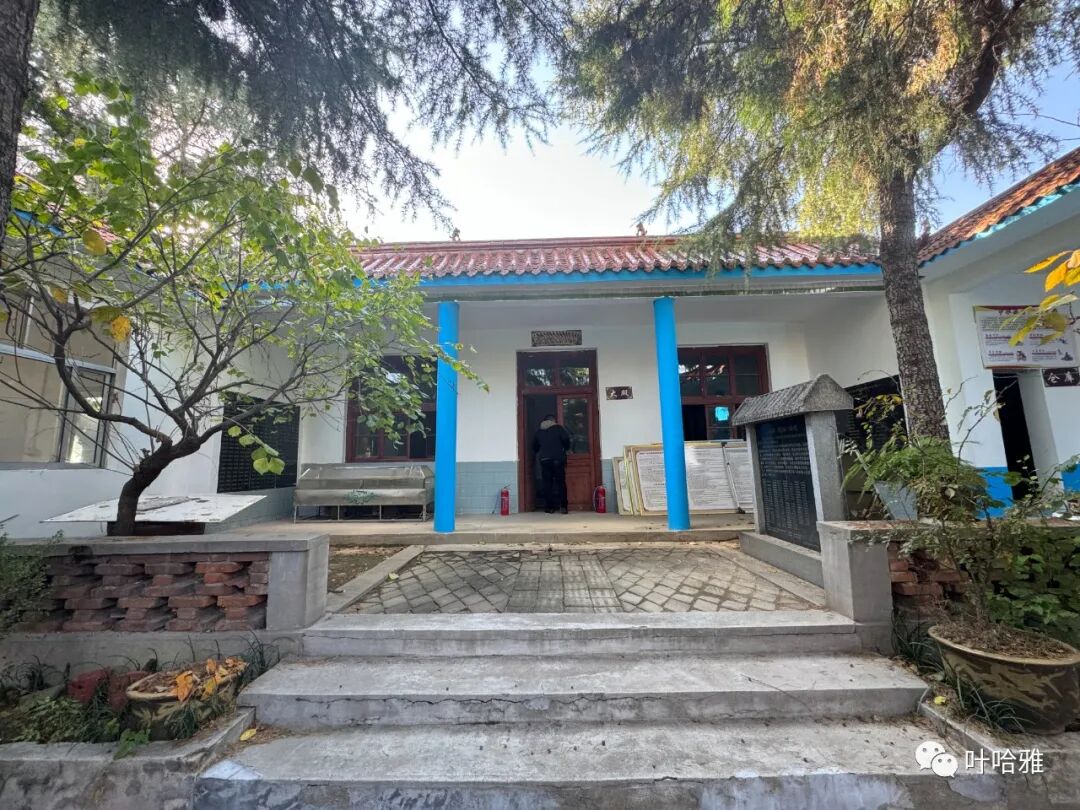
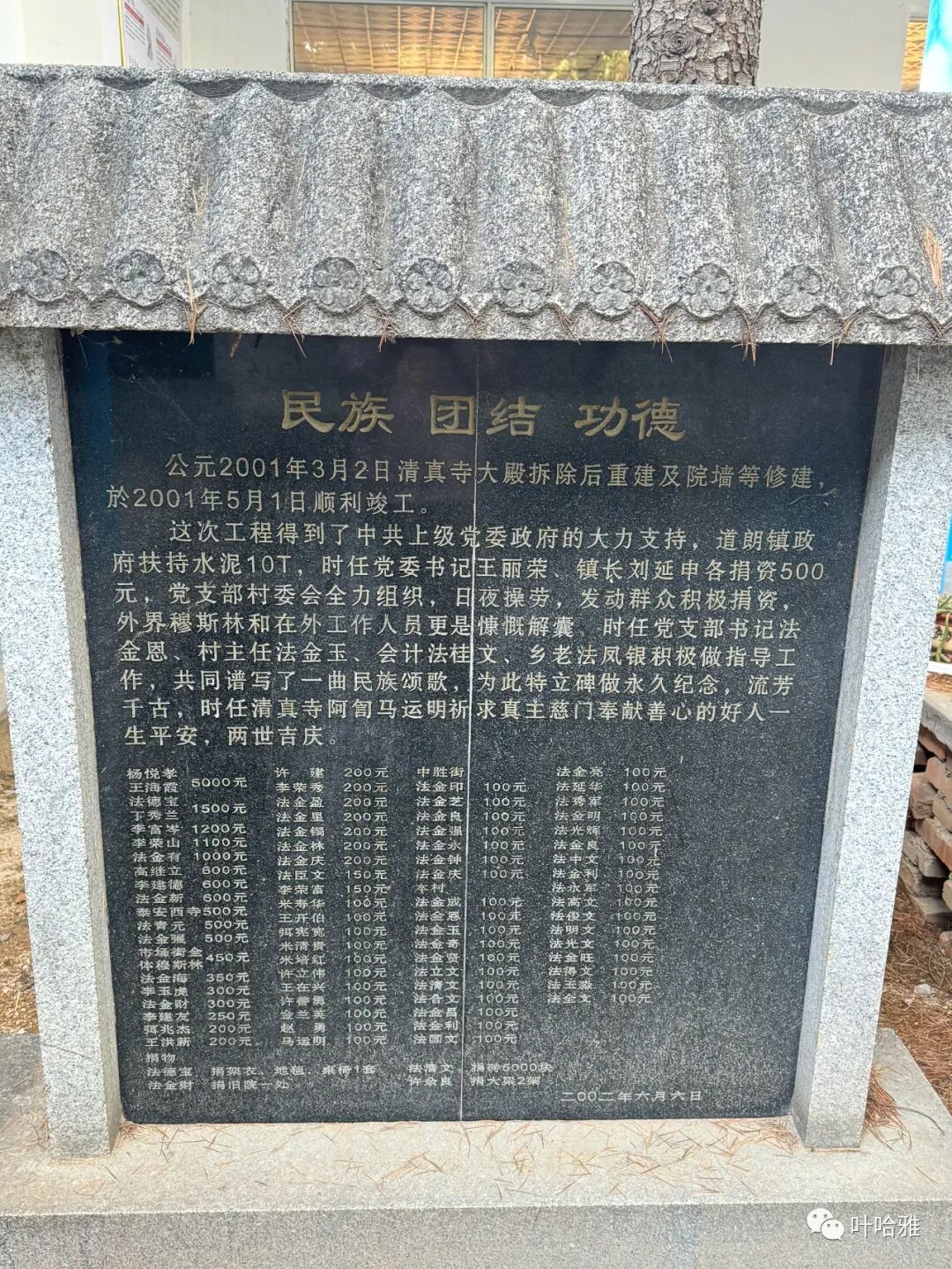
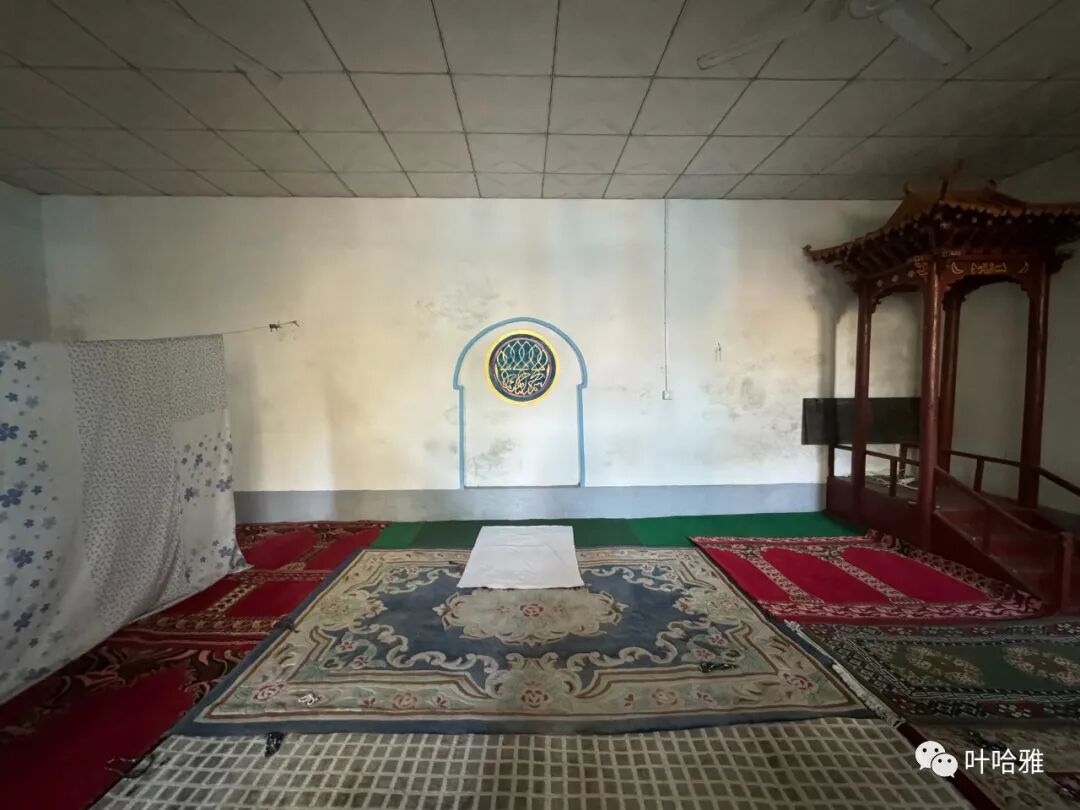
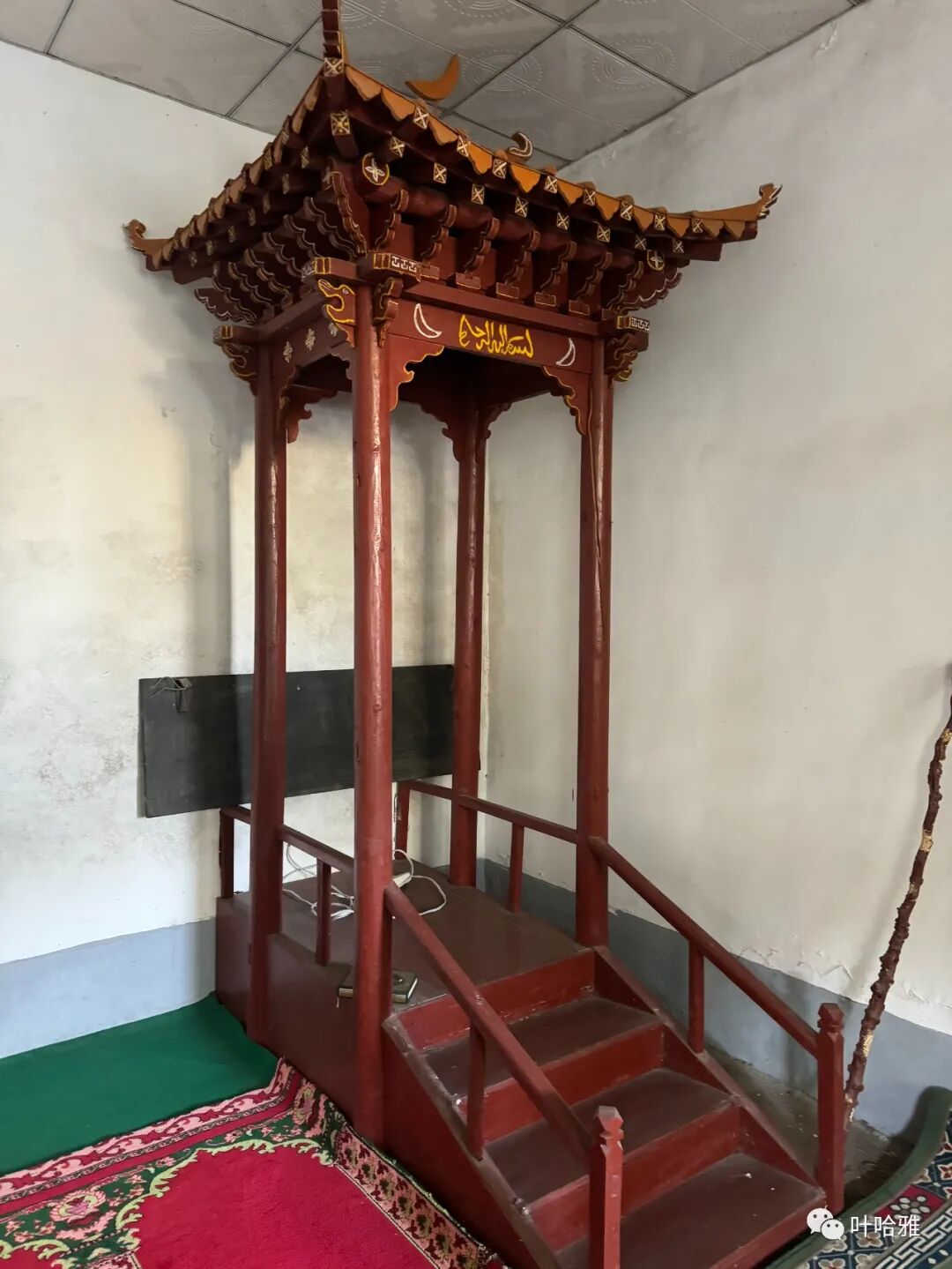
Xiawang Mosque
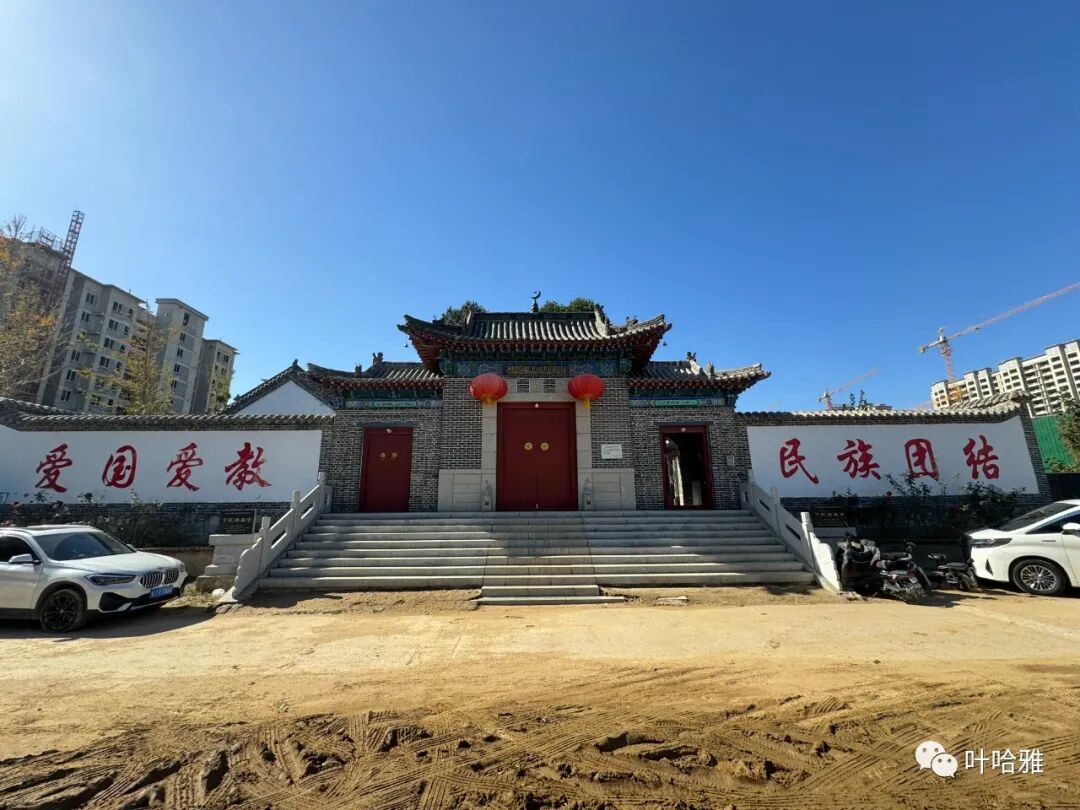
Xiawang Mosque, located in the Zhoudian Subdistrict, sits on the Gaotaizi land in the west of Xiawang Village. It is a famous historic mosque in Tai'an and Shandong Province, with many stone tablets inside recording that the mosque was founded a long time ago. A stone tablet from the sixth year of the Tianqi reign of the Ming Dynasty (1626) shows that Muslims were already donating land and houses to the mosque at that time. Existing stone tablets show that there have been 10 large-scale renovations since the twelfth year of the Yongzheng reign of the Qing Dynasty (1734).
During the Cultural Revolution, the mosque was damaged, and its buildings, many precious artifacts, and historical documents were destroyed. After the Reform and Opening-up policy, ethnic and religious policies were implemented, and under the leadership of the mosque's democratic management committee, three more large-scale renovations took place in 1996, 2007, and 2013.
The mosque has two courtyards and measures 100 meters long by 100 meters wide. The main gate is built in a traditional Chinese style and faces the second gate. The main prayer hall is three bays wide and three bays deep, consisting of a main hall and a front porch (baoxia). Both have gray-tiled hard-mountain roofs (yingshan ding) and stand 30 meters high, 60 meters long, and 30 meters wide. The rear hall is built in the Ming Dynasty style with a hip-and-gable roof (xieshan), bracket sets (dougong), three layers of eaves, and twelve upturned corners. The north and south lecture halls have gray-tiled hard-mountain roofs and front porches. The north lecture hall is 10 meters long and 6 meters wide. The south lecture hall is 7 meters long and 6 meters wide. The water room is 10 meters long and 5 meters wide. Additionally, the mosque's courtyard covers an area of 225 square meters.
To protect the mosque's cultural relics, the Tai'an municipal government officially allocated ten mu of land for the mosque in the 1990s. The mosque established a cultural relic protection group, designating the area inside the walls as a key protection zone, and also marked out general protection areas and building control zones.
The mosque currently holds 26 stone tablets, including the 1626 Land and House Donation Tablet from the sixth year of the Tianqi reign of the Ming Dynasty. The imams who served during the middle and late Qing Dynasty were Li Qin, Bai Jiankui, Yang Taixiang, Wang Yongqing, Yang Yutian, Mi Tian, and Yang Yueqing. Between 1935 and 1949, the imams who served were Zhang Deng'ao, Tang Zhenlin, Bai Shengping, Bai Shengyuan, and Wang Fuxiang. After the founding of the People's Republic of China, the imams who led religious affairs included Wang Xichun, Wang Xilian, Li Jitang, Han Yuhai, and Bai Shenglin.
During the Cultural Revolution, the mosque was forced to close. After the turmoil ended, religious activities resumed, and the mosque was led by imams including Sha Zhenkui, Han Yuhai, Jin Haixue, Mi Baokun, Xu Changpu, Tang Xixing, Ma Ruisha, Wang Xiangkun, and Ma Zhaokui.
In 2006, it was named a Tai'an City Cultural Relics Protection Unit. It received the city-level Civilized Mosque title in 2008, was named a provincial-level Harmonious Religious Activity Venue in 2009, won the Daiyue District Model Mosque title in 2010, and was designated a Provincial Cultural Relics Protection Unit in 2013.
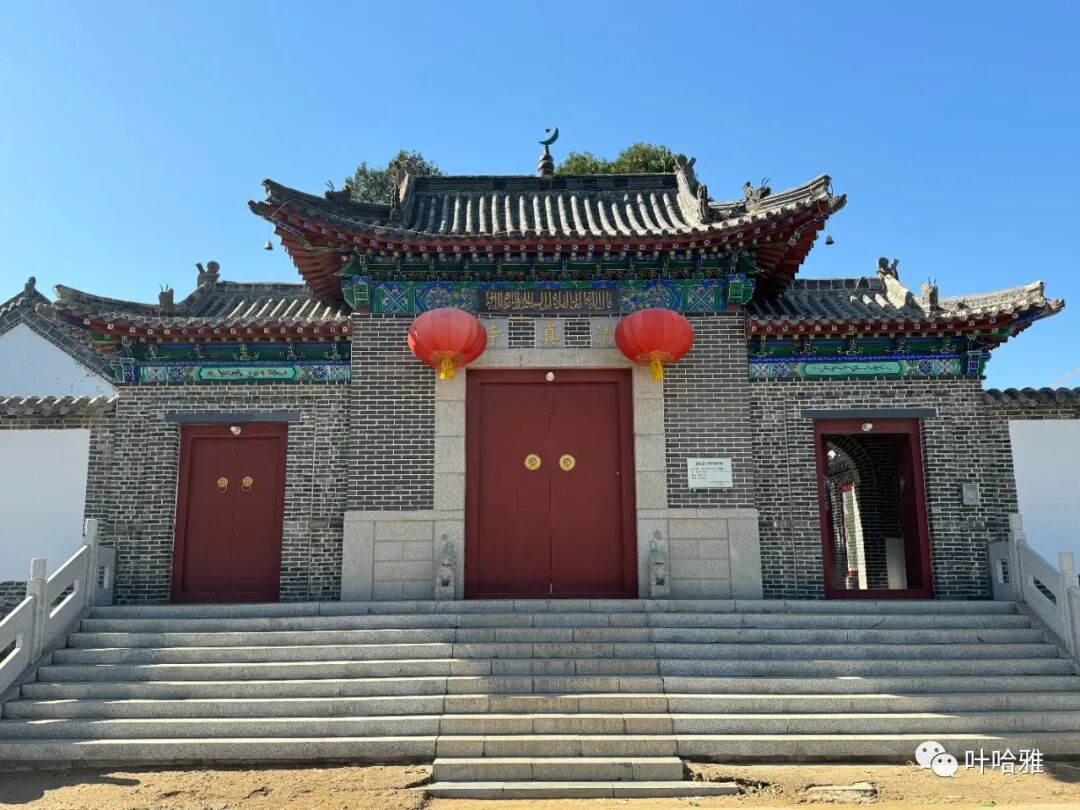
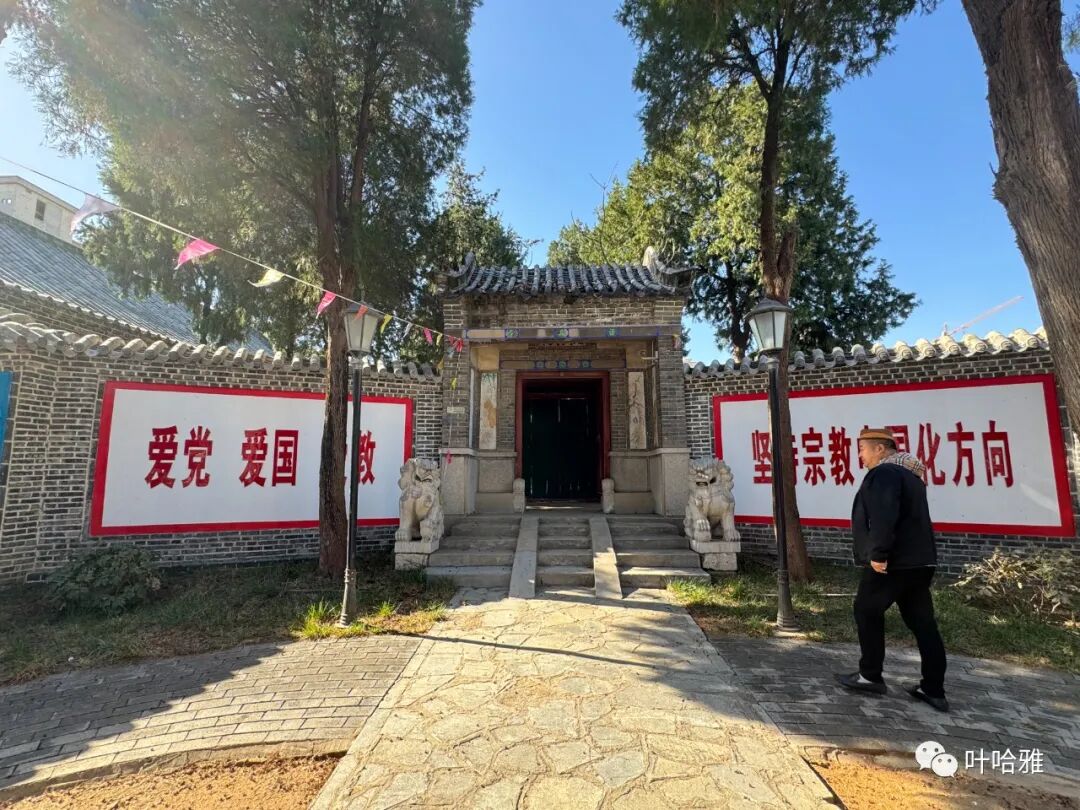
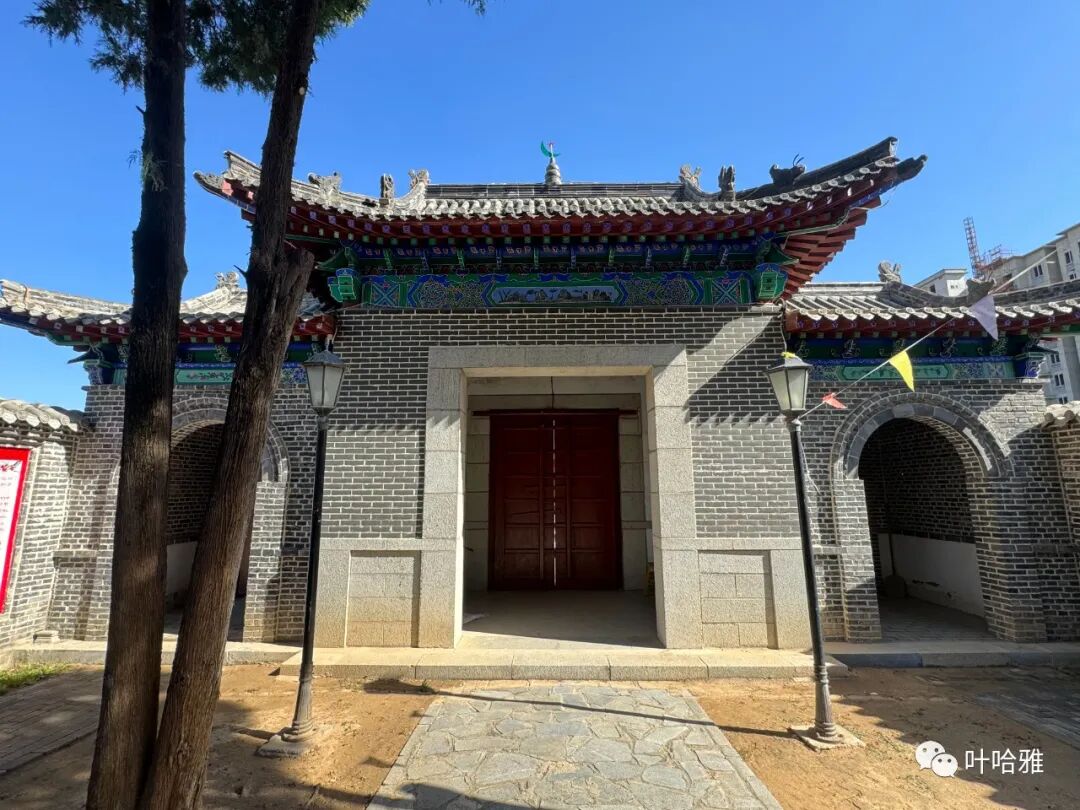
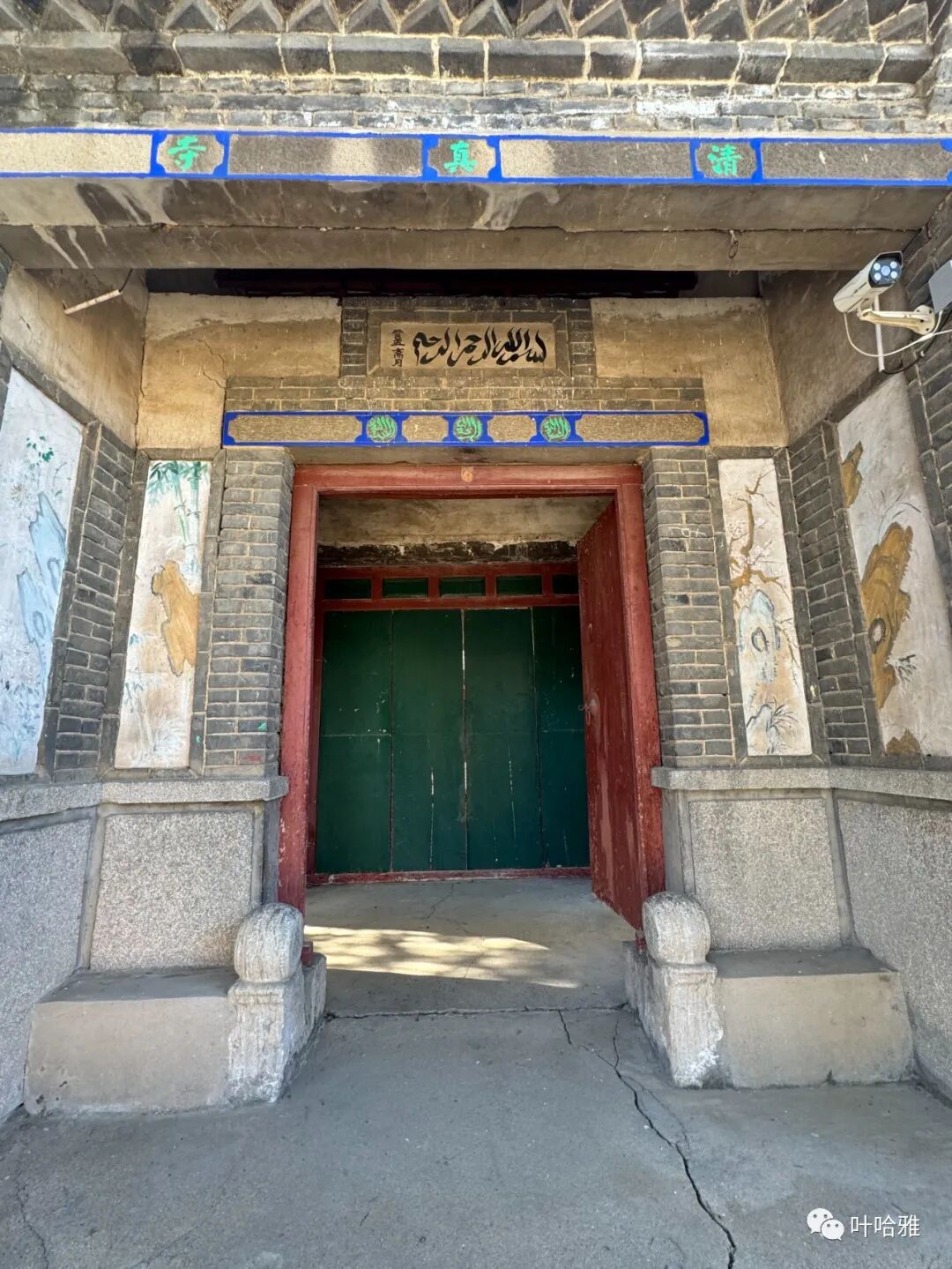
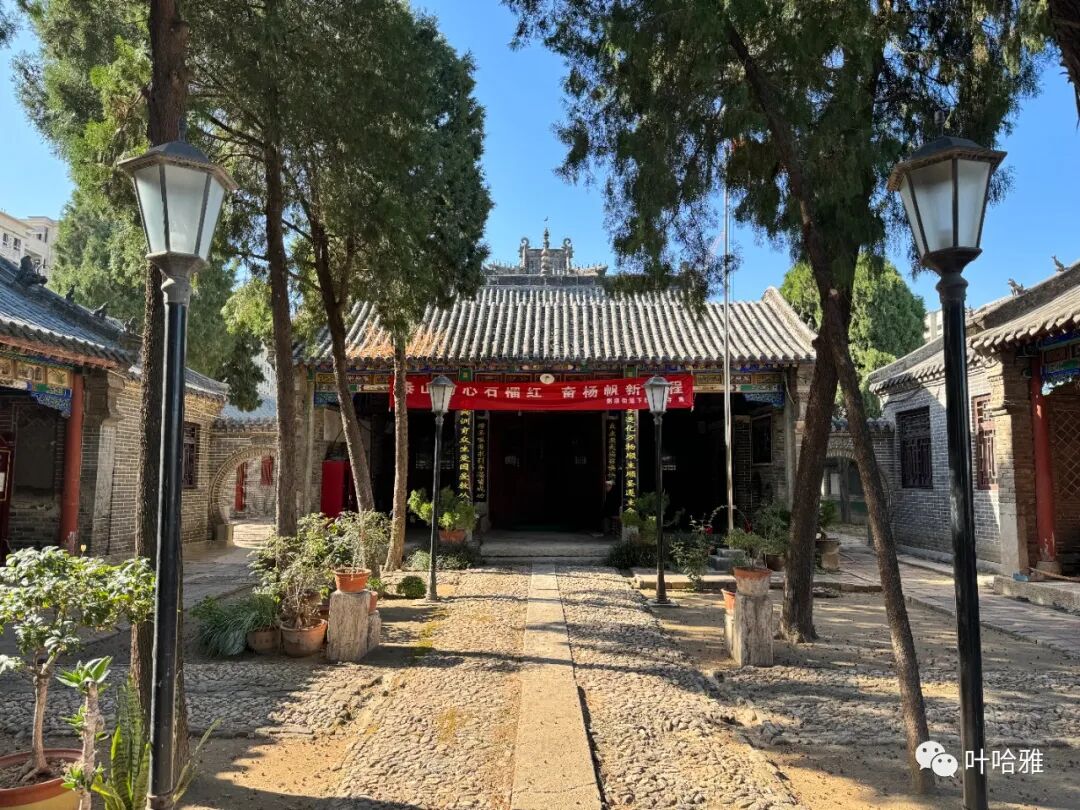
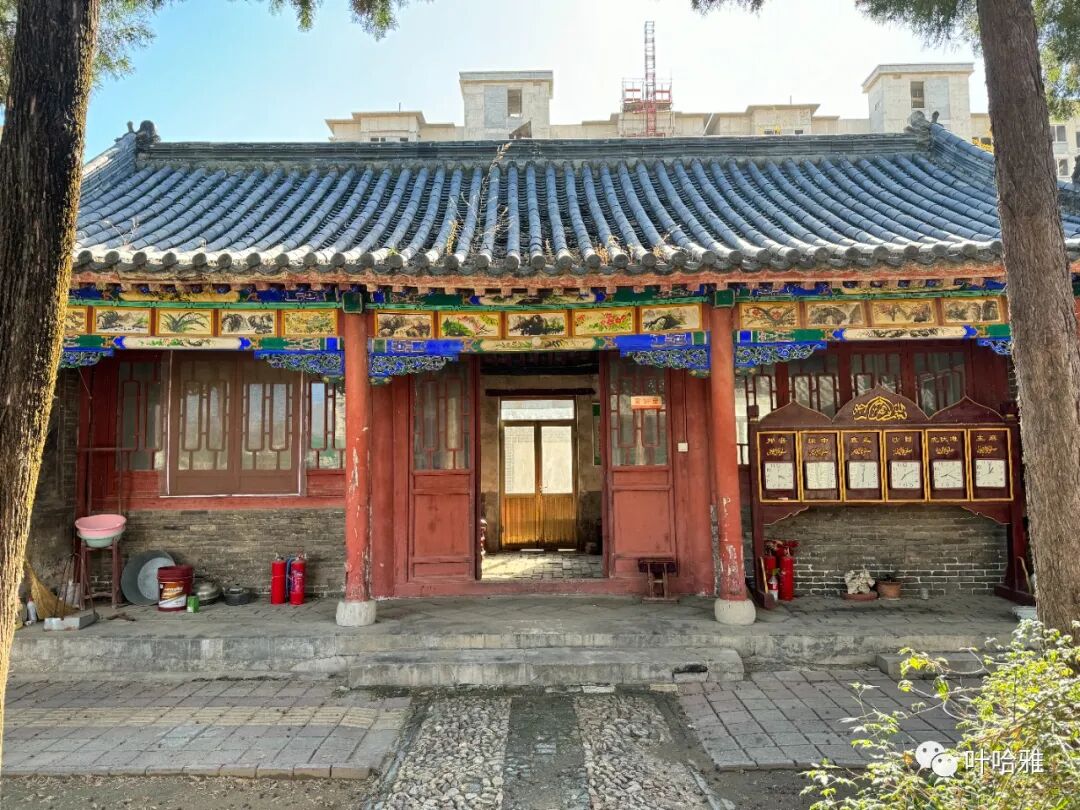
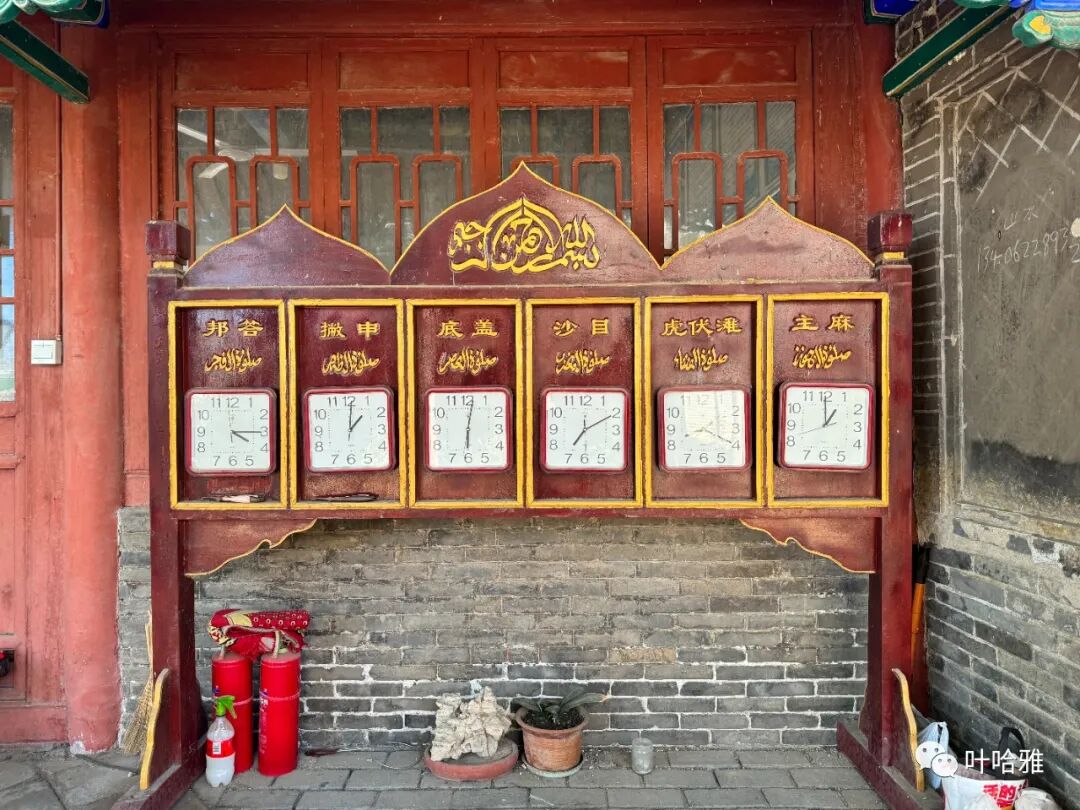
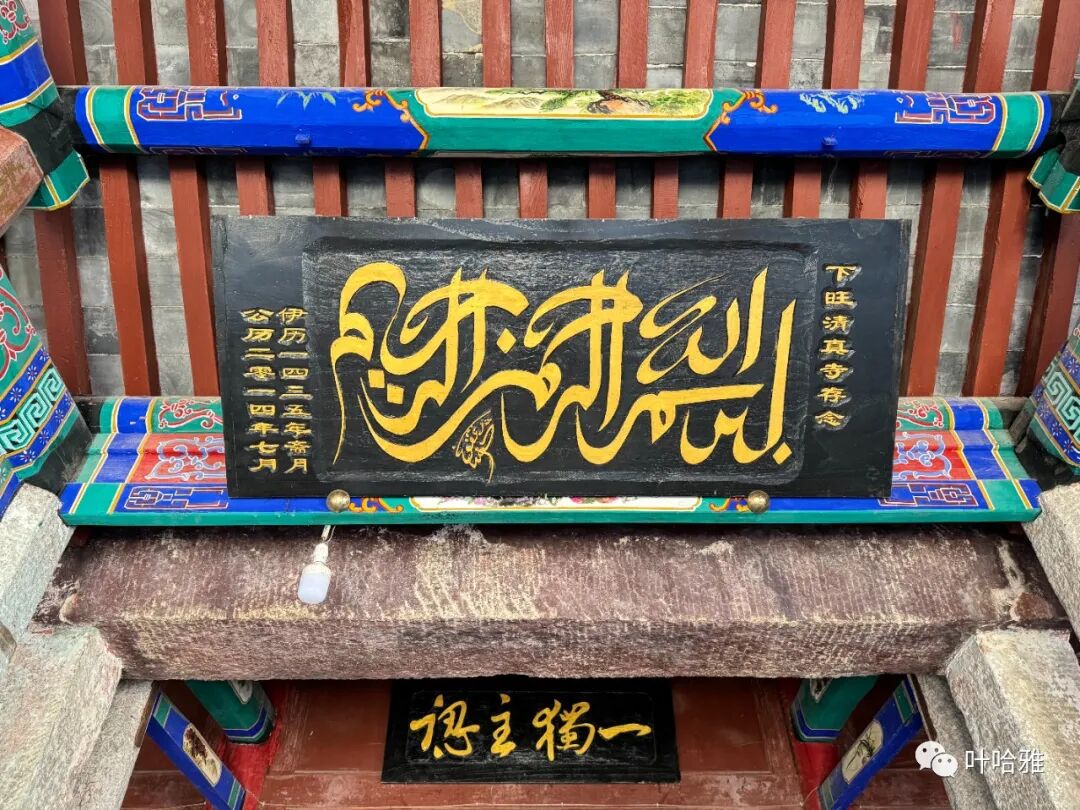
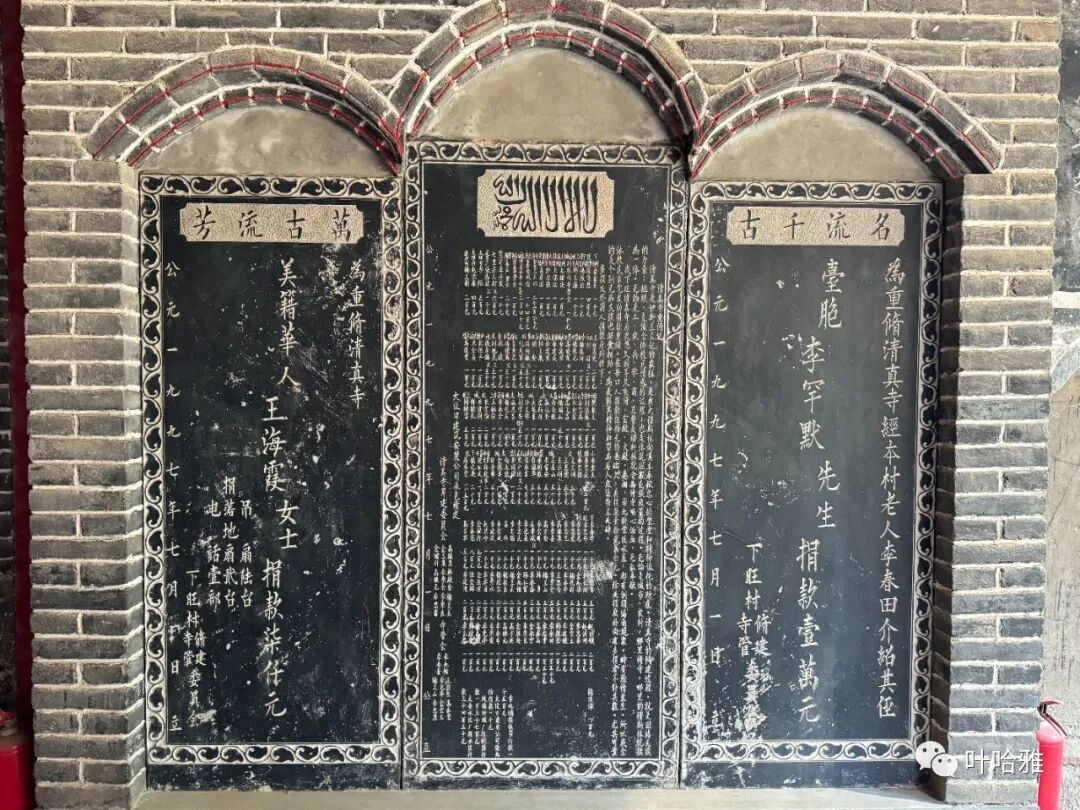
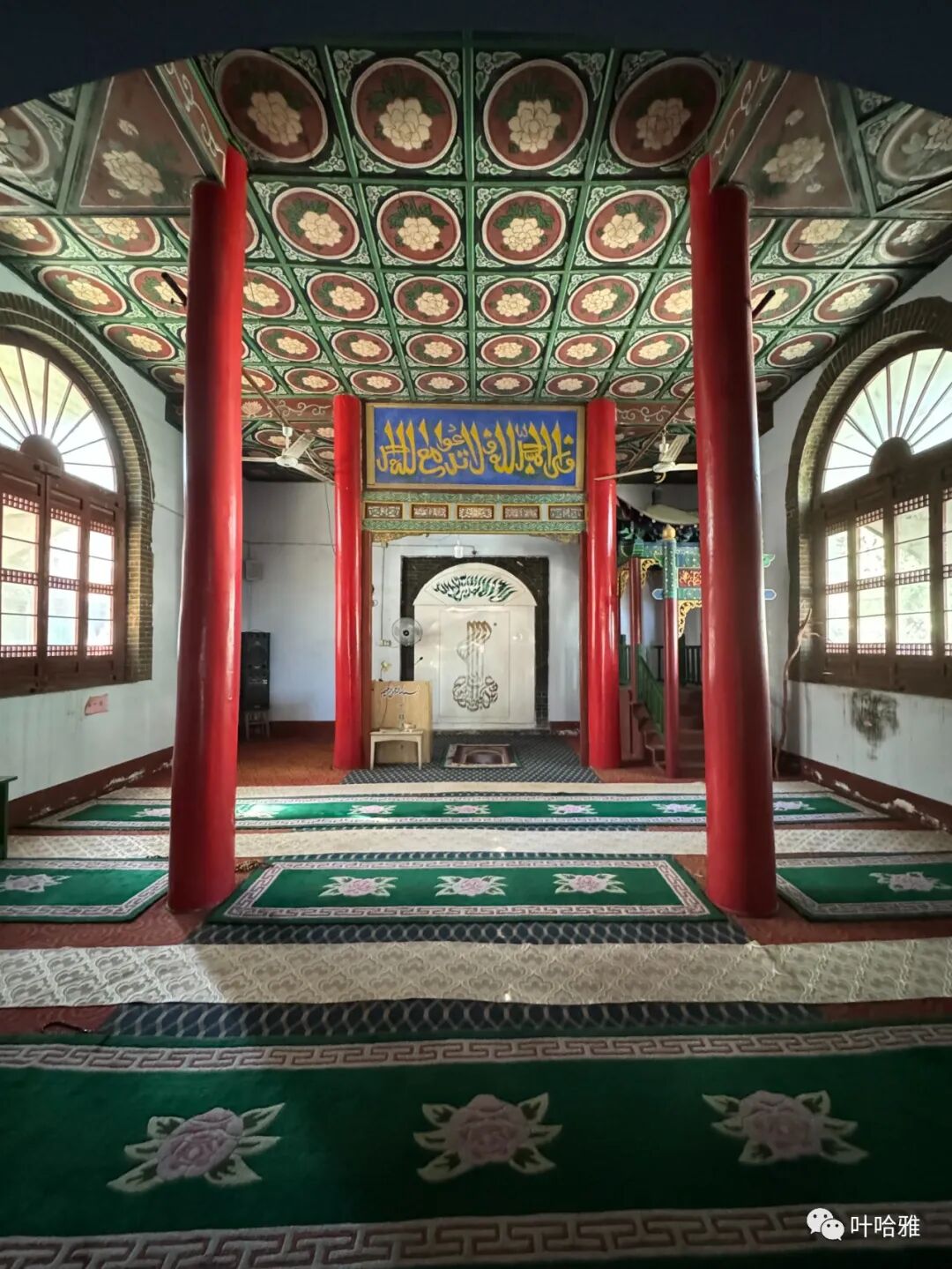
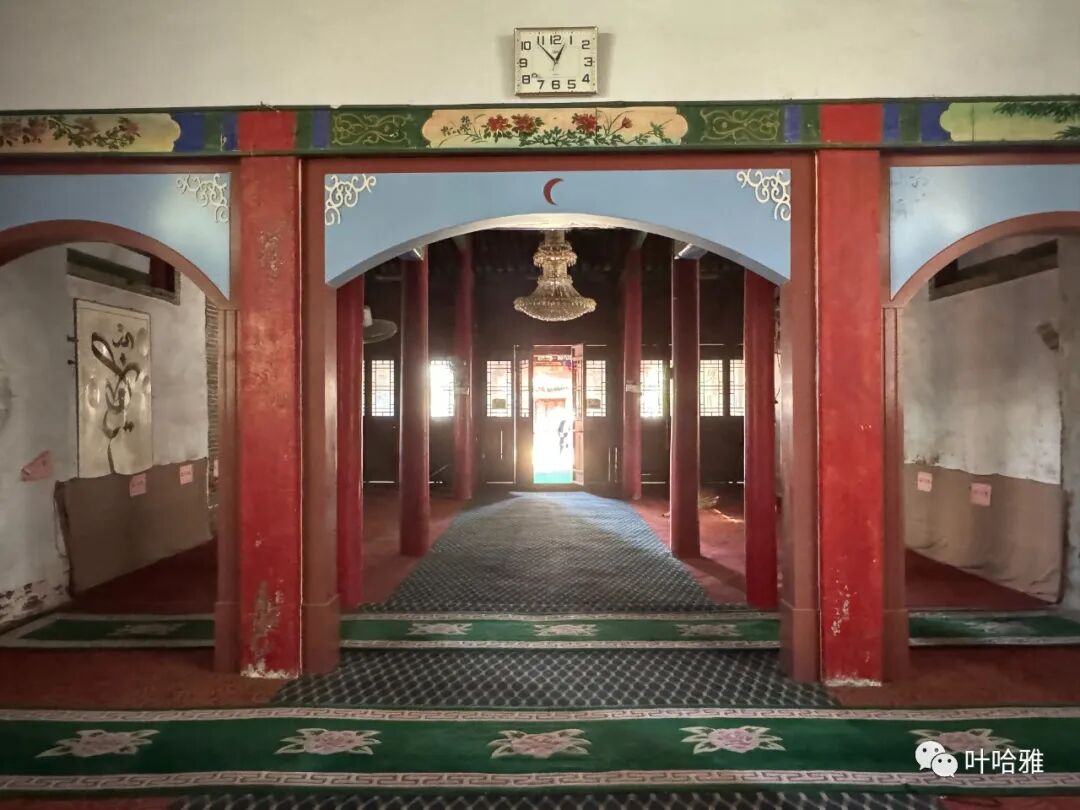
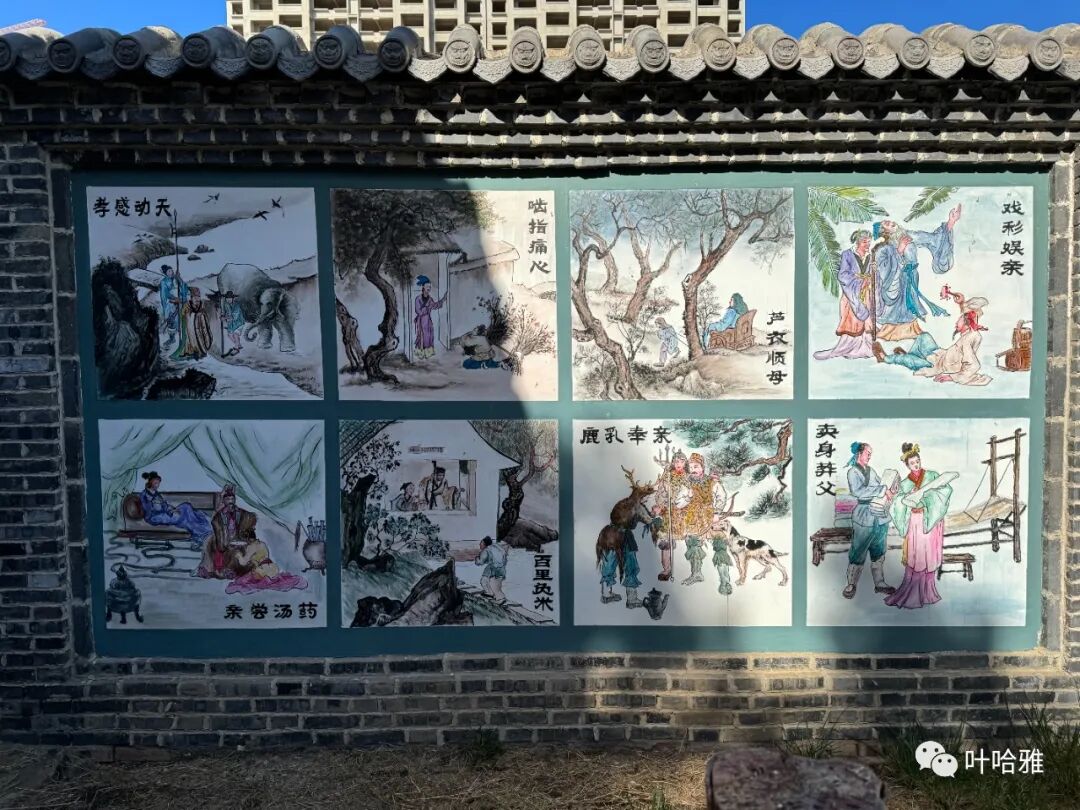
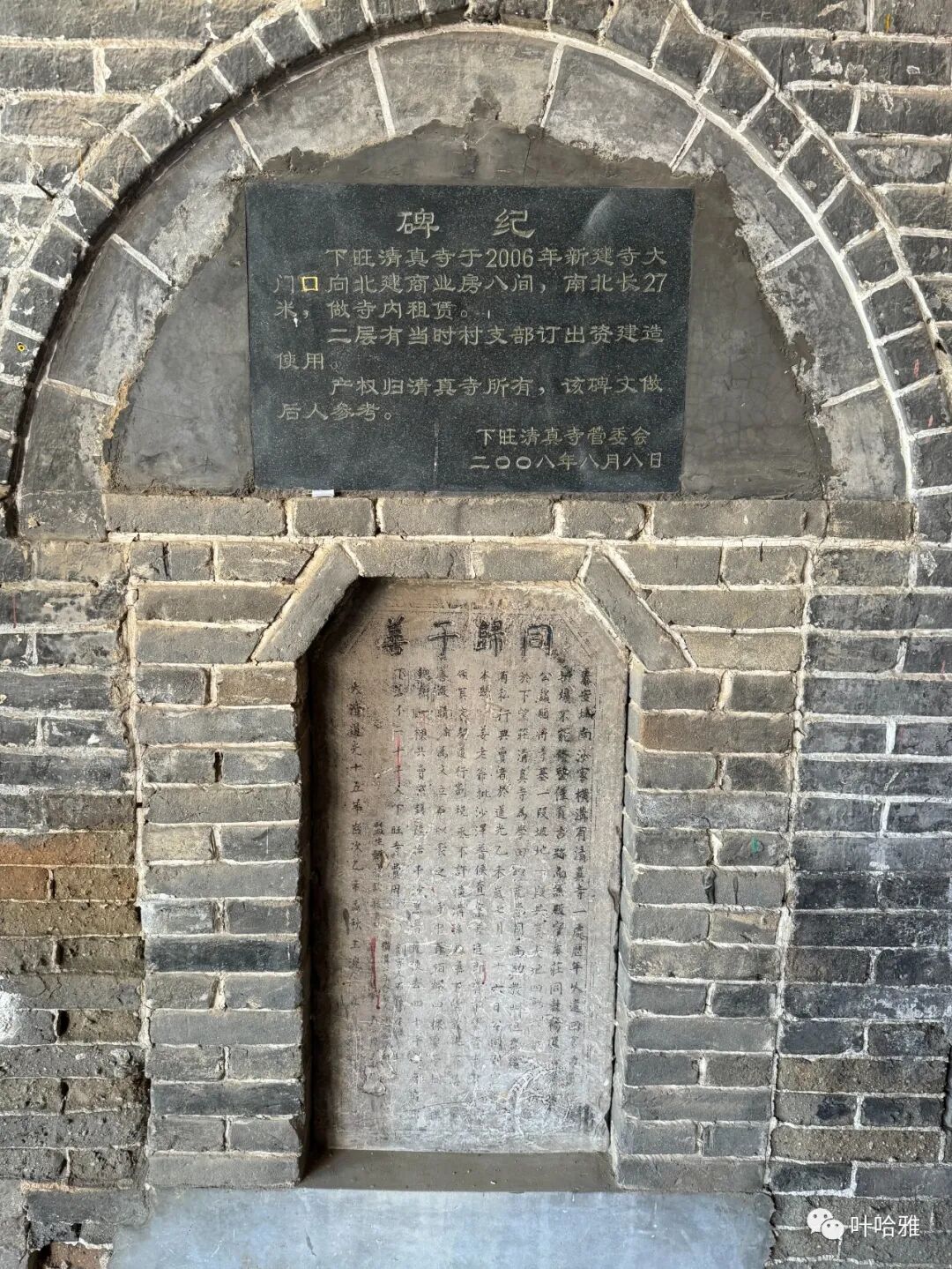
Shangwang Mosque
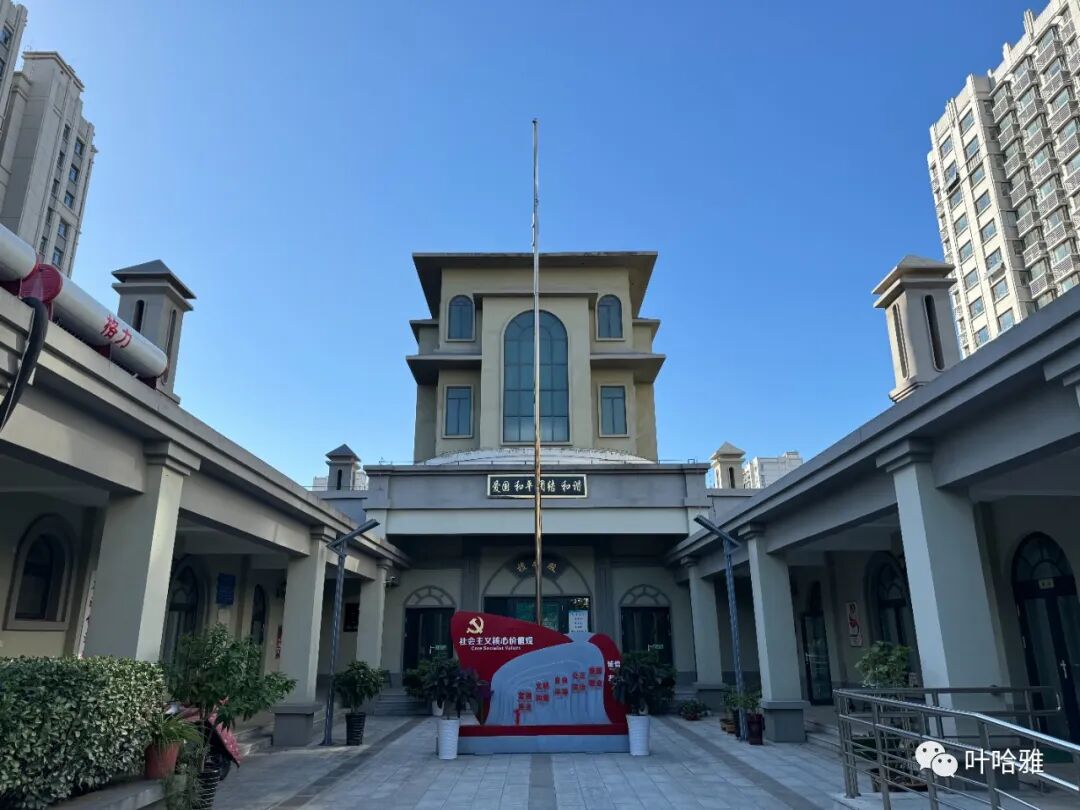
Shangwang Mosque in the Zhoudian Subdistrict Office is located in the southwest of the village. Built in 2008, it was once relocated to the north side of Lingshan Street due to the construction of the street. The mosque covers an area of over 1,000 square meters (50 meters long and 24 meters wide). The main prayer hall is 24 meters long and 24 meters wide. The northern lecture hall is 12 meters long and 6 meters wide. The south lecture hall is 12 meters long and 6 meters wide. The water room is 6 meters long and 6 meters wide.
The mosque was led by imams Han Yuhai and Ma Daoguang. It is managed by the mosque's democratic management committee, with Han Xiaohui serving as director. The mosque keeps a set of handwritten Quran manuscripts, which once won a city-level award.
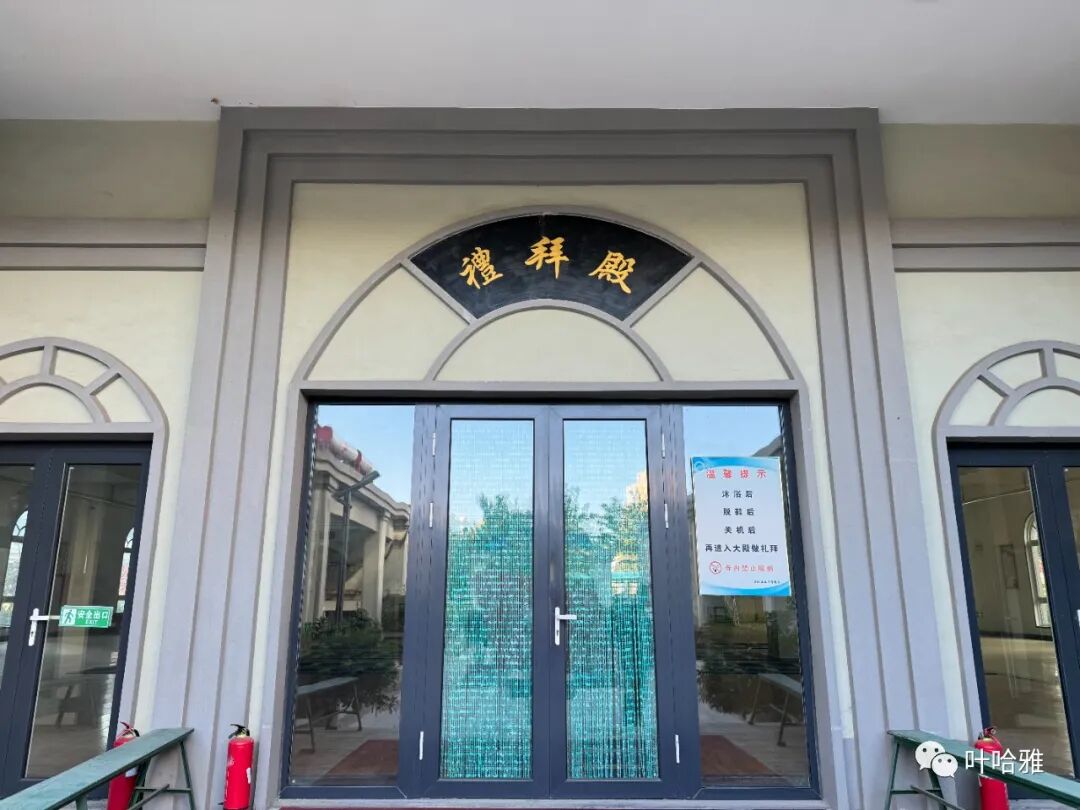
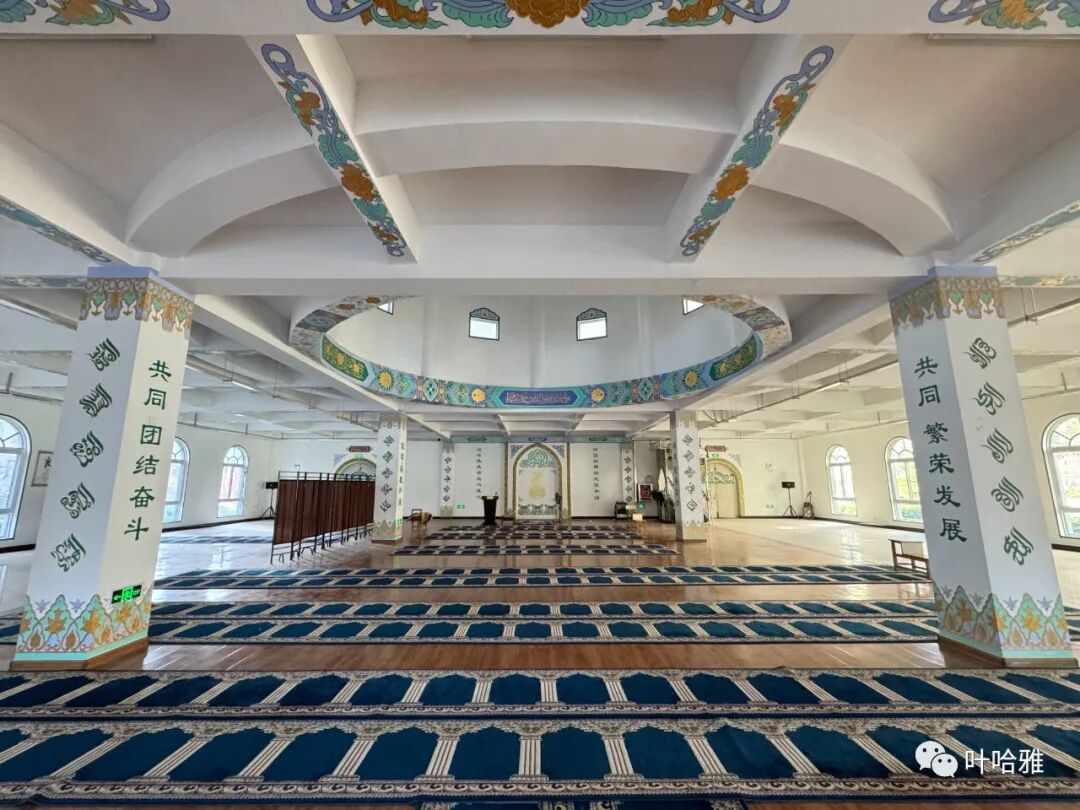
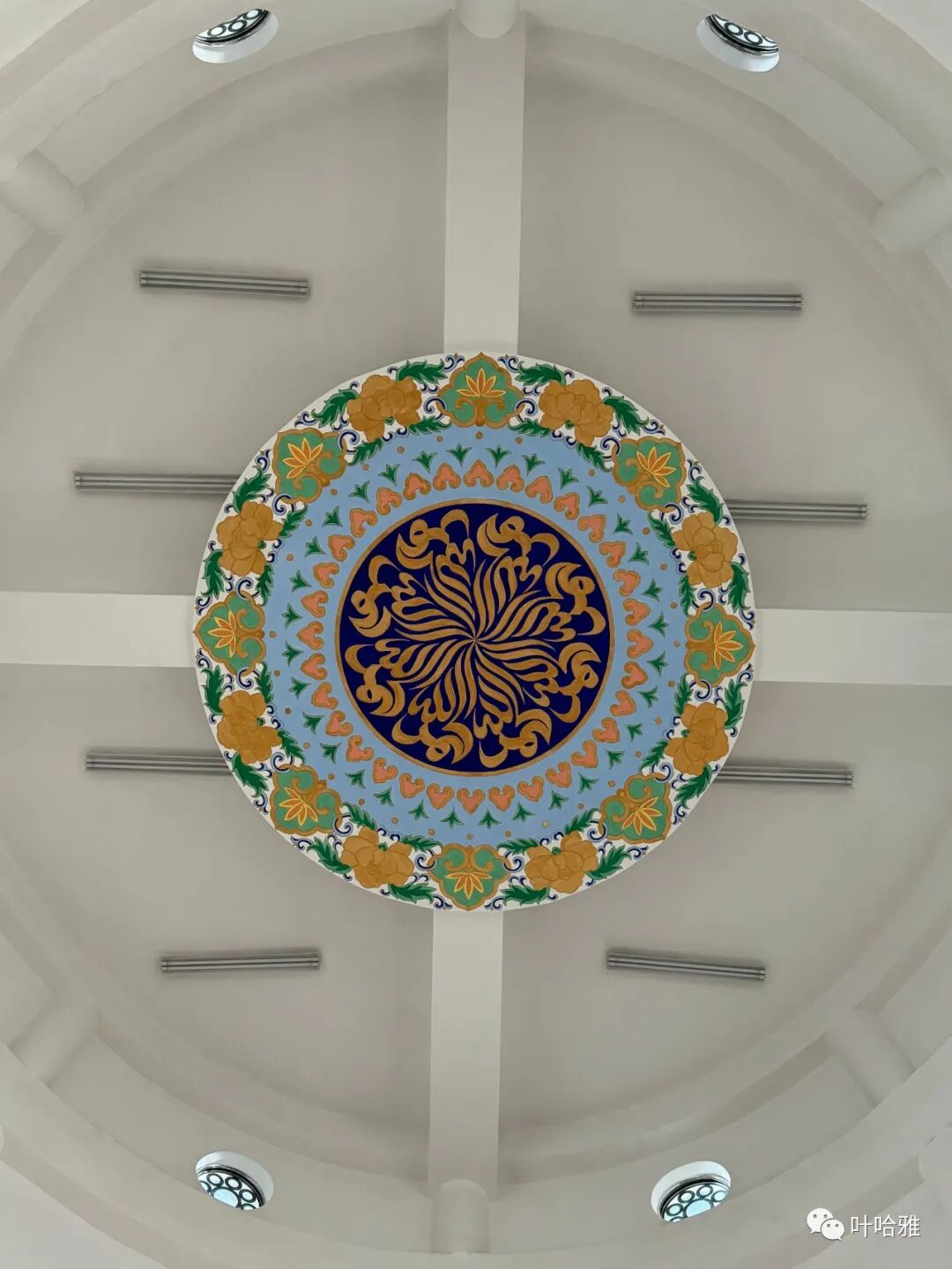
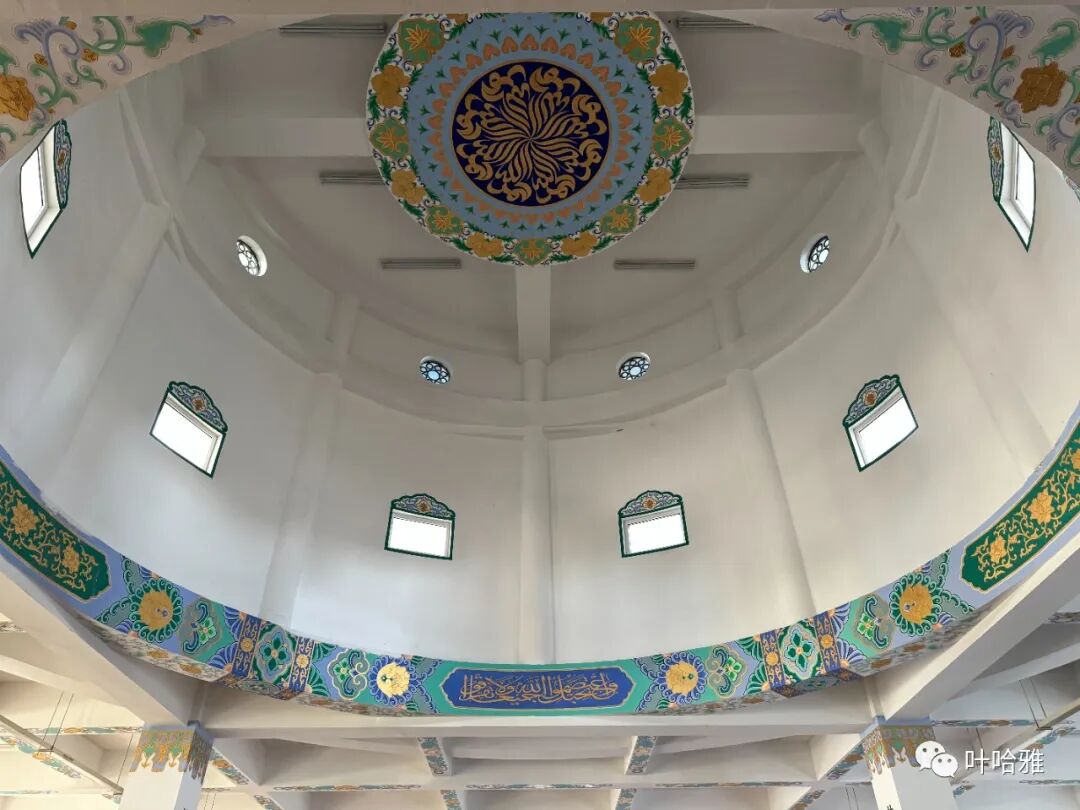
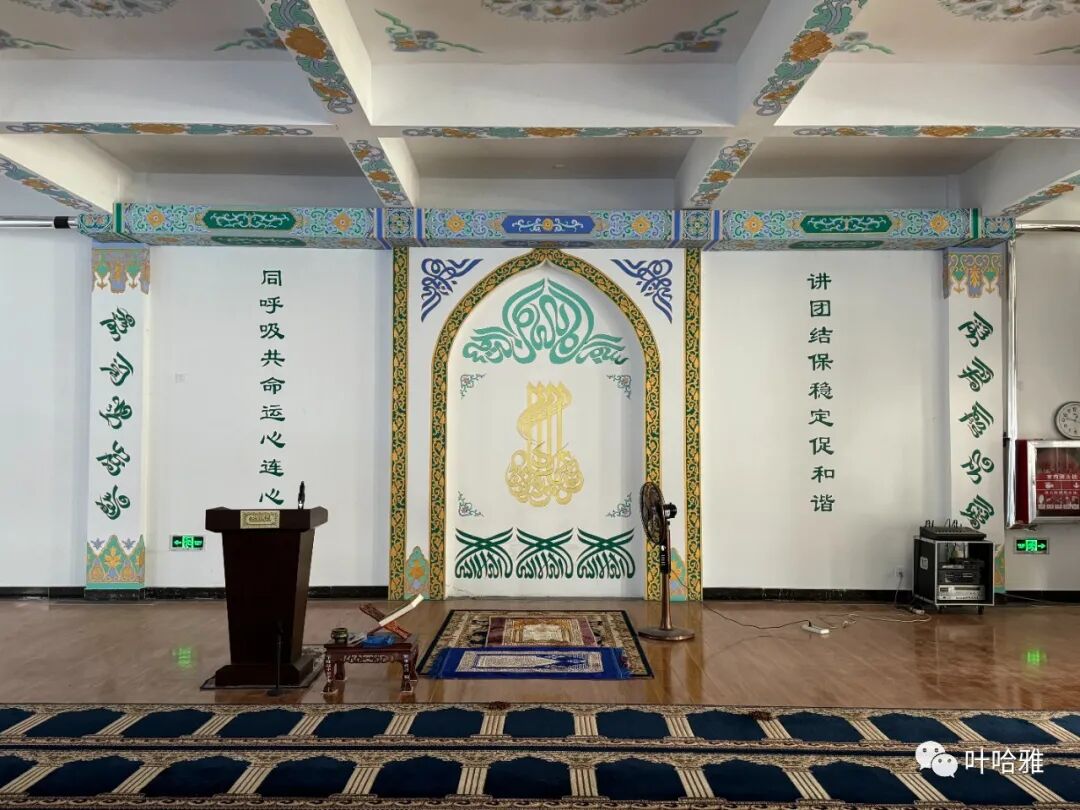
Ershilibu Mosque
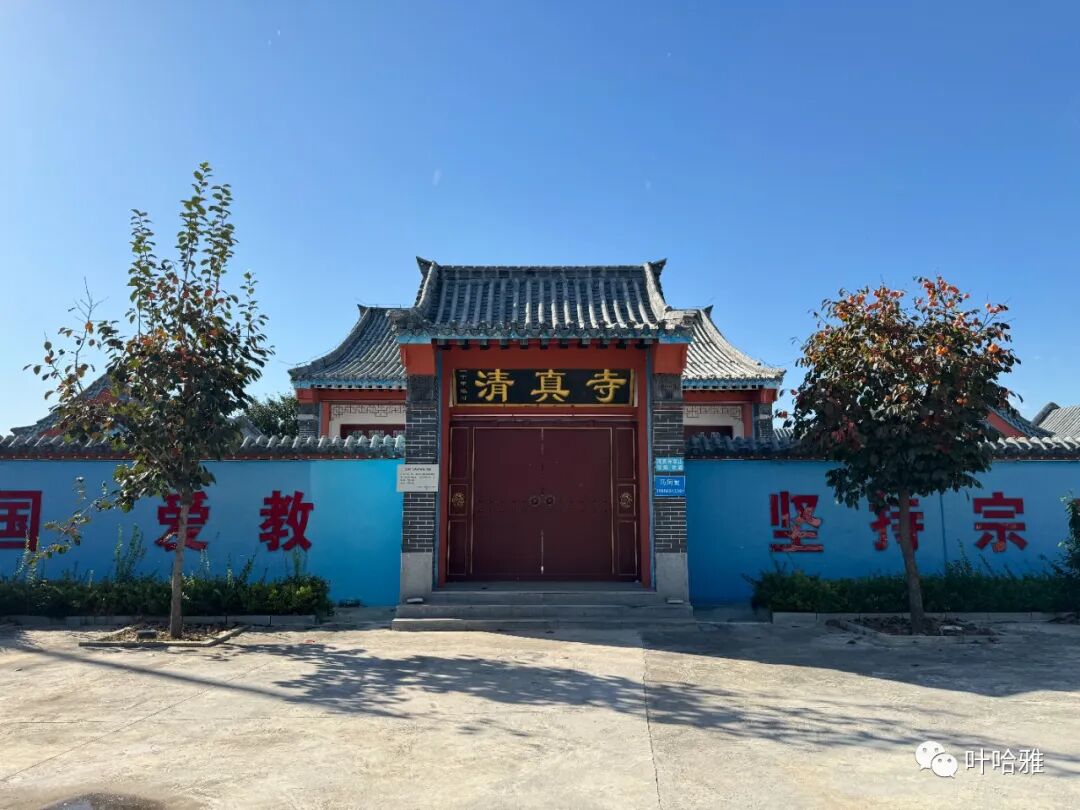
Ershilibu Mosque in the Zhoudian sub-district office is located in the west of the village, on the east bank of Tianping Lake. It was first built around the end of the Ming Dynasty and has been expanded and repaired ever since. In 1960, it was moved and rebuilt for the first time due to the construction of the Dahe Reservoir. In 2002, it was moved and rebuilt for the second time to build the Mount Tai pumped-storage power station, and it has been used ever since.
The mosque covers an area of over 1,200 square meters (36 meters long and 35 meters wide). The main hall has four pillars and nine rooms, standing 10 meters high, 12 meters long, and 12 meters wide. The north lecture hall is 10 meters long and 6 meters wide. The south lecture hall is 10 meters long and 6 meters wide. The water house is 10 meters long and 6 meters wide.
China Mosque Travel Guide Shandong: Tai'an Historic Mosques, Quran Manuscripts and Islamic Culture
Articles • yusuf908 posted the article • 0 comments • 220 views • 2026-05-22 22:10
Summary: This China mosque travel guide continues the Tai'an seventy mosques project with Changjiazhuang, Daxinzhuang, Yangliu, Xinwen and other historic mosques, including dimensions, renovations, handwritten Quran collections, imam records, and Islamic culture exhibitions.
The Seventy Mosques of Tai'an (Part Two) is presented here as a firsthand travel account in clear English, beginning with this scene: Imams Zhou Yicai, Bai Shengping, and others served as leaders of religious affairs at this mosque. The account keeps its focus on Mosque Travel, Islamic Heritage, Muslim Travel while preserving the names, places, food, and historical details from the Chinese source.
Imams Zhou Yicai, Bai Shengping, and others served as leaders of religious affairs at this mosque. Religious activities at the mosque were interrupted during the Cultural Revolution. In 1980, one imam was responsible for religious matters at both this mosque and the Changjiazhuang Mosque. Ma Bingliang has served as the resident imam from 2002 to the present. The mosque is managed by a mosque management committee, with Li Chunfang, Jin Zhibao, Li Zhao'en, Li Chunlian, and others serving as directors.
The mosque has twice won the title of Tai'an City Model Mosque and was named a provincial-level harmonious religious activity site.
Changjiazhuang Mosque
The old Changjiazhuang Mosque in the Zhoudian Subdistrict Office was moved north of the village in 1959 due to the construction of the Dahe Reservoir and the relocation of Changjiazhuang village, then rebuilt in 1963. Before the relocation, the mosque was first built around 1850, but that structure has since been demolished. The old mosque was renovated in the 32nd year of the Guangxu reign of the Qing Dynasty (1906). Two stone tablets remain: the Mosque Stele Record from 1906 and the Stele of Mr. Yang Runzhai's Good Deeds from 1933.
The new mosque is located at the south end of the Changjiazhuang community and features typical Arabic-style architecture, with a three-story main building and 36-meter-high corner towers. The mosque is 60 meters long and 55 meters wide. The prayer hall is 23 meters long and 22 meters wide. The north lecture hall is 10 meters long and 10 meters wide. The south lecture hall is 10 meters long and 5 meters wide. The ablution room (shuiwu) is 10 meters long and 8 meters wide.
The third floor of the new mosque houses the Tai'an Ethnic Unity and Progress Education Exhibition Hall (also known as the Tai'an Islamic Culture Exhibition Hall). It details the history and culture of Muslims and Islam in Tai'an. The Publicity Department of the Tai'an Municipal Committee and the Tai'an Social Science Association have named it a social science popularization base. Tai Shan University also uses it as a practical teaching base for college students. The mosque's religious affairs have been led by imams including Ma Wanqing, Zhang Shuiquan, Mi Guangqun, Yang Zhilai, and Xian Junlin. The mosque's affairs are managed by a democratic management committee, with Li Zhaoyi and Li Chunshan serving as directors.
The mosque currently holds a handwritten set of the Quran and a set of two scripture boxes (jingxia). In 2013, it received the title of Tai'an Harmonious Religious Venue.
Daxinzhuang Mosque
Daxinzhuang Mosque, located in the Zhoudian Subdistrict, sits in the northeast corner of the village. The original construction date is unknown. In 1960, the mosque moved to the hills of the new village along with Daxinzhuang Village because of the construction of the Dahe Reservoir. Before the move, the mosque covered dozens of acres and featured grand, magnificent buildings with complete halls and facilities. The scale of the mosque became much smaller after the move. The mosque was rebuilt in 1962 and has been in use ever since. In recent years, it has undergone three major renovations.
The mosque is a two-courtyard complex measuring 23.3 meters long and 26 meters wide. The prayer hall is a single-story structure measuring 11.2 meters long and 10.06 meters wide. The north lecture hall is 12.6 meters long and 4.2 meters wide. The south lecture hall is 12.6 meters long and 4.2 meters wide. The water room is 11.2 meters long and 4.2 meters wide. There is one existing stone tablet from 2001 titled Record of the Mosque Renovation.
Imams Wang Changgui, Wang Yuquan, and Li Baoxiang served as leaders of the mosque, and the current imam is Xu Yongqiang. The mosque is managed by a management committee, and the current director is Yang Guangfu.
Dashuozhuang Mosque
Dashuozhuang Mosque in Zhuyang Town sits in the center of the north side of the village. The exact date of its founding is unknown. It was first built at the old crossroads of Dashuozhuang Village before moving to its current location. It has been repaired many times since the 13th year of the Daoguang reign of the Qing Dynasty (1833). During the Cultural Revolution, the mosque was used for other purposes. Some halls were damaged, ancient scriptures and books were burned, the towering old trees were cut down, and stone tablets and plaques were destroyed.
After the Reform and Opening-up, the mosque gradually returned to its original appearance. It underwent nine large-scale renovations in 1988, 1993, 1996, 2001, 2004, 2006, 2007, 2010, and 2013.
The mosque features a classic traditional Chinese hall-style architectural design and covers a total area of 5,000 square meters. The main prayer hall is a three-layered structure 6 meters high and five bays wide. It includes a front porch (juanpeng), a front hall, a rear hall, a three-story rear kiln hall, and corridors on three sides, measuring 43 meters long and 21 meters wide. The north and south lecture halls and the water room are all two-story buildings, with the north lecture hall measuring 15 meters long and 8 meters wide. The South Lecture Hall is 20 meters long and 11 meters wide. The water house is 34 meters long and 11 meters wide. There is a two-story complex building that houses a washroom, funeral parlor, classrooms, dormitories, a library, and a multi-purpose hall. Five stone tablets remain today: the 1850 Tablet for the Renovation of Dasujiazhuang Mosque from the Daoguang era, the 1907 Tablet for the Expansion of the Mosque from the Guangxu era, the 2007 Tablet for the Construction of the South Lecture Hall at Dasuozhuang Mosque, the 2015 Tablet for the Reconstruction of the Prayer Hall at Dasuozhuang Mosque, and one ancient tablet with faded inscriptions.
Since modern times, the mosque's religious affairs have been led by imams including Mi Ahong, Fa Ahong, Wang Detai, Yang Zhaoqian, Zhou Baotian, Li Mingtai, Zhang Kuidong, Ma Shigui, Yang Dechun, Zhan Desheng, Yang Xinen, Mi Guangxun, Li Shengcai, Han Jingxin, Wang Buying, Jin Haixue, Shi Ahong, Ma Gang, Qian Xuewen, and Yang Zhaozeng. The mosque is managed by a democratic management committee, with Yang Xingzhen, Yang Xingfu, and others serving as directors.
The mosque values traditional scripture education and has trained many talents for the faith, including Mi Tongliang, Mi Yutai, Mi Sichuan, Mi Jikong, Mi Jihong, Mi Guangxun, Mi Guangqun, Mi Zhaojie, Mi Zhaozhang, Mi Tengfei, Yang Chengyu, Yang Yueqing, Yang Ahong, Yang Kuizeng, Yang Xingguang, Yang Xinzeng, Yang Zhaozeng, Yang Yuhua, Yang Yuming, Yang Lei, Ma Yuheng, Ma Jundong, Ma Daohui, Ma Daoguang, Ma Su, Ma Guangrui, Jin Guanglu, Jin Yushi, and Jin Zongfeng. Imam Yang Yueqing once taught in Changchun, Jilin Province, and later taught in Qiqihar, Taicheng Mosque, and Hanzhai in Yucheng. Imam Yang Yucheng once taught in various places in Hebei Province. Imam Ma Yuheng once taught at Taicheng Mosque, Jining East Mosque, and other locations.
The mosque currently holds a pair of vases (now damaged), a pair of scripture boxes, and four plaques. These include the 'Qibin Zhongwang' plaque given to Mi Diankui by the Taian County magistrate in 1852, the 'Yongjiu Zhenduo' plaque given to Imam Yang Yueqing by the elders of Hanzhai in Yucheng County, the 'Changming Huxun' plaque given to the Sha brothers, Sheng-san and Maotang, by Taicheng merchants in the early Republic of China, and the 'Wuye Furong' plaque given to Mi Chuangui by the villagers of Dasuozhuang. Imam Yang Yujun also keeps a handwritten copy of the Quran.
The women's mosque in Dashuozhuang, Zhuyang Town, was first built in the early years of the Republic of China. It covers over 600 square meters with a building area of more than 400 square meters. Due to years of neglect, it fell into disrepair and became a dangerous structure. In 1994, repairs were made to the dangerous structure, and the main hall was rebuilt.
In 2011, the mosque was named a Harmonious Religious Activity Venue by Shandong Province, and in 2014, it received the title of Model Mosque from Tai'an City.
Zhoujiapo East Mosque
The Zhoujiapo East Mosque in Xiazhang Town sits at the west end of the village. It was founded during the Kangxi period of the Qing Dynasty (1661-1722) and has been expanded and renovated dozens of times since.
The mosque is 62 meters long and 42 meters wide. The main hall was originally a traditional Chinese palace-style building with a moon terrace in front and a 16-meter-high moon-viewing tower in the back. These were torn down during the Cultural Revolution and replaced with the current auditorium-style tiled building. The prayer hall is 18.7 meters long and 13.1 meters wide. The north lecture hall is 24 meters long and 8 meters wide, but it has now collapsed. The south lecture hall is 18 meters long and 8 meters wide. The water room is 6 meters long and 8 meters wide. There are eight stone tablets remaining: the Mosque Land Tablet from the 55th year of Kangxi (1716), the Mosque Land Tablet from the 28th year of Qianlong (1763), the Mosque Tablet Record from the first year of Daoguang (1820), the Mosque Renovation Tablet Record from the 28th year of Daoguang (1848), the Mosque Tablet Inscription from the 23rd year of Guangxu (1897), the Mosque Renovation Tablet Record from the 25th year of Guangxu (1899), the Han Family Cemetery Tablet Inscription from the 7th year of the Republic of China (1918), and the Ma Family Cemetery Tablet Inscription from the 15th year of the Republic of China (1926).
Since the Qing Dynasty, the mosque has been led by imams including Yang Mingyuan, Zhou Jiting, Mi Tongliang, Mi Jingxue, Bai Qingshui, Zhang Deng'ao, Imam Zhao, Yang Yuezhen, Han Jingxin, Ding Fucai, and Li Tongjiang. The mosque has trained over 20 imams, and the Han family, represented by three generations of imams—Han Jingxin, Han Tonghe, and Han Kun—is a classic family of imams. The mosque is managed by a democratic management committee with a solid organizational structure, with directors including Bai Zhenkui, Bai Fengrui, Yang Fengxiang, Bai Huaitong, Bai Xuewen, and Bai Jun. During the War of Resistance Against Japan, the mosque established the Zhoujiapo Anti-Japanese Islamic School.
In 2011, the mosque was named a Harmonious Religious Activity Venue by Shandong Province.
Zhoujiapo West Mosque
Located in the southwest of the village, the Zhoujiapo West Mosque in Xiazhang Town was first built in the mid-to-late Qing Dynasty. It was expanded over time, and the current mosque was rebuilt on the original site. Since the first year of the Guangxu reign of the Qing Dynasty (1875), it has undergone large-scale renovations many times.
The mosque is a single-courtyard complex, 50 meters long and 33 meters wide. The prayer hall is a two-part structure with two side rooms in the front, standing 10 meters high, 17.5 meters long, and 12 meters wide. The north lecture hall is 16 meters long and 6 meters wide. The south lecture hall is 8 meters long and 8 meters wide. The water room is 16 meters long and 8 meters wide. The mosque has one surviving stone tablet, the "Tablet for the Repair and Reconstruction in the First Year of Guangxu" from 1875.
Before the Cultural Revolution, imams including Zhang Baotai, Mi Qinglu, Zhao Xinzheng, Han Jingwen, and Ma Tongyun led the mosque's religious affairs. After the Cultural Revolution, Yang Yuezhen, Imam Shi, Imam Zhang, and the current Imam Ma took charge of these duties. The mosque is managed by a democratic management committee, with Li Zhenjun serving as the director.
Jiajiagang Village Mosque
Jiajiagang Village Mosque in Xiazhang Town is located in the south-central part of the village. It was first built in 1740 during the Qianlong reign of the Qing Dynasty and has been repaired several times since.
The mosque is a single-courtyard complex, 40 meters long and 37.3 meters wide. The prayer hall is a single-story building, 5.5 meters high, 12 meters long, and 10.1 meters wide. The north lecture hall is 9.5 meters long and 6 meters wide. The south lecture hall is 10.5 meters long and 5 meters wide. The water room is 13.8 meters long and 6 meters wide. The mosque has a sports and fitness area. There are four stone tablets remaining: the Mosque Founding Tablet, the 1759 Mosque Construction Tablet from the 24th year of the Qianlong reign, and two tablets recording later renovations.
Imam Yang Peicheng was an underground worker for the Communist Party of China during the War of Resistance Against Japan. Yang Maodou, Ma Yigang, and Han Jingming are influential and well-known imams. The mosque is managed by a democratic management committee, with Li Faxi, Bai Maoting, Han Guirong, and Tang Zhihai serving as directors in succession.
The mosque values traditional Islamic education. Around the time the People's Republic of China was founded, it opened study classes where imams taught the Quran and Hadith to train talent for the faith.
Majiayuan Mosque
Majiayuan Mosque in Xiazhang Town is located in Nanbailou Fifth Village. It was first built in 1820, the first year of the Daoguang reign, and has been expanded and repaired ever since. Large-scale renovations took place in 1843, 1850, 1867, 1878, 1907, and 1921. Protective repairs were also carried out after the Reform and Opening-up.
The mosque is a two-courtyard complex, 54 meters long and 42 meters wide. The prayer hall is a three-section structure standing 8 meters high with side rooms. In front of the hall is a moon terrace (yuetai) that is 27.2 meters long and 10 meters wide. The north lecture hall is 27.6 meters long and 5 meters wide. The south lecture hall is 27.6 meters long and 5 meters wide. The water house (shuiwu) is 13 meters long and 6 meters wide. There are five stone tablets remaining, including the Mosque Main Tablet and Mosque Supplementary Tablet from the fourth year of the Guangxu reign (1878), the Three-Branch Ma Family Genealogy Tablet from the 29th year of Guangxu (1903), the Mosque Reconstruction Tablet from the 33rd year of Guangxu (1907), and the Mosque Reconstruction Record Tablet from the 10th year of the Republic of China (1921).
The Ma family has produced imams for over three generations. Ma Yongcai is a representative figure who served as the resident imam at the Jining East Mosque and held positions such as a member of the Shandong Provincial Committee of the Chinese People's Political Consultative Conference. Since its founding, the mosque's religious affairs have been led by imams including Yang Pengyuan, Jin Anxiang, Shi Guangfeng, Wang Yongsheng, Ma Xinsheng, Wang Yongqing, Mi Tongliang, Yang Xingchen, Ma Wenyi, Tang Wenhai, Ma Shunke, Xu Changpu, and Xian Junqi. The mosque is managed by a democratic management committee, with Ma Wensheng serving as the director.
In 2008, the mosque was awarded the title of Model Mosque by Tai'an City. In 2009, it was named a Harmonious Religious Activity Venue by Shandong Province. In 2010, it received the title of Model Mosque from Tai'an City again. It was named a Model Mosque by Tai'an City again in 2014.
Nigou Village Mosque
Nigou Village Mosque in Manzhuang Town. The founding date is unknown, but the mosque has been rebuilt several times, including five major renovations. It gradually reached its current size after repairs in the fourth year of the Daoguang reign (1824), the second year of the Republic of China (1913), the twenty-fifth year of the Republic of China (1936), and after the founding of the People's Republic of China. Another large-scale renovation took place in 2012.
The mosque follows a traditional Chinese courtyard layout with front and back sections, covering a total area of 2,000 square meters. The main prayer hall consists of three parts: a front porch (juanpeng), a rear hall, and a raised platform (yuetai). The prayer hall is 26 meters long and 10.6 meters wide. The north lecture hall has three rooms and is 18 meters long and 6.8 meters wide. The south lecture hall is 18 meters long and 4.6 meters wide. The ablution room (shuiwu) is 18 meters long and 5 meters wide. There are also funeral rooms, a kitchen, and east and west side rooms. A wooden plaque above the main hall door reads "Faith is Pure" (xinyang qingzhen). Inside, eight large pillars support the structure, which is built in three sections with three varying heights. Four stone tablets are built into the walls of the main hall. The tops of the tablets have symmetrical beveled corners and are carved with floral patterns. They are made of bluestone, feature engraved regular script (kaishu), and remain in excellent condition. The roof of the main hall uses simple tiles, and the blue bricks on both sides are carved with delicate patterns. The middle hall has a raised ridge, and the eaves are decorated with roof guardian figures. Three ancient cypress trees, each over 200 years old, stand within the mosque grounds.
The mosque currently houses nine stone tablets. These include the "Stele of Islamic Fundamentals" (Jiaoben Qingzhen Bei) and the "Stele of Eternal Fame" (Wangu Liufang Bei) from the fourth year of the Daoguang reign (1824); the "Stele for the Renovation of Nigou Mosque" (Chongxiu Nigou Qingzhensi Bei) and the "Stele of Islamic Origins" (Qingzhen Yuanliu Bei) from the second year of the Republic of China (1913); the "Record of the Renovation of the North Lecture Hall" (Chongxiu Bei Jiangtang Ji) from the twenty-fifth year of the Republic of China (1936); the "2012 Stele of Donation Lists for the Renovation of the Mosque Main Hall and South Lecture Hall" and the "Nigou Village Mosque Construction Donation List Stele" from 2012; the "Stele of Eternal Fame" (Liufang Baishi Bei) from 2013; and the "Stele of Eternal Fame" (Wangu Liufang Bei) from 2014. The mosque holds 30 handwritten copies of the Quran by Haji Chang Fulong.
Since 1935, imams including Ma Tongyun, Bai Qingyu, Zhang Baotai, Li Baoxiang, Wang Yuquan, Wang Huzi, Wang Buying, Bai Guangpu, Ding Junting, Chang Furong, Dong Futang, Ma Yongxu, Bai Jinhu, and Zheng Liqiang have led the religious affairs of the mosque. The most influential imams in the history of this mosque include Li Baoxiang, Wang Yuquan, Wang Zengli, Yang Baoyong, Li Zhongguo, and Zuo Zhonghua. Before the founding of the People's Republic of China, the mosque's affairs were managed by the village head Zuo Hanzhang. After the founding of the People's Republic of China, management was handled by team leaders and village heads. It is currently managed by the Mosque Democratic Management Committee, led by director Li Gang.
In 2010, it was named a "Harmonious Religious Activity Venue" by Shandong Province. In 2014, it received the "Model Mosque" title from the Tai'an Islamic Association.
Longshan Guanzhuang Mosque
Longshan Guanzhuang Mosque in Manzhuang Town sits at the west end of the village. It was founded in 1936. The north lecture hall was built first, followed by the main prayer hall in 1939 and the south lecture hall in 1957. It has been repaired many times since. Repairs took place in 1984, 1994, 2006, and 2010. The Muslims of Zhongchunyu Village are the patrons of this mosque.
The mosque has two courtyards. The main prayer hall is 50 meters long and 40 meters wide. The main prayer hall has a front porch (juanpeng) that is 6 meters high, 20 meters long, and 7 meters wide. The north lecture hall is 16 meters long and 7.5 meters wide. The south lecture hall is 12 meters long and 7 meters wide. The ablution room (shuiwu) is 12 meters long and 7 meters wide. The mosque has two stone tablets: the 1994 Tablet of Donors for the Reconstruction of the North Lecture Hall and the 2005 Tablet of Lasting Fame.
Since its founding, the mosque's religious affairs have been led by imams including Ding Junting, Li Baoxiang, Li Qingyun, Imam Bai, Xu Changpu, Zhang Shuiquan, and Bai Guangpu. Chu Qingquan has served as the resident imam since 1990. The mosque is managed by a mosque management committee, with Gao Cunchang, Zhao Xueqian, Gao Fangkun, and Jin Weidong serving as directors.
In 2012, it was named a Harmonious Religious Activity Venue in Shandong Province.
Fanjiaanbu Mosque
The mosque in Fanjiaanbu Village, Manzhuang Town, sits at the west end of the village. It was first built around the early 16th century and has been rebuilt many times since. The front hall was built in the early 20th century. The north lecture hall was built in the 27th year of the Republic of China (1938). In the early years of the People's Republic of China, the front hall was repaired and the rear main hall was built. The ablution room (shuiwu) and the south lecture hall were rebuilt in 2000. In 2008, the north lecture hall, the main gate, and the east courtyard wall were rebuilt, the ground was paved, and the platform in front of the prayer hall was renovated. In 2011, a residence was built for the imam, and the mosque's courtyard wall was extended south toward the center of the village. Solar power was installed in 2014. The mosque covers a building area of 450 square meters. The front and back halls cover a building area of 280 square meters. Religious activities are carried out according to the law.
Xindian Village Mosque
Xindian Village Mosque in Huamawan Township is also known as Wangfanling Mosque. It was first built during the Wanli period of the Ming Dynasty (1573-1620) with funds raised by the Zhou family of Huamawan, the Jin family of Jiepai (formerly known as Wangfanling), the Wang family, the Yang family of Xindian, and the Wang family of Qiaozi Village. It has been repaired many times since then.
The mosque was damaged during the Cultural Revolution. In 1999, Mi Fengwen and Wang Shuxin led a committee to rebuild the prayer hall, five rooms for the north lecture hall and bathing room, two rooms for the funeral room, the main gate, and other auxiliary facilities, covering a building area of over 500 square meters. When it was completed, Jin Baozhen, former vice chairman of the Provincial Committee of the Chinese People's Political Consultative Conference, wrote the plaque for the mosque's name. The prayer hall and lecture hall were renovated between 2009 and 2010. A new south lecture hall was built in 2011.
The mosque is 24.5 meters long and 22 meters wide. The prayer hall is 9.1 meters long and 8.6 meters wide. The north lecture hall is 14 meters long and 5 meters wide. The south lecture hall is 11 meters long and 5.5 meters wide. The water room is 3 meters long and 5.5 meters wide. Two stone tablets remain today: the 2000 Record of the Reconstruction of Wangfanling Mosque and the 2000 Memorial Tablet for Donations to the Reconstruction of Wangfanling Mosque.
Starting in the Wanli era of the Ming Dynasty (1573-1620), the mosque's religious affairs were led by imams including Imam Zhou, Imam Yang, Imam Jin, Imam Bai, Imam Gao, Zuo Hanchen, and Zuo Shanggui. There were no resident imams during the Cultural Revolution. After the mosque was restored in 1999, imams including Shi Guorong, Mi Guangqun, Zhang Zhiyong, and Ma Chunyu led the religious affairs. The mosque is managed by a democratic management committee with a well-organized structure. Mi Fengwen served as director from 1999 to 2012, and Zhou Li has served as director since 2013.
The mosque currently houses handwritten Islamic religious texts. In 2010, the mosque was named a Harmonious Religious Activity Venue by Shandong Province, and in 2014, it received the title of Model Mosque from Tai'an City.
Xinghua Street Mosque in Dawenkou
The Xinghua Street Mosque in Dawenkou Town sits in the middle of Xinghua Street Village. It was first built during the Qianlong reign of the Qing Dynasty (1735-1796) and has been expanded and repaired ever since. It underwent three major renovations in 2001, 2011, and 2015.
The mosque is 40 meters long and 23 meters wide. There is a porch (baoxia) about 6 meters high in front of the prayer hall, which is 11 meters long and 8 meters wide. The north lecture hall is 10 meters long and 6 meters wide. The south lecture hall is 10 meters long and 5 meters wide. The water room is 11 meters long and 4 meters wide. One stone tablet remains, which is the 2011 Record of Mosque Renovation.
Before the Cultural Revolution, Imam Liu Zhongan led the religious affairs. Over the past twenty years, Imams Bai Maosheng, Ma Chuanxiang, Yang Shunchang, and Bai Yanbing have led the religious affairs. The mosque is now managed by a democratic management committee with a sound and complete structure, with Li Guangchun and Yang Yanjiang serving as directors in succession.
In 2013, the mosque was awarded the title of "Harmonious Religious Activity Venue" in Shandong Province.
Xintai City
Dongshendong Village Mosque
Dongshendong Village Mosque in Yucun Town is located in the western part of the village. It was built during the Hongwu period of the Ming Dynasty (1368-1398) and has been renovated several times since. It underwent multiple renovations in the 53rd year (1714) and 60th year (1721) of the Kangxi reign, the 6th year (1741) and 20th year (1755) of the Qianlong reign, the 16th year (1836) and 23rd year (1843) of the Daoguang reign, the 20th year (1894) of the Guangxu reign, and the 15th year (1926) of the Republic of China. In 1964, coal mining at the Yucun Coal Mine caused the ground to sink and damaged the buildings, so the entire Dongshendong Village moved to a new site and the old mosque was abandoned. The new mosque was rebuilt between 1987 and 1997.
The mosque is 50 meters long and 40 meters wide. The main prayer hall is a double-eaved structure, 13 meters high, 20 meters long, and 18 meters wide. The north lecture hall is 18 meters long and 6 meters wide. The south lecture hall is 18 meters long and 7.5 meters wide. The water room is 16 meters long and 8 meters wide.
The mosque has 11 stone tablets. These include the Record of Rebuilding the Mosque from 1714 (the 53rd year of the Kangxi reign), the Eternal Compliance Tablet from 1721 (the 60th year of the Kangxi reign), the Record of Rebuilding the Mosque Tablet from 1741 (the 6th year of the Qianlong reign), the Supplementary Record of Rebuilding the Mosque School Land Tablet from 1836 (the 16th year of the Daoguang reign), the Record of Rebuilding the Rear Hall from 1843 (the 23rd year of the Daoguang reign), the Record of Rebuilding the Mosque Tablet from 1894 (the 20th year of the Guangxu reign), the Tablet for Donating Land to the Mosque from 1903 (the 29th year of the Guangxu reign), the Record of Rebuilding the Gutter from 1926 (the 15th year of the Republic of China), the 1958 Record of Repairing Racks and Adding Wall Clocks, and the 2002 Record of Rebuilding the Mosque and the Oneness of Allah Tablet.
The mosque has trained many imams, including Liu Pu and Ma Xingfu from the Qing Dynasty. Imams from the Republic of China era include Imam Yang and Wan Zhendong. Imams after the founding of the People's Republic of China include Chen Dianpu, Zhu Yuehou, Ma Wenjun, Ma Xingchang, Ma Hongxin, and Ma Hongping. Imam Liu Pu led the mosque's renovation in 1836 (the 16th year of the Daoguang reign). Imam Ma Xingfu led the renovation in 1894 (the 20th year of the Guangxu reign). Imam Ma Wenjun went on Hajj to Mecca and met with party and state leaders. Xintai, Tai'an, and provincial media reported on his achievements several times.
In this village, the Ma family produced imams for several generations. Starting with Ma Zhaojun, his descendants Ma Shigong, Ma Wendou, Ma Xingcheng, Ma Hongbin, Ma Shengxuan, and Ma Zhu all served the mosque with dedication. The mosque is currently managed by a management committee. Past directors include Liu Baoshui, Liu Zidong, Ma Shenghua, and Ma Sheng'an. The mosque holds handwritten copies of the Quran, Common Knowledge of Hui Muslims, and Tuoha, along with a blue and white porcelain incense burner saved from the original mosque.
In 2008, the mosque was named a Model Mosque by Tai'an City. In 2009, it was named a provincial-level Harmonious Religious Activity Venue. In 2014, it was named a Model Mosque by Tai'an City.
Women's Mosque
The Women's Mosque in Dongshendong Village, Yucun Town, is located in the western part of the village. It sits opposite the Dongshendong Village Mosque. It was built in May 2005. It covers an area of over 400 square meters, with a building area of 128 square meters. There is one existing stone tablet, the Tablet Record of Building the Women's Mosque. The current imam is Ma Shengling, who has led the mosque's religious affairs since 2006.
Dongshenxi Village Mosque
The Dongshenxi Village Mosque in Yucun Town is located in the south of the village and was built in 1994. It was renovated twice, in 2005 and 2013.
The mosque has a single courtyard and lacks a rear prayer hall (houyaodian), side rooms, and a raised moon terrace (yuetai). The mosque is 80 meters long and 60 meters wide. The main prayer hall is a single-level structure, 5 meters high, 12 meters long, and 6 meters wide. The south lecture hall is 8 meters long and 4 meters wide. The water room (shuiwu) is 8 meters long and 4 meters wide.
Imam Ma Hongxin once led the religious affairs here, and Ma Hongru currently serves as the resident imam. The mosque is now managed by a democratic management committee, with Ma Xingsheng, Liu Maoquan, and Ma Hongcang serving as directors in succession.
The mosque was awarded the provincial title of "Harmonious Religious Activity Venue" twice, in 2010 and 2011.
Dashandong Village Mosque
Dashandong Village Mosque in Yucun Town is located in the western part of the village. It was built during the Chongzhen period of the Ming Dynasty (1628-1644) and has been renovated several times since. In 2006, the north and south lecture halls and the main gate tower were built.
The mosque is a single-courtyard building, measuring 40 meters long and 40 meters wide. The prayer hall is a single-story structure, 5 meters high, 12 meters long, and 12 meters wide. The north lecture hall is 15 meters long and 8 meters wide. The ablution room (shuiwu) is 15 meters long and 8 meters wide.
The mosque has trained over 10 imams and religious leaders, including Wang Xicun, Chen Nianpu, Bai Maohai, Zhang Shuiquan, Xu Shanfang, Wu Mingcai, Yu Yang, Ma Kui, Mi Guangxun, and Man Yungui. It is currently managed by a democratic management committee of the mosque, with Su Yefu, Jin Zongdian, and Jin Naifang serving as directors in succession.
The mosque has been awarded the title of "Model Mosque" by Tai'an City twice.
Lujiagou North Mosque
Lujiagou North Mosque in Yucun Town is located in the northwest of the village and is also known as Dalinghou Mosque. It was first built in the early Qing Dynasty and has been expanded and repaired many times since. During the Cultural Revolution, the mosque was damaged, and it was rebuilt in the west of the village in 1987. It underwent three large-scale renovations in 1989, 2008, and 2016.
The mosque is a single-courtyard building, 40 meters long and 22 meters wide. The main prayer hall is 16 meters high, 15 meters long, and 11 meters wide. The north lecture hall is 15 meters long and 6 meters wide. The south lecture hall is 12 meters long and 5 meters wide. The ablution room (shuiwu) is 12 meters long and 5 meters wide. There are three stone tablets here: the 2009 Mosque Record (Qingzhensi Ji) and the Donation for Allah Merit Tablet (Renzhu Juanxian Gongde Bei), and the 2011 Accumulating Virtue for Both Worlds Tablet (Jide Xingshan Liangshi Qing Bei).
Since the founding of the People's Republic of China, imams including Liu, Liu Yuhai, and Ma Yongjun have led the mosque's religious affairs. The mosque is now managed by a democratic management committee, with past directors including Ma Xingfu, Yu Laili, Ma Yonggui, and Yu Changjian.
In 2009, the mosque was named a city-level Civilized Religious Activity Site, and in 2011, it was named a Shandong Province Harmonious Religious Activity Site.
Lujiagou South Mosque
Lujiagou South Mosque in Lujiagou Village, Yucun Town, sits in the south of the village and is also known as Xiaolinghou Mosque. The mosque was first built in 1947. When first built, the mosque had five northern lecture halls and three southern lecture halls. The mosque was repaired many times after the Cultural Revolution. In 2007, three main prayer halls and four southern lecture halls were built. In 2008, the six northern lecture halls were renovated.
The mosque is a single-courtyard building, 28 meters long and 18 meters wide. The main prayer hall is 5 meters high, 9 meters long, and 8 meters wide. The northern lecture hall is 12 meters long and 6 meters wide. The southern lecture hall is 12 meters long and 5 meters wide. The water room is 6 meters long and 6 meters wide. The mosque has two stone tablets: the 2009 Record of Mosque Renovation and the 2015 Donation Merit Tablet.
In recent years, the imams who have led the mosque's religious affairs are Ma Linggui, Liu Shouxin, and Jin Yanshui. The mosque is currently managed by a democratic management committee, and the past directors have been Liu Maosheng, Ma Maozhong, Ma Denghou, and Ma Dengyun.
In 2009, the mosque was named a city-level Civilized Religious Activity Site.
Wubu Village Mosque
Wubu Village Mosque in Yucun Town sits in the northwest part of the village. It was built in the mid-to-late Qing Dynasty, went through four renovations, and was rebuilt on the original site in 2015.
The mosque is a single-courtyard complex, 60 meters long and 40 meters wide. The main prayer hall is a single-story building, 10 meters high, 13 meters long, and 12 meters wide. The north lecture hall is 17 meters long and 5 meters wide. The south lecture hall is 12 meters long and 5 meters wide. The water room is 5 meters long and 5 meters wide. The mosque has two stone tablets: the 1914 Tablet of Land Donation Funds and the 1945 Tablet Record of the Liu and Zhu Families Donating Land to the Mosque.
Throughout its history, the mosque has trained over 10 ahongs and imams, including Jin Naikuan, Ma Wenhua, Jin Yanquan, Xu Menglan, Xu Shanfang, Yang Xinglin, Ma Houjie, Zhou Xiaozeng, Ma Wenguang, and Liu Shouxin. It is currently managed by the mosque's democratic management committee, with Ma Hongtai, Ma Guangchun, and Xie Chenghua serving as past directors.
The mosque currently keeps a walking stick from the Tongzhi era of the Qing Dynasty (1861-1875). In 1996, the mosque was named a provincial-level "Harmonious Religious Activity Venue."
Cheyang Village Mosque
Cheyang Village Mosque in Yucun Town sits in the center of the village. It was built in 1990. It was renovated in 2008. The mosque is a single-courtyard layout without a rear hall, side rooms, or a raised moon platform. The mosque is 35 meters long and 16 meters wide. The prayer hall is a single-story building, 4 meters high, 12 meters long, and 5 meters wide. The north lecture hall is 12 meters long and 4 meters wide. The water room is 9 meters long and 4 meters wide. Since 2005, Imam Zhao Chuandong has been in charge of religious affairs. The mosque is now managed by a mosque management committee, with Xu Jing'e and Xu Zonglian serving as directors in succession. In 2011, the mosque was named a provincial-level Harmonious Religious Activity Venue.
Dongjie Village Mosque
Before the founding of the People's Republic of China, the Dongjie Village Mosque in Fangcheng Town was located in the eastern part of the old village. As the village expanded eastward after the founding of the People's Republic of China, the mosque is now located in the east-central part of Dongjie Village.
The exact founding date of the mosque is unknown, and many stone tablets in the mosque record that the time of its founding is not known. Based on existing materials, it is estimated that it was built around the mid-Ming Dynasty. There have been many large-scale repairs in history, with eight recorded in detail, including in the seventh year of the Yongzheng reign (1729), the thirty-third year of the Qianlong reign (1768), during the Daoguang reign (1820-1850), the fifteenth year of the Guangxu reign (1889), and in 1993 and 2012.
The mosque is a typical Chinese palace-style building with three courtyards facing east. It has a towering main gate and a second ceremonial gate. After passing through the ceremonial gate, you reach the main prayer hall and the north and south lecture halls. There is a moon terrace in front of the main hall, and the courtyard is paved with blue bricks. The mosque is 65 meters long and 50 meters wide. The main hall is a five-bay single-eave structure with four stone pillars resting on drum-shaped stone bases. Inside the hall, the four beams and eight pillars are painted with red lacquer, and the floor is covered with carpets. The hall is 9 meters high, 15.2 meters long, and 9.2 meters wide. There is a rear hall that is 11 meters high, 5.5 meters long, and 6.8 meters wide. The north and south lecture halls each have three rooms, and both have two side rooms. The south lecture hall is 10 meters long and 6 meters wide. The north lecture hall is 10 meters long and 6.5 meters wide. The side rooms (erfang) are the same size, each 6.7 meters long and 4.6 meters wide. Go through the side gate and across a small courtyard to reach the washroom (shuifang), which is 13 meters long and 5.7 meters wide. The main buildings in the mosque have front porches, high door platforms, and heavy beams with upright pillars. All doors and windows use wooden lattice frames. The mosque walls are made of grey bricks, with large rectangular blue stones stacked below the waistline. The roofs are built with wooden rafters, square bricks (bazhuan), and small black yin-yang tiles, featuring high ridges and eaves decorated with auspicious carvings of dragons, phoenixes, qilin, and lions. Outside the north wall of the mosque, right against the wall, stands a Tang dynasty scholar tree (Tang huai) that is over 1,400 years old.
The mosque's religious affairs have been led by imams including Yang Guilin, Yang Kuizeng, Yang Xingguang, Wan Zhendong, Shi Junting, Liu Yuanxin, Zhao Yufang, Liu Qingyuan, Mi Guangqun, Jin Shengping, Jin Yuanhou, and Jin Shengping. It is currently managed by the mosque management committee, with Jin Xuanliang serving as the director.
The mosque has a deep historical and cultural heritage, with surviving items including the 'Gu Zhen Zheng Jiao' plaque, half of the 'Dao He Ru Zong' plaque inscribed by Kong Lingyi, and a couplet carved on a stone pillar in the corridor outside the north lecture hall during a Qing dynasty reconstruction.
In 2016, the mosque was named a Model Mosque by the Tai'an Islamic Association. In 2013, the Shandong Provincial People's Government designated it as a provincial-level cultural heritage site.
Tianbao Mosque
Tianbao Mosque is located in Tianbao First Village, Tianbao Town. It was first built during the Chongzhen reign of the Ming Dynasty (1628-1644) and has been renovated several times since. During the Cultural Revolution, the mosque became a workspace for a local production team. It suffered severe damage, and all religious scriptures, documents, and archives were burned.
Conditions improved significantly after the Third Plenary Session of the 11th Central Committee. The mosque underwent four major renovations in 1985, 2006, 2011, and 2016. The mosque is 40 meters long and 30 meters wide. The main prayer hall is 18 meters long and 10 meters wide. The north lecture hall is 13 meters long and 7 meters wide. The ablution room (shuiwu) is 15 meters long and 5 meters wide. There are five stone tablets currently on site: the 1985 "Yongzun Shengxing" (Always Follow the Holy Path) tablet, the 1987 "Wangu Liufang Bei" (Tablet of Eternal Fame), the 1997 "Wangu Liufang Bei" (Tablet of Eternal Fame), the 2006 "Chongxiu Libaidian Beiji" (Record of the Prayer Hall Renovation), and the 2011 "Chongxiu Bei Jiangtang Beiji" (Record of the North Lecture Hall Renovation).
Throughout its history, this mosque has trained imams including Zuo Hanchen, Zuo Shanggui, Zuo Shangqin, Gao Guangwen, Ding Yancheng, and Gao Guangmo. Since modern times, imams such as Zhang Baotai, Mi Baokun, Ma Wenhua, Zhang Shuiquan, Yang Peicheng, Xu Changpu, Bai Guangpu, Mi Enzhi, Jin Shengping, and Jin Fuzhan have led the religious affairs of the mosque. Past directors of the mosque management committee include Gao Chuangui, Mi Yuande, Mi Fengsheng, Gao Yuxiu, Gao Guangmo, Mi Fenglu, and Mi Fengjie. The mosque houses a pair of wooden water pitchers (tangping) and an incense burner from the Qing Dynasty. Imam Jin Fuzhan keeps a historical book titled "Wansheng" in his collection.
In 2008, the mosque was named a "Model Mosque" by Tai'an City. It received the provincial title of "Harmonious Religious Activity Venue" in 2009 and was again named a "Model Mosque" by Tai'an City in 2014.
Hexicun Mosque.
Hexicun Mosque in Tianbao Town. It was first built during the Qing Dynasty, destroyed by war during the War of Resistance Against Japan, and rebuilt in 1988.
The mosque is a typical courtyard-style building, measuring 36 meters long and 36 meters wide. The main prayer hall is 10 meters long and 6 meters wide. The north lecture hall is 10 meters long and 5 meters wide. The south lecture hall is 10 meters long and 5 meters wide. The water house is 6 meters long and 5 meters wide. Inside the courtyard stand two 50-year-old twin ginkgo trees, each with a trunk circumference of about 1.5 meters.
The mosque's religious affairs were previously led by imams including Li Xiangping, Jin Daikuan, and Sha Enqian. You Yanlong currently serves as the resident imam. The mosque is now managed by a democratic management committee, with Xie Yuansheng and Xie Junguo serving as directors in succession.
Chaoyang Community Mosque
The Chaoyang Community Mosque in Qingyun Subdistrict is located at No. 5, Alley 16, on the south side of the west end of Liangzhan Road in Chaoyang Community. It was first built between the late Ming and early Qing dynasties and has since been moved and rebuilt several times. In 1938, the mosque suffered severe damage after Japanese invaders occupied Xintai City. After the founding of the People's Republic of China, the county committee and the county people's government requisitioned the mosque to use as office space. Later, a courtyard house (siheyuan) belonging to the Li family at the south end of Majia Alley in the southwest gate area was purchased, along with the yard outside the gate and a plot of land to the south, totaling over 1,500 square meters for the mosque's use. In 1950, the mosque moved from the city into the residential house in the southwest gate area. During the Cultural Revolution, the mosque suffered serious damage, and all classic texts and archives were burned.
In 1989, the mosque moved for the second time to the west side of the Lianxiao Primary School, and the new mosque opened in the spring of 1992. From 1990 to 2002, the mosque completed five phases of construction.
The mosque moved again in 2009. In early 2010, the Chaoyang community set aside a plot of land south of the former Xiling grain store, measuring 30 meters wide from north to south and 56 meters long from east to west, for the new mosque. It was completed in 2011, marking the third time the mosque moved.
The mosque is 56 meters long and 30 meters wide. The prayer hall is 20 meters long and 20 meters wide. The north lecture hall is 20 meters long and 7 meters wide. The south lecture hall is 7 meters long and 6 meters wide. The washroom is 7 meters long and 6 meters wide. Outside the mosque, there is a 144-square-meter dormitory for the imam. Two stone tablets remain: the 1887 tablet from the 12th year of the Guangxu reign of the Qing Dynasty titled 'Record of the Three North Lecture Halls of the Mosque,' and the 2011 tablet titled 'Historical Evolution of the Xintai City Mosque.'
The mosque has been served by imams Ma Shijiao, Ma Bingqi, Xu Changchun, Ma Hongru, and Yu Yang. There are two imams here, with female imam Ma Dongfang assisting imam Yu Yang in managing religious affairs. The mosque is currently managed by a mosque management committee, and Zhang Jingliang has served as the director since 1992. Imam Yu Yang keeps a handwritten ancient copy of the Quran.
In 2012, the mosque was named a provincial-level Harmonious Religious Activity Venue, and in 2014, it received the title of Model Mosque from Tai'an City.
Yangliu Village Mosque
Yangliu Village Mosque in Yangliu Town is located in the southwest part of the village. It was first built during the Xianfeng period of the Qing Dynasty (1850-1861) and has been expanded and repaired many times since. The mosque was damaged by the Japanese army during the War of Resistance Against Japan. Between 1990 and 2010, it underwent multiple restorations on its original site.
The mosque is a single-courtyard complex that is 39.6 meters long and 20 meters wide. The prayer hall is a one-story building that is 10 meters high, 10 meters long, and 11 meters wide. The north lecture hall is 13 meters long and 4.7 meters wide. The south lecture hall is 9 meters long and 3.5 meters wide. The water room is 7.4 meters long and 4.2 meters wide. There is one stone tablet remaining, the Yangliu Village Mosque Tablet from the 34th year of the Guangxu reign of the Qing Dynasty (1908).
The mosque's religious affairs have been led by imams including Wen Chunhua, Jin Yongjie, Tang Qinglin, Shi Hongqin, Bai Antang, Zhang Shuiquan, Gao Guangwen, Yu Yang, Zhang Decai, Ma Guozhen, and Ma Yongshan. It is currently managed by the mosque's democratic management committee. The mosque houses one hand-copied Quran donated by Mi Fanglin.
In 2010, the mosque received the title of Tai'an City Model Mosque from the Tai'an Islamic Association, and in 2012, it was named a provincial-level Harmonious Religious Activity Venue.
Xinwen Mosque
Xinwen Mosque is located at the Xin Kuang Group. It was first built in 1957, and its original site was in Wusi Village at the Suncun Coal Mine. In 1985, Xinwen Mosque moved to the north of Huangshan Village in the Xinwen office area. In 1995, the Mining Bureau provided special funding for the mosque to equip it with necessary indoor facilities. Four large-scale renovations took place in 1997, 2005, 2010, and 2012.
The mosque is 34.1 meters long and 29 meters wide. The prayer hall is 16.7 meters long and 8.19 meters wide. The north lecture hall is 10.1 meters long and 6.17 meters wide. The south lecture hall is 10.1 meters long and 6.02 meters wide. The water room is 7.5 meters long and 6.17 meters wide.
Since its founding, the mosque has had two resident imams: Li Yuren and Wang Zhen. The directors of the mosque management committee have been Fa Jinguang, Bai Anquan, Ma Hongcheng, and Wang Yanqing.
In 2010 and 2014, it received the provincial title of Harmonious Religious Activity Venue and the Tai'an City Model Mosque title.
Zhainan Village Mosque
Zhainan Village Mosque in Zhai Town is located in the western part of Zhainan Village. It was first built in 2013. The mosque features a classic two-courtyard layout, measuring 60 meters long and 30 meters wide. The main prayer hall is 10 meters long and 7 meters wide. The north lecture hall is 15 meters long and 4.5 meters wide. The south lecture hall is 12 meters long and 4.5 meters wide. The ablution room (shuiwu) is 6 meters long and 4.5 meters wide.
Zhainan Village Mosque holds religious activities according to the law, and Imam Ma Hongru has served as the resident imam since its founding. The mosque is now managed by a management committee, with Yu Yongshui serving as the first director. view all
Summary: This China mosque travel guide continues the Tai'an seventy mosques project with Changjiazhuang, Daxinzhuang, Yangliu, Xinwen and other historic mosques, including dimensions, renovations, handwritten Quran collections, imam records, and Islamic culture exhibitions.
The Seventy Mosques of Tai'an (Part Two) is presented here as a firsthand travel account in clear English, beginning with this scene: Imams Zhou Yicai, Bai Shengping, and others served as leaders of religious affairs at this mosque. The account keeps its focus on Mosque Travel, Islamic Heritage, Muslim Travel while preserving the names, places, food, and historical details from the Chinese source.
Imams Zhou Yicai, Bai Shengping, and others served as leaders of religious affairs at this mosque. Religious activities at the mosque were interrupted during the Cultural Revolution. In 1980, one imam was responsible for religious matters at both this mosque and the Changjiazhuang Mosque. Ma Bingliang has served as the resident imam from 2002 to the present. The mosque is managed by a mosque management committee, with Li Chunfang, Jin Zhibao, Li Zhao'en, Li Chunlian, and others serving as directors.
The mosque has twice won the title of Tai'an City Model Mosque and was named a provincial-level harmonious religious activity site.
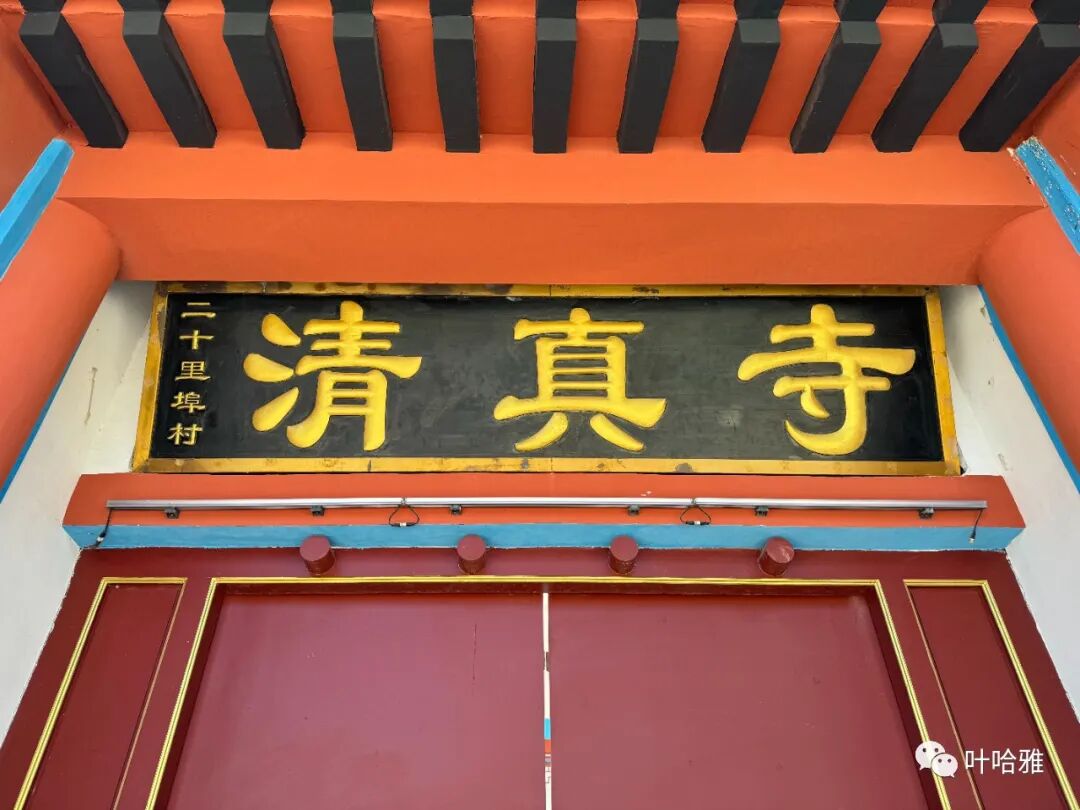
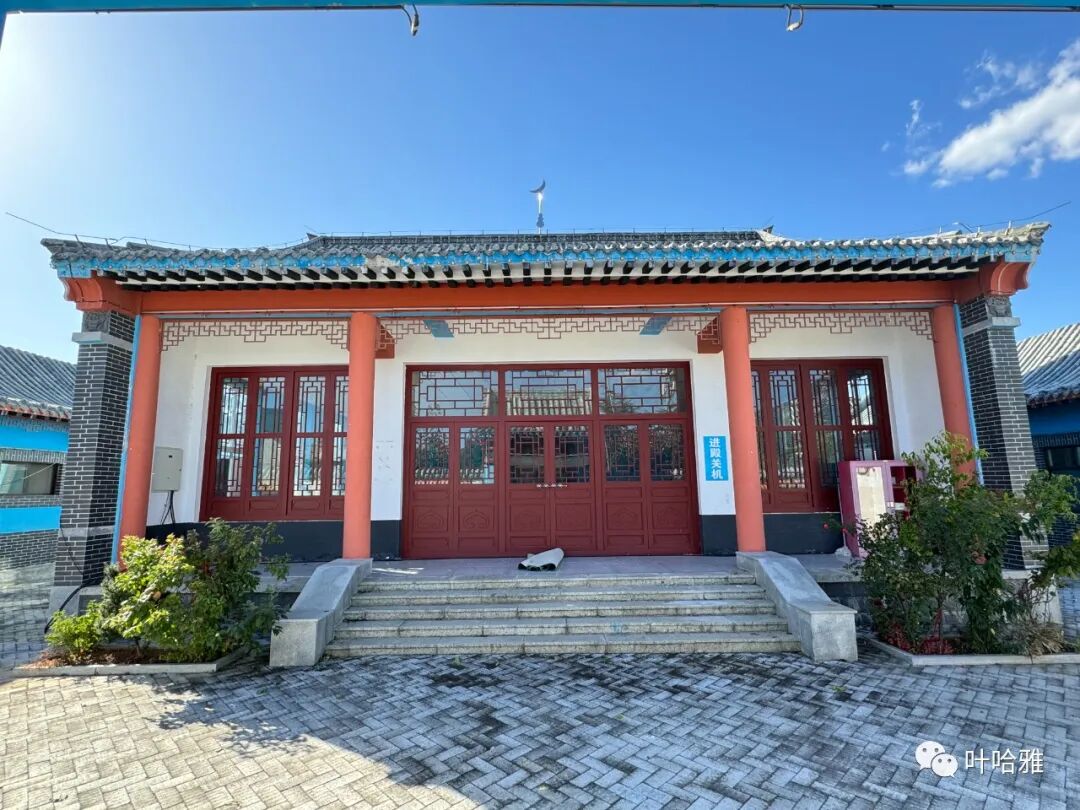
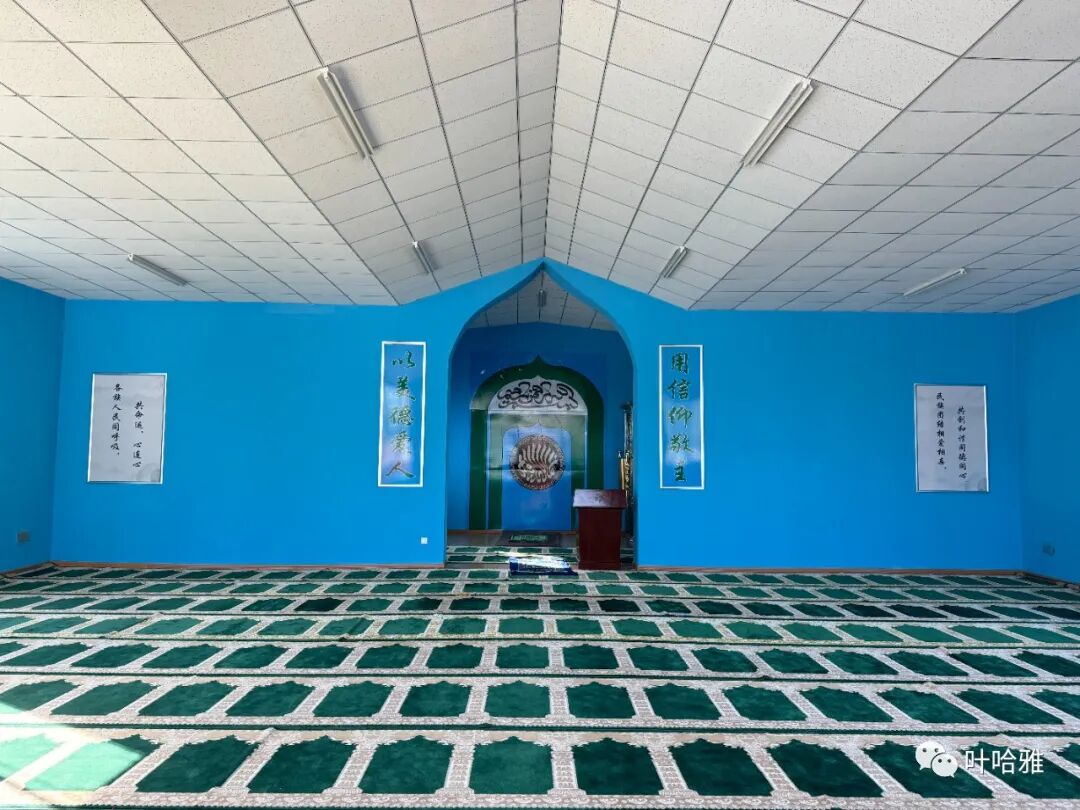
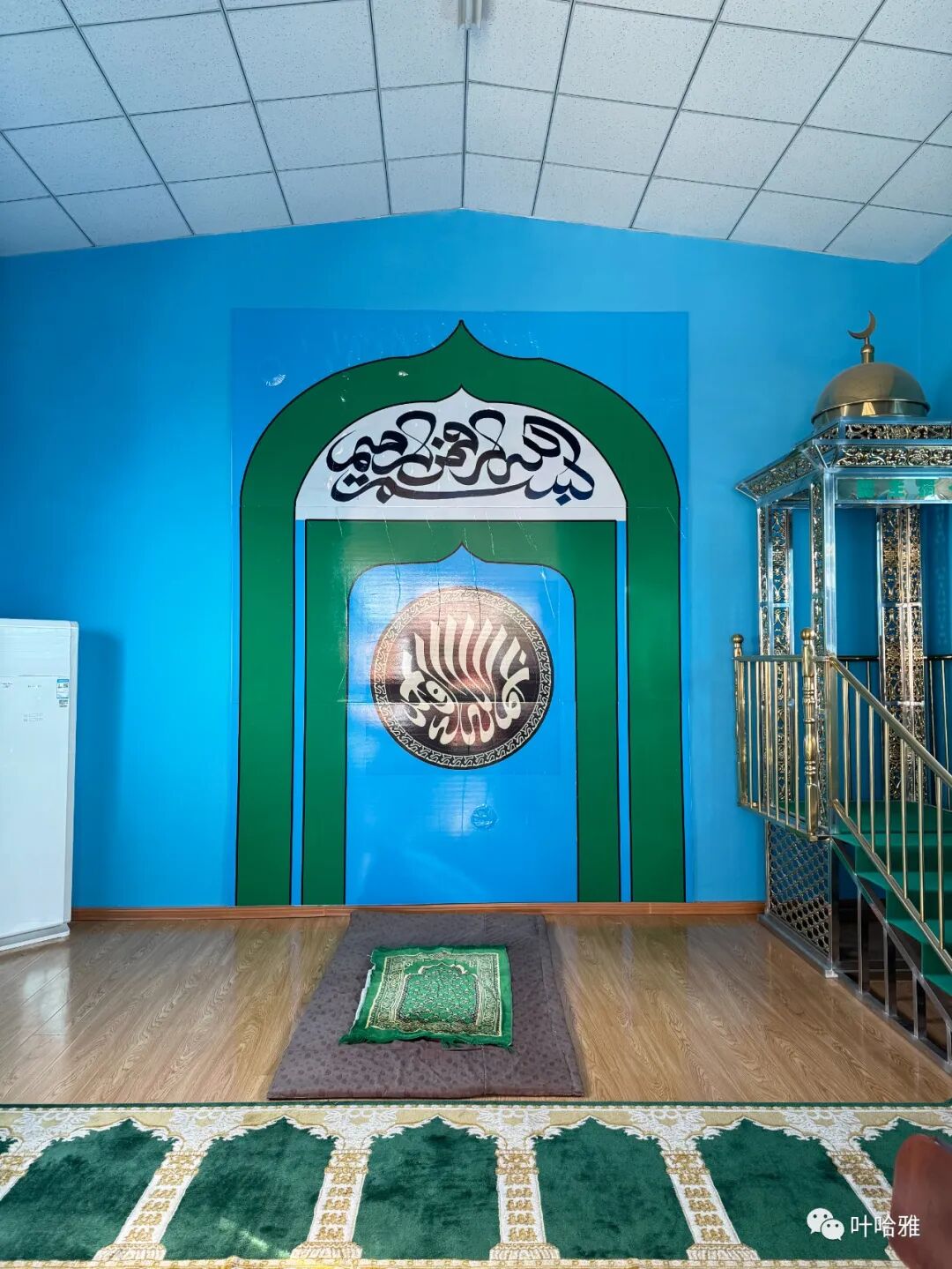
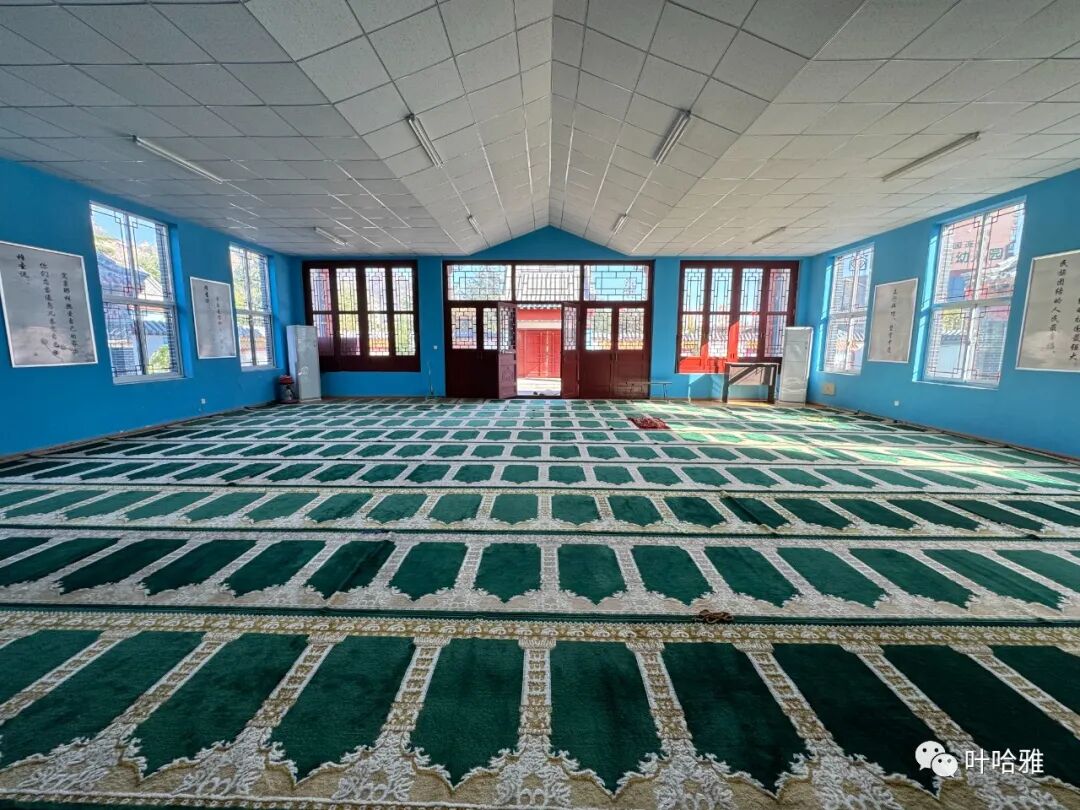
Changjiazhuang Mosque
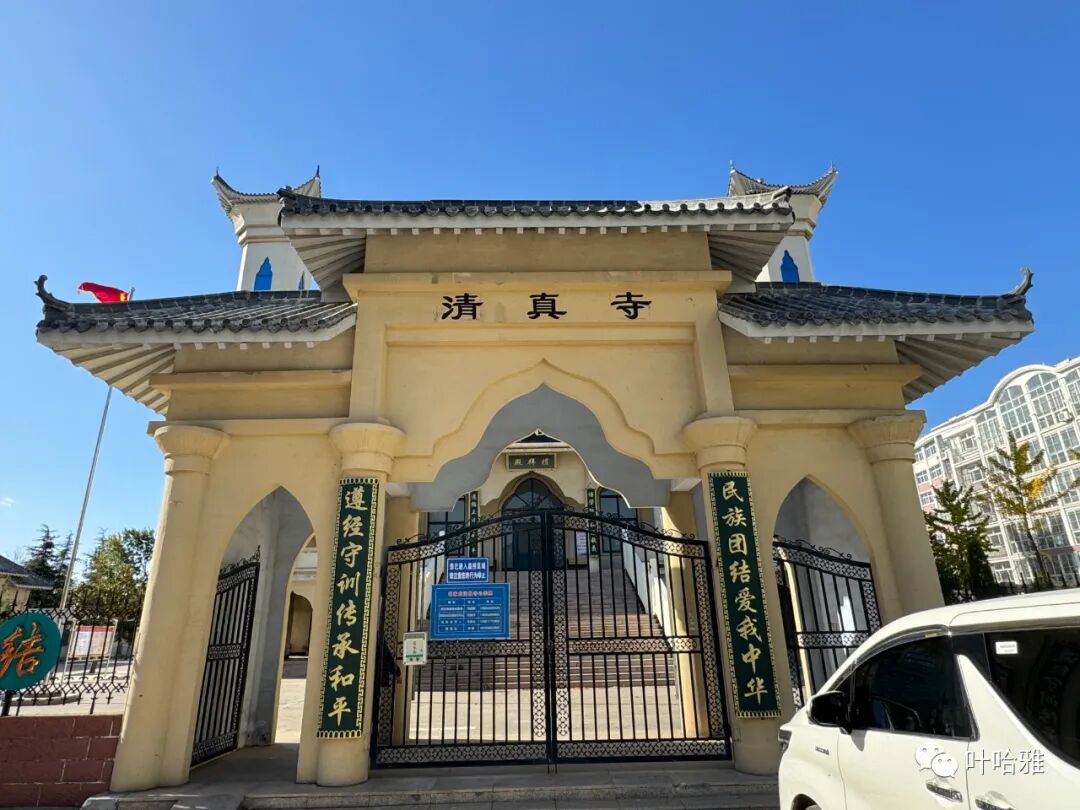
The old Changjiazhuang Mosque in the Zhoudian Subdistrict Office was moved north of the village in 1959 due to the construction of the Dahe Reservoir and the relocation of Changjiazhuang village, then rebuilt in 1963. Before the relocation, the mosque was first built around 1850, but that structure has since been demolished. The old mosque was renovated in the 32nd year of the Guangxu reign of the Qing Dynasty (1906). Two stone tablets remain: the Mosque Stele Record from 1906 and the Stele of Mr. Yang Runzhai's Good Deeds from 1933.
The new mosque is located at the south end of the Changjiazhuang community and features typical Arabic-style architecture, with a three-story main building and 36-meter-high corner towers. The mosque is 60 meters long and 55 meters wide. The prayer hall is 23 meters long and 22 meters wide. The north lecture hall is 10 meters long and 10 meters wide. The south lecture hall is 10 meters long and 5 meters wide. The ablution room (shuiwu) is 10 meters long and 8 meters wide.
The third floor of the new mosque houses the Tai'an Ethnic Unity and Progress Education Exhibition Hall (also known as the Tai'an Islamic Culture Exhibition Hall). It details the history and culture of Muslims and Islam in Tai'an. The Publicity Department of the Tai'an Municipal Committee and the Tai'an Social Science Association have named it a social science popularization base. Tai Shan University also uses it as a practical teaching base for college students. The mosque's religious affairs have been led by imams including Ma Wanqing, Zhang Shuiquan, Mi Guangqun, Yang Zhilai, and Xian Junlin. The mosque's affairs are managed by a democratic management committee, with Li Zhaoyi and Li Chunshan serving as directors.
The mosque currently holds a handwritten set of the Quran and a set of two scripture boxes (jingxia). In 2013, it received the title of Tai'an Harmonious Religious Venue.
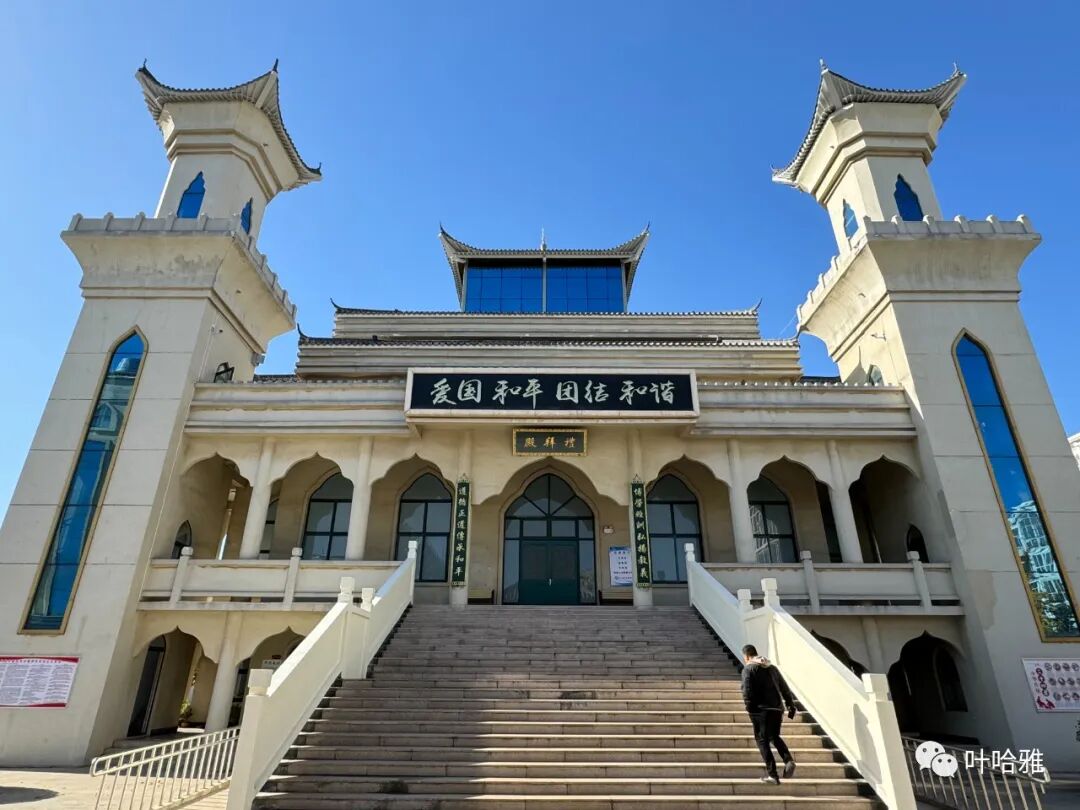
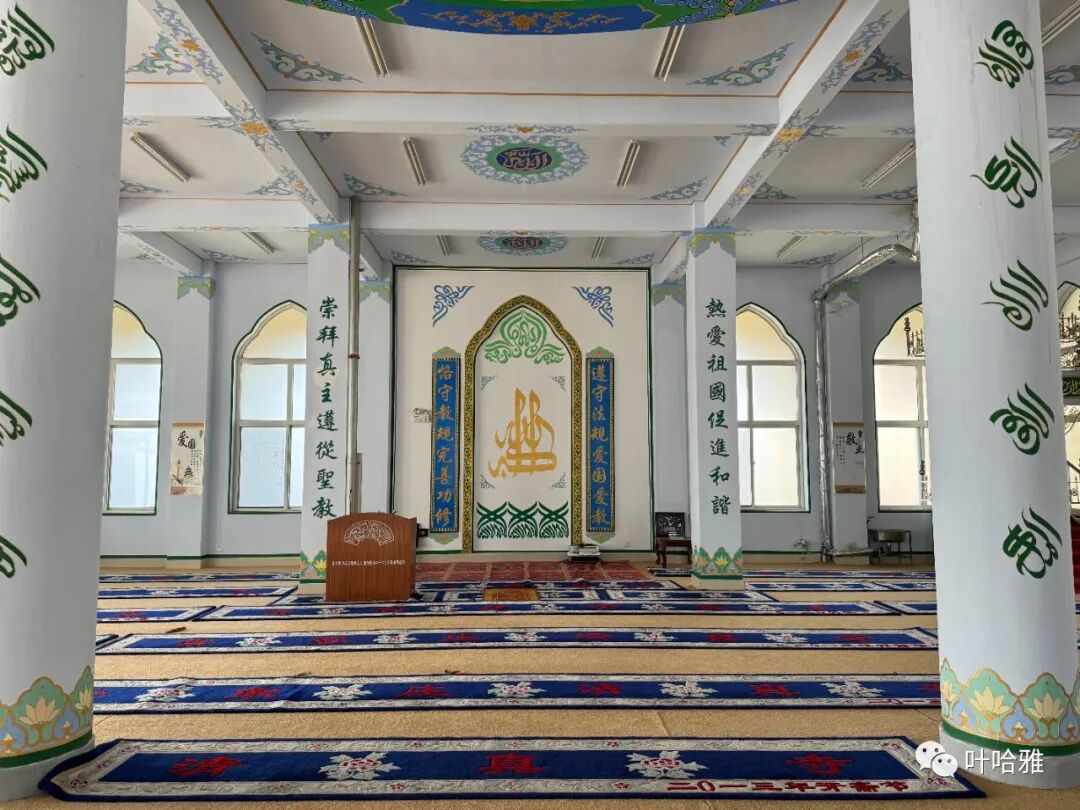
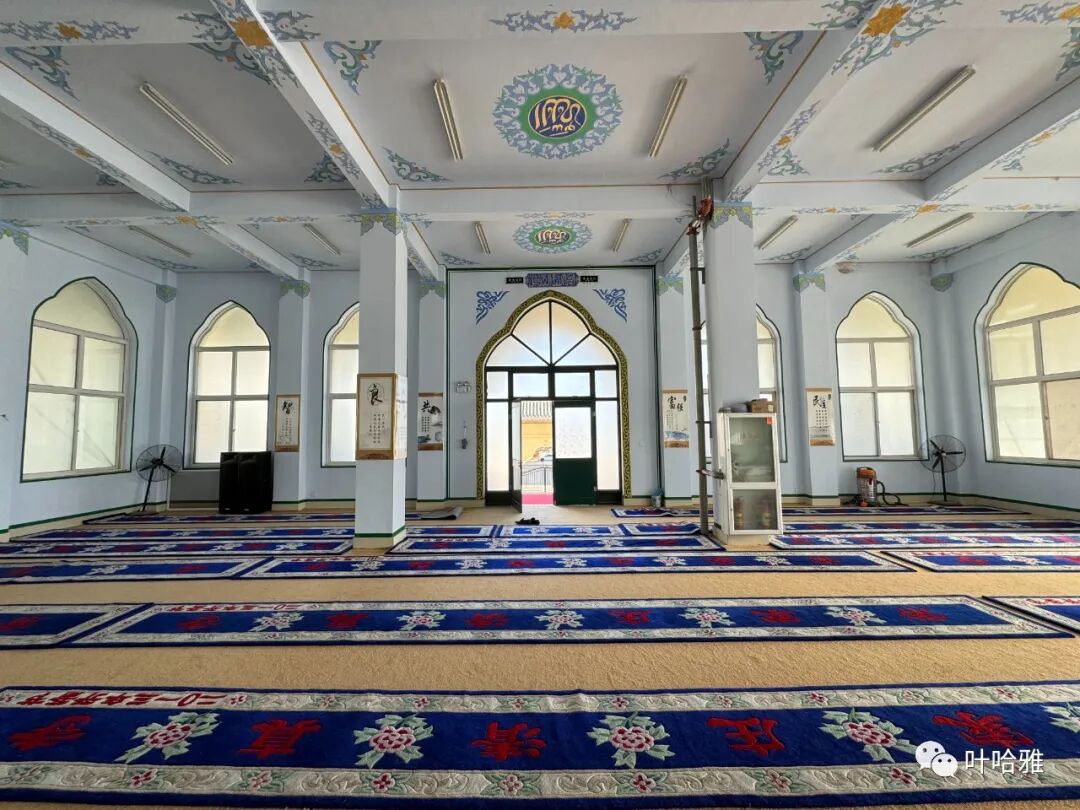
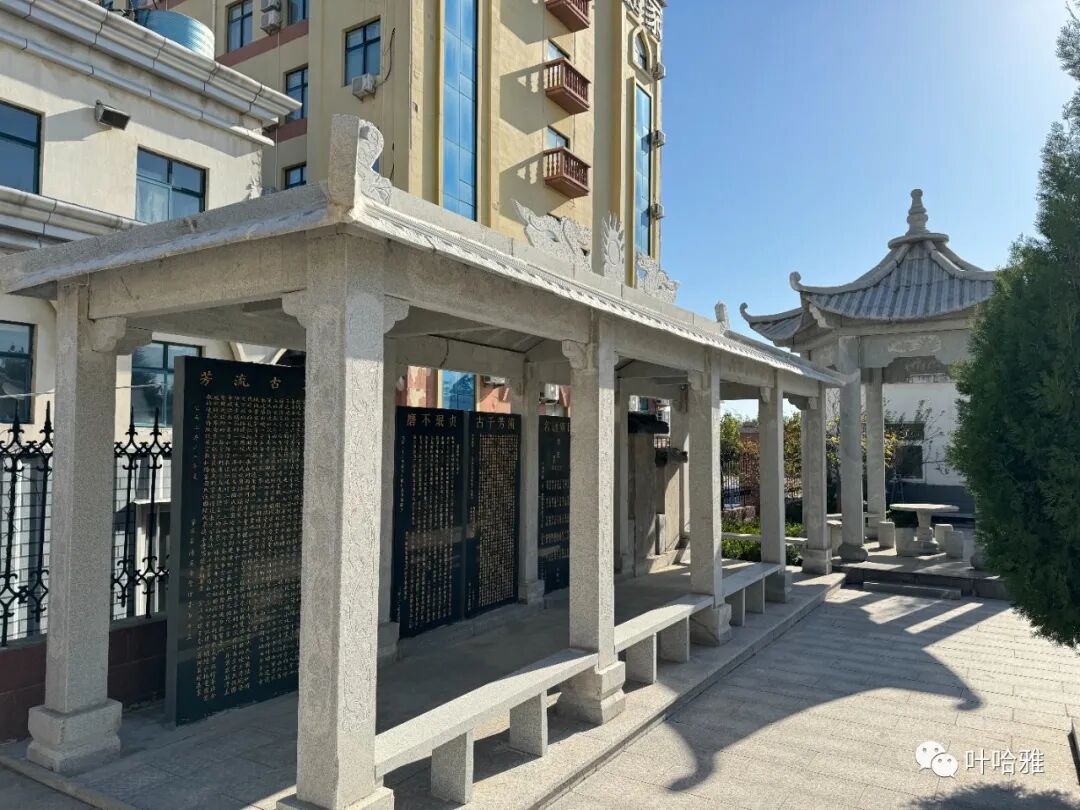
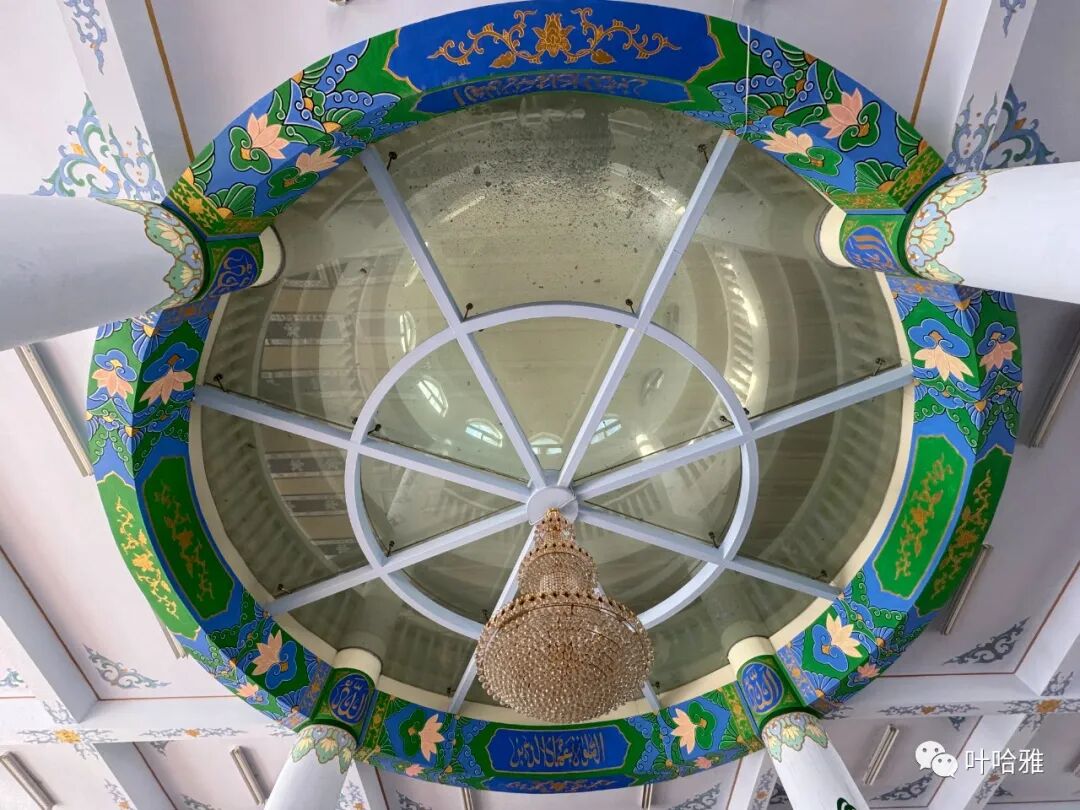
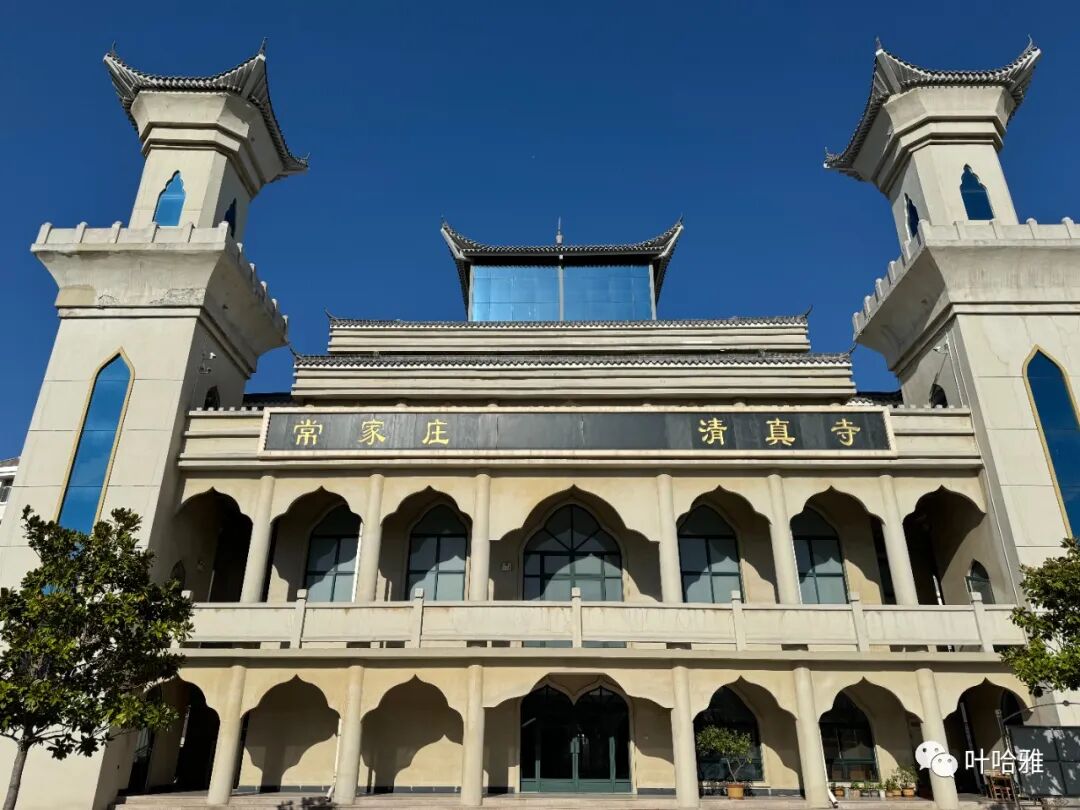
Daxinzhuang Mosque
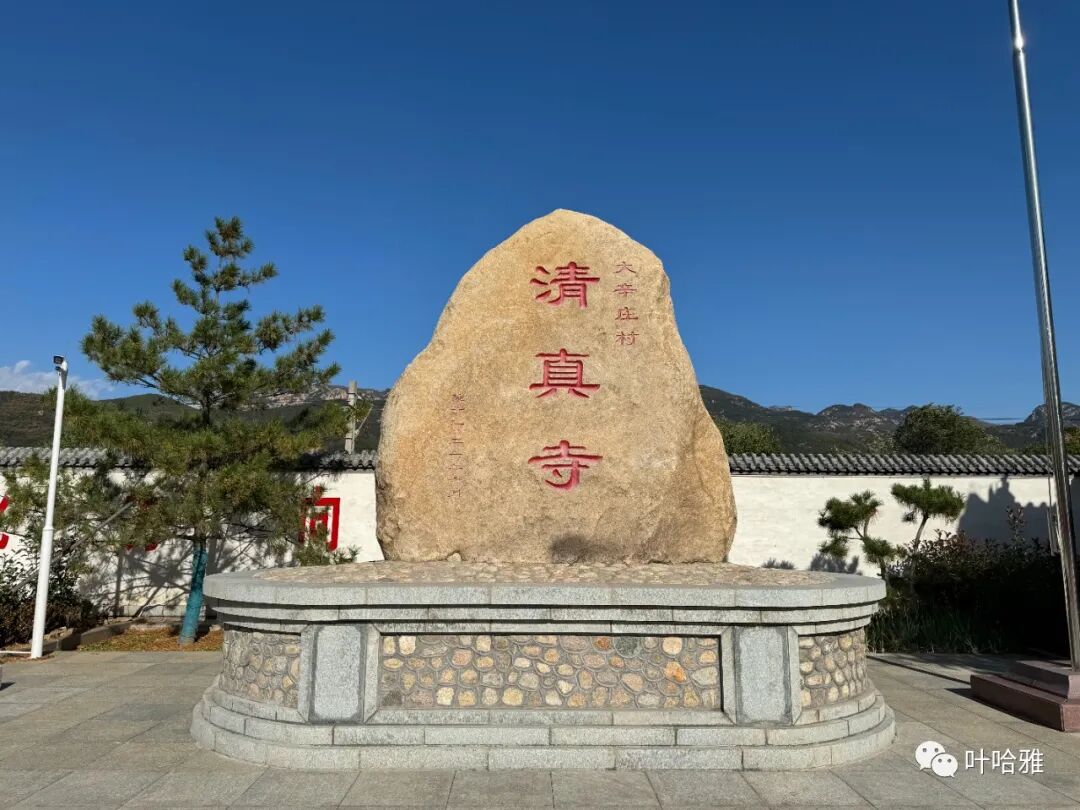
Daxinzhuang Mosque, located in the Zhoudian Subdistrict, sits in the northeast corner of the village. The original construction date is unknown. In 1960, the mosque moved to the hills of the new village along with Daxinzhuang Village because of the construction of the Dahe Reservoir. Before the move, the mosque covered dozens of acres and featured grand, magnificent buildings with complete halls and facilities. The scale of the mosque became much smaller after the move. The mosque was rebuilt in 1962 and has been in use ever since. In recent years, it has undergone three major renovations.
The mosque is a two-courtyard complex measuring 23.3 meters long and 26 meters wide. The prayer hall is a single-story structure measuring 11.2 meters long and 10.06 meters wide. The north lecture hall is 12.6 meters long and 4.2 meters wide. The south lecture hall is 12.6 meters long and 4.2 meters wide. The water room is 11.2 meters long and 4.2 meters wide. There is one existing stone tablet from 2001 titled Record of the Mosque Renovation.
Imams Wang Changgui, Wang Yuquan, and Li Baoxiang served as leaders of the mosque, and the current imam is Xu Yongqiang. The mosque is managed by a management committee, and the current director is Yang Guangfu.
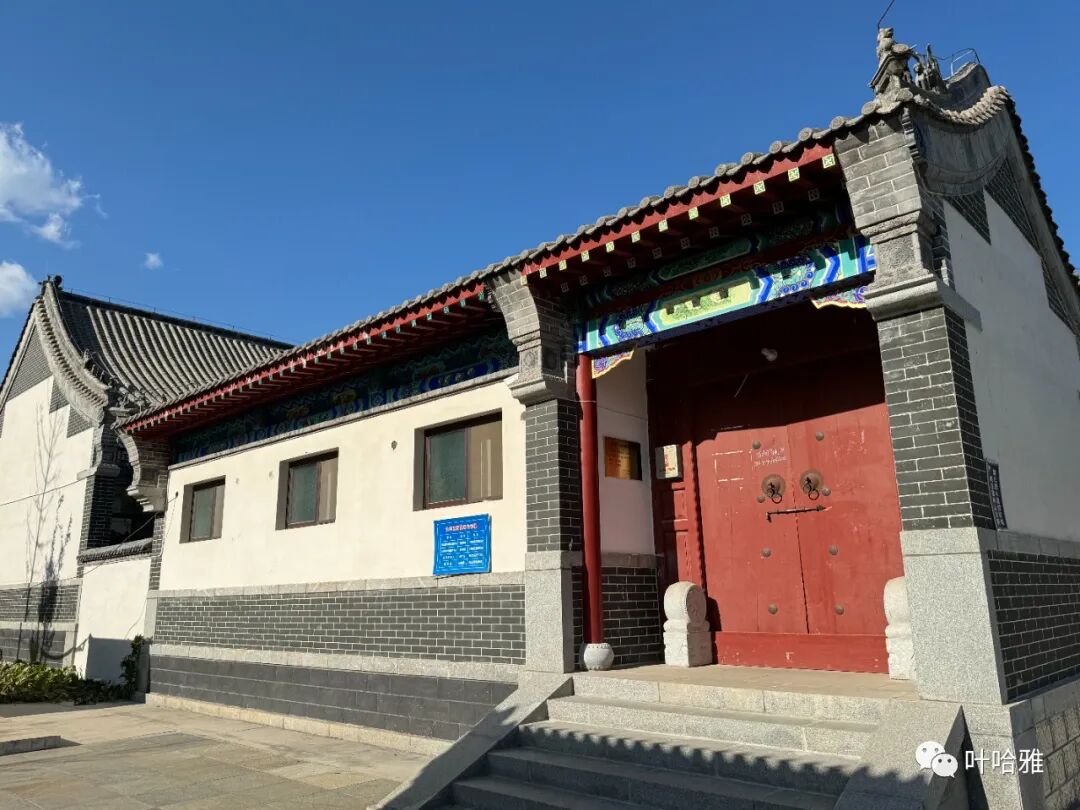
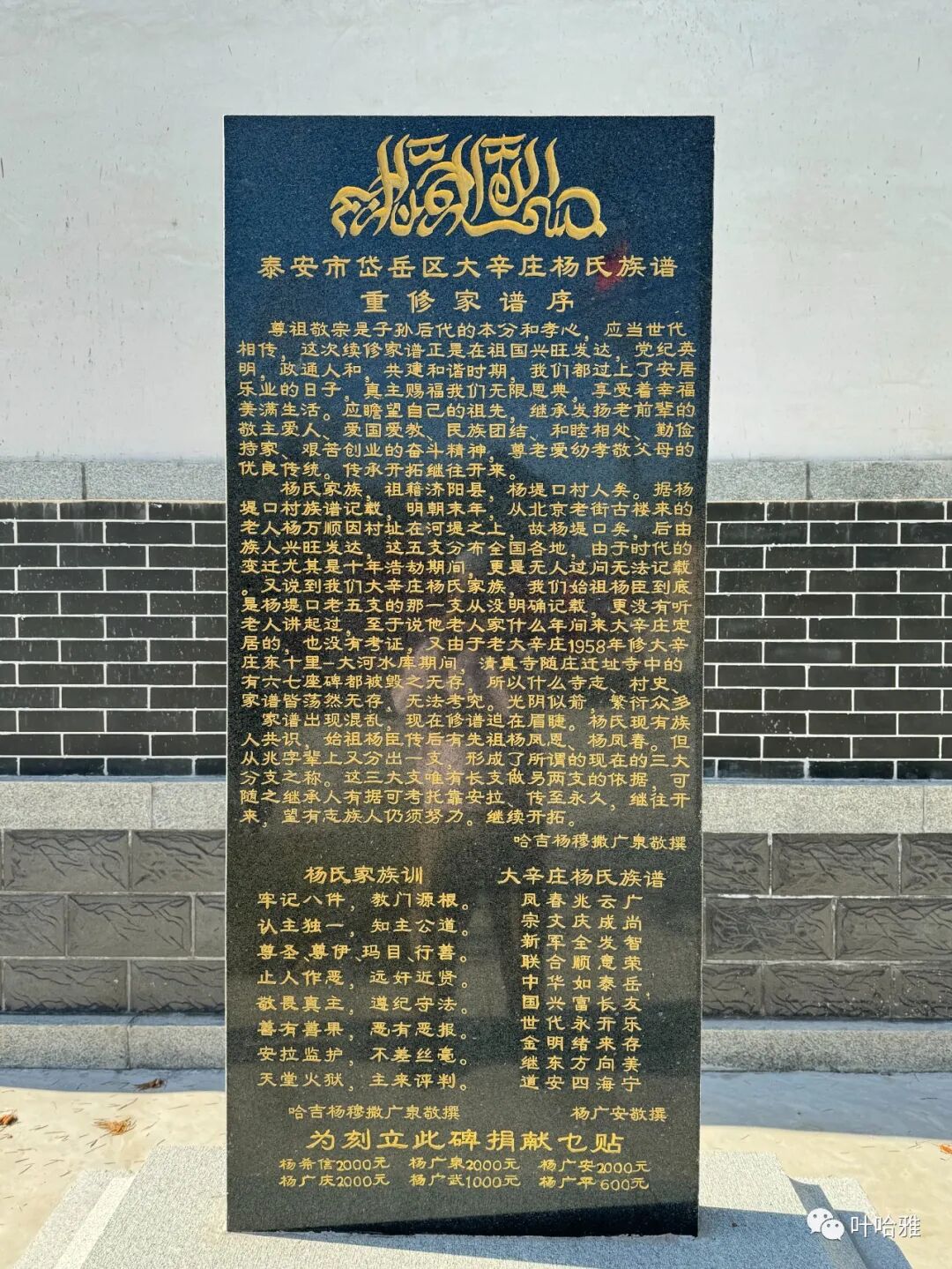
Dashuozhuang Mosque
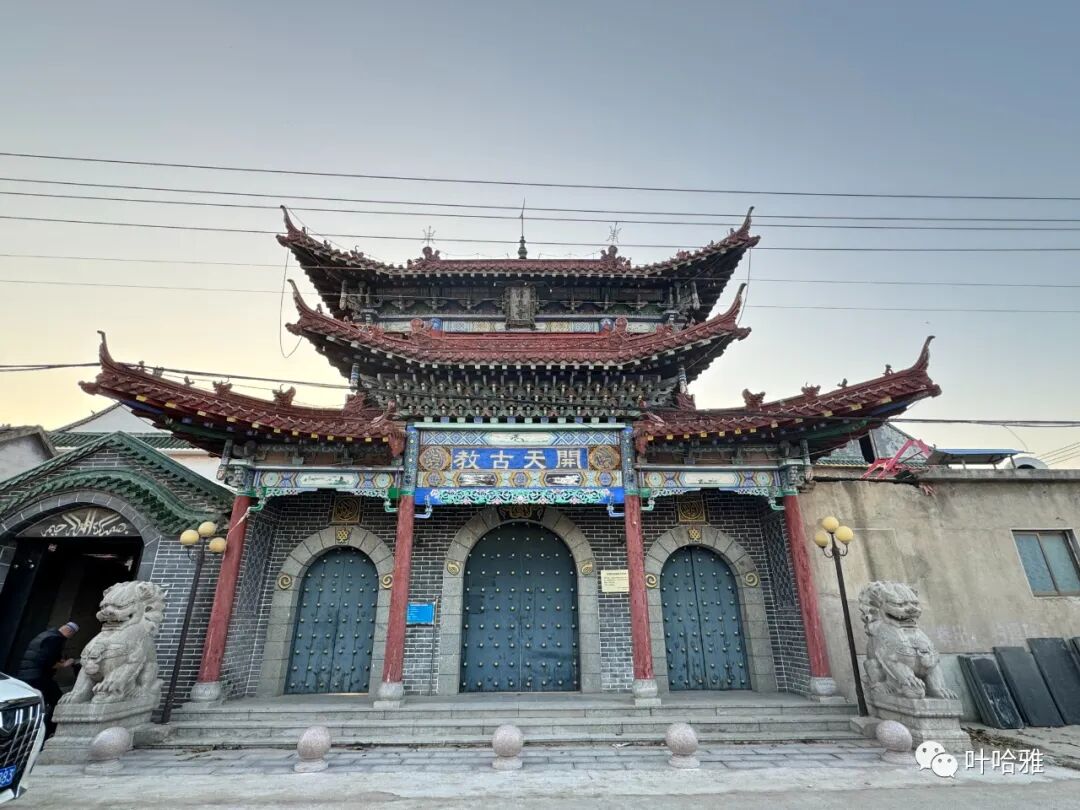
Dashuozhuang Mosque in Zhuyang Town sits in the center of the north side of the village. The exact date of its founding is unknown. It was first built at the old crossroads of Dashuozhuang Village before moving to its current location. It has been repaired many times since the 13th year of the Daoguang reign of the Qing Dynasty (1833). During the Cultural Revolution, the mosque was used for other purposes. Some halls were damaged, ancient scriptures and books were burned, the towering old trees were cut down, and stone tablets and plaques were destroyed.
After the Reform and Opening-up, the mosque gradually returned to its original appearance. It underwent nine large-scale renovations in 1988, 1993, 1996, 2001, 2004, 2006, 2007, 2010, and 2013.
The mosque features a classic traditional Chinese hall-style architectural design and covers a total area of 5,000 square meters. The main prayer hall is a three-layered structure 6 meters high and five bays wide. It includes a front porch (juanpeng), a front hall, a rear hall, a three-story rear kiln hall, and corridors on three sides, measuring 43 meters long and 21 meters wide. The north and south lecture halls and the water room are all two-story buildings, with the north lecture hall measuring 15 meters long and 8 meters wide. The South Lecture Hall is 20 meters long and 11 meters wide. The water house is 34 meters long and 11 meters wide. There is a two-story complex building that houses a washroom, funeral parlor, classrooms, dormitories, a library, and a multi-purpose hall. Five stone tablets remain today: the 1850 Tablet for the Renovation of Dasujiazhuang Mosque from the Daoguang era, the 1907 Tablet for the Expansion of the Mosque from the Guangxu era, the 2007 Tablet for the Construction of the South Lecture Hall at Dasuozhuang Mosque, the 2015 Tablet for the Reconstruction of the Prayer Hall at Dasuozhuang Mosque, and one ancient tablet with faded inscriptions.
Since modern times, the mosque's religious affairs have been led by imams including Mi Ahong, Fa Ahong, Wang Detai, Yang Zhaoqian, Zhou Baotian, Li Mingtai, Zhang Kuidong, Ma Shigui, Yang Dechun, Zhan Desheng, Yang Xinen, Mi Guangxun, Li Shengcai, Han Jingxin, Wang Buying, Jin Haixue, Shi Ahong, Ma Gang, Qian Xuewen, and Yang Zhaozeng. The mosque is managed by a democratic management committee, with Yang Xingzhen, Yang Xingfu, and others serving as directors.
The mosque values traditional scripture education and has trained many talents for the faith, including Mi Tongliang, Mi Yutai, Mi Sichuan, Mi Jikong, Mi Jihong, Mi Guangxun, Mi Guangqun, Mi Zhaojie, Mi Zhaozhang, Mi Tengfei, Yang Chengyu, Yang Yueqing, Yang Ahong, Yang Kuizeng, Yang Xingguang, Yang Xinzeng, Yang Zhaozeng, Yang Yuhua, Yang Yuming, Yang Lei, Ma Yuheng, Ma Jundong, Ma Daohui, Ma Daoguang, Ma Su, Ma Guangrui, Jin Guanglu, Jin Yushi, and Jin Zongfeng. Imam Yang Yueqing once taught in Changchun, Jilin Province, and later taught in Qiqihar, Taicheng Mosque, and Hanzhai in Yucheng. Imam Yang Yucheng once taught in various places in Hebei Province. Imam Ma Yuheng once taught at Taicheng Mosque, Jining East Mosque, and other locations.
The mosque currently holds a pair of vases (now damaged), a pair of scripture boxes, and four plaques. These include the 'Qibin Zhongwang' plaque given to Mi Diankui by the Taian County magistrate in 1852, the 'Yongjiu Zhenduo' plaque given to Imam Yang Yueqing by the elders of Hanzhai in Yucheng County, the 'Changming Huxun' plaque given to the Sha brothers, Sheng-san and Maotang, by Taicheng merchants in the early Republic of China, and the 'Wuye Furong' plaque given to Mi Chuangui by the villagers of Dasuozhuang. Imam Yang Yujun also keeps a handwritten copy of the Quran.
The women's mosque in Dashuozhuang, Zhuyang Town, was first built in the early years of the Republic of China. It covers over 600 square meters with a building area of more than 400 square meters. Due to years of neglect, it fell into disrepair and became a dangerous structure. In 1994, repairs were made to the dangerous structure, and the main hall was rebuilt.
In 2011, the mosque was named a Harmonious Religious Activity Venue by Shandong Province, and in 2014, it received the title of Model Mosque from Tai'an City.
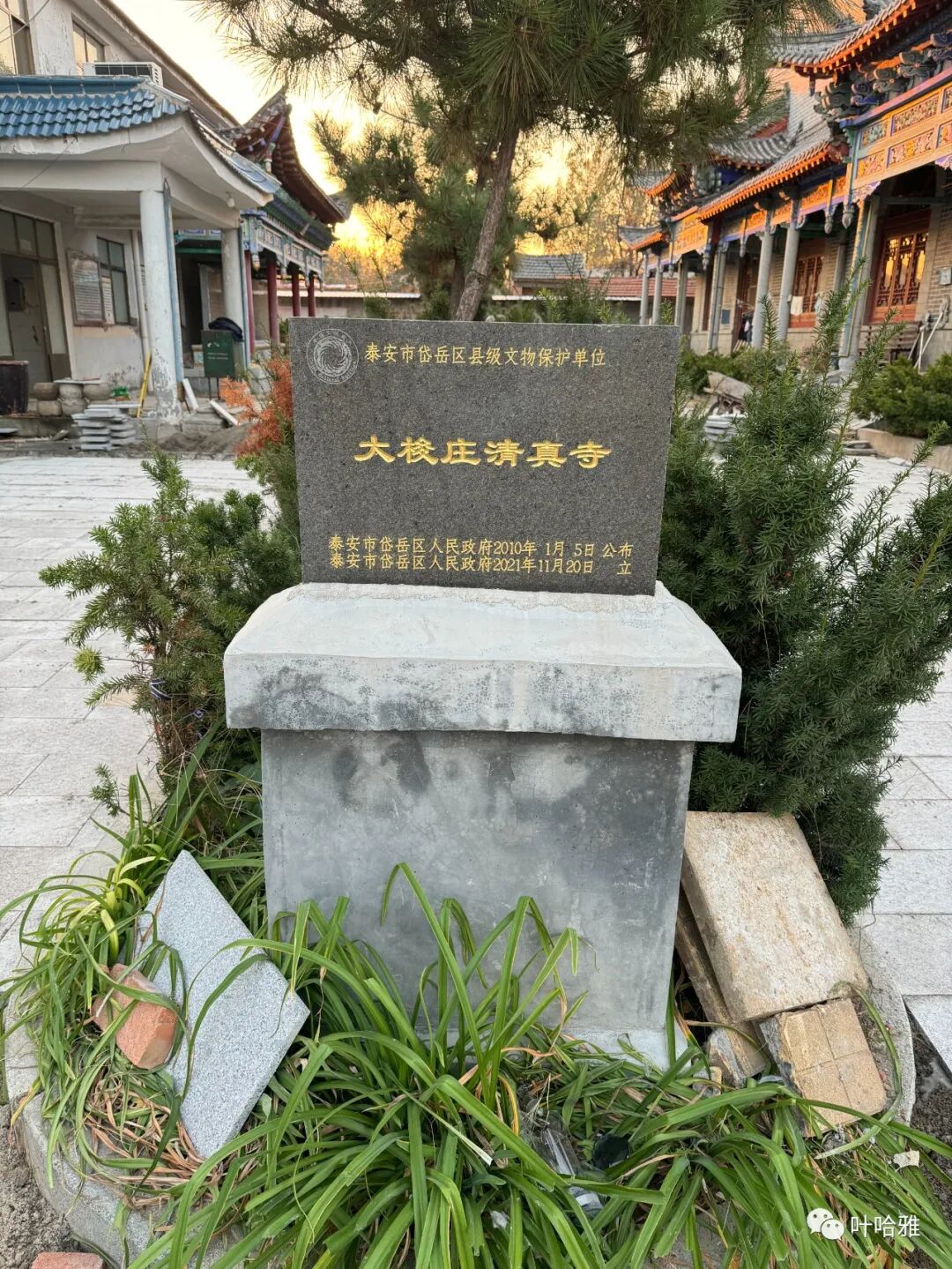
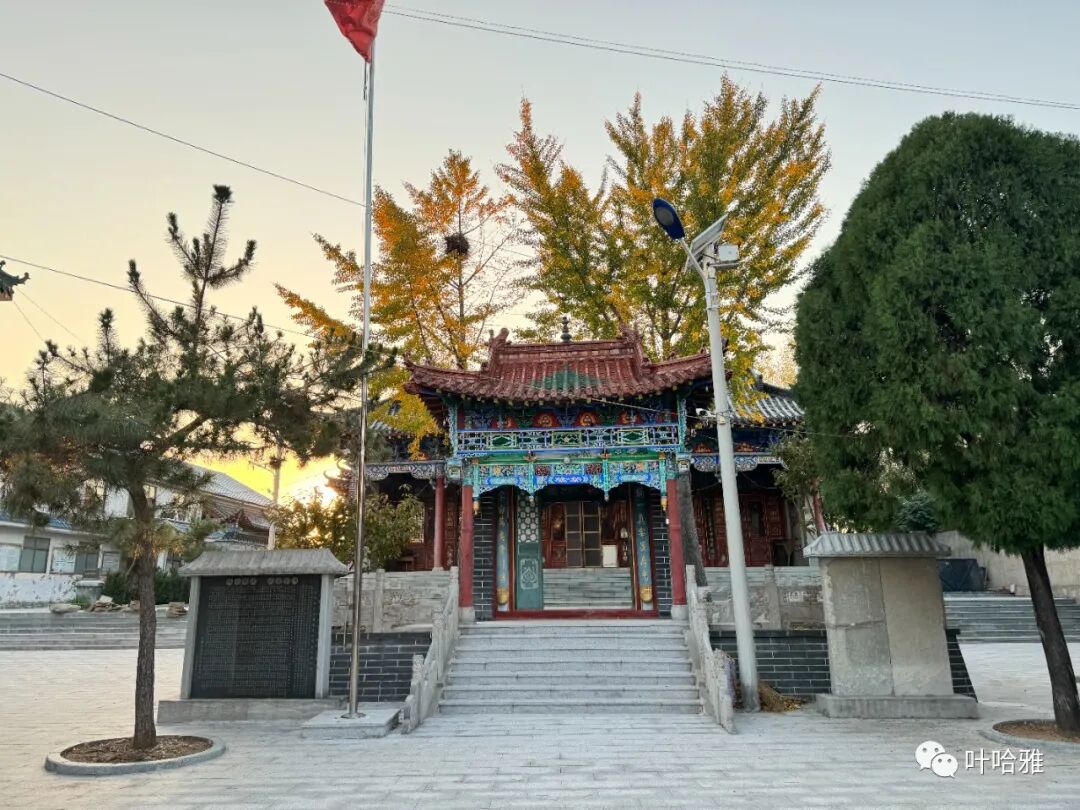
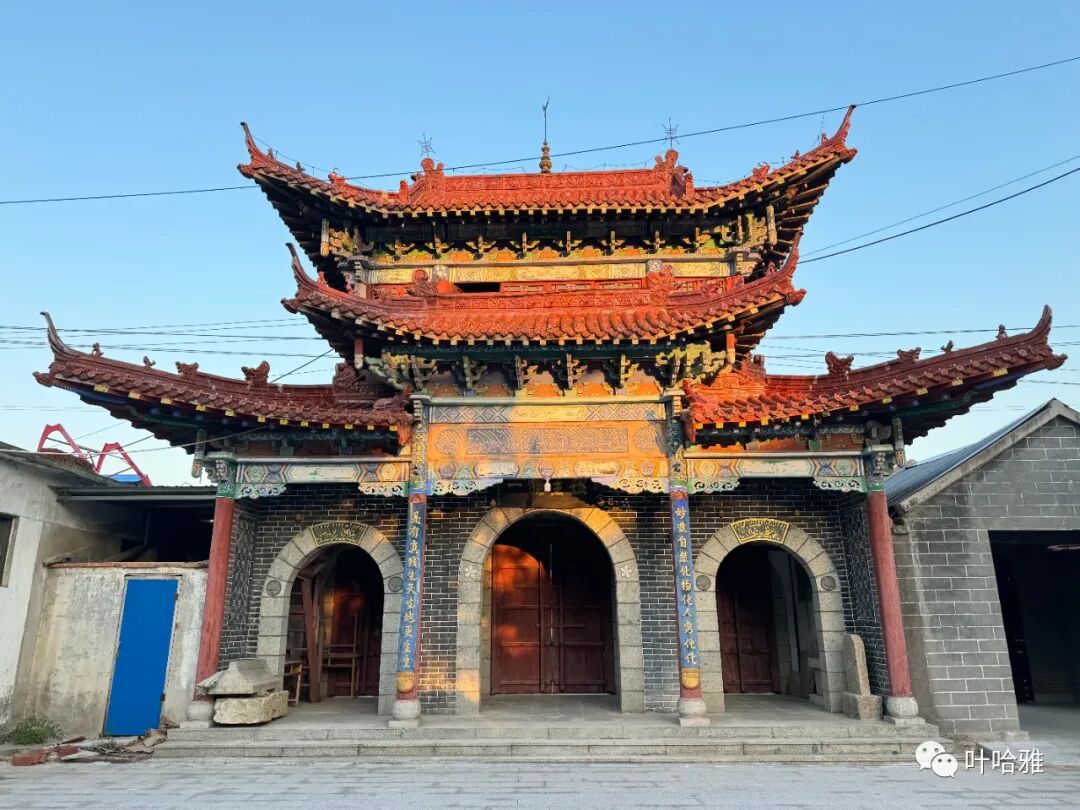
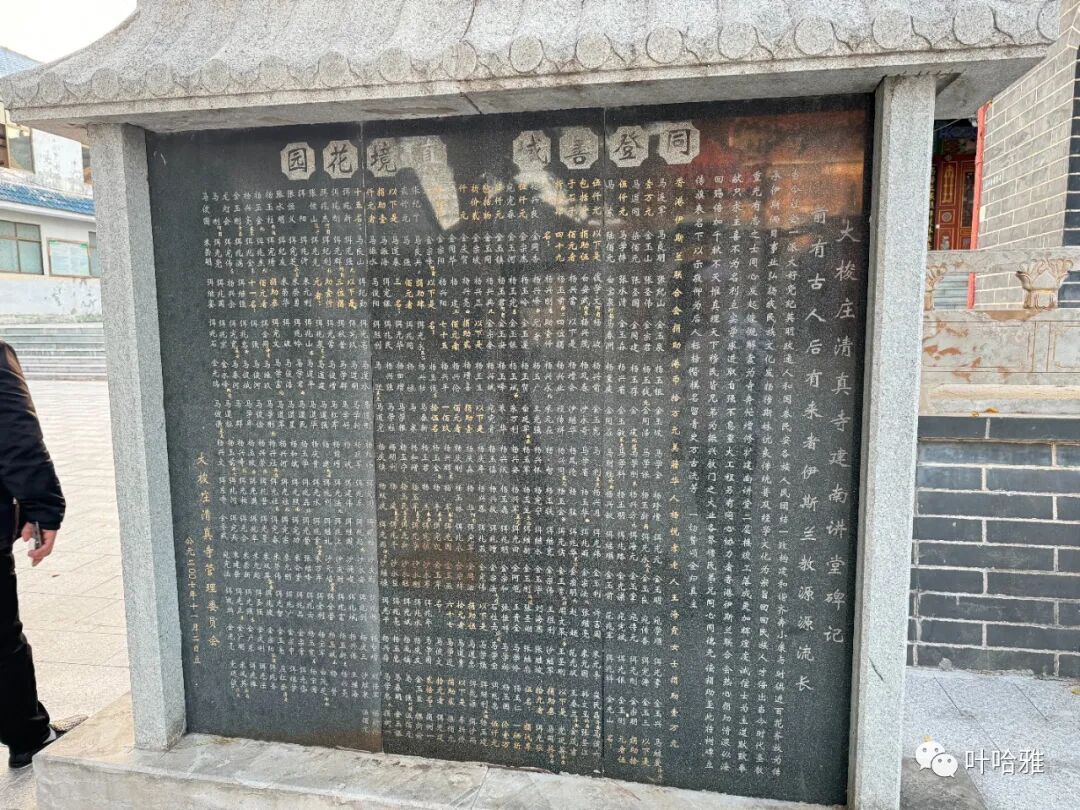
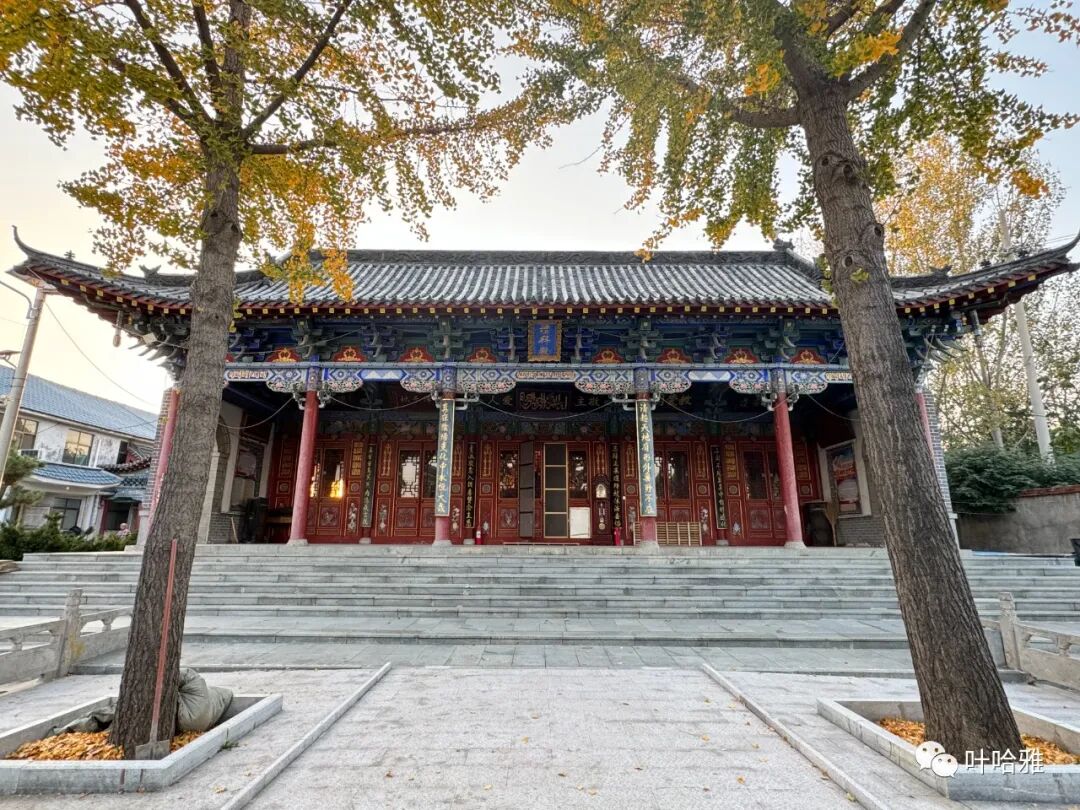
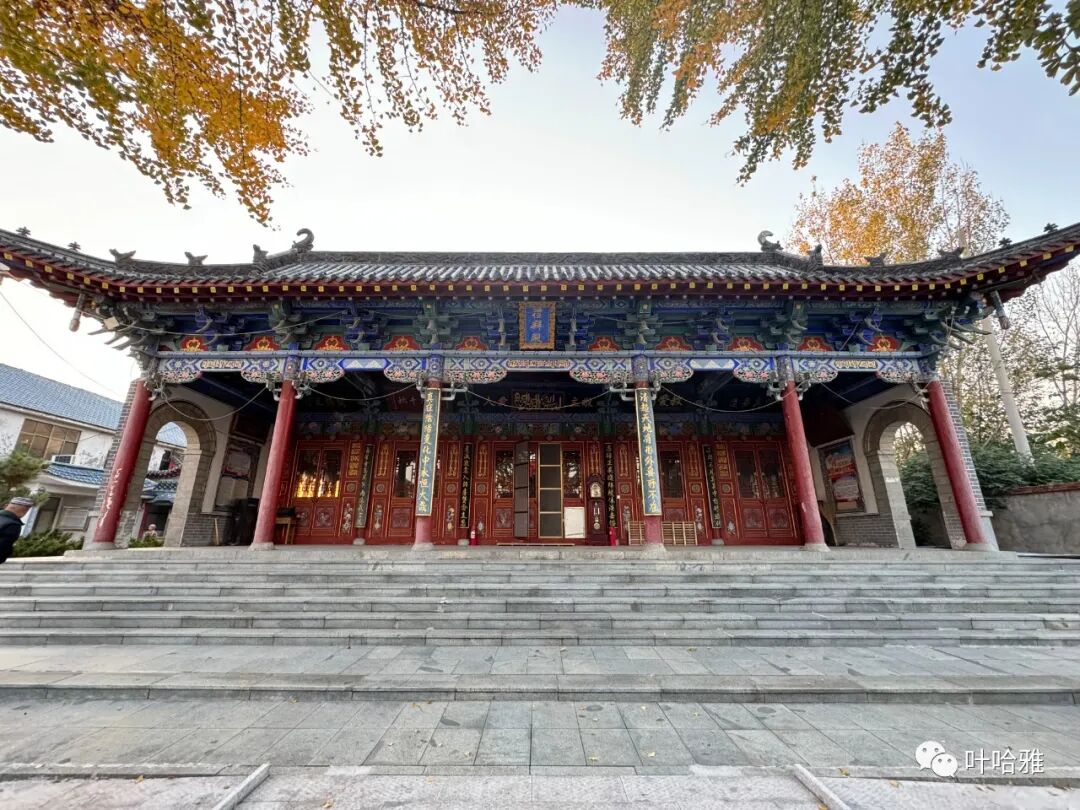
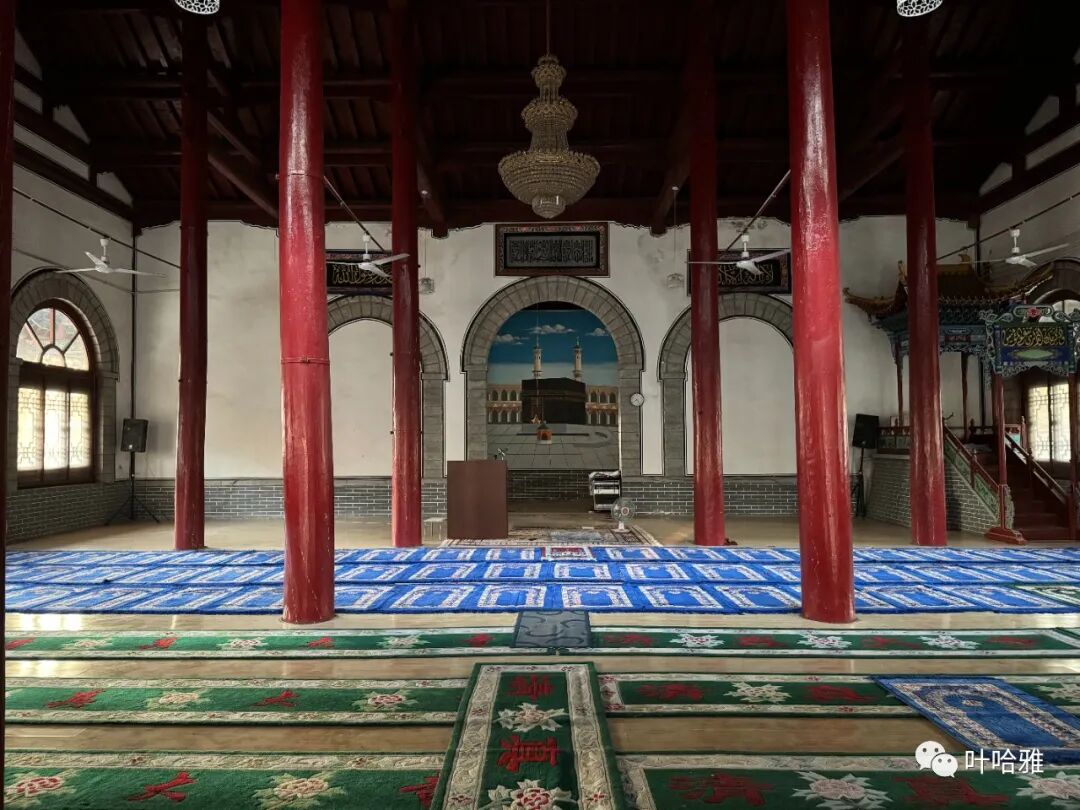
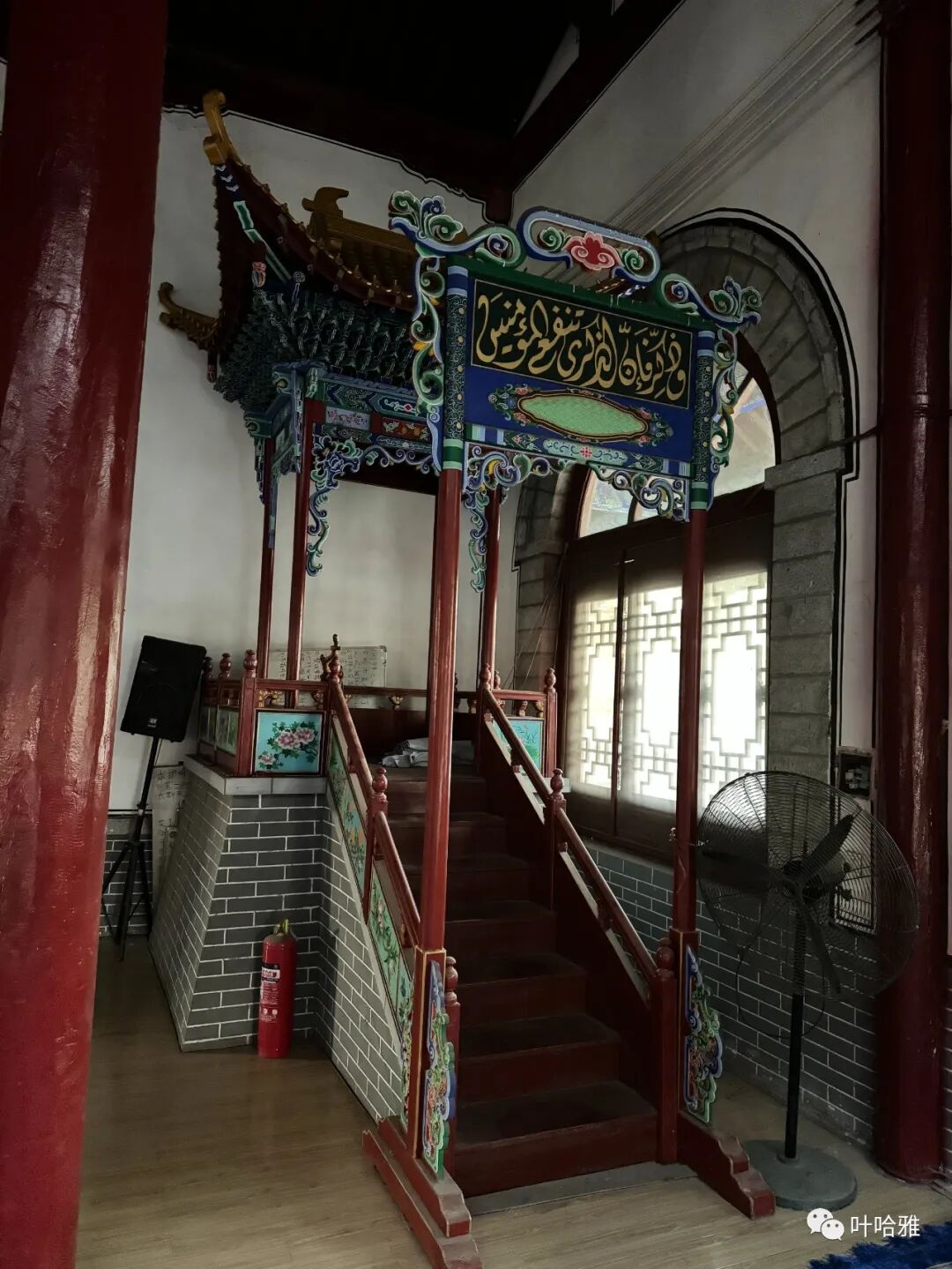
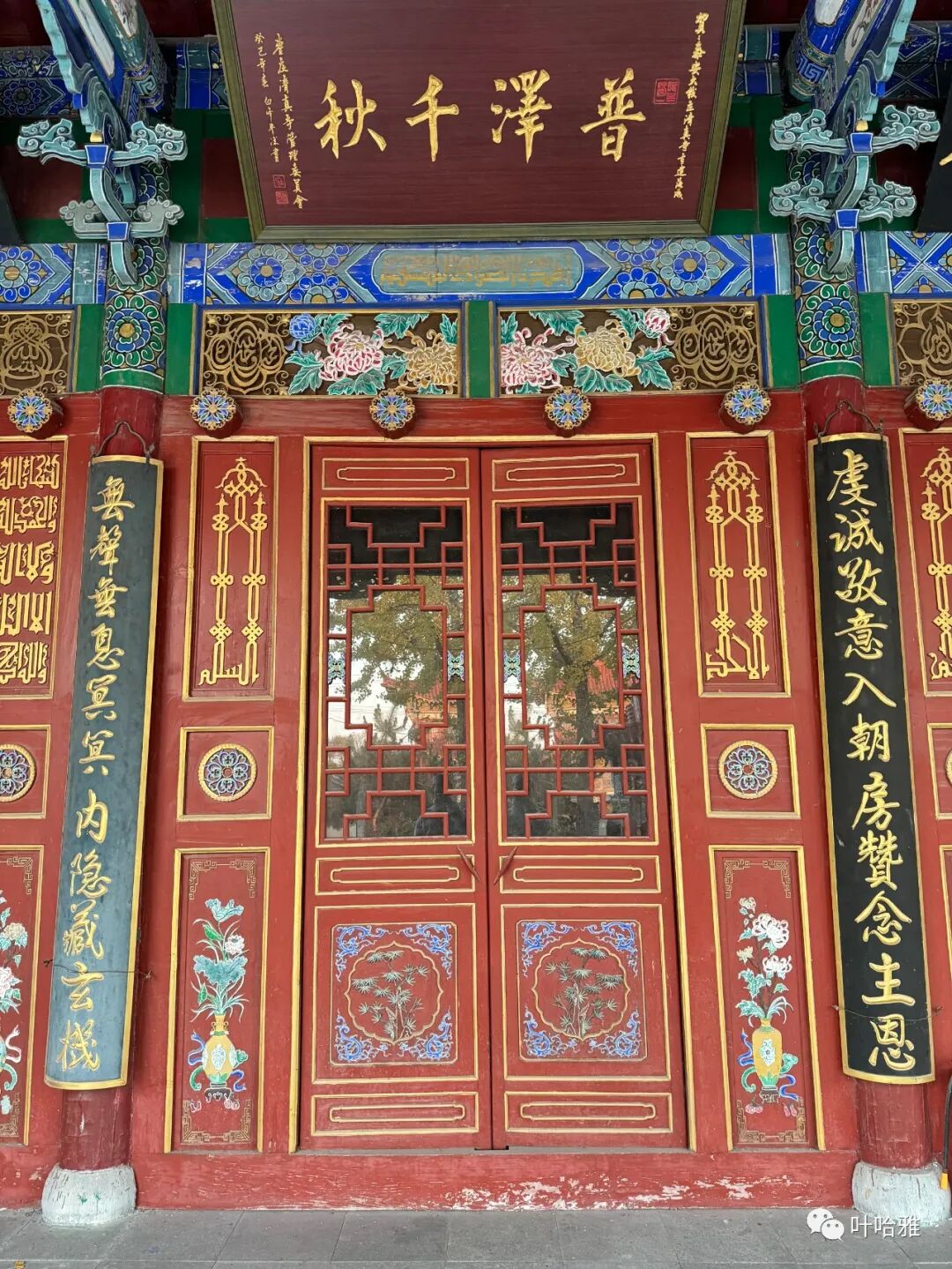
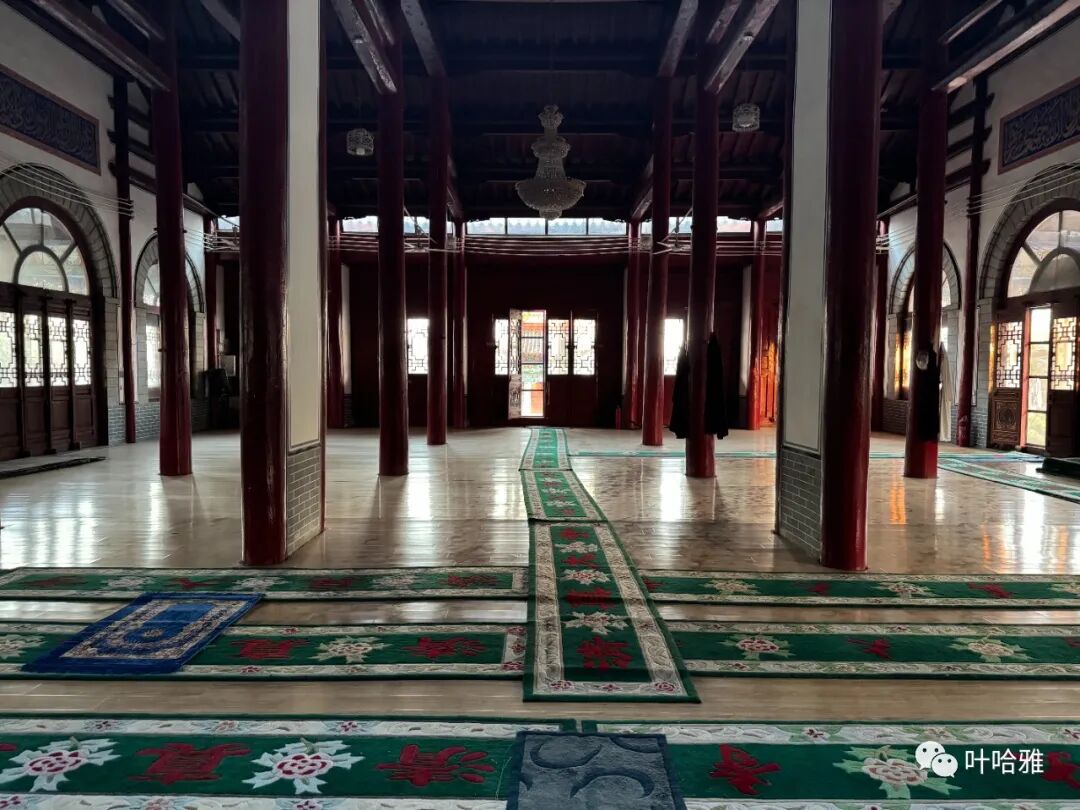
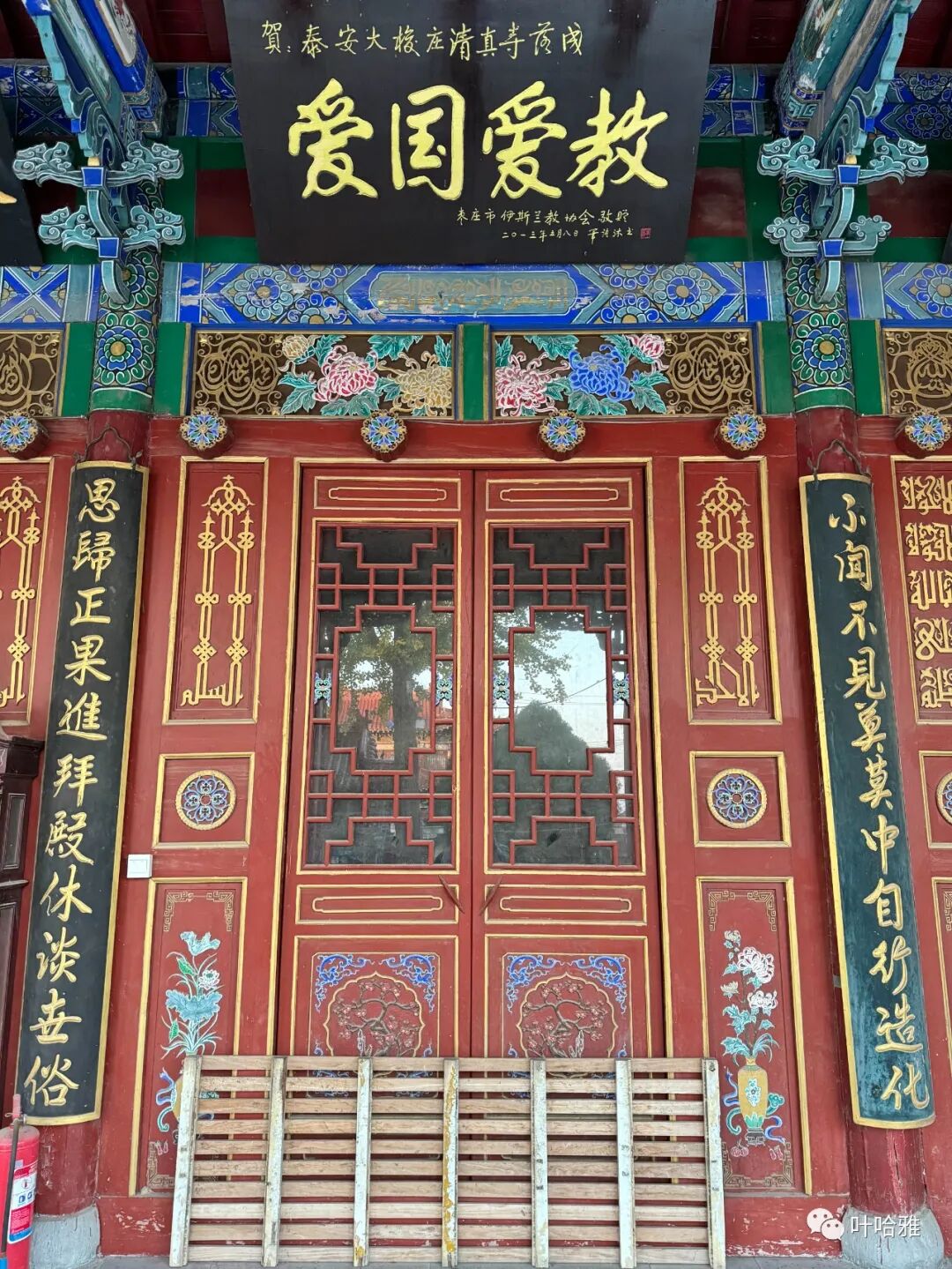
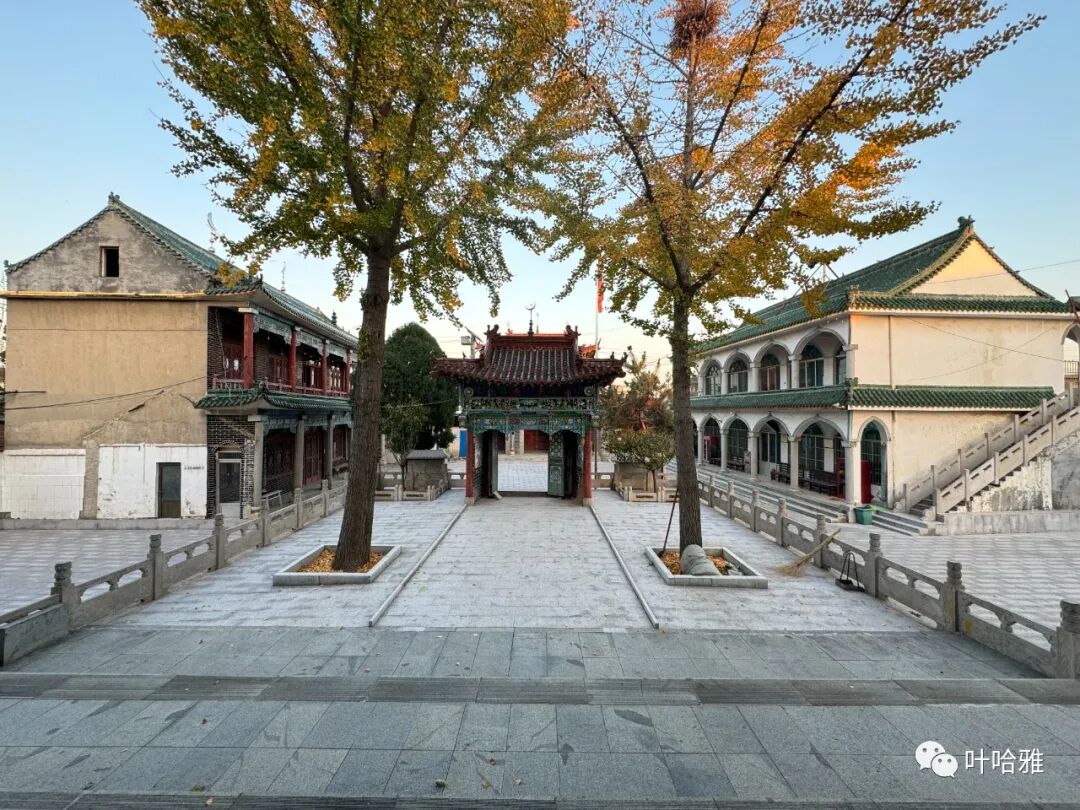
Zhoujiapo East Mosque
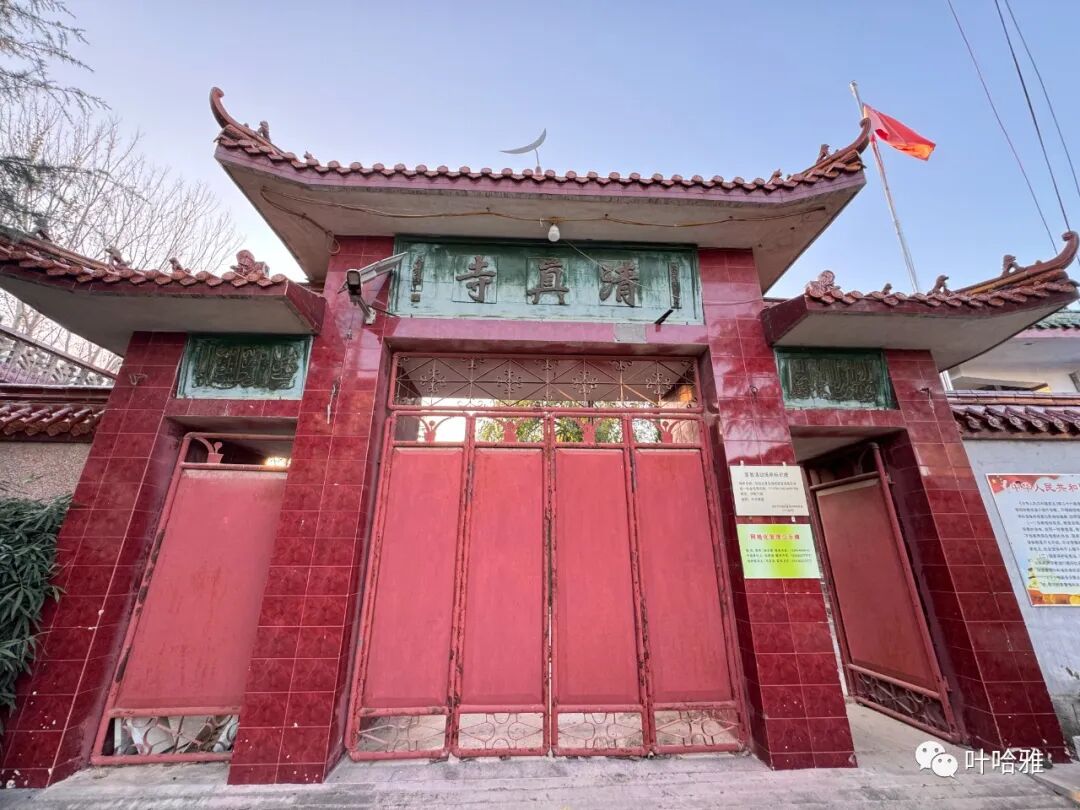
The Zhoujiapo East Mosque in Xiazhang Town sits at the west end of the village. It was founded during the Kangxi period of the Qing Dynasty (1661-1722) and has been expanded and renovated dozens of times since.
The mosque is 62 meters long and 42 meters wide. The main hall was originally a traditional Chinese palace-style building with a moon terrace in front and a 16-meter-high moon-viewing tower in the back. These were torn down during the Cultural Revolution and replaced with the current auditorium-style tiled building. The prayer hall is 18.7 meters long and 13.1 meters wide. The north lecture hall is 24 meters long and 8 meters wide, but it has now collapsed. The south lecture hall is 18 meters long and 8 meters wide. The water room is 6 meters long and 8 meters wide. There are eight stone tablets remaining: the Mosque Land Tablet from the 55th year of Kangxi (1716), the Mosque Land Tablet from the 28th year of Qianlong (1763), the Mosque Tablet Record from the first year of Daoguang (1820), the Mosque Renovation Tablet Record from the 28th year of Daoguang (1848), the Mosque Tablet Inscription from the 23rd year of Guangxu (1897), the Mosque Renovation Tablet Record from the 25th year of Guangxu (1899), the Han Family Cemetery Tablet Inscription from the 7th year of the Republic of China (1918), and the Ma Family Cemetery Tablet Inscription from the 15th year of the Republic of China (1926).
Since the Qing Dynasty, the mosque has been led by imams including Yang Mingyuan, Zhou Jiting, Mi Tongliang, Mi Jingxue, Bai Qingshui, Zhang Deng'ao, Imam Zhao, Yang Yuezhen, Han Jingxin, Ding Fucai, and Li Tongjiang. The mosque has trained over 20 imams, and the Han family, represented by three generations of imams—Han Jingxin, Han Tonghe, and Han Kun—is a classic family of imams. The mosque is managed by a democratic management committee with a solid organizational structure, with directors including Bai Zhenkui, Bai Fengrui, Yang Fengxiang, Bai Huaitong, Bai Xuewen, and Bai Jun. During the War of Resistance Against Japan, the mosque established the Zhoujiapo Anti-Japanese Islamic School.
In 2011, the mosque was named a Harmonious Religious Activity Venue by Shandong Province.
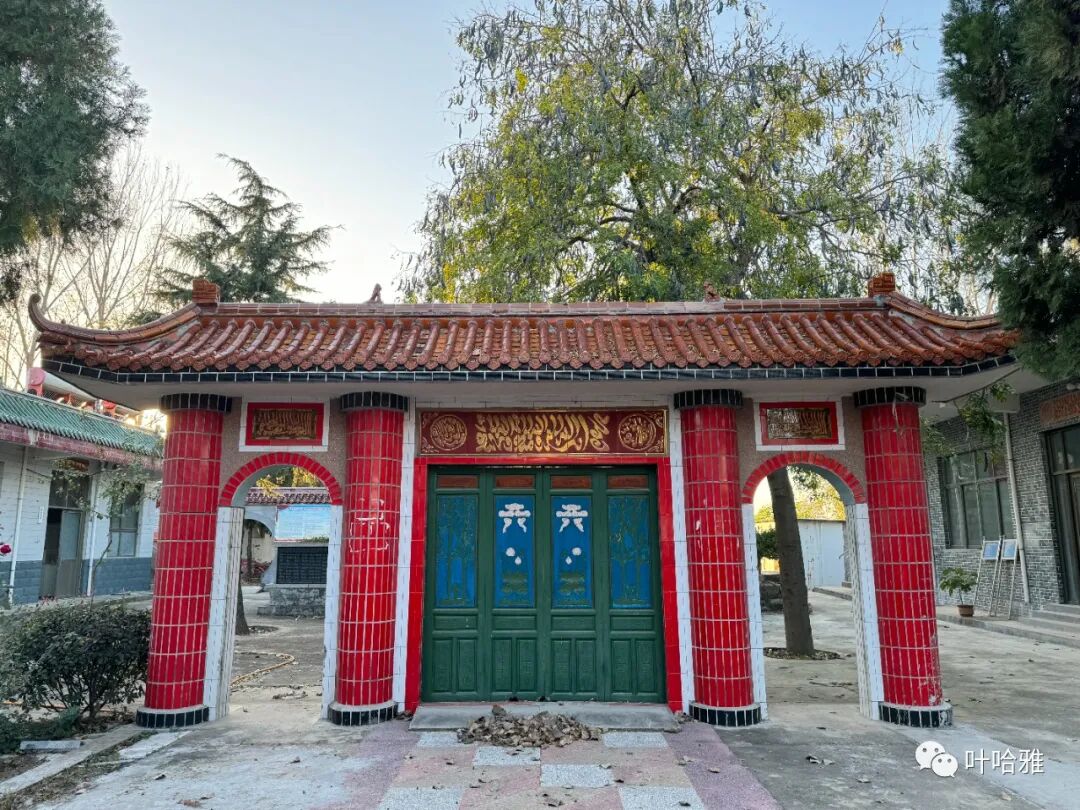
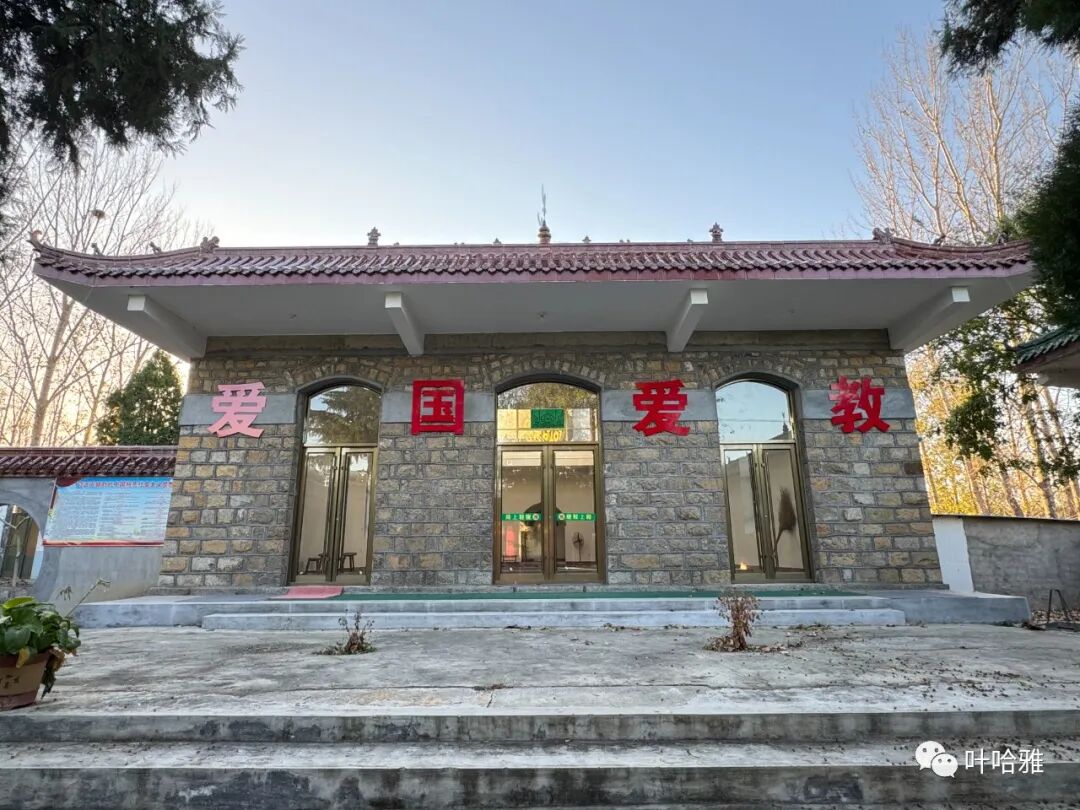
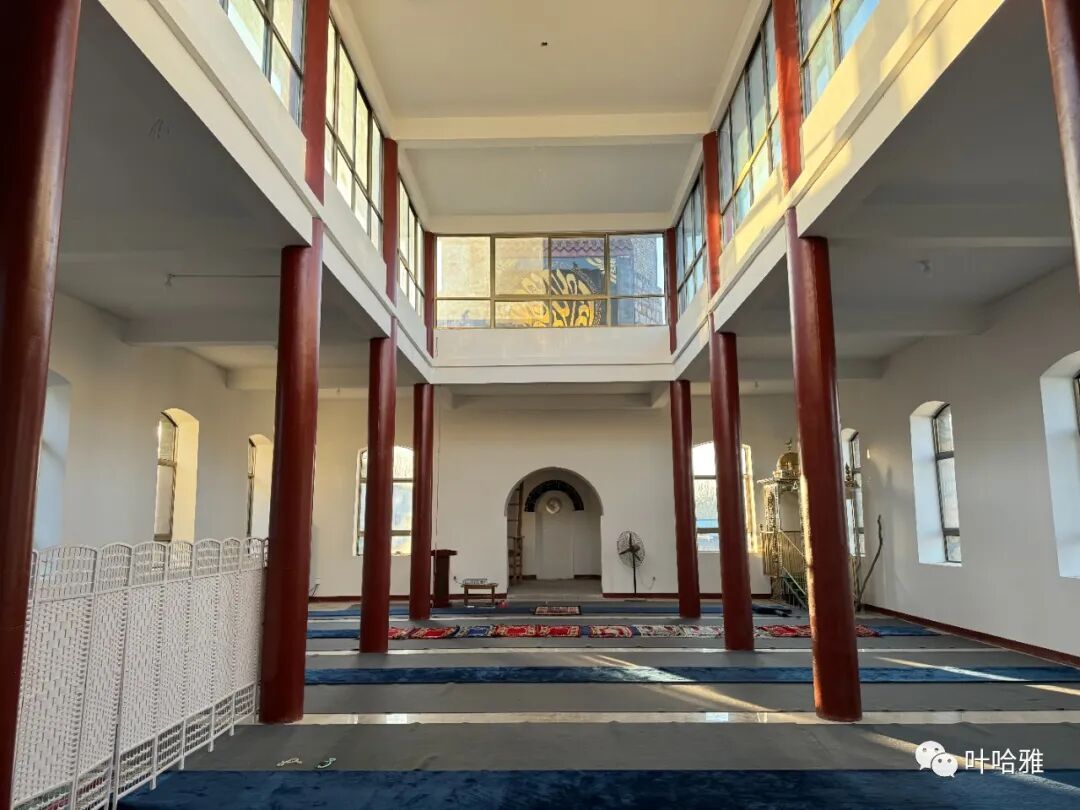
Zhoujiapo West Mosque
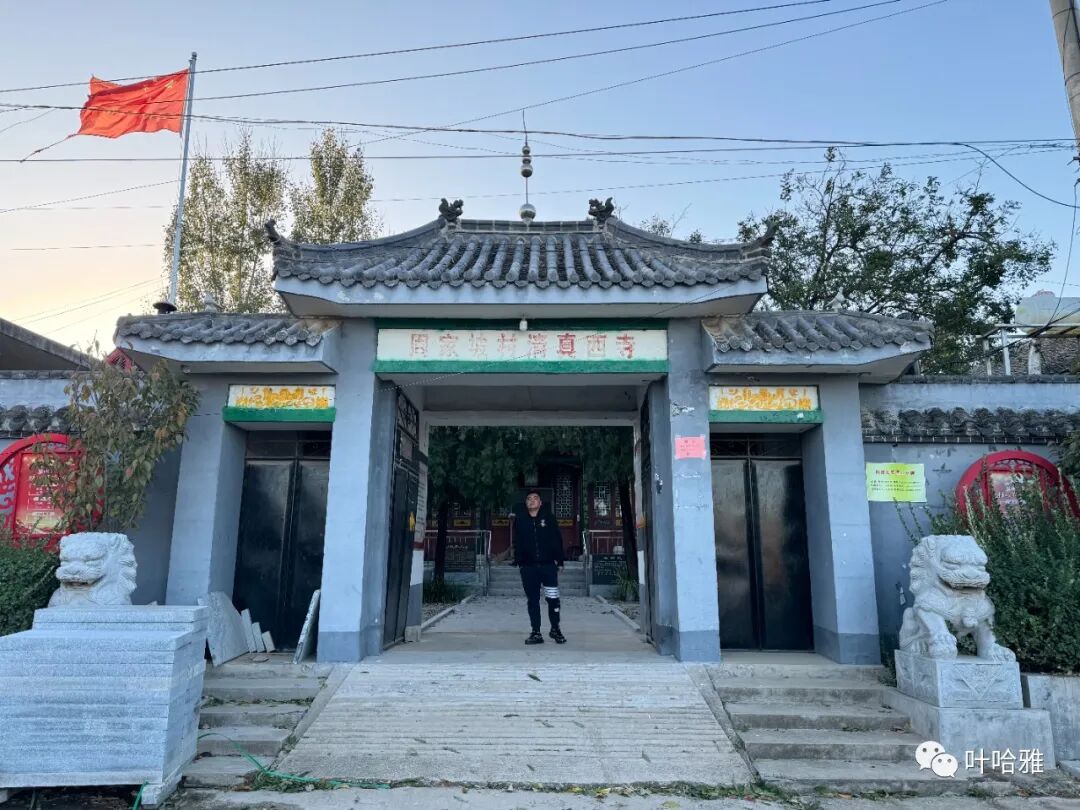
Located in the southwest of the village, the Zhoujiapo West Mosque in Xiazhang Town was first built in the mid-to-late Qing Dynasty. It was expanded over time, and the current mosque was rebuilt on the original site. Since the first year of the Guangxu reign of the Qing Dynasty (1875), it has undergone large-scale renovations many times.
The mosque is a single-courtyard complex, 50 meters long and 33 meters wide. The prayer hall is a two-part structure with two side rooms in the front, standing 10 meters high, 17.5 meters long, and 12 meters wide. The north lecture hall is 16 meters long and 6 meters wide. The south lecture hall is 8 meters long and 8 meters wide. The water room is 16 meters long and 8 meters wide. The mosque has one surviving stone tablet, the "Tablet for the Repair and Reconstruction in the First Year of Guangxu" from 1875.
Before the Cultural Revolution, imams including Zhang Baotai, Mi Qinglu, Zhao Xinzheng, Han Jingwen, and Ma Tongyun led the mosque's religious affairs. After the Cultural Revolution, Yang Yuezhen, Imam Shi, Imam Zhang, and the current Imam Ma took charge of these duties. The mosque is managed by a democratic management committee, with Li Zhenjun serving as the director.
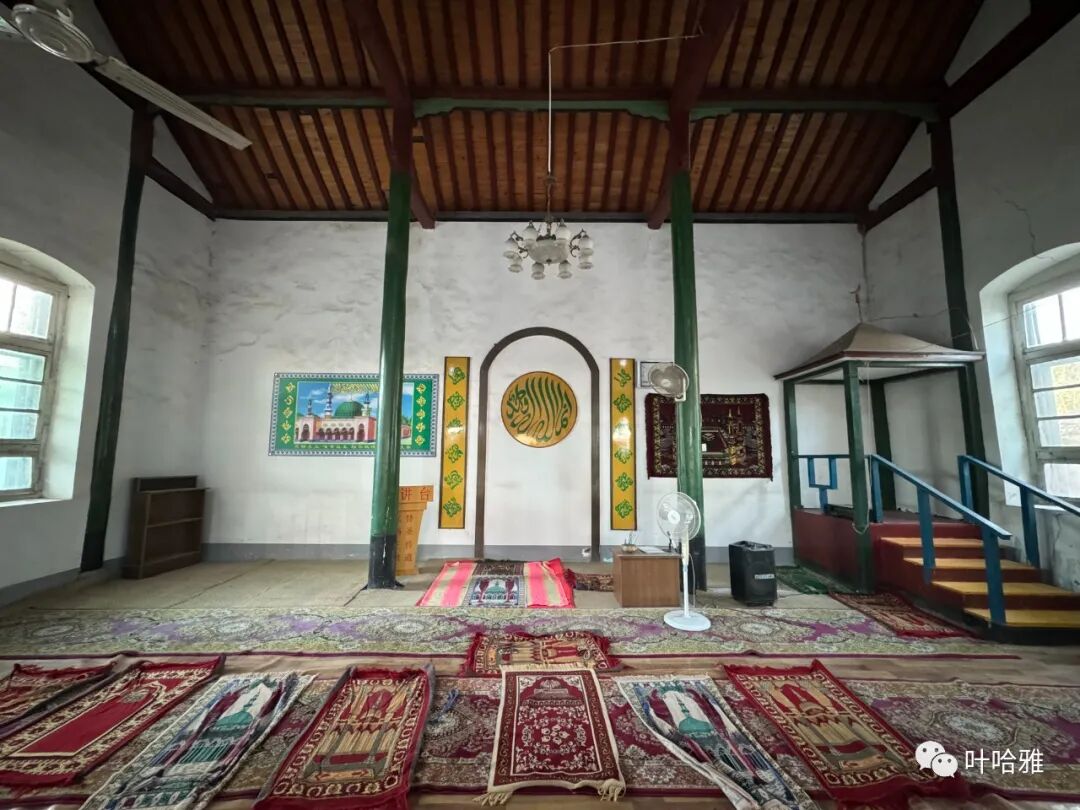
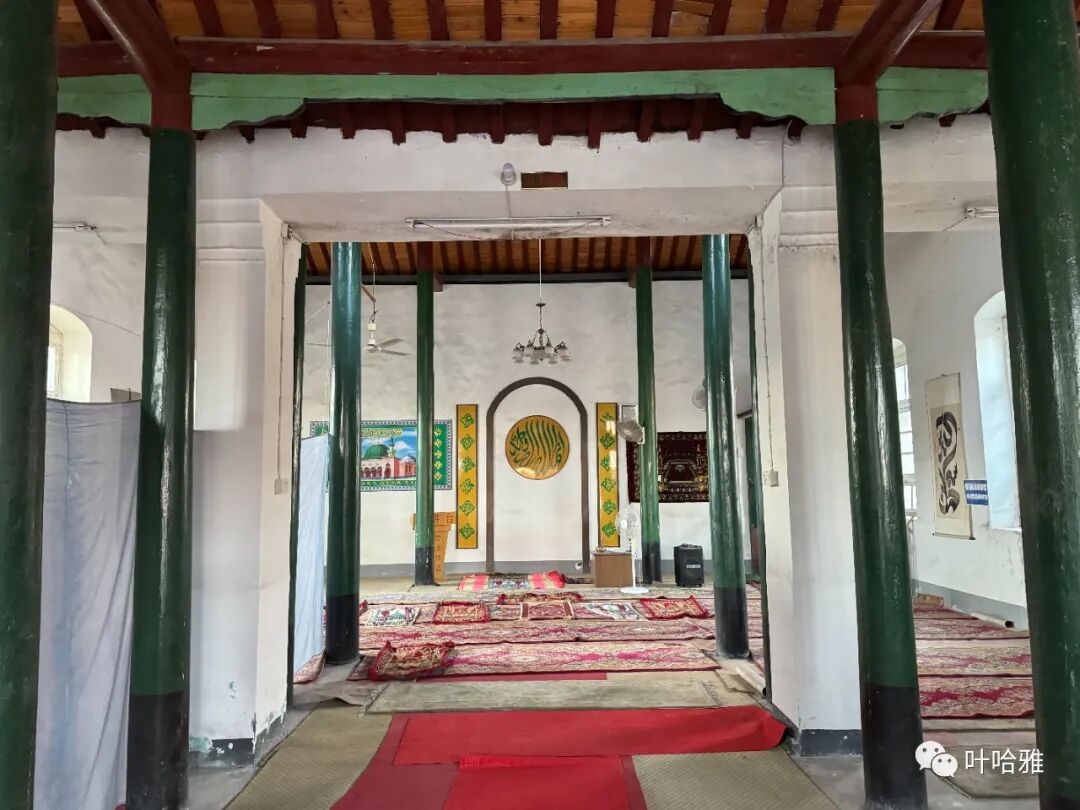
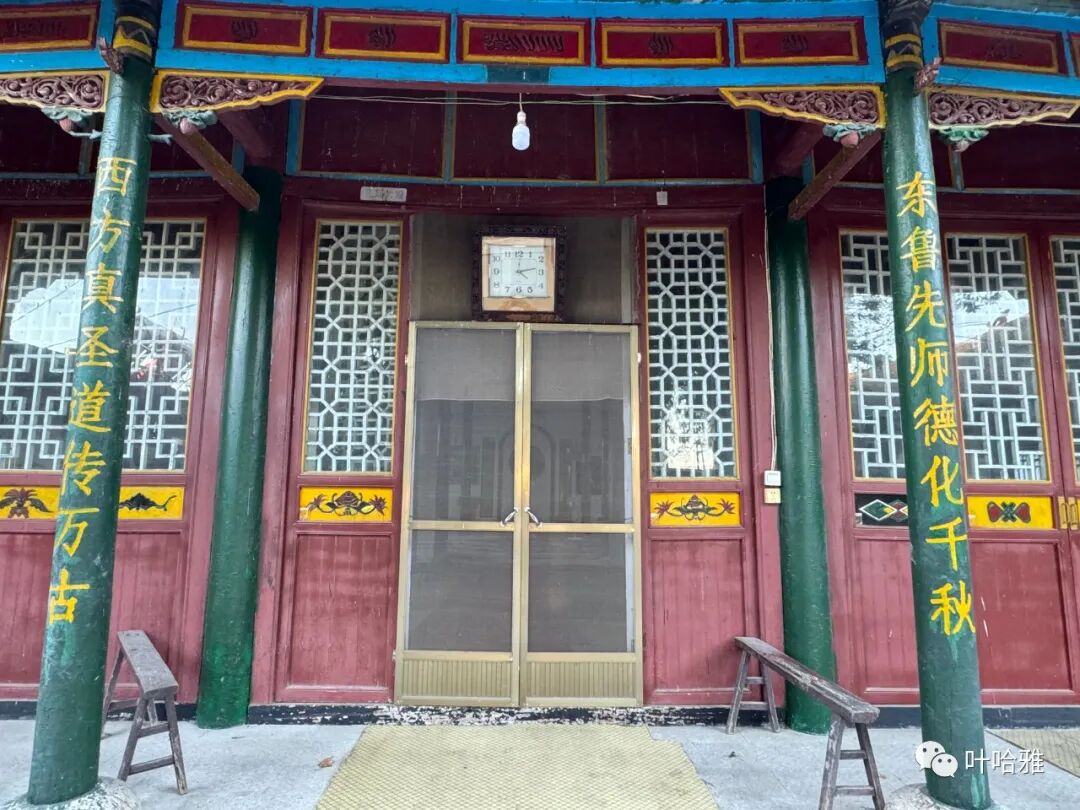
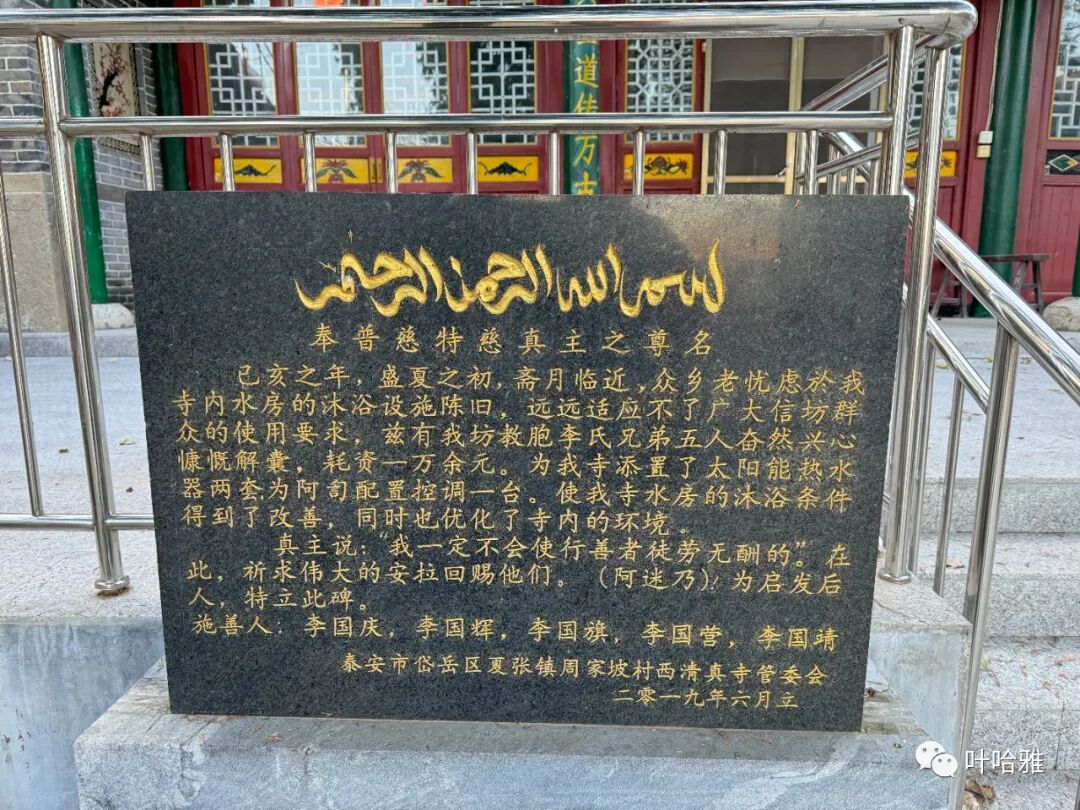
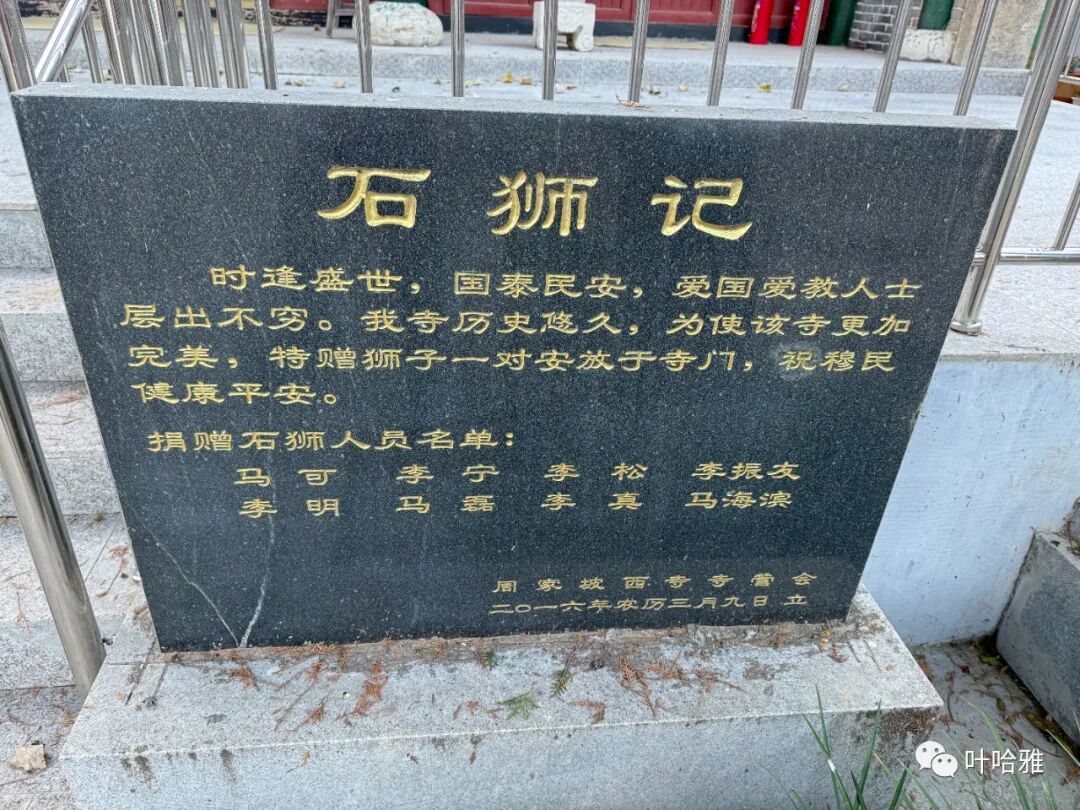
Jiajiagang Village Mosque
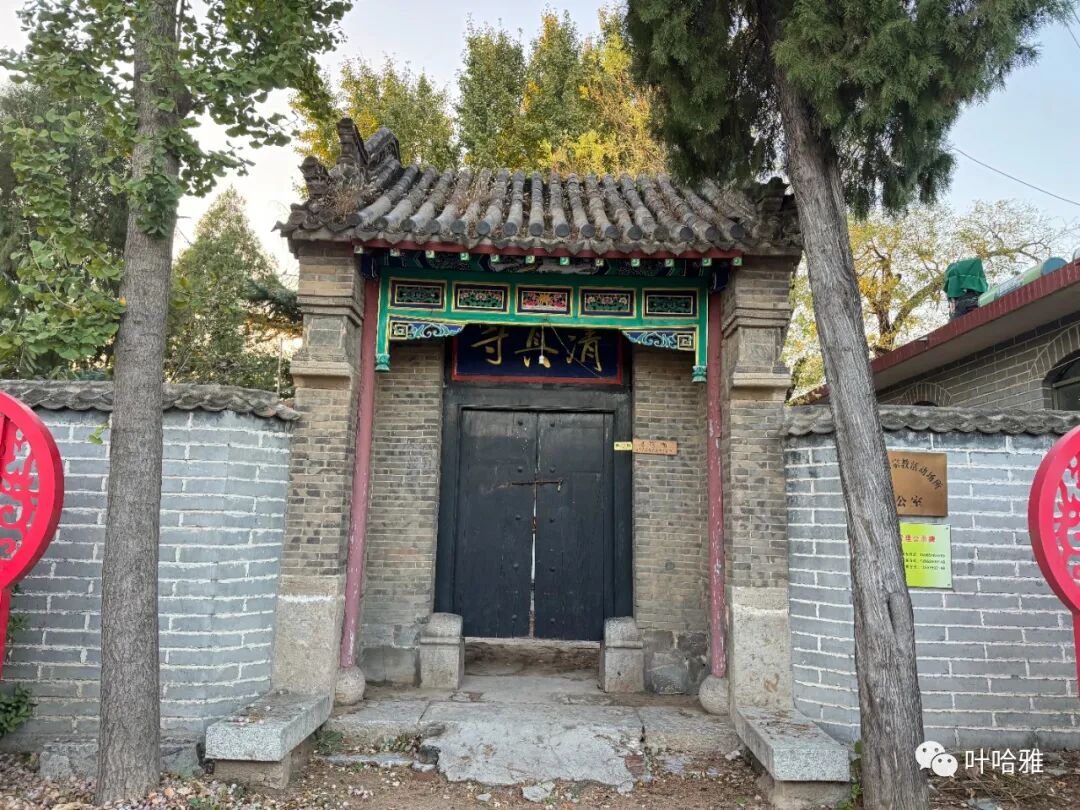
Jiajiagang Village Mosque in Xiazhang Town is located in the south-central part of the village. It was first built in 1740 during the Qianlong reign of the Qing Dynasty and has been repaired several times since.
The mosque is a single-courtyard complex, 40 meters long and 37.3 meters wide. The prayer hall is a single-story building, 5.5 meters high, 12 meters long, and 10.1 meters wide. The north lecture hall is 9.5 meters long and 6 meters wide. The south lecture hall is 10.5 meters long and 5 meters wide. The water room is 13.8 meters long and 6 meters wide. The mosque has a sports and fitness area. There are four stone tablets remaining: the Mosque Founding Tablet, the 1759 Mosque Construction Tablet from the 24th year of the Qianlong reign, and two tablets recording later renovations.
Imam Yang Peicheng was an underground worker for the Communist Party of China during the War of Resistance Against Japan. Yang Maodou, Ma Yigang, and Han Jingming are influential and well-known imams. The mosque is managed by a democratic management committee, with Li Faxi, Bai Maoting, Han Guirong, and Tang Zhihai serving as directors in succession.
The mosque values traditional Islamic education. Around the time the People's Republic of China was founded, it opened study classes where imams taught the Quran and Hadith to train talent for the faith.
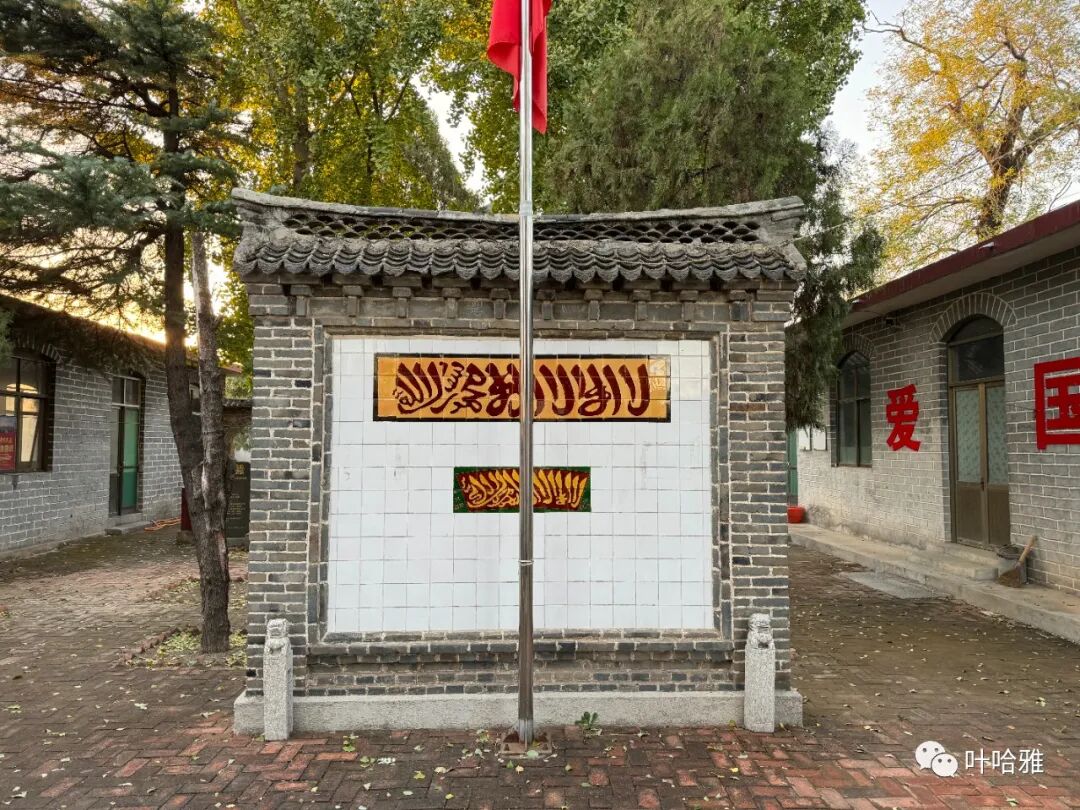
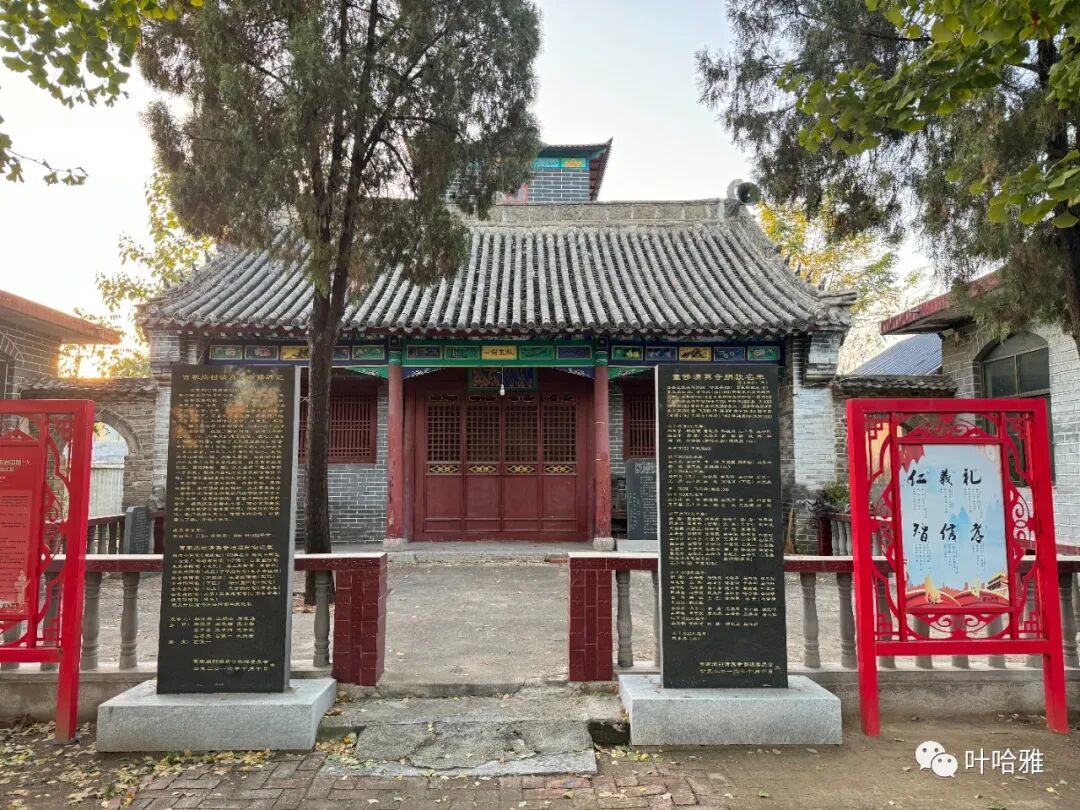
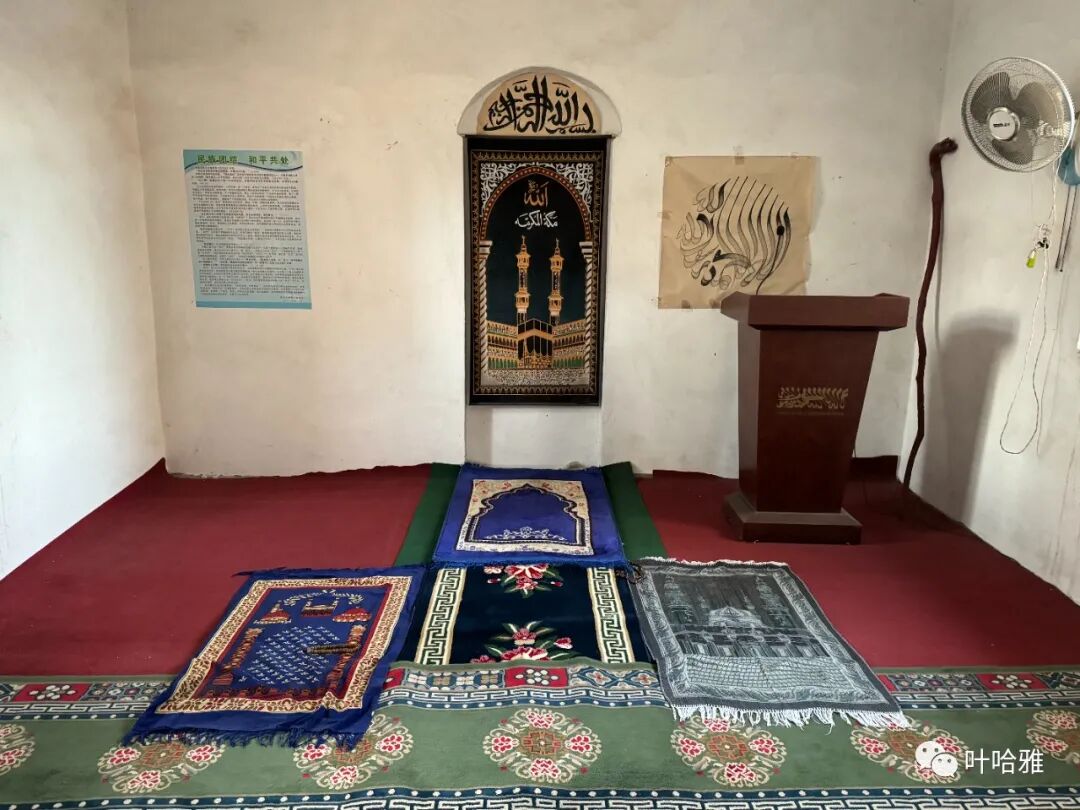
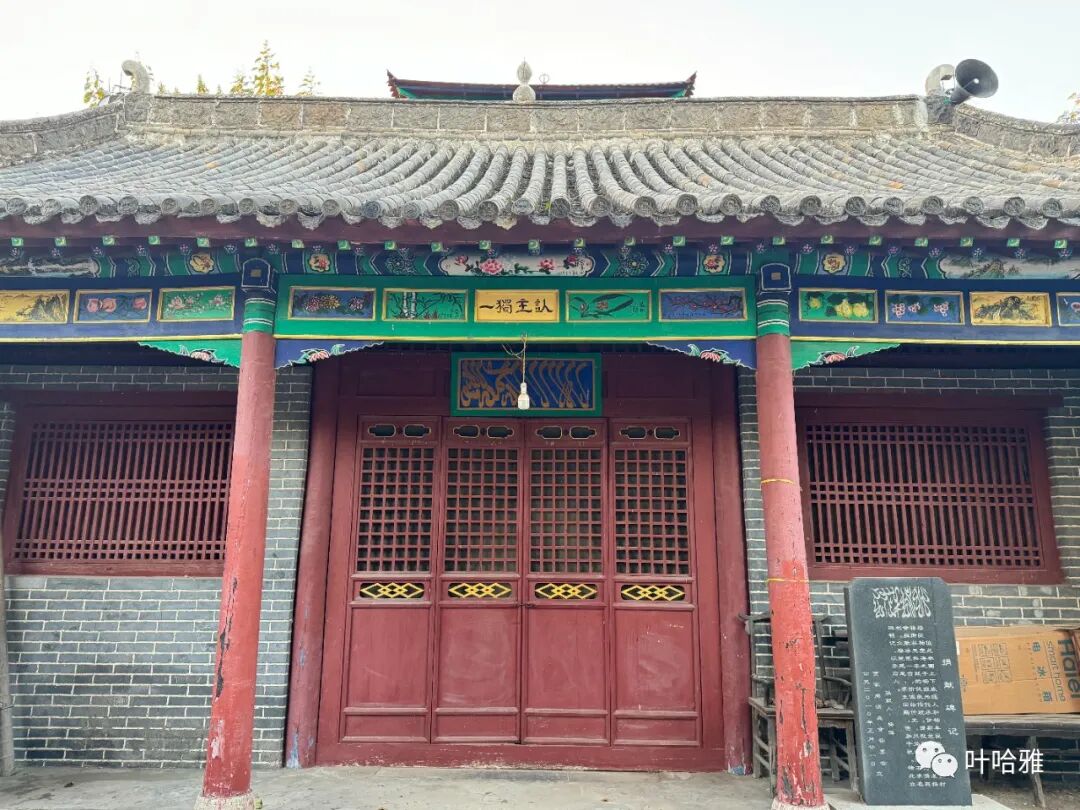
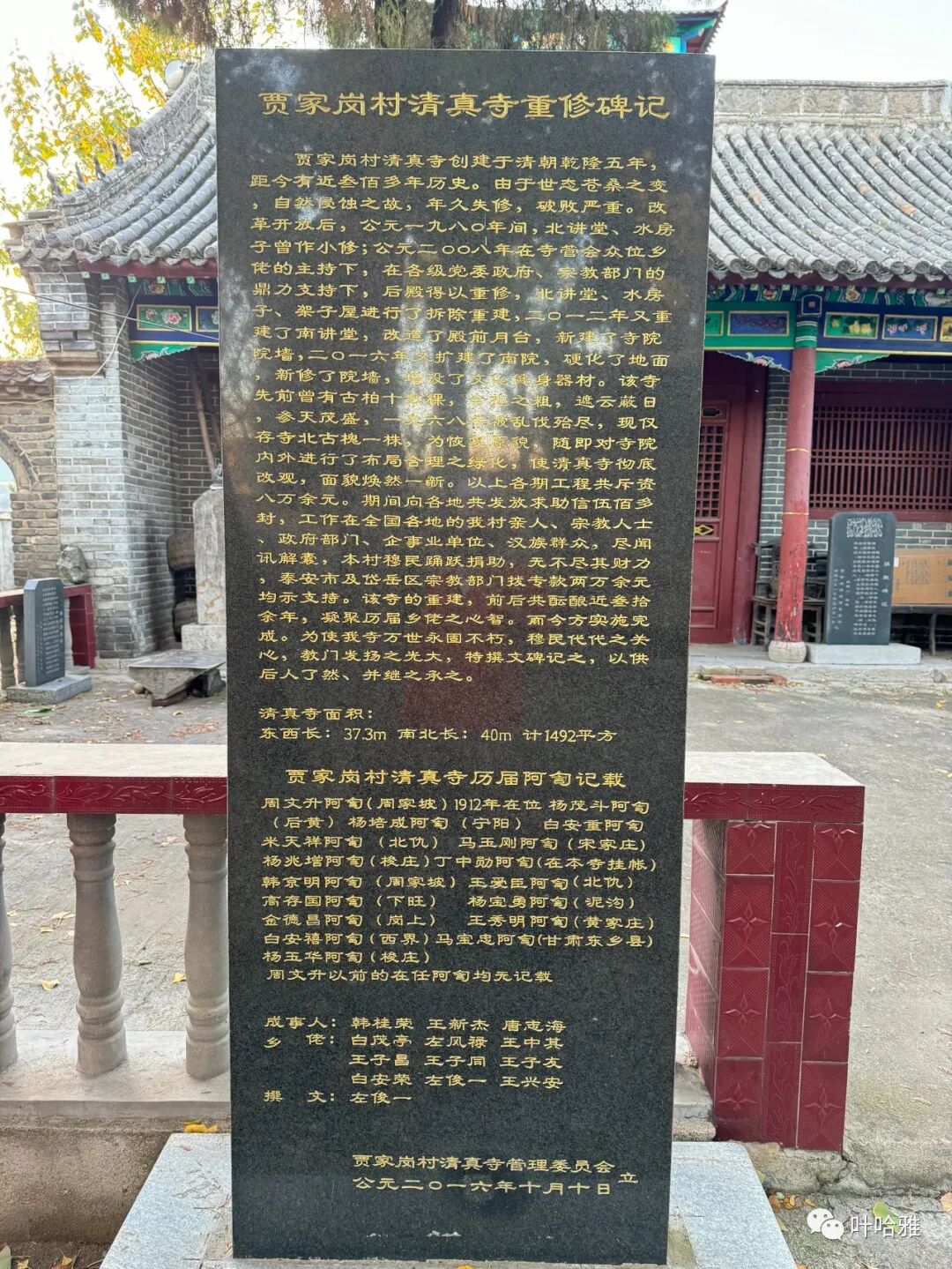
Majiayuan Mosque
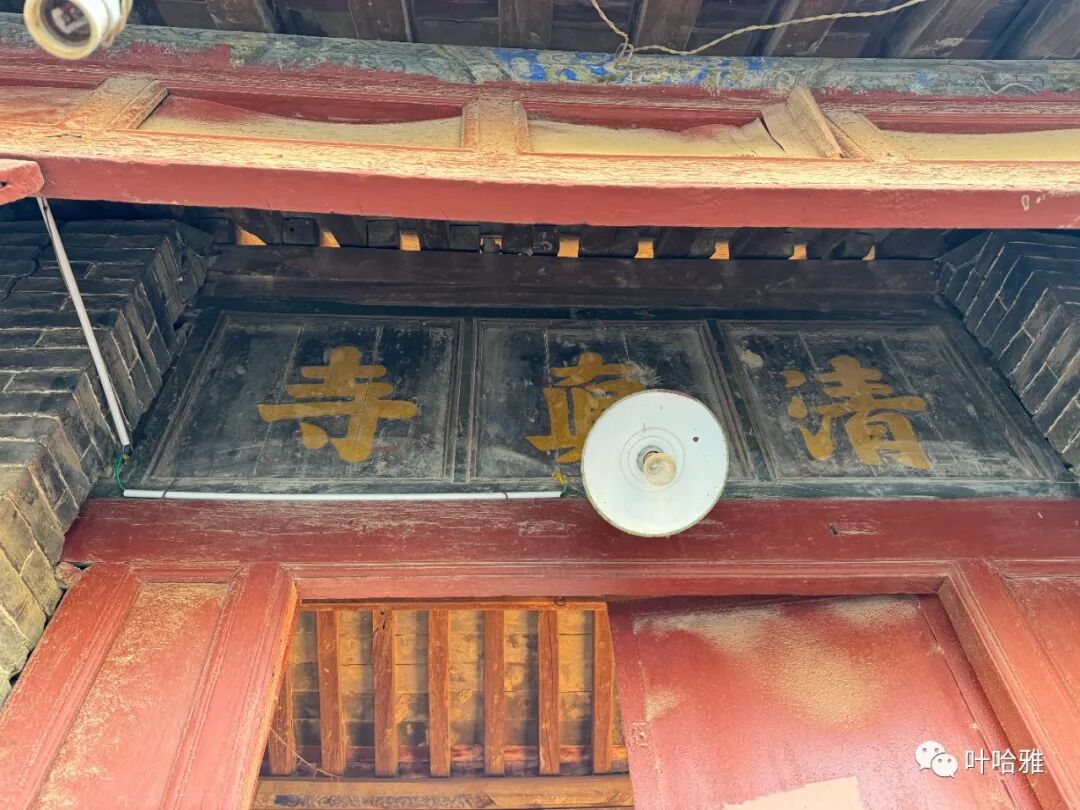
Majiayuan Mosque in Xiazhang Town is located in Nanbailou Fifth Village. It was first built in 1820, the first year of the Daoguang reign, and has been expanded and repaired ever since. Large-scale renovations took place in 1843, 1850, 1867, 1878, 1907, and 1921. Protective repairs were also carried out after the Reform and Opening-up.
The mosque is a two-courtyard complex, 54 meters long and 42 meters wide. The prayer hall is a three-section structure standing 8 meters high with side rooms. In front of the hall is a moon terrace (yuetai) that is 27.2 meters long and 10 meters wide. The north lecture hall is 27.6 meters long and 5 meters wide. The south lecture hall is 27.6 meters long and 5 meters wide. The water house (shuiwu) is 13 meters long and 6 meters wide. There are five stone tablets remaining, including the Mosque Main Tablet and Mosque Supplementary Tablet from the fourth year of the Guangxu reign (1878), the Three-Branch Ma Family Genealogy Tablet from the 29th year of Guangxu (1903), the Mosque Reconstruction Tablet from the 33rd year of Guangxu (1907), and the Mosque Reconstruction Record Tablet from the 10th year of the Republic of China (1921).
The Ma family has produced imams for over three generations. Ma Yongcai is a representative figure who served as the resident imam at the Jining East Mosque and held positions such as a member of the Shandong Provincial Committee of the Chinese People's Political Consultative Conference. Since its founding, the mosque's religious affairs have been led by imams including Yang Pengyuan, Jin Anxiang, Shi Guangfeng, Wang Yongsheng, Ma Xinsheng, Wang Yongqing, Mi Tongliang, Yang Xingchen, Ma Wenyi, Tang Wenhai, Ma Shunke, Xu Changpu, and Xian Junqi. The mosque is managed by a democratic management committee, with Ma Wensheng serving as the director.
In 2008, the mosque was awarded the title of Model Mosque by Tai'an City. In 2009, it was named a Harmonious Religious Activity Venue by Shandong Province. In 2010, it received the title of Model Mosque from Tai'an City again. It was named a Model Mosque by Tai'an City again in 2014.
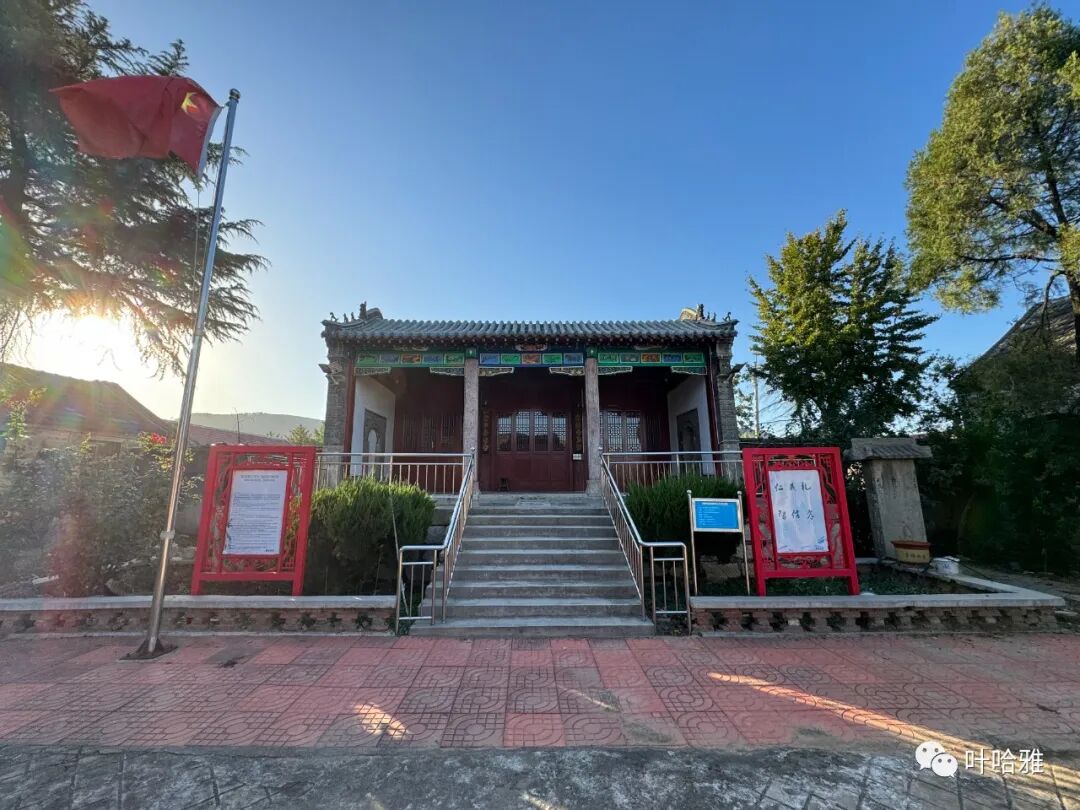
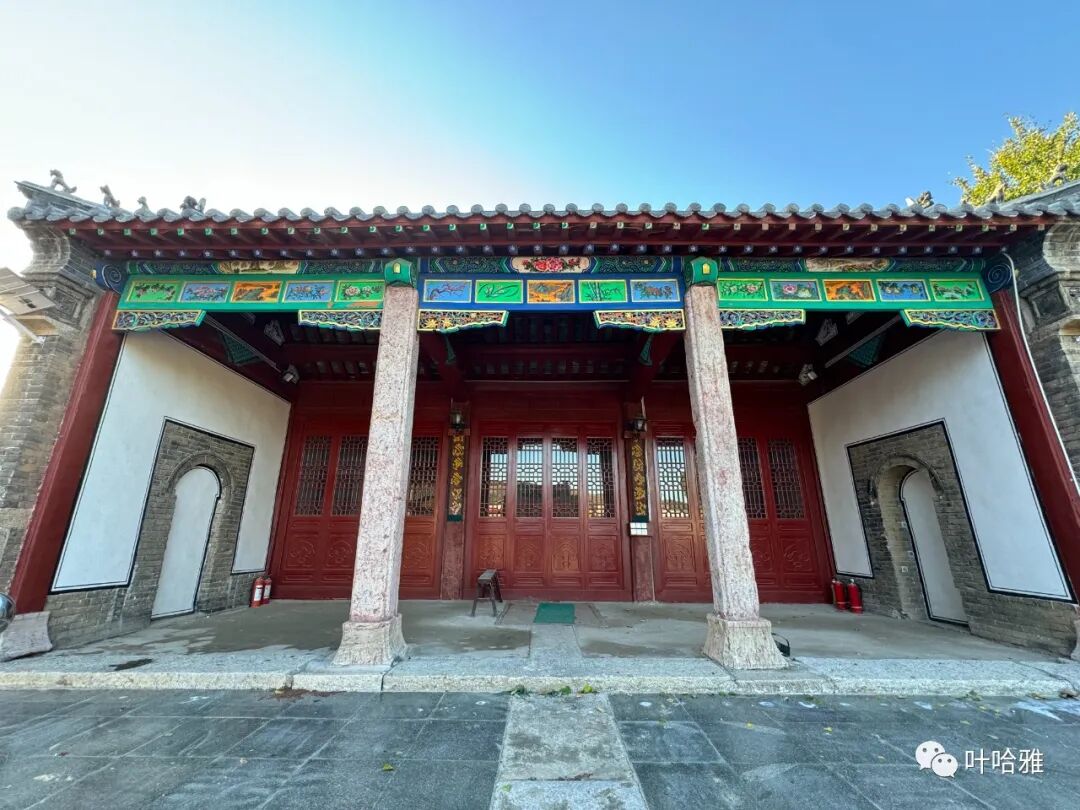
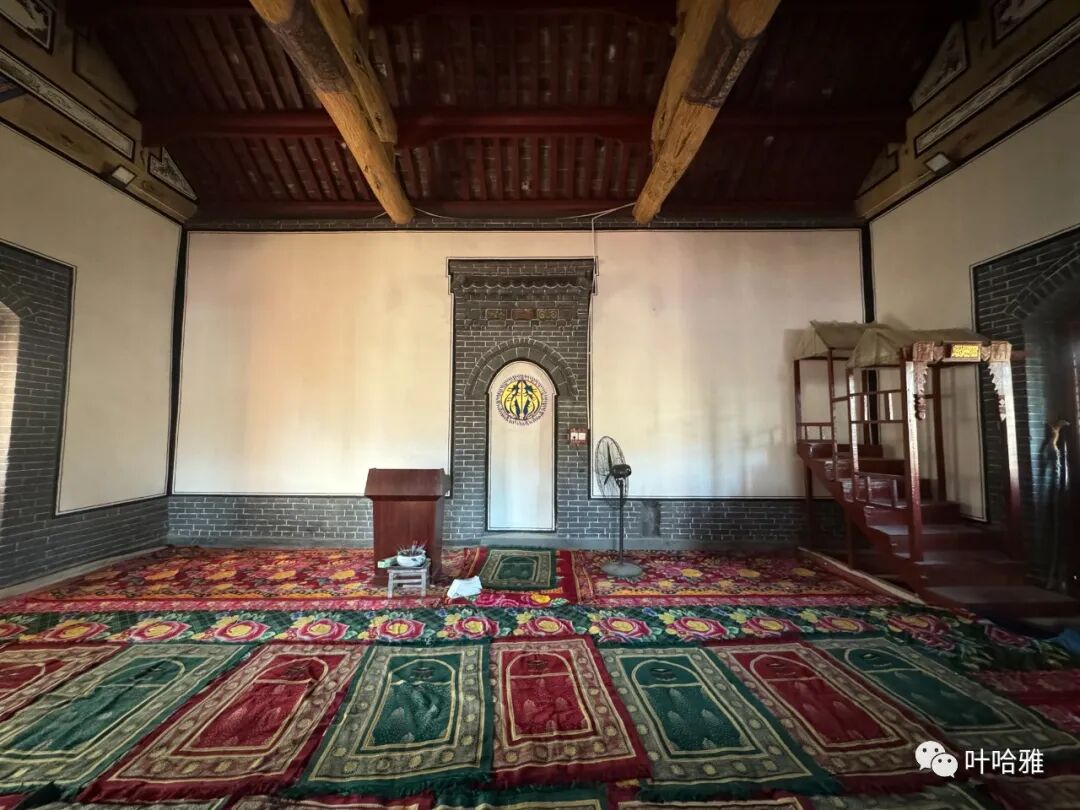
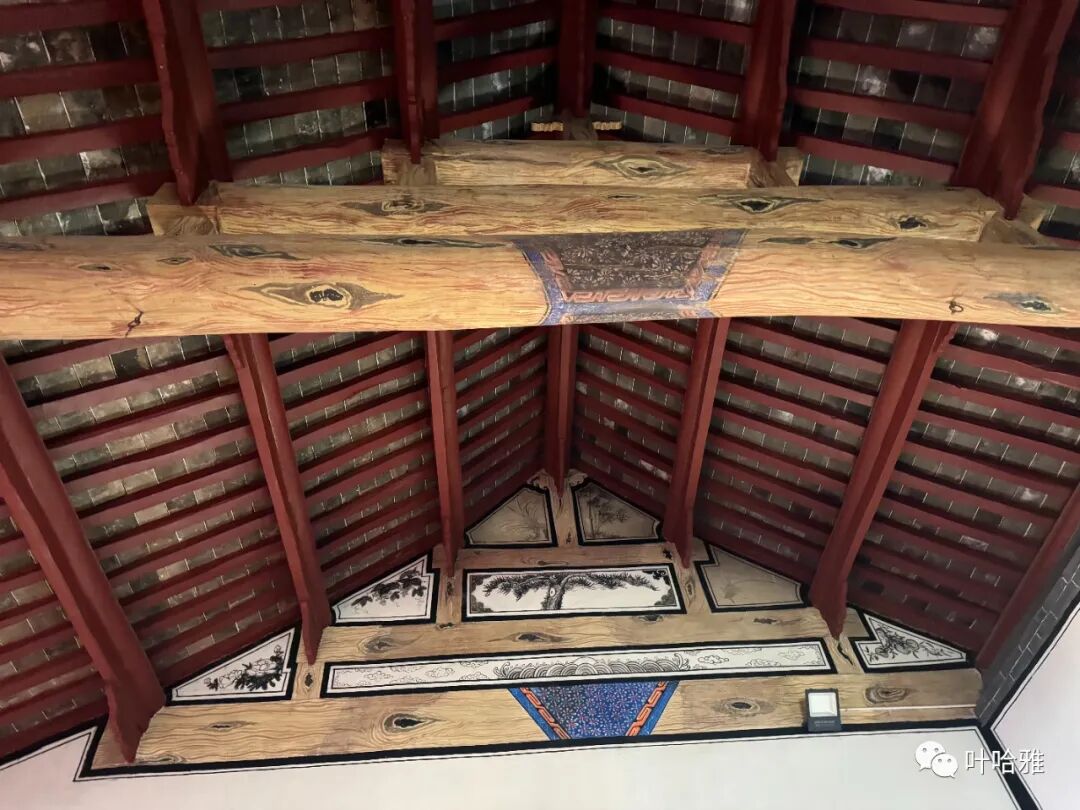
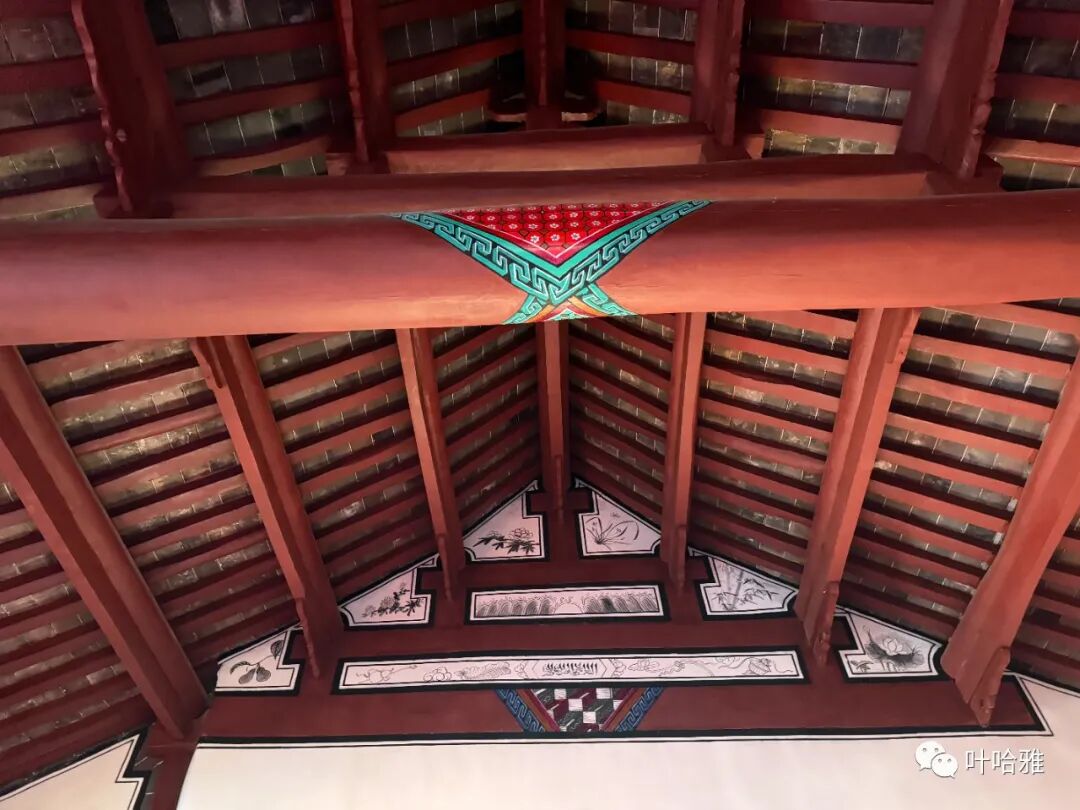
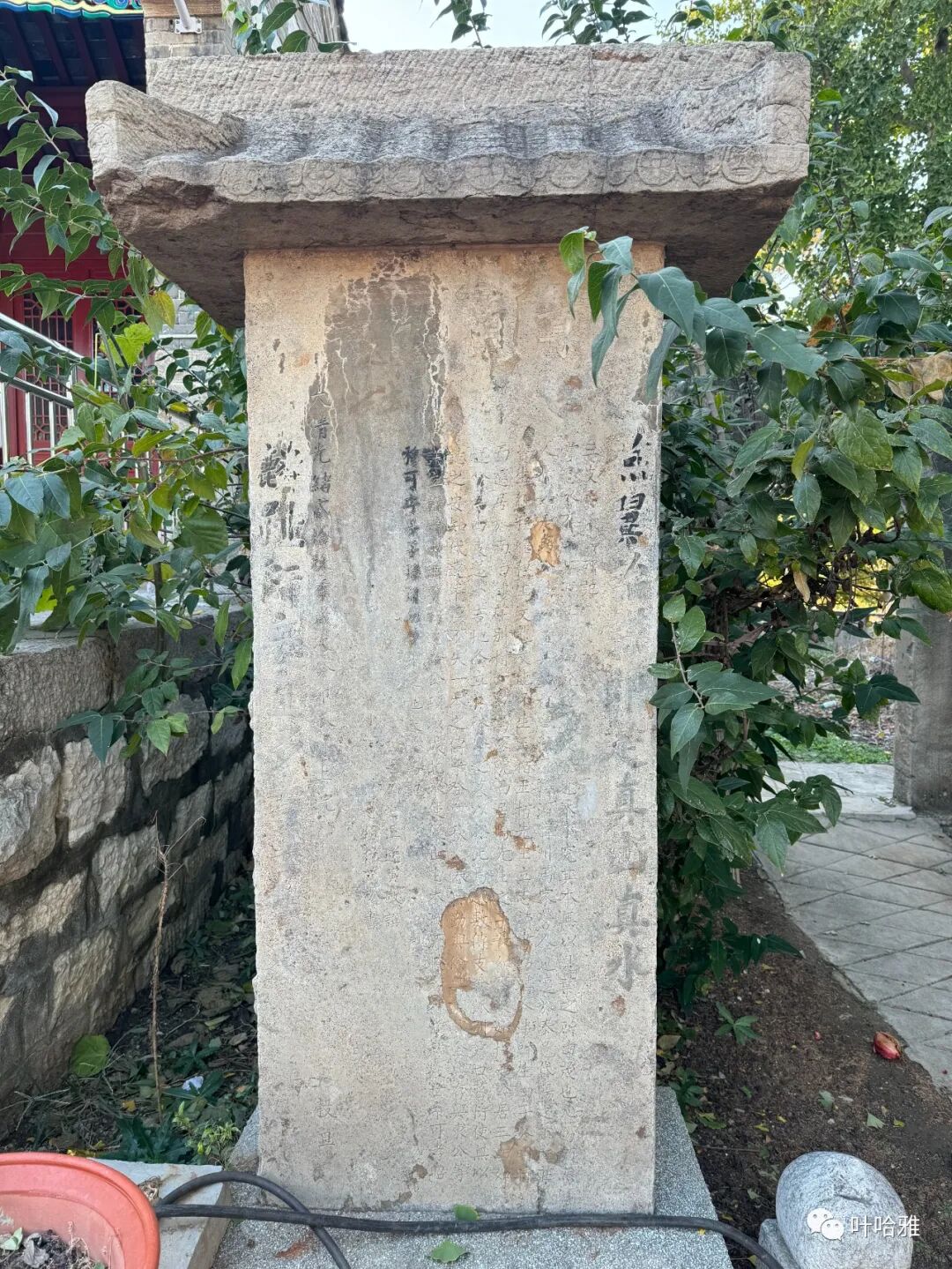
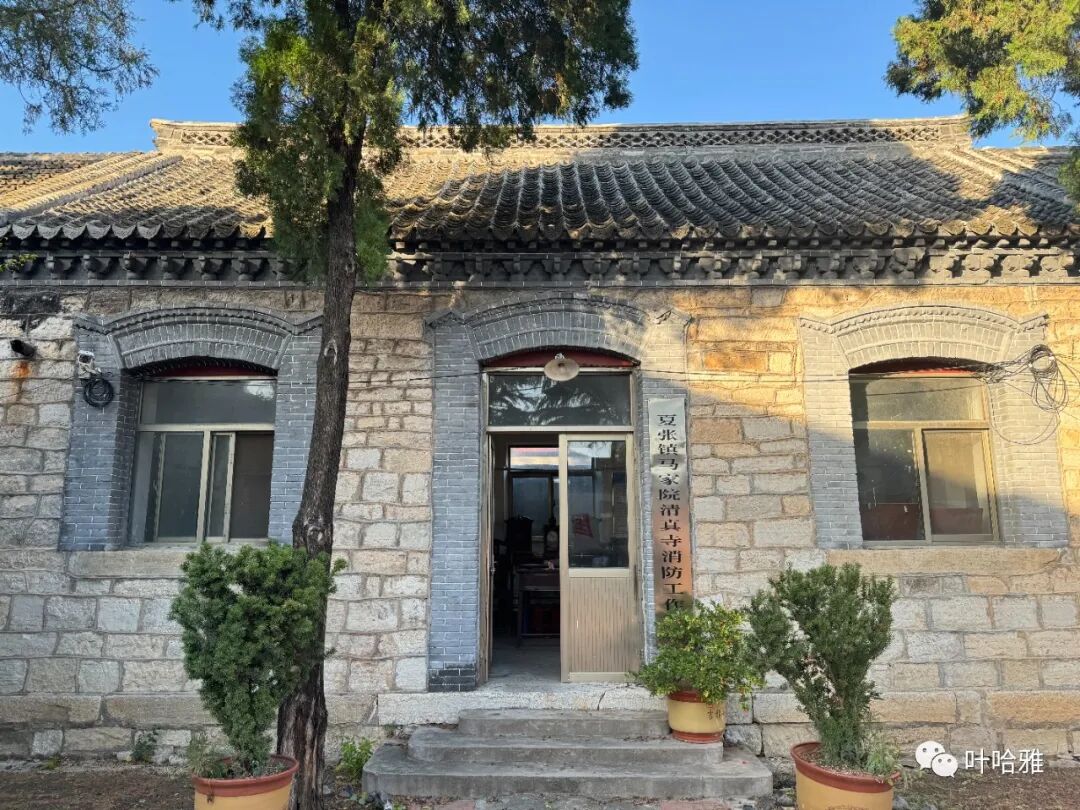
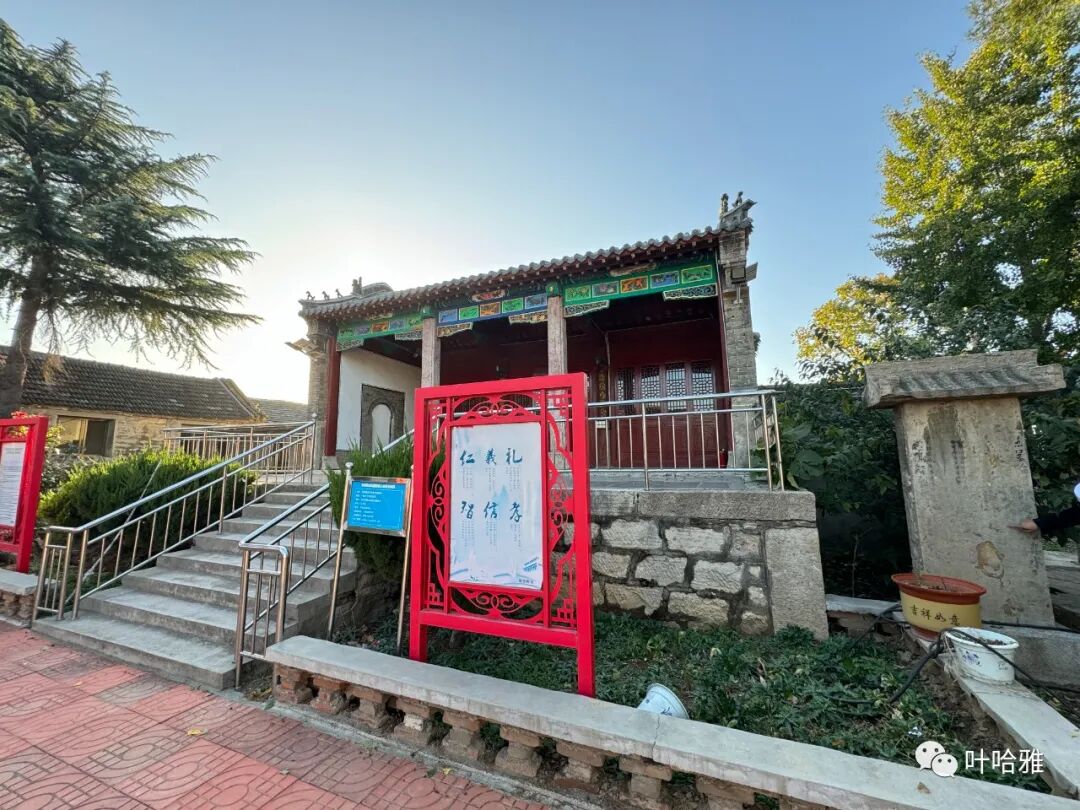
Nigou Village Mosque
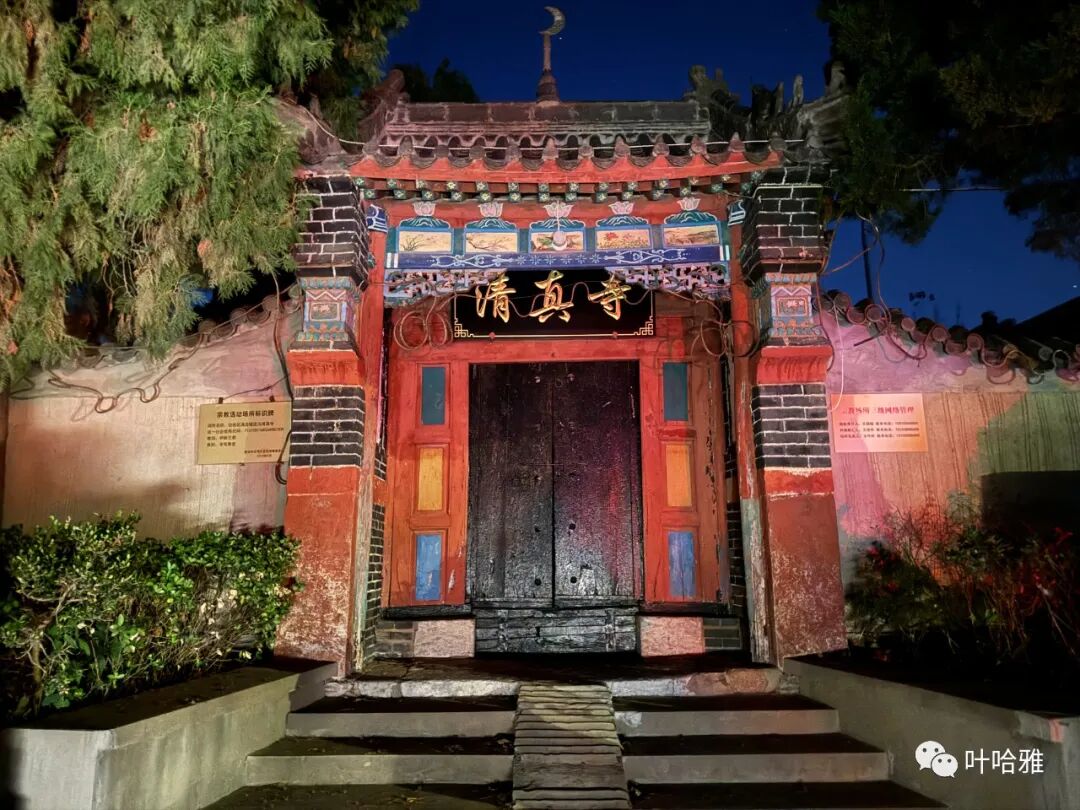
Nigou Village Mosque in Manzhuang Town. The founding date is unknown, but the mosque has been rebuilt several times, including five major renovations. It gradually reached its current size after repairs in the fourth year of the Daoguang reign (1824), the second year of the Republic of China (1913), the twenty-fifth year of the Republic of China (1936), and after the founding of the People's Republic of China. Another large-scale renovation took place in 2012.
The mosque follows a traditional Chinese courtyard layout with front and back sections, covering a total area of 2,000 square meters. The main prayer hall consists of three parts: a front porch (juanpeng), a rear hall, and a raised platform (yuetai). The prayer hall is 26 meters long and 10.6 meters wide. The north lecture hall has three rooms and is 18 meters long and 6.8 meters wide. The south lecture hall is 18 meters long and 4.6 meters wide. The ablution room (shuiwu) is 18 meters long and 5 meters wide. There are also funeral rooms, a kitchen, and east and west side rooms. A wooden plaque above the main hall door reads "Faith is Pure" (xinyang qingzhen). Inside, eight large pillars support the structure, which is built in three sections with three varying heights. Four stone tablets are built into the walls of the main hall. The tops of the tablets have symmetrical beveled corners and are carved with floral patterns. They are made of bluestone, feature engraved regular script (kaishu), and remain in excellent condition. The roof of the main hall uses simple tiles, and the blue bricks on both sides are carved with delicate patterns. The middle hall has a raised ridge, and the eaves are decorated with roof guardian figures. Three ancient cypress trees, each over 200 years old, stand within the mosque grounds.
The mosque currently houses nine stone tablets. These include the "Stele of Islamic Fundamentals" (Jiaoben Qingzhen Bei) and the "Stele of Eternal Fame" (Wangu Liufang Bei) from the fourth year of the Daoguang reign (1824); the "Stele for the Renovation of Nigou Mosque" (Chongxiu Nigou Qingzhensi Bei) and the "Stele of Islamic Origins" (Qingzhen Yuanliu Bei) from the second year of the Republic of China (1913); the "Record of the Renovation of the North Lecture Hall" (Chongxiu Bei Jiangtang Ji) from the twenty-fifth year of the Republic of China (1936); the "2012 Stele of Donation Lists for the Renovation of the Mosque Main Hall and South Lecture Hall" and the "Nigou Village Mosque Construction Donation List Stele" from 2012; the "Stele of Eternal Fame" (Liufang Baishi Bei) from 2013; and the "Stele of Eternal Fame" (Wangu Liufang Bei) from 2014. The mosque holds 30 handwritten copies of the Quran by Haji Chang Fulong.
Since 1935, imams including Ma Tongyun, Bai Qingyu, Zhang Baotai, Li Baoxiang, Wang Yuquan, Wang Huzi, Wang Buying, Bai Guangpu, Ding Junting, Chang Furong, Dong Futang, Ma Yongxu, Bai Jinhu, and Zheng Liqiang have led the religious affairs of the mosque. The most influential imams in the history of this mosque include Li Baoxiang, Wang Yuquan, Wang Zengli, Yang Baoyong, Li Zhongguo, and Zuo Zhonghua. Before the founding of the People's Republic of China, the mosque's affairs were managed by the village head Zuo Hanzhang. After the founding of the People's Republic of China, management was handled by team leaders and village heads. It is currently managed by the Mosque Democratic Management Committee, led by director Li Gang.
In 2010, it was named a "Harmonious Religious Activity Venue" by Shandong Province. In 2014, it received the "Model Mosque" title from the Tai'an Islamic Association.
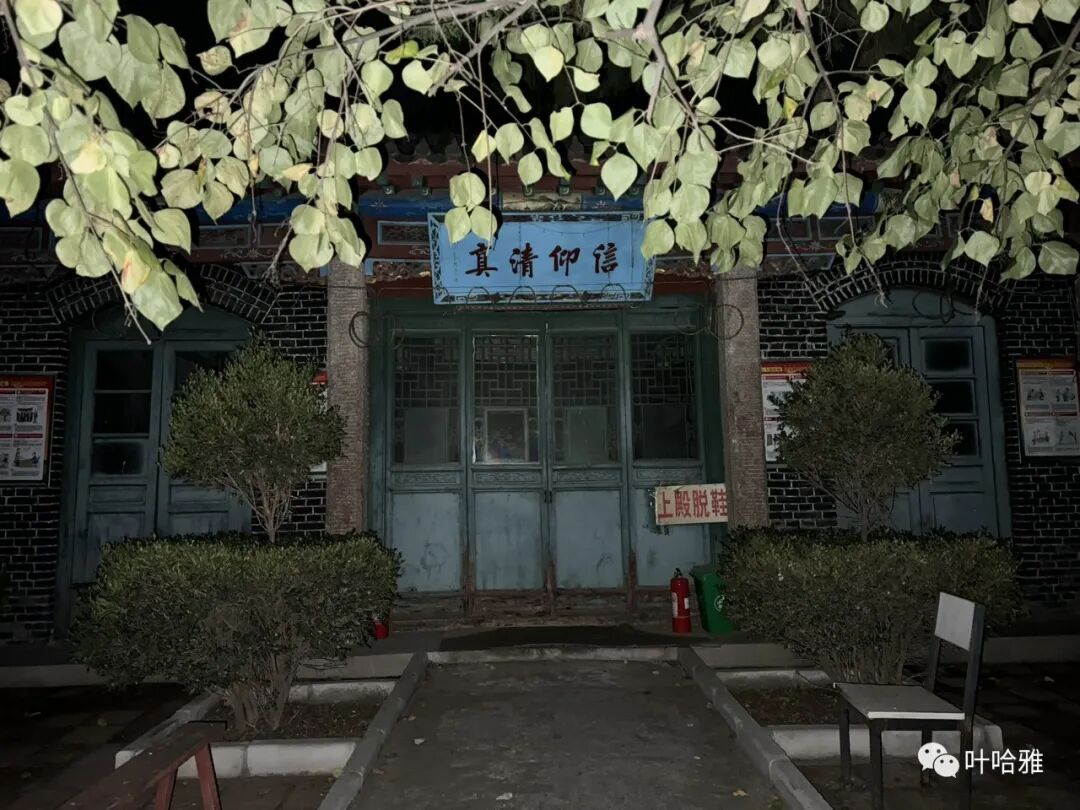
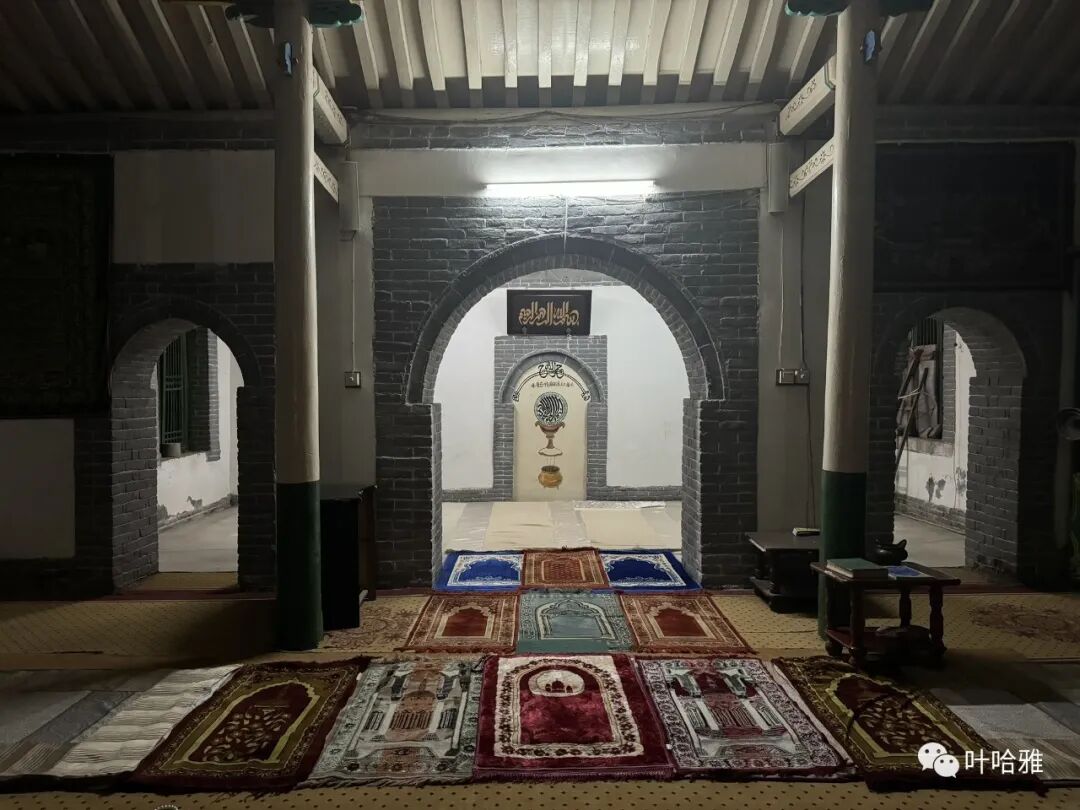
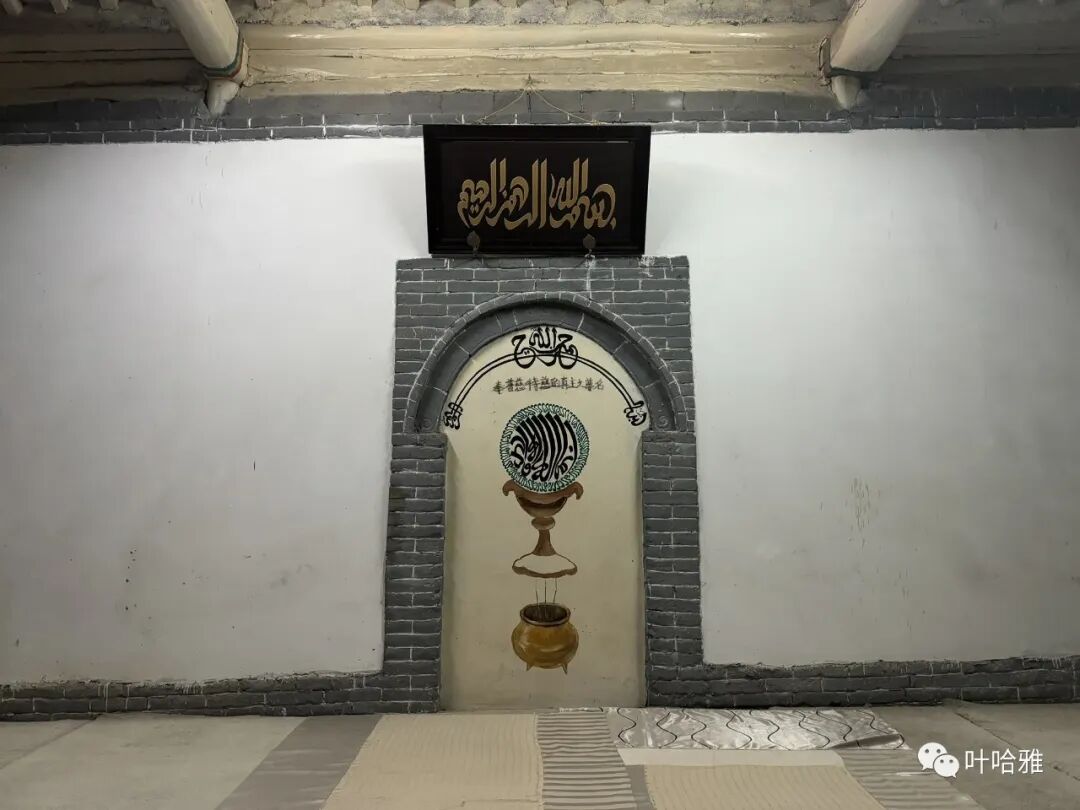
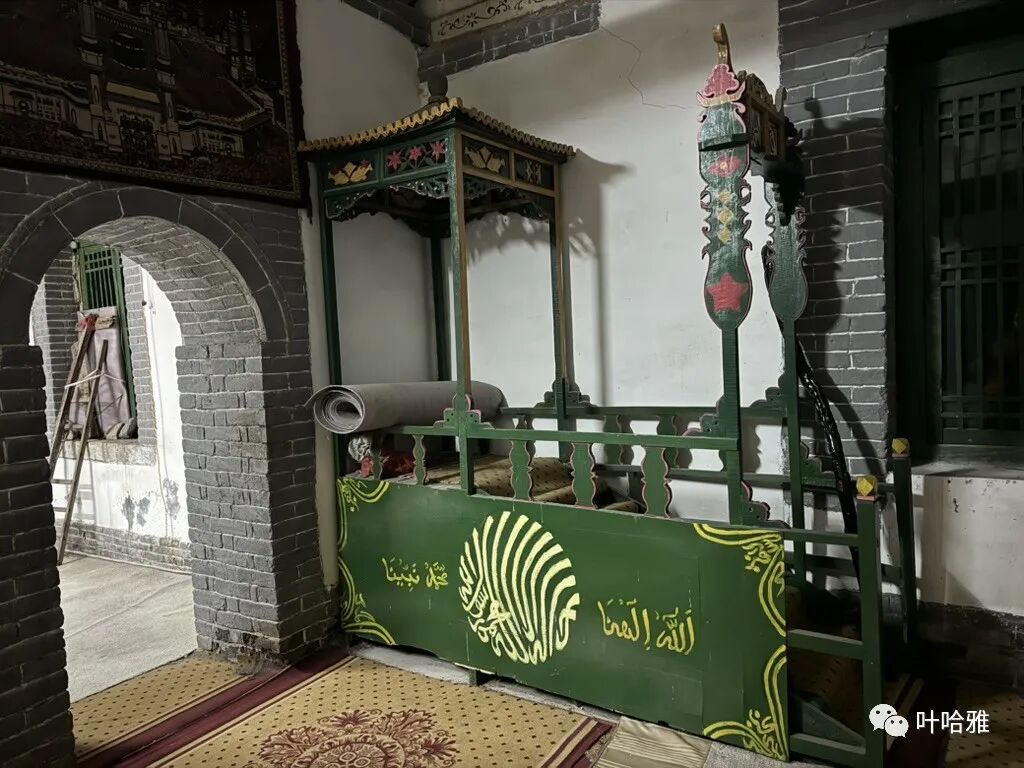
Longshan Guanzhuang Mosque
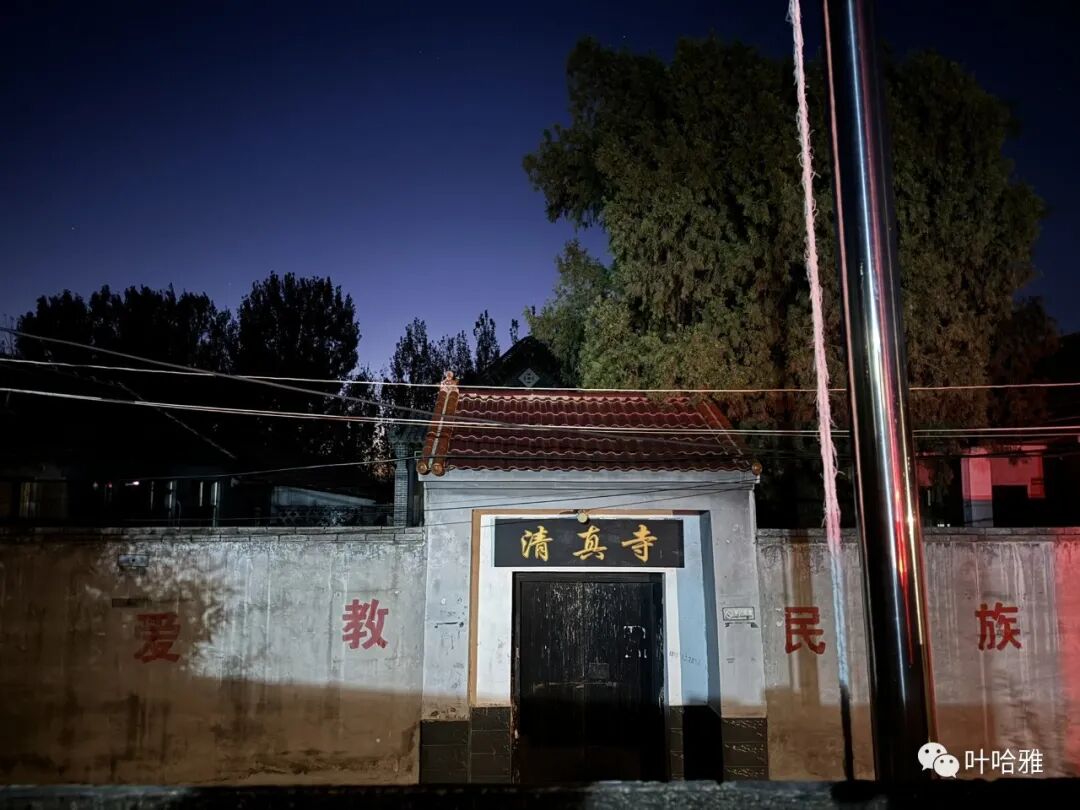
Longshan Guanzhuang Mosque in Manzhuang Town sits at the west end of the village. It was founded in 1936. The north lecture hall was built first, followed by the main prayer hall in 1939 and the south lecture hall in 1957. It has been repaired many times since. Repairs took place in 1984, 1994, 2006, and 2010. The Muslims of Zhongchunyu Village are the patrons of this mosque.
The mosque has two courtyards. The main prayer hall is 50 meters long and 40 meters wide. The main prayer hall has a front porch (juanpeng) that is 6 meters high, 20 meters long, and 7 meters wide. The north lecture hall is 16 meters long and 7.5 meters wide. The south lecture hall is 12 meters long and 7 meters wide. The ablution room (shuiwu) is 12 meters long and 7 meters wide. The mosque has two stone tablets: the 1994 Tablet of Donors for the Reconstruction of the North Lecture Hall and the 2005 Tablet of Lasting Fame.
Since its founding, the mosque's religious affairs have been led by imams including Ding Junting, Li Baoxiang, Li Qingyun, Imam Bai, Xu Changpu, Zhang Shuiquan, and Bai Guangpu. Chu Qingquan has served as the resident imam since 1990. The mosque is managed by a mosque management committee, with Gao Cunchang, Zhao Xueqian, Gao Fangkun, and Jin Weidong serving as directors.
In 2012, it was named a Harmonious Religious Activity Venue in Shandong Province.
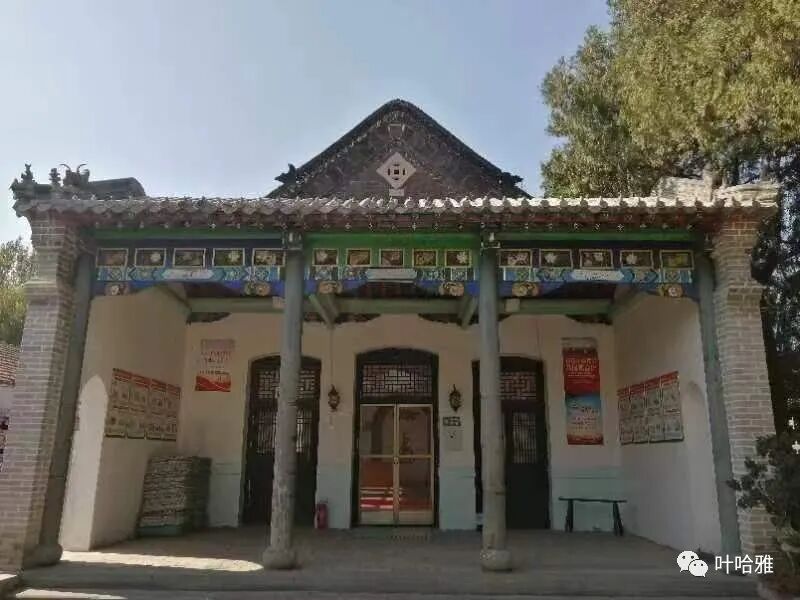
Fanjiaanbu Mosque
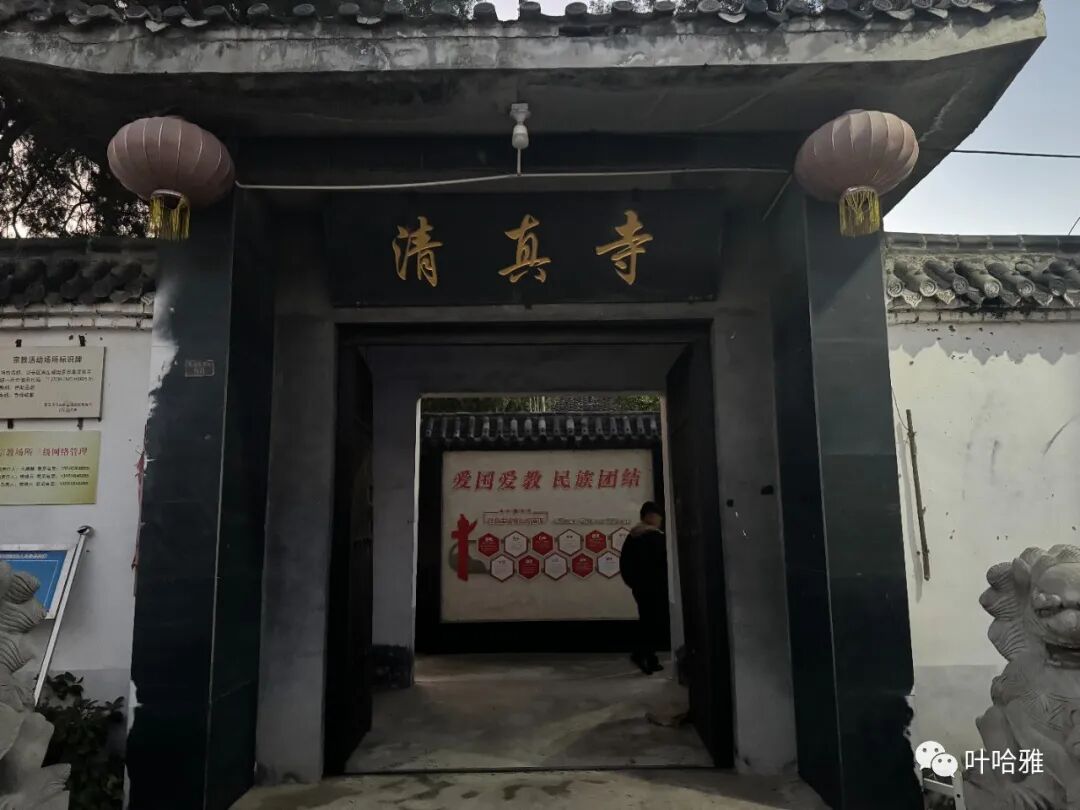
The mosque in Fanjiaanbu Village, Manzhuang Town, sits at the west end of the village. It was first built around the early 16th century and has been rebuilt many times since. The front hall was built in the early 20th century. The north lecture hall was built in the 27th year of the Republic of China (1938). In the early years of the People's Republic of China, the front hall was repaired and the rear main hall was built. The ablution room (shuiwu) and the south lecture hall were rebuilt in 2000. In 2008, the north lecture hall, the main gate, and the east courtyard wall were rebuilt, the ground was paved, and the platform in front of the prayer hall was renovated. In 2011, a residence was built for the imam, and the mosque's courtyard wall was extended south toward the center of the village. Solar power was installed in 2014. The mosque covers a building area of 450 square meters. The front and back halls cover a building area of 280 square meters. Religious activities are carried out according to the law.
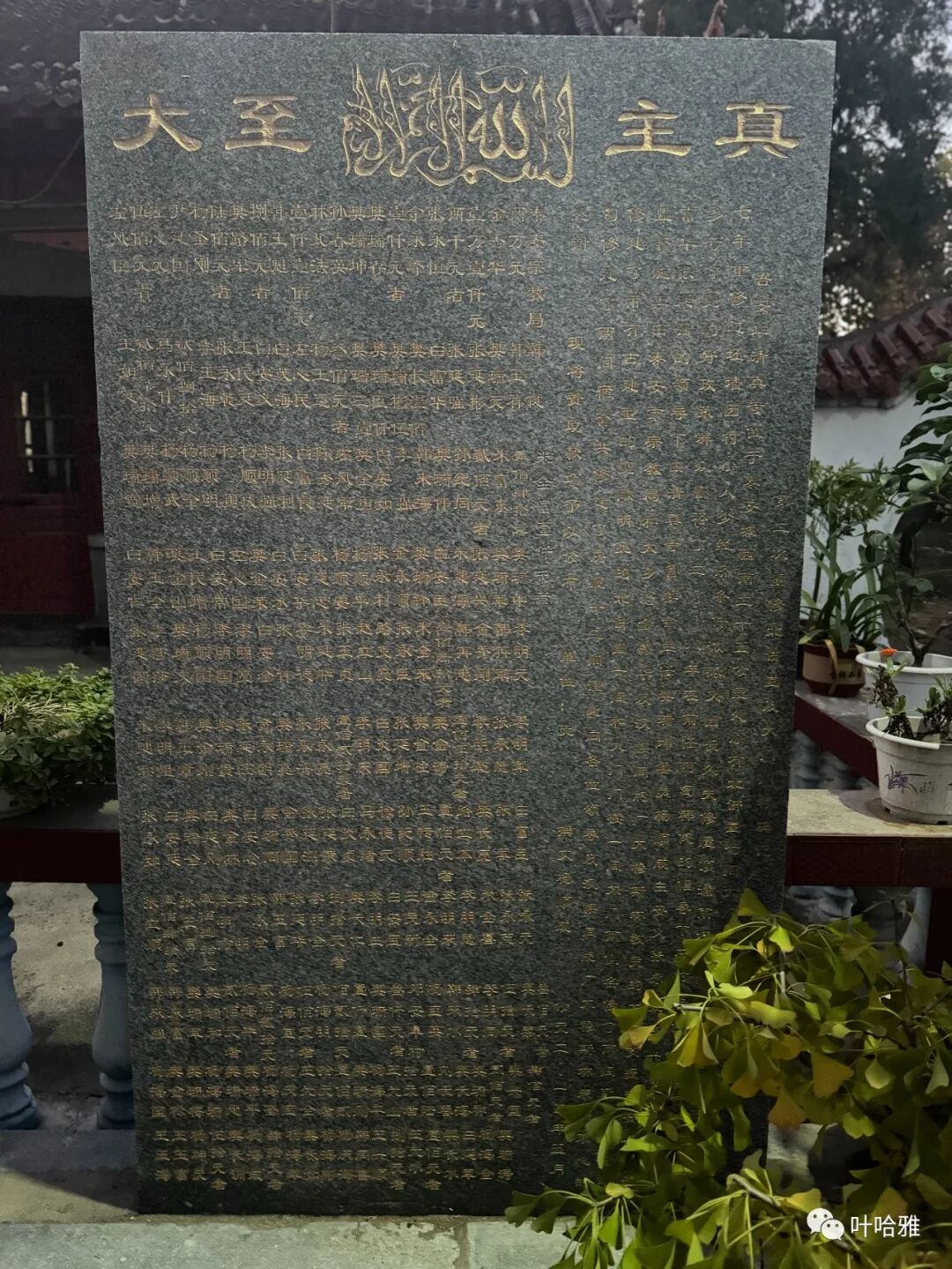
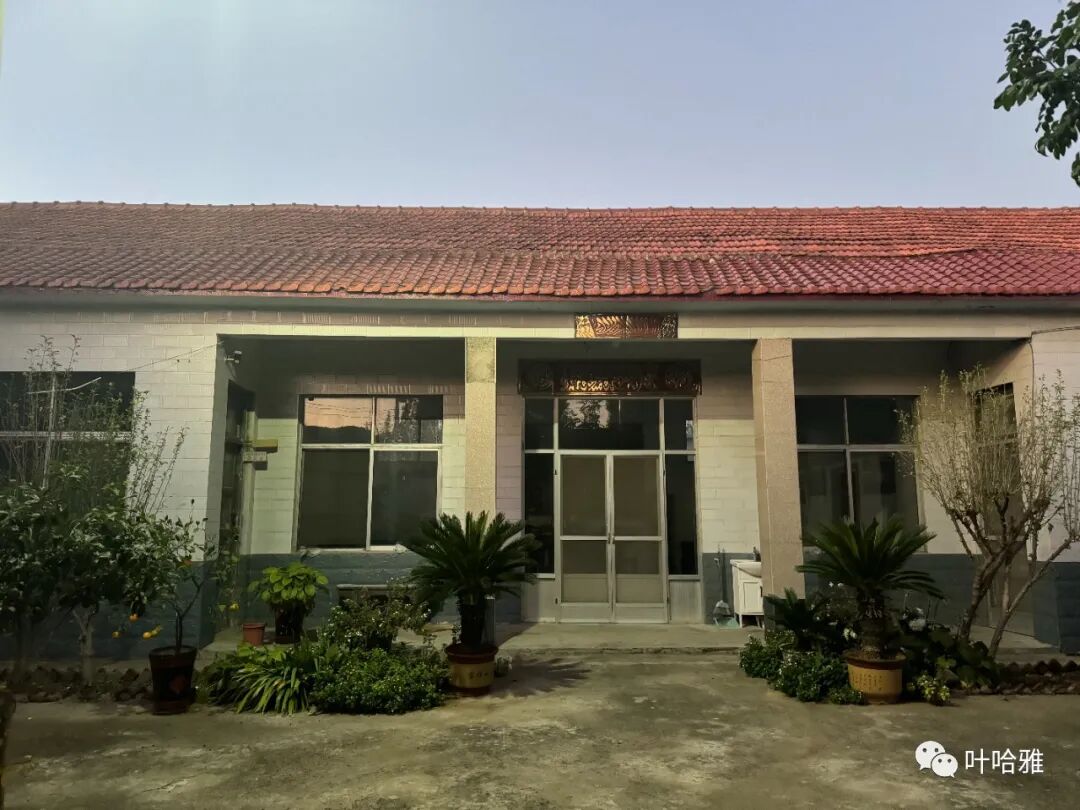
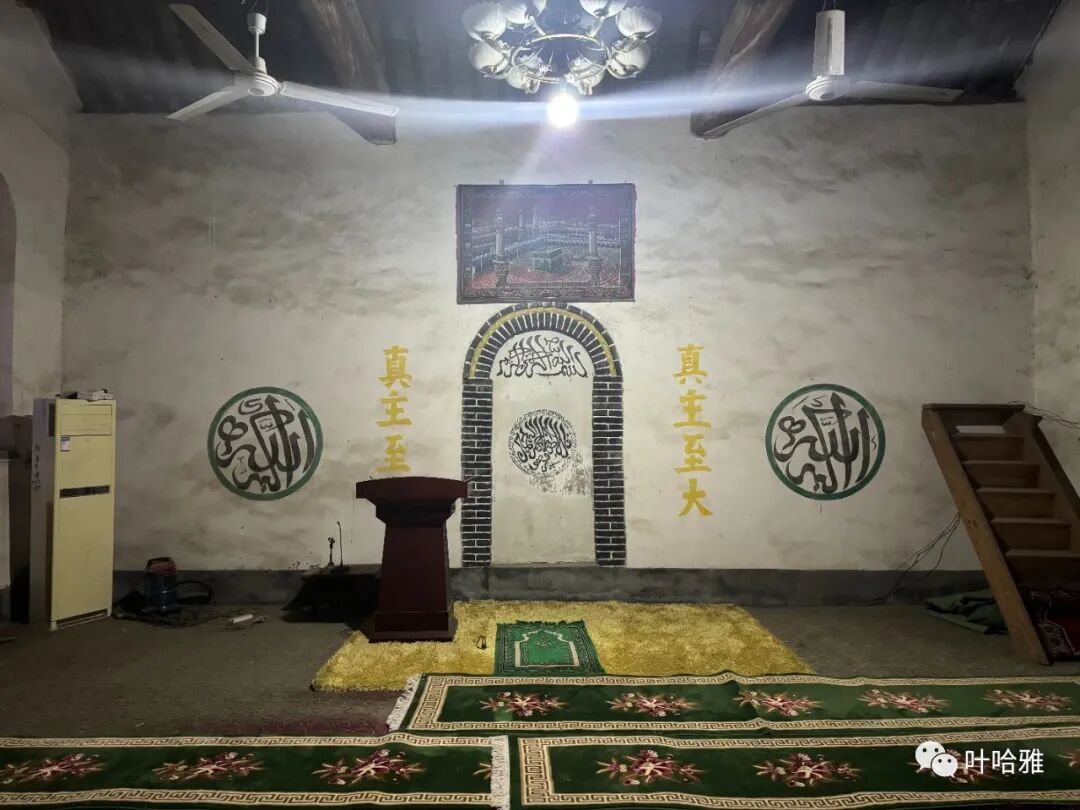
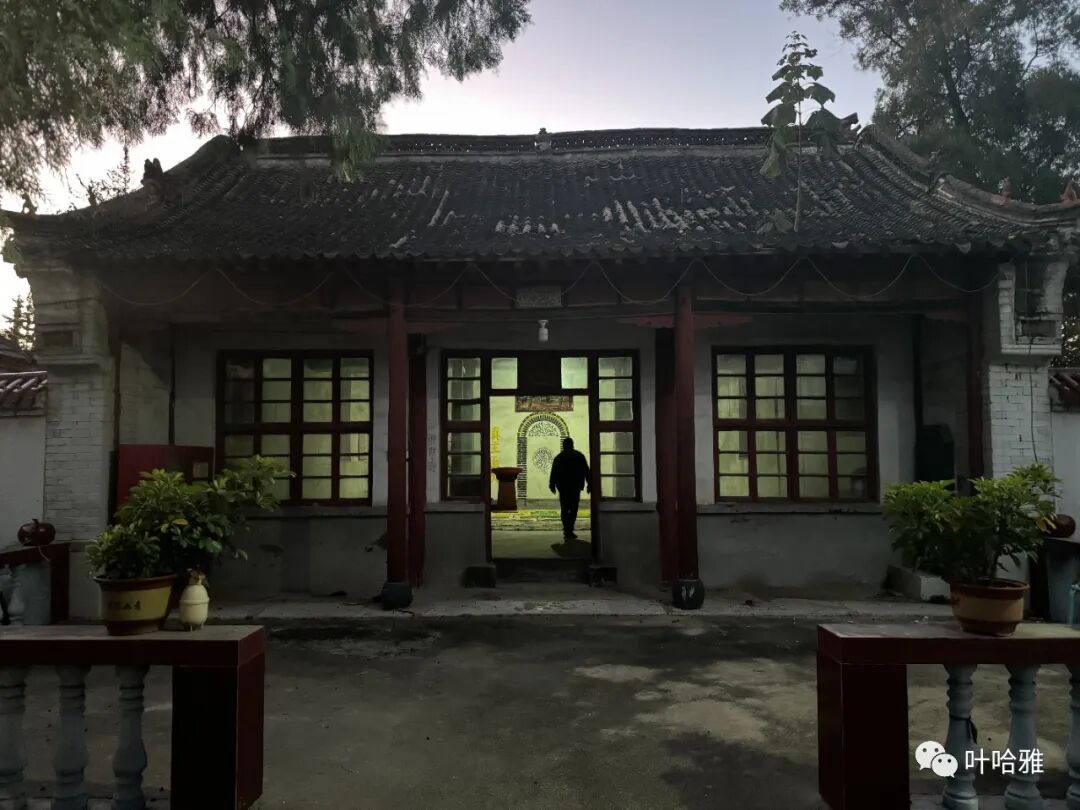
Xindian Village Mosque
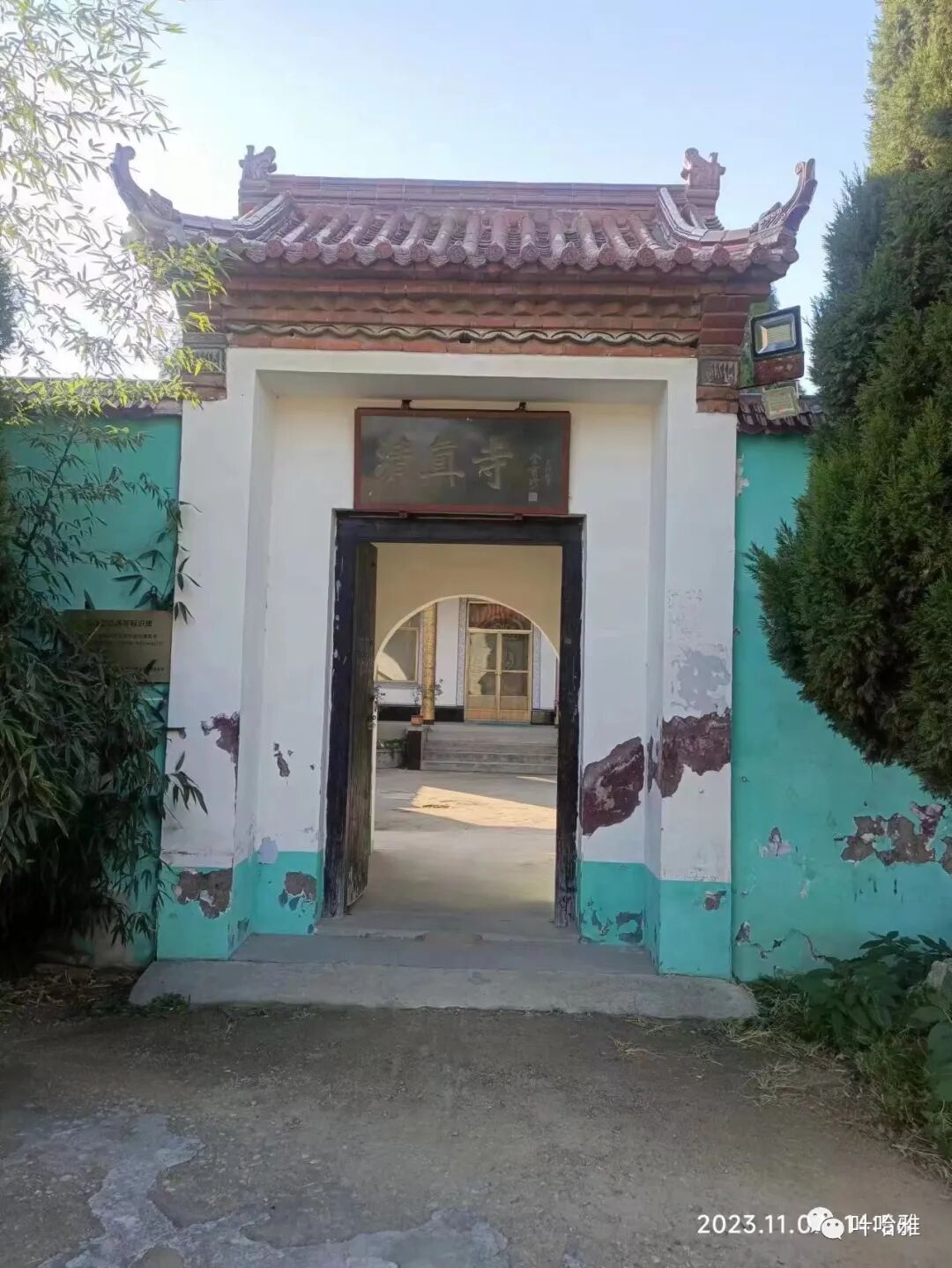
Xindian Village Mosque in Huamawan Township is also known as Wangfanling Mosque. It was first built during the Wanli period of the Ming Dynasty (1573-1620) with funds raised by the Zhou family of Huamawan, the Jin family of Jiepai (formerly known as Wangfanling), the Wang family, the Yang family of Xindian, and the Wang family of Qiaozi Village. It has been repaired many times since then.
The mosque was damaged during the Cultural Revolution. In 1999, Mi Fengwen and Wang Shuxin led a committee to rebuild the prayer hall, five rooms for the north lecture hall and bathing room, two rooms for the funeral room, the main gate, and other auxiliary facilities, covering a building area of over 500 square meters. When it was completed, Jin Baozhen, former vice chairman of the Provincial Committee of the Chinese People's Political Consultative Conference, wrote the plaque for the mosque's name. The prayer hall and lecture hall were renovated between 2009 and 2010. A new south lecture hall was built in 2011.
The mosque is 24.5 meters long and 22 meters wide. The prayer hall is 9.1 meters long and 8.6 meters wide. The north lecture hall is 14 meters long and 5 meters wide. The south lecture hall is 11 meters long and 5.5 meters wide. The water room is 3 meters long and 5.5 meters wide. Two stone tablets remain today: the 2000 Record of the Reconstruction of Wangfanling Mosque and the 2000 Memorial Tablet for Donations to the Reconstruction of Wangfanling Mosque.
Starting in the Wanli era of the Ming Dynasty (1573-1620), the mosque's religious affairs were led by imams including Imam Zhou, Imam Yang, Imam Jin, Imam Bai, Imam Gao, Zuo Hanchen, and Zuo Shanggui. There were no resident imams during the Cultural Revolution. After the mosque was restored in 1999, imams including Shi Guorong, Mi Guangqun, Zhang Zhiyong, and Ma Chunyu led the religious affairs. The mosque is managed by a democratic management committee with a well-organized structure. Mi Fengwen served as director from 1999 to 2012, and Zhou Li has served as director since 2013.
The mosque currently houses handwritten Islamic religious texts. In 2010, the mosque was named a Harmonious Religious Activity Venue by Shandong Province, and in 2014, it received the title of Model Mosque from Tai'an City.
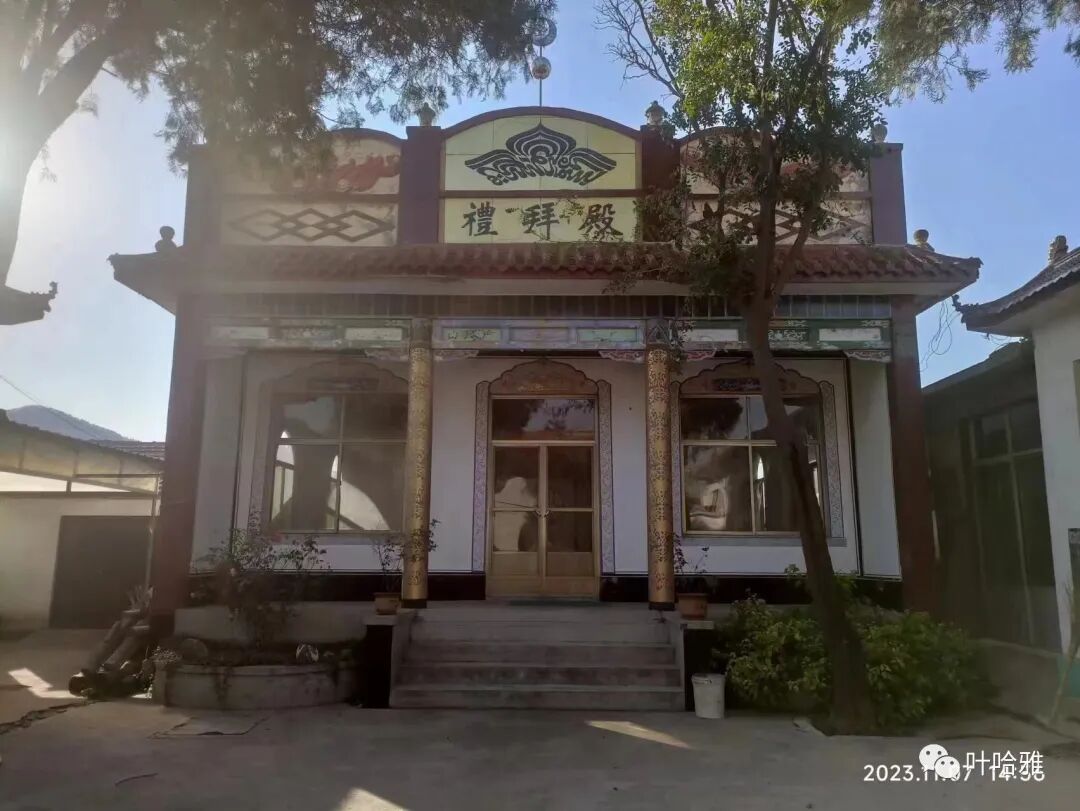
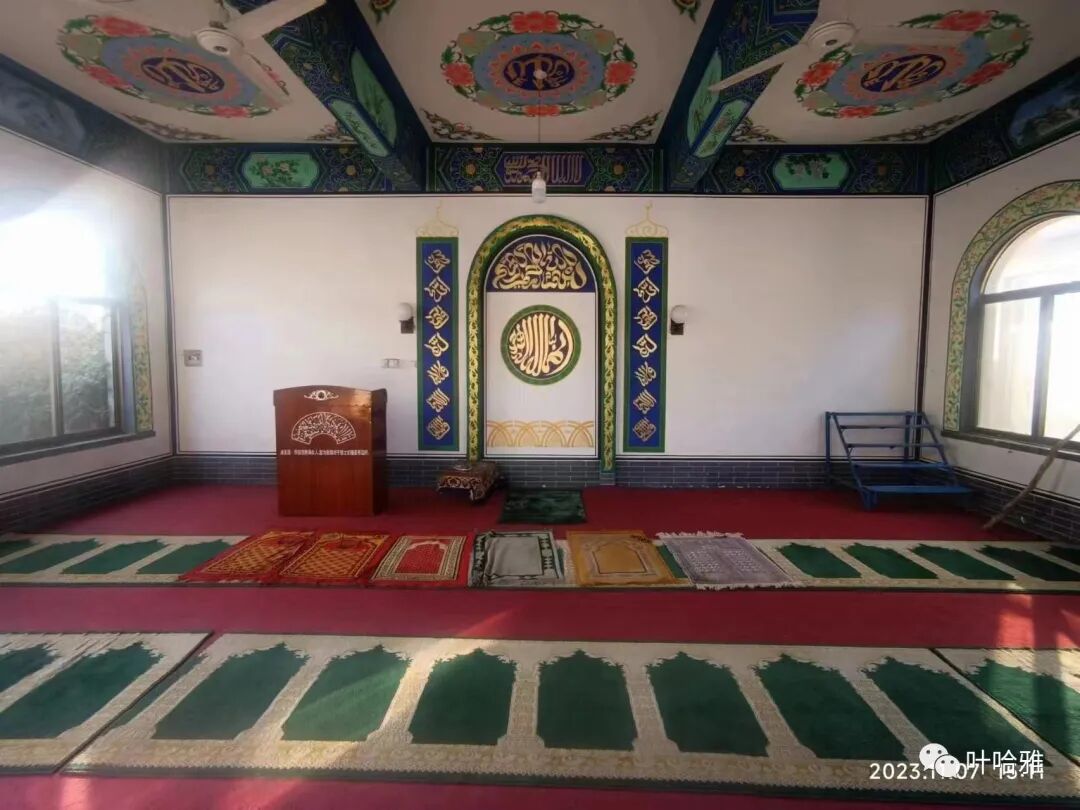
Xinghua Street Mosque in Dawenkou
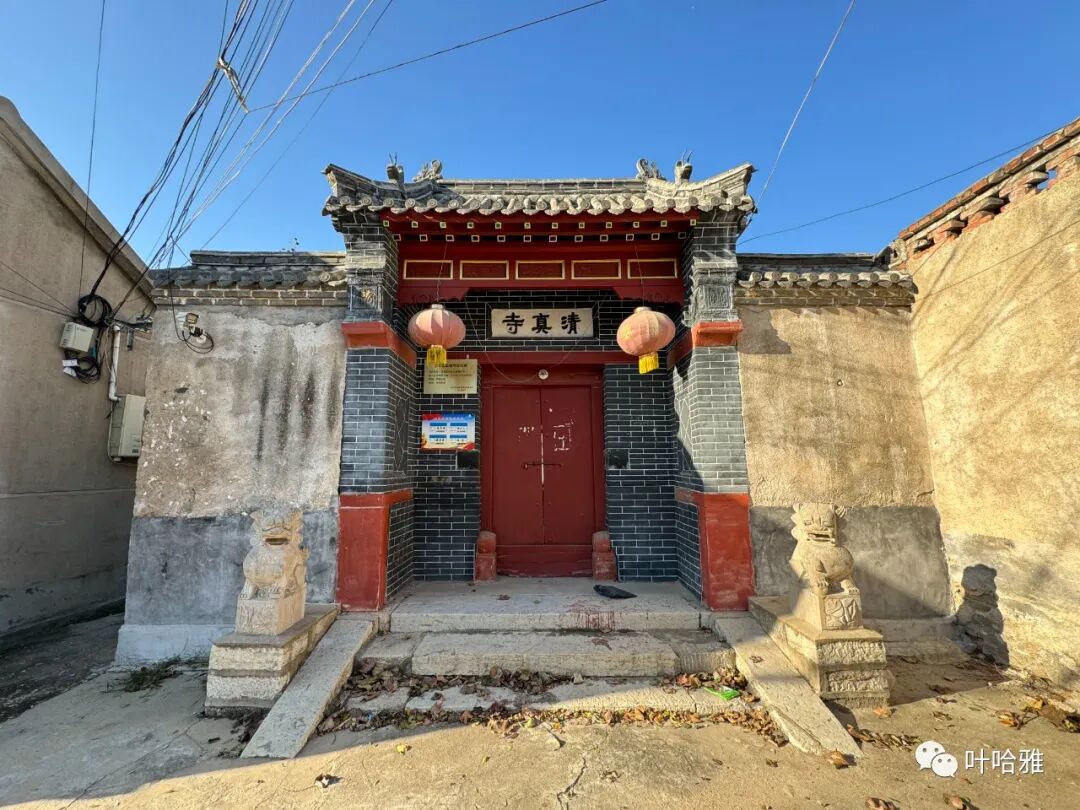
The Xinghua Street Mosque in Dawenkou Town sits in the middle of Xinghua Street Village. It was first built during the Qianlong reign of the Qing Dynasty (1735-1796) and has been expanded and repaired ever since. It underwent three major renovations in 2001, 2011, and 2015.
The mosque is 40 meters long and 23 meters wide. There is a porch (baoxia) about 6 meters high in front of the prayer hall, which is 11 meters long and 8 meters wide. The north lecture hall is 10 meters long and 6 meters wide. The south lecture hall is 10 meters long and 5 meters wide. The water room is 11 meters long and 4 meters wide. One stone tablet remains, which is the 2011 Record of Mosque Renovation.
Before the Cultural Revolution, Imam Liu Zhongan led the religious affairs. Over the past twenty years, Imams Bai Maosheng, Ma Chuanxiang, Yang Shunchang, and Bai Yanbing have led the religious affairs. The mosque is now managed by a democratic management committee with a sound and complete structure, with Li Guangchun and Yang Yanjiang serving as directors in succession.
In 2013, the mosque was awarded the title of "Harmonious Religious Activity Venue" in Shandong Province.
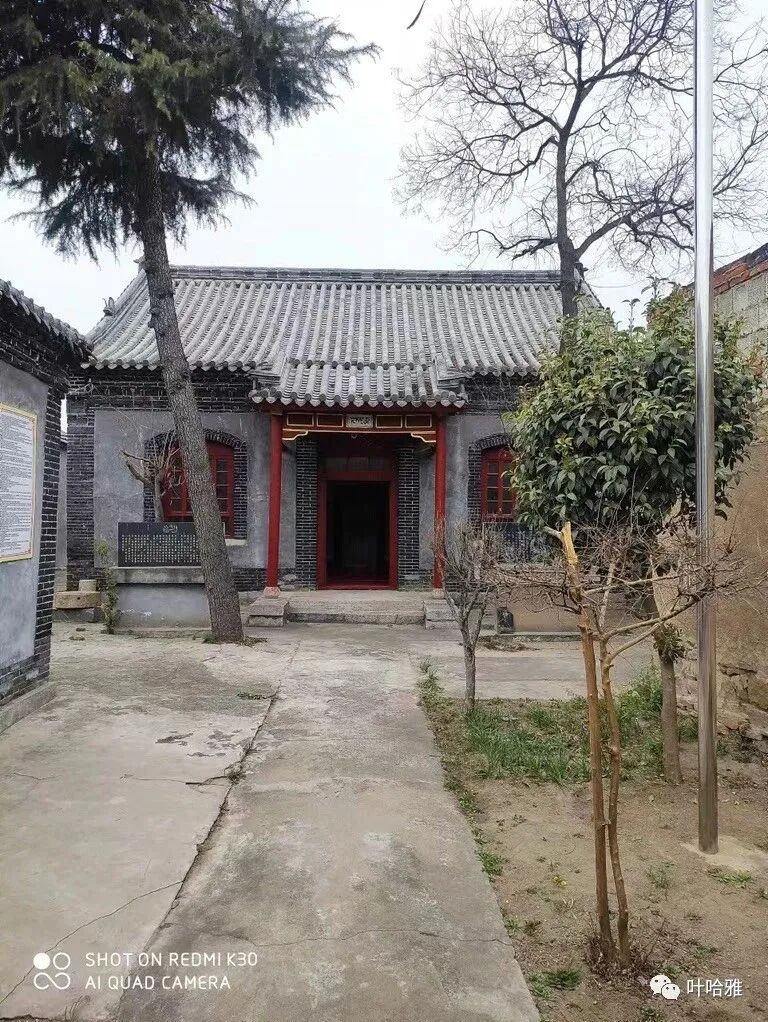
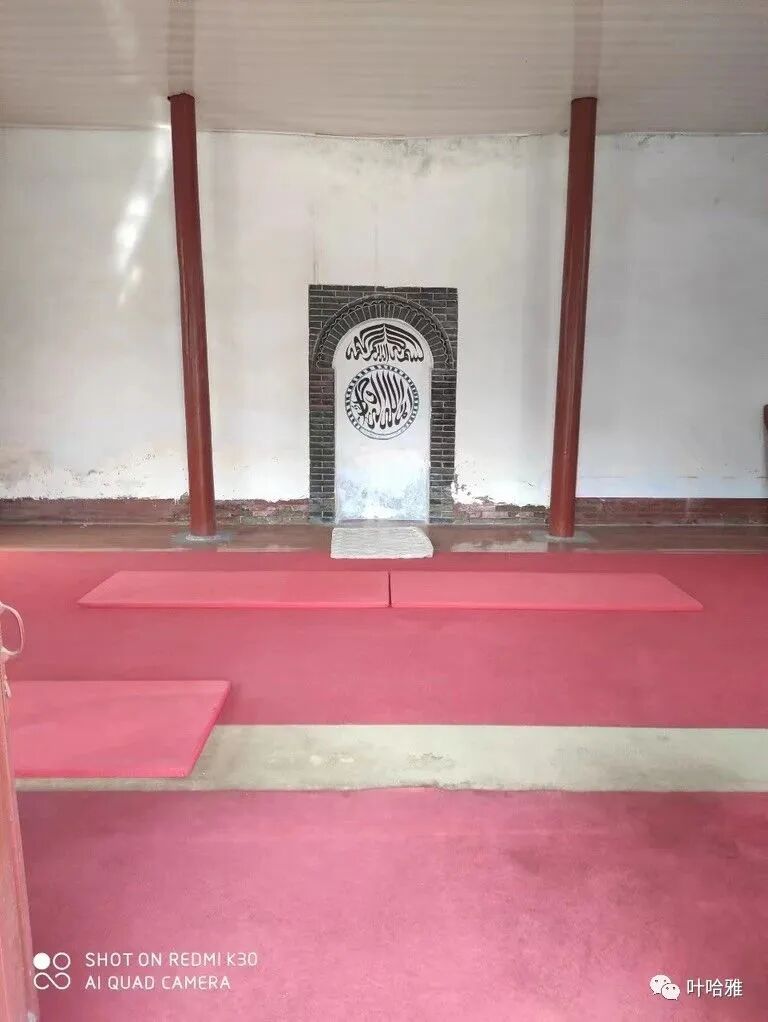
Xintai City
Dongshendong Village Mosque
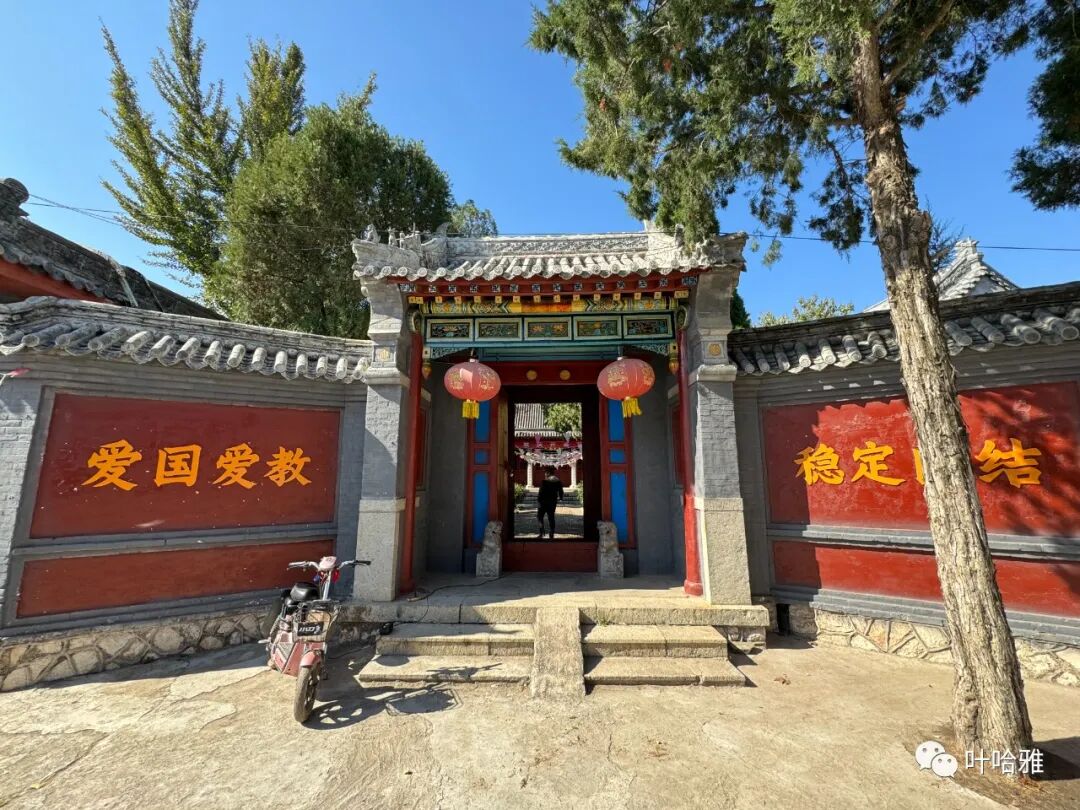
Dongshendong Village Mosque in Yucun Town is located in the western part of the village. It was built during the Hongwu period of the Ming Dynasty (1368-1398) and has been renovated several times since. It underwent multiple renovations in the 53rd year (1714) and 60th year (1721) of the Kangxi reign, the 6th year (1741) and 20th year (1755) of the Qianlong reign, the 16th year (1836) and 23rd year (1843) of the Daoguang reign, the 20th year (1894) of the Guangxu reign, and the 15th year (1926) of the Republic of China. In 1964, coal mining at the Yucun Coal Mine caused the ground to sink and damaged the buildings, so the entire Dongshendong Village moved to a new site and the old mosque was abandoned. The new mosque was rebuilt between 1987 and 1997.
The mosque is 50 meters long and 40 meters wide. The main prayer hall is a double-eaved structure, 13 meters high, 20 meters long, and 18 meters wide. The north lecture hall is 18 meters long and 6 meters wide. The south lecture hall is 18 meters long and 7.5 meters wide. The water room is 16 meters long and 8 meters wide.
The mosque has 11 stone tablets. These include the Record of Rebuilding the Mosque from 1714 (the 53rd year of the Kangxi reign), the Eternal Compliance Tablet from 1721 (the 60th year of the Kangxi reign), the Record of Rebuilding the Mosque Tablet from 1741 (the 6th year of the Qianlong reign), the Supplementary Record of Rebuilding the Mosque School Land Tablet from 1836 (the 16th year of the Daoguang reign), the Record of Rebuilding the Rear Hall from 1843 (the 23rd year of the Daoguang reign), the Record of Rebuilding the Mosque Tablet from 1894 (the 20th year of the Guangxu reign), the Tablet for Donating Land to the Mosque from 1903 (the 29th year of the Guangxu reign), the Record of Rebuilding the Gutter from 1926 (the 15th year of the Republic of China), the 1958 Record of Repairing Racks and Adding Wall Clocks, and the 2002 Record of Rebuilding the Mosque and the Oneness of Allah Tablet.
The mosque has trained many imams, including Liu Pu and Ma Xingfu from the Qing Dynasty. Imams from the Republic of China era include Imam Yang and Wan Zhendong. Imams after the founding of the People's Republic of China include Chen Dianpu, Zhu Yuehou, Ma Wenjun, Ma Xingchang, Ma Hongxin, and Ma Hongping. Imam Liu Pu led the mosque's renovation in 1836 (the 16th year of the Daoguang reign). Imam Ma Xingfu led the renovation in 1894 (the 20th year of the Guangxu reign). Imam Ma Wenjun went on Hajj to Mecca and met with party and state leaders. Xintai, Tai'an, and provincial media reported on his achievements several times.
In this village, the Ma family produced imams for several generations. Starting with Ma Zhaojun, his descendants Ma Shigong, Ma Wendou, Ma Xingcheng, Ma Hongbin, Ma Shengxuan, and Ma Zhu all served the mosque with dedication. The mosque is currently managed by a management committee. Past directors include Liu Baoshui, Liu Zidong, Ma Shenghua, and Ma Sheng'an. The mosque holds handwritten copies of the Quran, Common Knowledge of Hui Muslims, and Tuoha, along with a blue and white porcelain incense burner saved from the original mosque.
In 2008, the mosque was named a Model Mosque by Tai'an City. In 2009, it was named a provincial-level Harmonious Religious Activity Venue. In 2014, it was named a Model Mosque by Tai'an City.
Women's Mosque
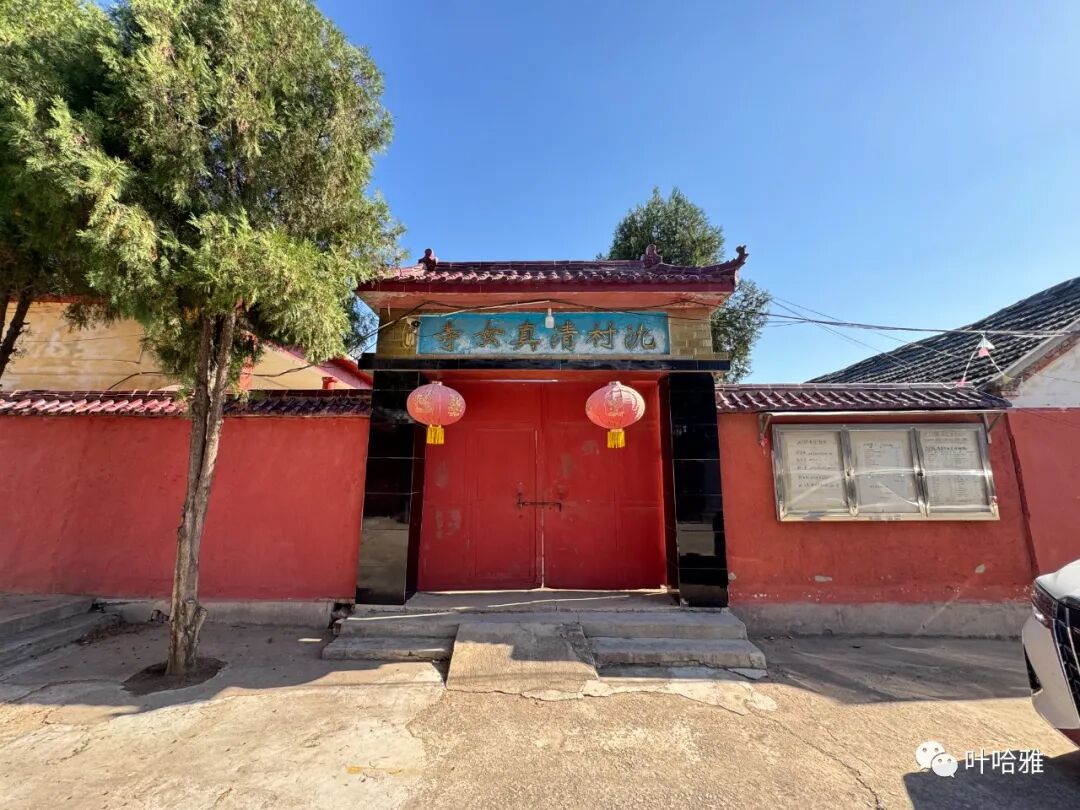
The Women's Mosque in Dongshendong Village, Yucun Town, is located in the western part of the village. It sits opposite the Dongshendong Village Mosque. It was built in May 2005. It covers an area of over 400 square meters, with a building area of 128 square meters. There is one existing stone tablet, the Tablet Record of Building the Women's Mosque. The current imam is Ma Shengling, who has led the mosque's religious affairs since 2006.
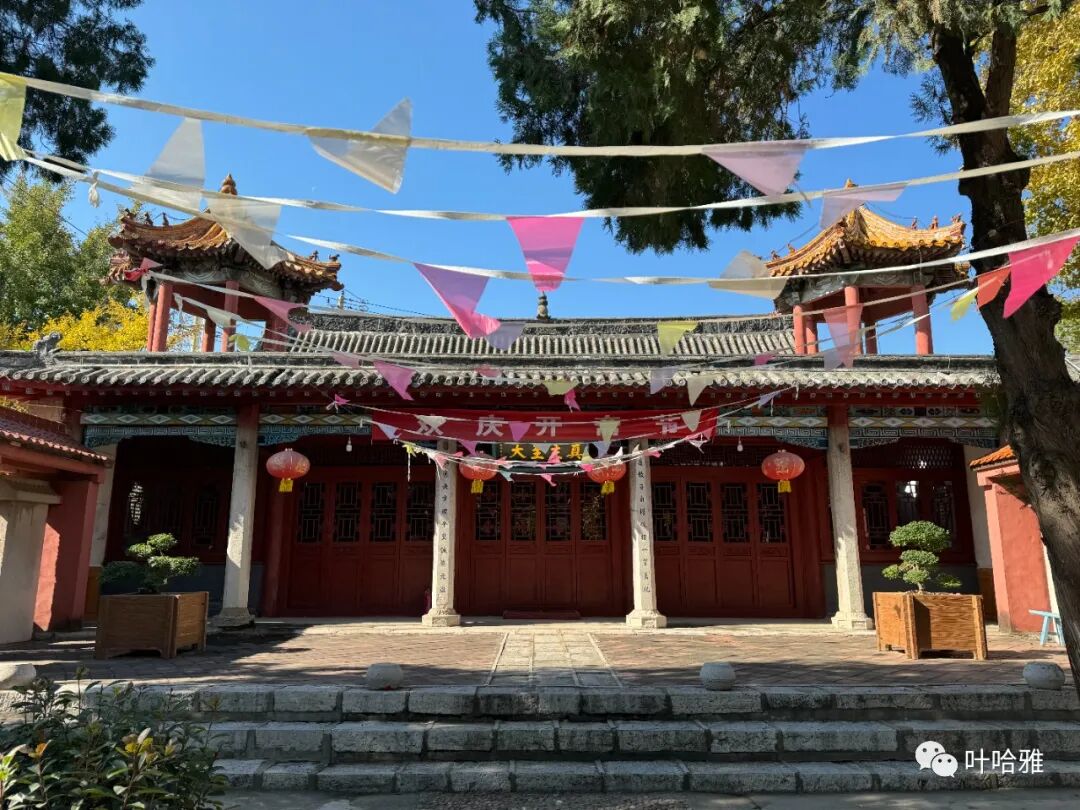
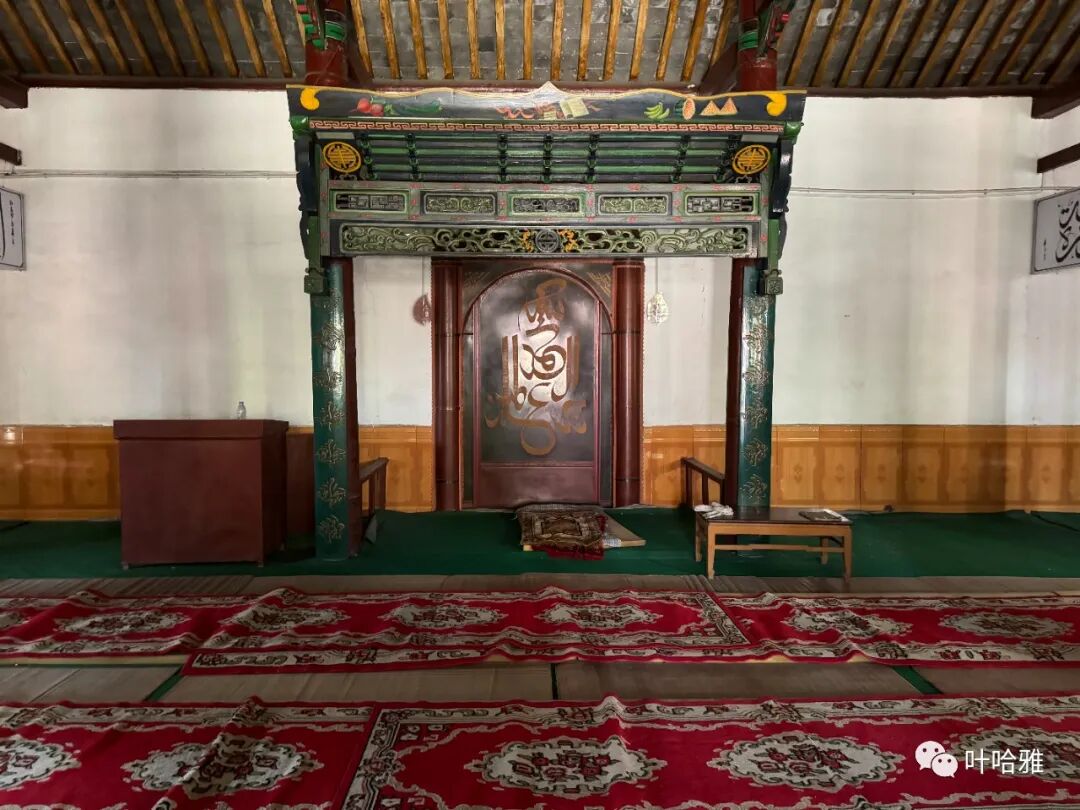
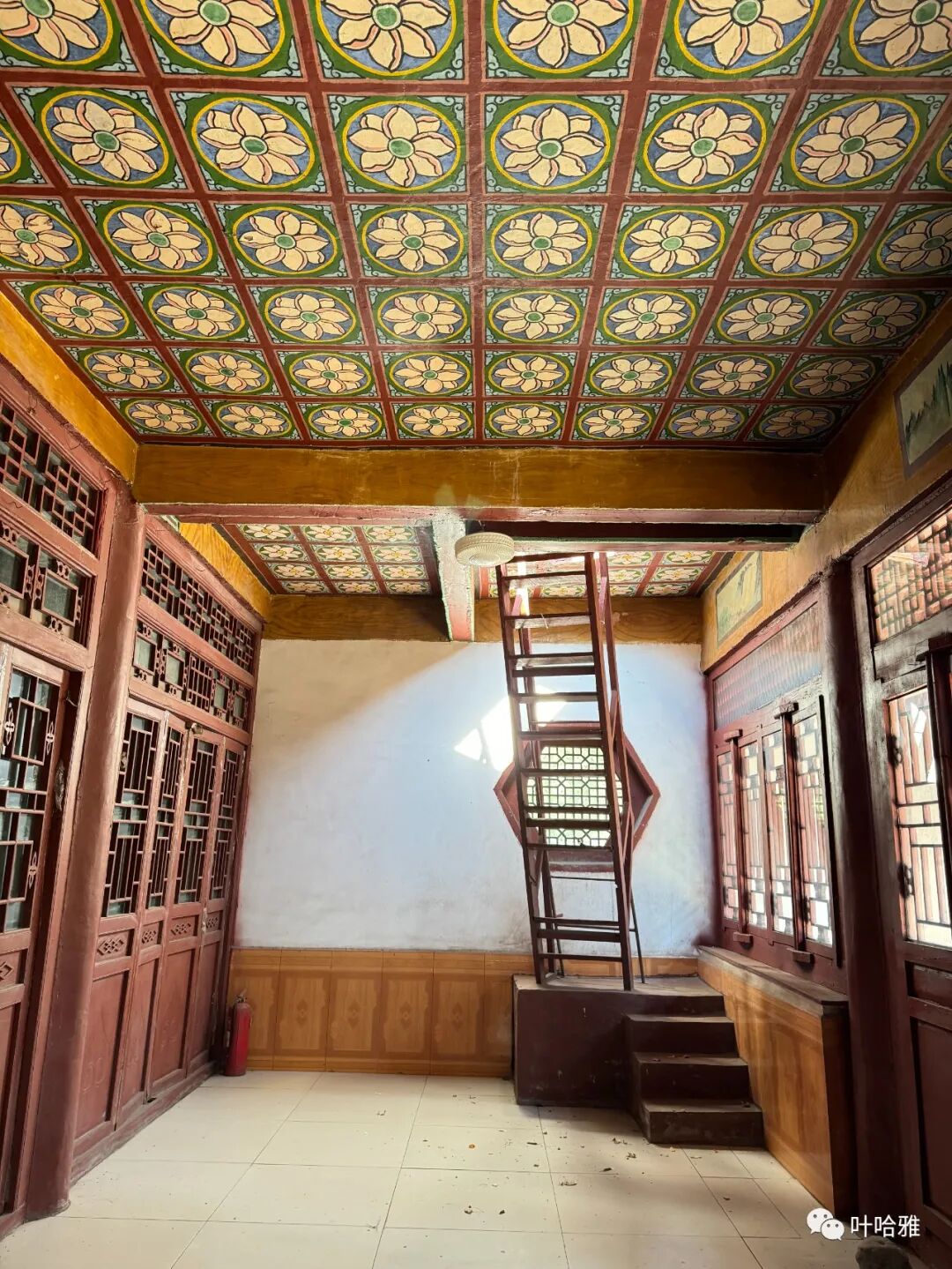
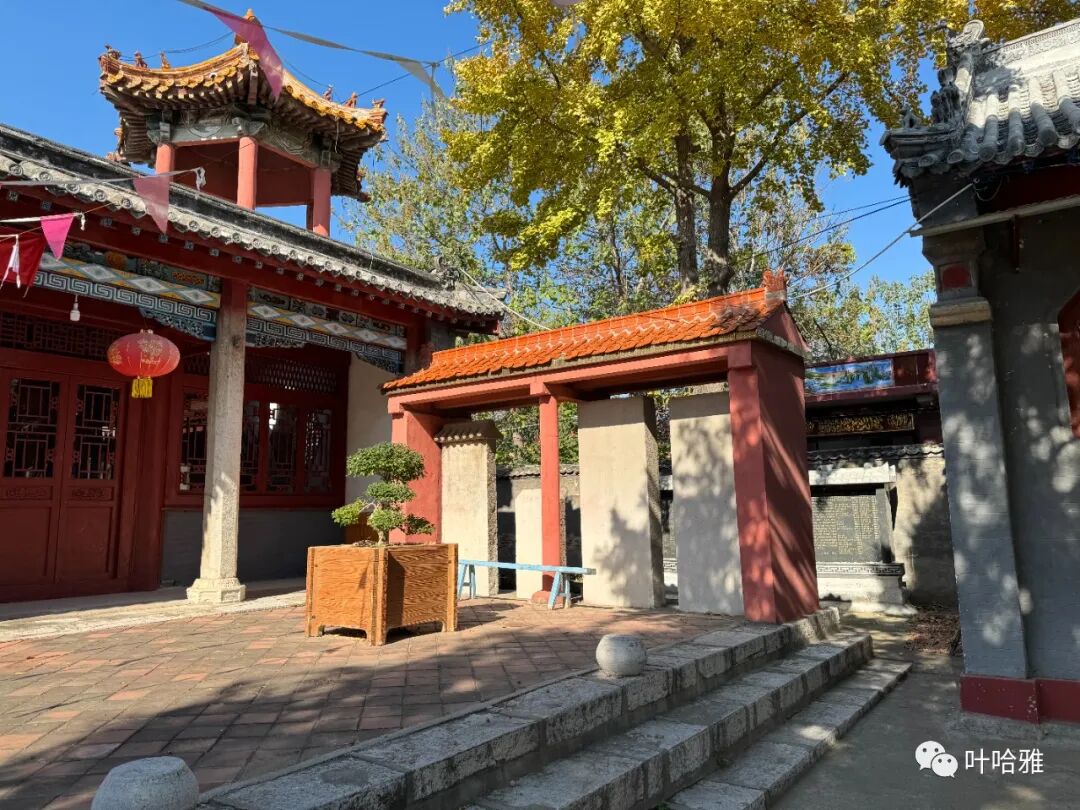
Dongshenxi Village Mosque
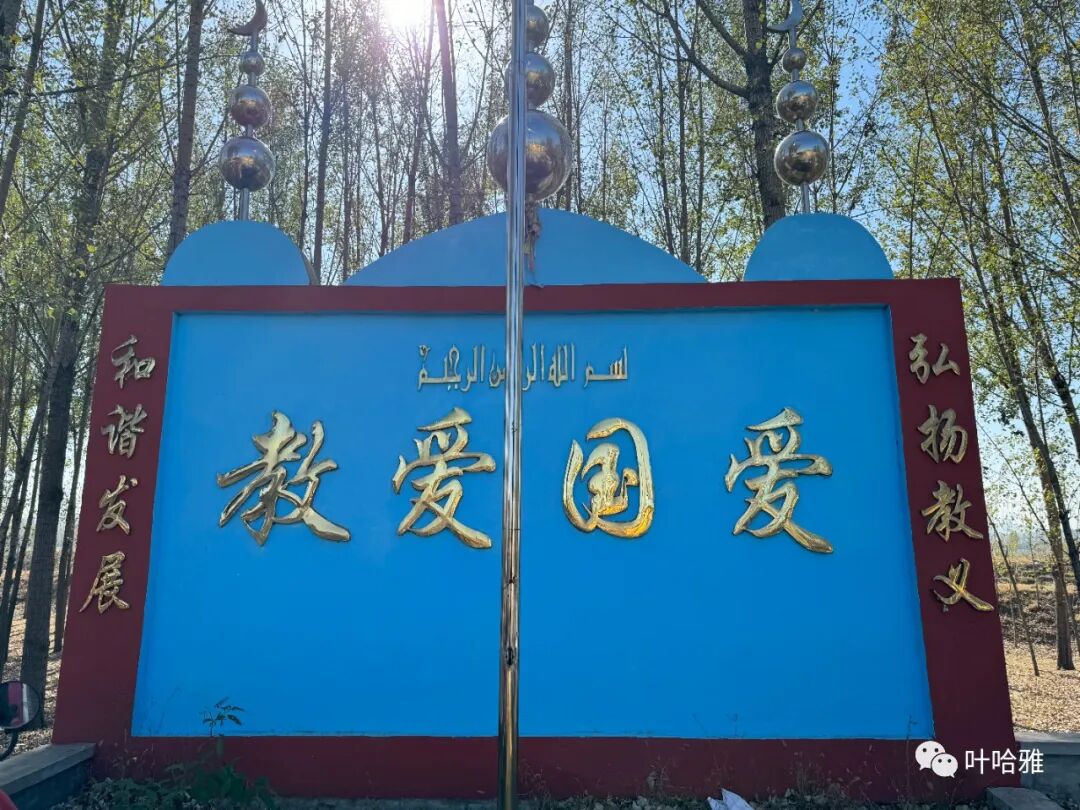
The Dongshenxi Village Mosque in Yucun Town is located in the south of the village and was built in 1994. It was renovated twice, in 2005 and 2013.
The mosque has a single courtyard and lacks a rear prayer hall (houyaodian), side rooms, and a raised moon terrace (yuetai). The mosque is 80 meters long and 60 meters wide. The main prayer hall is a single-level structure, 5 meters high, 12 meters long, and 6 meters wide. The south lecture hall is 8 meters long and 4 meters wide. The water room (shuiwu) is 8 meters long and 4 meters wide.
Imam Ma Hongxin once led the religious affairs here, and Ma Hongru currently serves as the resident imam. The mosque is now managed by a democratic management committee, with Ma Xingsheng, Liu Maoquan, and Ma Hongcang serving as directors in succession.
The mosque was awarded the provincial title of "Harmonious Religious Activity Venue" twice, in 2010 and 2011.
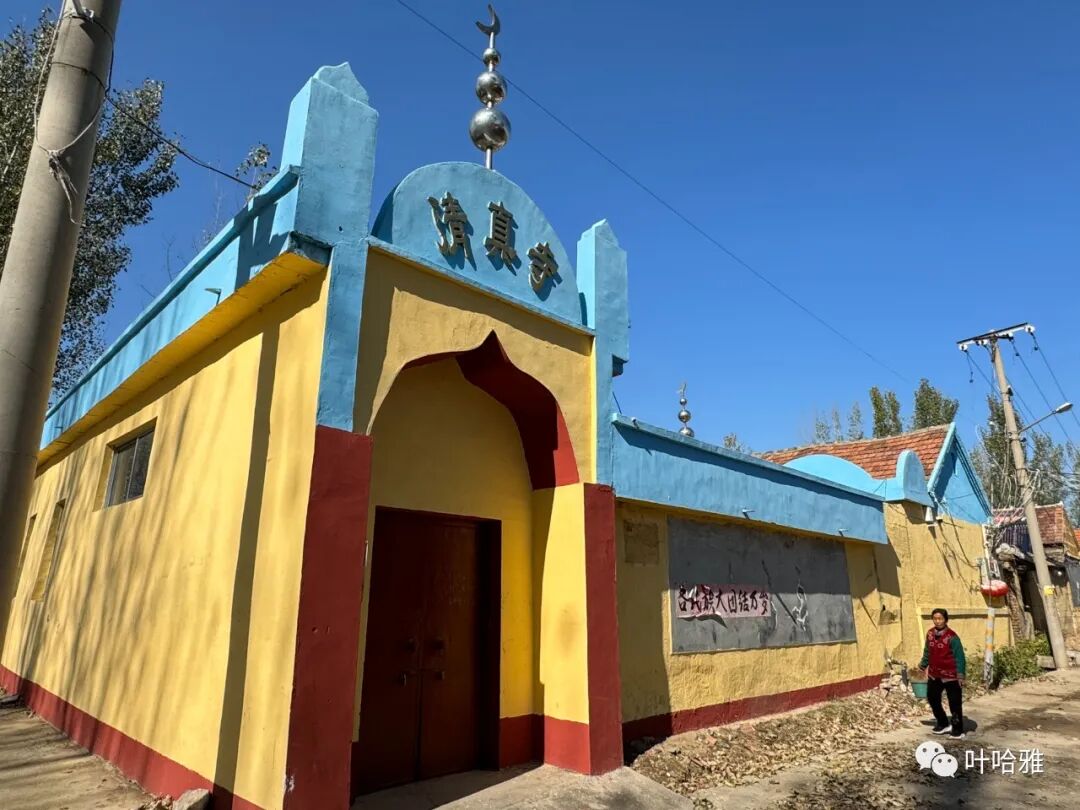
Dashandong Village Mosque
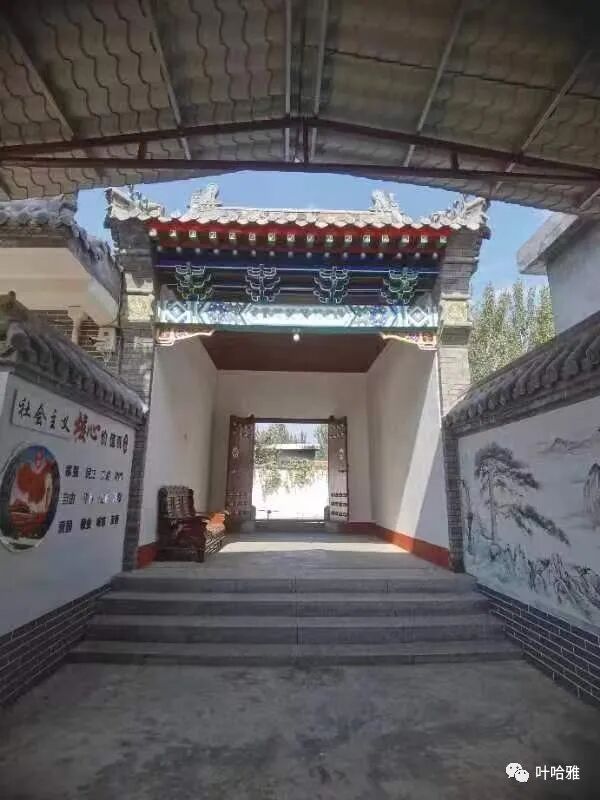
Dashandong Village Mosque in Yucun Town is located in the western part of the village. It was built during the Chongzhen period of the Ming Dynasty (1628-1644) and has been renovated several times since. In 2006, the north and south lecture halls and the main gate tower were built.
The mosque is a single-courtyard building, measuring 40 meters long and 40 meters wide. The prayer hall is a single-story structure, 5 meters high, 12 meters long, and 12 meters wide. The north lecture hall is 15 meters long and 8 meters wide. The ablution room (shuiwu) is 15 meters long and 8 meters wide.
The mosque has trained over 10 imams and religious leaders, including Wang Xicun, Chen Nianpu, Bai Maohai, Zhang Shuiquan, Xu Shanfang, Wu Mingcai, Yu Yang, Ma Kui, Mi Guangxun, and Man Yungui. It is currently managed by a democratic management committee of the mosque, with Su Yefu, Jin Zongdian, and Jin Naifang serving as directors in succession.
The mosque has been awarded the title of "Model Mosque" by Tai'an City twice.
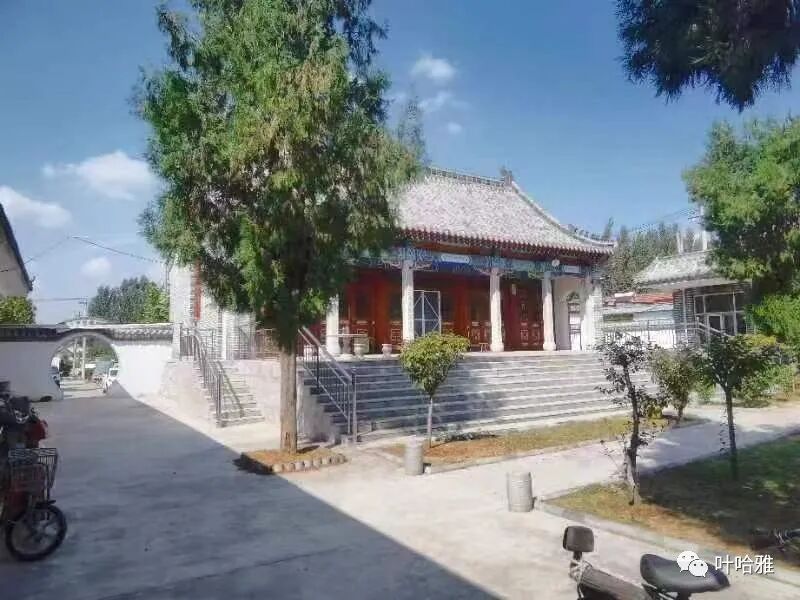
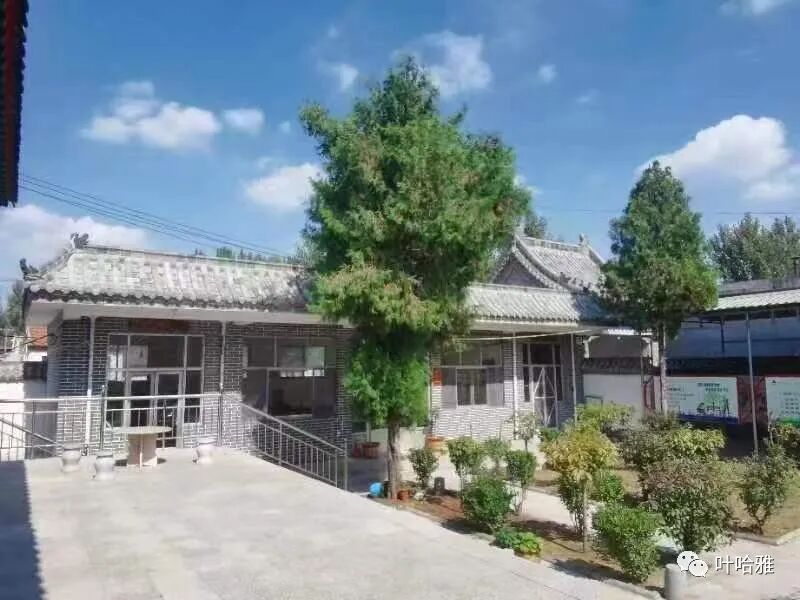
Lujiagou North Mosque
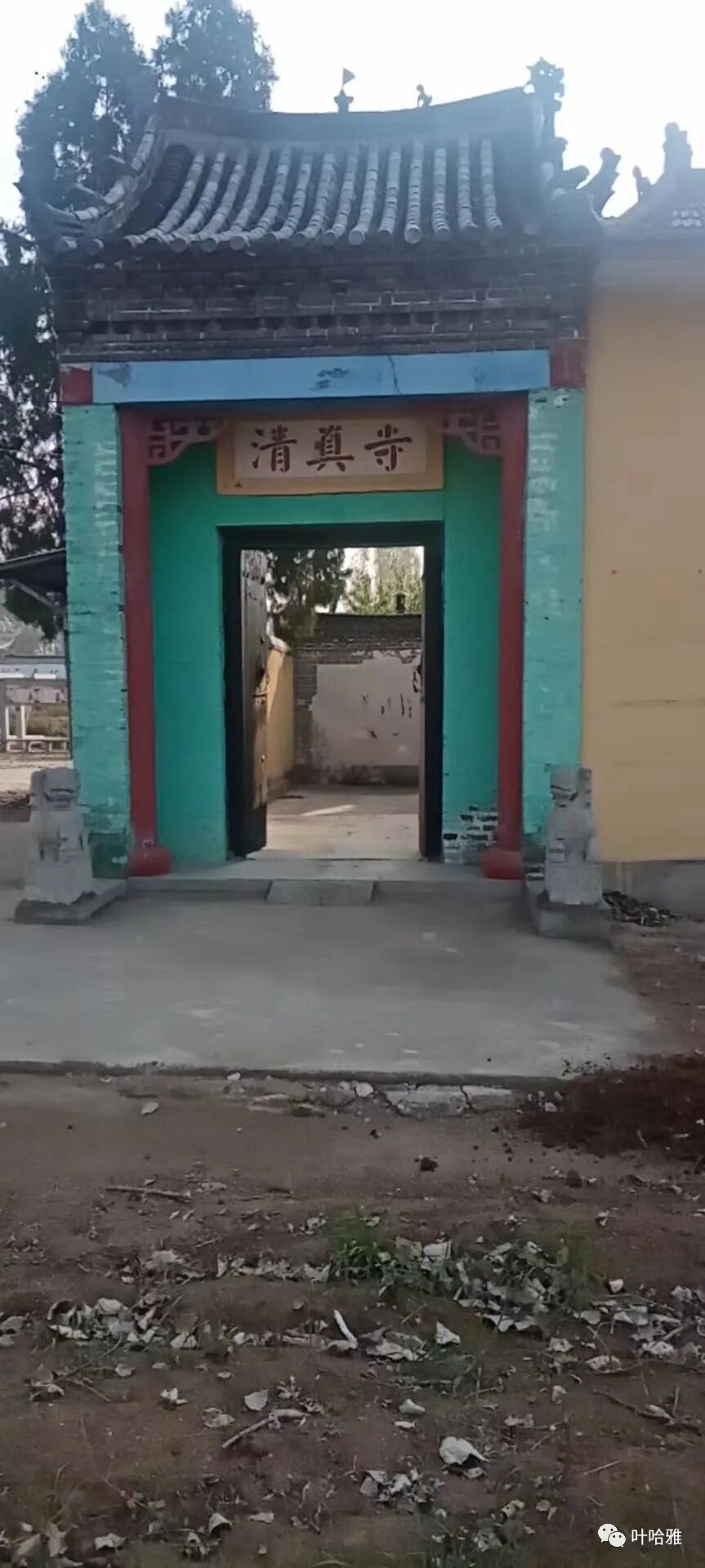
Lujiagou North Mosque in Yucun Town is located in the northwest of the village and is also known as Dalinghou Mosque. It was first built in the early Qing Dynasty and has been expanded and repaired many times since. During the Cultural Revolution, the mosque was damaged, and it was rebuilt in the west of the village in 1987. It underwent three large-scale renovations in 1989, 2008, and 2016.
The mosque is a single-courtyard building, 40 meters long and 22 meters wide. The main prayer hall is 16 meters high, 15 meters long, and 11 meters wide. The north lecture hall is 15 meters long and 6 meters wide. The south lecture hall is 12 meters long and 5 meters wide. The ablution room (shuiwu) is 12 meters long and 5 meters wide. There are three stone tablets here: the 2009 Mosque Record (Qingzhensi Ji) and the Donation for Allah Merit Tablet (Renzhu Juanxian Gongde Bei), and the 2011 Accumulating Virtue for Both Worlds Tablet (Jide Xingshan Liangshi Qing Bei).
Since the founding of the People's Republic of China, imams including Liu, Liu Yuhai, and Ma Yongjun have led the mosque's religious affairs. The mosque is now managed by a democratic management committee, with past directors including Ma Xingfu, Yu Laili, Ma Yonggui, and Yu Changjian.
In 2009, the mosque was named a city-level Civilized Religious Activity Site, and in 2011, it was named a Shandong Province Harmonious Religious Activity Site.
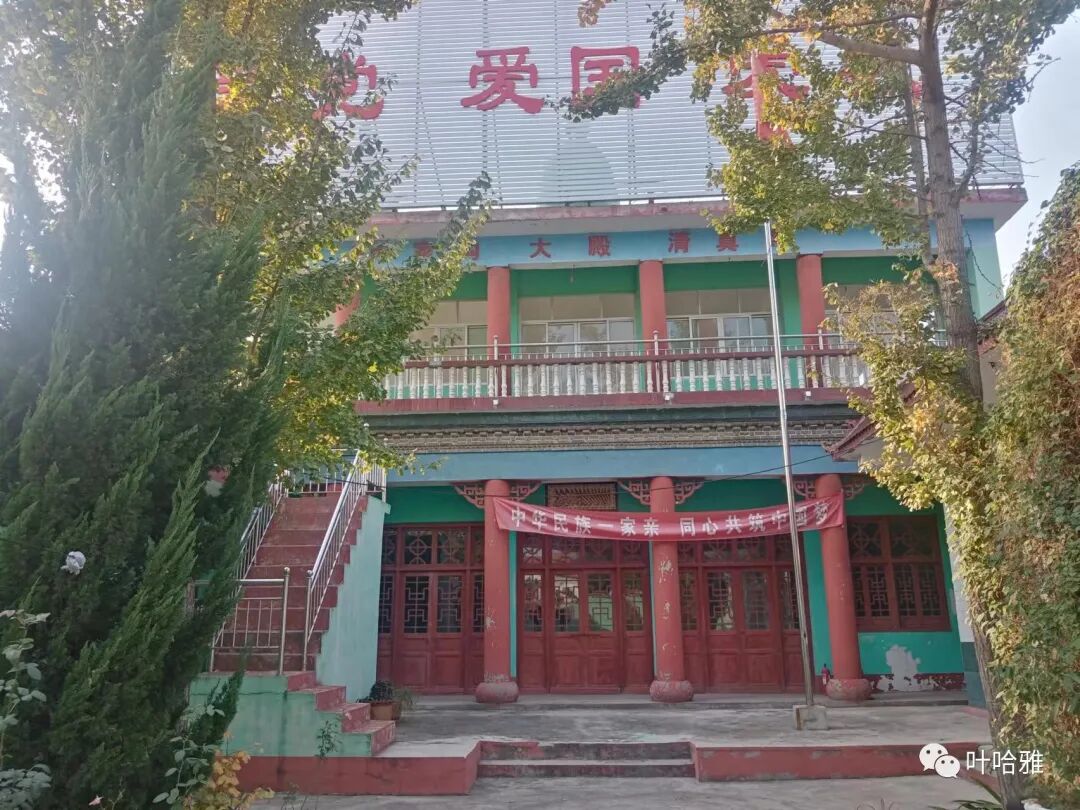
Lujiagou South Mosque
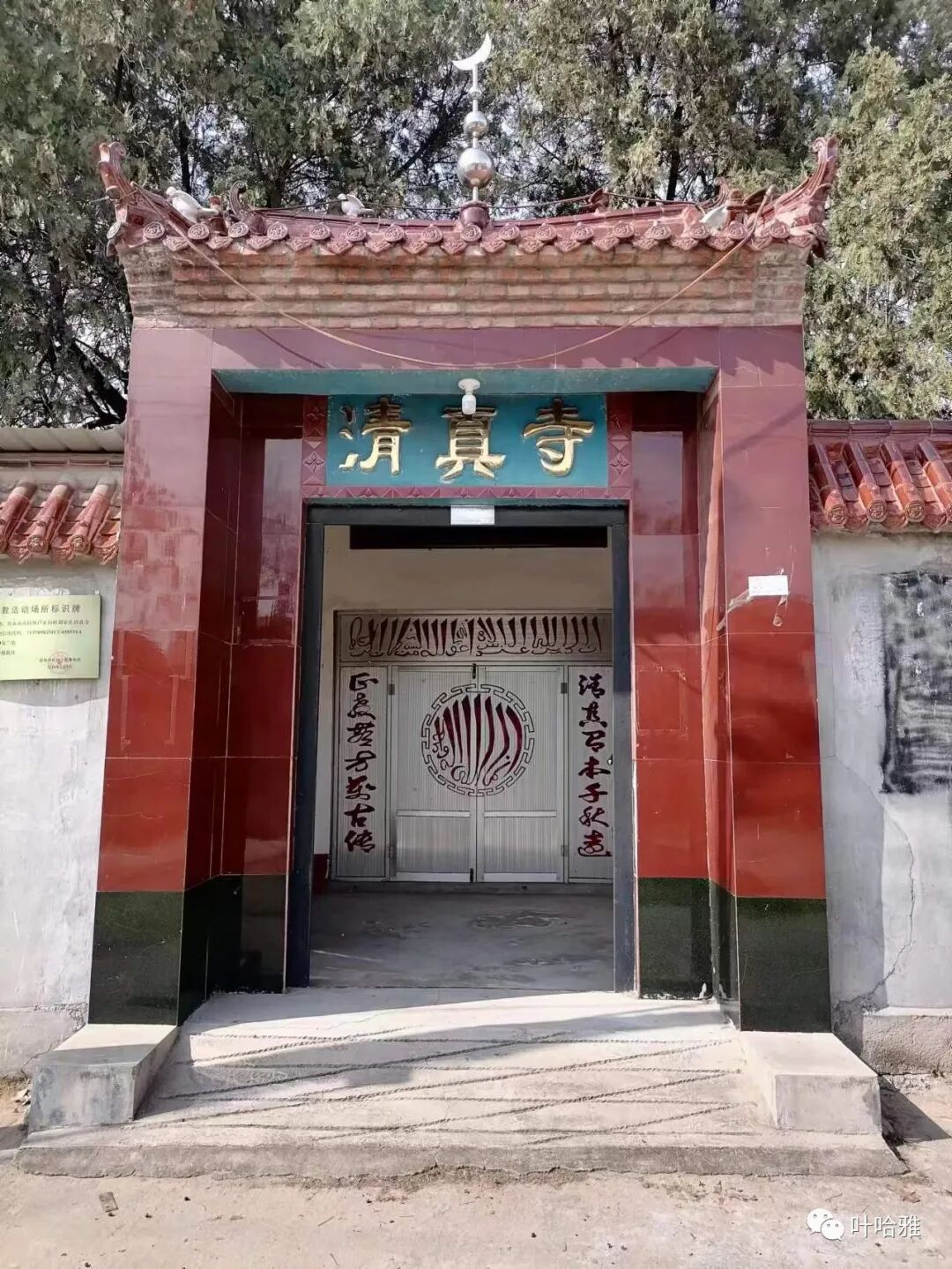
Lujiagou South Mosque in Lujiagou Village, Yucun Town, sits in the south of the village and is also known as Xiaolinghou Mosque. The mosque was first built in 1947. When first built, the mosque had five northern lecture halls and three southern lecture halls. The mosque was repaired many times after the Cultural Revolution. In 2007, three main prayer halls and four southern lecture halls were built. In 2008, the six northern lecture halls were renovated.
The mosque is a single-courtyard building, 28 meters long and 18 meters wide. The main prayer hall is 5 meters high, 9 meters long, and 8 meters wide. The northern lecture hall is 12 meters long and 6 meters wide. The southern lecture hall is 12 meters long and 5 meters wide. The water room is 6 meters long and 6 meters wide. The mosque has two stone tablets: the 2009 Record of Mosque Renovation and the 2015 Donation Merit Tablet.
In recent years, the imams who have led the mosque's religious affairs are Ma Linggui, Liu Shouxin, and Jin Yanshui. The mosque is currently managed by a democratic management committee, and the past directors have been Liu Maosheng, Ma Maozhong, Ma Denghou, and Ma Dengyun.
In 2009, the mosque was named a city-level Civilized Religious Activity Site.
Wubu Village Mosque
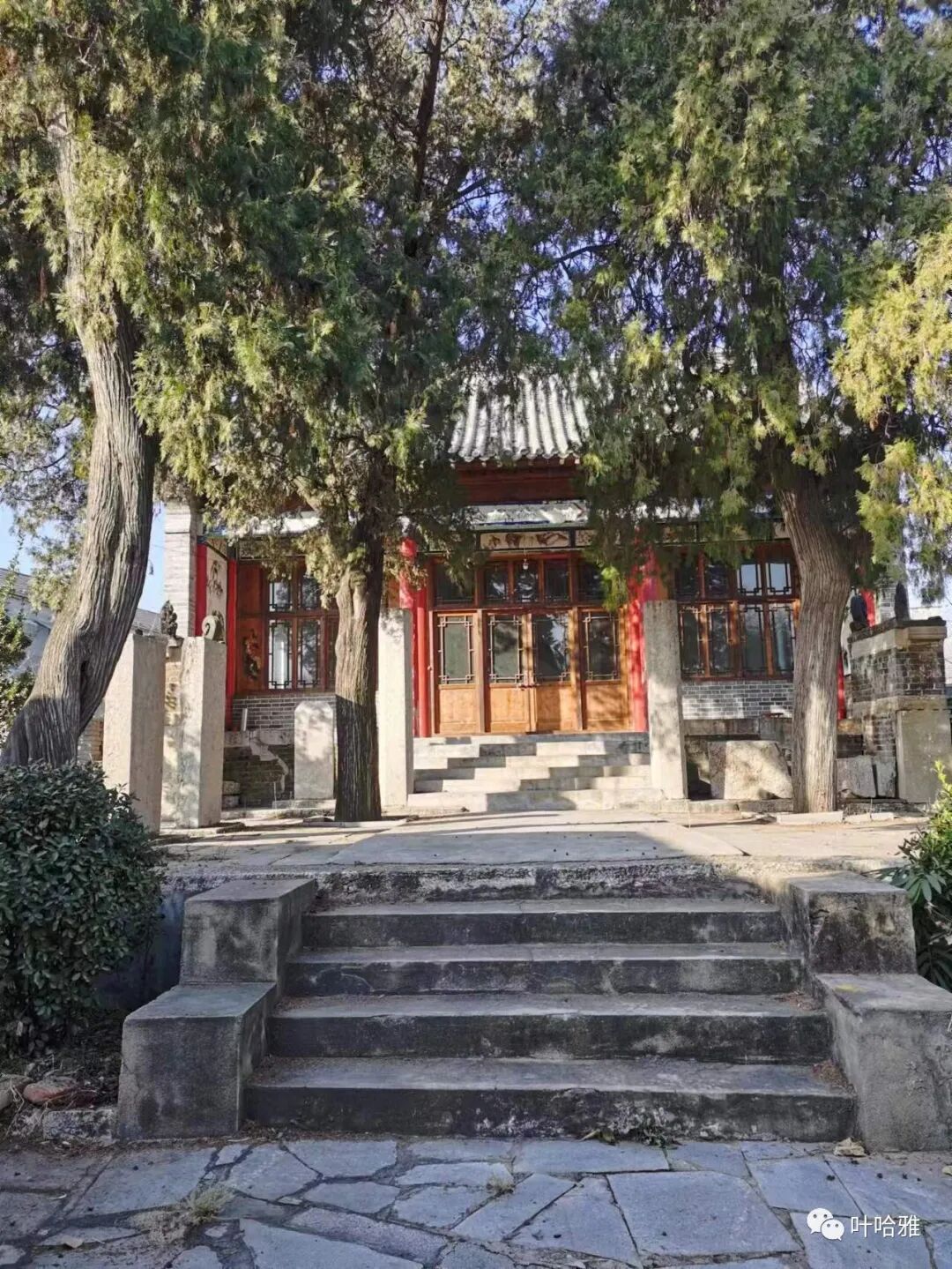
Wubu Village Mosque in Yucun Town sits in the northwest part of the village. It was built in the mid-to-late Qing Dynasty, went through four renovations, and was rebuilt on the original site in 2015.
The mosque is a single-courtyard complex, 60 meters long and 40 meters wide. The main prayer hall is a single-story building, 10 meters high, 13 meters long, and 12 meters wide. The north lecture hall is 17 meters long and 5 meters wide. The south lecture hall is 12 meters long and 5 meters wide. The water room is 5 meters long and 5 meters wide. The mosque has two stone tablets: the 1914 Tablet of Land Donation Funds and the 1945 Tablet Record of the Liu and Zhu Families Donating Land to the Mosque.
Throughout its history, the mosque has trained over 10 ahongs and imams, including Jin Naikuan, Ma Wenhua, Jin Yanquan, Xu Menglan, Xu Shanfang, Yang Xinglin, Ma Houjie, Zhou Xiaozeng, Ma Wenguang, and Liu Shouxin. It is currently managed by the mosque's democratic management committee, with Ma Hongtai, Ma Guangchun, and Xie Chenghua serving as past directors.
The mosque currently keeps a walking stick from the Tongzhi era of the Qing Dynasty (1861-1875). In 1996, the mosque was named a provincial-level "Harmonious Religious Activity Venue."
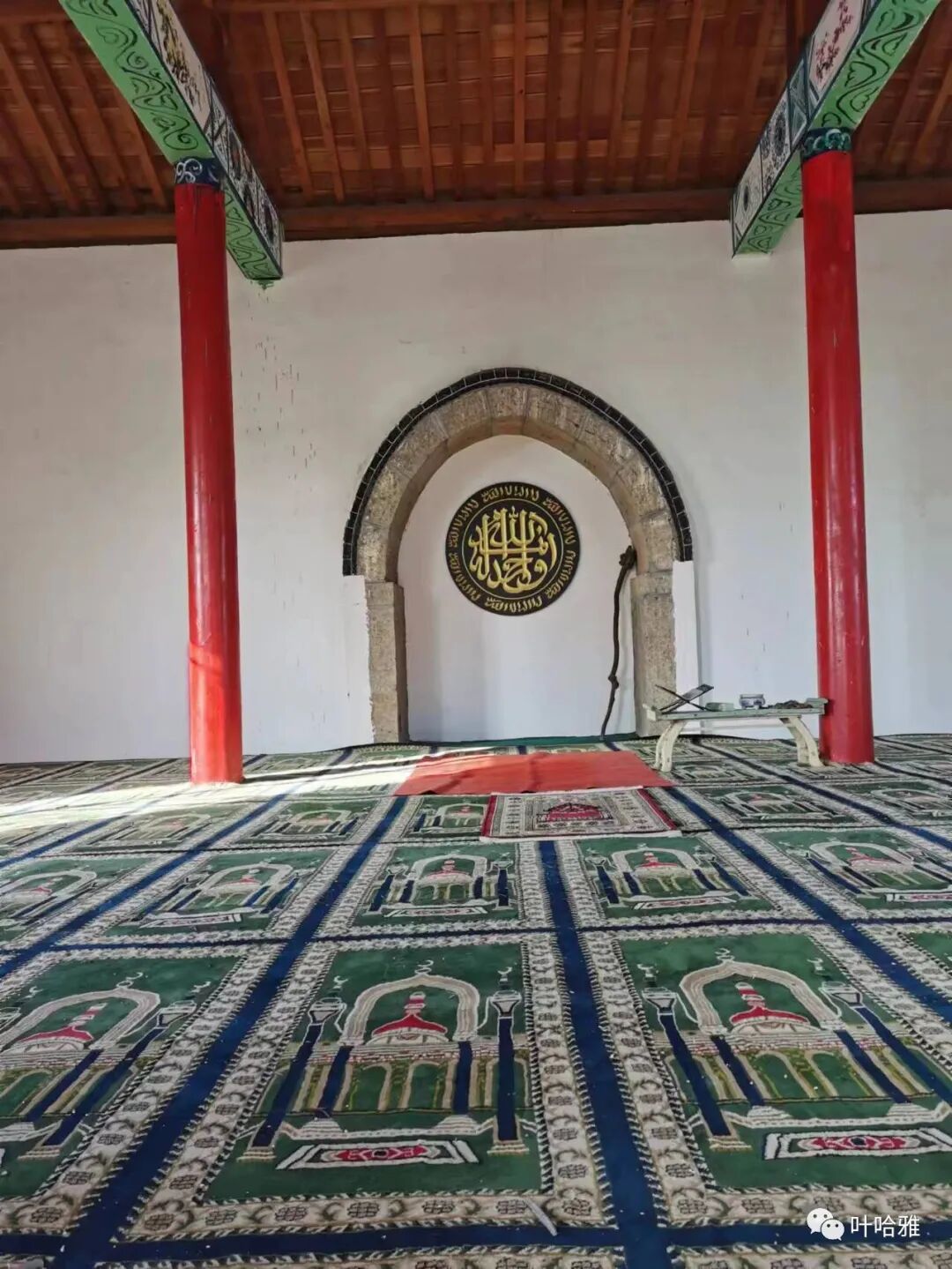
Cheyang Village Mosque
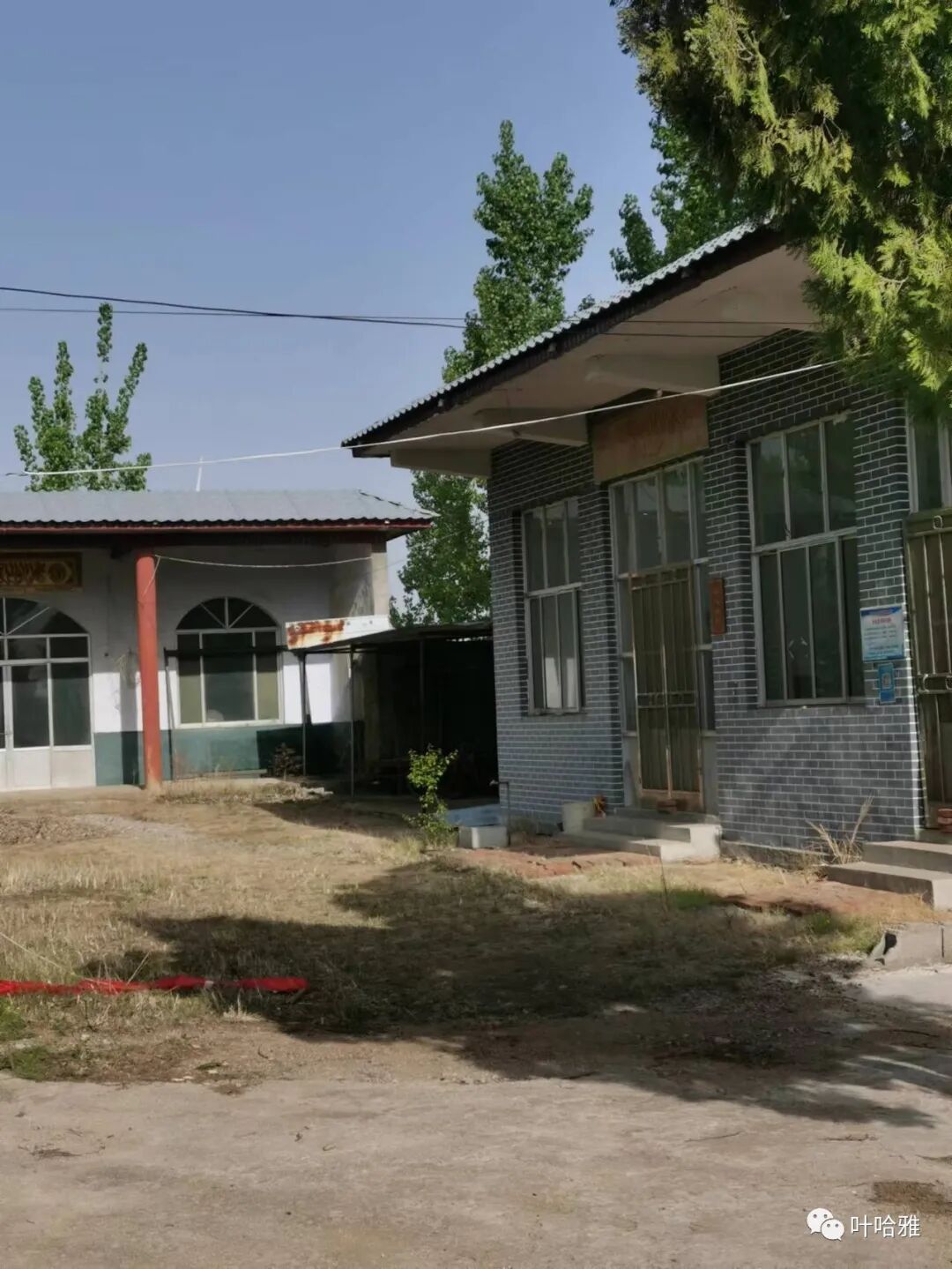
Cheyang Village Mosque in Yucun Town sits in the center of the village. It was built in 1990. It was renovated in 2008. The mosque is a single-courtyard layout without a rear hall, side rooms, or a raised moon platform. The mosque is 35 meters long and 16 meters wide. The prayer hall is a single-story building, 4 meters high, 12 meters long, and 5 meters wide. The north lecture hall is 12 meters long and 4 meters wide. The water room is 9 meters long and 4 meters wide. Since 2005, Imam Zhao Chuandong has been in charge of religious affairs. The mosque is now managed by a mosque management committee, with Xu Jing'e and Xu Zonglian serving as directors in succession. In 2011, the mosque was named a provincial-level Harmonious Religious Activity Venue.
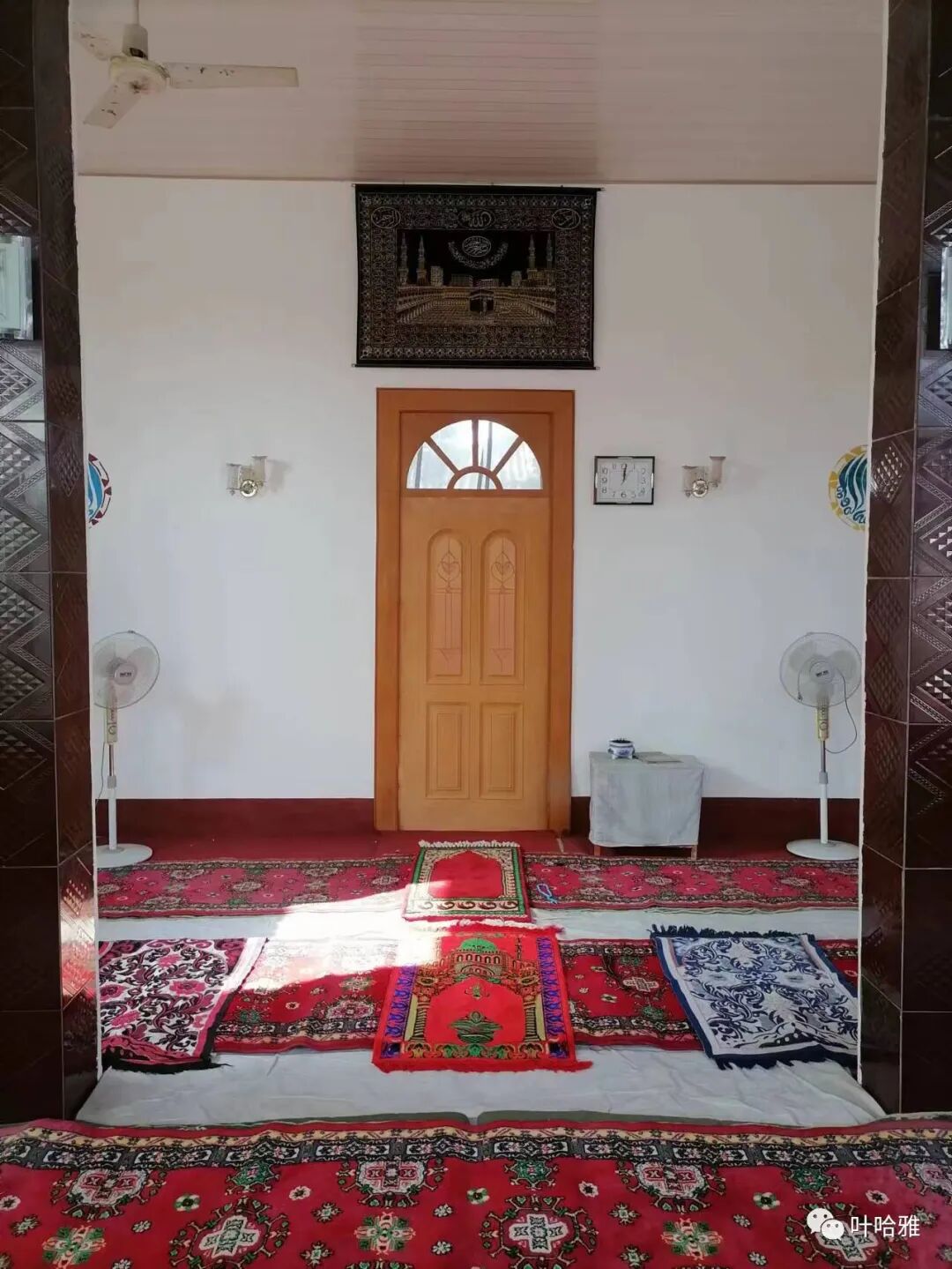
Dongjie Village Mosque
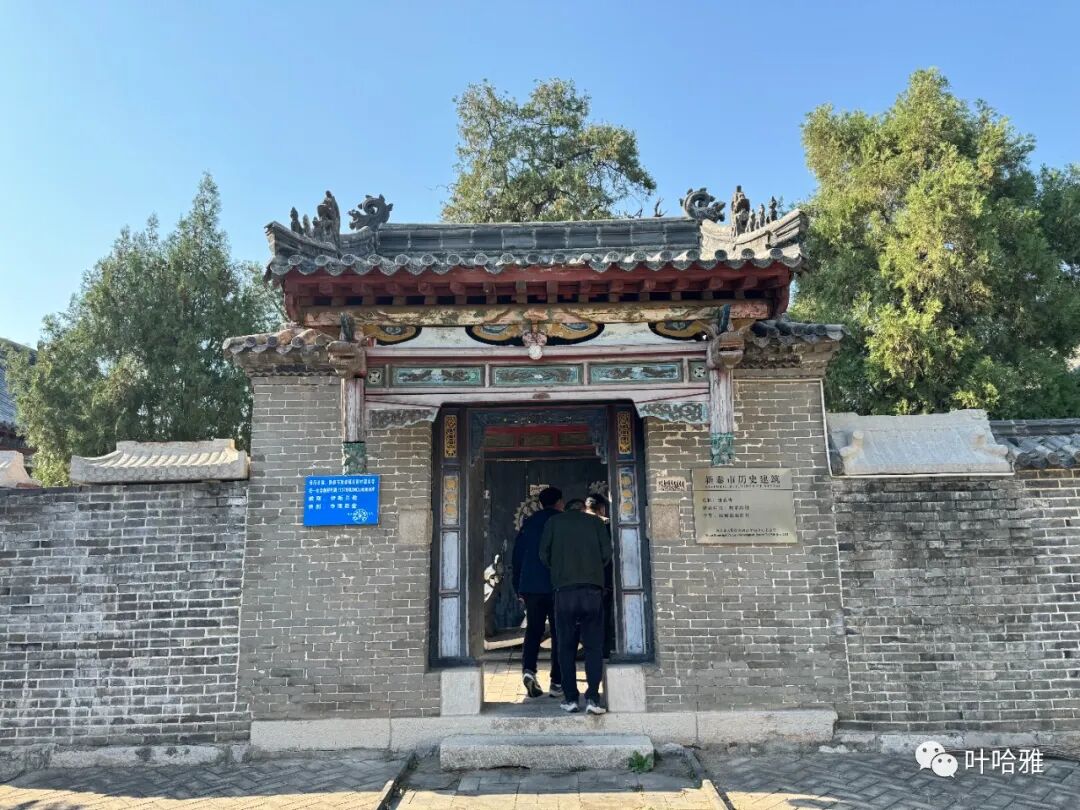
Before the founding of the People's Republic of China, the Dongjie Village Mosque in Fangcheng Town was located in the eastern part of the old village. As the village expanded eastward after the founding of the People's Republic of China, the mosque is now located in the east-central part of Dongjie Village.
The exact founding date of the mosque is unknown, and many stone tablets in the mosque record that the time of its founding is not known. Based on existing materials, it is estimated that it was built around the mid-Ming Dynasty. There have been many large-scale repairs in history, with eight recorded in detail, including in the seventh year of the Yongzheng reign (1729), the thirty-third year of the Qianlong reign (1768), during the Daoguang reign (1820-1850), the fifteenth year of the Guangxu reign (1889), and in 1993 and 2012.
The mosque is a typical Chinese palace-style building with three courtyards facing east. It has a towering main gate and a second ceremonial gate. After passing through the ceremonial gate, you reach the main prayer hall and the north and south lecture halls. There is a moon terrace in front of the main hall, and the courtyard is paved with blue bricks. The mosque is 65 meters long and 50 meters wide. The main hall is a five-bay single-eave structure with four stone pillars resting on drum-shaped stone bases. Inside the hall, the four beams and eight pillars are painted with red lacquer, and the floor is covered with carpets. The hall is 9 meters high, 15.2 meters long, and 9.2 meters wide. There is a rear hall that is 11 meters high, 5.5 meters long, and 6.8 meters wide. The north and south lecture halls each have three rooms, and both have two side rooms. The south lecture hall is 10 meters long and 6 meters wide. The north lecture hall is 10 meters long and 6.5 meters wide. The side rooms (erfang) are the same size, each 6.7 meters long and 4.6 meters wide. Go through the side gate and across a small courtyard to reach the washroom (shuifang), which is 13 meters long and 5.7 meters wide. The main buildings in the mosque have front porches, high door platforms, and heavy beams with upright pillars. All doors and windows use wooden lattice frames. The mosque walls are made of grey bricks, with large rectangular blue stones stacked below the waistline. The roofs are built with wooden rafters, square bricks (bazhuan), and small black yin-yang tiles, featuring high ridges and eaves decorated with auspicious carvings of dragons, phoenixes, qilin, and lions. Outside the north wall of the mosque, right against the wall, stands a Tang dynasty scholar tree (Tang huai) that is over 1,400 years old.
The mosque's religious affairs have been led by imams including Yang Guilin, Yang Kuizeng, Yang Xingguang, Wan Zhendong, Shi Junting, Liu Yuanxin, Zhao Yufang, Liu Qingyuan, Mi Guangqun, Jin Shengping, Jin Yuanhou, and Jin Shengping. It is currently managed by the mosque management committee, with Jin Xuanliang serving as the director.
The mosque has a deep historical and cultural heritage, with surviving items including the 'Gu Zhen Zheng Jiao' plaque, half of the 'Dao He Ru Zong' plaque inscribed by Kong Lingyi, and a couplet carved on a stone pillar in the corridor outside the north lecture hall during a Qing dynasty reconstruction.
In 2016, the mosque was named a Model Mosque by the Tai'an Islamic Association. In 2013, the Shandong Provincial People's Government designated it as a provincial-level cultural heritage site.
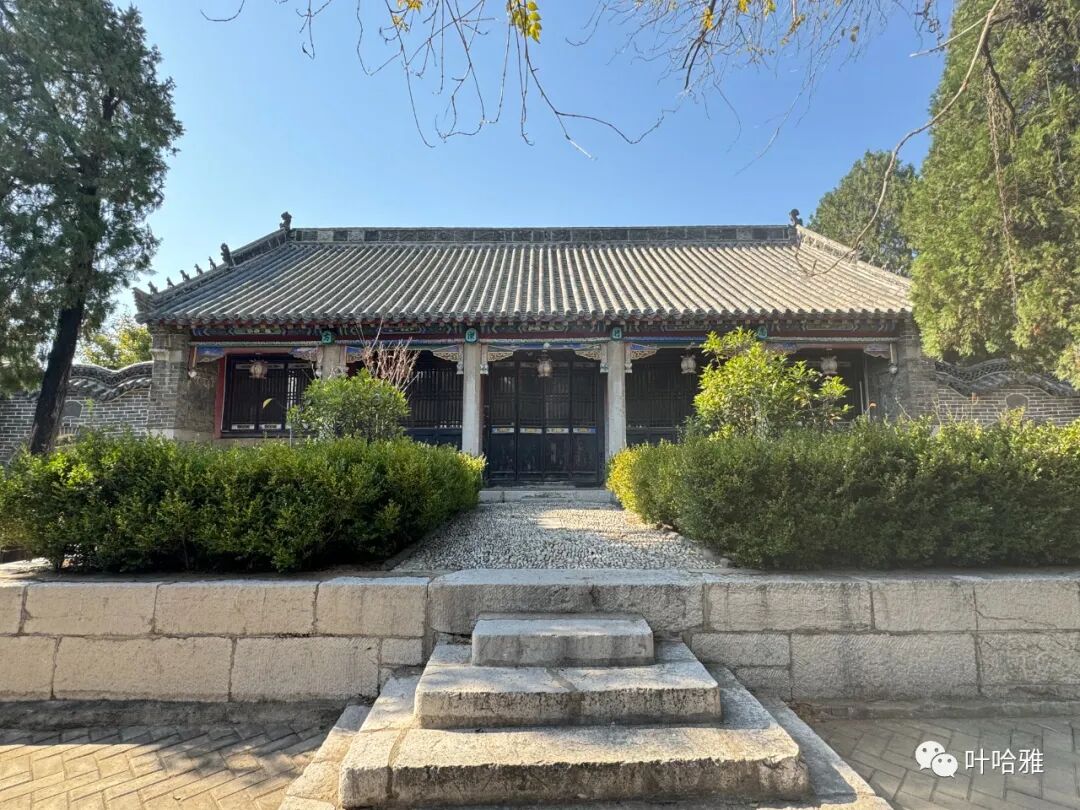
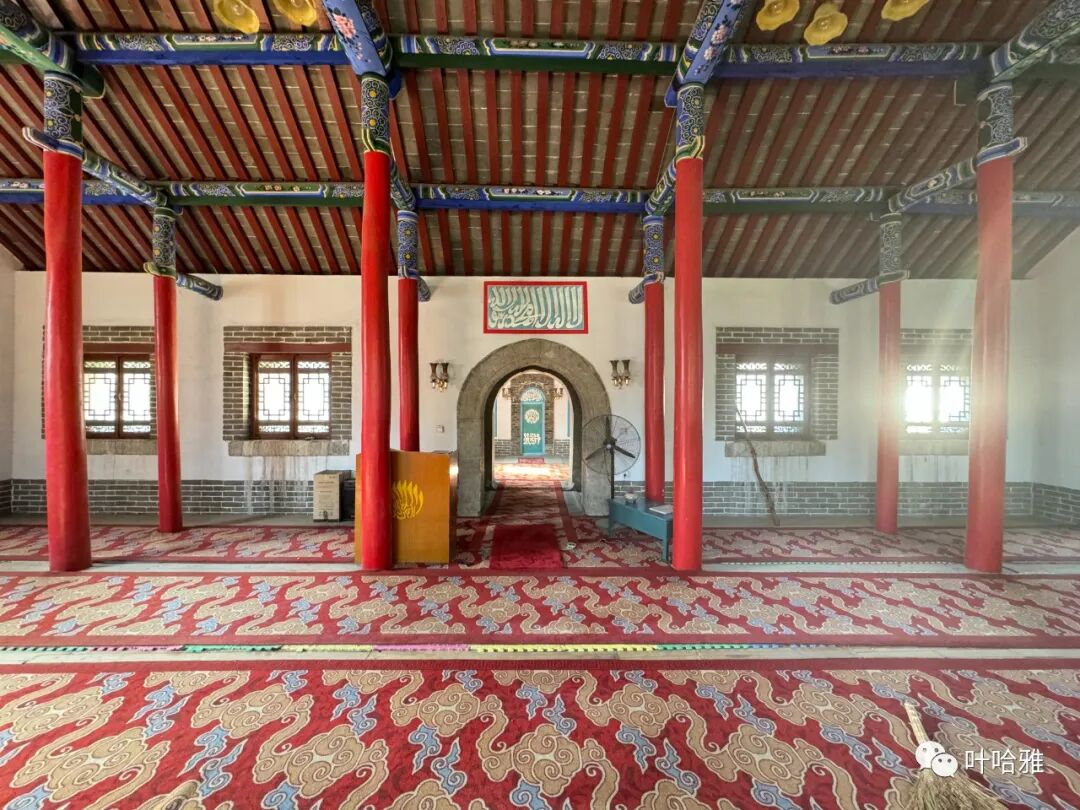
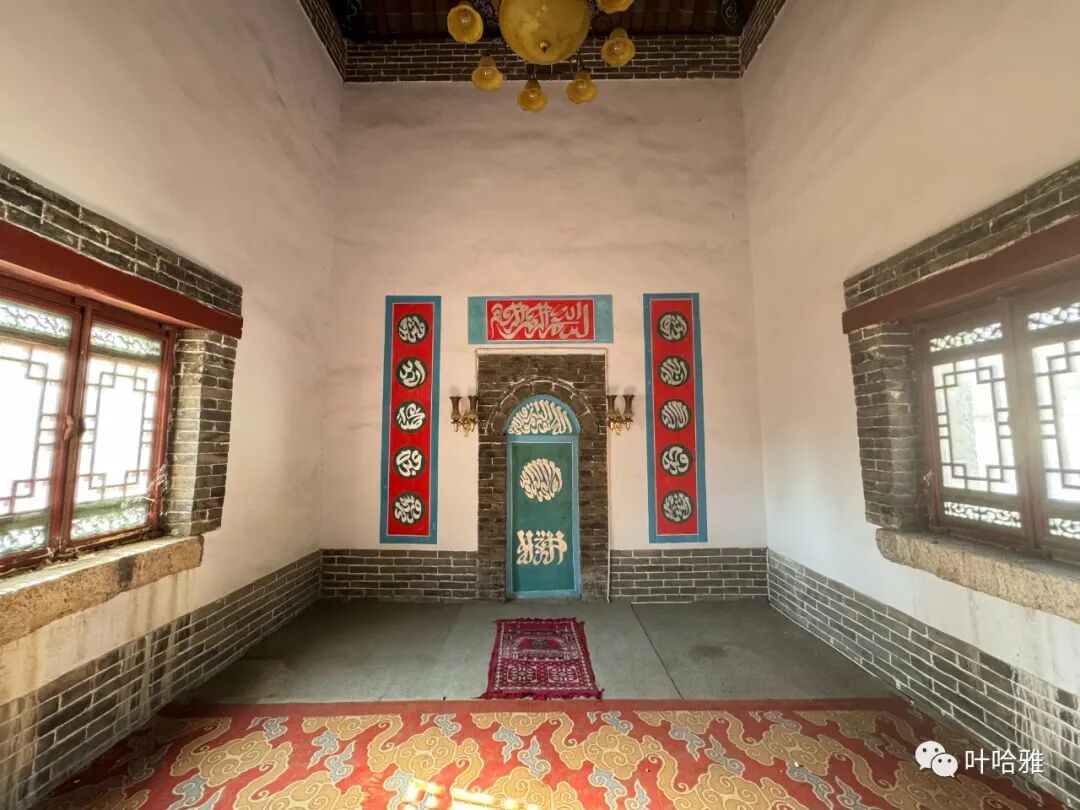
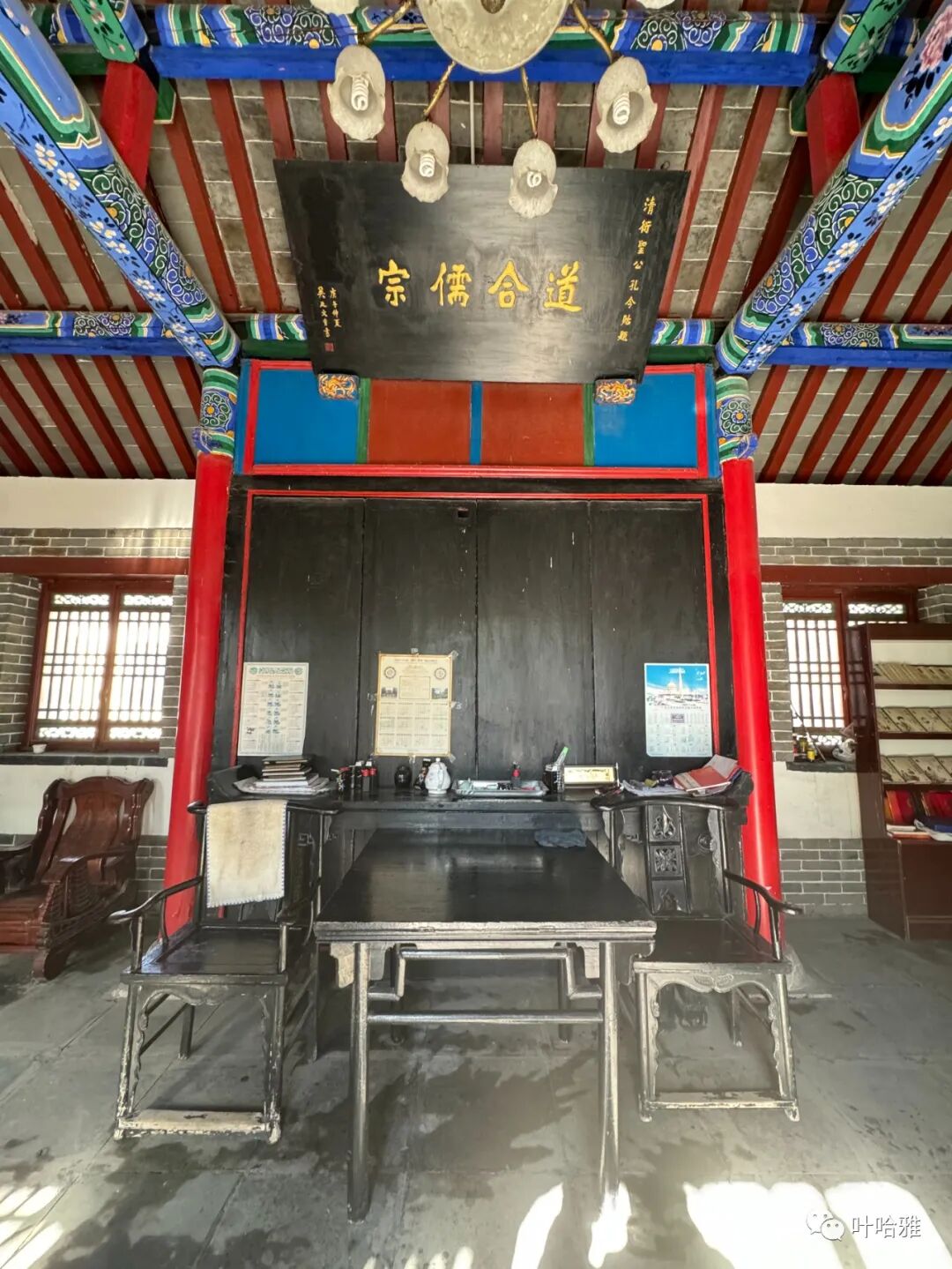
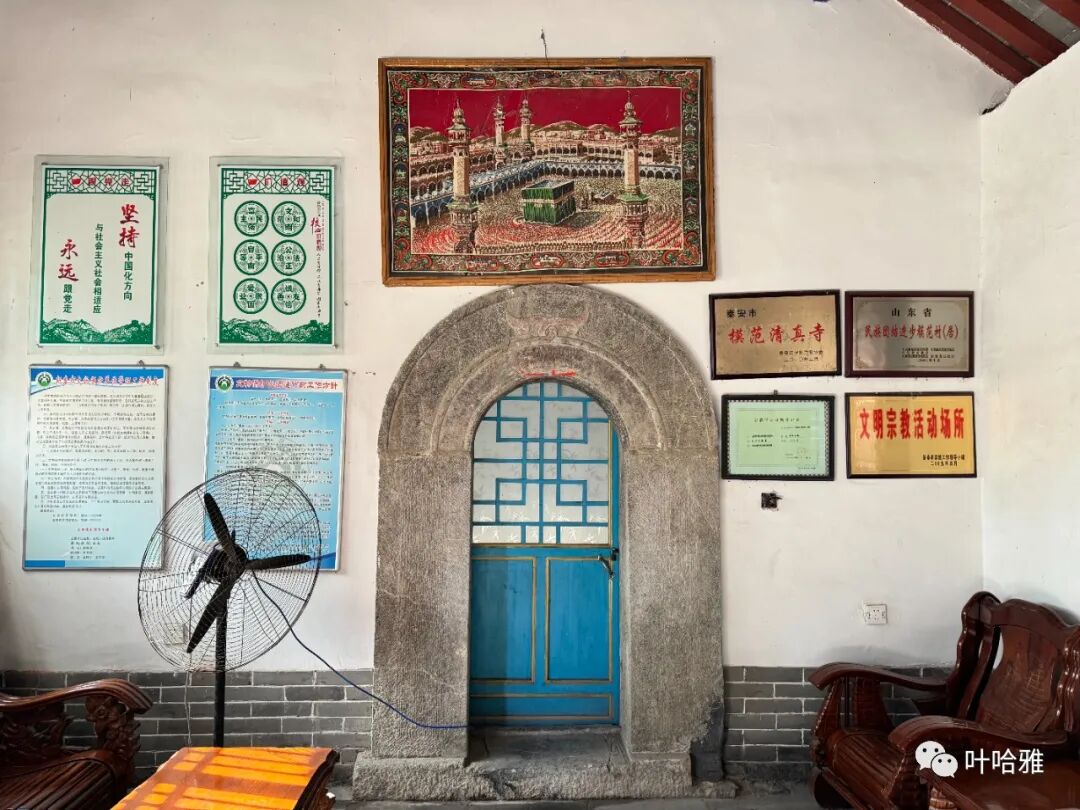
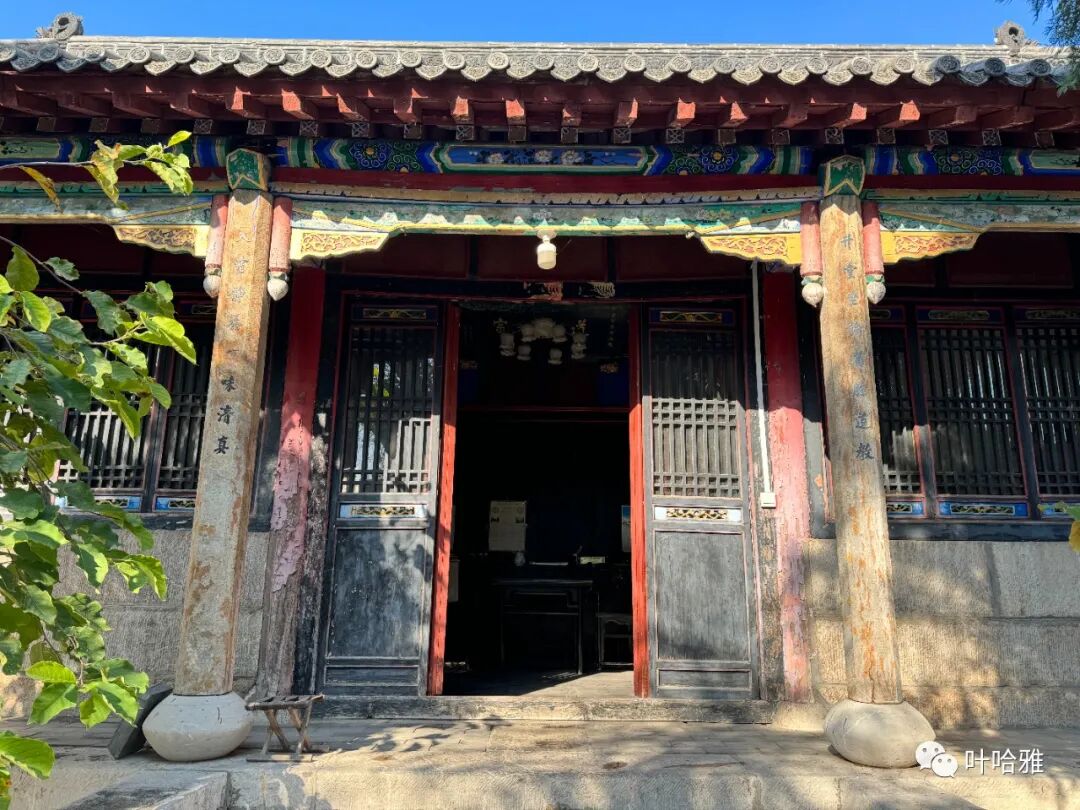
Tianbao Mosque
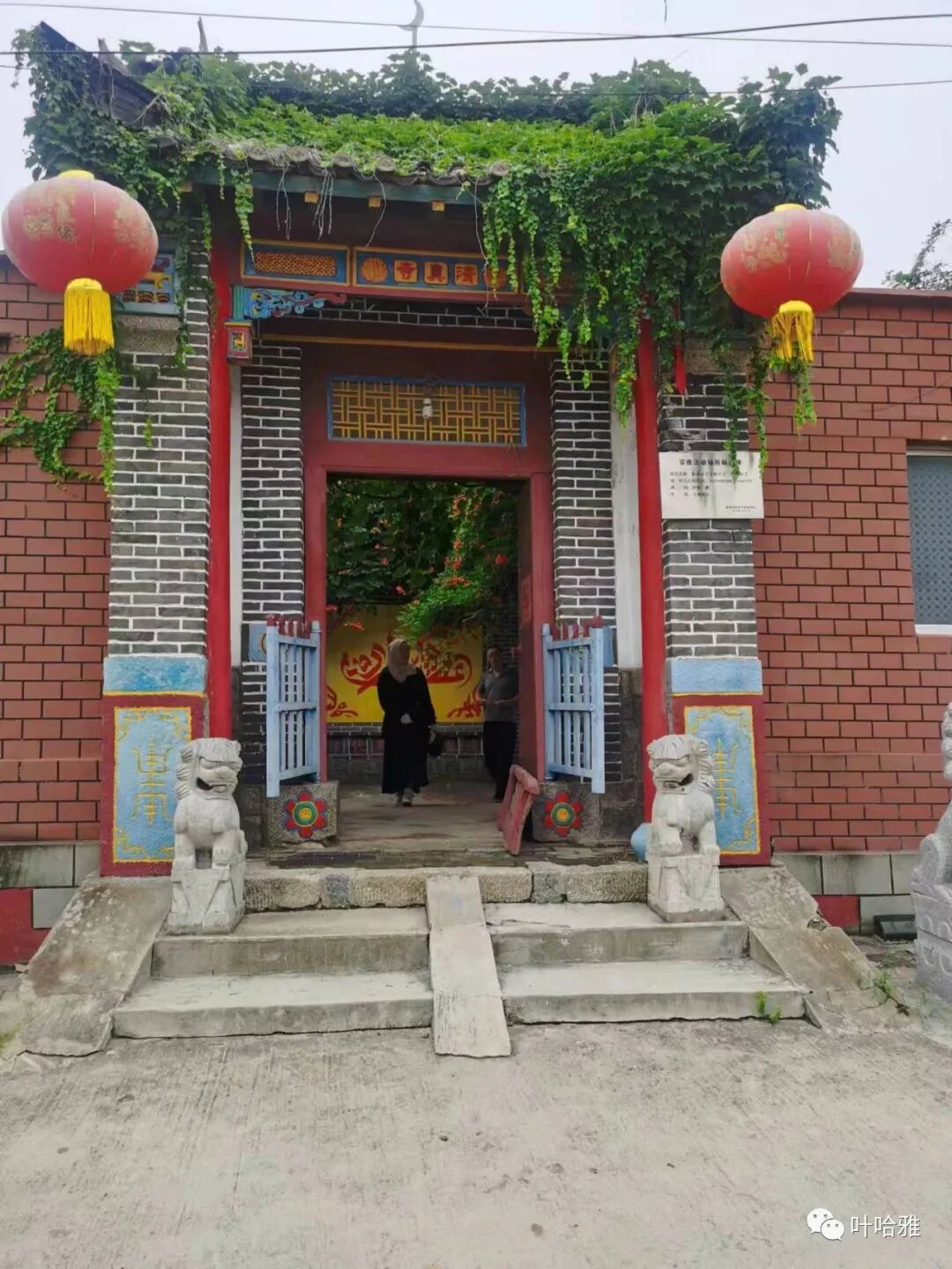
Tianbao Mosque is located in Tianbao First Village, Tianbao Town. It was first built during the Chongzhen reign of the Ming Dynasty (1628-1644) and has been renovated several times since. During the Cultural Revolution, the mosque became a workspace for a local production team. It suffered severe damage, and all religious scriptures, documents, and archives were burned.
Conditions improved significantly after the Third Plenary Session of the 11th Central Committee. The mosque underwent four major renovations in 1985, 2006, 2011, and 2016. The mosque is 40 meters long and 30 meters wide. The main prayer hall is 18 meters long and 10 meters wide. The north lecture hall is 13 meters long and 7 meters wide. The ablution room (shuiwu) is 15 meters long and 5 meters wide. There are five stone tablets currently on site: the 1985 "Yongzun Shengxing" (Always Follow the Holy Path) tablet, the 1987 "Wangu Liufang Bei" (Tablet of Eternal Fame), the 1997 "Wangu Liufang Bei" (Tablet of Eternal Fame), the 2006 "Chongxiu Libaidian Beiji" (Record of the Prayer Hall Renovation), and the 2011 "Chongxiu Bei Jiangtang Beiji" (Record of the North Lecture Hall Renovation).
Throughout its history, this mosque has trained imams including Zuo Hanchen, Zuo Shanggui, Zuo Shangqin, Gao Guangwen, Ding Yancheng, and Gao Guangmo. Since modern times, imams such as Zhang Baotai, Mi Baokun, Ma Wenhua, Zhang Shuiquan, Yang Peicheng, Xu Changpu, Bai Guangpu, Mi Enzhi, Jin Shengping, and Jin Fuzhan have led the religious affairs of the mosque. Past directors of the mosque management committee include Gao Chuangui, Mi Yuande, Mi Fengsheng, Gao Yuxiu, Gao Guangmo, Mi Fenglu, and Mi Fengjie. The mosque houses a pair of wooden water pitchers (tangping) and an incense burner from the Qing Dynasty. Imam Jin Fuzhan keeps a historical book titled "Wansheng" in his collection.
In 2008, the mosque was named a "Model Mosque" by Tai'an City. It received the provincial title of "Harmonious Religious Activity Venue" in 2009 and was again named a "Model Mosque" by Tai'an City in 2014.
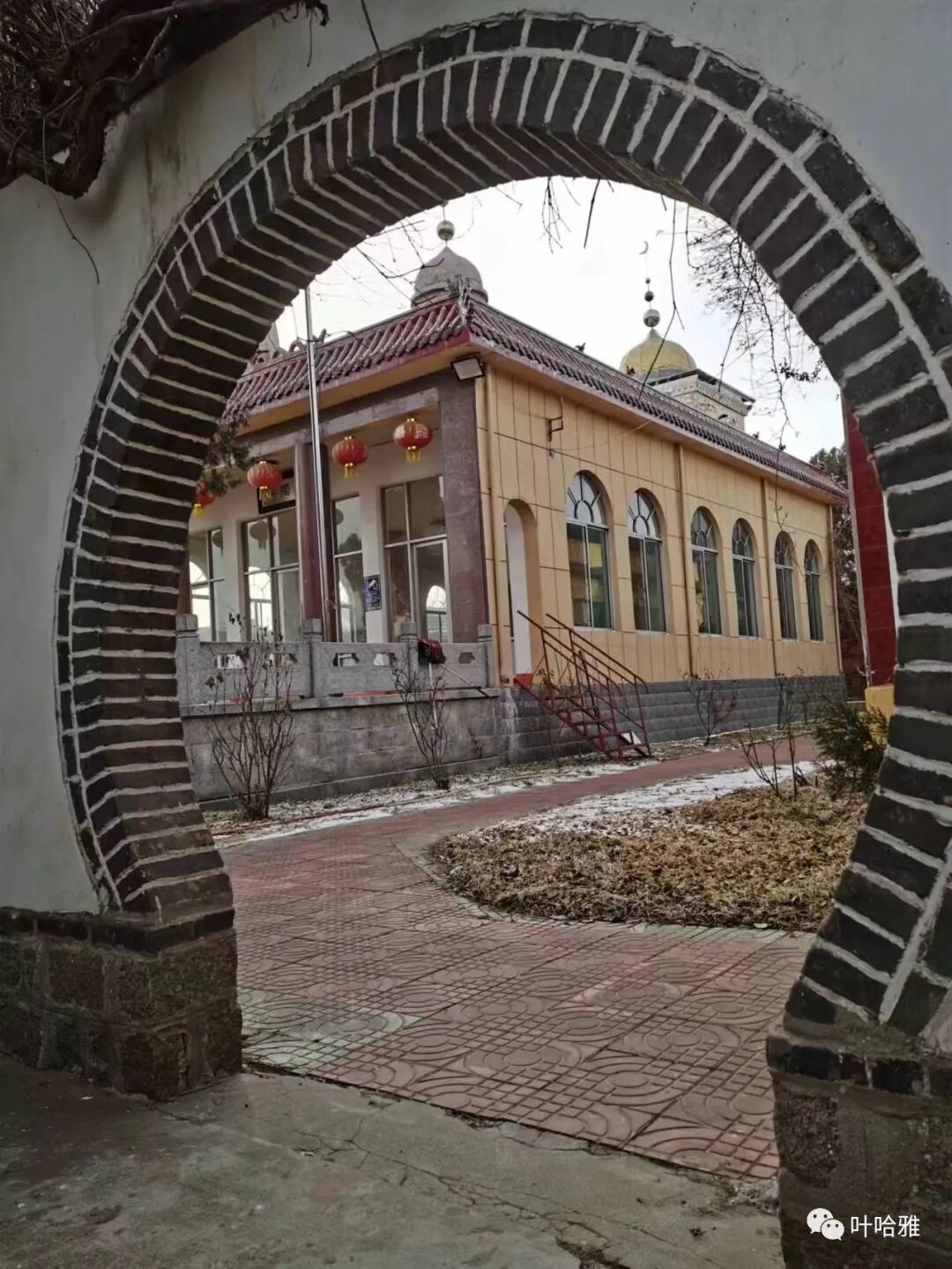
Hexicun Mosque.
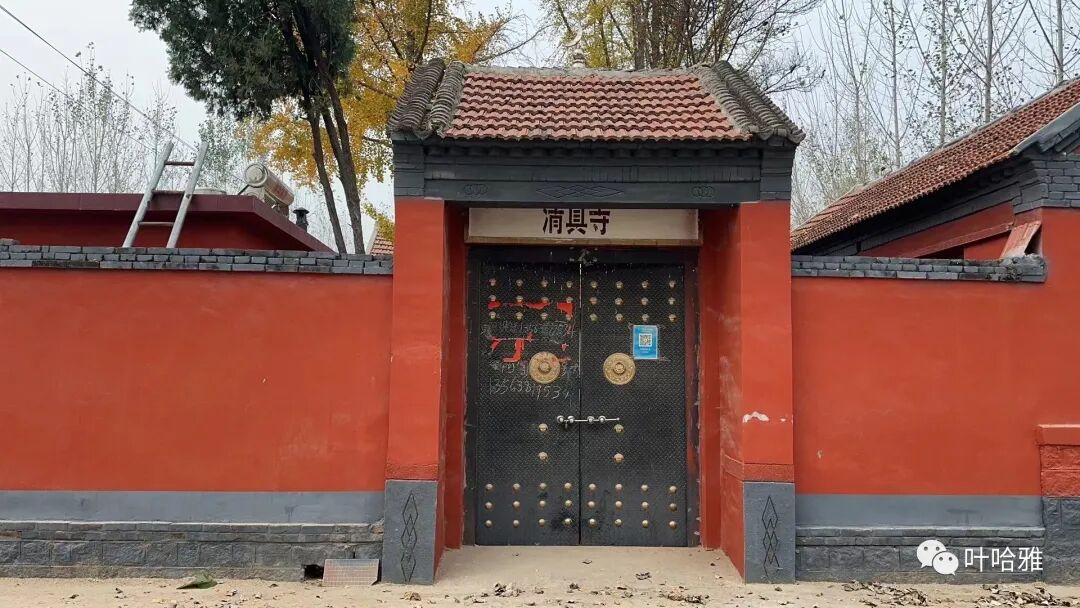
Hexicun Mosque in Tianbao Town. It was first built during the Qing Dynasty, destroyed by war during the War of Resistance Against Japan, and rebuilt in 1988.
The mosque is a typical courtyard-style building, measuring 36 meters long and 36 meters wide. The main prayer hall is 10 meters long and 6 meters wide. The north lecture hall is 10 meters long and 5 meters wide. The south lecture hall is 10 meters long and 5 meters wide. The water house is 6 meters long and 5 meters wide. Inside the courtyard stand two 50-year-old twin ginkgo trees, each with a trunk circumference of about 1.5 meters.
The mosque's religious affairs were previously led by imams including Li Xiangping, Jin Daikuan, and Sha Enqian. You Yanlong currently serves as the resident imam. The mosque is now managed by a democratic management committee, with Xie Yuansheng and Xie Junguo serving as directors in succession.
Chaoyang Community Mosque
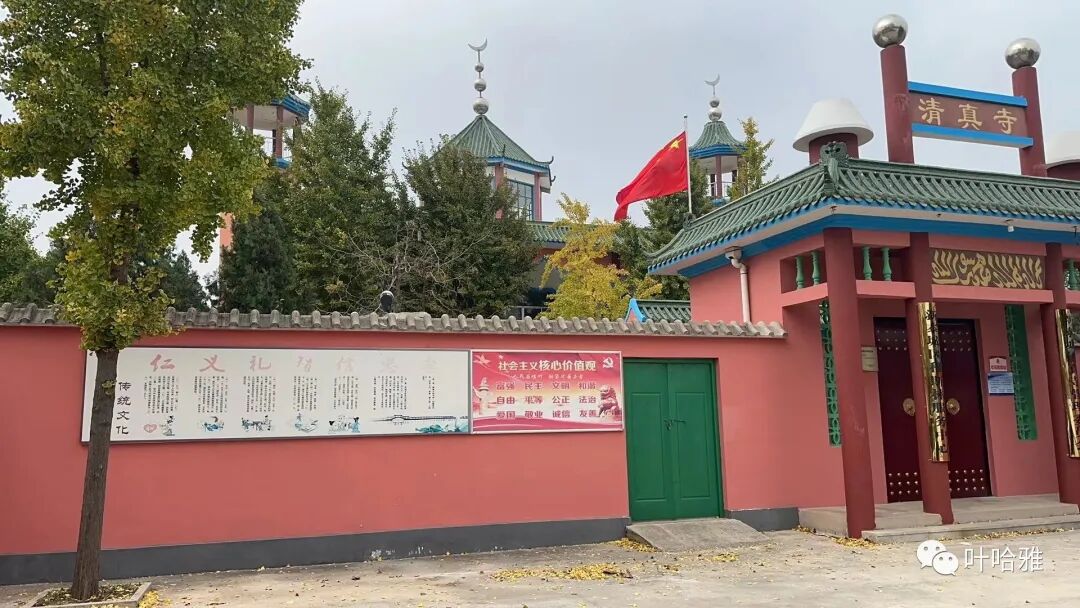
The Chaoyang Community Mosque in Qingyun Subdistrict is located at No. 5, Alley 16, on the south side of the west end of Liangzhan Road in Chaoyang Community. It was first built between the late Ming and early Qing dynasties and has since been moved and rebuilt several times. In 1938, the mosque suffered severe damage after Japanese invaders occupied Xintai City. After the founding of the People's Republic of China, the county committee and the county people's government requisitioned the mosque to use as office space. Later, a courtyard house (siheyuan) belonging to the Li family at the south end of Majia Alley in the southwest gate area was purchased, along with the yard outside the gate and a plot of land to the south, totaling over 1,500 square meters for the mosque's use. In 1950, the mosque moved from the city into the residential house in the southwest gate area. During the Cultural Revolution, the mosque suffered serious damage, and all classic texts and archives were burned.
In 1989, the mosque moved for the second time to the west side of the Lianxiao Primary School, and the new mosque opened in the spring of 1992. From 1990 to 2002, the mosque completed five phases of construction.
The mosque moved again in 2009. In early 2010, the Chaoyang community set aside a plot of land south of the former Xiling grain store, measuring 30 meters wide from north to south and 56 meters long from east to west, for the new mosque. It was completed in 2011, marking the third time the mosque moved.
The mosque is 56 meters long and 30 meters wide. The prayer hall is 20 meters long and 20 meters wide. The north lecture hall is 20 meters long and 7 meters wide. The south lecture hall is 7 meters long and 6 meters wide. The washroom is 7 meters long and 6 meters wide. Outside the mosque, there is a 144-square-meter dormitory for the imam. Two stone tablets remain: the 1887 tablet from the 12th year of the Guangxu reign of the Qing Dynasty titled 'Record of the Three North Lecture Halls of the Mosque,' and the 2011 tablet titled 'Historical Evolution of the Xintai City Mosque.'
The mosque has been served by imams Ma Shijiao, Ma Bingqi, Xu Changchun, Ma Hongru, and Yu Yang. There are two imams here, with female imam Ma Dongfang assisting imam Yu Yang in managing religious affairs. The mosque is currently managed by a mosque management committee, and Zhang Jingliang has served as the director since 1992. Imam Yu Yang keeps a handwritten ancient copy of the Quran.
In 2012, the mosque was named a provincial-level Harmonious Religious Activity Venue, and in 2014, it received the title of Model Mosque from Tai'an City.
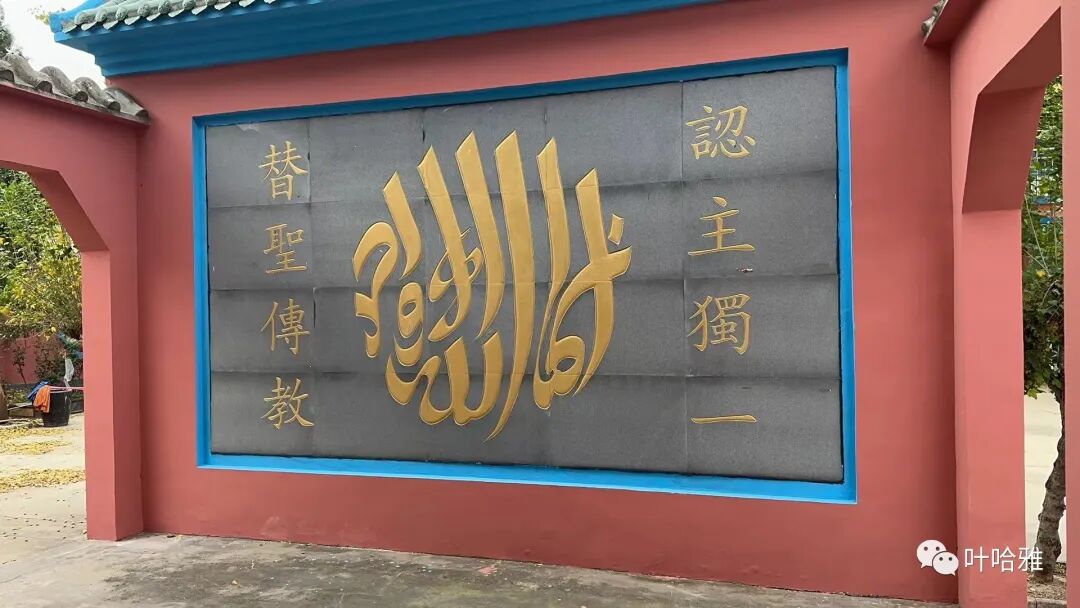
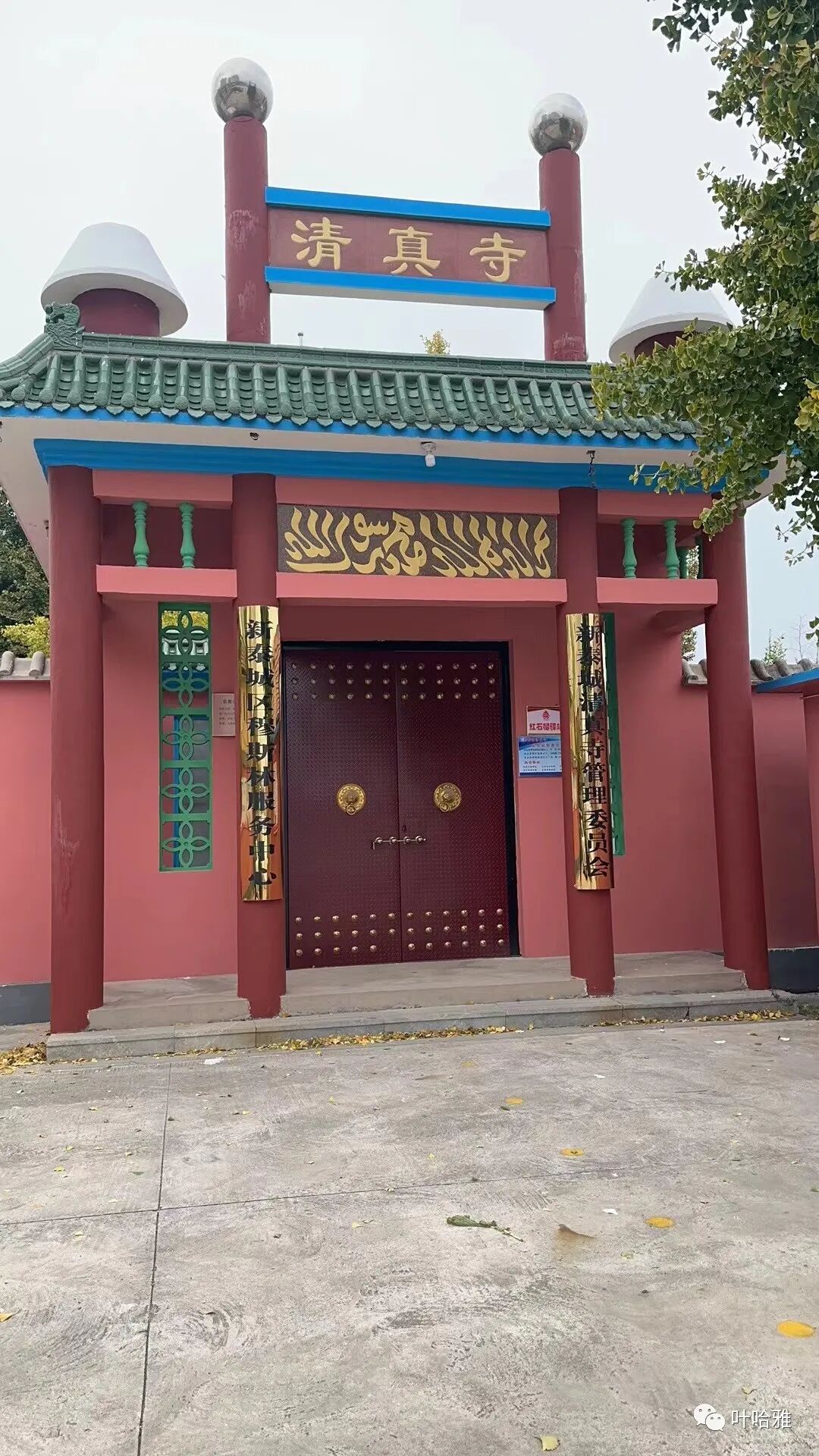
Yangliu Village Mosque
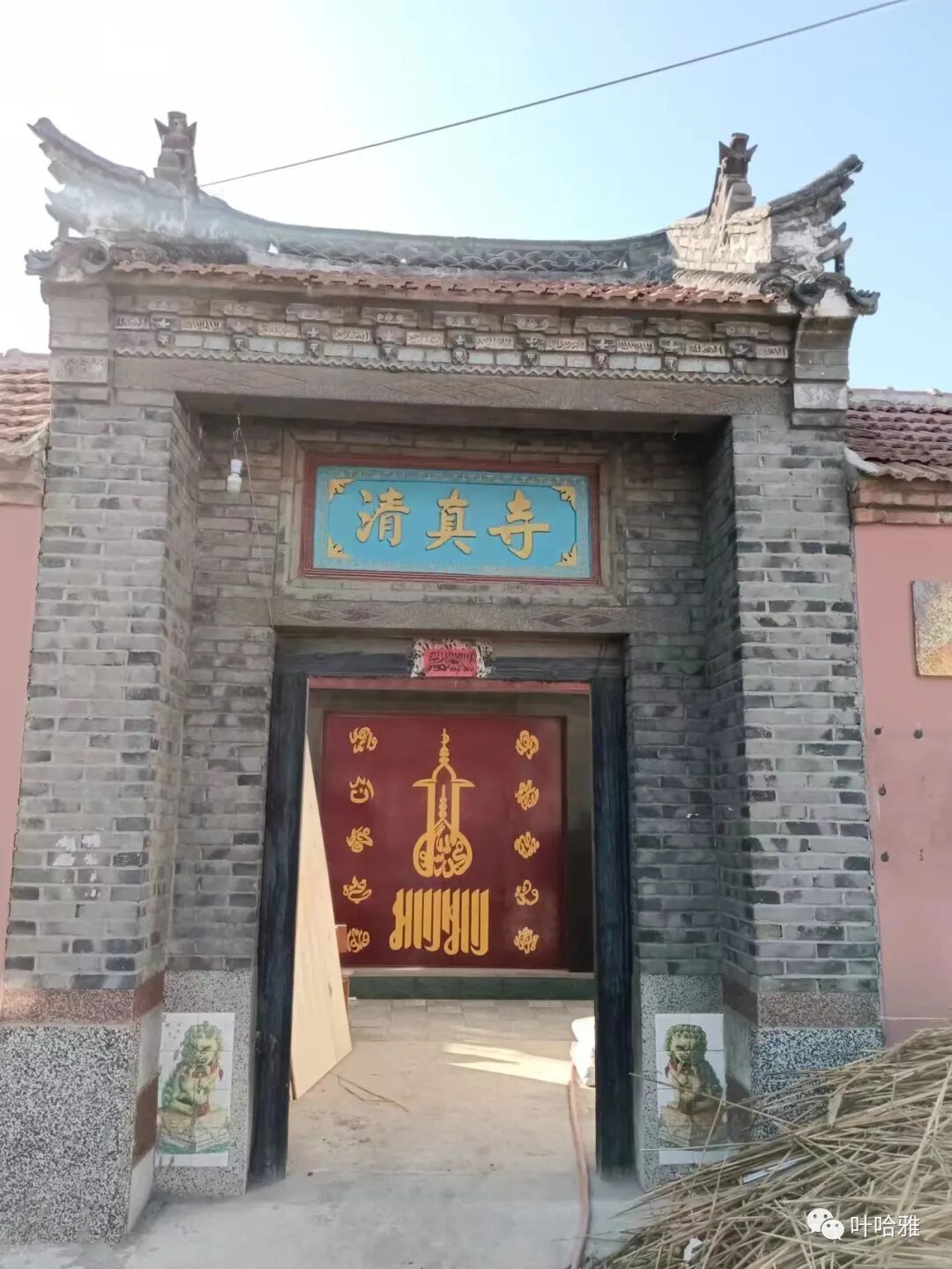
Yangliu Village Mosque in Yangliu Town is located in the southwest part of the village. It was first built during the Xianfeng period of the Qing Dynasty (1850-1861) and has been expanded and repaired many times since. The mosque was damaged by the Japanese army during the War of Resistance Against Japan. Between 1990 and 2010, it underwent multiple restorations on its original site.
The mosque is a single-courtyard complex that is 39.6 meters long and 20 meters wide. The prayer hall is a one-story building that is 10 meters high, 10 meters long, and 11 meters wide. The north lecture hall is 13 meters long and 4.7 meters wide. The south lecture hall is 9 meters long and 3.5 meters wide. The water room is 7.4 meters long and 4.2 meters wide. There is one stone tablet remaining, the Yangliu Village Mosque Tablet from the 34th year of the Guangxu reign of the Qing Dynasty (1908).
The mosque's religious affairs have been led by imams including Wen Chunhua, Jin Yongjie, Tang Qinglin, Shi Hongqin, Bai Antang, Zhang Shuiquan, Gao Guangwen, Yu Yang, Zhang Decai, Ma Guozhen, and Ma Yongshan. It is currently managed by the mosque's democratic management committee. The mosque houses one hand-copied Quran donated by Mi Fanglin.
In 2010, the mosque received the title of Tai'an City Model Mosque from the Tai'an Islamic Association, and in 2012, it was named a provincial-level Harmonious Religious Activity Venue.
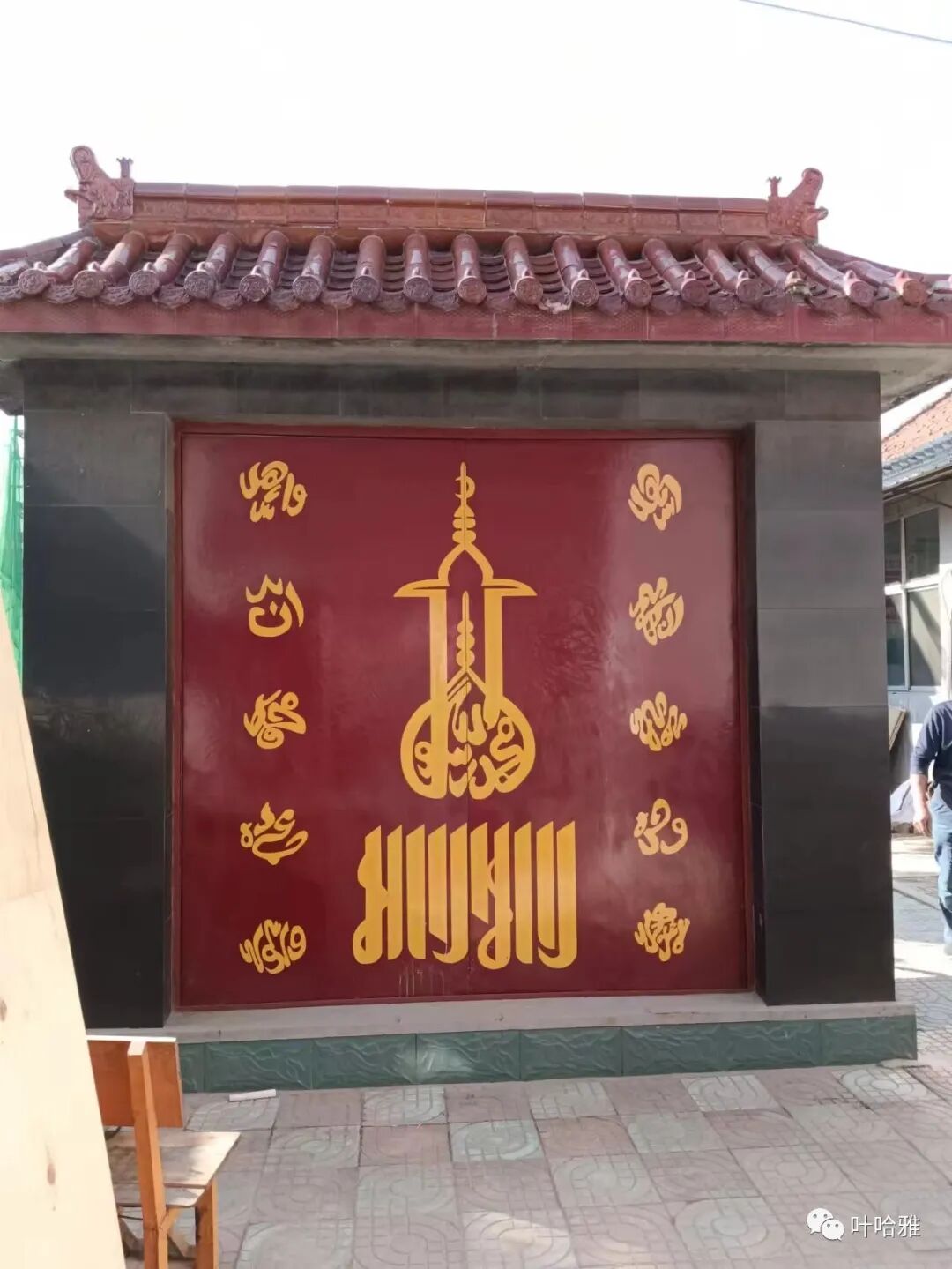
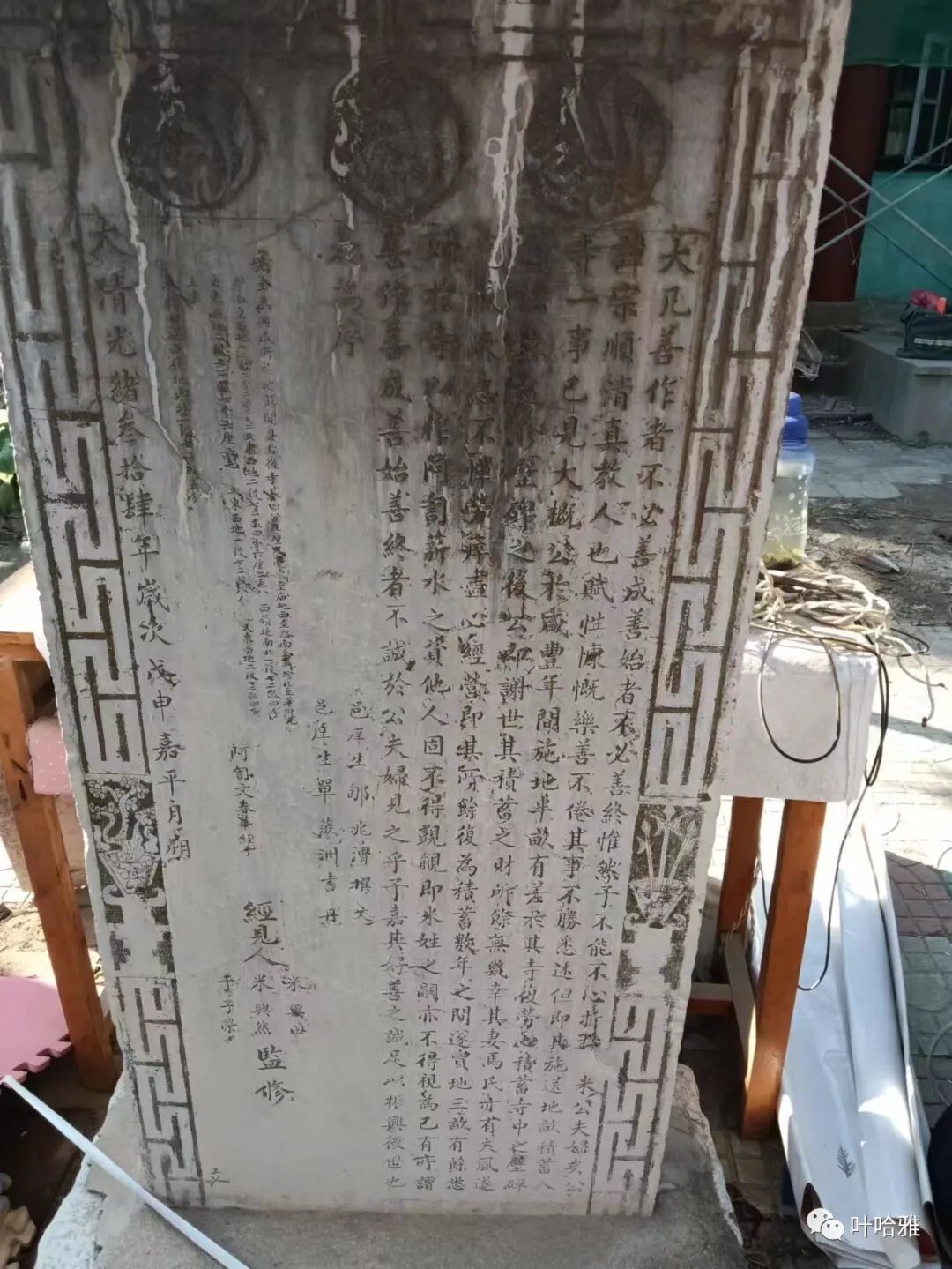
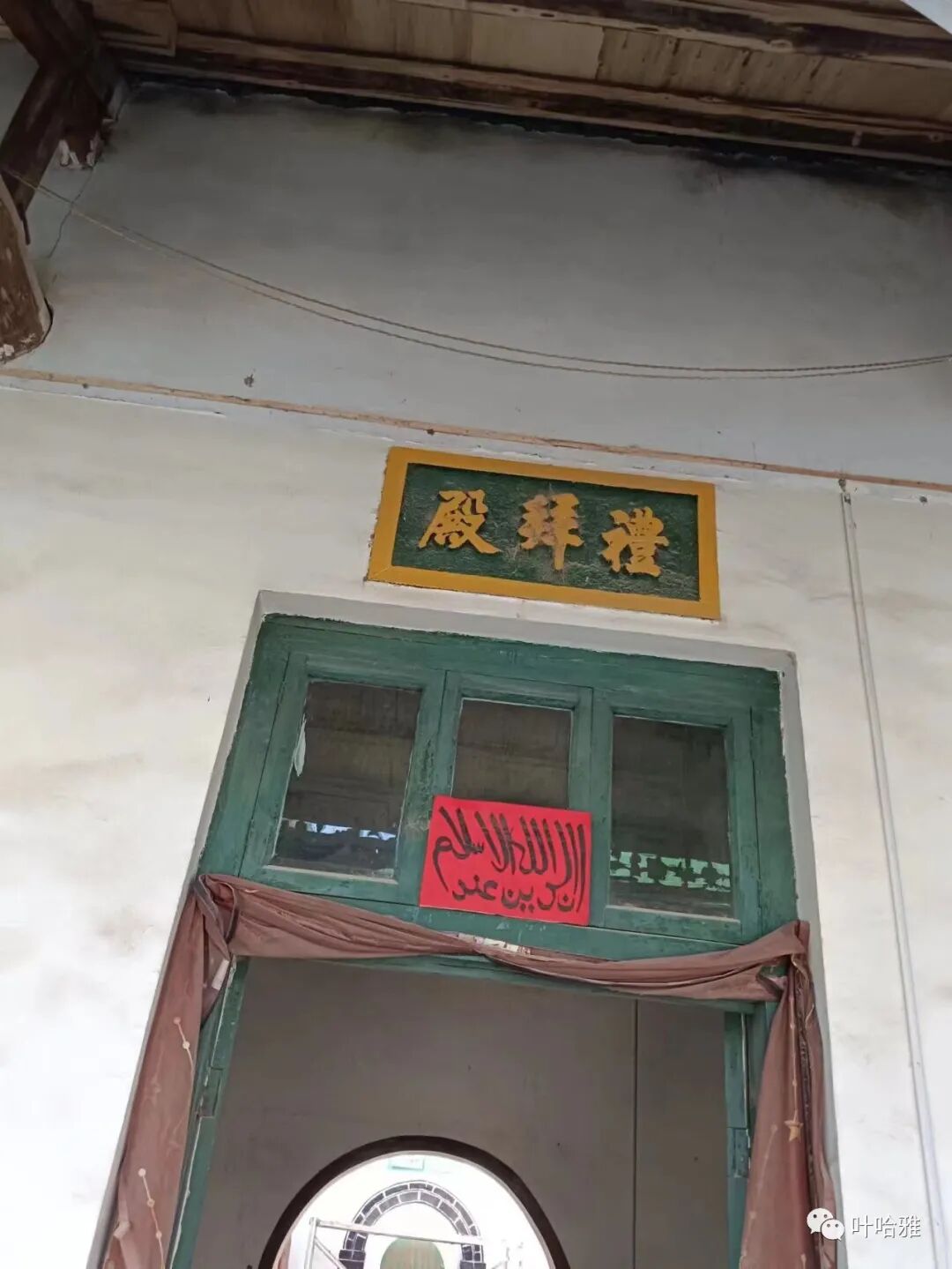
Xinwen Mosque
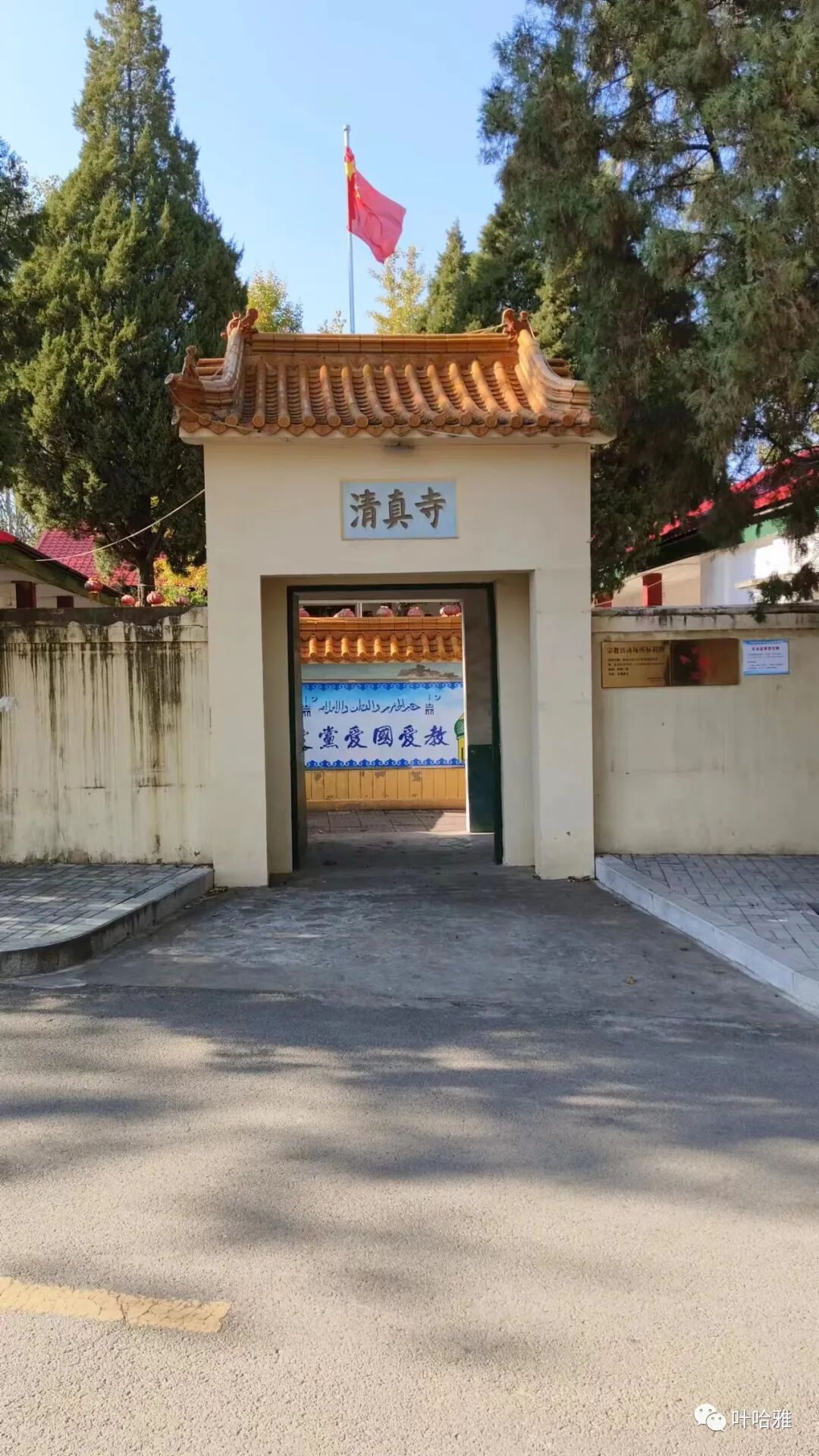
Xinwen Mosque is located at the Xin Kuang Group. It was first built in 1957, and its original site was in Wusi Village at the Suncun Coal Mine. In 1985, Xinwen Mosque moved to the north of Huangshan Village in the Xinwen office area. In 1995, the Mining Bureau provided special funding for the mosque to equip it with necessary indoor facilities. Four large-scale renovations took place in 1997, 2005, 2010, and 2012.
The mosque is 34.1 meters long and 29 meters wide. The prayer hall is 16.7 meters long and 8.19 meters wide. The north lecture hall is 10.1 meters long and 6.17 meters wide. The south lecture hall is 10.1 meters long and 6.02 meters wide. The water room is 7.5 meters long and 6.17 meters wide.
Since its founding, the mosque has had two resident imams: Li Yuren and Wang Zhen. The directors of the mosque management committee have been Fa Jinguang, Bai Anquan, Ma Hongcheng, and Wang Yanqing.
In 2010 and 2014, it received the provincial title of Harmonious Religious Activity Venue and the Tai'an City Model Mosque title.
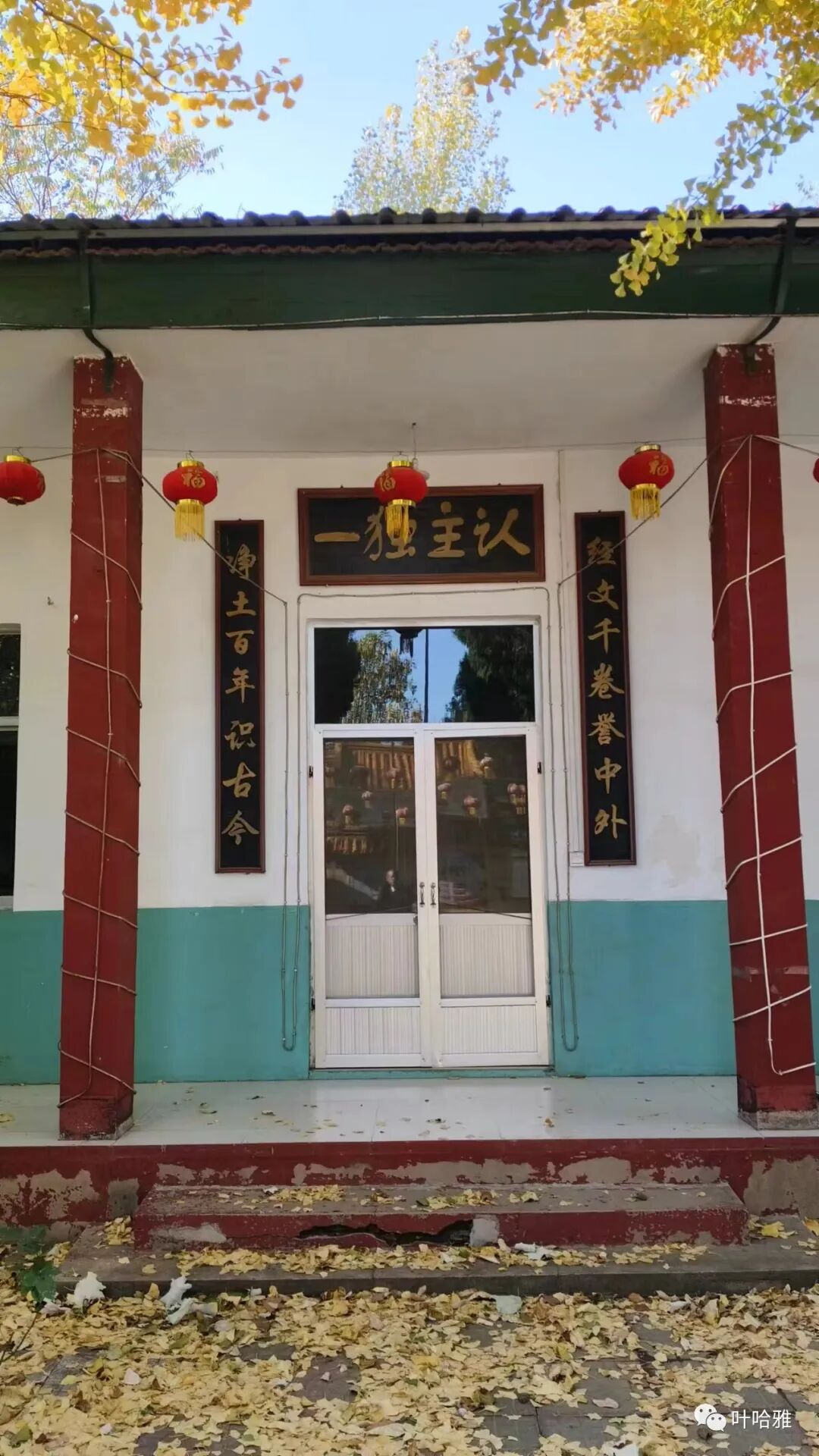
Zhainan Village Mosque
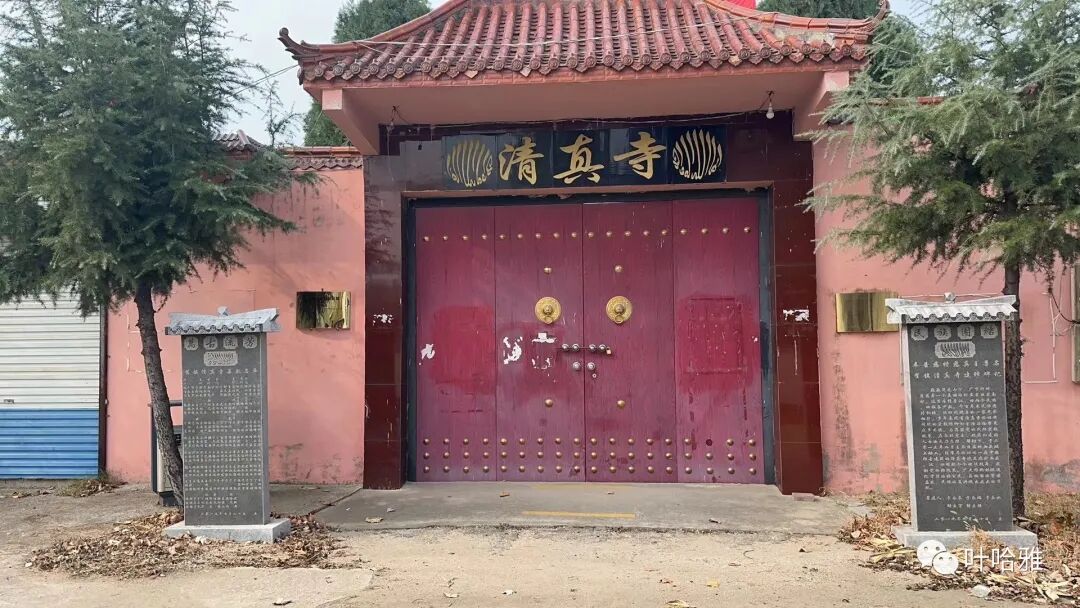
Zhainan Village Mosque in Zhai Town is located in the western part of Zhainan Village. It was first built in 2013. The mosque features a classic two-courtyard layout, measuring 60 meters long and 30 meters wide. The main prayer hall is 10 meters long and 7 meters wide. The north lecture hall is 15 meters long and 4.5 meters wide. The south lecture hall is 12 meters long and 4.5 meters wide. The ablution room (shuiwu) is 6 meters long and 4.5 meters wide.
Zhainan Village Mosque holds religious activities according to the law, and Imam Ma Hongru has served as the resident imam since its founding. The mosque is now managed by a management committee, with Yu Yongshui serving as the first director.
China Mosque Travel Guide Shandong: Tai'an Mosques, Hui Barbecue and Shandong Muslim Food
Articles • yusuf908 posted the article • 0 comments • 203 views • 2026-05-22 22:09
Summary: This China mosque travel guide closes the Tai'an mosque series with Shandong Hui Muslim food notes, cooked beef, millet soup, Huihui Xiang barbecue, charcoal-grilled meat, flatbread, and practical observations from the road.
The Seventy Mosques of Tai'an is presented here as a firsthand travel account in clear English, beginning with this scene: Cooked beef and fried dough sticks (youtiao) dipped in millet soup (santang) make for a warm breakfast that heats you up from the inside out. The account keeps its focus on Halal Travel, Yiwu Food, Mosque Travel while preserving the names, places, food, and historical details from the Chinese source.
Cooked beef and fried dough sticks (youtiao) dipped in millet soup (santang) make for a warm breakfast that heats you up from the inside out.
Huihui Xiang Barbecue
We stopped at Huihui Xiang Barbecue for dinner on our way back from the Nigou Mosque. Their barbecue is unique because the owner has a slaughterhouse right next door, so the meat is fresh and reliable. They also use charcoal grills, which you cannot find in the city.
Wrapping barbecue in flatbread is the Shandong way to eat. The famous Zibo barbecue uses flatbread to wrap meat skewers. Shandong flatbreads are delicious, including varieties like thin pancakes (jianbing) and hanging oven flatbreads (diaolu shaobing). I love wheat-based foods, and since we were in a rush these past few days, we mostly lived on flatbread. view all
Summary: This China mosque travel guide closes the Tai'an mosque series with Shandong Hui Muslim food notes, cooked beef, millet soup, Huihui Xiang barbecue, charcoal-grilled meat, flatbread, and practical observations from the road.
The Seventy Mosques of Tai'an is presented here as a firsthand travel account in clear English, beginning with this scene: Cooked beef and fried dough sticks (youtiao) dipped in millet soup (santang) make for a warm breakfast that heats you up from the inside out. The account keeps its focus on Halal Travel, Yiwu Food, Mosque Travel while preserving the names, places, food, and historical details from the Chinese source.
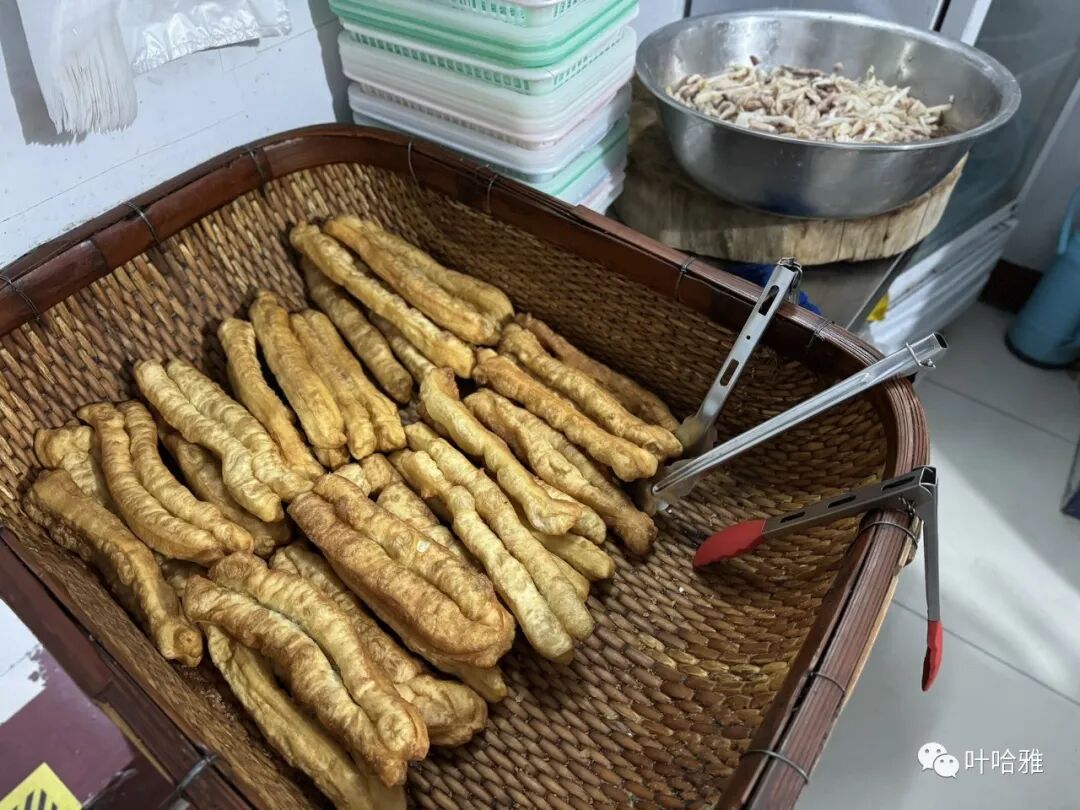
Cooked beef and fried dough sticks (youtiao) dipped in millet soup (santang) make for a warm breakfast that heats you up from the inside out.
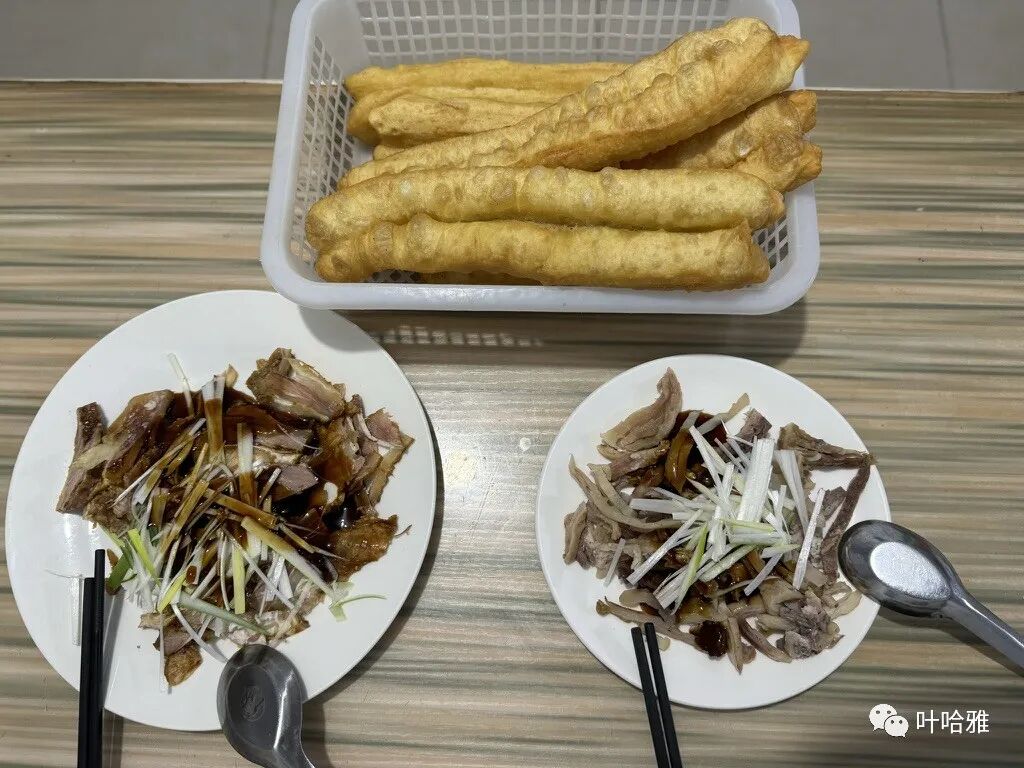
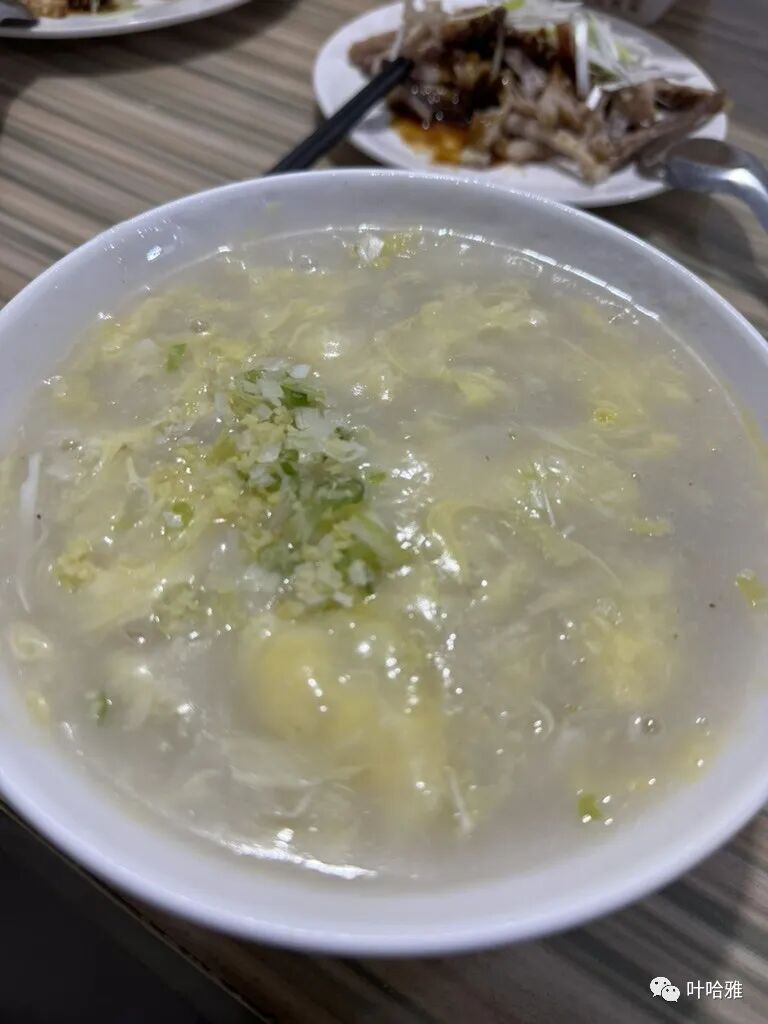
Huihui Xiang Barbecue
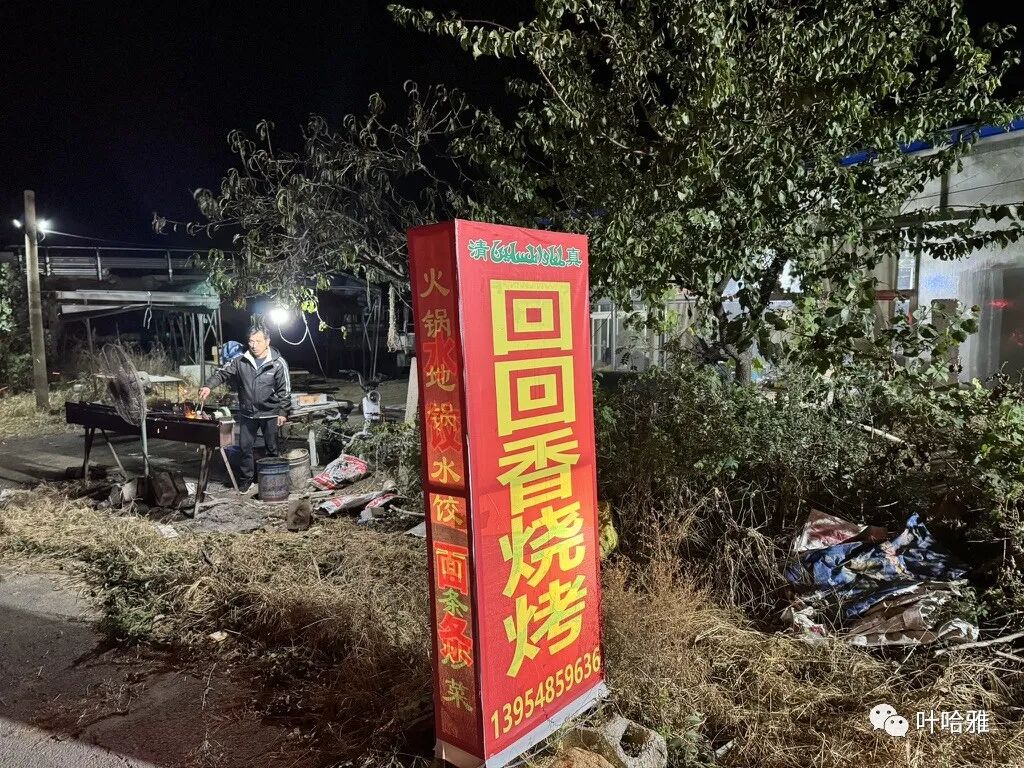
We stopped at Huihui Xiang Barbecue for dinner on our way back from the Nigou Mosque. Their barbecue is unique because the owner has a slaughterhouse right next door, so the meat is fresh and reliable. They also use charcoal grills, which you cannot find in the city.
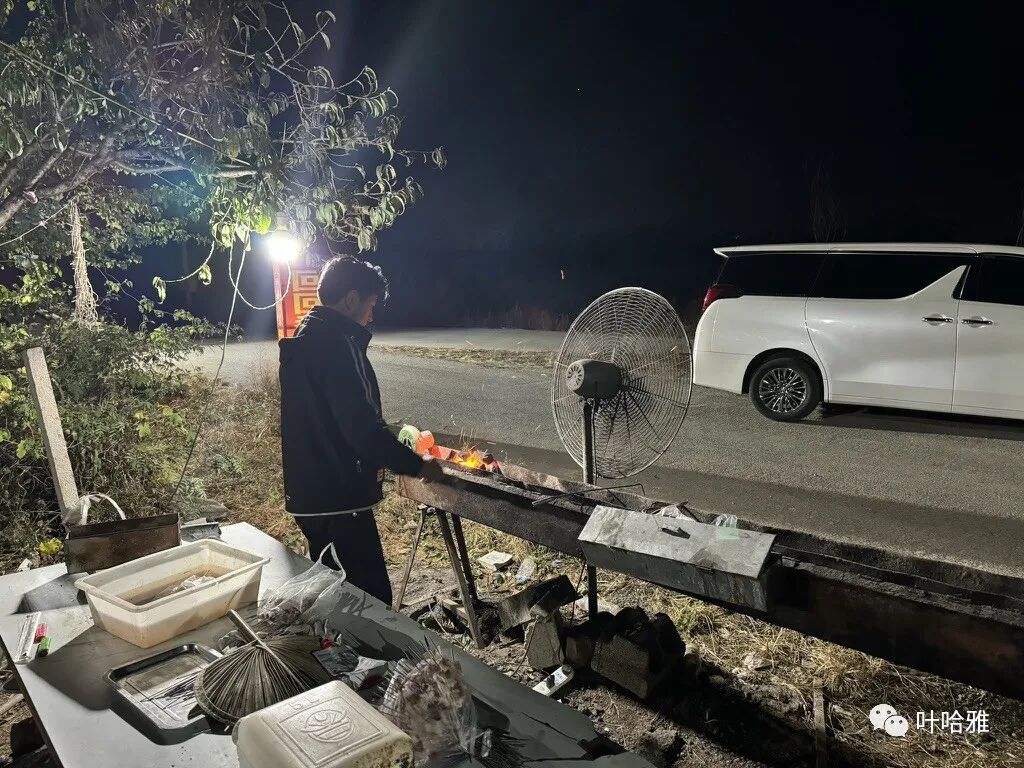
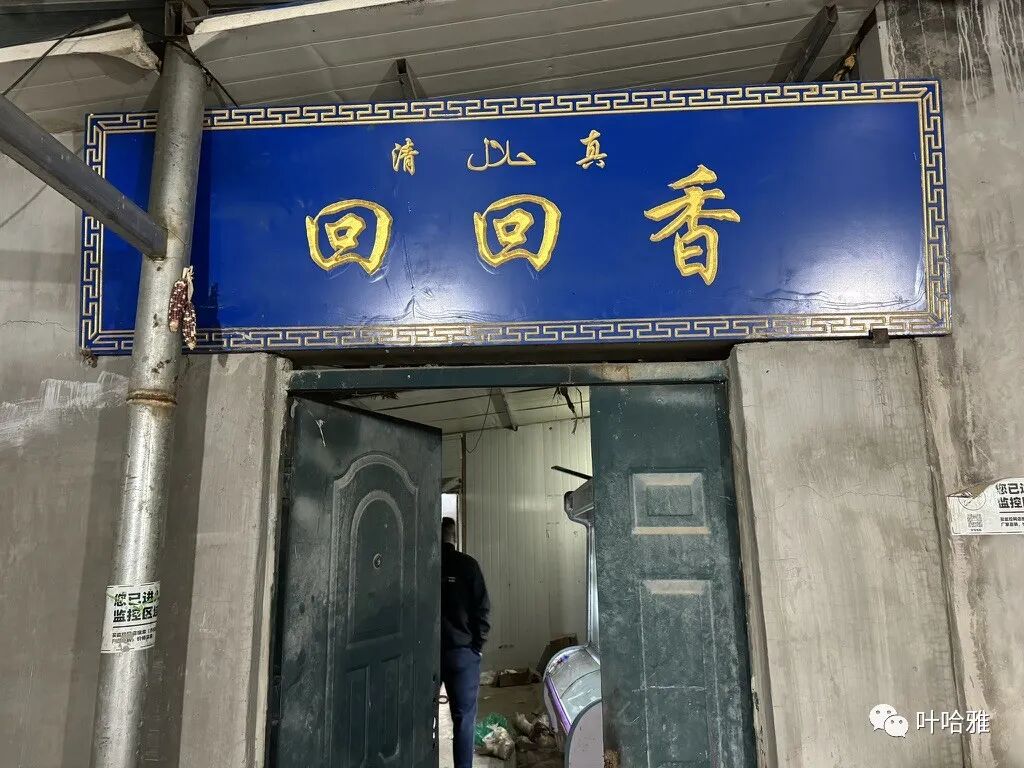
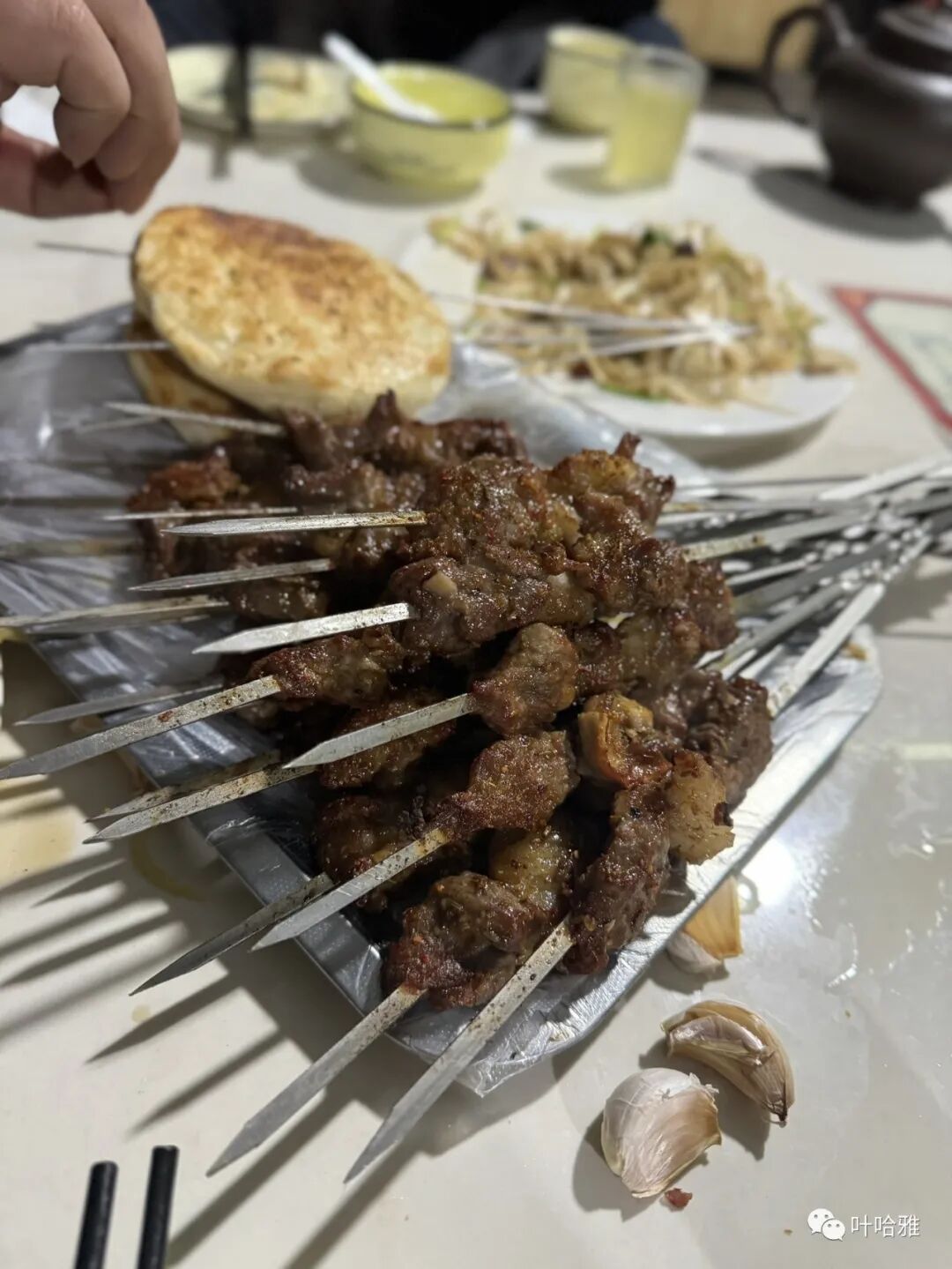
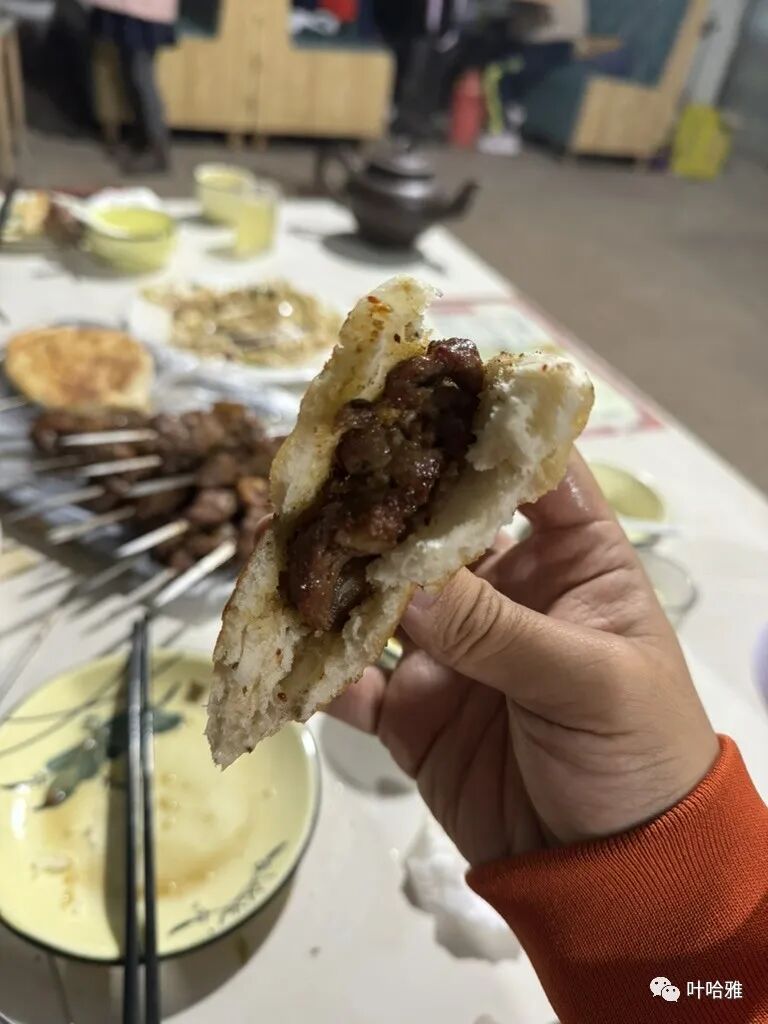
Wrapping barbecue in flatbread is the Shandong way to eat. The famous Zibo barbecue uses flatbread to wrap meat skewers. Shandong flatbreads are delicious, including varieties like thin pancakes (jianbing) and hanging oven flatbreads (diaolu shaobing). I love wheat-based foods, and since we were in a rush these past few days, we mostly lived on flatbread.
China Mosque Travel Guide Shandong: Tai'an Hui Muslim Villages, Historic Mosques and Resistance History
Articles • yusuf908 posted the article • 0 comments • 186 views • 2026-05-24 00:17
Summary: This China mosque travel guide continues the Tai'an seventy mosques project, covering Xintai and Feicheng mosques, village mosque architecture, stone tablets, imam records, Hui Muslim communities, and anti-Japanese resistance history.
The Seventy Mosques of Tai'an is presented here as a firsthand travel account in clear English, beginning with this scene: Xigaoping Mosque in Guli Town sits in the northwest part of the old Xigaoping village. The account keeps its focus on Mosque Travel, Islamic Heritage, Muslim Travel while preserving the names, places, food, and historical details from the Chinese source.
Xigaoping Mosque
Xigaoping Mosque in Guli Town sits in the northwest part of the old Xigaoping village. It was first built in the early Qing Dynasty and has been expanded and repaired many times since. When the mosque was first established, it had a main prayer hall with five rooms and two lecture halls to the north and south with three rooms each. An ancient cypress tree once stood inside the mosque, but it was cut down during the Cultural Revolution. The mosque was re-established in 1981. It underwent large-scale renovations in 1995 and 2005.
The mosque features a typical traditional Chinese courtyard style with a single-entry layout. It is 45 meters long and 35 meters wide. The prayer hall is 15 meters long and 6.5 meters wide. The rear hall is 4 meters long and 3.5 meters wide. The north lecture hall is 16 meters long and 8 meters wide. The south lecture hall is 18 meters long and 4.5 meters wide. Two stone tablets remain today: the 2005 Renovation Record and the List of Donors for the Mosque Construction on March 16, 1994, which was also set up in 2005.
Before the founding of the People's Republic of China, Imam Bai Anfu led the religious affairs at this mosque. After the founding of the People's Republic of China, Imams Yang Yuejun, Bai Anfu, Liu Qingyuan, Wang Xiuming, and Yu Guangwei served as leaders of religious affairs in succession. The mosque is currently managed by a mosque management committee, with Liu Guitian serving as the current director.
In 2008, the mosque was named a Model Mosque by Tai'an City. In 2009, it was awarded the title of Civilized Religious Activity Venue by Xintai City. In 2010, it was once again named a Model Mosque by Tai'an City.
Feicheng City
Houhuang Village Mosque
Houhuang Village Mosque in Bianyuan Town sits in the southwest corner of the village. It was built during the Ming Dynasty and has been repaired continuously since then. The mosque underwent seven large-scale renovations in 1747 (the 12th year of the Qianlong reign of the Qing Dynasty), 1809 (the 14th year of the Jiaqing reign), 1903 (the 30th year of the Guangxu reign), 1937 (the 26th year of the Republic of China), 1944 (the 33rd year of the Republic of China), 1984, and 2010.
The mosque features a Chinese palace-style architectural design and measures 45 meters long and 28 meters wide. The prayer hall has two sections, front and back, standing 9 meters high with two side rooms and a moon platform (yuetai) in front. The main hall is 17.2 meters long and 12.45 meters wide. The north lecture hall is 10 meters long and 8 meters wide. The south lecture hall is 15.2 meters long and 5.7 meters wide. The ablution room (shuiwu) is divided into separate areas for men and women. The men's room is 15 meters long and 6.2 meters wide. The women's room is 8.8 meters long and 5.8 meters wide. There are four stone tablets here: the 1747 Record of Rebuilding the Mosque Moon Platform Railing Rooms from the Qianlong era, the 1809 Record of Rebuilding the North and South Lecture Halls from the Jiaqing era, the 1910 Record of Rebuilding the Huangjiazhuang Mosque from the Xuantong era, and the 2011 Record of Rebuilding the Main Prayer Hall.
The mosque's religious affairs have been led by imams including Zhang, Zhang Baotai, Ma Yonghui, Tang Qinglin, Wang Changshun, Ma Tongyun, Yang Fulian, Xu Changcun, Yang Baojun, Zhang Shugang, and Ma Gang. The mosque has trained many religious scholars, including imams Zhang Xuan, Xu Shihe, Xu Jiben, Xu Jiwen, Xu Changchun, Xu Changzhi, Xu Jiwu, Xu Changshan, Zhang Baotai, Ma Wenli, Yang Guotai, Yang Maodou, Xu Changzeng, Yang Suo, Xu Bin, Ding Jian, Bai Yanbing, Ding Junjian, Ding Rongfu, Ding Jianhua, Yang Libiao, Xu Yongqiang, and Yang Chaoxuan. It is currently managed by the mosque's democratic management committee, with Ding Junqian, Xu Weihua, Ding Junfu, Ding Ruqing, and Yang Wei serving as directors. Religious activities are carried out according to the law. The mosque keeps a white porcelain incense burner from the Qing Dynasty. The mosque values education, and every imam has held classes to train many students (hailifan).
In 2008, the mosque was named a Model Mosque by Tai'an City. It was named a Model Mosque by Tai'an City again in 2014.
Qianhuang Village Mosque
Qianhuang Village Mosque in Bianyuan Town sits at the west end of the village. It was first built during the Guangxu reign of the Qing Dynasty (1875-1906) and has been repaired many times since. In the third year of the Xuantong reign (1911), elder Zhang Shi'en donated over 3.6 mu of land, which became the current site. In 1924, four rooms were built for the south lecture hall. In 1946, elder Wang Yuduo from the Taihe firm in Qianhuang Village led a fundraising effort, and the five-room main prayer hall was finished in 1947. Large-scale repairs took place in 1991, 2000, 2002, 2004, and 2014.
The mosque is a single-courtyard building in the classic Chinese palace style. The main prayer hall has front and back sections and covers 250 square meters. The north lecture hall covers 107 square meters, the south lecture hall covers 98 square meters, and the water room covers 88 square meters. There are four stone tablets here: the Huangjiazhuang Ding Family Genealogy Tablet from 1741 (Qianlong year 6), the New Ablution Room Tablet from 2000, the Mosque Inscription from 2003, and the South Lecture Hall Reconstruction Tablet from 2004.
The mosque's religious affairs have been led by imams including Yang Guotai, Yang Chaoxuan, Mi Shuting, Ma Yongcai, Zhao Rongsheng, Zhan Qinggui, Dong Zhongqing, Mi Shuangzhong, Mi Shuangliang, Li Huaiguo, Wang Xiuming, Chen Xingwu, Wang Huaiyu, Jin Haixue, Wang Jingdou, Wang Xiuming, and Ma Jundong. Before the founding of the People's Republic of China, the mosque was managed by village elders including Ding Yuxi, Wang Wensheng, Wang Guanxi, Wang Guanxing, Wang Jixian, Bai Yuhe, Zhang Juntang, Wang Jichen, Ding Yang, Wang Guanqi, Zhang Baoshan, Zhang Baodang, and Wang Jixin. After the founding of the People's Republic of China, it was managed by village elders including Ding Yanzheng, Ding Yanyang, Wang Guanjiang, Ding Huaixin, Zhang Yongquan, Wang Xiuzhong, Ma Hongzhang, Wang Xiucai, Bai Tangyou, Zhang Yanlong, Wang Xiutong, Wang Jingshui, Ding Huaikui, Wang Jingtao, Wang Jingliang, Ma Xianmin, and Wang Zhongmin. It is now managed by the mosque's democratic management committee, with Ding Yanzheng, Ma Hongzhang, Wang Jingshui, and Ding Huaikui serving as directors.
The mosque once held cultural relics like celadon incense burners and vases, along with thirty handwritten copies of the Quran, but these were destroyed or lost during the Great Leap Forward and the Cultural Revolution.
In 2008, the mosque was named a Model Mosque by Tai'an City. In 2010, it was named a provincial-level Harmonious Religious Activity Site. In 2011, it was designated as a Feicheng City Cultural Relic Protection Unit.
Shengjiazhuang Mosque.
Shengjiazhuang Mosque in Anjiazhuang Town is located in the northwest corner of the village. It was first built in the early Qing Dynasty and has been renovated many times since. The mosque is built in the style of a Chinese palace, measuring 34 meters long and 30 meters wide. The prayer hall consists of a front and back section, and the main hall features a raised platform (yuetai) that is 8 meters high, 14 meters long, and 10 meters wide. The north lecture hall is 21 meters long and 7 meters wide. The south lecture hall is 11 meters long and 5 meters wide. The water room is 11 meters long and 5 meters wide. There are 7 stone tablets remaining, including the 1929 (the 18th year of the Republic of China) Tablet for the Reconstruction of the Mosque and 4 newer tablets honoring donors. An ancient stone tablet stands in front of the main hall, but the inscription is badly damaged and hard to read.
The mosque's religious affairs have been led by imams including Yang Maoxiu, Wu Mingcai, Li Jigui, and Wang Hualei. It is currently managed by the Mosque Democratic Management Committee, with Li Zhaoji, Mi Qingguo, and Yang Dengfa serving as directors.
In 2009, the mosque was named a provincial-level Harmonious Religious Activity Site. It won the title of Model Mosque of Tai'an City in 2010 and again in 2014.
Beiqiu Mosque
Located in the eastern half of Beiqiu Village in Bianyuan Town, the mosque was first built between the late Ming and early Qing dynasties and has been expanded several times since. The main hall was restored in the 12th year of the Qianlong reign of the Qing Dynasty (1747). The north lecture hall was rebuilt in 1991. In 2015, the south lecture hall, the water room, and the courtyard were built.
The mosque is built in the style of a Chinese palace, measuring 37.3 meters long and 26.8 meters wide. The prayer hall is a double-layered structure divided into a front hall and a back hall, with side rooms attached to the main hall and a moon terrace (yuetai) in front that is 8.5 meters long and 23.5 meters wide. The north lecture hall is 5 meters long and 17.8 meters wide. The south lecture hall is 5 meters long and 8 meters wide. The water room is 5 meters long and 19 meters wide. The mosque includes a living area for the imam. There are five stone tablets remaining, including the "Stele Record of the Mosque Restoration" from the 12th year of the Qianlong reign (1747), the "Mosque Prohibition Stele" from the Xuantong reign (1909-1911), the "Stele Record of the North Lecture Hall Reconstruction" from 1991, and the "Stele Record of the South Lecture Hall and Water Room Reconstruction" from 2015.
Imam Ding Ruhu currently oversees the religious affairs. In the past, village elders worked with the mosque's imam to manage affairs, with Xu Huali from the Daoguang reign of the Qing Dynasty (1820-1850) serving as a representative example. The mosque is now managed by a democratic management committee, with Liu Yuyuan, Ding Yongchang, Ding Yongdui, and Ding Xianquan serving as directors in succession. The mosque currently houses a copper water pitcher (tangping) dating back to the late Ming and early Qing dynasties.
Songzhuang Mosque
The Songzhuang Village Mosque in Bianyuan Town is located at the west end of the village. It is said to have been built in the late Ming and early Qing dynasties and has been renovated continuously since then. Before the founding of the People's Republic of China, there were four major renovations, with the most significant ones occurring in the tenth year of the Jiaqing reign (1805), the seventeenth year of the Daoguang reign (1837), the twenty-sixth year of the Guangxu reign (1900), and the fifteenth year of the Republic of China (1926). Since the founding of the People's Republic of China, it has been repaired many times, including the 2013 reconstruction of four ablution rooms (shuifang), two warehouses, and three southern lecture halls.
The mosque is built in the style of a Chinese palace, measuring 36 meters long and 36 meters wide. The prayer hall is 15.6 meters long and 11.3 meters wide, and the northern lecture hall is 18.3 meters long and 5.4 meters wide. The southern lecture hall is 15.7 meters long and 5 meters wide. The water room is 12 meters long and 5 meters wide. There are five stone tablets remaining, including the Stele for the Reconstruction of the Mosque from the nineteenth year of the Daoguang reign (1839), the Stele Record for the Reconstruction of the Mosque from the twenty-sixth year of the Guangxu reign (1900), the Preface Stele for the Reconstruction of the Mosque from the fifteenth year of the Republic of China (1926), and the Preface to the Reconstruction of the Songzhuang Ancient Mosque.
Historically, the mosque trained imams such as Ma Huanwen and Sha Xianzhang. Over the past twenty years or so, imams including Li Zhongguo and Wang Huarong have led the religious affairs. The mosque is currently managed by a democratic management committee, with Zuo Guangwen, Ma Yumin, Bai Youting, Ma Yujun, and Yang Changgang serving as directors in succession.
In 2009, the mosque was awarded the provincial title of Harmonious Religious Activity Venue. In 2010, it received the title of Model Mosque from Tai'an City. In 2016, it was designated as a Cultural Relic Protection Unit of Tai'an City.
Chahedian Mosque
Chahedian Mosque in Bianyuan Town is located in the middle of the village. It was first built during the Qianlong reign of the Qing Dynasty (1735-1796) and has been expanded and repaired ever since. In 2014, the mosque underwent a large-scale renovation.
The mosque features a Chinese palace-style architectural design, measuring 45 meters long and 30 meters wide. The prayer hall is 15 meters long and 15 meters wide, and the north lecture hall is 27 meters long and 7 meters wide. The south lecture hall is 20 meters long and 7 meters wide. The ablution room (shuiwu) is 6 meters long and 7 meters wide.
The mosque's religious affairs were led by imams including Xu Changzhi, Zhang Yanzhai, Wang Huarong, Ma Wenli, Wang Hualei, and Yang Shunchang. It is now managed by the mosque's democratic management committee, with Han Hongbin, Liu Yuantai, and Wang Jihe serving as directors. In 2012, it was named a provincial-level Harmonious Religious Activity Venue.
Fenghuang Village Mosque
Fenghuang Village Mosque in Bianyuan Town sits at the west end of the village. It was built in the 11th year of the Republic of China (1922). When the mosque was first established, it included a main prayer hall, a lecture hall, an ablution room, a main gate, and courtyard walls. It underwent large-scale renovations in 1994.
The mosque features a Chinese palace-style architectural design and is 35 meters long and 30 meters wide. The prayer hall is 12 meters long and 10 meters wide. The north lecture hall is 13 meters long and 6 meters wide. The south lecture hall is 13 meters long and 6 meters wide. There are two existing stone tablets: the Mosque Founding Tablet from 1940 and the Mosque Reconstruction Record Tablet from 1995.
The mosque's religious affairs were led by imams including Wang Yongqing, Ma Xingchang, Ding Hu, Wang Changming, Yang Xingwang, Wang Changgui, and Yang Baojun. It is currently managed by the mosque's democratic management committee, with Wu Maowen, Wu Baoshu, Mi Kuan, Wu Yuanfa, Wu Mingkun, Wu Mingxiang, Wu Jinzhong, and Mi Zhaoying serving as directors.
Dawangzhuang Mosque
Dawangzhuang Mosque in Bianyuan Town is located at the east end of the village. It was built in 1953 and has been repaired many times since. Large-scale renovations took place in 2005, 2007, and 2011.
The mosque is in a modern architectural style, measuring 35 meters long and 40.5 meters wide. The prayer hall is a single-level structure with a rear hall, standing 5.2 meters high, 11 meters long, and 7.5 meters wide. The north lecture hall is 15 meters long and 7.6 meters wide. The south lecture hall is 3 meters long and 7.6 meters wide. The water room is 7.6 meters wide.
The mosque's religious affairs were led by imams including Bai Anfu, Imam Yang, Yang Baojun, Jin Haizeng, Wang Zengli, Ma Chuanxiang, Yang Dong, and Ding Jianhua. It is now managed by the mosque's democratic management committee, with Yang Baojin, Yang Shunping, and Yang Shuncang serving as directors. The mosque houses an incense burner.
Chenjiabu Mosque
Chenjiabu Mosque in Anjiazhuang Town sits at the west end of the village. It was first built between the late Ming and early Qing dynasties and has been expanded and repaired ever since. The mosque underwent two large-scale reconstructions in 1996 and 2007.
The mosque features a Chinese palace-style architectural design and measures 46 meters long and 24 meters wide. The prayer hall is a double-layered structure consisting of a front porch, a front hall, a gutter, and a rear hall, creating a connected architectural layout. Both the front and rear halls follow a four-beam and eight-pillar design, with a brick and lime gutter installed at the junction of the two halls for drainage. There are side doors on both sides and a raised platform (yuetai) in front. The main prayer hall is now a dangerous building. The main prayer hall is 9 meters high, 16 meters long, and 10 meters wide. The north lecture hall is 16 meters long and 6.5 meters wide. The south lecture hall is 13 meters long and 5 meters wide. The water room is 6.5 meters long and 5 meters wide. The mosque was once awarded the provincial title of Harmonious Religious Activity Venue.
Xiaojiabu Mosque
Xiaojiabu Mosque in Anjiazhuang Town is located at the west end of the village. The founding date is unknown, and it was destroyed by fire in 1973 when machines inside the building caught fire. The new mosque was built in 1999.
The mosque features Chinese palace-style architecture and is 56 meters long and 50 meters wide. The prayer hall is 9.9 meters high, and the moon terrace in front of the main hall is 26 meters long and 15 meters wide. The north lecture hall has 5 rooms, measuring 15 meters long and 8 meters wide. The south lecture hall has 5 rooms, measuring 15 meters long and 5 meters wide. There is 1 kitchen, measuring 3 meters long and 4 meters wide. More than 250 trees are planted inside and outside the mosque, and the mosque is fully equipped with all necessary utensils. A stone tablet erected in 2000 still exists today.
The mosque's religious affairs have been led by imams including Bai Maoxiang, Imam Xu, Imam Yang, Imam Wang, and Bai Yanbing. It is currently managed by the mosque's democratic management committee, with Ma Wenhuan serving as the director.
A handwritten copy of the Quran from the 17th year of the Republic of China (1928) is preserved here. In 2008, the mosque was named a Model Mosque by Tai'an City.
Ningyang County
Xitaili Mosque
Xitaili Mosque in Gangcheng Town sits in the western half of the village. Wang Xiong founded the mosque in 1398, the 31st year of the Hongwu reign of the Ming Dynasty, and it has been expanded and repaired ever since. The mosque underwent repairs in 1411, 1460, 1698, 1719, 1738, 1819, 1900, 1945-1946, 2005, 2008, and 2012.
The mosque features Chinese palace-style architecture. It is 41.5 meters long and 34.1 meters wide, with two courtyards. The main prayer hall is a double-layered structure, 13 meters high, 13.1 meters long, and 7.1 meters wide. The north lecture hall is 17.1 meters long and 7 meters wide. The south lecture hall is 10.5 meters long and 7 meters wide. The water room is 10.6 meters long and 5.5 meters wide.
The mosque entrance has a main gate and a second gate. Past the second gate is the main courtyard. The main prayer hall sits on the west side, facing east. It is the primary building of the mosque and can hold hundreds of people for namaz at the same time. The main prayer hall uses a three-arch design with a connected roof structure, consisting of a front porch, a middle hall, and a back hall. The front porch is three bays wide with a curved roof and a wooden frame covered in small gray tiles. A stone tablet from 1719 titled Mosque Inscription is embedded in the inner north wall of the porch. The middle hall is three bays wide with a hard mountain-style roof. The front eaves connect to the back eaves of the middle hall, with water drainage channels left on both side walls. The rear hall is three bays wide, extending 0.62 meters beyond the sides of the middle hall's front porch. The front and rear eaves connect, the main roof ridge features animal ornaments, the brick walls have delicate carvings, and the mihrab is set in the center of the west wall.
The floor plan of the main hall looks like the Chinese character 'zhu' (master), and the roof has a varied, undulating shape. The platform in front of the main hall has stone railings and panels. On the north side of the platform stand stone tablets from the 11th year of the Guangxu reign (1885) and 2005 documenting repairs to the mosque. In front of the platform, the north and south lecture halls each have three rooms. They feature a single-eave, hard-mountain style roof covered with grey tiles and a front porch. North of the second gate is the room for students (hailifan). To the south is the bathing room, which can accommodate dozens of people for major and minor ablutions. Between the east gable of the north lecture hall and the courtyard wall is the east side room. To the west of the west gable are the west side room, the covered room (zhaozifang), and the tableware room. There are six existing stone tablets: the 'Mosque Tablet Record' from the 58th year of the Kangxi reign (1719), the 'Mosque Land Donation Tablet' from the 11th year of the Guangxu reign (1885), the 'Eternal Tablet' from 2005, the 'Second Batch of Municipal Key Cultural Relics Unit Tablet' from 2007, the 'Eternal Tablet' from 2008, and the 'Xitaili Mosque Reconstruction Record Tablet' from 2012.
Throughout its history, the mosque has trained many imams, including Yang Peicheng, Wang Minqing, Wang Minyi, Xu Menglan, Xu Shanfang, Li Chuanzheng, Li Hongbin, Wang Anyi, Li Anchen, Li Qingjun, Ma Xiangfa, Yang Zhenfa, Yang Cunguo, Yang Wei, Wang Antang, Wang Zifa, Xu Shouguo, Huang Zhongqing, Li Qingyun, Ma Xingcheng, Tang Wenhai, Wang Zhongzhen, Zhang Hongyi, Xu Shanfang, Li Zhaokun, Han Yuhai, and Xia Qianguo. The mosque is currently managed by a democratic management committee. Past directors include Wang Zishang, Wang Enshang, Wang Anxiang, Wang Anwen, Li Anshan, Li Baojin, Wang Anpo, and Ma Yongfu.
In 2009, the mosque received the provincial title of 'Harmonious Religious Activity Venue.' It was also named a 'Model Mosque' by Tai'an City in 2008, 2010, and 2014.
Liujiazhuang Mosque
Liujiazhuang Mosque in Geshi Town is located in the southwest corner of the village. It was first built during the Hongwu period of the Ming Dynasty (1368-1398) and has been expanded and repaired many times since. The mosque underwent three large-scale renovations in 1984, 1997, and 2008.
The mosque follows the Chinese palace architectural style, measuring 26 meters long and 19 meters wide. The prayer hall is 7.9 meters high, 10 meters long, and 8.5 meters wide. The north lecture hall is 13.5 meters long and 7 meters wide. The water room is 5 meters long and 7 meters wide. There is one stone tablet currently on site, which is the 2008 Tablet Record of Mosque Renovation.
Since the founding of the People's Republic of China, the religious affairs have been led by imams including Xu Menglan, Shi Xianbao, Wang Minqing, Xu Shanfang, Bai Anmeng, Han Tongwen, Xu Lingzhi, Wang Antang, Li Anchen, and Ma Ning. The mosque is currently managed by a democratic management committee, and past directors include Li Huaiqing, Li Lanting, and Sha Xingdong.
It has received the title of Model Mosque from Tai'an City.
Baima Mosque Mosque
Baimamiao Mosque in Fushan Town sits at the southwest corner of South Baimamiao Street in Taipingzhuang Village. It was first built during the Yongle period of the Ming Dynasty (1403-1424) and has been expanded and repaired ever since. The mosque has undergone four major renovations, including those during the Jiajing period of the Ming Dynasty (1522-1566), in the 16th year of the Guangxu reign of the Qing Dynasty (1890), and in 2001 and 2010.
The mosque features Chinese palace-style architecture, measuring 72.7 meters long, 21.1 meters wide at the front, and 27.5 meters wide at the back. The prayer hall is a double-eaved structure measuring 15.9 meters long and 13.2 meters wide. The north lecture hall is 10.2 meters long and 7 meters wide. The south lecture hall is 10.2 meters long and 6.4 meters wide. The ablution room (shuiwu) is 13.8 meters long and 6.6 meters wide. There are three stone tablets currently on site: the 1890 'Record of the Mosque Renovation' from the Qing Dynasty, the 2001 'Everlasting Renewal Tablet,' and the 2010 'Preface Tablet.'
The mosque's religious affairs have been led by imams including Zhao Wenjie, Yang Yueqing, Zhu Yuepo, Ma Guang, Han Yunting, Zhu Guanglai, Zhao Xinzheng, Zhao Guangfu, Zhu Yuehou, Yang Zhanji, Wang Ai, Zhang Yanzhai, and Yang Dawei. It is currently managed by the mosque's democratic management committee, with past directors including Mi Kuancheng, Hong Qingfang, and Zhao Anren.
A plaque from the 19th year of the Guangxu reign of the Qing Dynasty (1893) is still preserved today. In recent years, Zhu Zhaoxin donated a pair of wooden couplets that read, "The only true Allah of the universe is Allah, the only greatest sage in the world is Muhammad," which now hang on both sides of the mosque (libaidian) door.
In 2003, the county government designated the mosque as a county-level cultural relic protection site. It received the provincial title of "Harmonious Religious Activity Venue" in 2011 and was named a "Model Mosque" by Tai'an City in 2014.
Hongqi Village Mosque
Hongqi Village Mosque in Huafeng Town sits in the center of the village. It was first built during the Wanli period of the Ming Dynasty (1573-1620) and has been expanded and repaired ever since. The mosque underwent two large-scale renovations in 1932 and 2011.
The mosque features Chinese palace-style architecture and measures 30 meters long and 25 meters wide. The prayer hall is a double-layered structure that is 6 meters high, 13 meters long, and 10 meters wide. The north lecture hall is 15 meters long and 7 meters wide. The south lecture hall is 14 meters long and 4.5 meters wide. The water room is 6 meters long and 4 meters wide. There are two stone tablets here: the 2012 Tablet of Rebuilding the Main Hall and the Tablet of Eternal Memory.
Since the late 1940s, the mosque's religious affairs have been led by imams including Chen Junfang, Shi Xianxing, Liu Qingyuan, Gao Guo, and Ma Yingshang. The mosque is currently managed by a democratic management committee. Past directors include Chen Jinmei, Zhu Xiangxun, Bai Yushun, Zhu Xuyin, Wang Ansheng, Shi Junyou, Zhu Xutian, and Chen Weimin.
In 2008, the mosque was named a Model Mosque by Tai'an City, and in 2012, it received the provincial title of Harmonious Religious Activity Venue.
Jingquan Village Mosque
Jingquan Village Mosque in Huafeng Town is located in the northwest part of the village. It was first built in the 14th year of the Daoguang reign of the Qing Dynasty (1834). It was originally located in the eastern part of Jingquan Village and has been expanded and repaired many times since. Large-scale renovations took place in the 24th year of the Daoguang reign (1844), 1988, and 2001.
The mosque is 47 meters long and 35 meters wide. It includes a main hall, a north lecture hall, a south lecture hall, and a water room. There are three stone tablets: the Tablet of Founding the Mosque from the 14th year of the Daoguang reign (1834), the Tablet of Rebuilding the Mosque from 1998, and the Tablet Record of Repairing the Mosque from 2003.
Since the 1950s, the mosque's religious affairs have been led by imams including Jin Haixue, Ma Maoquan, Xu Changchun, Zhang Changshi, and Ma Shengchao. The mosque is now managed by a democratic management committee, with past directors including Huang Yuxiang, Huang Ruichang, Huang Qingfa, and Yang Yanhua.
The mosque houses a set of handwritten Quran manuscripts (volumes 15, 16, 29, and 30 are missing) and one copper water pitcher (tangping), which was originally part of a pair.
Sidian Village Mosque
Sidian Village Mosque in Sidian Town is located in the northern part of the village. It was built in the 11th year of the Yongzheng reign of the Qing Dynasty (1733) and has been expanded and repaired many times since. In the first year of the Jiaqing reign (1796), a fire at a neighbor's house spread to the mosque, which was later rebuilt. In October 1926, a fire destroyed the main prayer hall. The main hall, lecture hall, and gate wall were rebuilt in 1935. The main prayer hall was torn down in the early 1950s. In the 1980s, the Sidian village brigade arranged for members to build houses on the site, but the south lecture hall remains standing today. The mosque was rebuilt between 2012 and 2015.
The mosque is built in the style of a Chinese palace, measuring 22 meters long and 21 meters wide. A white marble plaque inscribed with the words "Mosque" is embedded above the main gate. There are side doors on both sides, each with a five-step entrance platform. About 10 meters inside the main gate is a second gate, and a path leads straight from there to the main prayer hall. The main prayer hall is a single-story building with a three-bay porch-style design, standing 15 meters high with a bronze vase ornament on the roof. On each side of the main prayer hall, there is a carved openwork lattice window featuring Arabic calligraphy. Inside the hall, four round plaques hang on the front sides, and a plaque with gold lettering hangs in the center. There are four large painted pillars, each over 40 centimeters in diameter, decorated with large gold-painted lotus flowers. The ceiling is inscribed with the holy names of Allah. The floor of the main prayer hall is covered with felt carpets. The front of the main prayer hall is a wooden structure with a simple, ancient style, built in the Chinese hip-roof (wudian) architectural form. The north lecture hall has three rooms and covers an area of about 60 square meters. Inside the hall, there is antique porcelain printed with Arabic scripture. The south lecture hall has three rooms and covers an area of about 50 square meters.
There are two stone tablets remaining: the Imperial Edict Tablet (Shengyu Bei) from the seventh year of the Yongzheng reign of the Qing Dynasty (1729) and the Tablet Record of the Reconstruction of Sizhuangdian Mosque (Chongxiu Sizhuangdian Qingzhensi Beiji) from the twenty-eighth year of the Republic of China (1939). The former is the only one of its kind in Tai'an and holds significant historical and cultural value. There are several cypress trees inside the mosque.
The mosque was once led by imams including Mi Baogui, Zhao Defu, and Zhao Furun. It is now managed by the mosque's democratic management committee, with past directors including Shi Guanli, Li Xiangqian, and Li Hong'an. The mosque also serves the communities of Qianwang Village and Houwang Village in Caohe Town, Yanzhou City.
Nanyi Village Mosque
Nanyi Village Mosque in Ciyao Town is located in the southwest part of the village. The original mosque in Nanyi Village fell into disrepair and was severely damaged. In May 2015, the dangerous structures were demolished according to plan, and a new mosque was built at a different site.
The mosque covers an area of 1,600 square meters, measuring 40 meters long and 40 meters wide. The prayer hall is 15 meters long and 11 meters wide. The north lecture hall is 10 meters long and 8 meters wide. The south lecture hall is 10 meters long and 8 meters wide. The water house is 10 meters long and 11 meters wide. There is one stone tablet here, the 2016 Tablet of Loving the Country, Loving the Faith, and Recognizing the Oneness of Allah.
The mosque has trained imams like Zhu Zhili, and Imam Yang Zhi currently manages religious affairs. The mosque is managed by a mosque management committee, with Zhang Weimin and Zhu Zhiming serving as past directors.
Houlyuguan Mosque
Houlyuguan Mosque in Huafeng Town sits in the middle of the village. It was likely built in the early days of Lyuguan Village and has been expanded and repaired ever since. In the second year of the Daoguang reign (1822), the old mosque was falling apart, so it moved to the north end of the village, which is its current location. The new mosque added three lecture rooms and a moon terrace (yuetai). In the 27th year of the Guangxu reign (1901), three large tiled rooms were added, and pine and bamboo were planted. The mosque was repaired in the ninth year of the Republic of China (1920). It was severely damaged during the Cultural Revolution.
When the mosque was first built, it was made of grass huts and covered seven and a half mu of land, with eight farming families from the north and south villages providing money and grain. After moving to the north of the village, it was rebuilt with brick, wood, earth, and stone, measuring 62 meters long and 52 meters wide. An old plaque hangs in the prayer hall, but the three characters on it are no longer readable. The main hall is 11 meters long and 11 meters wide. The north lecture hall is 11 meters long and 5 meters wide. The south lecture hall is 11 meters long and 5 meters wide. The water room is 4 meters long and 3.5 meters wide. There are three existing stone tablets: the Record of Rebuilding the Mosque from the second year of the Daoguang reign of the Qing Dynasty (1822), the Record of Rebuilding the Mosque from the 27th year of the Guangxu reign (1901), and the Record of Rebuilding the Mosque from the ninth year of the Republic of China (1920). Several stone tablets buried during the Cultural Revolution are inside the water pool.
The mosque's religious affairs were successively led by imams including Ma, Liu Yulin, and Xu Yongtong. Xiluoshan Mosque.
Xiluoshan Mosque in Heshan Township. Built in 2013, it covers 500 square meters with a building area of 300 square meters. It includes a main prayer hall, north and south lecture halls, and a main gate.
Xiluoshan Mosque.
Xiluoshan Mosque in Heshan Township. Built in 2013, it covers 500 square meters with a building area of 300 square meters. It includes a main prayer hall, north and south lecture halls, and a main gate.
Dongping County
Zhoucheng Mosque
Zhoucheng Mosque is located in the middle of the ten-mile Song Street in Zhoucheng Subdistrict. It was first built in 1575 during the third year of the Wanli reign of the Ming Dynasty and has been expanded several times since. Large-scale renovations took place in 1819 (the 24th year of the Jiaqing reign), 1828 (the 8th year of the Daoguang reign), 1840 (the 20th year of the Daoguang reign), 1911 (the 3rd year of the Xuantong reign), and 1926 (the 15th year of the Republic of China). After the founding of the People's Republic of China, it was repaired many times, with major renovations in 1990 and 2004.
The mosque features a classic Chinese palace-style architectural design, measuring 91 meters long and 51 meters wide. The prayer hall is a ridge-roof building that stands 12 meters high, 31 meters long, and 29 meters wide. The north lecture hall is 17.5 meters long and 6 meters wide. The south lecture hall is 17.5 meters long and 6 meters wide. The water house is 10.5 meters long and 6 meters wide. There are five stone tablets remaining: the Donation of Land Tablet and the Record of Rebuilding the Mosque Tablet from the 12th year of the Daoguang reign (1832), the Record of Rebuilding the Mosque Tablet from the 20th year of the Daoguang reign (1840), the Preface to the Tablet for Rebuilding the Mosque from the 3rd year of the Xuantong reign (1911), and the Tablet for Rebuilding the Mosque from the 15th year of the Republic of China (1926).
Since modern times, the mosque's religious affairs have been led by imams including Zhan Huiyuan, Zhan Shikai, Zhan Hongru, Zhan Faxin, Xu Changzheng, Xu Changzhi, Yang Maoxiu, Yang Baojun, Zhan Hongda, Imam Guo, Ding Shanzhen, Ma Xiangfa, Li Anchen, Zhan Qiang, and Jin Feng. It is now managed by the mosque's democratic management committee, with Bian Qingfang, Wang Jinghan, Guo Guangcai, Zhan Yanling, and Zhao Rongsheng serving as directors in succession.
In 2004, the mosque was designated as a Tai'an City Cultural Relics Protection Unit. It won the title of Tai'an City Model Mosque four times in 2008, 2009, 2010, and 2014. In 2010, it was named a provincial-level Harmonious Religious Activity Venue.
Xicun Mosque
Laohu Town Xicun Mosque is located in the southern part of the village. The mosque was originally built in Zhanjialou during the Daoguang reign of the Qing Dynasty (1820-1850) and was expanded several times later. It was destroyed by a flood in 1955 and later rebuilt in Xicun Village, where it was completed with a main prayer hall of three rooms and a lecture hall of four rooms.
The mosque is built in the style of a Chinese palace and covers a total area of 1,404 square meters. The main prayer hall is a single-story building that stands 12 meters high and covers 130 square meters. The north lecture hall covers 168 square meters, and the south lecture hall covers 43.2 square meters. The ablution room (shuiwu) covers 77 square meters. The mosque currently houses two stone tablets.
The mosque's religious affairs have been led by imams including Mi, Yang, Ma Yunxiang, Xu Changzhi, Wu Mingcai, Wang Enqing, Bai Zhenhe, Lu Qingjie, Yang Yinqing, and Zhang Changshi. It is now managed by a mosque democratic management committee, with members including Zhan Ensu, Zhan Enkui, Zhan Qinghai, Zhan Qingyu, Bai Shulin, Jin Licai, Jin Baoli, Zhan Yanwu, Bai Chengzhen, and He Mingjun serving as directors.
Lisuo Village Mosque.
Lisuo Village Mosque in Timen Town was built in 1896 during the Guangxu reign of the Qing Dynasty and has been repaired several times since. It was damaged in 1958 and later rebuilt. In 2012, due to new village planning, it was moved and rebuilt 60 meters southeast of the old mosque, and it is now located at the 15th Team in the south of Lisuo Village. Repairs were carried out in 2015 and 2016.
This mosque has a modern architectural style and covers a total area of 1,751.1 square meters. The main prayer hall is a single-story building that stands 8 meters high and covers 151.2 square meters. The north lecture hall covers 87.1 square meters, and the ablution room (shuiwu) covers 90 square meters. A storage room (jiazi fang) is built to the south of the main prayer hall. Two stone tablets remain. One ancient tablet was carved with verses from the Quran, the date the mosque was built, and the names of the founders, but it was damaged in 1958 and is now a broken fragment.
The mosque was led by imams including Imam Ding, Imam Yang, and Zhao Jie, and it is currently managed by the mosque's democratic management committee.
Daimiao Mosque
Daimiao Mosque is located in the center of Daimiao Village, Daimiao Town. The date it was first built is unknown. It was damaged by the Yellow River in the 16th year of the Guangxu reign of the Qing Dynasty (1890). It was rebuilt in the spring of the 20th year of the Republic of China (1931). It was later destroyed by flooding and was rebuilt at a new site in 2017. It covers 400 square meters and includes a prayer hall, a south lecture hall, an ablution room (shuifang), a main gate, and a storage room (jiazi fang). There is one stone tablet remaining from the 20th year of the Republic of China (1931) titled 'Record of the Reconstruction of the Daijia Mosque Town Mosque'.
The mosque was led by imams such as Zhan Enpu and Jin Feng. It is currently managed by the mosque's democratic management committee, with Guo Guangcai serving as the current director.
Discussion | A Preliminary Study of the Hui Muslims' Resistance Against Japan in Tai'an, Shandong
At the end of 1937, the Japanese army invaded the Tai'an region of Shandong, causing major losses to the local economy and society. After thorough mobilization, people from all walks of life among the Hui Muslims in Tai'an—including farmers, workers, teachers, students, business owners, doctors, and imams—all joined the vigorous, full-scale war of resistance. Under the leadership of the Party, the Hui Muslim forces in Tai'an grew from nothing to something and from weak to strong, participating in over 300 battles, with figures like Jin Xiaocun and Jin Guang becoming key leaders of the force. The Tai'an Hui Muslim Anti-Japanese School, the Anti-Japanese National Salvation Association, the Anti-Japanese Propaganda Team, and anti-Japanese logistics industries continued to develop, becoming important elements of the systematic Hui Muslim resistance in Tai'an.
During the war, 322,000 soldiers and civilians in Tai'an city (based on current statistics for the six counties and districts of Tai'an) were killed or wounded, accounting for 1/20 of the total casualties in Shandong (6,526,000 people), which shows the atrocities committed by the Japanese army in Shandong and Tai'an. After the Japanese army occupied Tai'an at the end of 1937, they set up 37 enemy-puppet strongholds and carried out horrific, insane massacres. Between 3:00 PM and 5:00 PM on February 24, 1938, the Japanese army committed the Shanyang Village (in front of Culai Mountain) massacre, killing 72 villagers and wounding 13. They burned down 3,080 rooms. 151 large livestock and over 3,500 sheep were burned to death. Over 500,000 jin of grain and more than 400 carts of various sizes were burned. Hui Muslims in Shandong suffered severely from the Japanese invaders. The Japanese army raped countless women, burned down 71 mosques, killed over 130 imams (aheng), and looted all gold, silver, and property. Hui Muslims in Tai'an were not spared either. The Japanese invaders committed monstrous crimes against Hui Muslim villagers in places like Dashuozhuang in Zhuyang Town, Nigou Village in Manzhuang Town, and Yuezhuang Village in Shengzhuang Town. Facing the inhumane massacre policy of the Japanese invaders, Hui Muslim villagers in Tai'an joined the broad masses of Han people in a bitter and arduous war of resistance. Since the spring of 1938, Hui Muslim villagers in the Tai'an region launched a vigorous and systematic war of resistance against Japan, making important contributions to the victory of the war in Tai'an, Shandong, and North China.
1.
Tai'an Hui Muslim Resistance Forces
The Tai'an Hui Muslim resistance was divided into two forces: the Taixi Hui Muslim Anti-Japanese Armed Force and the Taidong Hui Muslim Anti-Japanese Armed Force. The Taixi Hui Muslim resistance was centered in Chenjiabu and Shengjiazhuang in Anjiazhuang Town, Feicheng City, as well as Nanbailou and Zhoujiapo in Xiazhang Town, Daiyue District, with Jin Xiaocun, Mi Yingjun, and Ma Ancai as the main leaders. The Taidong Hui Muslim resistance was centered in Yuezhuang, Gangshang, and Ershilibu in Shengzhuang Town, Tai'an District, and Dashuozhuang Village in Zhuyang Town, Daiyue District, with Jin Guang, Zhao Manshi, Ma Qianli, and Hong Zhanwu as the main leaders. In January 1941, the two forces merged into the Hui Muslim Backbone Battalion in Nigou Village, Manzhuang Town, Daiyue District, totaling over 100 people. The reorganized Hui Muslim backbone brigade operated mainly in the Taixi region. Specifically, the Taixi region covers the vast area west of the Jinpu Railway in Tai'an, south of the Yellow River, up to the north bank of the Dawen River, and east of the Ding River. It mainly includes the counties of Tai'an, Feicheng, Changqing, Dongping, Pingyin, Dong'e, Wenshang, and Ningyang. The anti-Japanese war led by the Hui Muslims of Tai'an was not a series of isolated or scattered battles, but a systematic resistance. The leadership of the Party, the Hui Muslim forces, the Hui Muslim National Salvation Association, the Hui Muslim resistance leaders, the anti-Japanese propaganda teams, the anti-Japanese schools, and the Longshan Military Shoe Factory were all specific elements of the systematic resistance of the Tai'an Hui Muslims. Specifically, the Party's leadership provided a strong political guarantee for the Tai'an Hui Muslim resistance. The Hui Muslim forces were a solid fighting force, and the National Salvation Association was a comprehensive revolutionary group. Jin Xiaocun, Mi Yingjun, and Jin Guang were outstanding leaders of the Tai'an Hui Muslim resistance. The Hui Muslim anti-Japanese propaganda team was an independent system for mobilization, the Hui Muslim anti-Japanese school was a fully established training institution for the resistance, and the Longshan Military Shoe Factory was an independent anti-Japanese logistics industry for the Tai'an Hui Muslims.
II.
The Tai'an Hui Muslim Resistance and the Party's Leadership
Branches of the Communist Party of China were established very early among Hui Muslim teachers and young students in Tai'an. The earliest ones were the Party branch in Ershilibu Village in Taidong and the Party branch in Beiqiu Village in Taixi. The former was established in 1932 with the help of Zhao Manshi and was the first rural Party branch in Tai'an County. Jin Yisan served as secretary, Hong Jixiao as propagandist, and Chen Xingcai as armed committee member, building up strength for future revolutionary struggles. In 1938, the Taixi Special Committee of the Communist Party of China was founded at Beiqiu Primary School, becoming the first Party organization in Taixi County at that time. Duan Junyi served as secretary, and Hui Muslim Party members such as Bai Youfang and Ding Maoshan actively participated in the work.
After the July 7th Incident, cooperation between the Kuomintang and the Communist Party gradually deepened, and many imprisoned Communist Party members were released. In July 1937, Communist Party members Lu Baoqi, Zhu Yugan, Yan Yuming, and Wu Guanying, who had been hiding outside, returned to Tai'an one after another to carry out anti-Japanese propaganda and mobilization. Around October, more than ten Communist Party members, including Zhang Beihua, Cheng Zhaoxuan, Xia Furen, Hou Decai, Cui Ziming, and Wang Zhongfan, returned one after another to Tai'an and the surrounding areas. Li Wenfu, Xu Lincun, Wang Shaofen, and others were released from a Kuomintang prison in Nanjing and returned to Feicheng one by one to start anti-Japanese activities. Many party members returned to Tai'an, planting the seeds for the anti-Japanese war among Hui Muslims in Tai'an and providing a strong political foundation.
In early 1938, Wu Guanying held a mobilization meeting for progressive youth at Hekou in western Tai'an, which was attended by Jin Xiaocun, Mi Yingjun, Wang Baoheng, and others. The meeting decided to organize an anti-Japanese guerrilla force and proposed the slogan, "Those with strength give strength, those with money give money." After the meeting, Mi Yingjun sold 800 jin of wheat to buy a box cannon (xiaziqiang). Fan Changyou sold his mule to buy a Hanyang rifle, and others did the same. This formed the initial organization for the Hui Muslim resistance in Tai'an. During the brutal struggle, the Communist Party cared deeply for Mi Yingjun and the Hui Muslim troops he led. Mi Yingjun also studied the works of Mao Zedong diligently to constantly improve his ideological awareness and military skills. In 1939, he joined the Communist Party of China. In March of the same year, Chen Guang, acting commander of the 115th Division of the Eighth Route Army, and political commissar Luo Ronghuan led the Eastward Advance Detachment to the Tai-Fei mountain area to establish the western Tai'an anti-Japanese base. Fan Pengfei, the leader of the Eastward Advance Detachment's civil movement team, quickly made contact with Jin Xiaocun and others and provided guns to the guerrilla group. Fan Pengfei once recalled:
North of Anjiazhuang, there was a village with many Hui Muslims. Several young men there formed a guerrilla group on their own, and they had a few guns. After I arrived, I often visited them. One of them was named Mi Yingjun. He was a very accurate shot and trusted me a lot. Later, I organized them and they joined the Tai'an Independent Regiment.
3.
The Growth of Hui Muslim Resistance Forces in Tai'an
Under the leadership of the Party and the guidance of the 115th Division, the Hui Muslim anti-Japanese armed forces in Tai'an continued to grow and strengthen. Whether it was the Hui Muslim anti-Japanese armed forces, the Hui Muslim anti-Japanese leadership, or other entities like anti-Japanese schools and industries, all grew gradually under the leadership of the Communist Party of China.
The Hui Muslim Battalion was a vital force in the Tai'an Hui Muslim resistance. In January 1938, Jin Xiaocun, Mi Yingjun, and six or seven others organized a Hui Muslim anti-Japanese guerrilla group. It soon grew to over twenty people and became a guerrilla squad. After that, the number of Hui Muslim youths joining the resistance kept increasing, and by the end of that year, it had expanded to more than 80 people. In the spring of 1939, the unit was reorganized as the Second Company of the Taixi Independent Regiment, also known as the Hui Muslim Company, with Mi Yingjun serving as company commander.
From then on, this Hui Muslim anti-Japanese armed force grew rapidly under the leadership of the Party. Between the spring and summer of 1939, the Hui Muslim Company worked with the 115th Division and the 686th Regiment to wipe out the Taian traitor organization Red Spear Society and executed its leader, Gao Fuchang. Afterward, the company was reorganized as the Fourth Company of the Taixi Independent Battalion. Soon after, the Fourth Company was reorganized again as the Second Company of the Sub-district Backbone Regiment, fighting across the Taixi region and becoming a banner for Hui Muslim resistance against Japan in Taixi. In early 1940, Jin Xiaocun mobilized people in over 40 Hui Muslim villages in Taixi to form anti-Japanese armed forces, eventually establishing three platoons, which were actually three small squads. In 1941, the two Hui Muslim anti-Japanese units from Taidong and Taixi merged to form the Hui Muslim Backbone Battalion, which oversaw two squadrons. In the second half of that year, Jin Xiaocun and others ordered the formation of the Third Hui Muslim Squadron in the suburbs of Jinan. At the end of 1943, Zhang Xiaonong and others formed the Fifth Detachment of Qihe in Qihe. At the same time, Jin Xiaocun formed the Fourth Squad in Xiaojinzhuang, Jinan. In August 1945, the units merged to form the Taixi Hui Muslim Battalion, with Jin Xiaocun serving as political commissar and Ma Ancai as general branch secretary. In November, it was reorganized as the First Battalion of the First Backbone Regiment of the sub-district, overseeing three companies. Since its founding, this unit made the most of the Hui Muslims' bravery, tenacity, and strong sense of community. They actively carried out guerrilla warfare. After hundreds of battles, they became a national revolutionary force in the Hebei-Shandong-Henan border region that could not be crushed or broken. In February 1949, they were reorganized as the 151st Regiment of the 51st Division of the 17th Army. They took part in the Yangtze River crossing campaign and later marched into the great southwest.
The Tai'an Hui Muslim unit was a strong fighting force. They once successfully protected Comrade Jiang Hua as he passed through enemy blockade lines. During the War of Resistance Against Japan and the War of Liberation, this unit fought over 300 battles. They cleared out more than 60 enemy strongholds and wiped out over 6,000 Japanese, puppet, and Kuomintang troops. They captured 5 cannons, over 20 heavy machine guns, over 70 light machine guns, and more than 4,000 rifles. Nearly 20 people received special or first-class merit awards. Of course, they also made huge sacrifices. The unit's founder, Mi Yingjun, died in October 1943. His commanders spoke highly of him, calling him an excellent Communist Party member, a clever and brave commander, and a Hui Muslim anti-Japanese hero raised by the Party. Incomplete records show that during the War of Resistance, the unit lost 6 battalion-level officers, 14 company-level officers, and over 40 platoon or squad-level officers.
Anti-Japanese schools were important places for training reserve talent. The goal of starting the Hui Muslim Anti-Japanese School was to strengthen and expand the Hui Muslim anti-Japanese army, train more political officers for the Hui Muslim troops, and provide new talent for the army. In 1943, Jin Xiaocun and Jin Guang attended a meeting of the Hebei-Shandong-Henan border region government. They proposed the idea of starting the school to leaders like Deng Xiaoping, who were chairing the meeting, and received approval from the leaders and representatives. After approval from Zhang Yuenan and Wu Shengyu of the Taixi Commissioner's Office, the school was officially established in the autumn of 1944 in Dayuanzhuang Village, Qihe County, with over 60 students. The full name of the school was the Tai'an Region Hui Muslim Anti-Japanese School, also known as the Taiyun District Islamic School. It used military-style management, and the 60-plus students were organized into two platoons and eight squads. The main focus was studying the works of leaders like Mao Zedong, and figures such as Zhang Yaonan and Liu Zifang came to the school to give reports. After the founding of the country, more than 60 students joined various construction fronts across the nation, with some becoming key contributors to the building of the new China.
The Longshan Military Shoe Factory and others provided logistical support for the Hui Muslims' resistance efforts. The Hui Muslim resistance in Tai'an included production for self-sufficiency, with two typical logistics enterprises formed by Hui Muslim teams being the Taixi Wenyang Cooperative and the Longshan Military Shoe Factory. The former was established mainly in the late stages of the War of Resistance Against Japan, initially located at the western border of Mazhuang in Daiyue District, and later moved several times. Ma Qianli was the main person in charge, and it played a major role during the War of Liberation. The latter was founded in the autumn of 1944 and was located in Longshan Guanzhuang, southwest of Manzhuang Town in Daiyue District. Jin Guang served as the factory director, and Mi Guangzhen from Dashuozhuang, east of Tai'an city, served as the purchaser. With over 20 Hui Muslim workers, they mainly produced military shoes, with products primarily supplied to local Hui Muslim forces. Thousands of pairs of military shoes, along with some semi-finished products, raw materials, and tools, were escorted by Jin Guang's wife, Gao Fangpu, to the home of Jin Yongzeng in their village for hiding. Later, they were transported to Dashuozhuang, and in 1948, they were handed over to the Bohai Military Region.
On December 31, 1937, the Japanese invaders occupied Tai'an. On January 1, 1938, the first shot of the Shandong resistance, led by the Shandong Provincial Committee of the Communist Party of China, was fired on Culai Mountain within Tai'an. Influenced by the Culai Mountain anti-Japanese armed uprising and under the leadership of the Communist Party, Jin Xiaocun, Mi Yingjun, and others formed the Tai'an Hui Muslim anti-Japanese guerrilla group in early 1938. This force grew from weak to strong and from small to large, with Jin Xiaocun, Jin Guang, Ma Ancai, and others becoming important leaders of the team. Through in-depth mobilization, all walks of life among the Hui Muslims in Tai'an, including workers, farmers, intellectuals, entrepreneurs, and religious figures, participated in the vigorous all-out war of resistance.
(The author, Jin Po, is the director of the History Department at the School of History, Taishan University, and holds a doctorate in modern and contemporary Chinese history. He is a lecturer, and this was originally published in the first issue of 'Chinese Muslims' in 2019.)
Modern and contemporary history major, lecturer, originally published in 'Chinese Muslims', 2019, Issue 1.
I have finished introducing all 70 mosques in Tai'an. A mosque tour naturally needs to include halal food, but my trip to Tai'an was short and busy. With so many mosques to cover, I have limited space left to talk about the food.
Jin Family Roasted Chicken (Jin Jia Shaoji)
The highlight was the Jin Family Roasted Chicken we ate at a local elder's home near the Dashuozhuang Mosque. It was affordable and delicious. The chicken was tender, and the seasoning was just right. It tasted better than some of the trendy roasted chicken shops that have long lines, and it really suited my taste. On the right side of the photo is fresh camel meat, which tastes similar to beef.
Also, Elder Jin is reliable in his faith, so the ingredients are safe to eat. You can find his contact number in the picture below.
Mi Family Halal Gruel Shop (Mi Jia Qingzhen Sanguan)
After finishing my work, I went with Elder Han to have a traditional Tai'an breakfast at the Mi Family Gruel Shop. It is a thick soup made with lamb broth and eggs. This type of gruel (sangtang) is most famous in the Linyi area. view all
Summary: This China mosque travel guide continues the Tai'an seventy mosques project, covering Xintai and Feicheng mosques, village mosque architecture, stone tablets, imam records, Hui Muslim communities, and anti-Japanese resistance history.
The Seventy Mosques of Tai'an is presented here as a firsthand travel account in clear English, beginning with this scene: Xigaoping Mosque in Guli Town sits in the northwest part of the old Xigaoping village. The account keeps its focus on Mosque Travel, Islamic Heritage, Muslim Travel while preserving the names, places, food, and historical details from the Chinese source.
Xigaoping Mosque
Xigaoping Mosque in Guli Town sits in the northwest part of the old Xigaoping village. It was first built in the early Qing Dynasty and has been expanded and repaired many times since. When the mosque was first established, it had a main prayer hall with five rooms and two lecture halls to the north and south with three rooms each. An ancient cypress tree once stood inside the mosque, but it was cut down during the Cultural Revolution. The mosque was re-established in 1981. It underwent large-scale renovations in 1995 and 2005.
The mosque features a typical traditional Chinese courtyard style with a single-entry layout. It is 45 meters long and 35 meters wide. The prayer hall is 15 meters long and 6.5 meters wide. The rear hall is 4 meters long and 3.5 meters wide. The north lecture hall is 16 meters long and 8 meters wide. The south lecture hall is 18 meters long and 4.5 meters wide. Two stone tablets remain today: the 2005 Renovation Record and the List of Donors for the Mosque Construction on March 16, 1994, which was also set up in 2005.
Before the founding of the People's Republic of China, Imam Bai Anfu led the religious affairs at this mosque. After the founding of the People's Republic of China, Imams Yang Yuejun, Bai Anfu, Liu Qingyuan, Wang Xiuming, and Yu Guangwei served as leaders of religious affairs in succession. The mosque is currently managed by a mosque management committee, with Liu Guitian serving as the current director.
In 2008, the mosque was named a Model Mosque by Tai'an City. In 2009, it was awarded the title of Civilized Religious Activity Venue by Xintai City. In 2010, it was once again named a Model Mosque by Tai'an City.
Feicheng City
Houhuang Village Mosque
Houhuang Village Mosque in Bianyuan Town sits in the southwest corner of the village. It was built during the Ming Dynasty and has been repaired continuously since then. The mosque underwent seven large-scale renovations in 1747 (the 12th year of the Qianlong reign of the Qing Dynasty), 1809 (the 14th year of the Jiaqing reign), 1903 (the 30th year of the Guangxu reign), 1937 (the 26th year of the Republic of China), 1944 (the 33rd year of the Republic of China), 1984, and 2010.
The mosque features a Chinese palace-style architectural design and measures 45 meters long and 28 meters wide. The prayer hall has two sections, front and back, standing 9 meters high with two side rooms and a moon platform (yuetai) in front. The main hall is 17.2 meters long and 12.45 meters wide. The north lecture hall is 10 meters long and 8 meters wide. The south lecture hall is 15.2 meters long and 5.7 meters wide. The ablution room (shuiwu) is divided into separate areas for men and women. The men's room is 15 meters long and 6.2 meters wide. The women's room is 8.8 meters long and 5.8 meters wide. There are four stone tablets here: the 1747 Record of Rebuilding the Mosque Moon Platform Railing Rooms from the Qianlong era, the 1809 Record of Rebuilding the North and South Lecture Halls from the Jiaqing era, the 1910 Record of Rebuilding the Huangjiazhuang Mosque from the Xuantong era, and the 2011 Record of Rebuilding the Main Prayer Hall.
The mosque's religious affairs have been led by imams including Zhang, Zhang Baotai, Ma Yonghui, Tang Qinglin, Wang Changshun, Ma Tongyun, Yang Fulian, Xu Changcun, Yang Baojun, Zhang Shugang, and Ma Gang. The mosque has trained many religious scholars, including imams Zhang Xuan, Xu Shihe, Xu Jiben, Xu Jiwen, Xu Changchun, Xu Changzhi, Xu Jiwu, Xu Changshan, Zhang Baotai, Ma Wenli, Yang Guotai, Yang Maodou, Xu Changzeng, Yang Suo, Xu Bin, Ding Jian, Bai Yanbing, Ding Junjian, Ding Rongfu, Ding Jianhua, Yang Libiao, Xu Yongqiang, and Yang Chaoxuan. It is currently managed by the mosque's democratic management committee, with Ding Junqian, Xu Weihua, Ding Junfu, Ding Ruqing, and Yang Wei serving as directors. Religious activities are carried out according to the law. The mosque keeps a white porcelain incense burner from the Qing Dynasty. The mosque values education, and every imam has held classes to train many students (hailifan).
In 2008, the mosque was named a Model Mosque by Tai'an City. It was named a Model Mosque by Tai'an City again in 2014.
Qianhuang Village Mosque
Qianhuang Village Mosque in Bianyuan Town sits at the west end of the village. It was first built during the Guangxu reign of the Qing Dynasty (1875-1906) and has been repaired many times since. In the third year of the Xuantong reign (1911), elder Zhang Shi'en donated over 3.6 mu of land, which became the current site. In 1924, four rooms were built for the south lecture hall. In 1946, elder Wang Yuduo from the Taihe firm in Qianhuang Village led a fundraising effort, and the five-room main prayer hall was finished in 1947. Large-scale repairs took place in 1991, 2000, 2002, 2004, and 2014.
The mosque is a single-courtyard building in the classic Chinese palace style. The main prayer hall has front and back sections and covers 250 square meters. The north lecture hall covers 107 square meters, the south lecture hall covers 98 square meters, and the water room covers 88 square meters. There are four stone tablets here: the Huangjiazhuang Ding Family Genealogy Tablet from 1741 (Qianlong year 6), the New Ablution Room Tablet from 2000, the Mosque Inscription from 2003, and the South Lecture Hall Reconstruction Tablet from 2004.
The mosque's religious affairs have been led by imams including Yang Guotai, Yang Chaoxuan, Mi Shuting, Ma Yongcai, Zhao Rongsheng, Zhan Qinggui, Dong Zhongqing, Mi Shuangzhong, Mi Shuangliang, Li Huaiguo, Wang Xiuming, Chen Xingwu, Wang Huaiyu, Jin Haixue, Wang Jingdou, Wang Xiuming, and Ma Jundong. Before the founding of the People's Republic of China, the mosque was managed by village elders including Ding Yuxi, Wang Wensheng, Wang Guanxi, Wang Guanxing, Wang Jixian, Bai Yuhe, Zhang Juntang, Wang Jichen, Ding Yang, Wang Guanqi, Zhang Baoshan, Zhang Baodang, and Wang Jixin. After the founding of the People's Republic of China, it was managed by village elders including Ding Yanzheng, Ding Yanyang, Wang Guanjiang, Ding Huaixin, Zhang Yongquan, Wang Xiuzhong, Ma Hongzhang, Wang Xiucai, Bai Tangyou, Zhang Yanlong, Wang Xiutong, Wang Jingshui, Ding Huaikui, Wang Jingtao, Wang Jingliang, Ma Xianmin, and Wang Zhongmin. It is now managed by the mosque's democratic management committee, with Ding Yanzheng, Ma Hongzhang, Wang Jingshui, and Ding Huaikui serving as directors.
The mosque once held cultural relics like celadon incense burners and vases, along with thirty handwritten copies of the Quran, but these were destroyed or lost during the Great Leap Forward and the Cultural Revolution.
In 2008, the mosque was named a Model Mosque by Tai'an City. In 2010, it was named a provincial-level Harmonious Religious Activity Site. In 2011, it was designated as a Feicheng City Cultural Relic Protection Unit.
Shengjiazhuang Mosque.
Shengjiazhuang Mosque in Anjiazhuang Town is located in the northwest corner of the village. It was first built in the early Qing Dynasty and has been renovated many times since. The mosque is built in the style of a Chinese palace, measuring 34 meters long and 30 meters wide. The prayer hall consists of a front and back section, and the main hall features a raised platform (yuetai) that is 8 meters high, 14 meters long, and 10 meters wide. The north lecture hall is 21 meters long and 7 meters wide. The south lecture hall is 11 meters long and 5 meters wide. The water room is 11 meters long and 5 meters wide. There are 7 stone tablets remaining, including the 1929 (the 18th year of the Republic of China) Tablet for the Reconstruction of the Mosque and 4 newer tablets honoring donors. An ancient stone tablet stands in front of the main hall, but the inscription is badly damaged and hard to read.
The mosque's religious affairs have been led by imams including Yang Maoxiu, Wu Mingcai, Li Jigui, and Wang Hualei. It is currently managed by the Mosque Democratic Management Committee, with Li Zhaoji, Mi Qingguo, and Yang Dengfa serving as directors.
In 2009, the mosque was named a provincial-level Harmonious Religious Activity Site. It won the title of Model Mosque of Tai'an City in 2010 and again in 2014.
Beiqiu Mosque
Located in the eastern half of Beiqiu Village in Bianyuan Town, the mosque was first built between the late Ming and early Qing dynasties and has been expanded several times since. The main hall was restored in the 12th year of the Qianlong reign of the Qing Dynasty (1747). The north lecture hall was rebuilt in 1991. In 2015, the south lecture hall, the water room, and the courtyard were built.
The mosque is built in the style of a Chinese palace, measuring 37.3 meters long and 26.8 meters wide. The prayer hall is a double-layered structure divided into a front hall and a back hall, with side rooms attached to the main hall and a moon terrace (yuetai) in front that is 8.5 meters long and 23.5 meters wide. The north lecture hall is 5 meters long and 17.8 meters wide. The south lecture hall is 5 meters long and 8 meters wide. The water room is 5 meters long and 19 meters wide. The mosque includes a living area for the imam. There are five stone tablets remaining, including the "Stele Record of the Mosque Restoration" from the 12th year of the Qianlong reign (1747), the "Mosque Prohibition Stele" from the Xuantong reign (1909-1911), the "Stele Record of the North Lecture Hall Reconstruction" from 1991, and the "Stele Record of the South Lecture Hall and Water Room Reconstruction" from 2015.
Imam Ding Ruhu currently oversees the religious affairs. In the past, village elders worked with the mosque's imam to manage affairs, with Xu Huali from the Daoguang reign of the Qing Dynasty (1820-1850) serving as a representative example. The mosque is now managed by a democratic management committee, with Liu Yuyuan, Ding Yongchang, Ding Yongdui, and Ding Xianquan serving as directors in succession. The mosque currently houses a copper water pitcher (tangping) dating back to the late Ming and early Qing dynasties.
Songzhuang Mosque
The Songzhuang Village Mosque in Bianyuan Town is located at the west end of the village. It is said to have been built in the late Ming and early Qing dynasties and has been renovated continuously since then. Before the founding of the People's Republic of China, there were four major renovations, with the most significant ones occurring in the tenth year of the Jiaqing reign (1805), the seventeenth year of the Daoguang reign (1837), the twenty-sixth year of the Guangxu reign (1900), and the fifteenth year of the Republic of China (1926). Since the founding of the People's Republic of China, it has been repaired many times, including the 2013 reconstruction of four ablution rooms (shuifang), two warehouses, and three southern lecture halls.
The mosque is built in the style of a Chinese palace, measuring 36 meters long and 36 meters wide. The prayer hall is 15.6 meters long and 11.3 meters wide, and the northern lecture hall is 18.3 meters long and 5.4 meters wide. The southern lecture hall is 15.7 meters long and 5 meters wide. The water room is 12 meters long and 5 meters wide. There are five stone tablets remaining, including the Stele for the Reconstruction of the Mosque from the nineteenth year of the Daoguang reign (1839), the Stele Record for the Reconstruction of the Mosque from the twenty-sixth year of the Guangxu reign (1900), the Preface Stele for the Reconstruction of the Mosque from the fifteenth year of the Republic of China (1926), and the Preface to the Reconstruction of the Songzhuang Ancient Mosque.
Historically, the mosque trained imams such as Ma Huanwen and Sha Xianzhang. Over the past twenty years or so, imams including Li Zhongguo and Wang Huarong have led the religious affairs. The mosque is currently managed by a democratic management committee, with Zuo Guangwen, Ma Yumin, Bai Youting, Ma Yujun, and Yang Changgang serving as directors in succession.
In 2009, the mosque was awarded the provincial title of Harmonious Religious Activity Venue. In 2010, it received the title of Model Mosque from Tai'an City. In 2016, it was designated as a Cultural Relic Protection Unit of Tai'an City.
Chahedian Mosque
Chahedian Mosque in Bianyuan Town is located in the middle of the village. It was first built during the Qianlong reign of the Qing Dynasty (1735-1796) and has been expanded and repaired ever since. In 2014, the mosque underwent a large-scale renovation.
The mosque features a Chinese palace-style architectural design, measuring 45 meters long and 30 meters wide. The prayer hall is 15 meters long and 15 meters wide, and the north lecture hall is 27 meters long and 7 meters wide. The south lecture hall is 20 meters long and 7 meters wide. The ablution room (shuiwu) is 6 meters long and 7 meters wide.
The mosque's religious affairs were led by imams including Xu Changzhi, Zhang Yanzhai, Wang Huarong, Ma Wenli, Wang Hualei, and Yang Shunchang. It is now managed by the mosque's democratic management committee, with Han Hongbin, Liu Yuantai, and Wang Jihe serving as directors. In 2012, it was named a provincial-level Harmonious Religious Activity Venue.
Fenghuang Village Mosque
Fenghuang Village Mosque in Bianyuan Town sits at the west end of the village. It was built in the 11th year of the Republic of China (1922). When the mosque was first established, it included a main prayer hall, a lecture hall, an ablution room, a main gate, and courtyard walls. It underwent large-scale renovations in 1994.
The mosque features a Chinese palace-style architectural design and is 35 meters long and 30 meters wide. The prayer hall is 12 meters long and 10 meters wide. The north lecture hall is 13 meters long and 6 meters wide. The south lecture hall is 13 meters long and 6 meters wide. There are two existing stone tablets: the Mosque Founding Tablet from 1940 and the Mosque Reconstruction Record Tablet from 1995.
The mosque's religious affairs were led by imams including Wang Yongqing, Ma Xingchang, Ding Hu, Wang Changming, Yang Xingwang, Wang Changgui, and Yang Baojun. It is currently managed by the mosque's democratic management committee, with Wu Maowen, Wu Baoshu, Mi Kuan, Wu Yuanfa, Wu Mingkun, Wu Mingxiang, Wu Jinzhong, and Mi Zhaoying serving as directors.
Dawangzhuang Mosque
Dawangzhuang Mosque in Bianyuan Town is located at the east end of the village. It was built in 1953 and has been repaired many times since. Large-scale renovations took place in 2005, 2007, and 2011.
The mosque is in a modern architectural style, measuring 35 meters long and 40.5 meters wide. The prayer hall is a single-level structure with a rear hall, standing 5.2 meters high, 11 meters long, and 7.5 meters wide. The north lecture hall is 15 meters long and 7.6 meters wide. The south lecture hall is 3 meters long and 7.6 meters wide. The water room is 7.6 meters wide.
The mosque's religious affairs were led by imams including Bai Anfu, Imam Yang, Yang Baojun, Jin Haizeng, Wang Zengli, Ma Chuanxiang, Yang Dong, and Ding Jianhua. It is now managed by the mosque's democratic management committee, with Yang Baojin, Yang Shunping, and Yang Shuncang serving as directors. The mosque houses an incense burner.
Chenjiabu Mosque
Chenjiabu Mosque in Anjiazhuang Town sits at the west end of the village. It was first built between the late Ming and early Qing dynasties and has been expanded and repaired ever since. The mosque underwent two large-scale reconstructions in 1996 and 2007.
The mosque features a Chinese palace-style architectural design and measures 46 meters long and 24 meters wide. The prayer hall is a double-layered structure consisting of a front porch, a front hall, a gutter, and a rear hall, creating a connected architectural layout. Both the front and rear halls follow a four-beam and eight-pillar design, with a brick and lime gutter installed at the junction of the two halls for drainage. There are side doors on both sides and a raised platform (yuetai) in front. The main prayer hall is now a dangerous building. The main prayer hall is 9 meters high, 16 meters long, and 10 meters wide. The north lecture hall is 16 meters long and 6.5 meters wide. The south lecture hall is 13 meters long and 5 meters wide. The water room is 6.5 meters long and 5 meters wide. The mosque was once awarded the provincial title of Harmonious Religious Activity Venue.
Xiaojiabu Mosque
Xiaojiabu Mosque in Anjiazhuang Town is located at the west end of the village. The founding date is unknown, and it was destroyed by fire in 1973 when machines inside the building caught fire. The new mosque was built in 1999.
The mosque features Chinese palace-style architecture and is 56 meters long and 50 meters wide. The prayer hall is 9.9 meters high, and the moon terrace in front of the main hall is 26 meters long and 15 meters wide. The north lecture hall has 5 rooms, measuring 15 meters long and 8 meters wide. The south lecture hall has 5 rooms, measuring 15 meters long and 5 meters wide. There is 1 kitchen, measuring 3 meters long and 4 meters wide. More than 250 trees are planted inside and outside the mosque, and the mosque is fully equipped with all necessary utensils. A stone tablet erected in 2000 still exists today.
The mosque's religious affairs have been led by imams including Bai Maoxiang, Imam Xu, Imam Yang, Imam Wang, and Bai Yanbing. It is currently managed by the mosque's democratic management committee, with Ma Wenhuan serving as the director.
A handwritten copy of the Quran from the 17th year of the Republic of China (1928) is preserved here. In 2008, the mosque was named a Model Mosque by Tai'an City.
Ningyang County
Xitaili Mosque
Xitaili Mosque in Gangcheng Town sits in the western half of the village. Wang Xiong founded the mosque in 1398, the 31st year of the Hongwu reign of the Ming Dynasty, and it has been expanded and repaired ever since. The mosque underwent repairs in 1411, 1460, 1698, 1719, 1738, 1819, 1900, 1945-1946, 2005, 2008, and 2012.
The mosque features Chinese palace-style architecture. It is 41.5 meters long and 34.1 meters wide, with two courtyards. The main prayer hall is a double-layered structure, 13 meters high, 13.1 meters long, and 7.1 meters wide. The north lecture hall is 17.1 meters long and 7 meters wide. The south lecture hall is 10.5 meters long and 7 meters wide. The water room is 10.6 meters long and 5.5 meters wide.
The mosque entrance has a main gate and a second gate. Past the second gate is the main courtyard. The main prayer hall sits on the west side, facing east. It is the primary building of the mosque and can hold hundreds of people for namaz at the same time. The main prayer hall uses a three-arch design with a connected roof structure, consisting of a front porch, a middle hall, and a back hall. The front porch is three bays wide with a curved roof and a wooden frame covered in small gray tiles. A stone tablet from 1719 titled Mosque Inscription is embedded in the inner north wall of the porch. The middle hall is three bays wide with a hard mountain-style roof. The front eaves connect to the back eaves of the middle hall, with water drainage channels left on both side walls. The rear hall is three bays wide, extending 0.62 meters beyond the sides of the middle hall's front porch. The front and rear eaves connect, the main roof ridge features animal ornaments, the brick walls have delicate carvings, and the mihrab is set in the center of the west wall.
The floor plan of the main hall looks like the Chinese character 'zhu' (master), and the roof has a varied, undulating shape. The platform in front of the main hall has stone railings and panels. On the north side of the platform stand stone tablets from the 11th year of the Guangxu reign (1885) and 2005 documenting repairs to the mosque. In front of the platform, the north and south lecture halls each have three rooms. They feature a single-eave, hard-mountain style roof covered with grey tiles and a front porch. North of the second gate is the room for students (hailifan). To the south is the bathing room, which can accommodate dozens of people for major and minor ablutions. Between the east gable of the north lecture hall and the courtyard wall is the east side room. To the west of the west gable are the west side room, the covered room (zhaozifang), and the tableware room. There are six existing stone tablets: the 'Mosque Tablet Record' from the 58th year of the Kangxi reign (1719), the 'Mosque Land Donation Tablet' from the 11th year of the Guangxu reign (1885), the 'Eternal Tablet' from 2005, the 'Second Batch of Municipal Key Cultural Relics Unit Tablet' from 2007, the 'Eternal Tablet' from 2008, and the 'Xitaili Mosque Reconstruction Record Tablet' from 2012.
Throughout its history, the mosque has trained many imams, including Yang Peicheng, Wang Minqing, Wang Minyi, Xu Menglan, Xu Shanfang, Li Chuanzheng, Li Hongbin, Wang Anyi, Li Anchen, Li Qingjun, Ma Xiangfa, Yang Zhenfa, Yang Cunguo, Yang Wei, Wang Antang, Wang Zifa, Xu Shouguo, Huang Zhongqing, Li Qingyun, Ma Xingcheng, Tang Wenhai, Wang Zhongzhen, Zhang Hongyi, Xu Shanfang, Li Zhaokun, Han Yuhai, and Xia Qianguo. The mosque is currently managed by a democratic management committee. Past directors include Wang Zishang, Wang Enshang, Wang Anxiang, Wang Anwen, Li Anshan, Li Baojin, Wang Anpo, and Ma Yongfu.
In 2009, the mosque received the provincial title of 'Harmonious Religious Activity Venue.' It was also named a 'Model Mosque' by Tai'an City in 2008, 2010, and 2014.
Liujiazhuang Mosque
Liujiazhuang Mosque in Geshi Town is located in the southwest corner of the village. It was first built during the Hongwu period of the Ming Dynasty (1368-1398) and has been expanded and repaired many times since. The mosque underwent three large-scale renovations in 1984, 1997, and 2008.
The mosque follows the Chinese palace architectural style, measuring 26 meters long and 19 meters wide. The prayer hall is 7.9 meters high, 10 meters long, and 8.5 meters wide. The north lecture hall is 13.5 meters long and 7 meters wide. The water room is 5 meters long and 7 meters wide. There is one stone tablet currently on site, which is the 2008 Tablet Record of Mosque Renovation.
Since the founding of the People's Republic of China, the religious affairs have been led by imams including Xu Menglan, Shi Xianbao, Wang Minqing, Xu Shanfang, Bai Anmeng, Han Tongwen, Xu Lingzhi, Wang Antang, Li Anchen, and Ma Ning. The mosque is currently managed by a democratic management committee, and past directors include Li Huaiqing, Li Lanting, and Sha Xingdong.
It has received the title of Model Mosque from Tai'an City.
Baima Mosque Mosque
Baimamiao Mosque in Fushan Town sits at the southwest corner of South Baimamiao Street in Taipingzhuang Village. It was first built during the Yongle period of the Ming Dynasty (1403-1424) and has been expanded and repaired ever since. The mosque has undergone four major renovations, including those during the Jiajing period of the Ming Dynasty (1522-1566), in the 16th year of the Guangxu reign of the Qing Dynasty (1890), and in 2001 and 2010.
The mosque features Chinese palace-style architecture, measuring 72.7 meters long, 21.1 meters wide at the front, and 27.5 meters wide at the back. The prayer hall is a double-eaved structure measuring 15.9 meters long and 13.2 meters wide. The north lecture hall is 10.2 meters long and 7 meters wide. The south lecture hall is 10.2 meters long and 6.4 meters wide. The ablution room (shuiwu) is 13.8 meters long and 6.6 meters wide. There are three stone tablets currently on site: the 1890 'Record of the Mosque Renovation' from the Qing Dynasty, the 2001 'Everlasting Renewal Tablet,' and the 2010 'Preface Tablet.'
The mosque's religious affairs have been led by imams including Zhao Wenjie, Yang Yueqing, Zhu Yuepo, Ma Guang, Han Yunting, Zhu Guanglai, Zhao Xinzheng, Zhao Guangfu, Zhu Yuehou, Yang Zhanji, Wang Ai, Zhang Yanzhai, and Yang Dawei. It is currently managed by the mosque's democratic management committee, with past directors including Mi Kuancheng, Hong Qingfang, and Zhao Anren.
A plaque from the 19th year of the Guangxu reign of the Qing Dynasty (1893) is still preserved today. In recent years, Zhu Zhaoxin donated a pair of wooden couplets that read, "The only true Allah of the universe is Allah, the only greatest sage in the world is Muhammad," which now hang on both sides of the mosque (libaidian) door.
In 2003, the county government designated the mosque as a county-level cultural relic protection site. It received the provincial title of "Harmonious Religious Activity Venue" in 2011 and was named a "Model Mosque" by Tai'an City in 2014.
Hongqi Village Mosque
Hongqi Village Mosque in Huafeng Town sits in the center of the village. It was first built during the Wanli period of the Ming Dynasty (1573-1620) and has been expanded and repaired ever since. The mosque underwent two large-scale renovations in 1932 and 2011.
The mosque features Chinese palace-style architecture and measures 30 meters long and 25 meters wide. The prayer hall is a double-layered structure that is 6 meters high, 13 meters long, and 10 meters wide. The north lecture hall is 15 meters long and 7 meters wide. The south lecture hall is 14 meters long and 4.5 meters wide. The water room is 6 meters long and 4 meters wide. There are two stone tablets here: the 2012 Tablet of Rebuilding the Main Hall and the Tablet of Eternal Memory.
Since the late 1940s, the mosque's religious affairs have been led by imams including Chen Junfang, Shi Xianxing, Liu Qingyuan, Gao Guo, and Ma Yingshang. The mosque is currently managed by a democratic management committee. Past directors include Chen Jinmei, Zhu Xiangxun, Bai Yushun, Zhu Xuyin, Wang Ansheng, Shi Junyou, Zhu Xutian, and Chen Weimin.
In 2008, the mosque was named a Model Mosque by Tai'an City, and in 2012, it received the provincial title of Harmonious Religious Activity Venue.
Jingquan Village Mosque
Jingquan Village Mosque in Huafeng Town is located in the northwest part of the village. It was first built in the 14th year of the Daoguang reign of the Qing Dynasty (1834). It was originally located in the eastern part of Jingquan Village and has been expanded and repaired many times since. Large-scale renovations took place in the 24th year of the Daoguang reign (1844), 1988, and 2001.
The mosque is 47 meters long and 35 meters wide. It includes a main hall, a north lecture hall, a south lecture hall, and a water room. There are three stone tablets: the Tablet of Founding the Mosque from the 14th year of the Daoguang reign (1834), the Tablet of Rebuilding the Mosque from 1998, and the Tablet Record of Repairing the Mosque from 2003.
Since the 1950s, the mosque's religious affairs have been led by imams including Jin Haixue, Ma Maoquan, Xu Changchun, Zhang Changshi, and Ma Shengchao. The mosque is now managed by a democratic management committee, with past directors including Huang Yuxiang, Huang Ruichang, Huang Qingfa, and Yang Yanhua.
The mosque houses a set of handwritten Quran manuscripts (volumes 15, 16, 29, and 30 are missing) and one copper water pitcher (tangping), which was originally part of a pair.
Sidian Village Mosque
Sidian Village Mosque in Sidian Town is located in the northern part of the village. It was built in the 11th year of the Yongzheng reign of the Qing Dynasty (1733) and has been expanded and repaired many times since. In the first year of the Jiaqing reign (1796), a fire at a neighbor's house spread to the mosque, which was later rebuilt. In October 1926, a fire destroyed the main prayer hall. The main hall, lecture hall, and gate wall were rebuilt in 1935. The main prayer hall was torn down in the early 1950s. In the 1980s, the Sidian village brigade arranged for members to build houses on the site, but the south lecture hall remains standing today. The mosque was rebuilt between 2012 and 2015.
The mosque is built in the style of a Chinese palace, measuring 22 meters long and 21 meters wide. A white marble plaque inscribed with the words "Mosque" is embedded above the main gate. There are side doors on both sides, each with a five-step entrance platform. About 10 meters inside the main gate is a second gate, and a path leads straight from there to the main prayer hall. The main prayer hall is a single-story building with a three-bay porch-style design, standing 15 meters high with a bronze vase ornament on the roof. On each side of the main prayer hall, there is a carved openwork lattice window featuring Arabic calligraphy. Inside the hall, four round plaques hang on the front sides, and a plaque with gold lettering hangs in the center. There are four large painted pillars, each over 40 centimeters in diameter, decorated with large gold-painted lotus flowers. The ceiling is inscribed with the holy names of Allah. The floor of the main prayer hall is covered with felt carpets. The front of the main prayer hall is a wooden structure with a simple, ancient style, built in the Chinese hip-roof (wudian) architectural form. The north lecture hall has three rooms and covers an area of about 60 square meters. Inside the hall, there is antique porcelain printed with Arabic scripture. The south lecture hall has three rooms and covers an area of about 50 square meters.
There are two stone tablets remaining: the Imperial Edict Tablet (Shengyu Bei) from the seventh year of the Yongzheng reign of the Qing Dynasty (1729) and the Tablet Record of the Reconstruction of Sizhuangdian Mosque (Chongxiu Sizhuangdian Qingzhensi Beiji) from the twenty-eighth year of the Republic of China (1939). The former is the only one of its kind in Tai'an and holds significant historical and cultural value. There are several cypress trees inside the mosque.
The mosque was once led by imams including Mi Baogui, Zhao Defu, and Zhao Furun. It is now managed by the mosque's democratic management committee, with past directors including Shi Guanli, Li Xiangqian, and Li Hong'an. The mosque also serves the communities of Qianwang Village and Houwang Village in Caohe Town, Yanzhou City.
Nanyi Village Mosque
Nanyi Village Mosque in Ciyao Town is located in the southwest part of the village. The original mosque in Nanyi Village fell into disrepair and was severely damaged. In May 2015, the dangerous structures were demolished according to plan, and a new mosque was built at a different site.
The mosque covers an area of 1,600 square meters, measuring 40 meters long and 40 meters wide. The prayer hall is 15 meters long and 11 meters wide. The north lecture hall is 10 meters long and 8 meters wide. The south lecture hall is 10 meters long and 8 meters wide. The water house is 10 meters long and 11 meters wide. There is one stone tablet here, the 2016 Tablet of Loving the Country, Loving the Faith, and Recognizing the Oneness of Allah.
The mosque has trained imams like Zhu Zhili, and Imam Yang Zhi currently manages religious affairs. The mosque is managed by a mosque management committee, with Zhang Weimin and Zhu Zhiming serving as past directors.
Houlyuguan Mosque
Houlyuguan Mosque in Huafeng Town sits in the middle of the village. It was likely built in the early days of Lyuguan Village and has been expanded and repaired ever since. In the second year of the Daoguang reign (1822), the old mosque was falling apart, so it moved to the north end of the village, which is its current location. The new mosque added three lecture rooms and a moon terrace (yuetai). In the 27th year of the Guangxu reign (1901), three large tiled rooms were added, and pine and bamboo were planted. The mosque was repaired in the ninth year of the Republic of China (1920). It was severely damaged during the Cultural Revolution.
When the mosque was first built, it was made of grass huts and covered seven and a half mu of land, with eight farming families from the north and south villages providing money and grain. After moving to the north of the village, it was rebuilt with brick, wood, earth, and stone, measuring 62 meters long and 52 meters wide. An old plaque hangs in the prayer hall, but the three characters on it are no longer readable. The main hall is 11 meters long and 11 meters wide. The north lecture hall is 11 meters long and 5 meters wide. The south lecture hall is 11 meters long and 5 meters wide. The water room is 4 meters long and 3.5 meters wide. There are three existing stone tablets: the Record of Rebuilding the Mosque from the second year of the Daoguang reign of the Qing Dynasty (1822), the Record of Rebuilding the Mosque from the 27th year of the Guangxu reign (1901), and the Record of Rebuilding the Mosque from the ninth year of the Republic of China (1920). Several stone tablets buried during the Cultural Revolution are inside the water pool.
The mosque's religious affairs were successively led by imams including Ma, Liu Yulin, and Xu Yongtong. Xiluoshan Mosque.
Xiluoshan Mosque in Heshan Township. Built in 2013, it covers 500 square meters with a building area of 300 square meters. It includes a main prayer hall, north and south lecture halls, and a main gate.
Xiluoshan Mosque.
Xiluoshan Mosque in Heshan Township. Built in 2013, it covers 500 square meters with a building area of 300 square meters. It includes a main prayer hall, north and south lecture halls, and a main gate.
Dongping County
Zhoucheng Mosque
Zhoucheng Mosque is located in the middle of the ten-mile Song Street in Zhoucheng Subdistrict. It was first built in 1575 during the third year of the Wanli reign of the Ming Dynasty and has been expanded several times since. Large-scale renovations took place in 1819 (the 24th year of the Jiaqing reign), 1828 (the 8th year of the Daoguang reign), 1840 (the 20th year of the Daoguang reign), 1911 (the 3rd year of the Xuantong reign), and 1926 (the 15th year of the Republic of China). After the founding of the People's Republic of China, it was repaired many times, with major renovations in 1990 and 2004.
The mosque features a classic Chinese palace-style architectural design, measuring 91 meters long and 51 meters wide. The prayer hall is a ridge-roof building that stands 12 meters high, 31 meters long, and 29 meters wide. The north lecture hall is 17.5 meters long and 6 meters wide. The south lecture hall is 17.5 meters long and 6 meters wide. The water house is 10.5 meters long and 6 meters wide. There are five stone tablets remaining: the Donation of Land Tablet and the Record of Rebuilding the Mosque Tablet from the 12th year of the Daoguang reign (1832), the Record of Rebuilding the Mosque Tablet from the 20th year of the Daoguang reign (1840), the Preface to the Tablet for Rebuilding the Mosque from the 3rd year of the Xuantong reign (1911), and the Tablet for Rebuilding the Mosque from the 15th year of the Republic of China (1926).
Since modern times, the mosque's religious affairs have been led by imams including Zhan Huiyuan, Zhan Shikai, Zhan Hongru, Zhan Faxin, Xu Changzheng, Xu Changzhi, Yang Maoxiu, Yang Baojun, Zhan Hongda, Imam Guo, Ding Shanzhen, Ma Xiangfa, Li Anchen, Zhan Qiang, and Jin Feng. It is now managed by the mosque's democratic management committee, with Bian Qingfang, Wang Jinghan, Guo Guangcai, Zhan Yanling, and Zhao Rongsheng serving as directors in succession.
In 2004, the mosque was designated as a Tai'an City Cultural Relics Protection Unit. It won the title of Tai'an City Model Mosque four times in 2008, 2009, 2010, and 2014. In 2010, it was named a provincial-level Harmonious Religious Activity Venue.
Xicun Mosque
Laohu Town Xicun Mosque is located in the southern part of the village. The mosque was originally built in Zhanjialou during the Daoguang reign of the Qing Dynasty (1820-1850) and was expanded several times later. It was destroyed by a flood in 1955 and later rebuilt in Xicun Village, where it was completed with a main prayer hall of three rooms and a lecture hall of four rooms.
The mosque is built in the style of a Chinese palace and covers a total area of 1,404 square meters. The main prayer hall is a single-story building that stands 12 meters high and covers 130 square meters. The north lecture hall covers 168 square meters, and the south lecture hall covers 43.2 square meters. The ablution room (shuiwu) covers 77 square meters. The mosque currently houses two stone tablets.
The mosque's religious affairs have been led by imams including Mi, Yang, Ma Yunxiang, Xu Changzhi, Wu Mingcai, Wang Enqing, Bai Zhenhe, Lu Qingjie, Yang Yinqing, and Zhang Changshi. It is now managed by a mosque democratic management committee, with members including Zhan Ensu, Zhan Enkui, Zhan Qinghai, Zhan Qingyu, Bai Shulin, Jin Licai, Jin Baoli, Zhan Yanwu, Bai Chengzhen, and He Mingjun serving as directors.
Lisuo Village Mosque.
Lisuo Village Mosque in Timen Town was built in 1896 during the Guangxu reign of the Qing Dynasty and has been repaired several times since. It was damaged in 1958 and later rebuilt. In 2012, due to new village planning, it was moved and rebuilt 60 meters southeast of the old mosque, and it is now located at the 15th Team in the south of Lisuo Village. Repairs were carried out in 2015 and 2016.
This mosque has a modern architectural style and covers a total area of 1,751.1 square meters. The main prayer hall is a single-story building that stands 8 meters high and covers 151.2 square meters. The north lecture hall covers 87.1 square meters, and the ablution room (shuiwu) covers 90 square meters. A storage room (jiazi fang) is built to the south of the main prayer hall. Two stone tablets remain. One ancient tablet was carved with verses from the Quran, the date the mosque was built, and the names of the founders, but it was damaged in 1958 and is now a broken fragment.
The mosque was led by imams including Imam Ding, Imam Yang, and Zhao Jie, and it is currently managed by the mosque's democratic management committee.
Daimiao Mosque
Daimiao Mosque is located in the center of Daimiao Village, Daimiao Town. The date it was first built is unknown. It was damaged by the Yellow River in the 16th year of the Guangxu reign of the Qing Dynasty (1890). It was rebuilt in the spring of the 20th year of the Republic of China (1931). It was later destroyed by flooding and was rebuilt at a new site in 2017. It covers 400 square meters and includes a prayer hall, a south lecture hall, an ablution room (shuifang), a main gate, and a storage room (jiazi fang). There is one stone tablet remaining from the 20th year of the Republic of China (1931) titled 'Record of the Reconstruction of the Daijia Mosque Town Mosque'.
The mosque was led by imams such as Zhan Enpu and Jin Feng. It is currently managed by the mosque's democratic management committee, with Guo Guangcai serving as the current director.
Discussion | A Preliminary Study of the Hui Muslims' Resistance Against Japan in Tai'an, Shandong
At the end of 1937, the Japanese army invaded the Tai'an region of Shandong, causing major losses to the local economy and society. After thorough mobilization, people from all walks of life among the Hui Muslims in Tai'an—including farmers, workers, teachers, students, business owners, doctors, and imams—all joined the vigorous, full-scale war of resistance. Under the leadership of the Party, the Hui Muslim forces in Tai'an grew from nothing to something and from weak to strong, participating in over 300 battles, with figures like Jin Xiaocun and Jin Guang becoming key leaders of the force. The Tai'an Hui Muslim Anti-Japanese School, the Anti-Japanese National Salvation Association, the Anti-Japanese Propaganda Team, and anti-Japanese logistics industries continued to develop, becoming important elements of the systematic Hui Muslim resistance in Tai'an.
During the war, 322,000 soldiers and civilians in Tai'an city (based on current statistics for the six counties and districts of Tai'an) were killed or wounded, accounting for 1/20 of the total casualties in Shandong (6,526,000 people), which shows the atrocities committed by the Japanese army in Shandong and Tai'an. After the Japanese army occupied Tai'an at the end of 1937, they set up 37 enemy-puppet strongholds and carried out horrific, insane massacres. Between 3:00 PM and 5:00 PM on February 24, 1938, the Japanese army committed the Shanyang Village (in front of Culai Mountain) massacre, killing 72 villagers and wounding 13. They burned down 3,080 rooms. 151 large livestock and over 3,500 sheep were burned to death. Over 500,000 jin of grain and more than 400 carts of various sizes were burned. Hui Muslims in Shandong suffered severely from the Japanese invaders. The Japanese army raped countless women, burned down 71 mosques, killed over 130 imams (aheng), and looted all gold, silver, and property. Hui Muslims in Tai'an were not spared either. The Japanese invaders committed monstrous crimes against Hui Muslim villagers in places like Dashuozhuang in Zhuyang Town, Nigou Village in Manzhuang Town, and Yuezhuang Village in Shengzhuang Town. Facing the inhumane massacre policy of the Japanese invaders, Hui Muslim villagers in Tai'an joined the broad masses of Han people in a bitter and arduous war of resistance. Since the spring of 1938, Hui Muslim villagers in the Tai'an region launched a vigorous and systematic war of resistance against Japan, making important contributions to the victory of the war in Tai'an, Shandong, and North China.
1.
Tai'an Hui Muslim Resistance Forces
The Tai'an Hui Muslim resistance was divided into two forces: the Taixi Hui Muslim Anti-Japanese Armed Force and the Taidong Hui Muslim Anti-Japanese Armed Force. The Taixi Hui Muslim resistance was centered in Chenjiabu and Shengjiazhuang in Anjiazhuang Town, Feicheng City, as well as Nanbailou and Zhoujiapo in Xiazhang Town, Daiyue District, with Jin Xiaocun, Mi Yingjun, and Ma Ancai as the main leaders. The Taidong Hui Muslim resistance was centered in Yuezhuang, Gangshang, and Ershilibu in Shengzhuang Town, Tai'an District, and Dashuozhuang Village in Zhuyang Town, Daiyue District, with Jin Guang, Zhao Manshi, Ma Qianli, and Hong Zhanwu as the main leaders. In January 1941, the two forces merged into the Hui Muslim Backbone Battalion in Nigou Village, Manzhuang Town, Daiyue District, totaling over 100 people. The reorganized Hui Muslim backbone brigade operated mainly in the Taixi region. Specifically, the Taixi region covers the vast area west of the Jinpu Railway in Tai'an, south of the Yellow River, up to the north bank of the Dawen River, and east of the Ding River. It mainly includes the counties of Tai'an, Feicheng, Changqing, Dongping, Pingyin, Dong'e, Wenshang, and Ningyang. The anti-Japanese war led by the Hui Muslims of Tai'an was not a series of isolated or scattered battles, but a systematic resistance. The leadership of the Party, the Hui Muslim forces, the Hui Muslim National Salvation Association, the Hui Muslim resistance leaders, the anti-Japanese propaganda teams, the anti-Japanese schools, and the Longshan Military Shoe Factory were all specific elements of the systematic resistance of the Tai'an Hui Muslims. Specifically, the Party's leadership provided a strong political guarantee for the Tai'an Hui Muslim resistance. The Hui Muslim forces were a solid fighting force, and the National Salvation Association was a comprehensive revolutionary group. Jin Xiaocun, Mi Yingjun, and Jin Guang were outstanding leaders of the Tai'an Hui Muslim resistance. The Hui Muslim anti-Japanese propaganda team was an independent system for mobilization, the Hui Muslim anti-Japanese school was a fully established training institution for the resistance, and the Longshan Military Shoe Factory was an independent anti-Japanese logistics industry for the Tai'an Hui Muslims.
II.
The Tai'an Hui Muslim Resistance and the Party's Leadership
Branches of the Communist Party of China were established very early among Hui Muslim teachers and young students in Tai'an. The earliest ones were the Party branch in Ershilibu Village in Taidong and the Party branch in Beiqiu Village in Taixi. The former was established in 1932 with the help of Zhao Manshi and was the first rural Party branch in Tai'an County. Jin Yisan served as secretary, Hong Jixiao as propagandist, and Chen Xingcai as armed committee member, building up strength for future revolutionary struggles. In 1938, the Taixi Special Committee of the Communist Party of China was founded at Beiqiu Primary School, becoming the first Party organization in Taixi County at that time. Duan Junyi served as secretary, and Hui Muslim Party members such as Bai Youfang and Ding Maoshan actively participated in the work.
After the July 7th Incident, cooperation between the Kuomintang and the Communist Party gradually deepened, and many imprisoned Communist Party members were released. In July 1937, Communist Party members Lu Baoqi, Zhu Yugan, Yan Yuming, and Wu Guanying, who had been hiding outside, returned to Tai'an one after another to carry out anti-Japanese propaganda and mobilization. Around October, more than ten Communist Party members, including Zhang Beihua, Cheng Zhaoxuan, Xia Furen, Hou Decai, Cui Ziming, and Wang Zhongfan, returned one after another to Tai'an and the surrounding areas. Li Wenfu, Xu Lincun, Wang Shaofen, and others were released from a Kuomintang prison in Nanjing and returned to Feicheng one by one to start anti-Japanese activities. Many party members returned to Tai'an, planting the seeds for the anti-Japanese war among Hui Muslims in Tai'an and providing a strong political foundation.
In early 1938, Wu Guanying held a mobilization meeting for progressive youth at Hekou in western Tai'an, which was attended by Jin Xiaocun, Mi Yingjun, Wang Baoheng, and others. The meeting decided to organize an anti-Japanese guerrilla force and proposed the slogan, "Those with strength give strength, those with money give money." After the meeting, Mi Yingjun sold 800 jin of wheat to buy a box cannon (xiaziqiang). Fan Changyou sold his mule to buy a Hanyang rifle, and others did the same. This formed the initial organization for the Hui Muslim resistance in Tai'an. During the brutal struggle, the Communist Party cared deeply for Mi Yingjun and the Hui Muslim troops he led. Mi Yingjun also studied the works of Mao Zedong diligently to constantly improve his ideological awareness and military skills. In 1939, he joined the Communist Party of China. In March of the same year, Chen Guang, acting commander of the 115th Division of the Eighth Route Army, and political commissar Luo Ronghuan led the Eastward Advance Detachment to the Tai-Fei mountain area to establish the western Tai'an anti-Japanese base. Fan Pengfei, the leader of the Eastward Advance Detachment's civil movement team, quickly made contact with Jin Xiaocun and others and provided guns to the guerrilla group. Fan Pengfei once recalled:
North of Anjiazhuang, there was a village with many Hui Muslims. Several young men there formed a guerrilla group on their own, and they had a few guns. After I arrived, I often visited them. One of them was named Mi Yingjun. He was a very accurate shot and trusted me a lot. Later, I organized them and they joined the Tai'an Independent Regiment.
3.
The Growth of Hui Muslim Resistance Forces in Tai'an
Under the leadership of the Party and the guidance of the 115th Division, the Hui Muslim anti-Japanese armed forces in Tai'an continued to grow and strengthen. Whether it was the Hui Muslim anti-Japanese armed forces, the Hui Muslim anti-Japanese leadership, or other entities like anti-Japanese schools and industries, all grew gradually under the leadership of the Communist Party of China.
The Hui Muslim Battalion was a vital force in the Tai'an Hui Muslim resistance. In January 1938, Jin Xiaocun, Mi Yingjun, and six or seven others organized a Hui Muslim anti-Japanese guerrilla group. It soon grew to over twenty people and became a guerrilla squad. After that, the number of Hui Muslim youths joining the resistance kept increasing, and by the end of that year, it had expanded to more than 80 people. In the spring of 1939, the unit was reorganized as the Second Company of the Taixi Independent Regiment, also known as the Hui Muslim Company, with Mi Yingjun serving as company commander.
From then on, this Hui Muslim anti-Japanese armed force grew rapidly under the leadership of the Party. Between the spring and summer of 1939, the Hui Muslim Company worked with the 115th Division and the 686th Regiment to wipe out the Taian traitor organization Red Spear Society and executed its leader, Gao Fuchang. Afterward, the company was reorganized as the Fourth Company of the Taixi Independent Battalion. Soon after, the Fourth Company was reorganized again as the Second Company of the Sub-district Backbone Regiment, fighting across the Taixi region and becoming a banner for Hui Muslim resistance against Japan in Taixi. In early 1940, Jin Xiaocun mobilized people in over 40 Hui Muslim villages in Taixi to form anti-Japanese armed forces, eventually establishing three platoons, which were actually three small squads. In 1941, the two Hui Muslim anti-Japanese units from Taidong and Taixi merged to form the Hui Muslim Backbone Battalion, which oversaw two squadrons. In the second half of that year, Jin Xiaocun and others ordered the formation of the Third Hui Muslim Squadron in the suburbs of Jinan. At the end of 1943, Zhang Xiaonong and others formed the Fifth Detachment of Qihe in Qihe. At the same time, Jin Xiaocun formed the Fourth Squad in Xiaojinzhuang, Jinan. In August 1945, the units merged to form the Taixi Hui Muslim Battalion, with Jin Xiaocun serving as political commissar and Ma Ancai as general branch secretary. In November, it was reorganized as the First Battalion of the First Backbone Regiment of the sub-district, overseeing three companies. Since its founding, this unit made the most of the Hui Muslims' bravery, tenacity, and strong sense of community. They actively carried out guerrilla warfare. After hundreds of battles, they became a national revolutionary force in the Hebei-Shandong-Henan border region that could not be crushed or broken. In February 1949, they were reorganized as the 151st Regiment of the 51st Division of the 17th Army. They took part in the Yangtze River crossing campaign and later marched into the great southwest.
The Tai'an Hui Muslim unit was a strong fighting force. They once successfully protected Comrade Jiang Hua as he passed through enemy blockade lines. During the War of Resistance Against Japan and the War of Liberation, this unit fought over 300 battles. They cleared out more than 60 enemy strongholds and wiped out over 6,000 Japanese, puppet, and Kuomintang troops. They captured 5 cannons, over 20 heavy machine guns, over 70 light machine guns, and more than 4,000 rifles. Nearly 20 people received special or first-class merit awards. Of course, they also made huge sacrifices. The unit's founder, Mi Yingjun, died in October 1943. His commanders spoke highly of him, calling him an excellent Communist Party member, a clever and brave commander, and a Hui Muslim anti-Japanese hero raised by the Party. Incomplete records show that during the War of Resistance, the unit lost 6 battalion-level officers, 14 company-level officers, and over 40 platoon or squad-level officers.
Anti-Japanese schools were important places for training reserve talent. The goal of starting the Hui Muslim Anti-Japanese School was to strengthen and expand the Hui Muslim anti-Japanese army, train more political officers for the Hui Muslim troops, and provide new talent for the army. In 1943, Jin Xiaocun and Jin Guang attended a meeting of the Hebei-Shandong-Henan border region government. They proposed the idea of starting the school to leaders like Deng Xiaoping, who were chairing the meeting, and received approval from the leaders and representatives. After approval from Zhang Yuenan and Wu Shengyu of the Taixi Commissioner's Office, the school was officially established in the autumn of 1944 in Dayuanzhuang Village, Qihe County, with over 60 students. The full name of the school was the Tai'an Region Hui Muslim Anti-Japanese School, also known as the Taiyun District Islamic School. It used military-style management, and the 60-plus students were organized into two platoons and eight squads. The main focus was studying the works of leaders like Mao Zedong, and figures such as Zhang Yaonan and Liu Zifang came to the school to give reports. After the founding of the country, more than 60 students joined various construction fronts across the nation, with some becoming key contributors to the building of the new China.
The Longshan Military Shoe Factory and others provided logistical support for the Hui Muslims' resistance efforts. The Hui Muslim resistance in Tai'an included production for self-sufficiency, with two typical logistics enterprises formed by Hui Muslim teams being the Taixi Wenyang Cooperative and the Longshan Military Shoe Factory. The former was established mainly in the late stages of the War of Resistance Against Japan, initially located at the western border of Mazhuang in Daiyue District, and later moved several times. Ma Qianli was the main person in charge, and it played a major role during the War of Liberation. The latter was founded in the autumn of 1944 and was located in Longshan Guanzhuang, southwest of Manzhuang Town in Daiyue District. Jin Guang served as the factory director, and Mi Guangzhen from Dashuozhuang, east of Tai'an city, served as the purchaser. With over 20 Hui Muslim workers, they mainly produced military shoes, with products primarily supplied to local Hui Muslim forces. Thousands of pairs of military shoes, along with some semi-finished products, raw materials, and tools, were escorted by Jin Guang's wife, Gao Fangpu, to the home of Jin Yongzeng in their village for hiding. Later, they were transported to Dashuozhuang, and in 1948, they were handed over to the Bohai Military Region.
On December 31, 1937, the Japanese invaders occupied Tai'an. On January 1, 1938, the first shot of the Shandong resistance, led by the Shandong Provincial Committee of the Communist Party of China, was fired on Culai Mountain within Tai'an. Influenced by the Culai Mountain anti-Japanese armed uprising and under the leadership of the Communist Party, Jin Xiaocun, Mi Yingjun, and others formed the Tai'an Hui Muslim anti-Japanese guerrilla group in early 1938. This force grew from weak to strong and from small to large, with Jin Xiaocun, Jin Guang, Ma Ancai, and others becoming important leaders of the team. Through in-depth mobilization, all walks of life among the Hui Muslims in Tai'an, including workers, farmers, intellectuals, entrepreneurs, and religious figures, participated in the vigorous all-out war of resistance.
(The author, Jin Po, is the director of the History Department at the School of History, Taishan University, and holds a doctorate in modern and contemporary Chinese history. He is a lecturer, and this was originally published in the first issue of 'Chinese Muslims' in 2019.)
Modern and contemporary history major, lecturer, originally published in 'Chinese Muslims', 2019, Issue 1.
I have finished introducing all 70 mosques in Tai'an. A mosque tour naturally needs to include halal food, but my trip to Tai'an was short and busy. With so many mosques to cover, I have limited space left to talk about the food.
Jin Family Roasted Chicken (Jin Jia Shaoji)
The highlight was the Jin Family Roasted Chicken we ate at a local elder's home near the Dashuozhuang Mosque. It was affordable and delicious. The chicken was tender, and the seasoning was just right. It tasted better than some of the trendy roasted chicken shops that have long lines, and it really suited my taste. On the right side of the photo is fresh camel meat, which tastes similar to beef.
Also, Elder Jin is reliable in his faith, so the ingredients are safe to eat. You can find his contact number in the picture below.
Mi Family Halal Gruel Shop (Mi Jia Qingzhen Sanguan)
After finishing my work, I went with Elder Han to have a traditional Tai'an breakfast at the Mi Family Gruel Shop. It is a thick soup made with lamb broth and eggs. This type of gruel (sangtang) is most famous in the Linyi area.
China Mosque Travel Guide Shandong: Tai'an Hui Muslim Villages, Historic Mosques and Resistance History
Articles • yusuf908 posted the article • 0 comments • 211 views • 2026-05-22 23:08
Summary: This China mosque travel guide continues the Tai'an seventy mosques project, covering Xintai and Feicheng mosques, village mosque architecture, stone tablets, imam records, Hui Muslim communities, and anti-Japanese resistance history.
The Seventy Mosques of Tai'an is presented here as a firsthand travel account in clear English, beginning with this scene: Xigaoping Mosque in Guli Town sits in the northwest part of the old Xigaoping village. The account keeps its focus on Mosque Travel, Islamic Heritage, Muslim Travel while preserving the names, places, food, and historical details from the Chinese source.
Xigaoping Mosque
Xigaoping Mosque in Guli Town sits in the northwest part of the old Xigaoping village. It was first built in the early Qing Dynasty and has been expanded and repaired many times since. When the mosque was first established, it had a main prayer hall with five rooms and two lecture halls to the north and south with three rooms each. An ancient cypress tree once stood inside the mosque, but it was cut down during the Cultural Revolution. The mosque was re-established in 1981. It underwent large-scale renovations in 1995 and 2005.
The mosque features a typical traditional Chinese courtyard style with a single-entry layout. It is 45 meters long and 35 meters wide. The prayer hall is 15 meters long and 6.5 meters wide. The rear hall is 4 meters long and 3.5 meters wide. The north lecture hall is 16 meters long and 8 meters wide. The south lecture hall is 18 meters long and 4.5 meters wide. Two stone tablets remain today: the 2005 Renovation Record and the List of Donors for the Mosque Construction on March 16, 1994, which was also set up in 2005.
Before the founding of the People's Republic of China, Imam Bai Anfu led the religious affairs at this mosque. After the founding of the People's Republic of China, Imams Yang Yuejun, Bai Anfu, Liu Qingyuan, Wang Xiuming, and Yu Guangwei served as leaders of religious affairs in succession. The mosque is currently managed by a mosque management committee, with Liu Guitian serving as the current director.
In 2008, the mosque was named a Model Mosque by Tai'an City. In 2009, it was awarded the title of Civilized Religious Activity Venue by Xintai City. In 2010, it was once again named a Model Mosque by Tai'an City.
Feicheng City
Houhuang Village Mosque
Houhuang Village Mosque in Bianyuan Town sits in the southwest corner of the village. It was built during the Ming Dynasty and has been repaired continuously since then. The mosque underwent seven large-scale renovations in 1747 (the 12th year of the Qianlong reign of the Qing Dynasty), 1809 (the 14th year of the Jiaqing reign), 1903 (the 30th year of the Guangxu reign), 1937 (the 26th year of the Republic of China), 1944 (the 33rd year of the Republic of China), 1984, and 2010.
The mosque features a Chinese palace-style architectural design and measures 45 meters long and 28 meters wide. The prayer hall has two sections, front and back, standing 9 meters high with two side rooms and a moon platform (yuetai) in front. The main hall is 17.2 meters long and 12.45 meters wide. The north lecture hall is 10 meters long and 8 meters wide. The south lecture hall is 15.2 meters long and 5.7 meters wide. The ablution room (shuiwu) is divided into separate areas for men and women. The men's room is 15 meters long and 6.2 meters wide. The women's room is 8.8 meters long and 5.8 meters wide. There are four stone tablets here: the 1747 Record of Rebuilding the Mosque Moon Platform Railing Rooms from the Qianlong era, the 1809 Record of Rebuilding the North and South Lecture Halls from the Jiaqing era, the 1910 Record of Rebuilding the Huangjiazhuang Mosque from the Xuantong era, and the 2011 Record of Rebuilding the Main Prayer Hall.
The mosque's religious affairs have been led by imams including Zhang, Zhang Baotai, Ma Yonghui, Tang Qinglin, Wang Changshun, Ma Tongyun, Yang Fulian, Xu Changcun, Yang Baojun, Zhang Shugang, and Ma Gang. The mosque has trained many religious scholars, including imams Zhang Xuan, Xu Shihe, Xu Jiben, Xu Jiwen, Xu Changchun, Xu Changzhi, Xu Jiwu, Xu Changshan, Zhang Baotai, Ma Wenli, Yang Guotai, Yang Maodou, Xu Changzeng, Yang Suo, Xu Bin, Ding Jian, Bai Yanbing, Ding Junjian, Ding Rongfu, Ding Jianhua, Yang Libiao, Xu Yongqiang, and Yang Chaoxuan. It is currently managed by the mosque's democratic management committee, with Ding Junqian, Xu Weihua, Ding Junfu, Ding Ruqing, and Yang Wei serving as directors. Religious activities are carried out according to the law. The mosque keeps a white porcelain incense burner from the Qing Dynasty. The mosque values education, and every imam has held classes to train many students (hailifan).
In 2008, the mosque was named a Model Mosque by Tai'an City. It was named a Model Mosque by Tai'an City again in 2014.
Qianhuang Village Mosque
Qianhuang Village Mosque in Bianyuan Town sits at the west end of the village. It was first built during the Guangxu reign of the Qing Dynasty (1875-1906) and has been repaired many times since. In the third year of the Xuantong reign (1911), elder Zhang Shi'en donated over 3.6 mu of land, which became the current site. In 1924, four rooms were built for the south lecture hall. In 1946, elder Wang Yuduo from the Taihe firm in Qianhuang Village led a fundraising effort, and the five-room main prayer hall was finished in 1947. Large-scale repairs took place in 1991, 2000, 2002, 2004, and 2014.
The mosque is a single-courtyard building in the classic Chinese palace style. The main prayer hall has front and back sections and covers 250 square meters. The north lecture hall covers 107 square meters, the south lecture hall covers 98 square meters, and the water room covers 88 square meters. There are four stone tablets here: the Huangjiazhuang Ding Family Genealogy Tablet from 1741 (Qianlong year 6), the New Ablution Room Tablet from 2000, the Mosque Inscription from 2003, and the South Lecture Hall Reconstruction Tablet from 2004.
The mosque's religious affairs have been led by imams including Yang Guotai, Yang Chaoxuan, Mi Shuting, Ma Yongcai, Zhao Rongsheng, Zhan Qinggui, Dong Zhongqing, Mi Shuangzhong, Mi Shuangliang, Li Huaiguo, Wang Xiuming, Chen Xingwu, Wang Huaiyu, Jin Haixue, Wang Jingdou, Wang Xiuming, and Ma Jundong. Before the founding of the People's Republic of China, the mosque was managed by village elders including Ding Yuxi, Wang Wensheng, Wang Guanxi, Wang Guanxing, Wang Jixian, Bai Yuhe, Zhang Juntang, Wang Jichen, Ding Yang, Wang Guanqi, Zhang Baoshan, Zhang Baodang, and Wang Jixin. After the founding of the People's Republic of China, it was managed by village elders including Ding Yanzheng, Ding Yanyang, Wang Guanjiang, Ding Huaixin, Zhang Yongquan, Wang Xiuzhong, Ma Hongzhang, Wang Xiucai, Bai Tangyou, Zhang Yanlong, Wang Xiutong, Wang Jingshui, Ding Huaikui, Wang Jingtao, Wang Jingliang, Ma Xianmin, and Wang Zhongmin. It is now managed by the mosque's democratic management committee, with Ding Yanzheng, Ma Hongzhang, Wang Jingshui, and Ding Huaikui serving as directors.
The mosque once held cultural relics like celadon incense burners and vases, along with thirty handwritten copies of the Quran, but these were destroyed or lost during the Great Leap Forward and the Cultural Revolution.
In 2008, the mosque was named a Model Mosque by Tai'an City. In 2010, it was named a provincial-level Harmonious Religious Activity Site. In 2011, it was designated as a Feicheng City Cultural Relic Protection Unit.
Shengjiazhuang Mosque.
Shengjiazhuang Mosque in Anjiazhuang Town is located in the northwest corner of the village. It was first built in the early Qing Dynasty and has been renovated many times since. The mosque is built in the style of a Chinese palace, measuring 34 meters long and 30 meters wide. The prayer hall consists of a front and back section, and the main hall features a raised platform (yuetai) that is 8 meters high, 14 meters long, and 10 meters wide. The north lecture hall is 21 meters long and 7 meters wide. The south lecture hall is 11 meters long and 5 meters wide. The water room is 11 meters long and 5 meters wide. There are 7 stone tablets remaining, including the 1929 (the 18th year of the Republic of China) Tablet for the Reconstruction of the Mosque and 4 newer tablets honoring donors. An ancient stone tablet stands in front of the main hall, but the inscription is badly damaged and hard to read.
The mosque's religious affairs have been led by imams including Yang Maoxiu, Wu Mingcai, Li Jigui, and Wang Hualei. It is currently managed by the Mosque Democratic Management Committee, with Li Zhaoji, Mi Qingguo, and Yang Dengfa serving as directors.
In 2009, the mosque was named a provincial-level Harmonious Religious Activity Site. It won the title of Model Mosque of Tai'an City in 2010 and again in 2014.
Beiqiu Mosque
Located in the eastern half of Beiqiu Village in Bianyuan Town, the mosque was first built between the late Ming and early Qing dynasties and has been expanded several times since. The main hall was restored in the 12th year of the Qianlong reign of the Qing Dynasty (1747). The north lecture hall was rebuilt in 1991. In 2015, the south lecture hall, the water room, and the courtyard were built.
The mosque is built in the style of a Chinese palace, measuring 37.3 meters long and 26.8 meters wide. The prayer hall is a double-layered structure divided into a front hall and a back hall, with side rooms attached to the main hall and a moon terrace (yuetai) in front that is 8.5 meters long and 23.5 meters wide. The north lecture hall is 5 meters long and 17.8 meters wide. The south lecture hall is 5 meters long and 8 meters wide. The water room is 5 meters long and 19 meters wide. The mosque includes a living area for the imam. There are five stone tablets remaining, including the "Stele Record of the Mosque Restoration" from the 12th year of the Qianlong reign (1747), the "Mosque Prohibition Stele" from the Xuantong reign (1909-1911), the "Stele Record of the North Lecture Hall Reconstruction" from 1991, and the "Stele Record of the South Lecture Hall and Water Room Reconstruction" from 2015.
Imam Ding Ruhu currently oversees the religious affairs. In the past, village elders worked with the mosque's imam to manage affairs, with Xu Huali from the Daoguang reign of the Qing Dynasty (1820-1850) serving as a representative example. The mosque is now managed by a democratic management committee, with Liu Yuyuan, Ding Yongchang, Ding Yongdui, and Ding Xianquan serving as directors in succession. The mosque currently houses a copper water pitcher (tangping) dating back to the late Ming and early Qing dynasties.
Songzhuang Mosque
The Songzhuang Village Mosque in Bianyuan Town is located at the west end of the village. It is said to have been built in the late Ming and early Qing dynasties and has been renovated continuously since then. Before the founding of the People's Republic of China, there were four major renovations, with the most significant ones occurring in the tenth year of the Jiaqing reign (1805), the seventeenth year of the Daoguang reign (1837), the twenty-sixth year of the Guangxu reign (1900), and the fifteenth year of the Republic of China (1926). Since the founding of the People's Republic of China, it has been repaired many times, including the 2013 reconstruction of four ablution rooms (shuifang), two warehouses, and three southern lecture halls.
The mosque is built in the style of a Chinese palace, measuring 36 meters long and 36 meters wide. The prayer hall is 15.6 meters long and 11.3 meters wide, and the northern lecture hall is 18.3 meters long and 5.4 meters wide. The southern lecture hall is 15.7 meters long and 5 meters wide. The water room is 12 meters long and 5 meters wide. There are five stone tablets remaining, including the Stele for the Reconstruction of the Mosque from the nineteenth year of the Daoguang reign (1839), the Stele Record for the Reconstruction of the Mosque from the twenty-sixth year of the Guangxu reign (1900), the Preface Stele for the Reconstruction of the Mosque from the fifteenth year of the Republic of China (1926), and the Preface to the Reconstruction of the Songzhuang Ancient Mosque.
Historically, the mosque trained imams such as Ma Huanwen and Sha Xianzhang. Over the past twenty years or so, imams including Li Zhongguo and Wang Huarong have led the religious affairs. The mosque is currently managed by a democratic management committee, with Zuo Guangwen, Ma Yumin, Bai Youting, Ma Yujun, and Yang Changgang serving as directors in succession.
In 2009, the mosque was awarded the provincial title of Harmonious Religious Activity Venue. In 2010, it received the title of Model Mosque from Tai'an City. In 2016, it was designated as a Cultural Relic Protection Unit of Tai'an City.
Chahedian Mosque
Chahedian Mosque in Bianyuan Town is located in the middle of the village. It was first built during the Qianlong reign of the Qing Dynasty (1735-1796) and has been expanded and repaired ever since. In 2014, the mosque underwent a large-scale renovation.
The mosque features a Chinese palace-style architectural design, measuring 45 meters long and 30 meters wide. The prayer hall is 15 meters long and 15 meters wide, and the north lecture hall is 27 meters long and 7 meters wide. The south lecture hall is 20 meters long and 7 meters wide. The ablution room (shuiwu) is 6 meters long and 7 meters wide.
The mosque's religious affairs were led by imams including Xu Changzhi, Zhang Yanzhai, Wang Huarong, Ma Wenli, Wang Hualei, and Yang Shunchang. It is now managed by the mosque's democratic management committee, with Han Hongbin, Liu Yuantai, and Wang Jihe serving as directors. In 2012, it was named a provincial-level Harmonious Religious Activity Venue.
Fenghuang Village Mosque
Fenghuang Village Mosque in Bianyuan Town sits at the west end of the village. It was built in the 11th year of the Republic of China (1922). When the mosque was first established, it included a main prayer hall, a lecture hall, an ablution room, a main gate, and courtyard walls. It underwent large-scale renovations in 1994.
The mosque features a Chinese palace-style architectural design and is 35 meters long and 30 meters wide. The prayer hall is 12 meters long and 10 meters wide. The north lecture hall is 13 meters long and 6 meters wide. The south lecture hall is 13 meters long and 6 meters wide. There are two existing stone tablets: the Mosque Founding Tablet from 1940 and the Mosque Reconstruction Record Tablet from 1995.
The mosque's religious affairs were led by imams including Wang Yongqing, Ma Xingchang, Ding Hu, Wang Changming, Yang Xingwang, Wang Changgui, and Yang Baojun. It is currently managed by the mosque's democratic management committee, with Wu Maowen, Wu Baoshu, Mi Kuan, Wu Yuanfa, Wu Mingkun, Wu Mingxiang, Wu Jinzhong, and Mi Zhaoying serving as directors.
Dawangzhuang Mosque
Dawangzhuang Mosque in Bianyuan Town is located at the east end of the village. It was built in 1953 and has been repaired many times since. Large-scale renovations took place in 2005, 2007, and 2011.
The mosque is in a modern architectural style, measuring 35 meters long and 40.5 meters wide. The prayer hall is a single-level structure with a rear hall, standing 5.2 meters high, 11 meters long, and 7.5 meters wide. The north lecture hall is 15 meters long and 7.6 meters wide. The south lecture hall is 3 meters long and 7.6 meters wide. The water room is 7.6 meters wide.
The mosque's religious affairs were led by imams including Bai Anfu, Imam Yang, Yang Baojun, Jin Haizeng, Wang Zengli, Ma Chuanxiang, Yang Dong, and Ding Jianhua. It is now managed by the mosque's democratic management committee, with Yang Baojin, Yang Shunping, and Yang Shuncang serving as directors. The mosque houses an incense burner.
Chenjiabu Mosque
Chenjiabu Mosque in Anjiazhuang Town sits at the west end of the village. It was first built between the late Ming and early Qing dynasties and has been expanded and repaired ever since. The mosque underwent two large-scale reconstructions in 1996 and 2007.
The mosque features a Chinese palace-style architectural design and measures 46 meters long and 24 meters wide. The prayer hall is a double-layered structure consisting of a front porch, a front hall, a gutter, and a rear hall, creating a connected architectural layout. Both the front and rear halls follow a four-beam and eight-pillar design, with a brick and lime gutter installed at the junction of the two halls for drainage. There are side doors on both sides and a raised platform (yuetai) in front. The main prayer hall is now a dangerous building. The main prayer hall is 9 meters high, 16 meters long, and 10 meters wide. The north lecture hall is 16 meters long and 6.5 meters wide. The south lecture hall is 13 meters long and 5 meters wide. The water room is 6.5 meters long and 5 meters wide. The mosque was once awarded the provincial title of Harmonious Religious Activity Venue.
Xiaojiabu Mosque
Xiaojiabu Mosque in Anjiazhuang Town is located at the west end of the village. The founding date is unknown, and it was destroyed by fire in 1973 when machines inside the building caught fire. The new mosque was built in 1999.
The mosque features Chinese palace-style architecture and is 56 meters long and 50 meters wide. The prayer hall is 9.9 meters high, and the moon terrace in front of the main hall is 26 meters long and 15 meters wide. The north lecture hall has 5 rooms, measuring 15 meters long and 8 meters wide. The south lecture hall has 5 rooms, measuring 15 meters long and 5 meters wide. There is 1 kitchen, measuring 3 meters long and 4 meters wide. More than 250 trees are planted inside and outside the mosque, and the mosque is fully equipped with all necessary utensils. A stone tablet erected in 2000 still exists today.
The mosque's religious affairs have been led by imams including Bai Maoxiang, Imam Xu, Imam Yang, Imam Wang, and Bai Yanbing. It is currently managed by the mosque's democratic management committee, with Ma Wenhuan serving as the director.
A handwritten copy of the Quran from the 17th year of the Republic of China (1928) is preserved here. In 2008, the mosque was named a Model Mosque by Tai'an City.
Ningyang County
Xitaili Mosque
Xitaili Mosque in Gangcheng Town sits in the western half of the village. Wang Xiong founded the mosque in 1398, the 31st year of the Hongwu reign of the Ming Dynasty, and it has been expanded and repaired ever since. The mosque underwent repairs in 1411, 1460, 1698, 1719, 1738, 1819, 1900, 1945-1946, 2005, 2008, and 2012.
The mosque features Chinese palace-style architecture. It is 41.5 meters long and 34.1 meters wide, with two courtyards. The main prayer hall is a double-layered structure, 13 meters high, 13.1 meters long, and 7.1 meters wide. The north lecture hall is 17.1 meters long and 7 meters wide. The south lecture hall is 10.5 meters long and 7 meters wide. The water room is 10.6 meters long and 5.5 meters wide.
The mosque entrance has a main gate and a second gate. Past the second gate is the main courtyard. The main prayer hall sits on the west side, facing east. It is the primary building of the mosque and can hold hundreds of people for namaz at the same time. The main prayer hall uses a three-arch design with a connected roof structure, consisting of a front porch, a middle hall, and a back hall. The front porch is three bays wide with a curved roof and a wooden frame covered in small gray tiles. A stone tablet from 1719 titled Mosque Inscription is embedded in the inner north wall of the porch. The middle hall is three bays wide with a hard mountain-style roof. The front eaves connect to the back eaves of the middle hall, with water drainage channels left on both side walls. The rear hall is three bays wide, extending 0.62 meters beyond the sides of the middle hall's front porch. The front and rear eaves connect, the main roof ridge features animal ornaments, the brick walls have delicate carvings, and the mihrab is set in the center of the west wall.
The floor plan of the main hall looks like the Chinese character 'zhu' (master), and the roof has a varied, undulating shape. The platform in front of the main hall has stone railings and panels. On the north side of the platform stand stone tablets from the 11th year of the Guangxu reign (1885) and 2005 documenting repairs to the mosque. In front of the platform, the north and south lecture halls each have three rooms. They feature a single-eave, hard-mountain style roof covered with grey tiles and a front porch. North of the second gate is the room for students (hailifan). To the south is the bathing room, which can accommodate dozens of people for major and minor ablutions. Between the east gable of the north lecture hall and the courtyard wall is the east side room. To the west of the west gable are the west side room, the covered room (zhaozifang), and the tableware room. There are six existing stone tablets: the 'Mosque Tablet Record' from the 58th year of the Kangxi reign (1719), the 'Mosque Land Donation Tablet' from the 11th year of the Guangxu reign (1885), the 'Eternal Tablet' from 2005, the 'Second Batch of Municipal Key Cultural Relics Unit Tablet' from 2007, the 'Eternal Tablet' from 2008, and the 'Xitaili Mosque Reconstruction Record Tablet' from 2012.
Throughout its history, the mosque has trained many imams, including Yang Peicheng, Wang Minqing, Wang Minyi, Xu Menglan, Xu Shanfang, Li Chuanzheng, Li Hongbin, Wang Anyi, Li Anchen, Li Qingjun, Ma Xiangfa, Yang Zhenfa, Yang Cunguo, Yang Wei, Wang Antang, Wang Zifa, Xu Shouguo, Huang Zhongqing, Li Qingyun, Ma Xingcheng, Tang Wenhai, Wang Zhongzhen, Zhang Hongyi, Xu Shanfang, Li Zhaokun, Han Yuhai, and Xia Qianguo. The mosque is currently managed by a democratic management committee. Past directors include Wang Zishang, Wang Enshang, Wang Anxiang, Wang Anwen, Li Anshan, Li Baojin, Wang Anpo, and Ma Yongfu.
In 2009, the mosque received the provincial title of 'Harmonious Religious Activity Venue.' It was also named a 'Model Mosque' by Tai'an City in 2008, 2010, and 2014.
Liujiazhuang Mosque
Liujiazhuang Mosque in Geshi Town is located in the southwest corner of the village. It was first built during the Hongwu period of the Ming Dynasty (1368-1398) and has been expanded and repaired many times since. The mosque underwent three large-scale renovations in 1984, 1997, and 2008.
The mosque follows the Chinese palace architectural style, measuring 26 meters long and 19 meters wide. The prayer hall is 7.9 meters high, 10 meters long, and 8.5 meters wide. The north lecture hall is 13.5 meters long and 7 meters wide. The water room is 5 meters long and 7 meters wide. There is one stone tablet currently on site, which is the 2008 Tablet Record of Mosque Renovation.
Since the founding of the People's Republic of China, the religious affairs have been led by imams including Xu Menglan, Shi Xianbao, Wang Minqing, Xu Shanfang, Bai Anmeng, Han Tongwen, Xu Lingzhi, Wang Antang, Li Anchen, and Ma Ning. The mosque is currently managed by a democratic management committee, and past directors include Li Huaiqing, Li Lanting, and Sha Xingdong.
It has received the title of Model Mosque from Tai'an City.
Baima Mosque Mosque
Baimamiao Mosque in Fushan Town sits at the southwest corner of South Baimamiao Street in Taipingzhuang Village. It was first built during the Yongle period of the Ming Dynasty (1403-1424) and has been expanded and repaired ever since. The mosque has undergone four major renovations, including those during the Jiajing period of the Ming Dynasty (1522-1566), in the 16th year of the Guangxu reign of the Qing Dynasty (1890), and in 2001 and 2010.
The mosque features Chinese palace-style architecture, measuring 72.7 meters long, 21.1 meters wide at the front, and 27.5 meters wide at the back. The prayer hall is a double-eaved structure measuring 15.9 meters long and 13.2 meters wide. The north lecture hall is 10.2 meters long and 7 meters wide. The south lecture hall is 10.2 meters long and 6.4 meters wide. The ablution room (shuiwu) is 13.8 meters long and 6.6 meters wide. There are three stone tablets currently on site: the 1890 'Record of the Mosque Renovation' from the Qing Dynasty, the 2001 'Everlasting Renewal Tablet,' and the 2010 'Preface Tablet.'
The mosque's religious affairs have been led by imams including Zhao Wenjie, Yang Yueqing, Zhu Yuepo, Ma Guang, Han Yunting, Zhu Guanglai, Zhao Xinzheng, Zhao Guangfu, Zhu Yuehou, Yang Zhanji, Wang Ai, Zhang Yanzhai, and Yang Dawei. It is currently managed by the mosque's democratic management committee, with past directors including Mi Kuancheng, Hong Qingfang, and Zhao Anren.
A plaque from the 19th year of the Guangxu reign of the Qing Dynasty (1893) is still preserved today. In recent years, Zhu Zhaoxin donated a pair of wooden couplets that read, "The only true Allah of the universe is Allah, the only greatest sage in the world is Muhammad," which now hang on both sides of the mosque (libaidian) door.
In 2003, the county government designated the mosque as a county-level cultural relic protection site. It received the provincial title of "Harmonious Religious Activity Venue" in 2011 and was named a "Model Mosque" by Tai'an City in 2014.
Hongqi Village Mosque
Hongqi Village Mosque in Huafeng Town sits in the center of the village. It was first built during the Wanli period of the Ming Dynasty (1573-1620) and has been expanded and repaired ever since. The mosque underwent two large-scale renovations in 1932 and 2011.
The mosque features Chinese palace-style architecture and measures 30 meters long and 25 meters wide. The prayer hall is a double-layered structure that is 6 meters high, 13 meters long, and 10 meters wide. The north lecture hall is 15 meters long and 7 meters wide. The south lecture hall is 14 meters long and 4.5 meters wide. The water room is 6 meters long and 4 meters wide. There are two stone tablets here: the 2012 Tablet of Rebuilding the Main Hall and the Tablet of Eternal Memory.
Since the late 1940s, the mosque's religious affairs have been led by imams including Chen Junfang, Shi Xianxing, Liu Qingyuan, Gao Guo, and Ma Yingshang. The mosque is currently managed by a democratic management committee. Past directors include Chen Jinmei, Zhu Xiangxun, Bai Yushun, Zhu Xuyin, Wang Ansheng, Shi Junyou, Zhu Xutian, and Chen Weimin.
In 2008, the mosque was named a Model Mosque by Tai'an City, and in 2012, it received the provincial title of Harmonious Religious Activity Venue.
Jingquan Village Mosque
Jingquan Village Mosque in Huafeng Town is located in the northwest part of the village. It was first built in the 14th year of the Daoguang reign of the Qing Dynasty (1834). It was originally located in the eastern part of Jingquan Village and has been expanded and repaired many times since. Large-scale renovations took place in the 24th year of the Daoguang reign (1844), 1988, and 2001.
The mosque is 47 meters long and 35 meters wide. It includes a main hall, a north lecture hall, a south lecture hall, and a water room. There are three stone tablets: the Tablet of Founding the Mosque from the 14th year of the Daoguang reign (1834), the Tablet of Rebuilding the Mosque from 1998, and the Tablet Record of Repairing the Mosque from 2003.
Since the 1950s, the mosque's religious affairs have been led by imams including Jin Haixue, Ma Maoquan, Xu Changchun, Zhang Changshi, and Ma Shengchao. The mosque is now managed by a democratic management committee, with past directors including Huang Yuxiang, Huang Ruichang, Huang Qingfa, and Yang Yanhua.
The mosque houses a set of handwritten Quran manuscripts (volumes 15, 16, 29, and 30 are missing) and one copper water pitcher (tangping), which was originally part of a pair.
Sidian Village Mosque
Sidian Village Mosque in Sidian Town is located in the northern part of the village. It was built in the 11th year of the Yongzheng reign of the Qing Dynasty (1733) and has been expanded and repaired many times since. In the first year of the Jiaqing reign (1796), a fire at a neighbor's house spread to the mosque, which was later rebuilt. In October 1926, a fire destroyed the main prayer hall. The main hall, lecture hall, and gate wall were rebuilt in 1935. The main prayer hall was torn down in the early 1950s. In the 1980s, the Sidian village brigade arranged for members to build houses on the site, but the south lecture hall remains standing today. The mosque was rebuilt between 2012 and 2015.
The mosque is built in the style of a Chinese palace, measuring 22 meters long and 21 meters wide. A white marble plaque inscribed with the words "Mosque" is embedded above the main gate. There are side doors on both sides, each with a five-step entrance platform. About 10 meters inside the main gate is a second gate, and a path leads straight from there to the main prayer hall. The main prayer hall is a single-story building with a three-bay porch-style design, standing 15 meters high with a bronze vase ornament on the roof. On each side of the main prayer hall, there is a carved openwork lattice window featuring Arabic calligraphy. Inside the hall, four round plaques hang on the front sides, and a plaque with gold lettering hangs in the center. There are four large painted pillars, each over 40 centimeters in diameter, decorated with large gold-painted lotus flowers. The ceiling is inscribed with the holy names of Allah. The floor of the main prayer hall is covered with felt carpets. The front of the main prayer hall is a wooden structure with a simple, ancient style, built in the Chinese hip-roof (wudian) architectural form. The north lecture hall has three rooms and covers an area of about 60 square meters. Inside the hall, there is antique porcelain printed with Arabic scripture. The south lecture hall has three rooms and covers an area of about 50 square meters.
There are two stone tablets remaining: the Imperial Edict Tablet (Shengyu Bei) from the seventh year of the Yongzheng reign of the Qing Dynasty (1729) and the Tablet Record of the Reconstruction of Sizhuangdian Mosque (Chongxiu Sizhuangdian Qingzhensi Beiji) from the twenty-eighth year of the Republic of China (1939). The former is the only one of its kind in Tai'an and holds significant historical and cultural value. There are several cypress trees inside the mosque.
The mosque was once led by imams including Mi Baogui, Zhao Defu, and Zhao Furun. It is now managed by the mosque's democratic management committee, with past directors including Shi Guanli, Li Xiangqian, and Li Hong'an. The mosque also serves the communities of Qianwang Village and Houwang Village in Caohe Town, Yanzhou City.
Nanyi Village Mosque
Nanyi Village Mosque in Ciyao Town is located in the southwest part of the village. The original mosque in Nanyi Village fell into disrepair and was severely damaged. In May 2015, the dangerous structures were demolished according to plan, and a new mosque was built at a different site.
The mosque covers an area of 1,600 square meters, measuring 40 meters long and 40 meters wide. The prayer hall is 15 meters long and 11 meters wide. The north lecture hall is 10 meters long and 8 meters wide. The south lecture hall is 10 meters long and 8 meters wide. The water house is 10 meters long and 11 meters wide. There is one stone tablet here, the 2016 Tablet of Loving the Country, Loving the Faith, and Recognizing the Oneness of Allah.
The mosque has trained imams like Zhu Zhili, and Imam Yang Zhi currently manages religious affairs. The mosque is managed by a mosque management committee, with Zhang Weimin and Zhu Zhiming serving as past directors.
Houlyuguan Mosque
Houlyuguan Mosque in Huafeng Town sits in the middle of the village. It was likely built in the early days of Lyuguan Village and has been expanded and repaired ever since. In the second year of the Daoguang reign (1822), the old mosque was falling apart, so it moved to the north end of the village, which is its current location. The new mosque added three lecture rooms and a moon terrace (yuetai). In the 27th year of the Guangxu reign (1901), three large tiled rooms were added, and pine and bamboo were planted. The mosque was repaired in the ninth year of the Republic of China (1920). It was severely damaged during the Cultural Revolution.
When the mosque was first built, it was made of grass huts and covered seven and a half mu of land, with eight farming families from the north and south villages providing money and grain. After moving to the north of the village, it was rebuilt with brick, wood, earth, and stone, measuring 62 meters long and 52 meters wide. An old plaque hangs in the prayer hall, but the three characters on it are no longer readable. The main hall is 11 meters long and 11 meters wide. The north lecture hall is 11 meters long and 5 meters wide. The south lecture hall is 11 meters long and 5 meters wide. The water room is 4 meters long and 3.5 meters wide. There are three existing stone tablets: the Record of Rebuilding the Mosque from the second year of the Daoguang reign of the Qing Dynasty (1822), the Record of Rebuilding the Mosque from the 27th year of the Guangxu reign (1901), and the Record of Rebuilding the Mosque from the ninth year of the Republic of China (1920). Several stone tablets buried during the Cultural Revolution are inside the water pool.
The mosque's religious affairs were successively led by imams including Ma, Liu Yulin, and Xu Yongtong. Xiluoshan Mosque.
Xiluoshan Mosque in Heshan Township. Built in 2013, it covers 500 square meters with a building area of 300 square meters. It includes a main prayer hall, north and south lecture halls, and a main gate.
Xiluoshan Mosque.
Xiluoshan Mosque in Heshan Township. Built in 2013, it covers 500 square meters with a building area of 300 square meters. It includes a main prayer hall, north and south lecture halls, and a main gate.
Dongping County
Zhoucheng Mosque
Zhoucheng Mosque is located in the middle of the ten-mile Song Street in Zhoucheng Subdistrict. It was first built in 1575 during the third year of the Wanli reign of the Ming Dynasty and has been expanded several times since. Large-scale renovations took place in 1819 (the 24th year of the Jiaqing reign), 1828 (the 8th year of the Daoguang reign), 1840 (the 20th year of the Daoguang reign), 1911 (the 3rd year of the Xuantong reign), and 1926 (the 15th year of the Republic of China). After the founding of the People's Republic of China, it was repaired many times, with major renovations in 1990 and 2004.
The mosque features a classic Chinese palace-style architectural design, measuring 91 meters long and 51 meters wide. The prayer hall is a ridge-roof building that stands 12 meters high, 31 meters long, and 29 meters wide. The north lecture hall is 17.5 meters long and 6 meters wide. The south lecture hall is 17.5 meters long and 6 meters wide. The water house is 10.5 meters long and 6 meters wide. There are five stone tablets remaining: the Donation of Land Tablet and the Record of Rebuilding the Mosque Tablet from the 12th year of the Daoguang reign (1832), the Record of Rebuilding the Mosque Tablet from the 20th year of the Daoguang reign (1840), the Preface to the Tablet for Rebuilding the Mosque from the 3rd year of the Xuantong reign (1911), and the Tablet for Rebuilding the Mosque from the 15th year of the Republic of China (1926).
Since modern times, the mosque's religious affairs have been led by imams including Zhan Huiyuan, Zhan Shikai, Zhan Hongru, Zhan Faxin, Xu Changzheng, Xu Changzhi, Yang Maoxiu, Yang Baojun, Zhan Hongda, Imam Guo, Ding Shanzhen, Ma Xiangfa, Li Anchen, Zhan Qiang, and Jin Feng. It is now managed by the mosque's democratic management committee, with Bian Qingfang, Wang Jinghan, Guo Guangcai, Zhan Yanling, and Zhao Rongsheng serving as directors in succession.
In 2004, the mosque was designated as a Tai'an City Cultural Relics Protection Unit. It won the title of Tai'an City Model Mosque four times in 2008, 2009, 2010, and 2014. In 2010, it was named a provincial-level Harmonious Religious Activity Venue.
Xicun Mosque
Laohu Town Xicun Mosque is located in the southern part of the village. The mosque was originally built in Zhanjialou during the Daoguang reign of the Qing Dynasty (1820-1850) and was expanded several times later. It was destroyed by a flood in 1955 and later rebuilt in Xicun Village, where it was completed with a main prayer hall of three rooms and a lecture hall of four rooms.
The mosque is built in the style of a Chinese palace and covers a total area of 1,404 square meters. The main prayer hall is a single-story building that stands 12 meters high and covers 130 square meters. The north lecture hall covers 168 square meters, and the south lecture hall covers 43.2 square meters. The ablution room (shuiwu) covers 77 square meters. The mosque currently houses two stone tablets.
The mosque's religious affairs have been led by imams including Mi, Yang, Ma Yunxiang, Xu Changzhi, Wu Mingcai, Wang Enqing, Bai Zhenhe, Lu Qingjie, Yang Yinqing, and Zhang Changshi. It is now managed by a mosque democratic management committee, with members including Zhan Ensu, Zhan Enkui, Zhan Qinghai, Zhan Qingyu, Bai Shulin, Jin Licai, Jin Baoli, Zhan Yanwu, Bai Chengzhen, and He Mingjun serving as directors.
Lisuo Village Mosque.
Lisuo Village Mosque in Timen Town was built in 1896 during the Guangxu reign of the Qing Dynasty and has been repaired several times since. It was damaged in 1958 and later rebuilt. In 2012, due to new village planning, it was moved and rebuilt 60 meters southeast of the old mosque, and it is now located at the 15th Team in the south of Lisuo Village. Repairs were carried out in 2015 and 2016.
This mosque has a modern architectural style and covers a total area of 1,751.1 square meters. The main prayer hall is a single-story building that stands 8 meters high and covers 151.2 square meters. The north lecture hall covers 87.1 square meters, and the ablution room (shuiwu) covers 90 square meters. A storage room (jiazi fang) is built to the south of the main prayer hall. Two stone tablets remain. One ancient tablet was carved with verses from the Quran, the date the mosque was built, and the names of the founders, but it was damaged in 1958 and is now a broken fragment.
The mosque was led by imams including Imam Ding, Imam Yang, and Zhao Jie, and it is currently managed by the mosque's democratic management committee.
Daimiao Mosque
Daimiao Mosque is located in the center of Daimiao Village, Daimiao Town. The date it was first built is unknown. It was damaged by the Yellow River in the 16th year of the Guangxu reign of the Qing Dynasty (1890). It was rebuilt in the spring of the 20th year of the Republic of China (1931). It was later destroyed by flooding and was rebuilt at a new site in 2017. It covers 400 square meters and includes a prayer hall, a south lecture hall, an ablution room (shuifang), a main gate, and a storage room (jiazi fang). There is one stone tablet remaining from the 20th year of the Republic of China (1931) titled 'Record of the Reconstruction of the Daijia Mosque Town Mosque'.
The mosque was led by imams such as Zhan Enpu and Jin Feng. It is currently managed by the mosque's democratic management committee, with Guo Guangcai serving as the current director.
Discussion | A Preliminary Study of the Hui Muslims' Resistance Against Japan in Tai'an, Shandong
At the end of 1937, the Japanese army invaded the Tai'an region of Shandong, causing major losses to the local economy and society. After thorough mobilization, people from all walks of life among the Hui Muslims in Tai'an—including farmers, workers, teachers, students, business owners, doctors, and imams—all joined the vigorous, full-scale war of resistance. Under the leadership of the Party, the Hui Muslim forces in Tai'an grew from nothing to something and from weak to strong, participating in over 300 battles, with figures like Jin Xiaocun and Jin Guang becoming key leaders of the force. The Tai'an Hui Muslim Anti-Japanese School, the Anti-Japanese National Salvation Association, the Anti-Japanese Propaganda Team, and anti-Japanese logistics industries continued to develop, becoming important elements of the systematic Hui Muslim resistance in Tai'an.
During the war, 322,000 soldiers and civilians in Tai'an city (based on current statistics for the six counties and districts of Tai'an) were killed or wounded, accounting for 1/20 of the total casualties in Shandong (6,526,000 people), which shows the atrocities committed by the Japanese army in Shandong and Tai'an. After the Japanese army occupied Tai'an at the end of 1937, they set up 37 enemy-puppet strongholds and carried out horrific, insane massacres. Between 3:00 PM and 5:00 PM on February 24, 1938, the Japanese army committed the Shanyang Village (in front of Culai Mountain) massacre, killing 72 villagers and wounding 13. They burned down 3,080 rooms. 151 large livestock and over 3,500 sheep were burned to death. Over 500,000 jin of grain and more than 400 carts of various sizes were burned. Hui Muslims in Shandong suffered severely from the Japanese invaders. The Japanese army raped countless women, burned down 71 mosques, killed over 130 imams (aheng), and looted all gold, silver, and property. Hui Muslims in Tai'an were not spared either. The Japanese invaders committed monstrous crimes against Hui Muslim villagers in places like Dashuozhuang in Zhuyang Town, Nigou Village in Manzhuang Town, and Yuezhuang Village in Shengzhuang Town. Facing the inhumane massacre policy of the Japanese invaders, Hui Muslim villagers in Tai'an joined the broad masses of Han people in a bitter and arduous war of resistance. Since the spring of 1938, Hui Muslim villagers in the Tai'an region launched a vigorous and systematic war of resistance against Japan, making important contributions to the victory of the war in Tai'an, Shandong, and North China.
1.
Tai'an Hui Muslim Resistance Forces
The Tai'an Hui Muslim resistance was divided into two forces: the Taixi Hui Muslim Anti-Japanese Armed Force and the Taidong Hui Muslim Anti-Japanese Armed Force. The Taixi Hui Muslim resistance was centered in Chenjiabu and Shengjiazhuang in Anjiazhuang Town, Feicheng City, as well as Nanbailou and Zhoujiapo in Xiazhang Town, Daiyue District, with Jin Xiaocun, Mi Yingjun, and Ma Ancai as the main leaders. The Taidong Hui Muslim resistance was centered in Yuezhuang, Gangshang, and Ershilibu in Shengzhuang Town, Tai'an District, and Dashuozhuang Village in Zhuyang Town, Daiyue District, with Jin Guang, Zhao Manshi, Ma Qianli, and Hong Zhanwu as the main leaders. In January 1941, the two forces merged into the Hui Muslim Backbone Battalion in Nigou Village, Manzhuang Town, Daiyue District, totaling over 100 people. The reorganized Hui Muslim backbone brigade operated mainly in the Taixi region. Specifically, the Taixi region covers the vast area west of the Jinpu Railway in Tai'an, south of the Yellow River, up to the north bank of the Dawen River, and east of the Ding River. It mainly includes the counties of Tai'an, Feicheng, Changqing, Dongping, Pingyin, Dong'e, Wenshang, and Ningyang. The anti-Japanese war led by the Hui Muslims of Tai'an was not a series of isolated or scattered battles, but a systematic resistance. The leadership of the Party, the Hui Muslim forces, the Hui Muslim National Salvation Association, the Hui Muslim resistance leaders, the anti-Japanese propaganda teams, the anti-Japanese schools, and the Longshan Military Shoe Factory were all specific elements of the systematic resistance of the Tai'an Hui Muslims. Specifically, the Party's leadership provided a strong political guarantee for the Tai'an Hui Muslim resistance. The Hui Muslim forces were a solid fighting force, and the National Salvation Association was a comprehensive revolutionary group. Jin Xiaocun, Mi Yingjun, and Jin Guang were outstanding leaders of the Tai'an Hui Muslim resistance. The Hui Muslim anti-Japanese propaganda team was an independent system for mobilization, the Hui Muslim anti-Japanese school was a fully established training institution for the resistance, and the Longshan Military Shoe Factory was an independent anti-Japanese logistics industry for the Tai'an Hui Muslims.
II.
The Tai'an Hui Muslim Resistance and the Party's Leadership
Branches of the Communist Party of China were established very early among Hui Muslim teachers and young students in Tai'an. The earliest ones were the Party branch in Ershilibu Village in Taidong and the Party branch in Beiqiu Village in Taixi. The former was established in 1932 with the help of Zhao Manshi and was the first rural Party branch in Tai'an County. Jin Yisan served as secretary, Hong Jixiao as propagandist, and Chen Xingcai as armed committee member, building up strength for future revolutionary struggles. In 1938, the Taixi Special Committee of the Communist Party of China was founded at Beiqiu Primary School, becoming the first Party organization in Taixi County at that time. Duan Junyi served as secretary, and Hui Muslim Party members such as Bai Youfang and Ding Maoshan actively participated in the work.
After the July 7th Incident, cooperation between the Kuomintang and the Communist Party gradually deepened, and many imprisoned Communist Party members were released. In July 1937, Communist Party members Lu Baoqi, Zhu Yugan, Yan Yuming, and Wu Guanying, who had been hiding outside, returned to Tai'an one after another to carry out anti-Japanese propaganda and mobilization. Around October, more than ten Communist Party members, including Zhang Beihua, Cheng Zhaoxuan, Xia Furen, Hou Decai, Cui Ziming, and Wang Zhongfan, returned one after another to Tai'an and the surrounding areas. Li Wenfu, Xu Lincun, Wang Shaofen, and others were released from a Kuomintang prison in Nanjing and returned to Feicheng one by one to start anti-Japanese activities. Many party members returned to Tai'an, planting the seeds for the anti-Japanese war among Hui Muslims in Tai'an and providing a strong political foundation.
In early 1938, Wu Guanying held a mobilization meeting for progressive youth at Hekou in western Tai'an, which was attended by Jin Xiaocun, Mi Yingjun, Wang Baoheng, and others. The meeting decided to organize an anti-Japanese guerrilla force and proposed the slogan, "Those with strength give strength, those with money give money." After the meeting, Mi Yingjun sold 800 jin of wheat to buy a box cannon (xiaziqiang). Fan Changyou sold his mule to buy a Hanyang rifle, and others did the same. This formed the initial organization for the Hui Muslim resistance in Tai'an. During the brutal struggle, the Communist Party cared deeply for Mi Yingjun and the Hui Muslim troops he led. Mi Yingjun also studied the works of Mao Zedong diligently to constantly improve his ideological awareness and military skills. In 1939, he joined the Communist Party of China. In March of the same year, Chen Guang, acting commander of the 115th Division of the Eighth Route Army, and political commissar Luo Ronghuan led the Eastward Advance Detachment to the Tai-Fei mountain area to establish the western Tai'an anti-Japanese base. Fan Pengfei, the leader of the Eastward Advance Detachment's civil movement team, quickly made contact with Jin Xiaocun and others and provided guns to the guerrilla group. Fan Pengfei once recalled:
North of Anjiazhuang, there was a village with many Hui Muslims. Several young men there formed a guerrilla group on their own, and they had a few guns. After I arrived, I often visited them. One of them was named Mi Yingjun. He was a very accurate shot and trusted me a lot. Later, I organized them and they joined the Tai'an Independent Regiment.
3.
The Growth of Hui Muslim Resistance Forces in Tai'an
Under the leadership of the Party and the guidance of the 115th Division, the Hui Muslim anti-Japanese armed forces in Tai'an continued to grow and strengthen. Whether it was the Hui Muslim anti-Japanese armed forces, the Hui Muslim anti-Japanese leadership, or other entities like anti-Japanese schools and industries, all grew gradually under the leadership of the Communist Party of China.
The Hui Muslim Battalion was a vital force in the Tai'an Hui Muslim resistance. In January 1938, Jin Xiaocun, Mi Yingjun, and six or seven others organized a Hui Muslim anti-Japanese guerrilla group. It soon grew to over twenty people and became a guerrilla squad. After that, the number of Hui Muslim youths joining the resistance kept increasing, and by the end of that year, it had expanded to more than 80 people. In the spring of 1939, the unit was reorganized as the Second Company of the Taixi Independent Regiment, also known as the Hui Muslim Company, with Mi Yingjun serving as company commander.
From then on, this Hui Muslim anti-Japanese armed force grew rapidly under the leadership of the Party. Between the spring and summer of 1939, the Hui Muslim Company worked with the 115th Division and the 686th Regiment to wipe out the Taian traitor organization Red Spear Society and executed its leader, Gao Fuchang. Afterward, the company was reorganized as the Fourth Company of the Taixi Independent Battalion. Soon after, the Fourth Company was reorganized again as the Second Company of the Sub-district Backbone Regiment, fighting across the Taixi region and becoming a banner for Hui Muslim resistance against Japan in Taixi. In early 1940, Jin Xiaocun mobilized people in over 40 Hui Muslim villages in Taixi to form anti-Japanese armed forces, eventually establishing three platoons, which were actually three small squads. In 1941, the two Hui Muslim anti-Japanese units from Taidong and Taixi merged to form the Hui Muslim Backbone Battalion, which oversaw two squadrons. In the second half of that year, Jin Xiaocun and others ordered the formation of the Third Hui Muslim Squadron in the suburbs of Jinan. At the end of 1943, Zhang Xiaonong and others formed the Fifth Detachment of Qihe in Qihe. At the same time, Jin Xiaocun formed the Fourth Squad in Xiaojinzhuang, Jinan. In August 1945, the units merged to form the Taixi Hui Muslim Battalion, with Jin Xiaocun serving as political commissar and Ma Ancai as general branch secretary. In November, it was reorganized as the First Battalion of the First Backbone Regiment of the sub-district, overseeing three companies. Since its founding, this unit made the most of the Hui Muslims' bravery, tenacity, and strong sense of community. They actively carried out guerrilla warfare. After hundreds of battles, they became a national revolutionary force in the Hebei-Shandong-Henan border region that could not be crushed or broken. In February 1949, they were reorganized as the 151st Regiment of the 51st Division of the 17th Army. They took part in the Yangtze River crossing campaign and later marched into the great southwest.
The Tai'an Hui Muslim unit was a strong fighting force. They once successfully protected Comrade Jiang Hua as he passed through enemy blockade lines. During the War of Resistance Against Japan and the War of Liberation, this unit fought over 300 battles. They cleared out more than 60 enemy strongholds and wiped out over 6,000 Japanese, puppet, and Kuomintang troops. They captured 5 cannons, over 20 heavy machine guns, over 70 light machine guns, and more than 4,000 rifles. Nearly 20 people received special or first-class merit awards. Of course, they also made huge sacrifices. The unit's founder, Mi Yingjun, died in October 1943. His commanders spoke highly of him, calling him an excellent Communist Party member, a clever and brave commander, and a Hui Muslim anti-Japanese hero raised by the Party. Incomplete records show that during the War of Resistance, the unit lost 6 battalion-level officers, 14 company-level officers, and over 40 platoon or squad-level officers.
Anti-Japanese schools were important places for training reserve talent. The goal of starting the Hui Muslim Anti-Japanese School was to strengthen and expand the Hui Muslim anti-Japanese army, train more political officers for the Hui Muslim troops, and provide new talent for the army. In 1943, Jin Xiaocun and Jin Guang attended a meeting of the Hebei-Shandong-Henan border region government. They proposed the idea of starting the school to leaders like Deng Xiaoping, who were chairing the meeting, and received approval from the leaders and representatives. After approval from Zhang Yuenan and Wu Shengyu of the Taixi Commissioner's Office, the school was officially established in the autumn of 1944 in Dayuanzhuang Village, Qihe County, with over 60 students. The full name of the school was the Tai'an Region Hui Muslim Anti-Japanese School, also known as the Taiyun District Islamic School. It used military-style management, and the 60-plus students were organized into two platoons and eight squads. The main focus was studying the works of leaders like Mao Zedong, and figures such as Zhang Yaonan and Liu Zifang came to the school to give reports. After the founding of the country, more than 60 students joined various construction fronts across the nation, with some becoming key contributors to the building of the new China.
The Longshan Military Shoe Factory and others provided logistical support for the Hui Muslims' resistance efforts. The Hui Muslim resistance in Tai'an included production for self-sufficiency, with two typical logistics enterprises formed by Hui Muslim teams being the Taixi Wenyang Cooperative and the Longshan Military Shoe Factory. The former was established mainly in the late stages of the War of Resistance Against Japan, initially located at the western border of Mazhuang in Daiyue District, and later moved several times. Ma Qianli was the main person in charge, and it played a major role during the War of Liberation. The latter was founded in the autumn of 1944 and was located in Longshan Guanzhuang, southwest of Manzhuang Town in Daiyue District. Jin Guang served as the factory director, and Mi Guangzhen from Dashuozhuang, east of Tai'an city, served as the purchaser. With over 20 Hui Muslim workers, they mainly produced military shoes, with products primarily supplied to local Hui Muslim forces. Thousands of pairs of military shoes, along with some semi-finished products, raw materials, and tools, were escorted by Jin Guang's wife, Gao Fangpu, to the home of Jin Yongzeng in their village for hiding. Later, they were transported to Dashuozhuang, and in 1948, they were handed over to the Bohai Military Region.
On December 31, 1937, the Japanese invaders occupied Tai'an. On January 1, 1938, the first shot of the Shandong resistance, led by the Shandong Provincial Committee of the Communist Party of China, was fired on Culai Mountain within Tai'an. Influenced by the Culai Mountain anti-Japanese armed uprising and under the leadership of the Communist Party, Jin Xiaocun, Mi Yingjun, and others formed the Tai'an Hui Muslim anti-Japanese guerrilla group in early 1938. This force grew from weak to strong and from small to large, with Jin Xiaocun, Jin Guang, Ma Ancai, and others becoming important leaders of the team. Through in-depth mobilization, all walks of life among the Hui Muslims in Tai'an, including workers, farmers, intellectuals, entrepreneurs, and religious figures, participated in the vigorous all-out war of resistance.
(The author, Jin Po, is the director of the History Department at the School of History, Taishan University, and holds a doctorate in modern and contemporary Chinese history. He is a lecturer, and this was originally published in the first issue of 'Chinese Muslims' in 2019.)
Modern and contemporary history major, lecturer, originally published in 'Chinese Muslims', 2019, Issue 1.
I have finished introducing all 70 mosques in Tai'an. A mosque tour naturally needs to include halal food, but my trip to Tai'an was short and busy. With so many mosques to cover, I have limited space left to talk about the food.
Jin Family Roasted Chicken (Jin Jia Shaoji)
The highlight was the Jin Family Roasted Chicken we ate at a local elder's home near the Dashuozhuang Mosque. It was affordable and delicious. The chicken was tender, and the seasoning was just right. It tasted better than some of the trendy roasted chicken shops that have long lines, and it really suited my taste. On the right side of the photo is fresh camel meat, which tastes similar to beef.
Also, Elder Jin is reliable in his faith, so the ingredients are safe to eat. You can find his contact number in the picture below.
Mi Family Halal Gruel Shop (Mi Jia Qingzhen Sanguan)
After finishing my work, I went with Elder Han to have a traditional Tai'an breakfast at the Mi Family Gruel Shop. It is a thick soup made with lamb broth and eggs. This type of gruel (sangtang) is most famous in the Linyi area. view all
Summary: This China mosque travel guide continues the Tai'an seventy mosques project, covering Xintai and Feicheng mosques, village mosque architecture, stone tablets, imam records, Hui Muslim communities, and anti-Japanese resistance history.
The Seventy Mosques of Tai'an is presented here as a firsthand travel account in clear English, beginning with this scene: Xigaoping Mosque in Guli Town sits in the northwest part of the old Xigaoping village. The account keeps its focus on Mosque Travel, Islamic Heritage, Muslim Travel while preserving the names, places, food, and historical details from the Chinese source.
Xigaoping Mosque
Xigaoping Mosque in Guli Town sits in the northwest part of the old Xigaoping village. It was first built in the early Qing Dynasty and has been expanded and repaired many times since. When the mosque was first established, it had a main prayer hall with five rooms and two lecture halls to the north and south with three rooms each. An ancient cypress tree once stood inside the mosque, but it was cut down during the Cultural Revolution. The mosque was re-established in 1981. It underwent large-scale renovations in 1995 and 2005.
The mosque features a typical traditional Chinese courtyard style with a single-entry layout. It is 45 meters long and 35 meters wide. The prayer hall is 15 meters long and 6.5 meters wide. The rear hall is 4 meters long and 3.5 meters wide. The north lecture hall is 16 meters long and 8 meters wide. The south lecture hall is 18 meters long and 4.5 meters wide. Two stone tablets remain today: the 2005 Renovation Record and the List of Donors for the Mosque Construction on March 16, 1994, which was also set up in 2005.
Before the founding of the People's Republic of China, Imam Bai Anfu led the religious affairs at this mosque. After the founding of the People's Republic of China, Imams Yang Yuejun, Bai Anfu, Liu Qingyuan, Wang Xiuming, and Yu Guangwei served as leaders of religious affairs in succession. The mosque is currently managed by a mosque management committee, with Liu Guitian serving as the current director.
In 2008, the mosque was named a Model Mosque by Tai'an City. In 2009, it was awarded the title of Civilized Religious Activity Venue by Xintai City. In 2010, it was once again named a Model Mosque by Tai'an City.
Feicheng City
Houhuang Village Mosque
Houhuang Village Mosque in Bianyuan Town sits in the southwest corner of the village. It was built during the Ming Dynasty and has been repaired continuously since then. The mosque underwent seven large-scale renovations in 1747 (the 12th year of the Qianlong reign of the Qing Dynasty), 1809 (the 14th year of the Jiaqing reign), 1903 (the 30th year of the Guangxu reign), 1937 (the 26th year of the Republic of China), 1944 (the 33rd year of the Republic of China), 1984, and 2010.
The mosque features a Chinese palace-style architectural design and measures 45 meters long and 28 meters wide. The prayer hall has two sections, front and back, standing 9 meters high with two side rooms and a moon platform (yuetai) in front. The main hall is 17.2 meters long and 12.45 meters wide. The north lecture hall is 10 meters long and 8 meters wide. The south lecture hall is 15.2 meters long and 5.7 meters wide. The ablution room (shuiwu) is divided into separate areas for men and women. The men's room is 15 meters long and 6.2 meters wide. The women's room is 8.8 meters long and 5.8 meters wide. There are four stone tablets here: the 1747 Record of Rebuilding the Mosque Moon Platform Railing Rooms from the Qianlong era, the 1809 Record of Rebuilding the North and South Lecture Halls from the Jiaqing era, the 1910 Record of Rebuilding the Huangjiazhuang Mosque from the Xuantong era, and the 2011 Record of Rebuilding the Main Prayer Hall.
The mosque's religious affairs have been led by imams including Zhang, Zhang Baotai, Ma Yonghui, Tang Qinglin, Wang Changshun, Ma Tongyun, Yang Fulian, Xu Changcun, Yang Baojun, Zhang Shugang, and Ma Gang. The mosque has trained many religious scholars, including imams Zhang Xuan, Xu Shihe, Xu Jiben, Xu Jiwen, Xu Changchun, Xu Changzhi, Xu Jiwu, Xu Changshan, Zhang Baotai, Ma Wenli, Yang Guotai, Yang Maodou, Xu Changzeng, Yang Suo, Xu Bin, Ding Jian, Bai Yanbing, Ding Junjian, Ding Rongfu, Ding Jianhua, Yang Libiao, Xu Yongqiang, and Yang Chaoxuan. It is currently managed by the mosque's democratic management committee, with Ding Junqian, Xu Weihua, Ding Junfu, Ding Ruqing, and Yang Wei serving as directors. Religious activities are carried out according to the law. The mosque keeps a white porcelain incense burner from the Qing Dynasty. The mosque values education, and every imam has held classes to train many students (hailifan).
In 2008, the mosque was named a Model Mosque by Tai'an City. It was named a Model Mosque by Tai'an City again in 2014.
Qianhuang Village Mosque
Qianhuang Village Mosque in Bianyuan Town sits at the west end of the village. It was first built during the Guangxu reign of the Qing Dynasty (1875-1906) and has been repaired many times since. In the third year of the Xuantong reign (1911), elder Zhang Shi'en donated over 3.6 mu of land, which became the current site. In 1924, four rooms were built for the south lecture hall. In 1946, elder Wang Yuduo from the Taihe firm in Qianhuang Village led a fundraising effort, and the five-room main prayer hall was finished in 1947. Large-scale repairs took place in 1991, 2000, 2002, 2004, and 2014.
The mosque is a single-courtyard building in the classic Chinese palace style. The main prayer hall has front and back sections and covers 250 square meters. The north lecture hall covers 107 square meters, the south lecture hall covers 98 square meters, and the water room covers 88 square meters. There are four stone tablets here: the Huangjiazhuang Ding Family Genealogy Tablet from 1741 (Qianlong year 6), the New Ablution Room Tablet from 2000, the Mosque Inscription from 2003, and the South Lecture Hall Reconstruction Tablet from 2004.
The mosque's religious affairs have been led by imams including Yang Guotai, Yang Chaoxuan, Mi Shuting, Ma Yongcai, Zhao Rongsheng, Zhan Qinggui, Dong Zhongqing, Mi Shuangzhong, Mi Shuangliang, Li Huaiguo, Wang Xiuming, Chen Xingwu, Wang Huaiyu, Jin Haixue, Wang Jingdou, Wang Xiuming, and Ma Jundong. Before the founding of the People's Republic of China, the mosque was managed by village elders including Ding Yuxi, Wang Wensheng, Wang Guanxi, Wang Guanxing, Wang Jixian, Bai Yuhe, Zhang Juntang, Wang Jichen, Ding Yang, Wang Guanqi, Zhang Baoshan, Zhang Baodang, and Wang Jixin. After the founding of the People's Republic of China, it was managed by village elders including Ding Yanzheng, Ding Yanyang, Wang Guanjiang, Ding Huaixin, Zhang Yongquan, Wang Xiuzhong, Ma Hongzhang, Wang Xiucai, Bai Tangyou, Zhang Yanlong, Wang Xiutong, Wang Jingshui, Ding Huaikui, Wang Jingtao, Wang Jingliang, Ma Xianmin, and Wang Zhongmin. It is now managed by the mosque's democratic management committee, with Ding Yanzheng, Ma Hongzhang, Wang Jingshui, and Ding Huaikui serving as directors.
The mosque once held cultural relics like celadon incense burners and vases, along with thirty handwritten copies of the Quran, but these were destroyed or lost during the Great Leap Forward and the Cultural Revolution.
In 2008, the mosque was named a Model Mosque by Tai'an City. In 2010, it was named a provincial-level Harmonious Religious Activity Site. In 2011, it was designated as a Feicheng City Cultural Relic Protection Unit.
Shengjiazhuang Mosque.
Shengjiazhuang Mosque in Anjiazhuang Town is located in the northwest corner of the village. It was first built in the early Qing Dynasty and has been renovated many times since. The mosque is built in the style of a Chinese palace, measuring 34 meters long and 30 meters wide. The prayer hall consists of a front and back section, and the main hall features a raised platform (yuetai) that is 8 meters high, 14 meters long, and 10 meters wide. The north lecture hall is 21 meters long and 7 meters wide. The south lecture hall is 11 meters long and 5 meters wide. The water room is 11 meters long and 5 meters wide. There are 7 stone tablets remaining, including the 1929 (the 18th year of the Republic of China) Tablet for the Reconstruction of the Mosque and 4 newer tablets honoring donors. An ancient stone tablet stands in front of the main hall, but the inscription is badly damaged and hard to read.
The mosque's religious affairs have been led by imams including Yang Maoxiu, Wu Mingcai, Li Jigui, and Wang Hualei. It is currently managed by the Mosque Democratic Management Committee, with Li Zhaoji, Mi Qingguo, and Yang Dengfa serving as directors.
In 2009, the mosque was named a provincial-level Harmonious Religious Activity Site. It won the title of Model Mosque of Tai'an City in 2010 and again in 2014.
Beiqiu Mosque
Located in the eastern half of Beiqiu Village in Bianyuan Town, the mosque was first built between the late Ming and early Qing dynasties and has been expanded several times since. The main hall was restored in the 12th year of the Qianlong reign of the Qing Dynasty (1747). The north lecture hall was rebuilt in 1991. In 2015, the south lecture hall, the water room, and the courtyard were built.
The mosque is built in the style of a Chinese palace, measuring 37.3 meters long and 26.8 meters wide. The prayer hall is a double-layered structure divided into a front hall and a back hall, with side rooms attached to the main hall and a moon terrace (yuetai) in front that is 8.5 meters long and 23.5 meters wide. The north lecture hall is 5 meters long and 17.8 meters wide. The south lecture hall is 5 meters long and 8 meters wide. The water room is 5 meters long and 19 meters wide. The mosque includes a living area for the imam. There are five stone tablets remaining, including the "Stele Record of the Mosque Restoration" from the 12th year of the Qianlong reign (1747), the "Mosque Prohibition Stele" from the Xuantong reign (1909-1911), the "Stele Record of the North Lecture Hall Reconstruction" from 1991, and the "Stele Record of the South Lecture Hall and Water Room Reconstruction" from 2015.
Imam Ding Ruhu currently oversees the religious affairs. In the past, village elders worked with the mosque's imam to manage affairs, with Xu Huali from the Daoguang reign of the Qing Dynasty (1820-1850) serving as a representative example. The mosque is now managed by a democratic management committee, with Liu Yuyuan, Ding Yongchang, Ding Yongdui, and Ding Xianquan serving as directors in succession. The mosque currently houses a copper water pitcher (tangping) dating back to the late Ming and early Qing dynasties.
Songzhuang Mosque
The Songzhuang Village Mosque in Bianyuan Town is located at the west end of the village. It is said to have been built in the late Ming and early Qing dynasties and has been renovated continuously since then. Before the founding of the People's Republic of China, there were four major renovations, with the most significant ones occurring in the tenth year of the Jiaqing reign (1805), the seventeenth year of the Daoguang reign (1837), the twenty-sixth year of the Guangxu reign (1900), and the fifteenth year of the Republic of China (1926). Since the founding of the People's Republic of China, it has been repaired many times, including the 2013 reconstruction of four ablution rooms (shuifang), two warehouses, and three southern lecture halls.
The mosque is built in the style of a Chinese palace, measuring 36 meters long and 36 meters wide. The prayer hall is 15.6 meters long and 11.3 meters wide, and the northern lecture hall is 18.3 meters long and 5.4 meters wide. The southern lecture hall is 15.7 meters long and 5 meters wide. The water room is 12 meters long and 5 meters wide. There are five stone tablets remaining, including the Stele for the Reconstruction of the Mosque from the nineteenth year of the Daoguang reign (1839), the Stele Record for the Reconstruction of the Mosque from the twenty-sixth year of the Guangxu reign (1900), the Preface Stele for the Reconstruction of the Mosque from the fifteenth year of the Republic of China (1926), and the Preface to the Reconstruction of the Songzhuang Ancient Mosque.
Historically, the mosque trained imams such as Ma Huanwen and Sha Xianzhang. Over the past twenty years or so, imams including Li Zhongguo and Wang Huarong have led the religious affairs. The mosque is currently managed by a democratic management committee, with Zuo Guangwen, Ma Yumin, Bai Youting, Ma Yujun, and Yang Changgang serving as directors in succession.
In 2009, the mosque was awarded the provincial title of Harmonious Religious Activity Venue. In 2010, it received the title of Model Mosque from Tai'an City. In 2016, it was designated as a Cultural Relic Protection Unit of Tai'an City.
Chahedian Mosque
Chahedian Mosque in Bianyuan Town is located in the middle of the village. It was first built during the Qianlong reign of the Qing Dynasty (1735-1796) and has been expanded and repaired ever since. In 2014, the mosque underwent a large-scale renovation.
The mosque features a Chinese palace-style architectural design, measuring 45 meters long and 30 meters wide. The prayer hall is 15 meters long and 15 meters wide, and the north lecture hall is 27 meters long and 7 meters wide. The south lecture hall is 20 meters long and 7 meters wide. The ablution room (shuiwu) is 6 meters long and 7 meters wide.
The mosque's religious affairs were led by imams including Xu Changzhi, Zhang Yanzhai, Wang Huarong, Ma Wenli, Wang Hualei, and Yang Shunchang. It is now managed by the mosque's democratic management committee, with Han Hongbin, Liu Yuantai, and Wang Jihe serving as directors. In 2012, it was named a provincial-level Harmonious Religious Activity Venue.
Fenghuang Village Mosque
Fenghuang Village Mosque in Bianyuan Town sits at the west end of the village. It was built in the 11th year of the Republic of China (1922). When the mosque was first established, it included a main prayer hall, a lecture hall, an ablution room, a main gate, and courtyard walls. It underwent large-scale renovations in 1994.
The mosque features a Chinese palace-style architectural design and is 35 meters long and 30 meters wide. The prayer hall is 12 meters long and 10 meters wide. The north lecture hall is 13 meters long and 6 meters wide. The south lecture hall is 13 meters long and 6 meters wide. There are two existing stone tablets: the Mosque Founding Tablet from 1940 and the Mosque Reconstruction Record Tablet from 1995.
The mosque's religious affairs were led by imams including Wang Yongqing, Ma Xingchang, Ding Hu, Wang Changming, Yang Xingwang, Wang Changgui, and Yang Baojun. It is currently managed by the mosque's democratic management committee, with Wu Maowen, Wu Baoshu, Mi Kuan, Wu Yuanfa, Wu Mingkun, Wu Mingxiang, Wu Jinzhong, and Mi Zhaoying serving as directors.
Dawangzhuang Mosque
Dawangzhuang Mosque in Bianyuan Town is located at the east end of the village. It was built in 1953 and has been repaired many times since. Large-scale renovations took place in 2005, 2007, and 2011.
The mosque is in a modern architectural style, measuring 35 meters long and 40.5 meters wide. The prayer hall is a single-level structure with a rear hall, standing 5.2 meters high, 11 meters long, and 7.5 meters wide. The north lecture hall is 15 meters long and 7.6 meters wide. The south lecture hall is 3 meters long and 7.6 meters wide. The water room is 7.6 meters wide.
The mosque's religious affairs were led by imams including Bai Anfu, Imam Yang, Yang Baojun, Jin Haizeng, Wang Zengli, Ma Chuanxiang, Yang Dong, and Ding Jianhua. It is now managed by the mosque's democratic management committee, with Yang Baojin, Yang Shunping, and Yang Shuncang serving as directors. The mosque houses an incense burner.
Chenjiabu Mosque
Chenjiabu Mosque in Anjiazhuang Town sits at the west end of the village. It was first built between the late Ming and early Qing dynasties and has been expanded and repaired ever since. The mosque underwent two large-scale reconstructions in 1996 and 2007.
The mosque features a Chinese palace-style architectural design and measures 46 meters long and 24 meters wide. The prayer hall is a double-layered structure consisting of a front porch, a front hall, a gutter, and a rear hall, creating a connected architectural layout. Both the front and rear halls follow a four-beam and eight-pillar design, with a brick and lime gutter installed at the junction of the two halls for drainage. There are side doors on both sides and a raised platform (yuetai) in front. The main prayer hall is now a dangerous building. The main prayer hall is 9 meters high, 16 meters long, and 10 meters wide. The north lecture hall is 16 meters long and 6.5 meters wide. The south lecture hall is 13 meters long and 5 meters wide. The water room is 6.5 meters long and 5 meters wide. The mosque was once awarded the provincial title of Harmonious Religious Activity Venue.
Xiaojiabu Mosque
Xiaojiabu Mosque in Anjiazhuang Town is located at the west end of the village. The founding date is unknown, and it was destroyed by fire in 1973 when machines inside the building caught fire. The new mosque was built in 1999.
The mosque features Chinese palace-style architecture and is 56 meters long and 50 meters wide. The prayer hall is 9.9 meters high, and the moon terrace in front of the main hall is 26 meters long and 15 meters wide. The north lecture hall has 5 rooms, measuring 15 meters long and 8 meters wide. The south lecture hall has 5 rooms, measuring 15 meters long and 5 meters wide. There is 1 kitchen, measuring 3 meters long and 4 meters wide. More than 250 trees are planted inside and outside the mosque, and the mosque is fully equipped with all necessary utensils. A stone tablet erected in 2000 still exists today.
The mosque's religious affairs have been led by imams including Bai Maoxiang, Imam Xu, Imam Yang, Imam Wang, and Bai Yanbing. It is currently managed by the mosque's democratic management committee, with Ma Wenhuan serving as the director.
A handwritten copy of the Quran from the 17th year of the Republic of China (1928) is preserved here. In 2008, the mosque was named a Model Mosque by Tai'an City.
Ningyang County
Xitaili Mosque
Xitaili Mosque in Gangcheng Town sits in the western half of the village. Wang Xiong founded the mosque in 1398, the 31st year of the Hongwu reign of the Ming Dynasty, and it has been expanded and repaired ever since. The mosque underwent repairs in 1411, 1460, 1698, 1719, 1738, 1819, 1900, 1945-1946, 2005, 2008, and 2012.
The mosque features Chinese palace-style architecture. It is 41.5 meters long and 34.1 meters wide, with two courtyards. The main prayer hall is a double-layered structure, 13 meters high, 13.1 meters long, and 7.1 meters wide. The north lecture hall is 17.1 meters long and 7 meters wide. The south lecture hall is 10.5 meters long and 7 meters wide. The water room is 10.6 meters long and 5.5 meters wide.
The mosque entrance has a main gate and a second gate. Past the second gate is the main courtyard. The main prayer hall sits on the west side, facing east. It is the primary building of the mosque and can hold hundreds of people for namaz at the same time. The main prayer hall uses a three-arch design with a connected roof structure, consisting of a front porch, a middle hall, and a back hall. The front porch is three bays wide with a curved roof and a wooden frame covered in small gray tiles. A stone tablet from 1719 titled Mosque Inscription is embedded in the inner north wall of the porch. The middle hall is three bays wide with a hard mountain-style roof. The front eaves connect to the back eaves of the middle hall, with water drainage channels left on both side walls. The rear hall is three bays wide, extending 0.62 meters beyond the sides of the middle hall's front porch. The front and rear eaves connect, the main roof ridge features animal ornaments, the brick walls have delicate carvings, and the mihrab is set in the center of the west wall.
The floor plan of the main hall looks like the Chinese character 'zhu' (master), and the roof has a varied, undulating shape. The platform in front of the main hall has stone railings and panels. On the north side of the platform stand stone tablets from the 11th year of the Guangxu reign (1885) and 2005 documenting repairs to the mosque. In front of the platform, the north and south lecture halls each have three rooms. They feature a single-eave, hard-mountain style roof covered with grey tiles and a front porch. North of the second gate is the room for students (hailifan). To the south is the bathing room, which can accommodate dozens of people for major and minor ablutions. Between the east gable of the north lecture hall and the courtyard wall is the east side room. To the west of the west gable are the west side room, the covered room (zhaozifang), and the tableware room. There are six existing stone tablets: the 'Mosque Tablet Record' from the 58th year of the Kangxi reign (1719), the 'Mosque Land Donation Tablet' from the 11th year of the Guangxu reign (1885), the 'Eternal Tablet' from 2005, the 'Second Batch of Municipal Key Cultural Relics Unit Tablet' from 2007, the 'Eternal Tablet' from 2008, and the 'Xitaili Mosque Reconstruction Record Tablet' from 2012.
Throughout its history, the mosque has trained many imams, including Yang Peicheng, Wang Minqing, Wang Minyi, Xu Menglan, Xu Shanfang, Li Chuanzheng, Li Hongbin, Wang Anyi, Li Anchen, Li Qingjun, Ma Xiangfa, Yang Zhenfa, Yang Cunguo, Yang Wei, Wang Antang, Wang Zifa, Xu Shouguo, Huang Zhongqing, Li Qingyun, Ma Xingcheng, Tang Wenhai, Wang Zhongzhen, Zhang Hongyi, Xu Shanfang, Li Zhaokun, Han Yuhai, and Xia Qianguo. The mosque is currently managed by a democratic management committee. Past directors include Wang Zishang, Wang Enshang, Wang Anxiang, Wang Anwen, Li Anshan, Li Baojin, Wang Anpo, and Ma Yongfu.
In 2009, the mosque received the provincial title of 'Harmonious Religious Activity Venue.' It was also named a 'Model Mosque' by Tai'an City in 2008, 2010, and 2014.
Liujiazhuang Mosque
Liujiazhuang Mosque in Geshi Town is located in the southwest corner of the village. It was first built during the Hongwu period of the Ming Dynasty (1368-1398) and has been expanded and repaired many times since. The mosque underwent three large-scale renovations in 1984, 1997, and 2008.
The mosque follows the Chinese palace architectural style, measuring 26 meters long and 19 meters wide. The prayer hall is 7.9 meters high, 10 meters long, and 8.5 meters wide. The north lecture hall is 13.5 meters long and 7 meters wide. The water room is 5 meters long and 7 meters wide. There is one stone tablet currently on site, which is the 2008 Tablet Record of Mosque Renovation.
Since the founding of the People's Republic of China, the religious affairs have been led by imams including Xu Menglan, Shi Xianbao, Wang Minqing, Xu Shanfang, Bai Anmeng, Han Tongwen, Xu Lingzhi, Wang Antang, Li Anchen, and Ma Ning. The mosque is currently managed by a democratic management committee, and past directors include Li Huaiqing, Li Lanting, and Sha Xingdong.
It has received the title of Model Mosque from Tai'an City.
Baima Mosque Mosque
Baimamiao Mosque in Fushan Town sits at the southwest corner of South Baimamiao Street in Taipingzhuang Village. It was first built during the Yongle period of the Ming Dynasty (1403-1424) and has been expanded and repaired ever since. The mosque has undergone four major renovations, including those during the Jiajing period of the Ming Dynasty (1522-1566), in the 16th year of the Guangxu reign of the Qing Dynasty (1890), and in 2001 and 2010.
The mosque features Chinese palace-style architecture, measuring 72.7 meters long, 21.1 meters wide at the front, and 27.5 meters wide at the back. The prayer hall is a double-eaved structure measuring 15.9 meters long and 13.2 meters wide. The north lecture hall is 10.2 meters long and 7 meters wide. The south lecture hall is 10.2 meters long and 6.4 meters wide. The ablution room (shuiwu) is 13.8 meters long and 6.6 meters wide. There are three stone tablets currently on site: the 1890 'Record of the Mosque Renovation' from the Qing Dynasty, the 2001 'Everlasting Renewal Tablet,' and the 2010 'Preface Tablet.'
The mosque's religious affairs have been led by imams including Zhao Wenjie, Yang Yueqing, Zhu Yuepo, Ma Guang, Han Yunting, Zhu Guanglai, Zhao Xinzheng, Zhao Guangfu, Zhu Yuehou, Yang Zhanji, Wang Ai, Zhang Yanzhai, and Yang Dawei. It is currently managed by the mosque's democratic management committee, with past directors including Mi Kuancheng, Hong Qingfang, and Zhao Anren.
A plaque from the 19th year of the Guangxu reign of the Qing Dynasty (1893) is still preserved today. In recent years, Zhu Zhaoxin donated a pair of wooden couplets that read, "The only true Allah of the universe is Allah, the only greatest sage in the world is Muhammad," which now hang on both sides of the mosque (libaidian) door.
In 2003, the county government designated the mosque as a county-level cultural relic protection site. It received the provincial title of "Harmonious Religious Activity Venue" in 2011 and was named a "Model Mosque" by Tai'an City in 2014.
Hongqi Village Mosque
Hongqi Village Mosque in Huafeng Town sits in the center of the village. It was first built during the Wanli period of the Ming Dynasty (1573-1620) and has been expanded and repaired ever since. The mosque underwent two large-scale renovations in 1932 and 2011.
The mosque features Chinese palace-style architecture and measures 30 meters long and 25 meters wide. The prayer hall is a double-layered structure that is 6 meters high, 13 meters long, and 10 meters wide. The north lecture hall is 15 meters long and 7 meters wide. The south lecture hall is 14 meters long and 4.5 meters wide. The water room is 6 meters long and 4 meters wide. There are two stone tablets here: the 2012 Tablet of Rebuilding the Main Hall and the Tablet of Eternal Memory.
Since the late 1940s, the mosque's religious affairs have been led by imams including Chen Junfang, Shi Xianxing, Liu Qingyuan, Gao Guo, and Ma Yingshang. The mosque is currently managed by a democratic management committee. Past directors include Chen Jinmei, Zhu Xiangxun, Bai Yushun, Zhu Xuyin, Wang Ansheng, Shi Junyou, Zhu Xutian, and Chen Weimin.
In 2008, the mosque was named a Model Mosque by Tai'an City, and in 2012, it received the provincial title of Harmonious Religious Activity Venue.
Jingquan Village Mosque
Jingquan Village Mosque in Huafeng Town is located in the northwest part of the village. It was first built in the 14th year of the Daoguang reign of the Qing Dynasty (1834). It was originally located in the eastern part of Jingquan Village and has been expanded and repaired many times since. Large-scale renovations took place in the 24th year of the Daoguang reign (1844), 1988, and 2001.
The mosque is 47 meters long and 35 meters wide. It includes a main hall, a north lecture hall, a south lecture hall, and a water room. There are three stone tablets: the Tablet of Founding the Mosque from the 14th year of the Daoguang reign (1834), the Tablet of Rebuilding the Mosque from 1998, and the Tablet Record of Repairing the Mosque from 2003.
Since the 1950s, the mosque's religious affairs have been led by imams including Jin Haixue, Ma Maoquan, Xu Changchun, Zhang Changshi, and Ma Shengchao. The mosque is now managed by a democratic management committee, with past directors including Huang Yuxiang, Huang Ruichang, Huang Qingfa, and Yang Yanhua.
The mosque houses a set of handwritten Quran manuscripts (volumes 15, 16, 29, and 30 are missing) and one copper water pitcher (tangping), which was originally part of a pair.
Sidian Village Mosque
Sidian Village Mosque in Sidian Town is located in the northern part of the village. It was built in the 11th year of the Yongzheng reign of the Qing Dynasty (1733) and has been expanded and repaired many times since. In the first year of the Jiaqing reign (1796), a fire at a neighbor's house spread to the mosque, which was later rebuilt. In October 1926, a fire destroyed the main prayer hall. The main hall, lecture hall, and gate wall were rebuilt in 1935. The main prayer hall was torn down in the early 1950s. In the 1980s, the Sidian village brigade arranged for members to build houses on the site, but the south lecture hall remains standing today. The mosque was rebuilt between 2012 and 2015.
The mosque is built in the style of a Chinese palace, measuring 22 meters long and 21 meters wide. A white marble plaque inscribed with the words "Mosque" is embedded above the main gate. There are side doors on both sides, each with a five-step entrance platform. About 10 meters inside the main gate is a second gate, and a path leads straight from there to the main prayer hall. The main prayer hall is a single-story building with a three-bay porch-style design, standing 15 meters high with a bronze vase ornament on the roof. On each side of the main prayer hall, there is a carved openwork lattice window featuring Arabic calligraphy. Inside the hall, four round plaques hang on the front sides, and a plaque with gold lettering hangs in the center. There are four large painted pillars, each over 40 centimeters in diameter, decorated with large gold-painted lotus flowers. The ceiling is inscribed with the holy names of Allah. The floor of the main prayer hall is covered with felt carpets. The front of the main prayer hall is a wooden structure with a simple, ancient style, built in the Chinese hip-roof (wudian) architectural form. The north lecture hall has three rooms and covers an area of about 60 square meters. Inside the hall, there is antique porcelain printed with Arabic scripture. The south lecture hall has three rooms and covers an area of about 50 square meters.
There are two stone tablets remaining: the Imperial Edict Tablet (Shengyu Bei) from the seventh year of the Yongzheng reign of the Qing Dynasty (1729) and the Tablet Record of the Reconstruction of Sizhuangdian Mosque (Chongxiu Sizhuangdian Qingzhensi Beiji) from the twenty-eighth year of the Republic of China (1939). The former is the only one of its kind in Tai'an and holds significant historical and cultural value. There are several cypress trees inside the mosque.
The mosque was once led by imams including Mi Baogui, Zhao Defu, and Zhao Furun. It is now managed by the mosque's democratic management committee, with past directors including Shi Guanli, Li Xiangqian, and Li Hong'an. The mosque also serves the communities of Qianwang Village and Houwang Village in Caohe Town, Yanzhou City.
Nanyi Village Mosque
Nanyi Village Mosque in Ciyao Town is located in the southwest part of the village. The original mosque in Nanyi Village fell into disrepair and was severely damaged. In May 2015, the dangerous structures were demolished according to plan, and a new mosque was built at a different site.
The mosque covers an area of 1,600 square meters, measuring 40 meters long and 40 meters wide. The prayer hall is 15 meters long and 11 meters wide. The north lecture hall is 10 meters long and 8 meters wide. The south lecture hall is 10 meters long and 8 meters wide. The water house is 10 meters long and 11 meters wide. There is one stone tablet here, the 2016 Tablet of Loving the Country, Loving the Faith, and Recognizing the Oneness of Allah.
The mosque has trained imams like Zhu Zhili, and Imam Yang Zhi currently manages religious affairs. The mosque is managed by a mosque management committee, with Zhang Weimin and Zhu Zhiming serving as past directors.
Houlyuguan Mosque
Houlyuguan Mosque in Huafeng Town sits in the middle of the village. It was likely built in the early days of Lyuguan Village and has been expanded and repaired ever since. In the second year of the Daoguang reign (1822), the old mosque was falling apart, so it moved to the north end of the village, which is its current location. The new mosque added three lecture rooms and a moon terrace (yuetai). In the 27th year of the Guangxu reign (1901), three large tiled rooms were added, and pine and bamboo were planted. The mosque was repaired in the ninth year of the Republic of China (1920). It was severely damaged during the Cultural Revolution.
When the mosque was first built, it was made of grass huts and covered seven and a half mu of land, with eight farming families from the north and south villages providing money and grain. After moving to the north of the village, it was rebuilt with brick, wood, earth, and stone, measuring 62 meters long and 52 meters wide. An old plaque hangs in the prayer hall, but the three characters on it are no longer readable. The main hall is 11 meters long and 11 meters wide. The north lecture hall is 11 meters long and 5 meters wide. The south lecture hall is 11 meters long and 5 meters wide. The water room is 4 meters long and 3.5 meters wide. There are three existing stone tablets: the Record of Rebuilding the Mosque from the second year of the Daoguang reign of the Qing Dynasty (1822), the Record of Rebuilding the Mosque from the 27th year of the Guangxu reign (1901), and the Record of Rebuilding the Mosque from the ninth year of the Republic of China (1920). Several stone tablets buried during the Cultural Revolution are inside the water pool.
The mosque's religious affairs were successively led by imams including Ma, Liu Yulin, and Xu Yongtong. Xiluoshan Mosque.
Xiluoshan Mosque in Heshan Township. Built in 2013, it covers 500 square meters with a building area of 300 square meters. It includes a main prayer hall, north and south lecture halls, and a main gate.
Xiluoshan Mosque.
Xiluoshan Mosque in Heshan Township. Built in 2013, it covers 500 square meters with a building area of 300 square meters. It includes a main prayer hall, north and south lecture halls, and a main gate.
Dongping County
Zhoucheng Mosque
Zhoucheng Mosque is located in the middle of the ten-mile Song Street in Zhoucheng Subdistrict. It was first built in 1575 during the third year of the Wanli reign of the Ming Dynasty and has been expanded several times since. Large-scale renovations took place in 1819 (the 24th year of the Jiaqing reign), 1828 (the 8th year of the Daoguang reign), 1840 (the 20th year of the Daoguang reign), 1911 (the 3rd year of the Xuantong reign), and 1926 (the 15th year of the Republic of China). After the founding of the People's Republic of China, it was repaired many times, with major renovations in 1990 and 2004.
The mosque features a classic Chinese palace-style architectural design, measuring 91 meters long and 51 meters wide. The prayer hall is a ridge-roof building that stands 12 meters high, 31 meters long, and 29 meters wide. The north lecture hall is 17.5 meters long and 6 meters wide. The south lecture hall is 17.5 meters long and 6 meters wide. The water house is 10.5 meters long and 6 meters wide. There are five stone tablets remaining: the Donation of Land Tablet and the Record of Rebuilding the Mosque Tablet from the 12th year of the Daoguang reign (1832), the Record of Rebuilding the Mosque Tablet from the 20th year of the Daoguang reign (1840), the Preface to the Tablet for Rebuilding the Mosque from the 3rd year of the Xuantong reign (1911), and the Tablet for Rebuilding the Mosque from the 15th year of the Republic of China (1926).
Since modern times, the mosque's religious affairs have been led by imams including Zhan Huiyuan, Zhan Shikai, Zhan Hongru, Zhan Faxin, Xu Changzheng, Xu Changzhi, Yang Maoxiu, Yang Baojun, Zhan Hongda, Imam Guo, Ding Shanzhen, Ma Xiangfa, Li Anchen, Zhan Qiang, and Jin Feng. It is now managed by the mosque's democratic management committee, with Bian Qingfang, Wang Jinghan, Guo Guangcai, Zhan Yanling, and Zhao Rongsheng serving as directors in succession.
In 2004, the mosque was designated as a Tai'an City Cultural Relics Protection Unit. It won the title of Tai'an City Model Mosque four times in 2008, 2009, 2010, and 2014. In 2010, it was named a provincial-level Harmonious Religious Activity Venue.
Xicun Mosque
Laohu Town Xicun Mosque is located in the southern part of the village. The mosque was originally built in Zhanjialou during the Daoguang reign of the Qing Dynasty (1820-1850) and was expanded several times later. It was destroyed by a flood in 1955 and later rebuilt in Xicun Village, where it was completed with a main prayer hall of three rooms and a lecture hall of four rooms.
The mosque is built in the style of a Chinese palace and covers a total area of 1,404 square meters. The main prayer hall is a single-story building that stands 12 meters high and covers 130 square meters. The north lecture hall covers 168 square meters, and the south lecture hall covers 43.2 square meters. The ablution room (shuiwu) covers 77 square meters. The mosque currently houses two stone tablets.
The mosque's religious affairs have been led by imams including Mi, Yang, Ma Yunxiang, Xu Changzhi, Wu Mingcai, Wang Enqing, Bai Zhenhe, Lu Qingjie, Yang Yinqing, and Zhang Changshi. It is now managed by a mosque democratic management committee, with members including Zhan Ensu, Zhan Enkui, Zhan Qinghai, Zhan Qingyu, Bai Shulin, Jin Licai, Jin Baoli, Zhan Yanwu, Bai Chengzhen, and He Mingjun serving as directors.
Lisuo Village Mosque.
Lisuo Village Mosque in Timen Town was built in 1896 during the Guangxu reign of the Qing Dynasty and has been repaired several times since. It was damaged in 1958 and later rebuilt. In 2012, due to new village planning, it was moved and rebuilt 60 meters southeast of the old mosque, and it is now located at the 15th Team in the south of Lisuo Village. Repairs were carried out in 2015 and 2016.
This mosque has a modern architectural style and covers a total area of 1,751.1 square meters. The main prayer hall is a single-story building that stands 8 meters high and covers 151.2 square meters. The north lecture hall covers 87.1 square meters, and the ablution room (shuiwu) covers 90 square meters. A storage room (jiazi fang) is built to the south of the main prayer hall. Two stone tablets remain. One ancient tablet was carved with verses from the Quran, the date the mosque was built, and the names of the founders, but it was damaged in 1958 and is now a broken fragment.
The mosque was led by imams including Imam Ding, Imam Yang, and Zhao Jie, and it is currently managed by the mosque's democratic management committee.
Daimiao Mosque
Daimiao Mosque is located in the center of Daimiao Village, Daimiao Town. The date it was first built is unknown. It was damaged by the Yellow River in the 16th year of the Guangxu reign of the Qing Dynasty (1890). It was rebuilt in the spring of the 20th year of the Republic of China (1931). It was later destroyed by flooding and was rebuilt at a new site in 2017. It covers 400 square meters and includes a prayer hall, a south lecture hall, an ablution room (shuifang), a main gate, and a storage room (jiazi fang). There is one stone tablet remaining from the 20th year of the Republic of China (1931) titled 'Record of the Reconstruction of the Daijia Mosque Town Mosque'.
The mosque was led by imams such as Zhan Enpu and Jin Feng. It is currently managed by the mosque's democratic management committee, with Guo Guangcai serving as the current director.
Discussion | A Preliminary Study of the Hui Muslims' Resistance Against Japan in Tai'an, Shandong
At the end of 1937, the Japanese army invaded the Tai'an region of Shandong, causing major losses to the local economy and society. After thorough mobilization, people from all walks of life among the Hui Muslims in Tai'an—including farmers, workers, teachers, students, business owners, doctors, and imams—all joined the vigorous, full-scale war of resistance. Under the leadership of the Party, the Hui Muslim forces in Tai'an grew from nothing to something and from weak to strong, participating in over 300 battles, with figures like Jin Xiaocun and Jin Guang becoming key leaders of the force. The Tai'an Hui Muslim Anti-Japanese School, the Anti-Japanese National Salvation Association, the Anti-Japanese Propaganda Team, and anti-Japanese logistics industries continued to develop, becoming important elements of the systematic Hui Muslim resistance in Tai'an.
During the war, 322,000 soldiers and civilians in Tai'an city (based on current statistics for the six counties and districts of Tai'an) were killed or wounded, accounting for 1/20 of the total casualties in Shandong (6,526,000 people), which shows the atrocities committed by the Japanese army in Shandong and Tai'an. After the Japanese army occupied Tai'an at the end of 1937, they set up 37 enemy-puppet strongholds and carried out horrific, insane massacres. Between 3:00 PM and 5:00 PM on February 24, 1938, the Japanese army committed the Shanyang Village (in front of Culai Mountain) massacre, killing 72 villagers and wounding 13. They burned down 3,080 rooms. 151 large livestock and over 3,500 sheep were burned to death. Over 500,000 jin of grain and more than 400 carts of various sizes were burned. Hui Muslims in Shandong suffered severely from the Japanese invaders. The Japanese army raped countless women, burned down 71 mosques, killed over 130 imams (aheng), and looted all gold, silver, and property. Hui Muslims in Tai'an were not spared either. The Japanese invaders committed monstrous crimes against Hui Muslim villagers in places like Dashuozhuang in Zhuyang Town, Nigou Village in Manzhuang Town, and Yuezhuang Village in Shengzhuang Town. Facing the inhumane massacre policy of the Japanese invaders, Hui Muslim villagers in Tai'an joined the broad masses of Han people in a bitter and arduous war of resistance. Since the spring of 1938, Hui Muslim villagers in the Tai'an region launched a vigorous and systematic war of resistance against Japan, making important contributions to the victory of the war in Tai'an, Shandong, and North China.
1.
Tai'an Hui Muslim Resistance Forces
The Tai'an Hui Muslim resistance was divided into two forces: the Taixi Hui Muslim Anti-Japanese Armed Force and the Taidong Hui Muslim Anti-Japanese Armed Force. The Taixi Hui Muslim resistance was centered in Chenjiabu and Shengjiazhuang in Anjiazhuang Town, Feicheng City, as well as Nanbailou and Zhoujiapo in Xiazhang Town, Daiyue District, with Jin Xiaocun, Mi Yingjun, and Ma Ancai as the main leaders. The Taidong Hui Muslim resistance was centered in Yuezhuang, Gangshang, and Ershilibu in Shengzhuang Town, Tai'an District, and Dashuozhuang Village in Zhuyang Town, Daiyue District, with Jin Guang, Zhao Manshi, Ma Qianli, and Hong Zhanwu as the main leaders. In January 1941, the two forces merged into the Hui Muslim Backbone Battalion in Nigou Village, Manzhuang Town, Daiyue District, totaling over 100 people. The reorganized Hui Muslim backbone brigade operated mainly in the Taixi region. Specifically, the Taixi region covers the vast area west of the Jinpu Railway in Tai'an, south of the Yellow River, up to the north bank of the Dawen River, and east of the Ding River. It mainly includes the counties of Tai'an, Feicheng, Changqing, Dongping, Pingyin, Dong'e, Wenshang, and Ningyang. The anti-Japanese war led by the Hui Muslims of Tai'an was not a series of isolated or scattered battles, but a systematic resistance. The leadership of the Party, the Hui Muslim forces, the Hui Muslim National Salvation Association, the Hui Muslim resistance leaders, the anti-Japanese propaganda teams, the anti-Japanese schools, and the Longshan Military Shoe Factory were all specific elements of the systematic resistance of the Tai'an Hui Muslims. Specifically, the Party's leadership provided a strong political guarantee for the Tai'an Hui Muslim resistance. The Hui Muslim forces were a solid fighting force, and the National Salvation Association was a comprehensive revolutionary group. Jin Xiaocun, Mi Yingjun, and Jin Guang were outstanding leaders of the Tai'an Hui Muslim resistance. The Hui Muslim anti-Japanese propaganda team was an independent system for mobilization, the Hui Muslim anti-Japanese school was a fully established training institution for the resistance, and the Longshan Military Shoe Factory was an independent anti-Japanese logistics industry for the Tai'an Hui Muslims.
II.
The Tai'an Hui Muslim Resistance and the Party's Leadership
Branches of the Communist Party of China were established very early among Hui Muslim teachers and young students in Tai'an. The earliest ones were the Party branch in Ershilibu Village in Taidong and the Party branch in Beiqiu Village in Taixi. The former was established in 1932 with the help of Zhao Manshi and was the first rural Party branch in Tai'an County. Jin Yisan served as secretary, Hong Jixiao as propagandist, and Chen Xingcai as armed committee member, building up strength for future revolutionary struggles. In 1938, the Taixi Special Committee of the Communist Party of China was founded at Beiqiu Primary School, becoming the first Party organization in Taixi County at that time. Duan Junyi served as secretary, and Hui Muslim Party members such as Bai Youfang and Ding Maoshan actively participated in the work.
After the July 7th Incident, cooperation between the Kuomintang and the Communist Party gradually deepened, and many imprisoned Communist Party members were released. In July 1937, Communist Party members Lu Baoqi, Zhu Yugan, Yan Yuming, and Wu Guanying, who had been hiding outside, returned to Tai'an one after another to carry out anti-Japanese propaganda and mobilization. Around October, more than ten Communist Party members, including Zhang Beihua, Cheng Zhaoxuan, Xia Furen, Hou Decai, Cui Ziming, and Wang Zhongfan, returned one after another to Tai'an and the surrounding areas. Li Wenfu, Xu Lincun, Wang Shaofen, and others were released from a Kuomintang prison in Nanjing and returned to Feicheng one by one to start anti-Japanese activities. Many party members returned to Tai'an, planting the seeds for the anti-Japanese war among Hui Muslims in Tai'an and providing a strong political foundation.
In early 1938, Wu Guanying held a mobilization meeting for progressive youth at Hekou in western Tai'an, which was attended by Jin Xiaocun, Mi Yingjun, Wang Baoheng, and others. The meeting decided to organize an anti-Japanese guerrilla force and proposed the slogan, "Those with strength give strength, those with money give money." After the meeting, Mi Yingjun sold 800 jin of wheat to buy a box cannon (xiaziqiang). Fan Changyou sold his mule to buy a Hanyang rifle, and others did the same. This formed the initial organization for the Hui Muslim resistance in Tai'an. During the brutal struggle, the Communist Party cared deeply for Mi Yingjun and the Hui Muslim troops he led. Mi Yingjun also studied the works of Mao Zedong diligently to constantly improve his ideological awareness and military skills. In 1939, he joined the Communist Party of China. In March of the same year, Chen Guang, acting commander of the 115th Division of the Eighth Route Army, and political commissar Luo Ronghuan led the Eastward Advance Detachment to the Tai-Fei mountain area to establish the western Tai'an anti-Japanese base. Fan Pengfei, the leader of the Eastward Advance Detachment's civil movement team, quickly made contact with Jin Xiaocun and others and provided guns to the guerrilla group. Fan Pengfei once recalled:
North of Anjiazhuang, there was a village with many Hui Muslims. Several young men there formed a guerrilla group on their own, and they had a few guns. After I arrived, I often visited them. One of them was named Mi Yingjun. He was a very accurate shot and trusted me a lot. Later, I organized them and they joined the Tai'an Independent Regiment.
3.
The Growth of Hui Muslim Resistance Forces in Tai'an
Under the leadership of the Party and the guidance of the 115th Division, the Hui Muslim anti-Japanese armed forces in Tai'an continued to grow and strengthen. Whether it was the Hui Muslim anti-Japanese armed forces, the Hui Muslim anti-Japanese leadership, or other entities like anti-Japanese schools and industries, all grew gradually under the leadership of the Communist Party of China.
The Hui Muslim Battalion was a vital force in the Tai'an Hui Muslim resistance. In January 1938, Jin Xiaocun, Mi Yingjun, and six or seven others organized a Hui Muslim anti-Japanese guerrilla group. It soon grew to over twenty people and became a guerrilla squad. After that, the number of Hui Muslim youths joining the resistance kept increasing, and by the end of that year, it had expanded to more than 80 people. In the spring of 1939, the unit was reorganized as the Second Company of the Taixi Independent Regiment, also known as the Hui Muslim Company, with Mi Yingjun serving as company commander.
From then on, this Hui Muslim anti-Japanese armed force grew rapidly under the leadership of the Party. Between the spring and summer of 1939, the Hui Muslim Company worked with the 115th Division and the 686th Regiment to wipe out the Taian traitor organization Red Spear Society and executed its leader, Gao Fuchang. Afterward, the company was reorganized as the Fourth Company of the Taixi Independent Battalion. Soon after, the Fourth Company was reorganized again as the Second Company of the Sub-district Backbone Regiment, fighting across the Taixi region and becoming a banner for Hui Muslim resistance against Japan in Taixi. In early 1940, Jin Xiaocun mobilized people in over 40 Hui Muslim villages in Taixi to form anti-Japanese armed forces, eventually establishing three platoons, which were actually three small squads. In 1941, the two Hui Muslim anti-Japanese units from Taidong and Taixi merged to form the Hui Muslim Backbone Battalion, which oversaw two squadrons. In the second half of that year, Jin Xiaocun and others ordered the formation of the Third Hui Muslim Squadron in the suburbs of Jinan. At the end of 1943, Zhang Xiaonong and others formed the Fifth Detachment of Qihe in Qihe. At the same time, Jin Xiaocun formed the Fourth Squad in Xiaojinzhuang, Jinan. In August 1945, the units merged to form the Taixi Hui Muslim Battalion, with Jin Xiaocun serving as political commissar and Ma Ancai as general branch secretary. In November, it was reorganized as the First Battalion of the First Backbone Regiment of the sub-district, overseeing three companies. Since its founding, this unit made the most of the Hui Muslims' bravery, tenacity, and strong sense of community. They actively carried out guerrilla warfare. After hundreds of battles, they became a national revolutionary force in the Hebei-Shandong-Henan border region that could not be crushed or broken. In February 1949, they were reorganized as the 151st Regiment of the 51st Division of the 17th Army. They took part in the Yangtze River crossing campaign and later marched into the great southwest.
The Tai'an Hui Muslim unit was a strong fighting force. They once successfully protected Comrade Jiang Hua as he passed through enemy blockade lines. During the War of Resistance Against Japan and the War of Liberation, this unit fought over 300 battles. They cleared out more than 60 enemy strongholds and wiped out over 6,000 Japanese, puppet, and Kuomintang troops. They captured 5 cannons, over 20 heavy machine guns, over 70 light machine guns, and more than 4,000 rifles. Nearly 20 people received special or first-class merit awards. Of course, they also made huge sacrifices. The unit's founder, Mi Yingjun, died in October 1943. His commanders spoke highly of him, calling him an excellent Communist Party member, a clever and brave commander, and a Hui Muslim anti-Japanese hero raised by the Party. Incomplete records show that during the War of Resistance, the unit lost 6 battalion-level officers, 14 company-level officers, and over 40 platoon or squad-level officers.
Anti-Japanese schools were important places for training reserve talent. The goal of starting the Hui Muslim Anti-Japanese School was to strengthen and expand the Hui Muslim anti-Japanese army, train more political officers for the Hui Muslim troops, and provide new talent for the army. In 1943, Jin Xiaocun and Jin Guang attended a meeting of the Hebei-Shandong-Henan border region government. They proposed the idea of starting the school to leaders like Deng Xiaoping, who were chairing the meeting, and received approval from the leaders and representatives. After approval from Zhang Yuenan and Wu Shengyu of the Taixi Commissioner's Office, the school was officially established in the autumn of 1944 in Dayuanzhuang Village, Qihe County, with over 60 students. The full name of the school was the Tai'an Region Hui Muslim Anti-Japanese School, also known as the Taiyun District Islamic School. It used military-style management, and the 60-plus students were organized into two platoons and eight squads. The main focus was studying the works of leaders like Mao Zedong, and figures such as Zhang Yaonan and Liu Zifang came to the school to give reports. After the founding of the country, more than 60 students joined various construction fronts across the nation, with some becoming key contributors to the building of the new China.
The Longshan Military Shoe Factory and others provided logistical support for the Hui Muslims' resistance efforts. The Hui Muslim resistance in Tai'an included production for self-sufficiency, with two typical logistics enterprises formed by Hui Muslim teams being the Taixi Wenyang Cooperative and the Longshan Military Shoe Factory. The former was established mainly in the late stages of the War of Resistance Against Japan, initially located at the western border of Mazhuang in Daiyue District, and later moved several times. Ma Qianli was the main person in charge, and it played a major role during the War of Liberation. The latter was founded in the autumn of 1944 and was located in Longshan Guanzhuang, southwest of Manzhuang Town in Daiyue District. Jin Guang served as the factory director, and Mi Guangzhen from Dashuozhuang, east of Tai'an city, served as the purchaser. With over 20 Hui Muslim workers, they mainly produced military shoes, with products primarily supplied to local Hui Muslim forces. Thousands of pairs of military shoes, along with some semi-finished products, raw materials, and tools, were escorted by Jin Guang's wife, Gao Fangpu, to the home of Jin Yongzeng in their village for hiding. Later, they were transported to Dashuozhuang, and in 1948, they were handed over to the Bohai Military Region.
On December 31, 1937, the Japanese invaders occupied Tai'an. On January 1, 1938, the first shot of the Shandong resistance, led by the Shandong Provincial Committee of the Communist Party of China, was fired on Culai Mountain within Tai'an. Influenced by the Culai Mountain anti-Japanese armed uprising and under the leadership of the Communist Party, Jin Xiaocun, Mi Yingjun, and others formed the Tai'an Hui Muslim anti-Japanese guerrilla group in early 1938. This force grew from weak to strong and from small to large, with Jin Xiaocun, Jin Guang, Ma Ancai, and others becoming important leaders of the team. Through in-depth mobilization, all walks of life among the Hui Muslims in Tai'an, including workers, farmers, intellectuals, entrepreneurs, and religious figures, participated in the vigorous all-out war of resistance.
(The author, Jin Po, is the director of the History Department at the School of History, Taishan University, and holds a doctorate in modern and contemporary Chinese history. He is a lecturer, and this was originally published in the first issue of 'Chinese Muslims' in 2019.)
Modern and contemporary history major, lecturer, originally published in 'Chinese Muslims', 2019, Issue 1.
I have finished introducing all 70 mosques in Tai'an. A mosque tour naturally needs to include halal food, but my trip to Tai'an was short and busy. With so many mosques to cover, I have limited space left to talk about the food.
Jin Family Roasted Chicken (Jin Jia Shaoji)
The highlight was the Jin Family Roasted Chicken we ate at a local elder's home near the Dashuozhuang Mosque. It was affordable and delicious. The chicken was tender, and the seasoning was just right. It tasted better than some of the trendy roasted chicken shops that have long lines, and it really suited my taste. On the right side of the photo is fresh camel meat, which tastes similar to beef.
Also, Elder Jin is reliable in his faith, so the ingredients are safe to eat. You can find his contact number in the picture below.
Mi Family Halal Gruel Shop (Mi Jia Qingzhen Sanguan)
After finishing my work, I went with Elder Han to have a traditional Tai'an breakfast at the Mi Family Gruel Shop. It is a thick soup made with lamb broth and eggs. This type of gruel (sangtang) is most famous in the Linyi area.
China Mosque Travel Guide Shandong: Tai'an Seventy Mosques, Taicheng Mosque and Hui Heritage
Articles • yusuf908 posted the article • 0 comments • 219 views • 2026-05-22 22:10
Summary: This China mosque travel guide begins the Tai'an seventy mosques project, introducing the citywide mosque survey, Taicheng Mosque, Xiawang Mosque, historic stone tablets, women's mosques, Hui Muslim elders, and Shandong Islamic heritage.
The Seventy Mosques of Tai'an is presented here as a firsthand travel account in clear English, beginning with this scene: and with the help of elders and fellow villagers across Tai'an, I traveled with Liang Weimin from Luoyang. The account keeps its focus on Mosque Travel, Islamic Heritage, Muslim Travel while preserving the names, places, food, and historical details from the Chinese source.
All praise is due to Allah.
With the support of Jin Lei and Han Yong from Tai'an,
and with the help of elders and fellow villagers across Tai'an, I traveled with Liang Weimin from Luoyang
and Haji Liang Weimin to Tai'an City, Shandong Province. We visited 70 mosques throughout the city and took photos, with the intention of creating a photo album to distribute to each mosque in Tai'an.
The imams who helped us complete our tour of the city's mosques were: Jin Chong, Liu Cang, Ding Jiabin, Ma Hongping, Zhang Changshi, Yang Dawei, Jin Yongfeng, Li Zhongguo, Han Jian, Zhu Xurang, Ma Chunyu, Gao Cunguo, Han Weizeng, Zhao Peng, Ma Hongru, Haji Fa Jinliang, and Bai Hairong.
The elders (xianglao) were: Jin Zongjie, Jin Yulong, Han Yongqiang, Chen Guozeng, Han Chao, Li Chunbing, Zhao Zhongbin, Jin Teng, Yang Anli, Fa Jun, Ding Hao, Wang Gang, Wang Jianzhong, and Bai Qingke.
The Arabic cover was calligraphed by the Shandong-based Arabic calligrapher, Mr. Mi Guangjiang.
May Allah reward everyone.
According to the Records of Islam in Tai'an, there are 70 mosques in Tai'an City, including 10 in Taishan District, 21 in Daiyue District, 16 in Xintai City, 10 in Feicheng City, 9 in Ningyang County, and 4 in Dongping County. Among the mosques in Tai'an, 2 were built in the Yuan Dynasty, 24 in the Ming Dynasty, 18 in the Qing Dynasty, 5 during the Republic of China era, 9 after the founding of the People's Republic of China, and the construction dates of 12 others are unknown. The oldest one is the West Mosque of Xijie in Mazhuang Town, Daiyue District, which was built during the Yuan Dynasty. There are currently 3 women's mosques: the Taicheng Women's Mosque, the Suozhuang Women's Mosque in Zhuyang Town, Daiyue District, and the Dongshendong Village Women's Mosque in Yucun Town, Xintai City.
Taishan District
Taicheng Mosque
Taicheng Mosque is located in the Mosque Community of Caiyuan Subdistrict. It was built between the end of the Yuan Dynasty and the beginning of the Ming Dynasty. Stone tablets confirm that it was rebuilt many times during the Ming and Qing dynasties. In 1944, the mosque had fallen into disrepair and was quite damaged. Local elders and mosque leaders raised 12,213 yuan for renovations. They gathered workers and materials, finishing the project in a few months and making the main hall look brand new. Ma Ziming, a local elder living in Suzhou and Shanghai, was a devout believer and passionate about charity. He donated a set of finely woven curtains from Suzhou, and other elders and the hometown association in Shanghai also donated generously.
The mosque underwent several repairs starting in the 1950s. It was restored and repaired after the Reform and Opening-up policy began. The mosque gate was rebuilt in 1997. A comprehensive renovation took place in 2008, covering an area of 2,600 square meters. In 2013, the North Lecture Hall was rebuilt, and a funeral home, a multi-functional building, and buildings along the east and west streets were constructed.
Taicheng Mosque is a classic Chinese palace-style building with two courtyards. It mainly consists of a prayer hall, north lecture hall, south lecture hall, main gate, second gate, and rear kiln hall. The main gate features three gold-painted characters for "Mosque," inscribed with the date "10th day of the first lunar month, 1619" (the year of Jiwei in the Wanli reign of the Ming Dynasty). After entering the gate, a path leads through the second gate into a courtyard where ancient cypress trees reach toward the sky. The north and south lecture halls of the mosque are spacious and bright, housing a scripture room, living quarters for the imam, and a bathing room. To the west stands the prayer hall, which connects a front porch, a middle hall, and a rear kiln hall into one structure. The front porch uses a Ming-style hip-and-gable roof, while the rear kiln hall features a Ming-style hip-and-gable roof with bracket sets, three layers of eaves, and 12 upturned corners. The center of the main hall's roof ridge and the top of the rear kiln hall are both topped with golden glazed gourds over one meter tall.
The mosque covers an area of 6,174.19 square meters, with a building area of 6,394.5 square meters. The main hall is 18 meters high, 42.3 meters long, and 16.95 meters wide. The north lecture hall is 17.5 meters long and 8.1 meters wide. The south lecture hall is 14.4 meters long and 8.7 meters wide. The water house is 17 meters long and 6.7 meters wide. The mosque has many auxiliary buildings, including the east gate, the north courtyard meeting room, the funeral home, the frame house (jiaziwu), a two-story building on the west side of the west gate, and rooms along the street. The mosque originally held dozens of stone tablets carved during the Ming and Qing dynasties and the Republic of China period, but they were all destroyed during the Cultural Revolution. Today, only four remain: the broken Mosque Tablet (Qingzhensi Bei) from the first year of the Wanli reign of the Ming Dynasty (1573), the Laifu Inscription Tablet (Laifu Mingbei) from the fourth year of the Tianqi reign (1624), the Donation Tablet (Juanxian Bei) from the thirty-fourth year of the Qianlong reign of the Qing Dynasty (1759), and the Mosque Reconstruction Tablet (Chongxiu Qingzhensi Bei) from the thirty-third year of the Republic of China (1944). The Laifu Inscription Tablet (Laifu Mingbei) is an important reflection of how Shandong Hui Muslims interpreted Islam through Confucianism, and it holds significant historical and cultural value.
Since the Republic of China era, the mosque's religious affairs have been led by imams including Tang Ahong, Yang Fuyuan, Yang Dechun, Wang Changshun, Mi Guangxun, Han Yuhai, and Wang Rongchen. Imam Mi Zhaojie has served since 1997 and currently holds positions such as Standing Committee Member of the Tai'an Municipal Committee of the CPPCC and Vice President of the Tai'an Islamic Association.
Historically, the mosque has trained more than ten imams and religious leaders, including Wang Qinglin, Fan Guiyuan, Xu Huanliang, Mi Yinghua, Mi Qinglu, Wang Hongchen, Liu Zhong'an, Wang Wu, Wang Changgui, Ding Junting, Wang Changlin, Bai Shengguang, and Bai Shenglin. The Mi family of Tai City, represented by Imam Mi Yingjie, and the Wang family of Beiqiu, represented by Imams Wang Jie, Wang Pu, Wang Qinglin, and Wang Yongxing, are both families of imams that have produced religious leaders for over three generations. The mosque is managed by a management committee consisting of nine members. Xu Shuhua, Fa Debao, Mi Shouzhi, Wang Fengge, and Mi Xiankuan have served as directors of the management committee.
The management committee conducts religious activities according to the law and actively guides Hui Muslims in their normal religious life. Responding to the call of the Party and the government, the mosque promotes the Islamic spirit of helping the needy, supports social charity and public welfare, has provided aid multiple times to areas affected by natural disasters like earthquakes and tsunamis, and actively donates to causes such as education and elderly care.
The mosque hosts international Muslim friends and has received many honors over the years. It was named a cultural heritage site of Taishan District in 1992. It was named a cultural heritage site of Tai'an City in 1994. It was named a cultural heritage site of Shandong Province in 2013. It received the title of Provincial Civilized Religious Venue in 2001 and was named a Model Mosque of Tai'an City in 2008. In 2009, it was awarded titles including Provincial Harmonious Religious Venue, Shandong Province Outstanding Historical Building, Shandong Province Model Mosque, and National Advanced Collective for Creating Harmonious Temples and Churches.
Taicheng Women's Mosque.
Taicheng Women's Mosque in Caiyuan Subdistrict. Due to urban renewal, it moved from Baijia Alley on Mosque Street to its current location. It covers 360 square meters with a building area of 240 square meters. It currently has a main prayer hall, a north lecture hall, a washroom (shuifang), a main gate, and one stone tablet.
Taicheng East Mosque.
The mosque in Beixin Community, Daimiao Subdistrict, is commonly known as the Taicheng East Mosque and is located in the middle of Beixin Community. It was built in 1920, the ninth year of the Republic of China, with funding from the famous Shandong industrialist Mr. Ma Bosheng. The three characters for "Mosque" written in his own hand are still preserved there. It has been renovated many times since the reform and opening-up. Large-scale repairs were carried out in 2006.
The mosque is built in the traditional Chinese courtyard style, measuring 51 meters long and 25 meters wide. The backyard is 16 meters long and 17.5 meters wide. The main prayer hall consists of a front porch, a middle hall, and a rear kiln-style hall, measuring 17.8 meters long and 12 meters wide. The north lecture hall is 16.3 meters long and 7 meters wide. The south lecture hall is 16.3 meters long and 5.4 meters wide. The water room is 14 meters long and 7 meters wide. There are 6 existing stone tablets. Four are in the tablet corridor, including the mosque gate plaque calligraphed by Ma Bosheng and the 2006 tablet listing the organizations and individuals who donated to the mosque repairs. The others include an Arabic calligraphy work by the calligrapher Mr. Ma Shitou and the four characters for "Praise Allah and the Prophet" written by the famous Tai'an calligrapher Mr. An Tingshan. Additionally, there are 2 tablets on the sides of the main hall's porch, which are the "Ancient Islamic Faith" tablet and the mosque reconstruction tablet.
Since the mosque was built, the religious affairs have been led by Imam Cao, Imam Wang, and Imam Liu Guoxiang. The mosque was closed during the Cultural Revolution. After it reopened, Imams such as Liu Zhong'an and Ma Qun led the religious affairs, and the current imam is Wang Linlin. The mosque is managed by a seven-member democratic management committee, with Yu Zongbin and Chen Guangwu serving as past directors.
The mosque has significant historical and cultural value. It has earned titles like Provincial Harmonious Religious Activity Site and City-Level Model Mosque, and the Tai'an municipal government recognizes it as an advanced unit for patriotism and religious devotion.
Zhitian Village Mosque
Zhitian Village Mosque in Shengzhuang Town sits at the south end of the village. It was founded at least by the mid-Ming Dynasty, specifically after the Chenghua era (1465-1487) and before the Jiajing era (1522-1566), and has undergone many repairs since. In the 56th year of the Qianlong reign (1791), a new moon terrace (yuetai) was built to make it easier for Muslims to enter the main hall for namaz, and the mosque gate was rebuilt at the same time. In the 14th year of the Guangxu reign (1888), the original main hall burned down. Village elders Yang Fugang and Yang Futai pushed for the reconstruction of the main hall, the porch (juanpeng), the south lecture hall, the storage shed (jiaziwu), the water room, and the warehouse. In the 23rd year of the Guangxu reign (1897), village elder Yang Fugang led the construction of the rear kiln hall (houyaodian). The mosque has been repaired many times since the Reform and Opening-up. The pavilion was rebuilt in 1991, the middle hall in 2003, and the rear hall in 2008.
The mosque is a traditional Chinese courtyard-style building. It includes one main hall, four north lecture rooms, two south lecture rooms, three south water rooms, one gate tower, six side rooms (erfang), one second gate, one front gate tower, one spirit wall (yingbi), and one stone pavilion. The mosque is 49 meters long and 25 meters wide, with a building area of 783.65 square meters. The prayer hall is 24.2 meters long and 11 meters wide. It has three sections and three rows, made up of a front hall, middle hall, back hall, and niche hall (yaodian). The front hall is 17.2 meters long, 8.6 meters wide, and 8 meters high. The middle hall is 17.2 meters long, 8.6 meters wide, and 8.5 meters high. The back hall is 9 meters long and 7 meters wide. The front, middle, and back halls (including the niche hall) each have two side rooms, totaling 6 side rooms with an area of 54 square meters. The front hall is a brick-and-wood structure with a hard-mountain roof, gray tiles, a front porch, and side rooms. It is three bays wide. The middle hall is a brick-and-wood structure with a hard-mountain roof, gray tiles, and side rooms. The niche hall is a three-story, six-pillar brick-and-wood structure with a pointed roof. In front of the main hall stands a stone pavilion with a pointed roof. The upper part is made of brick, wood, and black tiles. The base features Ming Dynasty-style carvings, and the stone drums at the base have archaeological value. The mosque gatehouse is a brick, wood, and stone structure built in the traditional style with a large wooden ridge.
The north lecture hall is 13.2 meters long and 6.3 meters wide. The south lecture hall is 20 meters long and 6 meters wide. The water room is 11 meters long and 5 meters wide. There are 7 stone tablets remaining here. In order, they are the 1791 Tablet for the Reconstruction of the Mosque and New Moon Terrace, the 1888 Tablet for the Reconstruction of the Main Hall, the 1891 Land Donation Tablet, the 1897 Tablet for the Construction of the Rear Kiln Hall, the 1952 Magnificent Spirit Tablet, the 2010 Eternal Fame Tablet, and the 2013 Provincial Cultural Relics Protection Unit Tablet.
The mosque has a long history and significant influence, and it has produced many ahongs and imams. Since the late Qing Dynasty, the ahongs who have led religious affairs are, in order: Ahong Xie, Fa Zhiliang, Fa Xianxue, Fa Zaixiang, Li Tinglin, Yang Liben, Zuo Jinglun, Zhou Baotian, Yang Yueqing, Li Mingtian, Yang Xinen, Yang Peiqing, Li Shengcai, Zhao Xinzheng, Li Qingen, Yang Xinen, Yang Xinde, Zhang Shuiquan, Jin Haixue, Yang Xinde, and Wang Xiangbin.
The mosque's income mainly comes from school land (xuetian) and donations. The mosque uses an appointment system for ahongs and a group consultation system for managing religious affairs. A mosque democratic management committee was established after 1982, which oversees a financial supervision group and includes several committee members. The directors over the years have been Yang Rusong, Yang Baotong, Yang Xinquan, Yang Bo, Yang Xinming, Yang Xinpeng, and Li Jianjun.
Before the founding of the People's Republic of China, the mosque's scripture hall education was quite influential in the Tai'an area. Since 1886, Ma Yinde, Wang Jiping, Yang Rusong, Bai Canying, Yang Chaoxuan, Bai Fu'en, Zhao Yansheng, and Liu Yutang studied under Ahong Fa Zhiliang. In 1932, Yang Xinen, Yang Xingguang, and Chen Dianqing studied under Ahong Yang Yueqing. In 1938, Li Qingen studied under Ahong Li Mingtian. In 1943, Zhao Xinzheng, Han Jingxin, and Wang Hongchen studied under Ahong Yang Xinen. In 1949, Jin Haitang, Mi Guangxun, Yang Xinting, Yang Xinde, and Han Jingming followed their teacher, Imam Li Shengcai. In 1954, Han Tongping and Yang Yuezhen followed their teacher, Imam Zhao Xinzheng. Gao Cuntong followed his teacher, Imam Jin Haixue.
The mosque carries out religious activities according to the law and provides religious services for the Muslims of Zhitian Village and the Muslims of Zhihuizhuang (before their own mosque was built in 1990). It houses a hand-copied version of the Quran. In 2010, it was named a Model Mosque of Tai'an City and a Harmonious Religious Activity Venue of Shandong Province. In 2013, it was approved as a provincial-level cultural relic protection unit.
Yuezhuang Village Mosque
Yuezhuang Village Mosque in Shengzhuang Town is located in the middle section of the village's north-south main street. The mosque was built around the middle to late Ming Dynasty and has been repaired many times since its founding. In the second year of the Daoguang reign of the Qing Dynasty (1822), imams and village elders proposed raising funds, and Gao Dalun and Zhao Tinggui were responsible for rebuilding all the structures. Since the reform and opening up, it has been repaired many times. It was renovated again in 1995 and 2011.
The mosque has one main prayer hall, five northern lecture halls, five southern lecture halls, three water rooms, one side room, one bathing room, one inner gate, one front gate tower, and one screen wall. Both the northern and southern lecture halls have porch extensions (baoxia). The mosque is 60 meters long and 50 meters wide. The prayer hall is a Qing Dynasty building with a three-section, three-hall layout. It is divided into front, middle, and rear halls, measuring 25 meters long and 40 meters wide. The front hall is a scroll-shed hard-mountain style (juanpeng yingshan) structure, 10 meters long and 6.1 meters wide. The middle hall is a hard-mountain style (yingshan) structure, 13 meters long and 17 meters wide, with side rooms on the north and south sides covering about 42 square meters each. The rear hall is a three-story brick-and-wood structure with a pointed roof and grey tiles. The northern and southern lecture halls and the water rooms are newly built. The northern lecture hall is 40 meters long and 10 meters wide. The southern lecture hall is 40 meters long and 10 meters wide. The water room is 30 meters long and 10 meters wide. There are four stone tablets remaining: the 1822 "Stele Record of the Mosque Renovation" from the second year of the Daoguang reign, the 1995 "Stele of Eternal Fame," and two 2011 "Steles of Lasting Fame."
Since the Republic of China era, the mosque's religious affairs have been led by imams including Zhan Qinggui, Wang Changshun, Wang Fuxiang, Yang Zhaozeng, Mi Zongkun, Jin Haixue, Ma Chunyu, Jin Haizeng, Xu Yongqiang, and Bai Jian. The mosque is managed by a management committee, with past directors including Jin Dejia, Yang Xingqi, Gao Chuandong, Yang Zhengwu, and Han Jingxin. Village elder Jin Tongchun went on the Hajj pilgrimage to Mecca in 2014. Under the guidance of the mosque management committee, the imam explains religious rules and laws to local Muslims during religious holidays and carries out religious activities according to the law. The mosque houses two incense burners and eight water ewers (tangping).
Gangshang Village Mosque
Gangshang Village Mosque in Shengzhuang Town is located in the middle section of the village's main north-south street. It was first built around the mid-to-late Ming Dynasty and has been renovated several times since. In the 14th year of the Jiaqing reign of the Qing Dynasty (1809), the rear hall was expanded and the front hall was repaired, followed by large-scale renovations in 1923. Since the founding of the People's Republic of China, and especially in recent years, the mosque has undergone multiple repairs, giving it a completely new look.
The mosque is 56.6 meters long and 32.7 meters wide. It currently has one main hall, three north lecture rooms, three south lecture rooms, one gate tower, one side room, one bathing room, two inner gates, one front gate tower, and two stone lions. The courtyard walls on both sides of the gate tower feature traditional-style eaves and a 'two dragons playing with a pearl' carving. There is a stone lion on each side of the front door.
The eaves of the main hall feature palace-style paintings, and the main entrance has a plaque inscribed with scripture and the Basmala (Tasmie). To the left in front of the hall stands the 1820 (the 25th year of the Jiaqing reign of the Qing Dynasty) Stele Record of the Mosque Renovation, and to the right is the Revolutionary Martyrs Monument. In front of the main hall is a square moon terrace with blue brick patterned walls, a bluestone slab roof, and five steps. The main hall is divided into a front hall and a rear hall, measuring 19.5 meters long and 10 meters wide in total. Ten wooden pillars inside the hall support the roof. Two stone pillars support the stone gutter (tiangou) used for draining rainwater between the two halls. On the northwest side, there is an intricately crafted minbar archway with nine steps. The back wall of the main hall has a hanging doorway leading to the rear kiln hall, decorated with scripture paintings. The hall is carpeted and equipped with electric lights and sound equipment. The front and rear halls have a total of four side rooms.
The north lecture hall is a newly built structure in an antique style, 15.1 meters long and 7.1 meters wide. The front porch has round pillars and five steps. The middle three rooms of the north lecture hall serve as a reception area. The two rooms on the east and west sides are living quarters for the imam and the religious leader. The south lecture hall is also a newly built structure in an antique style, measuring 15.1 meters long and 4.2 meters wide, sitting in harmony across from the north lecture hall.
The north courtyard contains a washroom (shuifang) that is 40 meters long and 6.1 meters wide. There are also other buildings including a storage shed, a funeral room, and a utility room, with five rooms for the women's mosque in the northwest corner. Five stone tablets remain today: the 1820 'Record of Rebuilding the Mosque' from the 25th year of the Jiaqing reign of the Qing Dynasty, the 2002 'Revolutionary Martyrs Monument,' the 2006 'Preface to Rebuilding the Gangshang Mosque Washroom' and 'Mosque Washroom Tablet,' and the 2010 'Tai'an City Key Cultural Relics Protection Unit Tablet.'
The mosque has trained dozens of imams and other religious staff, and since the Republic of China era, religious affairs have been led by imams including Jin Dechang, Ma Tongyu, Jin Maozeng, Jin Maoyuan, Yang Xinzeng, and Jin Shuai. The mosque is managed by a mosque management committee, with Mi Yong and Sha Chuanren serving as committee directors consecutively.
The mosque carries out religious activities strictly in accordance with the law. There was once a 'Long Live the Emperor' tablet and several Ming-style incense burners, but their whereabouts became unknown during the Cultural Revolution. In 2010, it was designated as a key cultural relics protection unit of Tai'an City, and in 2014, it received the titles of 'Shandong Province Model Religious Activity Venue' and 'Tai'an City Model Mosque.'
Ershilibu Village Mosque
The Ershilibu Village Mosque in Shengzhuang Town sits at the south end of the village. The exact date of its founding is unknown. Major renovations took place in 1881 during the Qing Dynasty, in 1945 during the Republic of China era, and again in 2001.
The mosque includes one main prayer hall, four rooms for the north lecture hall, three rooms for the south lecture hall, one gate tower, one spirit wall (yingbi), one raised platform (yuetai), one south side room, one side room on each side of the front gate, and two ancient trees. The mosque is 66.56 meters long and 50 meters wide. The main prayer hall has two sections, front and back, standing 12 meters high, 18 meters long, and 12 meters wide. The front hall is a hard-mountain style building with a brick and wood structure and a four-pillar front porch (baoxia). The back hall has side rooms to the north and south, stands about 11 meters high, and dates back to the Qing Dynasty. Both the north and south lecture halls are four-room brick and wood structures with black tiles, featuring four beams and five purlins. The north lecture hall is 16.2 meters long and 5.1 meters wide, and the south lecture hall is also 16.2 meters long and 5.1 meters wide. The ablution room (shuiwu) is 28.5 meters long and 5 meters wide. There are two stone tablets here: the Stele of Eternal Fame (Wangu Liufang Bei) from 2000 and the Stele of Ethnic Unity and Merit (Minzu Tuanjie Gongde Bei) from 2001.
The mosque's religious affairs were led by imams including Zhao Bingfa, Zhu Ahong, Li Shengcai, Mi Guangxun, Yang Zhaozeng, Mi Peiqi, Ding Jian, and Ma Depeng. In 2010, Imam Ma Depeng and two women, Hong Zhenxi and Hong Zhenying, went to Mecca for the Hajj. The mosque is managed by a committee, and past directors include Hong Jiren, Zuo Xingwang, Hong Zhenyi, and Ding Yanzhi.
During the War of Resistance Against Japan, Imam Yang Dechun hid Muslim anti-Japanese fighters from the Japanese army by disguising them as religious students (hailifan) inside the mosque. After the founding of the People's Republic of China, Imam Li Shengcai trained students including Mi Guangxun, Han Jingming, Zhu Yuepo, and Zhao Chang'en. In May 1964, Imam Yang Dechun was elected vice president of the first committee of the Shandong Islamic Association. The mosque currently houses items such as an incense burner, a water pitcher (tangping), a floor mirror, and palace lanterns. In 2011, it was named a Shandong Province Harmonious Religious Venue.
Dongsun Village Mosque.
Located in the western part of Dongsun Village in Shengzhuang Town, the mosque was built in the late Qing Dynasty and has been repaired many times since. Large-scale renovations took place in 2001, 2006, and 2014.
The mosque courtyard has one main prayer hall, eight northern lecture rooms, eight southern lecture rooms, one front gate tower, one screen wall, and one raised platform. The mosque is 53.5 meters long and 30 meters wide. The main prayer hall is a two-part, two-section structure from the Qing Dynasty. It has a hard mountain-style roof made of brick, wood, and grey tiles, measuring 12.5 meters long and 11.7 meters wide. The front hall has two side rooms, each 3.9 meters long and 1.9 meters wide. The north and south lecture rooms are newly built, with the north lecture room measuring 23 meters long and 6.7 meters wide. The south lecture room is 8.63 meters long and 7.2 meters wide. The water room is 8.63 meters long and 7.2 meters wide. The boiler room is 5.74 meters long and 7.2 meters wide. Outside the main gate of the mosque, there is a flower bed and a square with a total area of 473.29 square meters.
The mosque currently houses five stone tablets: the 1904 Tablet for the Reconstruction of the Mosque from the Guangxu era of the Qing Dynasty, the 1930 Mi Gaoshi Land Donation Tablet from the Republic of China era, the 2001 Tablet Listing Donors for Mosque Construction, the 2007 Tablet for the Reconstruction of the Mosque, and the 2014 Memorial Tablet for Donations to the Major Renovation of the Main Hall.
Imams trained at this mosque throughout its history include Yang Zhanchun, Yang Huaizhen, Mi Hechun, Mi Xiyu, Mi Shuqian, and Mi Peiqi. After the Cultural Revolution, Imams Mi Hechun and Ma Qun served as leaders of the mosque's religious affairs. The mosque is now managed by the Mosque Management Committee, with Yang Huaiyin serving as the committee director.
Dongsun Village Mosque was named a Model Mosque of Tai'an City in 2008 and 2014, and it was named a Harmonious Religious Activity Venue of Shandong Province in 2010.
Liujiazhuang Mosque
Liujiazhuang Village Mosque in Shengzhuang Town is located in the south of the village. It was built in 1917, the sixth year of the Republic of China, with funding from Jin Fengyin, Jin Fengcai, and others from Liujiazhuang Village, and it has been repaired many times since.
The mosque has one main prayer hall, four rooms for the north annex and north lecture hall, three rooms for the south lecture hall, and one spirit wall (yingbi), covering a total area of about 150 square meters. The main hall is three bays wide with a front porch. It features a black brick, tile, wood, and stone structure with a hip-and-gable roof and a front-embracing porch. The door frame of the front porch has colorful paintings. It is 10 meters long from north to south and 6 meters deep. There is also one reception room, four bathing rooms, and one ancient cypress tree. The courtyard covers an area of 288 square meters. There are four existing stone tablets: the Tombstone of Mr. Jin from 1910 (the second year of the Xuantong reign of the Qing Dynasty), the Tablet Record of Building Liujiazhuang Mosque from 1917 (the sixth year of the Republic of China), the Mosque Tablet Record from 1928 (the seventeenth year of the Republic of China), and the 2013 Tablet of Donors for the Liujiazhuang Mosque Funeral Vehicle.
The mosque's religious affairs have been led by imams including Liu Furong and Han Jian. It is managed by the Mosque Management Committee.
Zhihuizhuang Village Mosque
Zhihuizhuang Village Mosque in Shengzhuang Town sits on the south side of the village. It was built in 1994 and has been repaired several times since. The mosque is a modern building, 18 meters long and 27 meters wide. The main prayer hall is 10 meters high, 13 meters long, and 13 meters wide. The north lecture hall is 9 meters long and 5 meters wide. The south lecture hall is 9 meters long and 5 meters wide. The water room is 5 meters long and 5 meters wide. There are two stone tablets here: the 2005 "Stele of Eternal Fame" and the "Stele Recording Donations from Han Chinese Compatriots for the Mosque's Main Hall."
Imams such as Zhang Shuiquan and Zhang Guorui have led religious affairs at the mosque. The village has produced several imams, including Zhang Changshi, Zhang Shuiquan, Zhang Feng, and Zhang Guorui. Zhang Changshi once traveled to Mecca for Hajj. It is now managed by the mosque management committee. Past directors include Zhang Changling, Zhang Changxin, Xu Yongchang, Zhang Changjin, Zhang Hengzhen, and Zhang Hengyong.
The mosque was awarded the title of Shandong Province Harmonious Religious Activity Venue.
Daiyue District
Xijie Mosque
The Xijie South Mosque in Mazhuang Town is located in the southeast corner of Qianying Village. It was founded in the early years of the Qianlong reign of the Qing Dynasty and has been expanded and renovated ever since. It was renovated multiple times in 1781, 2003, and 2015.
The main buildings of the mosque include the front gate, the second gate, the front hall, the middle hall, and the rear hall. They are arranged along a central east-west axis with symmetrical side structures. The three-courtyard layout features the architectural style of a Chinese palace. The mosque is 60 meters long and 60 meters wide. The rear hall has three levels and stands 22 meters high. The main hall is 30 meters long and 14.5 meters wide. The north lecture hall is 14.3 meters long and 6.3 meters wide. The south lecture hall is 7 meters long and 6.2 meters wide. The water room is 18.6 meters long and 6.2 meters wide. The mosque gate is 4.7 meters long and 3.9 meters wide, and there are also facilities like a storage room, kitchen, and garage.
The mosque has 6 existing stone tablets, including the 1781 Tablet Record of the Renovation of the Front Hall of the Xijie Qianyin Village Mosque from the Qianlong reign of the Qing Dynasty, the 1802 Tablet Record of the South Mosque Street Residence from the Jiaqing reign, the Tablet Record of the Bai Family Genealogy from the late Qing Dynasty, the 2003 Tablet Record of the Renovation of the Front Hall and Rear Kiln of the Xijie Qianyin South Mosque and the Tablet Record of Donations for the Renovation of the Front Hall and Rear Kiln of the South Mosque, and the 2015 Merit Tablet for Donations to the Renovation of the North Lecture Hall of the South Mosque.
Imams including Bai Anfu, Bai Maosheng, Zhang Fengyi, Bai Anmeng, Bai Guangpu, and Bai Anzhong once led religious affairs at the mosque, and it is currently led by Imams Ma Yubing and Bai Hairong. Before the founding of the People's Republic of China, the mosque's affairs were managed by village elders and imams, and during the Jiaqing reign of the Qing Dynasty (1796-1820), Ma Long, Bai Guoren, Bai Guoxin, and Bai Guoli were responsible for management. During the late Qing Dynasty and early Republic of China, Bai Zongmao was responsible for management. Starting in the 1980s, a democratic management committee for the mosque was established, and Bai Maojun, Ma Zhulian, Ma Zongwang, Bai Anqi, Bai Anying, Bai Maozhu, Bai Fuhai, and Zhao Xinwen served as directors one after another.
The mosque values religious education, and since its founding, more than 60 imams and scholars have studied the Quran and Hadith there. During the Republic of China era, Bai Zongmao founded a primary school for Hui Muslims at the mosque and invited Mr. Cao Shusheng from the south corner and Mr. Huang from Dapo to serve as teachers.
The mosque currently has a pair of Ming Dynasty grand master chairs, a Qing Dynasty three-legged incense burner, a pair of Qing Dynasty porcelain drums, a plaque for the main gate tower, and a plaque for the front hall. Imam Bai Hairong currently keeps a handwritten copy of the Quran. In 2010, it was named a Harmonious Religious Activity Venue by Shandong Province, and in 2013, it was designated as a Provincial Cultural Relics Protection Unit.
West Boundary West Mosque (Xijie Qingzhen Xisi).
The West Boundary West Mosque in Mazhuang Town is located in Qianying Village. Built during the Yuan Dynasty, the prayer site founded by Ma Zhaoyang in the early Yuan period was the predecessor of the West Boundary Qianying West Mosque, which was later expanded and renovated many times. The West Mosque was expanded during the Zhengde period of the Ming Dynasty (1506-1521), renovated in the tenth year of the Xianfeng period of the Qing Dynasty (1860), and again during the Republic of China era. After the founding of the People's Republic of China, the north lecture hall was rebuilt. It underwent large-scale repairs in 1998 and has been maintained several times since.
The mosque faces east and rises in height from front to back. Its main buildings, including the front gate, second gate, front hall, middle hall, and rear hall, are all arranged along a central east-west axis. It is symmetrical with three courtyards, combining Chinese palace-style architecture with Arabic architectural styles. The mosque is 34 meters long and 31 meters wide.
The mosque's main gate tower is 7 meters high and 4 meters wide with an outer porch. It is a single-eave brick and stone structure with hanging beaded ornaments under the eaves and wood carvings featuring floral patterns. The gate tower features brick and wood carvings of auspicious creatures like phoenixes and qilin, with the overall shape composed of floral patterns. It also contains brick carvings depicting incense burners used in Islamic rituals and patterns of scripture scrolls. The plaque on the front of the main gate bears the four large characters for Eternal Purity (Gengu Qingzhen). The second gate is a single-eave, slanted-ridge structure shaped like a Taoist crown. It features three-ring moon windows on both sides and five wind doors facing the front, covering a building area of 24 square meters.
The main prayer hall of the mosque is 24.5 meters long and 13.5 meters wide, with enough space for 100 people to perform namaz at the same time. It consists of three connected sections—the front, middle, and rear halls—using a side-by-side design to increase the total depth. The front hall is one bay deep and three bays wide. The middle hall is two bays deep and three bays wide. The rear hall is three bays deep and three bays wide. The rear hall uses a beamless timber structure supported by tall wooden pillars and dates back to the Ming Dynasty. The protruding section at the back is the mihrab, a wooden carved pavilion for the imam. To the left of the imam's pavilion is the minbar. The floor plan of the entire hall looks like the Chinese character 'zhu' (meaning 'lord' or 'main'). The mihrab is the dot, the front hall is the bottom horizontal stroke, the rear hall is the top horizontal stroke, and the main aisle for entering the hall is the vertical stroke. This matches the idea that the prayer hall is the 'House of the Lord'. The main hall sits on a one-meter-high platform. The stone pillars on both sides of the front hall are carved with a couplet: 'The holy traces started in the Kaaba, the faith traveled ten thousand miles to the eastern lands; the miraculous work supported the Tang Dynasty, its influence lasting a thousand years to this prosperous era.'
The north lecture hall has five rooms, measuring 17.5 meters long and 7.2 meters wide. It is a hard-mountain style building with a front porch. The crossbeams have patterns on the ends, and the main and vertical ridges are tall and decorated with floral carvings. In the past, the mosque's imam and religious students (hailifan) also lived here. The south lecture hall has four rooms, measuring 14 meters long and 7.2 meters wide.
The four-room washroom (shuifang) connects to the west side of the south lecture hall, sits to the right of the main prayer hall, and measures 17.5 meters long and 7.2 meters wide. The four washrooms can accommodate over thirty people performing their ritual ablutions (wudu) at the same time.
The mosque currently holds four stone tablets: the 1860 Tablet Record of the West Mosque Neighborhood from the Xianfeng era of the Qing Dynasty, the 1998 Tablet Record of the Renovation of the West Boundary Mosque, the Tablet of Eternal Virtue, and the 2013 Provincial Key Cultural Relic Protection Unit tablet.
Past imams of the mosque include Yang Chengri, Jin Shiyuan, Yang Lisheng, Wang Li, Wang Qinglin, Wang Fuxiang, Wang Guanliang, Wang Ziliang, Xu Changcun, Wang Changshun, Yang Maoxiu, Liu Yuanxin, Sha Fengge, Mi Baokun, Bai Anjin, Bai Mantun, Bai Fujian, and Wang Xiuming. Mi Enwei, Han Bing, Bai Jinhu, and Bai Manchao currently lead the religious affairs.
In 1977, the mosque established a management group led by Bai Yongying, Bai Maojun, and Bai Maoxiang. In 1983, the mosque established a democratic management committee led by Bai Anqi and Ma Zhulian. In 1994, the second democratic management committee was established, led by Ma Zongwang and Bai Manchao. In 2000, the third mosque management committee was established, with Bai Qingfang serving as director to this day. The mosque has trained over 60 imams for the faith, including Ma Long, Bai Guoxin, Bai Anfu, and Zhang Fengyi. The Bai family has been a lineage of imams in this village for over three generations, starting with Bai Maosheng and including members like Bai Anxi, Bai Guangpu, Bai Qingyu, and Bai Anzhong.
The mosque values traditional scripture education. Throughout the Yuan, Ming, and Qing dynasties, it maintained Islamic culture, religious rules, and scripture studies, producing many qualified imams and students of Islamic theology (hailifan). Notable figures include Imam (Haji) Wang Qinglin and his students, such as Mi Xuejing and Zhu Yuepo. In the early years of the Republic of China, the mosque started a charity school to teach both Chinese and Arabic cultures, with Imam Wang Qinglin and Mr. Yang Maosong as instructors. During the War of Resistance Against Japan, the mosque established the Taiyun District Islamic Anti-Japanese School under the leadership of the Taixi Hui Muslims Anti-Japanese National Salvation Association.
In 1998, the mosque received the title of Model Mosque from the Shandong Islamic Association. In 2008, it was awarded the title of Model Mosque by the Tai'an Islamic Association. In 2009, the Shandong Provincial Bureau of Religious Affairs named it a Provincial Harmonious Religious Venue. In 2010, it was awarded the title of Model Mosque by the Tai'an Islamic Association. In 2013, it was recognized as a Provincial Cultural Relics Protection Unit. In 2014, it was awarded the title of Model Mosque by the Tai'an Islamic Association.
Beidaquan Mosque
Beidaquan Mosque is located on the south side of the main street in the center of the village, under the jurisdiction of the Tianping Subdistrict Office. It was built around the beginning of the Ming Dynasty and has been repaired many times since. The mosque underwent major renovations in 1935, 2002, and 2010.
The mosque is 30 meters long and 21 meters wide. The main prayer hall is 6 meters high and consists of a front hall and a back hall; the front hall is 7 meters long and 10 meters wide. The back hall is 5 meters long and 7 meters wide. The north lecture hall is 14.2 meters long and 4.7 meters wide. The south lecture hall, which includes the washroom (shuifang), is 21 meters long and 4.2 meters wide. The main gate is 7.9 meters long and 5.3 meters wide.
The mosque currently houses three stone tablets: the 1935 Mosque Tablet Record, the 2002 Mosque Renovation Tablet Record, and the 2011 Ethnic Harmony Lasts Forever Tablet. There is an old honey locust tree (zaojiao shu) inside the mosque. In 2008, forestry experts estimated the tree to be over 300 years old.
Imams including Bai Rongxin, Jin Maoshan, Imam Yang, Zhang Zhongjun, and Ma Fusheng have served as leaders of the mosque's religious affairs. The mosque is now managed by a democratic management committee, with Zhang Yuhe serving as the director.
In 2011, the mosque received the title of "Harmonious Religious Activity Venue" from Shandong Province.
Xihuang Village Mosque
The Xihuang Mosque in the Tianping Subdistrict Office is located south of the village. It was first built during the Ming Dynasty and later expanded several times; the current mosque was rebuilt on the original site.
The mosque is 27.3 meters long and 21.6 meters wide. The main prayer hall is 9.3 meters long and 9 meters wide. The north lecture hall is 9.35 meters long and 6.68 meters wide. The south lecture hall is 8.85 meters long and 4.55 meters wide. The water room is 3.1 meters long and 4.55 meters wide.
Imams including Ma Wanqing, Xu Jiwu, Xu Changpu, Ma Daoguang, and Shi Guorong have successively led religious affairs at the mosque. Imam Liu Cang currently leads the religious affairs. The mosque was once managed by Yang Fuchang and others, but it is now run by a mosque management committee led by director Yang Shunshan.
In 2013, it was named a Harmonious Religious Activity Site by Shandong Province.
Fajialing Mosque
Fajialing Mosque in Tianping Subdistrict is located in the western part of the village. It was built in 1868 during the seventh year of the Tongzhi reign of the Qing Dynasty and has been expanded several times since. The mosque was renovated twice, in 2001 and 2008.
The mosque is a single-courtyard complex measuring 32 meters long and 24 meters wide. The main prayer hall is a single-story building that is 3.8 meters high, 24 meters long, and 8 meters wide. The north lecture hall is 28 meters long and 6 meters wide. The south lecture hall is 28 meters long and 4 meters wide. The water room is 4 meters long and 4 meters wide. There are two stone tablets remaining: the Donation List for the Renovation of Fajialing Mosque in Tianping Subdistrict and the 2002 Ethnic Unity Merit Tablet.
Imams including Wang Changming, Li Shengcai, Ma Yunming, and Yang Yuqing have led the religious affairs of this mosque. Imam Ma Yunming led the renovation of the mosque in 2001. The mosque is managed by a mosque management committee, with Fa Jinyu serving as the director.
In 2010, it was named a Harmonious Religious Activity Site in Shandong Province. In 2014, it received the Model Mosque title from the Tai'an Islamic Association.
Xiawang Mosque
Xiawang Mosque, located in the Zhoudian Subdistrict, sits on the Gaotaizi land in the west of Xiawang Village. It is a famous historic mosque in Tai'an and Shandong Province, with many stone tablets inside recording that the mosque was founded a long time ago. A stone tablet from the sixth year of the Tianqi reign of the Ming Dynasty (1626) shows that Muslims were already donating land and houses to the mosque at that time. Existing stone tablets show that there have been 10 large-scale renovations since the twelfth year of the Yongzheng reign of the Qing Dynasty (1734).
During the Cultural Revolution, the mosque was damaged, and its buildings, many precious artifacts, and historical documents were destroyed. After the Reform and Opening-up policy, ethnic and religious policies were implemented, and under the leadership of the mosque's democratic management committee, three more large-scale renovations took place in 1996, 2007, and 2013.
The mosque has two courtyards and measures 100 meters long by 100 meters wide. The main gate is built in a traditional Chinese style and faces the second gate. The main prayer hall is three bays wide and three bays deep, consisting of a main hall and a front porch (baoxia). Both have gray-tiled hard-mountain roofs (yingshan ding) and stand 30 meters high, 60 meters long, and 30 meters wide. The rear hall is built in the Ming Dynasty style with a hip-and-gable roof (xieshan), bracket sets (dougong), three layers of eaves, and twelve upturned corners. The north and south lecture halls have gray-tiled hard-mountain roofs and front porches. The north lecture hall is 10 meters long and 6 meters wide. The south lecture hall is 7 meters long and 6 meters wide. The water room is 10 meters long and 5 meters wide. Additionally, the mosque's courtyard covers an area of 225 square meters.
To protect the mosque's cultural relics, the Tai'an municipal government officially allocated ten mu of land for the mosque in the 1990s. The mosque established a cultural relic protection group, designating the area inside the walls as a key protection zone, and also marked out general protection areas and building control zones.
The mosque currently holds 26 stone tablets, including the 1626 Land and House Donation Tablet from the sixth year of the Tianqi reign of the Ming Dynasty. The imams who served during the middle and late Qing Dynasty were Li Qin, Bai Jiankui, Yang Taixiang, Wang Yongqing, Yang Yutian, Mi Tian, and Yang Yueqing. Between 1935 and 1949, the imams who served were Zhang Deng'ao, Tang Zhenlin, Bai Shengping, Bai Shengyuan, and Wang Fuxiang. After the founding of the People's Republic of China, the imams who led religious affairs included Wang Xichun, Wang Xilian, Li Jitang, Han Yuhai, and Bai Shenglin.
During the Cultural Revolution, the mosque was forced to close. After the turmoil ended, religious activities resumed, and the mosque was led by imams including Sha Zhenkui, Han Yuhai, Jin Haixue, Mi Baokun, Xu Changpu, Tang Xixing, Ma Ruisha, Wang Xiangkun, and Ma Zhaokui.
In 2006, it was named a Tai'an City Cultural Relics Protection Unit. It received the city-level Civilized Mosque title in 2008, was named a provincial-level Harmonious Religious Activity Venue in 2009, won the Daiyue District Model Mosque title in 2010, and was designated a Provincial Cultural Relics Protection Unit in 2013.
Shangwang Mosque
Shangwang Mosque in the Zhoudian Subdistrict Office is located in the southwest of the village. Built in 2008, it was once relocated to the north side of Lingshan Street due to the construction of the street. The mosque covers an area of over 1,000 square meters (50 meters long and 24 meters wide). The main prayer hall is 24 meters long and 24 meters wide. The northern lecture hall is 12 meters long and 6 meters wide. The south lecture hall is 12 meters long and 6 meters wide. The water room is 6 meters long and 6 meters wide.
The mosque was led by imams Han Yuhai and Ma Daoguang. It is managed by the mosque's democratic management committee, with Han Xiaohui serving as director. The mosque keeps a set of handwritten Quran manuscripts, which once won a city-level award.
Ershilibu Mosque
Ershilibu Mosque in the Zhoudian sub-district office is located in the west of the village, on the east bank of Tianping Lake. It was first built around the end of the Ming Dynasty and has been expanded and repaired ever since. In 1960, it was moved and rebuilt for the first time due to the construction of the Dahe Reservoir. In 2002, it was moved and rebuilt for the second time to build the Mount Tai pumped-storage power station, and it has been used ever since.
The mosque covers an area of over 1,200 square meters (36 meters long and 35 meters wide). The main hall has four pillars and nine rooms, standing 10 meters high, 12 meters long, and 12 meters wide. The north lecture hall is 10 meters long and 6 meters wide. The south lecture hall is 10 meters long and 6 meters wide. The water house is 10 meters long and 6 meters wide. view all
Summary: This China mosque travel guide begins the Tai'an seventy mosques project, introducing the citywide mosque survey, Taicheng Mosque, Xiawang Mosque, historic stone tablets, women's mosques, Hui Muslim elders, and Shandong Islamic heritage.
The Seventy Mosques of Tai'an is presented here as a firsthand travel account in clear English, beginning with this scene: and with the help of elders and fellow villagers across Tai'an, I traveled with Liang Weimin from Luoyang. The account keeps its focus on Mosque Travel, Islamic Heritage, Muslim Travel while preserving the names, places, food, and historical details from the Chinese source.
All praise is due to Allah.
With the support of Jin Lei and Han Yong from Tai'an,
and with the help of elders and fellow villagers across Tai'an, I traveled with Liang Weimin from Luoyang
and Haji Liang Weimin to Tai'an City, Shandong Province. We visited 70 mosques throughout the city and took photos, with the intention of creating a photo album to distribute to each mosque in Tai'an.
The imams who helped us complete our tour of the city's mosques were: Jin Chong, Liu Cang, Ding Jiabin, Ma Hongping, Zhang Changshi, Yang Dawei, Jin Yongfeng, Li Zhongguo, Han Jian, Zhu Xurang, Ma Chunyu, Gao Cunguo, Han Weizeng, Zhao Peng, Ma Hongru, Haji Fa Jinliang, and Bai Hairong.
The elders (xianglao) were: Jin Zongjie, Jin Yulong, Han Yongqiang, Chen Guozeng, Han Chao, Li Chunbing, Zhao Zhongbin, Jin Teng, Yang Anli, Fa Jun, Ding Hao, Wang Gang, Wang Jianzhong, and Bai Qingke.
The Arabic cover was calligraphed by the Shandong-based Arabic calligrapher, Mr. Mi Guangjiang.
May Allah reward everyone.
According to the Records of Islam in Tai'an, there are 70 mosques in Tai'an City, including 10 in Taishan District, 21 in Daiyue District, 16 in Xintai City, 10 in Feicheng City, 9 in Ningyang County, and 4 in Dongping County. Among the mosques in Tai'an, 2 were built in the Yuan Dynasty, 24 in the Ming Dynasty, 18 in the Qing Dynasty, 5 during the Republic of China era, 9 after the founding of the People's Republic of China, and the construction dates of 12 others are unknown. The oldest one is the West Mosque of Xijie in Mazhuang Town, Daiyue District, which was built during the Yuan Dynasty. There are currently 3 women's mosques: the Taicheng Women's Mosque, the Suozhuang Women's Mosque in Zhuyang Town, Daiyue District, and the Dongshendong Village Women's Mosque in Yucun Town, Xintai City.
Taishan District
Taicheng Mosque
Taicheng Mosque is located in the Mosque Community of Caiyuan Subdistrict. It was built between the end of the Yuan Dynasty and the beginning of the Ming Dynasty. Stone tablets confirm that it was rebuilt many times during the Ming and Qing dynasties. In 1944, the mosque had fallen into disrepair and was quite damaged. Local elders and mosque leaders raised 12,213 yuan for renovations. They gathered workers and materials, finishing the project in a few months and making the main hall look brand new. Ma Ziming, a local elder living in Suzhou and Shanghai, was a devout believer and passionate about charity. He donated a set of finely woven curtains from Suzhou, and other elders and the hometown association in Shanghai also donated generously.
The mosque underwent several repairs starting in the 1950s. It was restored and repaired after the Reform and Opening-up policy began. The mosque gate was rebuilt in 1997. A comprehensive renovation took place in 2008, covering an area of 2,600 square meters. In 2013, the North Lecture Hall was rebuilt, and a funeral home, a multi-functional building, and buildings along the east and west streets were constructed.
Taicheng Mosque is a classic Chinese palace-style building with two courtyards. It mainly consists of a prayer hall, north lecture hall, south lecture hall, main gate, second gate, and rear kiln hall. The main gate features three gold-painted characters for "Mosque," inscribed with the date "10th day of the first lunar month, 1619" (the year of Jiwei in the Wanli reign of the Ming Dynasty). After entering the gate, a path leads through the second gate into a courtyard where ancient cypress trees reach toward the sky. The north and south lecture halls of the mosque are spacious and bright, housing a scripture room, living quarters for the imam, and a bathing room. To the west stands the prayer hall, which connects a front porch, a middle hall, and a rear kiln hall into one structure. The front porch uses a Ming-style hip-and-gable roof, while the rear kiln hall features a Ming-style hip-and-gable roof with bracket sets, three layers of eaves, and 12 upturned corners. The center of the main hall's roof ridge and the top of the rear kiln hall are both topped with golden glazed gourds over one meter tall.
The mosque covers an area of 6,174.19 square meters, with a building area of 6,394.5 square meters. The main hall is 18 meters high, 42.3 meters long, and 16.95 meters wide. The north lecture hall is 17.5 meters long and 8.1 meters wide. The south lecture hall is 14.4 meters long and 8.7 meters wide. The water house is 17 meters long and 6.7 meters wide. The mosque has many auxiliary buildings, including the east gate, the north courtyard meeting room, the funeral home, the frame house (jiaziwu), a two-story building on the west side of the west gate, and rooms along the street. The mosque originally held dozens of stone tablets carved during the Ming and Qing dynasties and the Republic of China period, but they were all destroyed during the Cultural Revolution. Today, only four remain: the broken Mosque Tablet (Qingzhensi Bei) from the first year of the Wanli reign of the Ming Dynasty (1573), the Laifu Inscription Tablet (Laifu Mingbei) from the fourth year of the Tianqi reign (1624), the Donation Tablet (Juanxian Bei) from the thirty-fourth year of the Qianlong reign of the Qing Dynasty (1759), and the Mosque Reconstruction Tablet (Chongxiu Qingzhensi Bei) from the thirty-third year of the Republic of China (1944). The Laifu Inscription Tablet (Laifu Mingbei) is an important reflection of how Shandong Hui Muslims interpreted Islam through Confucianism, and it holds significant historical and cultural value.
Since the Republic of China era, the mosque's religious affairs have been led by imams including Tang Ahong, Yang Fuyuan, Yang Dechun, Wang Changshun, Mi Guangxun, Han Yuhai, and Wang Rongchen. Imam Mi Zhaojie has served since 1997 and currently holds positions such as Standing Committee Member of the Tai'an Municipal Committee of the CPPCC and Vice President of the Tai'an Islamic Association.
Historically, the mosque has trained more than ten imams and religious leaders, including Wang Qinglin, Fan Guiyuan, Xu Huanliang, Mi Yinghua, Mi Qinglu, Wang Hongchen, Liu Zhong'an, Wang Wu, Wang Changgui, Ding Junting, Wang Changlin, Bai Shengguang, and Bai Shenglin. The Mi family of Tai City, represented by Imam Mi Yingjie, and the Wang family of Beiqiu, represented by Imams Wang Jie, Wang Pu, Wang Qinglin, and Wang Yongxing, are both families of imams that have produced religious leaders for over three generations. The mosque is managed by a management committee consisting of nine members. Xu Shuhua, Fa Debao, Mi Shouzhi, Wang Fengge, and Mi Xiankuan have served as directors of the management committee.
The management committee conducts religious activities according to the law and actively guides Hui Muslims in their normal religious life. Responding to the call of the Party and the government, the mosque promotes the Islamic spirit of helping the needy, supports social charity and public welfare, has provided aid multiple times to areas affected by natural disasters like earthquakes and tsunamis, and actively donates to causes such as education and elderly care.
The mosque hosts international Muslim friends and has received many honors over the years. It was named a cultural heritage site of Taishan District in 1992. It was named a cultural heritage site of Tai'an City in 1994. It was named a cultural heritage site of Shandong Province in 2013. It received the title of Provincial Civilized Religious Venue in 2001 and was named a Model Mosque of Tai'an City in 2008. In 2009, it was awarded titles including Provincial Harmonious Religious Venue, Shandong Province Outstanding Historical Building, Shandong Province Model Mosque, and National Advanced Collective for Creating Harmonious Temples and Churches.
Taicheng Women's Mosque.
Taicheng Women's Mosque in Caiyuan Subdistrict. Due to urban renewal, it moved from Baijia Alley on Mosque Street to its current location. It covers 360 square meters with a building area of 240 square meters. It currently has a main prayer hall, a north lecture hall, a washroom (shuifang), a main gate, and one stone tablet.
Taicheng East Mosque.
The mosque in Beixin Community, Daimiao Subdistrict, is commonly known as the Taicheng East Mosque and is located in the middle of Beixin Community. It was built in 1920, the ninth year of the Republic of China, with funding from the famous Shandong industrialist Mr. Ma Bosheng. The three characters for "Mosque" written in his own hand are still preserved there. It has been renovated many times since the reform and opening-up. Large-scale repairs were carried out in 2006.
The mosque is built in the traditional Chinese courtyard style, measuring 51 meters long and 25 meters wide. The backyard is 16 meters long and 17.5 meters wide. The main prayer hall consists of a front porch, a middle hall, and a rear kiln-style hall, measuring 17.8 meters long and 12 meters wide. The north lecture hall is 16.3 meters long and 7 meters wide. The south lecture hall is 16.3 meters long and 5.4 meters wide. The water room is 14 meters long and 7 meters wide. There are 6 existing stone tablets. Four are in the tablet corridor, including the mosque gate plaque calligraphed by Ma Bosheng and the 2006 tablet listing the organizations and individuals who donated to the mosque repairs. The others include an Arabic calligraphy work by the calligrapher Mr. Ma Shitou and the four characters for "Praise Allah and the Prophet" written by the famous Tai'an calligrapher Mr. An Tingshan. Additionally, there are 2 tablets on the sides of the main hall's porch, which are the "Ancient Islamic Faith" tablet and the mosque reconstruction tablet.
Since the mosque was built, the religious affairs have been led by Imam Cao, Imam Wang, and Imam Liu Guoxiang. The mosque was closed during the Cultural Revolution. After it reopened, Imams such as Liu Zhong'an and Ma Qun led the religious affairs, and the current imam is Wang Linlin. The mosque is managed by a seven-member democratic management committee, with Yu Zongbin and Chen Guangwu serving as past directors.
The mosque has significant historical and cultural value. It has earned titles like Provincial Harmonious Religious Activity Site and City-Level Model Mosque, and the Tai'an municipal government recognizes it as an advanced unit for patriotism and religious devotion.
Zhitian Village Mosque
Zhitian Village Mosque in Shengzhuang Town sits at the south end of the village. It was founded at least by the mid-Ming Dynasty, specifically after the Chenghua era (1465-1487) and before the Jiajing era (1522-1566), and has undergone many repairs since. In the 56th year of the Qianlong reign (1791), a new moon terrace (yuetai) was built to make it easier for Muslims to enter the main hall for namaz, and the mosque gate was rebuilt at the same time. In the 14th year of the Guangxu reign (1888), the original main hall burned down. Village elders Yang Fugang and Yang Futai pushed for the reconstruction of the main hall, the porch (juanpeng), the south lecture hall, the storage shed (jiaziwu), the water room, and the warehouse. In the 23rd year of the Guangxu reign (1897), village elder Yang Fugang led the construction of the rear kiln hall (houyaodian). The mosque has been repaired many times since the Reform and Opening-up. The pavilion was rebuilt in 1991, the middle hall in 2003, and the rear hall in 2008.
The mosque is a traditional Chinese courtyard-style building. It includes one main hall, four north lecture rooms, two south lecture rooms, three south water rooms, one gate tower, six side rooms (erfang), one second gate, one front gate tower, one spirit wall (yingbi), and one stone pavilion. The mosque is 49 meters long and 25 meters wide, with a building area of 783.65 square meters. The prayer hall is 24.2 meters long and 11 meters wide. It has three sections and three rows, made up of a front hall, middle hall, back hall, and niche hall (yaodian). The front hall is 17.2 meters long, 8.6 meters wide, and 8 meters high. The middle hall is 17.2 meters long, 8.6 meters wide, and 8.5 meters high. The back hall is 9 meters long and 7 meters wide. The front, middle, and back halls (including the niche hall) each have two side rooms, totaling 6 side rooms with an area of 54 square meters. The front hall is a brick-and-wood structure with a hard-mountain roof, gray tiles, a front porch, and side rooms. It is three bays wide. The middle hall is a brick-and-wood structure with a hard-mountain roof, gray tiles, and side rooms. The niche hall is a three-story, six-pillar brick-and-wood structure with a pointed roof. In front of the main hall stands a stone pavilion with a pointed roof. The upper part is made of brick, wood, and black tiles. The base features Ming Dynasty-style carvings, and the stone drums at the base have archaeological value. The mosque gatehouse is a brick, wood, and stone structure built in the traditional style with a large wooden ridge.
The north lecture hall is 13.2 meters long and 6.3 meters wide. The south lecture hall is 20 meters long and 6 meters wide. The water room is 11 meters long and 5 meters wide. There are 7 stone tablets remaining here. In order, they are the 1791 Tablet for the Reconstruction of the Mosque and New Moon Terrace, the 1888 Tablet for the Reconstruction of the Main Hall, the 1891 Land Donation Tablet, the 1897 Tablet for the Construction of the Rear Kiln Hall, the 1952 Magnificent Spirit Tablet, the 2010 Eternal Fame Tablet, and the 2013 Provincial Cultural Relics Protection Unit Tablet.
The mosque has a long history and significant influence, and it has produced many ahongs and imams. Since the late Qing Dynasty, the ahongs who have led religious affairs are, in order: Ahong Xie, Fa Zhiliang, Fa Xianxue, Fa Zaixiang, Li Tinglin, Yang Liben, Zuo Jinglun, Zhou Baotian, Yang Yueqing, Li Mingtian, Yang Xinen, Yang Peiqing, Li Shengcai, Zhao Xinzheng, Li Qingen, Yang Xinen, Yang Xinde, Zhang Shuiquan, Jin Haixue, Yang Xinde, and Wang Xiangbin.
The mosque's income mainly comes from school land (xuetian) and donations. The mosque uses an appointment system for ahongs and a group consultation system for managing religious affairs. A mosque democratic management committee was established after 1982, which oversees a financial supervision group and includes several committee members. The directors over the years have been Yang Rusong, Yang Baotong, Yang Xinquan, Yang Bo, Yang Xinming, Yang Xinpeng, and Li Jianjun.
Before the founding of the People's Republic of China, the mosque's scripture hall education was quite influential in the Tai'an area. Since 1886, Ma Yinde, Wang Jiping, Yang Rusong, Bai Canying, Yang Chaoxuan, Bai Fu'en, Zhao Yansheng, and Liu Yutang studied under Ahong Fa Zhiliang. In 1932, Yang Xinen, Yang Xingguang, and Chen Dianqing studied under Ahong Yang Yueqing. In 1938, Li Qingen studied under Ahong Li Mingtian. In 1943, Zhao Xinzheng, Han Jingxin, and Wang Hongchen studied under Ahong Yang Xinen. In 1949, Jin Haitang, Mi Guangxun, Yang Xinting, Yang Xinde, and Han Jingming followed their teacher, Imam Li Shengcai. In 1954, Han Tongping and Yang Yuezhen followed their teacher, Imam Zhao Xinzheng. Gao Cuntong followed his teacher, Imam Jin Haixue.
The mosque carries out religious activities according to the law and provides religious services for the Muslims of Zhitian Village and the Muslims of Zhihuizhuang (before their own mosque was built in 1990). It houses a hand-copied version of the Quran. In 2010, it was named a Model Mosque of Tai'an City and a Harmonious Religious Activity Venue of Shandong Province. In 2013, it was approved as a provincial-level cultural relic protection unit.
Yuezhuang Village Mosque
Yuezhuang Village Mosque in Shengzhuang Town is located in the middle section of the village's north-south main street. The mosque was built around the middle to late Ming Dynasty and has been repaired many times since its founding. In the second year of the Daoguang reign of the Qing Dynasty (1822), imams and village elders proposed raising funds, and Gao Dalun and Zhao Tinggui were responsible for rebuilding all the structures. Since the reform and opening up, it has been repaired many times. It was renovated again in 1995 and 2011.
The mosque has one main prayer hall, five northern lecture halls, five southern lecture halls, three water rooms, one side room, one bathing room, one inner gate, one front gate tower, and one screen wall. Both the northern and southern lecture halls have porch extensions (baoxia). The mosque is 60 meters long and 50 meters wide. The prayer hall is a Qing Dynasty building with a three-section, three-hall layout. It is divided into front, middle, and rear halls, measuring 25 meters long and 40 meters wide. The front hall is a scroll-shed hard-mountain style (juanpeng yingshan) structure, 10 meters long and 6.1 meters wide. The middle hall is a hard-mountain style (yingshan) structure, 13 meters long and 17 meters wide, with side rooms on the north and south sides covering about 42 square meters each. The rear hall is a three-story brick-and-wood structure with a pointed roof and grey tiles. The northern and southern lecture halls and the water rooms are newly built. The northern lecture hall is 40 meters long and 10 meters wide. The southern lecture hall is 40 meters long and 10 meters wide. The water room is 30 meters long and 10 meters wide. There are four stone tablets remaining: the 1822 "Stele Record of the Mosque Renovation" from the second year of the Daoguang reign, the 1995 "Stele of Eternal Fame," and two 2011 "Steles of Lasting Fame."
Since the Republic of China era, the mosque's religious affairs have been led by imams including Zhan Qinggui, Wang Changshun, Wang Fuxiang, Yang Zhaozeng, Mi Zongkun, Jin Haixue, Ma Chunyu, Jin Haizeng, Xu Yongqiang, and Bai Jian. The mosque is managed by a management committee, with past directors including Jin Dejia, Yang Xingqi, Gao Chuandong, Yang Zhengwu, and Han Jingxin. Village elder Jin Tongchun went on the Hajj pilgrimage to Mecca in 2014. Under the guidance of the mosque management committee, the imam explains religious rules and laws to local Muslims during religious holidays and carries out religious activities according to the law. The mosque houses two incense burners and eight water ewers (tangping).
Gangshang Village Mosque
Gangshang Village Mosque in Shengzhuang Town is located in the middle section of the village's main north-south street. It was first built around the mid-to-late Ming Dynasty and has been renovated several times since. In the 14th year of the Jiaqing reign of the Qing Dynasty (1809), the rear hall was expanded and the front hall was repaired, followed by large-scale renovations in 1923. Since the founding of the People's Republic of China, and especially in recent years, the mosque has undergone multiple repairs, giving it a completely new look.
The mosque is 56.6 meters long and 32.7 meters wide. It currently has one main hall, three north lecture rooms, three south lecture rooms, one gate tower, one side room, one bathing room, two inner gates, one front gate tower, and two stone lions. The courtyard walls on both sides of the gate tower feature traditional-style eaves and a 'two dragons playing with a pearl' carving. There is a stone lion on each side of the front door.
The eaves of the main hall feature palace-style paintings, and the main entrance has a plaque inscribed with scripture and the Basmala (Tasmie). To the left in front of the hall stands the 1820 (the 25th year of the Jiaqing reign of the Qing Dynasty) Stele Record of the Mosque Renovation, and to the right is the Revolutionary Martyrs Monument. In front of the main hall is a square moon terrace with blue brick patterned walls, a bluestone slab roof, and five steps. The main hall is divided into a front hall and a rear hall, measuring 19.5 meters long and 10 meters wide in total. Ten wooden pillars inside the hall support the roof. Two stone pillars support the stone gutter (tiangou) used for draining rainwater between the two halls. On the northwest side, there is an intricately crafted minbar archway with nine steps. The back wall of the main hall has a hanging doorway leading to the rear kiln hall, decorated with scripture paintings. The hall is carpeted and equipped with electric lights and sound equipment. The front and rear halls have a total of four side rooms.
The north lecture hall is a newly built structure in an antique style, 15.1 meters long and 7.1 meters wide. The front porch has round pillars and five steps. The middle three rooms of the north lecture hall serve as a reception area. The two rooms on the east and west sides are living quarters for the imam and the religious leader. The south lecture hall is also a newly built structure in an antique style, measuring 15.1 meters long and 4.2 meters wide, sitting in harmony across from the north lecture hall.
The north courtyard contains a washroom (shuifang) that is 40 meters long and 6.1 meters wide. There are also other buildings including a storage shed, a funeral room, and a utility room, with five rooms for the women's mosque in the northwest corner. Five stone tablets remain today: the 1820 'Record of Rebuilding the Mosque' from the 25th year of the Jiaqing reign of the Qing Dynasty, the 2002 'Revolutionary Martyrs Monument,' the 2006 'Preface to Rebuilding the Gangshang Mosque Washroom' and 'Mosque Washroom Tablet,' and the 2010 'Tai'an City Key Cultural Relics Protection Unit Tablet.'
The mosque has trained dozens of imams and other religious staff, and since the Republic of China era, religious affairs have been led by imams including Jin Dechang, Ma Tongyu, Jin Maozeng, Jin Maoyuan, Yang Xinzeng, and Jin Shuai. The mosque is managed by a mosque management committee, with Mi Yong and Sha Chuanren serving as committee directors consecutively.
The mosque carries out religious activities strictly in accordance with the law. There was once a 'Long Live the Emperor' tablet and several Ming-style incense burners, but their whereabouts became unknown during the Cultural Revolution. In 2010, it was designated as a key cultural relics protection unit of Tai'an City, and in 2014, it received the titles of 'Shandong Province Model Religious Activity Venue' and 'Tai'an City Model Mosque.'
Ershilibu Village Mosque
The Ershilibu Village Mosque in Shengzhuang Town sits at the south end of the village. The exact date of its founding is unknown. Major renovations took place in 1881 during the Qing Dynasty, in 1945 during the Republic of China era, and again in 2001.
The mosque includes one main prayer hall, four rooms for the north lecture hall, three rooms for the south lecture hall, one gate tower, one spirit wall (yingbi), one raised platform (yuetai), one south side room, one side room on each side of the front gate, and two ancient trees. The mosque is 66.56 meters long and 50 meters wide. The main prayer hall has two sections, front and back, standing 12 meters high, 18 meters long, and 12 meters wide. The front hall is a hard-mountain style building with a brick and wood structure and a four-pillar front porch (baoxia). The back hall has side rooms to the north and south, stands about 11 meters high, and dates back to the Qing Dynasty. Both the north and south lecture halls are four-room brick and wood structures with black tiles, featuring four beams and five purlins. The north lecture hall is 16.2 meters long and 5.1 meters wide, and the south lecture hall is also 16.2 meters long and 5.1 meters wide. The ablution room (shuiwu) is 28.5 meters long and 5 meters wide. There are two stone tablets here: the Stele of Eternal Fame (Wangu Liufang Bei) from 2000 and the Stele of Ethnic Unity and Merit (Minzu Tuanjie Gongde Bei) from 2001.
The mosque's religious affairs were led by imams including Zhao Bingfa, Zhu Ahong, Li Shengcai, Mi Guangxun, Yang Zhaozeng, Mi Peiqi, Ding Jian, and Ma Depeng. In 2010, Imam Ma Depeng and two women, Hong Zhenxi and Hong Zhenying, went to Mecca for the Hajj. The mosque is managed by a committee, and past directors include Hong Jiren, Zuo Xingwang, Hong Zhenyi, and Ding Yanzhi.
During the War of Resistance Against Japan, Imam Yang Dechun hid Muslim anti-Japanese fighters from the Japanese army by disguising them as religious students (hailifan) inside the mosque. After the founding of the People's Republic of China, Imam Li Shengcai trained students including Mi Guangxun, Han Jingming, Zhu Yuepo, and Zhao Chang'en. In May 1964, Imam Yang Dechun was elected vice president of the first committee of the Shandong Islamic Association. The mosque currently houses items such as an incense burner, a water pitcher (tangping), a floor mirror, and palace lanterns. In 2011, it was named a Shandong Province Harmonious Religious Venue.
Dongsun Village Mosque.
Located in the western part of Dongsun Village in Shengzhuang Town, the mosque was built in the late Qing Dynasty and has been repaired many times since. Large-scale renovations took place in 2001, 2006, and 2014.
The mosque courtyard has one main prayer hall, eight northern lecture rooms, eight southern lecture rooms, one front gate tower, one screen wall, and one raised platform. The mosque is 53.5 meters long and 30 meters wide. The main prayer hall is a two-part, two-section structure from the Qing Dynasty. It has a hard mountain-style roof made of brick, wood, and grey tiles, measuring 12.5 meters long and 11.7 meters wide. The front hall has two side rooms, each 3.9 meters long and 1.9 meters wide. The north and south lecture rooms are newly built, with the north lecture room measuring 23 meters long and 6.7 meters wide. The south lecture room is 8.63 meters long and 7.2 meters wide. The water room is 8.63 meters long and 7.2 meters wide. The boiler room is 5.74 meters long and 7.2 meters wide. Outside the main gate of the mosque, there is a flower bed and a square with a total area of 473.29 square meters.
The mosque currently houses five stone tablets: the 1904 Tablet for the Reconstruction of the Mosque from the Guangxu era of the Qing Dynasty, the 1930 Mi Gaoshi Land Donation Tablet from the Republic of China era, the 2001 Tablet Listing Donors for Mosque Construction, the 2007 Tablet for the Reconstruction of the Mosque, and the 2014 Memorial Tablet for Donations to the Major Renovation of the Main Hall.
Imams trained at this mosque throughout its history include Yang Zhanchun, Yang Huaizhen, Mi Hechun, Mi Xiyu, Mi Shuqian, and Mi Peiqi. After the Cultural Revolution, Imams Mi Hechun and Ma Qun served as leaders of the mosque's religious affairs. The mosque is now managed by the Mosque Management Committee, with Yang Huaiyin serving as the committee director.
Dongsun Village Mosque was named a Model Mosque of Tai'an City in 2008 and 2014, and it was named a Harmonious Religious Activity Venue of Shandong Province in 2010.
Liujiazhuang Mosque
Liujiazhuang Village Mosque in Shengzhuang Town is located in the south of the village. It was built in 1917, the sixth year of the Republic of China, with funding from Jin Fengyin, Jin Fengcai, and others from Liujiazhuang Village, and it has been repaired many times since.
The mosque has one main prayer hall, four rooms for the north annex and north lecture hall, three rooms for the south lecture hall, and one spirit wall (yingbi), covering a total area of about 150 square meters. The main hall is three bays wide with a front porch. It features a black brick, tile, wood, and stone structure with a hip-and-gable roof and a front-embracing porch. The door frame of the front porch has colorful paintings. It is 10 meters long from north to south and 6 meters deep. There is also one reception room, four bathing rooms, and one ancient cypress tree. The courtyard covers an area of 288 square meters. There are four existing stone tablets: the Tombstone of Mr. Jin from 1910 (the second year of the Xuantong reign of the Qing Dynasty), the Tablet Record of Building Liujiazhuang Mosque from 1917 (the sixth year of the Republic of China), the Mosque Tablet Record from 1928 (the seventeenth year of the Republic of China), and the 2013 Tablet of Donors for the Liujiazhuang Mosque Funeral Vehicle.
The mosque's religious affairs have been led by imams including Liu Furong and Han Jian. It is managed by the Mosque Management Committee.
Zhihuizhuang Village Mosque
Zhihuizhuang Village Mosque in Shengzhuang Town sits on the south side of the village. It was built in 1994 and has been repaired several times since. The mosque is a modern building, 18 meters long and 27 meters wide. The main prayer hall is 10 meters high, 13 meters long, and 13 meters wide. The north lecture hall is 9 meters long and 5 meters wide. The south lecture hall is 9 meters long and 5 meters wide. The water room is 5 meters long and 5 meters wide. There are two stone tablets here: the 2005 "Stele of Eternal Fame" and the "Stele Recording Donations from Han Chinese Compatriots for the Mosque's Main Hall."
Imams such as Zhang Shuiquan and Zhang Guorui have led religious affairs at the mosque. The village has produced several imams, including Zhang Changshi, Zhang Shuiquan, Zhang Feng, and Zhang Guorui. Zhang Changshi once traveled to Mecca for Hajj. It is now managed by the mosque management committee. Past directors include Zhang Changling, Zhang Changxin, Xu Yongchang, Zhang Changjin, Zhang Hengzhen, and Zhang Hengyong.
The mosque was awarded the title of Shandong Province Harmonious Religious Activity Venue.
Daiyue District
Xijie Mosque
The Xijie South Mosque in Mazhuang Town is located in the southeast corner of Qianying Village. It was founded in the early years of the Qianlong reign of the Qing Dynasty and has been expanded and renovated ever since. It was renovated multiple times in 1781, 2003, and 2015.
The main buildings of the mosque include the front gate, the second gate, the front hall, the middle hall, and the rear hall. They are arranged along a central east-west axis with symmetrical side structures. The three-courtyard layout features the architectural style of a Chinese palace. The mosque is 60 meters long and 60 meters wide. The rear hall has three levels and stands 22 meters high. The main hall is 30 meters long and 14.5 meters wide. The north lecture hall is 14.3 meters long and 6.3 meters wide. The south lecture hall is 7 meters long and 6.2 meters wide. The water room is 18.6 meters long and 6.2 meters wide. The mosque gate is 4.7 meters long and 3.9 meters wide, and there are also facilities like a storage room, kitchen, and garage.
The mosque has 6 existing stone tablets, including the 1781 Tablet Record of the Renovation of the Front Hall of the Xijie Qianyin Village Mosque from the Qianlong reign of the Qing Dynasty, the 1802 Tablet Record of the South Mosque Street Residence from the Jiaqing reign, the Tablet Record of the Bai Family Genealogy from the late Qing Dynasty, the 2003 Tablet Record of the Renovation of the Front Hall and Rear Kiln of the Xijie Qianyin South Mosque and the Tablet Record of Donations for the Renovation of the Front Hall and Rear Kiln of the South Mosque, and the 2015 Merit Tablet for Donations to the Renovation of the North Lecture Hall of the South Mosque.
Imams including Bai Anfu, Bai Maosheng, Zhang Fengyi, Bai Anmeng, Bai Guangpu, and Bai Anzhong once led religious affairs at the mosque, and it is currently led by Imams Ma Yubing and Bai Hairong. Before the founding of the People's Republic of China, the mosque's affairs were managed by village elders and imams, and during the Jiaqing reign of the Qing Dynasty (1796-1820), Ma Long, Bai Guoren, Bai Guoxin, and Bai Guoli were responsible for management. During the late Qing Dynasty and early Republic of China, Bai Zongmao was responsible for management. Starting in the 1980s, a democratic management committee for the mosque was established, and Bai Maojun, Ma Zhulian, Ma Zongwang, Bai Anqi, Bai Anying, Bai Maozhu, Bai Fuhai, and Zhao Xinwen served as directors one after another.
The mosque values religious education, and since its founding, more than 60 imams and scholars have studied the Quran and Hadith there. During the Republic of China era, Bai Zongmao founded a primary school for Hui Muslims at the mosque and invited Mr. Cao Shusheng from the south corner and Mr. Huang from Dapo to serve as teachers.
The mosque currently has a pair of Ming Dynasty grand master chairs, a Qing Dynasty three-legged incense burner, a pair of Qing Dynasty porcelain drums, a plaque for the main gate tower, and a plaque for the front hall. Imam Bai Hairong currently keeps a handwritten copy of the Quran. In 2010, it was named a Harmonious Religious Activity Venue by Shandong Province, and in 2013, it was designated as a Provincial Cultural Relics Protection Unit.
West Boundary West Mosque (Xijie Qingzhen Xisi).
The West Boundary West Mosque in Mazhuang Town is located in Qianying Village. Built during the Yuan Dynasty, the prayer site founded by Ma Zhaoyang in the early Yuan period was the predecessor of the West Boundary Qianying West Mosque, which was later expanded and renovated many times. The West Mosque was expanded during the Zhengde period of the Ming Dynasty (1506-1521), renovated in the tenth year of the Xianfeng period of the Qing Dynasty (1860), and again during the Republic of China era. After the founding of the People's Republic of China, the north lecture hall was rebuilt. It underwent large-scale repairs in 1998 and has been maintained several times since.
The mosque faces east and rises in height from front to back. Its main buildings, including the front gate, second gate, front hall, middle hall, and rear hall, are all arranged along a central east-west axis. It is symmetrical with three courtyards, combining Chinese palace-style architecture with Arabic architectural styles. The mosque is 34 meters long and 31 meters wide.
The mosque's main gate tower is 7 meters high and 4 meters wide with an outer porch. It is a single-eave brick and stone structure with hanging beaded ornaments under the eaves and wood carvings featuring floral patterns. The gate tower features brick and wood carvings of auspicious creatures like phoenixes and qilin, with the overall shape composed of floral patterns. It also contains brick carvings depicting incense burners used in Islamic rituals and patterns of scripture scrolls. The plaque on the front of the main gate bears the four large characters for Eternal Purity (Gengu Qingzhen). The second gate is a single-eave, slanted-ridge structure shaped like a Taoist crown. It features three-ring moon windows on both sides and five wind doors facing the front, covering a building area of 24 square meters.
The main prayer hall of the mosque is 24.5 meters long and 13.5 meters wide, with enough space for 100 people to perform namaz at the same time. It consists of three connected sections—the front, middle, and rear halls—using a side-by-side design to increase the total depth. The front hall is one bay deep and three bays wide. The middle hall is two bays deep and three bays wide. The rear hall is three bays deep and three bays wide. The rear hall uses a beamless timber structure supported by tall wooden pillars and dates back to the Ming Dynasty. The protruding section at the back is the mihrab, a wooden carved pavilion for the imam. To the left of the imam's pavilion is the minbar. The floor plan of the entire hall looks like the Chinese character 'zhu' (meaning 'lord' or 'main'). The mihrab is the dot, the front hall is the bottom horizontal stroke, the rear hall is the top horizontal stroke, and the main aisle for entering the hall is the vertical stroke. This matches the idea that the prayer hall is the 'House of the Lord'. The main hall sits on a one-meter-high platform. The stone pillars on both sides of the front hall are carved with a couplet: 'The holy traces started in the Kaaba, the faith traveled ten thousand miles to the eastern lands; the miraculous work supported the Tang Dynasty, its influence lasting a thousand years to this prosperous era.'
The north lecture hall has five rooms, measuring 17.5 meters long and 7.2 meters wide. It is a hard-mountain style building with a front porch. The crossbeams have patterns on the ends, and the main and vertical ridges are tall and decorated with floral carvings. In the past, the mosque's imam and religious students (hailifan) also lived here. The south lecture hall has four rooms, measuring 14 meters long and 7.2 meters wide.
The four-room washroom (shuifang) connects to the west side of the south lecture hall, sits to the right of the main prayer hall, and measures 17.5 meters long and 7.2 meters wide. The four washrooms can accommodate over thirty people performing their ritual ablutions (wudu) at the same time.
The mosque currently holds four stone tablets: the 1860 Tablet Record of the West Mosque Neighborhood from the Xianfeng era of the Qing Dynasty, the 1998 Tablet Record of the Renovation of the West Boundary Mosque, the Tablet of Eternal Virtue, and the 2013 Provincial Key Cultural Relic Protection Unit tablet.
Past imams of the mosque include Yang Chengri, Jin Shiyuan, Yang Lisheng, Wang Li, Wang Qinglin, Wang Fuxiang, Wang Guanliang, Wang Ziliang, Xu Changcun, Wang Changshun, Yang Maoxiu, Liu Yuanxin, Sha Fengge, Mi Baokun, Bai Anjin, Bai Mantun, Bai Fujian, and Wang Xiuming. Mi Enwei, Han Bing, Bai Jinhu, and Bai Manchao currently lead the religious affairs.
In 1977, the mosque established a management group led by Bai Yongying, Bai Maojun, and Bai Maoxiang. In 1983, the mosque established a democratic management committee led by Bai Anqi and Ma Zhulian. In 1994, the second democratic management committee was established, led by Ma Zongwang and Bai Manchao. In 2000, the third mosque management committee was established, with Bai Qingfang serving as director to this day. The mosque has trained over 60 imams for the faith, including Ma Long, Bai Guoxin, Bai Anfu, and Zhang Fengyi. The Bai family has been a lineage of imams in this village for over three generations, starting with Bai Maosheng and including members like Bai Anxi, Bai Guangpu, Bai Qingyu, and Bai Anzhong.
The mosque values traditional scripture education. Throughout the Yuan, Ming, and Qing dynasties, it maintained Islamic culture, religious rules, and scripture studies, producing many qualified imams and students of Islamic theology (hailifan). Notable figures include Imam (Haji) Wang Qinglin and his students, such as Mi Xuejing and Zhu Yuepo. In the early years of the Republic of China, the mosque started a charity school to teach both Chinese and Arabic cultures, with Imam Wang Qinglin and Mr. Yang Maosong as instructors. During the War of Resistance Against Japan, the mosque established the Taiyun District Islamic Anti-Japanese School under the leadership of the Taixi Hui Muslims Anti-Japanese National Salvation Association.
In 1998, the mosque received the title of Model Mosque from the Shandong Islamic Association. In 2008, it was awarded the title of Model Mosque by the Tai'an Islamic Association. In 2009, the Shandong Provincial Bureau of Religious Affairs named it a Provincial Harmonious Religious Venue. In 2010, it was awarded the title of Model Mosque by the Tai'an Islamic Association. In 2013, it was recognized as a Provincial Cultural Relics Protection Unit. In 2014, it was awarded the title of Model Mosque by the Tai'an Islamic Association.
Beidaquan Mosque
Beidaquan Mosque is located on the south side of the main street in the center of the village, under the jurisdiction of the Tianping Subdistrict Office. It was built around the beginning of the Ming Dynasty and has been repaired many times since. The mosque underwent major renovations in 1935, 2002, and 2010.
The mosque is 30 meters long and 21 meters wide. The main prayer hall is 6 meters high and consists of a front hall and a back hall; the front hall is 7 meters long and 10 meters wide. The back hall is 5 meters long and 7 meters wide. The north lecture hall is 14.2 meters long and 4.7 meters wide. The south lecture hall, which includes the washroom (shuifang), is 21 meters long and 4.2 meters wide. The main gate is 7.9 meters long and 5.3 meters wide.
The mosque currently houses three stone tablets: the 1935 Mosque Tablet Record, the 2002 Mosque Renovation Tablet Record, and the 2011 Ethnic Harmony Lasts Forever Tablet. There is an old honey locust tree (zaojiao shu) inside the mosque. In 2008, forestry experts estimated the tree to be over 300 years old.
Imams including Bai Rongxin, Jin Maoshan, Imam Yang, Zhang Zhongjun, and Ma Fusheng have served as leaders of the mosque's religious affairs. The mosque is now managed by a democratic management committee, with Zhang Yuhe serving as the director.
In 2011, the mosque received the title of "Harmonious Religious Activity Venue" from Shandong Province.
Xihuang Village Mosque
The Xihuang Mosque in the Tianping Subdistrict Office is located south of the village. It was first built during the Ming Dynasty and later expanded several times; the current mosque was rebuilt on the original site.
The mosque is 27.3 meters long and 21.6 meters wide. The main prayer hall is 9.3 meters long and 9 meters wide. The north lecture hall is 9.35 meters long and 6.68 meters wide. The south lecture hall is 8.85 meters long and 4.55 meters wide. The water room is 3.1 meters long and 4.55 meters wide.
Imams including Ma Wanqing, Xu Jiwu, Xu Changpu, Ma Daoguang, and Shi Guorong have successively led religious affairs at the mosque. Imam Liu Cang currently leads the religious affairs. The mosque was once managed by Yang Fuchang and others, but it is now run by a mosque management committee led by director Yang Shunshan.
In 2013, it was named a Harmonious Religious Activity Site by Shandong Province.
Fajialing Mosque
Fajialing Mosque in Tianping Subdistrict is located in the western part of the village. It was built in 1868 during the seventh year of the Tongzhi reign of the Qing Dynasty and has been expanded several times since. The mosque was renovated twice, in 2001 and 2008.
The mosque is a single-courtyard complex measuring 32 meters long and 24 meters wide. The main prayer hall is a single-story building that is 3.8 meters high, 24 meters long, and 8 meters wide. The north lecture hall is 28 meters long and 6 meters wide. The south lecture hall is 28 meters long and 4 meters wide. The water room is 4 meters long and 4 meters wide. There are two stone tablets remaining: the Donation List for the Renovation of Fajialing Mosque in Tianping Subdistrict and the 2002 Ethnic Unity Merit Tablet.
Imams including Wang Changming, Li Shengcai, Ma Yunming, and Yang Yuqing have led the religious affairs of this mosque. Imam Ma Yunming led the renovation of the mosque in 2001. The mosque is managed by a mosque management committee, with Fa Jinyu serving as the director.
In 2010, it was named a Harmonious Religious Activity Site in Shandong Province. In 2014, it received the Model Mosque title from the Tai'an Islamic Association.
Xiawang Mosque
Xiawang Mosque, located in the Zhoudian Subdistrict, sits on the Gaotaizi land in the west of Xiawang Village. It is a famous historic mosque in Tai'an and Shandong Province, with many stone tablets inside recording that the mosque was founded a long time ago. A stone tablet from the sixth year of the Tianqi reign of the Ming Dynasty (1626) shows that Muslims were already donating land and houses to the mosque at that time. Existing stone tablets show that there have been 10 large-scale renovations since the twelfth year of the Yongzheng reign of the Qing Dynasty (1734).
During the Cultural Revolution, the mosque was damaged, and its buildings, many precious artifacts, and historical documents were destroyed. After the Reform and Opening-up policy, ethnic and religious policies were implemented, and under the leadership of the mosque's democratic management committee, three more large-scale renovations took place in 1996, 2007, and 2013.
The mosque has two courtyards and measures 100 meters long by 100 meters wide. The main gate is built in a traditional Chinese style and faces the second gate. The main prayer hall is three bays wide and three bays deep, consisting of a main hall and a front porch (baoxia). Both have gray-tiled hard-mountain roofs (yingshan ding) and stand 30 meters high, 60 meters long, and 30 meters wide. The rear hall is built in the Ming Dynasty style with a hip-and-gable roof (xieshan), bracket sets (dougong), three layers of eaves, and twelve upturned corners. The north and south lecture halls have gray-tiled hard-mountain roofs and front porches. The north lecture hall is 10 meters long and 6 meters wide. The south lecture hall is 7 meters long and 6 meters wide. The water room is 10 meters long and 5 meters wide. Additionally, the mosque's courtyard covers an area of 225 square meters.
To protect the mosque's cultural relics, the Tai'an municipal government officially allocated ten mu of land for the mosque in the 1990s. The mosque established a cultural relic protection group, designating the area inside the walls as a key protection zone, and also marked out general protection areas and building control zones.
The mosque currently holds 26 stone tablets, including the 1626 Land and House Donation Tablet from the sixth year of the Tianqi reign of the Ming Dynasty. The imams who served during the middle and late Qing Dynasty were Li Qin, Bai Jiankui, Yang Taixiang, Wang Yongqing, Yang Yutian, Mi Tian, and Yang Yueqing. Between 1935 and 1949, the imams who served were Zhang Deng'ao, Tang Zhenlin, Bai Shengping, Bai Shengyuan, and Wang Fuxiang. After the founding of the People's Republic of China, the imams who led religious affairs included Wang Xichun, Wang Xilian, Li Jitang, Han Yuhai, and Bai Shenglin.
During the Cultural Revolution, the mosque was forced to close. After the turmoil ended, religious activities resumed, and the mosque was led by imams including Sha Zhenkui, Han Yuhai, Jin Haixue, Mi Baokun, Xu Changpu, Tang Xixing, Ma Ruisha, Wang Xiangkun, and Ma Zhaokui.
In 2006, it was named a Tai'an City Cultural Relics Protection Unit. It received the city-level Civilized Mosque title in 2008, was named a provincial-level Harmonious Religious Activity Venue in 2009, won the Daiyue District Model Mosque title in 2010, and was designated a Provincial Cultural Relics Protection Unit in 2013.
Shangwang Mosque
Shangwang Mosque in the Zhoudian Subdistrict Office is located in the southwest of the village. Built in 2008, it was once relocated to the north side of Lingshan Street due to the construction of the street. The mosque covers an area of over 1,000 square meters (50 meters long and 24 meters wide). The main prayer hall is 24 meters long and 24 meters wide. The northern lecture hall is 12 meters long and 6 meters wide. The south lecture hall is 12 meters long and 6 meters wide. The water room is 6 meters long and 6 meters wide.
The mosque was led by imams Han Yuhai and Ma Daoguang. It is managed by the mosque's democratic management committee, with Han Xiaohui serving as director. The mosque keeps a set of handwritten Quran manuscripts, which once won a city-level award.
Ershilibu Mosque
Ershilibu Mosque in the Zhoudian sub-district office is located in the west of the village, on the east bank of Tianping Lake. It was first built around the end of the Ming Dynasty and has been expanded and repaired ever since. In 1960, it was moved and rebuilt for the first time due to the construction of the Dahe Reservoir. In 2002, it was moved and rebuilt for the second time to build the Mount Tai pumped-storage power station, and it has been used ever since.
The mosque covers an area of over 1,200 square meters (36 meters long and 35 meters wide). The main hall has four pillars and nine rooms, standing 10 meters high, 12 meters long, and 12 meters wide. The north lecture hall is 10 meters long and 6 meters wide. The south lecture hall is 10 meters long and 6 meters wide. The water house is 10 meters long and 6 meters wide.
China Mosque Travel Guide Shandong: Tai'an Historic Mosques, Quran Manuscripts and Islamic Culture
Articles • yusuf908 posted the article • 0 comments • 220 views • 2026-05-22 22:10
Summary: This China mosque travel guide continues the Tai'an seventy mosques project with Changjiazhuang, Daxinzhuang, Yangliu, Xinwen and other historic mosques, including dimensions, renovations, handwritten Quran collections, imam records, and Islamic culture exhibitions.
The Seventy Mosques of Tai'an (Part Two) is presented here as a firsthand travel account in clear English, beginning with this scene: Imams Zhou Yicai, Bai Shengping, and others served as leaders of religious affairs at this mosque. The account keeps its focus on Mosque Travel, Islamic Heritage, Muslim Travel while preserving the names, places, food, and historical details from the Chinese source.
Imams Zhou Yicai, Bai Shengping, and others served as leaders of religious affairs at this mosque. Religious activities at the mosque were interrupted during the Cultural Revolution. In 1980, one imam was responsible for religious matters at both this mosque and the Changjiazhuang Mosque. Ma Bingliang has served as the resident imam from 2002 to the present. The mosque is managed by a mosque management committee, with Li Chunfang, Jin Zhibao, Li Zhao'en, Li Chunlian, and others serving as directors.
The mosque has twice won the title of Tai'an City Model Mosque and was named a provincial-level harmonious religious activity site.
Changjiazhuang Mosque
The old Changjiazhuang Mosque in the Zhoudian Subdistrict Office was moved north of the village in 1959 due to the construction of the Dahe Reservoir and the relocation of Changjiazhuang village, then rebuilt in 1963. Before the relocation, the mosque was first built around 1850, but that structure has since been demolished. The old mosque was renovated in the 32nd year of the Guangxu reign of the Qing Dynasty (1906). Two stone tablets remain: the Mosque Stele Record from 1906 and the Stele of Mr. Yang Runzhai's Good Deeds from 1933.
The new mosque is located at the south end of the Changjiazhuang community and features typical Arabic-style architecture, with a three-story main building and 36-meter-high corner towers. The mosque is 60 meters long and 55 meters wide. The prayer hall is 23 meters long and 22 meters wide. The north lecture hall is 10 meters long and 10 meters wide. The south lecture hall is 10 meters long and 5 meters wide. The ablution room (shuiwu) is 10 meters long and 8 meters wide.
The third floor of the new mosque houses the Tai'an Ethnic Unity and Progress Education Exhibition Hall (also known as the Tai'an Islamic Culture Exhibition Hall). It details the history and culture of Muslims and Islam in Tai'an. The Publicity Department of the Tai'an Municipal Committee and the Tai'an Social Science Association have named it a social science popularization base. Tai Shan University also uses it as a practical teaching base for college students. The mosque's religious affairs have been led by imams including Ma Wanqing, Zhang Shuiquan, Mi Guangqun, Yang Zhilai, and Xian Junlin. The mosque's affairs are managed by a democratic management committee, with Li Zhaoyi and Li Chunshan serving as directors.
The mosque currently holds a handwritten set of the Quran and a set of two scripture boxes (jingxia). In 2013, it received the title of Tai'an Harmonious Religious Venue.
Daxinzhuang Mosque
Daxinzhuang Mosque, located in the Zhoudian Subdistrict, sits in the northeast corner of the village. The original construction date is unknown. In 1960, the mosque moved to the hills of the new village along with Daxinzhuang Village because of the construction of the Dahe Reservoir. Before the move, the mosque covered dozens of acres and featured grand, magnificent buildings with complete halls and facilities. The scale of the mosque became much smaller after the move. The mosque was rebuilt in 1962 and has been in use ever since. In recent years, it has undergone three major renovations.
The mosque is a two-courtyard complex measuring 23.3 meters long and 26 meters wide. The prayer hall is a single-story structure measuring 11.2 meters long and 10.06 meters wide. The north lecture hall is 12.6 meters long and 4.2 meters wide. The south lecture hall is 12.6 meters long and 4.2 meters wide. The water room is 11.2 meters long and 4.2 meters wide. There is one existing stone tablet from 2001 titled Record of the Mosque Renovation.
Imams Wang Changgui, Wang Yuquan, and Li Baoxiang served as leaders of the mosque, and the current imam is Xu Yongqiang. The mosque is managed by a management committee, and the current director is Yang Guangfu.
Dashuozhuang Mosque
Dashuozhuang Mosque in Zhuyang Town sits in the center of the north side of the village. The exact date of its founding is unknown. It was first built at the old crossroads of Dashuozhuang Village before moving to its current location. It has been repaired many times since the 13th year of the Daoguang reign of the Qing Dynasty (1833). During the Cultural Revolution, the mosque was used for other purposes. Some halls were damaged, ancient scriptures and books were burned, the towering old trees were cut down, and stone tablets and plaques were destroyed.
After the Reform and Opening-up, the mosque gradually returned to its original appearance. It underwent nine large-scale renovations in 1988, 1993, 1996, 2001, 2004, 2006, 2007, 2010, and 2013.
The mosque features a classic traditional Chinese hall-style architectural design and covers a total area of 5,000 square meters. The main prayer hall is a three-layered structure 6 meters high and five bays wide. It includes a front porch (juanpeng), a front hall, a rear hall, a three-story rear kiln hall, and corridors on three sides, measuring 43 meters long and 21 meters wide. The north and south lecture halls and the water room are all two-story buildings, with the north lecture hall measuring 15 meters long and 8 meters wide. The South Lecture Hall is 20 meters long and 11 meters wide. The water house is 34 meters long and 11 meters wide. There is a two-story complex building that houses a washroom, funeral parlor, classrooms, dormitories, a library, and a multi-purpose hall. Five stone tablets remain today: the 1850 Tablet for the Renovation of Dasujiazhuang Mosque from the Daoguang era, the 1907 Tablet for the Expansion of the Mosque from the Guangxu era, the 2007 Tablet for the Construction of the South Lecture Hall at Dasuozhuang Mosque, the 2015 Tablet for the Reconstruction of the Prayer Hall at Dasuozhuang Mosque, and one ancient tablet with faded inscriptions.
Since modern times, the mosque's religious affairs have been led by imams including Mi Ahong, Fa Ahong, Wang Detai, Yang Zhaoqian, Zhou Baotian, Li Mingtai, Zhang Kuidong, Ma Shigui, Yang Dechun, Zhan Desheng, Yang Xinen, Mi Guangxun, Li Shengcai, Han Jingxin, Wang Buying, Jin Haixue, Shi Ahong, Ma Gang, Qian Xuewen, and Yang Zhaozeng. The mosque is managed by a democratic management committee, with Yang Xingzhen, Yang Xingfu, and others serving as directors.
The mosque values traditional scripture education and has trained many talents for the faith, including Mi Tongliang, Mi Yutai, Mi Sichuan, Mi Jikong, Mi Jihong, Mi Guangxun, Mi Guangqun, Mi Zhaojie, Mi Zhaozhang, Mi Tengfei, Yang Chengyu, Yang Yueqing, Yang Ahong, Yang Kuizeng, Yang Xingguang, Yang Xinzeng, Yang Zhaozeng, Yang Yuhua, Yang Yuming, Yang Lei, Ma Yuheng, Ma Jundong, Ma Daohui, Ma Daoguang, Ma Su, Ma Guangrui, Jin Guanglu, Jin Yushi, and Jin Zongfeng. Imam Yang Yueqing once taught in Changchun, Jilin Province, and later taught in Qiqihar, Taicheng Mosque, and Hanzhai in Yucheng. Imam Yang Yucheng once taught in various places in Hebei Province. Imam Ma Yuheng once taught at Taicheng Mosque, Jining East Mosque, and other locations.
The mosque currently holds a pair of vases (now damaged), a pair of scripture boxes, and four plaques. These include the 'Qibin Zhongwang' plaque given to Mi Diankui by the Taian County magistrate in 1852, the 'Yongjiu Zhenduo' plaque given to Imam Yang Yueqing by the elders of Hanzhai in Yucheng County, the 'Changming Huxun' plaque given to the Sha brothers, Sheng-san and Maotang, by Taicheng merchants in the early Republic of China, and the 'Wuye Furong' plaque given to Mi Chuangui by the villagers of Dasuozhuang. Imam Yang Yujun also keeps a handwritten copy of the Quran.
The women's mosque in Dashuozhuang, Zhuyang Town, was first built in the early years of the Republic of China. It covers over 600 square meters with a building area of more than 400 square meters. Due to years of neglect, it fell into disrepair and became a dangerous structure. In 1994, repairs were made to the dangerous structure, and the main hall was rebuilt.
In 2011, the mosque was named a Harmonious Religious Activity Venue by Shandong Province, and in 2014, it received the title of Model Mosque from Tai'an City.
Zhoujiapo East Mosque
The Zhoujiapo East Mosque in Xiazhang Town sits at the west end of the village. It was founded during the Kangxi period of the Qing Dynasty (1661-1722) and has been expanded and renovated dozens of times since.
The mosque is 62 meters long and 42 meters wide. The main hall was originally a traditional Chinese palace-style building with a moon terrace in front and a 16-meter-high moon-viewing tower in the back. These were torn down during the Cultural Revolution and replaced with the current auditorium-style tiled building. The prayer hall is 18.7 meters long and 13.1 meters wide. The north lecture hall is 24 meters long and 8 meters wide, but it has now collapsed. The south lecture hall is 18 meters long and 8 meters wide. The water room is 6 meters long and 8 meters wide. There are eight stone tablets remaining: the Mosque Land Tablet from the 55th year of Kangxi (1716), the Mosque Land Tablet from the 28th year of Qianlong (1763), the Mosque Tablet Record from the first year of Daoguang (1820), the Mosque Renovation Tablet Record from the 28th year of Daoguang (1848), the Mosque Tablet Inscription from the 23rd year of Guangxu (1897), the Mosque Renovation Tablet Record from the 25th year of Guangxu (1899), the Han Family Cemetery Tablet Inscription from the 7th year of the Republic of China (1918), and the Ma Family Cemetery Tablet Inscription from the 15th year of the Republic of China (1926).
Since the Qing Dynasty, the mosque has been led by imams including Yang Mingyuan, Zhou Jiting, Mi Tongliang, Mi Jingxue, Bai Qingshui, Zhang Deng'ao, Imam Zhao, Yang Yuezhen, Han Jingxin, Ding Fucai, and Li Tongjiang. The mosque has trained over 20 imams, and the Han family, represented by three generations of imams—Han Jingxin, Han Tonghe, and Han Kun—is a classic family of imams. The mosque is managed by a democratic management committee with a solid organizational structure, with directors including Bai Zhenkui, Bai Fengrui, Yang Fengxiang, Bai Huaitong, Bai Xuewen, and Bai Jun. During the War of Resistance Against Japan, the mosque established the Zhoujiapo Anti-Japanese Islamic School.
In 2011, the mosque was named a Harmonious Religious Activity Venue by Shandong Province.
Zhoujiapo West Mosque
Located in the southwest of the village, the Zhoujiapo West Mosque in Xiazhang Town was first built in the mid-to-late Qing Dynasty. It was expanded over time, and the current mosque was rebuilt on the original site. Since the first year of the Guangxu reign of the Qing Dynasty (1875), it has undergone large-scale renovations many times.
The mosque is a single-courtyard complex, 50 meters long and 33 meters wide. The prayer hall is a two-part structure with two side rooms in the front, standing 10 meters high, 17.5 meters long, and 12 meters wide. The north lecture hall is 16 meters long and 6 meters wide. The south lecture hall is 8 meters long and 8 meters wide. The water room is 16 meters long and 8 meters wide. The mosque has one surviving stone tablet, the "Tablet for the Repair and Reconstruction in the First Year of Guangxu" from 1875.
Before the Cultural Revolution, imams including Zhang Baotai, Mi Qinglu, Zhao Xinzheng, Han Jingwen, and Ma Tongyun led the mosque's religious affairs. After the Cultural Revolution, Yang Yuezhen, Imam Shi, Imam Zhang, and the current Imam Ma took charge of these duties. The mosque is managed by a democratic management committee, with Li Zhenjun serving as the director.
Jiajiagang Village Mosque
Jiajiagang Village Mosque in Xiazhang Town is located in the south-central part of the village. It was first built in 1740 during the Qianlong reign of the Qing Dynasty and has been repaired several times since.
The mosque is a single-courtyard complex, 40 meters long and 37.3 meters wide. The prayer hall is a single-story building, 5.5 meters high, 12 meters long, and 10.1 meters wide. The north lecture hall is 9.5 meters long and 6 meters wide. The south lecture hall is 10.5 meters long and 5 meters wide. The water room is 13.8 meters long and 6 meters wide. The mosque has a sports and fitness area. There are four stone tablets remaining: the Mosque Founding Tablet, the 1759 Mosque Construction Tablet from the 24th year of the Qianlong reign, and two tablets recording later renovations.
Imam Yang Peicheng was an underground worker for the Communist Party of China during the War of Resistance Against Japan. Yang Maodou, Ma Yigang, and Han Jingming are influential and well-known imams. The mosque is managed by a democratic management committee, with Li Faxi, Bai Maoting, Han Guirong, and Tang Zhihai serving as directors in succession.
The mosque values traditional Islamic education. Around the time the People's Republic of China was founded, it opened study classes where imams taught the Quran and Hadith to train talent for the faith.
Majiayuan Mosque
Majiayuan Mosque in Xiazhang Town is located in Nanbailou Fifth Village. It was first built in 1820, the first year of the Daoguang reign, and has been expanded and repaired ever since. Large-scale renovations took place in 1843, 1850, 1867, 1878, 1907, and 1921. Protective repairs were also carried out after the Reform and Opening-up.
The mosque is a two-courtyard complex, 54 meters long and 42 meters wide. The prayer hall is a three-section structure standing 8 meters high with side rooms. In front of the hall is a moon terrace (yuetai) that is 27.2 meters long and 10 meters wide. The north lecture hall is 27.6 meters long and 5 meters wide. The south lecture hall is 27.6 meters long and 5 meters wide. The water house (shuiwu) is 13 meters long and 6 meters wide. There are five stone tablets remaining, including the Mosque Main Tablet and Mosque Supplementary Tablet from the fourth year of the Guangxu reign (1878), the Three-Branch Ma Family Genealogy Tablet from the 29th year of Guangxu (1903), the Mosque Reconstruction Tablet from the 33rd year of Guangxu (1907), and the Mosque Reconstruction Record Tablet from the 10th year of the Republic of China (1921).
The Ma family has produced imams for over three generations. Ma Yongcai is a representative figure who served as the resident imam at the Jining East Mosque and held positions such as a member of the Shandong Provincial Committee of the Chinese People's Political Consultative Conference. Since its founding, the mosque's religious affairs have been led by imams including Yang Pengyuan, Jin Anxiang, Shi Guangfeng, Wang Yongsheng, Ma Xinsheng, Wang Yongqing, Mi Tongliang, Yang Xingchen, Ma Wenyi, Tang Wenhai, Ma Shunke, Xu Changpu, and Xian Junqi. The mosque is managed by a democratic management committee, with Ma Wensheng serving as the director.
In 2008, the mosque was awarded the title of Model Mosque by Tai'an City. In 2009, it was named a Harmonious Religious Activity Venue by Shandong Province. In 2010, it received the title of Model Mosque from Tai'an City again. It was named a Model Mosque by Tai'an City again in 2014.
Nigou Village Mosque
Nigou Village Mosque in Manzhuang Town. The founding date is unknown, but the mosque has been rebuilt several times, including five major renovations. It gradually reached its current size after repairs in the fourth year of the Daoguang reign (1824), the second year of the Republic of China (1913), the twenty-fifth year of the Republic of China (1936), and after the founding of the People's Republic of China. Another large-scale renovation took place in 2012.
The mosque follows a traditional Chinese courtyard layout with front and back sections, covering a total area of 2,000 square meters. The main prayer hall consists of three parts: a front porch (juanpeng), a rear hall, and a raised platform (yuetai). The prayer hall is 26 meters long and 10.6 meters wide. The north lecture hall has three rooms and is 18 meters long and 6.8 meters wide. The south lecture hall is 18 meters long and 4.6 meters wide. The ablution room (shuiwu) is 18 meters long and 5 meters wide. There are also funeral rooms, a kitchen, and east and west side rooms. A wooden plaque above the main hall door reads "Faith is Pure" (xinyang qingzhen). Inside, eight large pillars support the structure, which is built in three sections with three varying heights. Four stone tablets are built into the walls of the main hall. The tops of the tablets have symmetrical beveled corners and are carved with floral patterns. They are made of bluestone, feature engraved regular script (kaishu), and remain in excellent condition. The roof of the main hall uses simple tiles, and the blue bricks on both sides are carved with delicate patterns. The middle hall has a raised ridge, and the eaves are decorated with roof guardian figures. Three ancient cypress trees, each over 200 years old, stand within the mosque grounds.
The mosque currently houses nine stone tablets. These include the "Stele of Islamic Fundamentals" (Jiaoben Qingzhen Bei) and the "Stele of Eternal Fame" (Wangu Liufang Bei) from the fourth year of the Daoguang reign (1824); the "Stele for the Renovation of Nigou Mosque" (Chongxiu Nigou Qingzhensi Bei) and the "Stele of Islamic Origins" (Qingzhen Yuanliu Bei) from the second year of the Republic of China (1913); the "Record of the Renovation of the North Lecture Hall" (Chongxiu Bei Jiangtang Ji) from the twenty-fifth year of the Republic of China (1936); the "2012 Stele of Donation Lists for the Renovation of the Mosque Main Hall and South Lecture Hall" and the "Nigou Village Mosque Construction Donation List Stele" from 2012; the "Stele of Eternal Fame" (Liufang Baishi Bei) from 2013; and the "Stele of Eternal Fame" (Wangu Liufang Bei) from 2014. The mosque holds 30 handwritten copies of the Quran by Haji Chang Fulong.
Since 1935, imams including Ma Tongyun, Bai Qingyu, Zhang Baotai, Li Baoxiang, Wang Yuquan, Wang Huzi, Wang Buying, Bai Guangpu, Ding Junting, Chang Furong, Dong Futang, Ma Yongxu, Bai Jinhu, and Zheng Liqiang have led the religious affairs of the mosque. The most influential imams in the history of this mosque include Li Baoxiang, Wang Yuquan, Wang Zengli, Yang Baoyong, Li Zhongguo, and Zuo Zhonghua. Before the founding of the People's Republic of China, the mosque's affairs were managed by the village head Zuo Hanzhang. After the founding of the People's Republic of China, management was handled by team leaders and village heads. It is currently managed by the Mosque Democratic Management Committee, led by director Li Gang.
In 2010, it was named a "Harmonious Religious Activity Venue" by Shandong Province. In 2014, it received the "Model Mosque" title from the Tai'an Islamic Association.
Longshan Guanzhuang Mosque
Longshan Guanzhuang Mosque in Manzhuang Town sits at the west end of the village. It was founded in 1936. The north lecture hall was built first, followed by the main prayer hall in 1939 and the south lecture hall in 1957. It has been repaired many times since. Repairs took place in 1984, 1994, 2006, and 2010. The Muslims of Zhongchunyu Village are the patrons of this mosque.
The mosque has two courtyards. The main prayer hall is 50 meters long and 40 meters wide. The main prayer hall has a front porch (juanpeng) that is 6 meters high, 20 meters long, and 7 meters wide. The north lecture hall is 16 meters long and 7.5 meters wide. The south lecture hall is 12 meters long and 7 meters wide. The ablution room (shuiwu) is 12 meters long and 7 meters wide. The mosque has two stone tablets: the 1994 Tablet of Donors for the Reconstruction of the North Lecture Hall and the 2005 Tablet of Lasting Fame.
Since its founding, the mosque's religious affairs have been led by imams including Ding Junting, Li Baoxiang, Li Qingyun, Imam Bai, Xu Changpu, Zhang Shuiquan, and Bai Guangpu. Chu Qingquan has served as the resident imam since 1990. The mosque is managed by a mosque management committee, with Gao Cunchang, Zhao Xueqian, Gao Fangkun, and Jin Weidong serving as directors.
In 2012, it was named a Harmonious Religious Activity Venue in Shandong Province.
Fanjiaanbu Mosque
The mosque in Fanjiaanbu Village, Manzhuang Town, sits at the west end of the village. It was first built around the early 16th century and has been rebuilt many times since. The front hall was built in the early 20th century. The north lecture hall was built in the 27th year of the Republic of China (1938). In the early years of the People's Republic of China, the front hall was repaired and the rear main hall was built. The ablution room (shuiwu) and the south lecture hall were rebuilt in 2000. In 2008, the north lecture hall, the main gate, and the east courtyard wall were rebuilt, the ground was paved, and the platform in front of the prayer hall was renovated. In 2011, a residence was built for the imam, and the mosque's courtyard wall was extended south toward the center of the village. Solar power was installed in 2014. The mosque covers a building area of 450 square meters. The front and back halls cover a building area of 280 square meters. Religious activities are carried out according to the law.
Xindian Village Mosque
Xindian Village Mosque in Huamawan Township is also known as Wangfanling Mosque. It was first built during the Wanli period of the Ming Dynasty (1573-1620) with funds raised by the Zhou family of Huamawan, the Jin family of Jiepai (formerly known as Wangfanling), the Wang family, the Yang family of Xindian, and the Wang family of Qiaozi Village. It has been repaired many times since then.
The mosque was damaged during the Cultural Revolution. In 1999, Mi Fengwen and Wang Shuxin led a committee to rebuild the prayer hall, five rooms for the north lecture hall and bathing room, two rooms for the funeral room, the main gate, and other auxiliary facilities, covering a building area of over 500 square meters. When it was completed, Jin Baozhen, former vice chairman of the Provincial Committee of the Chinese People's Political Consultative Conference, wrote the plaque for the mosque's name. The prayer hall and lecture hall were renovated between 2009 and 2010. A new south lecture hall was built in 2011.
The mosque is 24.5 meters long and 22 meters wide. The prayer hall is 9.1 meters long and 8.6 meters wide. The north lecture hall is 14 meters long and 5 meters wide. The south lecture hall is 11 meters long and 5.5 meters wide. The water room is 3 meters long and 5.5 meters wide. Two stone tablets remain today: the 2000 Record of the Reconstruction of Wangfanling Mosque and the 2000 Memorial Tablet for Donations to the Reconstruction of Wangfanling Mosque.
Starting in the Wanli era of the Ming Dynasty (1573-1620), the mosque's religious affairs were led by imams including Imam Zhou, Imam Yang, Imam Jin, Imam Bai, Imam Gao, Zuo Hanchen, and Zuo Shanggui. There were no resident imams during the Cultural Revolution. After the mosque was restored in 1999, imams including Shi Guorong, Mi Guangqun, Zhang Zhiyong, and Ma Chunyu led the religious affairs. The mosque is managed by a democratic management committee with a well-organized structure. Mi Fengwen served as director from 1999 to 2012, and Zhou Li has served as director since 2013.
The mosque currently houses handwritten Islamic religious texts. In 2010, the mosque was named a Harmonious Religious Activity Venue by Shandong Province, and in 2014, it received the title of Model Mosque from Tai'an City.
Xinghua Street Mosque in Dawenkou
The Xinghua Street Mosque in Dawenkou Town sits in the middle of Xinghua Street Village. It was first built during the Qianlong reign of the Qing Dynasty (1735-1796) and has been expanded and repaired ever since. It underwent three major renovations in 2001, 2011, and 2015.
The mosque is 40 meters long and 23 meters wide. There is a porch (baoxia) about 6 meters high in front of the prayer hall, which is 11 meters long and 8 meters wide. The north lecture hall is 10 meters long and 6 meters wide. The south lecture hall is 10 meters long and 5 meters wide. The water room is 11 meters long and 4 meters wide. One stone tablet remains, which is the 2011 Record of Mosque Renovation.
Before the Cultural Revolution, Imam Liu Zhongan led the religious affairs. Over the past twenty years, Imams Bai Maosheng, Ma Chuanxiang, Yang Shunchang, and Bai Yanbing have led the religious affairs. The mosque is now managed by a democratic management committee with a sound and complete structure, with Li Guangchun and Yang Yanjiang serving as directors in succession.
In 2013, the mosque was awarded the title of "Harmonious Religious Activity Venue" in Shandong Province.
Xintai City
Dongshendong Village Mosque
Dongshendong Village Mosque in Yucun Town is located in the western part of the village. It was built during the Hongwu period of the Ming Dynasty (1368-1398) and has been renovated several times since. It underwent multiple renovations in the 53rd year (1714) and 60th year (1721) of the Kangxi reign, the 6th year (1741) and 20th year (1755) of the Qianlong reign, the 16th year (1836) and 23rd year (1843) of the Daoguang reign, the 20th year (1894) of the Guangxu reign, and the 15th year (1926) of the Republic of China. In 1964, coal mining at the Yucun Coal Mine caused the ground to sink and damaged the buildings, so the entire Dongshendong Village moved to a new site and the old mosque was abandoned. The new mosque was rebuilt between 1987 and 1997.
The mosque is 50 meters long and 40 meters wide. The main prayer hall is a double-eaved structure, 13 meters high, 20 meters long, and 18 meters wide. The north lecture hall is 18 meters long and 6 meters wide. The south lecture hall is 18 meters long and 7.5 meters wide. The water room is 16 meters long and 8 meters wide.
The mosque has 11 stone tablets. These include the Record of Rebuilding the Mosque from 1714 (the 53rd year of the Kangxi reign), the Eternal Compliance Tablet from 1721 (the 60th year of the Kangxi reign), the Record of Rebuilding the Mosque Tablet from 1741 (the 6th year of the Qianlong reign), the Supplementary Record of Rebuilding the Mosque School Land Tablet from 1836 (the 16th year of the Daoguang reign), the Record of Rebuilding the Rear Hall from 1843 (the 23rd year of the Daoguang reign), the Record of Rebuilding the Mosque Tablet from 1894 (the 20th year of the Guangxu reign), the Tablet for Donating Land to the Mosque from 1903 (the 29th year of the Guangxu reign), the Record of Rebuilding the Gutter from 1926 (the 15th year of the Republic of China), the 1958 Record of Repairing Racks and Adding Wall Clocks, and the 2002 Record of Rebuilding the Mosque and the Oneness of Allah Tablet.
The mosque has trained many imams, including Liu Pu and Ma Xingfu from the Qing Dynasty. Imams from the Republic of China era include Imam Yang and Wan Zhendong. Imams after the founding of the People's Republic of China include Chen Dianpu, Zhu Yuehou, Ma Wenjun, Ma Xingchang, Ma Hongxin, and Ma Hongping. Imam Liu Pu led the mosque's renovation in 1836 (the 16th year of the Daoguang reign). Imam Ma Xingfu led the renovation in 1894 (the 20th year of the Guangxu reign). Imam Ma Wenjun went on Hajj to Mecca and met with party and state leaders. Xintai, Tai'an, and provincial media reported on his achievements several times.
In this village, the Ma family produced imams for several generations. Starting with Ma Zhaojun, his descendants Ma Shigong, Ma Wendou, Ma Xingcheng, Ma Hongbin, Ma Shengxuan, and Ma Zhu all served the mosque with dedication. The mosque is currently managed by a management committee. Past directors include Liu Baoshui, Liu Zidong, Ma Shenghua, and Ma Sheng'an. The mosque holds handwritten copies of the Quran, Common Knowledge of Hui Muslims, and Tuoha, along with a blue and white porcelain incense burner saved from the original mosque.
In 2008, the mosque was named a Model Mosque by Tai'an City. In 2009, it was named a provincial-level Harmonious Religious Activity Venue. In 2014, it was named a Model Mosque by Tai'an City.
Women's Mosque
The Women's Mosque in Dongshendong Village, Yucun Town, is located in the western part of the village. It sits opposite the Dongshendong Village Mosque. It was built in May 2005. It covers an area of over 400 square meters, with a building area of 128 square meters. There is one existing stone tablet, the Tablet Record of Building the Women's Mosque. The current imam is Ma Shengling, who has led the mosque's religious affairs since 2006.
Dongshenxi Village Mosque
The Dongshenxi Village Mosque in Yucun Town is located in the south of the village and was built in 1994. It was renovated twice, in 2005 and 2013.
The mosque has a single courtyard and lacks a rear prayer hall (houyaodian), side rooms, and a raised moon terrace (yuetai). The mosque is 80 meters long and 60 meters wide. The main prayer hall is a single-level structure, 5 meters high, 12 meters long, and 6 meters wide. The south lecture hall is 8 meters long and 4 meters wide. The water room (shuiwu) is 8 meters long and 4 meters wide.
Imam Ma Hongxin once led the religious affairs here, and Ma Hongru currently serves as the resident imam. The mosque is now managed by a democratic management committee, with Ma Xingsheng, Liu Maoquan, and Ma Hongcang serving as directors in succession.
The mosque was awarded the provincial title of "Harmonious Religious Activity Venue" twice, in 2010 and 2011.
Dashandong Village Mosque
Dashandong Village Mosque in Yucun Town is located in the western part of the village. It was built during the Chongzhen period of the Ming Dynasty (1628-1644) and has been renovated several times since. In 2006, the north and south lecture halls and the main gate tower were built.
The mosque is a single-courtyard building, measuring 40 meters long and 40 meters wide. The prayer hall is a single-story structure, 5 meters high, 12 meters long, and 12 meters wide. The north lecture hall is 15 meters long and 8 meters wide. The ablution room (shuiwu) is 15 meters long and 8 meters wide.
The mosque has trained over 10 imams and religious leaders, including Wang Xicun, Chen Nianpu, Bai Maohai, Zhang Shuiquan, Xu Shanfang, Wu Mingcai, Yu Yang, Ma Kui, Mi Guangxun, and Man Yungui. It is currently managed by a democratic management committee of the mosque, with Su Yefu, Jin Zongdian, and Jin Naifang serving as directors in succession.
The mosque has been awarded the title of "Model Mosque" by Tai'an City twice.
Lujiagou North Mosque
Lujiagou North Mosque in Yucun Town is located in the northwest of the village and is also known as Dalinghou Mosque. It was first built in the early Qing Dynasty and has been expanded and repaired many times since. During the Cultural Revolution, the mosque was damaged, and it was rebuilt in the west of the village in 1987. It underwent three large-scale renovations in 1989, 2008, and 2016.
The mosque is a single-courtyard building, 40 meters long and 22 meters wide. The main prayer hall is 16 meters high, 15 meters long, and 11 meters wide. The north lecture hall is 15 meters long and 6 meters wide. The south lecture hall is 12 meters long and 5 meters wide. The ablution room (shuiwu) is 12 meters long and 5 meters wide. There are three stone tablets here: the 2009 Mosque Record (Qingzhensi Ji) and the Donation for Allah Merit Tablet (Renzhu Juanxian Gongde Bei), and the 2011 Accumulating Virtue for Both Worlds Tablet (Jide Xingshan Liangshi Qing Bei).
Since the founding of the People's Republic of China, imams including Liu, Liu Yuhai, and Ma Yongjun have led the mosque's religious affairs. The mosque is now managed by a democratic management committee, with past directors including Ma Xingfu, Yu Laili, Ma Yonggui, and Yu Changjian.
In 2009, the mosque was named a city-level Civilized Religious Activity Site, and in 2011, it was named a Shandong Province Harmonious Religious Activity Site.
Lujiagou South Mosque
Lujiagou South Mosque in Lujiagou Village, Yucun Town, sits in the south of the village and is also known as Xiaolinghou Mosque. The mosque was first built in 1947. When first built, the mosque had five northern lecture halls and three southern lecture halls. The mosque was repaired many times after the Cultural Revolution. In 2007, three main prayer halls and four southern lecture halls were built. In 2008, the six northern lecture halls were renovated.
The mosque is a single-courtyard building, 28 meters long and 18 meters wide. The main prayer hall is 5 meters high, 9 meters long, and 8 meters wide. The northern lecture hall is 12 meters long and 6 meters wide. The southern lecture hall is 12 meters long and 5 meters wide. The water room is 6 meters long and 6 meters wide. The mosque has two stone tablets: the 2009 Record of Mosque Renovation and the 2015 Donation Merit Tablet.
In recent years, the imams who have led the mosque's religious affairs are Ma Linggui, Liu Shouxin, and Jin Yanshui. The mosque is currently managed by a democratic management committee, and the past directors have been Liu Maosheng, Ma Maozhong, Ma Denghou, and Ma Dengyun.
In 2009, the mosque was named a city-level Civilized Religious Activity Site.
Wubu Village Mosque
Wubu Village Mosque in Yucun Town sits in the northwest part of the village. It was built in the mid-to-late Qing Dynasty, went through four renovations, and was rebuilt on the original site in 2015.
The mosque is a single-courtyard complex, 60 meters long and 40 meters wide. The main prayer hall is a single-story building, 10 meters high, 13 meters long, and 12 meters wide. The north lecture hall is 17 meters long and 5 meters wide. The south lecture hall is 12 meters long and 5 meters wide. The water room is 5 meters long and 5 meters wide. The mosque has two stone tablets: the 1914 Tablet of Land Donation Funds and the 1945 Tablet Record of the Liu and Zhu Families Donating Land to the Mosque.
Throughout its history, the mosque has trained over 10 ahongs and imams, including Jin Naikuan, Ma Wenhua, Jin Yanquan, Xu Menglan, Xu Shanfang, Yang Xinglin, Ma Houjie, Zhou Xiaozeng, Ma Wenguang, and Liu Shouxin. It is currently managed by the mosque's democratic management committee, with Ma Hongtai, Ma Guangchun, and Xie Chenghua serving as past directors.
The mosque currently keeps a walking stick from the Tongzhi era of the Qing Dynasty (1861-1875). In 1996, the mosque was named a provincial-level "Harmonious Religious Activity Venue."
Cheyang Village Mosque
Cheyang Village Mosque in Yucun Town sits in the center of the village. It was built in 1990. It was renovated in 2008. The mosque is a single-courtyard layout without a rear hall, side rooms, or a raised moon platform. The mosque is 35 meters long and 16 meters wide. The prayer hall is a single-story building, 4 meters high, 12 meters long, and 5 meters wide. The north lecture hall is 12 meters long and 4 meters wide. The water room is 9 meters long and 4 meters wide. Since 2005, Imam Zhao Chuandong has been in charge of religious affairs. The mosque is now managed by a mosque management committee, with Xu Jing'e and Xu Zonglian serving as directors in succession. In 2011, the mosque was named a provincial-level Harmonious Religious Activity Venue.
Dongjie Village Mosque
Before the founding of the People's Republic of China, the Dongjie Village Mosque in Fangcheng Town was located in the eastern part of the old village. As the village expanded eastward after the founding of the People's Republic of China, the mosque is now located in the east-central part of Dongjie Village.
The exact founding date of the mosque is unknown, and many stone tablets in the mosque record that the time of its founding is not known. Based on existing materials, it is estimated that it was built around the mid-Ming Dynasty. There have been many large-scale repairs in history, with eight recorded in detail, including in the seventh year of the Yongzheng reign (1729), the thirty-third year of the Qianlong reign (1768), during the Daoguang reign (1820-1850), the fifteenth year of the Guangxu reign (1889), and in 1993 and 2012.
The mosque is a typical Chinese palace-style building with three courtyards facing east. It has a towering main gate and a second ceremonial gate. After passing through the ceremonial gate, you reach the main prayer hall and the north and south lecture halls. There is a moon terrace in front of the main hall, and the courtyard is paved with blue bricks. The mosque is 65 meters long and 50 meters wide. The main hall is a five-bay single-eave structure with four stone pillars resting on drum-shaped stone bases. Inside the hall, the four beams and eight pillars are painted with red lacquer, and the floor is covered with carpets. The hall is 9 meters high, 15.2 meters long, and 9.2 meters wide. There is a rear hall that is 11 meters high, 5.5 meters long, and 6.8 meters wide. The north and south lecture halls each have three rooms, and both have two side rooms. The south lecture hall is 10 meters long and 6 meters wide. The north lecture hall is 10 meters long and 6.5 meters wide. The side rooms (erfang) are the same size, each 6.7 meters long and 4.6 meters wide. Go through the side gate and across a small courtyard to reach the washroom (shuifang), which is 13 meters long and 5.7 meters wide. The main buildings in the mosque have front porches, high door platforms, and heavy beams with upright pillars. All doors and windows use wooden lattice frames. The mosque walls are made of grey bricks, with large rectangular blue stones stacked below the waistline. The roofs are built with wooden rafters, square bricks (bazhuan), and small black yin-yang tiles, featuring high ridges and eaves decorated with auspicious carvings of dragons, phoenixes, qilin, and lions. Outside the north wall of the mosque, right against the wall, stands a Tang dynasty scholar tree (Tang huai) that is over 1,400 years old.
The mosque's religious affairs have been led by imams including Yang Guilin, Yang Kuizeng, Yang Xingguang, Wan Zhendong, Shi Junting, Liu Yuanxin, Zhao Yufang, Liu Qingyuan, Mi Guangqun, Jin Shengping, Jin Yuanhou, and Jin Shengping. It is currently managed by the mosque management committee, with Jin Xuanliang serving as the director.
The mosque has a deep historical and cultural heritage, with surviving items including the 'Gu Zhen Zheng Jiao' plaque, half of the 'Dao He Ru Zong' plaque inscribed by Kong Lingyi, and a couplet carved on a stone pillar in the corridor outside the north lecture hall during a Qing dynasty reconstruction.
In 2016, the mosque was named a Model Mosque by the Tai'an Islamic Association. In 2013, the Shandong Provincial People's Government designated it as a provincial-level cultural heritage site.
Tianbao Mosque
Tianbao Mosque is located in Tianbao First Village, Tianbao Town. It was first built during the Chongzhen reign of the Ming Dynasty (1628-1644) and has been renovated several times since. During the Cultural Revolution, the mosque became a workspace for a local production team. It suffered severe damage, and all religious scriptures, documents, and archives were burned.
Conditions improved significantly after the Third Plenary Session of the 11th Central Committee. The mosque underwent four major renovations in 1985, 2006, 2011, and 2016. The mosque is 40 meters long and 30 meters wide. The main prayer hall is 18 meters long and 10 meters wide. The north lecture hall is 13 meters long and 7 meters wide. The ablution room (shuiwu) is 15 meters long and 5 meters wide. There are five stone tablets currently on site: the 1985 "Yongzun Shengxing" (Always Follow the Holy Path) tablet, the 1987 "Wangu Liufang Bei" (Tablet of Eternal Fame), the 1997 "Wangu Liufang Bei" (Tablet of Eternal Fame), the 2006 "Chongxiu Libaidian Beiji" (Record of the Prayer Hall Renovation), and the 2011 "Chongxiu Bei Jiangtang Beiji" (Record of the North Lecture Hall Renovation).
Throughout its history, this mosque has trained imams including Zuo Hanchen, Zuo Shanggui, Zuo Shangqin, Gao Guangwen, Ding Yancheng, and Gao Guangmo. Since modern times, imams such as Zhang Baotai, Mi Baokun, Ma Wenhua, Zhang Shuiquan, Yang Peicheng, Xu Changpu, Bai Guangpu, Mi Enzhi, Jin Shengping, and Jin Fuzhan have led the religious affairs of the mosque. Past directors of the mosque management committee include Gao Chuangui, Mi Yuande, Mi Fengsheng, Gao Yuxiu, Gao Guangmo, Mi Fenglu, and Mi Fengjie. The mosque houses a pair of wooden water pitchers (tangping) and an incense burner from the Qing Dynasty. Imam Jin Fuzhan keeps a historical book titled "Wansheng" in his collection.
In 2008, the mosque was named a "Model Mosque" by Tai'an City. It received the provincial title of "Harmonious Religious Activity Venue" in 2009 and was again named a "Model Mosque" by Tai'an City in 2014.
Hexicun Mosque.
Hexicun Mosque in Tianbao Town. It was first built during the Qing Dynasty, destroyed by war during the War of Resistance Against Japan, and rebuilt in 1988.
The mosque is a typical courtyard-style building, measuring 36 meters long and 36 meters wide. The main prayer hall is 10 meters long and 6 meters wide. The north lecture hall is 10 meters long and 5 meters wide. The south lecture hall is 10 meters long and 5 meters wide. The water house is 6 meters long and 5 meters wide. Inside the courtyard stand two 50-year-old twin ginkgo trees, each with a trunk circumference of about 1.5 meters.
The mosque's religious affairs were previously led by imams including Li Xiangping, Jin Daikuan, and Sha Enqian. You Yanlong currently serves as the resident imam. The mosque is now managed by a democratic management committee, with Xie Yuansheng and Xie Junguo serving as directors in succession.
Chaoyang Community Mosque
The Chaoyang Community Mosque in Qingyun Subdistrict is located at No. 5, Alley 16, on the south side of the west end of Liangzhan Road in Chaoyang Community. It was first built between the late Ming and early Qing dynasties and has since been moved and rebuilt several times. In 1938, the mosque suffered severe damage after Japanese invaders occupied Xintai City. After the founding of the People's Republic of China, the county committee and the county people's government requisitioned the mosque to use as office space. Later, a courtyard house (siheyuan) belonging to the Li family at the south end of Majia Alley in the southwest gate area was purchased, along with the yard outside the gate and a plot of land to the south, totaling over 1,500 square meters for the mosque's use. In 1950, the mosque moved from the city into the residential house in the southwest gate area. During the Cultural Revolution, the mosque suffered serious damage, and all classic texts and archives were burned.
In 1989, the mosque moved for the second time to the west side of the Lianxiao Primary School, and the new mosque opened in the spring of 1992. From 1990 to 2002, the mosque completed five phases of construction.
The mosque moved again in 2009. In early 2010, the Chaoyang community set aside a plot of land south of the former Xiling grain store, measuring 30 meters wide from north to south and 56 meters long from east to west, for the new mosque. It was completed in 2011, marking the third time the mosque moved.
The mosque is 56 meters long and 30 meters wide. The prayer hall is 20 meters long and 20 meters wide. The north lecture hall is 20 meters long and 7 meters wide. The south lecture hall is 7 meters long and 6 meters wide. The washroom is 7 meters long and 6 meters wide. Outside the mosque, there is a 144-square-meter dormitory for the imam. Two stone tablets remain: the 1887 tablet from the 12th year of the Guangxu reign of the Qing Dynasty titled 'Record of the Three North Lecture Halls of the Mosque,' and the 2011 tablet titled 'Historical Evolution of the Xintai City Mosque.'
The mosque has been served by imams Ma Shijiao, Ma Bingqi, Xu Changchun, Ma Hongru, and Yu Yang. There are two imams here, with female imam Ma Dongfang assisting imam Yu Yang in managing religious affairs. The mosque is currently managed by a mosque management committee, and Zhang Jingliang has served as the director since 1992. Imam Yu Yang keeps a handwritten ancient copy of the Quran.
In 2012, the mosque was named a provincial-level Harmonious Religious Activity Venue, and in 2014, it received the title of Model Mosque from Tai'an City.
Yangliu Village Mosque
Yangliu Village Mosque in Yangliu Town is located in the southwest part of the village. It was first built during the Xianfeng period of the Qing Dynasty (1850-1861) and has been expanded and repaired many times since. The mosque was damaged by the Japanese army during the War of Resistance Against Japan. Between 1990 and 2010, it underwent multiple restorations on its original site.
The mosque is a single-courtyard complex that is 39.6 meters long and 20 meters wide. The prayer hall is a one-story building that is 10 meters high, 10 meters long, and 11 meters wide. The north lecture hall is 13 meters long and 4.7 meters wide. The south lecture hall is 9 meters long and 3.5 meters wide. The water room is 7.4 meters long and 4.2 meters wide. There is one stone tablet remaining, the Yangliu Village Mosque Tablet from the 34th year of the Guangxu reign of the Qing Dynasty (1908).
The mosque's religious affairs have been led by imams including Wen Chunhua, Jin Yongjie, Tang Qinglin, Shi Hongqin, Bai Antang, Zhang Shuiquan, Gao Guangwen, Yu Yang, Zhang Decai, Ma Guozhen, and Ma Yongshan. It is currently managed by the mosque's democratic management committee. The mosque houses one hand-copied Quran donated by Mi Fanglin.
In 2010, the mosque received the title of Tai'an City Model Mosque from the Tai'an Islamic Association, and in 2012, it was named a provincial-level Harmonious Religious Activity Venue.
Xinwen Mosque
Xinwen Mosque is located at the Xin Kuang Group. It was first built in 1957, and its original site was in Wusi Village at the Suncun Coal Mine. In 1985, Xinwen Mosque moved to the north of Huangshan Village in the Xinwen office area. In 1995, the Mining Bureau provided special funding for the mosque to equip it with necessary indoor facilities. Four large-scale renovations took place in 1997, 2005, 2010, and 2012.
The mosque is 34.1 meters long and 29 meters wide. The prayer hall is 16.7 meters long and 8.19 meters wide. The north lecture hall is 10.1 meters long and 6.17 meters wide. The south lecture hall is 10.1 meters long and 6.02 meters wide. The water room is 7.5 meters long and 6.17 meters wide.
Since its founding, the mosque has had two resident imams: Li Yuren and Wang Zhen. The directors of the mosque management committee have been Fa Jinguang, Bai Anquan, Ma Hongcheng, and Wang Yanqing.
In 2010 and 2014, it received the provincial title of Harmonious Religious Activity Venue and the Tai'an City Model Mosque title.
Zhainan Village Mosque
Zhainan Village Mosque in Zhai Town is located in the western part of Zhainan Village. It was first built in 2013. The mosque features a classic two-courtyard layout, measuring 60 meters long and 30 meters wide. The main prayer hall is 10 meters long and 7 meters wide. The north lecture hall is 15 meters long and 4.5 meters wide. The south lecture hall is 12 meters long and 4.5 meters wide. The ablution room (shuiwu) is 6 meters long and 4.5 meters wide.
Zhainan Village Mosque holds religious activities according to the law, and Imam Ma Hongru has served as the resident imam since its founding. The mosque is now managed by a management committee, with Yu Yongshui serving as the first director. view all
Summary: This China mosque travel guide continues the Tai'an seventy mosques project with Changjiazhuang, Daxinzhuang, Yangliu, Xinwen and other historic mosques, including dimensions, renovations, handwritten Quran collections, imam records, and Islamic culture exhibitions.
The Seventy Mosques of Tai'an (Part Two) is presented here as a firsthand travel account in clear English, beginning with this scene: Imams Zhou Yicai, Bai Shengping, and others served as leaders of religious affairs at this mosque. The account keeps its focus on Mosque Travel, Islamic Heritage, Muslim Travel while preserving the names, places, food, and historical details from the Chinese source.
Imams Zhou Yicai, Bai Shengping, and others served as leaders of religious affairs at this mosque. Religious activities at the mosque were interrupted during the Cultural Revolution. In 1980, one imam was responsible for religious matters at both this mosque and the Changjiazhuang Mosque. Ma Bingliang has served as the resident imam from 2002 to the present. The mosque is managed by a mosque management committee, with Li Chunfang, Jin Zhibao, Li Zhao'en, Li Chunlian, and others serving as directors.
The mosque has twice won the title of Tai'an City Model Mosque and was named a provincial-level harmonious religious activity site.
Changjiazhuang Mosque
The old Changjiazhuang Mosque in the Zhoudian Subdistrict Office was moved north of the village in 1959 due to the construction of the Dahe Reservoir and the relocation of Changjiazhuang village, then rebuilt in 1963. Before the relocation, the mosque was first built around 1850, but that structure has since been demolished. The old mosque was renovated in the 32nd year of the Guangxu reign of the Qing Dynasty (1906). Two stone tablets remain: the Mosque Stele Record from 1906 and the Stele of Mr. Yang Runzhai's Good Deeds from 1933.
The new mosque is located at the south end of the Changjiazhuang community and features typical Arabic-style architecture, with a three-story main building and 36-meter-high corner towers. The mosque is 60 meters long and 55 meters wide. The prayer hall is 23 meters long and 22 meters wide. The north lecture hall is 10 meters long and 10 meters wide. The south lecture hall is 10 meters long and 5 meters wide. The ablution room (shuiwu) is 10 meters long and 8 meters wide.
The third floor of the new mosque houses the Tai'an Ethnic Unity and Progress Education Exhibition Hall (also known as the Tai'an Islamic Culture Exhibition Hall). It details the history and culture of Muslims and Islam in Tai'an. The Publicity Department of the Tai'an Municipal Committee and the Tai'an Social Science Association have named it a social science popularization base. Tai Shan University also uses it as a practical teaching base for college students. The mosque's religious affairs have been led by imams including Ma Wanqing, Zhang Shuiquan, Mi Guangqun, Yang Zhilai, and Xian Junlin. The mosque's affairs are managed by a democratic management committee, with Li Zhaoyi and Li Chunshan serving as directors.
The mosque currently holds a handwritten set of the Quran and a set of two scripture boxes (jingxia). In 2013, it received the title of Tai'an Harmonious Religious Venue.
Daxinzhuang Mosque
Daxinzhuang Mosque, located in the Zhoudian Subdistrict, sits in the northeast corner of the village. The original construction date is unknown. In 1960, the mosque moved to the hills of the new village along with Daxinzhuang Village because of the construction of the Dahe Reservoir. Before the move, the mosque covered dozens of acres and featured grand, magnificent buildings with complete halls and facilities. The scale of the mosque became much smaller after the move. The mosque was rebuilt in 1962 and has been in use ever since. In recent years, it has undergone three major renovations.
The mosque is a two-courtyard complex measuring 23.3 meters long and 26 meters wide. The prayer hall is a single-story structure measuring 11.2 meters long and 10.06 meters wide. The north lecture hall is 12.6 meters long and 4.2 meters wide. The south lecture hall is 12.6 meters long and 4.2 meters wide. The water room is 11.2 meters long and 4.2 meters wide. There is one existing stone tablet from 2001 titled Record of the Mosque Renovation.
Imams Wang Changgui, Wang Yuquan, and Li Baoxiang served as leaders of the mosque, and the current imam is Xu Yongqiang. The mosque is managed by a management committee, and the current director is Yang Guangfu.
Dashuozhuang Mosque
Dashuozhuang Mosque in Zhuyang Town sits in the center of the north side of the village. The exact date of its founding is unknown. It was first built at the old crossroads of Dashuozhuang Village before moving to its current location. It has been repaired many times since the 13th year of the Daoguang reign of the Qing Dynasty (1833). During the Cultural Revolution, the mosque was used for other purposes. Some halls were damaged, ancient scriptures and books were burned, the towering old trees were cut down, and stone tablets and plaques were destroyed.
After the Reform and Opening-up, the mosque gradually returned to its original appearance. It underwent nine large-scale renovations in 1988, 1993, 1996, 2001, 2004, 2006, 2007, 2010, and 2013.
The mosque features a classic traditional Chinese hall-style architectural design and covers a total area of 5,000 square meters. The main prayer hall is a three-layered structure 6 meters high and five bays wide. It includes a front porch (juanpeng), a front hall, a rear hall, a three-story rear kiln hall, and corridors on three sides, measuring 43 meters long and 21 meters wide. The north and south lecture halls and the water room are all two-story buildings, with the north lecture hall measuring 15 meters long and 8 meters wide. The South Lecture Hall is 20 meters long and 11 meters wide. The water house is 34 meters long and 11 meters wide. There is a two-story complex building that houses a washroom, funeral parlor, classrooms, dormitories, a library, and a multi-purpose hall. Five stone tablets remain today: the 1850 Tablet for the Renovation of Dasujiazhuang Mosque from the Daoguang era, the 1907 Tablet for the Expansion of the Mosque from the Guangxu era, the 2007 Tablet for the Construction of the South Lecture Hall at Dasuozhuang Mosque, the 2015 Tablet for the Reconstruction of the Prayer Hall at Dasuozhuang Mosque, and one ancient tablet with faded inscriptions.
Since modern times, the mosque's religious affairs have been led by imams including Mi Ahong, Fa Ahong, Wang Detai, Yang Zhaoqian, Zhou Baotian, Li Mingtai, Zhang Kuidong, Ma Shigui, Yang Dechun, Zhan Desheng, Yang Xinen, Mi Guangxun, Li Shengcai, Han Jingxin, Wang Buying, Jin Haixue, Shi Ahong, Ma Gang, Qian Xuewen, and Yang Zhaozeng. The mosque is managed by a democratic management committee, with Yang Xingzhen, Yang Xingfu, and others serving as directors.
The mosque values traditional scripture education and has trained many talents for the faith, including Mi Tongliang, Mi Yutai, Mi Sichuan, Mi Jikong, Mi Jihong, Mi Guangxun, Mi Guangqun, Mi Zhaojie, Mi Zhaozhang, Mi Tengfei, Yang Chengyu, Yang Yueqing, Yang Ahong, Yang Kuizeng, Yang Xingguang, Yang Xinzeng, Yang Zhaozeng, Yang Yuhua, Yang Yuming, Yang Lei, Ma Yuheng, Ma Jundong, Ma Daohui, Ma Daoguang, Ma Su, Ma Guangrui, Jin Guanglu, Jin Yushi, and Jin Zongfeng. Imam Yang Yueqing once taught in Changchun, Jilin Province, and later taught in Qiqihar, Taicheng Mosque, and Hanzhai in Yucheng. Imam Yang Yucheng once taught in various places in Hebei Province. Imam Ma Yuheng once taught at Taicheng Mosque, Jining East Mosque, and other locations.
The mosque currently holds a pair of vases (now damaged), a pair of scripture boxes, and four plaques. These include the 'Qibin Zhongwang' plaque given to Mi Diankui by the Taian County magistrate in 1852, the 'Yongjiu Zhenduo' plaque given to Imam Yang Yueqing by the elders of Hanzhai in Yucheng County, the 'Changming Huxun' plaque given to the Sha brothers, Sheng-san and Maotang, by Taicheng merchants in the early Republic of China, and the 'Wuye Furong' plaque given to Mi Chuangui by the villagers of Dasuozhuang. Imam Yang Yujun also keeps a handwritten copy of the Quran.
The women's mosque in Dashuozhuang, Zhuyang Town, was first built in the early years of the Republic of China. It covers over 600 square meters with a building area of more than 400 square meters. Due to years of neglect, it fell into disrepair and became a dangerous structure. In 1994, repairs were made to the dangerous structure, and the main hall was rebuilt.
In 2011, the mosque was named a Harmonious Religious Activity Venue by Shandong Province, and in 2014, it received the title of Model Mosque from Tai'an City.
Zhoujiapo East Mosque
The Zhoujiapo East Mosque in Xiazhang Town sits at the west end of the village. It was founded during the Kangxi period of the Qing Dynasty (1661-1722) and has been expanded and renovated dozens of times since.
The mosque is 62 meters long and 42 meters wide. The main hall was originally a traditional Chinese palace-style building with a moon terrace in front and a 16-meter-high moon-viewing tower in the back. These were torn down during the Cultural Revolution and replaced with the current auditorium-style tiled building. The prayer hall is 18.7 meters long and 13.1 meters wide. The north lecture hall is 24 meters long and 8 meters wide, but it has now collapsed. The south lecture hall is 18 meters long and 8 meters wide. The water room is 6 meters long and 8 meters wide. There are eight stone tablets remaining: the Mosque Land Tablet from the 55th year of Kangxi (1716), the Mosque Land Tablet from the 28th year of Qianlong (1763), the Mosque Tablet Record from the first year of Daoguang (1820), the Mosque Renovation Tablet Record from the 28th year of Daoguang (1848), the Mosque Tablet Inscription from the 23rd year of Guangxu (1897), the Mosque Renovation Tablet Record from the 25th year of Guangxu (1899), the Han Family Cemetery Tablet Inscription from the 7th year of the Republic of China (1918), and the Ma Family Cemetery Tablet Inscription from the 15th year of the Republic of China (1926).
Since the Qing Dynasty, the mosque has been led by imams including Yang Mingyuan, Zhou Jiting, Mi Tongliang, Mi Jingxue, Bai Qingshui, Zhang Deng'ao, Imam Zhao, Yang Yuezhen, Han Jingxin, Ding Fucai, and Li Tongjiang. The mosque has trained over 20 imams, and the Han family, represented by three generations of imams—Han Jingxin, Han Tonghe, and Han Kun—is a classic family of imams. The mosque is managed by a democratic management committee with a solid organizational structure, with directors including Bai Zhenkui, Bai Fengrui, Yang Fengxiang, Bai Huaitong, Bai Xuewen, and Bai Jun. During the War of Resistance Against Japan, the mosque established the Zhoujiapo Anti-Japanese Islamic School.
In 2011, the mosque was named a Harmonious Religious Activity Venue by Shandong Province.
Zhoujiapo West Mosque
Located in the southwest of the village, the Zhoujiapo West Mosque in Xiazhang Town was first built in the mid-to-late Qing Dynasty. It was expanded over time, and the current mosque was rebuilt on the original site. Since the first year of the Guangxu reign of the Qing Dynasty (1875), it has undergone large-scale renovations many times.
The mosque is a single-courtyard complex, 50 meters long and 33 meters wide. The prayer hall is a two-part structure with two side rooms in the front, standing 10 meters high, 17.5 meters long, and 12 meters wide. The north lecture hall is 16 meters long and 6 meters wide. The south lecture hall is 8 meters long and 8 meters wide. The water room is 16 meters long and 8 meters wide. The mosque has one surviving stone tablet, the "Tablet for the Repair and Reconstruction in the First Year of Guangxu" from 1875.
Before the Cultural Revolution, imams including Zhang Baotai, Mi Qinglu, Zhao Xinzheng, Han Jingwen, and Ma Tongyun led the mosque's religious affairs. After the Cultural Revolution, Yang Yuezhen, Imam Shi, Imam Zhang, and the current Imam Ma took charge of these duties. The mosque is managed by a democratic management committee, with Li Zhenjun serving as the director.
Jiajiagang Village Mosque
Jiajiagang Village Mosque in Xiazhang Town is located in the south-central part of the village. It was first built in 1740 during the Qianlong reign of the Qing Dynasty and has been repaired several times since.
The mosque is a single-courtyard complex, 40 meters long and 37.3 meters wide. The prayer hall is a single-story building, 5.5 meters high, 12 meters long, and 10.1 meters wide. The north lecture hall is 9.5 meters long and 6 meters wide. The south lecture hall is 10.5 meters long and 5 meters wide. The water room is 13.8 meters long and 6 meters wide. The mosque has a sports and fitness area. There are four stone tablets remaining: the Mosque Founding Tablet, the 1759 Mosque Construction Tablet from the 24th year of the Qianlong reign, and two tablets recording later renovations.
Imam Yang Peicheng was an underground worker for the Communist Party of China during the War of Resistance Against Japan. Yang Maodou, Ma Yigang, and Han Jingming are influential and well-known imams. The mosque is managed by a democratic management committee, with Li Faxi, Bai Maoting, Han Guirong, and Tang Zhihai serving as directors in succession.
The mosque values traditional Islamic education. Around the time the People's Republic of China was founded, it opened study classes where imams taught the Quran and Hadith to train talent for the faith.
Majiayuan Mosque
Majiayuan Mosque in Xiazhang Town is located in Nanbailou Fifth Village. It was first built in 1820, the first year of the Daoguang reign, and has been expanded and repaired ever since. Large-scale renovations took place in 1843, 1850, 1867, 1878, 1907, and 1921. Protective repairs were also carried out after the Reform and Opening-up.
The mosque is a two-courtyard complex, 54 meters long and 42 meters wide. The prayer hall is a three-section structure standing 8 meters high with side rooms. In front of the hall is a moon terrace (yuetai) that is 27.2 meters long and 10 meters wide. The north lecture hall is 27.6 meters long and 5 meters wide. The south lecture hall is 27.6 meters long and 5 meters wide. The water house (shuiwu) is 13 meters long and 6 meters wide. There are five stone tablets remaining, including the Mosque Main Tablet and Mosque Supplementary Tablet from the fourth year of the Guangxu reign (1878), the Three-Branch Ma Family Genealogy Tablet from the 29th year of Guangxu (1903), the Mosque Reconstruction Tablet from the 33rd year of Guangxu (1907), and the Mosque Reconstruction Record Tablet from the 10th year of the Republic of China (1921).
The Ma family has produced imams for over three generations. Ma Yongcai is a representative figure who served as the resident imam at the Jining East Mosque and held positions such as a member of the Shandong Provincial Committee of the Chinese People's Political Consultative Conference. Since its founding, the mosque's religious affairs have been led by imams including Yang Pengyuan, Jin Anxiang, Shi Guangfeng, Wang Yongsheng, Ma Xinsheng, Wang Yongqing, Mi Tongliang, Yang Xingchen, Ma Wenyi, Tang Wenhai, Ma Shunke, Xu Changpu, and Xian Junqi. The mosque is managed by a democratic management committee, with Ma Wensheng serving as the director.
In 2008, the mosque was awarded the title of Model Mosque by Tai'an City. In 2009, it was named a Harmonious Religious Activity Venue by Shandong Province. In 2010, it received the title of Model Mosque from Tai'an City again. It was named a Model Mosque by Tai'an City again in 2014.
Nigou Village Mosque
Nigou Village Mosque in Manzhuang Town. The founding date is unknown, but the mosque has been rebuilt several times, including five major renovations. It gradually reached its current size after repairs in the fourth year of the Daoguang reign (1824), the second year of the Republic of China (1913), the twenty-fifth year of the Republic of China (1936), and after the founding of the People's Republic of China. Another large-scale renovation took place in 2012.
The mosque follows a traditional Chinese courtyard layout with front and back sections, covering a total area of 2,000 square meters. The main prayer hall consists of three parts: a front porch (juanpeng), a rear hall, and a raised platform (yuetai). The prayer hall is 26 meters long and 10.6 meters wide. The north lecture hall has three rooms and is 18 meters long and 6.8 meters wide. The south lecture hall is 18 meters long and 4.6 meters wide. The ablution room (shuiwu) is 18 meters long and 5 meters wide. There are also funeral rooms, a kitchen, and east and west side rooms. A wooden plaque above the main hall door reads "Faith is Pure" (xinyang qingzhen). Inside, eight large pillars support the structure, which is built in three sections with three varying heights. Four stone tablets are built into the walls of the main hall. The tops of the tablets have symmetrical beveled corners and are carved with floral patterns. They are made of bluestone, feature engraved regular script (kaishu), and remain in excellent condition. The roof of the main hall uses simple tiles, and the blue bricks on both sides are carved with delicate patterns. The middle hall has a raised ridge, and the eaves are decorated with roof guardian figures. Three ancient cypress trees, each over 200 years old, stand within the mosque grounds.
The mosque currently houses nine stone tablets. These include the "Stele of Islamic Fundamentals" (Jiaoben Qingzhen Bei) and the "Stele of Eternal Fame" (Wangu Liufang Bei) from the fourth year of the Daoguang reign (1824); the "Stele for the Renovation of Nigou Mosque" (Chongxiu Nigou Qingzhensi Bei) and the "Stele of Islamic Origins" (Qingzhen Yuanliu Bei) from the second year of the Republic of China (1913); the "Record of the Renovation of the North Lecture Hall" (Chongxiu Bei Jiangtang Ji) from the twenty-fifth year of the Republic of China (1936); the "2012 Stele of Donation Lists for the Renovation of the Mosque Main Hall and South Lecture Hall" and the "Nigou Village Mosque Construction Donation List Stele" from 2012; the "Stele of Eternal Fame" (Liufang Baishi Bei) from 2013; and the "Stele of Eternal Fame" (Wangu Liufang Bei) from 2014. The mosque holds 30 handwritten copies of the Quran by Haji Chang Fulong.
Since 1935, imams including Ma Tongyun, Bai Qingyu, Zhang Baotai, Li Baoxiang, Wang Yuquan, Wang Huzi, Wang Buying, Bai Guangpu, Ding Junting, Chang Furong, Dong Futang, Ma Yongxu, Bai Jinhu, and Zheng Liqiang have led the religious affairs of the mosque. The most influential imams in the history of this mosque include Li Baoxiang, Wang Yuquan, Wang Zengli, Yang Baoyong, Li Zhongguo, and Zuo Zhonghua. Before the founding of the People's Republic of China, the mosque's affairs were managed by the village head Zuo Hanzhang. After the founding of the People's Republic of China, management was handled by team leaders and village heads. It is currently managed by the Mosque Democratic Management Committee, led by director Li Gang.
In 2010, it was named a "Harmonious Religious Activity Venue" by Shandong Province. In 2014, it received the "Model Mosque" title from the Tai'an Islamic Association.
Longshan Guanzhuang Mosque
Longshan Guanzhuang Mosque in Manzhuang Town sits at the west end of the village. It was founded in 1936. The north lecture hall was built first, followed by the main prayer hall in 1939 and the south lecture hall in 1957. It has been repaired many times since. Repairs took place in 1984, 1994, 2006, and 2010. The Muslims of Zhongchunyu Village are the patrons of this mosque.
The mosque has two courtyards. The main prayer hall is 50 meters long and 40 meters wide. The main prayer hall has a front porch (juanpeng) that is 6 meters high, 20 meters long, and 7 meters wide. The north lecture hall is 16 meters long and 7.5 meters wide. The south lecture hall is 12 meters long and 7 meters wide. The ablution room (shuiwu) is 12 meters long and 7 meters wide. The mosque has two stone tablets: the 1994 Tablet of Donors for the Reconstruction of the North Lecture Hall and the 2005 Tablet of Lasting Fame.
Since its founding, the mosque's religious affairs have been led by imams including Ding Junting, Li Baoxiang, Li Qingyun, Imam Bai, Xu Changpu, Zhang Shuiquan, and Bai Guangpu. Chu Qingquan has served as the resident imam since 1990. The mosque is managed by a mosque management committee, with Gao Cunchang, Zhao Xueqian, Gao Fangkun, and Jin Weidong serving as directors.
In 2012, it was named a Harmonious Religious Activity Venue in Shandong Province.
Fanjiaanbu Mosque
The mosque in Fanjiaanbu Village, Manzhuang Town, sits at the west end of the village. It was first built around the early 16th century and has been rebuilt many times since. The front hall was built in the early 20th century. The north lecture hall was built in the 27th year of the Republic of China (1938). In the early years of the People's Republic of China, the front hall was repaired and the rear main hall was built. The ablution room (shuiwu) and the south lecture hall were rebuilt in 2000. In 2008, the north lecture hall, the main gate, and the east courtyard wall were rebuilt, the ground was paved, and the platform in front of the prayer hall was renovated. In 2011, a residence was built for the imam, and the mosque's courtyard wall was extended south toward the center of the village. Solar power was installed in 2014. The mosque covers a building area of 450 square meters. The front and back halls cover a building area of 280 square meters. Religious activities are carried out according to the law.
Xindian Village Mosque
Xindian Village Mosque in Huamawan Township is also known as Wangfanling Mosque. It was first built during the Wanli period of the Ming Dynasty (1573-1620) with funds raised by the Zhou family of Huamawan, the Jin family of Jiepai (formerly known as Wangfanling), the Wang family, the Yang family of Xindian, and the Wang family of Qiaozi Village. It has been repaired many times since then.
The mosque was damaged during the Cultural Revolution. In 1999, Mi Fengwen and Wang Shuxin led a committee to rebuild the prayer hall, five rooms for the north lecture hall and bathing room, two rooms for the funeral room, the main gate, and other auxiliary facilities, covering a building area of over 500 square meters. When it was completed, Jin Baozhen, former vice chairman of the Provincial Committee of the Chinese People's Political Consultative Conference, wrote the plaque for the mosque's name. The prayer hall and lecture hall were renovated between 2009 and 2010. A new south lecture hall was built in 2011.
The mosque is 24.5 meters long and 22 meters wide. The prayer hall is 9.1 meters long and 8.6 meters wide. The north lecture hall is 14 meters long and 5 meters wide. The south lecture hall is 11 meters long and 5.5 meters wide. The water room is 3 meters long and 5.5 meters wide. Two stone tablets remain today: the 2000 Record of the Reconstruction of Wangfanling Mosque and the 2000 Memorial Tablet for Donations to the Reconstruction of Wangfanling Mosque.
Starting in the Wanli era of the Ming Dynasty (1573-1620), the mosque's religious affairs were led by imams including Imam Zhou, Imam Yang, Imam Jin, Imam Bai, Imam Gao, Zuo Hanchen, and Zuo Shanggui. There were no resident imams during the Cultural Revolution. After the mosque was restored in 1999, imams including Shi Guorong, Mi Guangqun, Zhang Zhiyong, and Ma Chunyu led the religious affairs. The mosque is managed by a democratic management committee with a well-organized structure. Mi Fengwen served as director from 1999 to 2012, and Zhou Li has served as director since 2013.
The mosque currently houses handwritten Islamic religious texts. In 2010, the mosque was named a Harmonious Religious Activity Venue by Shandong Province, and in 2014, it received the title of Model Mosque from Tai'an City.
Xinghua Street Mosque in Dawenkou
The Xinghua Street Mosque in Dawenkou Town sits in the middle of Xinghua Street Village. It was first built during the Qianlong reign of the Qing Dynasty (1735-1796) and has been expanded and repaired ever since. It underwent three major renovations in 2001, 2011, and 2015.
The mosque is 40 meters long and 23 meters wide. There is a porch (baoxia) about 6 meters high in front of the prayer hall, which is 11 meters long and 8 meters wide. The north lecture hall is 10 meters long and 6 meters wide. The south lecture hall is 10 meters long and 5 meters wide. The water room is 11 meters long and 4 meters wide. One stone tablet remains, which is the 2011 Record of Mosque Renovation.
Before the Cultural Revolution, Imam Liu Zhongan led the religious affairs. Over the past twenty years, Imams Bai Maosheng, Ma Chuanxiang, Yang Shunchang, and Bai Yanbing have led the religious affairs. The mosque is now managed by a democratic management committee with a sound and complete structure, with Li Guangchun and Yang Yanjiang serving as directors in succession.
In 2013, the mosque was awarded the title of "Harmonious Religious Activity Venue" in Shandong Province.
Xintai City
Dongshendong Village Mosque
Dongshendong Village Mosque in Yucun Town is located in the western part of the village. It was built during the Hongwu period of the Ming Dynasty (1368-1398) and has been renovated several times since. It underwent multiple renovations in the 53rd year (1714) and 60th year (1721) of the Kangxi reign, the 6th year (1741) and 20th year (1755) of the Qianlong reign, the 16th year (1836) and 23rd year (1843) of the Daoguang reign, the 20th year (1894) of the Guangxu reign, and the 15th year (1926) of the Republic of China. In 1964, coal mining at the Yucun Coal Mine caused the ground to sink and damaged the buildings, so the entire Dongshendong Village moved to a new site and the old mosque was abandoned. The new mosque was rebuilt between 1987 and 1997.
The mosque is 50 meters long and 40 meters wide. The main prayer hall is a double-eaved structure, 13 meters high, 20 meters long, and 18 meters wide. The north lecture hall is 18 meters long and 6 meters wide. The south lecture hall is 18 meters long and 7.5 meters wide. The water room is 16 meters long and 8 meters wide.
The mosque has 11 stone tablets. These include the Record of Rebuilding the Mosque from 1714 (the 53rd year of the Kangxi reign), the Eternal Compliance Tablet from 1721 (the 60th year of the Kangxi reign), the Record of Rebuilding the Mosque Tablet from 1741 (the 6th year of the Qianlong reign), the Supplementary Record of Rebuilding the Mosque School Land Tablet from 1836 (the 16th year of the Daoguang reign), the Record of Rebuilding the Rear Hall from 1843 (the 23rd year of the Daoguang reign), the Record of Rebuilding the Mosque Tablet from 1894 (the 20th year of the Guangxu reign), the Tablet for Donating Land to the Mosque from 1903 (the 29th year of the Guangxu reign), the Record of Rebuilding the Gutter from 1926 (the 15th year of the Republic of China), the 1958 Record of Repairing Racks and Adding Wall Clocks, and the 2002 Record of Rebuilding the Mosque and the Oneness of Allah Tablet.
The mosque has trained many imams, including Liu Pu and Ma Xingfu from the Qing Dynasty. Imams from the Republic of China era include Imam Yang and Wan Zhendong. Imams after the founding of the People's Republic of China include Chen Dianpu, Zhu Yuehou, Ma Wenjun, Ma Xingchang, Ma Hongxin, and Ma Hongping. Imam Liu Pu led the mosque's renovation in 1836 (the 16th year of the Daoguang reign). Imam Ma Xingfu led the renovation in 1894 (the 20th year of the Guangxu reign). Imam Ma Wenjun went on Hajj to Mecca and met with party and state leaders. Xintai, Tai'an, and provincial media reported on his achievements several times.
In this village, the Ma family produced imams for several generations. Starting with Ma Zhaojun, his descendants Ma Shigong, Ma Wendou, Ma Xingcheng, Ma Hongbin, Ma Shengxuan, and Ma Zhu all served the mosque with dedication. The mosque is currently managed by a management committee. Past directors include Liu Baoshui, Liu Zidong, Ma Shenghua, and Ma Sheng'an. The mosque holds handwritten copies of the Quran, Common Knowledge of Hui Muslims, and Tuoha, along with a blue and white porcelain incense burner saved from the original mosque.
In 2008, the mosque was named a Model Mosque by Tai'an City. In 2009, it was named a provincial-level Harmonious Religious Activity Venue. In 2014, it was named a Model Mosque by Tai'an City.
Women's Mosque
The Women's Mosque in Dongshendong Village, Yucun Town, is located in the western part of the village. It sits opposite the Dongshendong Village Mosque. It was built in May 2005. It covers an area of over 400 square meters, with a building area of 128 square meters. There is one existing stone tablet, the Tablet Record of Building the Women's Mosque. The current imam is Ma Shengling, who has led the mosque's religious affairs since 2006.
Dongshenxi Village Mosque
The Dongshenxi Village Mosque in Yucun Town is located in the south of the village and was built in 1994. It was renovated twice, in 2005 and 2013.
The mosque has a single courtyard and lacks a rear prayer hall (houyaodian), side rooms, and a raised moon terrace (yuetai). The mosque is 80 meters long and 60 meters wide. The main prayer hall is a single-level structure, 5 meters high, 12 meters long, and 6 meters wide. The south lecture hall is 8 meters long and 4 meters wide. The water room (shuiwu) is 8 meters long and 4 meters wide.
Imam Ma Hongxin once led the religious affairs here, and Ma Hongru currently serves as the resident imam. The mosque is now managed by a democratic management committee, with Ma Xingsheng, Liu Maoquan, and Ma Hongcang serving as directors in succession.
The mosque was awarded the provincial title of "Harmonious Religious Activity Venue" twice, in 2010 and 2011.
Dashandong Village Mosque
Dashandong Village Mosque in Yucun Town is located in the western part of the village. It was built during the Chongzhen period of the Ming Dynasty (1628-1644) and has been renovated several times since. In 2006, the north and south lecture halls and the main gate tower were built.
The mosque is a single-courtyard building, measuring 40 meters long and 40 meters wide. The prayer hall is a single-story structure, 5 meters high, 12 meters long, and 12 meters wide. The north lecture hall is 15 meters long and 8 meters wide. The ablution room (shuiwu) is 15 meters long and 8 meters wide.
The mosque has trained over 10 imams and religious leaders, including Wang Xicun, Chen Nianpu, Bai Maohai, Zhang Shuiquan, Xu Shanfang, Wu Mingcai, Yu Yang, Ma Kui, Mi Guangxun, and Man Yungui. It is currently managed by a democratic management committee of the mosque, with Su Yefu, Jin Zongdian, and Jin Naifang serving as directors in succession.
The mosque has been awarded the title of "Model Mosque" by Tai'an City twice.
Lujiagou North Mosque
Lujiagou North Mosque in Yucun Town is located in the northwest of the village and is also known as Dalinghou Mosque. It was first built in the early Qing Dynasty and has been expanded and repaired many times since. During the Cultural Revolution, the mosque was damaged, and it was rebuilt in the west of the village in 1987. It underwent three large-scale renovations in 1989, 2008, and 2016.
The mosque is a single-courtyard building, 40 meters long and 22 meters wide. The main prayer hall is 16 meters high, 15 meters long, and 11 meters wide. The north lecture hall is 15 meters long and 6 meters wide. The south lecture hall is 12 meters long and 5 meters wide. The ablution room (shuiwu) is 12 meters long and 5 meters wide. There are three stone tablets here: the 2009 Mosque Record (Qingzhensi Ji) and the Donation for Allah Merit Tablet (Renzhu Juanxian Gongde Bei), and the 2011 Accumulating Virtue for Both Worlds Tablet (Jide Xingshan Liangshi Qing Bei).
Since the founding of the People's Republic of China, imams including Liu, Liu Yuhai, and Ma Yongjun have led the mosque's religious affairs. The mosque is now managed by a democratic management committee, with past directors including Ma Xingfu, Yu Laili, Ma Yonggui, and Yu Changjian.
In 2009, the mosque was named a city-level Civilized Religious Activity Site, and in 2011, it was named a Shandong Province Harmonious Religious Activity Site.
Lujiagou South Mosque
Lujiagou South Mosque in Lujiagou Village, Yucun Town, sits in the south of the village and is also known as Xiaolinghou Mosque. The mosque was first built in 1947. When first built, the mosque had five northern lecture halls and three southern lecture halls. The mosque was repaired many times after the Cultural Revolution. In 2007, three main prayer halls and four southern lecture halls were built. In 2008, the six northern lecture halls were renovated.
The mosque is a single-courtyard building, 28 meters long and 18 meters wide. The main prayer hall is 5 meters high, 9 meters long, and 8 meters wide. The northern lecture hall is 12 meters long and 6 meters wide. The southern lecture hall is 12 meters long and 5 meters wide. The water room is 6 meters long and 6 meters wide. The mosque has two stone tablets: the 2009 Record of Mosque Renovation and the 2015 Donation Merit Tablet.
In recent years, the imams who have led the mosque's religious affairs are Ma Linggui, Liu Shouxin, and Jin Yanshui. The mosque is currently managed by a democratic management committee, and the past directors have been Liu Maosheng, Ma Maozhong, Ma Denghou, and Ma Dengyun.
In 2009, the mosque was named a city-level Civilized Religious Activity Site.
Wubu Village Mosque
Wubu Village Mosque in Yucun Town sits in the northwest part of the village. It was built in the mid-to-late Qing Dynasty, went through four renovations, and was rebuilt on the original site in 2015.
The mosque is a single-courtyard complex, 60 meters long and 40 meters wide. The main prayer hall is a single-story building, 10 meters high, 13 meters long, and 12 meters wide. The north lecture hall is 17 meters long and 5 meters wide. The south lecture hall is 12 meters long and 5 meters wide. The water room is 5 meters long and 5 meters wide. The mosque has two stone tablets: the 1914 Tablet of Land Donation Funds and the 1945 Tablet Record of the Liu and Zhu Families Donating Land to the Mosque.
Throughout its history, the mosque has trained over 10 ahongs and imams, including Jin Naikuan, Ma Wenhua, Jin Yanquan, Xu Menglan, Xu Shanfang, Yang Xinglin, Ma Houjie, Zhou Xiaozeng, Ma Wenguang, and Liu Shouxin. It is currently managed by the mosque's democratic management committee, with Ma Hongtai, Ma Guangchun, and Xie Chenghua serving as past directors.
The mosque currently keeps a walking stick from the Tongzhi era of the Qing Dynasty (1861-1875). In 1996, the mosque was named a provincial-level "Harmonious Religious Activity Venue."
Cheyang Village Mosque
Cheyang Village Mosque in Yucun Town sits in the center of the village. It was built in 1990. It was renovated in 2008. The mosque is a single-courtyard layout without a rear hall, side rooms, or a raised moon platform. The mosque is 35 meters long and 16 meters wide. The prayer hall is a single-story building, 4 meters high, 12 meters long, and 5 meters wide. The north lecture hall is 12 meters long and 4 meters wide. The water room is 9 meters long and 4 meters wide. Since 2005, Imam Zhao Chuandong has been in charge of religious affairs. The mosque is now managed by a mosque management committee, with Xu Jing'e and Xu Zonglian serving as directors in succession. In 2011, the mosque was named a provincial-level Harmonious Religious Activity Venue.
Dongjie Village Mosque
Before the founding of the People's Republic of China, the Dongjie Village Mosque in Fangcheng Town was located in the eastern part of the old village. As the village expanded eastward after the founding of the People's Republic of China, the mosque is now located in the east-central part of Dongjie Village.
The exact founding date of the mosque is unknown, and many stone tablets in the mosque record that the time of its founding is not known. Based on existing materials, it is estimated that it was built around the mid-Ming Dynasty. There have been many large-scale repairs in history, with eight recorded in detail, including in the seventh year of the Yongzheng reign (1729), the thirty-third year of the Qianlong reign (1768), during the Daoguang reign (1820-1850), the fifteenth year of the Guangxu reign (1889), and in 1993 and 2012.
The mosque is a typical Chinese palace-style building with three courtyards facing east. It has a towering main gate and a second ceremonial gate. After passing through the ceremonial gate, you reach the main prayer hall and the north and south lecture halls. There is a moon terrace in front of the main hall, and the courtyard is paved with blue bricks. The mosque is 65 meters long and 50 meters wide. The main hall is a five-bay single-eave structure with four stone pillars resting on drum-shaped stone bases. Inside the hall, the four beams and eight pillars are painted with red lacquer, and the floor is covered with carpets. The hall is 9 meters high, 15.2 meters long, and 9.2 meters wide. There is a rear hall that is 11 meters high, 5.5 meters long, and 6.8 meters wide. The north and south lecture halls each have three rooms, and both have two side rooms. The south lecture hall is 10 meters long and 6 meters wide. The north lecture hall is 10 meters long and 6.5 meters wide. The side rooms (erfang) are the same size, each 6.7 meters long and 4.6 meters wide. Go through the side gate and across a small courtyard to reach the washroom (shuifang), which is 13 meters long and 5.7 meters wide. The main buildings in the mosque have front porches, high door platforms, and heavy beams with upright pillars. All doors and windows use wooden lattice frames. The mosque walls are made of grey bricks, with large rectangular blue stones stacked below the waistline. The roofs are built with wooden rafters, square bricks (bazhuan), and small black yin-yang tiles, featuring high ridges and eaves decorated with auspicious carvings of dragons, phoenixes, qilin, and lions. Outside the north wall of the mosque, right against the wall, stands a Tang dynasty scholar tree (Tang huai) that is over 1,400 years old.
The mosque's religious affairs have been led by imams including Yang Guilin, Yang Kuizeng, Yang Xingguang, Wan Zhendong, Shi Junting, Liu Yuanxin, Zhao Yufang, Liu Qingyuan, Mi Guangqun, Jin Shengping, Jin Yuanhou, and Jin Shengping. It is currently managed by the mosque management committee, with Jin Xuanliang serving as the director.
The mosque has a deep historical and cultural heritage, with surviving items including the 'Gu Zhen Zheng Jiao' plaque, half of the 'Dao He Ru Zong' plaque inscribed by Kong Lingyi, and a couplet carved on a stone pillar in the corridor outside the north lecture hall during a Qing dynasty reconstruction.
In 2016, the mosque was named a Model Mosque by the Tai'an Islamic Association. In 2013, the Shandong Provincial People's Government designated it as a provincial-level cultural heritage site.
Tianbao Mosque
Tianbao Mosque is located in Tianbao First Village, Tianbao Town. It was first built during the Chongzhen reign of the Ming Dynasty (1628-1644) and has been renovated several times since. During the Cultural Revolution, the mosque became a workspace for a local production team. It suffered severe damage, and all religious scriptures, documents, and archives were burned.
Conditions improved significantly after the Third Plenary Session of the 11th Central Committee. The mosque underwent four major renovations in 1985, 2006, 2011, and 2016. The mosque is 40 meters long and 30 meters wide. The main prayer hall is 18 meters long and 10 meters wide. The north lecture hall is 13 meters long and 7 meters wide. The ablution room (shuiwu) is 15 meters long and 5 meters wide. There are five stone tablets currently on site: the 1985 "Yongzun Shengxing" (Always Follow the Holy Path) tablet, the 1987 "Wangu Liufang Bei" (Tablet of Eternal Fame), the 1997 "Wangu Liufang Bei" (Tablet of Eternal Fame), the 2006 "Chongxiu Libaidian Beiji" (Record of the Prayer Hall Renovation), and the 2011 "Chongxiu Bei Jiangtang Beiji" (Record of the North Lecture Hall Renovation).
Throughout its history, this mosque has trained imams including Zuo Hanchen, Zuo Shanggui, Zuo Shangqin, Gao Guangwen, Ding Yancheng, and Gao Guangmo. Since modern times, imams such as Zhang Baotai, Mi Baokun, Ma Wenhua, Zhang Shuiquan, Yang Peicheng, Xu Changpu, Bai Guangpu, Mi Enzhi, Jin Shengping, and Jin Fuzhan have led the religious affairs of the mosque. Past directors of the mosque management committee include Gao Chuangui, Mi Yuande, Mi Fengsheng, Gao Yuxiu, Gao Guangmo, Mi Fenglu, and Mi Fengjie. The mosque houses a pair of wooden water pitchers (tangping) and an incense burner from the Qing Dynasty. Imam Jin Fuzhan keeps a historical book titled "Wansheng" in his collection.
In 2008, the mosque was named a "Model Mosque" by Tai'an City. It received the provincial title of "Harmonious Religious Activity Venue" in 2009 and was again named a "Model Mosque" by Tai'an City in 2014.
Hexicun Mosque.
Hexicun Mosque in Tianbao Town. It was first built during the Qing Dynasty, destroyed by war during the War of Resistance Against Japan, and rebuilt in 1988.
The mosque is a typical courtyard-style building, measuring 36 meters long and 36 meters wide. The main prayer hall is 10 meters long and 6 meters wide. The north lecture hall is 10 meters long and 5 meters wide. The south lecture hall is 10 meters long and 5 meters wide. The water house is 6 meters long and 5 meters wide. Inside the courtyard stand two 50-year-old twin ginkgo trees, each with a trunk circumference of about 1.5 meters.
The mosque's religious affairs were previously led by imams including Li Xiangping, Jin Daikuan, and Sha Enqian. You Yanlong currently serves as the resident imam. The mosque is now managed by a democratic management committee, with Xie Yuansheng and Xie Junguo serving as directors in succession.
Chaoyang Community Mosque
The Chaoyang Community Mosque in Qingyun Subdistrict is located at No. 5, Alley 16, on the south side of the west end of Liangzhan Road in Chaoyang Community. It was first built between the late Ming and early Qing dynasties and has since been moved and rebuilt several times. In 1938, the mosque suffered severe damage after Japanese invaders occupied Xintai City. After the founding of the People's Republic of China, the county committee and the county people's government requisitioned the mosque to use as office space. Later, a courtyard house (siheyuan) belonging to the Li family at the south end of Majia Alley in the southwest gate area was purchased, along with the yard outside the gate and a plot of land to the south, totaling over 1,500 square meters for the mosque's use. In 1950, the mosque moved from the city into the residential house in the southwest gate area. During the Cultural Revolution, the mosque suffered serious damage, and all classic texts and archives were burned.
In 1989, the mosque moved for the second time to the west side of the Lianxiao Primary School, and the new mosque opened in the spring of 1992. From 1990 to 2002, the mosque completed five phases of construction.
The mosque moved again in 2009. In early 2010, the Chaoyang community set aside a plot of land south of the former Xiling grain store, measuring 30 meters wide from north to south and 56 meters long from east to west, for the new mosque. It was completed in 2011, marking the third time the mosque moved.
The mosque is 56 meters long and 30 meters wide. The prayer hall is 20 meters long and 20 meters wide. The north lecture hall is 20 meters long and 7 meters wide. The south lecture hall is 7 meters long and 6 meters wide. The washroom is 7 meters long and 6 meters wide. Outside the mosque, there is a 144-square-meter dormitory for the imam. Two stone tablets remain: the 1887 tablet from the 12th year of the Guangxu reign of the Qing Dynasty titled 'Record of the Three North Lecture Halls of the Mosque,' and the 2011 tablet titled 'Historical Evolution of the Xintai City Mosque.'
The mosque has been served by imams Ma Shijiao, Ma Bingqi, Xu Changchun, Ma Hongru, and Yu Yang. There are two imams here, with female imam Ma Dongfang assisting imam Yu Yang in managing religious affairs. The mosque is currently managed by a mosque management committee, and Zhang Jingliang has served as the director since 1992. Imam Yu Yang keeps a handwritten ancient copy of the Quran.
In 2012, the mosque was named a provincial-level Harmonious Religious Activity Venue, and in 2014, it received the title of Model Mosque from Tai'an City.
Yangliu Village Mosque
Yangliu Village Mosque in Yangliu Town is located in the southwest part of the village. It was first built during the Xianfeng period of the Qing Dynasty (1850-1861) and has been expanded and repaired many times since. The mosque was damaged by the Japanese army during the War of Resistance Against Japan. Between 1990 and 2010, it underwent multiple restorations on its original site.
The mosque is a single-courtyard complex that is 39.6 meters long and 20 meters wide. The prayer hall is a one-story building that is 10 meters high, 10 meters long, and 11 meters wide. The north lecture hall is 13 meters long and 4.7 meters wide. The south lecture hall is 9 meters long and 3.5 meters wide. The water room is 7.4 meters long and 4.2 meters wide. There is one stone tablet remaining, the Yangliu Village Mosque Tablet from the 34th year of the Guangxu reign of the Qing Dynasty (1908).
The mosque's religious affairs have been led by imams including Wen Chunhua, Jin Yongjie, Tang Qinglin, Shi Hongqin, Bai Antang, Zhang Shuiquan, Gao Guangwen, Yu Yang, Zhang Decai, Ma Guozhen, and Ma Yongshan. It is currently managed by the mosque's democratic management committee. The mosque houses one hand-copied Quran donated by Mi Fanglin.
In 2010, the mosque received the title of Tai'an City Model Mosque from the Tai'an Islamic Association, and in 2012, it was named a provincial-level Harmonious Religious Activity Venue.
Xinwen Mosque
Xinwen Mosque is located at the Xin Kuang Group. It was first built in 1957, and its original site was in Wusi Village at the Suncun Coal Mine. In 1985, Xinwen Mosque moved to the north of Huangshan Village in the Xinwen office area. In 1995, the Mining Bureau provided special funding for the mosque to equip it with necessary indoor facilities. Four large-scale renovations took place in 1997, 2005, 2010, and 2012.
The mosque is 34.1 meters long and 29 meters wide. The prayer hall is 16.7 meters long and 8.19 meters wide. The north lecture hall is 10.1 meters long and 6.17 meters wide. The south lecture hall is 10.1 meters long and 6.02 meters wide. The water room is 7.5 meters long and 6.17 meters wide.
Since its founding, the mosque has had two resident imams: Li Yuren and Wang Zhen. The directors of the mosque management committee have been Fa Jinguang, Bai Anquan, Ma Hongcheng, and Wang Yanqing.
In 2010 and 2014, it received the provincial title of Harmonious Religious Activity Venue and the Tai'an City Model Mosque title.
Zhainan Village Mosque
Zhainan Village Mosque in Zhai Town is located in the western part of Zhainan Village. It was first built in 2013. The mosque features a classic two-courtyard layout, measuring 60 meters long and 30 meters wide. The main prayer hall is 10 meters long and 7 meters wide. The north lecture hall is 15 meters long and 4.5 meters wide. The south lecture hall is 12 meters long and 4.5 meters wide. The ablution room (shuiwu) is 6 meters long and 4.5 meters wide.
Zhainan Village Mosque holds religious activities according to the law, and Imam Ma Hongru has served as the resident imam since its founding. The mosque is now managed by a management committee, with Yu Yongshui serving as the first director.
China Mosque Travel Guide Shandong: Tai'an Mosques, Hui Barbecue and Shandong Muslim Food
Articles • yusuf908 posted the article • 0 comments • 203 views • 2026-05-22 22:09
Summary: This China mosque travel guide closes the Tai'an mosque series with Shandong Hui Muslim food notes, cooked beef, millet soup, Huihui Xiang barbecue, charcoal-grilled meat, flatbread, and practical observations from the road.
The Seventy Mosques of Tai'an is presented here as a firsthand travel account in clear English, beginning with this scene: Cooked beef and fried dough sticks (youtiao) dipped in millet soup (santang) make for a warm breakfast that heats you up from the inside out. The account keeps its focus on Halal Travel, Yiwu Food, Mosque Travel while preserving the names, places, food, and historical details from the Chinese source.
Cooked beef and fried dough sticks (youtiao) dipped in millet soup (santang) make for a warm breakfast that heats you up from the inside out.
Huihui Xiang Barbecue
We stopped at Huihui Xiang Barbecue for dinner on our way back from the Nigou Mosque. Their barbecue is unique because the owner has a slaughterhouse right next door, so the meat is fresh and reliable. They also use charcoal grills, which you cannot find in the city.
Wrapping barbecue in flatbread is the Shandong way to eat. The famous Zibo barbecue uses flatbread to wrap meat skewers. Shandong flatbreads are delicious, including varieties like thin pancakes (jianbing) and hanging oven flatbreads (diaolu shaobing). I love wheat-based foods, and since we were in a rush these past few days, we mostly lived on flatbread. view all
Summary: This China mosque travel guide closes the Tai'an mosque series with Shandong Hui Muslim food notes, cooked beef, millet soup, Huihui Xiang barbecue, charcoal-grilled meat, flatbread, and practical observations from the road.
The Seventy Mosques of Tai'an is presented here as a firsthand travel account in clear English, beginning with this scene: Cooked beef and fried dough sticks (youtiao) dipped in millet soup (santang) make for a warm breakfast that heats you up from the inside out. The account keeps its focus on Halal Travel, Yiwu Food, Mosque Travel while preserving the names, places, food, and historical details from the Chinese source.
Cooked beef and fried dough sticks (youtiao) dipped in millet soup (santang) make for a warm breakfast that heats you up from the inside out.
Huihui Xiang Barbecue
We stopped at Huihui Xiang Barbecue for dinner on our way back from the Nigou Mosque. Their barbecue is unique because the owner has a slaughterhouse right next door, so the meat is fresh and reliable. They also use charcoal grills, which you cannot find in the city.
Wrapping barbecue in flatbread is the Shandong way to eat. The famous Zibo barbecue uses flatbread to wrap meat skewers. Shandong flatbreads are delicious, including varieties like thin pancakes (jianbing) and hanging oven flatbreads (diaolu shaobing). I love wheat-based foods, and since we were in a rush these past few days, we mostly lived on flatbread.