
China Mosque Travel Guide: Haoxi Hui Muslim Township in Qingchuan, Guangyuan and Guanghui Gongbei
Reposted from the web
Summary: This China mosque travel guide follows Haoxi Hui Muslim Township in Qingchuan, Guangyuan, the Guanghui gongbei shrine, and Sichuan Muslim heritage without changing the original travel details.
This article summarizes the key points of a self-driving trip to ancient temples in Sichuan during the Spring Festival (Part 13), focusing on Haoxi Hui Muslim Township in Qingchuan County, Guangyuan, and the Guanghuiting gongbei. It keeps the original paragraph and image order, making it suitable for readers interested in Muslim life, Islamic culture, and Chinese Islamic articles. It also helps with searching for content related to Part 13 and Chinese halal food.
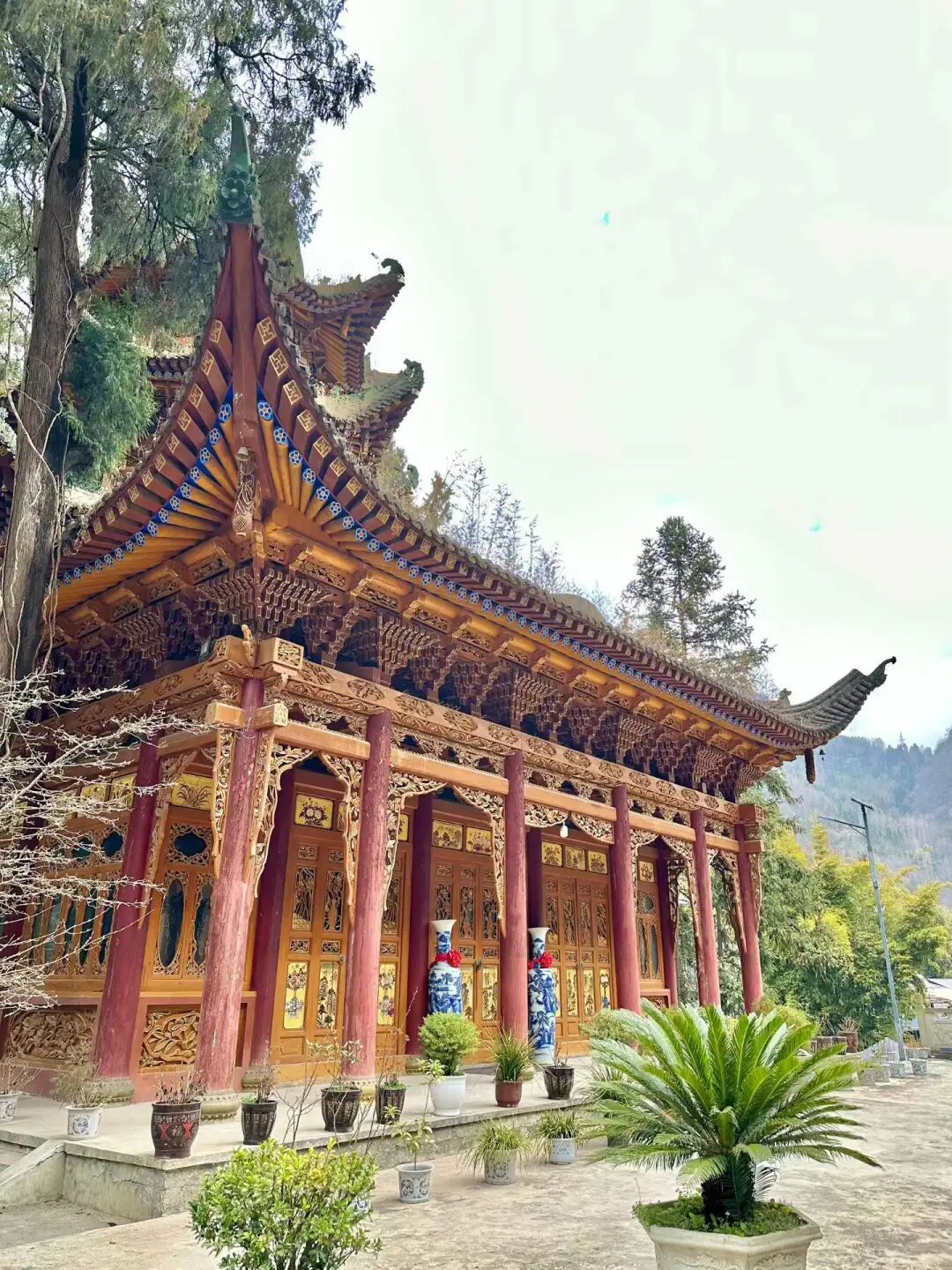
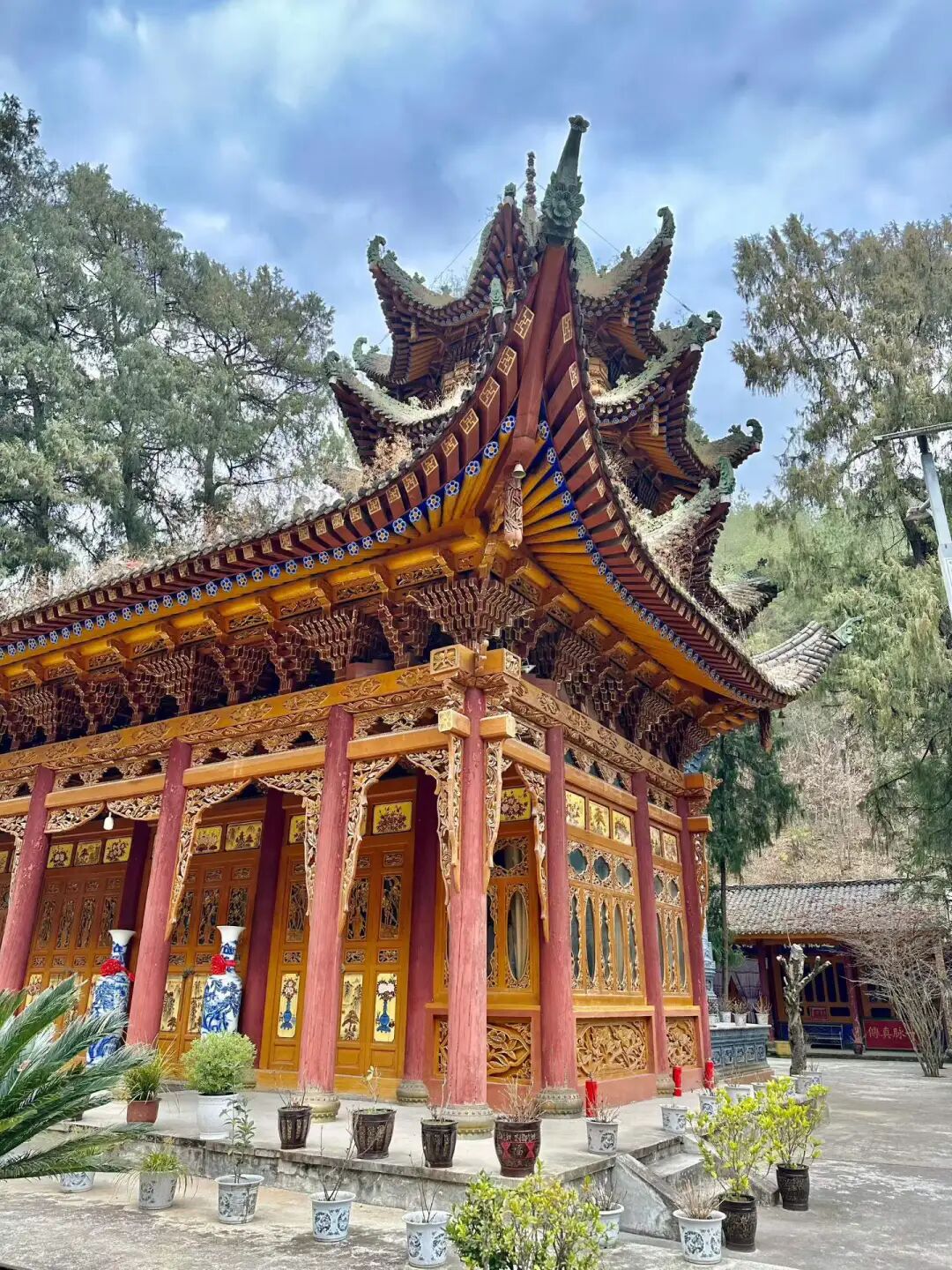
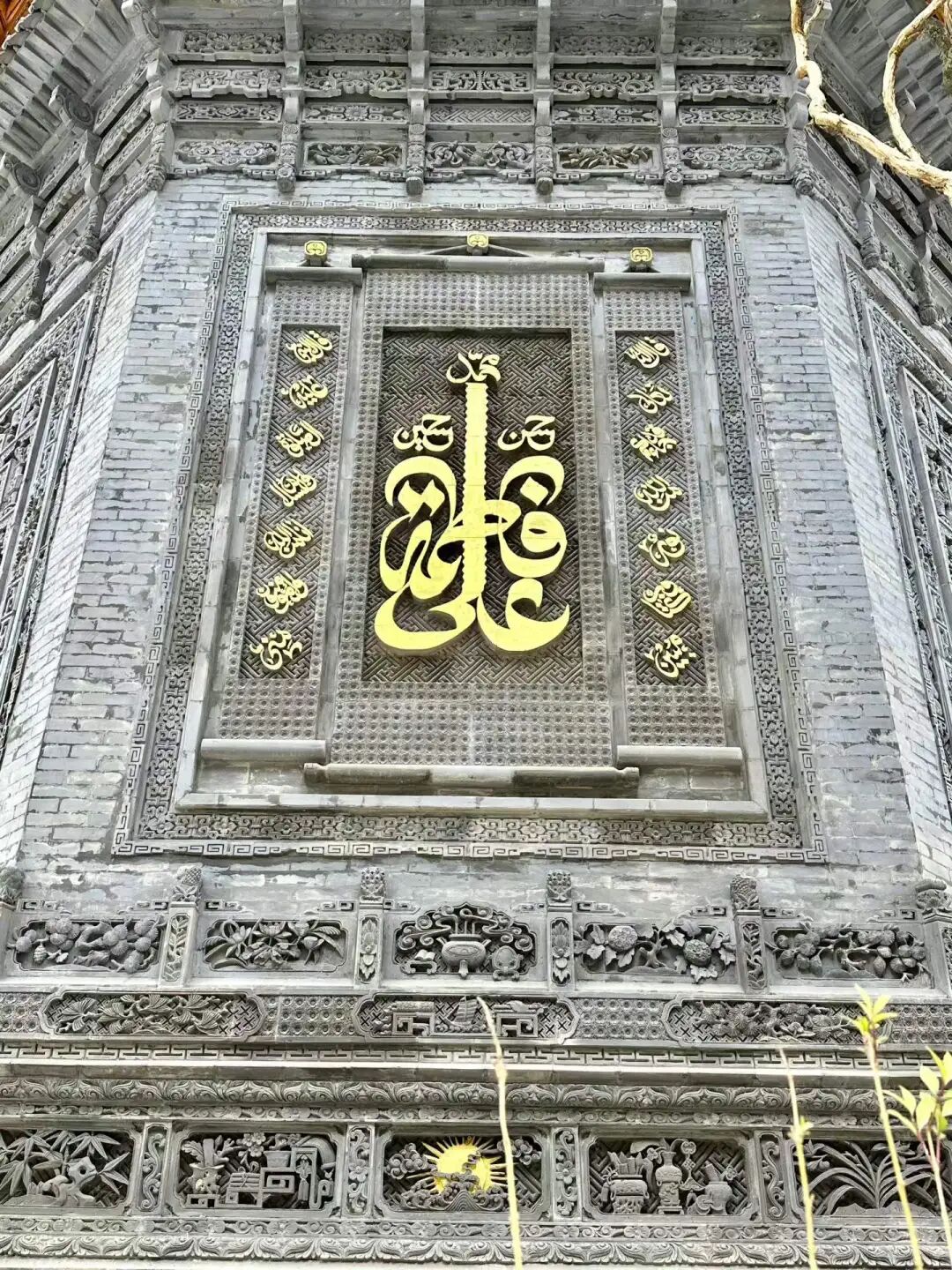
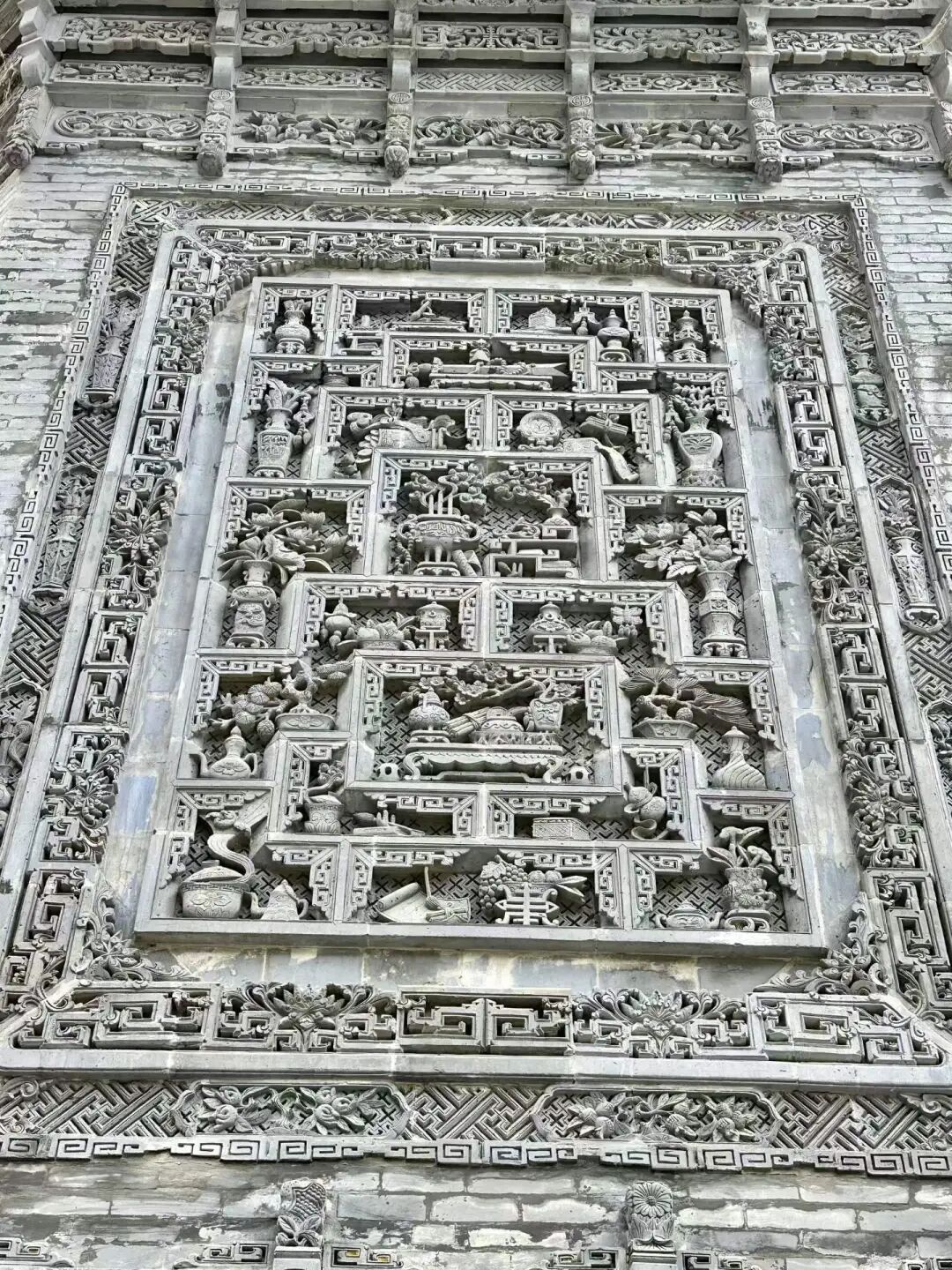
We left the ancient town of Qingxi in the morning and arrived at another Hui Muslim township in Guangyuan—Haoxi Hui Muslim Township. We first visited the Guanghuiting gongbei, which belongs to the Qadiriyya Sufi order (menhuan).
Guanghuiting is the burial place of Ma Chunyi, a disciple of the Qadiriyya leader Huazhe Abdullahi. Later generations call him the 'Fifth Great Ancestor'. The Fifth Great Ancestor began studying under Huazhe in 1674 (the 13th year of the Kangxi reign). The following year, he followed his teacher's orders to accompany his senior fellow student Qi Jingyi to Hanzhong, and later traveled to Qingyang Palace in Chengdu. Legend says that while returning to Hanzhong, the Fifth Great Ancestor followed his teacher's instructions to buy two bolts of white cloth in Zhongba, Jiangyou. After leaving Jiangyou, he fell ill with dysentery. He passed away (gui zhen) in 1684 (the 23rd year of the Kangxi reign) while passing through Haoxi Mosque. Later generations built a gongbei for him, naming it 'Guanghuiting'.
In 1833 (the 13th year of the Daoguang reign), Ma Longyun from Hezhou oversaw the construction of the brick pavilion at Guanghuiting and donated land to it. A front hall was added during the Xianfeng reign, and it has been renovated many times since. In 1935, Red Fourth Front Army leaders like Xu Xiangqian and Chen Changhao directed the Battle of Xuanmaguan from Guanghuiting. The imam (ahong) stationed at the mosque at the time, Su Shichang, provided them with great assistance. Before leaving, Xu Xiangqian gifted him items like white sugar. After 1966, Guanghuiting became a commune hospital. It was restored in 1980 and rebuilt into its current structure in 1984.
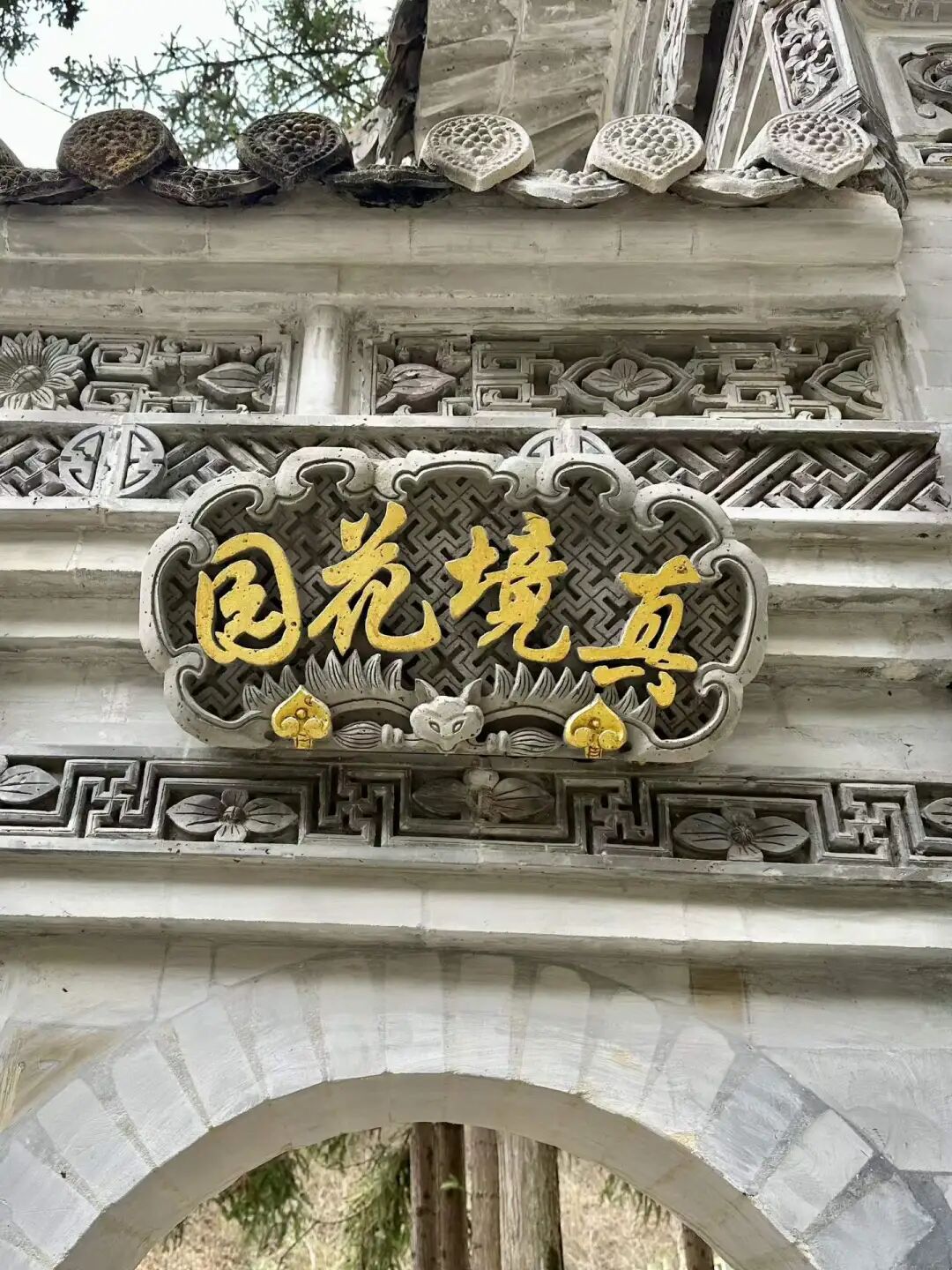
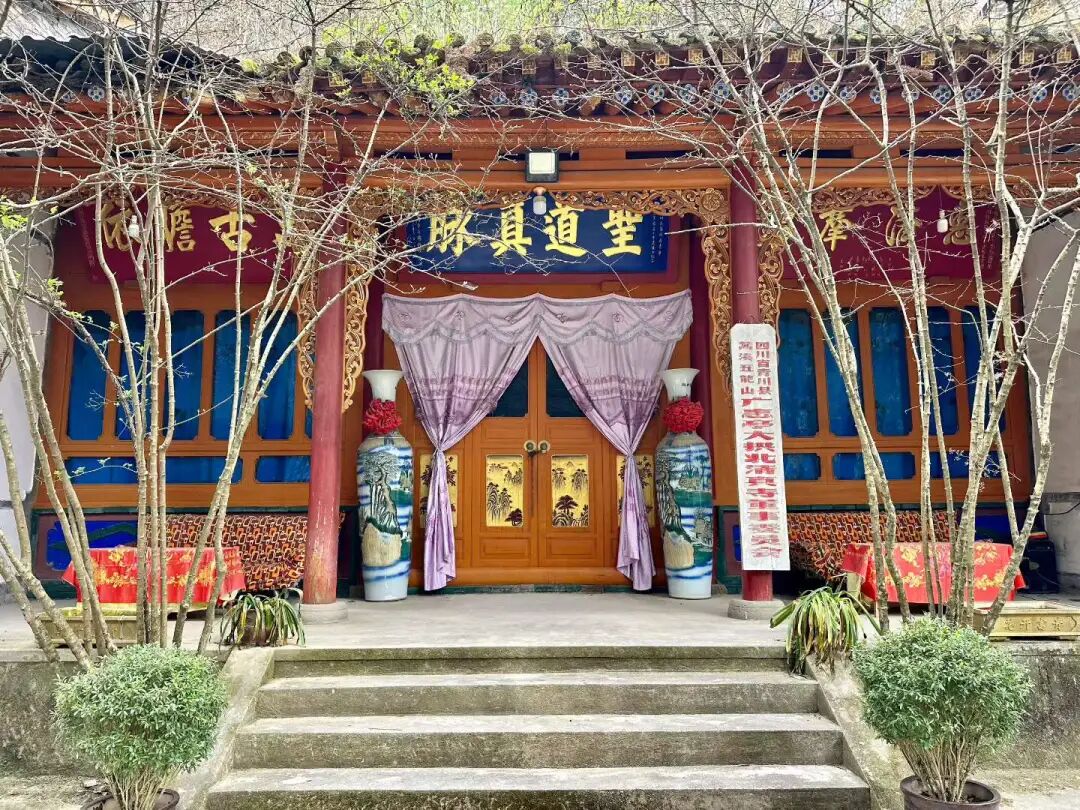
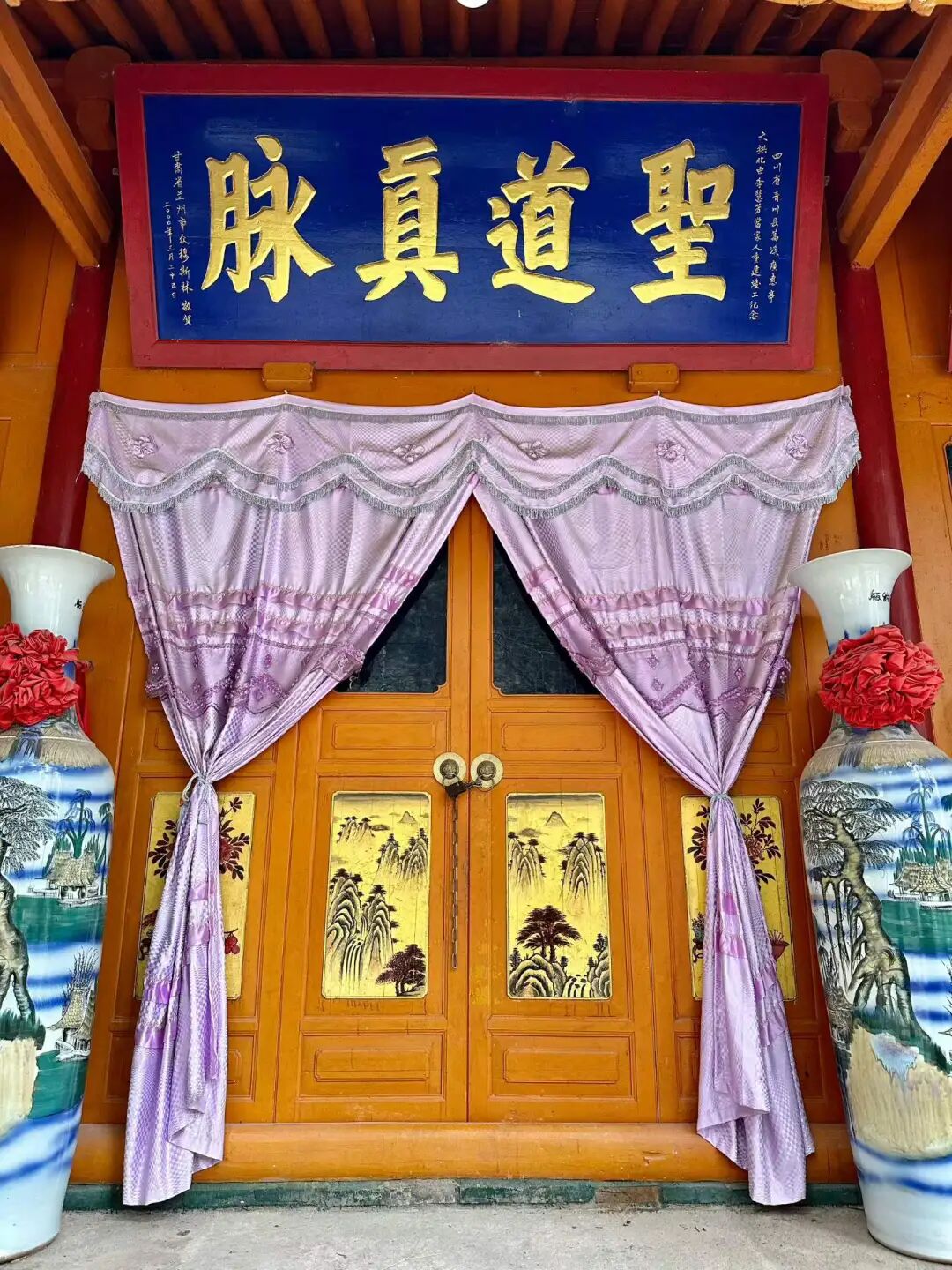
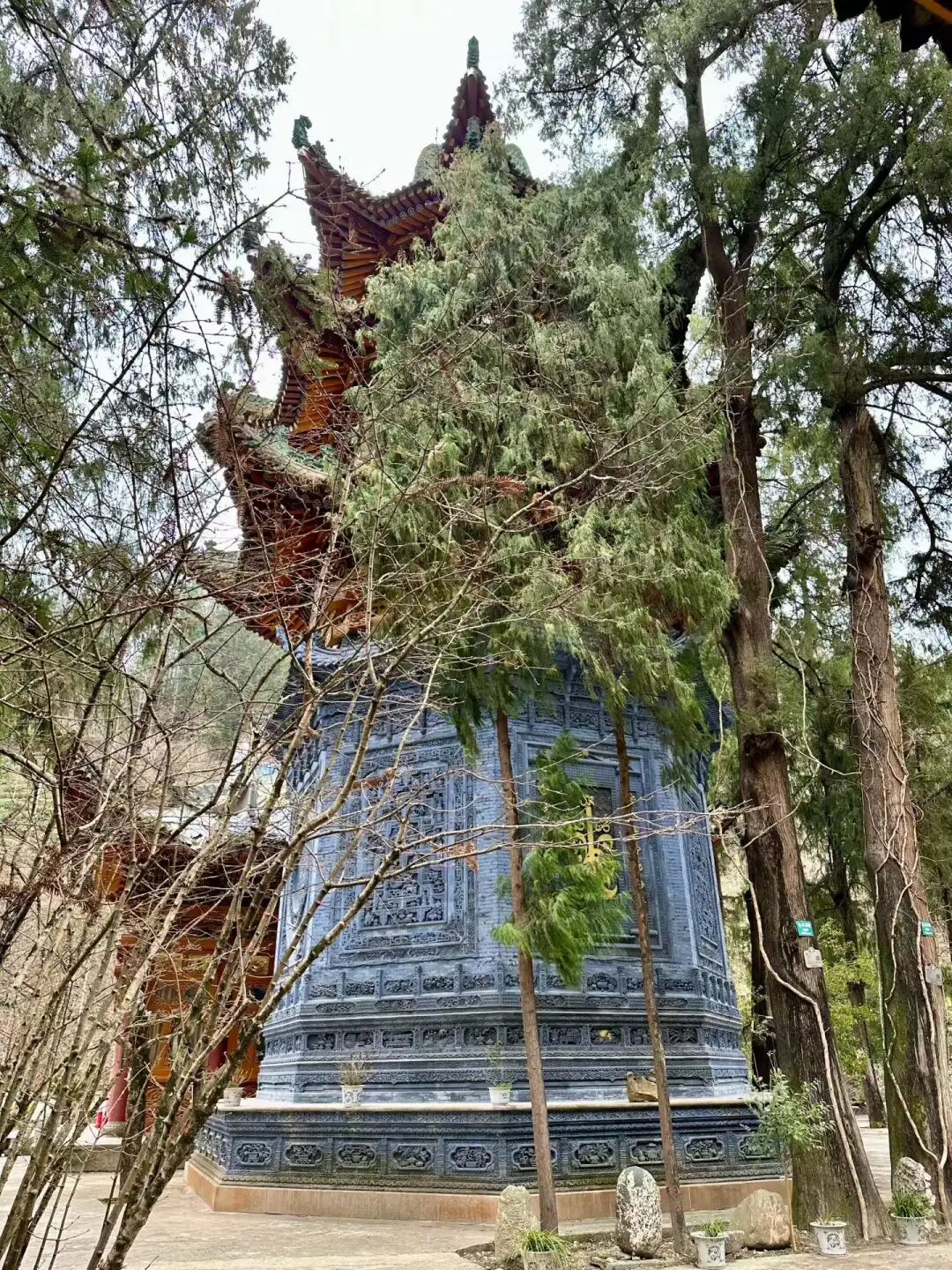
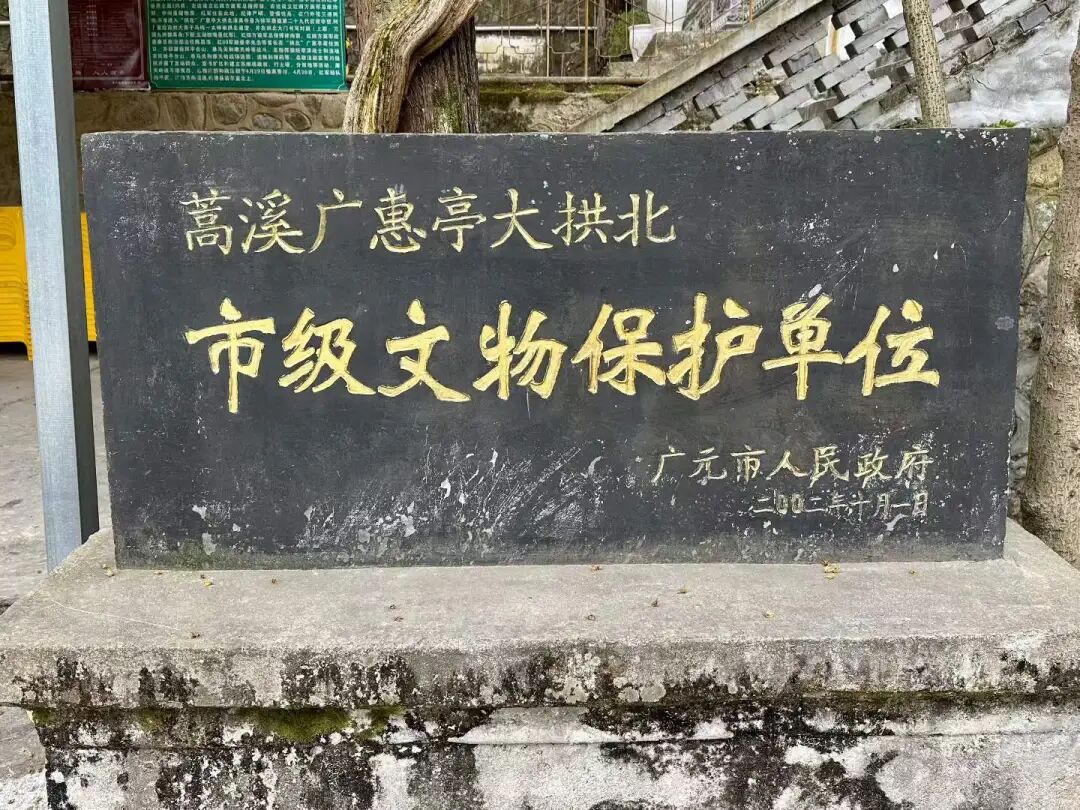
Historical plaques at the Guanghuiting gongbei:
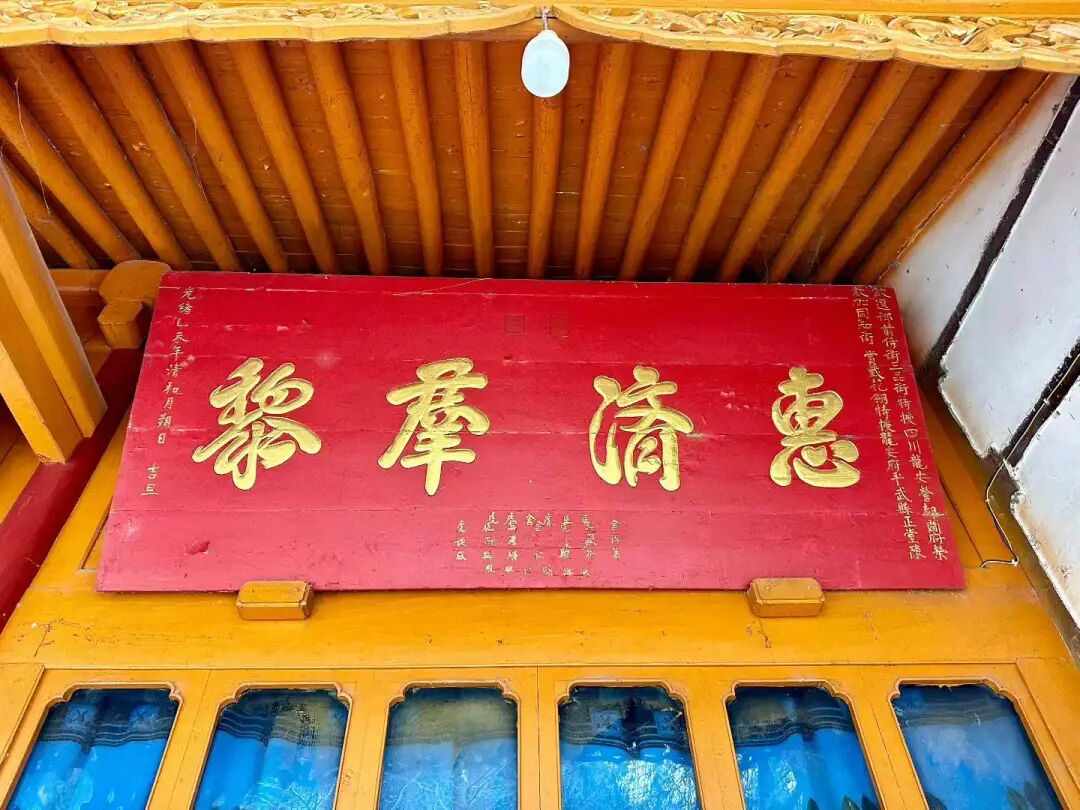
The 'Huiji Qunli' (Benefiting the Masses) plaque from the 21st year of the Guangxu reign, presented by Chen, the magistrate of Pingwu County, Long'an Prefecture, who held a third-rank title as an imperial guard and was granted the title of Tongzhi. It was also signed by She Deshou, Ma Desheng, Hu Jun, She Ren, and Hu Congfeng.
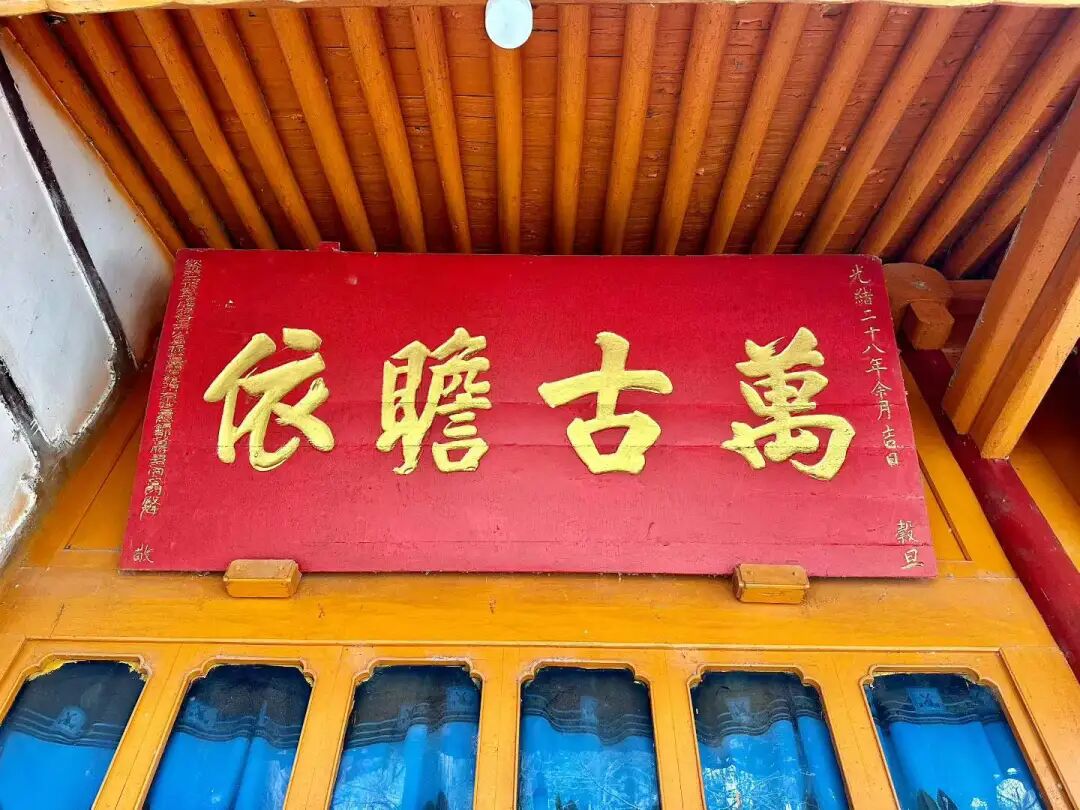
The 'Wangu Zhanyi' (Venerated for All Time) plaque from the 28th year of the Guangxu reign, presented by Shan Diankui, who held a first-rank title and served as the Commander-in-Chief of the Sichuan Provincial Military, also holding the title of Commander of the Jianchang Garrison and the title of Sheng-Sheng Baturu.
Shan Diankui was a Qing dynasty military officer from Changping, Beijing. He was passionate about Islamic affairs. He wrote plaques for the Puhading Cemetery in Yangzhou, the Great Mosque in Tianjin, the Hexi Mosque in Xichang, and the Guanghui Pavilion (guanghuiting) gongbei. He funded the woodblock printing of the Shan family edition of the Precious Scripture of Life (baoming zhenjing) in Songjiang Prefecture, which is the 'Haitie' commonly used by Hui Muslims. He also established an elementary school at the Changping Mosque in his hometown.
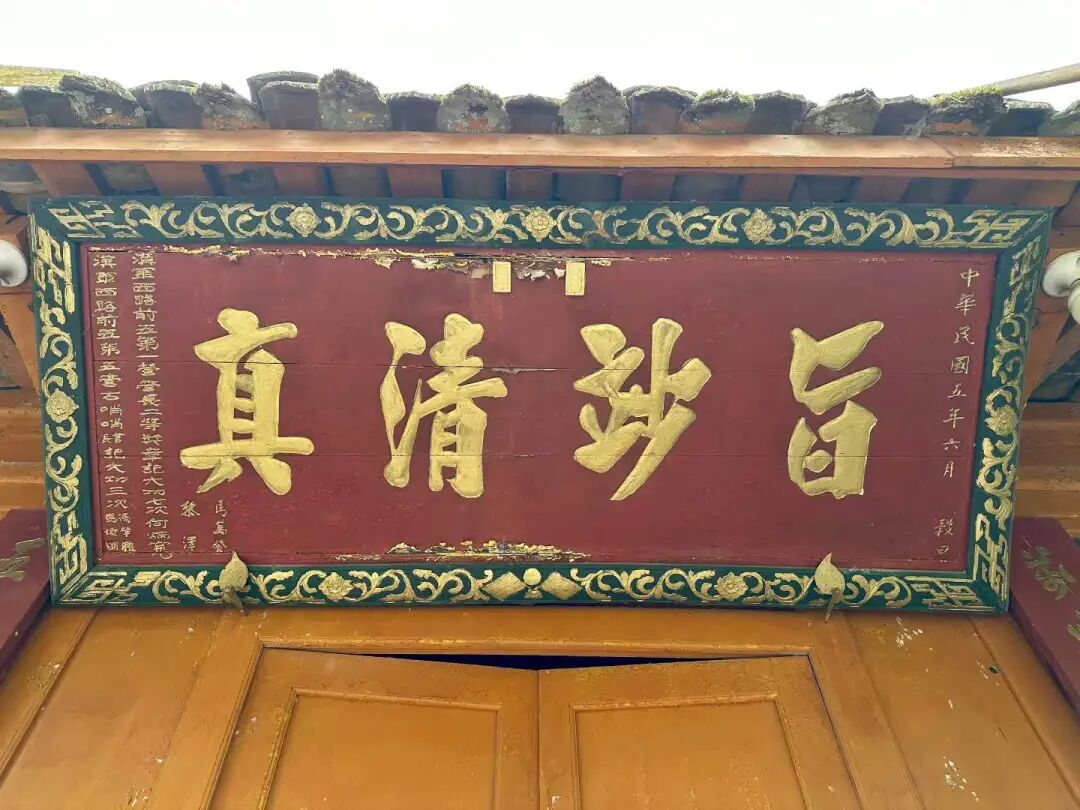
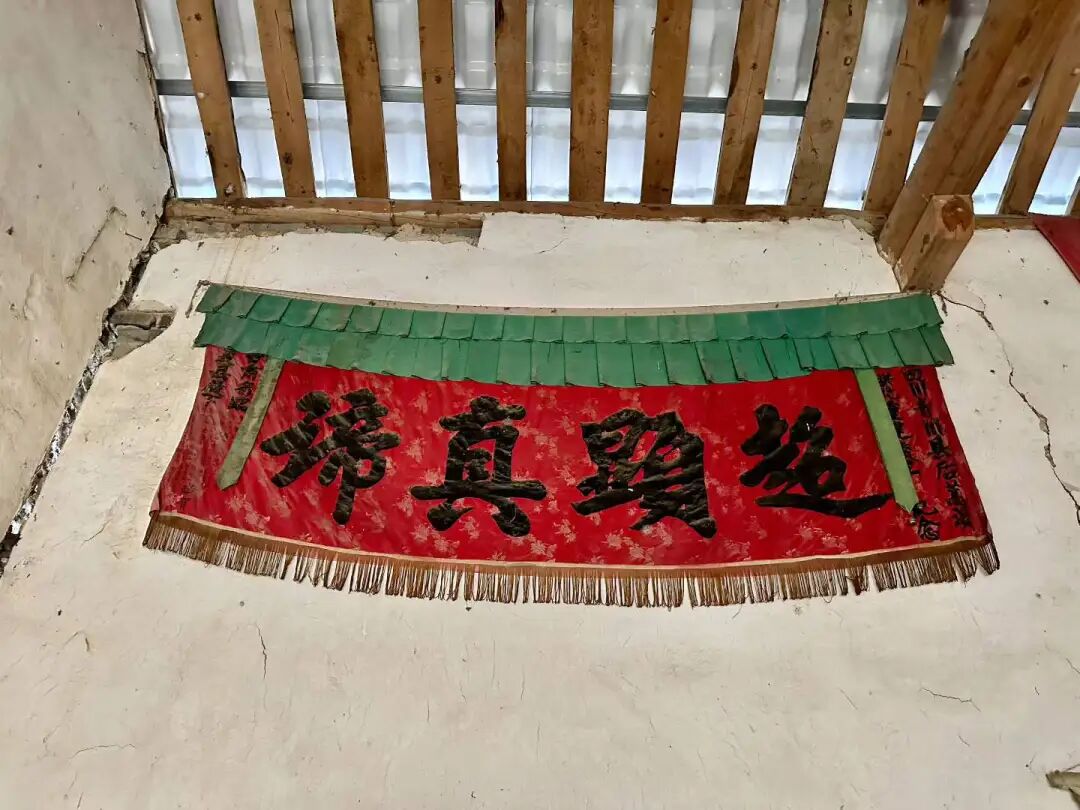
The 'Zhimiao Qingzhen' plaque from the fifth year of the Republic of China mentions He Bingkuan, battalion commander of the first battalion of the front five units of the Western Route of the Han Army, who received a second-class medal and was credited with seven major merits. It also lists Feng Zhaosheng, Ma Junming, Ma Wanfa, and Li Ze, who were patrol officers of the right guard of the fifth battalion of the front five units of the Western Route of the Han Army and were credited with three major merits.
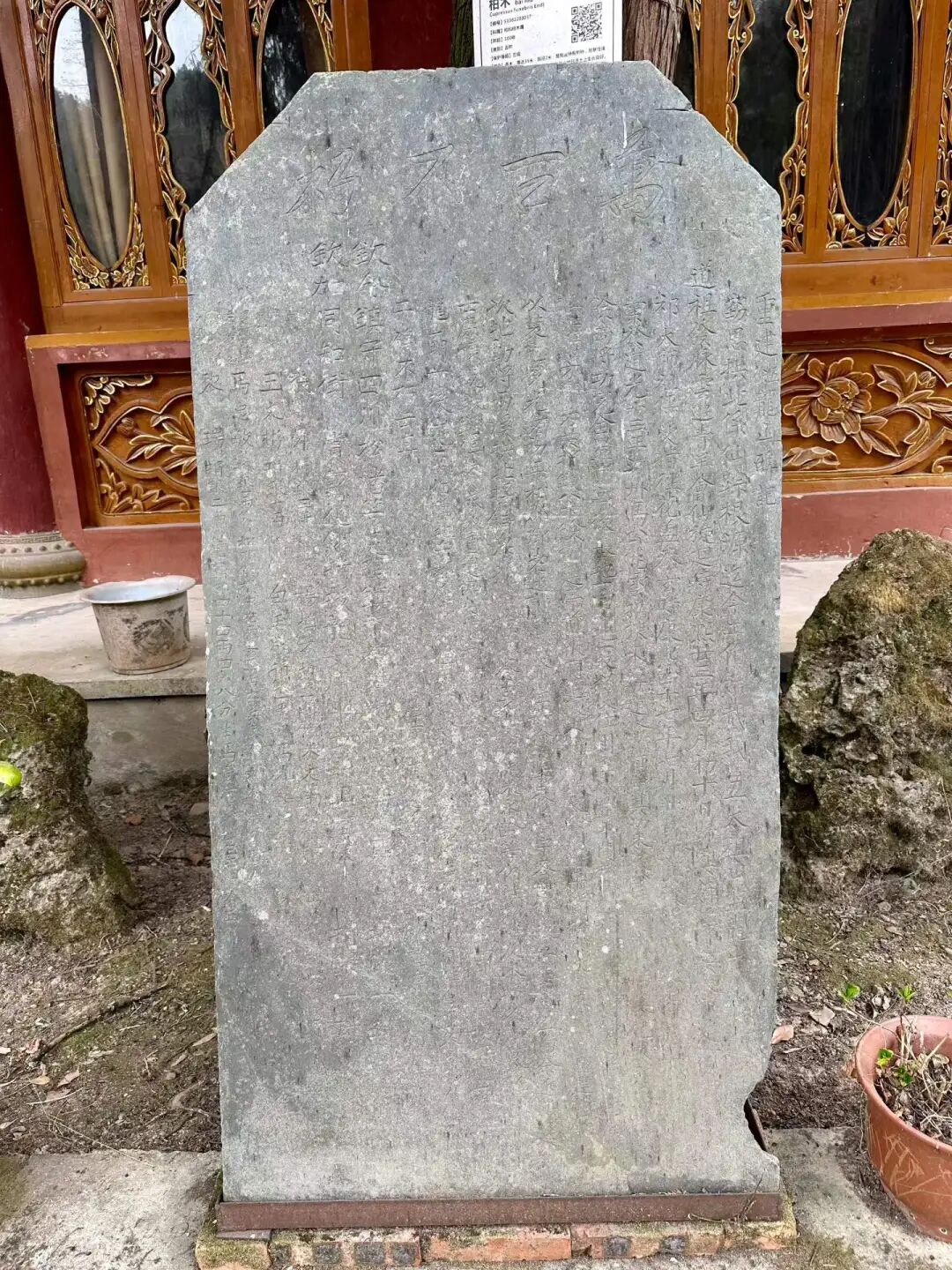
Inside the gongbei is the 1924 'Stele Record of the Reconstruction of Wulong Mountain and Xulong Mountain' written by La Yonggui. The text records that in 1833 (the 13th year of the Daoguang reign), Ma Nengyun from Hezhou brought silver to Haoxi to build a brick pavilion. He did not finish the work, so he went to Hezhou and Songpan to raise 270 taels of silver to complete it, and purchased a plot of land behind the pavilion and a section of mountain land. During the Xianfeng reign, Ma Daoxiang and local Muslims from Songpan and the surrounding area built a front hall (baoting) in front of the pavilion, which was rebuilt during the Tongzhi reign. In the early Guangxu reign, elders from Songpan invited Ma Dao'an, the abbot of Xulong Mountain (Haoxi gongbei), to renovate the pavilion and guest hall, and to repair one room at Wulong Mountain (Guanghui Pavilion). During the Guangxu reign, successive earthquakes tilted the Haoxi gongbei. When Mi Yongling was the abbot of Guanghui Pavilion, he went to Songpan and the local area to raise funds to rebuild the pavilions, front halls, guest halls, mountain gates, and courtyard walls of both mountains.
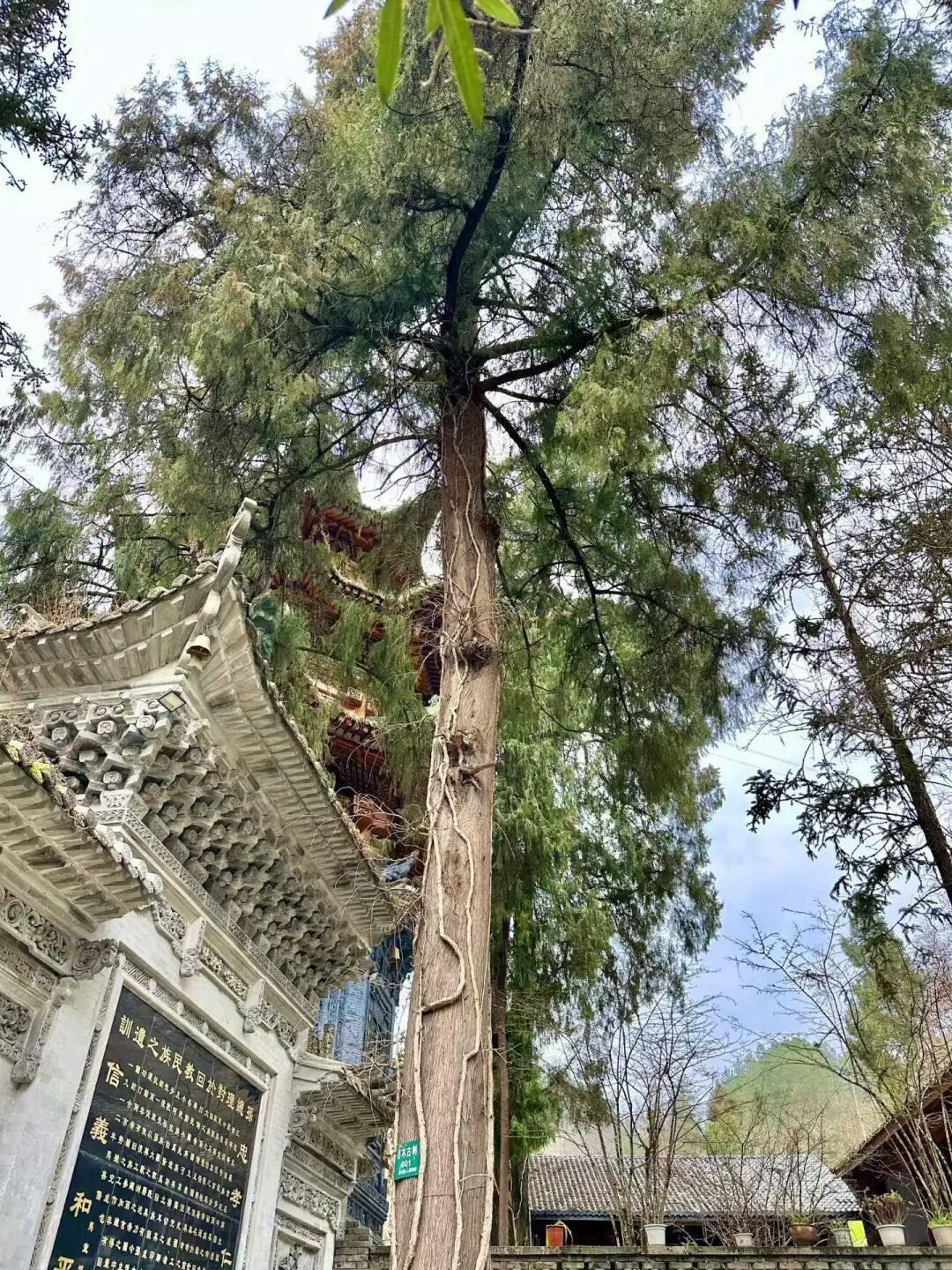
The two cypress trees inside the gongbei are 450 and 350 years old, respectively, and are listed as ancient and famous trees in Qingchuan County.
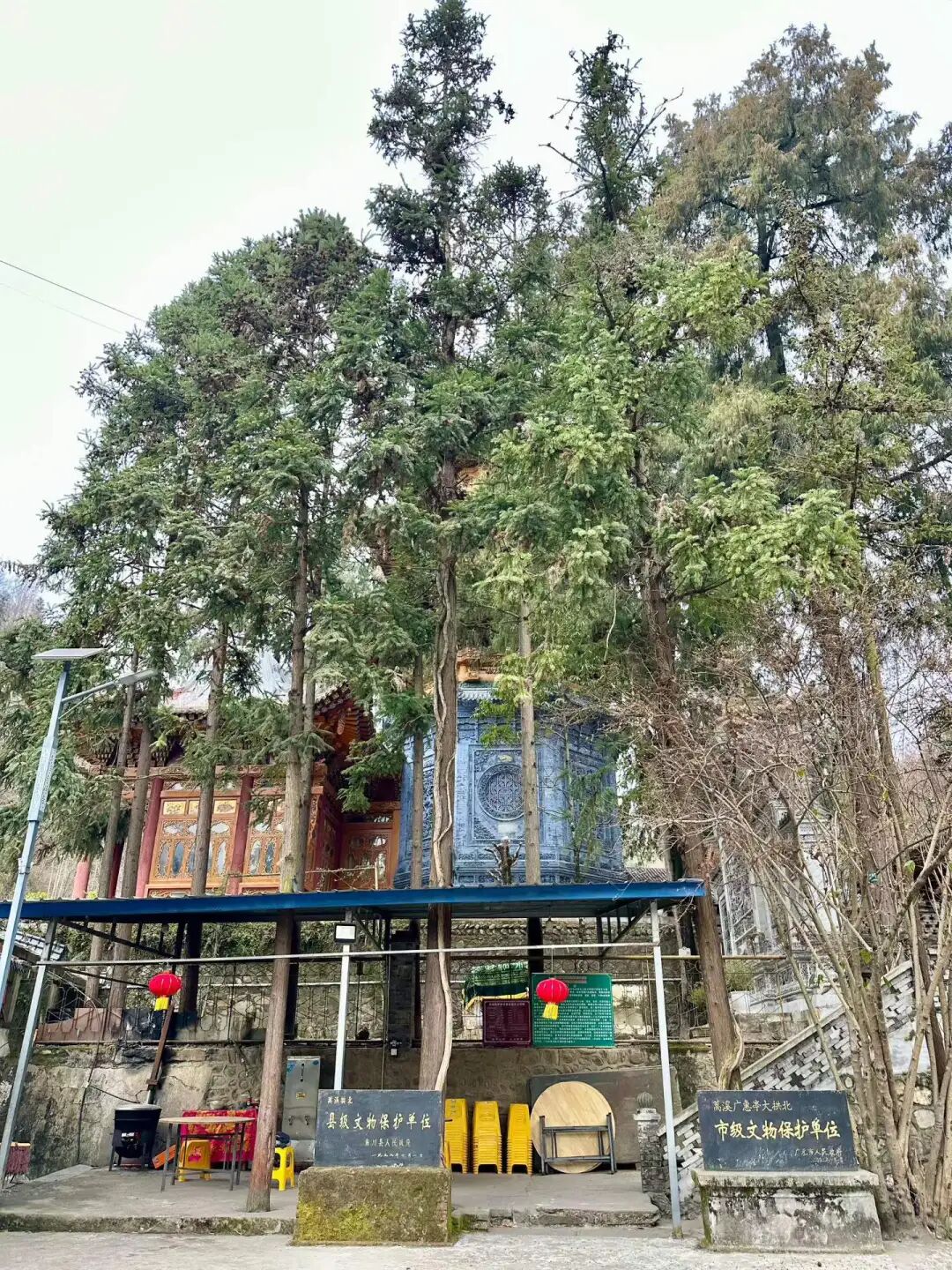
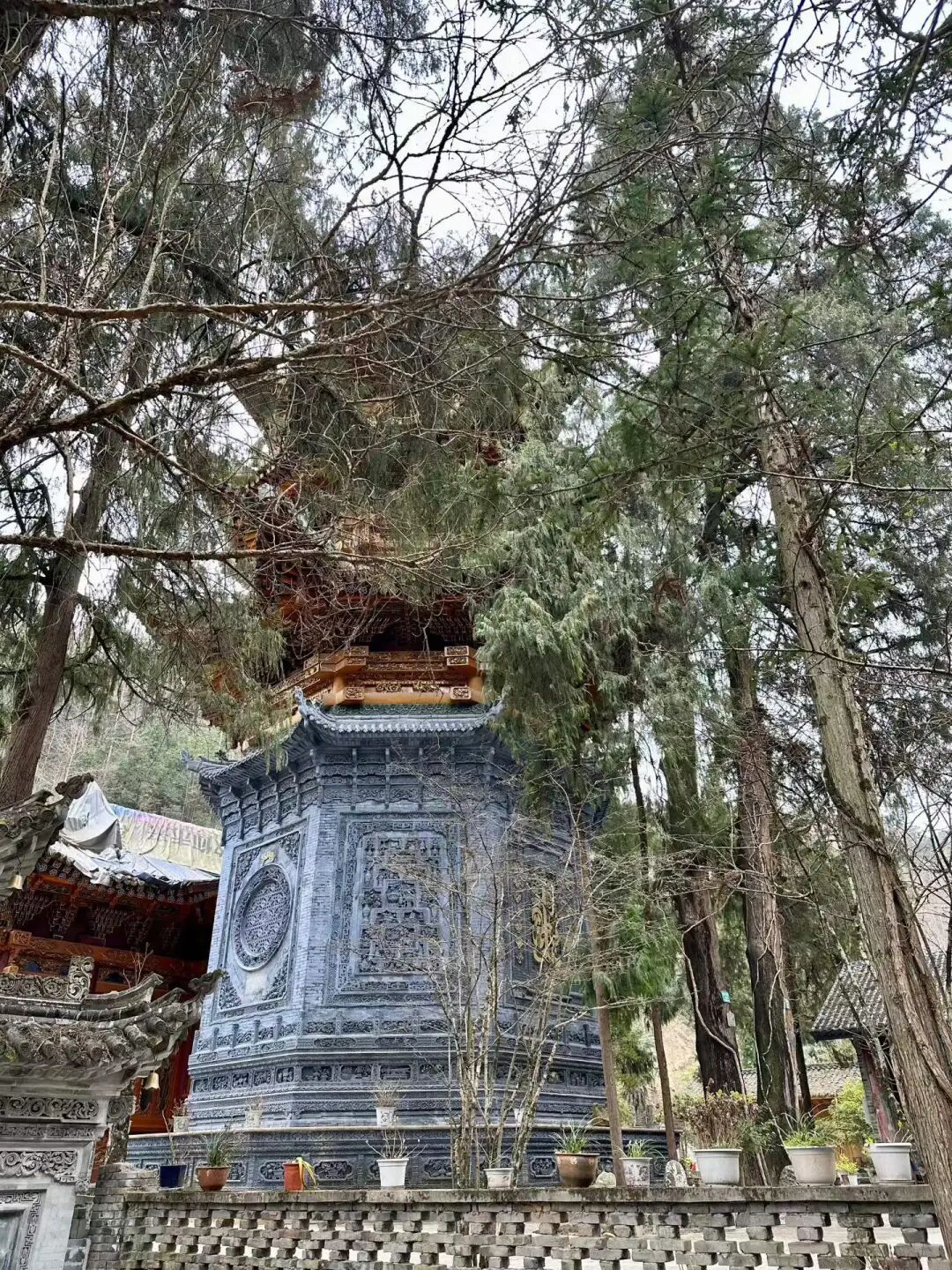
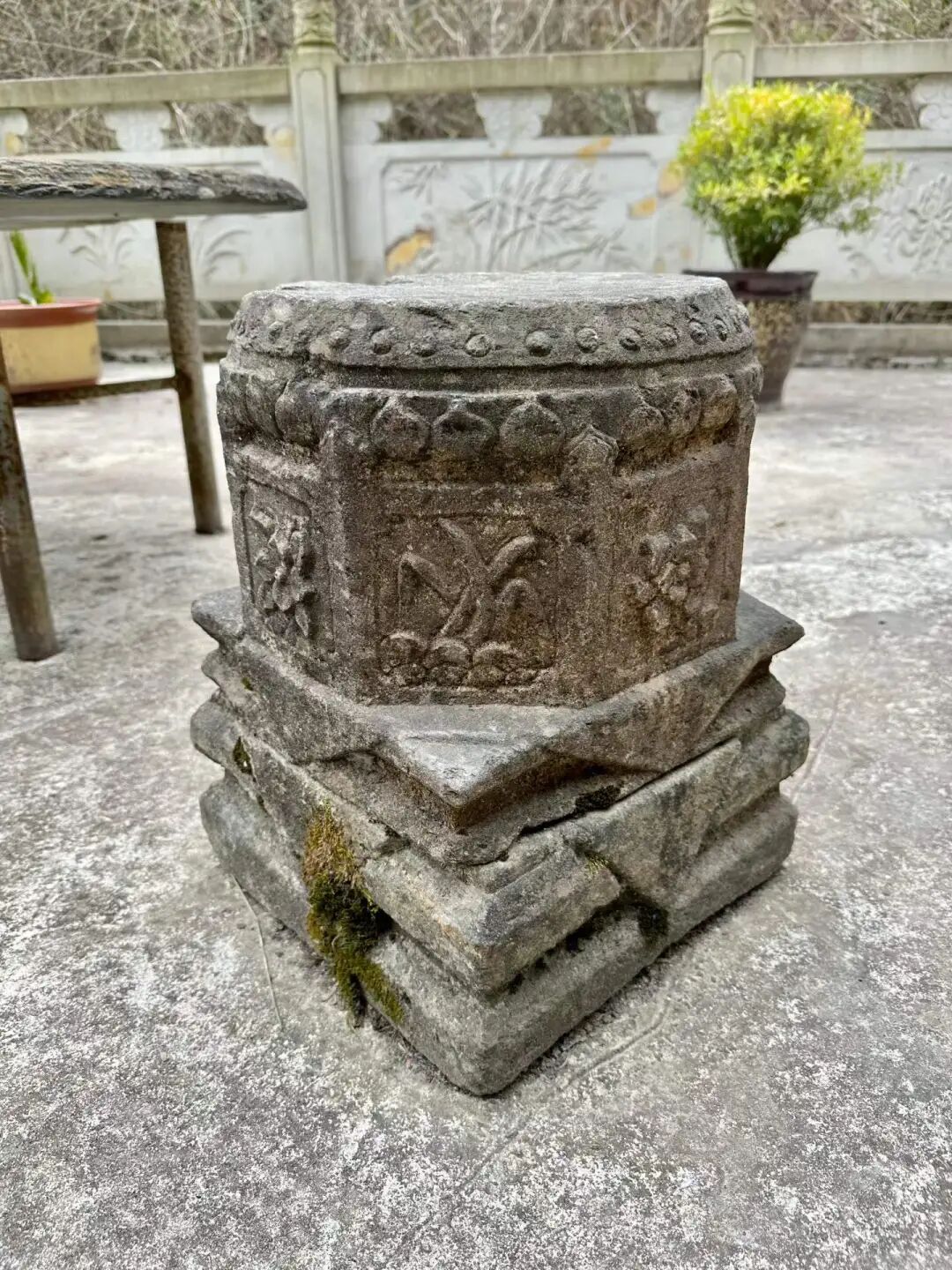
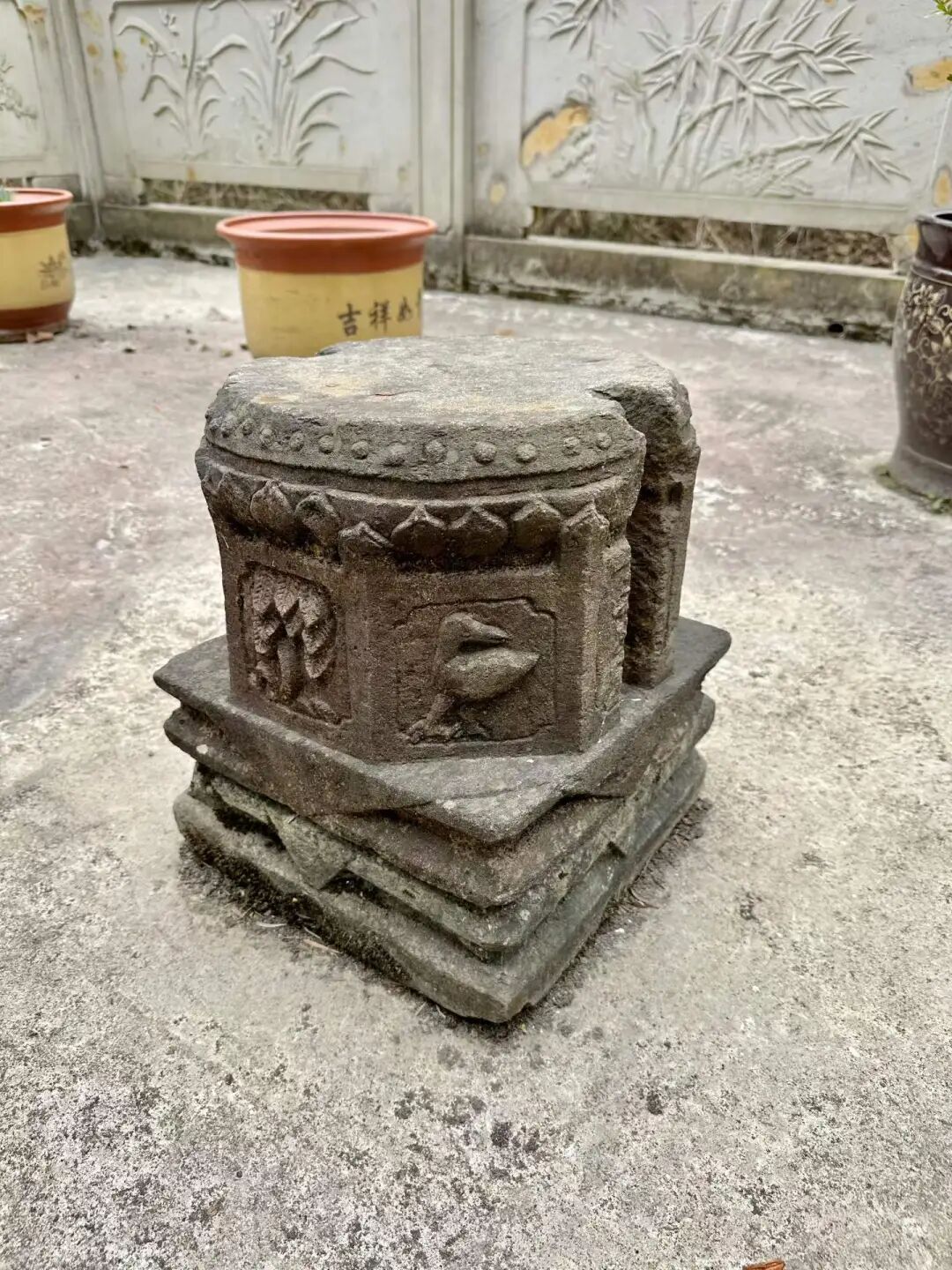
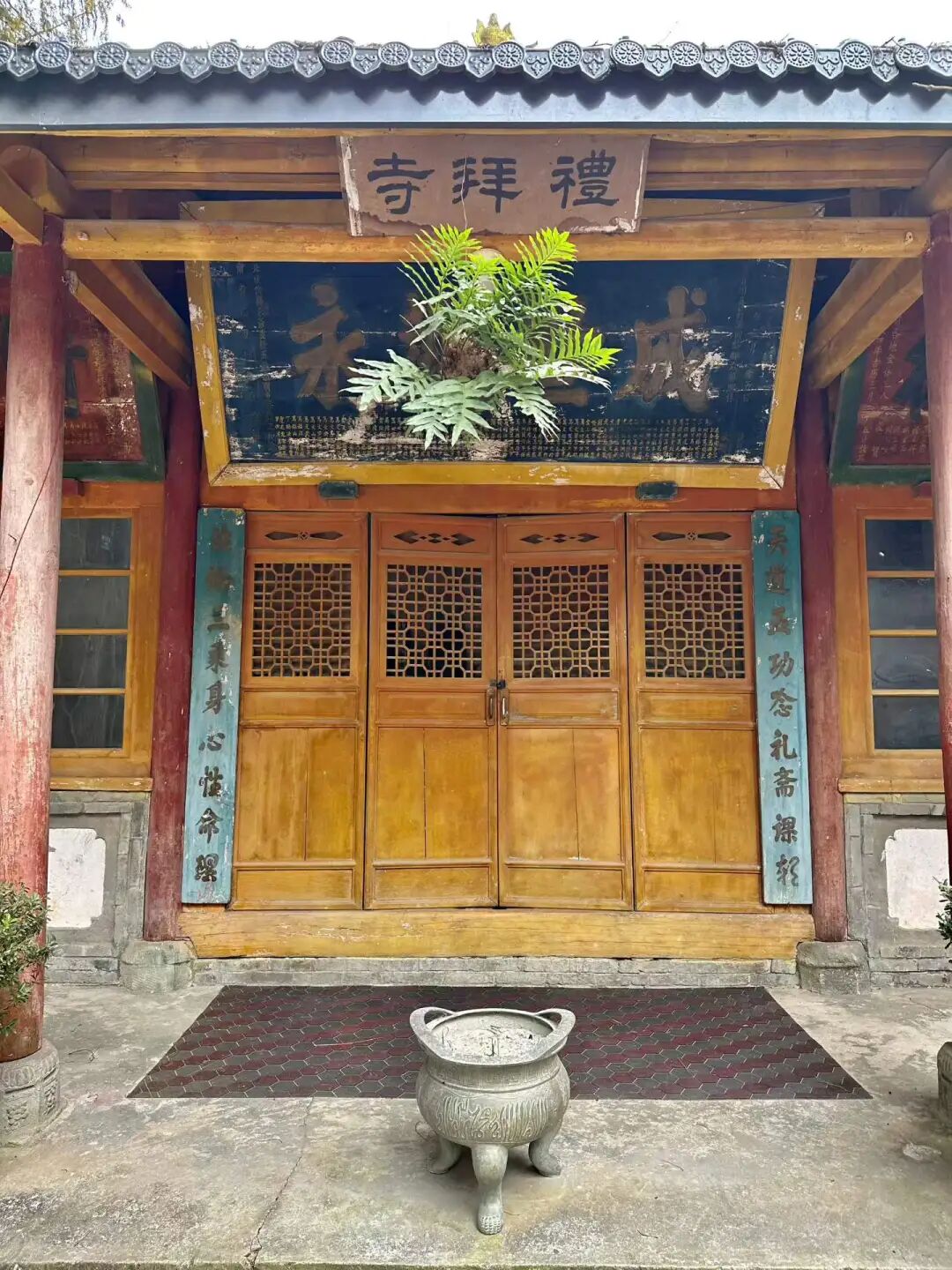
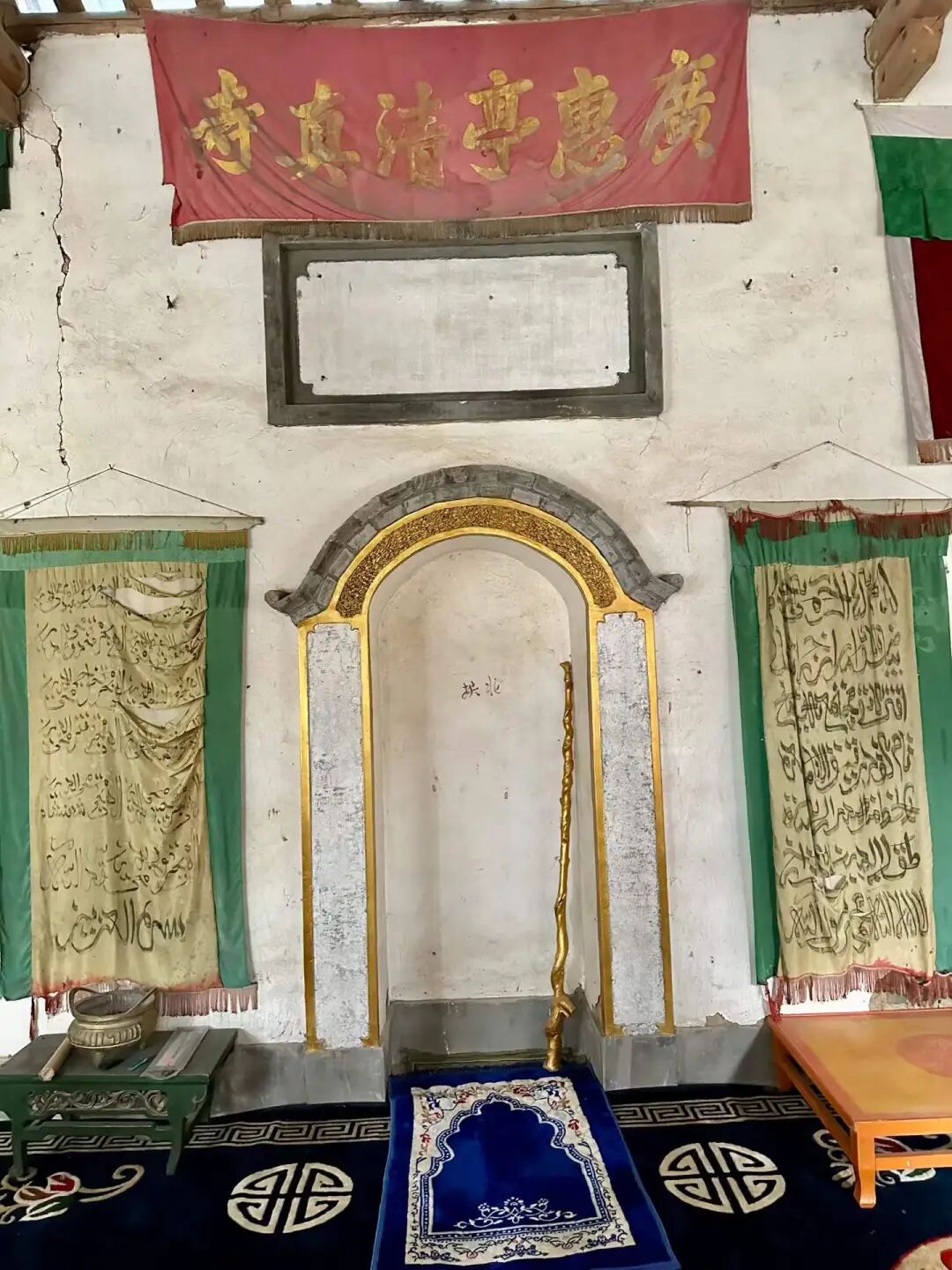
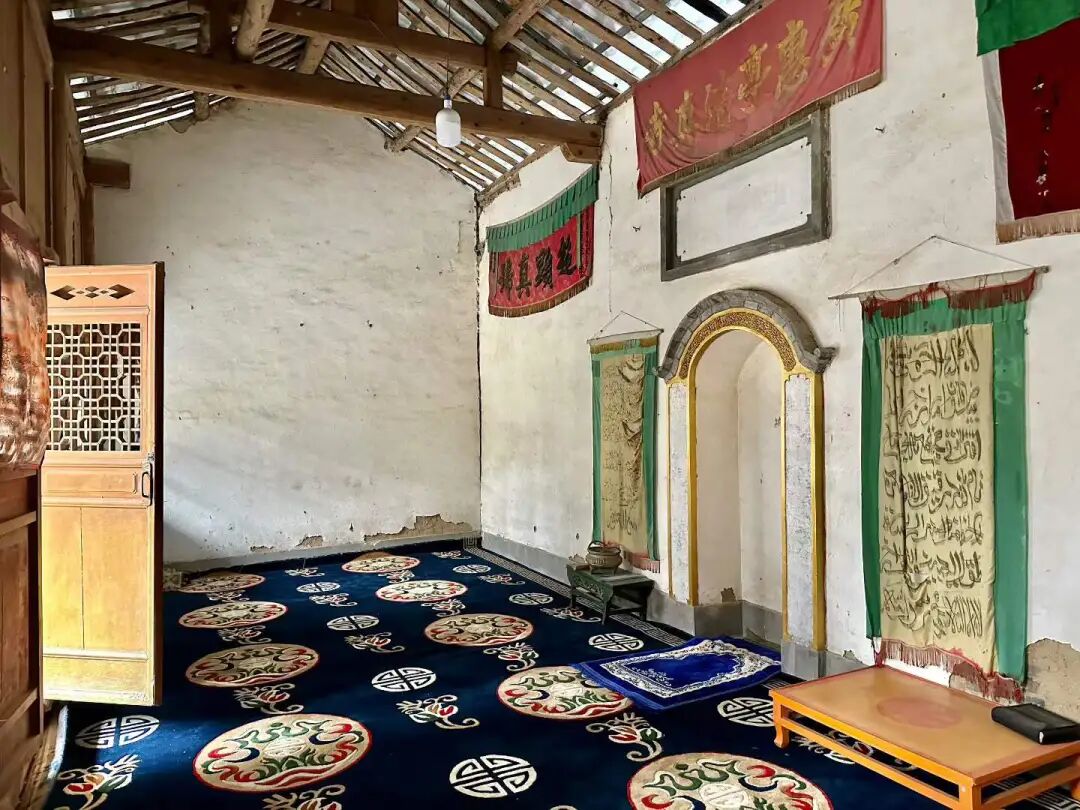
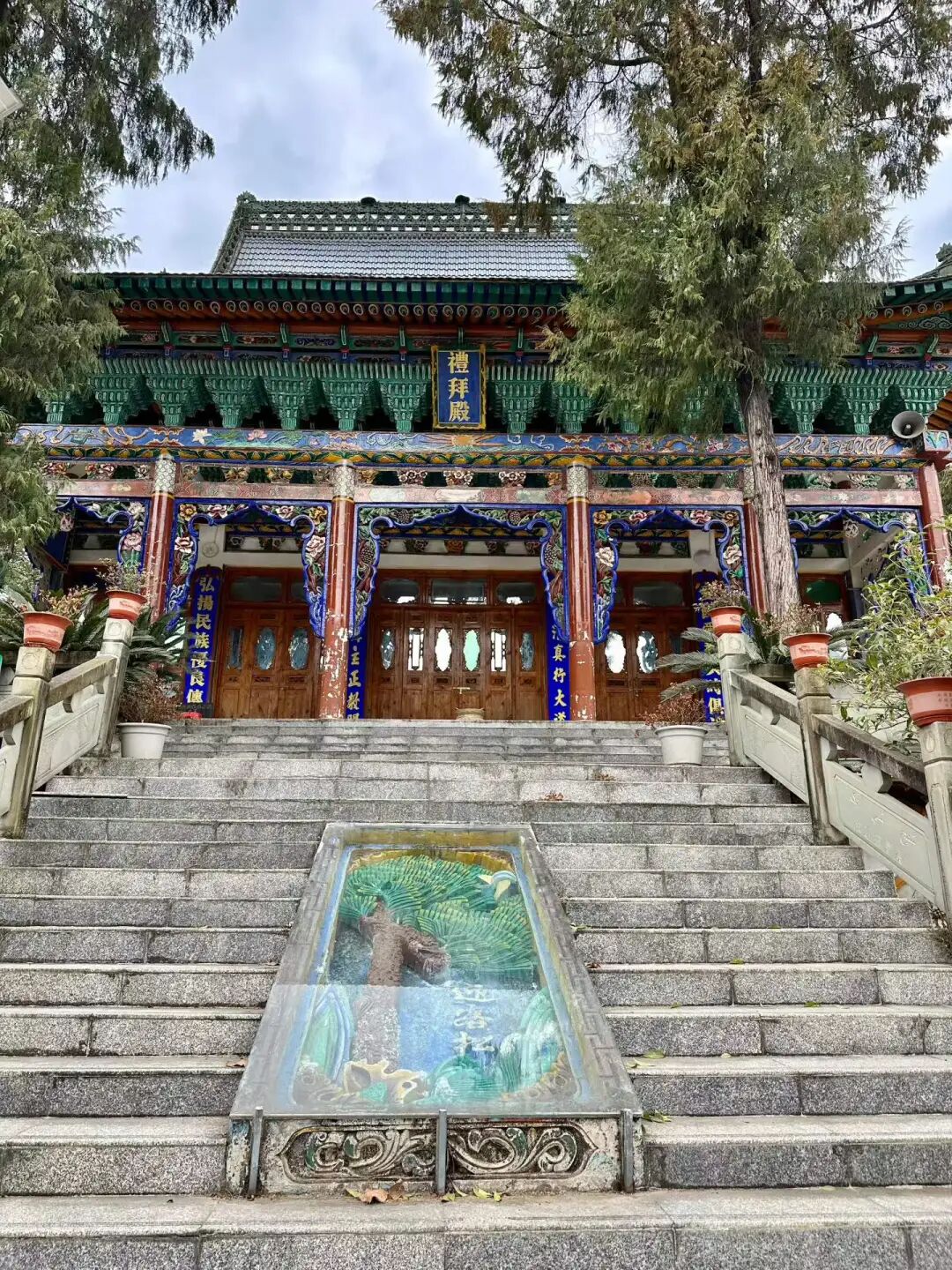
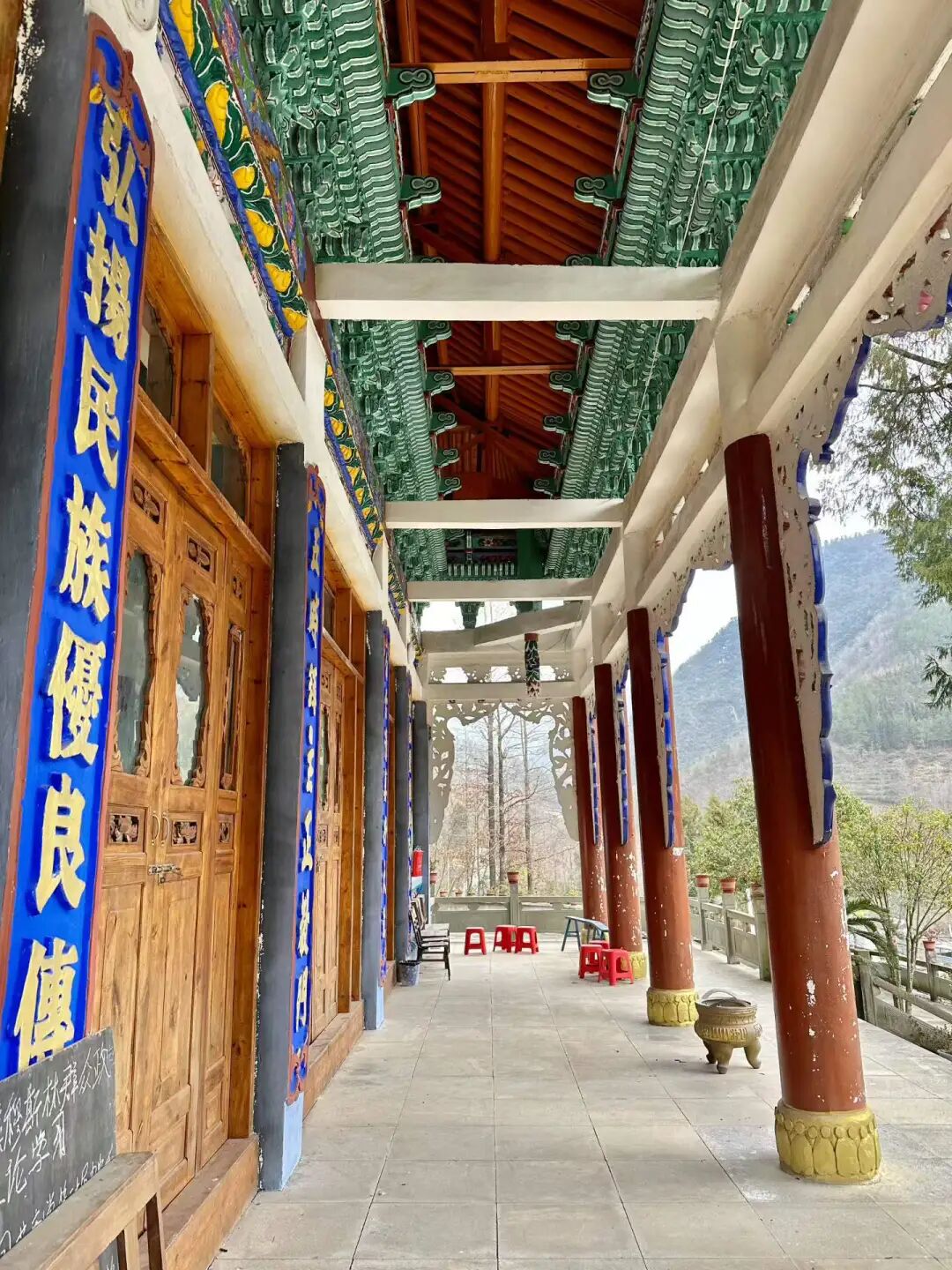
The prayer hall of the Guanghui Pavilion gongbei. The prayer hall (daotang) of a Qadiriyya grand gongbei usually contains both a gongbei and a prayer hall, so it is also called a gongbei mosque.
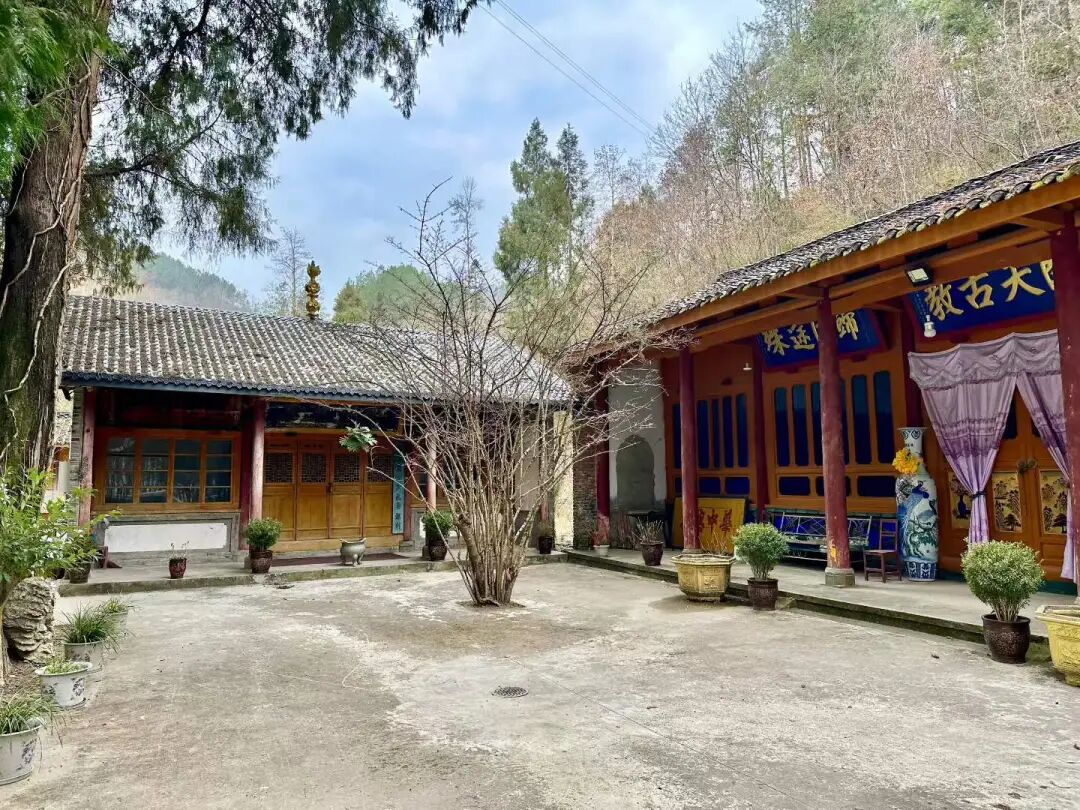
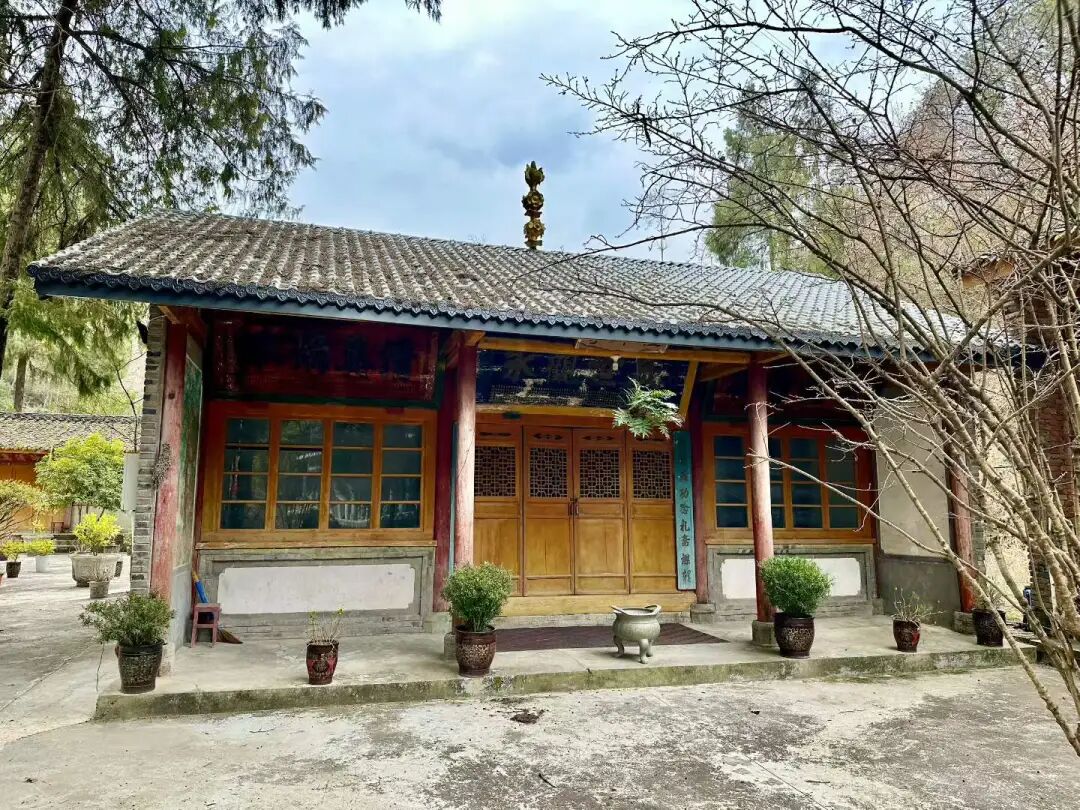
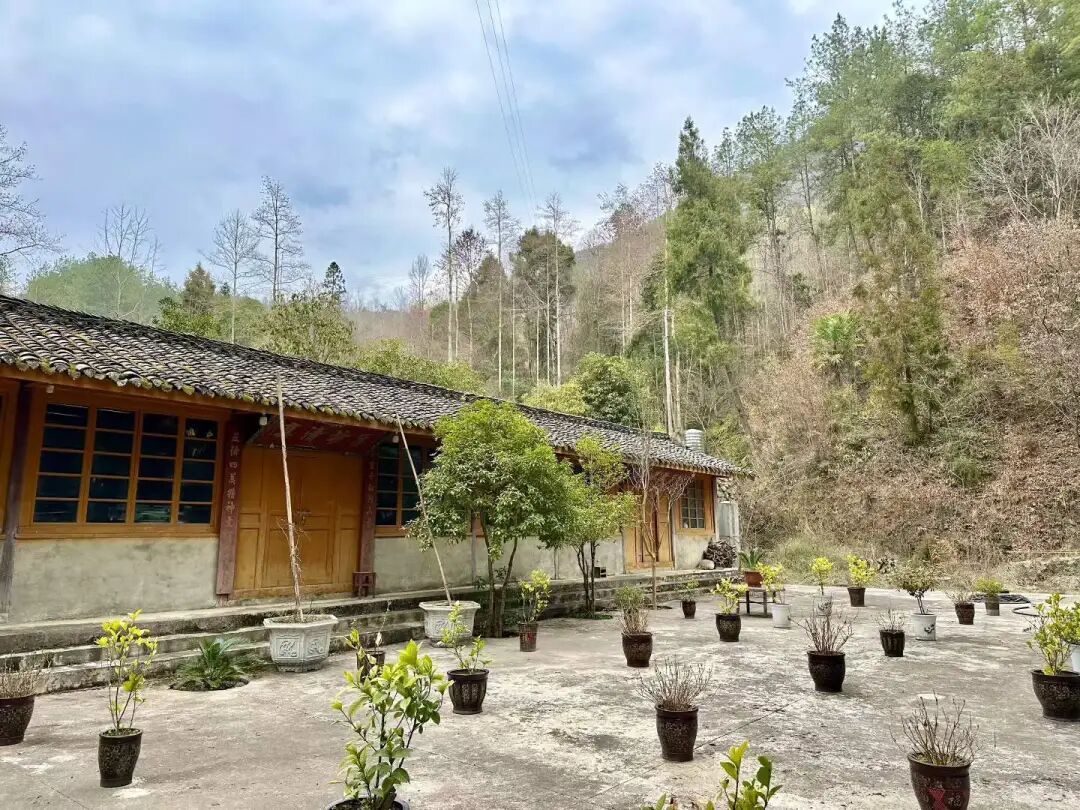
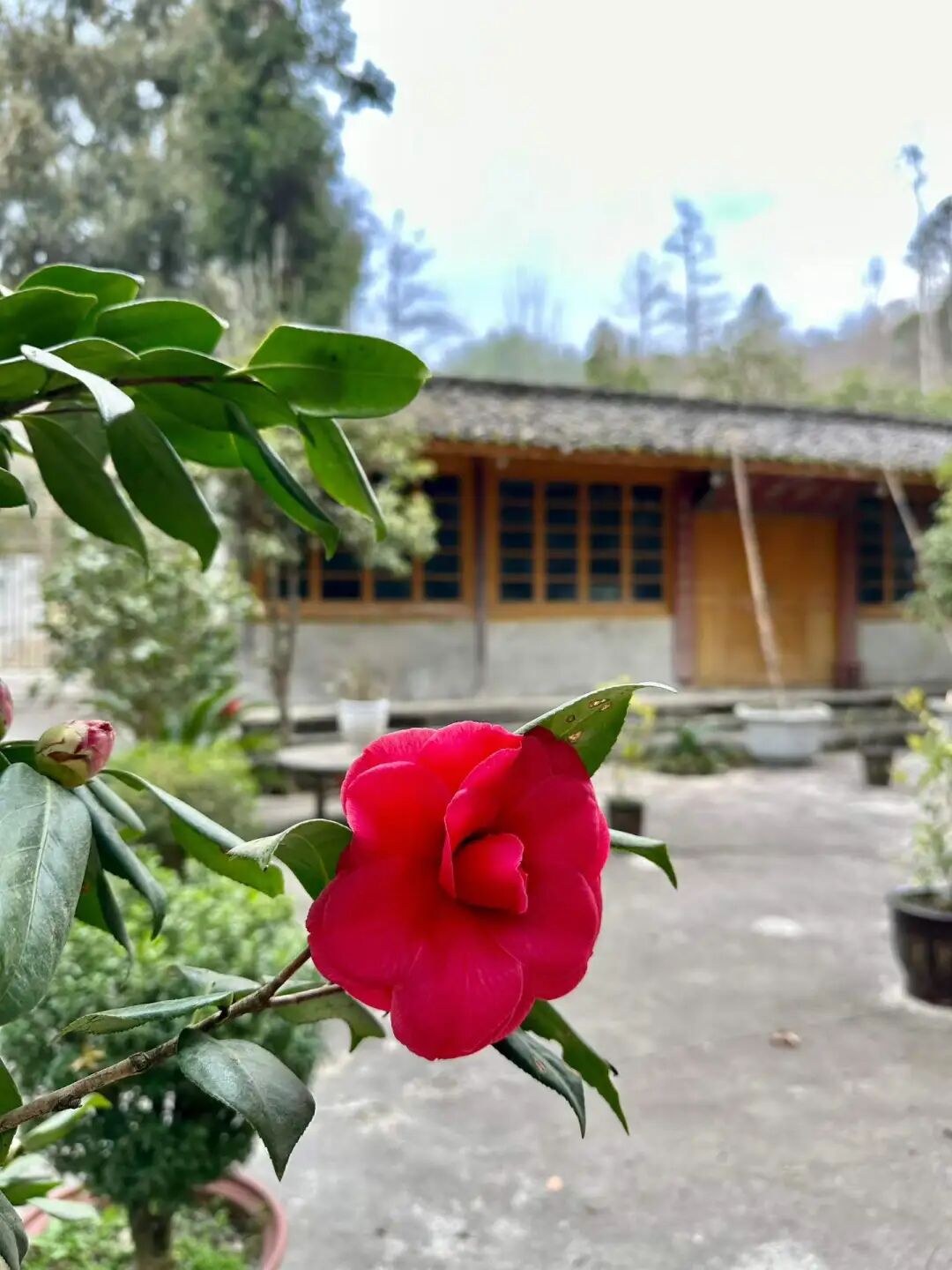
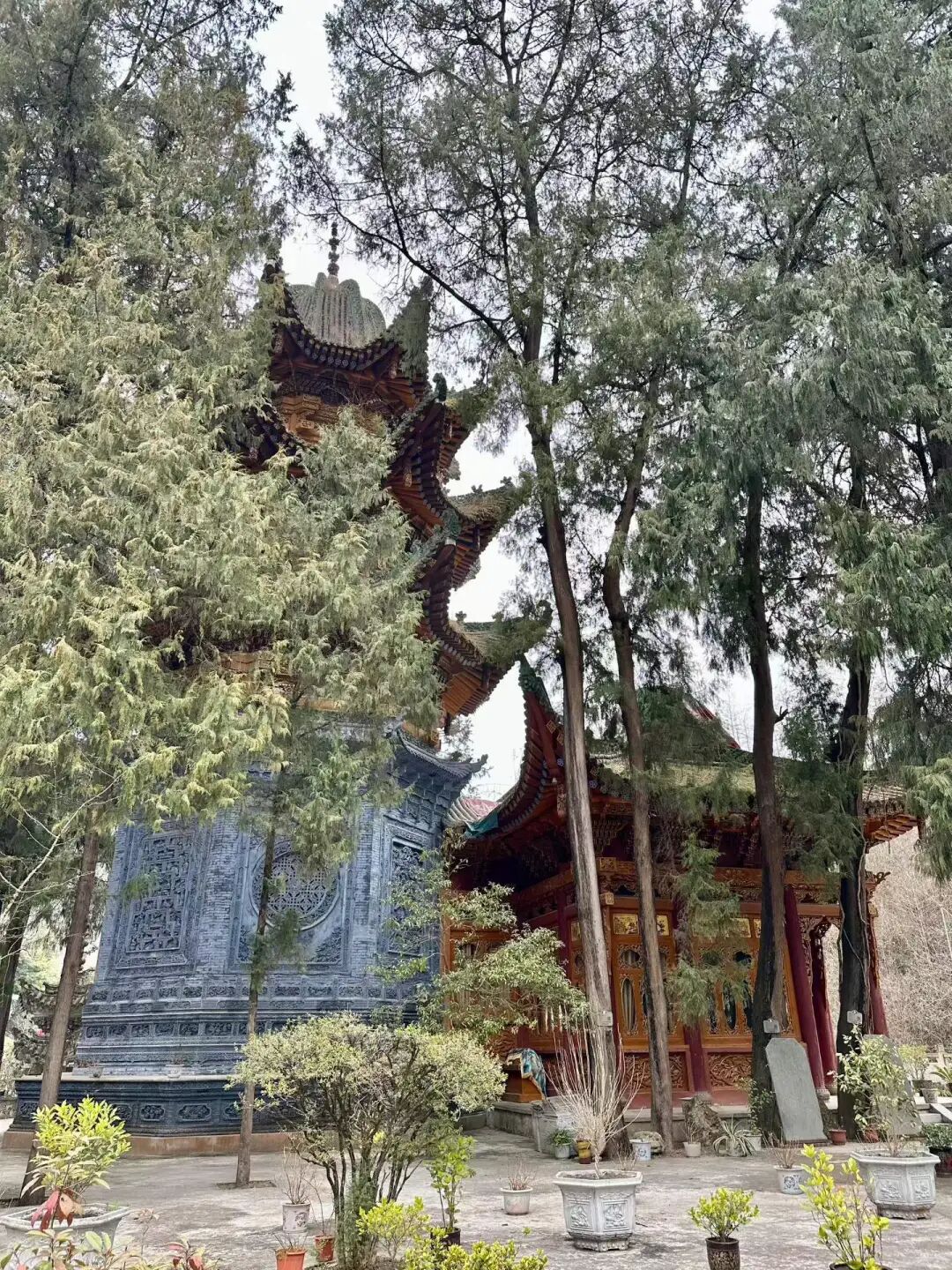
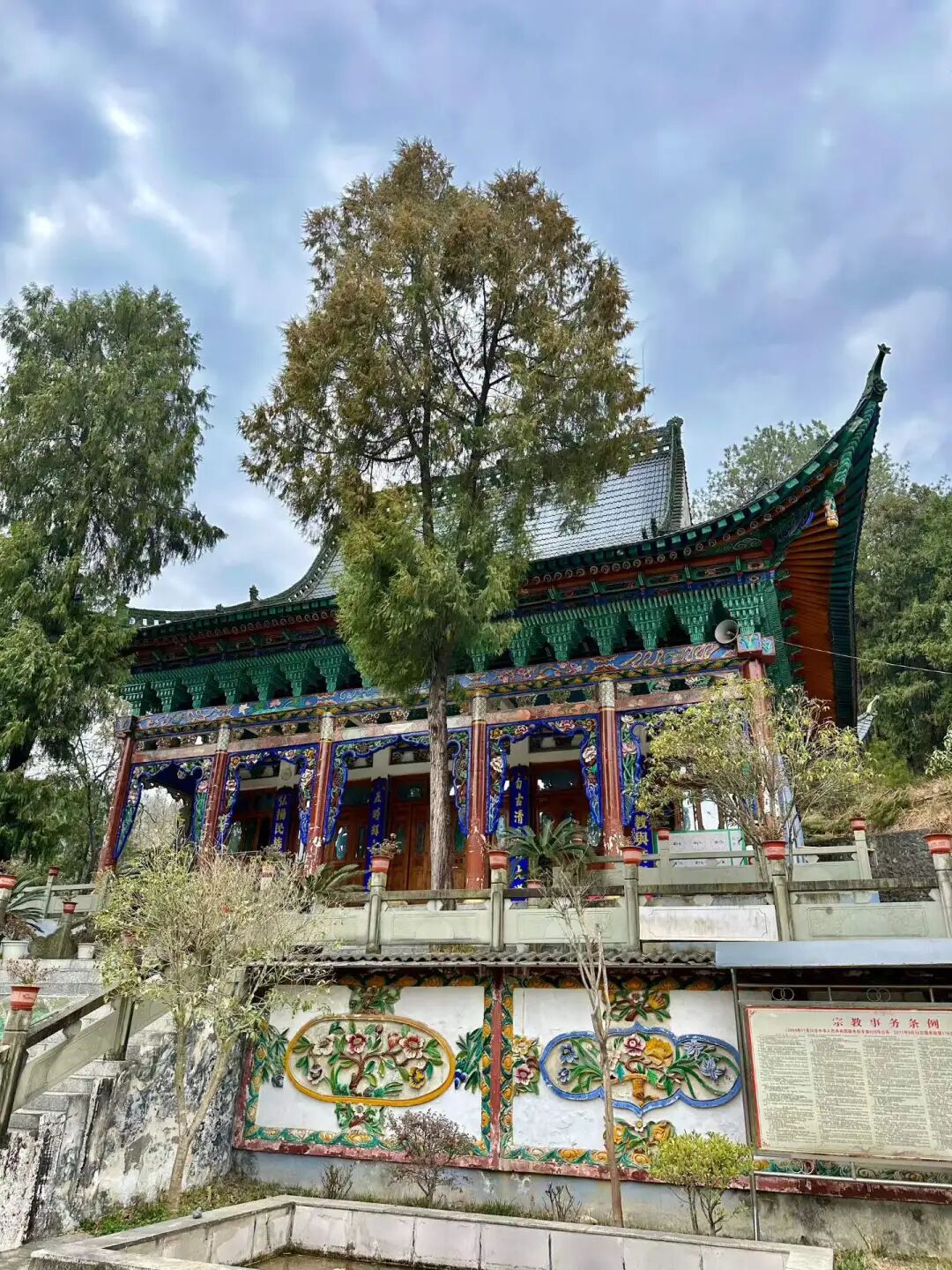
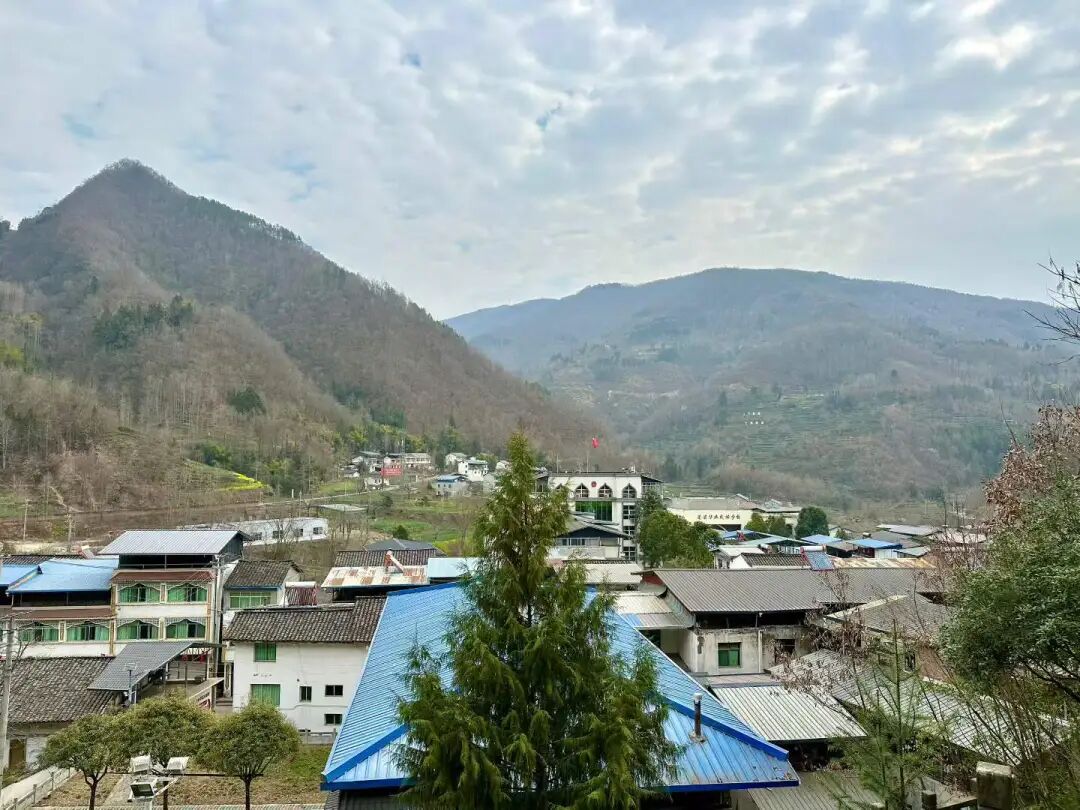
Haoxi Hui Ethnic Township is located at the border of Sichuan and Gansu. It is an important stop for people traveling from Qingchuan County to Wudu and Wenxian in Gansu to sell Sichuan tea. Most Hui Muslims in Haoxi moved here from the northwest. The Ma family is said to have come from Jingyang, Shaanxi, and the Zhe family is said to have come from Wudu and Wen County in Gansu. The Haoxi Mosque is said to have been built in the early Qing Dynasty. It was renovated many times and rebuilt into its current structure in 2017.
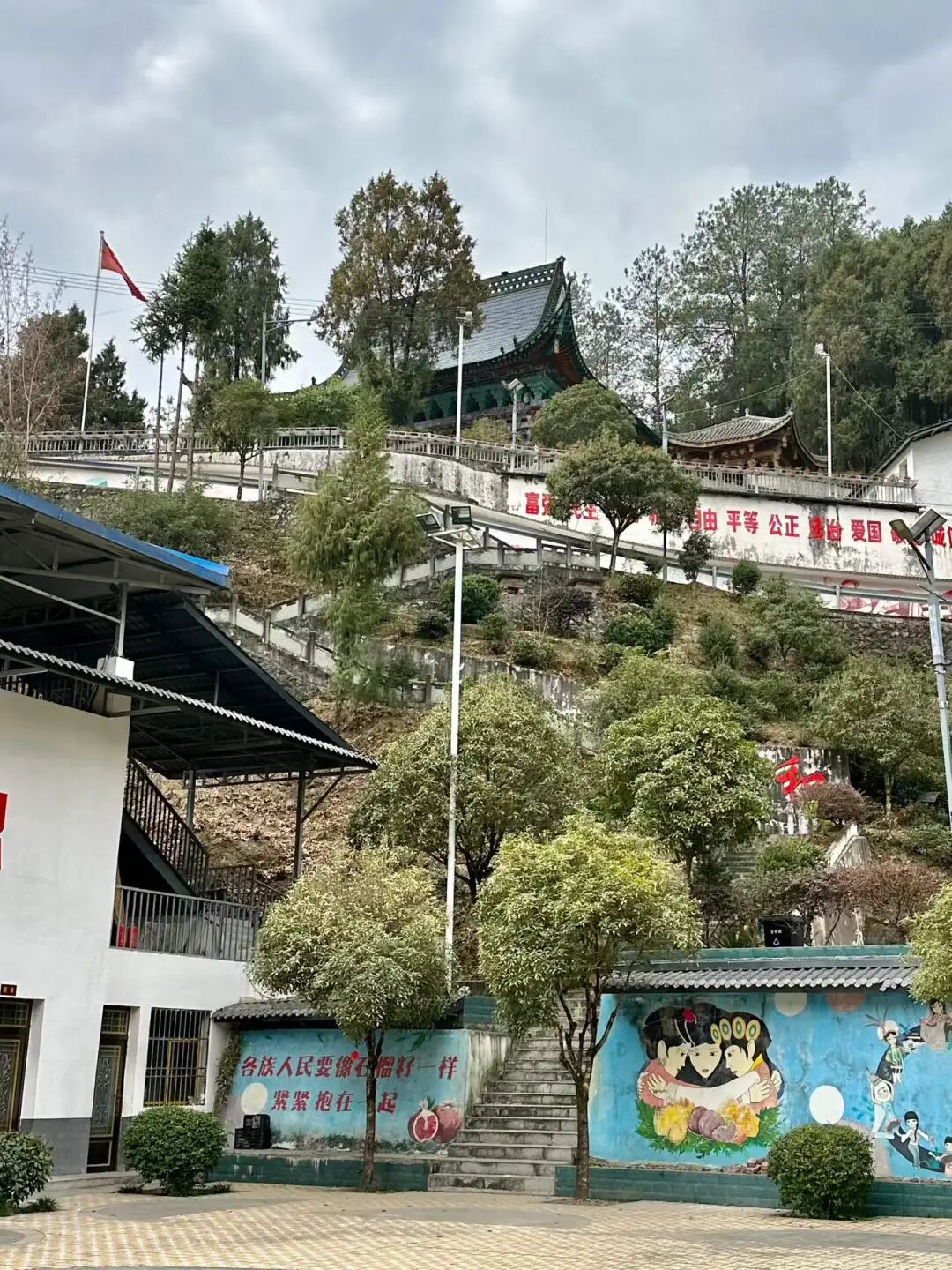
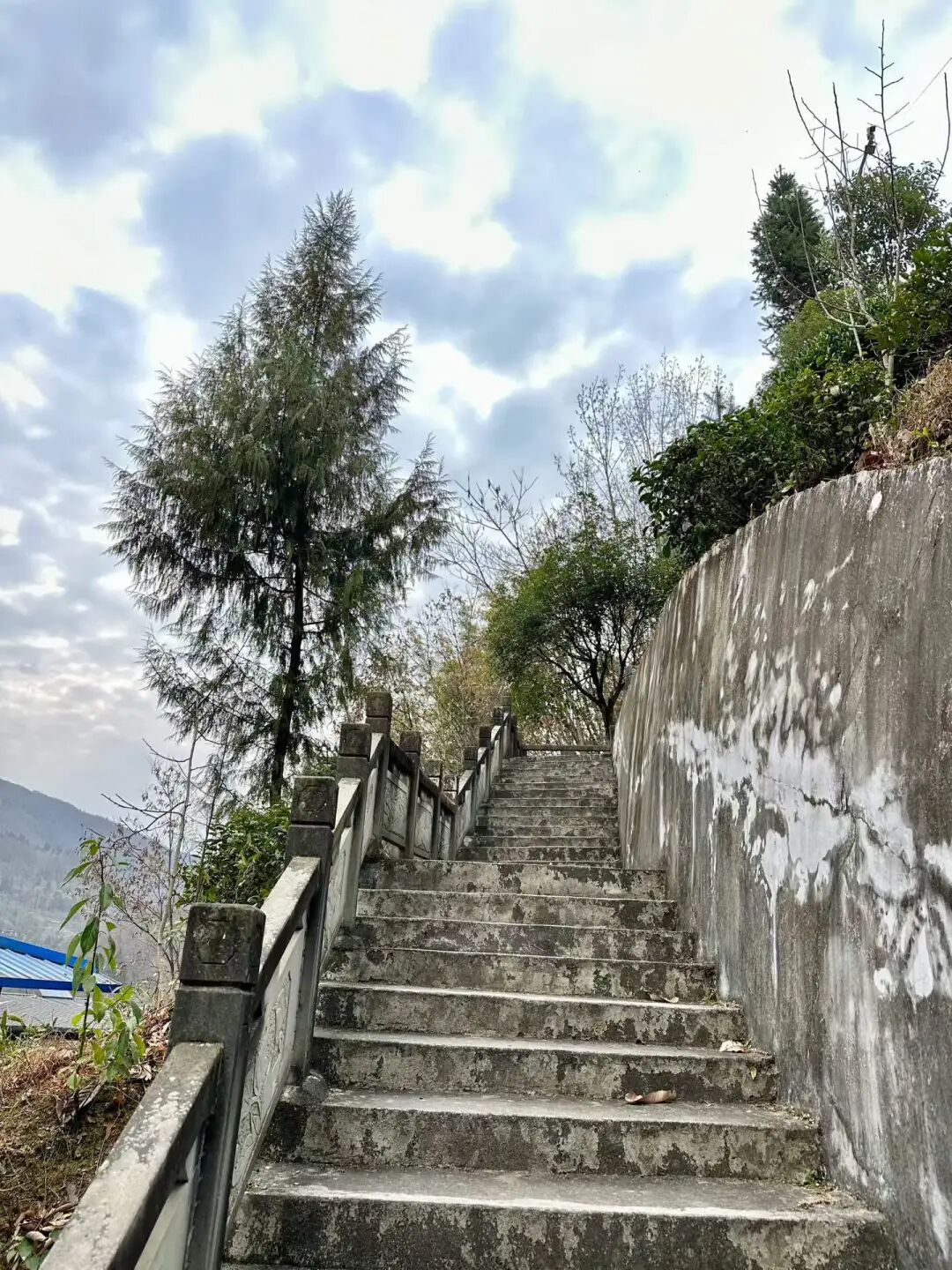
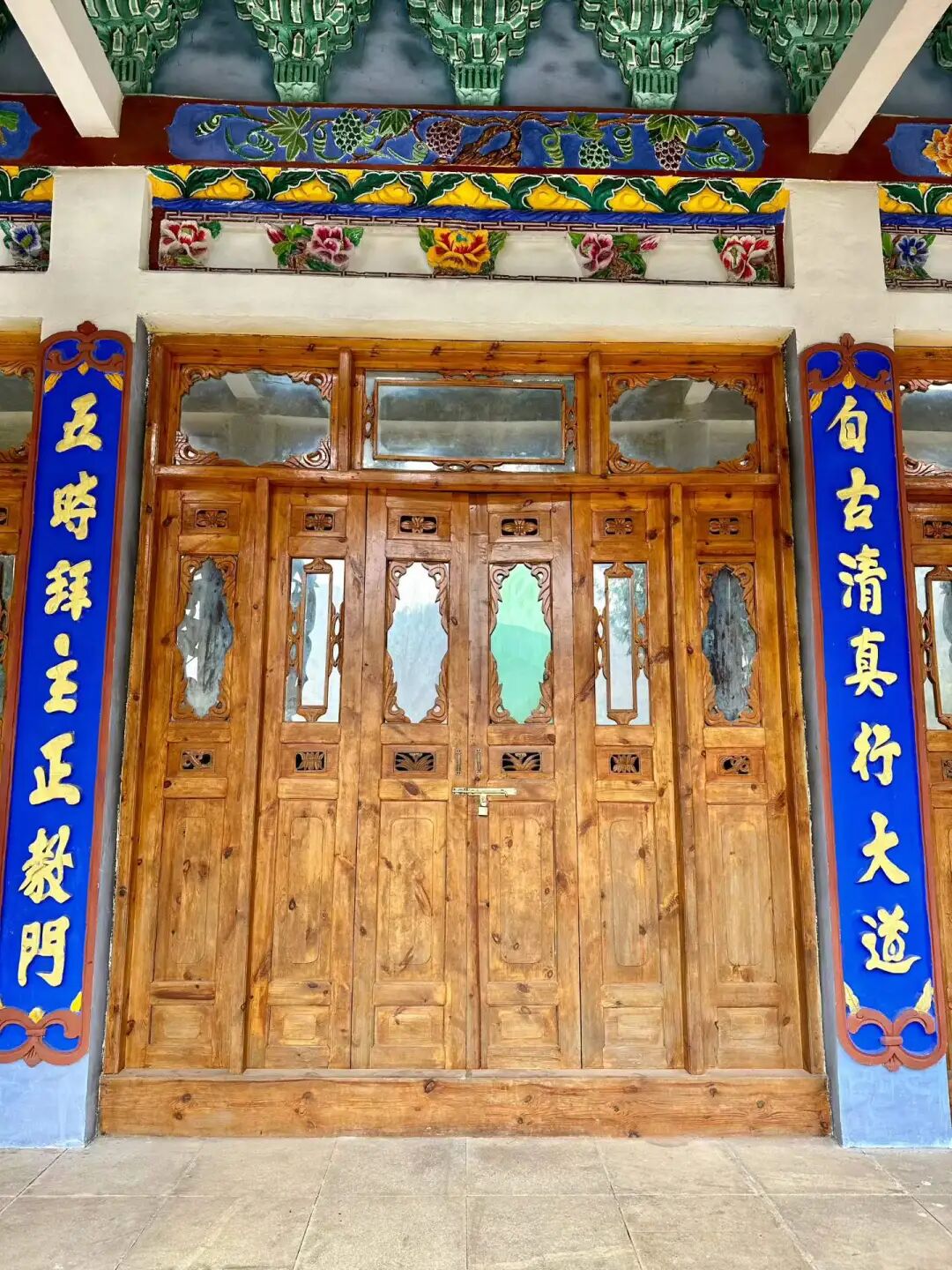
Haoxi Mosque is one of the most steeply situated mosques I have ever seen. The main prayer hall towers over the hillside, while the washroom and offices are at the bottom, connected by a set of steep stairs. However, a gentle asphalt road has been built now, which must be much more convenient than it was for those before us.
It is a pity that the main hall was locked when I visited, so I could not go inside.
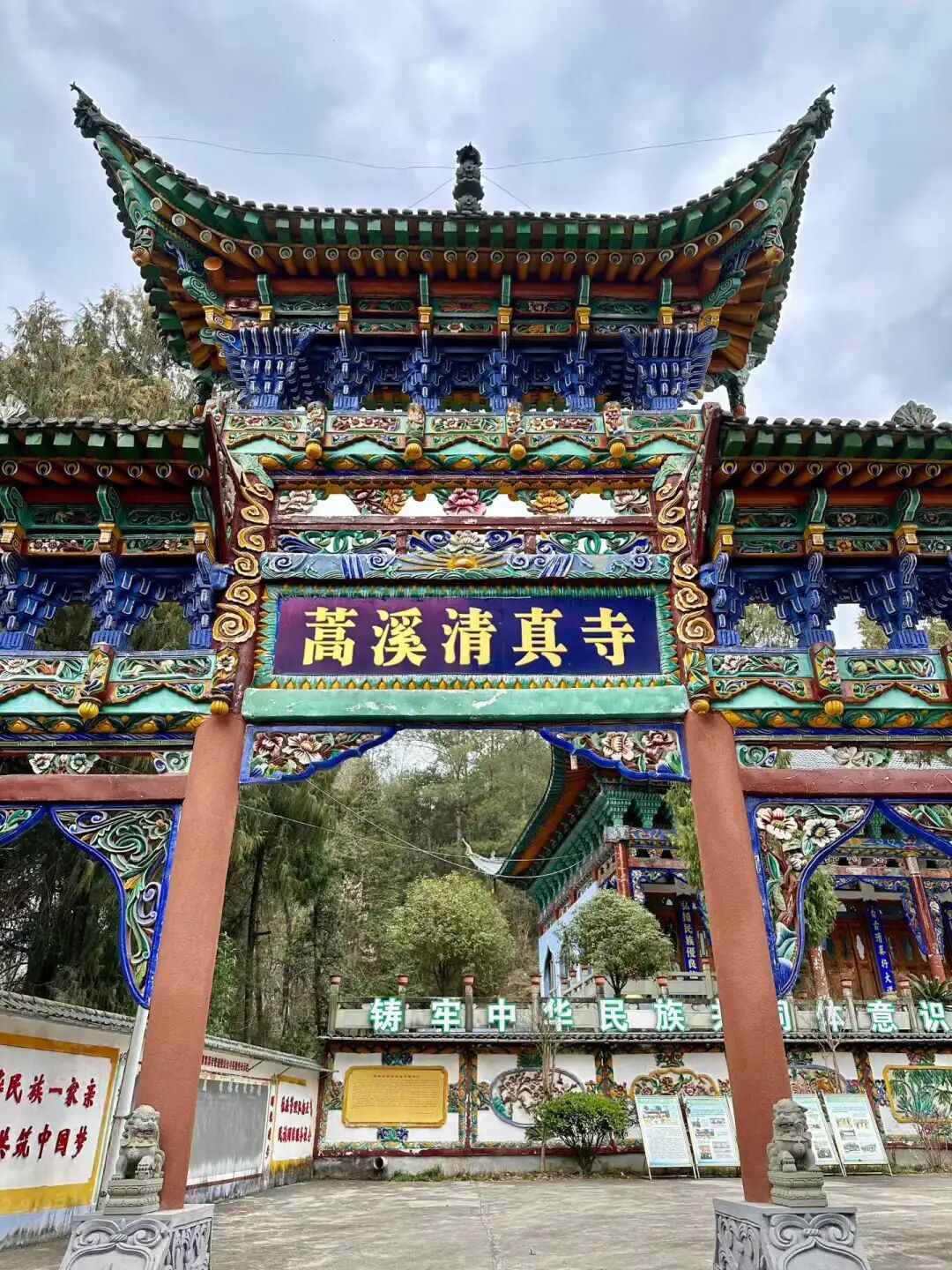
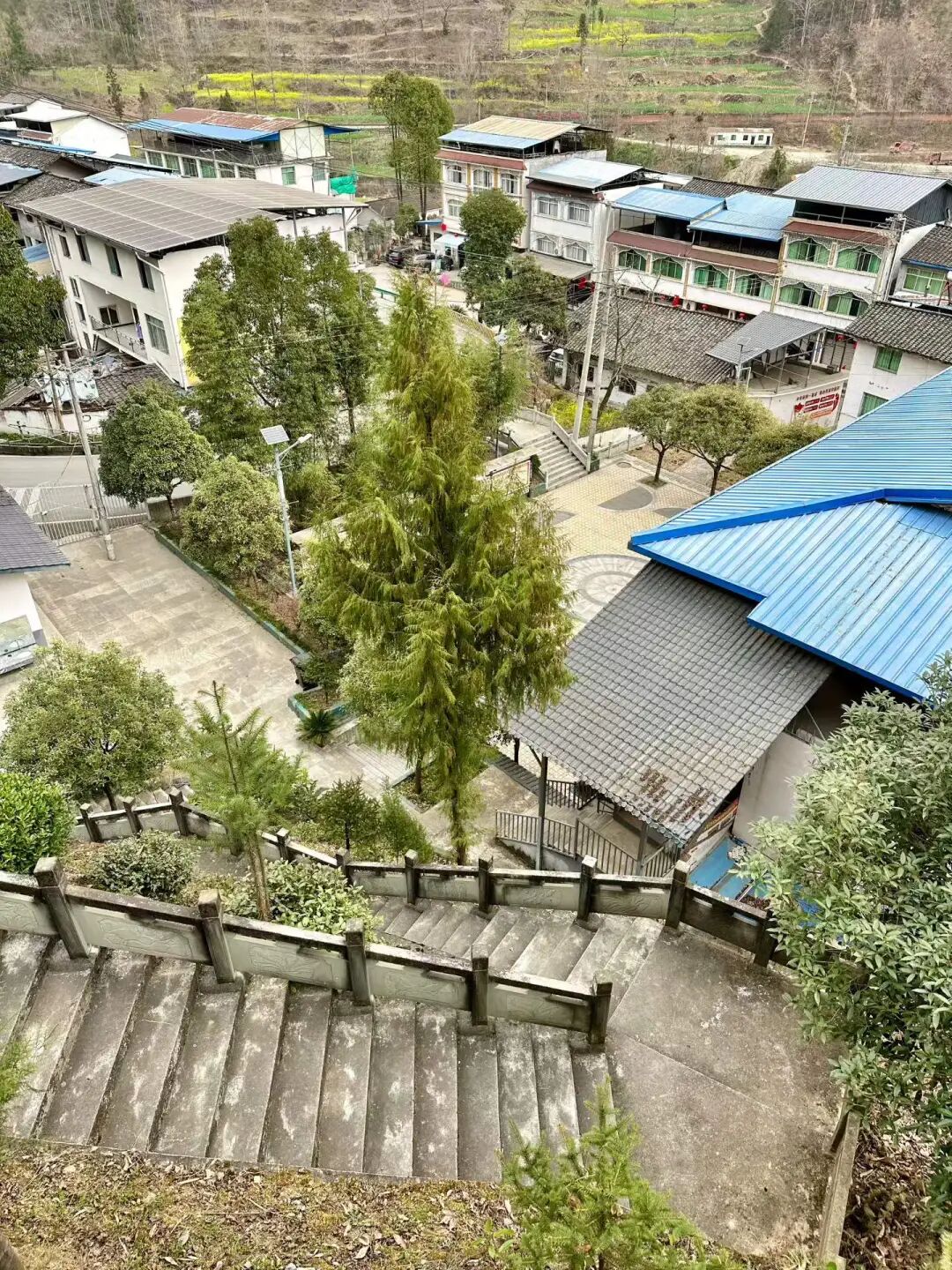
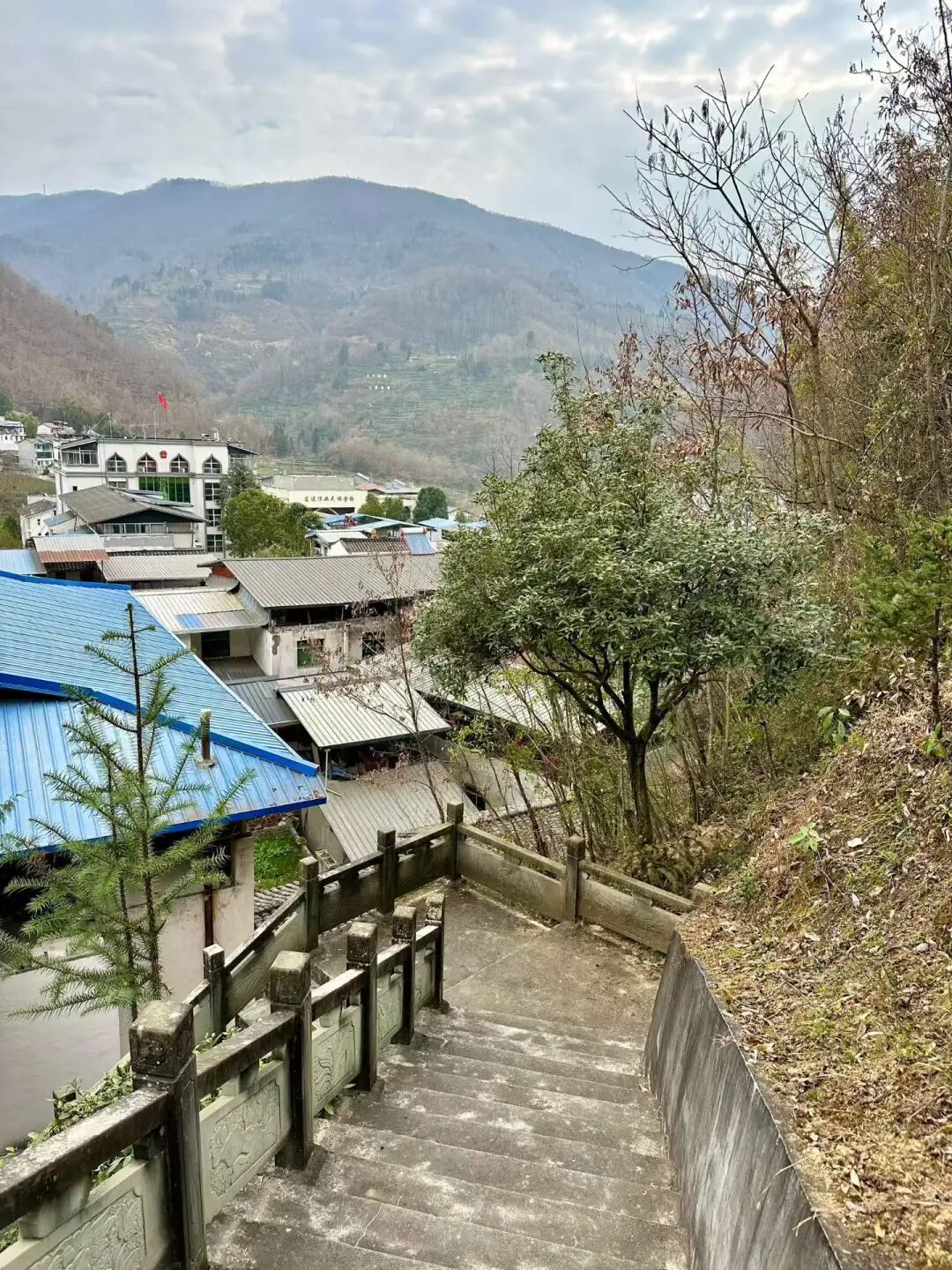
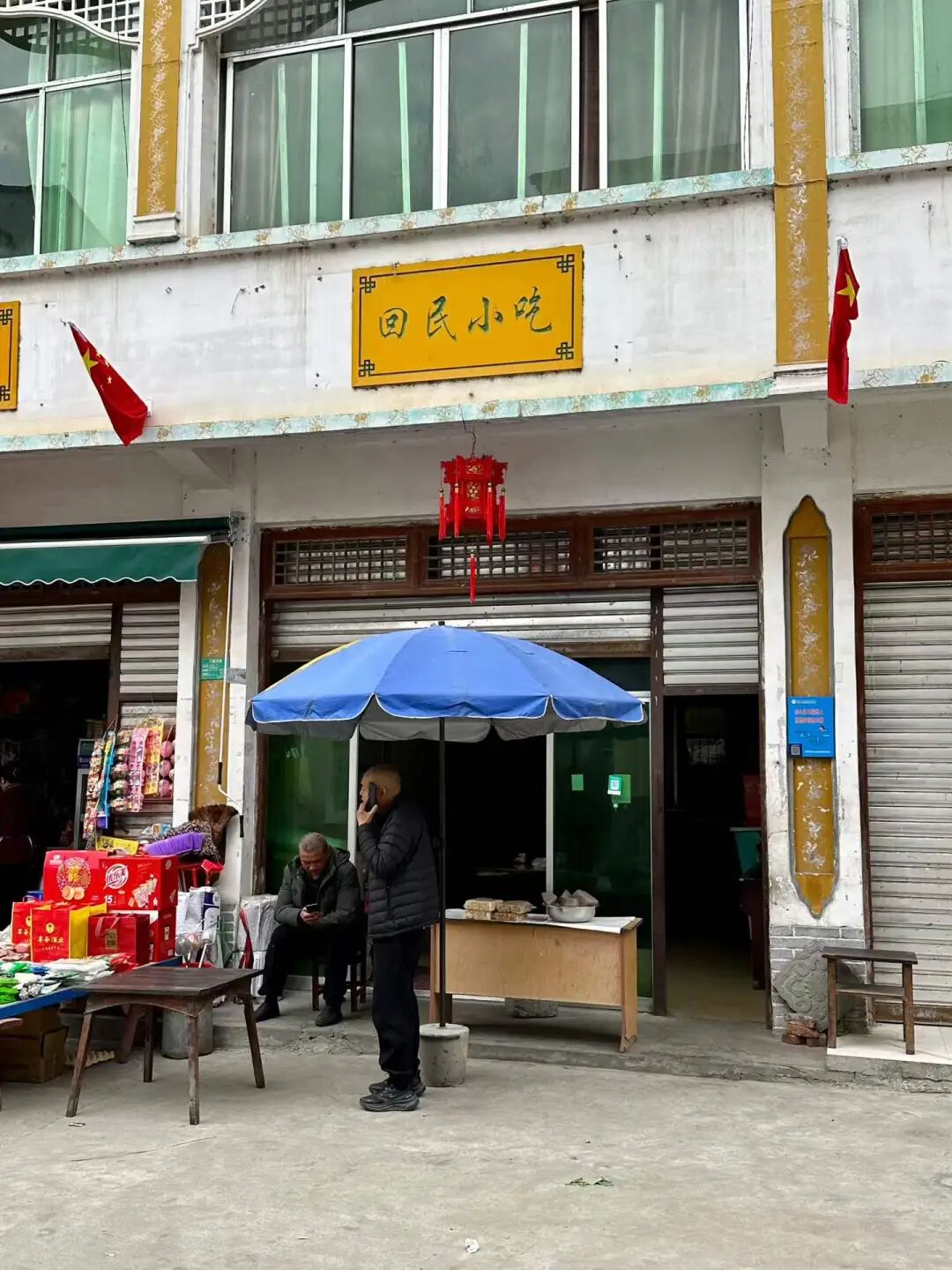
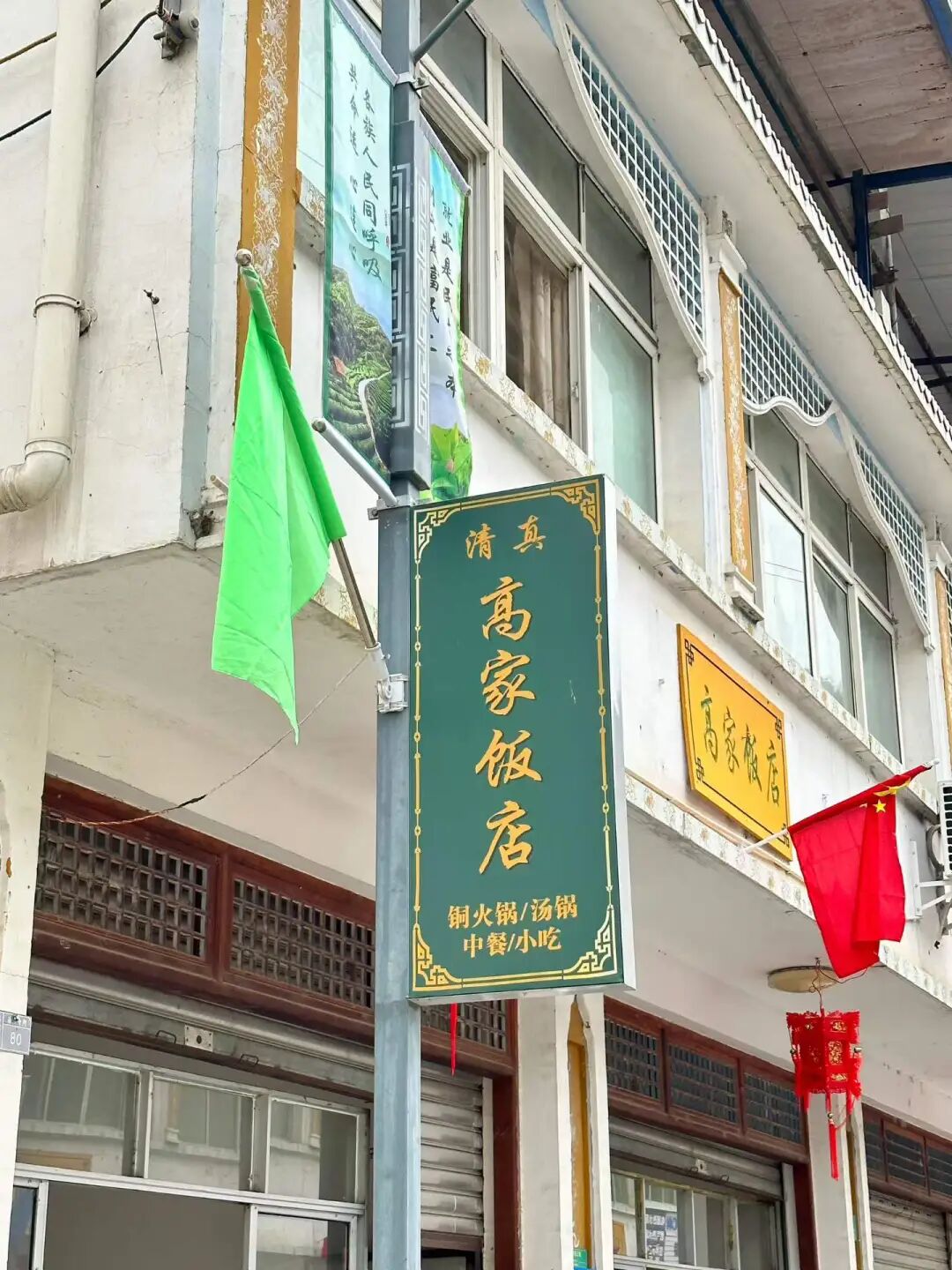
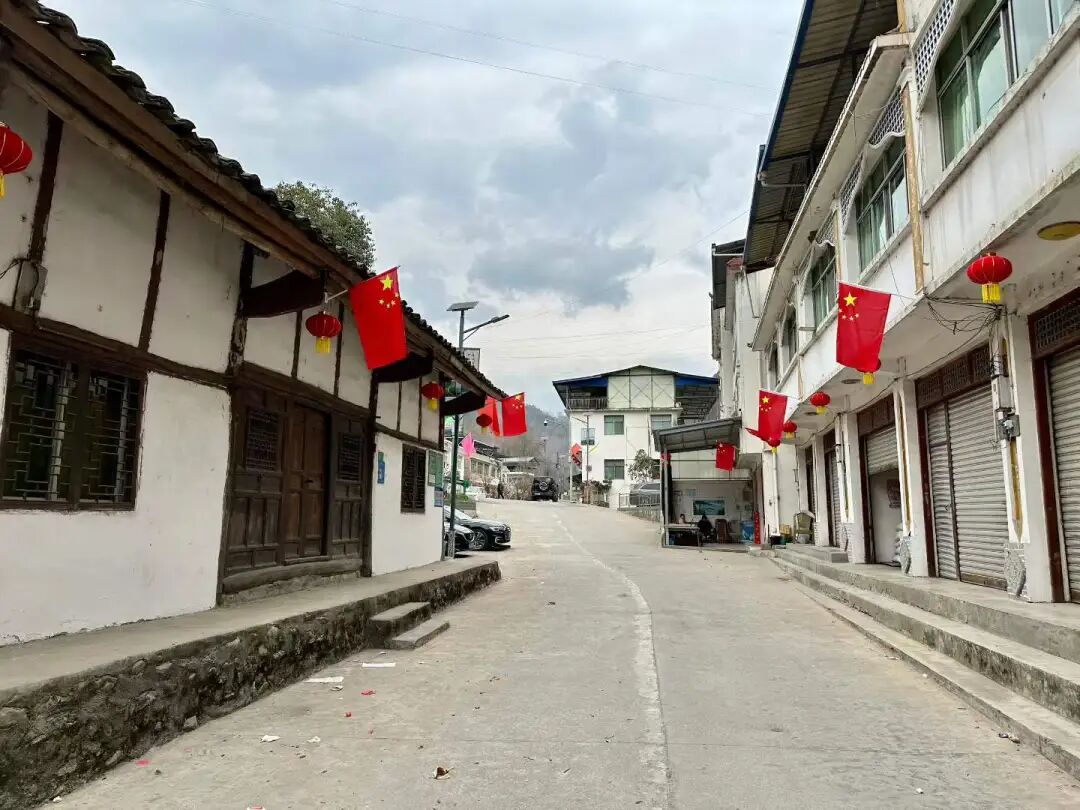
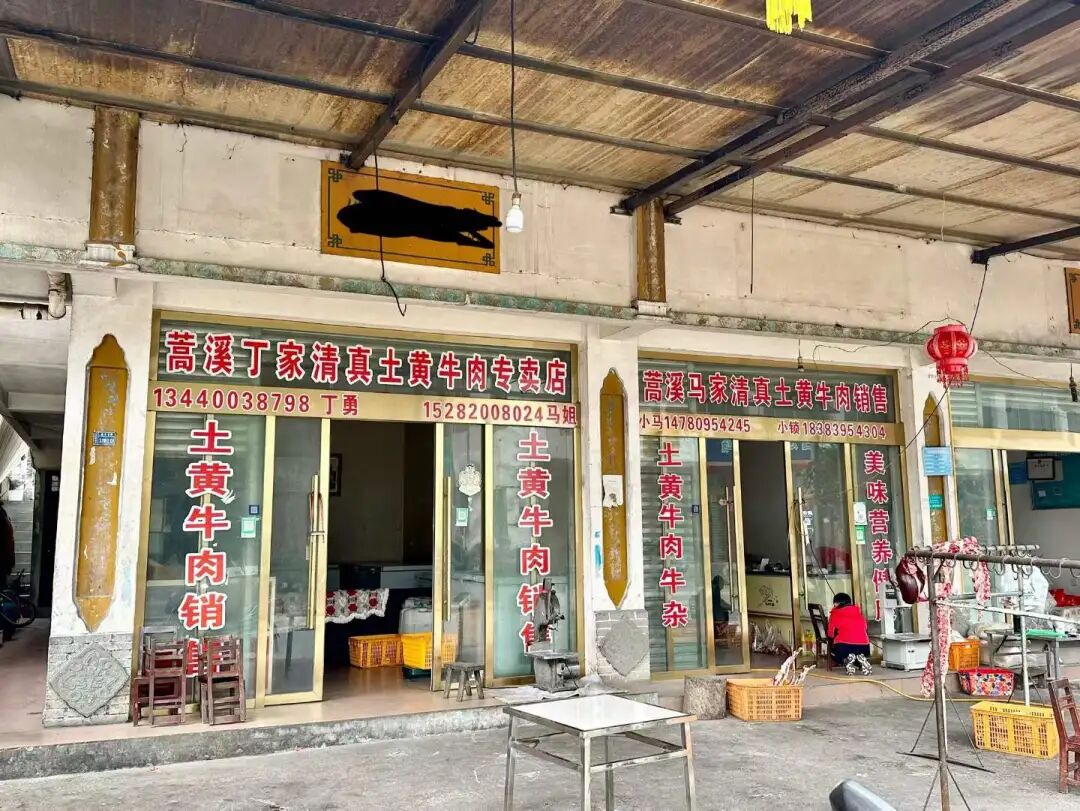
Looking at the street scene in Qingguang Village, Haoxi, there are Hui Muslim restaurants, snack shops, and beef shops. The local yellow beef (tuhuang niurou) here is very famous. Village life is leisurely and quiet, and every day moves very slowly.
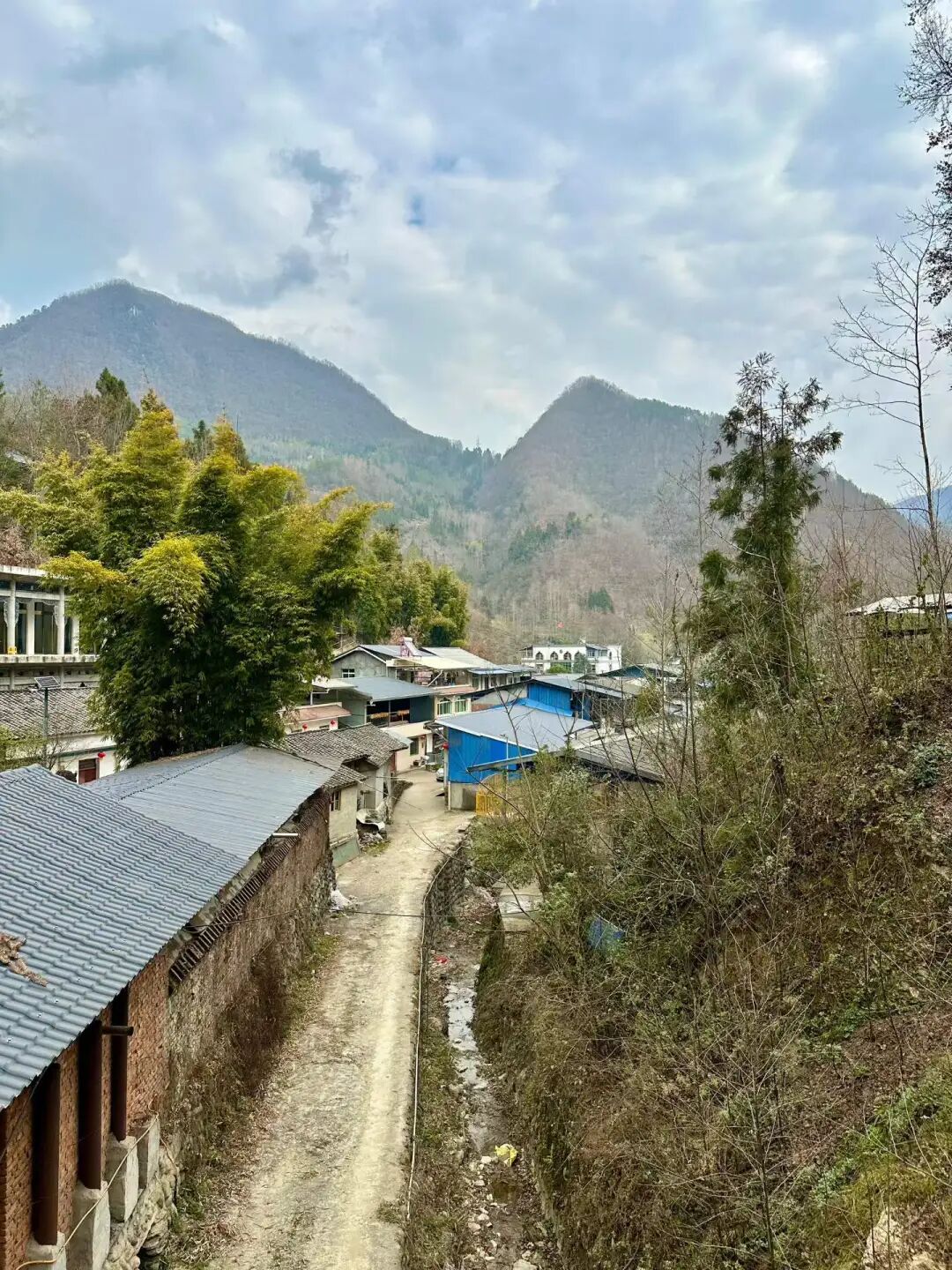
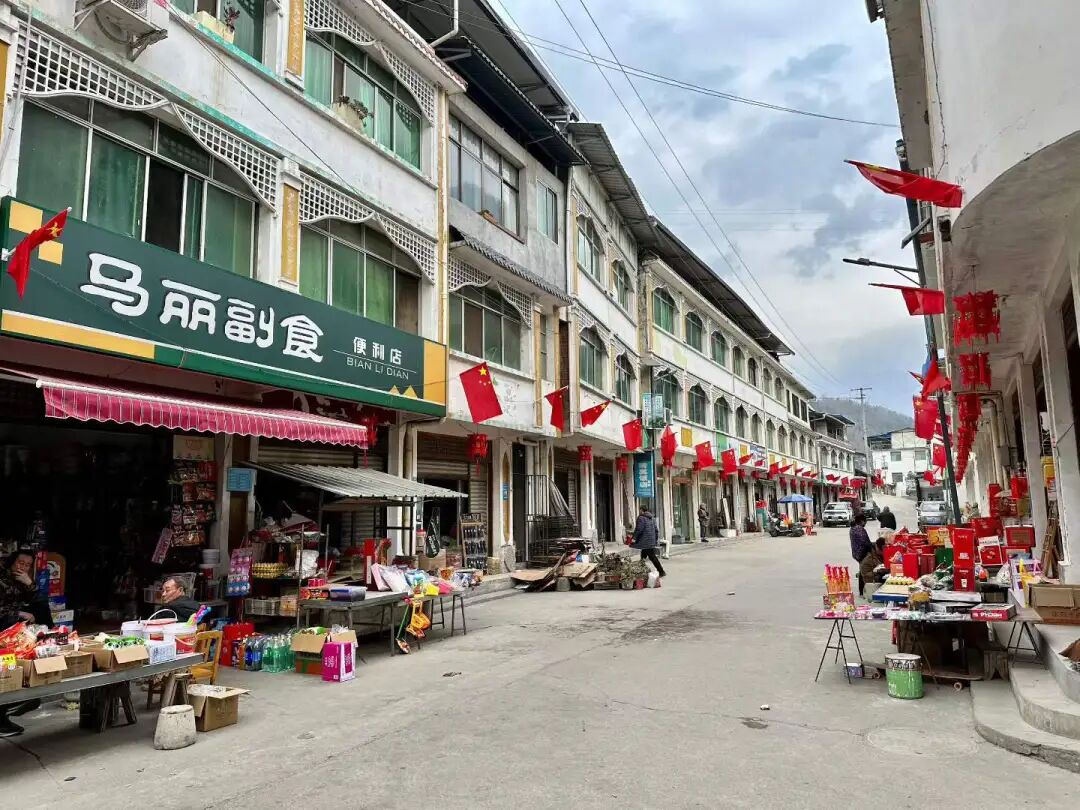
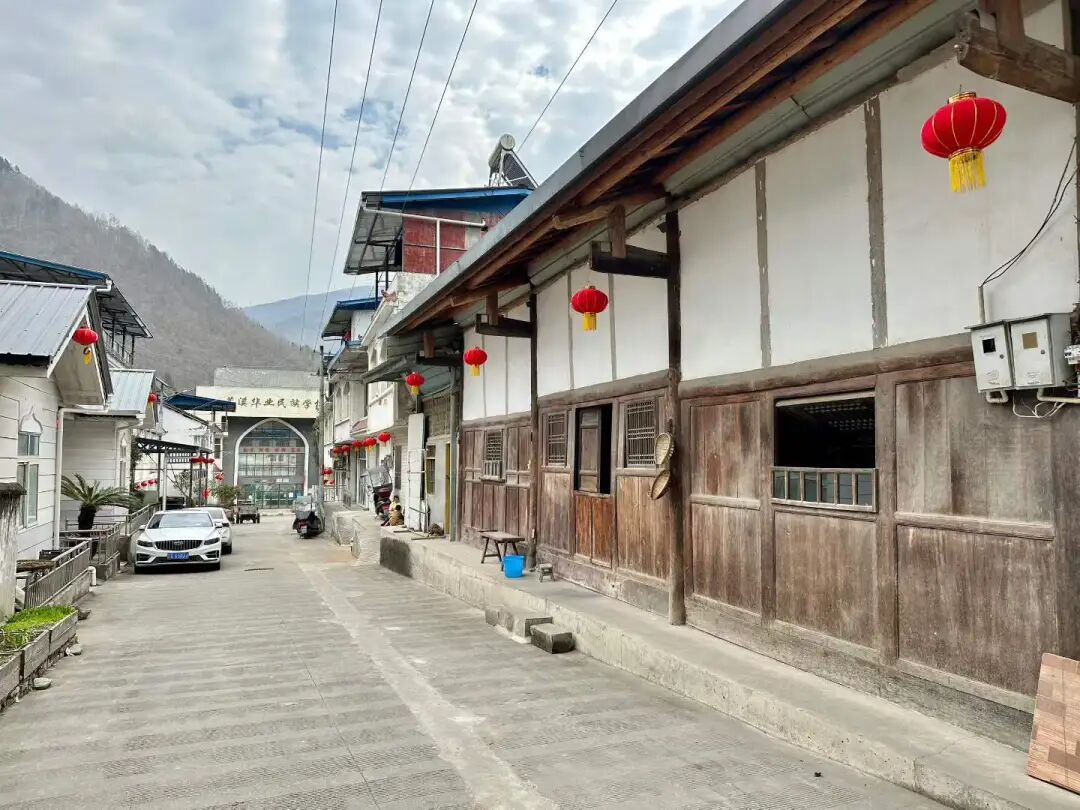
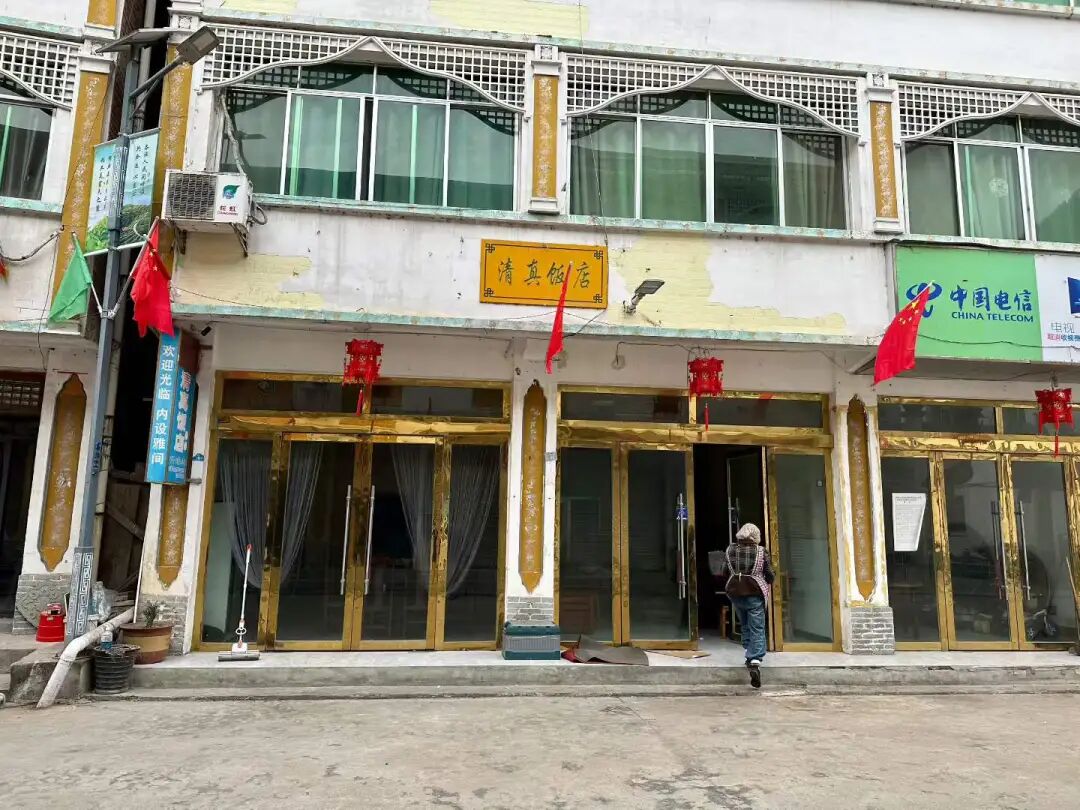
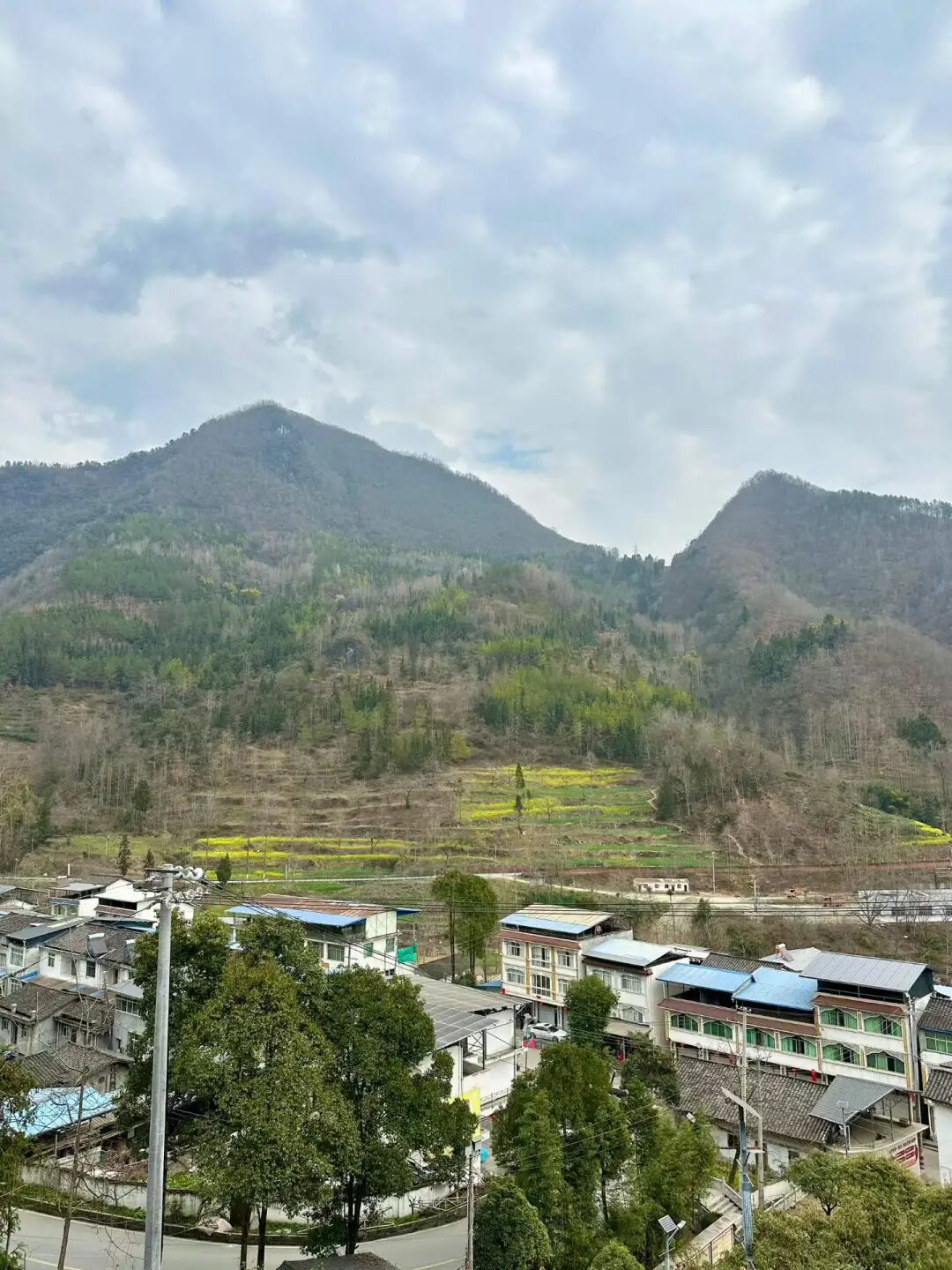
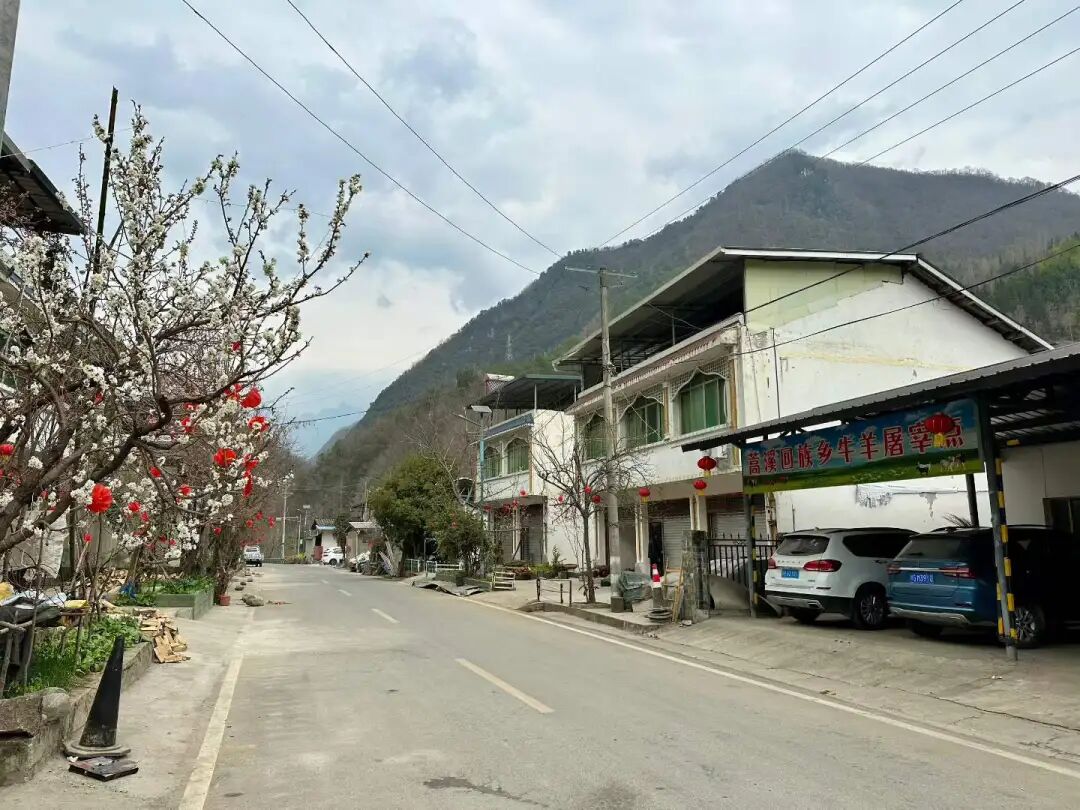
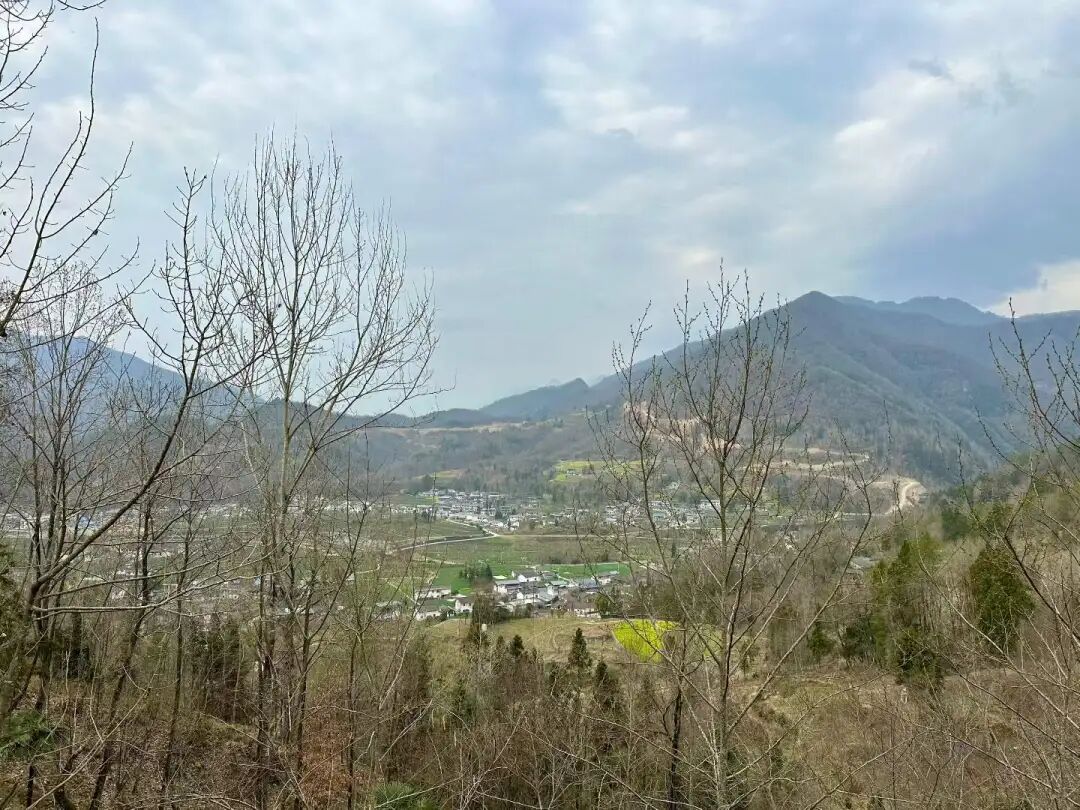
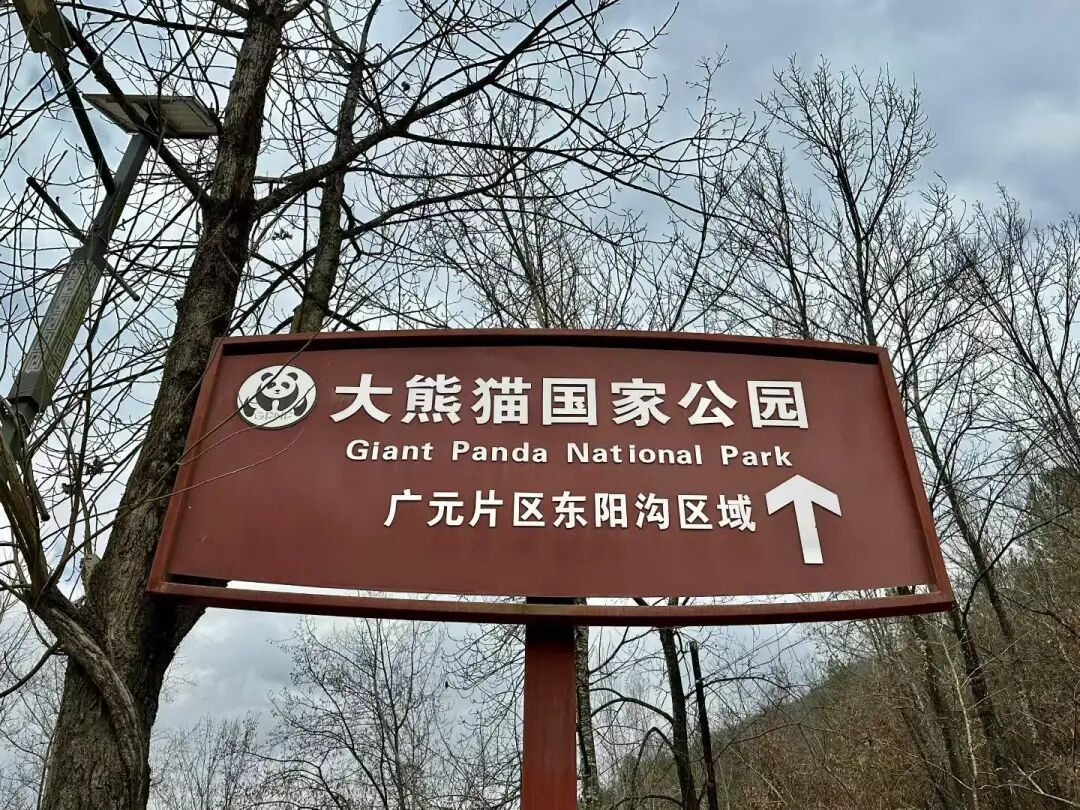
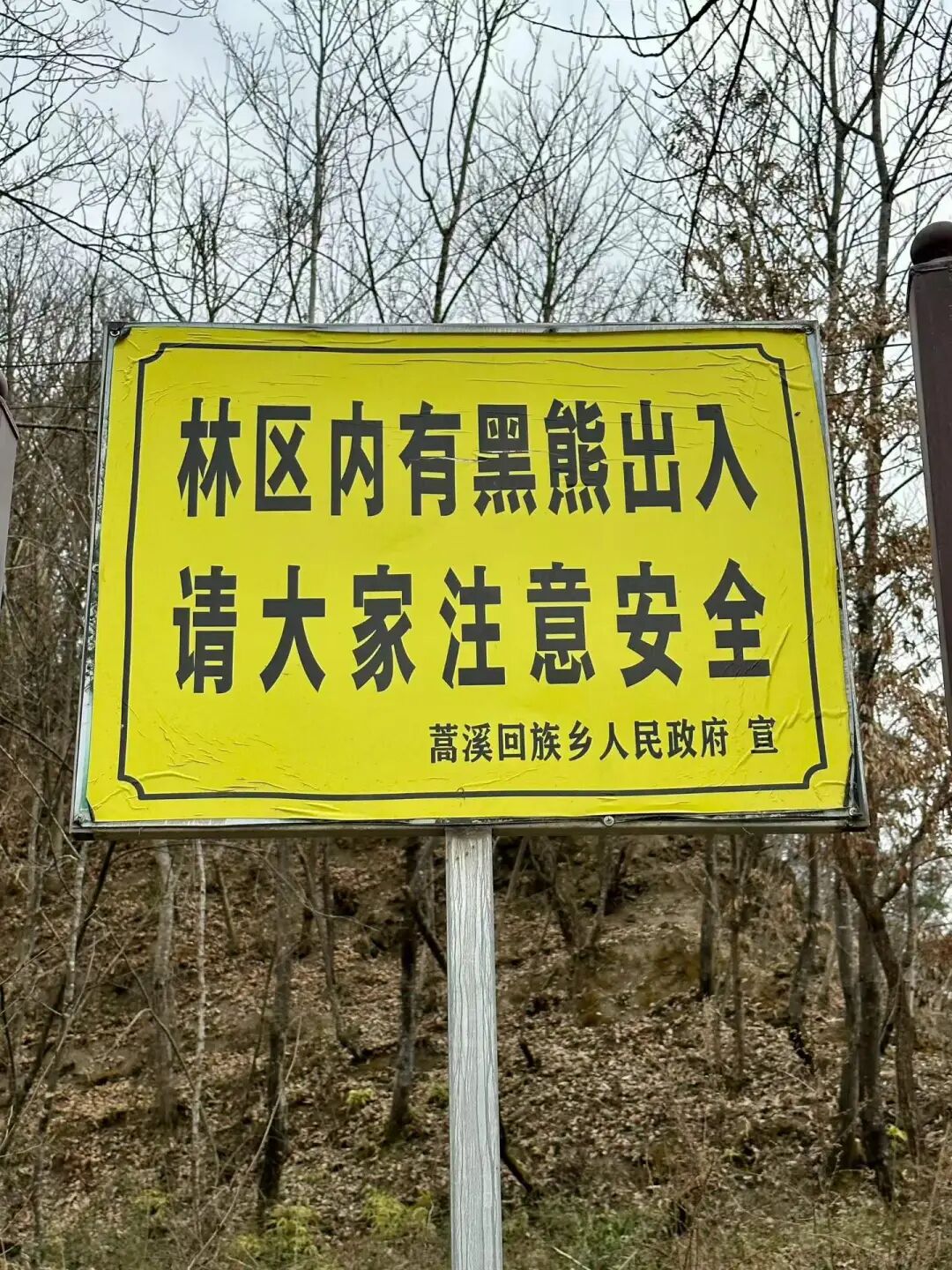
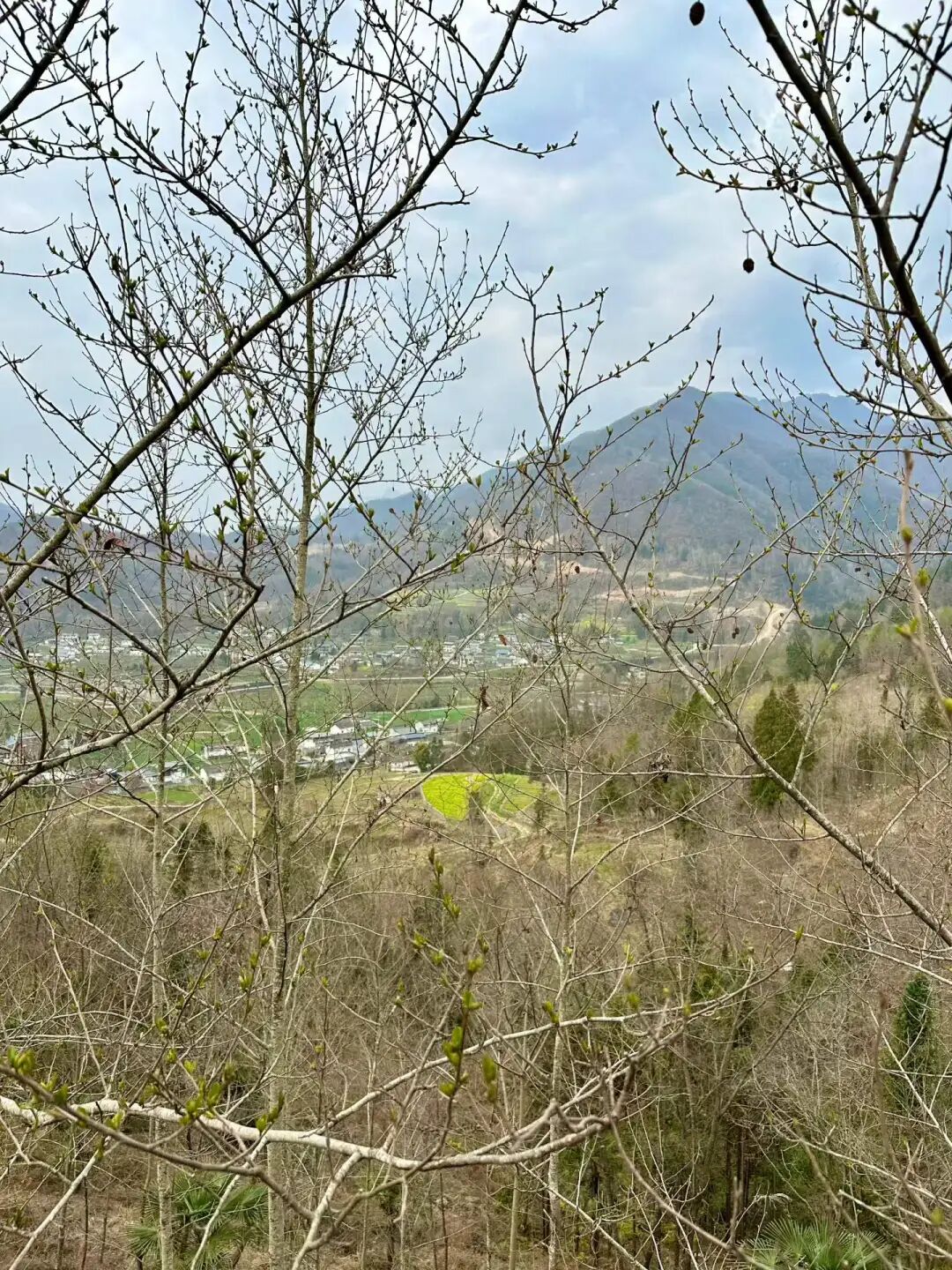
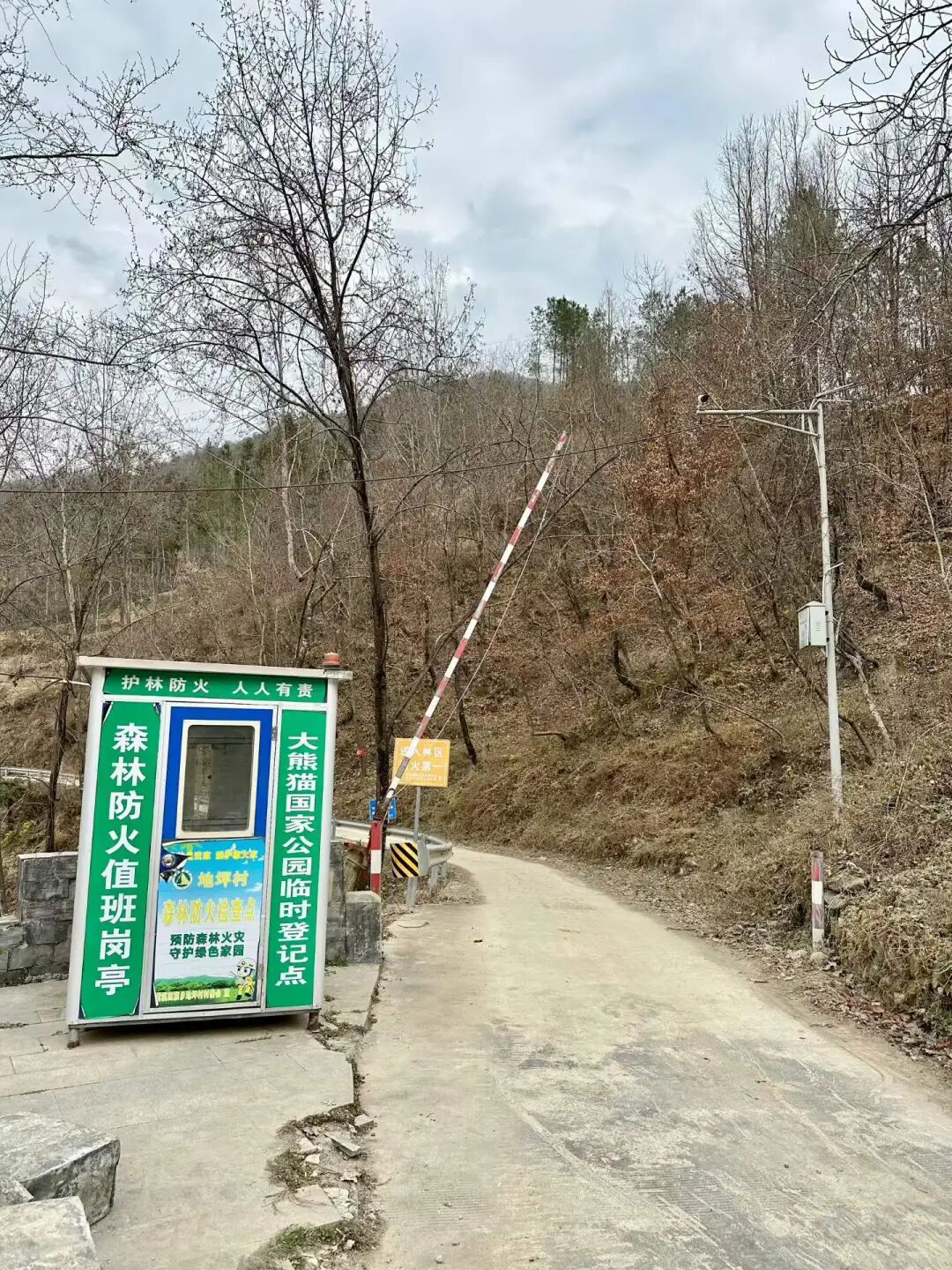
Next to Haoxi Hui Ethnic Township is the Giant Panda National Park. A sign by the road warns, 'Black bears are active in the forest area, please pay attention to your safety.' You can tell the ecology here is excellent and suitable for animals to live.
Summary: This China mosque travel guide follows Haoxi Hui Muslim Township in Qingchuan, Guangyuan, the Guanghui gongbei shrine, and Sichuan Muslim heritage without changing the original travel details.
This article summarizes the key points of a self-driving trip to ancient temples in Sichuan during the Spring Festival (Part 13), focusing on Haoxi Hui Muslim Township in Qingchuan County, Guangyuan, and the Guanghuiting gongbei. It keeps the original paragraph and image order, making it suitable for readers interested in Muslim life, Islamic culture, and Chinese Islamic articles. It also helps with searching for content related to Part 13 and Chinese halal food.
We left the ancient town of Qingxi in the morning and arrived at another Hui Muslim township in Guangyuan—Haoxi Hui Muslim Township. We first visited the Guanghuiting gongbei, which belongs to the Qadiriyya Sufi order (menhuan).
Guanghuiting is the burial place of Ma Chunyi, a disciple of the Qadiriyya leader Huazhe Abdullahi. Later generations call him the 'Fifth Great Ancestor'. The Fifth Great Ancestor began studying under Huazhe in 1674 (the 13th year of the Kangxi reign). The following year, he followed his teacher's orders to accompany his senior fellow student Qi Jingyi to Hanzhong, and later traveled to Qingyang Palace in Chengdu. Legend says that while returning to Hanzhong, the Fifth Great Ancestor followed his teacher's instructions to buy two bolts of white cloth in Zhongba, Jiangyou. After leaving Jiangyou, he fell ill with dysentery. He passed away (gui zhen) in 1684 (the 23rd year of the Kangxi reign) while passing through Haoxi Mosque. Later generations built a gongbei for him, naming it 'Guanghuiting'.
In 1833 (the 13th year of the Daoguang reign), Ma Longyun from Hezhou oversaw the construction of the brick pavilion at Guanghuiting and donated land to it. A front hall was added during the Xianfeng reign, and it has been renovated many times since. In 1935, Red Fourth Front Army leaders like Xu Xiangqian and Chen Changhao directed the Battle of Xuanmaguan from Guanghuiting. The imam (ahong) stationed at the mosque at the time, Su Shichang, provided them with great assistance. Before leaving, Xu Xiangqian gifted him items like white sugar. After 1966, Guanghuiting became a commune hospital. It was restored in 1980 and rebuilt into its current structure in 1984.
Historical plaques at the Guanghuiting gongbei:
The 'Huiji Qunli' (Benefiting the Masses) plaque from the 21st year of the Guangxu reign, presented by Chen, the magistrate of Pingwu County, Long'an Prefecture, who held a third-rank title as an imperial guard and was granted the title of Tongzhi. It was also signed by She Deshou, Ma Desheng, Hu Jun, She Ren, and Hu Congfeng.
The 'Wangu Zhanyi' (Venerated for All Time) plaque from the 28th year of the Guangxu reign, presented by Shan Diankui, who held a first-rank title and served as the Commander-in-Chief of the Sichuan Provincial Military, also holding the title of Commander of the Jianchang Garrison and the title of Sheng-Sheng Baturu.
Shan Diankui was a Qing dynasty military officer from Changping, Beijing. He was passionate about Islamic affairs. He wrote plaques for the Puhading Cemetery in Yangzhou, the Great Mosque in Tianjin, the Hexi Mosque in Xichang, and the Guanghui Pavilion (guanghuiting) gongbei. He funded the woodblock printing of the Shan family edition of the Precious Scripture of Life (baoming zhenjing) in Songjiang Prefecture, which is the 'Haitie' commonly used by Hui Muslims. He also established an elementary school at the Changping Mosque in his hometown.
The 'Zhimiao Qingzhen' plaque from the fifth year of the Republic of China mentions He Bingkuan, battalion commander of the first battalion of the front five units of the Western Route of the Han Army, who received a second-class medal and was credited with seven major merits. It also lists Feng Zhaosheng, Ma Junming, Ma Wanfa, and Li Ze, who were patrol officers of the right guard of the fifth battalion of the front five units of the Western Route of the Han Army and were credited with three major merits.
Inside the gongbei is the 1924 'Stele Record of the Reconstruction of Wulong Mountain and Xulong Mountain' written by La Yonggui. The text records that in 1833 (the 13th year of the Daoguang reign), Ma Nengyun from Hezhou brought silver to Haoxi to build a brick pavilion. He did not finish the work, so he went to Hezhou and Songpan to raise 270 taels of silver to complete it, and purchased a plot of land behind the pavilion and a section of mountain land. During the Xianfeng reign, Ma Daoxiang and local Muslims from Songpan and the surrounding area built a front hall (baoting) in front of the pavilion, which was rebuilt during the Tongzhi reign. In the early Guangxu reign, elders from Songpan invited Ma Dao'an, the abbot of Xulong Mountain (Haoxi gongbei), to renovate the pavilion and guest hall, and to repair one room at Wulong Mountain (Guanghui Pavilion). During the Guangxu reign, successive earthquakes tilted the Haoxi gongbei. When Mi Yongling was the abbot of Guanghui Pavilion, he went to Songpan and the local area to raise funds to rebuild the pavilions, front halls, guest halls, mountain gates, and courtyard walls of both mountains.
The two cypress trees inside the gongbei are 450 and 350 years old, respectively, and are listed as ancient and famous trees in Qingchuan County.
The prayer hall of the Guanghui Pavilion gongbei. The prayer hall (daotang) of a Qadiriyya grand gongbei usually contains both a gongbei and a prayer hall, so it is also called a gongbei mosque.
Haoxi Hui Ethnic Township is located at the border of Sichuan and Gansu. It is an important stop for people traveling from Qingchuan County to Wudu and Wenxian in Gansu to sell Sichuan tea. Most Hui Muslims in Haoxi moved here from the northwest. The Ma family is said to have come from Jingyang, Shaanxi, and the Zhe family is said to have come from Wudu and Wen County in Gansu. The Haoxi Mosque is said to have been built in the early Qing Dynasty. It was renovated many times and rebuilt into its current structure in 2017.
Haoxi Mosque is one of the most steeply situated mosques I have ever seen. The main prayer hall towers over the hillside, while the washroom and offices are at the bottom, connected by a set of steep stairs. However, a gentle asphalt road has been built now, which must be much more convenient than it was for those before us.
It is a pity that the main hall was locked when I visited, so I could not go inside.
Looking at the street scene in Qingguang Village, Haoxi, there are Hui Muslim restaurants, snack shops, and beef shops. The local yellow beef (tuhuang niurou) here is very famous. Village life is leisurely and quiet, and every day moves very slowly.
Next to Haoxi Hui Ethnic Township is the Giant Panda National Park. A sign by the road warns, 'Black bears are active in the forest area, please pay attention to your safety.' You can tell the ecology here is excellent and suitable for animals to live.
