
Ultimate Guide to Shanghai Mosques & Halal Culture: Xiaotaoyuan, Huxi & More
[Internet Repost]
Panoramic Guide to Shanghai's Major Mosques and Prayer Spaces: Geographical Distribution of Xiaotaoyuan, Huxi, Fuyou Road, and Songjiang Mosques
Abstract:
A detailed compilation of the distribution locations and historical evolution of mosques and Jumu'ah prayer spaces across Shanghai's various districts. Includes religious and cultural landmarks such as Xiaotaoyuan Mosque, Huxi Mosque, Fuyou Road Mosque, Jingxingqiao Mosque, and the ancient Songjiang Mosque, making it easy for Muslims to practice their faith and explore.
Dear brothers and sisters, As-salamu alaykum!
To better serve all Muslim brothers and sisters working and living in Shanghai, this official account has gathered and compiled the locations of mosques and prayer spaces across all districts. We hope this information proves helpful to everyone!
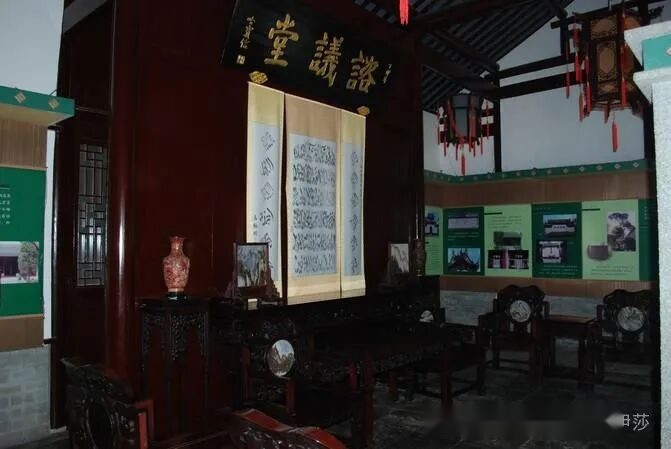
Dear brothers and sisters, As-salamu alaykum!
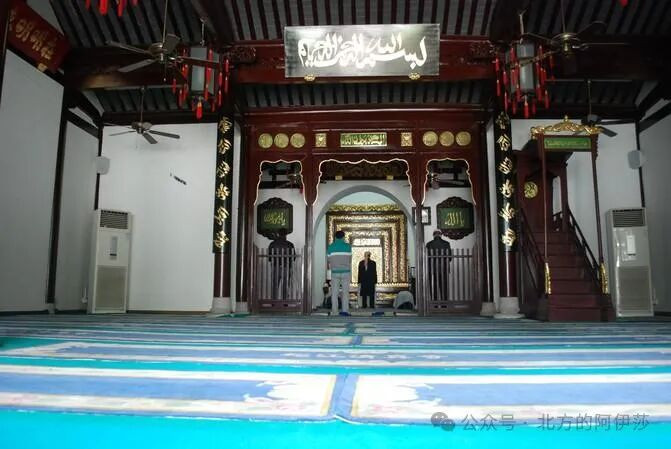
The Shanghai Muslim community has collected the locations and contact numbers of mosques in different districts. We hope this brings more convenience to you.
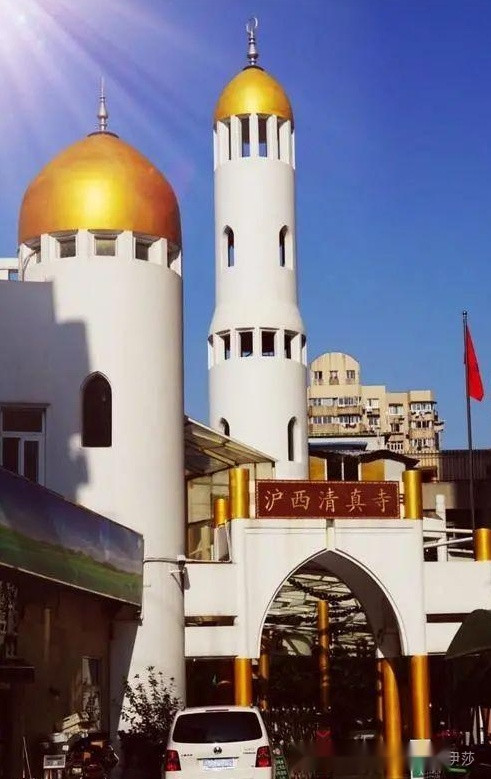
According to information from the Shanghai Municipal Ethnic and Religious Affairs Bureau in 2009, Shanghai has a total of eight mosques: Xiaotaoyuan, Huxi, Pudong, Fuyou Road, Songjiang, Jinshan, Jiangwan, and the Women's Mosque.
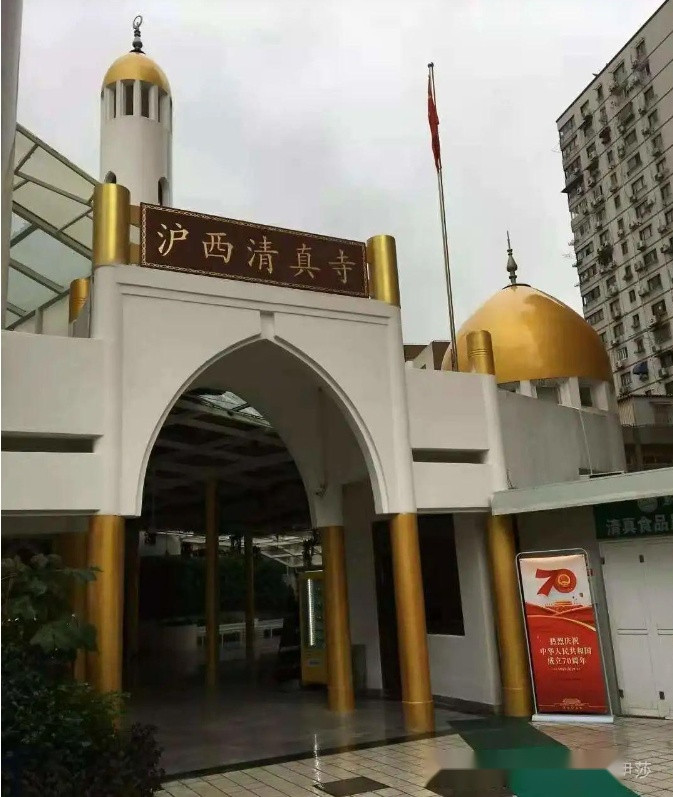
Shanghai's eight mosques are like eight dazzling pearls inlaid on the canvas of the city, radiating a unique charm.
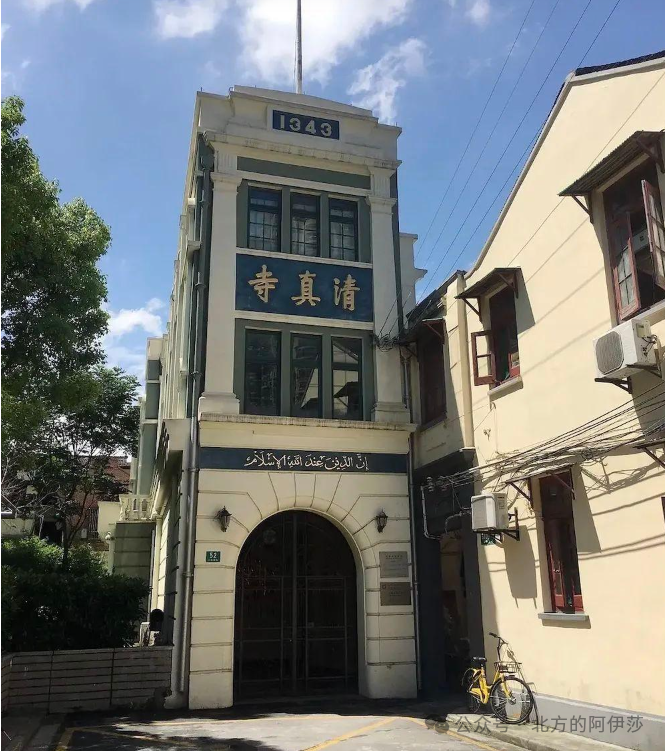
Songjiang Mosque, a witness to history, is a gem from the Zhizheng era of the Yuan Dynasty, carrying the deep sedimentation of time.
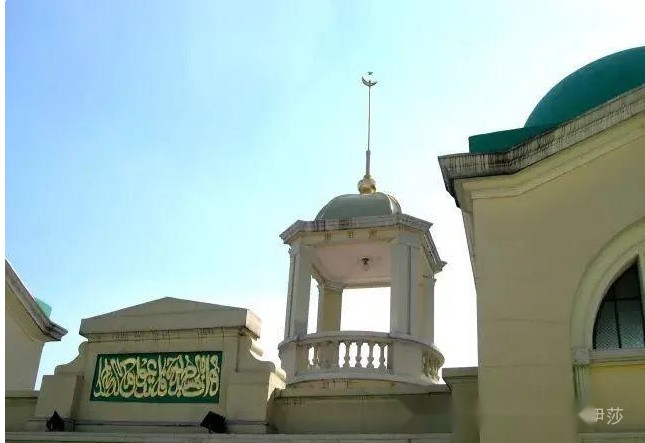
Huxi Mosque, rebuilt after the founding of New China, is a classic example of Arab-Islamic architectural style, solemn and majestic.
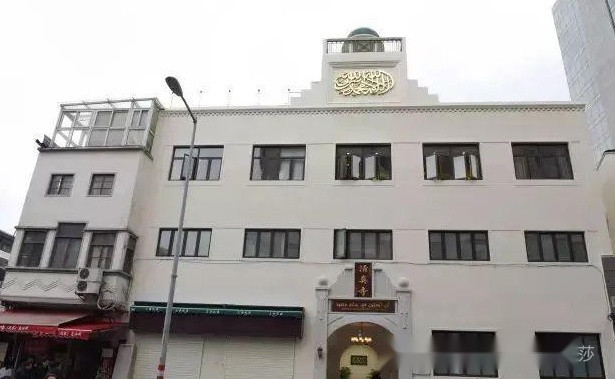
Xiaotaoyuan Mosque, formerly known as the Western Mosque, is a flawless blend of tradition and modernity, showcasing a diverse cultural charm.
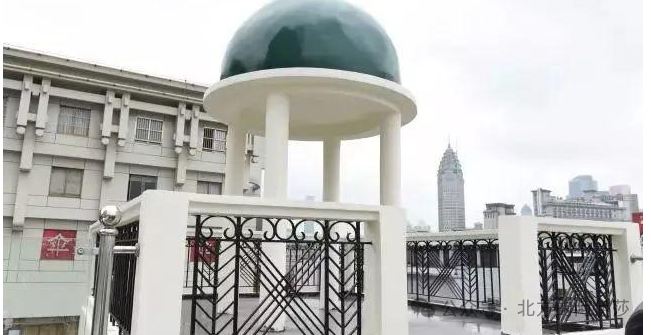
Fuyou Road Mosque, the successor of the Chuanxin Street Prayer Hall, is where the memories of history flow.
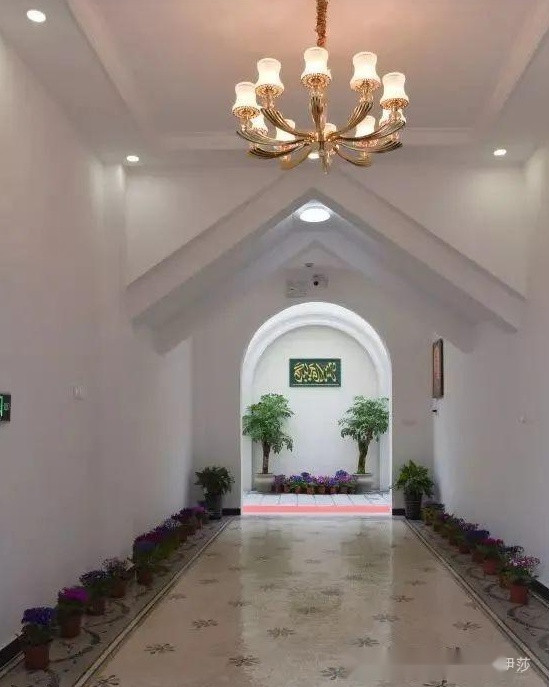
Pudong Mosque stands tall across the Pudong mainland, offering a spiritual sanctuary for believers.
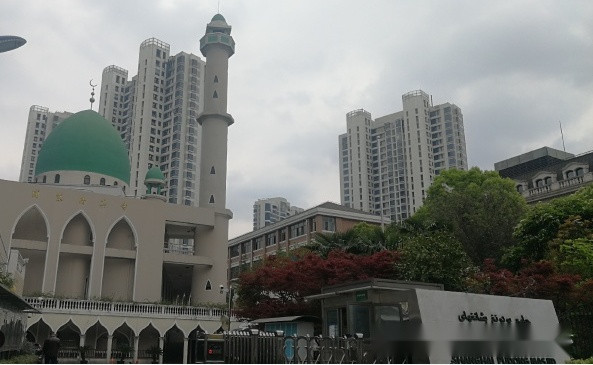
Jiangwan Mosque is a masterpiece of modern style, minimalist yet solemn, serving as a peaceful haven in the city.
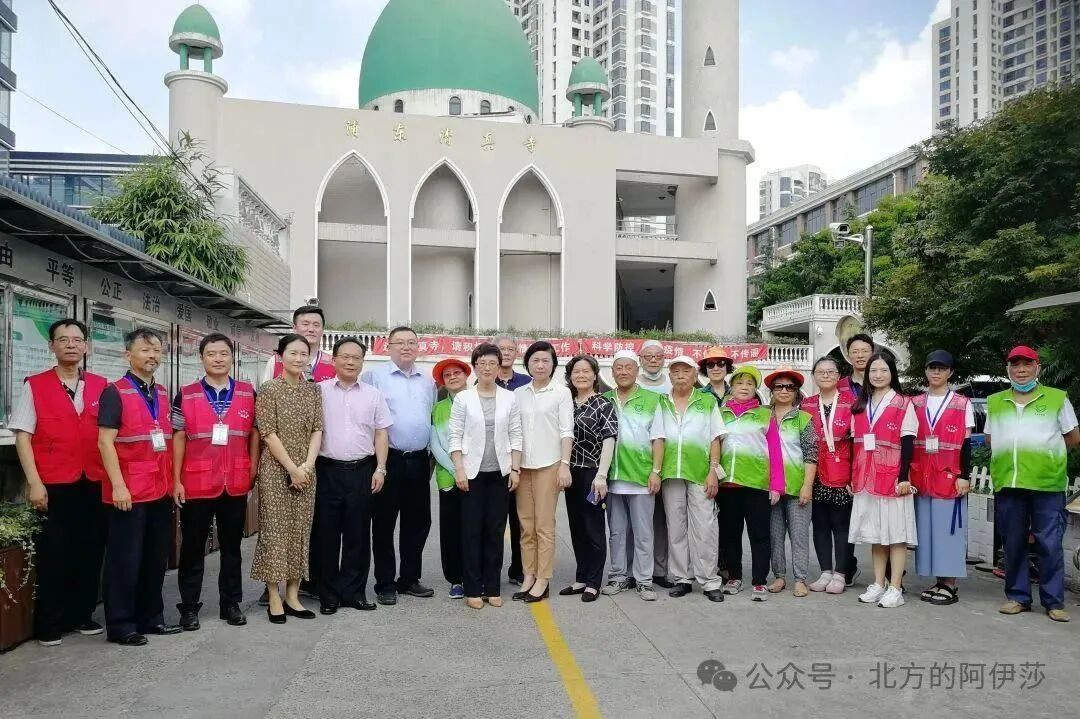
The Women's Mosque, established exclusively for Muslim women, is a place where they place their faith and a spiritual home.
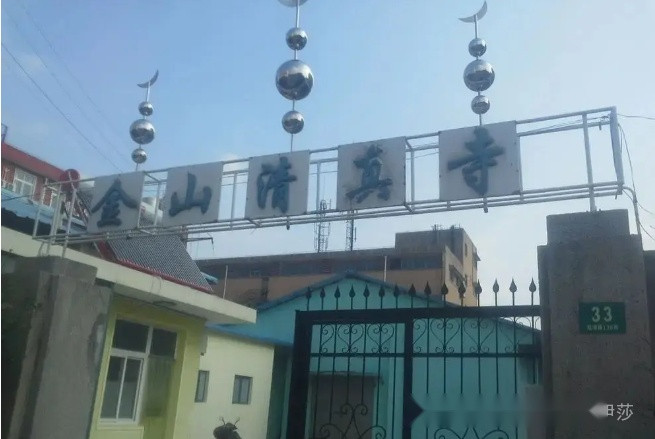
These eight mosques are not only religious sites but also cultural symbols of the city. They have witnessed Shanghai's history and development while adding a distinct splash of color to the city. Step into these mosques to experience peace and solemnity, and appreciate the profound wisdom of Islam. Here is a brief introduction to Shanghai's eight mosques:
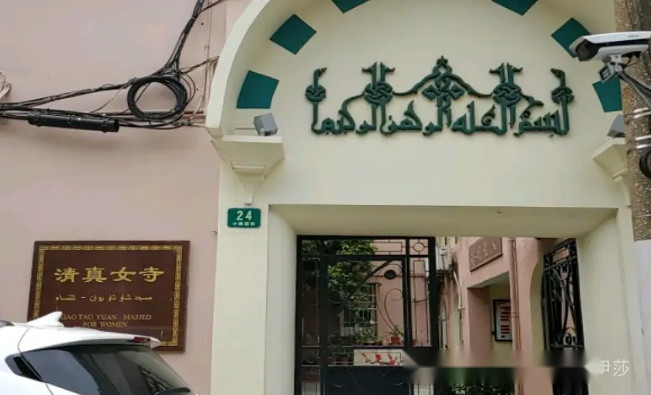
1. Songjiang Mosque
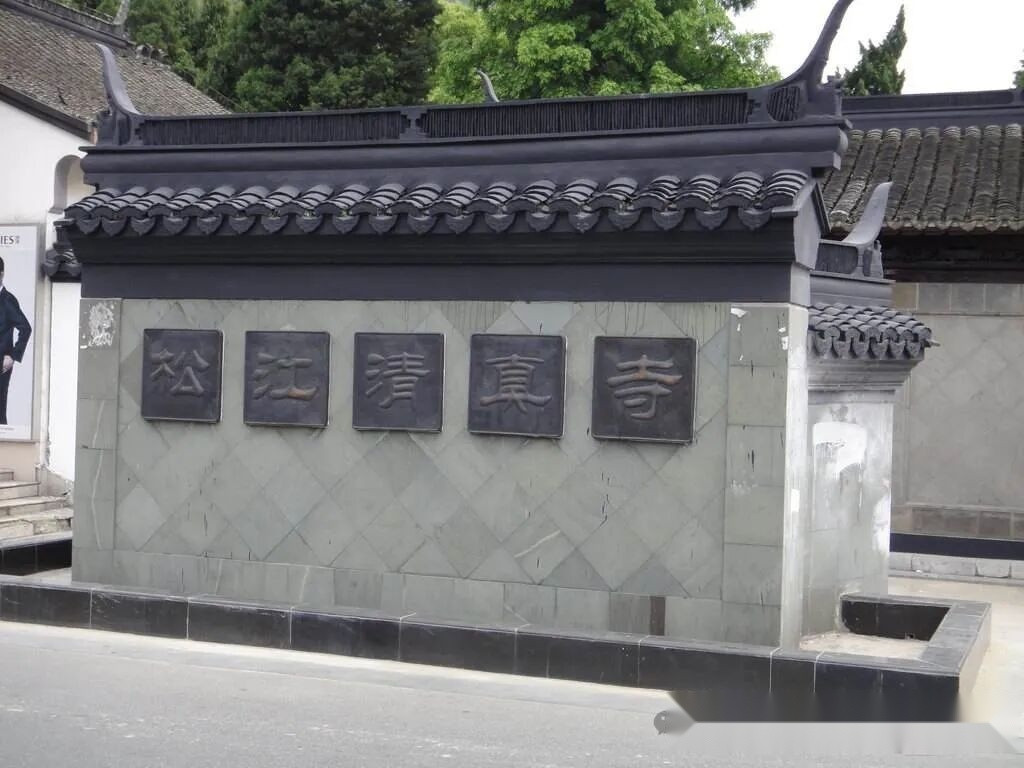
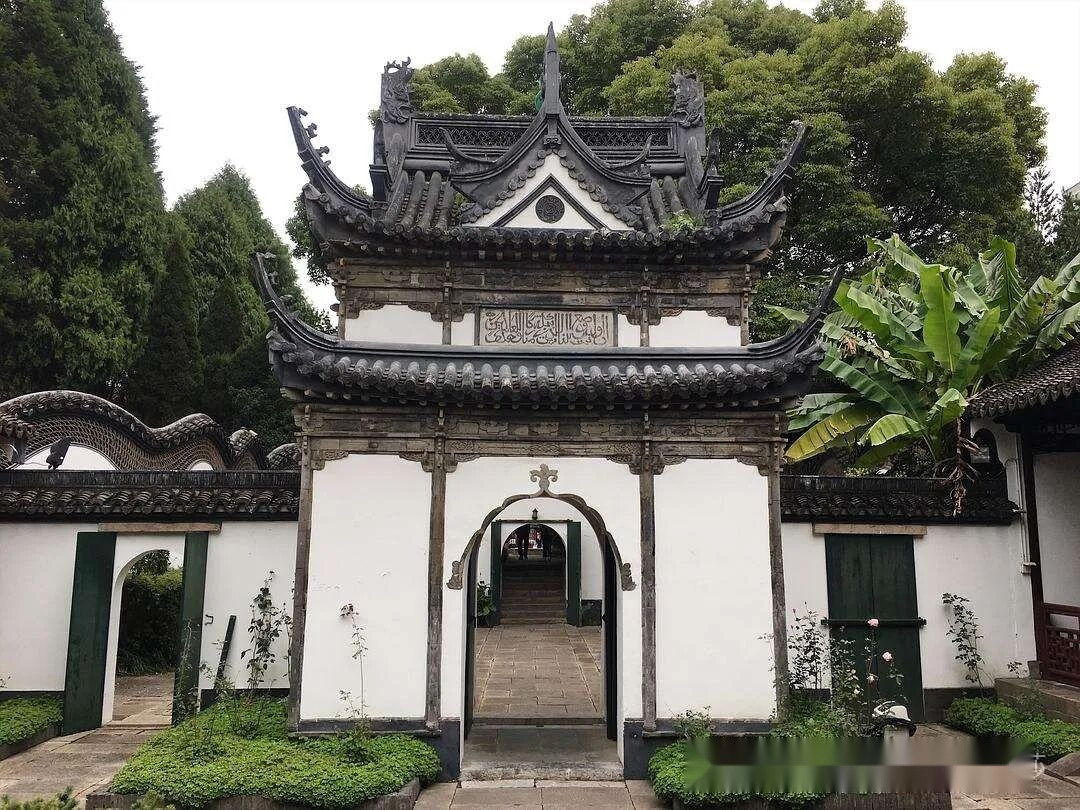
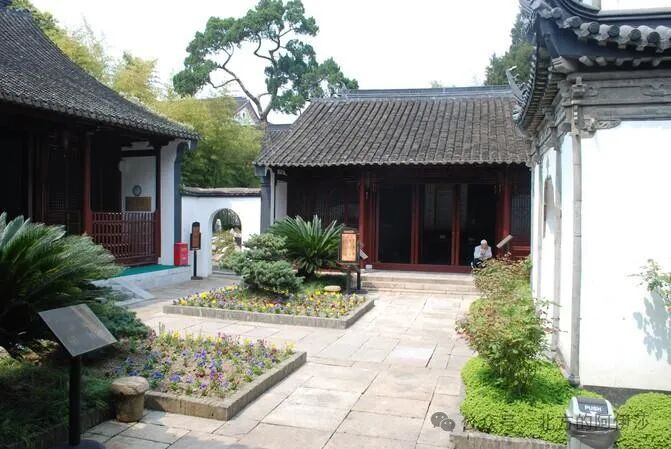
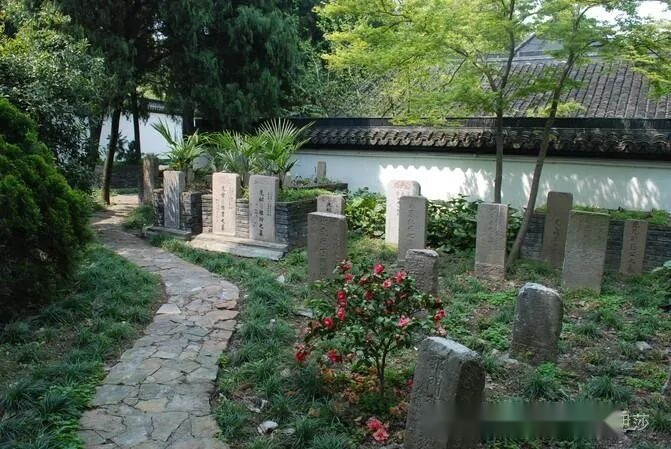
Songjiang Mosque: Also known as Songjiang Zhenjiao Temple, it is the earliest historical mosque in the Shanghai region, originally built during the Zhizheng era of the Yuan Dynasty (1341–1368) and still retaining the architectural style of the Yuan and Ming dynasties. Facing south and north, the temple features a traditional Chinese spirit wall just inside the gate, inscribed with the words "Mosque." Its architectural style combines Arab arched columns with Ming and Qing dynasty Chinese building features. The main structures include the prayer hall, the kiln hall, and connecting corridors, along with north and south lecture halls, a minaret, and a ablution room. Among these, the kiln hall and the minaret are its most distinctive architectural features. The temple also preserves four steles from successive dynasties.
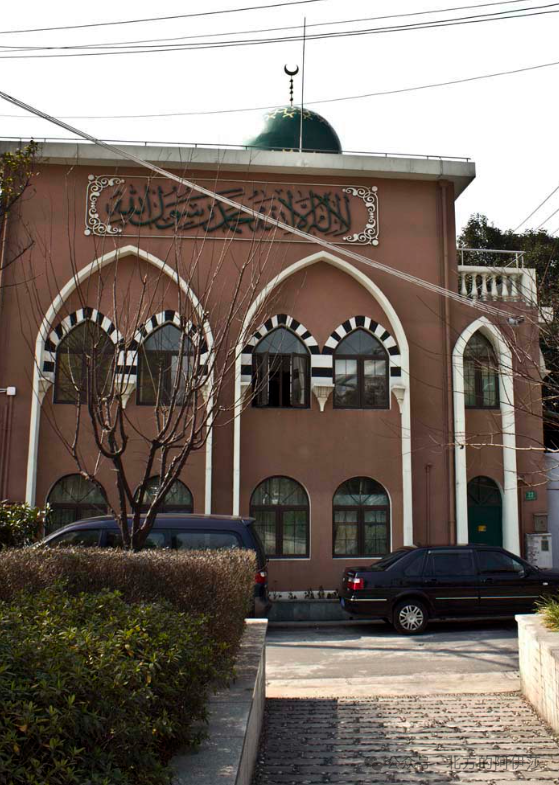
2. Huxi Mosque
Huxi Mosque: Originally named Yaoshuinong Mosque. In July 1990, during the urban renewal of Yaoshuinong, the original mosque was demolished, and Huxi Mosque was rebuilt on allocated land at Lane 1328, No. 3 Changde Road. In April 1992, it was completed and opened, with the new name Huxi Mosque. This was the first mosque rebuilt in Shanghai after Liberation. Covering an area of 1,650 square meters with a building area of 1,125 square meters, its main structure consists of a two-story prayer hall featuring double-heart arches and fan-shaped dome ceilings. The spacious and bright main prayer hall spans two floors, with the upper level reserved for women's prayers. It is complemented by male and female ablution rooms, scripture-studying halls, imam offices, and reception rooms. The prayer hall connects to two auxiliary corridors, which wind through and link all areas. The 25-meter-high minaret, a 400-square-meter front courtyard, and a delicate inner rear courtyard each feature colorful fountains that complement one another. The roof of the courtyard is decorated with six arched domes, three of which bear crescent moon symbols. The entire architecture is elegant, graceful, staggered, and unique—making it the most novel Islamic temple among the city's six mosques, combining traditional Islamic architecture with modern spatial design.
3. Xiaotaoyuan Mosque
Xiaotaoyuan Mosque: Formerly known as the Western Mosque, it is a perfect blend of tradition and modernity, showcasing the charm of diverse cultures. Located in Huangpu District, Shanghai, the mosque consists of a main prayer hall, a kiln hall, connecting corridors, south and north lecture halls, a minaret, and an ablution room.
4. Fuyou Road Mosque
Fuyou Road Mosque: Located in Huangpu District, Shanghai, it was originally named Chuanxin Street Prayer Hall, later renamed Chuanxin Street Church, and commonly known as the North Temple. The mosque has undergone multiple name changes and reconstructions throughout history and currently serves as the headquarters of the Shanghai Islamic Association.
5. Pudong Mosque
Pudong Mosque: Standing tall on the land of Pudong, it provides a spiritual sanctuary for believers. Located in the Pudong New Area of Shanghai, it is a mosque with a modern architectural style.
6. Jinshan Mosque
Jinshan Mosque: Located at Lane 135, No. 33 Lipu Road, Jinshan District, Shanghai, it is the first permanent Islamic religious site established in Shanghai since the reform and opening up, covering an area of 1,600 square meters. The primary Muslims participating in activities here are ethnic minority merchants and workers who have moved to the Jinshan area from Qinghai, Xinjiang, Gansu, Ningxia, and other regions. In 2009, the Shanghai Islamic Association allocated 540,000 RMB to purchase a disused health product warehouse from the Jinshan Shihua Pharmaceutical Company to serve as a local prayer space for Muslim residents. It was officially completed and opened on January 26, 2010, and registered as a fixed religious activity venue.
7. Women's Mosque
Women's Mosque: Originally named Xiaotaoyuan Women's Mosque, located at No. 24 Xiaotaoyuan Street, Huangpu District. Its history dates back to 1920, originating as the Gaodunjie Women's Mosque in Nanshi. In 1956, it relocated to No. 24 Xiaotaoyuan Street, Huangpu District, and was renamed "Xiaotaoyuan Women's Mosque." After 1958, it merged with the Gaodunjie "Women's Mosque." In 1993, the Shanghai Islamic Association funded its renovation, and it reopened to the public on September 1, 1994.
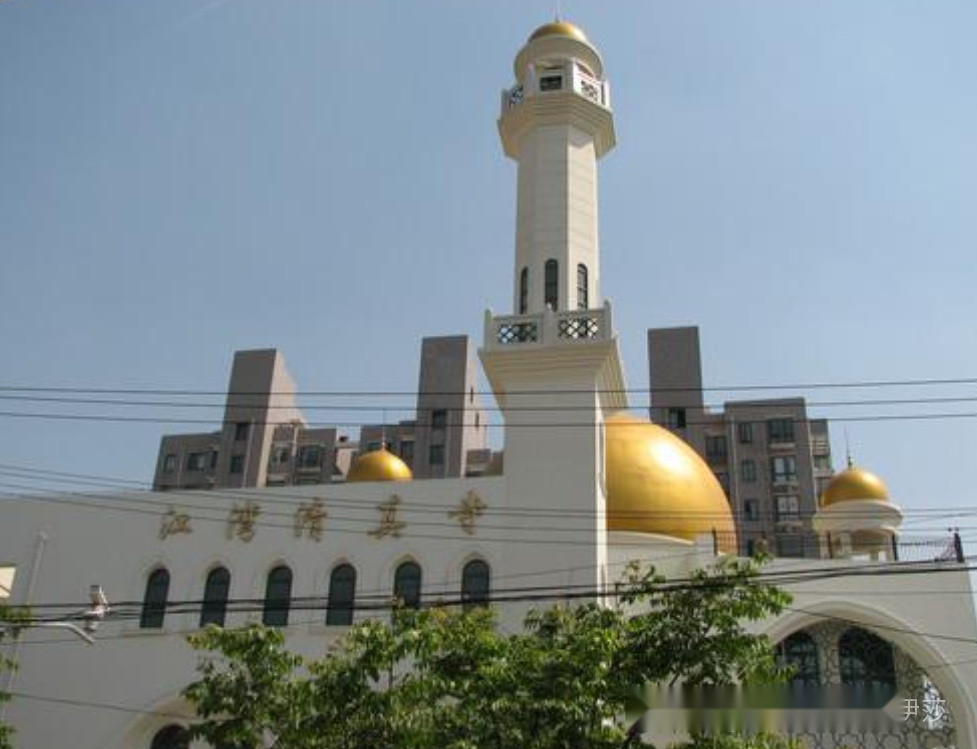
8. Shanghai Jiangwan Mosque
Jiangwan Mosque: Located at No. 86 Zhengfu Road, Yang浦 District, it was originally named "Jingxing Road Mosque" (formerly located at Lane 302, No. 117 Jingxing Road, Yangpu District) and was established in 1928. Jiangwan Mosque has a total floor area of 2,401.9 square meters, featuring a reinforced concrete frame structure in a modern Arab architectural style. In July 1959, the mosque merged with the Fenzhou Road Mosque and was renamed "Hudong Mosque."
Welcome to follow us!
Panoramic Guide to Shanghai's Major Mosques and Prayer Spaces: Geographical Distribution of Xiaotaoyuan, Huxi, Fuyou Road, and Songjiang Mosques
Abstract:
A detailed compilation of the distribution locations and historical evolution of mosques and Jumu'ah prayer spaces across Shanghai's various districts. Includes religious and cultural landmarks such as Xiaotaoyuan Mosque, Huxi Mosque, Fuyou Road Mosque, Jingxingqiao Mosque, and the ancient Songjiang Mosque, making it easy for Muslims to practice their faith and explore.
Dear brothers and sisters, As-salamu alaykum!
To better serve all Muslim brothers and sisters working and living in Shanghai, this official account has gathered and compiled the locations of mosques and prayer spaces across all districts. We hope this information proves helpful to everyone!
Dear brothers and sisters, As-salamu alaykum!
The Shanghai Muslim community has collected the locations and contact numbers of mosques in different districts. We hope this brings more convenience to you.
According to information from the Shanghai Municipal Ethnic and Religious Affairs Bureau in 2009, Shanghai has a total of eight mosques: Xiaotaoyuan, Huxi, Pudong, Fuyou Road, Songjiang, Jinshan, Jiangwan, and the Women's Mosque.
Shanghai's eight mosques are like eight dazzling pearls inlaid on the canvas of the city, radiating a unique charm.
Songjiang Mosque, a witness to history, is a gem from the Zhizheng era of the Yuan Dynasty, carrying the deep sedimentation of time.
Huxi Mosque, rebuilt after the founding of New China, is a classic example of Arab-Islamic architectural style, solemn and majestic.
Xiaotaoyuan Mosque, formerly known as the Western Mosque, is a flawless blend of tradition and modernity, showcasing a diverse cultural charm.
Fuyou Road Mosque, the successor of the Chuanxin Street Prayer Hall, is where the memories of history flow.
Pudong Mosque stands tall across the Pudong mainland, offering a spiritual sanctuary for believers.
Jiangwan Mosque is a masterpiece of modern style, minimalist yet solemn, serving as a peaceful haven in the city.
The Women's Mosque, established exclusively for Muslim women, is a place where they place their faith and a spiritual home.
These eight mosques are not only religious sites but also cultural symbols of the city. They have witnessed Shanghai's history and development while adding a distinct splash of color to the city. Step into these mosques to experience peace and solemnity, and appreciate the profound wisdom of Islam. Here is a brief introduction to Shanghai's eight mosques:
1. Songjiang Mosque
Songjiang Mosque: Also known as Songjiang Zhenjiao Temple, it is the earliest historical mosque in the Shanghai region, originally built during the Zhizheng era of the Yuan Dynasty (1341–1368) and still retaining the architectural style of the Yuan and Ming dynasties. Facing south and north, the temple features a traditional Chinese spirit wall just inside the gate, inscribed with the words "Mosque." Its architectural style combines Arab arched columns with Ming and Qing dynasty Chinese building features. The main structures include the prayer hall, the kiln hall, and connecting corridors, along with north and south lecture halls, a minaret, and a ablution room. Among these, the kiln hall and the minaret are its most distinctive architectural features. The temple also preserves four steles from successive dynasties.
2. Huxi Mosque
Huxi Mosque: Originally named Yaoshuinong Mosque. In July 1990, during the urban renewal of Yaoshuinong, the original mosque was demolished, and Huxi Mosque was rebuilt on allocated land at Lane 1328, No. 3 Changde Road. In April 1992, it was completed and opened, with the new name Huxi Mosque. This was the first mosque rebuilt in Shanghai after Liberation. Covering an area of 1,650 square meters with a building area of 1,125 square meters, its main structure consists of a two-story prayer hall featuring double-heart arches and fan-shaped dome ceilings. The spacious and bright main prayer hall spans two floors, with the upper level reserved for women's prayers. It is complemented by male and female ablution rooms, scripture-studying halls, imam offices, and reception rooms. The prayer hall connects to two auxiliary corridors, which wind through and link all areas. The 25-meter-high minaret, a 400-square-meter front courtyard, and a delicate inner rear courtyard each feature colorful fountains that complement one another. The roof of the courtyard is decorated with six arched domes, three of which bear crescent moon symbols. The entire architecture is elegant, graceful, staggered, and unique—making it the most novel Islamic temple among the city's six mosques, combining traditional Islamic architecture with modern spatial design.
3. Xiaotaoyuan Mosque
Xiaotaoyuan Mosque: Formerly known as the Western Mosque, it is a perfect blend of tradition and modernity, showcasing the charm of diverse cultures. Located in Huangpu District, Shanghai, the mosque consists of a main prayer hall, a kiln hall, connecting corridors, south and north lecture halls, a minaret, and an ablution room.
4. Fuyou Road Mosque
Fuyou Road Mosque: Located in Huangpu District, Shanghai, it was originally named Chuanxin Street Prayer Hall, later renamed Chuanxin Street Church, and commonly known as the North Temple. The mosque has undergone multiple name changes and reconstructions throughout history and currently serves as the headquarters of the Shanghai Islamic Association.
5. Pudong Mosque
Pudong Mosque: Standing tall on the land of Pudong, it provides a spiritual sanctuary for believers. Located in the Pudong New Area of Shanghai, it is a mosque with a modern architectural style.
6. Jinshan Mosque
Jinshan Mosque: Located at Lane 135, No. 33 Lipu Road, Jinshan District, Shanghai, it is the first permanent Islamic religious site established in Shanghai since the reform and opening up, covering an area of 1,600 square meters. The primary Muslims participating in activities here are ethnic minority merchants and workers who have moved to the Jinshan area from Qinghai, Xinjiang, Gansu, Ningxia, and other regions. In 2009, the Shanghai Islamic Association allocated 540,000 RMB to purchase a disused health product warehouse from the Jinshan Shihua Pharmaceutical Company to serve as a local prayer space for Muslim residents. It was officially completed and opened on January 26, 2010, and registered as a fixed religious activity venue.
7. Women's Mosque
Women's Mosque: Originally named Xiaotaoyuan Women's Mosque, located at No. 24 Xiaotaoyuan Street, Huangpu District. Its history dates back to 1920, originating as the Gaodunjie Women's Mosque in Nanshi. In 1956, it relocated to No. 24 Xiaotaoyuan Street, Huangpu District, and was renamed "Xiaotaoyuan Women's Mosque." After 1958, it merged with the Gaodunjie "Women's Mosque." In 1993, the Shanghai Islamic Association funded its renovation, and it reopened to the public on September 1, 1994.
8. Shanghai Jiangwan Mosque
Jiangwan Mosque: Located at No. 86 Zhengfu Road, Yang浦 District, it was originally named "Jingxing Road Mosque" (formerly located at Lane 302, No. 117 Jingxing Road, Yangpu District) and was established in 1928. Jiangwan Mosque has a total floor area of 2,401.9 square meters, featuring a reinforced concrete frame structure in a modern Arab architectural style. In July 1959, the mosque merged with the Fenzhou Road Mosque and was renamed "Hudong Mosque."
Welcome to follow us!
