
Exploring Shanghai's Historic State-Run Halal Eatery: Weimin Muslim Restaurant
[Internet Repost]
Checking Out Baoshan's Historic State-Run Weimin Muslim Restaurant: Direct Sourcing from the Original Shanghai Beef and Mutton Company for Budget-Friendly, Top-Quality Flavor
Summary:
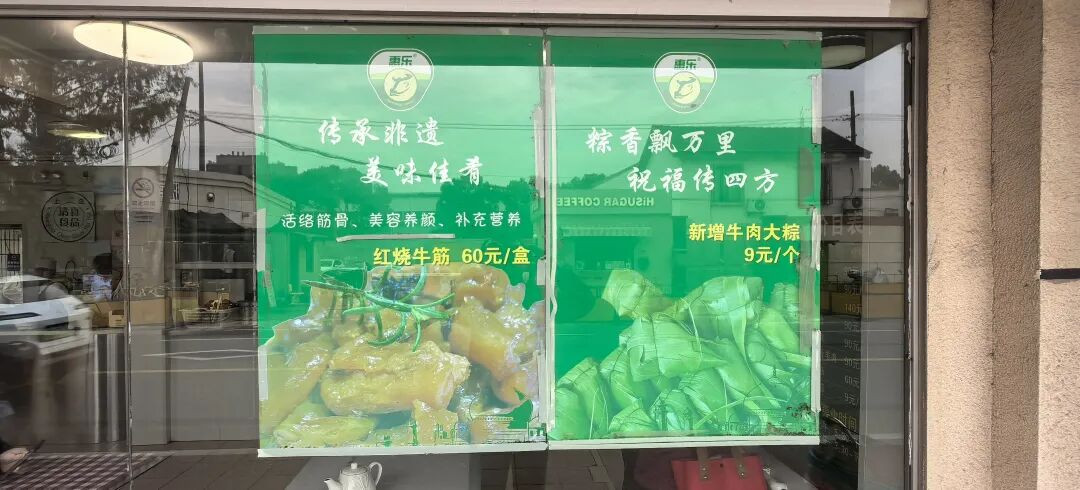
A firsthand foodie field trip to Weimin Commercial Halal Restaurant, a time-honored state-run halal spot located in Dachang Town, Baoshan District. Backed by the direct supply chain advantages of the former Shanghai Beef and Mutton Company, it’s earned a stellar reputation for insane value, fresh ingredients, and strict hygiene.
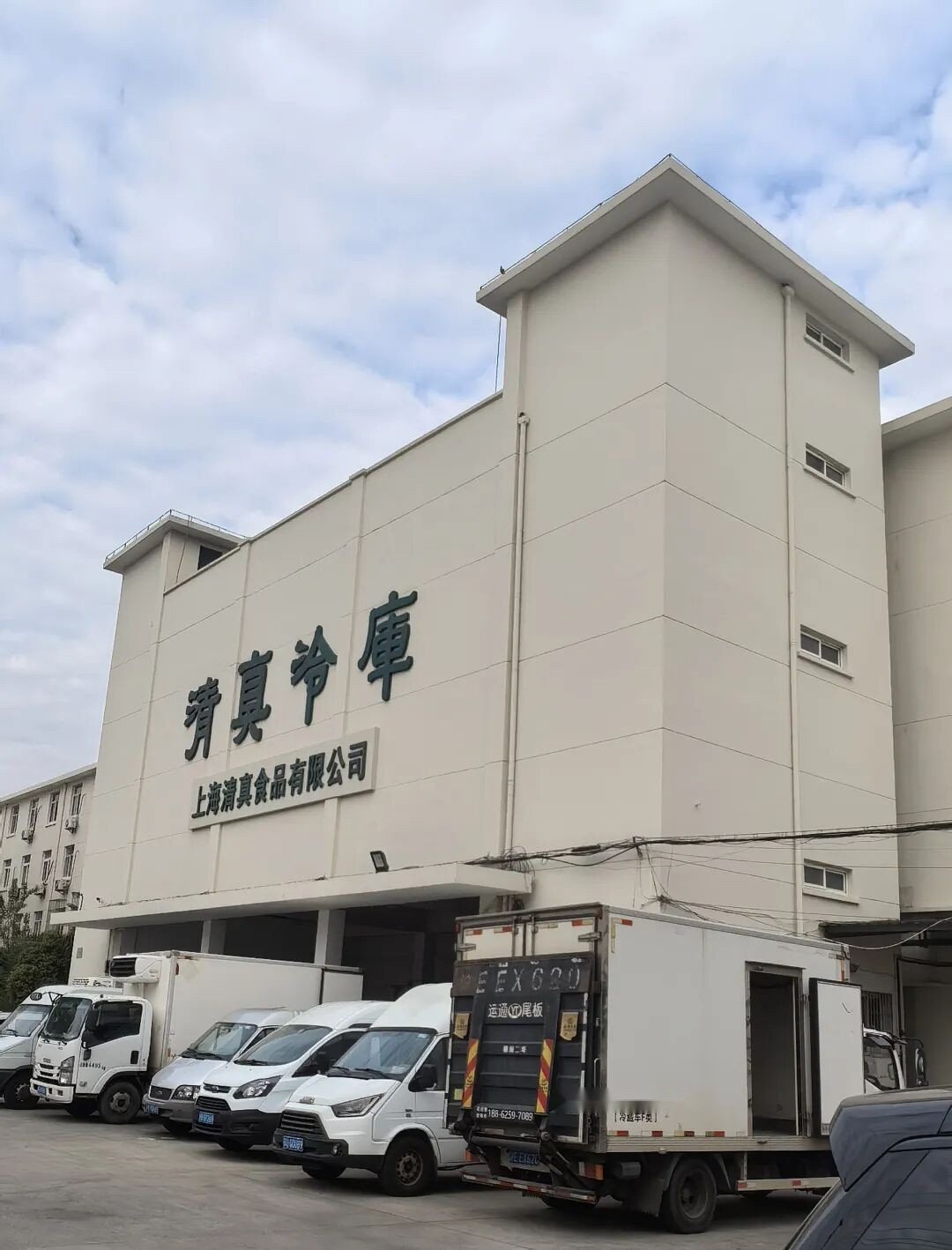
I’d been dying to check out this time-honored, state-run halal eatery in Shanghai, famous for its rock-bottom prices, ultra-fresh ingredients, and authentic halal flavors. Tucked away at No. 162 Nanda Road in Dachang Town, Baoshan District, Shanghai Weimin Commercial Halal Restaurant operates under the Shanghai Bright Group. Originally a business branch of the Shanghai Beef and Mutton Company, it officially transitioned into a halal restaurant in 1991. Backed by the Shanghai Beef and Mutton Company, it sits right next to Shanghai’s largest halal cold storage facility, which comes with its own slaughterhouse. With beef and mutton butchered and cooked on the spot, the ingredients delivered to the shop are insanely fresh and the quality is totally locked in.
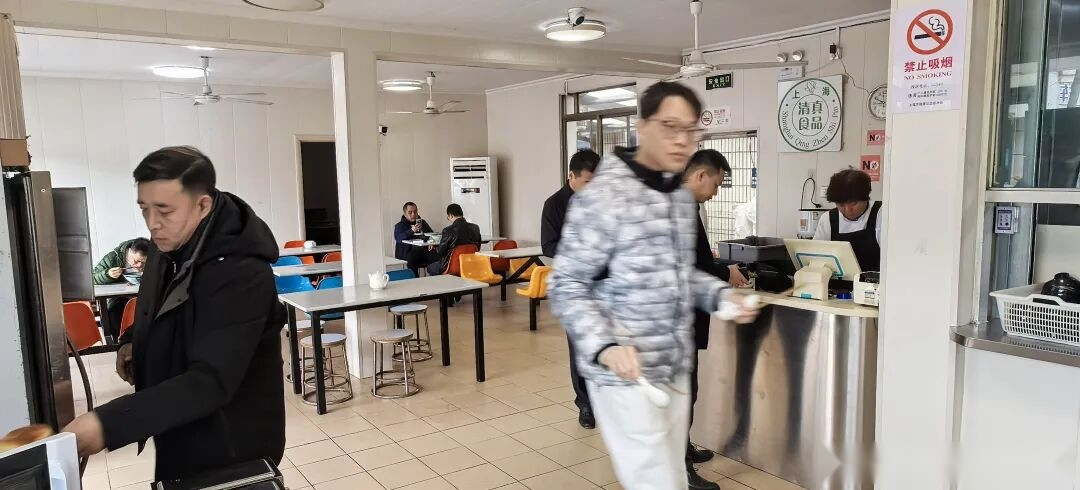
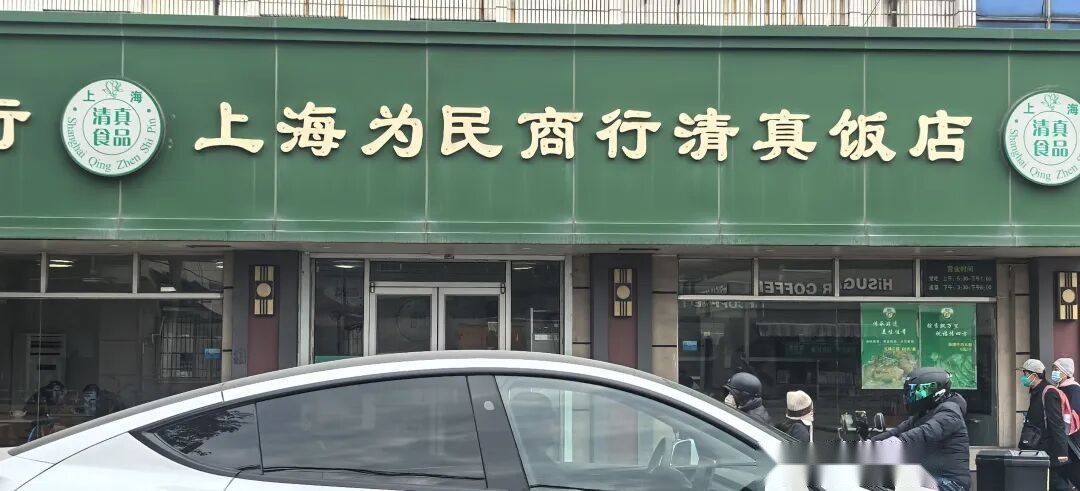
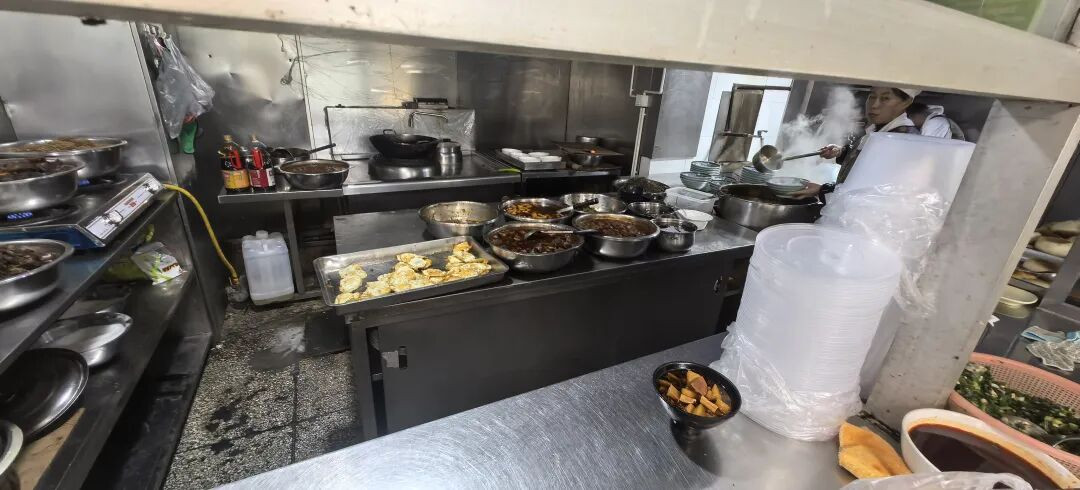
I'd had this spot saved on my foodie bucket list forever. Even though it's pretty far from my place (about 15 kilometers), I decided to drive out there anyway. The green-and-brass sign out front is super eye-catching. Inside, it totally keeps that retro, state-run restaurant vibe—simple decor, old-school management, and traditional operations. They open bright and early at 5:30 AM, specializing in all kinds of beef and mutton noodle soups, alongside takeout deli classics like braised spiced beef (jiang niurou) and braised beef tripe (jiang niudu).
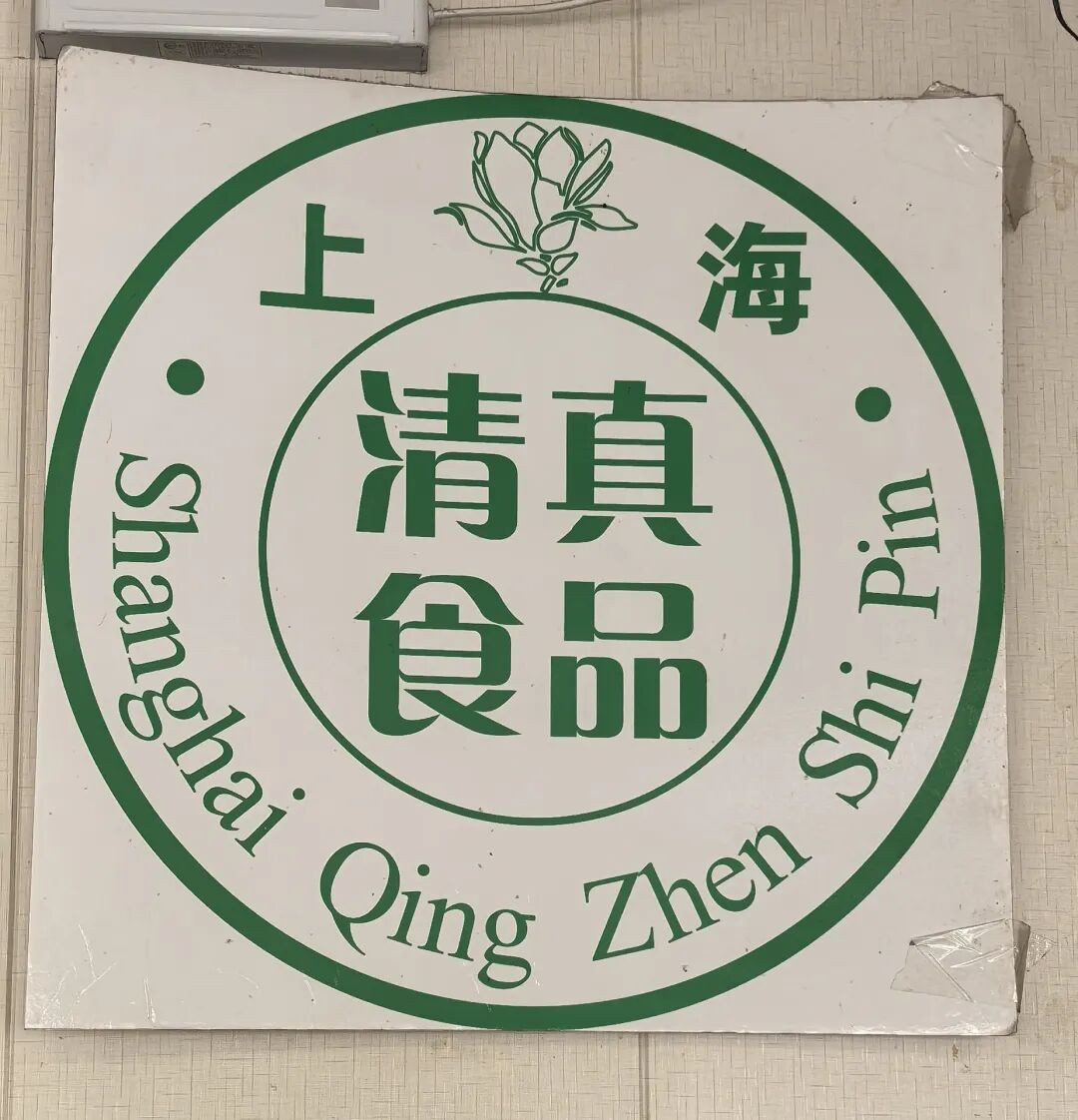
Hanging in the dining hall is a green-and-white halal food sign, letting everyone know straight up that the food here complies with Islamic dietary laws. Pork, alcohol, and other forbidden ingredients are totally banned, and the slaughter and processing methods all meet strict religious requirements, so Muslim diners can eat here with total peace of mind.
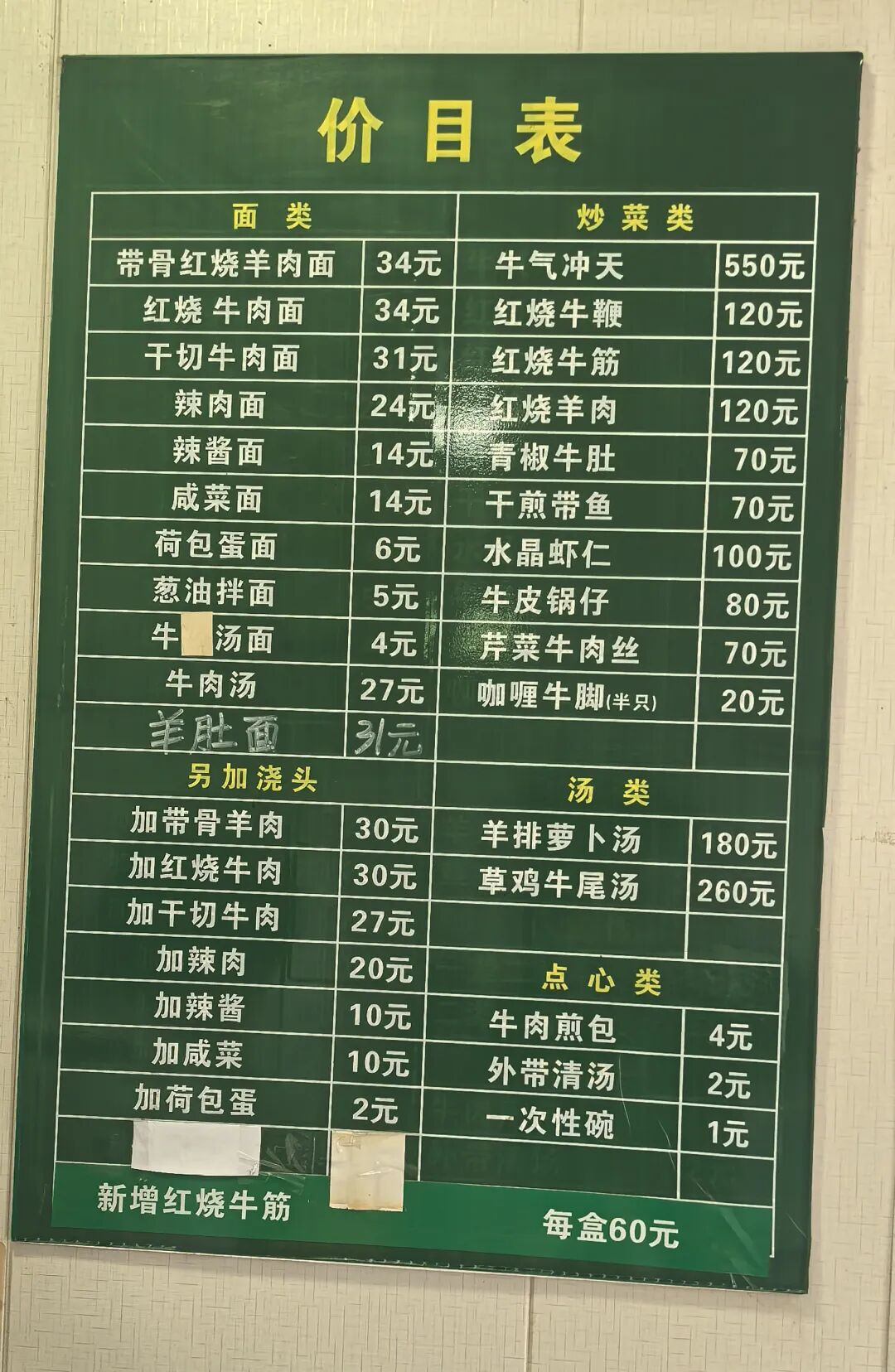
Looking over the menu, the prices are seriously wallet-friendly: scallion oil noodles (congyou banmian) for 5 RMB, beef soup noodles for 4 RMB, and a fried egg for 2 RMB. Plus, clear beef bone broth is served totally free for dine-in customers (slow-simmered for over 4 hours with beef heads, bones, and tendons, giving it a super rich, deep broth). No wonder it pulls in so many locals and has a massive crew of regulars.
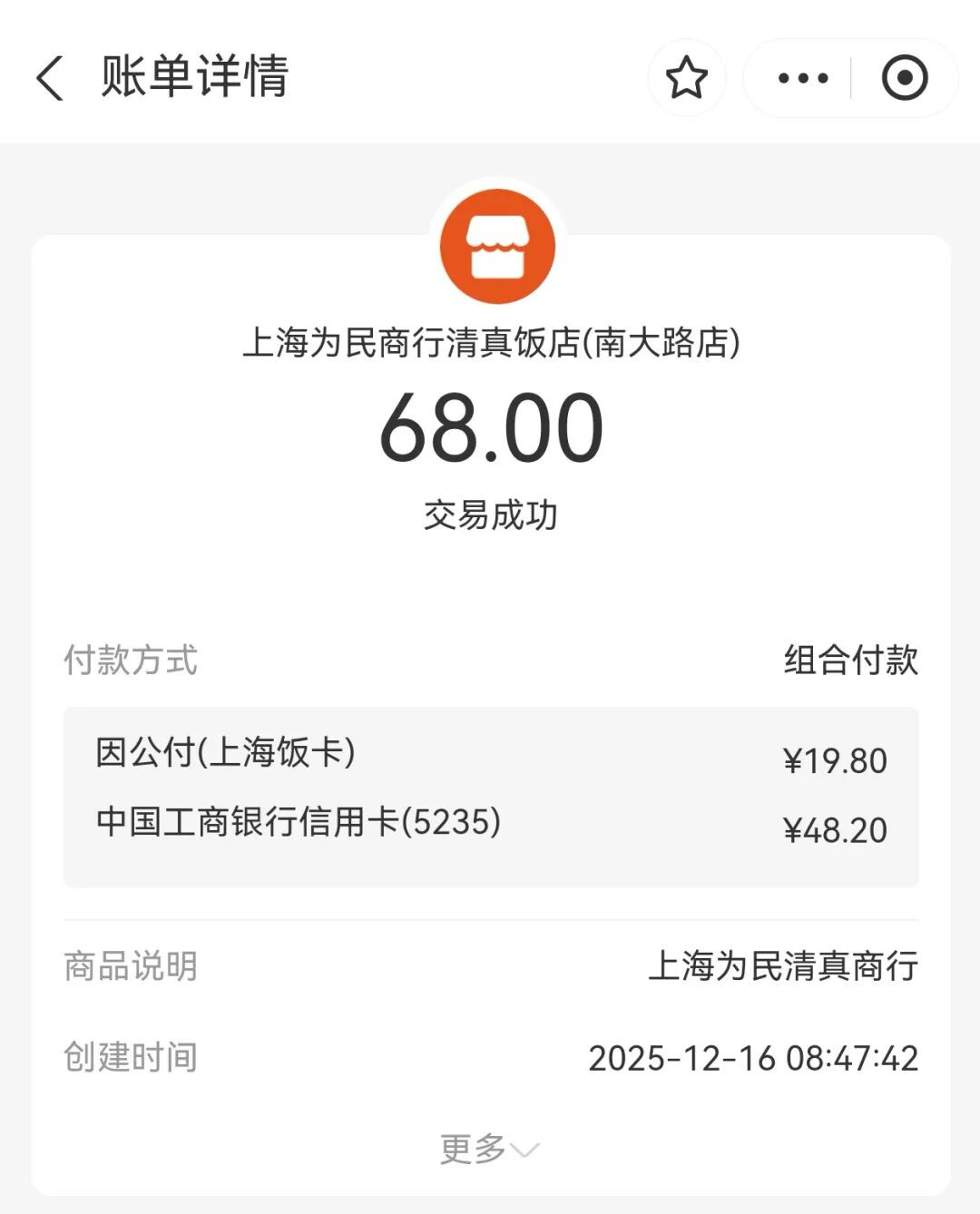
The server mentioned that since the weather's getting cooler, the braised mutton noodles with bone are a huge bestseller. I ordered a bowl of those plus a side of braised spiced beef and potato topping (lajiang). Then I saw the pan-fried beef buns (niurou jianbao) were only 4 RMB each—super cheap—so I grabbed six. The whole bill came out to just 68 RMB.
Just like other classic state-run spots, customer service isn't exactly high-touch here. You've gotta walk up to the pickup window yourself to grab your noodles, toppings, and pan-fried buns. The place was pretty packed, so I just queued up patiently at the window. When my number came up, I grabbed my noodles, topping, and buns, found an empty table, and dug in.
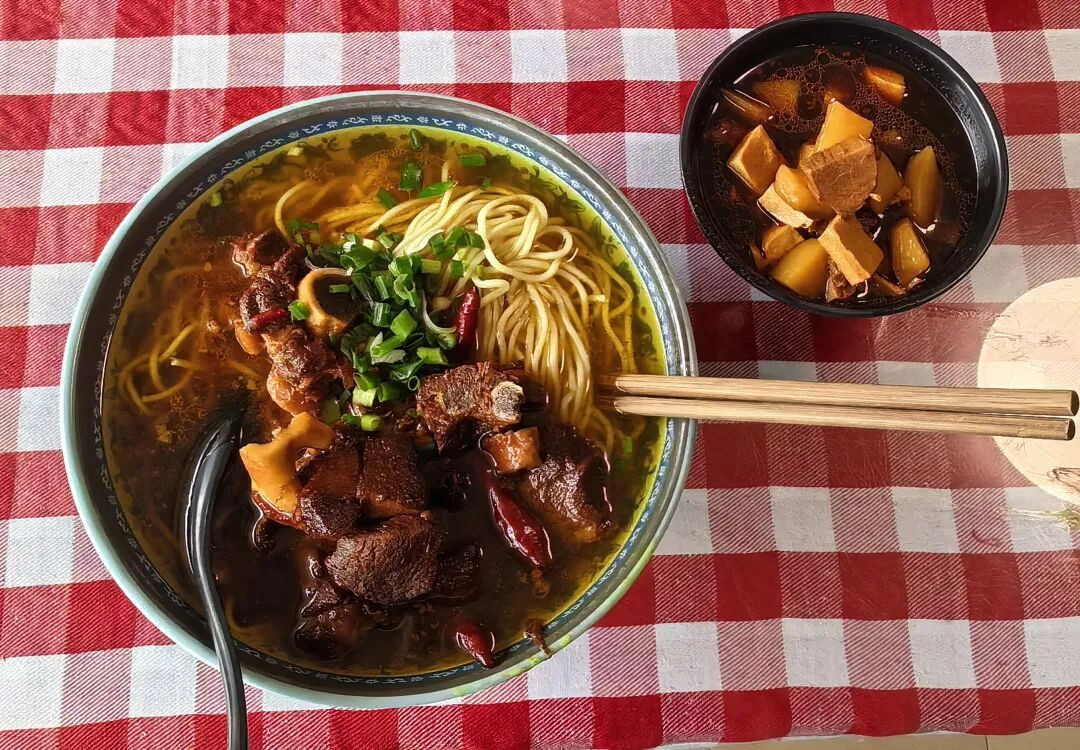
The noodle base is a curry beef soup, topped with the bone-in braised mutton, and the spicy beef-and-bean-curd topping (lajiang) served on the side. First, I took a sip of the broth—super rich and intensely savory. The curry notes did a great job cutting through any gamey flavor from the beef and mutton, though it was just a tiny bit on the salty side. The mutton was all bone-in, and as the saying goes, the best meat grows right next to the bone! The mutton was braised totally through—melt-in-your-mouth tender without being mushy, rich without being greasy. There was so much mutton that even after finishing all the noodles, I still had a ton of meat left in the broth. Honestly, it tasted way better than the mutton chop noodles I had at Laobanzhai Restaurant last time, and the price-to-quality ratio is way higher. They use small round noodles here; they could be a bit springier—if they used fine Suzhou-style noodles, it would be even better. The lajiang topping was a super generous portion in a little bowl, made with a simple mix of beef bits, pressed tofu, and potatoes. It was super flavorful too, with a taste profile pretty similar to the braised mutton—pure old-school Shanghai flavor.
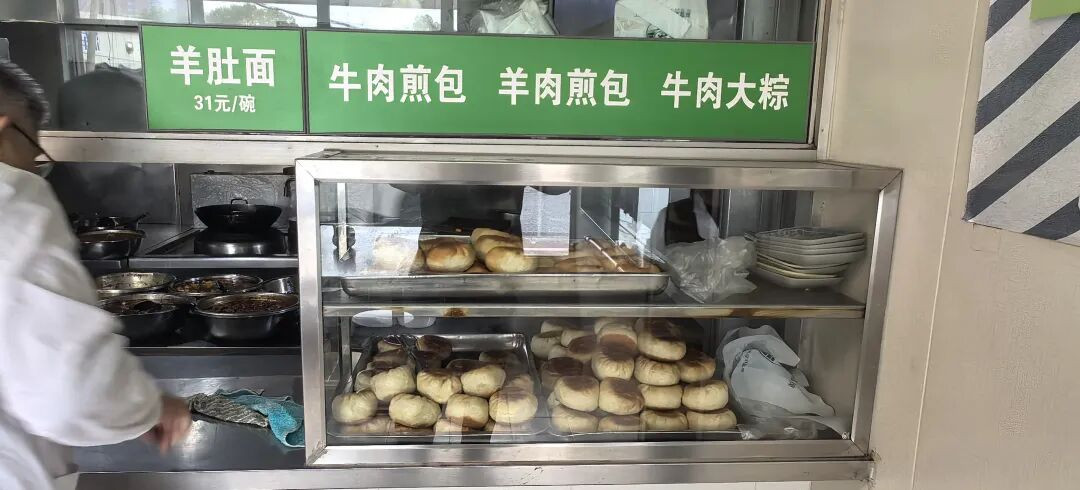
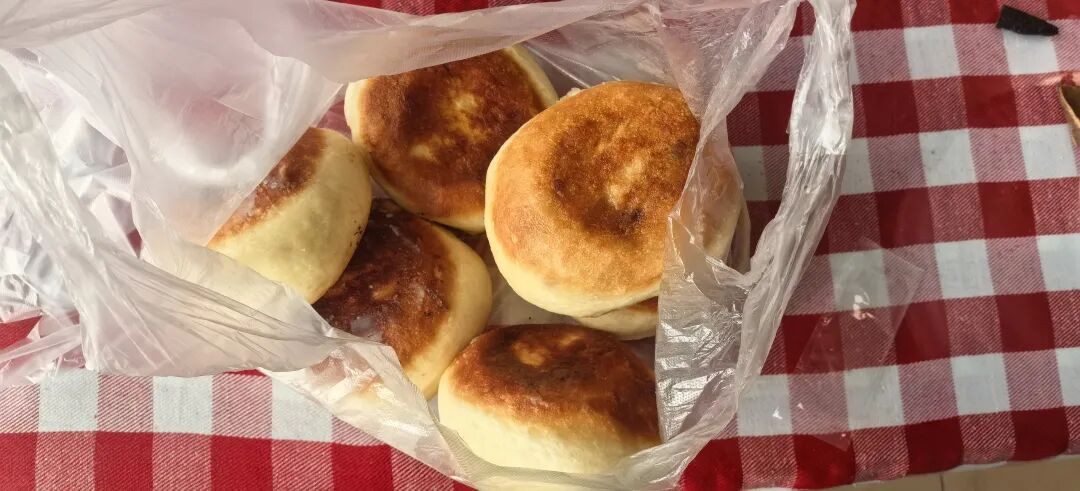
I was originally planning to try a beef pan-fried bun just to taste test it, but the portions of the noodles and mutton were just way too massive. I was already totally stuffed, so I had to pack the rest to go and enjoy later at home.
Checking Out Baoshan's Historic State-Run Weimin Muslim Restaurant: Direct Sourcing from the Original Shanghai Beef and Mutton Company for Budget-Friendly, Top-Quality Flavor
Summary:
A firsthand foodie field trip to Weimin Commercial Halal Restaurant, a time-honored state-run halal spot located in Dachang Town, Baoshan District. Backed by the direct supply chain advantages of the former Shanghai Beef and Mutton Company, it’s earned a stellar reputation for insane value, fresh ingredients, and strict hygiene.
I’d been dying to check out this time-honored, state-run halal eatery in Shanghai, famous for its rock-bottom prices, ultra-fresh ingredients, and authentic halal flavors. Tucked away at No. 162 Nanda Road in Dachang Town, Baoshan District, Shanghai Weimin Commercial Halal Restaurant operates under the Shanghai Bright Group. Originally a business branch of the Shanghai Beef and Mutton Company, it officially transitioned into a halal restaurant in 1991. Backed by the Shanghai Beef and Mutton Company, it sits right next to Shanghai’s largest halal cold storage facility, which comes with its own slaughterhouse. With beef and mutton butchered and cooked on the spot, the ingredients delivered to the shop are insanely fresh and the quality is totally locked in.
I'd had this spot saved on my foodie bucket list forever. Even though it's pretty far from my place (about 15 kilometers), I decided to drive out there anyway. The green-and-brass sign out front is super eye-catching. Inside, it totally keeps that retro, state-run restaurant vibe—simple decor, old-school management, and traditional operations. They open bright and early at 5:30 AM, specializing in all kinds of beef and mutton noodle soups, alongside takeout deli classics like braised spiced beef (jiang niurou) and braised beef tripe (jiang niudu).
Hanging in the dining hall is a green-and-white halal food sign, letting everyone know straight up that the food here complies with Islamic dietary laws. Pork, alcohol, and other forbidden ingredients are totally banned, and the slaughter and processing methods all meet strict religious requirements, so Muslim diners can eat here with total peace of mind.
Looking over the menu, the prices are seriously wallet-friendly: scallion oil noodles (congyou banmian) for 5 RMB, beef soup noodles for 4 RMB, and a fried egg for 2 RMB. Plus, clear beef bone broth is served totally free for dine-in customers (slow-simmered for over 4 hours with beef heads, bones, and tendons, giving it a super rich, deep broth). No wonder it pulls in so many locals and has a massive crew of regulars.
The server mentioned that since the weather's getting cooler, the braised mutton noodles with bone are a huge bestseller. I ordered a bowl of those plus a side of braised spiced beef and potato topping (lajiang). Then I saw the pan-fried beef buns (niurou jianbao) were only 4 RMB each—super cheap—so I grabbed six. The whole bill came out to just 68 RMB.
Just like other classic state-run spots, customer service isn't exactly high-touch here. You've gotta walk up to the pickup window yourself to grab your noodles, toppings, and pan-fried buns. The place was pretty packed, so I just queued up patiently at the window. When my number came up, I grabbed my noodles, topping, and buns, found an empty table, and dug in.
The noodle base is a curry beef soup, topped with the bone-in braised mutton, and the spicy beef-and-bean-curd topping (lajiang) served on the side. First, I took a sip of the broth—super rich and intensely savory. The curry notes did a great job cutting through any gamey flavor from the beef and mutton, though it was just a tiny bit on the salty side. The mutton was all bone-in, and as the saying goes, the best meat grows right next to the bone! The mutton was braised totally through—melt-in-your-mouth tender without being mushy, rich without being greasy. There was so much mutton that even after finishing all the noodles, I still had a ton of meat left in the broth. Honestly, it tasted way better than the mutton chop noodles I had at Laobanzhai Restaurant last time, and the price-to-quality ratio is way higher. They use small round noodles here; they could be a bit springier—if they used fine Suzhou-style noodles, it would be even better. The lajiang topping was a super generous portion in a little bowl, made with a simple mix of beef bits, pressed tofu, and potatoes. It was super flavorful too, with a taste profile pretty similar to the braised mutton—pure old-school Shanghai flavor.
I was originally planning to try a beef pan-fried bun just to taste test it, but the portions of the noodles and mutton were just way too massive. I was already totally stuffed, so I had to pack the rest to go and enjoy later at home.
