

Chinese Muslim Cuisine
Huiping Clay Pot Yinchuan Review: Authentic Ningxia Halal Yangzasui & Braised Lamb Trotters
Articles • Hasan09 posted the article • 0 comments • 3 views • 1 hours ago
Huiping Clay Pot Yinchuan Review: Authentic Northwest-Style yangzasui and Rich, Tender braised lamb trotters
Summary:
A visit to Huiping Clay Pot, a time-honored Halal neighborhood spot tucked away in the streets of Yinchuan. We tried their meticulously cleaned, fragrant, and game-free signature yangzasui (hearty lamb offal soup with chili oil), alongside slow-braised, melt-in-your-mouth lamb trotters and sheep's head made from top-quality local tan sheep, soaking in the authentic, down-to-earth street vibes of the Northwest.
When visiting Yinchuan, Ningxia, if you're craving authentic, home-style Halal flavors, locals will almost always point you toward Huiping Clay Pot. Tucked away on a quiet street corner, this modest little spot doesn't do fancy decor—just a simple green storefront. Push open the door, and you're immediately hit with the rich aroma of slow-cooked meat, bringing those cozy, bustling neighborhood vibes to life. Whether you're kicking off your morning with a piping hot bowl of yangzasui or ordering a clay pot feast and braised lamb trotters for dinner, every single bite is pure, unadulterated Hexi-Corridor and Hetao-style goodness that you'll be dreaming about long after.
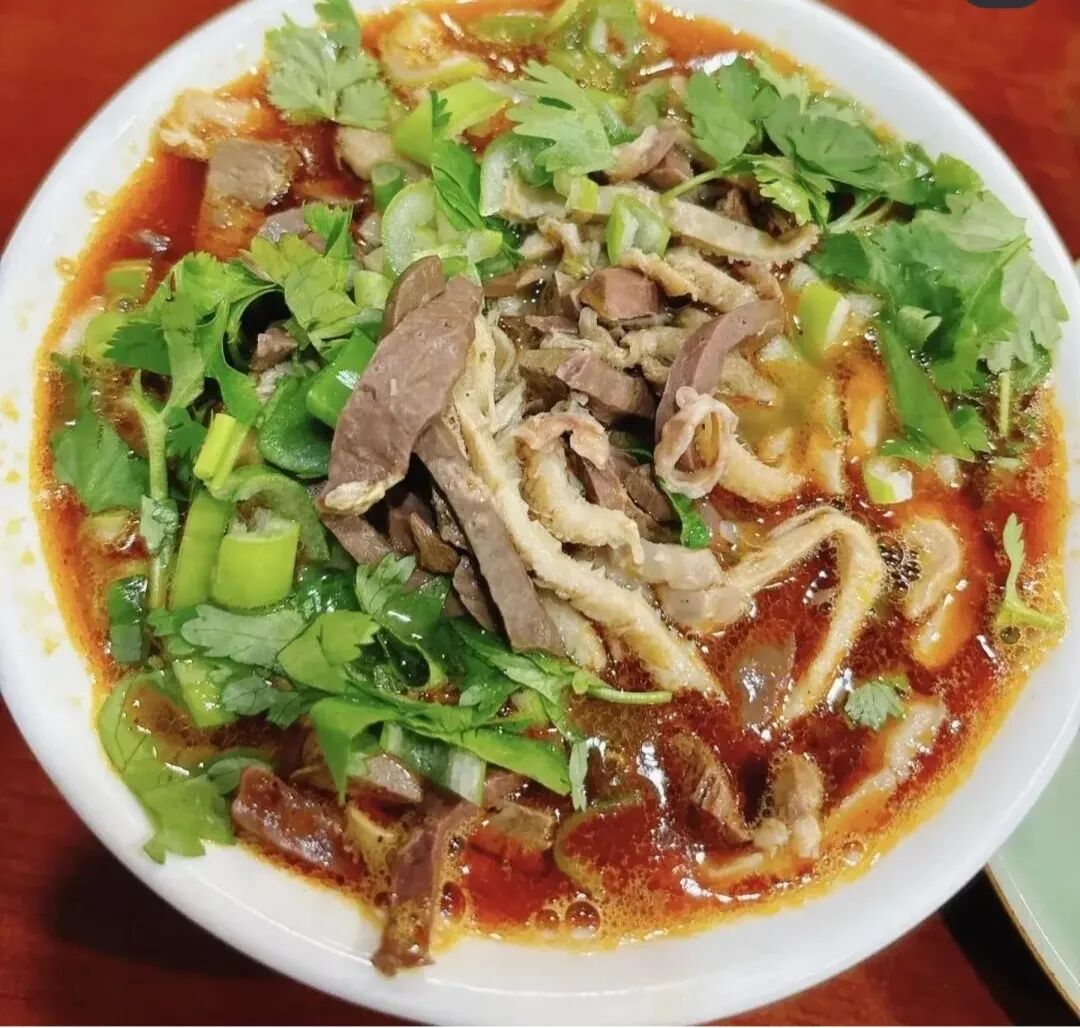
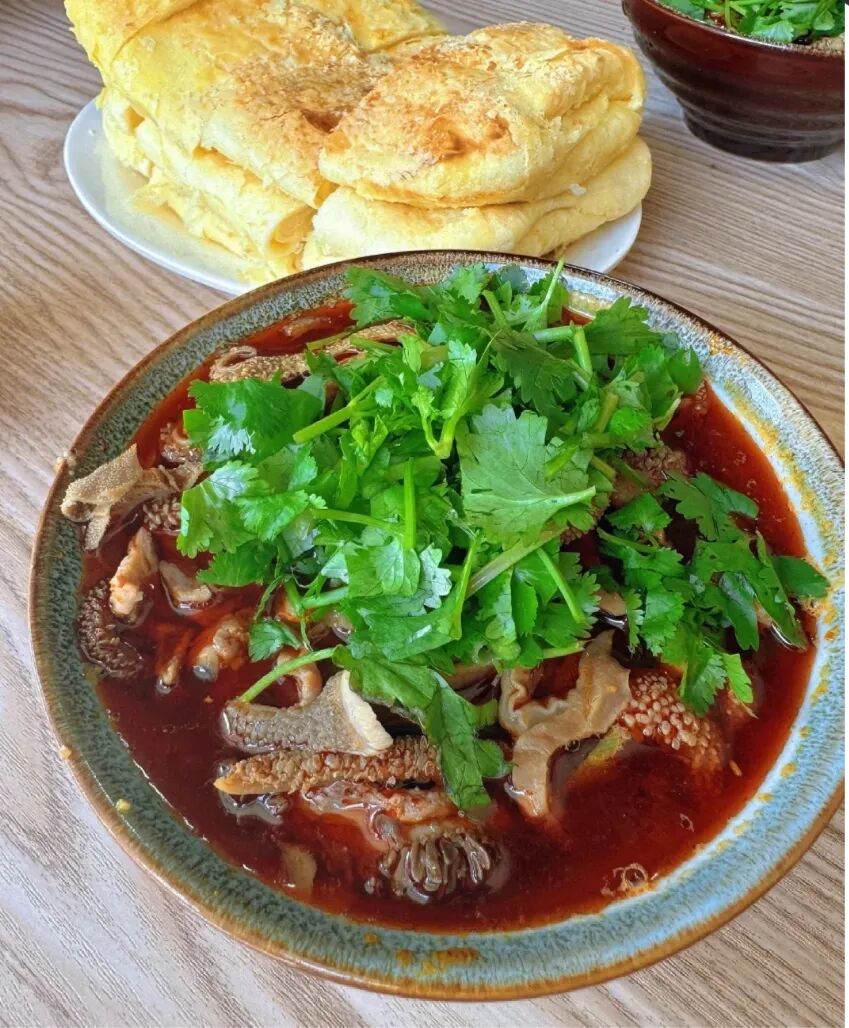
For many old-school Yinchuan locals, the morning starts with a bowl of yangzasui. Huiping’s lamb offal is prepped with insane care, completely free of any gamey or funky odors. A hearty mix of lamb tripe, heart, lungs, and intestines comes packed into a generous portion. Ladled out piping hot from a bright red, bubbling rich broth, the bowl is topped with a fistful of fresh chopped cilantro and scallions, instantly releasing an irresistible aroma. Pick up a pair of chopsticks and grab some honeycomb tripe—it’s soaked up all that rich broth while staying super tender and snappy. Slurping the hot soup down your throat sends a wave of warmth straight from your stomach through your entire body. Pair it with a fresh youxiang (traditional golden fried dough cakes) or a flatbread, dipping it into the lamb soup—this is the ultimate classic Ningxia breakfast combo. Plenty of foodies wake up early just to make the trip for this authentic, original old-school flavor.
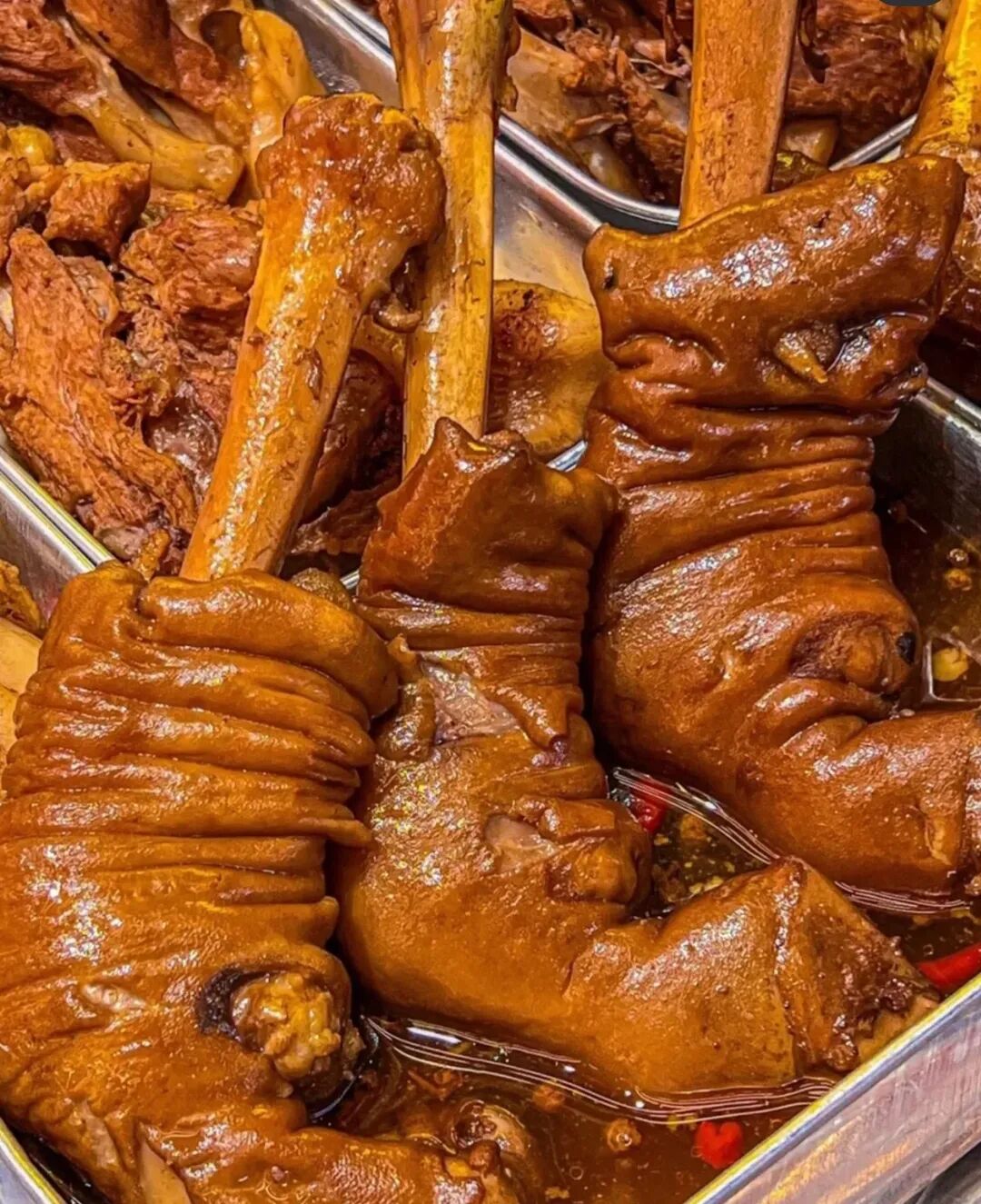
Beyond the yangzasui, the shop's braised sheep's head and braised lamb trotters are absolute heavyweight stars. Made using local tan sheep and slow-braised with over a dozen aromatic spices, the lamb trotters are simmered until they're fall-apart tender and sticky-soft. One gentle bite and the meat just slides right off the bone, while the skin and tendons stay bouncy and Q-tender. The braised sauce is thick and deeply infused, hitting you with savory notes and just a tiny kick of heat that makes it more addictive the more you chew. The sheep's head meat is a total dream for offal lovers—super firm and packed with braised spices in every single fiber. Lots of diners roll up, order a plate of trotters, and just gnaw away while chatting, tearing into the meat like true Northwest foodies.
The clay pot series is another heavy-hitter here. The clay pot beef short ribs are loaded with solid portions; the beef is stewed until melt-in-your-mouth tender, floating in a rich, deeply savory broth packed with veggies that soak up all those meaty juices. Pair it with their handmade knife-cut noodles—chewy, slippery noodles tossed right into the clay pot to slurp up every drop of soup. You honestly won't be able to put your chopsticks down. They also dish out clay pot stews and all kinds of comforting home-style noodle dishes, giving you tons of delicious options. Whether you're grabbing a quick solo meal or kicking it with friends, you're guaranteed to find something that hits the spot.
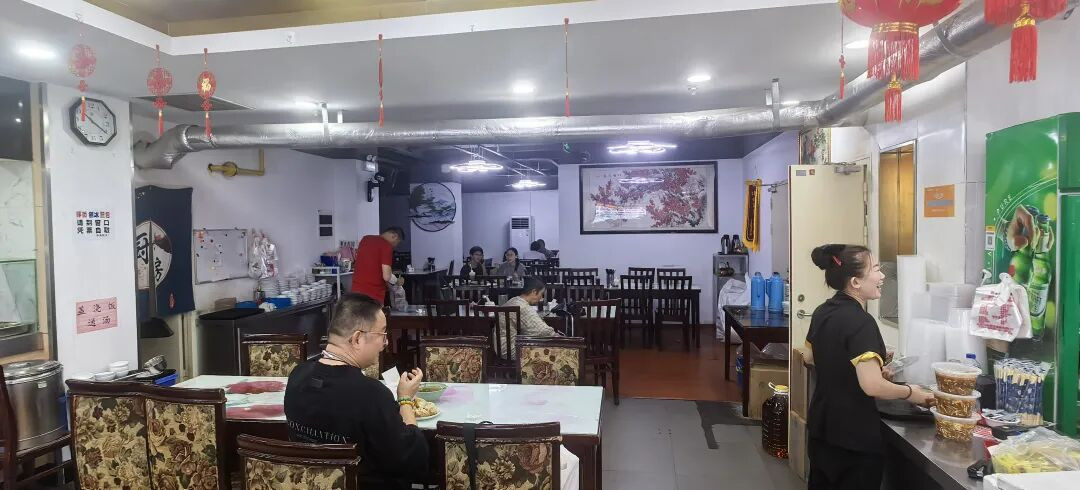
Huiping Clay Pot is a dedicated Halal spot that keeps things fresh by prepping everything from scratch daily—you can literally see the freshness of the ingredients. The owner pours real heart into every single dish without leaning on flashy gimmicks, keeping regulars coming back purely for the incredible taste. Neighborhood locals drop by all the time, and out-of-town travelers constantly seek this place out just to check off iconic Ningxia specialties like yangzasui and braised lamb trotters. The shop isn't huge, but the tables and chairs are neat, clean, and bright, making you feel instantly at home the second you walk through the door.
If you're traveling to Yinchuan, don't just hit up the usual viral tourist spots—you've gotta carve out time to chill at Huiping Clay Pot. Down a hot bowl of yangzasui, gnaw on some tender, sticky braised lamb trotters, and savor authentic clay pot comfort food. Soak in the gritty, vibrant street food culture of Yinchuan; this is the true beating heart of the ancient Silk Road oasis. If you want authentic Ningxia flavor, head straight to Huiping Clay Pot and taste the soul of Northwest China in every single bite.
#NingxiaFood #YinchuanEats #HuipingClayPot #Yangzasui #BraisedLambTrotters view all
Huiping Clay Pot Yinchuan Review: Authentic Northwest-Style yangzasui and Rich, Tender braised lamb trotters
Summary:
A visit to Huiping Clay Pot, a time-honored Halal neighborhood spot tucked away in the streets of Yinchuan. We tried their meticulously cleaned, fragrant, and game-free signature yangzasui (hearty lamb offal soup with chili oil), alongside slow-braised, melt-in-your-mouth lamb trotters and sheep's head made from top-quality local tan sheep, soaking in the authentic, down-to-earth street vibes of the Northwest.
When visiting Yinchuan, Ningxia, if you're craving authentic, home-style Halal flavors, locals will almost always point you toward Huiping Clay Pot. Tucked away on a quiet street corner, this modest little spot doesn't do fancy decor—just a simple green storefront. Push open the door, and you're immediately hit with the rich aroma of slow-cooked meat, bringing those cozy, bustling neighborhood vibes to life. Whether you're kicking off your morning with a piping hot bowl of yangzasui or ordering a clay pot feast and braised lamb trotters for dinner, every single bite is pure, unadulterated Hexi-Corridor and Hetao-style goodness that you'll be dreaming about long after.
For many old-school Yinchuan locals, the morning starts with a bowl of yangzasui. Huiping’s lamb offal is prepped with insane care, completely free of any gamey or funky odors. A hearty mix of lamb tripe, heart, lungs, and intestines comes packed into a generous portion. Ladled out piping hot from a bright red, bubbling rich broth, the bowl is topped with a fistful of fresh chopped cilantro and scallions, instantly releasing an irresistible aroma. Pick up a pair of chopsticks and grab some honeycomb tripe—it’s soaked up all that rich broth while staying super tender and snappy. Slurping the hot soup down your throat sends a wave of warmth straight from your stomach through your entire body. Pair it with a fresh youxiang (traditional golden fried dough cakes) or a flatbread, dipping it into the lamb soup—this is the ultimate classic Ningxia breakfast combo. Plenty of foodies wake up early just to make the trip for this authentic, original old-school flavor.
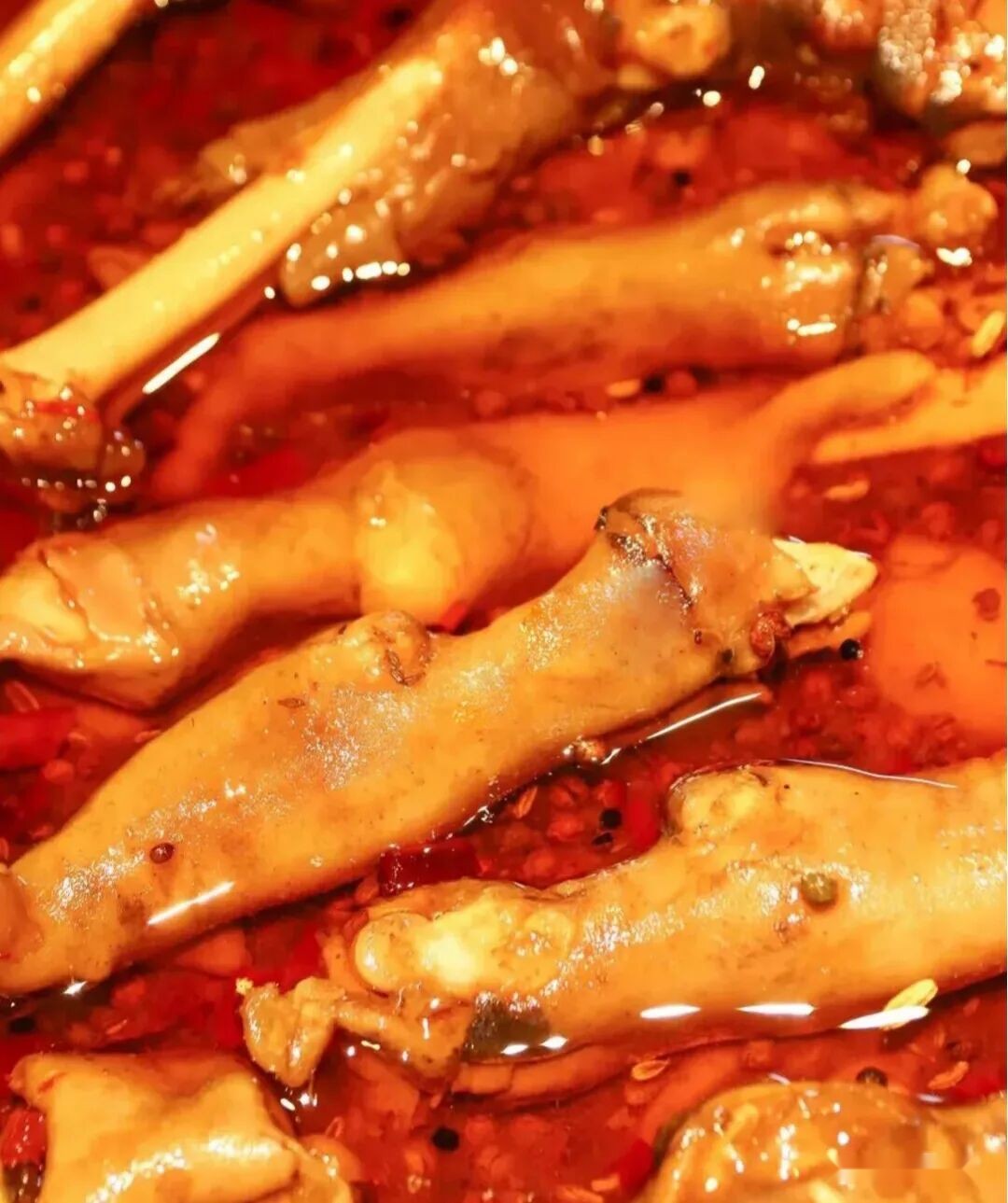
Beyond the yangzasui, the shop's braised sheep's head and braised lamb trotters are absolute heavyweight stars. Made using local tan sheep and slow-braised with over a dozen aromatic spices, the lamb trotters are simmered until they're fall-apart tender and sticky-soft. One gentle bite and the meat just slides right off the bone, while the skin and tendons stay bouncy and Q-tender. The braised sauce is thick and deeply infused, hitting you with savory notes and just a tiny kick of heat that makes it more addictive the more you chew. The sheep's head meat is a total dream for offal lovers—super firm and packed with braised spices in every single fiber. Lots of diners roll up, order a plate of trotters, and just gnaw away while chatting, tearing into the meat like true Northwest foodies.
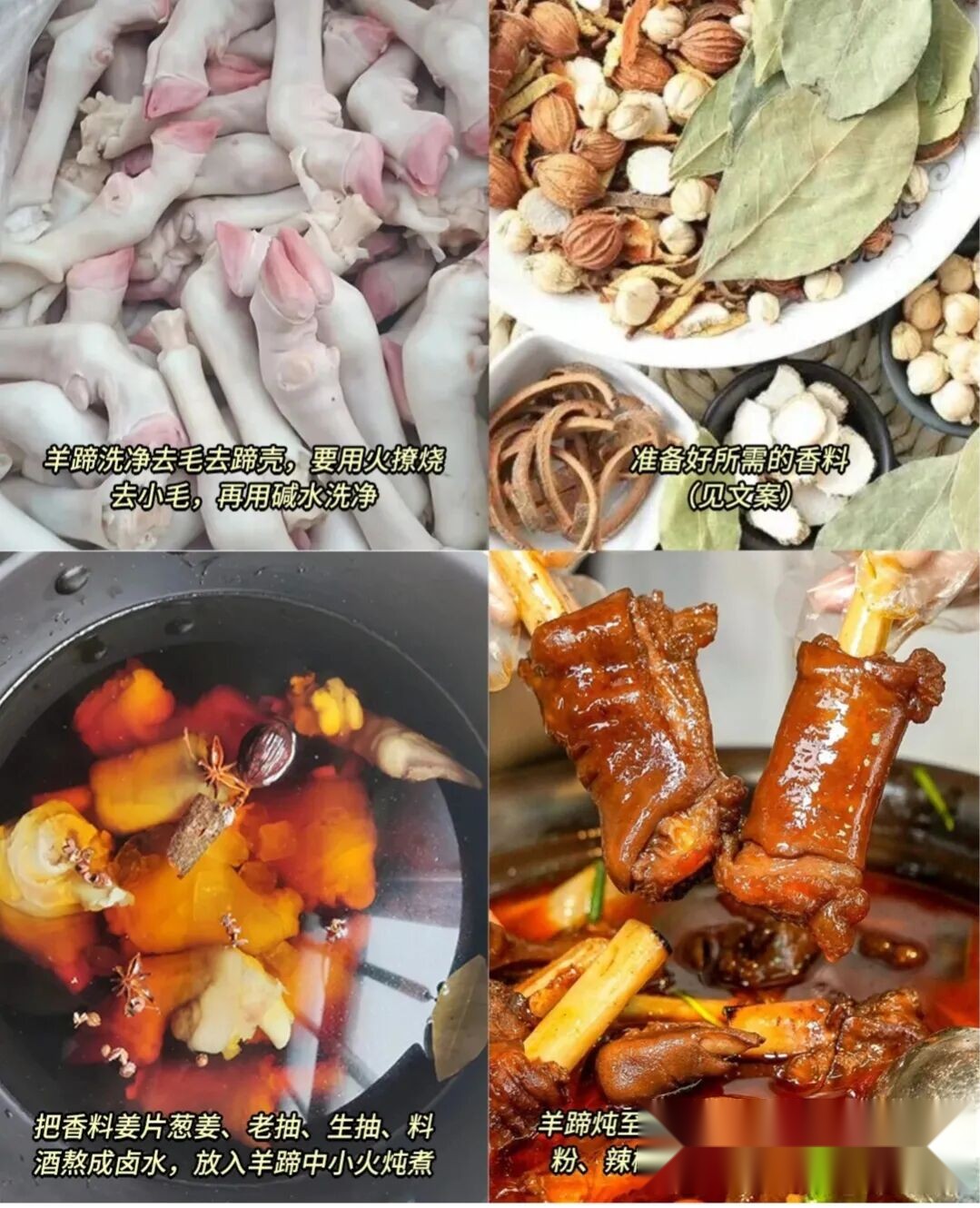
The clay pot series is another heavy-hitter here. The clay pot beef short ribs are loaded with solid portions; the beef is stewed until melt-in-your-mouth tender, floating in a rich, deeply savory broth packed with veggies that soak up all those meaty juices. Pair it with their handmade knife-cut noodles—chewy, slippery noodles tossed right into the clay pot to slurp up every drop of soup. You honestly won't be able to put your chopsticks down. They also dish out clay pot stews and all kinds of comforting home-style noodle dishes, giving you tons of delicious options. Whether you're grabbing a quick solo meal or kicking it with friends, you're guaranteed to find something that hits the spot.
Huiping Clay Pot is a dedicated Halal spot that keeps things fresh by prepping everything from scratch daily—you can literally see the freshness of the ingredients. The owner pours real heart into every single dish without leaning on flashy gimmicks, keeping regulars coming back purely for the incredible taste. Neighborhood locals drop by all the time, and out-of-town travelers constantly seek this place out just to check off iconic Ningxia specialties like yangzasui and braised lamb trotters. The shop isn't huge, but the tables and chairs are neat, clean, and bright, making you feel instantly at home the second you walk through the door.
If you're traveling to Yinchuan, don't just hit up the usual viral tourist spots—you've gotta carve out time to chill at Huiping Clay Pot. Down a hot bowl of yangzasui, gnaw on some tender, sticky braised lamb trotters, and savor authentic clay pot comfort food. Soak in the gritty, vibrant street food culture of Yinchuan; this is the true beating heart of the ancient Silk Road oasis. If you want authentic Ningxia flavor, head straight to Huiping Clay Pot and taste the soul of Northwest China in every single bite.
#NingxiaFood #YinchuanEats #HuipingClayPot #Yangzasui #BraisedLambTrotters
Top 6 Halal Yangzasui Spots in Yinchuan: A Local Insider's Guide to Ningxia's Iconic Sheep Offal Soup
Articles • Hasan09 posted the article • 0 comments • 3 views • 1 hours ago
Top 6 Must-Try Halal Yangzasui Spots in Yinchuan: Classic Old-School Shops and Local Insider Favorites
Summary:
A roundup of six classic, halal yangzasui (hearty lamb offal soup with chili oil) spots highly recommended by local Yinchuan foodies. We're breaking down the broth secrets of legendary spots like Lao Yang Kuaizi and Aye, featuring rich, crimson-red broths packed with ingredients and homemade lamb lung slices, giving travelers to Ningxia the ultimate authentic flavor guide.
Good food is the foundation of life.
Cuisine in Ningxia is heavily influenced by Hui Muslim flavors. Plus, because Ningxia tan sheep grow up in a unique natural ecosystem, their meat is super tender with zero gamey smell, making locals absolute masters at cooking beef and mutton.
In Ningxia, hui yangzasui is the most common way to prepare it and easily the most iconic local specialty.
First, sheep heads, bellies, intestines, trotters, hearts, livers, and lungs are thoroughly washed, boiled until tender, sliced into strips, and then topped with the rich original broth, chopped scallions, ginger, and garlic, vibrant red chili oil, MSG, and cilantro. It's ridiculously flavorful and packed with nutrients.
Najiahu Yangzasui
No. 73, Yinhe Lane, North Zhongshan Street, Xingqing District, Yinchuan
This place has been open for over a decade and locals swear by it. The offal is super clean, texturally balanced between tender and crisp, and completely free of any gamey odor. At first glance, the fiery red chili oil looks super spicy, but it's actually just deeply aromatic. Slurping down a bowl like this in the winter is just pure bliss!
Xincheng Lao Zhuandpan Yangzasui
No. 11, South Tongda Street, Jinfeng District, Yinchuan
This spot is open 24 hours and is pretty close to the train station. The flavors totally hit the spot, and they're super generous with the offal portions. Tearing up a flatbread and soaking it in a massive bowl is just insanely good~
Ma Pangzi Yangzasui
No. 53, North Xihuayuan Alley, Xixia District, Yinchuan
This spot only opens in the mornings and reportedly has been featured on foodie TV shows. Their broth is intensely savory, and the yangzasui has zero gamey taste. A bite of meat, a bite of flatbread—rolling up to a huge bowl like this in the morning, man oh man~
Aye Yangzasui
No. 180, Qianjin Street, Funing Street Subdistrict, Xingqing District, Yinchuan
This spot is super famous locally. The meat broth is exceptionally rich, savory without any gamey funk, and the mutton chili oil is aromatic without a harsh burn. The flavor profile leans a bit bold and punchy, and finishing it off with a flatbread and sweet pickled garlic is just amazing~
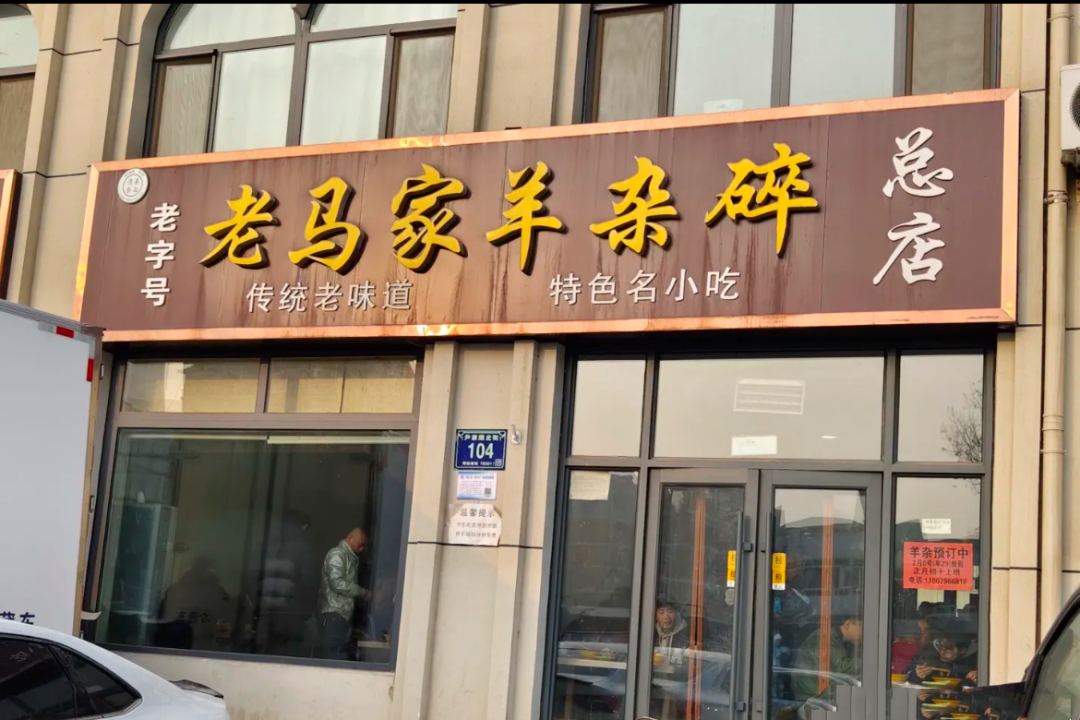
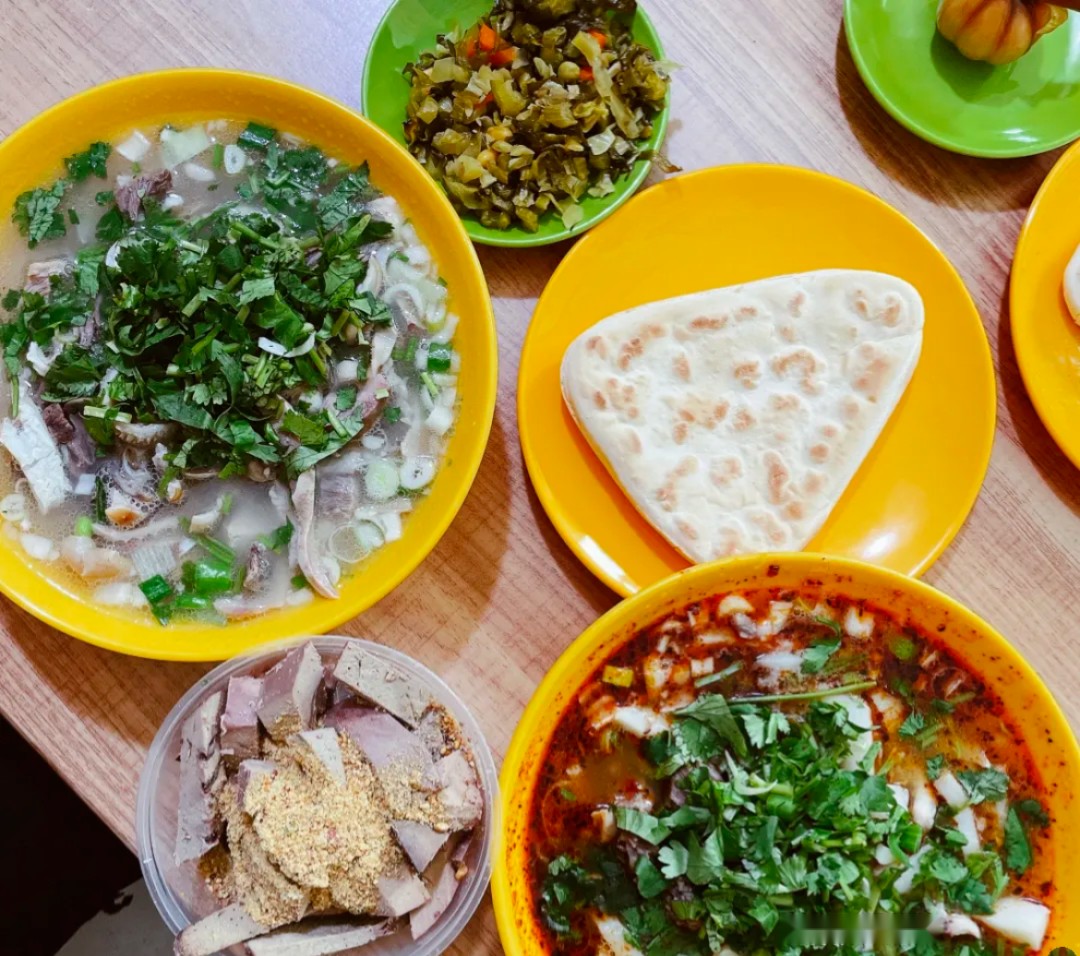
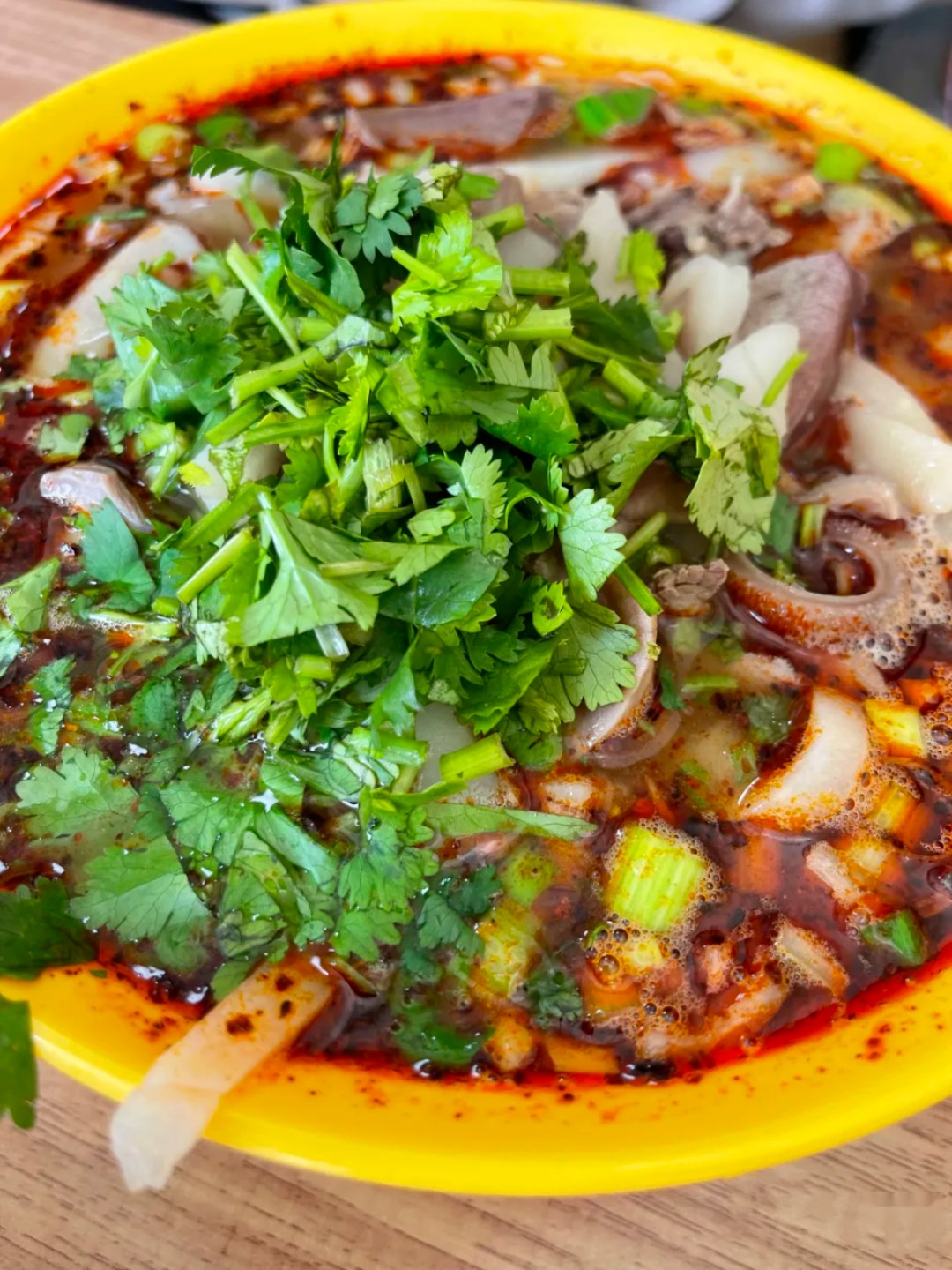
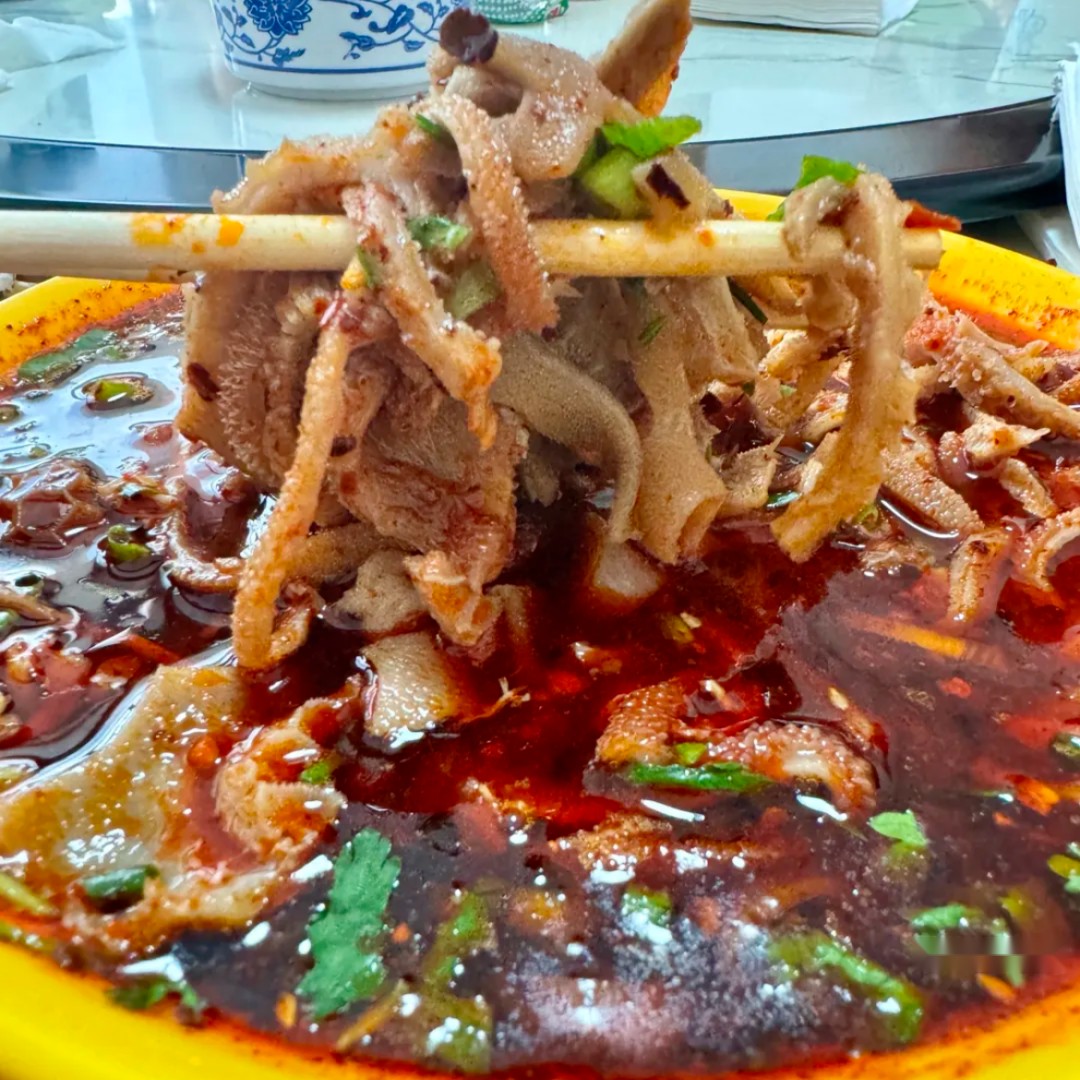
Lao Majia Yangzasui
No. 19 Commercial Unit, Yinxin Great Mosque, North Yinxinba Street, Jinfeng District, Yinchuan
Another classic, long-standing spot for locals. The quality is super consistent, portions are huge, and a layer of bright red chili oil floats on top without being overly spicy. Soak up some plain white flatbread or youxiang (traditional golden fried dough cakes) in it, and you're good to go~
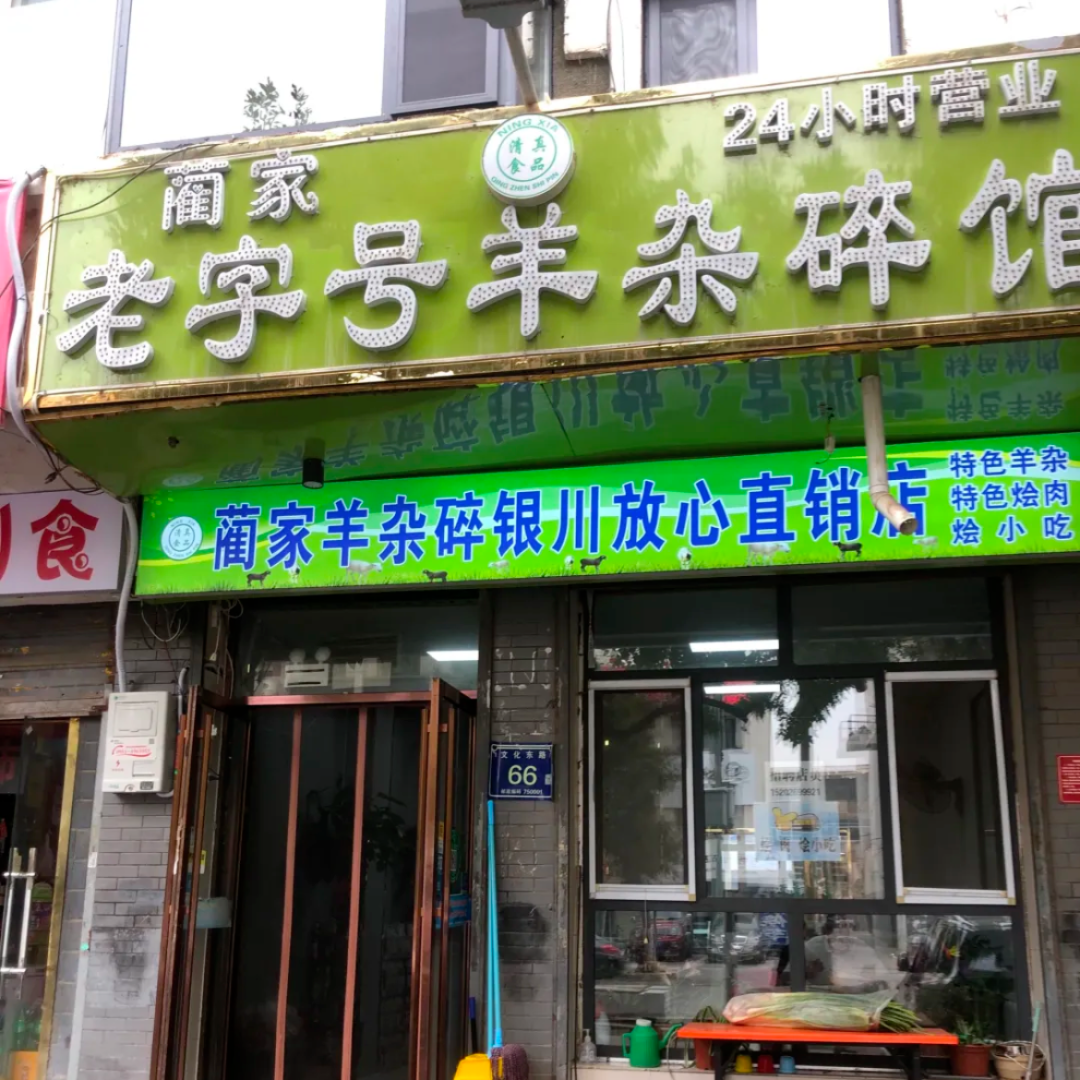
Linjia Laozizi Yangzasui
No. 66, East Culture Street, Culture Street Subdistrict, Xingqing District, Yinchuan
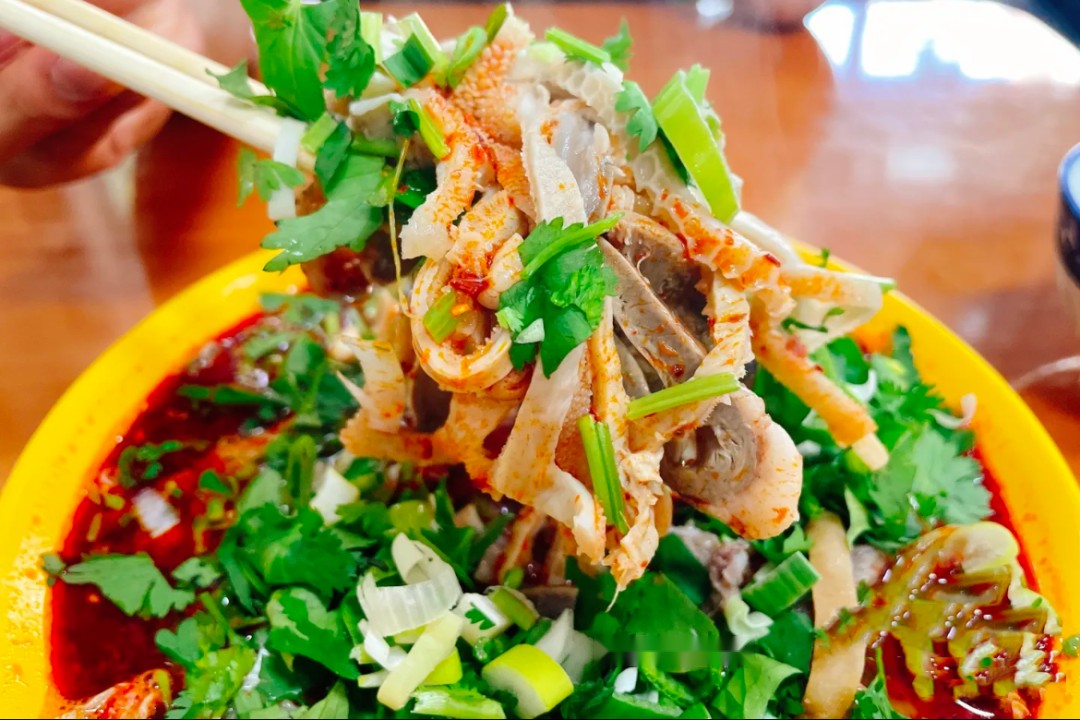
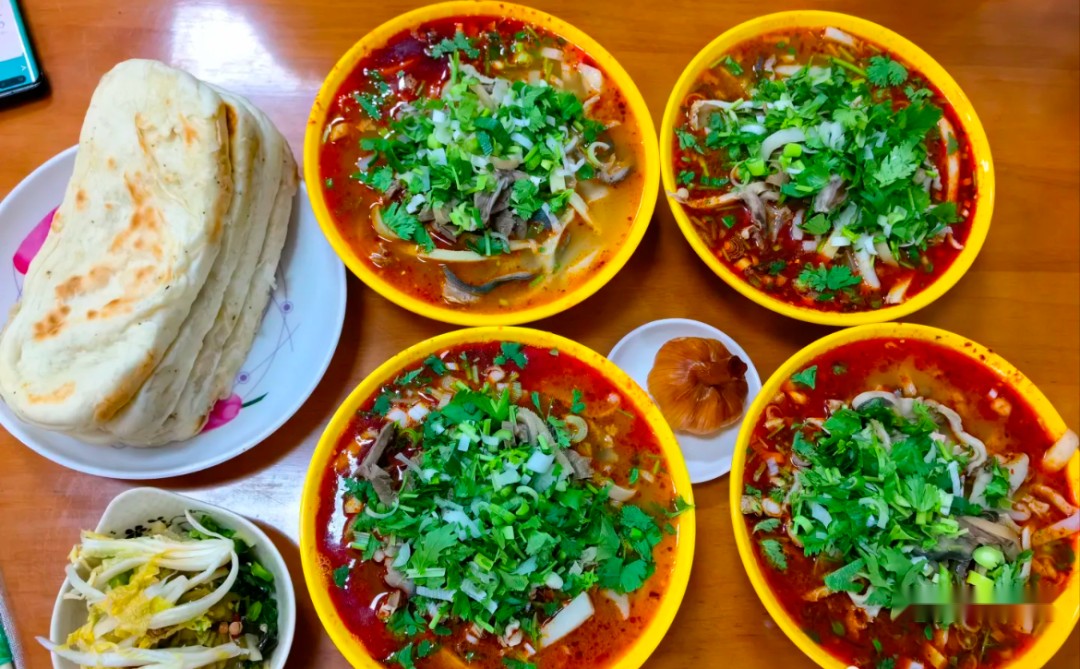
A cozy, down-to-earth little spot that's been open for over a decade. The overflowing bowl of yangzasui they hand you is packed entirely with meat. It's clean, game-free, and leans toward a bolder, savory flavor profile. Their small side dishes are also bomb—highly recommended!
End
Savor a bowl of genuine, down-to-earth comfort food, and sip through the ups and downs of life.
All images in this article are sourced from the internet purely for reading enhancement purposes. If there is any copyright infringement, they will be immediately removed.
Tap 'Look' (Zai Kan) because you're awesome.
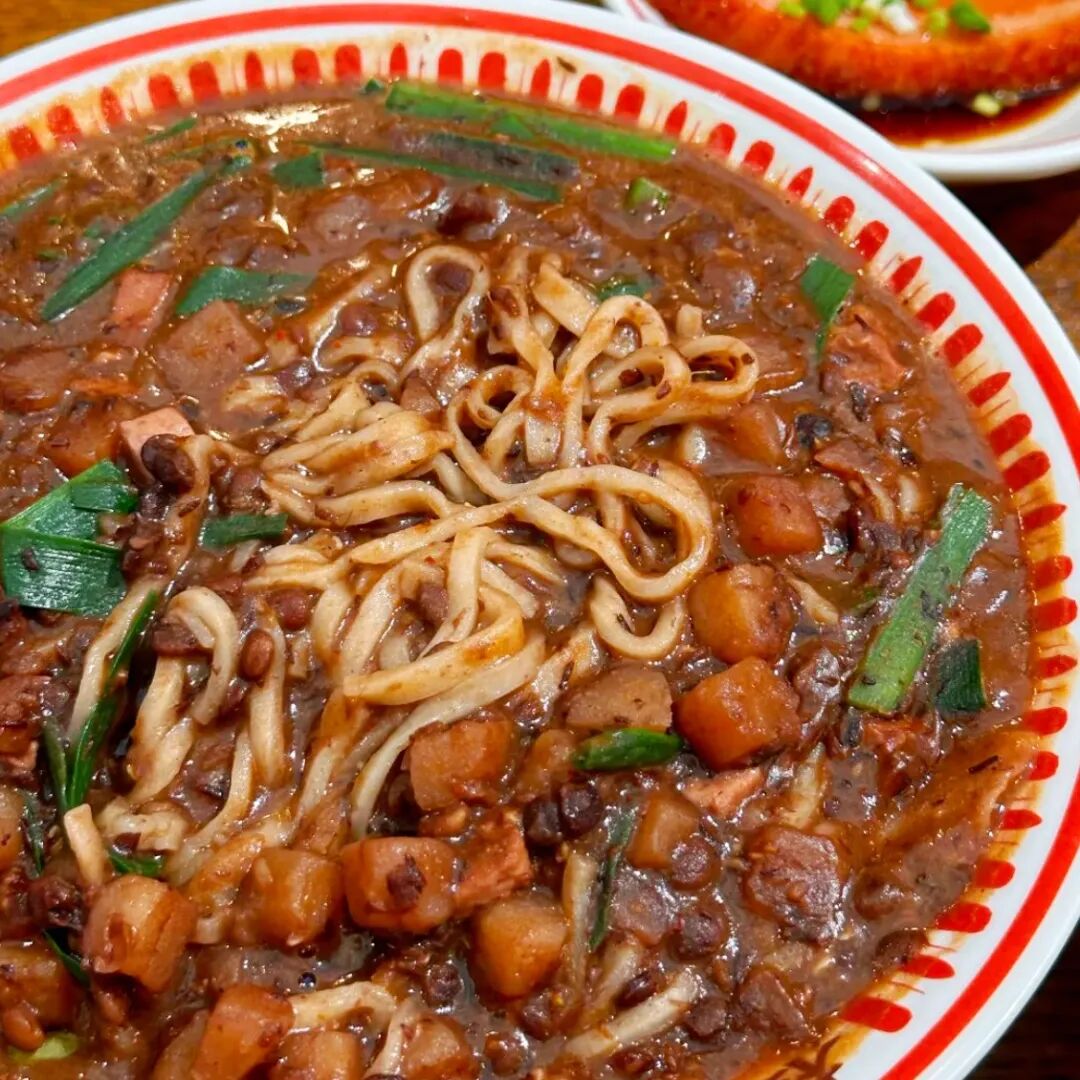
In Lanzhou winters, going without days of fried starch noodles (you chaofen) is seriously tough! This stuff is genuinely incredible, extra delicious~
February 6, 2025
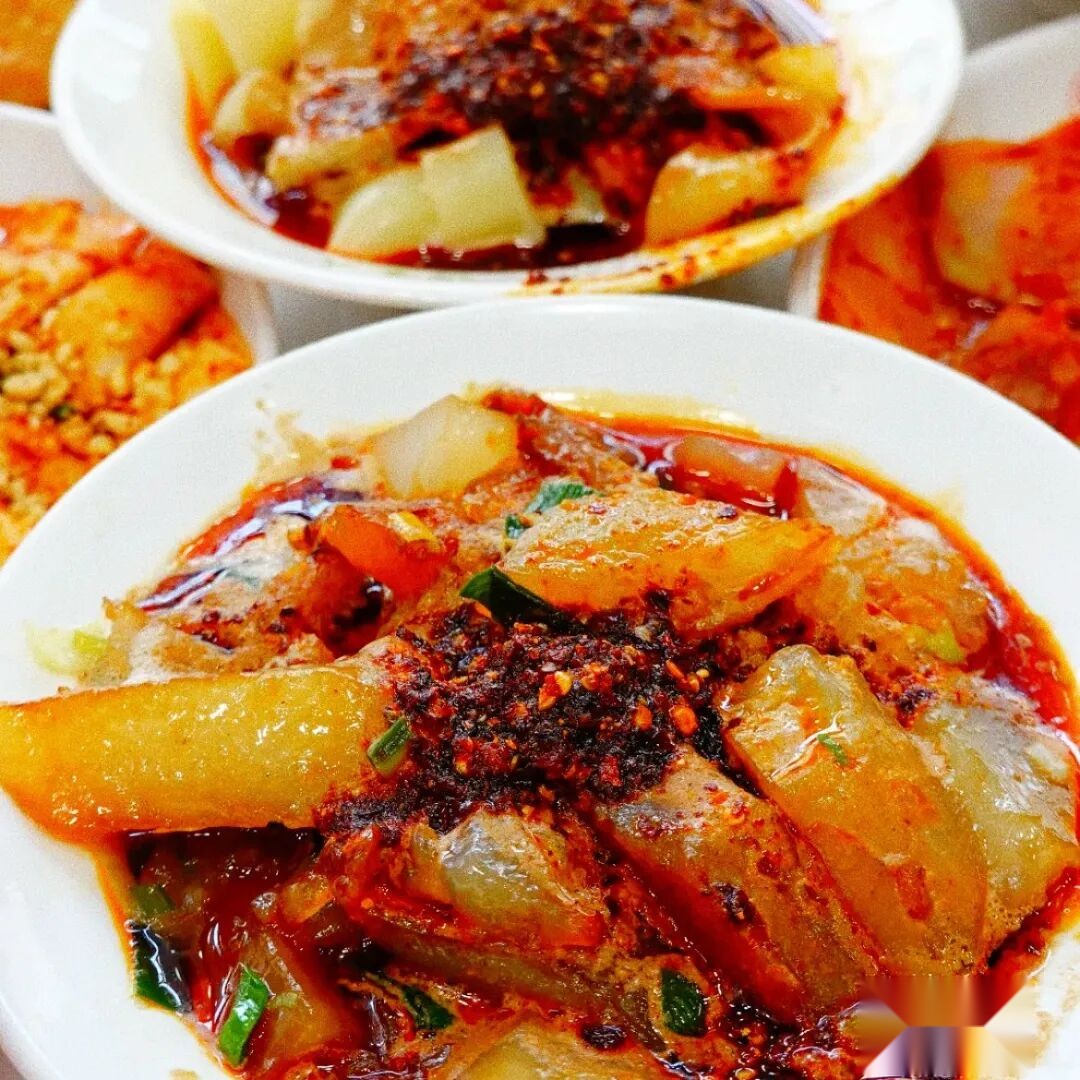
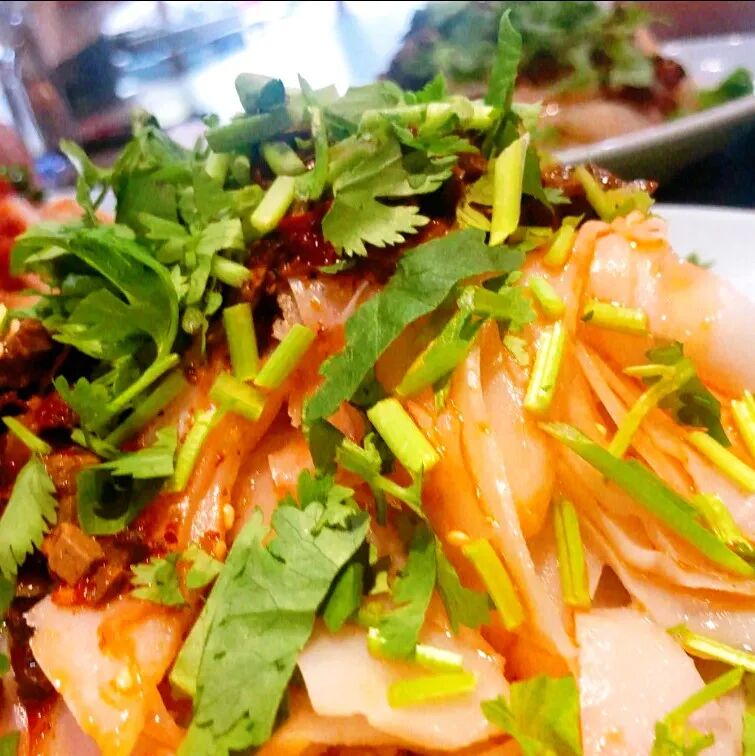
Liangpi (cold skin noodles) from Ningxia Pangzi's place! They sell out like crazy, and the secret reason is...
February 5, 2025
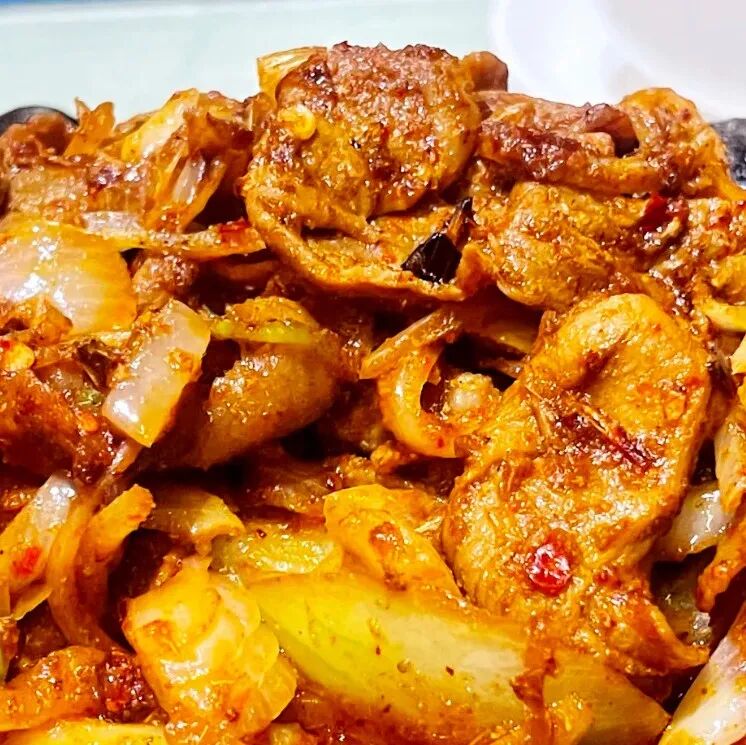
A legendary stir-fried meat stew joint in Ningxia that's been running for over 20 years, with a massive crew of loyal regulars~
February 4, 2025
Hidden foodie gems tucked away in Lanzhou's back alleys! Incredible food always finds its way out of the hidden corners!
February 3, 2025
Mind-blowing local delicacies from Ningxia that you seriously can't get anywhere else outside of here!
February 2, 2025 view all
Top 6 Must-Try Halal Yangzasui Spots in Yinchuan: Classic Old-School Shops and Local Insider Favorites
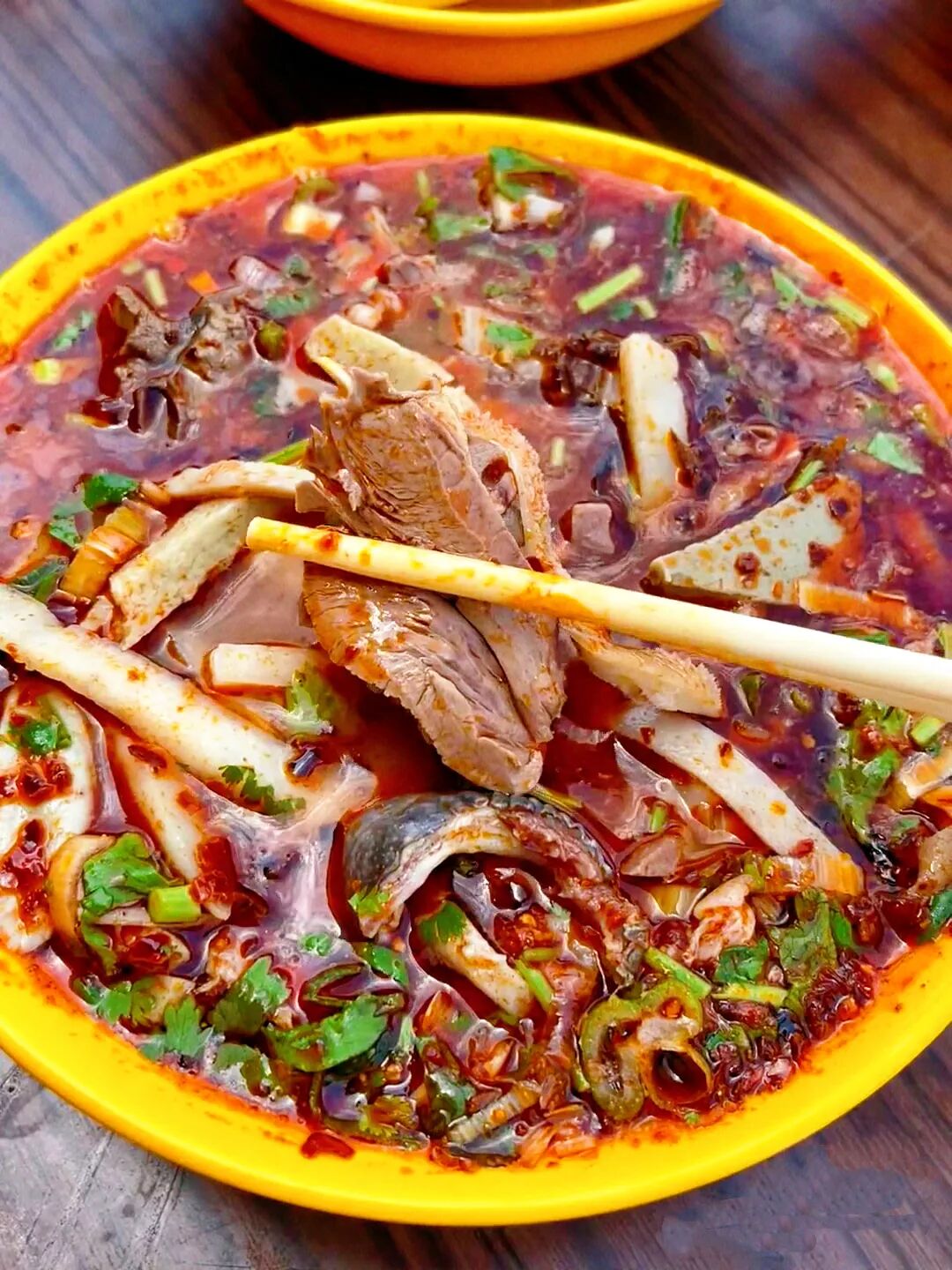
Summary:
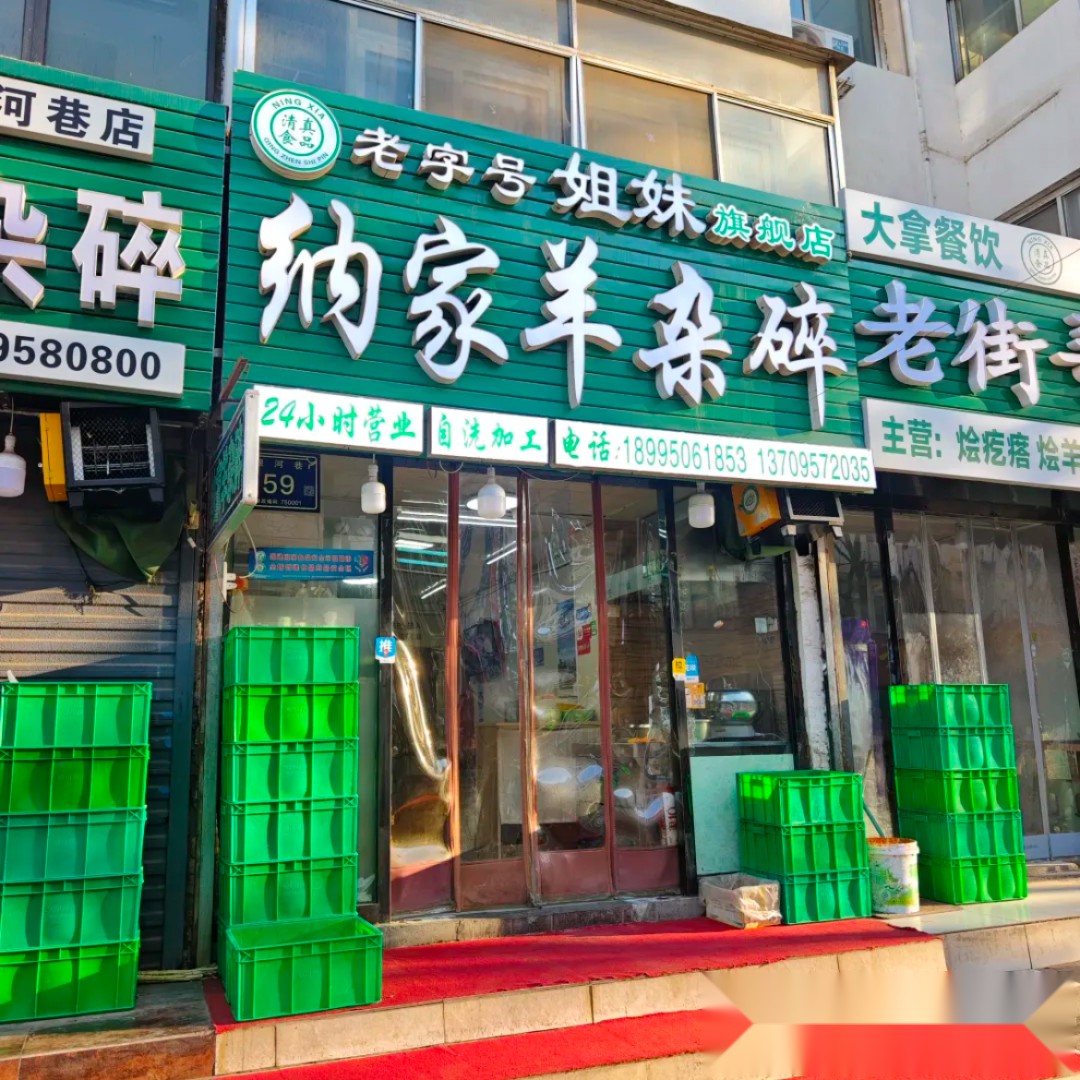
A roundup of six classic, halal yangzasui (hearty lamb offal soup with chili oil) spots highly recommended by local Yinchuan foodies. We're breaking down the broth secrets of legendary spots like Lao Yang Kuaizi and Aye, featuring rich, crimson-red broths packed with ingredients and homemade lamb lung slices, giving travelers to Ningxia the ultimate authentic flavor guide.
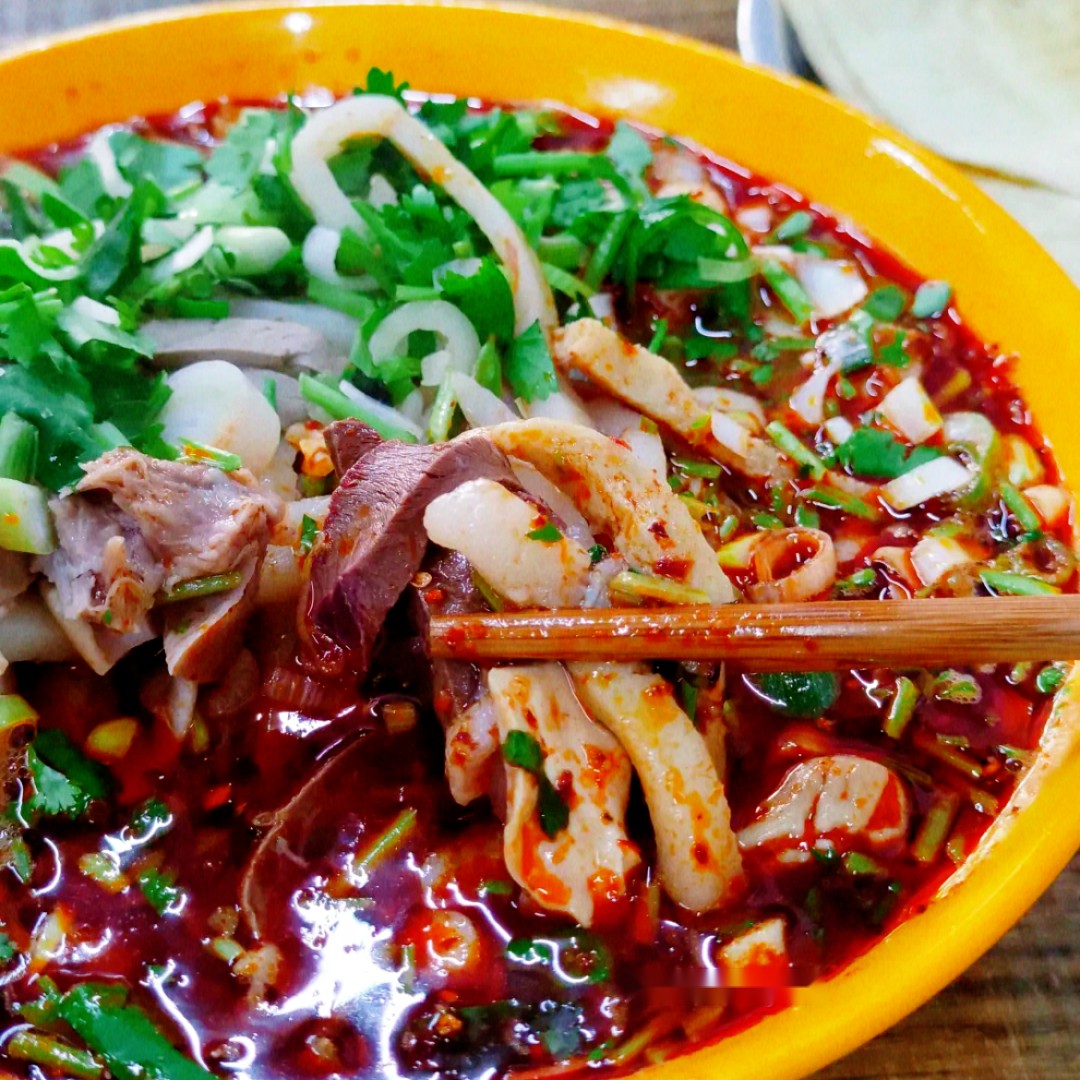
Good food is the foundation of life.
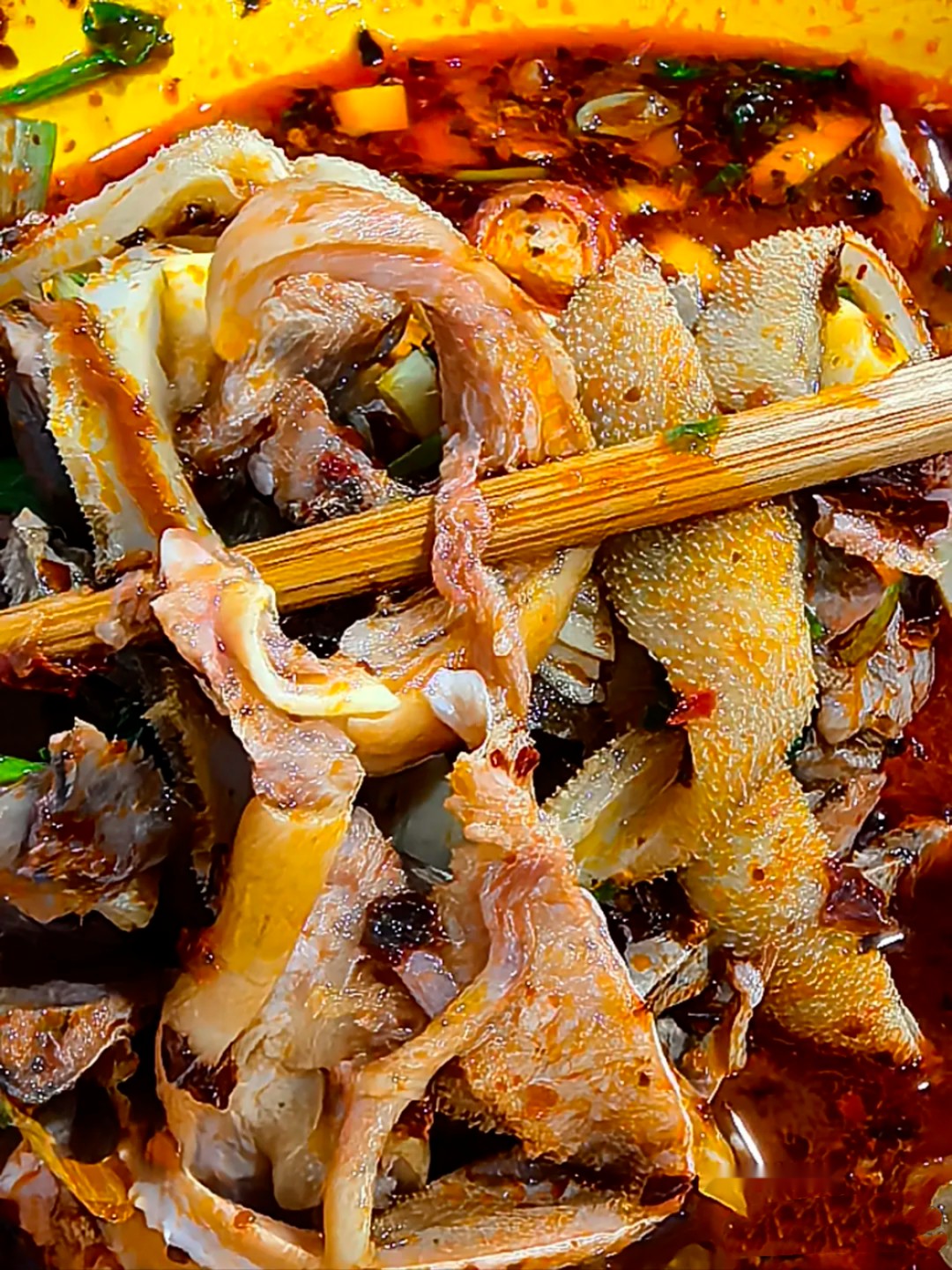
Cuisine in Ningxia is heavily influenced by Hui Muslim flavors. Plus, because Ningxia tan sheep grow up in a unique natural ecosystem, their meat is super tender with zero gamey smell, making locals absolute masters at cooking beef and mutton.
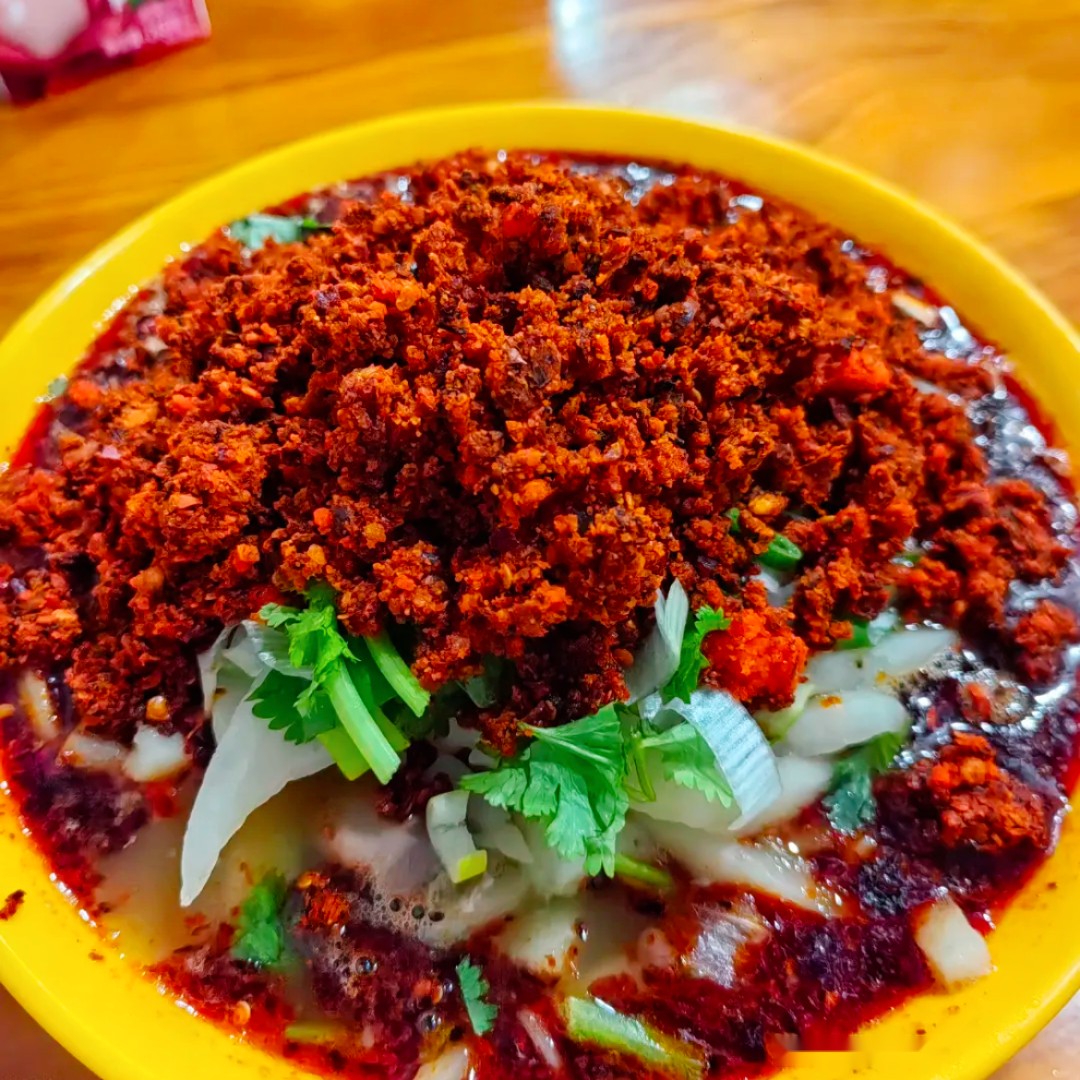
In Ningxia, hui yangzasui is the most common way to prepare it and easily the most iconic local specialty.
First, sheep heads, bellies, intestines, trotters, hearts, livers, and lungs are thoroughly washed, boiled until tender, sliced into strips, and then topped with the rich original broth, chopped scallions, ginger, and garlic, vibrant red chili oil, MSG, and cilantro. It's ridiculously flavorful and packed with nutrients.
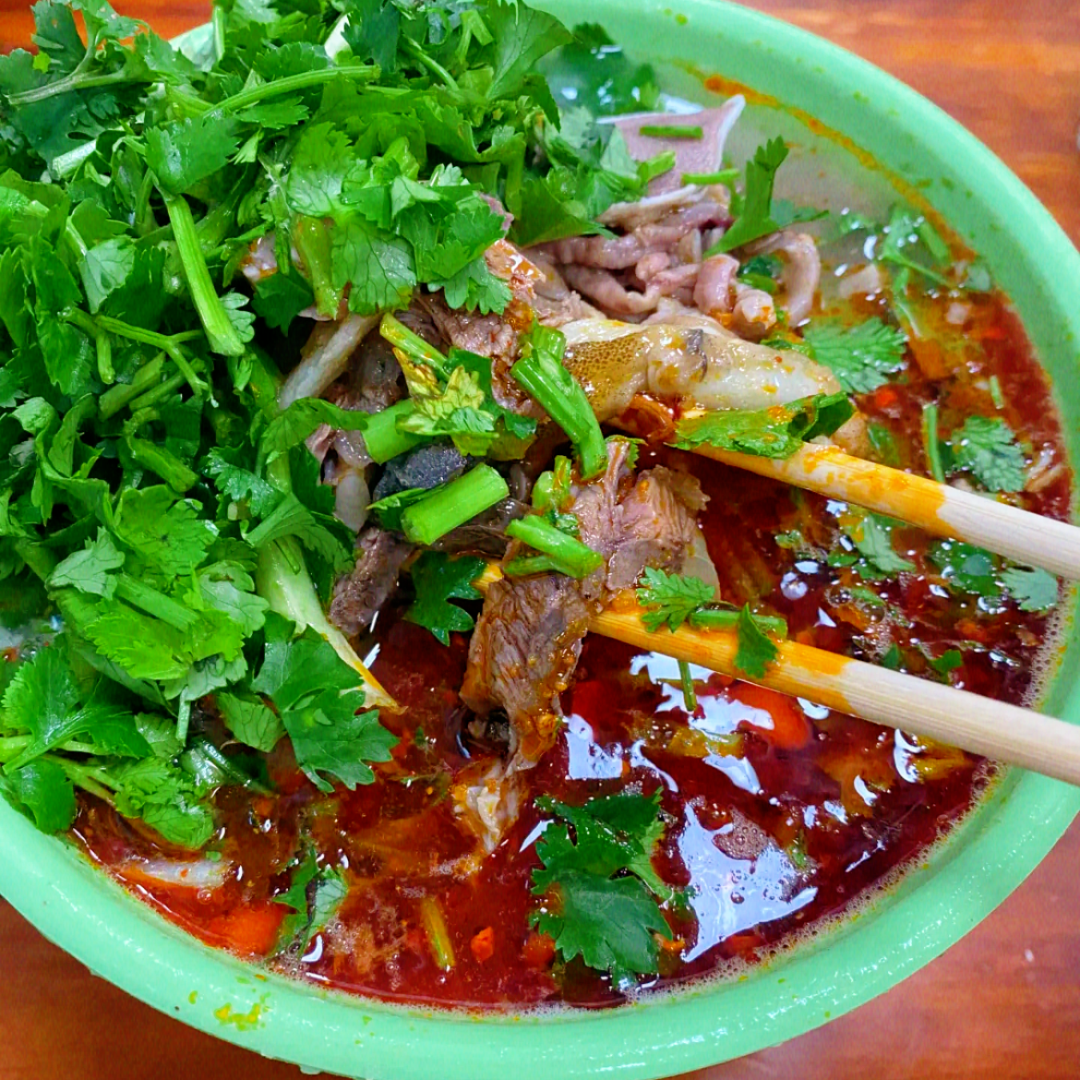
Najiahu Yangzasui
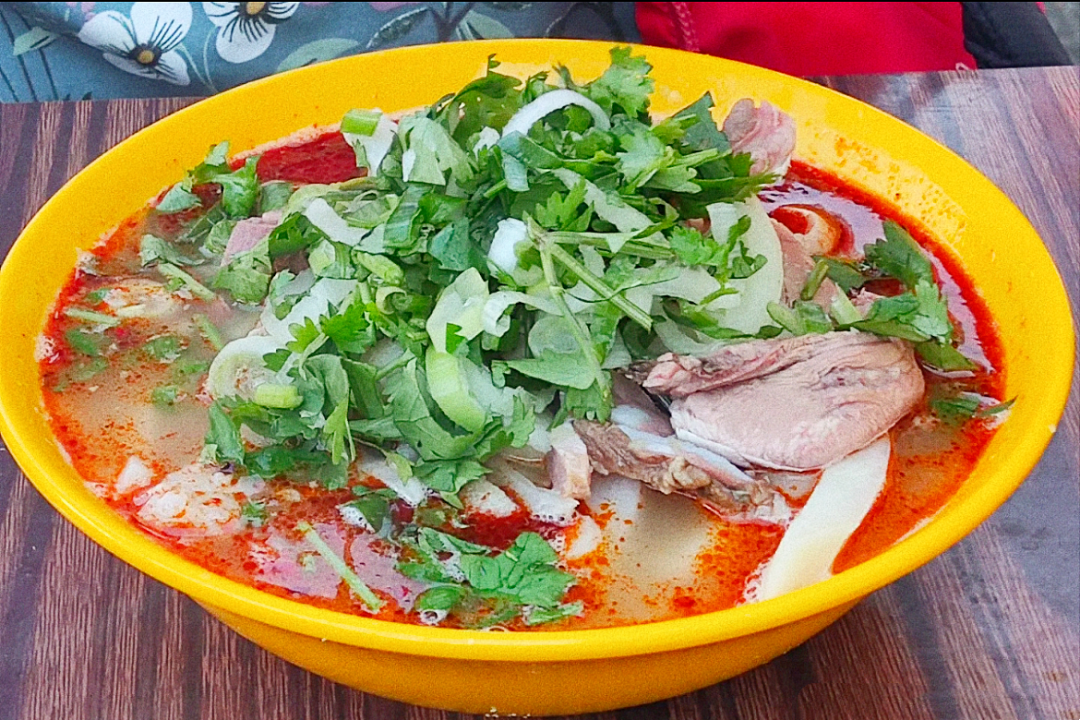
No. 73, Yinhe Lane, North Zhongshan Street, Xingqing District, Yinchuan
This place has been open for over a decade and locals swear by it. The offal is super clean, texturally balanced between tender and crisp, and completely free of any gamey odor. At first glance, the fiery red chili oil looks super spicy, but it's actually just deeply aromatic. Slurping down a bowl like this in the winter is just pure bliss!
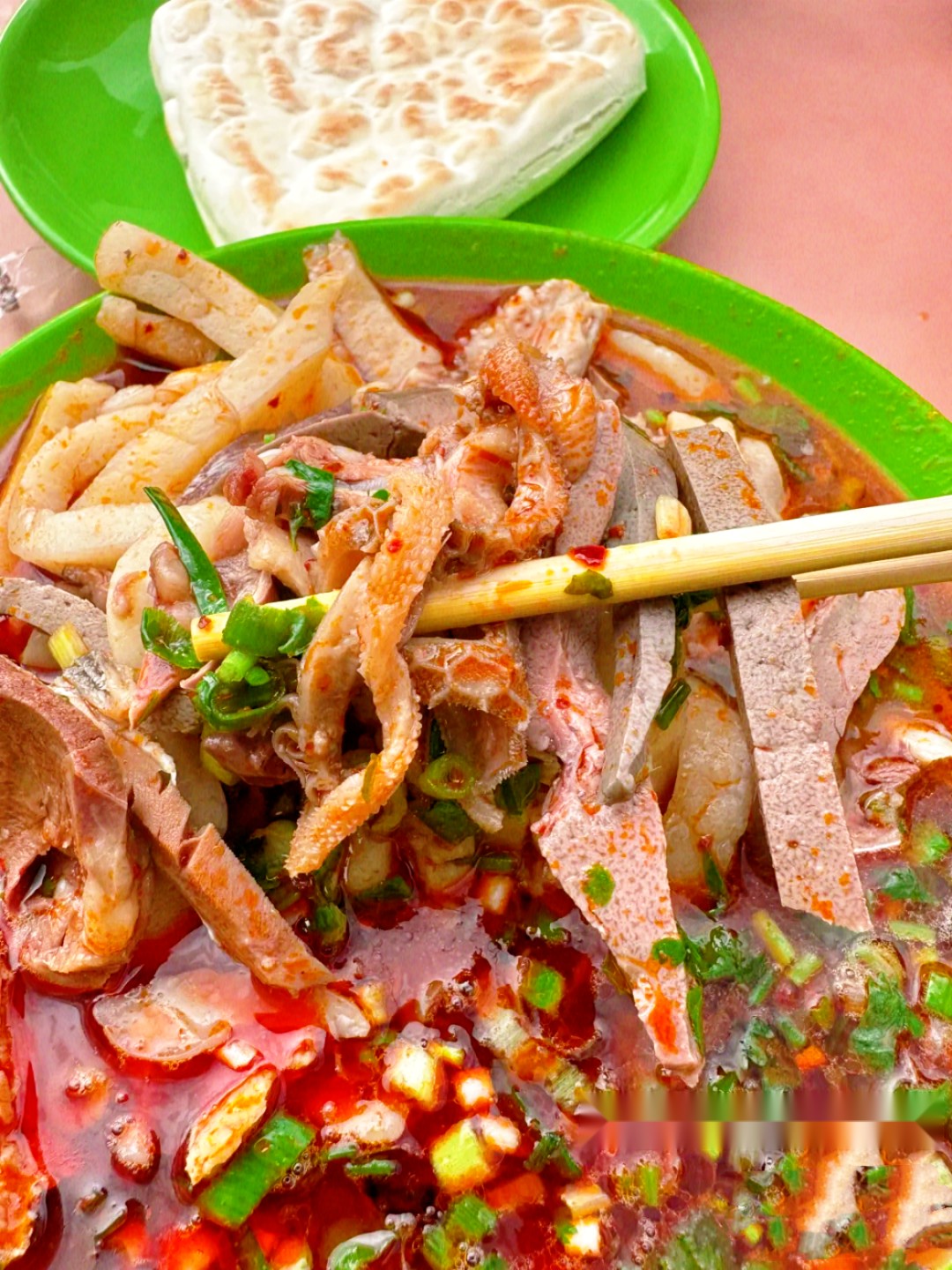
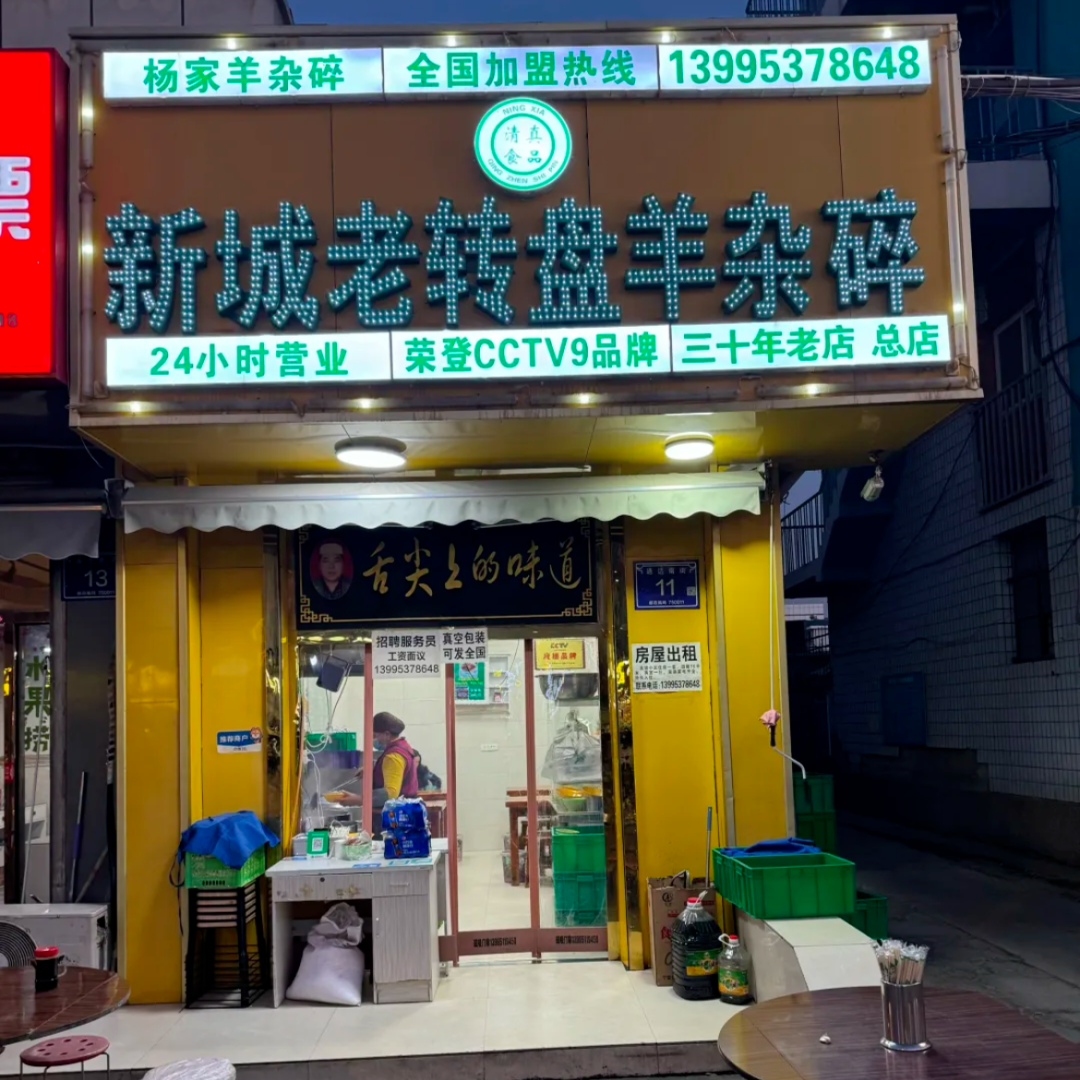
Xincheng Lao Zhuandpan Yangzasui
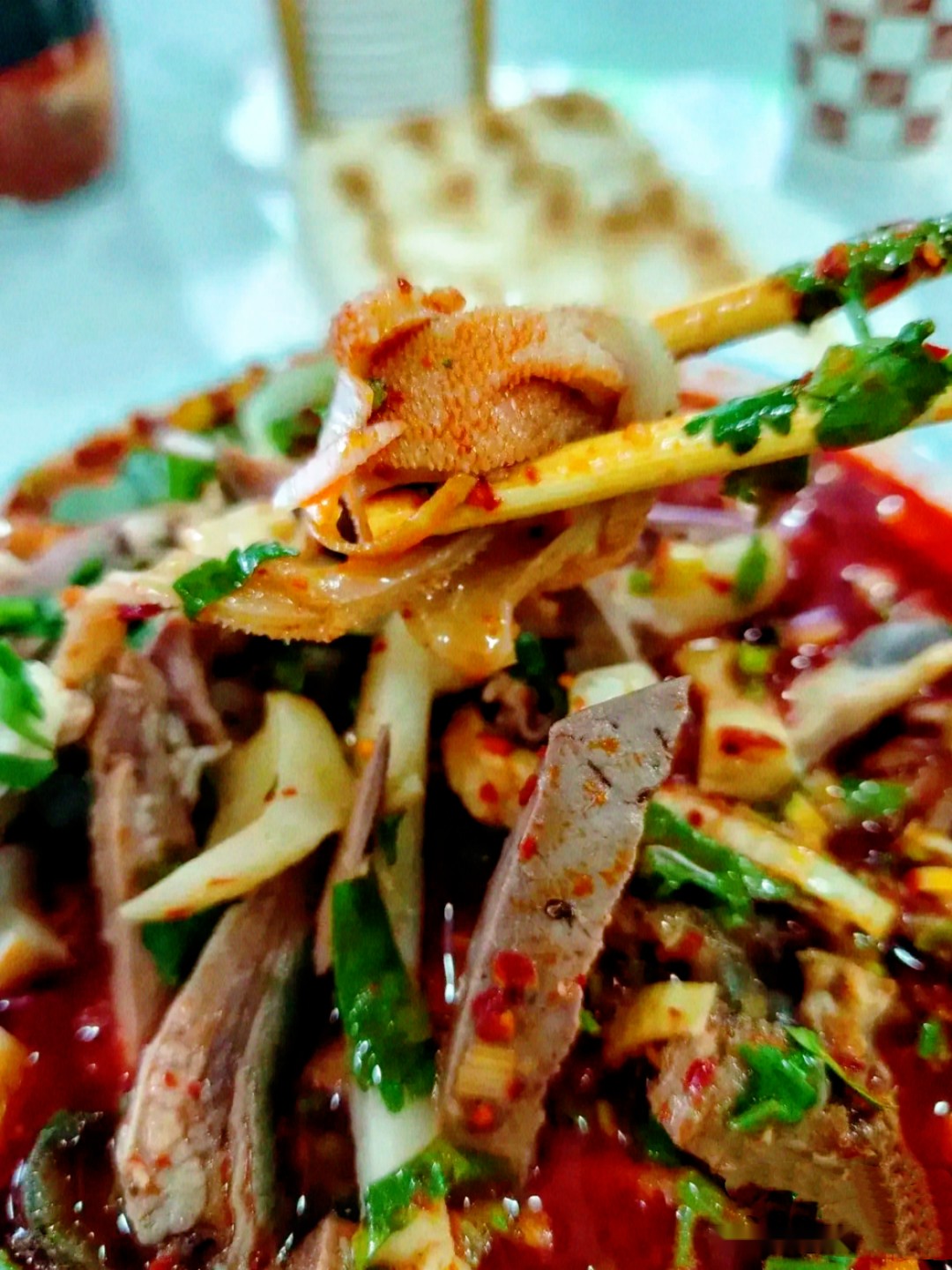
No. 11, South Tongda Street, Jinfeng District, Yinchuan
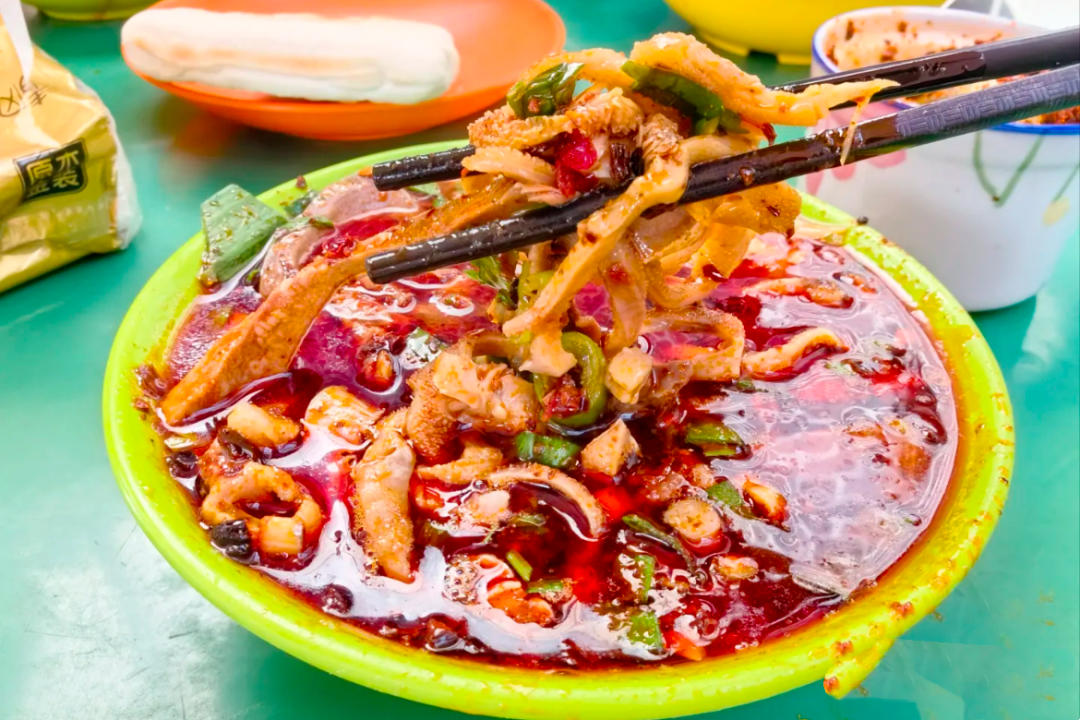
This spot is open 24 hours and is pretty close to the train station. The flavors totally hit the spot, and they're super generous with the offal portions. Tearing up a flatbread and soaking it in a massive bowl is just insanely good~
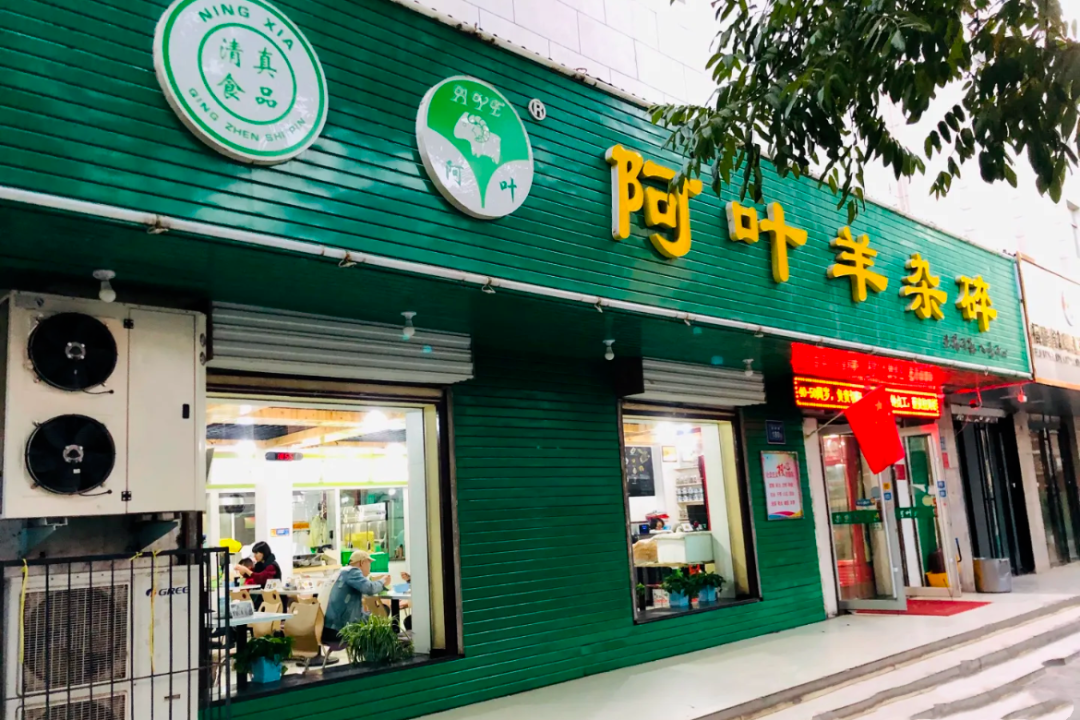
Ma Pangzi Yangzasui

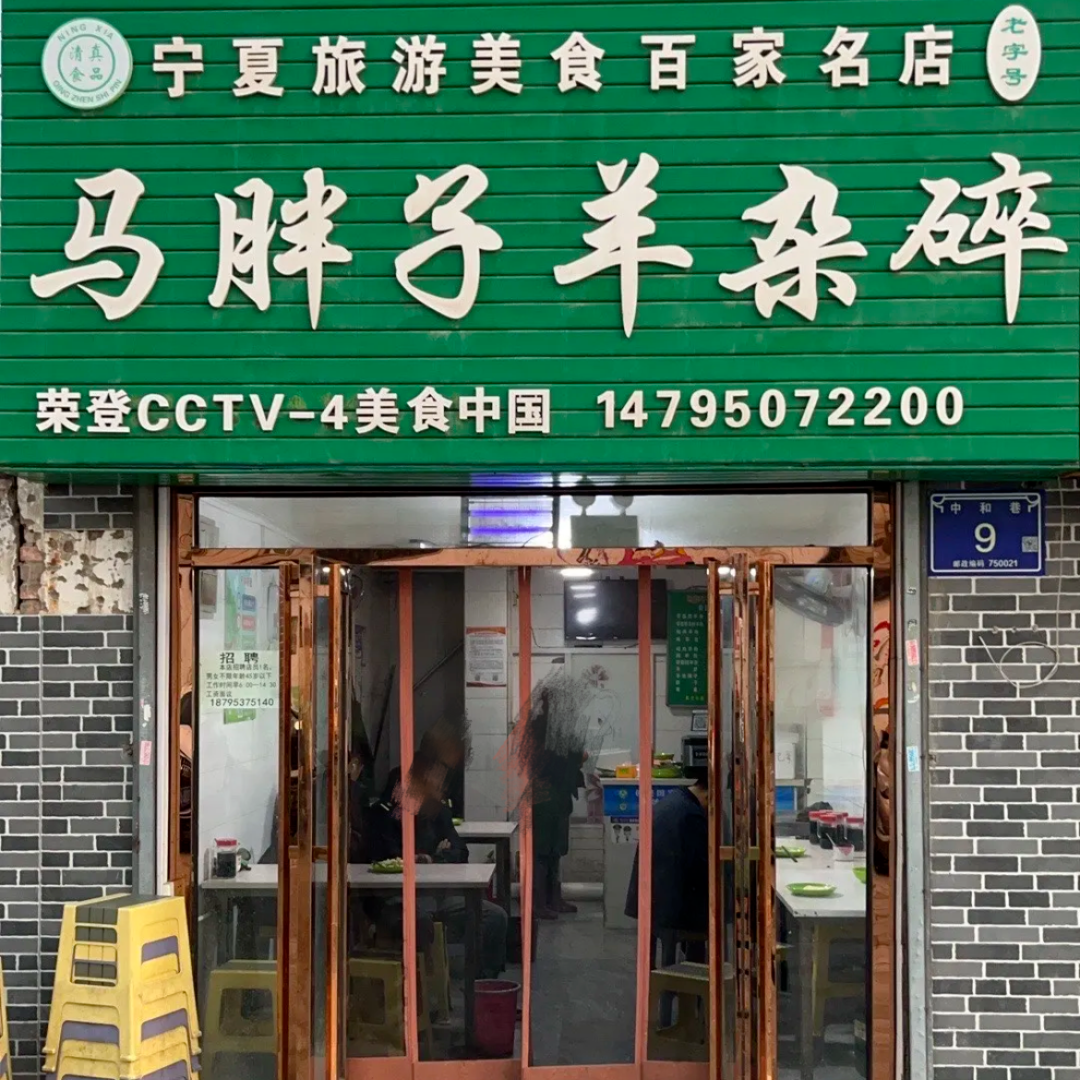
No. 53, North Xihuayuan Alley, Xixia District, Yinchuan

This spot only opens in the mornings and reportedly has been featured on foodie TV shows. Their broth is intensely savory, and the yangzasui has zero gamey taste. A bite of meat, a bite of flatbread—rolling up to a huge bowl like this in the morning, man oh man~
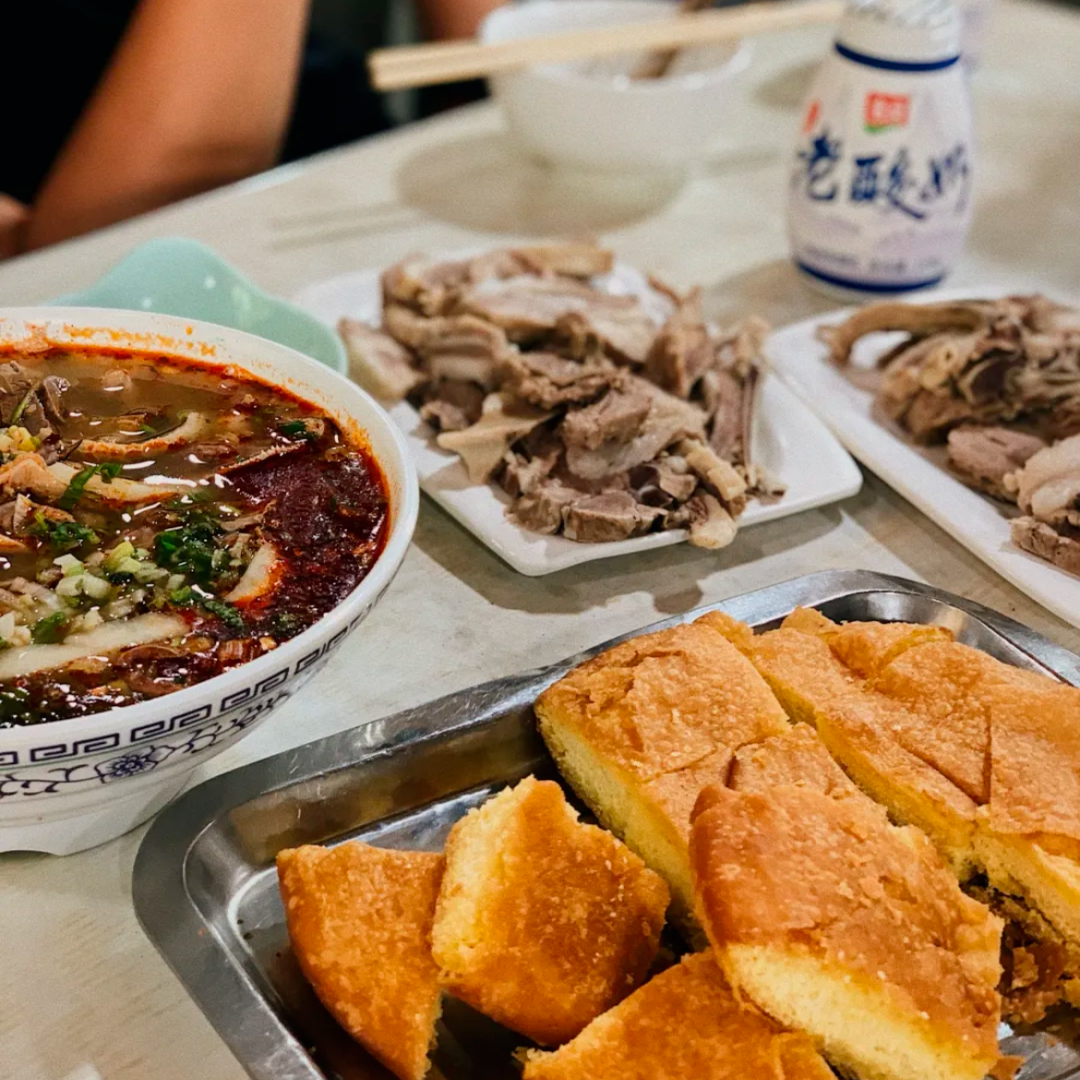
Aye Yangzasui
No. 180, Qianjin Street, Funing Street Subdistrict, Xingqing District, Yinchuan
This spot is super famous locally. The meat broth is exceptionally rich, savory without any gamey funk, and the mutton chili oil is aromatic without a harsh burn. The flavor profile leans a bit bold and punchy, and finishing it off with a flatbread and sweet pickled garlic is just amazing~
Lao Majia Yangzasui
No. 19 Commercial Unit, Yinxin Great Mosque, North Yinxinba Street, Jinfeng District, Yinchuan
Another classic, long-standing spot for locals. The quality is super consistent, portions are huge, and a layer of bright red chili oil floats on top without being overly spicy. Soak up some plain white flatbread or youxiang (traditional golden fried dough cakes) in it, and you're good to go~
Linjia Laozizi Yangzasui
No. 66, East Culture Street, Culture Street Subdistrict, Xingqing District, Yinchuan
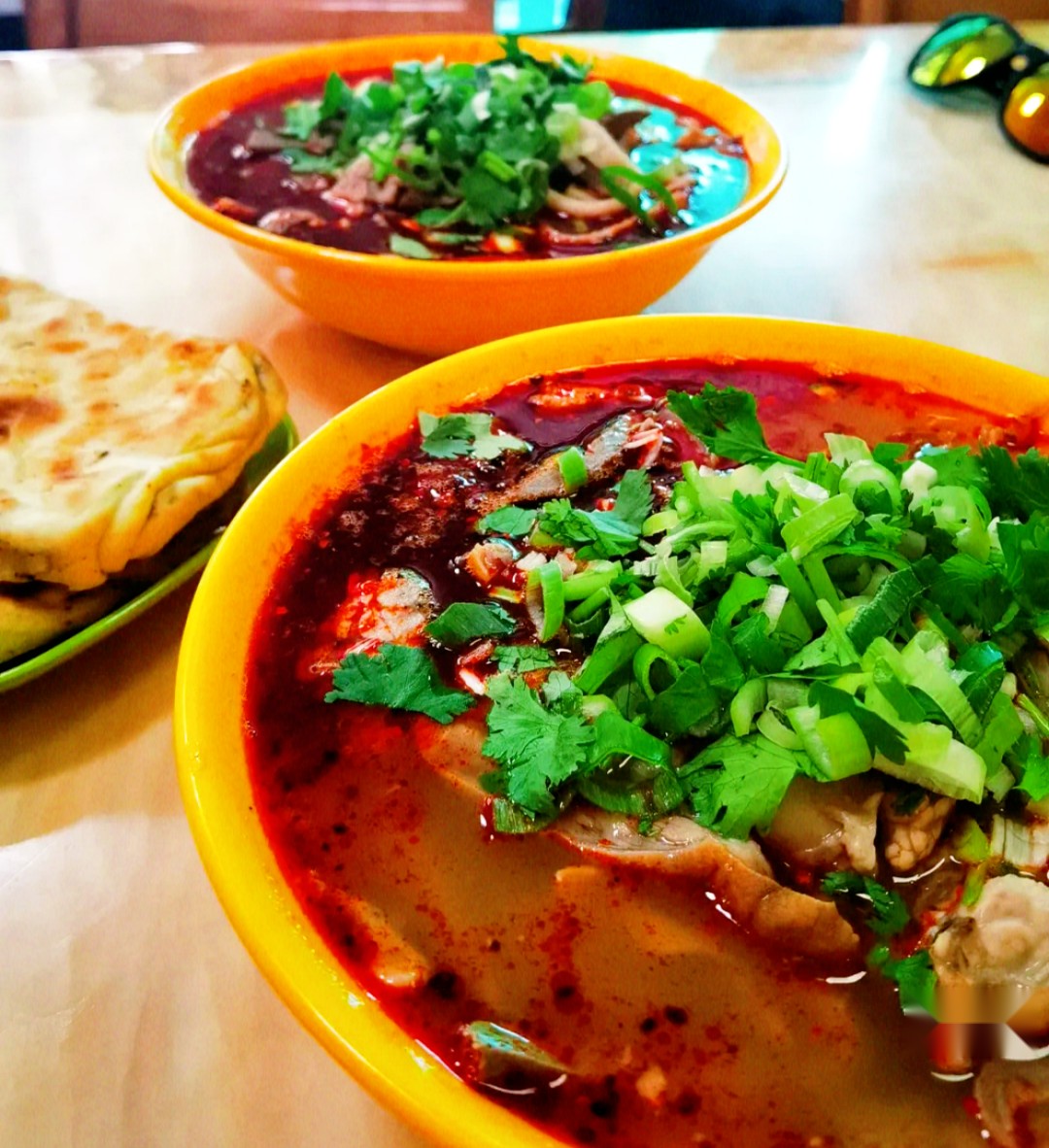
A cozy, down-to-earth little spot that's been open for over a decade. The overflowing bowl of yangzasui they hand you is packed entirely with meat. It's clean, game-free, and leans toward a bolder, savory flavor profile. Their small side dishes are also bomb—highly recommended!

End

Savor a bowl of genuine, down-to-earth comfort food, and sip through the ups and downs of life.
All images in this article are sourced from the internet purely for reading enhancement purposes. If there is any copyright infringement, they will be immediately removed.
Tap 'Look' (Zai Kan) because you're awesome.
In Lanzhou winters, going without days of fried starch noodles (you chaofen) is seriously tough! This stuff is genuinely incredible, extra delicious~

February 6, 2025

Liangpi (cold skin noodles) from Ningxia Pangzi's place! They sell out like crazy, and the secret reason is...

February 5, 2025
A legendary stir-fried meat stew joint in Ningxia that's been running for over 20 years, with a massive crew of loyal regulars~
February 4, 2025

Hidden foodie gems tucked away in Lanzhou's back alleys! Incredible food always finds its way out of the hidden corners!
February 3, 2025
Mind-blowing local delicacies from Ningxia that you seriously can't get anywhere else outside of here!
February 2, 2025
Exploring Yixinzhai: Shanghai’s Century-Old Halal Legend for Pan-Fried Beef Buns & Cold Noodles
Articles • Hasan09 posted the article • 0 comments • 1 views • 1 hours ago
Dual Glory of a Time-Honored Brand and Intangible Cultural Heritage: Exploring the Legend of Yixinzhai's Halal Cuisine in Shanghai
Abstract:
A deep dive into Yixinzhai, a renowned Shanghai Halal eatery holding the dual titles of a 'China Time-Honored Brand' and a 'Municipal Intangible Cultural Heritage.' This article traces its century-long evolution since its founding in 1913, showcasing the artisan spirit of three generations of inheritors who strictly adhere to Islamic dietary laws and traditional heritage culinary techniques.
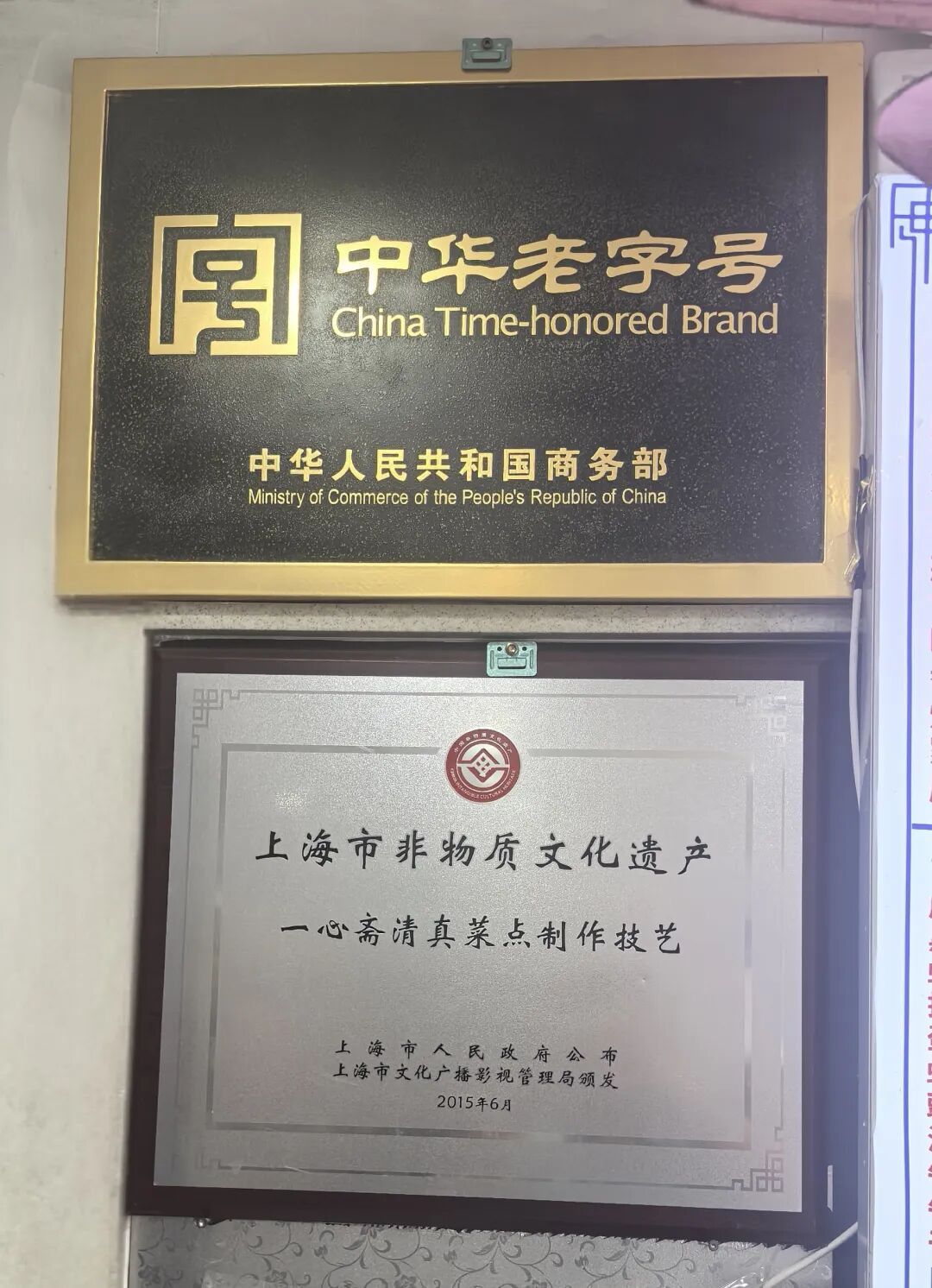
“Yixinzhai” is a celebrated, time-honored Halal restaurant in Shanghai. Its 'Halal culinary preparation technique' has been inscribed onto the Shanghai Municipal Intangible Cultural Heritage list, making this rare dual status of 'Time-Honored Brand + Intangible Cultural Heritage' quite unique among the city's Halal restaurants.
Historical records show that the history of Yixinzhai traces back to 1913, when Ma Wanglin’s grandfather, Ma Shisheng, established the 'Ma Ji' Halal food stall in Cao County, Shandong province. It quickly gained fame locally with specialties like niurou jianbao (pan-fried beef buns) and curry beef. After 1938, fleeing the chaos of war, Ma Shisheng moved with his son, Ma Xingbang, to Zhenjiang, Jiangsu province, to continue the business. By the late 1940s, Ma Wanglin followed his parents to Shanghai’s Yangpu district, reopening the 'Ma Ji' Halal food shop on Huangxing Road, allowing this culinary craft to take deep root in Shanghai. In 1958, the state-run 'Yixinzhai' Halal restaurant was officially established, and a 15-year-old Ma Wanglin joined his father working there. In 2000, Yixinzhai underwent restructuring, with Ma Wanglin taking over management.
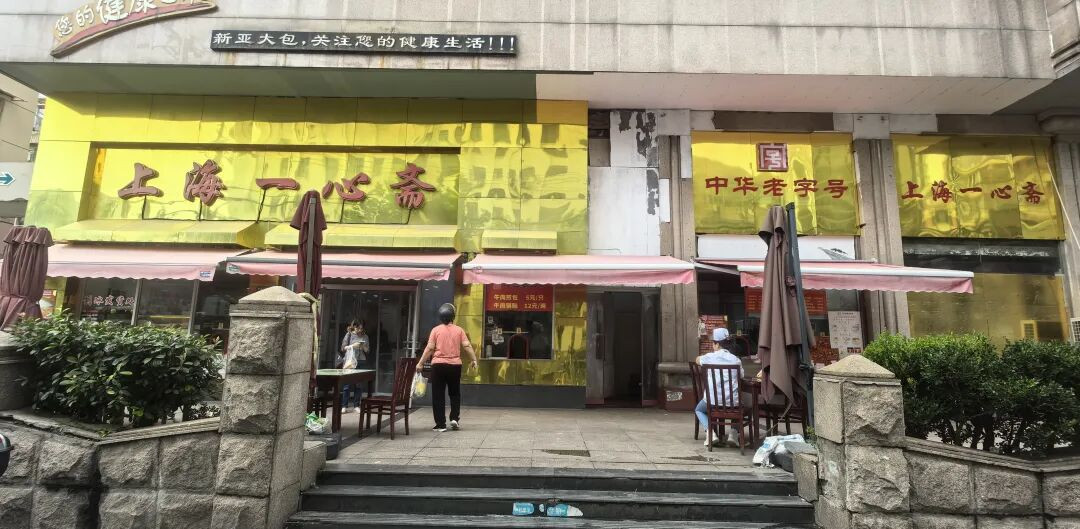
Back in the day, whenever people had business at the Hudong Workers' Cultural Palace, they would drop by Yixinzhai right across the street to grab its signature niurou jianbao (pan-fried beef buns), leaving behind deep impressions and wonderful memories. The cold noodles are also a signature crowd-pleaser here. Craving them in this seasonal weather, I recently drove over 20 kilometers, cutting all the way from Changning in the western urban center to Yangpu in the east, just to hit up Yixinzhai and treat myself. The original building is currently undergoing renovations, so the shop has relocated to a temporary space about 200 meters to the east. The golden signs reading 'Shanghai Yixinzhai' and 'China Time-Honored Brand' hang high above the entrance, gleaming brilliantly.
Checking out the menu, the options are seriously plentiful, featuring rice bowls with toppings, fried rice, and noodle soups with various toppings. I ordered the shop's signature celery and shredded beef mixed noodles (note: during the summer season, the shop's mixed noodles refer to cold noodles), an order of guotie (crispy beef potstickers), and a bowl of beef soup, totaling 60 yuan.
The potstickers and mixed noodles had to be picked up at the counter yourself, while the beef soup was brought to the table by a server. Figuring that the potstickers should be eaten while hot since cooling ruins the texture, I picked them up first to enjoy immediately.
An order of potstickers comes with four pieces. They're pretty sizable, neatly arranged, crescent-shaped, plump, and gorgeous, with bottoms pan-fried to a golden, crispy crunch.
The potsticker wrappers are made from unleavened dough, keeping the skin relatively thin and crispy. When you bite into them, you get a satisfying 'crunch' sound without any tough chewiness—though I'm not sure if they were slightly over-fried or just naturally like that?! It's a different mouthfeel compared to potstickers elsewhere. The meat filling uses hindquarter yellow beef (knuckle cut), with all connective tissue trimmed away, mixed with the Ma family's secret ancestral seasonings. The flavor is totally unique, accompanied by a small amount of savory broth, making it super delicious.
The beef soup is fairly clear, topped with a generous handful of cilantro and chopped scallions that blend with the beef aroma, making it wonderfully fragrant. A touch of curry is added to remove any gamey odor and boost the flavor. The beef shank inside comes in slices, and the portion is genuinely generous, totally justifying the 20 yuan price tag per bowl. The beef is cooked until tender without falling apart, and the broth is rich and packed with flavor. Eating it alongside the beef potstickers and cold noodles is absolute perfection! Highly recommended.
After finishing the potstickers, I headed back to the window to pick up the cold noodles and the celery and shredded beef topping.
The cold noodles are a signature summer specialty here, made with custom, narrow alkaline noodles. They follow the golden rule of cooking noodles: 'clear water, high heat, fewer noodles.' They are boiled on high heat for a short time, skipped the cold water rinse, and instead blown dry directly with electric fans while being tossed with homemade scallion oil. The noodles turn out chewy, resilient, smooth, and not mushy. Drizzled with homemade salty-savory soy sauce and fragrant vinegar, the flavor profile hits salty, savory, and slightly sweet notes, topped with a scoop of the soulful peanut sauce personally developed by Ma Wanglin (made by stir-frying and grinding 8 catties of peanuts and 2 catties of sesame seeds for an intense aroma). If you like it spicy, add a few drops of chili oil—with the noodles completely coated in sauce, the taste is simply indescribable.
The celery and shredded beef topping is equally standout. The celery is super tender with no tough fibers, meaning it won't get stuck in your teeth. The shredded beef is pre-marinated, velveted, and quick-fried, making it silky, tender, and delicious. Slurping it down with the noodles is an absolute blast and deeply satisfying.
The niurou jianbao (pan-fried beef buns) are the shop's absolute top-tier intangible heritage delicacy. The prep kitchen features three large flat-bottomed iron pans where chefs take turns whipping up niurou jianbao and guotie on the spot. The niurou jianbao are easily the size of an adult's fist, pan-fried on both sides until golden and crispy. When you bite into them, soup juices pour out. They're a massive hit with diners, selling thousands daily and usually requiring a long wait in line.
The gold-medal Sanhuangji (three-yellow chicken) uses chickens raised in Nanhui for over 90 days, cage-raised first and then free-range for 20 days. Prepared as fully cooked white-cut chicken, there isn't a single trace of blood between the bones. The skin is crispy, the meat is firm and flavorful, making it another staple signature dish at the shop.
After polishing off an order of potstickers, an order of cold noodles, and a bowl of beef soup, I was already full. Not wanting to miss out on the signature niurou jianbao and the specialty Sanhuangji, I ended up buying a large portion of the chicken and five niurou jianbao to take home and slowly enjoy with the family.
Dining Experience: The food tastes great and has a distinct Halal character. Overall, while the prices are slightly on the higher side, it's definitely worth the money and well worth a try. view all
Dual Glory of a Time-Honored Brand and Intangible Cultural Heritage: Exploring the Legend of Yixinzhai's Halal Cuisine in Shanghai
Abstract:
A deep dive into Yixinzhai, a renowned Shanghai Halal eatery holding the dual titles of a 'China Time-Honored Brand' and a 'Municipal Intangible Cultural Heritage.' This article traces its century-long evolution since its founding in 1913, showcasing the artisan spirit of three generations of inheritors who strictly adhere to Islamic dietary laws and traditional heritage culinary techniques.
“Yixinzhai” is a celebrated, time-honored Halal restaurant in Shanghai. Its 'Halal culinary preparation technique' has been inscribed onto the Shanghai Municipal Intangible Cultural Heritage list, making this rare dual status of 'Time-Honored Brand + Intangible Cultural Heritage' quite unique among the city's Halal restaurants.
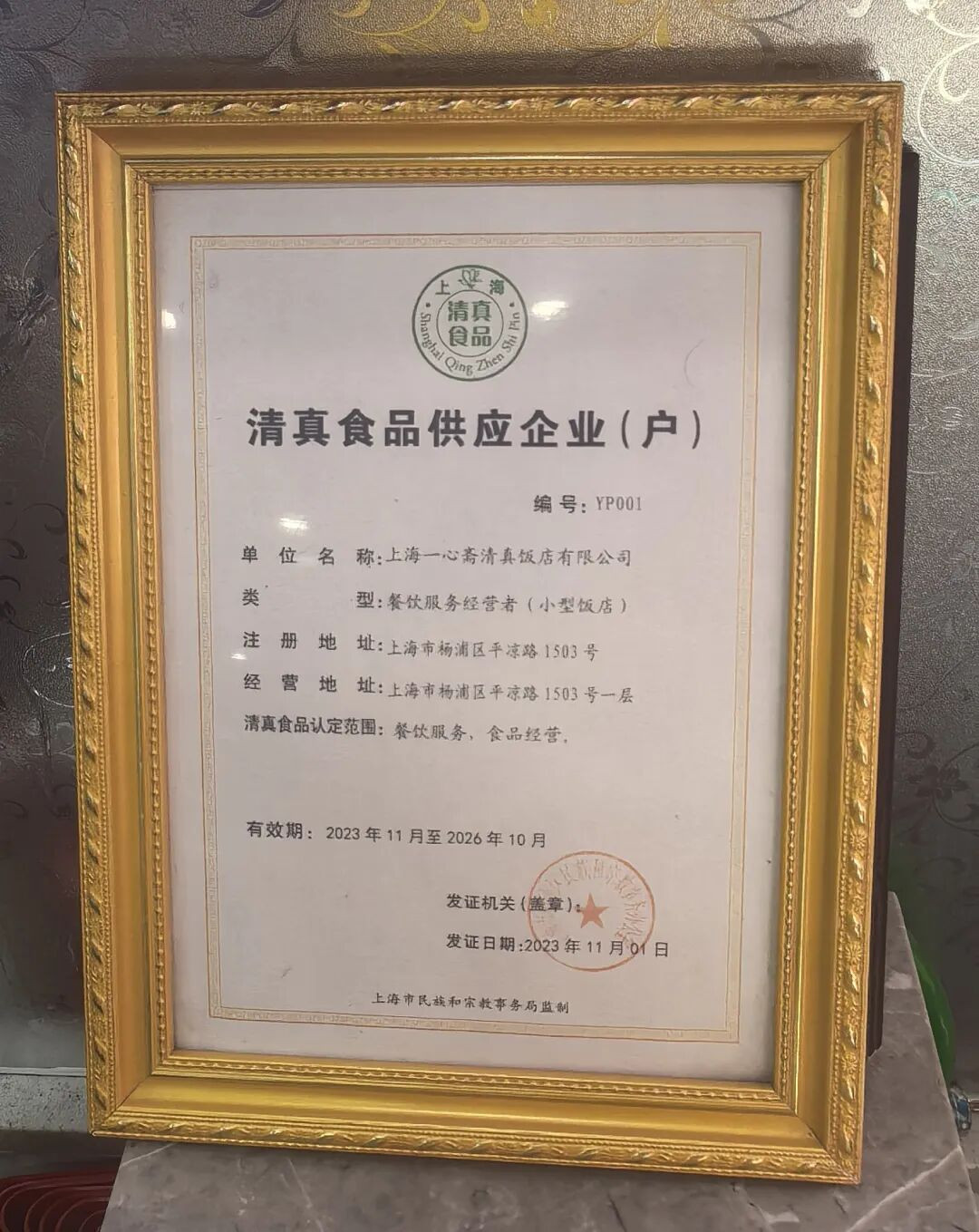
Historical records show that the history of Yixinzhai traces back to 1913, when Ma Wanglin’s grandfather, Ma Shisheng, established the 'Ma Ji' Halal food stall in Cao County, Shandong province. It quickly gained fame locally with specialties like niurou jianbao (pan-fried beef buns) and curry beef. After 1938, fleeing the chaos of war, Ma Shisheng moved with his son, Ma Xingbang, to Zhenjiang, Jiangsu province, to continue the business. By the late 1940s, Ma Wanglin followed his parents to Shanghai’s Yangpu district, reopening the 'Ma Ji' Halal food shop on Huangxing Road, allowing this culinary craft to take deep root in Shanghai. In 1958, the state-run 'Yixinzhai' Halal restaurant was officially established, and a 15-year-old Ma Wanglin joined his father working there. In 2000, Yixinzhai underwent restructuring, with Ma Wanglin taking over management.
Back in the day, whenever people had business at the Hudong Workers' Cultural Palace, they would drop by Yixinzhai right across the street to grab its signature niurou jianbao (pan-fried beef buns), leaving behind deep impressions and wonderful memories. The cold noodles are also a signature crowd-pleaser here. Craving them in this seasonal weather, I recently drove over 20 kilometers, cutting all the way from Changning in the western urban center to Yangpu in the east, just to hit up Yixinzhai and treat myself. The original building is currently undergoing renovations, so the shop has relocated to a temporary space about 200 meters to the east. The golden signs reading 'Shanghai Yixinzhai' and 'China Time-Honored Brand' hang high above the entrance, gleaming brilliantly.
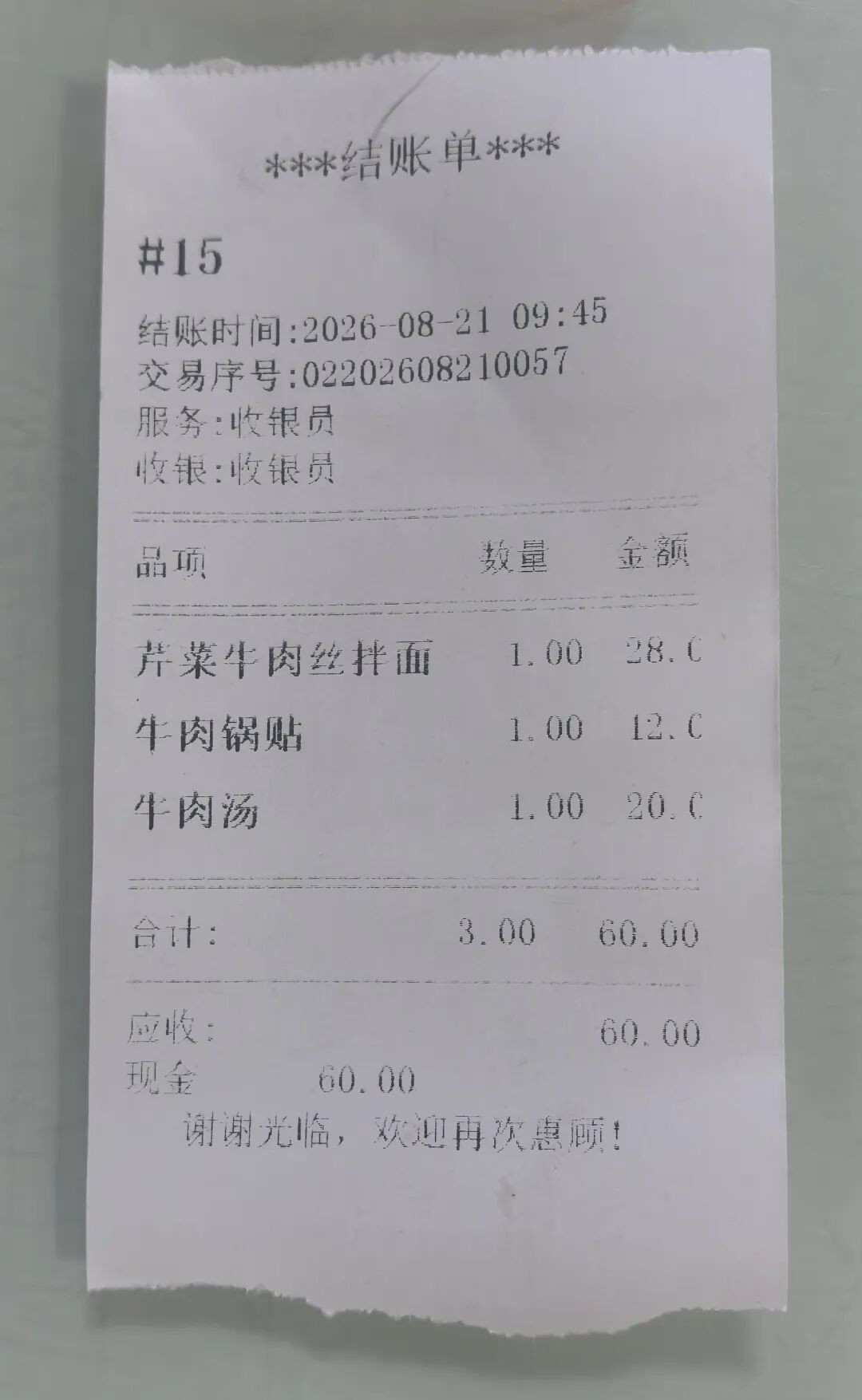
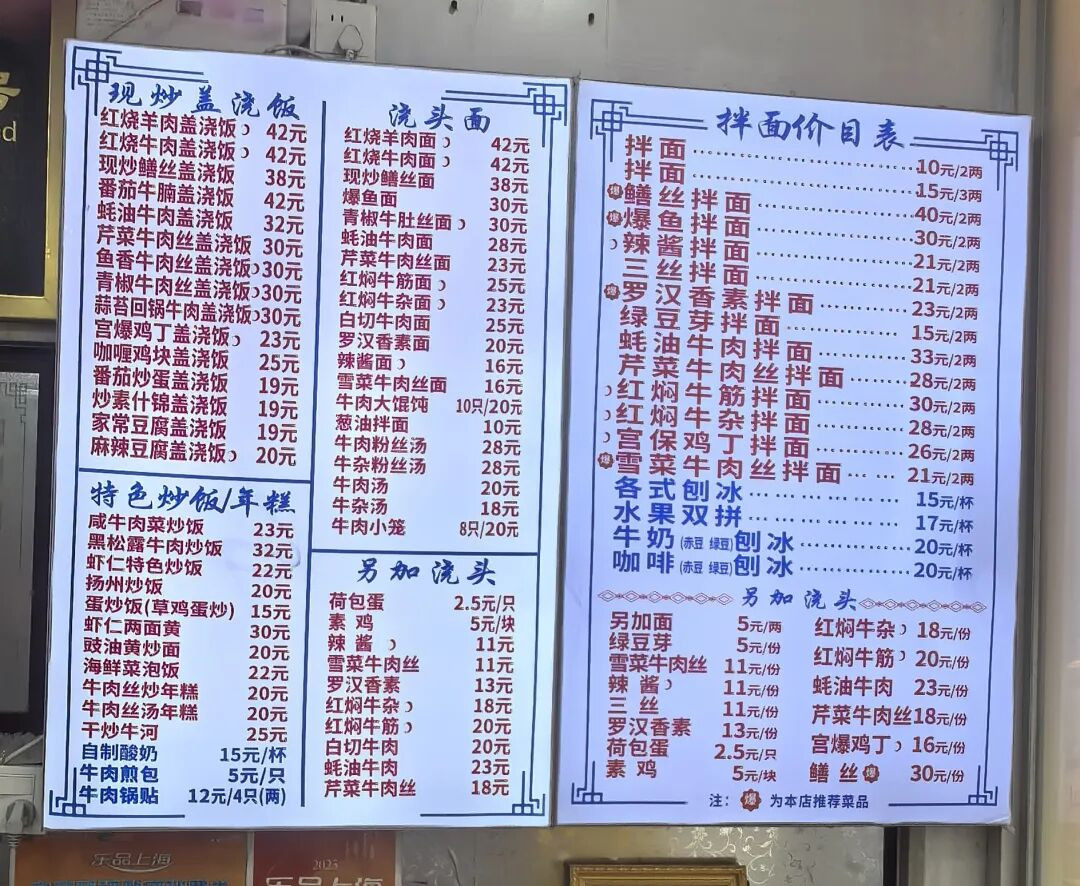
Checking out the menu, the options are seriously plentiful, featuring rice bowls with toppings, fried rice, and noodle soups with various toppings. I ordered the shop's signature celery and shredded beef mixed noodles (note: during the summer season, the shop's mixed noodles refer to cold noodles), an order of guotie (crispy beef potstickers), and a bowl of beef soup, totaling 60 yuan.
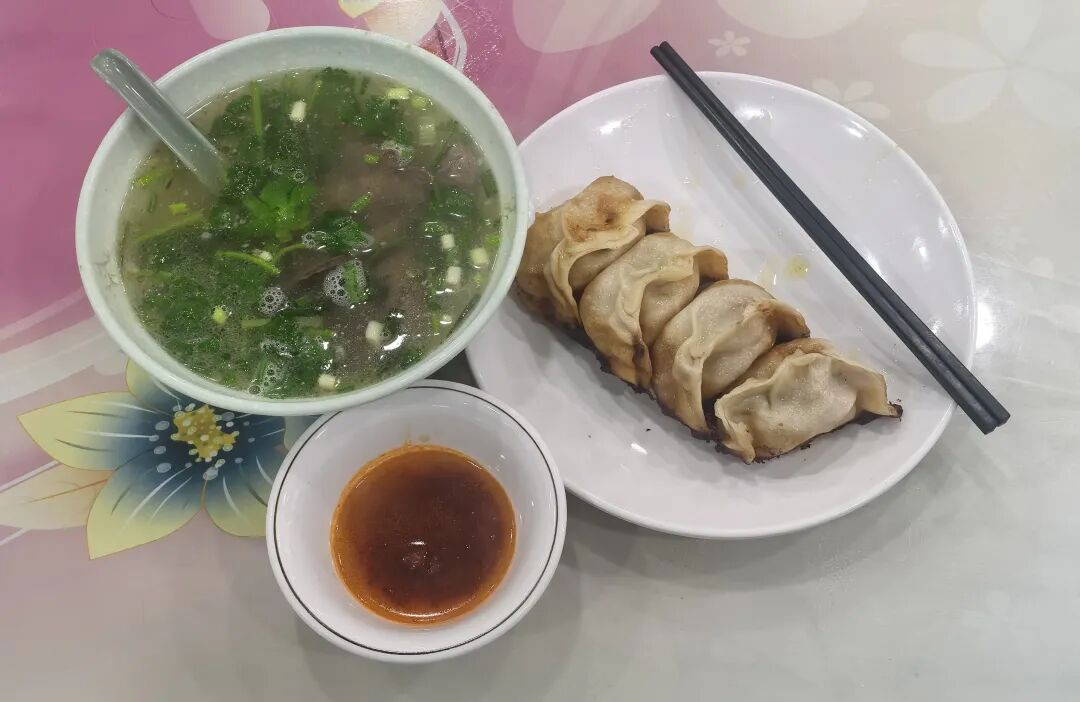
The potstickers and mixed noodles had to be picked up at the counter yourself, while the beef soup was brought to the table by a server. Figuring that the potstickers should be eaten while hot since cooling ruins the texture, I picked them up first to enjoy immediately.
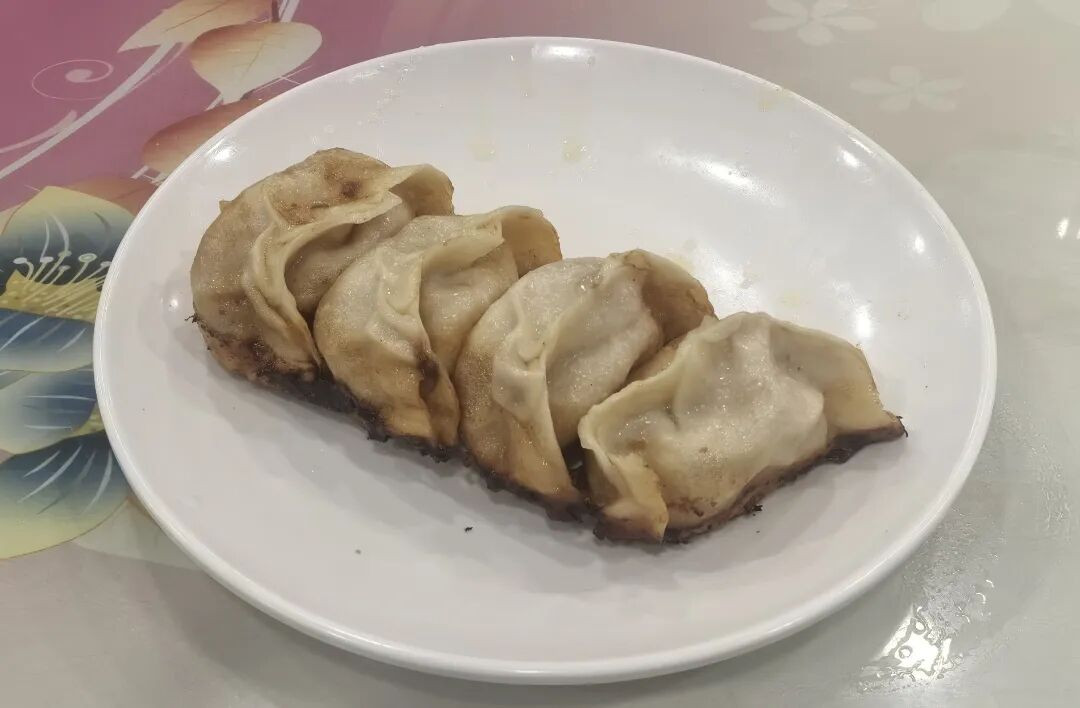
An order of potstickers comes with four pieces. They're pretty sizable, neatly arranged, crescent-shaped, plump, and gorgeous, with bottoms pan-fried to a golden, crispy crunch.
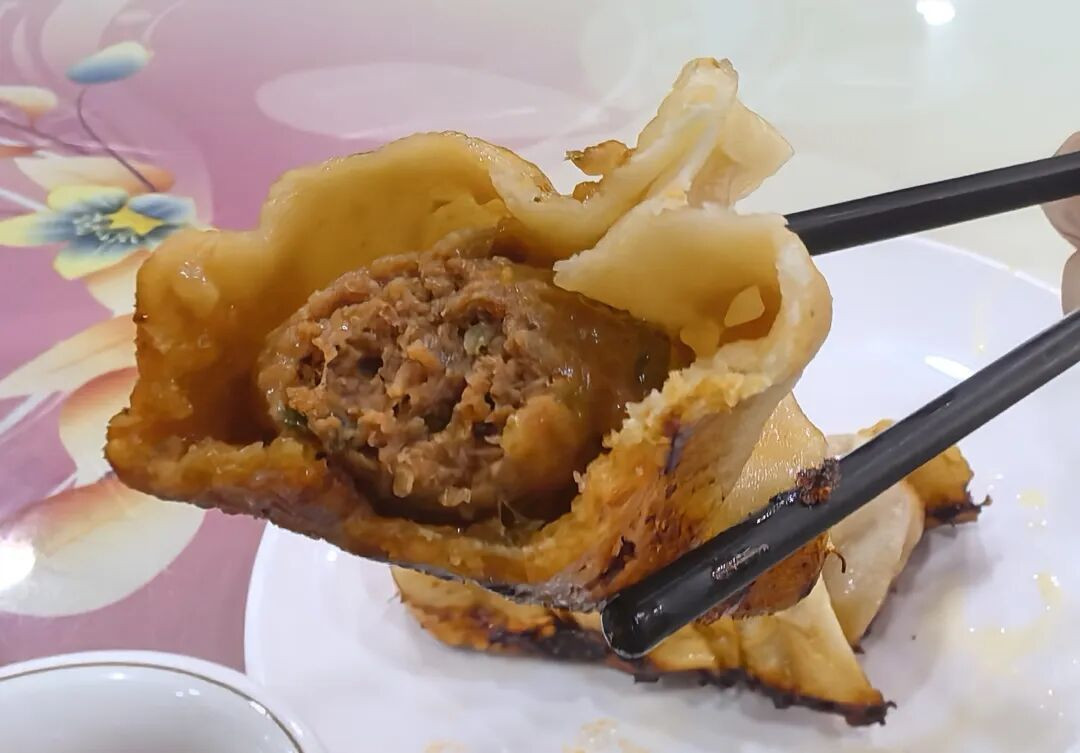
The potsticker wrappers are made from unleavened dough, keeping the skin relatively thin and crispy. When you bite into them, you get a satisfying 'crunch' sound without any tough chewiness—though I'm not sure if they were slightly over-fried or just naturally like that?! It's a different mouthfeel compared to potstickers elsewhere. The meat filling uses hindquarter yellow beef (knuckle cut), with all connective tissue trimmed away, mixed with the Ma family's secret ancestral seasonings. The flavor is totally unique, accompanied by a small amount of savory broth, making it super delicious.
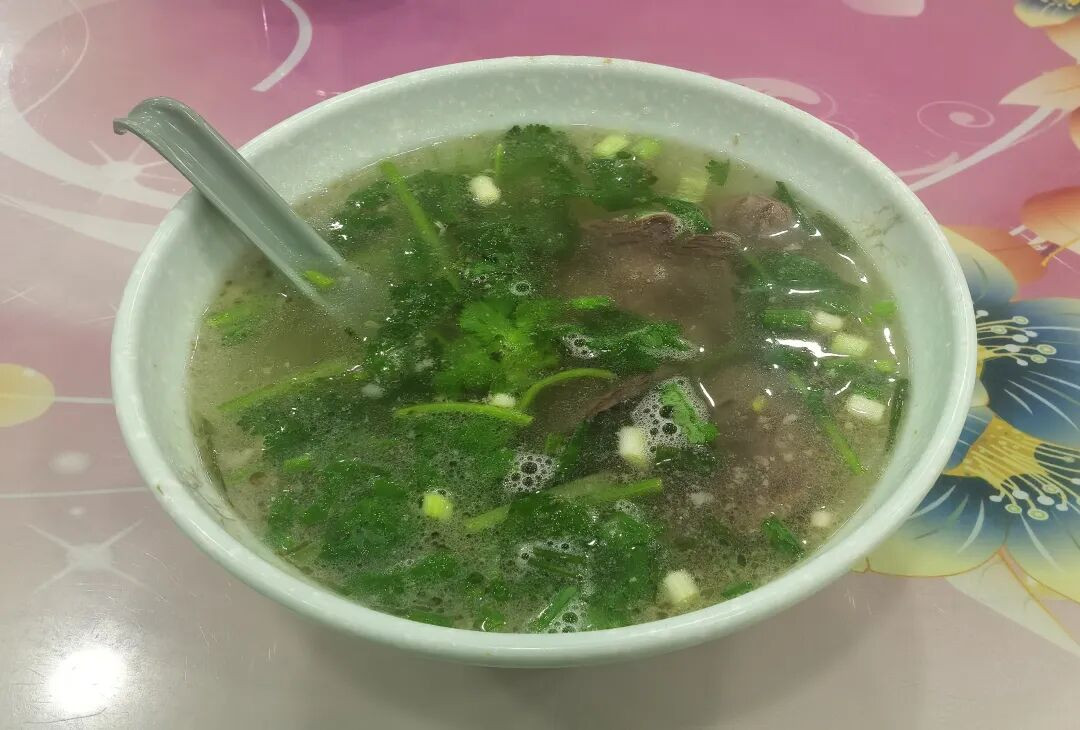
The beef soup is fairly clear, topped with a generous handful of cilantro and chopped scallions that blend with the beef aroma, making it wonderfully fragrant. A touch of curry is added to remove any gamey odor and boost the flavor. The beef shank inside comes in slices, and the portion is genuinely generous, totally justifying the 20 yuan price tag per bowl. The beef is cooked until tender without falling apart, and the broth is rich and packed with flavor. Eating it alongside the beef potstickers and cold noodles is absolute perfection! Highly recommended.
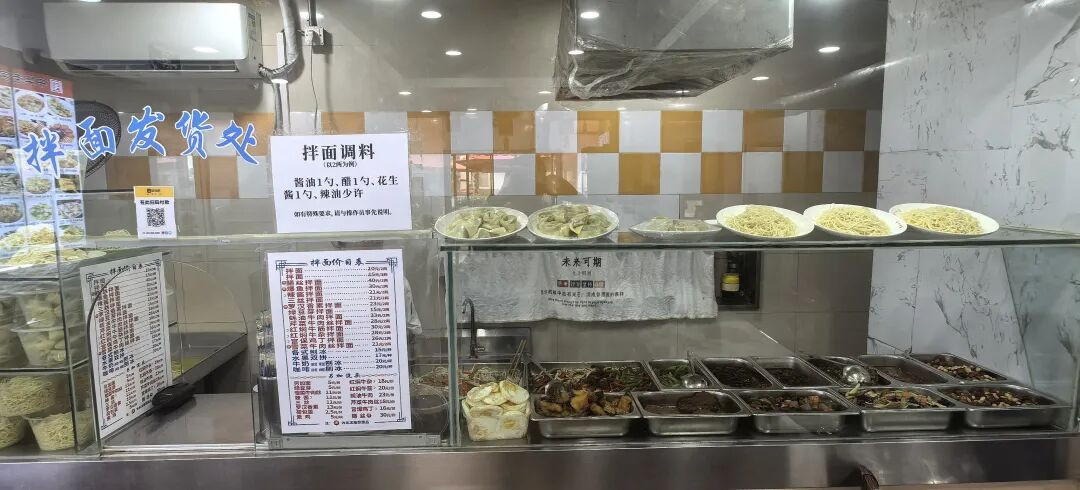
After finishing the potstickers, I headed back to the window to pick up the cold noodles and the celery and shredded beef topping.
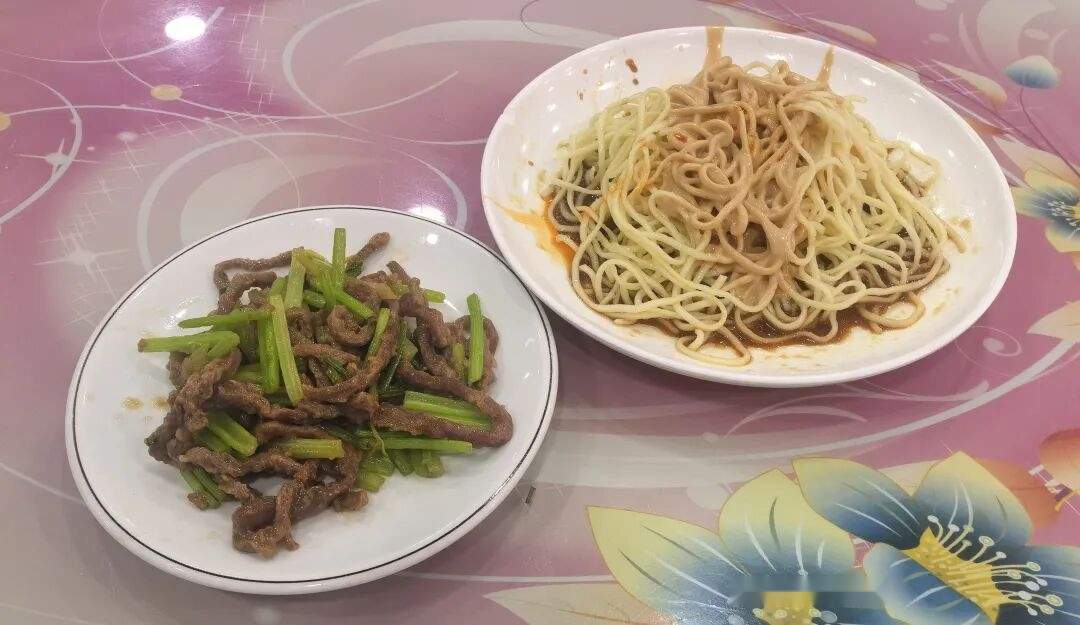
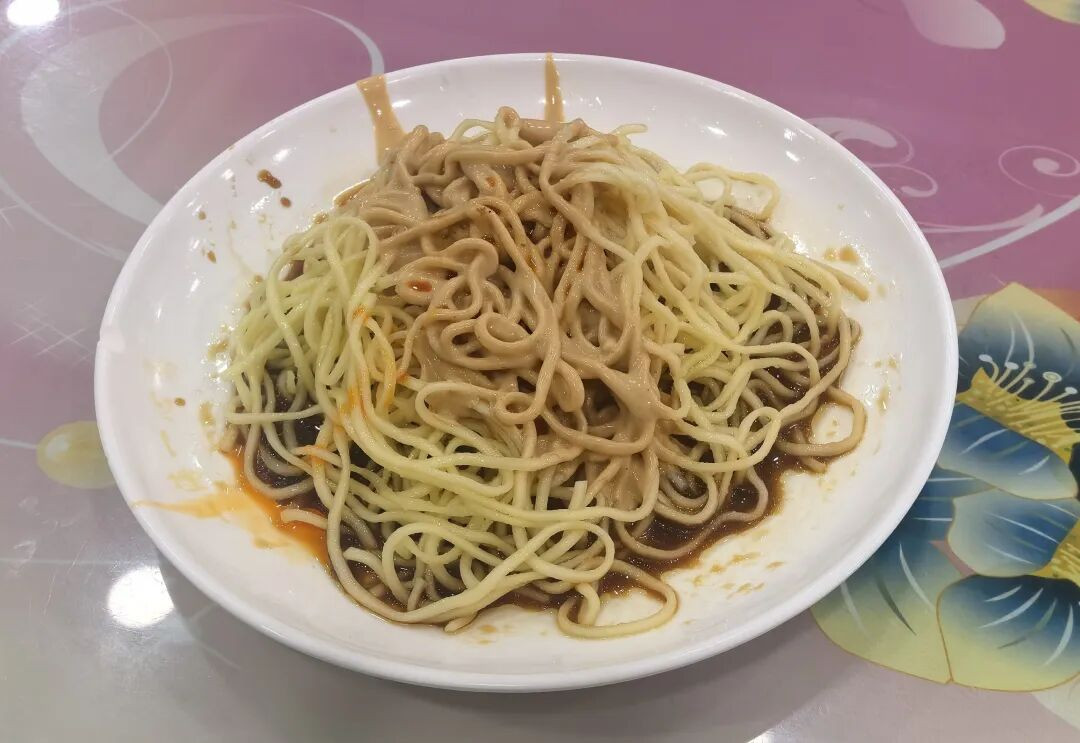
The cold noodles are a signature summer specialty here, made with custom, narrow alkaline noodles. They follow the golden rule of cooking noodles: 'clear water, high heat, fewer noodles.' They are boiled on high heat for a short time, skipped the cold water rinse, and instead blown dry directly with electric fans while being tossed with homemade scallion oil. The noodles turn out chewy, resilient, smooth, and not mushy. Drizzled with homemade salty-savory soy sauce and fragrant vinegar, the flavor profile hits salty, savory, and slightly sweet notes, topped with a scoop of the soulful peanut sauce personally developed by Ma Wanglin (made by stir-frying and grinding 8 catties of peanuts and 2 catties of sesame seeds for an intense aroma). If you like it spicy, add a few drops of chili oil—with the noodles completely coated in sauce, the taste is simply indescribable.
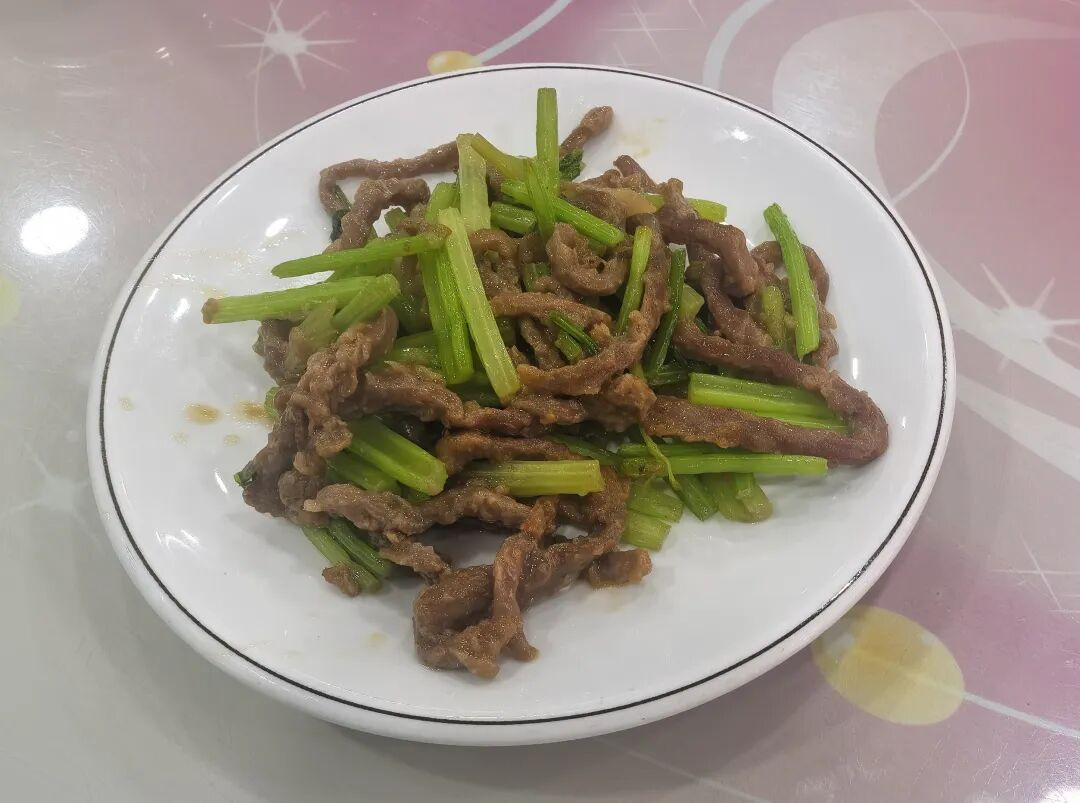
The celery and shredded beef topping is equally standout. The celery is super tender with no tough fibers, meaning it won't get stuck in your teeth. The shredded beef is pre-marinated, velveted, and quick-fried, making it silky, tender, and delicious. Slurping it down with the noodles is an absolute blast and deeply satisfying.
The niurou jianbao (pan-fried beef buns) are the shop's absolute top-tier intangible heritage delicacy. The prep kitchen features three large flat-bottomed iron pans where chefs take turns whipping up niurou jianbao and guotie on the spot. The niurou jianbao are easily the size of an adult's fist, pan-fried on both sides until golden and crispy. When you bite into them, soup juices pour out. They're a massive hit with diners, selling thousands daily and usually requiring a long wait in line.
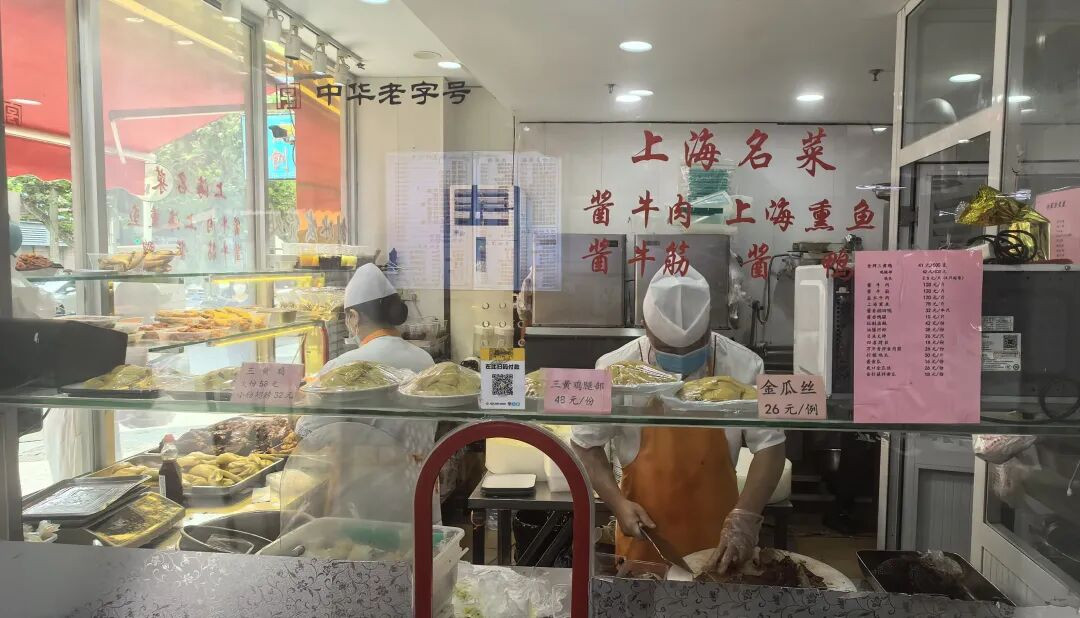
The gold-medal Sanhuangji (three-yellow chicken) uses chickens raised in Nanhui for over 90 days, cage-raised first and then free-range for 20 days. Prepared as fully cooked white-cut chicken, there isn't a single trace of blood between the bones. The skin is crispy, the meat is firm and flavorful, making it another staple signature dish at the shop.
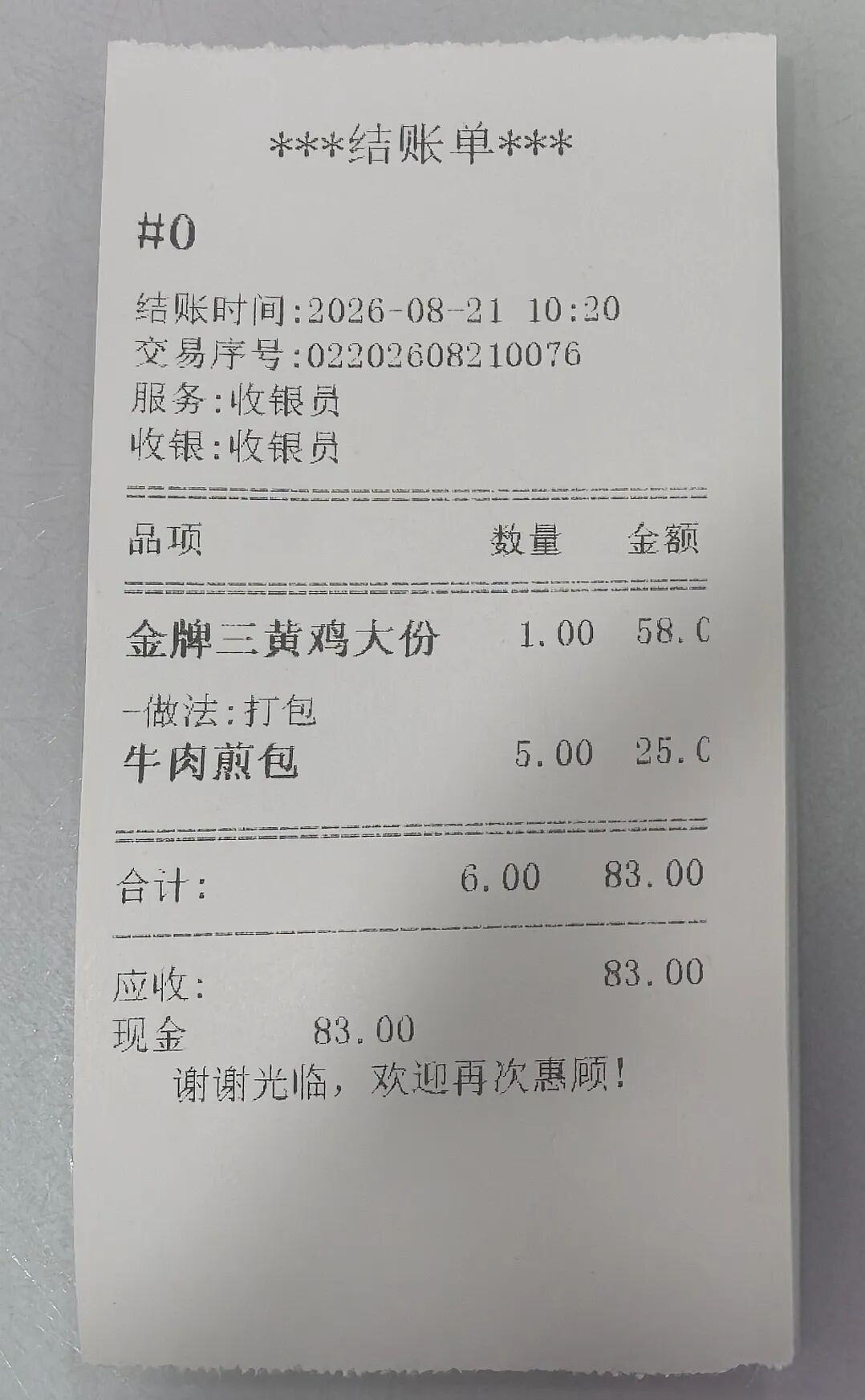
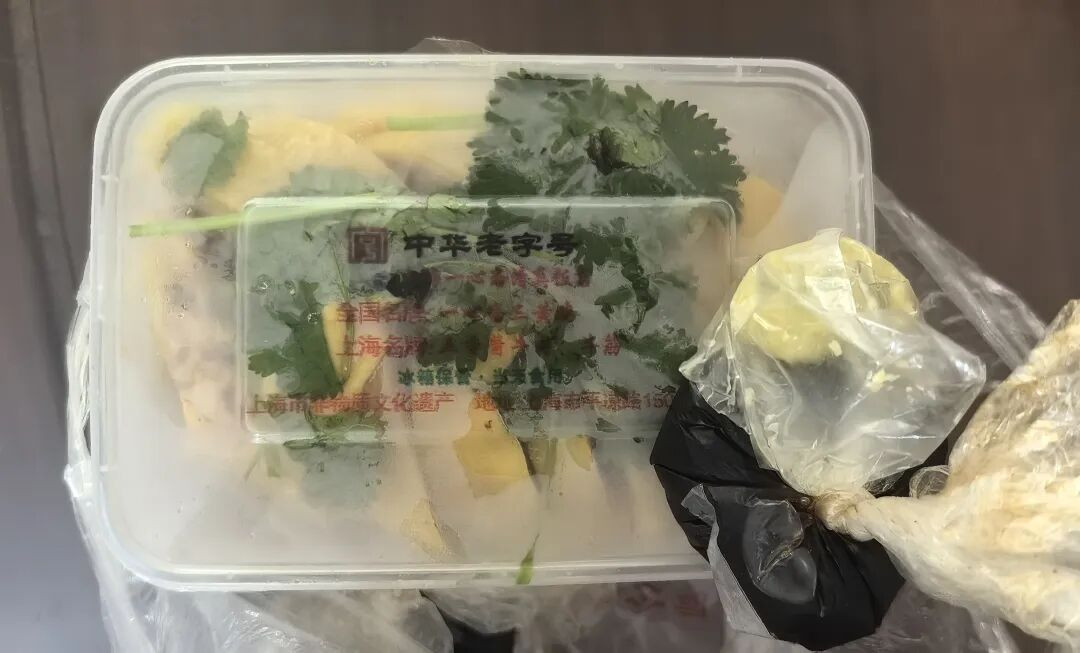
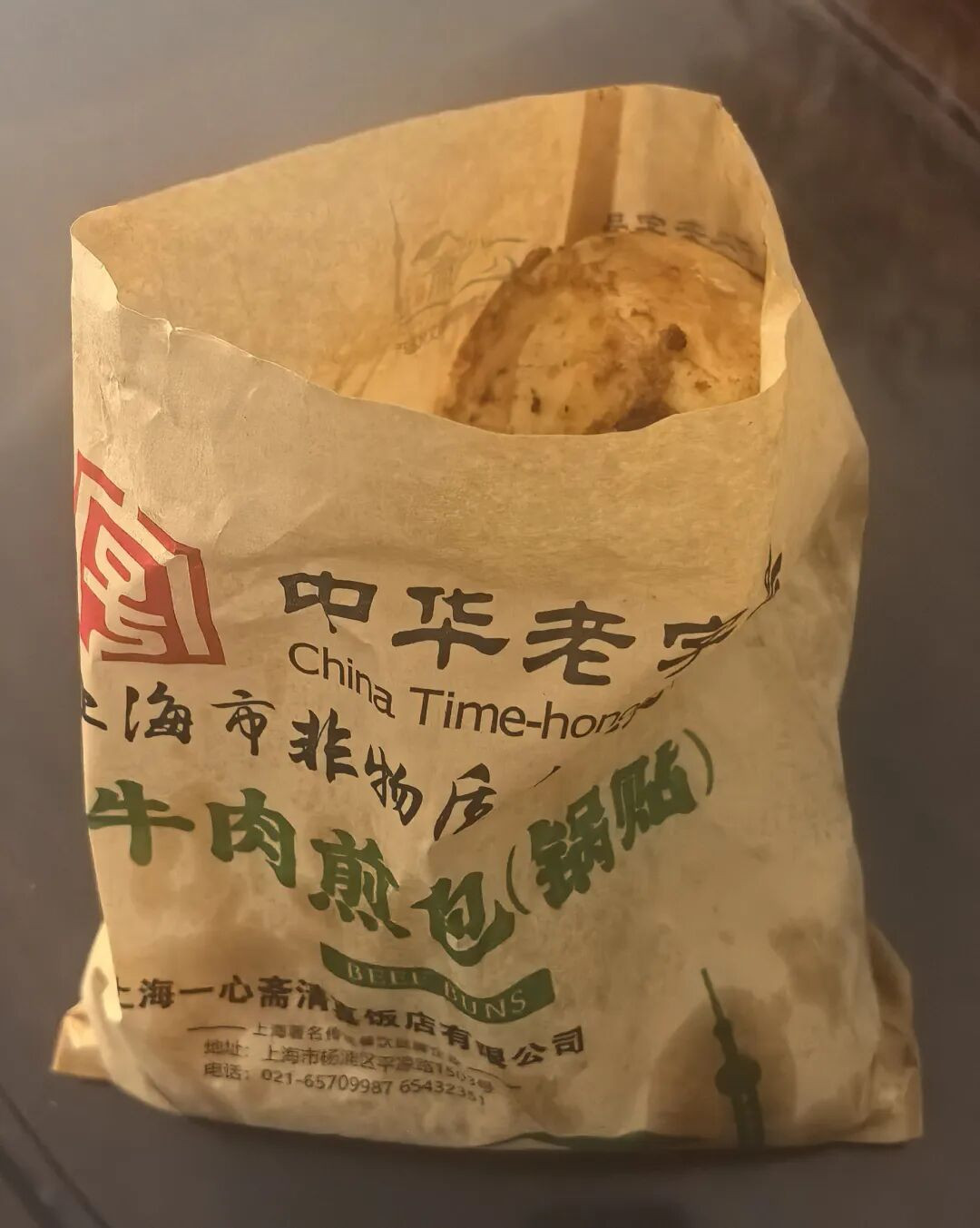
After polishing off an order of potstickers, an order of cold noodles, and a bowl of beef soup, I was already full. Not wanting to miss out on the signature niurou jianbao and the specialty Sanhuangji, I ended up buying a large portion of the chicken and five niurou jianbao to take home and slowly enjoy with the family.
Dining Experience: The food tastes great and has a distinct Halal character. Overall, while the prices are slightly on the higher side, it's definitely worth the money and well worth a try.
Exploring Yixinzhai: Shanghai’s Century-Old Halal Legend for Pan-Fried Beef Buns
Articles • Hasan09 posted the article • 0 comments • 2 views • 1 hours ago
Dual Honor of a Time-Honored Chinese Brand and Intangible Cultural Heritage: Exploring the Legend of Shanghai Yixinzhai's Halal Culinary Craftsmanship
Abstract:
An in-depth introduction to Yixinzhai, a famous Halal eatery in Shanghai that holds both the "Time-Honored Chinese Brand" and "Municipal Intangible Cultural Heritage" titles. This traces its century-old development since its founding in 1913, showcasing the artisan spirit of three generations of successors who have strictly adhered to religious laws and guarded this intangible heritage culinary craft.
"Yixinzhai" is a renowned, time-honored Halal restaurant in Shanghai. Its "Halal culinary and pastry-making craft" was inscribed into Shanghai's Intangible Cultural Heritage list. Having the dual status of both a "Time-Honored Brand" and an "Intangible Cultural Heritage" makes it quite rare among Halal restaurants in the city.
Historical records show that the history of Yixinzhai can be traced back to 1913, when the current head Ma Wanglin's grandfather, Ma Shisheng, started the "Ma Ji" Halal food stall in Cao County, Shandong province, making a name for himself locally with delicacies like niurou jianbao (pan-fried beef buns) and curry beef. After 1938, to escape the war, Ma Shisheng moved with his son, Ma Xingbang, to Zhenjiang, Jiangsu province, to continue the business. By the late 1940s, Ma Wanglin came to Shanghai's Yangpu district with his parents and reopened the "Ma Ji" Halal food shop on Huangxing Road, allowing this culinary craft to take root and flourish in Shanghai. In 1958, the state-owned "Yixinzhai" Halal restaurant was officially established, and a 15-year-old Ma Wanglin joined his father to work there. In 2000, Yixinzhai underwent restructuring, and Ma Wanglin took over the management.
Whenever I used to visit the Huidong Workers' Cultural Palace on business, I would make a detour across the street to Yixinzhai to savor their signature niurou jianbao (pan-fried beef buns), which left a deep impression and fond memories. Their cold noodles are also a signature dish of the house. Since it's currently the right season and I couldn't resist the temptation, I drove more than 20 kilometers a few days ago, cutting all the way across from Changning in the western urban center to Yangpu in the east, just to come to Yixinzhai and treat myself. The original site is undergoing renovation, so the store has temporarily relocated to a temporary space about 200 meters to the east. The golden signboards reading "Shanghai Yixinzhai" and "Time-Honored Chinese Brand" hang high above the doorway, shining brilliantly.
After checking the menu, I found the food options quite rich, featuring rice bowls with toppings, fried rice, noodles with various toppings, and more. I ordered the house signature qinCai niurou si banmian (celery and shredded beef tossed noodles—note: during the summer season at this shop, tossed noodles refer to cold noodles), an order of niurou guotie (crispy beef potstickers), and a bowl of beef soup, totaling 60 RMB.
The potstickers and tossed noodles need to be picked up yourself at the counter, while the beef soup is brought to the table by a server. Considering that potstickers should be eaten hot—since getting cold affects the texture—I picked up the potstickers first to enjoy while they were hot.
An order of potstickers comes with four pieces. They are quite large, neatly arranged, crescent-shaped, plump, and pretty, with bottoms pan-fried to a golden, crispy perfection.
The potsticker wrappers are made from unstirred, unleavened dough, making the skin relatively thin and quite crispy when eaten. When you bite into them, there is a "crunchy" sound, though without a hint of chewiness. I'm not sure if they were slightly over-fried or if that's just how they're naturally made! The texture is a bit different from outside potstickers. The meat filling uses hindquarter yellow beef (knuckle cut), with the tendons and fascia trimmed away, complemented by the Ma family's ancestral secret marinade. The flavor is unique, accompanied by a small amount of juices, making it deliciously savory.
The beef soup is relatively clear, generously topped with a large handful of cilantro and chopped scallions that blend with the beef aroma, filling the air with fragrance, with a small amount of curry added to remove any gaminess and enhance the flavor. The beef shank slices in the soup are served in a genuinely generous portion, fully justifying the 20 RMB per bowl price tag. The beef is boiled until tender without falling apart, and the broth is extremely rich and savory. Eaten together with the beef potstickers and cold noodles, it's an absolute perfection! Highly recommended.
After finishing the potstickers, I went back to the counter to pick up the cold noodles and the celery and shredded beef topping.
The cold noodles are a signature summer specialty of the restaurant, made with custom-ordered, narrow alkaline noodles, following the cooking mantra of "clear water, high heat, few noodles." They are boiled over high heat for a short time, not rinsed in cold water, but directly blown dry and cooled with an electric fan. While being fanned, homemade scallion oil is drizzled over them and tossed. The noodles are chewy yet springy, smooth, and not mushy. Drizzled with homemade savory-fresh soy sauce and fragrant vinegar, the flavor profile is savory, aromatic, and slightly sweet, plus a spoonful of the signature peanut paste personally developed by Ma Wanglin (made by stir-frying and grinding 8 catties of peanuts and 2 catties of sesame seeds for a rich aroma). If you like spicy food, just add a few drops of chili oil, and with the noodles coated in sauce, the taste is simply indescribable.
The celery and shredded beef topping is equally brilliant. The celery is very tender, without tough fibers that get stuck between your teeth. The shredded beef is marinated in advance, velveted with starch and stir-fried, giving it a tender texture and delicious flavor. Eating it with the noodles in big mouthfuls is immensely satisfying.
The niurou jianbao (pan-fried beef buns) are the restaurant's "top-tier" intangible heritage delicacy. The prep kitchen has three large flat-bottomed iron pans, where chefs take turns making niurou jianbao and niurou guotie on the spot. The pan-fried beef buns are easily the size of an adult's fist, fried golden and crispy on both sides, and juice bursts out when you bite into them. They are deeply loved by diners, with thousands sold every day, often requiring long lines to purchase.
The signature Sanhuangji (Three-Yellow Chicken) uses chickens raised in Nanhui for over 90 days, first penned and then free-range for 20 days, made into fully cooked white-cut chicken. There is not a single trace of blood between the bones, and the skin is crispy, the meat firm, and the flavor aromatic—also a signature dish of the restaurant.
With an order of potstickers, an order of cold noodles, and a bowl of beef soup in my stomach, I was already full. Yet, not wanting to miss out on the signature niurou jianbao and the specialty Sanhuangji, I bought a large portion of the Three-Yellow Chicken and five niurou jianbao to take home and slowly enjoy with my family.
Dining experience: The food tastes good, rich in Halal characteristics. Overall, though slightly pricey, it is still good value for money and well worth a try. view all
Dual Honor of a Time-Honored Chinese Brand and Intangible Cultural Heritage: Exploring the Legend of Shanghai Yixinzhai's Halal Culinary Craftsmanship
Abstract:
An in-depth introduction to Yixinzhai, a famous Halal eatery in Shanghai that holds both the "Time-Honored Chinese Brand" and "Municipal Intangible Cultural Heritage" titles. This traces its century-old development since its founding in 1913, showcasing the artisan spirit of three generations of successors who have strictly adhered to religious laws and guarded this intangible heritage culinary craft.
"Yixinzhai" is a renowned, time-honored Halal restaurant in Shanghai. Its "Halal culinary and pastry-making craft" was inscribed into Shanghai's Intangible Cultural Heritage list. Having the dual status of both a "Time-Honored Brand" and an "Intangible Cultural Heritage" makes it quite rare among Halal restaurants in the city.
Historical records show that the history of Yixinzhai can be traced back to 1913, when the current head Ma Wanglin's grandfather, Ma Shisheng, started the "Ma Ji" Halal food stall in Cao County, Shandong province, making a name for himself locally with delicacies like niurou jianbao (pan-fried beef buns) and curry beef. After 1938, to escape the war, Ma Shisheng moved with his son, Ma Xingbang, to Zhenjiang, Jiangsu province, to continue the business. By the late 1940s, Ma Wanglin came to Shanghai's Yangpu district with his parents and reopened the "Ma Ji" Halal food shop on Huangxing Road, allowing this culinary craft to take root and flourish in Shanghai. In 1958, the state-owned "Yixinzhai" Halal restaurant was officially established, and a 15-year-old Ma Wanglin joined his father to work there. In 2000, Yixinzhai underwent restructuring, and Ma Wanglin took over the management.
Whenever I used to visit the Huidong Workers' Cultural Palace on business, I would make a detour across the street to Yixinzhai to savor their signature niurou jianbao (pan-fried beef buns), which left a deep impression and fond memories. Their cold noodles are also a signature dish of the house. Since it's currently the right season and I couldn't resist the temptation, I drove more than 20 kilometers a few days ago, cutting all the way across from Changning in the western urban center to Yangpu in the east, just to come to Yixinzhai and treat myself. The original site is undergoing renovation, so the store has temporarily relocated to a temporary space about 200 meters to the east. The golden signboards reading "Shanghai Yixinzhai" and "Time-Honored Chinese Brand" hang high above the doorway, shining brilliantly.
After checking the menu, I found the food options quite rich, featuring rice bowls with toppings, fried rice, noodles with various toppings, and more. I ordered the house signature qinCai niurou si banmian (celery and shredded beef tossed noodles—note: during the summer season at this shop, tossed noodles refer to cold noodles), an order of niurou guotie (crispy beef potstickers), and a bowl of beef soup, totaling 60 RMB.
The potstickers and tossed noodles need to be picked up yourself at the counter, while the beef soup is brought to the table by a server. Considering that potstickers should be eaten hot—since getting cold affects the texture—I picked up the potstickers first to enjoy while they were hot.
An order of potstickers comes with four pieces. They are quite large, neatly arranged, crescent-shaped, plump, and pretty, with bottoms pan-fried to a golden, crispy perfection.
The potsticker wrappers are made from unstirred, unleavened dough, making the skin relatively thin and quite crispy when eaten. When you bite into them, there is a "crunchy" sound, though without a hint of chewiness. I'm not sure if they were slightly over-fried or if that's just how they're naturally made! The texture is a bit different from outside potstickers. The meat filling uses hindquarter yellow beef (knuckle cut), with the tendons and fascia trimmed away, complemented by the Ma family's ancestral secret marinade. The flavor is unique, accompanied by a small amount of juices, making it deliciously savory.
The beef soup is relatively clear, generously topped with a large handful of cilantro and chopped scallions that blend with the beef aroma, filling the air with fragrance, with a small amount of curry added to remove any gaminess and enhance the flavor. The beef shank slices in the soup are served in a genuinely generous portion, fully justifying the 20 RMB per bowl price tag. The beef is boiled until tender without falling apart, and the broth is extremely rich and savory. Eaten together with the beef potstickers and cold noodles, it's an absolute perfection! Highly recommended.
After finishing the potstickers, I went back to the counter to pick up the cold noodles and the celery and shredded beef topping.
The cold noodles are a signature summer specialty of the restaurant, made with custom-ordered, narrow alkaline noodles, following the cooking mantra of "clear water, high heat, few noodles." They are boiled over high heat for a short time, not rinsed in cold water, but directly blown dry and cooled with an electric fan. While being fanned, homemade scallion oil is drizzled over them and tossed. The noodles are chewy yet springy, smooth, and not mushy. Drizzled with homemade savory-fresh soy sauce and fragrant vinegar, the flavor profile is savory, aromatic, and slightly sweet, plus a spoonful of the signature peanut paste personally developed by Ma Wanglin (made by stir-frying and grinding 8 catties of peanuts and 2 catties of sesame seeds for a rich aroma). If you like spicy food, just add a few drops of chili oil, and with the noodles coated in sauce, the taste is simply indescribable.
The celery and shredded beef topping is equally brilliant. The celery is very tender, without tough fibers that get stuck between your teeth. The shredded beef is marinated in advance, velveted with starch and stir-fried, giving it a tender texture and delicious flavor. Eating it with the noodles in big mouthfuls is immensely satisfying.
The niurou jianbao (pan-fried beef buns) are the restaurant's "top-tier" intangible heritage delicacy. The prep kitchen has three large flat-bottomed iron pans, where chefs take turns making niurou jianbao and niurou guotie on the spot. The pan-fried beef buns are easily the size of an adult's fist, fried golden and crispy on both sides, and juice bursts out when you bite into them. They are deeply loved by diners, with thousands sold every day, often requiring long lines to purchase.
The signature Sanhuangji (Three-Yellow Chicken) uses chickens raised in Nanhui for over 90 days, first penned and then free-range for 20 days, made into fully cooked white-cut chicken. There is not a single trace of blood between the bones, and the skin is crispy, the meat firm, and the flavor aromatic—also a signature dish of the restaurant.
With an order of potstickers, an order of cold noodles, and a bowl of beef soup in my stomach, I was already full. Yet, not wanting to miss out on the signature niurou jianbao and the specialty Sanhuangji, I bought a large portion of the Three-Yellow Chicken and five niurou jianbao to take home and slowly enjoy with my family.
Dining experience: The food tastes good, rich in Halal characteristics. Overall, though slightly pricey, it is still good value for money and well worth a try.
Shanghai Halal Foodie Must-Try: Yixinzhai's Legendary Century-Old Beef Buns & Chilled Noodles – A Taste of Muslim Culture & Heritage!
Articles • Hasan09 posted the article • 0 comments • 1 views • 1 hours ago
Double Glory of a China Time-Honored Brand & Intangible Cultural Heritage: Exploring the Legendary Halal Cuisine & Pastry Making at Shanghai's Yixinzhai
Summary:
Dive deep into Yixinzhai, a renowned Halal restaurant in Shanghai that boasts both the prestigious 'China Time-Honored Brand' and 'Municipal Intangible Cultural Heritage' titles. We'll trace its century-long evolution since its founding in 1913, showcasing the artisan spirit of three generations of inheritors who have steadfastly upheld Islamic law and preserved traditional, intangible culinary techniques.
Yixinzhai is a highly acclaimed, China Time-Honored Brand Halal restaurant in Shanghai. Its 'Halal Cuisine and Pastry Making Techniques' have been recognized as a Shanghai Municipal Intangible Cultural Heritage. It's pretty rare to find a Halal eatery in this city that holds both the 'Time-Honored Brand' and 'Intangible Cultural Heritage' statuses!
According to records, Yixinzhai's history goes way back to 1913. That's when Ma Shisheng, the grandfather of current owner Ma Wanglin, first set up 'Ma Ji' Halal Food Stall in Cao County, Shandong. It quickly became famous locally for delicious dishes like niurou jianbao (pan-fried beef buns) and curry beef. After 1938, to escape the chaos of war, Ma Shisheng moved with his son Ma Xingbang to Zhenjiang, Jiangsu, and kept the business going. By the late 1940s, Ma Wanglin came to Shanghai's Yangpu district with his parents, reopening 'Ma Ji' Halal Eatery on Huangxing Road, allowing this culinary craft to truly take root in Shanghai. In 1958, the state-owned 'Yixinzhai' Halal Restaurant was officially established, and 15-year-old Ma Wanglin started working there alongside his father. In 2000, Yixinzhai underwent restructuring, and Ma Wanglin took over its management.
Back in the day, whenever I had errands at the Hudong Workers' Cultural Palace, I'd always swing by Yixinzhai across the street to grab their iconic niurou jianbao (pan-fried beef buns). It always left a lasting impression and fond memories. Their lengmian (chilled noodles) are also a signature dish, and since it's peak season now, I just couldn't resist! A few days ago, I specifically drove over 20 kilometers, traversing from Changning in the west of the city all the way to Yangpu in the east, just to hit up Yixinzhai and feast! The original location is currently under renovation, so the shop has moved to a temporary spot about 200 meters to the east. The golden signs for 'Shanghai Yixinzhai' and 'China Time-Honored Brand' hang proudly above the entrance, shining brightly.
Checking out the menu, the options were stacked! They've got everything from gaojiaofan (rice topped with stir-fried dishes) and chaofan (fried rice) to jiaotou mian (noodles with toppings) and more. I went for their signature qincai niurou si banmian (mixed noodles with shredded beef and celery) — *just a heads-up, in summer, their 'mixed noodles' means lengmian (chilled noodles)!* — plus a serving of niurou guotie (crispy beef potstickers) and a bowl of beef soup. Total came out to 60 RMB.
You gotta pick up the guotie (crispy beef potstickers) and mixed noodles yourself at the counter, but the beef soup gets brought to your table by a server. Knowing that guotie are best eaten hot — seriously, they lose their magic when they cool down — I grabbed the potstickers first to dig in while they were fresh and crispy.
Each serving of guotie comes with four big boys, neatly lined up, shaped like perfect crescent moons, plump and pretty, with bottoms fried to a gorgeous golden crisp.
The guotie wrapper is made from unfermented dough, which gives it a thinner, crispier bite. You get that satisfying 'crunch' when you chomp down, but there's absolutely zero chewiness. I couldn't tell if they were fried a tad too long or if that's just how they roll here?! It's definitely a different texture compared to other potstickers out there. The filling uses lean beef from the hind leg (specifically the 'niu lin' cut), with all the sinews removed, and seasoned with the Ma family's secret, ancestral spice blend. It's got a unique flavor, a touch of juice, and tastes absolutely delicious.
The beef soup was pretty clear, loaded with a generous sprinkle of cilantro and scallions, their freshness mingling perfectly with the beefy aroma. The scent was just divine! They even added a hint of curry, which helps cut any gaminess and really elevates the flavor. The sliced beef shank in the soup came in seriously substantial portions, totally justifying the 20 RMB price tag per bowl. The beef was tender but not falling apart, and the broth was super rich and savory. Paired with the niurou guotie (crispy beef potstickers) and lengmian (chilled noodles), it was pure perfection! Highly recommend.
After I devoured the guotie, I swung back to the counter to pick up my lengmian (chilled noodles) and the qincai niurou si (shredded beef and celery) topping.
The lengmian (chilled noodles) are definitely Yixinzhai's iconic summer specialty. They use custom-made, slightly narrow alkaline noodles, cooked according to a special mantra: 'clear water, fierce heat, minimal noodles.' They're boiled quickly over high heat, not rinsed with cold water, but instead cooled directly by an electric fan. While fanning, they're tossed with homemade scallion oil until they're perfectly al dente, chewy, and super smooth without being mushy. Then, they're drizzled with their homemade savory-umami soy sauce and aromatic vinegar, giving them a delightful salty, fragrant, and subtly sweet flavor profile. But the real game-changer is a spoonful of the 'soul' peanut sauce, personally developed by Ma Wanglin himself (crafted from 8 jin of peanuts and 2 jin of roasted sesame seeds, ground and blended for an incredibly rich aroma). If you like a kick, add a few drops of chili oil, and with the noodles thoroughly coated in that amazing sauce, the taste is just out of this world.
The qincai niurou si (shredded beef and celery) topping was equally outstanding. The celery was super tender, without any tough strings, so no annoying bits getting stuck in your teeth! The beef shreds were marinated beforehand, then coated and stir-fried to perfection, making them incredibly smooth, tender, and savory. Piled on top of those noodles, it was pure bliss to dig in — seriously satisfying!
The niurou jianbao (pan-fried beef buns) are arguably the restaurant's 'top-tier' Intangible Cultural Heritage dish. In the kitchen, there are three massive flat-bottomed iron woks where the chefs continuously crank out batches of niurou jianbao and niurou guotie (crispy beef potstickers) right before your eyes. These beef buns are seriously huge, about the size of an adult's fist, fried until golden and crispy on both sides. When you bite into one, the savory juices just flow out! They're a massive hit with diners, selling thousands every single day, often leading to long lines.
Their Gold Medal Sanhuang Chicken (three-yellow chicken) uses birds raised for over 90 days in Nanhui, Shanghai—first caged, then free-ranged for 20 days. It's prepared as a perfectly cooked baizhanji (poached chicken), with absolutely no trace of blood between the bones. The skin is crispy, the meat firm, and the flavor incredibly aromatic. It's another one of their signature dishes.
After downing a serving of guotie (crispy beef potstickers), a plate of lengmian (chilled noodles), and a bowl of beef soup, I was totally stuffed. But there was no way I was skipping their signature niurou jianbao (pan-fried beef buns) and the special Sanhuang Chicken! So, I ended up grabbing a large portion of the Sanhuang Chicken and five niurou jianbao to go, taking them home to slowly savor with my family.
Dining Experience: The food tasted great, packed with distinct Halal flavors. Overall, while the prices might be a *tad* on the higher side, it's absolutely worth the value and definitely a must-try! view all
Double Glory of a China Time-Honored Brand & Intangible Cultural Heritage: Exploring the Legendary Halal Cuisine & Pastry Making at Shanghai's Yixinzhai
Summary:
Dive deep into Yixinzhai, a renowned Halal restaurant in Shanghai that boasts both the prestigious 'China Time-Honored Brand' and 'Municipal Intangible Cultural Heritage' titles. We'll trace its century-long evolution since its founding in 1913, showcasing the artisan spirit of three generations of inheritors who have steadfastly upheld Islamic law and preserved traditional, intangible culinary techniques.
Yixinzhai is a highly acclaimed, China Time-Honored Brand Halal restaurant in Shanghai. Its 'Halal Cuisine and Pastry Making Techniques' have been recognized as a Shanghai Municipal Intangible Cultural Heritage. It's pretty rare to find a Halal eatery in this city that holds both the 'Time-Honored Brand' and 'Intangible Cultural Heritage' statuses!
According to records, Yixinzhai's history goes way back to 1913. That's when Ma Shisheng, the grandfather of current owner Ma Wanglin, first set up 'Ma Ji' Halal Food Stall in Cao County, Shandong. It quickly became famous locally for delicious dishes like niurou jianbao (pan-fried beef buns) and curry beef. After 1938, to escape the chaos of war, Ma Shisheng moved with his son Ma Xingbang to Zhenjiang, Jiangsu, and kept the business going. By the late 1940s, Ma Wanglin came to Shanghai's Yangpu district with his parents, reopening 'Ma Ji' Halal Eatery on Huangxing Road, allowing this culinary craft to truly take root in Shanghai. In 1958, the state-owned 'Yixinzhai' Halal Restaurant was officially established, and 15-year-old Ma Wanglin started working there alongside his father. In 2000, Yixinzhai underwent restructuring, and Ma Wanglin took over its management.
Back in the day, whenever I had errands at the Hudong Workers' Cultural Palace, I'd always swing by Yixinzhai across the street to grab their iconic niurou jianbao (pan-fried beef buns). It always left a lasting impression and fond memories. Their lengmian (chilled noodles) are also a signature dish, and since it's peak season now, I just couldn't resist! A few days ago, I specifically drove over 20 kilometers, traversing from Changning in the west of the city all the way to Yangpu in the east, just to hit up Yixinzhai and feast! The original location is currently under renovation, so the shop has moved to a temporary spot about 200 meters to the east. The golden signs for 'Shanghai Yixinzhai' and 'China Time-Honored Brand' hang proudly above the entrance, shining brightly.
Checking out the menu, the options were stacked! They've got everything from gaojiaofan (rice topped with stir-fried dishes) and chaofan (fried rice) to jiaotou mian (noodles with toppings) and more. I went for their signature qincai niurou si banmian (mixed noodles with shredded beef and celery) — *just a heads-up, in summer, their 'mixed noodles' means lengmian (chilled noodles)!* — plus a serving of niurou guotie (crispy beef potstickers) and a bowl of beef soup. Total came out to 60 RMB.
You gotta pick up the guotie (crispy beef potstickers) and mixed noodles yourself at the counter, but the beef soup gets brought to your table by a server. Knowing that guotie are best eaten hot — seriously, they lose their magic when they cool down — I grabbed the potstickers first to dig in while they were fresh and crispy.
Each serving of guotie comes with four big boys, neatly lined up, shaped like perfect crescent moons, plump and pretty, with bottoms fried to a gorgeous golden crisp.
The guotie wrapper is made from unfermented dough, which gives it a thinner, crispier bite. You get that satisfying 'crunch' when you chomp down, but there's absolutely zero chewiness. I couldn't tell if they were fried a tad too long or if that's just how they roll here?! It's definitely a different texture compared to other potstickers out there. The filling uses lean beef from the hind leg (specifically the 'niu lin' cut), with all the sinews removed, and seasoned with the Ma family's secret, ancestral spice blend. It's got a unique flavor, a touch of juice, and tastes absolutely delicious.
The beef soup was pretty clear, loaded with a generous sprinkle of cilantro and scallions, their freshness mingling perfectly with the beefy aroma. The scent was just divine! They even added a hint of curry, which helps cut any gaminess and really elevates the flavor. The sliced beef shank in the soup came in seriously substantial portions, totally justifying the 20 RMB price tag per bowl. The beef was tender but not falling apart, and the broth was super rich and savory. Paired with the niurou guotie (crispy beef potstickers) and lengmian (chilled noodles), it was pure perfection! Highly recommend.
After I devoured the guotie, I swung back to the counter to pick up my lengmian (chilled noodles) and the qincai niurou si (shredded beef and celery) topping.
The lengmian (chilled noodles) are definitely Yixinzhai's iconic summer specialty. They use custom-made, slightly narrow alkaline noodles, cooked according to a special mantra: 'clear water, fierce heat, minimal noodles.' They're boiled quickly over high heat, not rinsed with cold water, but instead cooled directly by an electric fan. While fanning, they're tossed with homemade scallion oil until they're perfectly al dente, chewy, and super smooth without being mushy. Then, they're drizzled with their homemade savory-umami soy sauce and aromatic vinegar, giving them a delightful salty, fragrant, and subtly sweet flavor profile. But the real game-changer is a spoonful of the 'soul' peanut sauce, personally developed by Ma Wanglin himself (crafted from 8 jin of peanuts and 2 jin of roasted sesame seeds, ground and blended for an incredibly rich aroma). If you like a kick, add a few drops of chili oil, and with the noodles thoroughly coated in that amazing sauce, the taste is just out of this world.
The qincai niurou si (shredded beef and celery) topping was equally outstanding. The celery was super tender, without any tough strings, so no annoying bits getting stuck in your teeth! The beef shreds were marinated beforehand, then coated and stir-fried to perfection, making them incredibly smooth, tender, and savory. Piled on top of those noodles, it was pure bliss to dig in — seriously satisfying!
The niurou jianbao (pan-fried beef buns) are arguably the restaurant's 'top-tier' Intangible Cultural Heritage dish. In the kitchen, there are three massive flat-bottomed iron woks where the chefs continuously crank out batches of niurou jianbao and niurou guotie (crispy beef potstickers) right before your eyes. These beef buns are seriously huge, about the size of an adult's fist, fried until golden and crispy on both sides. When you bite into one, the savory juices just flow out! They're a massive hit with diners, selling thousands every single day, often leading to long lines.
Their Gold Medal Sanhuang Chicken (three-yellow chicken) uses birds raised for over 90 days in Nanhui, Shanghai—first caged, then free-ranged for 20 days. It's prepared as a perfectly cooked baizhanji (poached chicken), with absolutely no trace of blood between the bones. The skin is crispy, the meat firm, and the flavor incredibly aromatic. It's another one of their signature dishes.
After downing a serving of guotie (crispy beef potstickers), a plate of lengmian (chilled noodles), and a bowl of beef soup, I was totally stuffed. But there was no way I was skipping their signature niurou jianbao (pan-fried beef buns) and the special Sanhuang Chicken! So, I ended up grabbing a large portion of the Sanhuang Chicken and five niurou jianbao to go, taking them home to slowly savor with my family.
Dining Experience: The food tasted great, packed with distinct Halal flavors. Overall, while the prices might be a *tad* on the higher side, it's absolutely worth the value and definitely a must-try!
Shanghai Halal Foodie Must-Try: Yixinzhai's Legendary Century-Old Beef Buns & Chilled Noodles – A Taste of Muslim Culture & Heritage!
Articles • Hasan09 posted the article • 0 comments • 0 views • 1 hours ago
Double Glory of a China Time-Honored Brand & Intangible Cultural Heritage: Exploring the Legendary Halal Cuisine & Pastry Making at Shanghai's Yixinzhai
Summary:
Dive deep into Yixinzhai, a renowned Halal restaurant in Shanghai that boasts both the prestigious 'China Time-Honored Brand' and 'Municipal Intangible Cultural Heritage' titles. We'll trace its century-long evolution since its founding in 1913, showcasing the artisan spirit of three generations of inheritors who have steadfastly upheld Islamic law and preserved traditional, intangible culinary techniques.
Yixinzhai is a highly acclaimed, China Time-Honored Brand Halal restaurant in Shanghai. Its 'Halal Cuisine and Pastry Making Techniques' have been recognized as a Shanghai Municipal Intangible Cultural Heritage. It's pretty rare to find a Halal eatery in this city that holds both the 'Time-Honored Brand' and 'Intangible Cultural Heritage' statuses!
According to records, Yixinzhai's history goes way back to 1913. That's when Ma Shisheng, the grandfather of current owner Ma Wanglin, first set up 'Ma Ji' Halal Food Stall in Cao County, Shandong. It quickly became famous locally for delicious dishes like niurou jianbao (pan-fried beef buns) and curry beef. After 1938, to escape the chaos of war, Ma Shisheng moved with his son Ma Xingbang to Zhenjiang, Jiangsu, and kept the business going. By the late 1940s, Ma Wanglin came to Shanghai's Yangpu district with his parents, reopening 'Ma Ji' Halal Eatery on Huangxing Road, allowing this culinary craft to truly take root in Shanghai. In 1958, the state-owned 'Yixinzhai' Halal Restaurant was officially established, and 15-year-old Ma Wanglin started working there alongside his father. In 2000, Yixinzhai underwent restructuring, and Ma Wanglin took over its management.
Back in the day, whenever I had errands at the Hudong Workers' Cultural Palace, I'd always swing by Yixinzhai across the street to grab their iconic niurou jianbao (pan-fried beef buns). It always left a lasting impression and fond memories. Their lengmian (chilled noodles) are also a signature dish, and since it's peak season now, I just couldn't resist! A few days ago, I specifically drove over 20 kilometers, traversing from Changning in the west of the city all the way to Yangpu in the east, just to hit up Yixinzhai and feast! The original location is currently under renovation, so the shop has moved to a temporary spot about 200 meters to the east. The golden signs for 'Shanghai Yixinzhai' and 'China Time-Honored Brand' hang proudly above the entrance, shining brightly.
Checking out the menu, the options were stacked! They've got everything from gaojiaofan (rice topped with stir-fried dishes) and chaofan (fried rice) to jiaotou mian (noodles with toppings) and more. I went for their signature qincai niurou si banmian (mixed noodles with shredded beef and celery) — *just a heads-up, in summer, their 'mixed noodles' means lengmian (chilled noodles)!* — plus a serving of niurou guotie (crispy beef potstickers) and a bowl of beef soup. Total came out to 60 RMB.
You gotta pick up the guotie (crispy beef potstickers) and mixed noodles yourself at the counter, but the beef soup gets brought to your table by a server. Knowing that guotie are best eaten hot — seriously, they lose their magic when they cool down — I grabbed the potstickers first to dig in while they were fresh and crispy.
Each serving of guotie comes with four big boys, neatly lined up, shaped like perfect crescent moons, plump and pretty, with bottoms fried to a gorgeous golden crisp.
The guotie wrapper is made from unfermented dough, which gives it a thinner, crispier bite. You get that satisfying 'crunch' when you chomp down, but there's absolutely zero chewiness. I couldn't tell if they were fried a tad too long or if that's just how they roll here?! It's definitely a different texture compared to other potstickers out there. The filling uses lean beef from the hind leg (specifically the 'niu lin' cut), with all the sinews removed, and seasoned with the Ma family's secret, ancestral spice blend. It's got a unique flavor, a touch of juice, and tastes absolutely delicious.
The beef soup was pretty clear, loaded with a generous sprinkle of cilantro and scallions, their freshness mingling perfectly with the beefy aroma. The scent was just divine! They even added a hint of curry, which helps cut any gaminess and really elevates the flavor. The sliced beef shank in the soup came in seriously substantial portions, totally justifying the 20 RMB price tag per bowl. The beef was tender but not falling apart, and the broth was super rich and savory. Paired with the niurou guotie (crispy beef potstickers) and lengmian (chilled noodles), it was pure perfection! Highly recommend.
After I devoured the guotie, I swung back to the counter to pick up my lengmian (chilled noodles) and the qincai niurou si (shredded beef and celery) topping.
The lengmian (chilled noodles) are definitely Yixinzhai's iconic summer specialty. They use custom-made, slightly narrow alkaline noodles, cooked according to a special mantra: 'clear water, fierce heat, minimal noodles.' They're boiled quickly over high heat, not rinsed with cold water, but instead cooled directly by an electric fan. While fanning, they're tossed with homemade scallion oil until they're perfectly al dente, chewy, and super smooth without being mushy. Then, they're drizzled with their homemade savory-umami soy sauce and aromatic vinegar, giving them a delightful salty, fragrant, and subtly sweet flavor profile. But the real game-changer is a spoonful of the 'soul' peanut sauce, personally developed by Ma Wanglin himself (crafted from 8 jin of peanuts and 2 jin of roasted sesame seeds, ground and blended for an incredibly rich aroma). If you like a kick, add a few drops of chili oil, and with the noodles thoroughly coated in that amazing sauce, the taste is just out of this world.
The qincai niurou si (shredded beef and celery) topping was equally outstanding. The celery was super tender, without any tough strings, so no annoying bits getting stuck in your teeth! The beef shreds were marinated beforehand, then coated and stir-fried to perfection, making them incredibly smooth, tender, and savory. Piled on top of those noodles, it was pure bliss to dig in — seriously satisfying!
The niurou jianbao (pan-fried beef buns) are arguably the restaurant's 'top-tier' Intangible Cultural Heritage dish. In the kitchen, there are three massive flat-bottomed iron woks where the chefs continuously crank out batches of niurou jianbao and niurou guotie (crispy beef potstickers) right before your eyes. These beef buns are seriously huge, about the size of an adult's fist, fried until golden and crispy on both sides. When you bite into one, the savory juices just flow out! They're a massive hit with diners, selling thousands every single day, often leading to long lines.
Their Gold Medal Sanhuang Chicken (three-yellow chicken) uses birds raised for over 90 days in Nanhui, Shanghai—first caged, then free-ranged for 20 days. It's prepared as a perfectly cooked baizhanji (poached chicken), with absolutely no trace of blood between the bones. The skin is crispy, the meat firm, and the flavor incredibly aromatic. It's another one of their signature dishes.
After downing a serving of guotie (crispy beef potstickers), a plate of lengmian (chilled noodles), and a bowl of beef soup, I was totally stuffed. But there was no way I was skipping their signature niurou jianbao (pan-fried beef buns) and the special Sanhuang Chicken! So, I ended up grabbing a large portion of the Sanhuang Chicken and five niurou jianbao to go, taking them home to slowly savor with my family.
Dining Experience: The food tasted great, packed with distinct Halal flavors. Overall, while the prices might be a *tad* on the higher side, it's absolutely worth the value and definitely a must-try! view all
Double Glory of a China Time-Honored Brand & Intangible Cultural Heritage: Exploring the Legendary Halal Cuisine & Pastry Making at Shanghai's Yixinzhai
Summary:
Dive deep into Yixinzhai, a renowned Halal restaurant in Shanghai that boasts both the prestigious 'China Time-Honored Brand' and 'Municipal Intangible Cultural Heritage' titles. We'll trace its century-long evolution since its founding in 1913, showcasing the artisan spirit of three generations of inheritors who have steadfastly upheld Islamic law and preserved traditional, intangible culinary techniques.
Yixinzhai is a highly acclaimed, China Time-Honored Brand Halal restaurant in Shanghai. Its 'Halal Cuisine and Pastry Making Techniques' have been recognized as a Shanghai Municipal Intangible Cultural Heritage. It's pretty rare to find a Halal eatery in this city that holds both the 'Time-Honored Brand' and 'Intangible Cultural Heritage' statuses!
According to records, Yixinzhai's history goes way back to 1913. That's when Ma Shisheng, the grandfather of current owner Ma Wanglin, first set up 'Ma Ji' Halal Food Stall in Cao County, Shandong. It quickly became famous locally for delicious dishes like niurou jianbao (pan-fried beef buns) and curry beef. After 1938, to escape the chaos of war, Ma Shisheng moved with his son Ma Xingbang to Zhenjiang, Jiangsu, and kept the business going. By the late 1940s, Ma Wanglin came to Shanghai's Yangpu district with his parents, reopening 'Ma Ji' Halal Eatery on Huangxing Road, allowing this culinary craft to truly take root in Shanghai. In 1958, the state-owned 'Yixinzhai' Halal Restaurant was officially established, and 15-year-old Ma Wanglin started working there alongside his father. In 2000, Yixinzhai underwent restructuring, and Ma Wanglin took over its management.
Back in the day, whenever I had errands at the Hudong Workers' Cultural Palace, I'd always swing by Yixinzhai across the street to grab their iconic niurou jianbao (pan-fried beef buns). It always left a lasting impression and fond memories. Their lengmian (chilled noodles) are also a signature dish, and since it's peak season now, I just couldn't resist! A few days ago, I specifically drove over 20 kilometers, traversing from Changning in the west of the city all the way to Yangpu in the east, just to hit up Yixinzhai and feast! The original location is currently under renovation, so the shop has moved to a temporary spot about 200 meters to the east. The golden signs for 'Shanghai Yixinzhai' and 'China Time-Honored Brand' hang proudly above the entrance, shining brightly.
Checking out the menu, the options were stacked! They've got everything from gaojiaofan (rice topped with stir-fried dishes) and chaofan (fried rice) to jiaotou mian (noodles with toppings) and more. I went for their signature qincai niurou si banmian (mixed noodles with shredded beef and celery) — *just a heads-up, in summer, their 'mixed noodles' means lengmian (chilled noodles)!* — plus a serving of niurou guotie (crispy beef potstickers) and a bowl of beef soup. Total came out to 60 RMB.
You gotta pick up the guotie (crispy beef potstickers) and mixed noodles yourself at the counter, but the beef soup gets brought to your table by a server. Knowing that guotie are best eaten hot — seriously, they lose their magic when they cool down — I grabbed the potstickers first to dig in while they were fresh and crispy.
Each serving of guotie comes with four big boys, neatly lined up, shaped like perfect crescent moons, plump and pretty, with bottoms fried to a gorgeous golden crisp.
The guotie wrapper is made from unfermented dough, which gives it a thinner, crispier bite. You get that satisfying 'crunch' when you chomp down, but there's absolutely zero chewiness. I couldn't tell if they were fried a tad too long or if that's just how they roll here?! It's definitely a different texture compared to other potstickers out there. The filling uses lean beef from the hind leg (specifically the 'niu lin' cut), with all the sinews removed, and seasoned with the Ma family's secret, ancestral spice blend. It's got a unique flavor, a touch of juice, and tastes absolutely delicious.
The beef soup was pretty clear, loaded with a generous sprinkle of cilantro and scallions, their freshness mingling perfectly with the beefy aroma. The scent was just divine! They even added a hint of curry, which helps cut any gaminess and really elevates the flavor. The sliced beef shank in the soup came in seriously substantial portions, totally justifying the 20 RMB price tag per bowl. The beef was tender but not falling apart, and the broth was super rich and savory. Paired with the niurou guotie (crispy beef potstickers) and lengmian (chilled noodles), it was pure perfection! Highly recommend.
After I devoured the guotie, I swung back to the counter to pick up my lengmian (chilled noodles) and the qincai niurou si (shredded beef and celery) topping.
The lengmian (chilled noodles) are definitely Yixinzhai's iconic summer specialty. They use custom-made, slightly narrow alkaline noodles, cooked according to a special mantra: 'clear water, fierce heat, minimal noodles.' They're boiled quickly over high heat, not rinsed with cold water, but instead cooled directly by an electric fan. While fanning, they're tossed with homemade scallion oil until they're perfectly al dente, chewy, and super smooth without being mushy. Then, they're drizzled with their homemade savory-umami soy sauce and aromatic vinegar, giving them a delightful salty, fragrant, and subtly sweet flavor profile. But the real game-changer is a spoonful of the 'soul' peanut sauce, personally developed by Ma Wanglin himself (crafted from 8 jin of peanuts and 2 jin of roasted sesame seeds, ground and blended for an incredibly rich aroma). If you like a kick, add a few drops of chili oil, and with the noodles thoroughly coated in that amazing sauce, the taste is just out of this world.
The qincai niurou si (shredded beef and celery) topping was equally outstanding. The celery was super tender, without any tough strings, so no annoying bits getting stuck in your teeth! The beef shreds were marinated beforehand, then coated and stir-fried to perfection, making them incredibly smooth, tender, and savory. Piled on top of those noodles, it was pure bliss to dig in — seriously satisfying!
The niurou jianbao (pan-fried beef buns) are arguably the restaurant's 'top-tier' Intangible Cultural Heritage dish. In the kitchen, there are three massive flat-bottomed iron woks where the chefs continuously crank out batches of niurou jianbao and niurou guotie (crispy beef potstickers) right before your eyes. These beef buns are seriously huge, about the size of an adult's fist, fried until golden and crispy on both sides. When you bite into one, the savory juices just flow out! They're a massive hit with diners, selling thousands every single day, often leading to long lines.
Their Gold Medal Sanhuang Chicken (three-yellow chicken) uses birds raised for over 90 days in Nanhui, Shanghai—first caged, then free-ranged for 20 days. It's prepared as a perfectly cooked baizhanji (poached chicken), with absolutely no trace of blood between the bones. The skin is crispy, the meat firm, and the flavor incredibly aromatic. It's another one of their signature dishes.
After downing a serving of guotie (crispy beef potstickers), a plate of lengmian (chilled noodles), and a bowl of beef soup, I was totally stuffed. But there was no way I was skipping their signature niurou jianbao (pan-fried beef buns) and the special Sanhuang Chicken! So, I ended up grabbing a large portion of the Sanhuang Chicken and five niurou jianbao to go, taking them home to slowly savor with my family.
Dining Experience: The food tasted great, packed with distinct Halal flavors. Overall, while the prices might be a *tad* on the higher side, it's absolutely worth the value and definitely a must-try!
Shanghai Halal Foodie Must-Try: Yixinzhai's Legendary Century-Old Beef Buns & Chilled Noodles – A Taste of Muslim Culture & Heritage!
Articles • Hasan09 posted the article • 0 comments • 0 views • 1 hours ago
Double Glory of a China Time-Honored Brand & Intangible Cultural Heritage: Exploring the Legendary Halal Cuisine & Pastry Making at Shanghai's Yixinzhai
Summary:
Dive deep into Yixinzhai, a renowned Halal restaurant in Shanghai that boasts both the prestigious 'China Time-Honored Brand' and 'Municipal Intangible Cultural Heritage' titles. We'll trace its century-long evolution since its founding in 1913, showcasing the artisan spirit of three generations of inheritors who have steadfastly upheld Islamic law and preserved traditional, intangible culinary techniques.
Yixinzhai is a highly acclaimed, China Time-Honored Brand Halal restaurant in Shanghai. Its 'Halal Cuisine and Pastry Making Techniques' have been recognized as a Shanghai Municipal Intangible Cultural Heritage. It's pretty rare to find a Halal eatery in this city that holds both the 'Time-Honored Brand' and 'Intangible Cultural Heritage' statuses!
According to records, Yixinzhai's history goes way back to 1913. That's when Ma Shisheng, the grandfather of current owner Ma Wanglin, first set up 'Ma Ji' Halal Food Stall in Cao County, Shandong. It quickly became famous locally for delicious dishes like niurou jianbao (pan-fried beef buns) and curry beef. After 1938, to escape the chaos of war, Ma Shisheng moved with his son Ma Xingbang to Zhenjiang, Jiangsu, and kept the business going. By the late 1940s, Ma Wanglin came to Shanghai's Yangpu district with his parents, reopening 'Ma Ji' Halal Eatery on Huangxing Road, allowing this culinary craft to truly take root in Shanghai. In 1958, the state-owned 'Yixinzhai' Halal Restaurant was officially established, and 15-year-old Ma Wanglin started working there alongside his father. In 2000, Yixinzhai underwent restructuring, and Ma Wanglin took over its management.
Back in the day, whenever I had errands at the Hudong Workers' Cultural Palace, I'd always swing by Yixinzhai across the street to grab their iconic niurou jianbao (pan-fried beef buns). It always left a lasting impression and fond memories. Their lengmian (chilled noodles) are also a signature dish, and since it's peak season now, I just couldn't resist! A few days ago, I specifically drove over 20 kilometers, traversing from Changning in the west of the city all the way to Yangpu in the east, just to hit up Yixinzhai and feast! The original location is currently under renovation, so the shop has moved to a temporary spot about 200 meters to the east. The golden signs for 'Shanghai Yixinzhai' and 'China Time-Honored Brand' hang proudly above the entrance, shining brightly.
Checking out the menu, the options were stacked! They've got everything from gaojiaofan (rice topped with stir-fried dishes) and chaofan (fried rice) to jiaotou mian (noodles with toppings) and more. I went for their signature qincai niurou si banmian (mixed noodles with shredded beef and celery) — *just a heads-up, in summer, their 'mixed noodles' means lengmian (chilled noodles)!* — plus a serving of niurou guotie (crispy beef potstickers) and a bowl of beef soup. Total came out to 60 RMB.
You gotta pick up the guotie (crispy beef potstickers) and mixed noodles yourself at the counter, but the beef soup gets brought to your table by a server. Knowing that guotie are best eaten hot — seriously, they lose their magic when they cool down — I grabbed the potstickers first to dig in while they were fresh and crispy.
Each serving of guotie comes with four big boys, neatly lined up, shaped like perfect crescent moons, plump and pretty, with bottoms fried to a gorgeous golden crisp.
The guotie wrapper is made from unfermented dough, which gives it a thinner, crispier bite. You get that satisfying 'crunch' when you chomp down, but there's absolutely zero chewiness. I couldn't tell if they were fried a tad too long or if that's just how they roll here?! It's definitely a different texture compared to other potstickers out there. The filling uses lean beef from the hind leg (specifically the 'niu lin' cut), with all the sinews removed, and seasoned with the Ma family's secret, ancestral spice blend. It's got a unique flavor, a touch of juice, and tastes absolutely delicious.
The beef soup was pretty clear, loaded with a generous sprinkle of cilantro and scallions, their freshness mingling perfectly with the beefy aroma. The scent was just divine! They even added a hint of curry, which helps cut any gaminess and really elevates the flavor. The sliced beef shank in the soup came in seriously substantial portions, totally justifying the 20 RMB price tag per bowl. The beef was tender but not falling apart, and the broth was super rich and savory. Paired with the niurou guotie (crispy beef potstickers) and lengmian (chilled noodles), it was pure perfection! Highly recommend.
After I devoured the guotie, I swung back to the counter to pick up my lengmian (chilled noodles) and the qincai niurou si (shredded beef and celery) topping.
The lengmian (chilled noodles) are definitely Yixinzhai's iconic summer specialty. They use custom-made, slightly narrow alkaline noodles, cooked according to a special mantra: 'clear water, fierce heat, minimal noodles.' They're boiled quickly over high heat, not rinsed with cold water, but instead cooled directly by an electric fan. While fanning, they're tossed with homemade scallion oil until they're perfectly al dente, chewy, and super smooth without being mushy. Then, they're drizzled with their homemade savory-umami soy sauce and aromatic vinegar, giving them a delightful salty, fragrant, and subtly sweet flavor profile. But the real game-changer is a spoonful of the 'soul' peanut sauce, personally developed by Ma Wanglin himself (crafted from 8 jin of peanuts and 2 jin of roasted sesame seeds, ground and blended for an incredibly rich aroma). If you like a kick, add a few drops of chili oil, and with the noodles thoroughly coated in that amazing sauce, the taste is just out of this world.
The qincai niurou si (shredded beef and celery) topping was equally outstanding. The celery was super tender, without any tough strings, so no annoying bits getting stuck in your teeth! The beef shreds were marinated beforehand, then coated and stir-fried to perfection, making them incredibly smooth, tender, and savory. Piled on top of those noodles, it was pure bliss to dig in — seriously satisfying!
The niurou jianbao (pan-fried beef buns) are arguably the restaurant's 'top-tier' Intangible Cultural Heritage dish. In the kitchen, there are three massive flat-bottomed iron woks where the chefs continuously crank out batches of niurou jianbao and niurou guotie (crispy beef potstickers) right before your eyes. These beef buns are seriously huge, about the size of an adult's fist, fried until golden and crispy on both sides. When you bite into one, the savory juices just flow out! They're a massive hit with diners, selling thousands every single day, often leading to long lines.
Their Gold Medal Sanhuang Chicken (three-yellow chicken) uses birds raised for over 90 days in Nanhui, Shanghai—first caged, then free-ranged for 20 days. It's prepared as a perfectly cooked baizhanji (poached chicken), with absolutely no trace of blood between the bones. The skin is crispy, the meat firm, and the flavor incredibly aromatic. It's another one of their signature dishes.
After downing a serving of guotie (crispy beef potstickers), a plate of lengmian (chilled noodles), and a bowl of beef soup, I was totally stuffed. But there was no way I was skipping their signature niurou jianbao (pan-fried beef buns) and the special Sanhuang Chicken! So, I ended up grabbing a large portion of the Sanhuang Chicken and five niurou jianbao to go, taking them home to slowly savor with my family.
Dining Experience: The food tasted great, packed with distinct Halal flavors. Overall, while the prices might be a *tad* on the higher side, it's absolutely worth the value and definitely a must-try! view all
Double Glory of a China Time-Honored Brand & Intangible Cultural Heritage: Exploring the Legendary Halal Cuisine & Pastry Making at Shanghai's Yixinzhai
Summary:
Dive deep into Yixinzhai, a renowned Halal restaurant in Shanghai that boasts both the prestigious 'China Time-Honored Brand' and 'Municipal Intangible Cultural Heritage' titles. We'll trace its century-long evolution since its founding in 1913, showcasing the artisan spirit of three generations of inheritors who have steadfastly upheld Islamic law and preserved traditional, intangible culinary techniques.
Yixinzhai is a highly acclaimed, China Time-Honored Brand Halal restaurant in Shanghai. Its 'Halal Cuisine and Pastry Making Techniques' have been recognized as a Shanghai Municipal Intangible Cultural Heritage. It's pretty rare to find a Halal eatery in this city that holds both the 'Time-Honored Brand' and 'Intangible Cultural Heritage' statuses!
According to records, Yixinzhai's history goes way back to 1913. That's when Ma Shisheng, the grandfather of current owner Ma Wanglin, first set up 'Ma Ji' Halal Food Stall in Cao County, Shandong. It quickly became famous locally for delicious dishes like niurou jianbao (pan-fried beef buns) and curry beef. After 1938, to escape the chaos of war, Ma Shisheng moved with his son Ma Xingbang to Zhenjiang, Jiangsu, and kept the business going. By the late 1940s, Ma Wanglin came to Shanghai's Yangpu district with his parents, reopening 'Ma Ji' Halal Eatery on Huangxing Road, allowing this culinary craft to truly take root in Shanghai. In 1958, the state-owned 'Yixinzhai' Halal Restaurant was officially established, and 15-year-old Ma Wanglin started working there alongside his father. In 2000, Yixinzhai underwent restructuring, and Ma Wanglin took over its management.
Back in the day, whenever I had errands at the Hudong Workers' Cultural Palace, I'd always swing by Yixinzhai across the street to grab their iconic niurou jianbao (pan-fried beef buns). It always left a lasting impression and fond memories. Their lengmian (chilled noodles) are also a signature dish, and since it's peak season now, I just couldn't resist! A few days ago, I specifically drove over 20 kilometers, traversing from Changning in the west of the city all the way to Yangpu in the east, just to hit up Yixinzhai and feast! The original location is currently under renovation, so the shop has moved to a temporary spot about 200 meters to the east. The golden signs for 'Shanghai Yixinzhai' and 'China Time-Honored Brand' hang proudly above the entrance, shining brightly.
Checking out the menu, the options were stacked! They've got everything from gaojiaofan (rice topped with stir-fried dishes) and chaofan (fried rice) to jiaotou mian (noodles with toppings) and more. I went for their signature qincai niurou si banmian (mixed noodles with shredded beef and celery) — *just a heads-up, in summer, their 'mixed noodles' means lengmian (chilled noodles)!* — plus a serving of niurou guotie (crispy beef potstickers) and a bowl of beef soup. Total came out to 60 RMB.
You gotta pick up the guotie (crispy beef potstickers) and mixed noodles yourself at the counter, but the beef soup gets brought to your table by a server. Knowing that guotie are best eaten hot — seriously, they lose their magic when they cool down — I grabbed the potstickers first to dig in while they were fresh and crispy.
Each serving of guotie comes with four big boys, neatly lined up, shaped like perfect crescent moons, plump and pretty, with bottoms fried to a gorgeous golden crisp.
The guotie wrapper is made from unfermented dough, which gives it a thinner, crispier bite. You get that satisfying 'crunch' when you chomp down, but there's absolutely zero chewiness. I couldn't tell if they were fried a tad too long or if that's just how they roll here?! It's definitely a different texture compared to other potstickers out there. The filling uses lean beef from the hind leg (specifically the 'niu lin' cut), with all the sinews removed, and seasoned with the Ma family's secret, ancestral spice blend. It's got a unique flavor, a touch of juice, and tastes absolutely delicious.
The beef soup was pretty clear, loaded with a generous sprinkle of cilantro and scallions, their freshness mingling perfectly with the beefy aroma. The scent was just divine! They even added a hint of curry, which helps cut any gaminess and really elevates the flavor. The sliced beef shank in the soup came in seriously substantial portions, totally justifying the 20 RMB price tag per bowl. The beef was tender but not falling apart, and the broth was super rich and savory. Paired with the niurou guotie (crispy beef potstickers) and lengmian (chilled noodles), it was pure perfection! Highly recommend.
After I devoured the guotie, I swung back to the counter to pick up my lengmian (chilled noodles) and the qincai niurou si (shredded beef and celery) topping.
The lengmian (chilled noodles) are definitely Yixinzhai's iconic summer specialty. They use custom-made, slightly narrow alkaline noodles, cooked according to a special mantra: 'clear water, fierce heat, minimal noodles.' They're boiled quickly over high heat, not rinsed with cold water, but instead cooled directly by an electric fan. While fanning, they're tossed with homemade scallion oil until they're perfectly al dente, chewy, and super smooth without being mushy. Then, they're drizzled with their homemade savory-umami soy sauce and aromatic vinegar, giving them a delightful salty, fragrant, and subtly sweet flavor profile. But the real game-changer is a spoonful of the 'soul' peanut sauce, personally developed by Ma Wanglin himself (crafted from 8 jin of peanuts and 2 jin of roasted sesame seeds, ground and blended for an incredibly rich aroma). If you like a kick, add a few drops of chili oil, and with the noodles thoroughly coated in that amazing sauce, the taste is just out of this world.
The qincai niurou si (shredded beef and celery) topping was equally outstanding. The celery was super tender, without any tough strings, so no annoying bits getting stuck in your teeth! The beef shreds were marinated beforehand, then coated and stir-fried to perfection, making them incredibly smooth, tender, and savory. Piled on top of those noodles, it was pure bliss to dig in — seriously satisfying!
The niurou jianbao (pan-fried beef buns) are arguably the restaurant's 'top-tier' Intangible Cultural Heritage dish. In the kitchen, there are three massive flat-bottomed iron woks where the chefs continuously crank out batches of niurou jianbao and niurou guotie (crispy beef potstickers) right before your eyes. These beef buns are seriously huge, about the size of an adult's fist, fried until golden and crispy on both sides. When you bite into one, the savory juices just flow out! They're a massive hit with diners, selling thousands every single day, often leading to long lines.
Their Gold Medal Sanhuang Chicken (three-yellow chicken) uses birds raised for over 90 days in Nanhui, Shanghai—first caged, then free-ranged for 20 days. It's prepared as a perfectly cooked baizhanji (poached chicken), with absolutely no trace of blood between the bones. The skin is crispy, the meat firm, and the flavor incredibly aromatic. It's another one of their signature dishes.
After downing a serving of guotie (crispy beef potstickers), a plate of lengmian (chilled noodles), and a bowl of beef soup, I was totally stuffed. But there was no way I was skipping their signature niurou jianbao (pan-fried beef buns) and the special Sanhuang Chicken! So, I ended up grabbing a large portion of the Sanhuang Chicken and five niurou jianbao to go, taking them home to slowly savor with my family.
Dining Experience: The food tasted great, packed with distinct Halal flavors. Overall, while the prices might be a *tad* on the higher side, it's absolutely worth the value and definitely a must-try!
Exploring Yixinzhai: Shanghai's Legendary Century-Old Halal Spot for Pan-Fried Beef Buns & Cold Noodles
Articles • Hasan09 posted the article • 0 comments • 0 views • 1 hours ago
Dual Glory of a Time-Honored Brand and Intangible Cultural Heritage: Exploring the Legend of Shanghai Yixinzhai's Halal Cuisine and Dim Sum
Abstract:
An in-depth introduction to Yixinzhai, a famous Halal restaurant in Shanghai holding the dual titles of 'China Time-Honored Brand' and 'Municipal Intangible Cultural Heritage.' Tracing its century-old development path since its founding in 1913, this article showcases the artisan spirit of three generations of successors who have strictly adhered to Islamic dietary laws and protected intangible heritage culinary techniques.
'Yixinzhai' is a renowned China Time-Honored Brand Halal restaurant in Shanghai. Its 'Halal culinary and dim sum making technique' was inscribed on Shanghai's Intangible Cultural Heritage list—making it quite rare for a Halal restaurant in the city to hold this dual 'Time-Honored Brand + Intangible Heritage' status.
Historical records show that the history of 'Yixinzhai' dates back to 1913, when current manager Ma Wanglin's grandfather, Ma Shisheng, founded the 'Ma Ji' Halal food stall in Cao County, Shandong Province. It quickly rose to local fame thanks to delicacies like niurou jianbao (pan-fried beef buns) and curry beef. After 1938, escaping the chaos of war, Ma Shisheng moved with his son, Ma Xingbang, to Zhenjiang, Jiangsu Province, to continue the business. In the late 1940s, Ma Wanglin and his parents came to Shanghai's Yangpu District, reopening the 'Ma Ji' Halal food stall on Huangxing Road and allowing this craft to take deep root in Shanghai. In 1958, the state-run 'Yixinzhai' Halal restaurant was officially established, and 15-year-old Ma Wanglin joined his father working there. In 2000, 'Yixinzhai' underwent restructuring, and Ma Wanglin took over management.
Back in the day, whenever I had business at the Huidong Workers' Cultural Palace, I would drop by 'Yixinzhai' right across the street to enjoy their signature niurou jianbao (pan-fried beef buns), leaving me with deep impressions and fond memories. Their cold noodles are also a signature dish, and with the summer season right now, I couldn't resist. A few days ago, I drove over 20 kilometers, cutting all the way across from Changning in the western urban center to Yangpu in the east, just to come to 'Yixinzhai' and treat myself. The original location is currently undergoing renovations, so the shop has relocated to a temporary spot about 200 meters to the east. The golden signs reading 'Shanghai Yixinzhai' and 'China Time-Honored Brand' hang high above the doorway, shining brilliantly.
Looking at the menu, the food options are extensive, featuring rice bowls, fried rice, noodle dishes with various toppings, and more. I ordered the shop's signature celery and shredded beef mixed noodles (note: during the summer season, 'mixed noodles' at this shop refers to cold noodles), an order of guotie (crispy beef potstickers), and a bowl of beef soup, totaling 60 yuan.
The potstickers and mixed noodles had to be picked up from the window yourself, while the beef soup was brought to the table by a server. Knowing that potstickers need to be eaten while hot—since cooling ruins the texture—I picked up the potstickers first to enjoy them while they were hot.
There are four potstickers to an order. They are quite large, neatly arranged, crescent-shaped, plump, and gorgeous, with bottoms pan-fried to a golden-brown crisp.
The potsticker wrappers are made from unfermented dough, keeping them relatively thin and crispy. When you bite into them, you get a satisfying 'crunch' without any chewy resistance. I wasn't sure if they were slightly over-fried or if that's just how they're naturally made?! The texture is a bit different from outside potstickers. The meat filling is made from yellow beef hindquarter (knuckle), trimmed of sinew and fascia, and mixed with the Ma family's ancestral secret seasoning. It has a unique flavor with a small amount of savory juice, making it delicious.
The beef soup is quite clear, sprinkled with a generous handful of cilantro and chopped scallions that blend with the beef aroma, filling the air with fragrance. A small amount of curry is added to remove gaminess and enhance the flavor. The beef shank slices in the soup are served in a truly substantial portion, fully justifying the 20 yuan/bowl price tag. The beef is boiled until tender without falling apart, and the broth is rich, flavorful, and savory. Paired with the beef potstickers and cold noodles, it’s absolute perfection! Highly recommended.
After finishing the potstickers, I went back to the window to pick up the cold noodles and the celery and shredded beef topping.
The cold noodles are the shop's signature summer specialty. They use custom-made, narrow alkaline noodles, following the noodle-boiling mantra: 'clear water, high heat, small portion of noodles.' They are boiled over high heat for a short time, skipped the cold water rinse, and directly fan-dried and cooled by an electric fan. While being fanned, homemade scallion oil is drizzled over them and tossed. The noodles turn out chewy, springy, smooth, and not mushy. Drizzled with homemade salty-savory soy sauce and aromatic vinegar, the flavor profile is savory, aromatic, and slightly sweet. Add a spoonful of the 'soul' peanut sesame paste personally developed by Ma Wanglin (made by stir-frying and grinding 8 catties of peanuts and 2 catties of sesame seeds for an intensely rich aroma), and if you like spice, add a few drops of chili oil. When the noodles are coated in the sauce, the taste is simply indescribable.
The celery and shredded beef topping is equally stellar. The celery is very tender with no tough strings and won't get stuck in your teeth. The shredded beef is marinated in advance, velveted, and quick-fried, making it tender and flavorful. Slurping it down with the noodles is wildly satisfying and thoroughly enjoyable.
The niurou jianbao (pan-fried beef buns) are the shop's top-tier 'intangible heritage' delicacy. The prep kitchen has three large flat-bottomed iron pans where chefs take turns making the pan-fried beef buns and potstickers on the spot. The pan-fried beef buns are easily the size of an adult's fist, fried golden-brown and crispy on both sides, and burst with juice when bitten open. Highly favored by diners, thousands are sold every day, often drawing long queues.
The golden Sanhuang chicken (three-yellow chicken) uses chickens raised in Nanhui for over 90 days, first penned and then free-range for 20 days, prepared into a fully cooked baiqieji (white-cut chicken). There isn't a trace of blood between the chicken bones, and the skin is crispy, the meat firm and flavorful. It's also one of the shop's signature dishes.
After polishing off an order of potstickers, an order of cold noodles, and a bowl of beef soup, I was already full. Not wanting to miss out on the signature niurou jianbao (pan-fried beef buns) and the specialty Sanhuang chicken, I bought a large portion of the chicken and five pan-fried beef buns to take home and enjoy slowly with my family.
Dining experience: The food tastes great and has a distinct Halal character. Overall, while prices are slightly on the high side, it offers good value for money and is definitely worth a try. view all
Dual Glory of a Time-Honored Brand and Intangible Cultural Heritage: Exploring the Legend of Shanghai Yixinzhai's Halal Cuisine and Dim Sum
Abstract:
An in-depth introduction to Yixinzhai, a famous Halal restaurant in Shanghai holding the dual titles of 'China Time-Honored Brand' and 'Municipal Intangible Cultural Heritage.' Tracing its century-old development path since its founding in 1913, this article showcases the artisan spirit of three generations of successors who have strictly adhered to Islamic dietary laws and protected intangible heritage culinary techniques.
'Yixinzhai' is a renowned China Time-Honored Brand Halal restaurant in Shanghai. Its 'Halal culinary and dim sum making technique' was inscribed on Shanghai's Intangible Cultural Heritage list—making it quite rare for a Halal restaurant in the city to hold this dual 'Time-Honored Brand + Intangible Heritage' status.
Historical records show that the history of 'Yixinzhai' dates back to 1913, when current manager Ma Wanglin's grandfather, Ma Shisheng, founded the 'Ma Ji' Halal food stall in Cao County, Shandong Province. It quickly rose to local fame thanks to delicacies like niurou jianbao (pan-fried beef buns) and curry beef. After 1938, escaping the chaos of war, Ma Shisheng moved with his son, Ma Xingbang, to Zhenjiang, Jiangsu Province, to continue the business. In the late 1940s, Ma Wanglin and his parents came to Shanghai's Yangpu District, reopening the 'Ma Ji' Halal food stall on Huangxing Road and allowing this craft to take deep root in Shanghai. In 1958, the state-run 'Yixinzhai' Halal restaurant was officially established, and 15-year-old Ma Wanglin joined his father working there. In 2000, 'Yixinzhai' underwent restructuring, and Ma Wanglin took over management.
Back in the day, whenever I had business at the Huidong Workers' Cultural Palace, I would drop by 'Yixinzhai' right across the street to enjoy their signature niurou jianbao (pan-fried beef buns), leaving me with deep impressions and fond memories. Their cold noodles are also a signature dish, and with the summer season right now, I couldn't resist. A few days ago, I drove over 20 kilometers, cutting all the way across from Changning in the western urban center to Yangpu in the east, just to come to 'Yixinzhai' and treat myself. The original location is currently undergoing renovations, so the shop has relocated to a temporary spot about 200 meters to the east. The golden signs reading 'Shanghai Yixinzhai' and 'China Time-Honored Brand' hang high above the doorway, shining brilliantly.
Looking at the menu, the food options are extensive, featuring rice bowls, fried rice, noodle dishes with various toppings, and more. I ordered the shop's signature celery and shredded beef mixed noodles (note: during the summer season, 'mixed noodles' at this shop refers to cold noodles), an order of guotie (crispy beef potstickers), and a bowl of beef soup, totaling 60 yuan.
The potstickers and mixed noodles had to be picked up from the window yourself, while the beef soup was brought to the table by a server. Knowing that potstickers need to be eaten while hot—since cooling ruins the texture—I picked up the potstickers first to enjoy them while they were hot.
There are four potstickers to an order. They are quite large, neatly arranged, crescent-shaped, plump, and gorgeous, with bottoms pan-fried to a golden-brown crisp.
The potsticker wrappers are made from unfermented dough, keeping them relatively thin and crispy. When you bite into them, you get a satisfying 'crunch' without any chewy resistance. I wasn't sure if they were slightly over-fried or if that's just how they're naturally made?! The texture is a bit different from outside potstickers. The meat filling is made from yellow beef hindquarter (knuckle), trimmed of sinew and fascia, and mixed with the Ma family's ancestral secret seasoning. It has a unique flavor with a small amount of savory juice, making it delicious.
The beef soup is quite clear, sprinkled with a generous handful of cilantro and chopped scallions that blend with the beef aroma, filling the air with fragrance. A small amount of curry is added to remove gaminess and enhance the flavor. The beef shank slices in the soup are served in a truly substantial portion, fully justifying the 20 yuan/bowl price tag. The beef is boiled until tender without falling apart, and the broth is rich, flavorful, and savory. Paired with the beef potstickers and cold noodles, it’s absolute perfection! Highly recommended.
After finishing the potstickers, I went back to the window to pick up the cold noodles and the celery and shredded beef topping.
The cold noodles are the shop's signature summer specialty. They use custom-made, narrow alkaline noodles, following the noodle-boiling mantra: 'clear water, high heat, small portion of noodles.' They are boiled over high heat for a short time, skipped the cold water rinse, and directly fan-dried and cooled by an electric fan. While being fanned, homemade scallion oil is drizzled over them and tossed. The noodles turn out chewy, springy, smooth, and not mushy. Drizzled with homemade salty-savory soy sauce and aromatic vinegar, the flavor profile is savory, aromatic, and slightly sweet. Add a spoonful of the 'soul' peanut sesame paste personally developed by Ma Wanglin (made by stir-frying and grinding 8 catties of peanuts and 2 catties of sesame seeds for an intensely rich aroma), and if you like spice, add a few drops of chili oil. When the noodles are coated in the sauce, the taste is simply indescribable.
The celery and shredded beef topping is equally stellar. The celery is very tender with no tough strings and won't get stuck in your teeth. The shredded beef is marinated in advance, velveted, and quick-fried, making it tender and flavorful. Slurping it down with the noodles is wildly satisfying and thoroughly enjoyable.
The niurou jianbao (pan-fried beef buns) are the shop's top-tier 'intangible heritage' delicacy. The prep kitchen has three large flat-bottomed iron pans where chefs take turns making the pan-fried beef buns and potstickers on the spot. The pan-fried beef buns are easily the size of an adult's fist, fried golden-brown and crispy on both sides, and burst with juice when bitten open. Highly favored by diners, thousands are sold every day, often drawing long queues.
The golden Sanhuang chicken (three-yellow chicken) uses chickens raised in Nanhui for over 90 days, first penned and then free-range for 20 days, prepared into a fully cooked baiqieji (white-cut chicken). There isn't a trace of blood between the chicken bones, and the skin is crispy, the meat firm and flavorful. It's also one of the shop's signature dishes.
After polishing off an order of potstickers, an order of cold noodles, and a bowl of beef soup, I was already full. Not wanting to miss out on the signature niurou jianbao (pan-fried beef buns) and the specialty Sanhuang chicken, I bought a large portion of the chicken and five pan-fried beef buns to take home and enjoy slowly with my family.
Dining experience: The food tastes great and has a distinct Halal character. Overall, while prices are slightly on the high side, it offers good value for money and is definitely worth a try.
Over 1,600 Foodies Rate This Halal Chongqing Hot Pot 4.7 Stars — Check Out Their New Winter Menu!
Articles • Hasan09 posted the article • 0 comments • 13 views • 23 hours ago
Over 1,600 Foodies Rate This Halal Chongqing Hot Pot 4.7 Stars — Check Out Their New Winter Menu!
Summary:
The 'Qian Qian You' brand currently has three locations in Kunming. While they share the same brand, each spot brings its own vibe and strengths. Having opened less than half a year ago on Baiyun Road's Golden Era, the 'Qian Qian You · Tongde' branch has quickly won over tons of young foodies with its classic beef tallow hot pot base and fresh, diverse ingredients. A quick check on Dianping shows over 1,600 people have given it a stellar 4.7-star rating! In this episode, let's see what amazing winter newbies our food-tasting crew dug up at this spot~ Classic Beef Tallow Hot Pot VS Passion Fruit Lemon Hot Pot
The 'Qian Qian You' brand currently has three locations in Kunming. While they share the same brand, each spot brings its own vibe and strengths.
Having opened less than half a year ago on Baiyun Road's Golden Era, the 'Qian Qian You · Tongde' branch has quickly won over tons of young foodies with its classic beef tallow hot pot base and fresh, diverse ingredients. A quick check on Dianping shows over 1,600 people have given it a stellar 4.7-star rating!
In this episode, let's see what amazing winter newbies our food-tasting crew dug up at this spot~
Classic Beef Tallow Hot Pot VS Passion Fruit Lemon Hot Pot
While other Chongqing hot pot spots in Kunming love to hype up their 'localization' and adjustments to local palates, the 'Qian Qian You · Tongde' branch refuses to make any compromises—keeping it 100% authentic with real Chongqing-level heat.
Every single broth base packs at least three different chili varieties. Qixing peppers and Erjingtiao peppers bring the aroma and rich color, while devil peppers (ghost peppers) dial up the fiery spice.
Toss any ingredient into this blazing red soup sea to tumble around for a bit, and it instantly gets a delicious second life.
Every time you walk into the restaurant, the heavy-hitting aroma of chillies and beef tallow hits you dead in the face, driving your senses wild and leaving you with just one thought: eat big, right now.
On the flip side, we have the golden-hued passion fruit lemon hot pot base. Looking at it just makes you think of blazing summer sunshine and endless stretches of blooming rapeseed flower fields in early spring.
Once it boils up, the broth tastes super refreshing with a solid punch of sourness. The bright, rich fragrance of passion fruit lingers all around, transporting you straight to a tropical rainforest in a split second. By the time you finish the meal, every single sense in your body has been woken up and put to work.
Signature Tianshan Snow Beef
The fresh beef fat is dotted evenly right through the muscle fibers. To nail that ultimate, melt-in-your-mouth tenderness, every single slice is cut wide and paper-thin.
Just drop it into the boiling pot until it changes color, then fish it right out. Watching every little drop of broth drip off the meat slice will honestly make your heart skip a beat. The first bite is ultra-tender and savory, and as you chew a bit more, you catch that signature chewy kick unique to good beef. This is totally the undisputed king of the house.
Crispy Fried Crispy Pork Strips (youzha xiao surou)
The foolproof batter-and-fry technique definitely works wonders for beef too.
They keep it simple by using just egg wash for the batter, seasoning it lightly with salt and Sichuan peppercorn powder.
Under the intense high heat of the hot oil, the starches in the batter and the amino acids in the egg create a gorgeous Maillard reaction, exploding with an irresistible charred fragrance and ultimate crispiness. It pairs up with the soft yet chewy beef strips inside to create a complex, multi-layered texture.
After cooking in the hot pot broth, the outer shell gets sponge-like, soft, and juicy—acting like the ultimate broth sponge. That wet, succulent bite is a whole vibe of its own.
Lemon Boneless Chicken Feet (suanla jizhuo)
At first glance, you'd think it's just a cold dish meant to be eaten straight up. But thanks to the server's pro tip, we learned that giving it a quick dip in the hot pot takes the flavor to a whole new level.
The bright, citrusy aroma of lemon is already locked deep inside the bouncy, collagen-rich chicken feet. Since the bones are totally gone, you can fully lean into the absolute bliss of devouring big bites of meat.
Fresh Artisan Cheese
Available in strict daily limited quantities, this fresh-made daily cheese lists only fresh cow's milk, salt, active cultures, and sugar on the label.
Packed with moisture, its milky-white texture looks super similar to doufunao (soft tofu pudding). It's cool, refreshing, cuts right through the spice and heaviness, and tastes way purer and silkier than any grocery store cheese you'll ever find.
Plus, because it's fermented, practically all the lactose in the milk is already broken down. So it's super friendly for all you lactose-intolerant besties out there.
Alright, plenty more epic single dishes are waiting for you all to explore and discover~
- Store Info -
Shop Name: Qian Qian You Beef Hot Pot Chuan Chuan Xiang - Halal (Tongde Branch)
Phone: 15974719402
Address: 2nd Floor, Golden Era, Panlong District (Exit D, Baiyun Road Subway Station)
Average Price: 69 RMB (spend more or less depending on your appetite) view all
Over 1,600 Foodies Rate This Halal Chongqing Hot Pot 4.7 Stars — Check Out Their New Winter Menu!
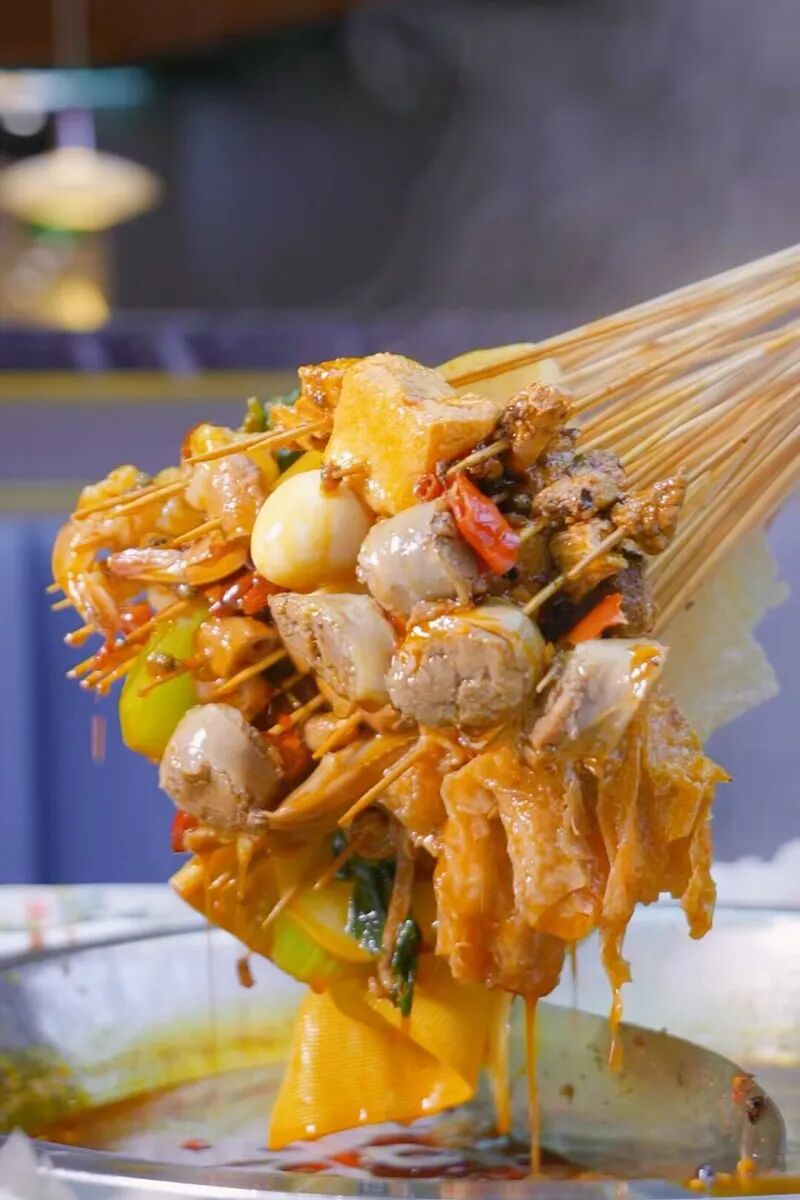
Summary:
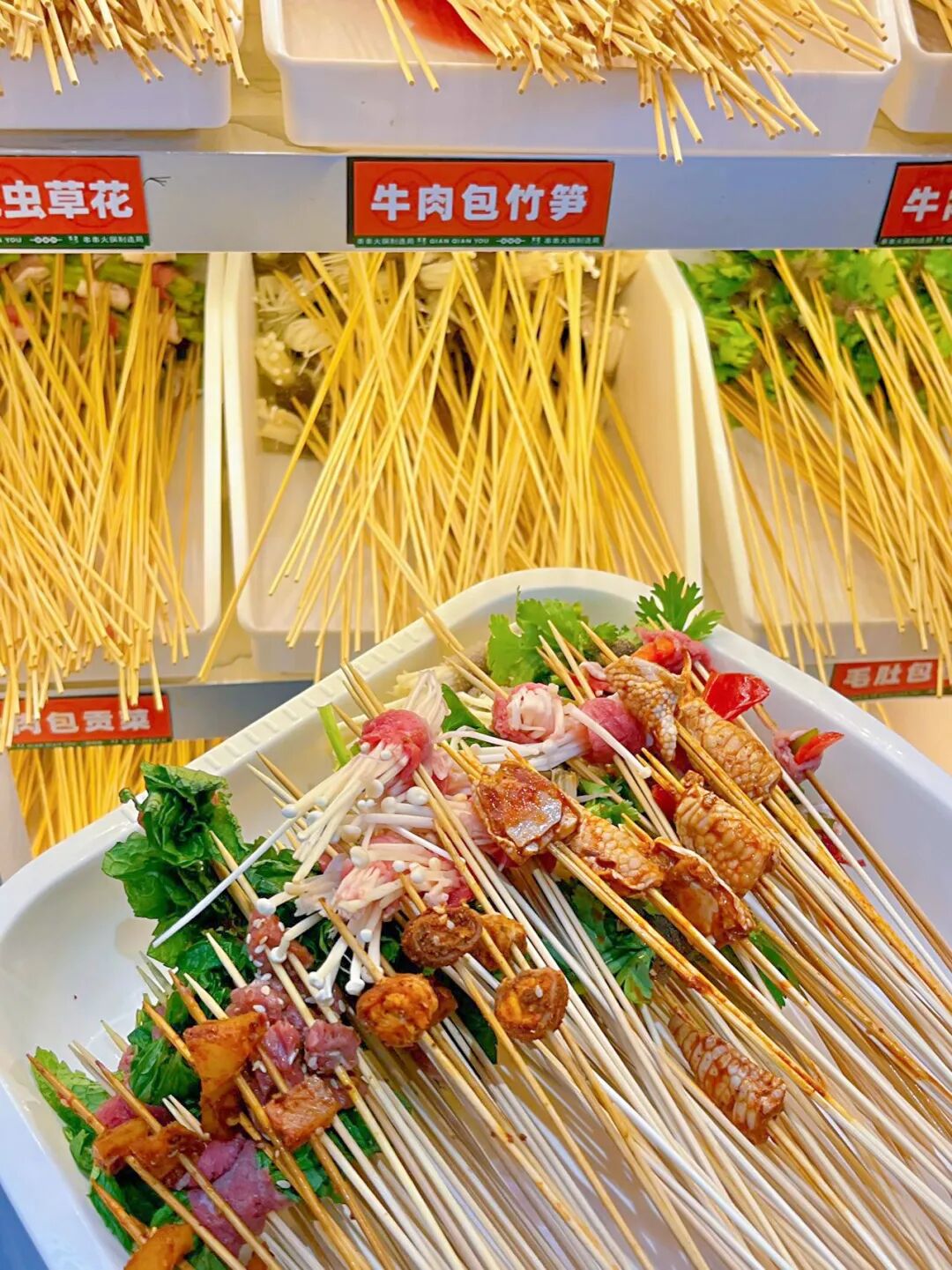
The 'Qian Qian You' brand currently has three locations in Kunming. While they share the same brand, each spot brings its own vibe and strengths. Having opened less than half a year ago on Baiyun Road's Golden Era, the 'Qian Qian You · Tongde' branch has quickly won over tons of young foodies with its classic beef tallow hot pot base and fresh, diverse ingredients. A quick check on Dianping shows over 1,600 people have given it a stellar 4.7-star rating! In this episode, let's see what amazing winter newbies our food-tasting crew dug up at this spot~ Classic Beef Tallow Hot Pot VS Passion Fruit Lemon Hot Pot
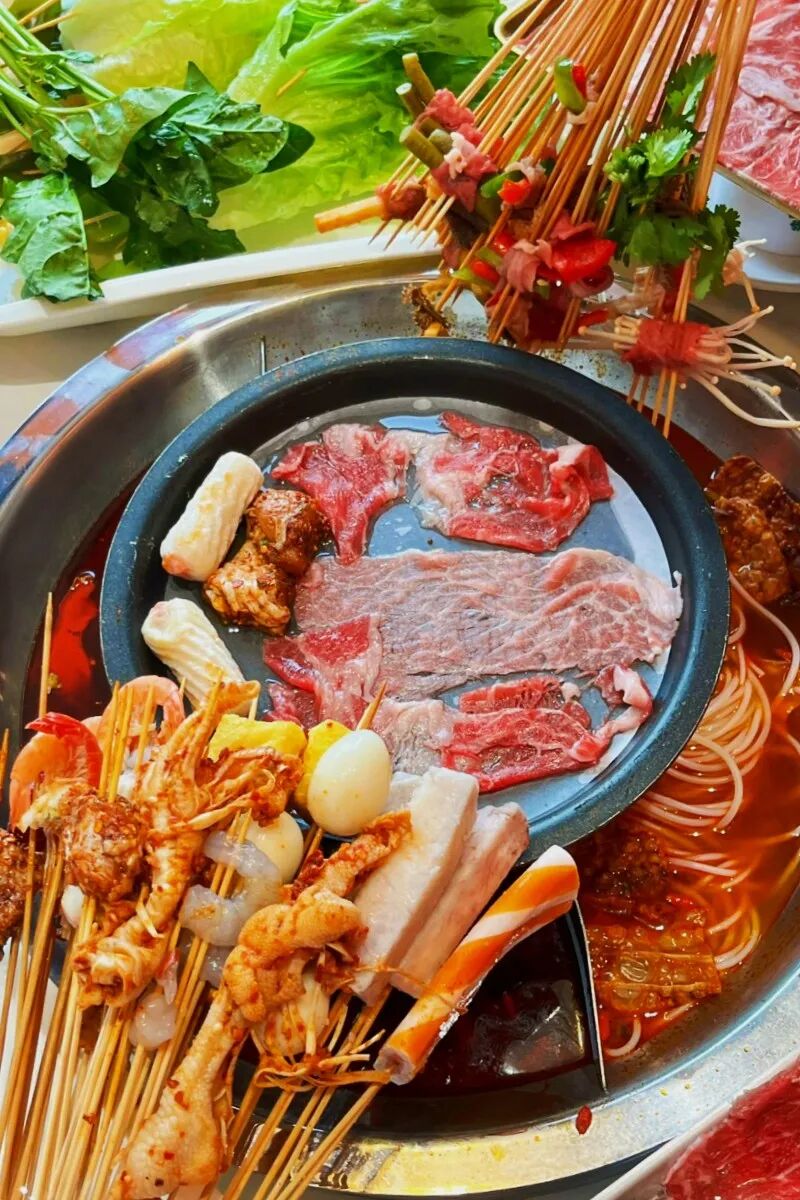
The 'Qian Qian You' brand currently has three locations in Kunming. While they share the same brand, each spot brings its own vibe and strengths.
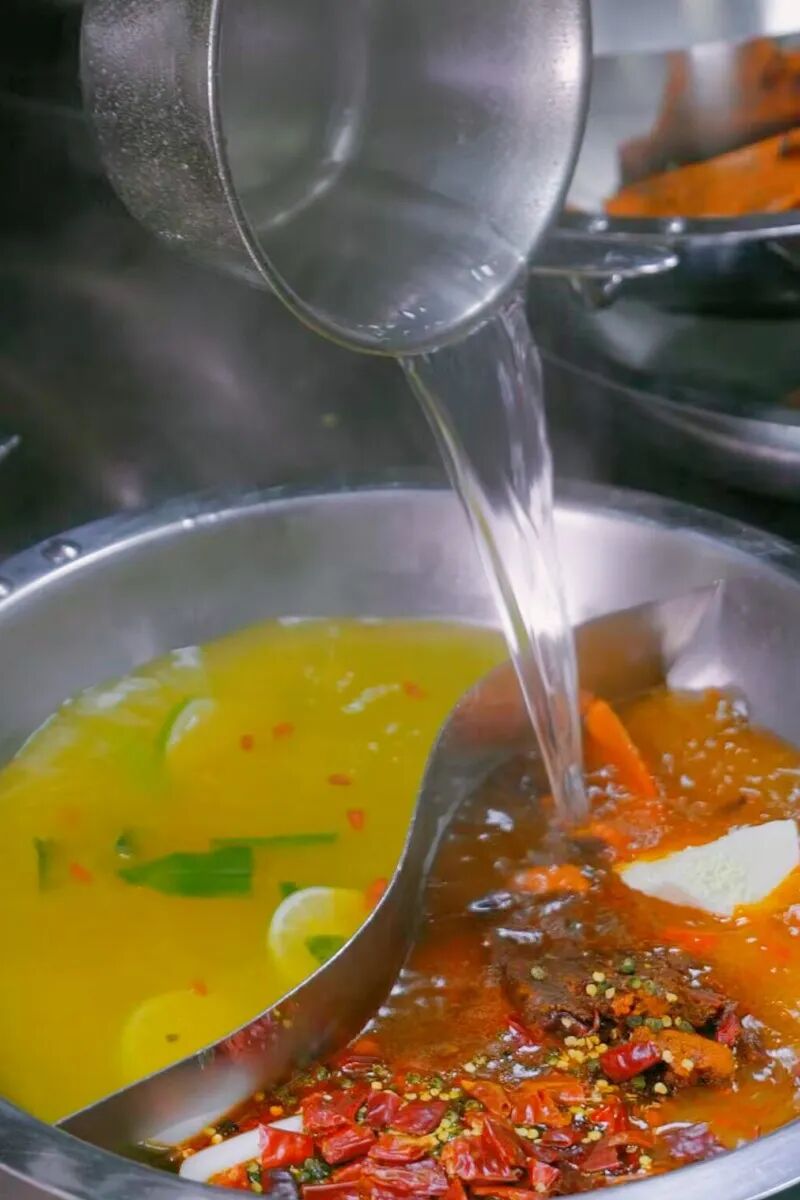
Having opened less than half a year ago on Baiyun Road's Golden Era, the 'Qian Qian You · Tongde' branch has quickly won over tons of young foodies with its classic beef tallow hot pot base and fresh, diverse ingredients. A quick check on Dianping shows over 1,600 people have given it a stellar 4.7-star rating!
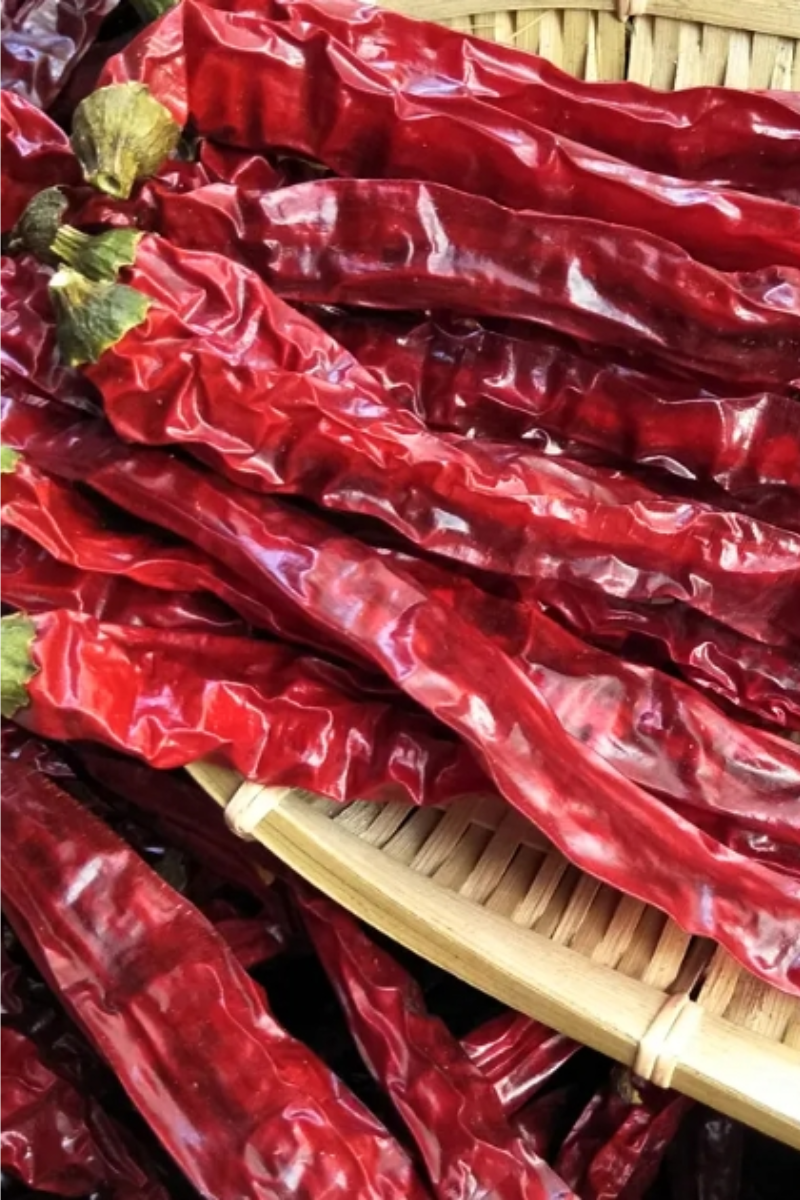
In this episode, let's see what amazing winter newbies our food-tasting crew dug up at this spot~
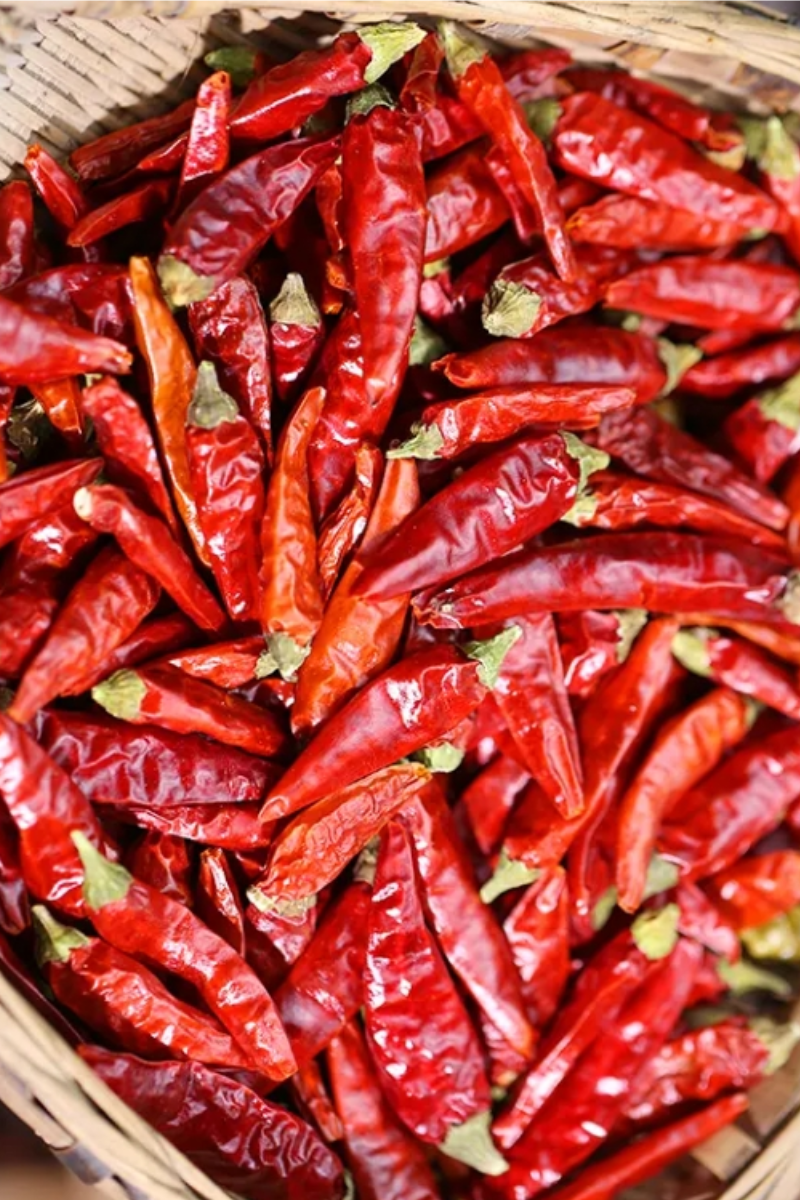
Classic Beef Tallow Hot Pot VS Passion Fruit Lemon Hot Pot
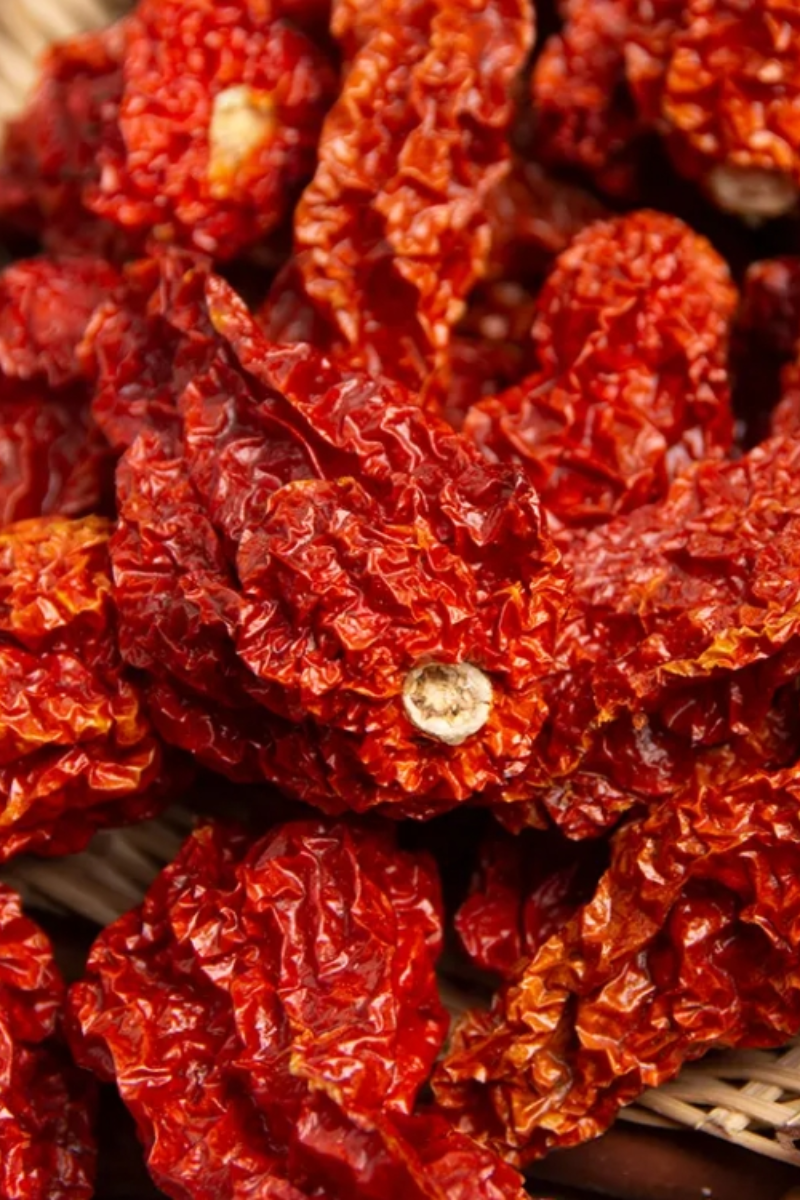
While other Chongqing hot pot spots in Kunming love to hype up their 'localization' and adjustments to local palates, the 'Qian Qian You · Tongde' branch refuses to make any compromises—keeping it 100% authentic with real Chongqing-level heat.
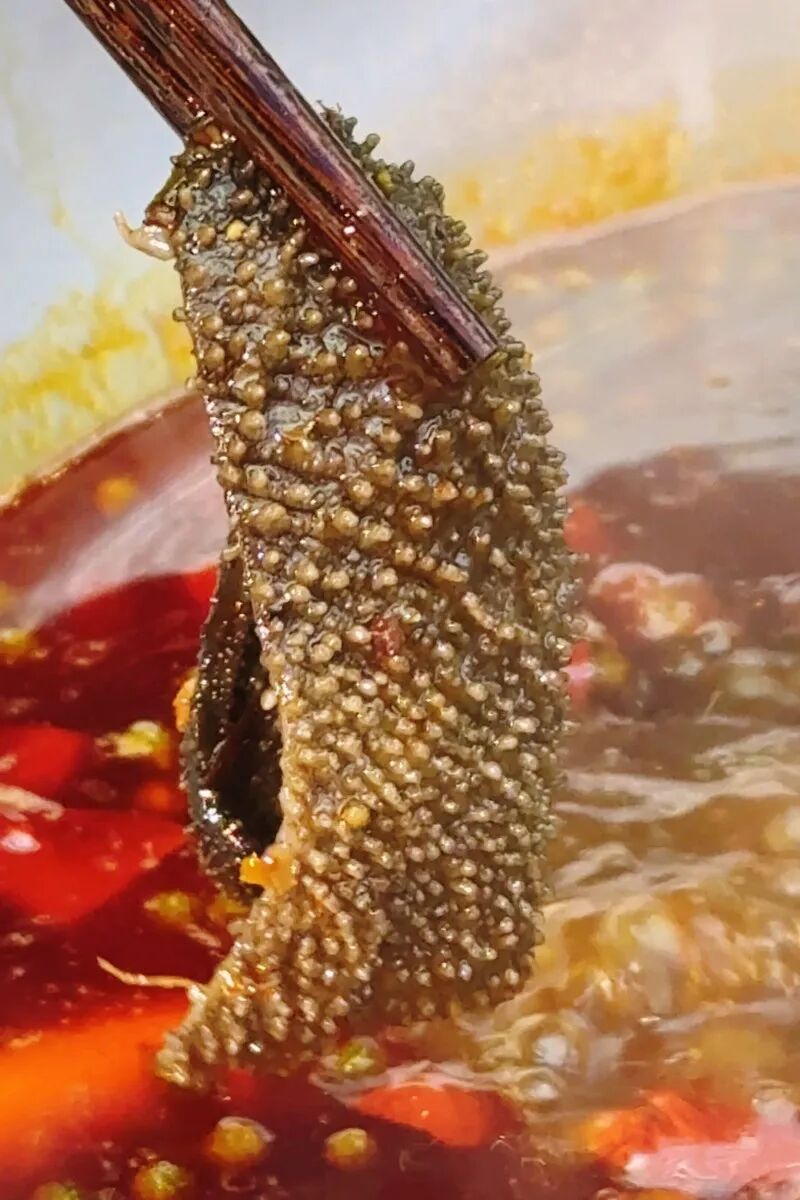
Every single broth base packs at least three different chili varieties. Qixing peppers and Erjingtiao peppers bring the aroma and rich color, while devil peppers (ghost peppers) dial up the fiery spice.
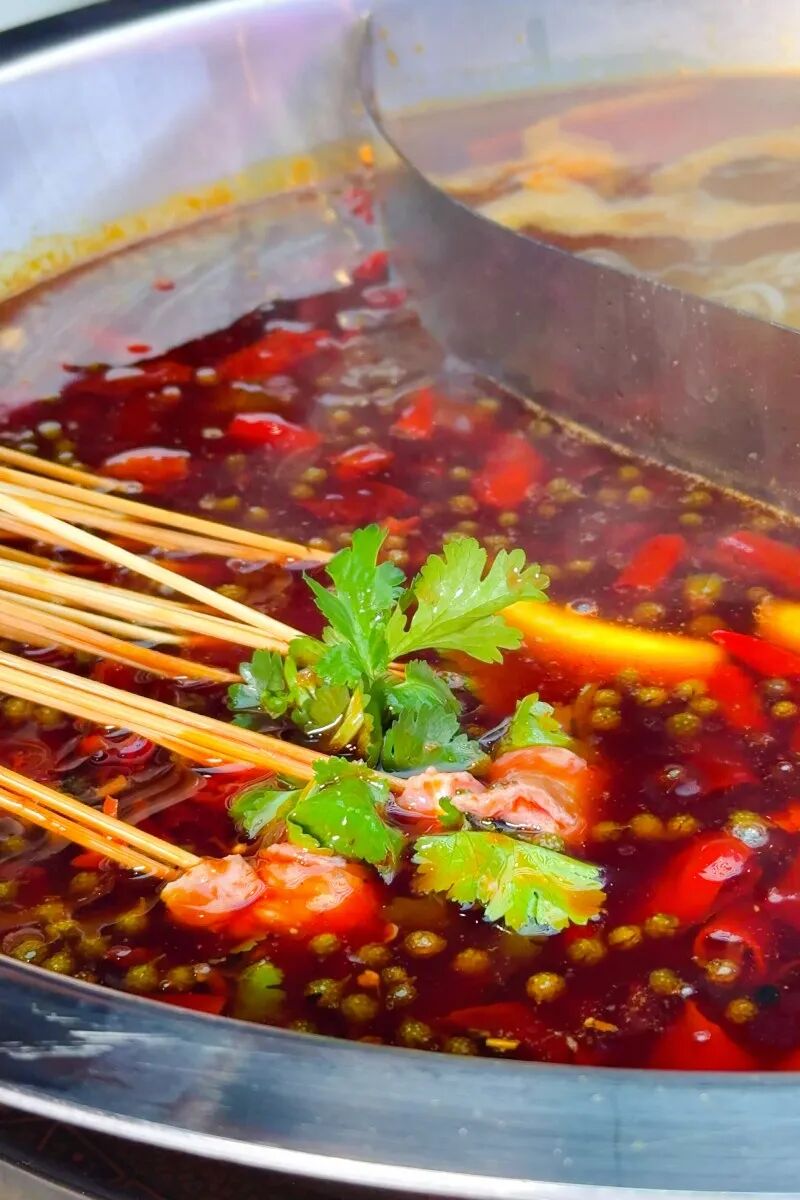
Toss any ingredient into this blazing red soup sea to tumble around for a bit, and it instantly gets a delicious second life.
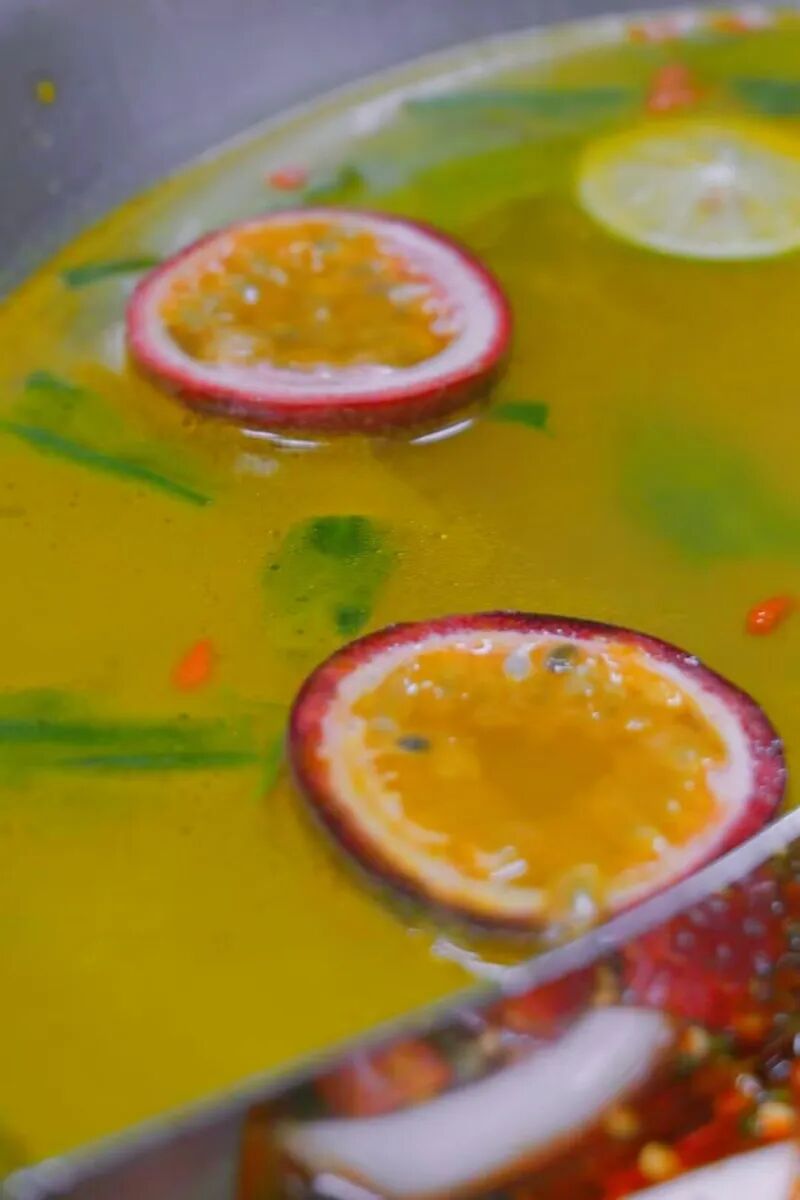
Every time you walk into the restaurant, the heavy-hitting aroma of chillies and beef tallow hits you dead in the face, driving your senses wild and leaving you with just one thought: eat big, right now.
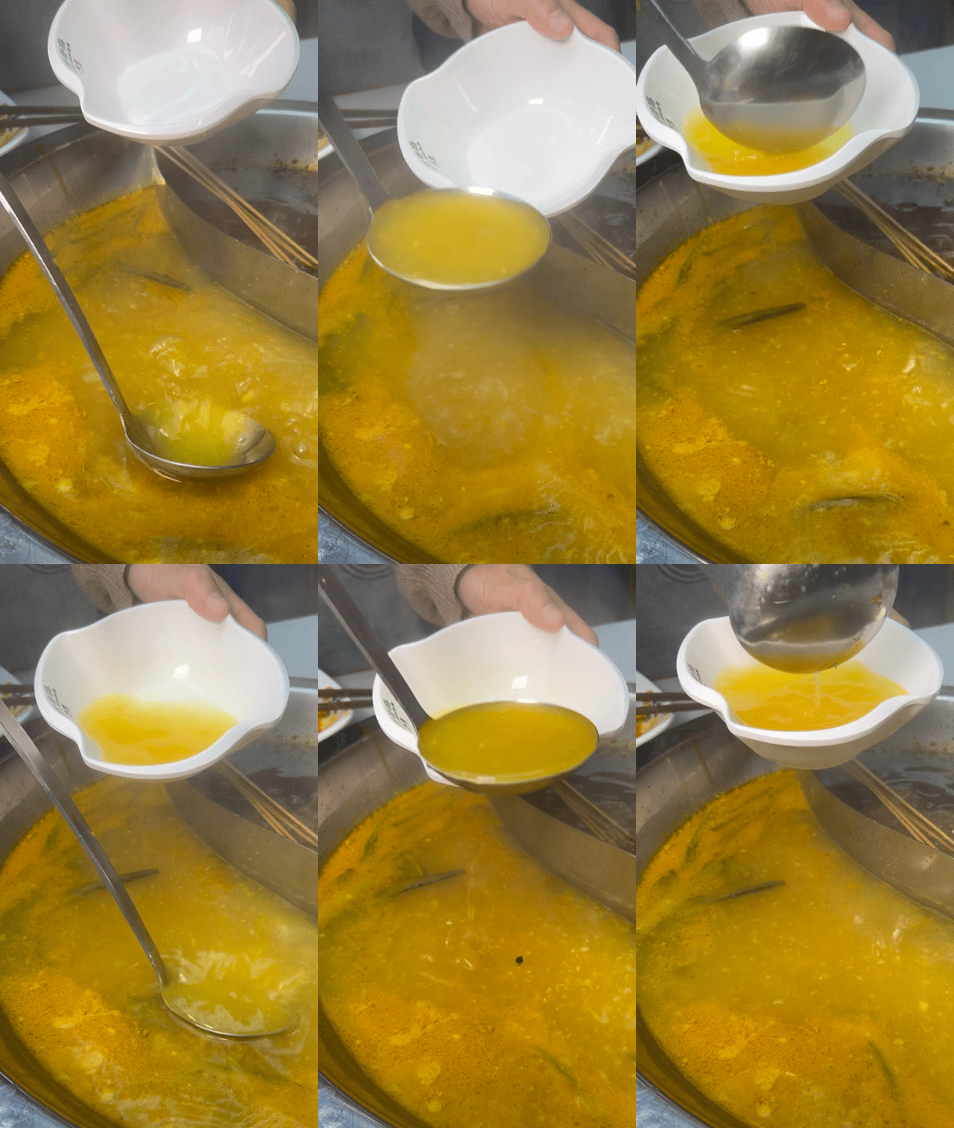
On the flip side, we have the golden-hued passion fruit lemon hot pot base. Looking at it just makes you think of blazing summer sunshine and endless stretches of blooming rapeseed flower fields in early spring.
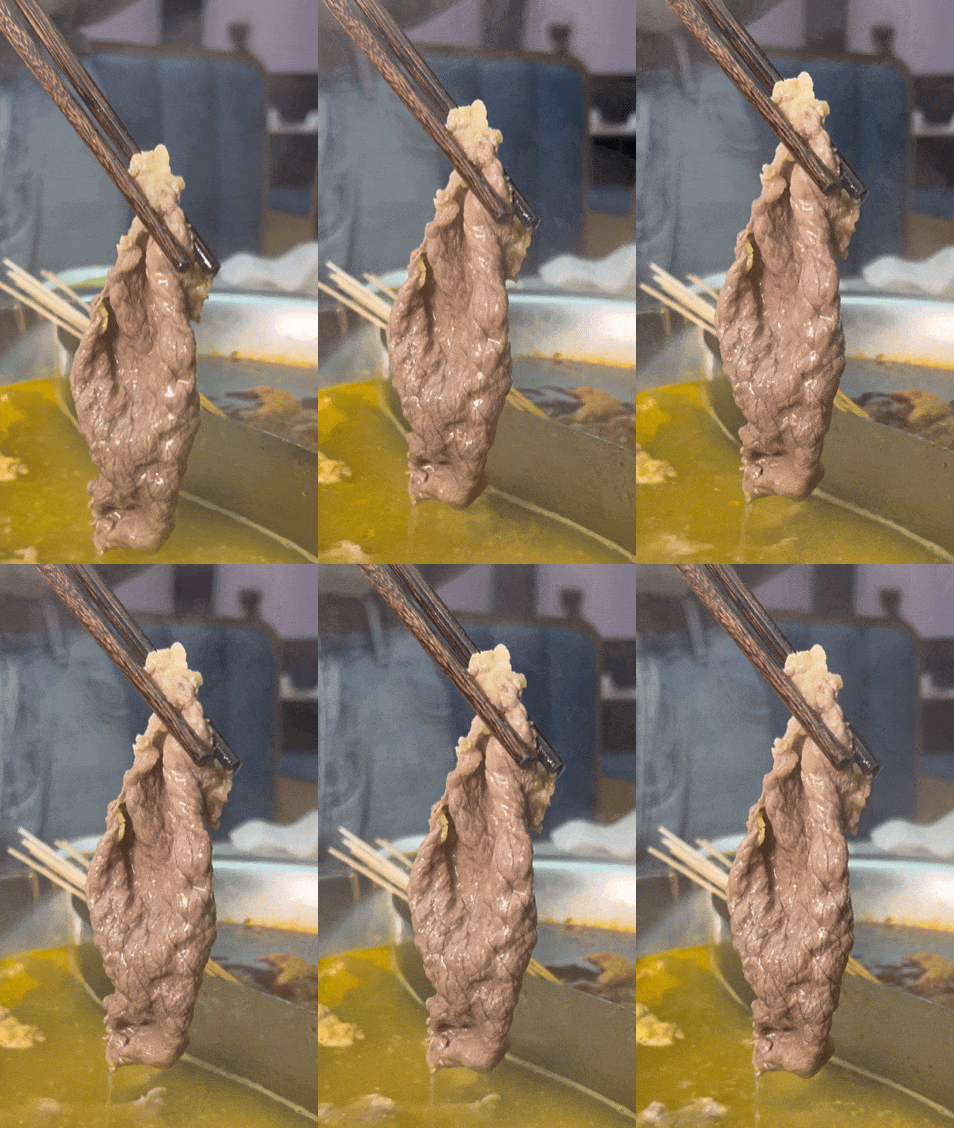
Once it boils up, the broth tastes super refreshing with a solid punch of sourness. The bright, rich fragrance of passion fruit lingers all around, transporting you straight to a tropical rainforest in a split second. By the time you finish the meal, every single sense in your body has been woken up and put to work.
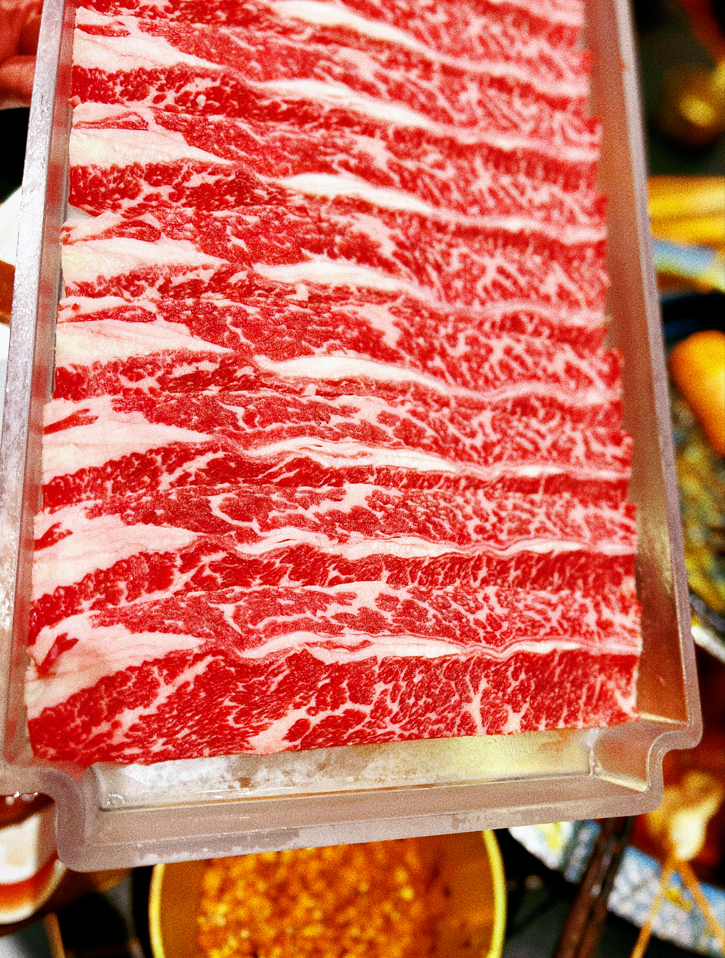
Signature Tianshan Snow Beef
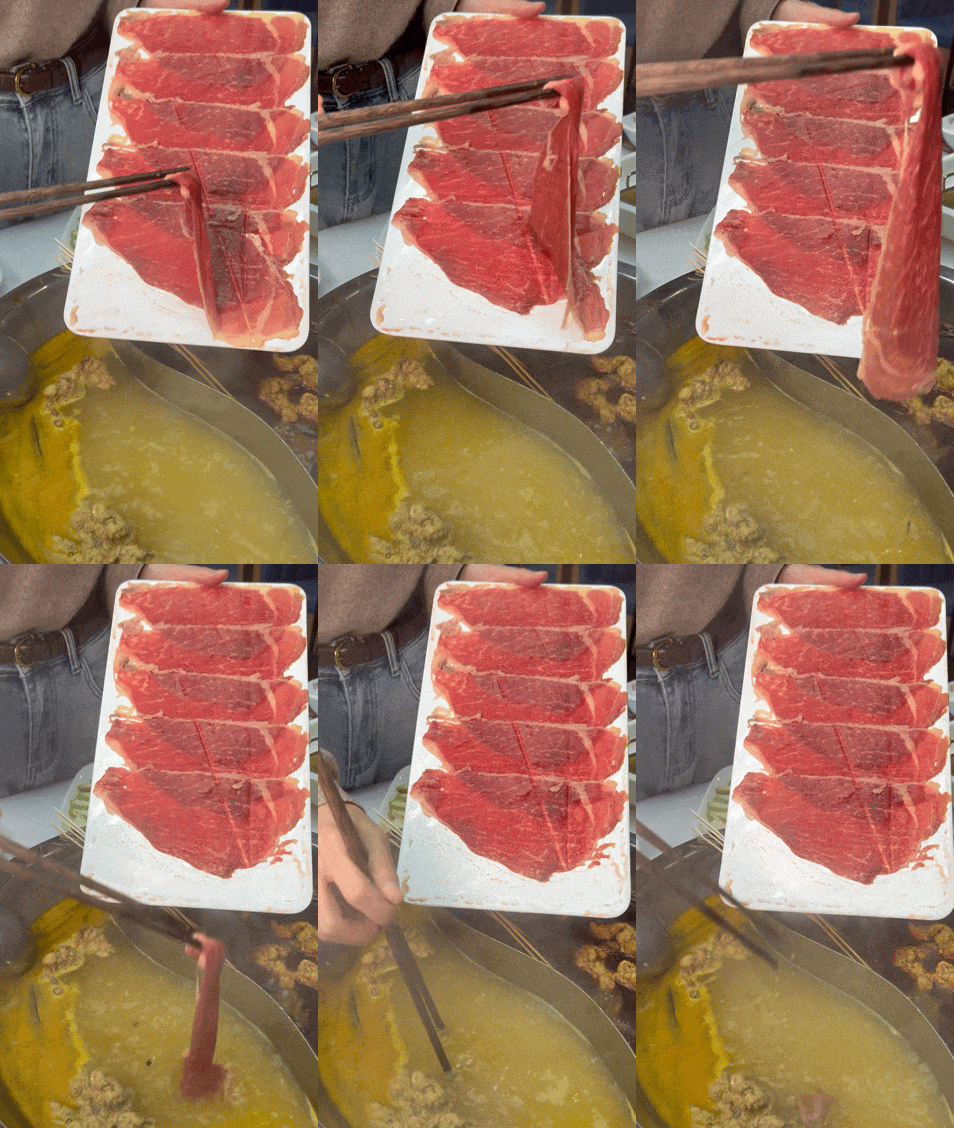
The fresh beef fat is dotted evenly right through the muscle fibers. To nail that ultimate, melt-in-your-mouth tenderness, every single slice is cut wide and paper-thin.
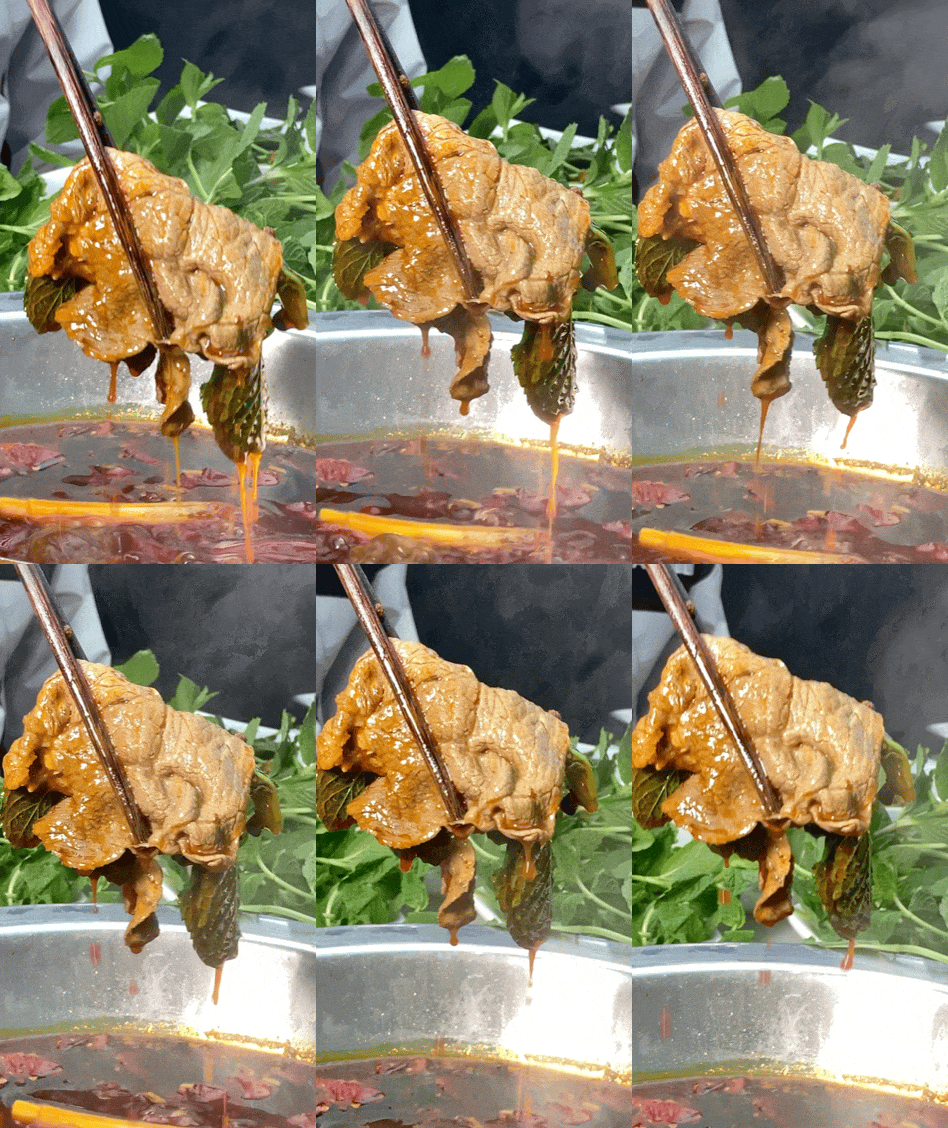
Just drop it into the boiling pot until it changes color, then fish it right out. Watching every little drop of broth drip off the meat slice will honestly make your heart skip a beat. The first bite is ultra-tender and savory, and as you chew a bit more, you catch that signature chewy kick unique to good beef. This is totally the undisputed king of the house.
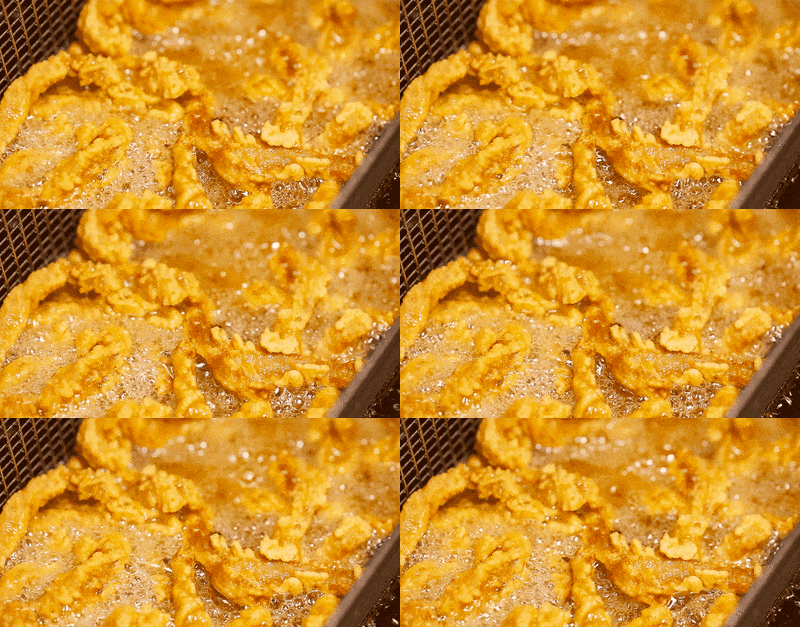
Crispy Fried Crispy Pork Strips (youzha xiao surou)
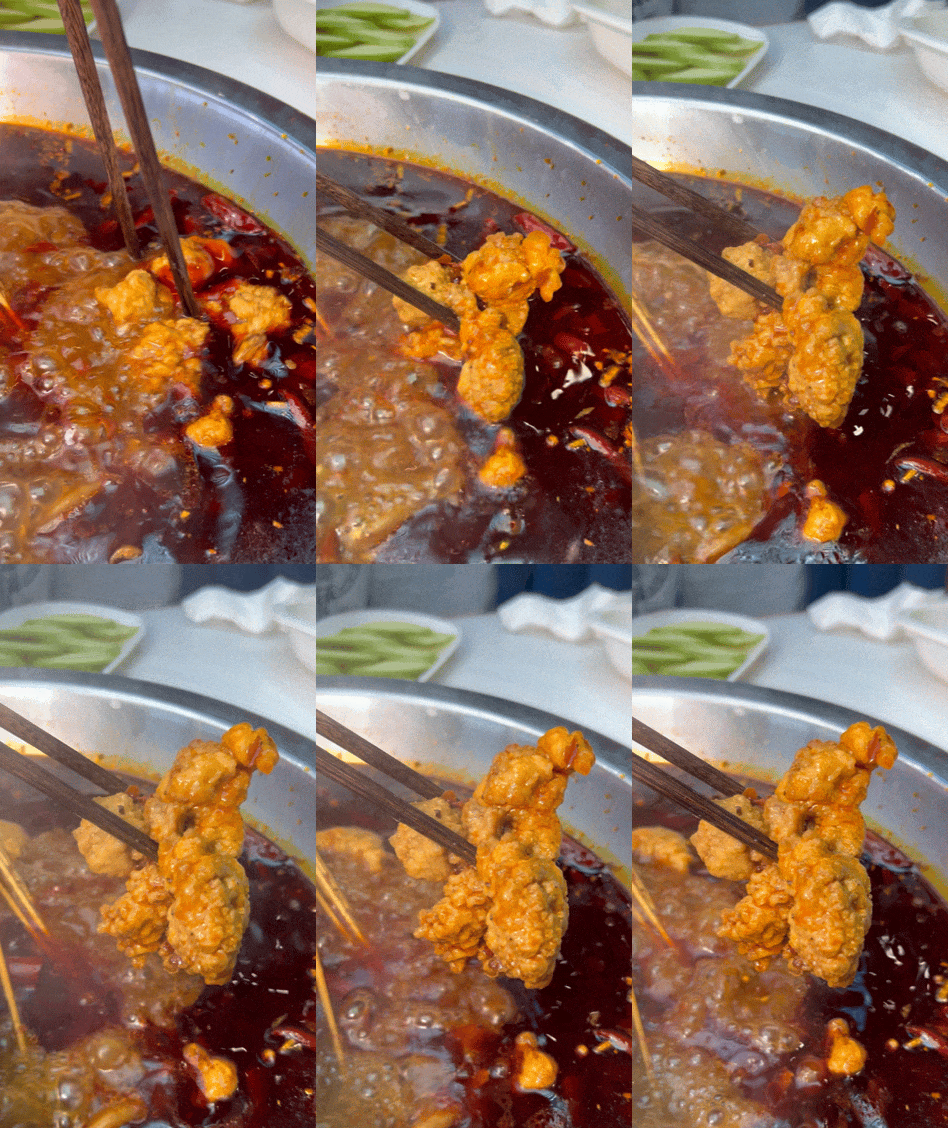
The foolproof batter-and-fry technique definitely works wonders for beef too.
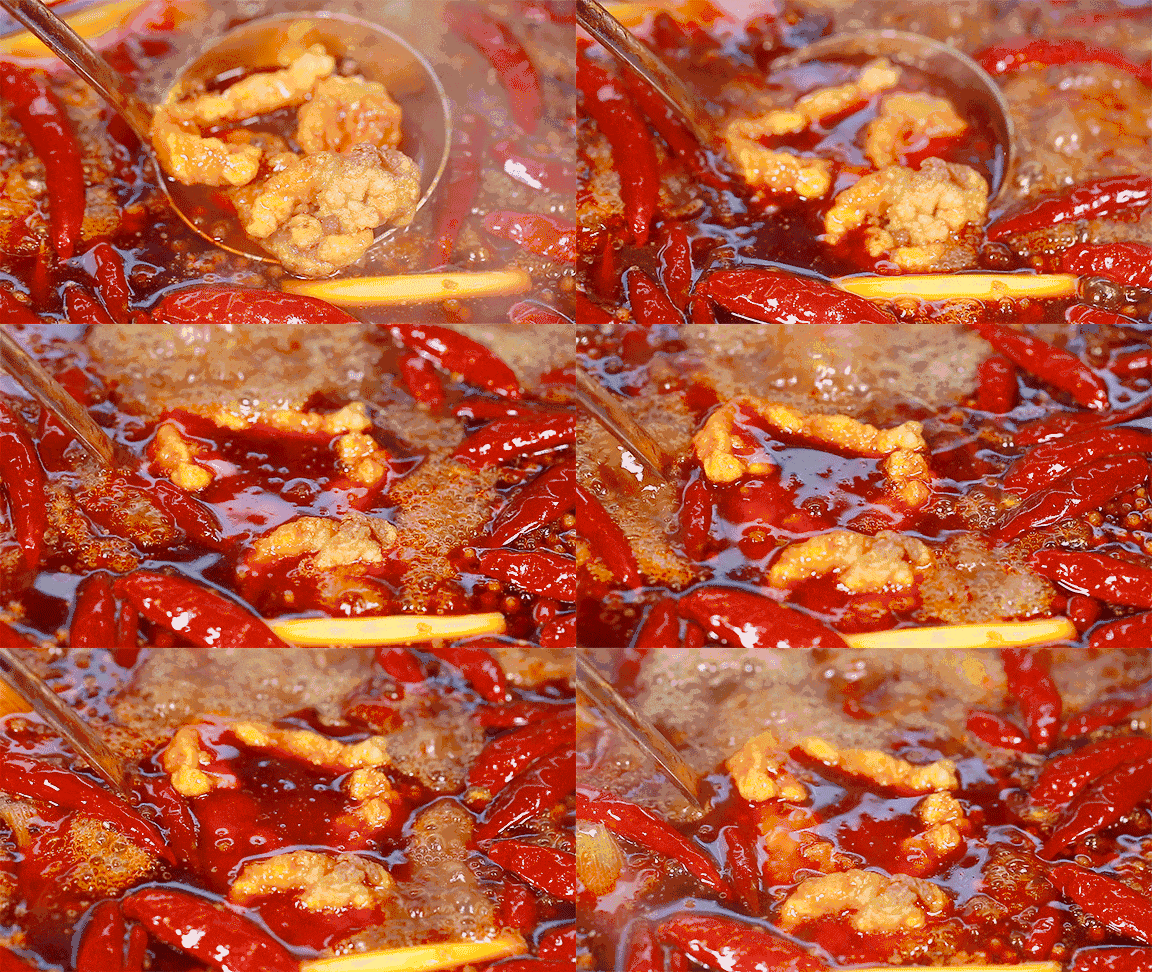
They keep it simple by using just egg wash for the batter, seasoning it lightly with salt and Sichuan peppercorn powder.
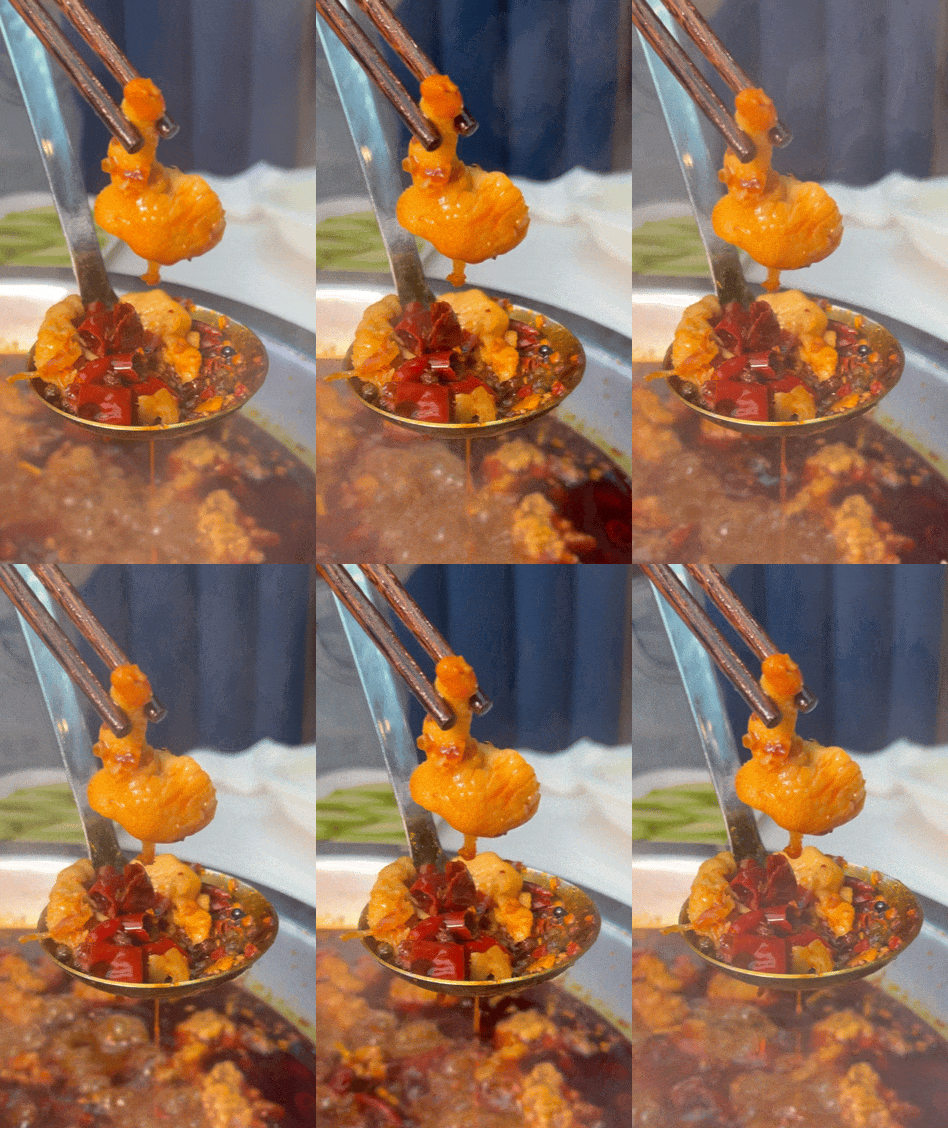
Under the intense high heat of the hot oil, the starches in the batter and the amino acids in the egg create a gorgeous Maillard reaction, exploding with an irresistible charred fragrance and ultimate crispiness. It pairs up with the soft yet chewy beef strips inside to create a complex, multi-layered texture.
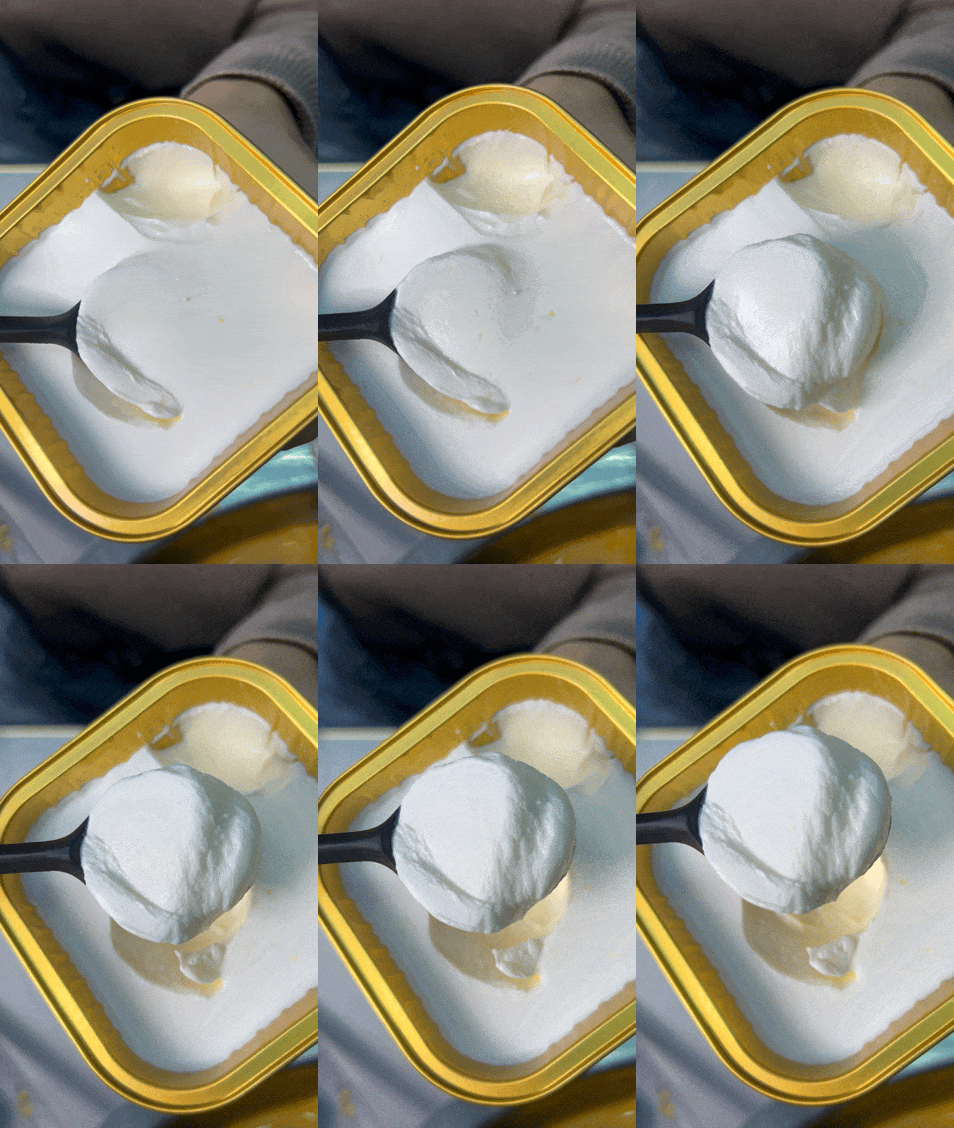
After cooking in the hot pot broth, the outer shell gets sponge-like, soft, and juicy—acting like the ultimate broth sponge. That wet, succulent bite is a whole vibe of its own.
Lemon Boneless Chicken Feet (suanla jizhuo)
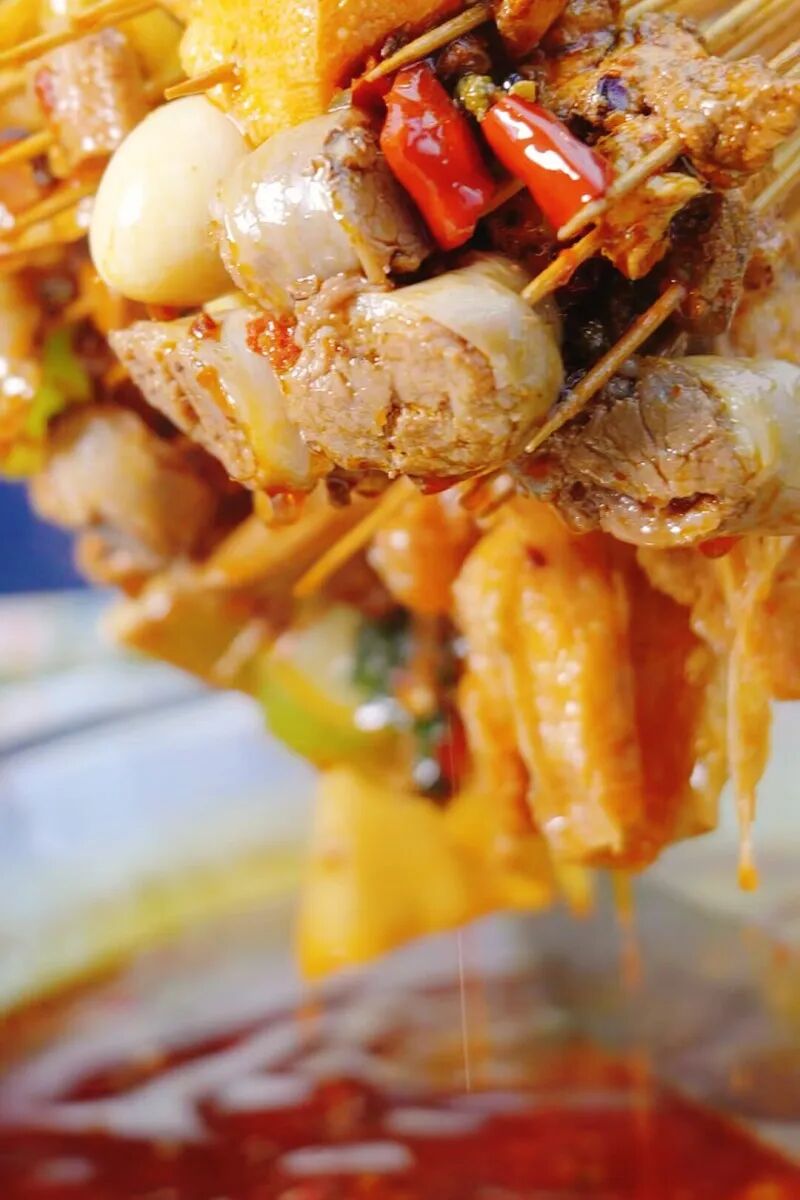
At first glance, you'd think it's just a cold dish meant to be eaten straight up. But thanks to the server's pro tip, we learned that giving it a quick dip in the hot pot takes the flavor to a whole new level.
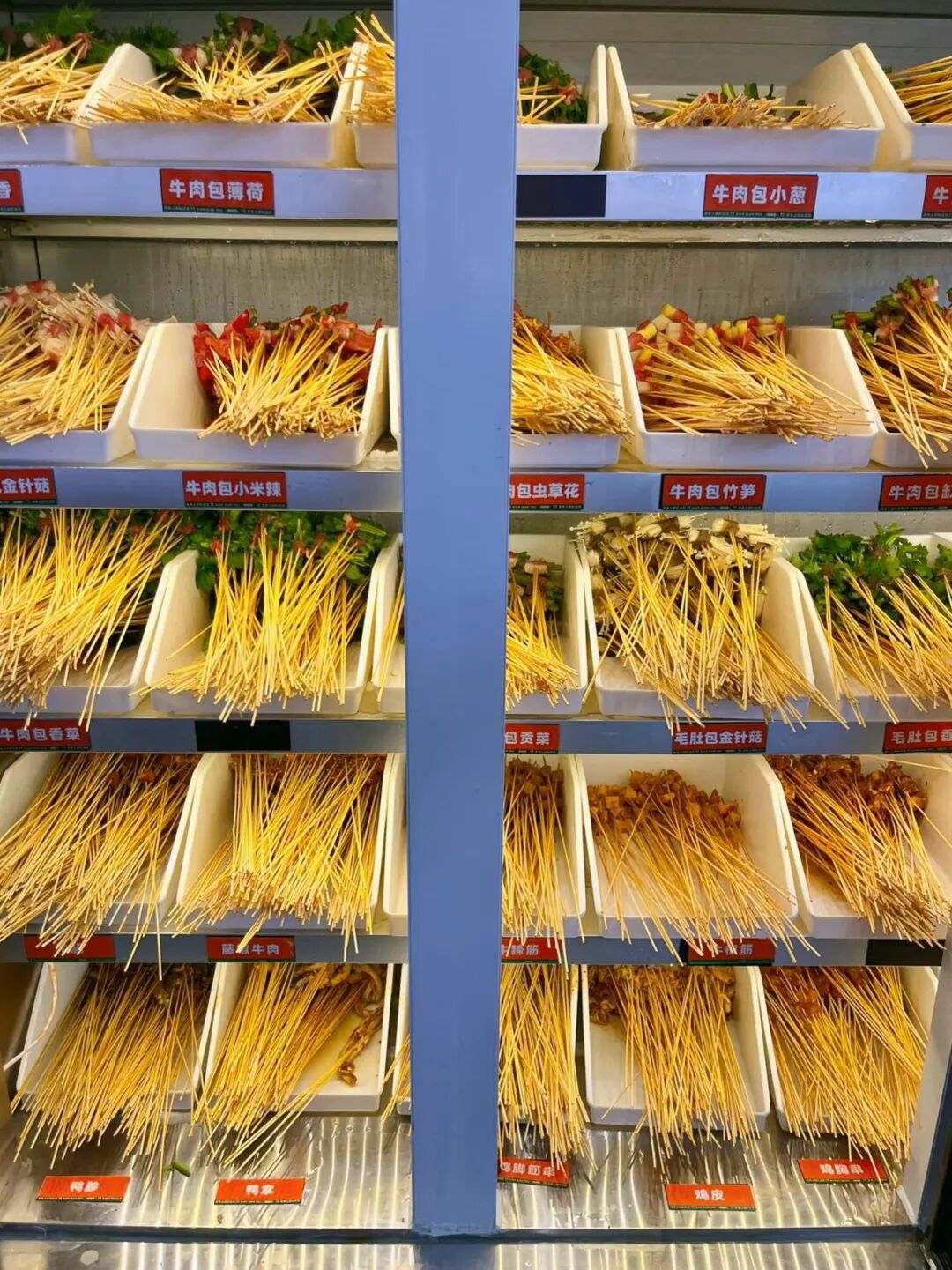
The bright, citrusy aroma of lemon is already locked deep inside the bouncy, collagen-rich chicken feet. Since the bones are totally gone, you can fully lean into the absolute bliss of devouring big bites of meat.
Fresh Artisan Cheese
Available in strict daily limited quantities, this fresh-made daily cheese lists only fresh cow's milk, salt, active cultures, and sugar on the label.
Packed with moisture, its milky-white texture looks super similar to doufunao (soft tofu pudding). It's cool, refreshing, cuts right through the spice and heaviness, and tastes way purer and silkier than any grocery store cheese you'll ever find.
Plus, because it's fermented, practically all the lactose in the milk is already broken down. So it's super friendly for all you lactose-intolerant besties out there.
Alright, plenty more epic single dishes are waiting for you all to explore and discover~
- Store Info -
Shop Name: Qian Qian You Beef Hot Pot Chuan Chuan Xiang - Halal (Tongde Branch)
Phone: 15974719402
Address: 2nd Floor, Golden Era, Panlong District (Exit D, Baiyun Road Subway Station)
Average Price: 69 RMB (spend more or less depending on your appetite)
The Ultimate Kunming Halal Food Guide: Must-Try Sour Cabbage Beef Hot Pot Near North Station
Articles • Hasan09 posted the article • 0 comments • 14 views • 23 hours ago
The legendary Halal spot in Kunming you gotta hit straight off the train! Real talk photo gallery of the super hyped sour cabbage beef hot pot and signature cold chicken near North Station.
Summary:
Checking out the mega-popular Halal copper pot hot pot joint near Kunming North Station where people literally roll up with their suitcases and wait in line. Featuring real talk photos and reviews of the sour, crunchy chunks of aged pickled cabbage broth, melt-in-your-mouth beef slices that cook in seconds, and the ultra-savory, flavorful signature caoguo liangji (cold chicken spiced with black cardamom).
Once you hop off the train, don't even waste time wandering around—just make a bee-line for the Halal hot pot spot near Kunming North Station. When I rolled up dragging my suitcase, the place was already completely packed. Total foodie hotspot vibes.
For the soup base, definitely go with the suancai (pickled cabbage) hot pot. The pot comes loaded with huge chunks of old suancai that pack a serious sour punch and stay super crunchy. Honestly, whatever you dip in there picks up that tangy, appetizing flavor, making you hungrier with every bite.
All the meat dishes are absolute hits—zero chance of ordering a dud. The liangji is sliced super neatly, and the chicken is firm without being dry. After a quick soak in the soup, it soaks up all those tangy flavors and tastes amazing. The sliced raw beef is the MVP though—drop it in the boiling pot for just a few seconds and it's good to go. It's so tender it practically melts, packed with that fresh beef flavor.
You seriously gotta try the niurou ganba (cured dried beef) boiled in the hot pot. The longer it boils, the more aromatic it gets. It has this super unique flavor that’s totally unforgettable. The xionglian (beef brisket fat) is another must-eat—the edges get crispy, it's not greasy at all, and it pairs insanely well with the sour cabbage broth.
To carb up, the ganba yangyu menfan (dried beef and potato claypot rice), cooked right in an aluminum pot, is the absolute move. It arrives at the table still sizzling, the potatoes are super soft and fluffy with a hint of smoky char, and the socarrat (crispy rice crust) at the bottom is super crunchy. Mixed with bits of ganba and rice, getting a bite of rice and meat together is the ultimate satisfaction.
The veggie selection is self-serve, super fresh, and clean—grab as much or as little as you want. Throwing potatoes, tofu, and vermicelli into the sour soup means every single bite soaks up all that flavor.
If you're traveling in Kunming, even if you're lugging your suitcase around, you gotta make time for this meal. Totally worth it, zero regrets!
Yunniufu Yunnan Beef Soup Pot (Halal) view all
The legendary Halal spot in Kunming you gotta hit straight off the train! Real talk photo gallery of the super hyped sour cabbage beef hot pot and signature cold chicken near North Station.

Summary:

Checking out the mega-popular Halal copper pot hot pot joint near Kunming North Station where people literally roll up with their suitcases and wait in line. Featuring real talk photos and reviews of the sour, crunchy chunks of aged pickled cabbage broth, melt-in-your-mouth beef slices that cook in seconds, and the ultra-savory, flavorful signature caoguo liangji (cold chicken spiced with black cardamom).

Once you hop off the train, don't even waste time wandering around—just make a bee-line for the Halal hot pot spot near Kunming North Station. When I rolled up dragging my suitcase, the place was already completely packed. Total foodie hotspot vibes.

For the soup base, definitely go with the suancai (pickled cabbage) hot pot. The pot comes loaded with huge chunks of old suancai that pack a serious sour punch and stay super crunchy. Honestly, whatever you dip in there picks up that tangy, appetizing flavor, making you hungrier with every bite.

All the meat dishes are absolute hits—zero chance of ordering a dud. The liangji is sliced super neatly, and the chicken is firm without being dry. After a quick soak in the soup, it soaks up all those tangy flavors and tastes amazing. The sliced raw beef is the MVP though—drop it in the boiling pot for just a few seconds and it's good to go. It's so tender it practically melts, packed with that fresh beef flavor.

You seriously gotta try the niurou ganba (cured dried beef) boiled in the hot pot. The longer it boils, the more aromatic it gets. It has this super unique flavor that’s totally unforgettable. The xionglian (beef brisket fat) is another must-eat—the edges get crispy, it's not greasy at all, and it pairs insanely well with the sour cabbage broth.
To carb up, the ganba yangyu menfan (dried beef and potato claypot rice), cooked right in an aluminum pot, is the absolute move. It arrives at the table still sizzling, the potatoes are super soft and fluffy with a hint of smoky char, and the socarrat (crispy rice crust) at the bottom is super crunchy. Mixed with bits of ganba and rice, getting a bite of rice and meat together is the ultimate satisfaction.
The veggie selection is self-serve, super fresh, and clean—grab as much or as little as you want. Throwing potatoes, tofu, and vermicelli into the sour soup means every single bite soaks up all that flavor.
If you're traveling in Kunming, even if you're lugging your suitcase around, you gotta make time for this meal. Totally worth it, zero regrets!
Yunniufu Yunnan Beef Soup Pot (Halal)
Exploring Xinghongge: Shanghai’s 60-Year-Old Halal Spot for Beef Pan-Fried Buns and Potstickers in Hongkou
Articles • Hasan09 posted the article • 0 comments • 14 views • 1 days ago
Exploring Xinghongge (Formerly Islamic Restaurant): A 60-Year-Old Halal Legend in Shanghai's Hongkou District for Niurou Jianbao and Oversized Potstickers
Summary:
A visit to Xinghongge (formerly the Hongkou Islamic Restaurant), a neighborhood Halal staple in Shanghai's Hongkou District carrying 60 years of local memories. Check out the freshly wrapped and pan-fried crispy niurou jianbao (pan-fried beef buns) and oversized guotie (crispy beef potstickers) at the ground-floor takeout window, and experience the hearty flavors that generations of old Shanghai locals have loved for decades.
Hongkou has a super famous Halal eatery that used to go by the straightforward name 'Islamic Restaurant,' though it recently had to change its name due to regulations. Their crispy niurou jianbao and massive guotie are absolute legends that keep food lovers coming back for more~
It's now called Xinghongge Restaurant. This is our first time back since the old spot reopened under the new name. The overall layout feels pretty much the same, except they’ve gotten rid of the indoor dining seating on the first floor~
There are still plenty of local aunties waiting in line, as always~
The open kitchen is fully exposed to view. Inside, you can see five or six staff members each handling their own station, from kneading the dough to frying up the buns~
The menu is way shorter than it used to be. I remember they used to have niangao tuan (sticky rice cake rolls), but those are completely gone now. The core items really boil down to just three to five things~
The niurou jianbao. You pay with your ticket and pick them up yourself at the window. They're 5 RMB each, buy four get one free, and they were fresh out of the pan, which is a major plus. Eating them feels a bit like having a deep-fried leavened steamed bun—the dough is on the thicker side, but the crust is super crispy and it doesn't feel greasy at all!
The beef filling inside isn't actually that heavy; cabbage makes up a pretty high percentage of it. It feels a bit loose when you bite into it, and there isn't much soup, so it mostly relies on seasoning for that extra punch of aroma!
The niurou guotie (crispy beef potstickers) go for 10 RMB per liang (about 50 grams), and they were fresh out of the pan too! They're quite large, but the wrapper is thick and sticks to your teeth. The folds weren't even sealed properly, and they tasted kind of dry, though the bottom crust was seriously crunchy~
They use the exact same filling as the jianbao~
The curry beef soup is 15 RMB. The curry flavor in the broth is super rich, with just a hint of bitterness~
I gotta be honest, they're super generous with the beef—there's a ton of it. That said, most of it is just bits and pieces, and it tasted a bit dry and stringy!
Even though I thought the food was just so-so, regular customers keep streaming into the shop nonstop. After all, it is a neighborhood institution that's been around for close to 60 years~
Xinghongge Restaurant • Niurou Jianbao Address: 2035 North Sichuan Road, Hongkou District~
END view all
Exploring Xinghongge (Formerly Islamic Restaurant): A 60-Year-Old Halal Legend in Shanghai's Hongkou District for Niurou Jianbao and Oversized Potstickers
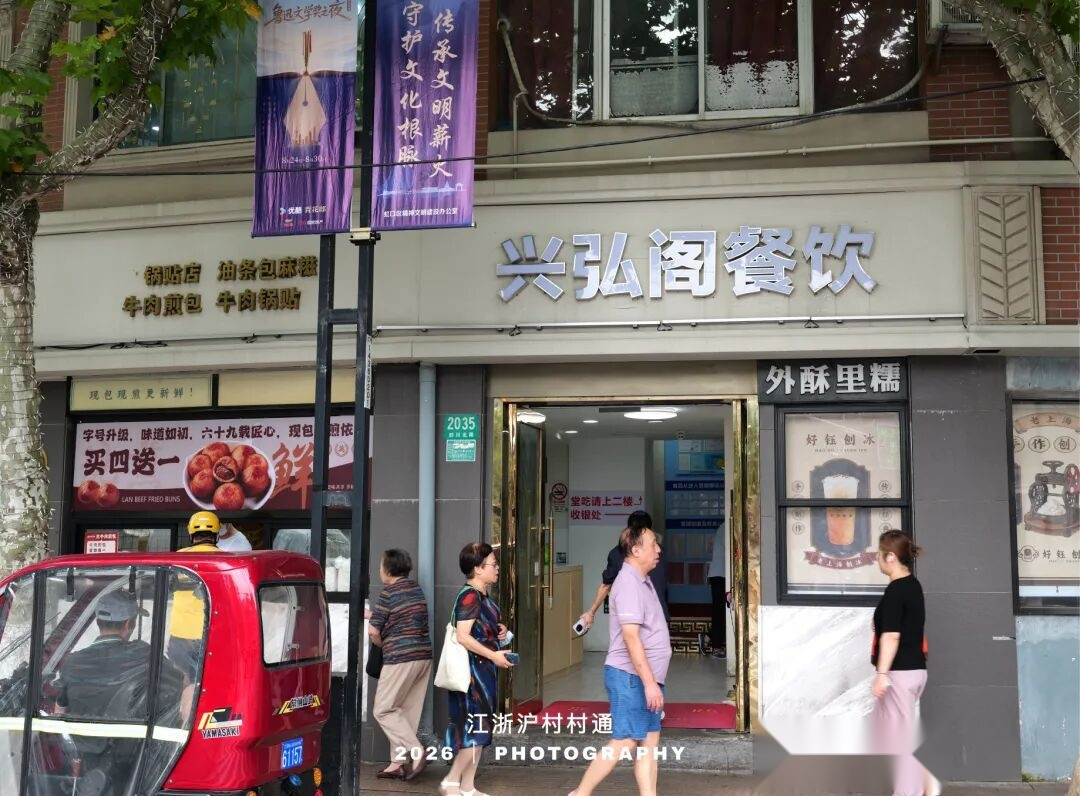
Summary:
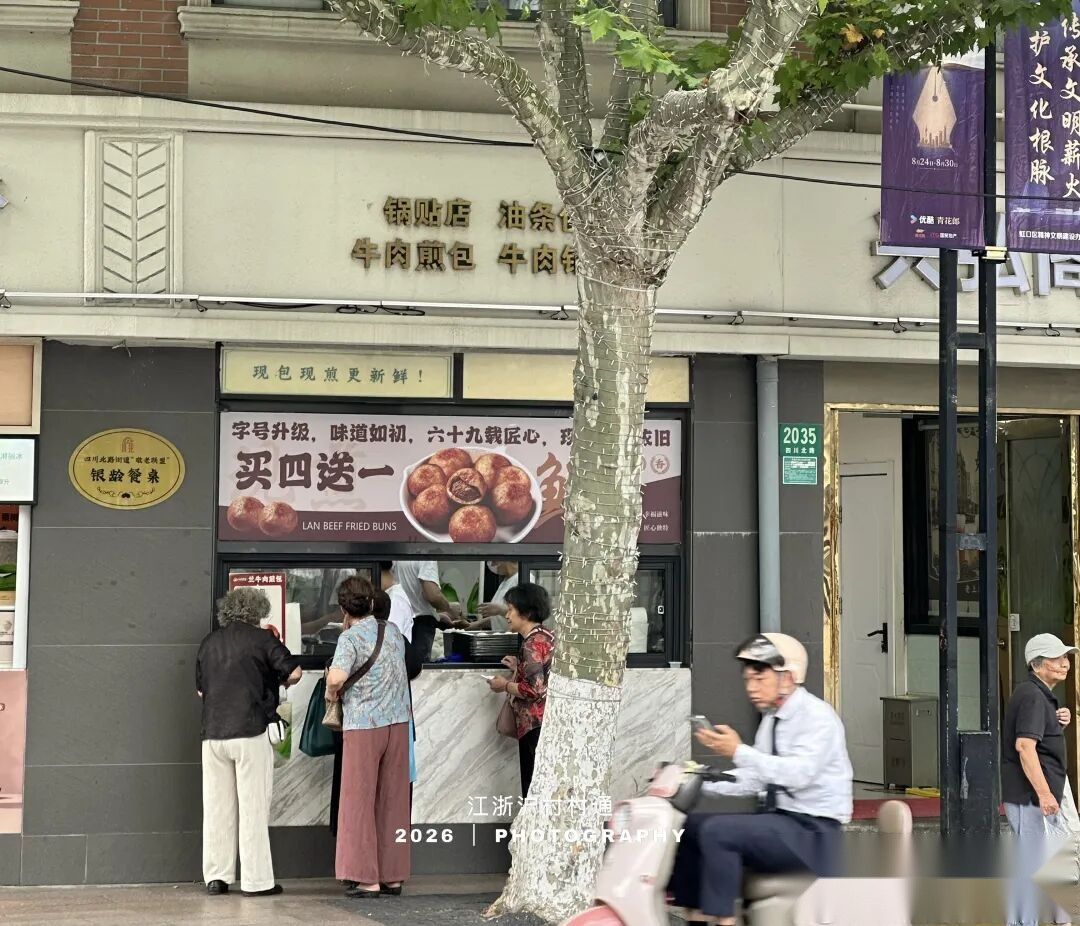
A visit to Xinghongge (formerly the Hongkou Islamic Restaurant), a neighborhood Halal staple in Shanghai's Hongkou District carrying 60 years of local memories. Check out the freshly wrapped and pan-fried crispy niurou jianbao (pan-fried beef buns) and oversized guotie (crispy beef potstickers) at the ground-floor takeout window, and experience the hearty flavors that generations of old Shanghai locals have loved for decades.
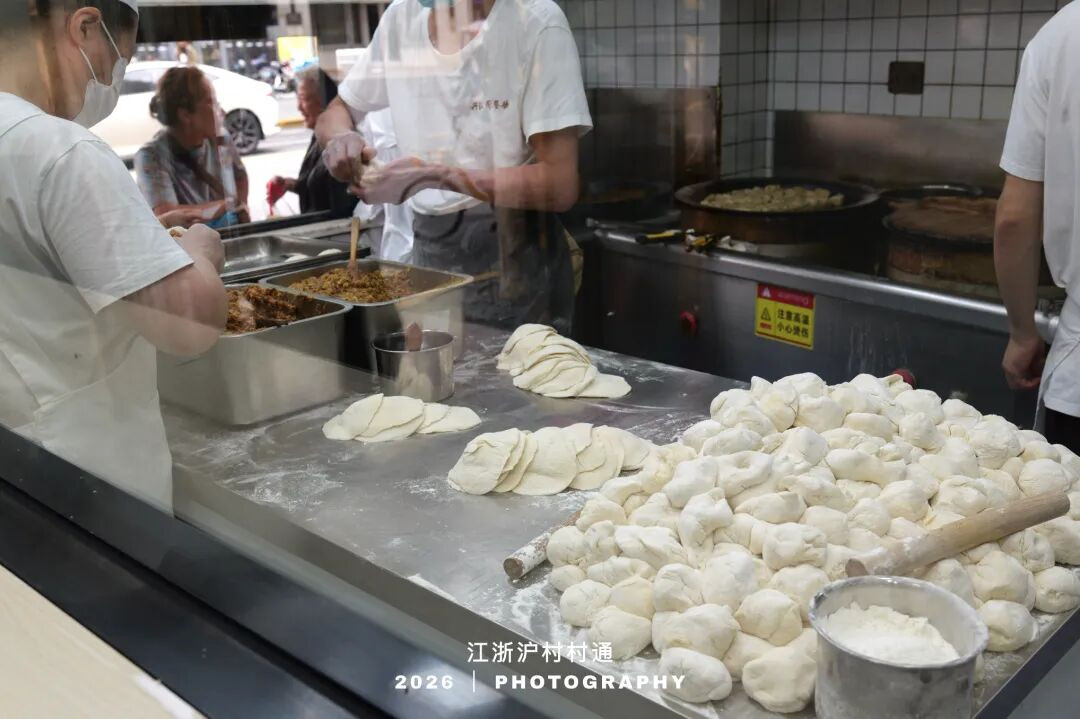
Hongkou has a super famous Halal eatery that used to go by the straightforward name 'Islamic Restaurant,' though it recently had to change its name due to regulations. Their crispy niurou jianbao and massive guotie are absolute legends that keep food lovers coming back for more~
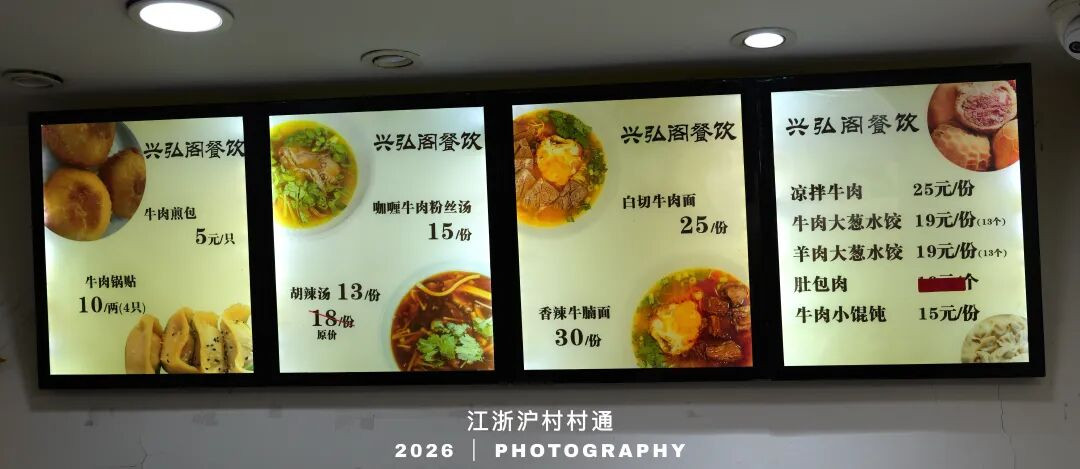
It's now called Xinghongge Restaurant. This is our first time back since the old spot reopened under the new name. The overall layout feels pretty much the same, except they’ve gotten rid of the indoor dining seating on the first floor~
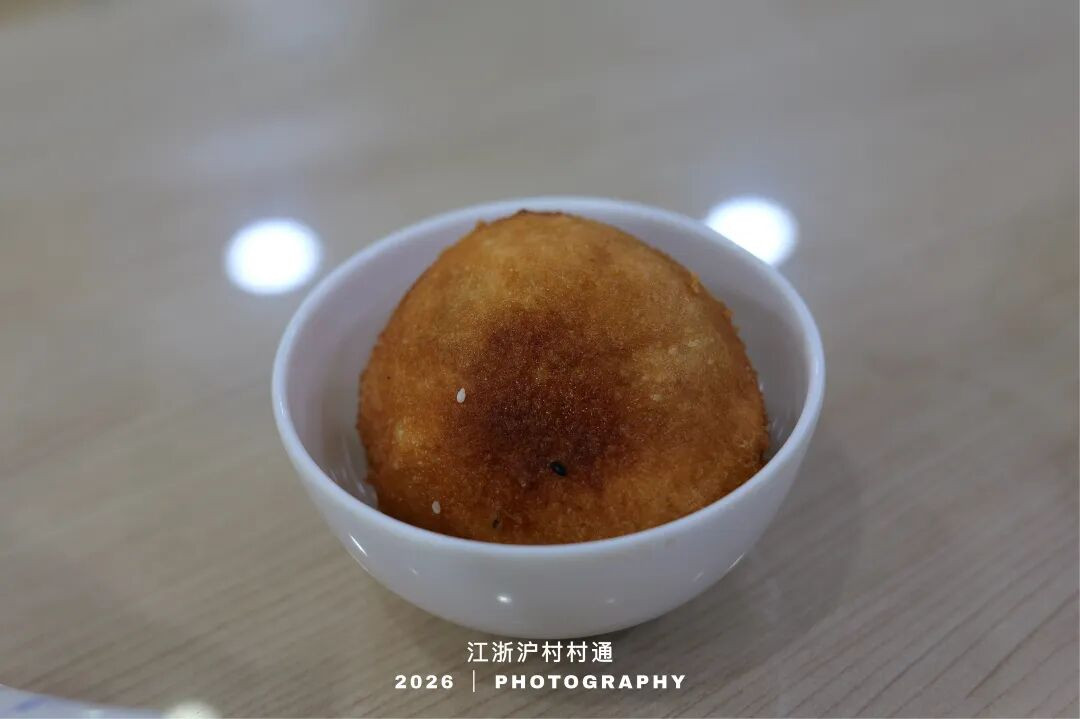
There are still plenty of local aunties waiting in line, as always~
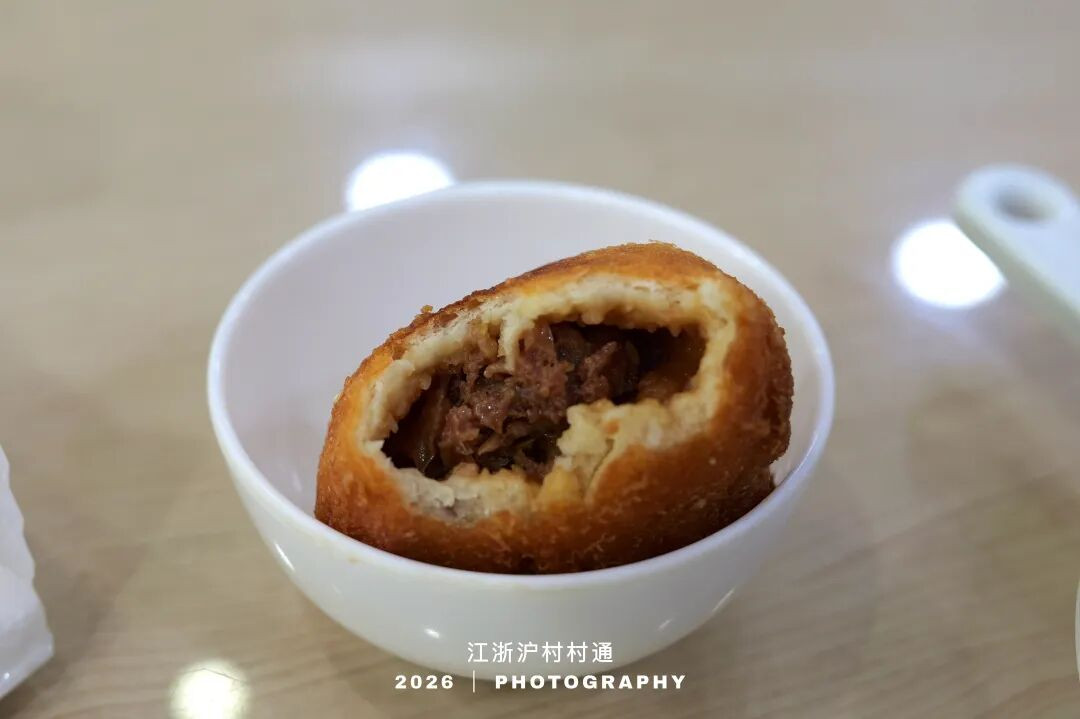
The open kitchen is fully exposed to view. Inside, you can see five or six staff members each handling their own station, from kneading the dough to frying up the buns~
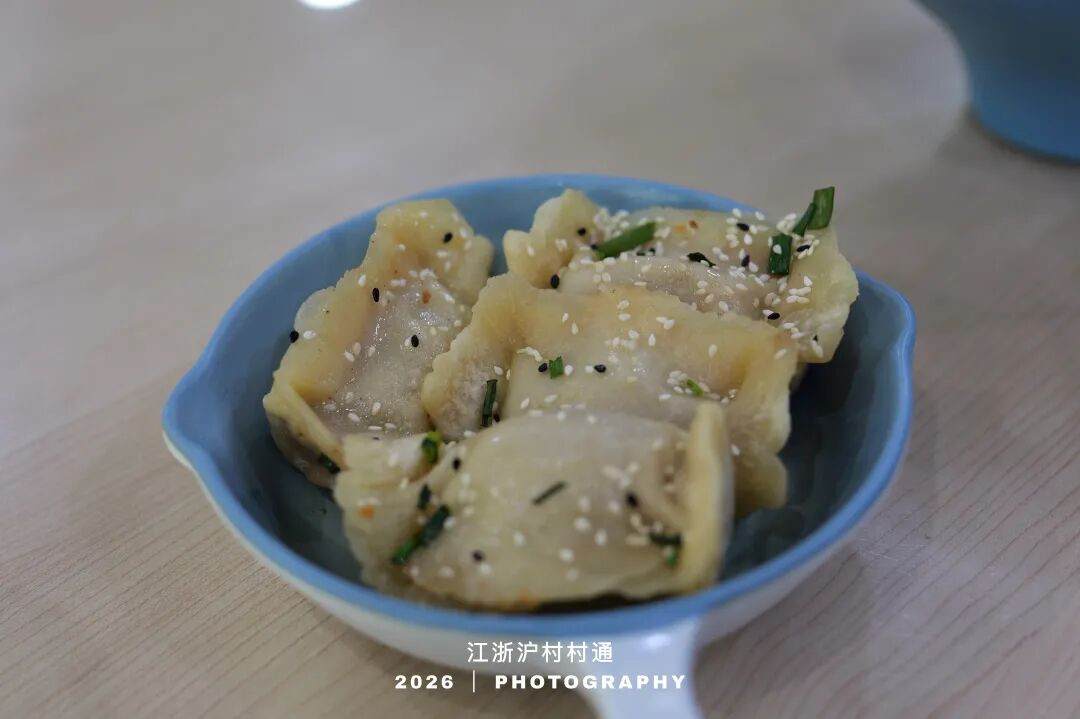
The menu is way shorter than it used to be. I remember they used to have niangao tuan (sticky rice cake rolls), but those are completely gone now. The core items really boil down to just three to five things~
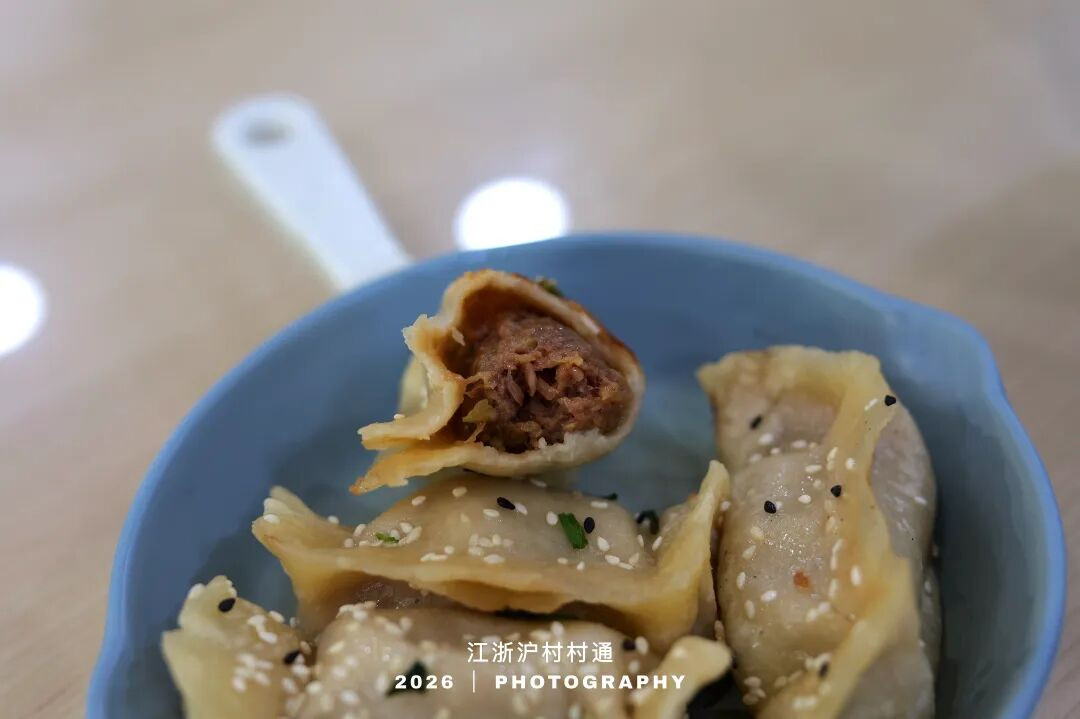
The niurou jianbao. You pay with your ticket and pick them up yourself at the window. They're 5 RMB each, buy four get one free, and they were fresh out of the pan, which is a major plus. Eating them feels a bit like having a deep-fried leavened steamed bun—the dough is on the thicker side, but the crust is super crispy and it doesn't feel greasy at all!
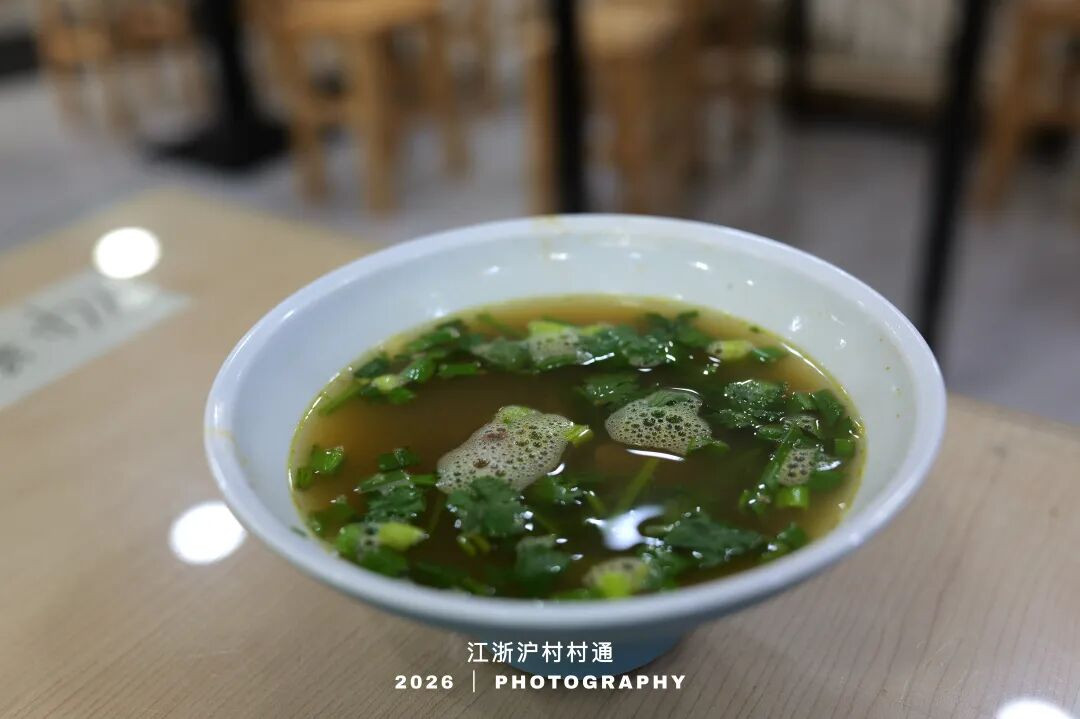
The beef filling inside isn't actually that heavy; cabbage makes up a pretty high percentage of it. It feels a bit loose when you bite into it, and there isn't much soup, so it mostly relies on seasoning for that extra punch of aroma!
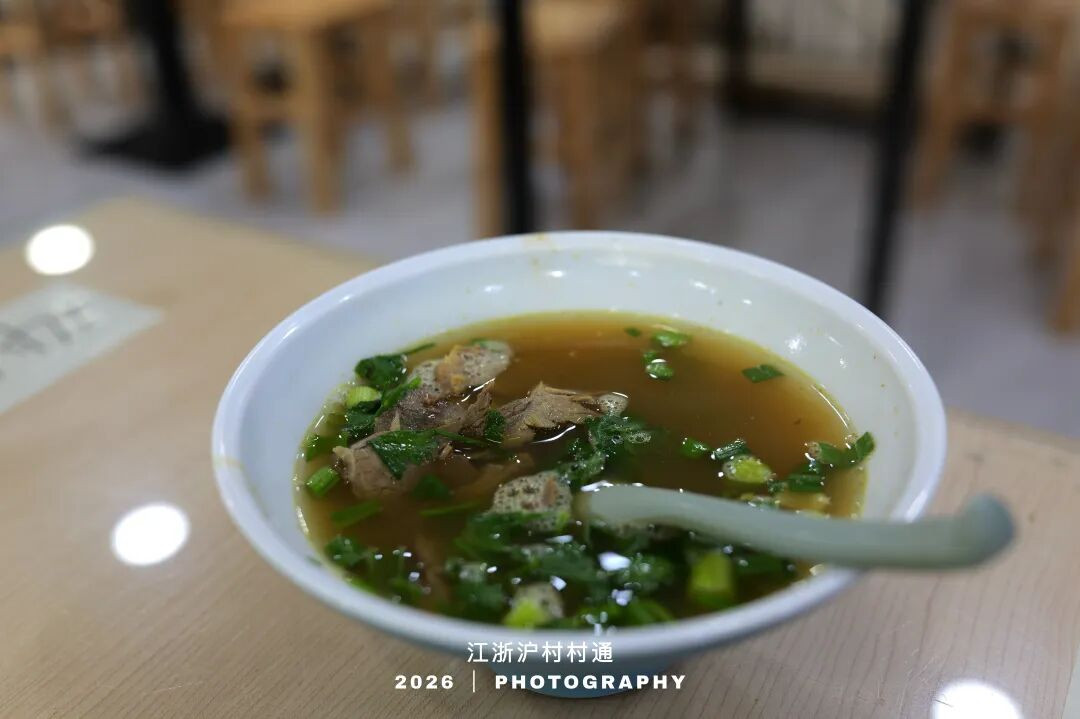
The niurou guotie (crispy beef potstickers) go for 10 RMB per liang (about 50 grams), and they were fresh out of the pan too! They're quite large, but the wrapper is thick and sticks to your teeth. The folds weren't even sealed properly, and they tasted kind of dry, though the bottom crust was seriously crunchy~
They use the exact same filling as the jianbao~
The curry beef soup is 15 RMB. The curry flavor in the broth is super rich, with just a hint of bitterness~
I gotta be honest, they're super generous with the beef—there's a ton of it. That said, most of it is just bits and pieces, and it tasted a bit dry and stringy!
Even though I thought the food was just so-so, regular customers keep streaming into the shop nonstop. After all, it is a neighborhood institution that's been around for close to 60 years~
Xinghongge Restaurant • Niurou Jianbao Address: 2035 North Sichuan Road, Hongkou District~
END
Shanghai Halal Food Guide: Yixinzhai's Iconic Beef Potstickers & Soup in Yangpu
Articles • Hasan09 posted the article • 0 comments • 17 views • 1 days ago
Shanghai Yangpu Heritage Halal Dim Sum Spot: Hands-On Review of Yixinzhai's Gold-Medal Beef Guotie and Savory Beef Soup
Abstract:
A food pilgrimage to Yixinzhai, a century-old Halal heritage spot nestled in the Pingliang Road commercial district of Shanghai's Yangpu District. We put their signature guotie (crispy beef potstickers) with golden, ultra-crispy bottoms and juicy, bursting fillings to the test, paired with a clear, subtly sweet traditional beef soup, breaking down the artisanal magic of authentic Shanghai-style Halal street eats.
When you're a kid, everywhere feels miles away. Even though I lived right here in Yangpu, I’d actually never tried Yixinzhai.
The storefront has a massive sign right at the intersection of Pingliang Road and Linqing Road—you can spot it instantly even if you're driving past. That bright gold text on a red background is seriously blinding. It’s set up like most veteran eateries, with a deli counter on one side of the entrance, a pickup window for guotie and jianbao (pan-fried beef buns), and a dedicated dim sum window.
Their most famous deli item is baizhanji (classic cold-poached white-cut chicken), and these birds are huge. Getting a quarter section near the thigh runs around 600–700 grams, coming out to roughly 50 RMB. You can also grab wing-section pieces if you prefer—it’s totally flexible depending on your appetite and budget. The deli prices here are a bit steeper than what you’d find at neighborhood wet markets.
If you just want potstickers or pan-fried buns, you can hop right in the queue outside and pay with a quick QR code scan. But if you’re ordering other stuff like noodles or rice bowls, you’ll have to head inside to the cash register.
The interior is massive. The only catch is there are zero windows in the back, so it relies entirely on old-school, harsh white fluorescent lighting. Sitting in there doesn't exactly do wonders for your appetite. Even though this place is an official 'China Time-Honored Brand' and a 'Shanghai Intangible Cultural Heritage' spot where the food is so good it practically sells itself, they really need to rethink the dining ambiance.
You order at the cash register, where you can pick up shaved ice, beef soup, beef wontons, and various cold noodles and rice dishes. Once you order, you get a number tag. Aside from the shaved ice, mixed noodles, pan-fried buns, and potstickers, the servers bring everything else right to your table. Even though this is a Halal restaurant, the menu is massive, featuring full-on stir-fries alongside quick bites.
Even though the walls are plastered with house specialties, most people are clearly here for the dim sum.
After waiting in line for a bit, I scored some freshly made jianbao and guotie. The beef guotie (crispy beef potstickers) are genuinely huge, packed with a hefty meat filling that’s super juicy—not that watery, sloppy kind of juice, but a rich, spiced broth that gets locked into the finely whipped beef filling. Because they’re pan-fried, that combo of oil and carbs just cranks up the beef's natural flavor to the max. Seriously top-tier execution. Staying power like this proves they've totally mastered their craft.
The beef jianbao (pan-fried beef buns) are a pretty standard size for pan-fried buns, but unlike the typical beef jianbao you see all over the city, Yixinzhai keeps their filling purely all-meat (mixed with plenty of scallions). Most other spots cut theirs with cabbage and lean heavily into curry powder. Here, you get that pure, unadulterated beef flavor. If you’re not a scallion fan, though, this might be a tough sell.
Personally, I feel like the filling for the jianbao and the guotie is pretty much identical. If you like your wrappers on the softer, fluffier side, go for the jianbao. Both items are absolute knockouts.
The menu also features beef soup, beef wontons, beef xiaolongbao (steamed beef soup dumplings), and more. The wonton wrappers have a nice chew, and the fillings are solid and generous, though they didn't quite make me nod in awe the way the potstickers did. The beef soup is seasoned with curry. I also tried the noodles, but I wasn't a huge fan of the specific noodle style they use, though the broth itself was pretty solid.
During the lunchtime rush, I saw local aunties and uncles stopping by to pack up cold noodles to-go, some even bringing their own tiffins—definitely dyed-in-the-wool regulars. Since it's a Halal eatery, any dish featuring shredded meat uses shredded beef.
They also do takeaway for a whole lineup of traditional Chinese pastries: qingtuan (sweet mugwort rice dumplings), steamed buns, tiantiaogao (glutinous rice ribbon cakes), babaofan (eight-treasure rice pudding), and more. They’ve even dropped seasonal specialties: beef mooncakes. They’ve got a few flavors going on: curry beef, five-spice beef, and salted egg yolk beef. Of course, they’ve got sweet options too, like red bean paste and mixed fruit nut.
Just for that single bite of beef jianbao and guotie, Yixinzhai is 100% worth a return trip.
Yixinzhai Address: No. 1625 Pingliang Road, Yangpu District, Shanghai
Parking Tips: You can park right across the street inside the Hudong Workers' Cultural Palace (Donggong). Parking is 8 RMB/hour.
Halal Eateries to Check Out:
Weimin Food, located on Nanda Road in Shanghai's Baoshan District—highly recommend their beef tongue noodles. view all
Shanghai Yangpu Heritage Halal Dim Sum Spot: Hands-On Review of Yixinzhai's Gold-Medal Beef Guotie and Savory Beef Soup
Abstract:
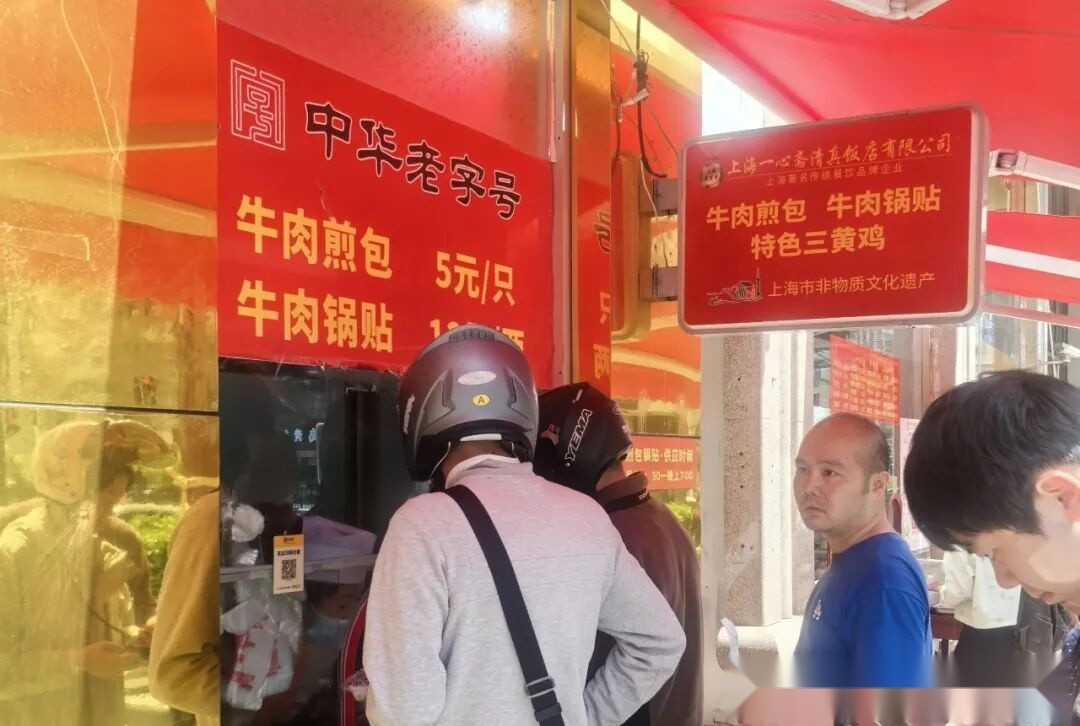
A food pilgrimage to Yixinzhai, a century-old Halal heritage spot nestled in the Pingliang Road commercial district of Shanghai's Yangpu District. We put their signature guotie (crispy beef potstickers) with golden, ultra-crispy bottoms and juicy, bursting fillings to the test, paired with a clear, subtly sweet traditional beef soup, breaking down the artisanal magic of authentic Shanghai-style Halal street eats.
When you're a kid, everywhere feels miles away. Even though I lived right here in Yangpu, I’d actually never tried Yixinzhai.
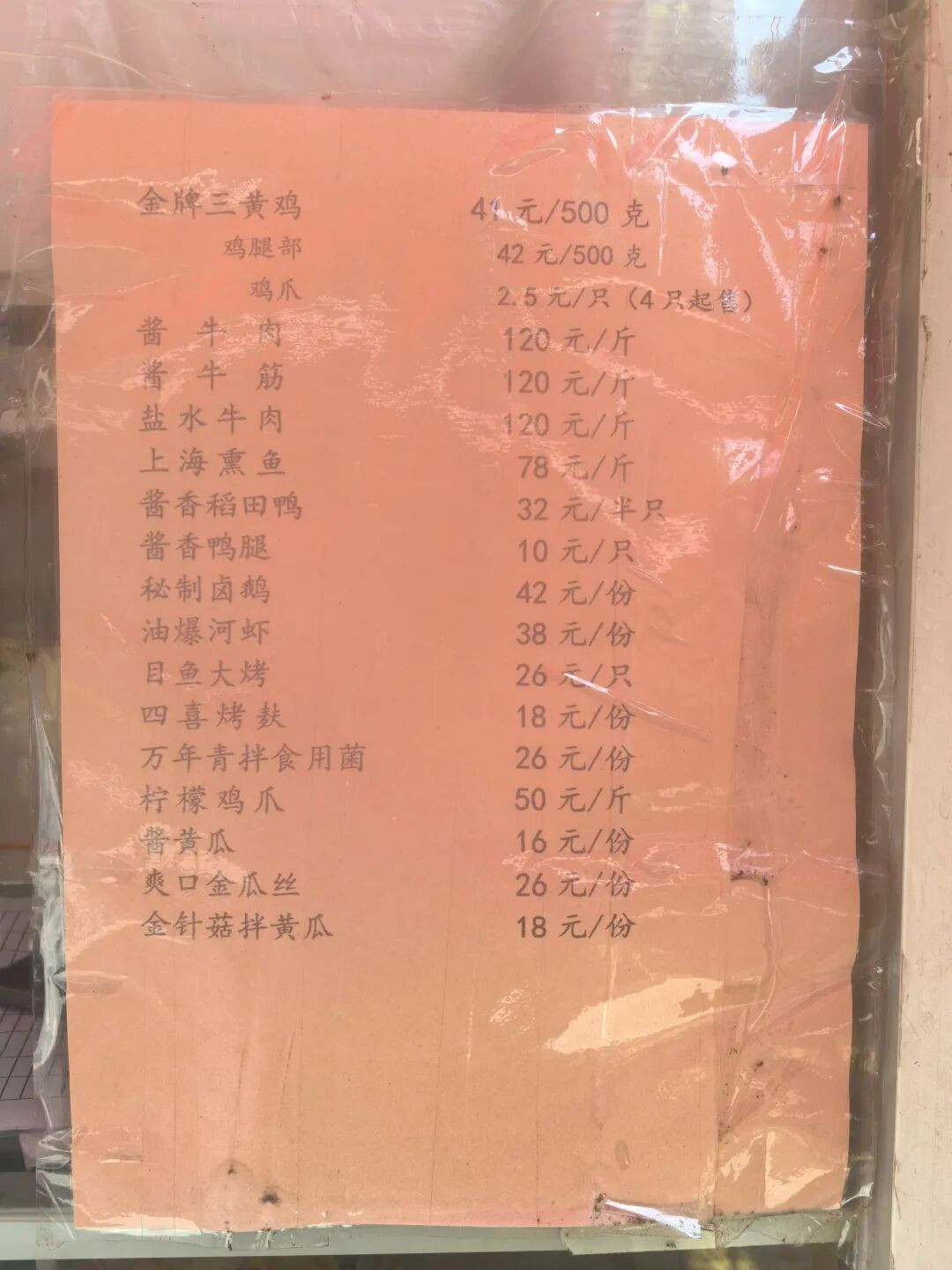
The storefront has a massive sign right at the intersection of Pingliang Road and Linqing Road—you can spot it instantly even if you're driving past. That bright gold text on a red background is seriously blinding. It’s set up like most veteran eateries, with a deli counter on one side of the entrance, a pickup window for guotie and jianbao (pan-fried beef buns), and a dedicated dim sum window.
Their most famous deli item is baizhanji (classic cold-poached white-cut chicken), and these birds are huge. Getting a quarter section near the thigh runs around 600–700 grams, coming out to roughly 50 RMB. You can also grab wing-section pieces if you prefer—it’s totally flexible depending on your appetite and budget. The deli prices here are a bit steeper than what you’d find at neighborhood wet markets.
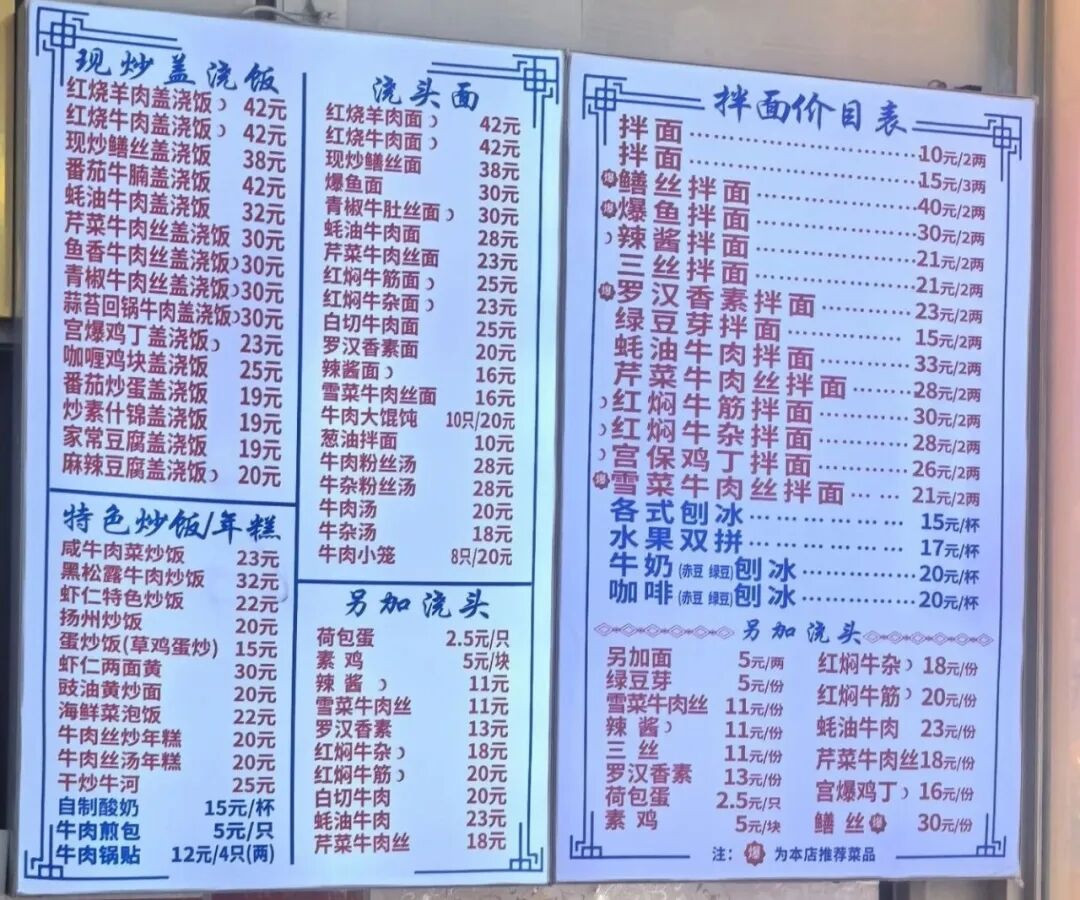
If you just want potstickers or pan-fried buns, you can hop right in the queue outside and pay with a quick QR code scan. But if you’re ordering other stuff like noodles or rice bowls, you’ll have to head inside to the cash register.
The interior is massive. The only catch is there are zero windows in the back, so it relies entirely on old-school, harsh white fluorescent lighting. Sitting in there doesn't exactly do wonders for your appetite. Even though this place is an official 'China Time-Honored Brand' and a 'Shanghai Intangible Cultural Heritage' spot where the food is so good it practically sells itself, they really need to rethink the dining ambiance.
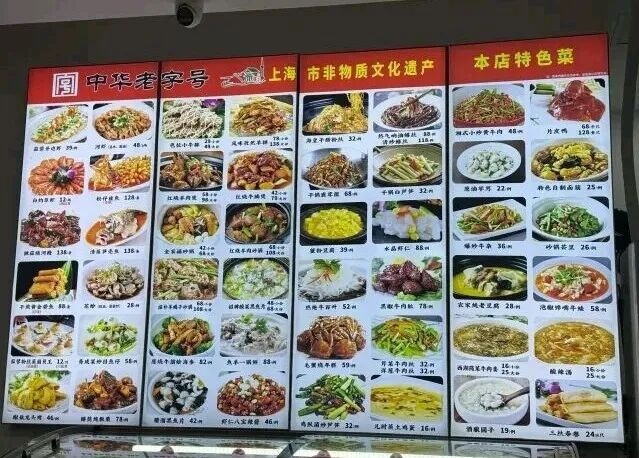
You order at the cash register, where you can pick up shaved ice, beef soup, beef wontons, and various cold noodles and rice dishes. Once you order, you get a number tag. Aside from the shaved ice, mixed noodles, pan-fried buns, and potstickers, the servers bring everything else right to your table. Even though this is a Halal restaurant, the menu is massive, featuring full-on stir-fries alongside quick bites.
Even though the walls are plastered with house specialties, most people are clearly here for the dim sum.
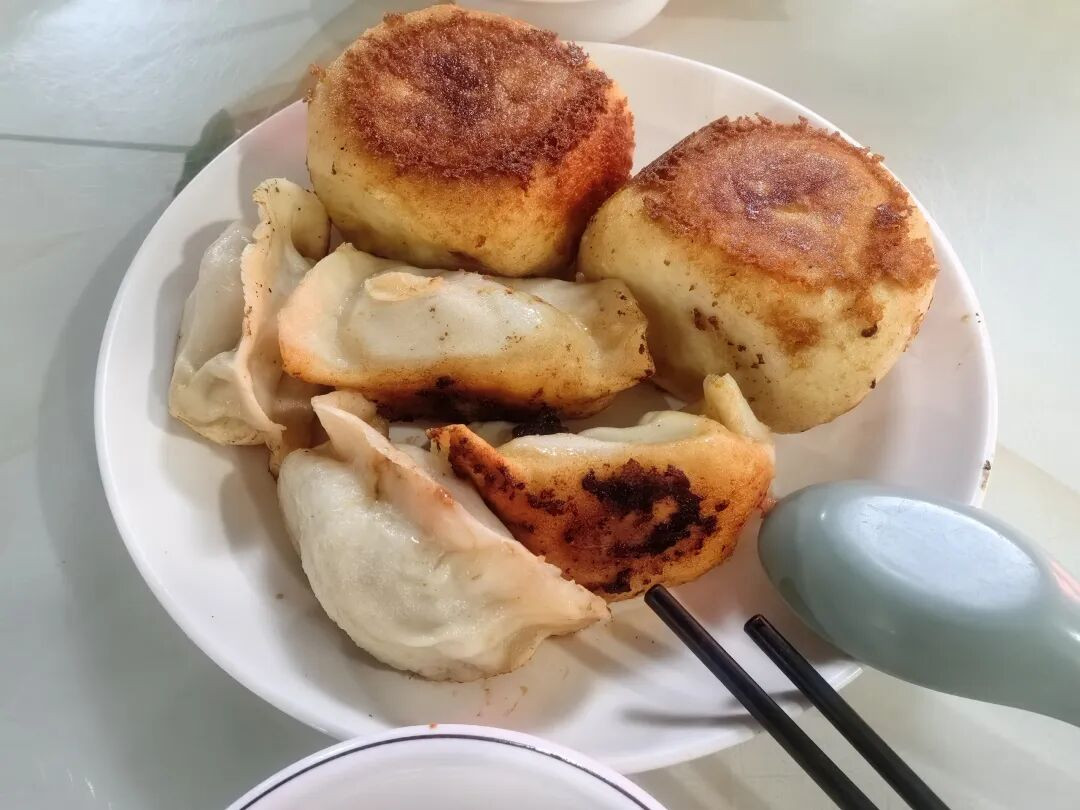
After waiting in line for a bit, I scored some freshly made jianbao and guotie. The beef guotie (crispy beef potstickers) are genuinely huge, packed with a hefty meat filling that’s super juicy—not that watery, sloppy kind of juice, but a rich, spiced broth that gets locked into the finely whipped beef filling. Because they’re pan-fried, that combo of oil and carbs just cranks up the beef's natural flavor to the max. Seriously top-tier execution. Staying power like this proves they've totally mastered their craft.
The beef jianbao (pan-fried beef buns) are a pretty standard size for pan-fried buns, but unlike the typical beef jianbao you see all over the city, Yixinzhai keeps their filling purely all-meat (mixed with plenty of scallions). Most other spots cut theirs with cabbage and lean heavily into curry powder. Here, you get that pure, unadulterated beef flavor. If you’re not a scallion fan, though, this might be a tough sell.
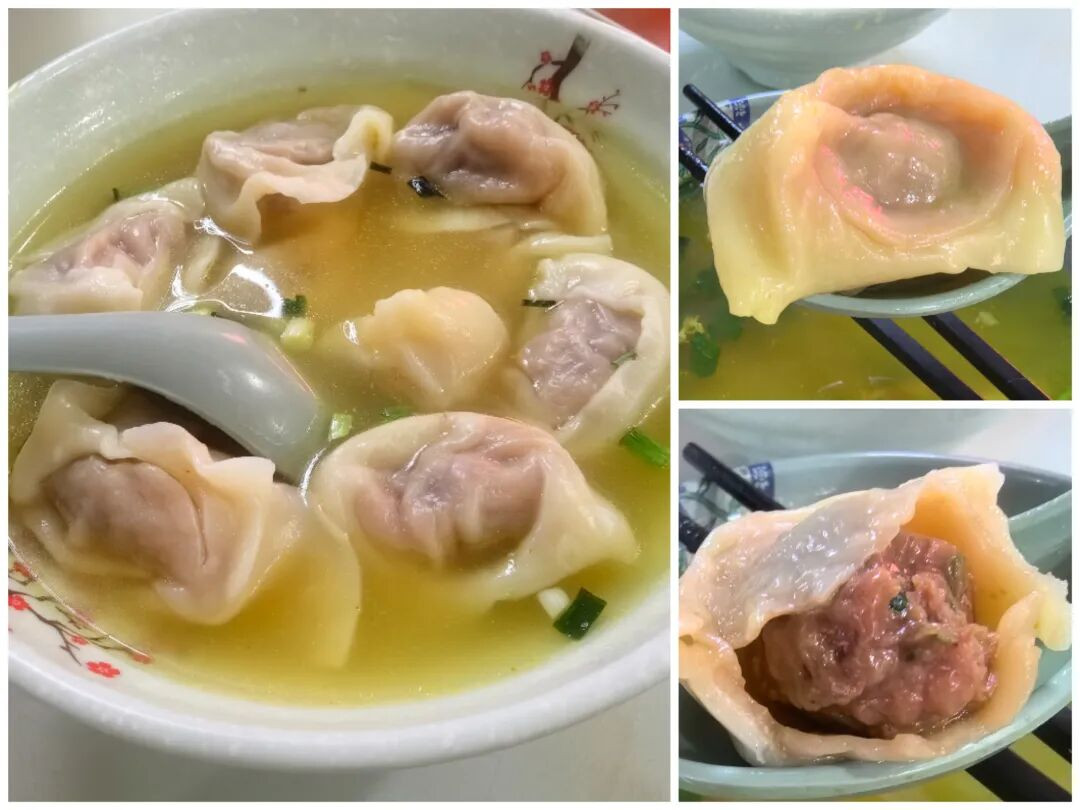
Personally, I feel like the filling for the jianbao and the guotie is pretty much identical. If you like your wrappers on the softer, fluffier side, go for the jianbao. Both items are absolute knockouts.
The menu also features beef soup, beef wontons, beef xiaolongbao (steamed beef soup dumplings), and more. The wonton wrappers have a nice chew, and the fillings are solid and generous, though they didn't quite make me nod in awe the way the potstickers did. The beef soup is seasoned with curry. I also tried the noodles, but I wasn't a huge fan of the specific noodle style they use, though the broth itself was pretty solid.
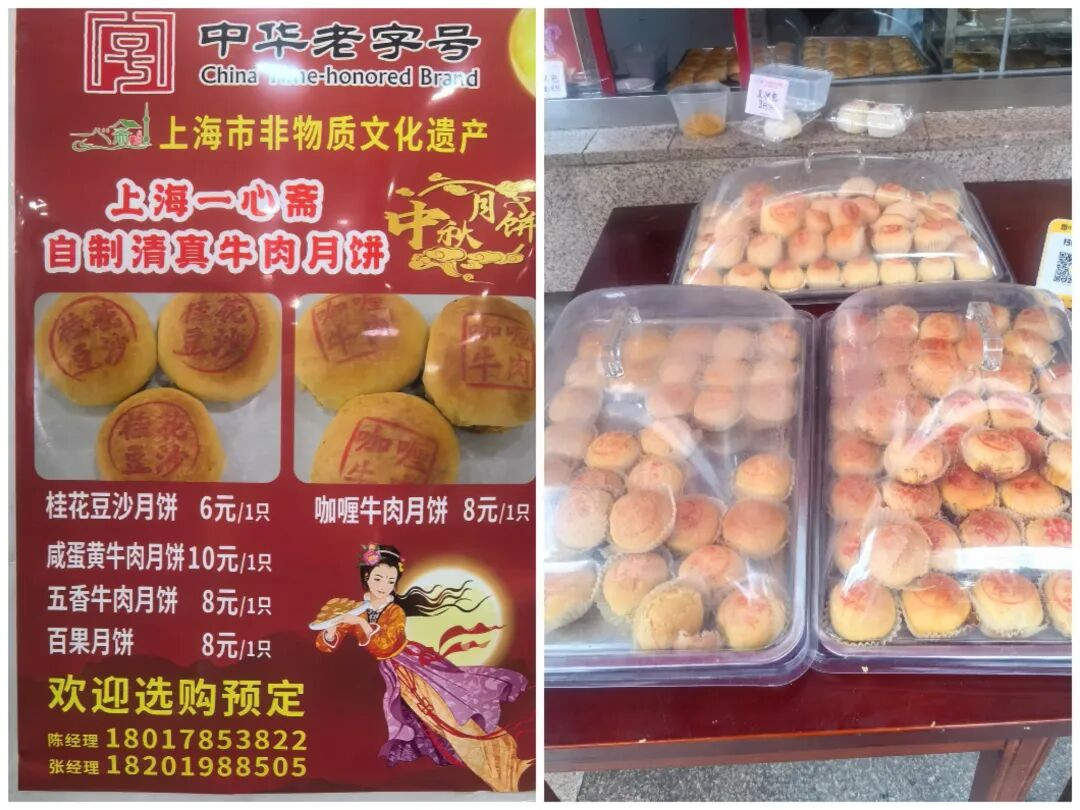
During the lunchtime rush, I saw local aunties and uncles stopping by to pack up cold noodles to-go, some even bringing their own tiffins—definitely dyed-in-the-wool regulars. Since it's a Halal eatery, any dish featuring shredded meat uses shredded beef.
They also do takeaway for a whole lineup of traditional Chinese pastries: qingtuan (sweet mugwort rice dumplings), steamed buns, tiantiaogao (glutinous rice ribbon cakes), babaofan (eight-treasure rice pudding), and more. They’ve even dropped seasonal specialties: beef mooncakes. They’ve got a few flavors going on: curry beef, five-spice beef, and salted egg yolk beef. Of course, they’ve got sweet options too, like red bean paste and mixed fruit nut.
Just for that single bite of beef jianbao and guotie, Yixinzhai is 100% worth a return trip.
Yixinzhai Address: No. 1625 Pingliang Road, Yangpu District, Shanghai
Parking Tips: You can park right across the street inside the Hudong Workers' Cultural Palace (Donggong). Parking is 8 RMB/hour.
Halal Eateries to Check Out:
Weimin Food, located on Nanda Road in Shanghai's Baoshan District—highly recommend their beef tongue noodles.
Shanghai Halal Food Guide: Yixinzhai's Legendary Beef Potstickers & Soup in Yangpu
Articles • Hasan09 posted the article • 0 comments • 8 views • 1 days ago
Shanghai Yangpu Time-Honored Halal Dim Sum Spot: Yixinzhai's Gold-Medal Beef Potstickers and Savory Beef Soup Real-World Review
Abstract:
A visit to 'Yixinzhai,' a century-old Halal landmark nestled in the Pingliang Road commercial hub of Shanghai's Yangpu District. We review their signature beef potstickers—golden and crispy on the bottom with a juicy, flavor-packed filling—paired with a light, naturally sweet traditional clear beef soup to break down the craft and soul of authentic Shanghainese-style Halal street eats.
When you're a kid, everywhere feels miles away. Even though I grew up right here in Yangpu, I had never actually eaten at Yixinzhai.
The shop's giant sign sits right at the intersection of Pingliang Road and Linqing Road, impossible to miss even if you're just driving by. That gold-on-red sign is blindingly bright. Much like most legacy food spots, it features separate windows out front: one for deli meats, one for potstickers & pan-fried buns, and another dedicated strictly to dim sum.
Their most famous deli item is baiqieji (white-cut poached chicken), and these birds are huge. A quarter chicken with the leg attached weighs in around 600 to 700 grams, running you about 50 RMB. You can also opt for wing portions—it's all flexible depending on your budget and appetite. The deli prices here run a bit higher than what you'd find at neighborhood wet markets.
If you're just looking to grab potstickers or pan-fried buns, you can hop right into the queue outside and scan to pay on the spot. But if you're ordering other items like noodles or rice bowls, you'll need to head inside to the cashier.
The interior is massive. The only downside is that the back area lacks windows, relying entirely on old-school white fluorescent lighting. Sitting back there doesn't exactly get your appetite going. Even though it's a certified 'China Time-Honored Brand' and a 'Shanghai Intangible Cultural Heritage' shop where the food sells itself, they really need to rethink the dine-in vibe.
You can order at the register, where options range from shaved ice and beef soup to beef wontons, cold noodles, and rice dishes. Once you order, you get a number tag. Aside from shaved ice, tossed noodles, pan-fried buns, and potstickers, the staff actually brings everything else straight to your table. Even though it's a Halal restaurant, the menu is surprisingly huge. Beyond quick bites, they also serve stir-fried dishes.
Even though the walls are plastered with house specialties, most people here are clearly just rolling in for the dim sum.
After waiting in line for a bit, I scored a fresh batch of pan-fried buns and potstickers. The beef potstickers are seriously hefty, packed tight with meat and juicy on the inside—not watery like soup dumplings, but rather a rich, spiced broth absorbed by the hand-whisked beef filling. Because they're pan-fried, that heavy hit of oil and carb-crispiness cuts right through the spices, actually elevating the natural beef flavor. Absolute perfection. Staying power like this proves they really know what they're doing.
The beef pan-fried bun is a pretty standard size for its category, but unlike the typical beef pan-fried buns you see all over the city, Yixinzhai keeps their filling pure meat (mixed with scallions), whereas most other spots cut theirs with cabbage and lean heavily into curry powder. Here, you get a much purer, unadulterated beef flavor. If you're not a fan of scallions, though, this might be a tough sell.
Personally, I feel like the fillings for both the pan-fried buns and potstickers are identical. If you like your wrappers with a softer, fluffier chew, go for the pan-fried buns. Both items are absolute standouts.
The menu also features beef soup, beef wontons, beef xiaolongbao (steamed soup dumplings), and more. The wonton wrappers have a great springy chew, and the fillings are dense and packed, though they didn't blow me away quite like the potstickers. The beef soup is seasoned with curry. I also tried the noodles, but I wasn't huge on the noodle style they use, though the broth itself was pretty solid.
During the lunch rush, I saw older local aunties and uncles packing up cold noodles to go—some even brought their own containers, making it obvious they were regulars. Being a Halal eatery, naturally, any dish with shredded meat features shredded beef.
The shop also sells a takeout selection of traditional Chinese pastries: qingtuan (sweet mugwort rice dumplings), steamed buns, tiaotougao (sticky rice red bean rolls), babaofan (eight-treasure sticky rice), and more. They've also dropped some seasonal items for the current rotation: beef mooncakes! They come in a few flavors like curry beef, five-spice beef, and salted egg yolk beef, alongside sweet classics like red bean paste and mixed fruit.
Just for that single bite of beef pan-fried buns and potstickers alone, Yixinzhai is 100% worth a return trip.
Yixinzhai Address: No. 1625 Pingliang Road, Yangpu District, Shanghai
Parking Tips: You can park across the street inside the Hudong Workers' Cultural Palace ('Donggong'). Parking is 8 RMB/hour.
Halal Dining Spotlight:
Weimin Food, located on Nanda Road in Shanghai's Baoshan District—try their beef tongue noodles. view all
Shanghai Yangpu Time-Honored Halal Dim Sum Spot: Yixinzhai's Gold-Medal Beef Potstickers and Savory Beef Soup Real-World Review
Abstract:
A visit to 'Yixinzhai,' a century-old Halal landmark nestled in the Pingliang Road commercial hub of Shanghai's Yangpu District. We review their signature beef potstickers—golden and crispy on the bottom with a juicy, flavor-packed filling—paired with a light, naturally sweet traditional clear beef soup to break down the craft and soul of authentic Shanghainese-style Halal street eats.
When you're a kid, everywhere feels miles away. Even though I grew up right here in Yangpu, I had never actually eaten at Yixinzhai.
The shop's giant sign sits right at the intersection of Pingliang Road and Linqing Road, impossible to miss even if you're just driving by. That gold-on-red sign is blindingly bright. Much like most legacy food spots, it features separate windows out front: one for deli meats, one for potstickers & pan-fried buns, and another dedicated strictly to dim sum.
Their most famous deli item is baiqieji (white-cut poached chicken), and these birds are huge. A quarter chicken with the leg attached weighs in around 600 to 700 grams, running you about 50 RMB. You can also opt for wing portions—it's all flexible depending on your budget and appetite. The deli prices here run a bit higher than what you'd find at neighborhood wet markets.
If you're just looking to grab potstickers or pan-fried buns, you can hop right into the queue outside and scan to pay on the spot. But if you're ordering other items like noodles or rice bowls, you'll need to head inside to the cashier.
The interior is massive. The only downside is that the back area lacks windows, relying entirely on old-school white fluorescent lighting. Sitting back there doesn't exactly get your appetite going. Even though it's a certified 'China Time-Honored Brand' and a 'Shanghai Intangible Cultural Heritage' shop where the food sells itself, they really need to rethink the dine-in vibe.
You can order at the register, where options range from shaved ice and beef soup to beef wontons, cold noodles, and rice dishes. Once you order, you get a number tag. Aside from shaved ice, tossed noodles, pan-fried buns, and potstickers, the staff actually brings everything else straight to your table. Even though it's a Halal restaurant, the menu is surprisingly huge. Beyond quick bites, they also serve stir-fried dishes.
Even though the walls are plastered with house specialties, most people here are clearly just rolling in for the dim sum.
After waiting in line for a bit, I scored a fresh batch of pan-fried buns and potstickers. The beef potstickers are seriously hefty, packed tight with meat and juicy on the inside—not watery like soup dumplings, but rather a rich, spiced broth absorbed by the hand-whisked beef filling. Because they're pan-fried, that heavy hit of oil and carb-crispiness cuts right through the spices, actually elevating the natural beef flavor. Absolute perfection. Staying power like this proves they really know what they're doing.
The beef pan-fried bun is a pretty standard size for its category, but unlike the typical beef pan-fried buns you see all over the city, Yixinzhai keeps their filling pure meat (mixed with scallions), whereas most other spots cut theirs with cabbage and lean heavily into curry powder. Here, you get a much purer, unadulterated beef flavor. If you're not a fan of scallions, though, this might be a tough sell.
Personally, I feel like the fillings for both the pan-fried buns and potstickers are identical. If you like your wrappers with a softer, fluffier chew, go for the pan-fried buns. Both items are absolute standouts.
The menu also features beef soup, beef wontons, beef xiaolongbao (steamed soup dumplings), and more. The wonton wrappers have a great springy chew, and the fillings are dense and packed, though they didn't blow me away quite like the potstickers. The beef soup is seasoned with curry. I also tried the noodles, but I wasn't huge on the noodle style they use, though the broth itself was pretty solid.
During the lunch rush, I saw older local aunties and uncles packing up cold noodles to go—some even brought their own containers, making it obvious they were regulars. Being a Halal eatery, naturally, any dish with shredded meat features shredded beef.
The shop also sells a takeout selection of traditional Chinese pastries: qingtuan (sweet mugwort rice dumplings), steamed buns, tiaotougao (sticky rice red bean rolls), babaofan (eight-treasure sticky rice), and more. They've also dropped some seasonal items for the current rotation: beef mooncakes! They come in a few flavors like curry beef, five-spice beef, and salted egg yolk beef, alongside sweet classics like red bean paste and mixed fruit.
Just for that single bite of beef pan-fried buns and potstickers alone, Yixinzhai is 100% worth a return trip.
Yixinzhai Address: No. 1625 Pingliang Road, Yangpu District, Shanghai
Parking Tips: You can park across the street inside the Hudong Workers' Cultural Palace ('Donggong'). Parking is 8 RMB/hour.
Halal Dining Spotlight:
Weimin Food, located on Nanda Road in Shanghai's Baoshan District—try their beef tongue noodles.
Blossoms Shanghai Halal Food Guide: Must-Try Muslim Restaurants & Dishes in Shanghai
Articles • Hasan09 posted the article • 0 comments • 8 views • 1 days ago
Eating Your Way Through Shanghai Like 'Blossoms Shanghai': Top Halal Restaurants You Need to Try
Summary:
Work has been pretty hectic lately, but I finally finished binge-watching the hit drama series 'Blossoms Shanghai'. Since I spent six years studying and living in Shanghai, all the neighborhood alleys and local gossip in the show hit home for me. Plus, having started my own business during my Halal living days in the city, the plot had me riding an emotional rollercoaster of laughs and tears—it's super addictive! If you haven't checked out the show yet, I seriously urge you to watch it. If you don't mind reading subtitles, try the Shanghai dialect ('Huyu') version—it has way more soul than the Mandarin dub.
Work has been pretty hectic lately, but I finally finished binge-watching the hit drama series 'Blossoms Shanghai'. Since I spent six years studying and living in Shanghai, all the neighborhood alleys and local gossip in the show hit home for me. Plus, having started my own business during my Halal living days in the city, the plot had me riding an emotional rollercoaster of laughs and tears—it's super addictive! If you haven't checked out the show yet, I seriously urge you to watch it. If you don't mind reading subtitles, try the Shanghai dialect ('Huyu') version—it has way more soul than the Mandarin dub.
Maybe it's just my professional radar, but every time I spotted a Halal element in the show, I'd geek out and instantly take a screenshot. I thought I was just tuning into an urban business-and-romance drama, but lo and behold, Halal restaurants actually make cameo appearances!
In episode 14, when 'Abao' and 'Xuezhi' go on a date at a hotpot joint that requires waiting in line, the place is called 'Hongshunxing'. The sign on the glass says 'Old West Shanghai Halal Restaurant', but its real-life prototype is clearly Shanghai's century-old legacy brand 'Hongchangxing'.
Hongchangxing
This has got to be Shanghai's oldest Halal beef and mutton hotpot spot. Founded back in 1891 by Ma Chunqiao (the second older brother of the legendary Peking Opera master Ma Lianliang), it originally started out as the 'Ma Family Troupe Kitchen'. In 1891? Wait—in 1918, a new owner named Hong Sanba renamed the restaurant 'Hongchangxing', flew in a bunch of famous Halal master chefs from Beijing, and started focusing heavily on shuan yangrou (traditional Mongolian mutton hotpot). It became an overnight sensation.
Nowadays, they still specialize in traditional copper chimney hotpots. Whether you're looking at the vibe or the food quality, it's a stellar spot for group gatherings or banquets.
Photo via: Dianping
If you're just visiting Shanghai as a tourist—especially if you're coming from northern China where copper pot mutton isn't anything new and you just want something uniquely local—you've gotta try their niurou jianbao (pan-fried beef buns). The chunky meat filling has this subtle hint of curry flavor. Honestly, I haven't seen this style of beef pan-fried buns anywhere else outside of Shanghai.
Photo via: Dianping
Right now, Hongchangxing has three locations in Shanghai. The Guangxi Road North and Yunnan Road spots are right in the tourist hotspots—especially the Guangxi Road North branch, where you can spot the massive signboard right from Nanjing Road, making it super easy to find. They've also kept up with the times by opening a branch inside the CapitaMall (Long of Dreams) shopping center, giving you extra convenience when you're out shopping and grabbing a bite.
Hongchangxing Mutton Restaurant (Guangxi Road North Branch)
Xinmeiju
Aside from Hongshunxing, the hotpot restaurant 'Xinlanju' frequently pops up in 'Blossoms Shanghai' where 'Boss Bao' and 'Li Li' love to dine.
The director probably used a play on words here, because there's no such thing as Xinlanju in Shanghai—only Xinmeiju. Opened in 1986, Xinmeiju isn't just an authentic old-school Beijing-style copper pot hotpot joint; it's also hailed as the pioneer of Shanghai's 'reqi yangrou' (fresh chilled lamb, literally 'hot-air lamb'). Back in the day, due to primitive refrigeration and transport conditions, almost all the mutton on the Shanghai market was frozen or cold-stored. Xinmeiju kicked off the 'reqi yangrou' trend. Naturally, the taste and texture of fresh mutton blow frozen meat out of the water, so it quickly took Shanghai by storm and pioneered the city's hotpot history.
Photo via: Dianping
Naturally, this place is all about steaming-hot mutton hotpot, and it's a massive favorite among locals.
Xinmeiju Fresh Lamb Hotpot
Yixinzhai
This is the third time your foodie friend is recommending this state-owned legacy canteen. If you want to taste authentic Shanghainese Benbang cuisine in Shanghai, starting here is a foolproof bet. The only downside is that parking nearby is an absolute nightmare, so I'd definitely recommend taking a taxi or public transit.
Yixinzhai's sanhuangji (three-yellow chicken) is their signature dish, and it's even been rated as one of China's gold-medal snacks. The chicken meat is incredibly tender and smooth, with crispy skin and soft bones. Pair it with the chefs' homemade secret dipping sauce, and a single bite fills your whole mouth with aroma.
Photo via: @Dianping
Shanghai smoked fish (xunyu) is an undisputed signature dish here. It's a hot dish served cold. When it hits the table, the smoked fish looks gorgeous, boasting a bright glaze. The meat is firm without being tough, crispy on the outside, tender on the inside, and rich in savory soy flavor with a subtle hint of preserved plum that keeps you reaching for more.
Hot sizzling eel shreds (reqi xiangyou shansi). Just hearing the name sounds super vivid! The secret is placing a pile of minced scallions, ginger, and white pepper on top of the cooked eel, pouring a ladle of scorching-hot oil over it, and letting it crack and sizzle. Priced at 78 RMB a plate, you gotta eat it while it's piping hot—zero fishy taste, just pure umami goodness.
Photo via: @FoodieOldZhu
You've gotta try the local classic sixi kaofu (steamed wheat gluten with peanuts, black fungus, and daylily). It leans sweet and savory, sports a rich reddish-brown hue, and packs an aromatic, deep flavor.
Shanghai Yixinzhai (Pingliang Road Branch)
Shanghai Pearl Hotel · Atlantic Restaurant
If you want to venture beyond traditional Benbang Halal food, you can check out some fusion styles. The head chef fuses traditional Halal ingredients with Benbang cooking techniques, carving out a unique 'Shanghai-style Halal' cuisine while keeping traditional roots intact.
Due to dietary habits, traditional cold dishes at formal meals are super rare. Taking a page out of Western-meets-Chinese culinary playbooks, the chef whipped up a dish we can actually eat, love, and serve with pride: alley-style beef tongue tossed in vinegar and olive oil. Thinly sliced beef tongue is paired with a fusion dressing of olive oil and vinegar. Soaked in the vinaigrette, you get notes of fresh olive and rich rice vinegar, plus a snappy, springy texture. It is the ultimate appetizer~
Piping-hot shredded radish pastry (luobosi bing)—crispy pastry on the outside, packed with shredded radish inside, with a layer of toasted sesame seeds on the bottom. One bite yields a flaky, soft, sweet, and savory explosion of flavor. So good!
The ultimate showstopper is the French-style diced beef with black pepper. Every single beef cube is coated in a slightly spicy black pepper glaze. The exterior is charred and fragrant, while the meat inside stays juicy and tender. Absolute perfection.
The poached salted duck (yanshui ya) is also packed with flavor—white skin, tender meat, rich without being greasy, fresh and delicious.
Corn hot plates (yumi lao) are basically standard issue at every restaurant in Shanghai, making them the ultimate post-meal dessert.
If you visit around holidays like the Mid-Autumn Festival, you can even snag freshly baked fresh beef mooncakes.
Atlantic Restaurant
Shanghai Weimin Commercial Bank Halal Restaurant
Aside from Benbang dishes, you simply have to try local Benbang noodles. As time marches on and the city transforms, many old-school Halal noodle shops have closed down, but this one's definitely here to stay! Since it functions as the open-to-the-public staff canteen for the Shanghai Beef and Mutton Corporation, both the prices and flavors are super budget-friendly.
When your foodie writer lived nearby back in 2015, I treated this place like my personal canteen on weekends. Dining in here is all about the noodles: beef noodles, mutton noodles, and scallion oil noodles (congayou banmian). No matter which noodle you pick, the meat portions are insanely generous—a massive scoop on top makes you feel full just from eating the meat. During my year living nearby, I cycled through every single noodle on the menu multiple times, but my absolute favorite was the scallion oil noodles topped with beef. A bowl of scallion oil noodles cost 4 RMB, and adding a portion of beef cost 18 RMB—the exact same price as a bowl of noodle soup, but without the soup diluting things, making the meat and noodle flavors punch even harder (though prices are probably different now)!
Shanghai Weimin Commercial Bank Halal Restaurant (Nanda Road Branch)
Halal Shunhe Eatery
Photo via: Dianping
A tiny Halal noodle joint tucked away on Fuxing Middle Road that's been around for years. All the patrons are neighborhood locals and longtime regulars. Sitting right on Fuxing Middle Road next to the historic Sinan Mansions, it's pretty much prime real estate in downtown Shanghai.
The menu is super simple, focusing mainly on noodle soups, dry-tossed noodles, and a variety of toppings (jiaotou).
They've got spicy beef sauce, beef stuffed in bean curd skin (niurou baifubao), fried tofu skin, soy-braised eggs, and shredded beef. You can order a bowl of noodles and pile on every single topping available for under 30 RMB. That is insane value for money right in downtown Shanghai, and the best part is that everything actually tastes delicious.
The owners are a local Shanghai couple. Hearing them chat away in warm, friendly Shanghai dialect instantly makes you feel at home. It's the kind of spot where locals grab a casual bite and just unwind. Heads up: their business hours are 06:30–13:30 and 16:30–18:30, so make sure you don't miss out~
Halal Shunhe Eatery
Guanguanji Restaurant
Plenty of Halal canteens have a huge fanbase among folks from Northwest China. If you genuinely can't get used to Benbang food or are just craving a taste of home, Guanguanji is hands-down the most famous Northwestern restaurant in Shanghai right now. Their signature dishes include shouzhua yangrou (Lanzhou hand-grabbed lamb), dapanji (big plate spicy chicken), pilaf, and eight-treasure tea (babaicha)—no need to over-introduce those classics!
Guanguanji Muslim Restaurant (Zhejiang Middle Road Branch) view all
Eating Your Way Through Shanghai Like 'Blossoms Shanghai': Top Halal Restaurants You Need to Try
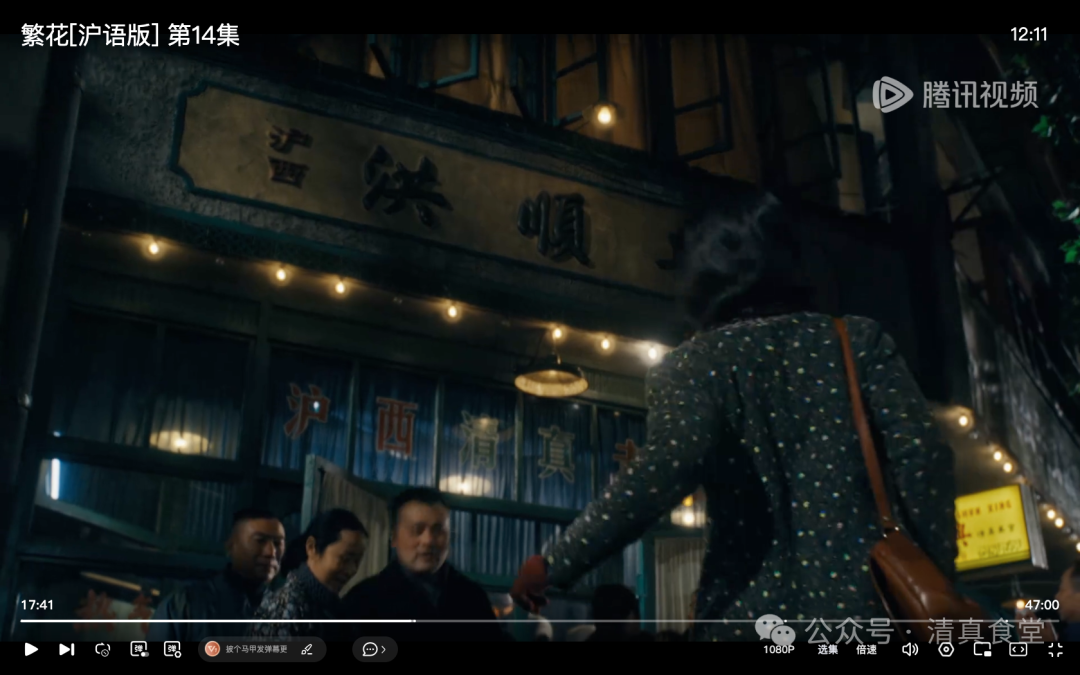
Summary:
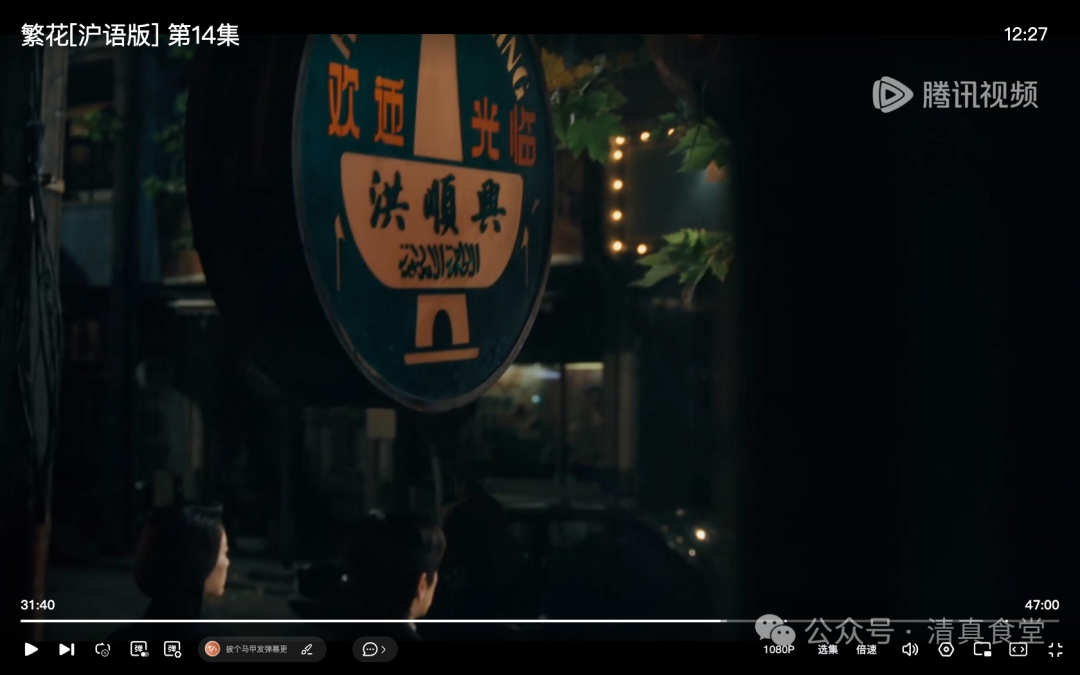
Work has been pretty hectic lately, but I finally finished binge-watching the hit drama series 'Blossoms Shanghai'. Since I spent six years studying and living in Shanghai, all the neighborhood alleys and local gossip in the show hit home for me. Plus, having started my own business during my Halal living days in the city, the plot had me riding an emotional rollercoaster of laughs and tears—it's super addictive! If you haven't checked out the show yet, I seriously urge you to watch it. If you don't mind reading subtitles, try the Shanghai dialect ('Huyu') version—it has way more soul than the Mandarin dub.
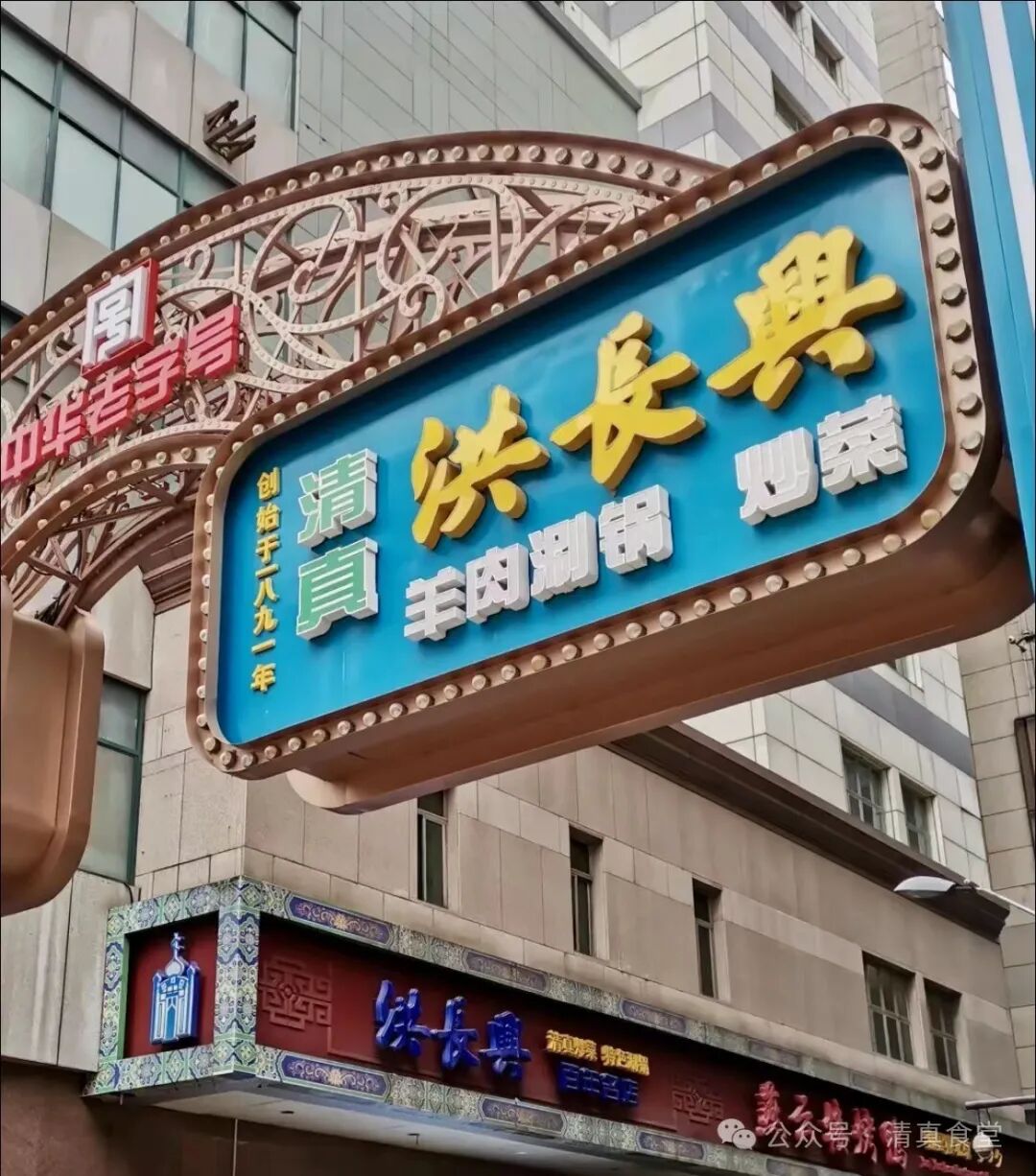
Work has been pretty hectic lately, but I finally finished binge-watching the hit drama series 'Blossoms Shanghai'. Since I spent six years studying and living in Shanghai, all the neighborhood alleys and local gossip in the show hit home for me. Plus, having started my own business during my Halal living days in the city, the plot had me riding an emotional rollercoaster of laughs and tears—it's super addictive! If you haven't checked out the show yet, I seriously urge you to watch it. If you don't mind reading subtitles, try the Shanghai dialect ('Huyu') version—it has way more soul than the Mandarin dub.
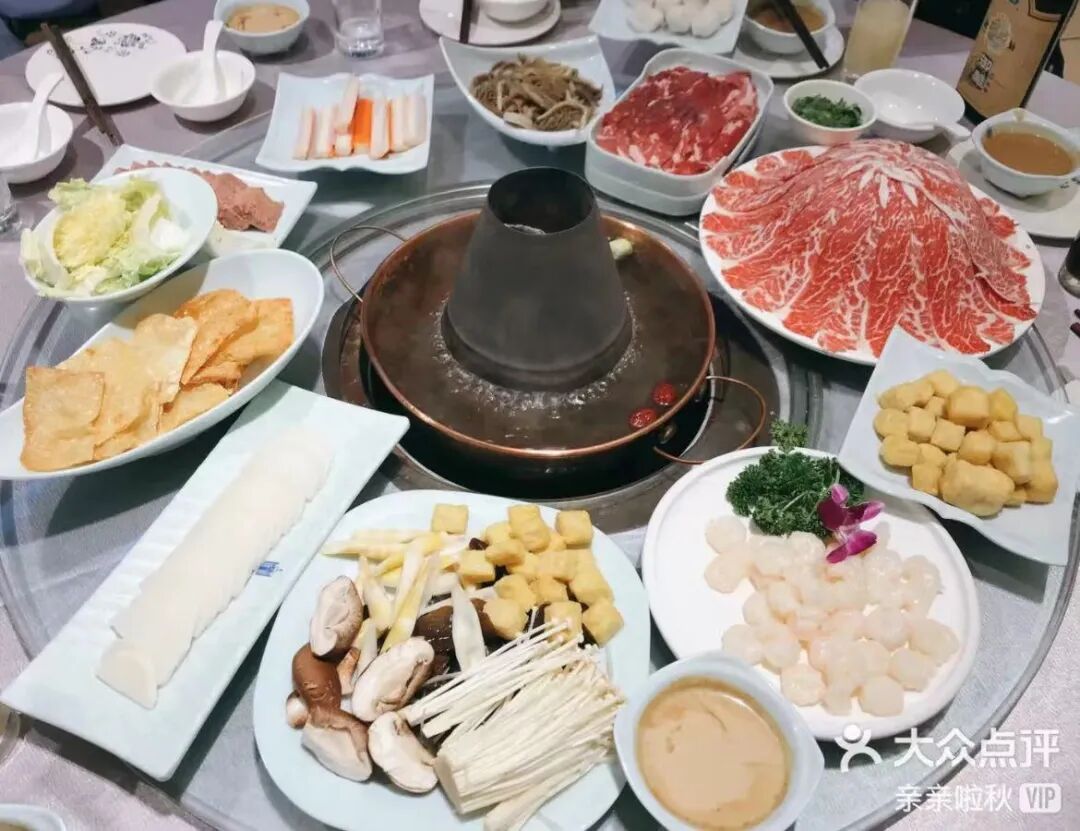
Maybe it's just my professional radar, but every time I spotted a Halal element in the show, I'd geek out and instantly take a screenshot. I thought I was just tuning into an urban business-and-romance drama, but lo and behold, Halal restaurants actually make cameo appearances!
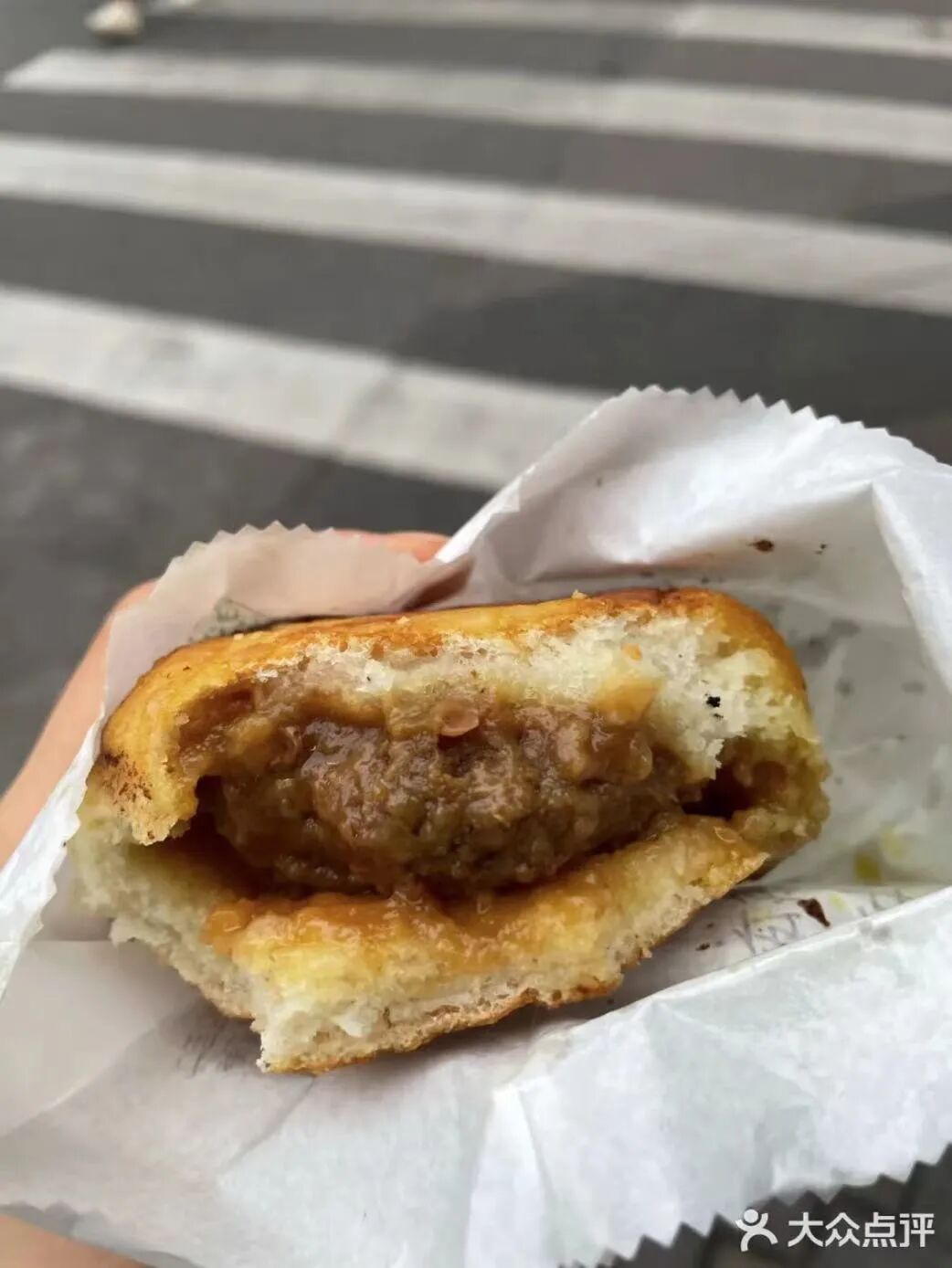
In episode 14, when 'Abao' and 'Xuezhi' go on a date at a hotpot joint that requires waiting in line, the place is called 'Hongshunxing'. The sign on the glass says 'Old West Shanghai Halal Restaurant', but its real-life prototype is clearly Shanghai's century-old legacy brand 'Hongchangxing'.
Hongchangxing
This has got to be Shanghai's oldest Halal beef and mutton hotpot spot. Founded back in 1891 by Ma Chunqiao (the second older brother of the legendary Peking Opera master Ma Lianliang), it originally started out as the 'Ma Family Troupe Kitchen'. In 1891? Wait—in 1918, a new owner named Hong Sanba renamed the restaurant 'Hongchangxing', flew in a bunch of famous Halal master chefs from Beijing, and started focusing heavily on shuan yangrou (traditional Mongolian mutton hotpot). It became an overnight sensation.
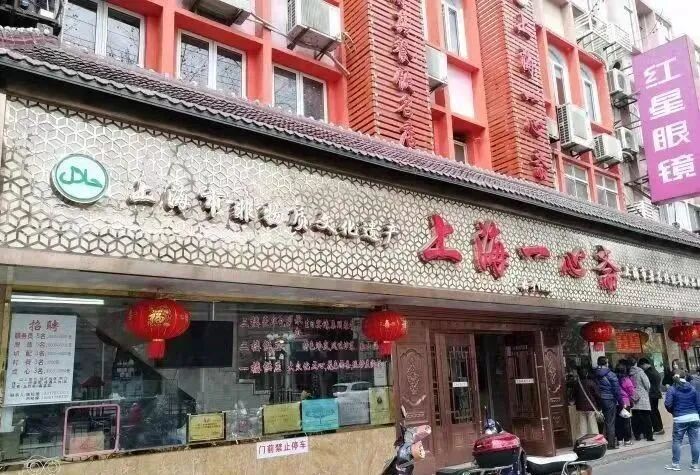
Nowadays, they still specialize in traditional copper chimney hotpots. Whether you're looking at the vibe or the food quality, it's a stellar spot for group gatherings or banquets.
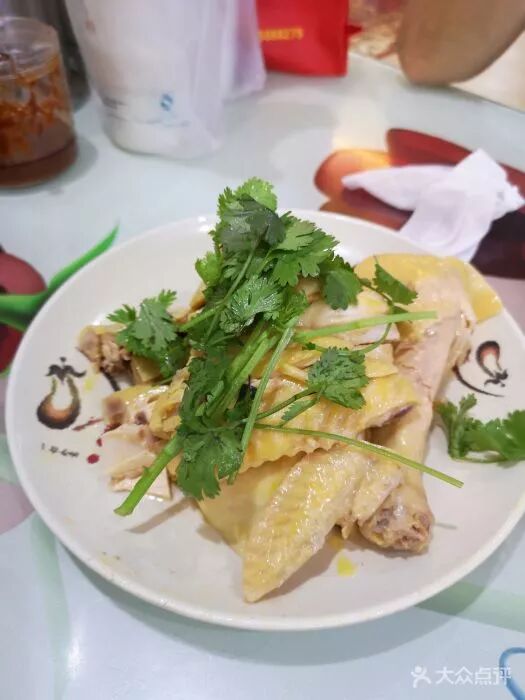
Photo via: Dianping
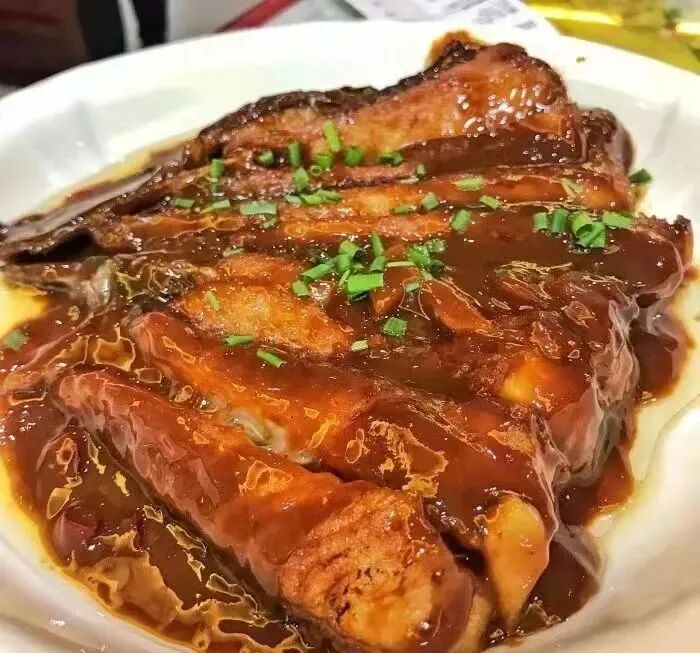
If you're just visiting Shanghai as a tourist—especially if you're coming from northern China where copper pot mutton isn't anything new and you just want something uniquely local—you've gotta try their niurou jianbao (pan-fried beef buns). The chunky meat filling has this subtle hint of curry flavor. Honestly, I haven't seen this style of beef pan-fried buns anywhere else outside of Shanghai.
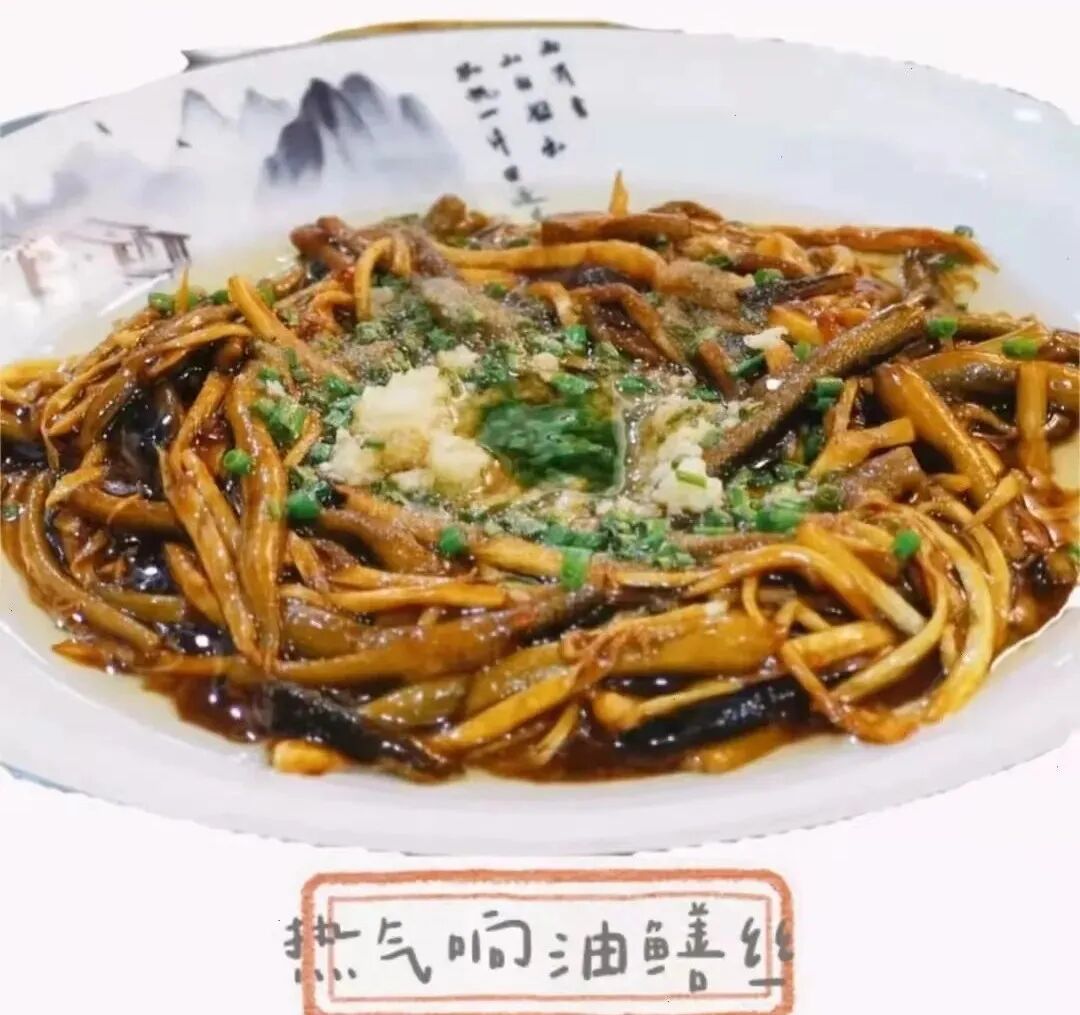
Photo via: Dianping
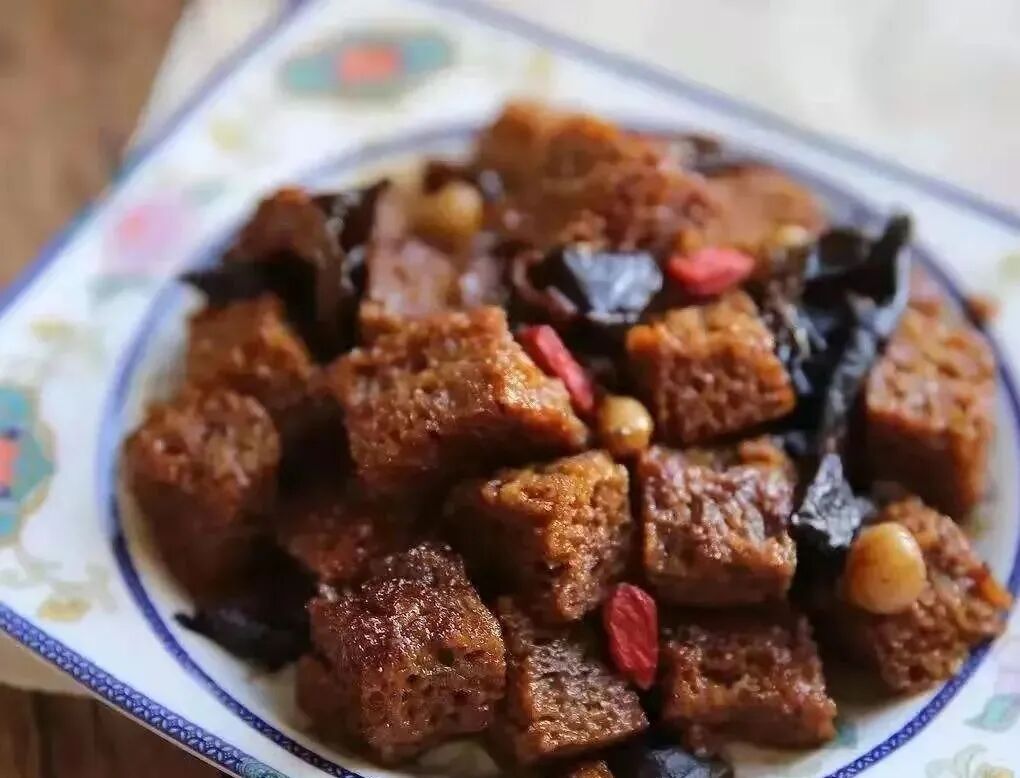
Right now, Hongchangxing has three locations in Shanghai. The Guangxi Road North and Yunnan Road spots are right in the tourist hotspots—especially the Guangxi Road North branch, where you can spot the massive signboard right from Nanjing Road, making it super easy to find. They've also kept up with the times by opening a branch inside the CapitaMall (Long of Dreams) shopping center, giving you extra convenience when you're out shopping and grabbing a bite.
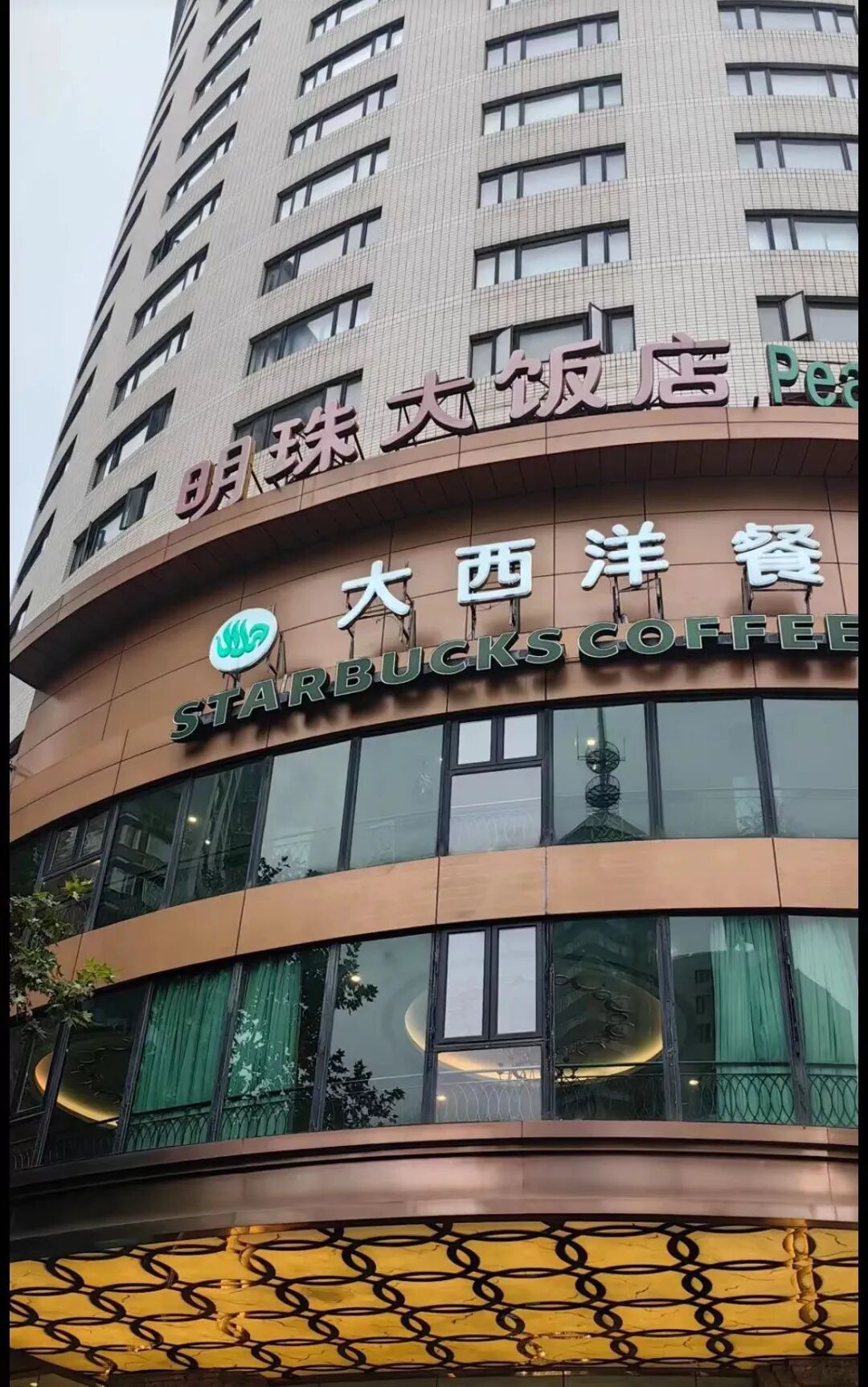
Hongchangxing Mutton Restaurant (Guangxi Road North Branch)
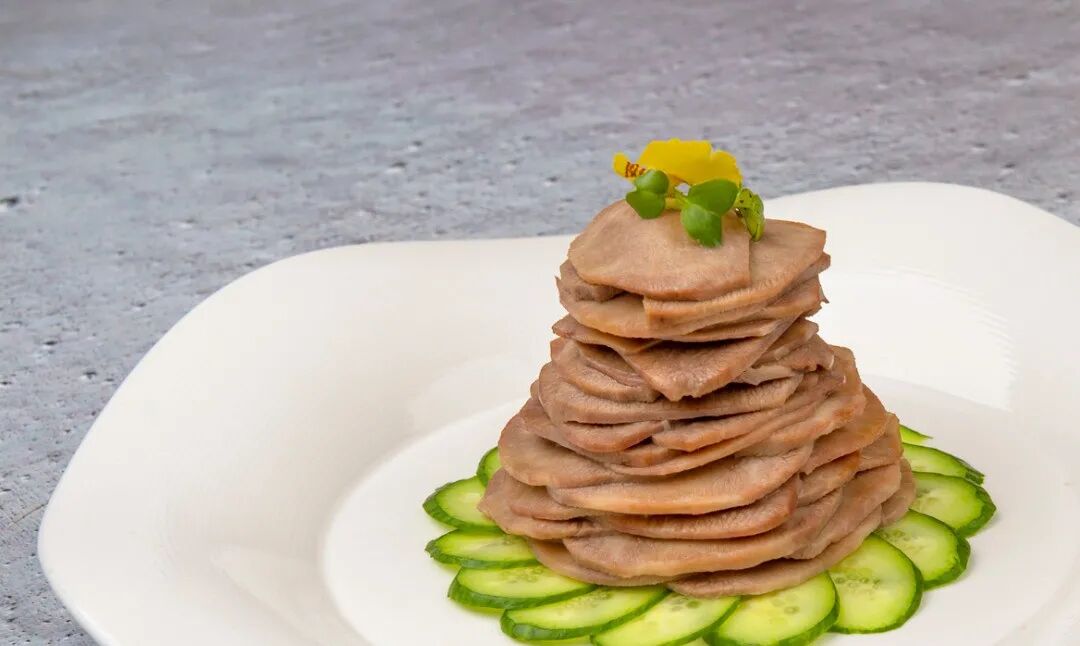
Xinmeiju
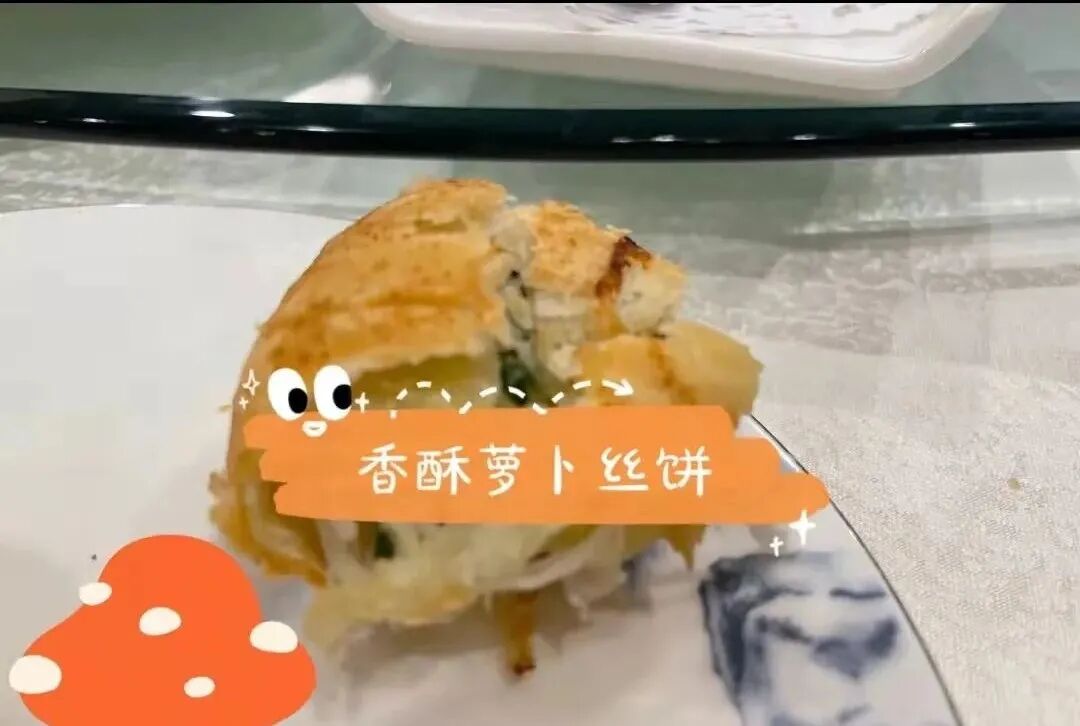
Aside from Hongshunxing, the hotpot restaurant 'Xinlanju' frequently pops up in 'Blossoms Shanghai' where 'Boss Bao' and 'Li Li' love to dine.
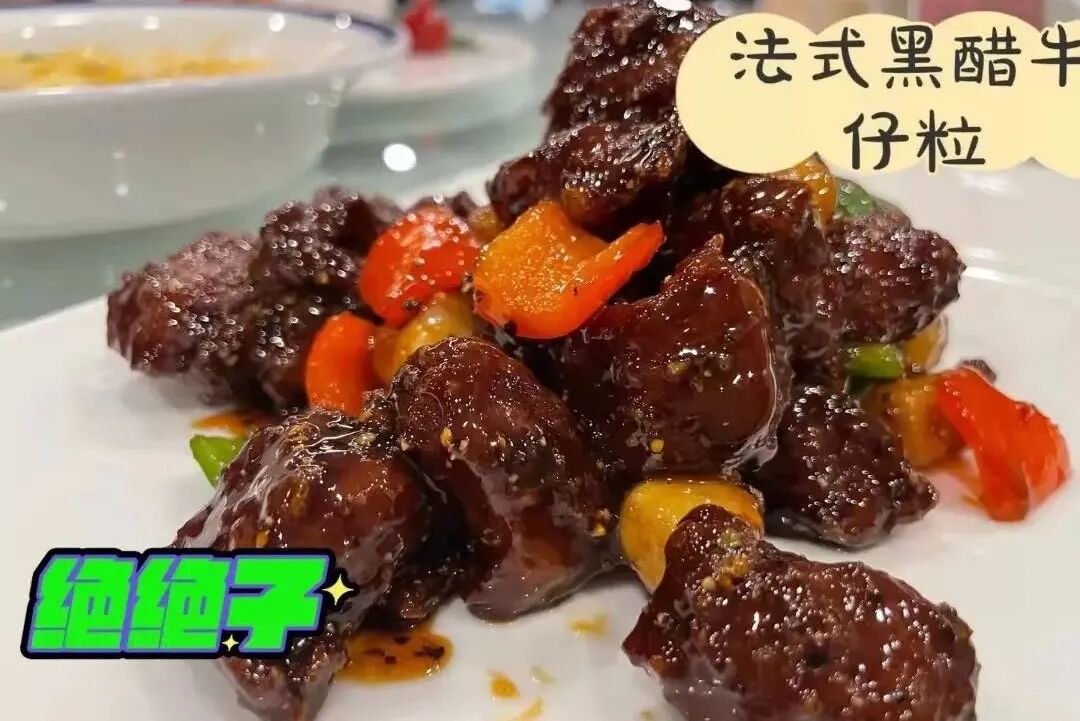
The director probably used a play on words here, because there's no such thing as Xinlanju in Shanghai—only Xinmeiju. Opened in 1986, Xinmeiju isn't just an authentic old-school Beijing-style copper pot hotpot joint; it's also hailed as the pioneer of Shanghai's 'reqi yangrou' (fresh chilled lamb, literally 'hot-air lamb'). Back in the day, due to primitive refrigeration and transport conditions, almost all the mutton on the Shanghai market was frozen or cold-stored. Xinmeiju kicked off the 'reqi yangrou' trend. Naturally, the taste and texture of fresh mutton blow frozen meat out of the water, so it quickly took Shanghai by storm and pioneered the city's hotpot history.
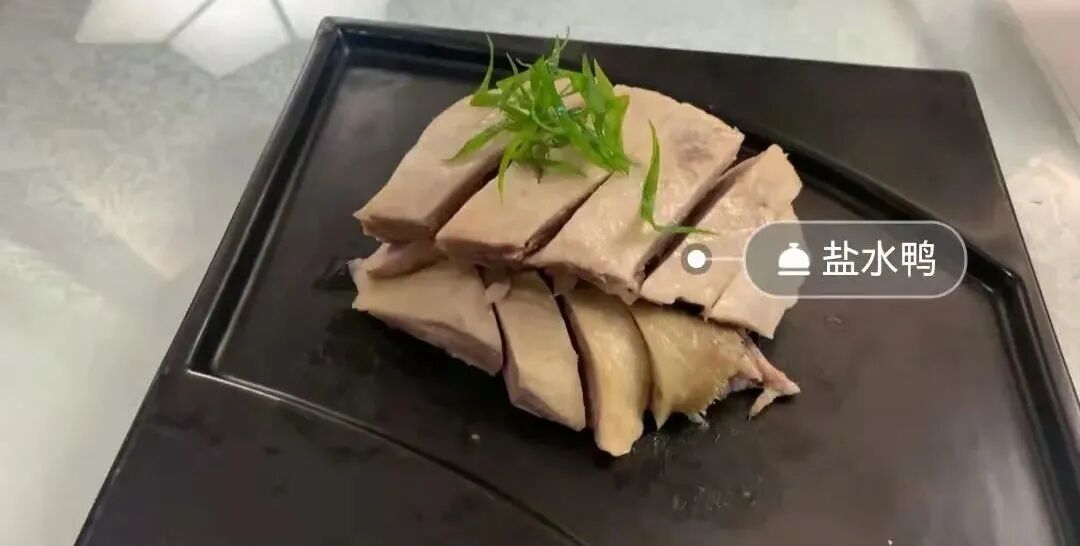
Photo via: Dianping
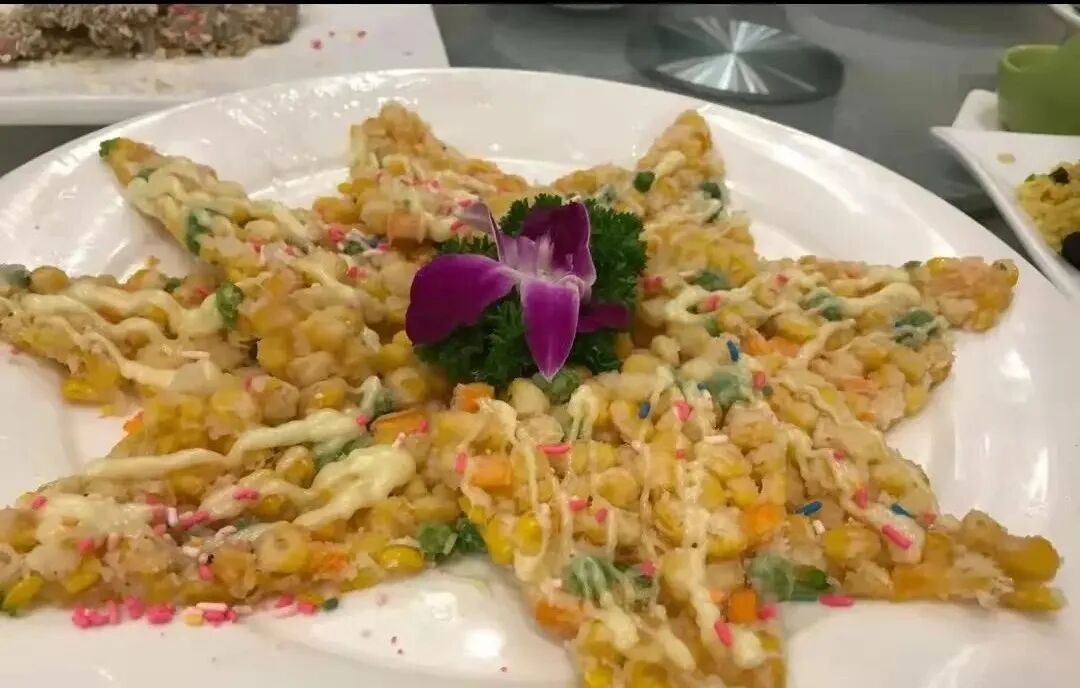
Naturally, this place is all about steaming-hot mutton hotpot, and it's a massive favorite among locals.
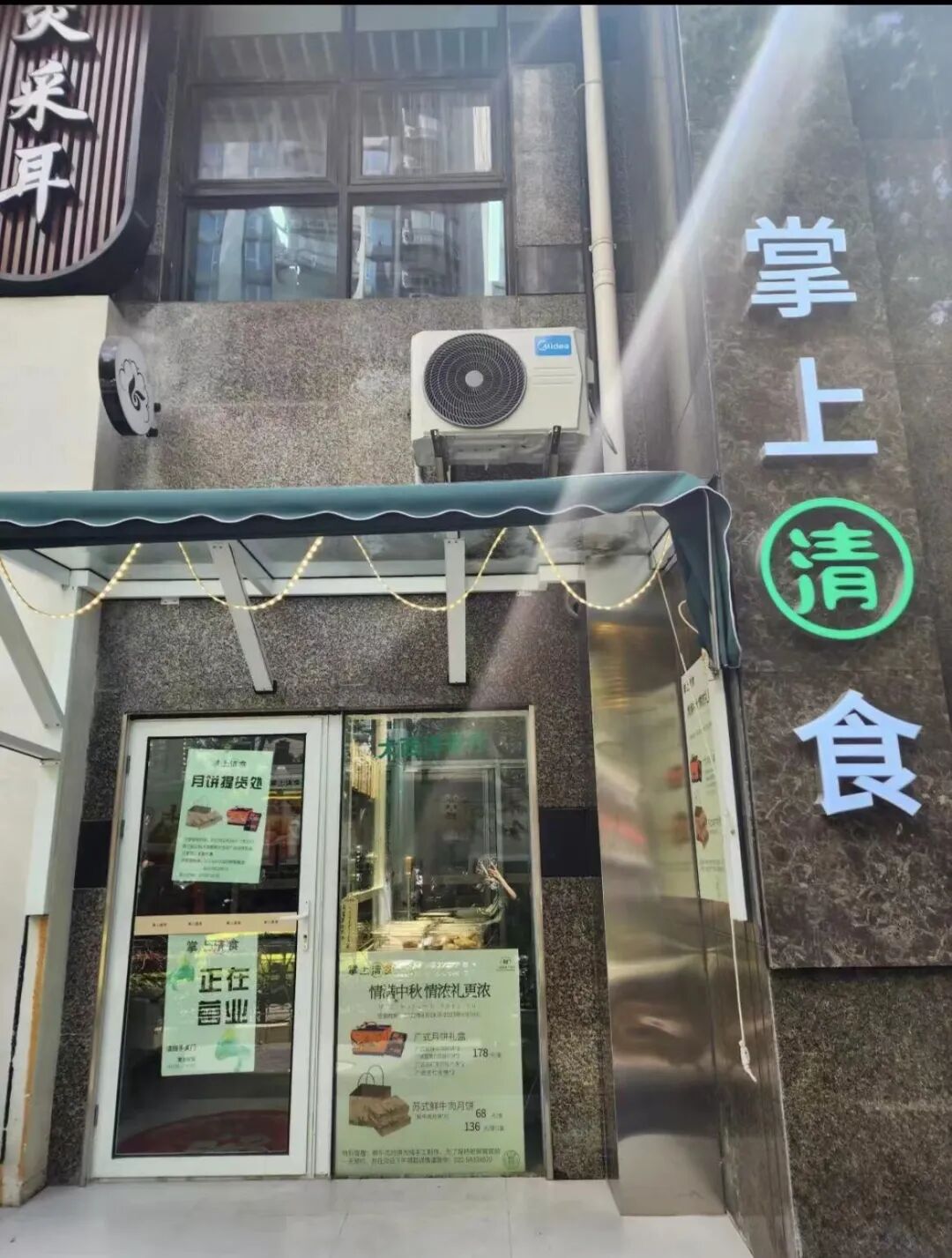
Xinmeiju Fresh Lamb Hotpot
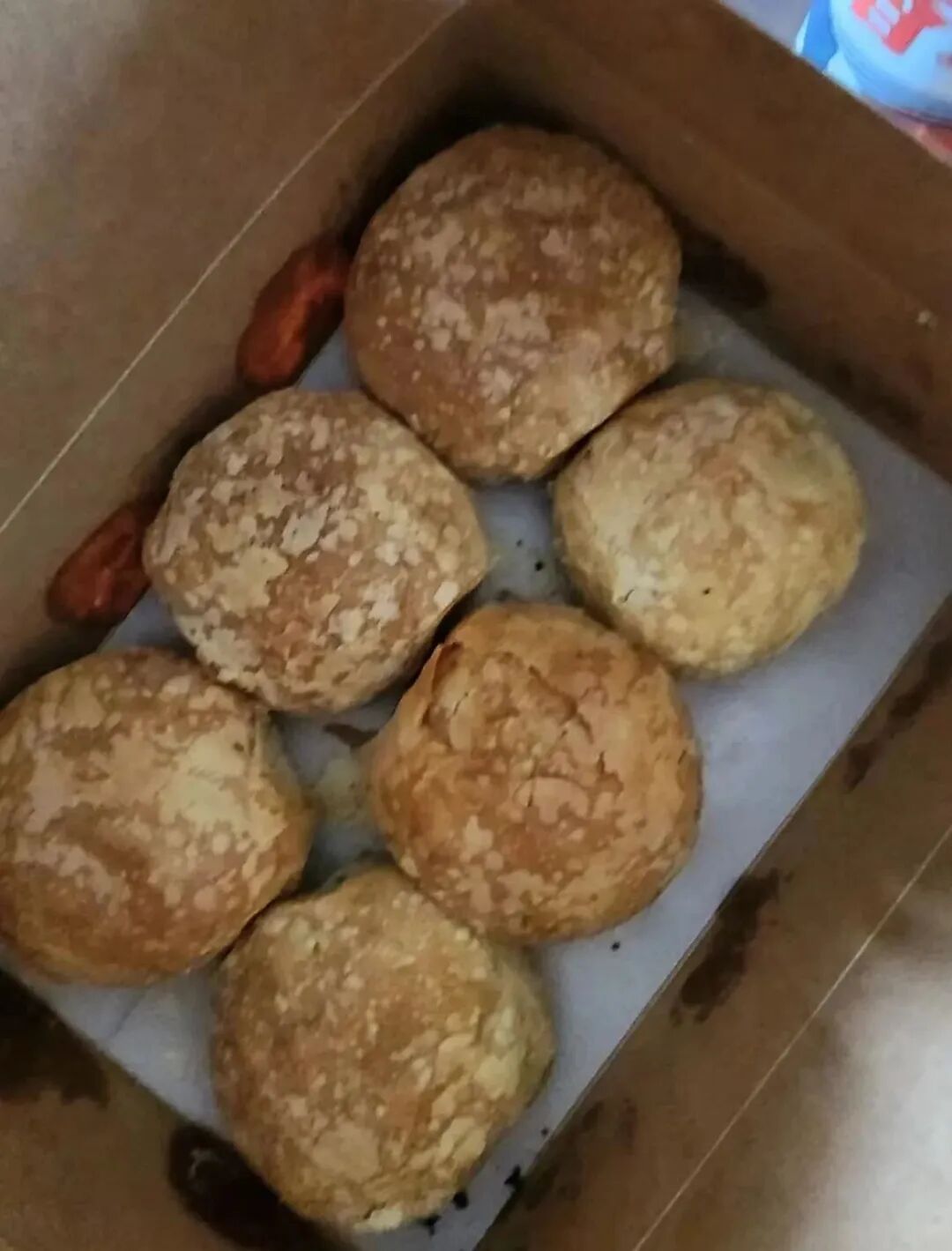
Yixinzhai
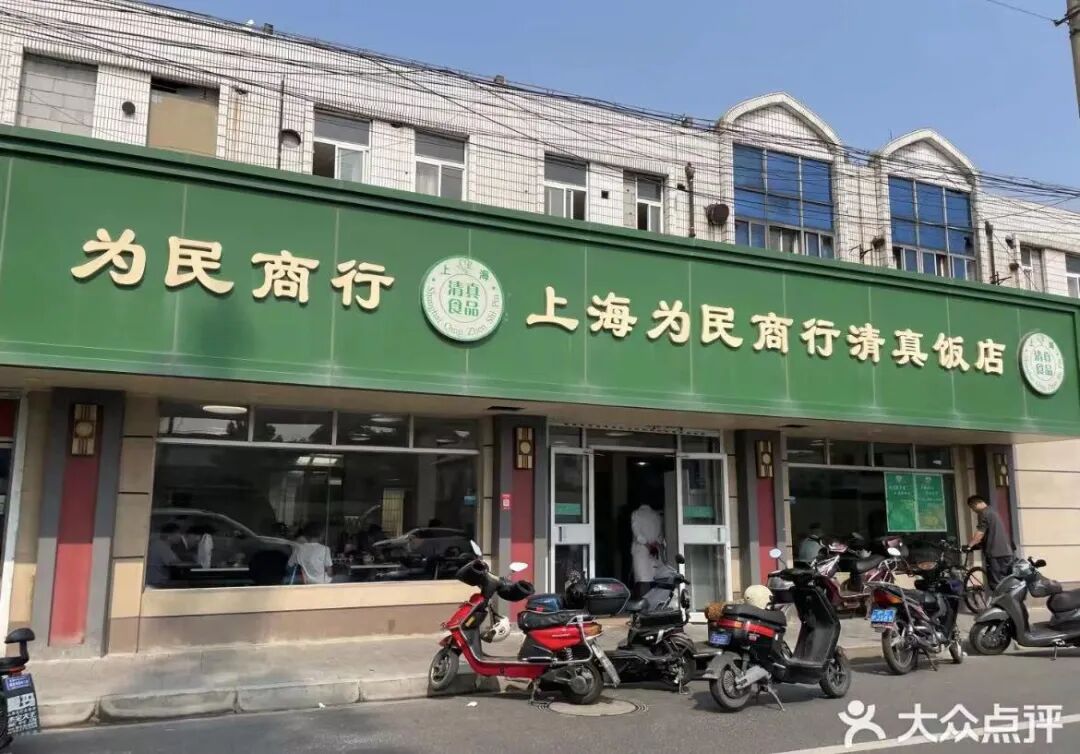
This is the third time your foodie friend is recommending this state-owned legacy canteen. If you want to taste authentic Shanghainese Benbang cuisine in Shanghai, starting here is a foolproof bet. The only downside is that parking nearby is an absolute nightmare, so I'd definitely recommend taking a taxi or public transit.
Yixinzhai's sanhuangji (three-yellow chicken) is their signature dish, and it's even been rated as one of China's gold-medal snacks. The chicken meat is incredibly tender and smooth, with crispy skin and soft bones. Pair it with the chefs' homemade secret dipping sauce, and a single bite fills your whole mouth with aroma.
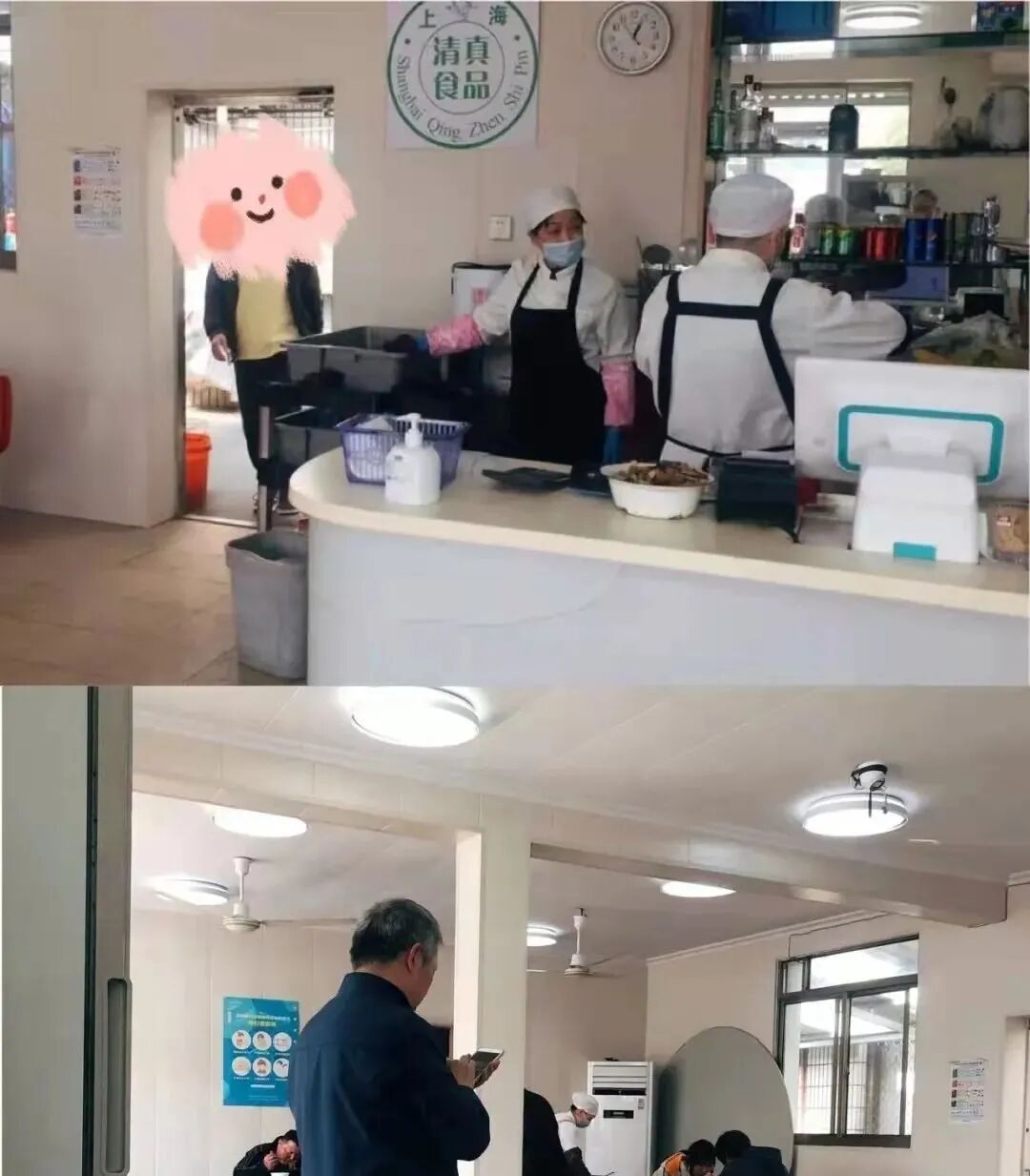
Photo via: @Dianping
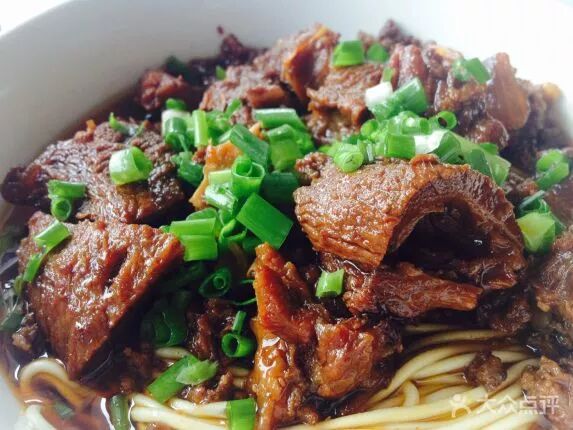
Shanghai smoked fish (xunyu) is an undisputed signature dish here. It's a hot dish served cold. When it hits the table, the smoked fish looks gorgeous, boasting a bright glaze. The meat is firm without being tough, crispy on the outside, tender on the inside, and rich in savory soy flavor with a subtle hint of preserved plum that keeps you reaching for more.
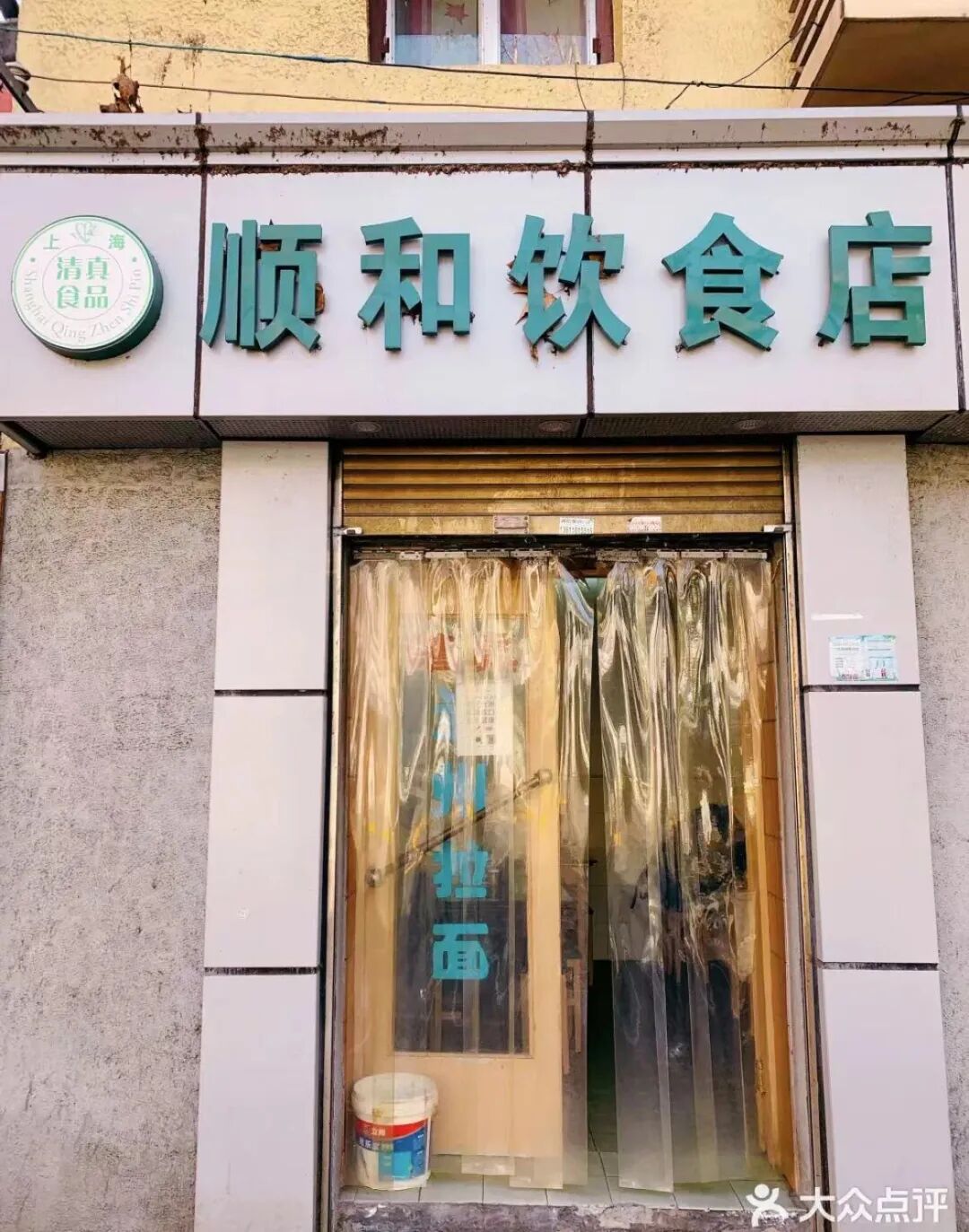
Hot sizzling eel shreds (reqi xiangyou shansi). Just hearing the name sounds super vivid! The secret is placing a pile of minced scallions, ginger, and white pepper on top of the cooked eel, pouring a ladle of scorching-hot oil over it, and letting it crack and sizzle. Priced at 78 RMB a plate, you gotta eat it while it's piping hot—zero fishy taste, just pure umami goodness.
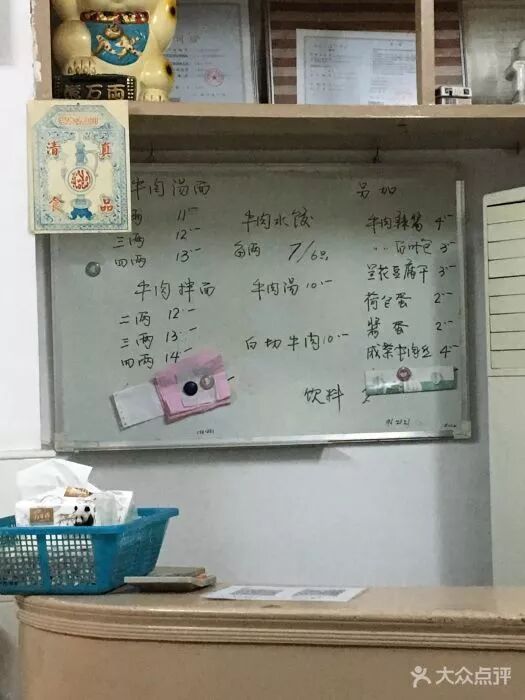
Photo via: @FoodieOldZhu
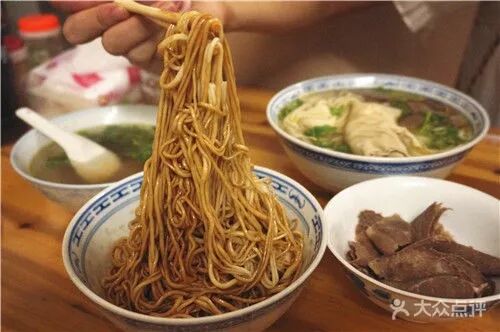
You've gotta try the local classic sixi kaofu (steamed wheat gluten with peanuts, black fungus, and daylily). It leans sweet and savory, sports a rich reddish-brown hue, and packs an aromatic, deep flavor.
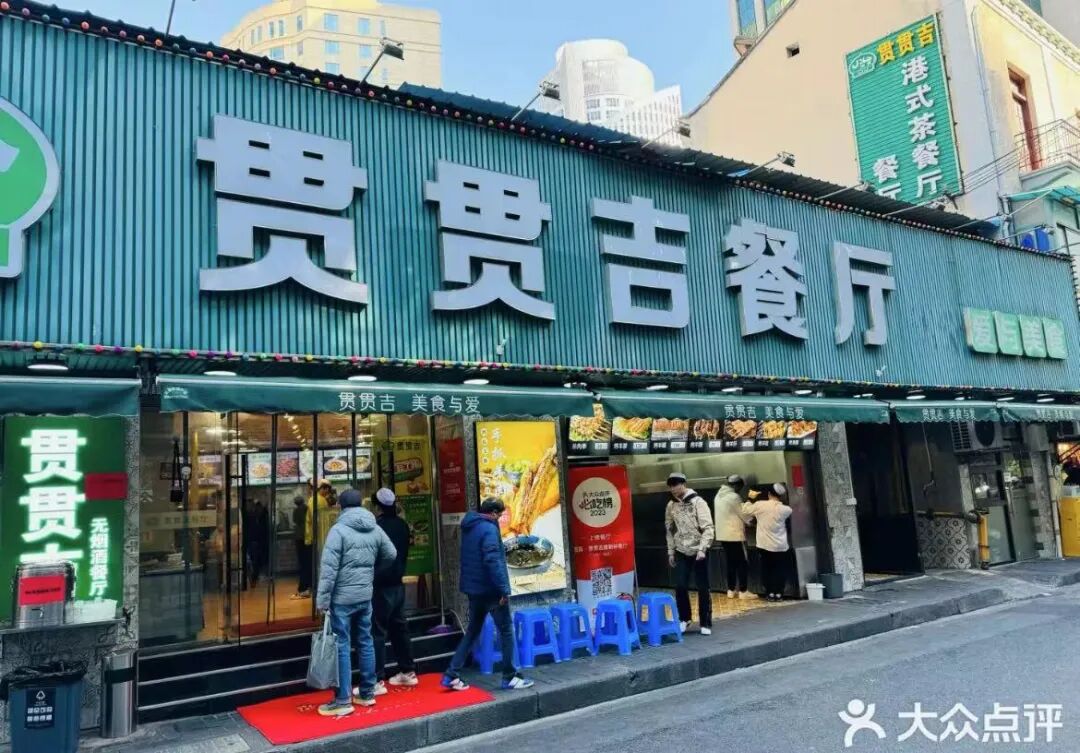
Shanghai Yixinzhai (Pingliang Road Branch)
Shanghai Pearl Hotel · Atlantic Restaurant
If you want to venture beyond traditional Benbang Halal food, you can check out some fusion styles. The head chef fuses traditional Halal ingredients with Benbang cooking techniques, carving out a unique 'Shanghai-style Halal' cuisine while keeping traditional roots intact.
Due to dietary habits, traditional cold dishes at formal meals are super rare. Taking a page out of Western-meets-Chinese culinary playbooks, the chef whipped up a dish we can actually eat, love, and serve with pride: alley-style beef tongue tossed in vinegar and olive oil. Thinly sliced beef tongue is paired with a fusion dressing of olive oil and vinegar. Soaked in the vinaigrette, you get notes of fresh olive and rich rice vinegar, plus a snappy, springy texture. It is the ultimate appetizer~
Piping-hot shredded radish pastry (luobosi bing)—crispy pastry on the outside, packed with shredded radish inside, with a layer of toasted sesame seeds on the bottom. One bite yields a flaky, soft, sweet, and savory explosion of flavor. So good!
The ultimate showstopper is the French-style diced beef with black pepper. Every single beef cube is coated in a slightly spicy black pepper glaze. The exterior is charred and fragrant, while the meat inside stays juicy and tender. Absolute perfection.
The poached salted duck (yanshui ya) is also packed with flavor—white skin, tender meat, rich without being greasy, fresh and delicious.
Corn hot plates (yumi lao) are basically standard issue at every restaurant in Shanghai, making them the ultimate post-meal dessert.
If you visit around holidays like the Mid-Autumn Festival, you can even snag freshly baked fresh beef mooncakes.
Atlantic Restaurant
Shanghai Weimin Commercial Bank Halal Restaurant
Aside from Benbang dishes, you simply have to try local Benbang noodles. As time marches on and the city transforms, many old-school Halal noodle shops have closed down, but this one's definitely here to stay! Since it functions as the open-to-the-public staff canteen for the Shanghai Beef and Mutton Corporation, both the prices and flavors are super budget-friendly.
When your foodie writer lived nearby back in 2015, I treated this place like my personal canteen on weekends. Dining in here is all about the noodles: beef noodles, mutton noodles, and scallion oil noodles (congayou banmian). No matter which noodle you pick, the meat portions are insanely generous—a massive scoop on top makes you feel full just from eating the meat. During my year living nearby, I cycled through every single noodle on the menu multiple times, but my absolute favorite was the scallion oil noodles topped with beef. A bowl of scallion oil noodles cost 4 RMB, and adding a portion of beef cost 18 RMB—the exact same price as a bowl of noodle soup, but without the soup diluting things, making the meat and noodle flavors punch even harder (though prices are probably different now)!
Shanghai Weimin Commercial Bank Halal Restaurant (Nanda Road Branch)
Halal Shunhe Eatery
Photo via: Dianping
A tiny Halal noodle joint tucked away on Fuxing Middle Road that's been around for years. All the patrons are neighborhood locals and longtime regulars. Sitting right on Fuxing Middle Road next to the historic Sinan Mansions, it's pretty much prime real estate in downtown Shanghai.
The menu is super simple, focusing mainly on noodle soups, dry-tossed noodles, and a variety of toppings (jiaotou).
They've got spicy beef sauce, beef stuffed in bean curd skin (niurou baifubao), fried tofu skin, soy-braised eggs, and shredded beef. You can order a bowl of noodles and pile on every single topping available for under 30 RMB. That is insane value for money right in downtown Shanghai, and the best part is that everything actually tastes delicious.
The owners are a local Shanghai couple. Hearing them chat away in warm, friendly Shanghai dialect instantly makes you feel at home. It's the kind of spot where locals grab a casual bite and just unwind. Heads up: their business hours are 06:30–13:30 and 16:30–18:30, so make sure you don't miss out~
Halal Shunhe Eatery
Guanguanji Restaurant
Plenty of Halal canteens have a huge fanbase among folks from Northwest China. If you genuinely can't get used to Benbang food or are just craving a taste of home, Guanguanji is hands-down the most famous Northwestern restaurant in Shanghai right now. Their signature dishes include shouzhua yangrou (Lanzhou hand-grabbed lamb), dapanji (big plate spicy chicken), pilaf, and eight-treasure tea (babaicha)—no need to over-introduce those classics!
Guanguanji Muslim Restaurant (Zhejiang Middle Road Branch)
Exploring Shanghai's Century-Old Halal Spot: Honest Review of Famous Beef Pan-Fried Buns
Articles • Hasan09 posted the article • 0 comments • 8 views • 1 days ago
A Real-Deal Visit to Shanghai's Century-Old Halal Spot: Legendary Beef Pan-Fried Buns Keeping Qing Dynasty Techniques Alive with Ultra-Crispy Bottoms and Juicy Meaty Flavors
TL;DR:
Stepping into one of Shanghai's most historic Halal eateries to check out their legendary niurou jianbao (pan-fried beef buns). Through a live-action look at the open kitchen's frying station, crunchy golden-brown crispy bottoms, and a close-up review of the juicy, tight beef fillings, we're diving into over a hundred years of hardcore culinary craftsmanship.
Right on the street, the storefront sign is super easy to spot~
Walking inside, I immediately got reeled in by the honorary plaques hanging on the wall~
The vibe is pretty nice—super clean, spacious, and the staff are all young folks. It spans two floors: the ground floor dishes out noodles and handmade snacks, while the second floor is dedicated to hotpot. There's no physical menu lying around; once you grab a table, you just scan the QR code to order. During the peak of the lunch rush, barely anyone was there, so I pretty much had the whole place to myself~
The signature niurou jianbao (pan-fried beef buns) go for 6 RMB a pop. I started with just one to test the waters, figuring I'd order more if they slapped. The wait was kind of long. They're actually pretty chunky, but the wrapper is on the thicker and drier side. The filling features beef, onions, and napa cabbage. The texture is a bit loose, and the seasoning is decently balanced, but man, it was way too greasy. Eating just one made me feel completely stuffed, completely killing any vibe to order seconds~
The guotie (crispy beef potstickers) cost 12 RMB for four. They use the exact same filling as the jianbao, but the wrapper was both hard and oily, and the bottom had zero crunch to it. Running on a strict no-food-waste policy, I forced myself to choke down half and left the rest...
The niurou xiaohuntun (beef wonton soup) is 20 RMB. It's pretty rare to find these in a curry-infused bone broth base, but it had the exact same issue—way too oily! The wontons themselves are decently sized and packed full. You gotta eat 'em fast before the wrappers get soggy, but the beef filling is super tight and bouncy~
Suffering through a crazy hot summer day, eating a seriously greasy beef jianbao actually kept me full all the way until night. Total win today—basically scored a free dinner savings~
Old-School Classic • Yang Tongxing Halal • Hotpot & Skewers Address: No. 215 Shimen Er Road, Jing'an District~
End view all
A Real-Deal Visit to Shanghai's Century-Old Halal Spot: Legendary Beef Pan-Fried Buns Keeping Qing Dynasty Techniques Alive with Ultra-Crispy Bottoms and Juicy Meaty Flavors
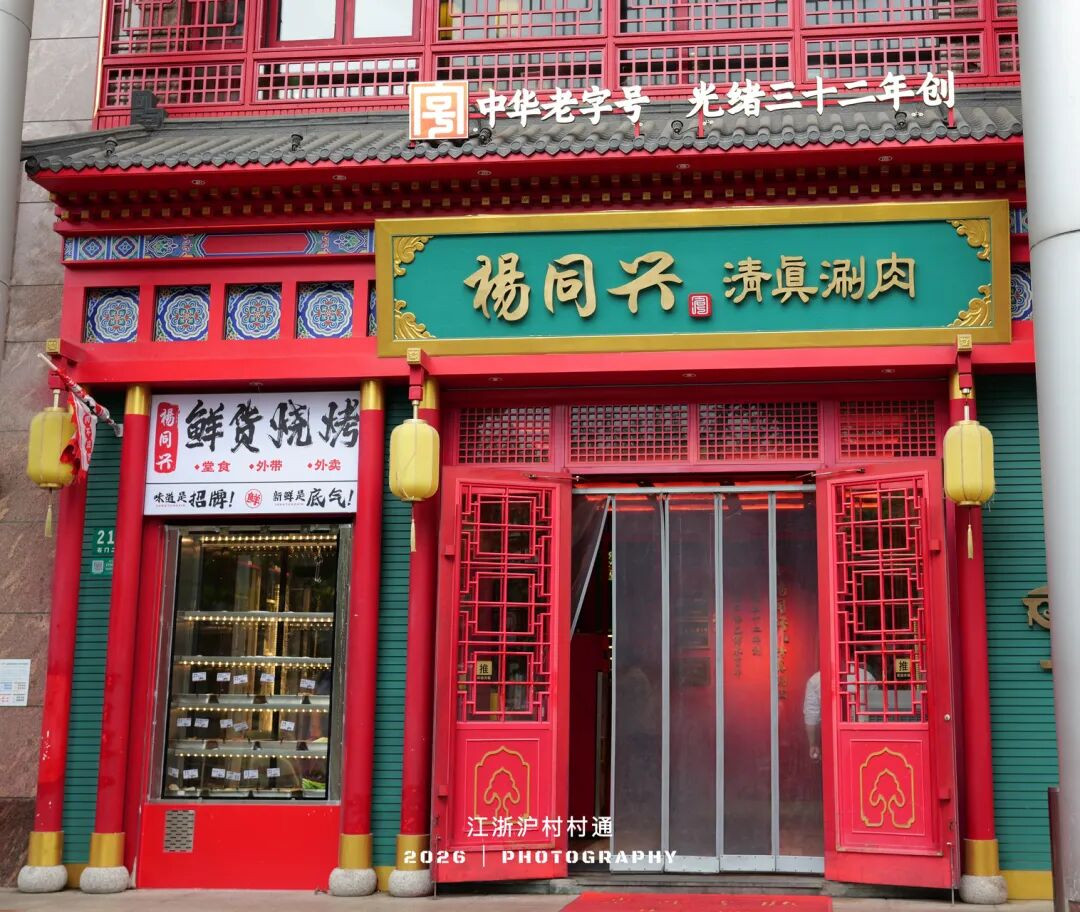
TL;DR:
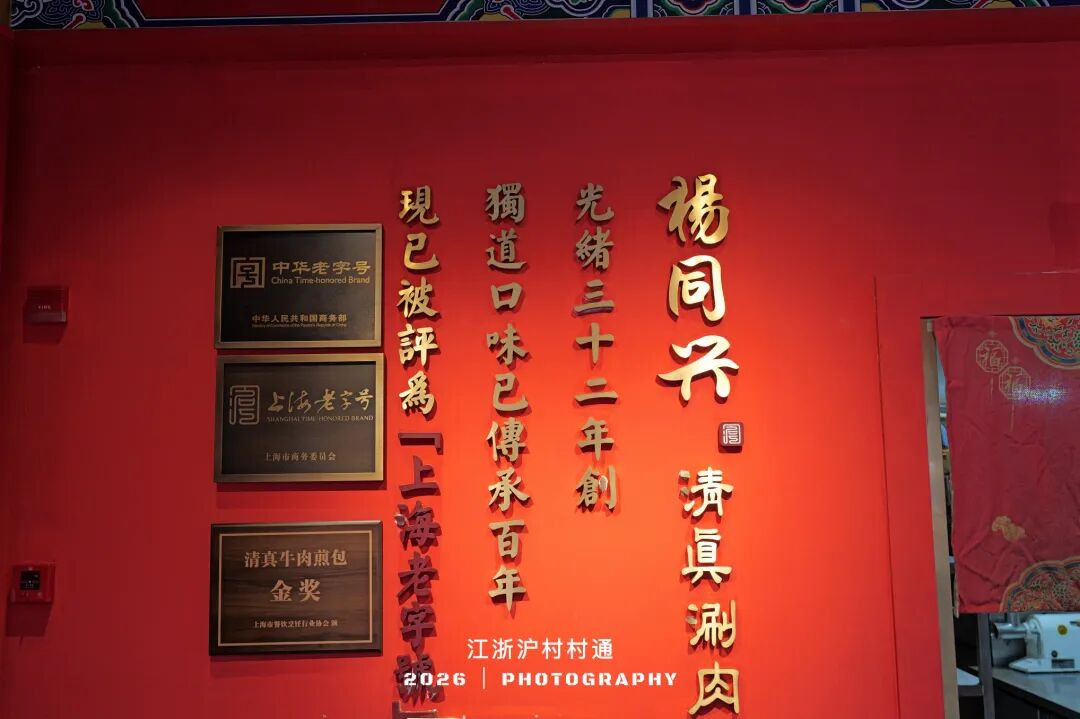
Stepping into one of Shanghai's most historic Halal eateries to check out their legendary niurou jianbao (pan-fried beef buns). Through a live-action look at the open kitchen's frying station, crunchy golden-brown crispy bottoms, and a close-up review of the juicy, tight beef fillings, we're diving into over a hundred years of hardcore culinary craftsmanship.
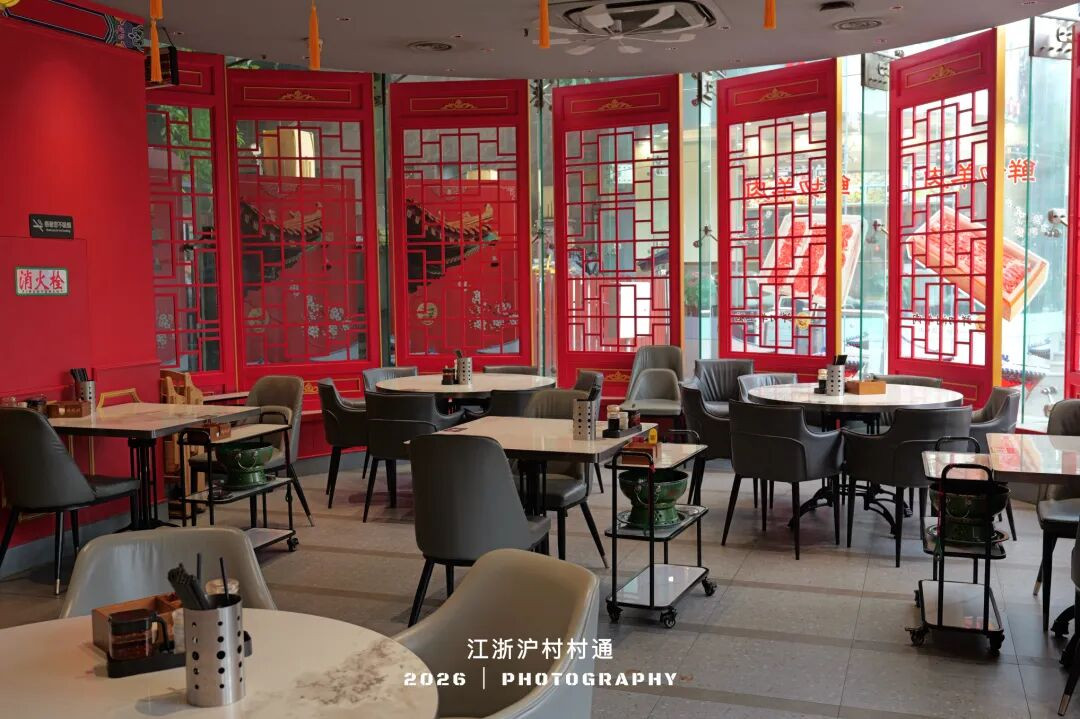
Right on the street, the storefront sign is super easy to spot~
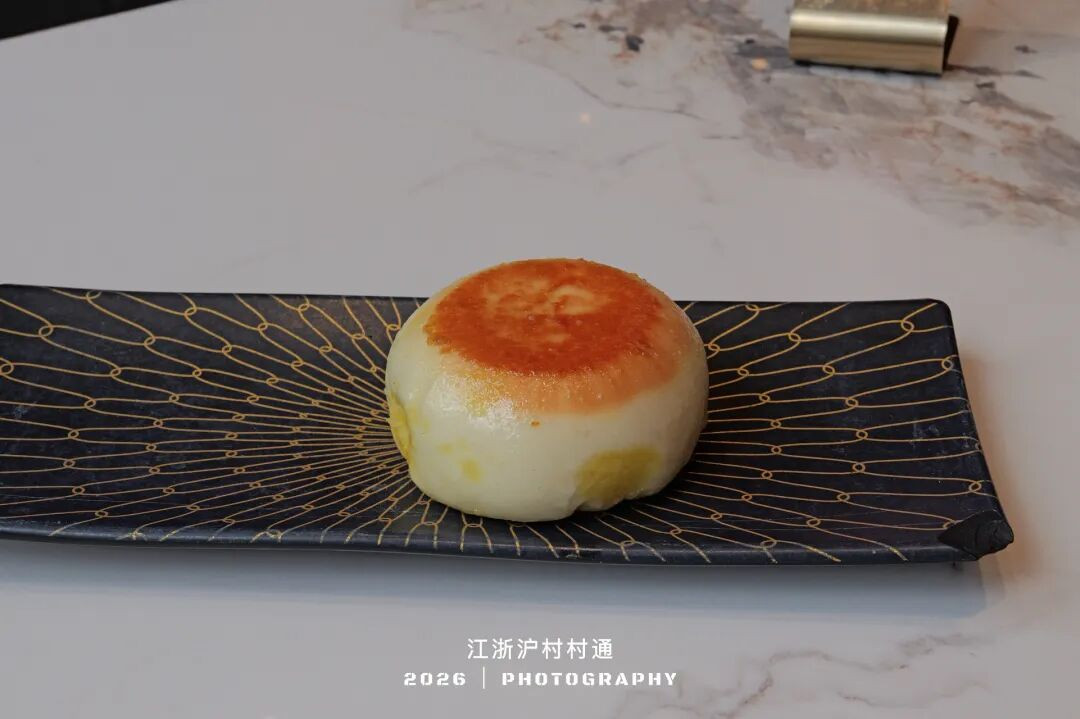
Walking inside, I immediately got reeled in by the honorary plaques hanging on the wall~
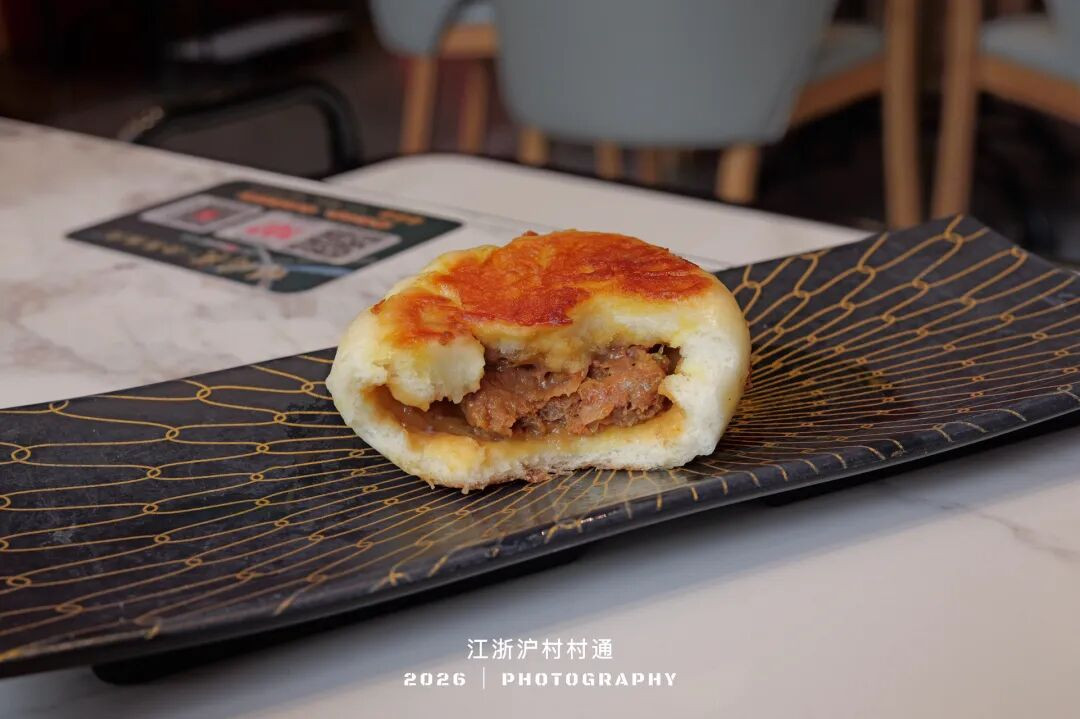
The vibe is pretty nice—super clean, spacious, and the staff are all young folks. It spans two floors: the ground floor dishes out noodles and handmade snacks, while the second floor is dedicated to hotpot. There's no physical menu lying around; once you grab a table, you just scan the QR code to order. During the peak of the lunch rush, barely anyone was there, so I pretty much had the whole place to myself~
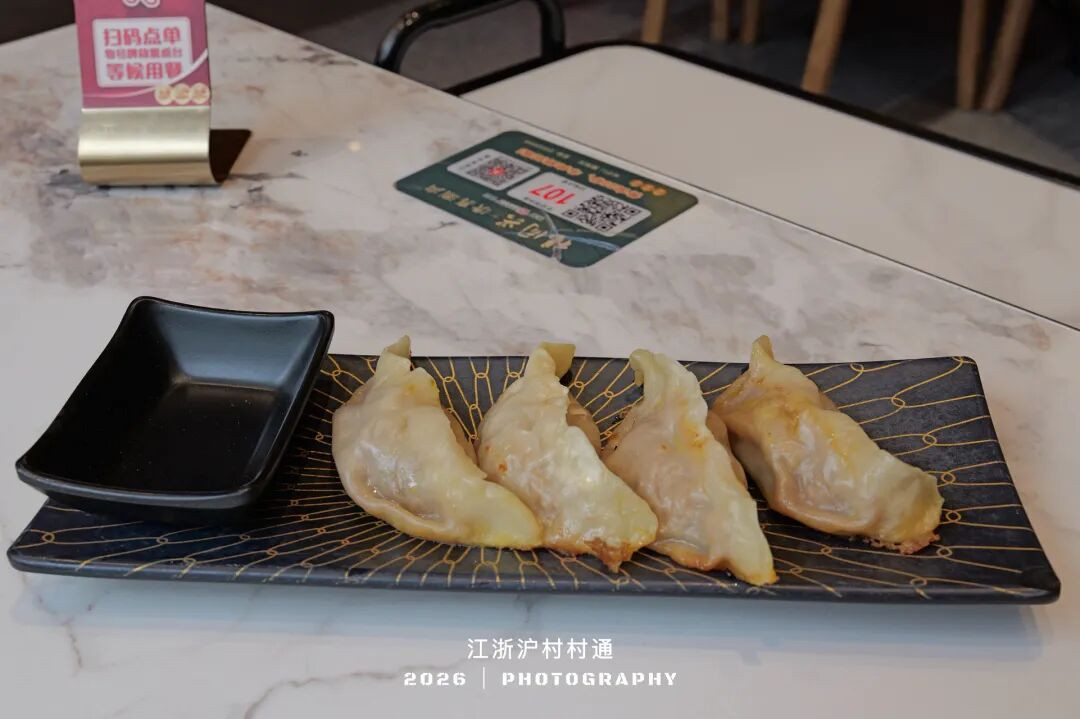
The signature niurou jianbao (pan-fried beef buns) go for 6 RMB a pop. I started with just one to test the waters, figuring I'd order more if they slapped. The wait was kind of long. They're actually pretty chunky, but the wrapper is on the thicker and drier side. The filling features beef, onions, and napa cabbage. The texture is a bit loose, and the seasoning is decently balanced, but man, it was way too greasy. Eating just one made me feel completely stuffed, completely killing any vibe to order seconds~
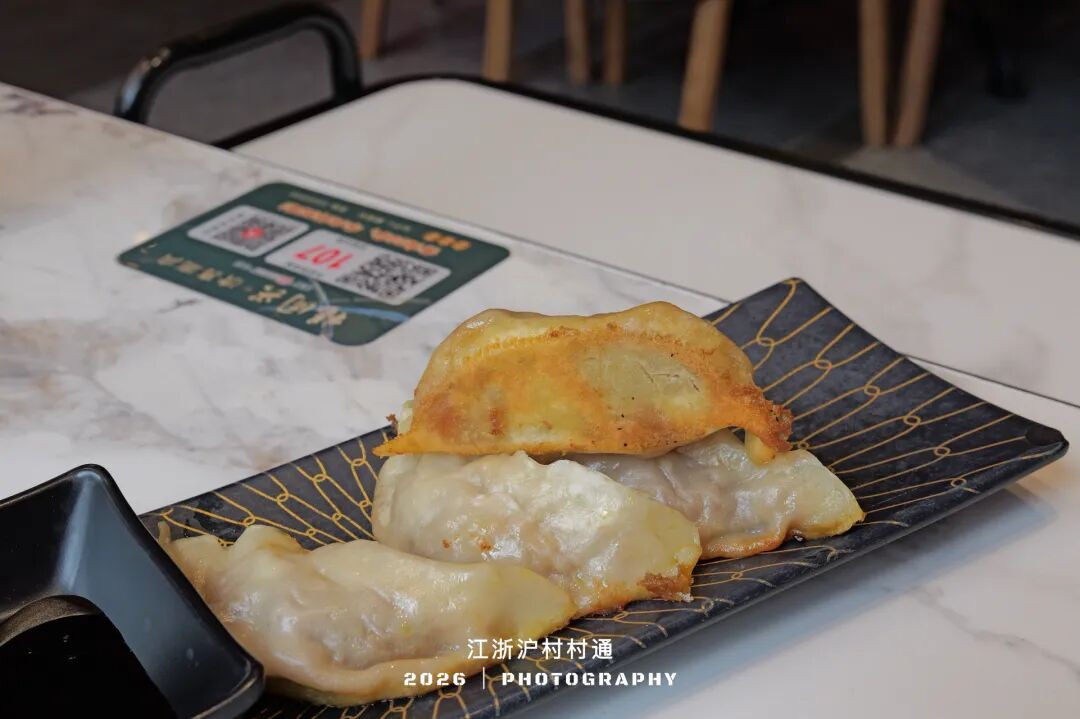
The guotie (crispy beef potstickers) cost 12 RMB for four. They use the exact same filling as the jianbao, but the wrapper was both hard and oily, and the bottom had zero crunch to it. Running on a strict no-food-waste policy, I forced myself to choke down half and left the rest...
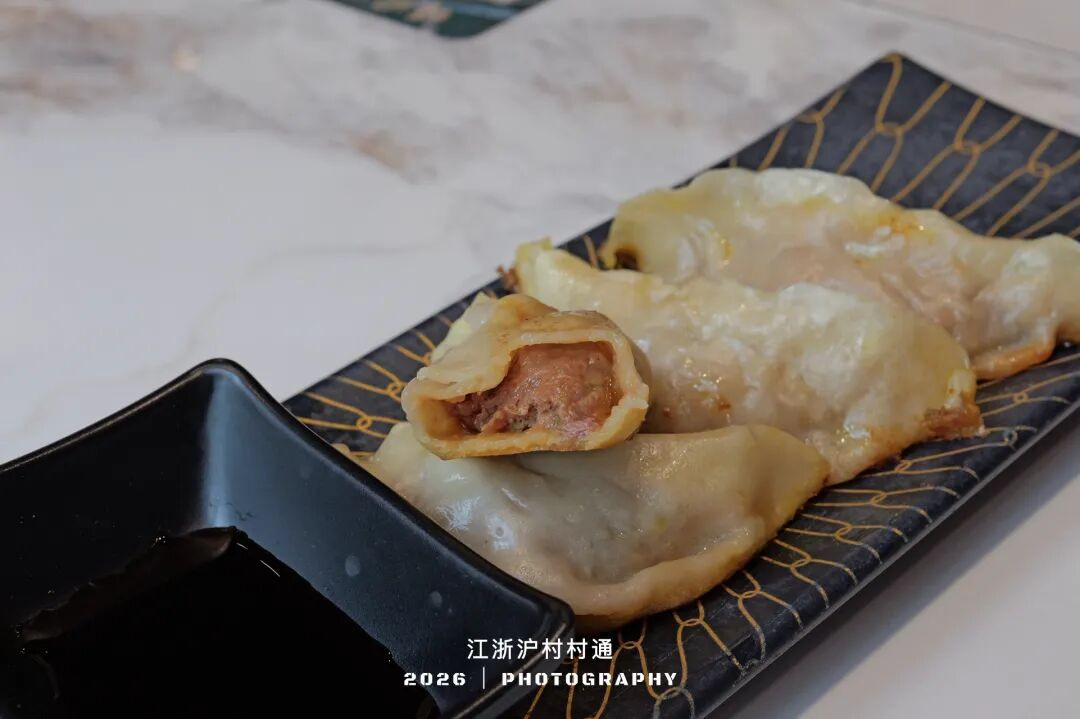
The niurou xiaohuntun (beef wonton soup) is 20 RMB. It's pretty rare to find these in a curry-infused bone broth base, but it had the exact same issue—way too oily! The wontons themselves are decently sized and packed full. You gotta eat 'em fast before the wrappers get soggy, but the beef filling is super tight and bouncy~
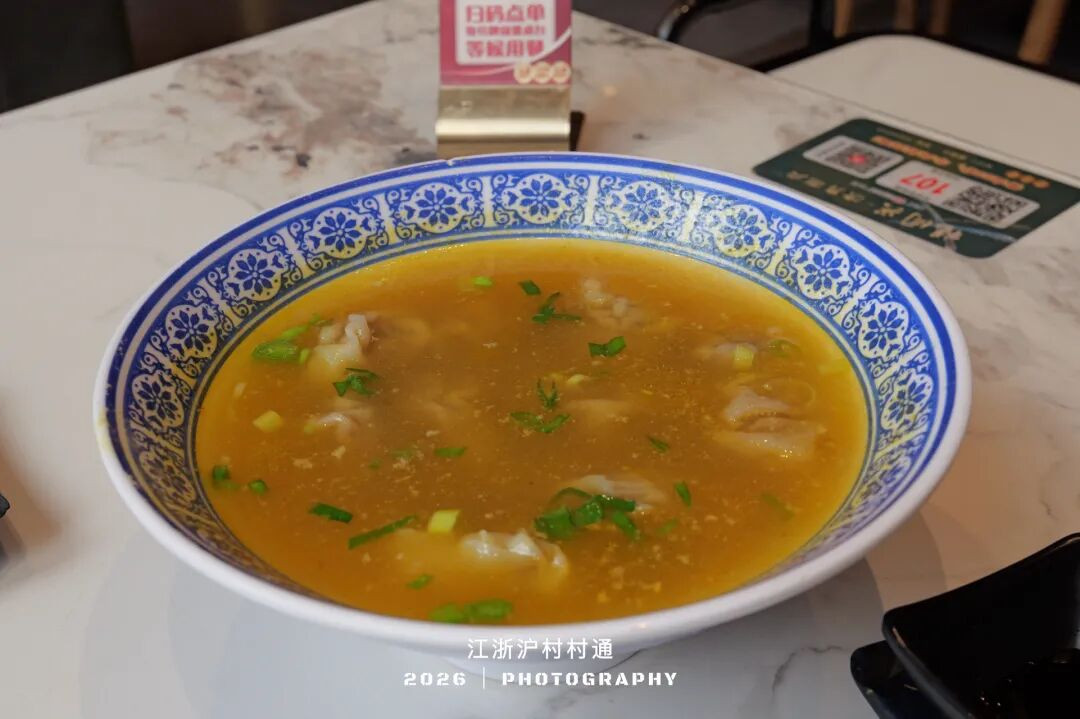
Suffering through a crazy hot summer day, eating a seriously greasy beef jianbao actually kept me full all the way until night. Total win today—basically scored a free dinner savings~
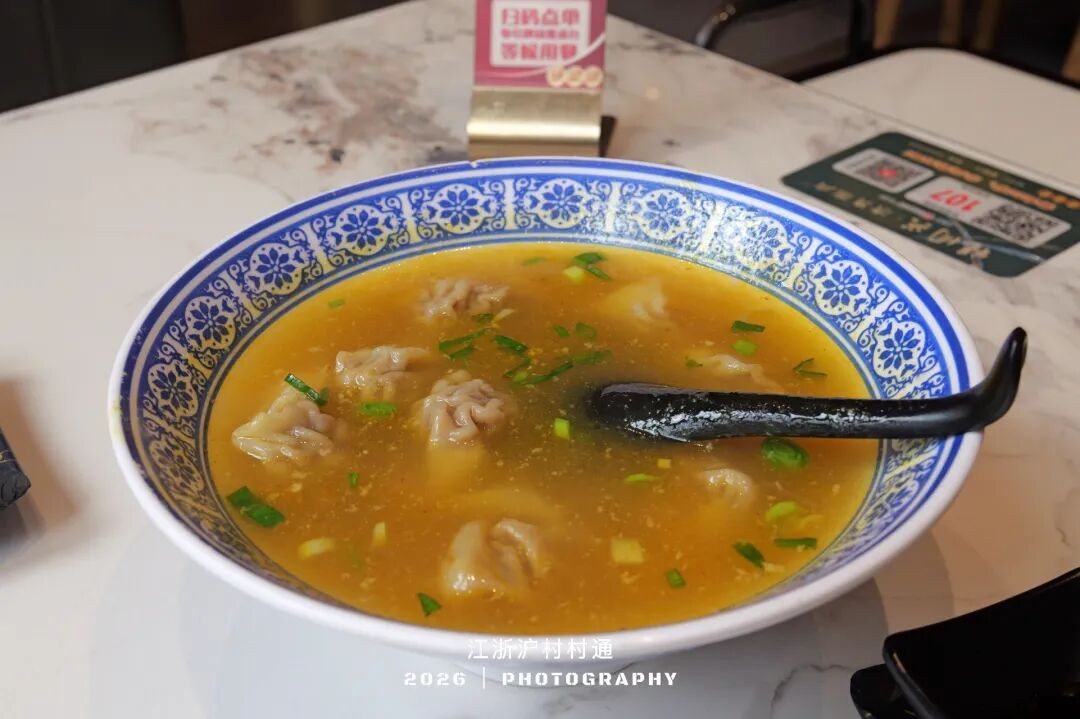
Old-School Classic • Yang Tongxing Halal • Hotpot & Skewers Address: No. 215 Shimen Er Road, Jing'an District~
End
Ultimate Shanghai Halal Food Guide: Best Muslim Restaurants, Hand-Grabbed Lamb & Old-School Eats
Articles • Hasan09 posted the article • 0 comments • 7 views • 1 days ago
Exploring Shanghai's Unique Halal Food Scene: A Culinary Journey from Traditional Hand-Grabbed Lamb to Street-Style BBQ
Summary:
A curated selection of Shanghai's most unique Halal dining spots, offering a deep dive into the fusion of different regional flavors. Featuring tender and juicy original white-strip shouzhua yangrou (Lanzhou hand-grabbed lamb), authentic yangrou paomo (crumbled flatbread in lamb soup), and flavorful grilled skewers, this guide takes food lovers on a journey to discover authentic flavors hidden in Shanghai's alleyways.
Exploring Shanghai's Unique Halal Food Scene ️
Visiting bustling Shanghai and looking to try some authentic Halal food? Here's the inside scoop on Shanghai's best Halal restaurants!
Hongchangxing
This time-honored restaurant is famous for its copper-pot instant-boiled mutton and classic Shanghai Benbang cuisine. Conveniently located, it features large private dining rooms that are great for banquets.
As Shanghai's very first Halal mutton house, the name 'Hongchangxing' was once synonymous with mutton hotpot in the hearts of locals. But as early as the end of 1999, Hongchangxing established a Halal food company, truly achieving an all-in-one Halal food operation. Aside from freshly sliced hotpot mutton, the shop also hides a dedicated 'takeout counter' specializing in Halal dim sum and snacks.
@MountainTraveler
Hongchangxing's pastries and snacks stick to the classic time-honored 'front shop, back factory' production model, made fresh daily. Their Halal dim sum uses quite a bit of beef fat, carrying a distinct Northwest heritage. The flavors are authentic and unique, high quality yet budget-friendly, and totally worth trying.
@OrchidQuiet @ShanghaiOldXu
Hongchangxing Takeout Counter
Address: No. 1 Yunnan South Road, Huangpu District
Business Hours: 11:00-14:00; 17:00-20:00
Yangtongxing
Another time-honored spot, specializing in copper-pot hotpot and noodle snacks. With Beijing-style decor, it's super photogenic, and there are private rooms on the second floor too.
Yixinxing
Established in 1958, focusing mainly on Shanghai Benbang dishes and street snacks with wallet-friendly prices. The third floor features private rooms where you can enjoy great food while soaking in a cozy, homey vibe.
Address: No. 1503 Pingliang Road, Yangpu District, Shanghai (970m walk from Exit 3 of Ningguo Road Station, Metro Line 12)
Fun Fact: Started in 1985, this award-winning China Top 10 Halal Dining establishment is listed as a Shanghai Intangible Cultural Heritage. Just like Hongchangxing, the servers carry a classic old-shop arrogant aura (though slightly friendlier than Hongchangxing). The interior decor is a bit retro, but everything is clean and tidy. It seems they also have private rooms on the third floor.
Super Recommendation: The niurou jianbao (pan-fried beef buns) are an absolute must-order, must-order, must-order‼️ Available at the first-floor takeout window for dine-in or take-out. The wrappers are thin, the fillings are huge, and the bottoms are super crispy. The only drawback is that they are so massive that foodies might struggle a bit to finish one!
The guotie (crispy beef potstickers) are also an absolute must-order hhh. The bottoms are insanely crispy, and dipping them in vinegar cuts through the richness while soaking up all those savory flavors.
General Recommendations ️: Niuqin shao haishen (braised sea cucumber with beef tendon)—the sea cucumber is fresh, tender, bouncy, and melts in your mouth, while the beef tendon has a thick, springy texture ️ Shanghai smoked fish—sweet yet multi-layered with a crispy, fragrant crunch ️ Secret-recipe three-cup chicken wings—giving off a savory soy-sauce chicken vibe, with deliciously soft, flavorful garlic cloves inside that were a surprisingly amazing hit.
Between the two Shanghai Halal heritage spots I've tried, I’d definitely recommend Yixinxing more. Even though the service attitude is just so-so, the dishes are much more surprisingly good, and their signature plates stand out as way more authentic. Hope this helps you foodies dodge any culinary landmines and gain weight together with plenty of good food!
Atlantic Restaurant
Though formerly a Western restaurant, it now focuses on Shanghai-style Halal cuisine, blending the essences of Benbang, Cantonese, and Western cooking. Worth noting: located inside the Shanghai Pearl Hotel, the ethnic-themed decor is truly mesmerizing.
⏰ Business Hours: 11:00-13:30, 17:00-21:30
Average Cost per Person: ¥133
【Recommended Dishes】
Braised Ox Head: Their signature secret braised ox head genuinely gives off an unbeatable, high-flying vibe—fragrant, crispy, and seasoned to absolute perfection.
Shouzhua yangrou (Lanzhou hand-grabbed lamb) (208 RMB): Both the hand-grabbed lamb and pot dishes are hearty and substantial. The meat is tender without any gamey mutton smell.
Niurou jianbao (pan-fried beef buns) (30 RMB): Good thing I don't mind curry, and the wrappers are nice and thin.
Shredded Radish Pastry: Served piping hot with a super crispy exterior and a delicate, pleasantly chewy, fragrant radish shred filling that is just so good.
【Getting There】
If you're driving, you can choose from these parking lots:
No. 1
Pearl Hotel Parking Lot: Free for the first hour, then 4.5 RMB per 30 minutes, 72 RMB for the whole day. Less than 100 meters from the restaurant.
No. 2
Pearl Hotel Underground Parking Lot: Internal reserved spaces, not open to the public. Less than 100 meters from the restaurant.
No. 3
Meiyuehua Exquisite Cantonese Cuisine (Zhaoojiabang Road Branch) Parking Lot: Free parking for the first 10 minutes, then 10 RMB/hour, 80 RMB for the full day. Less than 100 meters from the restaurant, a 1-minute walk away.
Public Transit
Subway: Take Line 12 or Line 9, get off at Jiashan Road Station, walk 150 meters (about 3 minutes).
Subway: Take Line 9, get off at Dapuqiao Station, walk 690 meters.
The above represents only my personal suggestions. Prices are subject to fluctuation, so please rely on the actual in-store pricing. Everyone is welcome to recommend other Halal restaurants for me to try—a foodie's journey never stops! view all
Exploring Shanghai's Unique Halal Food Scene: A Culinary Journey from Traditional Hand-Grabbed Lamb to Street-Style BBQ
Summary:
A curated selection of Shanghai's most unique Halal dining spots, offering a deep dive into the fusion of different regional flavors. Featuring tender and juicy original white-strip shouzhua yangrou (Lanzhou hand-grabbed lamb), authentic yangrou paomo (crumbled flatbread in lamb soup), and flavorful grilled skewers, this guide takes food lovers on a journey to discover authentic flavors hidden in Shanghai's alleyways.
Exploring Shanghai's Unique Halal Food Scene ️
Visiting bustling Shanghai and looking to try some authentic Halal food? Here's the inside scoop on Shanghai's best Halal restaurants!
Hongchangxing
This time-honored restaurant is famous for its copper-pot instant-boiled mutton and classic Shanghai Benbang cuisine. Conveniently located, it features large private dining rooms that are great for banquets.
As Shanghai's very first Halal mutton house, the name 'Hongchangxing' was once synonymous with mutton hotpot in the hearts of locals. But as early as the end of 1999, Hongchangxing established a Halal food company, truly achieving an all-in-one Halal food operation. Aside from freshly sliced hotpot mutton, the shop also hides a dedicated 'takeout counter' specializing in Halal dim sum and snacks.
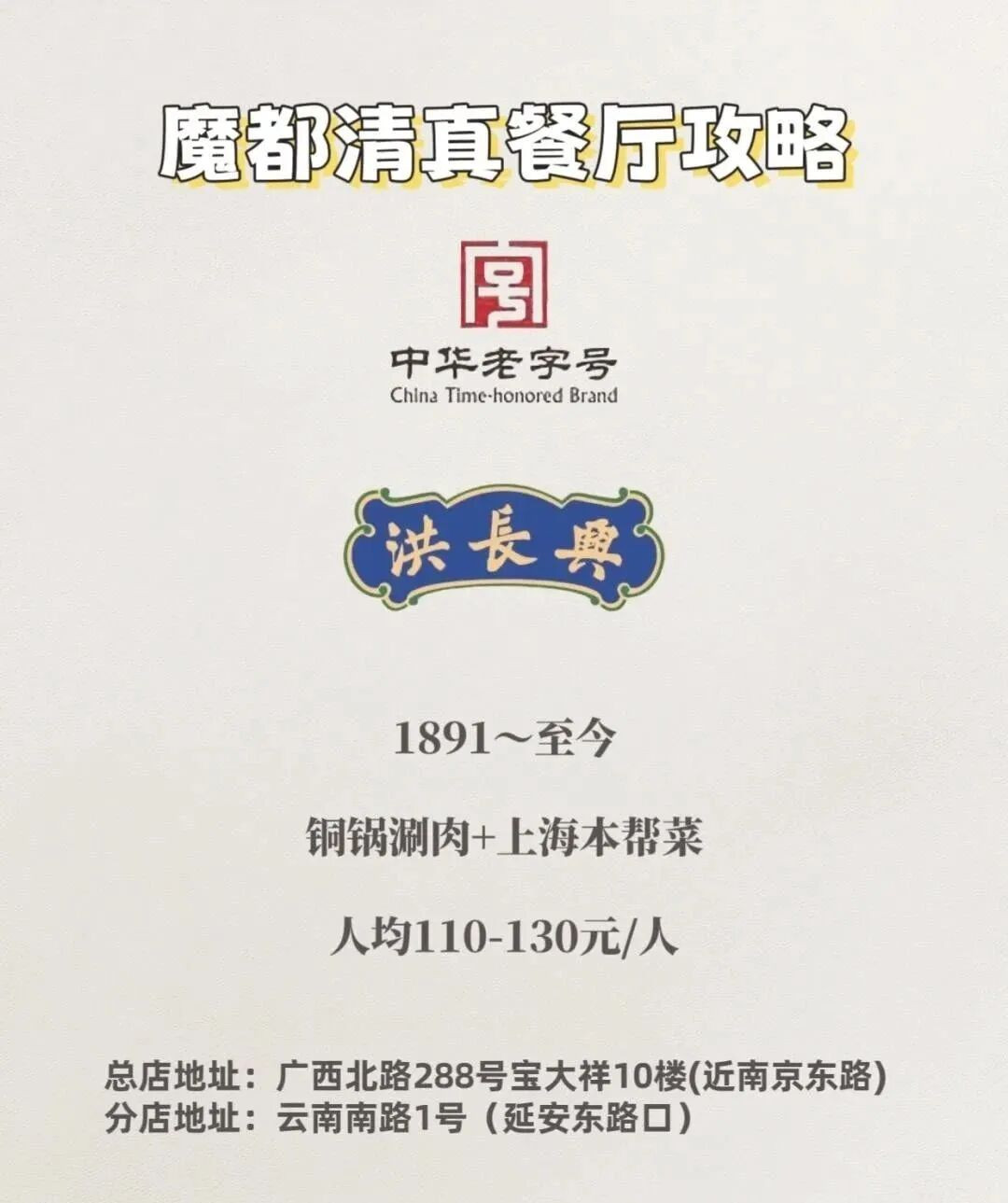
@MountainTraveler
Hongchangxing's pastries and snacks stick to the classic time-honored 'front shop, back factory' production model, made fresh daily. Their Halal dim sum uses quite a bit of beef fat, carrying a distinct Northwest heritage. The flavors are authentic and unique, high quality yet budget-friendly, and totally worth trying.
@OrchidQuiet @ShanghaiOldXu
Hongchangxing Takeout Counter
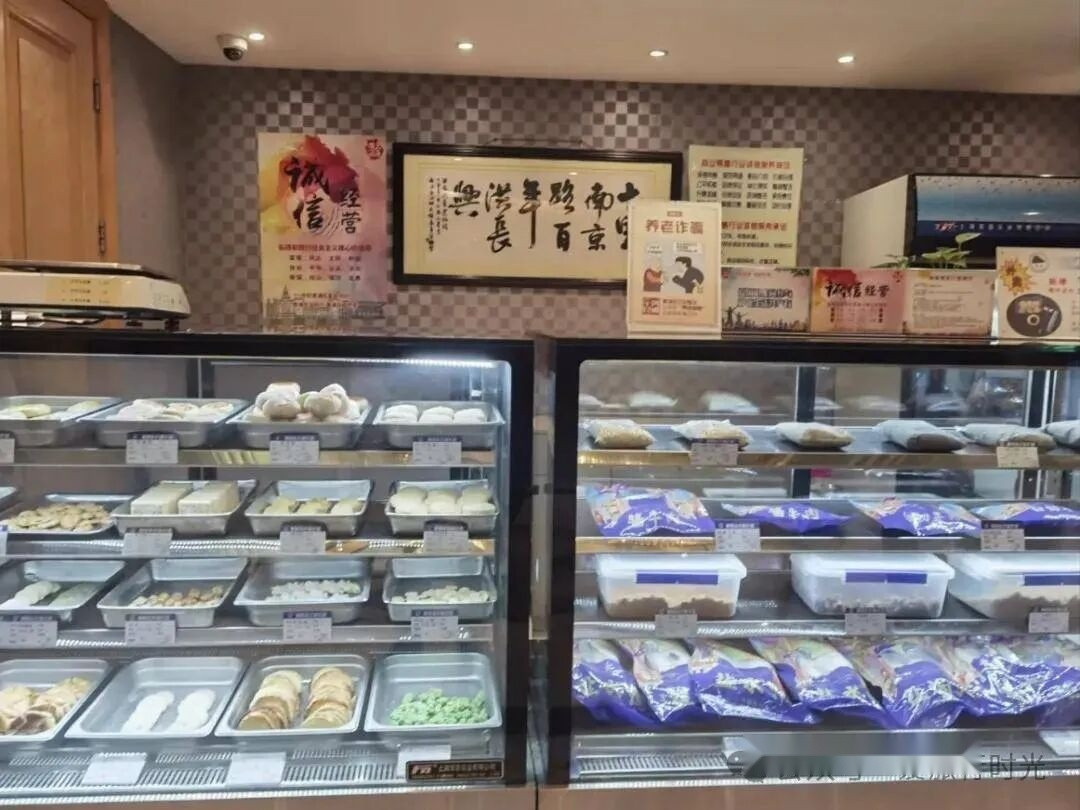
Address: No. 1 Yunnan South Road, Huangpu District
Business Hours: 11:00-14:00; 17:00-20:00
Yangtongxing
Another time-honored spot, specializing in copper-pot hotpot and noodle snacks. With Beijing-style decor, it's super photogenic, and there are private rooms on the second floor too.
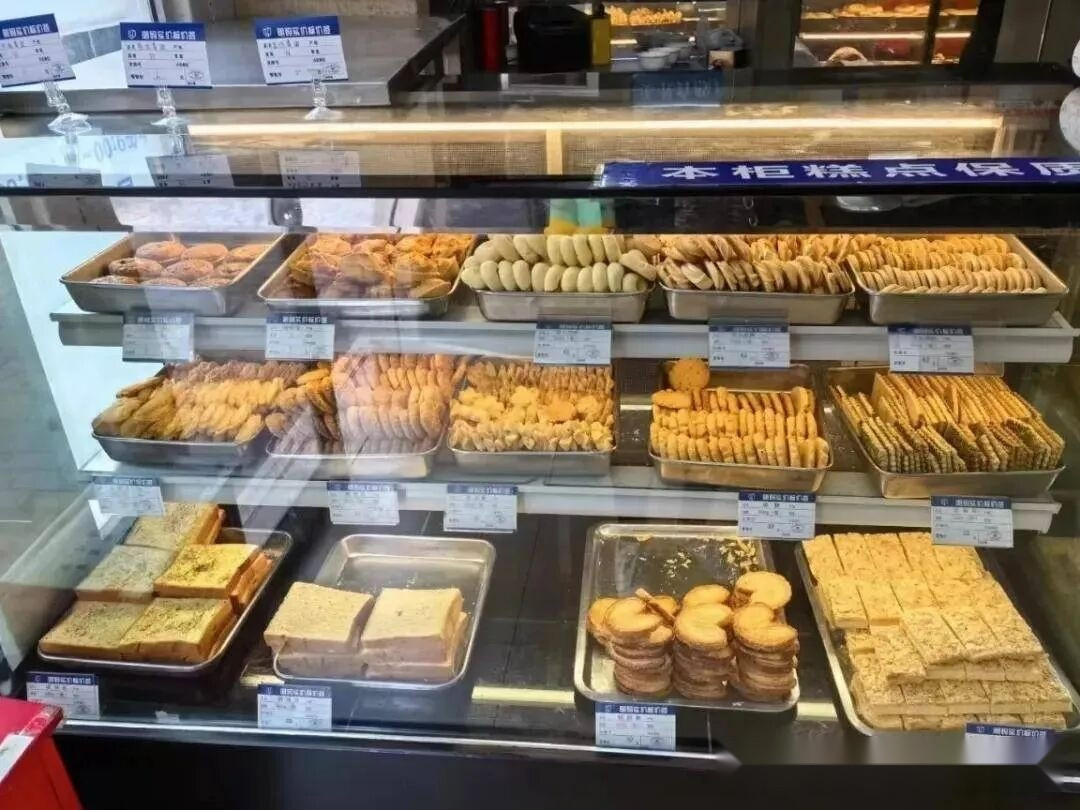
Yixinxing
Established in 1958, focusing mainly on Shanghai Benbang dishes and street snacks with wallet-friendly prices. The third floor features private rooms where you can enjoy great food while soaking in a cozy, homey vibe.
Address: No. 1503 Pingliang Road, Yangpu District, Shanghai (970m walk from Exit 3 of Ningguo Road Station, Metro Line 12)
Fun Fact: Started in 1985, this award-winning China Top 10 Halal Dining establishment is listed as a Shanghai Intangible Cultural Heritage. Just like Hongchangxing, the servers carry a classic old-shop arrogant aura (though slightly friendlier than Hongchangxing). The interior decor is a bit retro, but everything is clean and tidy. It seems they also have private rooms on the third floor.
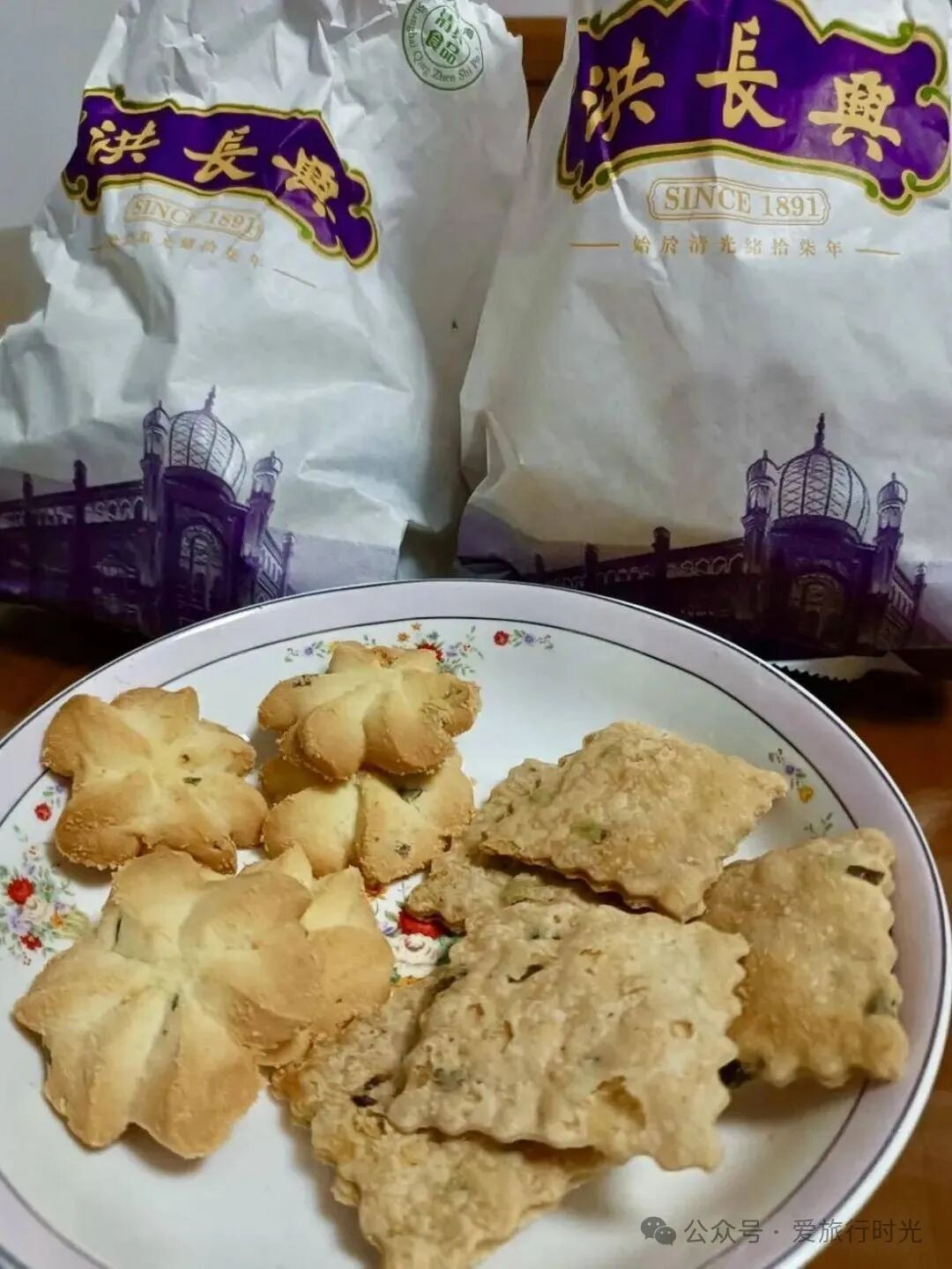
Super Recommendation: The niurou jianbao (pan-fried beef buns) are an absolute must-order, must-order, must-order‼️ Available at the first-floor takeout window for dine-in or take-out. The wrappers are thin, the fillings are huge, and the bottoms are super crispy. The only drawback is that they are so massive that foodies might struggle a bit to finish one!
The guotie (crispy beef potstickers) are also an absolute must-order hhh. The bottoms are insanely crispy, and dipping them in vinegar cuts through the richness while soaking up all those savory flavors.
General Recommendations ️: Niuqin shao haishen (braised sea cucumber with beef tendon)—the sea cucumber is fresh, tender, bouncy, and melts in your mouth, while the beef tendon has a thick, springy texture ️ Shanghai smoked fish—sweet yet multi-layered with a crispy, fragrant crunch ️ Secret-recipe three-cup chicken wings—giving off a savory soy-sauce chicken vibe, with deliciously soft, flavorful garlic cloves inside that were a surprisingly amazing hit.
Between the two Shanghai Halal heritage spots I've tried, I’d definitely recommend Yixinxing more. Even though the service attitude is just so-so, the dishes are much more surprisingly good, and their signature plates stand out as way more authentic. Hope this helps you foodies dodge any culinary landmines and gain weight together with plenty of good food!
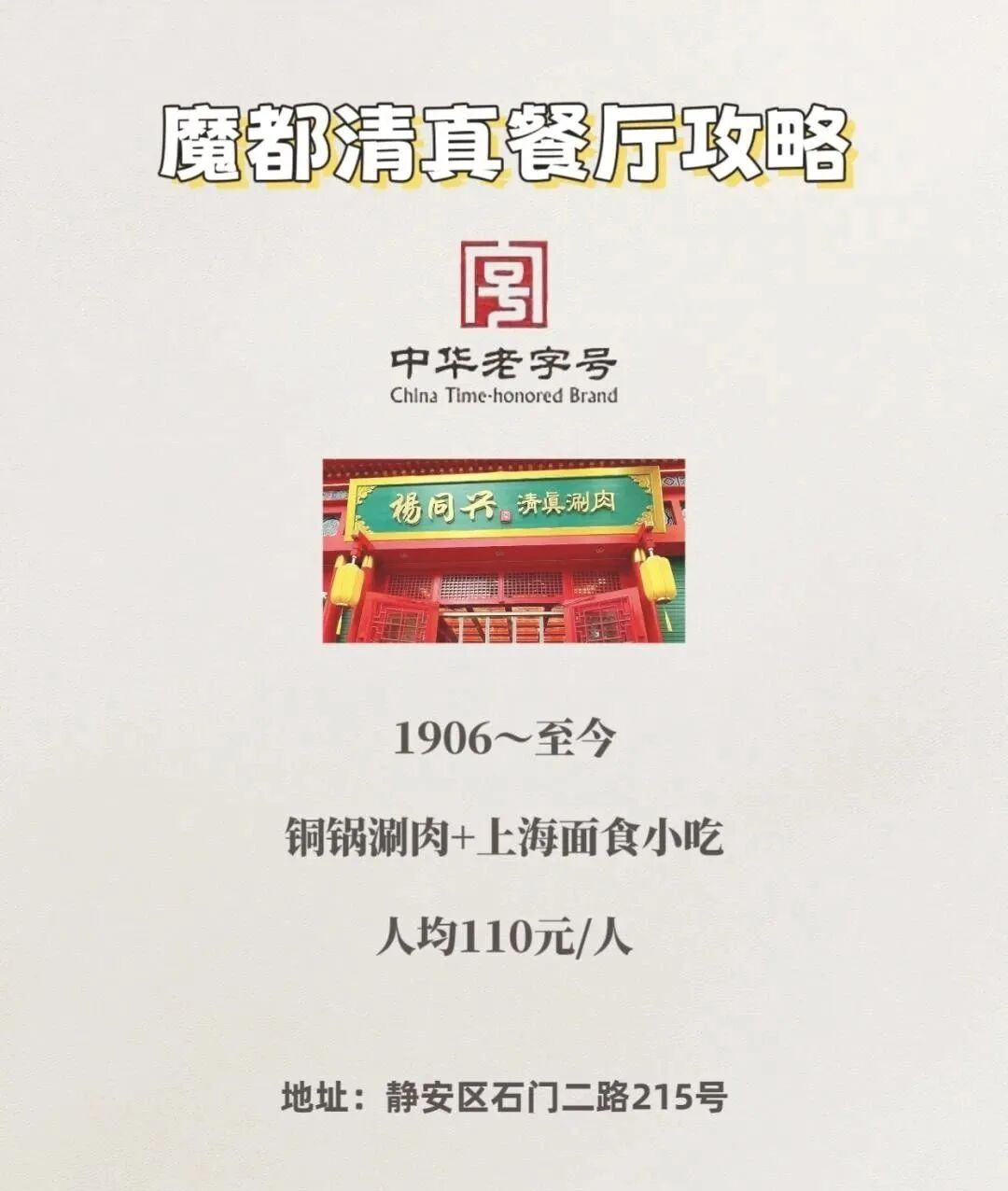
Atlantic Restaurant
Though formerly a Western restaurant, it now focuses on Shanghai-style Halal cuisine, blending the essences of Benbang, Cantonese, and Western cooking. Worth noting: located inside the Shanghai Pearl Hotel, the ethnic-themed decor is truly mesmerizing.
⏰ Business Hours: 11:00-13:30, 17:00-21:30
Average Cost per Person: ¥133
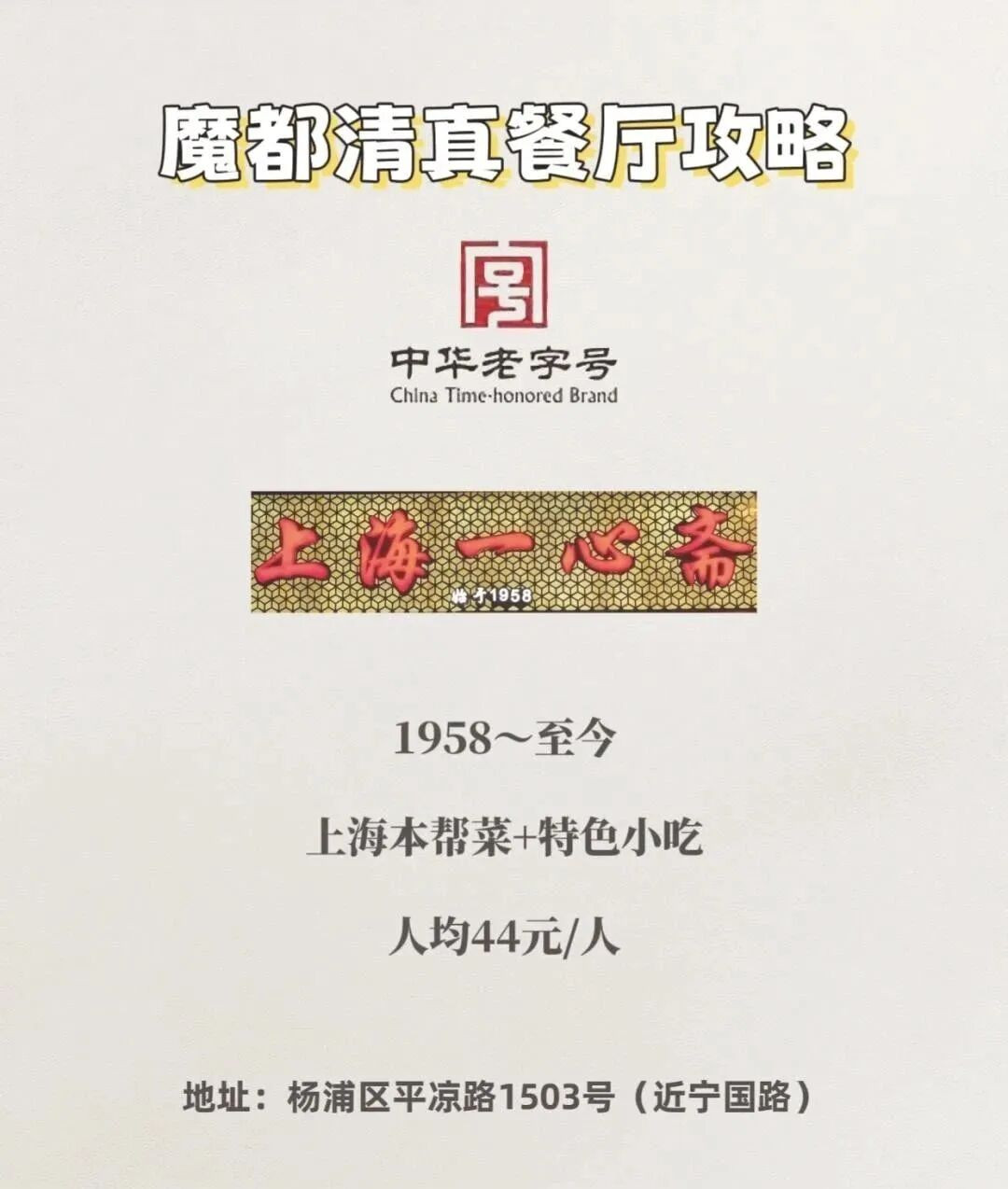
【Recommended Dishes】
Braised Ox Head: Their signature secret braised ox head genuinely gives off an unbeatable, high-flying vibe—fragrant, crispy, and seasoned to absolute perfection.
Shouzhua yangrou (Lanzhou hand-grabbed lamb) (208 RMB): Both the hand-grabbed lamb and pot dishes are hearty and substantial. The meat is tender without any gamey mutton smell.
Niurou jianbao (pan-fried beef buns) (30 RMB): Good thing I don't mind curry, and the wrappers are nice and thin.
Shredded Radish Pastry: Served piping hot with a super crispy exterior and a delicate, pleasantly chewy, fragrant radish shred filling that is just so good.
【Getting There】
If you're driving, you can choose from these parking lots:
No. 1
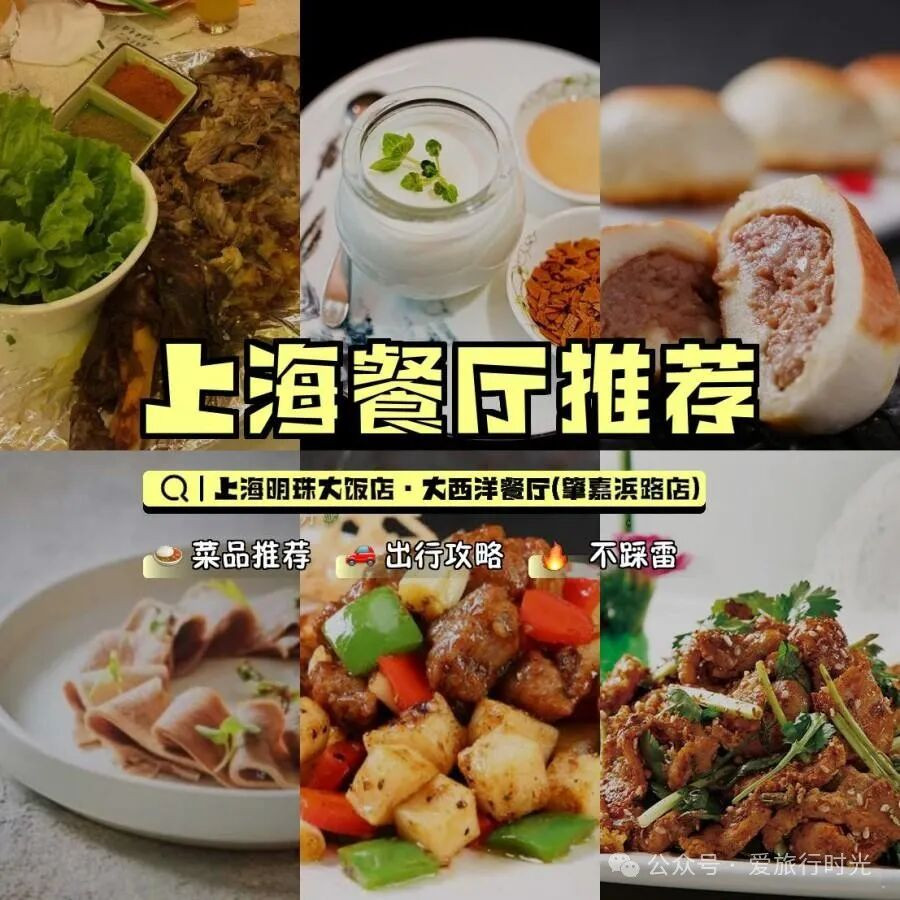
Pearl Hotel Parking Lot: Free for the first hour, then 4.5 RMB per 30 minutes, 72 RMB for the whole day. Less than 100 meters from the restaurant.
No. 2
Pearl Hotel Underground Parking Lot: Internal reserved spaces, not open to the public. Less than 100 meters from the restaurant.
No. 3
Meiyuehua Exquisite Cantonese Cuisine (Zhaoojiabang Road Branch) Parking Lot: Free parking for the first 10 minutes, then 10 RMB/hour, 80 RMB for the full day. Less than 100 meters from the restaurant, a 1-minute walk away.
Public Transit
Subway: Take Line 12 or Line 9, get off at Jiashan Road Station, walk 150 meters (about 3 minutes).
Subway: Take Line 9, get off at Dapuqiao Station, walk 690 meters.
The above represents only my personal suggestions. Prices are subject to fluctuation, so please rely on the actual in-store pricing. Everyone is welcome to recommend other Halal restaurants for me to try—a foodie's journey never stops!
Exploring Shanghai's Historic State-Run Halal Eatery: Weimin Muslim Restaurant
Articles • Hasan09 posted the article • 0 comments • 7 views • 1 days ago
Checking Out Baoshan's Historic State-Run Weimin Muslim Restaurant: Direct Sourcing from the Original Shanghai Beef and Mutton Company for Budget-Friendly, Top-Quality Flavor
Summary:
A firsthand foodie field trip to Weimin Commercial Halal Restaurant, a time-honored state-run halal spot located in Dachang Town, Baoshan District. Backed by the direct supply chain advantages of the former Shanghai Beef and Mutton Company, it’s earned a stellar reputation for insane value, fresh ingredients, and strict hygiene.
I’d been dying to check out this time-honored, state-run halal eatery in Shanghai, famous for its rock-bottom prices, ultra-fresh ingredients, and authentic halal flavors. Tucked away at No. 162 Nanda Road in Dachang Town, Baoshan District, Shanghai Weimin Commercial Halal Restaurant operates under the Shanghai Bright Group. Originally a business branch of the Shanghai Beef and Mutton Company, it officially transitioned into a halal restaurant in 1991. Backed by the Shanghai Beef and Mutton Company, it sits right next to Shanghai’s largest halal cold storage facility, which comes with its own slaughterhouse. With beef and mutton butchered and cooked on the spot, the ingredients delivered to the shop are insanely fresh and the quality is totally locked in.
I'd had this spot saved on my foodie bucket list forever. Even though it's pretty far from my place (about 15 kilometers), I decided to drive out there anyway. The green-and-brass sign out front is super eye-catching. Inside, it totally keeps that retro, state-run restaurant vibe—simple decor, old-school management, and traditional operations. They open bright and early at 5:30 AM, specializing in all kinds of beef and mutton noodle soups, alongside takeout deli classics like braised spiced beef (jiang niurou) and braised beef tripe (jiang niudu).
Hanging in the dining hall is a green-and-white halal food sign, letting everyone know straight up that the food here complies with Islamic dietary laws. Pork, alcohol, and other forbidden ingredients are totally banned, and the slaughter and processing methods all meet strict religious requirements, so Muslim diners can eat here with total peace of mind.
Looking over the menu, the prices are seriously wallet-friendly: scallion oil noodles (congyou banmian) for 5 RMB, beef soup noodles for 4 RMB, and a fried egg for 2 RMB. Plus, clear beef bone broth is served totally free for dine-in customers (slow-simmered for over 4 hours with beef heads, bones, and tendons, giving it a super rich, deep broth). No wonder it pulls in so many locals and has a massive crew of regulars.
The server mentioned that since the weather's getting cooler, the braised mutton noodles with bone are a huge bestseller. I ordered a bowl of those plus a side of braised spiced beef and potato topping (lajiang). Then I saw the pan-fried beef buns (niurou jianbao) were only 4 RMB each—super cheap—so I grabbed six. The whole bill came out to just 68 RMB.
Just like other classic state-run spots, customer service isn't exactly high-touch here. You've gotta walk up to the pickup window yourself to grab your noodles, toppings, and pan-fried buns. The place was pretty packed, so I just queued up patiently at the window. When my number came up, I grabbed my noodles, topping, and buns, found an empty table, and dug in.
The noodle base is a curry beef soup, topped with the bone-in braised mutton, and the spicy beef-and-bean-curd topping (lajiang) served on the side. First, I took a sip of the broth—super rich and intensely savory. The curry notes did a great job cutting through any gamey flavor from the beef and mutton, though it was just a tiny bit on the salty side. The mutton was all bone-in, and as the saying goes, the best meat grows right next to the bone! The mutton was braised totally through—melt-in-your-mouth tender without being mushy, rich without being greasy. There was so much mutton that even after finishing all the noodles, I still had a ton of meat left in the broth. Honestly, it tasted way better than the mutton chop noodles I had at Laobanzhai Restaurant last time, and the price-to-quality ratio is way higher. They use small round noodles here; they could be a bit springier—if they used fine Suzhou-style noodles, it would be even better. The lajiang topping was a super generous portion in a little bowl, made with a simple mix of beef bits, pressed tofu, and potatoes. It was super flavorful too, with a taste profile pretty similar to the braised mutton—pure old-school Shanghai flavor.
I was originally planning to try a beef pan-fried bun just to taste test it, but the portions of the noodles and mutton were just way too massive. I was already totally stuffed, so I had to pack the rest to go and enjoy later at home. view all
Checking Out Baoshan's Historic State-Run Weimin Muslim Restaurant: Direct Sourcing from the Original Shanghai Beef and Mutton Company for Budget-Friendly, Top-Quality Flavor
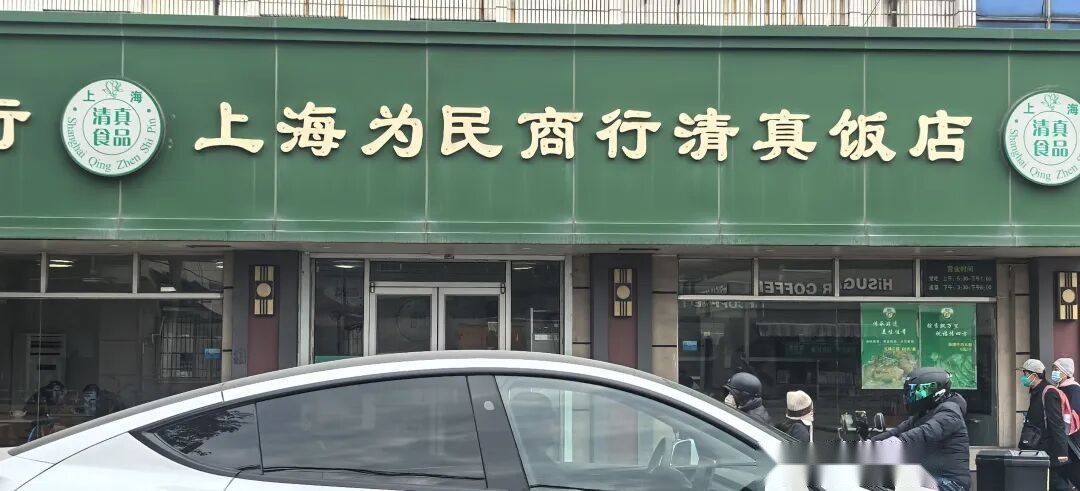
Summary:
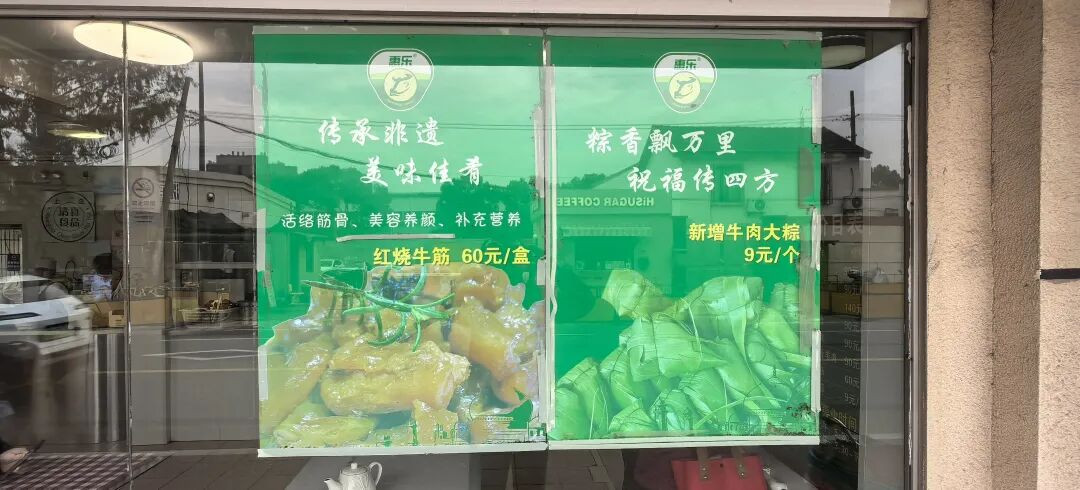
A firsthand foodie field trip to Weimin Commercial Halal Restaurant, a time-honored state-run halal spot located in Dachang Town, Baoshan District. Backed by the direct supply chain advantages of the former Shanghai Beef and Mutton Company, it’s earned a stellar reputation for insane value, fresh ingredients, and strict hygiene.
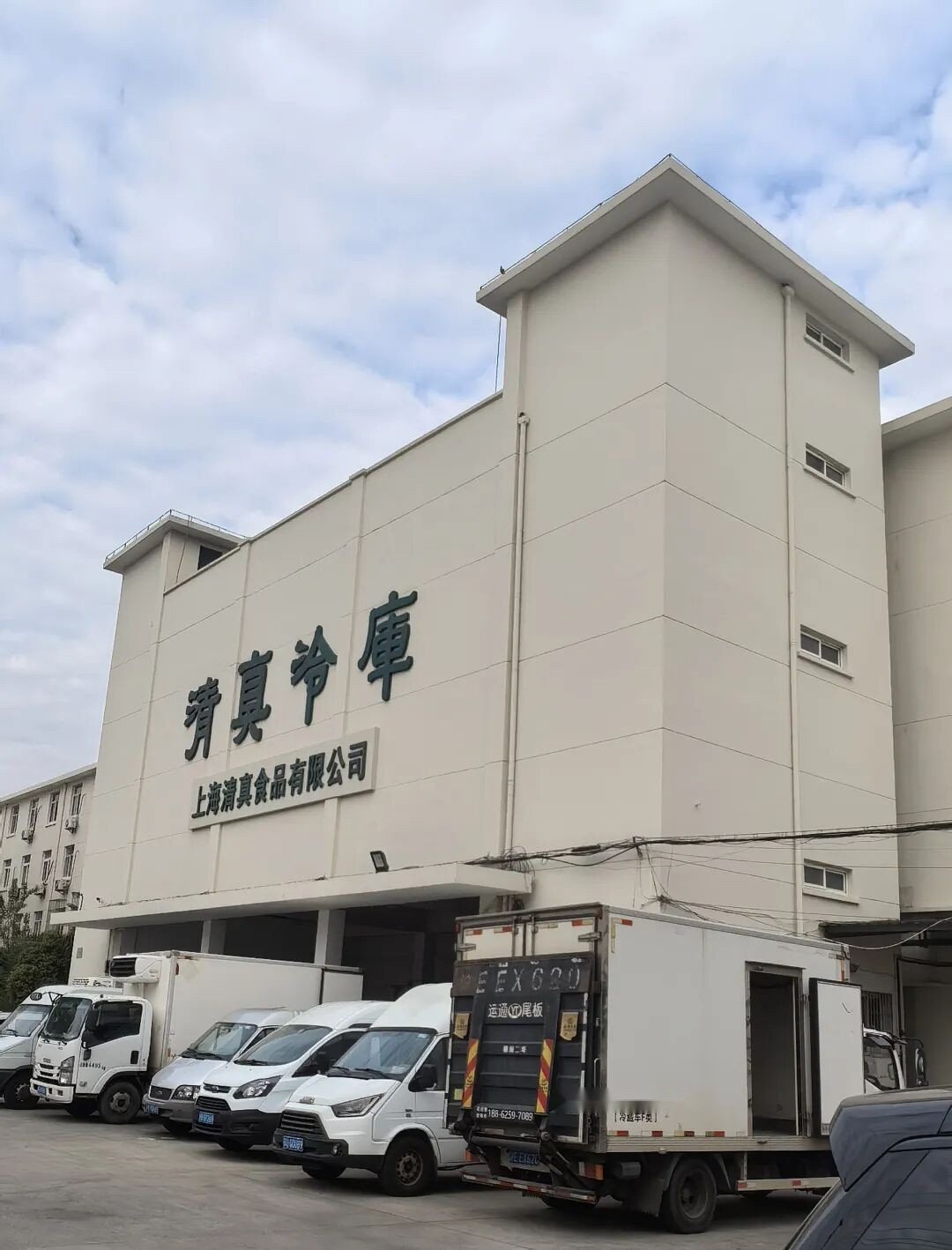
I’d been dying to check out this time-honored, state-run halal eatery in Shanghai, famous for its rock-bottom prices, ultra-fresh ingredients, and authentic halal flavors. Tucked away at No. 162 Nanda Road in Dachang Town, Baoshan District, Shanghai Weimin Commercial Halal Restaurant operates under the Shanghai Bright Group. Originally a business branch of the Shanghai Beef and Mutton Company, it officially transitioned into a halal restaurant in 1991. Backed by the Shanghai Beef and Mutton Company, it sits right next to Shanghai’s largest halal cold storage facility, which comes with its own slaughterhouse. With beef and mutton butchered and cooked on the spot, the ingredients delivered to the shop are insanely fresh and the quality is totally locked in.
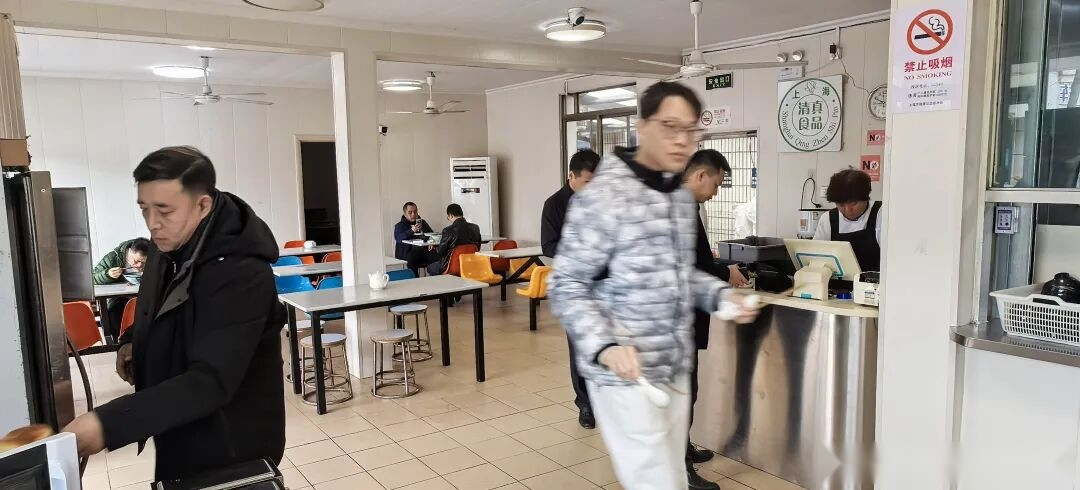
I'd had this spot saved on my foodie bucket list forever. Even though it's pretty far from my place (about 15 kilometers), I decided to drive out there anyway. The green-and-brass sign out front is super eye-catching. Inside, it totally keeps that retro, state-run restaurant vibe—simple decor, old-school management, and traditional operations. They open bright and early at 5:30 AM, specializing in all kinds of beef and mutton noodle soups, alongside takeout deli classics like braised spiced beef (jiang niurou) and braised beef tripe (jiang niudu).
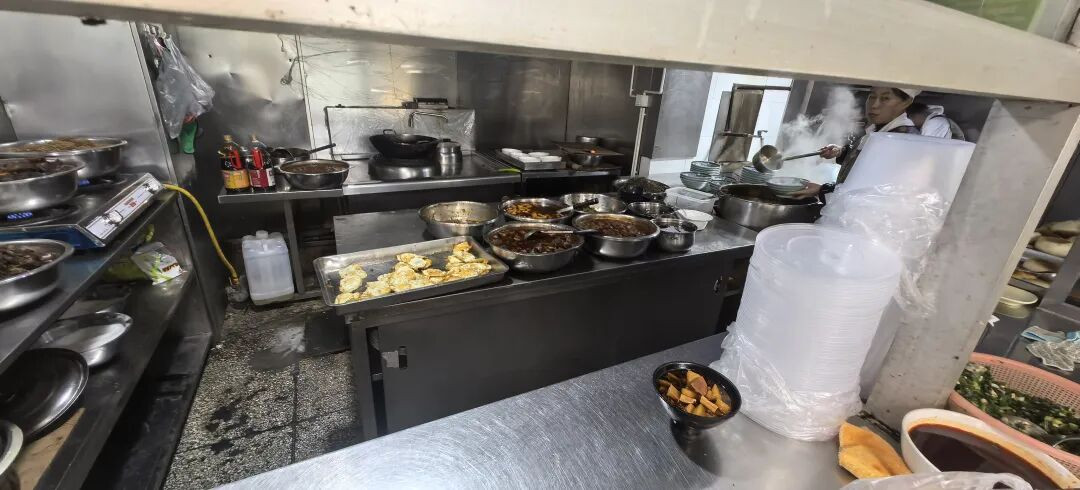
Hanging in the dining hall is a green-and-white halal food sign, letting everyone know straight up that the food here complies with Islamic dietary laws. Pork, alcohol, and other forbidden ingredients are totally banned, and the slaughter and processing methods all meet strict religious requirements, so Muslim diners can eat here with total peace of mind.
Looking over the menu, the prices are seriously wallet-friendly: scallion oil noodles (congyou banmian) for 5 RMB, beef soup noodles for 4 RMB, and a fried egg for 2 RMB. Plus, clear beef bone broth is served totally free for dine-in customers (slow-simmered for over 4 hours with beef heads, bones, and tendons, giving it a super rich, deep broth). No wonder it pulls in so many locals and has a massive crew of regulars.
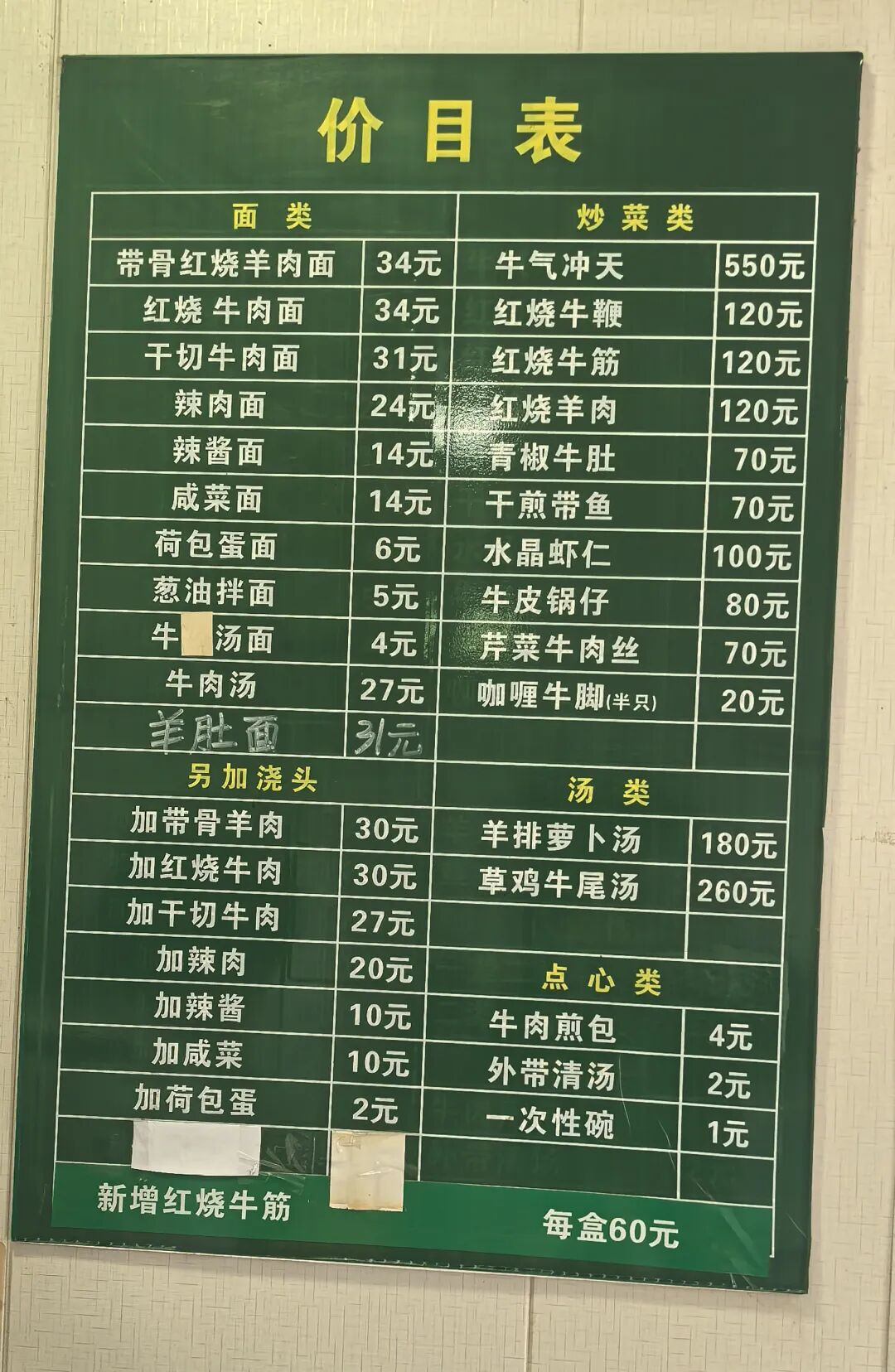
The server mentioned that since the weather's getting cooler, the braised mutton noodles with bone are a huge bestseller. I ordered a bowl of those plus a side of braised spiced beef and potato topping (lajiang). Then I saw the pan-fried beef buns (niurou jianbao) were only 4 RMB each—super cheap—so I grabbed six. The whole bill came out to just 68 RMB.
Just like other classic state-run spots, customer service isn't exactly high-touch here. You've gotta walk up to the pickup window yourself to grab your noodles, toppings, and pan-fried buns. The place was pretty packed, so I just queued up patiently at the window. When my number came up, I grabbed my noodles, topping, and buns, found an empty table, and dug in.
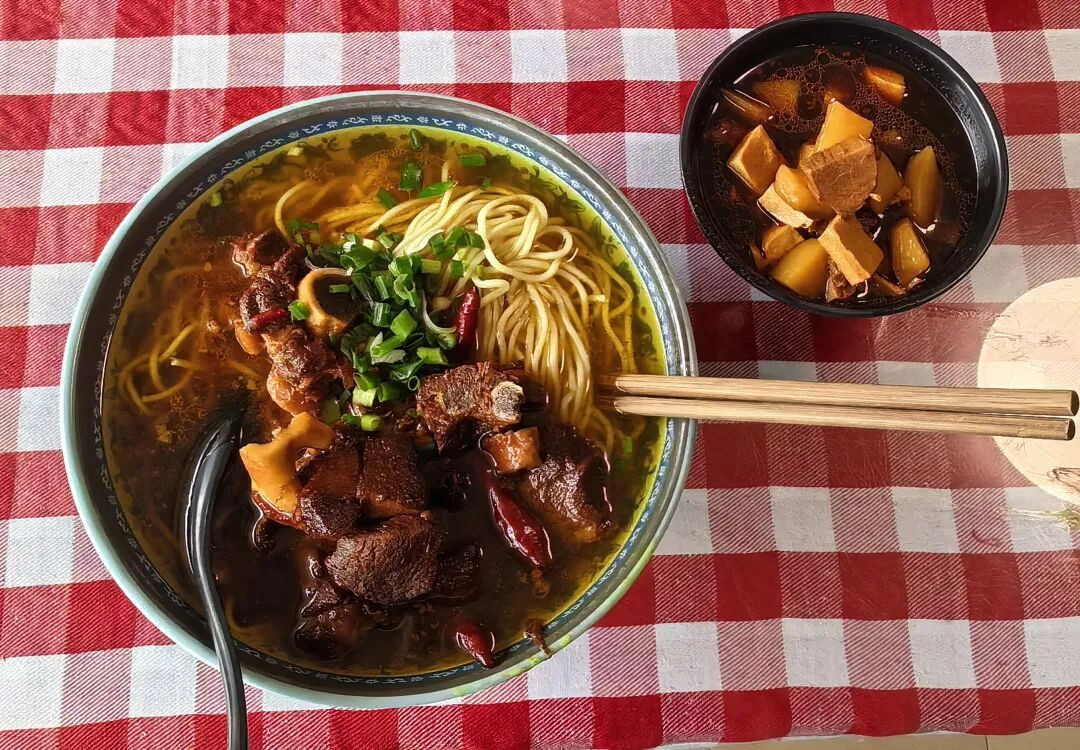
The noodle base is a curry beef soup, topped with the bone-in braised mutton, and the spicy beef-and-bean-curd topping (lajiang) served on the side. First, I took a sip of the broth—super rich and intensely savory. The curry notes did a great job cutting through any gamey flavor from the beef and mutton, though it was just a tiny bit on the salty side. The mutton was all bone-in, and as the saying goes, the best meat grows right next to the bone! The mutton was braised totally through—melt-in-your-mouth tender without being mushy, rich without being greasy. There was so much mutton that even after finishing all the noodles, I still had a ton of meat left in the broth. Honestly, it tasted way better than the mutton chop noodles I had at Laobanzhai Restaurant last time, and the price-to-quality ratio is way higher. They use small round noodles here; they could be a bit springier—if they used fine Suzhou-style noodles, it would be even better. The lajiang topping was a super generous portion in a little bowl, made with a simple mix of beef bits, pressed tofu, and potatoes. It was super flavorful too, with a taste profile pretty similar to the braised mutton—pure old-school Shanghai flavor.
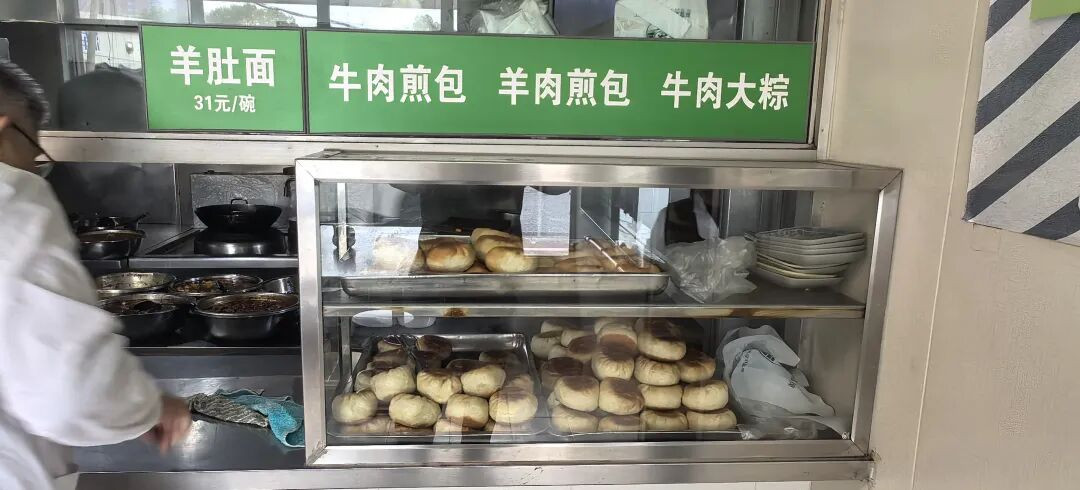
I was originally planning to try a beef pan-fried bun just to taste test it, but the portions of the noodles and mutton were just way too massive. I was already totally stuffed, so I had to pack the rest to go and enjoy later at home.
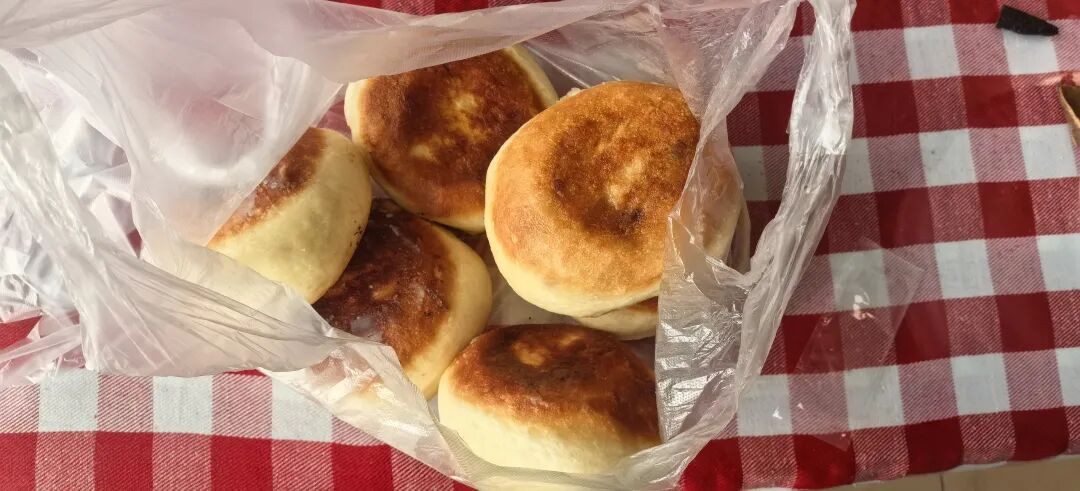
Huiping Clay Pot Yinchuan Review: Authentic Ningxia Halal Yangzasui & Braised Lamb Trotters
Articles • Hasan09 posted the article • 0 comments • 3 views • 1 hours ago
Huiping Clay Pot Yinchuan Review: Authentic Northwest-Style yangzasui and Rich, Tender braised lamb trotters
Summary:
A visit to Huiping Clay Pot, a time-honored Halal neighborhood spot tucked away in the streets of Yinchuan. We tried their meticulously cleaned, fragrant, and game-free signature yangzasui (hearty lamb offal soup with chili oil), alongside slow-braised, melt-in-your-mouth lamb trotters and sheep's head made from top-quality local tan sheep, soaking in the authentic, down-to-earth street vibes of the Northwest.
When visiting Yinchuan, Ningxia, if you're craving authentic, home-style Halal flavors, locals will almost always point you toward Huiping Clay Pot. Tucked away on a quiet street corner, this modest little spot doesn't do fancy decor—just a simple green storefront. Push open the door, and you're immediately hit with the rich aroma of slow-cooked meat, bringing those cozy, bustling neighborhood vibes to life. Whether you're kicking off your morning with a piping hot bowl of yangzasui or ordering a clay pot feast and braised lamb trotters for dinner, every single bite is pure, unadulterated Hexi-Corridor and Hetao-style goodness that you'll be dreaming about long after.
For many old-school Yinchuan locals, the morning starts with a bowl of yangzasui. Huiping’s lamb offal is prepped with insane care, completely free of any gamey or funky odors. A hearty mix of lamb tripe, heart, lungs, and intestines comes packed into a generous portion. Ladled out piping hot from a bright red, bubbling rich broth, the bowl is topped with a fistful of fresh chopped cilantro and scallions, instantly releasing an irresistible aroma. Pick up a pair of chopsticks and grab some honeycomb tripe—it’s soaked up all that rich broth while staying super tender and snappy. Slurping the hot soup down your throat sends a wave of warmth straight from your stomach through your entire body. Pair it with a fresh youxiang (traditional golden fried dough cakes) or a flatbread, dipping it into the lamb soup—this is the ultimate classic Ningxia breakfast combo. Plenty of foodies wake up early just to make the trip for this authentic, original old-school flavor.
Beyond the yangzasui, the shop's braised sheep's head and braised lamb trotters are absolute heavyweight stars. Made using local tan sheep and slow-braised with over a dozen aromatic spices, the lamb trotters are simmered until they're fall-apart tender and sticky-soft. One gentle bite and the meat just slides right off the bone, while the skin and tendons stay bouncy and Q-tender. The braised sauce is thick and deeply infused, hitting you with savory notes and just a tiny kick of heat that makes it more addictive the more you chew. The sheep's head meat is a total dream for offal lovers—super firm and packed with braised spices in every single fiber. Lots of diners roll up, order a plate of trotters, and just gnaw away while chatting, tearing into the meat like true Northwest foodies.
The clay pot series is another heavy-hitter here. The clay pot beef short ribs are loaded with solid portions; the beef is stewed until melt-in-your-mouth tender, floating in a rich, deeply savory broth packed with veggies that soak up all those meaty juices. Pair it with their handmade knife-cut noodles—chewy, slippery noodles tossed right into the clay pot to slurp up every drop of soup. You honestly won't be able to put your chopsticks down. They also dish out clay pot stews and all kinds of comforting home-style noodle dishes, giving you tons of delicious options. Whether you're grabbing a quick solo meal or kicking it with friends, you're guaranteed to find something that hits the spot.
Huiping Clay Pot is a dedicated Halal spot that keeps things fresh by prepping everything from scratch daily—you can literally see the freshness of the ingredients. The owner pours real heart into every single dish without leaning on flashy gimmicks, keeping regulars coming back purely for the incredible taste. Neighborhood locals drop by all the time, and out-of-town travelers constantly seek this place out just to check off iconic Ningxia specialties like yangzasui and braised lamb trotters. The shop isn't huge, but the tables and chairs are neat, clean, and bright, making you feel instantly at home the second you walk through the door.
If you're traveling to Yinchuan, don't just hit up the usual viral tourist spots—you've gotta carve out time to chill at Huiping Clay Pot. Down a hot bowl of yangzasui, gnaw on some tender, sticky braised lamb trotters, and savor authentic clay pot comfort food. Soak in the gritty, vibrant street food culture of Yinchuan; this is the true beating heart of the ancient Silk Road oasis. If you want authentic Ningxia flavor, head straight to Huiping Clay Pot and taste the soul of Northwest China in every single bite.
#NingxiaFood #YinchuanEats #HuipingClayPot #Yangzasui #BraisedLambTrotters view all
Huiping Clay Pot Yinchuan Review: Authentic Northwest-Style yangzasui and Rich, Tender braised lamb trotters
Summary:
A visit to Huiping Clay Pot, a time-honored Halal neighborhood spot tucked away in the streets of Yinchuan. We tried their meticulously cleaned, fragrant, and game-free signature yangzasui (hearty lamb offal soup with chili oil), alongside slow-braised, melt-in-your-mouth lamb trotters and sheep's head made from top-quality local tan sheep, soaking in the authentic, down-to-earth street vibes of the Northwest.
When visiting Yinchuan, Ningxia, if you're craving authentic, home-style Halal flavors, locals will almost always point you toward Huiping Clay Pot. Tucked away on a quiet street corner, this modest little spot doesn't do fancy decor—just a simple green storefront. Push open the door, and you're immediately hit with the rich aroma of slow-cooked meat, bringing those cozy, bustling neighborhood vibes to life. Whether you're kicking off your morning with a piping hot bowl of yangzasui or ordering a clay pot feast and braised lamb trotters for dinner, every single bite is pure, unadulterated Hexi-Corridor and Hetao-style goodness that you'll be dreaming about long after.
For many old-school Yinchuan locals, the morning starts with a bowl of yangzasui. Huiping’s lamb offal is prepped with insane care, completely free of any gamey or funky odors. A hearty mix of lamb tripe, heart, lungs, and intestines comes packed into a generous portion. Ladled out piping hot from a bright red, bubbling rich broth, the bowl is topped with a fistful of fresh chopped cilantro and scallions, instantly releasing an irresistible aroma. Pick up a pair of chopsticks and grab some honeycomb tripe—it’s soaked up all that rich broth while staying super tender and snappy. Slurping the hot soup down your throat sends a wave of warmth straight from your stomach through your entire body. Pair it with a fresh youxiang (traditional golden fried dough cakes) or a flatbread, dipping it into the lamb soup—this is the ultimate classic Ningxia breakfast combo. Plenty of foodies wake up early just to make the trip for this authentic, original old-school flavor.
Beyond the yangzasui, the shop's braised sheep's head and braised lamb trotters are absolute heavyweight stars. Made using local tan sheep and slow-braised with over a dozen aromatic spices, the lamb trotters are simmered until they're fall-apart tender and sticky-soft. One gentle bite and the meat just slides right off the bone, while the skin and tendons stay bouncy and Q-tender. The braised sauce is thick and deeply infused, hitting you with savory notes and just a tiny kick of heat that makes it more addictive the more you chew. The sheep's head meat is a total dream for offal lovers—super firm and packed with braised spices in every single fiber. Lots of diners roll up, order a plate of trotters, and just gnaw away while chatting, tearing into the meat like true Northwest foodies.
The clay pot series is another heavy-hitter here. The clay pot beef short ribs are loaded with solid portions; the beef is stewed until melt-in-your-mouth tender, floating in a rich, deeply savory broth packed with veggies that soak up all those meaty juices. Pair it with their handmade knife-cut noodles—chewy, slippery noodles tossed right into the clay pot to slurp up every drop of soup. You honestly won't be able to put your chopsticks down. They also dish out clay pot stews and all kinds of comforting home-style noodle dishes, giving you tons of delicious options. Whether you're grabbing a quick solo meal or kicking it with friends, you're guaranteed to find something that hits the spot.
Huiping Clay Pot is a dedicated Halal spot that keeps things fresh by prepping everything from scratch daily—you can literally see the freshness of the ingredients. The owner pours real heart into every single dish without leaning on flashy gimmicks, keeping regulars coming back purely for the incredible taste. Neighborhood locals drop by all the time, and out-of-town travelers constantly seek this place out just to check off iconic Ningxia specialties like yangzasui and braised lamb trotters. The shop isn't huge, but the tables and chairs are neat, clean, and bright, making you feel instantly at home the second you walk through the door.
If you're traveling to Yinchuan, don't just hit up the usual viral tourist spots—you've gotta carve out time to chill at Huiping Clay Pot. Down a hot bowl of yangzasui, gnaw on some tender, sticky braised lamb trotters, and savor authentic clay pot comfort food. Soak in the gritty, vibrant street food culture of Yinchuan; this is the true beating heart of the ancient Silk Road oasis. If you want authentic Ningxia flavor, head straight to Huiping Clay Pot and taste the soul of Northwest China in every single bite.
#NingxiaFood #YinchuanEats #HuipingClayPot #Yangzasui #BraisedLambTrotters
Top 6 Halal Yangzasui Spots in Yinchuan: A Local Insider's Guide to Ningxia's Iconic Sheep Offal Soup
Articles • Hasan09 posted the article • 0 comments • 3 views • 1 hours ago
Top 6 Must-Try Halal Yangzasui Spots in Yinchuan: Classic Old-School Shops and Local Insider Favorites
Summary:
A roundup of six classic, halal yangzasui (hearty lamb offal soup with chili oil) spots highly recommended by local Yinchuan foodies. We're breaking down the broth secrets of legendary spots like Lao Yang Kuaizi and Aye, featuring rich, crimson-red broths packed with ingredients and homemade lamb lung slices, giving travelers to Ningxia the ultimate authentic flavor guide.
Good food is the foundation of life.
Cuisine in Ningxia is heavily influenced by Hui Muslim flavors. Plus, because Ningxia tan sheep grow up in a unique natural ecosystem, their meat is super tender with zero gamey smell, making locals absolute masters at cooking beef and mutton.
In Ningxia, hui yangzasui is the most common way to prepare it and easily the most iconic local specialty.
First, sheep heads, bellies, intestines, trotters, hearts, livers, and lungs are thoroughly washed, boiled until tender, sliced into strips, and then topped with the rich original broth, chopped scallions, ginger, and garlic, vibrant red chili oil, MSG, and cilantro. It's ridiculously flavorful and packed with nutrients.
Najiahu Yangzasui
No. 73, Yinhe Lane, North Zhongshan Street, Xingqing District, Yinchuan
This place has been open for over a decade and locals swear by it. The offal is super clean, texturally balanced between tender and crisp, and completely free of any gamey odor. At first glance, the fiery red chili oil looks super spicy, but it's actually just deeply aromatic. Slurping down a bowl like this in the winter is just pure bliss!
Xincheng Lao Zhuandpan Yangzasui
No. 11, South Tongda Street, Jinfeng District, Yinchuan
This spot is open 24 hours and is pretty close to the train station. The flavors totally hit the spot, and they're super generous with the offal portions. Tearing up a flatbread and soaking it in a massive bowl is just insanely good~
Ma Pangzi Yangzasui
No. 53, North Xihuayuan Alley, Xixia District, Yinchuan
This spot only opens in the mornings and reportedly has been featured on foodie TV shows. Their broth is intensely savory, and the yangzasui has zero gamey taste. A bite of meat, a bite of flatbread—rolling up to a huge bowl like this in the morning, man oh man~
Aye Yangzasui
No. 180, Qianjin Street, Funing Street Subdistrict, Xingqing District, Yinchuan
This spot is super famous locally. The meat broth is exceptionally rich, savory without any gamey funk, and the mutton chili oil is aromatic without a harsh burn. The flavor profile leans a bit bold and punchy, and finishing it off with a flatbread and sweet pickled garlic is just amazing~
Lao Majia Yangzasui
No. 19 Commercial Unit, Yinxin Great Mosque, North Yinxinba Street, Jinfeng District, Yinchuan
Another classic, long-standing spot for locals. The quality is super consistent, portions are huge, and a layer of bright red chili oil floats on top without being overly spicy. Soak up some plain white flatbread or youxiang (traditional golden fried dough cakes) in it, and you're good to go~
Linjia Laozizi Yangzasui
No. 66, East Culture Street, Culture Street Subdistrict, Xingqing District, Yinchuan
A cozy, down-to-earth little spot that's been open for over a decade. The overflowing bowl of yangzasui they hand you is packed entirely with meat. It's clean, game-free, and leans toward a bolder, savory flavor profile. Their small side dishes are also bomb—highly recommended!
End
Savor a bowl of genuine, down-to-earth comfort food, and sip through the ups and downs of life.
All images in this article are sourced from the internet purely for reading enhancement purposes. If there is any copyright infringement, they will be immediately removed.
Tap 'Look' (Zai Kan) because you're awesome.
In Lanzhou winters, going without days of fried starch noodles (you chaofen) is seriously tough! This stuff is genuinely incredible, extra delicious~
February 6, 2025
Liangpi (cold skin noodles) from Ningxia Pangzi's place! They sell out like crazy, and the secret reason is...
February 5, 2025
A legendary stir-fried meat stew joint in Ningxia that's been running for over 20 years, with a massive crew of loyal regulars~
February 4, 2025
Hidden foodie gems tucked away in Lanzhou's back alleys! Incredible food always finds its way out of the hidden corners!
February 3, 2025
Mind-blowing local delicacies from Ningxia that you seriously can't get anywhere else outside of here!
February 2, 2025 view all
Top 6 Must-Try Halal Yangzasui Spots in Yinchuan: Classic Old-School Shops and Local Insider Favorites
Summary:
A roundup of six classic, halal yangzasui (hearty lamb offal soup with chili oil) spots highly recommended by local Yinchuan foodies. We're breaking down the broth secrets of legendary spots like Lao Yang Kuaizi and Aye, featuring rich, crimson-red broths packed with ingredients and homemade lamb lung slices, giving travelers to Ningxia the ultimate authentic flavor guide.
Good food is the foundation of life.
Cuisine in Ningxia is heavily influenced by Hui Muslim flavors. Plus, because Ningxia tan sheep grow up in a unique natural ecosystem, their meat is super tender with zero gamey smell, making locals absolute masters at cooking beef and mutton.
In Ningxia, hui yangzasui is the most common way to prepare it and easily the most iconic local specialty.
First, sheep heads, bellies, intestines, trotters, hearts, livers, and lungs are thoroughly washed, boiled until tender, sliced into strips, and then topped with the rich original broth, chopped scallions, ginger, and garlic, vibrant red chili oil, MSG, and cilantro. It's ridiculously flavorful and packed with nutrients.
Najiahu Yangzasui
No. 73, Yinhe Lane, North Zhongshan Street, Xingqing District, Yinchuan
This place has been open for over a decade and locals swear by it. The offal is super clean, texturally balanced between tender and crisp, and completely free of any gamey odor. At first glance, the fiery red chili oil looks super spicy, but it's actually just deeply aromatic. Slurping down a bowl like this in the winter is just pure bliss!
Xincheng Lao Zhuandpan Yangzasui
No. 11, South Tongda Street, Jinfeng District, Yinchuan
This spot is open 24 hours and is pretty close to the train station. The flavors totally hit the spot, and they're super generous with the offal portions. Tearing up a flatbread and soaking it in a massive bowl is just insanely good~
Ma Pangzi Yangzasui
No. 53, North Xihuayuan Alley, Xixia District, Yinchuan
This spot only opens in the mornings and reportedly has been featured on foodie TV shows. Their broth is intensely savory, and the yangzasui has zero gamey taste. A bite of meat, a bite of flatbread—rolling up to a huge bowl like this in the morning, man oh man~
Aye Yangzasui
No. 180, Qianjin Street, Funing Street Subdistrict, Xingqing District, Yinchuan
This spot is super famous locally. The meat broth is exceptionally rich, savory without any gamey funk, and the mutton chili oil is aromatic without a harsh burn. The flavor profile leans a bit bold and punchy, and finishing it off with a flatbread and sweet pickled garlic is just amazing~
Lao Majia Yangzasui
No. 19 Commercial Unit, Yinxin Great Mosque, North Yinxinba Street, Jinfeng District, Yinchuan
Another classic, long-standing spot for locals. The quality is super consistent, portions are huge, and a layer of bright red chili oil floats on top without being overly spicy. Soak up some plain white flatbread or youxiang (traditional golden fried dough cakes) in it, and you're good to go~
Linjia Laozizi Yangzasui
No. 66, East Culture Street, Culture Street Subdistrict, Xingqing District, Yinchuan
A cozy, down-to-earth little spot that's been open for over a decade. The overflowing bowl of yangzasui they hand you is packed entirely with meat. It's clean, game-free, and leans toward a bolder, savory flavor profile. Their small side dishes are also bomb—highly recommended!
End
Savor a bowl of genuine, down-to-earth comfort food, and sip through the ups and downs of life.
All images in this article are sourced from the internet purely for reading enhancement purposes. If there is any copyright infringement, they will be immediately removed.
Tap 'Look' (Zai Kan) because you're awesome.
In Lanzhou winters, going without days of fried starch noodles (you chaofen) is seriously tough! This stuff is genuinely incredible, extra delicious~
February 6, 2025
Liangpi (cold skin noodles) from Ningxia Pangzi's place! They sell out like crazy, and the secret reason is...
February 5, 2025
A legendary stir-fried meat stew joint in Ningxia that's been running for over 20 years, with a massive crew of loyal regulars~
February 4, 2025
Hidden foodie gems tucked away in Lanzhou's back alleys! Incredible food always finds its way out of the hidden corners!
February 3, 2025
Mind-blowing local delicacies from Ningxia that you seriously can't get anywhere else outside of here!
February 2, 2025
Exploring Yixinzhai: Shanghai’s Century-Old Halal Legend for Pan-Fried Beef Buns & Cold Noodles
Articles • Hasan09 posted the article • 0 comments • 1 views • 1 hours ago
Dual Glory of a Time-Honored Brand and Intangible Cultural Heritage: Exploring the Legend of Yixinzhai's Halal Cuisine in Shanghai
Abstract:
A deep dive into Yixinzhai, a renowned Shanghai Halal eatery holding the dual titles of a 'China Time-Honored Brand' and a 'Municipal Intangible Cultural Heritage.' This article traces its century-long evolution since its founding in 1913, showcasing the artisan spirit of three generations of inheritors who strictly adhere to Islamic dietary laws and traditional heritage culinary techniques.
“Yixinzhai” is a celebrated, time-honored Halal restaurant in Shanghai. Its 'Halal culinary preparation technique' has been inscribed onto the Shanghai Municipal Intangible Cultural Heritage list, making this rare dual status of 'Time-Honored Brand + Intangible Cultural Heritage' quite unique among the city's Halal restaurants.
Historical records show that the history of Yixinzhai traces back to 1913, when Ma Wanglin’s grandfather, Ma Shisheng, established the 'Ma Ji' Halal food stall in Cao County, Shandong province. It quickly gained fame locally with specialties like niurou jianbao (pan-fried beef buns) and curry beef. After 1938, fleeing the chaos of war, Ma Shisheng moved with his son, Ma Xingbang, to Zhenjiang, Jiangsu province, to continue the business. By the late 1940s, Ma Wanglin followed his parents to Shanghai’s Yangpu district, reopening the 'Ma Ji' Halal food shop on Huangxing Road, allowing this culinary craft to take deep root in Shanghai. In 1958, the state-run 'Yixinzhai' Halal restaurant was officially established, and a 15-year-old Ma Wanglin joined his father working there. In 2000, Yixinzhai underwent restructuring, with Ma Wanglin taking over management.
Back in the day, whenever people had business at the Hudong Workers' Cultural Palace, they would drop by Yixinzhai right across the street to grab its signature niurou jianbao (pan-fried beef buns), leaving behind deep impressions and wonderful memories. The cold noodles are also a signature crowd-pleaser here. Craving them in this seasonal weather, I recently drove over 20 kilometers, cutting all the way from Changning in the western urban center to Yangpu in the east, just to hit up Yixinzhai and treat myself. The original building is currently undergoing renovations, so the shop has relocated to a temporary space about 200 meters to the east. The golden signs reading 'Shanghai Yixinzhai' and 'China Time-Honored Brand' hang high above the entrance, gleaming brilliantly.
Checking out the menu, the options are seriously plentiful, featuring rice bowls with toppings, fried rice, and noodle soups with various toppings. I ordered the shop's signature celery and shredded beef mixed noodles (note: during the summer season, the shop's mixed noodles refer to cold noodles), an order of guotie (crispy beef potstickers), and a bowl of beef soup, totaling 60 yuan.
The potstickers and mixed noodles had to be picked up at the counter yourself, while the beef soup was brought to the table by a server. Figuring that the potstickers should be eaten while hot since cooling ruins the texture, I picked them up first to enjoy immediately.
An order of potstickers comes with four pieces. They're pretty sizable, neatly arranged, crescent-shaped, plump, and gorgeous, with bottoms pan-fried to a golden, crispy crunch.
The potsticker wrappers are made from unleavened dough, keeping the skin relatively thin and crispy. When you bite into them, you get a satisfying 'crunch' sound without any tough chewiness—though I'm not sure if they were slightly over-fried or just naturally like that?! It's a different mouthfeel compared to potstickers elsewhere. The meat filling uses hindquarter yellow beef (knuckle cut), with all connective tissue trimmed away, mixed with the Ma family's secret ancestral seasonings. The flavor is totally unique, accompanied by a small amount of savory broth, making it super delicious.
The beef soup is fairly clear, topped with a generous handful of cilantro and chopped scallions that blend with the beef aroma, making it wonderfully fragrant. A touch of curry is added to remove any gamey odor and boost the flavor. The beef shank inside comes in slices, and the portion is genuinely generous, totally justifying the 20 yuan price tag per bowl. The beef is cooked until tender without falling apart, and the broth is rich and packed with flavor. Eating it alongside the beef potstickers and cold noodles is absolute perfection! Highly recommended.
After finishing the potstickers, I headed back to the window to pick up the cold noodles and the celery and shredded beef topping.
The cold noodles are a signature summer specialty here, made with custom, narrow alkaline noodles. They follow the golden rule of cooking noodles: 'clear water, high heat, fewer noodles.' They are boiled on high heat for a short time, skipped the cold water rinse, and instead blown dry directly with electric fans while being tossed with homemade scallion oil. The noodles turn out chewy, resilient, smooth, and not mushy. Drizzled with homemade salty-savory soy sauce and fragrant vinegar, the flavor profile hits salty, savory, and slightly sweet notes, topped with a scoop of the soulful peanut sauce personally developed by Ma Wanglin (made by stir-frying and grinding 8 catties of peanuts and 2 catties of sesame seeds for an intense aroma). If you like it spicy, add a few drops of chili oil—with the noodles completely coated in sauce, the taste is simply indescribable.
The celery and shredded beef topping is equally standout. The celery is super tender with no tough fibers, meaning it won't get stuck in your teeth. The shredded beef is pre-marinated, velveted, and quick-fried, making it silky, tender, and delicious. Slurping it down with the noodles is an absolute blast and deeply satisfying.
The niurou jianbao (pan-fried beef buns) are the shop's absolute top-tier intangible heritage delicacy. The prep kitchen features three large flat-bottomed iron pans where chefs take turns whipping up niurou jianbao and guotie on the spot. The niurou jianbao are easily the size of an adult's fist, pan-fried on both sides until golden and crispy. When you bite into them, soup juices pour out. They're a massive hit with diners, selling thousands daily and usually requiring a long wait in line.
The gold-medal Sanhuangji (three-yellow chicken) uses chickens raised in Nanhui for over 90 days, cage-raised first and then free-range for 20 days. Prepared as fully cooked white-cut chicken, there isn't a single trace of blood between the bones. The skin is crispy, the meat is firm and flavorful, making it another staple signature dish at the shop.
After polishing off an order of potstickers, an order of cold noodles, and a bowl of beef soup, I was already full. Not wanting to miss out on the signature niurou jianbao and the specialty Sanhuangji, I ended up buying a large portion of the chicken and five niurou jianbao to take home and slowly enjoy with the family.
Dining Experience: The food tastes great and has a distinct Halal character. Overall, while the prices are slightly on the higher side, it's definitely worth the money and well worth a try. view all
Dual Glory of a Time-Honored Brand and Intangible Cultural Heritage: Exploring the Legend of Yixinzhai's Halal Cuisine in Shanghai
Abstract:
A deep dive into Yixinzhai, a renowned Shanghai Halal eatery holding the dual titles of a 'China Time-Honored Brand' and a 'Municipal Intangible Cultural Heritage.' This article traces its century-long evolution since its founding in 1913, showcasing the artisan spirit of three generations of inheritors who strictly adhere to Islamic dietary laws and traditional heritage culinary techniques.
“Yixinzhai” is a celebrated, time-honored Halal restaurant in Shanghai. Its 'Halal culinary preparation technique' has been inscribed onto the Shanghai Municipal Intangible Cultural Heritage list, making this rare dual status of 'Time-Honored Brand + Intangible Cultural Heritage' quite unique among the city's Halal restaurants.
Historical records show that the history of Yixinzhai traces back to 1913, when Ma Wanglin’s grandfather, Ma Shisheng, established the 'Ma Ji' Halal food stall in Cao County, Shandong province. It quickly gained fame locally with specialties like niurou jianbao (pan-fried beef buns) and curry beef. After 1938, fleeing the chaos of war, Ma Shisheng moved with his son, Ma Xingbang, to Zhenjiang, Jiangsu province, to continue the business. By the late 1940s, Ma Wanglin followed his parents to Shanghai’s Yangpu district, reopening the 'Ma Ji' Halal food shop on Huangxing Road, allowing this culinary craft to take deep root in Shanghai. In 1958, the state-run 'Yixinzhai' Halal restaurant was officially established, and a 15-year-old Ma Wanglin joined his father working there. In 2000, Yixinzhai underwent restructuring, with Ma Wanglin taking over management.
Back in the day, whenever people had business at the Hudong Workers' Cultural Palace, they would drop by Yixinzhai right across the street to grab its signature niurou jianbao (pan-fried beef buns), leaving behind deep impressions and wonderful memories. The cold noodles are also a signature crowd-pleaser here. Craving them in this seasonal weather, I recently drove over 20 kilometers, cutting all the way from Changning in the western urban center to Yangpu in the east, just to hit up Yixinzhai and treat myself. The original building is currently undergoing renovations, so the shop has relocated to a temporary space about 200 meters to the east. The golden signs reading 'Shanghai Yixinzhai' and 'China Time-Honored Brand' hang high above the entrance, gleaming brilliantly.
Checking out the menu, the options are seriously plentiful, featuring rice bowls with toppings, fried rice, and noodle soups with various toppings. I ordered the shop's signature celery and shredded beef mixed noodles (note: during the summer season, the shop's mixed noodles refer to cold noodles), an order of guotie (crispy beef potstickers), and a bowl of beef soup, totaling 60 yuan.
The potstickers and mixed noodles had to be picked up at the counter yourself, while the beef soup was brought to the table by a server. Figuring that the potstickers should be eaten while hot since cooling ruins the texture, I picked them up first to enjoy immediately.
An order of potstickers comes with four pieces. They're pretty sizable, neatly arranged, crescent-shaped, plump, and gorgeous, with bottoms pan-fried to a golden, crispy crunch.
The potsticker wrappers are made from unleavened dough, keeping the skin relatively thin and crispy. When you bite into them, you get a satisfying 'crunch' sound without any tough chewiness—though I'm not sure if they were slightly over-fried or just naturally like that?! It's a different mouthfeel compared to potstickers elsewhere. The meat filling uses hindquarter yellow beef (knuckle cut), with all connective tissue trimmed away, mixed with the Ma family's secret ancestral seasonings. The flavor is totally unique, accompanied by a small amount of savory broth, making it super delicious.
The beef soup is fairly clear, topped with a generous handful of cilantro and chopped scallions that blend with the beef aroma, making it wonderfully fragrant. A touch of curry is added to remove any gamey odor and boost the flavor. The beef shank inside comes in slices, and the portion is genuinely generous, totally justifying the 20 yuan price tag per bowl. The beef is cooked until tender without falling apart, and the broth is rich and packed with flavor. Eating it alongside the beef potstickers and cold noodles is absolute perfection! Highly recommended.
After finishing the potstickers, I headed back to the window to pick up the cold noodles and the celery and shredded beef topping.
The cold noodles are a signature summer specialty here, made with custom, narrow alkaline noodles. They follow the golden rule of cooking noodles: 'clear water, high heat, fewer noodles.' They are boiled on high heat for a short time, skipped the cold water rinse, and instead blown dry directly with electric fans while being tossed with homemade scallion oil. The noodles turn out chewy, resilient, smooth, and not mushy. Drizzled with homemade salty-savory soy sauce and fragrant vinegar, the flavor profile hits salty, savory, and slightly sweet notes, topped with a scoop of the soulful peanut sauce personally developed by Ma Wanglin (made by stir-frying and grinding 8 catties of peanuts and 2 catties of sesame seeds for an intense aroma). If you like it spicy, add a few drops of chili oil—with the noodles completely coated in sauce, the taste is simply indescribable.
The celery and shredded beef topping is equally standout. The celery is super tender with no tough fibers, meaning it won't get stuck in your teeth. The shredded beef is pre-marinated, velveted, and quick-fried, making it silky, tender, and delicious. Slurping it down with the noodles is an absolute blast and deeply satisfying.
The niurou jianbao (pan-fried beef buns) are the shop's absolute top-tier intangible heritage delicacy. The prep kitchen features three large flat-bottomed iron pans where chefs take turns whipping up niurou jianbao and guotie on the spot. The niurou jianbao are easily the size of an adult's fist, pan-fried on both sides until golden and crispy. When you bite into them, soup juices pour out. They're a massive hit with diners, selling thousands daily and usually requiring a long wait in line.
The gold-medal Sanhuangji (three-yellow chicken) uses chickens raised in Nanhui for over 90 days, cage-raised first and then free-range for 20 days. Prepared as fully cooked white-cut chicken, there isn't a single trace of blood between the bones. The skin is crispy, the meat is firm and flavorful, making it another staple signature dish at the shop.
After polishing off an order of potstickers, an order of cold noodles, and a bowl of beef soup, I was already full. Not wanting to miss out on the signature niurou jianbao and the specialty Sanhuangji, I ended up buying a large portion of the chicken and five niurou jianbao to take home and slowly enjoy with the family.
Dining Experience: The food tastes great and has a distinct Halal character. Overall, while the prices are slightly on the higher side, it's definitely worth the money and well worth a try.
Exploring Yixinzhai: Shanghai’s Century-Old Halal Legend for Pan-Fried Beef Buns
Articles • Hasan09 posted the article • 0 comments • 2 views • 1 hours ago
Dual Honor of a Time-Honored Chinese Brand and Intangible Cultural Heritage: Exploring the Legend of Shanghai Yixinzhai's Halal Culinary Craftsmanship
Abstract:
An in-depth introduction to Yixinzhai, a famous Halal eatery in Shanghai that holds both the "Time-Honored Chinese Brand" and "Municipal Intangible Cultural Heritage" titles. This traces its century-old development since its founding in 1913, showcasing the artisan spirit of three generations of successors who have strictly adhered to religious laws and guarded this intangible heritage culinary craft.
"Yixinzhai" is a renowned, time-honored Halal restaurant in Shanghai. Its "Halal culinary and pastry-making craft" was inscribed into Shanghai's Intangible Cultural Heritage list. Having the dual status of both a "Time-Honored Brand" and an "Intangible Cultural Heritage" makes it quite rare among Halal restaurants in the city.
Historical records show that the history of Yixinzhai can be traced back to 1913, when the current head Ma Wanglin's grandfather, Ma Shisheng, started the "Ma Ji" Halal food stall in Cao County, Shandong province, making a name for himself locally with delicacies like niurou jianbao (pan-fried beef buns) and curry beef. After 1938, to escape the war, Ma Shisheng moved with his son, Ma Xingbang, to Zhenjiang, Jiangsu province, to continue the business. By the late 1940s, Ma Wanglin came to Shanghai's Yangpu district with his parents and reopened the "Ma Ji" Halal food shop on Huangxing Road, allowing this culinary craft to take root and flourish in Shanghai. In 1958, the state-owned "Yixinzhai" Halal restaurant was officially established, and a 15-year-old Ma Wanglin joined his father to work there. In 2000, Yixinzhai underwent restructuring, and Ma Wanglin took over the management.
Whenever I used to visit the Huidong Workers' Cultural Palace on business, I would make a detour across the street to Yixinzhai to savor their signature niurou jianbao (pan-fried beef buns), which left a deep impression and fond memories. Their cold noodles are also a signature dish of the house. Since it's currently the right season and I couldn't resist the temptation, I drove more than 20 kilometers a few days ago, cutting all the way across from Changning in the western urban center to Yangpu in the east, just to come to Yixinzhai and treat myself. The original site is undergoing renovation, so the store has temporarily relocated to a temporary space about 200 meters to the east. The golden signboards reading "Shanghai Yixinzhai" and "Time-Honored Chinese Brand" hang high above the doorway, shining brilliantly.
After checking the menu, I found the food options quite rich, featuring rice bowls with toppings, fried rice, noodles with various toppings, and more. I ordered the house signature qinCai niurou si banmian (celery and shredded beef tossed noodles—note: during the summer season at this shop, tossed noodles refer to cold noodles), an order of niurou guotie (crispy beef potstickers), and a bowl of beef soup, totaling 60 RMB.
The potstickers and tossed noodles need to be picked up yourself at the counter, while the beef soup is brought to the table by a server. Considering that potstickers should be eaten hot—since getting cold affects the texture—I picked up the potstickers first to enjoy while they were hot.
An order of potstickers comes with four pieces. They are quite large, neatly arranged, crescent-shaped, plump, and pretty, with bottoms pan-fried to a golden, crispy perfection.
The potsticker wrappers are made from unstirred, unleavened dough, making the skin relatively thin and quite crispy when eaten. When you bite into them, there is a "crunchy" sound, though without a hint of chewiness. I'm not sure if they were slightly over-fried or if that's just how they're naturally made! The texture is a bit different from outside potstickers. The meat filling uses hindquarter yellow beef (knuckle cut), with the tendons and fascia trimmed away, complemented by the Ma family's ancestral secret marinade. The flavor is unique, accompanied by a small amount of juices, making it deliciously savory.
The beef soup is relatively clear, generously topped with a large handful of cilantro and chopped scallions that blend with the beef aroma, filling the air with fragrance, with a small amount of curry added to remove any gaminess and enhance the flavor. The beef shank slices in the soup are served in a genuinely generous portion, fully justifying the 20 RMB per bowl price tag. The beef is boiled until tender without falling apart, and the broth is extremely rich and savory. Eaten together with the beef potstickers and cold noodles, it's an absolute perfection! Highly recommended.
After finishing the potstickers, I went back to the counter to pick up the cold noodles and the celery and shredded beef topping.
The cold noodles are a signature summer specialty of the restaurant, made with custom-ordered, narrow alkaline noodles, following the cooking mantra of "clear water, high heat, few noodles." They are boiled over high heat for a short time, not rinsed in cold water, but directly blown dry and cooled with an electric fan. While being fanned, homemade scallion oil is drizzled over them and tossed. The noodles are chewy yet springy, smooth, and not mushy. Drizzled with homemade savory-fresh soy sauce and fragrant vinegar, the flavor profile is savory, aromatic, and slightly sweet, plus a spoonful of the signature peanut paste personally developed by Ma Wanglin (made by stir-frying and grinding 8 catties of peanuts and 2 catties of sesame seeds for a rich aroma). If you like spicy food, just add a few drops of chili oil, and with the noodles coated in sauce, the taste is simply indescribable.
The celery and shredded beef topping is equally brilliant. The celery is very tender, without tough fibers that get stuck between your teeth. The shredded beef is marinated in advance, velveted with starch and stir-fried, giving it a tender texture and delicious flavor. Eating it with the noodles in big mouthfuls is immensely satisfying.
The niurou jianbao (pan-fried beef buns) are the restaurant's "top-tier" intangible heritage delicacy. The prep kitchen has three large flat-bottomed iron pans, where chefs take turns making niurou jianbao and niurou guotie on the spot. The pan-fried beef buns are easily the size of an adult's fist, fried golden and crispy on both sides, and juice bursts out when you bite into them. They are deeply loved by diners, with thousands sold every day, often requiring long lines to purchase.
The signature Sanhuangji (Three-Yellow Chicken) uses chickens raised in Nanhui for over 90 days, first penned and then free-range for 20 days, made into fully cooked white-cut chicken. There is not a single trace of blood between the bones, and the skin is crispy, the meat firm, and the flavor aromatic—also a signature dish of the restaurant.
With an order of potstickers, an order of cold noodles, and a bowl of beef soup in my stomach, I was already full. Yet, not wanting to miss out on the signature niurou jianbao and the specialty Sanhuangji, I bought a large portion of the Three-Yellow Chicken and five niurou jianbao to take home and slowly enjoy with my family.
Dining experience: The food tastes good, rich in Halal characteristics. Overall, though slightly pricey, it is still good value for money and well worth a try. view all
Dual Honor of a Time-Honored Chinese Brand and Intangible Cultural Heritage: Exploring the Legend of Shanghai Yixinzhai's Halal Culinary Craftsmanship
Abstract:
An in-depth introduction to Yixinzhai, a famous Halal eatery in Shanghai that holds both the "Time-Honored Chinese Brand" and "Municipal Intangible Cultural Heritage" titles. This traces its century-old development since its founding in 1913, showcasing the artisan spirit of three generations of successors who have strictly adhered to religious laws and guarded this intangible heritage culinary craft.
"Yixinzhai" is a renowned, time-honored Halal restaurant in Shanghai. Its "Halal culinary and pastry-making craft" was inscribed into Shanghai's Intangible Cultural Heritage list. Having the dual status of both a "Time-Honored Brand" and an "Intangible Cultural Heritage" makes it quite rare among Halal restaurants in the city.
Historical records show that the history of Yixinzhai can be traced back to 1913, when the current head Ma Wanglin's grandfather, Ma Shisheng, started the "Ma Ji" Halal food stall in Cao County, Shandong province, making a name for himself locally with delicacies like niurou jianbao (pan-fried beef buns) and curry beef. After 1938, to escape the war, Ma Shisheng moved with his son, Ma Xingbang, to Zhenjiang, Jiangsu province, to continue the business. By the late 1940s, Ma Wanglin came to Shanghai's Yangpu district with his parents and reopened the "Ma Ji" Halal food shop on Huangxing Road, allowing this culinary craft to take root and flourish in Shanghai. In 1958, the state-owned "Yixinzhai" Halal restaurant was officially established, and a 15-year-old Ma Wanglin joined his father to work there. In 2000, Yixinzhai underwent restructuring, and Ma Wanglin took over the management.
Whenever I used to visit the Huidong Workers' Cultural Palace on business, I would make a detour across the street to Yixinzhai to savor their signature niurou jianbao (pan-fried beef buns), which left a deep impression and fond memories. Their cold noodles are also a signature dish of the house. Since it's currently the right season and I couldn't resist the temptation, I drove more than 20 kilometers a few days ago, cutting all the way across from Changning in the western urban center to Yangpu in the east, just to come to Yixinzhai and treat myself. The original site is undergoing renovation, so the store has temporarily relocated to a temporary space about 200 meters to the east. The golden signboards reading "Shanghai Yixinzhai" and "Time-Honored Chinese Brand" hang high above the doorway, shining brilliantly.
After checking the menu, I found the food options quite rich, featuring rice bowls with toppings, fried rice, noodles with various toppings, and more. I ordered the house signature qinCai niurou si banmian (celery and shredded beef tossed noodles—note: during the summer season at this shop, tossed noodles refer to cold noodles), an order of niurou guotie (crispy beef potstickers), and a bowl of beef soup, totaling 60 RMB.
The potstickers and tossed noodles need to be picked up yourself at the counter, while the beef soup is brought to the table by a server. Considering that potstickers should be eaten hot—since getting cold affects the texture—I picked up the potstickers first to enjoy while they were hot.
An order of potstickers comes with four pieces. They are quite large, neatly arranged, crescent-shaped, plump, and pretty, with bottoms pan-fried to a golden, crispy perfection.
The potsticker wrappers are made from unstirred, unleavened dough, making the skin relatively thin and quite crispy when eaten. When you bite into them, there is a "crunchy" sound, though without a hint of chewiness. I'm not sure if they were slightly over-fried or if that's just how they're naturally made! The texture is a bit different from outside potstickers. The meat filling uses hindquarter yellow beef (knuckle cut), with the tendons and fascia trimmed away, complemented by the Ma family's ancestral secret marinade. The flavor is unique, accompanied by a small amount of juices, making it deliciously savory.
The beef soup is relatively clear, generously topped with a large handful of cilantro and chopped scallions that blend with the beef aroma, filling the air with fragrance, with a small amount of curry added to remove any gaminess and enhance the flavor. The beef shank slices in the soup are served in a genuinely generous portion, fully justifying the 20 RMB per bowl price tag. The beef is boiled until tender without falling apart, and the broth is extremely rich and savory. Eaten together with the beef potstickers and cold noodles, it's an absolute perfection! Highly recommended.
After finishing the potstickers, I went back to the counter to pick up the cold noodles and the celery and shredded beef topping.
The cold noodles are a signature summer specialty of the restaurant, made with custom-ordered, narrow alkaline noodles, following the cooking mantra of "clear water, high heat, few noodles." They are boiled over high heat for a short time, not rinsed in cold water, but directly blown dry and cooled with an electric fan. While being fanned, homemade scallion oil is drizzled over them and tossed. The noodles are chewy yet springy, smooth, and not mushy. Drizzled with homemade savory-fresh soy sauce and fragrant vinegar, the flavor profile is savory, aromatic, and slightly sweet, plus a spoonful of the signature peanut paste personally developed by Ma Wanglin (made by stir-frying and grinding 8 catties of peanuts and 2 catties of sesame seeds for a rich aroma). If you like spicy food, just add a few drops of chili oil, and with the noodles coated in sauce, the taste is simply indescribable.
The celery and shredded beef topping is equally brilliant. The celery is very tender, without tough fibers that get stuck between your teeth. The shredded beef is marinated in advance, velveted with starch and stir-fried, giving it a tender texture and delicious flavor. Eating it with the noodles in big mouthfuls is immensely satisfying.
The niurou jianbao (pan-fried beef buns) are the restaurant's "top-tier" intangible heritage delicacy. The prep kitchen has three large flat-bottomed iron pans, where chefs take turns making niurou jianbao and niurou guotie on the spot. The pan-fried beef buns are easily the size of an adult's fist, fried golden and crispy on both sides, and juice bursts out when you bite into them. They are deeply loved by diners, with thousands sold every day, often requiring long lines to purchase.
The signature Sanhuangji (Three-Yellow Chicken) uses chickens raised in Nanhui for over 90 days, first penned and then free-range for 20 days, made into fully cooked white-cut chicken. There is not a single trace of blood between the bones, and the skin is crispy, the meat firm, and the flavor aromatic—also a signature dish of the restaurant.
With an order of potstickers, an order of cold noodles, and a bowl of beef soup in my stomach, I was already full. Yet, not wanting to miss out on the signature niurou jianbao and the specialty Sanhuangji, I bought a large portion of the Three-Yellow Chicken and five niurou jianbao to take home and slowly enjoy with my family.
Dining experience: The food tastes good, rich in Halal characteristics. Overall, though slightly pricey, it is still good value for money and well worth a try.
Shanghai Halal Foodie Must-Try: Yixinzhai's Legendary Century-Old Beef Buns & Chilled Noodles – A Taste of Muslim Culture & Heritage!
Articles • Hasan09 posted the article • 0 comments • 1 views • 1 hours ago
Double Glory of a China Time-Honored Brand & Intangible Cultural Heritage: Exploring the Legendary Halal Cuisine & Pastry Making at Shanghai's Yixinzhai
Summary:
Dive deep into Yixinzhai, a renowned Halal restaurant in Shanghai that boasts both the prestigious 'China Time-Honored Brand' and 'Municipal Intangible Cultural Heritage' titles. We'll trace its century-long evolution since its founding in 1913, showcasing the artisan spirit of three generations of inheritors who have steadfastly upheld Islamic law and preserved traditional, intangible culinary techniques.
Yixinzhai is a highly acclaimed, China Time-Honored Brand Halal restaurant in Shanghai. Its 'Halal Cuisine and Pastry Making Techniques' have been recognized as a Shanghai Municipal Intangible Cultural Heritage. It's pretty rare to find a Halal eatery in this city that holds both the 'Time-Honored Brand' and 'Intangible Cultural Heritage' statuses!
According to records, Yixinzhai's history goes way back to 1913. That's when Ma Shisheng, the grandfather of current owner Ma Wanglin, first set up 'Ma Ji' Halal Food Stall in Cao County, Shandong. It quickly became famous locally for delicious dishes like niurou jianbao (pan-fried beef buns) and curry beef. After 1938, to escape the chaos of war, Ma Shisheng moved with his son Ma Xingbang to Zhenjiang, Jiangsu, and kept the business going. By the late 1940s, Ma Wanglin came to Shanghai's Yangpu district with his parents, reopening 'Ma Ji' Halal Eatery on Huangxing Road, allowing this culinary craft to truly take root in Shanghai. In 1958, the state-owned 'Yixinzhai' Halal Restaurant was officially established, and 15-year-old Ma Wanglin started working there alongside his father. In 2000, Yixinzhai underwent restructuring, and Ma Wanglin took over its management.
Back in the day, whenever I had errands at the Hudong Workers' Cultural Palace, I'd always swing by Yixinzhai across the street to grab their iconic niurou jianbao (pan-fried beef buns). It always left a lasting impression and fond memories. Their lengmian (chilled noodles) are also a signature dish, and since it's peak season now, I just couldn't resist! A few days ago, I specifically drove over 20 kilometers, traversing from Changning in the west of the city all the way to Yangpu in the east, just to hit up Yixinzhai and feast! The original location is currently under renovation, so the shop has moved to a temporary spot about 200 meters to the east. The golden signs for 'Shanghai Yixinzhai' and 'China Time-Honored Brand' hang proudly above the entrance, shining brightly.
Checking out the menu, the options were stacked! They've got everything from gaojiaofan (rice topped with stir-fried dishes) and chaofan (fried rice) to jiaotou mian (noodles with toppings) and more. I went for their signature qincai niurou si banmian (mixed noodles with shredded beef and celery) — *just a heads-up, in summer, their 'mixed noodles' means lengmian (chilled noodles)!* — plus a serving of niurou guotie (crispy beef potstickers) and a bowl of beef soup. Total came out to 60 RMB.
You gotta pick up the guotie (crispy beef potstickers) and mixed noodles yourself at the counter, but the beef soup gets brought to your table by a server. Knowing that guotie are best eaten hot — seriously, they lose their magic when they cool down — I grabbed the potstickers first to dig in while they were fresh and crispy.
Each serving of guotie comes with four big boys, neatly lined up, shaped like perfect crescent moons, plump and pretty, with bottoms fried to a gorgeous golden crisp.
The guotie wrapper is made from unfermented dough, which gives it a thinner, crispier bite. You get that satisfying 'crunch' when you chomp down, but there's absolutely zero chewiness. I couldn't tell if they were fried a tad too long or if that's just how they roll here?! It's definitely a different texture compared to other potstickers out there. The filling uses lean beef from the hind leg (specifically the 'niu lin' cut), with all the sinews removed, and seasoned with the Ma family's secret, ancestral spice blend. It's got a unique flavor, a touch of juice, and tastes absolutely delicious.
The beef soup was pretty clear, loaded with a generous sprinkle of cilantro and scallions, their freshness mingling perfectly with the beefy aroma. The scent was just divine! They even added a hint of curry, which helps cut any gaminess and really elevates the flavor. The sliced beef shank in the soup came in seriously substantial portions, totally justifying the 20 RMB price tag per bowl. The beef was tender but not falling apart, and the broth was super rich and savory. Paired with the niurou guotie (crispy beef potstickers) and lengmian (chilled noodles), it was pure perfection! Highly recommend.
After I devoured the guotie, I swung back to the counter to pick up my lengmian (chilled noodles) and the qincai niurou si (shredded beef and celery) topping.
The lengmian (chilled noodles) are definitely Yixinzhai's iconic summer specialty. They use custom-made, slightly narrow alkaline noodles, cooked according to a special mantra: 'clear water, fierce heat, minimal noodles.' They're boiled quickly over high heat, not rinsed with cold water, but instead cooled directly by an electric fan. While fanning, they're tossed with homemade scallion oil until they're perfectly al dente, chewy, and super smooth without being mushy. Then, they're drizzled with their homemade savory-umami soy sauce and aromatic vinegar, giving them a delightful salty, fragrant, and subtly sweet flavor profile. But the real game-changer is a spoonful of the 'soul' peanut sauce, personally developed by Ma Wanglin himself (crafted from 8 jin of peanuts and 2 jin of roasted sesame seeds, ground and blended for an incredibly rich aroma). If you like a kick, add a few drops of chili oil, and with the noodles thoroughly coated in that amazing sauce, the taste is just out of this world.
The qincai niurou si (shredded beef and celery) topping was equally outstanding. The celery was super tender, without any tough strings, so no annoying bits getting stuck in your teeth! The beef shreds were marinated beforehand, then coated and stir-fried to perfection, making them incredibly smooth, tender, and savory. Piled on top of those noodles, it was pure bliss to dig in — seriously satisfying!
The niurou jianbao (pan-fried beef buns) are arguably the restaurant's 'top-tier' Intangible Cultural Heritage dish. In the kitchen, there are three massive flat-bottomed iron woks where the chefs continuously crank out batches of niurou jianbao and niurou guotie (crispy beef potstickers) right before your eyes. These beef buns are seriously huge, about the size of an adult's fist, fried until golden and crispy on both sides. When you bite into one, the savory juices just flow out! They're a massive hit with diners, selling thousands every single day, often leading to long lines.
Their Gold Medal Sanhuang Chicken (three-yellow chicken) uses birds raised for over 90 days in Nanhui, Shanghai—first caged, then free-ranged for 20 days. It's prepared as a perfectly cooked baizhanji (poached chicken), with absolutely no trace of blood between the bones. The skin is crispy, the meat firm, and the flavor incredibly aromatic. It's another one of their signature dishes.
After downing a serving of guotie (crispy beef potstickers), a plate of lengmian (chilled noodles), and a bowl of beef soup, I was totally stuffed. But there was no way I was skipping their signature niurou jianbao (pan-fried beef buns) and the special Sanhuang Chicken! So, I ended up grabbing a large portion of the Sanhuang Chicken and five niurou jianbao to go, taking them home to slowly savor with my family.
Dining Experience: The food tasted great, packed with distinct Halal flavors. Overall, while the prices might be a *tad* on the higher side, it's absolutely worth the value and definitely a must-try! view all
Double Glory of a China Time-Honored Brand & Intangible Cultural Heritage: Exploring the Legendary Halal Cuisine & Pastry Making at Shanghai's Yixinzhai
Summary:
Dive deep into Yixinzhai, a renowned Halal restaurant in Shanghai that boasts both the prestigious 'China Time-Honored Brand' and 'Municipal Intangible Cultural Heritage' titles. We'll trace its century-long evolution since its founding in 1913, showcasing the artisan spirit of three generations of inheritors who have steadfastly upheld Islamic law and preserved traditional, intangible culinary techniques.
Yixinzhai is a highly acclaimed, China Time-Honored Brand Halal restaurant in Shanghai. Its 'Halal Cuisine and Pastry Making Techniques' have been recognized as a Shanghai Municipal Intangible Cultural Heritage. It's pretty rare to find a Halal eatery in this city that holds both the 'Time-Honored Brand' and 'Intangible Cultural Heritage' statuses!
According to records, Yixinzhai's history goes way back to 1913. That's when Ma Shisheng, the grandfather of current owner Ma Wanglin, first set up 'Ma Ji' Halal Food Stall in Cao County, Shandong. It quickly became famous locally for delicious dishes like niurou jianbao (pan-fried beef buns) and curry beef. After 1938, to escape the chaos of war, Ma Shisheng moved with his son Ma Xingbang to Zhenjiang, Jiangsu, and kept the business going. By the late 1940s, Ma Wanglin came to Shanghai's Yangpu district with his parents, reopening 'Ma Ji' Halal Eatery on Huangxing Road, allowing this culinary craft to truly take root in Shanghai. In 1958, the state-owned 'Yixinzhai' Halal Restaurant was officially established, and 15-year-old Ma Wanglin started working there alongside his father. In 2000, Yixinzhai underwent restructuring, and Ma Wanglin took over its management.
Back in the day, whenever I had errands at the Hudong Workers' Cultural Palace, I'd always swing by Yixinzhai across the street to grab their iconic niurou jianbao (pan-fried beef buns). It always left a lasting impression and fond memories. Their lengmian (chilled noodles) are also a signature dish, and since it's peak season now, I just couldn't resist! A few days ago, I specifically drove over 20 kilometers, traversing from Changning in the west of the city all the way to Yangpu in the east, just to hit up Yixinzhai and feast! The original location is currently under renovation, so the shop has moved to a temporary spot about 200 meters to the east. The golden signs for 'Shanghai Yixinzhai' and 'China Time-Honored Brand' hang proudly above the entrance, shining brightly.
Checking out the menu, the options were stacked! They've got everything from gaojiaofan (rice topped with stir-fried dishes) and chaofan (fried rice) to jiaotou mian (noodles with toppings) and more. I went for their signature qincai niurou si banmian (mixed noodles with shredded beef and celery) — *just a heads-up, in summer, their 'mixed noodles' means lengmian (chilled noodles)!* — plus a serving of niurou guotie (crispy beef potstickers) and a bowl of beef soup. Total came out to 60 RMB.
You gotta pick up the guotie (crispy beef potstickers) and mixed noodles yourself at the counter, but the beef soup gets brought to your table by a server. Knowing that guotie are best eaten hot — seriously, they lose their magic when they cool down — I grabbed the potstickers first to dig in while they were fresh and crispy.
Each serving of guotie comes with four big boys, neatly lined up, shaped like perfect crescent moons, plump and pretty, with bottoms fried to a gorgeous golden crisp.
The guotie wrapper is made from unfermented dough, which gives it a thinner, crispier bite. You get that satisfying 'crunch' when you chomp down, but there's absolutely zero chewiness. I couldn't tell if they were fried a tad too long or if that's just how they roll here?! It's definitely a different texture compared to other potstickers out there. The filling uses lean beef from the hind leg (specifically the 'niu lin' cut), with all the sinews removed, and seasoned with the Ma family's secret, ancestral spice blend. It's got a unique flavor, a touch of juice, and tastes absolutely delicious.
The beef soup was pretty clear, loaded with a generous sprinkle of cilantro and scallions, their freshness mingling perfectly with the beefy aroma. The scent was just divine! They even added a hint of curry, which helps cut any gaminess and really elevates the flavor. The sliced beef shank in the soup came in seriously substantial portions, totally justifying the 20 RMB price tag per bowl. The beef was tender but not falling apart, and the broth was super rich and savory. Paired with the niurou guotie (crispy beef potstickers) and lengmian (chilled noodles), it was pure perfection! Highly recommend.
After I devoured the guotie, I swung back to the counter to pick up my lengmian (chilled noodles) and the qincai niurou si (shredded beef and celery) topping.
The lengmian (chilled noodles) are definitely Yixinzhai's iconic summer specialty. They use custom-made, slightly narrow alkaline noodles, cooked according to a special mantra: 'clear water, fierce heat, minimal noodles.' They're boiled quickly over high heat, not rinsed with cold water, but instead cooled directly by an electric fan. While fanning, they're tossed with homemade scallion oil until they're perfectly al dente, chewy, and super smooth without being mushy. Then, they're drizzled with their homemade savory-umami soy sauce and aromatic vinegar, giving them a delightful salty, fragrant, and subtly sweet flavor profile. But the real game-changer is a spoonful of the 'soul' peanut sauce, personally developed by Ma Wanglin himself (crafted from 8 jin of peanuts and 2 jin of roasted sesame seeds, ground and blended for an incredibly rich aroma). If you like a kick, add a few drops of chili oil, and with the noodles thoroughly coated in that amazing sauce, the taste is just out of this world.
The qincai niurou si (shredded beef and celery) topping was equally outstanding. The celery was super tender, without any tough strings, so no annoying bits getting stuck in your teeth! The beef shreds were marinated beforehand, then coated and stir-fried to perfection, making them incredibly smooth, tender, and savory. Piled on top of those noodles, it was pure bliss to dig in — seriously satisfying!
The niurou jianbao (pan-fried beef buns) are arguably the restaurant's 'top-tier' Intangible Cultural Heritage dish. In the kitchen, there are three massive flat-bottomed iron woks where the chefs continuously crank out batches of niurou jianbao and niurou guotie (crispy beef potstickers) right before your eyes. These beef buns are seriously huge, about the size of an adult's fist, fried until golden and crispy on both sides. When you bite into one, the savory juices just flow out! They're a massive hit with diners, selling thousands every single day, often leading to long lines.
Their Gold Medal Sanhuang Chicken (three-yellow chicken) uses birds raised for over 90 days in Nanhui, Shanghai—first caged, then free-ranged for 20 days. It's prepared as a perfectly cooked baizhanji (poached chicken), with absolutely no trace of blood between the bones. The skin is crispy, the meat firm, and the flavor incredibly aromatic. It's another one of their signature dishes.
After downing a serving of guotie (crispy beef potstickers), a plate of lengmian (chilled noodles), and a bowl of beef soup, I was totally stuffed. But there was no way I was skipping their signature niurou jianbao (pan-fried beef buns) and the special Sanhuang Chicken! So, I ended up grabbing a large portion of the Sanhuang Chicken and five niurou jianbao to go, taking them home to slowly savor with my family.
Dining Experience: The food tasted great, packed with distinct Halal flavors. Overall, while the prices might be a *tad* on the higher side, it's absolutely worth the value and definitely a must-try!
Shanghai Halal Foodie Must-Try: Yixinzhai's Legendary Century-Old Beef Buns & Chilled Noodles – A Taste of Muslim Culture & Heritage!
Articles • Hasan09 posted the article • 0 comments • 0 views • 1 hours ago
Double Glory of a China Time-Honored Brand & Intangible Cultural Heritage: Exploring the Legendary Halal Cuisine & Pastry Making at Shanghai's Yixinzhai
Summary:
Dive deep into Yixinzhai, a renowned Halal restaurant in Shanghai that boasts both the prestigious 'China Time-Honored Brand' and 'Municipal Intangible Cultural Heritage' titles. We'll trace its century-long evolution since its founding in 1913, showcasing the artisan spirit of three generations of inheritors who have steadfastly upheld Islamic law and preserved traditional, intangible culinary techniques.
Yixinzhai is a highly acclaimed, China Time-Honored Brand Halal restaurant in Shanghai. Its 'Halal Cuisine and Pastry Making Techniques' have been recognized as a Shanghai Municipal Intangible Cultural Heritage. It's pretty rare to find a Halal eatery in this city that holds both the 'Time-Honored Brand' and 'Intangible Cultural Heritage' statuses!
According to records, Yixinzhai's history goes way back to 1913. That's when Ma Shisheng, the grandfather of current owner Ma Wanglin, first set up 'Ma Ji' Halal Food Stall in Cao County, Shandong. It quickly became famous locally for delicious dishes like niurou jianbao (pan-fried beef buns) and curry beef. After 1938, to escape the chaos of war, Ma Shisheng moved with his son Ma Xingbang to Zhenjiang, Jiangsu, and kept the business going. By the late 1940s, Ma Wanglin came to Shanghai's Yangpu district with his parents, reopening 'Ma Ji' Halal Eatery on Huangxing Road, allowing this culinary craft to truly take root in Shanghai. In 1958, the state-owned 'Yixinzhai' Halal Restaurant was officially established, and 15-year-old Ma Wanglin started working there alongside his father. In 2000, Yixinzhai underwent restructuring, and Ma Wanglin took over its management.
Back in the day, whenever I had errands at the Hudong Workers' Cultural Palace, I'd always swing by Yixinzhai across the street to grab their iconic niurou jianbao (pan-fried beef buns). It always left a lasting impression and fond memories. Their lengmian (chilled noodles) are also a signature dish, and since it's peak season now, I just couldn't resist! A few days ago, I specifically drove over 20 kilometers, traversing from Changning in the west of the city all the way to Yangpu in the east, just to hit up Yixinzhai and feast! The original location is currently under renovation, so the shop has moved to a temporary spot about 200 meters to the east. The golden signs for 'Shanghai Yixinzhai' and 'China Time-Honored Brand' hang proudly above the entrance, shining brightly.
Checking out the menu, the options were stacked! They've got everything from gaojiaofan (rice topped with stir-fried dishes) and chaofan (fried rice) to jiaotou mian (noodles with toppings) and more. I went for their signature qincai niurou si banmian (mixed noodles with shredded beef and celery) — *just a heads-up, in summer, their 'mixed noodles' means lengmian (chilled noodles)!* — plus a serving of niurou guotie (crispy beef potstickers) and a bowl of beef soup. Total came out to 60 RMB.
You gotta pick up the guotie (crispy beef potstickers) and mixed noodles yourself at the counter, but the beef soup gets brought to your table by a server. Knowing that guotie are best eaten hot — seriously, they lose their magic when they cool down — I grabbed the potstickers first to dig in while they were fresh and crispy.
Each serving of guotie comes with four big boys, neatly lined up, shaped like perfect crescent moons, plump and pretty, with bottoms fried to a gorgeous golden crisp.
The guotie wrapper is made from unfermented dough, which gives it a thinner, crispier bite. You get that satisfying 'crunch' when you chomp down, but there's absolutely zero chewiness. I couldn't tell if they were fried a tad too long or if that's just how they roll here?! It's definitely a different texture compared to other potstickers out there. The filling uses lean beef from the hind leg (specifically the 'niu lin' cut), with all the sinews removed, and seasoned with the Ma family's secret, ancestral spice blend. It's got a unique flavor, a touch of juice, and tastes absolutely delicious.
The beef soup was pretty clear, loaded with a generous sprinkle of cilantro and scallions, their freshness mingling perfectly with the beefy aroma. The scent was just divine! They even added a hint of curry, which helps cut any gaminess and really elevates the flavor. The sliced beef shank in the soup came in seriously substantial portions, totally justifying the 20 RMB price tag per bowl. The beef was tender but not falling apart, and the broth was super rich and savory. Paired with the niurou guotie (crispy beef potstickers) and lengmian (chilled noodles), it was pure perfection! Highly recommend.
After I devoured the guotie, I swung back to the counter to pick up my lengmian (chilled noodles) and the qincai niurou si (shredded beef and celery) topping.
The lengmian (chilled noodles) are definitely Yixinzhai's iconic summer specialty. They use custom-made, slightly narrow alkaline noodles, cooked according to a special mantra: 'clear water, fierce heat, minimal noodles.' They're boiled quickly over high heat, not rinsed with cold water, but instead cooled directly by an electric fan. While fanning, they're tossed with homemade scallion oil until they're perfectly al dente, chewy, and super smooth without being mushy. Then, they're drizzled with their homemade savory-umami soy sauce and aromatic vinegar, giving them a delightful salty, fragrant, and subtly sweet flavor profile. But the real game-changer is a spoonful of the 'soul' peanut sauce, personally developed by Ma Wanglin himself (crafted from 8 jin of peanuts and 2 jin of roasted sesame seeds, ground and blended for an incredibly rich aroma). If you like a kick, add a few drops of chili oil, and with the noodles thoroughly coated in that amazing sauce, the taste is just out of this world.
The qincai niurou si (shredded beef and celery) topping was equally outstanding. The celery was super tender, without any tough strings, so no annoying bits getting stuck in your teeth! The beef shreds were marinated beforehand, then coated and stir-fried to perfection, making them incredibly smooth, tender, and savory. Piled on top of those noodles, it was pure bliss to dig in — seriously satisfying!
The niurou jianbao (pan-fried beef buns) are arguably the restaurant's 'top-tier' Intangible Cultural Heritage dish. In the kitchen, there are three massive flat-bottomed iron woks where the chefs continuously crank out batches of niurou jianbao and niurou guotie (crispy beef potstickers) right before your eyes. These beef buns are seriously huge, about the size of an adult's fist, fried until golden and crispy on both sides. When you bite into one, the savory juices just flow out! They're a massive hit with diners, selling thousands every single day, often leading to long lines.
Their Gold Medal Sanhuang Chicken (three-yellow chicken) uses birds raised for over 90 days in Nanhui, Shanghai—first caged, then free-ranged for 20 days. It's prepared as a perfectly cooked baizhanji (poached chicken), with absolutely no trace of blood between the bones. The skin is crispy, the meat firm, and the flavor incredibly aromatic. It's another one of their signature dishes.
After downing a serving of guotie (crispy beef potstickers), a plate of lengmian (chilled noodles), and a bowl of beef soup, I was totally stuffed. But there was no way I was skipping their signature niurou jianbao (pan-fried beef buns) and the special Sanhuang Chicken! So, I ended up grabbing a large portion of the Sanhuang Chicken and five niurou jianbao to go, taking them home to slowly savor with my family.
Dining Experience: The food tasted great, packed with distinct Halal flavors. Overall, while the prices might be a *tad* on the higher side, it's absolutely worth the value and definitely a must-try! view all
Double Glory of a China Time-Honored Brand & Intangible Cultural Heritage: Exploring the Legendary Halal Cuisine & Pastry Making at Shanghai's Yixinzhai
Summary:
Dive deep into Yixinzhai, a renowned Halal restaurant in Shanghai that boasts both the prestigious 'China Time-Honored Brand' and 'Municipal Intangible Cultural Heritage' titles. We'll trace its century-long evolution since its founding in 1913, showcasing the artisan spirit of three generations of inheritors who have steadfastly upheld Islamic law and preserved traditional, intangible culinary techniques.
Yixinzhai is a highly acclaimed, China Time-Honored Brand Halal restaurant in Shanghai. Its 'Halal Cuisine and Pastry Making Techniques' have been recognized as a Shanghai Municipal Intangible Cultural Heritage. It's pretty rare to find a Halal eatery in this city that holds both the 'Time-Honored Brand' and 'Intangible Cultural Heritage' statuses!
According to records, Yixinzhai's history goes way back to 1913. That's when Ma Shisheng, the grandfather of current owner Ma Wanglin, first set up 'Ma Ji' Halal Food Stall in Cao County, Shandong. It quickly became famous locally for delicious dishes like niurou jianbao (pan-fried beef buns) and curry beef. After 1938, to escape the chaos of war, Ma Shisheng moved with his son Ma Xingbang to Zhenjiang, Jiangsu, and kept the business going. By the late 1940s, Ma Wanglin came to Shanghai's Yangpu district with his parents, reopening 'Ma Ji' Halal Eatery on Huangxing Road, allowing this culinary craft to truly take root in Shanghai. In 1958, the state-owned 'Yixinzhai' Halal Restaurant was officially established, and 15-year-old Ma Wanglin started working there alongside his father. In 2000, Yixinzhai underwent restructuring, and Ma Wanglin took over its management.
Back in the day, whenever I had errands at the Hudong Workers' Cultural Palace, I'd always swing by Yixinzhai across the street to grab their iconic niurou jianbao (pan-fried beef buns). It always left a lasting impression and fond memories. Their lengmian (chilled noodles) are also a signature dish, and since it's peak season now, I just couldn't resist! A few days ago, I specifically drove over 20 kilometers, traversing from Changning in the west of the city all the way to Yangpu in the east, just to hit up Yixinzhai and feast! The original location is currently under renovation, so the shop has moved to a temporary spot about 200 meters to the east. The golden signs for 'Shanghai Yixinzhai' and 'China Time-Honored Brand' hang proudly above the entrance, shining brightly.
Checking out the menu, the options were stacked! They've got everything from gaojiaofan (rice topped with stir-fried dishes) and chaofan (fried rice) to jiaotou mian (noodles with toppings) and more. I went for their signature qincai niurou si banmian (mixed noodles with shredded beef and celery) — *just a heads-up, in summer, their 'mixed noodles' means lengmian (chilled noodles)!* — plus a serving of niurou guotie (crispy beef potstickers) and a bowl of beef soup. Total came out to 60 RMB.
You gotta pick up the guotie (crispy beef potstickers) and mixed noodles yourself at the counter, but the beef soup gets brought to your table by a server. Knowing that guotie are best eaten hot — seriously, they lose their magic when they cool down — I grabbed the potstickers first to dig in while they were fresh and crispy.
Each serving of guotie comes with four big boys, neatly lined up, shaped like perfect crescent moons, plump and pretty, with bottoms fried to a gorgeous golden crisp.
The guotie wrapper is made from unfermented dough, which gives it a thinner, crispier bite. You get that satisfying 'crunch' when you chomp down, but there's absolutely zero chewiness. I couldn't tell if they were fried a tad too long or if that's just how they roll here?! It's definitely a different texture compared to other potstickers out there. The filling uses lean beef from the hind leg (specifically the 'niu lin' cut), with all the sinews removed, and seasoned with the Ma family's secret, ancestral spice blend. It's got a unique flavor, a touch of juice, and tastes absolutely delicious.
The beef soup was pretty clear, loaded with a generous sprinkle of cilantro and scallions, their freshness mingling perfectly with the beefy aroma. The scent was just divine! They even added a hint of curry, which helps cut any gaminess and really elevates the flavor. The sliced beef shank in the soup came in seriously substantial portions, totally justifying the 20 RMB price tag per bowl. The beef was tender but not falling apart, and the broth was super rich and savory. Paired with the niurou guotie (crispy beef potstickers) and lengmian (chilled noodles), it was pure perfection! Highly recommend.
After I devoured the guotie, I swung back to the counter to pick up my lengmian (chilled noodles) and the qincai niurou si (shredded beef and celery) topping.
The lengmian (chilled noodles) are definitely Yixinzhai's iconic summer specialty. They use custom-made, slightly narrow alkaline noodles, cooked according to a special mantra: 'clear water, fierce heat, minimal noodles.' They're boiled quickly over high heat, not rinsed with cold water, but instead cooled directly by an electric fan. While fanning, they're tossed with homemade scallion oil until they're perfectly al dente, chewy, and super smooth without being mushy. Then, they're drizzled with their homemade savory-umami soy sauce and aromatic vinegar, giving them a delightful salty, fragrant, and subtly sweet flavor profile. But the real game-changer is a spoonful of the 'soul' peanut sauce, personally developed by Ma Wanglin himself (crafted from 8 jin of peanuts and 2 jin of roasted sesame seeds, ground and blended for an incredibly rich aroma). If you like a kick, add a few drops of chili oil, and with the noodles thoroughly coated in that amazing sauce, the taste is just out of this world.
The qincai niurou si (shredded beef and celery) topping was equally outstanding. The celery was super tender, without any tough strings, so no annoying bits getting stuck in your teeth! The beef shreds were marinated beforehand, then coated and stir-fried to perfection, making them incredibly smooth, tender, and savory. Piled on top of those noodles, it was pure bliss to dig in — seriously satisfying!
The niurou jianbao (pan-fried beef buns) are arguably the restaurant's 'top-tier' Intangible Cultural Heritage dish. In the kitchen, there are three massive flat-bottomed iron woks where the chefs continuously crank out batches of niurou jianbao and niurou guotie (crispy beef potstickers) right before your eyes. These beef buns are seriously huge, about the size of an adult's fist, fried until golden and crispy on both sides. When you bite into one, the savory juices just flow out! They're a massive hit with diners, selling thousands every single day, often leading to long lines.
Their Gold Medal Sanhuang Chicken (three-yellow chicken) uses birds raised for over 90 days in Nanhui, Shanghai—first caged, then free-ranged for 20 days. It's prepared as a perfectly cooked baizhanji (poached chicken), with absolutely no trace of blood between the bones. The skin is crispy, the meat firm, and the flavor incredibly aromatic. It's another one of their signature dishes.
After downing a serving of guotie (crispy beef potstickers), a plate of lengmian (chilled noodles), and a bowl of beef soup, I was totally stuffed. But there was no way I was skipping their signature niurou jianbao (pan-fried beef buns) and the special Sanhuang Chicken! So, I ended up grabbing a large portion of the Sanhuang Chicken and five niurou jianbao to go, taking them home to slowly savor with my family.
Dining Experience: The food tasted great, packed with distinct Halal flavors. Overall, while the prices might be a *tad* on the higher side, it's absolutely worth the value and definitely a must-try!
Shanghai Halal Foodie Must-Try: Yixinzhai's Legendary Century-Old Beef Buns & Chilled Noodles – A Taste of Muslim Culture & Heritage!
Articles • Hasan09 posted the article • 0 comments • 0 views • 1 hours ago
Double Glory of a China Time-Honored Brand & Intangible Cultural Heritage: Exploring the Legendary Halal Cuisine & Pastry Making at Shanghai's Yixinzhai
Summary:
Dive deep into Yixinzhai, a renowned Halal restaurant in Shanghai that boasts both the prestigious 'China Time-Honored Brand' and 'Municipal Intangible Cultural Heritage' titles. We'll trace its century-long evolution since its founding in 1913, showcasing the artisan spirit of three generations of inheritors who have steadfastly upheld Islamic law and preserved traditional, intangible culinary techniques.
Yixinzhai is a highly acclaimed, China Time-Honored Brand Halal restaurant in Shanghai. Its 'Halal Cuisine and Pastry Making Techniques' have been recognized as a Shanghai Municipal Intangible Cultural Heritage. It's pretty rare to find a Halal eatery in this city that holds both the 'Time-Honored Brand' and 'Intangible Cultural Heritage' statuses!
According to records, Yixinzhai's history goes way back to 1913. That's when Ma Shisheng, the grandfather of current owner Ma Wanglin, first set up 'Ma Ji' Halal Food Stall in Cao County, Shandong. It quickly became famous locally for delicious dishes like niurou jianbao (pan-fried beef buns) and curry beef. After 1938, to escape the chaos of war, Ma Shisheng moved with his son Ma Xingbang to Zhenjiang, Jiangsu, and kept the business going. By the late 1940s, Ma Wanglin came to Shanghai's Yangpu district with his parents, reopening 'Ma Ji' Halal Eatery on Huangxing Road, allowing this culinary craft to truly take root in Shanghai. In 1958, the state-owned 'Yixinzhai' Halal Restaurant was officially established, and 15-year-old Ma Wanglin started working there alongside his father. In 2000, Yixinzhai underwent restructuring, and Ma Wanglin took over its management.
Back in the day, whenever I had errands at the Hudong Workers' Cultural Palace, I'd always swing by Yixinzhai across the street to grab their iconic niurou jianbao (pan-fried beef buns). It always left a lasting impression and fond memories. Their lengmian (chilled noodles) are also a signature dish, and since it's peak season now, I just couldn't resist! A few days ago, I specifically drove over 20 kilometers, traversing from Changning in the west of the city all the way to Yangpu in the east, just to hit up Yixinzhai and feast! The original location is currently under renovation, so the shop has moved to a temporary spot about 200 meters to the east. The golden signs for 'Shanghai Yixinzhai' and 'China Time-Honored Brand' hang proudly above the entrance, shining brightly.
Checking out the menu, the options were stacked! They've got everything from gaojiaofan (rice topped with stir-fried dishes) and chaofan (fried rice) to jiaotou mian (noodles with toppings) and more. I went for their signature qincai niurou si banmian (mixed noodles with shredded beef and celery) — *just a heads-up, in summer, their 'mixed noodles' means lengmian (chilled noodles)!* — plus a serving of niurou guotie (crispy beef potstickers) and a bowl of beef soup. Total came out to 60 RMB.
You gotta pick up the guotie (crispy beef potstickers) and mixed noodles yourself at the counter, but the beef soup gets brought to your table by a server. Knowing that guotie are best eaten hot — seriously, they lose their magic when they cool down — I grabbed the potstickers first to dig in while they were fresh and crispy.
Each serving of guotie comes with four big boys, neatly lined up, shaped like perfect crescent moons, plump and pretty, with bottoms fried to a gorgeous golden crisp.
The guotie wrapper is made from unfermented dough, which gives it a thinner, crispier bite. You get that satisfying 'crunch' when you chomp down, but there's absolutely zero chewiness. I couldn't tell if they were fried a tad too long or if that's just how they roll here?! It's definitely a different texture compared to other potstickers out there. The filling uses lean beef from the hind leg (specifically the 'niu lin' cut), with all the sinews removed, and seasoned with the Ma family's secret, ancestral spice blend. It's got a unique flavor, a touch of juice, and tastes absolutely delicious.
The beef soup was pretty clear, loaded with a generous sprinkle of cilantro and scallions, their freshness mingling perfectly with the beefy aroma. The scent was just divine! They even added a hint of curry, which helps cut any gaminess and really elevates the flavor. The sliced beef shank in the soup came in seriously substantial portions, totally justifying the 20 RMB price tag per bowl. The beef was tender but not falling apart, and the broth was super rich and savory. Paired with the niurou guotie (crispy beef potstickers) and lengmian (chilled noodles), it was pure perfection! Highly recommend.
After I devoured the guotie, I swung back to the counter to pick up my lengmian (chilled noodles) and the qincai niurou si (shredded beef and celery) topping.
The lengmian (chilled noodles) are definitely Yixinzhai's iconic summer specialty. They use custom-made, slightly narrow alkaline noodles, cooked according to a special mantra: 'clear water, fierce heat, minimal noodles.' They're boiled quickly over high heat, not rinsed with cold water, but instead cooled directly by an electric fan. While fanning, they're tossed with homemade scallion oil until they're perfectly al dente, chewy, and super smooth without being mushy. Then, they're drizzled with their homemade savory-umami soy sauce and aromatic vinegar, giving them a delightful salty, fragrant, and subtly sweet flavor profile. But the real game-changer is a spoonful of the 'soul' peanut sauce, personally developed by Ma Wanglin himself (crafted from 8 jin of peanuts and 2 jin of roasted sesame seeds, ground and blended for an incredibly rich aroma). If you like a kick, add a few drops of chili oil, and with the noodles thoroughly coated in that amazing sauce, the taste is just out of this world.
The qincai niurou si (shredded beef and celery) topping was equally outstanding. The celery was super tender, without any tough strings, so no annoying bits getting stuck in your teeth! The beef shreds were marinated beforehand, then coated and stir-fried to perfection, making them incredibly smooth, tender, and savory. Piled on top of those noodles, it was pure bliss to dig in — seriously satisfying!
The niurou jianbao (pan-fried beef buns) are arguably the restaurant's 'top-tier' Intangible Cultural Heritage dish. In the kitchen, there are three massive flat-bottomed iron woks where the chefs continuously crank out batches of niurou jianbao and niurou guotie (crispy beef potstickers) right before your eyes. These beef buns are seriously huge, about the size of an adult's fist, fried until golden and crispy on both sides. When you bite into one, the savory juices just flow out! They're a massive hit with diners, selling thousands every single day, often leading to long lines.
Their Gold Medal Sanhuang Chicken (three-yellow chicken) uses birds raised for over 90 days in Nanhui, Shanghai—first caged, then free-ranged for 20 days. It's prepared as a perfectly cooked baizhanji (poached chicken), with absolutely no trace of blood between the bones. The skin is crispy, the meat firm, and the flavor incredibly aromatic. It's another one of their signature dishes.
After downing a serving of guotie (crispy beef potstickers), a plate of lengmian (chilled noodles), and a bowl of beef soup, I was totally stuffed. But there was no way I was skipping their signature niurou jianbao (pan-fried beef buns) and the special Sanhuang Chicken! So, I ended up grabbing a large portion of the Sanhuang Chicken and five niurou jianbao to go, taking them home to slowly savor with my family.
Dining Experience: The food tasted great, packed with distinct Halal flavors. Overall, while the prices might be a *tad* on the higher side, it's absolutely worth the value and definitely a must-try! view all
Double Glory of a China Time-Honored Brand & Intangible Cultural Heritage: Exploring the Legendary Halal Cuisine & Pastry Making at Shanghai's Yixinzhai
Summary:
Dive deep into Yixinzhai, a renowned Halal restaurant in Shanghai that boasts both the prestigious 'China Time-Honored Brand' and 'Municipal Intangible Cultural Heritage' titles. We'll trace its century-long evolution since its founding in 1913, showcasing the artisan spirit of three generations of inheritors who have steadfastly upheld Islamic law and preserved traditional, intangible culinary techniques.
Yixinzhai is a highly acclaimed, China Time-Honored Brand Halal restaurant in Shanghai. Its 'Halal Cuisine and Pastry Making Techniques' have been recognized as a Shanghai Municipal Intangible Cultural Heritage. It's pretty rare to find a Halal eatery in this city that holds both the 'Time-Honored Brand' and 'Intangible Cultural Heritage' statuses!
According to records, Yixinzhai's history goes way back to 1913. That's when Ma Shisheng, the grandfather of current owner Ma Wanglin, first set up 'Ma Ji' Halal Food Stall in Cao County, Shandong. It quickly became famous locally for delicious dishes like niurou jianbao (pan-fried beef buns) and curry beef. After 1938, to escape the chaos of war, Ma Shisheng moved with his son Ma Xingbang to Zhenjiang, Jiangsu, and kept the business going. By the late 1940s, Ma Wanglin came to Shanghai's Yangpu district with his parents, reopening 'Ma Ji' Halal Eatery on Huangxing Road, allowing this culinary craft to truly take root in Shanghai. In 1958, the state-owned 'Yixinzhai' Halal Restaurant was officially established, and 15-year-old Ma Wanglin started working there alongside his father. In 2000, Yixinzhai underwent restructuring, and Ma Wanglin took over its management.
Back in the day, whenever I had errands at the Hudong Workers' Cultural Palace, I'd always swing by Yixinzhai across the street to grab their iconic niurou jianbao (pan-fried beef buns). It always left a lasting impression and fond memories. Their lengmian (chilled noodles) are also a signature dish, and since it's peak season now, I just couldn't resist! A few days ago, I specifically drove over 20 kilometers, traversing from Changning in the west of the city all the way to Yangpu in the east, just to hit up Yixinzhai and feast! The original location is currently under renovation, so the shop has moved to a temporary spot about 200 meters to the east. The golden signs for 'Shanghai Yixinzhai' and 'China Time-Honored Brand' hang proudly above the entrance, shining brightly.
Checking out the menu, the options were stacked! They've got everything from gaojiaofan (rice topped with stir-fried dishes) and chaofan (fried rice) to jiaotou mian (noodles with toppings) and more. I went for their signature qincai niurou si banmian (mixed noodles with shredded beef and celery) — *just a heads-up, in summer, their 'mixed noodles' means lengmian (chilled noodles)!* — plus a serving of niurou guotie (crispy beef potstickers) and a bowl of beef soup. Total came out to 60 RMB.
You gotta pick up the guotie (crispy beef potstickers) and mixed noodles yourself at the counter, but the beef soup gets brought to your table by a server. Knowing that guotie are best eaten hot — seriously, they lose their magic when they cool down — I grabbed the potstickers first to dig in while they were fresh and crispy.
Each serving of guotie comes with four big boys, neatly lined up, shaped like perfect crescent moons, plump and pretty, with bottoms fried to a gorgeous golden crisp.
The guotie wrapper is made from unfermented dough, which gives it a thinner, crispier bite. You get that satisfying 'crunch' when you chomp down, but there's absolutely zero chewiness. I couldn't tell if they were fried a tad too long or if that's just how they roll here?! It's definitely a different texture compared to other potstickers out there. The filling uses lean beef from the hind leg (specifically the 'niu lin' cut), with all the sinews removed, and seasoned with the Ma family's secret, ancestral spice blend. It's got a unique flavor, a touch of juice, and tastes absolutely delicious.
The beef soup was pretty clear, loaded with a generous sprinkle of cilantro and scallions, their freshness mingling perfectly with the beefy aroma. The scent was just divine! They even added a hint of curry, which helps cut any gaminess and really elevates the flavor. The sliced beef shank in the soup came in seriously substantial portions, totally justifying the 20 RMB price tag per bowl. The beef was tender but not falling apart, and the broth was super rich and savory. Paired with the niurou guotie (crispy beef potstickers) and lengmian (chilled noodles), it was pure perfection! Highly recommend.
After I devoured the guotie, I swung back to the counter to pick up my lengmian (chilled noodles) and the qincai niurou si (shredded beef and celery) topping.
The lengmian (chilled noodles) are definitely Yixinzhai's iconic summer specialty. They use custom-made, slightly narrow alkaline noodles, cooked according to a special mantra: 'clear water, fierce heat, minimal noodles.' They're boiled quickly over high heat, not rinsed with cold water, but instead cooled directly by an electric fan. While fanning, they're tossed with homemade scallion oil until they're perfectly al dente, chewy, and super smooth without being mushy. Then, they're drizzled with their homemade savory-umami soy sauce and aromatic vinegar, giving them a delightful salty, fragrant, and subtly sweet flavor profile. But the real game-changer is a spoonful of the 'soul' peanut sauce, personally developed by Ma Wanglin himself (crafted from 8 jin of peanuts and 2 jin of roasted sesame seeds, ground and blended for an incredibly rich aroma). If you like a kick, add a few drops of chili oil, and with the noodles thoroughly coated in that amazing sauce, the taste is just out of this world.
The qincai niurou si (shredded beef and celery) topping was equally outstanding. The celery was super tender, without any tough strings, so no annoying bits getting stuck in your teeth! The beef shreds were marinated beforehand, then coated and stir-fried to perfection, making them incredibly smooth, tender, and savory. Piled on top of those noodles, it was pure bliss to dig in — seriously satisfying!
The niurou jianbao (pan-fried beef buns) are arguably the restaurant's 'top-tier' Intangible Cultural Heritage dish. In the kitchen, there are three massive flat-bottomed iron woks where the chefs continuously crank out batches of niurou jianbao and niurou guotie (crispy beef potstickers) right before your eyes. These beef buns are seriously huge, about the size of an adult's fist, fried until golden and crispy on both sides. When you bite into one, the savory juices just flow out! They're a massive hit with diners, selling thousands every single day, often leading to long lines.
Their Gold Medal Sanhuang Chicken (three-yellow chicken) uses birds raised for over 90 days in Nanhui, Shanghai—first caged, then free-ranged for 20 days. It's prepared as a perfectly cooked baizhanji (poached chicken), with absolutely no trace of blood between the bones. The skin is crispy, the meat firm, and the flavor incredibly aromatic. It's another one of their signature dishes.
After downing a serving of guotie (crispy beef potstickers), a plate of lengmian (chilled noodles), and a bowl of beef soup, I was totally stuffed. But there was no way I was skipping their signature niurou jianbao (pan-fried beef buns) and the special Sanhuang Chicken! So, I ended up grabbing a large portion of the Sanhuang Chicken and five niurou jianbao to go, taking them home to slowly savor with my family.
Dining Experience: The food tasted great, packed with distinct Halal flavors. Overall, while the prices might be a *tad* on the higher side, it's absolutely worth the value and definitely a must-try!
Exploring Yixinzhai: Shanghai's Legendary Century-Old Halal Spot for Pan-Fried Beef Buns & Cold Noodles
Articles • Hasan09 posted the article • 0 comments • 0 views • 1 hours ago
Dual Glory of a Time-Honored Brand and Intangible Cultural Heritage: Exploring the Legend of Shanghai Yixinzhai's Halal Cuisine and Dim Sum
Abstract:
An in-depth introduction to Yixinzhai, a famous Halal restaurant in Shanghai holding the dual titles of 'China Time-Honored Brand' and 'Municipal Intangible Cultural Heritage.' Tracing its century-old development path since its founding in 1913, this article showcases the artisan spirit of three generations of successors who have strictly adhered to Islamic dietary laws and protected intangible heritage culinary techniques.
'Yixinzhai' is a renowned China Time-Honored Brand Halal restaurant in Shanghai. Its 'Halal culinary and dim sum making technique' was inscribed on Shanghai's Intangible Cultural Heritage list—making it quite rare for a Halal restaurant in the city to hold this dual 'Time-Honored Brand + Intangible Heritage' status.
Historical records show that the history of 'Yixinzhai' dates back to 1913, when current manager Ma Wanglin's grandfather, Ma Shisheng, founded the 'Ma Ji' Halal food stall in Cao County, Shandong Province. It quickly rose to local fame thanks to delicacies like niurou jianbao (pan-fried beef buns) and curry beef. After 1938, escaping the chaos of war, Ma Shisheng moved with his son, Ma Xingbang, to Zhenjiang, Jiangsu Province, to continue the business. In the late 1940s, Ma Wanglin and his parents came to Shanghai's Yangpu District, reopening the 'Ma Ji' Halal food stall on Huangxing Road and allowing this craft to take deep root in Shanghai. In 1958, the state-run 'Yixinzhai' Halal restaurant was officially established, and 15-year-old Ma Wanglin joined his father working there. In 2000, 'Yixinzhai' underwent restructuring, and Ma Wanglin took over management.
Back in the day, whenever I had business at the Huidong Workers' Cultural Palace, I would drop by 'Yixinzhai' right across the street to enjoy their signature niurou jianbao (pan-fried beef buns), leaving me with deep impressions and fond memories. Their cold noodles are also a signature dish, and with the summer season right now, I couldn't resist. A few days ago, I drove over 20 kilometers, cutting all the way across from Changning in the western urban center to Yangpu in the east, just to come to 'Yixinzhai' and treat myself. The original location is currently undergoing renovations, so the shop has relocated to a temporary spot about 200 meters to the east. The golden signs reading 'Shanghai Yixinzhai' and 'China Time-Honored Brand' hang high above the doorway, shining brilliantly.
Looking at the menu, the food options are extensive, featuring rice bowls, fried rice, noodle dishes with various toppings, and more. I ordered the shop's signature celery and shredded beef mixed noodles (note: during the summer season, 'mixed noodles' at this shop refers to cold noodles), an order of guotie (crispy beef potstickers), and a bowl of beef soup, totaling 60 yuan.
The potstickers and mixed noodles had to be picked up from the window yourself, while the beef soup was brought to the table by a server. Knowing that potstickers need to be eaten while hot—since cooling ruins the texture—I picked up the potstickers first to enjoy them while they were hot.
There are four potstickers to an order. They are quite large, neatly arranged, crescent-shaped, plump, and gorgeous, with bottoms pan-fried to a golden-brown crisp.
The potsticker wrappers are made from unfermented dough, keeping them relatively thin and crispy. When you bite into them, you get a satisfying 'crunch' without any chewy resistance. I wasn't sure if they were slightly over-fried or if that's just how they're naturally made?! The texture is a bit different from outside potstickers. The meat filling is made from yellow beef hindquarter (knuckle), trimmed of sinew and fascia, and mixed with the Ma family's ancestral secret seasoning. It has a unique flavor with a small amount of savory juice, making it delicious.
The beef soup is quite clear, sprinkled with a generous handful of cilantro and chopped scallions that blend with the beef aroma, filling the air with fragrance. A small amount of curry is added to remove gaminess and enhance the flavor. The beef shank slices in the soup are served in a truly substantial portion, fully justifying the 20 yuan/bowl price tag. The beef is boiled until tender without falling apart, and the broth is rich, flavorful, and savory. Paired with the beef potstickers and cold noodles, it’s absolute perfection! Highly recommended.
After finishing the potstickers, I went back to the window to pick up the cold noodles and the celery and shredded beef topping.
The cold noodles are the shop's signature summer specialty. They use custom-made, narrow alkaline noodles, following the noodle-boiling mantra: 'clear water, high heat, small portion of noodles.' They are boiled over high heat for a short time, skipped the cold water rinse, and directly fan-dried and cooled by an electric fan. While being fanned, homemade scallion oil is drizzled over them and tossed. The noodles turn out chewy, springy, smooth, and not mushy. Drizzled with homemade salty-savory soy sauce and aromatic vinegar, the flavor profile is savory, aromatic, and slightly sweet. Add a spoonful of the 'soul' peanut sesame paste personally developed by Ma Wanglin (made by stir-frying and grinding 8 catties of peanuts and 2 catties of sesame seeds for an intensely rich aroma), and if you like spice, add a few drops of chili oil. When the noodles are coated in the sauce, the taste is simply indescribable.
The celery and shredded beef topping is equally stellar. The celery is very tender with no tough strings and won't get stuck in your teeth. The shredded beef is marinated in advance, velveted, and quick-fried, making it tender and flavorful. Slurping it down with the noodles is wildly satisfying and thoroughly enjoyable.
The niurou jianbao (pan-fried beef buns) are the shop's top-tier 'intangible heritage' delicacy. The prep kitchen has three large flat-bottomed iron pans where chefs take turns making the pan-fried beef buns and potstickers on the spot. The pan-fried beef buns are easily the size of an adult's fist, fried golden-brown and crispy on both sides, and burst with juice when bitten open. Highly favored by diners, thousands are sold every day, often drawing long queues.
The golden Sanhuang chicken (three-yellow chicken) uses chickens raised in Nanhui for over 90 days, first penned and then free-range for 20 days, prepared into a fully cooked baiqieji (white-cut chicken). There isn't a trace of blood between the chicken bones, and the skin is crispy, the meat firm and flavorful. It's also one of the shop's signature dishes.
After polishing off an order of potstickers, an order of cold noodles, and a bowl of beef soup, I was already full. Not wanting to miss out on the signature niurou jianbao (pan-fried beef buns) and the specialty Sanhuang chicken, I bought a large portion of the chicken and five pan-fried beef buns to take home and enjoy slowly with my family.
Dining experience: The food tastes great and has a distinct Halal character. Overall, while prices are slightly on the high side, it offers good value for money and is definitely worth a try. view all
Dual Glory of a Time-Honored Brand and Intangible Cultural Heritage: Exploring the Legend of Shanghai Yixinzhai's Halal Cuisine and Dim Sum
Abstract:
An in-depth introduction to Yixinzhai, a famous Halal restaurant in Shanghai holding the dual titles of 'China Time-Honored Brand' and 'Municipal Intangible Cultural Heritage.' Tracing its century-old development path since its founding in 1913, this article showcases the artisan spirit of three generations of successors who have strictly adhered to Islamic dietary laws and protected intangible heritage culinary techniques.
'Yixinzhai' is a renowned China Time-Honored Brand Halal restaurant in Shanghai. Its 'Halal culinary and dim sum making technique' was inscribed on Shanghai's Intangible Cultural Heritage list—making it quite rare for a Halal restaurant in the city to hold this dual 'Time-Honored Brand + Intangible Heritage' status.
Historical records show that the history of 'Yixinzhai' dates back to 1913, when current manager Ma Wanglin's grandfather, Ma Shisheng, founded the 'Ma Ji' Halal food stall in Cao County, Shandong Province. It quickly rose to local fame thanks to delicacies like niurou jianbao (pan-fried beef buns) and curry beef. After 1938, escaping the chaos of war, Ma Shisheng moved with his son, Ma Xingbang, to Zhenjiang, Jiangsu Province, to continue the business. In the late 1940s, Ma Wanglin and his parents came to Shanghai's Yangpu District, reopening the 'Ma Ji' Halal food stall on Huangxing Road and allowing this craft to take deep root in Shanghai. In 1958, the state-run 'Yixinzhai' Halal restaurant was officially established, and 15-year-old Ma Wanglin joined his father working there. In 2000, 'Yixinzhai' underwent restructuring, and Ma Wanglin took over management.
Back in the day, whenever I had business at the Huidong Workers' Cultural Palace, I would drop by 'Yixinzhai' right across the street to enjoy their signature niurou jianbao (pan-fried beef buns), leaving me with deep impressions and fond memories. Their cold noodles are also a signature dish, and with the summer season right now, I couldn't resist. A few days ago, I drove over 20 kilometers, cutting all the way across from Changning in the western urban center to Yangpu in the east, just to come to 'Yixinzhai' and treat myself. The original location is currently undergoing renovations, so the shop has relocated to a temporary spot about 200 meters to the east. The golden signs reading 'Shanghai Yixinzhai' and 'China Time-Honored Brand' hang high above the doorway, shining brilliantly.
Looking at the menu, the food options are extensive, featuring rice bowls, fried rice, noodle dishes with various toppings, and more. I ordered the shop's signature celery and shredded beef mixed noodles (note: during the summer season, 'mixed noodles' at this shop refers to cold noodles), an order of guotie (crispy beef potstickers), and a bowl of beef soup, totaling 60 yuan.
The potstickers and mixed noodles had to be picked up from the window yourself, while the beef soup was brought to the table by a server. Knowing that potstickers need to be eaten while hot—since cooling ruins the texture—I picked up the potstickers first to enjoy them while they were hot.
There are four potstickers to an order. They are quite large, neatly arranged, crescent-shaped, plump, and gorgeous, with bottoms pan-fried to a golden-brown crisp.
The potsticker wrappers are made from unfermented dough, keeping them relatively thin and crispy. When you bite into them, you get a satisfying 'crunch' without any chewy resistance. I wasn't sure if they were slightly over-fried or if that's just how they're naturally made?! The texture is a bit different from outside potstickers. The meat filling is made from yellow beef hindquarter (knuckle), trimmed of sinew and fascia, and mixed with the Ma family's ancestral secret seasoning. It has a unique flavor with a small amount of savory juice, making it delicious.
The beef soup is quite clear, sprinkled with a generous handful of cilantro and chopped scallions that blend with the beef aroma, filling the air with fragrance. A small amount of curry is added to remove gaminess and enhance the flavor. The beef shank slices in the soup are served in a truly substantial portion, fully justifying the 20 yuan/bowl price tag. The beef is boiled until tender without falling apart, and the broth is rich, flavorful, and savory. Paired with the beef potstickers and cold noodles, it’s absolute perfection! Highly recommended.
After finishing the potstickers, I went back to the window to pick up the cold noodles and the celery and shredded beef topping.
The cold noodles are the shop's signature summer specialty. They use custom-made, narrow alkaline noodles, following the noodle-boiling mantra: 'clear water, high heat, small portion of noodles.' They are boiled over high heat for a short time, skipped the cold water rinse, and directly fan-dried and cooled by an electric fan. While being fanned, homemade scallion oil is drizzled over them and tossed. The noodles turn out chewy, springy, smooth, and not mushy. Drizzled with homemade salty-savory soy sauce and aromatic vinegar, the flavor profile is savory, aromatic, and slightly sweet. Add a spoonful of the 'soul' peanut sesame paste personally developed by Ma Wanglin (made by stir-frying and grinding 8 catties of peanuts and 2 catties of sesame seeds for an intensely rich aroma), and if you like spice, add a few drops of chili oil. When the noodles are coated in the sauce, the taste is simply indescribable.
The celery and shredded beef topping is equally stellar. The celery is very tender with no tough strings and won't get stuck in your teeth. The shredded beef is marinated in advance, velveted, and quick-fried, making it tender and flavorful. Slurping it down with the noodles is wildly satisfying and thoroughly enjoyable.
The niurou jianbao (pan-fried beef buns) are the shop's top-tier 'intangible heritage' delicacy. The prep kitchen has three large flat-bottomed iron pans where chefs take turns making the pan-fried beef buns and potstickers on the spot. The pan-fried beef buns are easily the size of an adult's fist, fried golden-brown and crispy on both sides, and burst with juice when bitten open. Highly favored by diners, thousands are sold every day, often drawing long queues.
The golden Sanhuang chicken (three-yellow chicken) uses chickens raised in Nanhui for over 90 days, first penned and then free-range for 20 days, prepared into a fully cooked baiqieji (white-cut chicken). There isn't a trace of blood between the chicken bones, and the skin is crispy, the meat firm and flavorful. It's also one of the shop's signature dishes.
After polishing off an order of potstickers, an order of cold noodles, and a bowl of beef soup, I was already full. Not wanting to miss out on the signature niurou jianbao (pan-fried beef buns) and the specialty Sanhuang chicken, I bought a large portion of the chicken and five pan-fried beef buns to take home and enjoy slowly with my family.
Dining experience: The food tastes great and has a distinct Halal character. Overall, while prices are slightly on the high side, it offers good value for money and is definitely worth a try.
Over 1,600 Foodies Rate This Halal Chongqing Hot Pot 4.7 Stars — Check Out Their New Winter Menu!
Articles • Hasan09 posted the article • 0 comments • 13 views • 23 hours ago
Over 1,600 Foodies Rate This Halal Chongqing Hot Pot 4.7 Stars — Check Out Their New Winter Menu!
Summary:
The 'Qian Qian You' brand currently has three locations in Kunming. While they share the same brand, each spot brings its own vibe and strengths. Having opened less than half a year ago on Baiyun Road's Golden Era, the 'Qian Qian You · Tongde' branch has quickly won over tons of young foodies with its classic beef tallow hot pot base and fresh, diverse ingredients. A quick check on Dianping shows over 1,600 people have given it a stellar 4.7-star rating! In this episode, let's see what amazing winter newbies our food-tasting crew dug up at this spot~ Classic Beef Tallow Hot Pot VS Passion Fruit Lemon Hot Pot
The 'Qian Qian You' brand currently has three locations in Kunming. While they share the same brand, each spot brings its own vibe and strengths.
Having opened less than half a year ago on Baiyun Road's Golden Era, the 'Qian Qian You · Tongde' branch has quickly won over tons of young foodies with its classic beef tallow hot pot base and fresh, diverse ingredients. A quick check on Dianping shows over 1,600 people have given it a stellar 4.7-star rating!
In this episode, let's see what amazing winter newbies our food-tasting crew dug up at this spot~
Classic Beef Tallow Hot Pot VS Passion Fruit Lemon Hot Pot
While other Chongqing hot pot spots in Kunming love to hype up their 'localization' and adjustments to local palates, the 'Qian Qian You · Tongde' branch refuses to make any compromises—keeping it 100% authentic with real Chongqing-level heat.
Every single broth base packs at least three different chili varieties. Qixing peppers and Erjingtiao peppers bring the aroma and rich color, while devil peppers (ghost peppers) dial up the fiery spice.
Toss any ingredient into this blazing red soup sea to tumble around for a bit, and it instantly gets a delicious second life.
Every time you walk into the restaurant, the heavy-hitting aroma of chillies and beef tallow hits you dead in the face, driving your senses wild and leaving you with just one thought: eat big, right now.
On the flip side, we have the golden-hued passion fruit lemon hot pot base. Looking at it just makes you think of blazing summer sunshine and endless stretches of blooming rapeseed flower fields in early spring.
Once it boils up, the broth tastes super refreshing with a solid punch of sourness. The bright, rich fragrance of passion fruit lingers all around, transporting you straight to a tropical rainforest in a split second. By the time you finish the meal, every single sense in your body has been woken up and put to work.
Signature Tianshan Snow Beef
The fresh beef fat is dotted evenly right through the muscle fibers. To nail that ultimate, melt-in-your-mouth tenderness, every single slice is cut wide and paper-thin.
Just drop it into the boiling pot until it changes color, then fish it right out. Watching every little drop of broth drip off the meat slice will honestly make your heart skip a beat. The first bite is ultra-tender and savory, and as you chew a bit more, you catch that signature chewy kick unique to good beef. This is totally the undisputed king of the house.
Crispy Fried Crispy Pork Strips (youzha xiao surou)
The foolproof batter-and-fry technique definitely works wonders for beef too.
They keep it simple by using just egg wash for the batter, seasoning it lightly with salt and Sichuan peppercorn powder.
Under the intense high heat of the hot oil, the starches in the batter and the amino acids in the egg create a gorgeous Maillard reaction, exploding with an irresistible charred fragrance and ultimate crispiness. It pairs up with the soft yet chewy beef strips inside to create a complex, multi-layered texture.
After cooking in the hot pot broth, the outer shell gets sponge-like, soft, and juicy—acting like the ultimate broth sponge. That wet, succulent bite is a whole vibe of its own.
Lemon Boneless Chicken Feet (suanla jizhuo)
At first glance, you'd think it's just a cold dish meant to be eaten straight up. But thanks to the server's pro tip, we learned that giving it a quick dip in the hot pot takes the flavor to a whole new level.
The bright, citrusy aroma of lemon is already locked deep inside the bouncy, collagen-rich chicken feet. Since the bones are totally gone, you can fully lean into the absolute bliss of devouring big bites of meat.
Fresh Artisan Cheese
Available in strict daily limited quantities, this fresh-made daily cheese lists only fresh cow's milk, salt, active cultures, and sugar on the label.
Packed with moisture, its milky-white texture looks super similar to doufunao (soft tofu pudding). It's cool, refreshing, cuts right through the spice and heaviness, and tastes way purer and silkier than any grocery store cheese you'll ever find.
Plus, because it's fermented, practically all the lactose in the milk is already broken down. So it's super friendly for all you lactose-intolerant besties out there.
Alright, plenty more epic single dishes are waiting for you all to explore and discover~
- Store Info -
Shop Name: Qian Qian You Beef Hot Pot Chuan Chuan Xiang - Halal (Tongde Branch)
Phone: 15974719402
Address: 2nd Floor, Golden Era, Panlong District (Exit D, Baiyun Road Subway Station)
Average Price: 69 RMB (spend more or less depending on your appetite) view all
Over 1,600 Foodies Rate This Halal Chongqing Hot Pot 4.7 Stars — Check Out Their New Winter Menu!
Summary:
The 'Qian Qian You' brand currently has three locations in Kunming. While they share the same brand, each spot brings its own vibe and strengths. Having opened less than half a year ago on Baiyun Road's Golden Era, the 'Qian Qian You · Tongde' branch has quickly won over tons of young foodies with its classic beef tallow hot pot base and fresh, diverse ingredients. A quick check on Dianping shows over 1,600 people have given it a stellar 4.7-star rating! In this episode, let's see what amazing winter newbies our food-tasting crew dug up at this spot~ Classic Beef Tallow Hot Pot VS Passion Fruit Lemon Hot Pot
The 'Qian Qian You' brand currently has three locations in Kunming. While they share the same brand, each spot brings its own vibe and strengths.
Having opened less than half a year ago on Baiyun Road's Golden Era, the 'Qian Qian You · Tongde' branch has quickly won over tons of young foodies with its classic beef tallow hot pot base and fresh, diverse ingredients. A quick check on Dianping shows over 1,600 people have given it a stellar 4.7-star rating!
In this episode, let's see what amazing winter newbies our food-tasting crew dug up at this spot~
Classic Beef Tallow Hot Pot VS Passion Fruit Lemon Hot Pot
While other Chongqing hot pot spots in Kunming love to hype up their 'localization' and adjustments to local palates, the 'Qian Qian You · Tongde' branch refuses to make any compromises—keeping it 100% authentic with real Chongqing-level heat.
Every single broth base packs at least three different chili varieties. Qixing peppers and Erjingtiao peppers bring the aroma and rich color, while devil peppers (ghost peppers) dial up the fiery spice.
Toss any ingredient into this blazing red soup sea to tumble around for a bit, and it instantly gets a delicious second life.
Every time you walk into the restaurant, the heavy-hitting aroma of chillies and beef tallow hits you dead in the face, driving your senses wild and leaving you with just one thought: eat big, right now.
On the flip side, we have the golden-hued passion fruit lemon hot pot base. Looking at it just makes you think of blazing summer sunshine and endless stretches of blooming rapeseed flower fields in early spring.
Once it boils up, the broth tastes super refreshing with a solid punch of sourness. The bright, rich fragrance of passion fruit lingers all around, transporting you straight to a tropical rainforest in a split second. By the time you finish the meal, every single sense in your body has been woken up and put to work.
Signature Tianshan Snow Beef
The fresh beef fat is dotted evenly right through the muscle fibers. To nail that ultimate, melt-in-your-mouth tenderness, every single slice is cut wide and paper-thin.
Just drop it into the boiling pot until it changes color, then fish it right out. Watching every little drop of broth drip off the meat slice will honestly make your heart skip a beat. The first bite is ultra-tender and savory, and as you chew a bit more, you catch that signature chewy kick unique to good beef. This is totally the undisputed king of the house.
Crispy Fried Crispy Pork Strips (youzha xiao surou)
The foolproof batter-and-fry technique definitely works wonders for beef too.
They keep it simple by using just egg wash for the batter, seasoning it lightly with salt and Sichuan peppercorn powder.
Under the intense high heat of the hot oil, the starches in the batter and the amino acids in the egg create a gorgeous Maillard reaction, exploding with an irresistible charred fragrance and ultimate crispiness. It pairs up with the soft yet chewy beef strips inside to create a complex, multi-layered texture.
After cooking in the hot pot broth, the outer shell gets sponge-like, soft, and juicy—acting like the ultimate broth sponge. That wet, succulent bite is a whole vibe of its own.
Lemon Boneless Chicken Feet (suanla jizhuo)
At first glance, you'd think it's just a cold dish meant to be eaten straight up. But thanks to the server's pro tip, we learned that giving it a quick dip in the hot pot takes the flavor to a whole new level.
The bright, citrusy aroma of lemon is already locked deep inside the bouncy, collagen-rich chicken feet. Since the bones are totally gone, you can fully lean into the absolute bliss of devouring big bites of meat.
Fresh Artisan Cheese
Available in strict daily limited quantities, this fresh-made daily cheese lists only fresh cow's milk, salt, active cultures, and sugar on the label.
Packed with moisture, its milky-white texture looks super similar to doufunao (soft tofu pudding). It's cool, refreshing, cuts right through the spice and heaviness, and tastes way purer and silkier than any grocery store cheese you'll ever find.
Plus, because it's fermented, practically all the lactose in the milk is already broken down. So it's super friendly for all you lactose-intolerant besties out there.
Alright, plenty more epic single dishes are waiting for you all to explore and discover~
- Store Info -
Shop Name: Qian Qian You Beef Hot Pot Chuan Chuan Xiang - Halal (Tongde Branch)
Phone: 15974719402
Address: 2nd Floor, Golden Era, Panlong District (Exit D, Baiyun Road Subway Station)
Average Price: 69 RMB (spend more or less depending on your appetite)
The Ultimate Kunming Halal Food Guide: Must-Try Sour Cabbage Beef Hot Pot Near North Station
Articles • Hasan09 posted the article • 0 comments • 14 views • 23 hours ago
The legendary Halal spot in Kunming you gotta hit straight off the train! Real talk photo gallery of the super hyped sour cabbage beef hot pot and signature cold chicken near North Station.
Summary:
Checking out the mega-popular Halal copper pot hot pot joint near Kunming North Station where people literally roll up with their suitcases and wait in line. Featuring real talk photos and reviews of the sour, crunchy chunks of aged pickled cabbage broth, melt-in-your-mouth beef slices that cook in seconds, and the ultra-savory, flavorful signature caoguo liangji (cold chicken spiced with black cardamom).
Once you hop off the train, don't even waste time wandering around—just make a bee-line for the Halal hot pot spot near Kunming North Station. When I rolled up dragging my suitcase, the place was already completely packed. Total foodie hotspot vibes.
For the soup base, definitely go with the suancai (pickled cabbage) hot pot. The pot comes loaded with huge chunks of old suancai that pack a serious sour punch and stay super crunchy. Honestly, whatever you dip in there picks up that tangy, appetizing flavor, making you hungrier with every bite.
All the meat dishes are absolute hits—zero chance of ordering a dud. The liangji is sliced super neatly, and the chicken is firm without being dry. After a quick soak in the soup, it soaks up all those tangy flavors and tastes amazing. The sliced raw beef is the MVP though—drop it in the boiling pot for just a few seconds and it's good to go. It's so tender it practically melts, packed with that fresh beef flavor.
You seriously gotta try the niurou ganba (cured dried beef) boiled in the hot pot. The longer it boils, the more aromatic it gets. It has this super unique flavor that’s totally unforgettable. The xionglian (beef brisket fat) is another must-eat—the edges get crispy, it's not greasy at all, and it pairs insanely well with the sour cabbage broth.
To carb up, the ganba yangyu menfan (dried beef and potato claypot rice), cooked right in an aluminum pot, is the absolute move. It arrives at the table still sizzling, the potatoes are super soft and fluffy with a hint of smoky char, and the socarrat (crispy rice crust) at the bottom is super crunchy. Mixed with bits of ganba and rice, getting a bite of rice and meat together is the ultimate satisfaction.
The veggie selection is self-serve, super fresh, and clean—grab as much or as little as you want. Throwing potatoes, tofu, and vermicelli into the sour soup means every single bite soaks up all that flavor.
If you're traveling in Kunming, even if you're lugging your suitcase around, you gotta make time for this meal. Totally worth it, zero regrets!
Yunniufu Yunnan Beef Soup Pot (Halal) view all
The legendary Halal spot in Kunming you gotta hit straight off the train! Real talk photo gallery of the super hyped sour cabbage beef hot pot and signature cold chicken near North Station.
Summary:
Checking out the mega-popular Halal copper pot hot pot joint near Kunming North Station where people literally roll up with their suitcases and wait in line. Featuring real talk photos and reviews of the sour, crunchy chunks of aged pickled cabbage broth, melt-in-your-mouth beef slices that cook in seconds, and the ultra-savory, flavorful signature caoguo liangji (cold chicken spiced with black cardamom).
Once you hop off the train, don't even waste time wandering around—just make a bee-line for the Halal hot pot spot near Kunming North Station. When I rolled up dragging my suitcase, the place was already completely packed. Total foodie hotspot vibes.
For the soup base, definitely go with the suancai (pickled cabbage) hot pot. The pot comes loaded with huge chunks of old suancai that pack a serious sour punch and stay super crunchy. Honestly, whatever you dip in there picks up that tangy, appetizing flavor, making you hungrier with every bite.
All the meat dishes are absolute hits—zero chance of ordering a dud. The liangji is sliced super neatly, and the chicken is firm without being dry. After a quick soak in the soup, it soaks up all those tangy flavors and tastes amazing. The sliced raw beef is the MVP though—drop it in the boiling pot for just a few seconds and it's good to go. It's so tender it practically melts, packed with that fresh beef flavor.
You seriously gotta try the niurou ganba (cured dried beef) boiled in the hot pot. The longer it boils, the more aromatic it gets. It has this super unique flavor that’s totally unforgettable. The xionglian (beef brisket fat) is another must-eat—the edges get crispy, it's not greasy at all, and it pairs insanely well with the sour cabbage broth.
To carb up, the ganba yangyu menfan (dried beef and potato claypot rice), cooked right in an aluminum pot, is the absolute move. It arrives at the table still sizzling, the potatoes are super soft and fluffy with a hint of smoky char, and the socarrat (crispy rice crust) at the bottom is super crunchy. Mixed with bits of ganba and rice, getting a bite of rice and meat together is the ultimate satisfaction.
The veggie selection is self-serve, super fresh, and clean—grab as much or as little as you want. Throwing potatoes, tofu, and vermicelli into the sour soup means every single bite soaks up all that flavor.
If you're traveling in Kunming, even if you're lugging your suitcase around, you gotta make time for this meal. Totally worth it, zero regrets!
Yunniufu Yunnan Beef Soup Pot (Halal)
Exploring Xinghongge: Shanghai’s 60-Year-Old Halal Spot for Beef Pan-Fried Buns and Potstickers in Hongkou
Articles • Hasan09 posted the article • 0 comments • 14 views • 1 days ago
Exploring Xinghongge (Formerly Islamic Restaurant): A 60-Year-Old Halal Legend in Shanghai's Hongkou District for Niurou Jianbao and Oversized Potstickers
Summary:
A visit to Xinghongge (formerly the Hongkou Islamic Restaurant), a neighborhood Halal staple in Shanghai's Hongkou District carrying 60 years of local memories. Check out the freshly wrapped and pan-fried crispy niurou jianbao (pan-fried beef buns) and oversized guotie (crispy beef potstickers) at the ground-floor takeout window, and experience the hearty flavors that generations of old Shanghai locals have loved for decades.
Hongkou has a super famous Halal eatery that used to go by the straightforward name 'Islamic Restaurant,' though it recently had to change its name due to regulations. Their crispy niurou jianbao and massive guotie are absolute legends that keep food lovers coming back for more~
It's now called Xinghongge Restaurant. This is our first time back since the old spot reopened under the new name. The overall layout feels pretty much the same, except they’ve gotten rid of the indoor dining seating on the first floor~
There are still plenty of local aunties waiting in line, as always~
The open kitchen is fully exposed to view. Inside, you can see five or six staff members each handling their own station, from kneading the dough to frying up the buns~
The menu is way shorter than it used to be. I remember they used to have niangao tuan (sticky rice cake rolls), but those are completely gone now. The core items really boil down to just three to five things~
The niurou jianbao. You pay with your ticket and pick them up yourself at the window. They're 5 RMB each, buy four get one free, and they were fresh out of the pan, which is a major plus. Eating them feels a bit like having a deep-fried leavened steamed bun—the dough is on the thicker side, but the crust is super crispy and it doesn't feel greasy at all!
The beef filling inside isn't actually that heavy; cabbage makes up a pretty high percentage of it. It feels a bit loose when you bite into it, and there isn't much soup, so it mostly relies on seasoning for that extra punch of aroma!
The niurou guotie (crispy beef potstickers) go for 10 RMB per liang (about 50 grams), and they were fresh out of the pan too! They're quite large, but the wrapper is thick and sticks to your teeth. The folds weren't even sealed properly, and they tasted kind of dry, though the bottom crust was seriously crunchy~
They use the exact same filling as the jianbao~
The curry beef soup is 15 RMB. The curry flavor in the broth is super rich, with just a hint of bitterness~
I gotta be honest, they're super generous with the beef—there's a ton of it. That said, most of it is just bits and pieces, and it tasted a bit dry and stringy!
Even though I thought the food was just so-so, regular customers keep streaming into the shop nonstop. After all, it is a neighborhood institution that's been around for close to 60 years~
Xinghongge Restaurant • Niurou Jianbao Address: 2035 North Sichuan Road, Hongkou District~
END view all
Exploring Xinghongge (Formerly Islamic Restaurant): A 60-Year-Old Halal Legend in Shanghai's Hongkou District for Niurou Jianbao and Oversized Potstickers
Summary:
A visit to Xinghongge (formerly the Hongkou Islamic Restaurant), a neighborhood Halal staple in Shanghai's Hongkou District carrying 60 years of local memories. Check out the freshly wrapped and pan-fried crispy niurou jianbao (pan-fried beef buns) and oversized guotie (crispy beef potstickers) at the ground-floor takeout window, and experience the hearty flavors that generations of old Shanghai locals have loved for decades.
Hongkou has a super famous Halal eatery that used to go by the straightforward name 'Islamic Restaurant,' though it recently had to change its name due to regulations. Their crispy niurou jianbao and massive guotie are absolute legends that keep food lovers coming back for more~
It's now called Xinghongge Restaurant. This is our first time back since the old spot reopened under the new name. The overall layout feels pretty much the same, except they’ve gotten rid of the indoor dining seating on the first floor~
There are still plenty of local aunties waiting in line, as always~
The open kitchen is fully exposed to view. Inside, you can see five or six staff members each handling their own station, from kneading the dough to frying up the buns~
The menu is way shorter than it used to be. I remember they used to have niangao tuan (sticky rice cake rolls), but those are completely gone now. The core items really boil down to just three to five things~
The niurou jianbao. You pay with your ticket and pick them up yourself at the window. They're 5 RMB each, buy four get one free, and they were fresh out of the pan, which is a major plus. Eating them feels a bit like having a deep-fried leavened steamed bun—the dough is on the thicker side, but the crust is super crispy and it doesn't feel greasy at all!
The beef filling inside isn't actually that heavy; cabbage makes up a pretty high percentage of it. It feels a bit loose when you bite into it, and there isn't much soup, so it mostly relies on seasoning for that extra punch of aroma!
The niurou guotie (crispy beef potstickers) go for 10 RMB per liang (about 50 grams), and they were fresh out of the pan too! They're quite large, but the wrapper is thick and sticks to your teeth. The folds weren't even sealed properly, and they tasted kind of dry, though the bottom crust was seriously crunchy~
They use the exact same filling as the jianbao~
The curry beef soup is 15 RMB. The curry flavor in the broth is super rich, with just a hint of bitterness~
I gotta be honest, they're super generous with the beef—there's a ton of it. That said, most of it is just bits and pieces, and it tasted a bit dry and stringy!
Even though I thought the food was just so-so, regular customers keep streaming into the shop nonstop. After all, it is a neighborhood institution that's been around for close to 60 years~
Xinghongge Restaurant • Niurou Jianbao Address: 2035 North Sichuan Road, Hongkou District~
END
Shanghai Halal Food Guide: Yixinzhai's Iconic Beef Potstickers & Soup in Yangpu
Articles • Hasan09 posted the article • 0 comments • 17 views • 1 days ago
Shanghai Yangpu Heritage Halal Dim Sum Spot: Hands-On Review of Yixinzhai's Gold-Medal Beef Guotie and Savory Beef Soup
Abstract:
A food pilgrimage to Yixinzhai, a century-old Halal heritage spot nestled in the Pingliang Road commercial district of Shanghai's Yangpu District. We put their signature guotie (crispy beef potstickers) with golden, ultra-crispy bottoms and juicy, bursting fillings to the test, paired with a clear, subtly sweet traditional beef soup, breaking down the artisanal magic of authentic Shanghai-style Halal street eats.
When you're a kid, everywhere feels miles away. Even though I lived right here in Yangpu, I’d actually never tried Yixinzhai.
The storefront has a massive sign right at the intersection of Pingliang Road and Linqing Road—you can spot it instantly even if you're driving past. That bright gold text on a red background is seriously blinding. It’s set up like most veteran eateries, with a deli counter on one side of the entrance, a pickup window for guotie and jianbao (pan-fried beef buns), and a dedicated dim sum window.
Their most famous deli item is baizhanji (classic cold-poached white-cut chicken), and these birds are huge. Getting a quarter section near the thigh runs around 600–700 grams, coming out to roughly 50 RMB. You can also grab wing-section pieces if you prefer—it’s totally flexible depending on your appetite and budget. The deli prices here are a bit steeper than what you’d find at neighborhood wet markets.
If you just want potstickers or pan-fried buns, you can hop right in the queue outside and pay with a quick QR code scan. But if you’re ordering other stuff like noodles or rice bowls, you’ll have to head inside to the cash register.
The interior is massive. The only catch is there are zero windows in the back, so it relies entirely on old-school, harsh white fluorescent lighting. Sitting in there doesn't exactly do wonders for your appetite. Even though this place is an official 'China Time-Honored Brand' and a 'Shanghai Intangible Cultural Heritage' spot where the food is so good it practically sells itself, they really need to rethink the dining ambiance.
You order at the cash register, where you can pick up shaved ice, beef soup, beef wontons, and various cold noodles and rice dishes. Once you order, you get a number tag. Aside from the shaved ice, mixed noodles, pan-fried buns, and potstickers, the servers bring everything else right to your table. Even though this is a Halal restaurant, the menu is massive, featuring full-on stir-fries alongside quick bites.
Even though the walls are plastered with house specialties, most people are clearly here for the dim sum.
After waiting in line for a bit, I scored some freshly made jianbao and guotie. The beef guotie (crispy beef potstickers) are genuinely huge, packed with a hefty meat filling that’s super juicy—not that watery, sloppy kind of juice, but a rich, spiced broth that gets locked into the finely whipped beef filling. Because they’re pan-fried, that combo of oil and carbs just cranks up the beef's natural flavor to the max. Seriously top-tier execution. Staying power like this proves they've totally mastered their craft.
The beef jianbao (pan-fried beef buns) are a pretty standard size for pan-fried buns, but unlike the typical beef jianbao you see all over the city, Yixinzhai keeps their filling purely all-meat (mixed with plenty of scallions). Most other spots cut theirs with cabbage and lean heavily into curry powder. Here, you get that pure, unadulterated beef flavor. If you’re not a scallion fan, though, this might be a tough sell.
Personally, I feel like the filling for the jianbao and the guotie is pretty much identical. If you like your wrappers on the softer, fluffier side, go for the jianbao. Both items are absolute knockouts.
The menu also features beef soup, beef wontons, beef xiaolongbao (steamed beef soup dumplings), and more. The wonton wrappers have a nice chew, and the fillings are solid and generous, though they didn't quite make me nod in awe the way the potstickers did. The beef soup is seasoned with curry. I also tried the noodles, but I wasn't a huge fan of the specific noodle style they use, though the broth itself was pretty solid.
During the lunchtime rush, I saw local aunties and uncles stopping by to pack up cold noodles to-go, some even bringing their own tiffins—definitely dyed-in-the-wool regulars. Since it's a Halal eatery, any dish featuring shredded meat uses shredded beef.
They also do takeaway for a whole lineup of traditional Chinese pastries: qingtuan (sweet mugwort rice dumplings), steamed buns, tiantiaogao (glutinous rice ribbon cakes), babaofan (eight-treasure rice pudding), and more. They’ve even dropped seasonal specialties: beef mooncakes. They’ve got a few flavors going on: curry beef, five-spice beef, and salted egg yolk beef. Of course, they’ve got sweet options too, like red bean paste and mixed fruit nut.
Just for that single bite of beef jianbao and guotie, Yixinzhai is 100% worth a return trip.
Yixinzhai Address: No. 1625 Pingliang Road, Yangpu District, Shanghai
Parking Tips: You can park right across the street inside the Hudong Workers' Cultural Palace (Donggong). Parking is 8 RMB/hour.
Halal Eateries to Check Out:
Weimin Food, located on Nanda Road in Shanghai's Baoshan District—highly recommend their beef tongue noodles. view all
Shanghai Yangpu Heritage Halal Dim Sum Spot: Hands-On Review of Yixinzhai's Gold-Medal Beef Guotie and Savory Beef Soup
Abstract:
A food pilgrimage to Yixinzhai, a century-old Halal heritage spot nestled in the Pingliang Road commercial district of Shanghai's Yangpu District. We put their signature guotie (crispy beef potstickers) with golden, ultra-crispy bottoms and juicy, bursting fillings to the test, paired with a clear, subtly sweet traditional beef soup, breaking down the artisanal magic of authentic Shanghai-style Halal street eats.
When you're a kid, everywhere feels miles away. Even though I lived right here in Yangpu, I’d actually never tried Yixinzhai.
The storefront has a massive sign right at the intersection of Pingliang Road and Linqing Road—you can spot it instantly even if you're driving past. That bright gold text on a red background is seriously blinding. It’s set up like most veteran eateries, with a deli counter on one side of the entrance, a pickup window for guotie and jianbao (pan-fried beef buns), and a dedicated dim sum window.
Their most famous deli item is baizhanji (classic cold-poached white-cut chicken), and these birds are huge. Getting a quarter section near the thigh runs around 600–700 grams, coming out to roughly 50 RMB. You can also grab wing-section pieces if you prefer—it’s totally flexible depending on your appetite and budget. The deli prices here are a bit steeper than what you’d find at neighborhood wet markets.
If you just want potstickers or pan-fried buns, you can hop right in the queue outside and pay with a quick QR code scan. But if you’re ordering other stuff like noodles or rice bowls, you’ll have to head inside to the cash register.
The interior is massive. The only catch is there are zero windows in the back, so it relies entirely on old-school, harsh white fluorescent lighting. Sitting in there doesn't exactly do wonders for your appetite. Even though this place is an official 'China Time-Honored Brand' and a 'Shanghai Intangible Cultural Heritage' spot where the food is so good it practically sells itself, they really need to rethink the dining ambiance.
You order at the cash register, where you can pick up shaved ice, beef soup, beef wontons, and various cold noodles and rice dishes. Once you order, you get a number tag. Aside from the shaved ice, mixed noodles, pan-fried buns, and potstickers, the servers bring everything else right to your table. Even though this is a Halal restaurant, the menu is massive, featuring full-on stir-fries alongside quick bites.
Even though the walls are plastered with house specialties, most people are clearly here for the dim sum.
After waiting in line for a bit, I scored some freshly made jianbao and guotie. The beef guotie (crispy beef potstickers) are genuinely huge, packed with a hefty meat filling that’s super juicy—not that watery, sloppy kind of juice, but a rich, spiced broth that gets locked into the finely whipped beef filling. Because they’re pan-fried, that combo of oil and carbs just cranks up the beef's natural flavor to the max. Seriously top-tier execution. Staying power like this proves they've totally mastered their craft.
The beef jianbao (pan-fried beef buns) are a pretty standard size for pan-fried buns, but unlike the typical beef jianbao you see all over the city, Yixinzhai keeps their filling purely all-meat (mixed with plenty of scallions). Most other spots cut theirs with cabbage and lean heavily into curry powder. Here, you get that pure, unadulterated beef flavor. If you’re not a scallion fan, though, this might be a tough sell.
Personally, I feel like the filling for the jianbao and the guotie is pretty much identical. If you like your wrappers on the softer, fluffier side, go for the jianbao. Both items are absolute knockouts.
The menu also features beef soup, beef wontons, beef xiaolongbao (steamed beef soup dumplings), and more. The wonton wrappers have a nice chew, and the fillings are solid and generous, though they didn't quite make me nod in awe the way the potstickers did. The beef soup is seasoned with curry. I also tried the noodles, but I wasn't a huge fan of the specific noodle style they use, though the broth itself was pretty solid.
During the lunchtime rush, I saw local aunties and uncles stopping by to pack up cold noodles to-go, some even bringing their own tiffins—definitely dyed-in-the-wool regulars. Since it's a Halal eatery, any dish featuring shredded meat uses shredded beef.
They also do takeaway for a whole lineup of traditional Chinese pastries: qingtuan (sweet mugwort rice dumplings), steamed buns, tiantiaogao (glutinous rice ribbon cakes), babaofan (eight-treasure rice pudding), and more. They’ve even dropped seasonal specialties: beef mooncakes. They’ve got a few flavors going on: curry beef, five-spice beef, and salted egg yolk beef. Of course, they’ve got sweet options too, like red bean paste and mixed fruit nut.
Just for that single bite of beef jianbao and guotie, Yixinzhai is 100% worth a return trip.
Yixinzhai Address: No. 1625 Pingliang Road, Yangpu District, Shanghai
Parking Tips: You can park right across the street inside the Hudong Workers' Cultural Palace (Donggong). Parking is 8 RMB/hour.
Halal Eateries to Check Out:
Weimin Food, located on Nanda Road in Shanghai's Baoshan District—highly recommend their beef tongue noodles.
Shanghai Halal Food Guide: Yixinzhai's Legendary Beef Potstickers & Soup in Yangpu
Articles • Hasan09 posted the article • 0 comments • 8 views • 1 days ago
Shanghai Yangpu Time-Honored Halal Dim Sum Spot: Yixinzhai's Gold-Medal Beef Potstickers and Savory Beef Soup Real-World Review
Abstract:
A visit to 'Yixinzhai,' a century-old Halal landmark nestled in the Pingliang Road commercial hub of Shanghai's Yangpu District. We review their signature beef potstickers—golden and crispy on the bottom with a juicy, flavor-packed filling—paired with a light, naturally sweet traditional clear beef soup to break down the craft and soul of authentic Shanghainese-style Halal street eats.
When you're a kid, everywhere feels miles away. Even though I grew up right here in Yangpu, I had never actually eaten at Yixinzhai.
The shop's giant sign sits right at the intersection of Pingliang Road and Linqing Road, impossible to miss even if you're just driving by. That gold-on-red sign is blindingly bright. Much like most legacy food spots, it features separate windows out front: one for deli meats, one for potstickers & pan-fried buns, and another dedicated strictly to dim sum.
Their most famous deli item is baiqieji (white-cut poached chicken), and these birds are huge. A quarter chicken with the leg attached weighs in around 600 to 700 grams, running you about 50 RMB. You can also opt for wing portions—it's all flexible depending on your budget and appetite. The deli prices here run a bit higher than what you'd find at neighborhood wet markets.
If you're just looking to grab potstickers or pan-fried buns, you can hop right into the queue outside and scan to pay on the spot. But if you're ordering other items like noodles or rice bowls, you'll need to head inside to the cashier.
The interior is massive. The only downside is that the back area lacks windows, relying entirely on old-school white fluorescent lighting. Sitting back there doesn't exactly get your appetite going. Even though it's a certified 'China Time-Honored Brand' and a 'Shanghai Intangible Cultural Heritage' shop where the food sells itself, they really need to rethink the dine-in vibe.
You can order at the register, where options range from shaved ice and beef soup to beef wontons, cold noodles, and rice dishes. Once you order, you get a number tag. Aside from shaved ice, tossed noodles, pan-fried buns, and potstickers, the staff actually brings everything else straight to your table. Even though it's a Halal restaurant, the menu is surprisingly huge. Beyond quick bites, they also serve stir-fried dishes.
Even though the walls are plastered with house specialties, most people here are clearly just rolling in for the dim sum.
After waiting in line for a bit, I scored a fresh batch of pan-fried buns and potstickers. The beef potstickers are seriously hefty, packed tight with meat and juicy on the inside—not watery like soup dumplings, but rather a rich, spiced broth absorbed by the hand-whisked beef filling. Because they're pan-fried, that heavy hit of oil and carb-crispiness cuts right through the spices, actually elevating the natural beef flavor. Absolute perfection. Staying power like this proves they really know what they're doing.
The beef pan-fried bun is a pretty standard size for its category, but unlike the typical beef pan-fried buns you see all over the city, Yixinzhai keeps their filling pure meat (mixed with scallions), whereas most other spots cut theirs with cabbage and lean heavily into curry powder. Here, you get a much purer, unadulterated beef flavor. If you're not a fan of scallions, though, this might be a tough sell.
Personally, I feel like the fillings for both the pan-fried buns and potstickers are identical. If you like your wrappers with a softer, fluffier chew, go for the pan-fried buns. Both items are absolute standouts.
The menu also features beef soup, beef wontons, beef xiaolongbao (steamed soup dumplings), and more. The wonton wrappers have a great springy chew, and the fillings are dense and packed, though they didn't blow me away quite like the potstickers. The beef soup is seasoned with curry. I also tried the noodles, but I wasn't huge on the noodle style they use, though the broth itself was pretty solid.
During the lunch rush, I saw older local aunties and uncles packing up cold noodles to go—some even brought their own containers, making it obvious they were regulars. Being a Halal eatery, naturally, any dish with shredded meat features shredded beef.
The shop also sells a takeout selection of traditional Chinese pastries: qingtuan (sweet mugwort rice dumplings), steamed buns, tiaotougao (sticky rice red bean rolls), babaofan (eight-treasure sticky rice), and more. They've also dropped some seasonal items for the current rotation: beef mooncakes! They come in a few flavors like curry beef, five-spice beef, and salted egg yolk beef, alongside sweet classics like red bean paste and mixed fruit.
Just for that single bite of beef pan-fried buns and potstickers alone, Yixinzhai is 100% worth a return trip.
Yixinzhai Address: No. 1625 Pingliang Road, Yangpu District, Shanghai
Parking Tips: You can park across the street inside the Hudong Workers' Cultural Palace ('Donggong'). Parking is 8 RMB/hour.
Halal Dining Spotlight:
Weimin Food, located on Nanda Road in Shanghai's Baoshan District—try their beef tongue noodles. view all
Shanghai Yangpu Time-Honored Halal Dim Sum Spot: Yixinzhai's Gold-Medal Beef Potstickers and Savory Beef Soup Real-World Review
Abstract:
A visit to 'Yixinzhai,' a century-old Halal landmark nestled in the Pingliang Road commercial hub of Shanghai's Yangpu District. We review their signature beef potstickers—golden and crispy on the bottom with a juicy, flavor-packed filling—paired with a light, naturally sweet traditional clear beef soup to break down the craft and soul of authentic Shanghainese-style Halal street eats.
When you're a kid, everywhere feels miles away. Even though I grew up right here in Yangpu, I had never actually eaten at Yixinzhai.
The shop's giant sign sits right at the intersection of Pingliang Road and Linqing Road, impossible to miss even if you're just driving by. That gold-on-red sign is blindingly bright. Much like most legacy food spots, it features separate windows out front: one for deli meats, one for potstickers & pan-fried buns, and another dedicated strictly to dim sum.
Their most famous deli item is baiqieji (white-cut poached chicken), and these birds are huge. A quarter chicken with the leg attached weighs in around 600 to 700 grams, running you about 50 RMB. You can also opt for wing portions—it's all flexible depending on your budget and appetite. The deli prices here run a bit higher than what you'd find at neighborhood wet markets.
If you're just looking to grab potstickers or pan-fried buns, you can hop right into the queue outside and scan to pay on the spot. But if you're ordering other items like noodles or rice bowls, you'll need to head inside to the cashier.
The interior is massive. The only downside is that the back area lacks windows, relying entirely on old-school white fluorescent lighting. Sitting back there doesn't exactly get your appetite going. Even though it's a certified 'China Time-Honored Brand' and a 'Shanghai Intangible Cultural Heritage' shop where the food sells itself, they really need to rethink the dine-in vibe.
You can order at the register, where options range from shaved ice and beef soup to beef wontons, cold noodles, and rice dishes. Once you order, you get a number tag. Aside from shaved ice, tossed noodles, pan-fried buns, and potstickers, the staff actually brings everything else straight to your table. Even though it's a Halal restaurant, the menu is surprisingly huge. Beyond quick bites, they also serve stir-fried dishes.
Even though the walls are plastered with house specialties, most people here are clearly just rolling in for the dim sum.
After waiting in line for a bit, I scored a fresh batch of pan-fried buns and potstickers. The beef potstickers are seriously hefty, packed tight with meat and juicy on the inside—not watery like soup dumplings, but rather a rich, spiced broth absorbed by the hand-whisked beef filling. Because they're pan-fried, that heavy hit of oil and carb-crispiness cuts right through the spices, actually elevating the natural beef flavor. Absolute perfection. Staying power like this proves they really know what they're doing.
The beef pan-fried bun is a pretty standard size for its category, but unlike the typical beef pan-fried buns you see all over the city, Yixinzhai keeps their filling pure meat (mixed with scallions), whereas most other spots cut theirs with cabbage and lean heavily into curry powder. Here, you get a much purer, unadulterated beef flavor. If you're not a fan of scallions, though, this might be a tough sell.
Personally, I feel like the fillings for both the pan-fried buns and potstickers are identical. If you like your wrappers with a softer, fluffier chew, go for the pan-fried buns. Both items are absolute standouts.
The menu also features beef soup, beef wontons, beef xiaolongbao (steamed soup dumplings), and more. The wonton wrappers have a great springy chew, and the fillings are dense and packed, though they didn't blow me away quite like the potstickers. The beef soup is seasoned with curry. I also tried the noodles, but I wasn't huge on the noodle style they use, though the broth itself was pretty solid.
During the lunch rush, I saw older local aunties and uncles packing up cold noodles to go—some even brought their own containers, making it obvious they were regulars. Being a Halal eatery, naturally, any dish with shredded meat features shredded beef.
The shop also sells a takeout selection of traditional Chinese pastries: qingtuan (sweet mugwort rice dumplings), steamed buns, tiaotougao (sticky rice red bean rolls), babaofan (eight-treasure sticky rice), and more. They've also dropped some seasonal items for the current rotation: beef mooncakes! They come in a few flavors like curry beef, five-spice beef, and salted egg yolk beef, alongside sweet classics like red bean paste and mixed fruit.
Just for that single bite of beef pan-fried buns and potstickers alone, Yixinzhai is 100% worth a return trip.
Yixinzhai Address: No. 1625 Pingliang Road, Yangpu District, Shanghai
Parking Tips: You can park across the street inside the Hudong Workers' Cultural Palace ('Donggong'). Parking is 8 RMB/hour.
Halal Dining Spotlight:
Weimin Food, located on Nanda Road in Shanghai's Baoshan District—try their beef tongue noodles.
Blossoms Shanghai Halal Food Guide: Must-Try Muslim Restaurants & Dishes in Shanghai
Articles • Hasan09 posted the article • 0 comments • 8 views • 1 days ago
Eating Your Way Through Shanghai Like 'Blossoms Shanghai': Top Halal Restaurants You Need to Try
Summary:
Work has been pretty hectic lately, but I finally finished binge-watching the hit drama series 'Blossoms Shanghai'. Since I spent six years studying and living in Shanghai, all the neighborhood alleys and local gossip in the show hit home for me. Plus, having started my own business during my Halal living days in the city, the plot had me riding an emotional rollercoaster of laughs and tears—it's super addictive! If you haven't checked out the show yet, I seriously urge you to watch it. If you don't mind reading subtitles, try the Shanghai dialect ('Huyu') version—it has way more soul than the Mandarin dub.
Work has been pretty hectic lately, but I finally finished binge-watching the hit drama series 'Blossoms Shanghai'. Since I spent six years studying and living in Shanghai, all the neighborhood alleys and local gossip in the show hit home for me. Plus, having started my own business during my Halal living days in the city, the plot had me riding an emotional rollercoaster of laughs and tears—it's super addictive! If you haven't checked out the show yet, I seriously urge you to watch it. If you don't mind reading subtitles, try the Shanghai dialect ('Huyu') version—it has way more soul than the Mandarin dub.
Maybe it's just my professional radar, but every time I spotted a Halal element in the show, I'd geek out and instantly take a screenshot. I thought I was just tuning into an urban business-and-romance drama, but lo and behold, Halal restaurants actually make cameo appearances!
In episode 14, when 'Abao' and 'Xuezhi' go on a date at a hotpot joint that requires waiting in line, the place is called 'Hongshunxing'. The sign on the glass says 'Old West Shanghai Halal Restaurant', but its real-life prototype is clearly Shanghai's century-old legacy brand 'Hongchangxing'.
Hongchangxing
This has got to be Shanghai's oldest Halal beef and mutton hotpot spot. Founded back in 1891 by Ma Chunqiao (the second older brother of the legendary Peking Opera master Ma Lianliang), it originally started out as the 'Ma Family Troupe Kitchen'. In 1891? Wait—in 1918, a new owner named Hong Sanba renamed the restaurant 'Hongchangxing', flew in a bunch of famous Halal master chefs from Beijing, and started focusing heavily on shuan yangrou (traditional Mongolian mutton hotpot). It became an overnight sensation.
Nowadays, they still specialize in traditional copper chimney hotpots. Whether you're looking at the vibe or the food quality, it's a stellar spot for group gatherings or banquets.
Photo via: Dianping
If you're just visiting Shanghai as a tourist—especially if you're coming from northern China where copper pot mutton isn't anything new and you just want something uniquely local—you've gotta try their niurou jianbao (pan-fried beef buns). The chunky meat filling has this subtle hint of curry flavor. Honestly, I haven't seen this style of beef pan-fried buns anywhere else outside of Shanghai.
Photo via: Dianping
Right now, Hongchangxing has three locations in Shanghai. The Guangxi Road North and Yunnan Road spots are right in the tourist hotspots—especially the Guangxi Road North branch, where you can spot the massive signboard right from Nanjing Road, making it super easy to find. They've also kept up with the times by opening a branch inside the CapitaMall (Long of Dreams) shopping center, giving you extra convenience when you're out shopping and grabbing a bite.
Hongchangxing Mutton Restaurant (Guangxi Road North Branch)
Xinmeiju
Aside from Hongshunxing, the hotpot restaurant 'Xinlanju' frequently pops up in 'Blossoms Shanghai' where 'Boss Bao' and 'Li Li' love to dine.
The director probably used a play on words here, because there's no such thing as Xinlanju in Shanghai—only Xinmeiju. Opened in 1986, Xinmeiju isn't just an authentic old-school Beijing-style copper pot hotpot joint; it's also hailed as the pioneer of Shanghai's 'reqi yangrou' (fresh chilled lamb, literally 'hot-air lamb'). Back in the day, due to primitive refrigeration and transport conditions, almost all the mutton on the Shanghai market was frozen or cold-stored. Xinmeiju kicked off the 'reqi yangrou' trend. Naturally, the taste and texture of fresh mutton blow frozen meat out of the water, so it quickly took Shanghai by storm and pioneered the city's hotpot history.
Photo via: Dianping
Naturally, this place is all about steaming-hot mutton hotpot, and it's a massive favorite among locals.
Xinmeiju Fresh Lamb Hotpot
Yixinzhai
This is the third time your foodie friend is recommending this state-owned legacy canteen. If you want to taste authentic Shanghainese Benbang cuisine in Shanghai, starting here is a foolproof bet. The only downside is that parking nearby is an absolute nightmare, so I'd definitely recommend taking a taxi or public transit.
Yixinzhai's sanhuangji (three-yellow chicken) is their signature dish, and it's even been rated as one of China's gold-medal snacks. The chicken meat is incredibly tender and smooth, with crispy skin and soft bones. Pair it with the chefs' homemade secret dipping sauce, and a single bite fills your whole mouth with aroma.
Photo via: @Dianping
Shanghai smoked fish (xunyu) is an undisputed signature dish here. It's a hot dish served cold. When it hits the table, the smoked fish looks gorgeous, boasting a bright glaze. The meat is firm without being tough, crispy on the outside, tender on the inside, and rich in savory soy flavor with a subtle hint of preserved plum that keeps you reaching for more.
Hot sizzling eel shreds (reqi xiangyou shansi). Just hearing the name sounds super vivid! The secret is placing a pile of minced scallions, ginger, and white pepper on top of the cooked eel, pouring a ladle of scorching-hot oil over it, and letting it crack and sizzle. Priced at 78 RMB a plate, you gotta eat it while it's piping hot—zero fishy taste, just pure umami goodness.
Photo via: @FoodieOldZhu
You've gotta try the local classic sixi kaofu (steamed wheat gluten with peanuts, black fungus, and daylily). It leans sweet and savory, sports a rich reddish-brown hue, and packs an aromatic, deep flavor.
Shanghai Yixinzhai (Pingliang Road Branch)
Shanghai Pearl Hotel · Atlantic Restaurant
If you want to venture beyond traditional Benbang Halal food, you can check out some fusion styles. The head chef fuses traditional Halal ingredients with Benbang cooking techniques, carving out a unique 'Shanghai-style Halal' cuisine while keeping traditional roots intact.
Due to dietary habits, traditional cold dishes at formal meals are super rare. Taking a page out of Western-meets-Chinese culinary playbooks, the chef whipped up a dish we can actually eat, love, and serve with pride: alley-style beef tongue tossed in vinegar and olive oil. Thinly sliced beef tongue is paired with a fusion dressing of olive oil and vinegar. Soaked in the vinaigrette, you get notes of fresh olive and rich rice vinegar, plus a snappy, springy texture. It is the ultimate appetizer~
Piping-hot shredded radish pastry (luobosi bing)—crispy pastry on the outside, packed with shredded radish inside, with a layer of toasted sesame seeds on the bottom. One bite yields a flaky, soft, sweet, and savory explosion of flavor. So good!
The ultimate showstopper is the French-style diced beef with black pepper. Every single beef cube is coated in a slightly spicy black pepper glaze. The exterior is charred and fragrant, while the meat inside stays juicy and tender. Absolute perfection.
The poached salted duck (yanshui ya) is also packed with flavor—white skin, tender meat, rich without being greasy, fresh and delicious.
Corn hot plates (yumi lao) are basically standard issue at every restaurant in Shanghai, making them the ultimate post-meal dessert.
If you visit around holidays like the Mid-Autumn Festival, you can even snag freshly baked fresh beef mooncakes.
Atlantic Restaurant
Shanghai Weimin Commercial Bank Halal Restaurant
Aside from Benbang dishes, you simply have to try local Benbang noodles. As time marches on and the city transforms, many old-school Halal noodle shops have closed down, but this one's definitely here to stay! Since it functions as the open-to-the-public staff canteen for the Shanghai Beef and Mutton Corporation, both the prices and flavors are super budget-friendly.
When your foodie writer lived nearby back in 2015, I treated this place like my personal canteen on weekends. Dining in here is all about the noodles: beef noodles, mutton noodles, and scallion oil noodles (congayou banmian). No matter which noodle you pick, the meat portions are insanely generous—a massive scoop on top makes you feel full just from eating the meat. During my year living nearby, I cycled through every single noodle on the menu multiple times, but my absolute favorite was the scallion oil noodles topped with beef. A bowl of scallion oil noodles cost 4 RMB, and adding a portion of beef cost 18 RMB—the exact same price as a bowl of noodle soup, but without the soup diluting things, making the meat and noodle flavors punch even harder (though prices are probably different now)!
Shanghai Weimin Commercial Bank Halal Restaurant (Nanda Road Branch)
Halal Shunhe Eatery
Photo via: Dianping
A tiny Halal noodle joint tucked away on Fuxing Middle Road that's been around for years. All the patrons are neighborhood locals and longtime regulars. Sitting right on Fuxing Middle Road next to the historic Sinan Mansions, it's pretty much prime real estate in downtown Shanghai.
The menu is super simple, focusing mainly on noodle soups, dry-tossed noodles, and a variety of toppings (jiaotou).
They've got spicy beef sauce, beef stuffed in bean curd skin (niurou baifubao), fried tofu skin, soy-braised eggs, and shredded beef. You can order a bowl of noodles and pile on every single topping available for under 30 RMB. That is insane value for money right in downtown Shanghai, and the best part is that everything actually tastes delicious.
The owners are a local Shanghai couple. Hearing them chat away in warm, friendly Shanghai dialect instantly makes you feel at home. It's the kind of spot where locals grab a casual bite and just unwind. Heads up: their business hours are 06:30–13:30 and 16:30–18:30, so make sure you don't miss out~
Halal Shunhe Eatery
Guanguanji Restaurant
Plenty of Halal canteens have a huge fanbase among folks from Northwest China. If you genuinely can't get used to Benbang food or are just craving a taste of home, Guanguanji is hands-down the most famous Northwestern restaurant in Shanghai right now. Their signature dishes include shouzhua yangrou (Lanzhou hand-grabbed lamb), dapanji (big plate spicy chicken), pilaf, and eight-treasure tea (babaicha)—no need to over-introduce those classics!
Guanguanji Muslim Restaurant (Zhejiang Middle Road Branch) view all
Eating Your Way Through Shanghai Like 'Blossoms Shanghai': Top Halal Restaurants You Need to Try
Summary:
Work has been pretty hectic lately, but I finally finished binge-watching the hit drama series 'Blossoms Shanghai'. Since I spent six years studying and living in Shanghai, all the neighborhood alleys and local gossip in the show hit home for me. Plus, having started my own business during my Halal living days in the city, the plot had me riding an emotional rollercoaster of laughs and tears—it's super addictive! If you haven't checked out the show yet, I seriously urge you to watch it. If you don't mind reading subtitles, try the Shanghai dialect ('Huyu') version—it has way more soul than the Mandarin dub.
Work has been pretty hectic lately, but I finally finished binge-watching the hit drama series 'Blossoms Shanghai'. Since I spent six years studying and living in Shanghai, all the neighborhood alleys and local gossip in the show hit home for me. Plus, having started my own business during my Halal living days in the city, the plot had me riding an emotional rollercoaster of laughs and tears—it's super addictive! If you haven't checked out the show yet, I seriously urge you to watch it. If you don't mind reading subtitles, try the Shanghai dialect ('Huyu') version—it has way more soul than the Mandarin dub.
Maybe it's just my professional radar, but every time I spotted a Halal element in the show, I'd geek out and instantly take a screenshot. I thought I was just tuning into an urban business-and-romance drama, but lo and behold, Halal restaurants actually make cameo appearances!
In episode 14, when 'Abao' and 'Xuezhi' go on a date at a hotpot joint that requires waiting in line, the place is called 'Hongshunxing'. The sign on the glass says 'Old West Shanghai Halal Restaurant', but its real-life prototype is clearly Shanghai's century-old legacy brand 'Hongchangxing'.
Hongchangxing
This has got to be Shanghai's oldest Halal beef and mutton hotpot spot. Founded back in 1891 by Ma Chunqiao (the second older brother of the legendary Peking Opera master Ma Lianliang), it originally started out as the 'Ma Family Troupe Kitchen'. In 1891? Wait—in 1918, a new owner named Hong Sanba renamed the restaurant 'Hongchangxing', flew in a bunch of famous Halal master chefs from Beijing, and started focusing heavily on shuan yangrou (traditional Mongolian mutton hotpot). It became an overnight sensation.
Nowadays, they still specialize in traditional copper chimney hotpots. Whether you're looking at the vibe or the food quality, it's a stellar spot for group gatherings or banquets.
Photo via: Dianping
If you're just visiting Shanghai as a tourist—especially if you're coming from northern China where copper pot mutton isn't anything new and you just want something uniquely local—you've gotta try their niurou jianbao (pan-fried beef buns). The chunky meat filling has this subtle hint of curry flavor. Honestly, I haven't seen this style of beef pan-fried buns anywhere else outside of Shanghai.
Photo via: Dianping
Right now, Hongchangxing has three locations in Shanghai. The Guangxi Road North and Yunnan Road spots are right in the tourist hotspots—especially the Guangxi Road North branch, where you can spot the massive signboard right from Nanjing Road, making it super easy to find. They've also kept up with the times by opening a branch inside the CapitaMall (Long of Dreams) shopping center, giving you extra convenience when you're out shopping and grabbing a bite.
Hongchangxing Mutton Restaurant (Guangxi Road North Branch)
Xinmeiju
Aside from Hongshunxing, the hotpot restaurant 'Xinlanju' frequently pops up in 'Blossoms Shanghai' where 'Boss Bao' and 'Li Li' love to dine.
The director probably used a play on words here, because there's no such thing as Xinlanju in Shanghai—only Xinmeiju. Opened in 1986, Xinmeiju isn't just an authentic old-school Beijing-style copper pot hotpot joint; it's also hailed as the pioneer of Shanghai's 'reqi yangrou' (fresh chilled lamb, literally 'hot-air lamb'). Back in the day, due to primitive refrigeration and transport conditions, almost all the mutton on the Shanghai market was frozen or cold-stored. Xinmeiju kicked off the 'reqi yangrou' trend. Naturally, the taste and texture of fresh mutton blow frozen meat out of the water, so it quickly took Shanghai by storm and pioneered the city's hotpot history.
Photo via: Dianping
Naturally, this place is all about steaming-hot mutton hotpot, and it's a massive favorite among locals.
Xinmeiju Fresh Lamb Hotpot
Yixinzhai
This is the third time your foodie friend is recommending this state-owned legacy canteen. If you want to taste authentic Shanghainese Benbang cuisine in Shanghai, starting here is a foolproof bet. The only downside is that parking nearby is an absolute nightmare, so I'd definitely recommend taking a taxi or public transit.
Yixinzhai's sanhuangji (three-yellow chicken) is their signature dish, and it's even been rated as one of China's gold-medal snacks. The chicken meat is incredibly tender and smooth, with crispy skin and soft bones. Pair it with the chefs' homemade secret dipping sauce, and a single bite fills your whole mouth with aroma.
Photo via: @Dianping
Shanghai smoked fish (xunyu) is an undisputed signature dish here. It's a hot dish served cold. When it hits the table, the smoked fish looks gorgeous, boasting a bright glaze. The meat is firm without being tough, crispy on the outside, tender on the inside, and rich in savory soy flavor with a subtle hint of preserved plum that keeps you reaching for more.
Hot sizzling eel shreds (reqi xiangyou shansi). Just hearing the name sounds super vivid! The secret is placing a pile of minced scallions, ginger, and white pepper on top of the cooked eel, pouring a ladle of scorching-hot oil over it, and letting it crack and sizzle. Priced at 78 RMB a plate, you gotta eat it while it's piping hot—zero fishy taste, just pure umami goodness.
Photo via: @FoodieOldZhu
You've gotta try the local classic sixi kaofu (steamed wheat gluten with peanuts, black fungus, and daylily). It leans sweet and savory, sports a rich reddish-brown hue, and packs an aromatic, deep flavor.
Shanghai Yixinzhai (Pingliang Road Branch)
Shanghai Pearl Hotel · Atlantic Restaurant
If you want to venture beyond traditional Benbang Halal food, you can check out some fusion styles. The head chef fuses traditional Halal ingredients with Benbang cooking techniques, carving out a unique 'Shanghai-style Halal' cuisine while keeping traditional roots intact.
Due to dietary habits, traditional cold dishes at formal meals are super rare. Taking a page out of Western-meets-Chinese culinary playbooks, the chef whipped up a dish we can actually eat, love, and serve with pride: alley-style beef tongue tossed in vinegar and olive oil. Thinly sliced beef tongue is paired with a fusion dressing of olive oil and vinegar. Soaked in the vinaigrette, you get notes of fresh olive and rich rice vinegar, plus a snappy, springy texture. It is the ultimate appetizer~
Piping-hot shredded radish pastry (luobosi bing)—crispy pastry on the outside, packed with shredded radish inside, with a layer of toasted sesame seeds on the bottom. One bite yields a flaky, soft, sweet, and savory explosion of flavor. So good!
The ultimate showstopper is the French-style diced beef with black pepper. Every single beef cube is coated in a slightly spicy black pepper glaze. The exterior is charred and fragrant, while the meat inside stays juicy and tender. Absolute perfection.
The poached salted duck (yanshui ya) is also packed with flavor—white skin, tender meat, rich without being greasy, fresh and delicious.
Corn hot plates (yumi lao) are basically standard issue at every restaurant in Shanghai, making them the ultimate post-meal dessert.
If you visit around holidays like the Mid-Autumn Festival, you can even snag freshly baked fresh beef mooncakes.
Atlantic Restaurant
Shanghai Weimin Commercial Bank Halal Restaurant
Aside from Benbang dishes, you simply have to try local Benbang noodles. As time marches on and the city transforms, many old-school Halal noodle shops have closed down, but this one's definitely here to stay! Since it functions as the open-to-the-public staff canteen for the Shanghai Beef and Mutton Corporation, both the prices and flavors are super budget-friendly.
When your foodie writer lived nearby back in 2015, I treated this place like my personal canteen on weekends. Dining in here is all about the noodles: beef noodles, mutton noodles, and scallion oil noodles (congayou banmian). No matter which noodle you pick, the meat portions are insanely generous—a massive scoop on top makes you feel full just from eating the meat. During my year living nearby, I cycled through every single noodle on the menu multiple times, but my absolute favorite was the scallion oil noodles topped with beef. A bowl of scallion oil noodles cost 4 RMB, and adding a portion of beef cost 18 RMB—the exact same price as a bowl of noodle soup, but without the soup diluting things, making the meat and noodle flavors punch even harder (though prices are probably different now)!
Shanghai Weimin Commercial Bank Halal Restaurant (Nanda Road Branch)
Halal Shunhe Eatery
Photo via: Dianping
A tiny Halal noodle joint tucked away on Fuxing Middle Road that's been around for years. All the patrons are neighborhood locals and longtime regulars. Sitting right on Fuxing Middle Road next to the historic Sinan Mansions, it's pretty much prime real estate in downtown Shanghai.
The menu is super simple, focusing mainly on noodle soups, dry-tossed noodles, and a variety of toppings (jiaotou).
They've got spicy beef sauce, beef stuffed in bean curd skin (niurou baifubao), fried tofu skin, soy-braised eggs, and shredded beef. You can order a bowl of noodles and pile on every single topping available for under 30 RMB. That is insane value for money right in downtown Shanghai, and the best part is that everything actually tastes delicious.
The owners are a local Shanghai couple. Hearing them chat away in warm, friendly Shanghai dialect instantly makes you feel at home. It's the kind of spot where locals grab a casual bite and just unwind. Heads up: their business hours are 06:30–13:30 and 16:30–18:30, so make sure you don't miss out~
Halal Shunhe Eatery
Guanguanji Restaurant
Plenty of Halal canteens have a huge fanbase among folks from Northwest China. If you genuinely can't get used to Benbang food or are just craving a taste of home, Guanguanji is hands-down the most famous Northwestern restaurant in Shanghai right now. Their signature dishes include shouzhua yangrou (Lanzhou hand-grabbed lamb), dapanji (big plate spicy chicken), pilaf, and eight-treasure tea (babaicha)—no need to over-introduce those classics!
Guanguanji Muslim Restaurant (Zhejiang Middle Road Branch)
Exploring Shanghai's Century-Old Halal Spot: Honest Review of Famous Beef Pan-Fried Buns
Articles • Hasan09 posted the article • 0 comments • 8 views • 1 days ago
A Real-Deal Visit to Shanghai's Century-Old Halal Spot: Legendary Beef Pan-Fried Buns Keeping Qing Dynasty Techniques Alive with Ultra-Crispy Bottoms and Juicy Meaty Flavors
TL;DR:
Stepping into one of Shanghai's most historic Halal eateries to check out their legendary niurou jianbao (pan-fried beef buns). Through a live-action look at the open kitchen's frying station, crunchy golden-brown crispy bottoms, and a close-up review of the juicy, tight beef fillings, we're diving into over a hundred years of hardcore culinary craftsmanship.
Right on the street, the storefront sign is super easy to spot~
Walking inside, I immediately got reeled in by the honorary plaques hanging on the wall~
The vibe is pretty nice—super clean, spacious, and the staff are all young folks. It spans two floors: the ground floor dishes out noodles and handmade snacks, while the second floor is dedicated to hotpot. There's no physical menu lying around; once you grab a table, you just scan the QR code to order. During the peak of the lunch rush, barely anyone was there, so I pretty much had the whole place to myself~
The signature niurou jianbao (pan-fried beef buns) go for 6 RMB a pop. I started with just one to test the waters, figuring I'd order more if they slapped. The wait was kind of long. They're actually pretty chunky, but the wrapper is on the thicker and drier side. The filling features beef, onions, and napa cabbage. The texture is a bit loose, and the seasoning is decently balanced, but man, it was way too greasy. Eating just one made me feel completely stuffed, completely killing any vibe to order seconds~
The guotie (crispy beef potstickers) cost 12 RMB for four. They use the exact same filling as the jianbao, but the wrapper was both hard and oily, and the bottom had zero crunch to it. Running on a strict no-food-waste policy, I forced myself to choke down half and left the rest...
The niurou xiaohuntun (beef wonton soup) is 20 RMB. It's pretty rare to find these in a curry-infused bone broth base, but it had the exact same issue—way too oily! The wontons themselves are decently sized and packed full. You gotta eat 'em fast before the wrappers get soggy, but the beef filling is super tight and bouncy~
Suffering through a crazy hot summer day, eating a seriously greasy beef jianbao actually kept me full all the way until night. Total win today—basically scored a free dinner savings~
Old-School Classic • Yang Tongxing Halal • Hotpot & Skewers Address: No. 215 Shimen Er Road, Jing'an District~
End view all
A Real-Deal Visit to Shanghai's Century-Old Halal Spot: Legendary Beef Pan-Fried Buns Keeping Qing Dynasty Techniques Alive with Ultra-Crispy Bottoms and Juicy Meaty Flavors
TL;DR:
Stepping into one of Shanghai's most historic Halal eateries to check out their legendary niurou jianbao (pan-fried beef buns). Through a live-action look at the open kitchen's frying station, crunchy golden-brown crispy bottoms, and a close-up review of the juicy, tight beef fillings, we're diving into over a hundred years of hardcore culinary craftsmanship.
Right on the street, the storefront sign is super easy to spot~
Walking inside, I immediately got reeled in by the honorary plaques hanging on the wall~
The vibe is pretty nice—super clean, spacious, and the staff are all young folks. It spans two floors: the ground floor dishes out noodles and handmade snacks, while the second floor is dedicated to hotpot. There's no physical menu lying around; once you grab a table, you just scan the QR code to order. During the peak of the lunch rush, barely anyone was there, so I pretty much had the whole place to myself~
The signature niurou jianbao (pan-fried beef buns) go for 6 RMB a pop. I started with just one to test the waters, figuring I'd order more if they slapped. The wait was kind of long. They're actually pretty chunky, but the wrapper is on the thicker and drier side. The filling features beef, onions, and napa cabbage. The texture is a bit loose, and the seasoning is decently balanced, but man, it was way too greasy. Eating just one made me feel completely stuffed, completely killing any vibe to order seconds~
The guotie (crispy beef potstickers) cost 12 RMB for four. They use the exact same filling as the jianbao, but the wrapper was both hard and oily, and the bottom had zero crunch to it. Running on a strict no-food-waste policy, I forced myself to choke down half and left the rest...
The niurou xiaohuntun (beef wonton soup) is 20 RMB. It's pretty rare to find these in a curry-infused bone broth base, but it had the exact same issue—way too oily! The wontons themselves are decently sized and packed full. You gotta eat 'em fast before the wrappers get soggy, but the beef filling is super tight and bouncy~
Suffering through a crazy hot summer day, eating a seriously greasy beef jianbao actually kept me full all the way until night. Total win today—basically scored a free dinner savings~
Old-School Classic • Yang Tongxing Halal • Hotpot & Skewers Address: No. 215 Shimen Er Road, Jing'an District~
End
Ultimate Shanghai Halal Food Guide: Best Muslim Restaurants, Hand-Grabbed Lamb & Old-School Eats
Articles • Hasan09 posted the article • 0 comments • 7 views • 1 days ago
Exploring Shanghai's Unique Halal Food Scene: A Culinary Journey from Traditional Hand-Grabbed Lamb to Street-Style BBQ
Summary:
A curated selection of Shanghai's most unique Halal dining spots, offering a deep dive into the fusion of different regional flavors. Featuring tender and juicy original white-strip shouzhua yangrou (Lanzhou hand-grabbed lamb), authentic yangrou paomo (crumbled flatbread in lamb soup), and flavorful grilled skewers, this guide takes food lovers on a journey to discover authentic flavors hidden in Shanghai's alleyways.
Exploring Shanghai's Unique Halal Food Scene ️
Visiting bustling Shanghai and looking to try some authentic Halal food? Here's the inside scoop on Shanghai's best Halal restaurants!
Hongchangxing
This time-honored restaurant is famous for its copper-pot instant-boiled mutton and classic Shanghai Benbang cuisine. Conveniently located, it features large private dining rooms that are great for banquets.
As Shanghai's very first Halal mutton house, the name 'Hongchangxing' was once synonymous with mutton hotpot in the hearts of locals. But as early as the end of 1999, Hongchangxing established a Halal food company, truly achieving an all-in-one Halal food operation. Aside from freshly sliced hotpot mutton, the shop also hides a dedicated 'takeout counter' specializing in Halal dim sum and snacks.
@MountainTraveler
Hongchangxing's pastries and snacks stick to the classic time-honored 'front shop, back factory' production model, made fresh daily. Their Halal dim sum uses quite a bit of beef fat, carrying a distinct Northwest heritage. The flavors are authentic and unique, high quality yet budget-friendly, and totally worth trying.
@OrchidQuiet @ShanghaiOldXu
Hongchangxing Takeout Counter
Address: No. 1 Yunnan South Road, Huangpu District
Business Hours: 11:00-14:00; 17:00-20:00
Yangtongxing
Another time-honored spot, specializing in copper-pot hotpot and noodle snacks. With Beijing-style decor, it's super photogenic, and there are private rooms on the second floor too.
Yixinxing
Established in 1958, focusing mainly on Shanghai Benbang dishes and street snacks with wallet-friendly prices. The third floor features private rooms where you can enjoy great food while soaking in a cozy, homey vibe.
Address: No. 1503 Pingliang Road, Yangpu District, Shanghai (970m walk from Exit 3 of Ningguo Road Station, Metro Line 12)
Fun Fact: Started in 1985, this award-winning China Top 10 Halal Dining establishment is listed as a Shanghai Intangible Cultural Heritage. Just like Hongchangxing, the servers carry a classic old-shop arrogant aura (though slightly friendlier than Hongchangxing). The interior decor is a bit retro, but everything is clean and tidy. It seems they also have private rooms on the third floor.
Super Recommendation: The niurou jianbao (pan-fried beef buns) are an absolute must-order, must-order, must-order‼️ Available at the first-floor takeout window for dine-in or take-out. The wrappers are thin, the fillings are huge, and the bottoms are super crispy. The only drawback is that they are so massive that foodies might struggle a bit to finish one!
The guotie (crispy beef potstickers) are also an absolute must-order hhh. The bottoms are insanely crispy, and dipping them in vinegar cuts through the richness while soaking up all those savory flavors.
General Recommendations ️: Niuqin shao haishen (braised sea cucumber with beef tendon)—the sea cucumber is fresh, tender, bouncy, and melts in your mouth, while the beef tendon has a thick, springy texture ️ Shanghai smoked fish—sweet yet multi-layered with a crispy, fragrant crunch ️ Secret-recipe three-cup chicken wings—giving off a savory soy-sauce chicken vibe, with deliciously soft, flavorful garlic cloves inside that were a surprisingly amazing hit.
Between the two Shanghai Halal heritage spots I've tried, I’d definitely recommend Yixinxing more. Even though the service attitude is just so-so, the dishes are much more surprisingly good, and their signature plates stand out as way more authentic. Hope this helps you foodies dodge any culinary landmines and gain weight together with plenty of good food!
Atlantic Restaurant
Though formerly a Western restaurant, it now focuses on Shanghai-style Halal cuisine, blending the essences of Benbang, Cantonese, and Western cooking. Worth noting: located inside the Shanghai Pearl Hotel, the ethnic-themed decor is truly mesmerizing.
⏰ Business Hours: 11:00-13:30, 17:00-21:30
Average Cost per Person: ¥133
【Recommended Dishes】
Braised Ox Head: Their signature secret braised ox head genuinely gives off an unbeatable, high-flying vibe—fragrant, crispy, and seasoned to absolute perfection.
Shouzhua yangrou (Lanzhou hand-grabbed lamb) (208 RMB): Both the hand-grabbed lamb and pot dishes are hearty and substantial. The meat is tender without any gamey mutton smell.
Niurou jianbao (pan-fried beef buns) (30 RMB): Good thing I don't mind curry, and the wrappers are nice and thin.
Shredded Radish Pastry: Served piping hot with a super crispy exterior and a delicate, pleasantly chewy, fragrant radish shred filling that is just so good.
【Getting There】
If you're driving, you can choose from these parking lots:
No. 1
Pearl Hotel Parking Lot: Free for the first hour, then 4.5 RMB per 30 minutes, 72 RMB for the whole day. Less than 100 meters from the restaurant.
No. 2
Pearl Hotel Underground Parking Lot: Internal reserved spaces, not open to the public. Less than 100 meters from the restaurant.
No. 3
Meiyuehua Exquisite Cantonese Cuisine (Zhaoojiabang Road Branch) Parking Lot: Free parking for the first 10 minutes, then 10 RMB/hour, 80 RMB for the full day. Less than 100 meters from the restaurant, a 1-minute walk away.
Public Transit
Subway: Take Line 12 or Line 9, get off at Jiashan Road Station, walk 150 meters (about 3 minutes).
Subway: Take Line 9, get off at Dapuqiao Station, walk 690 meters.
The above represents only my personal suggestions. Prices are subject to fluctuation, so please rely on the actual in-store pricing. Everyone is welcome to recommend other Halal restaurants for me to try—a foodie's journey never stops! view all
Exploring Shanghai's Unique Halal Food Scene: A Culinary Journey from Traditional Hand-Grabbed Lamb to Street-Style BBQ
Summary:
A curated selection of Shanghai's most unique Halal dining spots, offering a deep dive into the fusion of different regional flavors. Featuring tender and juicy original white-strip shouzhua yangrou (Lanzhou hand-grabbed lamb), authentic yangrou paomo (crumbled flatbread in lamb soup), and flavorful grilled skewers, this guide takes food lovers on a journey to discover authentic flavors hidden in Shanghai's alleyways.
Exploring Shanghai's Unique Halal Food Scene ️
Visiting bustling Shanghai and looking to try some authentic Halal food? Here's the inside scoop on Shanghai's best Halal restaurants!
Hongchangxing
This time-honored restaurant is famous for its copper-pot instant-boiled mutton and classic Shanghai Benbang cuisine. Conveniently located, it features large private dining rooms that are great for banquets.
As Shanghai's very first Halal mutton house, the name 'Hongchangxing' was once synonymous with mutton hotpot in the hearts of locals. But as early as the end of 1999, Hongchangxing established a Halal food company, truly achieving an all-in-one Halal food operation. Aside from freshly sliced hotpot mutton, the shop also hides a dedicated 'takeout counter' specializing in Halal dim sum and snacks.
@MountainTraveler
Hongchangxing's pastries and snacks stick to the classic time-honored 'front shop, back factory' production model, made fresh daily. Their Halal dim sum uses quite a bit of beef fat, carrying a distinct Northwest heritage. The flavors are authentic and unique, high quality yet budget-friendly, and totally worth trying.
@OrchidQuiet @ShanghaiOldXu
Hongchangxing Takeout Counter
Address: No. 1 Yunnan South Road, Huangpu District
Business Hours: 11:00-14:00; 17:00-20:00
Yangtongxing
Another time-honored spot, specializing in copper-pot hotpot and noodle snacks. With Beijing-style decor, it's super photogenic, and there are private rooms on the second floor too.
Yixinxing
Established in 1958, focusing mainly on Shanghai Benbang dishes and street snacks with wallet-friendly prices. The third floor features private rooms where you can enjoy great food while soaking in a cozy, homey vibe.
Address: No. 1503 Pingliang Road, Yangpu District, Shanghai (970m walk from Exit 3 of Ningguo Road Station, Metro Line 12)
Fun Fact: Started in 1985, this award-winning China Top 10 Halal Dining establishment is listed as a Shanghai Intangible Cultural Heritage. Just like Hongchangxing, the servers carry a classic old-shop arrogant aura (though slightly friendlier than Hongchangxing). The interior decor is a bit retro, but everything is clean and tidy. It seems they also have private rooms on the third floor.
Super Recommendation: The niurou jianbao (pan-fried beef buns) are an absolute must-order, must-order, must-order‼️ Available at the first-floor takeout window for dine-in or take-out. The wrappers are thin, the fillings are huge, and the bottoms are super crispy. The only drawback is that they are so massive that foodies might struggle a bit to finish one!
The guotie (crispy beef potstickers) are also an absolute must-order hhh. The bottoms are insanely crispy, and dipping them in vinegar cuts through the richness while soaking up all those savory flavors.
General Recommendations ️: Niuqin shao haishen (braised sea cucumber with beef tendon)—the sea cucumber is fresh, tender, bouncy, and melts in your mouth, while the beef tendon has a thick, springy texture ️ Shanghai smoked fish—sweet yet multi-layered with a crispy, fragrant crunch ️ Secret-recipe three-cup chicken wings—giving off a savory soy-sauce chicken vibe, with deliciously soft, flavorful garlic cloves inside that were a surprisingly amazing hit.
Between the two Shanghai Halal heritage spots I've tried, I’d definitely recommend Yixinxing more. Even though the service attitude is just so-so, the dishes are much more surprisingly good, and their signature plates stand out as way more authentic. Hope this helps you foodies dodge any culinary landmines and gain weight together with plenty of good food!
Atlantic Restaurant
Though formerly a Western restaurant, it now focuses on Shanghai-style Halal cuisine, blending the essences of Benbang, Cantonese, and Western cooking. Worth noting: located inside the Shanghai Pearl Hotel, the ethnic-themed decor is truly mesmerizing.
⏰ Business Hours: 11:00-13:30, 17:00-21:30
Average Cost per Person: ¥133
【Recommended Dishes】
Braised Ox Head: Their signature secret braised ox head genuinely gives off an unbeatable, high-flying vibe—fragrant, crispy, and seasoned to absolute perfection.
Shouzhua yangrou (Lanzhou hand-grabbed lamb) (208 RMB): Both the hand-grabbed lamb and pot dishes are hearty and substantial. The meat is tender without any gamey mutton smell.
Niurou jianbao (pan-fried beef buns) (30 RMB): Good thing I don't mind curry, and the wrappers are nice and thin.
Shredded Radish Pastry: Served piping hot with a super crispy exterior and a delicate, pleasantly chewy, fragrant radish shred filling that is just so good.
【Getting There】
If you're driving, you can choose from these parking lots:
No. 1
Pearl Hotel Parking Lot: Free for the first hour, then 4.5 RMB per 30 minutes, 72 RMB for the whole day. Less than 100 meters from the restaurant.
No. 2
Pearl Hotel Underground Parking Lot: Internal reserved spaces, not open to the public. Less than 100 meters from the restaurant.
No. 3
Meiyuehua Exquisite Cantonese Cuisine (Zhaoojiabang Road Branch) Parking Lot: Free parking for the first 10 minutes, then 10 RMB/hour, 80 RMB for the full day. Less than 100 meters from the restaurant, a 1-minute walk away.
Public Transit
Subway: Take Line 12 or Line 9, get off at Jiashan Road Station, walk 150 meters (about 3 minutes).
Subway: Take Line 9, get off at Dapuqiao Station, walk 690 meters.
The above represents only my personal suggestions. Prices are subject to fluctuation, so please rely on the actual in-store pricing. Everyone is welcome to recommend other Halal restaurants for me to try—a foodie's journey never stops!
Exploring Shanghai's Historic State-Run Halal Eatery: Weimin Muslim Restaurant
Articles • Hasan09 posted the article • 0 comments • 7 views • 1 days ago
Checking Out Baoshan's Historic State-Run Weimin Muslim Restaurant: Direct Sourcing from the Original Shanghai Beef and Mutton Company for Budget-Friendly, Top-Quality Flavor
Summary:
A firsthand foodie field trip to Weimin Commercial Halal Restaurant, a time-honored state-run halal spot located in Dachang Town, Baoshan District. Backed by the direct supply chain advantages of the former Shanghai Beef and Mutton Company, it’s earned a stellar reputation for insane value, fresh ingredients, and strict hygiene.
I’d been dying to check out this time-honored, state-run halal eatery in Shanghai, famous for its rock-bottom prices, ultra-fresh ingredients, and authentic halal flavors. Tucked away at No. 162 Nanda Road in Dachang Town, Baoshan District, Shanghai Weimin Commercial Halal Restaurant operates under the Shanghai Bright Group. Originally a business branch of the Shanghai Beef and Mutton Company, it officially transitioned into a halal restaurant in 1991. Backed by the Shanghai Beef and Mutton Company, it sits right next to Shanghai’s largest halal cold storage facility, which comes with its own slaughterhouse. With beef and mutton butchered and cooked on the spot, the ingredients delivered to the shop are insanely fresh and the quality is totally locked in.
I'd had this spot saved on my foodie bucket list forever. Even though it's pretty far from my place (about 15 kilometers), I decided to drive out there anyway. The green-and-brass sign out front is super eye-catching. Inside, it totally keeps that retro, state-run restaurant vibe—simple decor, old-school management, and traditional operations. They open bright and early at 5:30 AM, specializing in all kinds of beef and mutton noodle soups, alongside takeout deli classics like braised spiced beef (jiang niurou) and braised beef tripe (jiang niudu).
Hanging in the dining hall is a green-and-white halal food sign, letting everyone know straight up that the food here complies with Islamic dietary laws. Pork, alcohol, and other forbidden ingredients are totally banned, and the slaughter and processing methods all meet strict religious requirements, so Muslim diners can eat here with total peace of mind.
Looking over the menu, the prices are seriously wallet-friendly: scallion oil noodles (congyou banmian) for 5 RMB, beef soup noodles for 4 RMB, and a fried egg for 2 RMB. Plus, clear beef bone broth is served totally free for dine-in customers (slow-simmered for over 4 hours with beef heads, bones, and tendons, giving it a super rich, deep broth). No wonder it pulls in so many locals and has a massive crew of regulars.
The server mentioned that since the weather's getting cooler, the braised mutton noodles with bone are a huge bestseller. I ordered a bowl of those plus a side of braised spiced beef and potato topping (lajiang). Then I saw the pan-fried beef buns (niurou jianbao) were only 4 RMB each—super cheap—so I grabbed six. The whole bill came out to just 68 RMB.
Just like other classic state-run spots, customer service isn't exactly high-touch here. You've gotta walk up to the pickup window yourself to grab your noodles, toppings, and pan-fried buns. The place was pretty packed, so I just queued up patiently at the window. When my number came up, I grabbed my noodles, topping, and buns, found an empty table, and dug in.
The noodle base is a curry beef soup, topped with the bone-in braised mutton, and the spicy beef-and-bean-curd topping (lajiang) served on the side. First, I took a sip of the broth—super rich and intensely savory. The curry notes did a great job cutting through any gamey flavor from the beef and mutton, though it was just a tiny bit on the salty side. The mutton was all bone-in, and as the saying goes, the best meat grows right next to the bone! The mutton was braised totally through—melt-in-your-mouth tender without being mushy, rich without being greasy. There was so much mutton that even after finishing all the noodles, I still had a ton of meat left in the broth. Honestly, it tasted way better than the mutton chop noodles I had at Laobanzhai Restaurant last time, and the price-to-quality ratio is way higher. They use small round noodles here; they could be a bit springier—if they used fine Suzhou-style noodles, it would be even better. The lajiang topping was a super generous portion in a little bowl, made with a simple mix of beef bits, pressed tofu, and potatoes. It was super flavorful too, with a taste profile pretty similar to the braised mutton—pure old-school Shanghai flavor.
I was originally planning to try a beef pan-fried bun just to taste test it, but the portions of the noodles and mutton were just way too massive. I was already totally stuffed, so I had to pack the rest to go and enjoy later at home. view all
Checking Out Baoshan's Historic State-Run Weimin Muslim Restaurant: Direct Sourcing from the Original Shanghai Beef and Mutton Company for Budget-Friendly, Top-Quality Flavor
Summary:
A firsthand foodie field trip to Weimin Commercial Halal Restaurant, a time-honored state-run halal spot located in Dachang Town, Baoshan District. Backed by the direct supply chain advantages of the former Shanghai Beef and Mutton Company, it’s earned a stellar reputation for insane value, fresh ingredients, and strict hygiene.
I’d been dying to check out this time-honored, state-run halal eatery in Shanghai, famous for its rock-bottom prices, ultra-fresh ingredients, and authentic halal flavors. Tucked away at No. 162 Nanda Road in Dachang Town, Baoshan District, Shanghai Weimin Commercial Halal Restaurant operates under the Shanghai Bright Group. Originally a business branch of the Shanghai Beef and Mutton Company, it officially transitioned into a halal restaurant in 1991. Backed by the Shanghai Beef and Mutton Company, it sits right next to Shanghai’s largest halal cold storage facility, which comes with its own slaughterhouse. With beef and mutton butchered and cooked on the spot, the ingredients delivered to the shop are insanely fresh and the quality is totally locked in.
I'd had this spot saved on my foodie bucket list forever. Even though it's pretty far from my place (about 15 kilometers), I decided to drive out there anyway. The green-and-brass sign out front is super eye-catching. Inside, it totally keeps that retro, state-run restaurant vibe—simple decor, old-school management, and traditional operations. They open bright and early at 5:30 AM, specializing in all kinds of beef and mutton noodle soups, alongside takeout deli classics like braised spiced beef (jiang niurou) and braised beef tripe (jiang niudu).
Hanging in the dining hall is a green-and-white halal food sign, letting everyone know straight up that the food here complies with Islamic dietary laws. Pork, alcohol, and other forbidden ingredients are totally banned, and the slaughter and processing methods all meet strict religious requirements, so Muslim diners can eat here with total peace of mind.
Looking over the menu, the prices are seriously wallet-friendly: scallion oil noodles (congyou banmian) for 5 RMB, beef soup noodles for 4 RMB, and a fried egg for 2 RMB. Plus, clear beef bone broth is served totally free for dine-in customers (slow-simmered for over 4 hours with beef heads, bones, and tendons, giving it a super rich, deep broth). No wonder it pulls in so many locals and has a massive crew of regulars.
The server mentioned that since the weather's getting cooler, the braised mutton noodles with bone are a huge bestseller. I ordered a bowl of those plus a side of braised spiced beef and potato topping (lajiang). Then I saw the pan-fried beef buns (niurou jianbao) were only 4 RMB each—super cheap—so I grabbed six. The whole bill came out to just 68 RMB.
Just like other classic state-run spots, customer service isn't exactly high-touch here. You've gotta walk up to the pickup window yourself to grab your noodles, toppings, and pan-fried buns. The place was pretty packed, so I just queued up patiently at the window. When my number came up, I grabbed my noodles, topping, and buns, found an empty table, and dug in.
The noodle base is a curry beef soup, topped with the bone-in braised mutton, and the spicy beef-and-bean-curd topping (lajiang) served on the side. First, I took a sip of the broth—super rich and intensely savory. The curry notes did a great job cutting through any gamey flavor from the beef and mutton, though it was just a tiny bit on the salty side. The mutton was all bone-in, and as the saying goes, the best meat grows right next to the bone! The mutton was braised totally through—melt-in-your-mouth tender without being mushy, rich without being greasy. There was so much mutton that even after finishing all the noodles, I still had a ton of meat left in the broth. Honestly, it tasted way better than the mutton chop noodles I had at Laobanzhai Restaurant last time, and the price-to-quality ratio is way higher. They use small round noodles here; they could be a bit springier—if they used fine Suzhou-style noodles, it would be even better. The lajiang topping was a super generous portion in a little bowl, made with a simple mix of beef bits, pressed tofu, and potatoes. It was super flavorful too, with a taste profile pretty similar to the braised mutton—pure old-school Shanghai flavor.
I was originally planning to try a beef pan-fried bun just to taste test it, but the portions of the noodles and mutton were just way too massive. I was already totally stuffed, so I had to pack the rest to go and enjoy later at home.