
Exploring Yixinzhai: Shanghai’s Century-Old Halal Legend for Pan-Fried Beef Buns
[Internet Repost]
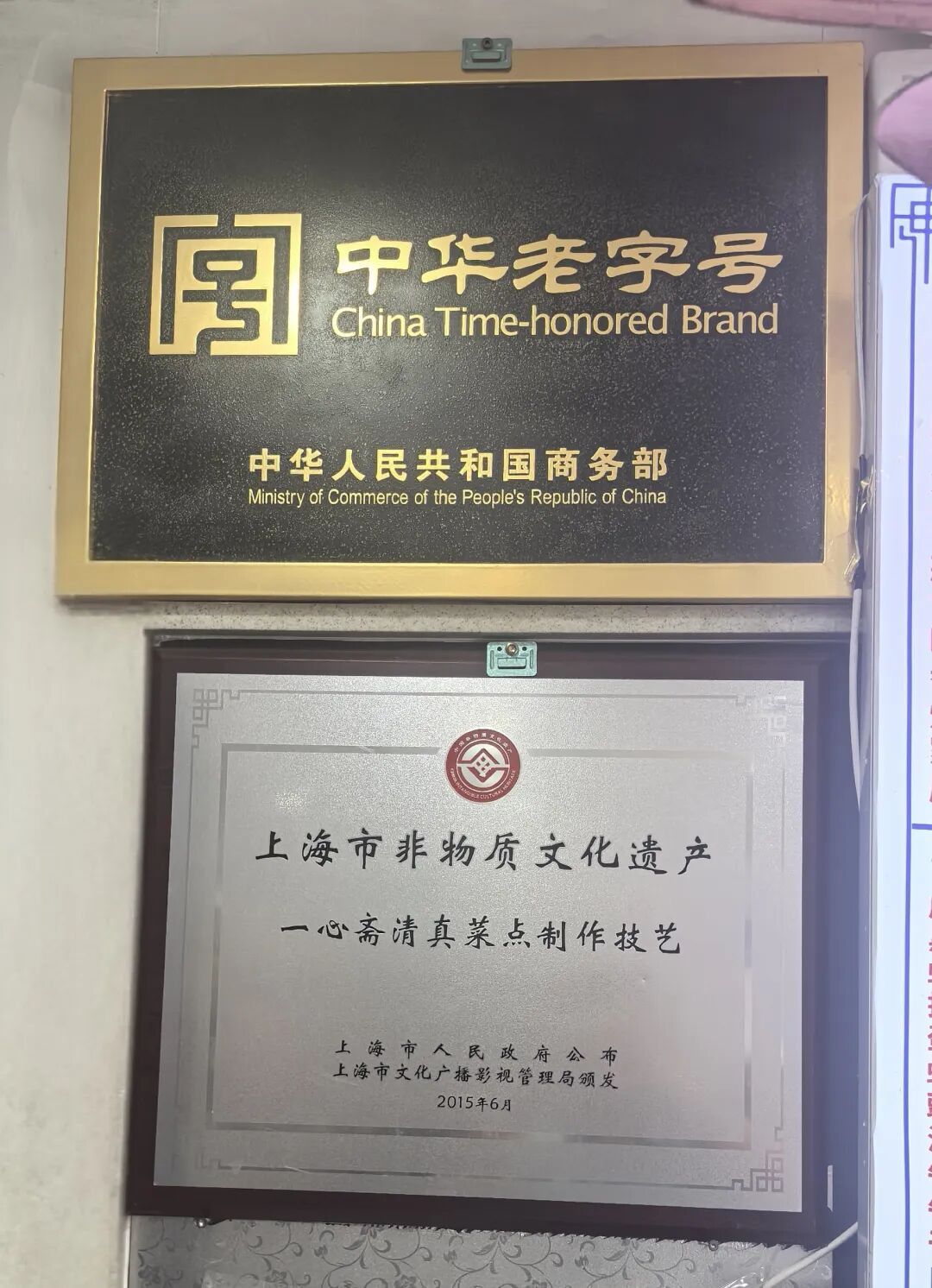
Dual Honor of a Time-Honored Chinese Brand and Intangible Cultural Heritage: Exploring the Legend of Shanghai Yixinzhai's Halal Culinary Craftsmanship
Abstract:
An in-depth introduction to Yixinzhai, a famous Halal eatery in Shanghai that holds both the "Time-Honored Chinese Brand" and "Municipal Intangible Cultural Heritage" titles. This traces its century-old development since its founding in 1913, showcasing the artisan spirit of three generations of successors who have strictly adhered to religious laws and guarded this intangible heritage culinary craft.
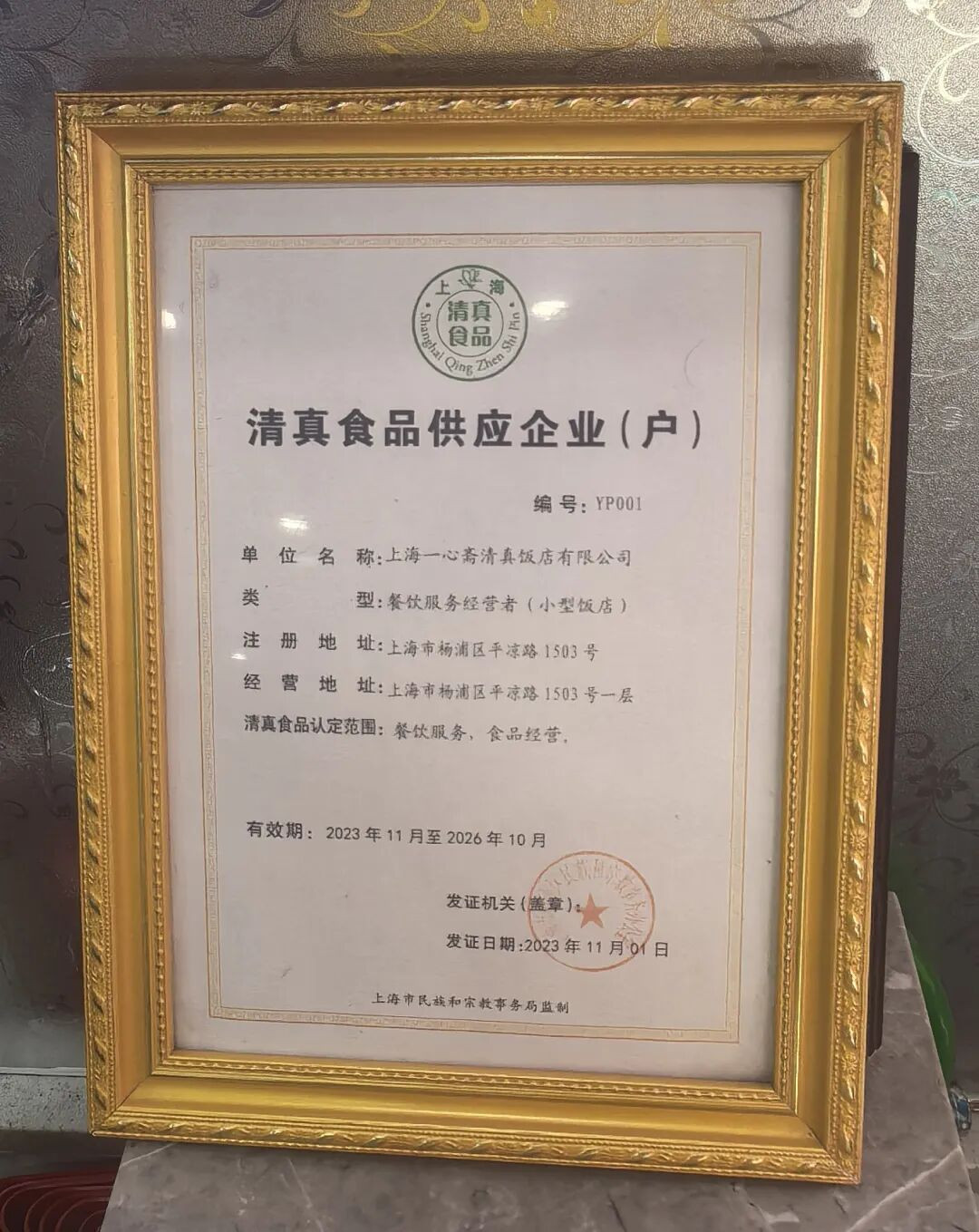
"Yixinzhai" is a renowned, time-honored Halal restaurant in Shanghai. Its "Halal culinary and pastry-making craft" was inscribed into Shanghai's Intangible Cultural Heritage list. Having the dual status of both a "Time-Honored Brand" and an "Intangible Cultural Heritage" makes it quite rare among Halal restaurants in the city.
Historical records show that the history of Yixinzhai can be traced back to 1913, when the current head Ma Wanglin's grandfather, Ma Shisheng, started the "Ma Ji" Halal food stall in Cao County, Shandong province, making a name for himself locally with delicacies like niurou jianbao (pan-fried beef buns) and curry beef. After 1938, to escape the war, Ma Shisheng moved with his son, Ma Xingbang, to Zhenjiang, Jiangsu province, to continue the business. By the late 1940s, Ma Wanglin came to Shanghai's Yangpu district with his parents and reopened the "Ma Ji" Halal food shop on Huangxing Road, allowing this culinary craft to take root and flourish in Shanghai. In 1958, the state-owned "Yixinzhai" Halal restaurant was officially established, and a 15-year-old Ma Wanglin joined his father to work there. In 2000, Yixinzhai underwent restructuring, and Ma Wanglin took over the management.
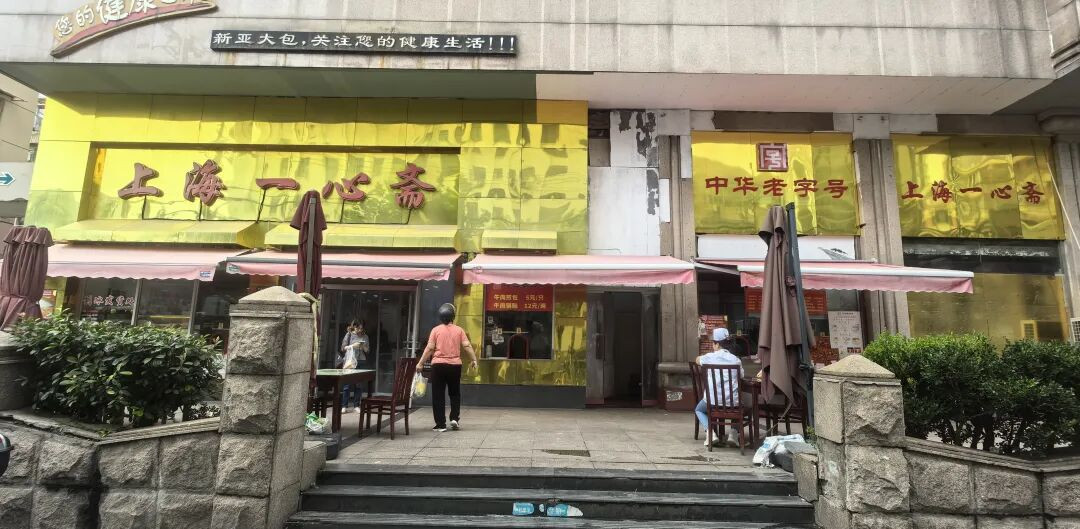
Whenever I used to visit the Huidong Workers' Cultural Palace on business, I would make a detour across the street to Yixinzhai to savor their signature niurou jianbao (pan-fried beef buns), which left a deep impression and fond memories. Their cold noodles are also a signature dish of the house. Since it's currently the right season and I couldn't resist the temptation, I drove more than 20 kilometers a few days ago, cutting all the way across from Changning in the western urban center to Yangpu in the east, just to come to Yixinzhai and treat myself. The original site is undergoing renovation, so the store has temporarily relocated to a temporary space about 200 meters to the east. The golden signboards reading "Shanghai Yixinzhai" and "Time-Honored Chinese Brand" hang high above the doorway, shining brilliantly.
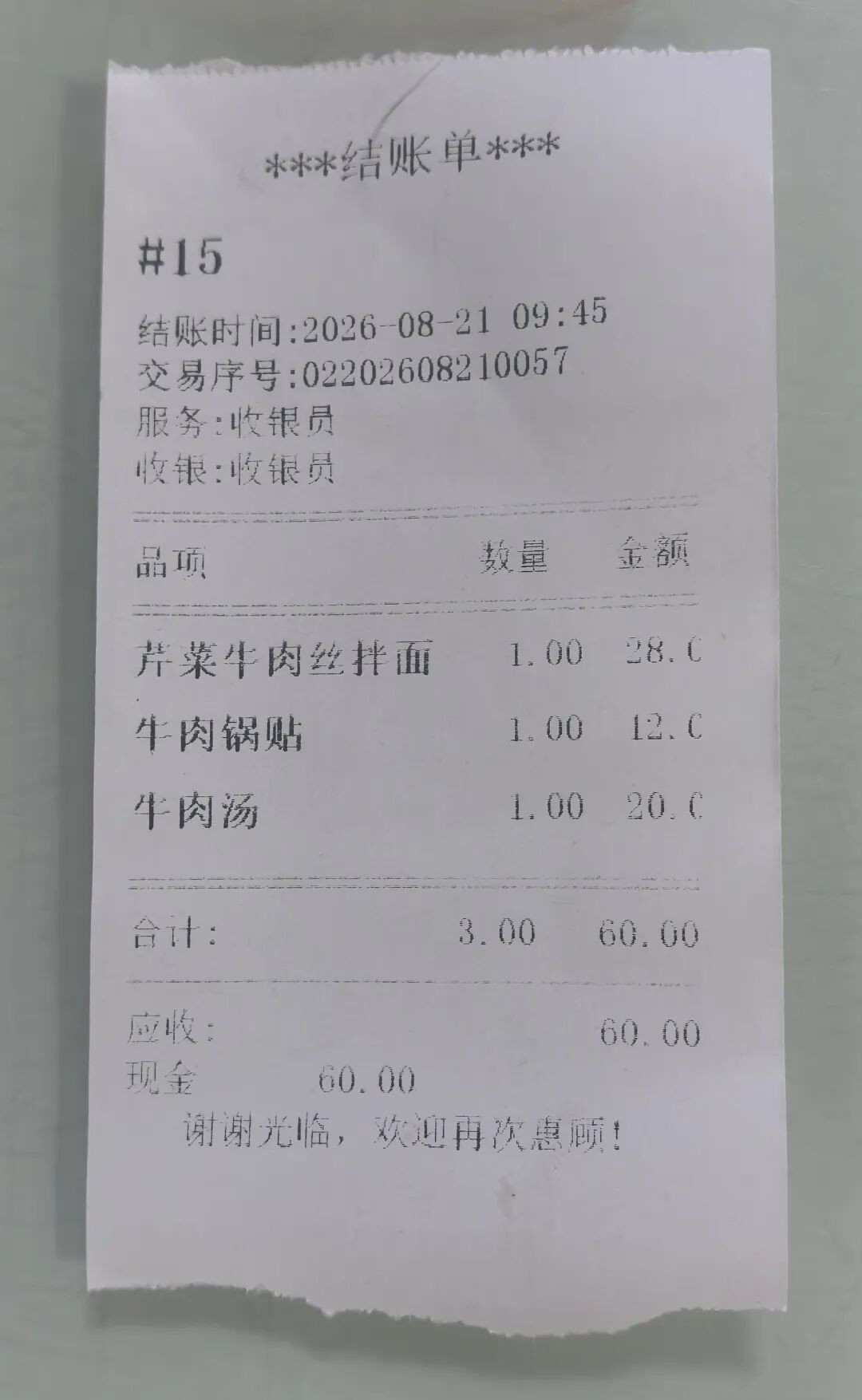
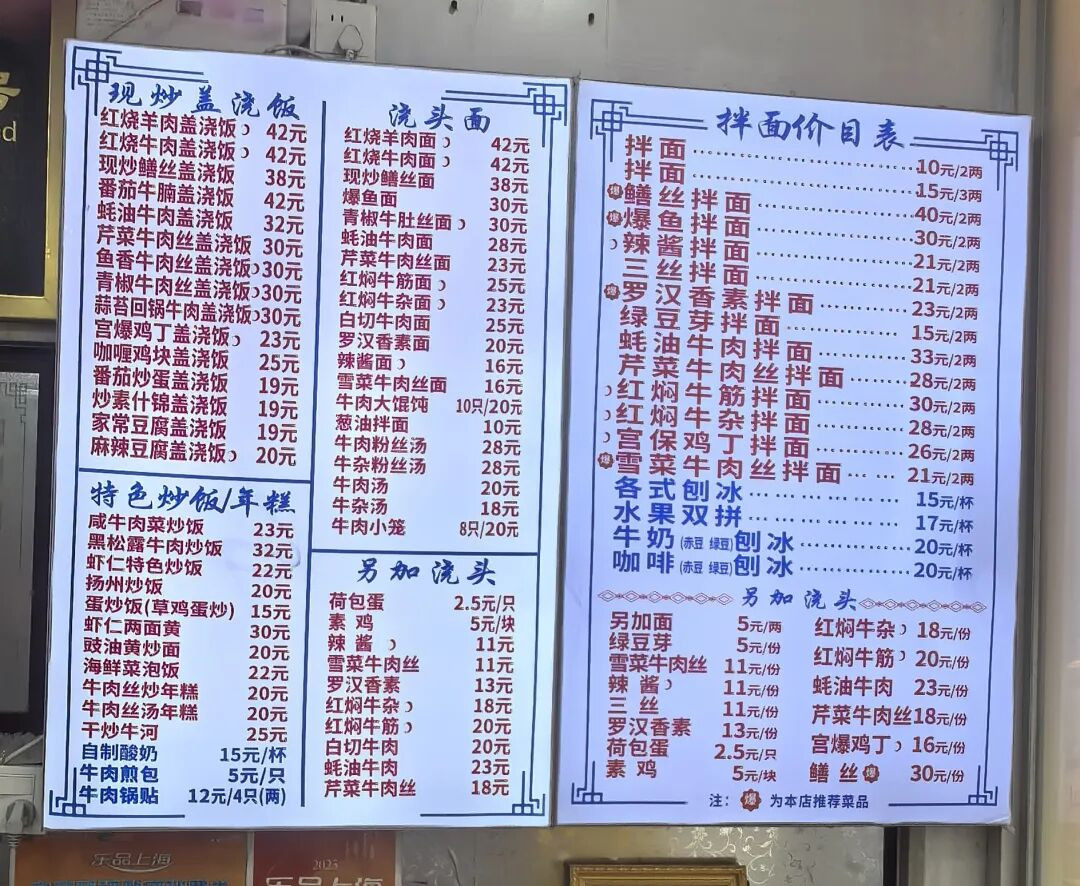
After checking the menu, I found the food options quite rich, featuring rice bowls with toppings, fried rice, noodles with various toppings, and more. I ordered the house signature qinCai niurou si banmian (celery and shredded beef tossed noodles—note: during the summer season at this shop, tossed noodles refer to cold noodles), an order of niurou guotie (crispy beef potstickers), and a bowl of beef soup, totaling 60 RMB.
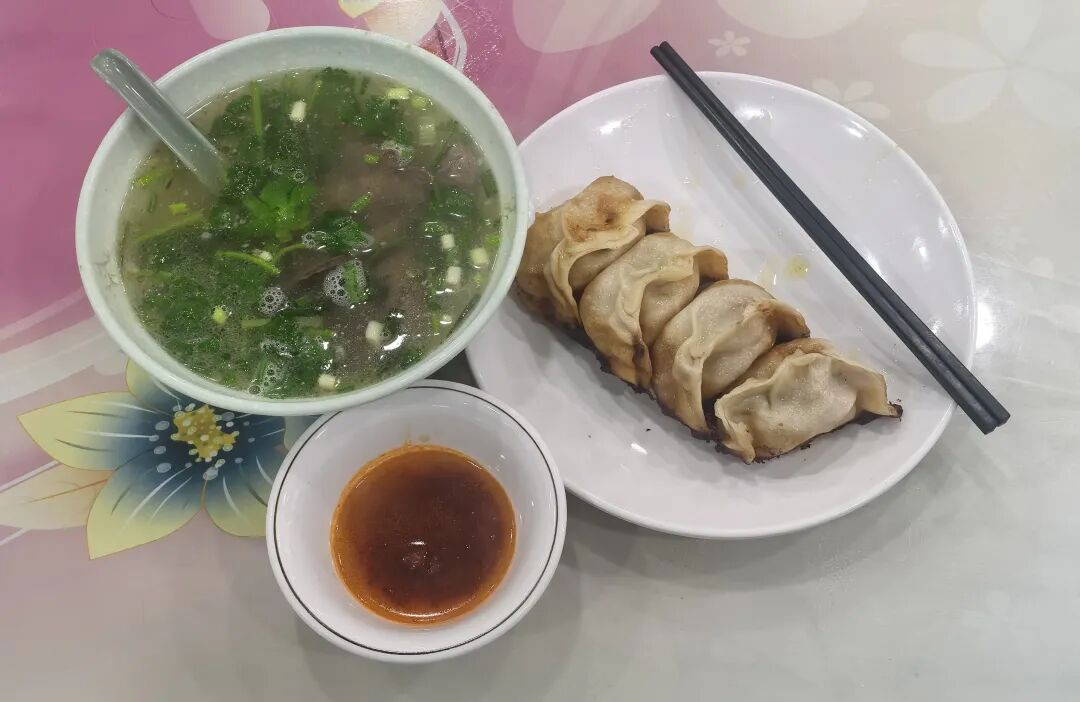
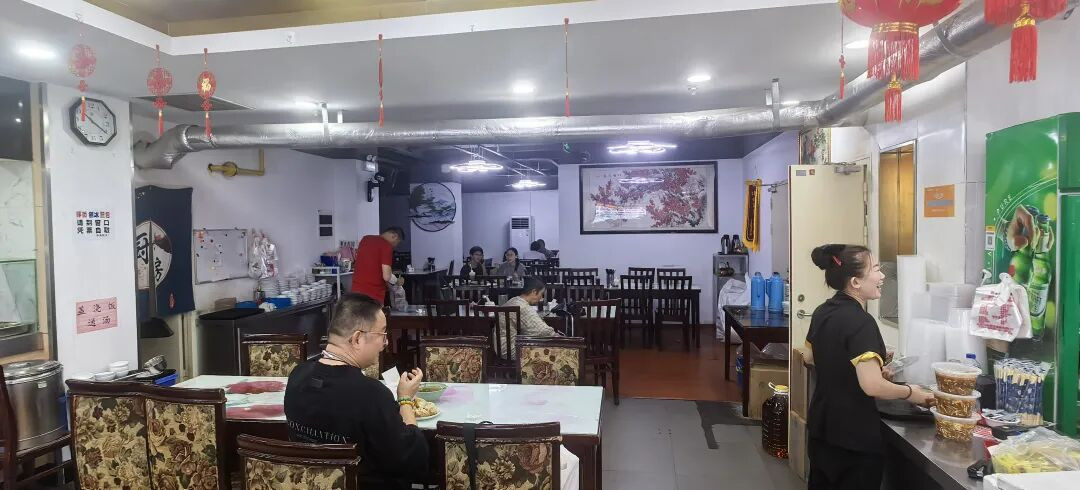
The potstickers and tossed noodles need to be picked up yourself at the counter, while the beef soup is brought to the table by a server. Considering that potstickers should be eaten hot—since getting cold affects the texture—I picked up the potstickers first to enjoy while they were hot.
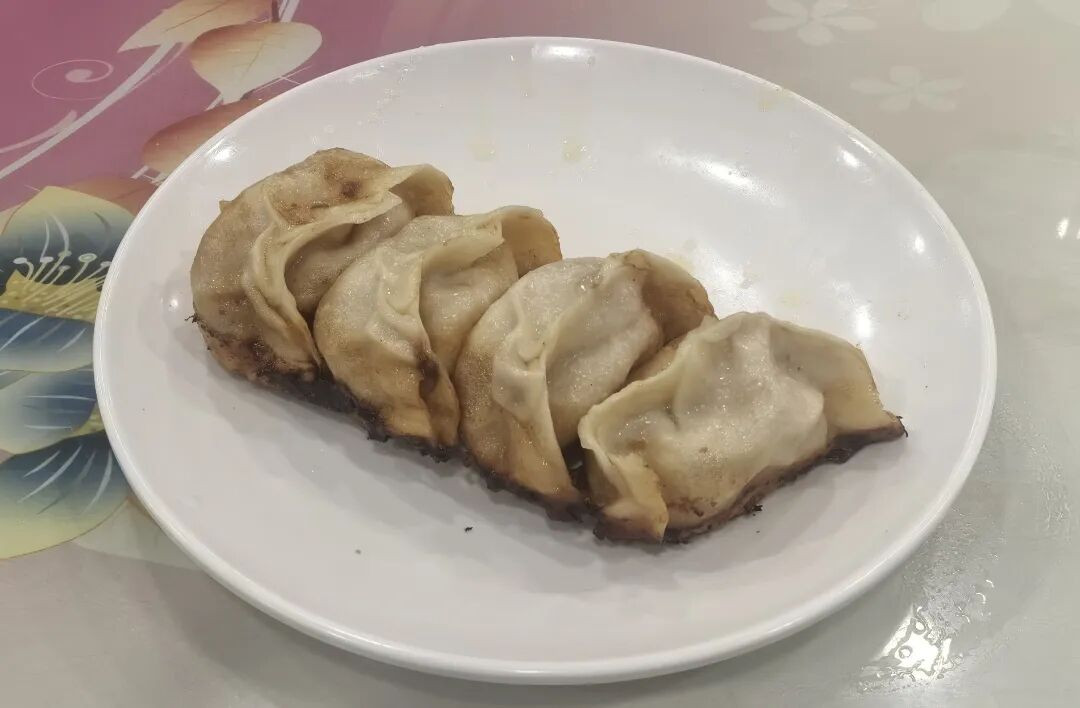
An order of potstickers comes with four pieces. They are quite large, neatly arranged, crescent-shaped, plump, and pretty, with bottoms pan-fried to a golden, crispy perfection.
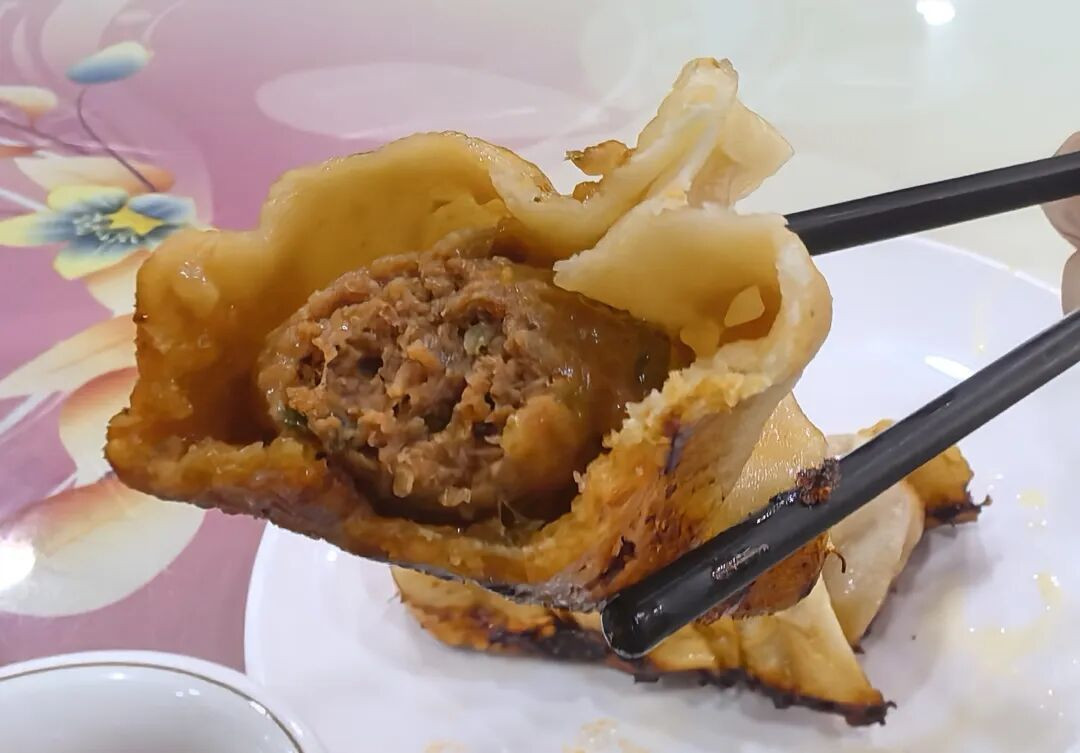
The potsticker wrappers are made from unstirred, unleavened dough, making the skin relatively thin and quite crispy when eaten. When you bite into them, there is a "crunchy" sound, though without a hint of chewiness. I'm not sure if they were slightly over-fried or if that's just how they're naturally made! The texture is a bit different from outside potstickers. The meat filling uses hindquarter yellow beef (knuckle cut), with the tendons and fascia trimmed away, complemented by the Ma family's ancestral secret marinade. The flavor is unique, accompanied by a small amount of juices, making it deliciously savory.
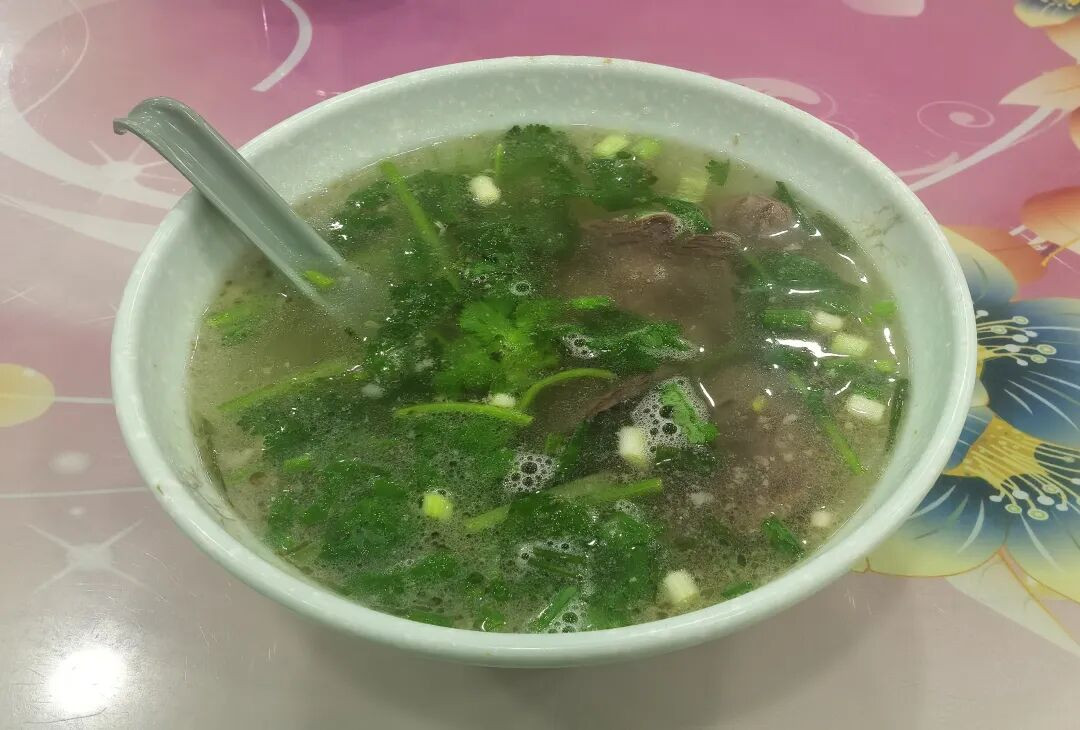
The beef soup is relatively clear, generously topped with a large handful of cilantro and chopped scallions that blend with the beef aroma, filling the air with fragrance, with a small amount of curry added to remove any gaminess and enhance the flavor. The beef shank slices in the soup are served in a genuinely generous portion, fully justifying the 20 RMB per bowl price tag. The beef is boiled until tender without falling apart, and the broth is extremely rich and savory. Eaten together with the beef potstickers and cold noodles, it's an absolute perfection! Highly recommended.
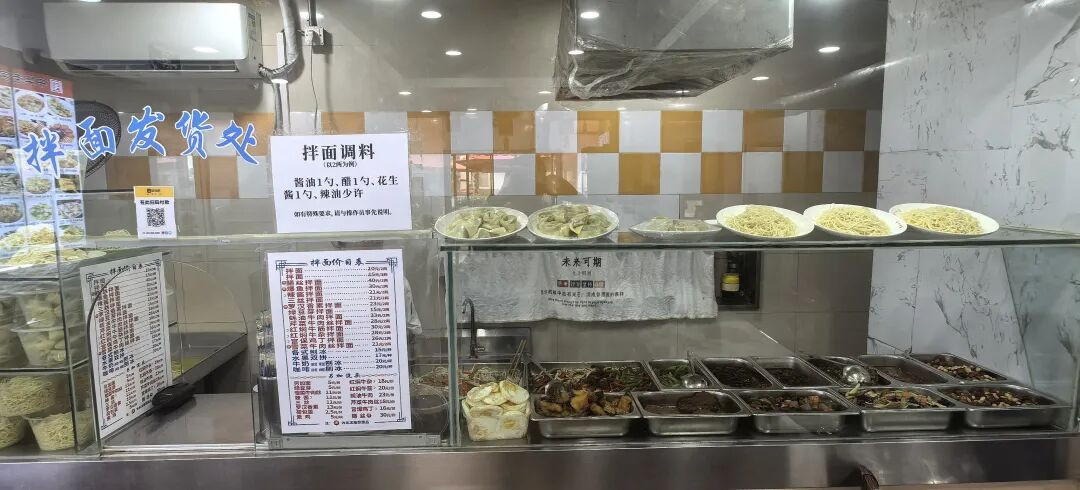
After finishing the potstickers, I went back to the counter to pick up the cold noodles and the celery and shredded beef topping.
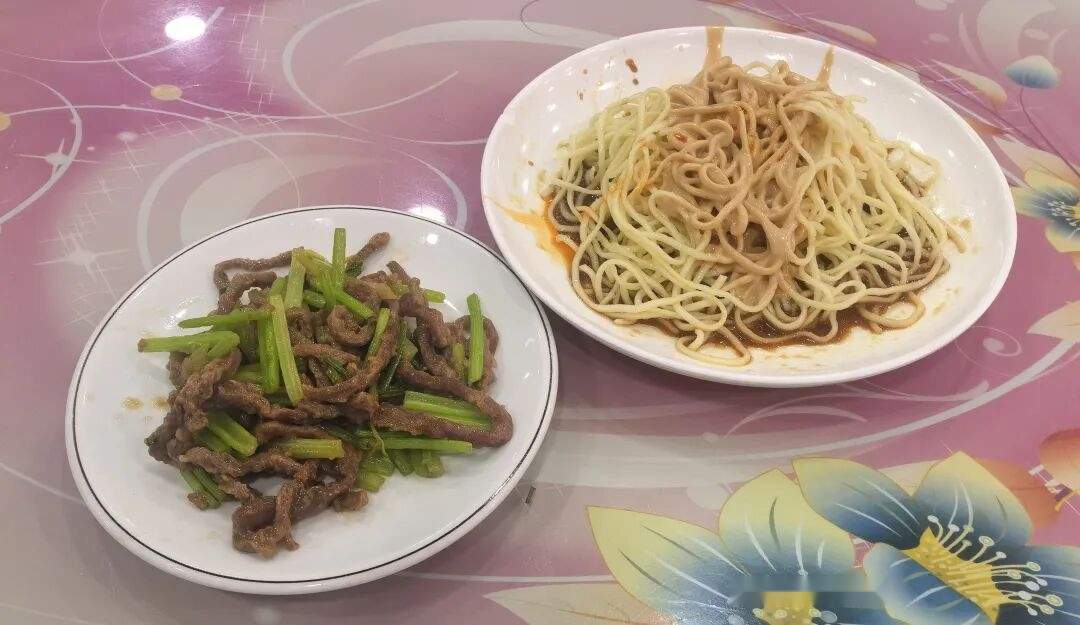
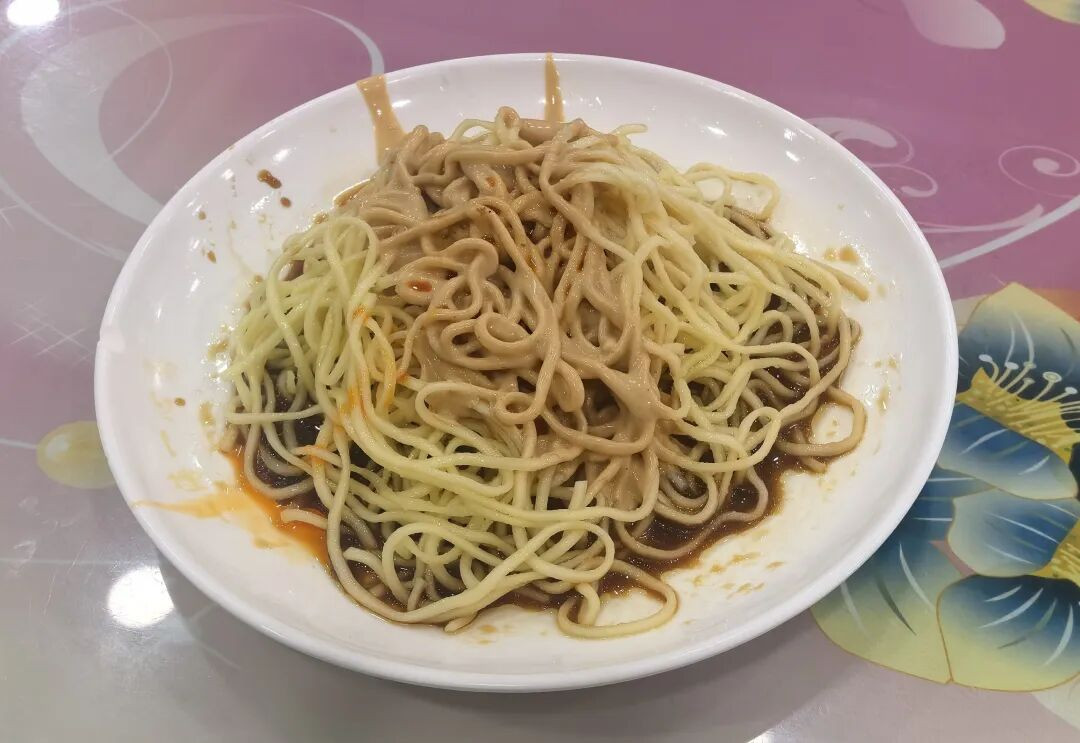
The cold noodles are a signature summer specialty of the restaurant, made with custom-ordered, narrow alkaline noodles, following the cooking mantra of "clear water, high heat, few noodles." They are boiled over high heat for a short time, not rinsed in cold water, but directly blown dry and cooled with an electric fan. While being fanned, homemade scallion oil is drizzled over them and tossed. The noodles are chewy yet springy, smooth, and not mushy. Drizzled with homemade savory-fresh soy sauce and fragrant vinegar, the flavor profile is savory, aromatic, and slightly sweet, plus a spoonful of the signature peanut paste personally developed by Ma Wanglin (made by stir-frying and grinding 8 catties of peanuts and 2 catties of sesame seeds for a rich aroma). If you like spicy food, just add a few drops of chili oil, and with the noodles coated in sauce, the taste is simply indescribable.
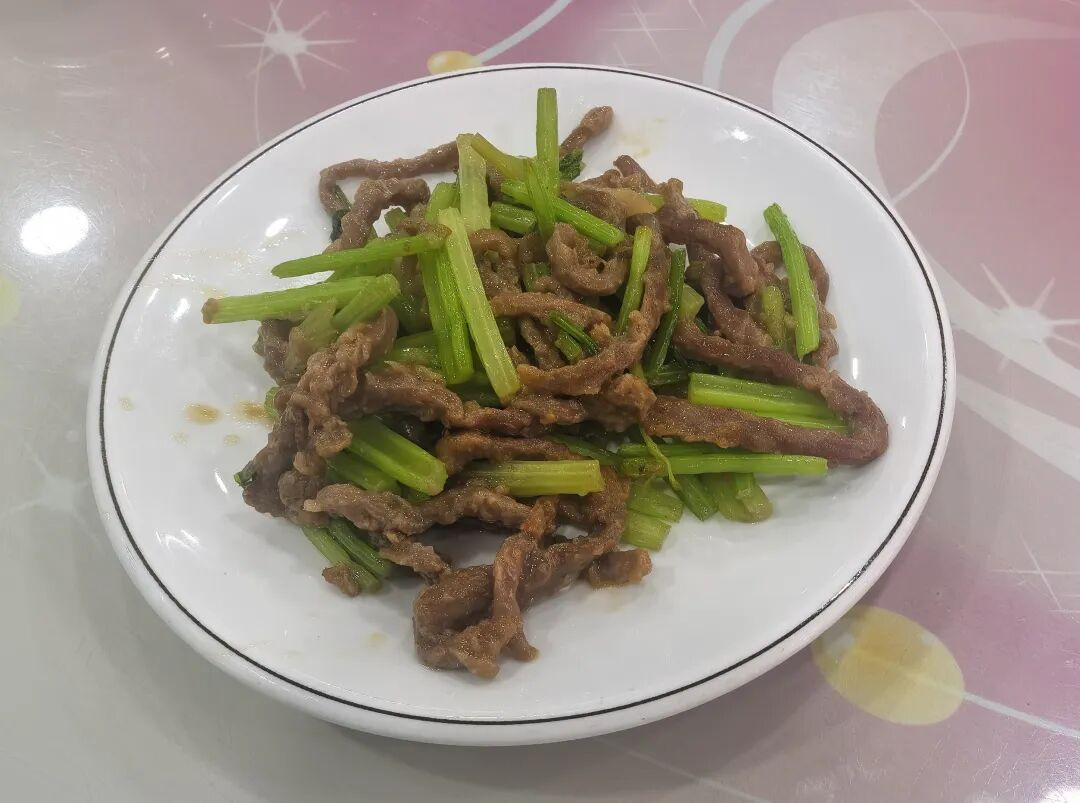
The celery and shredded beef topping is equally brilliant. The celery is very tender, without tough fibers that get stuck between your teeth. The shredded beef is marinated in advance, velveted with starch and stir-fried, giving it a tender texture and delicious flavor. Eating it with the noodles in big mouthfuls is immensely satisfying.
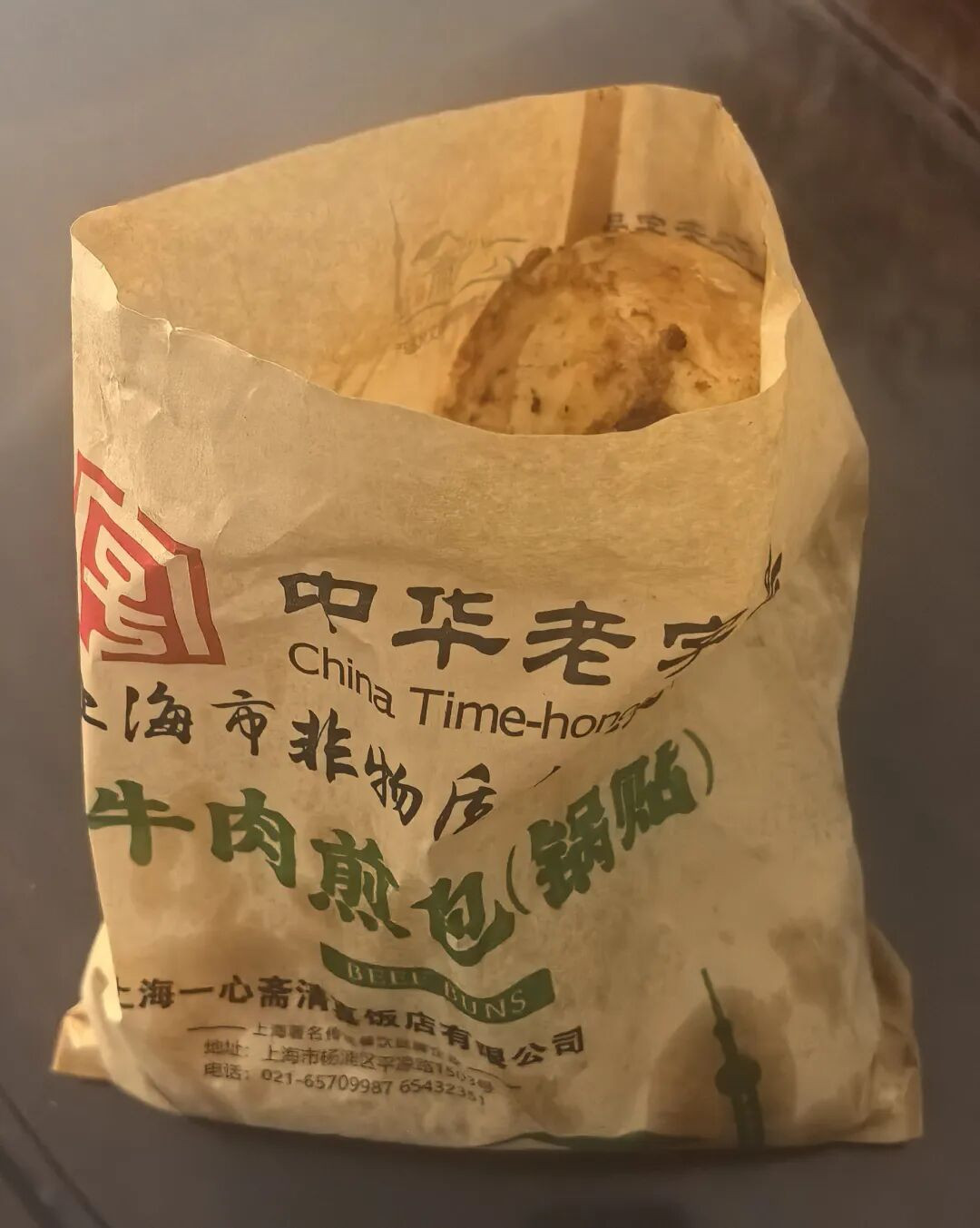
The niurou jianbao (pan-fried beef buns) are the restaurant's "top-tier" intangible heritage delicacy. The prep kitchen has three large flat-bottomed iron pans, where chefs take turns making niurou jianbao and niurou guotie on the spot. The pan-fried beef buns are easily the size of an adult's fist, fried golden and crispy on both sides, and juice bursts out when you bite into them. They are deeply loved by diners, with thousands sold every day, often requiring long lines to purchase.
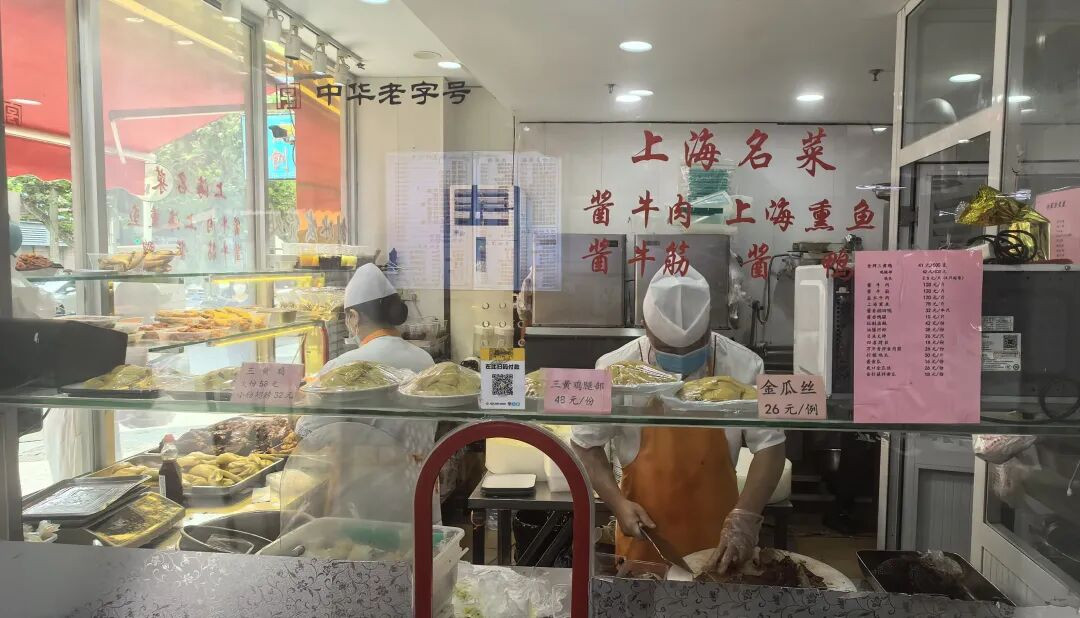
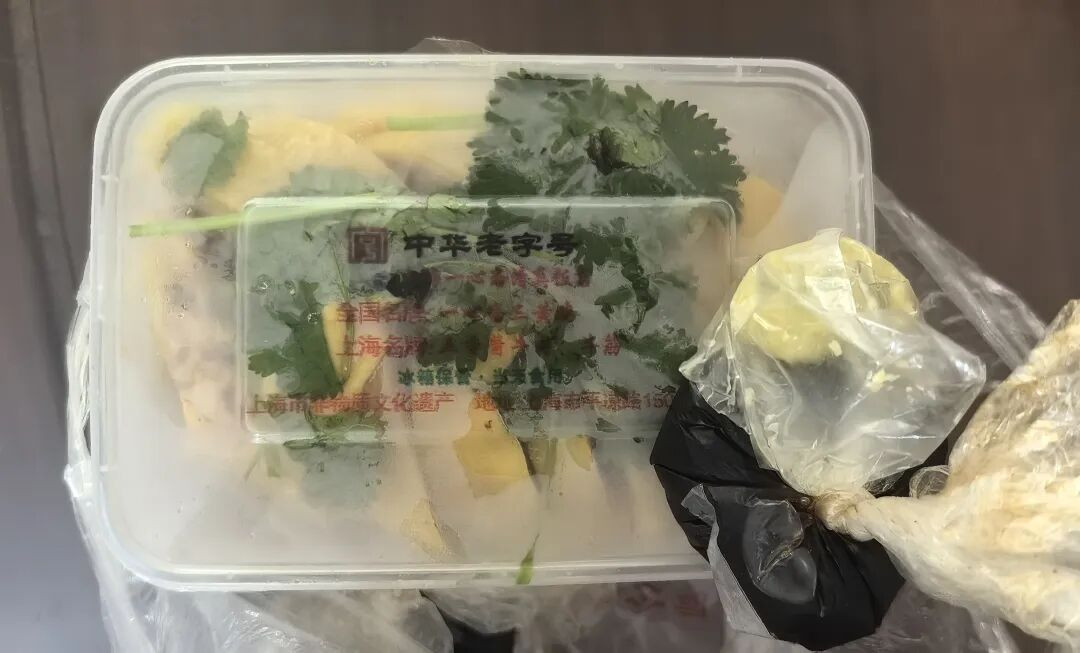
The signature Sanhuangji (Three-Yellow Chicken) uses chickens raised in Nanhui for over 90 days, first penned and then free-range for 20 days, made into fully cooked white-cut chicken. There is not a single trace of blood between the bones, and the skin is crispy, the meat firm, and the flavor aromatic—also a signature dish of the restaurant.
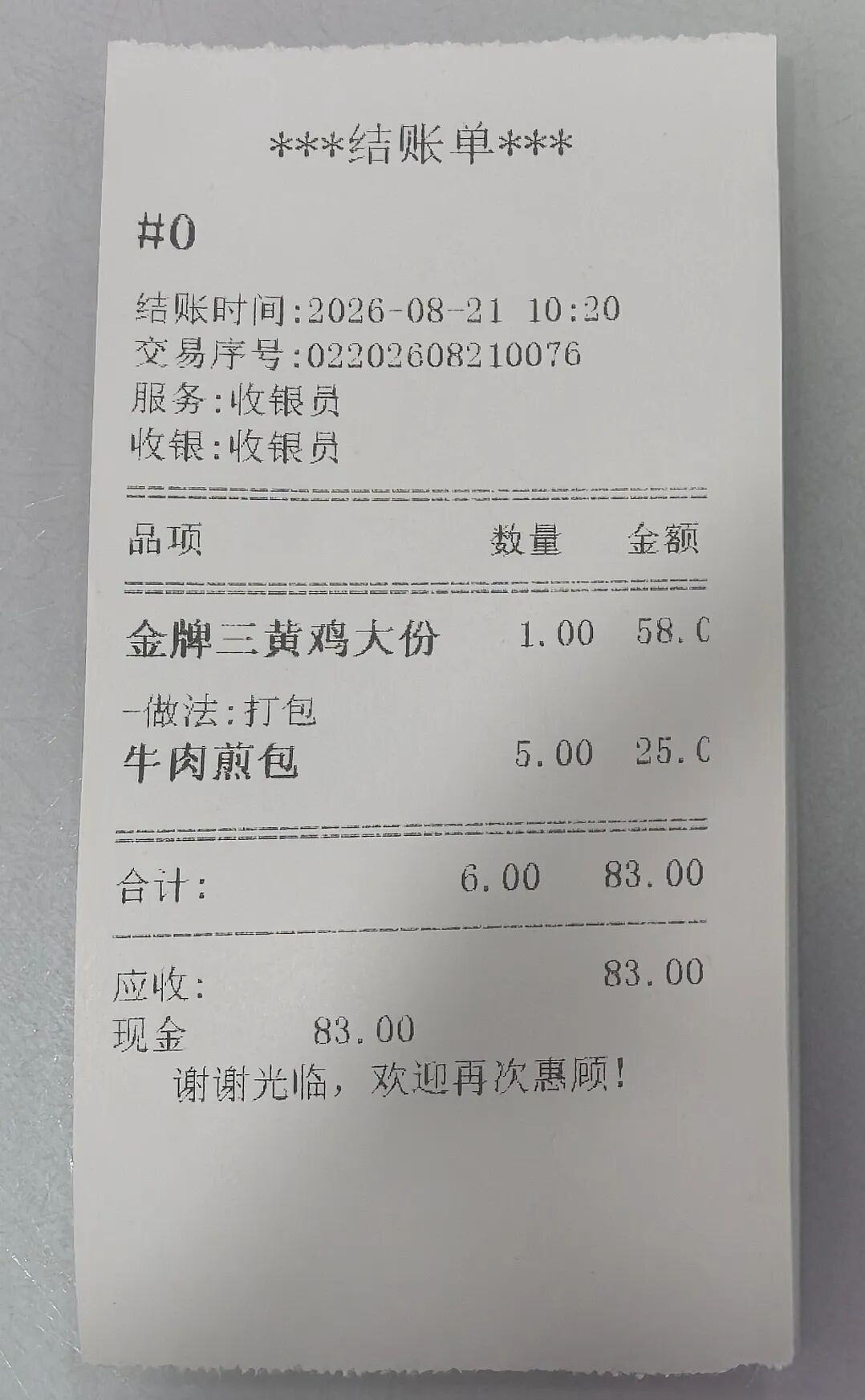
With an order of potstickers, an order of cold noodles, and a bowl of beef soup in my stomach, I was already full. Yet, not wanting to miss out on the signature niurou jianbao and the specialty Sanhuangji, I bought a large portion of the Three-Yellow Chicken and five niurou jianbao to take home and slowly enjoy with my family.
Dining experience: The food tastes good, rich in Halal characteristics. Overall, though slightly pricey, it is still good value for money and well worth a try.
Dual Honor of a Time-Honored Chinese Brand and Intangible Cultural Heritage: Exploring the Legend of Shanghai Yixinzhai's Halal Culinary Craftsmanship
Abstract:
An in-depth introduction to Yixinzhai, a famous Halal eatery in Shanghai that holds both the "Time-Honored Chinese Brand" and "Municipal Intangible Cultural Heritage" titles. This traces its century-old development since its founding in 1913, showcasing the artisan spirit of three generations of successors who have strictly adhered to religious laws and guarded this intangible heritage culinary craft.
"Yixinzhai" is a renowned, time-honored Halal restaurant in Shanghai. Its "Halal culinary and pastry-making craft" was inscribed into Shanghai's Intangible Cultural Heritage list. Having the dual status of both a "Time-Honored Brand" and an "Intangible Cultural Heritage" makes it quite rare among Halal restaurants in the city.
Historical records show that the history of Yixinzhai can be traced back to 1913, when the current head Ma Wanglin's grandfather, Ma Shisheng, started the "Ma Ji" Halal food stall in Cao County, Shandong province, making a name for himself locally with delicacies like niurou jianbao (pan-fried beef buns) and curry beef. After 1938, to escape the war, Ma Shisheng moved with his son, Ma Xingbang, to Zhenjiang, Jiangsu province, to continue the business. By the late 1940s, Ma Wanglin came to Shanghai's Yangpu district with his parents and reopened the "Ma Ji" Halal food shop on Huangxing Road, allowing this culinary craft to take root and flourish in Shanghai. In 1958, the state-owned "Yixinzhai" Halal restaurant was officially established, and a 15-year-old Ma Wanglin joined his father to work there. In 2000, Yixinzhai underwent restructuring, and Ma Wanglin took over the management.
Whenever I used to visit the Huidong Workers' Cultural Palace on business, I would make a detour across the street to Yixinzhai to savor their signature niurou jianbao (pan-fried beef buns), which left a deep impression and fond memories. Their cold noodles are also a signature dish of the house. Since it's currently the right season and I couldn't resist the temptation, I drove more than 20 kilometers a few days ago, cutting all the way across from Changning in the western urban center to Yangpu in the east, just to come to Yixinzhai and treat myself. The original site is undergoing renovation, so the store has temporarily relocated to a temporary space about 200 meters to the east. The golden signboards reading "Shanghai Yixinzhai" and "Time-Honored Chinese Brand" hang high above the doorway, shining brilliantly.
After checking the menu, I found the food options quite rich, featuring rice bowls with toppings, fried rice, noodles with various toppings, and more. I ordered the house signature qinCai niurou si banmian (celery and shredded beef tossed noodles—note: during the summer season at this shop, tossed noodles refer to cold noodles), an order of niurou guotie (crispy beef potstickers), and a bowl of beef soup, totaling 60 RMB.
The potstickers and tossed noodles need to be picked up yourself at the counter, while the beef soup is brought to the table by a server. Considering that potstickers should be eaten hot—since getting cold affects the texture—I picked up the potstickers first to enjoy while they were hot.
An order of potstickers comes with four pieces. They are quite large, neatly arranged, crescent-shaped, plump, and pretty, with bottoms pan-fried to a golden, crispy perfection.
The potsticker wrappers are made from unstirred, unleavened dough, making the skin relatively thin and quite crispy when eaten. When you bite into them, there is a "crunchy" sound, though without a hint of chewiness. I'm not sure if they were slightly over-fried or if that's just how they're naturally made! The texture is a bit different from outside potstickers. The meat filling uses hindquarter yellow beef (knuckle cut), with the tendons and fascia trimmed away, complemented by the Ma family's ancestral secret marinade. The flavor is unique, accompanied by a small amount of juices, making it deliciously savory.
The beef soup is relatively clear, generously topped with a large handful of cilantro and chopped scallions that blend with the beef aroma, filling the air with fragrance, with a small amount of curry added to remove any gaminess and enhance the flavor. The beef shank slices in the soup are served in a genuinely generous portion, fully justifying the 20 RMB per bowl price tag. The beef is boiled until tender without falling apart, and the broth is extremely rich and savory. Eaten together with the beef potstickers and cold noodles, it's an absolute perfection! Highly recommended.
After finishing the potstickers, I went back to the counter to pick up the cold noodles and the celery and shredded beef topping.
The cold noodles are a signature summer specialty of the restaurant, made with custom-ordered, narrow alkaline noodles, following the cooking mantra of "clear water, high heat, few noodles." They are boiled over high heat for a short time, not rinsed in cold water, but directly blown dry and cooled with an electric fan. While being fanned, homemade scallion oil is drizzled over them and tossed. The noodles are chewy yet springy, smooth, and not mushy. Drizzled with homemade savory-fresh soy sauce and fragrant vinegar, the flavor profile is savory, aromatic, and slightly sweet, plus a spoonful of the signature peanut paste personally developed by Ma Wanglin (made by stir-frying and grinding 8 catties of peanuts and 2 catties of sesame seeds for a rich aroma). If you like spicy food, just add a few drops of chili oil, and with the noodles coated in sauce, the taste is simply indescribable.
The celery and shredded beef topping is equally brilliant. The celery is very tender, without tough fibers that get stuck between your teeth. The shredded beef is marinated in advance, velveted with starch and stir-fried, giving it a tender texture and delicious flavor. Eating it with the noodles in big mouthfuls is immensely satisfying.
The niurou jianbao (pan-fried beef buns) are the restaurant's "top-tier" intangible heritage delicacy. The prep kitchen has three large flat-bottomed iron pans, where chefs take turns making niurou jianbao and niurou guotie on the spot. The pan-fried beef buns are easily the size of an adult's fist, fried golden and crispy on both sides, and juice bursts out when you bite into them. They are deeply loved by diners, with thousands sold every day, often requiring long lines to purchase.
The signature Sanhuangji (Three-Yellow Chicken) uses chickens raised in Nanhui for over 90 days, first penned and then free-range for 20 days, made into fully cooked white-cut chicken. There is not a single trace of blood between the bones, and the skin is crispy, the meat firm, and the flavor aromatic—also a signature dish of the restaurant.
With an order of potstickers, an order of cold noodles, and a bowl of beef soup in my stomach, I was already full. Yet, not wanting to miss out on the signature niurou jianbao and the specialty Sanhuangji, I bought a large portion of the Three-Yellow Chicken and five niurou jianbao to take home and slowly enjoy with my family.
Dining experience: The food tastes good, rich in Halal characteristics. Overall, though slightly pricey, it is still good value for money and well worth a try.
