
Blossoms Shanghai Halal Food Guide: Must-Try Muslim Restaurants & Dishes in Shanghai
[Internet Repost]
Eating Your Way Through Shanghai Like 'Blossoms Shanghai': Top Halal Restaurants You Need to Try
Summary:
Work has been pretty hectic lately, but I finally finished binge-watching the hit drama series 'Blossoms Shanghai'. Since I spent six years studying and living in Shanghai, all the neighborhood alleys and local gossip in the show hit home for me. Plus, having started my own business during my Halal living days in the city, the plot had me riding an emotional rollercoaster of laughs and tears—it's super addictive! If you haven't checked out the show yet, I seriously urge you to watch it. If you don't mind reading subtitles, try the Shanghai dialect ('Huyu') version—it has way more soul than the Mandarin dub.
Work has been pretty hectic lately, but I finally finished binge-watching the hit drama series 'Blossoms Shanghai'. Since I spent six years studying and living in Shanghai, all the neighborhood alleys and local gossip in the show hit home for me. Plus, having started my own business during my Halal living days in the city, the plot had me riding an emotional rollercoaster of laughs and tears—it's super addictive! If you haven't checked out the show yet, I seriously urge you to watch it. If you don't mind reading subtitles, try the Shanghai dialect ('Huyu') version—it has way more soul than the Mandarin dub.
Maybe it's just my professional radar, but every time I spotted a Halal element in the show, I'd geek out and instantly take a screenshot. I thought I was just tuning into an urban business-and-romance drama, but lo and behold, Halal restaurants actually make cameo appearances!
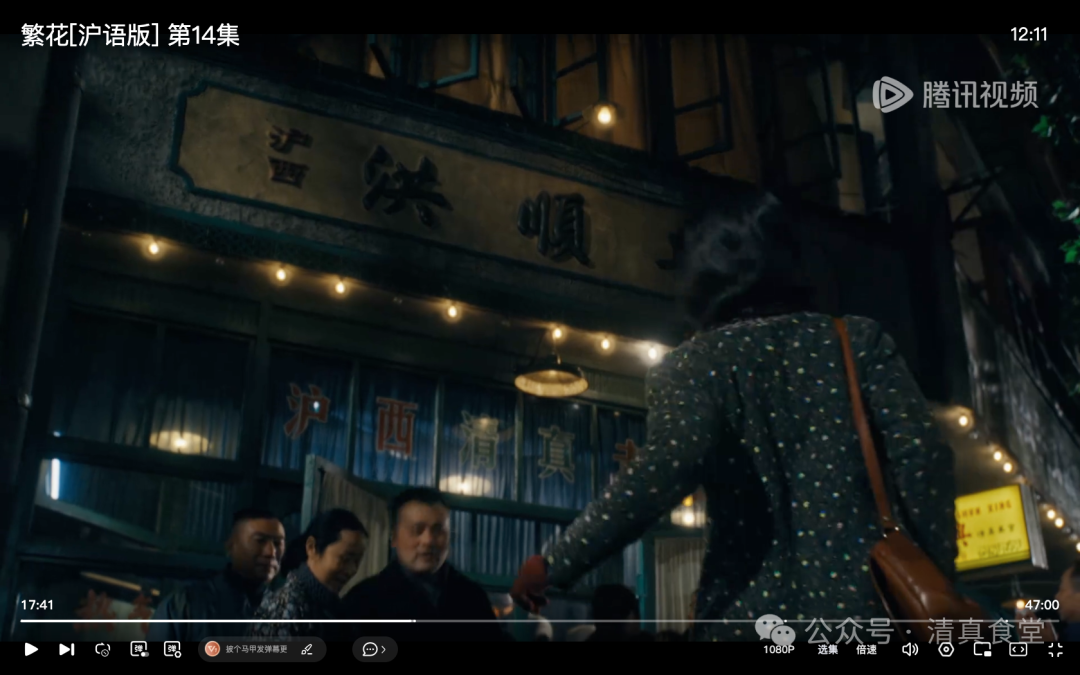
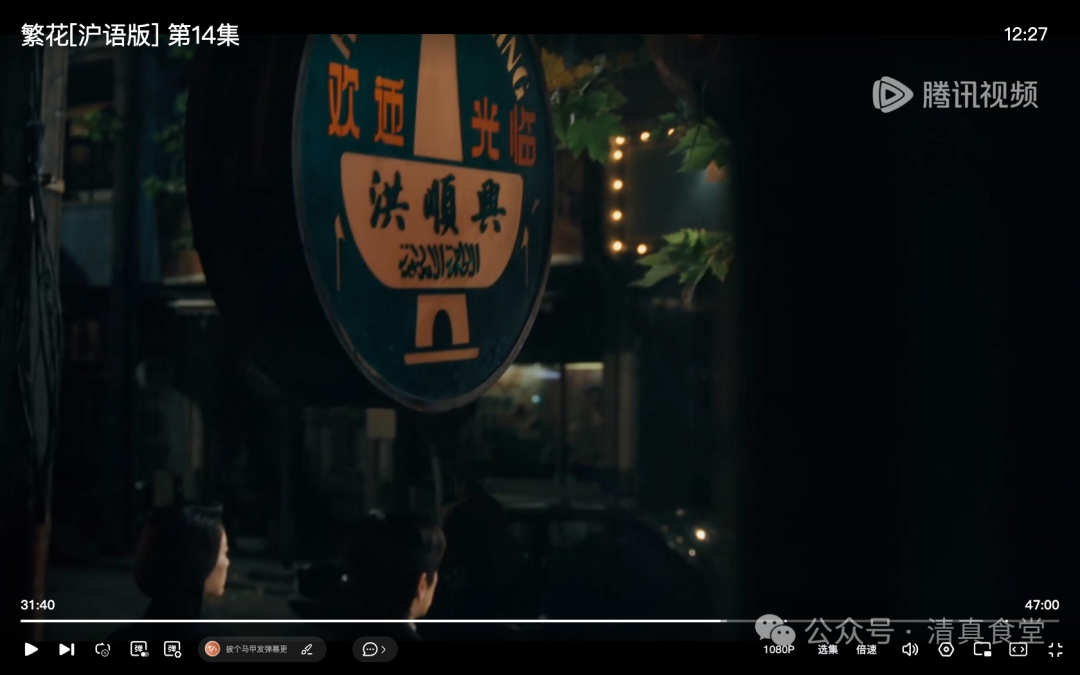
In episode 14, when 'Abao' and 'Xuezhi' go on a date at a hotpot joint that requires waiting in line, the place is called 'Hongshunxing'. The sign on the glass says 'Old West Shanghai Halal Restaurant', but its real-life prototype is clearly Shanghai's century-old legacy brand 'Hongchangxing'.
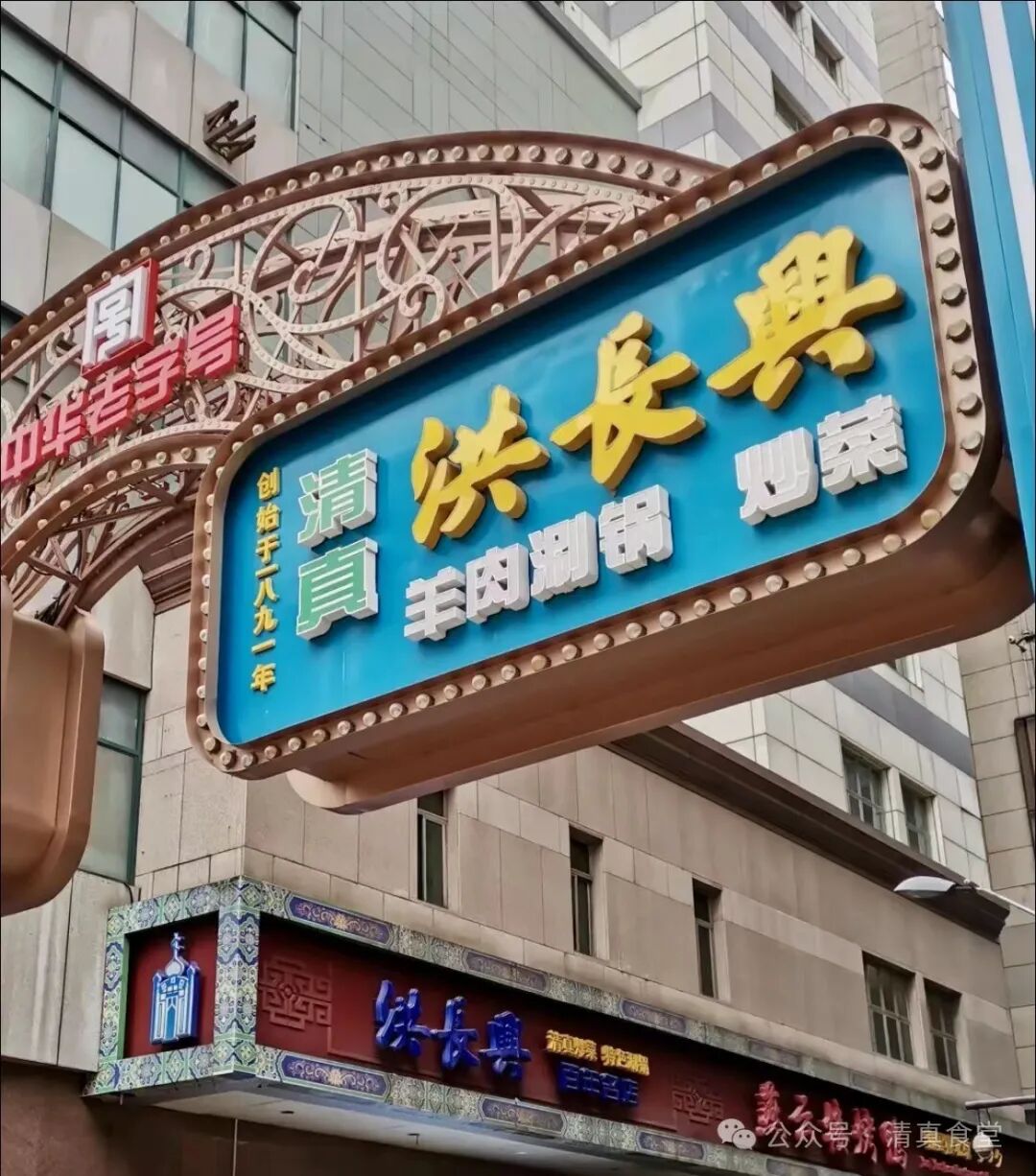
Hongchangxing
This has got to be Shanghai's oldest Halal beef and mutton hotpot spot. Founded back in 1891 by Ma Chunqiao (the second older brother of the legendary Peking Opera master Ma Lianliang), it originally started out as the 'Ma Family Troupe Kitchen'. In 1891? Wait—in 1918, a new owner named Hong Sanba renamed the restaurant 'Hongchangxing', flew in a bunch of famous Halal master chefs from Beijing, and started focusing heavily on shuan yangrou (traditional Mongolian mutton hotpot). It became an overnight sensation.
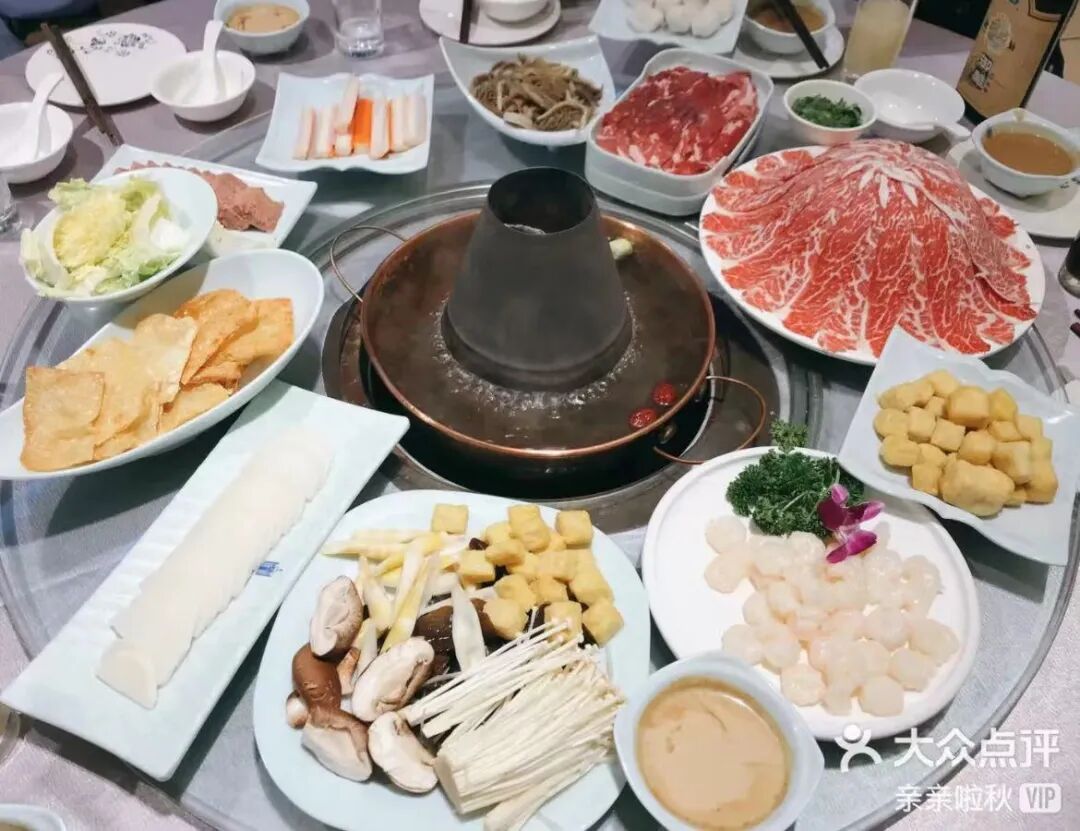
Nowadays, they still specialize in traditional copper chimney hotpots. Whether you're looking at the vibe or the food quality, it's a stellar spot for group gatherings or banquets.
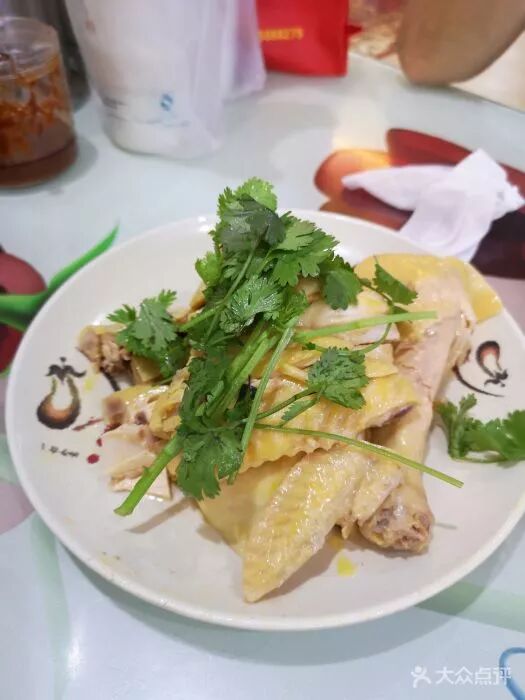
Photo via: Dianping
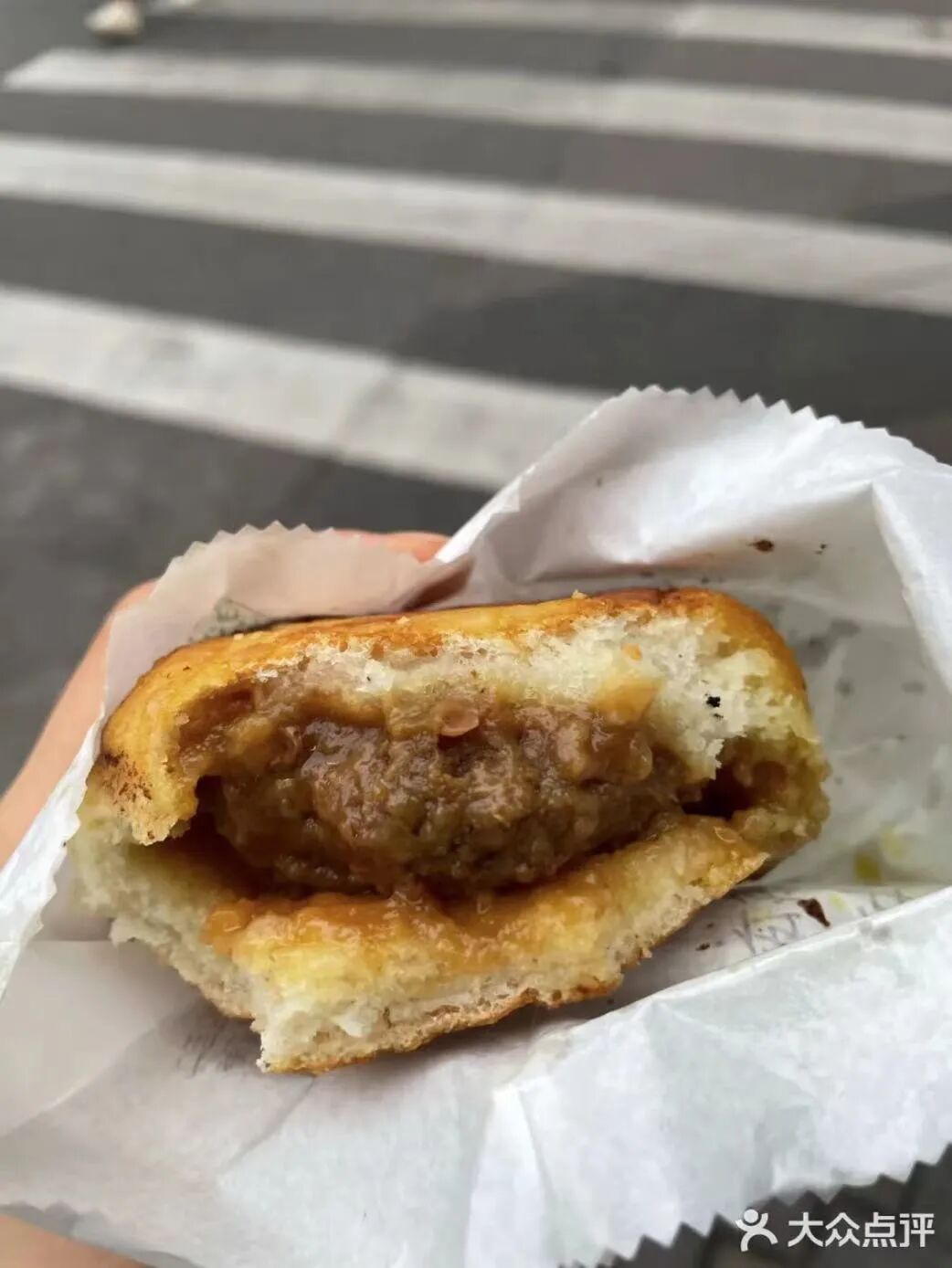
If you're just visiting Shanghai as a tourist—especially if you're coming from northern China where copper pot mutton isn't anything new and you just want something uniquely local—you've gotta try their niurou jianbao (pan-fried beef buns). The chunky meat filling has this subtle hint of curry flavor. Honestly, I haven't seen this style of beef pan-fried buns anywhere else outside of Shanghai.
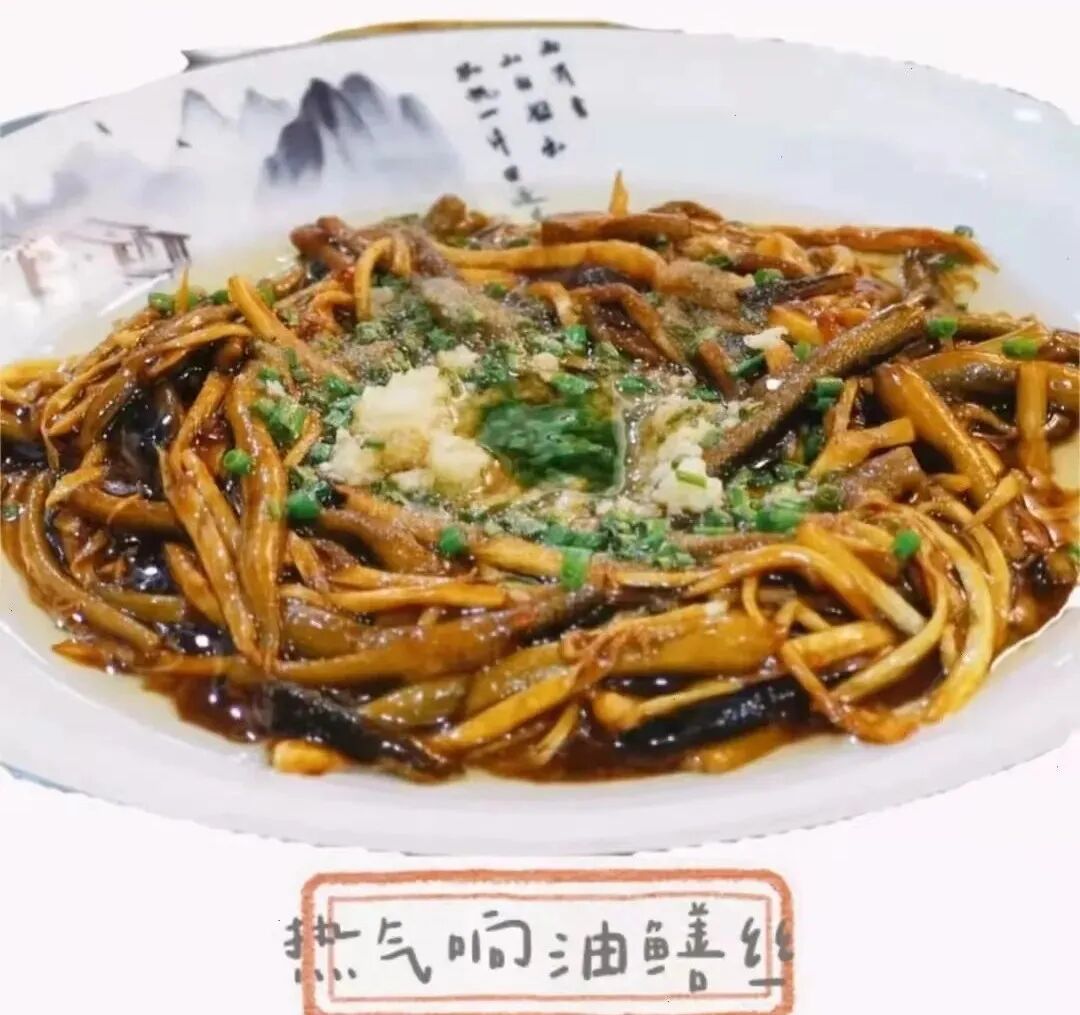
Photo via: Dianping
Right now, Hongchangxing has three locations in Shanghai. The Guangxi Road North and Yunnan Road spots are right in the tourist hotspots—especially the Guangxi Road North branch, where you can spot the massive signboard right from Nanjing Road, making it super easy to find. They've also kept up with the times by opening a branch inside the CapitaMall (Long of Dreams) shopping center, giving you extra convenience when you're out shopping and grabbing a bite.
Hongchangxing Mutton Restaurant (Guangxi Road North Branch)
Xinmeiju
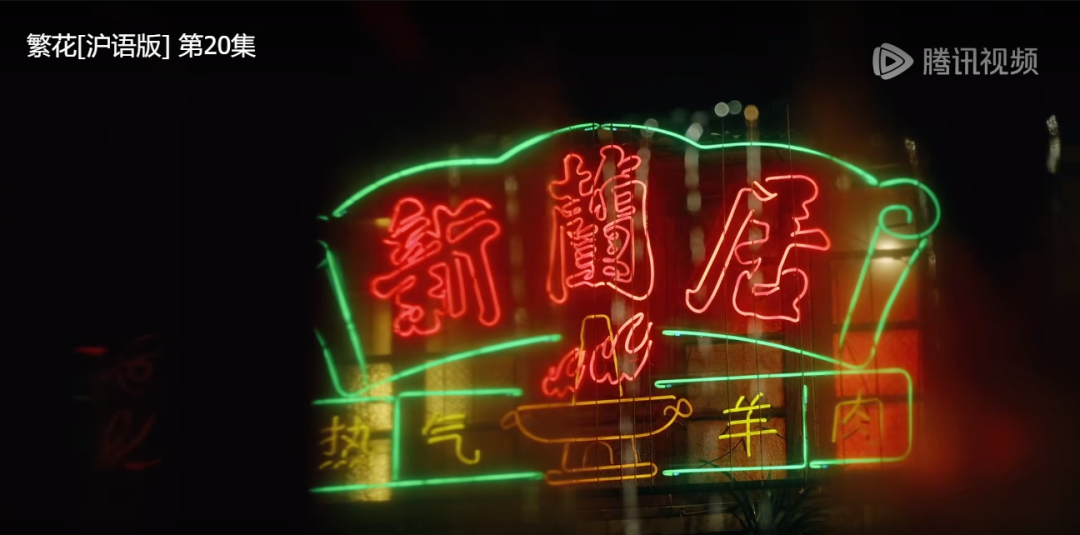
Aside from Hongshunxing, the hotpot restaurant 'Xinlanju' frequently pops up in 'Blossoms Shanghai' where 'Boss Bao' and 'Li Li' love to dine.
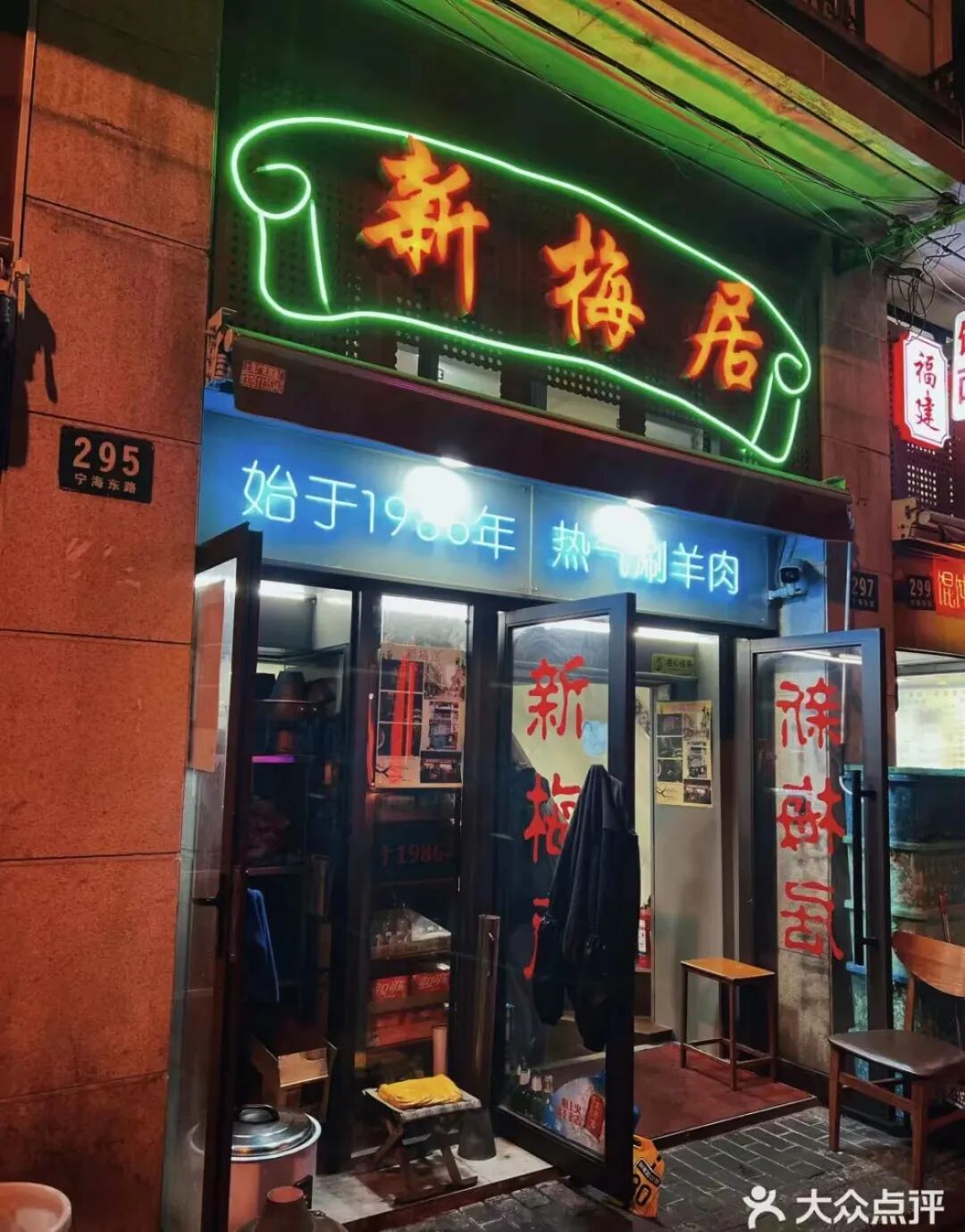
The director probably used a play on words here, because there's no such thing as Xinlanju in Shanghai—only Xinmeiju. Opened in 1986, Xinmeiju isn't just an authentic old-school Beijing-style copper pot hotpot joint; it's also hailed as the pioneer of Shanghai's 'reqi yangrou' (fresh chilled lamb, literally 'hot-air lamb'). Back in the day, due to primitive refrigeration and transport conditions, almost all the mutton on the Shanghai market was frozen or cold-stored. Xinmeiju kicked off the 'reqi yangrou' trend. Naturally, the taste and texture of fresh mutton blow frozen meat out of the water, so it quickly took Shanghai by storm and pioneered the city's hotpot history.
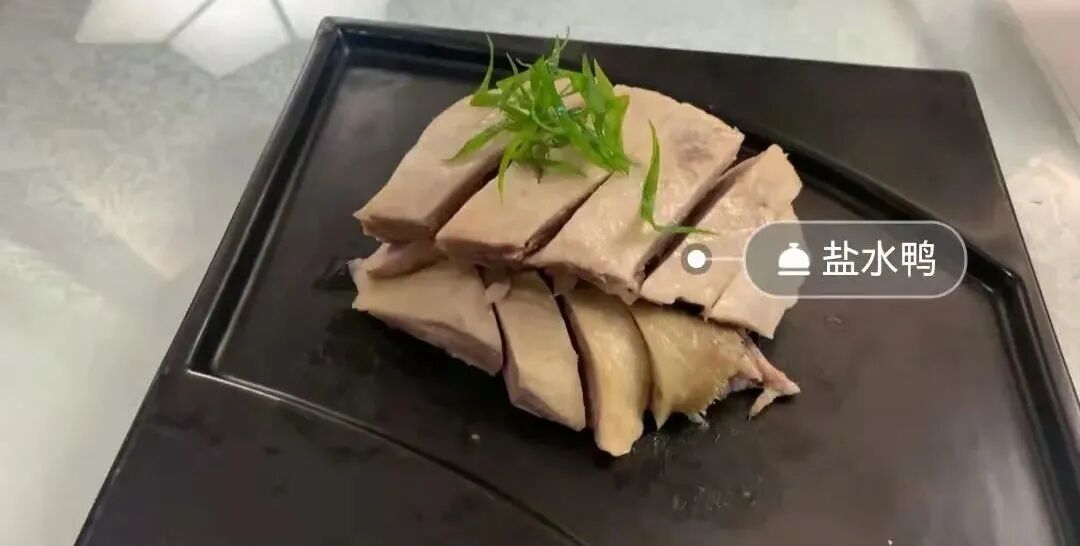
Photo via: Dianping
Naturally, this place is all about steaming-hot mutton hotpot, and it's a massive favorite among locals.
Xinmeiju Fresh Lamb Hotpot
Yixinzhai
This is the third time your foodie friend is recommending this state-owned legacy canteen. If you want to taste authentic Shanghainese Benbang cuisine in Shanghai, starting here is a foolproof bet. The only downside is that parking nearby is an absolute nightmare, so I'd definitely recommend taking a taxi or public transit.
Yixinzhai's sanhuangji (three-yellow chicken) is their signature dish, and it's even been rated as one of China's gold-medal snacks. The chicken meat is incredibly tender and smooth, with crispy skin and soft bones. Pair it with the chefs' homemade secret dipping sauce, and a single bite fills your whole mouth with aroma.
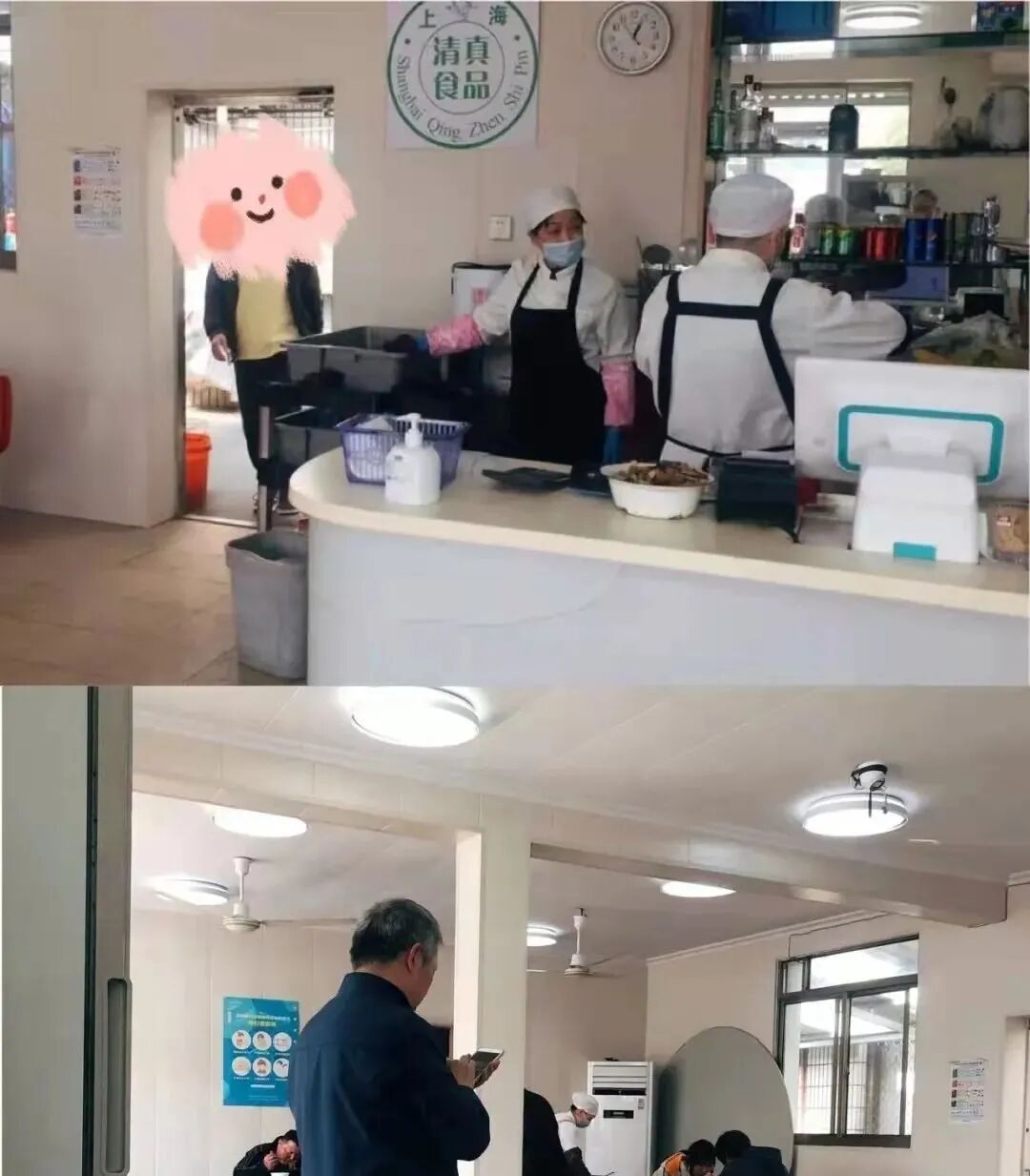
Photo via: @Dianping
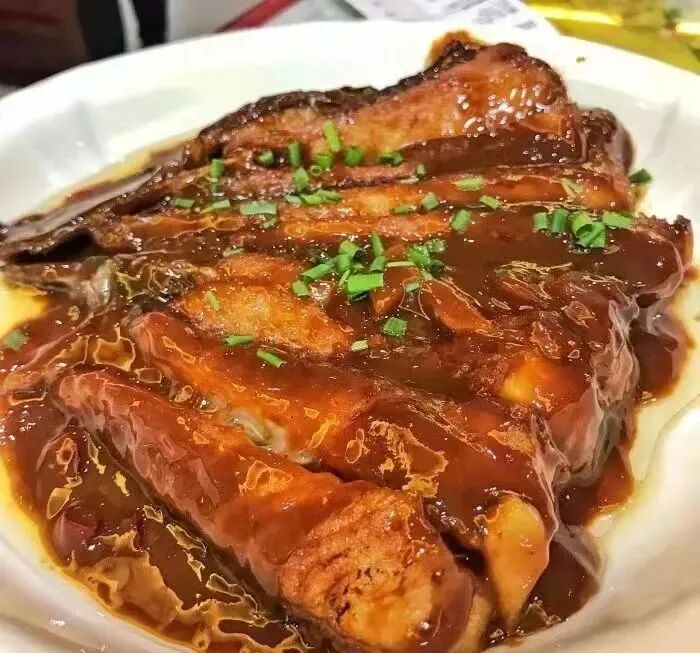
Shanghai smoked fish (xunyu) is an undisputed signature dish here. It's a hot dish served cold. When it hits the table, the smoked fish looks gorgeous, boasting a bright glaze. The meat is firm without being tough, crispy on the outside, tender on the inside, and rich in savory soy flavor with a subtle hint of preserved plum that keeps you reaching for more.
Hot sizzling eel shreds (reqi xiangyou shansi). Just hearing the name sounds super vivid! The secret is placing a pile of minced scallions, ginger, and white pepper on top of the cooked eel, pouring a ladle of scorching-hot oil over it, and letting it crack and sizzle. Priced at 78 RMB a plate, you gotta eat it while it's piping hot—zero fishy taste, just pure umami goodness.
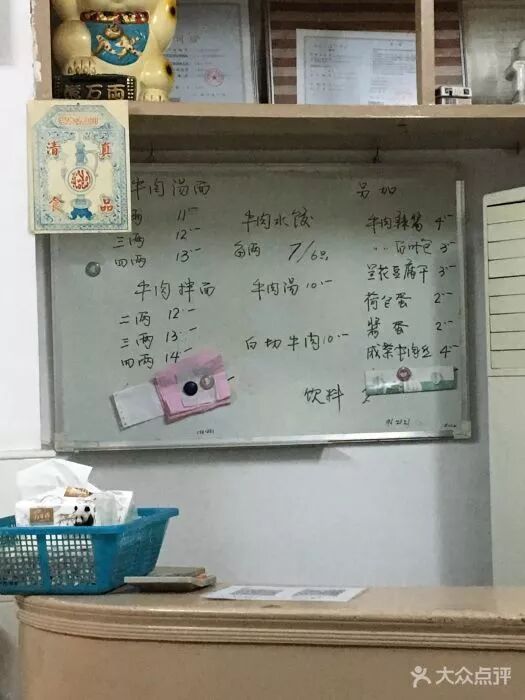
Photo via: @FoodieOldZhu
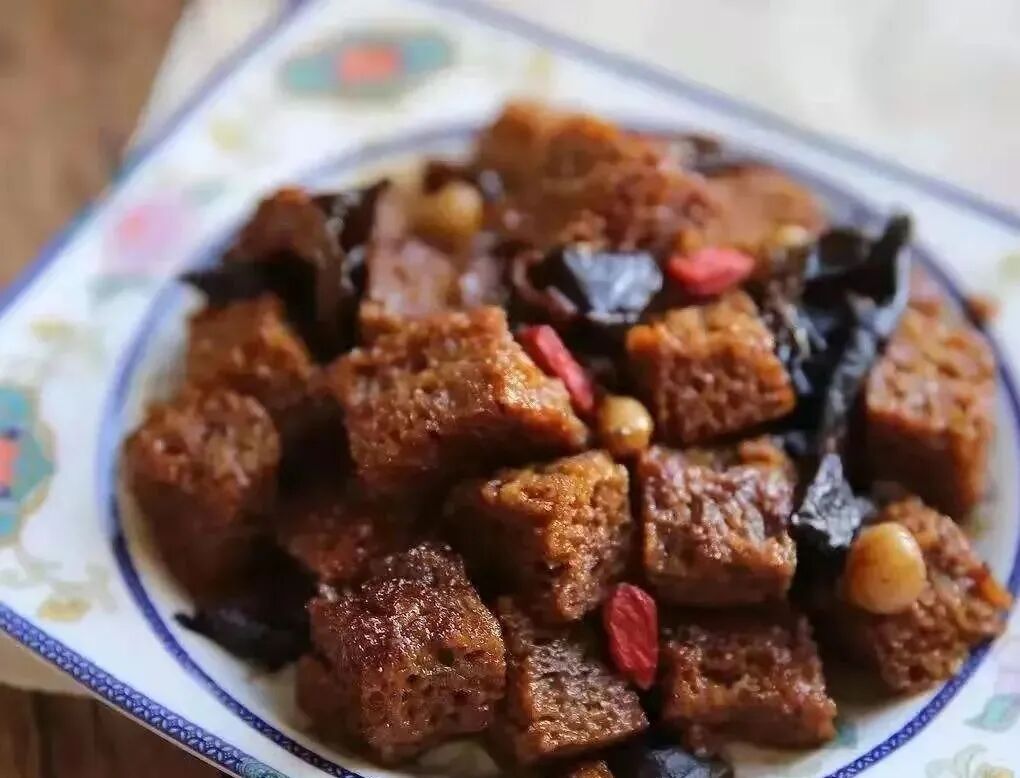
You've gotta try the local classic sixi kaofu (steamed wheat gluten with peanuts, black fungus, and daylily). It leans sweet and savory, sports a rich reddish-brown hue, and packs an aromatic, deep flavor.
Shanghai Yixinzhai (Pingliang Road Branch)
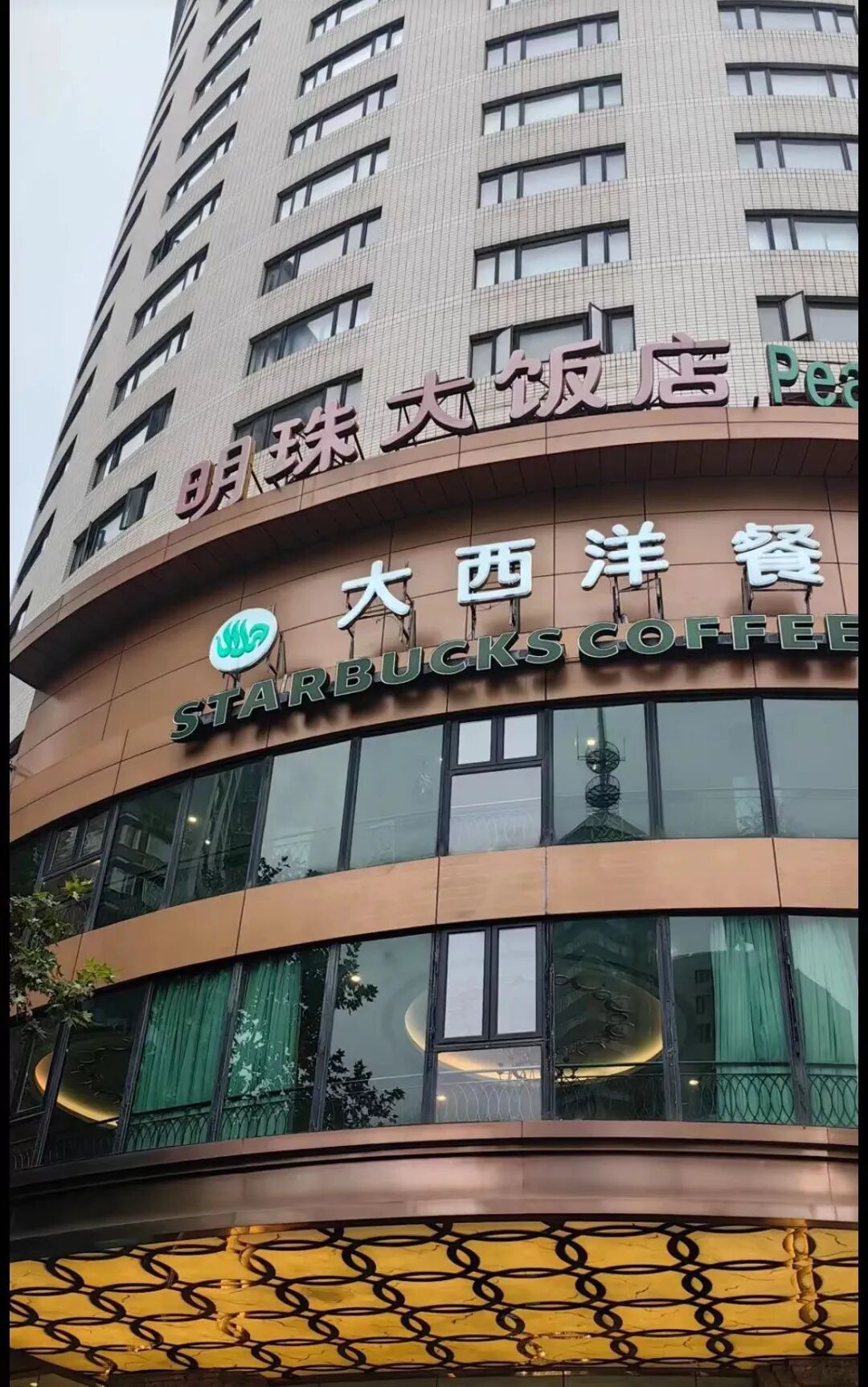
Shanghai Pearl Hotel · Atlantic Restaurant
If you want to venture beyond traditional Benbang Halal food, you can check out some fusion styles. The head chef fuses traditional Halal ingredients with Benbang cooking techniques, carving out a unique 'Shanghai-style Halal' cuisine while keeping traditional roots intact.
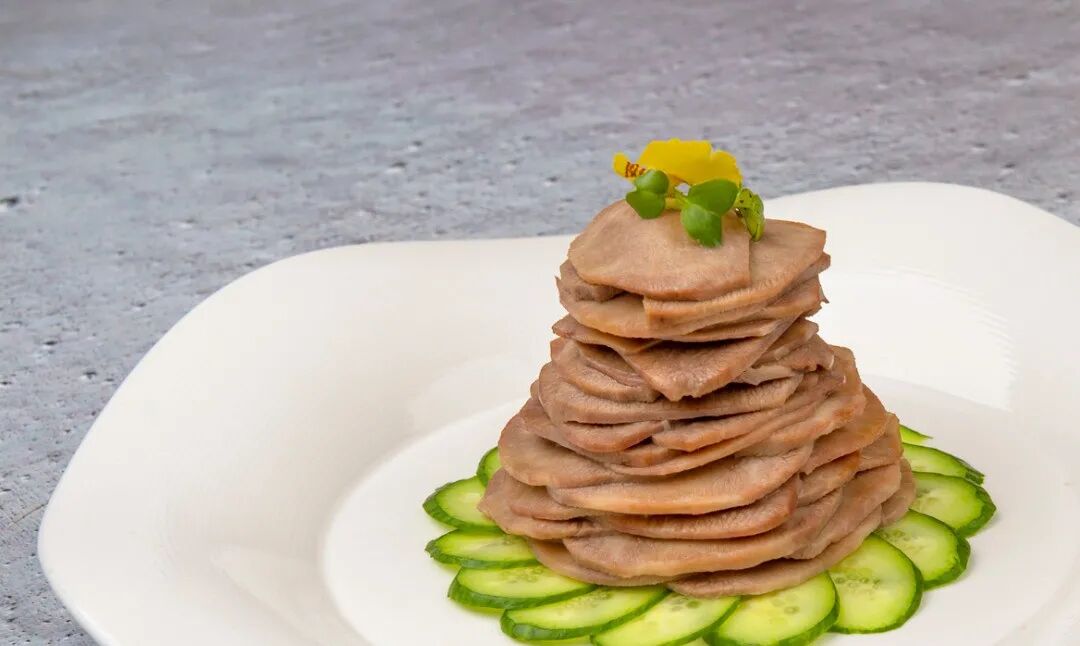
Due to dietary habits, traditional cold dishes at formal meals are super rare. Taking a page out of Western-meets-Chinese culinary playbooks, the chef whipped up a dish we can actually eat, love, and serve with pride: alley-style beef tongue tossed in vinegar and olive oil. Thinly sliced beef tongue is paired with a fusion dressing of olive oil and vinegar. Soaked in the vinaigrette, you get notes of fresh olive and rich rice vinegar, plus a snappy, springy texture. It is the ultimate appetizer~
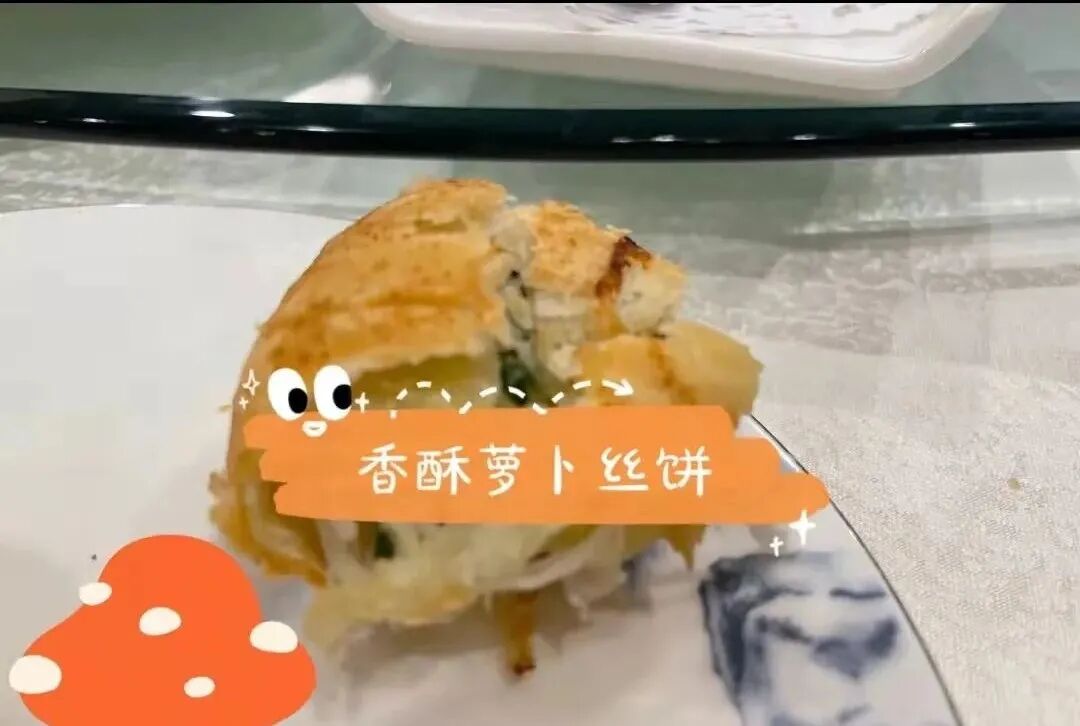
Piping-hot shredded radish pastry (luobosi bing)—crispy pastry on the outside, packed with shredded radish inside, with a layer of toasted sesame seeds on the bottom. One bite yields a flaky, soft, sweet, and savory explosion of flavor. So good!
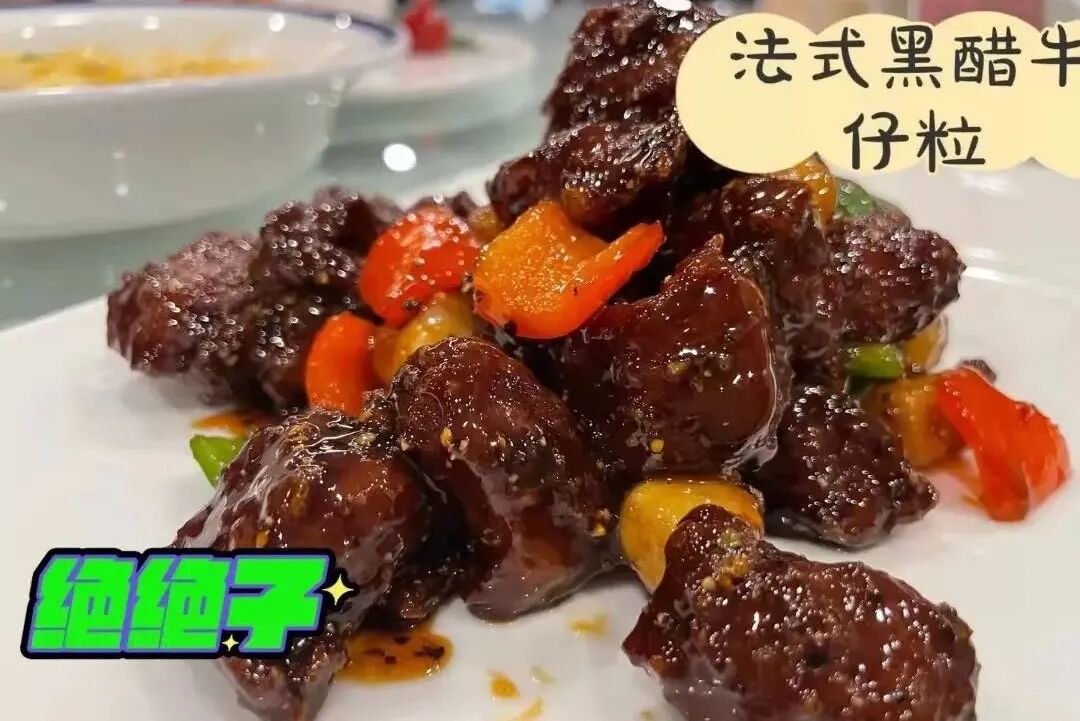
The ultimate showstopper is the French-style diced beef with black pepper. Every single beef cube is coated in a slightly spicy black pepper glaze. The exterior is charred and fragrant, while the meat inside stays juicy and tender. Absolute perfection.
The poached salted duck (yanshui ya) is also packed with flavor—white skin, tender meat, rich without being greasy, fresh and delicious.
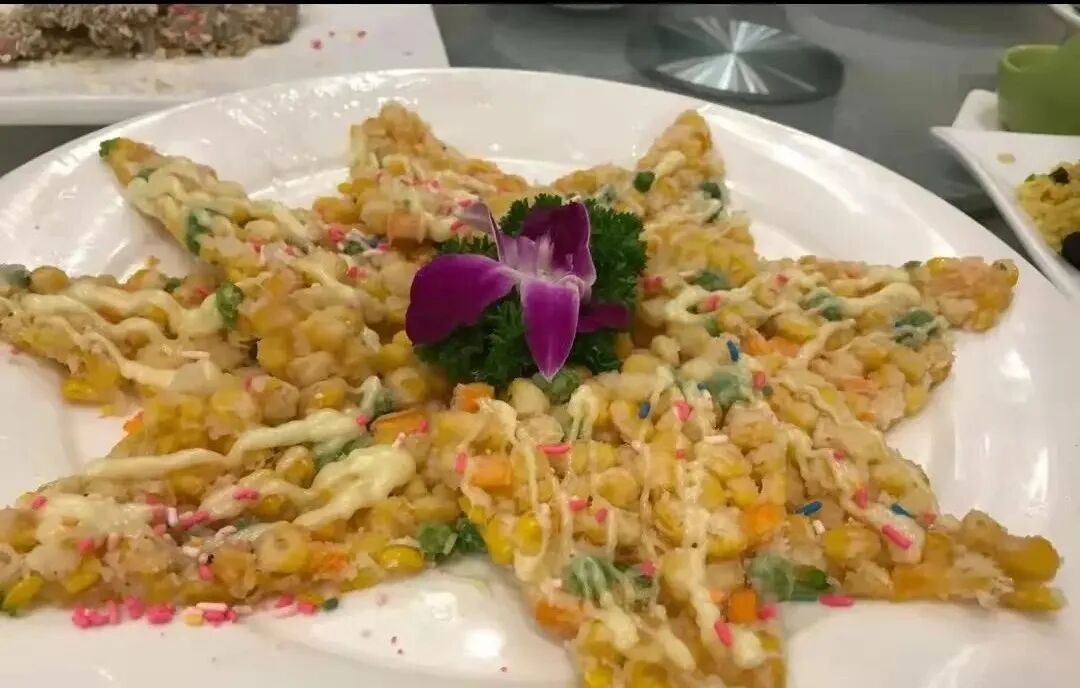
Corn hot plates (yumi lao) are basically standard issue at every restaurant in Shanghai, making them the ultimate post-meal dessert.
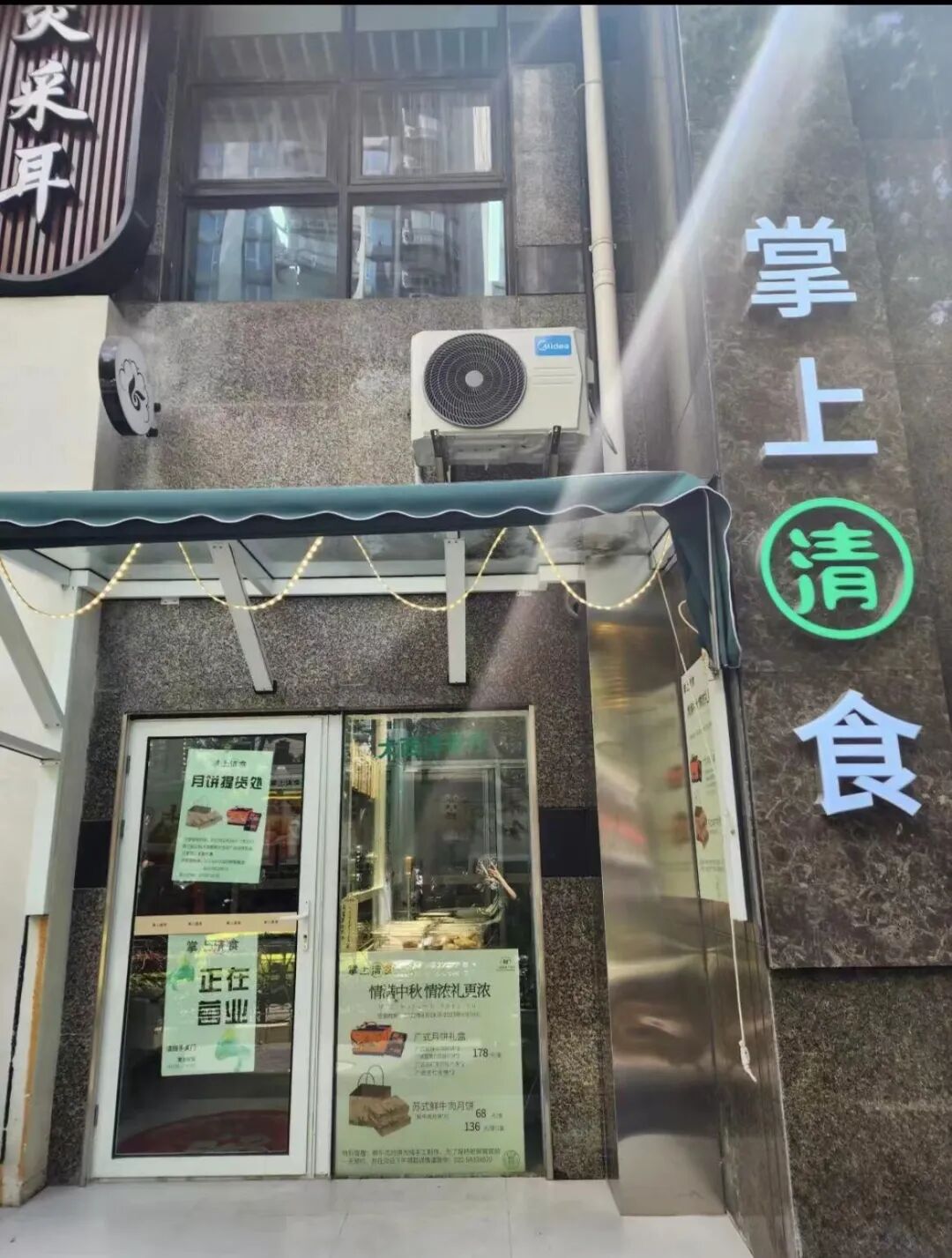
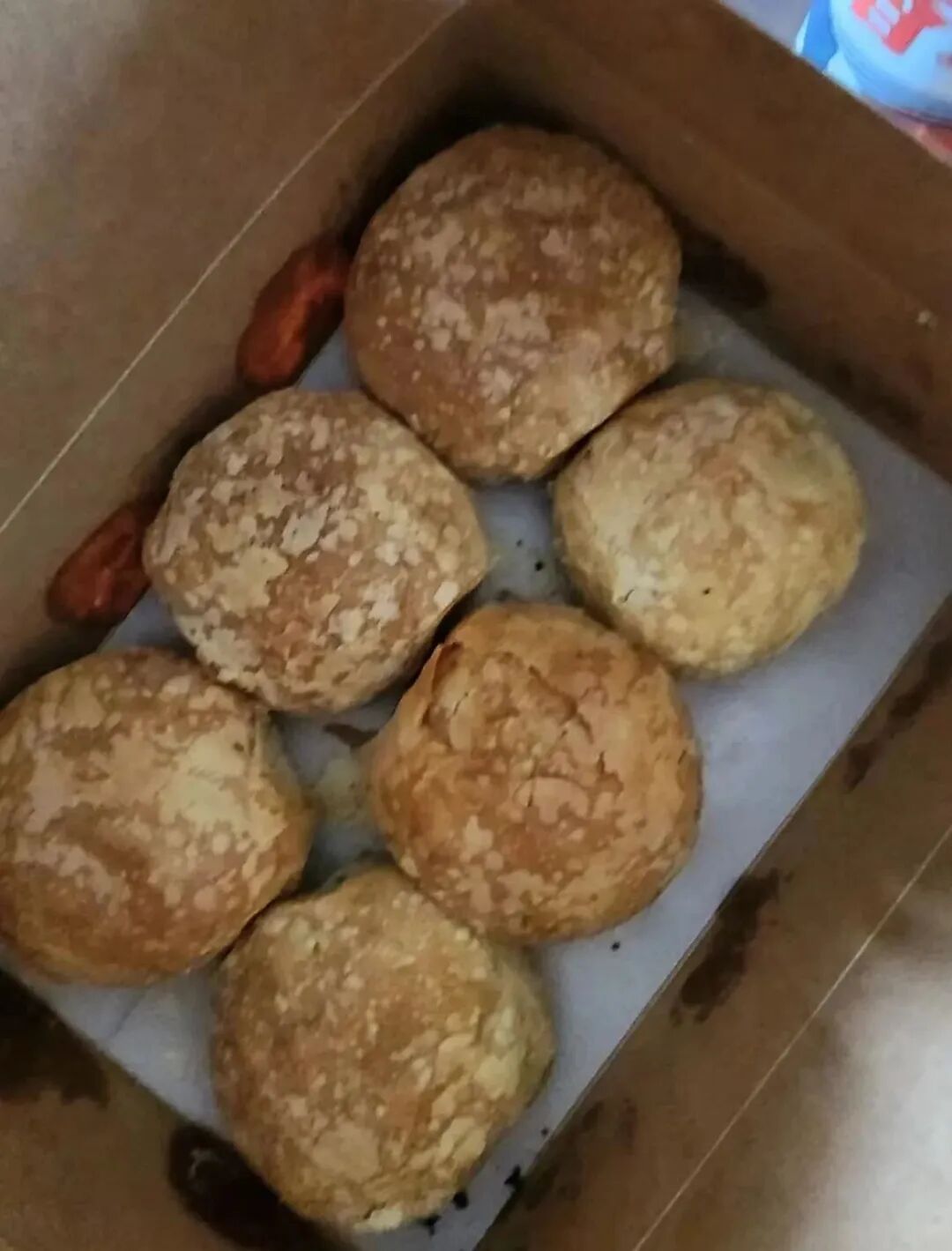
If you visit around holidays like the Mid-Autumn Festival, you can even snag freshly baked fresh beef mooncakes.
Atlantic Restaurant
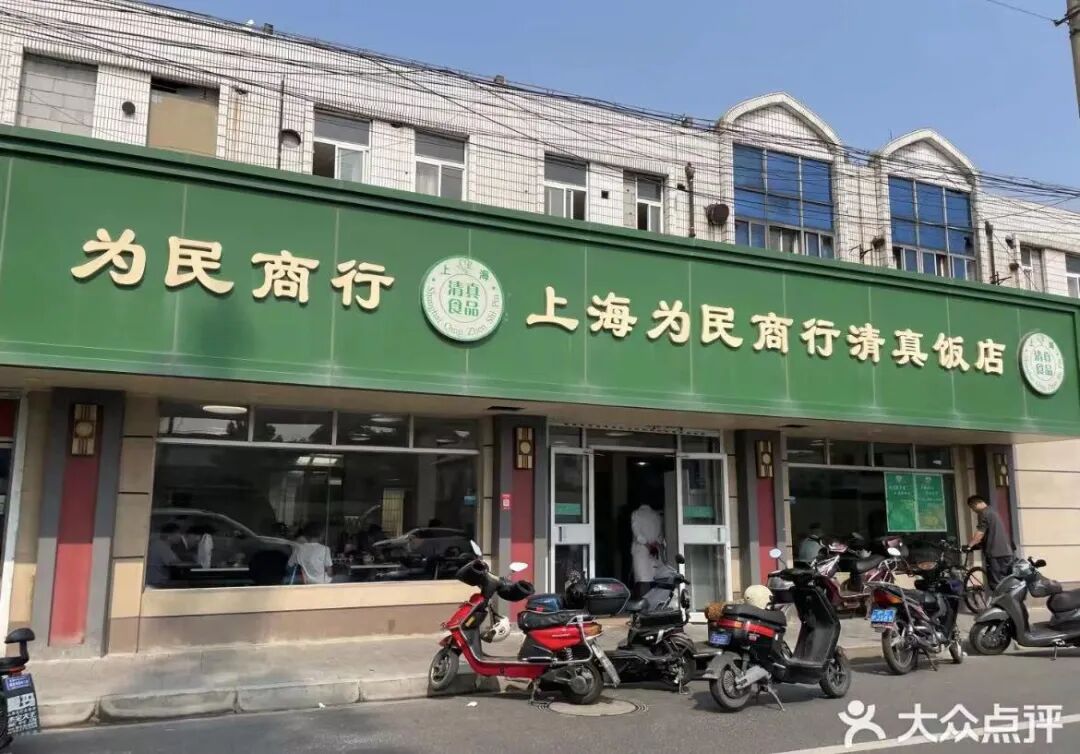
Shanghai Weimin Commercial Bank Halal Restaurant
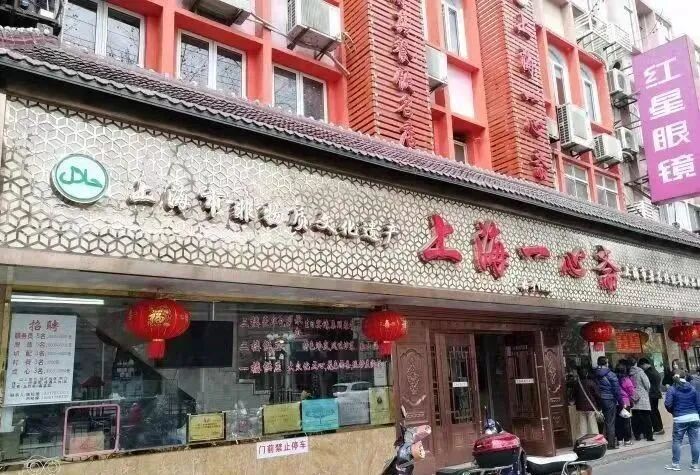
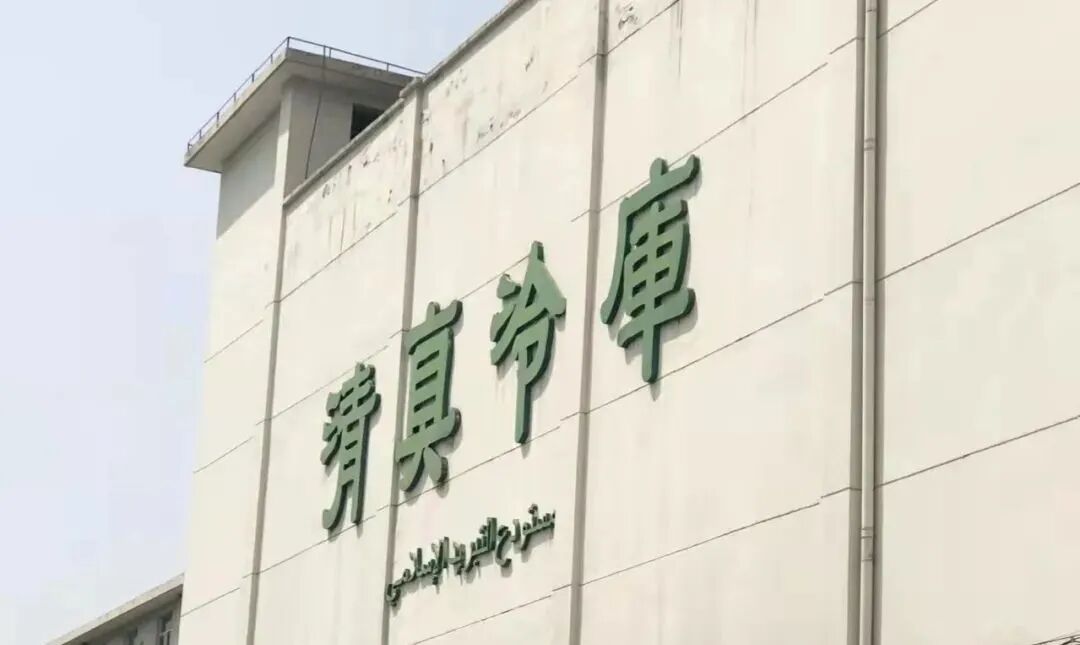
Aside from Benbang dishes, you simply have to try local Benbang noodles. As time marches on and the city transforms, many old-school Halal noodle shops have closed down, but this one's definitely here to stay! Since it functions as the open-to-the-public staff canteen for the Shanghai Beef and Mutton Corporation, both the prices and flavors are super budget-friendly.
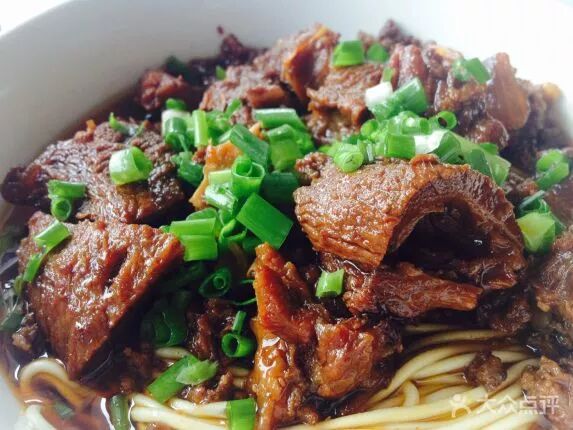
When your foodie writer lived nearby back in 2015, I treated this place like my personal canteen on weekends. Dining in here is all about the noodles: beef noodles, mutton noodles, and scallion oil noodles (congayou banmian). No matter which noodle you pick, the meat portions are insanely generous—a massive scoop on top makes you feel full just from eating the meat. During my year living nearby, I cycled through every single noodle on the menu multiple times, but my absolute favorite was the scallion oil noodles topped with beef. A bowl of scallion oil noodles cost 4 RMB, and adding a portion of beef cost 18 RMB—the exact same price as a bowl of noodle soup, but without the soup diluting things, making the meat and noodle flavors punch even harder (though prices are probably different now)!
Shanghai Weimin Commercial Bank Halal Restaurant (Nanda Road Branch)
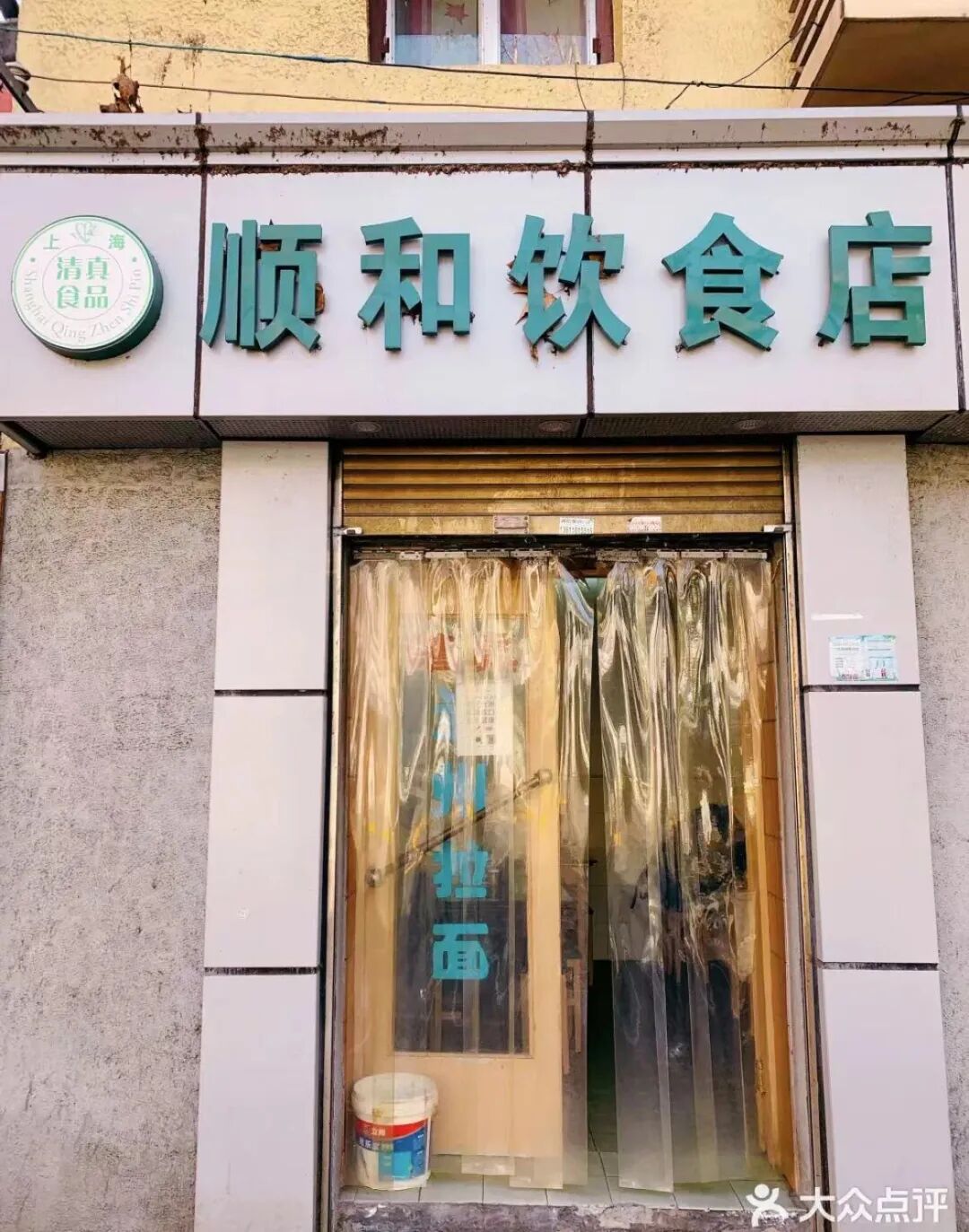
Halal Shunhe Eatery
Photo via: Dianping
A tiny Halal noodle joint tucked away on Fuxing Middle Road that's been around for years. All the patrons are neighborhood locals and longtime regulars. Sitting right on Fuxing Middle Road next to the historic Sinan Mansions, it's pretty much prime real estate in downtown Shanghai.
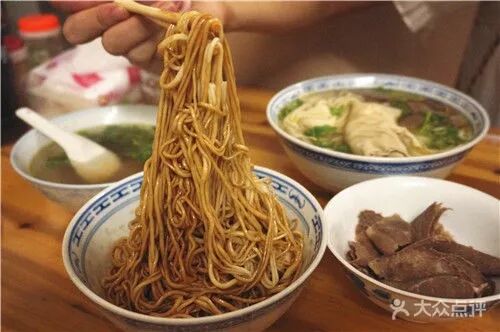
The menu is super simple, focusing mainly on noodle soups, dry-tossed noodles, and a variety of toppings (jiaotou).
They've got spicy beef sauce, beef stuffed in bean curd skin (niurou baifubao), fried tofu skin, soy-braised eggs, and shredded beef. You can order a bowl of noodles and pile on every single topping available for under 30 RMB. That is insane value for money right in downtown Shanghai, and the best part is that everything actually tastes delicious.
The owners are a local Shanghai couple. Hearing them chat away in warm, friendly Shanghai dialect instantly makes you feel at home. It's the kind of spot where locals grab a casual bite and just unwind. Heads up: their business hours are 06:30–13:30 and 16:30–18:30, so make sure you don't miss out~
Halal Shunhe Eatery
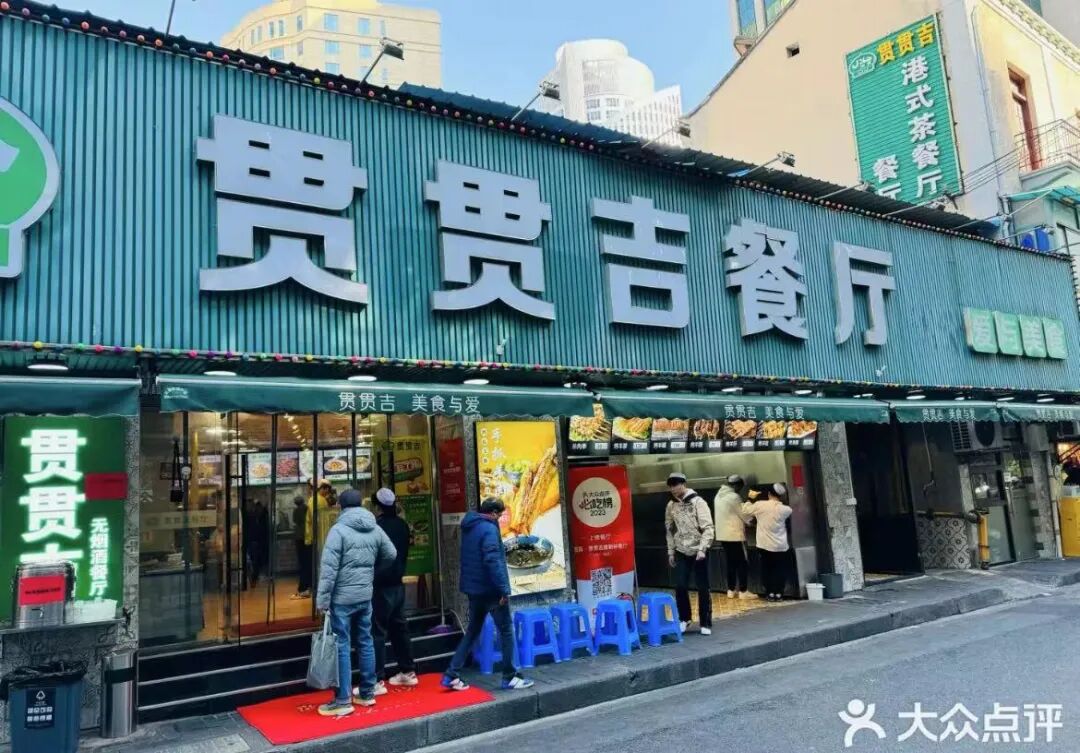
Guanguanji Restaurant
Plenty of Halal canteens have a huge fanbase among folks from Northwest China. If you genuinely can't get used to Benbang food or are just craving a taste of home, Guanguanji is hands-down the most famous Northwestern restaurant in Shanghai right now. Their signature dishes include shouzhua yangrou (Lanzhou hand-grabbed lamb), dapanji (big plate spicy chicken), pilaf, and eight-treasure tea (babaicha)—no need to over-introduce those classics!
Guanguanji Muslim Restaurant (Zhejiang Middle Road Branch)
Eating Your Way Through Shanghai Like 'Blossoms Shanghai': Top Halal Restaurants You Need to Try
Summary:
Work has been pretty hectic lately, but I finally finished binge-watching the hit drama series 'Blossoms Shanghai'. Since I spent six years studying and living in Shanghai, all the neighborhood alleys and local gossip in the show hit home for me. Plus, having started my own business during my Halal living days in the city, the plot had me riding an emotional rollercoaster of laughs and tears—it's super addictive! If you haven't checked out the show yet, I seriously urge you to watch it. If you don't mind reading subtitles, try the Shanghai dialect ('Huyu') version—it has way more soul than the Mandarin dub.
Work has been pretty hectic lately, but I finally finished binge-watching the hit drama series 'Blossoms Shanghai'. Since I spent six years studying and living in Shanghai, all the neighborhood alleys and local gossip in the show hit home for me. Plus, having started my own business during my Halal living days in the city, the plot had me riding an emotional rollercoaster of laughs and tears—it's super addictive! If you haven't checked out the show yet, I seriously urge you to watch it. If you don't mind reading subtitles, try the Shanghai dialect ('Huyu') version—it has way more soul than the Mandarin dub.
Maybe it's just my professional radar, but every time I spotted a Halal element in the show, I'd geek out and instantly take a screenshot. I thought I was just tuning into an urban business-and-romance drama, but lo and behold, Halal restaurants actually make cameo appearances!
In episode 14, when 'Abao' and 'Xuezhi' go on a date at a hotpot joint that requires waiting in line, the place is called 'Hongshunxing'. The sign on the glass says 'Old West Shanghai Halal Restaurant', but its real-life prototype is clearly Shanghai's century-old legacy brand 'Hongchangxing'.
Hongchangxing
This has got to be Shanghai's oldest Halal beef and mutton hotpot spot. Founded back in 1891 by Ma Chunqiao (the second older brother of the legendary Peking Opera master Ma Lianliang), it originally started out as the 'Ma Family Troupe Kitchen'. In 1891? Wait—in 1918, a new owner named Hong Sanba renamed the restaurant 'Hongchangxing', flew in a bunch of famous Halal master chefs from Beijing, and started focusing heavily on shuan yangrou (traditional Mongolian mutton hotpot). It became an overnight sensation.
Nowadays, they still specialize in traditional copper chimney hotpots. Whether you're looking at the vibe or the food quality, it's a stellar spot for group gatherings or banquets.
Photo via: Dianping
If you're just visiting Shanghai as a tourist—especially if you're coming from northern China where copper pot mutton isn't anything new and you just want something uniquely local—you've gotta try their niurou jianbao (pan-fried beef buns). The chunky meat filling has this subtle hint of curry flavor. Honestly, I haven't seen this style of beef pan-fried buns anywhere else outside of Shanghai.
Photo via: Dianping
Right now, Hongchangxing has three locations in Shanghai. The Guangxi Road North and Yunnan Road spots are right in the tourist hotspots—especially the Guangxi Road North branch, where you can spot the massive signboard right from Nanjing Road, making it super easy to find. They've also kept up with the times by opening a branch inside the CapitaMall (Long of Dreams) shopping center, giving you extra convenience when you're out shopping and grabbing a bite.
Hongchangxing Mutton Restaurant (Guangxi Road North Branch)
Xinmeiju
Aside from Hongshunxing, the hotpot restaurant 'Xinlanju' frequently pops up in 'Blossoms Shanghai' where 'Boss Bao' and 'Li Li' love to dine.
The director probably used a play on words here, because there's no such thing as Xinlanju in Shanghai—only Xinmeiju. Opened in 1986, Xinmeiju isn't just an authentic old-school Beijing-style copper pot hotpot joint; it's also hailed as the pioneer of Shanghai's 'reqi yangrou' (fresh chilled lamb, literally 'hot-air lamb'). Back in the day, due to primitive refrigeration and transport conditions, almost all the mutton on the Shanghai market was frozen or cold-stored. Xinmeiju kicked off the 'reqi yangrou' trend. Naturally, the taste and texture of fresh mutton blow frozen meat out of the water, so it quickly took Shanghai by storm and pioneered the city's hotpot history.
Photo via: Dianping
Naturally, this place is all about steaming-hot mutton hotpot, and it's a massive favorite among locals.
Xinmeiju Fresh Lamb Hotpot
Yixinzhai
This is the third time your foodie friend is recommending this state-owned legacy canteen. If you want to taste authentic Shanghainese Benbang cuisine in Shanghai, starting here is a foolproof bet. The only downside is that parking nearby is an absolute nightmare, so I'd definitely recommend taking a taxi or public transit.
Yixinzhai's sanhuangji (three-yellow chicken) is their signature dish, and it's even been rated as one of China's gold-medal snacks. The chicken meat is incredibly tender and smooth, with crispy skin and soft bones. Pair it with the chefs' homemade secret dipping sauce, and a single bite fills your whole mouth with aroma.
Photo via: @Dianping
Shanghai smoked fish (xunyu) is an undisputed signature dish here. It's a hot dish served cold. When it hits the table, the smoked fish looks gorgeous, boasting a bright glaze. The meat is firm without being tough, crispy on the outside, tender on the inside, and rich in savory soy flavor with a subtle hint of preserved plum that keeps you reaching for more.
Hot sizzling eel shreds (reqi xiangyou shansi). Just hearing the name sounds super vivid! The secret is placing a pile of minced scallions, ginger, and white pepper on top of the cooked eel, pouring a ladle of scorching-hot oil over it, and letting it crack and sizzle. Priced at 78 RMB a plate, you gotta eat it while it's piping hot—zero fishy taste, just pure umami goodness.
Photo via: @FoodieOldZhu
You've gotta try the local classic sixi kaofu (steamed wheat gluten with peanuts, black fungus, and daylily). It leans sweet and savory, sports a rich reddish-brown hue, and packs an aromatic, deep flavor.
Shanghai Yixinzhai (Pingliang Road Branch)
Shanghai Pearl Hotel · Atlantic Restaurant
If you want to venture beyond traditional Benbang Halal food, you can check out some fusion styles. The head chef fuses traditional Halal ingredients with Benbang cooking techniques, carving out a unique 'Shanghai-style Halal' cuisine while keeping traditional roots intact.
Due to dietary habits, traditional cold dishes at formal meals are super rare. Taking a page out of Western-meets-Chinese culinary playbooks, the chef whipped up a dish we can actually eat, love, and serve with pride: alley-style beef tongue tossed in vinegar and olive oil. Thinly sliced beef tongue is paired with a fusion dressing of olive oil and vinegar. Soaked in the vinaigrette, you get notes of fresh olive and rich rice vinegar, plus a snappy, springy texture. It is the ultimate appetizer~
Piping-hot shredded radish pastry (luobosi bing)—crispy pastry on the outside, packed with shredded radish inside, with a layer of toasted sesame seeds on the bottom. One bite yields a flaky, soft, sweet, and savory explosion of flavor. So good!
The ultimate showstopper is the French-style diced beef with black pepper. Every single beef cube is coated in a slightly spicy black pepper glaze. The exterior is charred and fragrant, while the meat inside stays juicy and tender. Absolute perfection.
The poached salted duck (yanshui ya) is also packed with flavor—white skin, tender meat, rich without being greasy, fresh and delicious.
Corn hot plates (yumi lao) are basically standard issue at every restaurant in Shanghai, making them the ultimate post-meal dessert.
If you visit around holidays like the Mid-Autumn Festival, you can even snag freshly baked fresh beef mooncakes.
Atlantic Restaurant
Shanghai Weimin Commercial Bank Halal Restaurant
Aside from Benbang dishes, you simply have to try local Benbang noodles. As time marches on and the city transforms, many old-school Halal noodle shops have closed down, but this one's definitely here to stay! Since it functions as the open-to-the-public staff canteen for the Shanghai Beef and Mutton Corporation, both the prices and flavors are super budget-friendly.
When your foodie writer lived nearby back in 2015, I treated this place like my personal canteen on weekends. Dining in here is all about the noodles: beef noodles, mutton noodles, and scallion oil noodles (congayou banmian). No matter which noodle you pick, the meat portions are insanely generous—a massive scoop on top makes you feel full just from eating the meat. During my year living nearby, I cycled through every single noodle on the menu multiple times, but my absolute favorite was the scallion oil noodles topped with beef. A bowl of scallion oil noodles cost 4 RMB, and adding a portion of beef cost 18 RMB—the exact same price as a bowl of noodle soup, but without the soup diluting things, making the meat and noodle flavors punch even harder (though prices are probably different now)!
Shanghai Weimin Commercial Bank Halal Restaurant (Nanda Road Branch)
Halal Shunhe Eatery
Photo via: Dianping
A tiny Halal noodle joint tucked away on Fuxing Middle Road that's been around for years. All the patrons are neighborhood locals and longtime regulars. Sitting right on Fuxing Middle Road next to the historic Sinan Mansions, it's pretty much prime real estate in downtown Shanghai.
The menu is super simple, focusing mainly on noodle soups, dry-tossed noodles, and a variety of toppings (jiaotou).
They've got spicy beef sauce, beef stuffed in bean curd skin (niurou baifubao), fried tofu skin, soy-braised eggs, and shredded beef. You can order a bowl of noodles and pile on every single topping available for under 30 RMB. That is insane value for money right in downtown Shanghai, and the best part is that everything actually tastes delicious.
The owners are a local Shanghai couple. Hearing them chat away in warm, friendly Shanghai dialect instantly makes you feel at home. It's the kind of spot where locals grab a casual bite and just unwind. Heads up: their business hours are 06:30–13:30 and 16:30–18:30, so make sure you don't miss out~
Halal Shunhe Eatery
Guanguanji Restaurant
Plenty of Halal canteens have a huge fanbase among folks from Northwest China. If you genuinely can't get used to Benbang food or are just craving a taste of home, Guanguanji is hands-down the most famous Northwestern restaurant in Shanghai right now. Their signature dishes include shouzhua yangrou (Lanzhou hand-grabbed lamb), dapanji (big plate spicy chicken), pilaf, and eight-treasure tea (babaicha)—no need to over-introduce those classics!
Guanguanji Muslim Restaurant (Zhejiang Middle Road Branch)
