
Exploring Sanya's Utsul Cham Muslims & Historic Mosques: A Foodie's Guide to Hainan's Halal Culture
[Internet Repost]
A Comprehensive Deep Dive into the Documentary Short Film 'Huixin Village': The Southeast Asian Maritime Silk Road Genome and Contemporary Evolution of China's Southernmost Hui Muslim Village
Abstract:
An in-depth analysis focusing on the documentary project about Huixin Village (Huixin Muslim Village) in Sanya. It chronicles how this unique Muslim community—China's only one originating from the ancient Cham people of Southeast Asia—has thrived across generations on a tropical island, showcasing the harmonious coexistence of traditional religious practices and modern civilization.
Huixin Village (Huixin Muslim Village) is located in Fenghuang Town, Sanya City, Hainan Province, and stands as China's southernmost Hui Muslim settlement. This community is China's sole Muslim group originating from Southeast Asia, having lived here from generation to generation for over 900 years. Together with the neighboring Huihui Village (Huihui Muslim Village), they are collectively known as the Sanya Hui Muslim villages, with a combined population approaching nearly 10,000.
Around the 10th to 11th centuries, Arab and Persian Muslim merchants arrived in Champa (modern-day central Vietnam) via the Maritime Silk Road. While trading, they also introduced Muslim culture. In 1471, the Champa Kingdom was severely battered by the Lê Dynasty, causing a large number of Cham people to flee to the Malay Archipelago. Since the Malay Archipelago region had already widely embraced Islam, the Champa refugees encountered and accepted Islam there before returning to Champa to spread the faith.
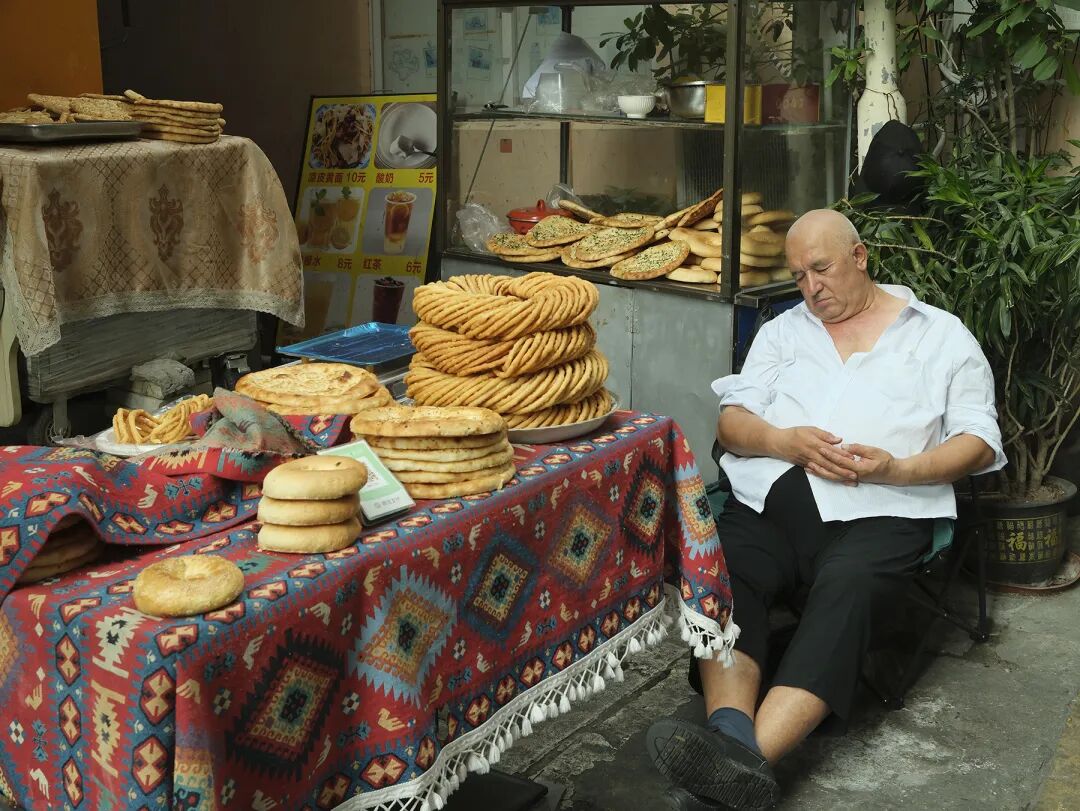
As the Champa Kingdom repeatedly suffered from Vietnamese invasions and territorial encroachment, Cham Muslims migrated in multiple waves by boat from Xiazheng, Vietnam, to Hainan Island to seek refuge, escaping the chaos of war. Historical records date the earliest arrivals as far back as the late Tang Dynasty, with large-scale migrations concentrated during the Song and Yuan Dynasties. These groups partially blended with Arab and Persian foreign guests (fan ke) who had come to China to trade during the Tang and Song Dynasties. After the Ming Dynasty, Hui Muslims from the Fujian and Guangdong regions also continuously migrated to Hainan, ultimately converging during the Qing Dynasty to form the stable Hui Muslim communities of Huixin Village (Huixin Muslim Village) and Huihui Village (Huihui Muslim Village).
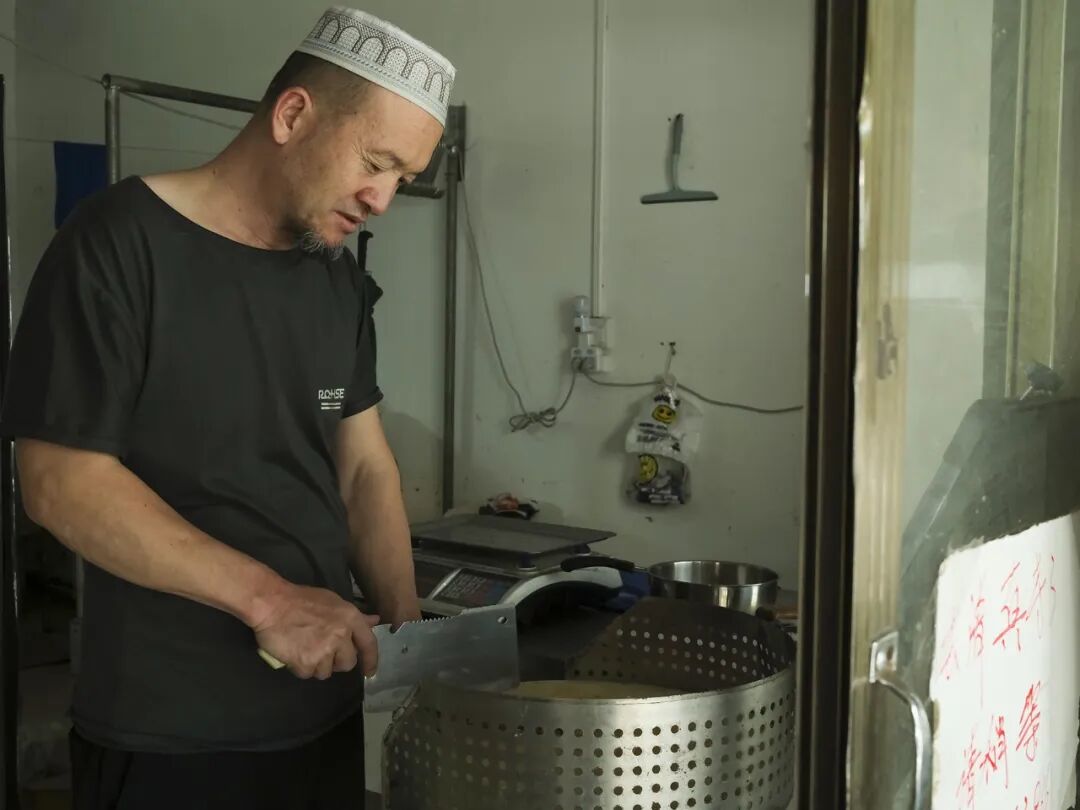
Huixin Village (Huixin Muslim Village) was once under Japanese occupation; the Japanese military built an airfield and drove out the local Hui Muslims living there. Following Japan's defeat and withdrawal, some of the Hui Muslims returned to Huixin Village (Huixin Muslim Village) to rebuild their homes on the original site.

The lifestyle customs of the Hui Muslims in Huixin Village (Huixin Muslim Village) reflect a blend of Islamic doctrine and local adaptability. While they speak Chinese, they still preserve their native language, Huihui speech, for communication. Huihui speech belongs to the Malayo-Polynesian branch of the Austronesian language family and is closely related to the Cham language. It is the only Austronesian-speaking Muslim group in China. Although Huihui speech is the mother tongue of Hainan's Hui Muslims and features a phonetic system—such as 19 initial consonants, 50 to 57 final vowels, and 7 to 10 tones—it has been spoken for a long time without developing its own writing system. In daily life, they use Chinese characters for reading and writing when interacting with the outside world. While some older Hui Muslims in the village cannot understand Chinese, younger generations are using Huihui speech less and less.

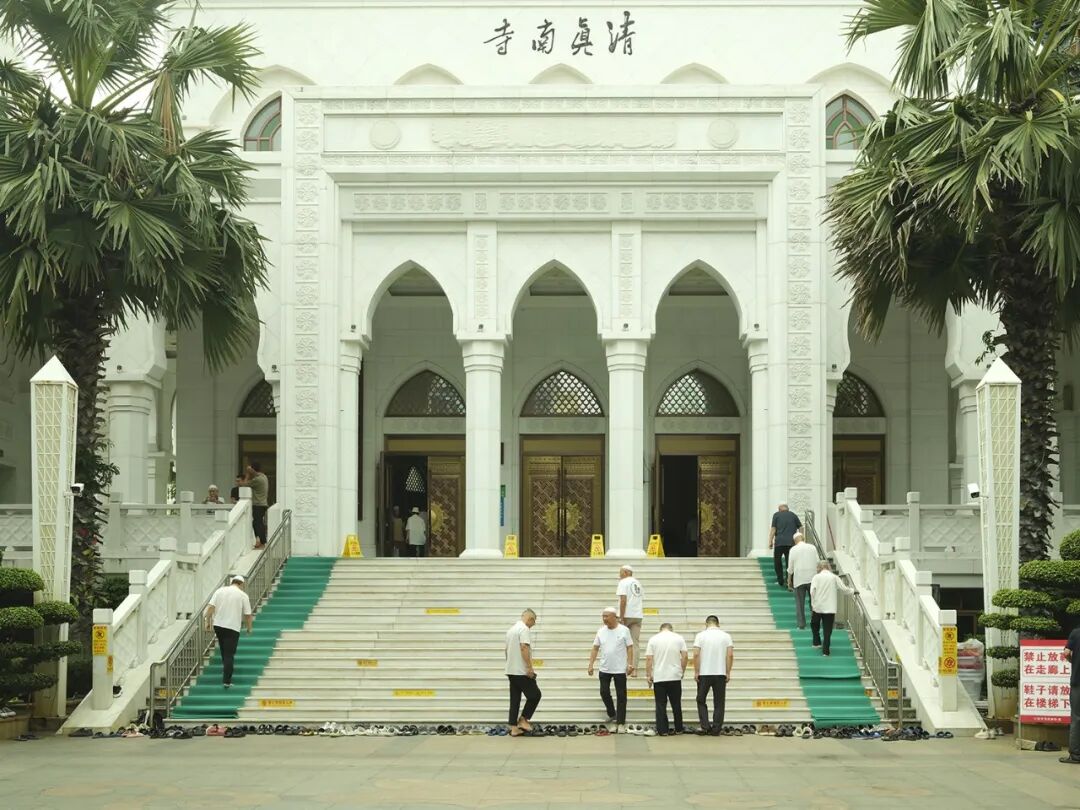
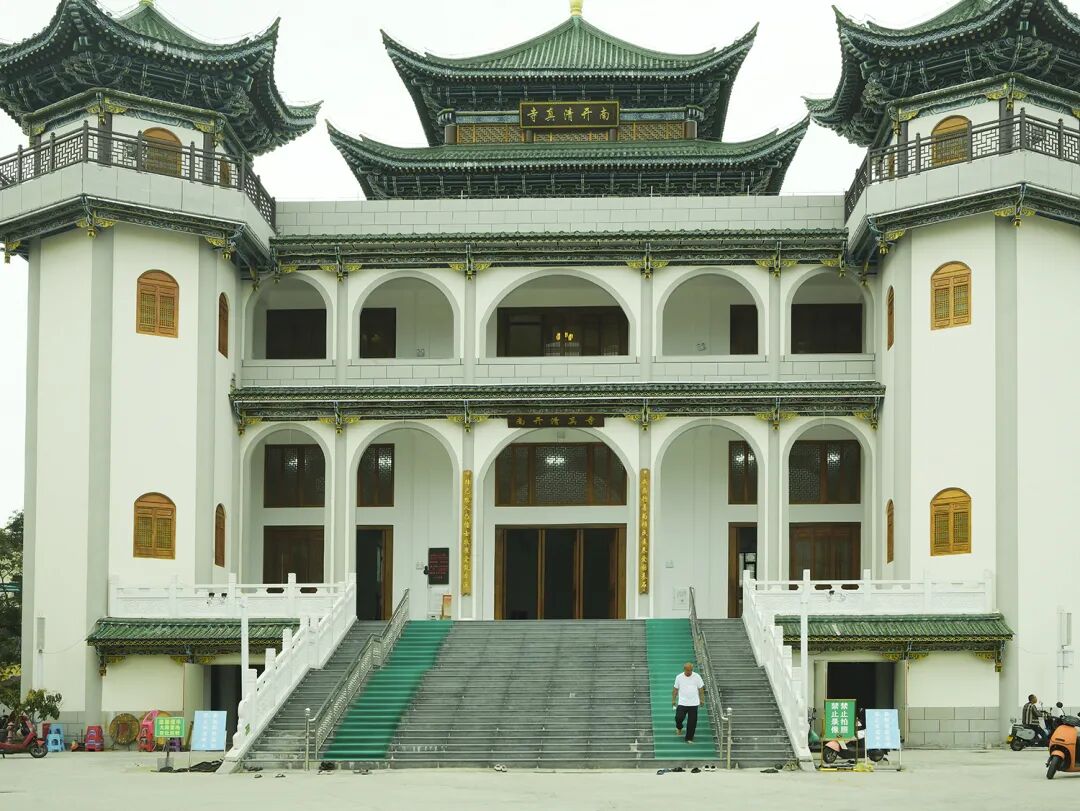
The religious traditions of the Hui Muslims in Huixin Village (Huixin Muslim Village) stem from the history of the Champa Kingdom's conversion to Islam, preserving major holidays such as Eid al-Fitr (Kaizhai Jie), the Mawlid (Shengji Jie), and Eid al-Adha (Guerbang Jie). Huixin Village (Huixin Muslim Village) features two mosques. The Southern Mosque (Qingzhen Nansi) was originally built during the Southern Song Dynasty and is the oldest masjid in ancient Yazhou, boasting a history of over 900 years. Rebuilt in 2013, it serves as a historical testament to the development of Muslims in Sanya. The Nankai Mosque was built during the mid-Ming Dynasty, bombed flat during the War of Resistance Against Japanese Aggression, demolished during the Cultural Revolution, and rebuilt in 1980. Later subjected to ethnic integration, it features distinct Islamic religious characteristics and traditional architectural styles. These two masjids serve as the venues for religious activities among the villagers of Huixin Village (Huixin Muslim Village). During Ramadan, some Muslims go to the masjid to perform their daily dua and prayers five times a day.
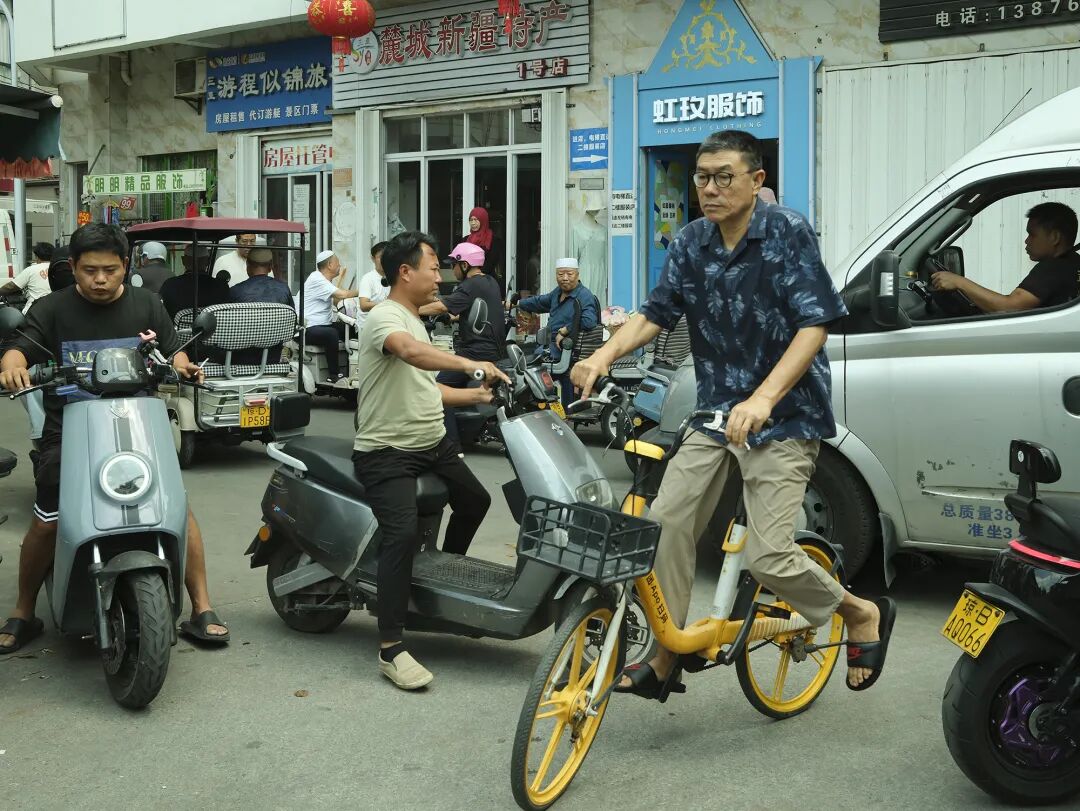
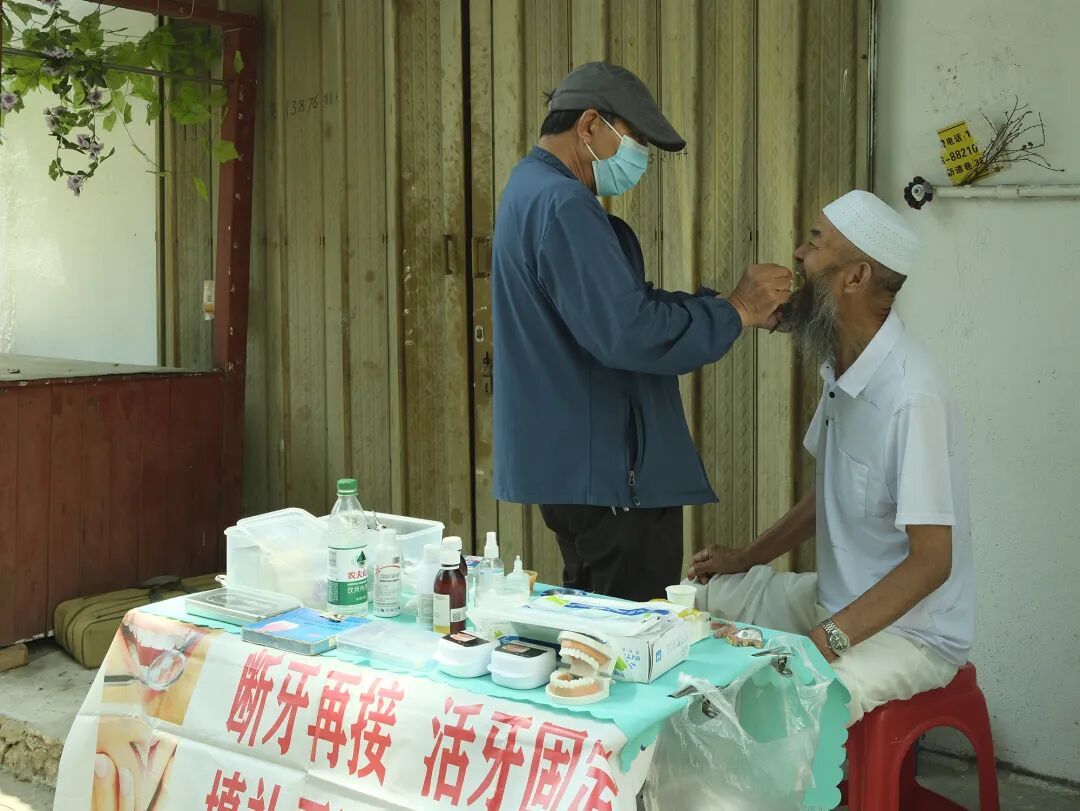
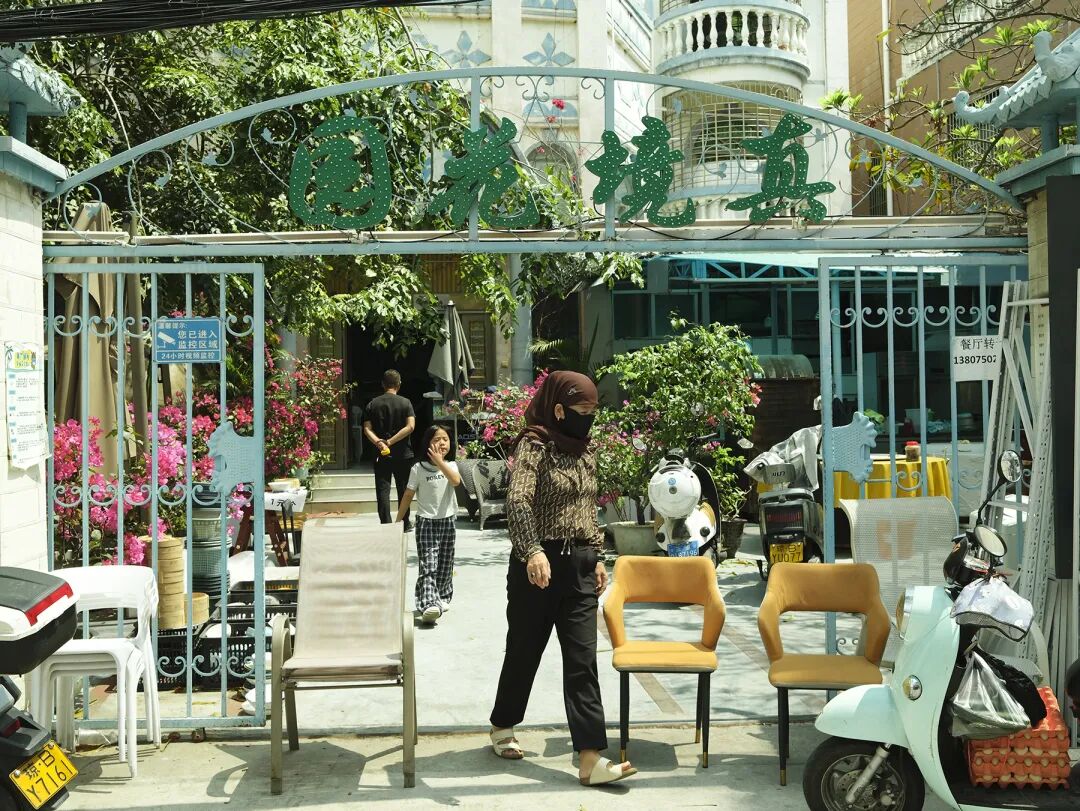
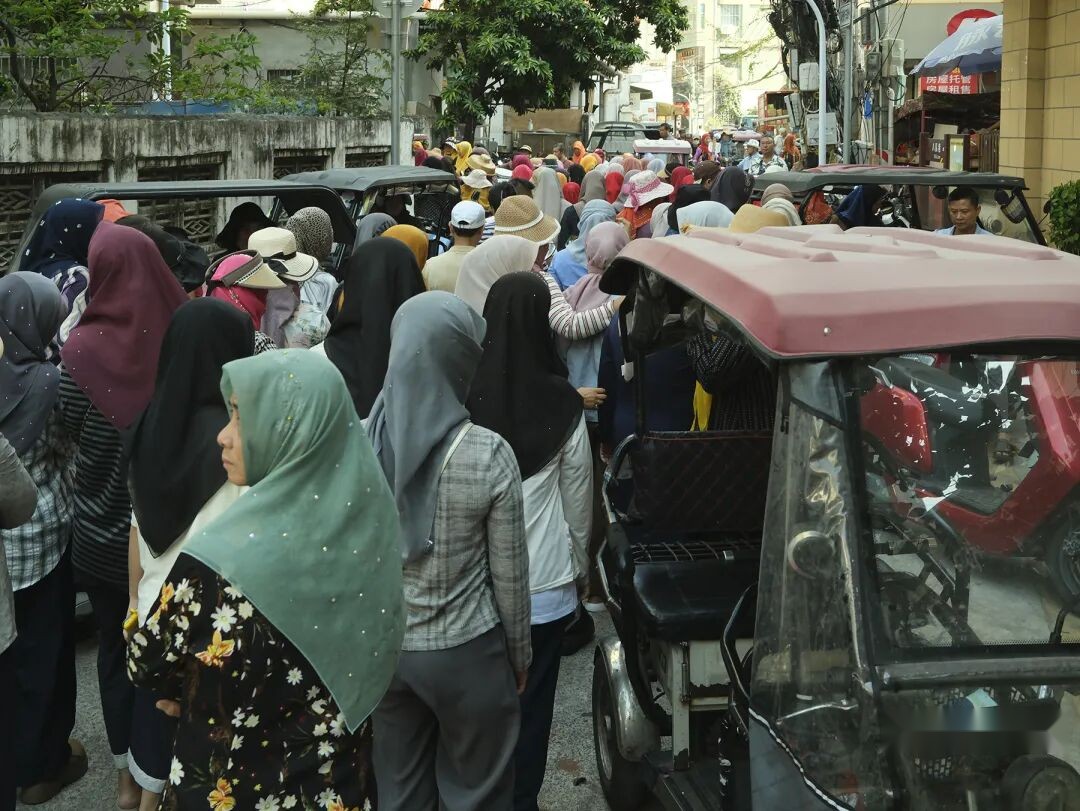
Huixin Village (Huixin Muslim Village) covers an area of 0.4 square kilometers (or its actual community-administered jurisdiction). Several winding, narrow alleys connect densely packed buildings, making it very easy to get lost if you walk around here. Most of the multi-story houses on either side were built in recent years, with some retaining Islamic architectural elements. Due to Hainan's tropical climate, many residential homes intentionally reserve courtyard areas for cooking, eating, and cooling off. Before a large influx of outsiders poured in, villagers in Huixin Village (Huixin Muslim Village) lived with their doors unlocked at night. Because of the favorable Hui Muslim residential environment in Huixin Village (Huixin Muslim Village), a portion of the Hui Muslims who come here to spend the winter each year hail from Gansu Province and the Ningxia Hui Autonomous Region.
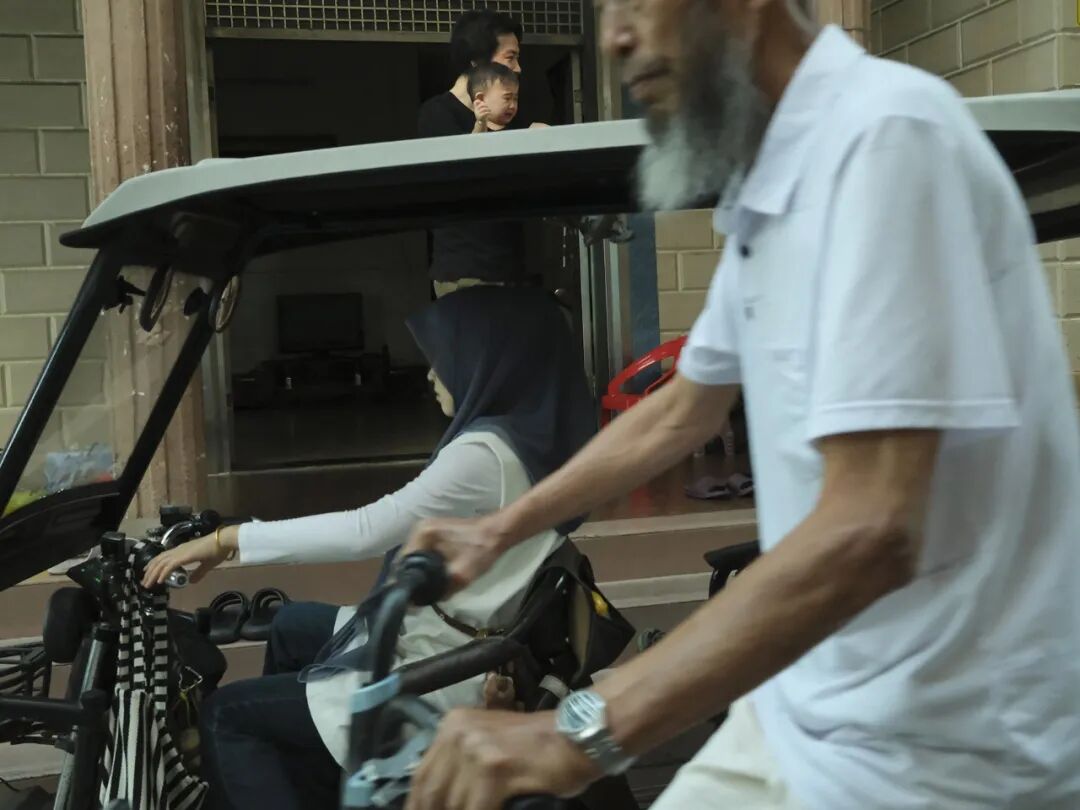
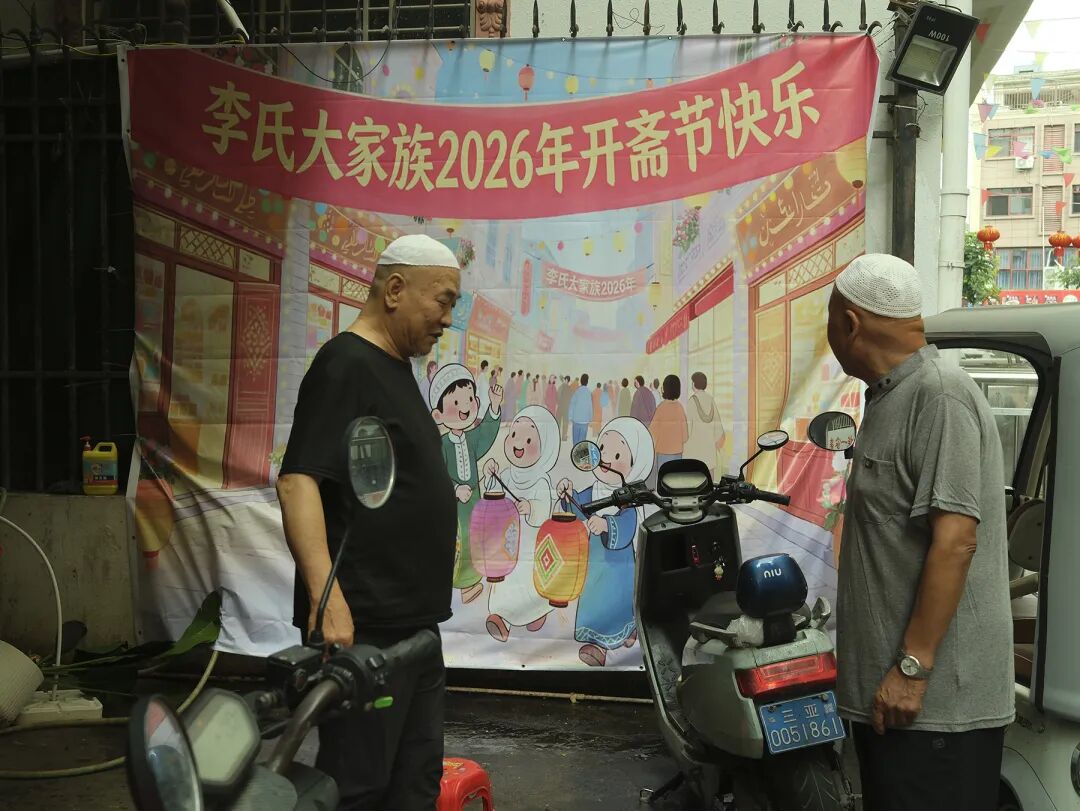
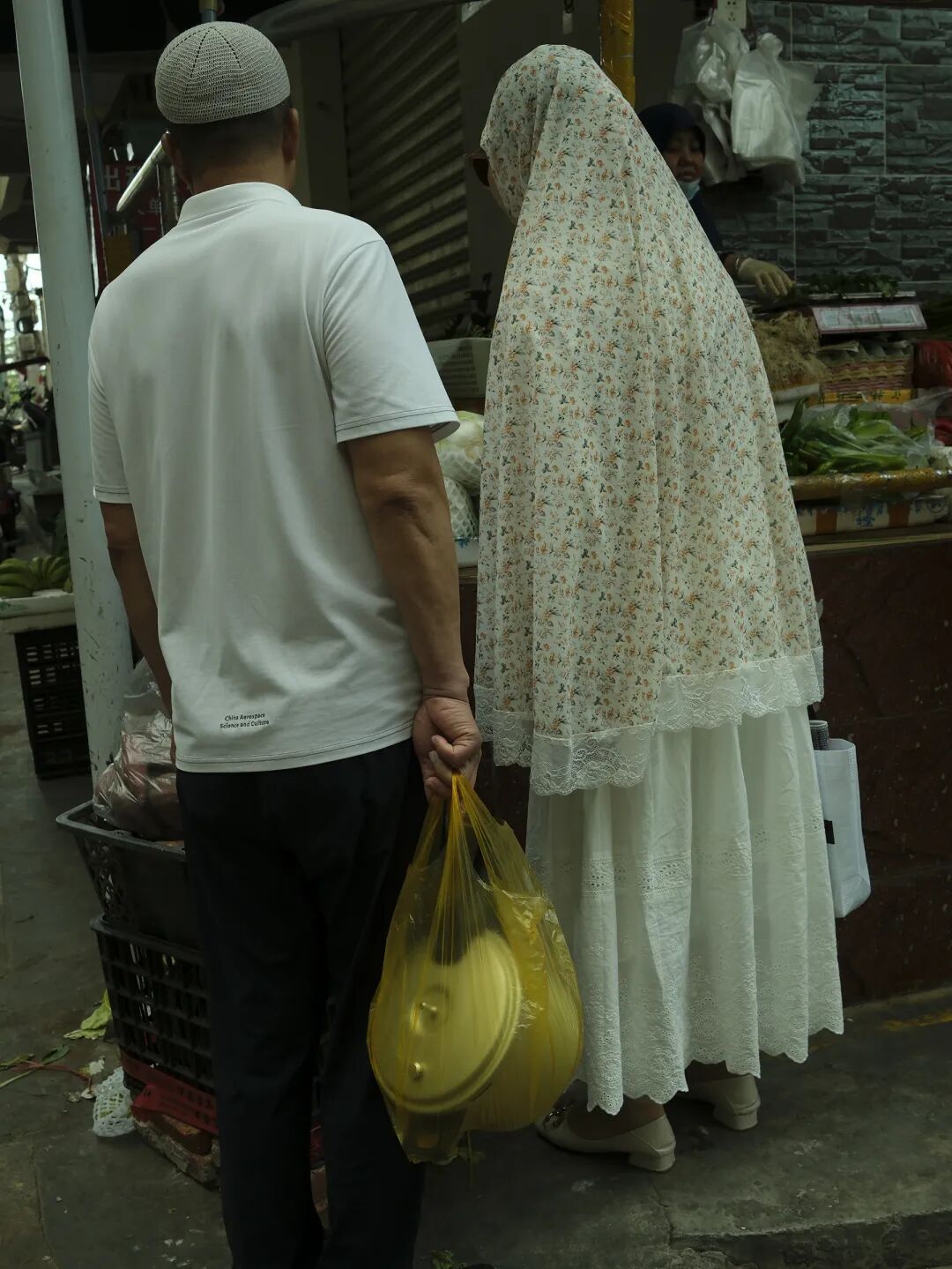
While walking through the alleys during Ramadan, I encountered Hui Muslims going door-to-door handing out festive candies. Historically, Hui Muslims on Hainan Island did not intermarry with other ethnic groups, but modern times have seen a gradual opening up, provided that the non-Hui spouse converts to Islam and follows Hui Muslim customs. I also witnessed a Muslim funeral; photography is strictly prohibited inside the masjid and certain residential areas.
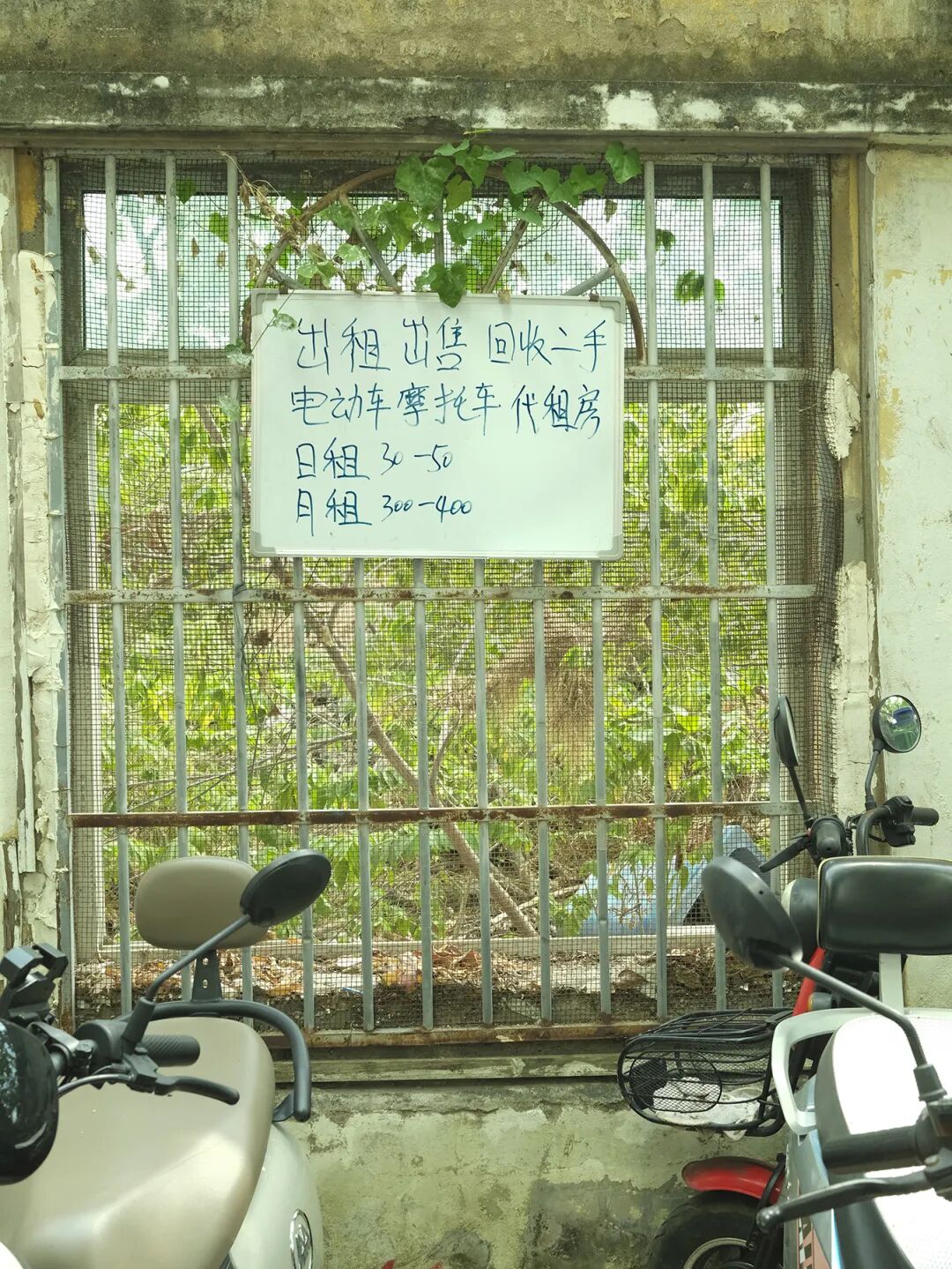
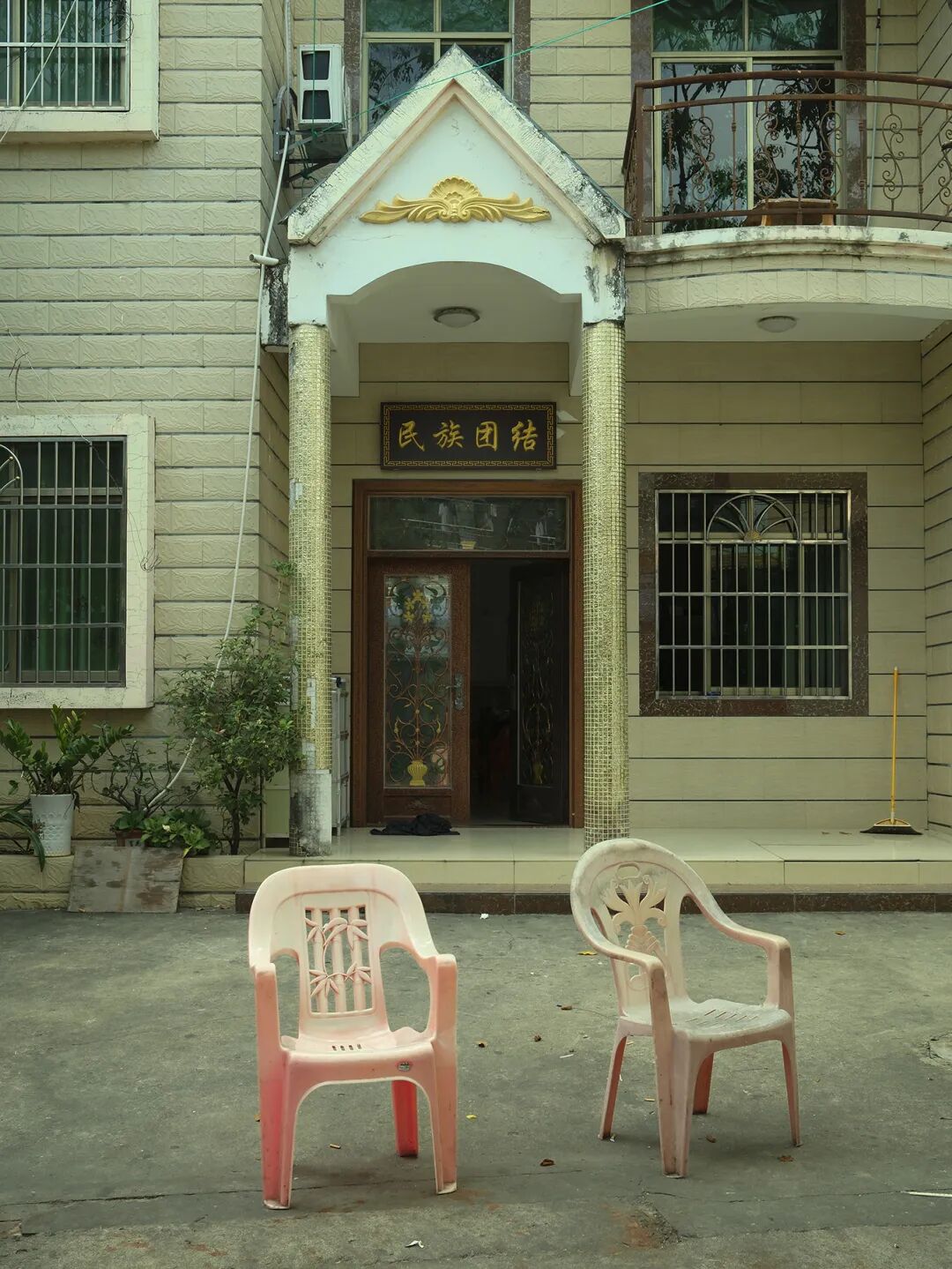
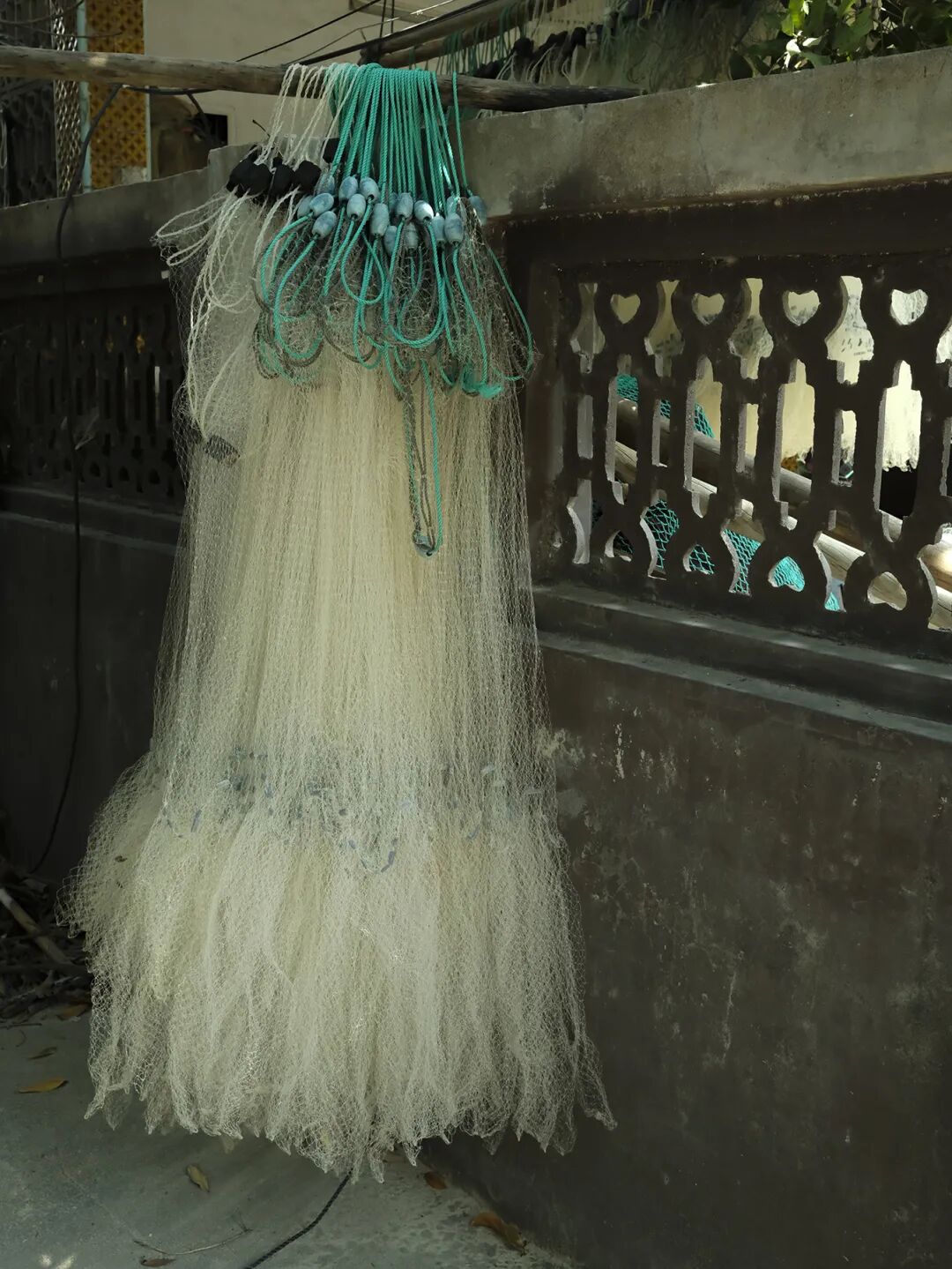
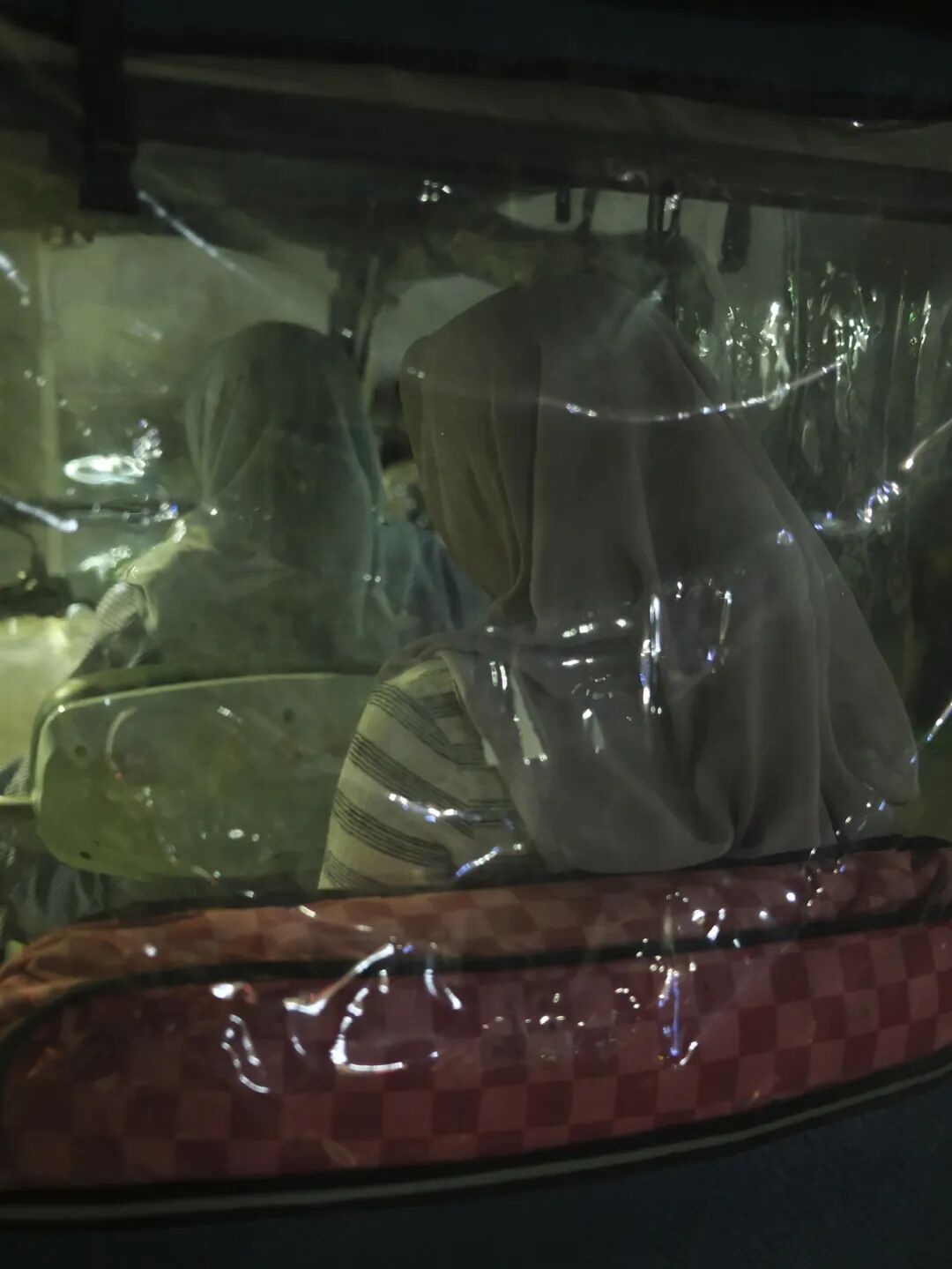
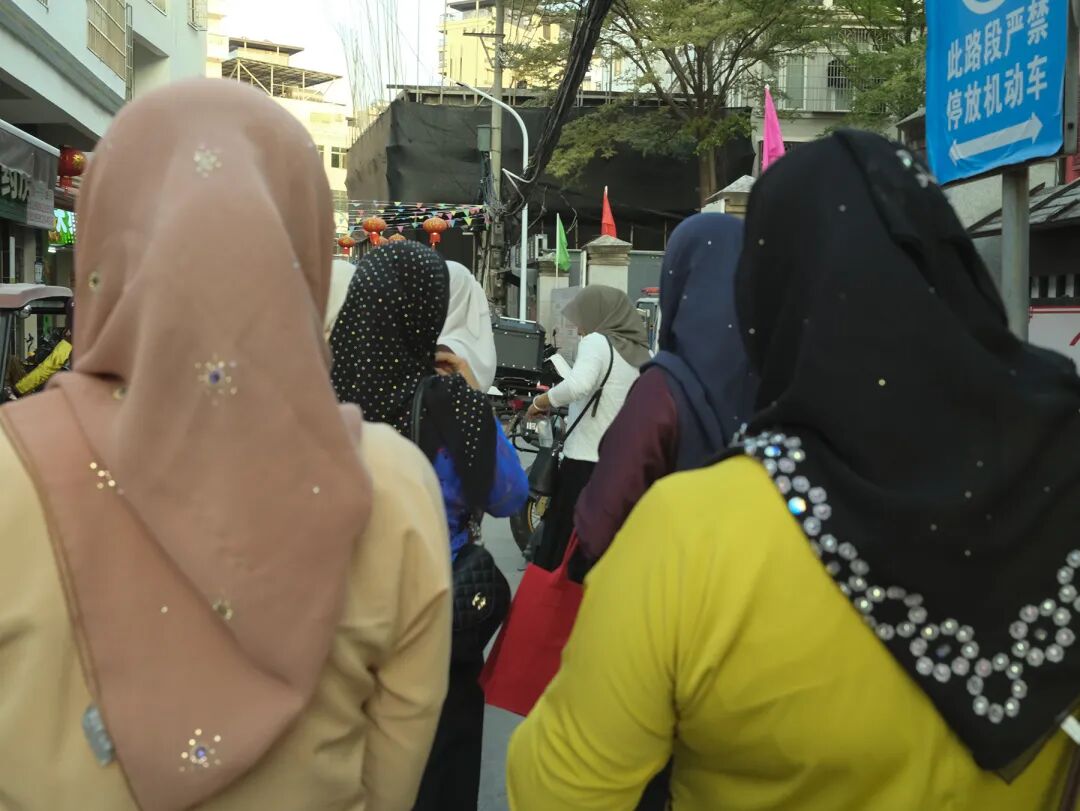
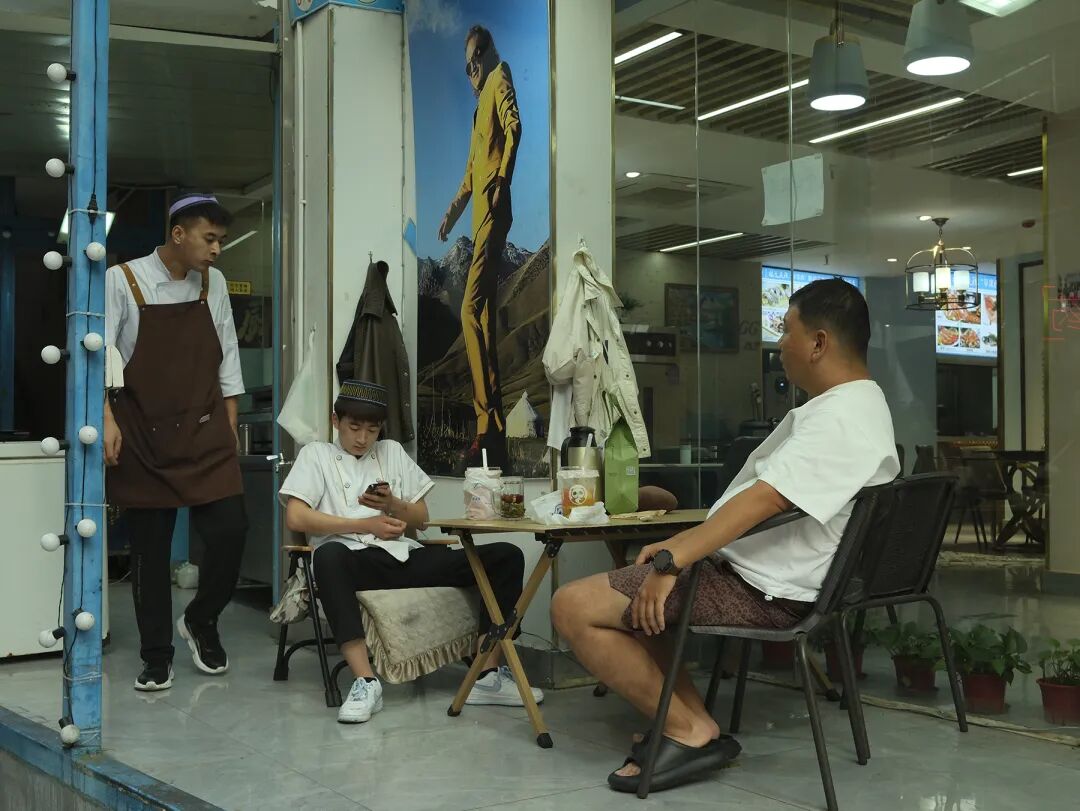
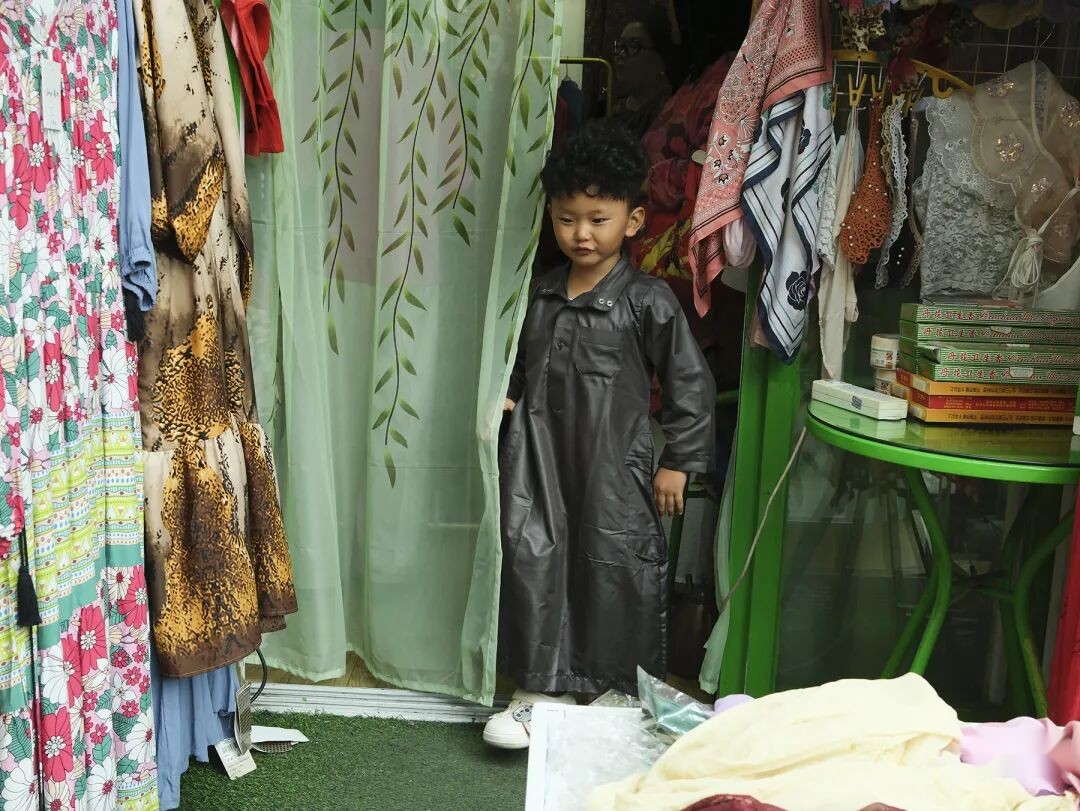
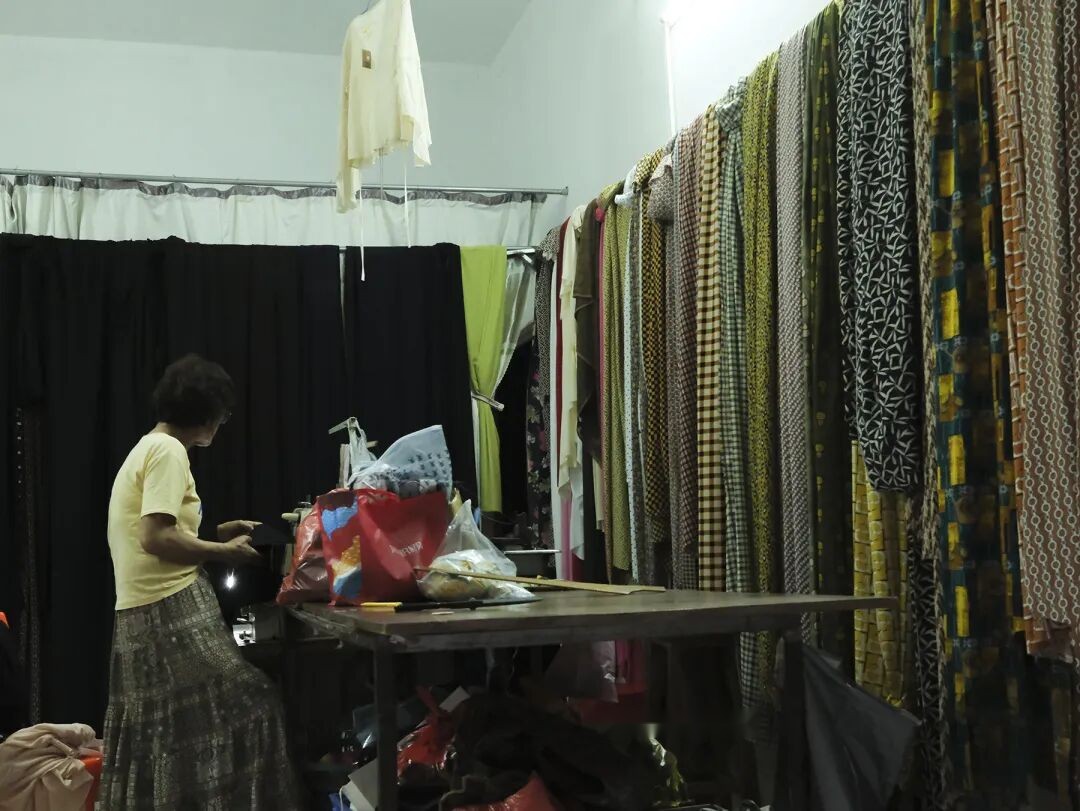
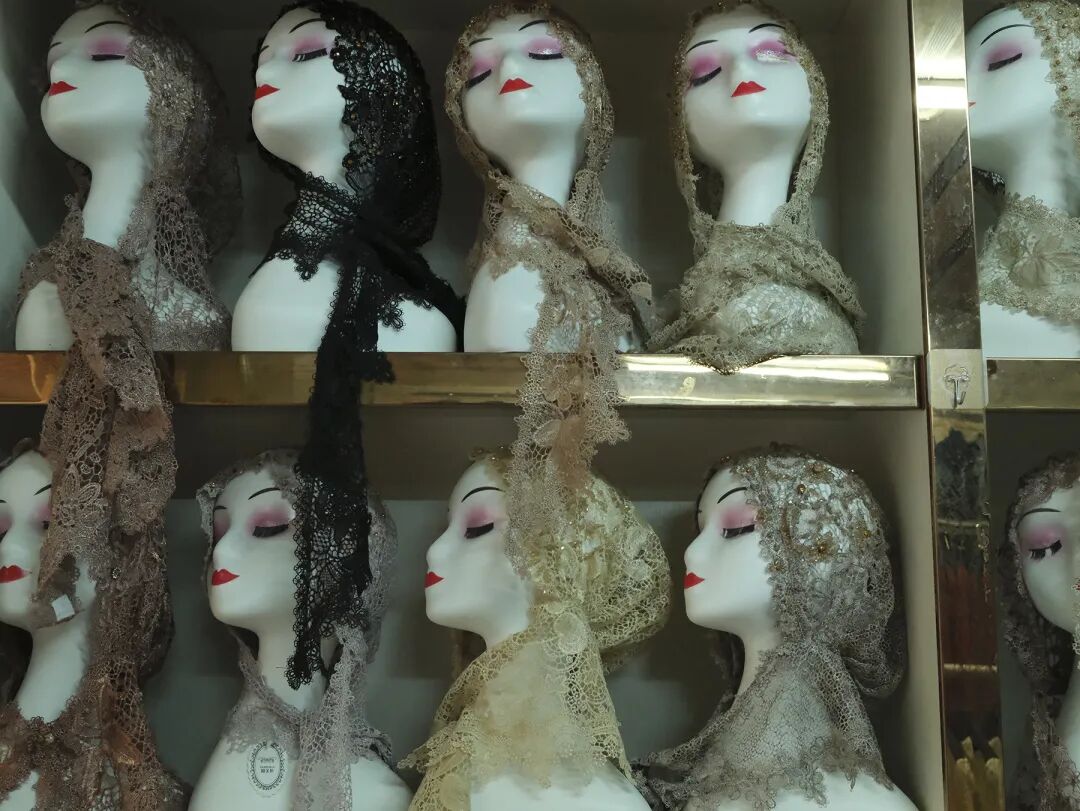
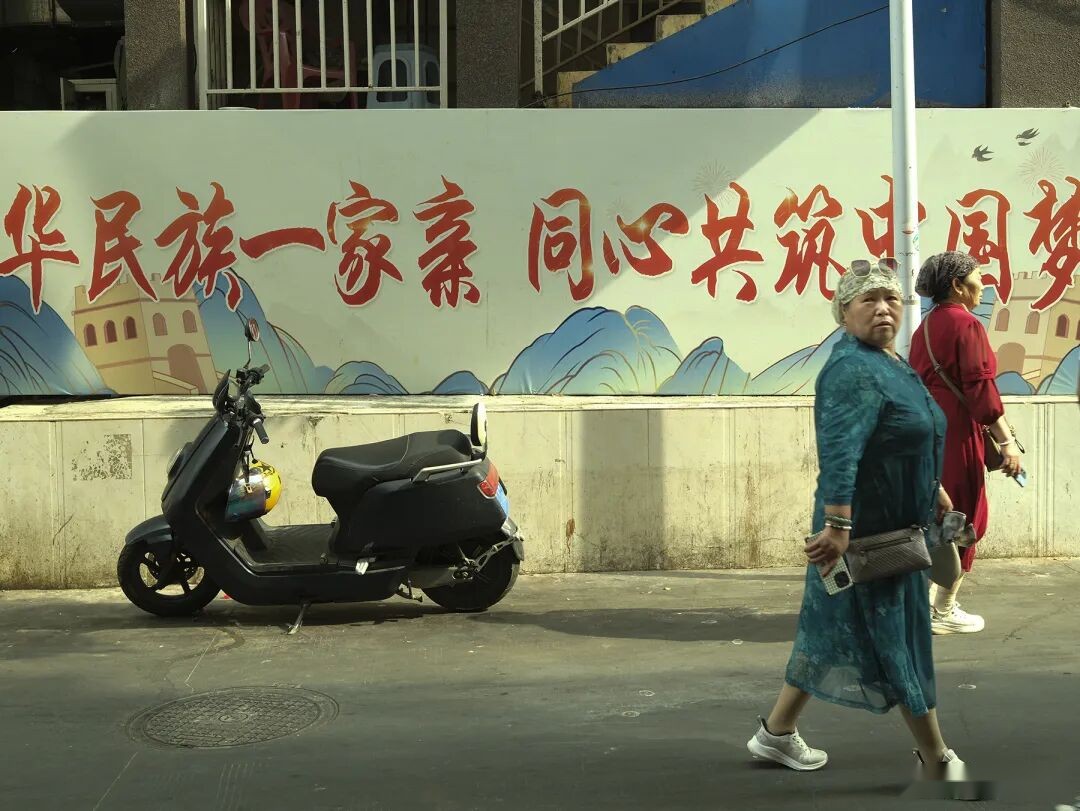
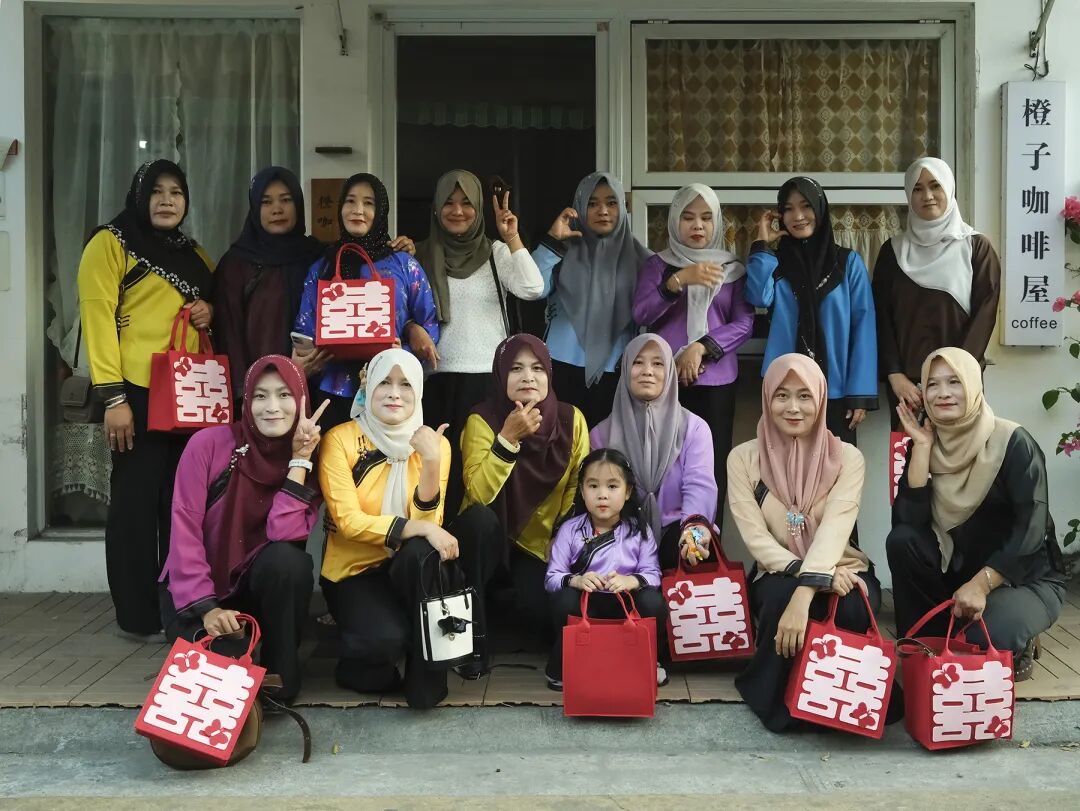
Photographed in Huixin Village (Huixin Muslim Village) during Ramadan, March 2026.
A Comprehensive Deep Dive into the Documentary Short Film 'Huixin Village': The Southeast Asian Maritime Silk Road Genome and Contemporary Evolution of China's Southernmost Hui Muslim Village
Abstract:
An in-depth analysis focusing on the documentary project about Huixin Village (Huixin Muslim Village) in Sanya. It chronicles how this unique Muslim community—China's only one originating from the ancient Cham people of Southeast Asia—has thrived across generations on a tropical island, showcasing the harmonious coexistence of traditional religious practices and modern civilization.
Huixin Village (Huixin Muslim Village) is located in Fenghuang Town, Sanya City, Hainan Province, and stands as China's southernmost Hui Muslim settlement. This community is China's sole Muslim group originating from Southeast Asia, having lived here from generation to generation for over 900 years. Together with the neighboring Huihui Village (Huihui Muslim Village), they are collectively known as the Sanya Hui Muslim villages, with a combined population approaching nearly 10,000.
Around the 10th to 11th centuries, Arab and Persian Muslim merchants arrived in Champa (modern-day central Vietnam) via the Maritime Silk Road. While trading, they also introduced Muslim culture. In 1471, the Champa Kingdom was severely battered by the Lê Dynasty, causing a large number of Cham people to flee to the Malay Archipelago. Since the Malay Archipelago region had already widely embraced Islam, the Champa refugees encountered and accepted Islam there before returning to Champa to spread the faith.
As the Champa Kingdom repeatedly suffered from Vietnamese invasions and territorial encroachment, Cham Muslims migrated in multiple waves by boat from Xiazheng, Vietnam, to Hainan Island to seek refuge, escaping the chaos of war. Historical records date the earliest arrivals as far back as the late Tang Dynasty, with large-scale migrations concentrated during the Song and Yuan Dynasties. These groups partially blended with Arab and Persian foreign guests (fan ke) who had come to China to trade during the Tang and Song Dynasties. After the Ming Dynasty, Hui Muslims from the Fujian and Guangdong regions also continuously migrated to Hainan, ultimately converging during the Qing Dynasty to form the stable Hui Muslim communities of Huixin Village (Huixin Muslim Village) and Huihui Village (Huihui Muslim Village).
Huixin Village (Huixin Muslim Village) was once under Japanese occupation; the Japanese military built an airfield and drove out the local Hui Muslims living there. Following Japan's defeat and withdrawal, some of the Hui Muslims returned to Huixin Village (Huixin Muslim Village) to rebuild their homes on the original site.
The lifestyle customs of the Hui Muslims in Huixin Village (Huixin Muslim Village) reflect a blend of Islamic doctrine and local adaptability. While they speak Chinese, they still preserve their native language, Huihui speech, for communication. Huihui speech belongs to the Malayo-Polynesian branch of the Austronesian language family and is closely related to the Cham language. It is the only Austronesian-speaking Muslim group in China. Although Huihui speech is the mother tongue of Hainan's Hui Muslims and features a phonetic system—such as 19 initial consonants, 50 to 57 final vowels, and 7 to 10 tones—it has been spoken for a long time without developing its own writing system. In daily life, they use Chinese characters for reading and writing when interacting with the outside world. While some older Hui Muslims in the village cannot understand Chinese, younger generations are using Huihui speech less and less.
The religious traditions of the Hui Muslims in Huixin Village (Huixin Muslim Village) stem from the history of the Champa Kingdom's conversion to Islam, preserving major holidays such as Eid al-Fitr (Kaizhai Jie), the Mawlid (Shengji Jie), and Eid al-Adha (Guerbang Jie). Huixin Village (Huixin Muslim Village) features two mosques. The Southern Mosque (Qingzhen Nansi) was originally built during the Southern Song Dynasty and is the oldest masjid in ancient Yazhou, boasting a history of over 900 years. Rebuilt in 2013, it serves as a historical testament to the development of Muslims in Sanya. The Nankai Mosque was built during the mid-Ming Dynasty, bombed flat during the War of Resistance Against Japanese Aggression, demolished during the Cultural Revolution, and rebuilt in 1980. Later subjected to ethnic integration, it features distinct Islamic religious characteristics and traditional architectural styles. These two masjids serve as the venues for religious activities among the villagers of Huixin Village (Huixin Muslim Village). During Ramadan, some Muslims go to the masjid to perform their daily dua and prayers five times a day.
Huixin Village (Huixin Muslim Village) covers an area of 0.4 square kilometers (or its actual community-administered jurisdiction). Several winding, narrow alleys connect densely packed buildings, making it very easy to get lost if you walk around here. Most of the multi-story houses on either side were built in recent years, with some retaining Islamic architectural elements. Due to Hainan's tropical climate, many residential homes intentionally reserve courtyard areas for cooking, eating, and cooling off. Before a large influx of outsiders poured in, villagers in Huixin Village (Huixin Muslim Village) lived with their doors unlocked at night. Because of the favorable Hui Muslim residential environment in Huixin Village (Huixin Muslim Village), a portion of the Hui Muslims who come here to spend the winter each year hail from Gansu Province and the Ningxia Hui Autonomous Region.
While walking through the alleys during Ramadan, I encountered Hui Muslims going door-to-door handing out festive candies. Historically, Hui Muslims on Hainan Island did not intermarry with other ethnic groups, but modern times have seen a gradual opening up, provided that the non-Hui spouse converts to Islam and follows Hui Muslim customs. I also witnessed a Muslim funeral; photography is strictly prohibited inside the masjid and certain residential areas.
Photographed in Huixin Village (Huixin Muslim Village) during Ramadan, March 2026.
