

Halal Hainan
Tracing Sanya's Utsul Muslim Roots: Ancient Cham Migration & Halal Heritage in Hainan
Articles • Hasan09 posted the article • 0 comments • 2 views • 1 hours ago
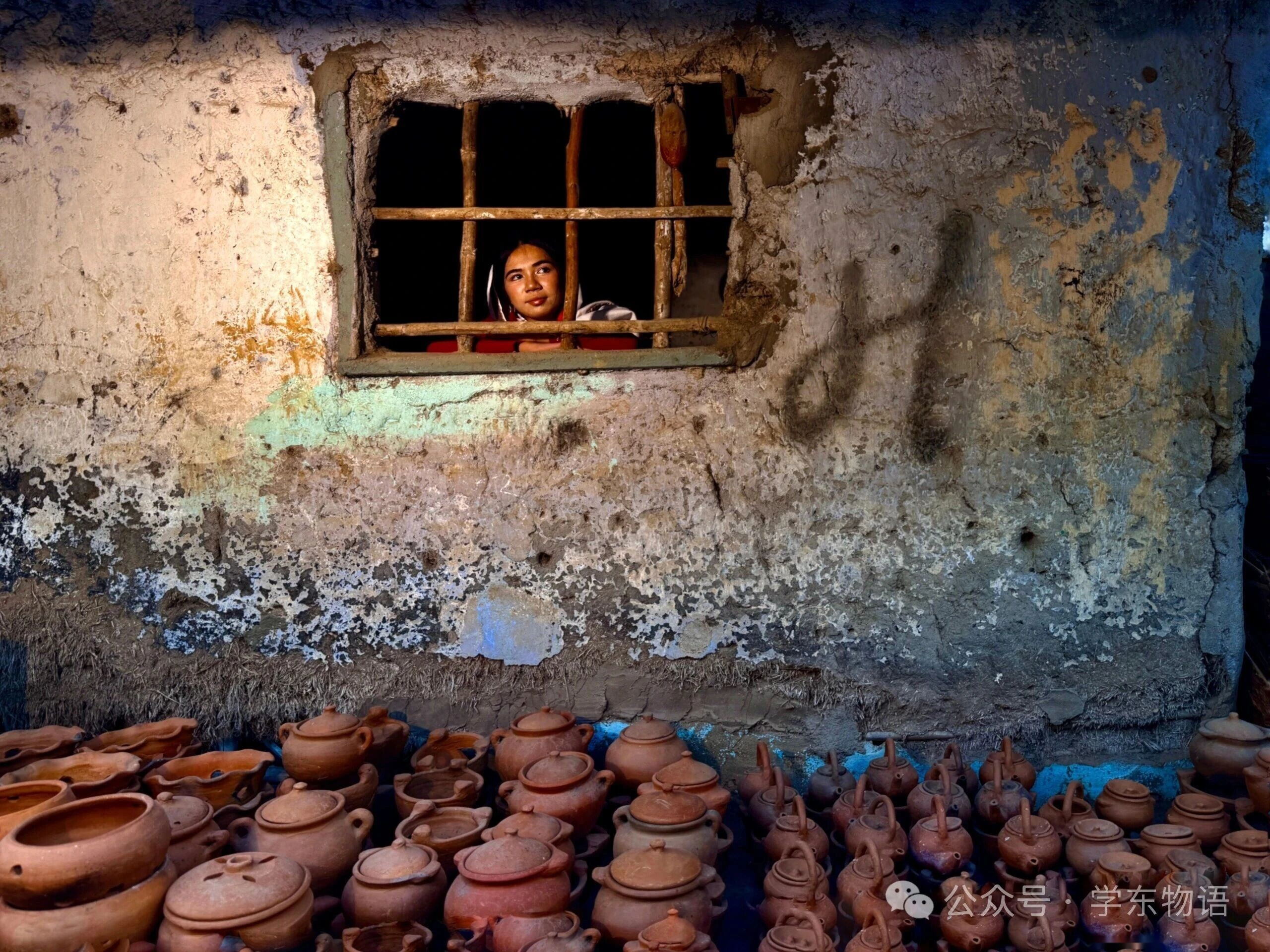
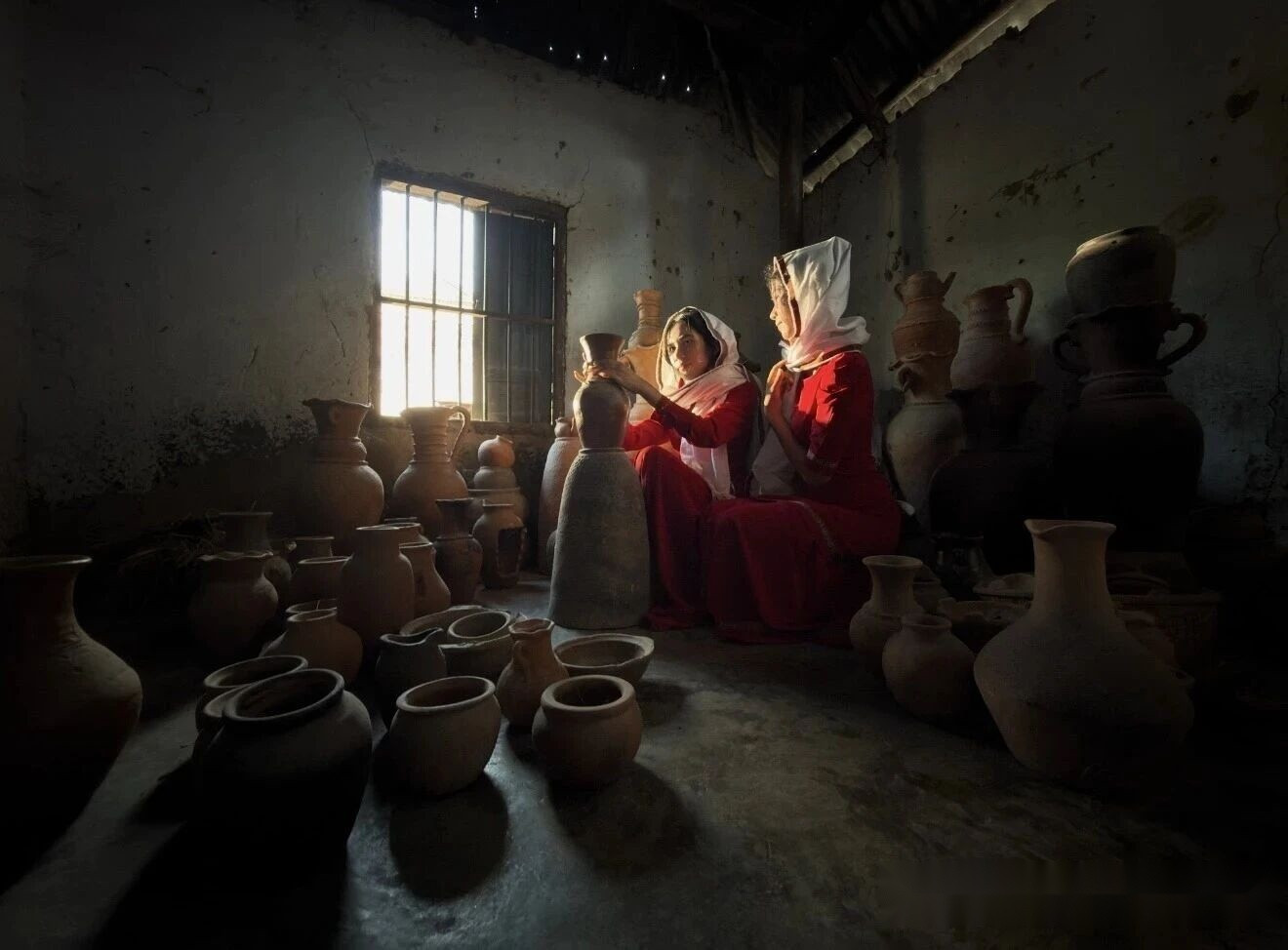
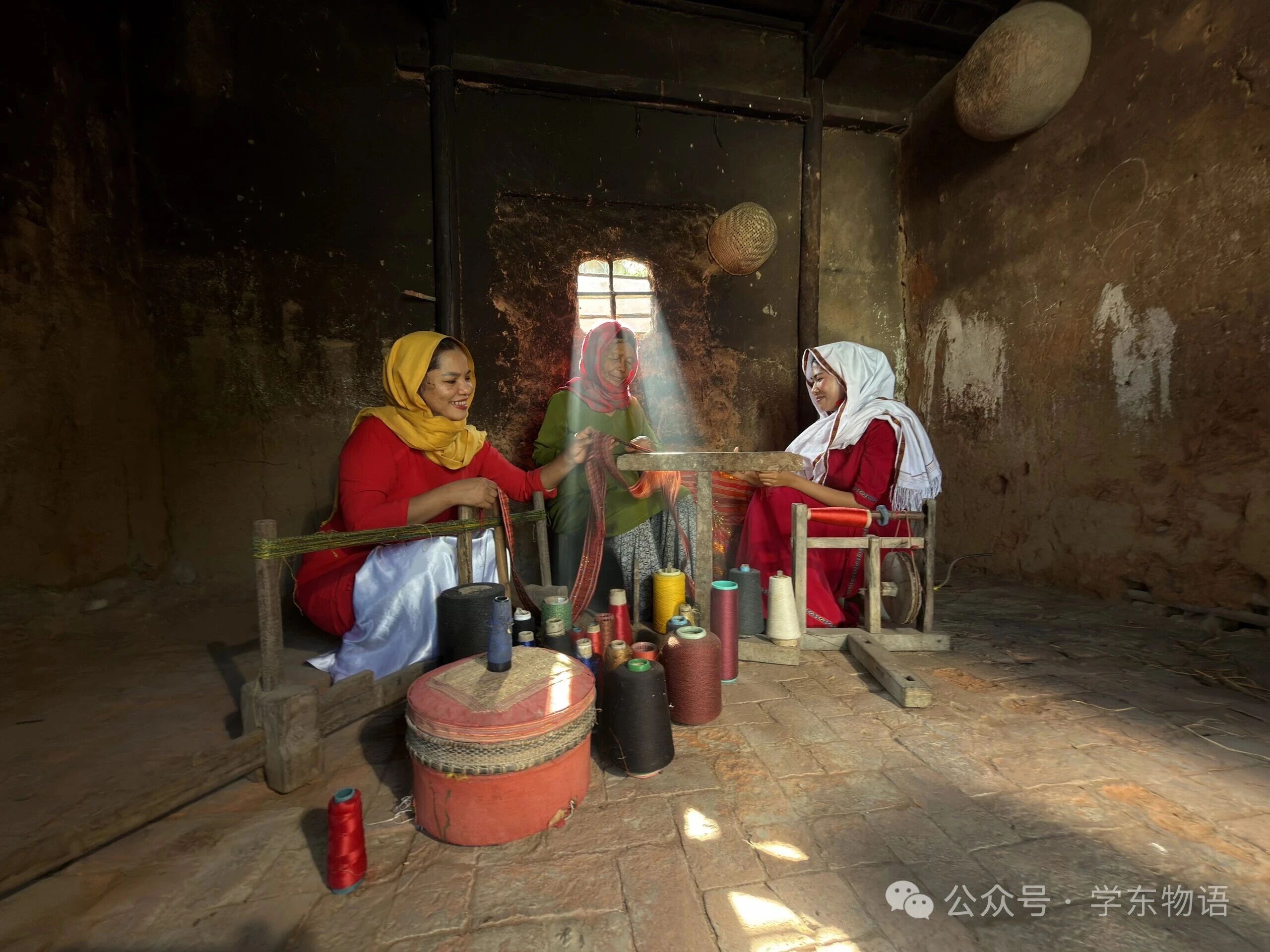
Tracing the Cham People in Ninh Thuận Province, Vietnam: Uncovering the Trans-Oceanic Migration of Sanya's Utsul Muslims and Their Historic Roots in the Ancient Champa Kingdom
Abstract:
A deep dive into the historical roots and folk traditions of Cham villages in Ninh Thuận Province, Vietnam. Investigating the history of Sanya's Utsul Muslims as descendants of Islamic refugees from the ancient Champa kingdom who migrated across the sea, highlighting the deep cultural bonds between Southeast Asia's Maritime Silk Road and island-based Hui Muslim communities.
—Cham villagers in Ninh Thuận Province, Vietnam, are said to be the ancestors of Sanya's Utsul Muslims, hailing from the vanished Champa kingdom. From the Song and Yuan to the Ming and Qing dynasties, the Champa Kingdom was annexed by Annam (Vietnam). Cham Muslims who practiced Islam fled by boat in waves, and some ended up settling in Sanya's Yazhou Bay, forming the Utsul community. Given that the descendants of these ancient Islamized Chams make up a unique branch of the Hui ethnic group, China's official classification groups the Utsul people under the Hui nationality based on their bloodline and cultural origins. Residents in Sanya's Yanglan Huihui Village (Huihui Muslim Village) and Huixin Village (Huixin Muslim Village) all share this background, and their official ID cards list their ethnicity uniformly as Hui. The Utsul people have their own distinct language; their faith, dietary habits, and religious observances are basically similar to mainstream Islam, but their clothing and festival traditions still retain heavy traces of Cham heritage.
[Live Showcase] view all
Tracing the Cham People in Ninh Thuận Province, Vietnam: Uncovering the Trans-Oceanic Migration of Sanya's Utsul Muslims and Their Historic Roots in the Ancient Champa Kingdom

Abstract:

A deep dive into the historical roots and folk traditions of Cham villages in Ninh Thuận Province, Vietnam. Investigating the history of Sanya's Utsul Muslims as descendants of Islamic refugees from the ancient Champa kingdom who migrated across the sea, highlighting the deep cultural bonds between Southeast Asia's Maritime Silk Road and island-based Hui Muslim communities.

—Cham villagers in Ninh Thuận Province, Vietnam, are said to be the ancestors of Sanya's Utsul Muslims, hailing from the vanished Champa kingdom. From the Song and Yuan to the Ming and Qing dynasties, the Champa Kingdom was annexed by Annam (Vietnam). Cham Muslims who practiced Islam fled by boat in waves, and some ended up settling in Sanya's Yazhou Bay, forming the Utsul community. Given that the descendants of these ancient Islamized Chams make up a unique branch of the Hui ethnic group, China's official classification groups the Utsul people under the Hui nationality based on their bloodline and cultural origins. Residents in Sanya's Yanglan Huihui Village (Huihui Muslim Village) and Huixin Village (Huixin Muslim Village) all share this background, and their official ID cards list their ethnicity uniformly as Hui. The Utsul people have their own distinct language; their faith, dietary habits, and religious observances are basically similar to mainstream Islam, but their clothing and festival traditions still retain heavy traces of Cham heritage.

[Live Showcase]




Sanya Muslim Guide: Halal Seafood, Historic Mosques & Utsul Culture in Hainan
Articles • Hasan09 posted the article • 0 comments • 1 views • 1 hours ago
Talking About Muslims at the Ends of the Earth: Strolling Along the Sanya Coastline and Reflecting on the Human Touch and Islamic Culture of Huihui and Huixin Muslims
Abstract:
Through a poetic lens, this article chronicles the life philosophy and spiritual world of our Muslim compatriots living at the edge of the world. Set against the backdrop of tropical coconut groves and sandy beaches, it showcases the island Muslims' pious adherence to religious traditions, mutual aid, honesty, integrity, and their profound reflections on Maritime Silk Road history.
"Facing the Sea, Spring Flowers Blooming"
Starting tomorrow, I will be a grateful person,
Worshiping Allah, loving others, and spreading virtue...
Starting tomorrow, I will care for the poor and orphans.
I wish I had a house,
Facing the mosque, listening to the melodic recitation of the Quran.
Starting tomorrow, I will greet everyone with peace,
Telling them about my faith,
What the truth of that faith has taught me,
I will tell everyone.
Giving every river and every mountain a warm name: Abdullah—the servant of Allah.
Stranger, I pray for you as well,
May you have a beautiful soul,
May you be guided to walk upon the straight path,
May you attain happiness in both worlds,
I only wish to face the mosque, where the adhan calls me to prayer: 'Come to success~ Come to success~'
These are the words I adapted from Mr. Haizi's poem as I was leaving Sanya. Because although I live in a city with a large Muslim population, there isn't a mosque near my home; in Sanya, however, it's completely the opposite. Being rather ignorant, I used to think Hainan's Muslims were merely historical passersby in textbooks. It wasn't until a few years ago, when I connected with a Hui Muslim brother from Sanya on Weibo, that I saw through his photos and blog posts that a group of devout Muslims is still active right here at China's southernmost tip. It felt both distant and intimate, and subconsciously, I made a niyyah (personal intention) to go see it for myself. Earlier this year, Allah answered that prayer, and our whole family was blessed to make the journey there.
The residential areas of the Sanya Hui Muslims are the two villages of Huihui Village (Huihui Muslim Village) and Huixin Village (Huixin Muslim Village), located just outside the downtown area. As many imams and scholars mentioned during our stay in Sanya: if it weren't for these two villages of our Muslim brothers, so many Muslims from mainland China would never come to Sanya. Even if they came for a vacation, they wouldn't stay in this neighborhood; even if they stayed, they wouldn't stay for months at a time, let alone return year after year.
Let me think about the reasons. First, it solves the dietary issues everyone has to face; second, the presence of six mosques gives the religious life of out-of-town Muslims a settled anchor; and third, that sense of emotional comfort you get when you are surrounded entirely by fellow Muslims.
Even though these two villages might have airplane noise, crowing roosters, and quacking ducks, when you can wake up every day to the sound of the adhan, and hear the mosque broadcasting the Quran and salawat (praises upon the Prophet) daily, the former becomes completely negligible. Yes, the melodious adhan, Quranic verses, and praises echoing from the loudspeakers are enough to make Muslims in too many places across the mainland envious. No one will complain that the Fajr prayer disturbs their sweet sleep, and no one will feel that the call to prayer is an annoying noise, because everyone here is a Muslim. You won't feel like wearing a thawb or hijab while walking down the street draws extra looks, and sisters who lack the courage to wear a headscarf back home can wear it here without attracting a single sideways glance, because everyone here is a Muslim. You don't have to worry about which vendor is selling fake Halal food, nor do you need to be afraid that a restaurant with a 'Halal' sign not only sells alcohol but also puts cooking wine and meat of unknown origin into the dishes, because everyone here is a devout Muslim.
Perhaps when you first arrive in Sanya, you might feel unaccustomed to these special brothers and sisters who differ from the stereotypical physical features of 'Hui people' in your mind, who even have their own language, and whose men, women, and children chew betel nut in ways you can't quite understand. I know some people even cast doubt on the level of religious practice of these Sanya Hui Muslims because of this. That's because we've developed too many bad habits on the mainland, where our standard for judging whether someone is a good Muslim stops at how long their beard is, how long their robe is, how long the taqiyah (prayer cap) on their head is, and how long the tasbih (prayer beads) in their hand is. Granted, it's a good thing for someone to have these Islamic sartorial features, but judging a book by its cover is a problem. When you find that the proportion of people going to the mosque for the five daily prayers here is higher than in the Hui community where you live, when you find that women here wear headscarves whether they are going to work, school, or even when they are still infants in arms, when you find that local merchants never shortchange you and will never cheat you, and when you walk down the street and pass by a very elderly but spirited local grandmother—while you walk right past her blankly, that elderly woman takes the initiative to greet you with a less-than-standard Arabic 'As-salamu alaykum'—my mainland compatriots, have you ever reflected for even a moment, or felt a sense of shame?
During my stay in Sanya, I happened to witness and participate from start to finish in the Mawlid (Prophet's Birthday celebration) hosted by the Sanya Ancient Mosque, with all the other mosques co-hosting. The relations among the mosques here are exceptionally good—so good that it feels as if they are simply six branch locations of the very same mosque. The Mawlid event is held every year, rotating hosts among the mosques annually to avoid wasting resources and putting a financial burden on the people. By combining everyone's efforts once a year, the event becomes grand and massive through sheer concentration. I also learned that the Eid al-Fitr and Eid al-Adha congregational prayers alternate locations: one year they are held in Huihui, and the next year they must be held in Huixin. Everyone strives for fairness advocated by Islam in all matters and details, and it is precisely because they unremittingly put this into practice that inter-mosque and inter-village conflicts do not arise. The Mawlid here is not just a single day's event; it spans over ten days of various activities leading up to the official Mawlid banquet—such as the easily anticipated speech contests, Quran recitation competitions, and Islamic knowledge quizzes, alongside various sports tournaments that people might not immediately associate with it, including basketball, volleyball, table tennis, and more. Moreover, the competition venues are right in the courtyards behind the main prayer halls, and the matches are fiercely competitive, showcasing the robust physical fitness that local Muslims have developed from swimming in the sea since childhood.
What is truly worth noting is that I saw the imams of several mosques among the spectators and team players! This is unimaginable in some regions of the Northwest, where imams must maintain a very 'stiff and solemn' image. For an imam to participate in such sports activities without being declared un-Islamic would be a miracle—let alone watching or playing a game. I saw the young and promising Imam Li of the Sanya Ancient Mosque fighting hard on the basketball court in his jersey. As soon as the adhan sounded, he rushed back to the mosque to make wudu (ablution), slipped a long robe over his jersey, and devoutly and solemnly led everyone in prayer. These Muslim brothers sweating and laughing heartily on the sports court while praying to Allah with heartfelt devotion in the main hall showed me what normal Muslims truly look like. Muslims are not grim, tight-lipped ascetics rushing forward with lowered heads; a Muslim should be a sunny image full of distinct personality, happiness, and vitality. If your faith cannot even bring you joy, then there is undoubtedly some deviation in your faith.
In the courtyards of the mosques here, people chat and chew betel nut, others lie down on both sides outside the main hall to catch a cool breeze, and children chase and play. Everyone treats the mosque as a place they love, unlike mosques in many other places where people only go during prayer time and bolt the second prayer is over, or places filled with foot odor and backbiting gossip. Here, everyone holds the mosque close to their hearts and loves it. The mosques here don't just belong to the imams and the mosque management committee; every single Muslim feels that 'this is our mosque.' Words are pale and make it sound ordinary, but the actual difference is worlds apart.
In addition, I must mention two people. One is an older brother who invited us to Sanya, helped us find a place to stay, took us to tourist spots, and went out of his way every single day. We felt very embarrassed, but he said, 'Please don't be so polite. We are extremely happy that you could come; we share the relationship of the Muhajirun and the Ansar.' This sentence deeply moved us and made us feel ashamed of our own shortcomings. Although we are far from deserving it, he truly possesses the generous heart and selfless spirit of an Ansar. He is not a man of many words, but he teaches us a lesson through his actions every single day. The another person is one of the first local Hui Muslims who traveled to the Northwest to study Islamic knowledge; he even speaks our local dialect and slang. He said his religious foundation was learned from our region, but every time he visits there, he also sees many things that break his heart. He has seen many young men who just arrived in the city from rural areas go astray, wearing white caps specifically while pickpocketing and stealing. When he saw this, his blood would boil, and after praying to Allah for help, he would step forward to stop the theft, offer the Islamic greeting of peace, and say, 'If you really must steal, take my phone, it's fine; but if you steal from non-Muslims, people will say all Hui people are thieves.' Naturally, those young men wouldn't take his phone, and then he would insist on treating them to a meal, advising them over food to abide by the law, work hard, and build a livelihood through honesty.
A similar incident happened to him on a long-distance bus in the Northwest. Although he successfully stopped a theft that time as well, he was mocked because he doesn't look like a stereotypical Hui Muslim, and the thieves thought he couldn't understand the local dialect. Shamelessly discussing it amongst themselves while acting as pickpockets, they muttered, 'I wonder if this guy is even a real Hui Muslim; he said As-salamu alaykum, but he doesn't look like one at all.' Sigh, as if *they* looked the part?! And there were so many total strangers among the locals who left unforgettable impressions on us. For example, when we first arrived and didn't know how to pick out local fruits, vegetables, or seafood, shoppers standing next to you would take the initiative to help you pick them out and even help you bargain with the vendors. Or once, when we bought a bunch of coconuts to drink at home and realized we didn't have straws, we sent a child downstairs to the supermarket, but they didn't have any. The child saw a nearby drink stall and asked if they sold straws. The stall owner said, 'I don't sell them, but just take however many you need,' and so on. It reminds me of a saying by Hasan al-Basri: 'True humility is when you step outside and feel that every single Muslim you meet is better than you.' In Sanya, in Huihui Village, when I stepped outside, it wasn't a matter of me being humble—truly, every single person *was* better than me!
May Allah help, protect, and bless our Muslim brothers and sisters living far away by the South China Sea. view all
Talking About Muslims at the Ends of the Earth: Strolling Along the Sanya Coastline and Reflecting on the Human Touch and Islamic Culture of Huihui and Huixin Muslims
Abstract:
Through a poetic lens, this article chronicles the life philosophy and spiritual world of our Muslim compatriots living at the edge of the world. Set against the backdrop of tropical coconut groves and sandy beaches, it showcases the island Muslims' pious adherence to religious traditions, mutual aid, honesty, integrity, and their profound reflections on Maritime Silk Road history.
"Facing the Sea, Spring Flowers Blooming"
Starting tomorrow, I will be a grateful person,
Worshiping Allah, loving others, and spreading virtue...
Starting tomorrow, I will care for the poor and orphans.
I wish I had a house,
Facing the mosque, listening to the melodic recitation of the Quran.
Starting tomorrow, I will greet everyone with peace,
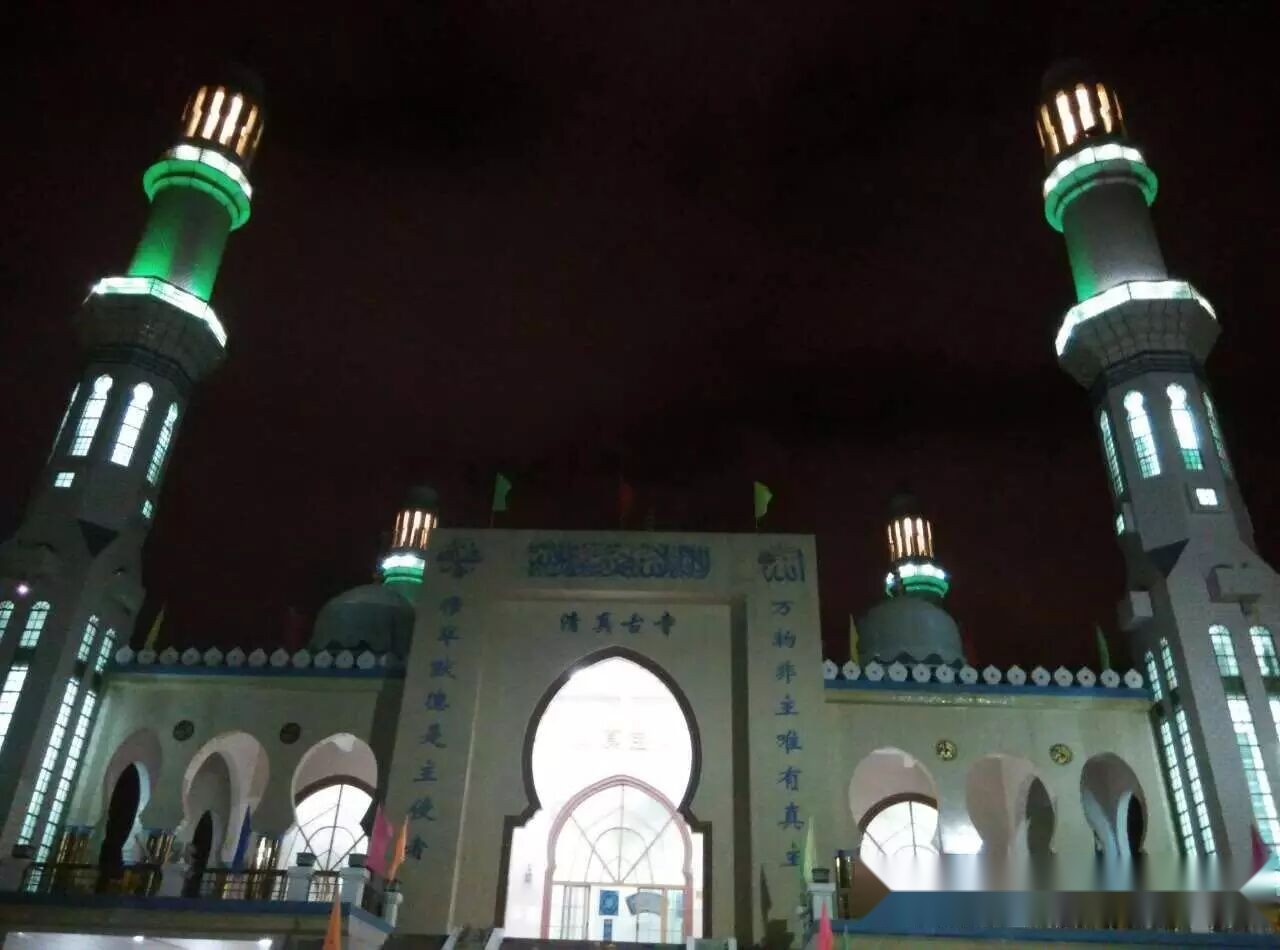
Telling them about my faith,
What the truth of that faith has taught me,
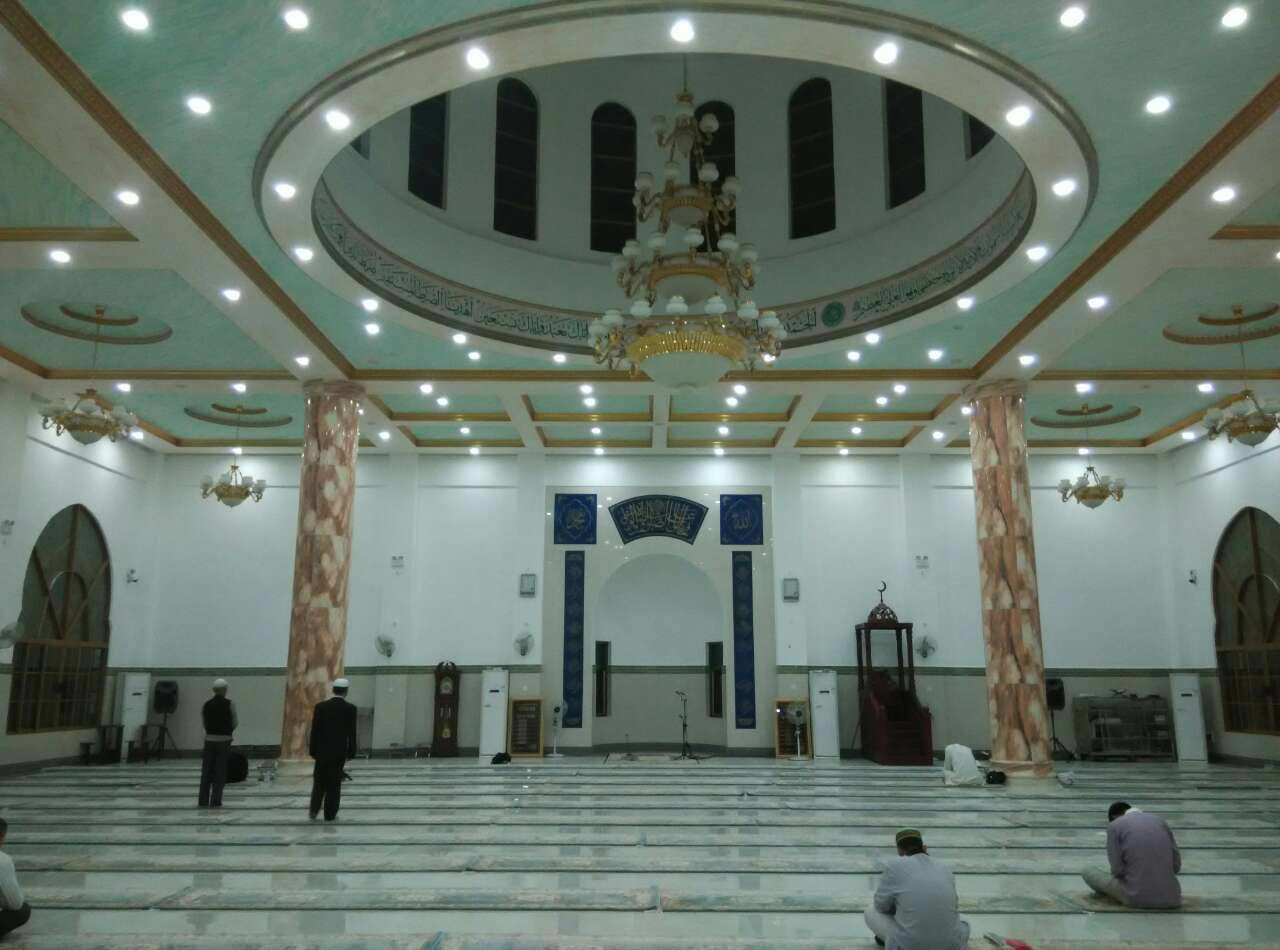
I will tell everyone.
Giving every river and every mountain a warm name: Abdullah—the servant of Allah.
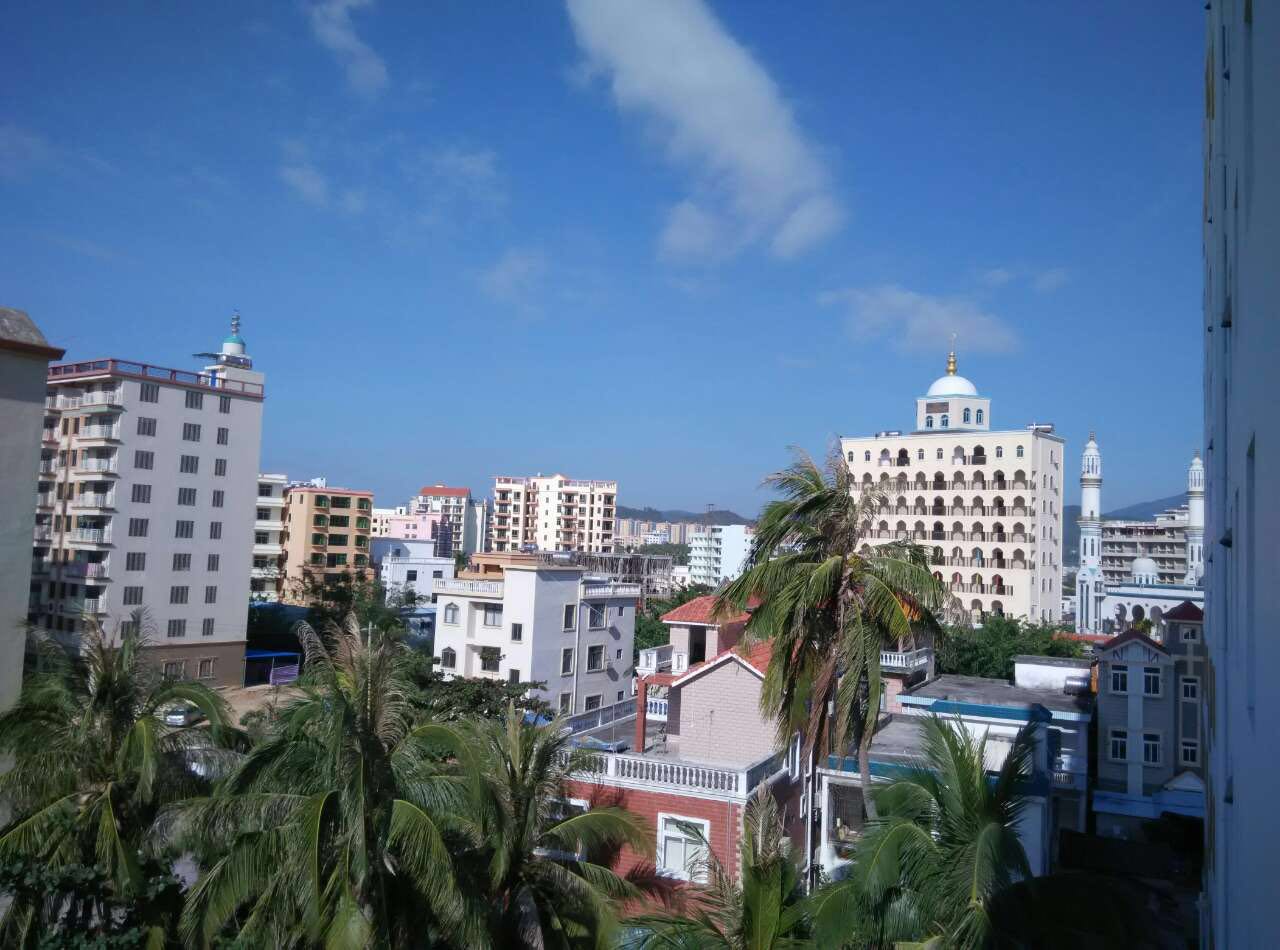
Stranger, I pray for you as well,
May you have a beautiful soul,
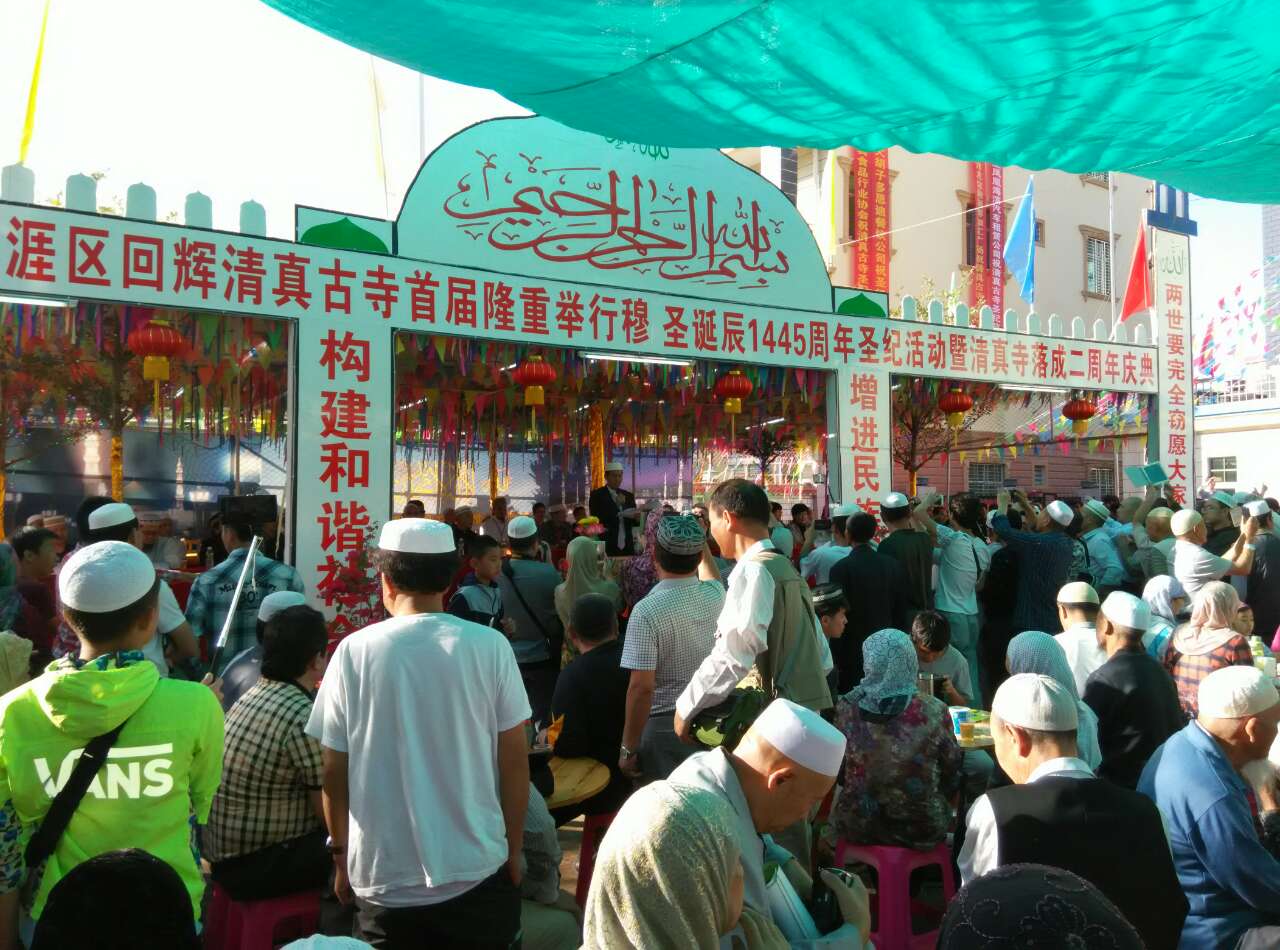
May you be guided to walk upon the straight path,
May you attain happiness in both worlds,
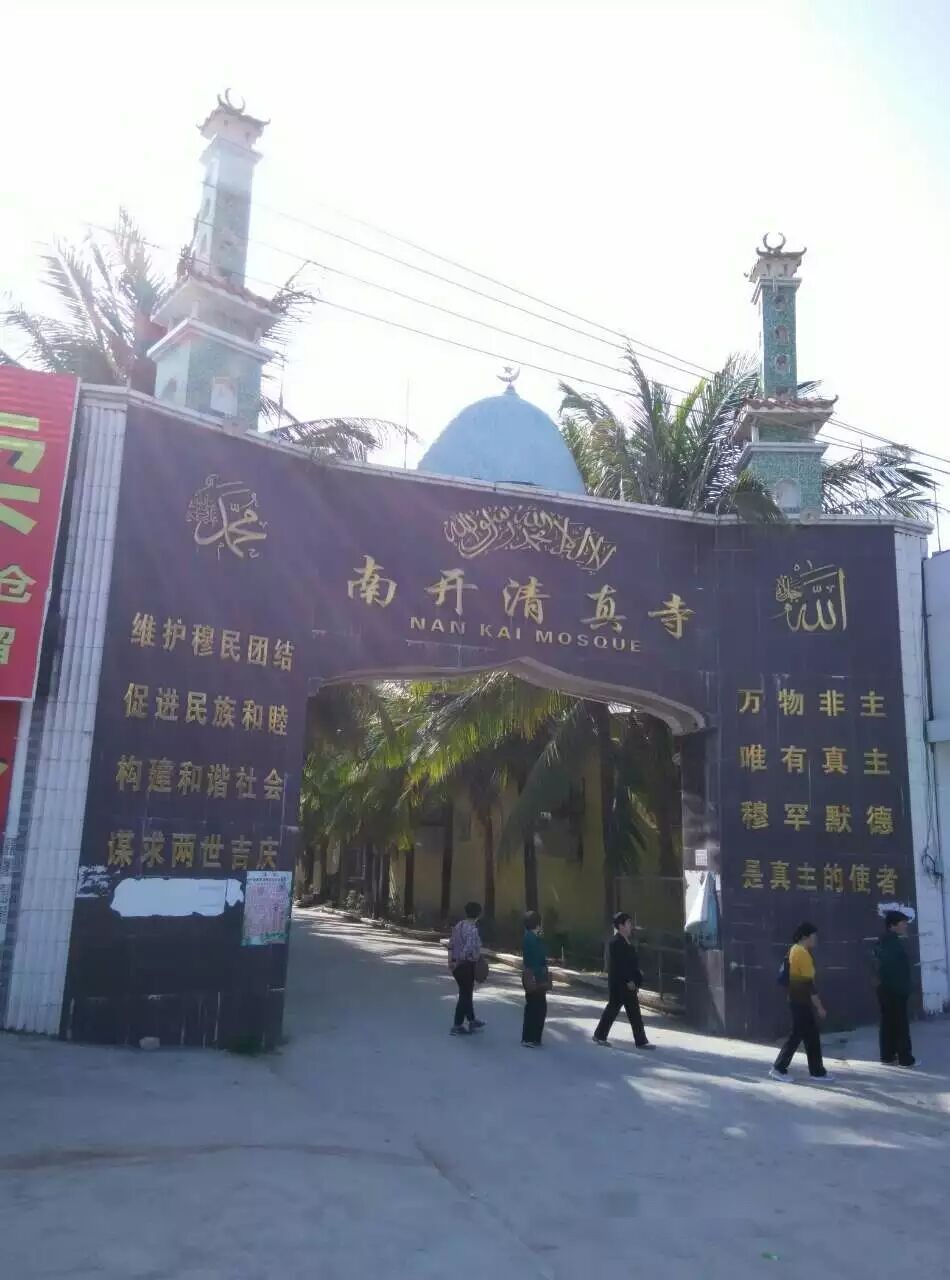
I only wish to face the mosque, where the adhan calls me to prayer: 'Come to success~ Come to success~'
These are the words I adapted from Mr. Haizi's poem as I was leaving Sanya. Because although I live in a city with a large Muslim population, there isn't a mosque near my home; in Sanya, however, it's completely the opposite. Being rather ignorant, I used to think Hainan's Muslims were merely historical passersby in textbooks. It wasn't until a few years ago, when I connected with a Hui Muslim brother from Sanya on Weibo, that I saw through his photos and blog posts that a group of devout Muslims is still active right here at China's southernmost tip. It felt both distant and intimate, and subconsciously, I made a niyyah (personal intention) to go see it for myself. Earlier this year, Allah answered that prayer, and our whole family was blessed to make the journey there.
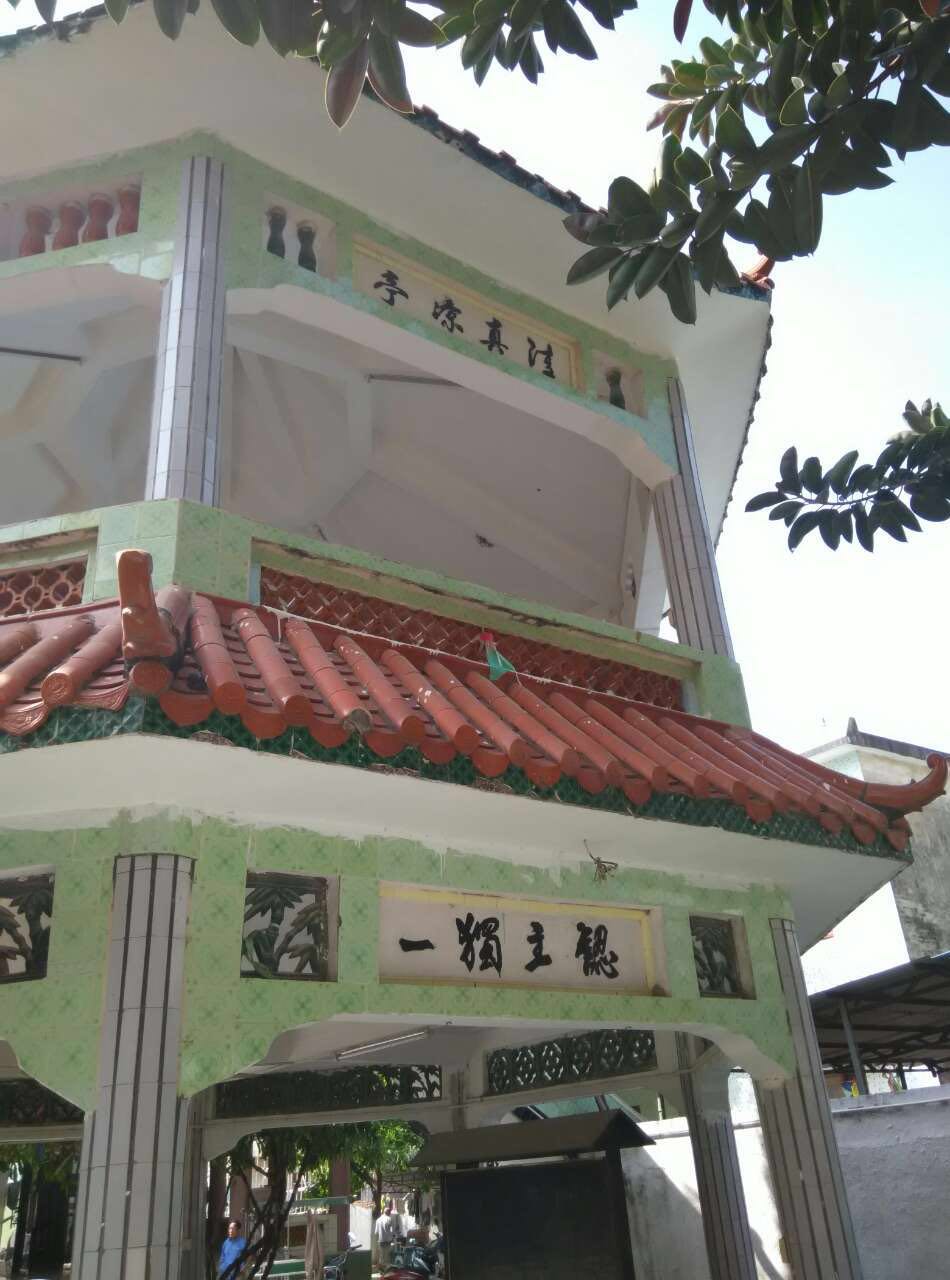
The residential areas of the Sanya Hui Muslims are the two villages of Huihui Village (Huihui Muslim Village) and Huixin Village (Huixin Muslim Village), located just outside the downtown area. As many imams and scholars mentioned during our stay in Sanya: if it weren't for these two villages of our Muslim brothers, so many Muslims from mainland China would never come to Sanya. Even if they came for a vacation, they wouldn't stay in this neighborhood; even if they stayed, they wouldn't stay for months at a time, let alone return year after year.
Let me think about the reasons. First, it solves the dietary issues everyone has to face; second, the presence of six mosques gives the religious life of out-of-town Muslims a settled anchor; and third, that sense of emotional comfort you get when you are surrounded entirely by fellow Muslims.
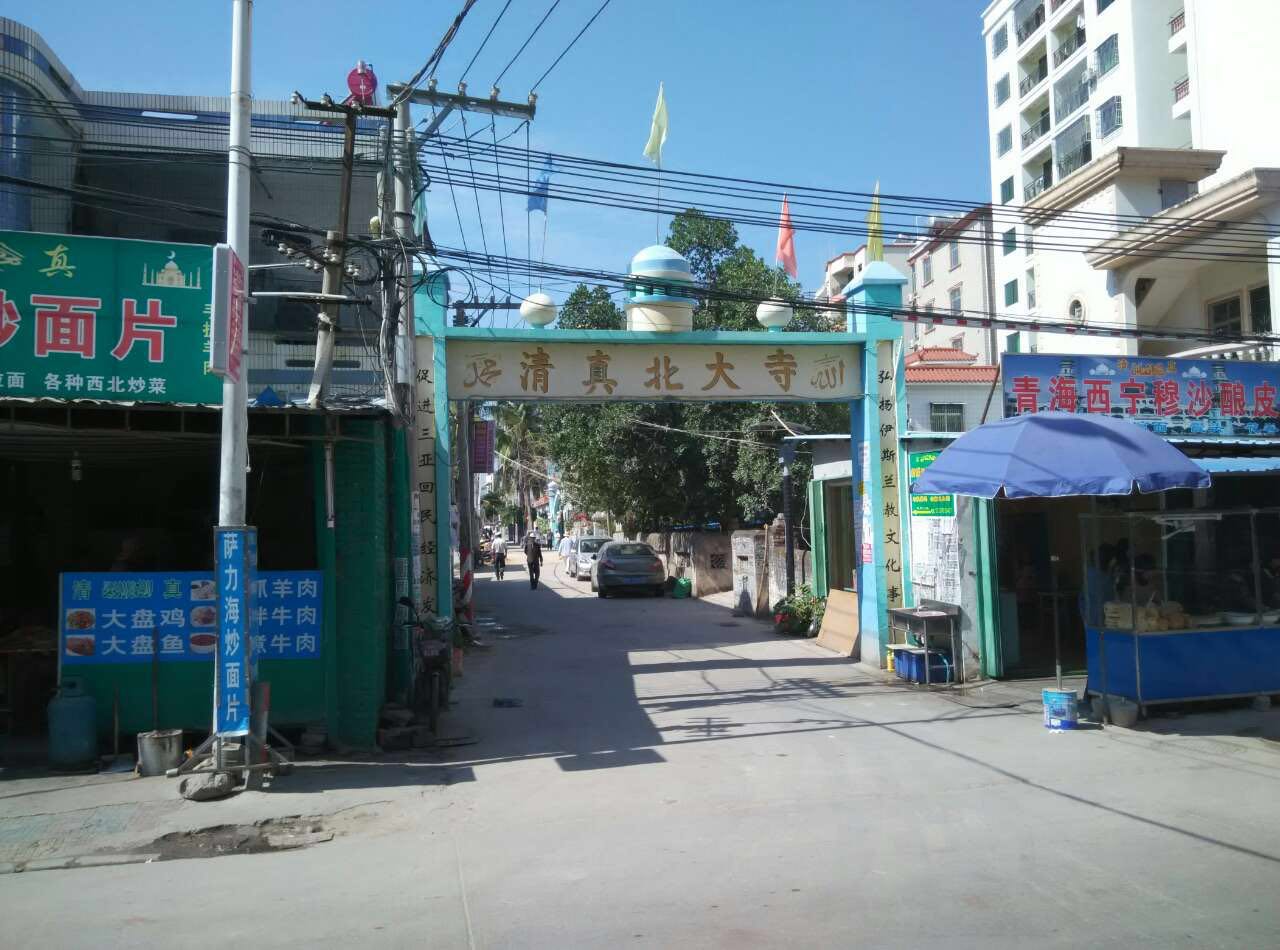
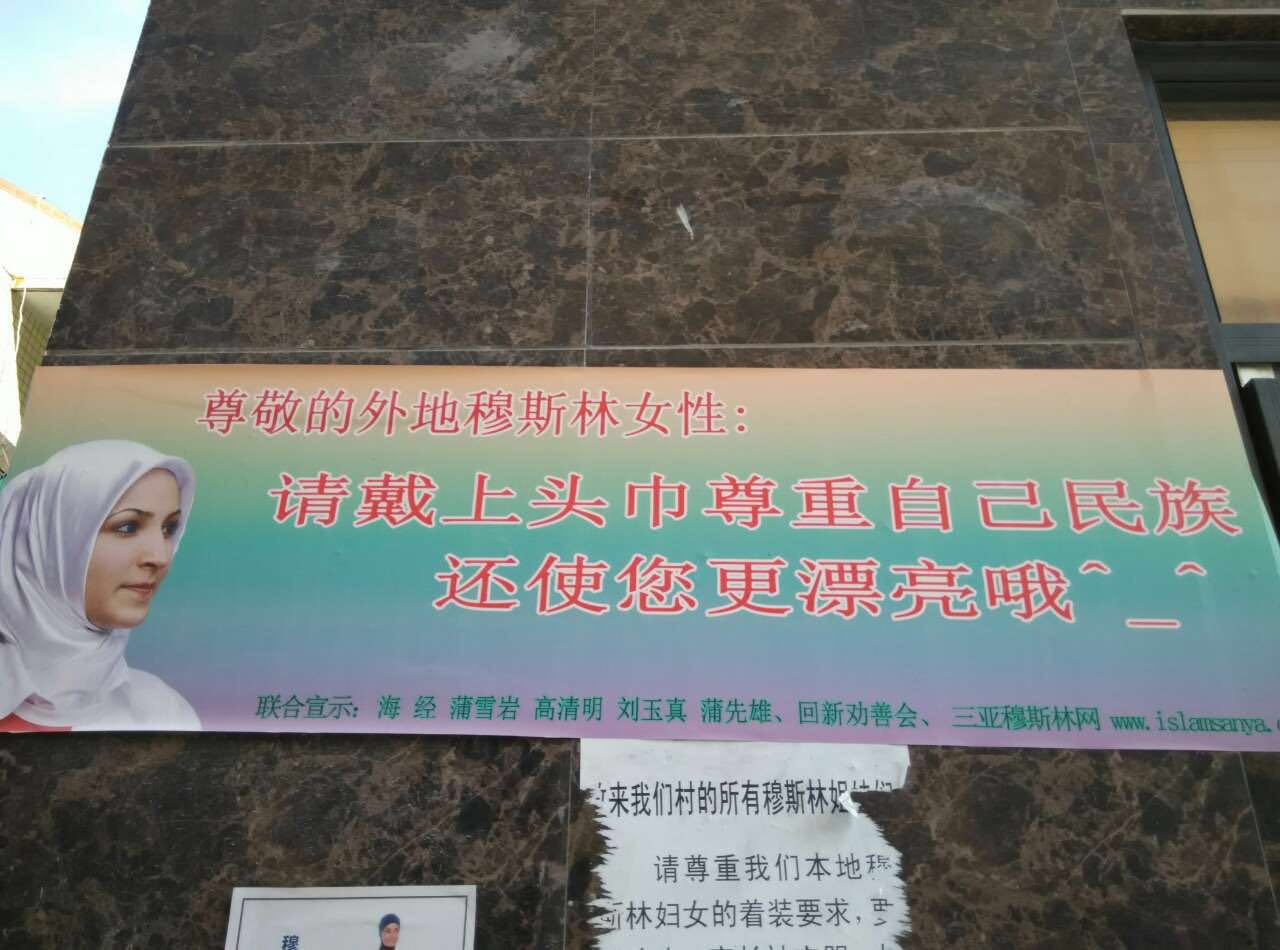
Even though these two villages might have airplane noise, crowing roosters, and quacking ducks, when you can wake up every day to the sound of the adhan, and hear the mosque broadcasting the Quran and salawat (praises upon the Prophet) daily, the former becomes completely negligible. Yes, the melodious adhan, Quranic verses, and praises echoing from the loudspeakers are enough to make Muslims in too many places across the mainland envious. No one will complain that the Fajr prayer disturbs their sweet sleep, and no one will feel that the call to prayer is an annoying noise, because everyone here is a Muslim. You won't feel like wearing a thawb or hijab while walking down the street draws extra looks, and sisters who lack the courage to wear a headscarf back home can wear it here without attracting a single sideways glance, because everyone here is a Muslim. You don't have to worry about which vendor is selling fake Halal food, nor do you need to be afraid that a restaurant with a 'Halal' sign not only sells alcohol but also puts cooking wine and meat of unknown origin into the dishes, because everyone here is a devout Muslim.
Perhaps when you first arrive in Sanya, you might feel unaccustomed to these special brothers and sisters who differ from the stereotypical physical features of 'Hui people' in your mind, who even have their own language, and whose men, women, and children chew betel nut in ways you can't quite understand. I know some people even cast doubt on the level of religious practice of these Sanya Hui Muslims because of this. That's because we've developed too many bad habits on the mainland, where our standard for judging whether someone is a good Muslim stops at how long their beard is, how long their robe is, how long the taqiyah (prayer cap) on their head is, and how long the tasbih (prayer beads) in their hand is. Granted, it's a good thing for someone to have these Islamic sartorial features, but judging a book by its cover is a problem. When you find that the proportion of people going to the mosque for the five daily prayers here is higher than in the Hui community where you live, when you find that women here wear headscarves whether they are going to work, school, or even when they are still infants in arms, when you find that local merchants never shortchange you and will never cheat you, and when you walk down the street and pass by a very elderly but spirited local grandmother—while you walk right past her blankly, that elderly woman takes the initiative to greet you with a less-than-standard Arabic 'As-salamu alaykum'—my mainland compatriots, have you ever reflected for even a moment, or felt a sense of shame?
During my stay in Sanya, I happened to witness and participate from start to finish in the Mawlid (Prophet's Birthday celebration) hosted by the Sanya Ancient Mosque, with all the other mosques co-hosting. The relations among the mosques here are exceptionally good—so good that it feels as if they are simply six branch locations of the very same mosque. The Mawlid event is held every year, rotating hosts among the mosques annually to avoid wasting resources and putting a financial burden on the people. By combining everyone's efforts once a year, the event becomes grand and massive through sheer concentration. I also learned that the Eid al-Fitr and Eid al-Adha congregational prayers alternate locations: one year they are held in Huihui, and the next year they must be held in Huixin. Everyone strives for fairness advocated by Islam in all matters and details, and it is precisely because they unremittingly put this into practice that inter-mosque and inter-village conflicts do not arise. The Mawlid here is not just a single day's event; it spans over ten days of various activities leading up to the official Mawlid banquet—such as the easily anticipated speech contests, Quran recitation competitions, and Islamic knowledge quizzes, alongside various sports tournaments that people might not immediately associate with it, including basketball, volleyball, table tennis, and more. Moreover, the competition venues are right in the courtyards behind the main prayer halls, and the matches are fiercely competitive, showcasing the robust physical fitness that local Muslims have developed from swimming in the sea since childhood.
What is truly worth noting is that I saw the imams of several mosques among the spectators and team players! This is unimaginable in some regions of the Northwest, where imams must maintain a very 'stiff and solemn' image. For an imam to participate in such sports activities without being declared un-Islamic would be a miracle—let alone watching or playing a game. I saw the young and promising Imam Li of the Sanya Ancient Mosque fighting hard on the basketball court in his jersey. As soon as the adhan sounded, he rushed back to the mosque to make wudu (ablution), slipped a long robe over his jersey, and devoutly and solemnly led everyone in prayer. These Muslim brothers sweating and laughing heartily on the sports court while praying to Allah with heartfelt devotion in the main hall showed me what normal Muslims truly look like. Muslims are not grim, tight-lipped ascetics rushing forward with lowered heads; a Muslim should be a sunny image full of distinct personality, happiness, and vitality. If your faith cannot even bring you joy, then there is undoubtedly some deviation in your faith.
In the courtyards of the mosques here, people chat and chew betel nut, others lie down on both sides outside the main hall to catch a cool breeze, and children chase and play. Everyone treats the mosque as a place they love, unlike mosques in many other places where people only go during prayer time and bolt the second prayer is over, or places filled with foot odor and backbiting gossip. Here, everyone holds the mosque close to their hearts and loves it. The mosques here don't just belong to the imams and the mosque management committee; every single Muslim feels that 'this is our mosque.' Words are pale and make it sound ordinary, but the actual difference is worlds apart.
In addition, I must mention two people. One is an older brother who invited us to Sanya, helped us find a place to stay, took us to tourist spots, and went out of his way every single day. We felt very embarrassed, but he said, 'Please don't be so polite. We are extremely happy that you could come; we share the relationship of the Muhajirun and the Ansar.' This sentence deeply moved us and made us feel ashamed of our own shortcomings. Although we are far from deserving it, he truly possesses the generous heart and selfless spirit of an Ansar. He is not a man of many words, but he teaches us a lesson through his actions every single day. The another person is one of the first local Hui Muslims who traveled to the Northwest to study Islamic knowledge; he even speaks our local dialect and slang. He said his religious foundation was learned from our region, but every time he visits there, he also sees many things that break his heart. He has seen many young men who just arrived in the city from rural areas go astray, wearing white caps specifically while pickpocketing and stealing. When he saw this, his blood would boil, and after praying to Allah for help, he would step forward to stop the theft, offer the Islamic greeting of peace, and say, 'If you really must steal, take my phone, it's fine; but if you steal from non-Muslims, people will say all Hui people are thieves.' Naturally, those young men wouldn't take his phone, and then he would insist on treating them to a meal, advising them over food to abide by the law, work hard, and build a livelihood through honesty.
A similar incident happened to him on a long-distance bus in the Northwest. Although he successfully stopped a theft that time as well, he was mocked because he doesn't look like a stereotypical Hui Muslim, and the thieves thought he couldn't understand the local dialect. Shamelessly discussing it amongst themselves while acting as pickpockets, they muttered, 'I wonder if this guy is even a real Hui Muslim; he said As-salamu alaykum, but he doesn't look like one at all.' Sigh, as if *they* looked the part?! And there were so many total strangers among the locals who left unforgettable impressions on us. For example, when we first arrived and didn't know how to pick out local fruits, vegetables, or seafood, shoppers standing next to you would take the initiative to help you pick them out and even help you bargain with the vendors. Or once, when we bought a bunch of coconuts to drink at home and realized we didn't have straws, we sent a child downstairs to the supermarket, but they didn't have any. The child saw a nearby drink stall and asked if they sold straws. The stall owner said, 'I don't sell them, but just take however many you need,' and so on. It reminds me of a saying by Hasan al-Basri: 'True humility is when you step outside and feel that every single Muslim you meet is better than you.' In Sanya, in Huihui Village, when I stepped outside, it wasn't a matter of me being humble—truly, every single person *was* better than me!
May Allah help, protect, and bless our Muslim brothers and sisters living far away by the South China Sea.
Sanya Muslim Culture Guide: Exploring Huihui Village, Halal Seafood & Historic Masjids in Hainan
Articles • Hasan09 posted the article • 0 comments • 5 views • 3 hours ago
Deep Dive into Sanya's Muslim Community: Exploring the Tropical Village Vibe of Huixin and Huihui
Abstract:
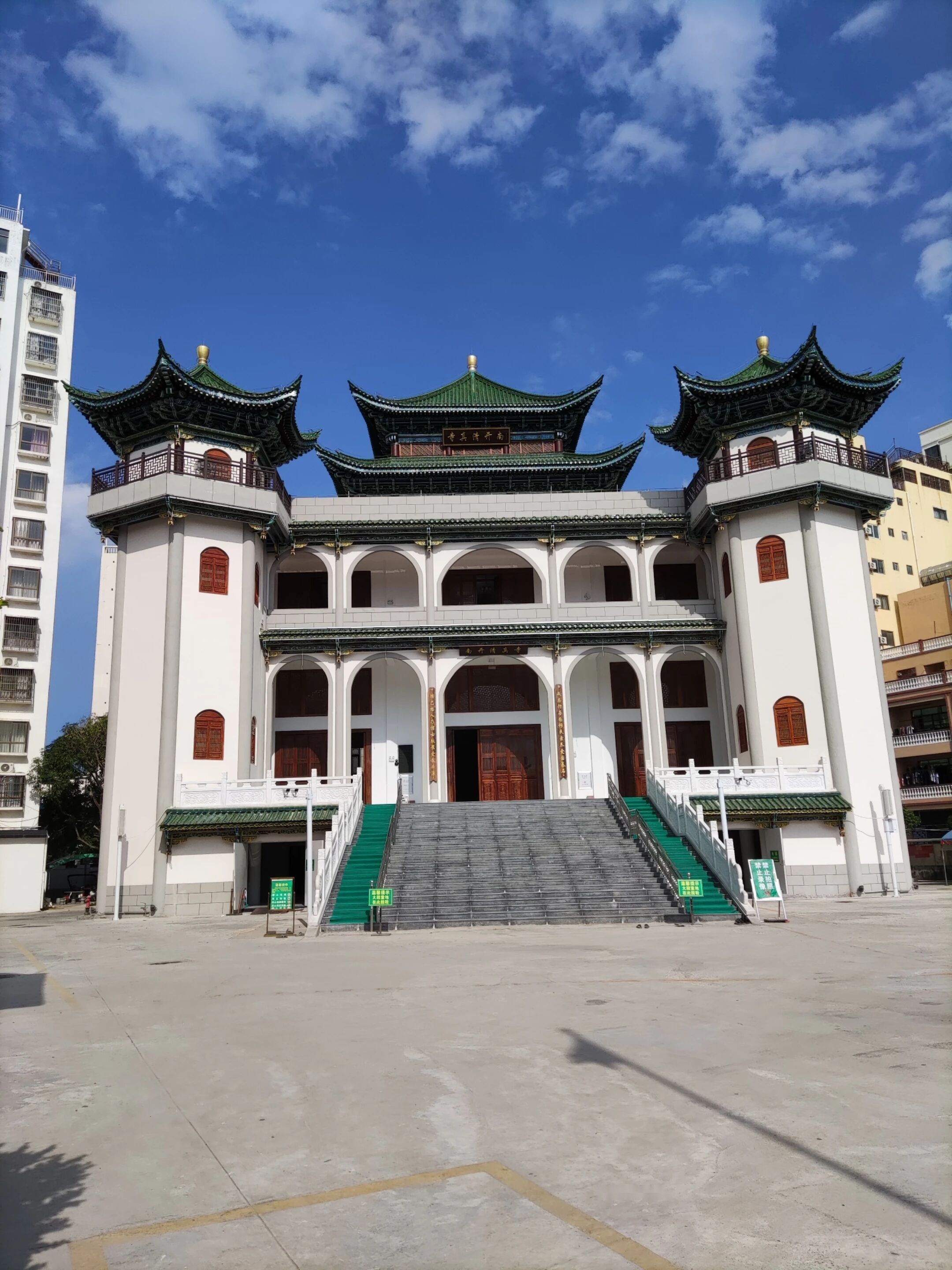
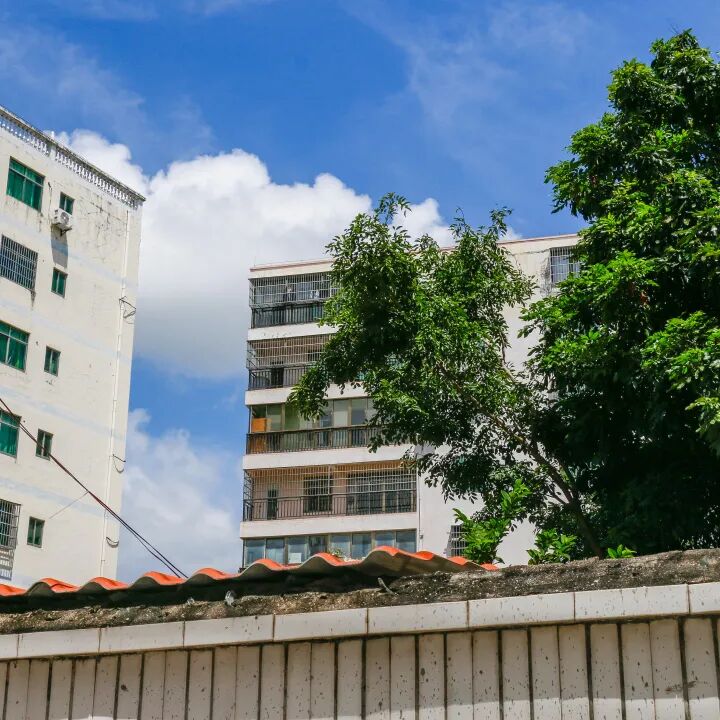
An on-the-ground visit to the famous Huixin Village and Huihui Village in Sanya's Tianya District. Venture deep into tropical, coconut-lined streets and alleyways to document the daily life, halal architectural styles, traditional attire, and down-to-earth street vibes of China's southernmost Muslim villages.
[Live Scene Showcase] view all
Deep Dive into Sanya's Muslim Community: Exploring the Tropical Village Vibe of Huixin and Huihui

Abstract:

An on-the-ground visit to the famous Huixin Village and Huihui Village in Sanya's Tianya District. Venture deep into tropical, coconut-lined streets and alleyways to document the daily life, halal architectural styles, traditional attire, and down-to-earth street vibes of China's southernmost Muslim villages.
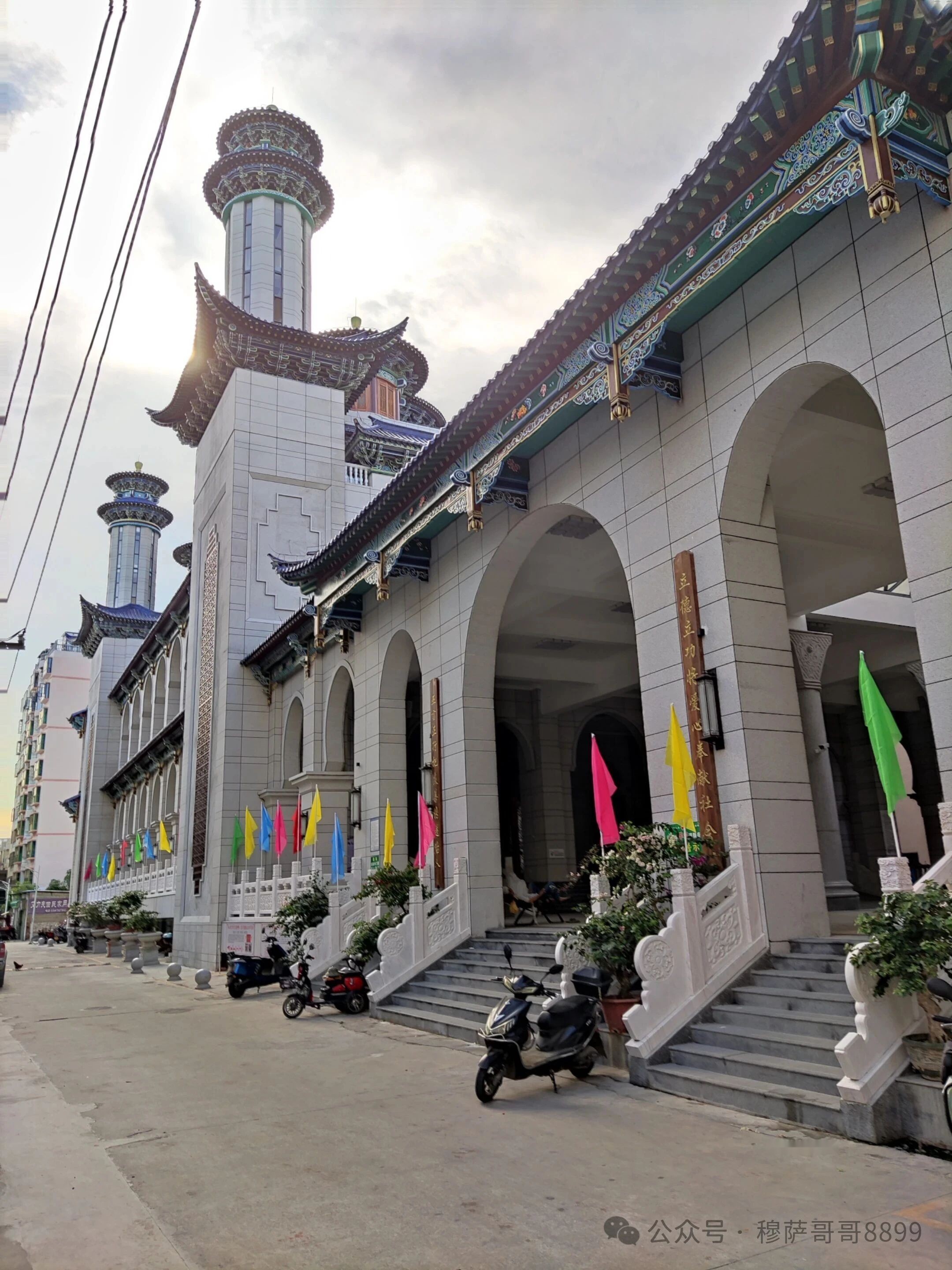
[Live Scene Showcase]

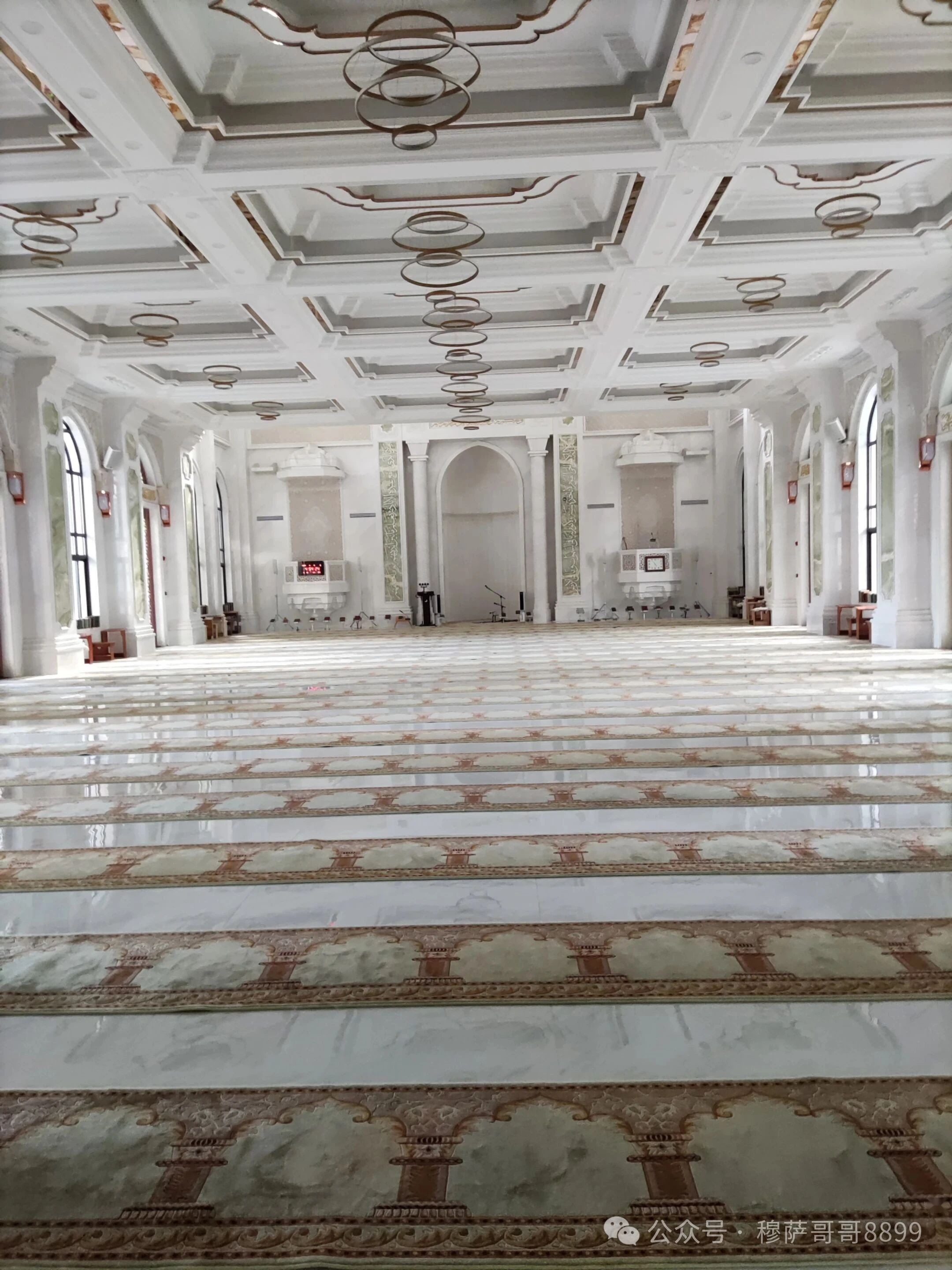
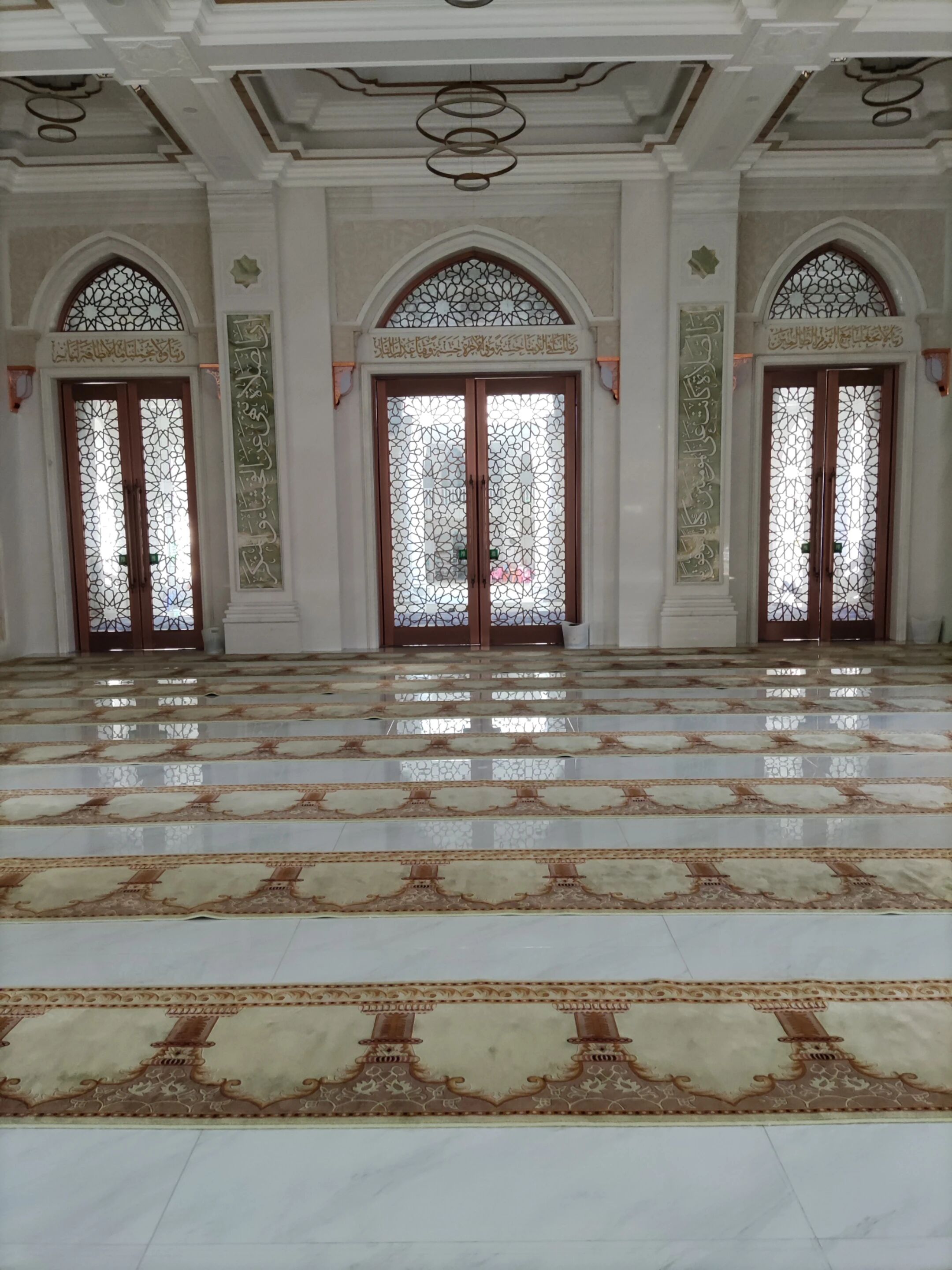
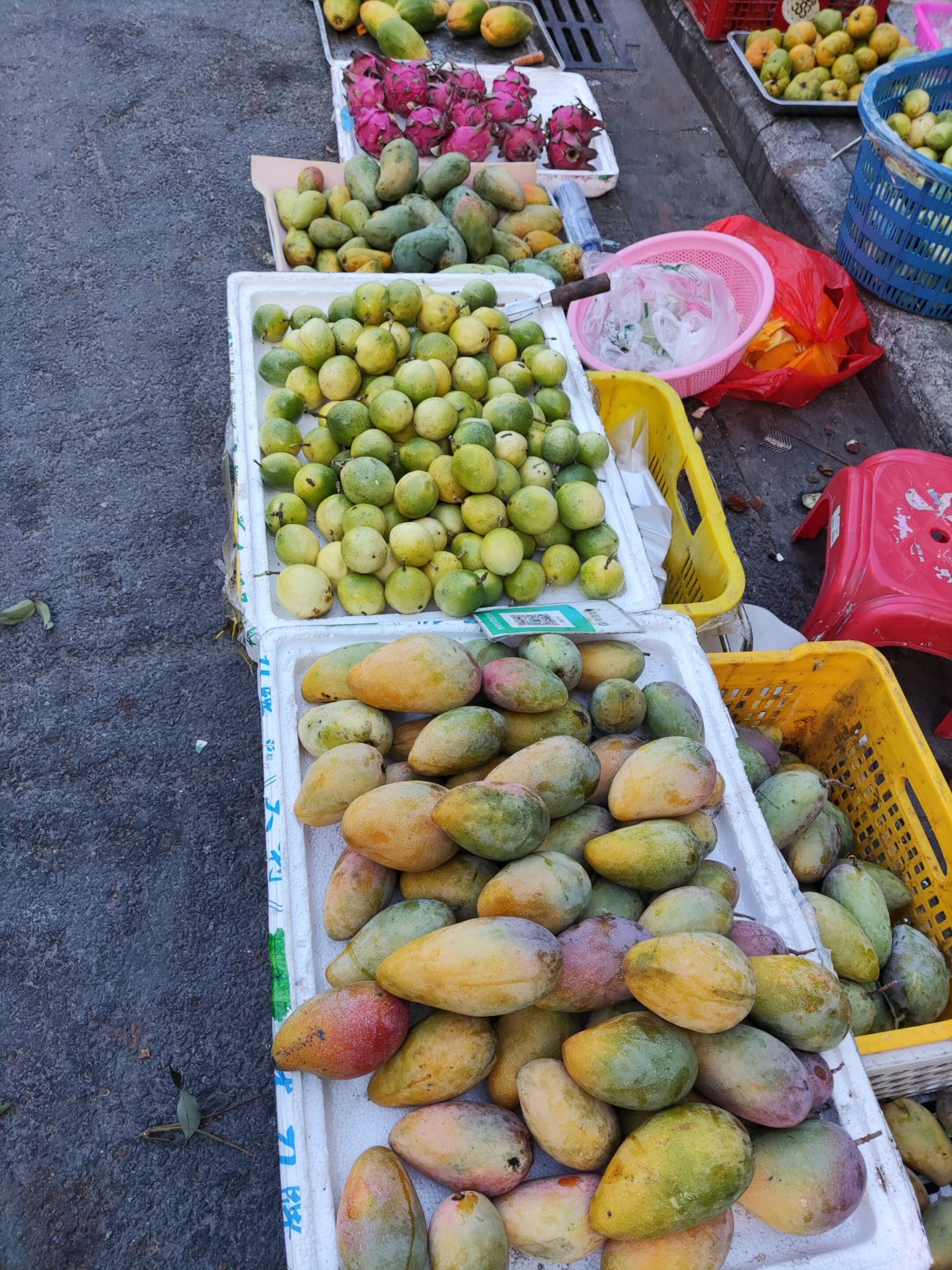
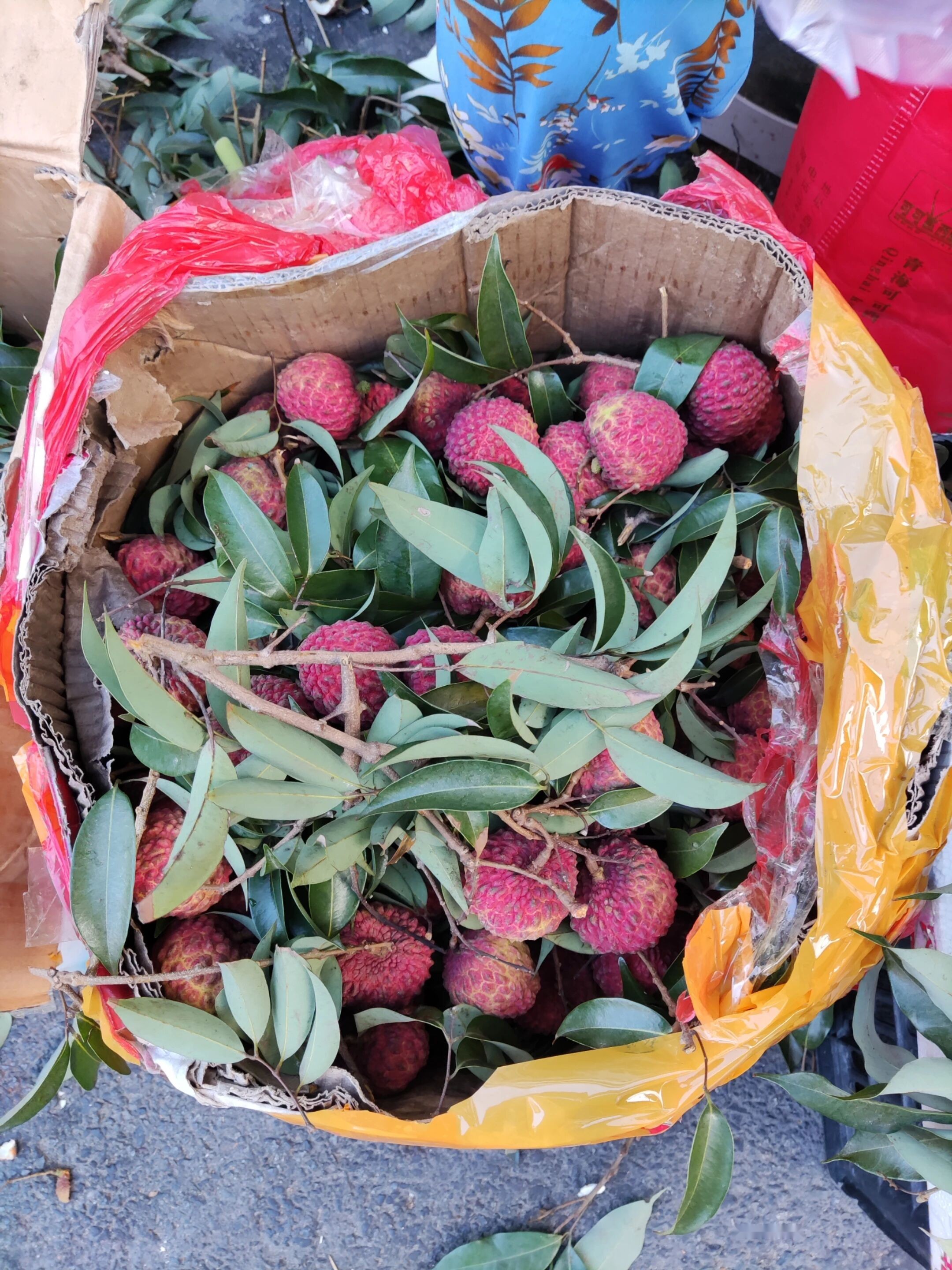
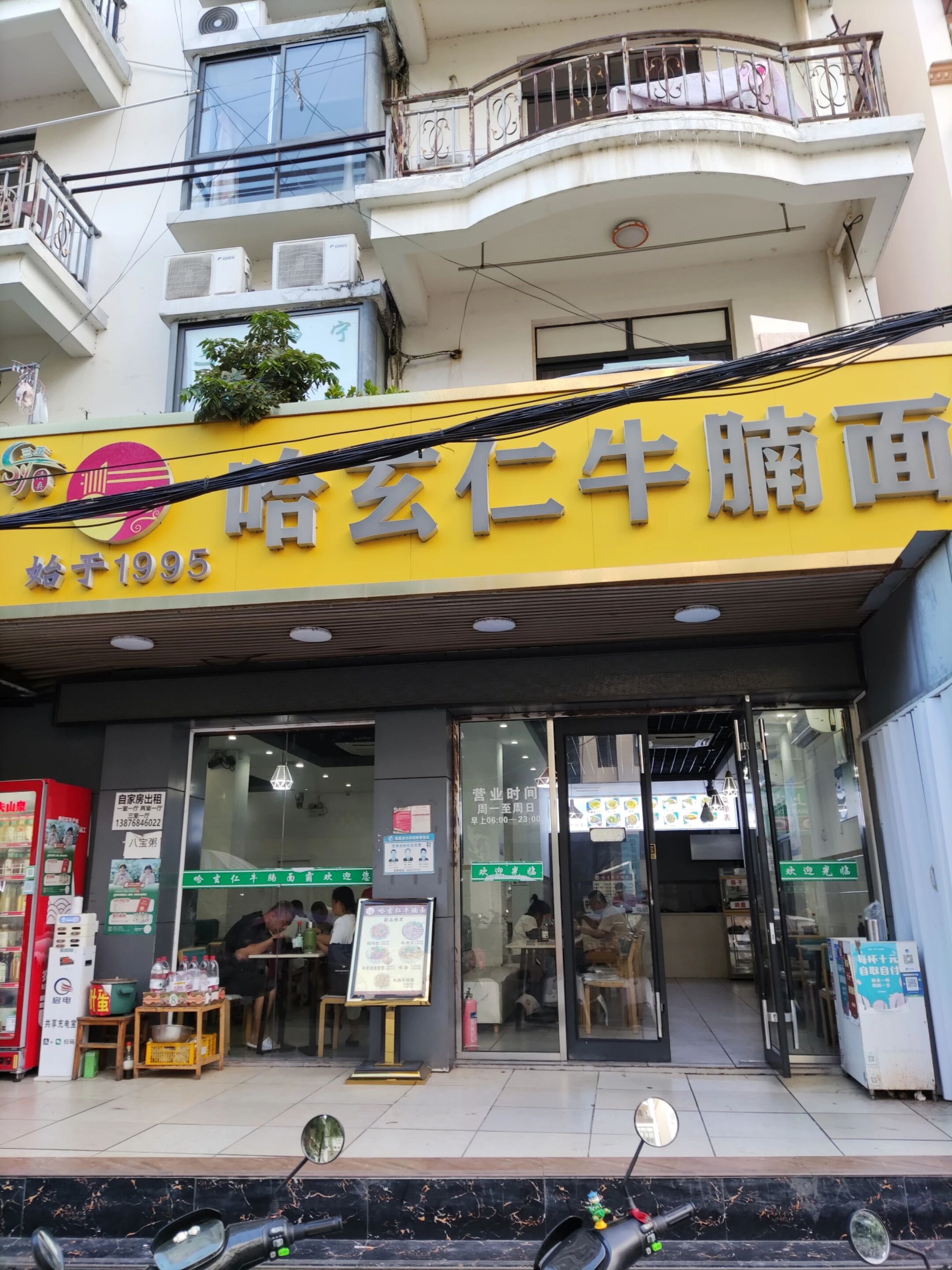
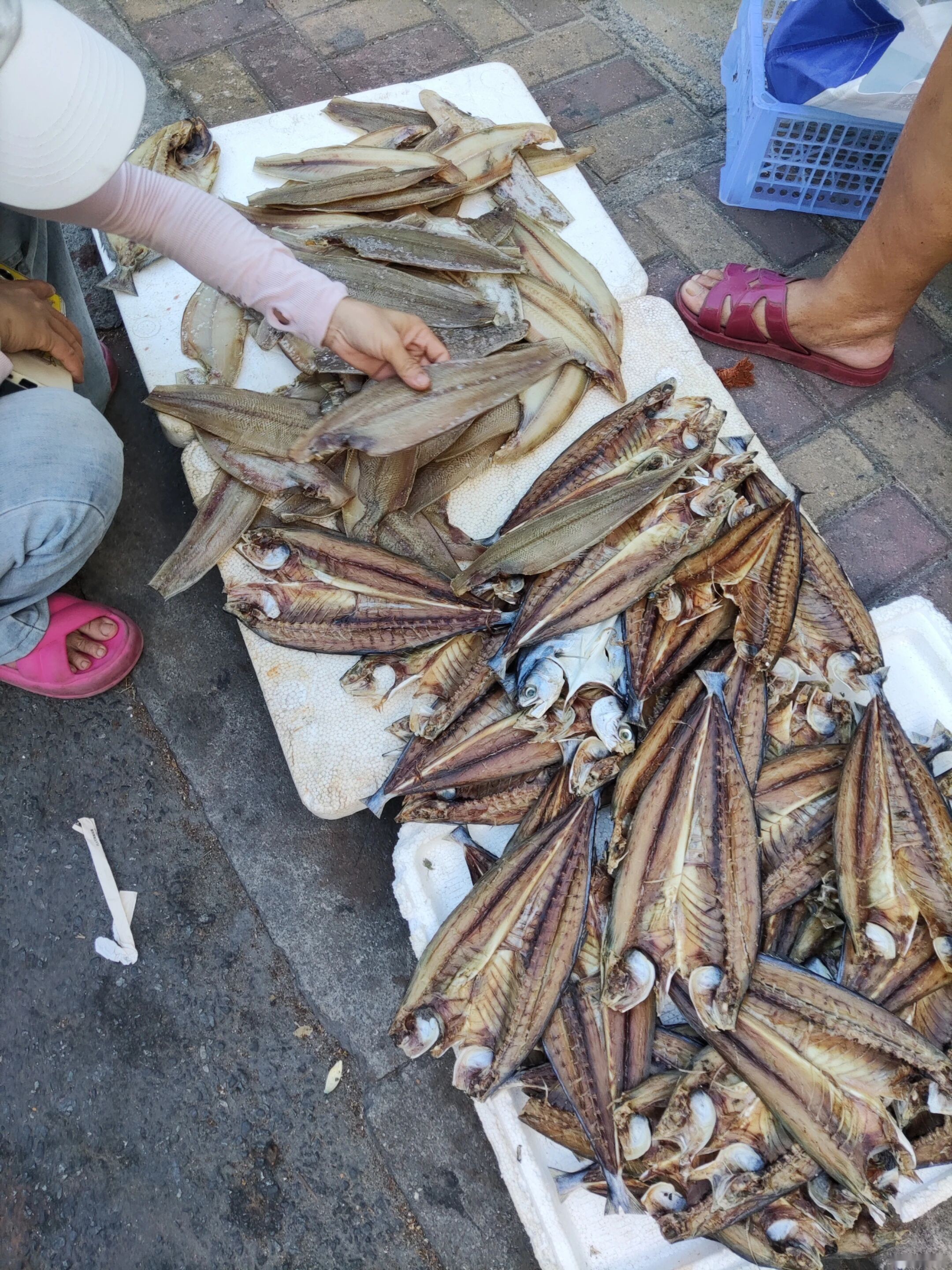
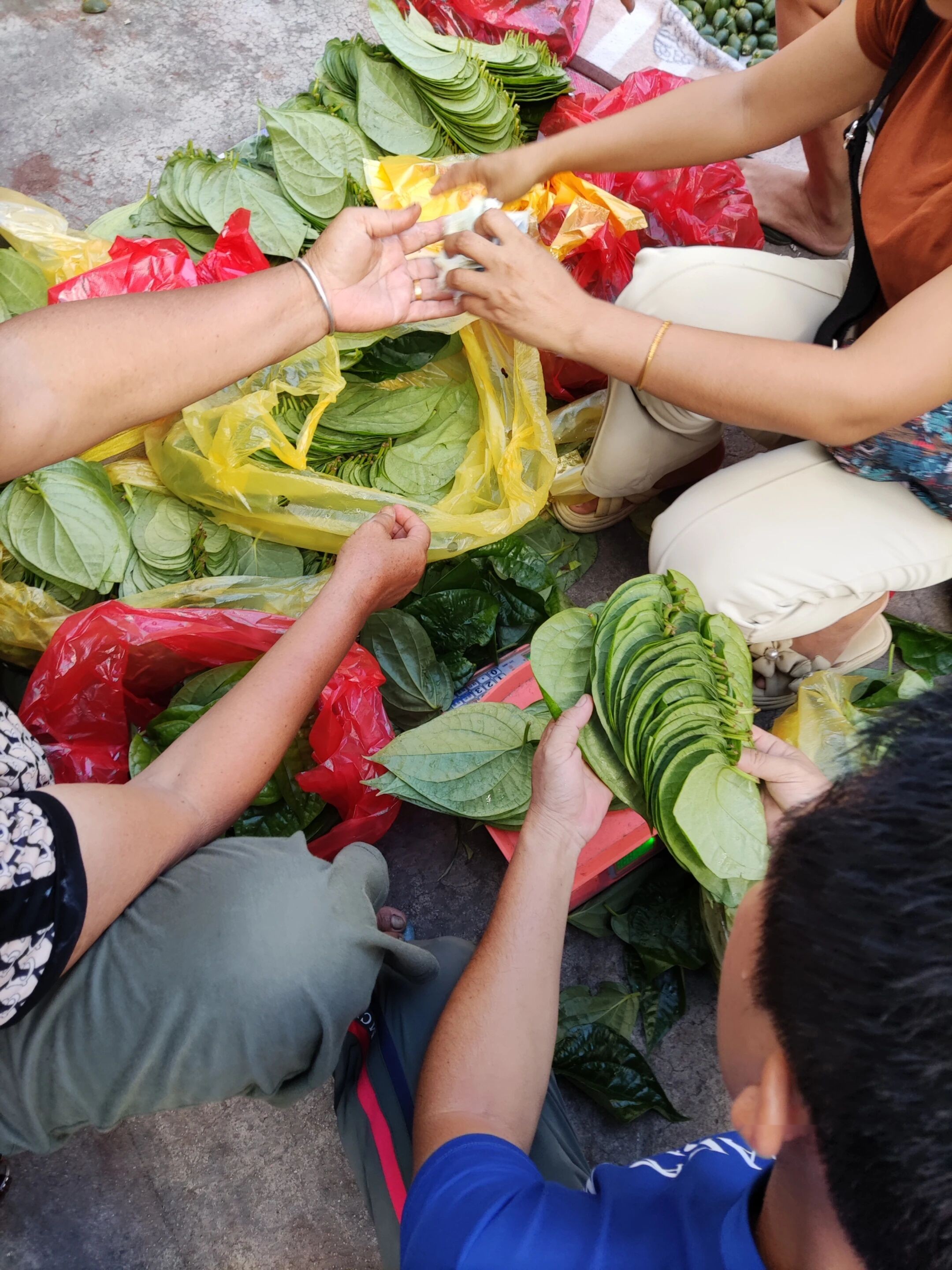
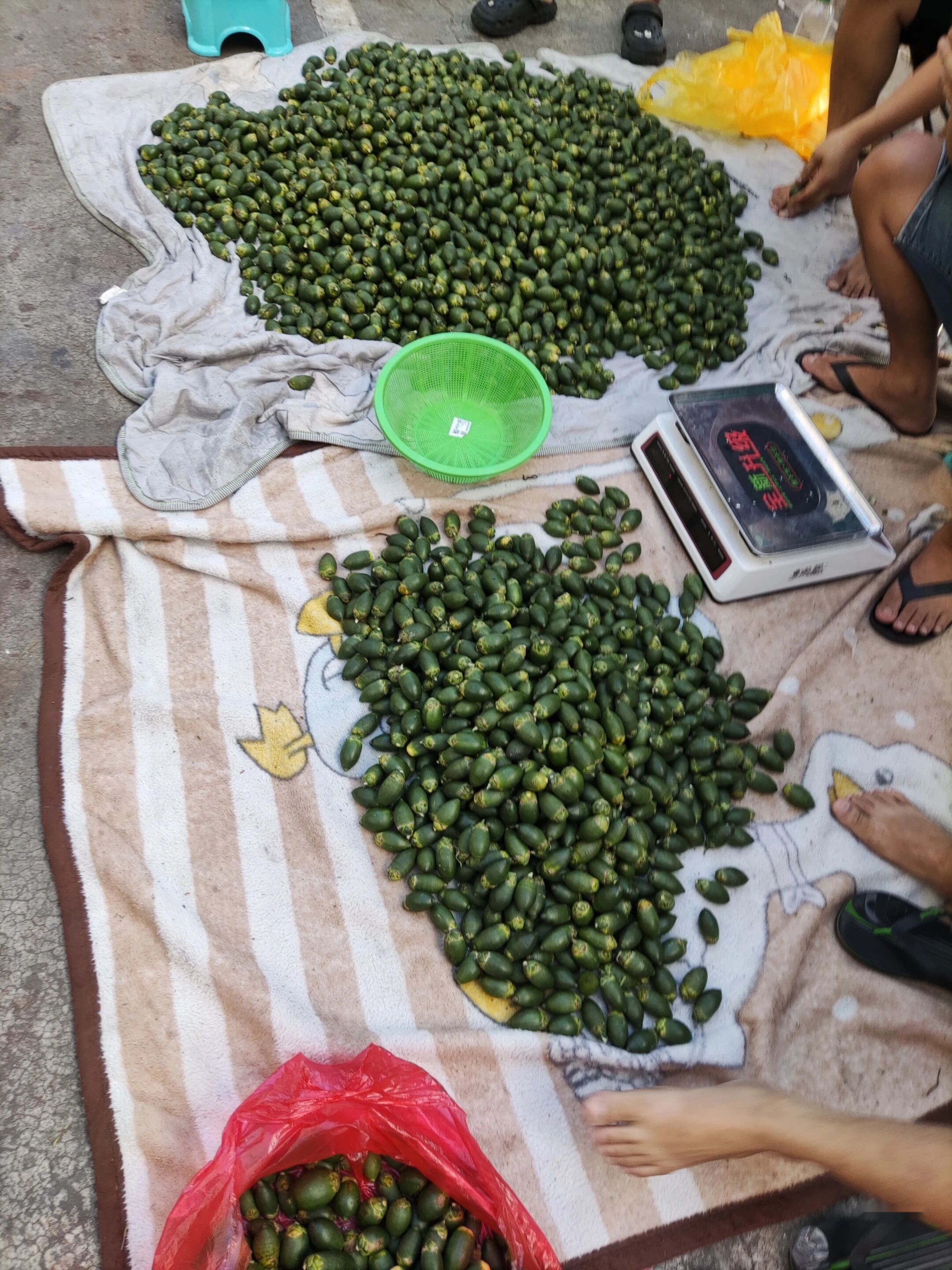

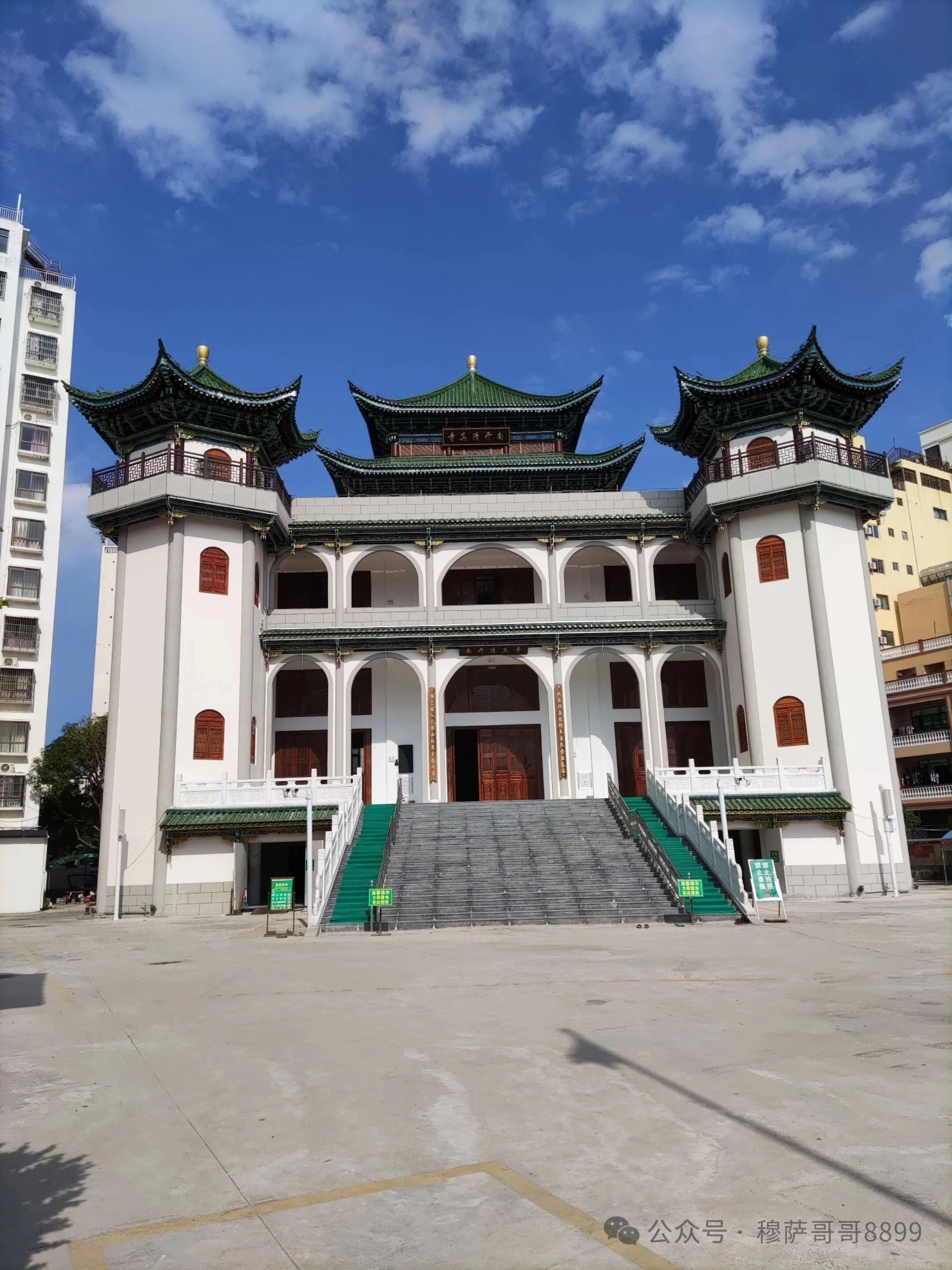
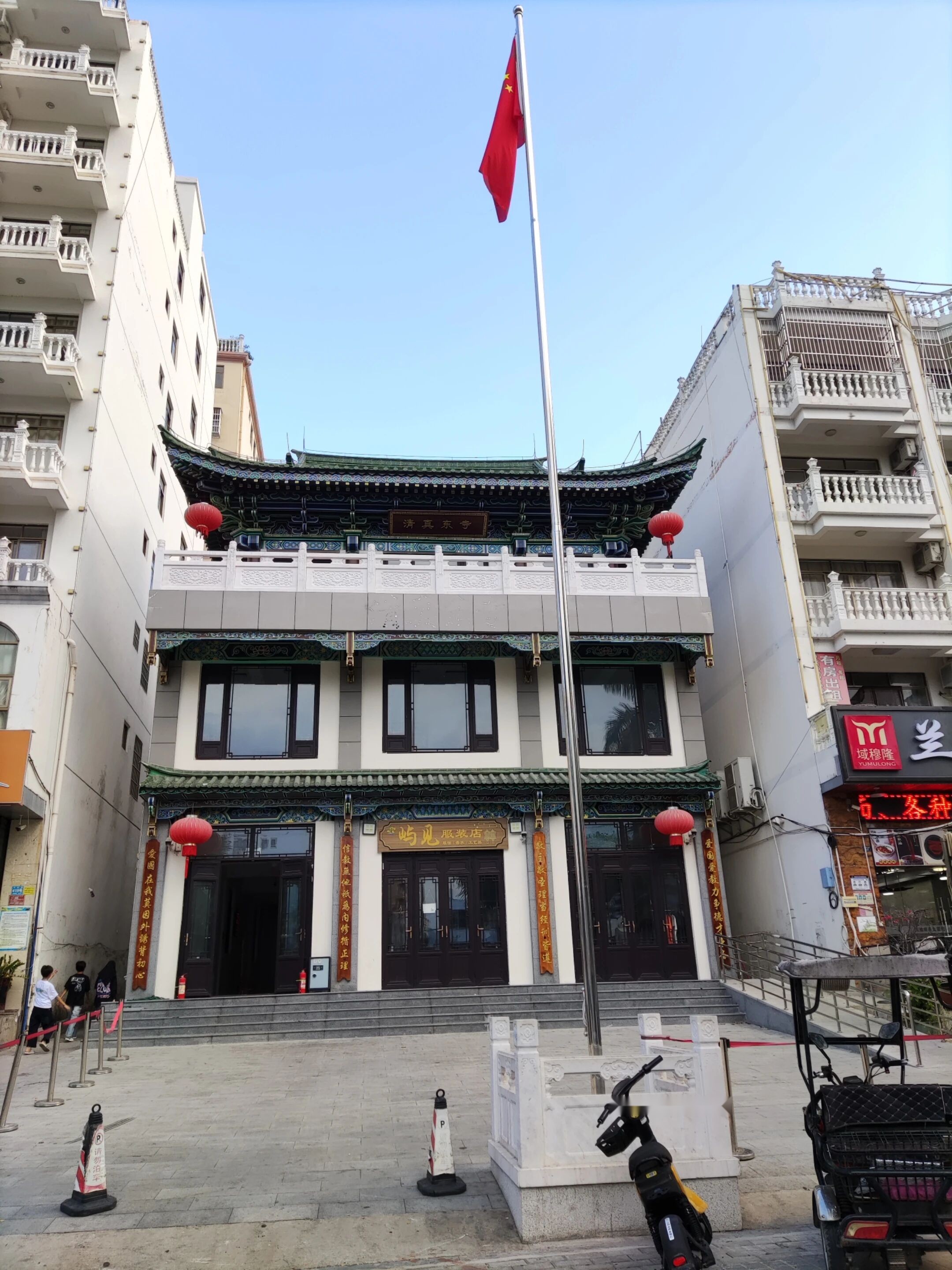

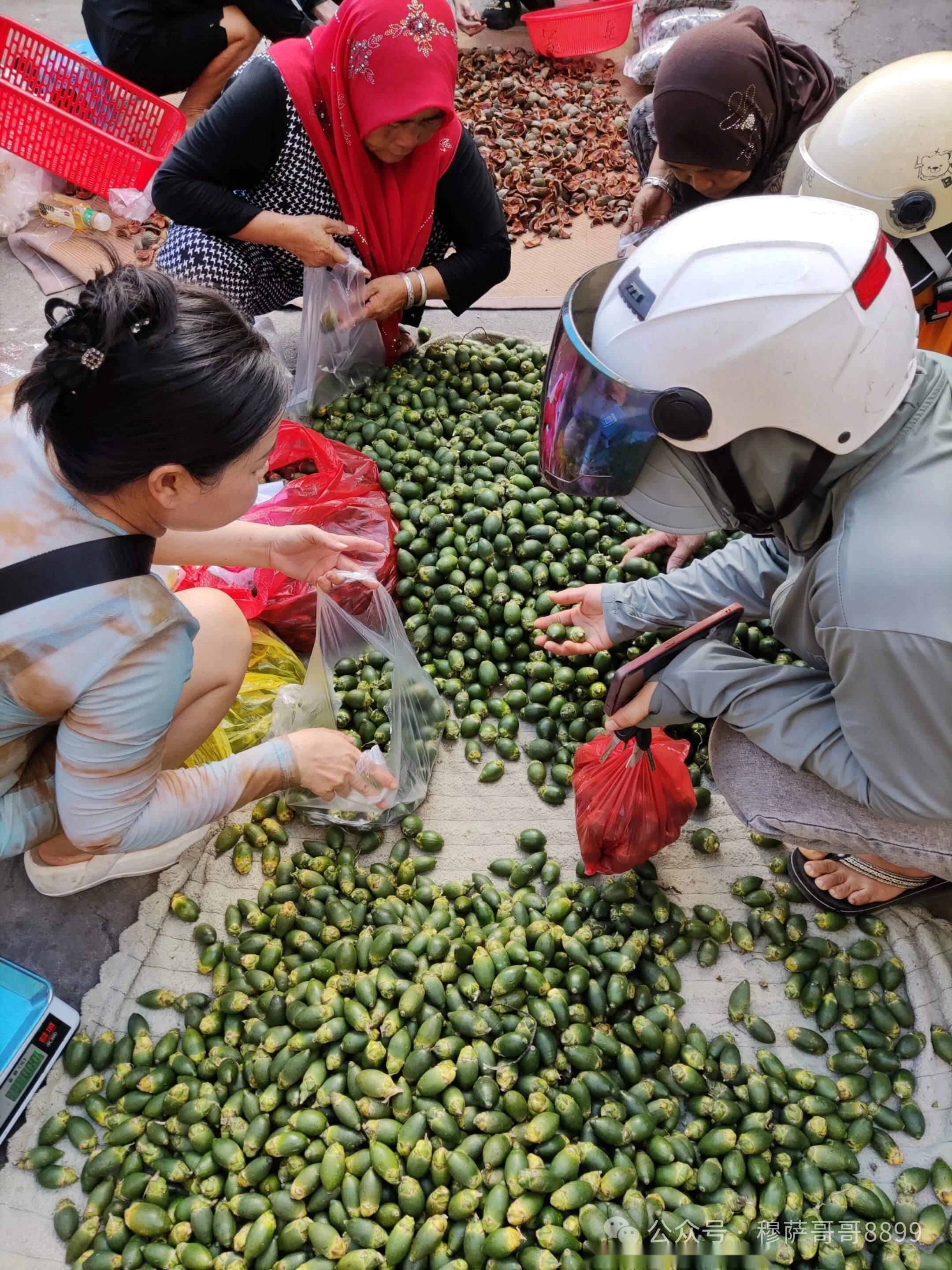
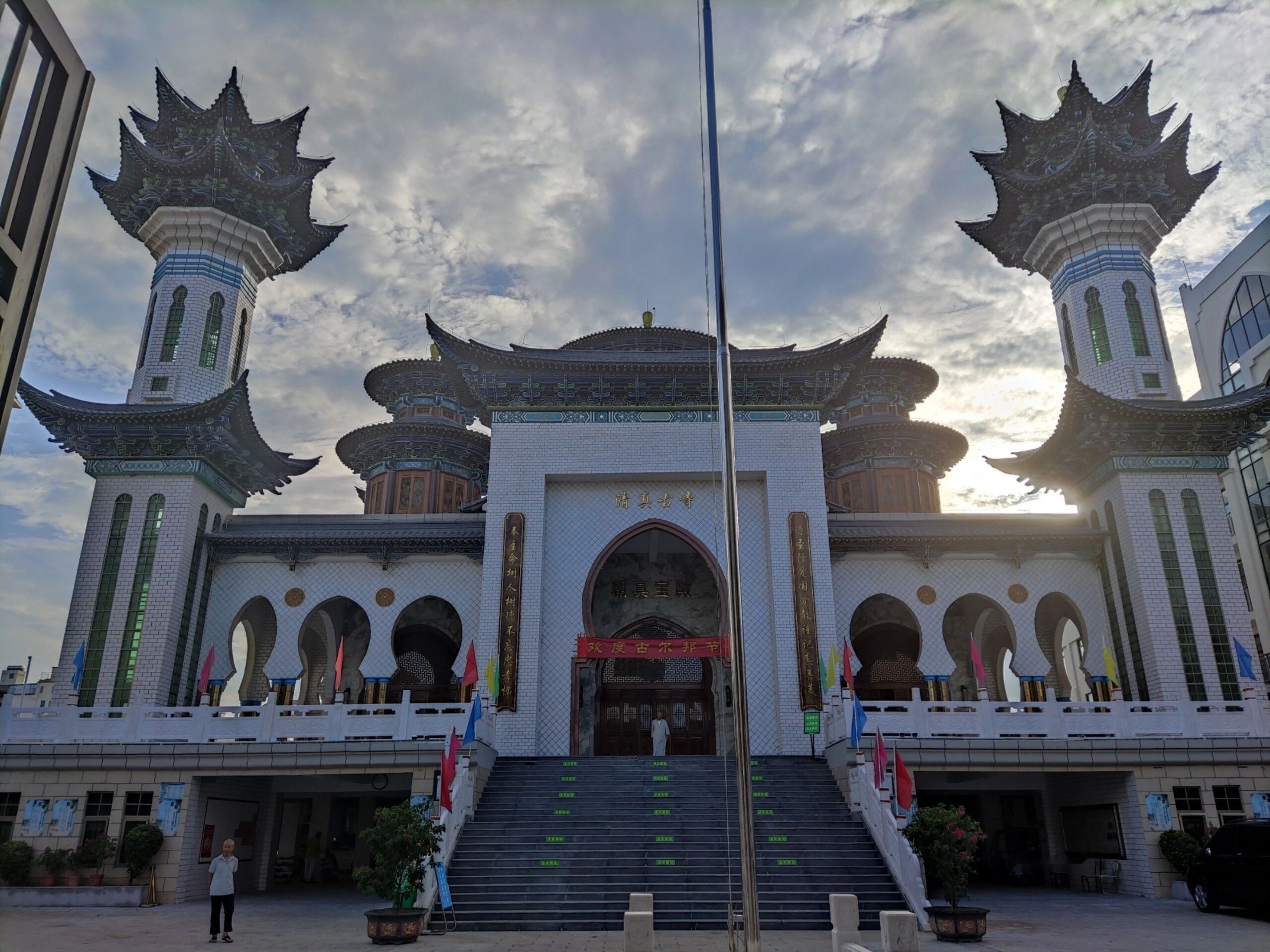

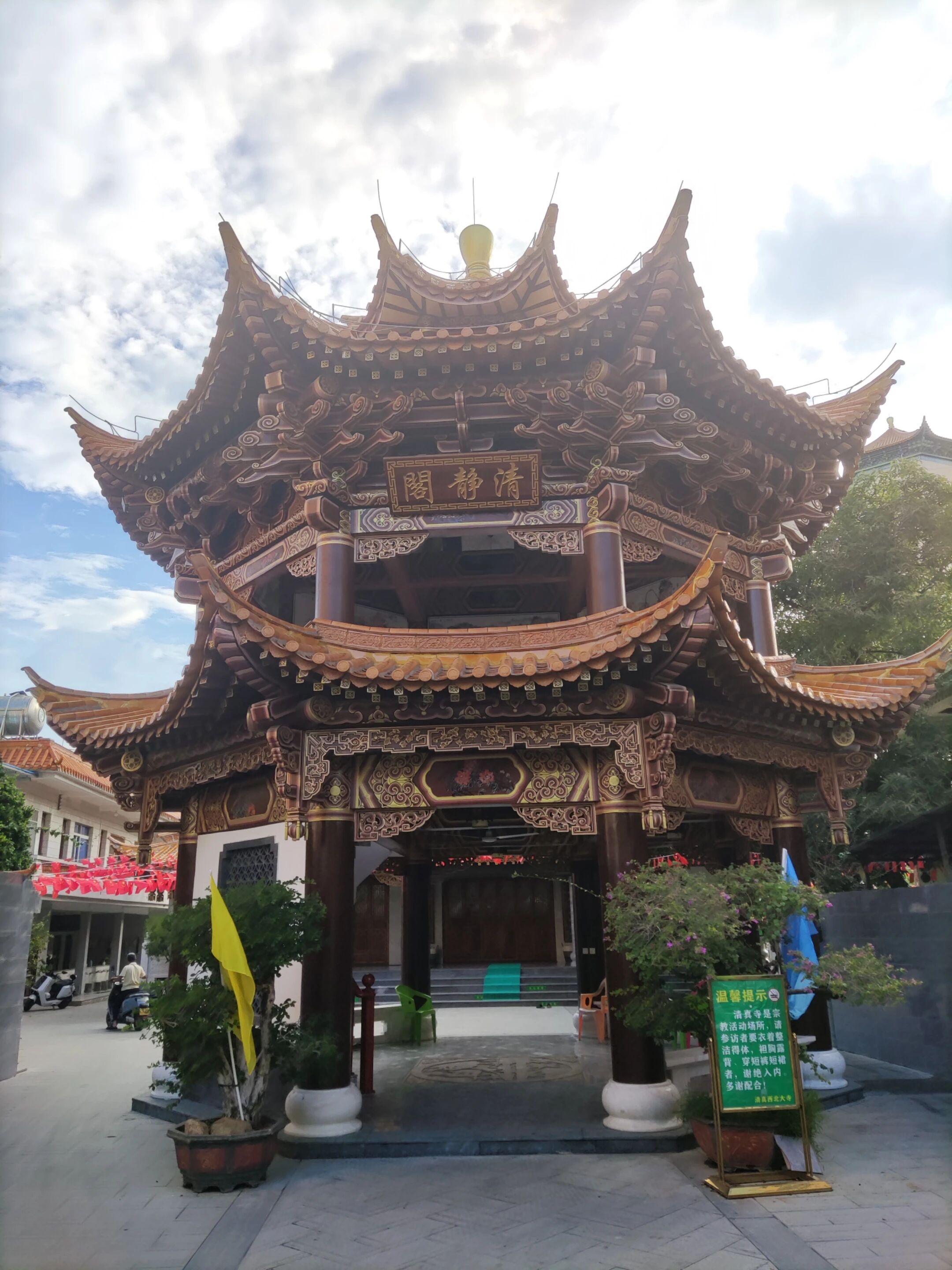

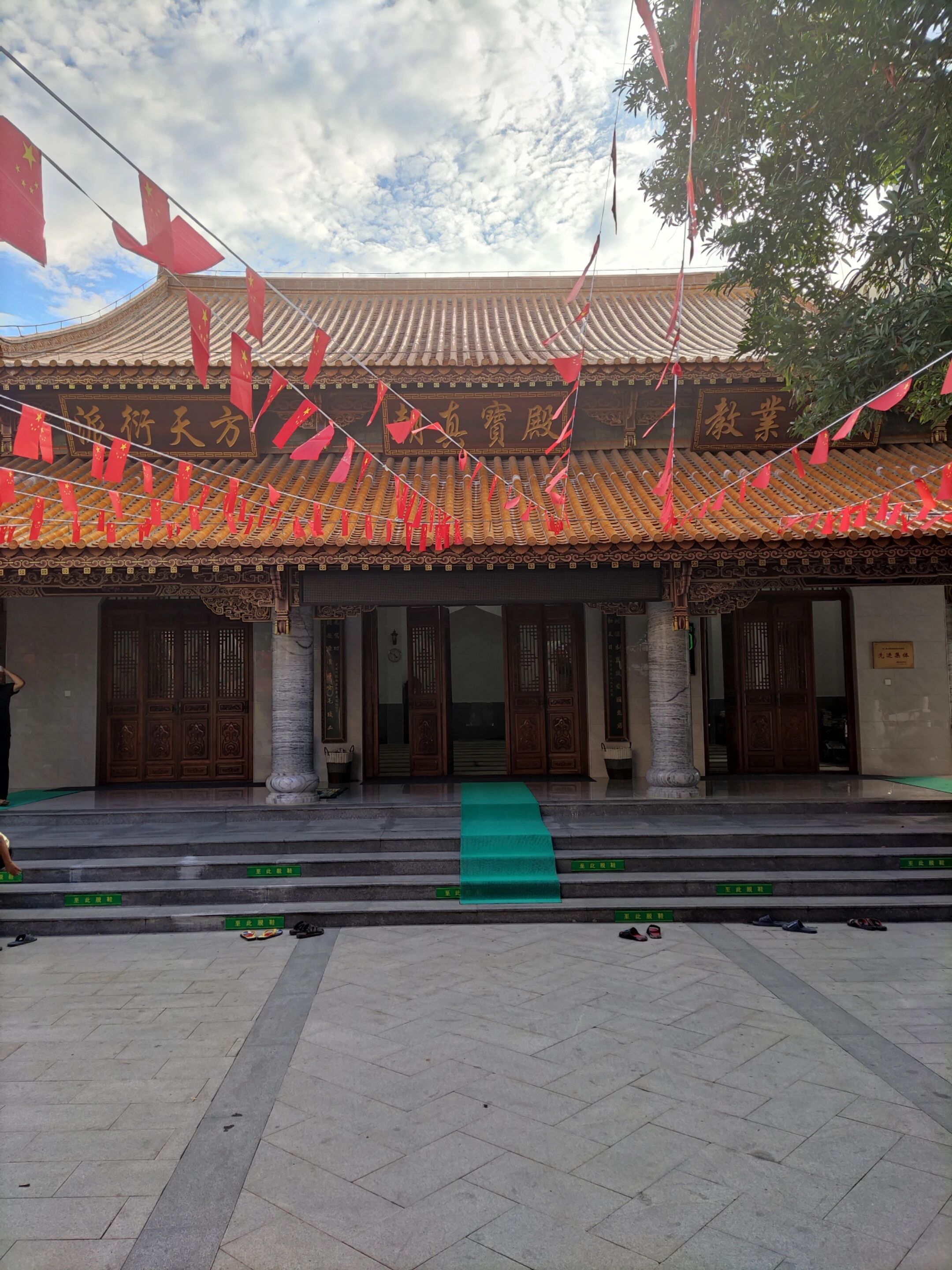
Sanya Tianya Halal Food Guide: From Morning Beef Noodles to Late-Night BBQ in Huihui Village
Articles • Hasan09 posted the article • 0 comments • 5 views • 3 hours ago
Sanya Tianya District Huihui Halal Food Tour: The Ultimate All-Day 5-Meal Guide from Morning Beef Noodles to Late-Night Grilled Lamb Ribs
Summary:
Follow a local guide deep into the alleys of Huihui Village (Huihui Muslim Village) in Sanya's Tianya District for an immersive halal food hunting adventure. Check out authentic local sour fish soup, halal beef rice noodles, rich tropical coconut milk desserts, and night market charcoal-grilled meats, and experience the ultimate island halal foodie feast.
2026
National Day
Babe~
Hearing you're craving the Hui Muslim food in Tianya again?
Uncle Ha's little e-bike is firing up again~
"Huihui Community Food Guide Part 3"
5 spots to take you eating from morning till night!
Coming to Sanya for National Day? Don't just rush to the beach.
Tianya's local neighborhood vibes are seriously addictive too~~~
(Video quick-watch version ↑ Photo & text breakdown version ↓)
"Conch Soup Fish Noodles"
Mornings in Huihui Village (Huihui Muslim Village) are woken up by this bowl of noodles.
01
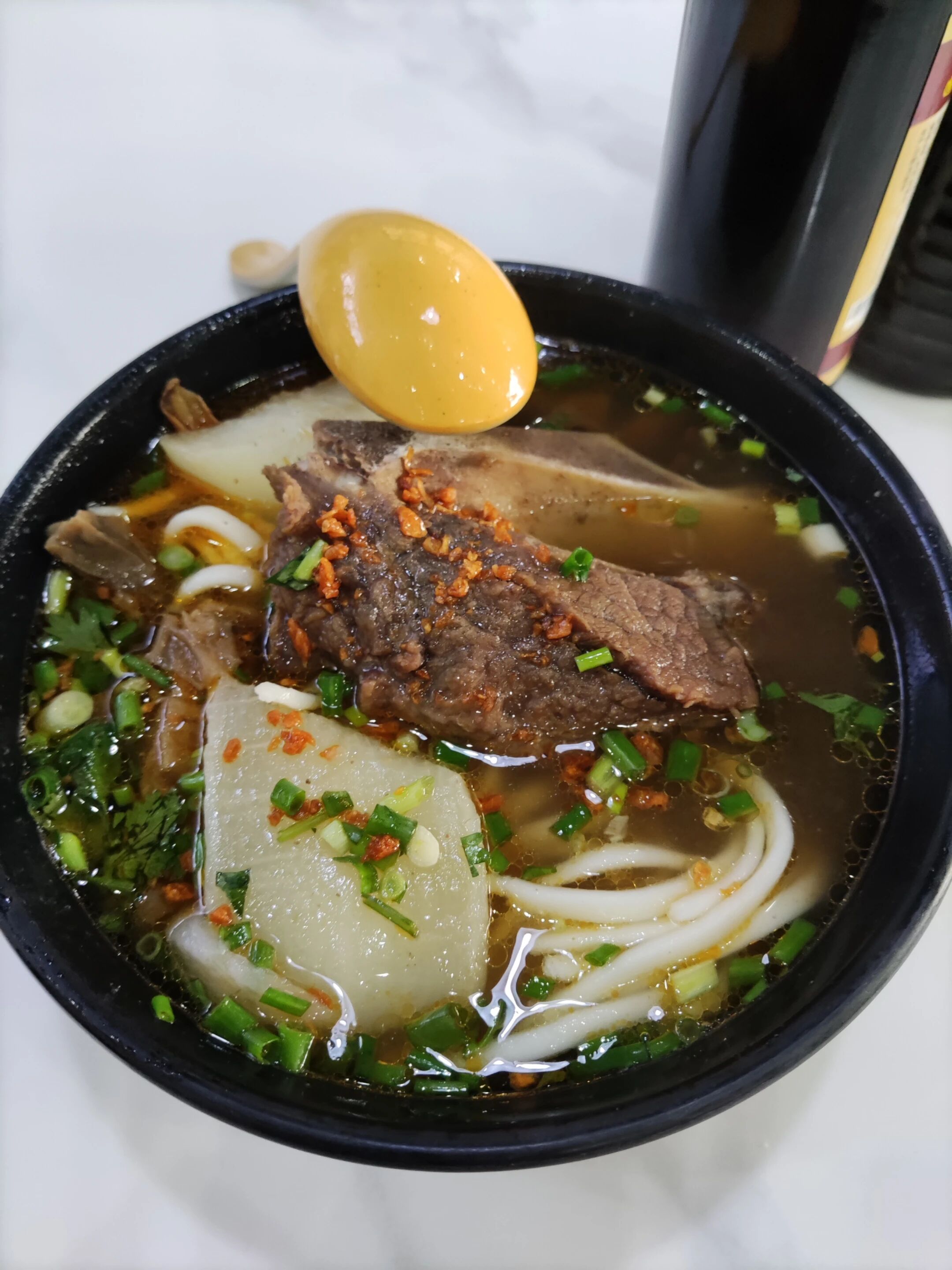
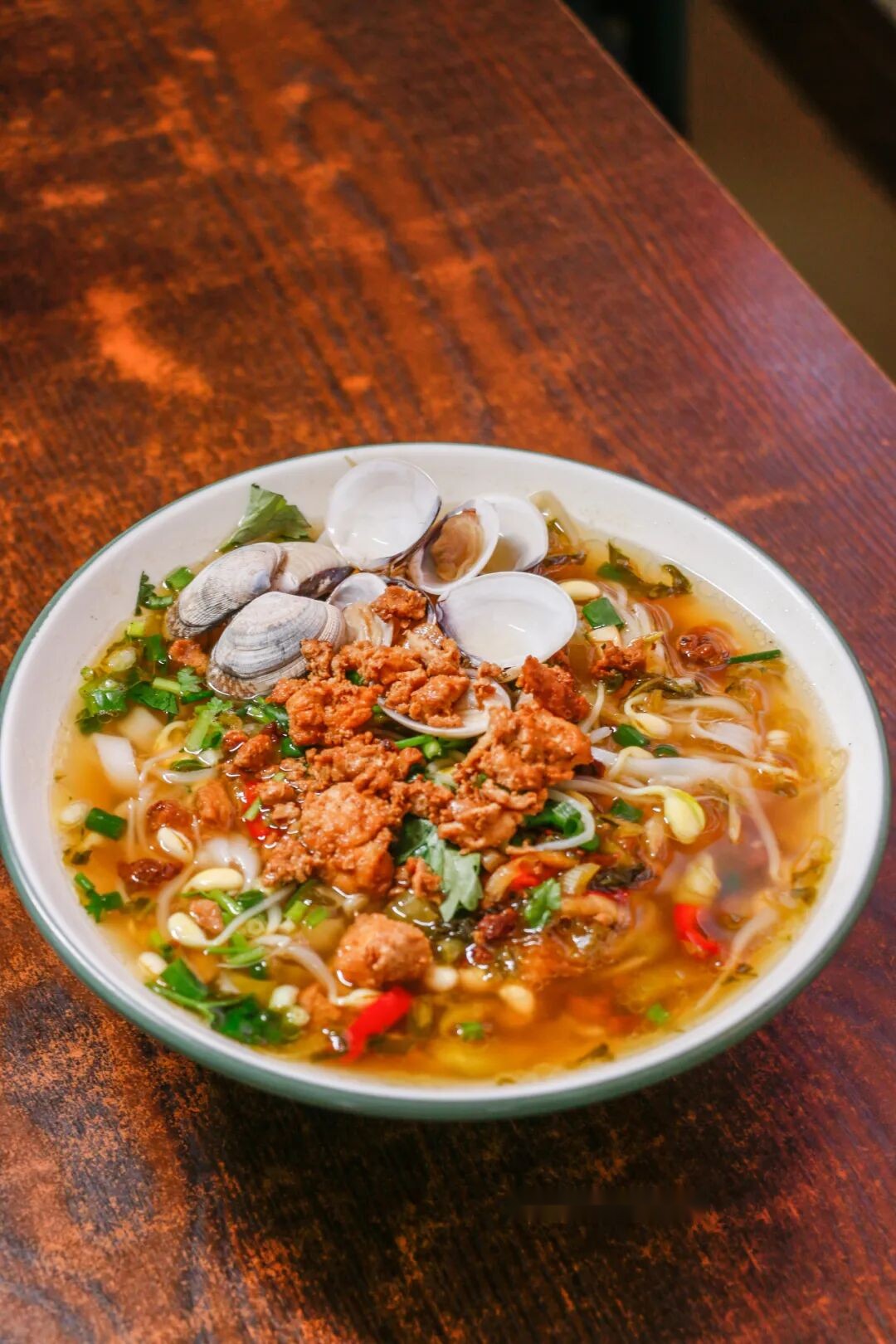
A day in Huihui Village (Huihui Muslim Village) starts with a steaming hot bowl of conch soup fish noodles. Sister Lizhen has been making this bowl of noodles for 40 years. Wild conch is used to simmer the broth, capturing the pure, natural freshness of the ocean with a deep, clean sweetness. Hand-beaten ladyfish cakes are stir-fried with a secret sauce, paired with soft, chewy handmade rice noodles. Eating a bowl of this in the early morning wakes your stomach right up~
"Lizhen Baoluo Noodles"
Opening Hours: 07:30-17:00
Address: Intersection of Huihui 1st Village 4th Road and Huihui Road, Tianya District, Sanya City
"Hui Muslim Fresh Fish Soup"
Locals love coming here for banquets and celebrations.
02
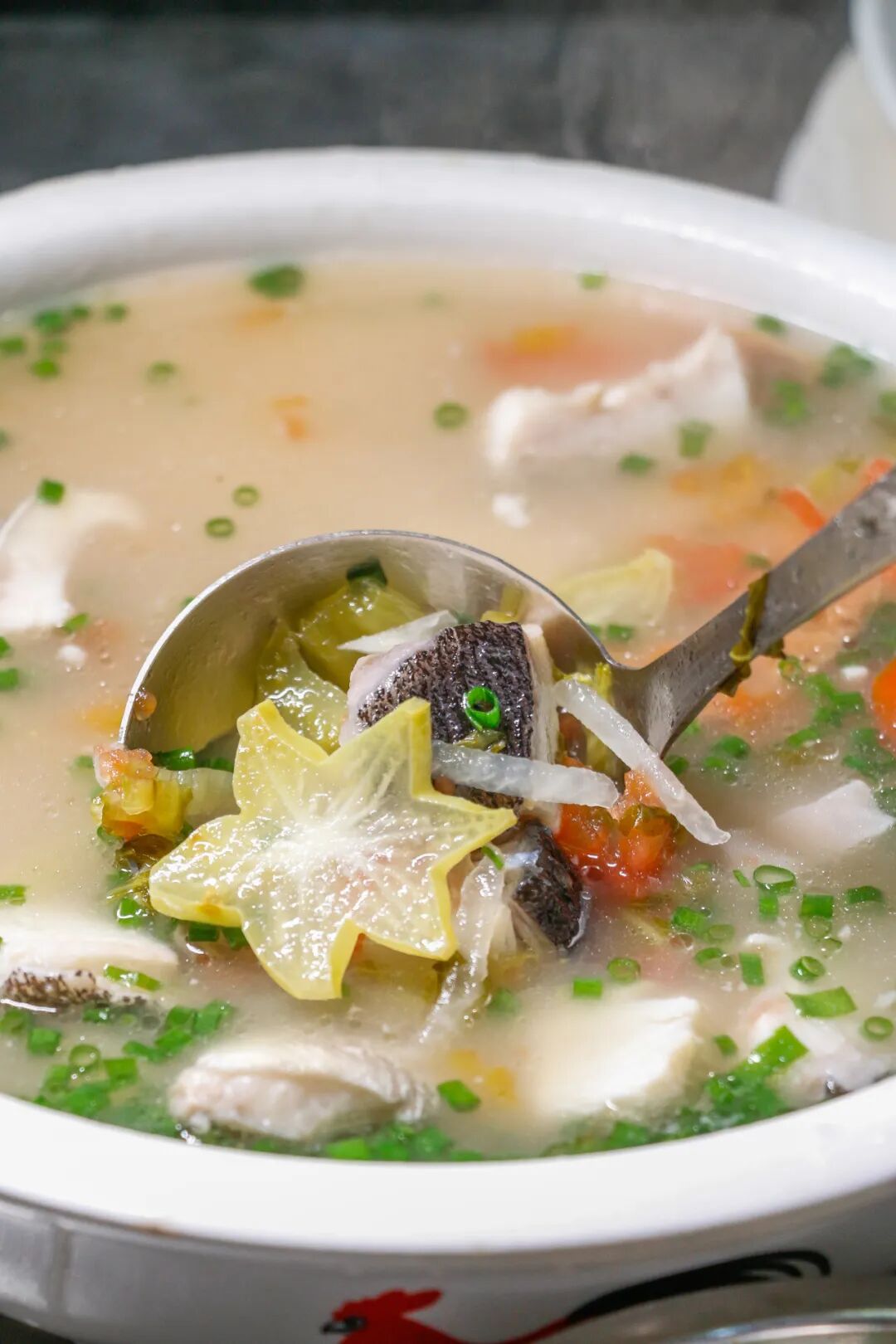
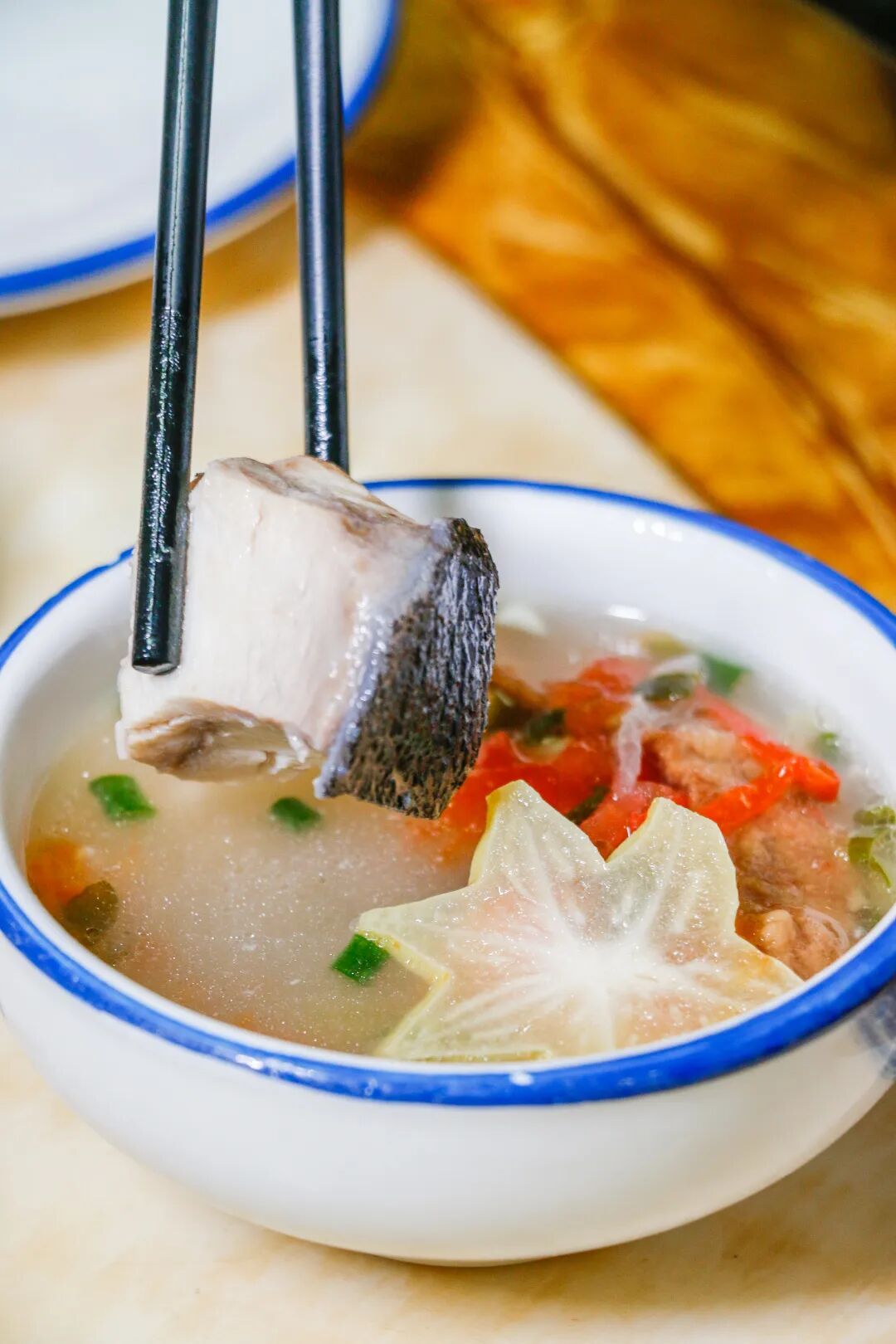
For lunch, head over to Hualide Restaurant to try this pot of Hui Muslim sour fish soup. Sour starfruit and tomatoes give it a bright, clean tang that isn't overwhelming. The fresh fish is freshly killed and boiled right on the spot, melting the protein into the broth and mellowing out the acidity. Take a sip of the soup, then a bite of the fish—it's deliciously sour, fresh, and majorly appetizing~
"Hualide Restaurant"
Opening Hours: 10:00-21:00
Address: Opposite Huihui Primary School, Tianya District, Sanya City
"Pot Soy Sauce Snacks"
Secret all-purpose dipping sauce, you can dip literally anything in it!
03
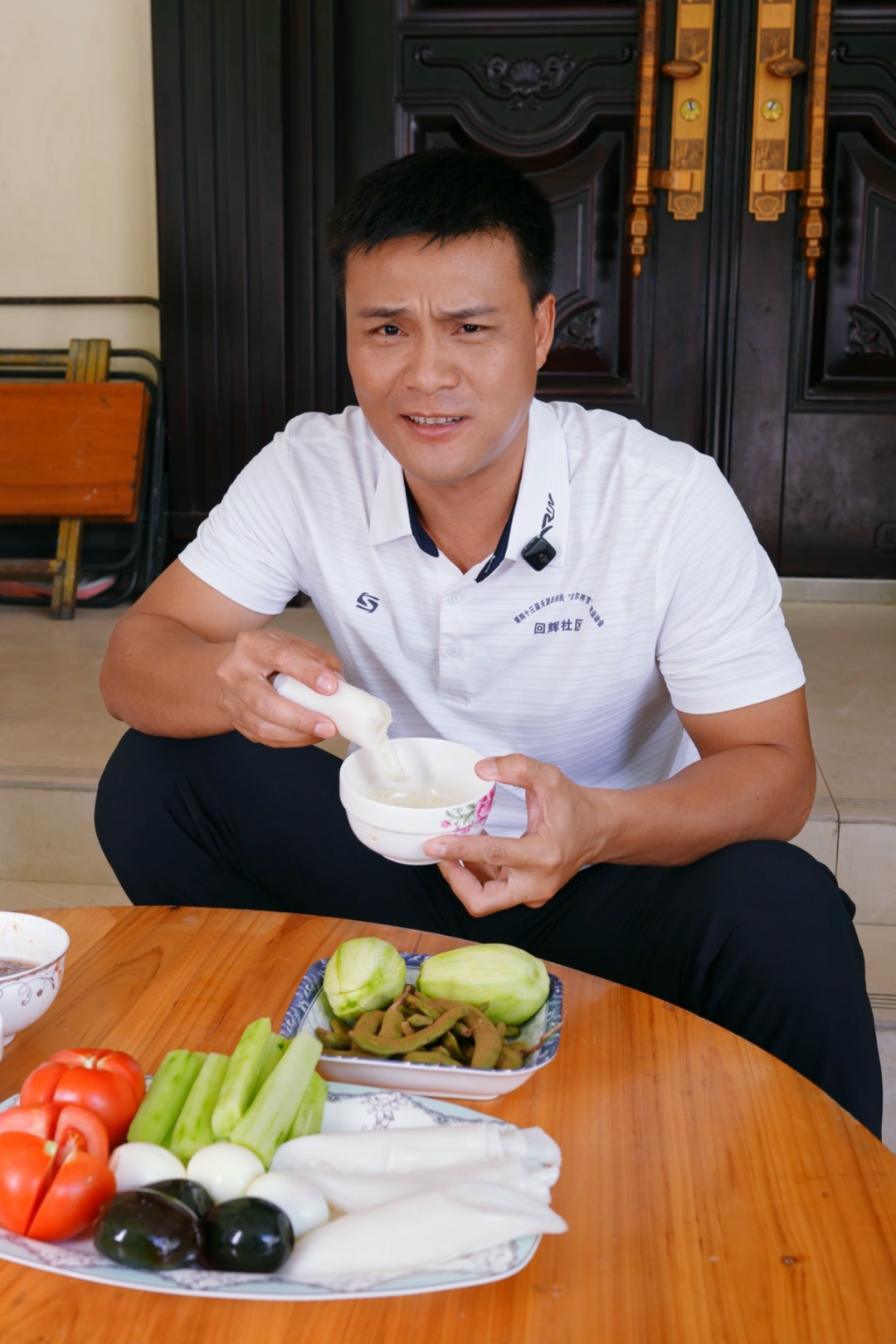
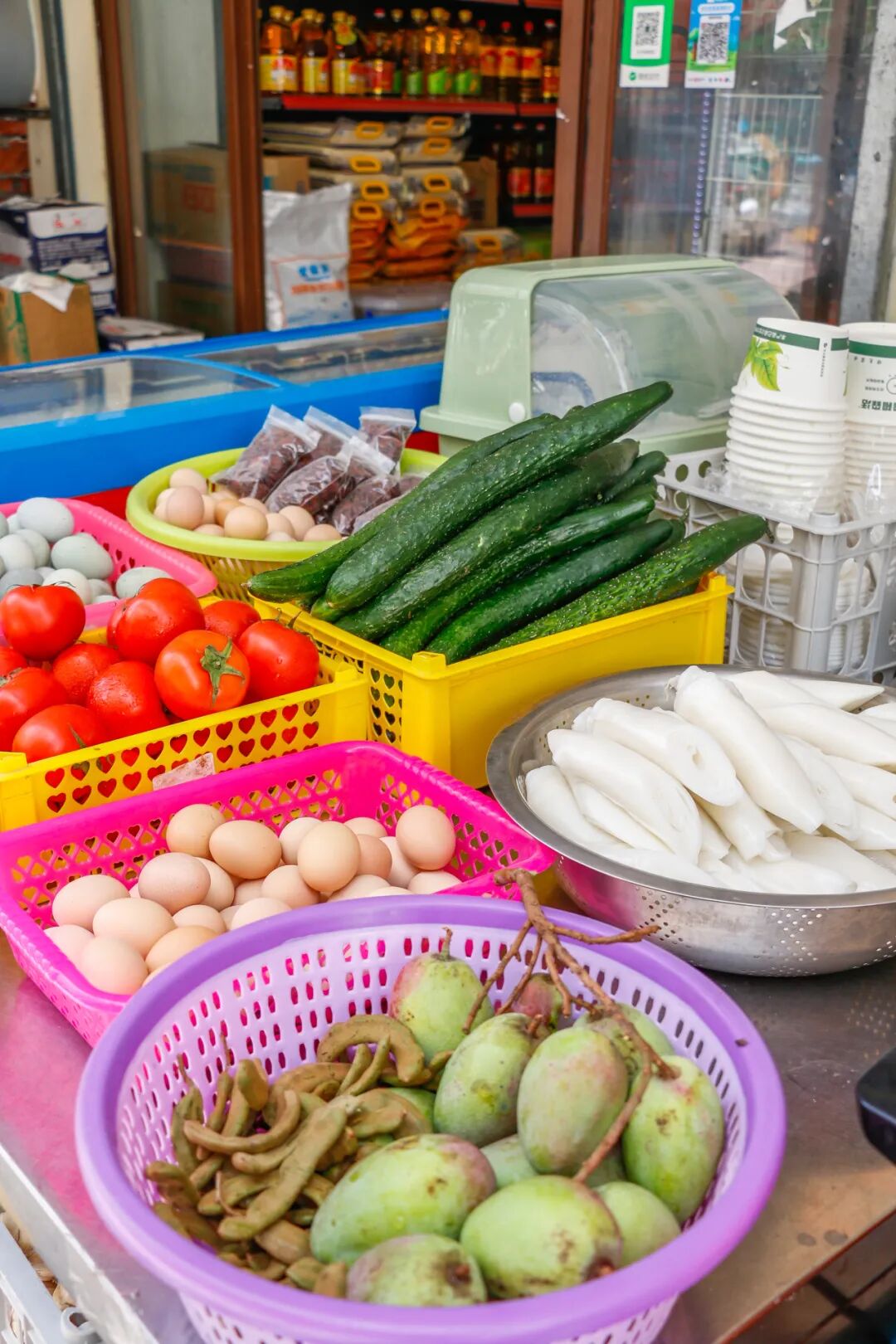
Around 3:00 or 4:00 PM, we squeezed with Uncle Ha into this tiny spot that out-of-towners would never, ever find on their own~ Their secret all-purpose dipping sauce makes literally anything taste amazing! Made with a blend of garlic oil, sour tamarind juice, yellow lantern chili, and other spices, it hits you with a savory punch and a sweet finish. If you're a hardcore foodie like Uncle Ha, drop in a spoonful of Hainan shrimp paste for the ultimate authentic touch! Uncle Ha says the only way to eat this right is squatting on the ground—dip your rice noodles (guotiao), green mangoes, tender sour beans, tomatoes, cucumbers, and century eggs into it... it just keeps you craving more~
「Baozi Hot Convenience Store」
Hours: 08:00 - 18:00
Address: 4th Road, Huihui Village 1st Group, Tianya District, Sanya
“ Secret Fried Lamb Chops ”
As soon as the streetlights flick on, dinner is officially in Tiger Dad's hands!
04
These sizzling signature secret fried lamb chops are super crispy on the outside and tender on the inside. You've gotta eat them with onions—the crisp sweetness of the onion hitting that rich lamb flavor is officially certified delicious by Uncle Ha! Their crispy skin chicken hot pot is pretty solid too. After eating, take a stroll around Hecheng Square or just kick back and listen to some music before diving right into late-night supper~
「Qingzhen Huba Sifangcai (Tiger Dad's Halal Private Kitchen)」
Hours: 15:00 - 23:00
Address: Hot Box Bazaar, Hecheng Square, Fenghuang Road, Tianya District, Sanya
“ Beef Bone Soup Mala Tang ”
The coziest way to wrap up a night in Huihui Village~
05
If you want to experience the vibrant, bustling night market energy of Huihui, Hecheng Square is the absolute place to be. You've got live music, barbecue, and coffee all in one spot, so leave your late-night cravings to Xiangni Mala Tang (Miss You Mala Tang)! This is our first time seeing a mala tang broth brewed with so many massive beef bones—it smells unreal. The beef bone mala tang paired with their spicy dipping sauce is super fresh and punchy; if you love heavy, bold flavors, their spicy broth option hits the spot just as well~
「Xiangni Mala Tang」
Hours: 19:00 - 01:00 (Next Day)
Address: Hot Box Bazaar, Hecheng Square, Fenghuang Road, Tianya District, Sanya
Hey bestie~ Coming to Sanya this National Day?
Don't sleep on the amazing food in Huihui Village!
Come feel a totally different side of Sanya's vibrant local street life in Tianya.
Yaya is waiting for you in Huihui—better bring an empty stomach with 1TB of storage space! view all
Sanya Tianya District Huihui Halal Food Tour: The Ultimate All-Day 5-Meal Guide from Morning Beef Noodles to Late-Night Grilled Lamb Ribs
Summary:
Follow a local guide deep into the alleys of Huihui Village (Huihui Muslim Village) in Sanya's Tianya District for an immersive halal food hunting adventure. Check out authentic local sour fish soup, halal beef rice noodles, rich tropical coconut milk desserts, and night market charcoal-grilled meats, and experience the ultimate island halal foodie feast.

2026

National Day
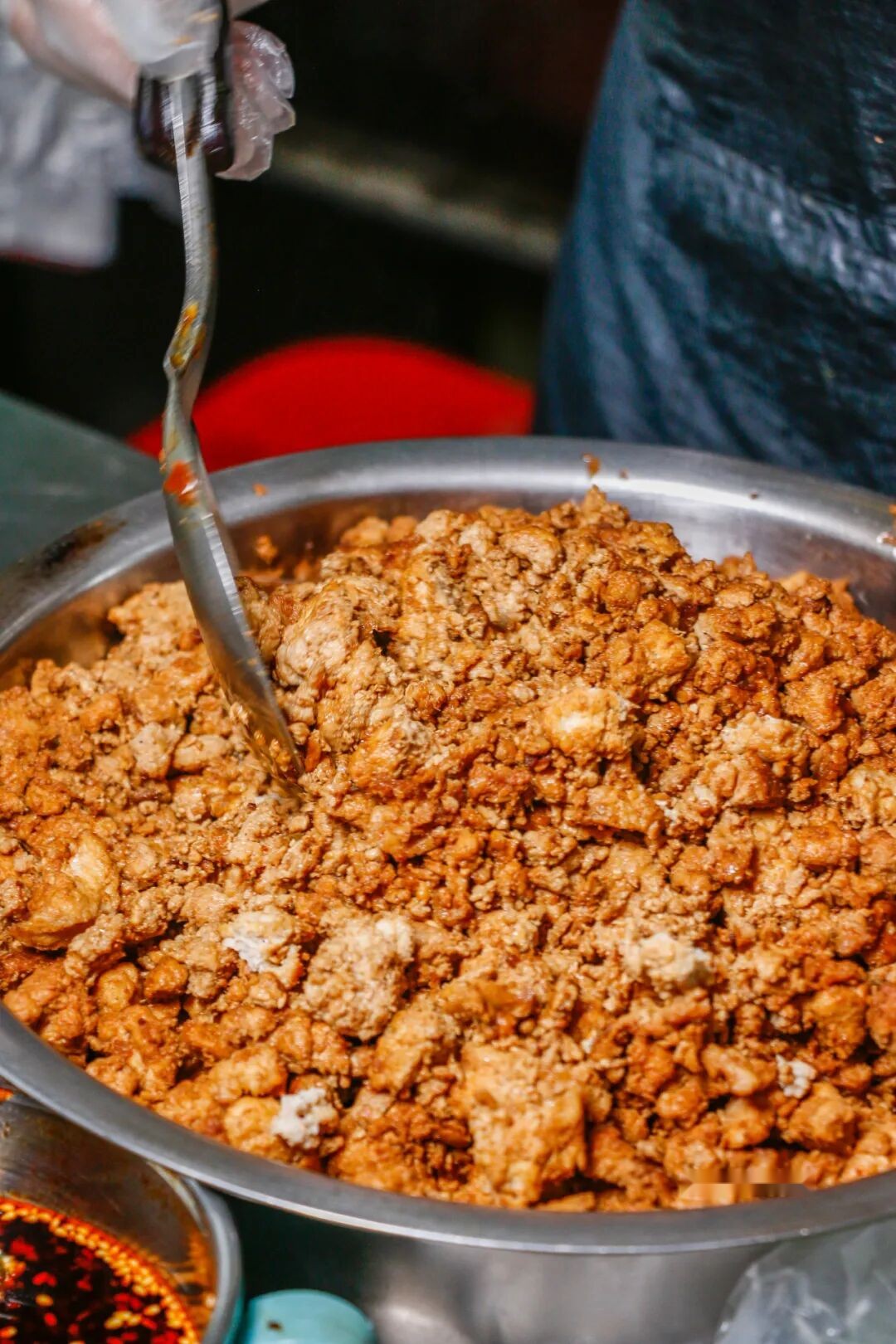
Babe~
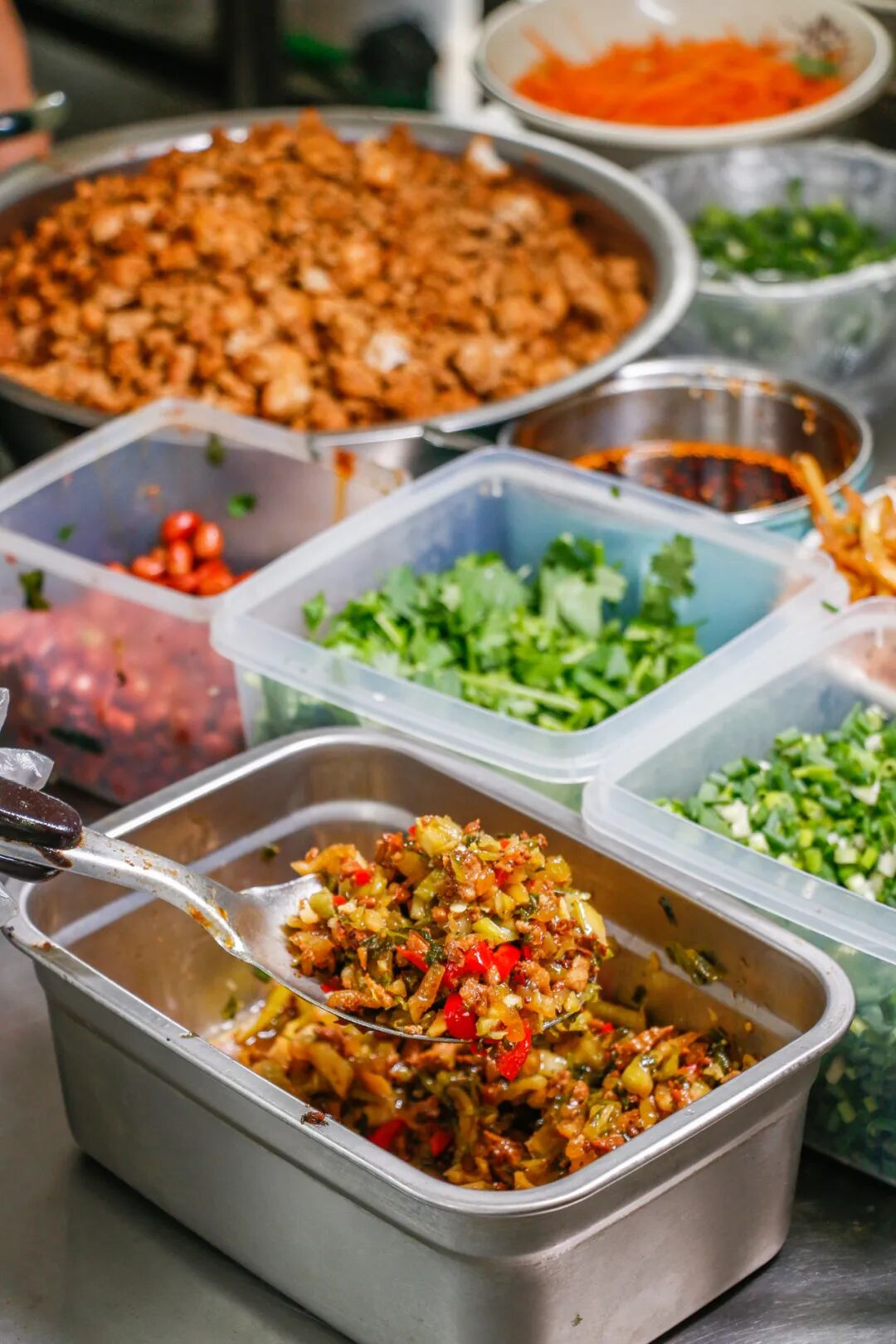
Hearing you're craving the Hui Muslim food in Tianya again?
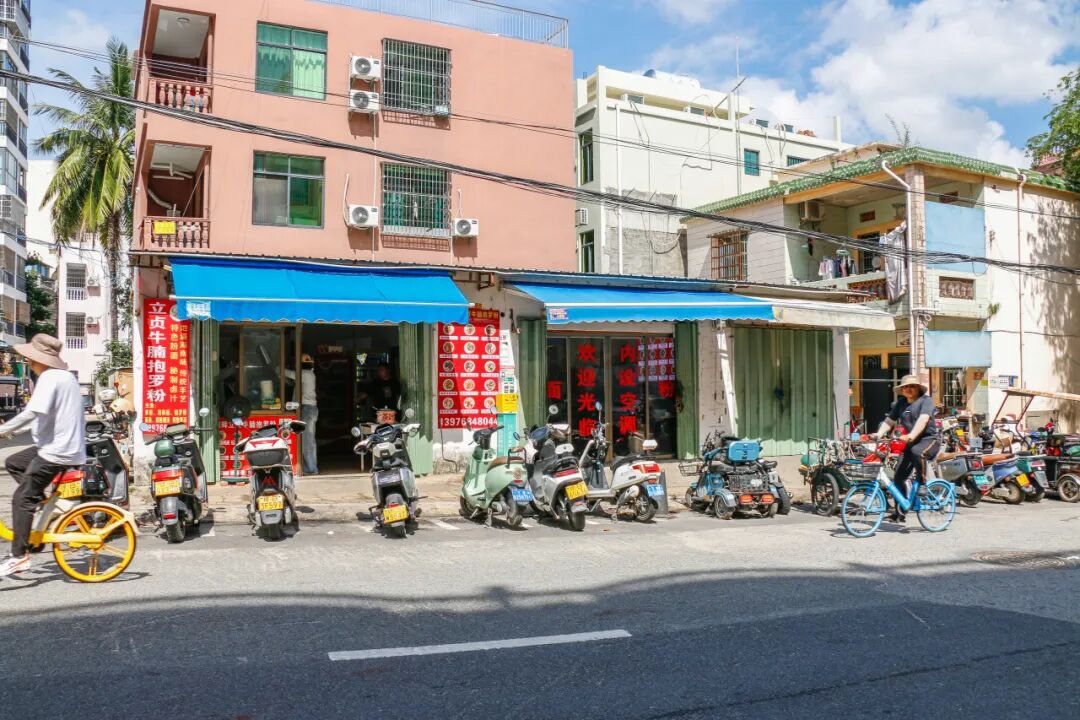
Uncle Ha's little e-bike is firing up again~

"Huihui Community Food Guide Part 3"
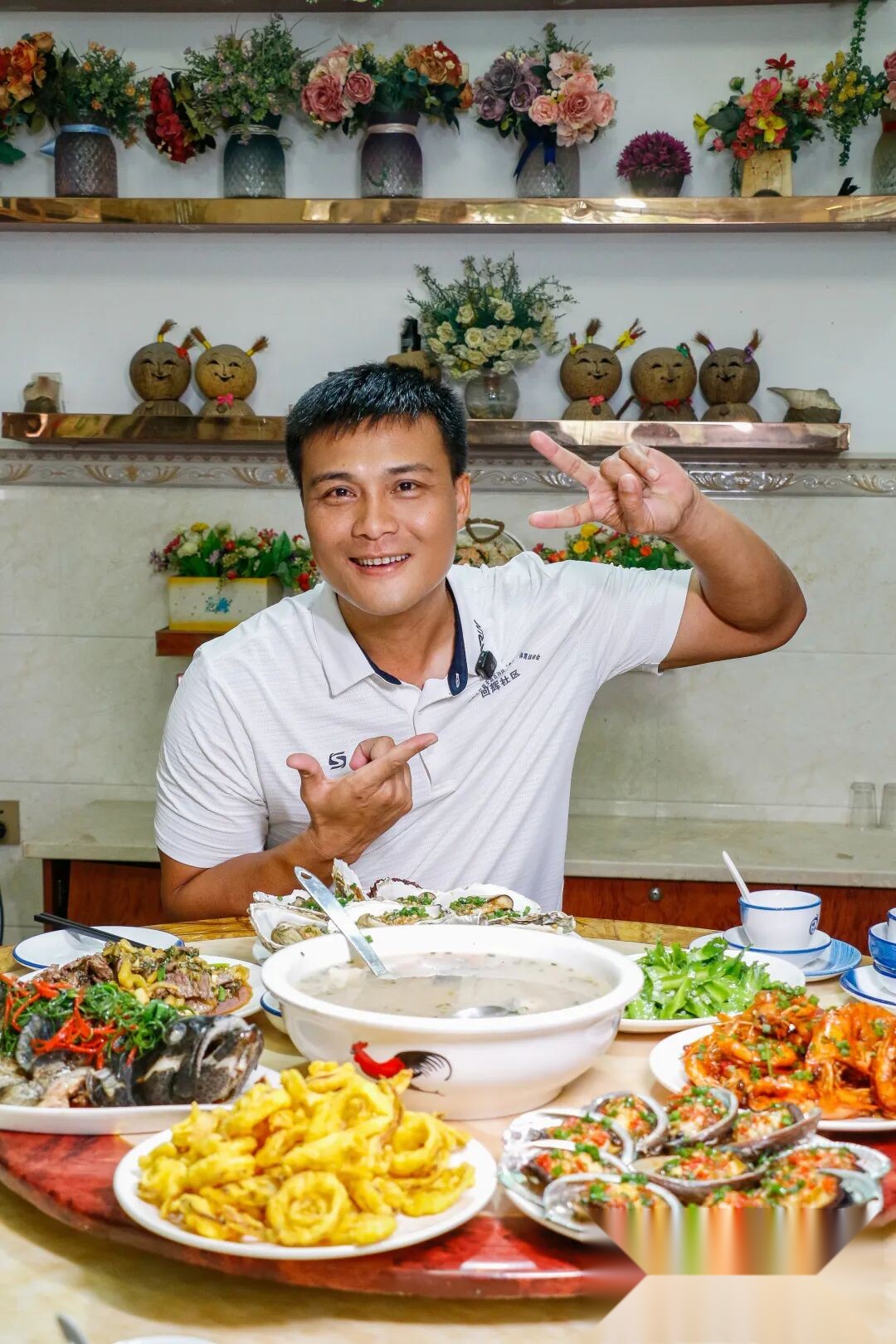
5 spots to take you eating from morning till night!
Coming to Sanya for National Day? Don't just rush to the beach.
Tianya's local neighborhood vibes are seriously addictive too~~~
(Video quick-watch version ↑ Photo & text breakdown version ↓)

"Conch Soup Fish Noodles"

Mornings in Huihui Village (Huihui Muslim Village) are woken up by this bowl of noodles.
01

A day in Huihui Village (Huihui Muslim Village) starts with a steaming hot bowl of conch soup fish noodles. Sister Lizhen has been making this bowl of noodles for 40 years. Wild conch is used to simmer the broth, capturing the pure, natural freshness of the ocean with a deep, clean sweetness. Hand-beaten ladyfish cakes are stir-fried with a secret sauce, paired with soft, chewy handmade rice noodles. Eating a bowl of this in the early morning wakes your stomach right up~
"Lizhen Baoluo Noodles"

Opening Hours: 07:30-17:00
Address: Intersection of Huihui 1st Village 4th Road and Huihui Road, Tianya District, Sanya City
"Hui Muslim Fresh Fish Soup"
Locals love coming here for banquets and celebrations.
02
For lunch, head over to Hualide Restaurant to try this pot of Hui Muslim sour fish soup. Sour starfruit and tomatoes give it a bright, clean tang that isn't overwhelming. The fresh fish is freshly killed and boiled right on the spot, melting the protein into the broth and mellowing out the acidity. Take a sip of the soup, then a bite of the fish—it's deliciously sour, fresh, and majorly appetizing~
"Hualide Restaurant"
Opening Hours: 10:00-21:00
Address: Opposite Huihui Primary School, Tianya District, Sanya City

"Pot Soy Sauce Snacks"
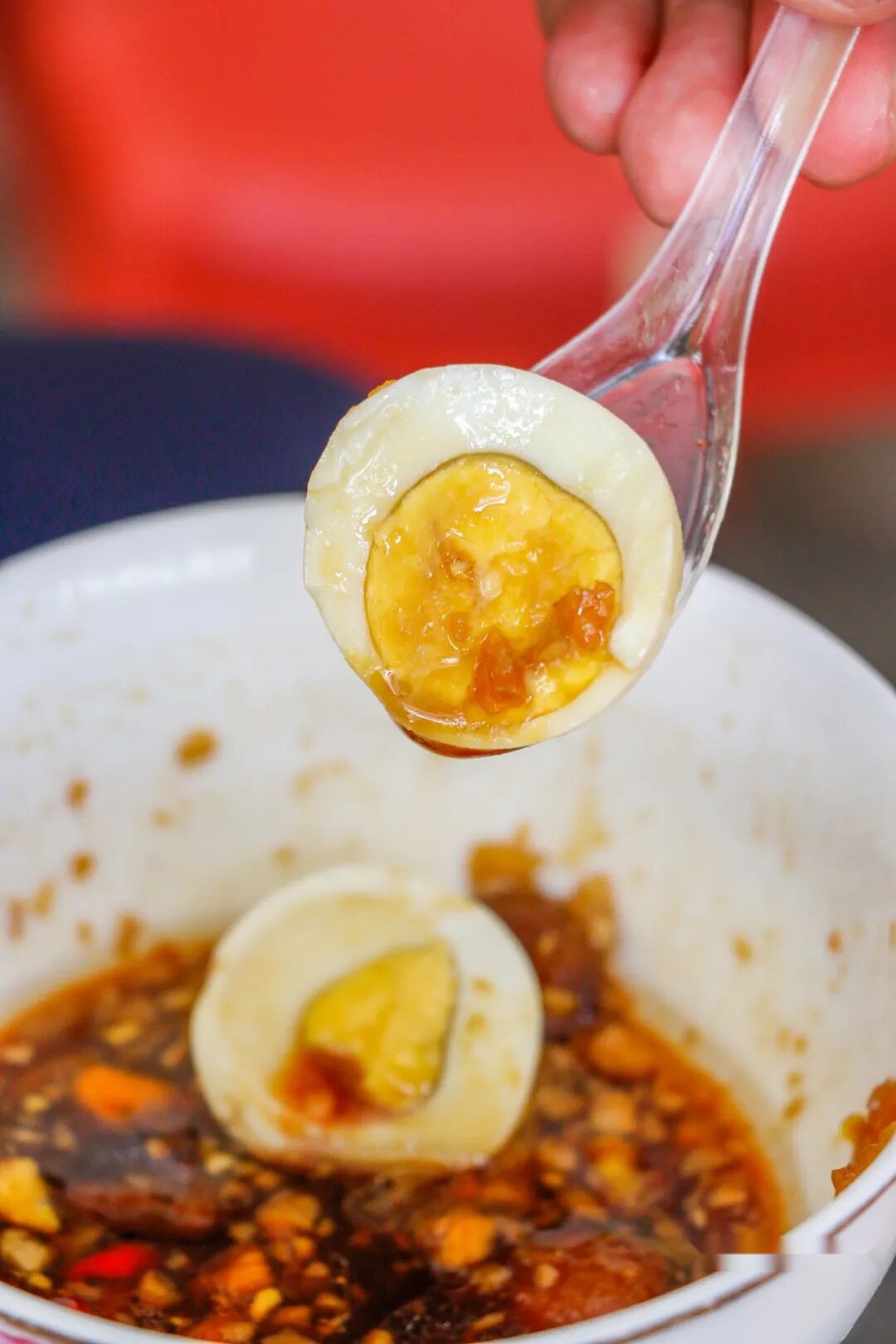
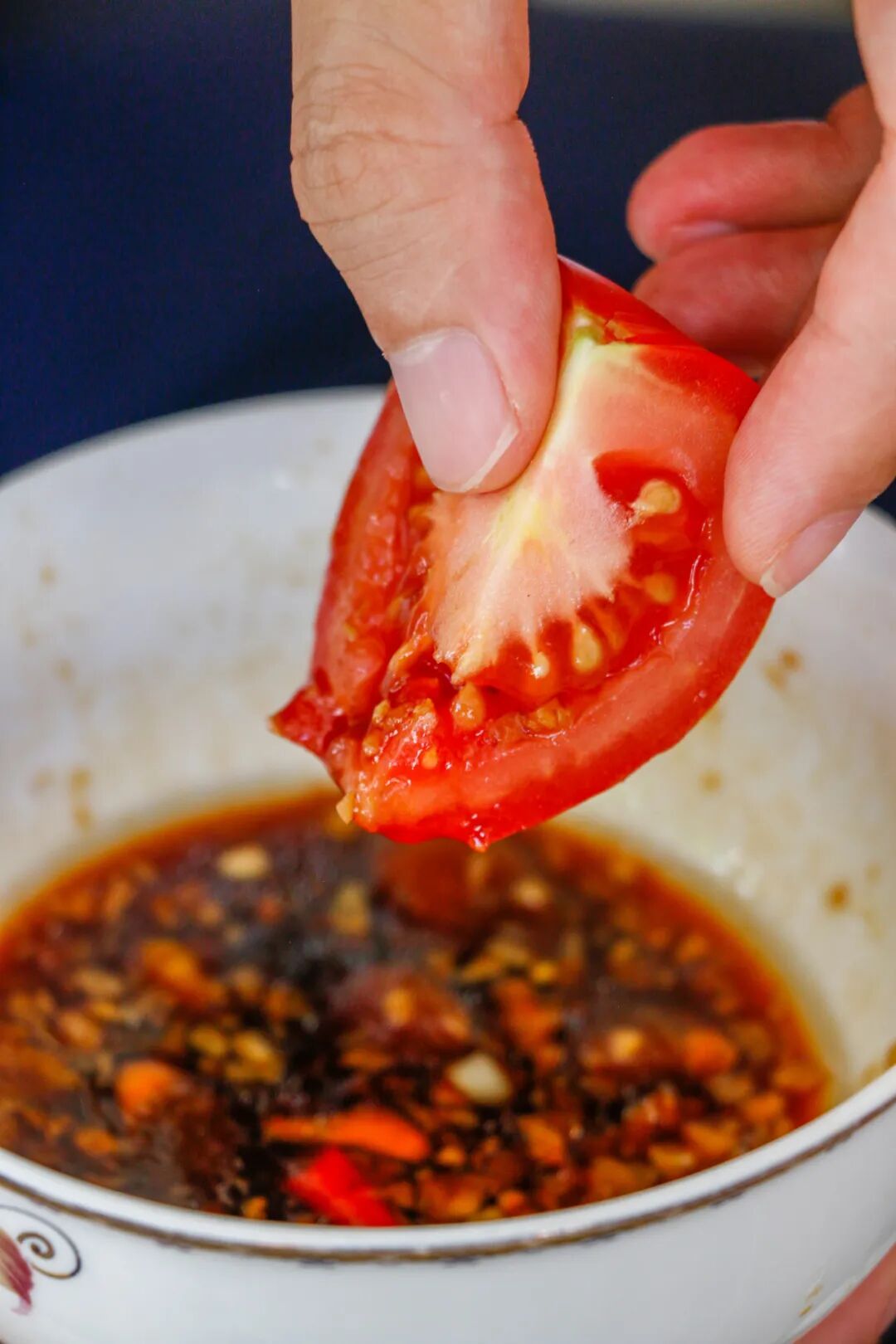
Secret all-purpose dipping sauce, you can dip literally anything in it!
03

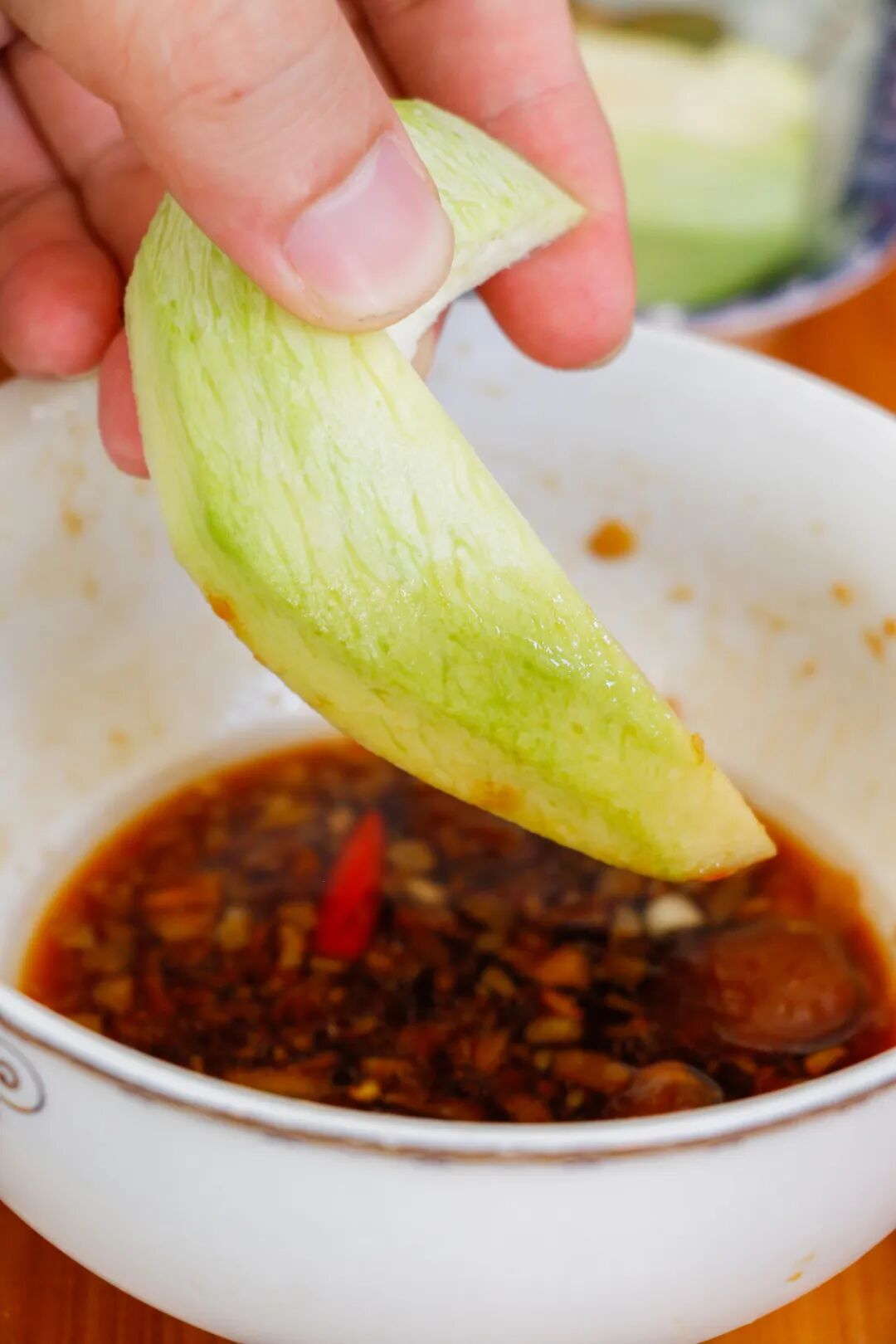
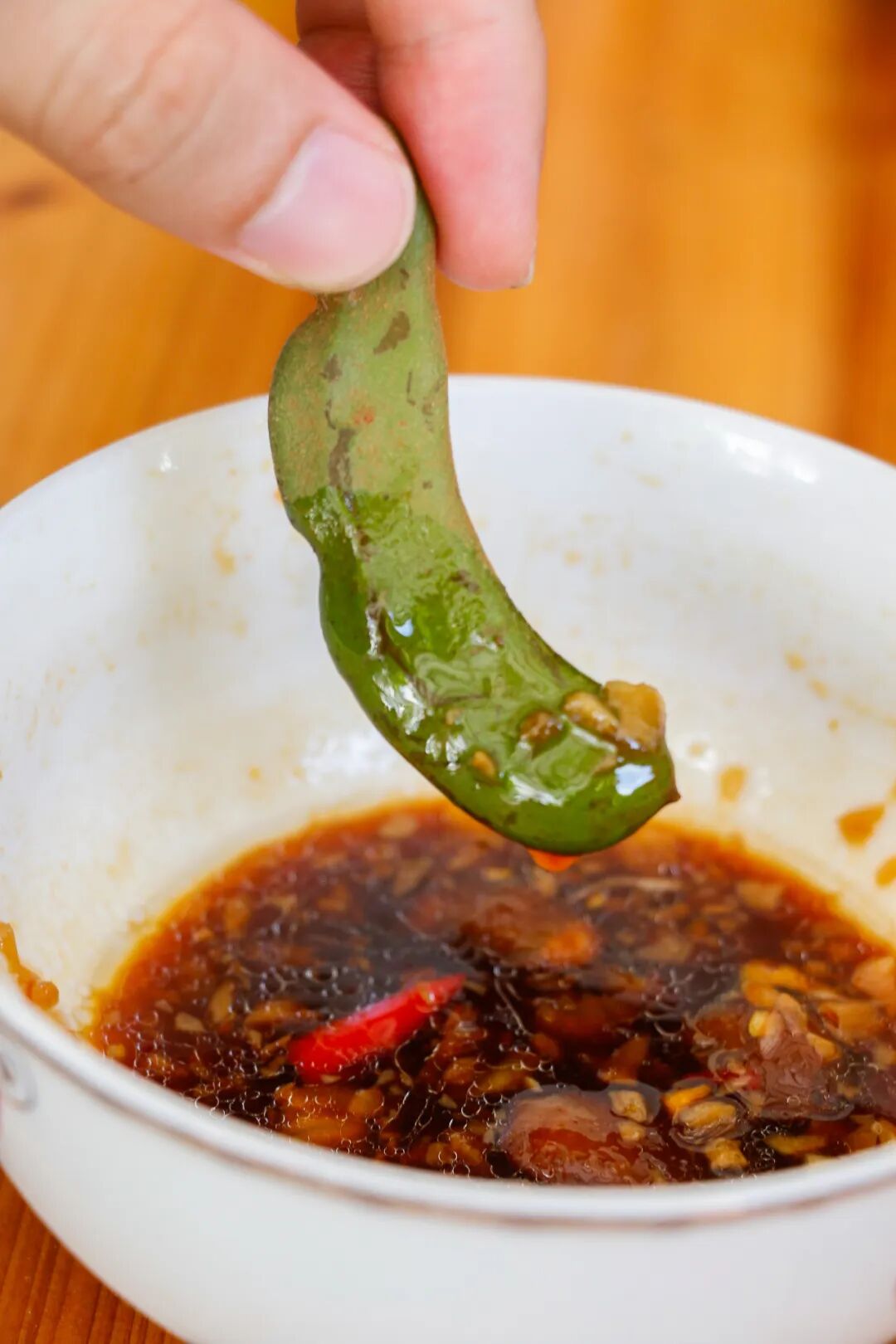
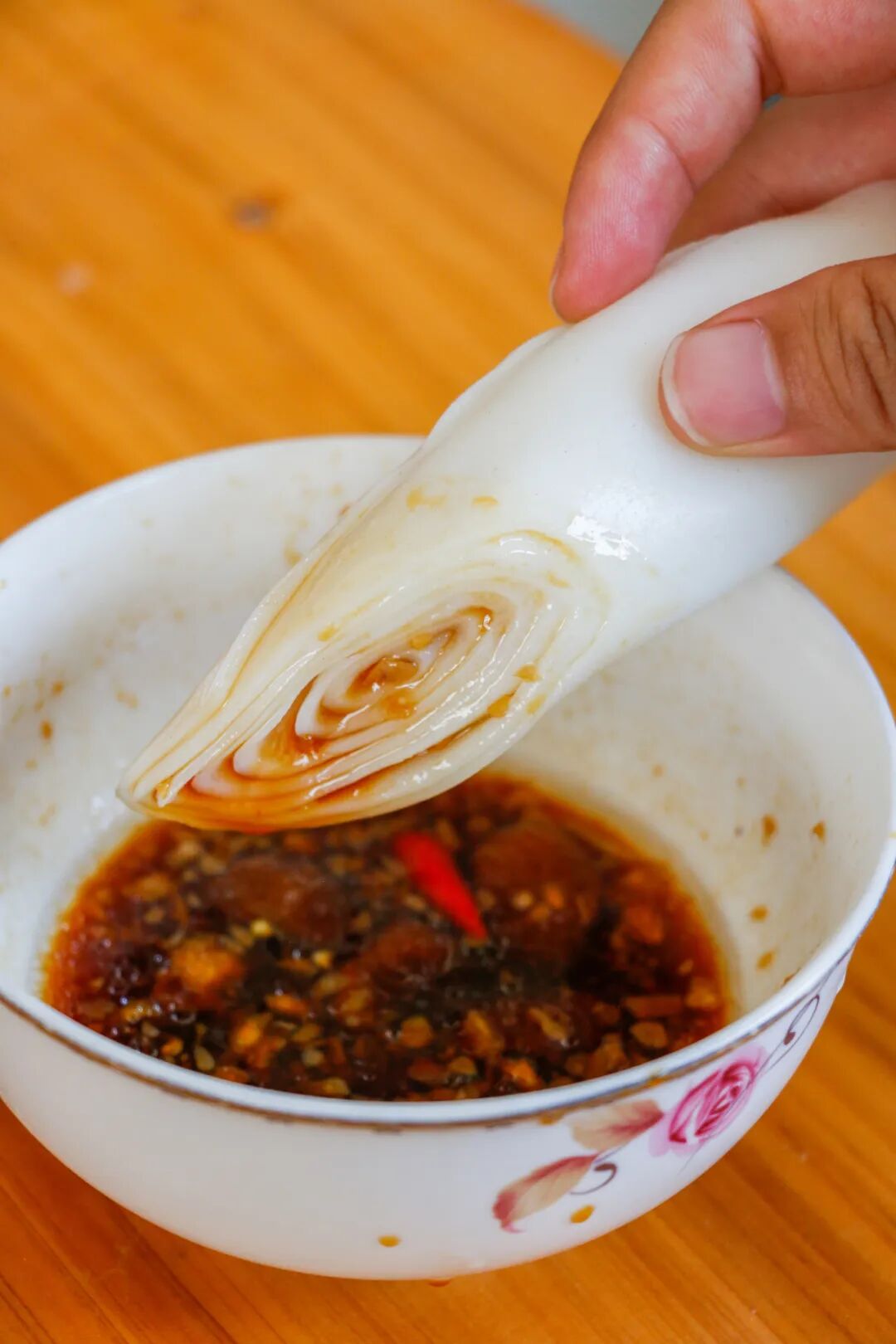
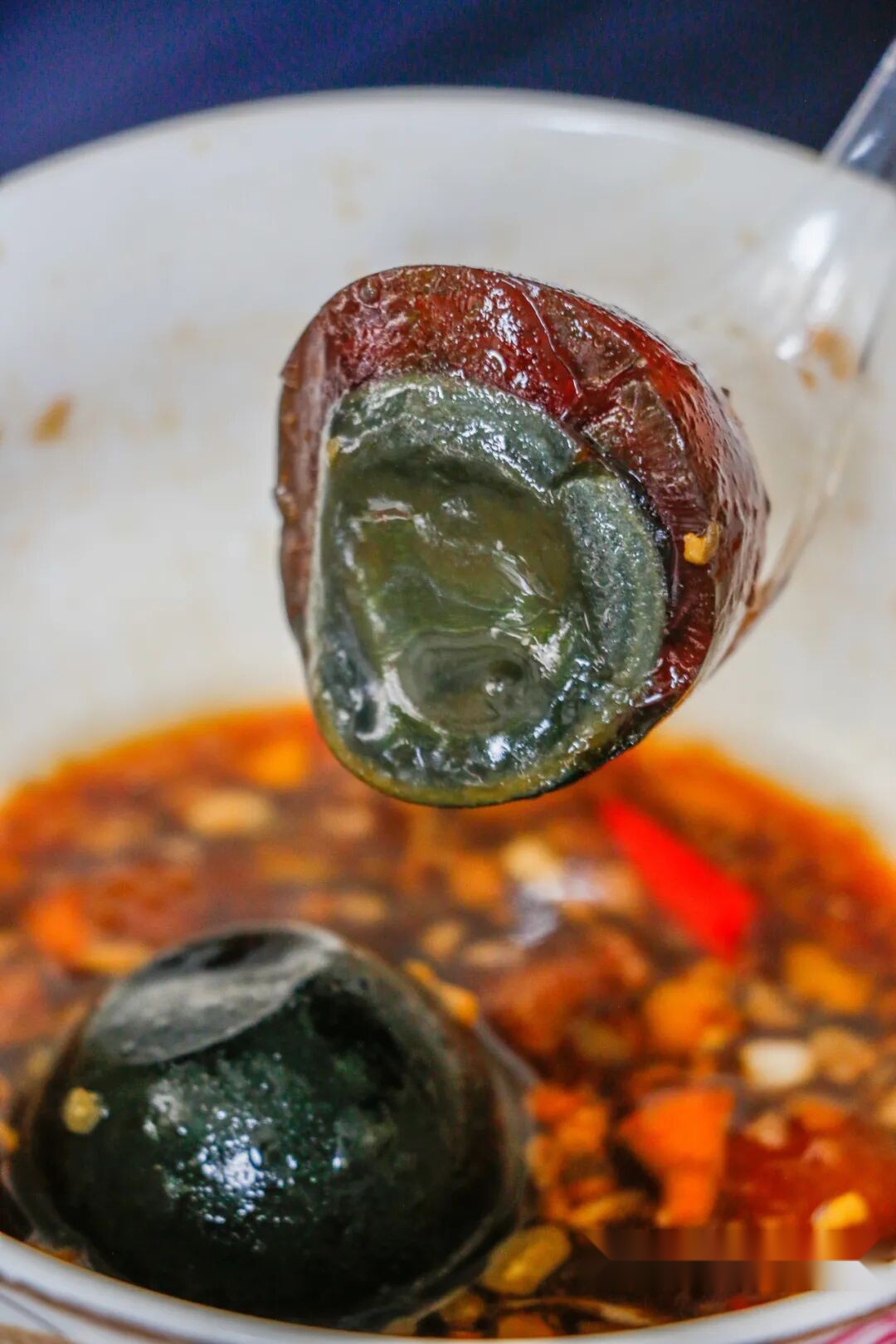
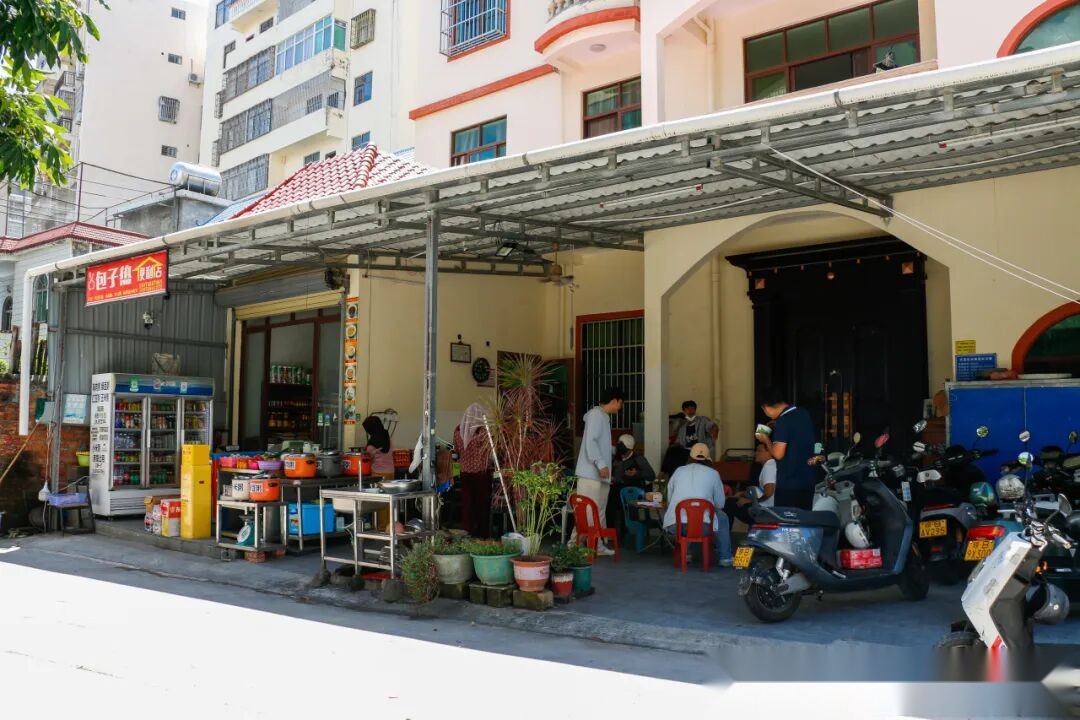
Around 3:00 or 4:00 PM, we squeezed with Uncle Ha into this tiny spot that out-of-towners would never, ever find on their own~ Their secret all-purpose dipping sauce makes literally anything taste amazing! Made with a blend of garlic oil, sour tamarind juice, yellow lantern chili, and other spices, it hits you with a savory punch and a sweet finish. If you're a hardcore foodie like Uncle Ha, drop in a spoonful of Hainan shrimp paste for the ultimate authentic touch! Uncle Ha says the only way to eat this right is squatting on the ground—dip your rice noodles (guotiao), green mangoes, tender sour beans, tomatoes, cucumbers, and century eggs into it... it just keeps you craving more~
「Baozi Hot Convenience Store」
Hours: 08:00 - 18:00
Address: 4th Road, Huihui Village 1st Group, Tianya District, Sanya
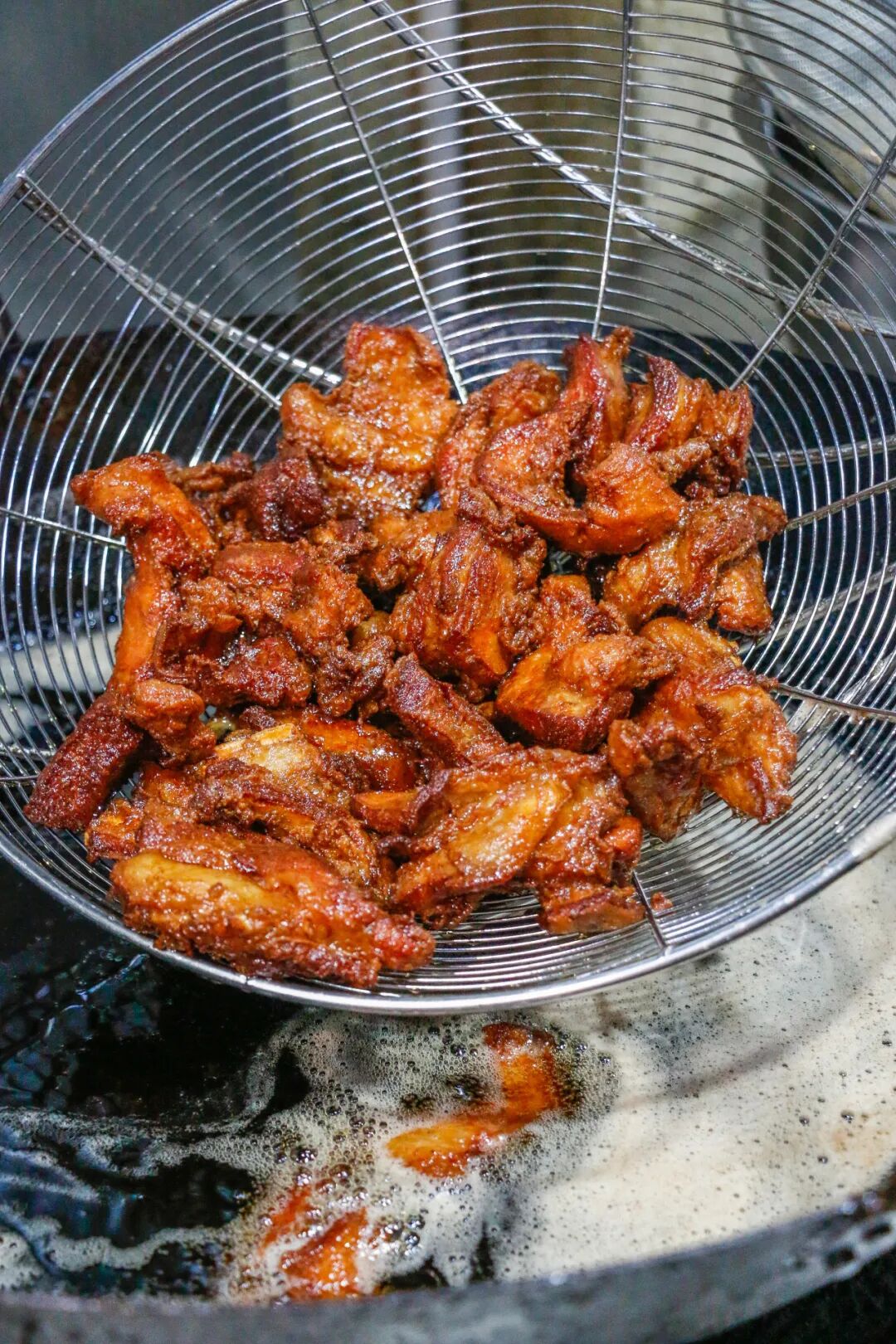
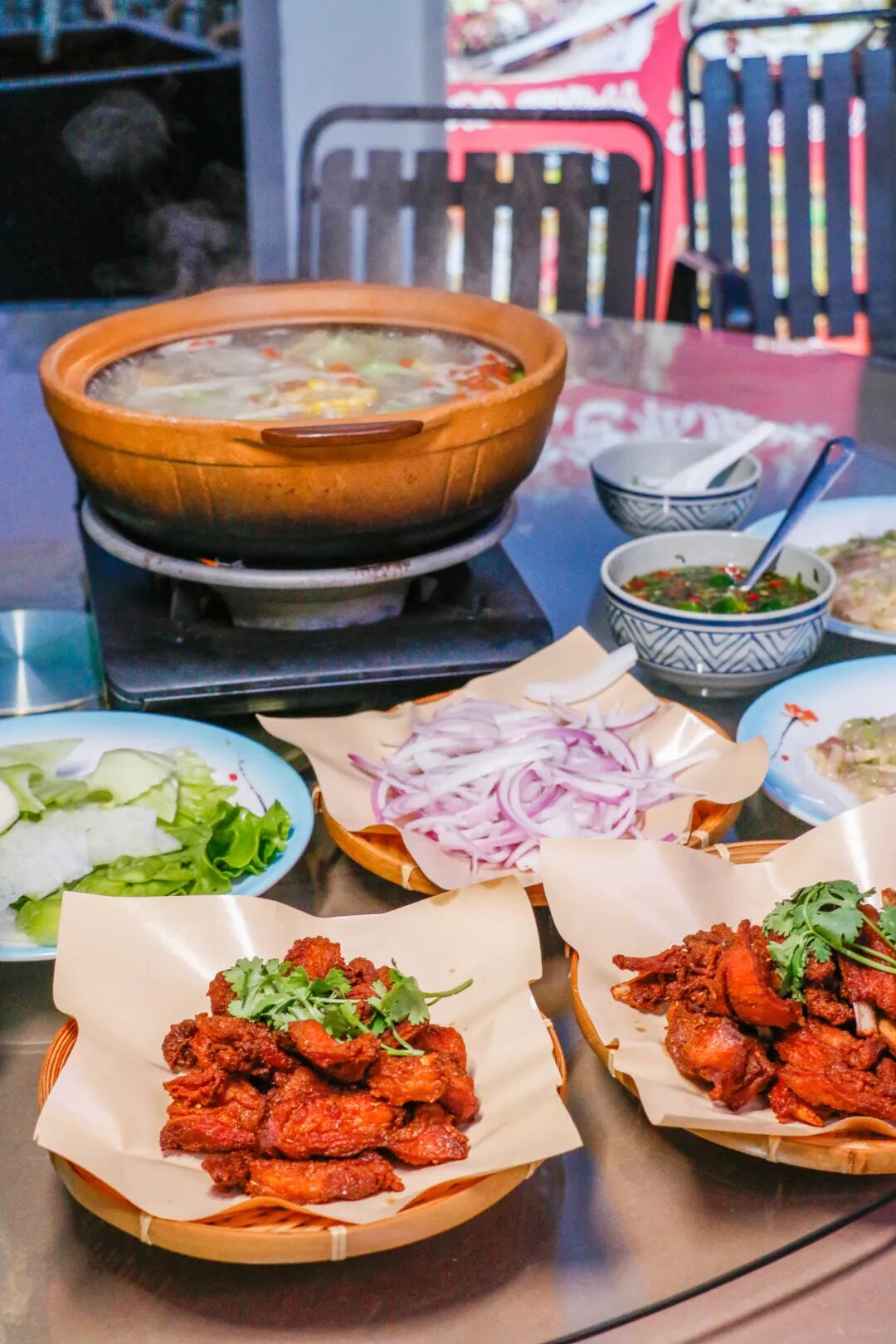
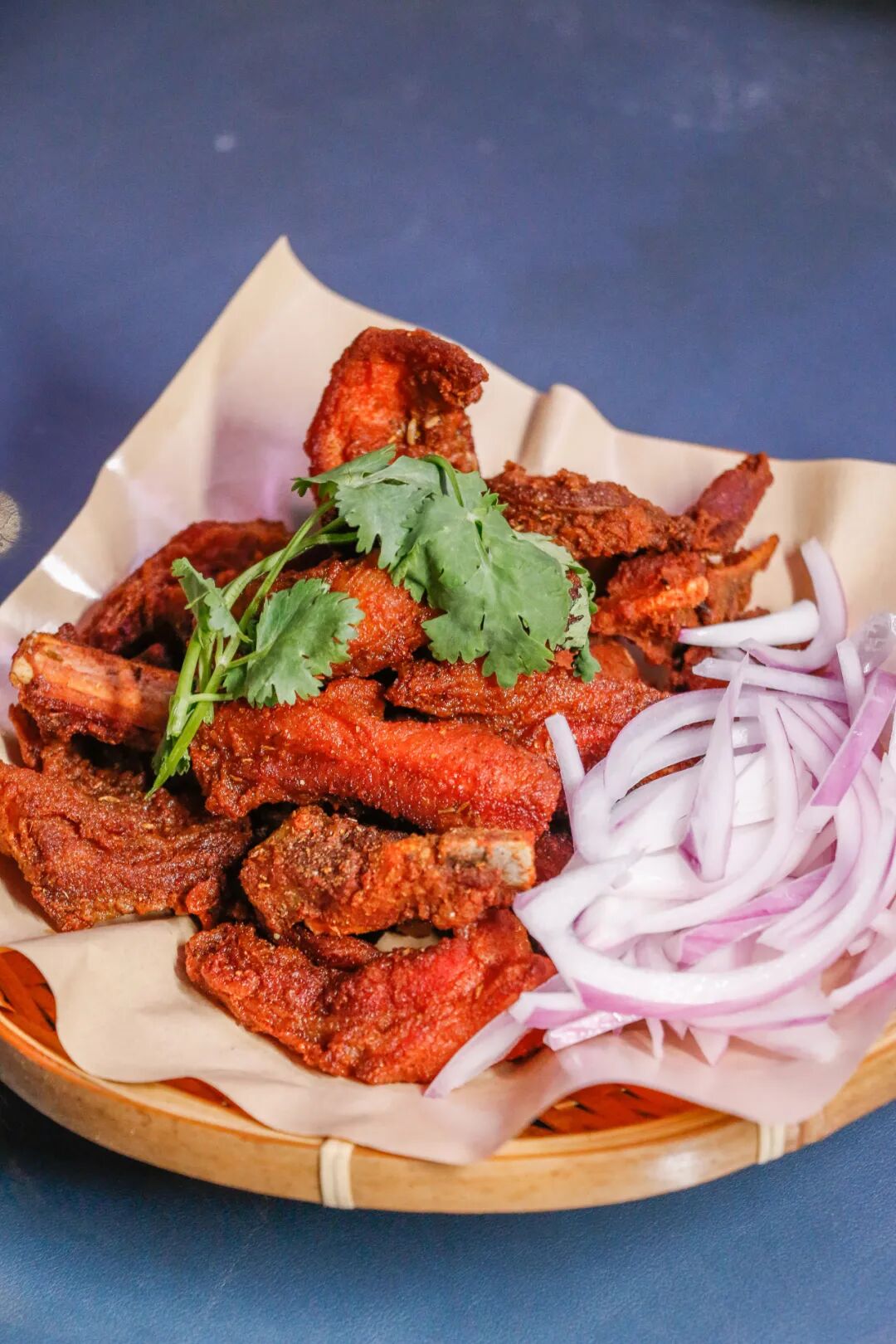
“ Secret Fried Lamb Chops ”
As soon as the streetlights flick on, dinner is officially in Tiger Dad's hands!
04
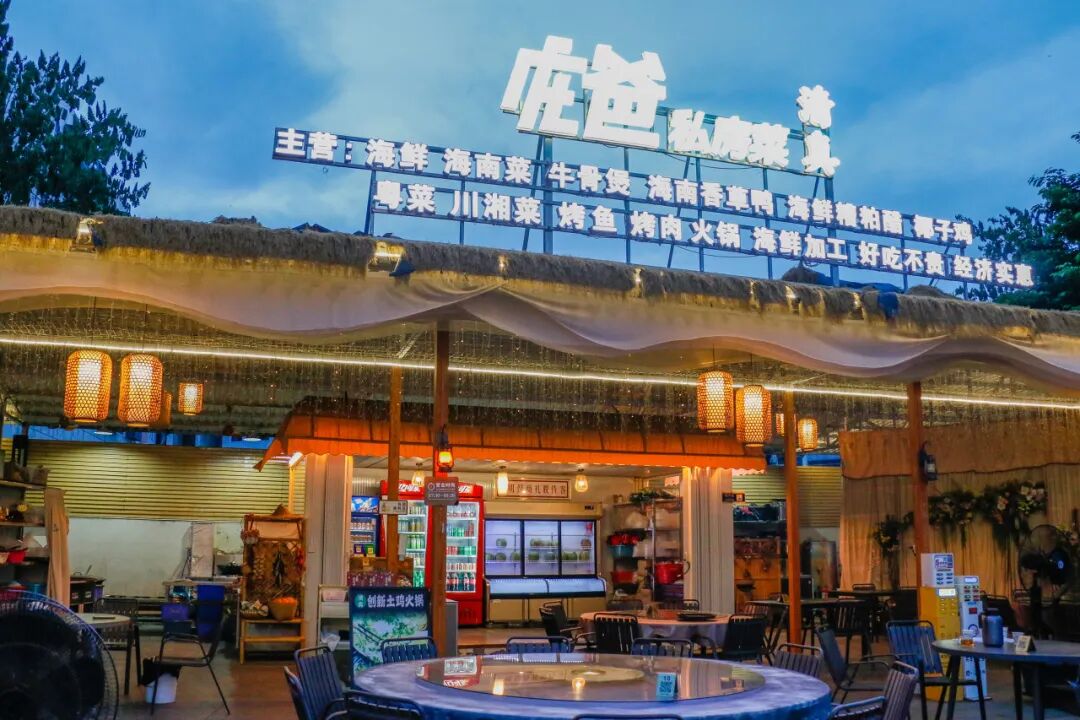
These sizzling signature secret fried lamb chops are super crispy on the outside and tender on the inside. You've gotta eat them with onions—the crisp sweetness of the onion hitting that rich lamb flavor is officially certified delicious by Uncle Ha! Their crispy skin chicken hot pot is pretty solid too. After eating, take a stroll around Hecheng Square or just kick back and listen to some music before diving right into late-night supper~
「Qingzhen Huba Sifangcai (Tiger Dad's Halal Private Kitchen)」
Hours: 15:00 - 23:00
Address: Hot Box Bazaar, Hecheng Square, Fenghuang Road, Tianya District, Sanya

“ Beef Bone Soup Mala Tang ”

The coziest way to wrap up a night in Huihui Village~
05
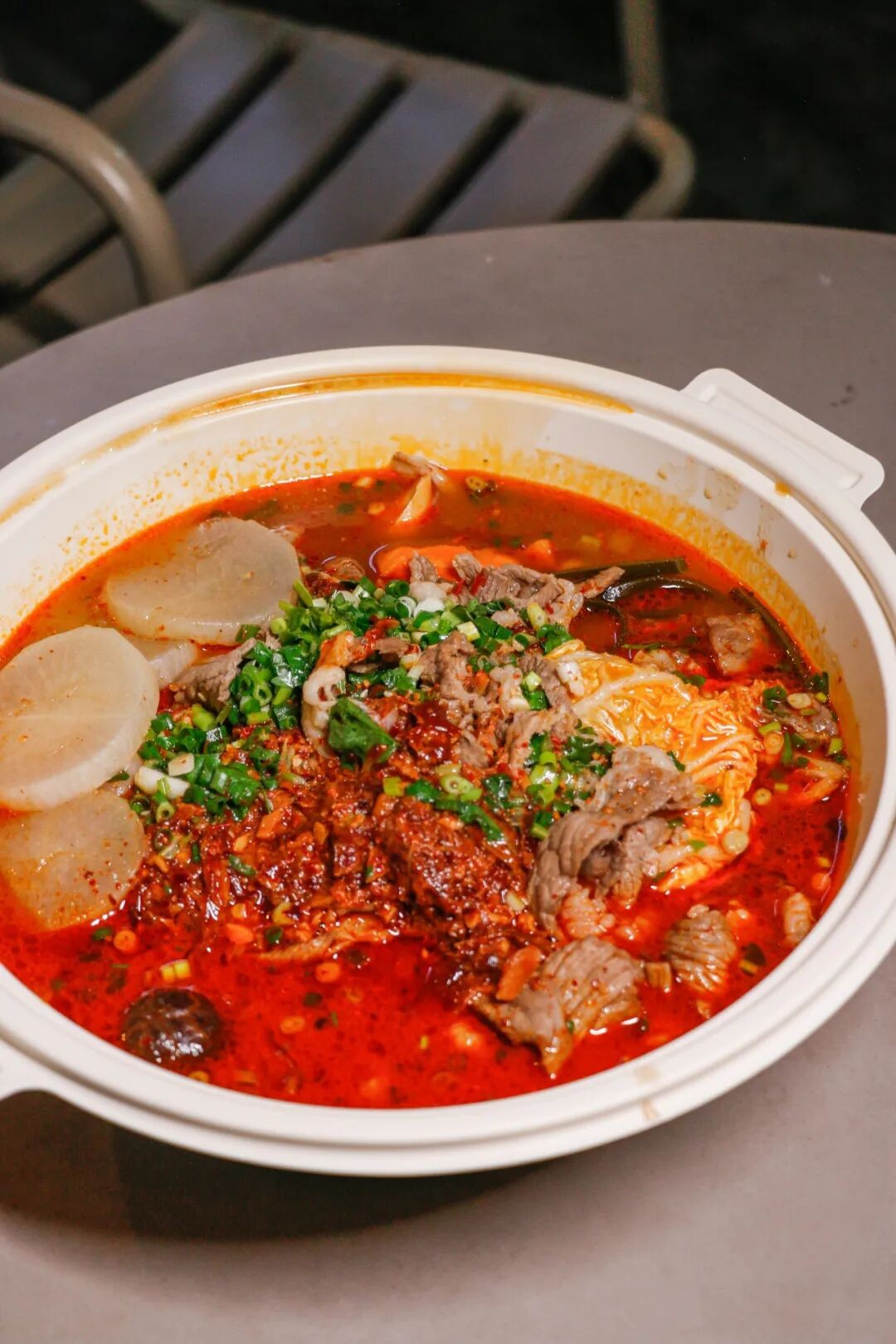
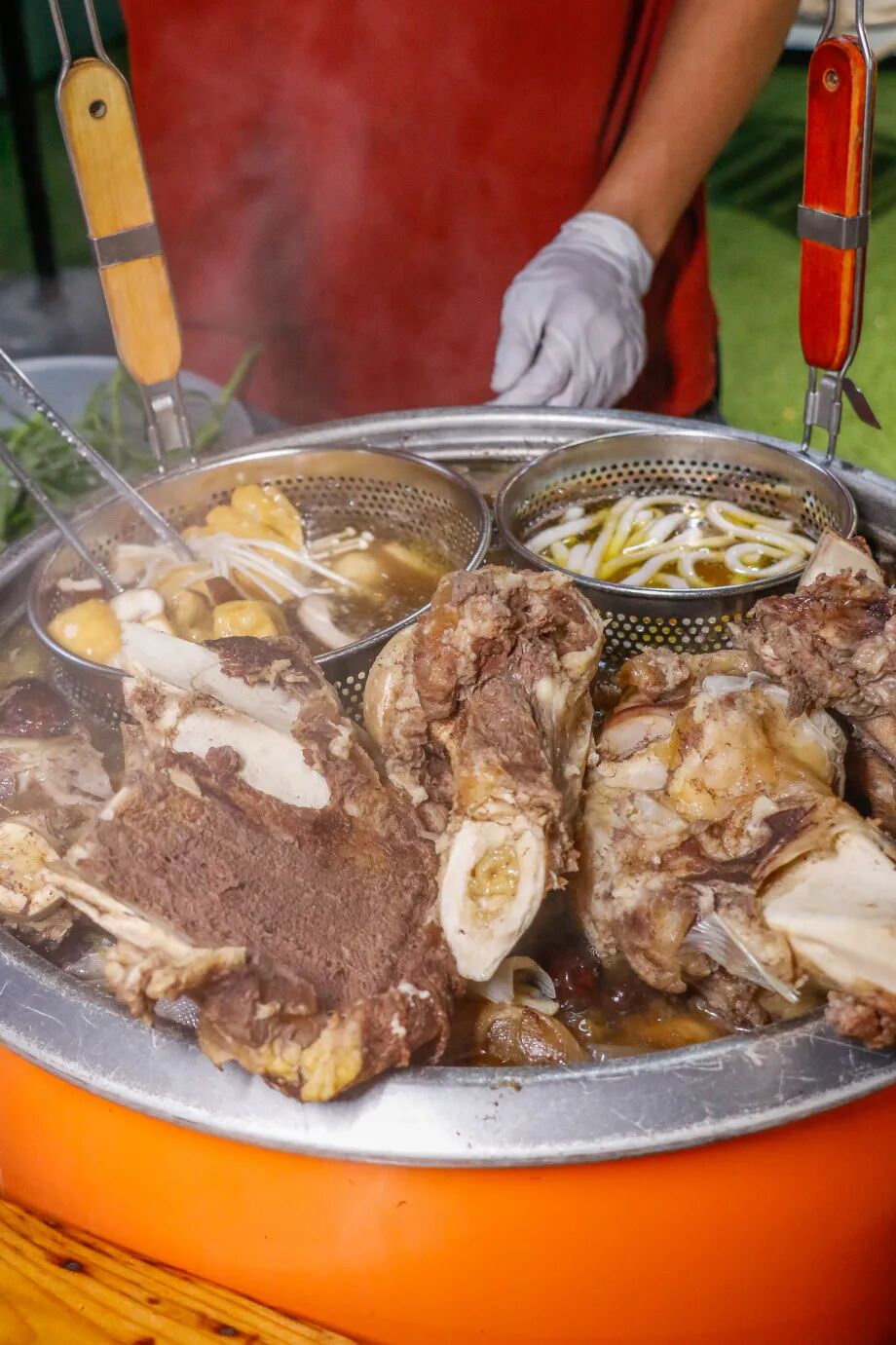
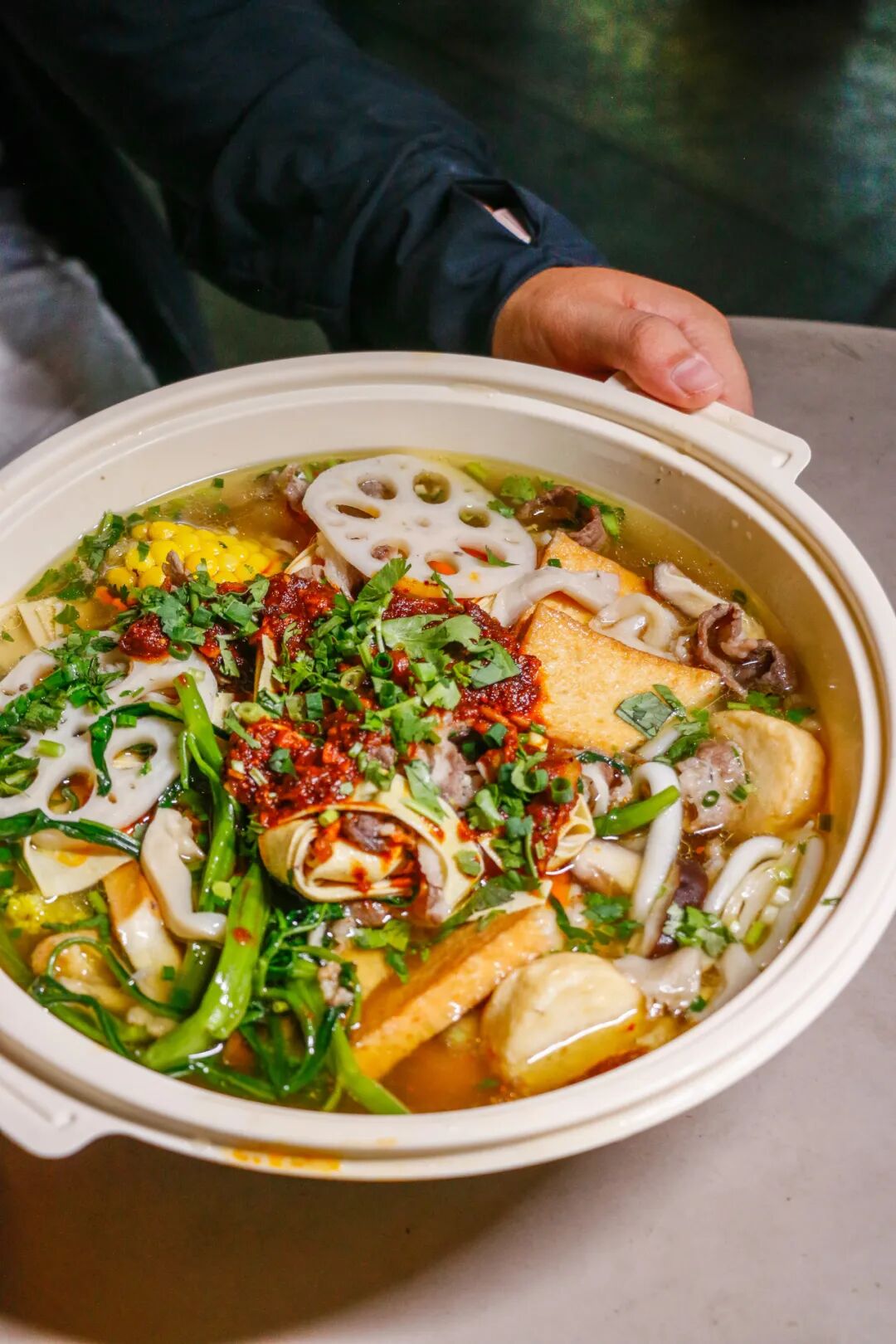
If you want to experience the vibrant, bustling night market energy of Huihui, Hecheng Square is the absolute place to be. You've got live music, barbecue, and coffee all in one spot, so leave your late-night cravings to Xiangni Mala Tang (Miss You Mala Tang)! This is our first time seeing a mala tang broth brewed with so many massive beef bones—it smells unreal. The beef bone mala tang paired with their spicy dipping sauce is super fresh and punchy; if you love heavy, bold flavors, their spicy broth option hits the spot just as well~

「Xiangni Mala Tang」
Hours: 19:00 - 01:00 (Next Day)
Address: Hot Box Bazaar, Hecheng Square, Fenghuang Road, Tianya District, Sanya
Hey bestie~ Coming to Sanya this National Day?
Don't sleep on the amazing food in Huihui Village!
Come feel a totally different side of Sanya's vibrant local street life in Tianya.
Yaya is waiting for you in Huihui—better bring an empty stomach with 1TB of storage space!
Sanya Halal Travel Guide: Exploring White Domes, Tropical Mosques, and Utsul Cham Muslims in Hainan
Articles • Hasan09 posted the article • 0 comments • 4 views • 3 hours ago
Sanya's Six Historic Mosques: A Guide to White Domes and Tropical Island Islamic Architecture Framed by Coconut Palms
Abstract:
A panoramic deep-dive into the six surviving mosques nestled within Huihui Village (Huihui Muslim Village) and Huixin Village (Huixin Muslim Village) in Sanya's Tianya District. Complete with photo-rich details on tropical white-domed architectural clusters and serene prayer halls like Sanya Ancient Mosque, South Mosque, and North Mosque, this serves as an insider's field guide for Muslim road-trippers and independent travelers.
Stepping into this part of Sanya seriously feels like teleporting to the Middle East!
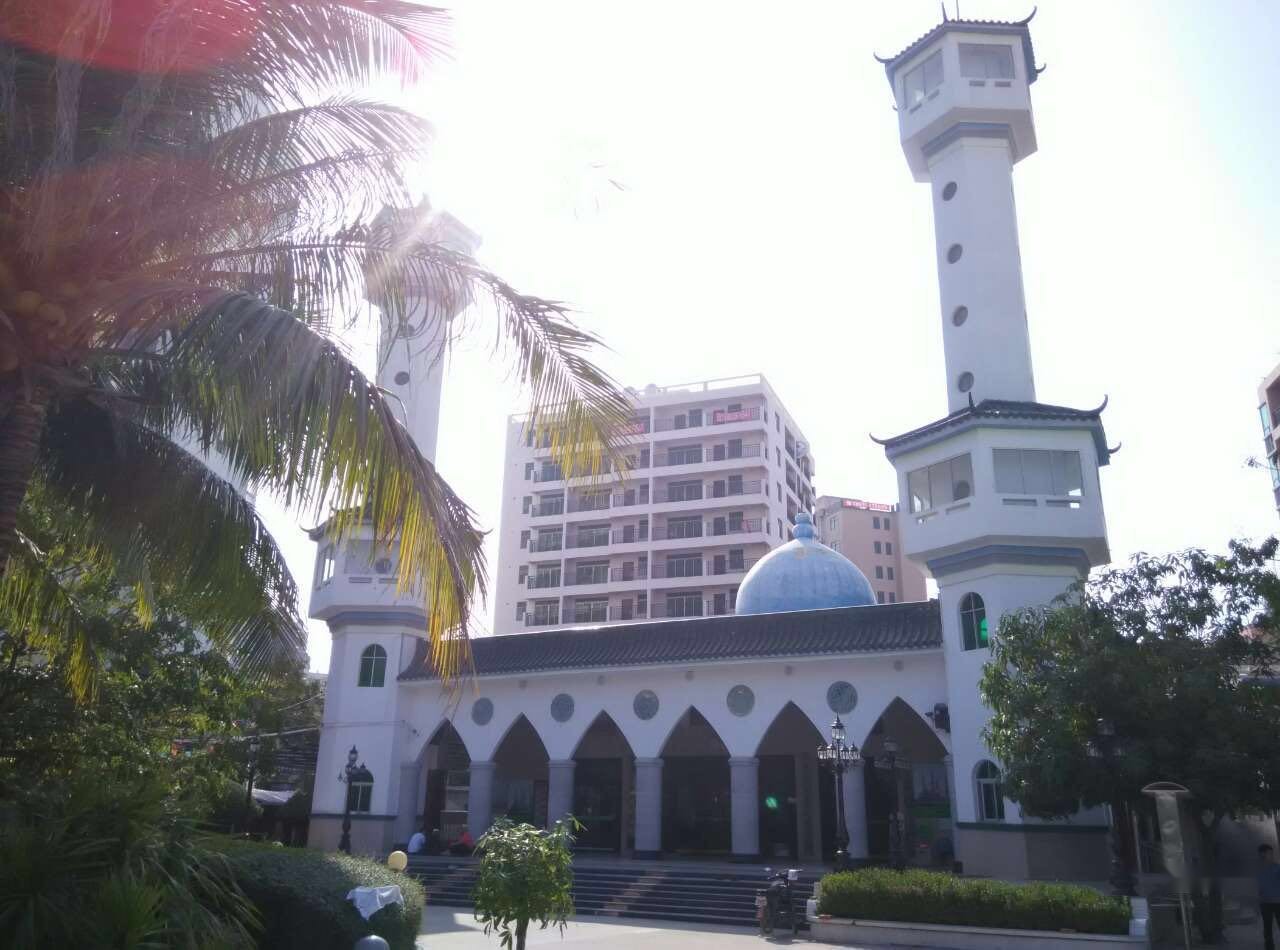
Cruising past Huihui Village (Huihui Muslim Village) near the Sanya airport, you might genuinely feel like you've been dropped into a traditional residential neighborhood in the Middle East—think Dubai or Doha. We're talking striking white architecture and intricate Arabic geometric patterns that look totally different from the usual Lingnan aesthetic.
▲ Architectural styles lining the streets of Huixin Village (Huixin Muslim Village) in Fenghuang Town, Sanya, lean heavily into crisp white tones.
Even wilder? Sanya has a registered urban population of under a million, yet it boasts a whopping six mosques (meanwhile, Nanning has an urban population of over four million and just one). The mosque density here is way higher than most other southern Chinese cities.
▲ Mosques in Sanya.
Right there in Huihui Village (Huihui Muslim Village), you'll find three mosques sitting close together, creating a vibrant religious vibe that makes you completely forget you're chilling in a tropical island paradise.
▲ Architectural styles along the streets of Huixin Village (Huixin Muslim Village) in Fenghuang Town, Sanya.
Most Muslims in southern China today—if you find them—originally migrated from Northwest China. But Sanya's Muslims, the Utsul Muslims, are a total exception. They migrated down from Southeast Asia, and with a population of around 10,000, they make up China's southernmost ethnic minority group.
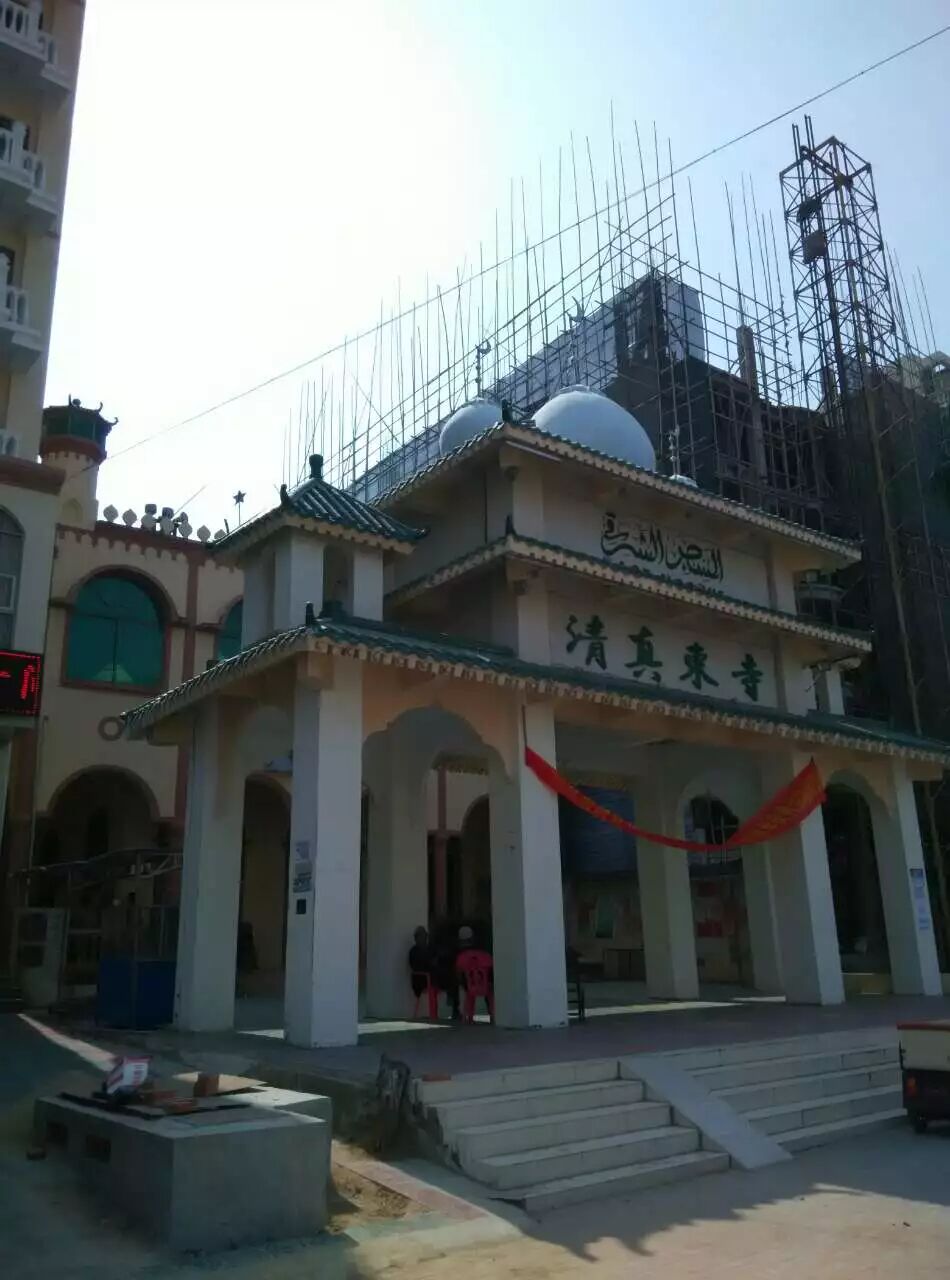
▲ South Mosque in Huixin Village (Huixin Muslim Village), Fenghuang Town, Sanya.
The ancestors of the Utsul Muslims hail from the Champa Kingdom in Southeast Asia (now southern Vietnam), making them China's only Muslim immigrant group with Southeast Asian roots.
Because of this unique history, this little beach city packs in six mosques in a very tight radius. While Utsul Muslims are officially categorized as Hui people due to their religious faith, their appearance and language are totally different from Northwest Hui Muslims. The Utsul people feature distinct Southeast Asian and Arab physical traits, and they speak an Austronesian language belonging to the Chamic language family, closely related to Southeast Asian Cham languages.
Why did the Utsul people migrate from Southeast Asia to Sanya?
✅ [Origins of the Utsul People]
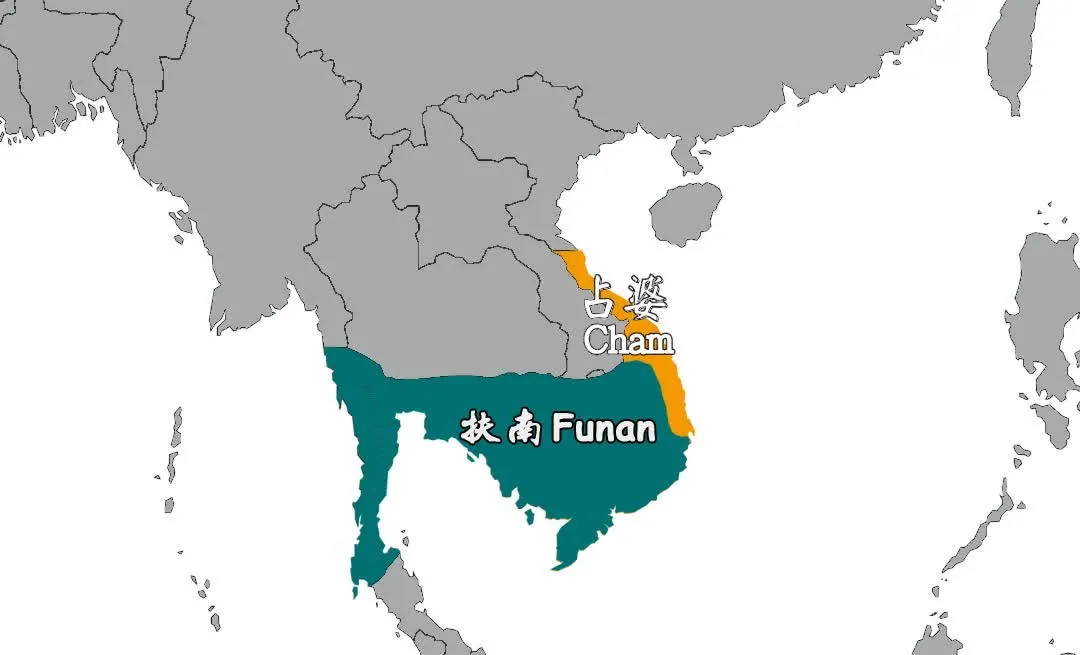
Sanya's Utsul Muslims are descendants of the ancient Cham people of Southeast Asia. The Cham originated in the Kingdom of Linyi (present-day central Vietnam). Linyi was originally part of China's sphere, but during the chaos at the end of the Eastern Han dynasty, they broke away to establish their own state, which later grew into the Champa Kingdom.
▲ The Champa Kingdom.
The Cham people were originally influenced by India and practiced Brahmanism. Later, as Arab merchants traded along the coast, Islam was introduced to Champa, and local Muslim communities gradually formed.
Vietnam bordered Champa, but back then, Vietnam was still under Chinese rule. As the Tang Dynasty weakened, Vietnam shook off Chinese control and established the Dinh Dynasty in 968 AD, becoming Champa's brand-new neighbor.
Once independent, Vietnam launched military campaigns against Champa. To escape the ravages of war, batches of Muslim Cham people migrated across the sea to Hainan Island during the Song and Yuan dynasties, settling down in scattered pockets across the island.
▲ Geographic location of Hainan Island.
The Cham populations in northern Hainan, being closer to the mainland, eventually intermarried and assimilated with the Han and Li ethnic groups. But Sanya, sitting right at the island's southernmost tip, was geographically isolated, and large numbers of Han Chinese didn't settle there at the time. As a result, the local Cham escaped assimilation. They planted roots in Sanya, established tight-knit Muslim communities, evolved into the Utsul people, and developed their own Utsul dialect.
▲ Distribution of the Cham people.
✅ [The Fall of the Champa Kingdom]
Wars between Champa and Vietnam dragged on for centuries, with Vietnam gradually gaining the upper hand.
In 1471, Vietnamese forces captured the royal capital of Champa, reducing Champa to a vassal state of Vietnam.
By 1802, Vietnam abolished the native chieftains and brought the region under direct imperial administration (*gaitu guiliu*), officially spelling the end of the Champa Kingdom.
Following the fall of their nation, the surviving Cham people were mostly scattered across modern-day Vietnam and Cambodia. Due to aggressive assimilation policies in both countries, the Cham population plummeted dramatically; today, the combined Cham population in both nations is under 500,000.
▲ Current Cham population distribution.
✅【Current Status of the Utsul People in Sanya】
In 1939, when the Japanese invaded Hainan and built an airport in Phoenix, Sanya, the local Utsul people were forced to relocate to the Yanglan area, forming the clustered settlement known as Huihui Village (Huihui Muslim Village).
After Japan's defeat, some Utsul people returned to their original site to establish Huixin Village (Huixin Muslim Village).
Since then, Sanya has been home to two major villages: Huihui and Huixin.
▲ Hainan Ethnic Minority Languages
After the founding of New China, based on religious beliefs, the Huihui people—who have deep roots on Hainan Island for nearly a thousand years—were officially classified as Hui Muslims rather than Cham people.
In recent years, as Sanya has transformed into a major tourist destination, the Huihui people have seized tourism opportunities to develop their cultural village. Visitors can head over to Phoenix Town, where the Huihui people are concentrated and where you'll find 6 mosques, to experience the culture of this Muslim community originally from Southeast Asia.
▲ A Sanya Hui Muslim Bride (Photo courtesy of Sanya Tianya District Hui Culture Communication Service Center)
These Muslim Cham people crossed the ocean seeking refuge and ultimately put down roots on Hainan Island, boasting a history of 600 to 700 years. Shaped by a unique geographical and cultural environment, the Huihui people add a vibrant, distinctive cultural stamp to Hainan's ethnic heritage.
Today, there are about 10,000 Huihui people in Sanya, mainly clustered in Huihui Village (Huihui Muslim Village) and Huixin Village (Huixin Muslim Village), where they still preserve their ancient beliefs and traditions to this day.
▲ Architecture in Huixin Village (Huixin Muslim Village)
✅ Location: Phoenix Town, Tianya District, Sanya
Huihui Village (Huihui Muslim Village) (around Fenghuang Road and the East Mosque)
Huixin Village (Huixin Muslim Village) (around Huixin Road and the South Mosque)
—(End of Article)— view all
Sanya's Six Historic Mosques: A Guide to White Domes and Tropical Island Islamic Architecture Framed by Coconut Palms
Abstract:
A panoramic deep-dive into the six surviving mosques nestled within Huihui Village (Huihui Muslim Village) and Huixin Village (Huixin Muslim Village) in Sanya's Tianya District. Complete with photo-rich details on tropical white-domed architectural clusters and serene prayer halls like Sanya Ancient Mosque, South Mosque, and North Mosque, this serves as an insider's field guide for Muslim road-trippers and independent travelers.
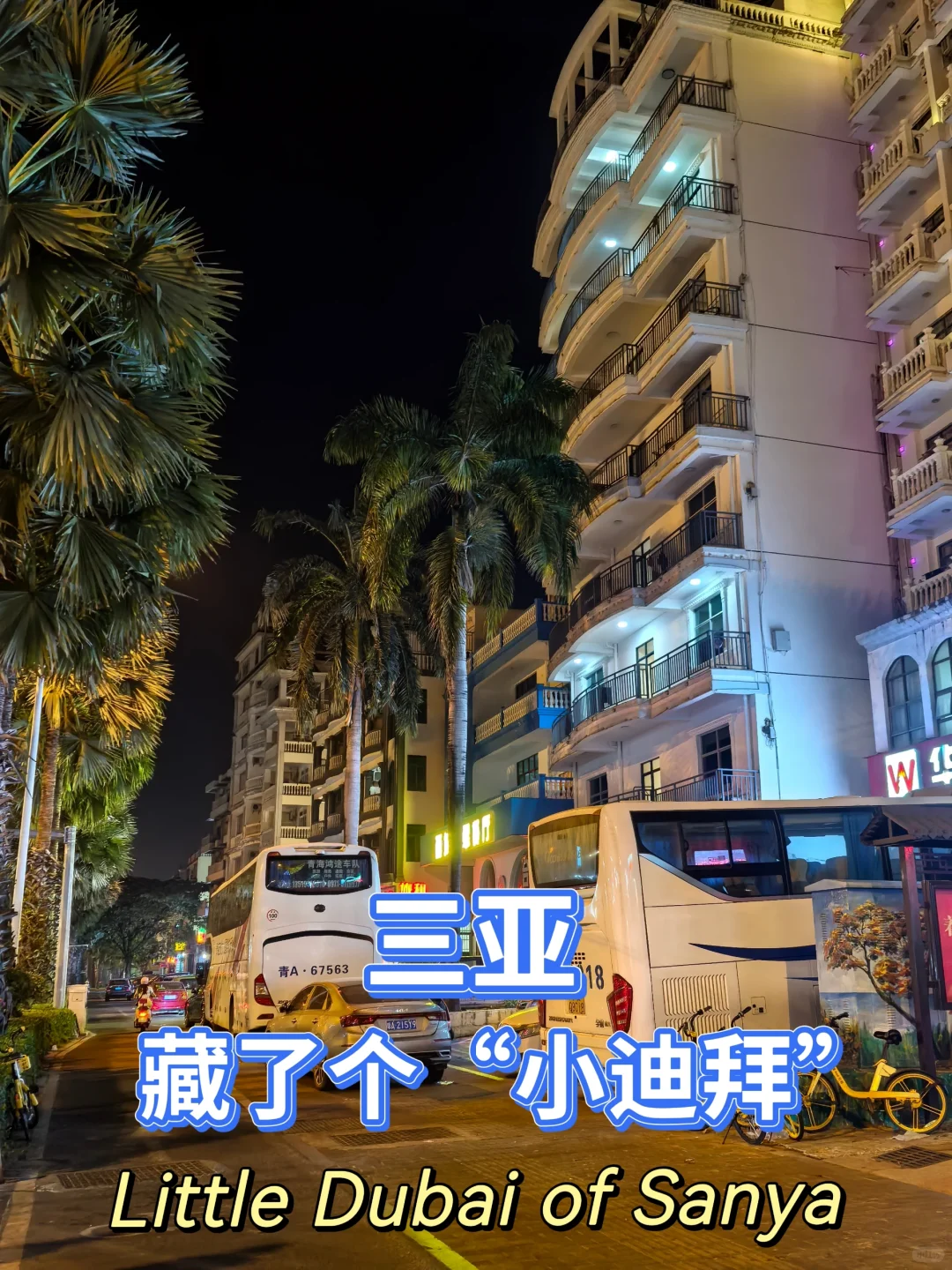
Stepping into this part of Sanya seriously feels like teleporting to the Middle East!
Cruising past Huihui Village (Huihui Muslim Village) near the Sanya airport, you might genuinely feel like you've been dropped into a traditional residential neighborhood in the Middle East—think Dubai or Doha. We're talking striking white architecture and intricate Arabic geometric patterns that look totally different from the usual Lingnan aesthetic.
▲ Architectural styles lining the streets of Huixin Village (Huixin Muslim Village) in Fenghuang Town, Sanya, lean heavily into crisp white tones.
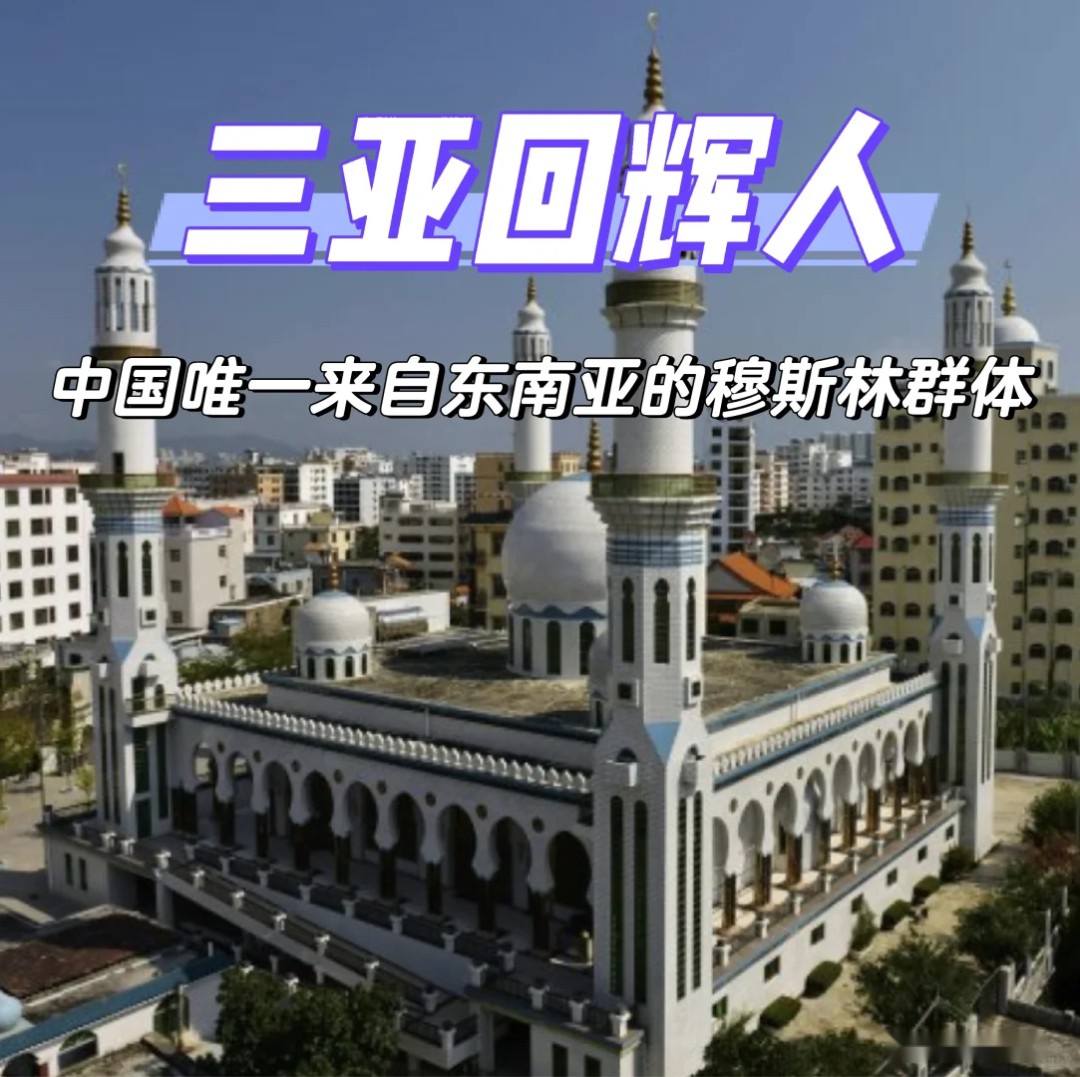
Even wilder? Sanya has a registered urban population of under a million, yet it boasts a whopping six mosques (meanwhile, Nanning has an urban population of over four million and just one). The mosque density here is way higher than most other southern Chinese cities.
▲ Mosques in Sanya.
Right there in Huihui Village (Huihui Muslim Village), you'll find three mosques sitting close together, creating a vibrant religious vibe that makes you completely forget you're chilling in a tropical island paradise.
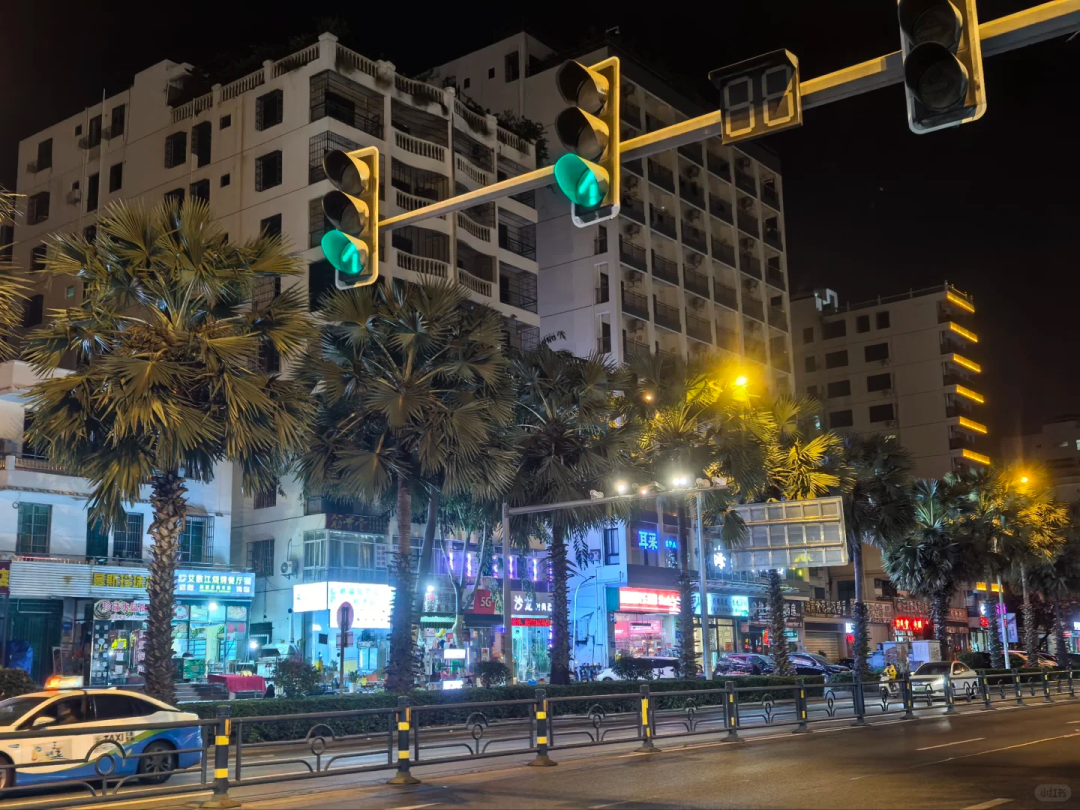
▲ Architectural styles along the streets of Huixin Village (Huixin Muslim Village) in Fenghuang Town, Sanya.
Most Muslims in southern China today—if you find them—originally migrated from Northwest China. But Sanya's Muslims, the Utsul Muslims, are a total exception. They migrated down from Southeast Asia, and with a population of around 10,000, they make up China's southernmost ethnic minority group.
▲ South Mosque in Huixin Village (Huixin Muslim Village), Fenghuang Town, Sanya.
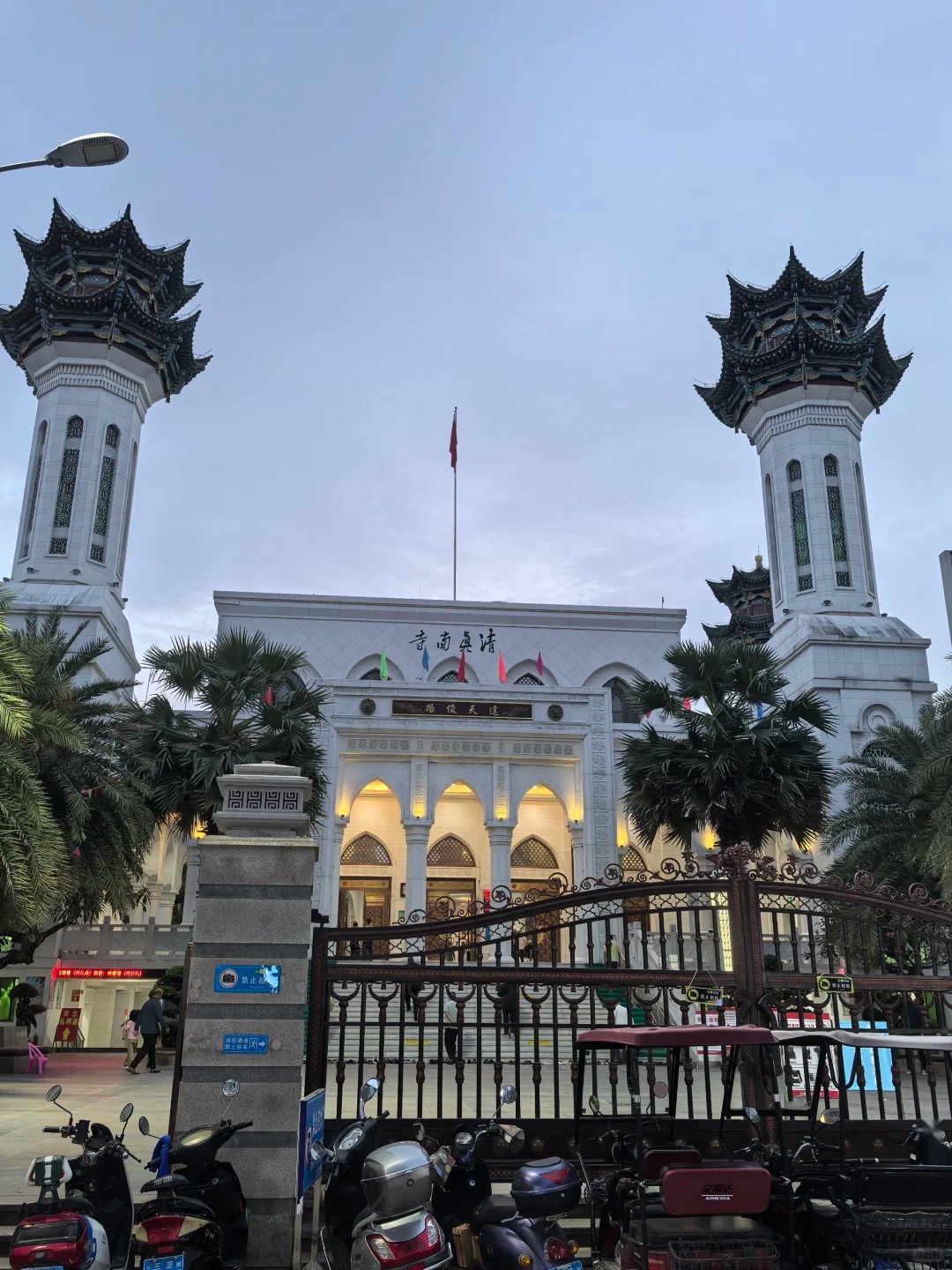
The ancestors of the Utsul Muslims hail from the Champa Kingdom in Southeast Asia (now southern Vietnam), making them China's only Muslim immigrant group with Southeast Asian roots.
Because of this unique history, this little beach city packs in six mosques in a very tight radius. While Utsul Muslims are officially categorized as Hui people due to their religious faith, their appearance and language are totally different from Northwest Hui Muslims. The Utsul people feature distinct Southeast Asian and Arab physical traits, and they speak an Austronesian language belonging to the Chamic language family, closely related to Southeast Asian Cham languages.
Why did the Utsul people migrate from Southeast Asia to Sanya?
✅ [Origins of the Utsul People]
Sanya's Utsul Muslims are descendants of the ancient Cham people of Southeast Asia. The Cham originated in the Kingdom of Linyi (present-day central Vietnam). Linyi was originally part of China's sphere, but during the chaos at the end of the Eastern Han dynasty, they broke away to establish their own state, which later grew into the Champa Kingdom.
▲ The Champa Kingdom.

The Cham people were originally influenced by India and practiced Brahmanism. Later, as Arab merchants traded along the coast, Islam was introduced to Champa, and local Muslim communities gradually formed.
Vietnam bordered Champa, but back then, Vietnam was still under Chinese rule. As the Tang Dynasty weakened, Vietnam shook off Chinese control and established the Dinh Dynasty in 968 AD, becoming Champa's brand-new neighbor.
Once independent, Vietnam launched military campaigns against Champa. To escape the ravages of war, batches of Muslim Cham people migrated across the sea to Hainan Island during the Song and Yuan dynasties, settling down in scattered pockets across the island.
▲ Geographic location of Hainan Island.
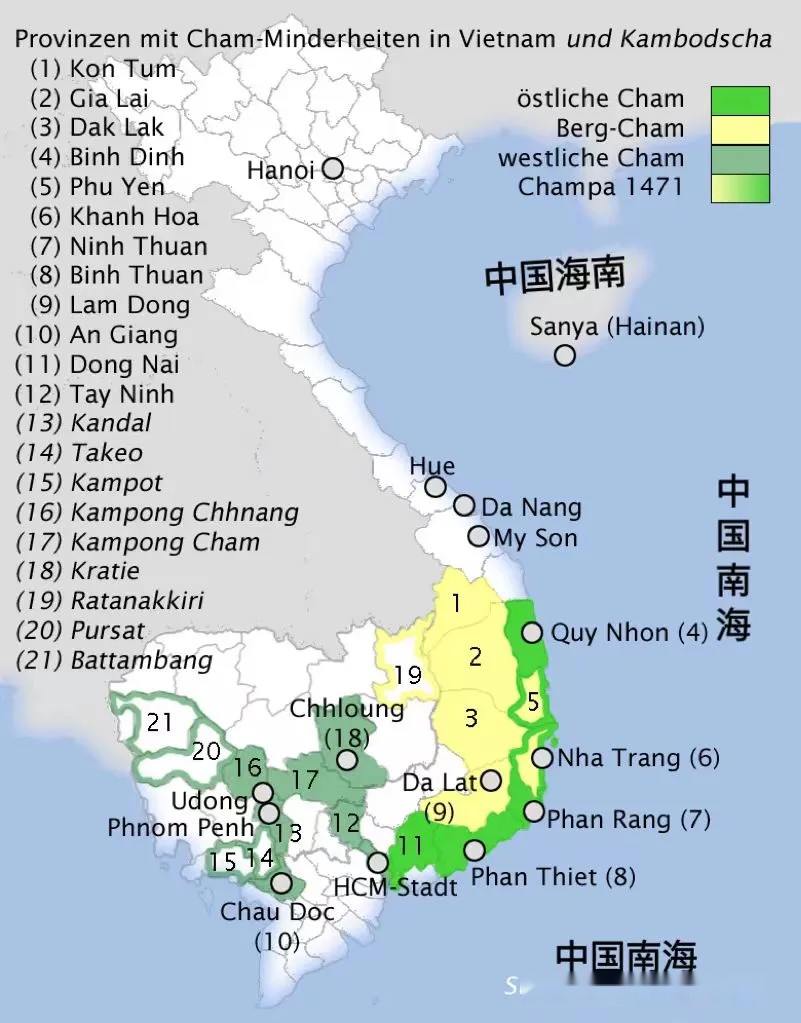
The Cham populations in northern Hainan, being closer to the mainland, eventually intermarried and assimilated with the Han and Li ethnic groups. But Sanya, sitting right at the island's southernmost tip, was geographically isolated, and large numbers of Han Chinese didn't settle there at the time. As a result, the local Cham escaped assimilation. They planted roots in Sanya, established tight-knit Muslim communities, evolved into the Utsul people, and developed their own Utsul dialect.
▲ Distribution of the Cham people.
✅ [The Fall of the Champa Kingdom]
Wars between Champa and Vietnam dragged on for centuries, with Vietnam gradually gaining the upper hand.
In 1471, Vietnamese forces captured the royal capital of Champa, reducing Champa to a vassal state of Vietnam.
By 1802, Vietnam abolished the native chieftains and brought the region under direct imperial administration (*gaitu guiliu*), officially spelling the end of the Champa Kingdom.
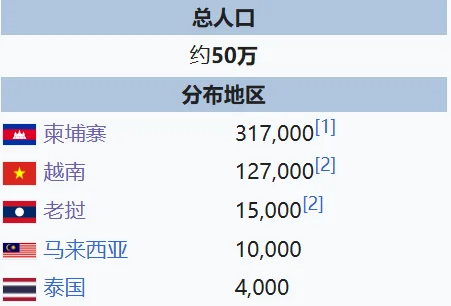
Following the fall of their nation, the surviving Cham people were mostly scattered across modern-day Vietnam and Cambodia. Due to aggressive assimilation policies in both countries, the Cham population plummeted dramatically; today, the combined Cham population in both nations is under 500,000.
▲ Current Cham population distribution.
✅【Current Status of the Utsul People in Sanya】
In 1939, when the Japanese invaded Hainan and built an airport in Phoenix, Sanya, the local Utsul people were forced to relocate to the Yanglan area, forming the clustered settlement known as Huihui Village (Huihui Muslim Village).
After Japan's defeat, some Utsul people returned to their original site to establish Huixin Village (Huixin Muslim Village).
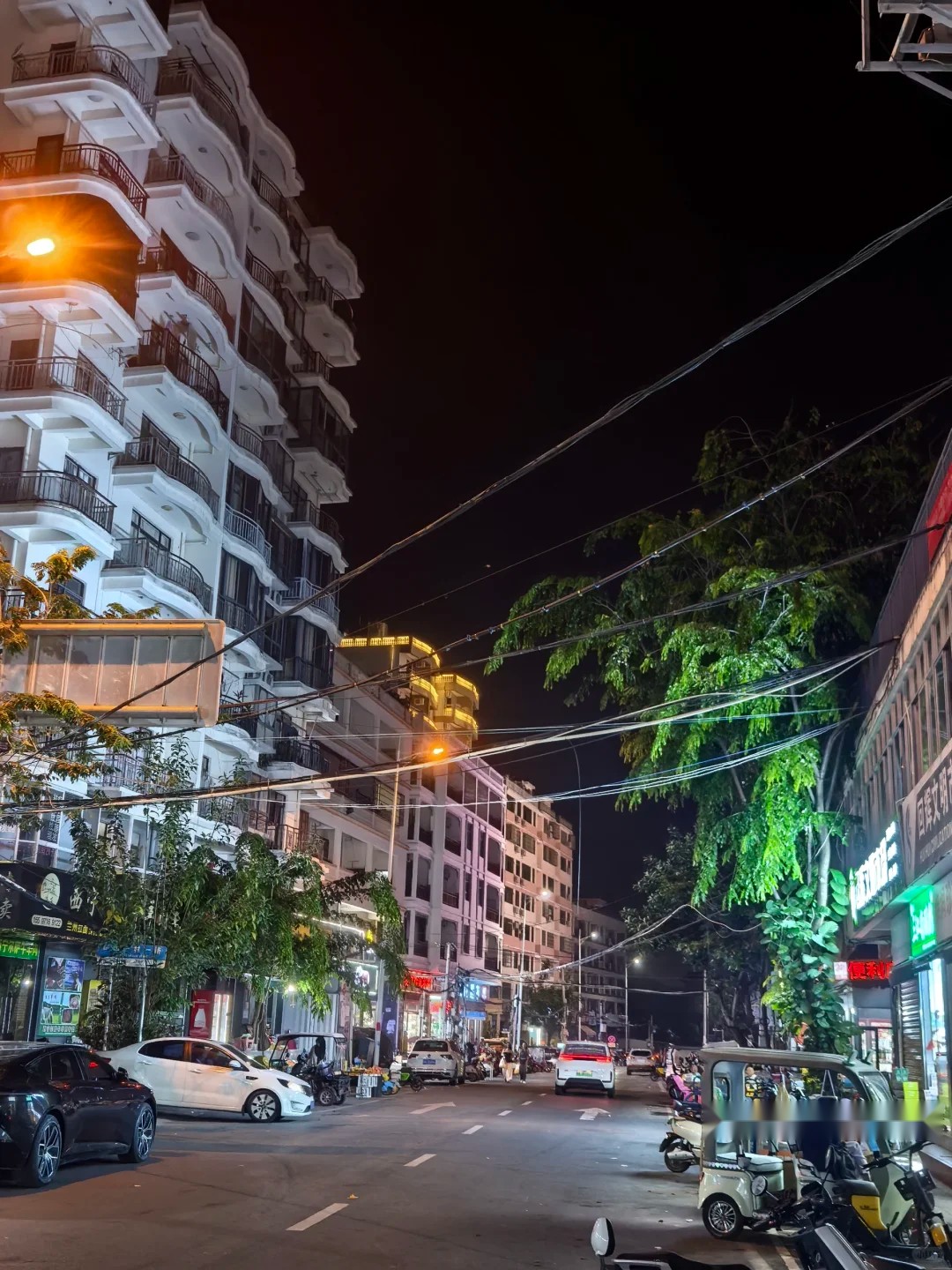
Since then, Sanya has been home to two major villages: Huihui and Huixin.
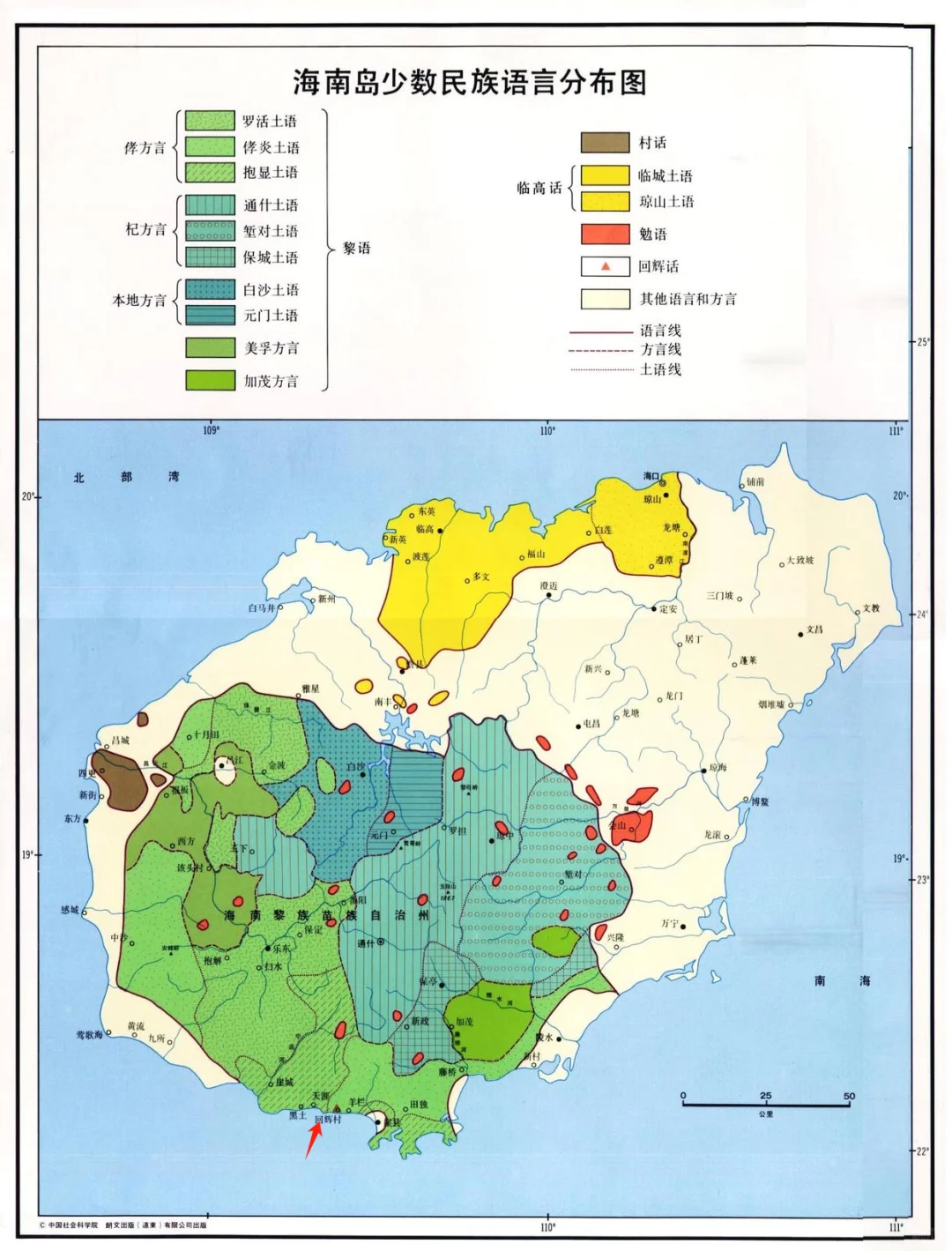
▲ Hainan Ethnic Minority Languages
After the founding of New China, based on religious beliefs, the Huihui people—who have deep roots on Hainan Island for nearly a thousand years—were officially classified as Hui Muslims rather than Cham people.
In recent years, as Sanya has transformed into a major tourist destination, the Huihui people have seized tourism opportunities to develop their cultural village. Visitors can head over to Phoenix Town, where the Huihui people are concentrated and where you'll find 6 mosques, to experience the culture of this Muslim community originally from Southeast Asia.
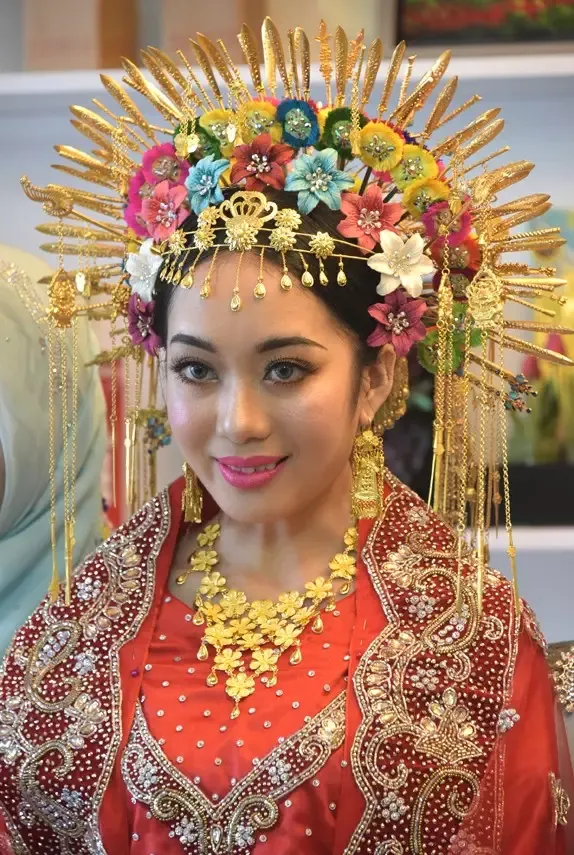
▲ A Sanya Hui Muslim Bride (Photo courtesy of Sanya Tianya District Hui Culture Communication Service Center)
These Muslim Cham people crossed the ocean seeking refuge and ultimately put down roots on Hainan Island, boasting a history of 600 to 700 years. Shaped by a unique geographical and cultural environment, the Huihui people add a vibrant, distinctive cultural stamp to Hainan's ethnic heritage.
Today, there are about 10,000 Huihui people in Sanya, mainly clustered in Huihui Village (Huihui Muslim Village) and Huixin Village (Huixin Muslim Village), where they still preserve their ancient beliefs and traditions to this day.
▲ Architecture in Huixin Village (Huixin Muslim Village)
✅ Location: Phoenix Town, Tianya District, Sanya
Huihui Village (Huihui Muslim Village) (around Fenghuang Road and the East Mosque)
Huixin Village (Huixin Muslim Village) (around Huixin Road and the South Mosque)
—(End of Article)—
Sanya Huixin Muslim Village Halal Seafood Night Market Guide: Fresh Seafood, Local Stalls, and Tips
Articles • Hasan09 posted the article • 0 comments • 4 views • 3 hours ago
Sanya Huixin Village Halal Seafood Night Market Field Test: Guide to Picking, Catching, Processing, and Tropical Halal Food Stalls
Abstract:
An immersive field test of the eating and exploring experience at the Huixin Village Halal Seafood Night Market in Tianya District, Sanya. Documenting the on-site purchasing and cooking process of rich seafood like large lobsters, groupers, and mango sea snails, sharing authentic typhoon shelter and boiled styles, and offering tourists a reassuring, transparent halal seafood guide.
CHH ID: jetli
Hui Muslim communities aren't just found in mainland China; Hainan's Sanya has them too, like Huixin Village (Huixin Muslim Village) and Huihui Village (Huihui Muslim Village). I'd only ever heard of Hui Muslims making beef and mutton, so hearing about halal seafood was a first for me. The contrast is so strong I just had to check it out.
[Getting Around]
The Huihui Village (Huihui Muslim Village) Seafood Night Market is located in Fenghuang Town, Sanya, close to Yifu Elementary School. If you're driving, there are free parking spots at the market entrance, though the road is quite narrow and parking looks a bit tight; if you're taking a taxi, just set your destination to Huixin Village Seafood Food Stalls, and it's super convenient. The night market usually starts getting lively around 5:00 PM and runs until 1:00 AM. If you want the widest variety of seafood, I recommend heading over around 7:00 or 8:00 PM when the night market vibe is at its absolute peak. If you're like me and can't stand huge crowds, go a bit earlier—it's uncrowded, quiet, and stress-free.
[Night Market Atmosphere]
As soon as you walk into the market, you can feel that thick, everyday local vibe. The central area of the market is packed with seafood stalls, surrounded on all sides by various seafood processing food stalls.
The scale isn't massive, but the seafood selection is still pretty diverse. There are bouncing shrimp and crabs, plump shellfish, and all sorts of reef fish whose names I don't even know. Stalls sit right next to each other, with seafood neatly displayed and many creatures still splashing around in water tanks, making their freshness super obvious. The food stalls themselves are mostly simple canopy setups with open-air environments and tables and chairs packed tightly together. While you can't call the vibe refined—it's honestly a bit rustic—it's bursting with raw, authentic street-side energy.
Right as you step into the market, quite a few Hui Muslim sisters wearing headscarves warmly rush up to greet you. They're staff members from the processing spots, and they'll enthusiastically pitch the perks of their kitchens, hoping to reel you in to cook your seafood. If you already have a preferred spot in mind, you've got to give a firm 'no thanks,' otherwise you might get 'trapped' in their friendly enthusiasm for a bit.
[Picking and Processing Seafood]
When picking your seafood, I suggest walking around a bit, checking out a few places, and comparing prices. Even though everything has clear price tags, prices can fluctuate slightly between different stalls—the further you walk into the market, the cheaper it gets. Also, when they weigh your stuff, definitely make sure the vendor pokes a hole in the bottom of the plastic bag to drain out all the water so you aren't paying for extra 'water weight.' When they put it on the scale, the vendor will call you over to check that it's zeroed out—a standard operational procedure that almost made me wonder if there was a security camera right above my head, hahaha.
Once you've picked your seafood, it's time to find a processing kitchen. I got there early; the moment it was weighed, my bag was immediately snatched away by one of the processing sisters. Since I didn't know which one to pick anyway, I just left it to fate—since the bag got taken away, yours it is! To be real, every single stall area is pretty filthy. I love street food and open-air food stalls as much as the next person, but this was honestly pushing it on the dirty side. Plus, since the whole market seems built right on sandy ground, the floor is muddy and mucked up. Even though things turned out fine and my stomach didn't act up afterward, I'd still recommend bringing along some berberine (traditional herbal anti-diarrheal medicine).
The price is a flat 30 RMB per jin (500g) for processing. You could probably bargain it down, but since I was out to relax, I didn't feel like haggling.
[The Dishes]
The cooking styles are pretty standard: plain boiled (baizhuo), spicy stir-fried (lachao), typhoon shelter style (bifengtang), and soups.
After chatting with the boss, our delicious seafood dishes started landing on the table in no time.
↑ Plain boiled hairy clams (baizhuo maobei) kept that most primitive ocean freshness; the clam meat was crisp, tender, and slightly sweet, with a faint taste of seawater that made you feel like you were right by the beach.
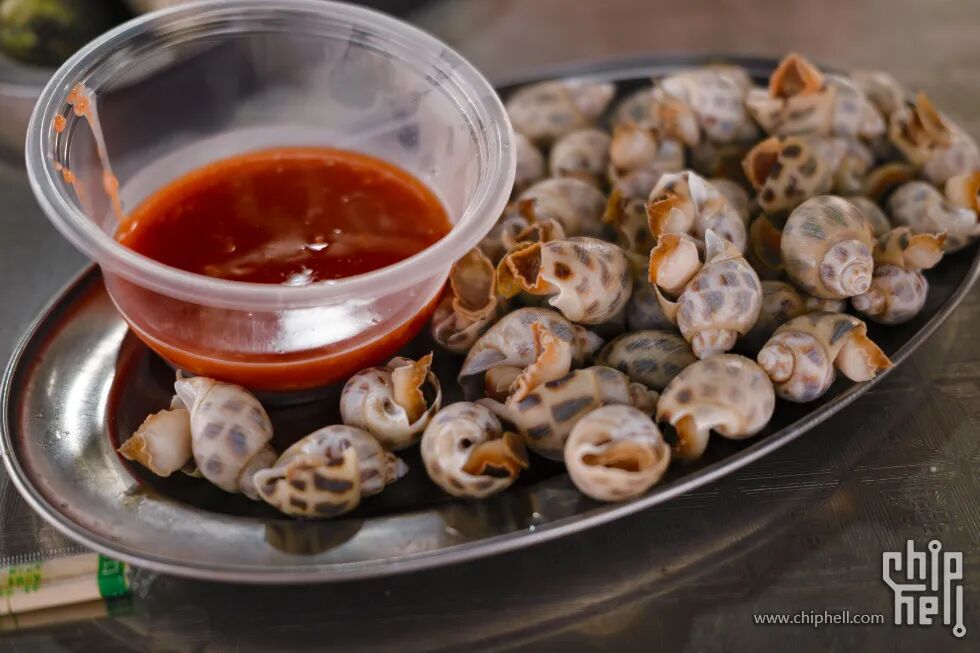
↑ Plain boiled Babylon snails (baizhuo xiangluo) were just as solid. You could gently twist the snail meat out in one whole piece using a toothpick, and the texture was firm, chewy, and totally authentic. The little bit at the tail isn't poop—it's soft, chewy, and super tasty.
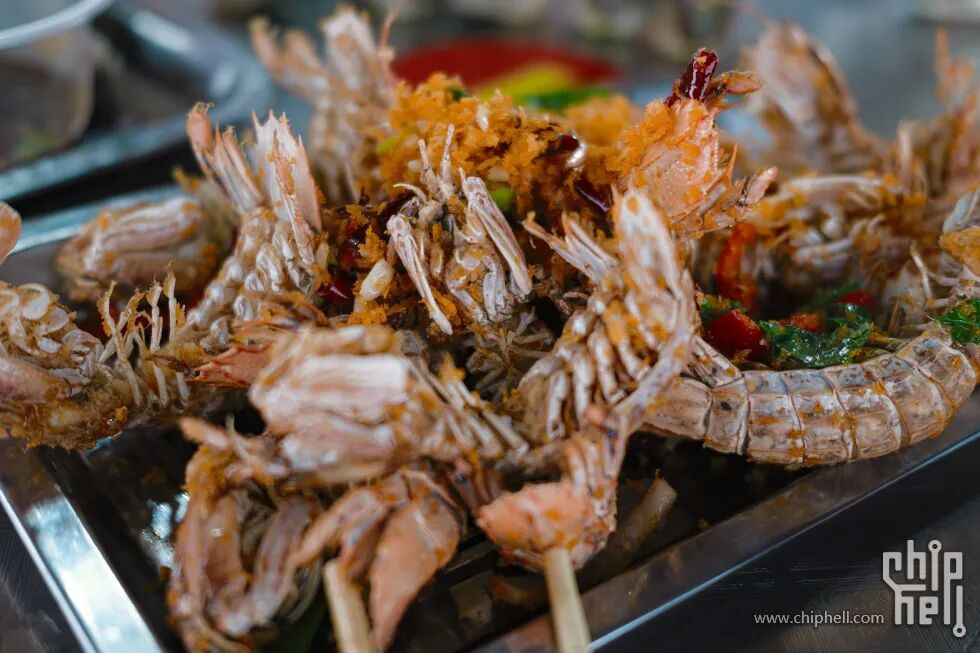
↑ Typhoon shelter mantis shrimp (bifengtang pipixia) were an absolute masterpiece. The mantis shrimp I bought this time were packed with roe (huang). Fried to a golden, crispy crunch, their shells peeled off super easily. The rich aroma of garlic blended perfectly with the deep-fried fragrance, and the proprietress didn't lie—every single one was loaded with roe.
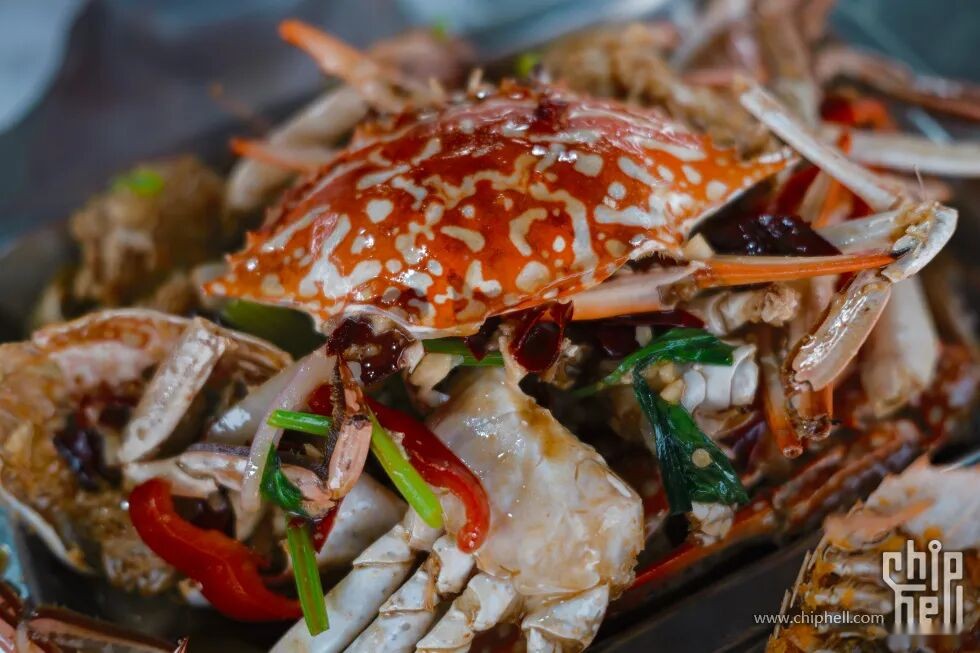
↑ Spicy stir-fried blue crabs (lachao lanhua xie). Before buying, I specifically made sure they weren't watery crabs (shuixie), and props to the proprietress again: the crab meat was bursting and plump, with the spicy, savory flavor soaking evenly into every strand of meat. The crab meat was tender with a kick of spice, offering a complex texture that made it impossible to stop eating. Especially the crab claws—they were completely stuffed with meat.
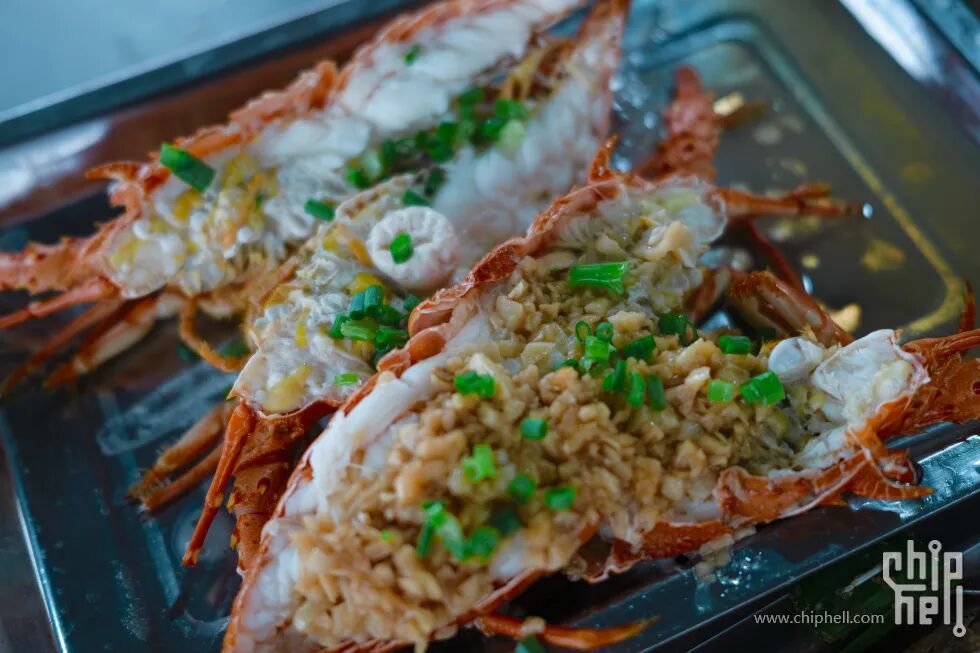
↑ Steamed baby lobsters with minced garlic (suanni xiaoqinglong). The baby lobsters were the only seafood this time not sold by the jin, priced at 50 RMB each. The tender lobster meat was blanketed in a layer of golden garlic paste, and the garlic aroma completely fused into the lobster meat, making the natural sweetness of the lobster and the punch of garlic complement each other perfectly.
[The Bill]
Seafood: 462 RMB, Processing fee: 150 RMB, Drinks: 15 RMB
[Summary]
1. Transportation is fairly convenient, especially if you take a taxi—getting dropped off right at the entrance makes it easy.
2. The environment is way too down-to-earth. To put it positively, it's authentic and unpretentious; I felt like whatever clothes I was wearing totally clashed with the vibe, and I should've just gone shirtless.
3. The hygiene conditions are pretty terrible. There are tons and tons of flies and mosquitoes, so make sure to spray mosquito repellent and bring berberine. Also, don't order overly sweet drinks, or you'll attract swarms of flies.
4. Prices are clearly marked, but you can actually haggle, and the processing fees are negotiable too. If you hate bargaining and haggling, you might end up overpaying. The restrooms also cost money to use.
5. There will be peddlers pushing all kinds of drinks, fruits, and local snacks—they're overpriced and mediocre, so buy with caution.
6. The ingredients are genuinely fresh, and the processing kitchens' cooking styles didn't miss a single beat. Honestly, every processing spot uses the same recipes, so the flavor just comes down to your personal preference.
My overall experience at the Huixin Village Seafood Night Market this time can only be described as passing grade. Here, you can buy fresh seafood at relatively affordable prices and feast on delicious cooked seafood dishes. While the market and food stall environments are pretty average, that raw, smoky street-side atmosphere is precisely its unique charm. The night market is also packed with various stalls selling drinks, fruits, stir-fried noodles, tossing flatbreads (pobing), and grilled lamb skewers, plus even a singing street musician, making it wildly lively. If you come to Sanya and want to experience authentic seafood flavors and local everyday life, the Huixin Village Seafood Night Market is probably a spot you shouldn't miss. view all
Sanya Huixin Village Halal Seafood Night Market Field Test: Guide to Picking, Catching, Processing, and Tropical Halal Food Stalls
Abstract:
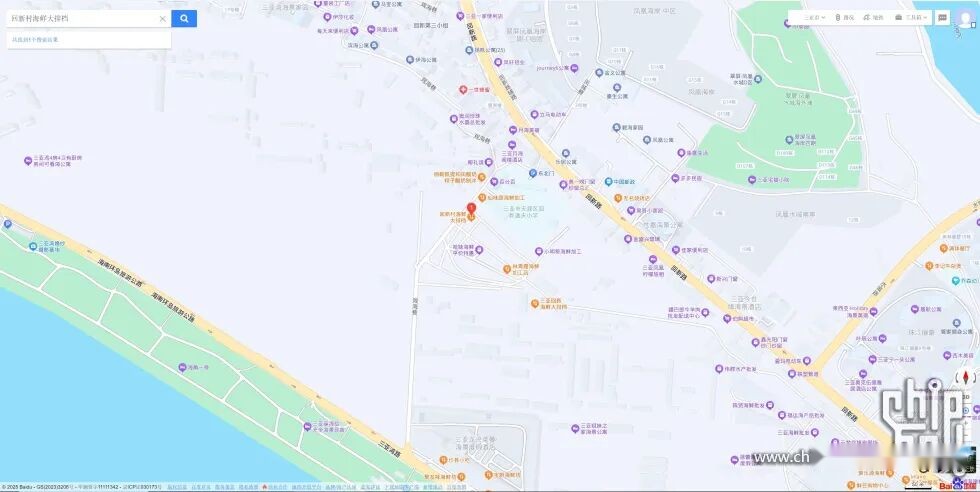
An immersive field test of the eating and exploring experience at the Huixin Village Halal Seafood Night Market in Tianya District, Sanya. Documenting the on-site purchasing and cooking process of rich seafood like large lobsters, groupers, and mango sea snails, sharing authentic typhoon shelter and boiled styles, and offering tourists a reassuring, transparent halal seafood guide.
CHH ID: jetli
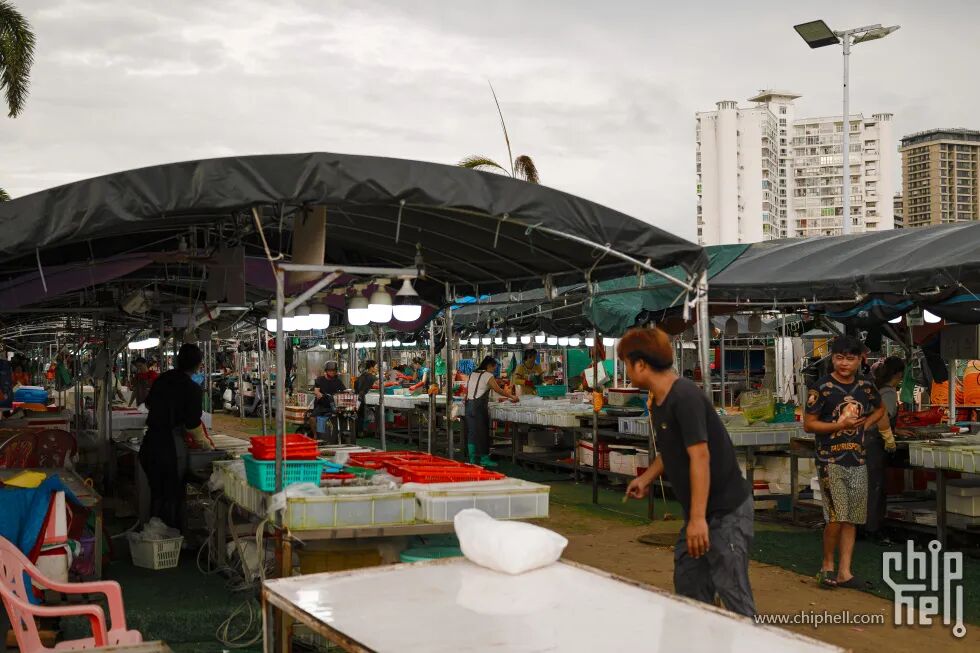
Hui Muslim communities aren't just found in mainland China; Hainan's Sanya has them too, like Huixin Village (Huixin Muslim Village) and Huihui Village (Huihui Muslim Village). I'd only ever heard of Hui Muslims making beef and mutton, so hearing about halal seafood was a first for me. The contrast is so strong I just had to check it out.
[Getting Around]
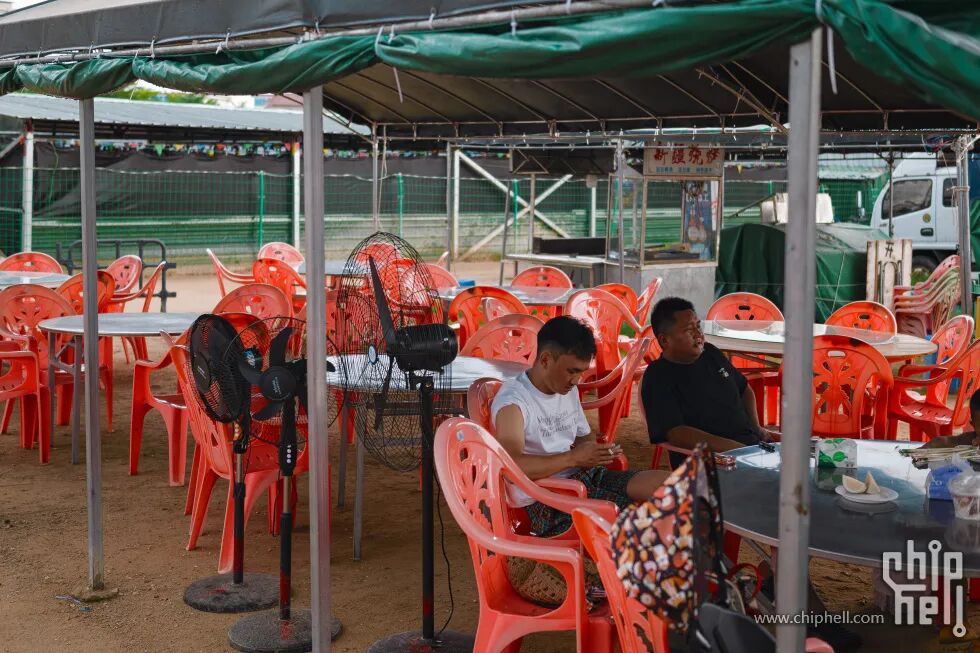
The Huihui Village (Huihui Muslim Village) Seafood Night Market is located in Fenghuang Town, Sanya, close to Yifu Elementary School. If you're driving, there are free parking spots at the market entrance, though the road is quite narrow and parking looks a bit tight; if you're taking a taxi, just set your destination to Huixin Village Seafood Food Stalls, and it's super convenient. The night market usually starts getting lively around 5:00 PM and runs until 1:00 AM. If you want the widest variety of seafood, I recommend heading over around 7:00 or 8:00 PM when the night market vibe is at its absolute peak. If you're like me and can't stand huge crowds, go a bit earlier—it's uncrowded, quiet, and stress-free.
[Night Market Atmosphere]
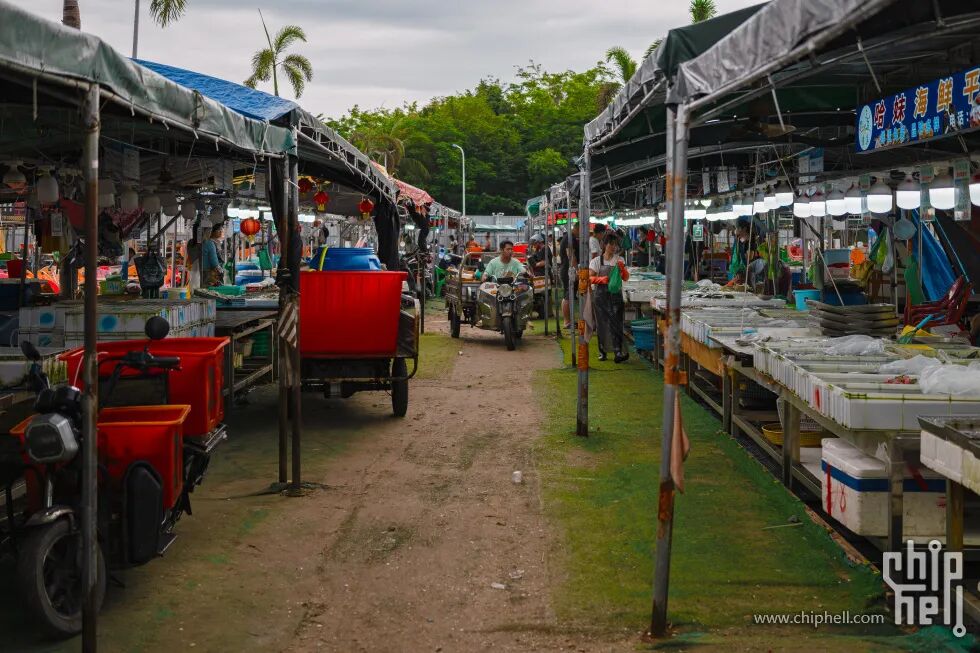
As soon as you walk into the market, you can feel that thick, everyday local vibe. The central area of the market is packed with seafood stalls, surrounded on all sides by various seafood processing food stalls.
The scale isn't massive, but the seafood selection is still pretty diverse. There are bouncing shrimp and crabs, plump shellfish, and all sorts of reef fish whose names I don't even know. Stalls sit right next to each other, with seafood neatly displayed and many creatures still splashing around in water tanks, making their freshness super obvious. The food stalls themselves are mostly simple canopy setups with open-air environments and tables and chairs packed tightly together. While you can't call the vibe refined—it's honestly a bit rustic—it's bursting with raw, authentic street-side energy.
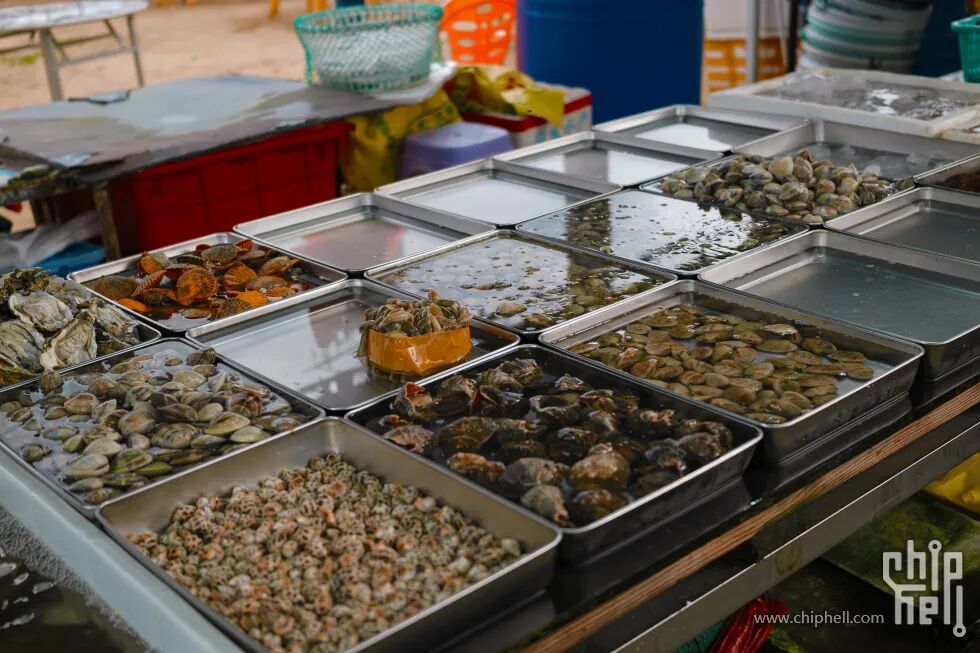
Right as you step into the market, quite a few Hui Muslim sisters wearing headscarves warmly rush up to greet you. They're staff members from the processing spots, and they'll enthusiastically pitch the perks of their kitchens, hoping to reel you in to cook your seafood. If you already have a preferred spot in mind, you've got to give a firm 'no thanks,' otherwise you might get 'trapped' in their friendly enthusiasm for a bit.
[Picking and Processing Seafood]
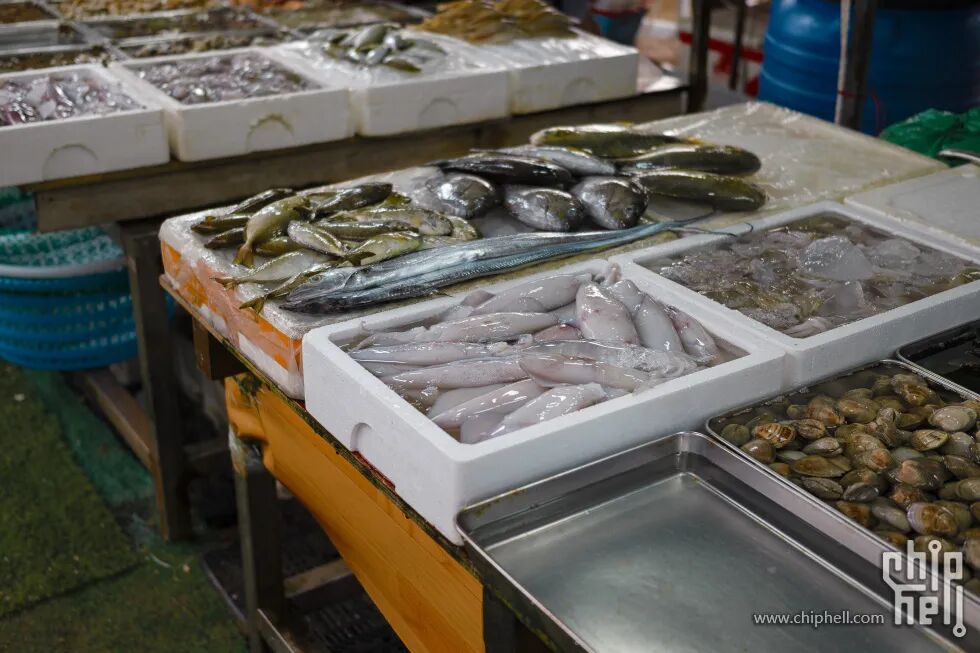
When picking your seafood, I suggest walking around a bit, checking out a few places, and comparing prices. Even though everything has clear price tags, prices can fluctuate slightly between different stalls—the further you walk into the market, the cheaper it gets. Also, when they weigh your stuff, definitely make sure the vendor pokes a hole in the bottom of the plastic bag to drain out all the water so you aren't paying for extra 'water weight.' When they put it on the scale, the vendor will call you over to check that it's zeroed out—a standard operational procedure that almost made me wonder if there was a security camera right above my head, hahaha.
Once you've picked your seafood, it's time to find a processing kitchen. I got there early; the moment it was weighed, my bag was immediately snatched away by one of the processing sisters. Since I didn't know which one to pick anyway, I just left it to fate—since the bag got taken away, yours it is! To be real, every single stall area is pretty filthy. I love street food and open-air food stalls as much as the next person, but this was honestly pushing it on the dirty side. Plus, since the whole market seems built right on sandy ground, the floor is muddy and mucked up. Even though things turned out fine and my stomach didn't act up afterward, I'd still recommend bringing along some berberine (traditional herbal anti-diarrheal medicine).
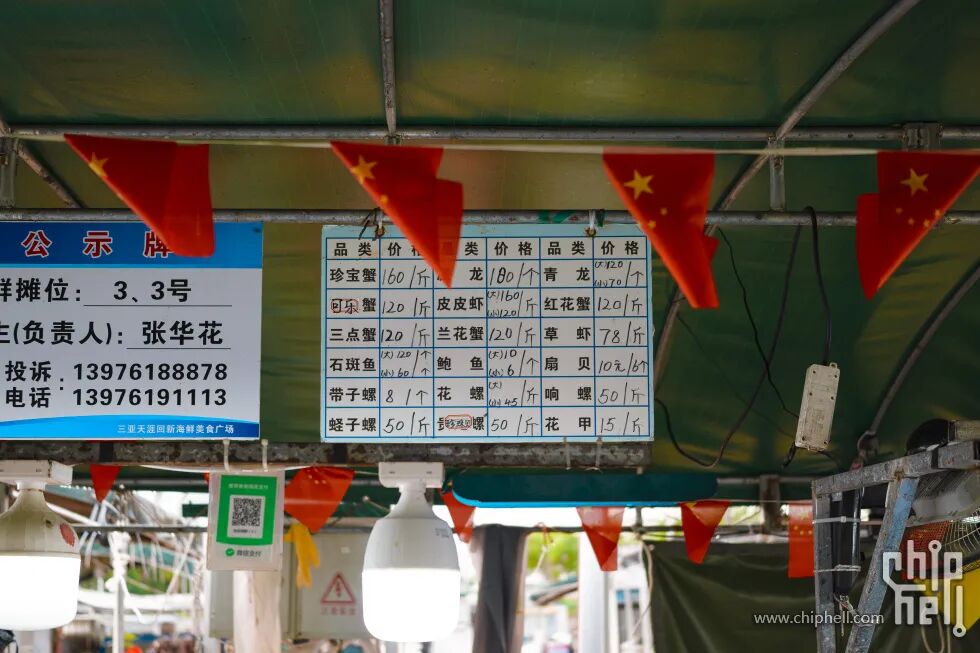
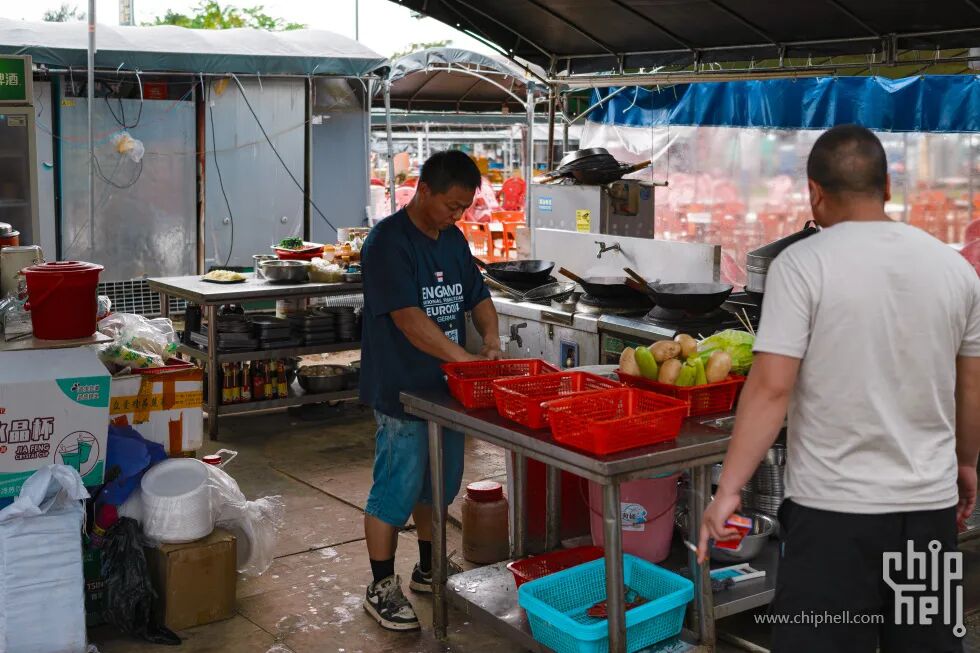
The price is a flat 30 RMB per jin (500g) for processing. You could probably bargain it down, but since I was out to relax, I didn't feel like haggling.
[The Dishes]
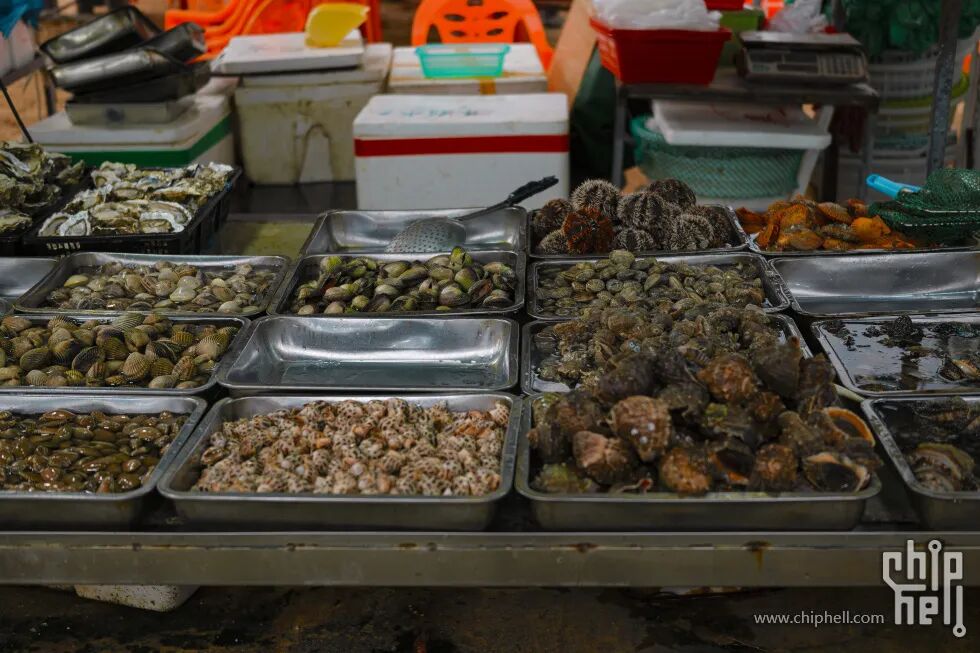
The cooking styles are pretty standard: plain boiled (baizhuo), spicy stir-fried (lachao), typhoon shelter style (bifengtang), and soups.
After chatting with the boss, our delicious seafood dishes started landing on the table in no time.
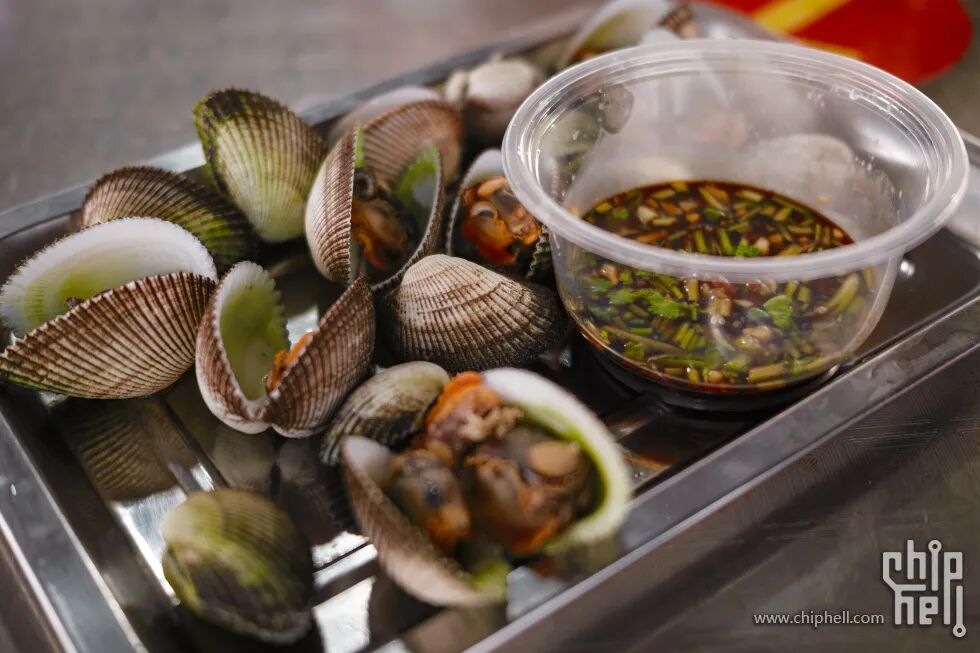
↑ Plain boiled hairy clams (baizhuo maobei) kept that most primitive ocean freshness; the clam meat was crisp, tender, and slightly sweet, with a faint taste of seawater that made you feel like you were right by the beach.
↑ Plain boiled Babylon snails (baizhuo xiangluo) were just as solid. You could gently twist the snail meat out in one whole piece using a toothpick, and the texture was firm, chewy, and totally authentic. The little bit at the tail isn't poop—it's soft, chewy, and super tasty.
↑ Typhoon shelter mantis shrimp (bifengtang pipixia) were an absolute masterpiece. The mantis shrimp I bought this time were packed with roe (huang). Fried to a golden, crispy crunch, their shells peeled off super easily. The rich aroma of garlic blended perfectly with the deep-fried fragrance, and the proprietress didn't lie—every single one was loaded with roe.
↑ Spicy stir-fried blue crabs (lachao lanhua xie). Before buying, I specifically made sure they weren't watery crabs (shuixie), and props to the proprietress again: the crab meat was bursting and plump, with the spicy, savory flavor soaking evenly into every strand of meat. The crab meat was tender with a kick of spice, offering a complex texture that made it impossible to stop eating. Especially the crab claws—they were completely stuffed with meat.
↑ Steamed baby lobsters with minced garlic (suanni xiaoqinglong). The baby lobsters were the only seafood this time not sold by the jin, priced at 50 RMB each. The tender lobster meat was blanketed in a layer of golden garlic paste, and the garlic aroma completely fused into the lobster meat, making the natural sweetness of the lobster and the punch of garlic complement each other perfectly.
[The Bill]
Seafood: 462 RMB, Processing fee: 150 RMB, Drinks: 15 RMB
[Summary]
1. Transportation is fairly convenient, especially if you take a taxi—getting dropped off right at the entrance makes it easy.
2. The environment is way too down-to-earth. To put it positively, it's authentic and unpretentious; I felt like whatever clothes I was wearing totally clashed with the vibe, and I should've just gone shirtless.
3. The hygiene conditions are pretty terrible. There are tons and tons of flies and mosquitoes, so make sure to spray mosquito repellent and bring berberine. Also, don't order overly sweet drinks, or you'll attract swarms of flies.
4. Prices are clearly marked, but you can actually haggle, and the processing fees are negotiable too. If you hate bargaining and haggling, you might end up overpaying. The restrooms also cost money to use.
5. There will be peddlers pushing all kinds of drinks, fruits, and local snacks—they're overpriced and mediocre, so buy with caution.
6. The ingredients are genuinely fresh, and the processing kitchens' cooking styles didn't miss a single beat. Honestly, every processing spot uses the same recipes, so the flavor just comes down to your personal preference.
My overall experience at the Huixin Village Seafood Night Market this time can only be described as passing grade. Here, you can buy fresh seafood at relatively affordable prices and feast on delicious cooked seafood dishes. While the market and food stall environments are pretty average, that raw, smoky street-side atmosphere is precisely its unique charm. The night market is also packed with various stalls selling drinks, fruits, stir-fried noodles, tossing flatbreads (pobing), and grilled lamb skewers, plus even a singing street musician, making it wildly lively. If you come to Sanya and want to experience authentic seafood flavors and local everyday life, the Huixin Village Seafood Night Market is probably a spot you shouldn't miss.
Tracing Sanya & Hainan's Muslim Heritage: History, Mosques, and Halal Culture
Articles • Hasan09 posted the article • 0 comments • 4 views • 3 hours ago
A Historical Investigation into the Ancient Place Names 'Huihuidun' and 'Huideng': Tracing the Historical Footprints of Muslim Ancestors Landing on the Shores of Yazhou Bay
Abstract:
This paper investigates the historical and geographical evolution of the place names 'Huihuidun' (Huihuidun Muslim settlement) and 'Huideng' (Huideng Muslim settlement) in Sanya, Hainan. Combining historical records from successive editions of Yazhou gazetteers with unearthed ancient Islamic stone inscriptions, it analyzes the key historical nodes during the Song and Yuan dynasties when Muslim merchant vessels took shelter and landed to settle on Hainan Island.
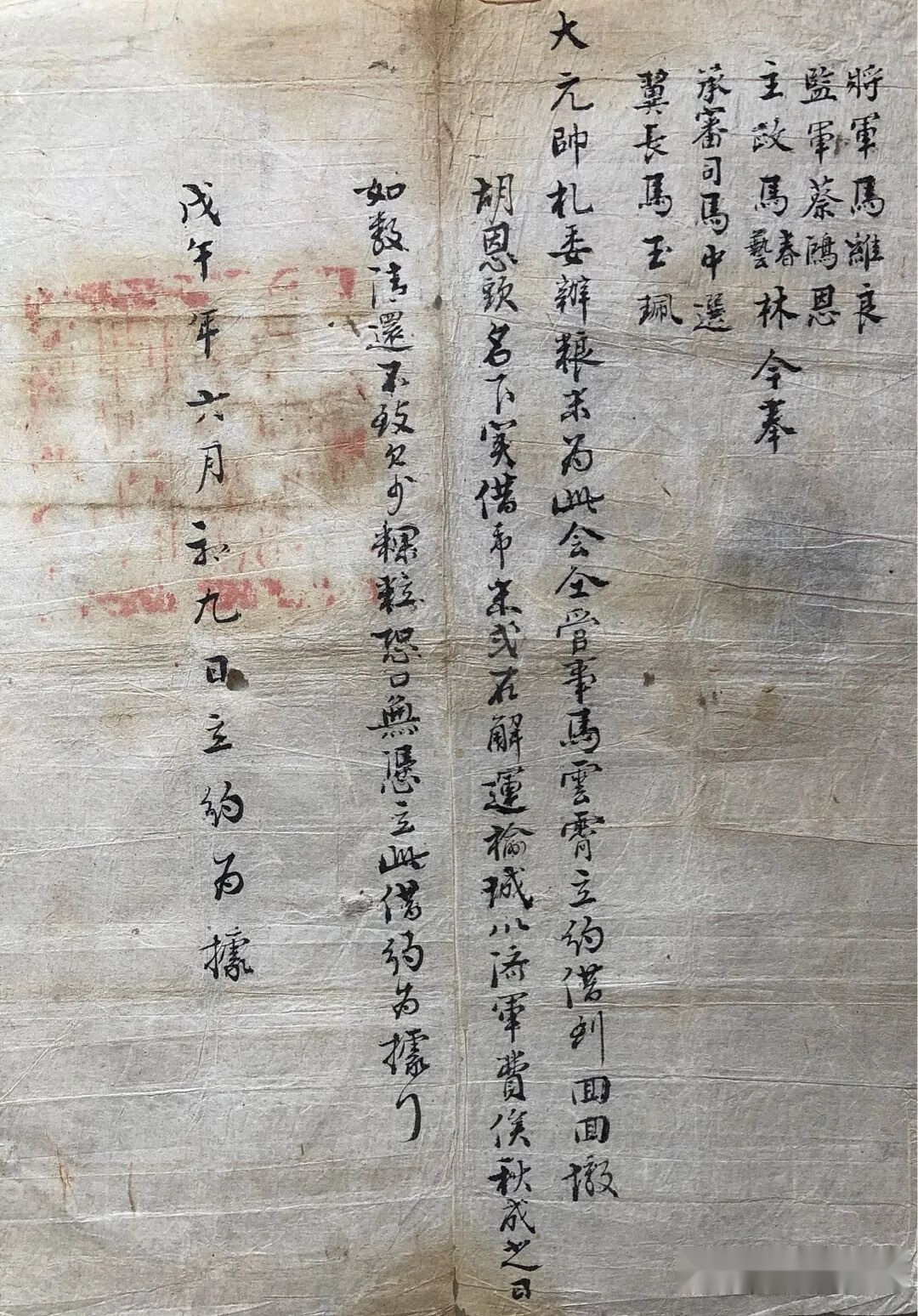
Pictured above is a military grain receipt dated the 9th day of the sixth lunar month in the Wuwu year (the eighth year of Xianfeng, 1858). It records General Ma Weiliang, Military Supervisor Cai Hongen, Administrator Ma Chunlin, Ma Yilin, Adjudication Officer Ma Zhongxuan, and Wing Commander Ma Yupeining borrowing military grain from Hu Enhxian of Huihuidun (Huihuidun Muslim settlement).
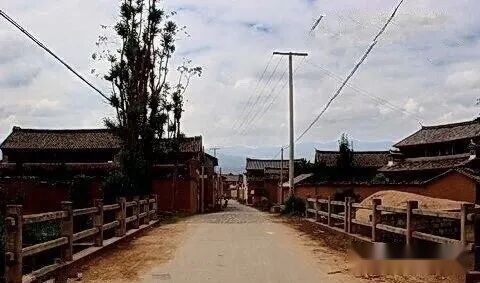
The Huihuidun mentioned in the receipt is located at the northwestern tip of Weishan Yi and Hui Autonomous County in Yunnan. It is a famous, large Hui Muslim village in Yunnan, and its current name is 'Huideng' (Huideng Muslim settlement).
The history of Huideng dates back more than 700 years. At that time, Mongke Khan sent his younger brother Kublai Khan to conquer Yunnan. A large number of Muslims crossed the leather raft bridges into Yunnan along with the Yuan army and settled down. Over time, they became an important part of Yunnan's multi-ethnic family. Huideng was one of the earliest places where they settled in Yunnan. Because they were referred to as 'Huihui' (Hui Muslims), the place came to be named Huihuidun.
Legend has it that by the Hongwu reign of the Ming dynasty, a precious lantern appeared on the large tree in front of the Huihuidun Mosque. Whenever night fell, it shone brightly, guiding travelers in the dark, which is why Huihuidun later acquired the alternative name 'Huihuideng' (Huihuideng Mosque area / lantern settlement). Meanwhile, because the Bai language of Dali frequently uses 'deng' as a suffix for place names, some people also referred to Huideng at the time as 'Huideng' (Huihui deng).
During the Daoguang reign of the Qing dynasty, due to a corrupt and incompetent government, ethnic conflicts in Yunnan intensified, eventually triggering the eighteen-year Panthay Rebellion during the Xianfeng and Tongzhi eras. Before Du Wenxiu officially launched his uprising against the Qing, he used Menghua (the former name of Weishan) Huihuidun and the Greater and Lesser Weiqu areas as a base to gather and build his strength, eventually expanding and growing. After Du Wenxiu established his headquarters in Dali, Huihuidun also became an important military stronghold in Menghua.
In the eleventh year of Tongzhi (1871), after the failure of Du Wenxiu's uprising, Qing imperial forces launched a massive massacre of innocent Hui Muslims in Dali, Weishan, and other places. Huihuidun escaped the catastrophe of a village massacre only because figures like Mi Fuquan surrendered and pledged allegiance to the Qing court.
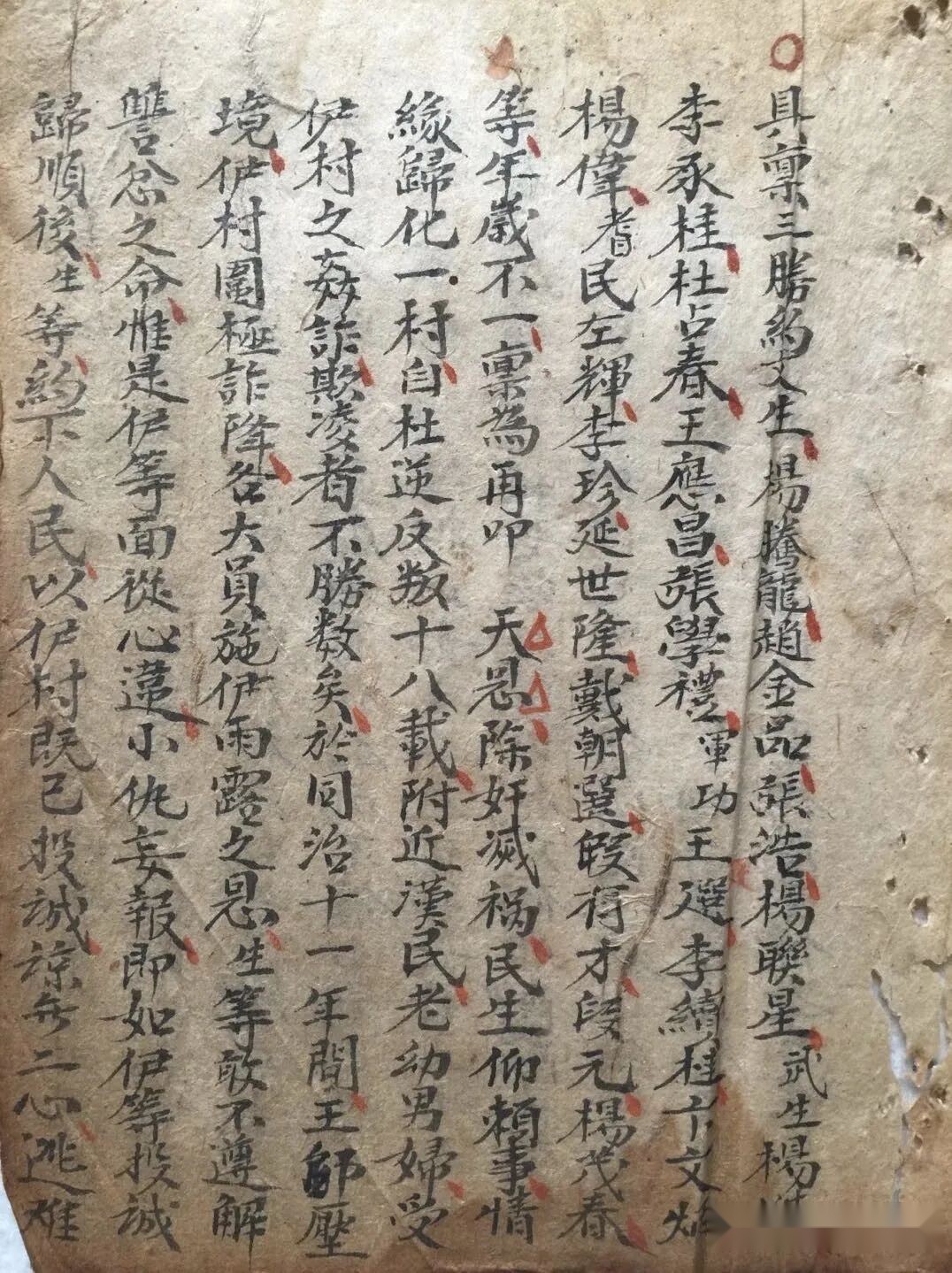
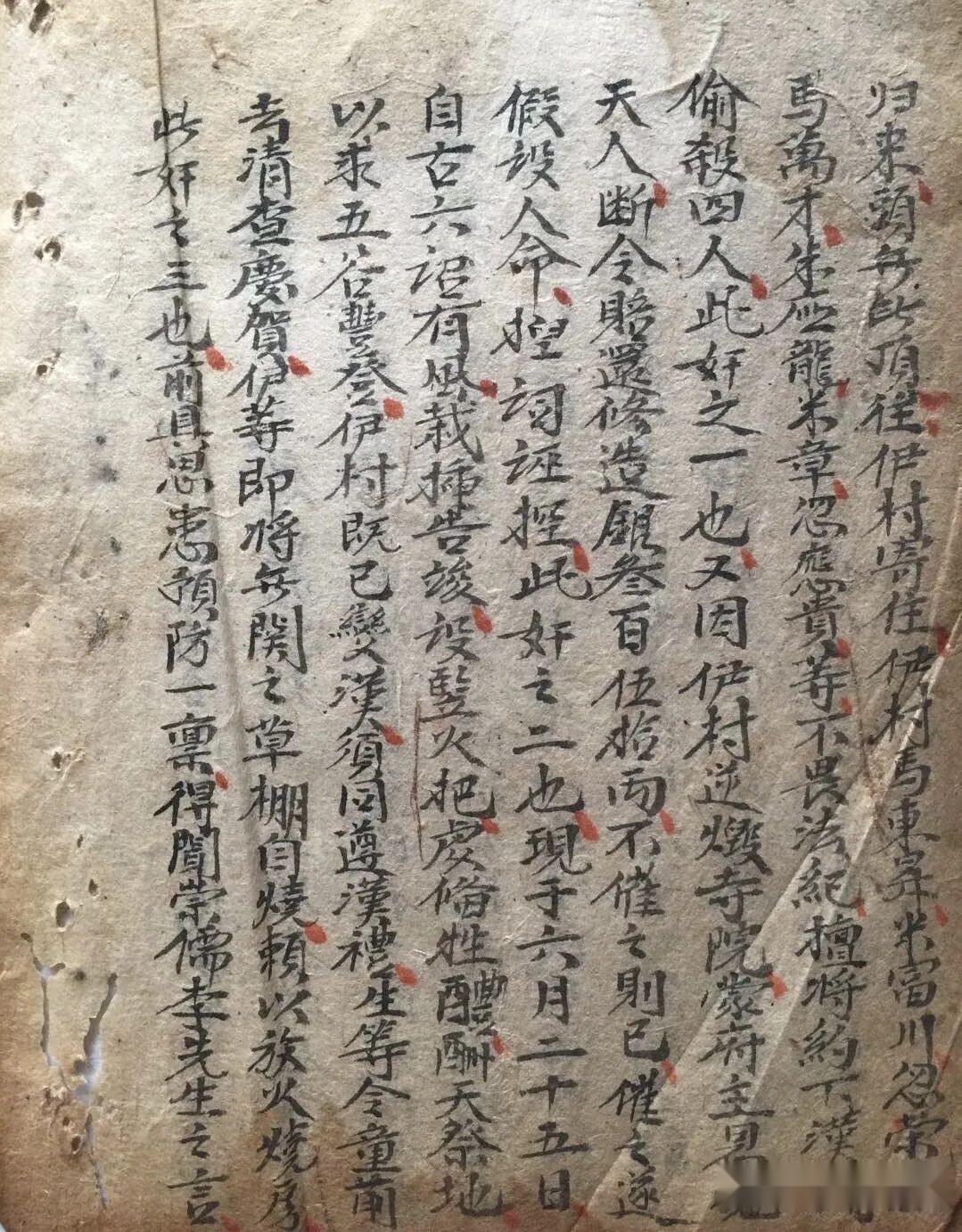
Although the Qing court did not carry out a massacre in Huihuidun, it went to extremes to humiliate the locals. First, they forcibly renamed Huihuidun to 'Huihuideng' (meaning 'Huihui repent of their ascent', also mockingly called 'leedaocai' or 'liuyicun', meaning 'leftover vegetable scraps' or 'the village left behind'). Second, they coerced village Hui Muslims led by gentry figures like Mi Fuquan to 'huihan' (abandon their Islamic faith), meaning they had to give up their original beliefs and show repentance and submission to the imperial court by drinking alcohol and eating pork. Finally, the authorities ordered the local gentry and militia of Sansheng District where the village was located to closely monitor the village's Hui Muslims. Anyone caught engaging in so-called 'unlawful acts' such as refusing pork, not drinking alcohol, or secretly performing a dua (personal prayer) was to be sent to the officials for severe investigation and punishment. The document pictured below is an official denunciation submitted in the first year of Guangxu by various gentry members of Sansheng District, accusing Mi Fuquan and others of 'insincerely converting to Han ways and plotting rebellion':
Under this policy of ethnic discrimination, local Hui Muslims endured humiliation and bore heavy burdens to survive the darkest forty years of their history.
Following the founding of the Republic of China, under the influence of the guiding principle of the 'Republic of Five Nationalities,' Huihuidun finally ushered in a new dawn. Aside from restoring their faith, through the unremitting efforts of the villagers, Huihuidun regained its vibrant luster in economic, cultural, and other fields. Ultimately, it was honorably renamed back to 'Huideng'.
After the founding of the People's Republic of China, guided by relevant ethnic policies, Huideng achieved further development, and the people's lives became even happier.
(Huideng Mosque) view all
A Historical Investigation into the Ancient Place Names 'Huihuidun' and 'Huideng': Tracing the Historical Footprints of Muslim Ancestors Landing on the Shores of Yazhou Bay
Abstract:
This paper investigates the historical and geographical evolution of the place names 'Huihuidun' (Huihuidun Muslim settlement) and 'Huideng' (Huideng Muslim settlement) in Sanya, Hainan. Combining historical records from successive editions of Yazhou gazetteers with unearthed ancient Islamic stone inscriptions, it analyzes the key historical nodes during the Song and Yuan dynasties when Muslim merchant vessels took shelter and landed to settle on Hainan Island.
Pictured above is a military grain receipt dated the 9th day of the sixth lunar month in the Wuwu year (the eighth year of Xianfeng, 1858). It records General Ma Weiliang, Military Supervisor Cai Hongen, Administrator Ma Chunlin, Ma Yilin, Adjudication Officer Ma Zhongxuan, and Wing Commander Ma Yupeining borrowing military grain from Hu Enhxian of Huihuidun (Huihuidun Muslim settlement).
The Huihuidun mentioned in the receipt is located at the northwestern tip of Weishan Yi and Hui Autonomous County in Yunnan. It is a famous, large Hui Muslim village in Yunnan, and its current name is 'Huideng' (Huideng Muslim settlement).
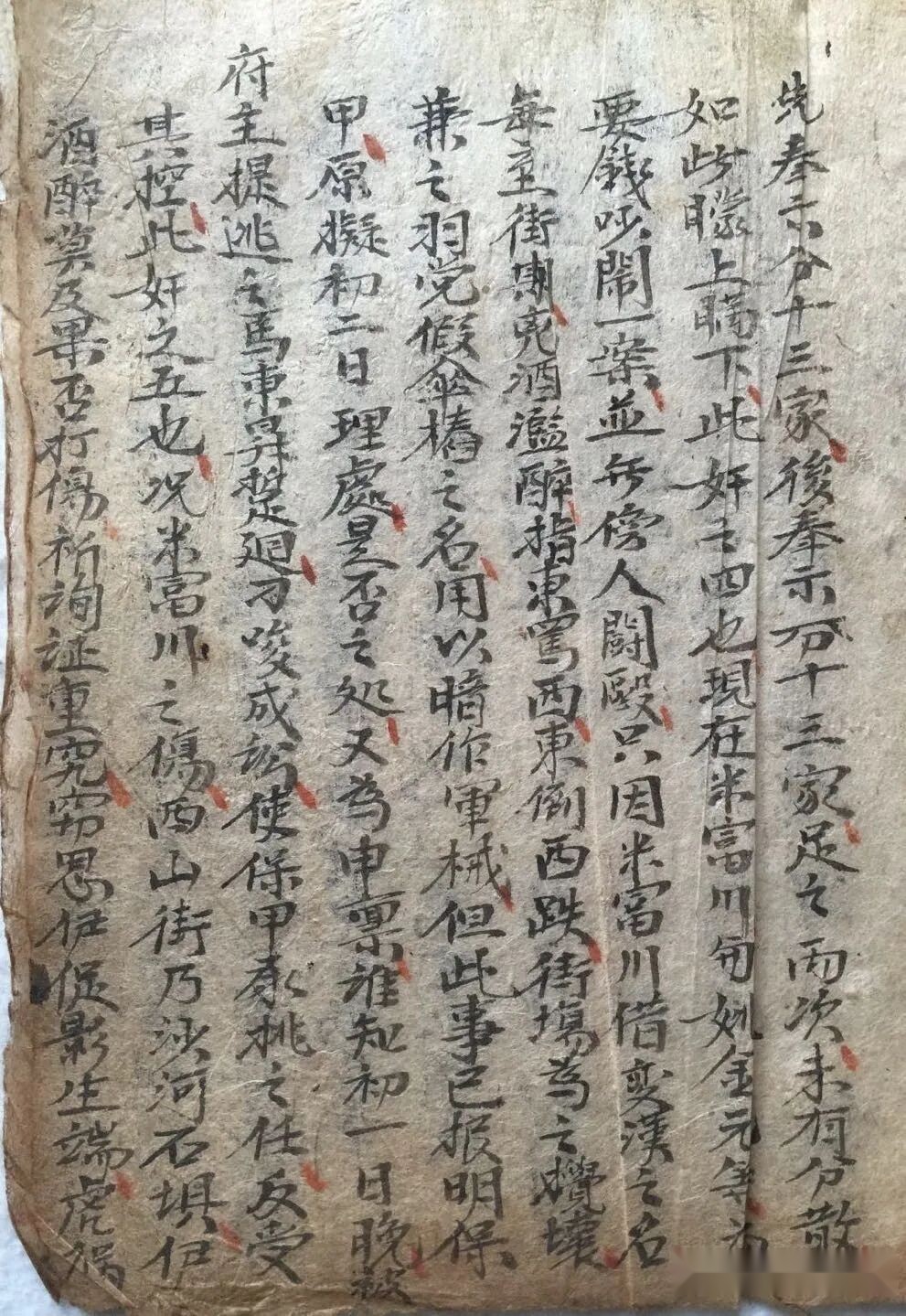
The history of Huideng dates back more than 700 years. At that time, Mongke Khan sent his younger brother Kublai Khan to conquer Yunnan. A large number of Muslims crossed the leather raft bridges into Yunnan along with the Yuan army and settled down. Over time, they became an important part of Yunnan's multi-ethnic family. Huideng was one of the earliest places where they settled in Yunnan. Because they were referred to as 'Huihui' (Hui Muslims), the place came to be named Huihuidun.
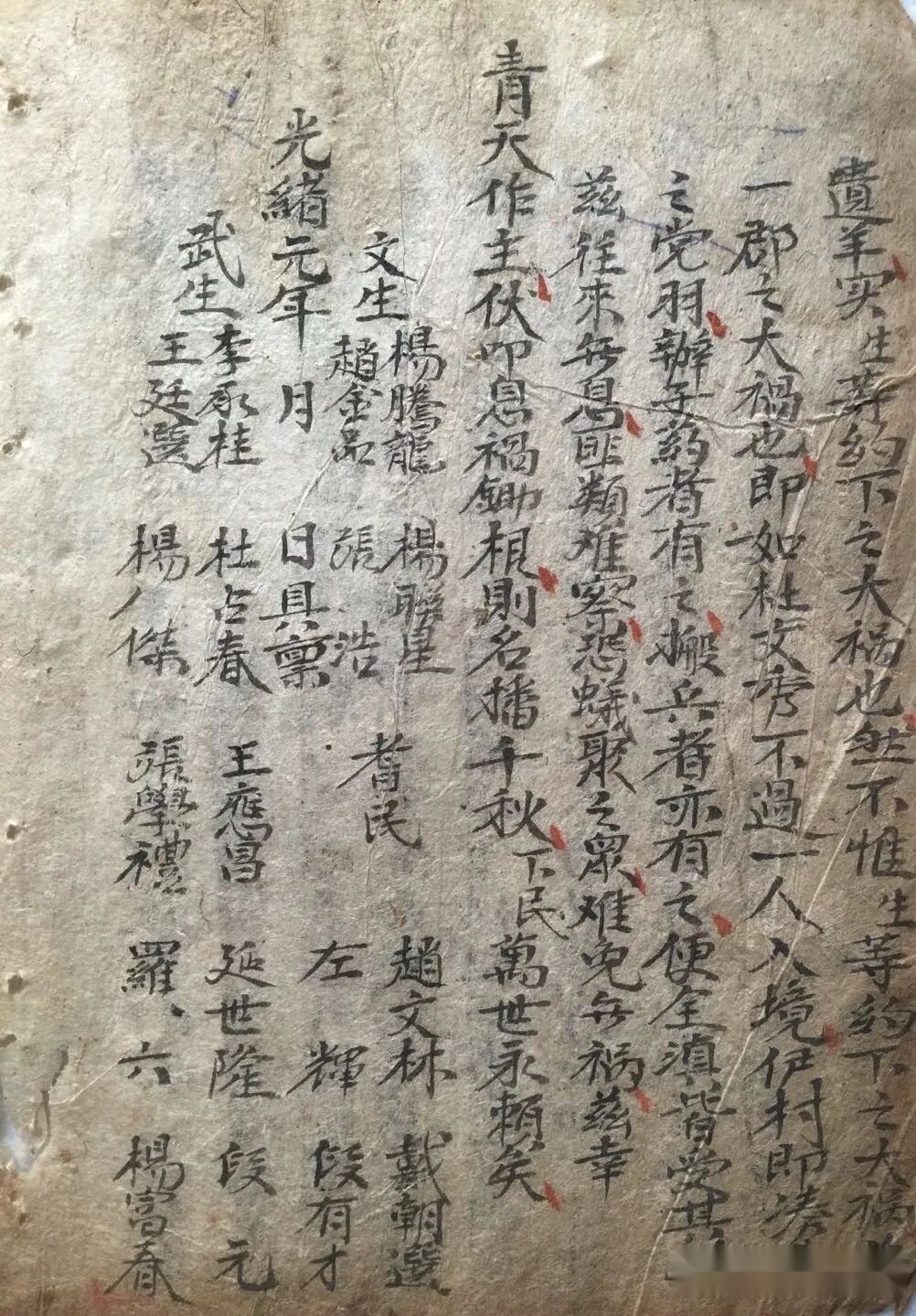
Legend has it that by the Hongwu reign of the Ming dynasty, a precious lantern appeared on the large tree in front of the Huihuidun Mosque. Whenever night fell, it shone brightly, guiding travelers in the dark, which is why Huihuidun later acquired the alternative name 'Huihuideng' (Huihuideng Mosque area / lantern settlement). Meanwhile, because the Bai language of Dali frequently uses 'deng' as a suffix for place names, some people also referred to Huideng at the time as 'Huideng' (Huihui deng).

During the Daoguang reign of the Qing dynasty, due to a corrupt and incompetent government, ethnic conflicts in Yunnan intensified, eventually triggering the eighteen-year Panthay Rebellion during the Xianfeng and Tongzhi eras. Before Du Wenxiu officially launched his uprising against the Qing, he used Menghua (the former name of Weishan) Huihuidun and the Greater and Lesser Weiqu areas as a base to gather and build his strength, eventually expanding and growing. After Du Wenxiu established his headquarters in Dali, Huihuidun also became an important military stronghold in Menghua.
In the eleventh year of Tongzhi (1871), after the failure of Du Wenxiu's uprising, Qing imperial forces launched a massive massacre of innocent Hui Muslims in Dali, Weishan, and other places. Huihuidun escaped the catastrophe of a village massacre only because figures like Mi Fuquan surrendered and pledged allegiance to the Qing court.
Although the Qing court did not carry out a massacre in Huihuidun, it went to extremes to humiliate the locals. First, they forcibly renamed Huihuidun to 'Huihuideng' (meaning 'Huihui repent of their ascent', also mockingly called 'leedaocai' or 'liuyicun', meaning 'leftover vegetable scraps' or 'the village left behind'). Second, they coerced village Hui Muslims led by gentry figures like Mi Fuquan to 'huihan' (abandon their Islamic faith), meaning they had to give up their original beliefs and show repentance and submission to the imperial court by drinking alcohol and eating pork. Finally, the authorities ordered the local gentry and militia of Sansheng District where the village was located to closely monitor the village's Hui Muslims. Anyone caught engaging in so-called 'unlawful acts' such as refusing pork, not drinking alcohol, or secretly performing a dua (personal prayer) was to be sent to the officials for severe investigation and punishment. The document pictured below is an official denunciation submitted in the first year of Guangxu by various gentry members of Sansheng District, accusing Mi Fuquan and others of 'insincerely converting to Han ways and plotting rebellion':
Under this policy of ethnic discrimination, local Hui Muslims endured humiliation and bore heavy burdens to survive the darkest forty years of their history.
Following the founding of the Republic of China, under the influence of the guiding principle of the 'Republic of Five Nationalities,' Huihuidun finally ushered in a new dawn. Aside from restoring their faith, through the unremitting efforts of the villagers, Huihuidun regained its vibrant luster in economic, cultural, and other fields. Ultimately, it was honorably renamed back to 'Huideng'.
After the founding of the People's Republic of China, guided by relevant ethnic policies, Huideng achieved further development, and the people's lives became even happier.
(Huideng Mosque)
Exploring Sanya Ancient Mosque & Utsul Muslim Heritage in Hainan: History, Halal Culture & Architecture
Articles • Hasan09 posted the article • 0 comments • 4 views • 3 hours ago
Exploring Sanya Ancient Mosque: Hainan's Oldest Surviving Mosque Architecture and Faith Heritage
Abstract:
A field visit to Sanya Ancient Mosque located in Huihui Village (Huihui Muslim Village), Tianya District, Sanya. We trace the centuries-long history of the mosque's multiple restorations, showcase its spacious courtyard and solemn prayer hall blending Islamic styles with tropical Lingnan architectural features, and experience the deep-rooted piety of the island's Hui Muslims.
Sanya Ancient Mosque is one of the six active mosques in Sanya. It is located in Huihui Village (Huihui Muslim Community), Tianya District, Sanya City, Hainan Province, specifically in the 1st Alley of Huihui 4th Village. It is about 6 kilometers from downtown Sanya, roughly 3 kilometers from Huixin Village (Huixin Muslim Village), and right next to Sanya Phoenix International Airport. According to records in the Ming Dynasty's Wanli-era "Gazetteer of Qiongzhou Prefecture" and the early Qing Dynasty's "Complete Classics and Records of Ancient and Modern Times: Department of Official Territories" Vol., ancestors of the Hui Muslims arrived around the Song and Yuan dynasties from Champa (around present-day Bình Định Province in Vietnam), "carrying their families and sailing by boat, scattering and settling along the coast." They gathered by lineage to form "Fancun" (Foreigners' Village), which is today's Huixin Village area. Historically, there were four mosques here: the Ancient Mosque (Eastern Mosque), Southern Mosque, Western Mosque, and Northern Mosque. In 1940, due to the Japanese military constructing an airport, the residents of Huixin Village were forcibly relocated 6 kilometers southwest to Yanglan. All the mosques were completely destroyed. The relocation site eventually evolved into Huihui Village, a name chosen to signify "reviving the glory of the Hui ethnic group" and "the prosperity of the Hui people."
During the Tang Dynasty, Hainan Island was already a mandatory transit route for China's maritime spice and silk trade. Muslim merchants traveling from Persia and the Arabian Peninsula through the islands into Chinese ports like Guangzhou and Quanzhou chose to come ashore and settle in Sanya. By the Northern and Southern Song dynasties, Vietnamese Muslims had also migrated to Sanya. Later, during modern crackdowns on Muslims on the mainland, imperial authorities also drove certain mainland Muslims out of the mainland, and these individuals eventually settled in Sanya, Hainan.
Today, the Hui Muslims of Huihui Village in Sanya, Hainan, are the descendants of those Sanya Hui people who were relocated west to Yanglan by the Japanese. Before Liberation, the Yanglan and Lizhiguo areas were called Mingya Township, governing 15 baos (administrative units) and 3 special baos (first, second, and third), totaling 229 jias. In 1950, Yanglan Township was established, followed by the formation of Yanglan Commune in 1961. The Yanglan Commune was changed to Yanglan District in 1983, converted into Yanglan Town in 1986, and in 2001, Yanglan Town was abolished and merged into Fenghuang Town. In 2014, Fenghuang Town, Tianya Town, and Yucai Town were consolidated to establish Tianya District of Sanya City. The former Yanglan is now Yangxin Community under the jurisdiction of Tianya District, primarily a residential area consisting of Han Chinese and migrant populations.
Huihui Village now belongs to the Huihui Community of Tianya District. It boasts a unique geographic location, with the West Ring National Highway cutting right through the village. It is only 5 kilometers away from Sanya Phoenix International Airport, making transportation extremely convenient. It is bounded by the sea to the south, and connects to tourist hotspots like Tianhai Haijiao (Ends of the Earth), Nanshan Temple, and Daxiao Dongtian (Greater and Lesser Views of the Ocean) to the west. Its jurisdiction stretches east to Yanglan Village (Yangxin Community), south to Haipo Village, west to Haihong Road near Phoenix Airport, and north to Shuijiao Village. Covering an area of about 1.6 square kilometers, it has 7 resident groups and is a strictly Hui Muslim-concentrated community. By the end of 2014, the jurisdiction had 598 households with a population of 4,078 people, including 3,747 permanent residents and 331 floating residents. The predecessor of Huihui Village was Fancun (around present-day Huixin Village). In the summer of 1940, the original villagers were all forcibly relocated west to the Yanglan area by Japanese aggressors, forming a settlement that was renamed Hui Muslim Village in 1945. In 1951, Huihui Village established a mutual aid team, followed by a primary cooperative in 1953, an advanced cooperative in 1955, and the Huihui Production Brigade in 1958. Hui Muslims who moved back to their original old village (Fancun) fell under the administration of the Huihui Brigade. In 1982 (1983), it was changed to Huihui Township, and in 1988, the Huihui Residents Committee was established, which eventually became the Huihui Community Residents Committee in 2013, a name that continues to this day.
Additionally, historical and anthropological research suggests that most villagers in Huihui Village exhibit typical South Asian physical characteristics: noses that are not very high, but are relatively wide with depressed nasal bridges, and prominent, protruding cheekbones, indicating that they are largely descendants of the Champa people. Meanwhile, villagers in Huixin mostly display typical West Asian and Central Asian features—narrow faces, high nasal bridges, large eyes, long eyelashes, and other distinct Western Regions traits. In 1942, the Medical College of Taihoku Imperial University dispatched Kaneto Huna to Sanya to conduct somatological measurements on 198 adult male and female Hui residents over the age of 30 in Yanglan. The results showed that compared to southern Han Chinese, the Sanya Hui people belong to a taller, higher-nosed human group, carrying Arabian ancestry.
Hui Muslims have a traditional saying: "You can go without a home for a lifetime, but you cannot go a single day without a mosque." Therefore, living clustered around a mosque is a primary characteristic of the Hui people's settlement pattern of "large dispersal, small concentration." According to oral tradition, Sanya Ancient Mosque dates back to the early Southern Song Dynasty, making it rich in history, Hainan's very first mosque, and the earliest built mosque in Sanya. Its predecessor was the Eastern Mosque of Fancun in Sanya. Xiaoye Tianchun referred to it as the Eastern Temple in his book "History of Hainan Island," and it was originally located in Sanya Street (present-day southwest suburbs of Sanya City). However, written records state it was built in the 6th year of the Chenghua reign in the Ming Dynasty (1470) and was originally built in a Chinese style. In the 1920s, the old mosque was originally a brick-and-tile structure, but was later rebuilt into an Arabic-arched reinforced concrete structure, with an octagonal prayer hall. Around 1940, due to the Japanese invasion and airport construction, the original ancient mosque was destroyed. In the 1950s, the Huihui villagers of Yanglan raised funds to rebuild it at a new site and renamed it the "Ancient Mosque," retaining the Arabic-arched style. After 1966, it suffered damage again, and the temple hall was dismantled. In 1982, it was rebuilt once more using black tiles and brick walls, with a prayer hall consisting of only 3 connected rooms, covering an area of just over 300 square meters. Because the temple hall was cramped while believers were numerous, donations totaling 300,000 RMB were contributed by Hong Kong Muslims in 1986 to expand it into an Arabic-style building. A new prayer hall spanning 600 square meters was reconstructed, featuring a dome tower that looked quite magnificent. After remodeling in 1999, a dome was added. In 2008 and 2009, the ancient mosque was hit by floods twice, so funds were raised to rebuild it into a more modern Arabic-style building in time for the Mawlid (Prophet's Birthday) celebration in 2010. Following the expansion in 2011, the new ancient mosque covers an area of 821 square meters and can accommodate over 1,000 people for congregational prayer simultaneously.
The mosque originally housed multiple stone tablets and plaques, of which only a single "Official Prohibition Tablet" from the 18th year of the Qianlong reign in the Qing Dynasty (1753) survives today. The tablet stands 150 centimeters tall and 55 centimeters wide. It is the only precious cultural relic engraved on a Chinese stone tablet discovered and preserved by the Hui ethnic group in Sanya over the years, holding significant value for studying the economic life of Hainan Muslims in the early Qing period.
During recent architectural style renovations of the mosque, Sanya Ancient Mosque underwent another round of reconstruction. Today's ancient mosque's towers and corridors seamlessly blend Chinese and Western elements, showcasing both the aesthetic beauty of traditional Chinese architecture and contemporary classical charm, fully expressing its religious and cultural identity.
With Sanya's continuous social and economic development—especially the booming tourism industry—Muslims from countries like Sudan, Saudi Arabia, Iran, Pakistan, and Southeast Asia are drawn to visit and pray at mosques in Sanya, Hainan. Today, the Sanya Ancient Mosque continues to play an active, vital role in the religious life of our local Hui compatriots and in external religious and cultural exchanges. view all
Exploring Sanya Ancient Mosque: Hainan's Oldest Surviving Mosque Architecture and Faith Heritage
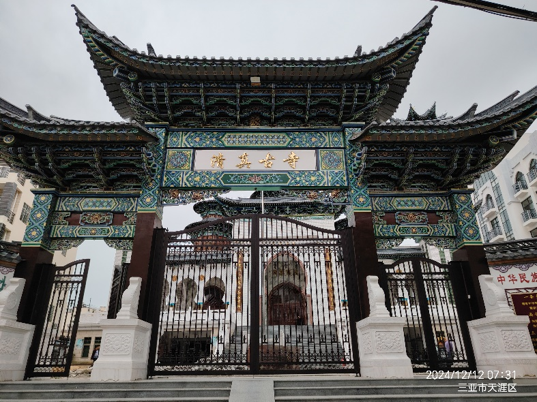
Abstract:
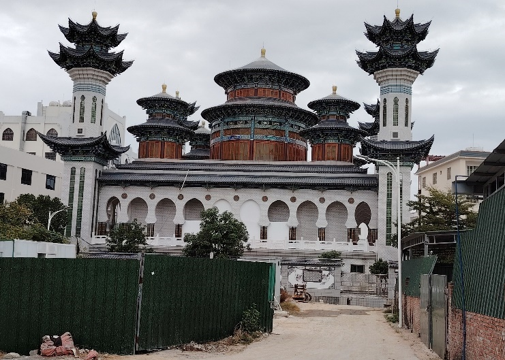
A field visit to Sanya Ancient Mosque located in Huihui Village (Huihui Muslim Village), Tianya District, Sanya. We trace the centuries-long history of the mosque's multiple restorations, showcase its spacious courtyard and solemn prayer hall blending Islamic styles with tropical Lingnan architectural features, and experience the deep-rooted piety of the island's Hui Muslims.
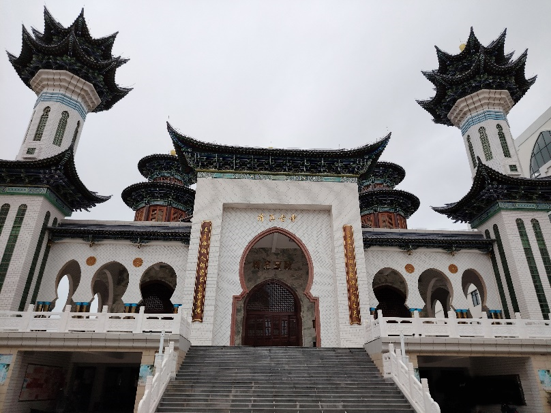
Sanya Ancient Mosque is one of the six active mosques in Sanya. It is located in Huihui Village (Huihui Muslim Community), Tianya District, Sanya City, Hainan Province, specifically in the 1st Alley of Huihui 4th Village. It is about 6 kilometers from downtown Sanya, roughly 3 kilometers from Huixin Village (Huixin Muslim Village), and right next to Sanya Phoenix International Airport. According to records in the Ming Dynasty's Wanli-era "Gazetteer of Qiongzhou Prefecture" and the early Qing Dynasty's "Complete Classics and Records of Ancient and Modern Times: Department of Official Territories" Vol., ancestors of the Hui Muslims arrived around the Song and Yuan dynasties from Champa (around present-day Bình Định Province in Vietnam), "carrying their families and sailing by boat, scattering and settling along the coast." They gathered by lineage to form "Fancun" (Foreigners' Village), which is today's Huixin Village area. Historically, there were four mosques here: the Ancient Mosque (Eastern Mosque), Southern Mosque, Western Mosque, and Northern Mosque. In 1940, due to the Japanese military constructing an airport, the residents of Huixin Village were forcibly relocated 6 kilometers southwest to Yanglan. All the mosques were completely destroyed. The relocation site eventually evolved into Huihui Village, a name chosen to signify "reviving the glory of the Hui ethnic group" and "the prosperity of the Hui people."
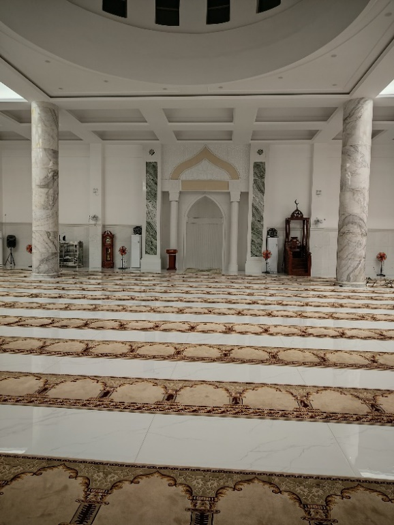
During the Tang Dynasty, Hainan Island was already a mandatory transit route for China's maritime spice and silk trade. Muslim merchants traveling from Persia and the Arabian Peninsula through the islands into Chinese ports like Guangzhou and Quanzhou chose to come ashore and settle in Sanya. By the Northern and Southern Song dynasties, Vietnamese Muslims had also migrated to Sanya. Later, during modern crackdowns on Muslims on the mainland, imperial authorities also drove certain mainland Muslims out of the mainland, and these individuals eventually settled in Sanya, Hainan.

Today, the Hui Muslims of Huihui Village in Sanya, Hainan, are the descendants of those Sanya Hui people who were relocated west to Yanglan by the Japanese. Before Liberation, the Yanglan and Lizhiguo areas were called Mingya Township, governing 15 baos (administrative units) and 3 special baos (first, second, and third), totaling 229 jias. In 1950, Yanglan Township was established, followed by the formation of Yanglan Commune in 1961. The Yanglan Commune was changed to Yanglan District in 1983, converted into Yanglan Town in 1986, and in 2001, Yanglan Town was abolished and merged into Fenghuang Town. In 2014, Fenghuang Town, Tianya Town, and Yucai Town were consolidated to establish Tianya District of Sanya City. The former Yanglan is now Yangxin Community under the jurisdiction of Tianya District, primarily a residential area consisting of Han Chinese and migrant populations.
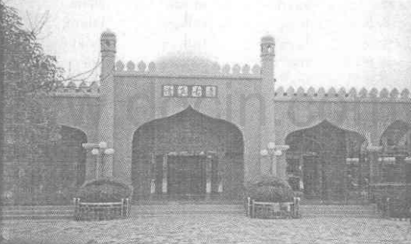
Huihui Village now belongs to the Huihui Community of Tianya District. It boasts a unique geographic location, with the West Ring National Highway cutting right through the village. It is only 5 kilometers away from Sanya Phoenix International Airport, making transportation extremely convenient. It is bounded by the sea to the south, and connects to tourist hotspots like Tianhai Haijiao (Ends of the Earth), Nanshan Temple, and Daxiao Dongtian (Greater and Lesser Views of the Ocean) to the west. Its jurisdiction stretches east to Yanglan Village (Yangxin Community), south to Haipo Village, west to Haihong Road near Phoenix Airport, and north to Shuijiao Village. Covering an area of about 1.6 square kilometers, it has 7 resident groups and is a strictly Hui Muslim-concentrated community. By the end of 2014, the jurisdiction had 598 households with a population of 4,078 people, including 3,747 permanent residents and 331 floating residents. The predecessor of Huihui Village was Fancun (around present-day Huixin Village). In the summer of 1940, the original villagers were all forcibly relocated west to the Yanglan area by Japanese aggressors, forming a settlement that was renamed Hui Muslim Village in 1945. In 1951, Huihui Village established a mutual aid team, followed by a primary cooperative in 1953, an advanced cooperative in 1955, and the Huihui Production Brigade in 1958. Hui Muslims who moved back to their original old village (Fancun) fell under the administration of the Huihui Brigade. In 1982 (1983), it was changed to Huihui Township, and in 1988, the Huihui Residents Committee was established, which eventually became the Huihui Community Residents Committee in 2013, a name that continues to this day.

Additionally, historical and anthropological research suggests that most villagers in Huihui Village exhibit typical South Asian physical characteristics: noses that are not very high, but are relatively wide with depressed nasal bridges, and prominent, protruding cheekbones, indicating that they are largely descendants of the Champa people. Meanwhile, villagers in Huixin mostly display typical West Asian and Central Asian features—narrow faces, high nasal bridges, large eyes, long eyelashes, and other distinct Western Regions traits. In 1942, the Medical College of Taihoku Imperial University dispatched Kaneto Huna to Sanya to conduct somatological measurements on 198 adult male and female Hui residents over the age of 30 in Yanglan. The results showed that compared to southern Han Chinese, the Sanya Hui people belong to a taller, higher-nosed human group, carrying Arabian ancestry.
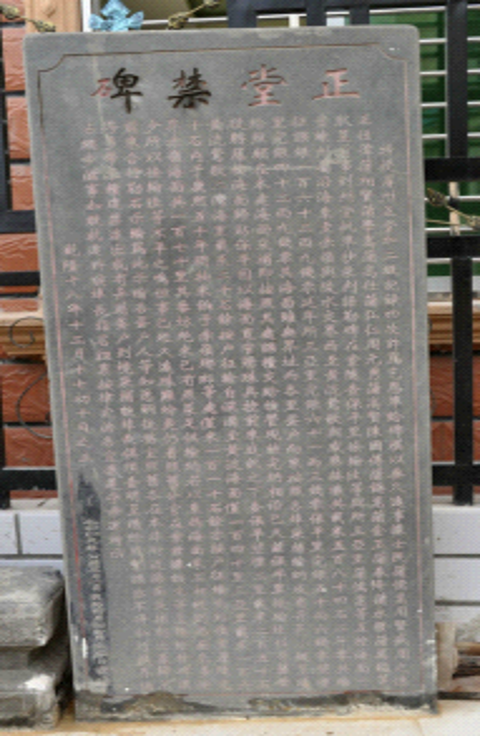
Hui Muslims have a traditional saying: "You can go without a home for a lifetime, but you cannot go a single day without a mosque." Therefore, living clustered around a mosque is a primary characteristic of the Hui people's settlement pattern of "large dispersal, small concentration." According to oral tradition, Sanya Ancient Mosque dates back to the early Southern Song Dynasty, making it rich in history, Hainan's very first mosque, and the earliest built mosque in Sanya. Its predecessor was the Eastern Mosque of Fancun in Sanya. Xiaoye Tianchun referred to it as the Eastern Temple in his book "History of Hainan Island," and it was originally located in Sanya Street (present-day southwest suburbs of Sanya City). However, written records state it was built in the 6th year of the Chenghua reign in the Ming Dynasty (1470) and was originally built in a Chinese style. In the 1920s, the old mosque was originally a brick-and-tile structure, but was later rebuilt into an Arabic-arched reinforced concrete structure, with an octagonal prayer hall. Around 1940, due to the Japanese invasion and airport construction, the original ancient mosque was destroyed. In the 1950s, the Huihui villagers of Yanglan raised funds to rebuild it at a new site and renamed it the "Ancient Mosque," retaining the Arabic-arched style. After 1966, it suffered damage again, and the temple hall was dismantled. In 1982, it was rebuilt once more using black tiles and brick walls, with a prayer hall consisting of only 3 connected rooms, covering an area of just over 300 square meters. Because the temple hall was cramped while believers were numerous, donations totaling 300,000 RMB were contributed by Hong Kong Muslims in 1986 to expand it into an Arabic-style building. A new prayer hall spanning 600 square meters was reconstructed, featuring a dome tower that looked quite magnificent. After remodeling in 1999, a dome was added. In 2008 and 2009, the ancient mosque was hit by floods twice, so funds were raised to rebuild it into a more modern Arabic-style building in time for the Mawlid (Prophet's Birthday) celebration in 2010. Following the expansion in 2011, the new ancient mosque covers an area of 821 square meters and can accommodate over 1,000 people for congregational prayer simultaneously.
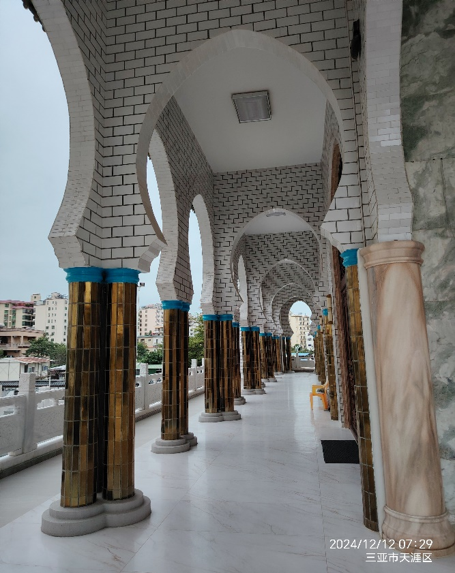
The mosque originally housed multiple stone tablets and plaques, of which only a single "Official Prohibition Tablet" from the 18th year of the Qianlong reign in the Qing Dynasty (1753) survives today. The tablet stands 150 centimeters tall and 55 centimeters wide. It is the only precious cultural relic engraved on a Chinese stone tablet discovered and preserved by the Hui ethnic group in Sanya over the years, holding significant value for studying the economic life of Hainan Muslims in the early Qing period.
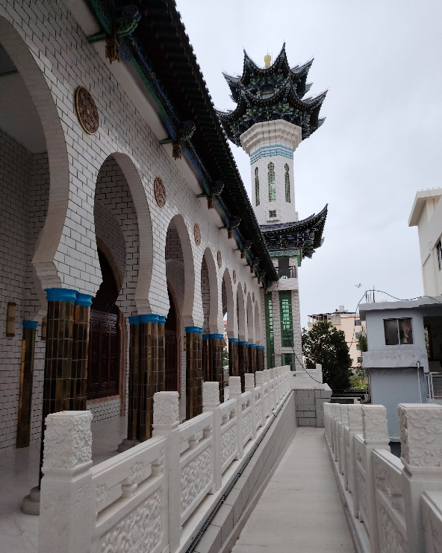
During recent architectural style renovations of the mosque, Sanya Ancient Mosque underwent another round of reconstruction. Today's ancient mosque's towers and corridors seamlessly blend Chinese and Western elements, showcasing both the aesthetic beauty of traditional Chinese architecture and contemporary classical charm, fully expressing its religious and cultural identity.
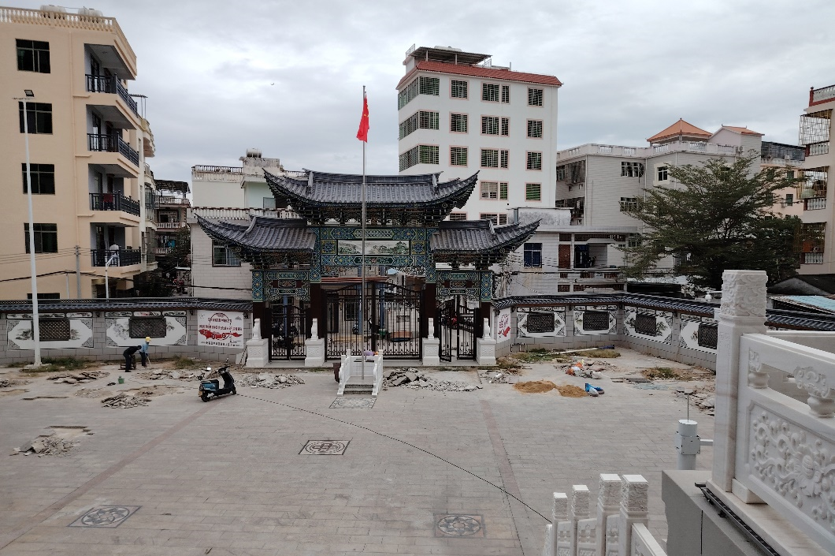
With Sanya's continuous social and economic development—especially the booming tourism industry—Muslims from countries like Sudan, Saudi Arabia, Iran, Pakistan, and Southeast Asia are drawn to visit and pray at mosques in Sanya, Hainan. Today, the Sanya Ancient Mosque continues to play an active, vital role in the religious life of our local Hui compatriots and in external religious and cultural exchanges.
Unlocking Sanya's Halal Food Scene: Utsul Muslim Flavors & Fresh Seafood in Hainan
Articles • Hasan09 posted the article • 0 comments • 4 views • 3 hours ago
Unlocking the Magic of Halal Cuisine in Sanya's Tianya District: The Epic Mashup of Island-Fresh Ingredients with Silk Road and Southeast Asian Cooking Traditions
Summary:
A deep dive into why the Hui Muslim dishes in Sanya's Tianya District are blowing up right now. From strictly handpicked local fresh beef and mutton to unique cooking techniques blending Southeast Asian spices with Hainan's coconut aroma, we're breaking down the craftsmanship and flavor secrets behind this generational Halal food heritage.
‹‹‹‹‹‹‹‹
Savoring the Flavors of Tianya
››››››››
If you want to talk about the most low-key, mouthwatering spot in Sanya's food scene,
it's got to be the Hui Muslim flavors
hidden right in the alleyways of Tianya District!
In the Hui Muslim enclaves of Huixin Village (Huixin Muslim Village) and Huihui Village (Huihui Muslim Village),
the old-school aromas drifting through the lanes are ridiculously good.
Starting at just 5 RMB, you'll be eating pure happiness ♀
Today, YOYO is taking you deep into Tianya to savor the taste of home and heritage~
TIAN YA
Huixin's First Salt-Baked Pigeon Shop
TIANYA
No. 6, Xinguang Lane, Huixin Community, Tianya District
Tianya's Undisputed "Salt-Baked Pigeon King" | ¥36
When it comes to absolute must-try Hui Muslim dishes in Tianya,
this salt-baked pigeon has got to be on the list~
A legit "Salt-Baked Pigeon King" pulled straight out of a mountain of coarse sea salt,
and also the ultimate budget champion at just 36 RMB a bird.
Slow-baked using traditional methods for a full hour,
the moment you tear into it, the aroma hits you like a truck.
The spices are baked straight through to the bone.
You already know that finger-licking kind of joy, right~~~
The shop is packed with customers every single day,
from locals zooming in on their electric scooters
to travelers dragging suitcases behind them,
plus a bunch of regulars ordering take-out via WeChat.
Even the locals themselves can't resist grabbing a bite of this every single day.
Taizhong Beef Bone Soup
TIANYA
Near No. 332 Phoenix Road, Tianya District
One of the ultimate signature dishes of Sanya's Hui Muslim cuisine
You seriously gotta put "beef bone soup + red rice coconut rice" at the top of your list!
Fresh, fresh, fresh, fresh, fresh, fresh, fresh, fresh, fresh, fresh, fresh, fresh, fresh!
Beef bones, tripe, and chunks of radish slow-simmered in a traditional firewood-fired iron pot!
Brews up this rich, aromatic, golden broth
Stirred together with a spoonful of red and yellow chili paste
Packed with that intense wok hei energy, super rich broth, and a mild, addictive kick of spice
Generous chunks of tender beef still clinging to the tendon have that perfect, satisfying chew
Pairing the beef bone soup with red rice coconut rice
is the absolute most authentic way the Hui Muslims in Sanya eat it!
The savory meat and sweet coconut flavors linger forever in the best way possible~~
Sanya Hui Muslim Traditional Firewood Coconut Cakes
TIANYA
No. 8 Xinguang Lane, Huixin Community (Huixin Muslim Village), Tianya District
Every time I head over to Huixin Village (Huixin Muslim Village), YOYO always makes sure to buy from them!
It's a family of Hui Muslims making all kinds of coconut goodies completely by hand right out of their old courtyard.
[Traditional Firewood Handmade Coconut Cakes | ¥10 for 3 pieces]
My absolute favorite is these firewood-baked coconut cakes passed down through a century of tradition.
Crispy, golden crust mixed with fresh coconut aroma.
It looks super simple, but it is seriously addictive.
The more you chew, the better it gets! The more you chew, the more you fall in love with it!
Total perfection for an afternoon tea snack or munching while binge-watching your favorite shows.
[Coconut Jelly | ¥5 per bowl; Coconut Bao | ¥5 each]
This clean, sweet, silky-smooth original-flavor coconut jelly
is straight-up Sanya's number one in YOYO's book.
Plus colorful coconut jelly, ocean-blue coconut jelly...
Wood-fired shredded coconut rolls, coconut meat, coconut water, coconut oil...
Super friendly prices, come here and feast to your heart's content!
Haxuanren Beef Brisket Noodles
TIANYA
Tianya District, about 100 meters from the intersection of Phoenix Road and County Road 827
When you're craving beef dishes and noodles in Sanya,
heading to the Hui Muslim spots is always the right move~~~
Especially this Haxuanren Beef Brisket Noodles
Just ¥16 a bowl! Legit, quality ingredients!
Every single noodle is coated in a deeply flavorful beef bone broth
The noodles are smooth and springy on the bite
Pairing with lean beef brisket that’s light on the fat
Unique flavor and pure comfort in a bowl!
There's always a line when you come here~
Locals and out-of-towners, guys and gals, old and young—everyone loves it
Di Yi Jia Xian Yu Tang Qingzhen Lao Fandian (First Fresh Fish Soup Halal Old Restaurant)
TIANYA
Tianya District, 10 meters north of Ruihao Seaview Apartment on Huixin Road
Yanglan Suanyu Tang (Yanglan Sour Fish Soup)
Totally lives up to its rep as one of Sanya's Top 10 Signature Dishes!
A flavor approved even by CCTV!
Wild ocean fish crashing into tropical fruits and veggies~
Tamarind, starfruit, tomatoes, shredded daikon radish
Tangy, sweet, fresh, and savory—a total appetite booster!
Authentic, one-of-a-kind Sanya Tianya flavor~
⑥️
Yizhimei Roast Chicken
TIANYA
Tianya District, intersection of Nansi 1st Lane and Huixin Lane
The absolute reigning champion of fried chicken in Huixin Village (Huixin Muslim Village)!
You usually gotta wait in a little line just to get your hands on some.
Chicken collarbones ¥10 | Sanhuang chicken ¥25 | Wenchang chicken ¥25
It's just so fragrant! It's just so crispy!
The dream chicken of your life that literally bursts with juice when you bite into it!
Meihua Barbecue Joint
TIANYA
Intersection of Yangzhongxi 1st Lane and Huihui 4th Village 1st Lane, Tianya District
When it comes to Hui Muslim food,
Hui Muslim barbecue has a massive reputation in Sanya!
Direct charcoal grilling is the only way to get that authentic flavor, and the secret is in the unique house-made sauce.
Shoutout to the grill masters at the Jie Jie Tuan (Sisters Group) BBQ!
Everything they grill smells insanely good~~~
No wonder their spot is packed with people every single night.
Who can possibly resist this kind of cozy neighborhood street food vibe~~~
Their barbecue leans toward the dry-rub style with deep, concentrated flavors,
which happens to be YOYO's personal favorite~~~
Babes who aren't into heavy seasonings or the dry-rub style
can just let the owner know when ordering~
To be continued~~~ view all
Unlocking the Magic of Halal Cuisine in Sanya's Tianya District: The Epic Mashup of Island-Fresh Ingredients with Silk Road and Southeast Asian Cooking Traditions
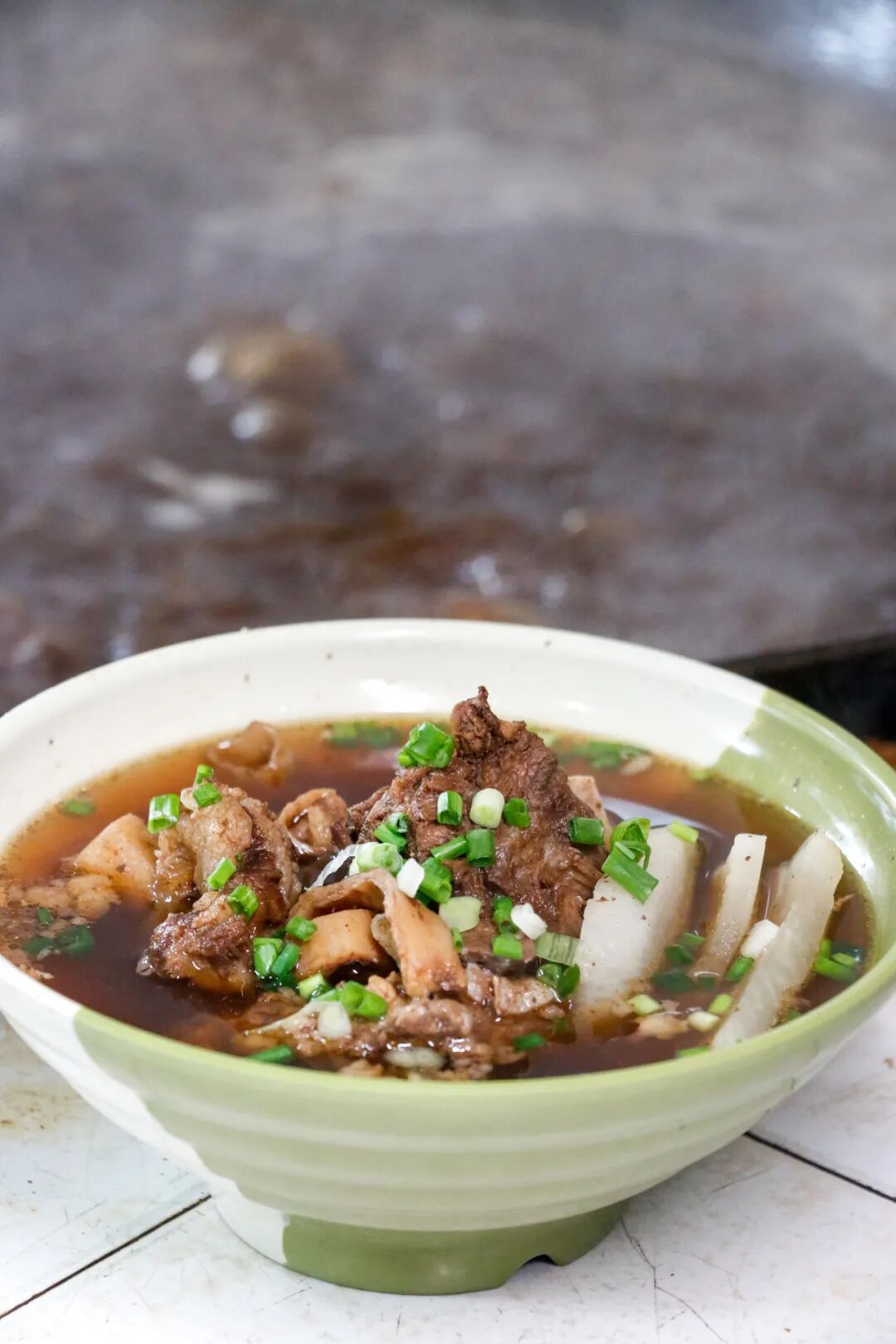
Summary:
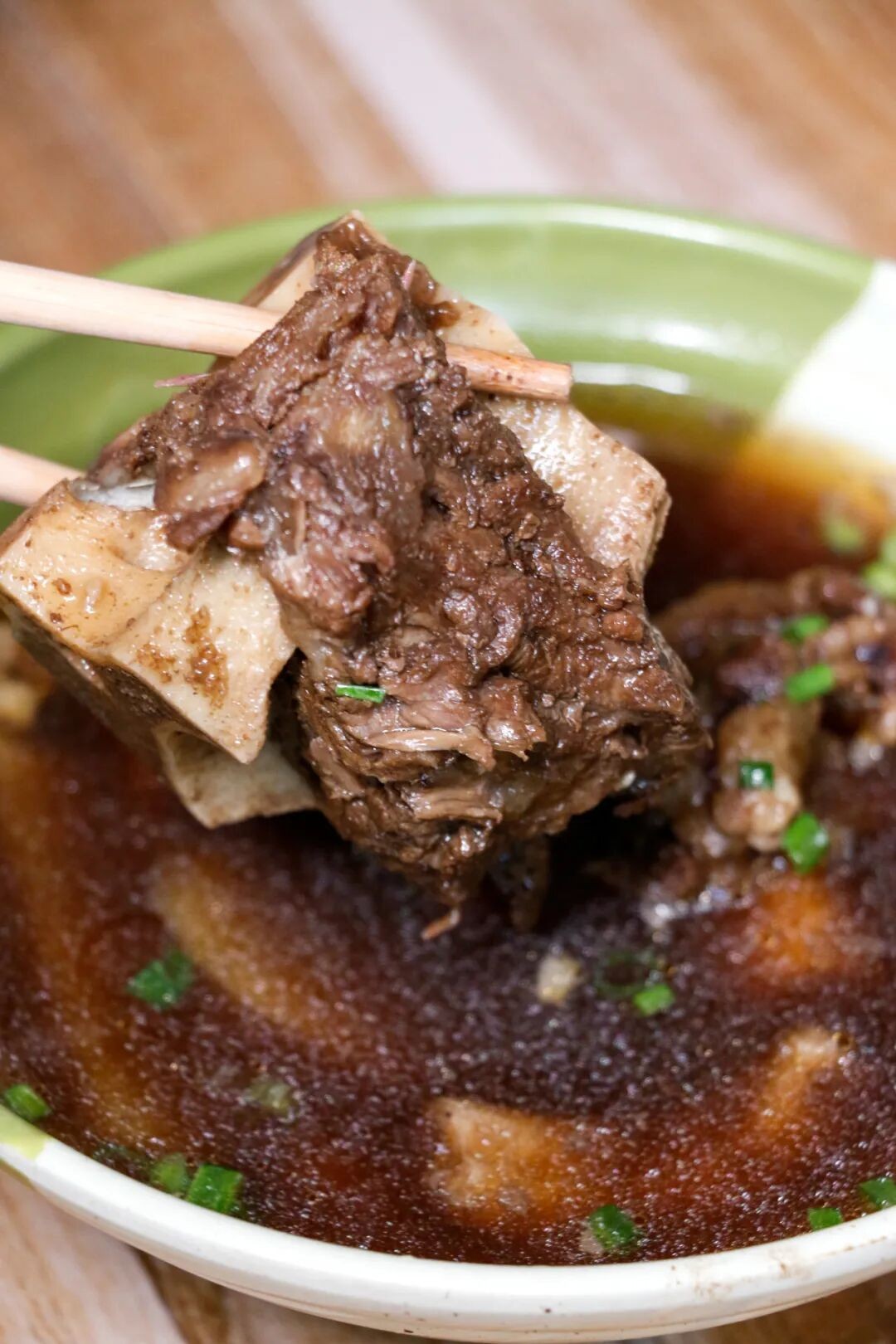
A deep dive into why the Hui Muslim dishes in Sanya's Tianya District are blowing up right now. From strictly handpicked local fresh beef and mutton to unique cooking techniques blending Southeast Asian spices with Hainan's coconut aroma, we're breaking down the craftsmanship and flavor secrets behind this generational Halal food heritage.
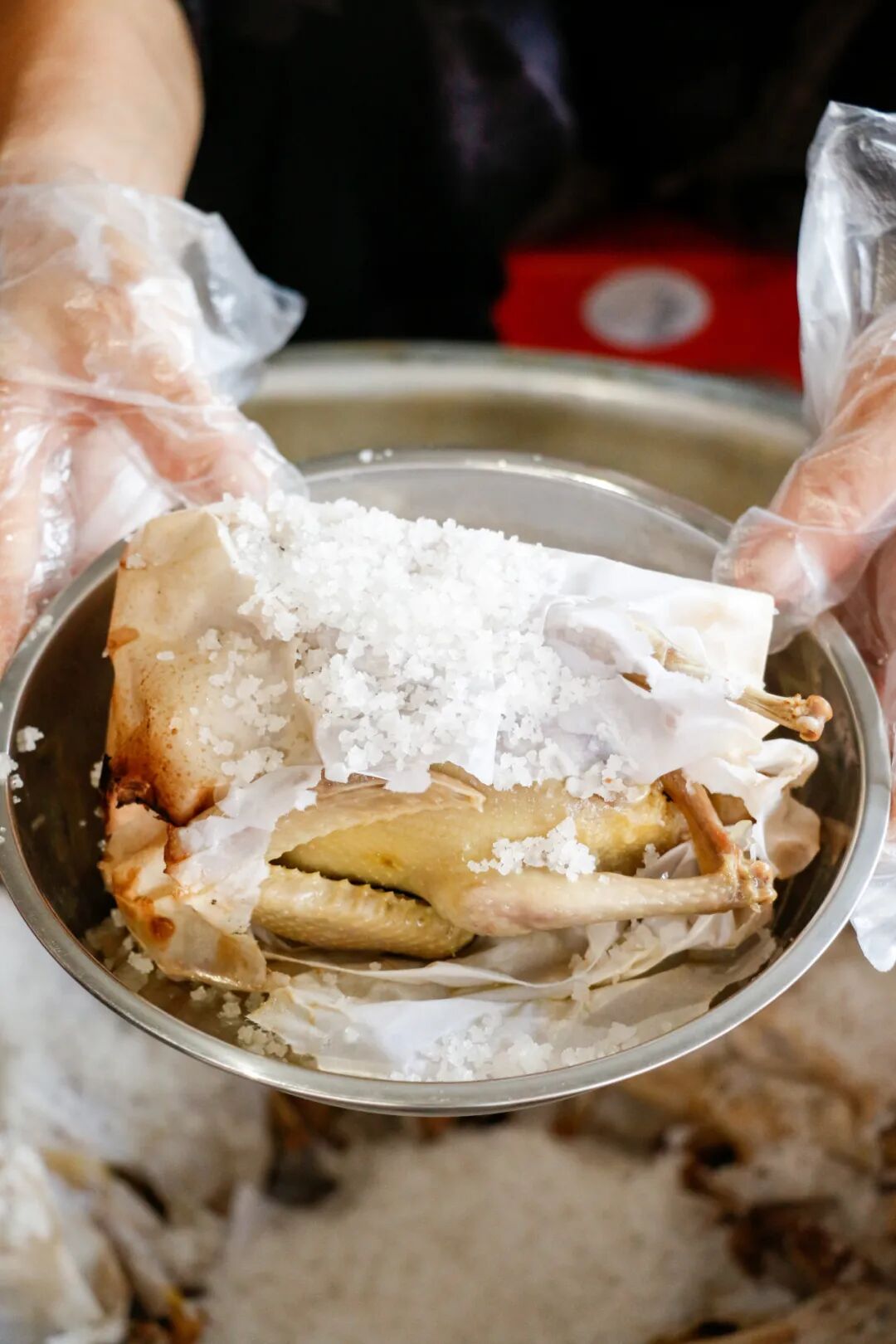
‹‹‹‹‹‹‹‹
Savoring the Flavors of Tianya
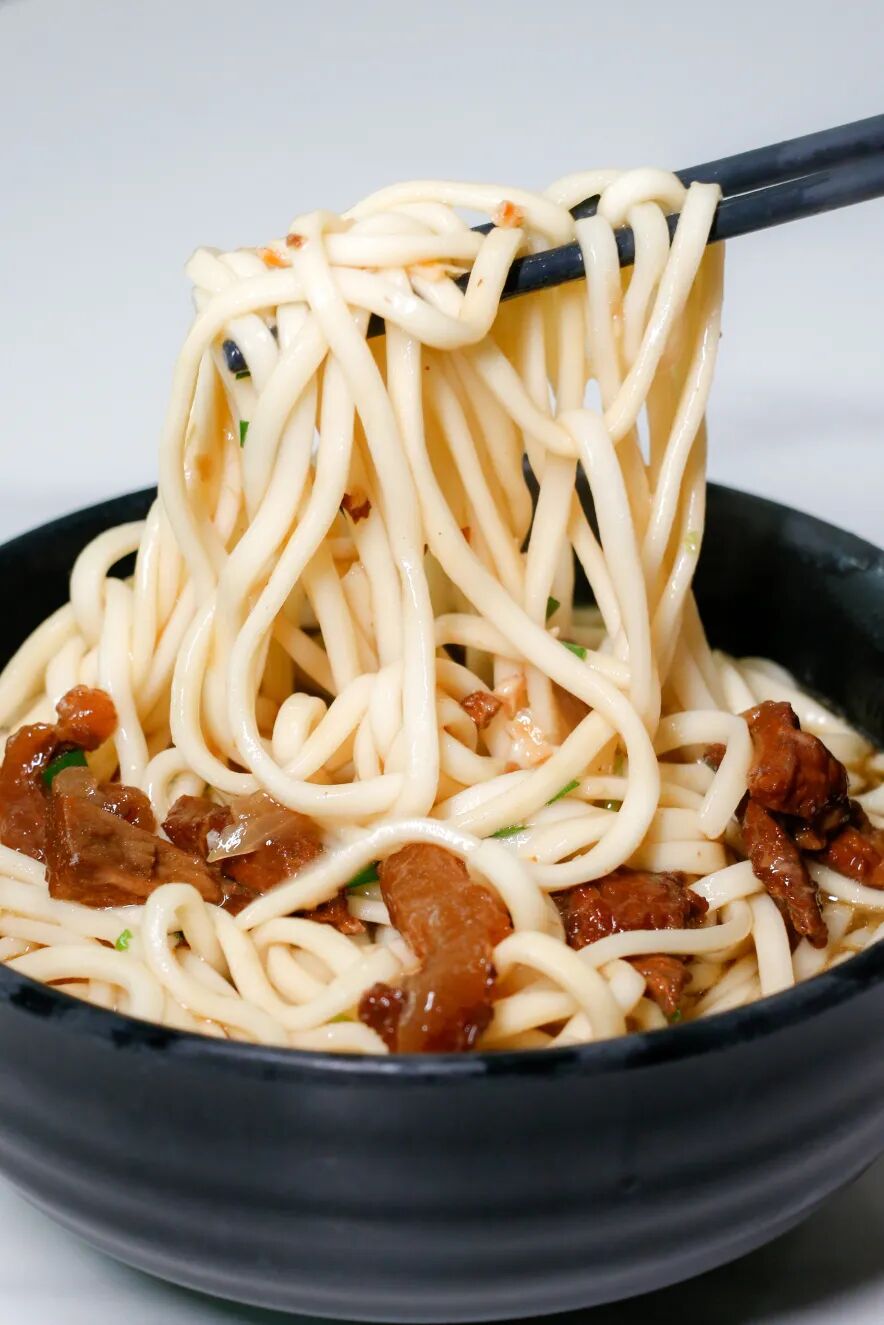
››››››››

If you want to talk about the most low-key, mouthwatering spot in Sanya's food scene,
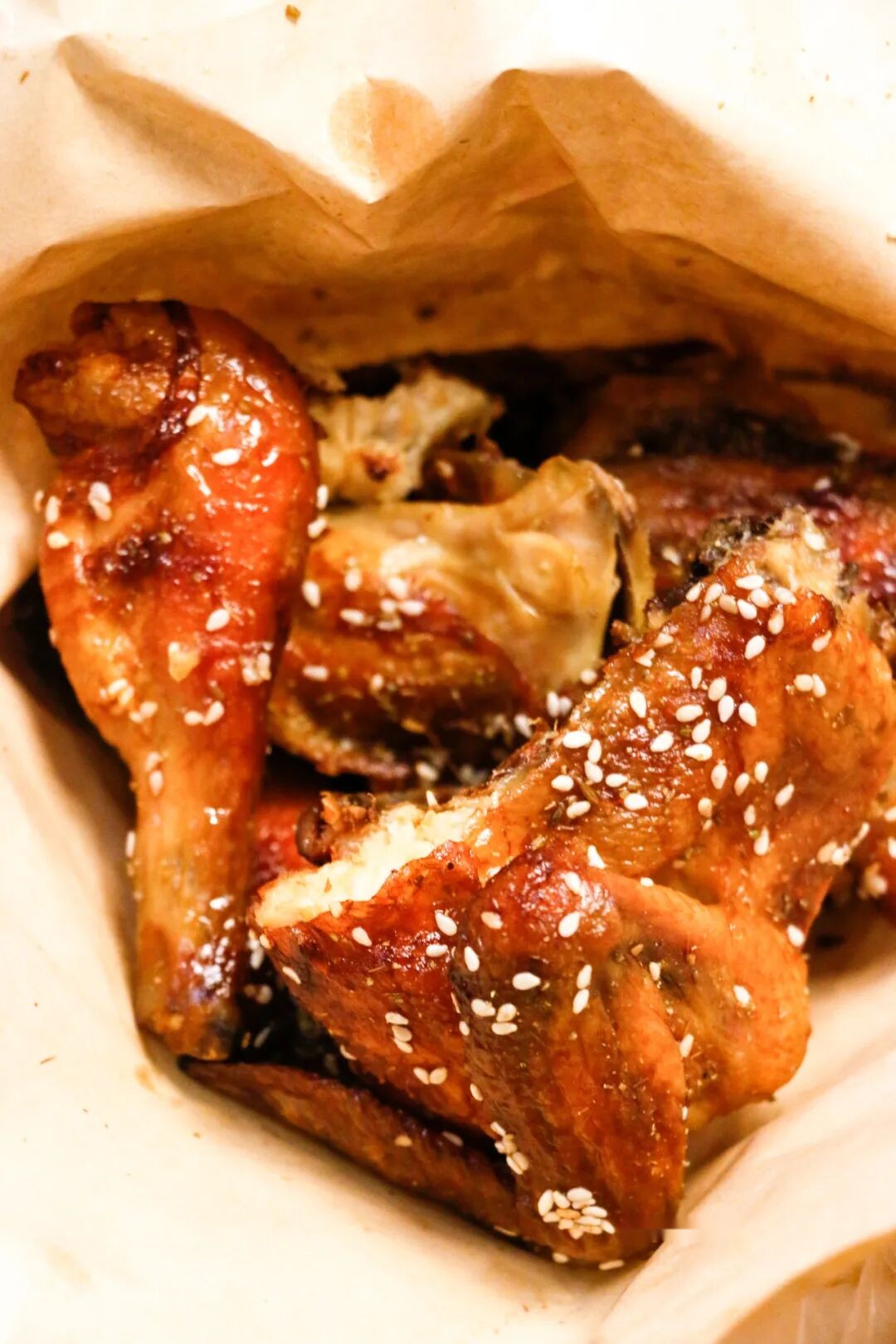
it's got to be the Hui Muslim flavors
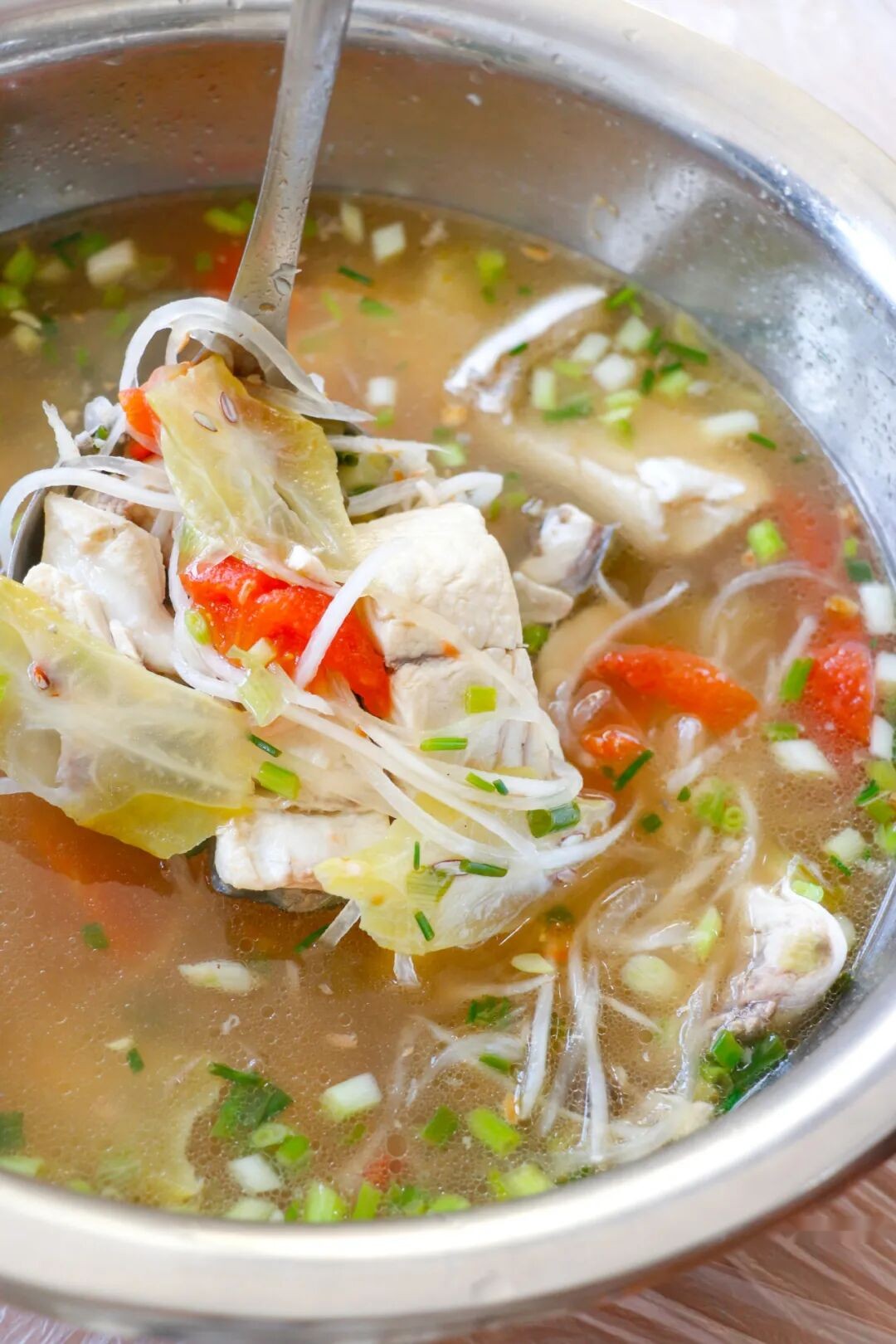
hidden right in the alleyways of Tianya District!
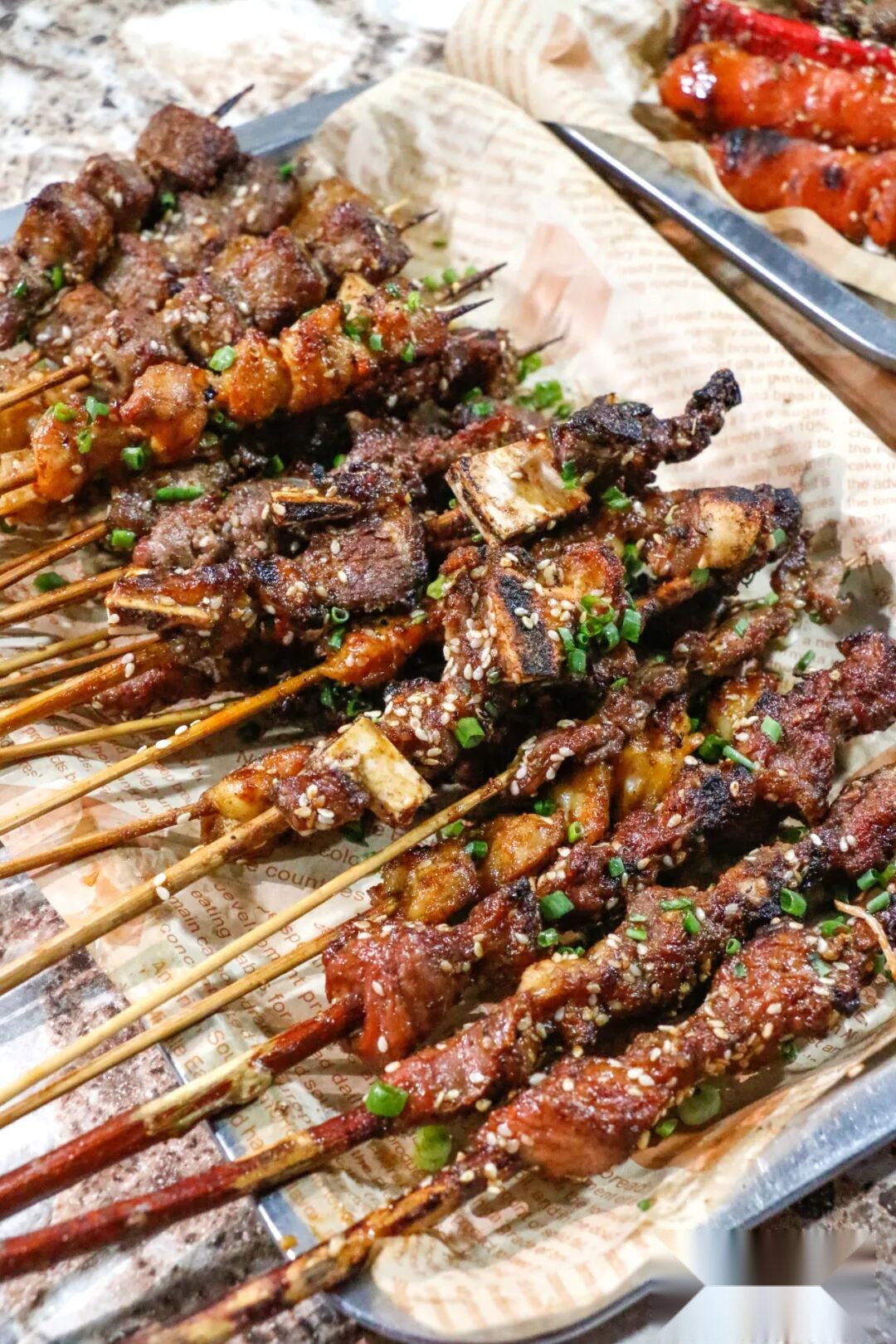
In the Hui Muslim enclaves of Huixin Village (Huixin Muslim Village) and Huihui Village (Huihui Muslim Village),
the old-school aromas drifting through the lanes are ridiculously good.
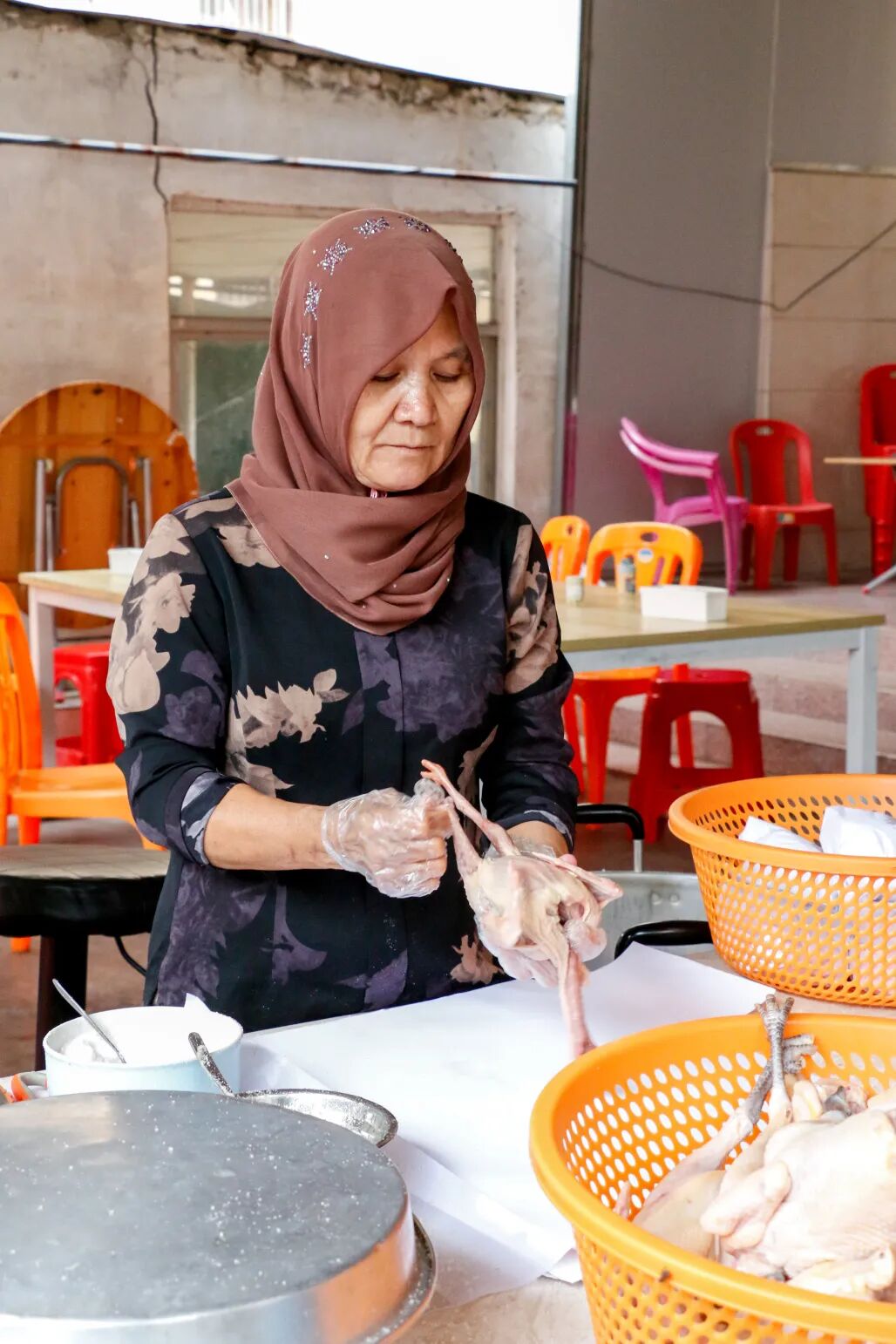
Starting at just 5 RMB, you'll be eating pure happiness ♀
Today, YOYO is taking you deep into Tianya to savor the taste of home and heritage~
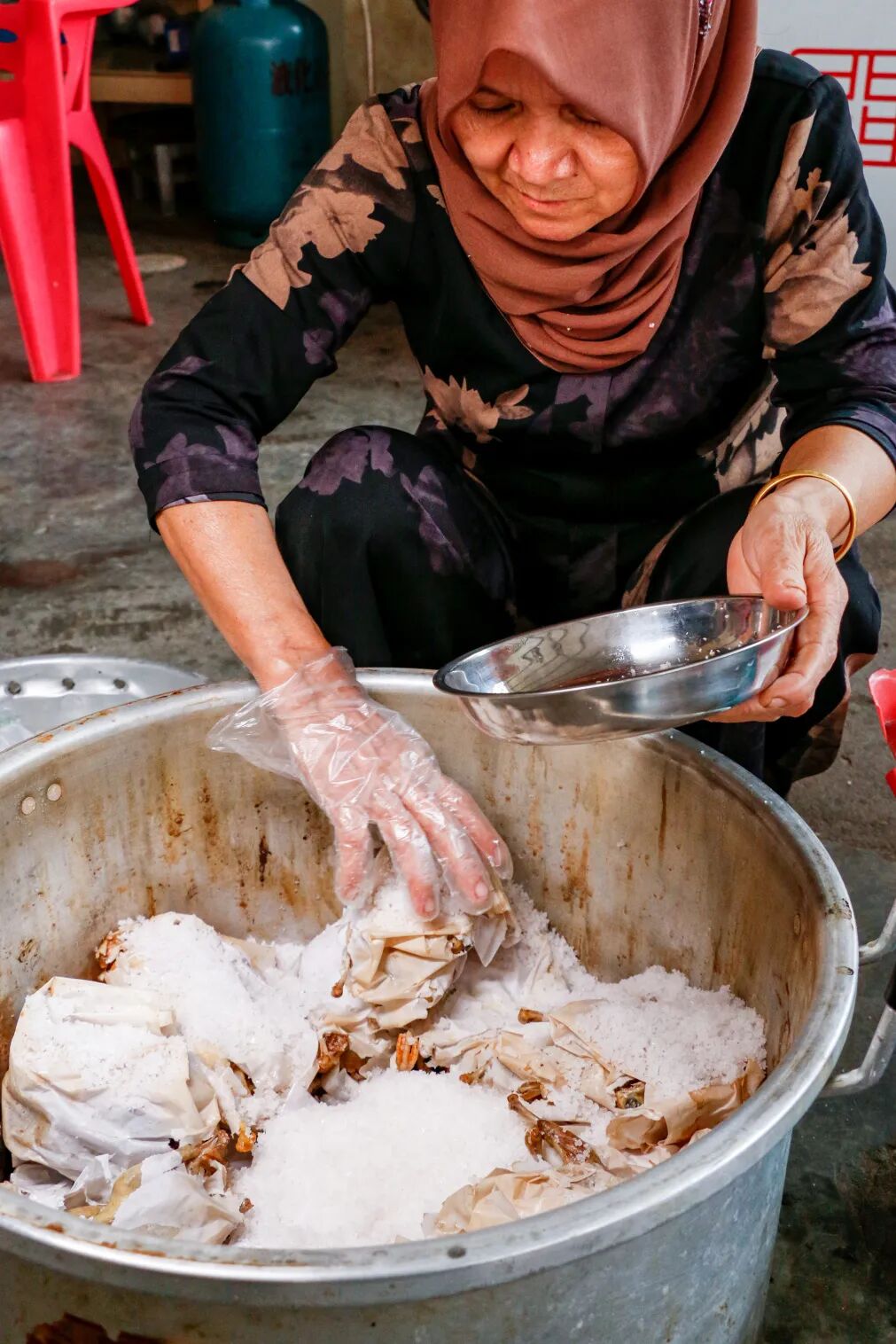
TIAN YA
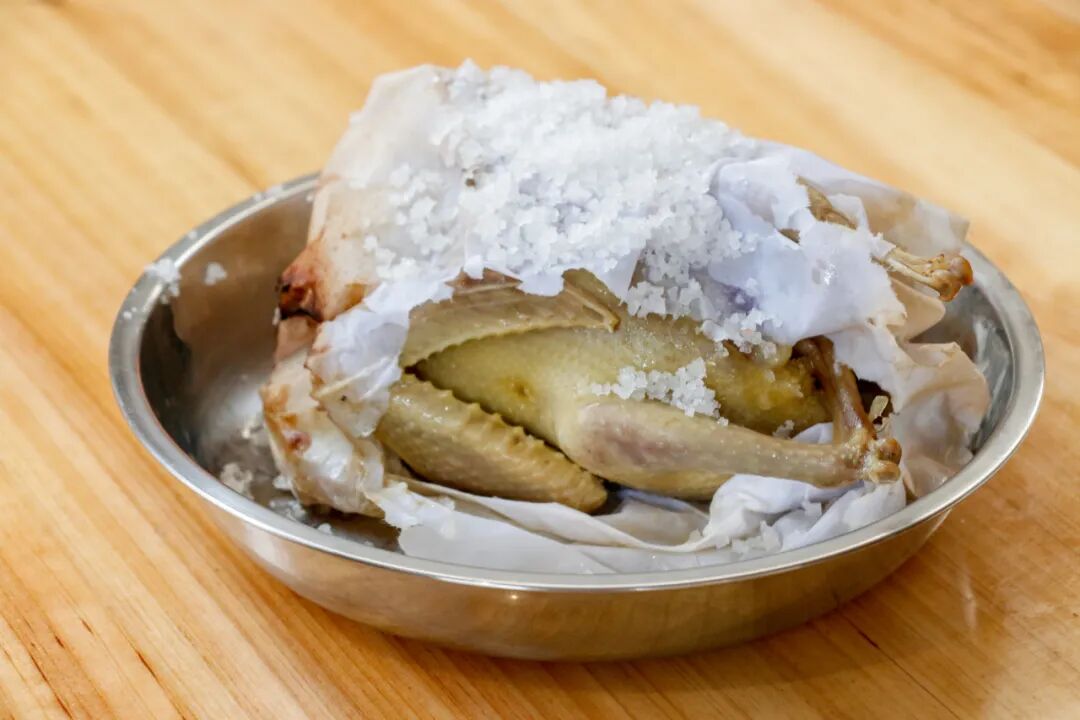
Huixin's First Salt-Baked Pigeon Shop
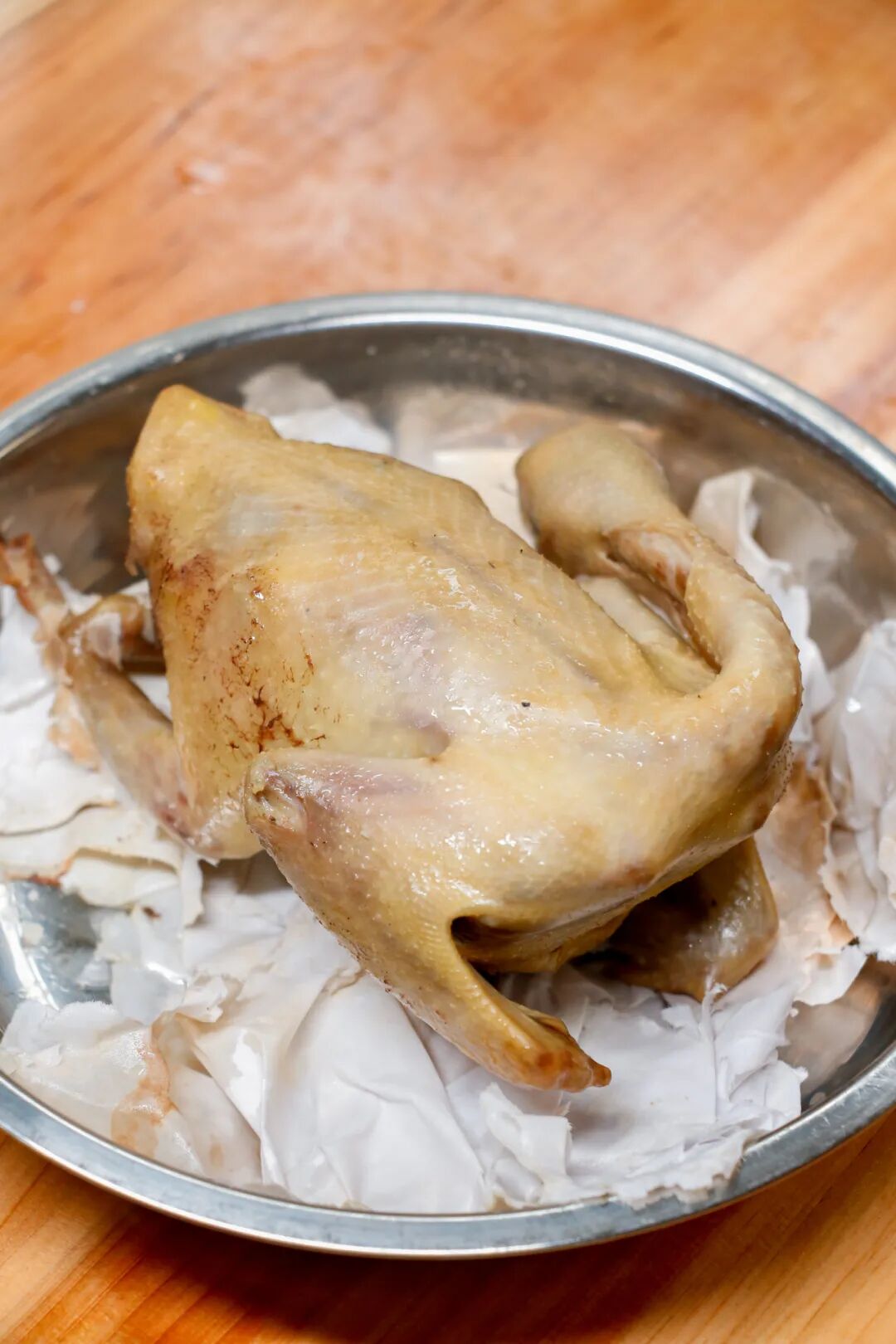
TIANYA
No. 6, Xinguang Lane, Huixin Community, Tianya District
Tianya's Undisputed "Salt-Baked Pigeon King" | ¥36
When it comes to absolute must-try Hui Muslim dishes in Tianya,
this salt-baked pigeon has got to be on the list~
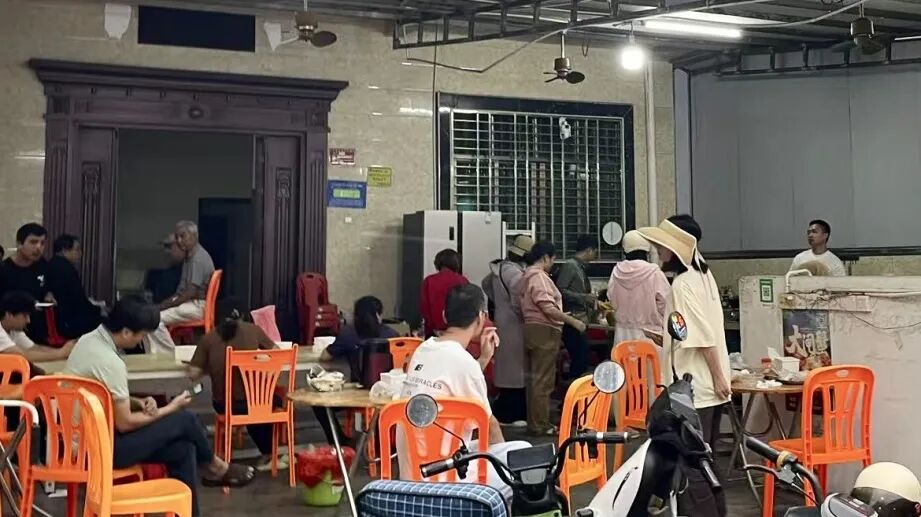
A legit "Salt-Baked Pigeon King" pulled straight out of a mountain of coarse sea salt,
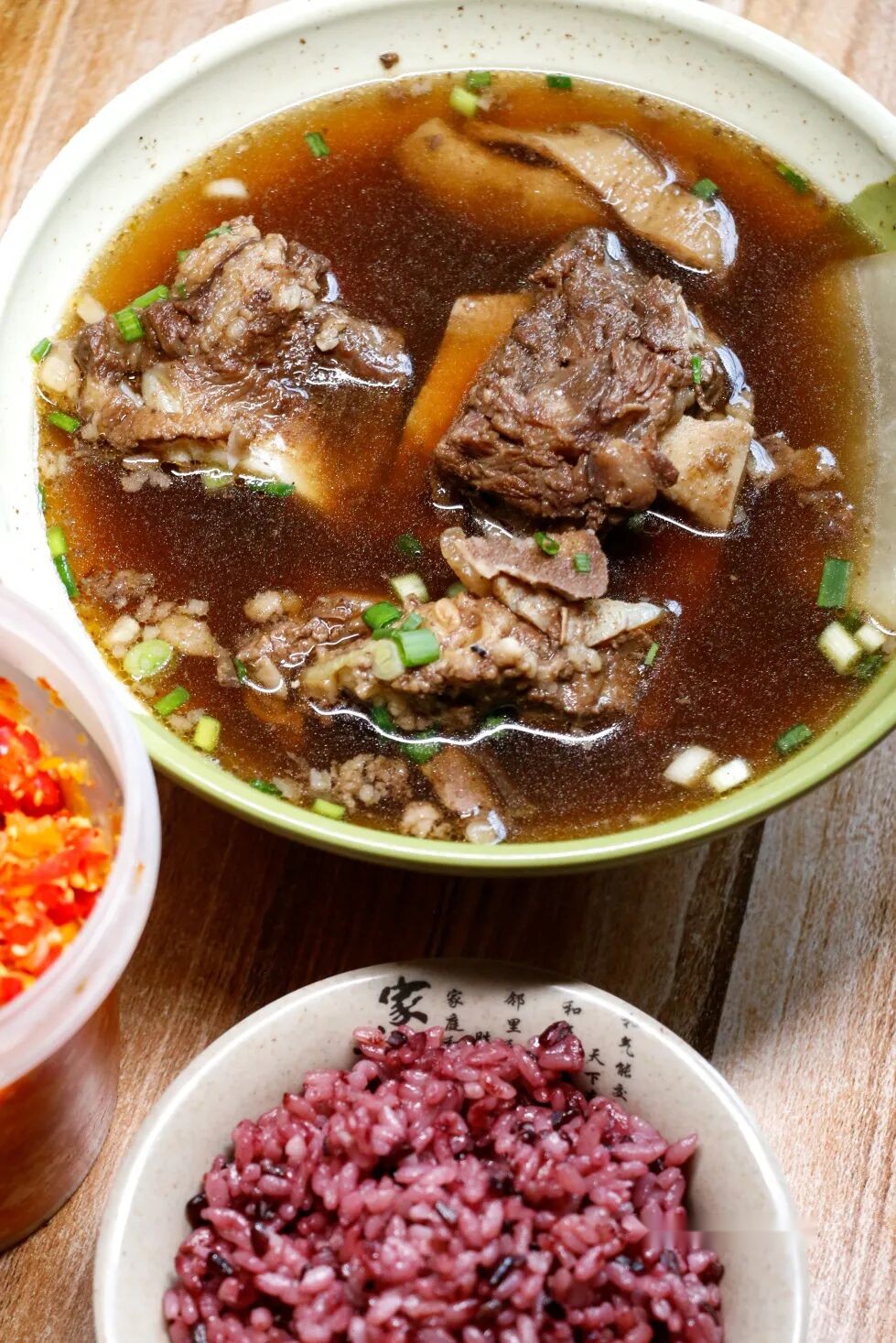
and also the ultimate budget champion at just 36 RMB a bird.
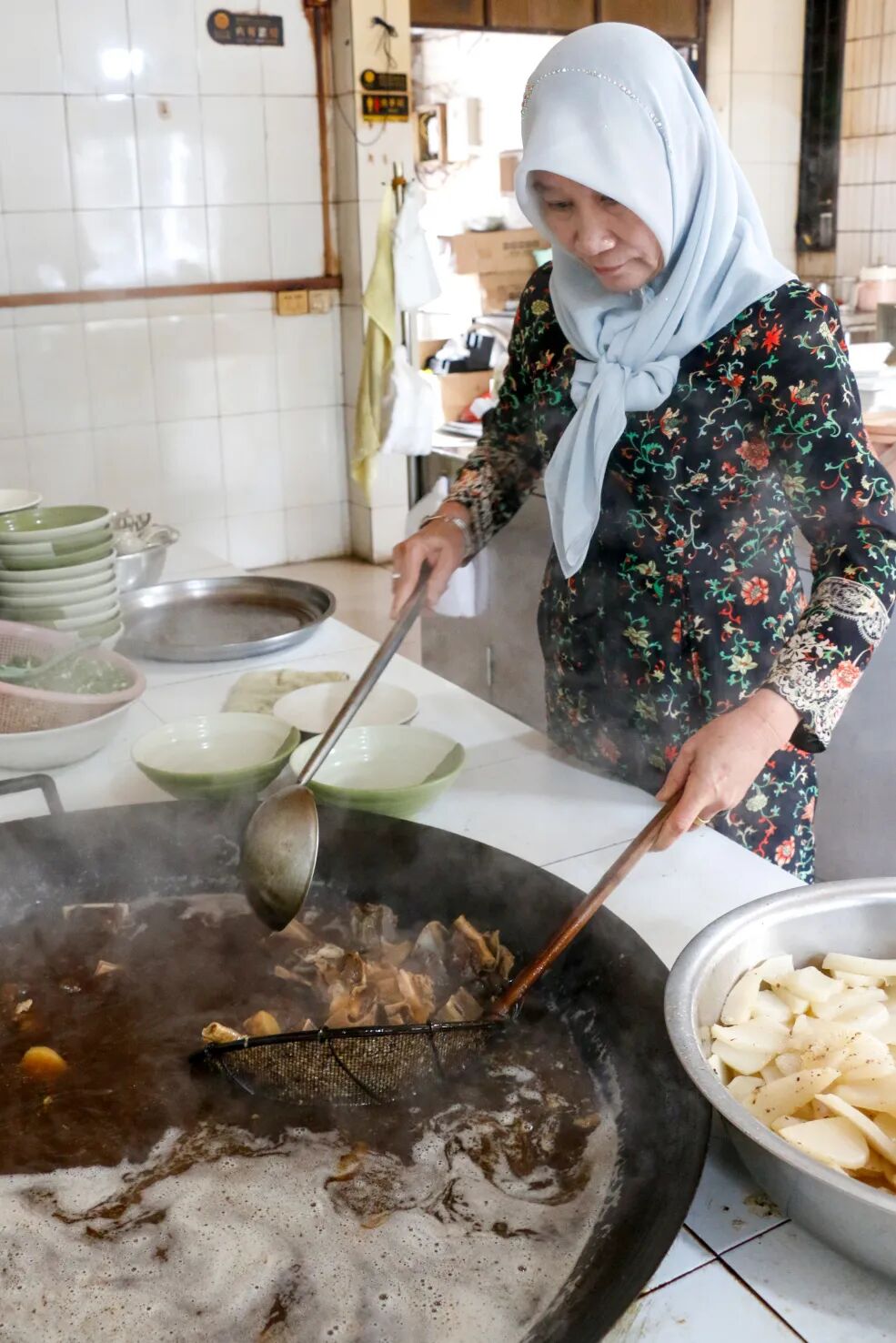
Slow-baked using traditional methods for a full hour,
the moment you tear into it, the aroma hits you like a truck.
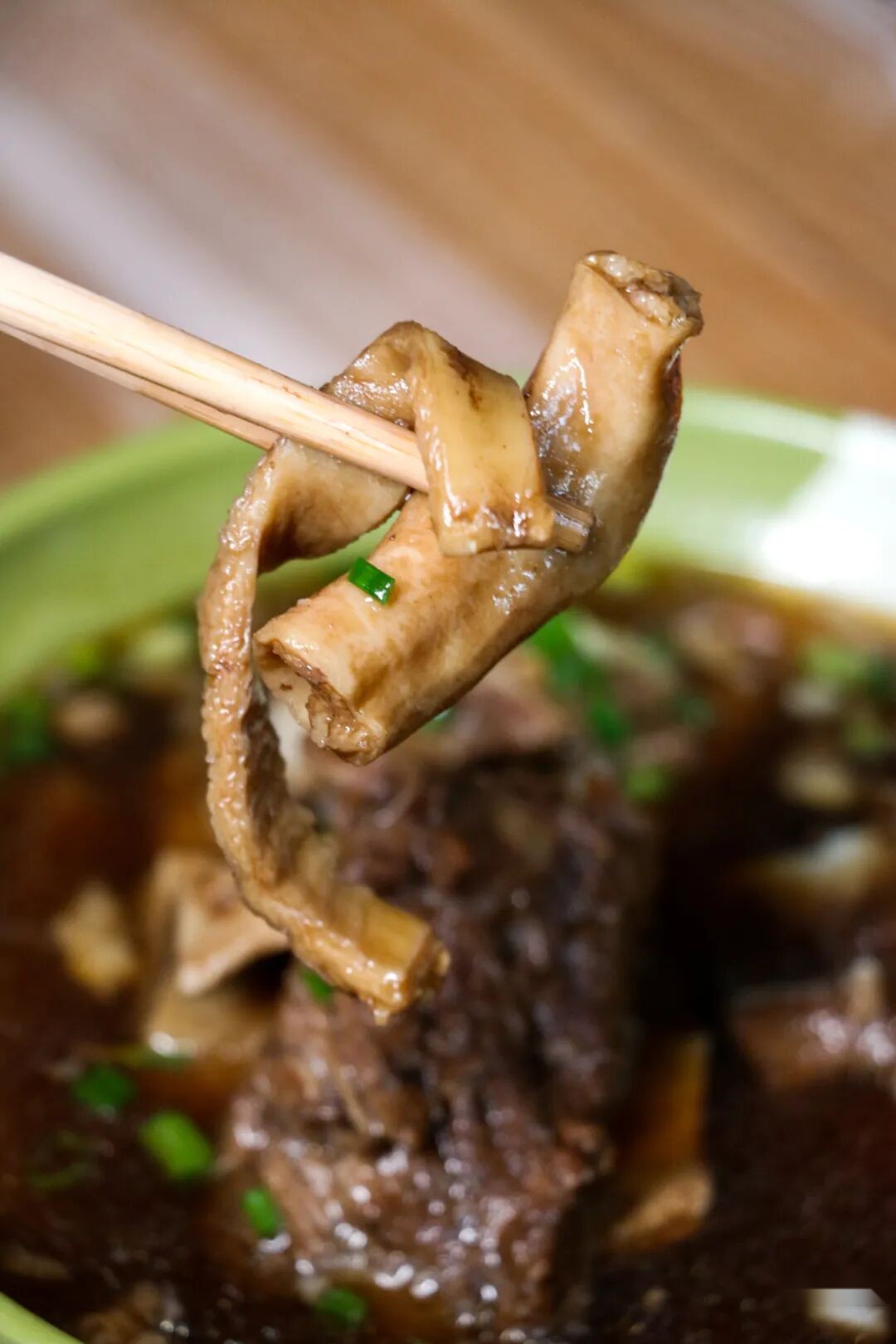
The spices are baked straight through to the bone.
You already know that finger-licking kind of joy, right~~~
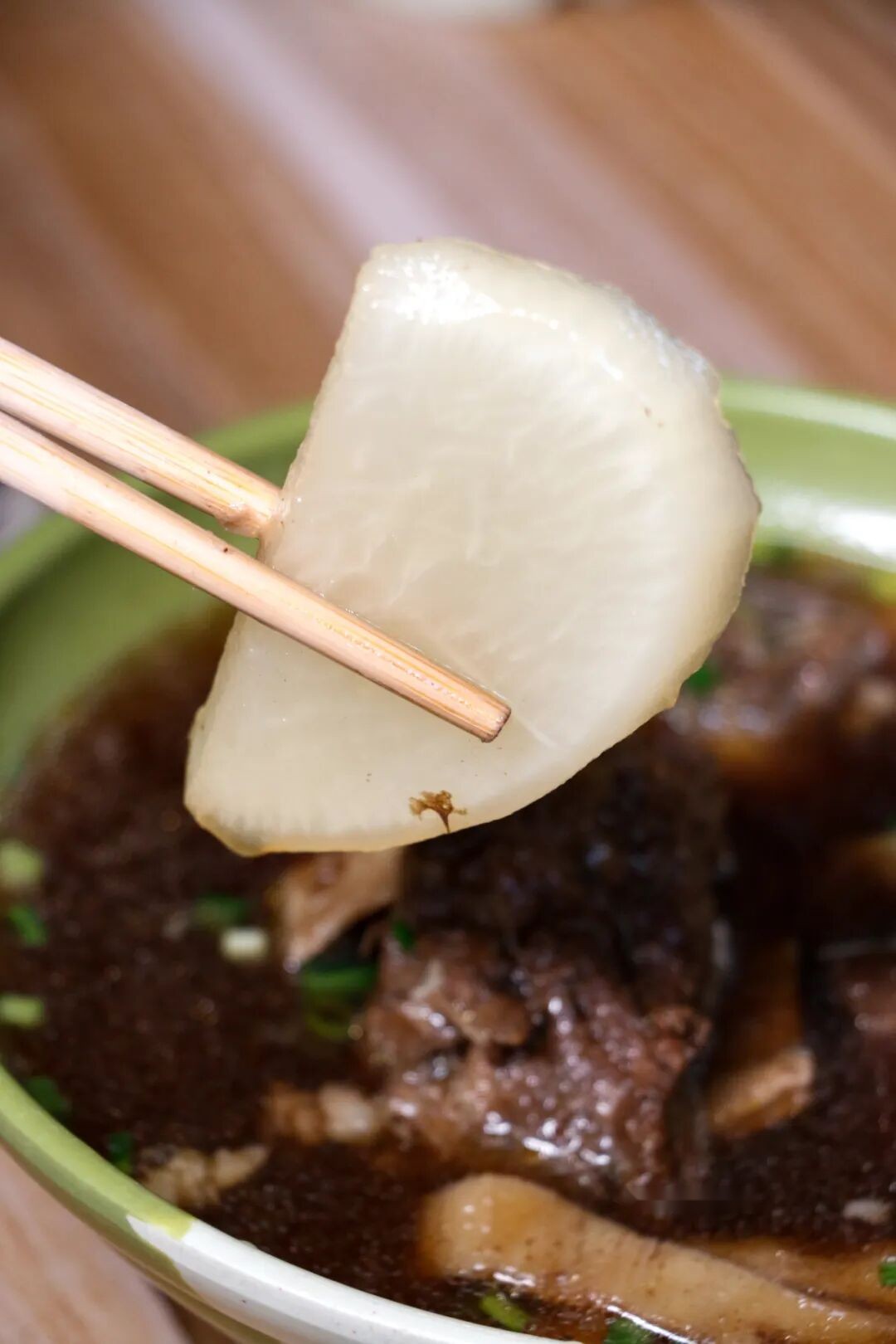
The shop is packed with customers every single day,
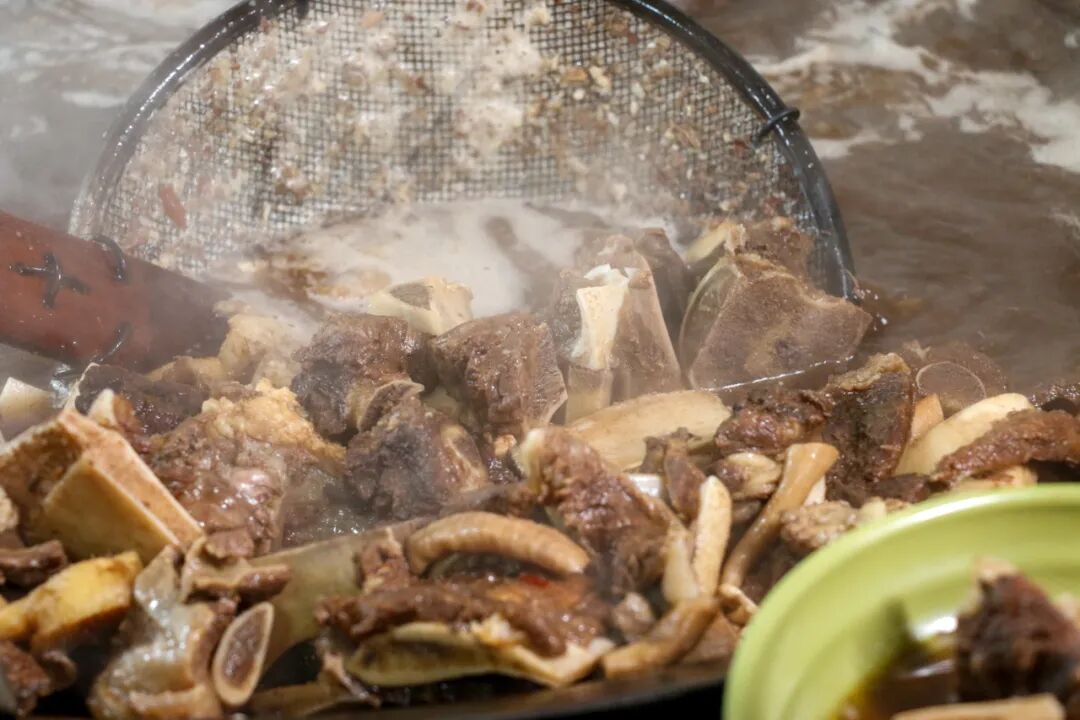
from locals zooming in on their electric scooters
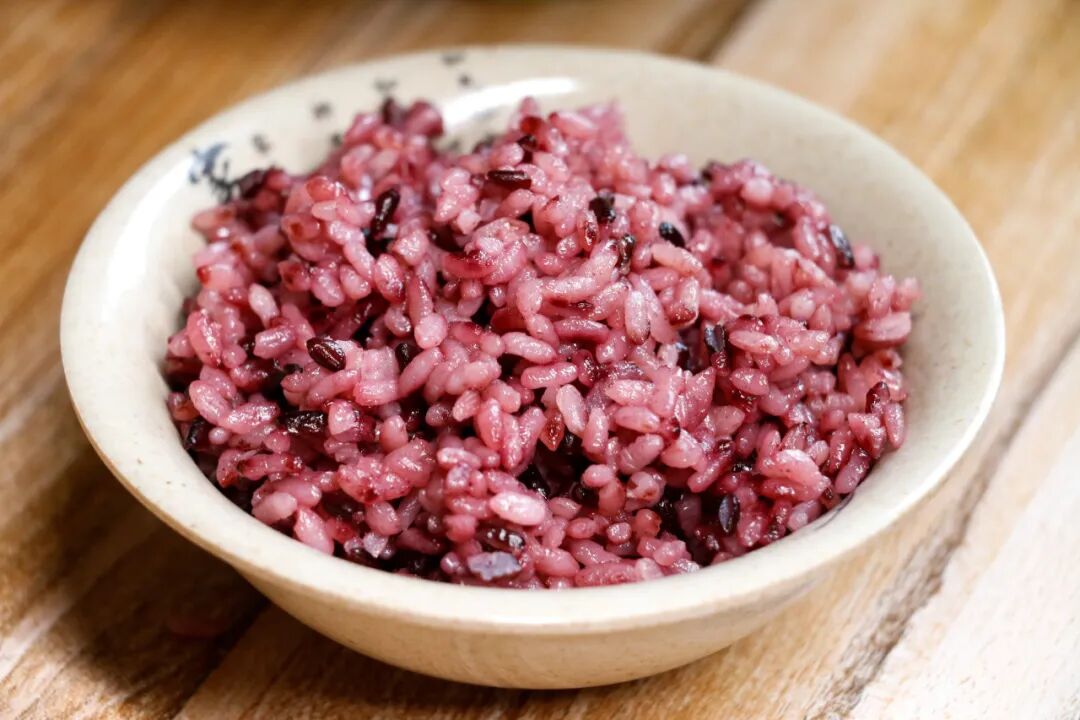
to travelers dragging suitcases behind them,
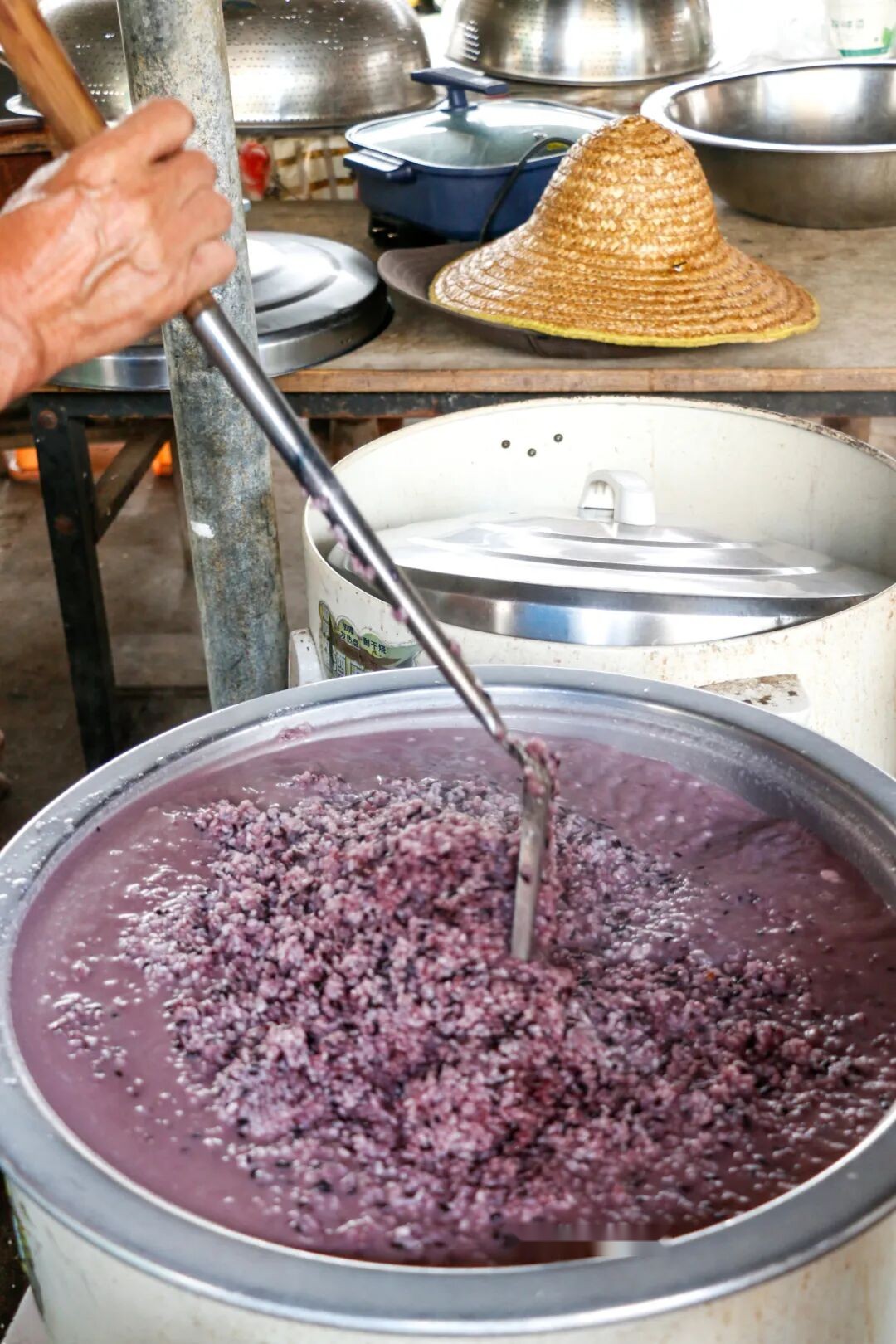
plus a bunch of regulars ordering take-out via WeChat.
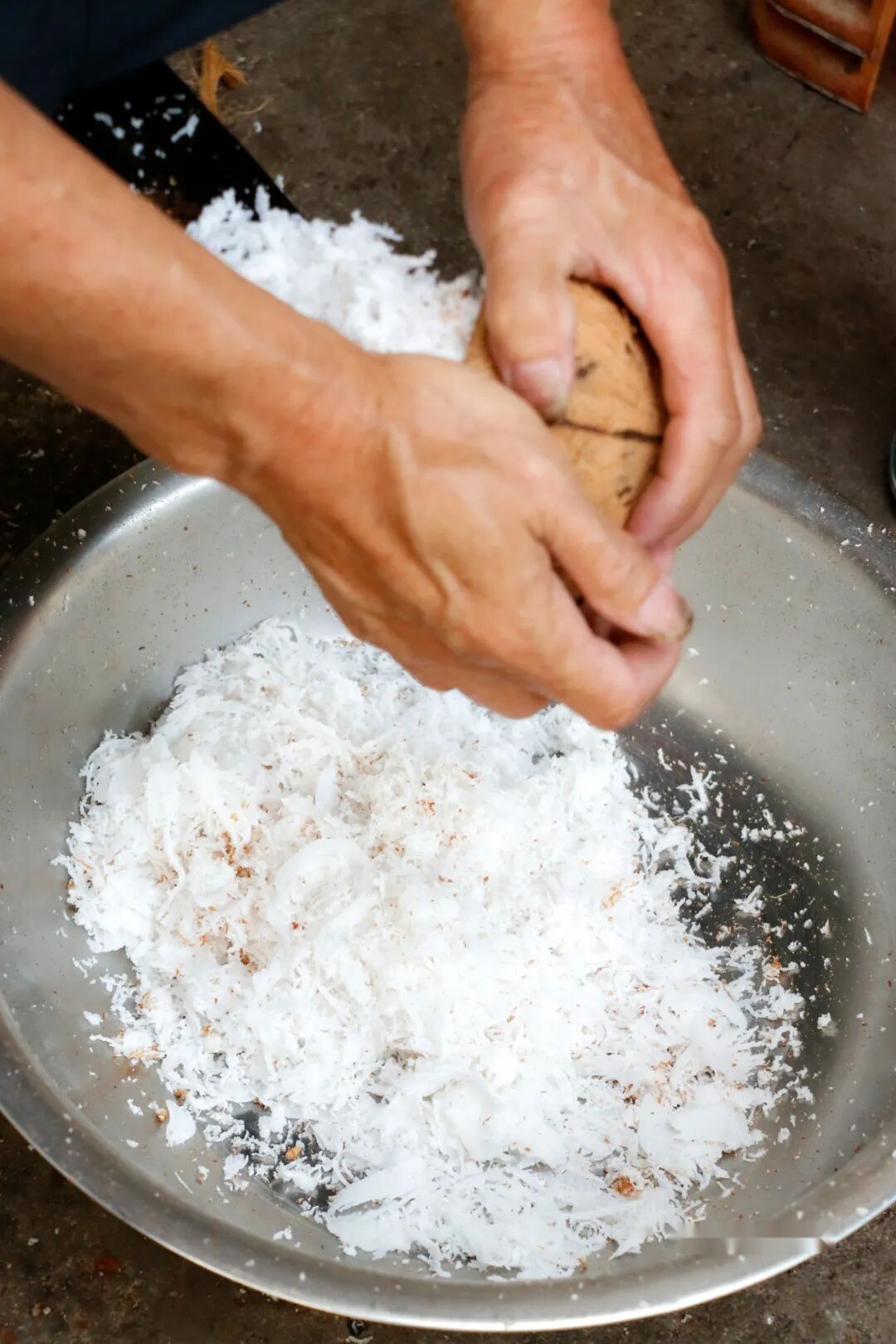
Even the locals themselves can't resist grabbing a bite of this every single day.
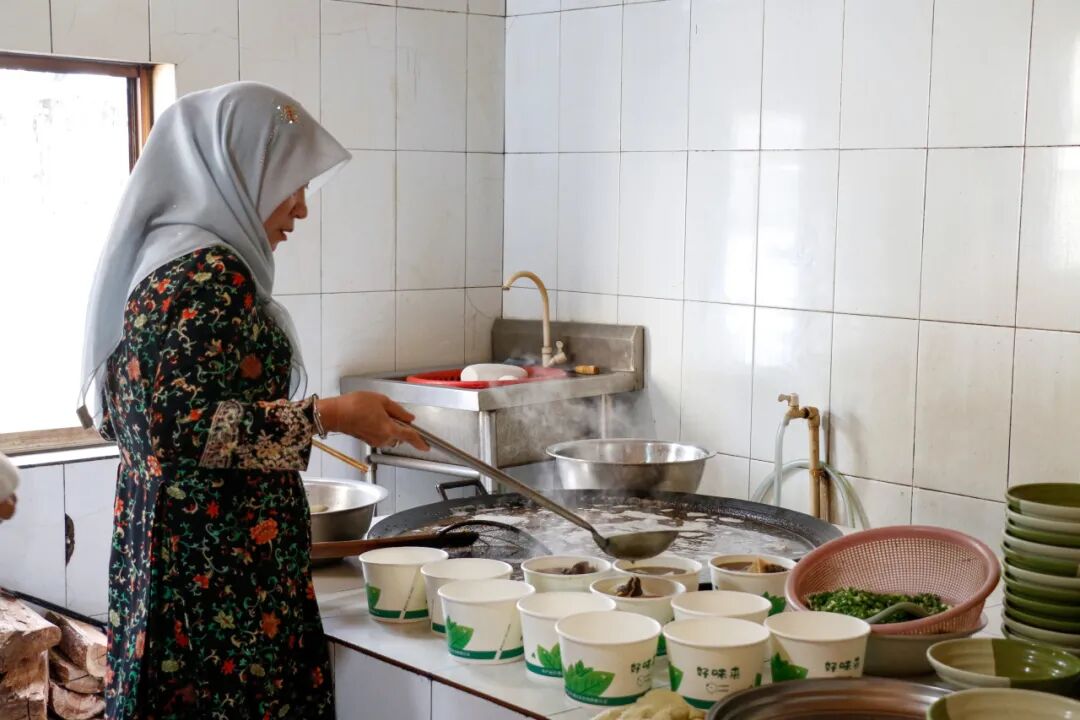
Taizhong Beef Bone Soup
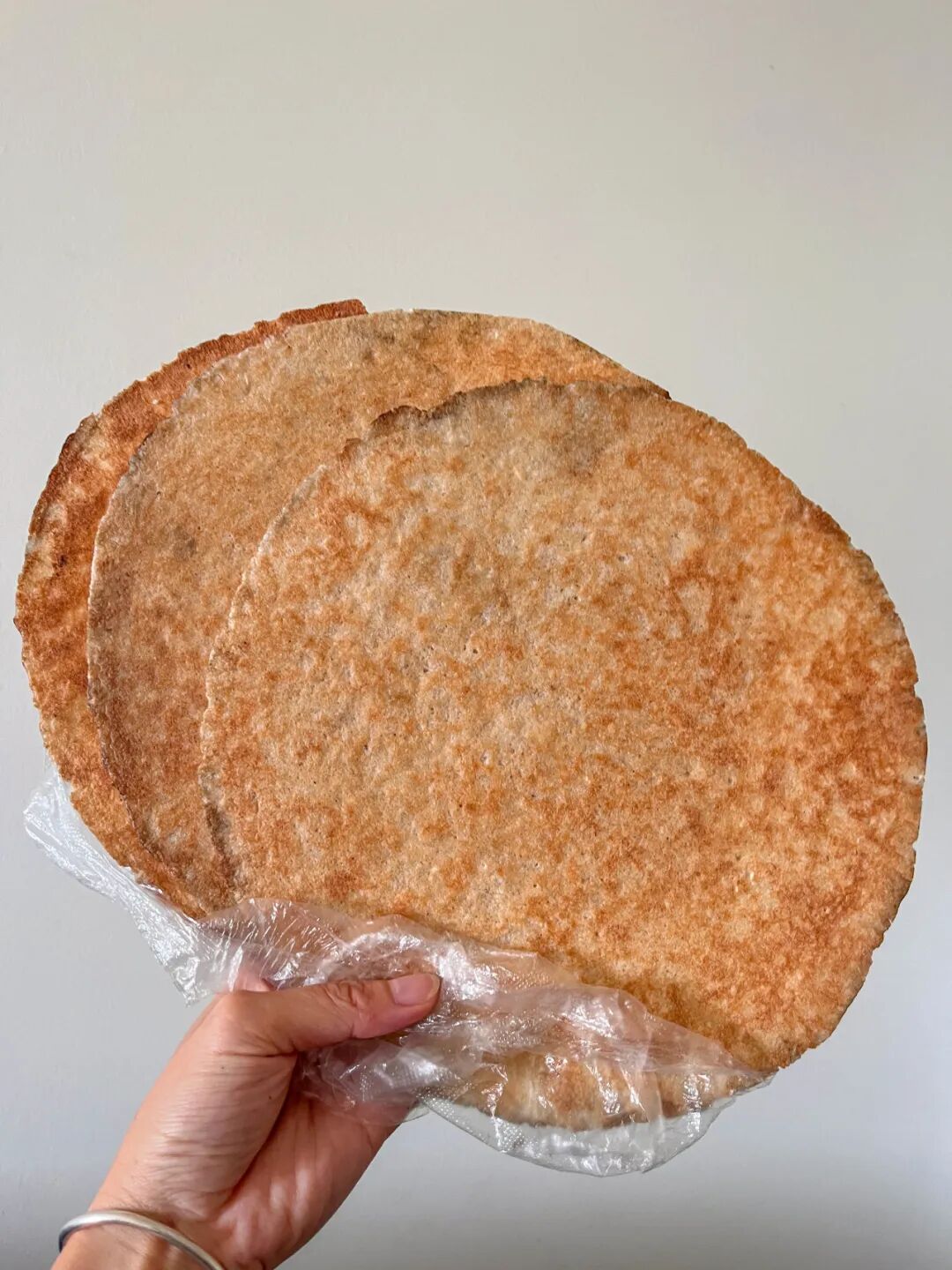
TIANYA
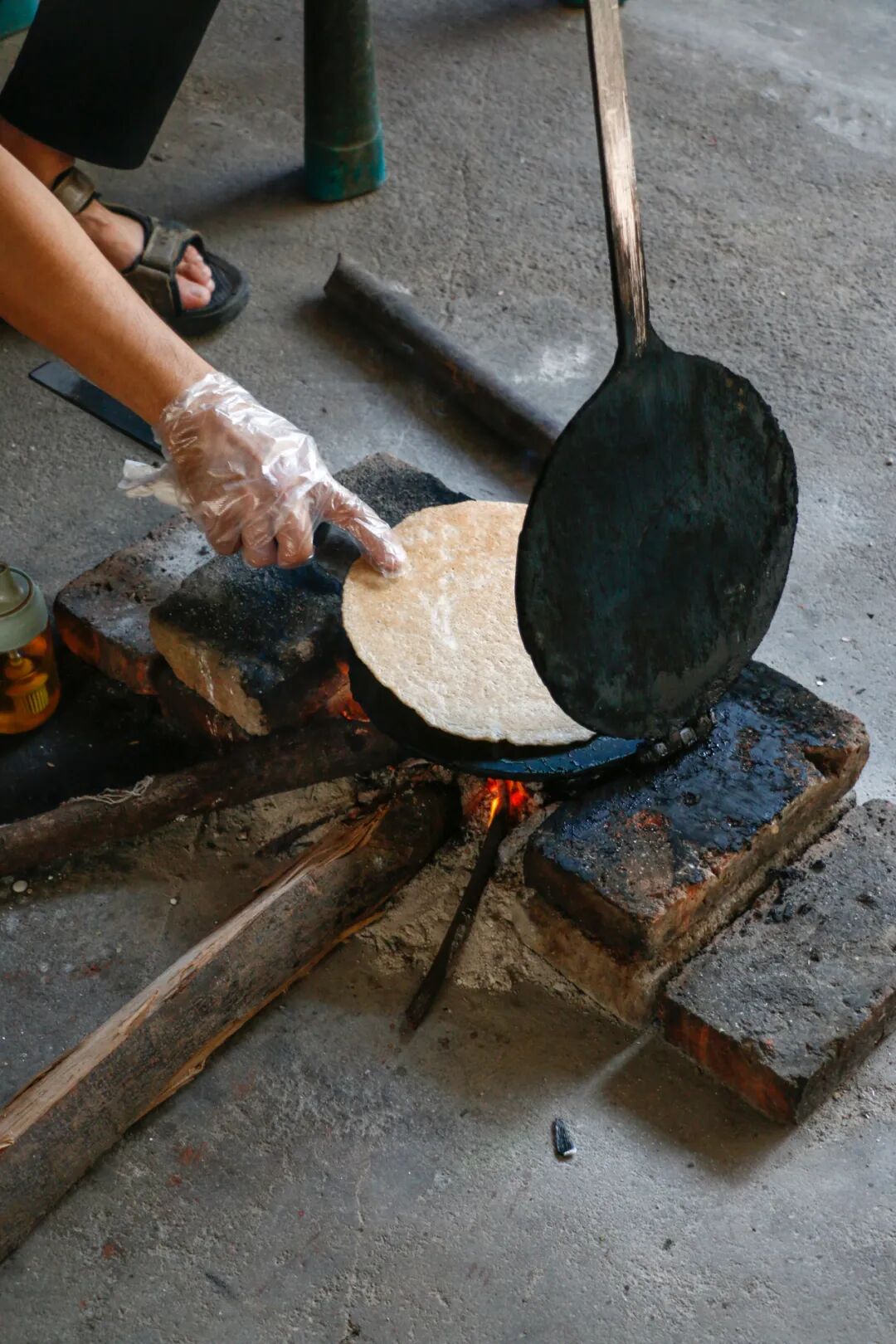
Near No. 332 Phoenix Road, Tianya District
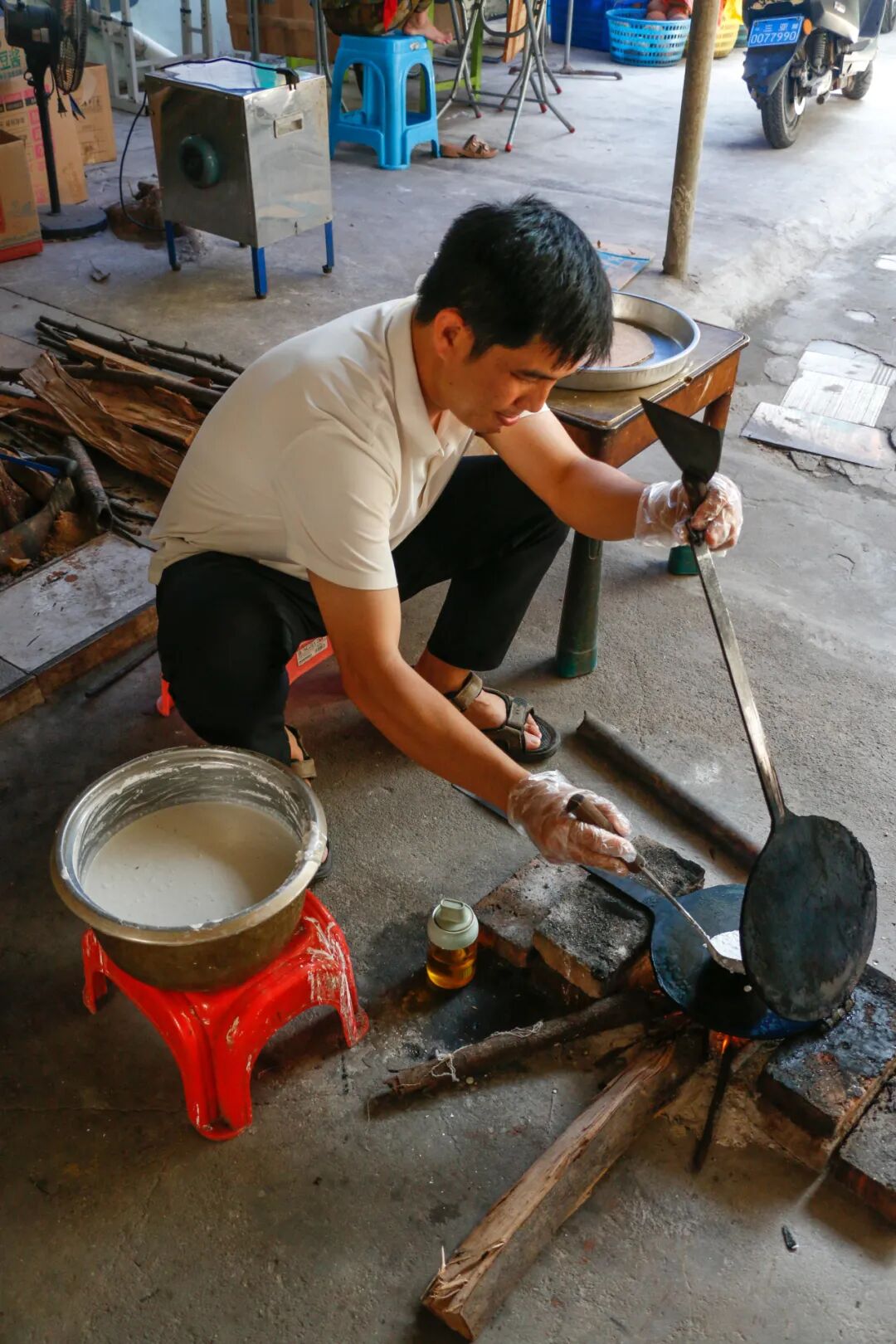
One of the ultimate signature dishes of Sanya's Hui Muslim cuisine
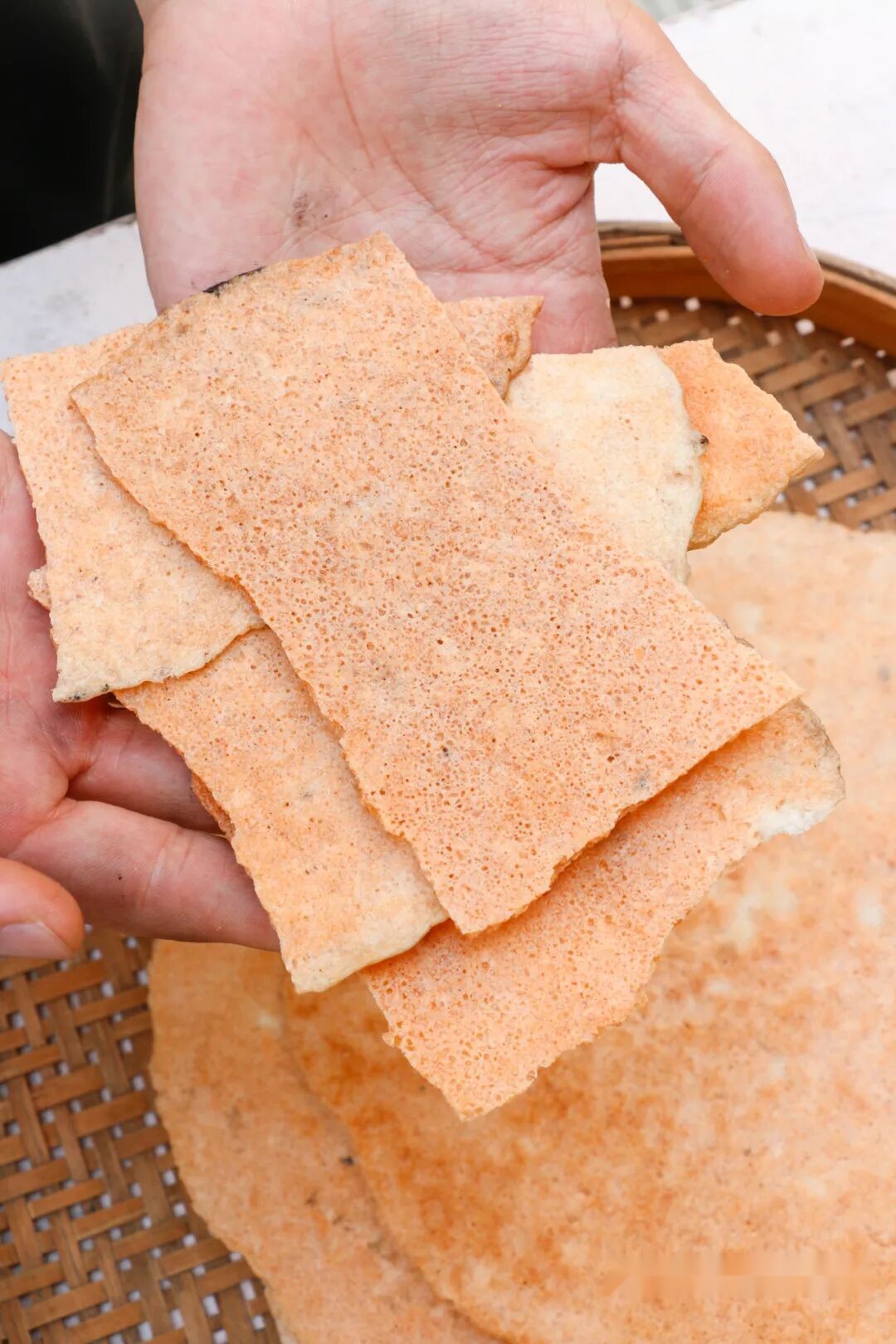
You seriously gotta put "beef bone soup + red rice coconut rice" at the top of your list!
Fresh, fresh, fresh, fresh, fresh, fresh, fresh, fresh, fresh, fresh, fresh, fresh, fresh!
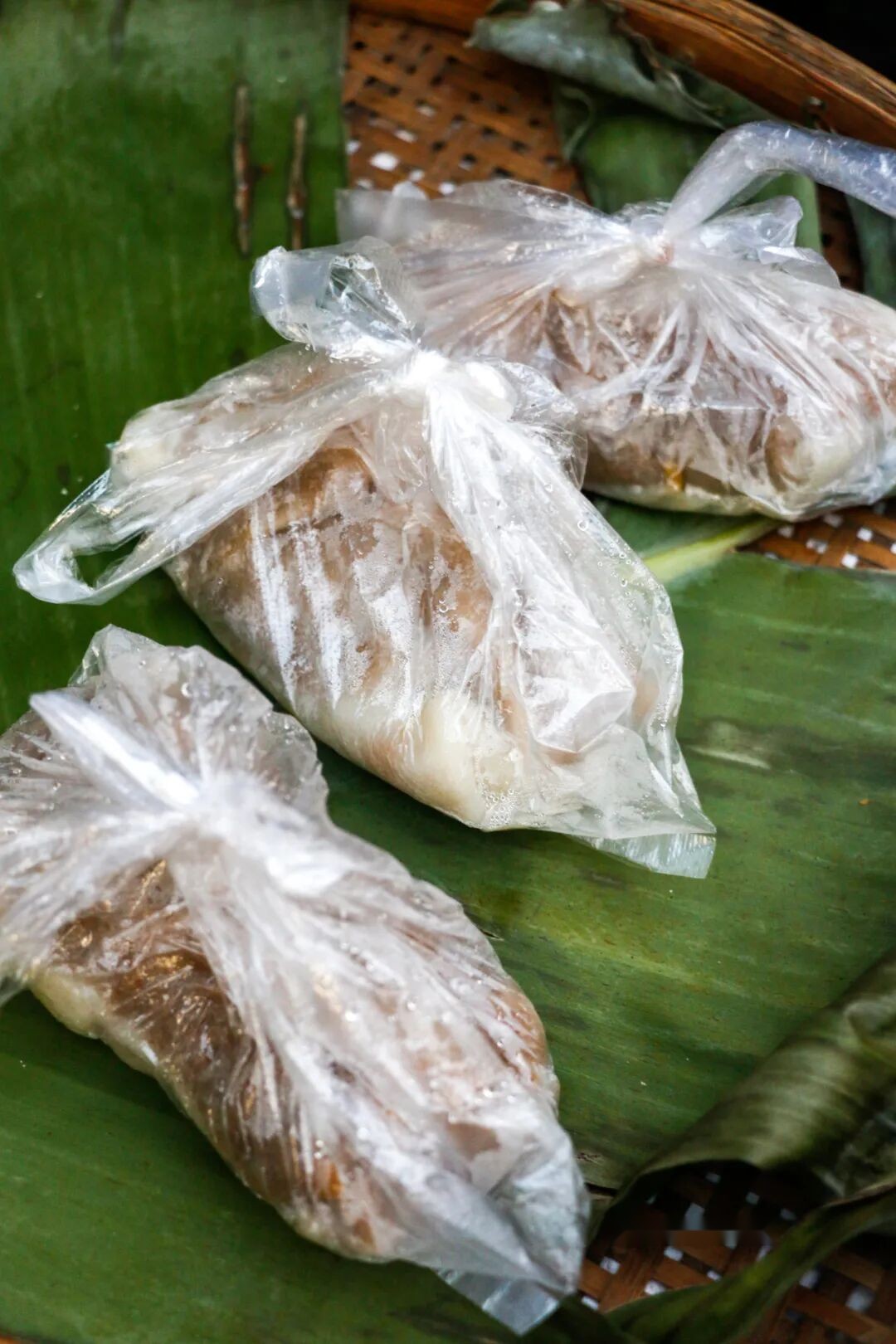
Beef bones, tripe, and chunks of radish slow-simmered in a traditional firewood-fired iron pot!
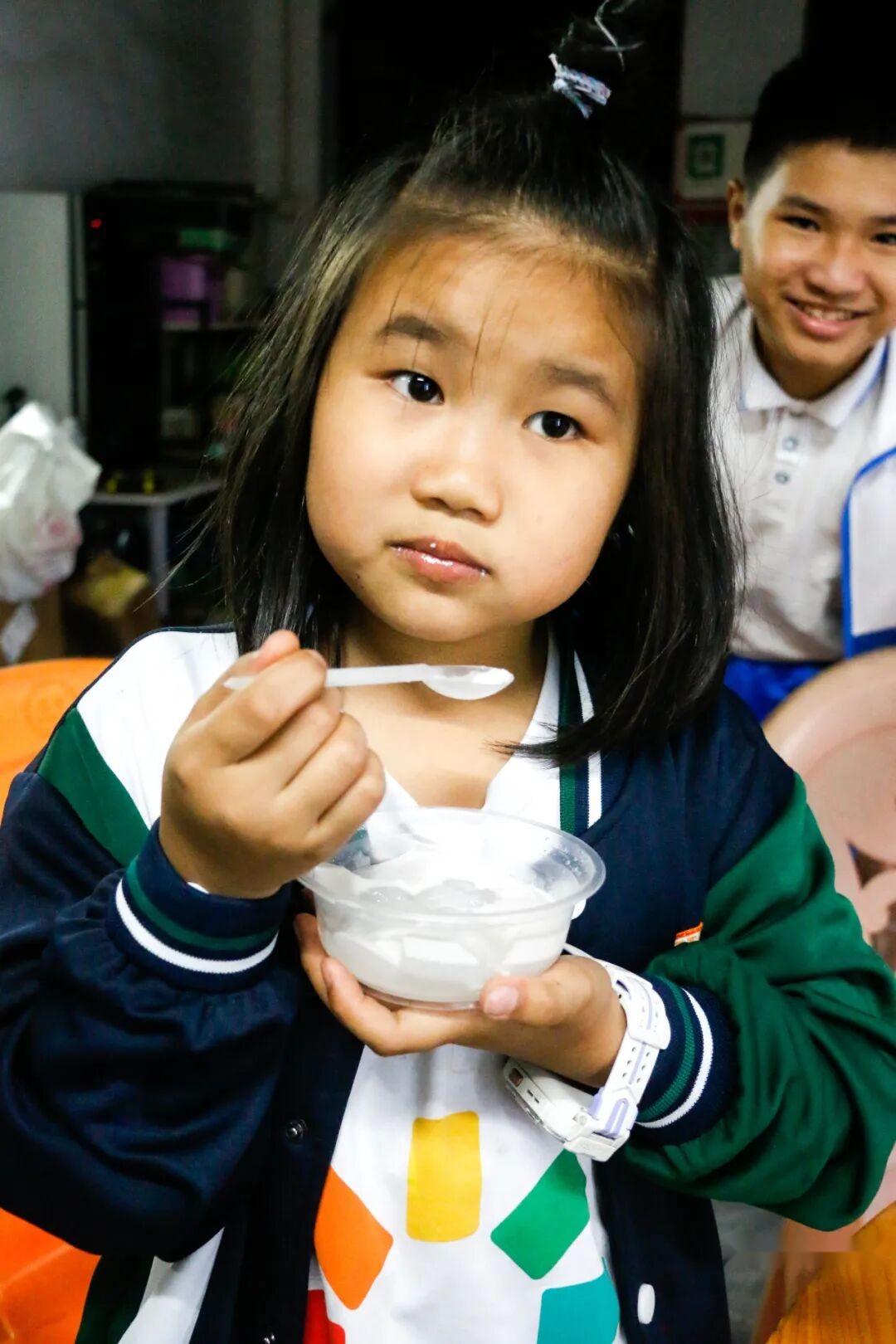
Brews up this rich, aromatic, golden broth
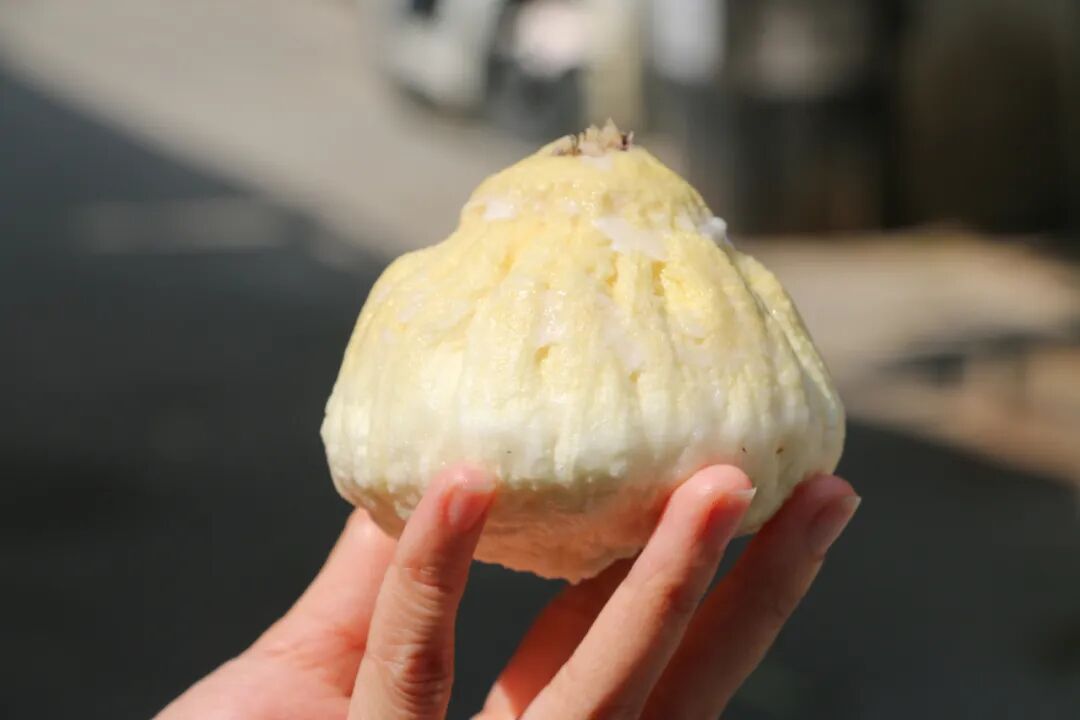
Stirred together with a spoonful of red and yellow chili paste
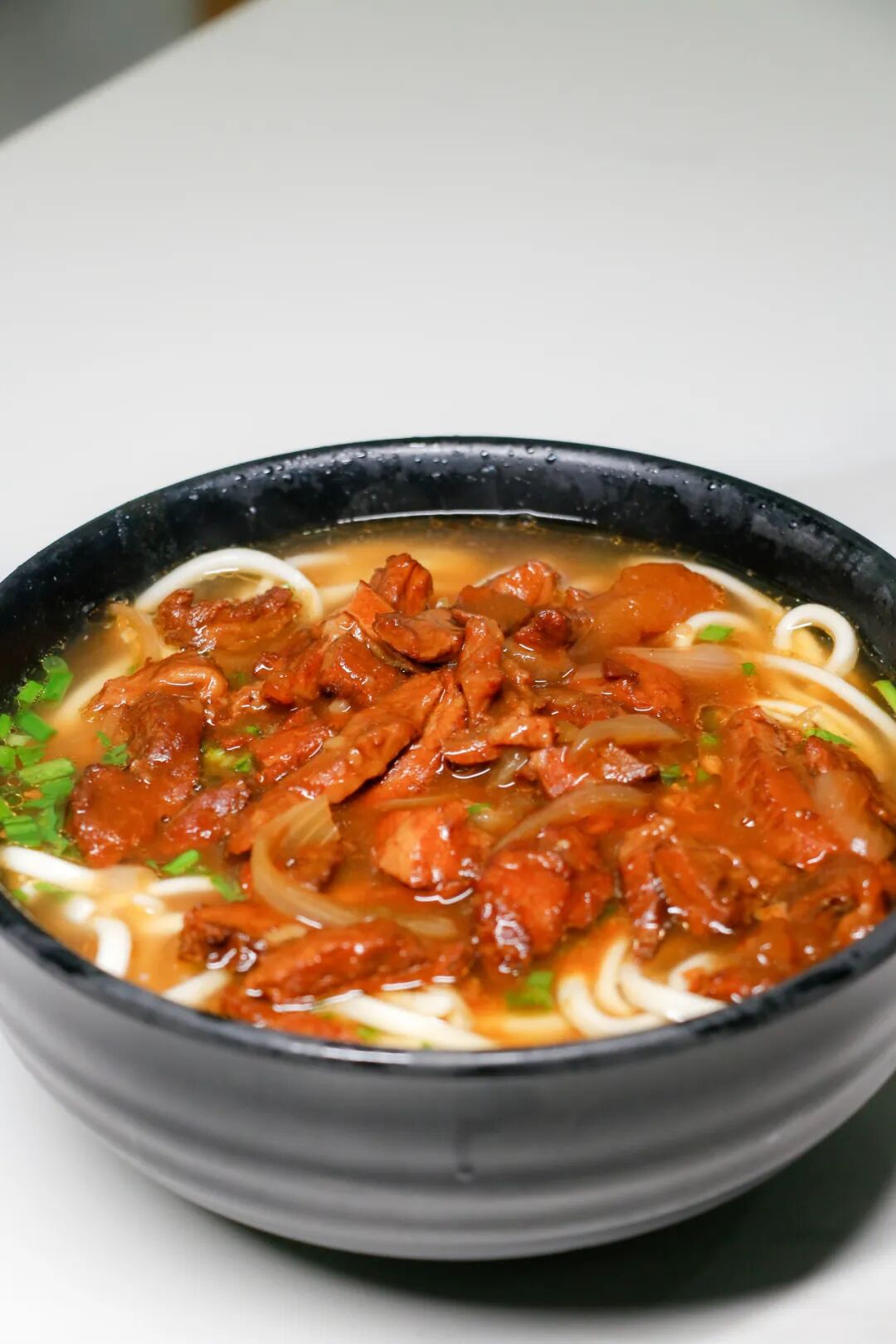
Packed with that intense wok hei energy, super rich broth, and a mild, addictive kick of spice
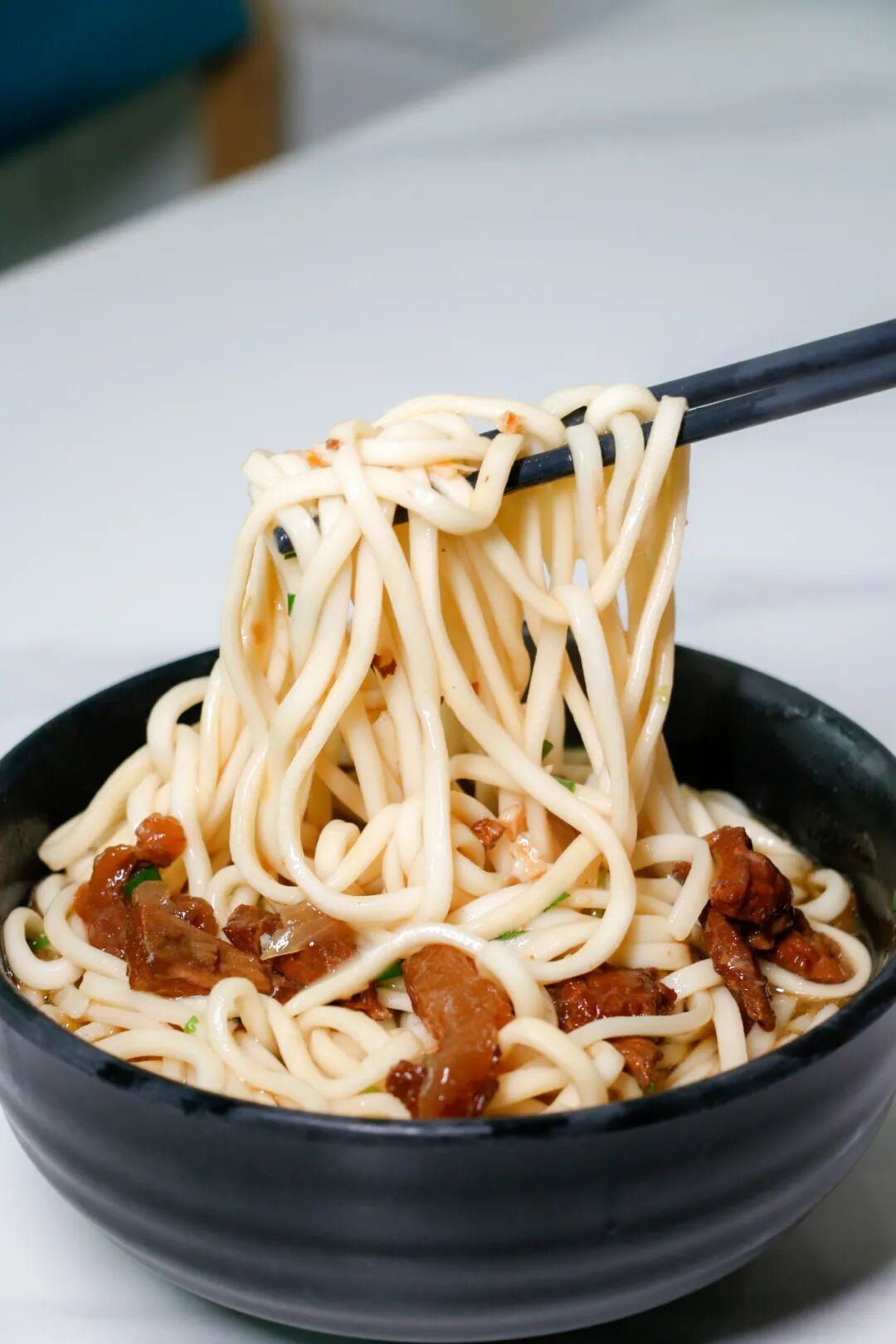
Generous chunks of tender beef still clinging to the tendon have that perfect, satisfying chew

Pairing the beef bone soup with red rice coconut rice
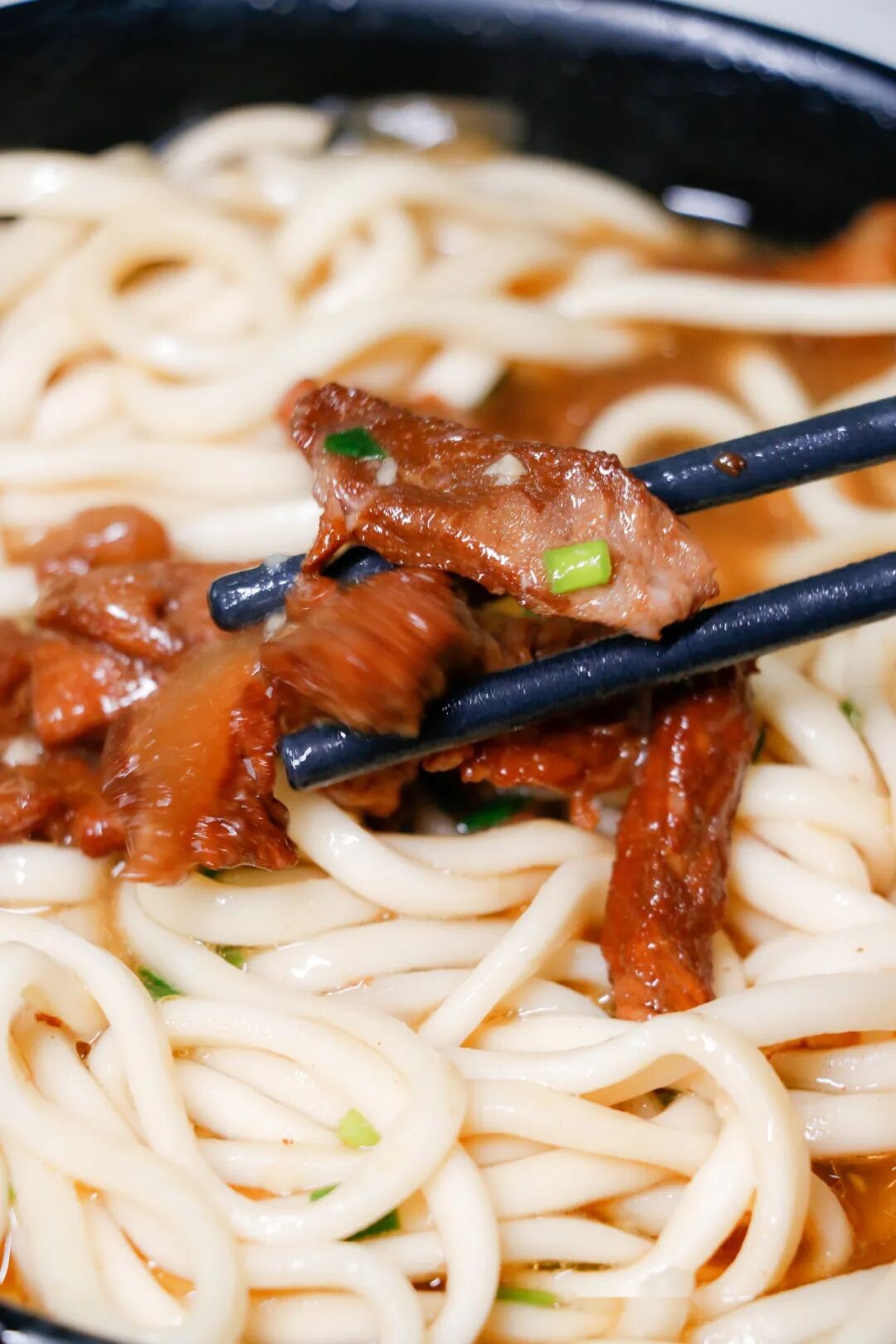
is the absolute most authentic way the Hui Muslims in Sanya eat it!
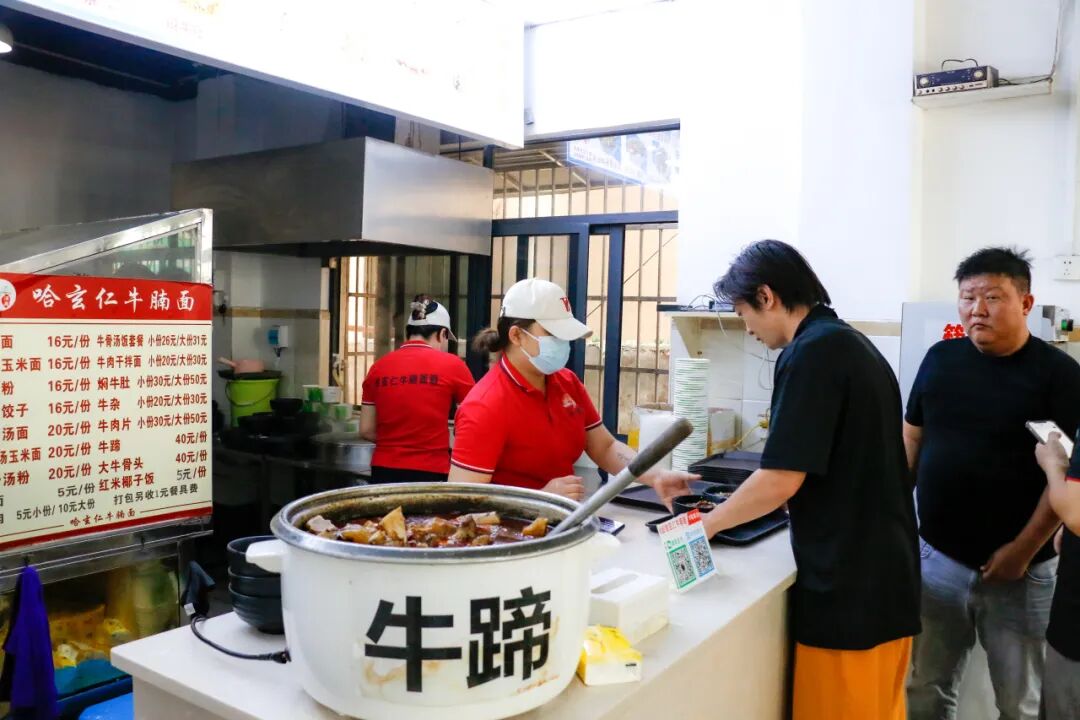
The savory meat and sweet coconut flavors linger forever in the best way possible~~
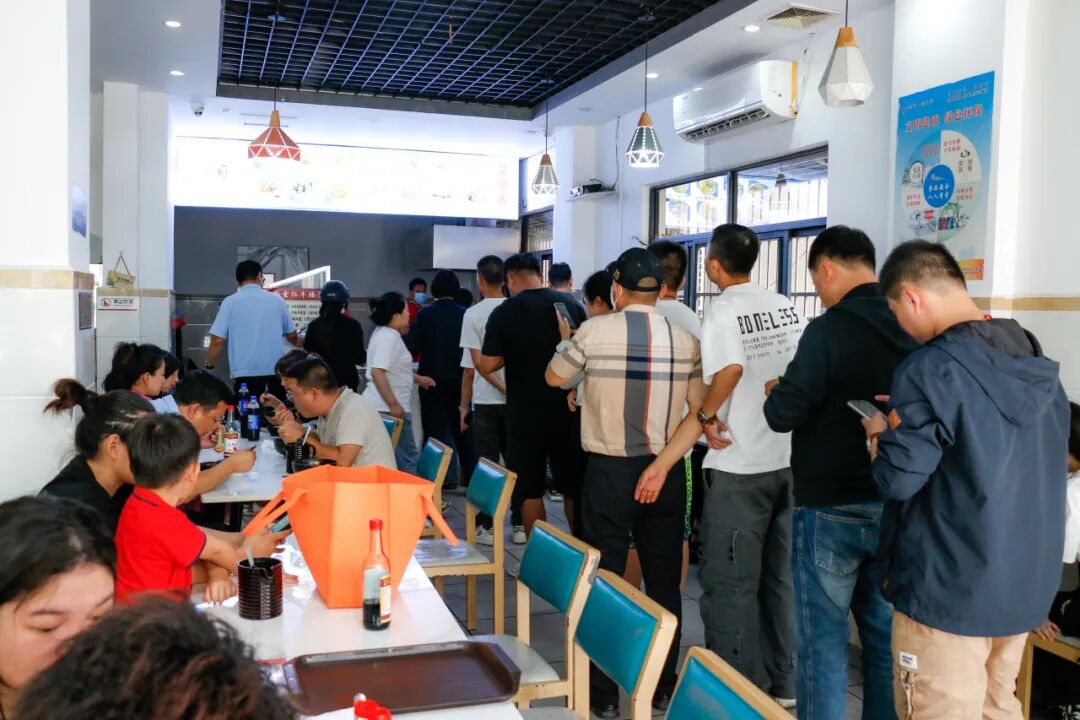
Sanya Hui Muslim Traditional Firewood Coconut Cakes
TIANYA
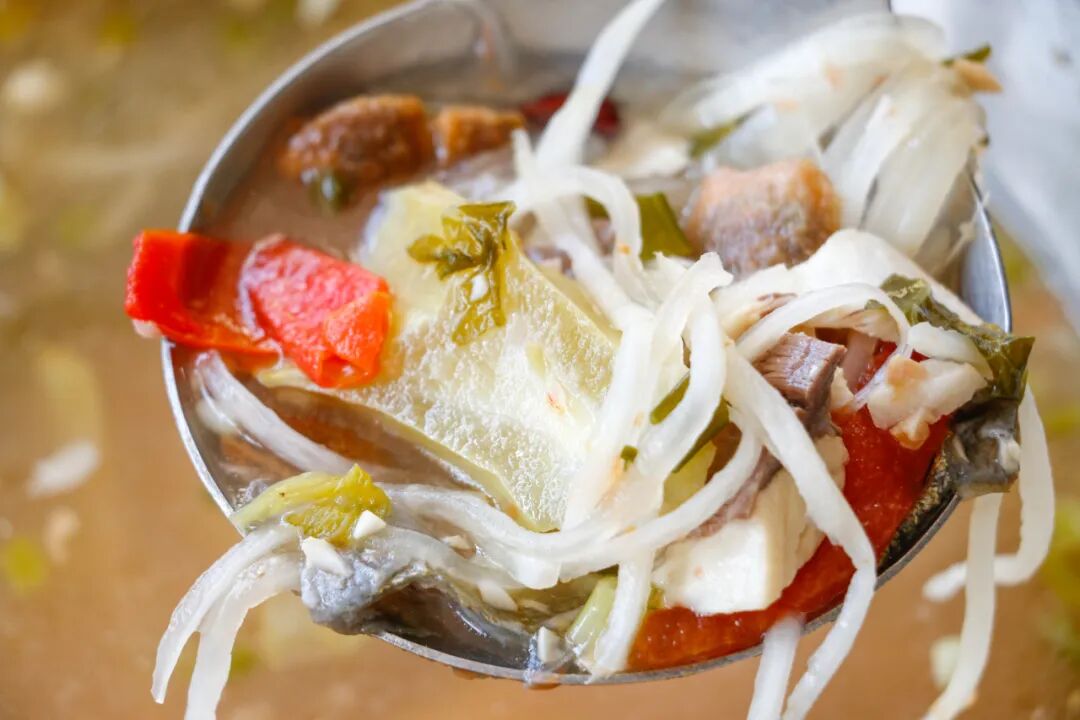
No. 8 Xinguang Lane, Huixin Community (Huixin Muslim Village), Tianya District
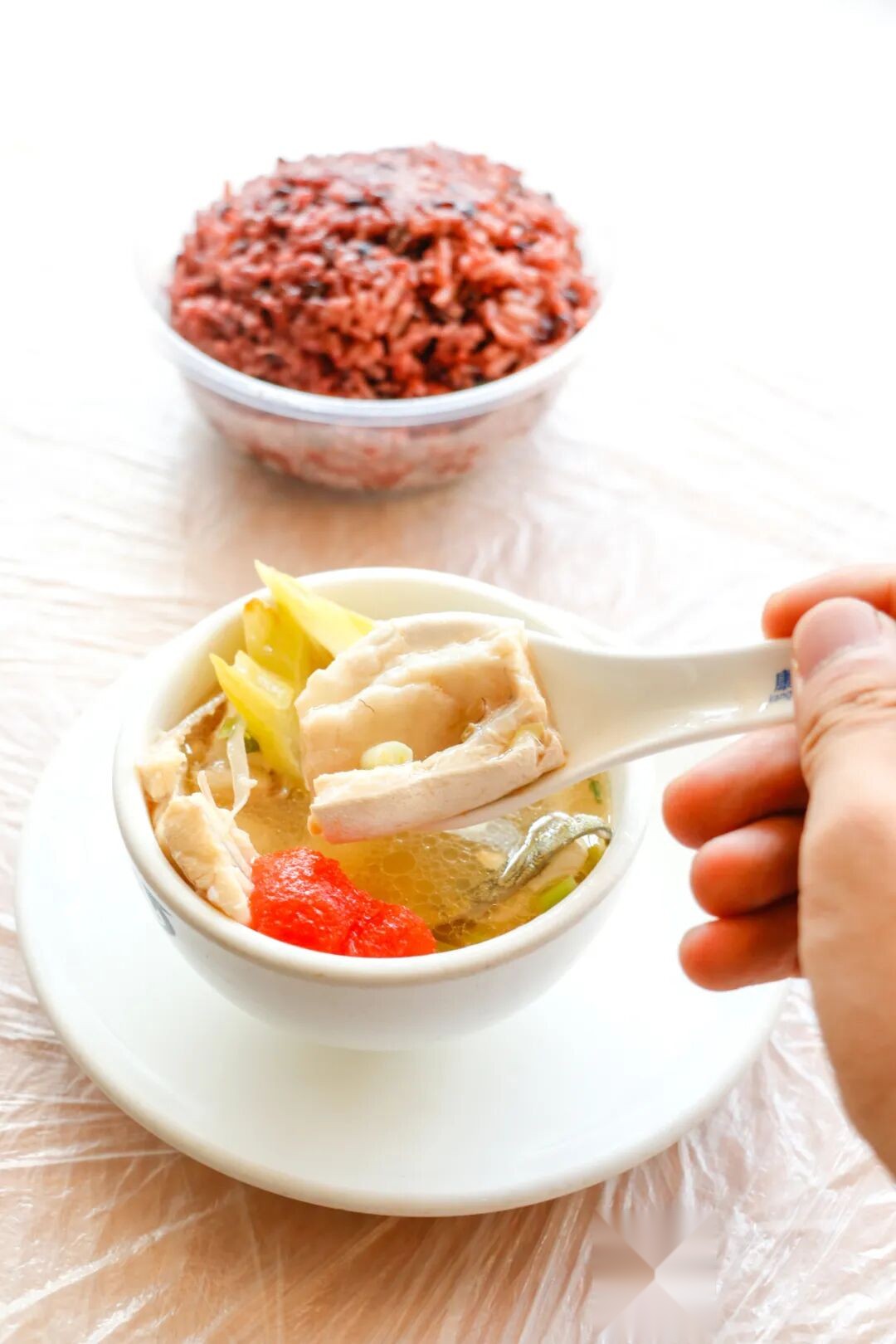
Every time I head over to Huixin Village (Huixin Muslim Village), YOYO always makes sure to buy from them!
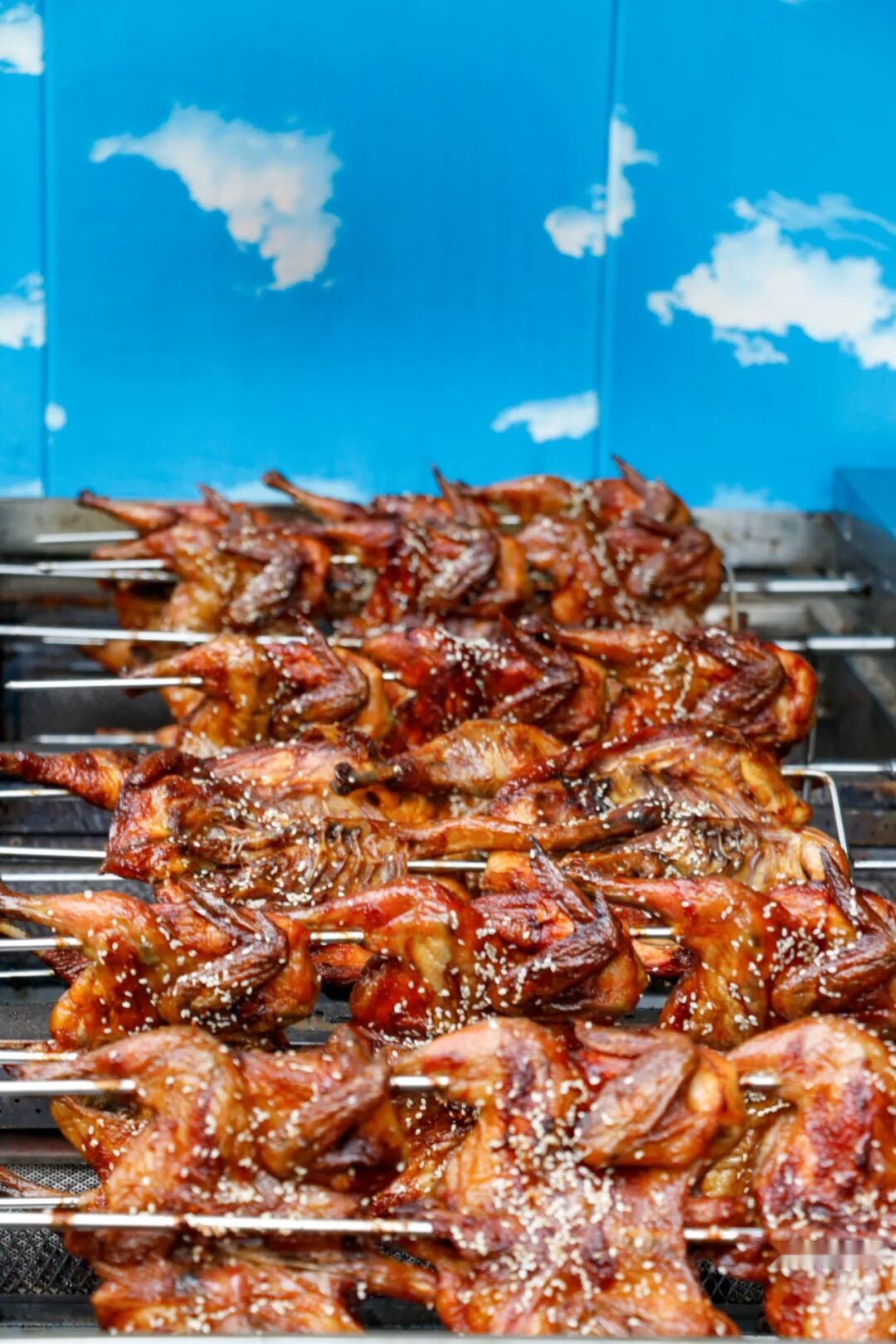
It's a family of Hui Muslims making all kinds of coconut goodies completely by hand right out of their old courtyard.
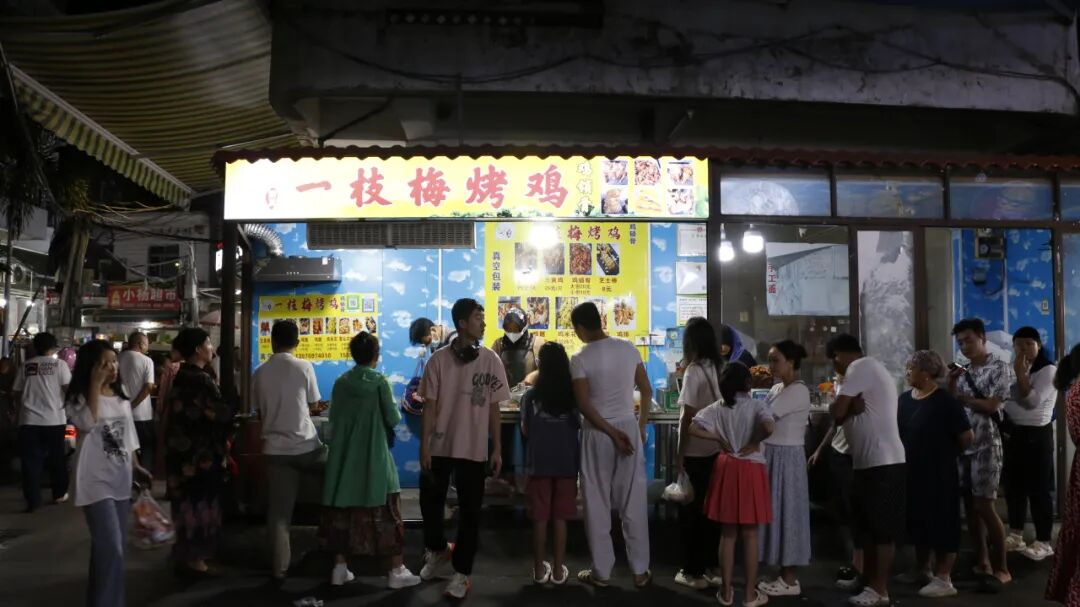
[Traditional Firewood Handmade Coconut Cakes | ¥10 for 3 pieces]
My absolute favorite is these firewood-baked coconut cakes passed down through a century of tradition.
Crispy, golden crust mixed with fresh coconut aroma.
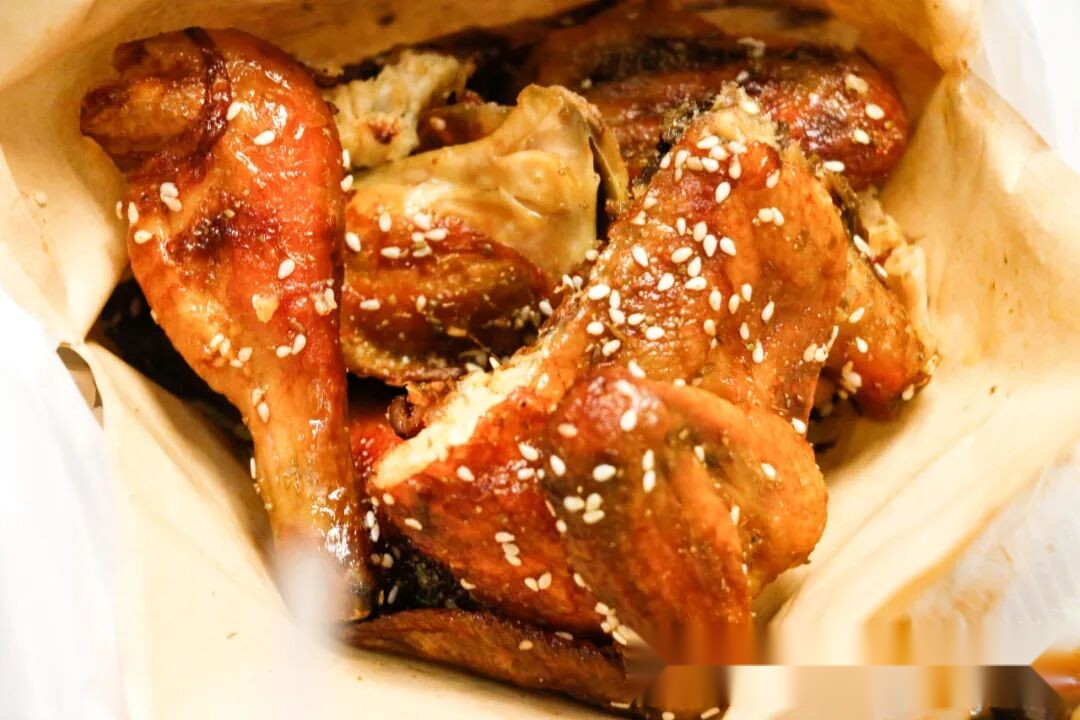
It looks super simple, but it is seriously addictive.

The more you chew, the better it gets! The more you chew, the more you fall in love with it!
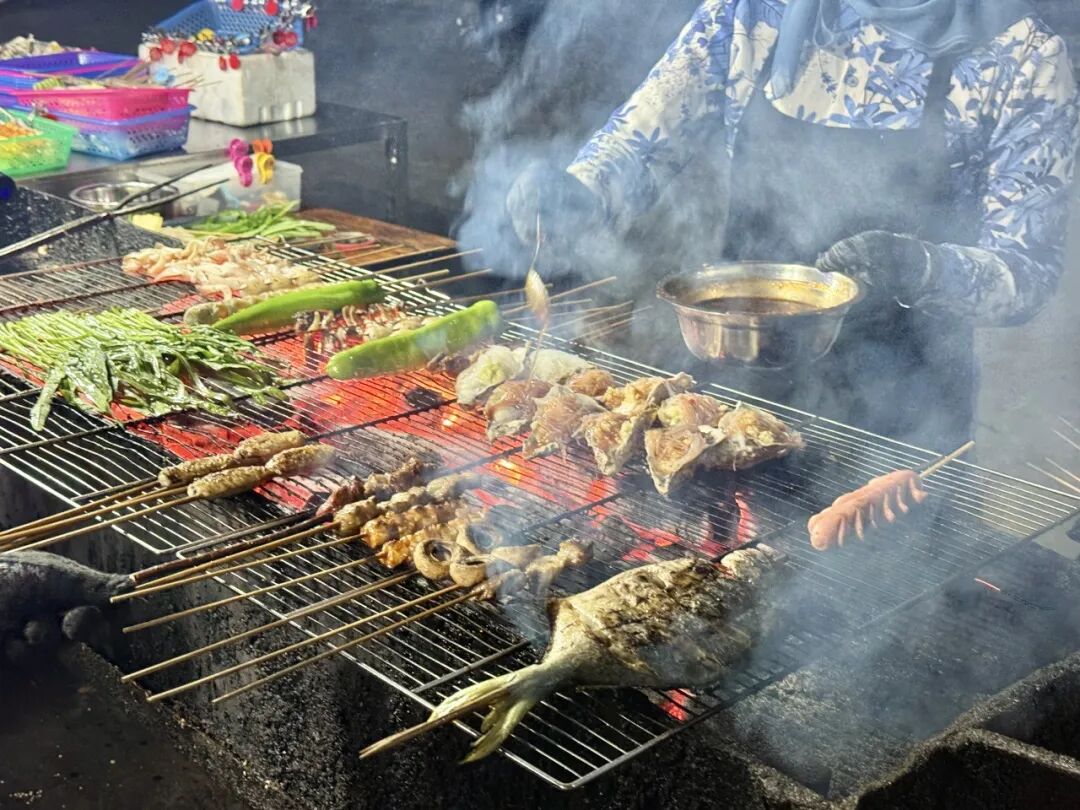
Total perfection for an afternoon tea snack or munching while binge-watching your favorite shows.
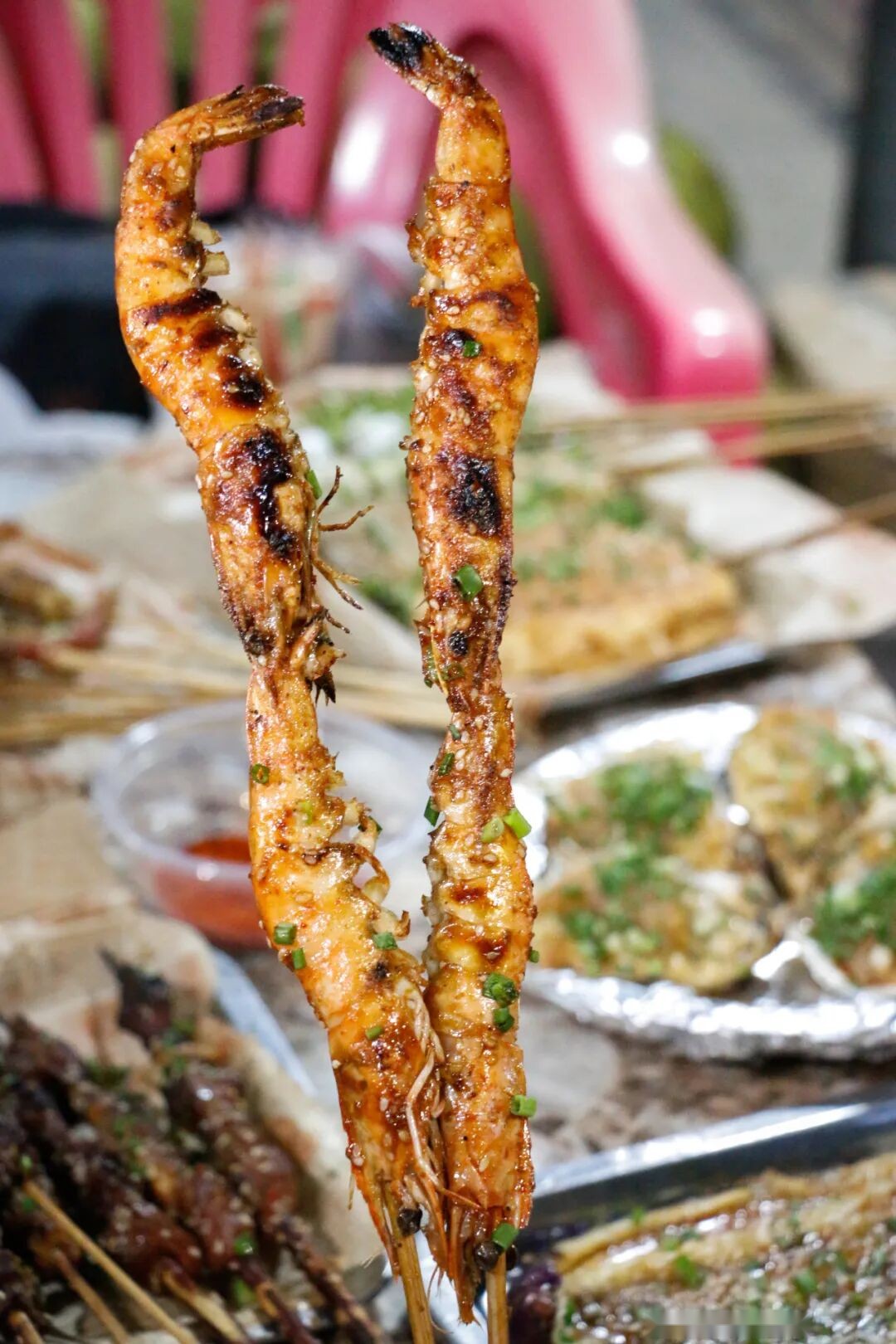
[Coconut Jelly | ¥5 per bowl; Coconut Bao | ¥5 each]
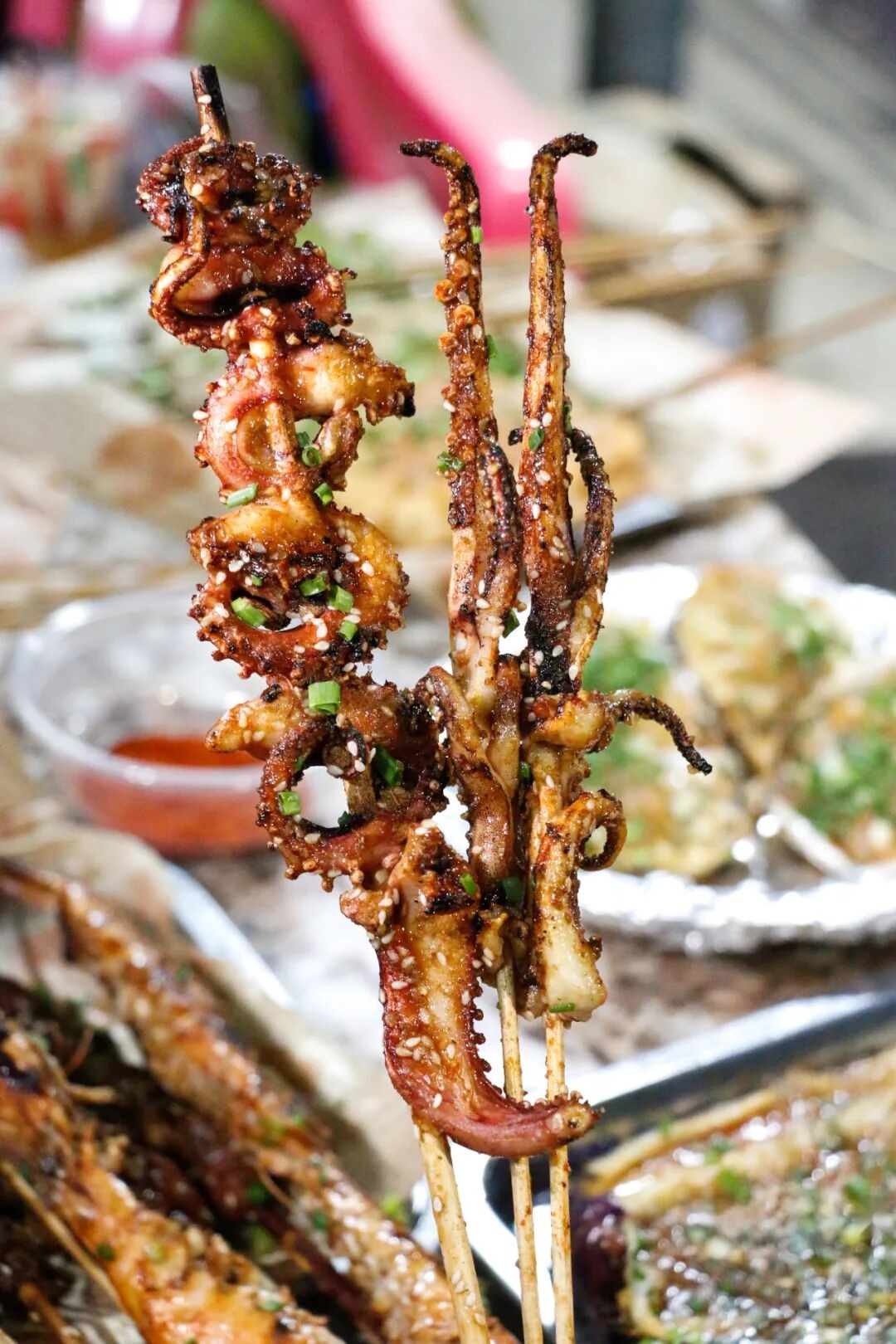
This clean, sweet, silky-smooth original-flavor coconut jelly

is straight-up Sanya's number one in YOYO's book.

Plus colorful coconut jelly, ocean-blue coconut jelly...
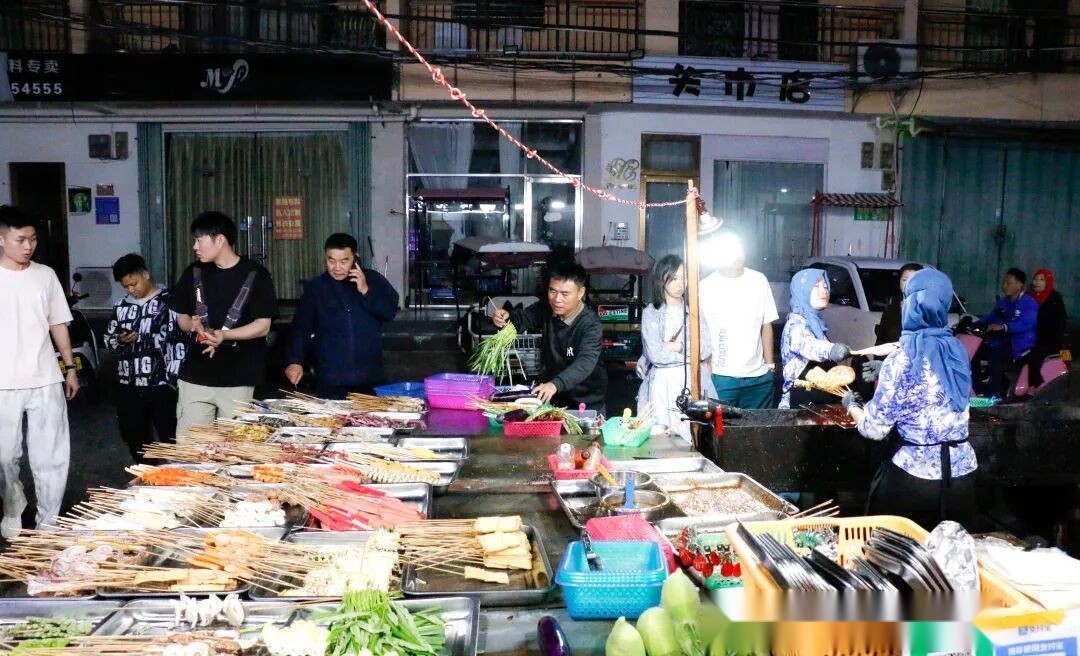
Wood-fired shredded coconut rolls, coconut meat, coconut water, coconut oil...
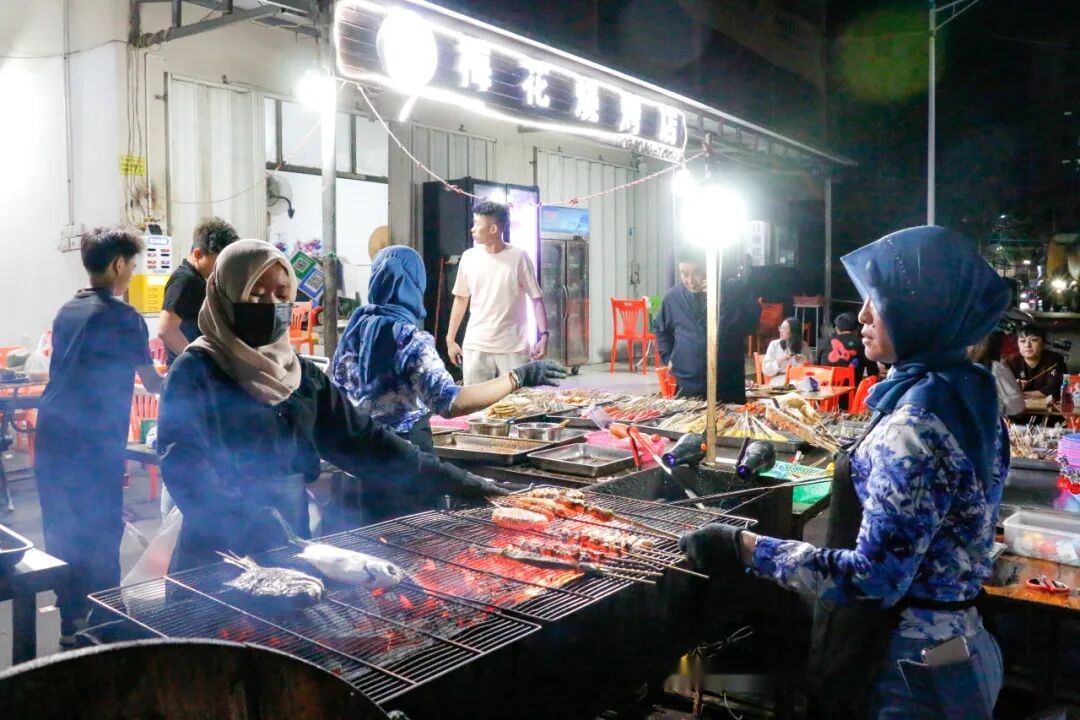
Super friendly prices, come here and feast to your heart's content!
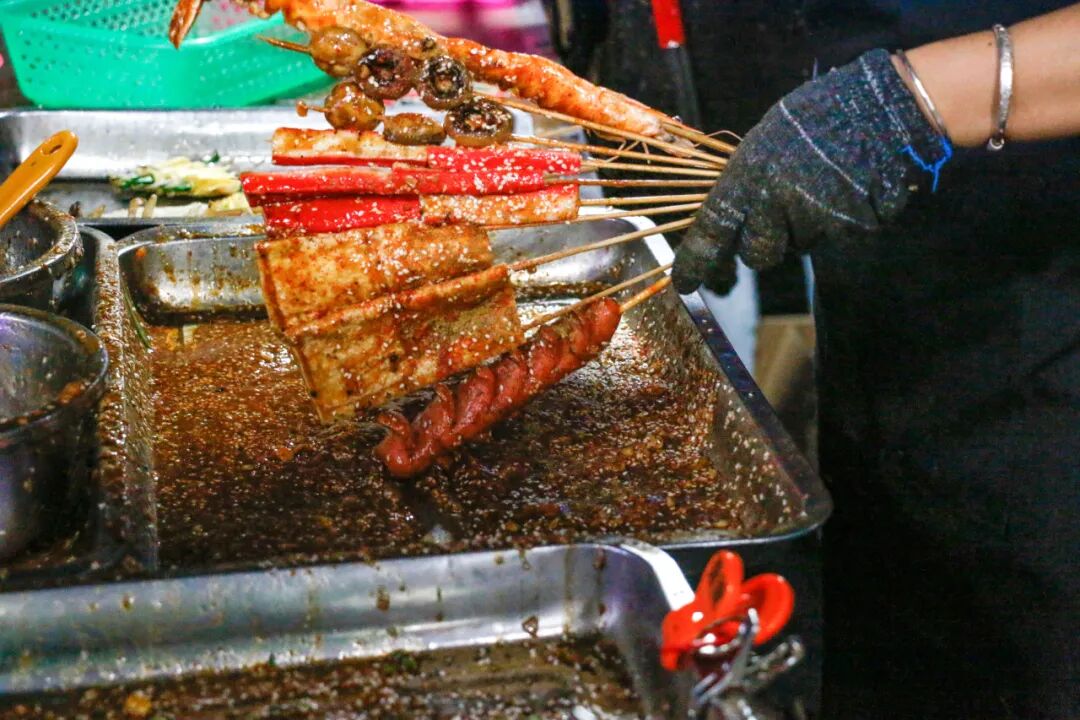
Haxuanren Beef Brisket Noodles
TIANYA
Tianya District, about 100 meters from the intersection of Phoenix Road and County Road 827
When you're craving beef dishes and noodles in Sanya,
heading to the Hui Muslim spots is always the right move~~~
Especially this Haxuanren Beef Brisket Noodles
Just ¥16 a bowl! Legit, quality ingredients!
Every single noodle is coated in a deeply flavorful beef bone broth
The noodles are smooth and springy on the bite
Pairing with lean beef brisket that’s light on the fat
Unique flavor and pure comfort in a bowl!
There's always a line when you come here~
Locals and out-of-towners, guys and gals, old and young—everyone loves it
Di Yi Jia Xian Yu Tang Qingzhen Lao Fandian (First Fresh Fish Soup Halal Old Restaurant)
TIANYA
Tianya District, 10 meters north of Ruihao Seaview Apartment on Huixin Road
Yanglan Suanyu Tang (Yanglan Sour Fish Soup)
Totally lives up to its rep as one of Sanya's Top 10 Signature Dishes!
A flavor approved even by CCTV!
Wild ocean fish crashing into tropical fruits and veggies~
Tamarind, starfruit, tomatoes, shredded daikon radish
Tangy, sweet, fresh, and savory—a total appetite booster!
Authentic, one-of-a-kind Sanya Tianya flavor~
⑥️
Yizhimei Roast Chicken
TIANYA
Tianya District, intersection of Nansi 1st Lane and Huixin Lane
The absolute reigning champion of fried chicken in Huixin Village (Huixin Muslim Village)!
You usually gotta wait in a little line just to get your hands on some.
Chicken collarbones ¥10 | Sanhuang chicken ¥25 | Wenchang chicken ¥25
It's just so fragrant! It's just so crispy!
The dream chicken of your life that literally bursts with juice when you bite into it!
Meihua Barbecue Joint
TIANYA
Intersection of Yangzhongxi 1st Lane and Huihui 4th Village 1st Lane, Tianya District
When it comes to Hui Muslim food,
Hui Muslim barbecue has a massive reputation in Sanya!
Direct charcoal grilling is the only way to get that authentic flavor, and the secret is in the unique house-made sauce.
Shoutout to the grill masters at the Jie Jie Tuan (Sisters Group) BBQ!
Everything they grill smells insanely good~~~
No wonder their spot is packed with people every single night.
Who can possibly resist this kind of cozy neighborhood street food vibe~~~
Their barbecue leans toward the dry-rub style with deep, concentrated flavors,
which happens to be YOYO's personal favorite~~~
Babes who aren't into heavy seasonings or the dry-rub style
can just let the owner know when ordering~
To be continued~~~
Sanya Halal Food & Night Market Guide: Utsul Muslim Culture and Seafood in Hainan
Articles • Hasan09 posted the article • 0 comments • 4 views • 3 hours ago
Hainan Island Road Trip Sanya Stop: Live Report from Huixin Village (Huixin Muslim Village) Halal Seafood Night Market Stalls and Local Street Flavors
Abstract:
A firsthand travel log chronicling the Halal food hunt during our Hainan island-adjoining road trip through Sanya. We dive right into the buzzing, neon-lit Huixin Village (Huixin Muslim Village) seafood night market, capturing fresh catches made-to-order, a hearty spread of coconut rice and tropical fruit bowls, highlighting the unique vibe of island Halal nightlife.
Poem: Halal Seafood at Huixin Night Market
Coconut breezes brush past as we enter Huixin,
The night market hums with the scent of fresh ocean catches.
Trays are piled high with spicy, crispy crabs and snails,
The ultimate freshness in this world is Halal.
Discovering Huixin: A Local's Secret Seafood Paradise
Right by Sanya Bay in the Tianya District, where my RV was parked for camping, lies a super unique Hui Muslim enclave called Huixin Village (Huixin Community). Most of the villagers are descendants of Persian and Arab merchants from the Song and Yuan dynasties, plus Cham Muslims from Champa (modern-day Vietnam), boasting a history of over 800 years. They speak a unique Huihui language (belonging to the Austronesian language family), making them a rare, unassimilated linguistic and cultural island in China. Not only is this "China's southernmost Hui Muslim village," but it's also a top hot spot for experiencing Sanya's native Islamic culture and diving into Halal eats.
The Huixin Night Market sits right at the entrance of Huixin Village, next to Coconut Dream Corridor, about 800 meters away. Among Sanya's many seafood markets, Huixin Village Seafood Night Market is a rare gem. It's not as world-famous and tourist-packed as First Market; instead, it quietly hides deep within Huixin Village, serving as the locals' go-to definition of "cheap and fresh."
Stepping into Huixin Village, you'll instantly feel how different it is from Sanya's other seafood markets—the air carries a mix of spices and ocean breeze, Hui Muslim sisters wearing headscarves warmly greet passing foodies, and the whole market buzzes with a rich ethnic vibe and down-to-earth neighborhood charm.
Buying Seafood: Freshness Meets Great Value
Most of the seafood in Huixin Village comes straight from catches by Hui Muslim fishermen, so the freshness is totally undeniable. Some seafood gets swarmed by hungry foodies even while still being sorted.
Shopping Tips:
Compare prices: Even though everything is clearly priced, rates vary slightly between stalls. The deeper you go into the market, the better deals you'll usually find.
Drain the water before weighing: Always make sure the vendor pokes a small hole at the bottom of the plastic bag to drain excess water before weighing, so you don't end up paying for ocean water.
Keep your eyes on the bag: Watch closely from selection to bagging to make sure nothing gets swapped out.
Inspection standards: For mantis shrimp, pick ones with a white "王" (king) character on the neck; for crabs, pinch the second-to-last leg—the harder it is, the meatier they are; for shellfish, choose ones with tightly closed shells that don't pop open instantly when lightly touched.
Reference Prices (prices fluctuate by season):
Small Australian lobster (Xiao Qinglong): about 60 RMB each
Mantis shrimp (pipixia): 30–50 RMB per jin
Red flower crab (honghua xie): 40–60 RMB per jin
Mango snails (mangguo luo): 25–48 RMB per jin
Abalone (baoyu): 3–10 RMB each (depending on size)
Cooking Station: The Unique Charm of Halal Prep
Once you've picked your seafood, Hui Muslim sisters wearing headscarves at the cooking stalls will eagerly come over to pitch the perks of their spots. If you already have a favorite place in mind, be sure to politely turn them down, or they might tag along with their "enthusiastic hustle" for a bit.
Seafood cooking styles in Huixin Village focus mainly on Halal preparations, setting it apart from Sanya's other seafood markets. Cooking fees here usually run around 30 RMB per jin, with totally transparent pricing.
Recommended Cooking Methods:
Boiled/Steamed: The absolute best way to lock in the natural flavor of the seafood, perfect for grouper and white-leg shrimp
Spicy Stir-Fry (La Chao): A killer mashup of Sichuan punch and Halal flavor—the ultimate match made in heaven for mango sea snails (mangguo luo) and flower crabs.
Salt and Pepper (Jiaoyan): The absolute gold standard for mantis shrimp, featuring a super crispy shell and juicy, tender meat.
Typhoon Shelter (Bifengtang): A classic Hong Kong style that hits the spot for lobster and crab.
Congee (Zhu Zhou): Don't let the lobster heads and claws go to waste—they make the congee insanely sweet and fresh.
The Vibe: Delicious Food in the Mud
To be completely honest, the vibe in Huixin Village (Huixin Muslim Village) isn't winning any design awards. The market feels like it's built right on the sand, the ground gets pretty muddy, and the stalls are definitely on the rustic side. But it's precisely this unfiltered, rough-around-the-edges character that gives it such an authentic street-food soul.
Pulling up a plastic chair and stool, watching the chef toss your seafood over an open flame, listening to the oil sizzle, and taking in the fragrant explosion of garlic and chili—that kind of immersive dining experience is something high-end restaurants just can't fake.
Pro Tips:
1.
Do your homework: Get a rough idea of current seasonal seafood prices so you can bargain with confidence.
2.
Skip the rush: Holidays and weekends get packed and pricier; hitting it up on a weekday makes for a way better experience.
3.
Use the scale: There's an official fair-trade scale right inside the market, so you can double-check your weights if you're ever unsure.
4.
Lock in the prep fees: Always clear on the cooking styles and prices before handing your seafood over to avoid any awkward bill surprises later.
5.
Bring your own tissues: Open-air food stalls usually don't hand them out (or they charge for them), so bringing your own makes life easier.
Final Thoughts
Eating seafood in Huixin Village (Huixin Muslim Village) is about way more than just the taste—it's about living out that authentic Sanya local lifestyle. You won't find fancy decor or white-glove service here; instead, you get the freshest daily catch, rock-solid prices, and the warmest, most welcoming Hui Muslim aunties.
Sitting at a humble little stall, peeling salt-and-pepper mantis shrimp, sipping fresh coconut water, and watching the lights flicker on across Huixin Village (Huixin Muslim Village) as the sun goes down, it finally clicks: this is what Sanya seafood is truly all about.
Practical Info
Location: Huixin Village (Huixin Muslim Village), Tianya District, Sanya City (near the Coconut Dream Corridor)
Hours: 5:00 PM – 10:00 PM. This is when the seafood is at its freshest and the atmosphere is buzzing the most.
If you're a traveler who insists on a pristine, upscale dining environment, this spot might not be for you. But if you're down for a raw, down-to-earth, insanely good-value seafood feast, Huixin Village (Huixin Muslim Village) is 100% worth the trip. Remember, when it comes to seafood in Sanya, sometimes the most unassuming spots are the absolute hidden gems. view all
Hainan Island Road Trip Sanya Stop: Live Report from Huixin Village (Huixin Muslim Village) Halal Seafood Night Market Stalls and Local Street Flavors
Abstract:
A firsthand travel log chronicling the Halal food hunt during our Hainan island-adjoining road trip through Sanya. We dive right into the buzzing, neon-lit Huixin Village (Huixin Muslim Village) seafood night market, capturing fresh catches made-to-order, a hearty spread of coconut rice and tropical fruit bowls, highlighting the unique vibe of island Halal nightlife.
Poem: Halal Seafood at Huixin Night Market
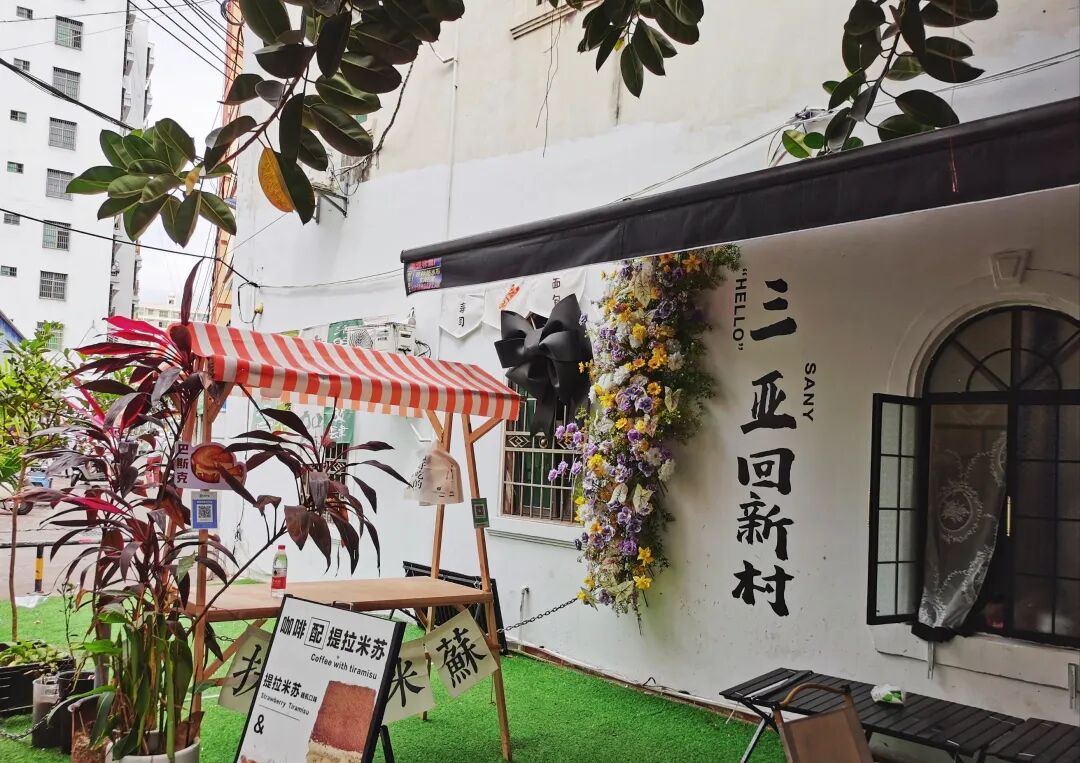
Coconut breezes brush past as we enter Huixin,
The night market hums with the scent of fresh ocean catches.
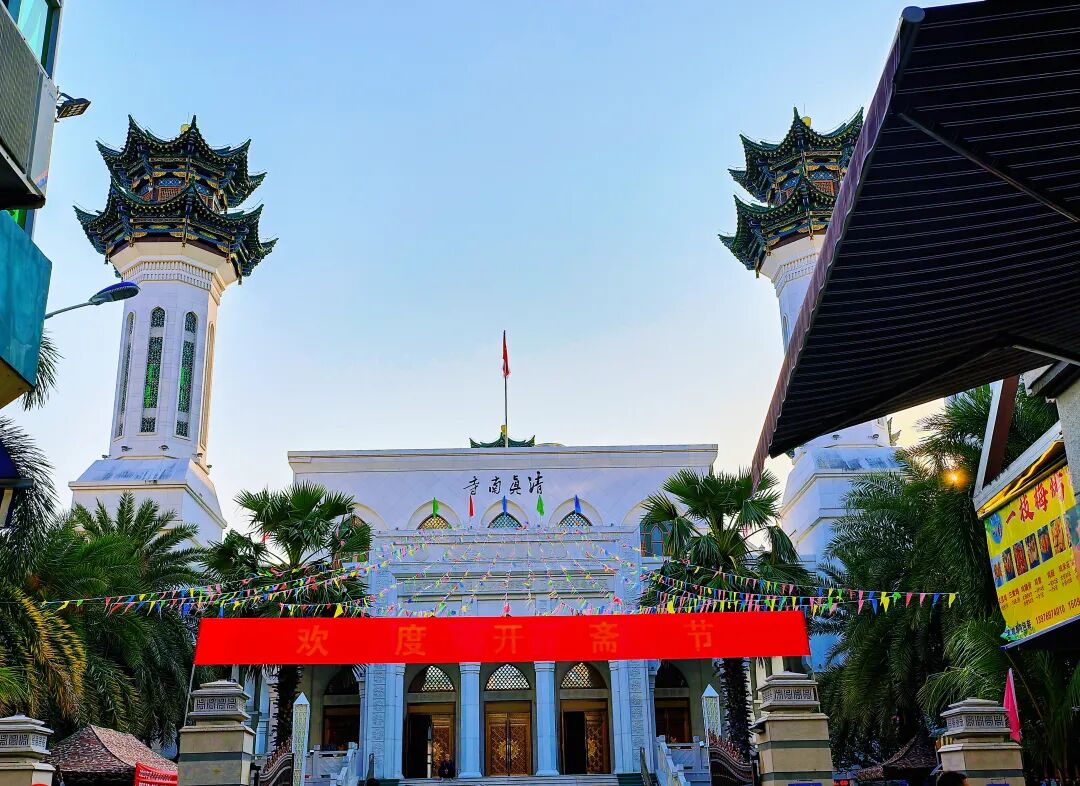
Trays are piled high with spicy, crispy crabs and snails,
The ultimate freshness in this world is Halal.
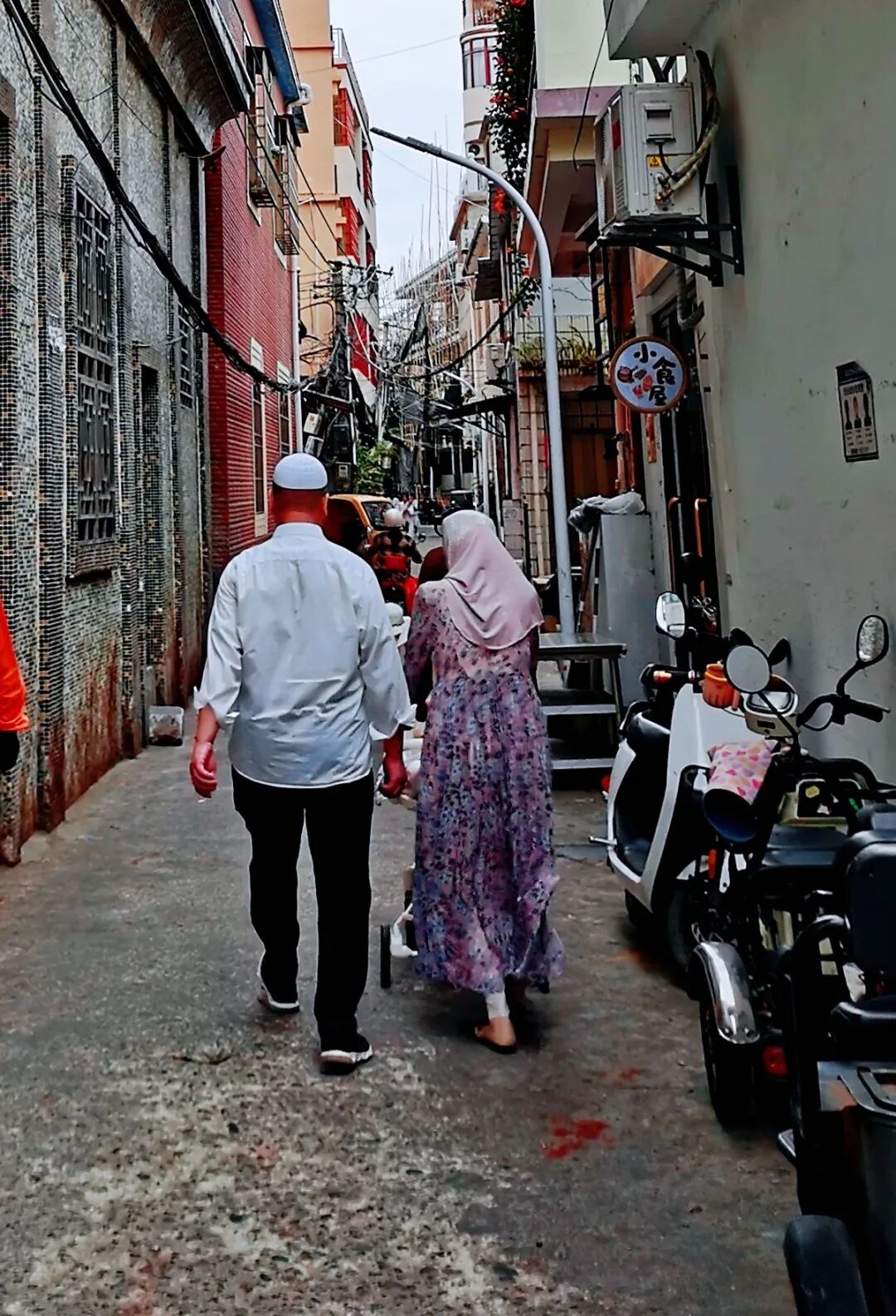
Discovering Huixin: A Local's Secret Seafood Paradise
Right by Sanya Bay in the Tianya District, where my RV was parked for camping, lies a super unique Hui Muslim enclave called Huixin Village (Huixin Community). Most of the villagers are descendants of Persian and Arab merchants from the Song and Yuan dynasties, plus Cham Muslims from Champa (modern-day Vietnam), boasting a history of over 800 years. They speak a unique Huihui language (belonging to the Austronesian language family), making them a rare, unassimilated linguistic and cultural island in China. Not only is this "China's southernmost Hui Muslim village," but it's also a top hot spot for experiencing Sanya's native Islamic culture and diving into Halal eats.
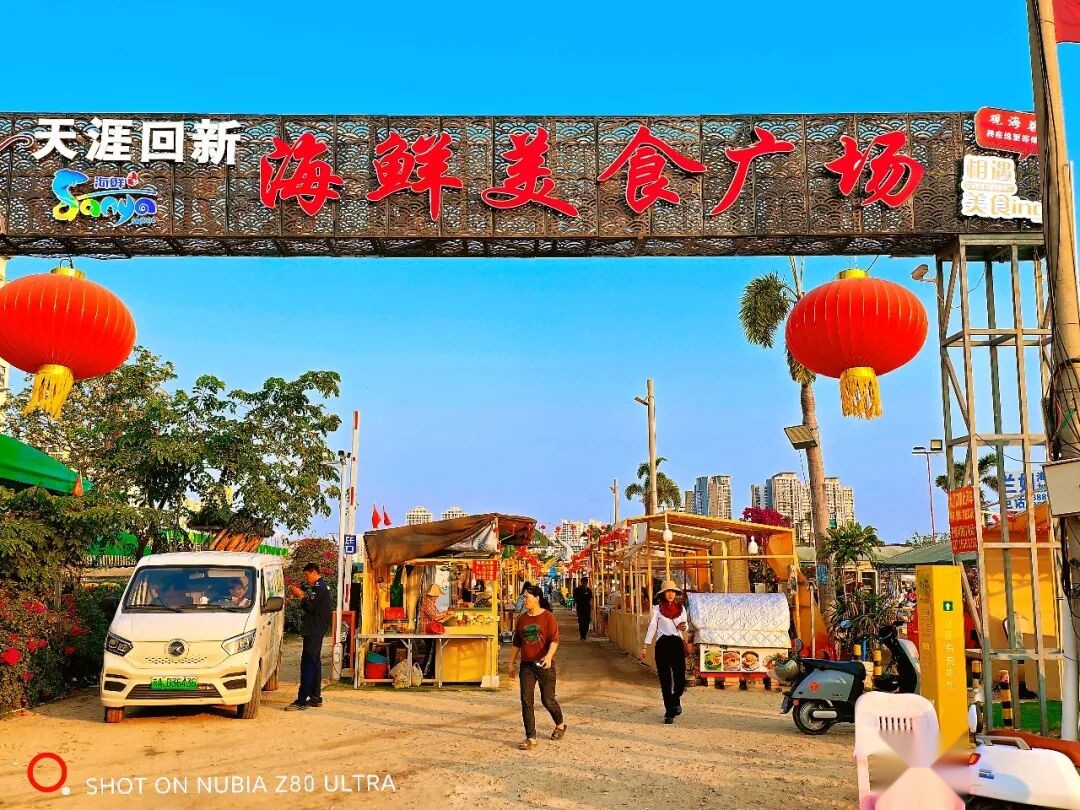
The Huixin Night Market sits right at the entrance of Huixin Village, next to Coconut Dream Corridor, about 800 meters away. Among Sanya's many seafood markets, Huixin Village Seafood Night Market is a rare gem. It's not as world-famous and tourist-packed as First Market; instead, it quietly hides deep within Huixin Village, serving as the locals' go-to definition of "cheap and fresh."
Stepping into Huixin Village, you'll instantly feel how different it is from Sanya's other seafood markets—the air carries a mix of spices and ocean breeze, Hui Muslim sisters wearing headscarves warmly greet passing foodies, and the whole market buzzes with a rich ethnic vibe and down-to-earth neighborhood charm.
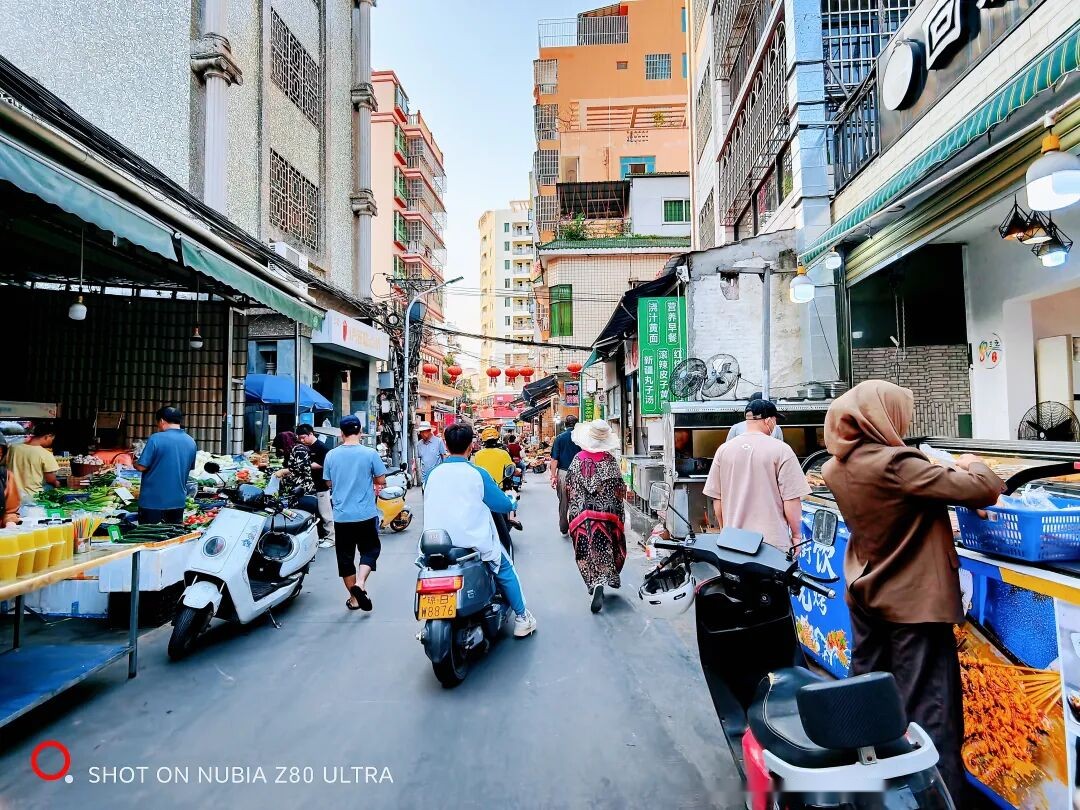
Buying Seafood: Freshness Meets Great Value
Most of the seafood in Huixin Village comes straight from catches by Hui Muslim fishermen, so the freshness is totally undeniable. Some seafood gets swarmed by hungry foodies even while still being sorted.
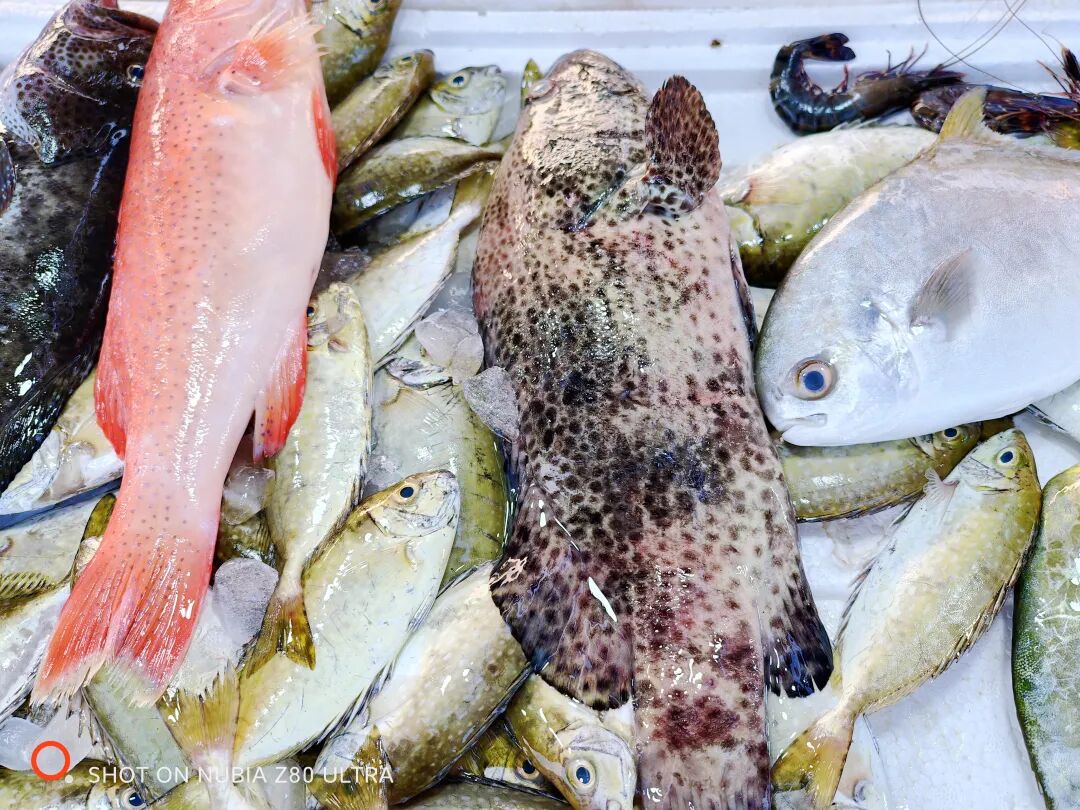
Shopping Tips:
Compare prices: Even though everything is clearly priced, rates vary slightly between stalls. The deeper you go into the market, the better deals you'll usually find.

Drain the water before weighing: Always make sure the vendor pokes a small hole at the bottom of the plastic bag to drain excess water before weighing, so you don't end up paying for ocean water.
Keep your eyes on the bag: Watch closely from selection to bagging to make sure nothing gets swapped out.

Inspection standards: For mantis shrimp, pick ones with a white "王" (king) character on the neck; for crabs, pinch the second-to-last leg—the harder it is, the meatier they are; for shellfish, choose ones with tightly closed shells that don't pop open instantly when lightly touched.
Reference Prices (prices fluctuate by season):
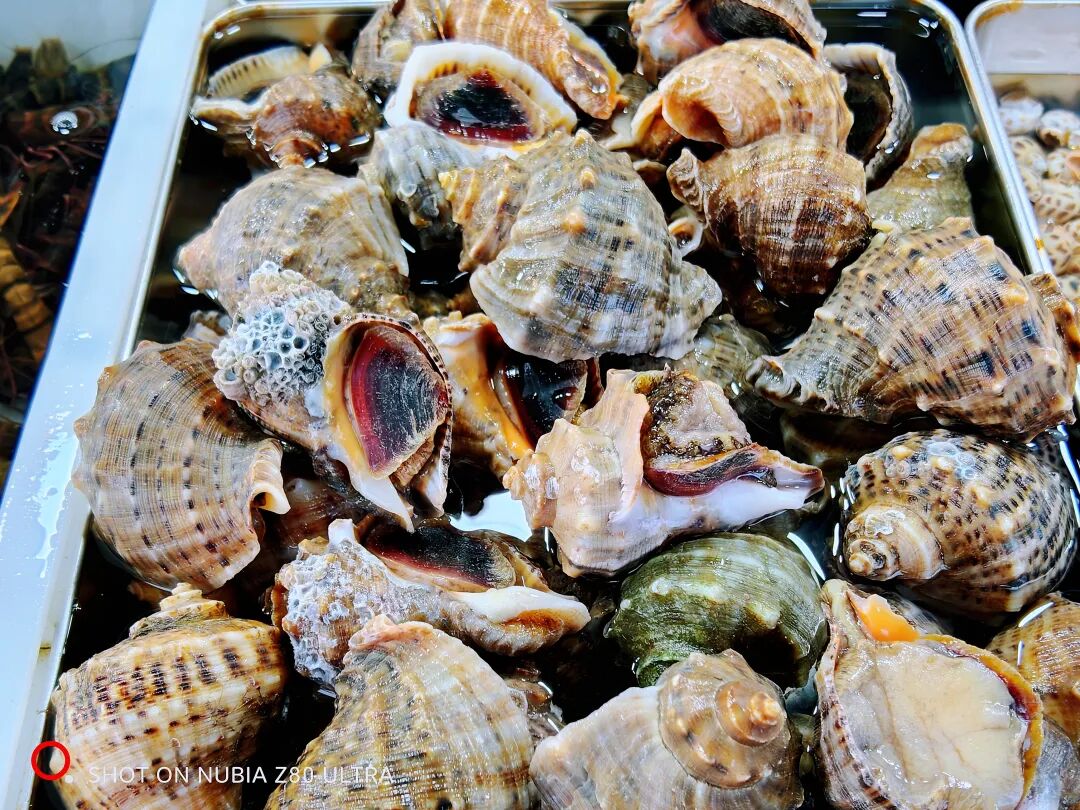
Small Australian lobster (Xiao Qinglong): about 60 RMB each
Mantis shrimp (pipixia): 30–50 RMB per jin
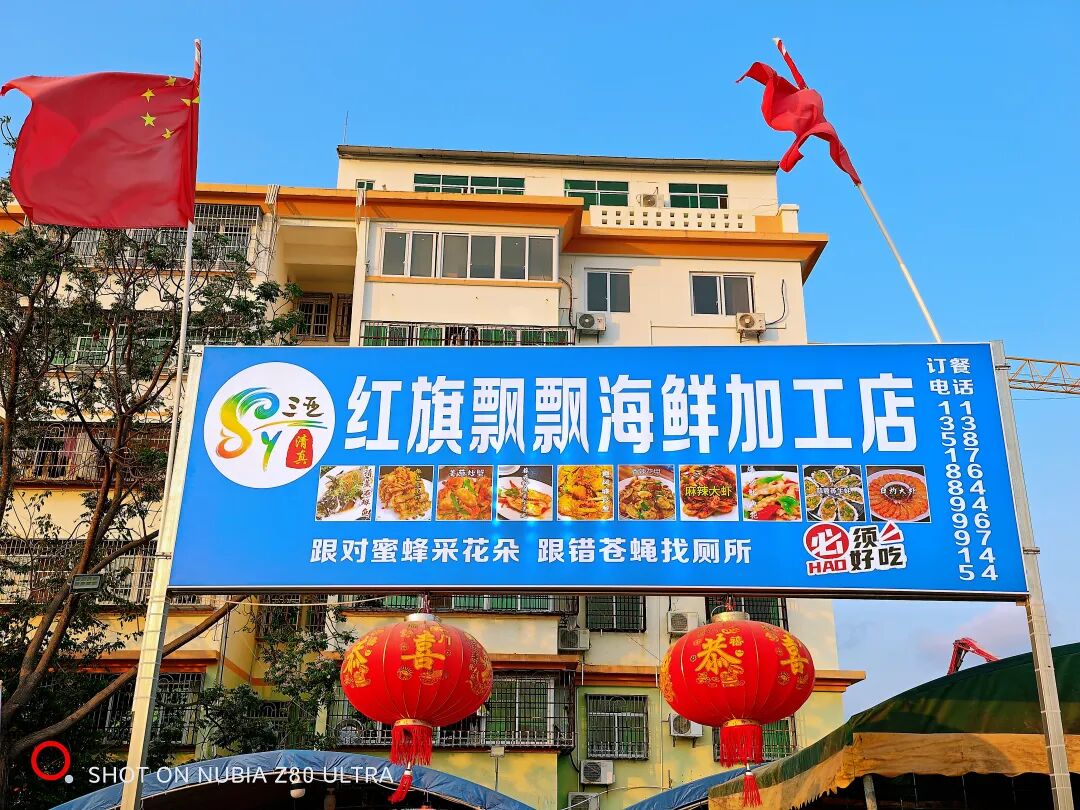
Red flower crab (honghua xie): 40–60 RMB per jin
Mango snails (mangguo luo): 25–48 RMB per jin
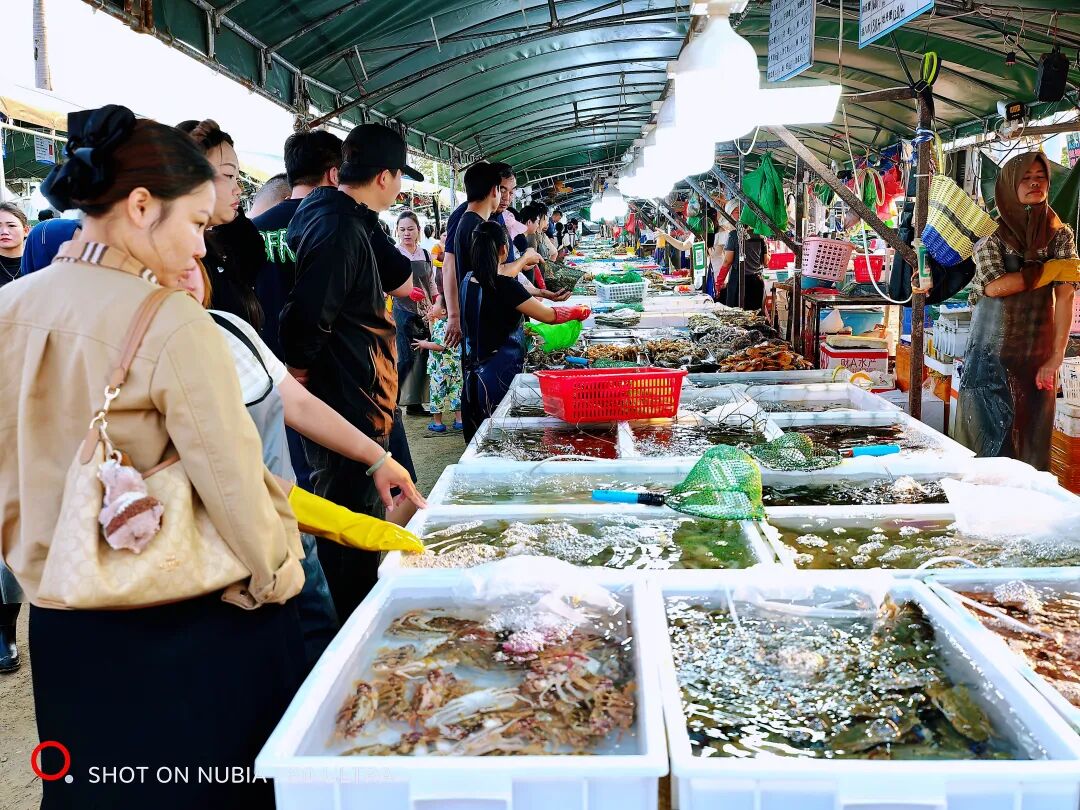
Abalone (baoyu): 3–10 RMB each (depending on size)
Cooking Station: The Unique Charm of Halal Prep
Once you've picked your seafood, Hui Muslim sisters wearing headscarves at the cooking stalls will eagerly come over to pitch the perks of their spots. If you already have a favorite place in mind, be sure to politely turn them down, or they might tag along with their "enthusiastic hustle" for a bit.
Seafood cooking styles in Huixin Village focus mainly on Halal preparations, setting it apart from Sanya's other seafood markets. Cooking fees here usually run around 30 RMB per jin, with totally transparent pricing.
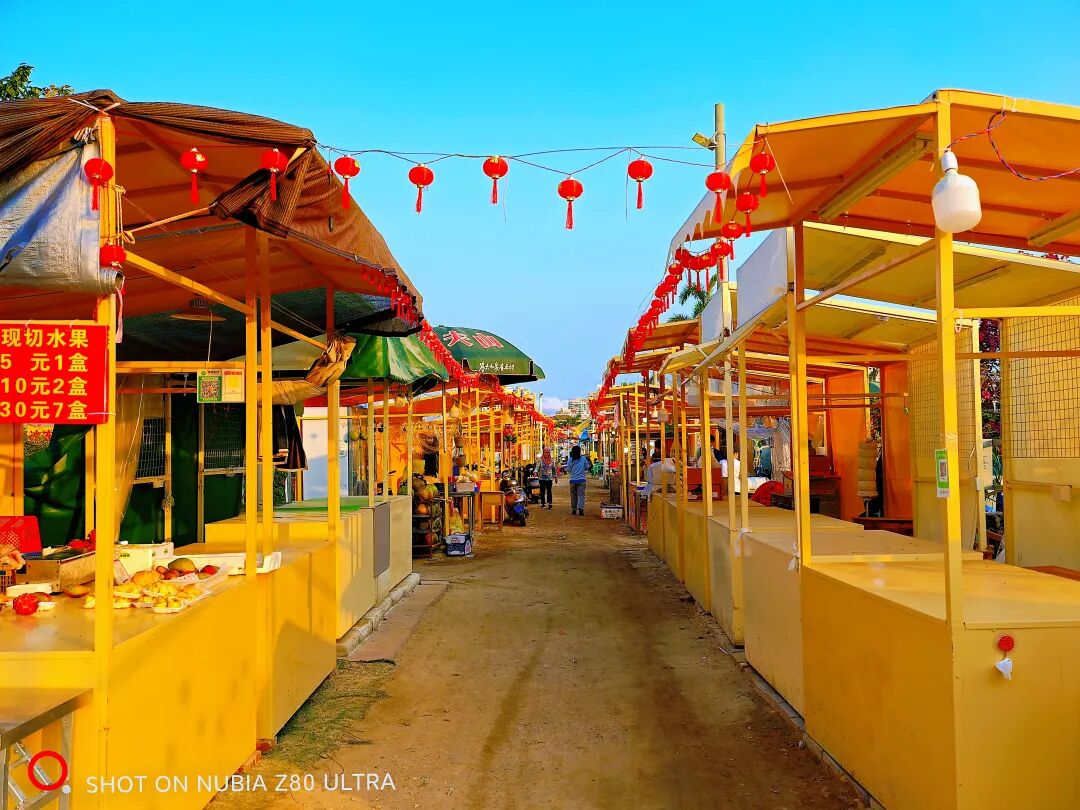
Recommended Cooking Methods:
Boiled/Steamed: The absolute best way to lock in the natural flavor of the seafood, perfect for grouper and white-leg shrimp

Spicy Stir-Fry (La Chao): A killer mashup of Sichuan punch and Halal flavor—the ultimate match made in heaven for mango sea snails (mangguo luo) and flower crabs.
Salt and Pepper (Jiaoyan): The absolute gold standard for mantis shrimp, featuring a super crispy shell and juicy, tender meat.
Typhoon Shelter (Bifengtang): A classic Hong Kong style that hits the spot for lobster and crab.
Congee (Zhu Zhou): Don't let the lobster heads and claws go to waste—they make the congee insanely sweet and fresh.
The Vibe: Delicious Food in the Mud
To be completely honest, the vibe in Huixin Village (Huixin Muslim Village) isn't winning any design awards. The market feels like it's built right on the sand, the ground gets pretty muddy, and the stalls are definitely on the rustic side. But it's precisely this unfiltered, rough-around-the-edges character that gives it such an authentic street-food soul.
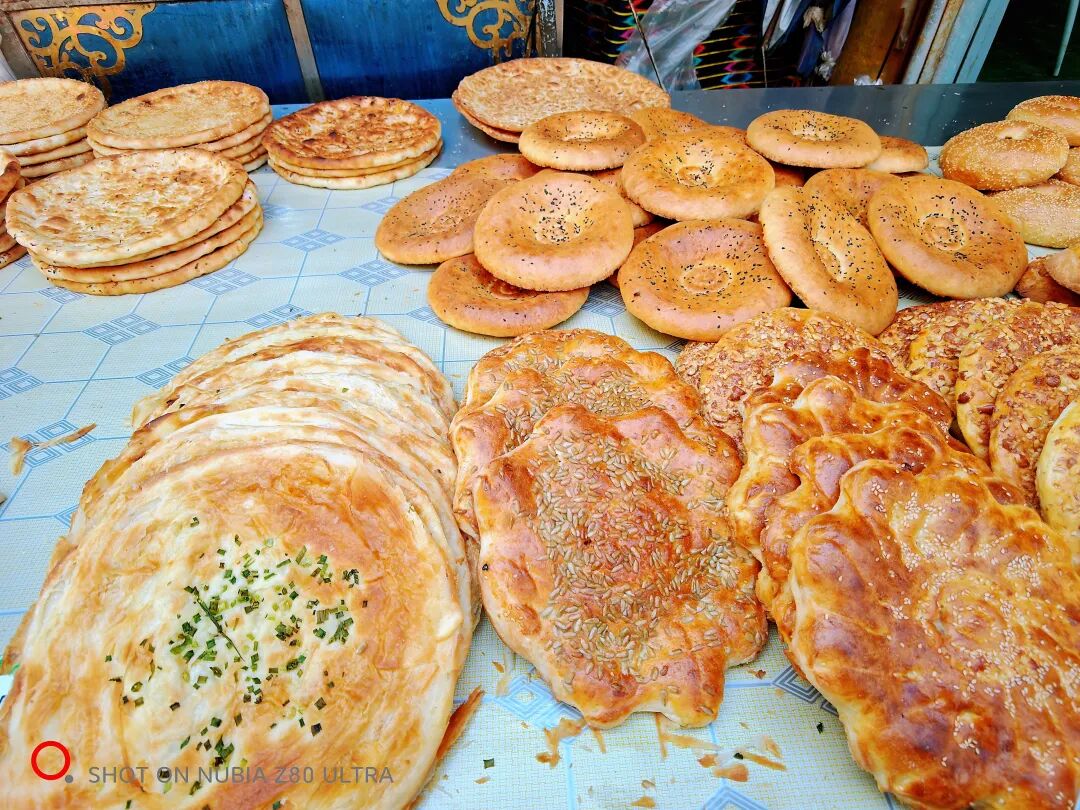
Pulling up a plastic chair and stool, watching the chef toss your seafood over an open flame, listening to the oil sizzle, and taking in the fragrant explosion of garlic and chili—that kind of immersive dining experience is something high-end restaurants just can't fake.
Pro Tips:
1.
Do your homework: Get a rough idea of current seasonal seafood prices so you can bargain with confidence.
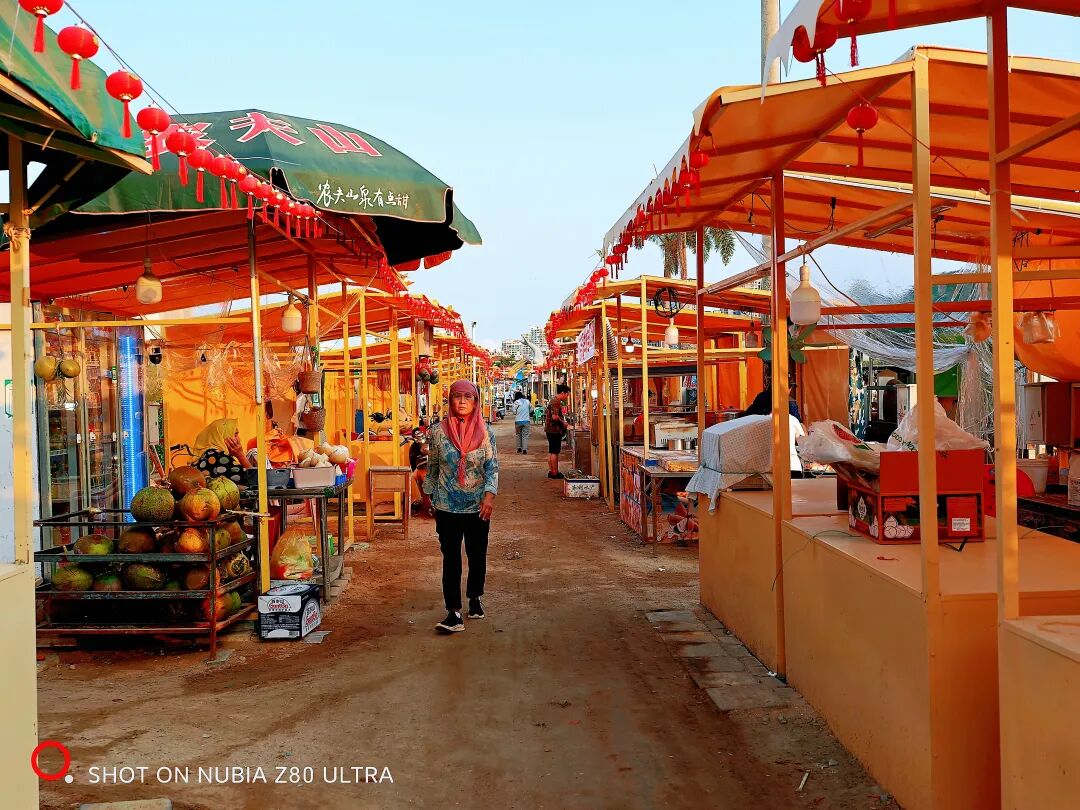
2.
Skip the rush: Holidays and weekends get packed and pricier; hitting it up on a weekday makes for a way better experience.
3.
Use the scale: There's an official fair-trade scale right inside the market, so you can double-check your weights if you're ever unsure.
4.
Lock in the prep fees: Always clear on the cooking styles and prices before handing your seafood over to avoid any awkward bill surprises later.
5.
Bring your own tissues: Open-air food stalls usually don't hand them out (or they charge for them), so bringing your own makes life easier.
Final Thoughts
Eating seafood in Huixin Village (Huixin Muslim Village) is about way more than just the taste—it's about living out that authentic Sanya local lifestyle. You won't find fancy decor or white-glove service here; instead, you get the freshest daily catch, rock-solid prices, and the warmest, most welcoming Hui Muslim aunties.
Sitting at a humble little stall, peeling salt-and-pepper mantis shrimp, sipping fresh coconut water, and watching the lights flicker on across Huixin Village (Huixin Muslim Village) as the sun goes down, it finally clicks: this is what Sanya seafood is truly all about.
Practical Info
Location: Huixin Village (Huixin Muslim Village), Tianya District, Sanya City (near the Coconut Dream Corridor)
Hours: 5:00 PM – 10:00 PM. This is when the seafood is at its freshest and the atmosphere is buzzing the most.
If you're a traveler who insists on a pristine, upscale dining environment, this spot might not be for you. But if you're down for a raw, down-to-earth, insanely good-value seafood feast, Huixin Village (Huixin Muslim Village) is 100% worth the trip. Remember, when it comes to seafood in Sanya, sometimes the most unassuming spots are the absolute hidden gems.
Senior Snowbird Life in Sanya: Elderly Chinese Muslims in Hainan for Retirement, Prayer & Community
Articles • Hasan09 posted the article • 0 comments • 4 views • 3 hours ago
Senior Snowbird Life in Sanya: Elderly Chinese Muslims in Hainan for Retirement, Prayer & Community
Abstract:
A deep dive into the winter retirement lifestyle of Muslim 'snowbird' seniors from northern and northwestern China living in Sanya. We explore how the comfortable tropical climate, robust network of mosques, and tightly-knit mutual-aid community provide these elders with a warm, secure living environment.
This is a fascinating social observation topic touching on multiple dimensions such as population migration, religious culture, and retirement models.
1. White Caps and Headscarves Deep Inside the Coconut Groves
Every October, when snow starts falling in the north, the arrival hall at Sanya Phoenix International Airport welcomes a special group of travelers. Among them are elderly men wearing white caps and women wrapped in headscarves of various colors. Packed inside their suitcases aren't swimsuits and sunscreen, but prayer rugs and copies of the Quran. These Muslim elders hailing from Northwest and North China make up the most distinctive contingent of Sanya's 'snowbird retirement' wave.
Sanya's Muslim retiree demographic shows clear regional clustering. License plates from Ningxia, Gansu, Qinghai, Xinjiang, Henan, and Hebei—China's primary Muslim-concentrated regions—can be seen everywhere on the streets of Sanya during the winter. Unlike regular tourists chasing the turquoise waters and blue skies of Yalong Bay, these elders care more about whether there is a mosque near their apartment complex, if the local wet market sells halal beef and mutton, and if there are fellow hometown folks speaking their dialect in the community.
This migration isn't just a vacation; it's a complete transplantation of a lifestyle.
2. From Northwest Cave Dwellings to Tropical Apartments
Sixty-five-year-old Old Ma is from Wuzhong, Ningxia, and this is his eighth winter spending the season in Sanya. In a residential compound along Sanya Bay, he rents a two-bedroom apartment for 3,500 RMB a month—barely more expensive than the heating bills back in his hometown. 'Here in the winter, you don't have to burn coal or shovel snow, your joints don't ache, and you can breathe smoothly,' Old Ma says, sitting on a stone bench in the garden soaking up the sun while spinning prayer beads in his hand.
But the climate is only the surface reason. The deeper driving force comes from the unique mutual-aid traditions of the Muslim community. In Sanya, several Muslim 'snowbird' residential clusters have formed: the older urban areas around Huixin Village (Huixin Muslim Village) and Huihui Village (Huihui Muslim Village), along with newly built housing complexes near Sanya Bay and Haiyue Square. The elders connect through mosques, hometown associations, and family networks to build a complete social support system.
Here, the mosque is not only a religious venue but also an information hub and social center. The call to the five daily prayers gathers elders scattered across various residential compounds. Whose children are coming to visit, whose health is acting up and needs looking after, who found a more cost-effective rental apartment—these details flow rapidly through conversations after prayer. For elders far away from their homeland, this community network built on faith and geography is far more effective at warding off loneliness than Sanya's sunshine.
3. The Supply Chain War for Halal Food
The biggest challenge Muslim retirees face isn't climate adaptation; it's food security.
Strict halal dietary regulations mean Muslim seniors cannot simply live in Hainan casually like ordinary 'snowbirds.' The absolute taboo against pork and its derivatives, along with specific slaughter requirements for beef and mutton, turn 'what to eat' into a concrete daily dilemma.
This has birthed a unique supply chain. In Sanya's Muslim residential areas, specialized halal butcher shops, halal restaurants, and even halal delivery services have popped up. Clever northwestern merchants head south every winter to rent temporary storefronts in Sanya, catering exclusively to snowbird seniors. They fly in beef and mutton by air cargo from Ningxia and Gansu, ensuring Islamic slaughter by an ahong (imam) and cold-chain transport. Even though prices are thirty percent higher than back inland, demand outstrips supply.
An even more common practice is 'bringing your own rations.' Many elders stuff their suitcases with youxiang (fried flour flatbreads), sanzi (crispy fried dough twists), and dried beef and mutton brought from home. They cook for themselves in rented apartments, teaming up with a few other households to take turns cooking. This guarantees dietary compliance while cutting down living costs. This 'cooperative canteen' model has become an essential organizational form for Muslim snowbird retirement.
The wet market is another battleground. Sanya's local population is predominantly Han and Li, meaning halal ingredient supplies are limited. Elders must spend a great deal of time hunting down suitable shopping spots, even forming specialized 'procurement routes'—which market stall sells compliant chicken, and which supermarket carries halal frozen foods. This information is meticulously shared across the elders' WeChat groups.
4. The Spatial Politics of Religious Life
Being a Muslim in Sanya means carving out space for religious life within a secular tourist city.
The number of mosques in Sanya falls far short of accommodating the winter surge in the Muslim population. Jummah (Friday congregational prayer) often requires arriving an hour early just to find standing room. Some elders are forced to complete their prayers in open spaces around their housing compounds or even inside their rooms, sparking friction with property management and neighbors. The direction faced during prayer, the placement of prayer rugs, and the volume of the adhan (call to prayer)—things taken for granted in Muslim enclaves—become topics requiring negotiation or even conflict in Sanya's commercial housing developments.
Funerals present an even more sensitive issue. According to Islamic law, a deceased Muslim should be buried within three days rather than cremated. However, Sanya's funeral facilities are primarily geared toward cremation, and the dedicated Muslim cemetery is tens of kilometers away and quite expensive. For aged snowbird seniors, 'What if I pass away here?' is an inescapable anxiety. Some elders reach out to their hometown mosques in advance, leaving wills instructing their children to ship their bodies back home for burial. This obsession with 'falling leaves returning to their roots' creates a profound tension with the fluid nature of snowbird retirement.
5. The Intergenerational Restructuring of Family Ties
Snowbird retirement has altered traditional family intergenerational dynamics. For Muslim families, this change is especially complex.
In rural Northwest China, elders are usually the core of family religious life, responsible for teaching grandchildren to recite the Quran and supervising family religious practices. When elders head south for the winter, this intergenerational transmission breaks. Video calls can pass along greetings, but they can't replace face-to-face religious education. Because of this, some elders shorten their stays in Sanya or insist on having their grandchildren visit Sanya during winter break to maintain the continuity of religious heritage in the tropics.
Economic relationships are also being restructured. Sanya's cost of living is higher than rural Northwest China, requiring expenses for rent, food, and medical care. Snowbird retirement demands a certain economic foundation, which usually relies on children's financial support. Yet support itself becomes a chip in intergenerational bargaining—children support their parents heading south in exchange for the convenience of not having to care for them during the winter, while elders accepting support means relinquishing some control over where they live.
More subtly, the marriage market is shifting. Among Sanya's Muslim seniors, a popular side hustle is 'matchmaking for the kids.' Elders from different regions chat with each other, setting up blind dates for eligible young adults back home. Sanya's sunny beaches have unexpectedly become a matchmaking information exchange hub for northwestern Muslim youth. This cross-regional marriage networking is quietly transforming the traditionally relatively closed Muslim marital circle.
6. The Fluidity and Defense of Identity
In Sanya, the identity of Muslim elders presents an intriguing contradiction.
On one hand, they are 'outsiders.' In the eyes of locals, they are snowbirds hogging medical resources and driving up rent; in the eyes of other tourists, their clothing and customs are merely exotic local color. This gaze of otherness reinforces their sense of marginalization.
On the flip side, they've found a real sense of belonging within Sanya's tight-knit Muslim circles. Traditional sub-networks based on specific Islamic sects, hometown regions, and extended families have completely reorganized in Sanya into a much broader "Muslim snowbird" community. An elderly Ihhwan elder from Qinghai might end up living next door to and sharing dua and daily prayers with a Gedimu elder from Ningxia—something totally unimaginable back home in their home provinces. Their shared "snowbird" status effortlessly bridges old-school sectarian and geographic divides.
Yet, this constant movement brings along its own identity anxiety. As these seniors spend more and more time living in Sanya—some even staying year-round and only heading back north briefly during the brutal summer heat—are they still truly considered "Northwesterners"? And when their grandkids are born and raised right here in Sanya, speaking Mandarin with a distinct Hainan accent and having zero memories of the ancestral village back home, how on earth is the family's religious and cultural heritage going to survive?
Some of the older folks have started trying to build more permanent religious communities right here in Sanya. They've pooled their money to buy properties specifically designated as co-living spaces for elderly Muslims; they've petitioned the government hoping to set up official Muslim eldercare facilities; and they've set up social media group chats to share practical tips for daily life in Sanya, creating a totally digital mutual-aid network. All these efforts show that snowbird retirement living is shifting away from a temporary seasonal migration into a much more stable lifestyle.
VII. Conclusion: Offering Prayers Amidst the Coconut Palms and Ocean Breezes
Sanya's elderly Muslim snowbirds are a perfect snapshot of China's rapidly aging society, as well as a fascinating case study of how religious communities adapt under the pressures of modernity. They weave social networks using their faith, fight off loneliness with community support, and hold tight to the core values of their tradition amidst a shifting, transient modern world.
As the sunset hits the waters of Sanya Bay, the adhan (call to prayer) rings out from the mosque, and white taqiyah caps and hijabs start streaming in from every direction. In that exact moment, the tropical ocean breeze meets the loess soil of Northwest China in a shared bowing of prayer, blending the migration of snowbirds with the absolute devotion of believers as the sun goes down.
They might never truly put down permanent roots in Sanya—strict Islamic burial regulations, worries about keeping the family genealogy going, and an ultimate, deep-seated longing for the old hometown all guarantee a certain impermanence to this lifestyle. But in the winter of their lives, being able to complete their five daily prayers in a warm climate and waiting for the sunset Iftar surrounded by folks from back home is, in its own right, a deeply respected way to live.
Sanya's coconut groves won't remember these migrating elders, but Allah remembers every single believer who keeps up their daily prayers far from home. For a Muslim, that's more than enough. view all
Senior Snowbird Life in Sanya: Elderly Chinese Muslims in Hainan for Retirement, Prayer & Community
Abstract:
A deep dive into the winter retirement lifestyle of Muslim 'snowbird' seniors from northern and northwestern China living in Sanya. We explore how the comfortable tropical climate, robust network of mosques, and tightly-knit mutual-aid community provide these elders with a warm, secure living environment.
This is a fascinating social observation topic touching on multiple dimensions such as population migration, religious culture, and retirement models.
1. White Caps and Headscarves Deep Inside the Coconut Groves
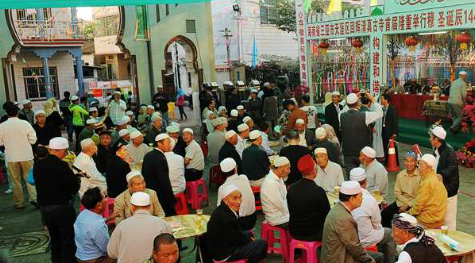
Every October, when snow starts falling in the north, the arrival hall at Sanya Phoenix International Airport welcomes a special group of travelers. Among them are elderly men wearing white caps and women wrapped in headscarves of various colors. Packed inside their suitcases aren't swimsuits and sunscreen, but prayer rugs and copies of the Quran. These Muslim elders hailing from Northwest and North China make up the most distinctive contingent of Sanya's 'snowbird retirement' wave.
Sanya's Muslim retiree demographic shows clear regional clustering. License plates from Ningxia, Gansu, Qinghai, Xinjiang, Henan, and Hebei—China's primary Muslim-concentrated regions—can be seen everywhere on the streets of Sanya during the winter. Unlike regular tourists chasing the turquoise waters and blue skies of Yalong Bay, these elders care more about whether there is a mosque near their apartment complex, if the local wet market sells halal beef and mutton, and if there are fellow hometown folks speaking their dialect in the community.
This migration isn't just a vacation; it's a complete transplantation of a lifestyle.
2. From Northwest Cave Dwellings to Tropical Apartments
Sixty-five-year-old Old Ma is from Wuzhong, Ningxia, and this is his eighth winter spending the season in Sanya. In a residential compound along Sanya Bay, he rents a two-bedroom apartment for 3,500 RMB a month—barely more expensive than the heating bills back in his hometown. 'Here in the winter, you don't have to burn coal or shovel snow, your joints don't ache, and you can breathe smoothly,' Old Ma says, sitting on a stone bench in the garden soaking up the sun while spinning prayer beads in his hand.
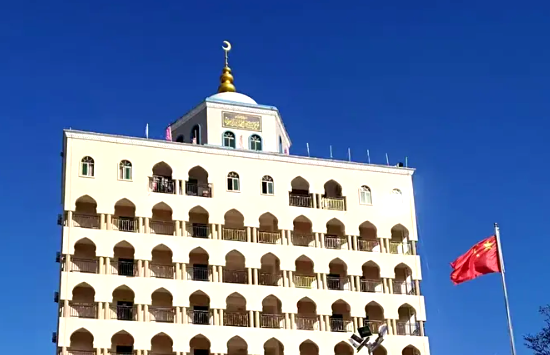
But the climate is only the surface reason. The deeper driving force comes from the unique mutual-aid traditions of the Muslim community. In Sanya, several Muslim 'snowbird' residential clusters have formed: the older urban areas around Huixin Village (Huixin Muslim Village) and Huihui Village (Huihui Muslim Village), along with newly built housing complexes near Sanya Bay and Haiyue Square. The elders connect through mosques, hometown associations, and family networks to build a complete social support system.
Here, the mosque is not only a religious venue but also an information hub and social center. The call to the five daily prayers gathers elders scattered across various residential compounds. Whose children are coming to visit, whose health is acting up and needs looking after, who found a more cost-effective rental apartment—these details flow rapidly through conversations after prayer. For elders far away from their homeland, this community network built on faith and geography is far more effective at warding off loneliness than Sanya's sunshine.
3. The Supply Chain War for Halal Food
The biggest challenge Muslim retirees face isn't climate adaptation; it's food security.
Strict halal dietary regulations mean Muslim seniors cannot simply live in Hainan casually like ordinary 'snowbirds.' The absolute taboo against pork and its derivatives, along with specific slaughter requirements for beef and mutton, turn 'what to eat' into a concrete daily dilemma.
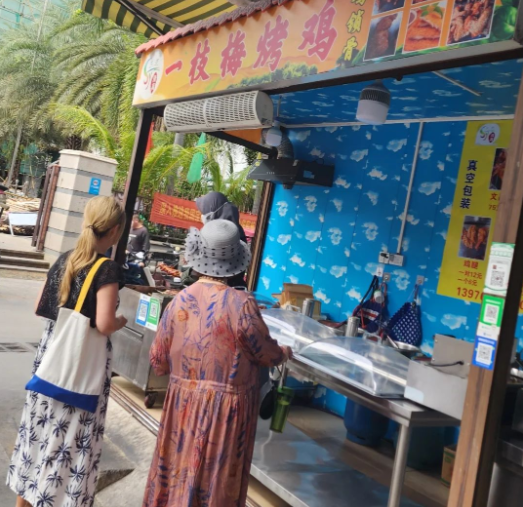
This has birthed a unique supply chain. In Sanya's Muslim residential areas, specialized halal butcher shops, halal restaurants, and even halal delivery services have popped up. Clever northwestern merchants head south every winter to rent temporary storefronts in Sanya, catering exclusively to snowbird seniors. They fly in beef and mutton by air cargo from Ningxia and Gansu, ensuring Islamic slaughter by an ahong (imam) and cold-chain transport. Even though prices are thirty percent higher than back inland, demand outstrips supply.
An even more common practice is 'bringing your own rations.' Many elders stuff their suitcases with youxiang (fried flour flatbreads), sanzi (crispy fried dough twists), and dried beef and mutton brought from home. They cook for themselves in rented apartments, teaming up with a few other households to take turns cooking. This guarantees dietary compliance while cutting down living costs. This 'cooperative canteen' model has become an essential organizational form for Muslim snowbird retirement.
The wet market is another battleground. Sanya's local population is predominantly Han and Li, meaning halal ingredient supplies are limited. Elders must spend a great deal of time hunting down suitable shopping spots, even forming specialized 'procurement routes'—which market stall sells compliant chicken, and which supermarket carries halal frozen foods. This information is meticulously shared across the elders' WeChat groups.
4. The Spatial Politics of Religious Life
Being a Muslim in Sanya means carving out space for religious life within a secular tourist city.
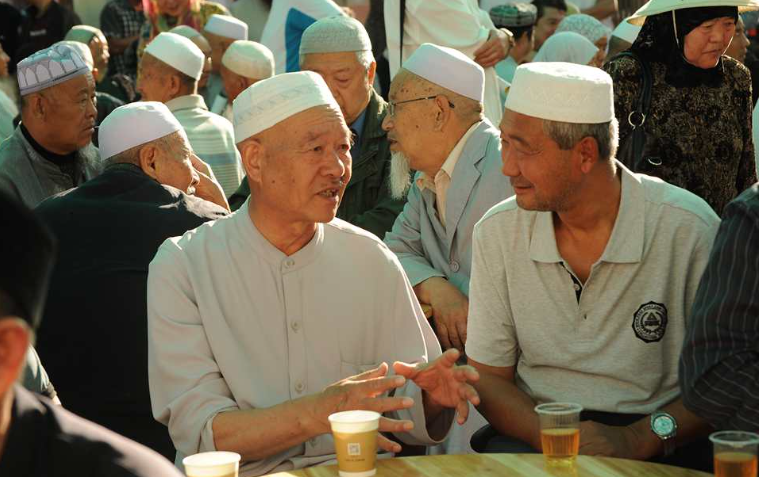
The number of mosques in Sanya falls far short of accommodating the winter surge in the Muslim population. Jummah (Friday congregational prayer) often requires arriving an hour early just to find standing room. Some elders are forced to complete their prayers in open spaces around their housing compounds or even inside their rooms, sparking friction with property management and neighbors. The direction faced during prayer, the placement of prayer rugs, and the volume of the adhan (call to prayer)—things taken for granted in Muslim enclaves—become topics requiring negotiation or even conflict in Sanya's commercial housing developments.
Funerals present an even more sensitive issue. According to Islamic law, a deceased Muslim should be buried within three days rather than cremated. However, Sanya's funeral facilities are primarily geared toward cremation, and the dedicated Muslim cemetery is tens of kilometers away and quite expensive. For aged snowbird seniors, 'What if I pass away here?' is an inescapable anxiety. Some elders reach out to their hometown mosques in advance, leaving wills instructing their children to ship their bodies back home for burial. This obsession with 'falling leaves returning to their roots' creates a profound tension with the fluid nature of snowbird retirement.
5. The Intergenerational Restructuring of Family Ties
Snowbird retirement has altered traditional family intergenerational dynamics. For Muslim families, this change is especially complex.
In rural Northwest China, elders are usually the core of family religious life, responsible for teaching grandchildren to recite the Quran and supervising family religious practices. When elders head south for the winter, this intergenerational transmission breaks. Video calls can pass along greetings, but they can't replace face-to-face religious education. Because of this, some elders shorten their stays in Sanya or insist on having their grandchildren visit Sanya during winter break to maintain the continuity of religious heritage in the tropics.
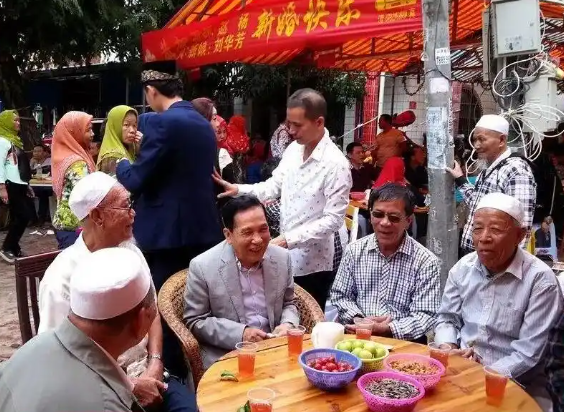
Economic relationships are also being restructured. Sanya's cost of living is higher than rural Northwest China, requiring expenses for rent, food, and medical care. Snowbird retirement demands a certain economic foundation, which usually relies on children's financial support. Yet support itself becomes a chip in intergenerational bargaining—children support their parents heading south in exchange for the convenience of not having to care for them during the winter, while elders accepting support means relinquishing some control over where they live.
More subtly, the marriage market is shifting. Among Sanya's Muslim seniors, a popular side hustle is 'matchmaking for the kids.' Elders from different regions chat with each other, setting up blind dates for eligible young adults back home. Sanya's sunny beaches have unexpectedly become a matchmaking information exchange hub for northwestern Muslim youth. This cross-regional marriage networking is quietly transforming the traditionally relatively closed Muslim marital circle.
6. The Fluidity and Defense of Identity
In Sanya, the identity of Muslim elders presents an intriguing contradiction.
On one hand, they are 'outsiders.' In the eyes of locals, they are snowbirds hogging medical resources and driving up rent; in the eyes of other tourists, their clothing and customs are merely exotic local color. This gaze of otherness reinforces their sense of marginalization.
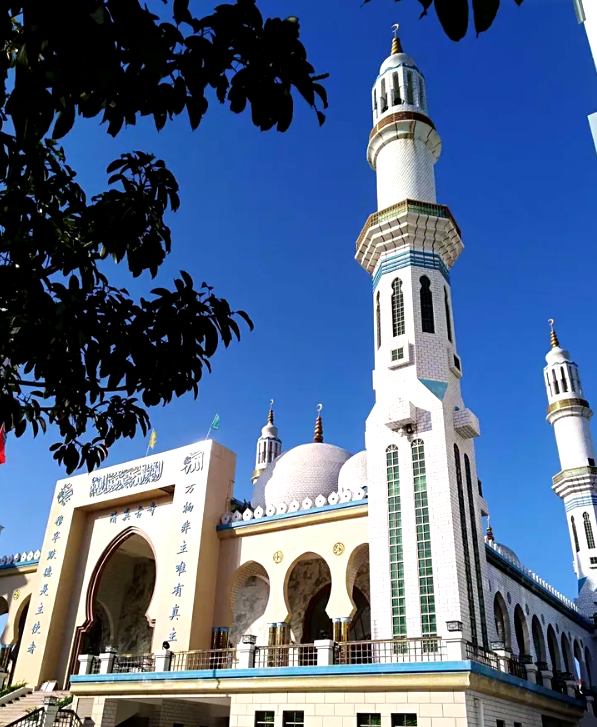
On the flip side, they've found a real sense of belonging within Sanya's tight-knit Muslim circles. Traditional sub-networks based on specific Islamic sects, hometown regions, and extended families have completely reorganized in Sanya into a much broader "Muslim snowbird" community. An elderly Ihhwan elder from Qinghai might end up living next door to and sharing dua and daily prayers with a Gedimu elder from Ningxia—something totally unimaginable back home in their home provinces. Their shared "snowbird" status effortlessly bridges old-school sectarian and geographic divides.
Yet, this constant movement brings along its own identity anxiety. As these seniors spend more and more time living in Sanya—some even staying year-round and only heading back north briefly during the brutal summer heat—are they still truly considered "Northwesterners"? And when their grandkids are born and raised right here in Sanya, speaking Mandarin with a distinct Hainan accent and having zero memories of the ancestral village back home, how on earth is the family's religious and cultural heritage going to survive?
Some of the older folks have started trying to build more permanent religious communities right here in Sanya. They've pooled their money to buy properties specifically designated as co-living spaces for elderly Muslims; they've petitioned the government hoping to set up official Muslim eldercare facilities; and they've set up social media group chats to share practical tips for daily life in Sanya, creating a totally digital mutual-aid network. All these efforts show that snowbird retirement living is shifting away from a temporary seasonal migration into a much more stable lifestyle.
VII. Conclusion: Offering Prayers Amidst the Coconut Palms and Ocean Breezes
Sanya's elderly Muslim snowbirds are a perfect snapshot of China's rapidly aging society, as well as a fascinating case study of how religious communities adapt under the pressures of modernity. They weave social networks using their faith, fight off loneliness with community support, and hold tight to the core values of their tradition amidst a shifting, transient modern world.
As the sunset hits the waters of Sanya Bay, the adhan (call to prayer) rings out from the mosque, and white taqiyah caps and hijabs start streaming in from every direction. In that exact moment, the tropical ocean breeze meets the loess soil of Northwest China in a shared bowing of prayer, blending the migration of snowbirds with the absolute devotion of believers as the sun goes down.
They might never truly put down permanent roots in Sanya—strict Islamic burial regulations, worries about keeping the family genealogy going, and an ultimate, deep-seated longing for the old hometown all guarantee a certain impermanence to this lifestyle. But in the winter of their lives, being able to complete their five daily prayers in a warm climate and waiting for the sunset Iftar surrounded by folks from back home is, in its own right, a deeply respected way to live.
Sanya's coconut groves won't remember these migrating elders, but Allah remembers every single believer who keeps up their daily prayers far from home. For a Muslim, that's more than enough.
Sanya Halal Food & Mosque Guide: Sanya Halal Seafood & Utsul Muslim Culture
Articles • Hasan09 posted the article • 0 comments • 3 views • 3 hours ago
Quick Guide to Halal Food in Sanya: A Curated Selection of Spicy Halal Seafood Open-Air Stalls and Authentic Street-Side Eats in the Hui Muslim Villages
Abstract:
A concise and practical guide to the must-try Halal culinary landmarks for first-time visitors to Sanya. Featuring live Halal seafood cooking stalls in Huixin Village (Huixin Muslim Village) and traditional street breakfast spots in Huihui Village (Huihui Muslim Village), providing a straight-to-the-point foodie checklist for independent travelers pressed for time.
From down-to-earth street food packed with local vibes to spicy, sizzling seafood—it's all right here! view all
Quick Guide to Halal Food in Sanya: A Curated Selection of Spicy Halal Seafood Open-Air Stalls and Authentic Street-Side Eats in the Hui Muslim Villages
Abstract:

A concise and practical guide to the must-try Halal culinary landmarks for first-time visitors to Sanya. Featuring live Halal seafood cooking stalls in Huixin Village (Huixin Muslim Village) and traditional street breakfast spots in Huihui Village (Huihui Muslim Village), providing a straight-to-the-point foodie checklist for independent travelers pressed for time.
From down-to-earth street food packed with local vibes to spicy, sizzling seafood—it's all right here!
Sanya's Muslim Villages: Exploring Huihui, Huixin, Halal Food & Historic Mosques in Hainan
Articles • Hasan09 posted the article • 0 comments • 4 views • 3 hours ago
Visual Chronicle of Sanya's Twin Muslim Villages, Huihui and Huixin: Pearl Markets, Hijab-Wearing Women, and Island Hui Muslim Street Life
Abstract:
Capturing through a documentary lens the everyday street life of the Huihui and Huixin Muslim villages in Sanya. A look at Hui Muslim women weaving through the First Market, resilient figures running pearl and handicraft businesses, and the peaceful, devout religious and cultural ecosystem of this tropical village enclave.
Around the First Market, you'll spot plenty of women wearing headscarves, chewing betel nut (a local Hainan habit), selling smartphones and pearls. They all hail from Sanya's two famous Muslim villages: Huihui Village and Huixin Village. If you come here to travel, cruise down Fenghuang Road and you'll see pearl and jade shops mixed with Xinjiang halal eateries, with the尖顶 (minaret) of a masjid rising in the distance. No matter how scorching the weather gets, you'll see women in hijabs and long robes zooming by on motor scooters—this is the vibe of Sanya's uniquely distinct Muslim villages. I spent a few days there looking for a rental, documenting their day-to-day life.
Huihui Village, Home to the Huihui People, Is the Largest Village
The Huihui people are descendants of the ancient Champa Kingdom, which existed for over a thousand years and practiced Islam. After the Champa Kingdom was crushed by the Khmer, some survivors fled and settled in Hainan around the year 1700. Local Hainanese people began calling them the Huihui people, and Huihui Village gets its name from this history. It used to be part of Fenghuang Town, but today it falls under the Huihui Community in Tianya District. It's super close to the airport, and heading south brings you to Sanya Bay, home to an ancient Muslim graveyard stretching over several kilometers.
If you're visiting, just drop a pin on the East Masjid (Huihui Village has several masjids including the Sanya Ancient Mosque, East Masjid, Northwest Grand Masjid, and North Grand Masjid, with the North Grand Masjid being the most grand and majestic). The East Masjid sits right along Fenghuang Road, with Huihui Village wrapping around its north and south sides. North of Fenghuang Road, Huihui Village meets Yanglan Road—on this side you have the Huihui Village masjid, and across the way stands the Yanglan Village Guandi Temple.
Arrived at the Huihui East Masjid right around noon. Grabbed a bowl of banmian (hand-pulled mixed noodles) next door for 20 RMB.
The most prominent landmark on Fenghuang Road: the Huihui East Masjid, flanked by Huihui Village on both sides.
Huihui Road
Ningxia specialty products showroom, currently under renovation.
Venturing deeper into the village, the towering minaret of the North Grand Masjid comes into view in the distance—hardly looks like typical village architecture.
The North Grand Masjid
The North Grand Masjid during the afternoon adhan (call to prayer).
The historic Northwest Grand Masjid in Huihui Village.
Notices posted at the masjid, including the daily prayer (dua/salah) schedule.
Huihui Smoked Beef Shop
A local restaurant in Huihui Village
A Huihui woman selling pineapples in the village.
A Huihui woman selling beef at the local wet market.
Typical women's attire—they dress this way no matter how hot it gets.
A Huihui villager riding a scooter.
Pearls are the main hustle here; the people of Huihui Village are fantastic at business.
Yusuf (Joseph), a major prophet in Islam; many locals are named Yusuf.
A traditional ethnic clothing shop in Huihui Village.
Convenience store
Students catching the public bus.
The Muslim cemetery at Sanya Bay.
Huixin Village: Smaller, more compact, lively, and packed with street eats.
Huixin Village is smaller in area, but it's actually where the earliest Cham people originally settled, right by the ocean. Later on, Japanese invaders built an airport here and drove the people of Huixin Village across to Yanglan, creating Huihui Village. After the victory of the War of Resistance Against Japanese Aggression, some of the Cham people migrated back to what is now Huixin Village. Geographically, it stretches from Yihang Market in the east all the way to Nankai Masjid in the west.
Huixin Village (Huixin Muslim Village) has two mosques: Nankai Mosque and Southern Mosque. Southern Mosque is right in the middle of the village, but Nankai Mosque is the largest—definitely use it as your landmark if you're exploring the area. It takes about half an hour to get here from Huihui Village (Huihui Muslim Village).
A meal in Huixin Village (Huixin Muslim Village): Rabier stir-fried rice noodles for 16 yuan.
Rolling into Huixin Village (Huixin Muslim Village), you'll spot Southern Mosque right away; it's the heart of the community.
Southern Mosque, closed to visitors during the pandemic.
The alleys of Huixin Village (Huixin Muslim Village) are totally buzzing with local daily life.
Tucked away in the narrow alleys of Huixin Village (Huixin Muslim Village), you'll find an endless lineup of street snacks.
Pearl shops are seriously everywhere you look in Huixin Village (Huixin Muslim Village).
Strolling through the alleys of Huixin Village (Huixin Muslim Village).
Someone studying religious texts at the Huixin Village (Huixin Muslim Village) mosque.
The prayer hall at Nankai Mosque.
Nankai Mosque.
Nankai Mosque.
The morning market in Huixin Village (Huixin Muslim Village) is mostly run by local women—here's a stall selling dried fish.
An afternoon vibe in the alleys of Huixin Village (Huixin Muslim Village), lined with tons of little snack spots.
Huixin Village (Huixin Muslim Village) has a ton of rental apartments, home to both Hui Muslims and Han Chinese, making the streets super lively.
Spotting women with and without headscarves. Every winter, tons of people from northern China come down here to rent places and spend their retirement.
Whenever I stayed in Sanya, I'd always come here to buy my beef and mutton.
Chewing this is a total Hainan tradition.
There are lots of rental apartments around here, along with spots selling northern Chinese wheat noodles.
Rental apartments.
People walking down the street.
Dining spots on Huixin Street. Honestly, aside from beef dumplings, most of what they serve are trendy night market street eats.
A spot selling Xinjiang mutton skewers, right by a rental apartment building.
A shop selling traditional ethnic clothing.
Or written as Tasim, which means in the exalted name of Allah. A shop selling traditional ethnic clothing here.
This place sells hijabs, with all kinds of stylish headscarves available—basically the wraps used to cover the head.
Xinjiang dapanji (Xinjiang big plate chicken).
A guy selling skewers over here is trying to transfer his shop lease, so I asked him about it.
Xinjiang-style stir-fried rice noodles.
A local specialty grocery store.
A convenience store in Huixin Village (Huixin Muslim Village) that also handles express delivery drop-offs and pickups.
Traders from other provinces who came here to sell silk—their goods actually sell pretty well right here in the Hui Muslim village.
A view of the distant Nanshan Mosque (Nanshan Masjid).
Local women walking through Huixin Village (Huixin Muslim Village).
A small local mosque tucked away right here.
There are a few casket shops along Huihui Road. I shot some footage in Tengqiao Town before and they have them there too—some people in Sanya are allowed to have traditional burials.
The Sanya Bay ancient Muslim cemetery.
To be honest, the Hui Muslim villages these days are super secularized. Most of the apartment buildings built by local Hui families are rented out to snowbirds coming down from Northern China for the winter. You'll see some folks making dua at the mosque, but not everyone, and while some of the guys wear taqiyah prayer caps, others don't. You can find all kinds of regional food here. But things really depend on the specific family. For instance, when I checked out a 7-story apartment building with a courtyard for rent, the male host told me guests could cook whatever they wanted, and a one-bedroom with a balcony went for 1,200 RMB. Meanwhile, when I asked about a restaurant that was up for transfer, the owner straight up asked me, 'You're Han Chinese, right? We don't rent to Han folks.' When I mentioned there were other places renting out right down the street, she just smiled and said, 'It's different—some people are cool with it, some aren't.' So if you're coming here as a tourist, or moving here long-term for a chill retirement, you definitely need to respect local customs and traditions. Trust me, when you're traveling in Sanya surrounded by swaying coconut palms and ocean vibes, finding a spot like this where you can grab authentic Western China bites while checking out a totally unique side of Sanya is pretty epic. This is Sanya's Hui Muslim community—Huihui Village (Huihui Muslim Village) and Huixin Village (Huixin Muslim Village). view all
Visual Chronicle of Sanya's Twin Muslim Villages, Huihui and Huixin: Pearl Markets, Hijab-Wearing Women, and Island Hui Muslim Street Life
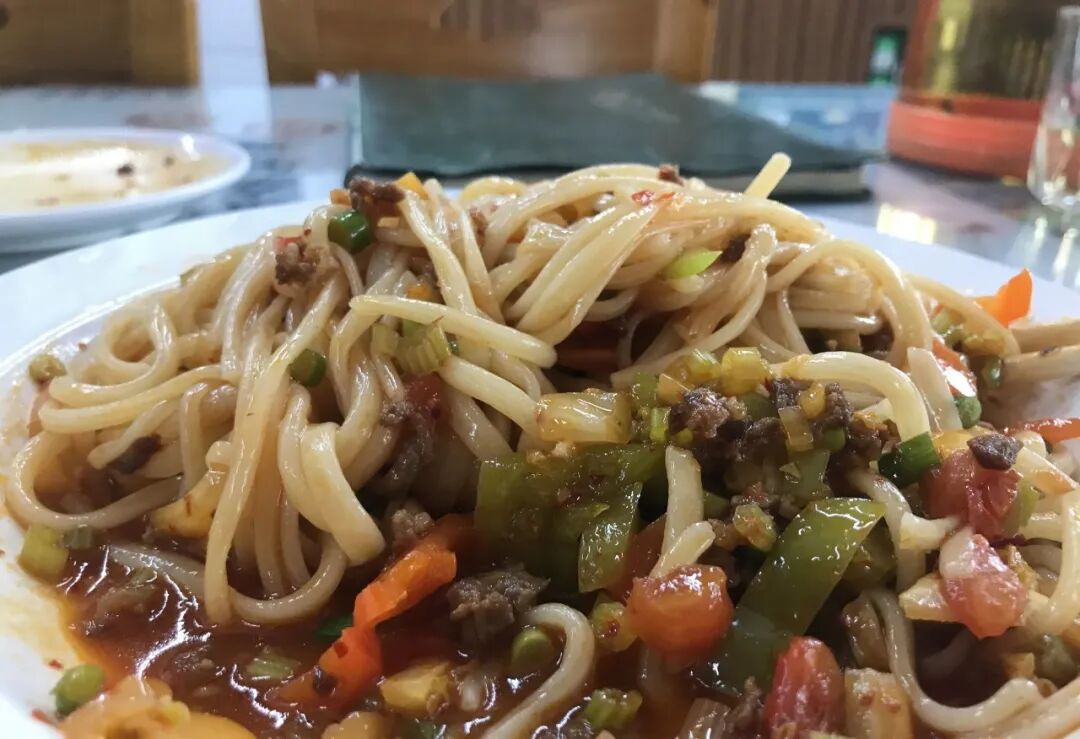
Abstract:
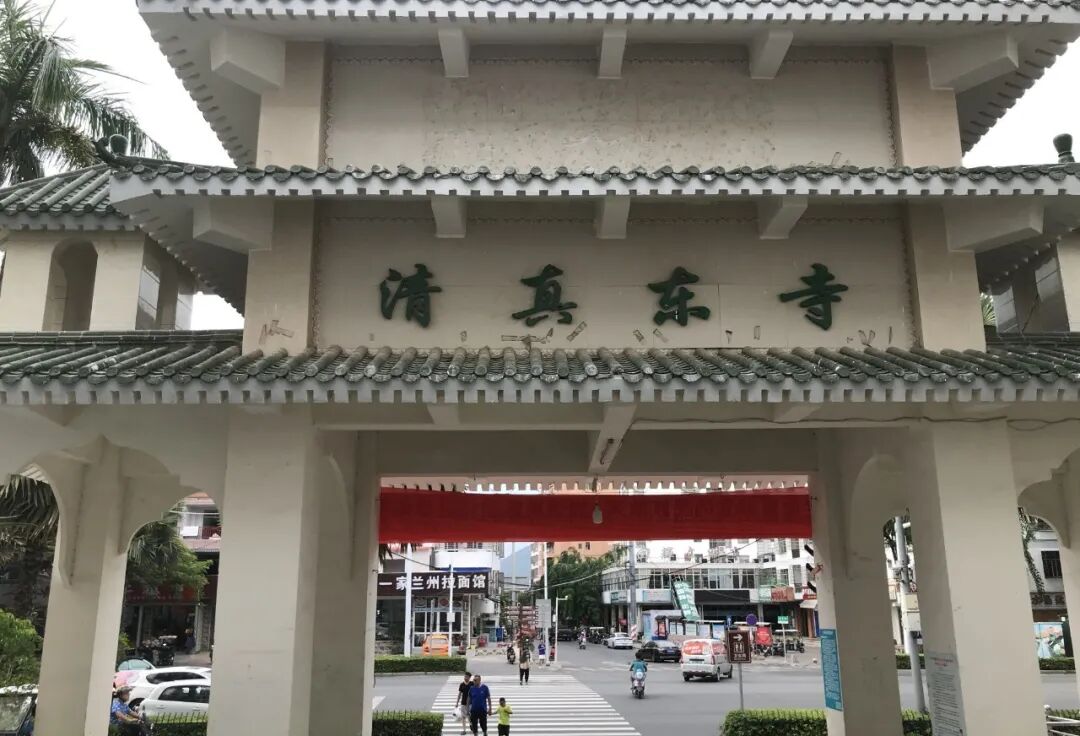
Capturing through a documentary lens the everyday street life of the Huihui and Huixin Muslim villages in Sanya. A look at Hui Muslim women weaving through the First Market, resilient figures running pearl and handicraft businesses, and the peaceful, devout religious and cultural ecosystem of this tropical village enclave.
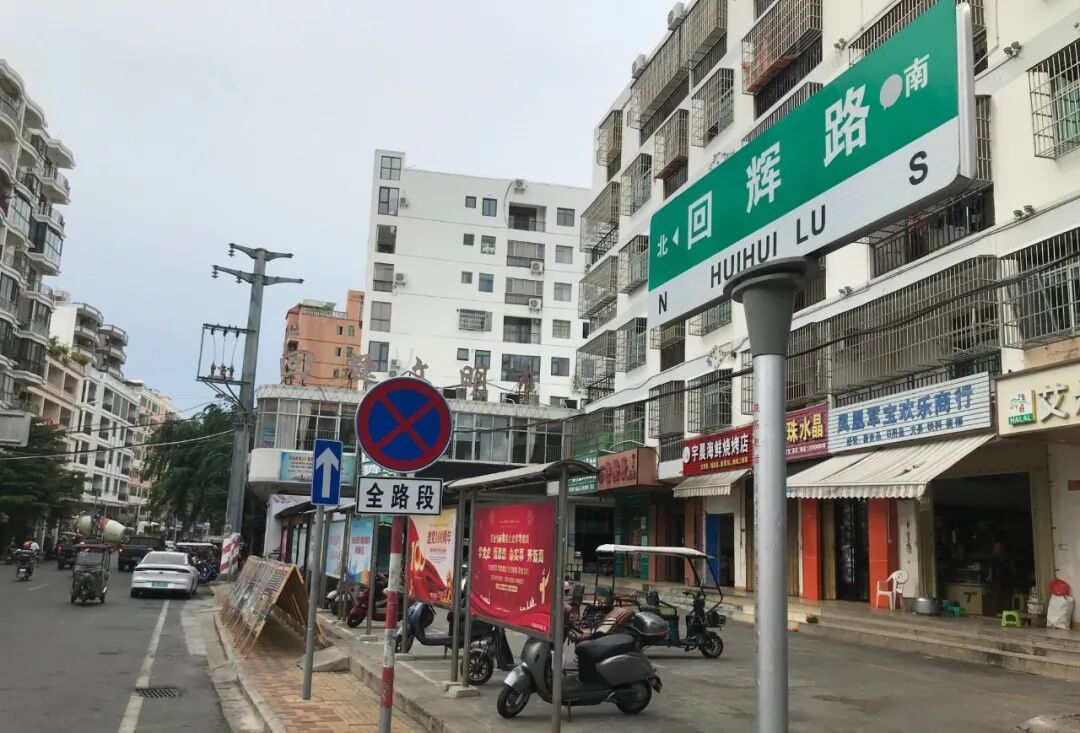
Around the First Market, you'll spot plenty of women wearing headscarves, chewing betel nut (a local Hainan habit), selling smartphones and pearls. They all hail from Sanya's two famous Muslim villages: Huihui Village and Huixin Village. If you come here to travel, cruise down Fenghuang Road and you'll see pearl and jade shops mixed with Xinjiang halal eateries, with the尖顶 (minaret) of a masjid rising in the distance. No matter how scorching the weather gets, you'll see women in hijabs and long robes zooming by on motor scooters—this is the vibe of Sanya's uniquely distinct Muslim villages. I spent a few days there looking for a rental, documenting their day-to-day life.
Huihui Village, Home to the Huihui People, Is the Largest Village
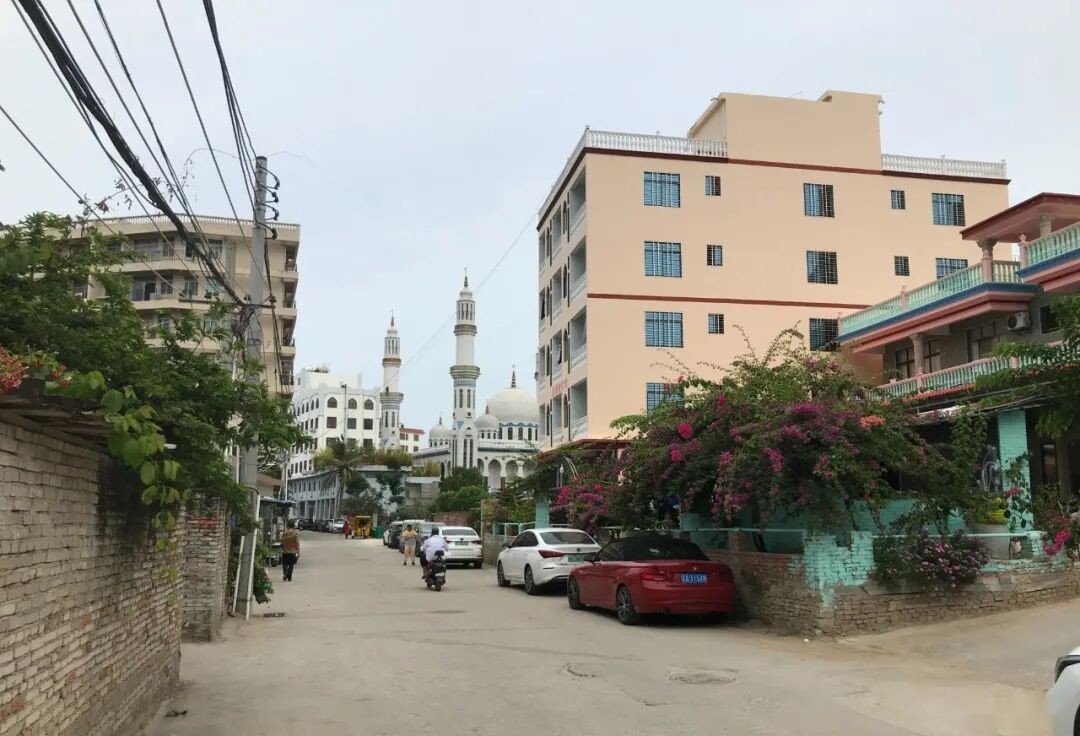
The Huihui people are descendants of the ancient Champa Kingdom, which existed for over a thousand years and practiced Islam. After the Champa Kingdom was crushed by the Khmer, some survivors fled and settled in Hainan around the year 1700. Local Hainanese people began calling them the Huihui people, and Huihui Village gets its name from this history. It used to be part of Fenghuang Town, but today it falls under the Huihui Community in Tianya District. It's super close to the airport, and heading south brings you to Sanya Bay, home to an ancient Muslim graveyard stretching over several kilometers.
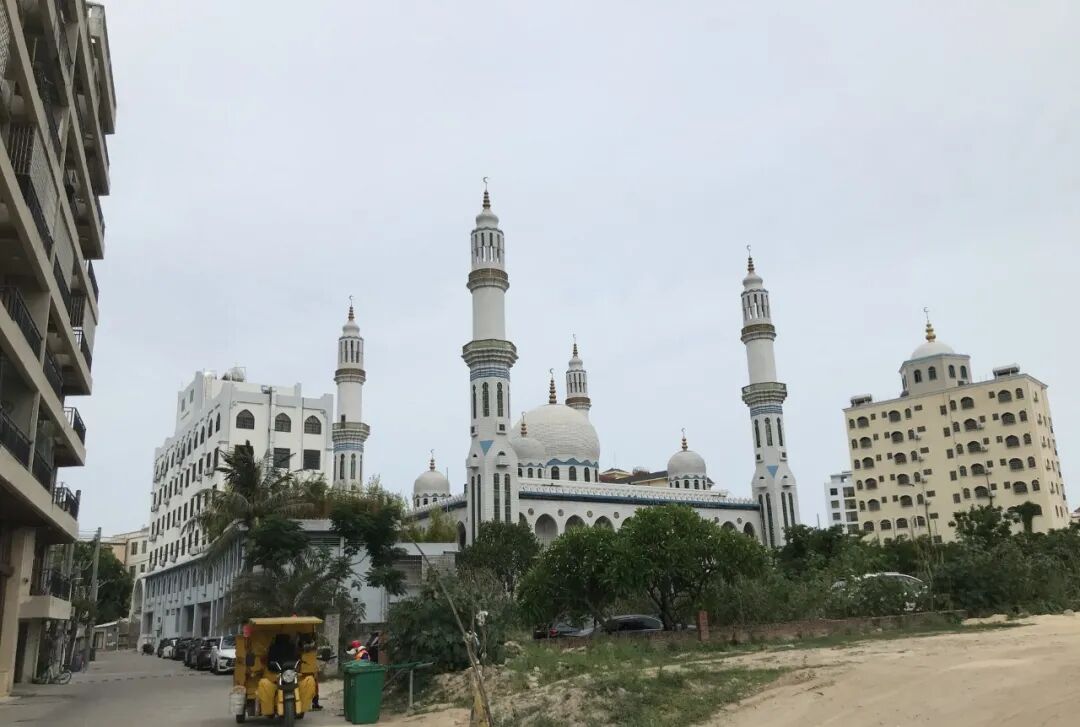
If you're visiting, just drop a pin on the East Masjid (Huihui Village has several masjids including the Sanya Ancient Mosque, East Masjid, Northwest Grand Masjid, and North Grand Masjid, with the North Grand Masjid being the most grand and majestic). The East Masjid sits right along Fenghuang Road, with Huihui Village wrapping around its north and south sides. North of Fenghuang Road, Huihui Village meets Yanglan Road—on this side you have the Huihui Village masjid, and across the way stands the Yanglan Village Guandi Temple.
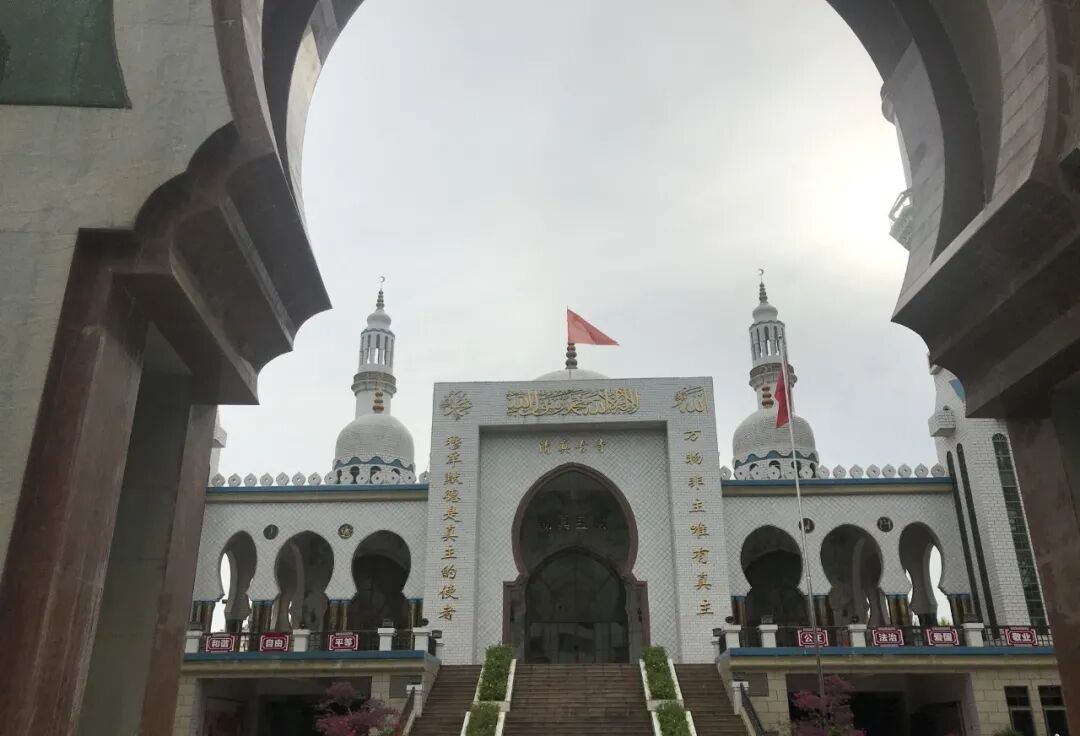
Arrived at the Huihui East Masjid right around noon. Grabbed a bowl of banmian (hand-pulled mixed noodles) next door for 20 RMB.
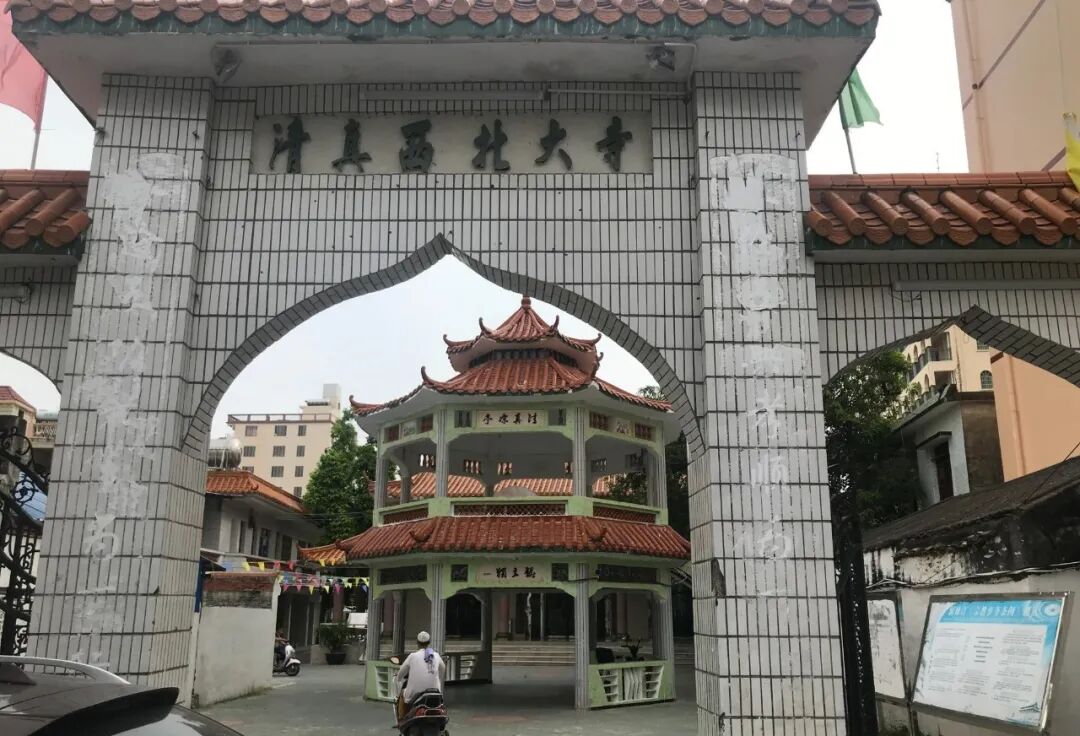
The most prominent landmark on Fenghuang Road: the Huihui East Masjid, flanked by Huihui Village on both sides.
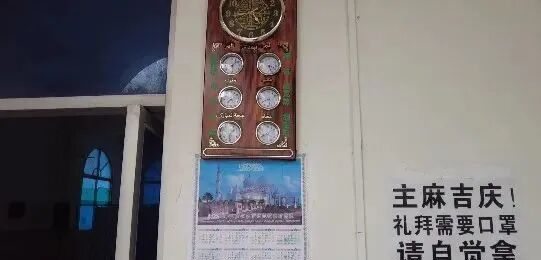
Huihui Road
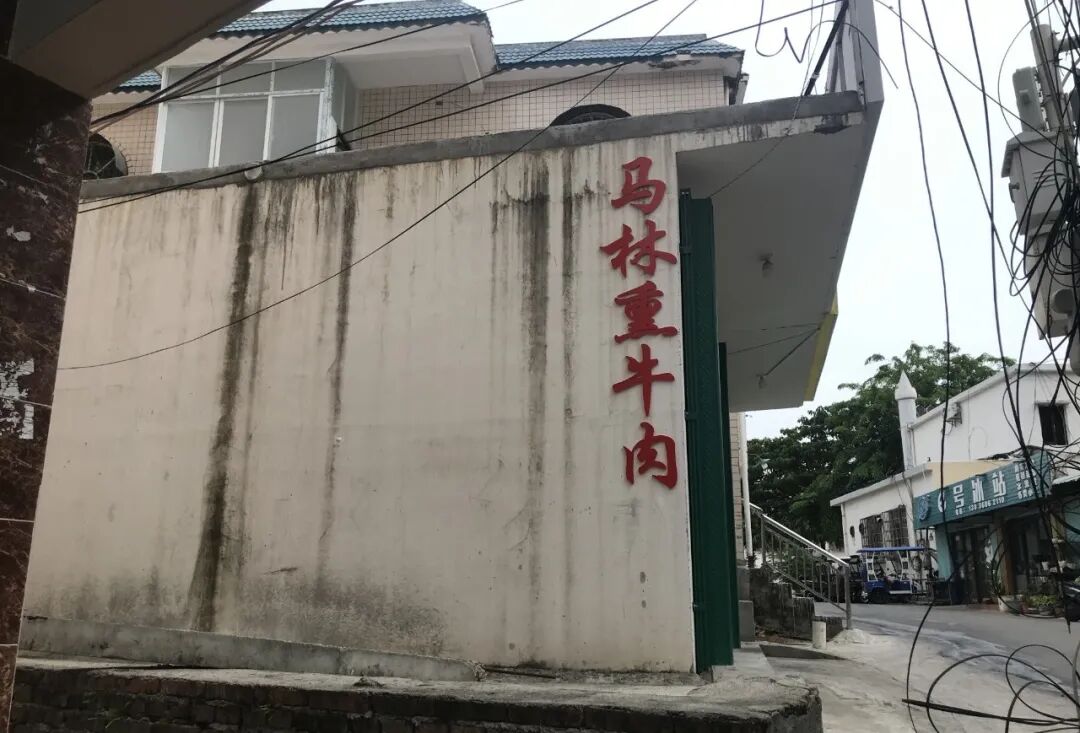
Ningxia specialty products showroom, currently under renovation.
Venturing deeper into the village, the towering minaret of the North Grand Masjid comes into view in the distance—hardly looks like typical village architecture.
The North Grand Masjid
The North Grand Masjid during the afternoon adhan (call to prayer).
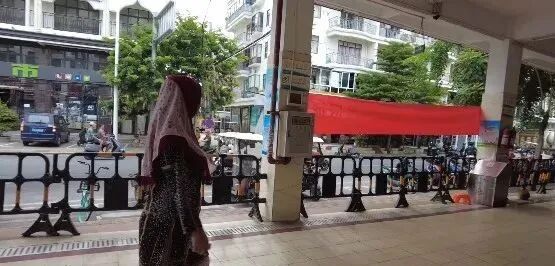
The historic Northwest Grand Masjid in Huihui Village.
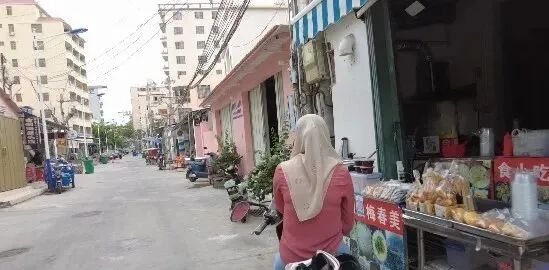
Notices posted at the masjid, including the daily prayer (dua/salah) schedule.
Huihui Smoked Beef Shop
A local restaurant in Huihui Village
A Huihui woman selling pineapples in the village.
A Huihui woman selling beef at the local wet market.
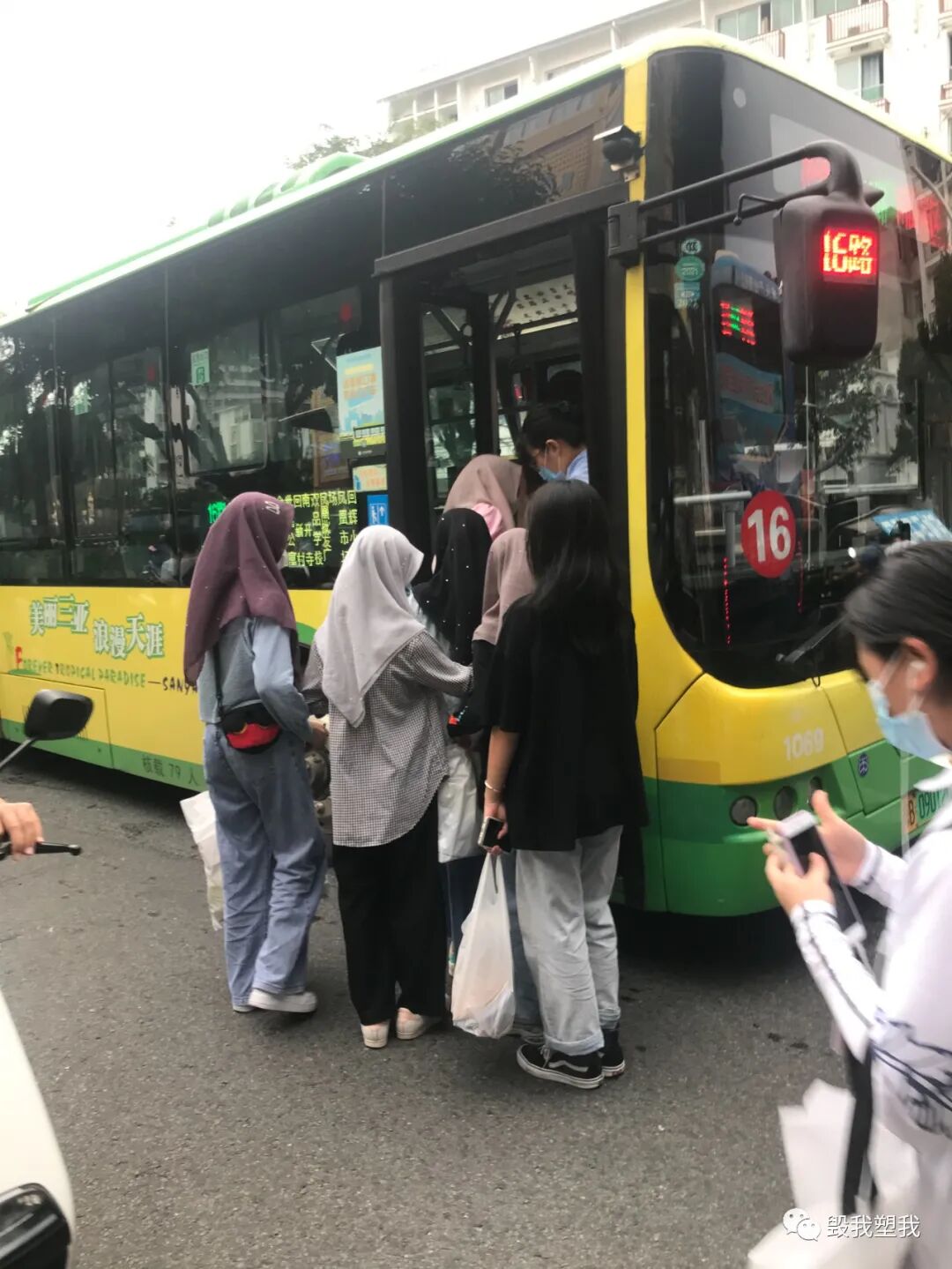
Typical women's attire—they dress this way no matter how hot it gets.
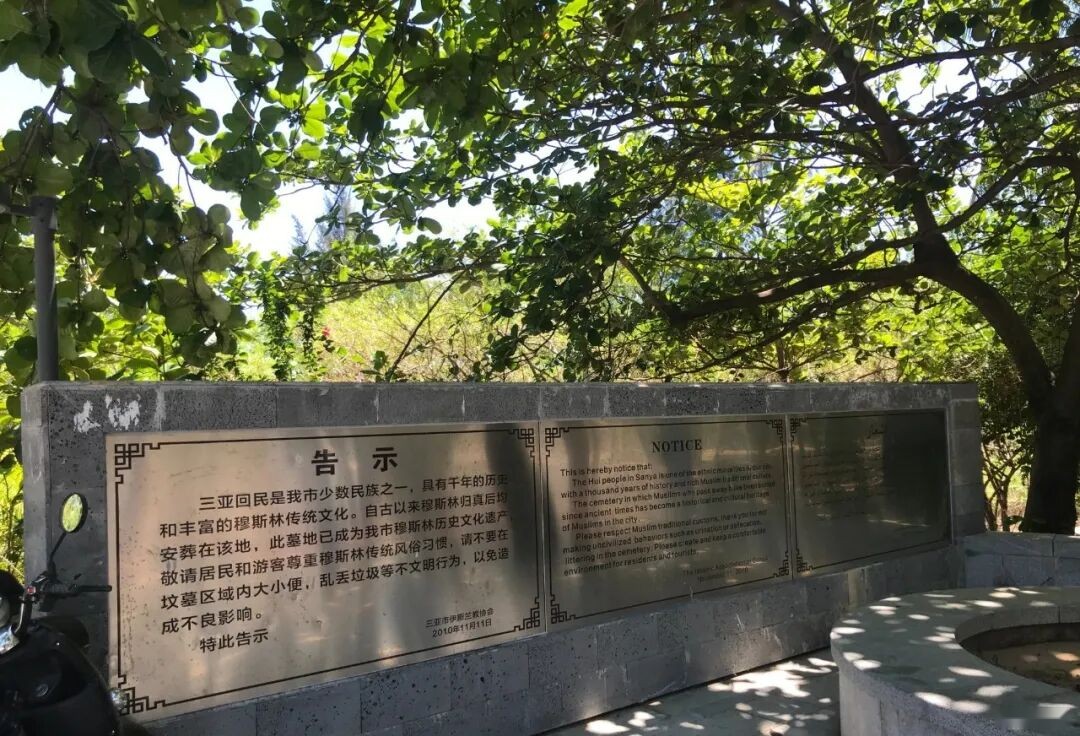
A Huihui villager riding a scooter.
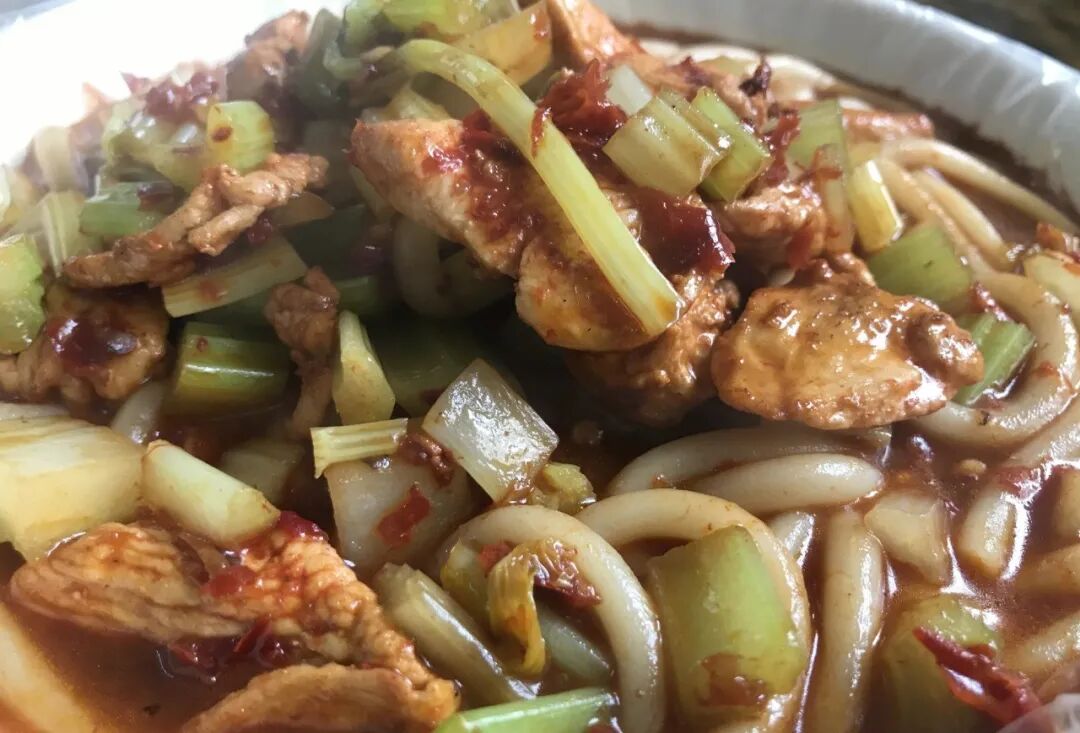
Pearls are the main hustle here; the people of Huihui Village are fantastic at business.
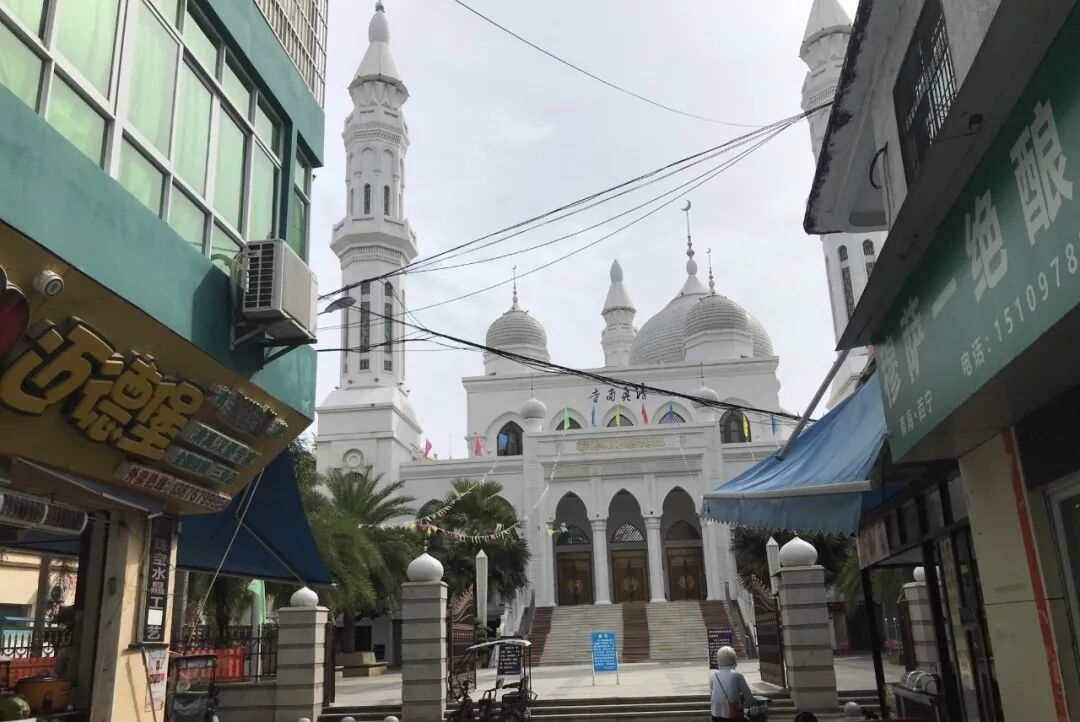
Yusuf (Joseph), a major prophet in Islam; many locals are named Yusuf.
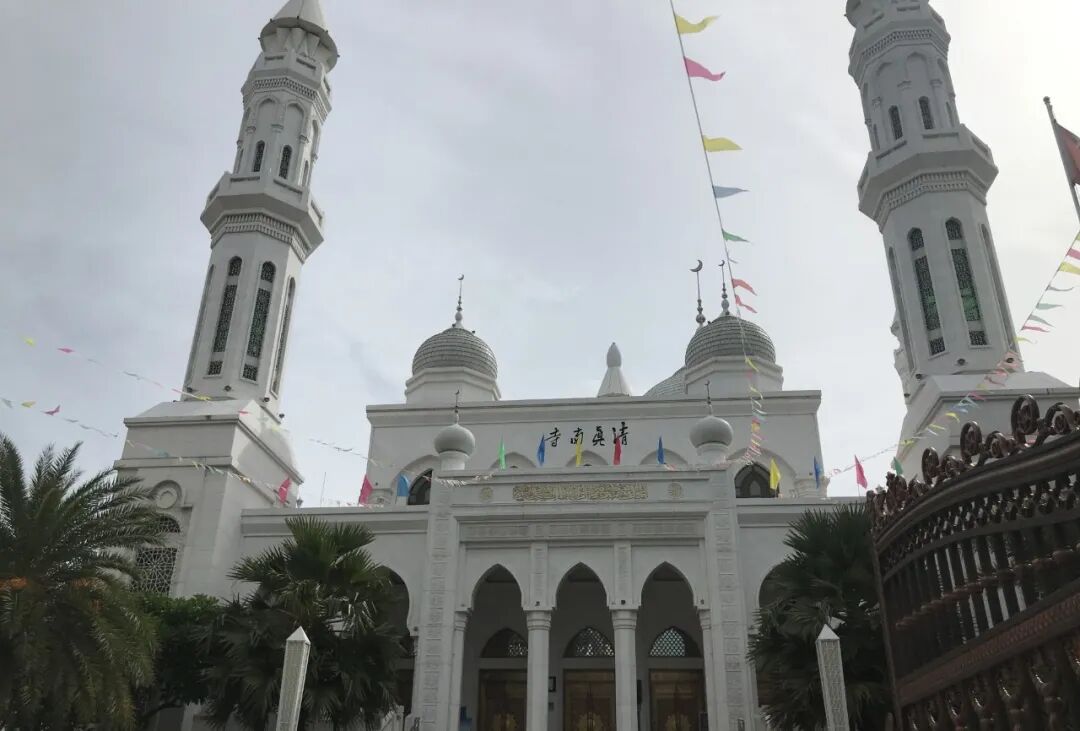
A traditional ethnic clothing shop in Huihui Village.
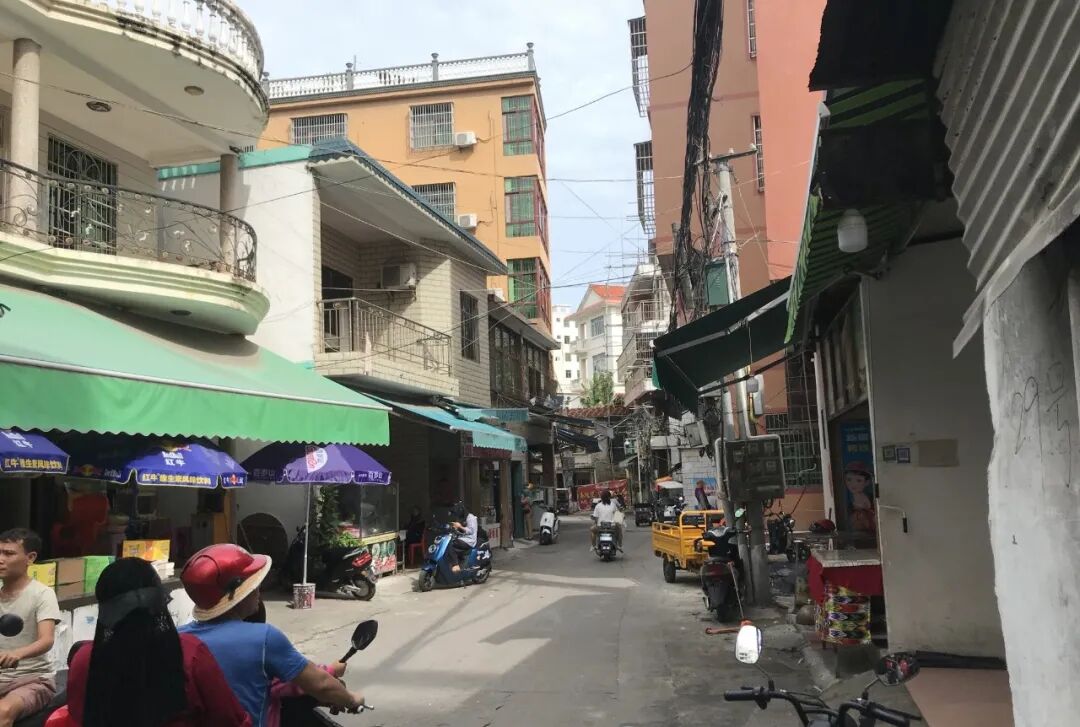
Convenience store
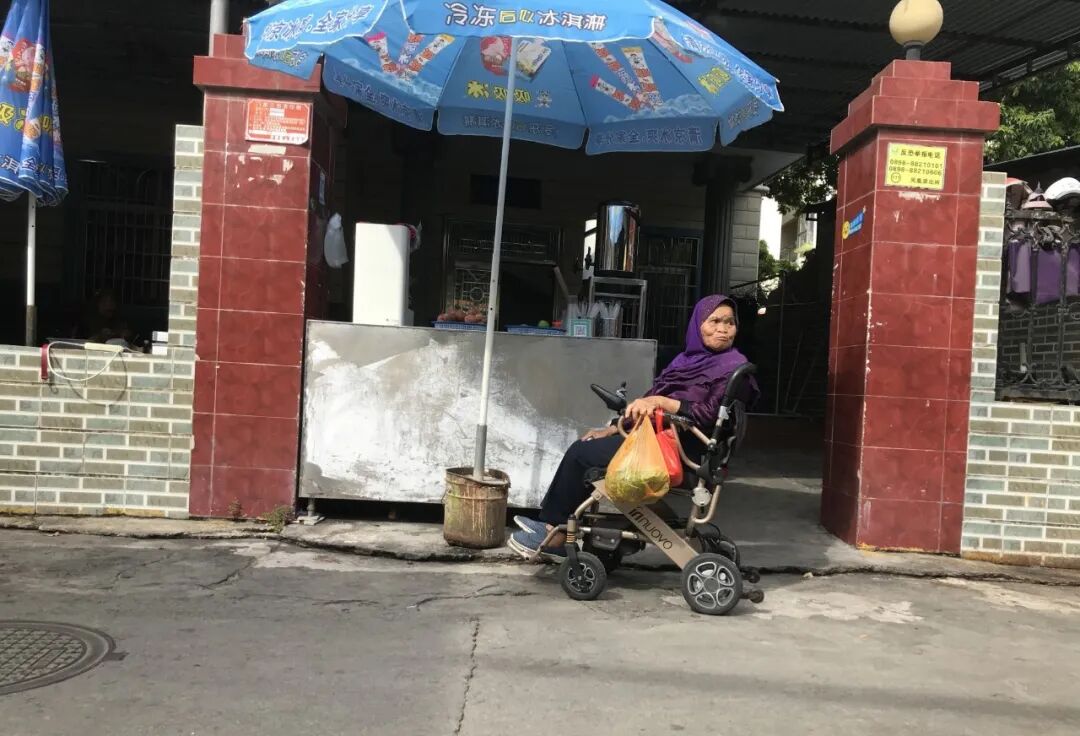
Students catching the public bus.
The Muslim cemetery at Sanya Bay.
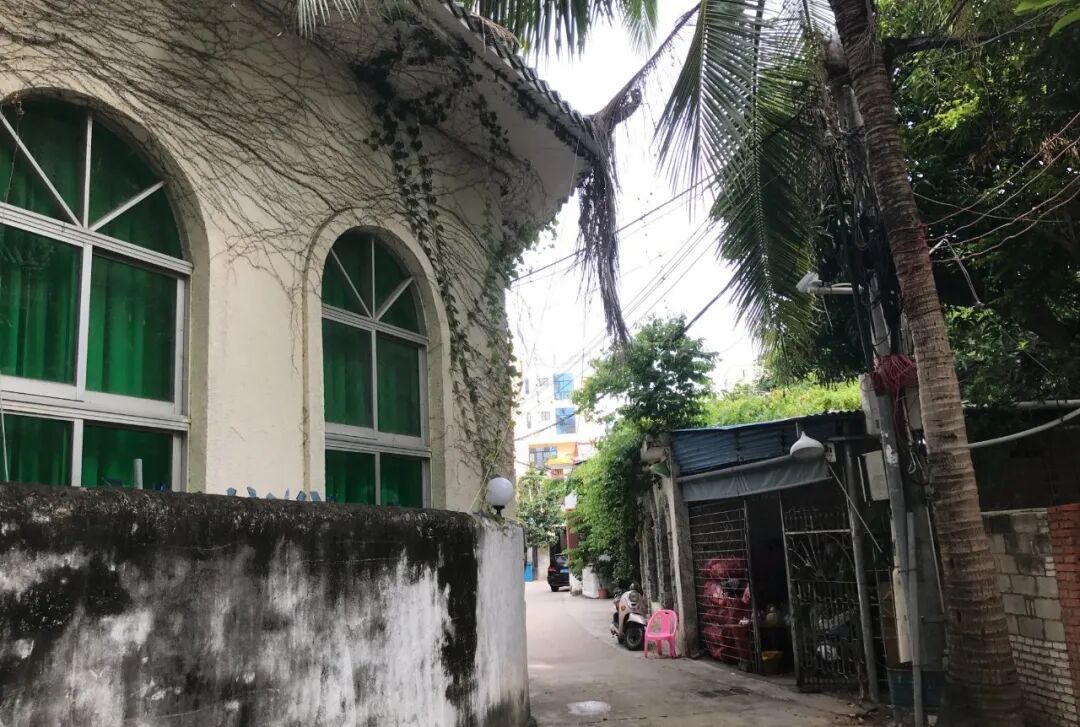
Huixin Village: Smaller, more compact, lively, and packed with street eats.
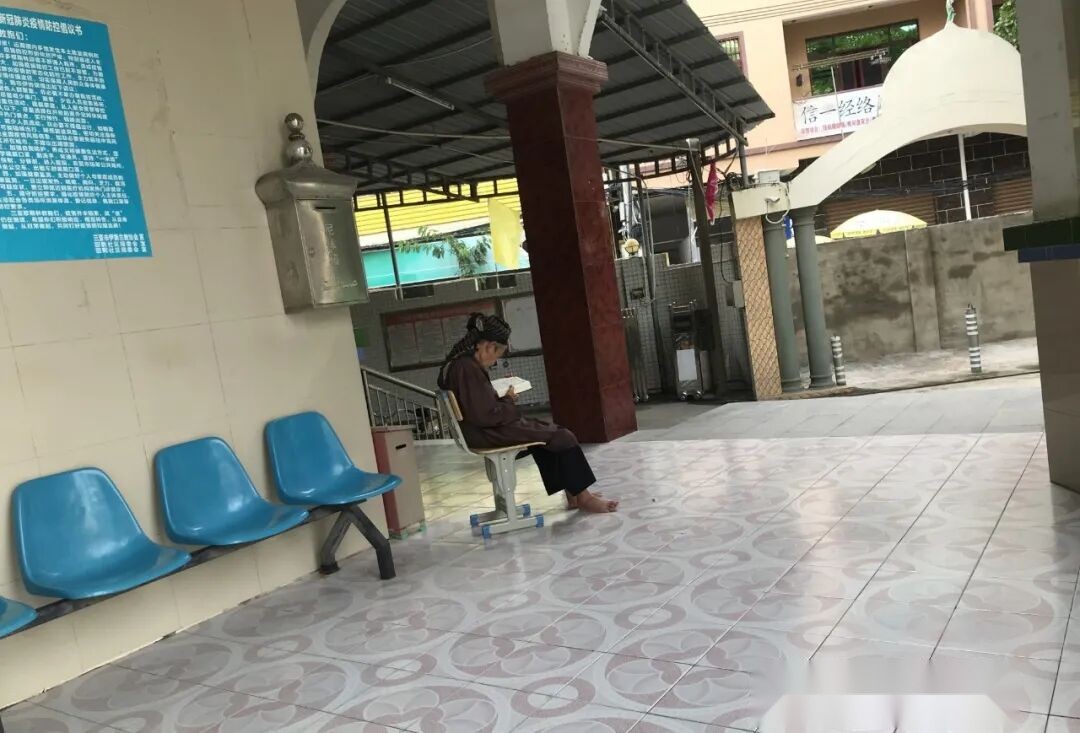
Huixin Village is smaller in area, but it's actually where the earliest Cham people originally settled, right by the ocean. Later on, Japanese invaders built an airport here and drove the people of Huixin Village across to Yanglan, creating Huihui Village. After the victory of the War of Resistance Against Japanese Aggression, some of the Cham people migrated back to what is now Huixin Village. Geographically, it stretches from Yihang Market in the east all the way to Nankai Masjid in the west.
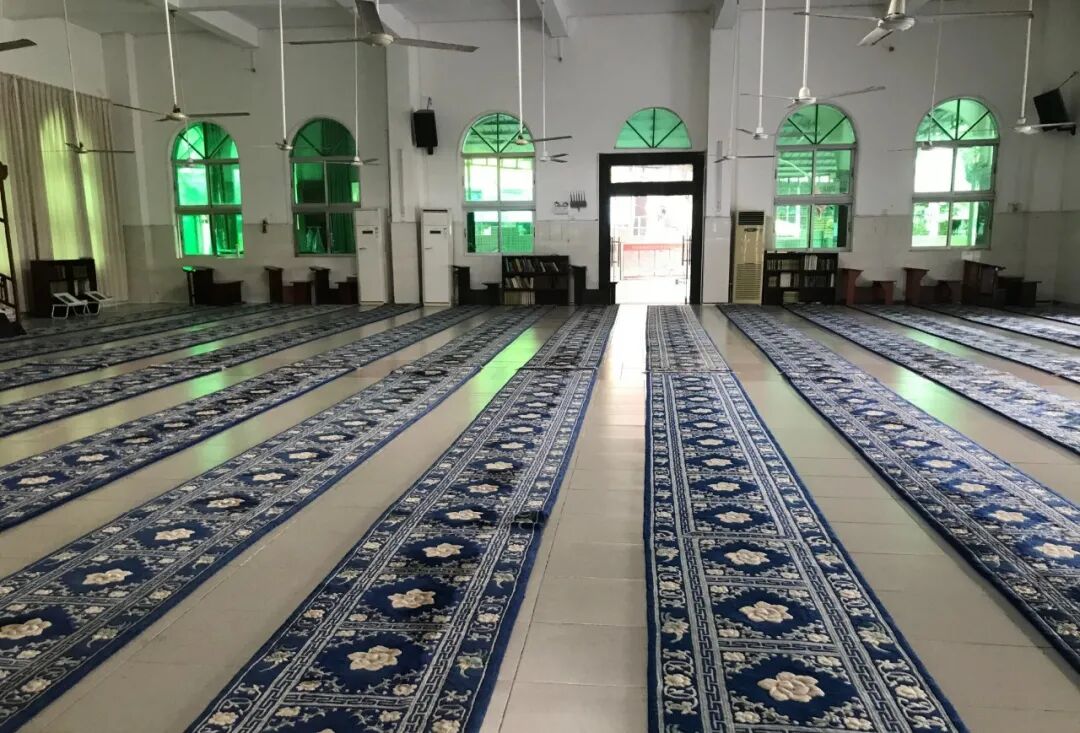
Huixin Village (Huixin Muslim Village) has two mosques: Nankai Mosque and Southern Mosque. Southern Mosque is right in the middle of the village, but Nankai Mosque is the largest—definitely use it as your landmark if you're exploring the area. It takes about half an hour to get here from Huihui Village (Huihui Muslim Village).
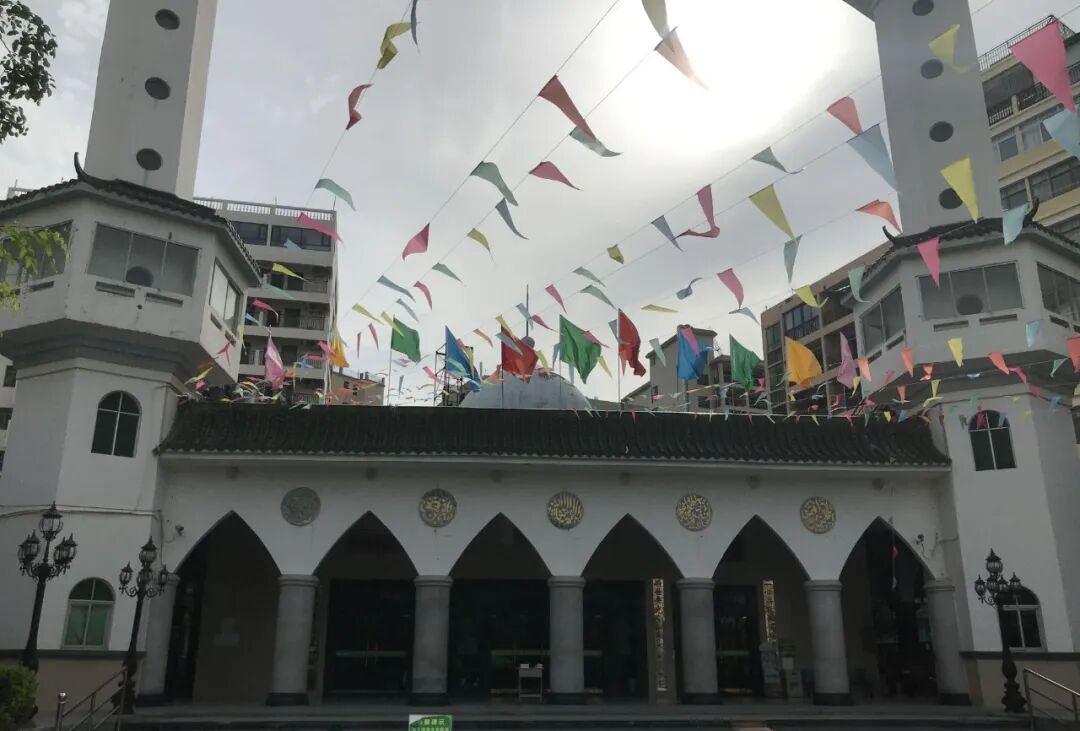
A meal in Huixin Village (Huixin Muslim Village): Rabier stir-fried rice noodles for 16 yuan.
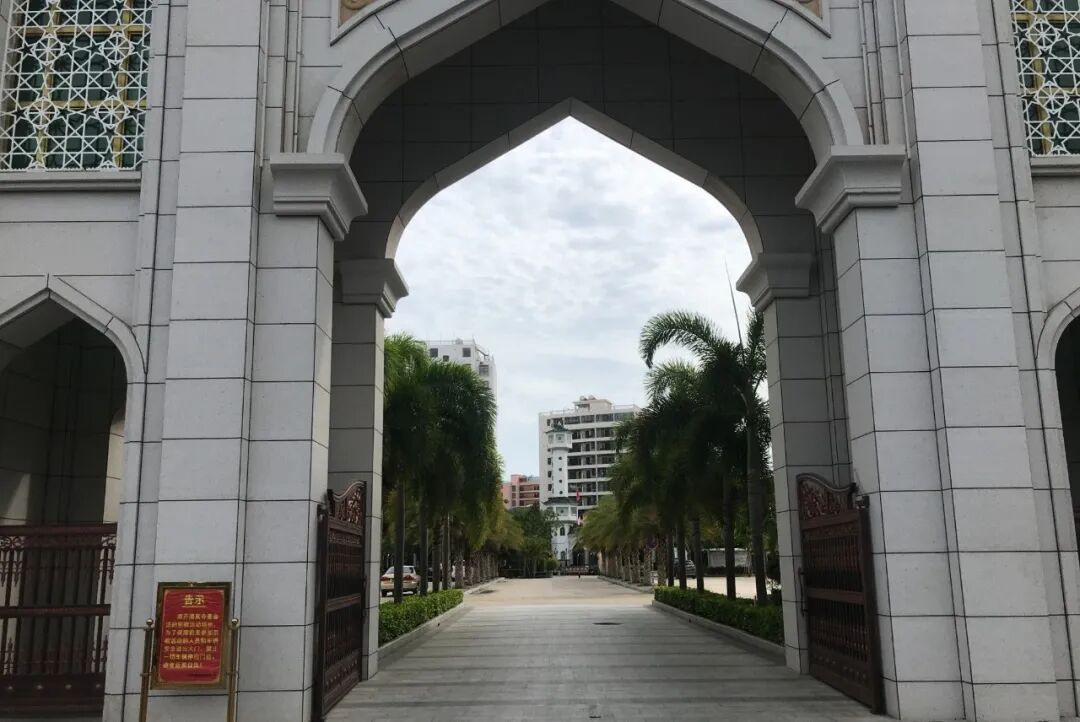
Rolling into Huixin Village (Huixin Muslim Village), you'll spot Southern Mosque right away; it's the heart of the community.
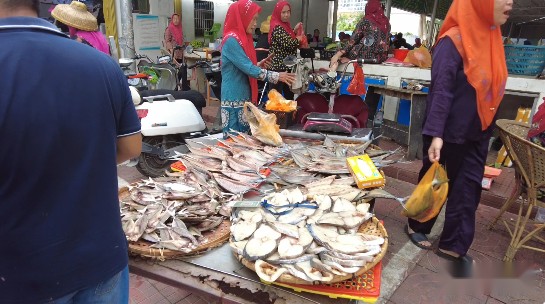
Southern Mosque, closed to visitors during the pandemic.
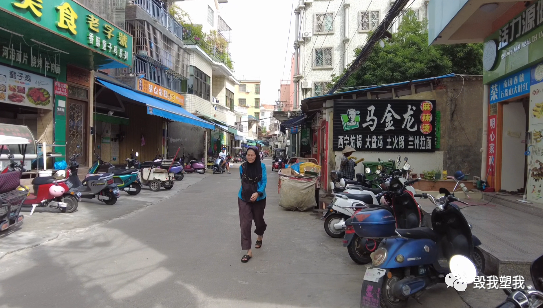
The alleys of Huixin Village (Huixin Muslim Village) are totally buzzing with local daily life.
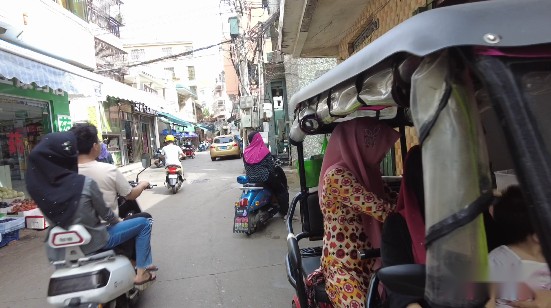
Tucked away in the narrow alleys of Huixin Village (Huixin Muslim Village), you'll find an endless lineup of street snacks.
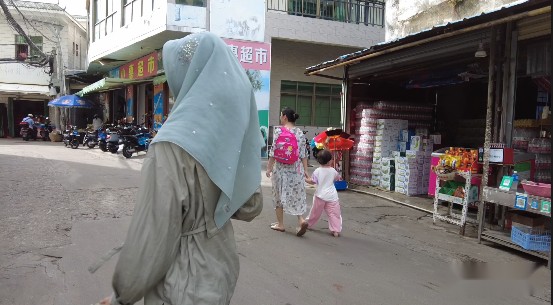
Pearl shops are seriously everywhere you look in Huixin Village (Huixin Muslim Village).
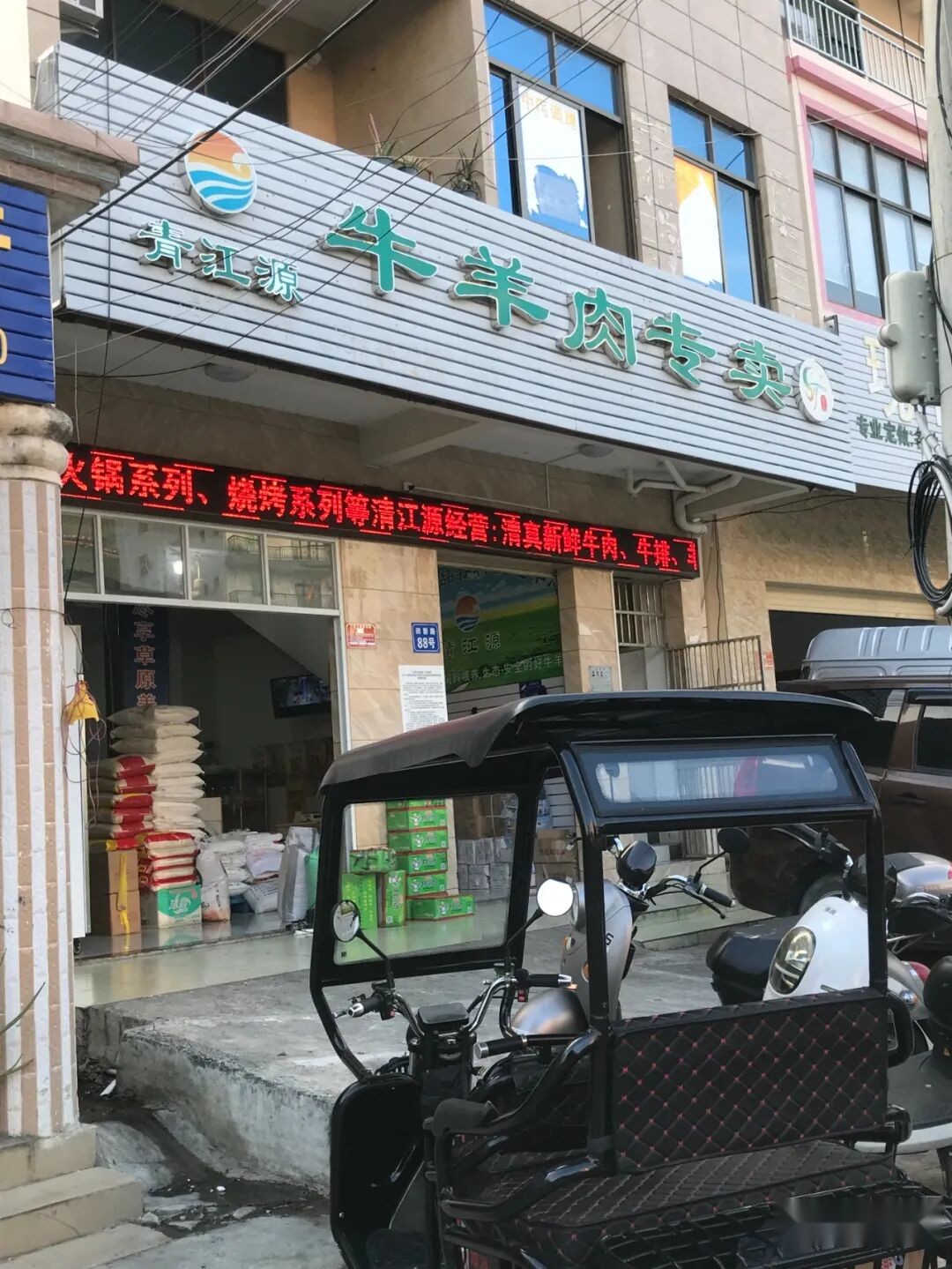
Strolling through the alleys of Huixin Village (Huixin Muslim Village).
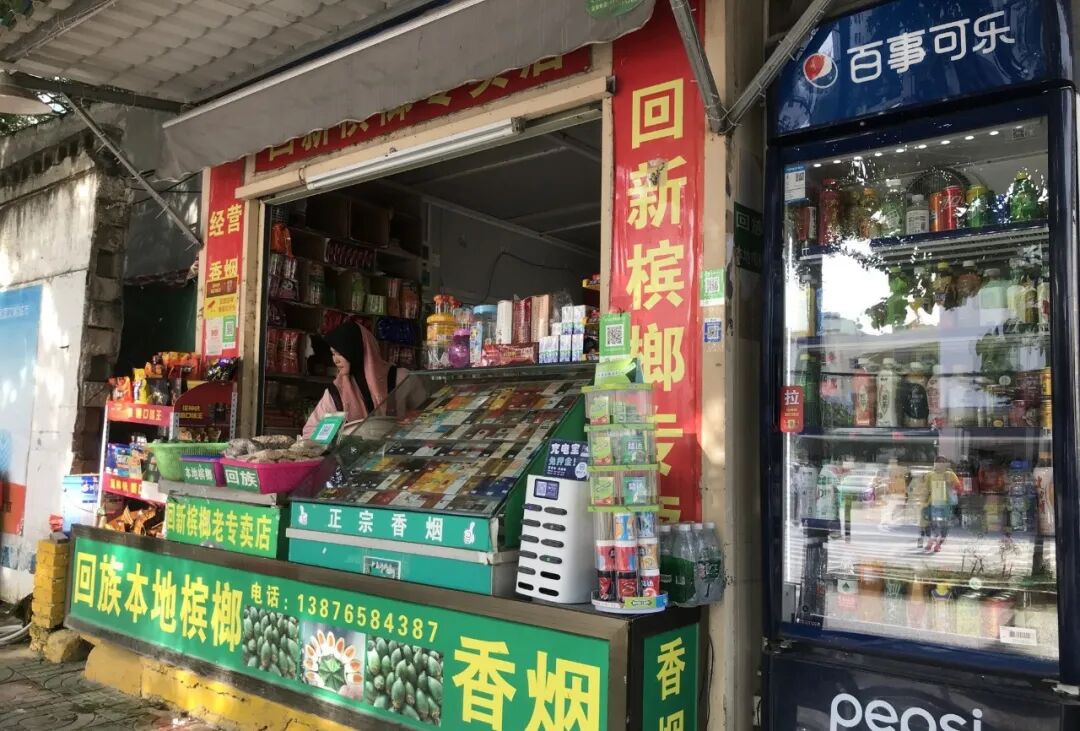
Someone studying religious texts at the Huixin Village (Huixin Muslim Village) mosque.
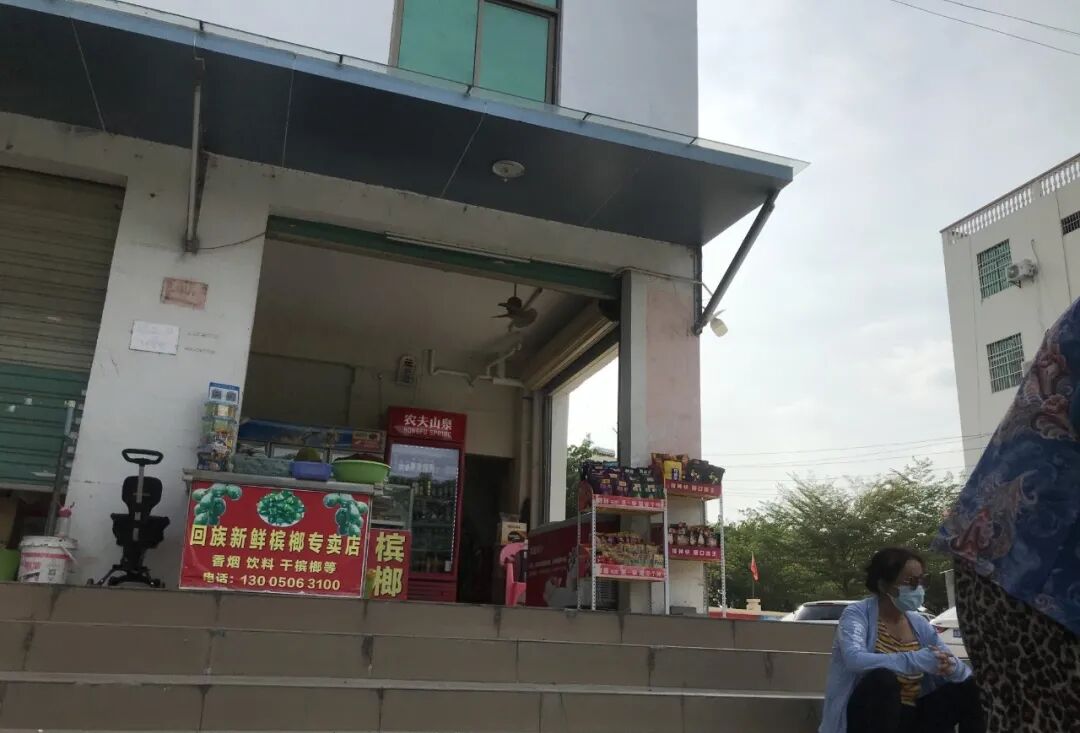
The prayer hall at Nankai Mosque.
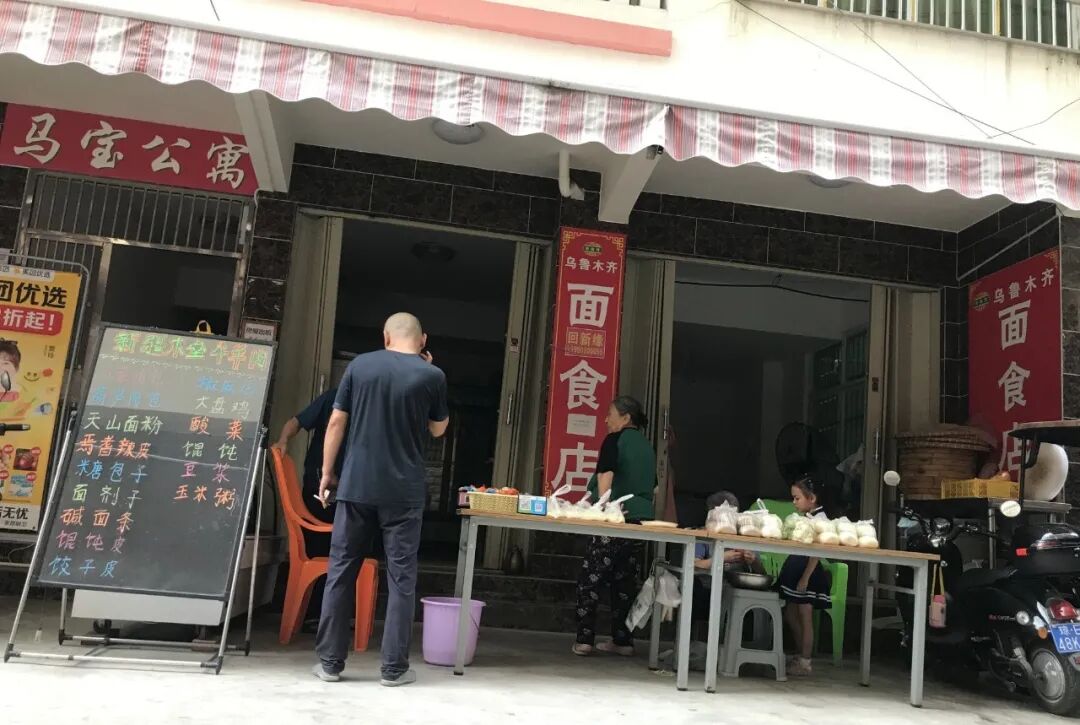
Nankai Mosque.
Nankai Mosque.
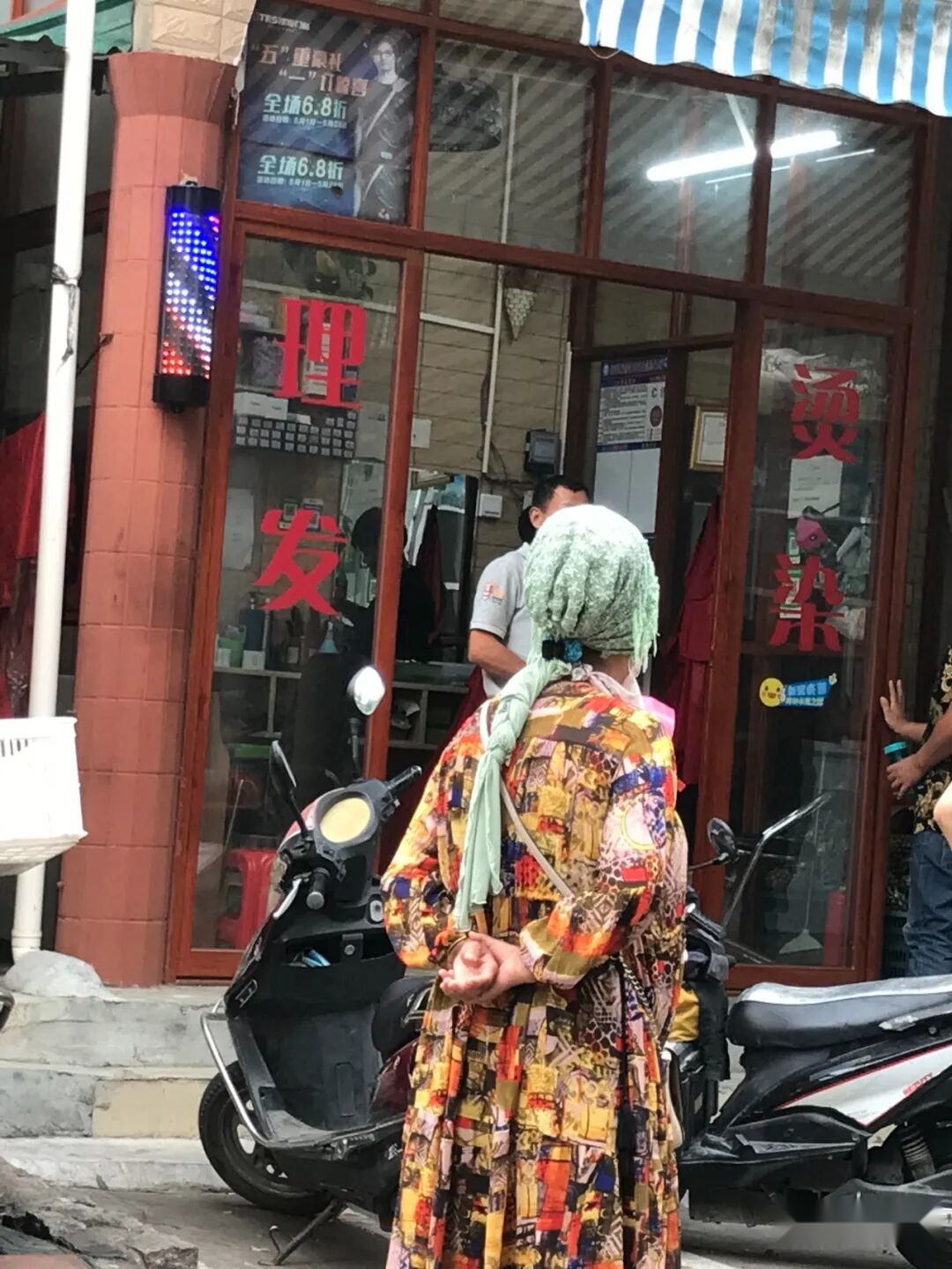
The morning market in Huixin Village (Huixin Muslim Village) is mostly run by local women—here's a stall selling dried fish.
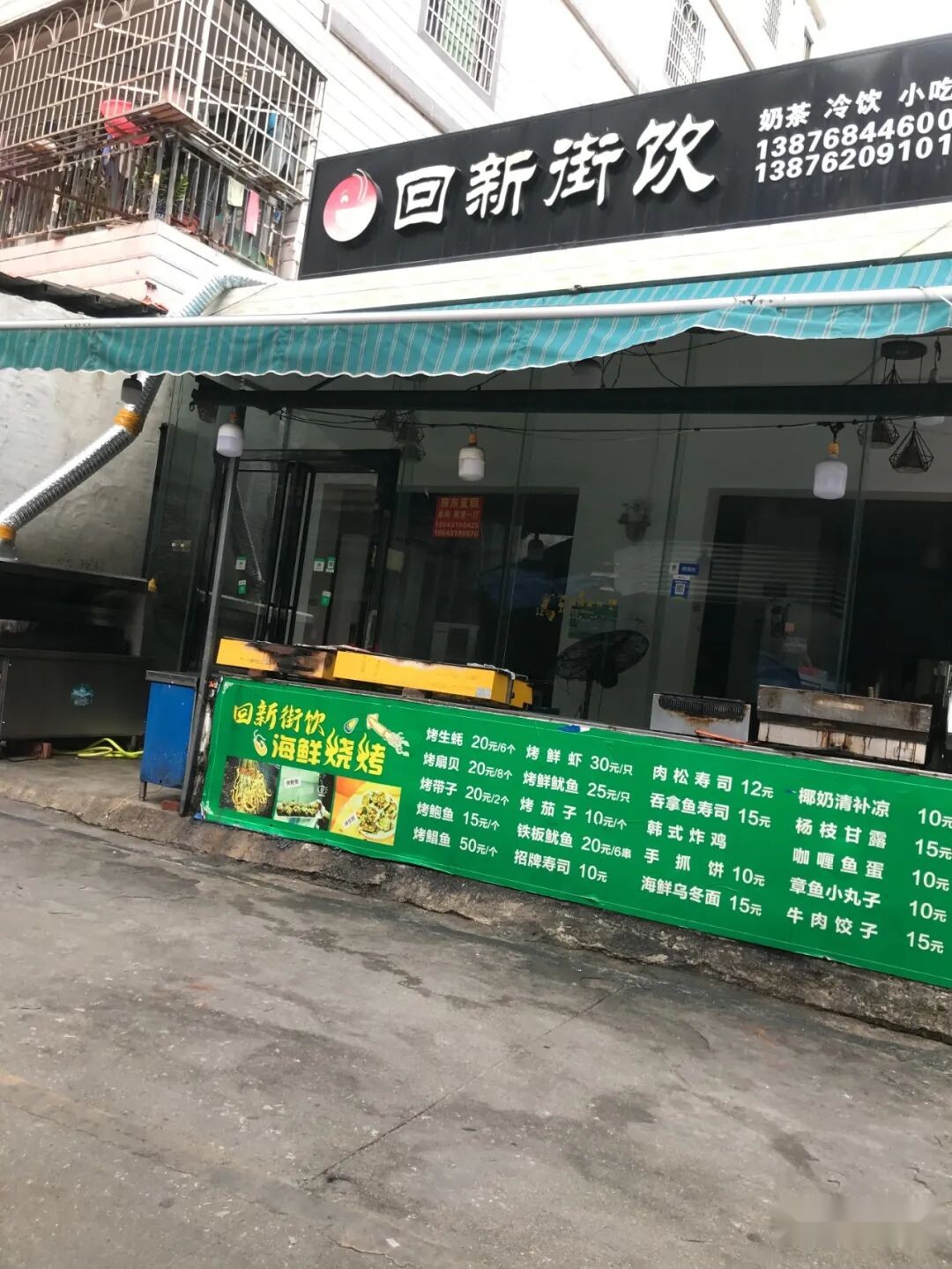
An afternoon vibe in the alleys of Huixin Village (Huixin Muslim Village), lined with tons of little snack spots.
Huixin Village (Huixin Muslim Village) has a ton of rental apartments, home to both Hui Muslims and Han Chinese, making the streets super lively.
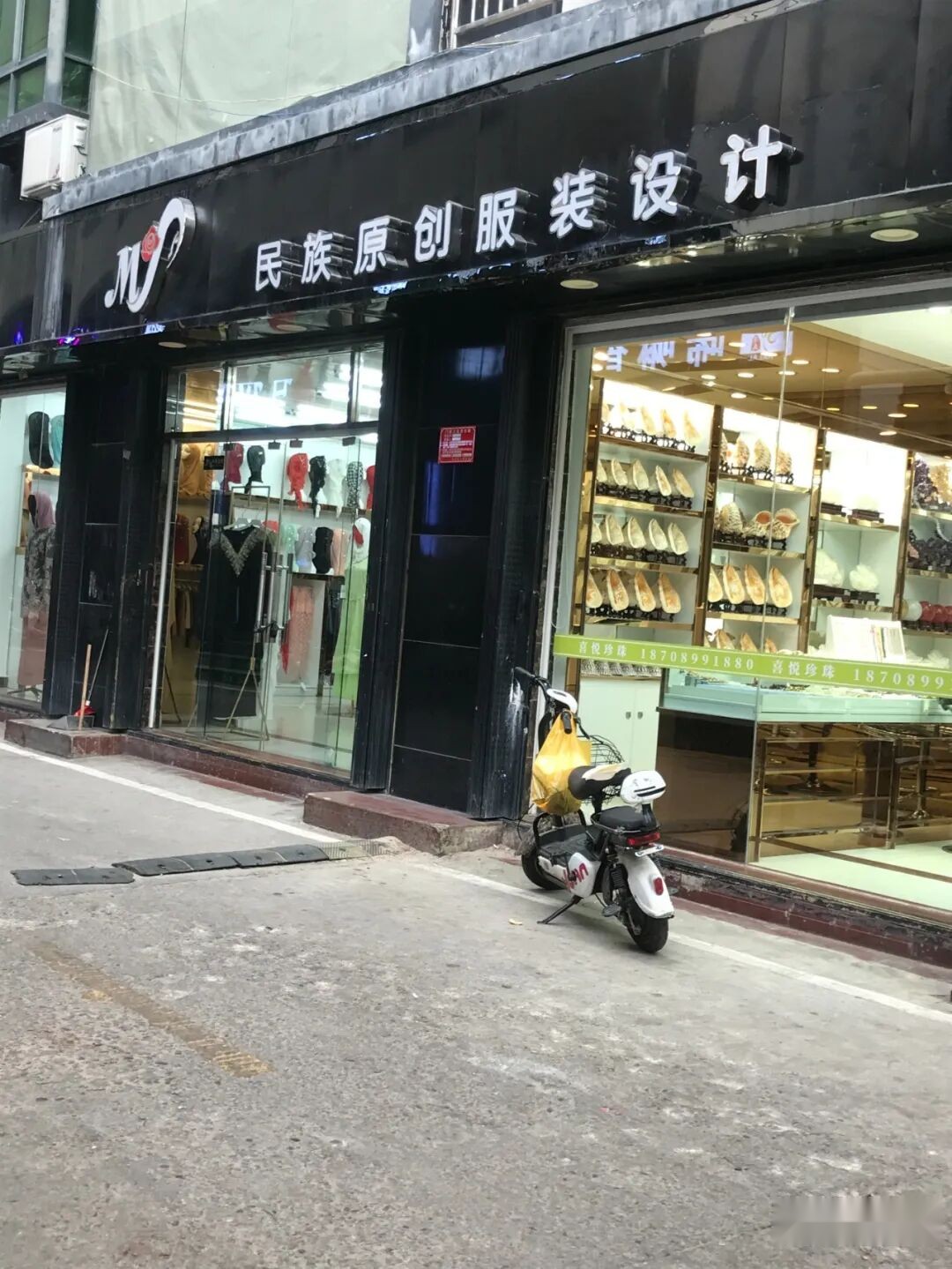
Spotting women with and without headscarves. Every winter, tons of people from northern China come down here to rent places and spend their retirement.
Whenever I stayed in Sanya, I'd always come here to buy my beef and mutton.
Chewing this is a total Hainan tradition.
There are lots of rental apartments around here, along with spots selling northern Chinese wheat noodles.
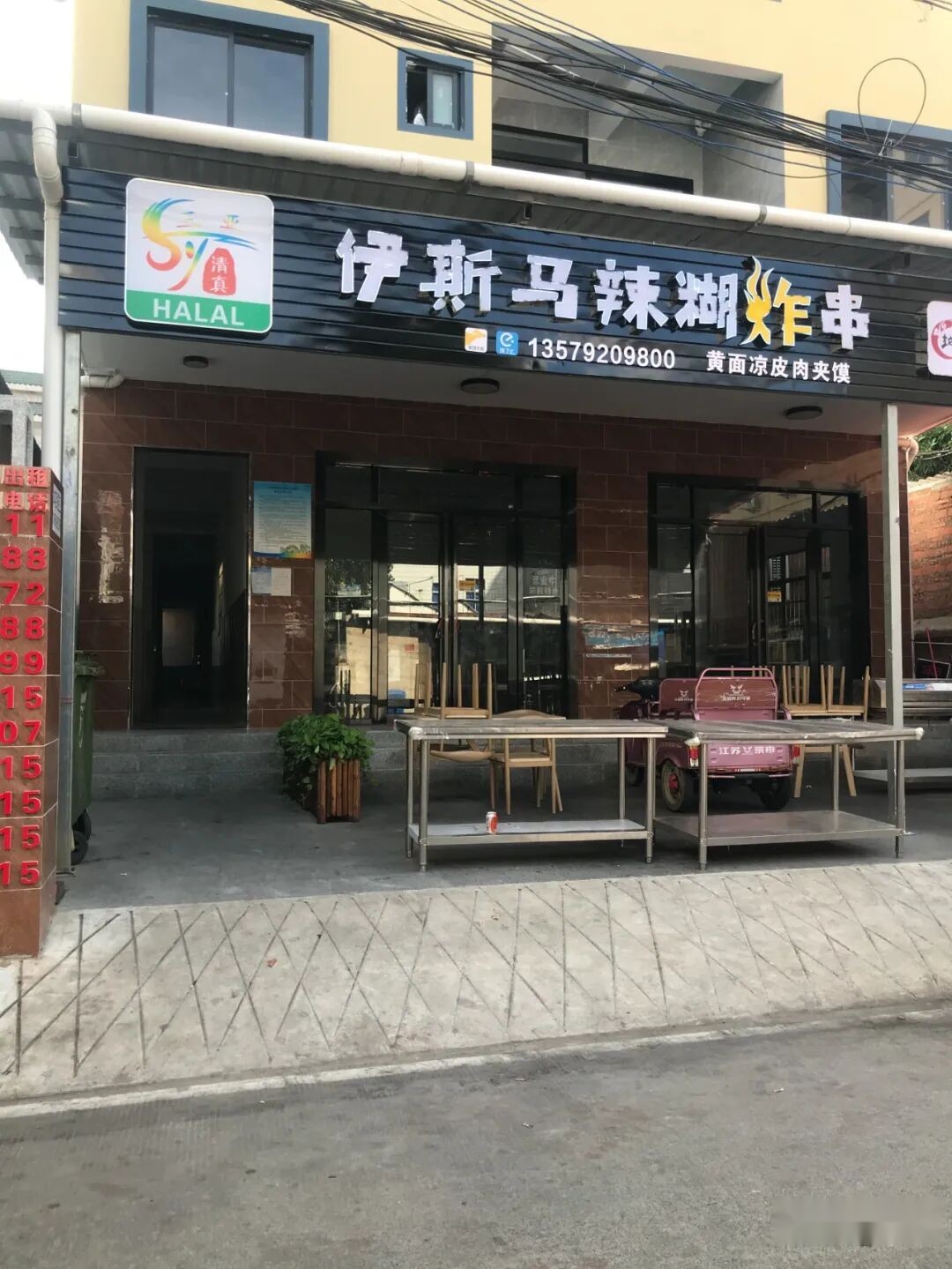
Rental apartments.
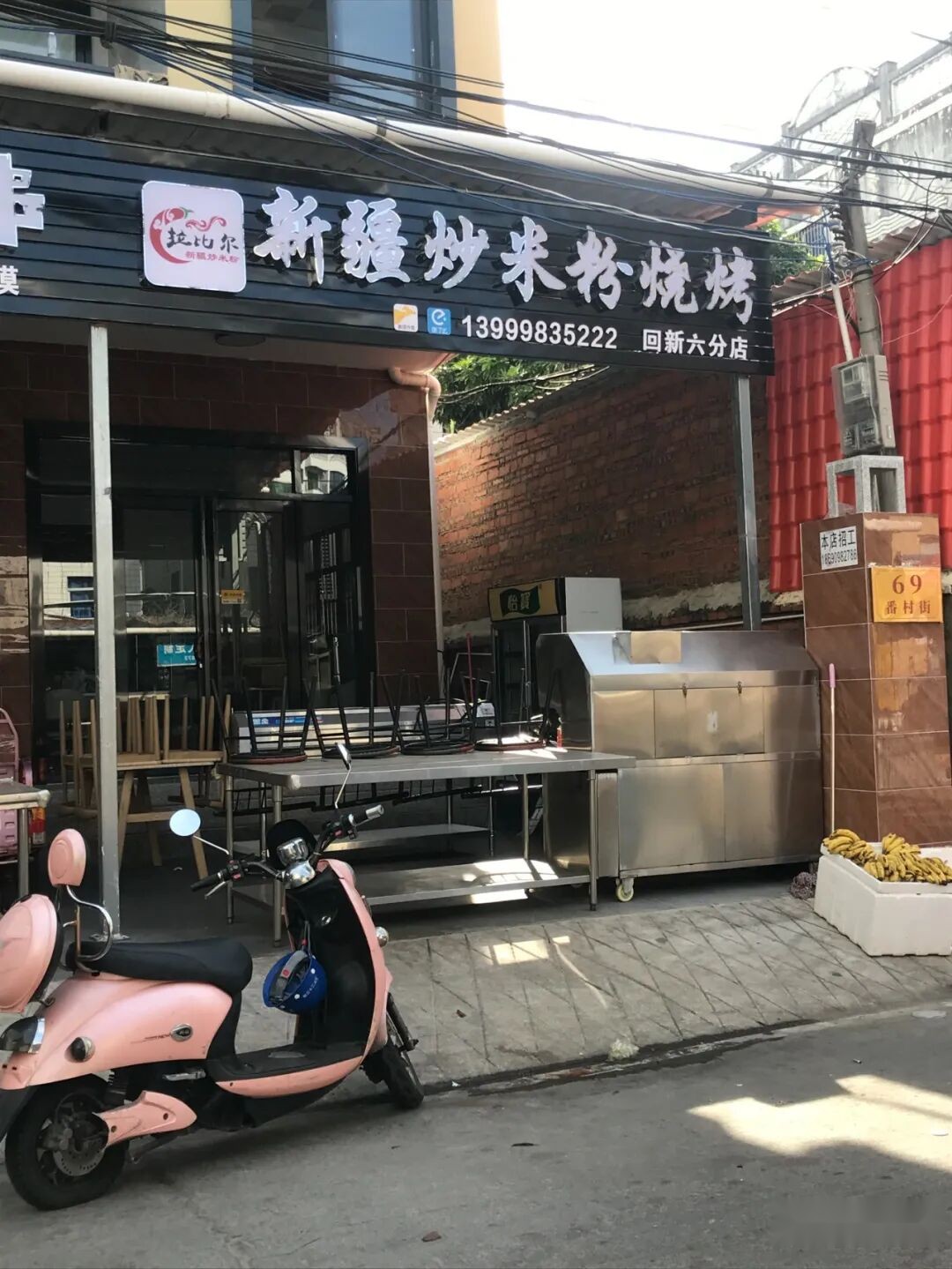
People walking down the street.
Dining spots on Huixin Street. Honestly, aside from beef dumplings, most of what they serve are trendy night market street eats.
A spot selling Xinjiang mutton skewers, right by a rental apartment building.
A shop selling traditional ethnic clothing.
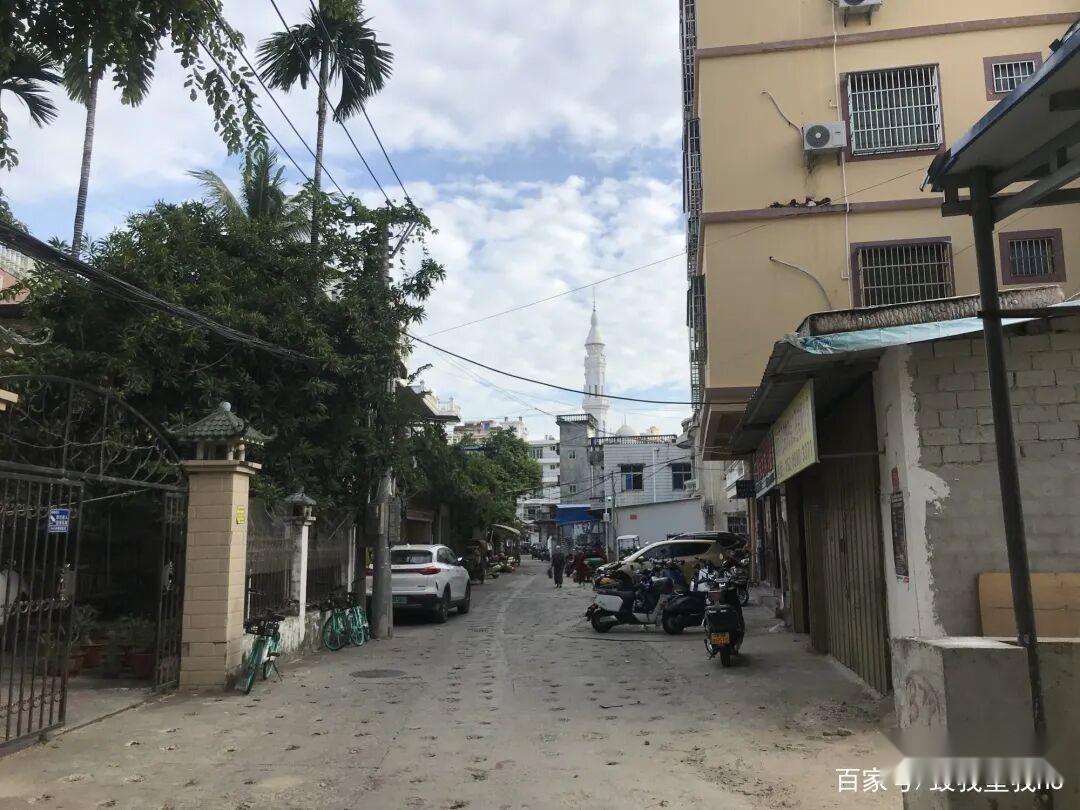
Or written as Tasim, which means in the exalted name of Allah. A shop selling traditional ethnic clothing here.
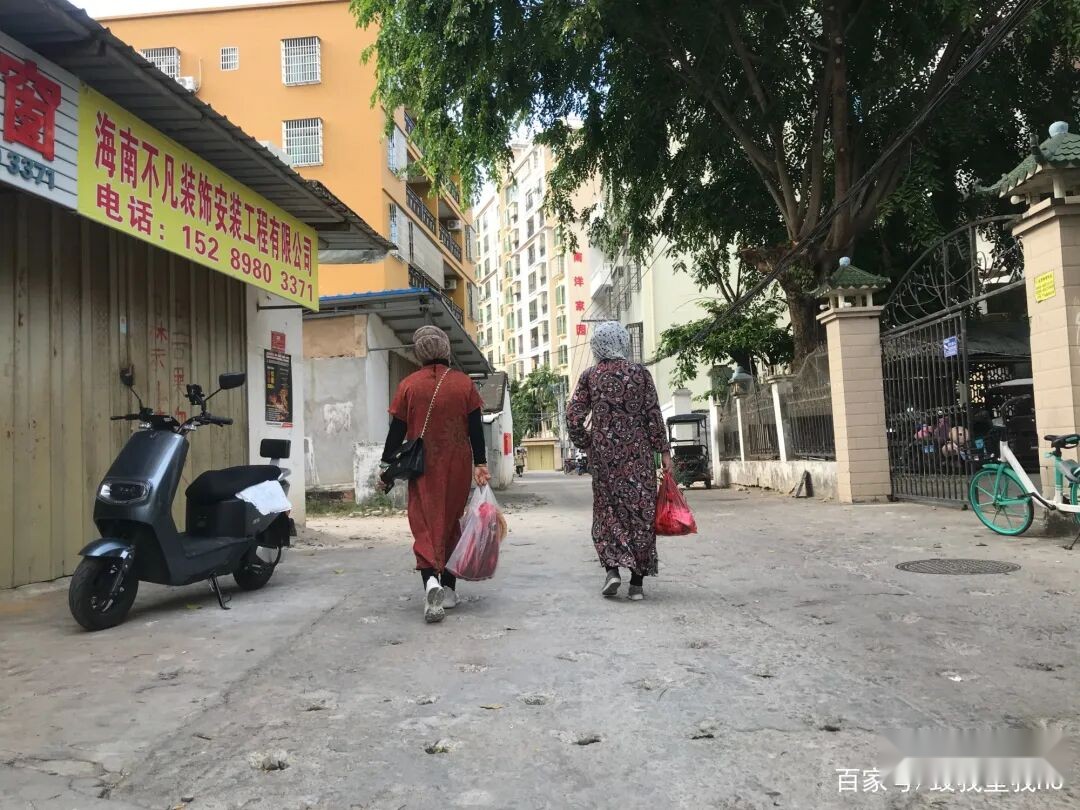
This place sells hijabs, with all kinds of stylish headscarves available—basically the wraps used to cover the head.
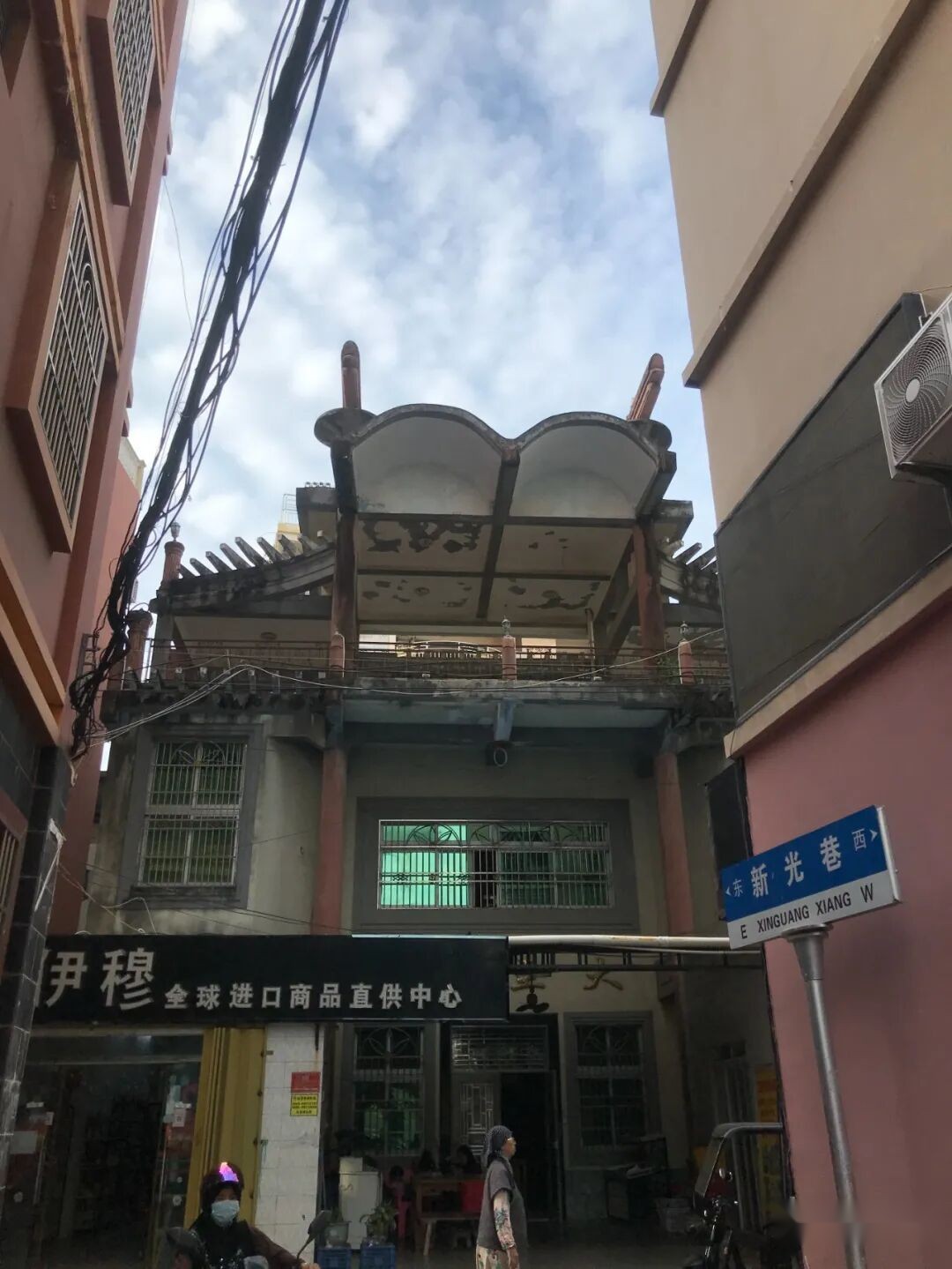
Xinjiang dapanji (Xinjiang big plate chicken).
A guy selling skewers over here is trying to transfer his shop lease, so I asked him about it.
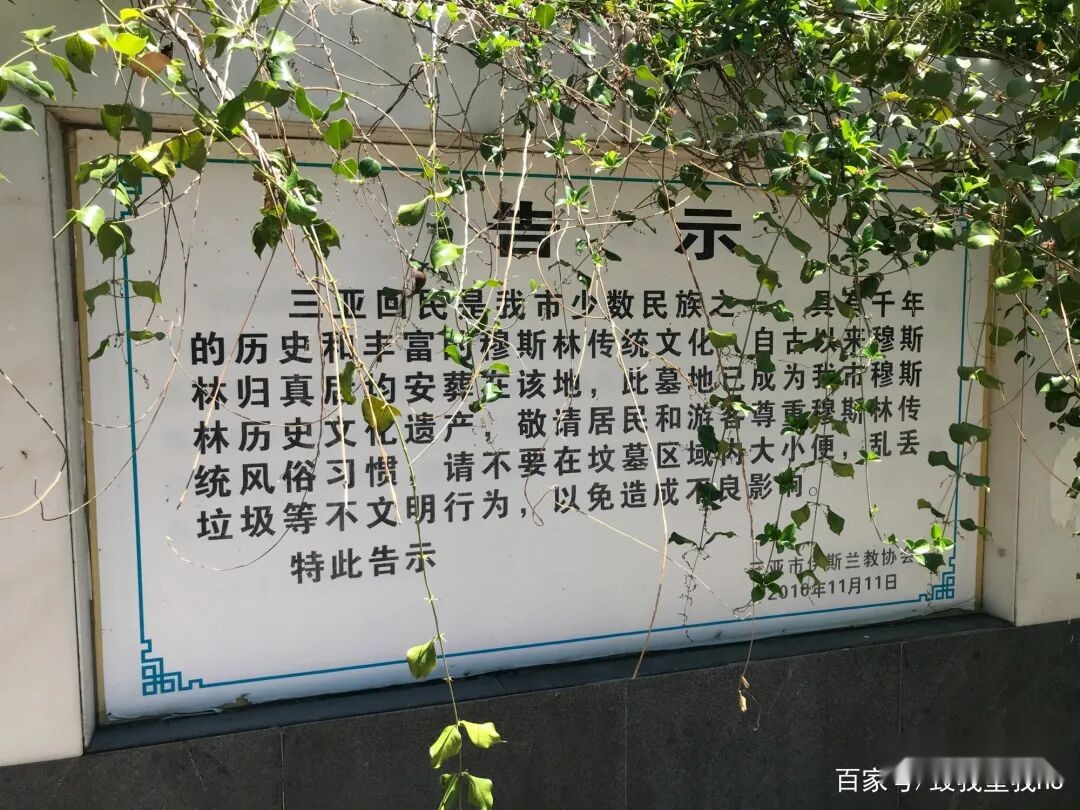
Xinjiang-style stir-fried rice noodles.
A local specialty grocery store.
A convenience store in Huixin Village (Huixin Muslim Village) that also handles express delivery drop-offs and pickups.
Traders from other provinces who came here to sell silk—their goods actually sell pretty well right here in the Hui Muslim village.
A view of the distant Nanshan Mosque (Nanshan Masjid).
Local women walking through Huixin Village (Huixin Muslim Village).
A small local mosque tucked away right here.
There are a few casket shops along Huihui Road. I shot some footage in Tengqiao Town before and they have them there too—some people in Sanya are allowed to have traditional burials.
The Sanya Bay ancient Muslim cemetery.
To be honest, the Hui Muslim villages these days are super secularized. Most of the apartment buildings built by local Hui families are rented out to snowbirds coming down from Northern China for the winter. You'll see some folks making dua at the mosque, but not everyone, and while some of the guys wear taqiyah prayer caps, others don't. You can find all kinds of regional food here. But things really depend on the specific family. For instance, when I checked out a 7-story apartment building with a courtyard for rent, the male host told me guests could cook whatever they wanted, and a one-bedroom with a balcony went for 1,200 RMB. Meanwhile, when I asked about a restaurant that was up for transfer, the owner straight up asked me, 'You're Han Chinese, right? We don't rent to Han folks.' When I mentioned there were other places renting out right down the street, she just smiled and said, 'It's different—some people are cool with it, some aren't.' So if you're coming here as a tourist, or moving here long-term for a chill retirement, you definitely need to respect local customs and traditions. Trust me, when you're traveling in Sanya surrounded by swaying coconut palms and ocean vibes, finding a spot like this where you can grab authentic Western China bites while checking out a totally unique side of Sanya is pretty epic. This is Sanya's Hui Muslim community—Huihui Village (Huihui Muslim Village) and Huixin Village (Huixin Muslim Village).
Exploring Sanya's Halal Food, Utsul Muslim Culture & Historic Mosques in Hainan
Articles • Hasan09 posted the article • 0 comments • 4 views • 3 hours ago
Journey into Hainan's Muslim Heritage: Visiting Sanya's Huihui Village Historic Mosque and the Memories of the Utsul Muslims
Abstract:
Revisiting a precious photographic and written travel journal from 2017 deep inside Sanya to visit the Utsul Muslims. Strolling through tree-shaded historic masjids, visiting Hui Muslim scholars and everyday local families, and meticulously documenting the customs, rituals, linguistic traits, and generational shifts of the island's Utsul Muslims.
This is a record of my first trip to Sanya, Hainan, in 2017 to visit the Utsul Muslims. For my second trip in 2020, check out the journal entry, 'Celebrating Eid al-Adha in Sanya.'
In 'The History of Hainan Muslims,' we discussed how Cham people from southern Vietnam migrated during the Song and Yuan dynasties to settle along the coastline of Hainan Island due to wars or typhoons. These 'foreigners' with customs similar to the 'Huihui' left several coral-stone Muslim ancient tombs along southern Hainan's coastal dunes. During the Ming and Qing dynasties, the 'foreigners' living in Hainan's Qiongzhou, Danzhou, Wanzhou, and Yazhou gradually integrated with local residents, and the remaining population all relocated to Suosanyali Fancun, forming today's Sanya Utsul Muslim community.
In this article, I'll continue sharing stories about the Sanya Utsul Muslims from the late Qing dynasty onward, along with the halal culinary scenes in the Huihui Village (Huihui Muslim Village) and Huixin Village (Huixin Muslim Village) communities.
Table of Contents
1. The Utsul Muslims from the Qing Dynasty Onward
1. Heading Down to Nanyang (Southeast Asia)
2. Japanese Military Airport Construction Forces Utsul Relocation
3. From Fishing and Farming to Commerce
4. Traveling Muslims from Across Regions
2. Halal Dining in Huixin Village (Huixin Muslim Village)
3. Halal Dining in Huihui Village (Huihui Muslim Village)
4. The Mosques of the Utsul Muslims
1. The Evolution of Huihui Mosque
2. The Historic Mosque
3. The Northwestern Grand Mosque
4. The Northern Mosque
5. The Eastern Mosque
6. The Southern Mosque
7. Nankai Mosque
1. The Utsul Muslims from the Qing Dynasty Onward
1. Heading Down to Nanyang (Southeast Asia)
According to the 'Genealogy of the Pu Family in Sanya Gangtong Village,' the Utsul Muslims suffered a major catastrophe during the Xianfeng era. In 1858 (the 8th year of Xianfeng), Fancun was burned, killed, and looted by bandits. The surviving Utsul Muslims had no choice but to take shelter in the mountains and forests. The following year, the bandits were wiped out and pacified, allowing the Utsul Muslims to rebuild their homes. However, because of this catastrophe, many Utsul Muslims fled to Southeast Asian destinations like Singapore, Penang, and Vietnam:
'From the reign of Daoguang up to the eighth year of Xianfeng, on the twenty-second day of the tenth month at the卯 (Mao) hour, we tragically suffered at the hands of the Li bandits from Lingshui who colluded with settled Li people to launch an uprising. They slaughtered without stopping, burned everything to the ground, killed countless people, and left corpses strewn across the fields. From back then until this summer, we spent our days resting by the sea slopes and living in the mountain forests, suffering like snake catchers and enduring perils as if walking through fire. The skies grieved and the earth wept with nowhere to voice our grievances. By April of the ninth year, fortunately, the gentry and scholars of the eighth district of Yazhou heard of our plight and felt sorrow. They pooled subscription funds, raising one hundred strings of copper coins, which they lent to the Sanya branches to hire local militia and hunt down the Li bandits. By June, the Li bandits across all the village valleys were terrified and surrendered. Only then could everyone return home, rebuild their houses, and make settling the common people their priority. Yet with a depleted population and scattered refugees fleeing to ports like Singapore, Annam, and foreign lands—over a hundred souls dead or alive—Sanya was left deserted. With poor people and barren land, they returned to their old ways of fishing and harvesting the sea.'
2. Japanese Military Airport Construction Forces Utsul Relocation
After the bandit chaos of the Xianfeng era, the Utsul Muslims in Suosanyali Fancun continued living a peaceful life, relying on fishing for survival. Following the founding of the Republic, Yazhou was renamed Ya County, and Fancun was called Huihui Township, subordinate to the East Second District of Ya County.
At dawn on February 14, 1939, the Japanese navy landed on the waters near Sanya and captured Sanya Bay with almost zero resistance.
In the summer of 1940, the Japanese military decided to build a land-and-water combat training airfield in Suosanyali, forcing all Utsul Muslims to relocate 4 kilometers westward to live in Yanglan. All 350 houses and 4 mosques in Fancun were completely demolished, and the new settlement was named 'Huihui Village (Huihui Muslim Village).'
After the Japanese forces left in 1945, some Utsul Muslims moved back to their former settlement of Fancun, which is why Fancun came to be known as Huixin Village (Huixin Muslim Village) or the Old Village, while the old name Fancun fell out of use.
From then on, the Utsul Muslims established two main communities: Huihui Village (Huihui Muslim Village) and Huixin Village (Huixin Muslim Village).
Huihui Village (Huihui Muslim Village)
Traditional attire for Huihui women: a dark hijab, a front-crossing tunic fastened with three silver (or cloth) buttons down the front and two under the arms, and split-cuffs on the sleeves. The shirt is split down the center of the chest and back, falling to the hips, paired with dark trousers.
The most distinctive feature of Huihui women's attire is the black bib (cloth panel) worn over their shirts—a unique piece of clothing not found among the neighboring Han or Li ethnic groups.
The earliest Utsul Muslims lived in thatched cottages, just like the local Han and Li communities. To withstand typhoons, these houses were built extremely low, to the point where people couldn't even stand up straight inside. In modern times, these thatched homes were gradually replaced by black-tiled brick houses, a style that lasted until the tourism boom in Sanya during the 1990s. Today, those black-tiled brick homes are rare, having been mostly replaced by modern multi-story buildings.
On a local bus running from Huihui Village (Huihui Muslim Village) to Huixin Village (Huixin Muslim Village)
A wedding banquet for Utsul Muslims in Huixin Village (Huixin Muslim Village)
Black-tiled brick houses in Huixin Village (Huixin Muslim Village)
3. From Fishing and Farming to Business
By the 1950s and 60s, Utsul Muslims still made their living mainly through shallow-sea purse-seine fishing. They used bamboo rafts to take fishing nets out to sea and drop them. A fishing crew of 35 people would split into two groups on the shore to haul in the nets. Usually, they went out once a day, pulling in anywhere from 200 to 300 jin (100–150 kg) of fish, with a bountiful catch reaching up to 5,000 jin (2,500 kg) and a lean day yielding only a few dozen jin.
Historically, Utsul Muslims were never big fans of farming, and in the past, they used to rent their land out to the Li people to cultivate. After the establishment of the People's Communes in 1958, the government organized nearby Han and Li locals to teach agricultural techniques to the Utsul Muslims, but the results weren't great. After the 1970s, more than 2,000 mu (about 133 hectares) of the Utsul Muslims' farmland was allocated to neighboring Han and Li villages, leaving the Utsul Muslims with only about 200 mu of garden plots and residential land, primarily used for growing vegetables.
After the 1980s, as shallow-sea resources gradually dwindled and Utsul fishermen lacked the gear for deep-sea fishing, the fishing industry practically ground to a halt, surviving only as a side hustle where people occasionally scooped up small fish and shrimp.
The fish market in Huixin Village (Huixin Muslim Village)
Starting in 1979, some Utsul women, refusing to accept their economic decline, began heading out to start small businesses. By 1982, almost every Utsul household had a woman selling local specialties and tourist souvenirs in towns and scenic spots, and family life for the Utsul Muslims noticeably improved.
During the 1980s and 90s, Utsul Muslims caught the wave of venturing out into business. Alongside women running stalls at tourist attractions, many men jumped into the passenger transport business. Starting in 1982, lots of Utsul men bought two-wheeled motorcycles or three-wheelers to haul passengers between the city center and tourist spots. After the Sanya Phoenix International Airport was built in 1994, Huihui Village (Huihui Muslim Village)—sitting right next to the airport—became a major transit hub. Utsul locals started buying minivans and minibuses to run routes from the airport to the city center, with the men driving and the women acting as conductors.
4. Muslim Sojourners from All Over
After Sanya's tourism industry boomed in the 1990s, Huihui Village (Huihui Muslim Village) and Huixin Village (Huixin Muslim Village)—as Sanya's only two Muslim communities—became the go-to places to stay for Muslims traveling to Sanya from all over the country. Over time, these Muslim visitors shifted from young and middle-aged short-term vacationers to older folks seeking to escape the winter cold. Starting every October, Huihui Village (Huihui Muslim Village) and Huixin Village (Huixin Muslim Village) fill up with Uyghur, Salar, Dongxiang, and Hui Muslims of all ages coming from Xinjiang, Gansu, Qinghai, Ningxia, and beyond to beat the cold. They live here all winter long, only heading back home around April or May of the following year.
During this time, you'll see Uyghurs wearing doppa embroidered caps and silk scarves mingling with Hehuang Hui Muslims wearing white skullcaps and black hijabs on the bustling streets. Northerners walking around in shorts might make you feel like you're in Shenyang during summer, while Utsul Muslims in colorful patterned trousers and headscarves, speaking the Utsul Cham language, will make you feel like you've landed in Southeast Asia. There's Halal Hainanese cuisine, Ili cuisine, Xining cuisine, Linxia cuisine, and even Xi'an and Henan dishes—making this place feel like a utopian escape far away from winter.
After the reform and opening-up, the first people to open shops in Huihui Village (Huihui Muslim Village) and Huixin Village (Huixin Muslim Village) were Hui, Dongxiang, and Salar Muslims from Gansu and Qinghai. Uyghurs soon followed, opening Uyghur specialty restaurants in Huihui Village (Huihui Muslim Village), and later, Hui Muslims from Yunnan, Henan, and elsewhere arrived to open eateries. Because of this, you can sample Halal food from all corners of China right here.
A shop selling Uyghur embroidered clothing
A crossing-the-bridge rice noodles shop run by Shadian Hui Muslims
An eatery run by Ili Hui Muslims, where you can get smoked meat narin
A restaurant run by Henan Hui Muslims, serving braised bowl dishes (kouwan) and braised noodles (huimian)
Part 2: Halal Food in Huixin Village (Huixin Muslim Village)
Freshly picked star fruit
Dried eel made by a Huihui auntie
Jackfruit
Cassava
Li's Rice Noodles Shop's beef brisket rice noodles
At First Fresh Fish Soup (Diayi Xianyutang), we tried their signature Huihui sour fish soup, ordering an 8-liang (about 400g) Luzai fish. Adding star fruit is what gives Huihui sour fish soup its unique twist, and it comes with complimentary coconut red rice.
3. Halal Dining in Huihui Village
Huihui Village (Huihui Muslim Village) by Day
Huihui Market
Laoya zhou (Traditional Hainan duck porridge)
Haxuanren Niunan Mianba's niurou fen (Hainan beef rice noodles)
Li's Beef Bone Broth Shop's seafood rice porridge and beef bone soup
Hualide Restaurant's four-angle beans (winged beans) and shrimp paste-stir-fried pumpkin leaves, served with coconut red rice
Fenghuang Yueju Restaurant's white clams and stir-fried noodles
Huihui Village (Huihui Muslim Village) at Night
Halal seafood barbecue and coconut milk qingbu-liang (refreshing Hainan sweet dessert soup). We ordered grouper, Pacific saury, and squid tentacles. The qingbu-liang came with a loaded lineup of 12 different toppings—super extravagant!
This spot is hands down my favorite late-night halal seafood barbecue joint. I came back the next night to order tilapia, sea snails, cuttlefish, and squid tentacles. A young Li ethnic guy was sipping a coconut milk qingbu-liang, a young Northwest Hui Muslim couple ordered 14 skewers of roasted mantou (steamed buns), and a middle-aged Uyghur couple (or husband and wife) whom we’d bumped into all over the street these past few days ordered a mountain of oysters. The local chengguan (urban management officers) didn't show up tonight, and we all grubbed out and had a blast.
Over at Huiji Fresh Fish Soup, we grabbed Manila clams, oysters, coconut red rice, and fresh coconuts. Among the spots along Phoenix Road's Halal Food Street, this place has a seriously nice vibe. Out front is a cozy little courtyard shaded by two longan trees, and chilling in the 26°C (78°F) evening breeze felt absolute perfection.
At Dongsheng Seafood Processing Restaurant, we had spicy stir-fried triangle crabs. Triangle crabs are the cheapest type of crab they carry, going for 80 RMB a pound.
Fatty's Halal Fast Food's seafood fish noodles and coconut milk qingbu-liang
Fenghuang Yuewenwei Seafood Cuisine City's Wenchang chicken and Hainan wild vegetable gemingcai (wild globe thistle / wild jicai)
4. The Mosques of the Utsul People
1. The Evolution of Huihui Village Mosques
During the Ming and Qing dynasties, Suosanyali Fancun Village had four mosques known as the East, West, South, and North mosques. All featured traditional Chinese architectural styles, with the West Mosque being the largest.
In 1931, German ethnologist Hans Stübel visited Sanya twice and documented the mosques and Islamic faith of the Utsul people in his 1937 work, *Die Li-stämme der Insel Hainan, Ein Beitrag zur Volkskunde Südchinas* (*The Li Tribes of Hainan Island: A Contribution to the Ethnography of South China*):
"Sanya has four Islamic mosques. In the largest one, located in the west, we were received with wonderful hospitality by the mosque's respected mullah (an honorific for Islamic scholars) and teachers, who treated us to cakes and eggs soaked in sweet syrup."
"The Islamic mosques are not very large, but they are beautiful, immaculate, and built in the traditional Chinese architectural style just like elsewhere in China. Sanya's Muslims follow the Shafi'i school of jurisprudence and maintain ties with Muslims in Guangzhou, especially those at the Huaisheng Mosque (Light Tower Mosque)."
"According to a prominent Han Chinese merchant in Sanya's harbor, these Muslims are helpful and friendly people. They own land, most of which they rent out; aside from hunting, they also fish and own fishing boats. There are a total of 400 Muslim households in Sanya harbor, numbering around 2,000 people. Their village has been burned down twice."
"These Muslims can be divided into two distinct physical types: one group has narrow faces and long, hooked noses; the other has less prominent yet wider noses with sunken bridges and more pronounced, high cheekbones—the latter type being much more common. Older men there frequently sport striking beards, and men wearing a 'fez' can be seen everywhere. Muslims who have made the pilgrimage to Mecca wear long beards and popular fez turbans. The educated among them speak excellent Mandarin, while the rest speak a very distinct dialect. Most of their numerals are derived from Malay, though apart from that, no other Malay markers seem to be found."
In 1940, the Japanese army built an airfield in Fancun Village, and all four mosques were completely destroyed. After relocating to Yanglan Huihui Township, the Utsul people renamed the East Mosque and rebuilt it as the Gushi Mosque (Sanya Ancient Mosque), while merging the West and North mosques to rebuild the Northwest Great Mosque. These rebuilt mosques closely resembled traditional Huihui black-tiled brick houses, differentiated only by signage above their doorways.
After the Japanese forces left in 1945, some villagers returned to the old village and rebuilt the South Mosque, bringing the total number of mosques back to three.
After 1966, Red Guards from Beijing traveled south to Hainan, teaming up with Red Guards from Yaxian Middle School to demolish the Huihui mosques, burn religious texts, and confiscate the robes worn during namaz (ritual prayers). All religious activities were strictly banned. At the time, some imams led the community to secretly perform namaz on the beaches, in air-raid shelters, or inside sugarcane fields. If caught, they were dragged off to study sessions or labor reform. Pu Zongli, an elderly imam from Huihui Village, was dragged off to study sessions as a 'counterrevolutionary element who refused to mend his ways' simply for leading the congregation in secret namaz.
After 1978, the Utsul people resumed normal religious practices and began restoring their mosques. In 1978, the North Great Mosque split off from the Northwest Great Mosque. In 1979, the East Mosque split off from the Gushi Mosque (Sanya Ancient Mosque). In 1990, Huixin Village (Huixin Muslim Village) (the old village) built the new Nankai Mosque. With this, Huihui Village had a total of six mosques.
2. Gushi Mosque (Sanya Ancient Mosque)
The predecessor to the Gushi Mosque (Sanya Ancient Mosque) in Huihui Village was the East Mosque of Suosanyali Fancun Village. Reportedly founded in 1470, it originally featured traditional Chinese architecture.
Back in the 1920s, the East Mosque was rebuilt into an Arabic-style arched reinforced concrete building, featuring an octagonal prayer hall.
After 1940, it was destroyed due to the construction of an airfield by the Japanese army, then relocated and rebuilt in Huihui Village (Huihui Muslim Village) in Yanglan, where it was renamed the Ancient Mosque. It was destroyed again after 1966, and rebuilt once more in 1982 as a black-tiled brick house.
In 1986, funded by a delegation of Muslims from Hong Kong and Macau, it was expanded into an Arabic-style building. After being renovated in 1999, a dome was added.
In 2008 and 2009, the Ancient Mosque was hit by floods twice, so funds were raised to rebuild it into a more modern Arabic-style building just in time for Mawlid (the Prophet's birthday) in 2010.
3. Northwest Mosque
The Northwest Mosque in Huihui Village (Huihui Muslim Village) was formed by the merger of the North Mosque and West Mosque from the old Sanya Lifan Village. The West Mosque was reportedly first built in 1473, but was destroyed in 1940 to make way for a Japanese military airfield. It was later rebuilt in Yanglan's Huihui Village by merging with the North Mosque to form the Northwest Mosque. After being destroyed again after 1966, it was rebuilt in 1978 in the traditional Chinese palatial architectural style.
4. North Mosque
The North Mosque in Huihui Village (Huihui Muslim Village) was originally located in Sanya Lifan Village and is said to have been first built in 1487. It was destroyed in 1940 for the Japanese military airfield, then rebuilt in Yanglan's Huihui Village alongside the North Mosque to form the Northwest Mosque. It was separated from the Northwest Mosque after 1966, rebuilt in 1981 as a Chinese palatial-style building, expanded again in 1993, and is currently undergoing yet another reconstruction.
5. East Mosque
The East Mosque in Sanya Lifan Village is said to have been originally built in 1470. After 1940, it was destroyed by the Japanese military for an airfield, then relocated and rebuilt in Huihui Village (Huihui Muslim Village) in Yanglan, where it was renamed the Ancient Mosque. It was destroyed again after 1966, and eventually split off from the Ancient Mosque in 1979.
6. South Mosque
The South Mosque in Huixin Village (Huixin Muslim Village) is said to have been first built in 1487. It was destroyed in 1940 for the Japanese airfield, rebuilt in 1945 after the Japanese forces left as a black-tiled brick building, and destroyed yet again after 1966. It was rebuilt in 1978 as a black-tiled brick structure, underwent several subsequent renovations, and finally reached its current scale in 2016.
7. Nankai Mosque
The Nankai Mosque in Huixin Village (Huixin Muslim Village) was built in 1990, with its name meaning 'Open South'. view all
Journey into Hainan's Muslim Heritage: Visiting Sanya's Huihui Village Historic Mosque and the Memories of the Utsul Muslims
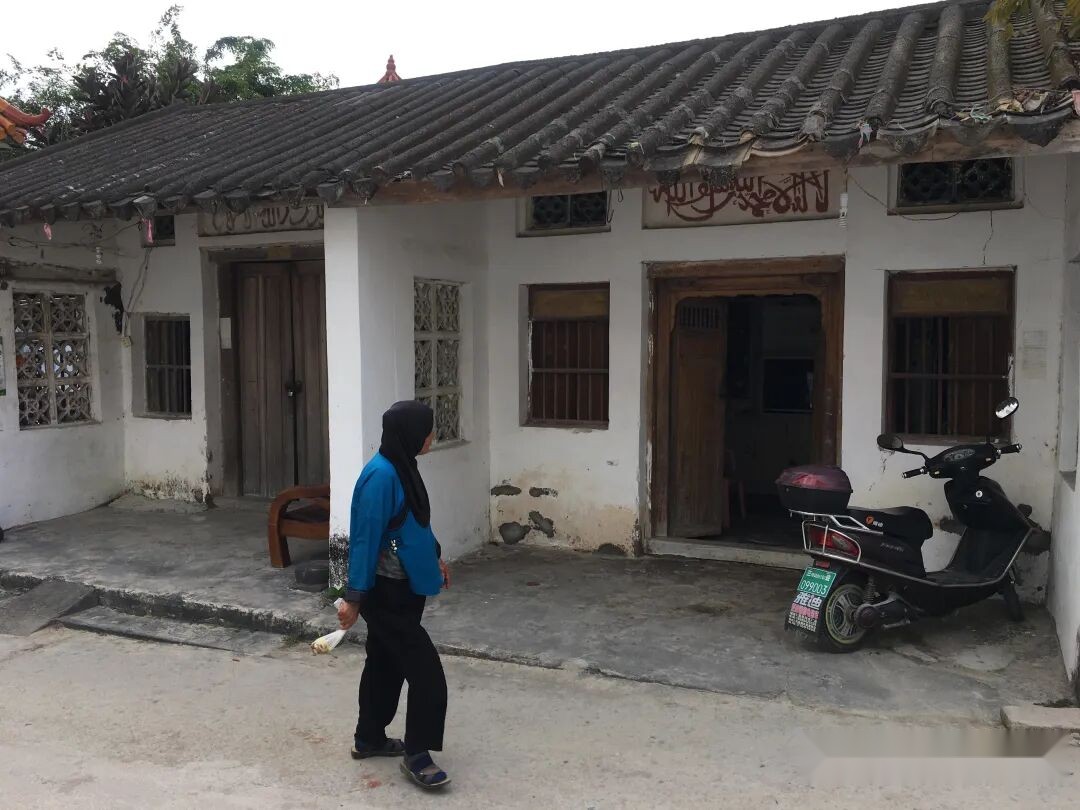
Abstract:
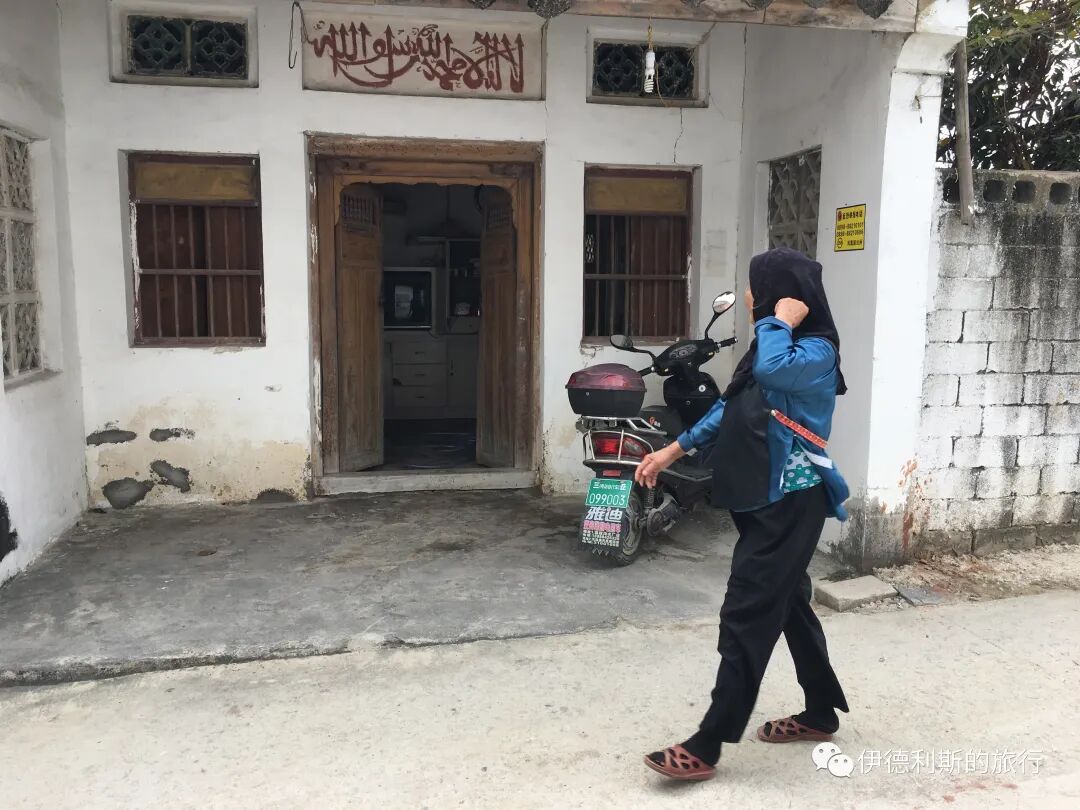
Revisiting a precious photographic and written travel journal from 2017 deep inside Sanya to visit the Utsul Muslims. Strolling through tree-shaded historic masjids, visiting Hui Muslim scholars and everyday local families, and meticulously documenting the customs, rituals, linguistic traits, and generational shifts of the island's Utsul Muslims.
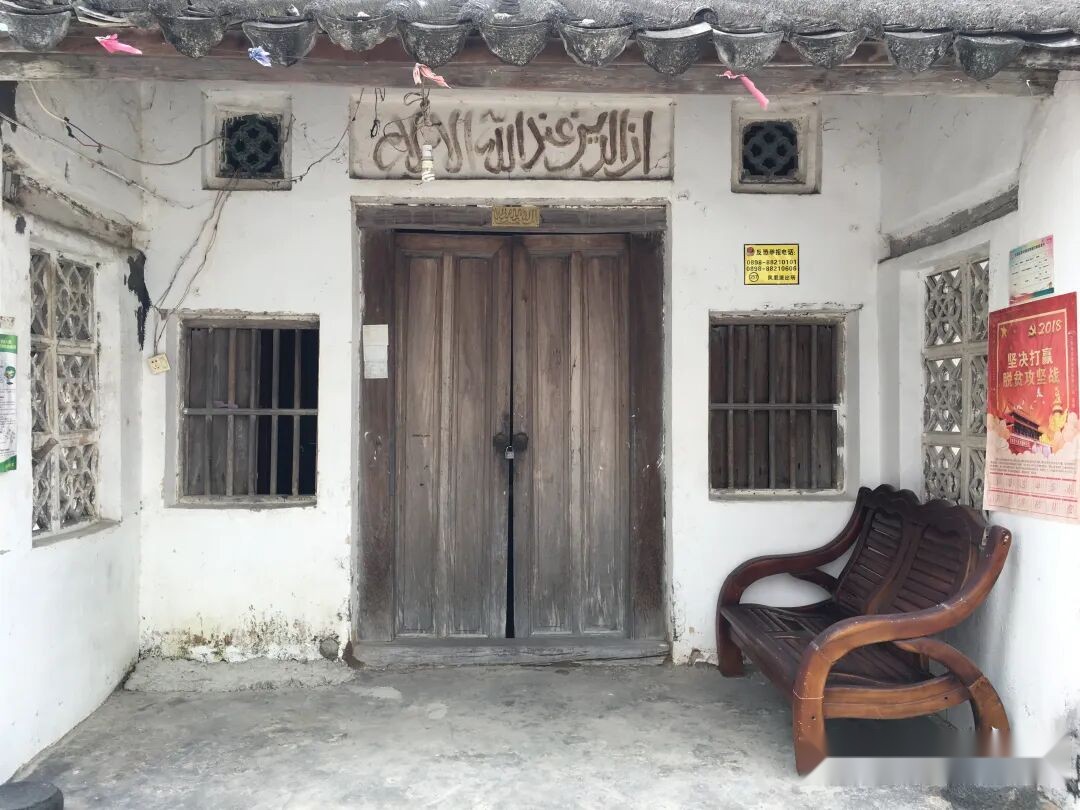
This is a record of my first trip to Sanya, Hainan, in 2017 to visit the Utsul Muslims. For my second trip in 2020, check out the journal entry, 'Celebrating Eid al-Adha in Sanya.'
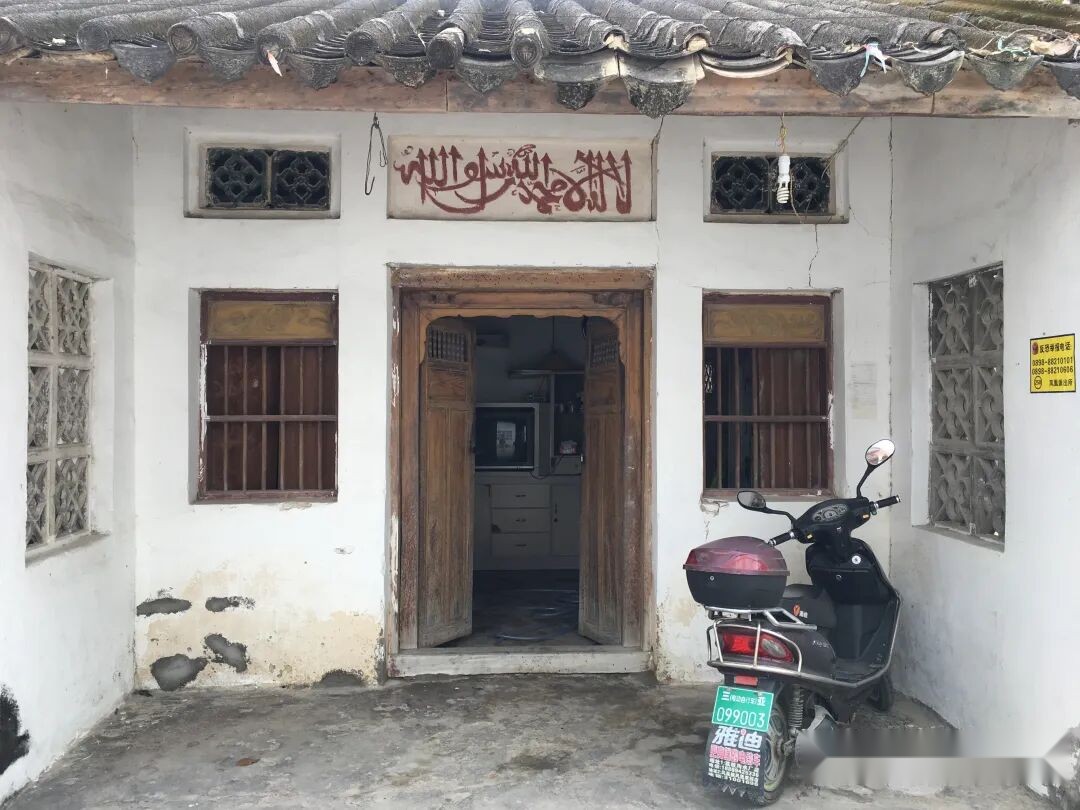
In 'The History of Hainan Muslims,' we discussed how Cham people from southern Vietnam migrated during the Song and Yuan dynasties to settle along the coastline of Hainan Island due to wars or typhoons. These 'foreigners' with customs similar to the 'Huihui' left several coral-stone Muslim ancient tombs along southern Hainan's coastal dunes. During the Ming and Qing dynasties, the 'foreigners' living in Hainan's Qiongzhou, Danzhou, Wanzhou, and Yazhou gradually integrated with local residents, and the remaining population all relocated to Suosanyali Fancun, forming today's Sanya Utsul Muslim community.

In this article, I'll continue sharing stories about the Sanya Utsul Muslims from the late Qing dynasty onward, along with the halal culinary scenes in the Huihui Village (Huihui Muslim Village) and Huixin Village (Huixin Muslim Village) communities.
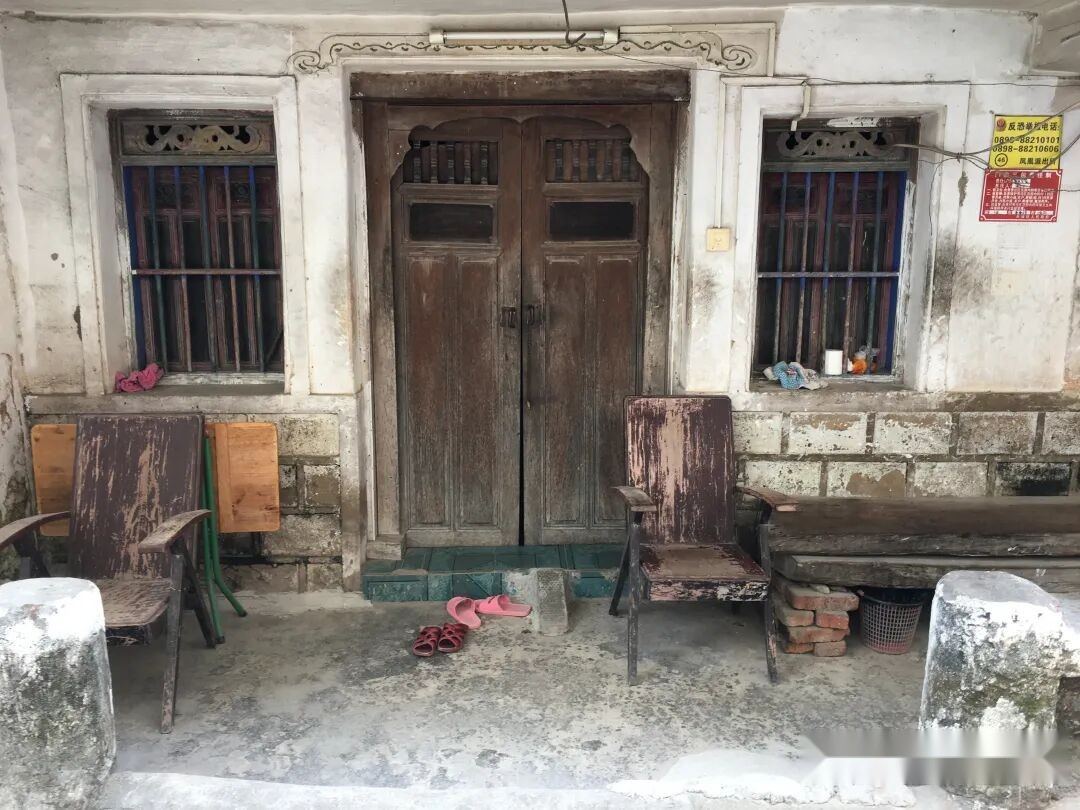
Table of Contents
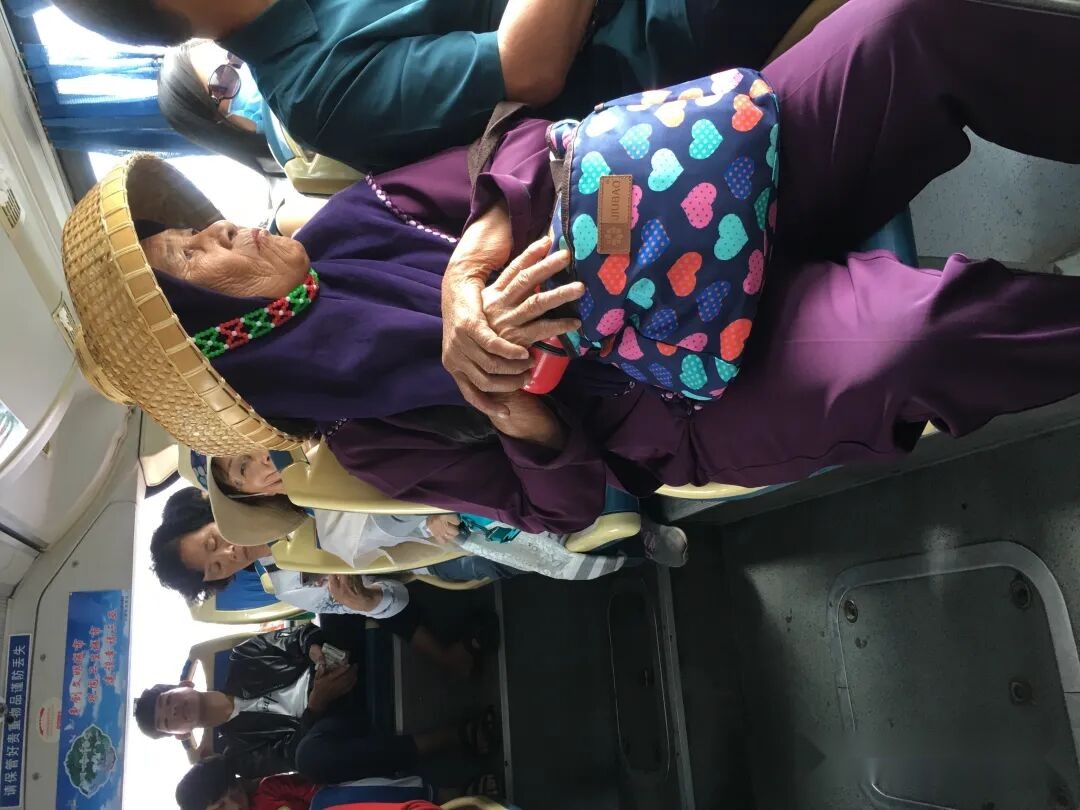
1. The Utsul Muslims from the Qing Dynasty Onward
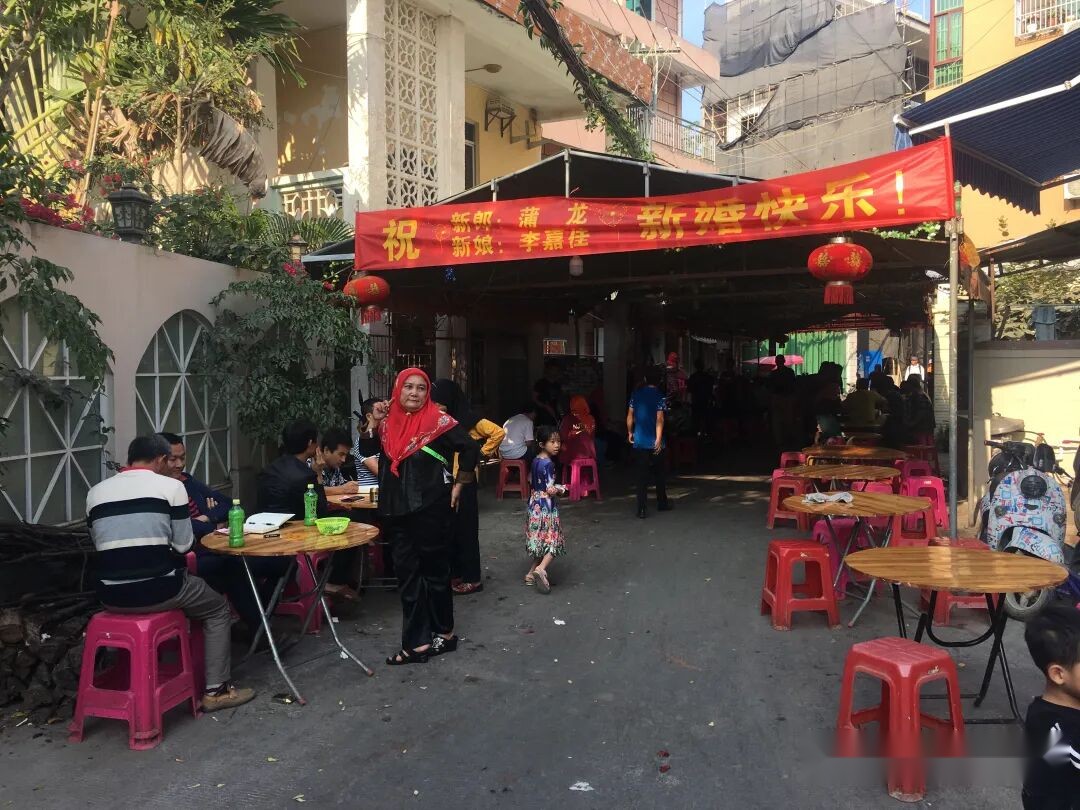
1. Heading Down to Nanyang (Southeast Asia)
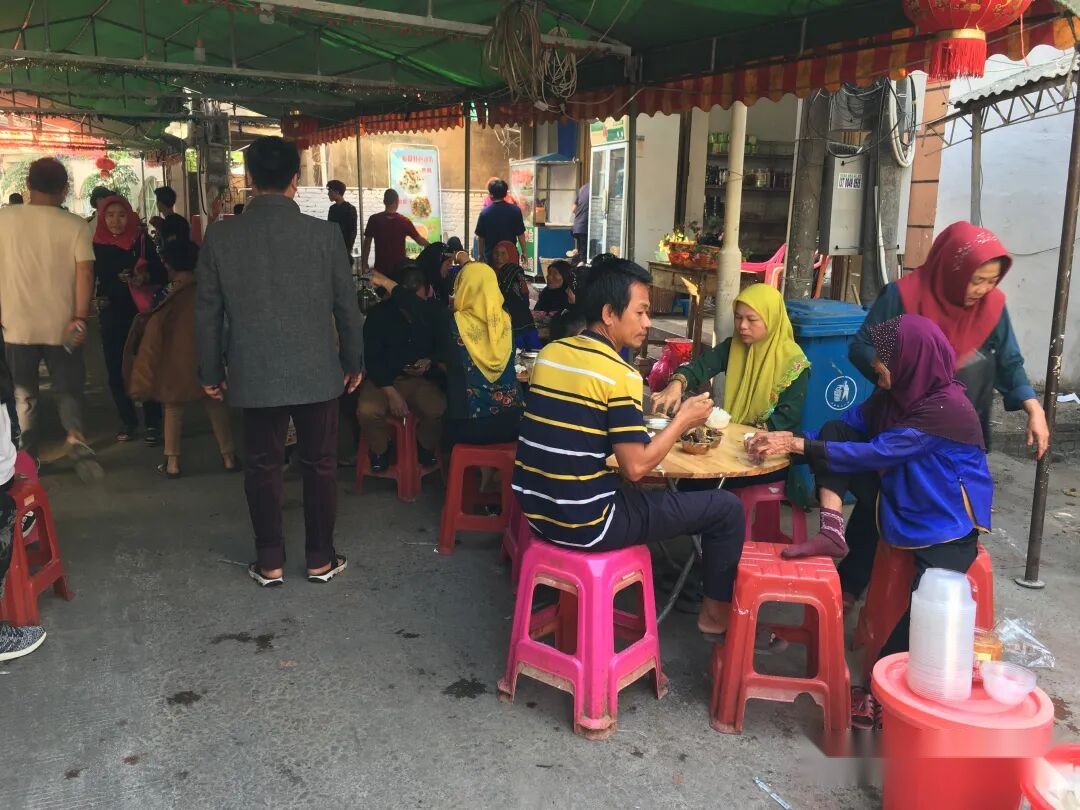
2. Japanese Military Airport Construction Forces Utsul Relocation

3. From Fishing and Farming to Commerce
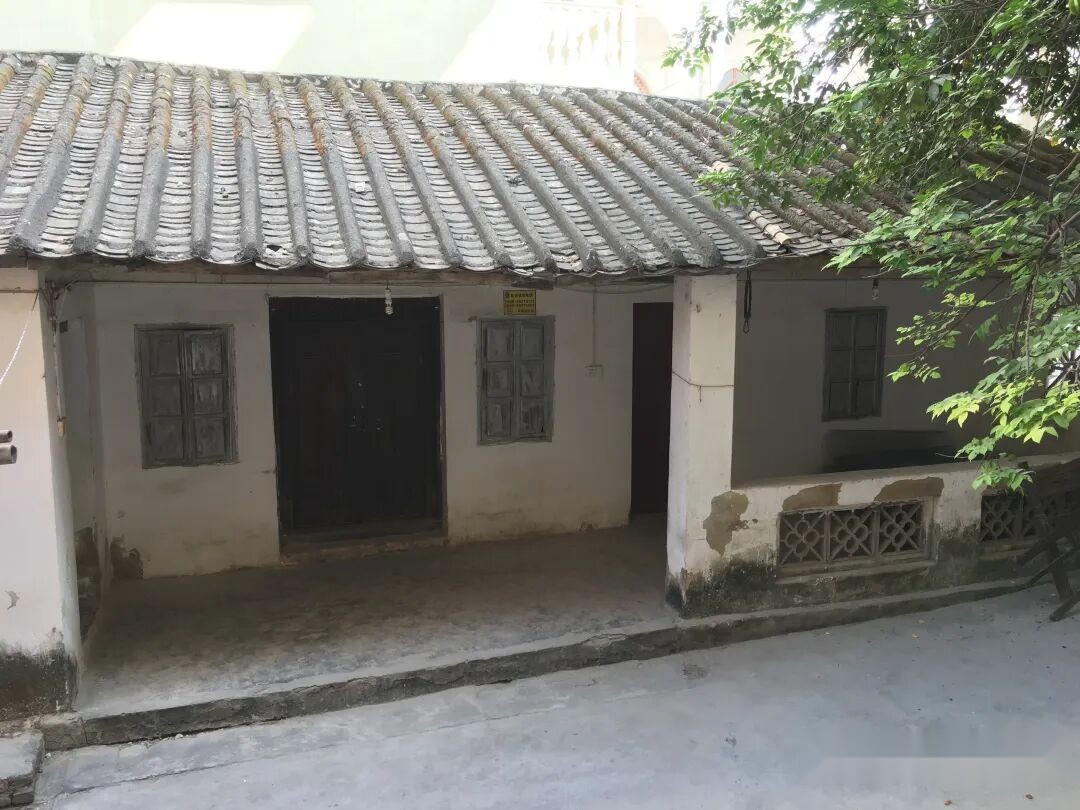
4. Traveling Muslims from Across Regions

2. Halal Dining in Huixin Village (Huixin Muslim Village)
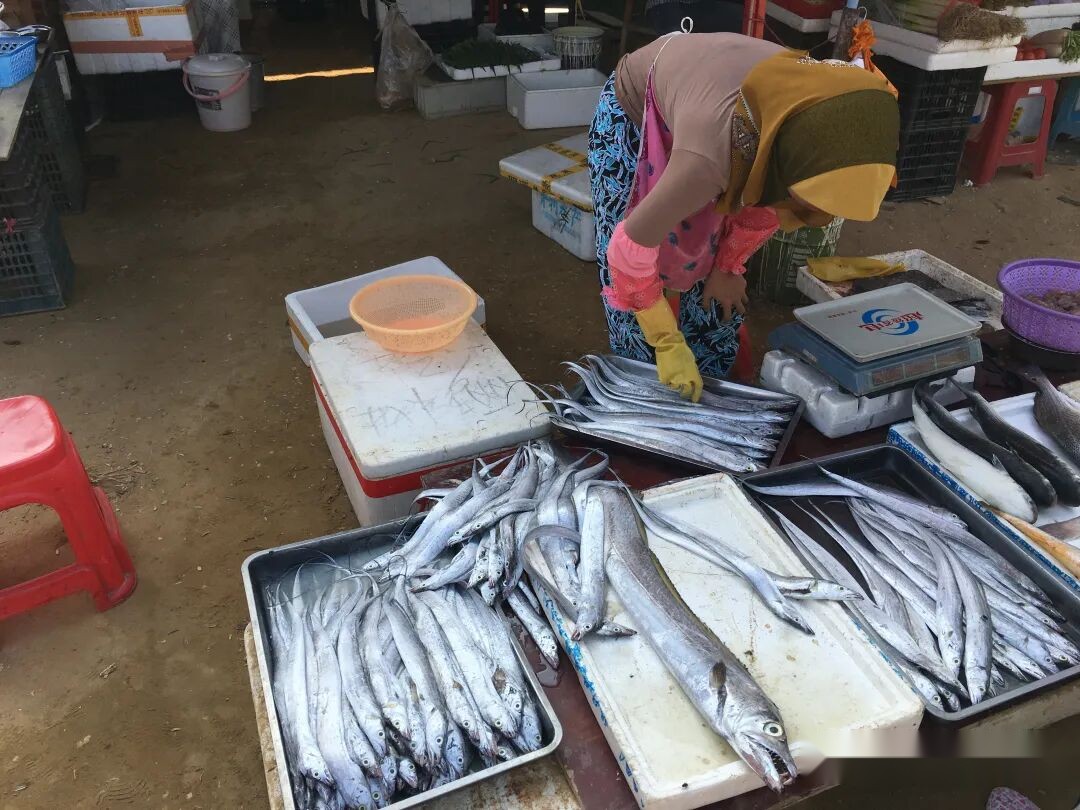
3. Halal Dining in Huihui Village (Huihui Muslim Village)
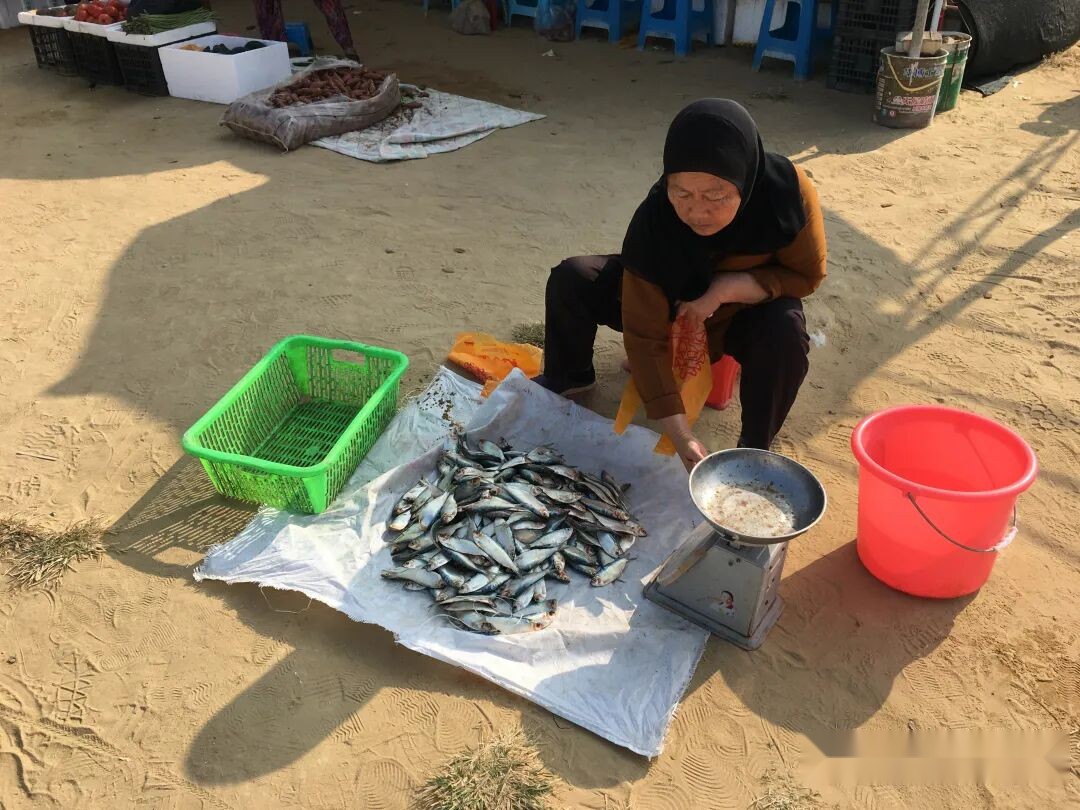
4. The Mosques of the Utsul Muslims
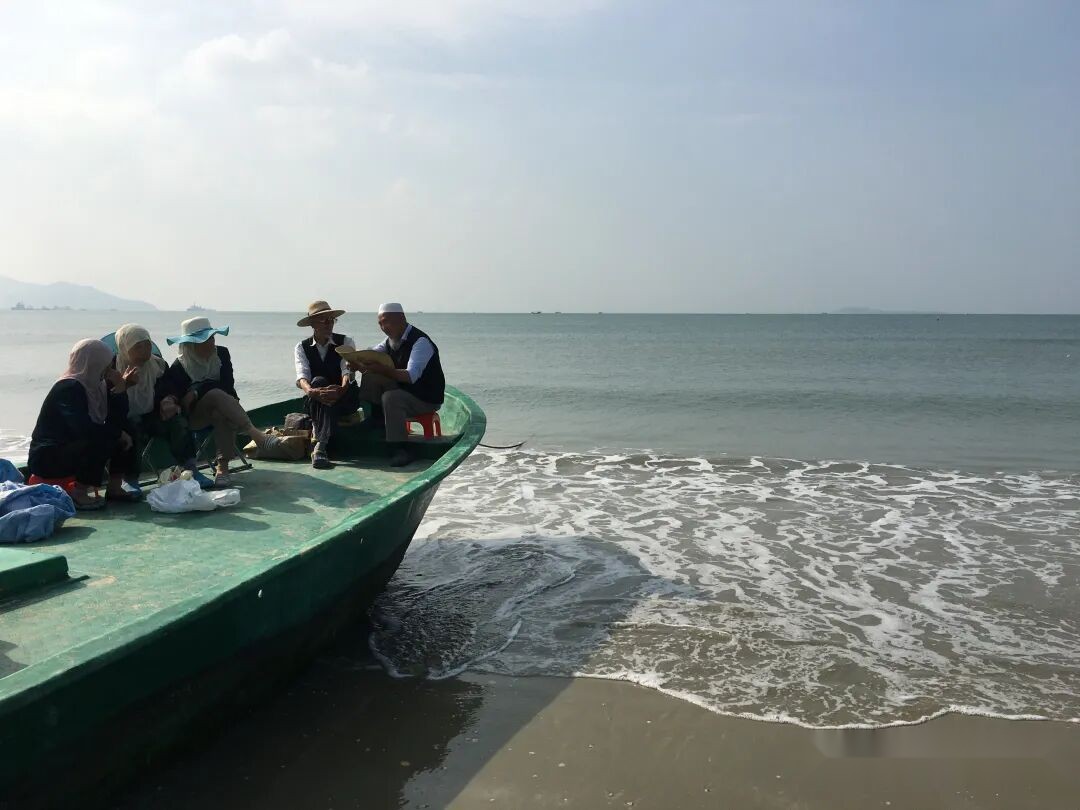
1. The Evolution of Huihui Mosque
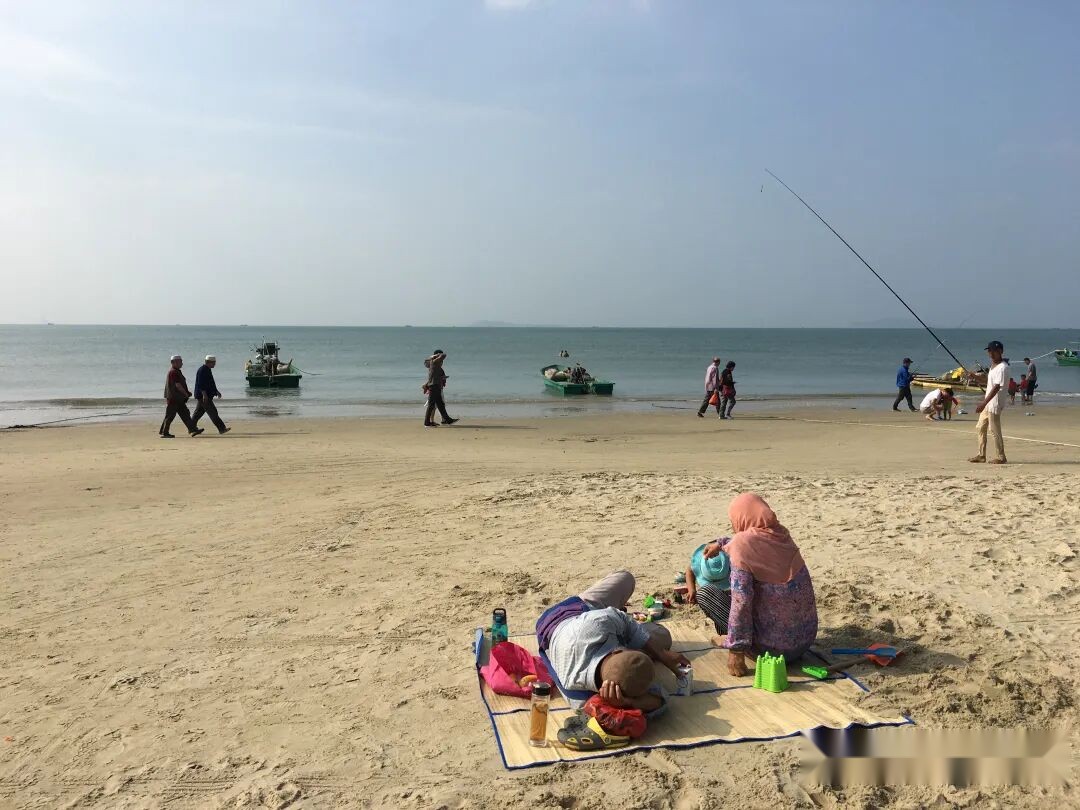
2. The Historic Mosque
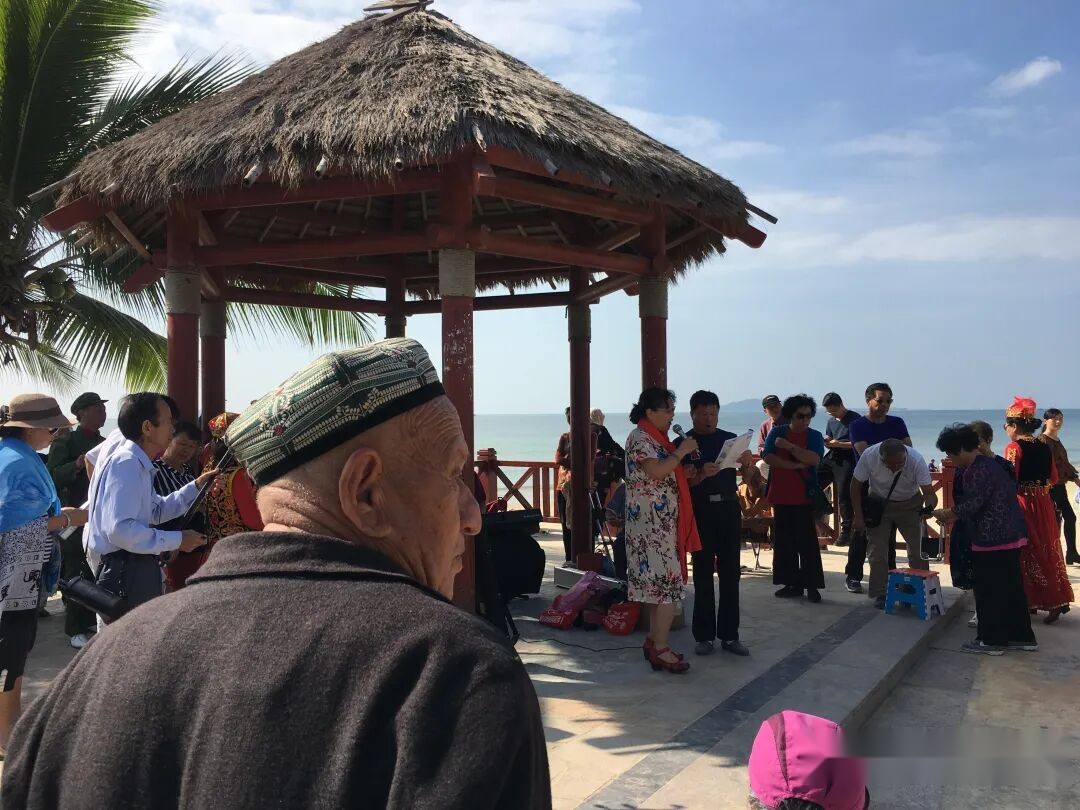
3. The Northwestern Grand Mosque
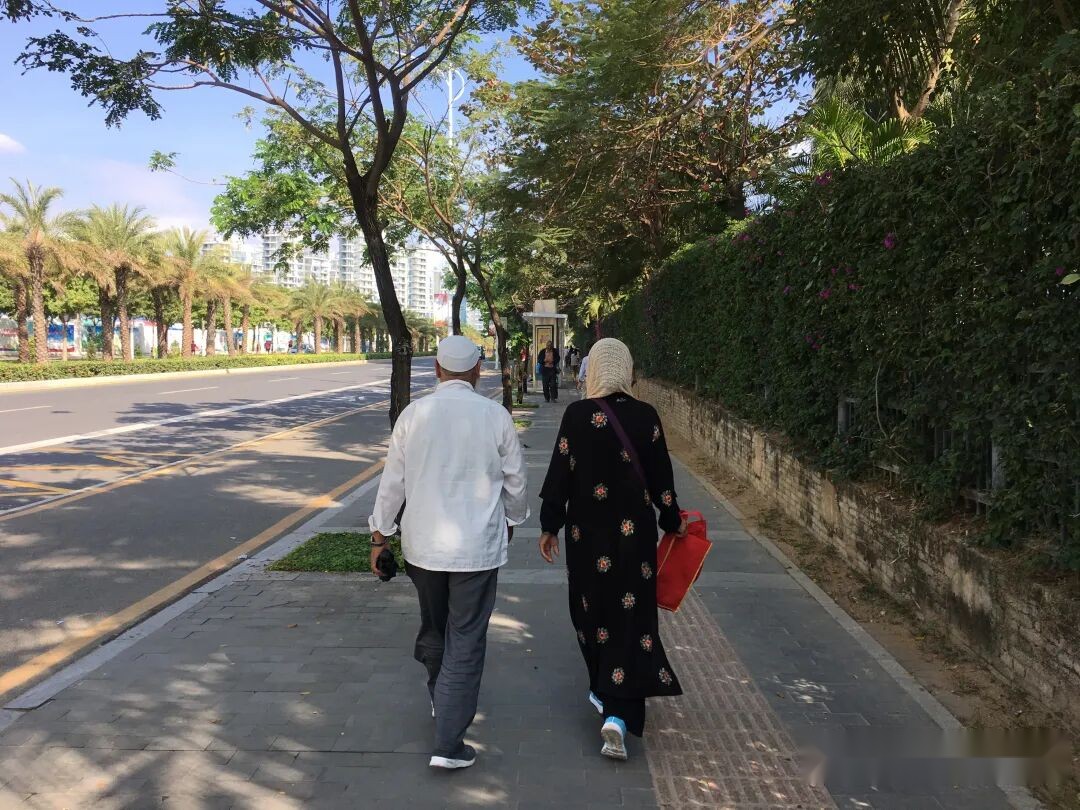
4. The Northern Mosque

5. The Eastern Mosque
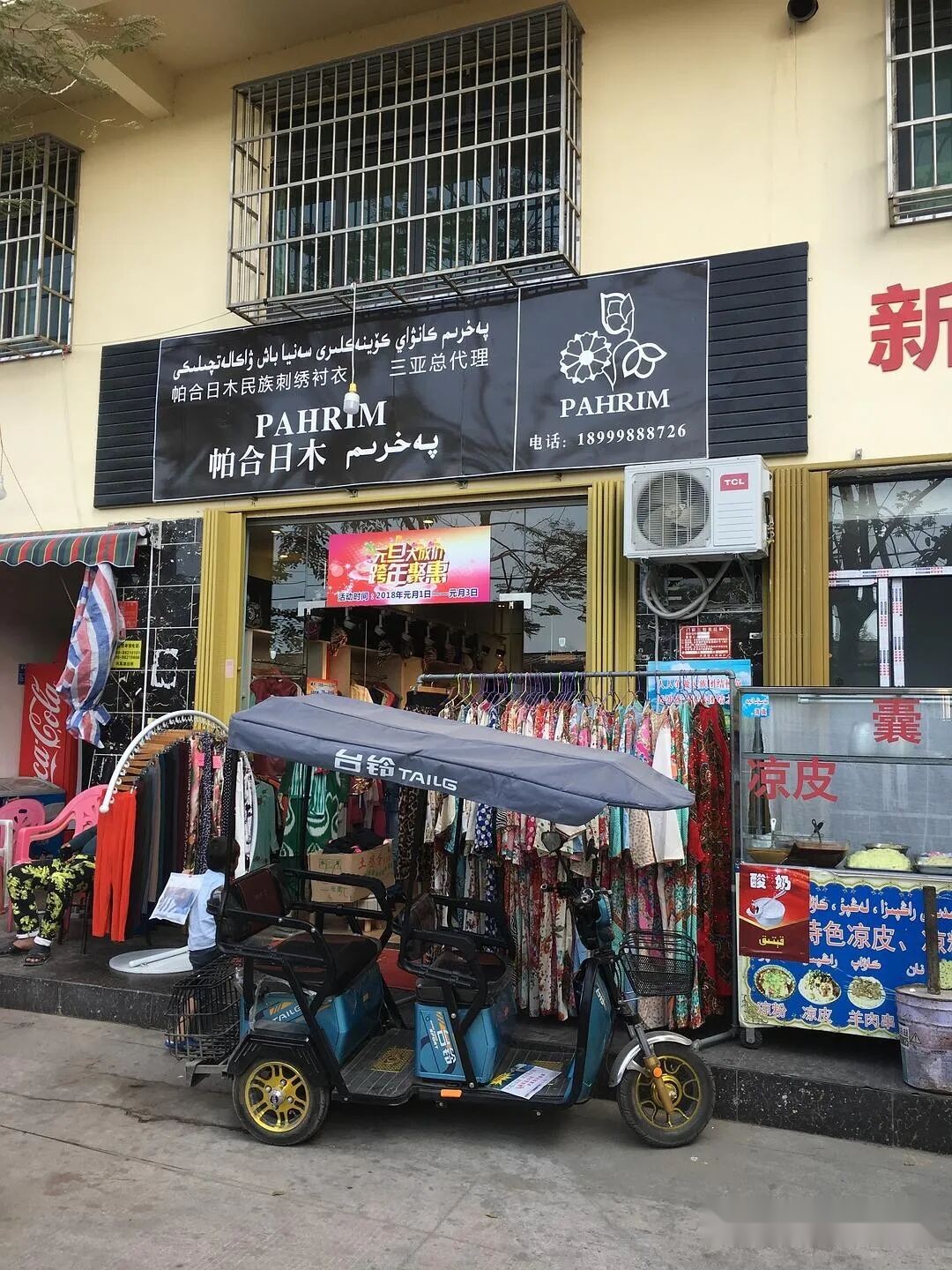
6. The Southern Mosque
7. Nankai Mosque
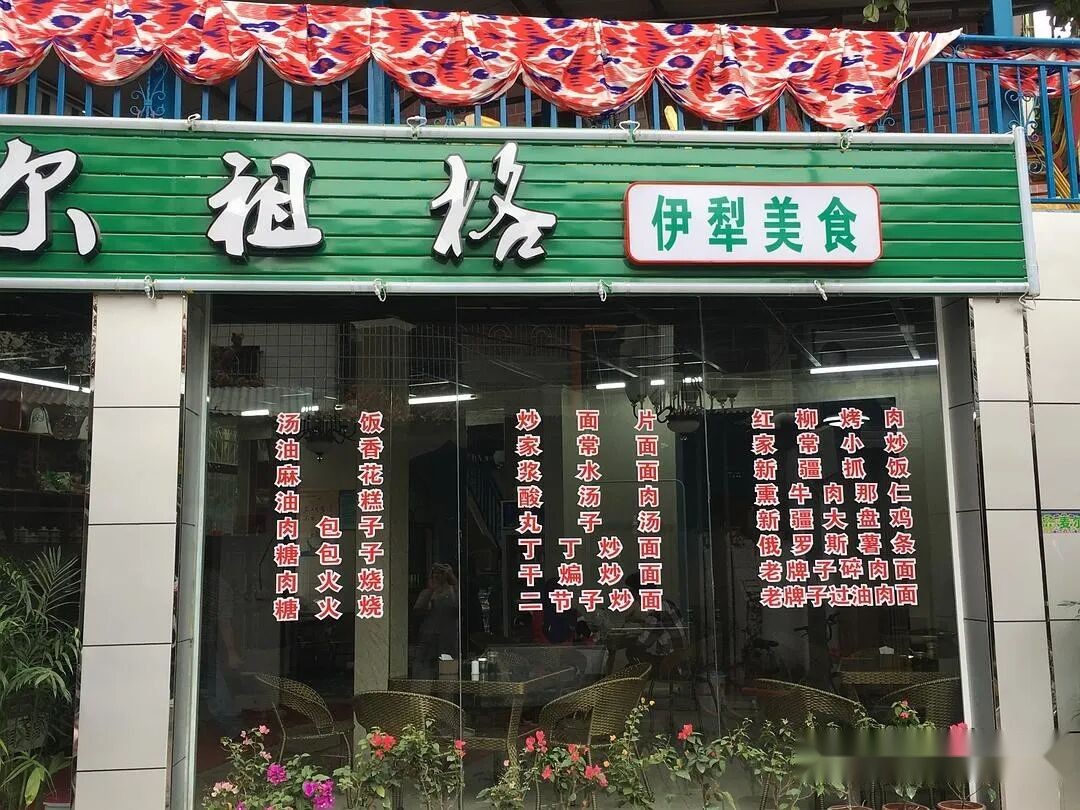
1. The Utsul Muslims from the Qing Dynasty Onward
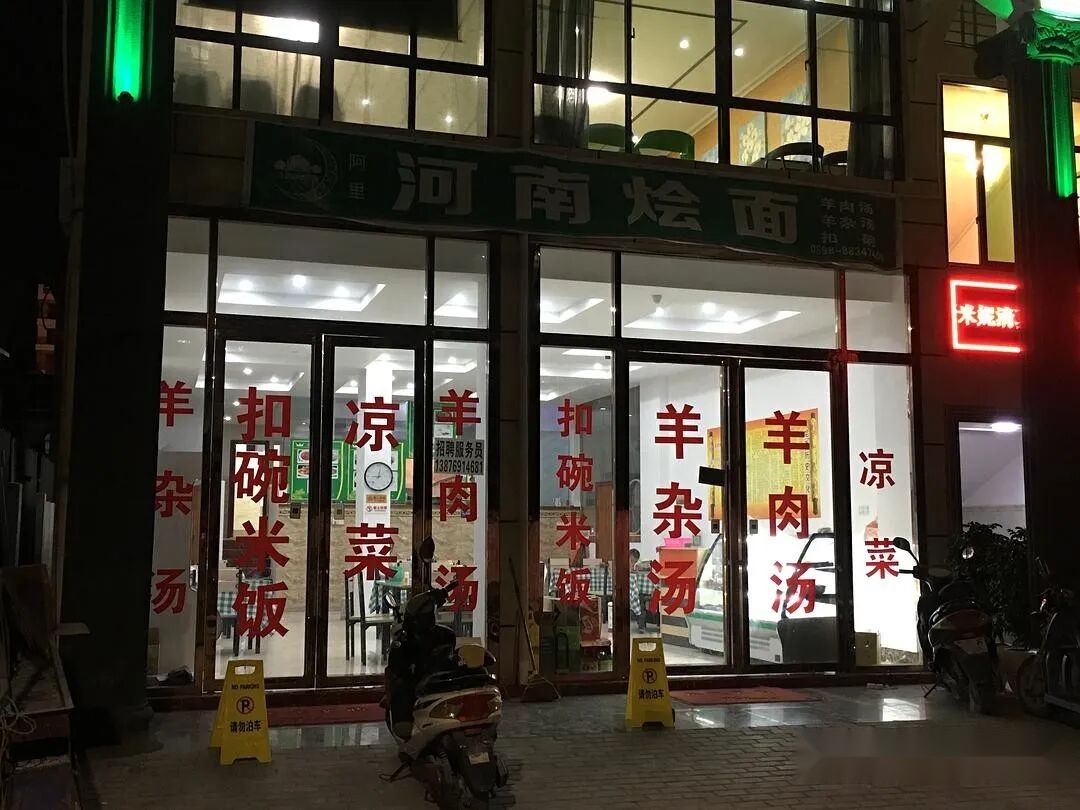
1. Heading Down to Nanyang (Southeast Asia)
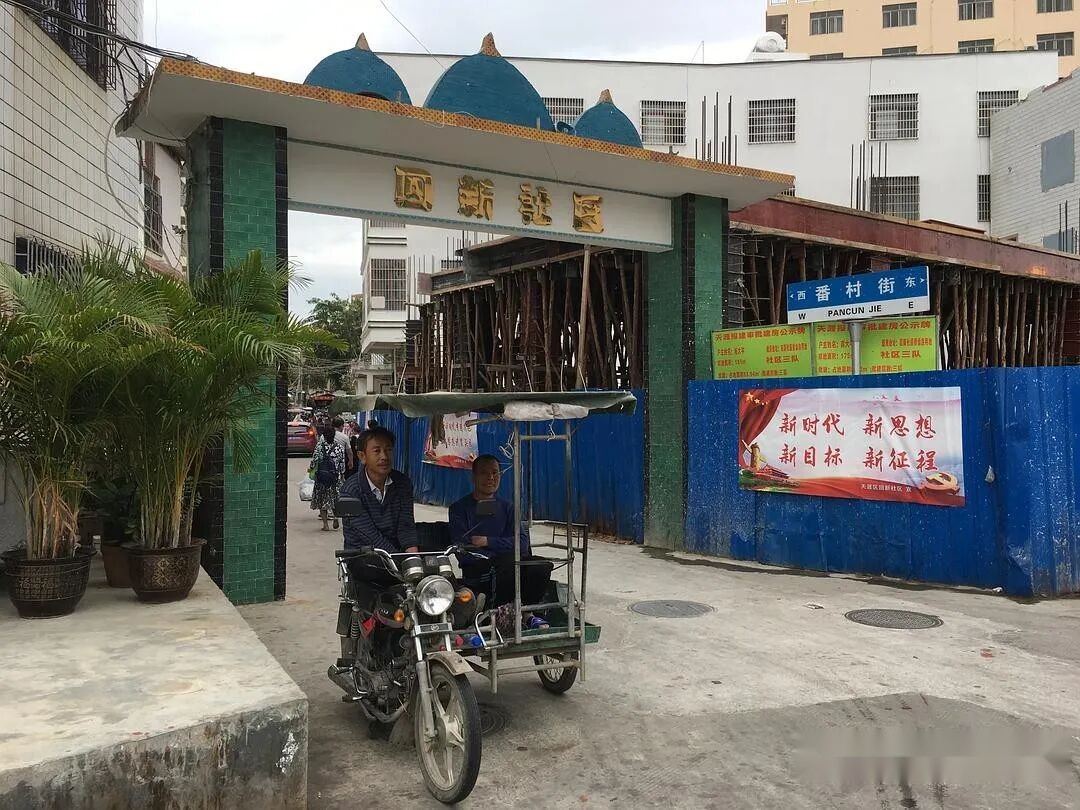
According to the 'Genealogy of the Pu Family in Sanya Gangtong Village,' the Utsul Muslims suffered a major catastrophe during the Xianfeng era. In 1858 (the 8th year of Xianfeng), Fancun was burned, killed, and looted by bandits. The surviving Utsul Muslims had no choice but to take shelter in the mountains and forests. The following year, the bandits were wiped out and pacified, allowing the Utsul Muslims to rebuild their homes. However, because of this catastrophe, many Utsul Muslims fled to Southeast Asian destinations like Singapore, Penang, and Vietnam:
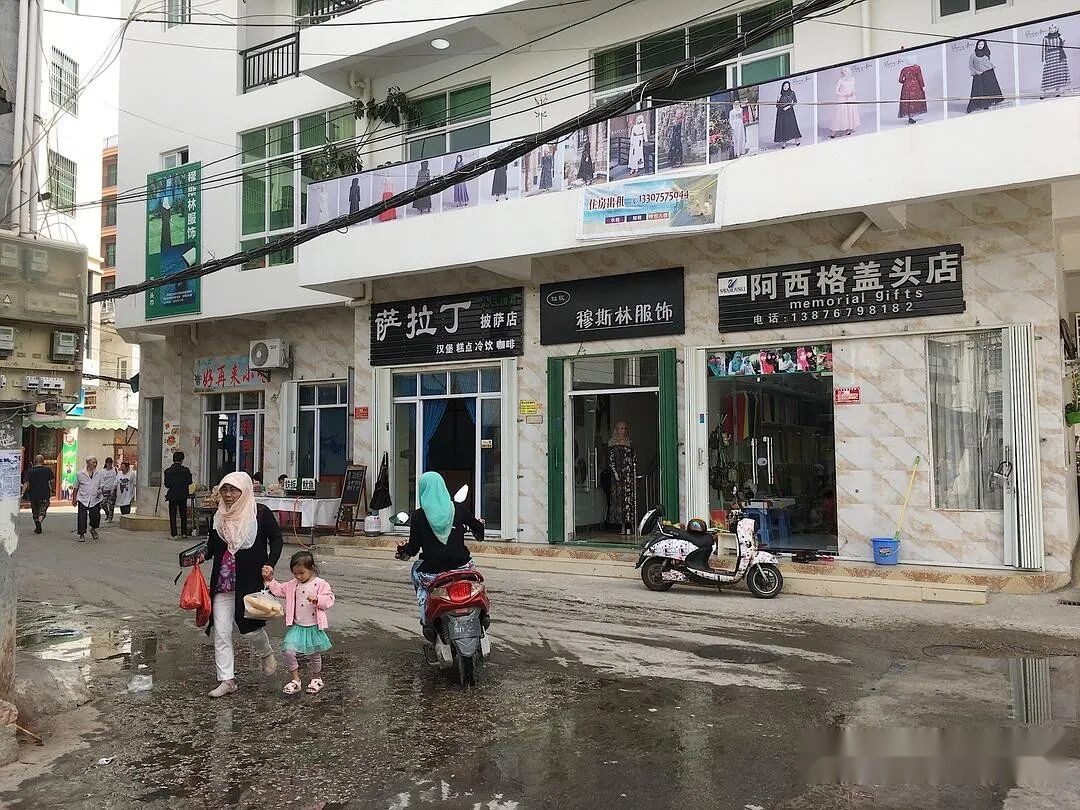
'From the reign of Daoguang up to the eighth year of Xianfeng, on the twenty-second day of the tenth month at the卯 (Mao) hour, we tragically suffered at the hands of the Li bandits from Lingshui who colluded with settled Li people to launch an uprising. They slaughtered without stopping, burned everything to the ground, killed countless people, and left corpses strewn across the fields. From back then until this summer, we spent our days resting by the sea slopes and living in the mountain forests, suffering like snake catchers and enduring perils as if walking through fire. The skies grieved and the earth wept with nowhere to voice our grievances. By April of the ninth year, fortunately, the gentry and scholars of the eighth district of Yazhou heard of our plight and felt sorrow. They pooled subscription funds, raising one hundred strings of copper coins, which they lent to the Sanya branches to hire local militia and hunt down the Li bandits. By June, the Li bandits across all the village valleys were terrified and surrendered. Only then could everyone return home, rebuild their houses, and make settling the common people their priority. Yet with a depleted population and scattered refugees fleeing to ports like Singapore, Annam, and foreign lands—over a hundred souls dead or alive—Sanya was left deserted. With poor people and barren land, they returned to their old ways of fishing and harvesting the sea.'
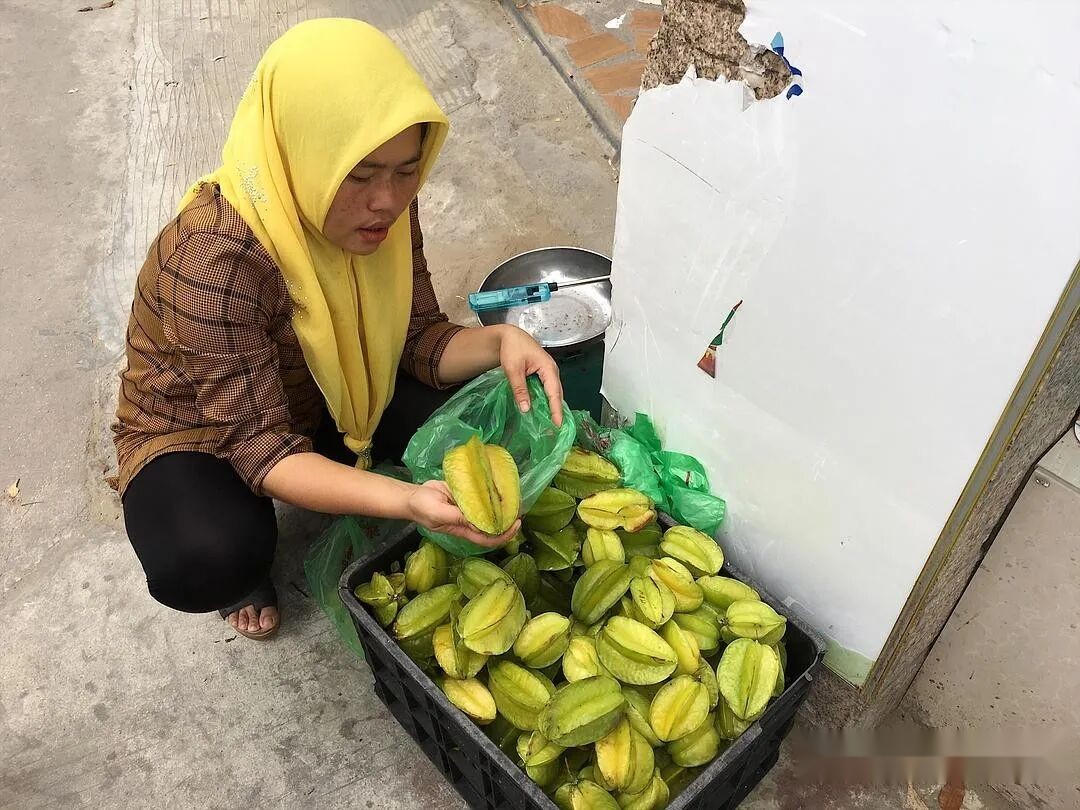
2. Japanese Military Airport Construction Forces Utsul Relocation
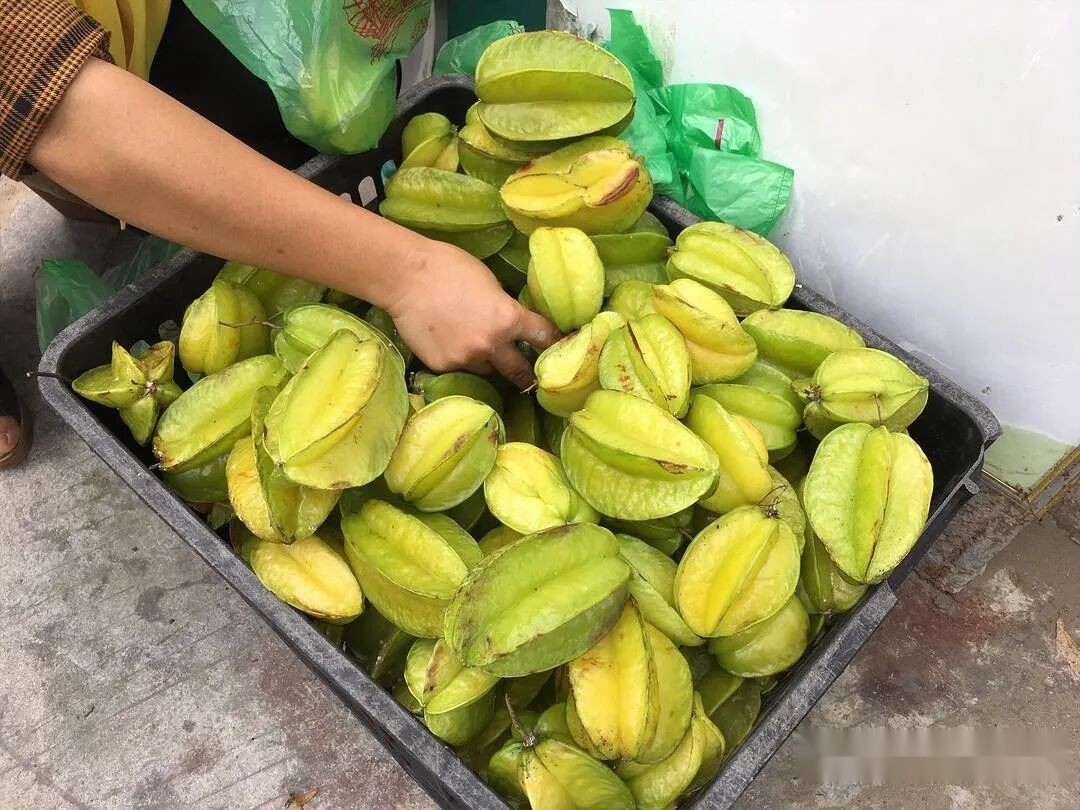
After the bandit chaos of the Xianfeng era, the Utsul Muslims in Suosanyali Fancun continued living a peaceful life, relying on fishing for survival. Following the founding of the Republic, Yazhou was renamed Ya County, and Fancun was called Huihui Township, subordinate to the East Second District of Ya County.
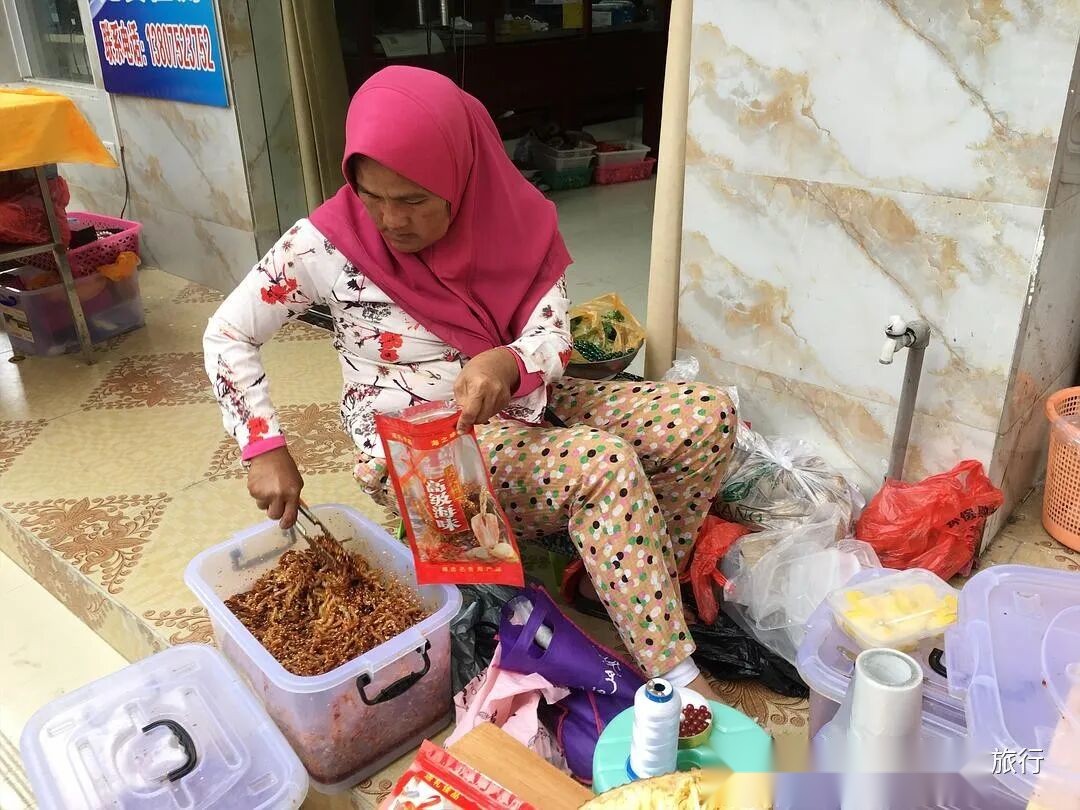
At dawn on February 14, 1939, the Japanese navy landed on the waters near Sanya and captured Sanya Bay with almost zero resistance.
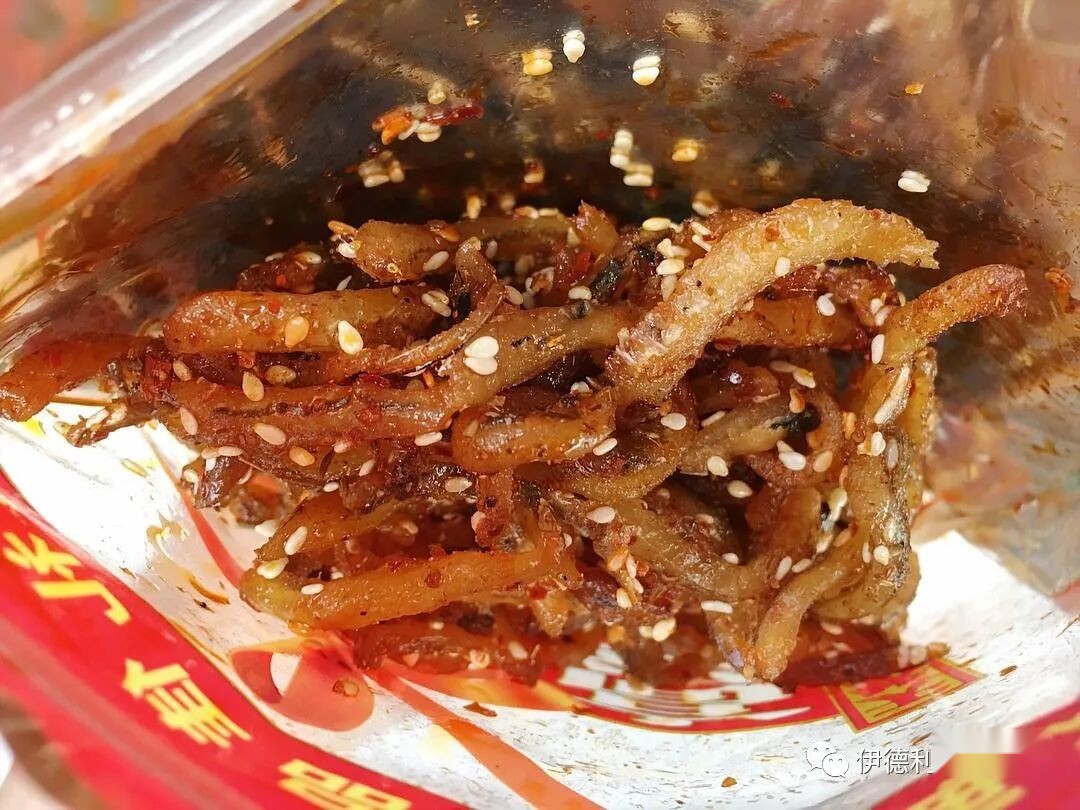
In the summer of 1940, the Japanese military decided to build a land-and-water combat training airfield in Suosanyali, forcing all Utsul Muslims to relocate 4 kilometers westward to live in Yanglan. All 350 houses and 4 mosques in Fancun were completely demolished, and the new settlement was named 'Huihui Village (Huihui Muslim Village).'
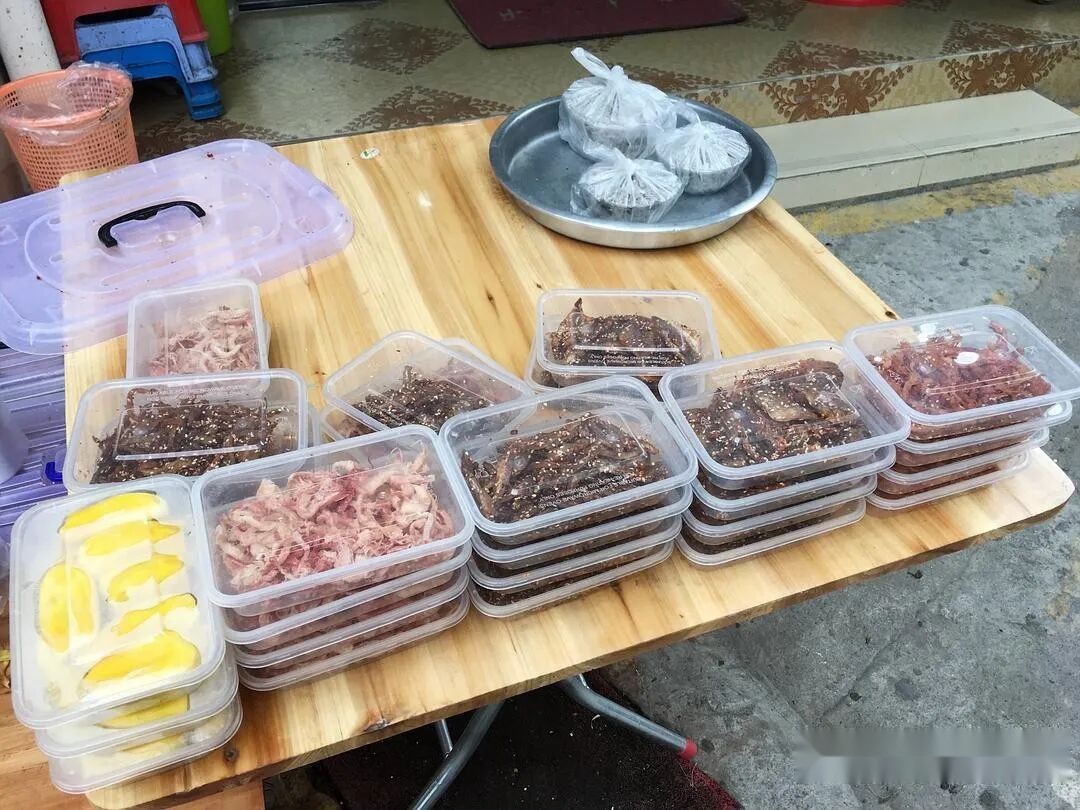
After the Japanese forces left in 1945, some Utsul Muslims moved back to their former settlement of Fancun, which is why Fancun came to be known as Huixin Village (Huixin Muslim Village) or the Old Village, while the old name Fancun fell out of use.
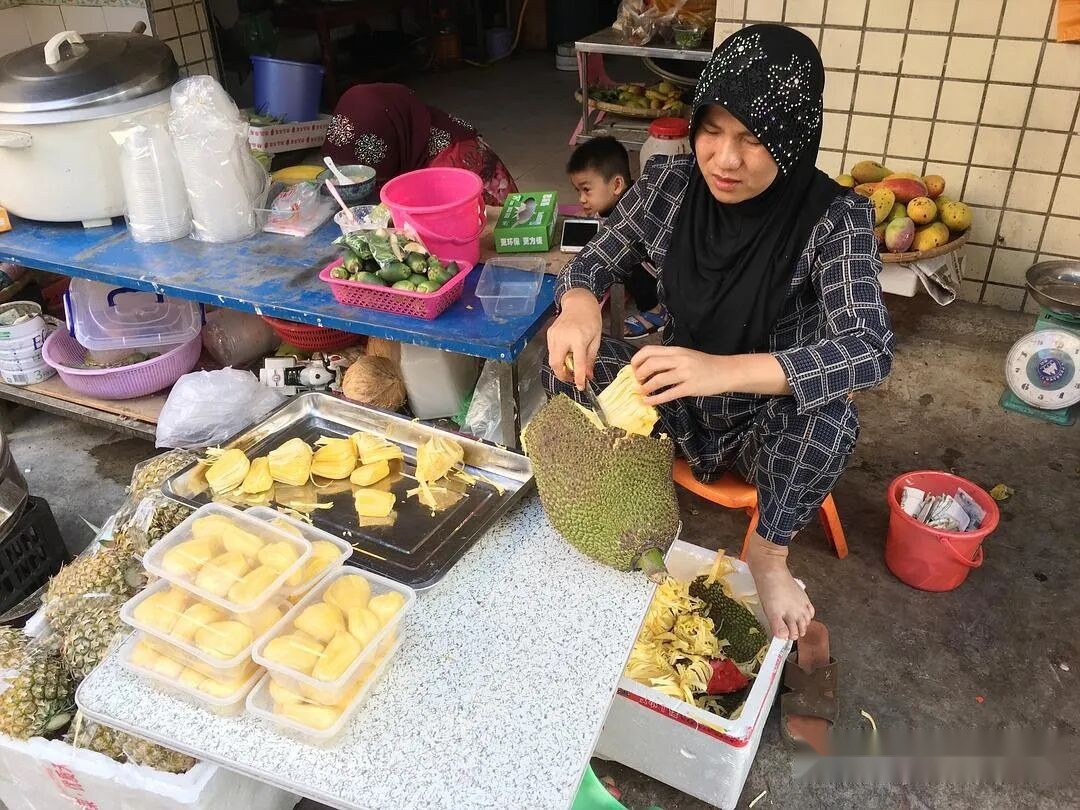
From then on, the Utsul Muslims established two main communities: Huihui Village (Huihui Muslim Village) and Huixin Village (Huixin Muslim Village).
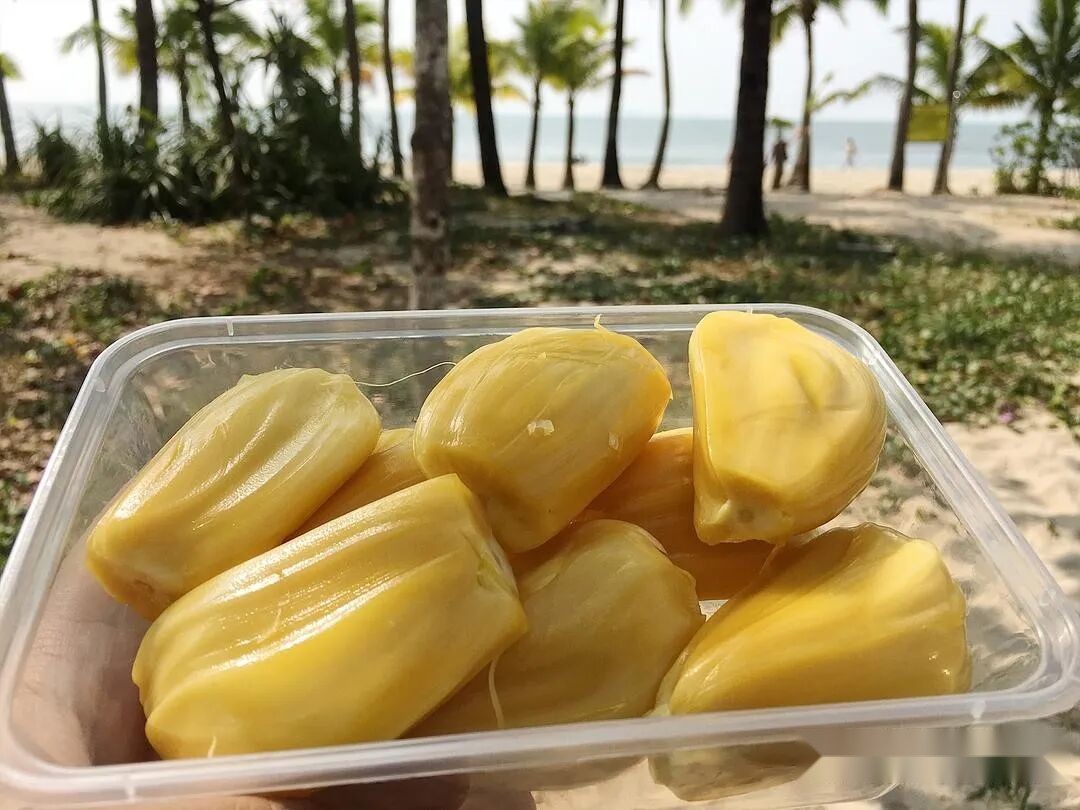
Huihui Village (Huihui Muslim Village)
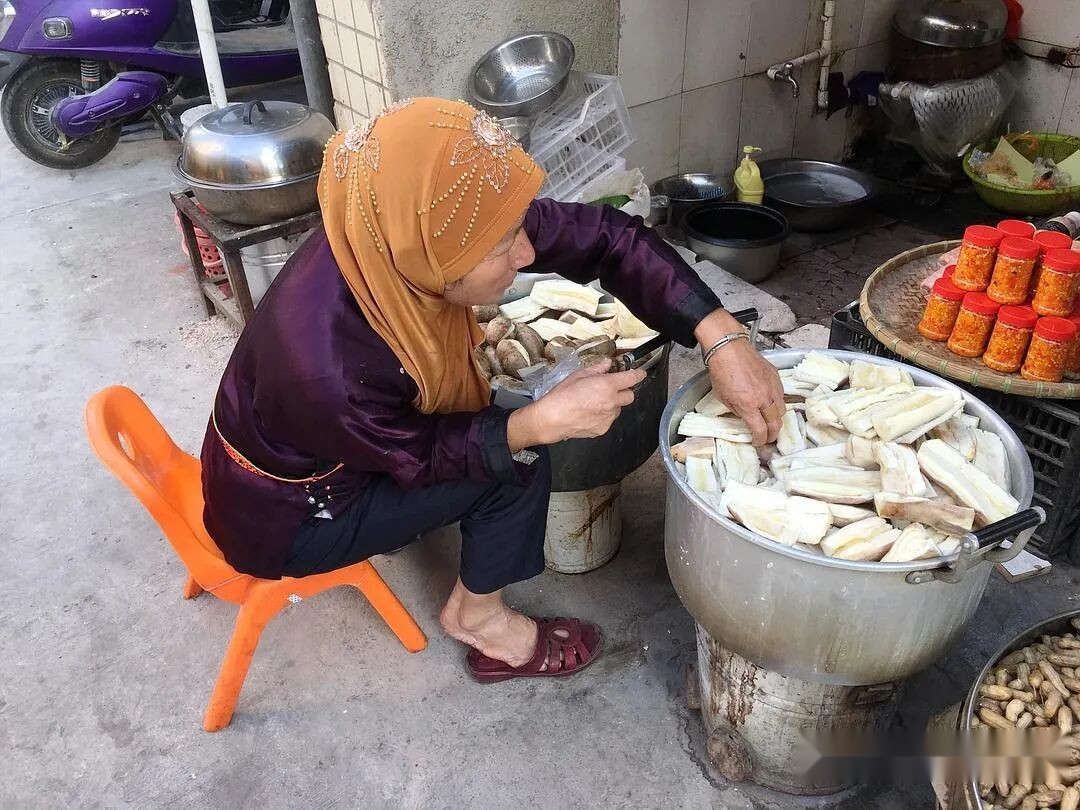
Traditional attire for Huihui women: a dark hijab, a front-crossing tunic fastened with three silver (or cloth) buttons down the front and two under the arms, and split-cuffs on the sleeves. The shirt is split down the center of the chest and back, falling to the hips, paired with dark trousers.
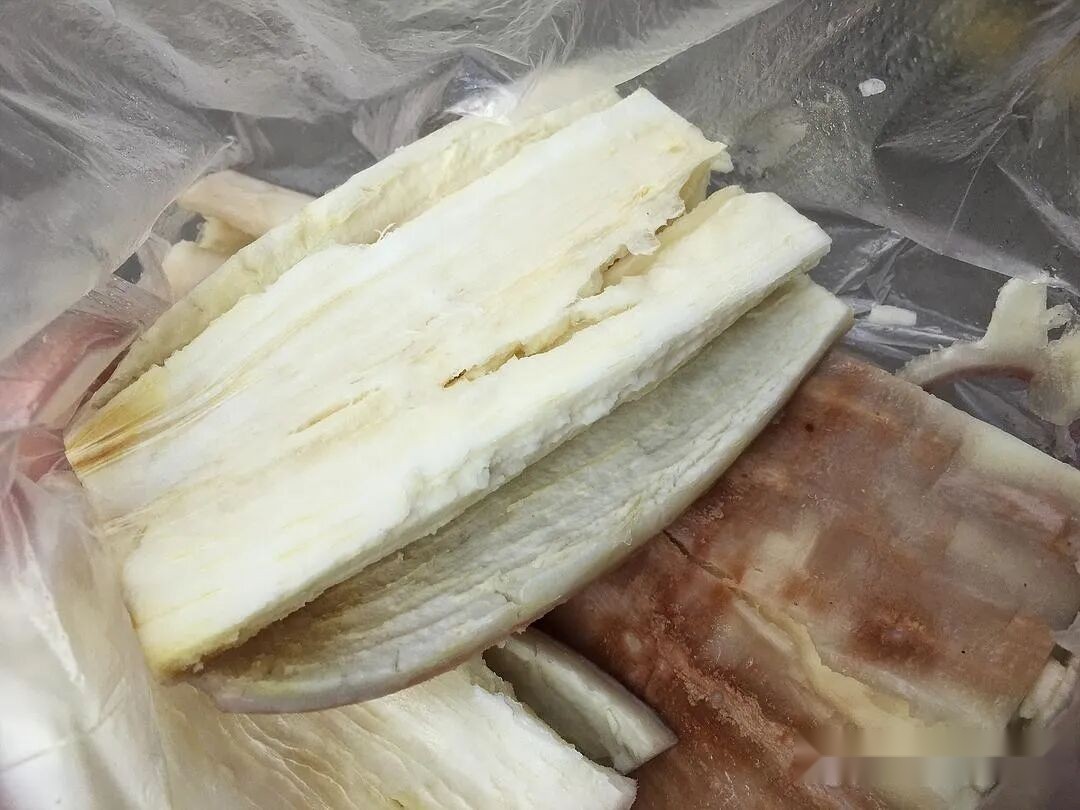
The most distinctive feature of Huihui women's attire is the black bib (cloth panel) worn over their shirts—a unique piece of clothing not found among the neighboring Han or Li ethnic groups.
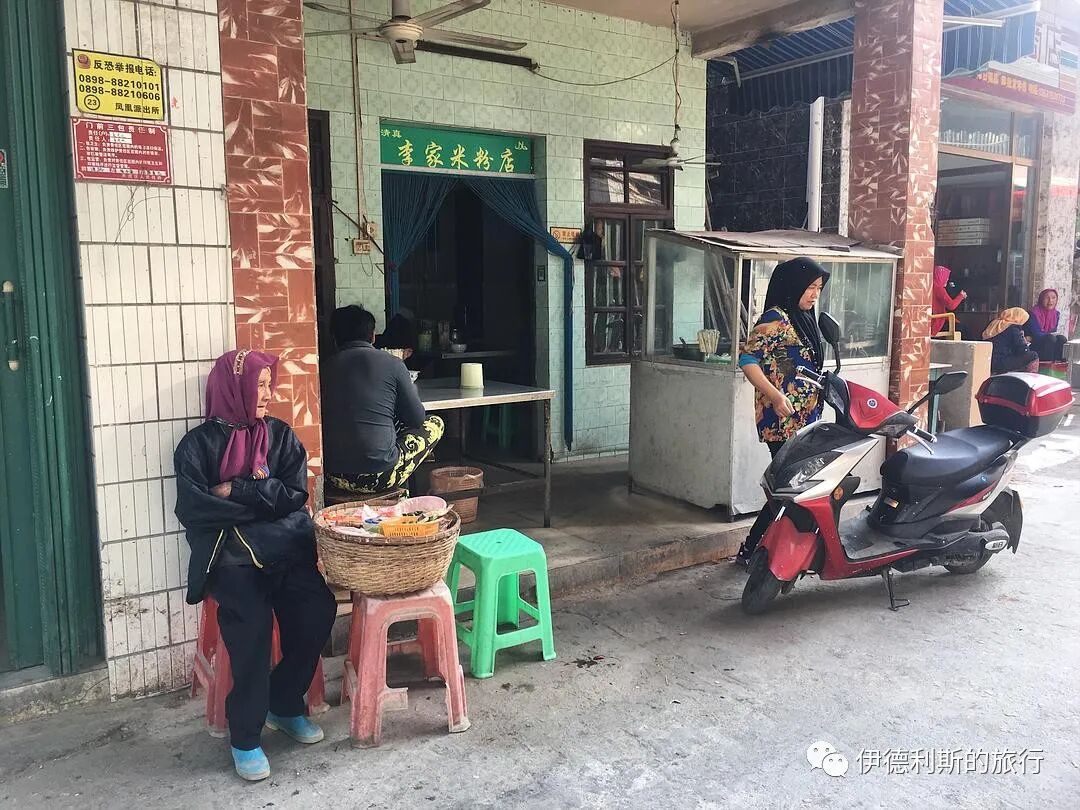
The earliest Utsul Muslims lived in thatched cottages, just like the local Han and Li communities. To withstand typhoons, these houses were built extremely low, to the point where people couldn't even stand up straight inside. In modern times, these thatched homes were gradually replaced by black-tiled brick houses, a style that lasted until the tourism boom in Sanya during the 1990s. Today, those black-tiled brick homes are rare, having been mostly replaced by modern multi-story buildings.
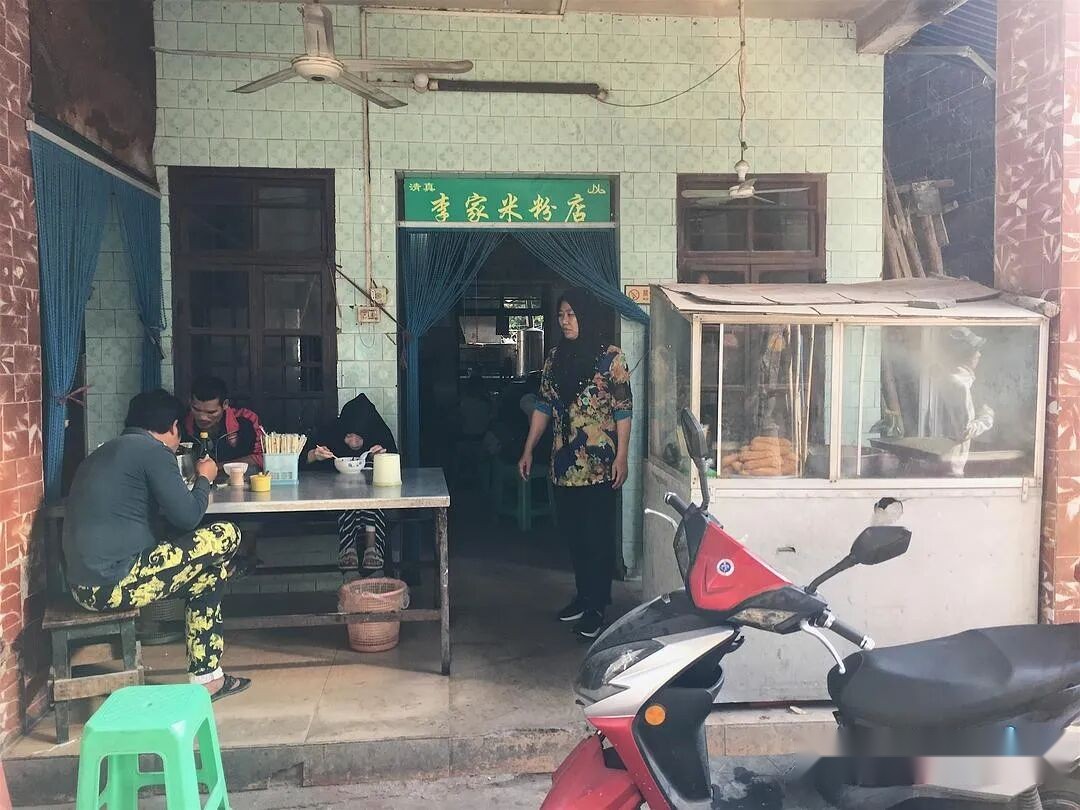
On a local bus running from Huihui Village (Huihui Muslim Village) to Huixin Village (Huixin Muslim Village)

A wedding banquet for Utsul Muslims in Huixin Village (Huixin Muslim Village)
Black-tiled brick houses in Huixin Village (Huixin Muslim Village)
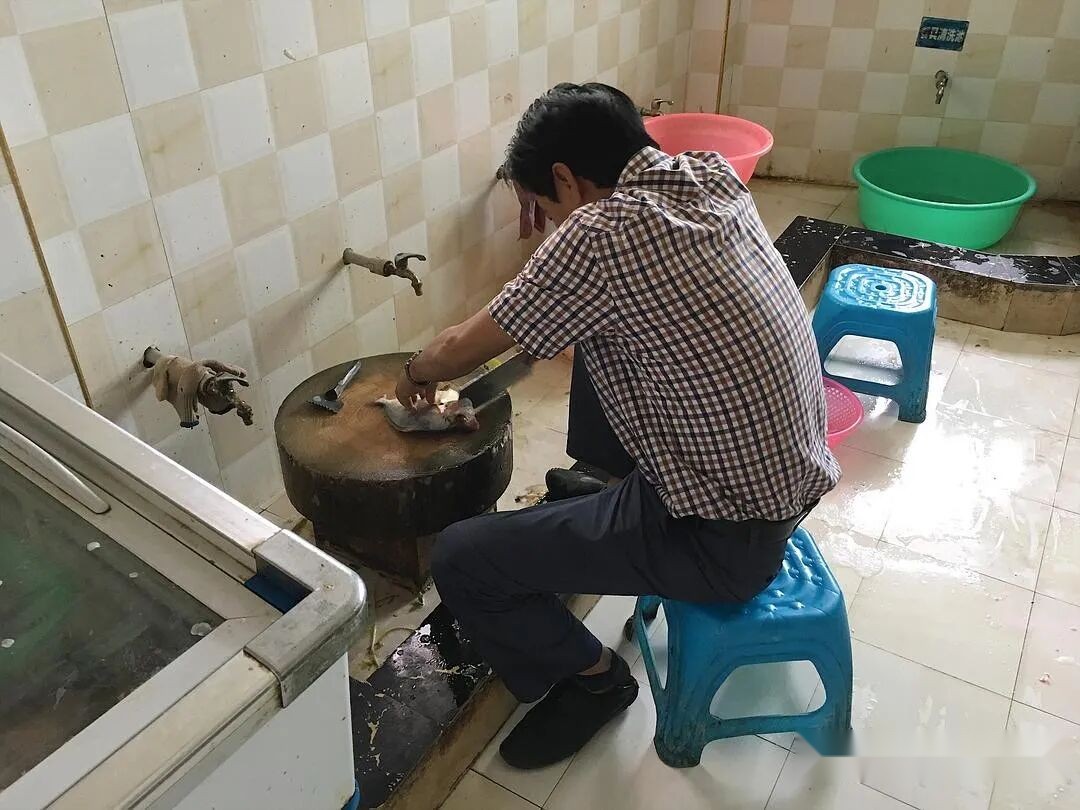
3. From Fishing and Farming to Business
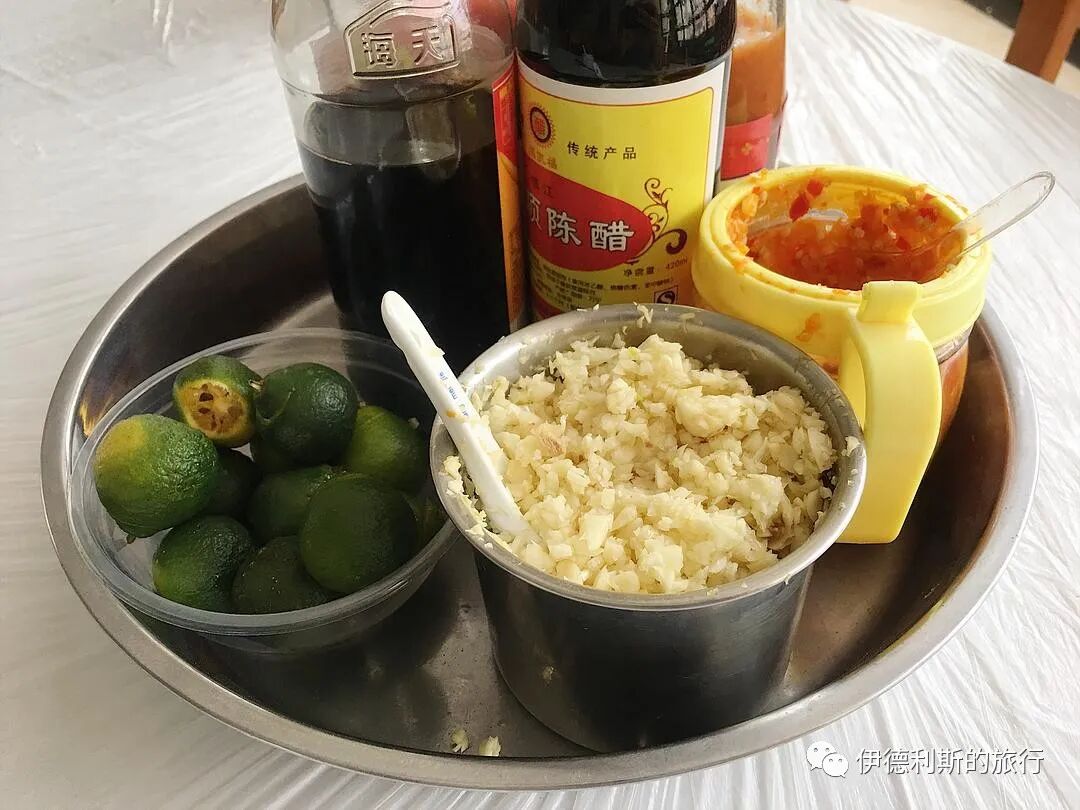
By the 1950s and 60s, Utsul Muslims still made their living mainly through shallow-sea purse-seine fishing. They used bamboo rafts to take fishing nets out to sea and drop them. A fishing crew of 35 people would split into two groups on the shore to haul in the nets. Usually, they went out once a day, pulling in anywhere from 200 to 300 jin (100–150 kg) of fish, with a bountiful catch reaching up to 5,000 jin (2,500 kg) and a lean day yielding only a few dozen jin.
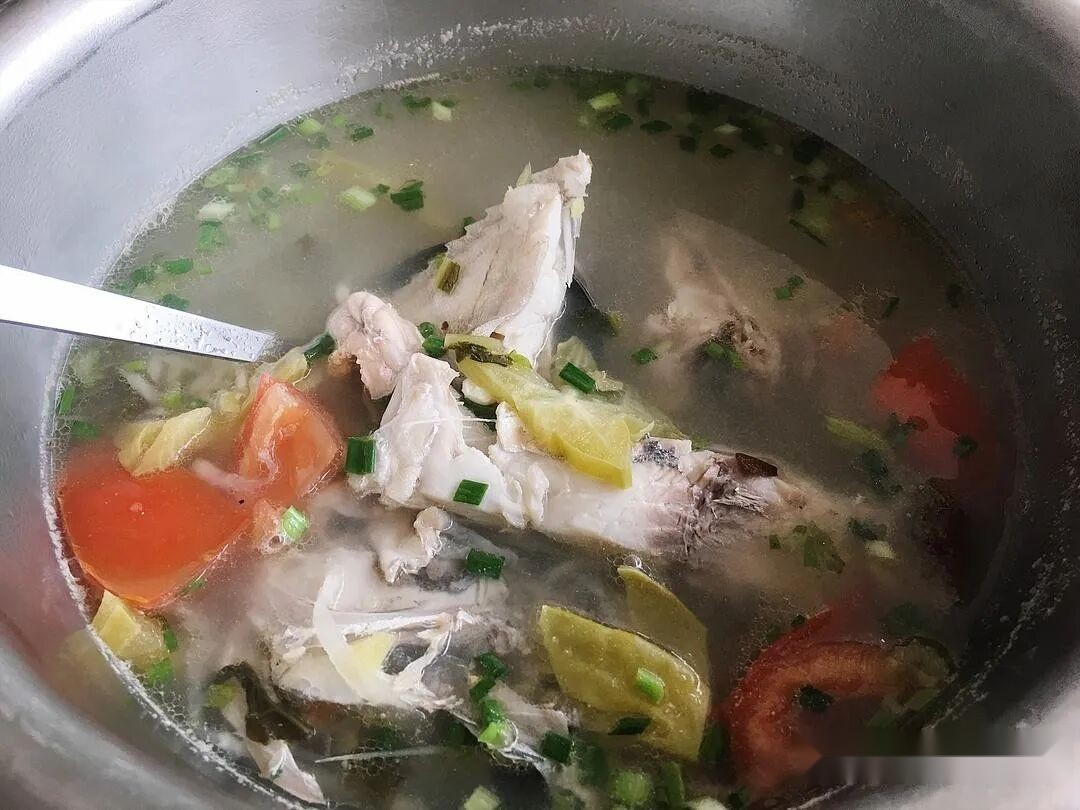
Historically, Utsul Muslims were never big fans of farming, and in the past, they used to rent their land out to the Li people to cultivate. After the establishment of the People's Communes in 1958, the government organized nearby Han and Li locals to teach agricultural techniques to the Utsul Muslims, but the results weren't great. After the 1970s, more than 2,000 mu (about 133 hectares) of the Utsul Muslims' farmland was allocated to neighboring Han and Li villages, leaving the Utsul Muslims with only about 200 mu of garden plots and residential land, primarily used for growing vegetables.
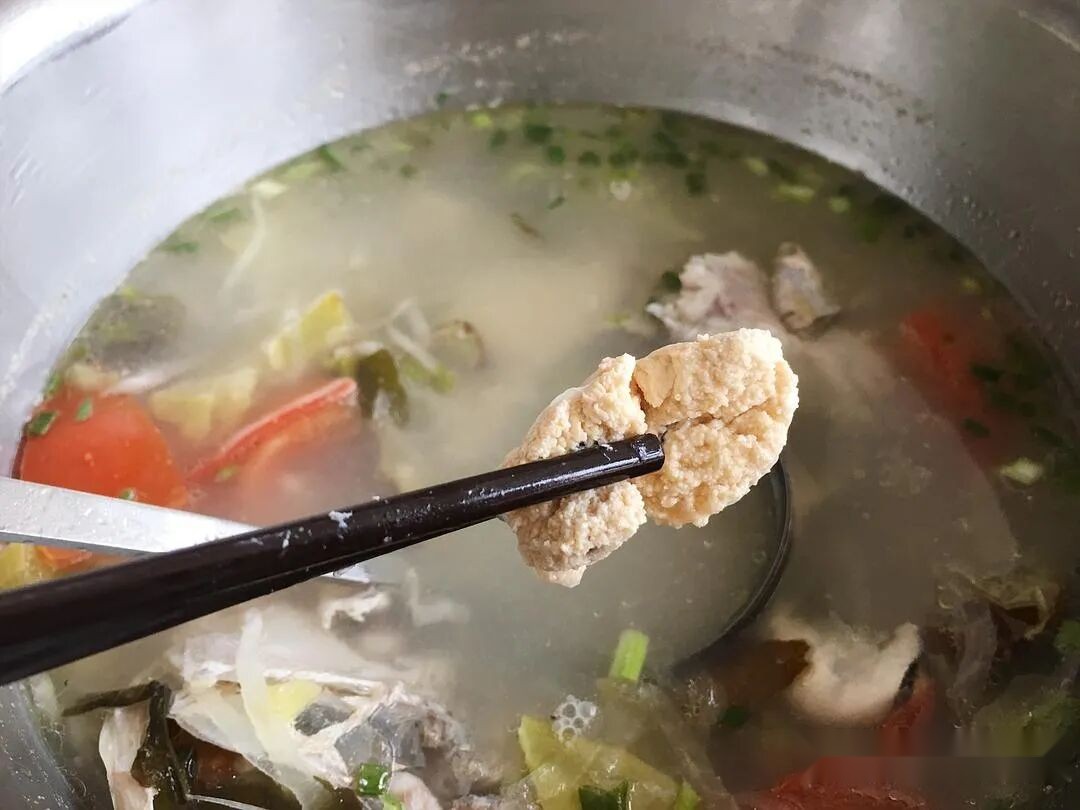
After the 1980s, as shallow-sea resources gradually dwindled and Utsul fishermen lacked the gear for deep-sea fishing, the fishing industry practically ground to a halt, surviving only as a side hustle where people occasionally scooped up small fish and shrimp.
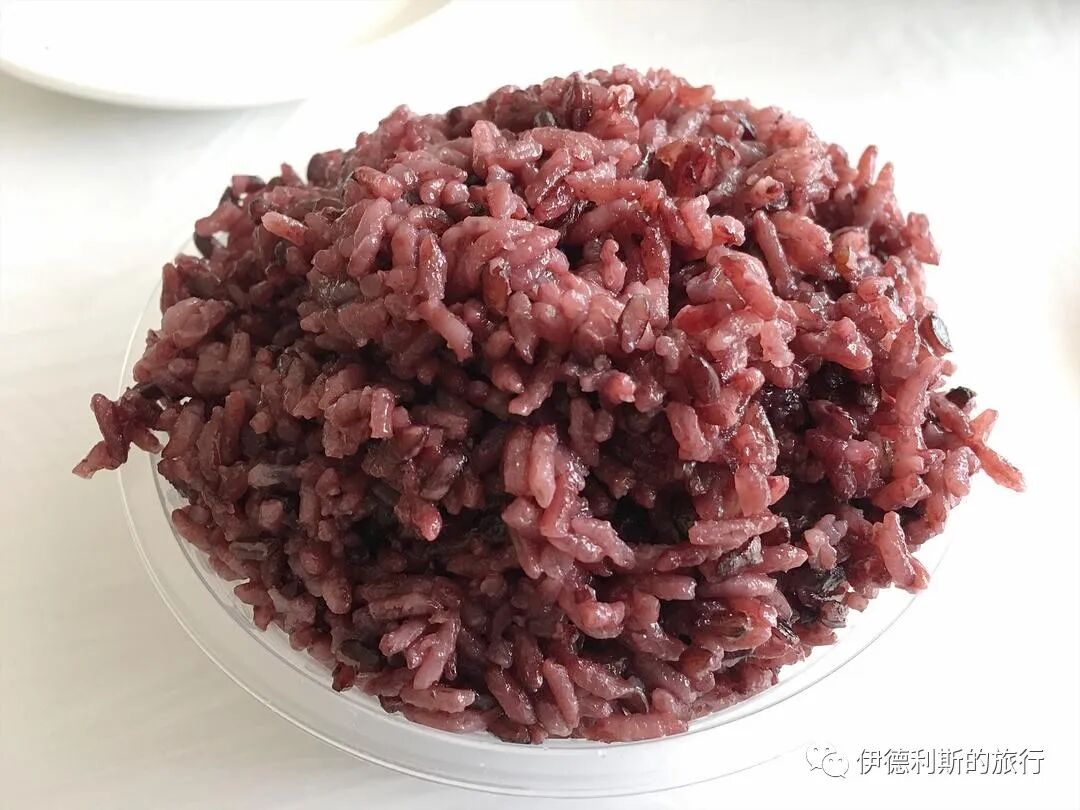
The fish market in Huixin Village (Huixin Muslim Village)
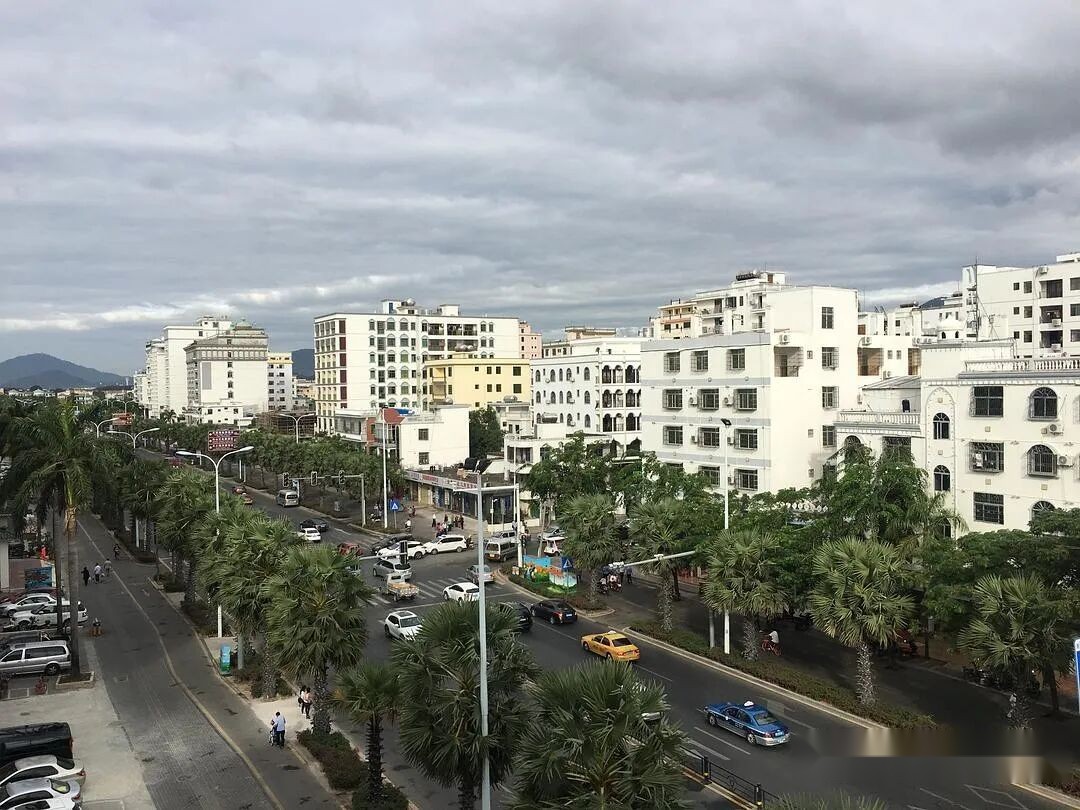
Starting in 1979, some Utsul women, refusing to accept their economic decline, began heading out to start small businesses. By 1982, almost every Utsul household had a woman selling local specialties and tourist souvenirs in towns and scenic spots, and family life for the Utsul Muslims noticeably improved.
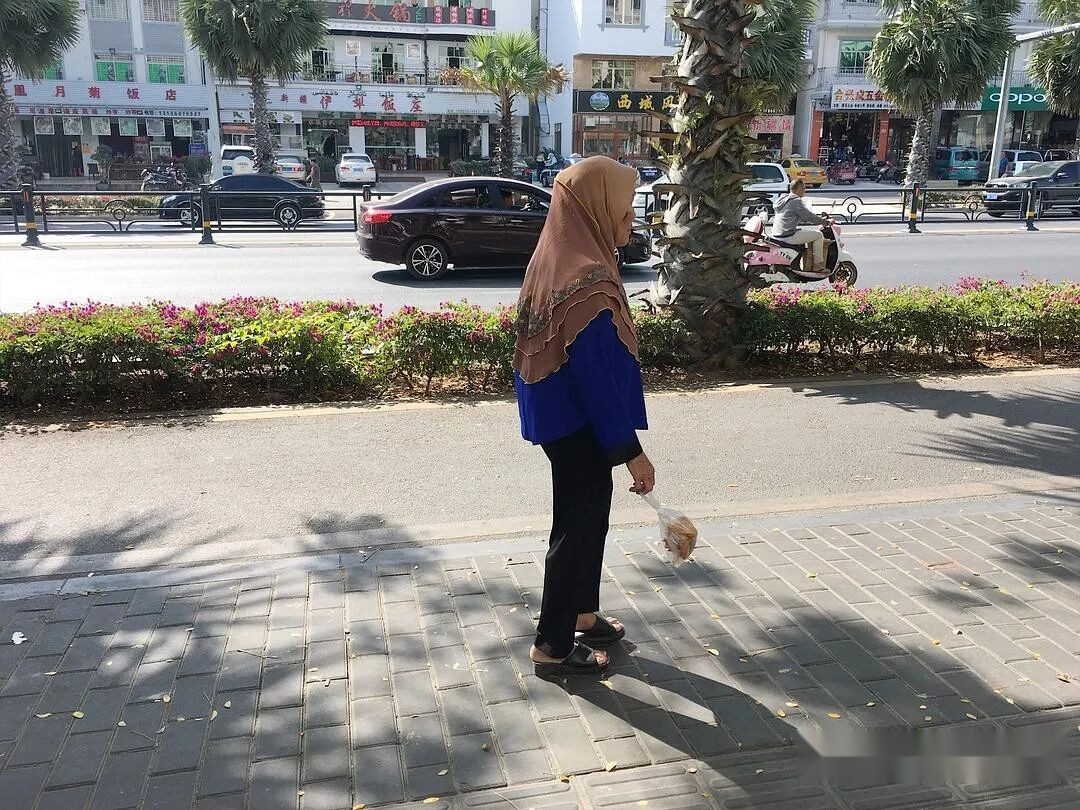
During the 1980s and 90s, Utsul Muslims caught the wave of venturing out into business. Alongside women running stalls at tourist attractions, many men jumped into the passenger transport business. Starting in 1982, lots of Utsul men bought two-wheeled motorcycles or three-wheelers to haul passengers between the city center and tourist spots. After the Sanya Phoenix International Airport was built in 1994, Huihui Village (Huihui Muslim Village)—sitting right next to the airport—became a major transit hub. Utsul locals started buying minivans and minibuses to run routes from the airport to the city center, with the men driving and the women acting as conductors.
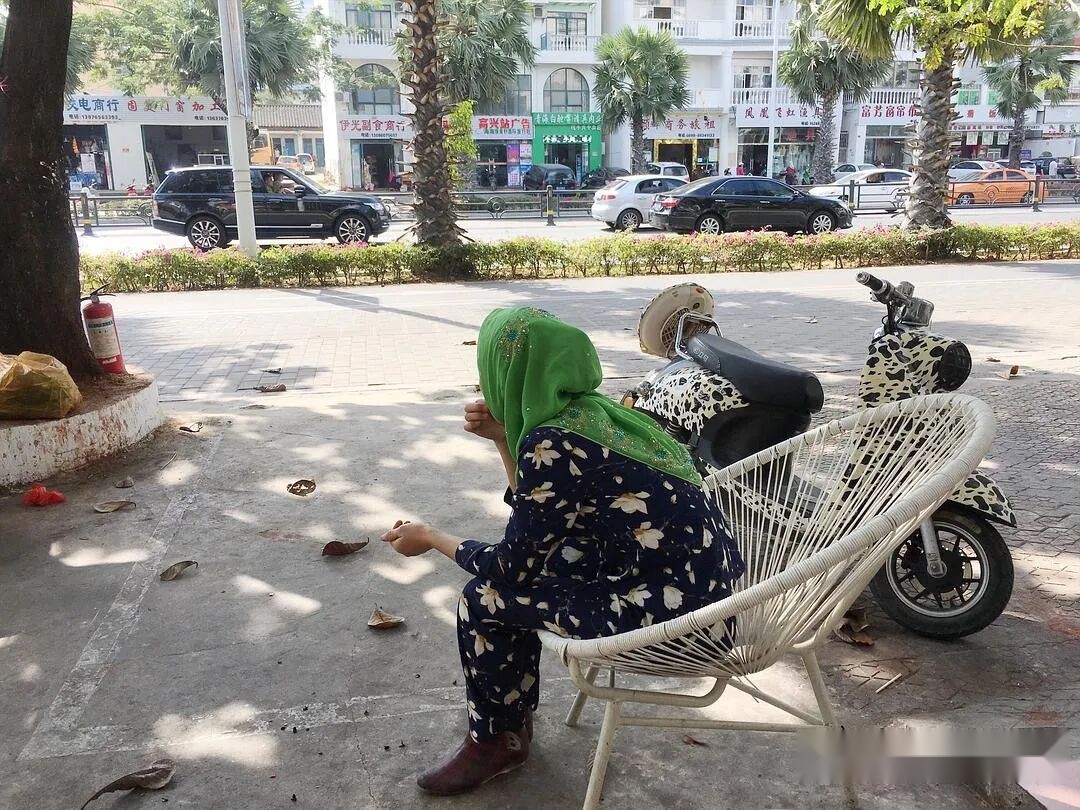
4. Muslim Sojourners from All Over
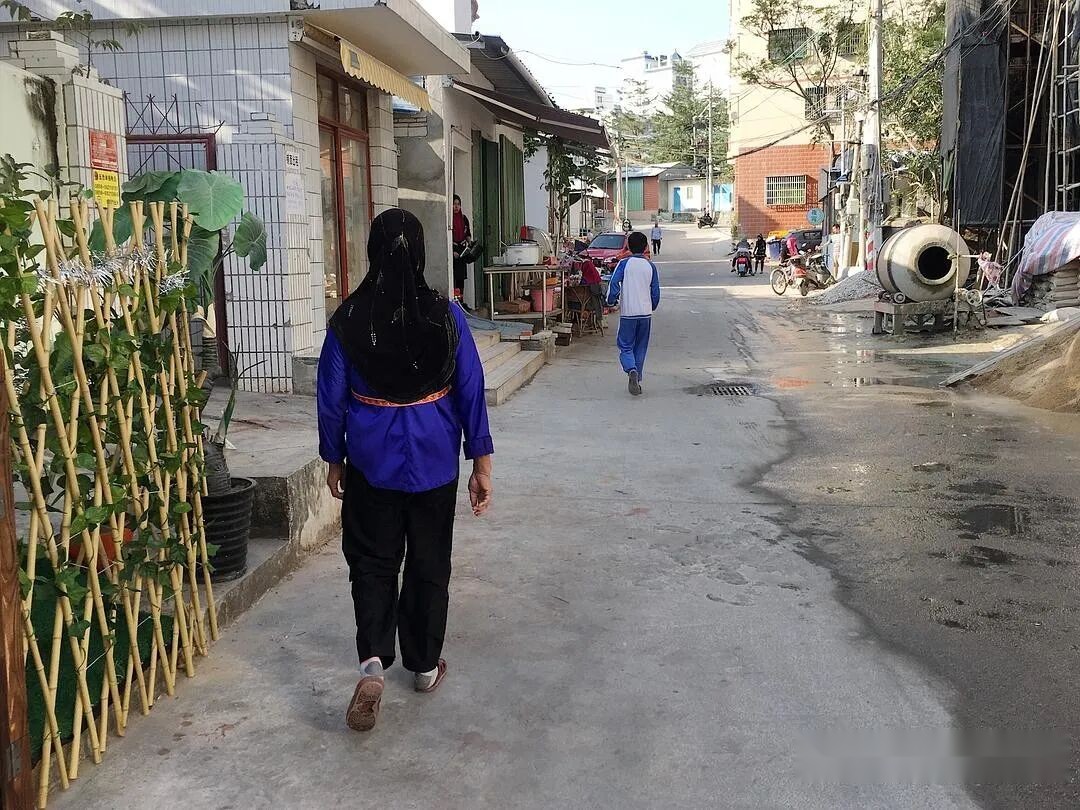
After Sanya's tourism industry boomed in the 1990s, Huihui Village (Huihui Muslim Village) and Huixin Village (Huixin Muslim Village)—as Sanya's only two Muslim communities—became the go-to places to stay for Muslims traveling to Sanya from all over the country. Over time, these Muslim visitors shifted from young and middle-aged short-term vacationers to older folks seeking to escape the winter cold. Starting every October, Huihui Village (Huihui Muslim Village) and Huixin Village (Huixin Muslim Village) fill up with Uyghur, Salar, Dongxiang, and Hui Muslims of all ages coming from Xinjiang, Gansu, Qinghai, Ningxia, and beyond to beat the cold. They live here all winter long, only heading back home around April or May of the following year.
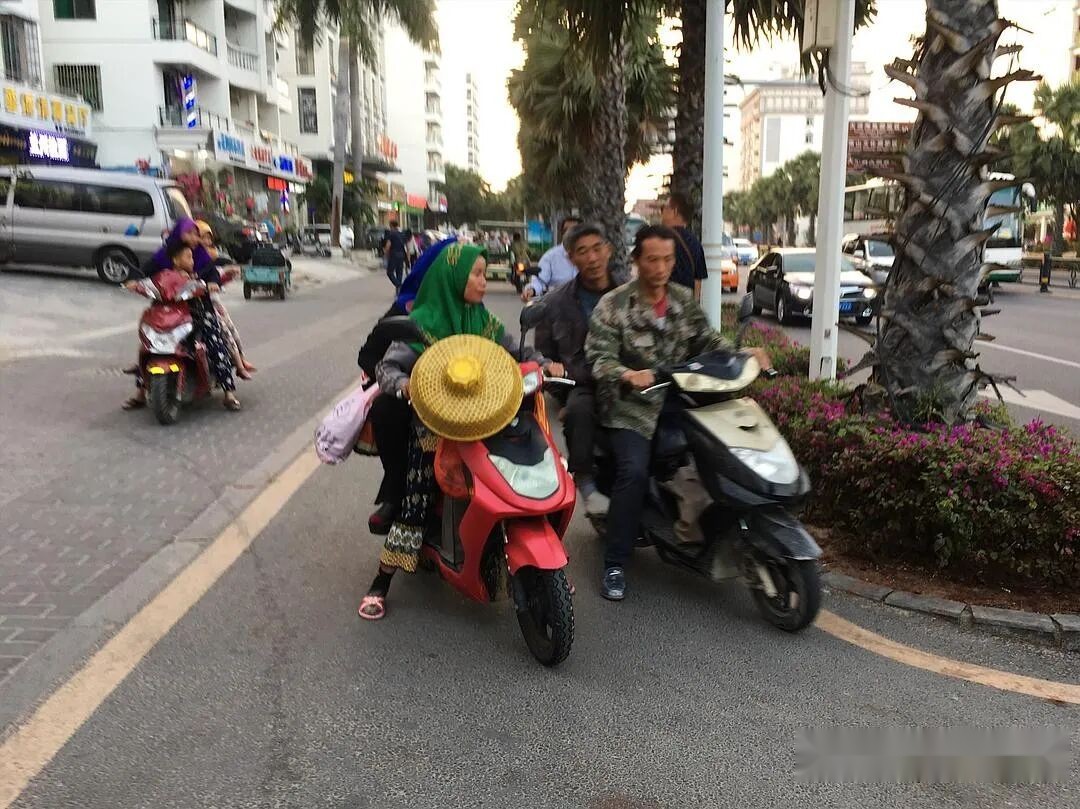
During this time, you'll see Uyghurs wearing doppa embroidered caps and silk scarves mingling with Hehuang Hui Muslims wearing white skullcaps and black hijabs on the bustling streets. Northerners walking around in shorts might make you feel like you're in Shenyang during summer, while Utsul Muslims in colorful patterned trousers and headscarves, speaking the Utsul Cham language, will make you feel like you've landed in Southeast Asia. There's Halal Hainanese cuisine, Ili cuisine, Xining cuisine, Linxia cuisine, and even Xi'an and Henan dishes—making this place feel like a utopian escape far away from winter.
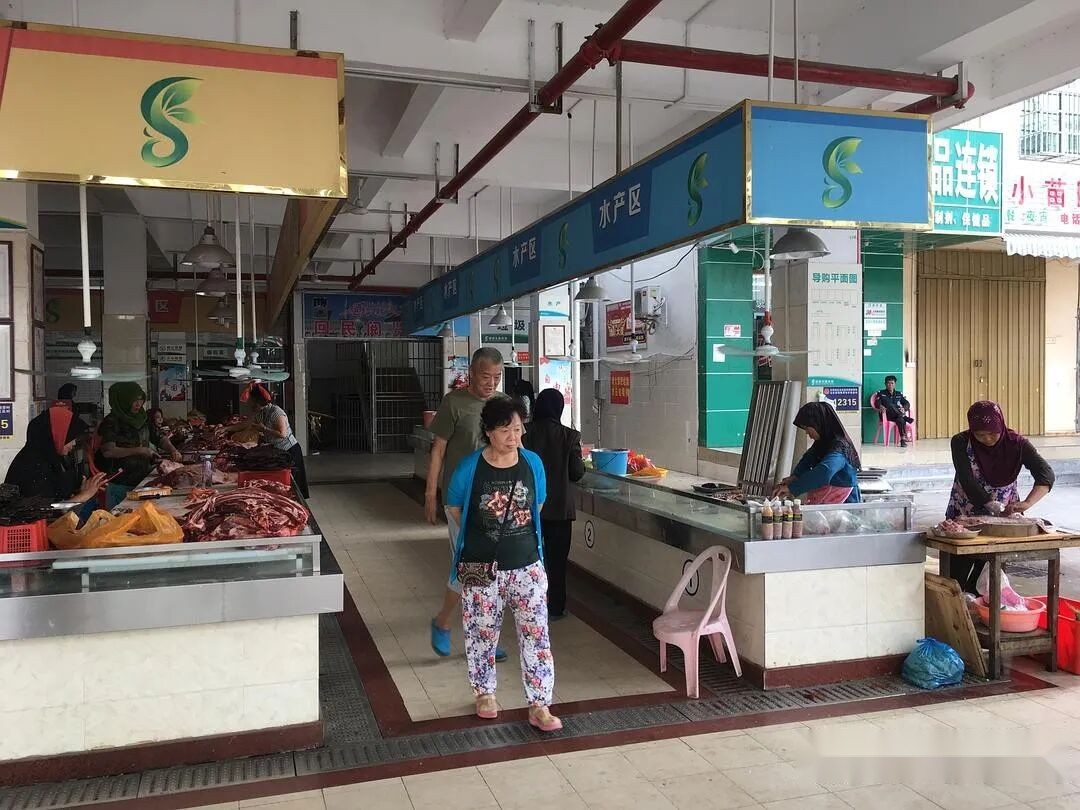
After the reform and opening-up, the first people to open shops in Huihui Village (Huihui Muslim Village) and Huixin Village (Huixin Muslim Village) were Hui, Dongxiang, and Salar Muslims from Gansu and Qinghai. Uyghurs soon followed, opening Uyghur specialty restaurants in Huihui Village (Huihui Muslim Village), and later, Hui Muslims from Yunnan, Henan, and elsewhere arrived to open eateries. Because of this, you can sample Halal food from all corners of China right here.
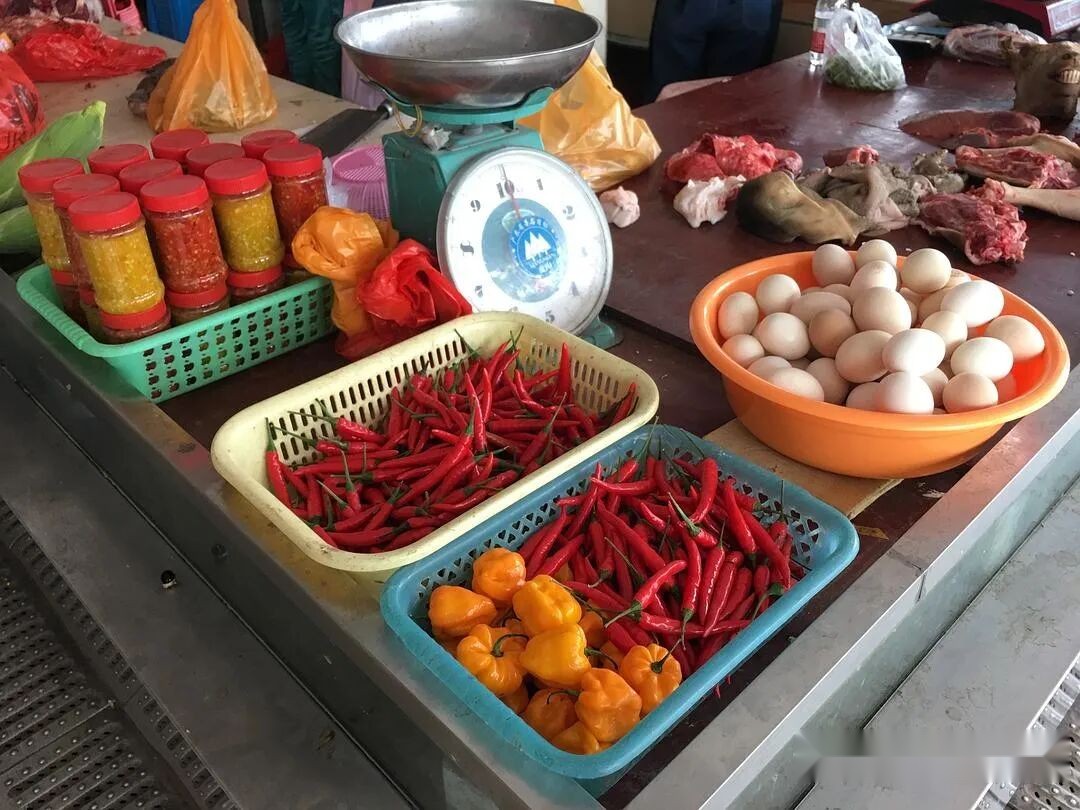
A shop selling Uyghur embroidered clothing
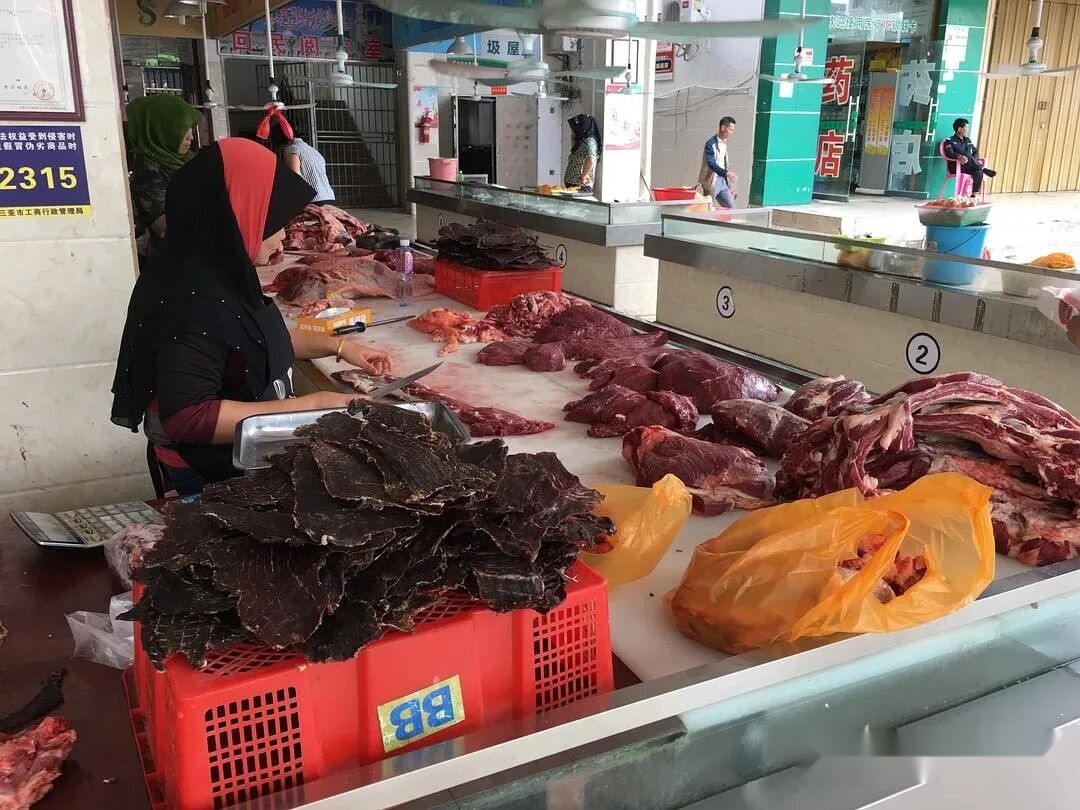
A crossing-the-bridge rice noodles shop run by Shadian Hui Muslims
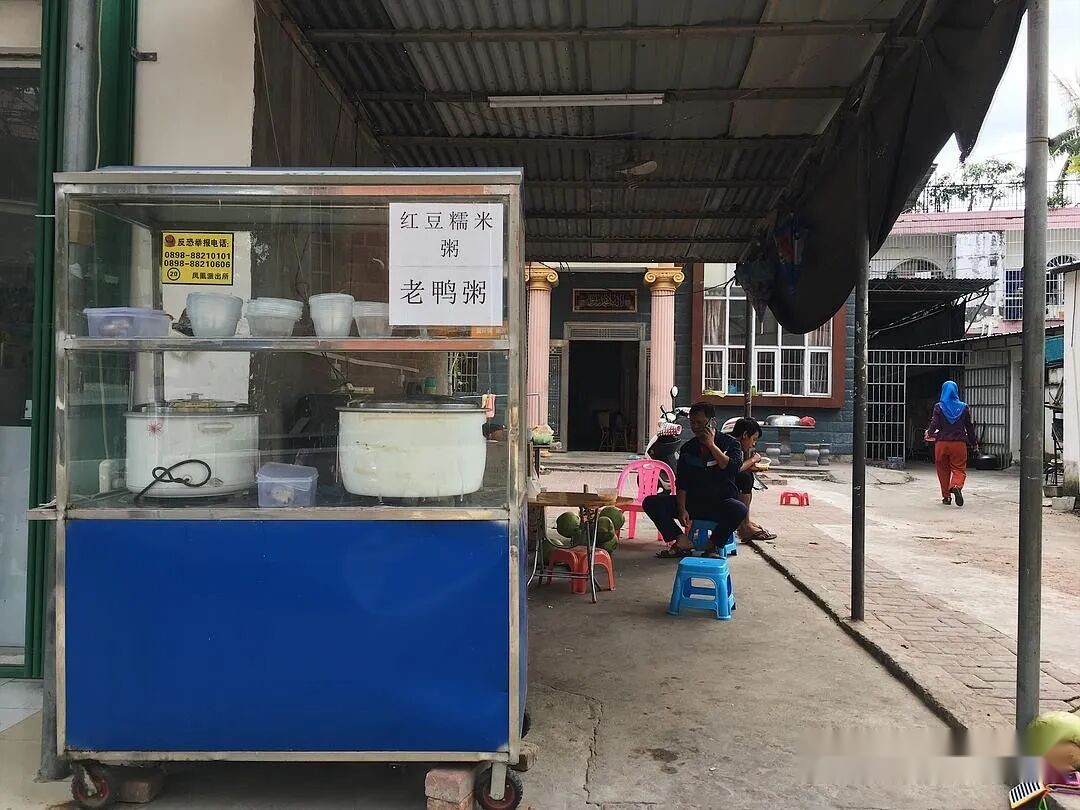
An eatery run by Ili Hui Muslims, where you can get smoked meat narin
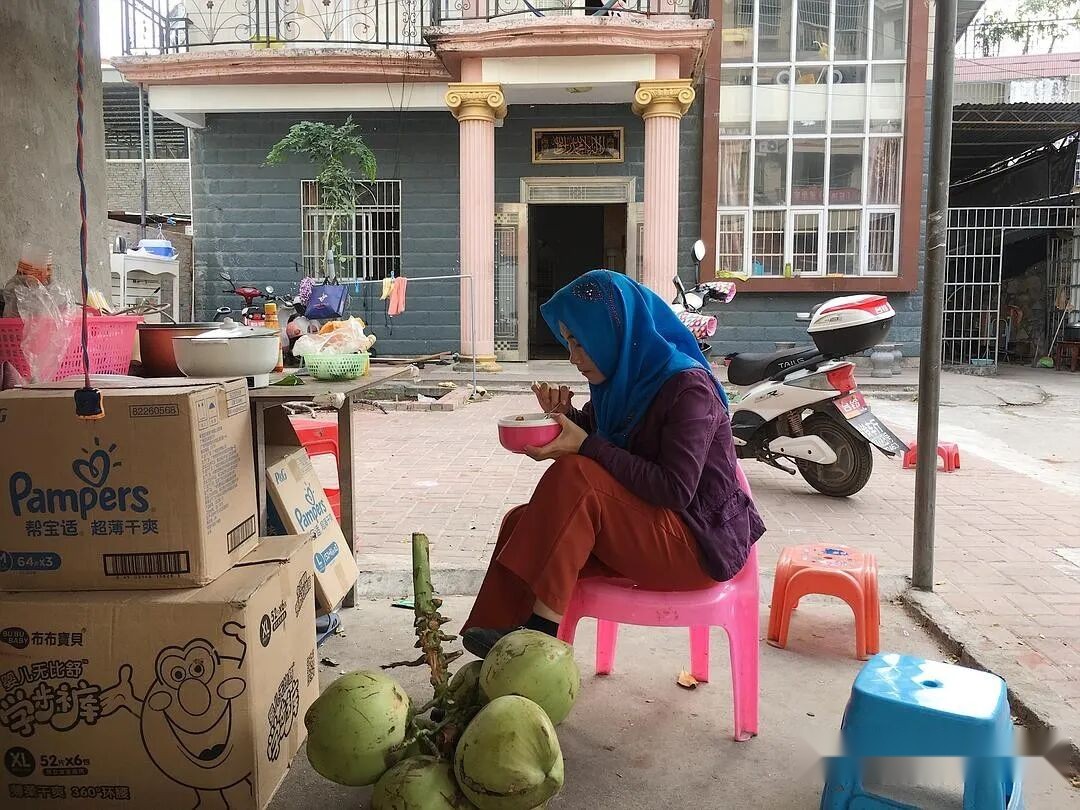
A restaurant run by Henan Hui Muslims, serving braised bowl dishes (kouwan) and braised noodles (huimian)
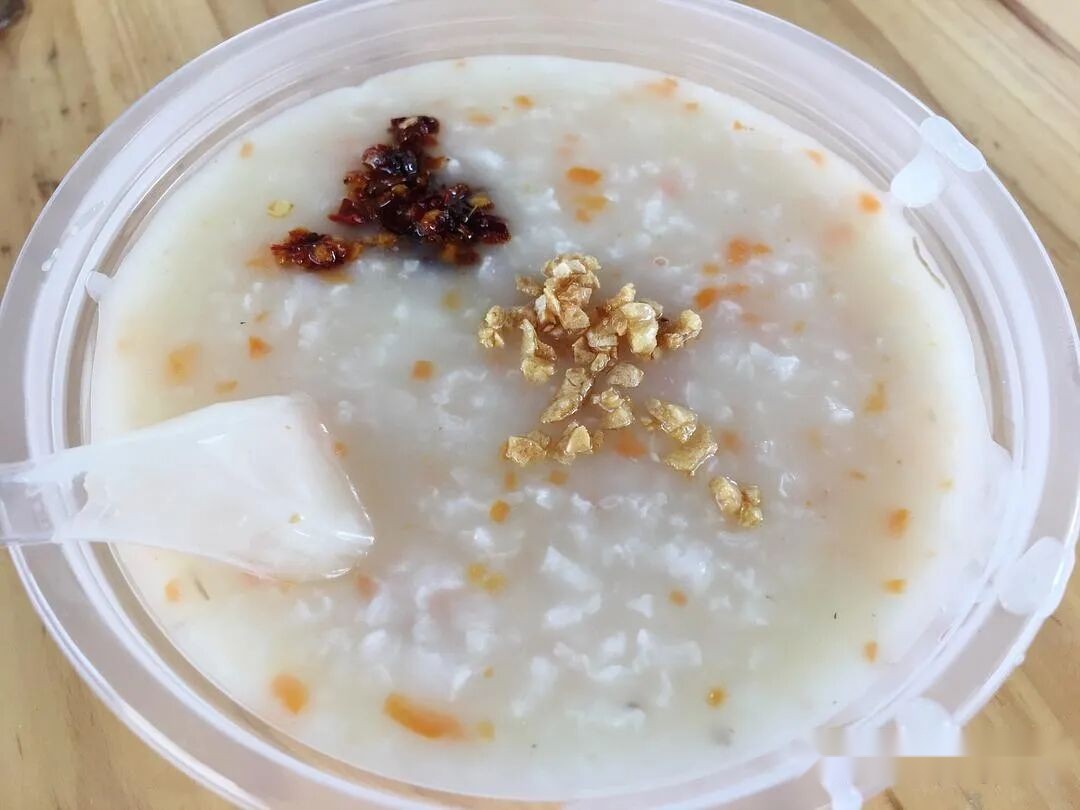
Part 2: Halal Food in Huixin Village (Huixin Muslim Village)
Freshly picked star fruit
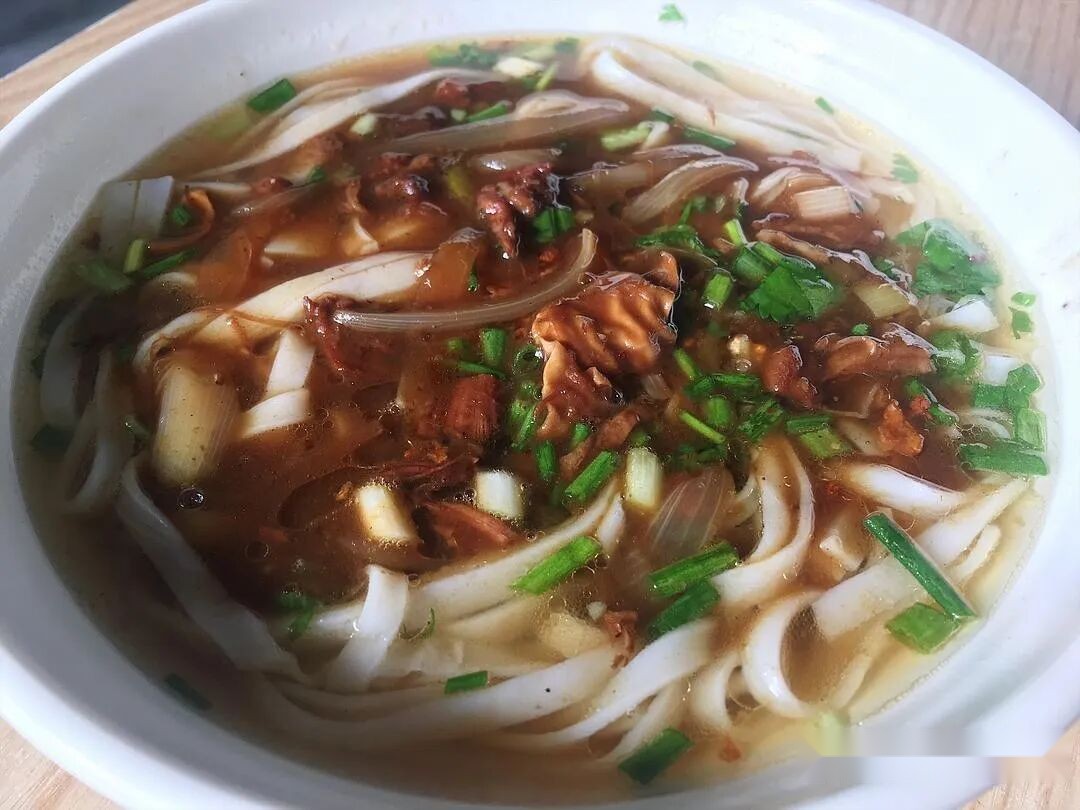
Dried eel made by a Huihui auntie
Jackfruit
Cassava
Li's Rice Noodles Shop's beef brisket rice noodles
At First Fresh Fish Soup (Diayi Xianyutang), we tried their signature Huihui sour fish soup, ordering an 8-liang (about 400g) Luzai fish. Adding star fruit is what gives Huihui sour fish soup its unique twist, and it comes with complimentary coconut red rice.
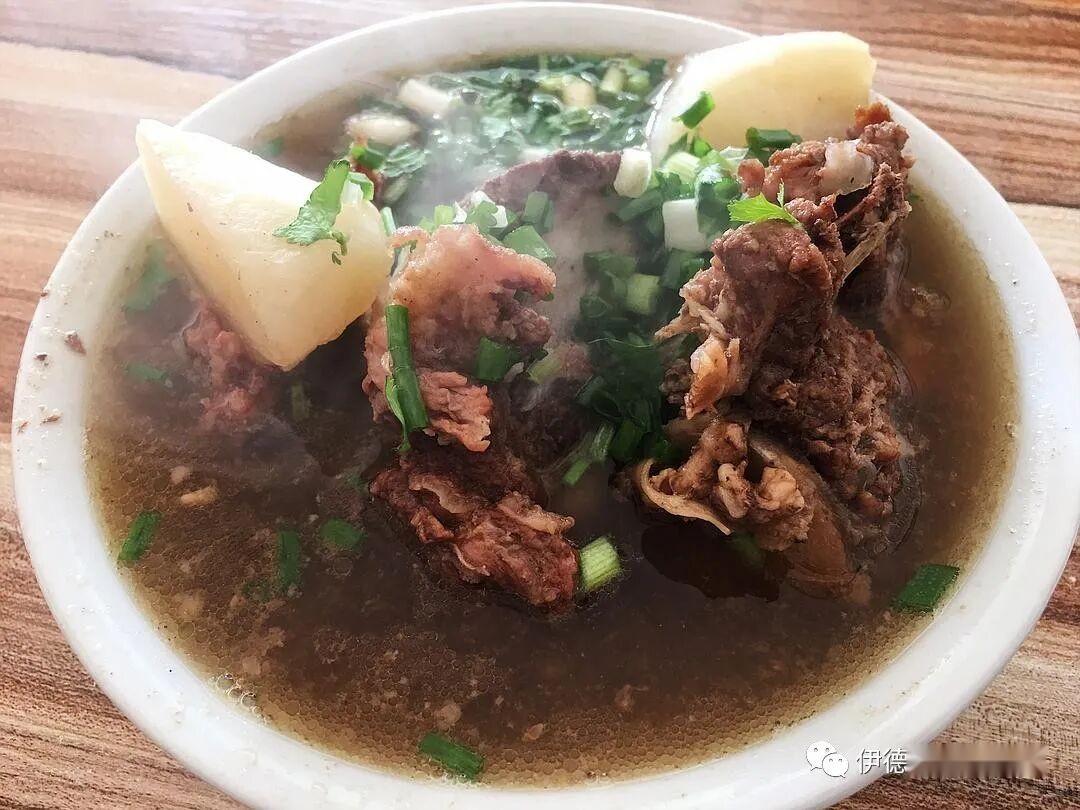
3. Halal Dining in Huihui Village
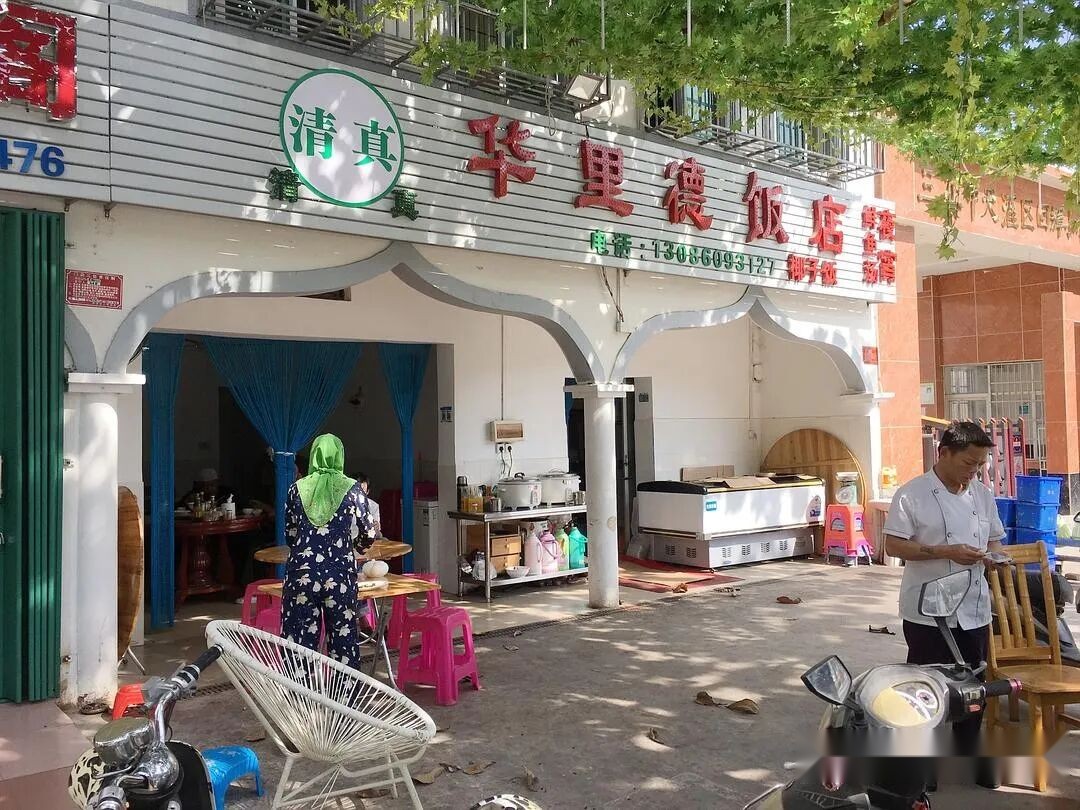
Huihui Village (Huihui Muslim Village) by Day
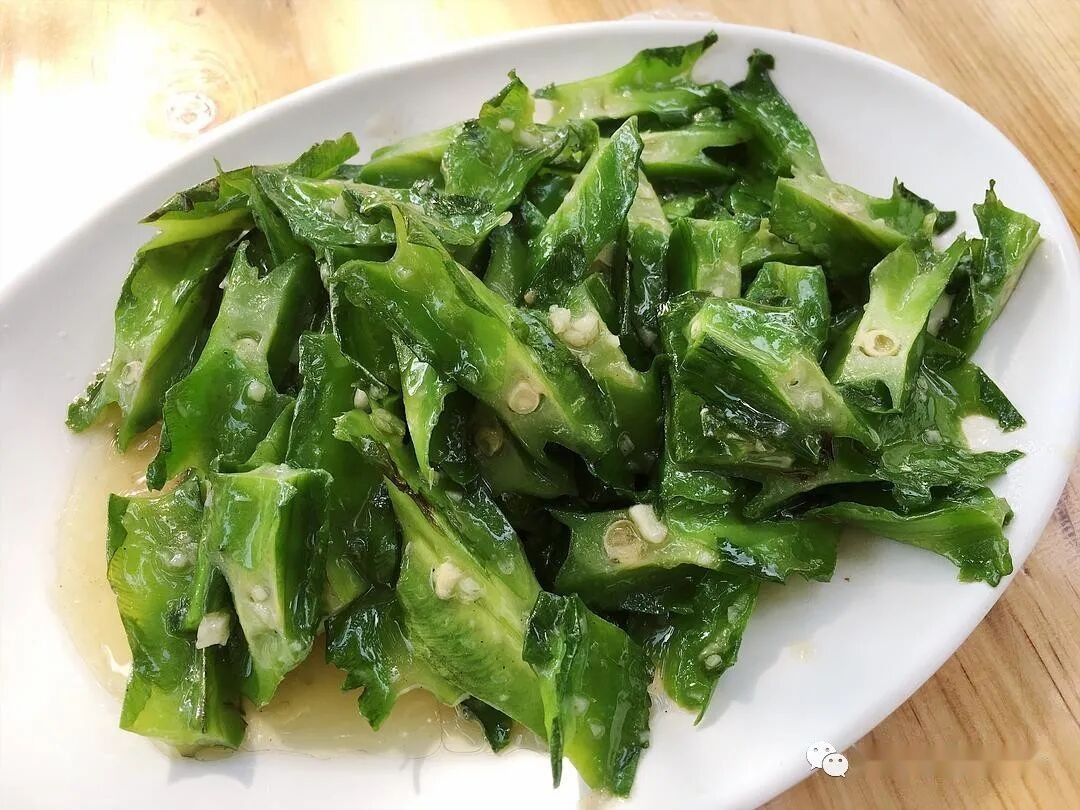
Huihui Market

Laoya zhou (Traditional Hainan duck porridge)
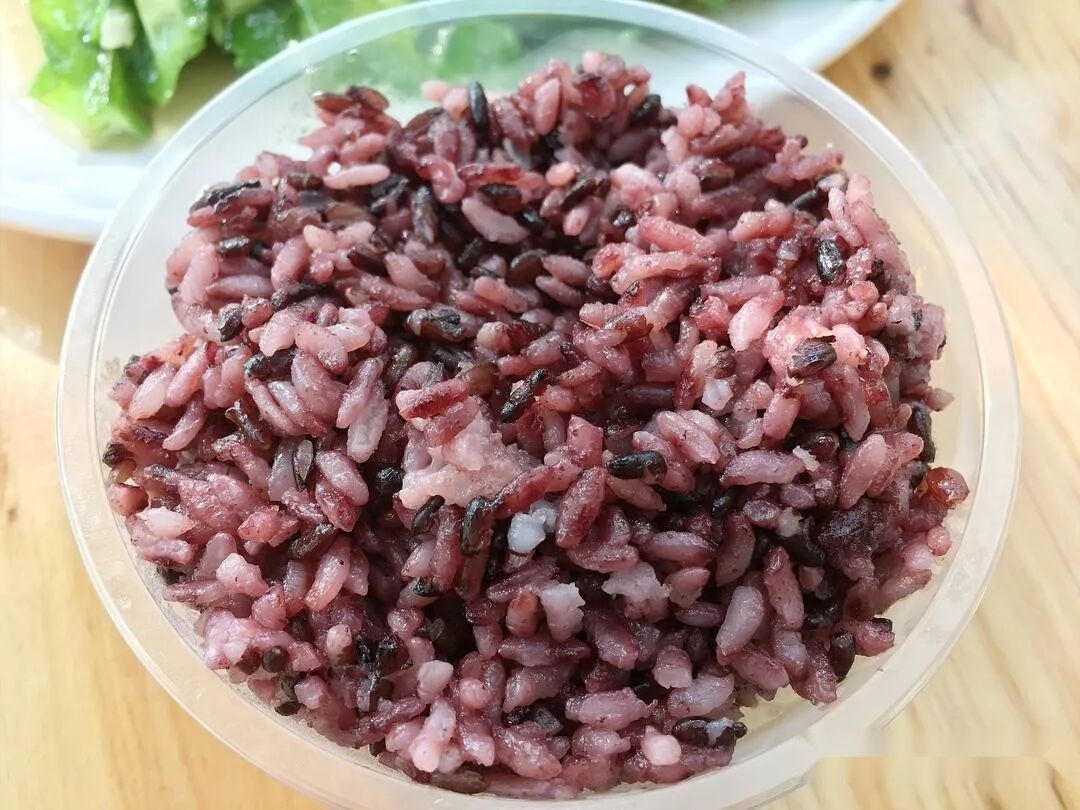
Haxuanren Niunan Mianba's niurou fen (Hainan beef rice noodles)

Li's Beef Bone Broth Shop's seafood rice porridge and beef bone soup
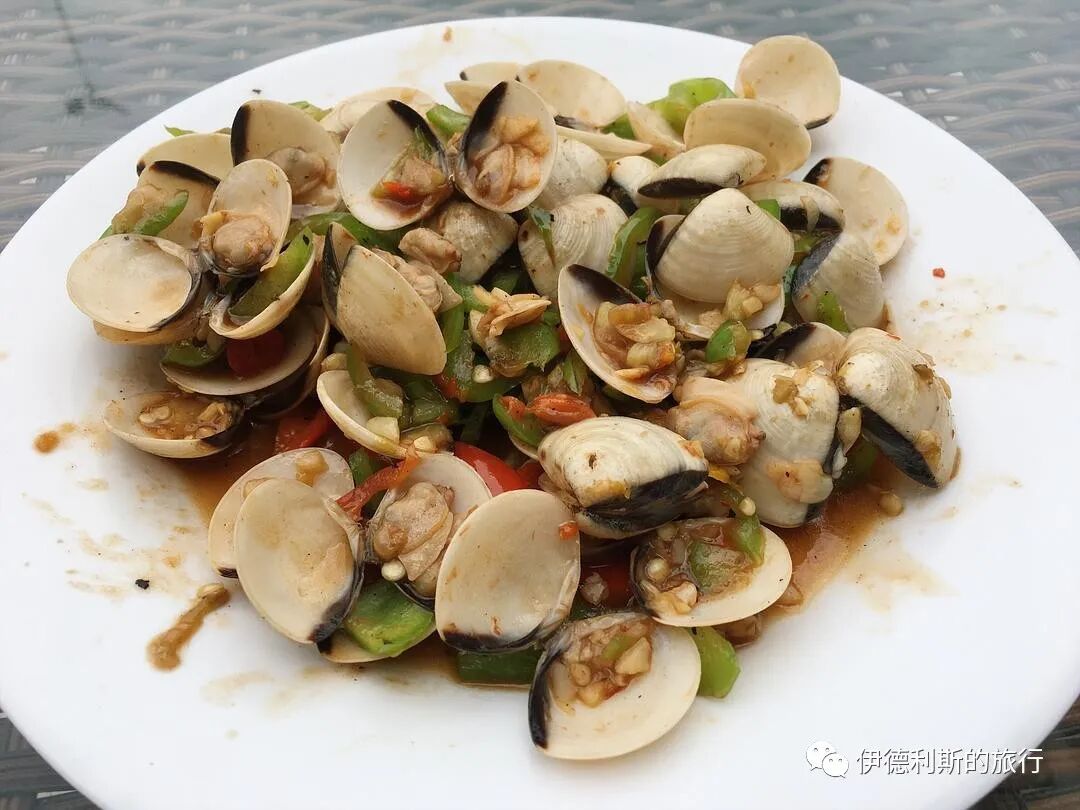
Hualide Restaurant's four-angle beans (winged beans) and shrimp paste-stir-fried pumpkin leaves, served with coconut red rice
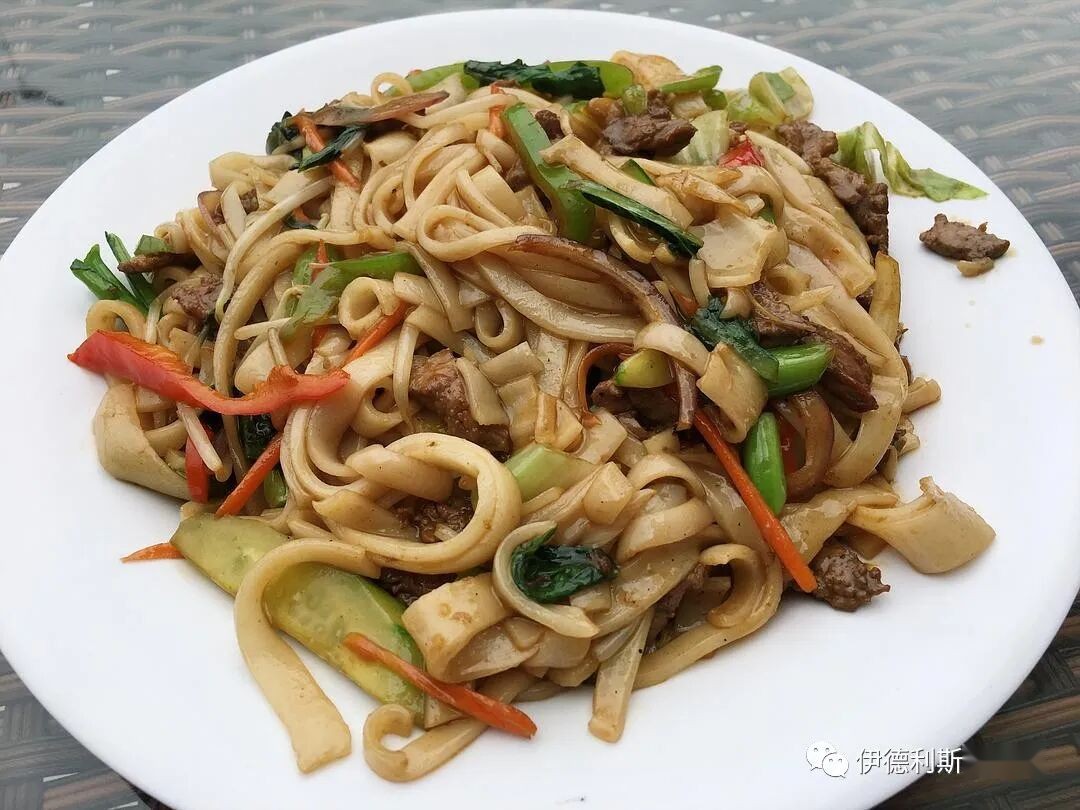
Fenghuang Yueju Restaurant's white clams and stir-fried noodles
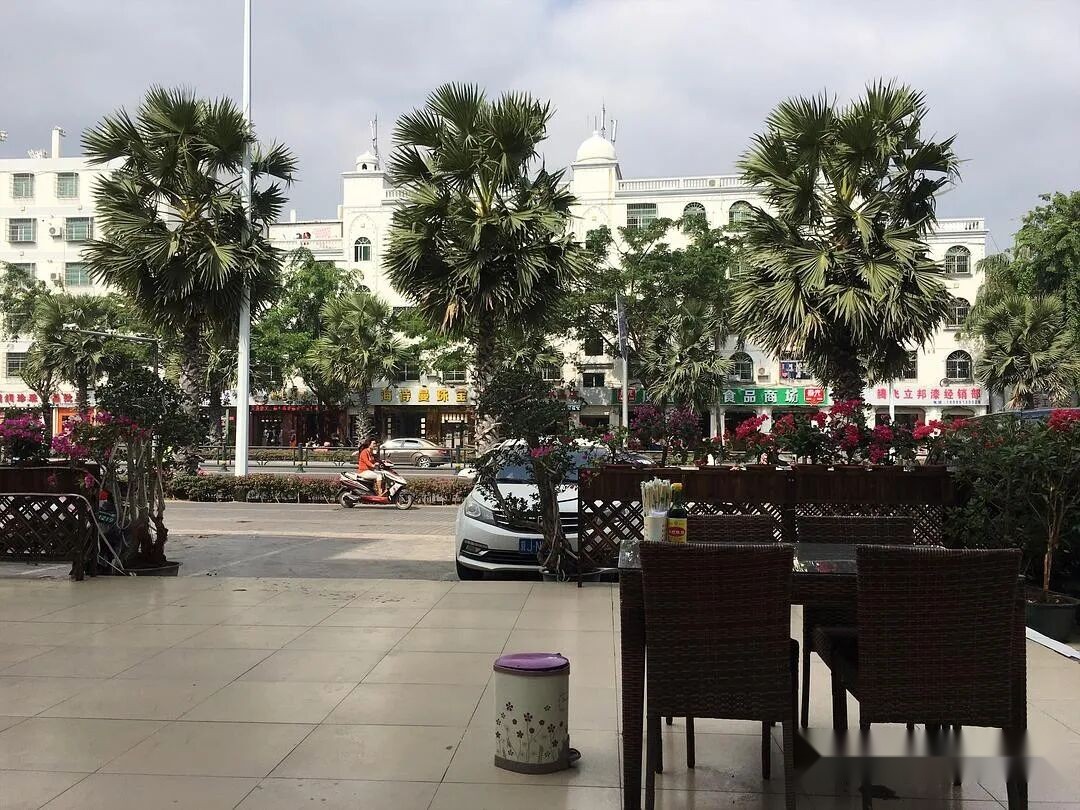
Huihui Village (Huihui Muslim Village) at Night
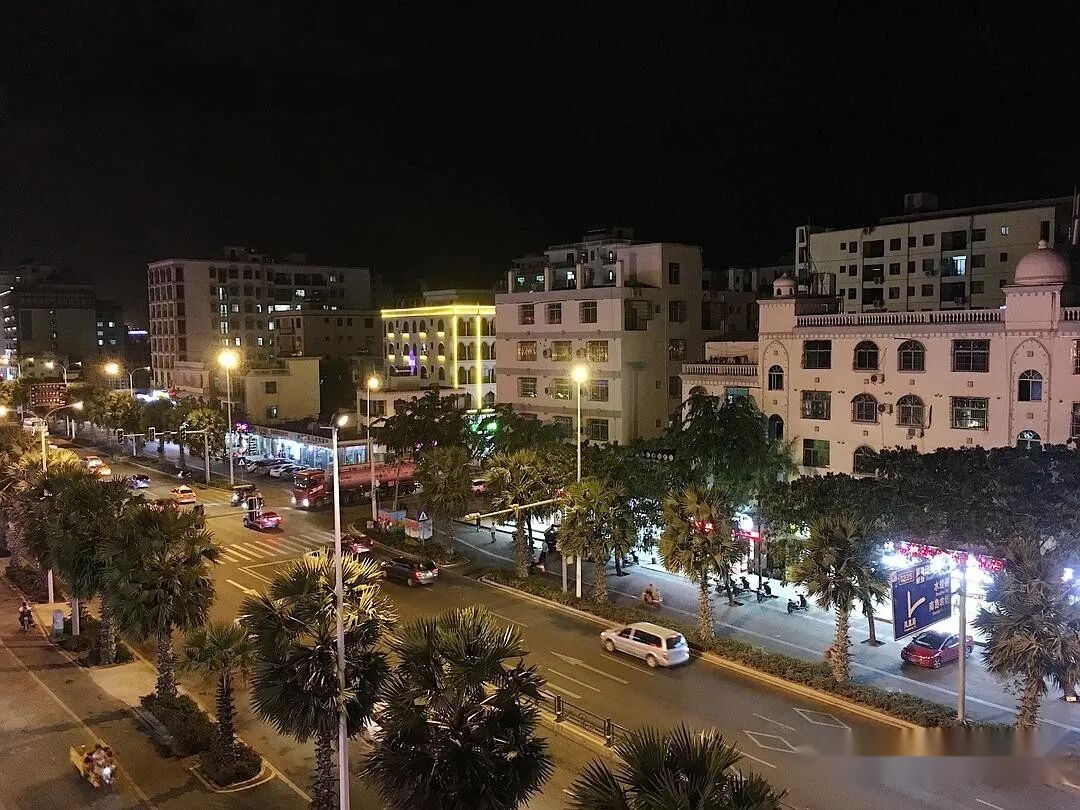
Halal seafood barbecue and coconut milk qingbu-liang (refreshing Hainan sweet dessert soup). We ordered grouper, Pacific saury, and squid tentacles. The qingbu-liang came with a loaded lineup of 12 different toppings—super extravagant!
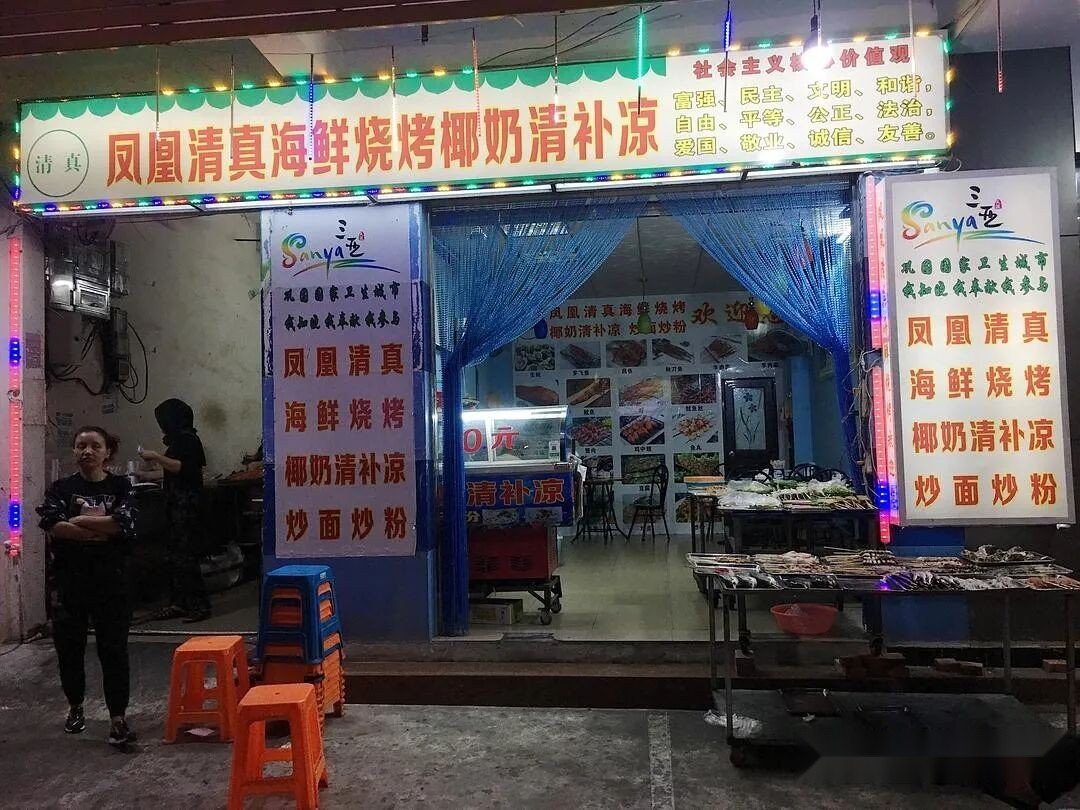
This spot is hands down my favorite late-night halal seafood barbecue joint. I came back the next night to order tilapia, sea snails, cuttlefish, and squid tentacles. A young Li ethnic guy was sipping a coconut milk qingbu-liang, a young Northwest Hui Muslim couple ordered 14 skewers of roasted mantou (steamed buns), and a middle-aged Uyghur couple (or husband and wife) whom we’d bumped into all over the street these past few days ordered a mountain of oysters. The local chengguan (urban management officers) didn't show up tonight, and we all grubbed out and had a blast.
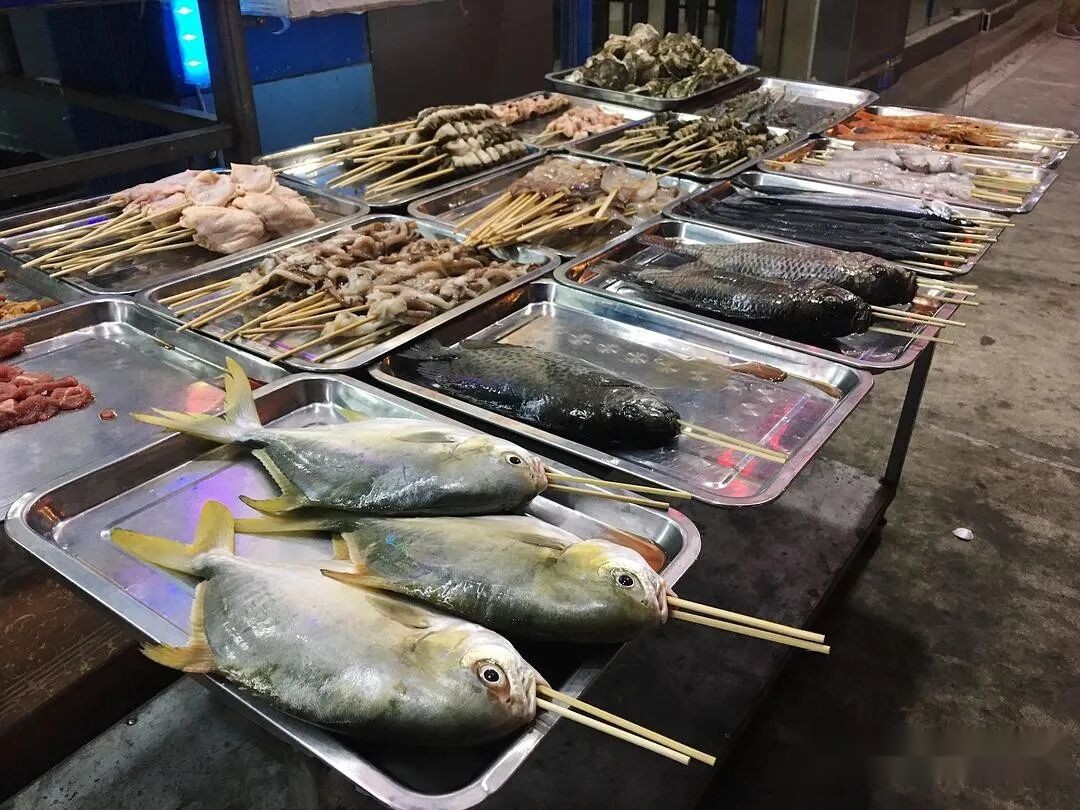
Over at Huiji Fresh Fish Soup, we grabbed Manila clams, oysters, coconut red rice, and fresh coconuts. Among the spots along Phoenix Road's Halal Food Street, this place has a seriously nice vibe. Out front is a cozy little courtyard shaded by two longan trees, and chilling in the 26°C (78°F) evening breeze felt absolute perfection.
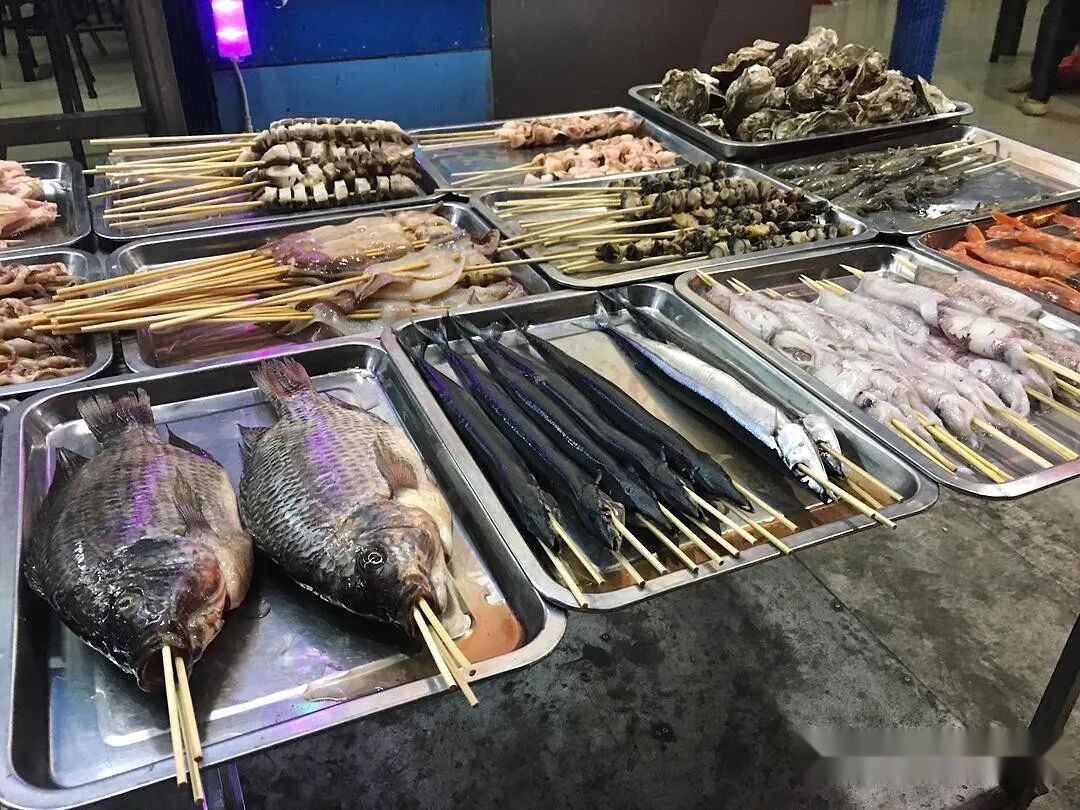
At Dongsheng Seafood Processing Restaurant, we had spicy stir-fried triangle crabs. Triangle crabs are the cheapest type of crab they carry, going for 80 RMB a pound.
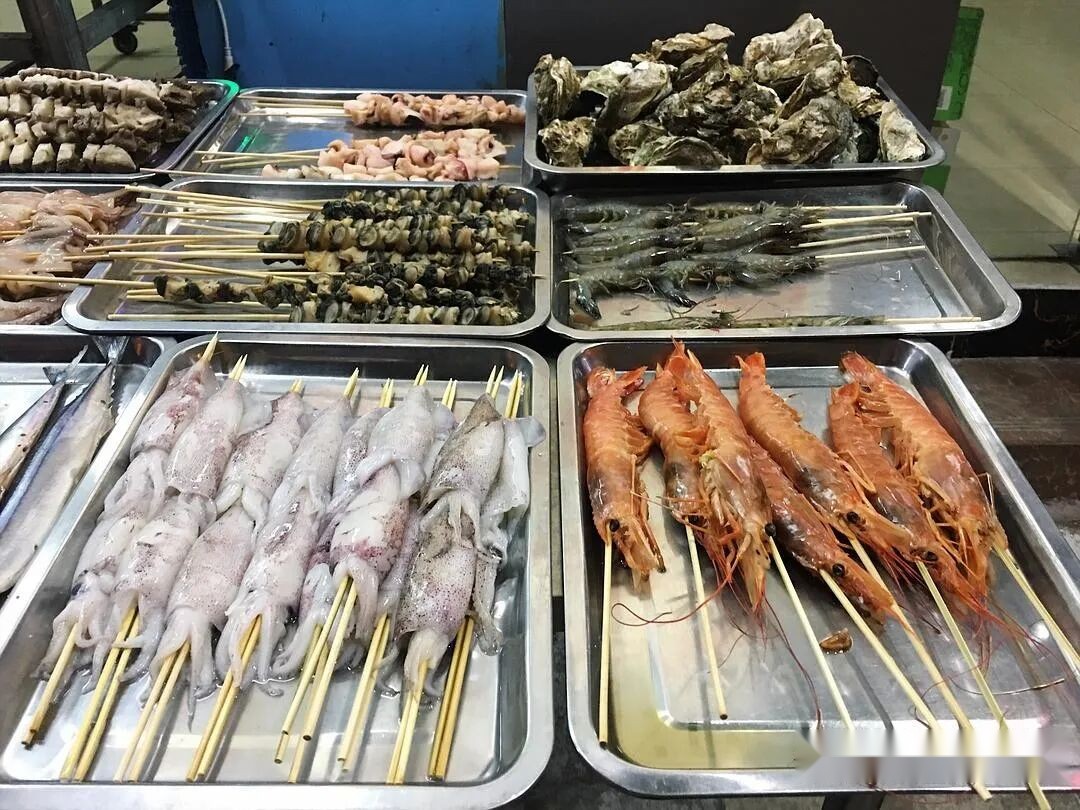
Fatty's Halal Fast Food's seafood fish noodles and coconut milk qingbu-liang
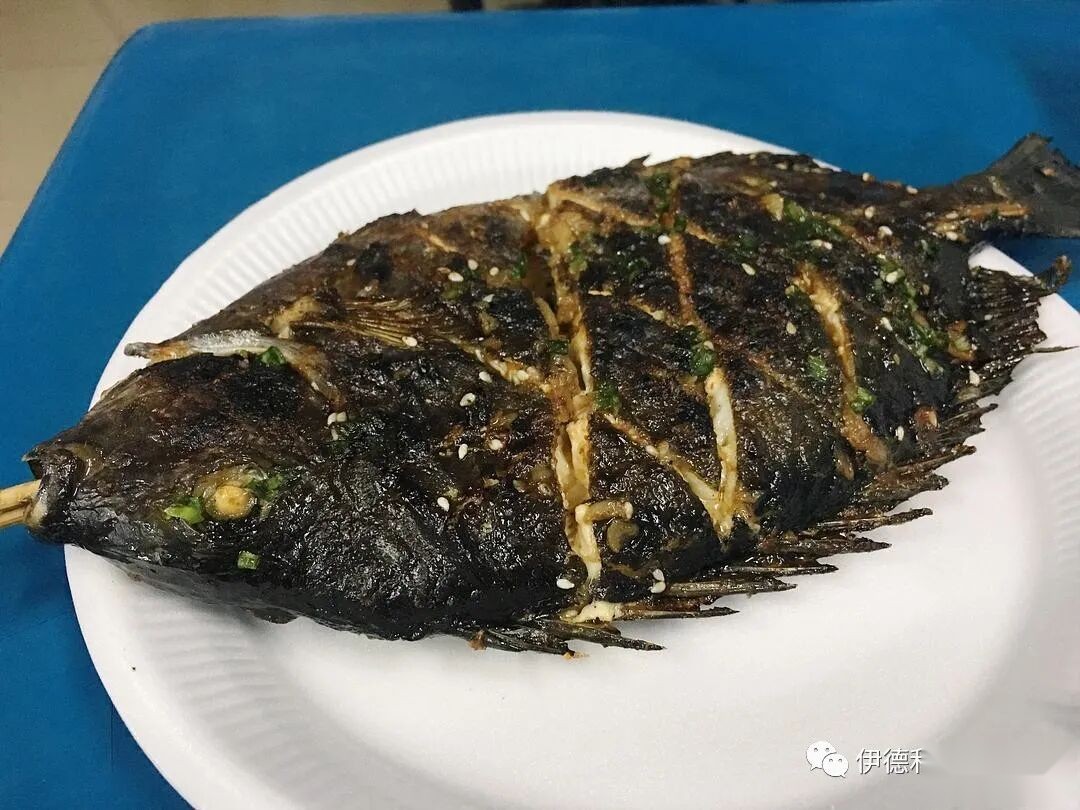
Fenghuang Yuewenwei Seafood Cuisine City's Wenchang chicken and Hainan wild vegetable gemingcai (wild globe thistle / wild jicai)
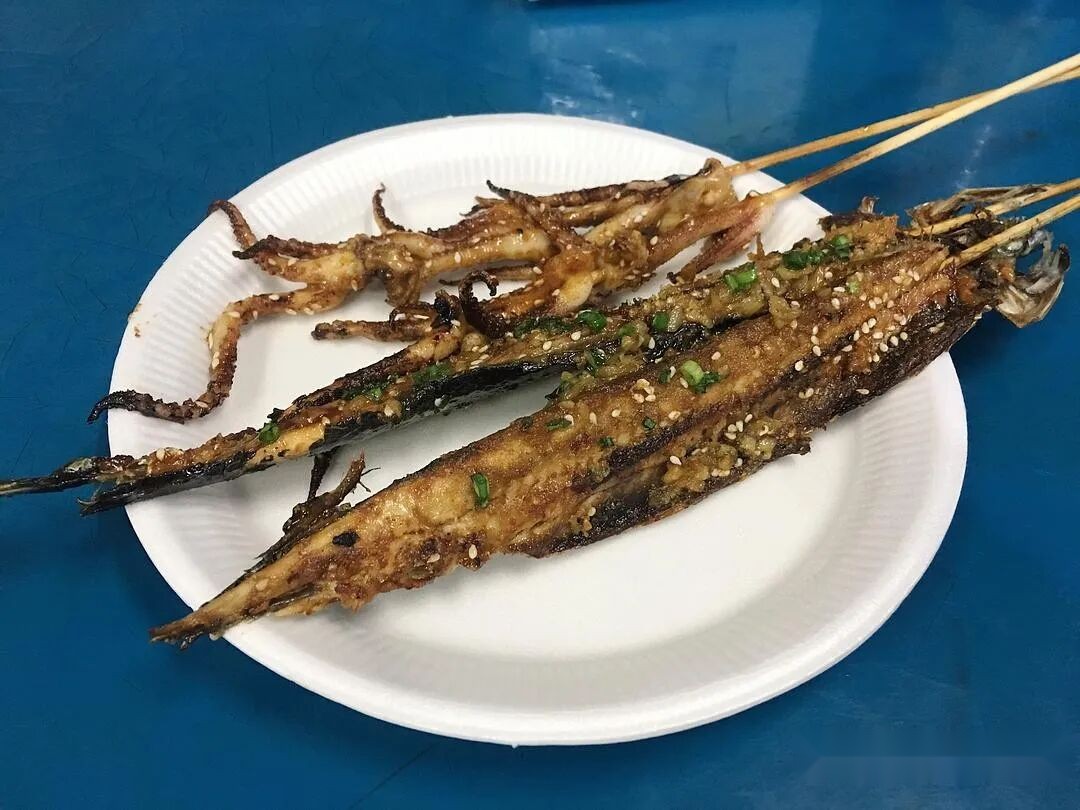
4. The Mosques of the Utsul People
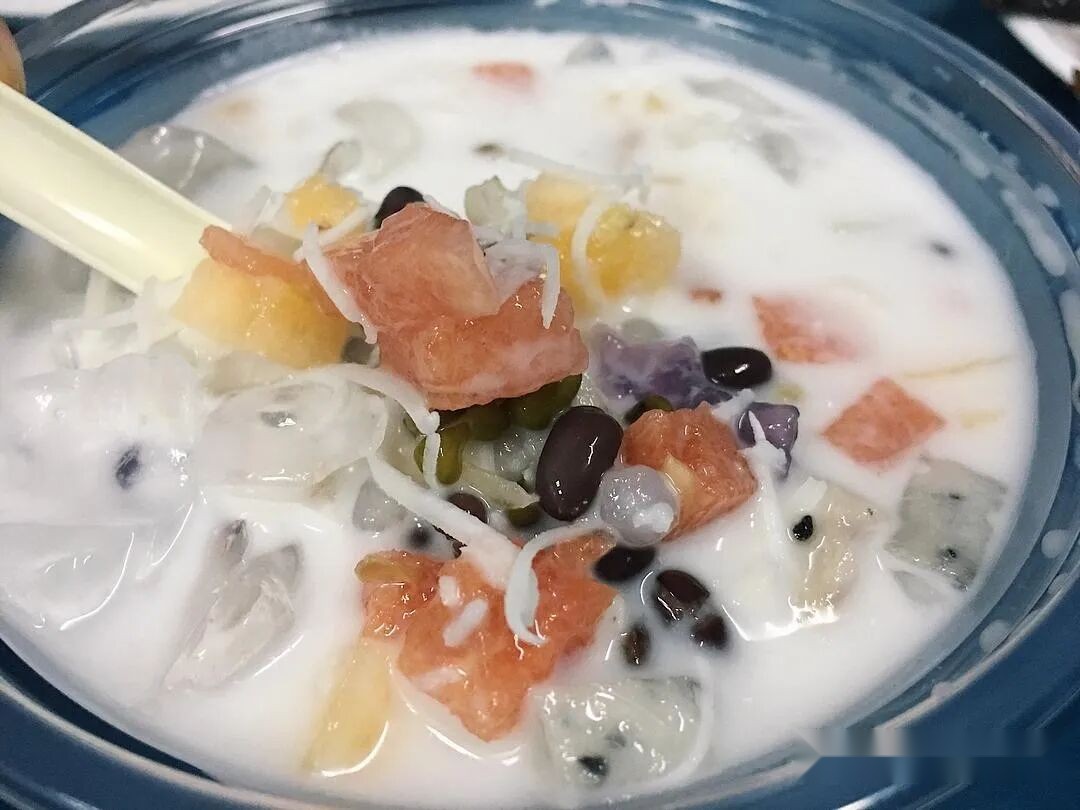
1. The Evolution of Huihui Village Mosques
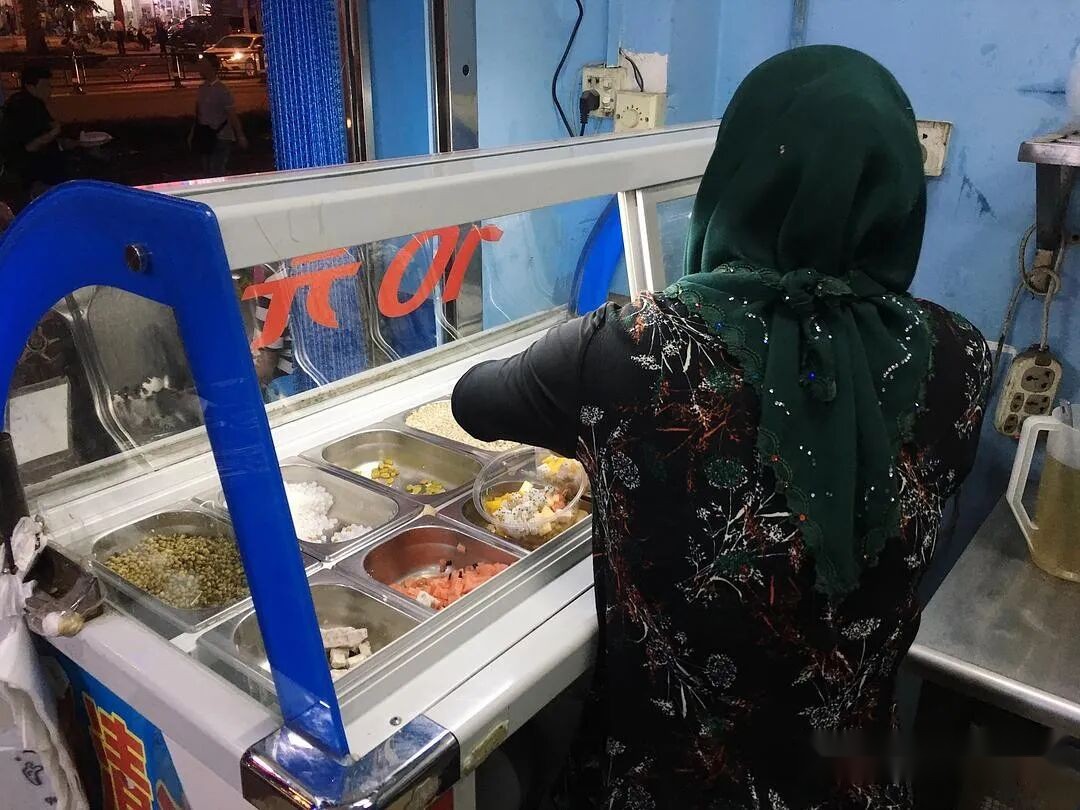
During the Ming and Qing dynasties, Suosanyali Fancun Village had four mosques known as the East, West, South, and North mosques. All featured traditional Chinese architectural styles, with the West Mosque being the largest.
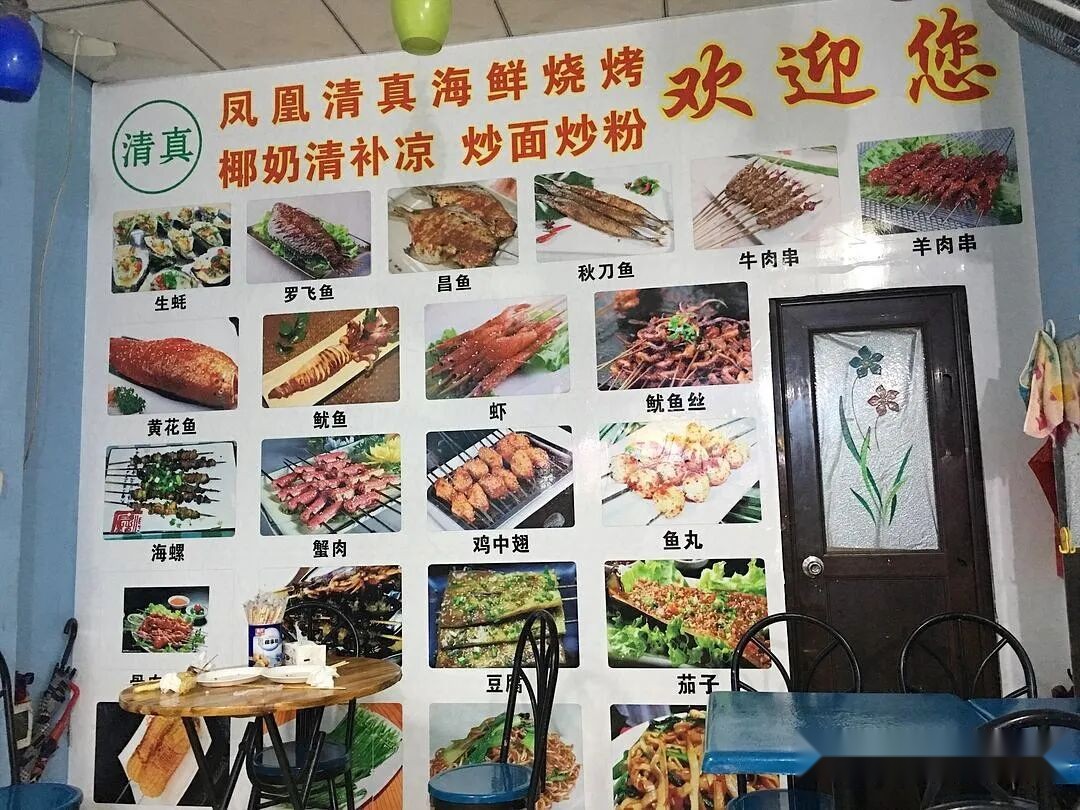
In 1931, German ethnologist Hans Stübel visited Sanya twice and documented the mosques and Islamic faith of the Utsul people in his 1937 work, *Die Li-stämme der Insel Hainan, Ein Beitrag zur Volkskunde Südchinas* (*The Li Tribes of Hainan Island: A Contribution to the Ethnography of South China*):
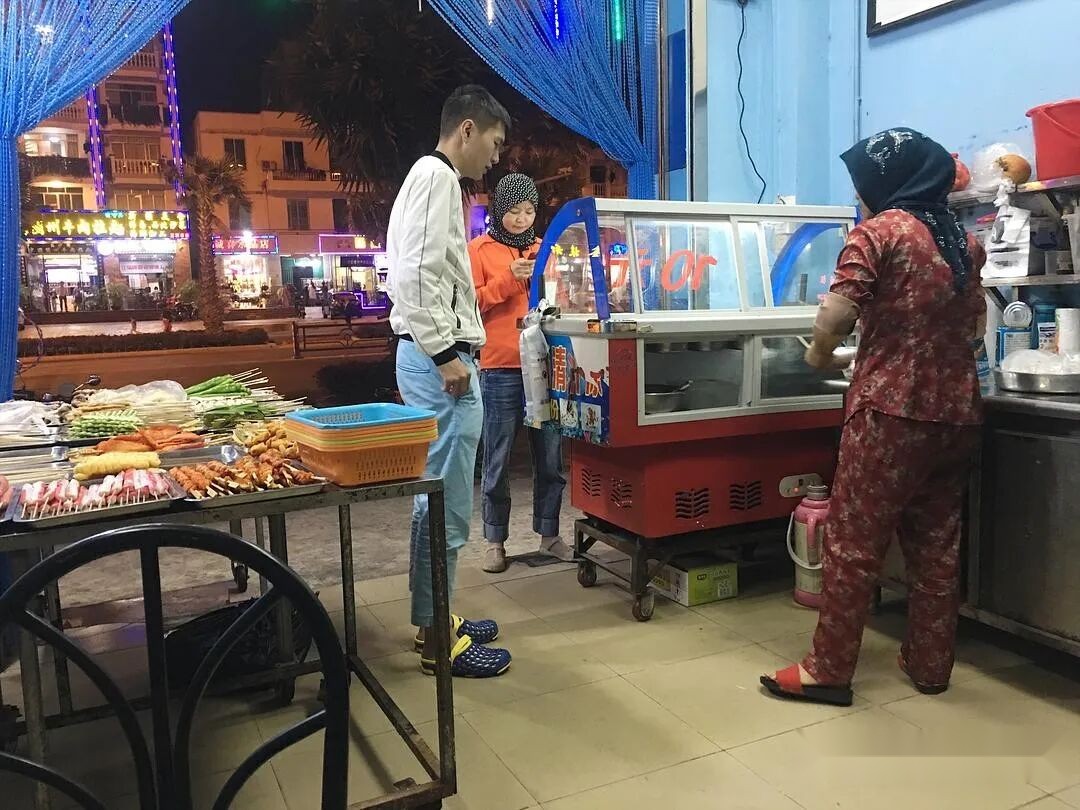
"Sanya has four Islamic mosques. In the largest one, located in the west, we were received with wonderful hospitality by the mosque's respected mullah (an honorific for Islamic scholars) and teachers, who treated us to cakes and eggs soaked in sweet syrup."
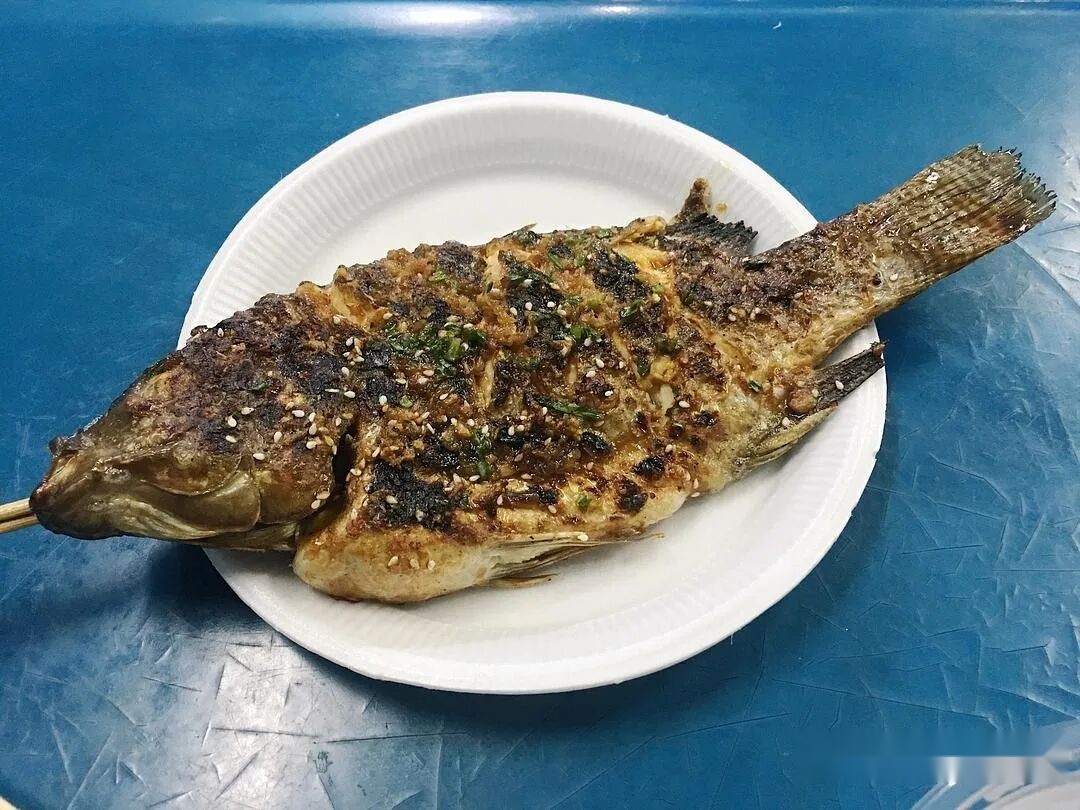
"The Islamic mosques are not very large, but they are beautiful, immaculate, and built in the traditional Chinese architectural style just like elsewhere in China. Sanya's Muslims follow the Shafi'i school of jurisprudence and maintain ties with Muslims in Guangzhou, especially those at the Huaisheng Mosque (Light Tower Mosque)."
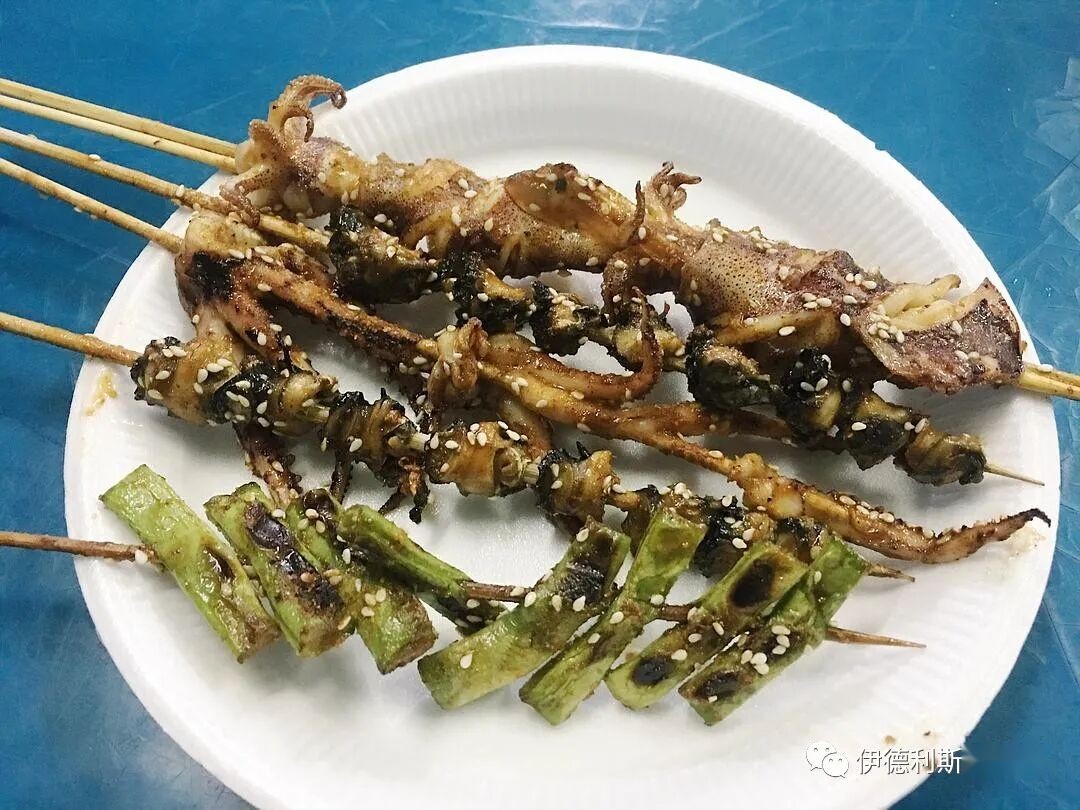
"According to a prominent Han Chinese merchant in Sanya's harbor, these Muslims are helpful and friendly people. They own land, most of which they rent out; aside from hunting, they also fish and own fishing boats. There are a total of 400 Muslim households in Sanya harbor, numbering around 2,000 people. Their village has been burned down twice."
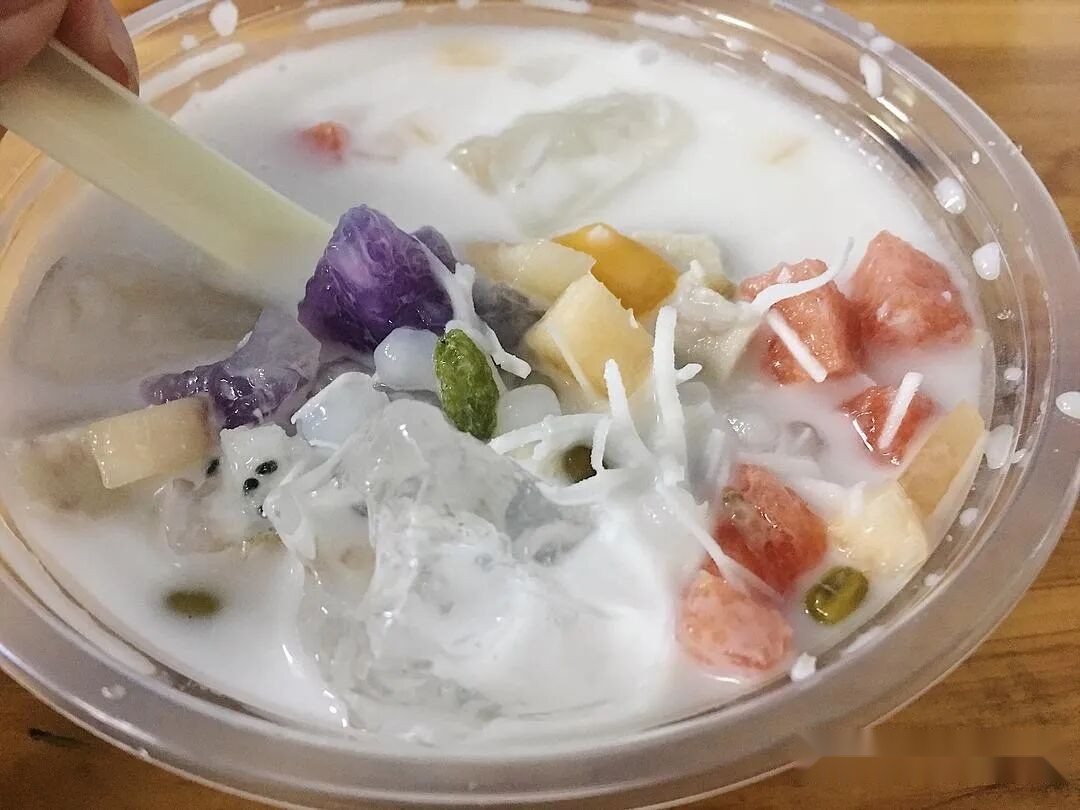
"These Muslims can be divided into two distinct physical types: one group has narrow faces and long, hooked noses; the other has less prominent yet wider noses with sunken bridges and more pronounced, high cheekbones—the latter type being much more common. Older men there frequently sport striking beards, and men wearing a 'fez' can be seen everywhere. Muslims who have made the pilgrimage to Mecca wear long beards and popular fez turbans. The educated among them speak excellent Mandarin, while the rest speak a very distinct dialect. Most of their numerals are derived from Malay, though apart from that, no other Malay markers seem to be found."
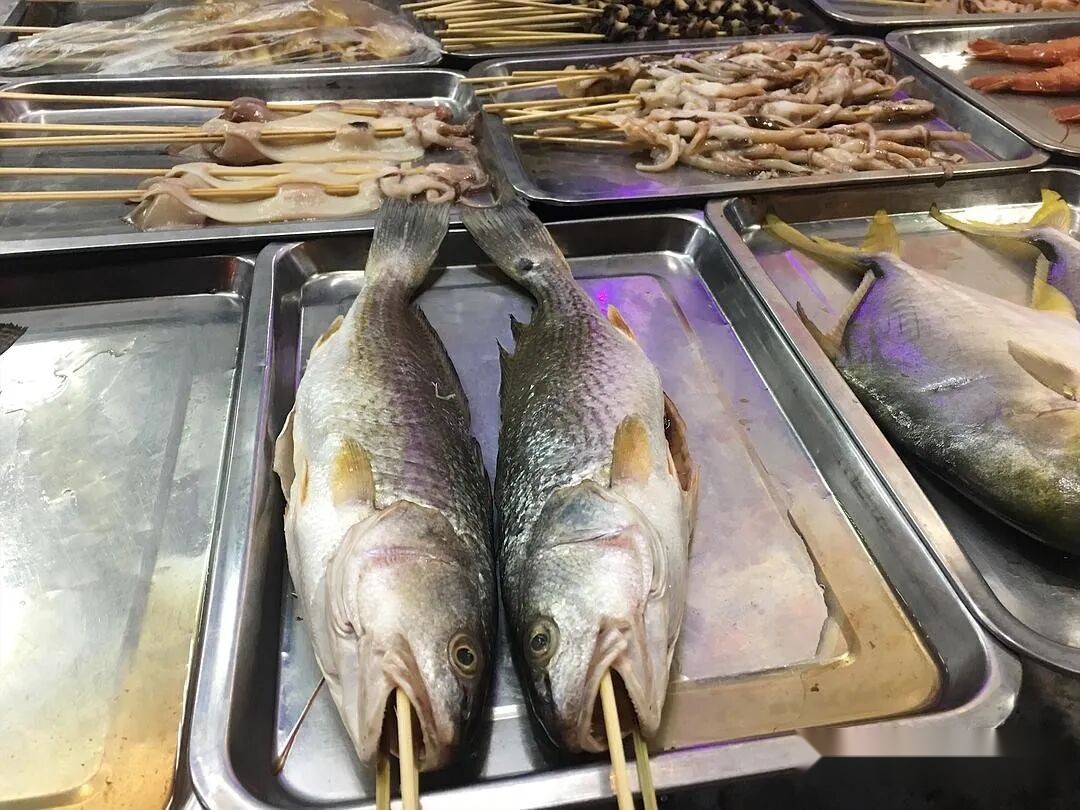
In 1940, the Japanese army built an airfield in Fancun Village, and all four mosques were completely destroyed. After relocating to Yanglan Huihui Township, the Utsul people renamed the East Mosque and rebuilt it as the Gushi Mosque (Sanya Ancient Mosque), while merging the West and North mosques to rebuild the Northwest Great Mosque. These rebuilt mosques closely resembled traditional Huihui black-tiled brick houses, differentiated only by signage above their doorways.
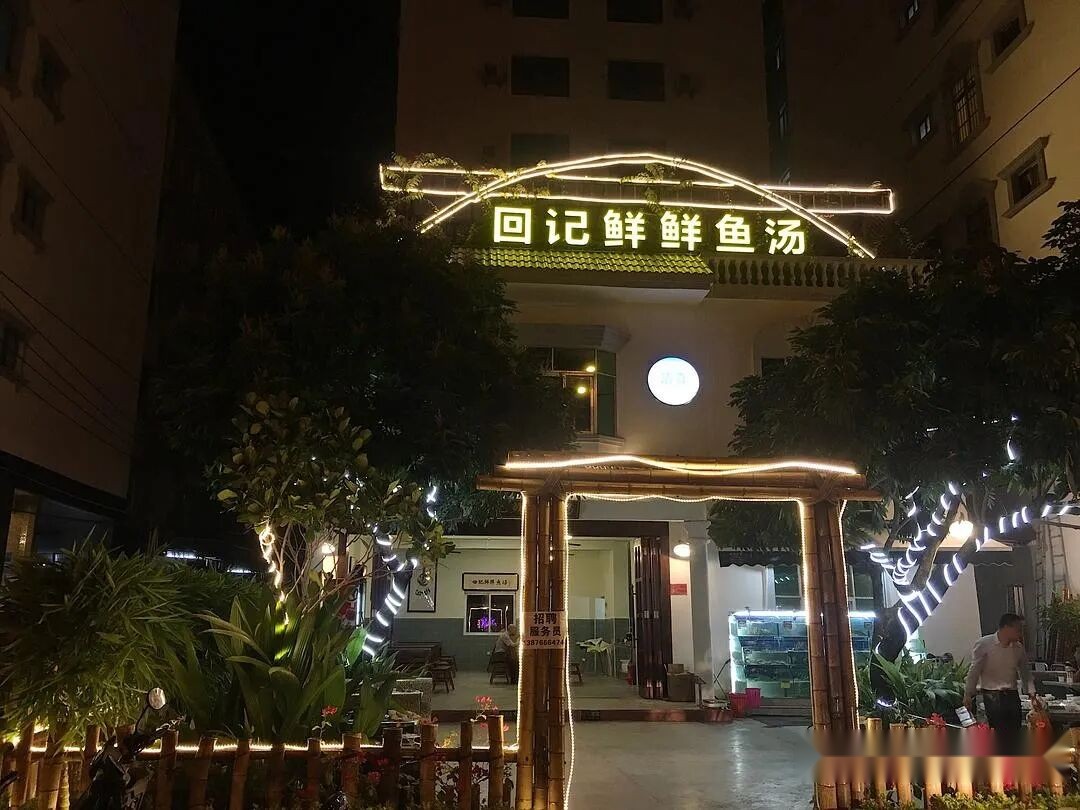
After the Japanese forces left in 1945, some villagers returned to the old village and rebuilt the South Mosque, bringing the total number of mosques back to three.
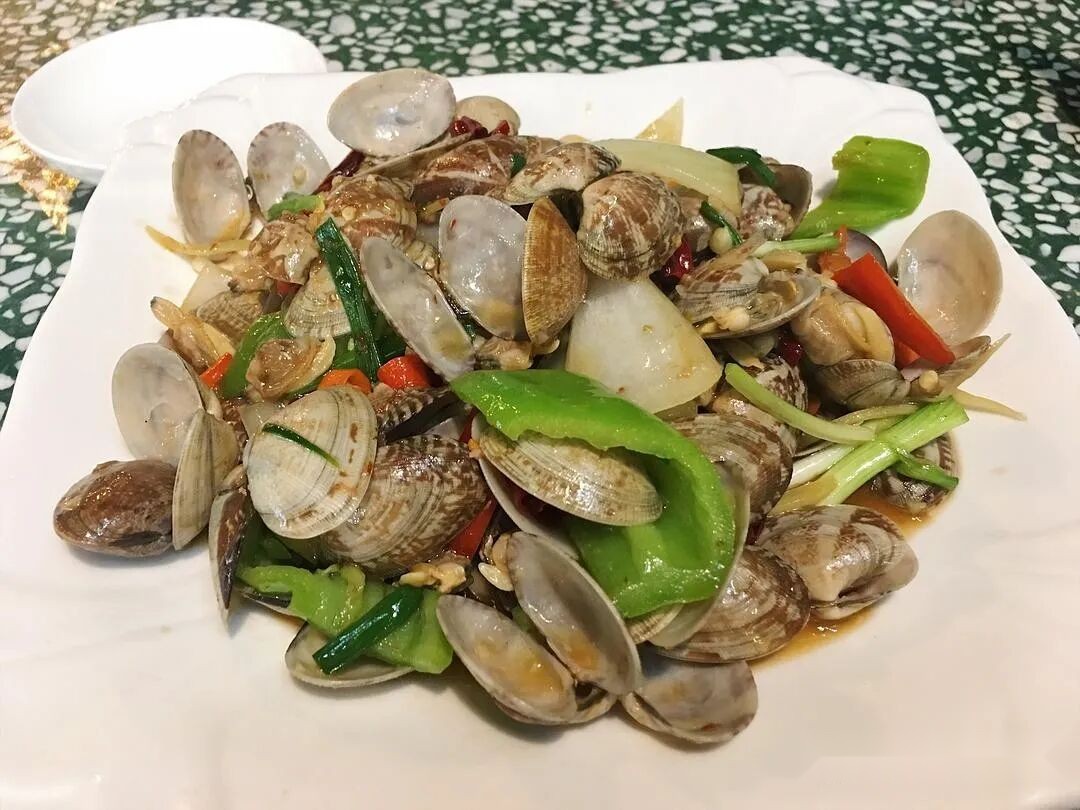
After 1966, Red Guards from Beijing traveled south to Hainan, teaming up with Red Guards from Yaxian Middle School to demolish the Huihui mosques, burn religious texts, and confiscate the robes worn during namaz (ritual prayers). All religious activities were strictly banned. At the time, some imams led the community to secretly perform namaz on the beaches, in air-raid shelters, or inside sugarcane fields. If caught, they were dragged off to study sessions or labor reform. Pu Zongli, an elderly imam from Huihui Village, was dragged off to study sessions as a 'counterrevolutionary element who refused to mend his ways' simply for leading the congregation in secret namaz.
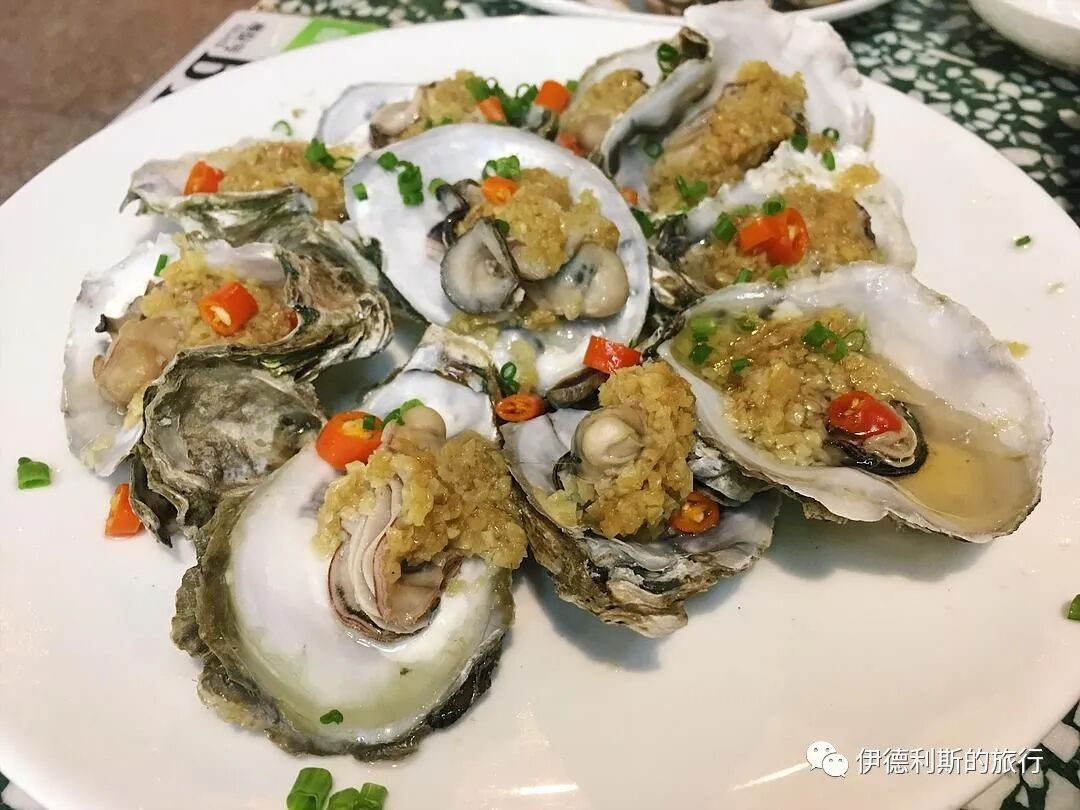
After 1978, the Utsul people resumed normal religious practices and began restoring their mosques. In 1978, the North Great Mosque split off from the Northwest Great Mosque. In 1979, the East Mosque split off from the Gushi Mosque (Sanya Ancient Mosque). In 1990, Huixin Village (Huixin Muslim Village) (the old village) built the new Nankai Mosque. With this, Huihui Village had a total of six mosques.
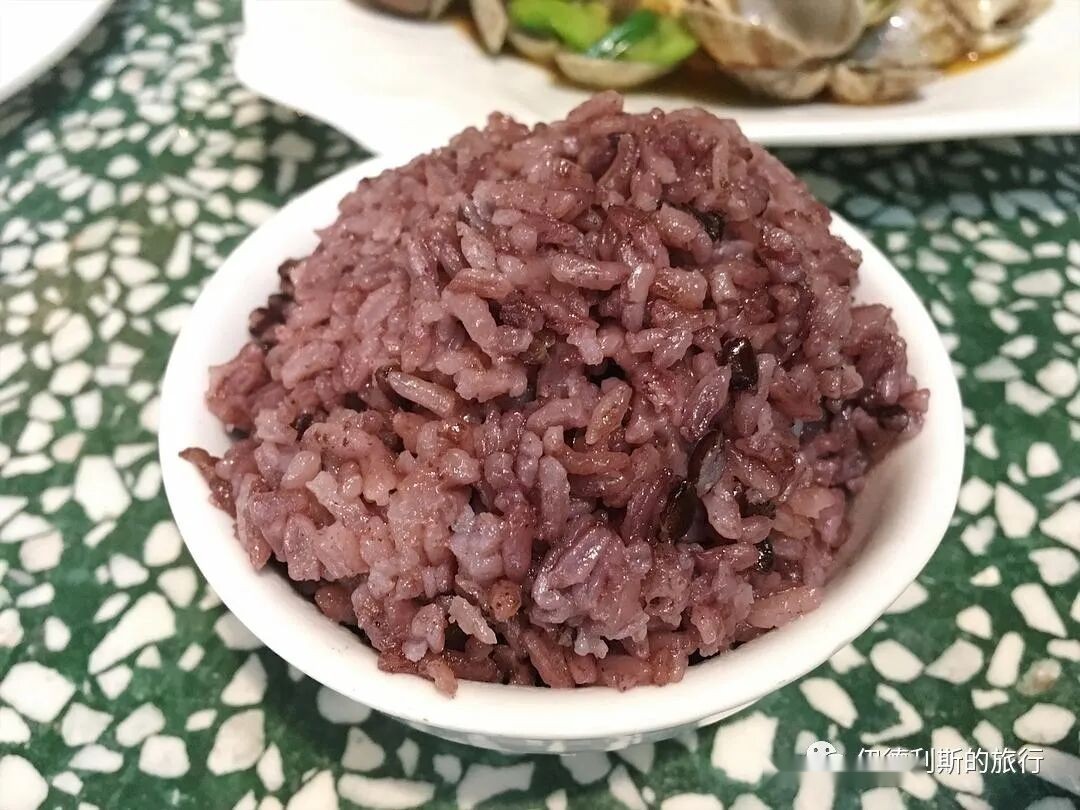
2. Gushi Mosque (Sanya Ancient Mosque)
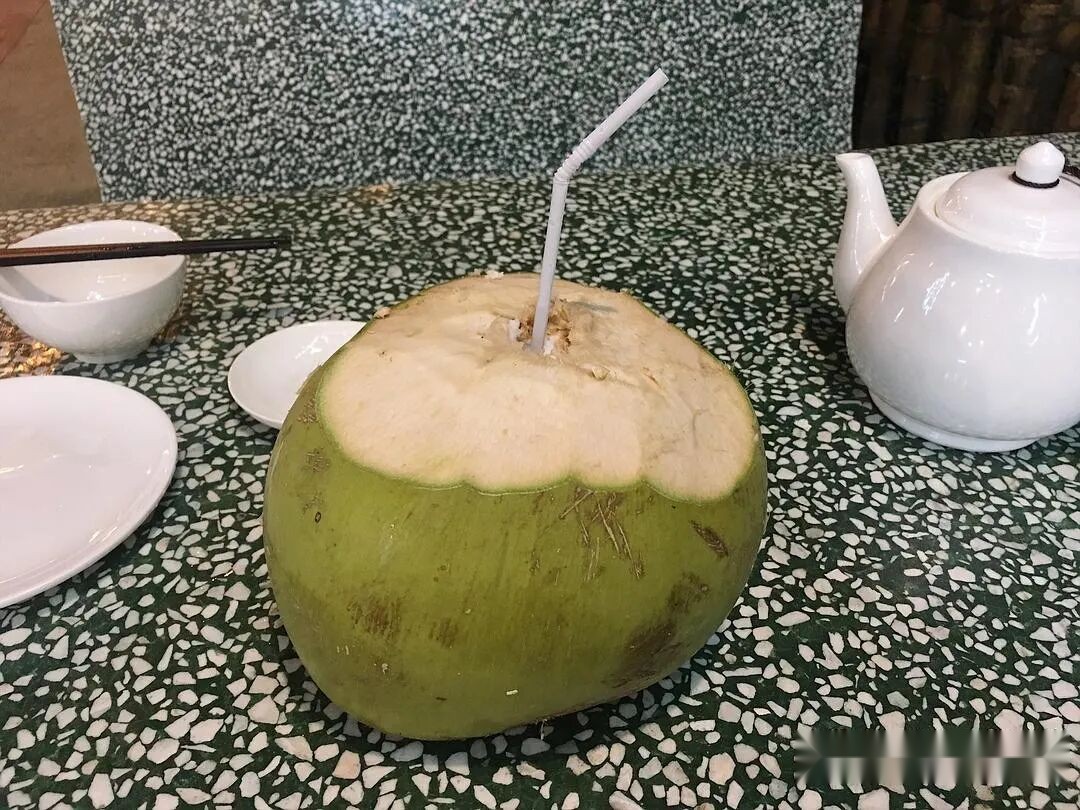
The predecessor to the Gushi Mosque (Sanya Ancient Mosque) in Huihui Village was the East Mosque of Suosanyali Fancun Village. Reportedly founded in 1470, it originally featured traditional Chinese architecture.
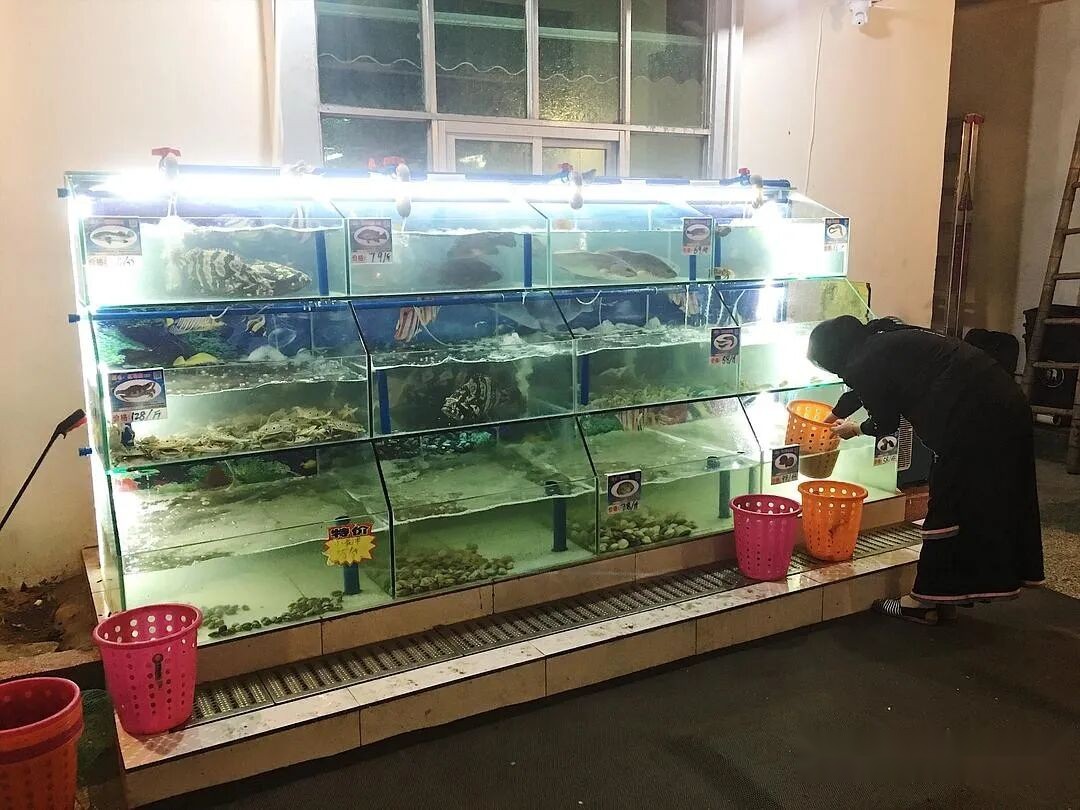
Back in the 1920s, the East Mosque was rebuilt into an Arabic-style arched reinforced concrete building, featuring an octagonal prayer hall.
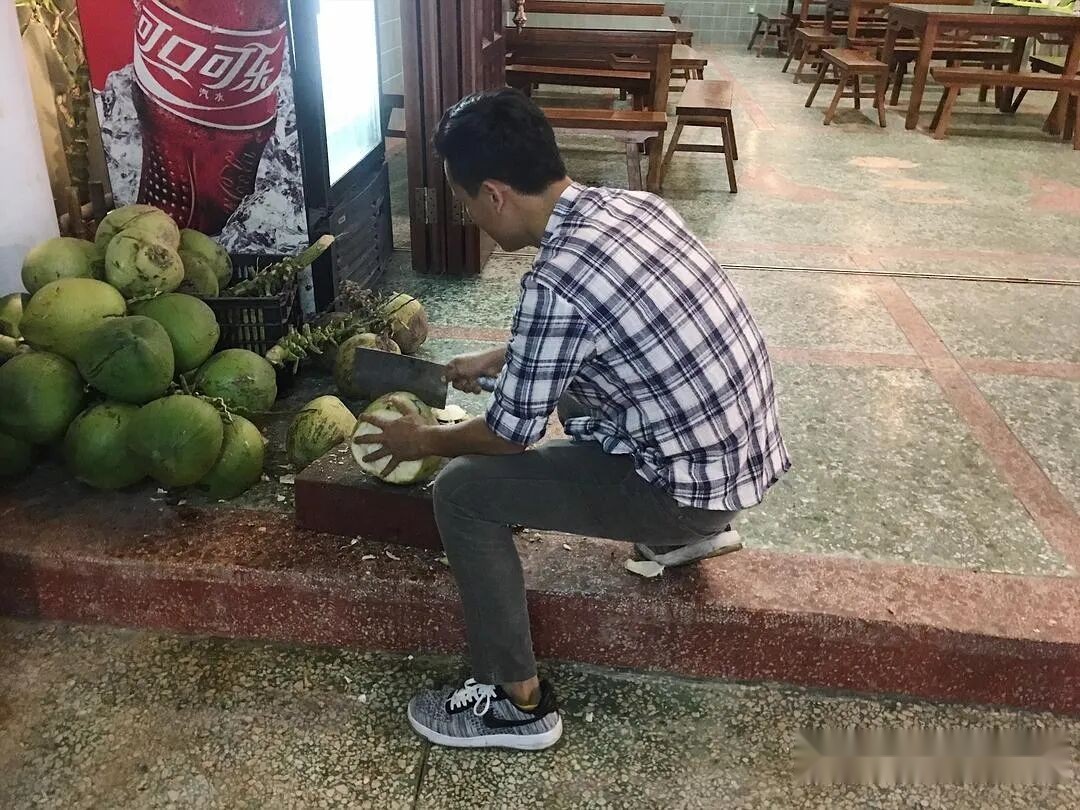
After 1940, it was destroyed due to the construction of an airfield by the Japanese army, then relocated and rebuilt in Huihui Village (Huihui Muslim Village) in Yanglan, where it was renamed the Ancient Mosque. It was destroyed again after 1966, and rebuilt once more in 1982 as a black-tiled brick house.
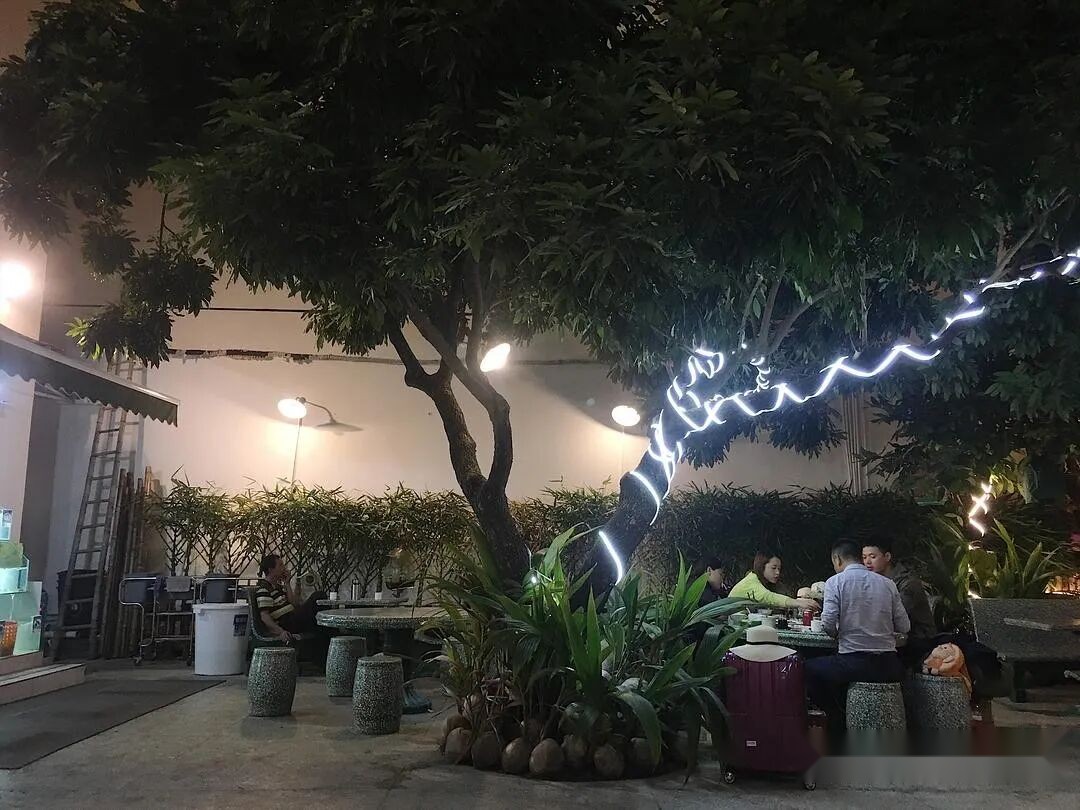
In 1986, funded by a delegation of Muslims from Hong Kong and Macau, it was expanded into an Arabic-style building. After being renovated in 1999, a dome was added.
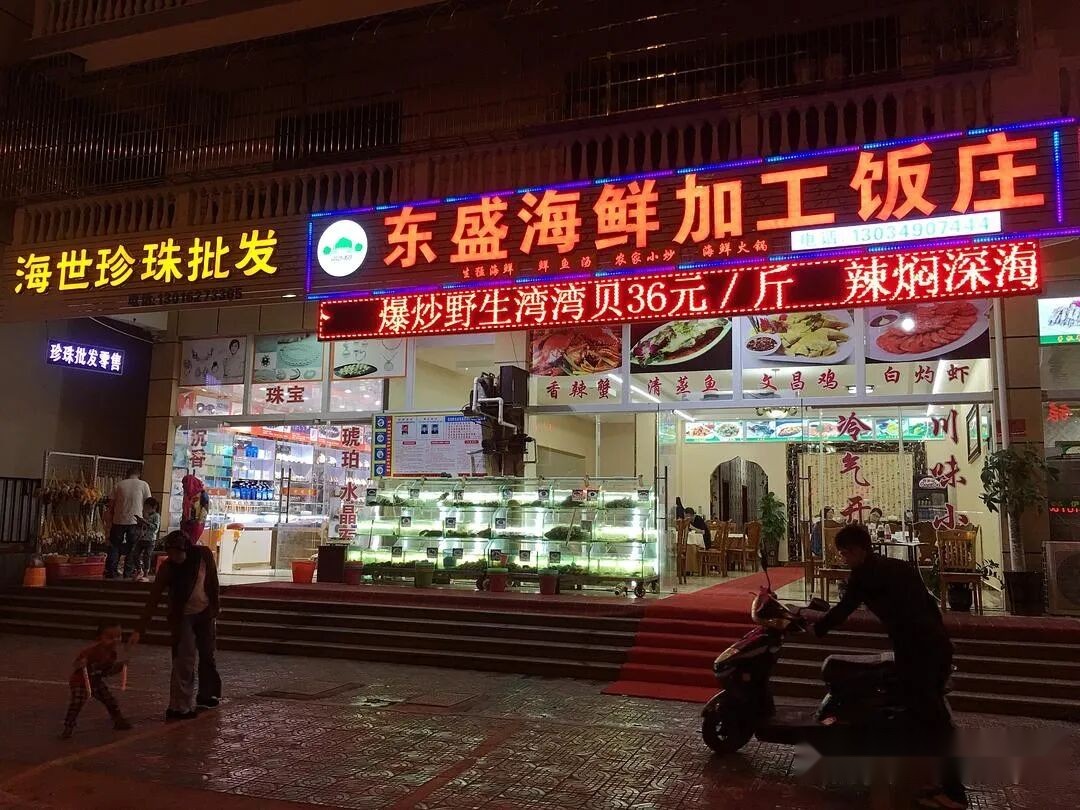
In 2008 and 2009, the Ancient Mosque was hit by floods twice, so funds were raised to rebuild it into a more modern Arabic-style building just in time for Mawlid (the Prophet's birthday) in 2010.
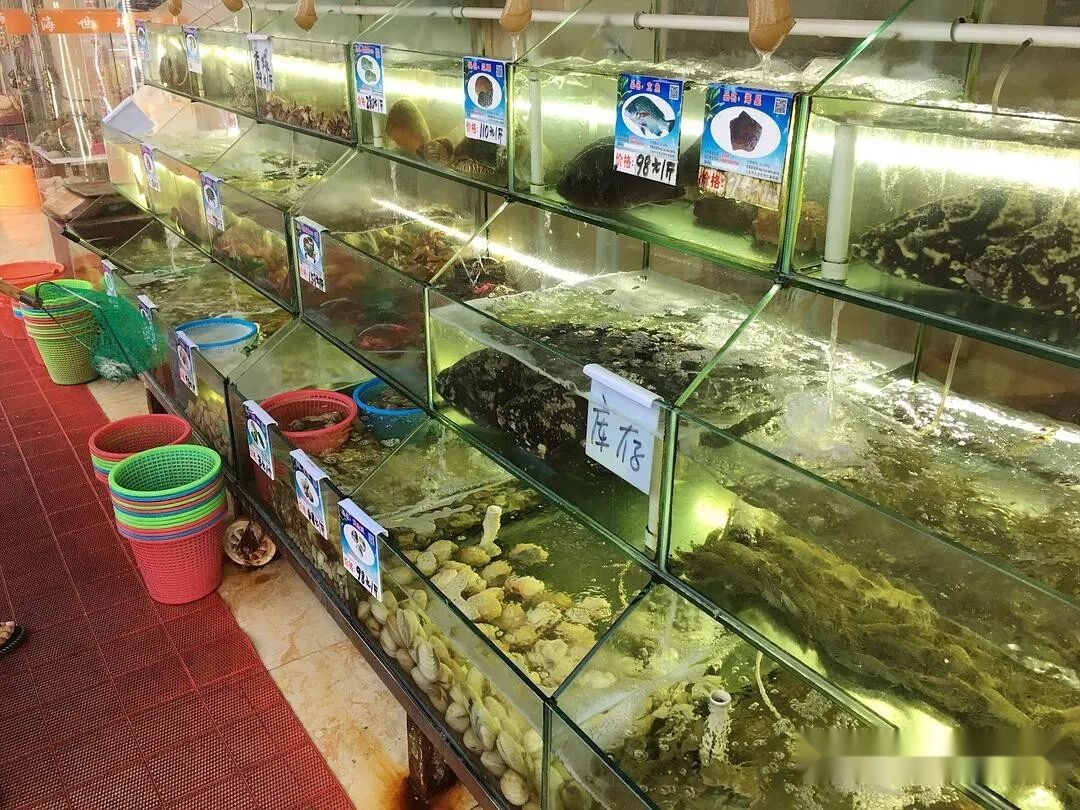
3. Northwest Mosque
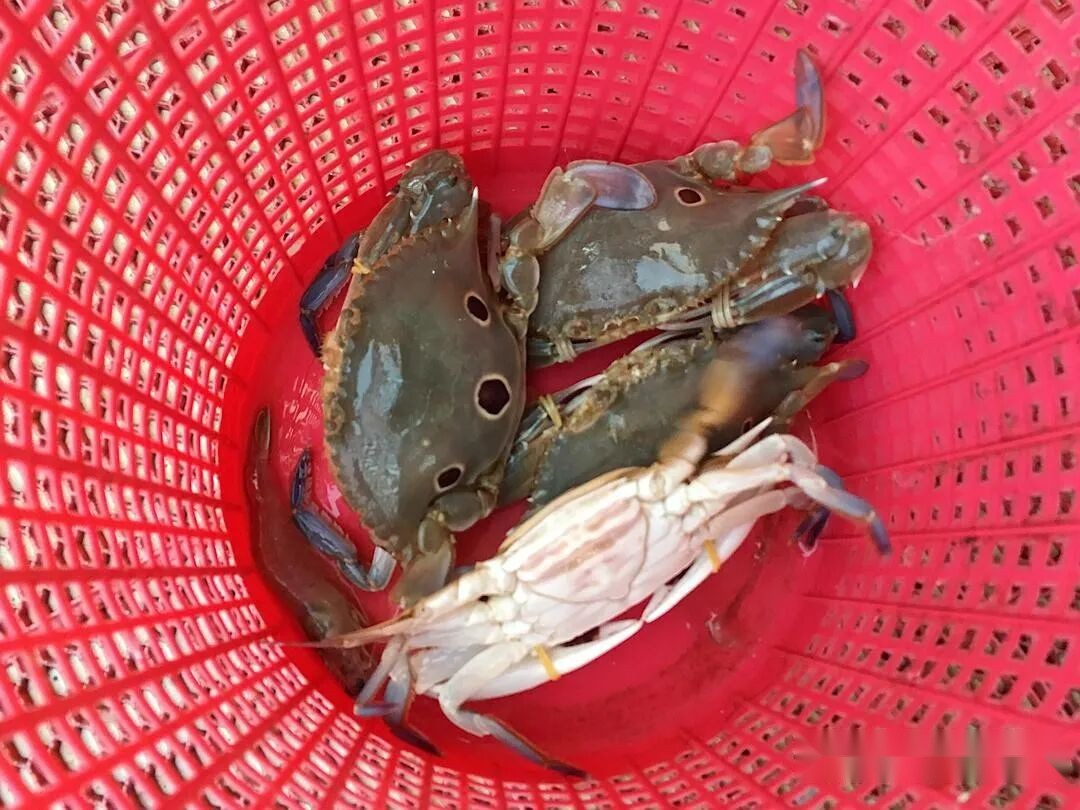
The Northwest Mosque in Huihui Village (Huihui Muslim Village) was formed by the merger of the North Mosque and West Mosque from the old Sanya Lifan Village. The West Mosque was reportedly first built in 1473, but was destroyed in 1940 to make way for a Japanese military airfield. It was later rebuilt in Yanglan's Huihui Village by merging with the North Mosque to form the Northwest Mosque. After being destroyed again after 1966, it was rebuilt in 1978 in the traditional Chinese palatial architectural style.
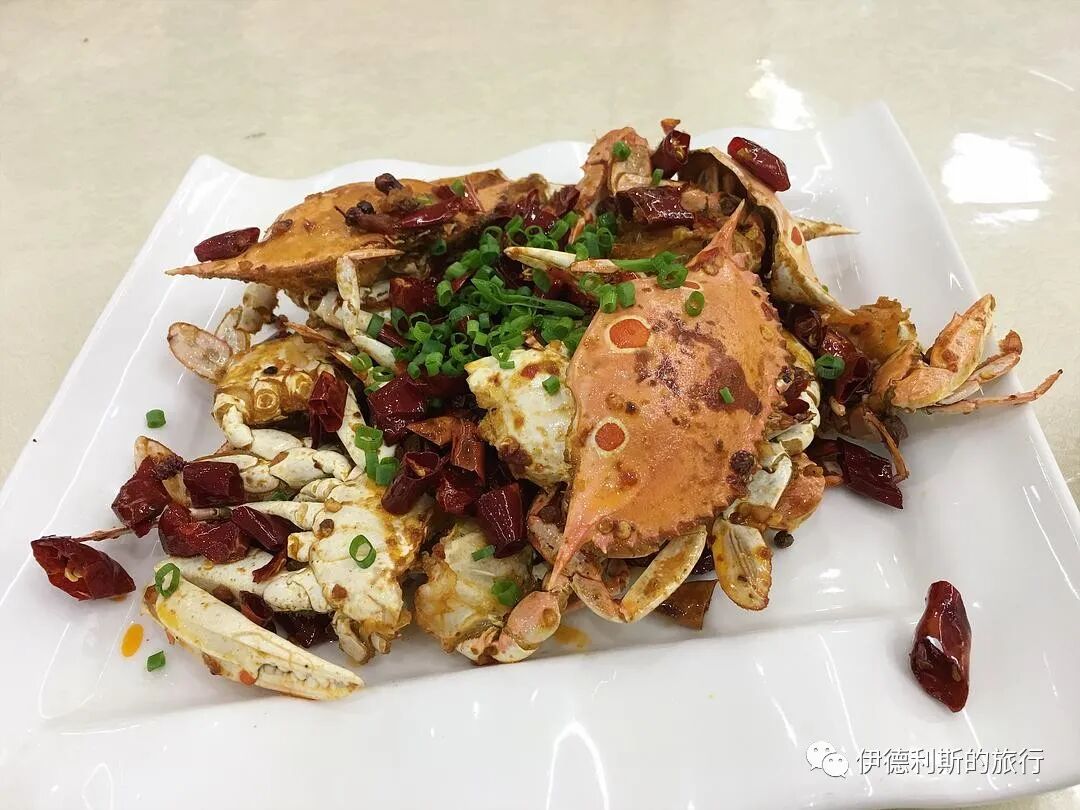
4. North Mosque
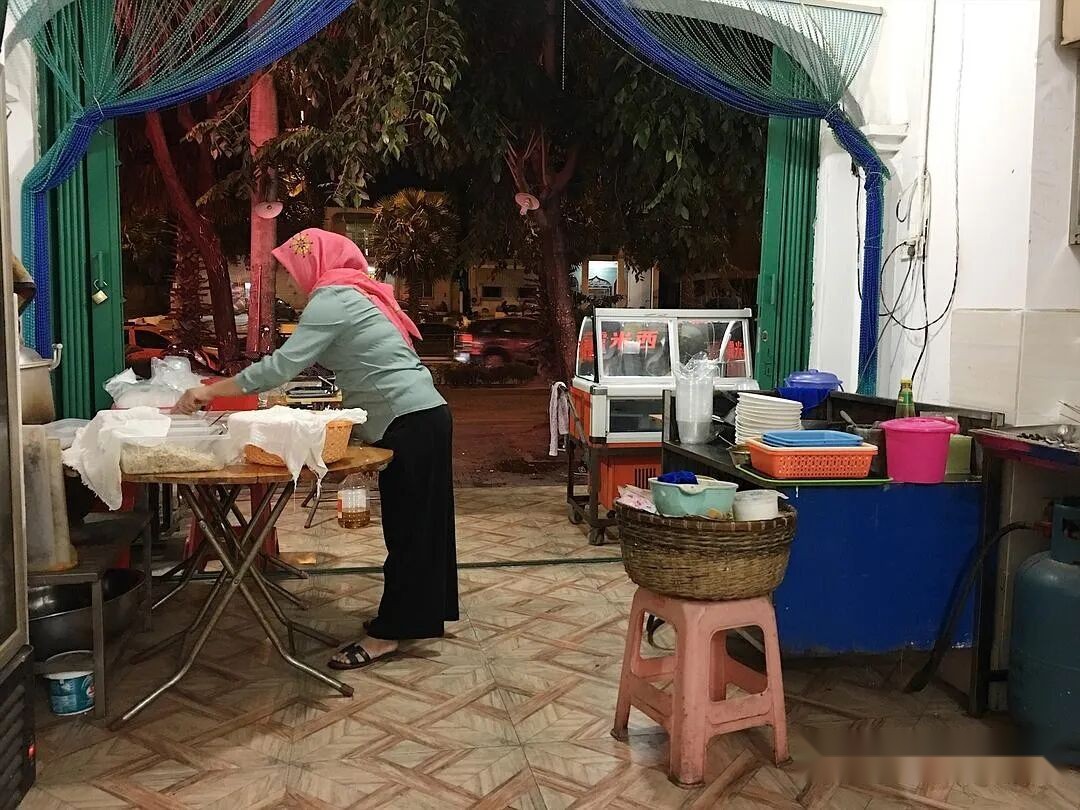
The North Mosque in Huihui Village (Huihui Muslim Village) was originally located in Sanya Lifan Village and is said to have been first built in 1487. It was destroyed in 1940 for the Japanese military airfield, then rebuilt in Yanglan's Huihui Village alongside the North Mosque to form the Northwest Mosque. It was separated from the Northwest Mosque after 1966, rebuilt in 1981 as a Chinese palatial-style building, expanded again in 1993, and is currently undergoing yet another reconstruction.
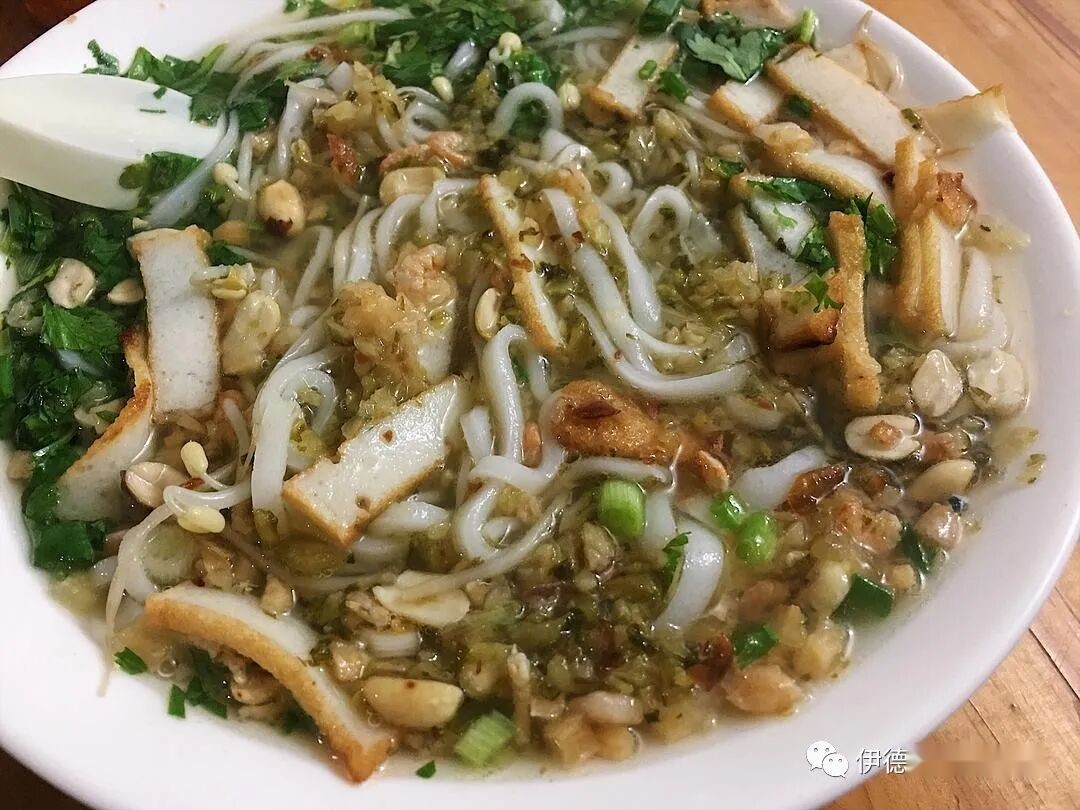
5. East Mosque

The East Mosque in Sanya Lifan Village is said to have been originally built in 1470. After 1940, it was destroyed by the Japanese military for an airfield, then relocated and rebuilt in Huihui Village (Huihui Muslim Village) in Yanglan, where it was renamed the Ancient Mosque. It was destroyed again after 1966, and eventually split off from the Ancient Mosque in 1979.

6. South Mosque
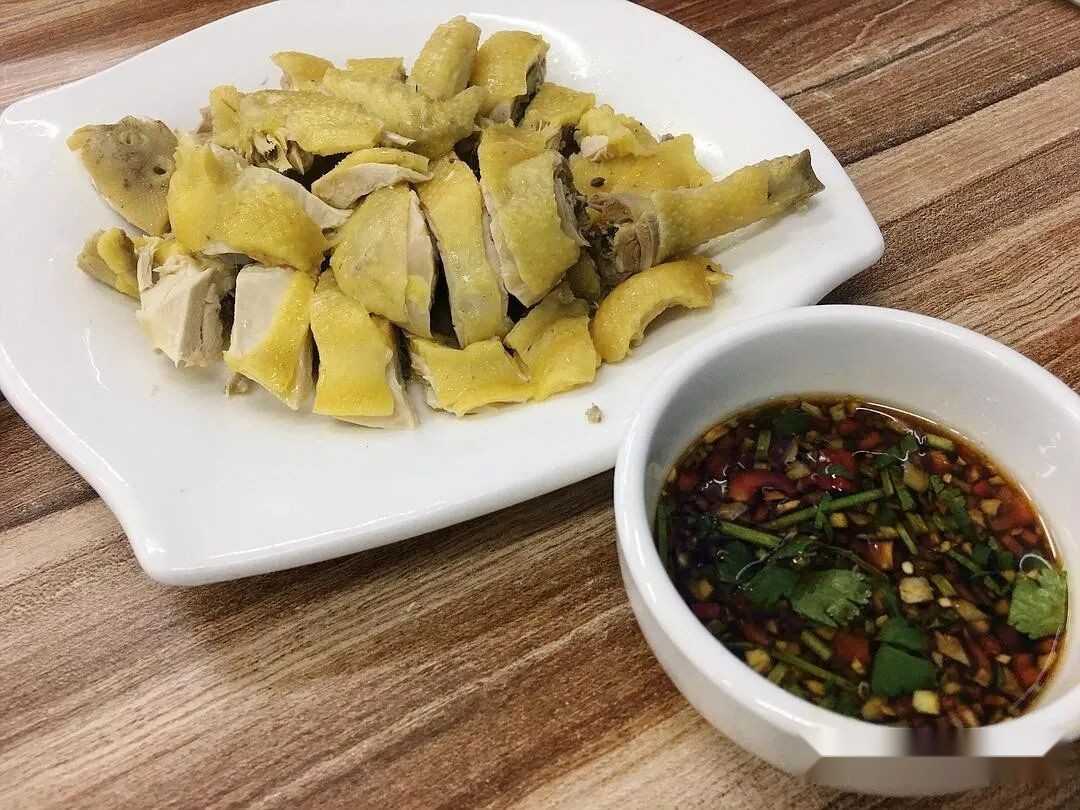
The South Mosque in Huixin Village (Huixin Muslim Village) is said to have been first built in 1487. It was destroyed in 1940 for the Japanese airfield, rebuilt in 1945 after the Japanese forces left as a black-tiled brick building, and destroyed yet again after 1966. It was rebuilt in 1978 as a black-tiled brick structure, underwent several subsequent renovations, and finally reached its current scale in 2016.
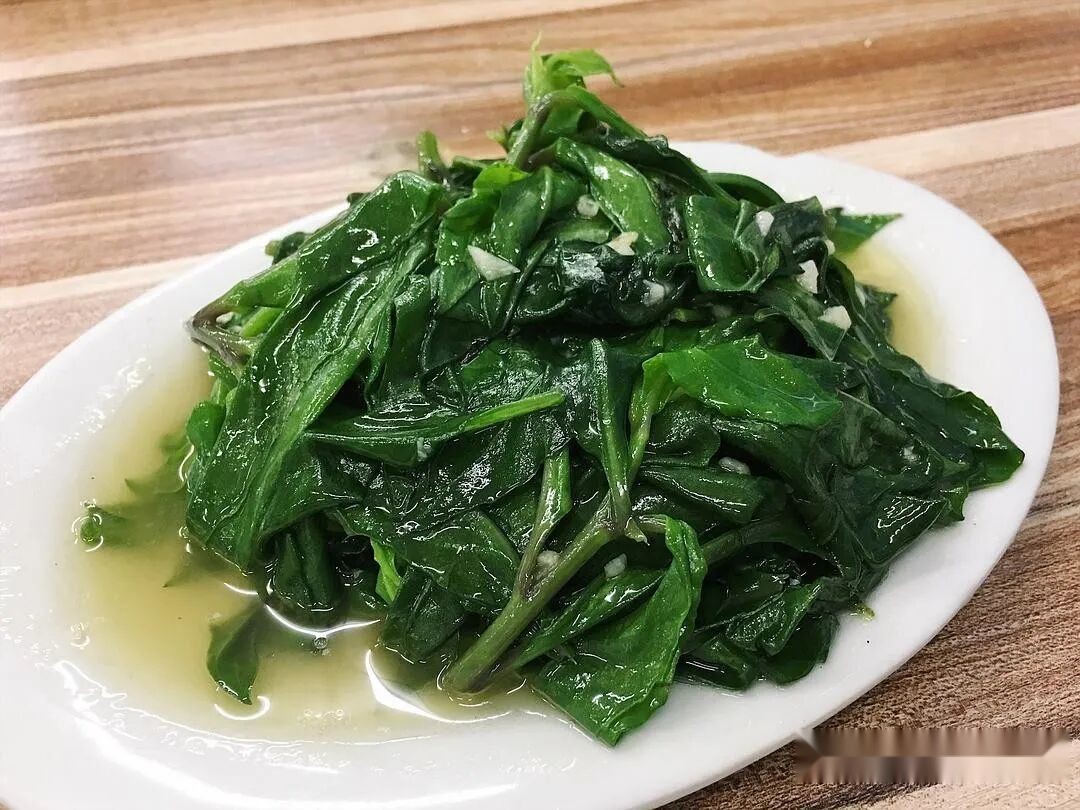
7. Nankai Mosque
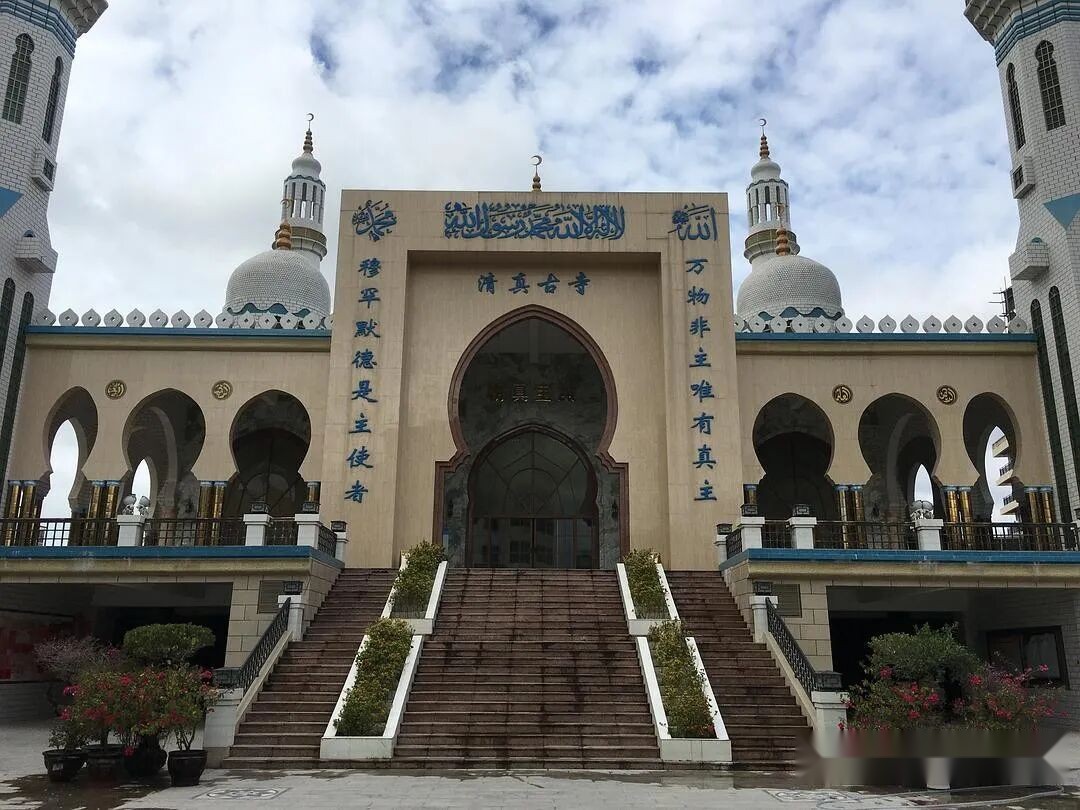
The Nankai Mosque in Huixin Village (Huixin Muslim Village) was built in 1990, with its name meaning 'Open South'.

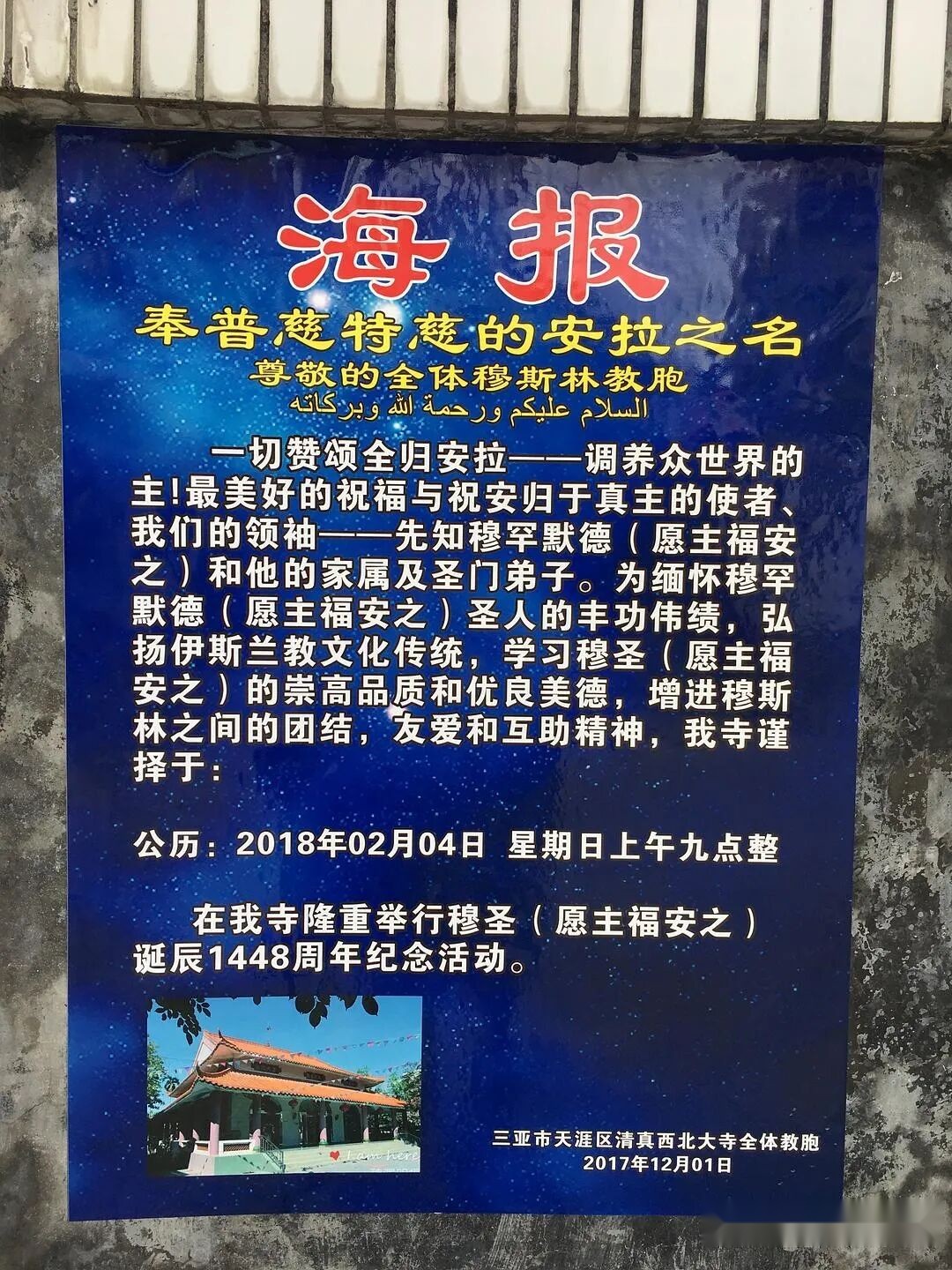
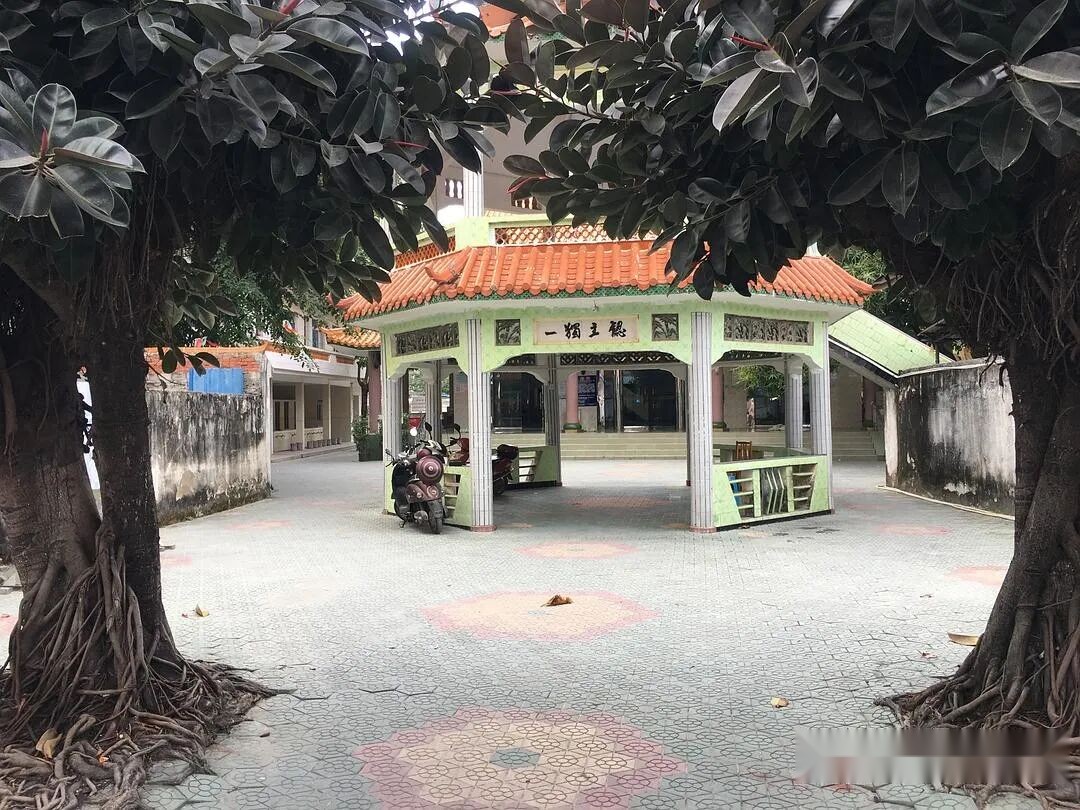
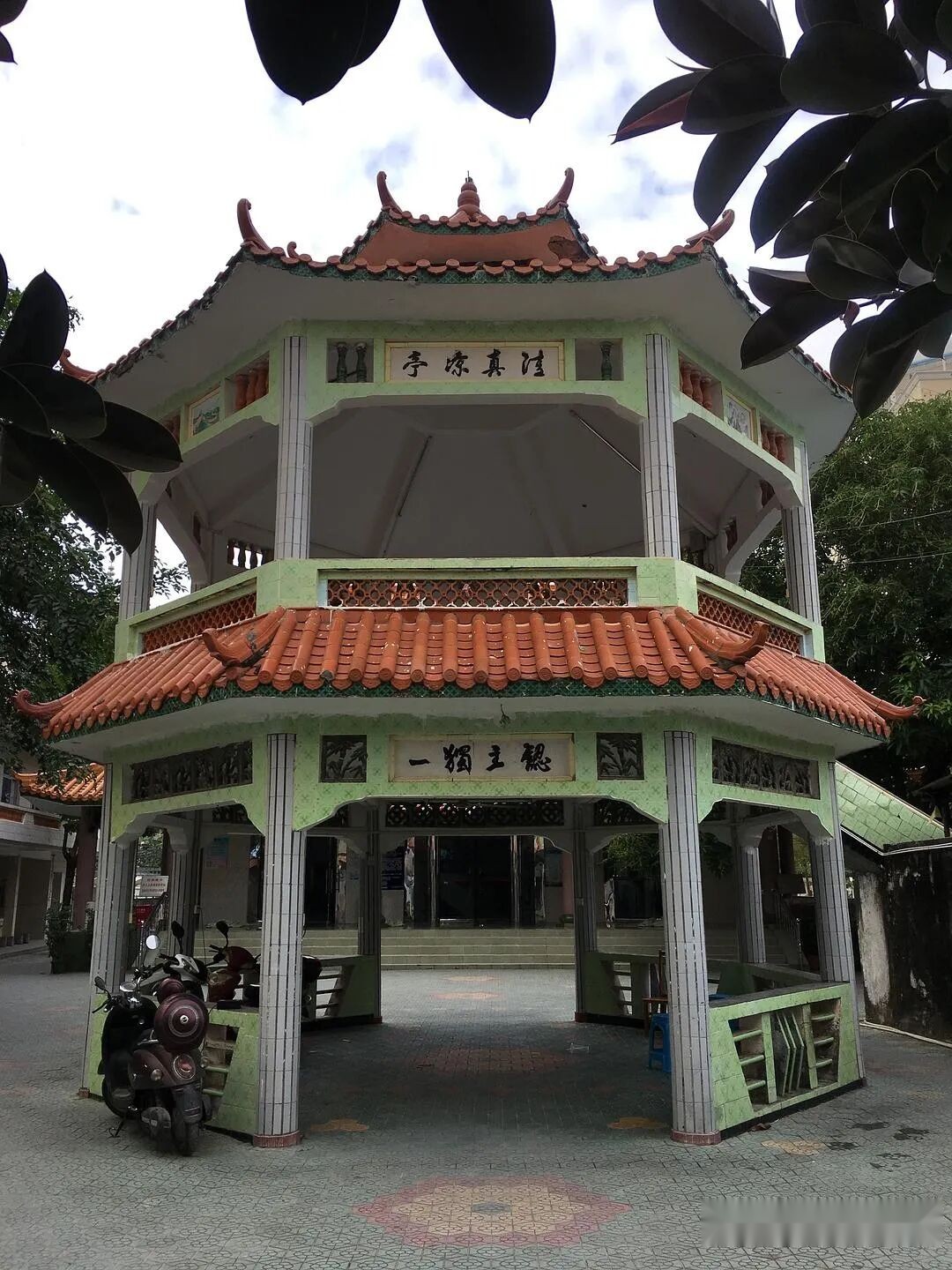
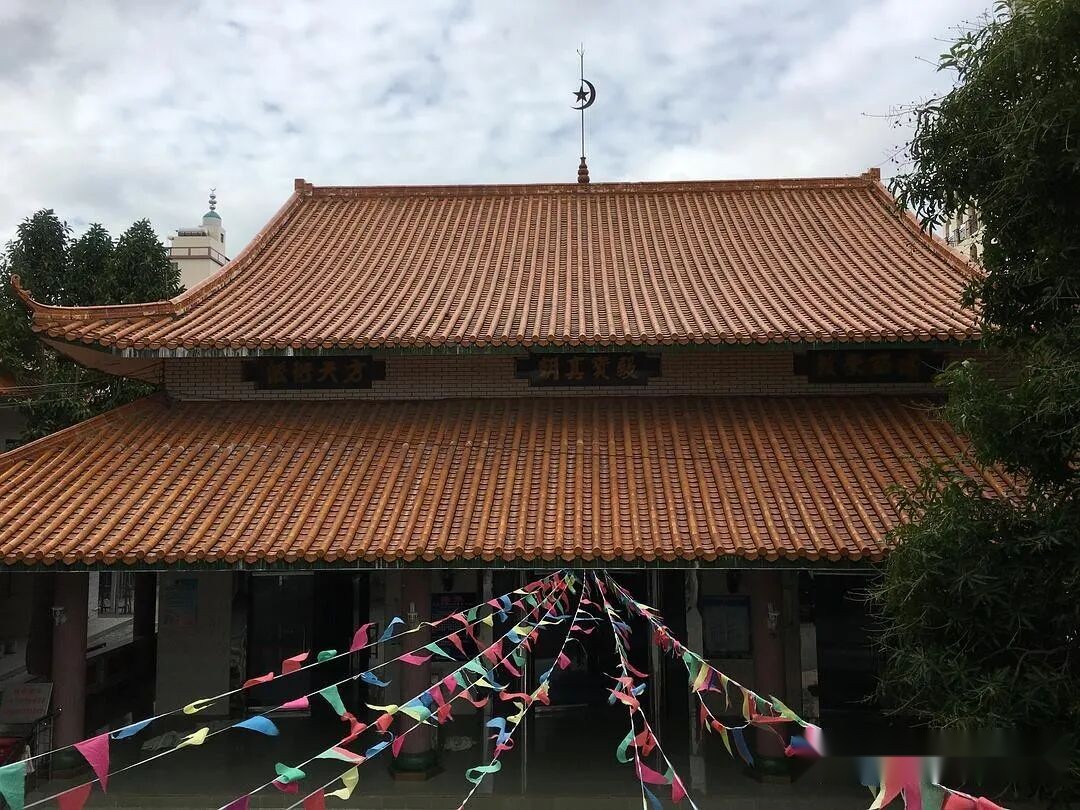
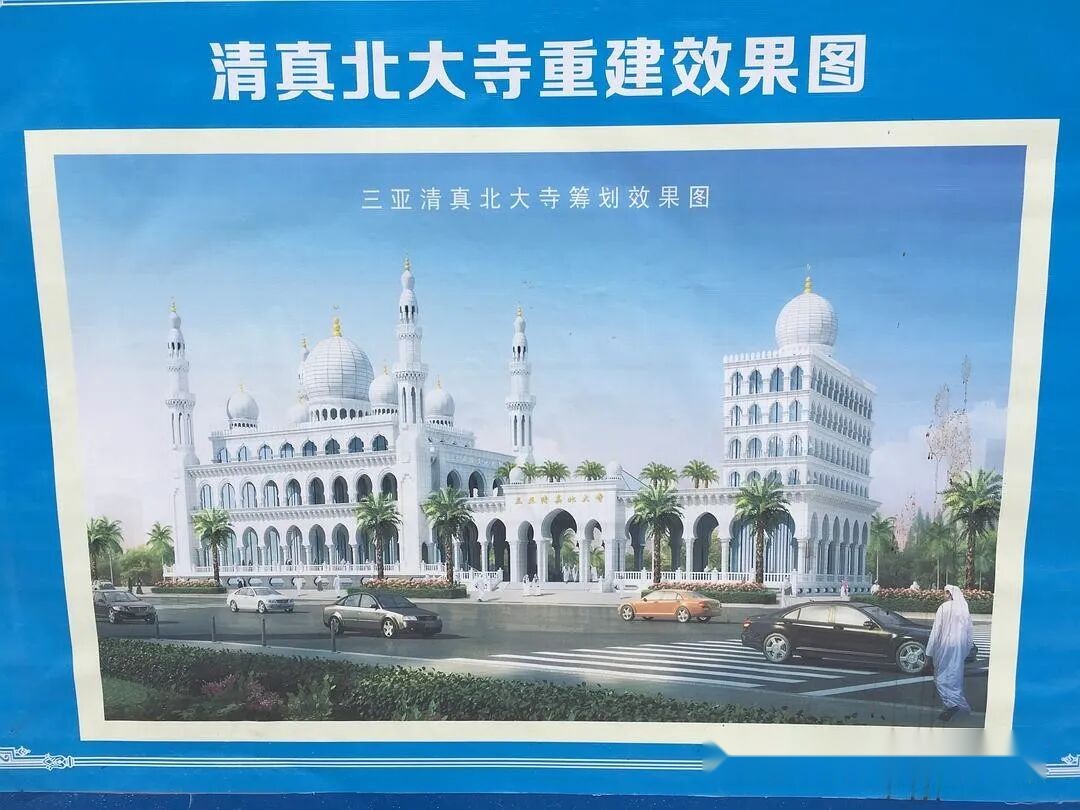

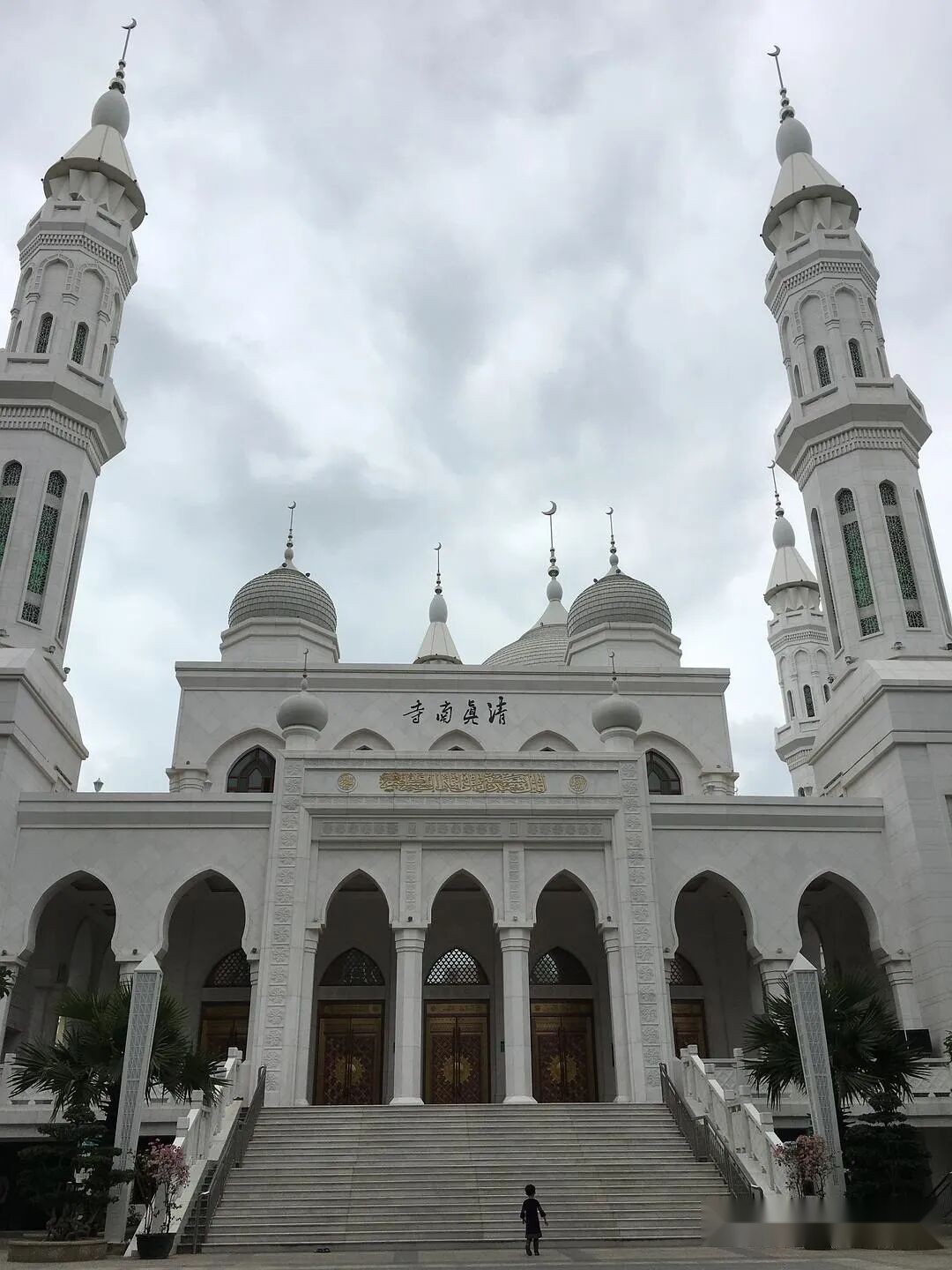
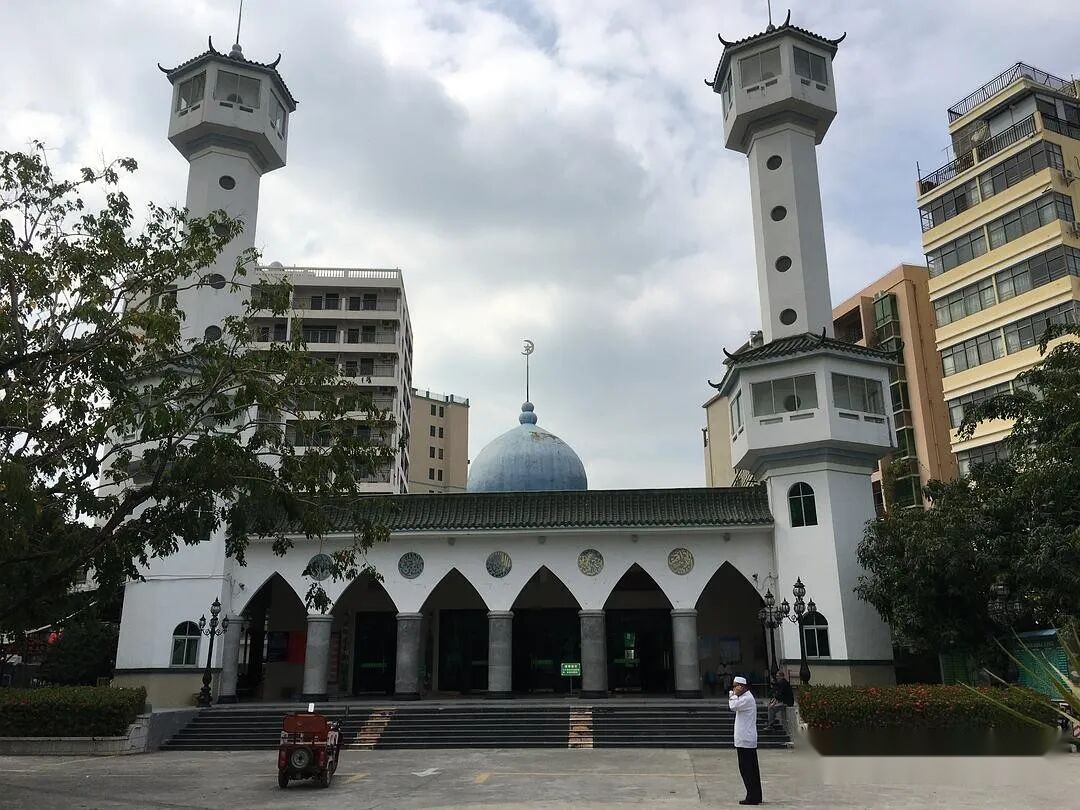
Exploring Sanya's Utsul Cham Muslim Culture, Historic Mosques, and Halal Heritage in Hainan
Articles • Hasan09 posted the article • 0 comments • 6 views • 3 hours ago
A Study on Sanya's Utsul Cham Culture and Historical Origins: From Ancient Champa Migrants to the Great Family of the Chinese Nation
Abstract:
An in-depth analysis of the Champa historical roots carried by Sanya's Hui Muslims. Tracing the epic history of ancient Champa kingdom Muslims who sailed south to settle in Yazhou since the Song and Yuan dynasties, this explores how they have integrated Chinese culture over hundreds of years to become a unique cultural treasure of the island.
They are the descendants of the Southeast Asian Champa.
During the Chinese New Year of the Horse, I went to Sanya to visit friends, and after having lunch together, we stopped by a nearby mosque.
It is said that there are six mosques in Sanya (four in Huihui Village and two in Huixin Village), and this time we visited the East Mosque and the North Mosque.
(Sanya East Mosque)
The East Mosque looked small from the outside, with a shop on the ground floor. Walking inside, however, we found it quite spacious. An electronic screen on the wall displayed the set times for daily prayers. The floor of the main hall was crowded with shoes, and a few men wearing white prayer caps were performing wudu (ablution) by the pool... A Muslim girl told us that wudu is the preparation for the five daily prayers, which can be done either at home or at the mosque.
There were very few parking spots in front of the East Mosque, and since we couldn't find anywhere to park, we had to leave in a hurry.
Afterwards, the two of us headed to the North Mosque and found a small parking lot not far away.
The North Mosque is probably the largest mosque in Sanya, or even Hainan, though the original architecture was destroyed by war and typhoons long ago. The current mosque was built after 2000, and underwent major renovations and remodeling in recent years.
Along the way, we spotted villagers of all ages—women wearing hijabs, and men wearing white caps and white robes, making it feel as if we had suddenly teleported to Southeast Asia...
Inside the mosque hall, there was a casket covered with a black cloth; as it turned out, we had stumbled upon a funeral. The deceased's family and friends sat separately in two different areas, divided by gender.
Worshippers who arrived one after another, likely for prayer, gathered in the shade in front of the mosque to chat.
On the stage, a man wearing a white sarong was preaching in three languages. The first was probably the Sanya Utsul language, which the owner of the shop out front described as "the language of the local ethnic minority," noting that even he couldn't understand it.
Afterwards, the man preached again in Hainan Mandarin and English... Since we were outside the doorway, we couldn't catch the exact details.
Today's sunshine was intensely bright, burning our skin, and our phones started overheating as several airplanes flew right above the Chinese-style minarets.
After chatting with a few Muslim villagers for a bit, we left the mosque and headed back to Wanning...
#SanyaUtsul #NorthMosque #SoutheastAsianChampa view all
A Study on Sanya's Utsul Cham Culture and Historical Origins: From Ancient Champa Migrants to the Great Family of the Chinese Nation
Abstract:
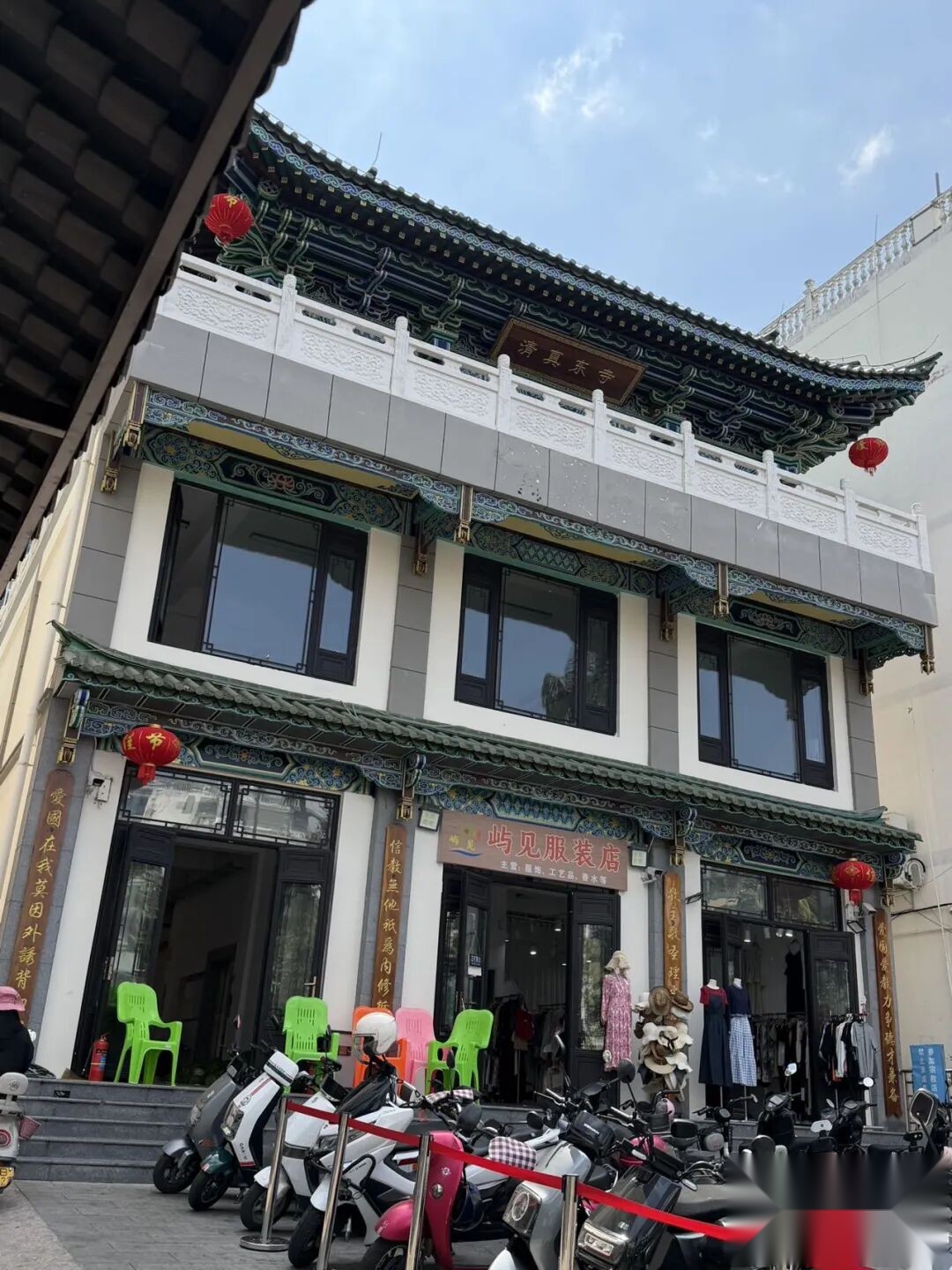
An in-depth analysis of the Champa historical roots carried by Sanya's Hui Muslims. Tracing the epic history of ancient Champa kingdom Muslims who sailed south to settle in Yazhou since the Song and Yuan dynasties, this explores how they have integrated Chinese culture over hundreds of years to become a unique cultural treasure of the island.
They are the descendants of the Southeast Asian Champa.
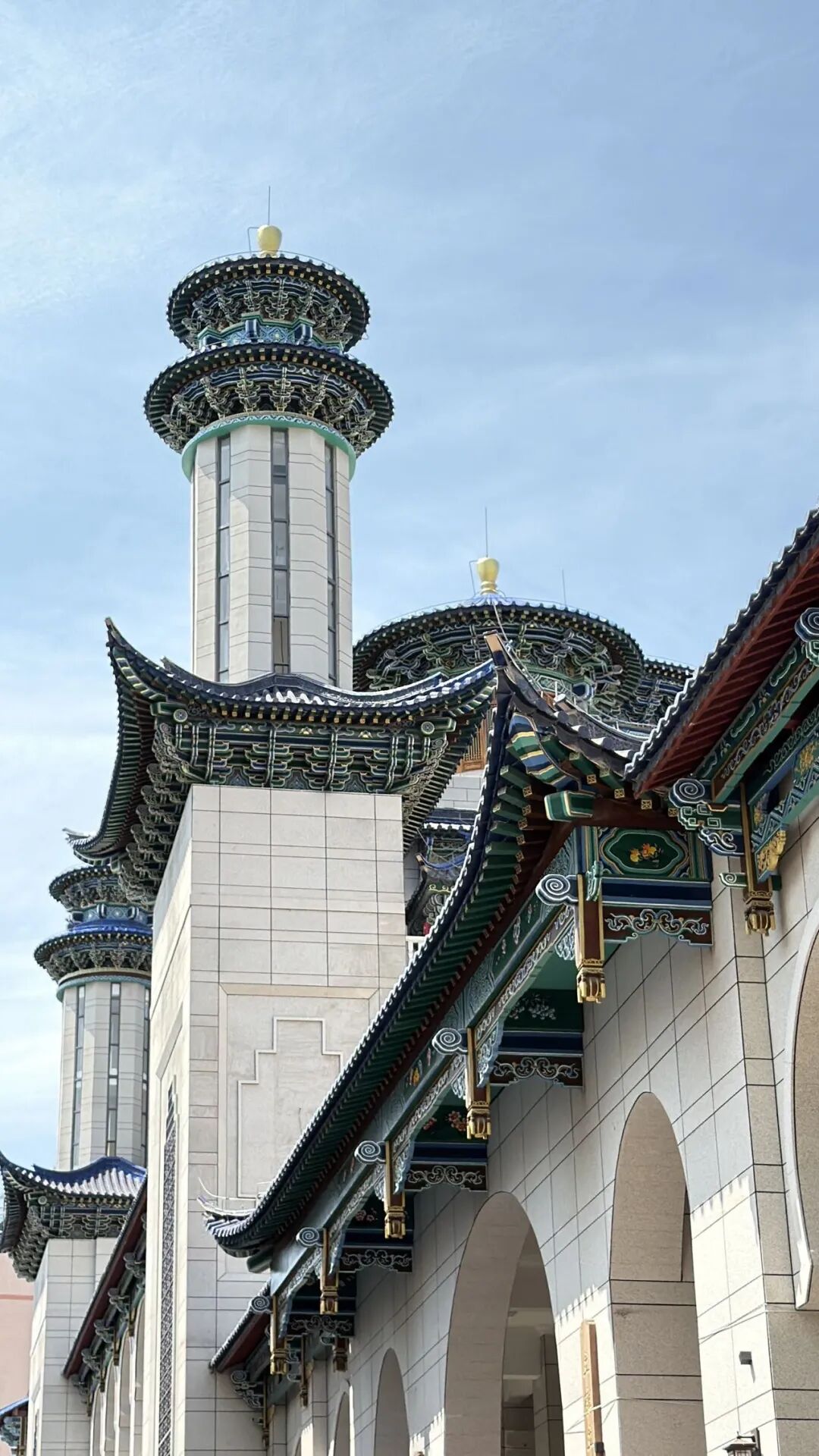
During the Chinese New Year of the Horse, I went to Sanya to visit friends, and after having lunch together, we stopped by a nearby mosque.
It is said that there are six mosques in Sanya (four in Huihui Village and two in Huixin Village), and this time we visited the East Mosque and the North Mosque.
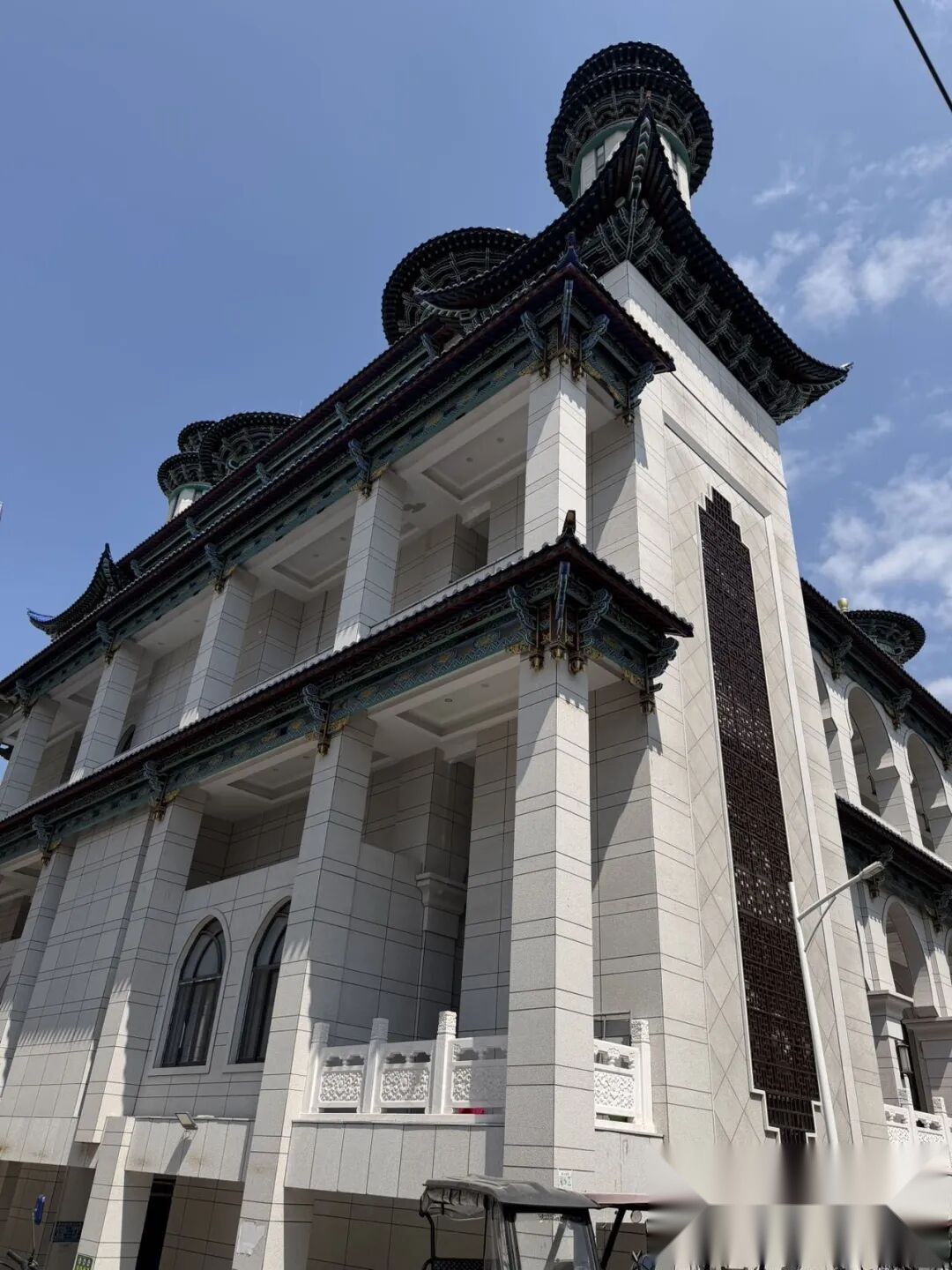
(Sanya East Mosque)
The East Mosque looked small from the outside, with a shop on the ground floor. Walking inside, however, we found it quite spacious. An electronic screen on the wall displayed the set times for daily prayers. The floor of the main hall was crowded with shoes, and a few men wearing white prayer caps were performing wudu (ablution) by the pool... A Muslim girl told us that wudu is the preparation for the five daily prayers, which can be done either at home or at the mosque.
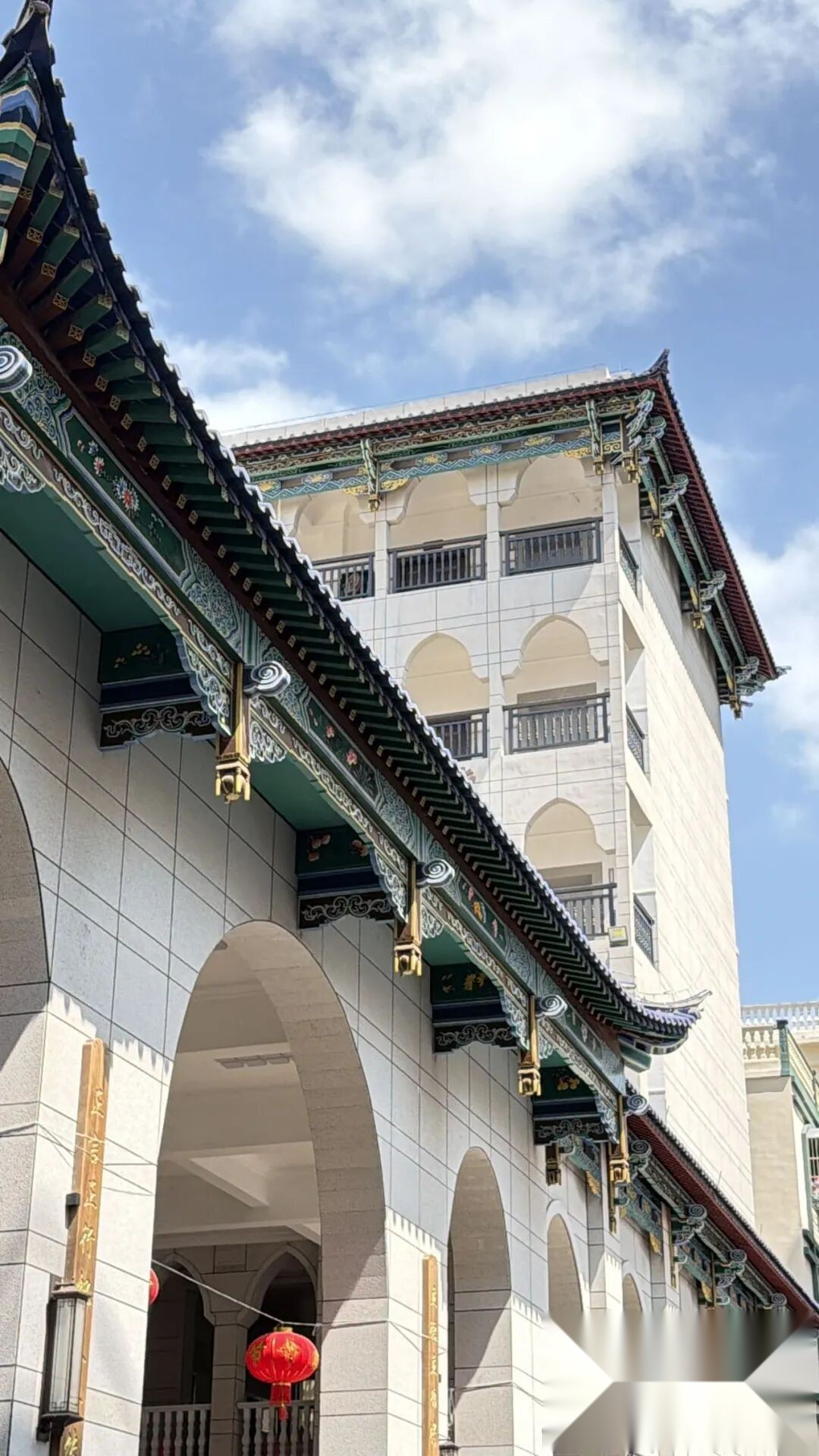
There were very few parking spots in front of the East Mosque, and since we couldn't find anywhere to park, we had to leave in a hurry.
Afterwards, the two of us headed to the North Mosque and found a small parking lot not far away.
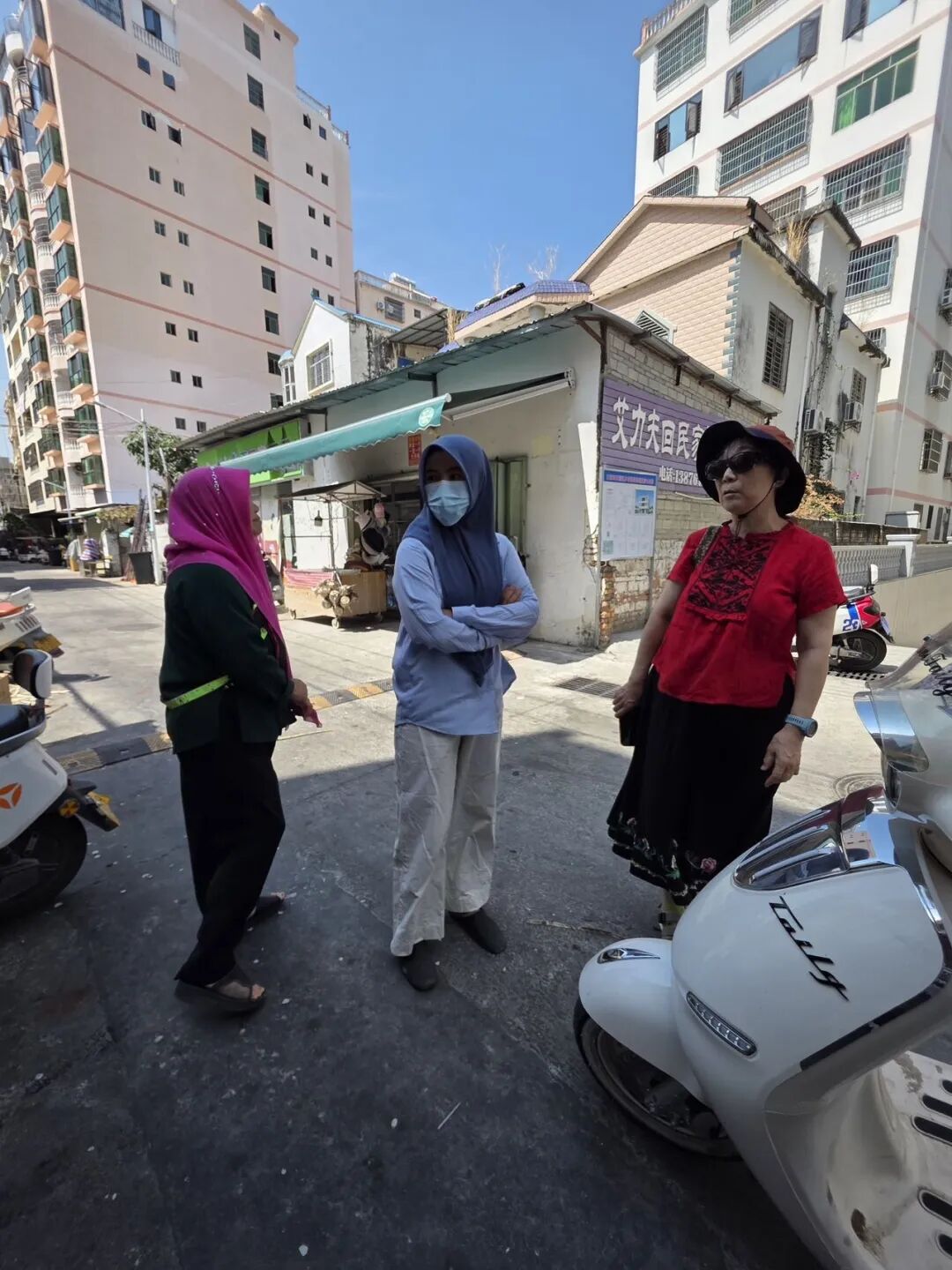
The North Mosque is probably the largest mosque in Sanya, or even Hainan, though the original architecture was destroyed by war and typhoons long ago. The current mosque was built after 2000, and underwent major renovations and remodeling in recent years.
Along the way, we spotted villagers of all ages—women wearing hijabs, and men wearing white caps and white robes, making it feel as if we had suddenly teleported to Southeast Asia...
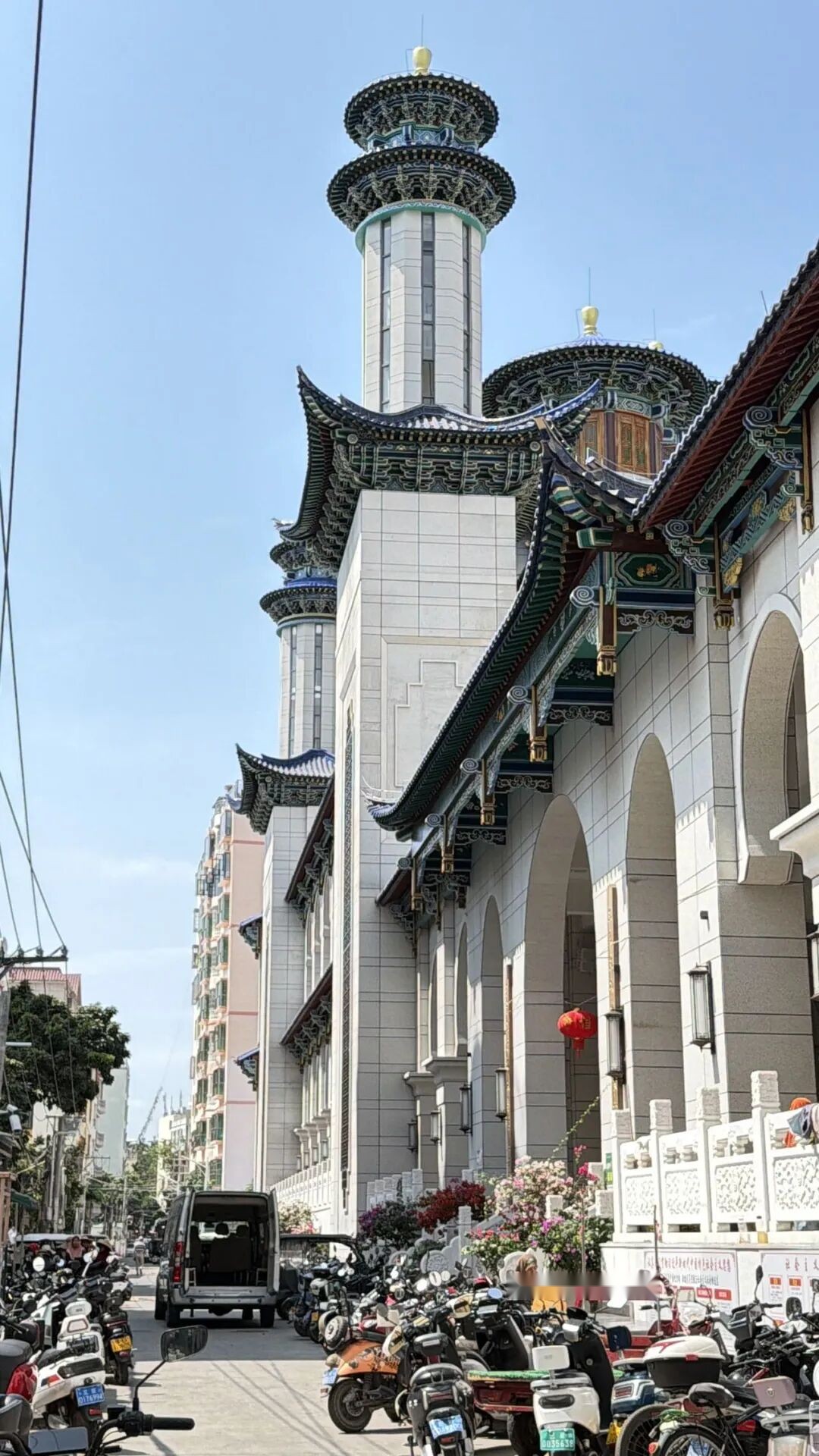
Inside the mosque hall, there was a casket covered with a black cloth; as it turned out, we had stumbled upon a funeral. The deceased's family and friends sat separately in two different areas, divided by gender.
Worshippers who arrived one after another, likely for prayer, gathered in the shade in front of the mosque to chat.
On the stage, a man wearing a white sarong was preaching in three languages. The first was probably the Sanya Utsul language, which the owner of the shop out front described as "the language of the local ethnic minority," noting that even he couldn't understand it.
Afterwards, the man preached again in Hainan Mandarin and English... Since we were outside the doorway, we couldn't catch the exact details.
Today's sunshine was intensely bright, burning our skin, and our phones started overheating as several airplanes flew right above the Chinese-style minarets.
After chatting with a few Muslim villagers for a bit, we left the mosque and headed back to Wanning...
#SanyaUtsul #NorthMosque #SoutheastAsianChampa
Sanya Halal Food Guide: Hidden Huihui Village Gems & Authentic Hainan Muslim Eats
Articles • Hasan09 posted the article • 0 comments • 5 views • 3 hours ago
Exploring a Hidden Halal Spot in Sanya's Tianya District: A High-Rated, Budget-Friendly Local Favorite Deep in the Alleys
Summary:
A firsthand discovery of a no-frills little eatery tucked away in the old alleys of Sanya's Tianya District Muslim community. Featuring signature secret pan-fried beef, refreshing pickled vegetable soup, and freshly made staples, this spot delivers genuinely comforting hometown flavors that completely blow you away and offer incredible value despite the humble storefront.
Hey everyone! Today I'm recommending a hidden gem in Sanya's Muslim quarter—Taizhong Beef Bone Soup Shop. It's super rundown and the kind of place you'd easily walk right past if you weren't looking closely. The storefront is crazy unassuming and the inside is pretty beat-up too, but man, the food is so good!
As soon as you walk in, you spot a giant pot filled to the brim with beef bones and beef. This massive pot is wood-fired, and you'll see stacks of firewood piled up in the courtyard.
The beef bone soup with rice is an absolute must-order. The soup has a super pure beef flavor without a bunch of extra seasonings—it's just a clean, clear broth. The beef bones have meat on them, though not a ton. The rice is really unique, with a subtle coconut aroma and a touch of saltiness. It's definitely a flavor profile you haven't tried before, and it's seriously delicious. The only downside is the meat portion is a bit small, so serious meat lovers can always order extra. They also serve niurou fen (Hainan beef rice noodles), but personally, I strongly recommend trying that rice dish. view all
Exploring a Hidden Halal Spot in Sanya's Tianya District: A High-Rated, Budget-Friendly Local Favorite Deep in the Alleys
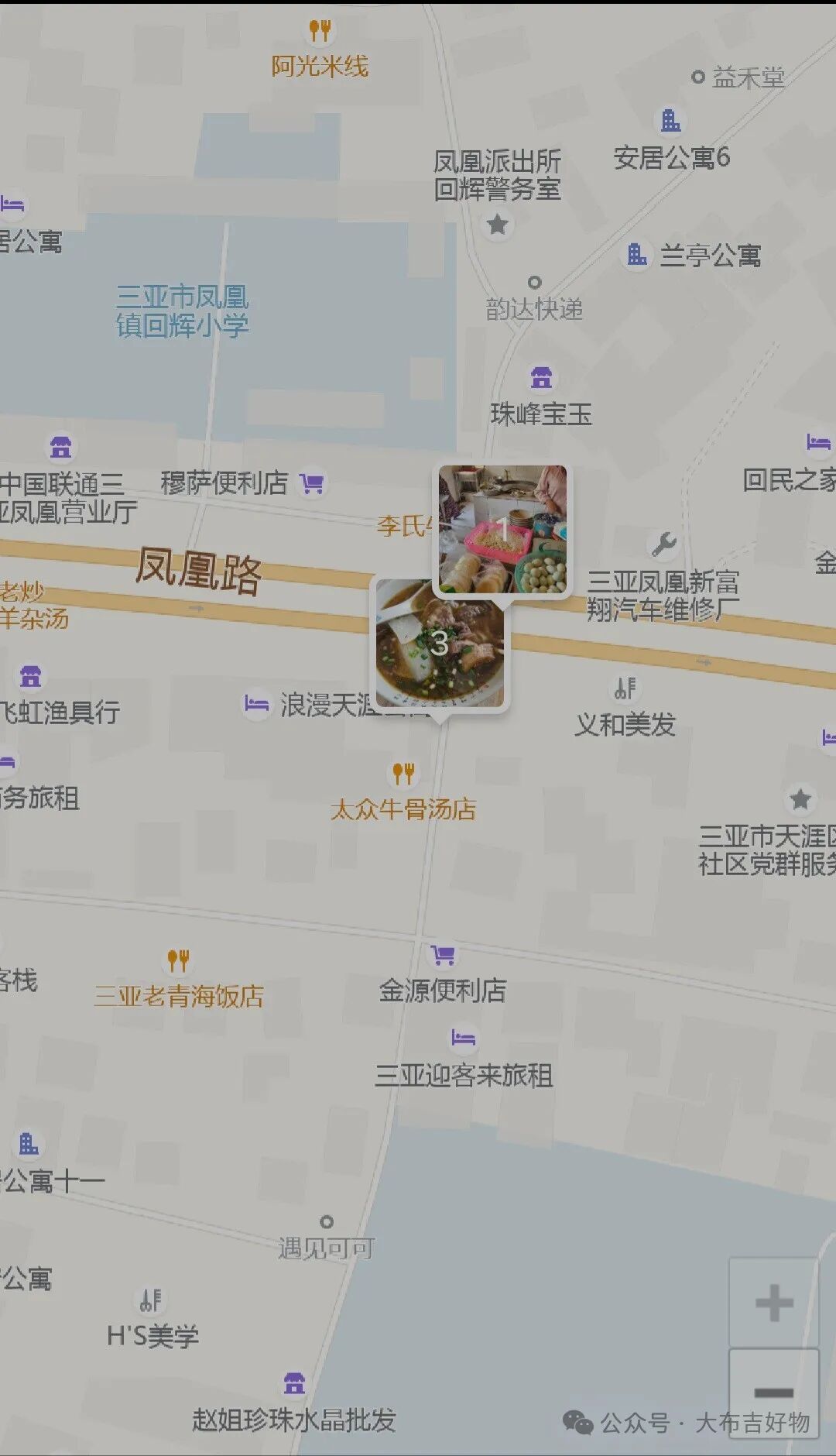
Summary:

A firsthand discovery of a no-frills little eatery tucked away in the old alleys of Sanya's Tianya District Muslim community. Featuring signature secret pan-fried beef, refreshing pickled vegetable soup, and freshly made staples, this spot delivers genuinely comforting hometown flavors that completely blow you away and offer incredible value despite the humble storefront.
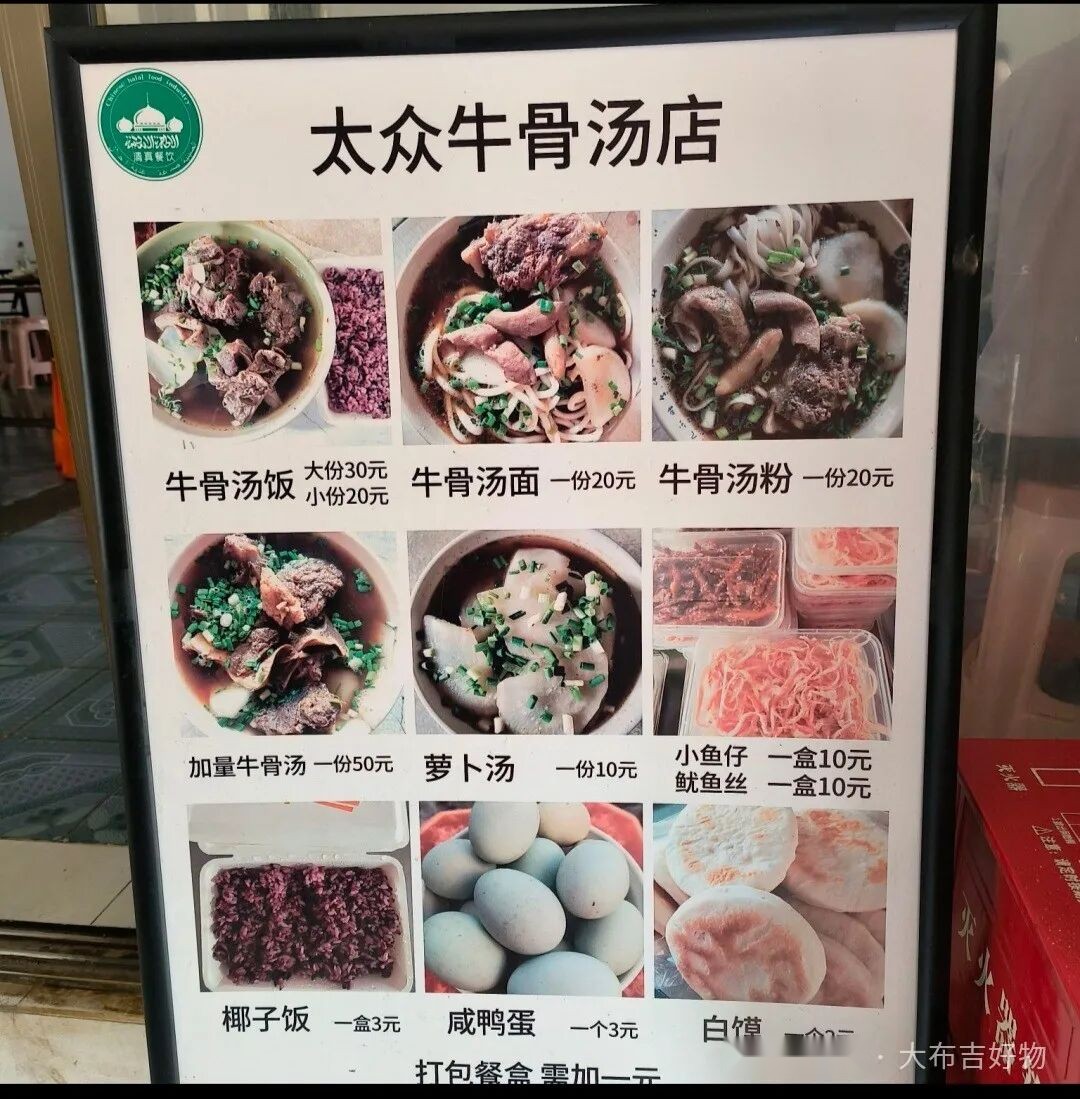
Hey everyone! Today I'm recommending a hidden gem in Sanya's Muslim quarter—Taizhong Beef Bone Soup Shop. It's super rundown and the kind of place you'd easily walk right past if you weren't looking closely. The storefront is crazy unassuming and the inside is pretty beat-up too, but man, the food is so good!
As soon as you walk in, you spot a giant pot filled to the brim with beef bones and beef. This massive pot is wood-fired, and you'll see stacks of firewood piled up in the courtyard.
The beef bone soup with rice is an absolute must-order. The soup has a super pure beef flavor without a bunch of extra seasonings—it's just a clean, clear broth. The beef bones have meat on them, though not a ton. The rice is really unique, with a subtle coconut aroma and a touch of saltiness. It's definitely a flavor profile you haven't tried before, and it's seriously delicious. The only downside is the meat portion is a bit small, so serious meat lovers can always order extra. They also serve niurou fen (Hainan beef rice noodles), but personally, I strongly recommend trying that rice dish.
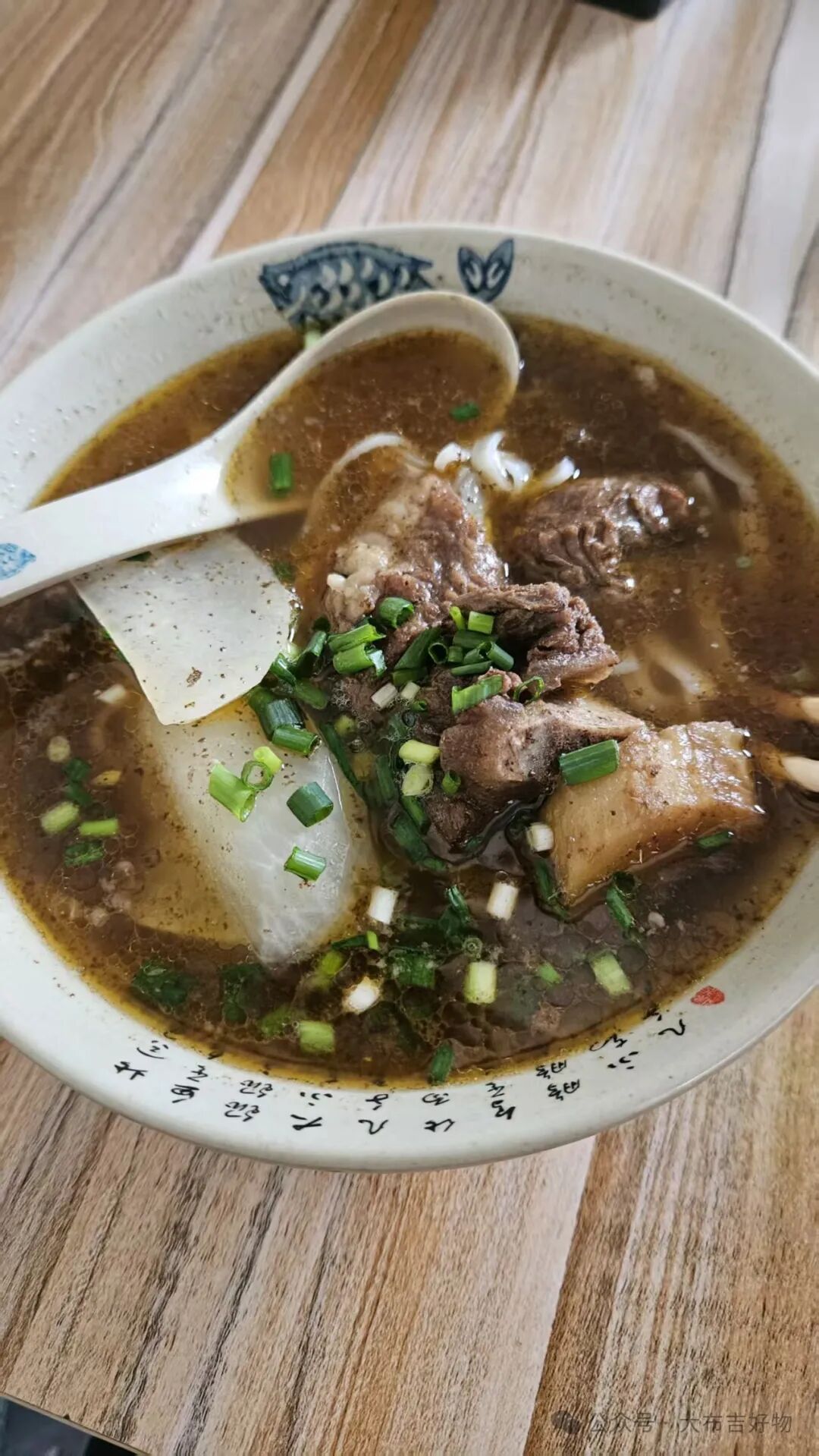
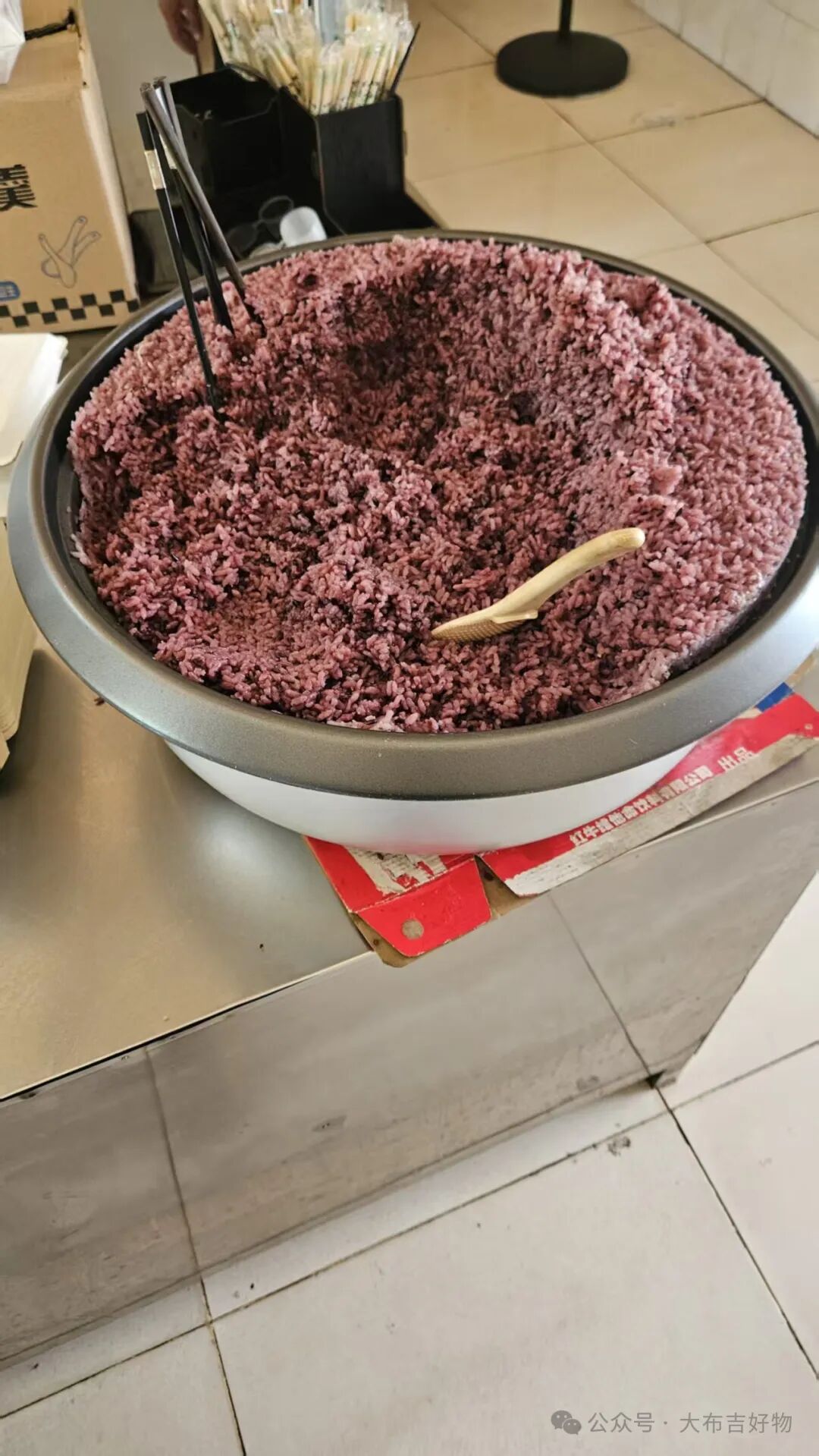
Exploring Omar Halal Sea View Restaurant in Sanya & Hainan Muslim Culture: The Ultimate Guide to Halal Seafood, Historic Mosques, and Utsul Heritage
Articles • Hasan09 posted the article • 0 comments • 4 views • 3 hours ago
Exploring Omar Halal Sea View Restaurant in Sanya: First-Line Azure Coconut Ocean Views and Exquisite Halal Delicacies
Abstract:
A comprehensive, photo-rich review of "Omar," a top-tier Halal sea view restaurant in Sanya. Get an up-close look at the comfortable dining space boasting bay sunsets and coconut grove views, and dive into a photo-worthy feast of tropical fruit-infused seafood and premium beef and lamb dishes, delivering a dual feast for the eyes and the taste buds.
Omar Halal Sea View Restaurant
A Bay of Coconut Palms and Ocean Waves, Savoring Exclusive Halal Mountain and Sea Flavors
Coconut breezes sweep the shore, sunsets sink into the sea.
Nestled between the Boao Lighthouse and the coastline,
lies the Boao coastline's
one and only Halal sea view restaurant
— Omar Halal Sea View Restaurant.
SUMMER
Ocean Breezes and Daydreams
PART.01
As Boao's only authentic Halal sea view restaurant located inside a star-rated hotel,
it fills the gap for Halal dining in coastal tourism.
Sticking strictly to pure Halal dietary standards every step of the way,
with ingredients, cooking techniques, and utensils strictly compliant,
it allows every Muslim guest,
among coconut groves and blue seas,
to fully enjoy a pure, worry-free, and authentic
sea view dining experience.
—— ——
「 The Story of the Sea 」
The restaurant claims nearly one kilometer
of exclusive coconut-fringed coastline,
right next to the viral Instagram hotspot "The Story of the Sea," and
just 3 kilometers from the Boao Forum for Asia.
Gaze out the window at mountains and seas, let the evening breeze accompany the twilight glow,
and take in the stunning coastal scenery of Boao to the fullest.
Summer
SUMMER
Island Notes of Coconut Groves and Seas
PART.02
SEASIDE HOLIDAY
/ Bringing Together Classic Region-Wide Halal Specialties
Ocean Breeze · Beautiful Sea Days
Where the mountains and sea come to the table, and fresh flavors touch the soul. The restaurant
rigorously selects the catch of the day, live and kicking,
netted and cooked on the spot to lock in the ocean's raw sweetness and freshness;
bringing together classic halal specialties from all over,
crafted with master care and authentic flavors.
A feast of mountains and sea,
blending coastal delicacies with ethnic culinary heritage,
gently healing and easing your travel moments.
COCONUT
COCONUT
BEACH
BEACH
WAVES
WAVES
Listening to the Sea · Healing Moments
Right by the Bo'ao Internet-Famous Lighthouse
☎ Welcome to call: 13215720917
☎ Welcome to call: 13876169160
Douyin ID: 578067898070
SUMMER
Sunsets and Tangerine Seas
PART.03
Welcome to the restaurant
Head to the mountains and sea of Bo'ao, and taste authentic halal food.
This is the only place where you can catch ocean views, chase stunning sunsets,
and feast on the freshest seafood with total peace of mind.
END view all
Exploring Omar Halal Sea View Restaurant in Sanya: First-Line Azure Coconut Ocean Views and Exquisite Halal Delicacies
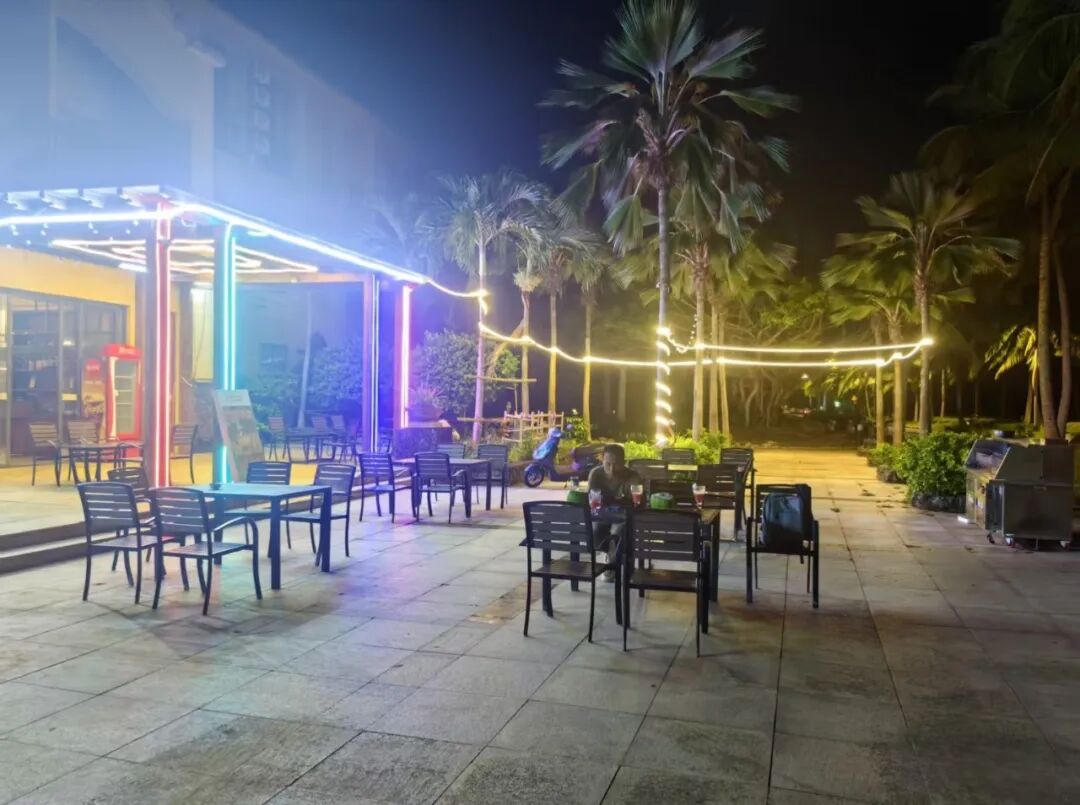
Abstract:
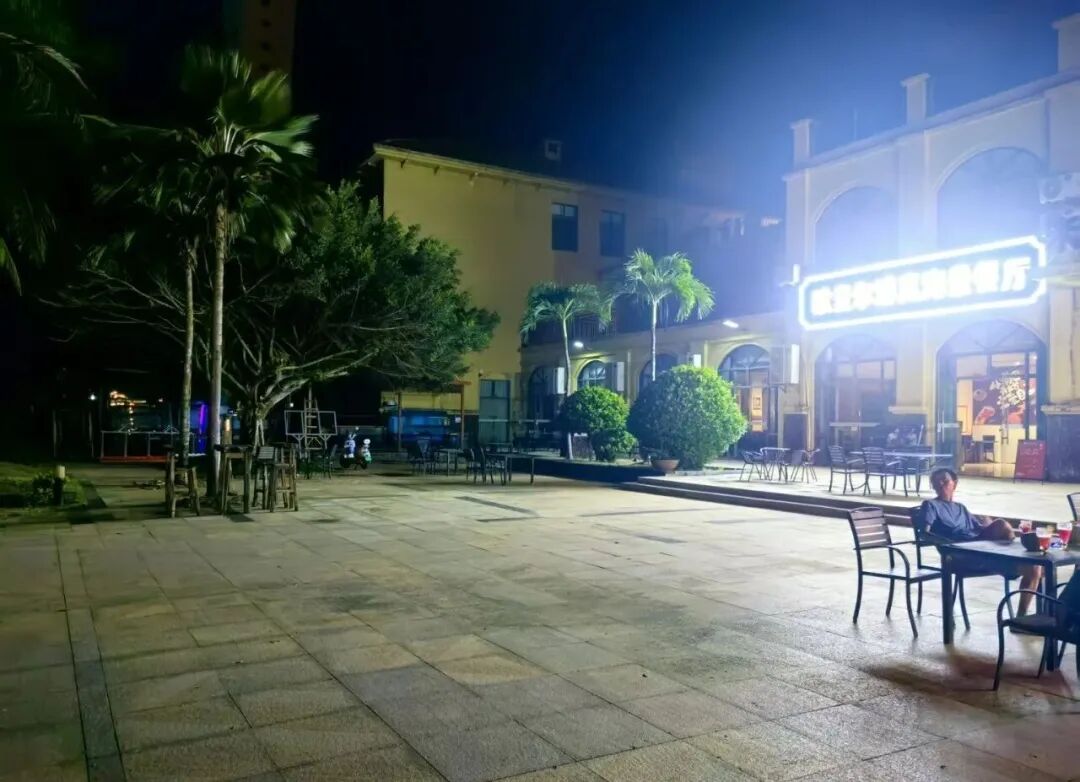
A comprehensive, photo-rich review of "Omar," a top-tier Halal sea view restaurant in Sanya. Get an up-close look at the comfortable dining space boasting bay sunsets and coconut grove views, and dive into a photo-worthy feast of tropical fruit-infused seafood and premium beef and lamb dishes, delivering a dual feast for the eyes and the taste buds.
Omar Halal Sea View Restaurant
A Bay of Coconut Palms and Ocean Waves, Savoring Exclusive Halal Mountain and Sea Flavors
Coconut breezes sweep the shore, sunsets sink into the sea.
Nestled between the Boao Lighthouse and the coastline,
lies the Boao coastline's
one and only Halal sea view restaurant
— Omar Halal Sea View Restaurant.
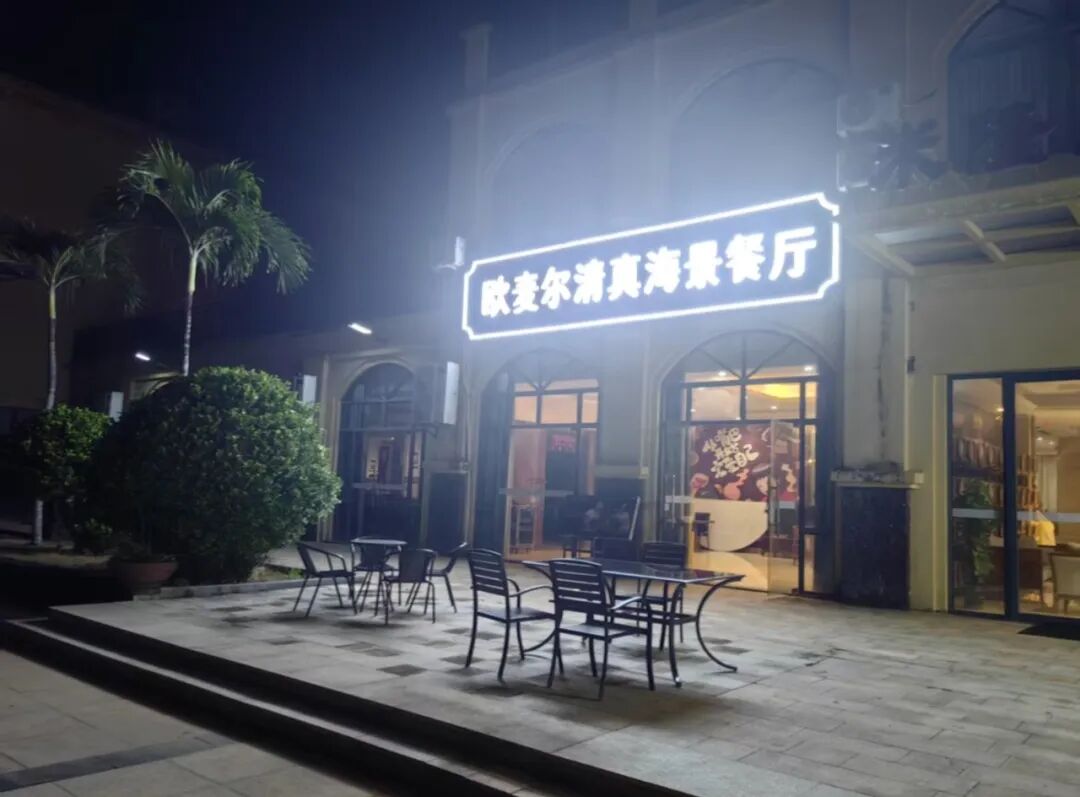
SUMMER
Ocean Breezes and Daydreams
PART.01
As Boao's only authentic Halal sea view restaurant located inside a star-rated hotel,

it fills the gap for Halal dining in coastal tourism.
Sticking strictly to pure Halal dietary standards every step of the way,
with ingredients, cooking techniques, and utensils strictly compliant,

it allows every Muslim guest,
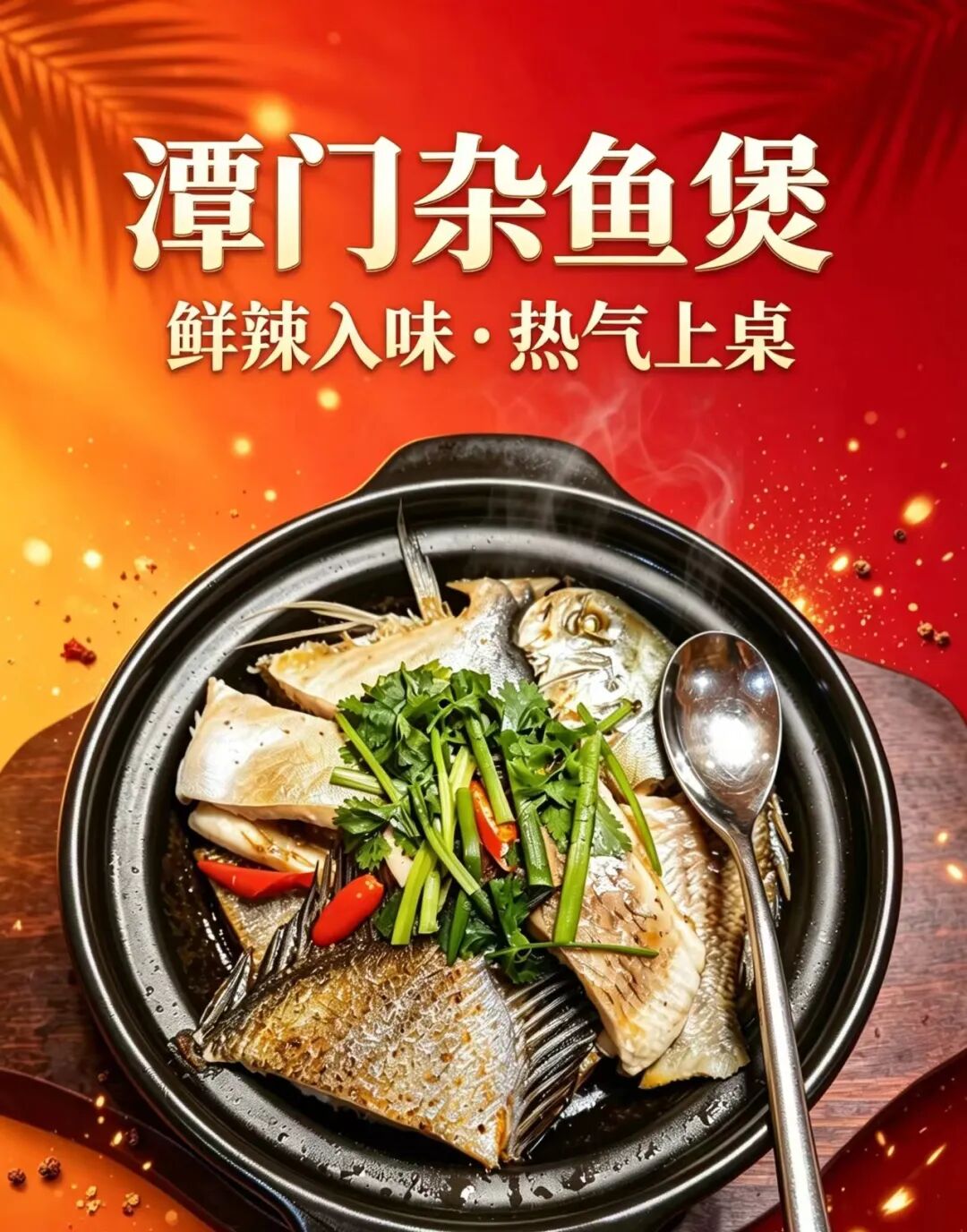
among coconut groves and blue seas,
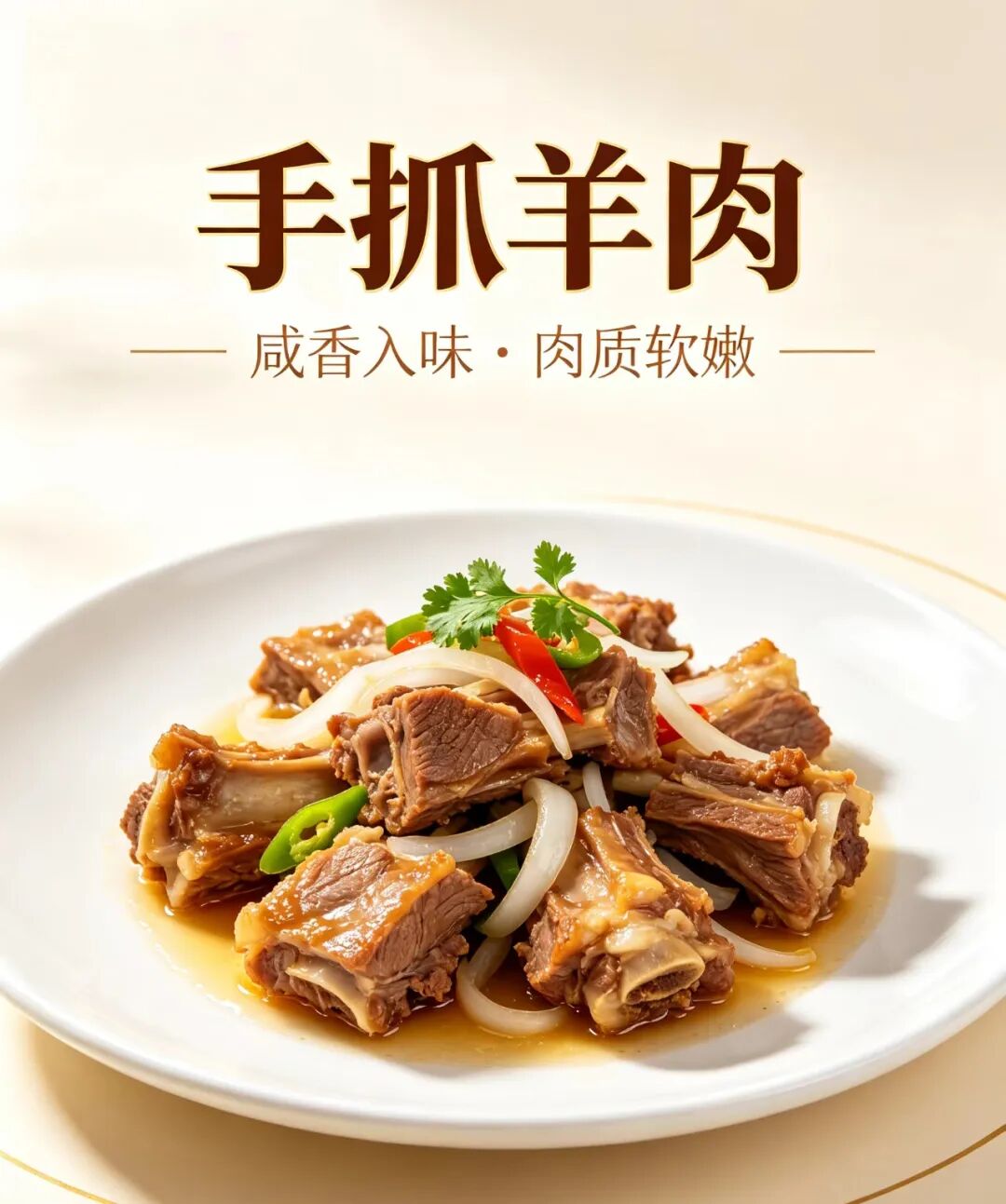
to fully enjoy a pure, worry-free, and authentic
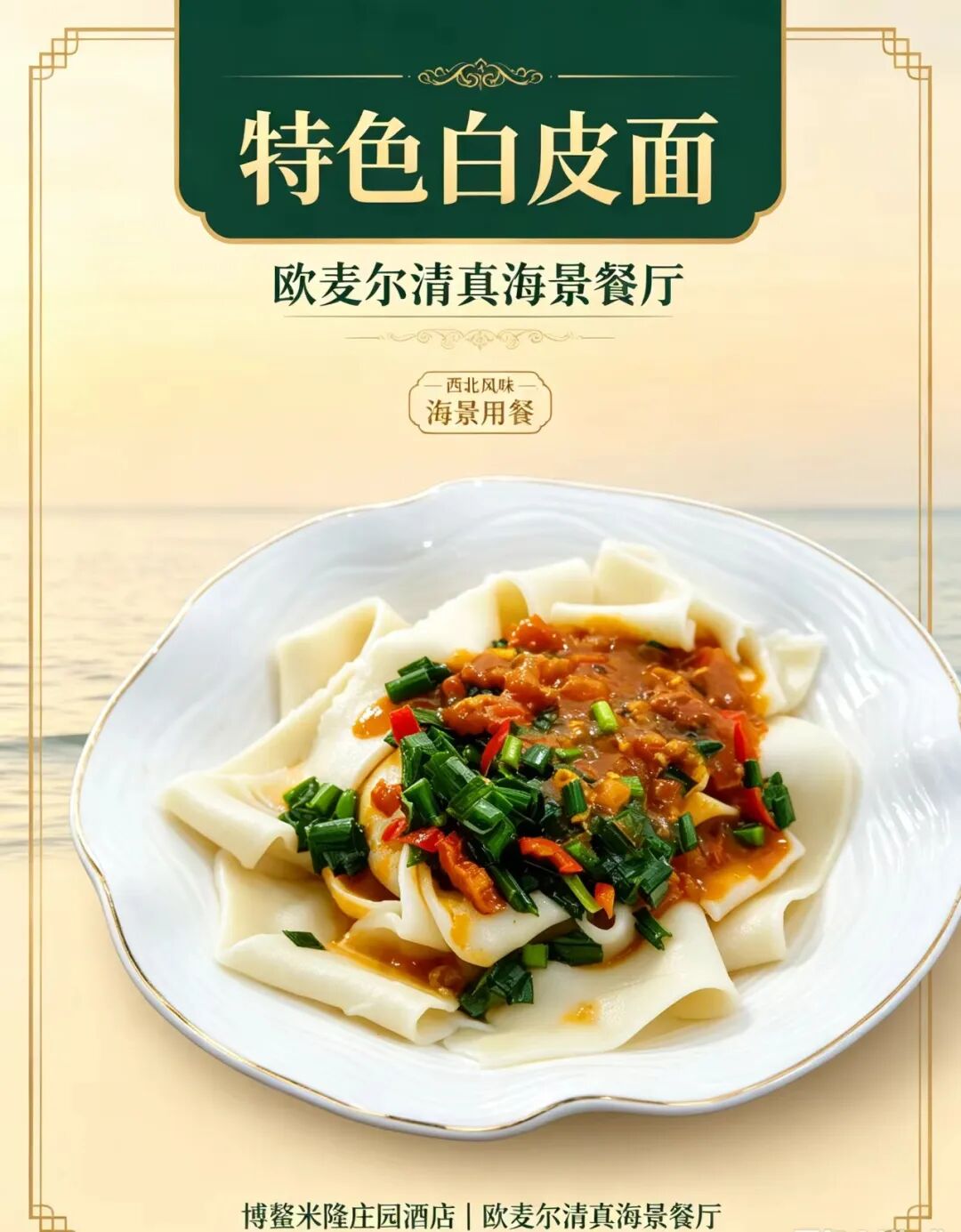
sea view dining experience.
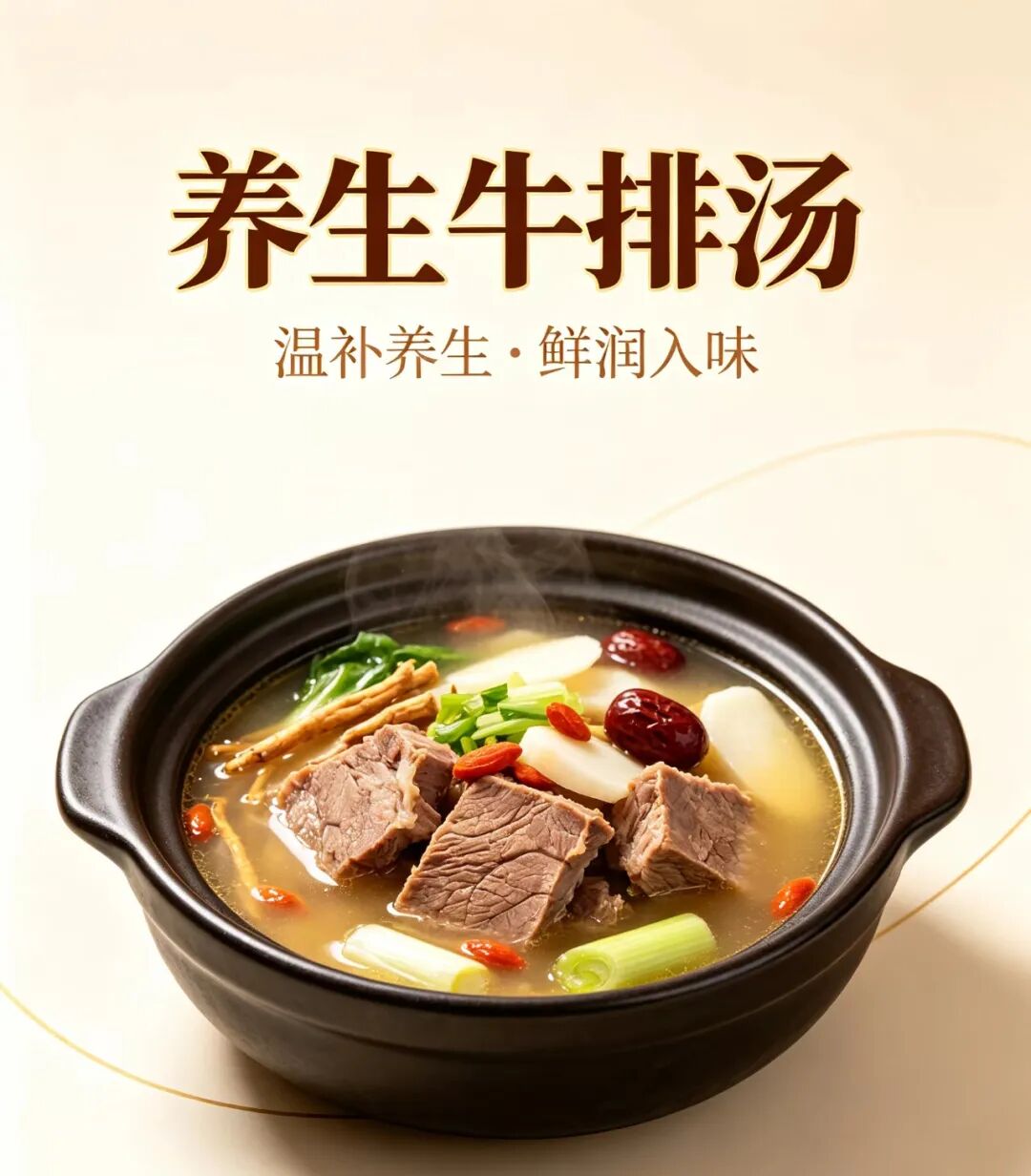
—— ——
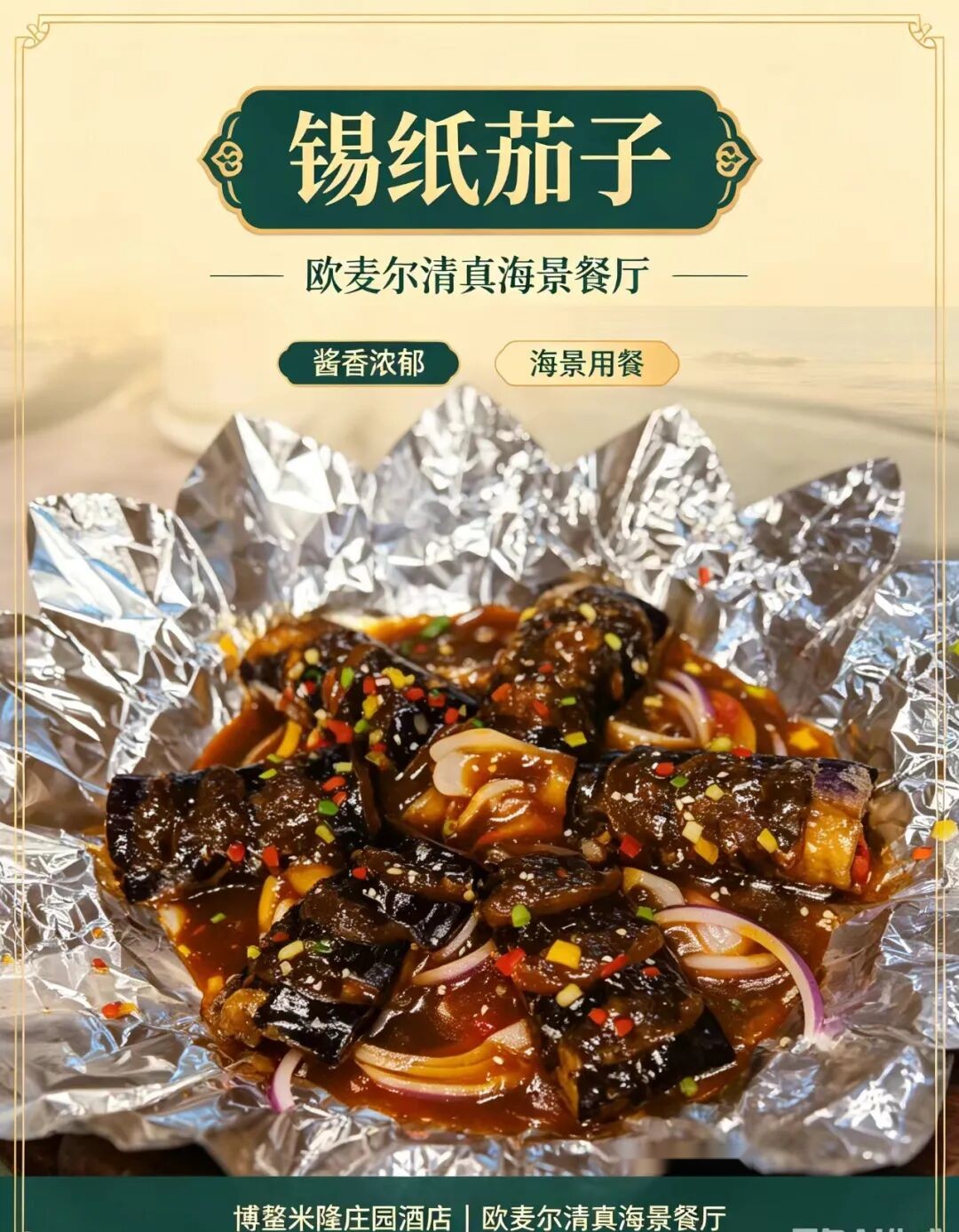
「 The Story of the Sea 」
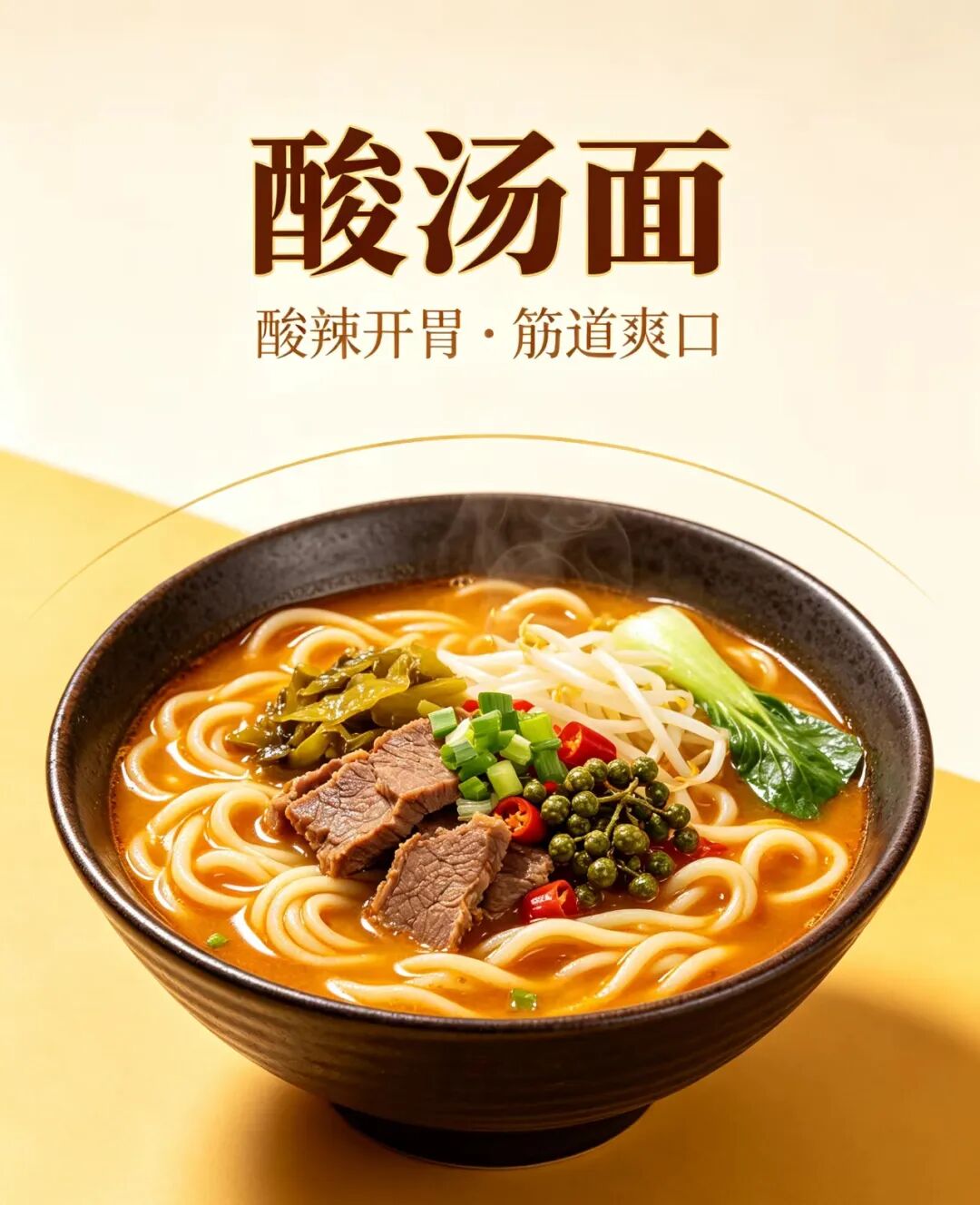
The restaurant claims nearly one kilometer
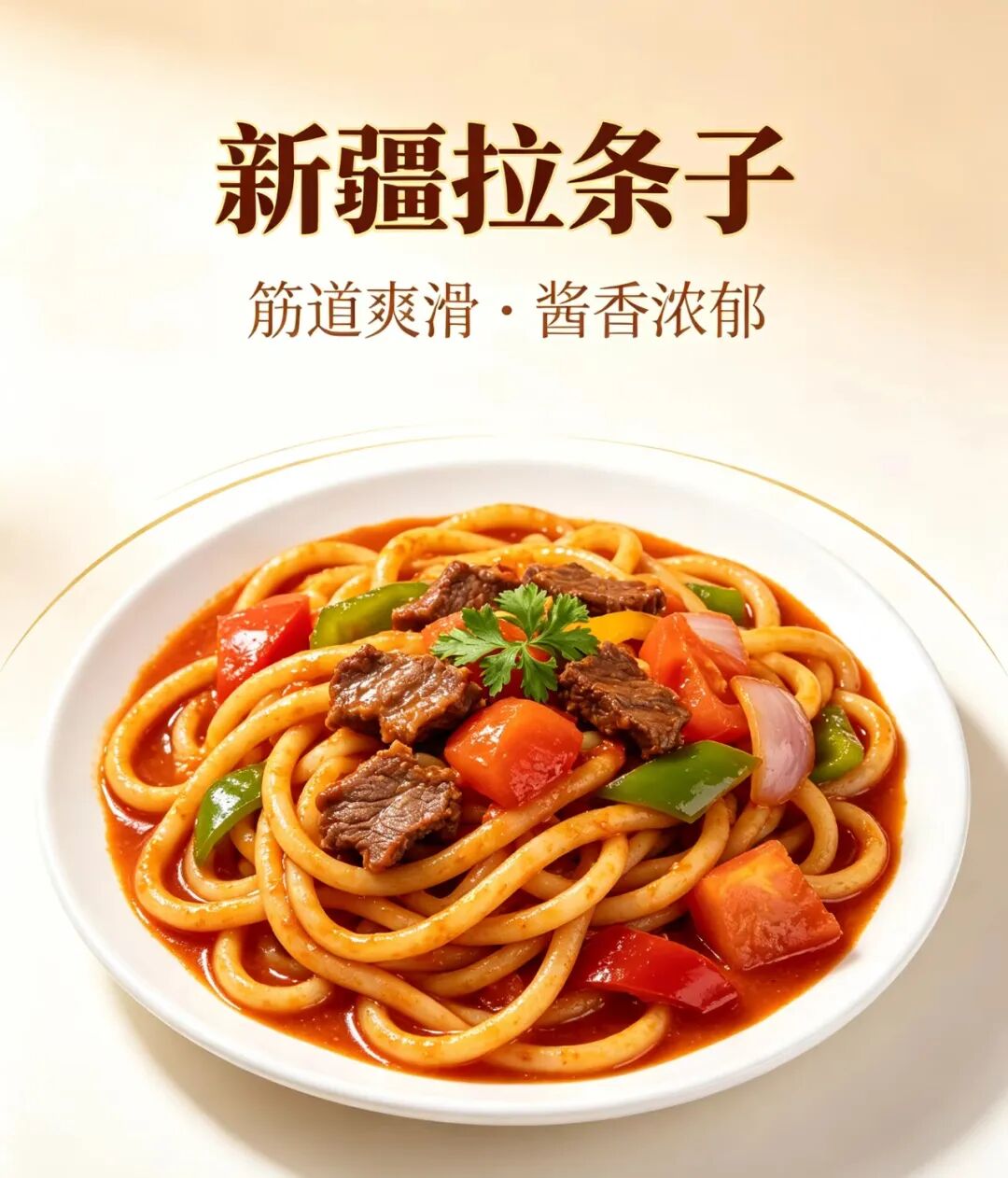
of exclusive coconut-fringed coastline,
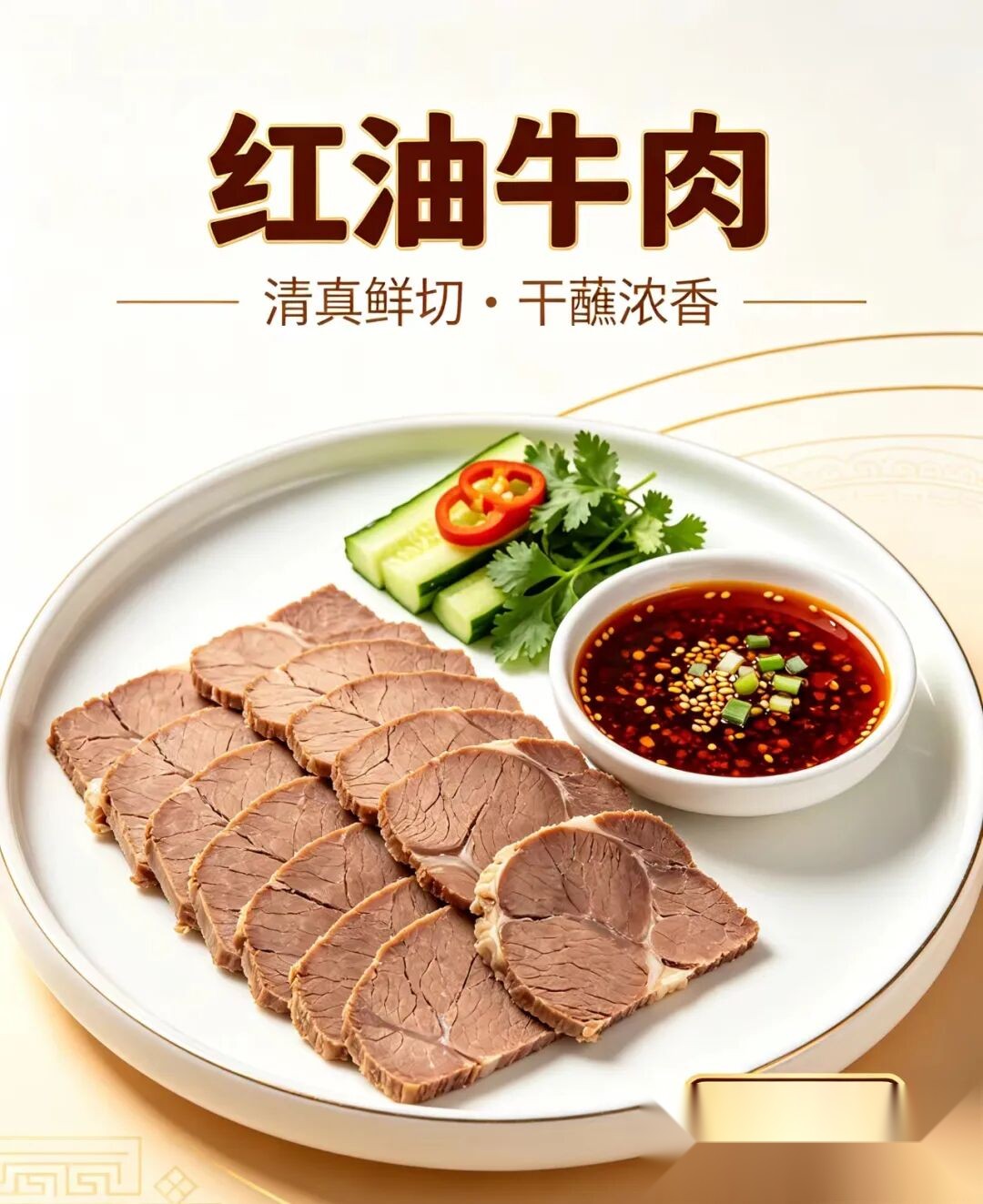
right next to the viral Instagram hotspot "The Story of the Sea," and
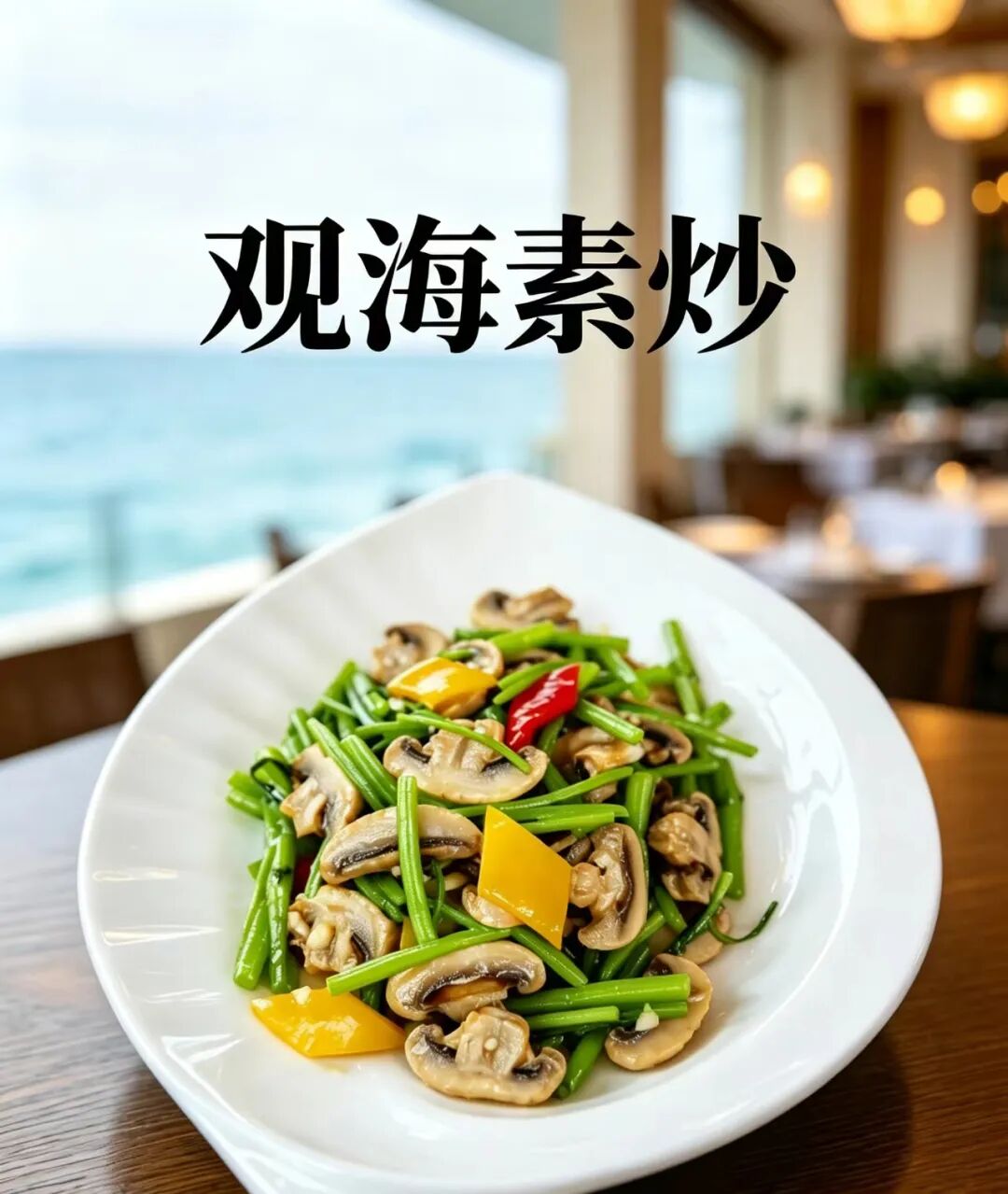
just 3 kilometers from the Boao Forum for Asia.
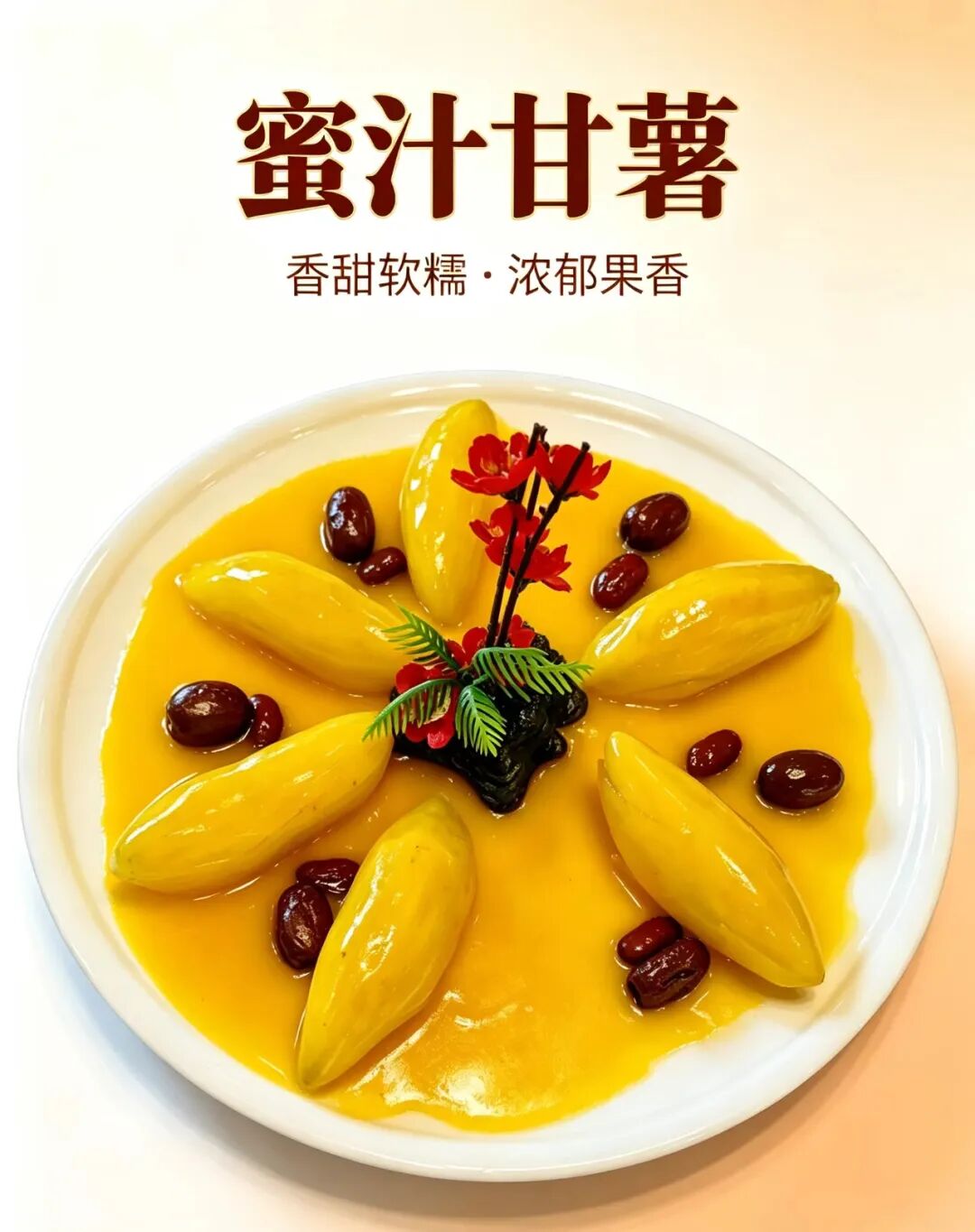
Gaze out the window at mountains and seas, let the evening breeze accompany the twilight glow,
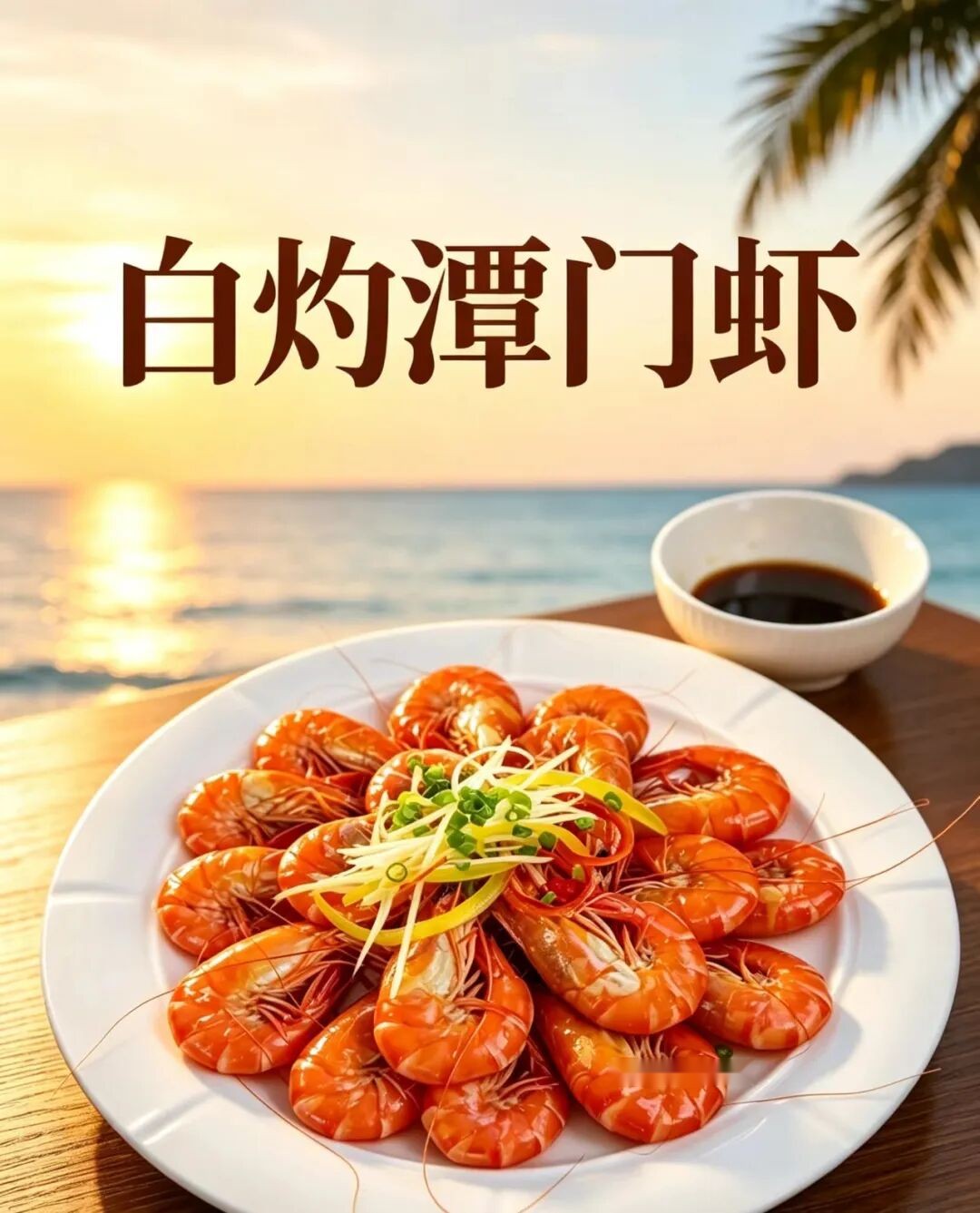
and take in the stunning coastal scenery of Boao to the fullest.
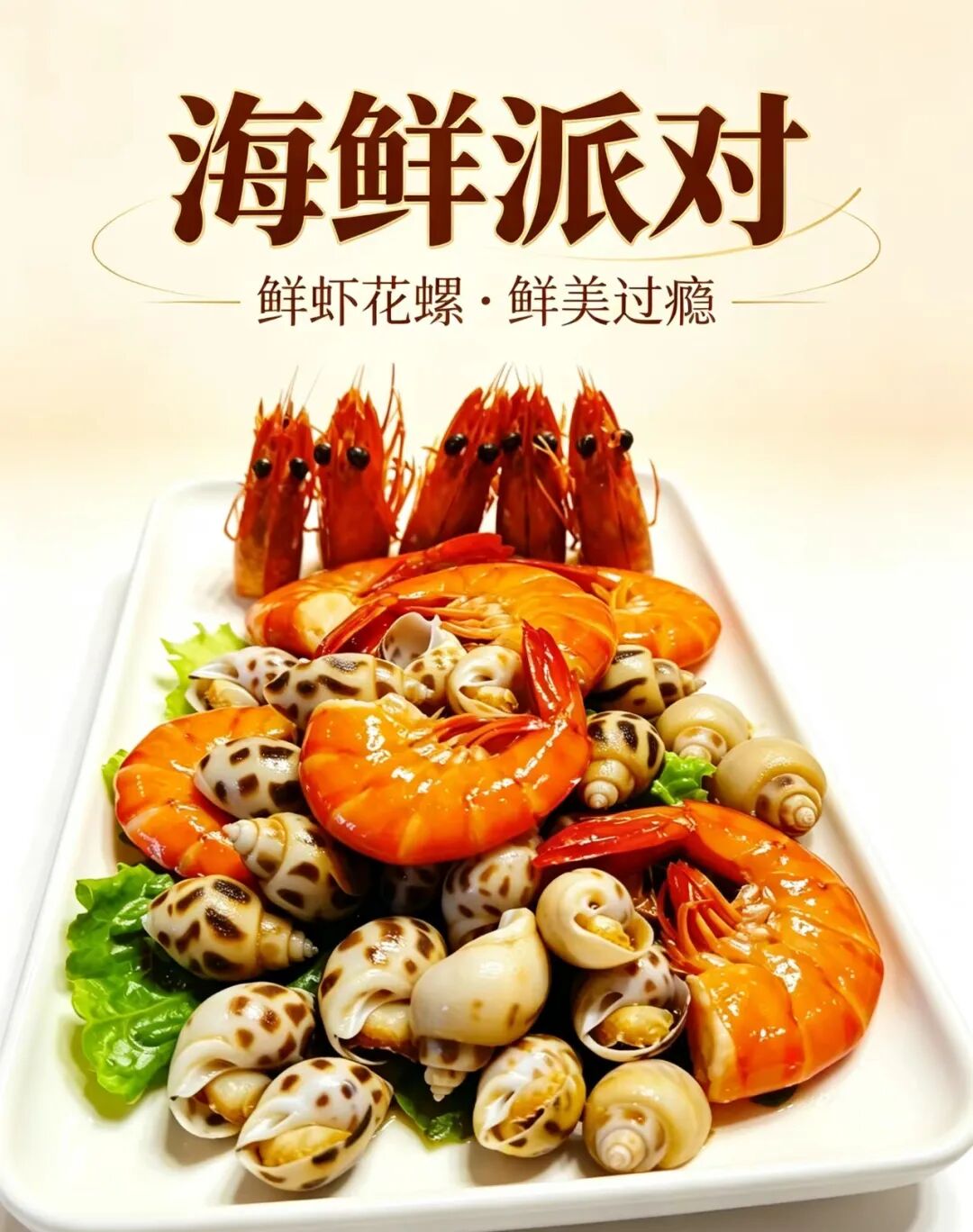
Summer
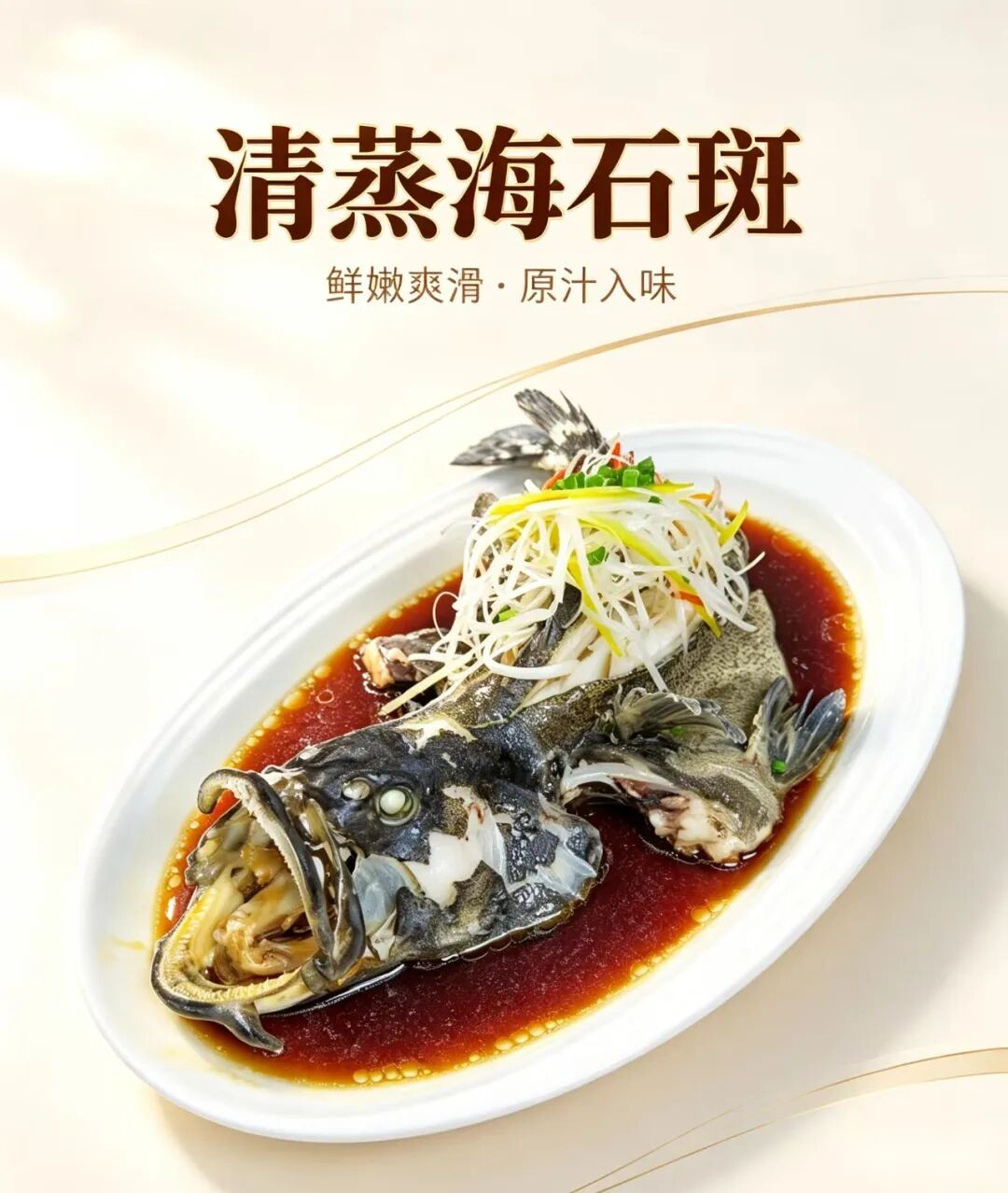
SUMMER
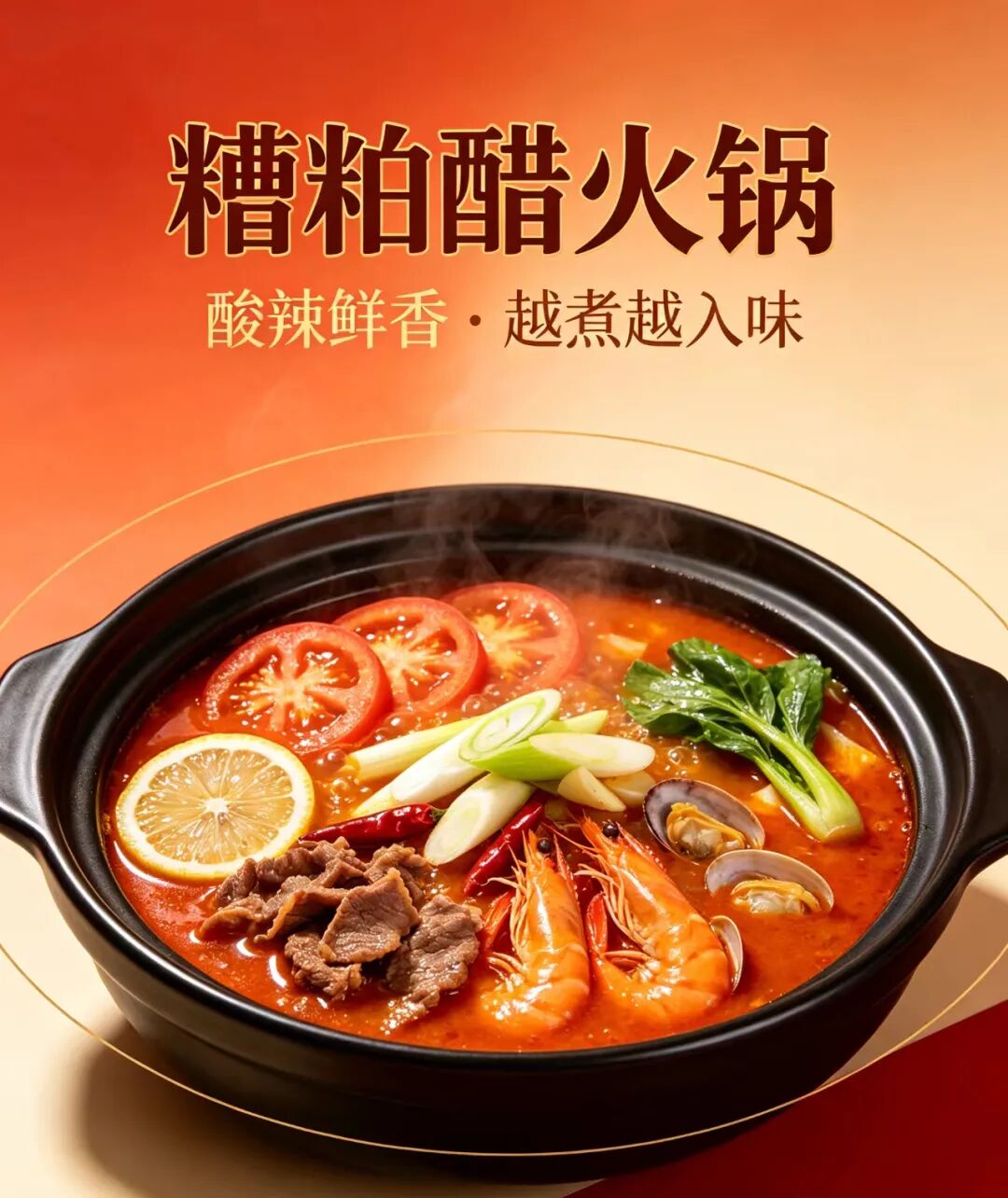
Island Notes of Coconut Groves and Seas
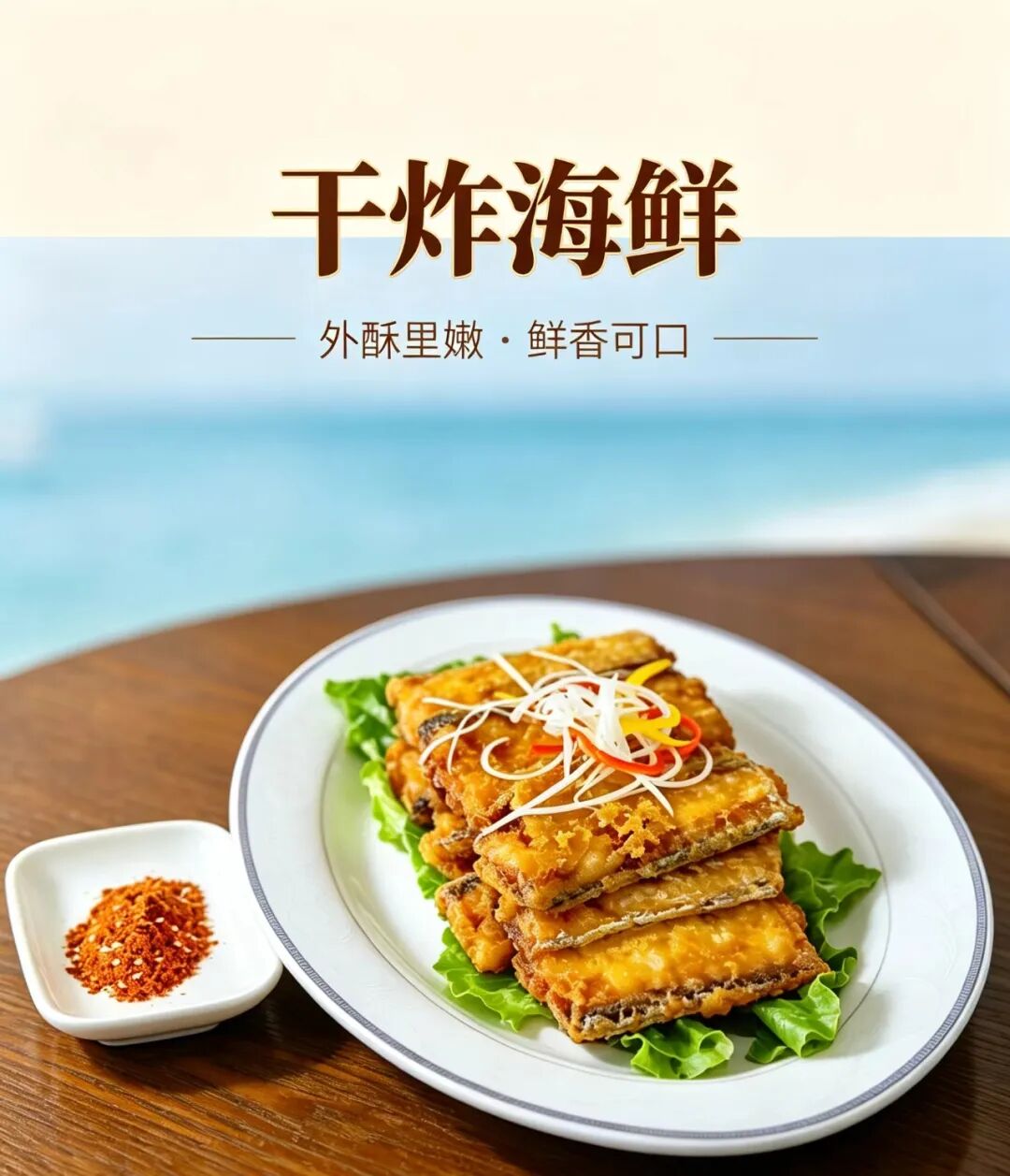
PART.02
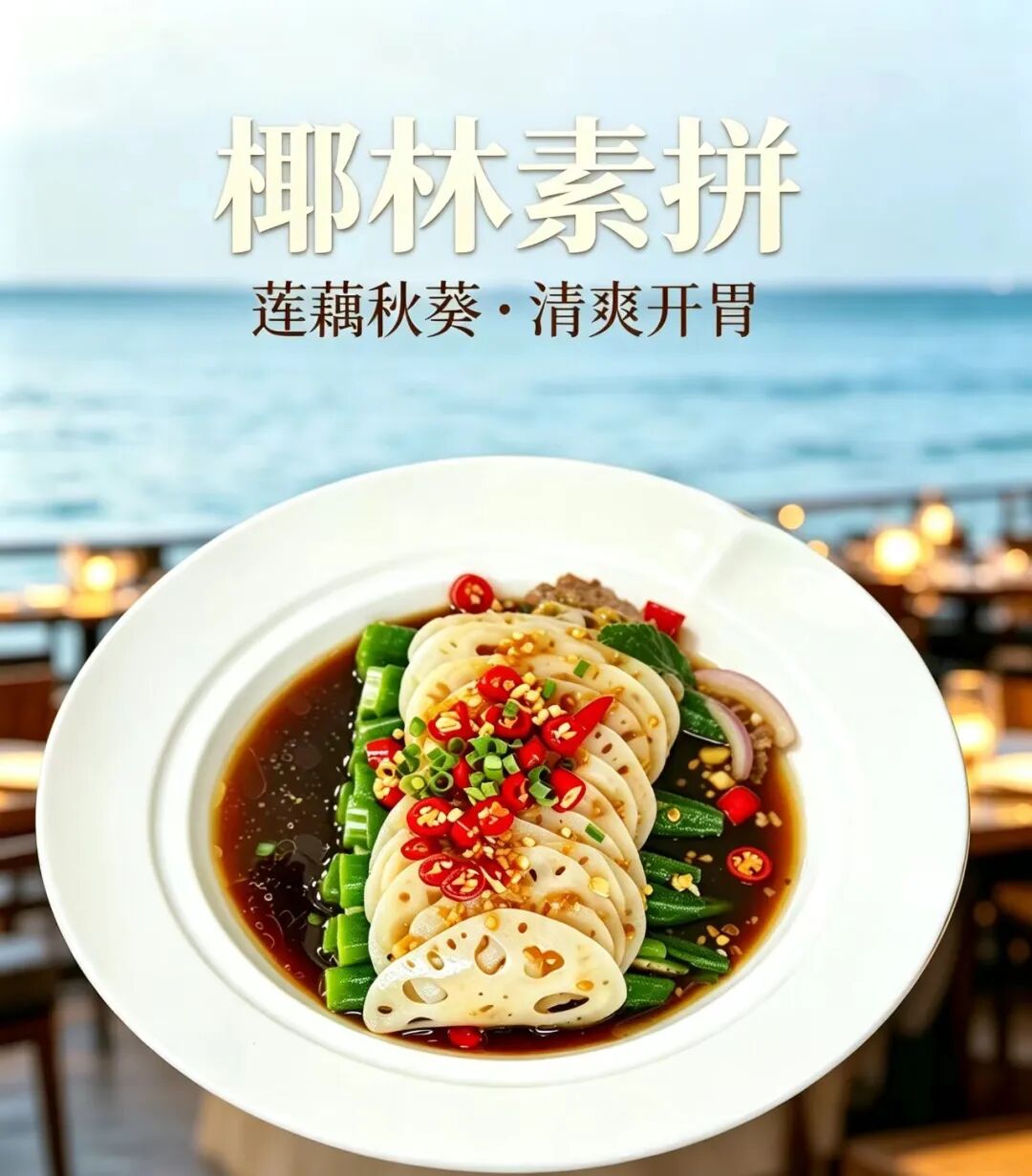
SEASIDE HOLIDAY
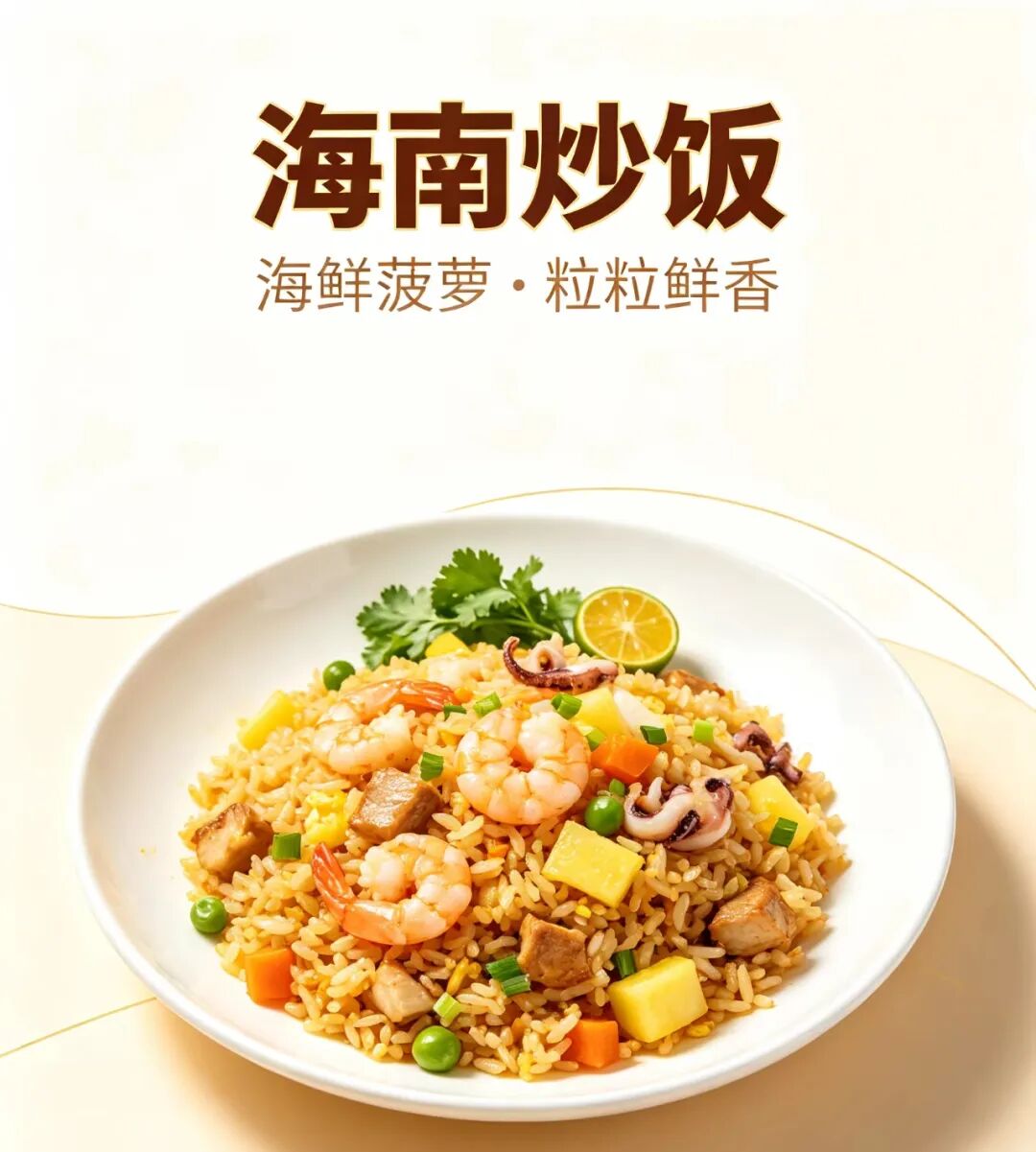
/ Bringing Together Classic Region-Wide Halal Specialties
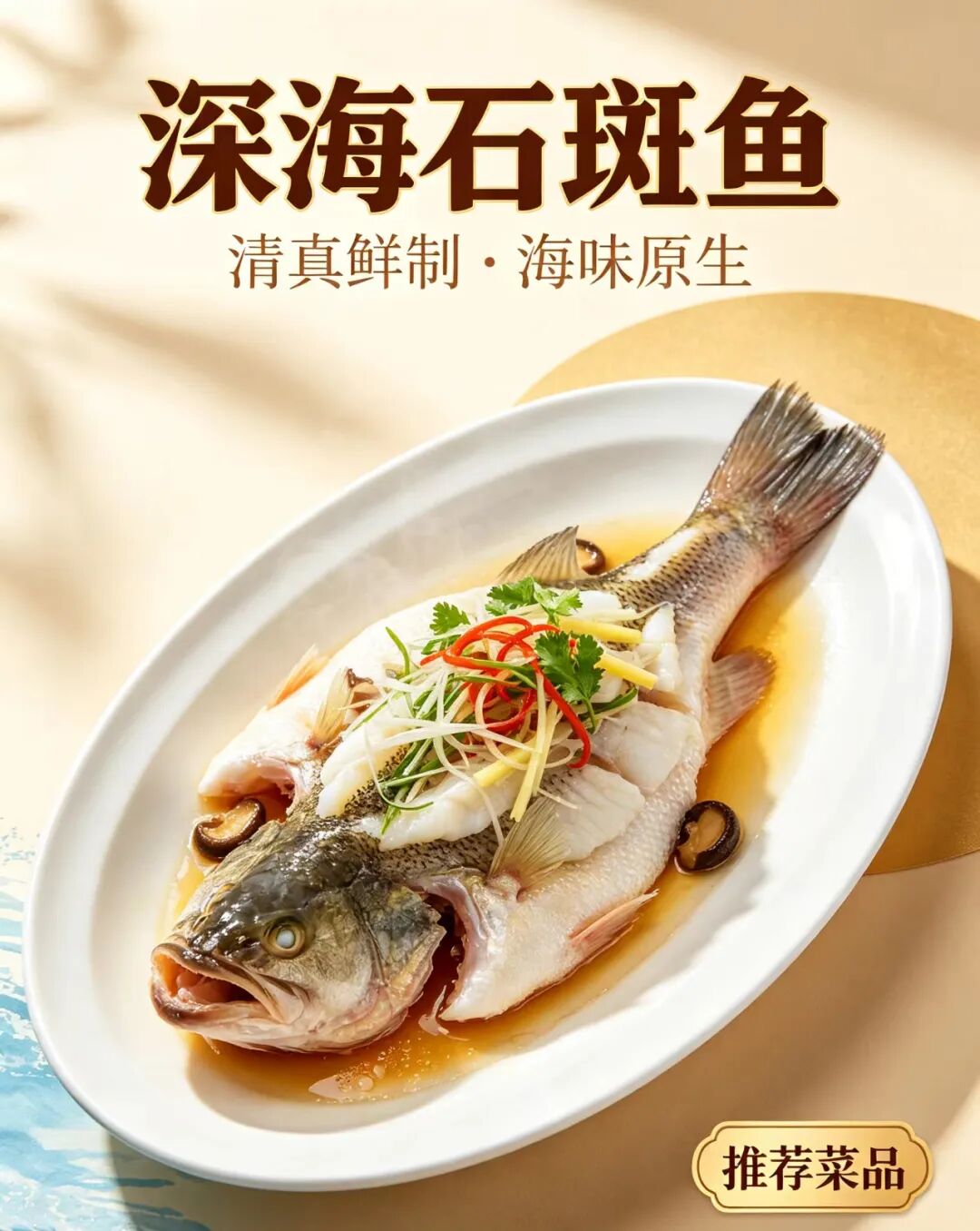
Ocean Breeze · Beautiful Sea Days
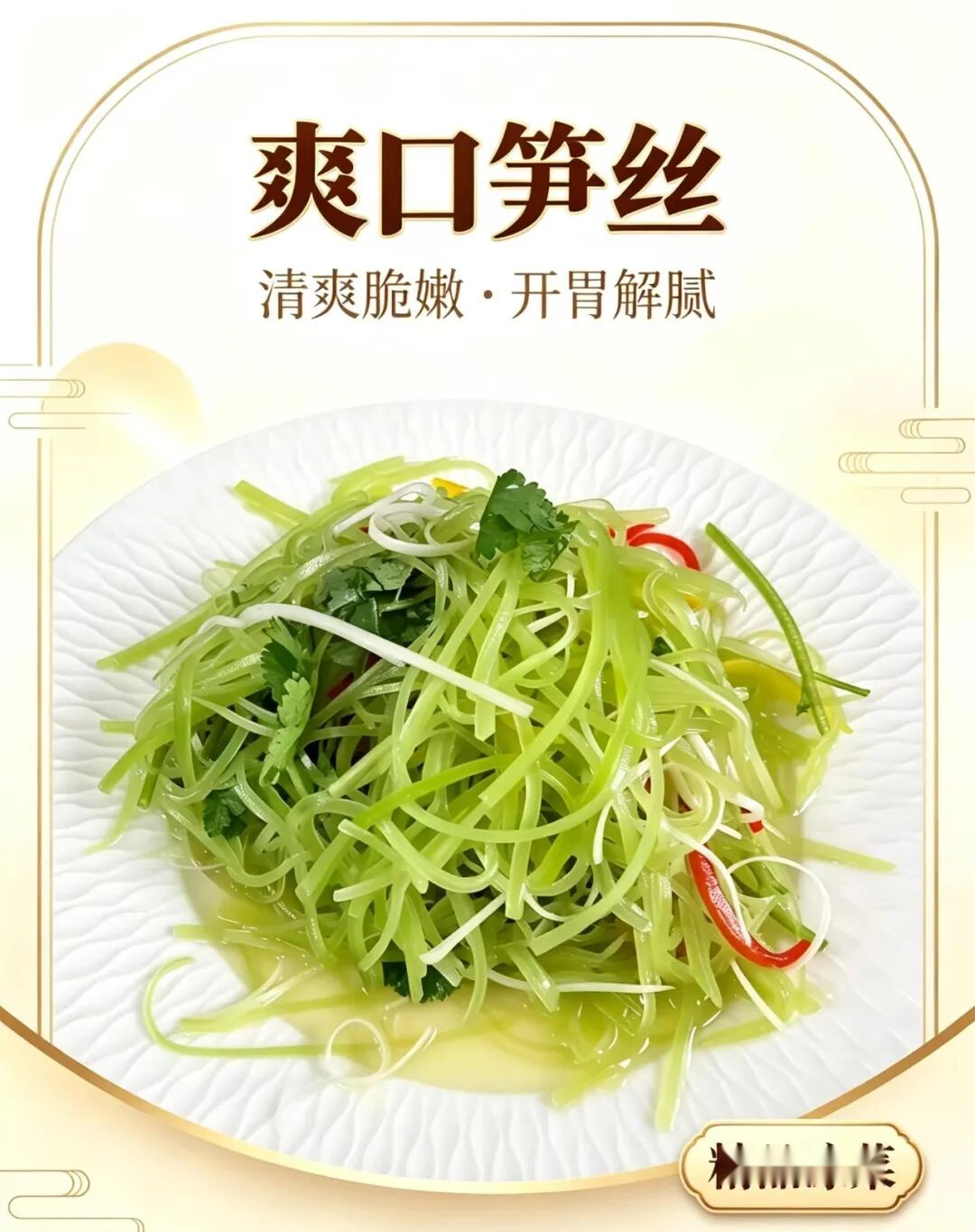
Where the mountains and sea come to the table, and fresh flavors touch the soul. The restaurant
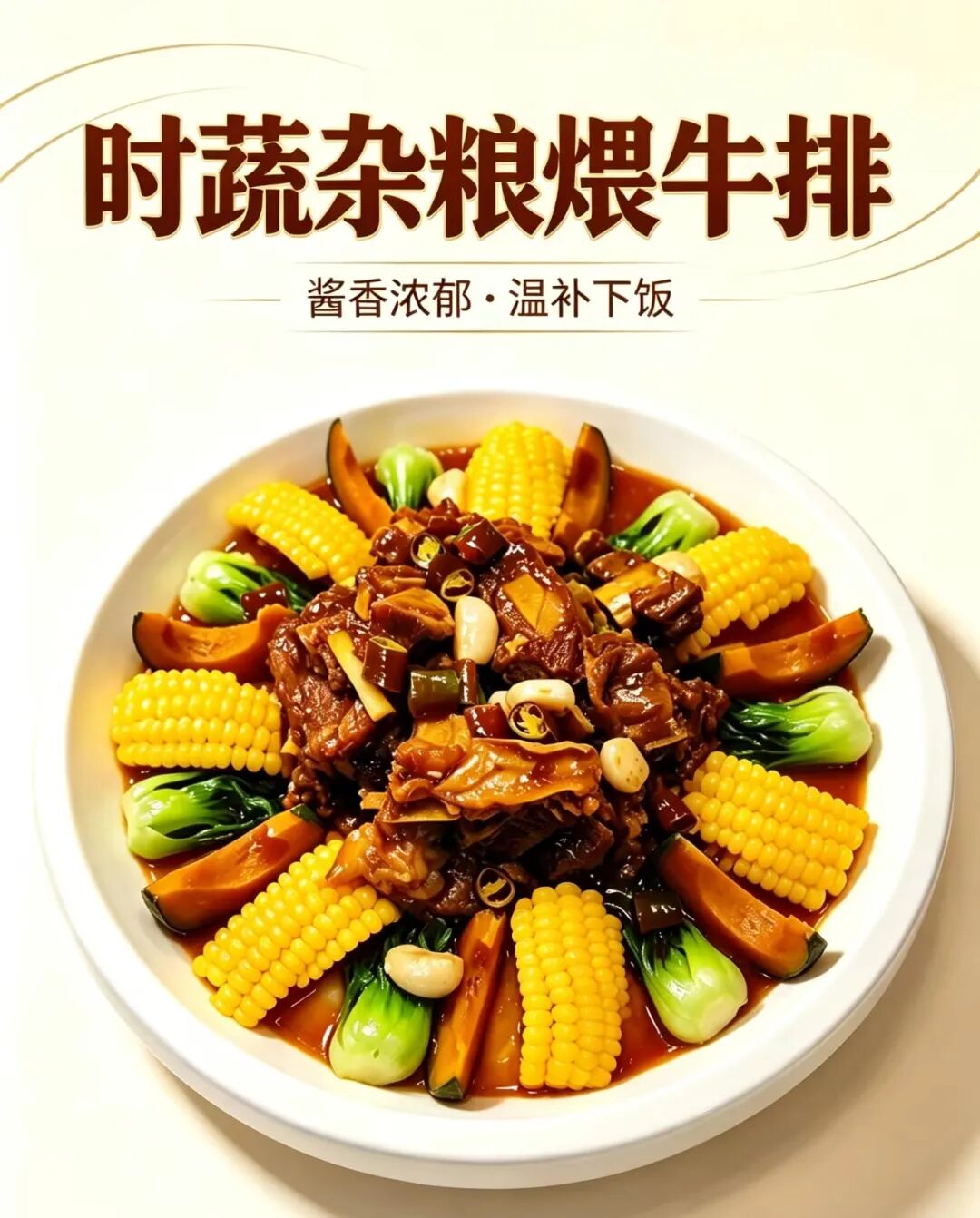
rigorously selects the catch of the day, live and kicking,
netted and cooked on the spot to lock in the ocean's raw sweetness and freshness;
bringing together classic halal specialties from all over,

crafted with master care and authentic flavors.
A feast of mountains and sea,
blending coastal delicacies with ethnic culinary heritage,
gently healing and easing your travel moments.
COCONUT
COCONUT
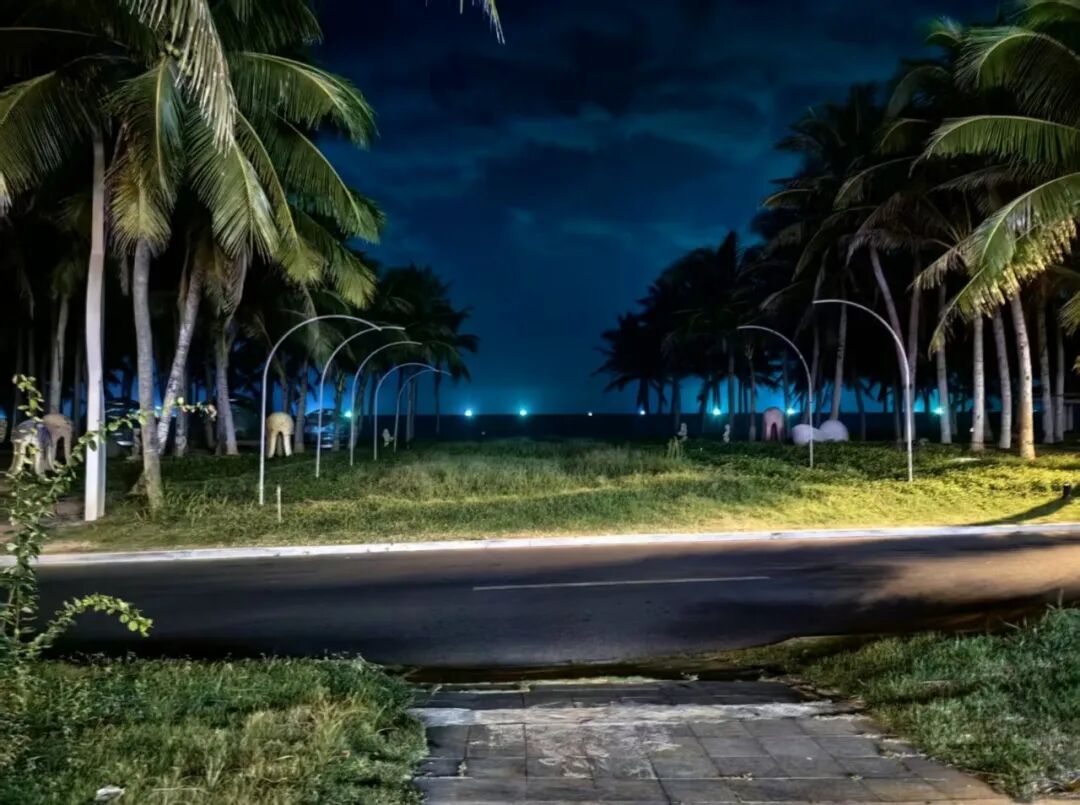
BEACH

BEACH
WAVES
WAVES
Listening to the Sea · Healing Moments
Right by the Bo'ao Internet-Famous Lighthouse
☎ Welcome to call: 13215720917
☎ Welcome to call: 13876169160
Douyin ID: 578067898070
SUMMER
Sunsets and Tangerine Seas
PART.03
Welcome to the restaurant
Head to the mountains and sea of Bo'ao, and taste authentic halal food.
This is the only place where you can catch ocean views, chase stunning sunsets,
and feast on the freshest seafood with total peace of mind.
END
Exploring Sanya's Utsul Cham Muslims & Historic Mosques: A Foodie's Guide to Hainan's Halal Culture
Articles • Hasan09 posted the article • 0 comments • 4 views • 3 hours ago
A Comprehensive Deep Dive into the Documentary Short Film 'Huixin Village': The Southeast Asian Maritime Silk Road Genome and Contemporary Evolution of China's Southernmost Hui Muslim Village
Abstract:
An in-depth analysis focusing on the documentary project about Huixin Village (Huixin Muslim Village) in Sanya. It chronicles how this unique Muslim community—China's only one originating from the ancient Cham people of Southeast Asia—has thrived across generations on a tropical island, showcasing the harmonious coexistence of traditional religious practices and modern civilization.
Huixin Village (Huixin Muslim Village) is located in Fenghuang Town, Sanya City, Hainan Province, and stands as China's southernmost Hui Muslim settlement. This community is China's sole Muslim group originating from Southeast Asia, having lived here from generation to generation for over 900 years. Together with the neighboring Huihui Village (Huihui Muslim Village), they are collectively known as the Sanya Hui Muslim villages, with a combined population approaching nearly 10,000.
Around the 10th to 11th centuries, Arab and Persian Muslim merchants arrived in Champa (modern-day central Vietnam) via the Maritime Silk Road. While trading, they also introduced Muslim culture. In 1471, the Champa Kingdom was severely battered by the Lê Dynasty, causing a large number of Cham people to flee to the Malay Archipelago. Since the Malay Archipelago region had already widely embraced Islam, the Champa refugees encountered and accepted Islam there before returning to Champa to spread the faith.
As the Champa Kingdom repeatedly suffered from Vietnamese invasions and territorial encroachment, Cham Muslims migrated in multiple waves by boat from Xiazheng, Vietnam, to Hainan Island to seek refuge, escaping the chaos of war. Historical records date the earliest arrivals as far back as the late Tang Dynasty, with large-scale migrations concentrated during the Song and Yuan Dynasties. These groups partially blended with Arab and Persian foreign guests (fan ke) who had come to China to trade during the Tang and Song Dynasties. After the Ming Dynasty, Hui Muslims from the Fujian and Guangdong regions also continuously migrated to Hainan, ultimately converging during the Qing Dynasty to form the stable Hui Muslim communities of Huixin Village (Huixin Muslim Village) and Huihui Village (Huihui Muslim Village).
Huixin Village (Huixin Muslim Village) was once under Japanese occupation; the Japanese military built an airfield and drove out the local Hui Muslims living there. Following Japan's defeat and withdrawal, some of the Hui Muslims returned to Huixin Village (Huixin Muslim Village) to rebuild their homes on the original site.
The lifestyle customs of the Hui Muslims in Huixin Village (Huixin Muslim Village) reflect a blend of Islamic doctrine and local adaptability. While they speak Chinese, they still preserve their native language, Huihui speech, for communication. Huihui speech belongs to the Malayo-Polynesian branch of the Austronesian language family and is closely related to the Cham language. It is the only Austronesian-speaking Muslim group in China. Although Huihui speech is the mother tongue of Hainan's Hui Muslims and features a phonetic system—such as 19 initial consonants, 50 to 57 final vowels, and 7 to 10 tones—it has been spoken for a long time without developing its own writing system. In daily life, they use Chinese characters for reading and writing when interacting with the outside world. While some older Hui Muslims in the village cannot understand Chinese, younger generations are using Huihui speech less and less.
The religious traditions of the Hui Muslims in Huixin Village (Huixin Muslim Village) stem from the history of the Champa Kingdom's conversion to Islam, preserving major holidays such as Eid al-Fitr (Kaizhai Jie), the Mawlid (Shengji Jie), and Eid al-Adha (Guerbang Jie). Huixin Village (Huixin Muslim Village) features two mosques. The Southern Mosque (Qingzhen Nansi) was originally built during the Southern Song Dynasty and is the oldest masjid in ancient Yazhou, boasting a history of over 900 years. Rebuilt in 2013, it serves as a historical testament to the development of Muslims in Sanya. The Nankai Mosque was built during the mid-Ming Dynasty, bombed flat during the War of Resistance Against Japanese Aggression, demolished during the Cultural Revolution, and rebuilt in 1980. Later subjected to ethnic integration, it features distinct Islamic religious characteristics and traditional architectural styles. These two masjids serve as the venues for religious activities among the villagers of Huixin Village (Huixin Muslim Village). During Ramadan, some Muslims go to the masjid to perform their daily dua and prayers five times a day.
Huixin Village (Huixin Muslim Village) covers an area of 0.4 square kilometers (or its actual community-administered jurisdiction). Several winding, narrow alleys connect densely packed buildings, making it very easy to get lost if you walk around here. Most of the multi-story houses on either side were built in recent years, with some retaining Islamic architectural elements. Due to Hainan's tropical climate, many residential homes intentionally reserve courtyard areas for cooking, eating, and cooling off. Before a large influx of outsiders poured in, villagers in Huixin Village (Huixin Muslim Village) lived with their doors unlocked at night. Because of the favorable Hui Muslim residential environment in Huixin Village (Huixin Muslim Village), a portion of the Hui Muslims who come here to spend the winter each year hail from Gansu Province and the Ningxia Hui Autonomous Region.
While walking through the alleys during Ramadan, I encountered Hui Muslims going door-to-door handing out festive candies. Historically, Hui Muslims on Hainan Island did not intermarry with other ethnic groups, but modern times have seen a gradual opening up, provided that the non-Hui spouse converts to Islam and follows Hui Muslim customs. I also witnessed a Muslim funeral; photography is strictly prohibited inside the masjid and certain residential areas.
Photographed in Huixin Village (Huixin Muslim Village) during Ramadan, March 2026. view all
A Comprehensive Deep Dive into the Documentary Short Film 'Huixin Village': The Southeast Asian Maritime Silk Road Genome and Contemporary Evolution of China's Southernmost Hui Muslim Village
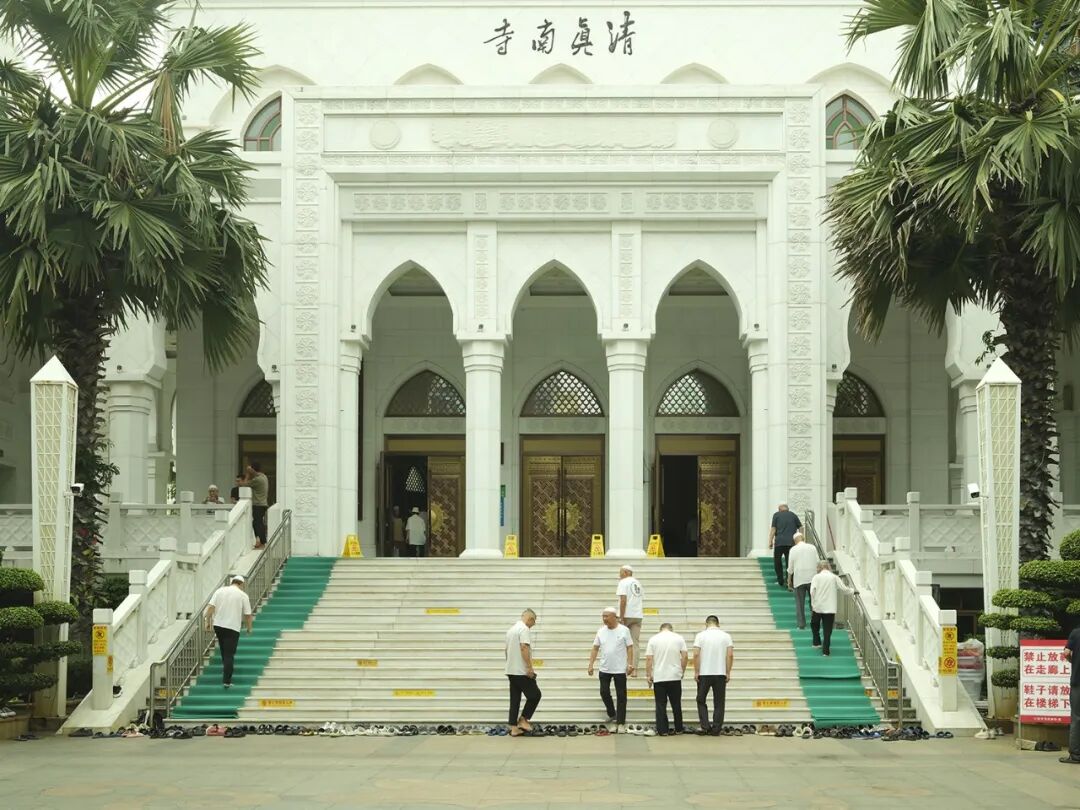
Abstract:
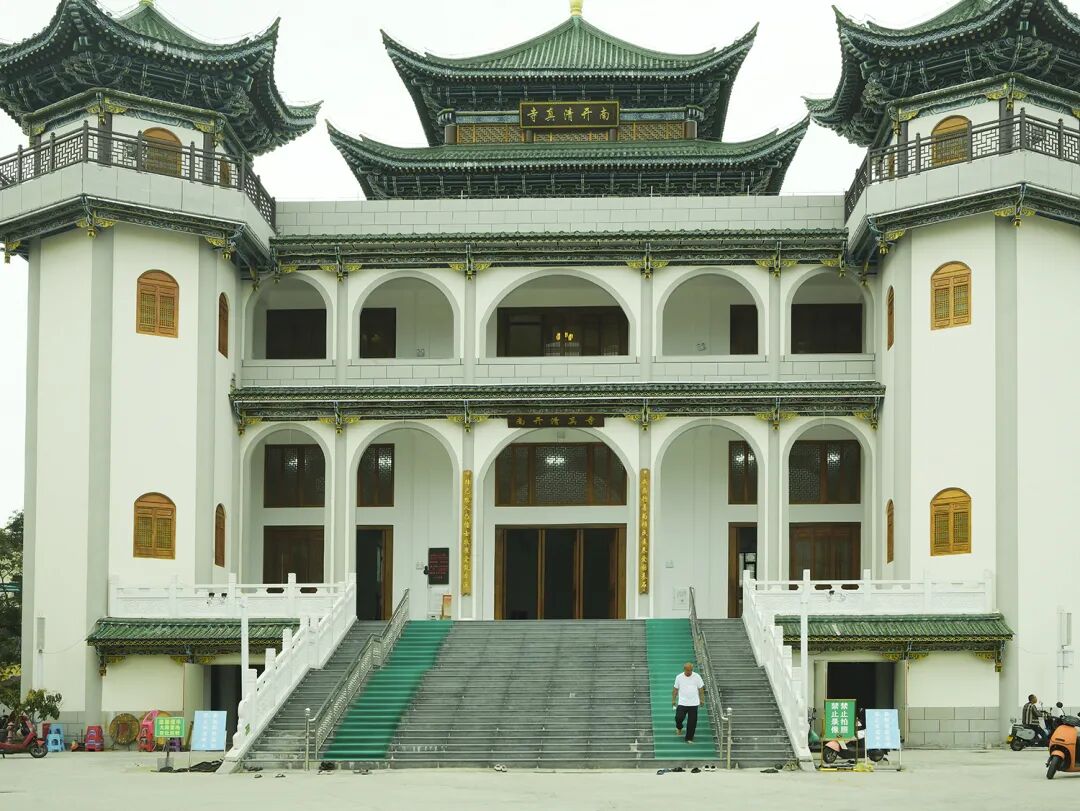
An in-depth analysis focusing on the documentary project about Huixin Village (Huixin Muslim Village) in Sanya. It chronicles how this unique Muslim community—China's only one originating from the ancient Cham people of Southeast Asia—has thrived across generations on a tropical island, showcasing the harmonious coexistence of traditional religious practices and modern civilization.
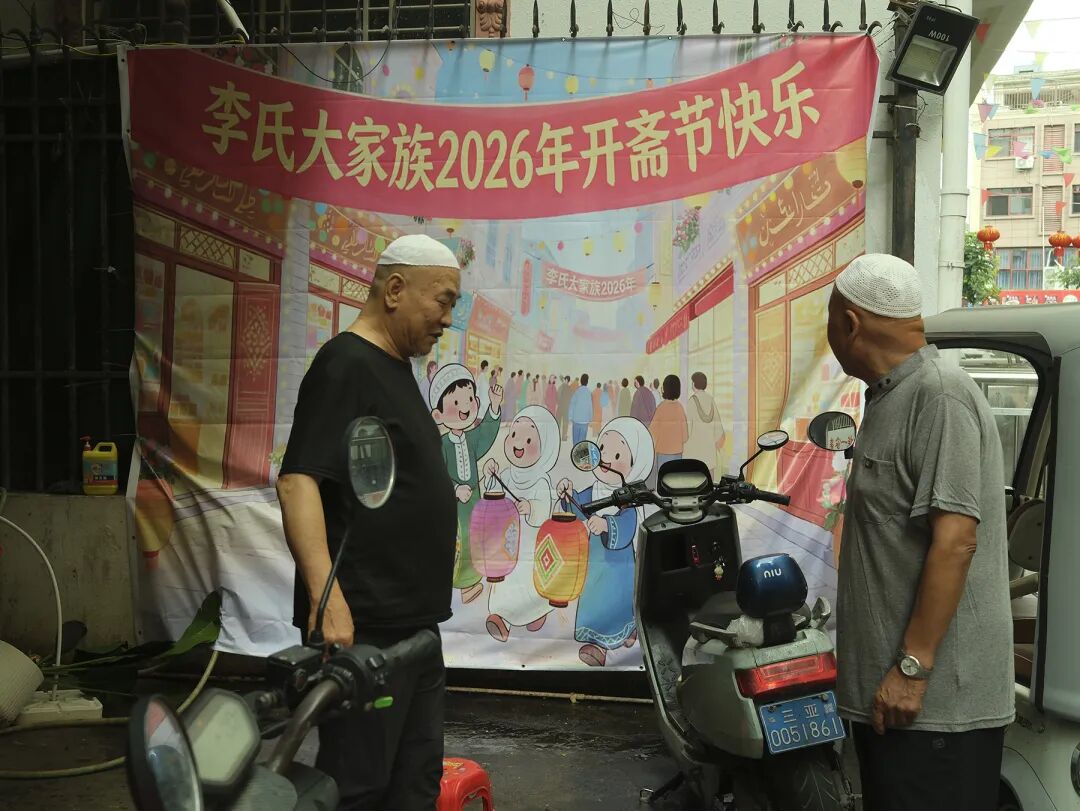
Huixin Village (Huixin Muslim Village) is located in Fenghuang Town, Sanya City, Hainan Province, and stands as China's southernmost Hui Muslim settlement. This community is China's sole Muslim group originating from Southeast Asia, having lived here from generation to generation for over 900 years. Together with the neighboring Huihui Village (Huihui Muslim Village), they are collectively known as the Sanya Hui Muslim villages, with a combined population approaching nearly 10,000.
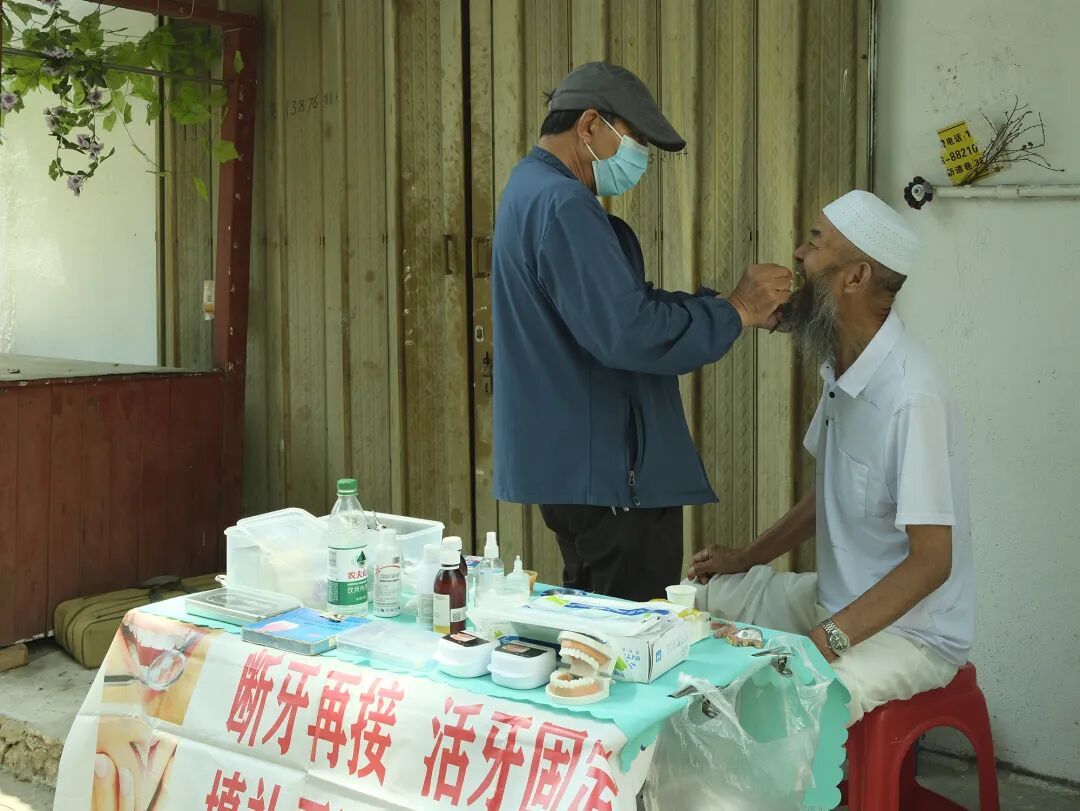
Around the 10th to 11th centuries, Arab and Persian Muslim merchants arrived in Champa (modern-day central Vietnam) via the Maritime Silk Road. While trading, they also introduced Muslim culture. In 1471, the Champa Kingdom was severely battered by the Lê Dynasty, causing a large number of Cham people to flee to the Malay Archipelago. Since the Malay Archipelago region had already widely embraced Islam, the Champa refugees encountered and accepted Islam there before returning to Champa to spread the faith.
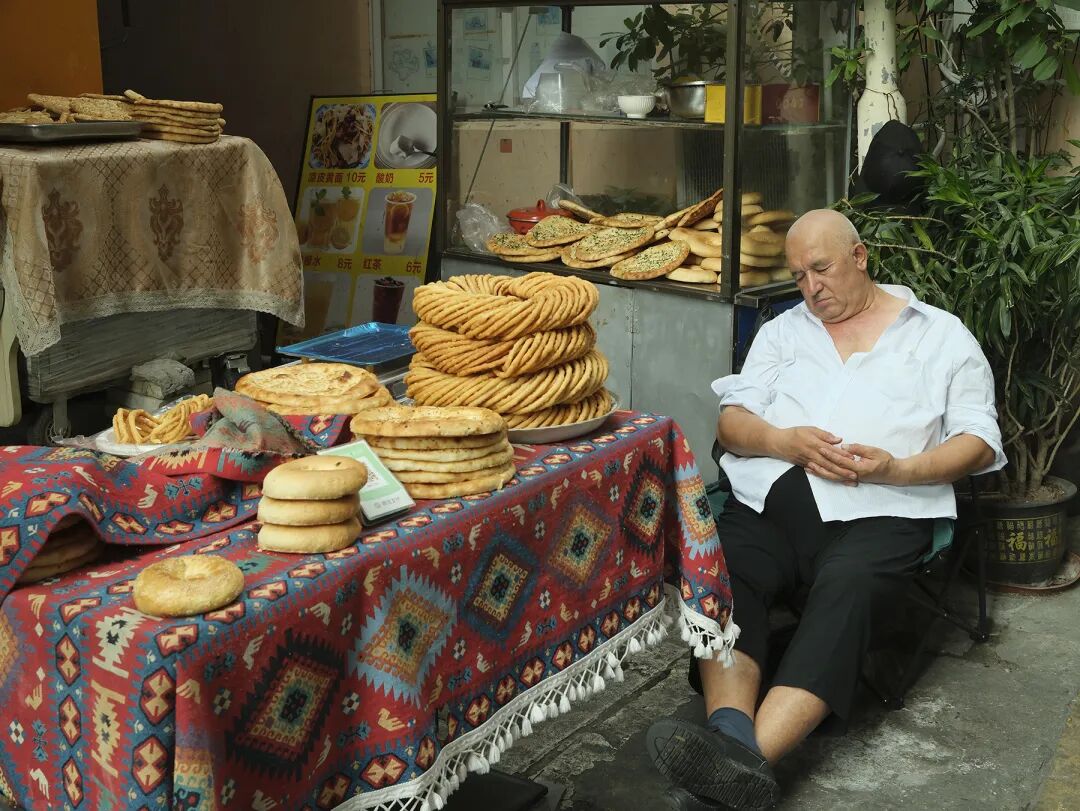
As the Champa Kingdom repeatedly suffered from Vietnamese invasions and territorial encroachment, Cham Muslims migrated in multiple waves by boat from Xiazheng, Vietnam, to Hainan Island to seek refuge, escaping the chaos of war. Historical records date the earliest arrivals as far back as the late Tang Dynasty, with large-scale migrations concentrated during the Song and Yuan Dynasties. These groups partially blended with Arab and Persian foreign guests (fan ke) who had come to China to trade during the Tang and Song Dynasties. After the Ming Dynasty, Hui Muslims from the Fujian and Guangdong regions also continuously migrated to Hainan, ultimately converging during the Qing Dynasty to form the stable Hui Muslim communities of Huixin Village (Huixin Muslim Village) and Huihui Village (Huihui Muslim Village).
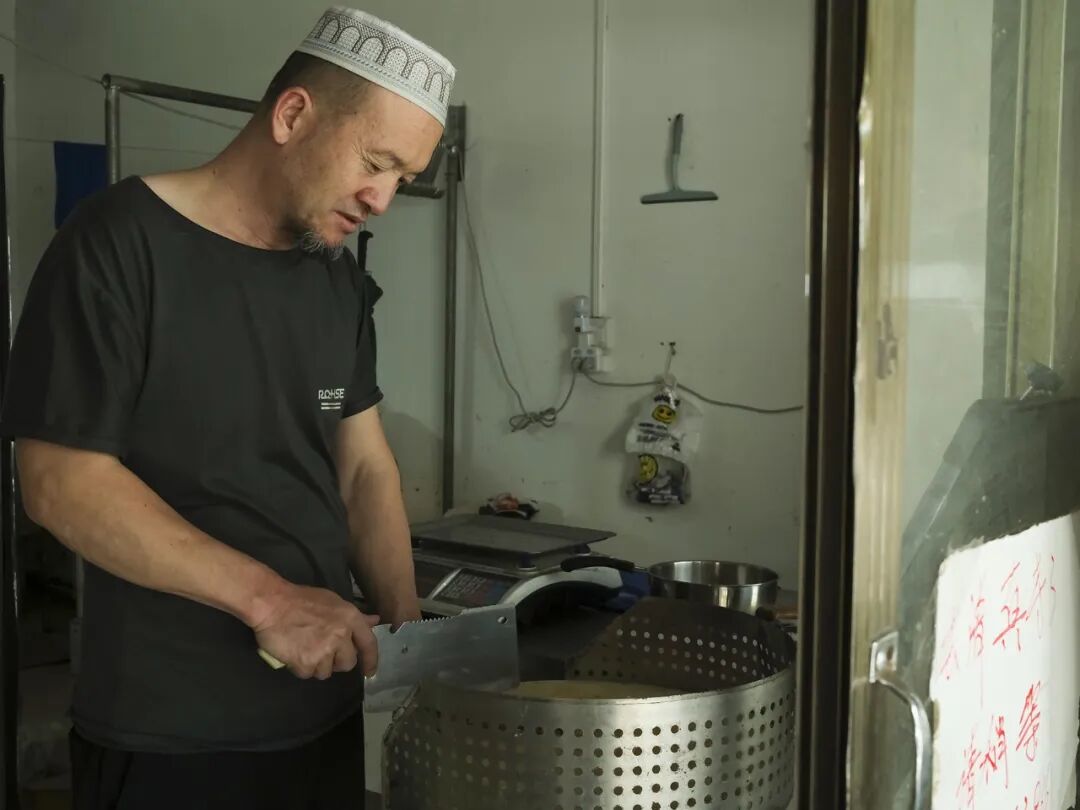
Huixin Village (Huixin Muslim Village) was once under Japanese occupation; the Japanese military built an airfield and drove out the local Hui Muslims living there. Following Japan's defeat and withdrawal, some of the Hui Muslims returned to Huixin Village (Huixin Muslim Village) to rebuild their homes on the original site.

The lifestyle customs of the Hui Muslims in Huixin Village (Huixin Muslim Village) reflect a blend of Islamic doctrine and local adaptability. While they speak Chinese, they still preserve their native language, Huihui speech, for communication. Huihui speech belongs to the Malayo-Polynesian branch of the Austronesian language family and is closely related to the Cham language. It is the only Austronesian-speaking Muslim group in China. Although Huihui speech is the mother tongue of Hainan's Hui Muslims and features a phonetic system—such as 19 initial consonants, 50 to 57 final vowels, and 7 to 10 tones—it has been spoken for a long time without developing its own writing system. In daily life, they use Chinese characters for reading and writing when interacting with the outside world. While some older Hui Muslims in the village cannot understand Chinese, younger generations are using Huihui speech less and less.

The religious traditions of the Hui Muslims in Huixin Village (Huixin Muslim Village) stem from the history of the Champa Kingdom's conversion to Islam, preserving major holidays such as Eid al-Fitr (Kaizhai Jie), the Mawlid (Shengji Jie), and Eid al-Adha (Guerbang Jie). Huixin Village (Huixin Muslim Village) features two mosques. The Southern Mosque (Qingzhen Nansi) was originally built during the Southern Song Dynasty and is the oldest masjid in ancient Yazhou, boasting a history of over 900 years. Rebuilt in 2013, it serves as a historical testament to the development of Muslims in Sanya. The Nankai Mosque was built during the mid-Ming Dynasty, bombed flat during the War of Resistance Against Japanese Aggression, demolished during the Cultural Revolution, and rebuilt in 1980. Later subjected to ethnic integration, it features distinct Islamic religious characteristics and traditional architectural styles. These two masjids serve as the venues for religious activities among the villagers of Huixin Village (Huixin Muslim Village). During Ramadan, some Muslims go to the masjid to perform their daily dua and prayers five times a day.
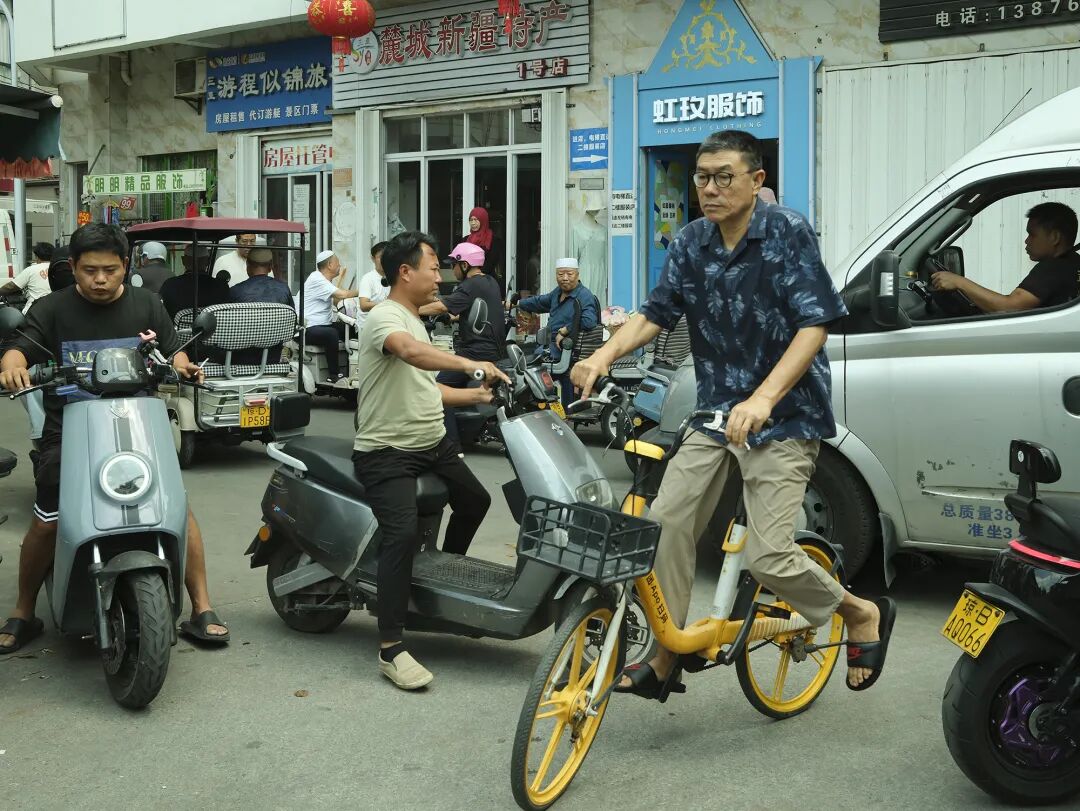
Huixin Village (Huixin Muslim Village) covers an area of 0.4 square kilometers (or its actual community-administered jurisdiction). Several winding, narrow alleys connect densely packed buildings, making it very easy to get lost if you walk around here. Most of the multi-story houses on either side were built in recent years, with some retaining Islamic architectural elements. Due to Hainan's tropical climate, many residential homes intentionally reserve courtyard areas for cooking, eating, and cooling off. Before a large influx of outsiders poured in, villagers in Huixin Village (Huixin Muslim Village) lived with their doors unlocked at night. Because of the favorable Hui Muslim residential environment in Huixin Village (Huixin Muslim Village), a portion of the Hui Muslims who come here to spend the winter each year hail from Gansu Province and the Ningxia Hui Autonomous Region.
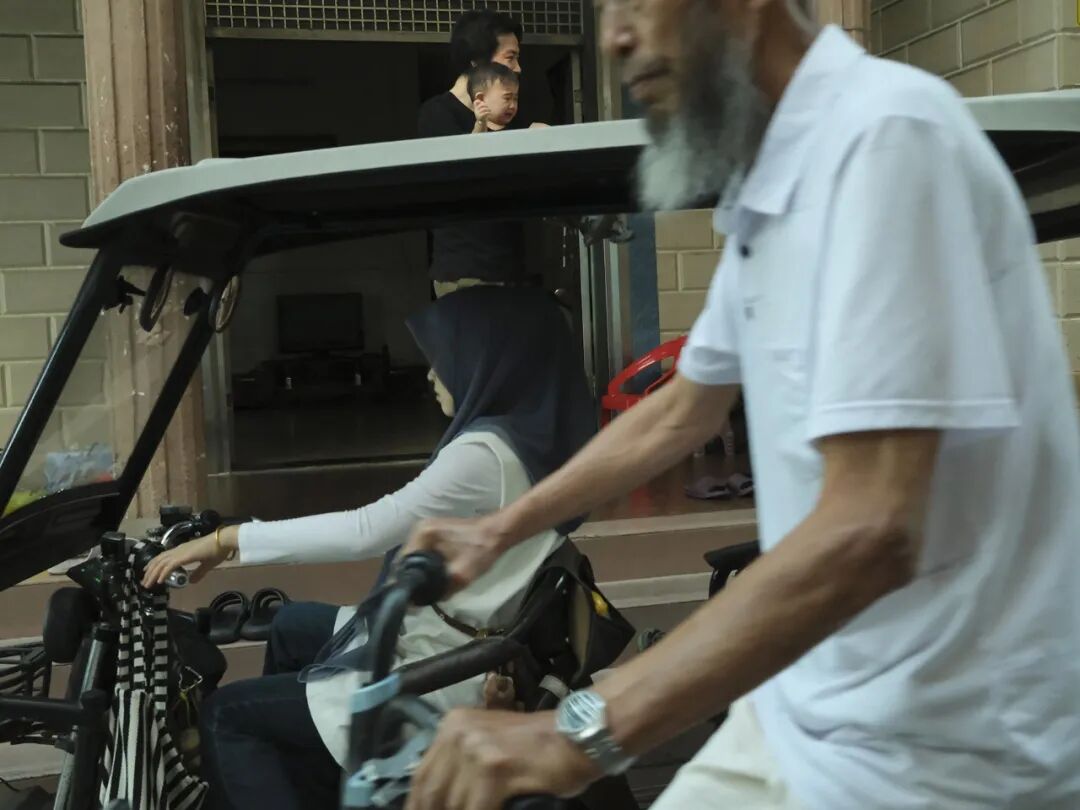
While walking through the alleys during Ramadan, I encountered Hui Muslims going door-to-door handing out festive candies. Historically, Hui Muslims on Hainan Island did not intermarry with other ethnic groups, but modern times have seen a gradual opening up, provided that the non-Hui spouse converts to Islam and follows Hui Muslim customs. I also witnessed a Muslim funeral; photography is strictly prohibited inside the masjid and certain residential areas.
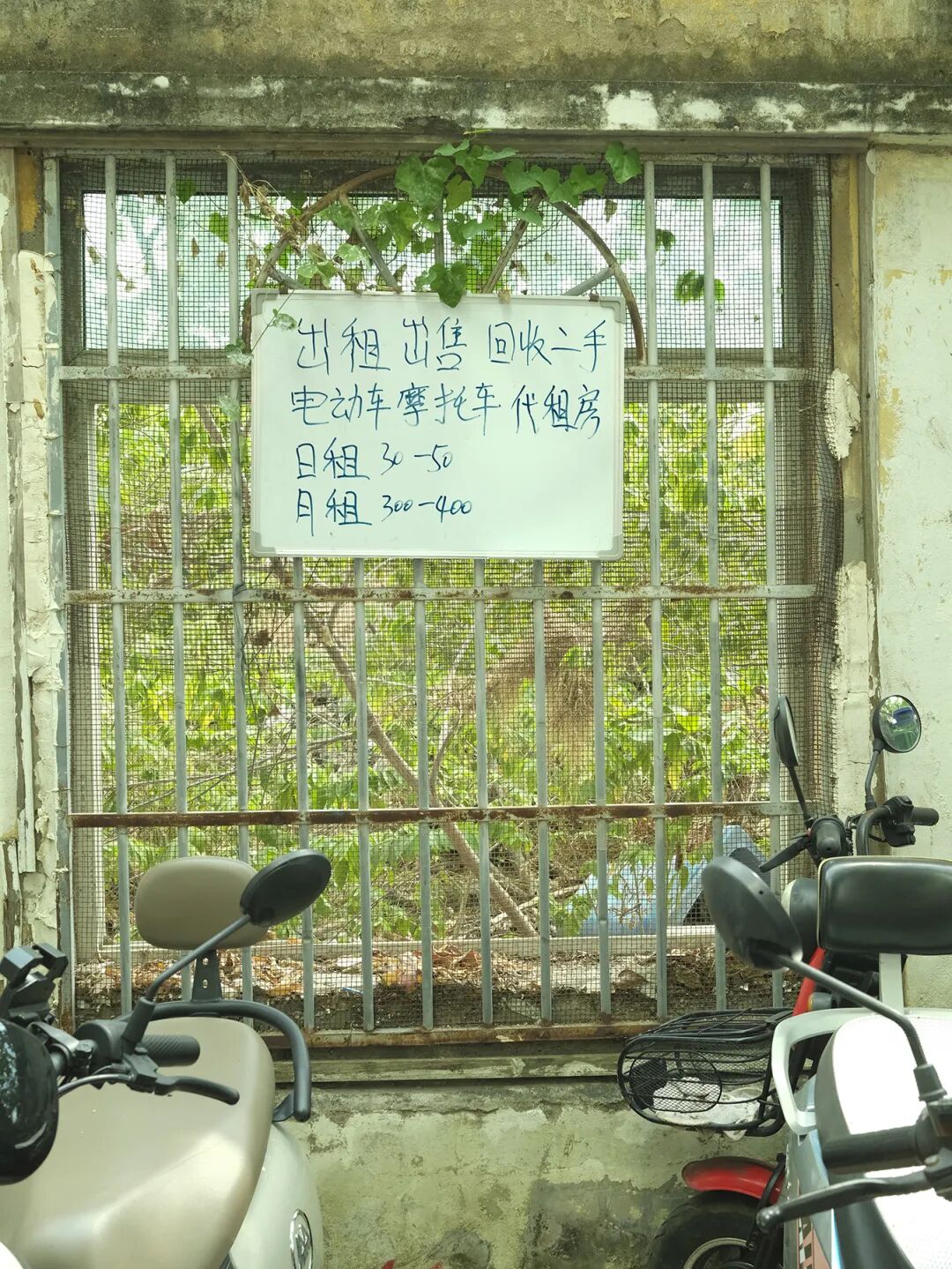
Photographed in Huixin Village (Huixin Muslim Village) during Ramadan, March 2026.
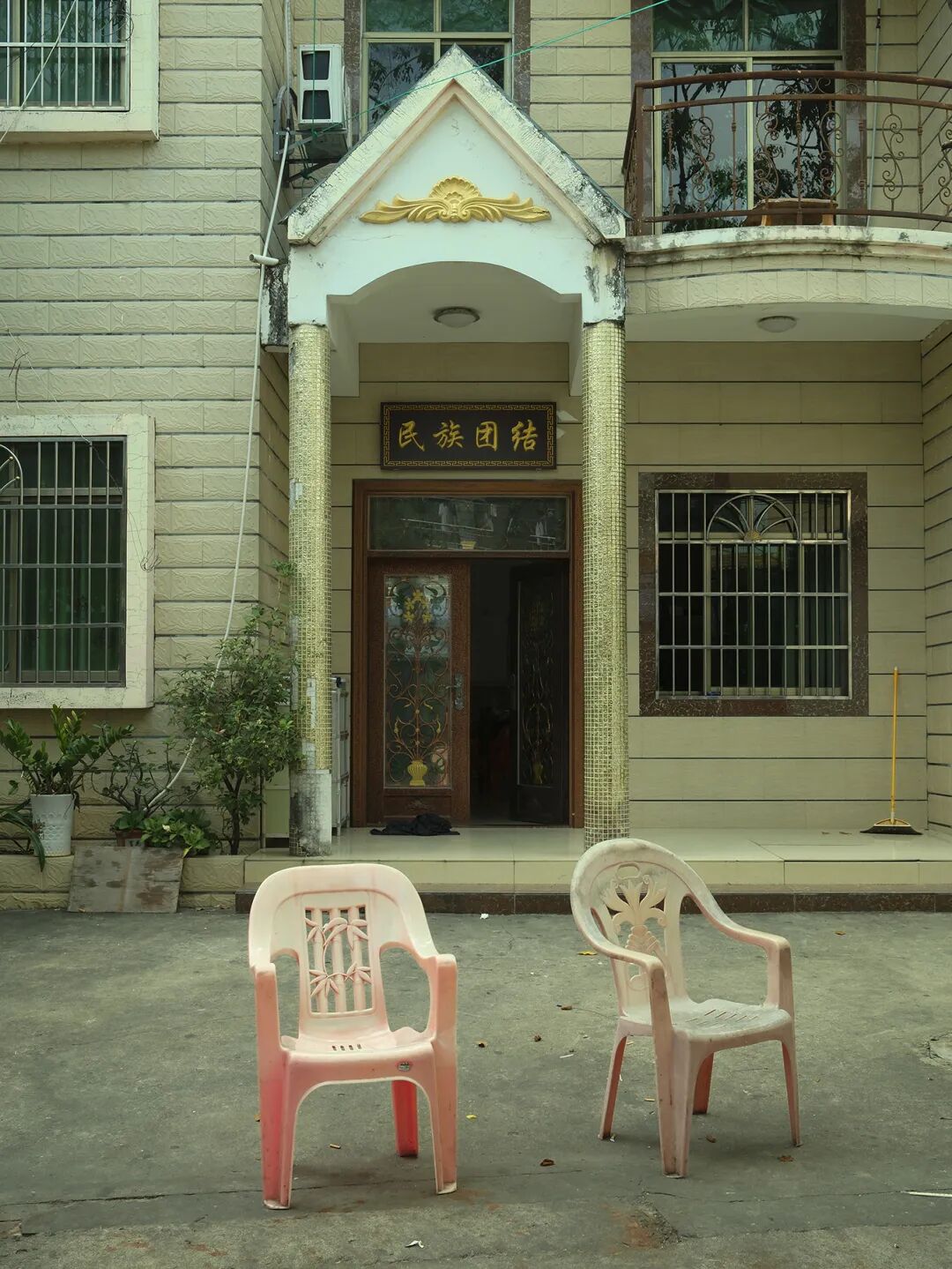
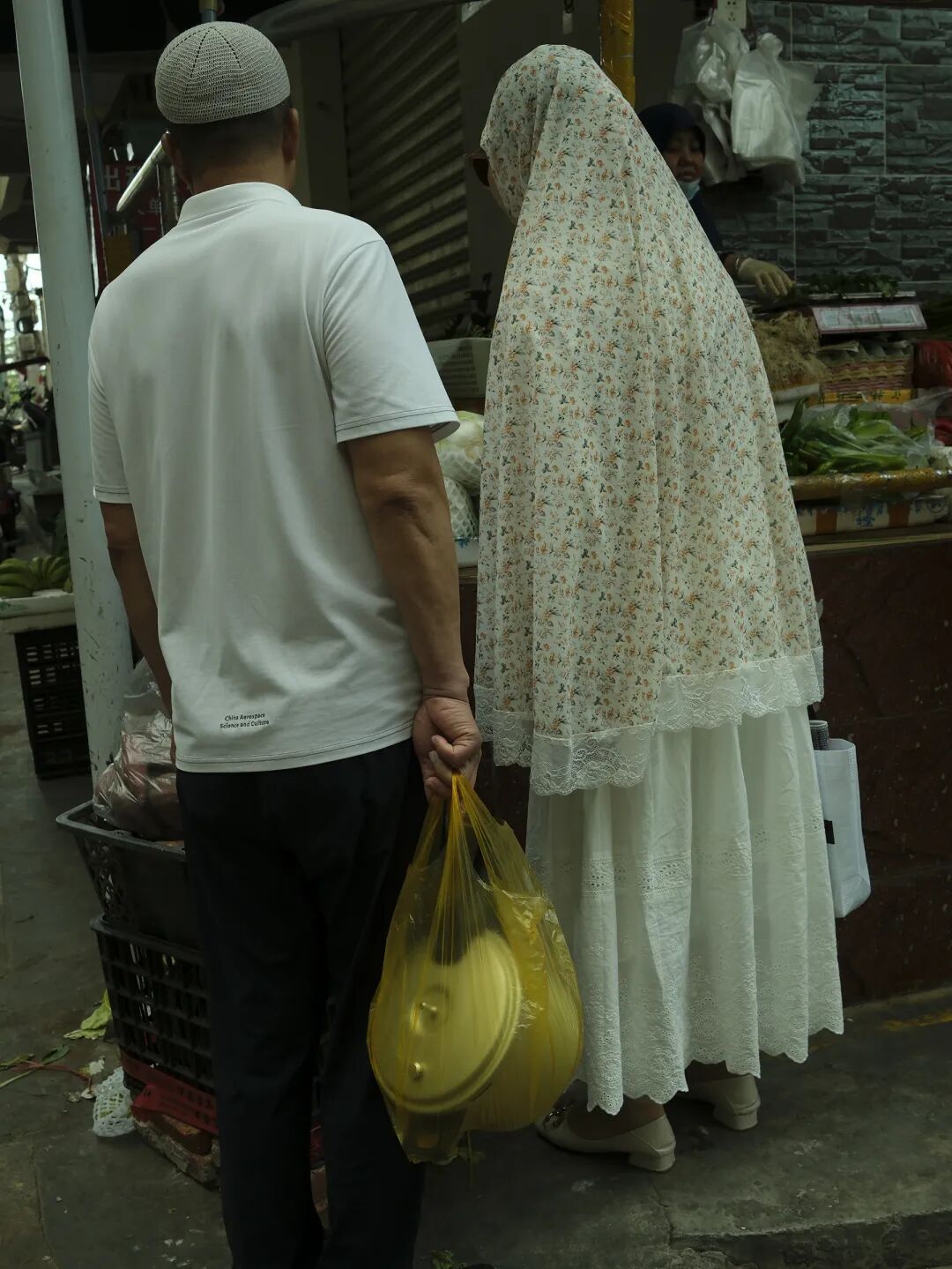
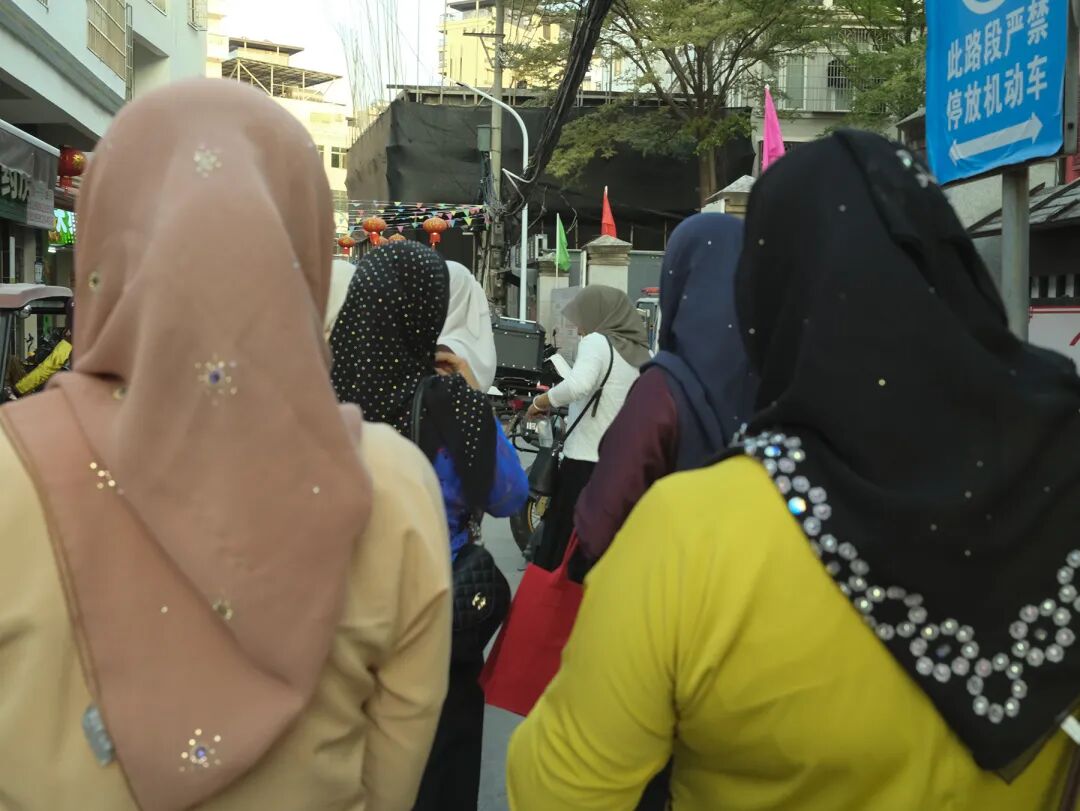
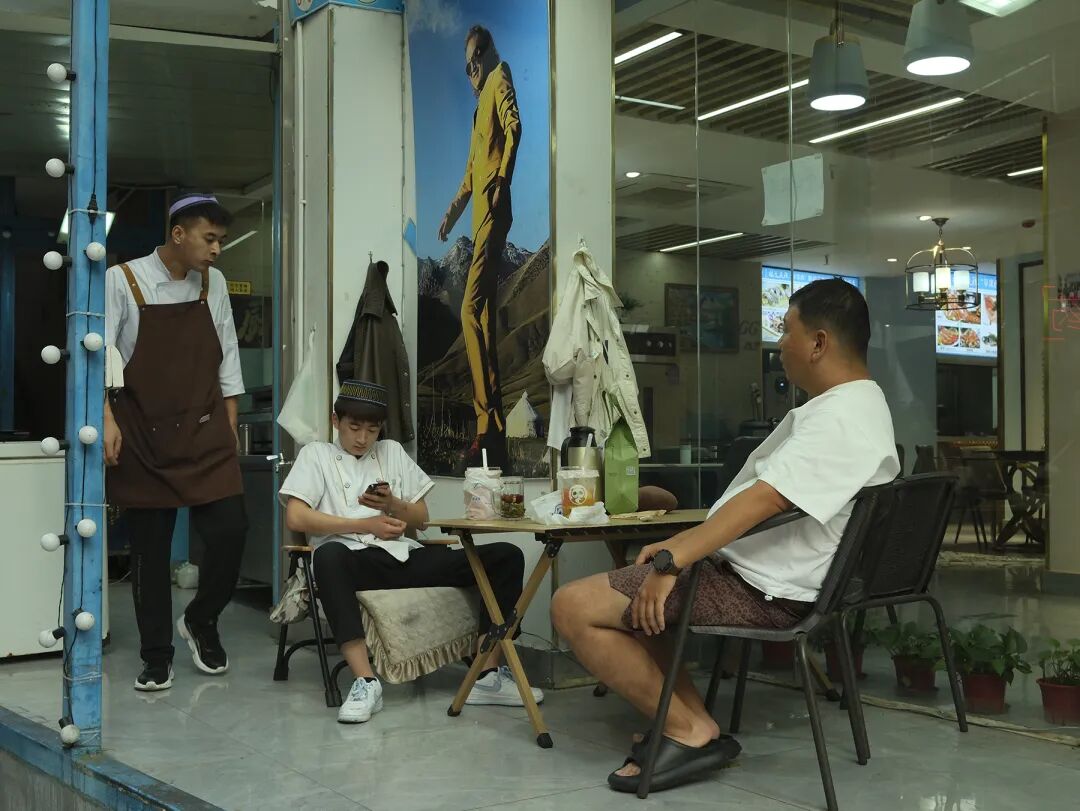
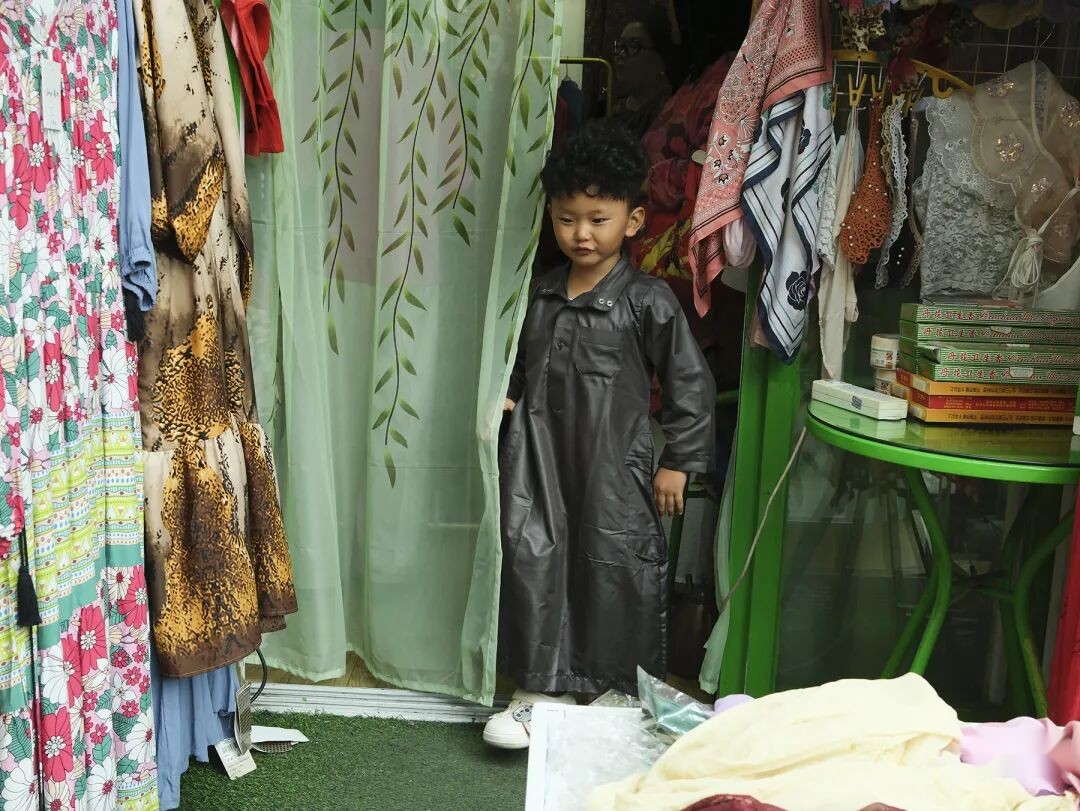
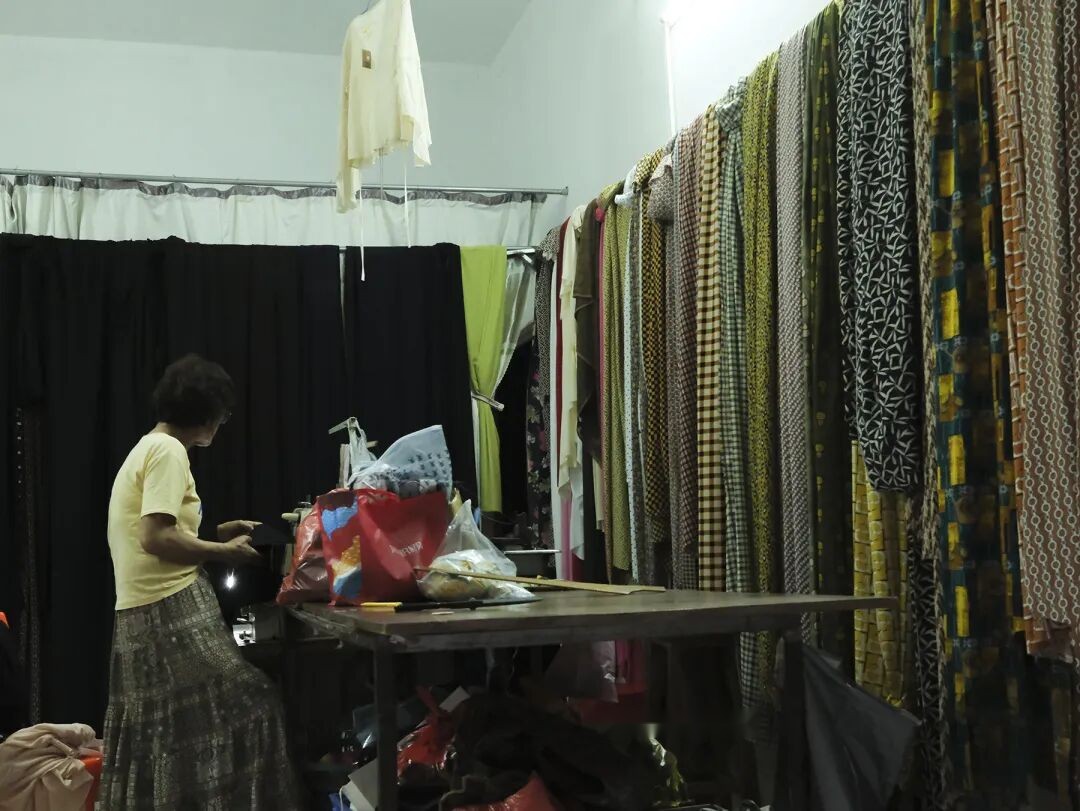
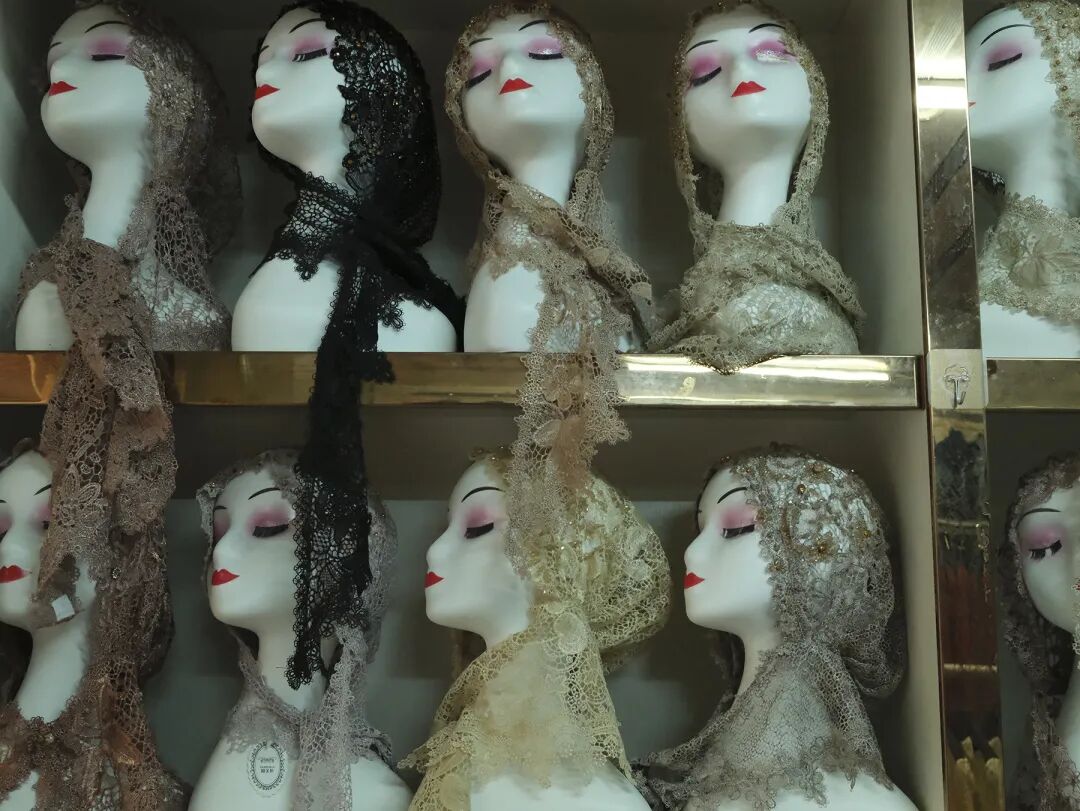
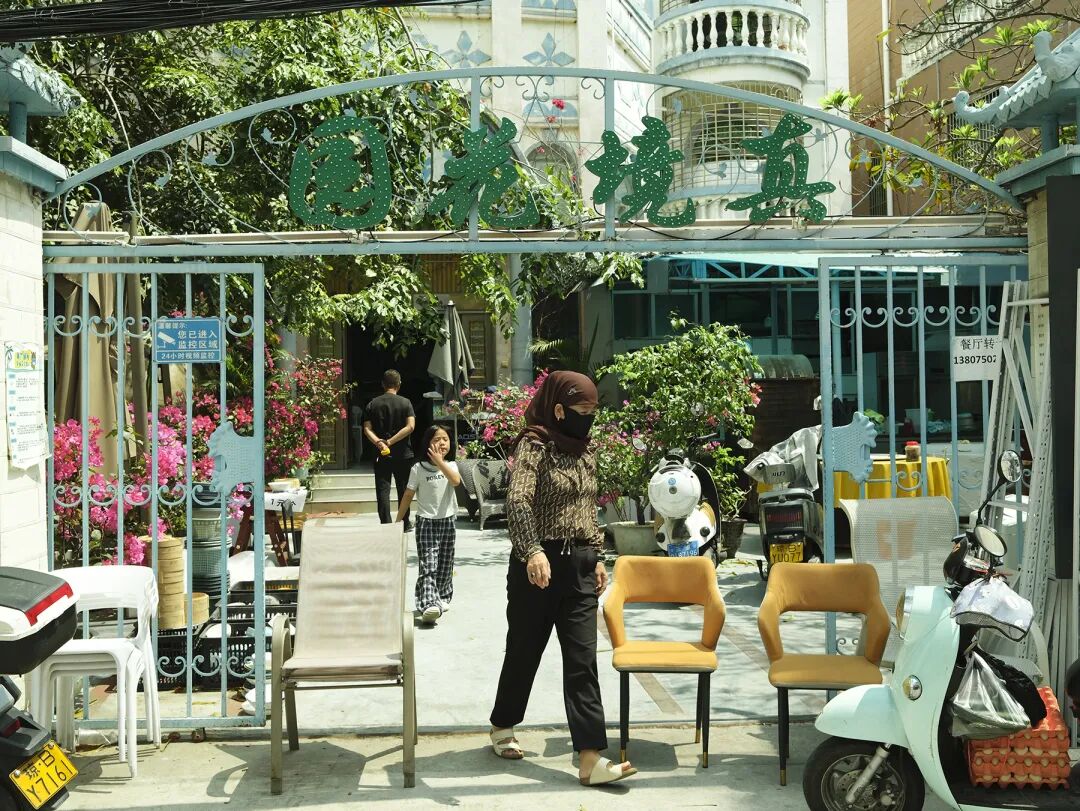
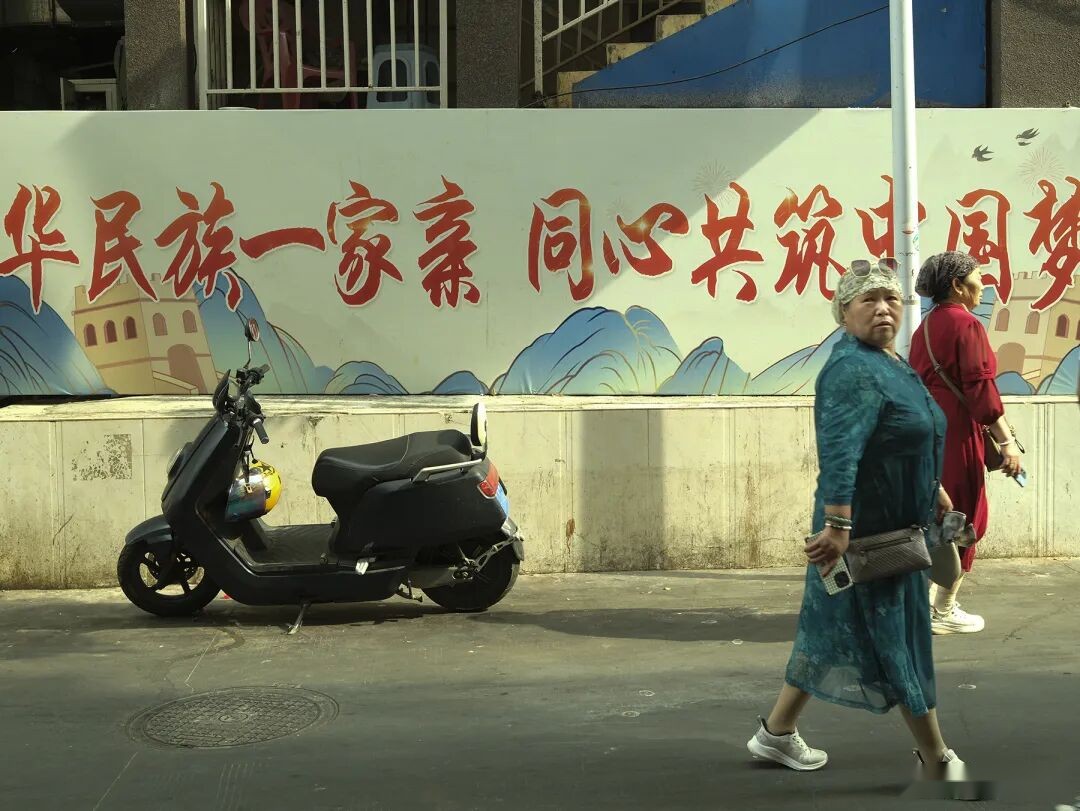
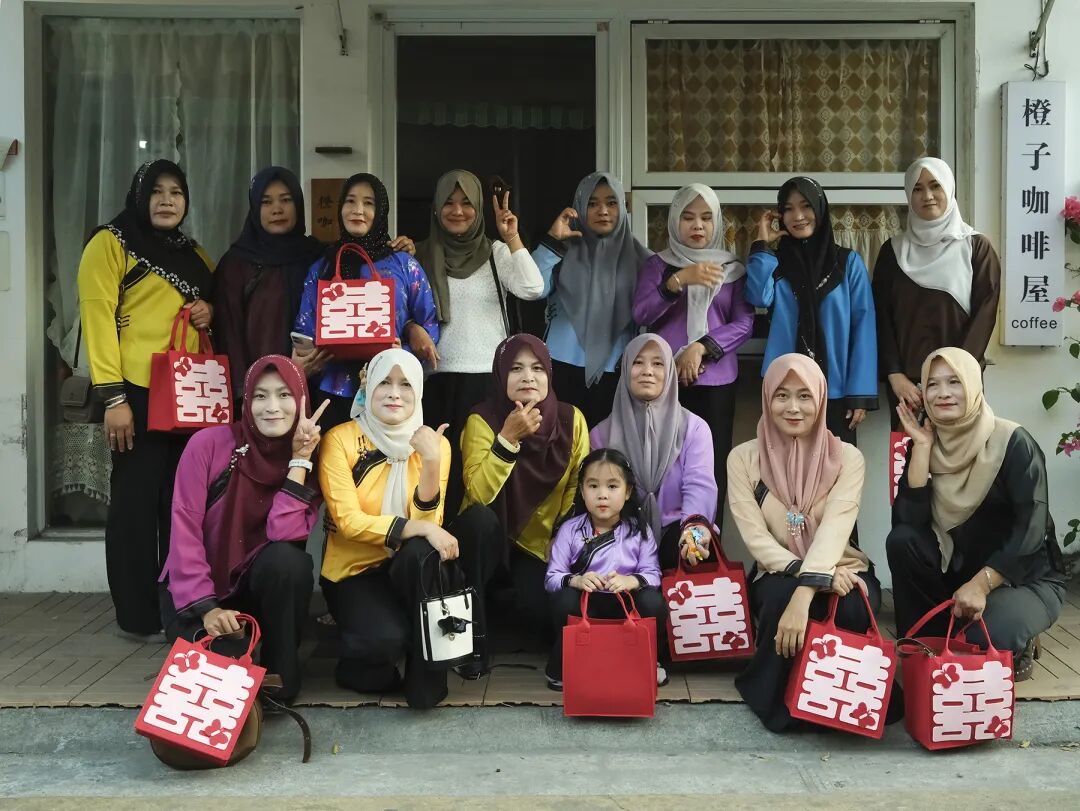
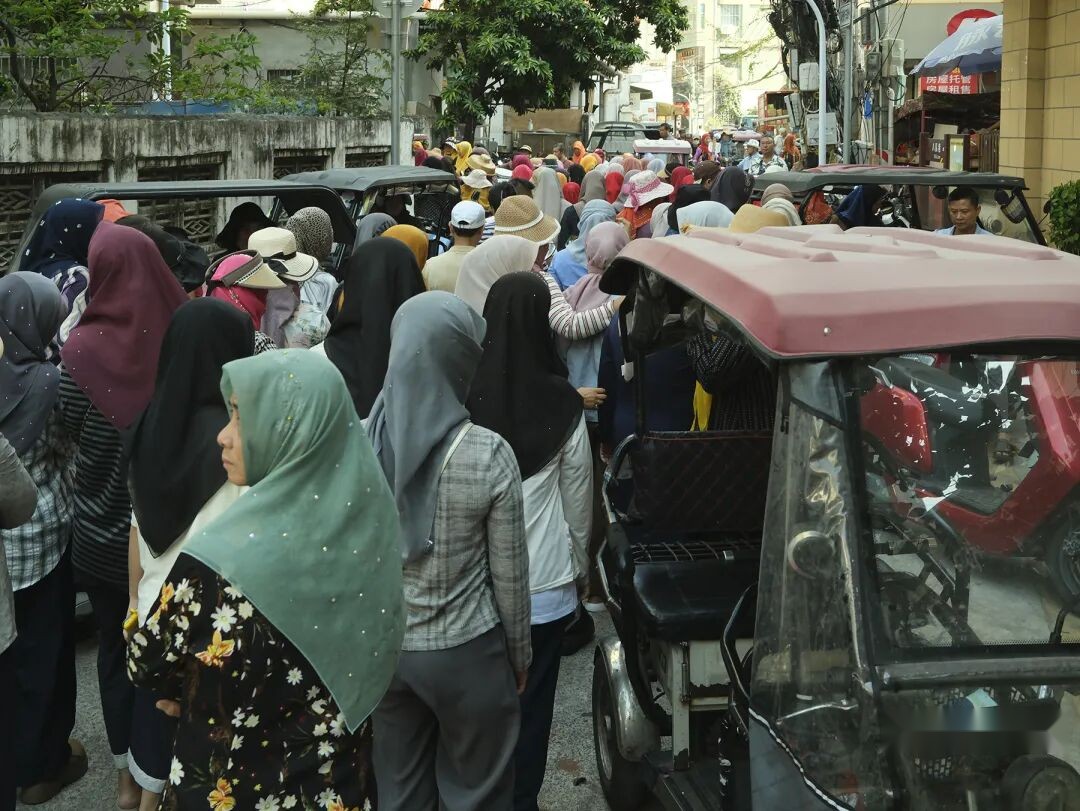
Experiencing Eid al-Adha in Sanya: Halal Seafood, Ancient Mosques, and Utsul Muslim Culture in Hainan
Articles • Hasan09 posted the article • 0 comments • 4 views • 3 hours ago
A Photo Journal of Eid al-Adha in Huihui Village, Sanya: Tropical Island Mosque Prayers, Visiting Family, and Festive Feasts
Summary:
Nearly 200 documentary photos capture the grand celebration of Eid al-Adha in Sanya's Tianya District. From the solemn morning congregational prayers with thousands gathered at the mosque, to families slaughtering and sharing sacrificial meat, exchanging fried sanzi (crispy fried dough twists), and warmly hosting friends and relatives, this vibrant photo essay captures a joyful and peaceful holiday scene.
Back in July and August 2020, my wife Zainab and I took our honeymoon trip, and our very first stop was Sanya to celebrate Eid al-Adha. A few years prior, I had visited the local Muslim community here on my own, but this time around, experiencing the holiday with our good friend, young Muslim artist Muning, made it so much more fun and insightful.
July 31
We caught a late-night flight out of Beijing on July 30 and arrived in Sanya in the wee hours of July 31. Muning hooked us up with a place right next to Huixin Mosque (Huixin Muslim Mosque) in Huixin Village (Huixin Muslim Village)—a 100% genuine 'masjid-view room.' During the winter months, Muslims from all over China rent places here for long stays, but come summer, it's practically a ghost town.
Right on the wall hung some Arabic calligraphy by Teacher Muning.
After catching a quick breath, we headed downstairs to Huixin Mosque to pray Fajr.
Following the morning prayer and a short break, we headed back into the main hall a little past 7 AM for the Eid al-Adha congregational prayers (Eid prayer). The imams here are all local Hui Muslims from Huihui Village, and the khutbah (religious sermon) was delivered in the local Utsul language (Tsat language). To someone who doesn't speak Utsul, it sounds like a fascinating blend of Malay, Chinese, and Arabic.
The Utsul language (Tsat language) is currently classified under the Austronesian language family, Malayo-Polynesian branch, Chamic subgroup. It shares the most common ancestry with the Roglai language of southern Vietnam, yet it stands out as the most unique language in the Chamic subgroup due to its heavy incorporation of Sinitic (Chinese-Tibetan) elements. When the Utsul people first arrived on Hainan Island, their language was likely quite close to Proto-Chamic. However, through continuous, close interaction with neighboring Chinese-speaking populations, the Utsul language evolved—its grammar grew closer to Chinese, its Chinese vocabulary expanded massively, and it simultaneously developed monosyllabic, tonal systems that are completely absent in other Austronesian languages.
In her published book 'A Study of the Utsul Language', Professor Zheng Yiqing compares the Utsul language with the Rade language (a Chamic language spoken in the mountainous regions of southern Vietnam) and concludes that the Utsul language and Rade language separated about 1,000 years ago.
After the Eid prayer wrapped up, Muning showed me some Qing Dynasty roof purlins and inscribed wooden plaques stored away in the warehouse of Huixin Mosque.
The roof purlins of traditional brick-and-tile houses built by the Utsul people of Sanya usually feature exquisite wood carvings of Quranic verses, but as old houses get renovated and rebuilt, precious few of these are left today.
Pieces of minbars (pulpits) and Qing Dynasty tombstones piled up in various corners of Huixin Mosque.
Leaving Huixin Mosque, Muning took me to visit the home of a teacher who collects traditional Utsul houses' roof purlins inscribed with Arabic script. Every single one of these purlins once belonged to a traditional brick-and-tile home built by the Sanya Utsul people.
Muning took us out for breakfast, where we ran right into a family throwing a banquet because their kid got accepted into Tsinghua University.
Congee served with chicken.
The fermented soybean paste was exceptionally delicious.
After finishing breakfast, Muning took us to pick out our sheep. One of these sheep was intended as our (Zainab's and my) qurbani (sacrificial offering), and the other was for Muning's family. Muning had bought them locally, picking out authentic Hainan Dongshan mutton sheep.
We led the sheep over to the designated qurbani slaughter site.
Once the slaughter was complete, the mutton was divided into three portions: one for our own household, one to share with friends, and one to give away to those in need.
Washed sheep tripe and intestines.
We asked our neighbor to cook up a dish of Sanya-style dry-fried mutton for us. Normally, their family runs a roast duck stall right next to Huixin Mosque, but they were taking a break for the Eid holidays.
The imam who performed our qurbani, who hails from Turpan, Xinjiang, whipped up a signature Xinjiang-style clear-stewed mutton for us. It was out of this world, and the mutton broth was insanely good.
Muning gifted me an Arabic calligraphy art piece he hand-carved out of a coconut shell. It looks stunning.
After the meal, Muning and I headed out to deliver another portion of the meat to friends.
We stopped by Nankai Mosque in Huixin Village to pray, where the main hall is lined with straw mats rather than carpet.
In the afternoon, Muning took me to check out the old houses in Huihui Village (Huihui Muslim Village), where I got to lay eyes on old roof purlins inscribed with Arabic script for the very first time.
One of the best-preserved and most visually striking inscribed roof purlins still in its original location in Huihui Village, with its gold-leaf Arabic letters gleaming brilliantly in the sunlight.
One of the last remaining traditional old houses in Huihui Village.
That evening, Muning and her family treated me and Zaynab to a fresh fish soup right at the entrance of Huixin Village (Huixin Muslim Village). The signature fresh fish soup of the Utsul Muslims is made with carambola (star fruit), tamarind, and tomatoes, giving it a super tangy kick. You can pick whatever sea fish you want for it. You’ve also got to mix your own dipping sauce on the side—make sure not to go overboard with the Hainan yellow lantern chili peppers, because they are insanely spicy! We also had red rice cooked in coconut milk, sweet potato greens, and stir-fried squid, all of which hit the spot.
Yellow lantern chili peppers
That night, we headed over to the Guangbaina night market right next to Huixin Village (Huixin Muslim Village) to check things out. Ever since the street vendor economy took off this year, Guangbaina has been getting busier and busier. They don’t charge a stall fee here, so a lot of people just sell fruits straight from their own family orchards, meaning prices are the lowest in the area. We grabbed some sugar apples, jackfruit, and mangoes—cheap and delicious.
After wandering through the night market, we headed back to Huixin Village (Huixin Muslim Village) for a bowl of qingbuling (Hainan refreshing herbal dessert). Every single spot in Sanya makes qingbuling a little differently, so you really have to try them all to figure out which style you like best.
Still craving a little more adventure, we hopped on an electric scooter for another night ride.
Back at the place, I started flipping through some old books Muning had collected, including one featuring Eid al-Adha back in 1979.
August 1st
Woke up early to grab some niurou fen (Hainan beef rice noodles) made by the Utsul Muslims in Huixin Village (Huixin Muslim Village), then picked up some white fungus and lotus seed porridge and chicken porridge at the South Mosque gates to sip down by the beach. Afterward, we took a lazy stroll through the coconut grove along the shore.
After walking by the beach, we headed over to Huihui Village (Huihui Muslim Village) to sip on some fresh coconut water.
A lazy summer afternoon in Huixin Village (Huixin Muslim Village)—a fresh coconut and a bowl of qingbuling (Hainan refreshing herbal dessert). Could it get any more chill?
Time to kick back and take a break.
In the afternoon, we headed back to the spot in Zhongzhuangyuan where they were throwing a banquet, watching the Utsul Muslims whip up traditional coconut rice.
They start with old coconuts that have thick meat, grating all of it into fine shreds, then use cheesecloth to press out all the rich coconut oil.
For steaming the rice, they use a traditional Li ethnic pottery steamer called a taozeng. Once the rice is steamed, they thoroughly mix the coconut milk and rice together. At this stage, the coconut rice is super chewy and has a great bite.
Then, they pop the blended coconut rice back into the pottery steamer for a second round. This time around, the rice comes out way softer and stickier, and the coconut milk and rice melt completely into one another.
They used beef from the cow sacrificed the day before for Eid al-Adha. First, they stew the beef, then toss in wood ear mushrooms and dried bean curd sticks—a total classic main dish for Utsul Muslim banquets.
Our downstairs neighbors, a Utsul Muslim family, slaughtered a sheep yesterday, and today they were simmering up a pot of sheep offal soup. Sanya’s Utsul Muslims rarely eat mutton; basically, the only time they eat their own freshly slaughtered Dongshan mutton is during Eid al-Adha. When Utsul Muslims slaughter a sheep, they scrape the hair off the hide because they believe sheepskin-on mutton is where the best flavor is at.
When they stew the offal, they toss in the sheep's trotters too, letting it bubble away from early morning until afternoon while adding all kinds of spice blends. Finally, they drop in radishes, corn, and shiitake mushrooms. The flavor profile is totally different from Northern-style mutton soup—it's its own unique, addictive kind of delicious.
That evening, we grabbed a bowl of niunan mian (braised beef brisket noodles) at Haxuanren in Huihui Village (Huihui Muslim Village), and followed it up with a coconut milk ice jelly right across the street.
August 2nd
In the morning, we went back to Haxuanren Beef Brisket Noodles in Huihui Village (Huihui Muslim Village) to try their stewed beef trotters. Because it’s the summer off-season and everyone’s still recovering from Eid al-Adha, most eateries in Huihui and Huixin villages were closed. Haxuanren stayed open the whole time, so it was packed with people. After eating, we kept up our routine of strolling through the beach coconut grove.
In the afternoon, we checked out the Guangbaina night market next to Huixin Village (Huixin Muslim Village) again. Papayas, wax apples, papayas, mini pineapples—all the fruit was fresh and delicious. I even picked up some pearl bracelets as gifts for the little ones back home.
That night, Muning treated us to seafood down at the seafood market near the beach in Huixin Village (Huixin Muslim Village). We ordered crabs, scallops, abalone, clams, octopus, fried squid rings, and the local specialty sijidou (four-angled beans / winged beans). Everything tasted incredible—not a hint of fishiness, just pure, mouth-watering flavor. A special shout-out to their signature dipping sauce made with ketchup, sweet chili sauce, minced garlic, and tamarind. It paired so well with the seafood we just couldn't stop eating.
This seafood market in Huixin Village (Huixin Muslim Village) has got to be the best value for money around. It’s not just the Muslim locals; even the surrounding Han residents love coming here to eat, and business is always booming.
August 3rd
In the morning, we hit up Li's Rice Noodles in Huixin Village (Huixin Muslim Village) for some chicken rice noodles, and they were insanely flavorful! Right after the three-day Eid al-Adha celebration wrapped up, their spot was finally open for business.
And with that, we reluctantly said goodbye and left Sanya. view all
A Photo Journal of Eid al-Adha in Huihui Village, Sanya: Tropical Island Mosque Prayers, Visiting Family, and Festive Feasts

Summary:
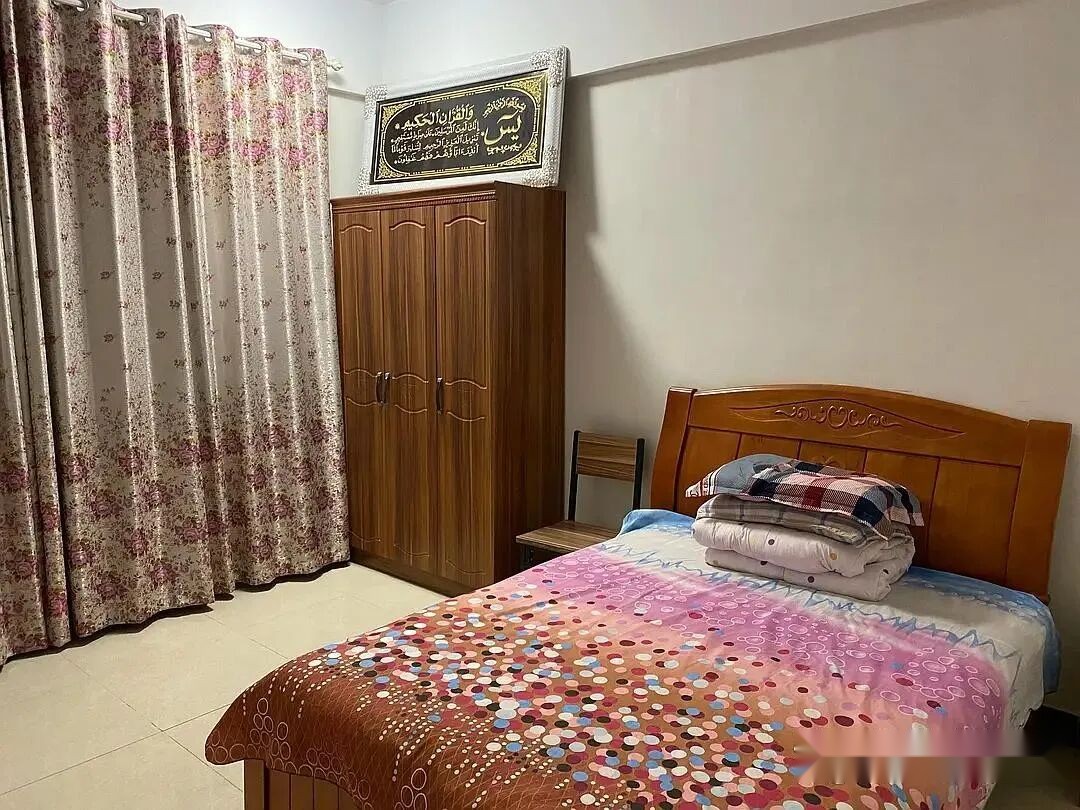
Nearly 200 documentary photos capture the grand celebration of Eid al-Adha in Sanya's Tianya District. From the solemn morning congregational prayers with thousands gathered at the mosque, to families slaughtering and sharing sacrificial meat, exchanging fried sanzi (crispy fried dough twists), and warmly hosting friends and relatives, this vibrant photo essay captures a joyful and peaceful holiday scene.
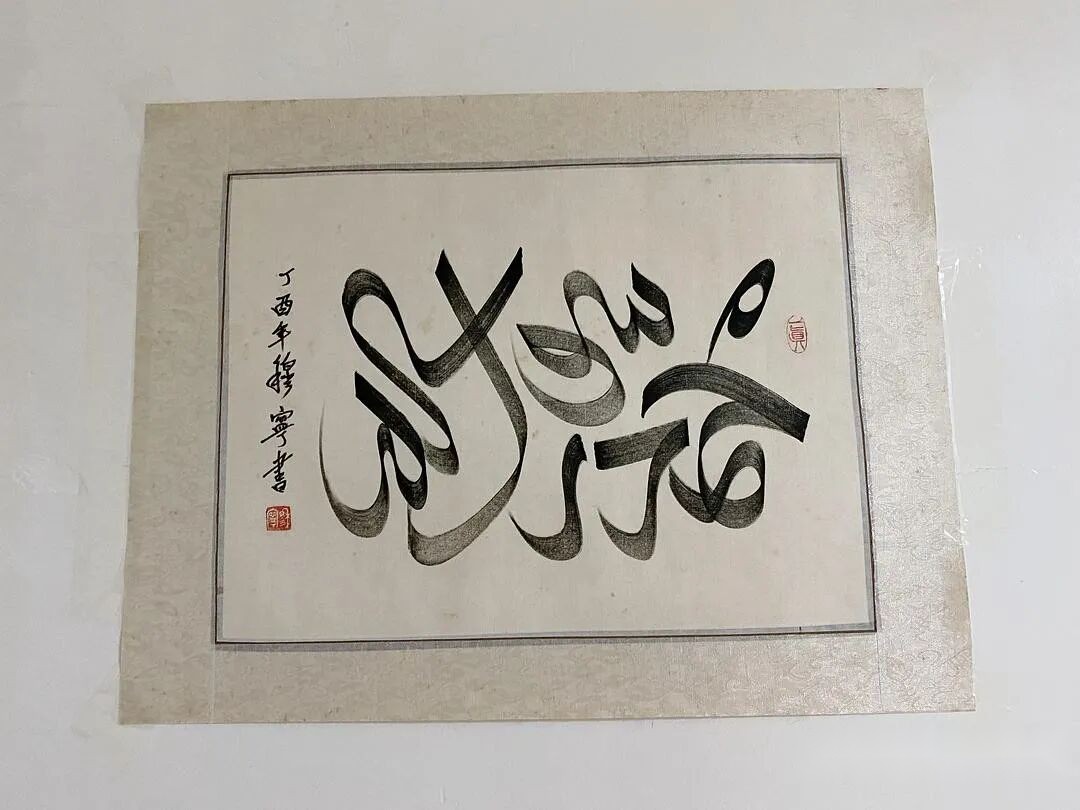
Back in July and August 2020, my wife Zainab and I took our honeymoon trip, and our very first stop was Sanya to celebrate Eid al-Adha. A few years prior, I had visited the local Muslim community here on my own, but this time around, experiencing the holiday with our good friend, young Muslim artist Muning, made it so much more fun and insightful.
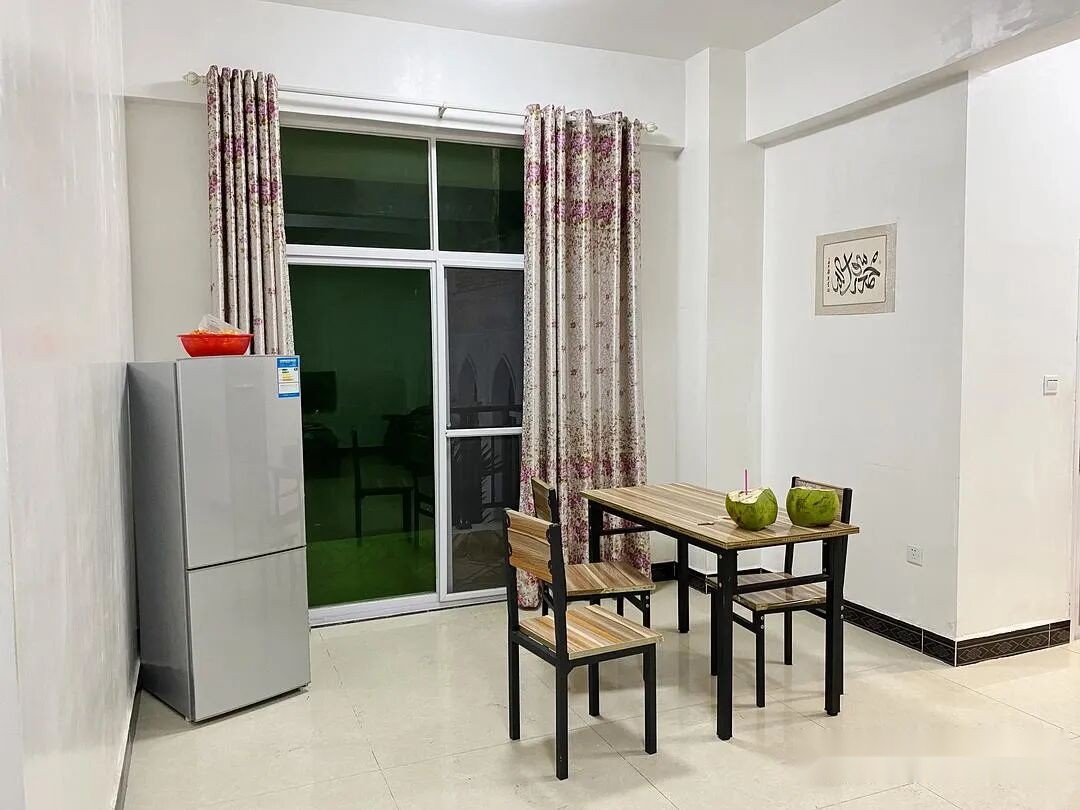
July 31
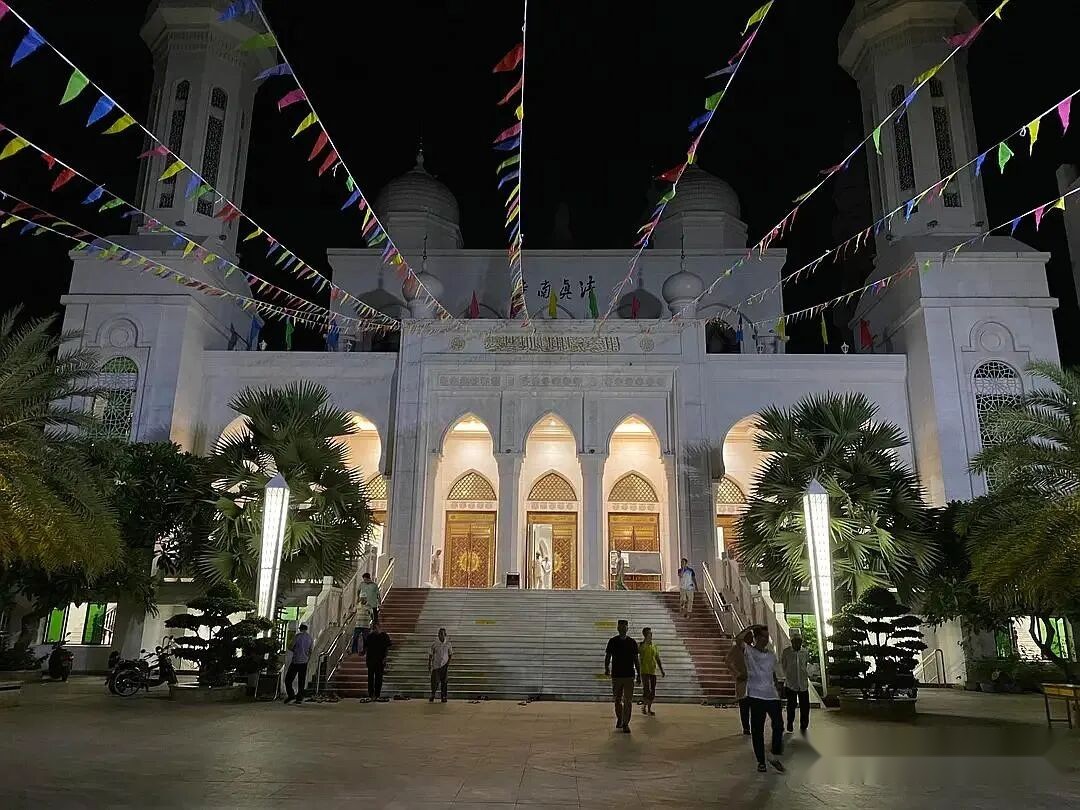
We caught a late-night flight out of Beijing on July 30 and arrived in Sanya in the wee hours of July 31. Muning hooked us up with a place right next to Huixin Mosque (Huixin Muslim Mosque) in Huixin Village (Huixin Muslim Village)—a 100% genuine 'masjid-view room.' During the winter months, Muslims from all over China rent places here for long stays, but come summer, it's practically a ghost town.

Right on the wall hung some Arabic calligraphy by Teacher Muning.
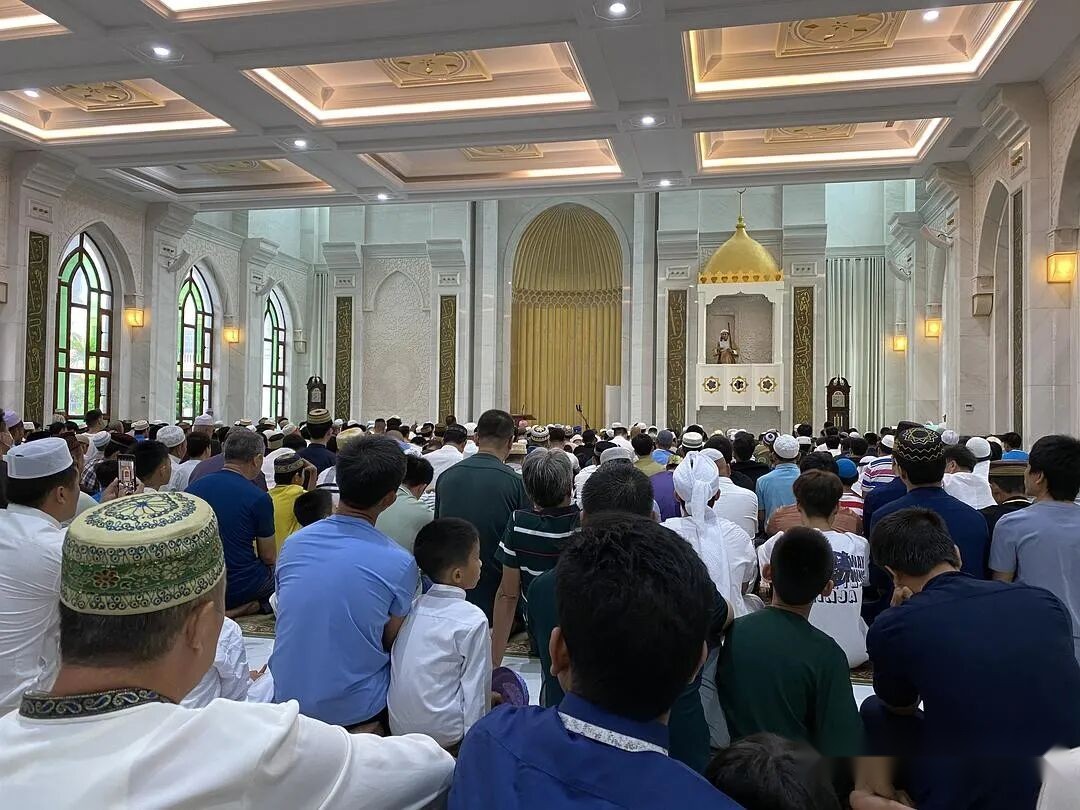
After catching a quick breath, we headed downstairs to Huixin Mosque to pray Fajr.

Following the morning prayer and a short break, we headed back into the main hall a little past 7 AM for the Eid al-Adha congregational prayers (Eid prayer). The imams here are all local Hui Muslims from Huihui Village, and the khutbah (religious sermon) was delivered in the local Utsul language (Tsat language). To someone who doesn't speak Utsul, it sounds like a fascinating blend of Malay, Chinese, and Arabic.
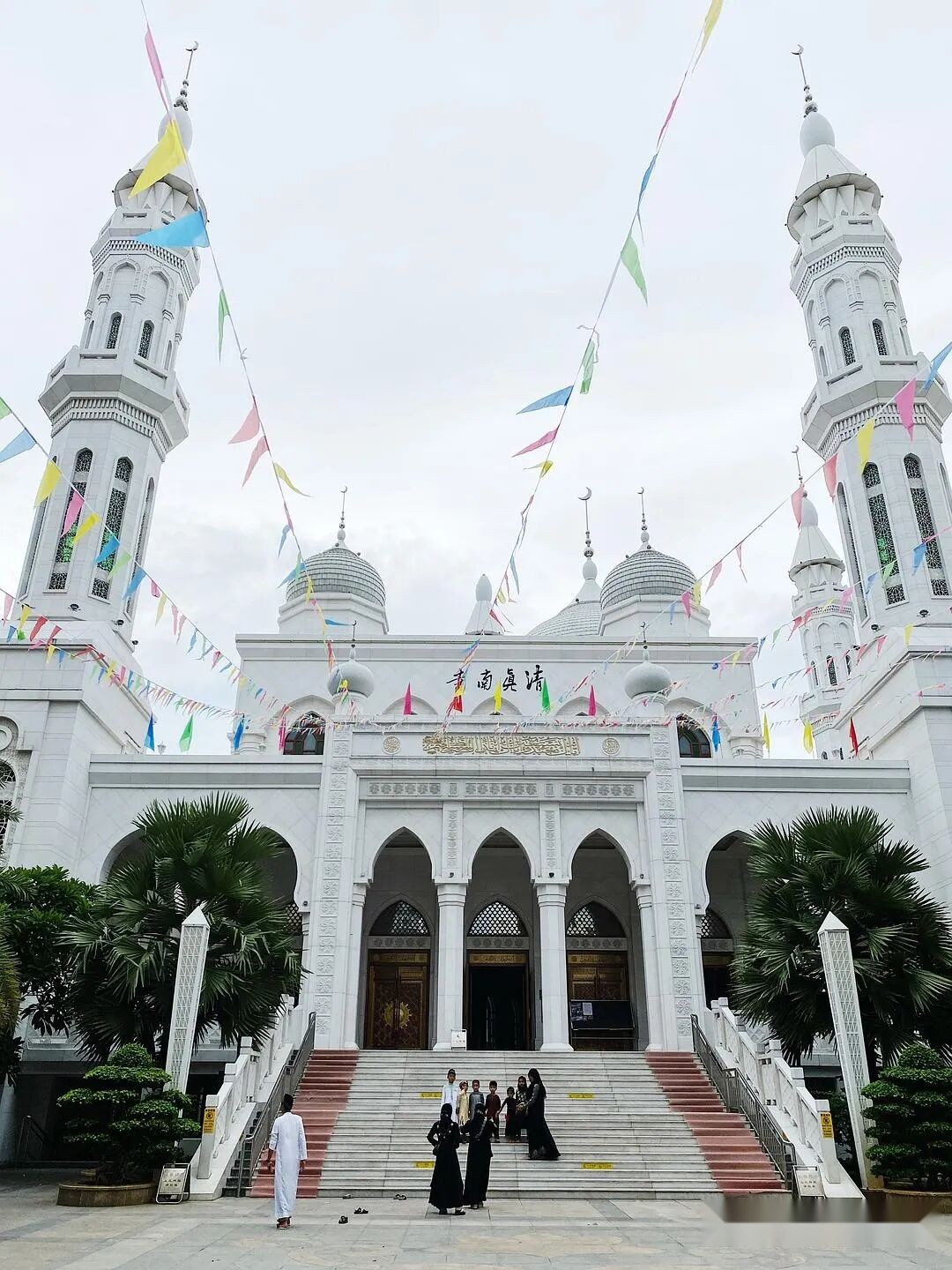
The Utsul language (Tsat language) is currently classified under the Austronesian language family, Malayo-Polynesian branch, Chamic subgroup. It shares the most common ancestry with the Roglai language of southern Vietnam, yet it stands out as the most unique language in the Chamic subgroup due to its heavy incorporation of Sinitic (Chinese-Tibetan) elements. When the Utsul people first arrived on Hainan Island, their language was likely quite close to Proto-Chamic. However, through continuous, close interaction with neighboring Chinese-speaking populations, the Utsul language evolved—its grammar grew closer to Chinese, its Chinese vocabulary expanded massively, and it simultaneously developed monosyllabic, tonal systems that are completely absent in other Austronesian languages.

In her published book 'A Study of the Utsul Language', Professor Zheng Yiqing compares the Utsul language with the Rade language (a Chamic language spoken in the mountainous regions of southern Vietnam) and concludes that the Utsul language and Rade language separated about 1,000 years ago.
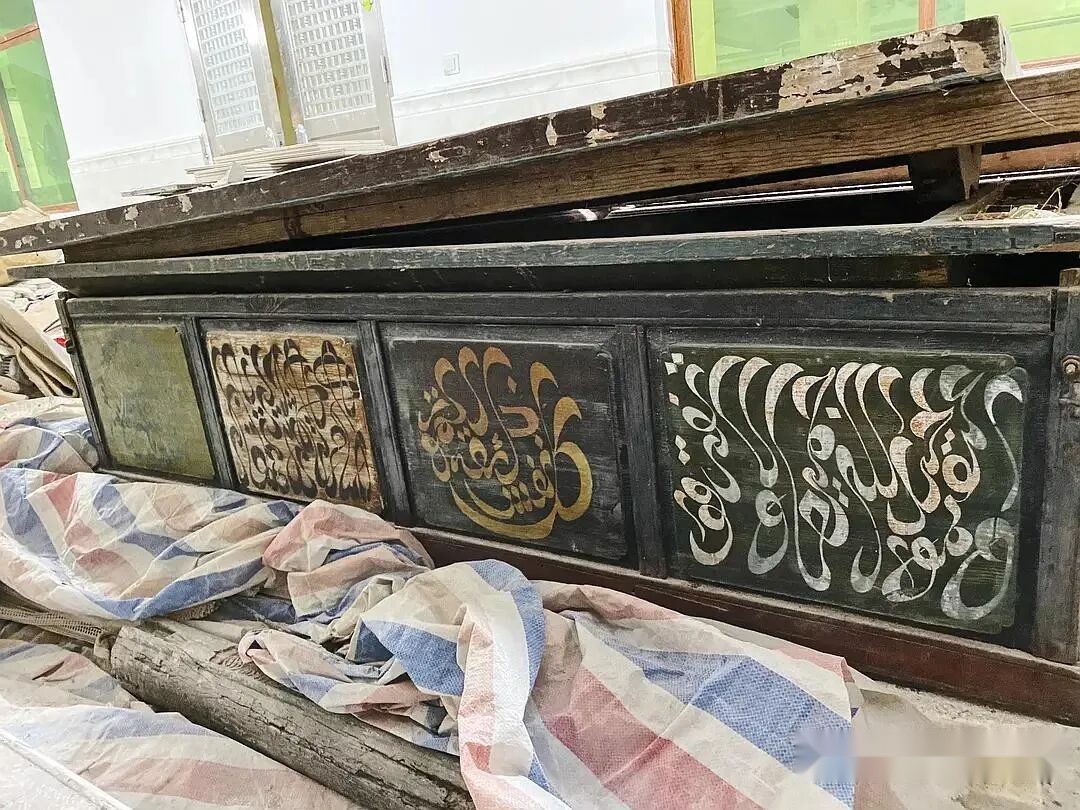
After the Eid prayer wrapped up, Muning showed me some Qing Dynasty roof purlins and inscribed wooden plaques stored away in the warehouse of Huixin Mosque.

The roof purlins of traditional brick-and-tile houses built by the Utsul people of Sanya usually feature exquisite wood carvings of Quranic verses, but as old houses get renovated and rebuilt, precious few of these are left today.
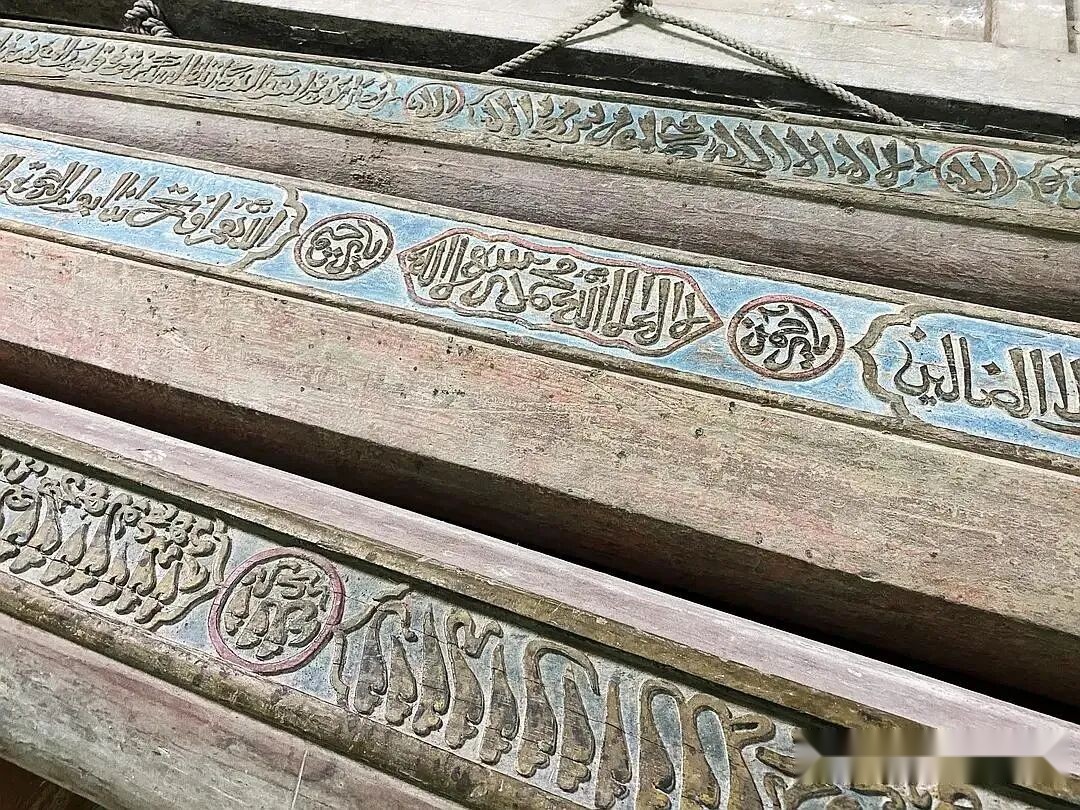
Pieces of minbars (pulpits) and Qing Dynasty tombstones piled up in various corners of Huixin Mosque.
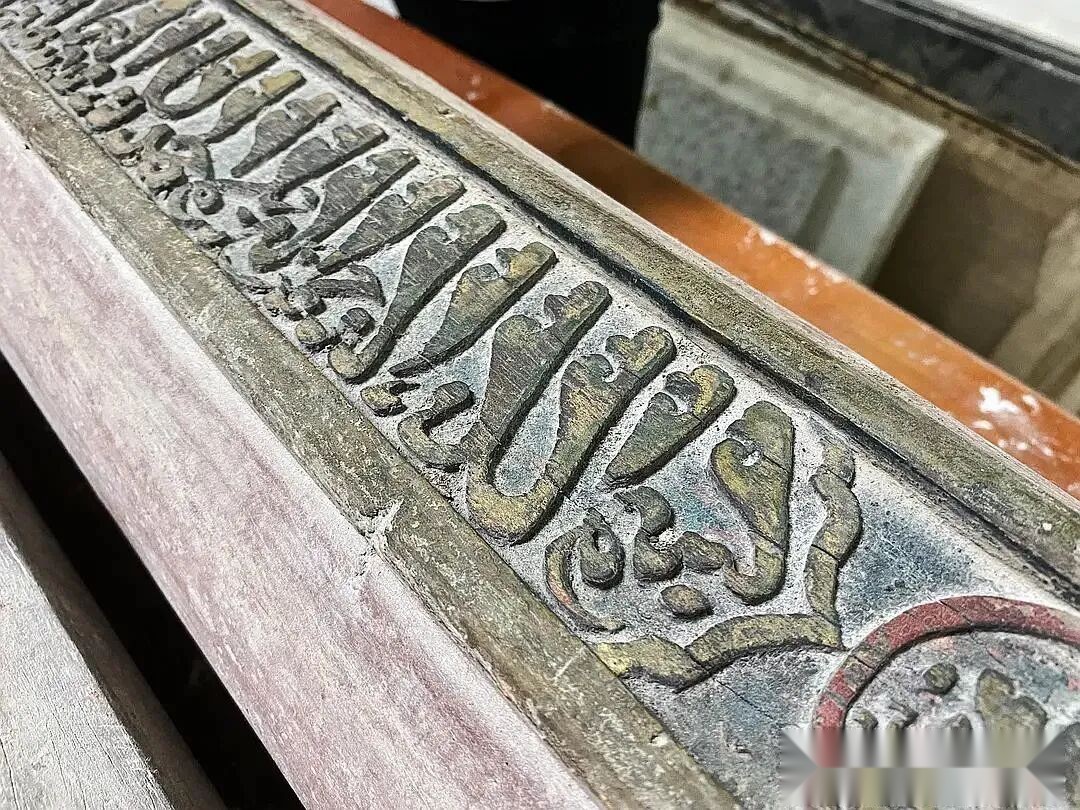
Leaving Huixin Mosque, Muning took me to visit the home of a teacher who collects traditional Utsul houses' roof purlins inscribed with Arabic script. Every single one of these purlins once belonged to a traditional brick-and-tile home built by the Sanya Utsul people.
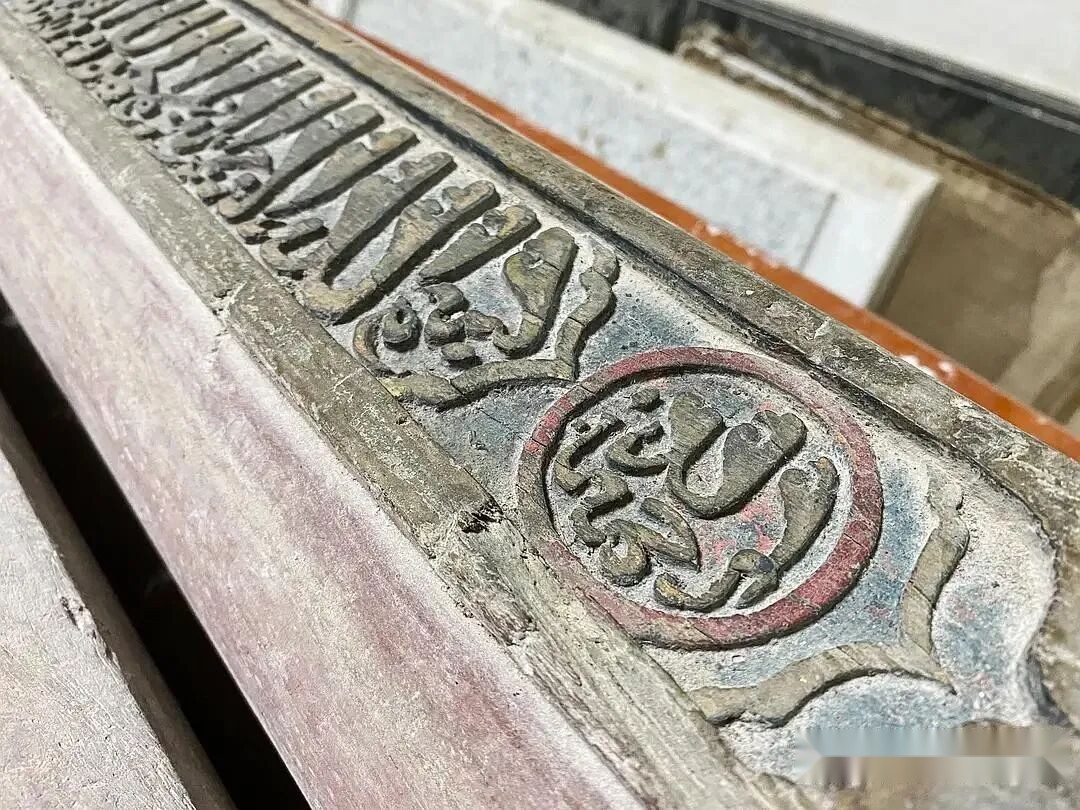
Muning took us out for breakfast, where we ran right into a family throwing a banquet because their kid got accepted into Tsinghua University.
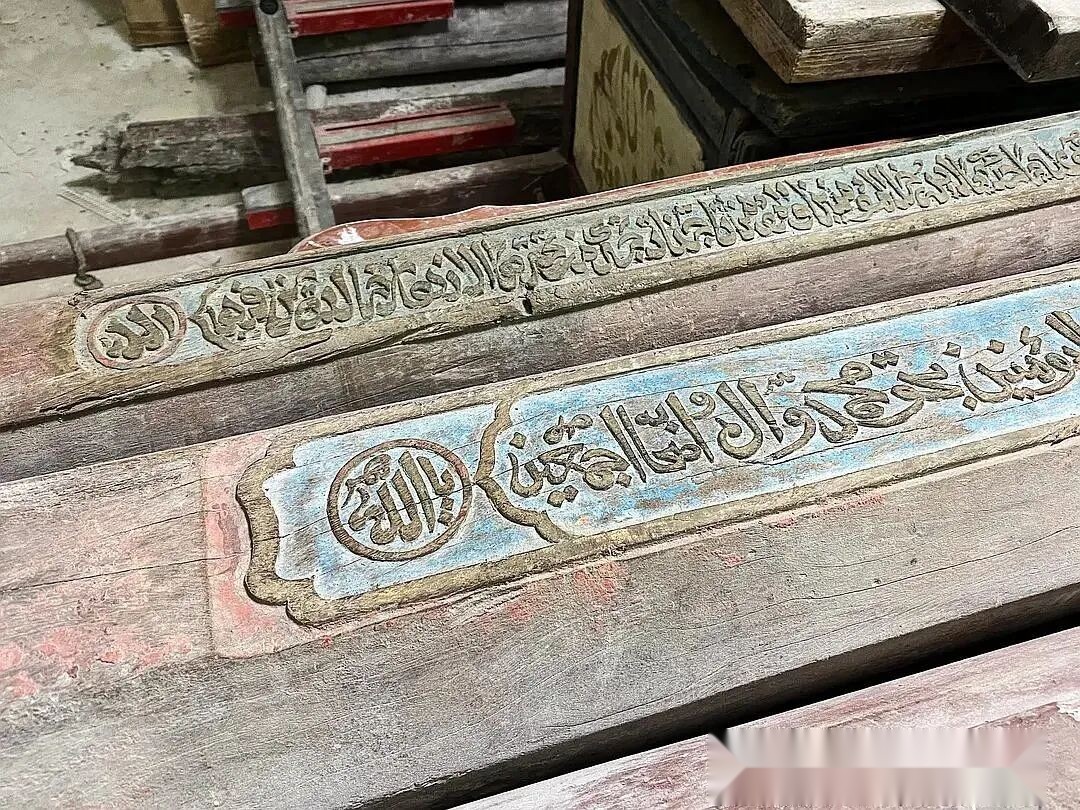
Congee served with chicken.
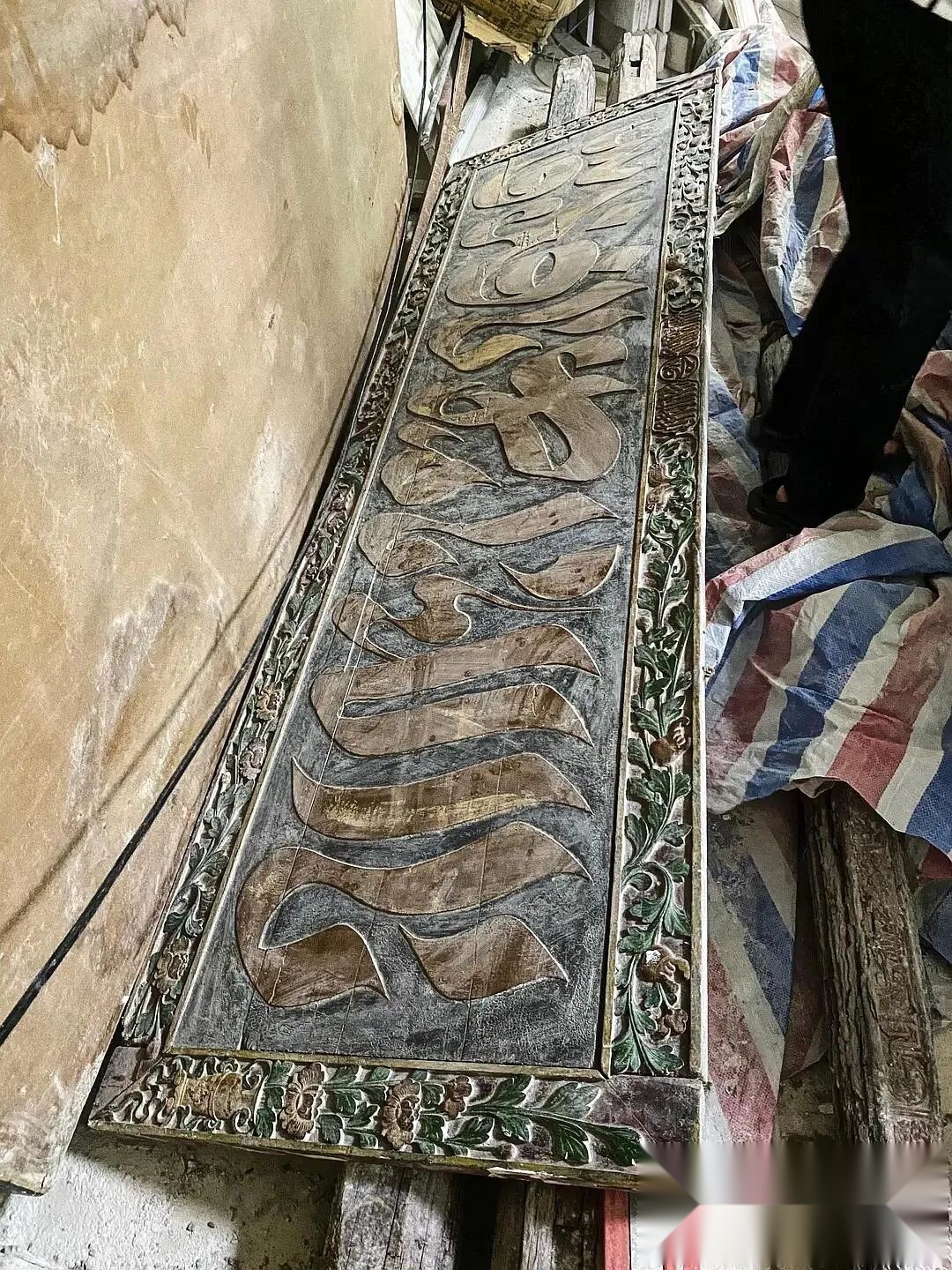
The fermented soybean paste was exceptionally delicious.
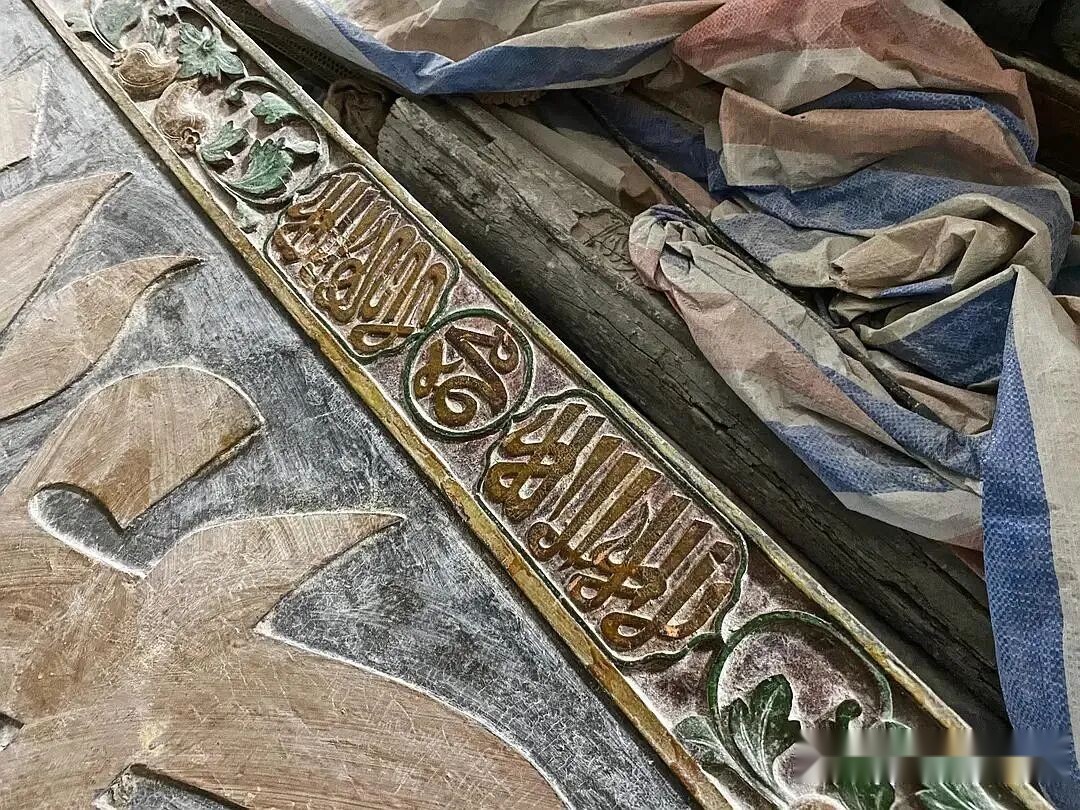
After finishing breakfast, Muning took us to pick out our sheep. One of these sheep was intended as our (Zainab's and my) qurbani (sacrificial offering), and the other was for Muning's family. Muning had bought them locally, picking out authentic Hainan Dongshan mutton sheep.
We led the sheep over to the designated qurbani slaughter site.
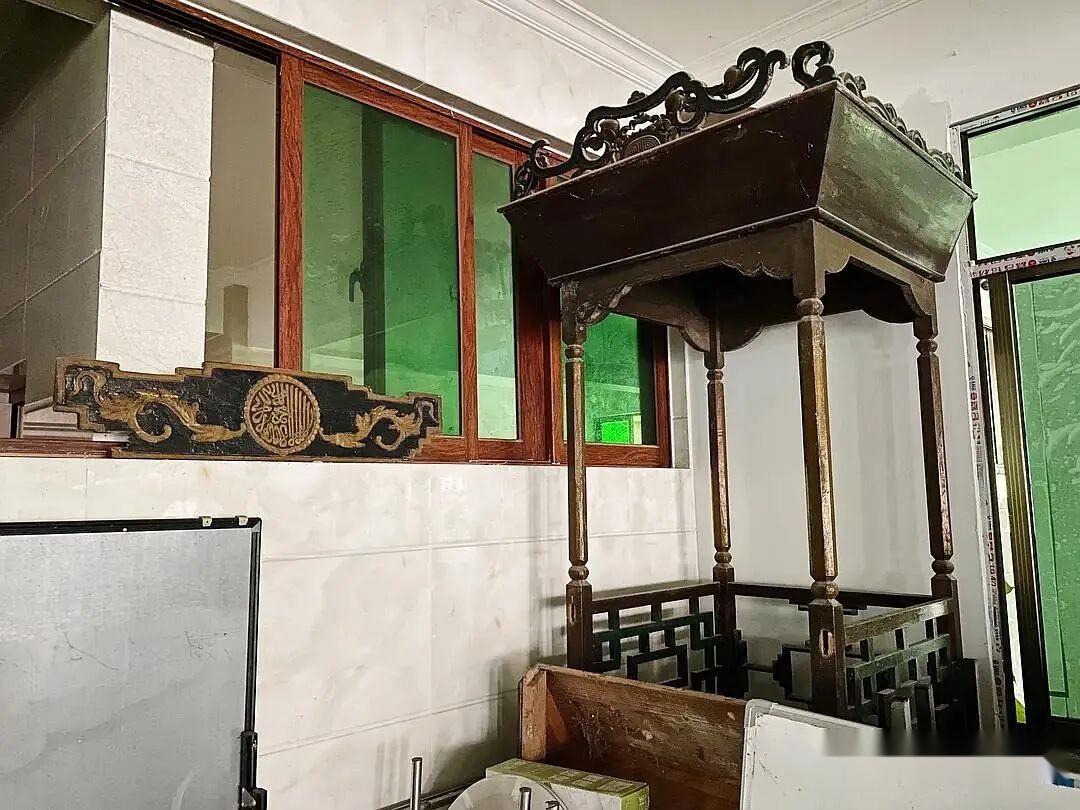
Once the slaughter was complete, the mutton was divided into three portions: one for our own household, one to share with friends, and one to give away to those in need.

Washed sheep tripe and intestines.
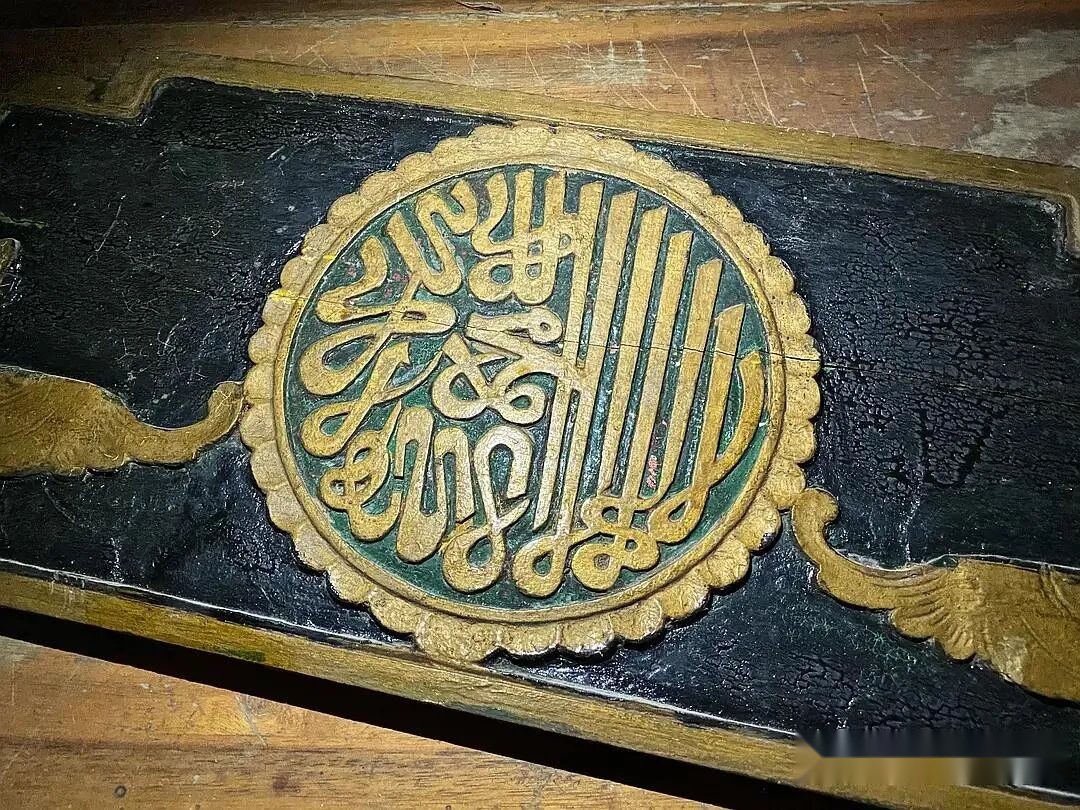
We asked our neighbor to cook up a dish of Sanya-style dry-fried mutton for us. Normally, their family runs a roast duck stall right next to Huixin Mosque, but they were taking a break for the Eid holidays.

The imam who performed our qurbani, who hails from Turpan, Xinjiang, whipped up a signature Xinjiang-style clear-stewed mutton for us. It was out of this world, and the mutton broth was insanely good.
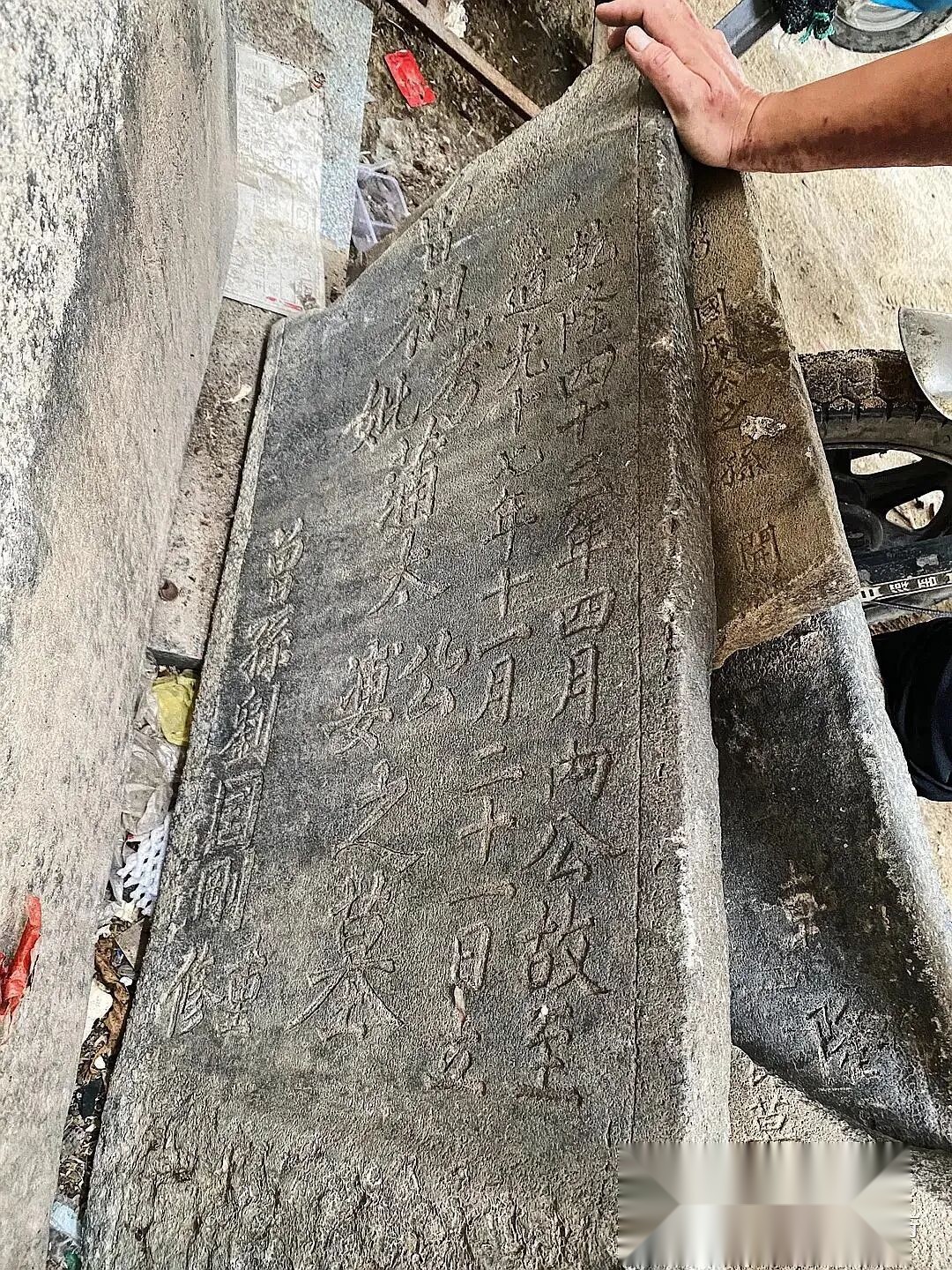
Muning gifted me an Arabic calligraphy art piece he hand-carved out of a coconut shell. It looks stunning.
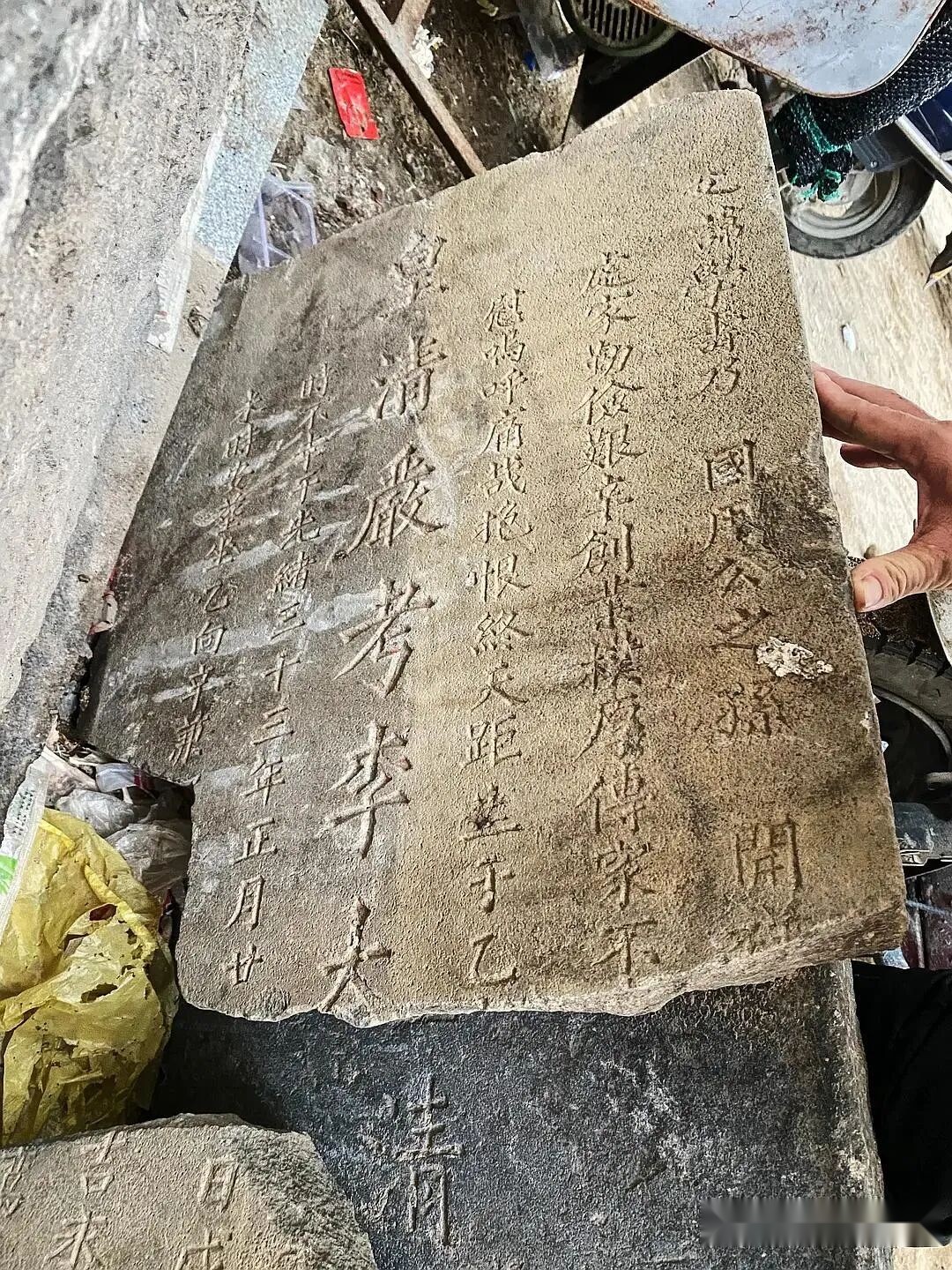
After the meal, Muning and I headed out to deliver another portion of the meat to friends.

We stopped by Nankai Mosque in Huixin Village to pray, where the main hall is lined with straw mats rather than carpet.

In the afternoon, Muning took me to check out the old houses in Huihui Village (Huihui Muslim Village), where I got to lay eyes on old roof purlins inscribed with Arabic script for the very first time.
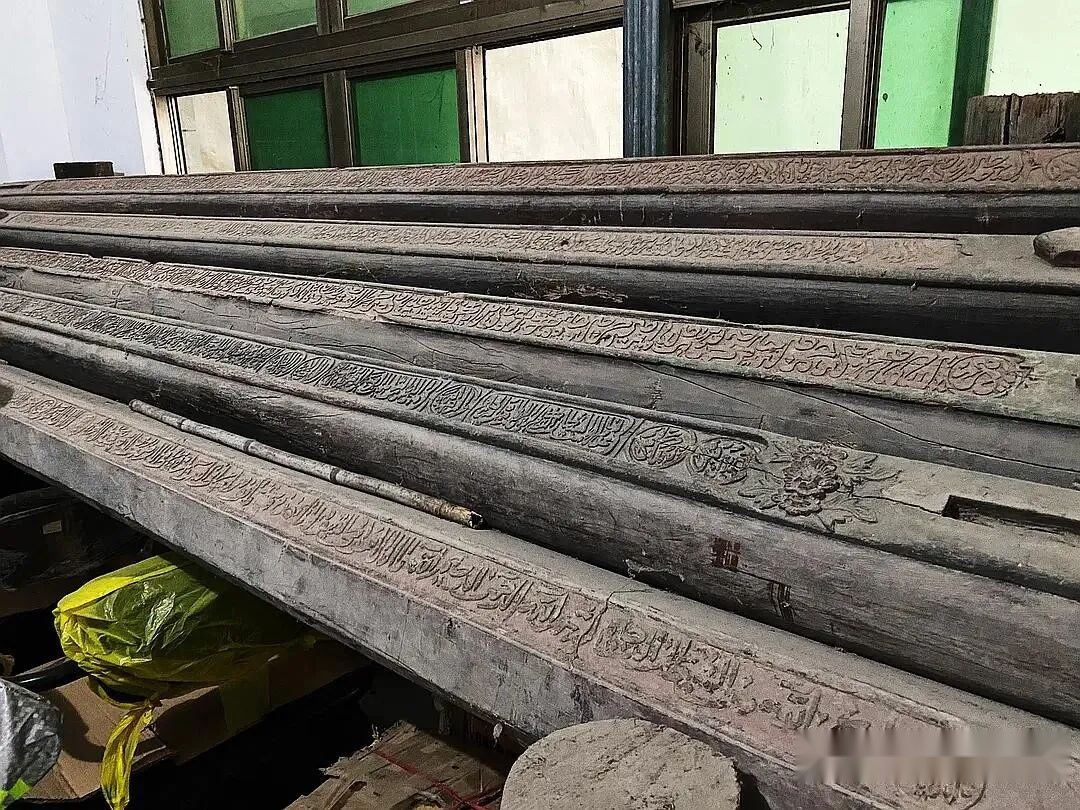
One of the best-preserved and most visually striking inscribed roof purlins still in its original location in Huihui Village, with its gold-leaf Arabic letters gleaming brilliantly in the sunlight.
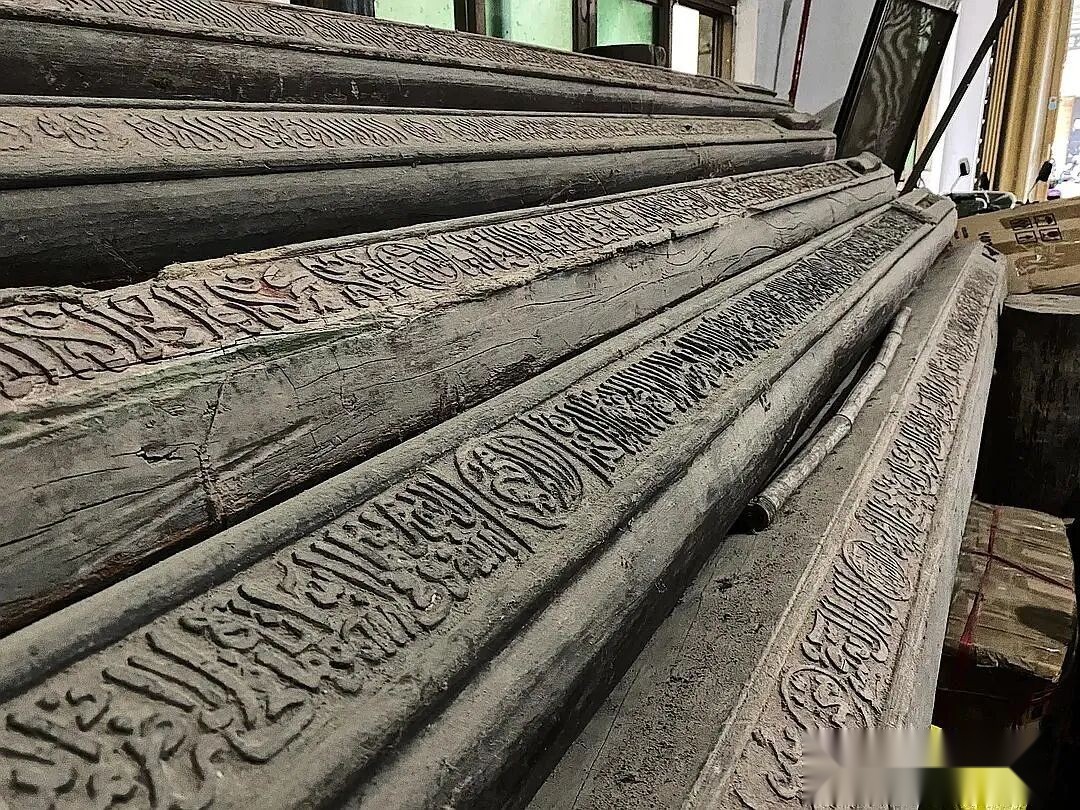
One of the last remaining traditional old houses in Huihui Village.
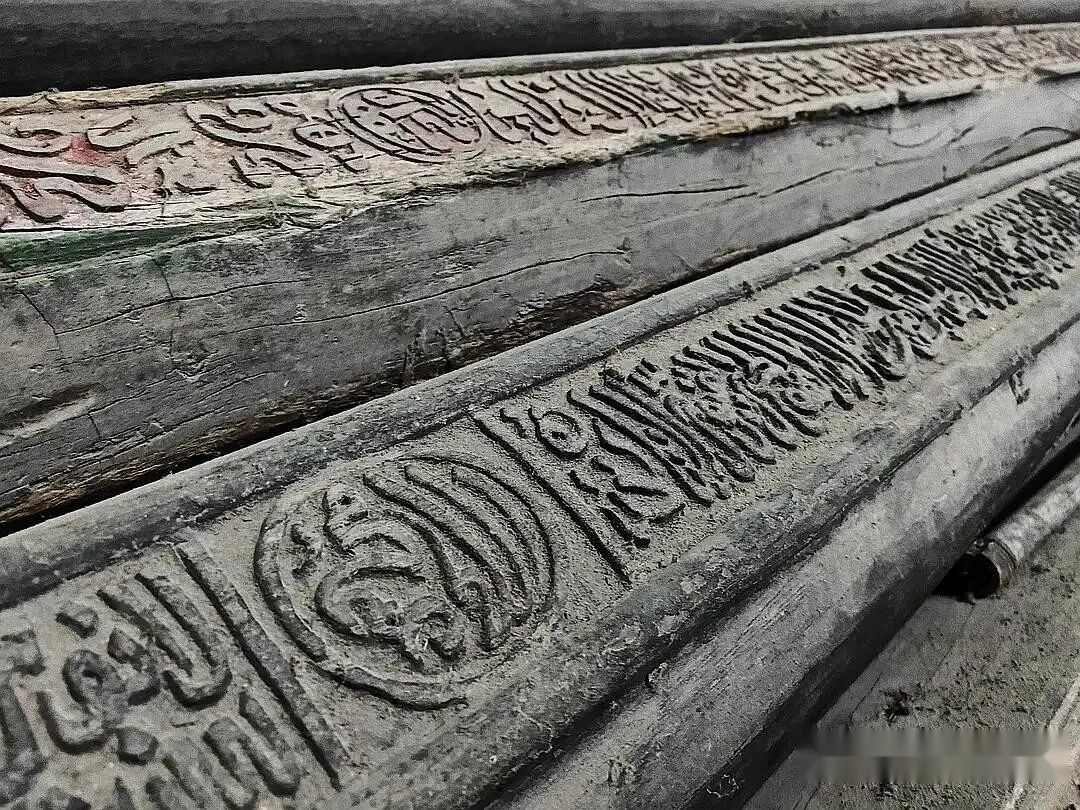
That evening, Muning and her family treated me and Zaynab to a fresh fish soup right at the entrance of Huixin Village (Huixin Muslim Village). The signature fresh fish soup of the Utsul Muslims is made with carambola (star fruit), tamarind, and tomatoes, giving it a super tangy kick. You can pick whatever sea fish you want for it. You’ve also got to mix your own dipping sauce on the side—make sure not to go overboard with the Hainan yellow lantern chili peppers, because they are insanely spicy! We also had red rice cooked in coconut milk, sweet potato greens, and stir-fried squid, all of which hit the spot.
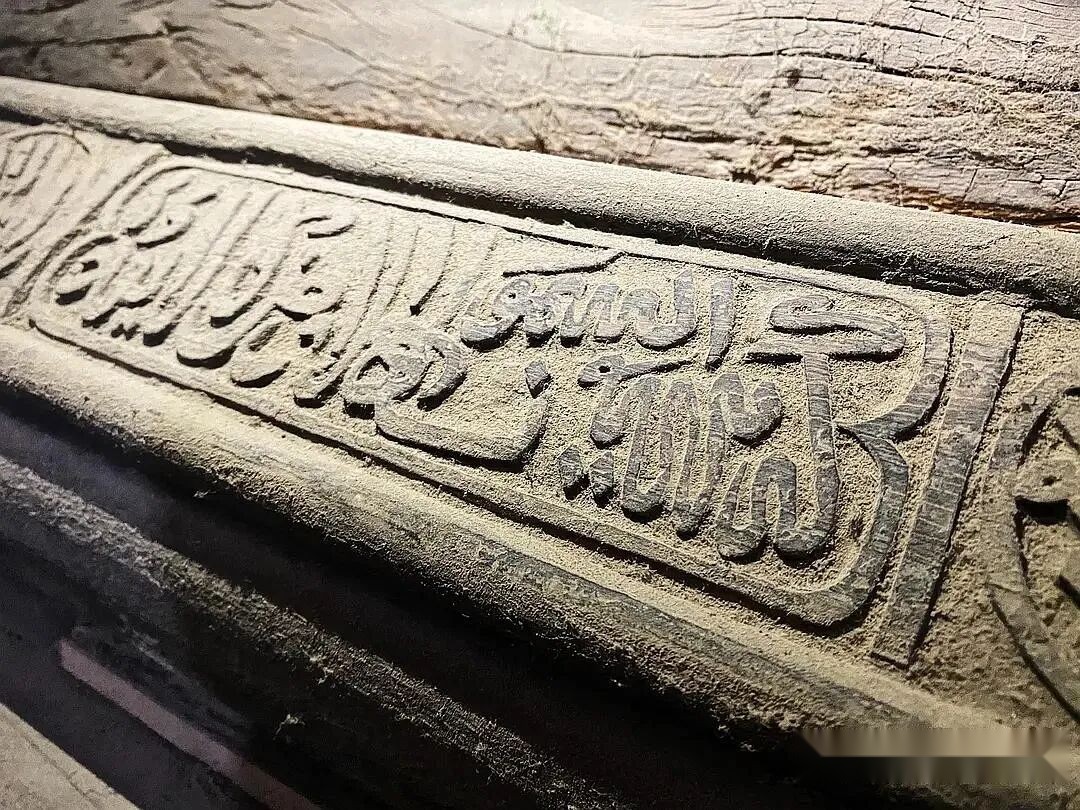
Yellow lantern chili peppers
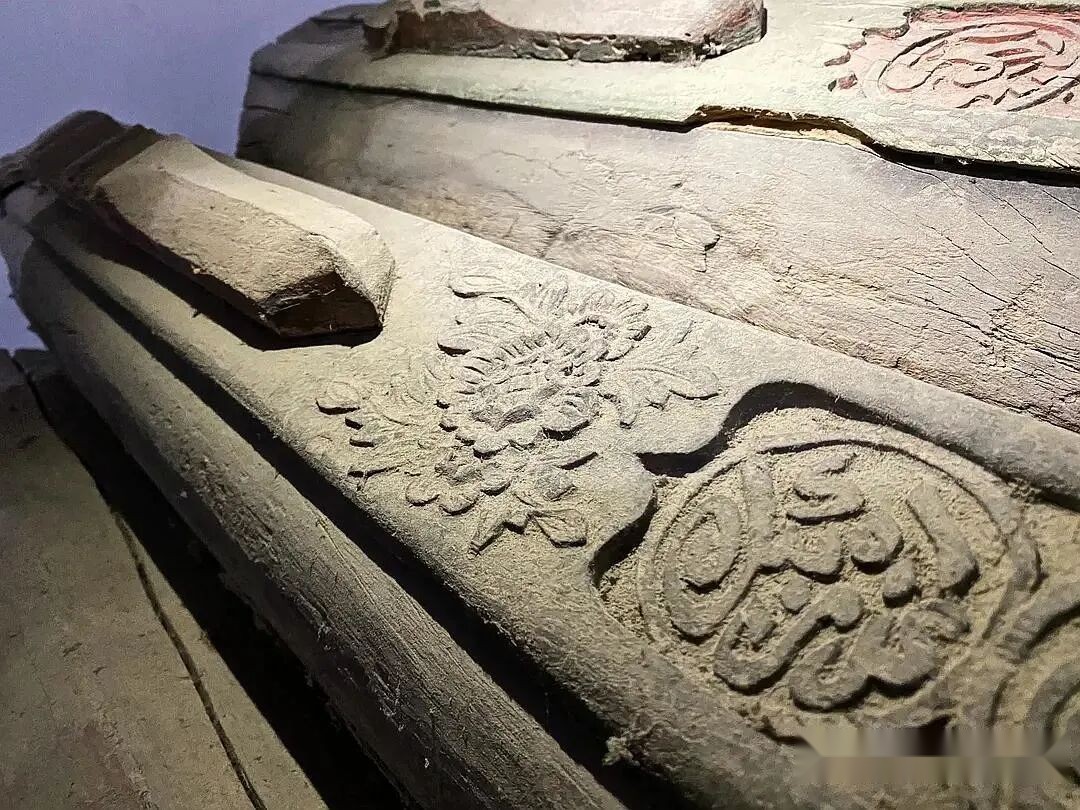
That night, we headed over to the Guangbaina night market right next to Huixin Village (Huixin Muslim Village) to check things out. Ever since the street vendor economy took off this year, Guangbaina has been getting busier and busier. They don’t charge a stall fee here, so a lot of people just sell fruits straight from their own family orchards, meaning prices are the lowest in the area. We grabbed some sugar apples, jackfruit, and mangoes—cheap and delicious.
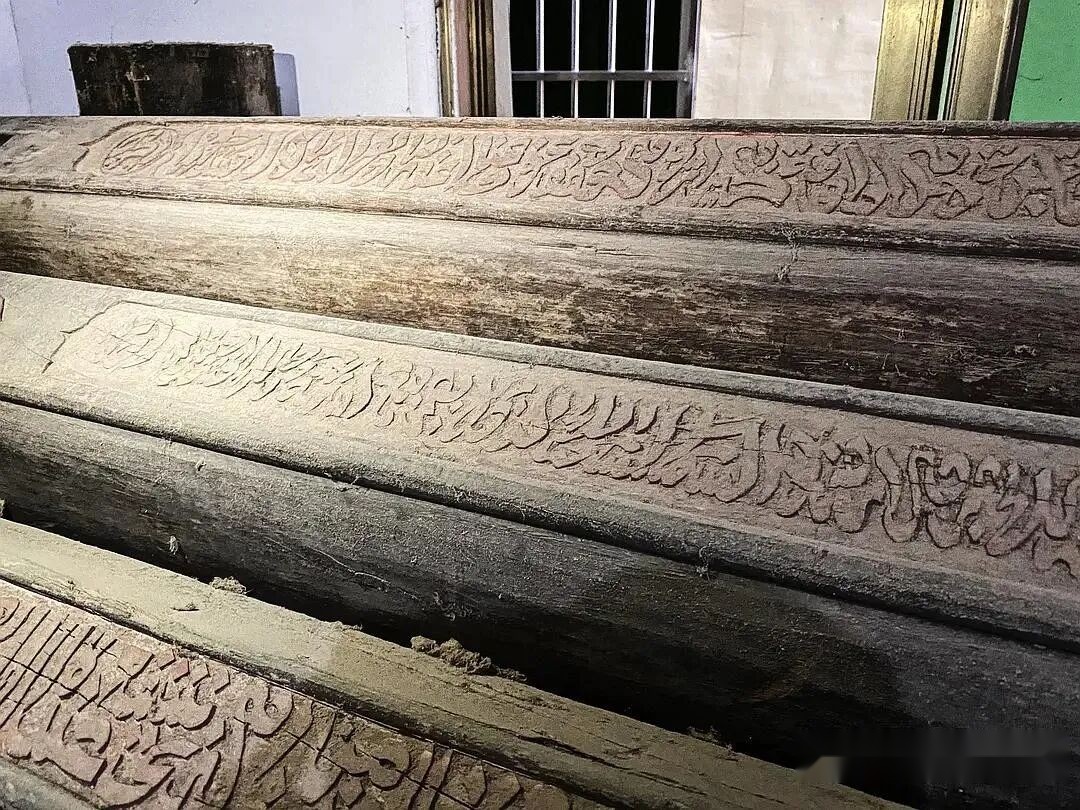
After wandering through the night market, we headed back to Huixin Village (Huixin Muslim Village) for a bowl of qingbuling (Hainan refreshing herbal dessert). Every single spot in Sanya makes qingbuling a little differently, so you really have to try them all to figure out which style you like best.

Still craving a little more adventure, we hopped on an electric scooter for another night ride.

Back at the place, I started flipping through some old books Muning had collected, including one featuring Eid al-Adha back in 1979.

August 1st

Woke up early to grab some niurou fen (Hainan beef rice noodles) made by the Utsul Muslims in Huixin Village (Huixin Muslim Village), then picked up some white fungus and lotus seed porridge and chicken porridge at the South Mosque gates to sip down by the beach. Afterward, we took a lazy stroll through the coconut grove along the shore.
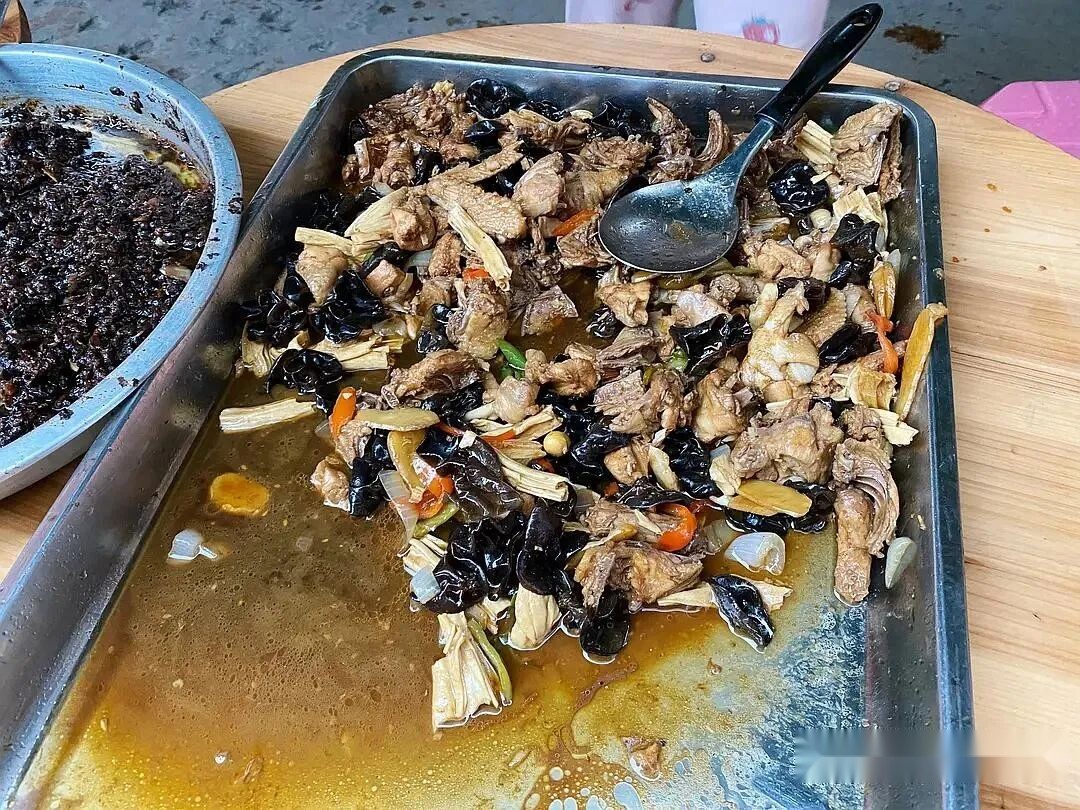
After walking by the beach, we headed over to Huihui Village (Huihui Muslim Village) to sip on some fresh coconut water.
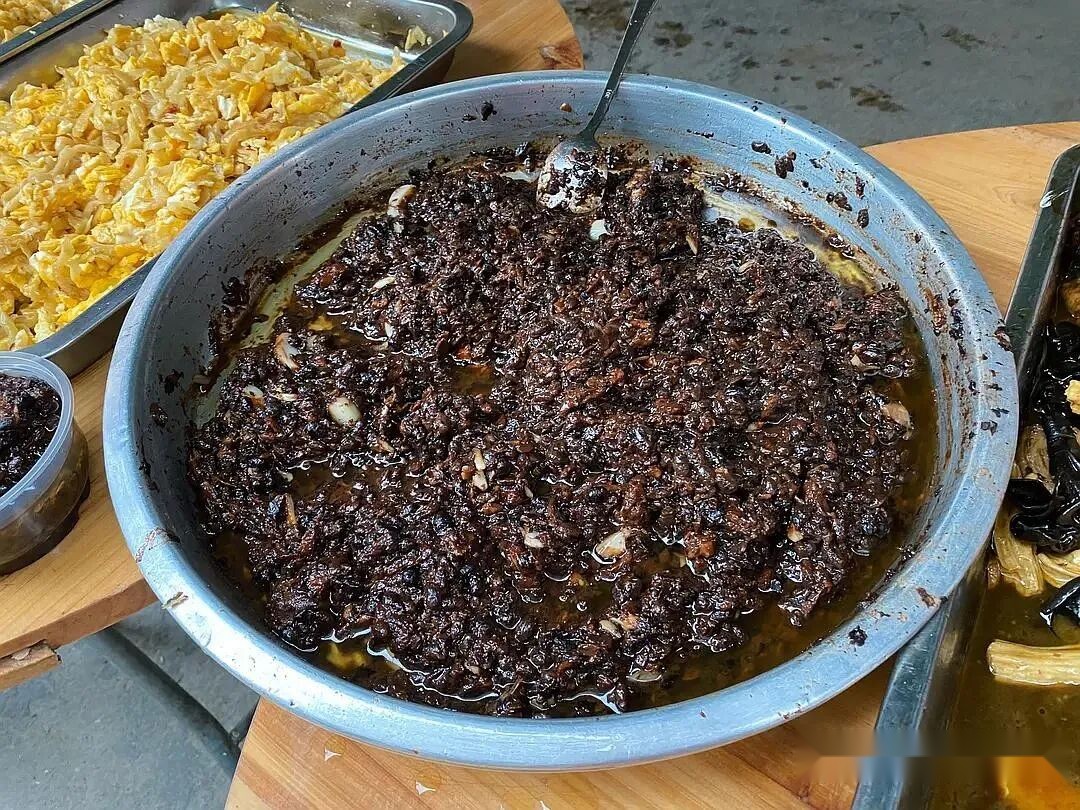
A lazy summer afternoon in Huixin Village (Huixin Muslim Village)—a fresh coconut and a bowl of qingbuling (Hainan refreshing herbal dessert). Could it get any more chill?

Time to kick back and take a break.
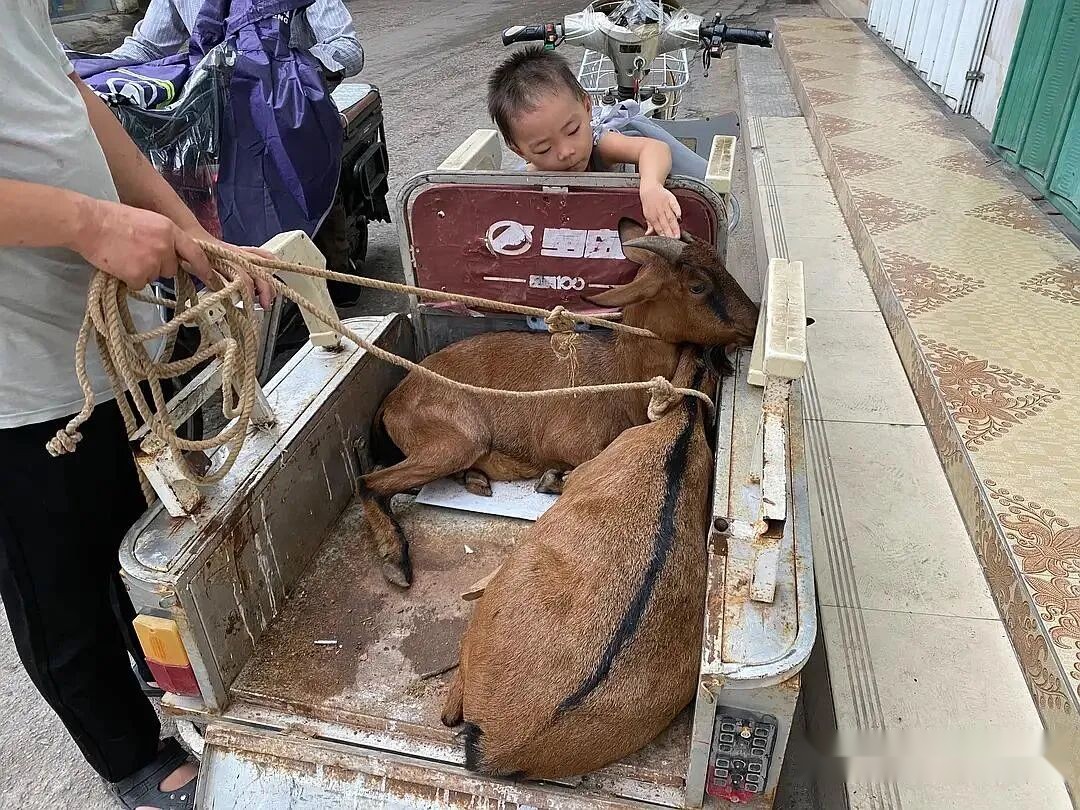
In the afternoon, we headed back to the spot in Zhongzhuangyuan where they were throwing a banquet, watching the Utsul Muslims whip up traditional coconut rice.
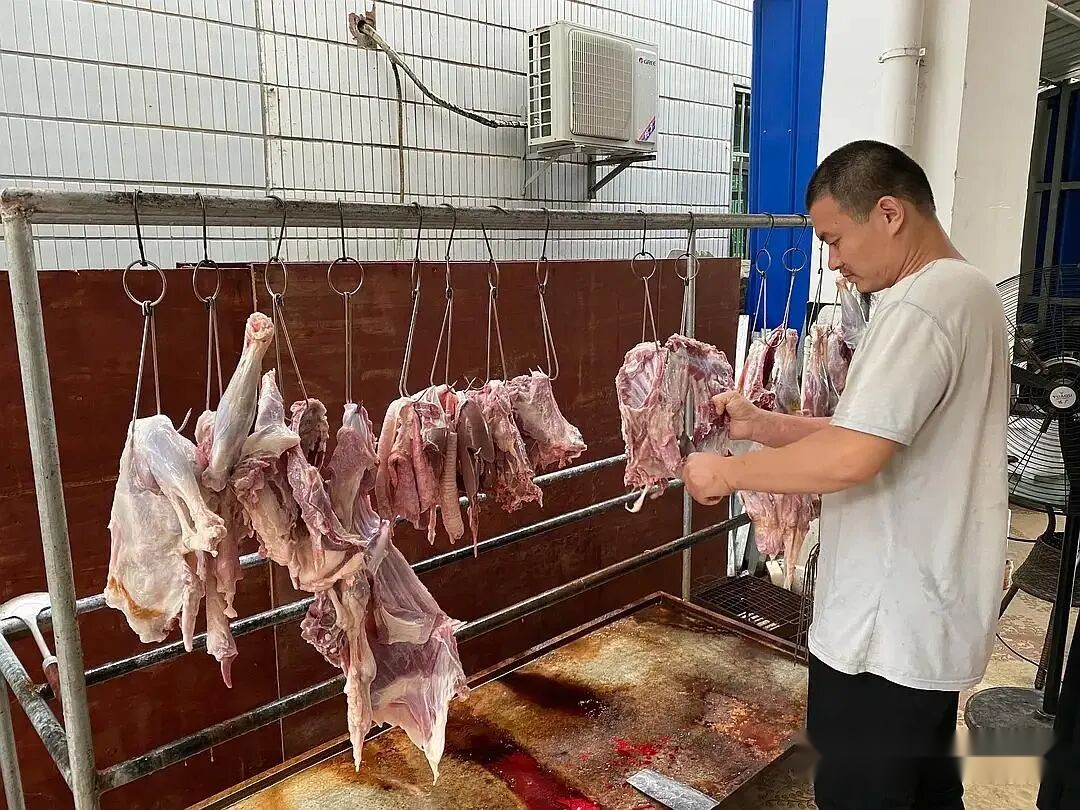
They start with old coconuts that have thick meat, grating all of it into fine shreds, then use cheesecloth to press out all the rich coconut oil.
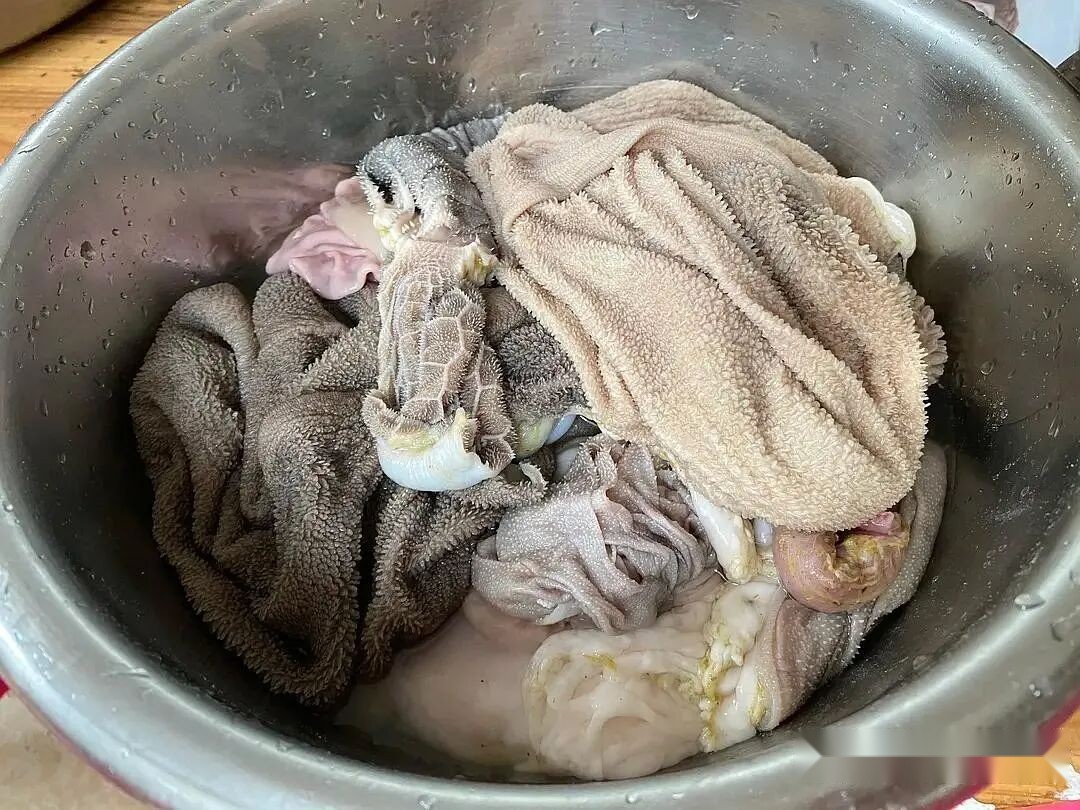
For steaming the rice, they use a traditional Li ethnic pottery steamer called a taozeng. Once the rice is steamed, they thoroughly mix the coconut milk and rice together. At this stage, the coconut rice is super chewy and has a great bite.
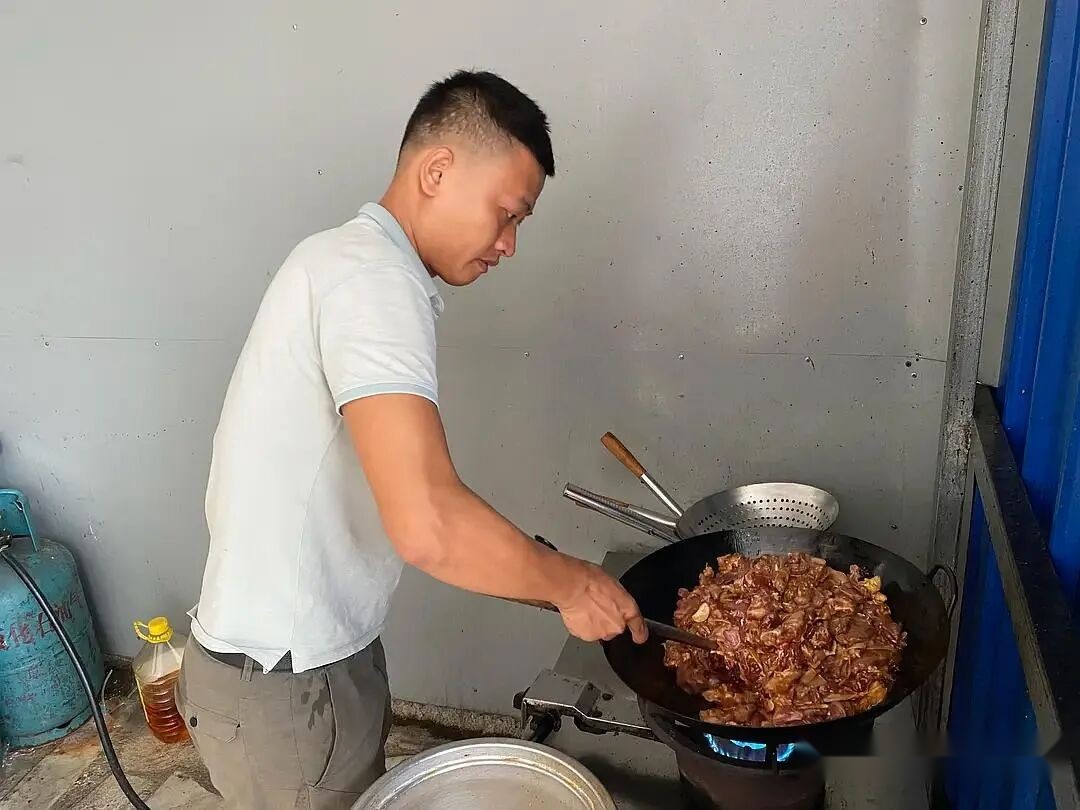
Then, they pop the blended coconut rice back into the pottery steamer for a second round. This time around, the rice comes out way softer and stickier, and the coconut milk and rice melt completely into one another.
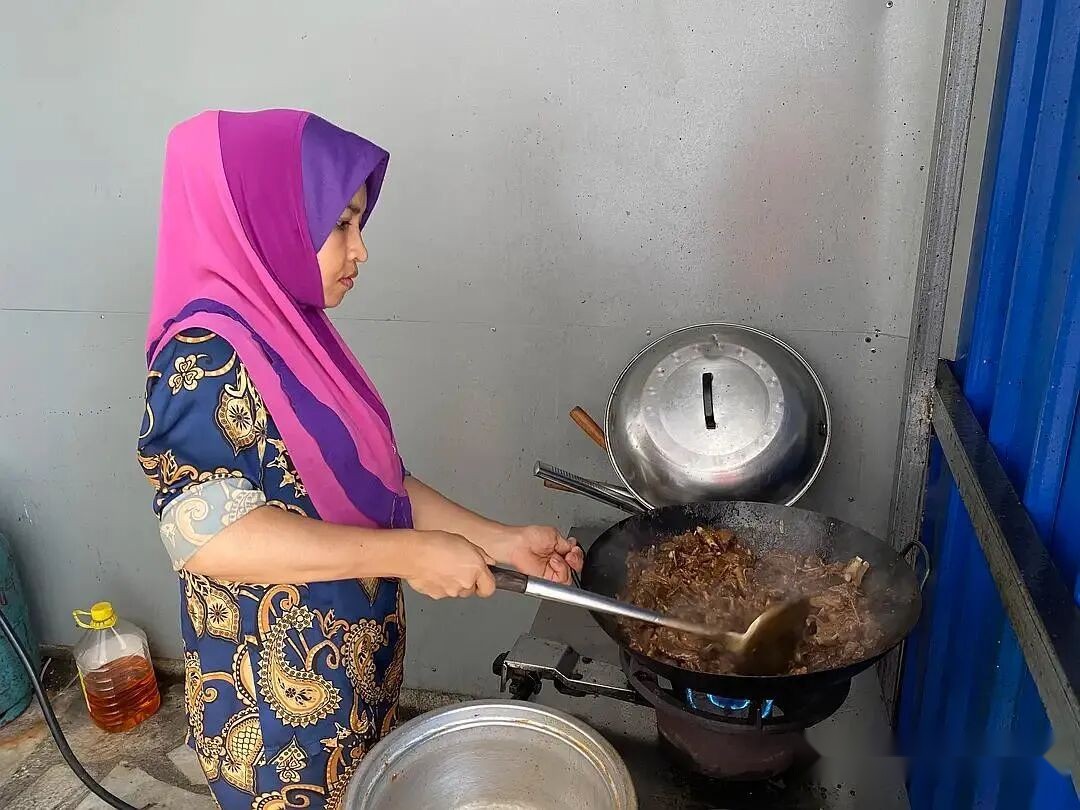
They used beef from the cow sacrificed the day before for Eid al-Adha. First, they stew the beef, then toss in wood ear mushrooms and dried bean curd sticks—a total classic main dish for Utsul Muslim banquets.
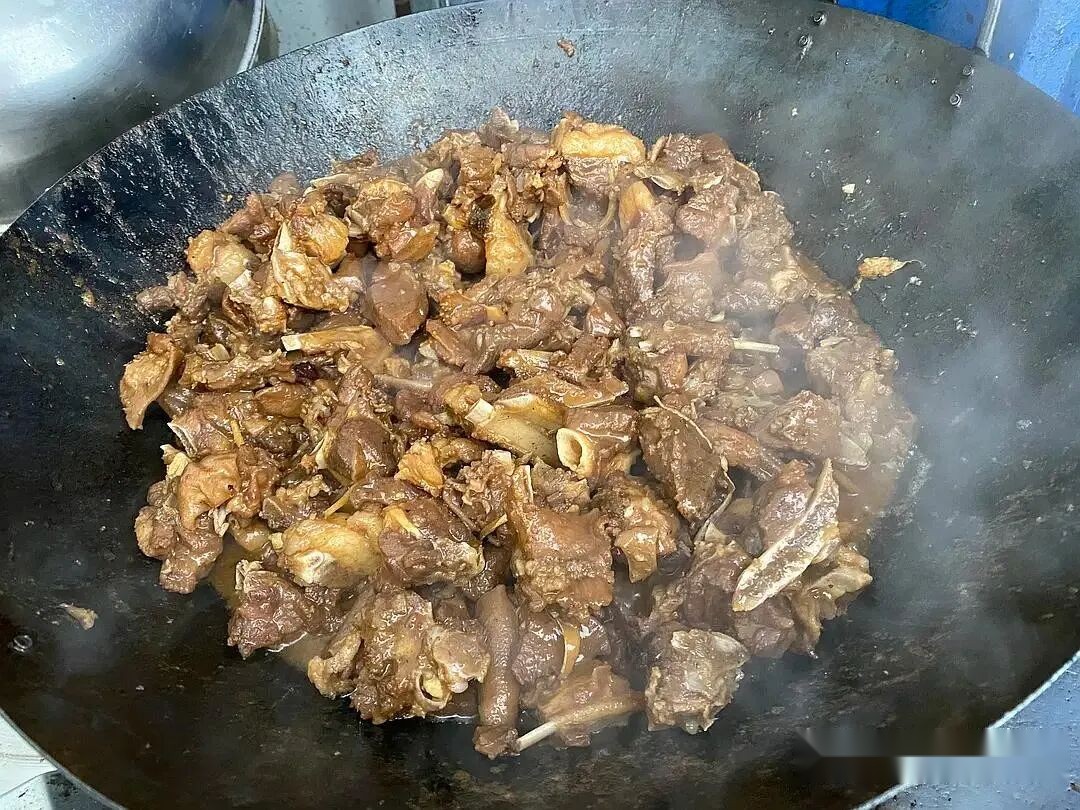
Our downstairs neighbors, a Utsul Muslim family, slaughtered a sheep yesterday, and today they were simmering up a pot of sheep offal soup. Sanya’s Utsul Muslims rarely eat mutton; basically, the only time they eat their own freshly slaughtered Dongshan mutton is during Eid al-Adha. When Utsul Muslims slaughter a sheep, they scrape the hair off the hide because they believe sheepskin-on mutton is where the best flavor is at.
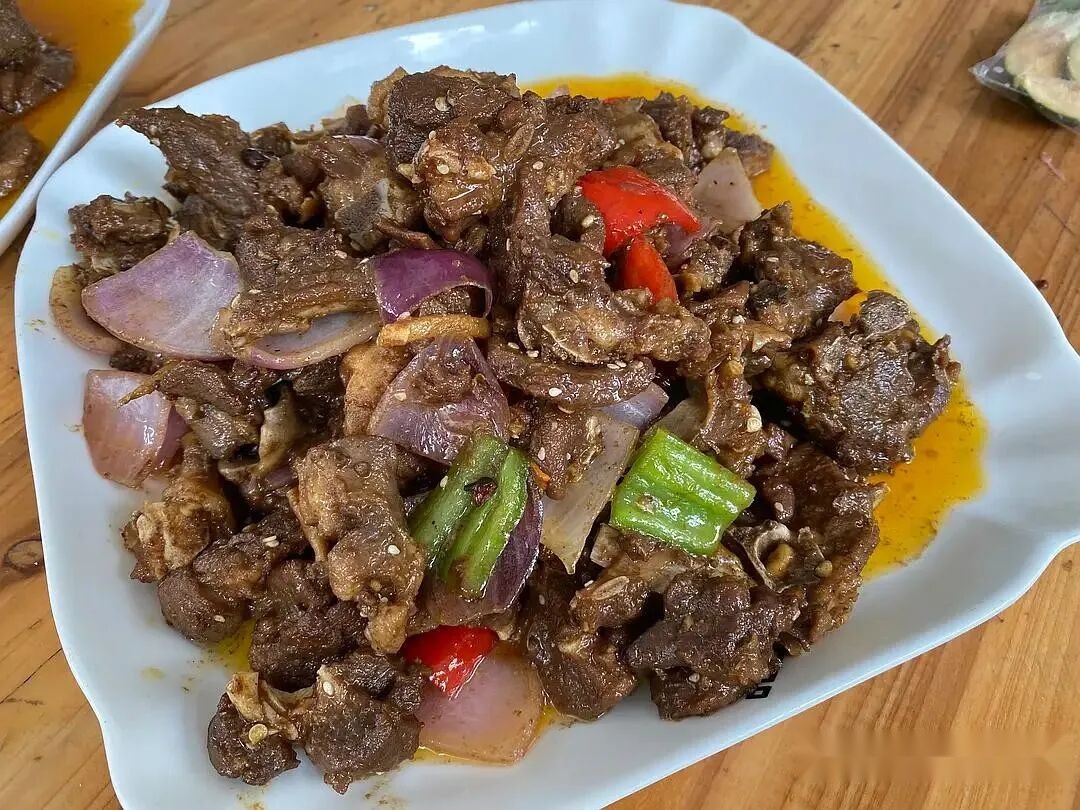
When they stew the offal, they toss in the sheep's trotters too, letting it bubble away from early morning until afternoon while adding all kinds of spice blends. Finally, they drop in radishes, corn, and shiitake mushrooms. The flavor profile is totally different from Northern-style mutton soup—it's its own unique, addictive kind of delicious.
That evening, we grabbed a bowl of niunan mian (braised beef brisket noodles) at Haxuanren in Huihui Village (Huihui Muslim Village), and followed it up with a coconut milk ice jelly right across the street.
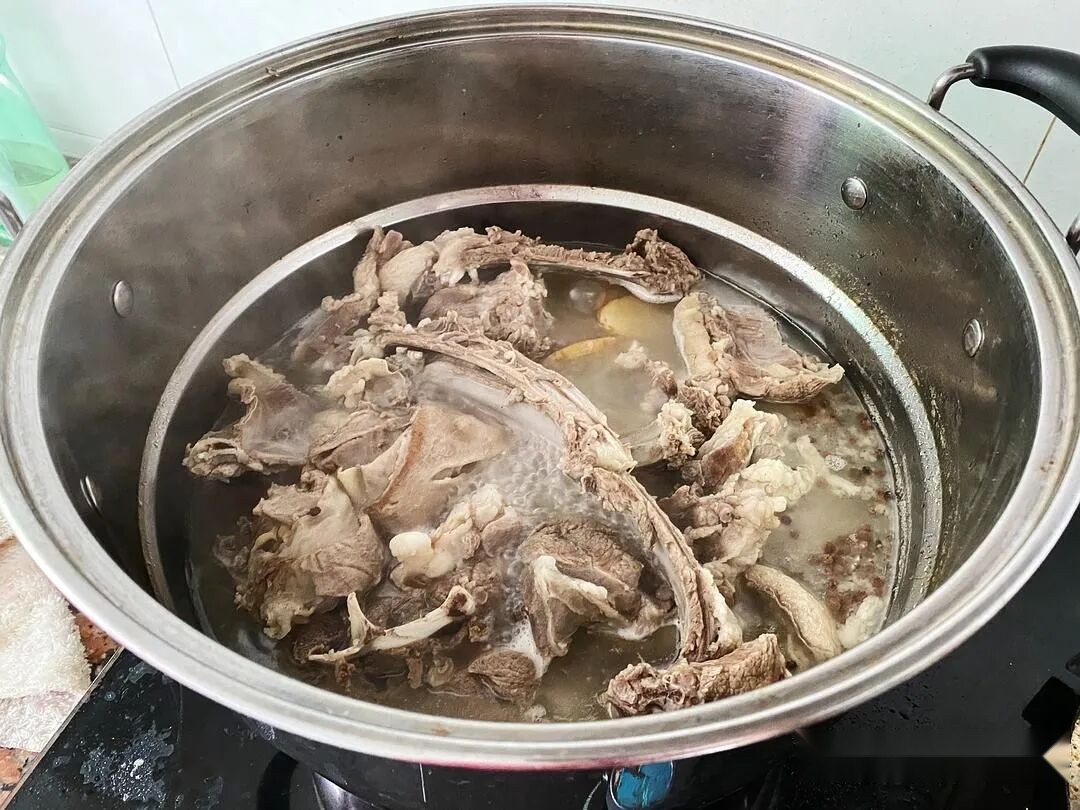
August 2nd

In the morning, we went back to Haxuanren Beef Brisket Noodles in Huihui Village (Huihui Muslim Village) to try their stewed beef trotters. Because it’s the summer off-season and everyone’s still recovering from Eid al-Adha, most eateries in Huihui and Huixin villages were closed. Haxuanren stayed open the whole time, so it was packed with people. After eating, we kept up our routine of strolling through the beach coconut grove.

In the afternoon, we checked out the Guangbaina night market next to Huixin Village (Huixin Muslim Village) again. Papayas, wax apples, papayas, mini pineapples—all the fruit was fresh and delicious. I even picked up some pearl bracelets as gifts for the little ones back home.
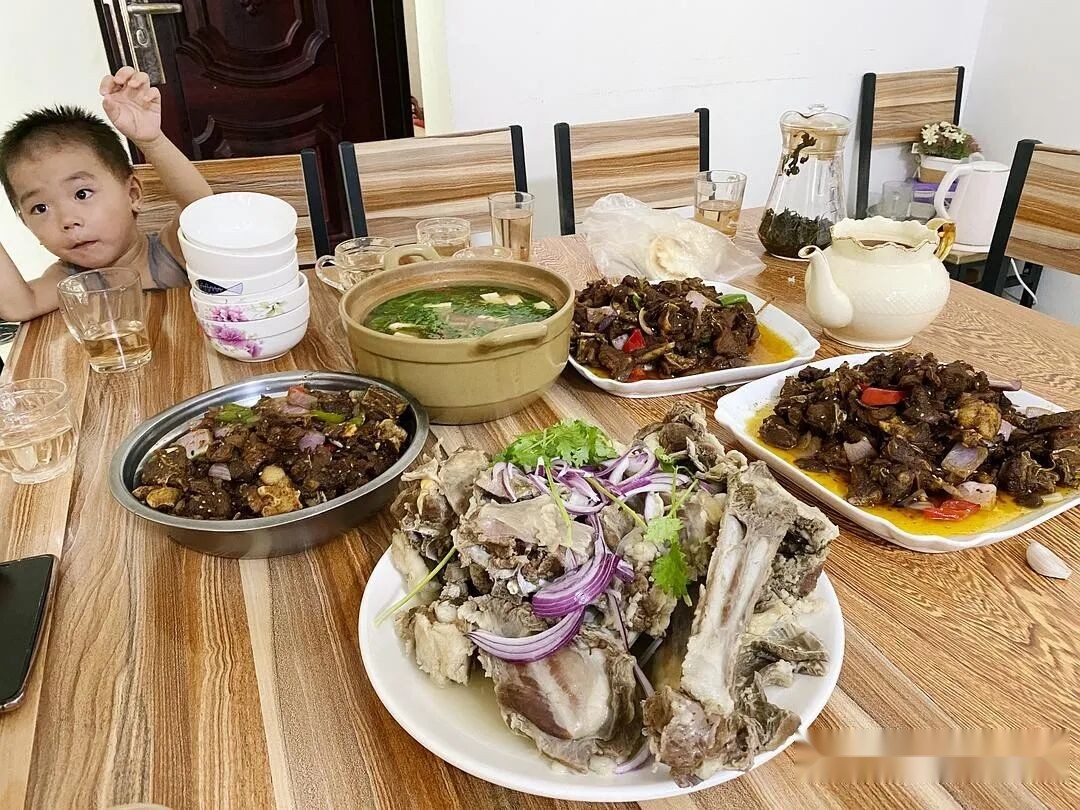
That night, Muning treated us to seafood down at the seafood market near the beach in Huixin Village (Huixin Muslim Village). We ordered crabs, scallops, abalone, clams, octopus, fried squid rings, and the local specialty sijidou (four-angled beans / winged beans). Everything tasted incredible—not a hint of fishiness, just pure, mouth-watering flavor. A special shout-out to their signature dipping sauce made with ketchup, sweet chili sauce, minced garlic, and tamarind. It paired so well with the seafood we just couldn't stop eating.

This seafood market in Huixin Village (Huixin Muslim Village) has got to be the best value for money around. It’s not just the Muslim locals; even the surrounding Han residents love coming here to eat, and business is always booming.
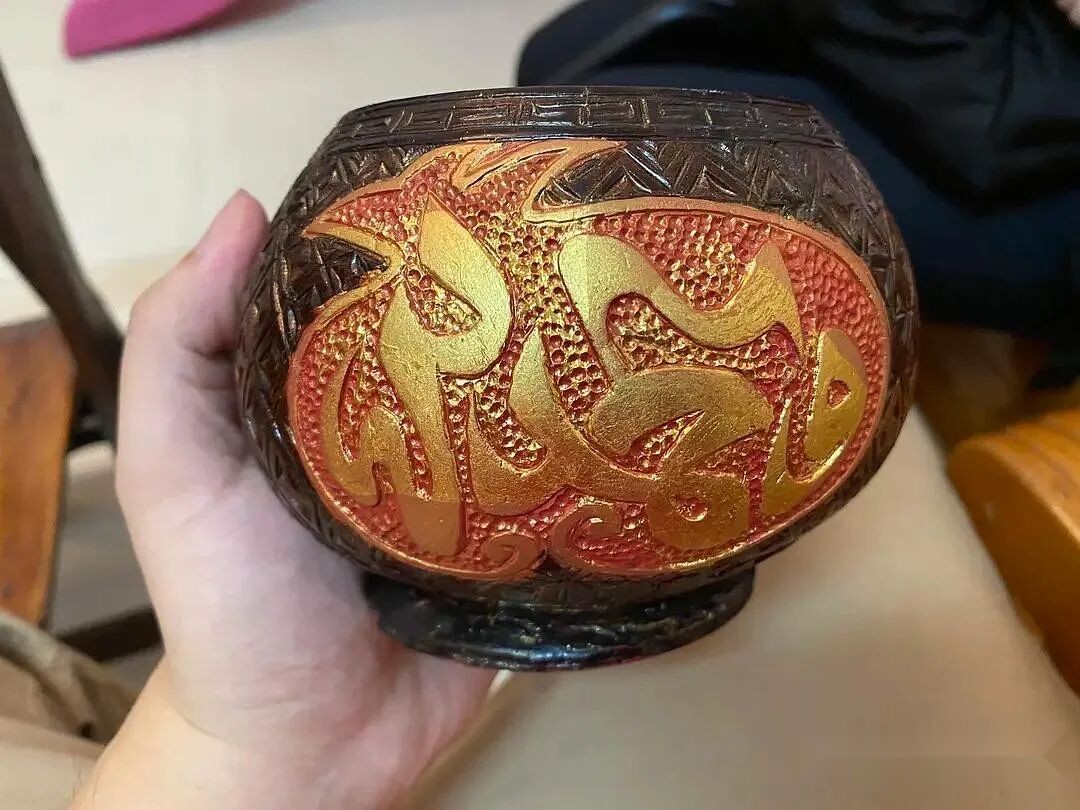
August 3rd

In the morning, we hit up Li's Rice Noodles in Huixin Village (Huixin Muslim Village) for some chicken rice noodles, and they were insanely flavorful! Right after the three-day Eid al-Adha celebration wrapped up, their spot was finally open for business.
And with that, we reluctantly said goodbye and left Sanya.
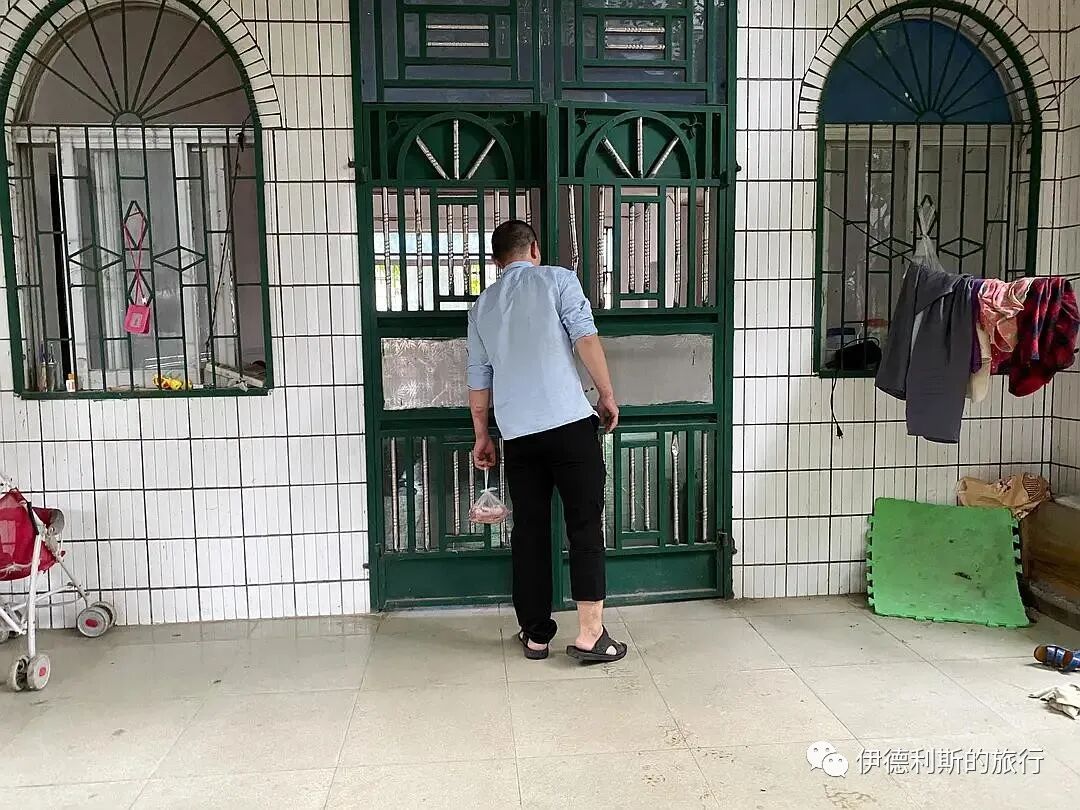
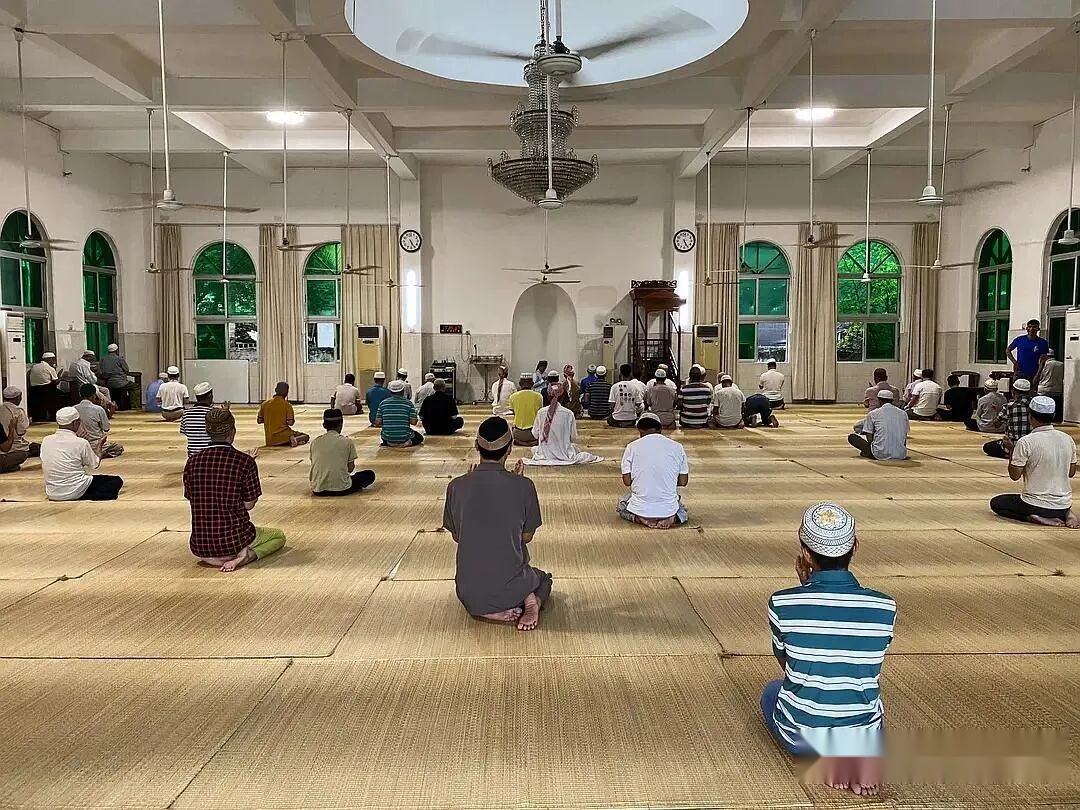
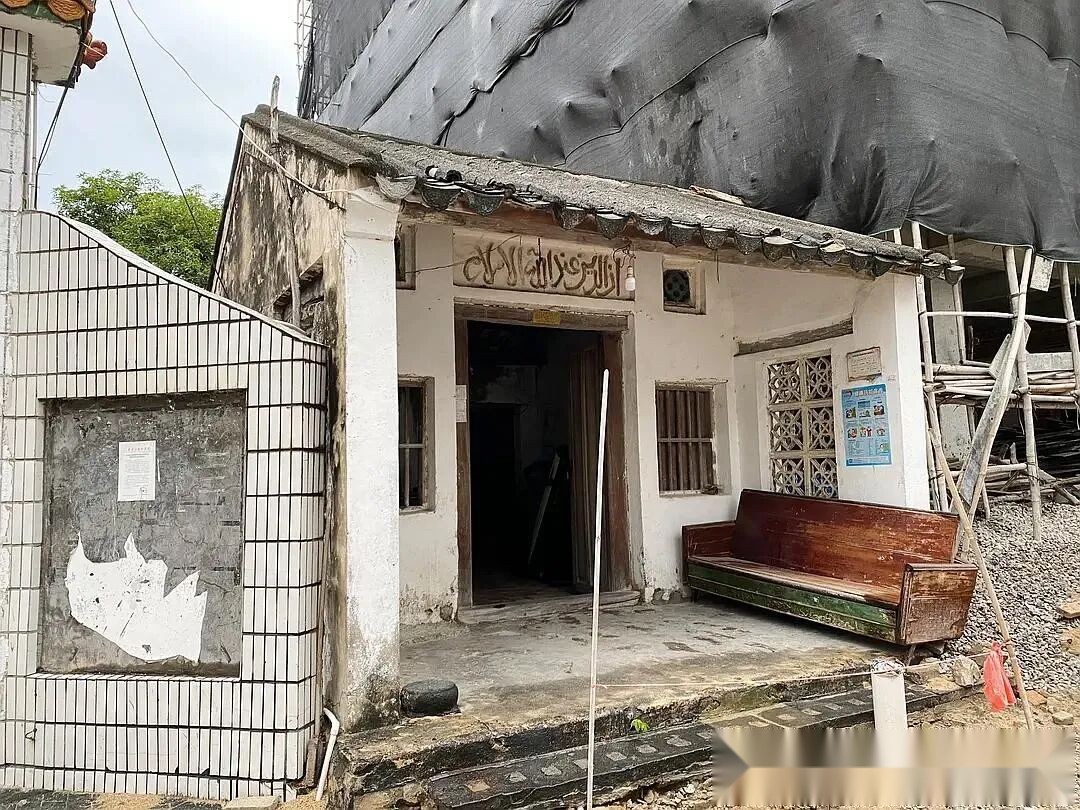
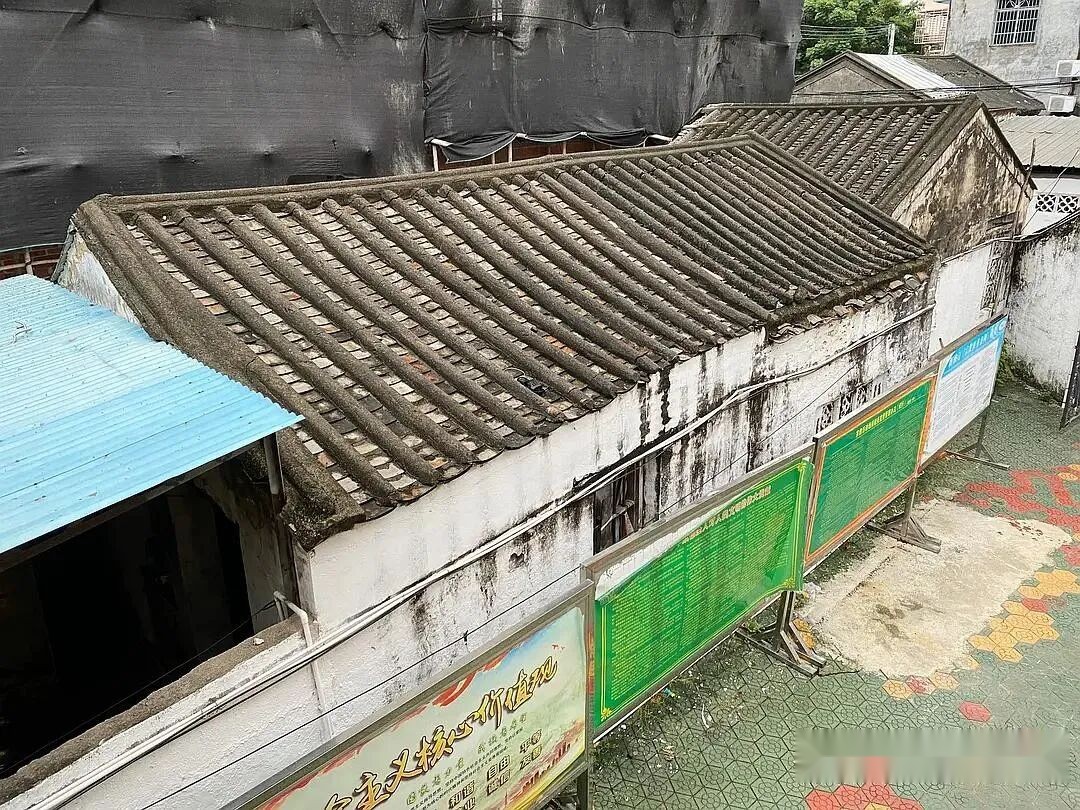
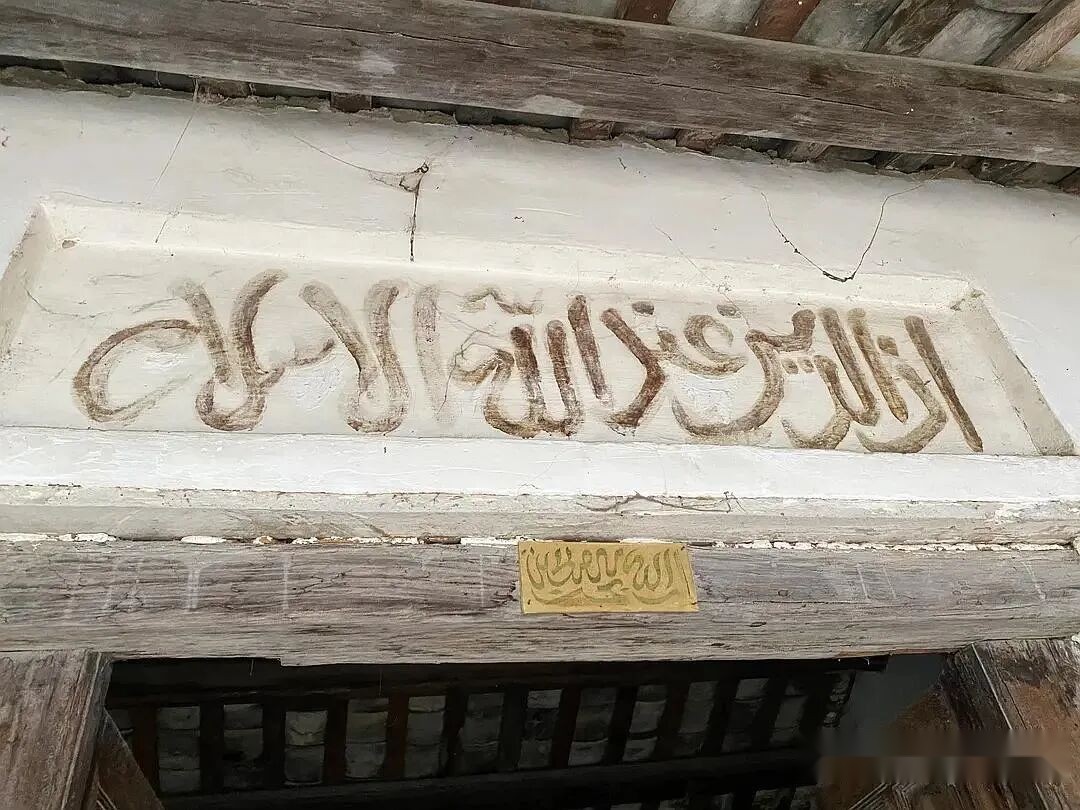
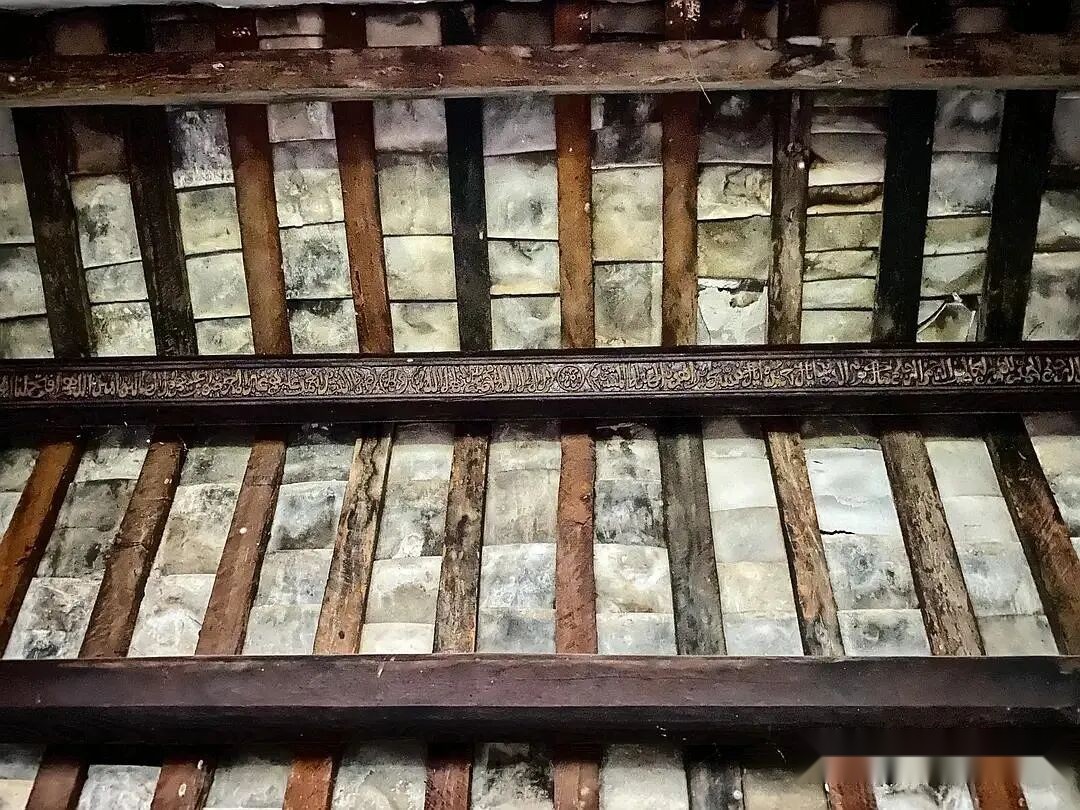
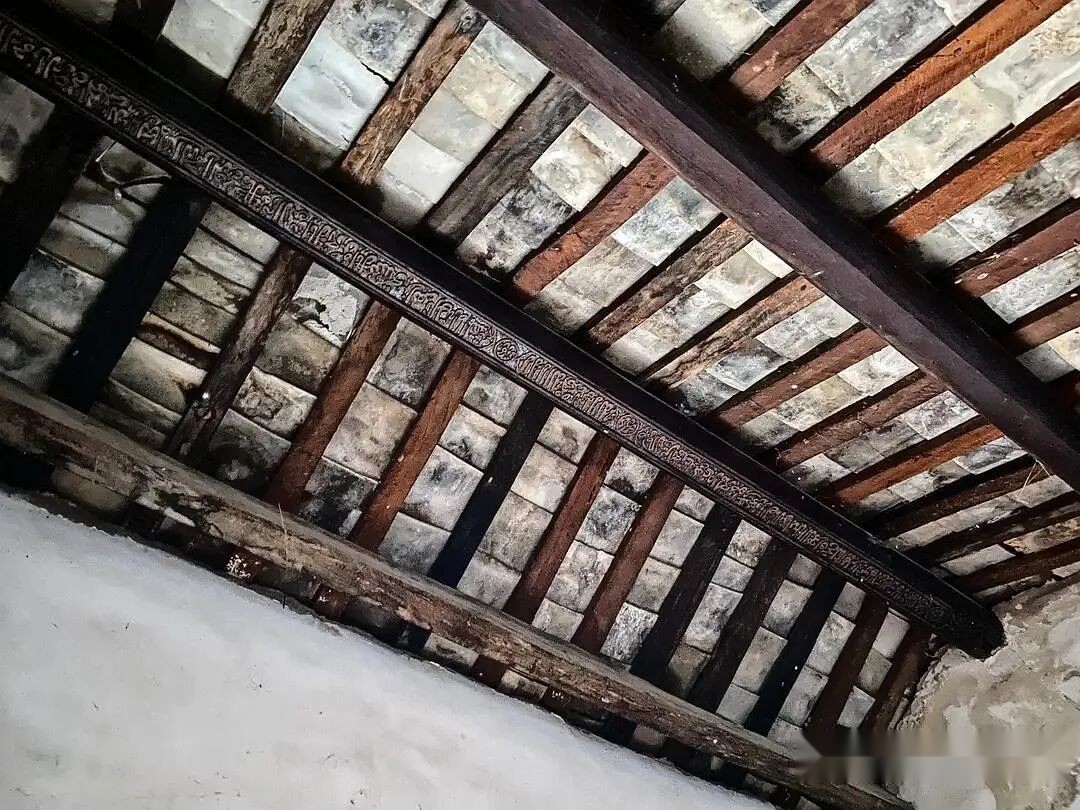

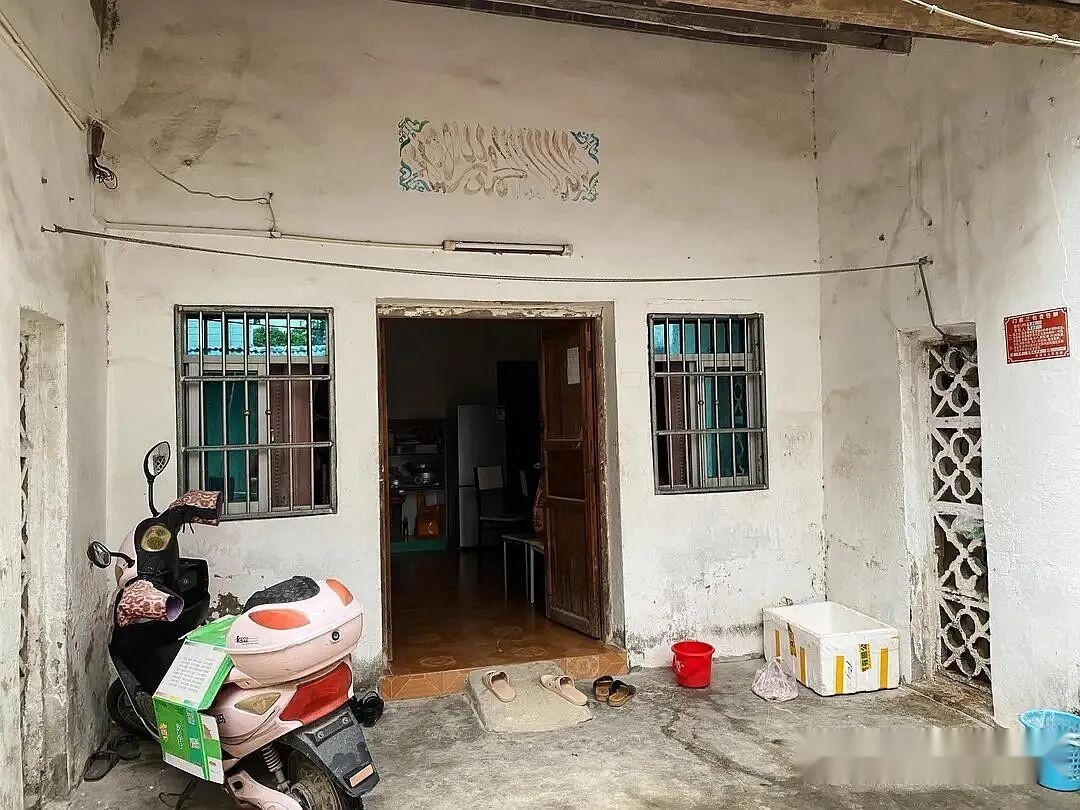
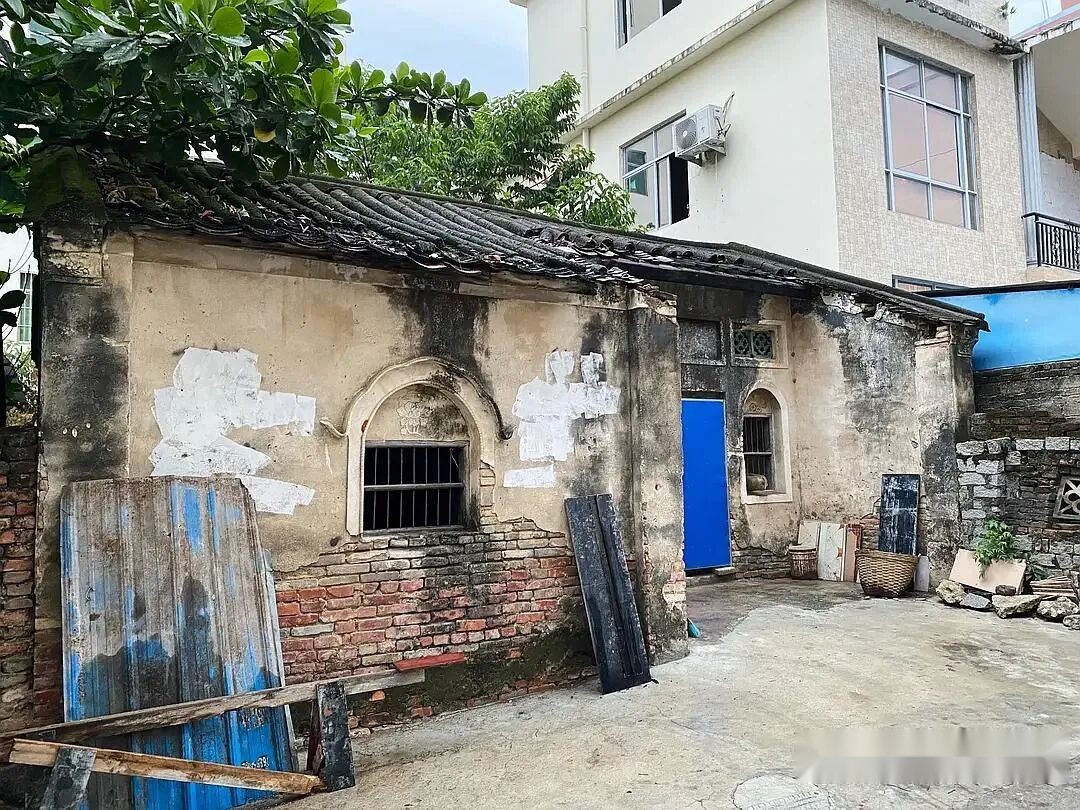
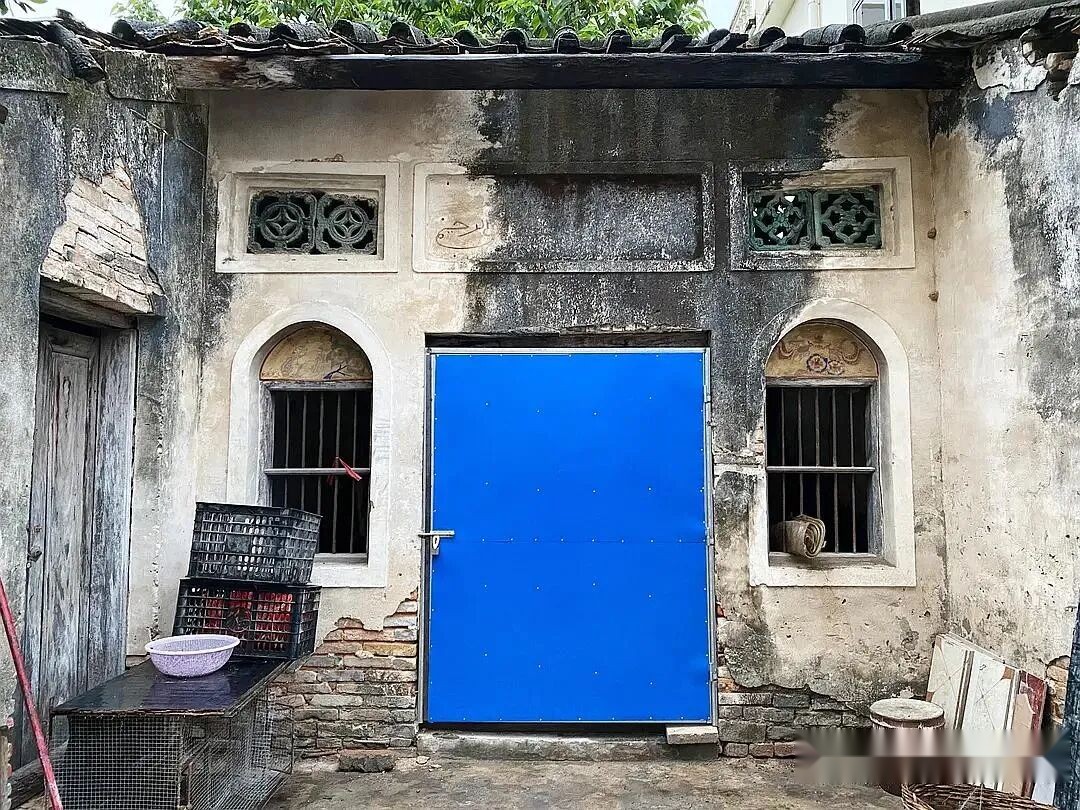
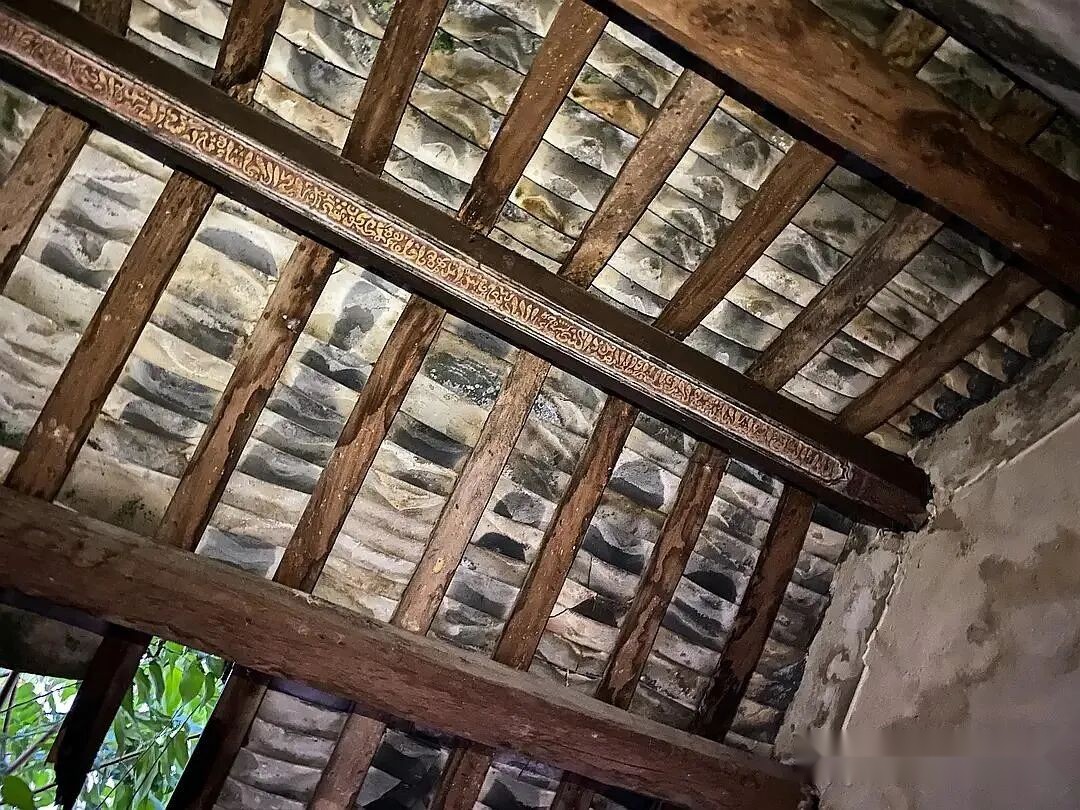
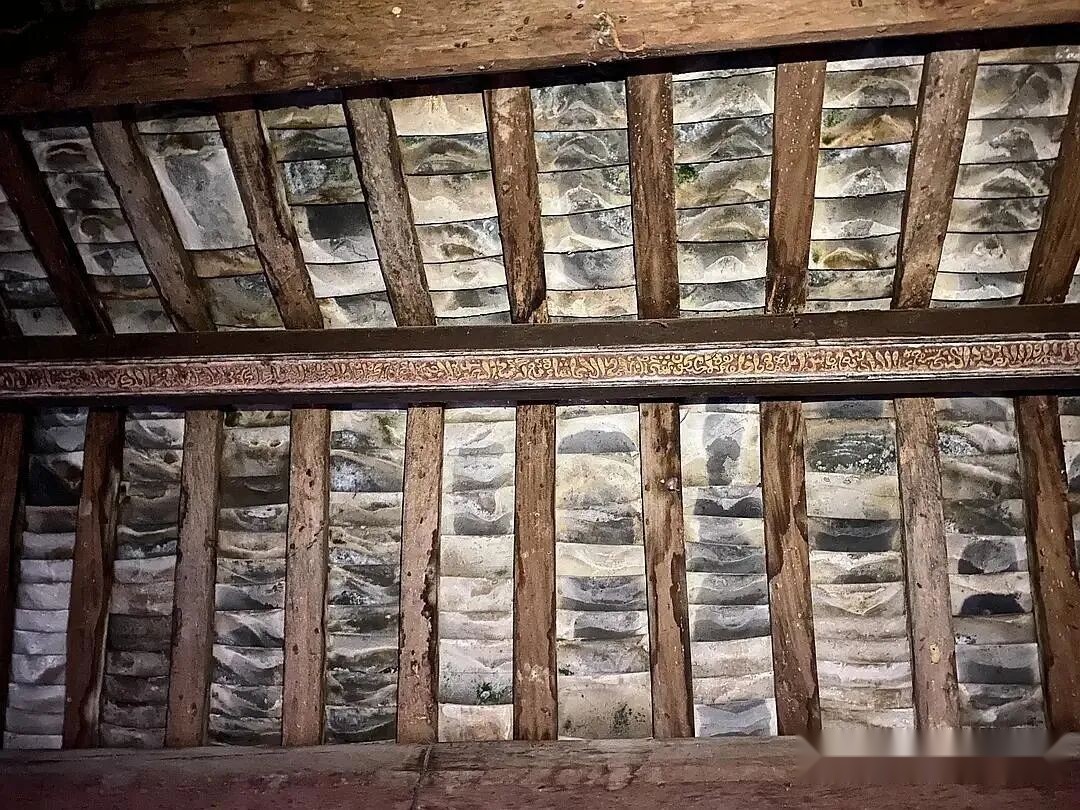
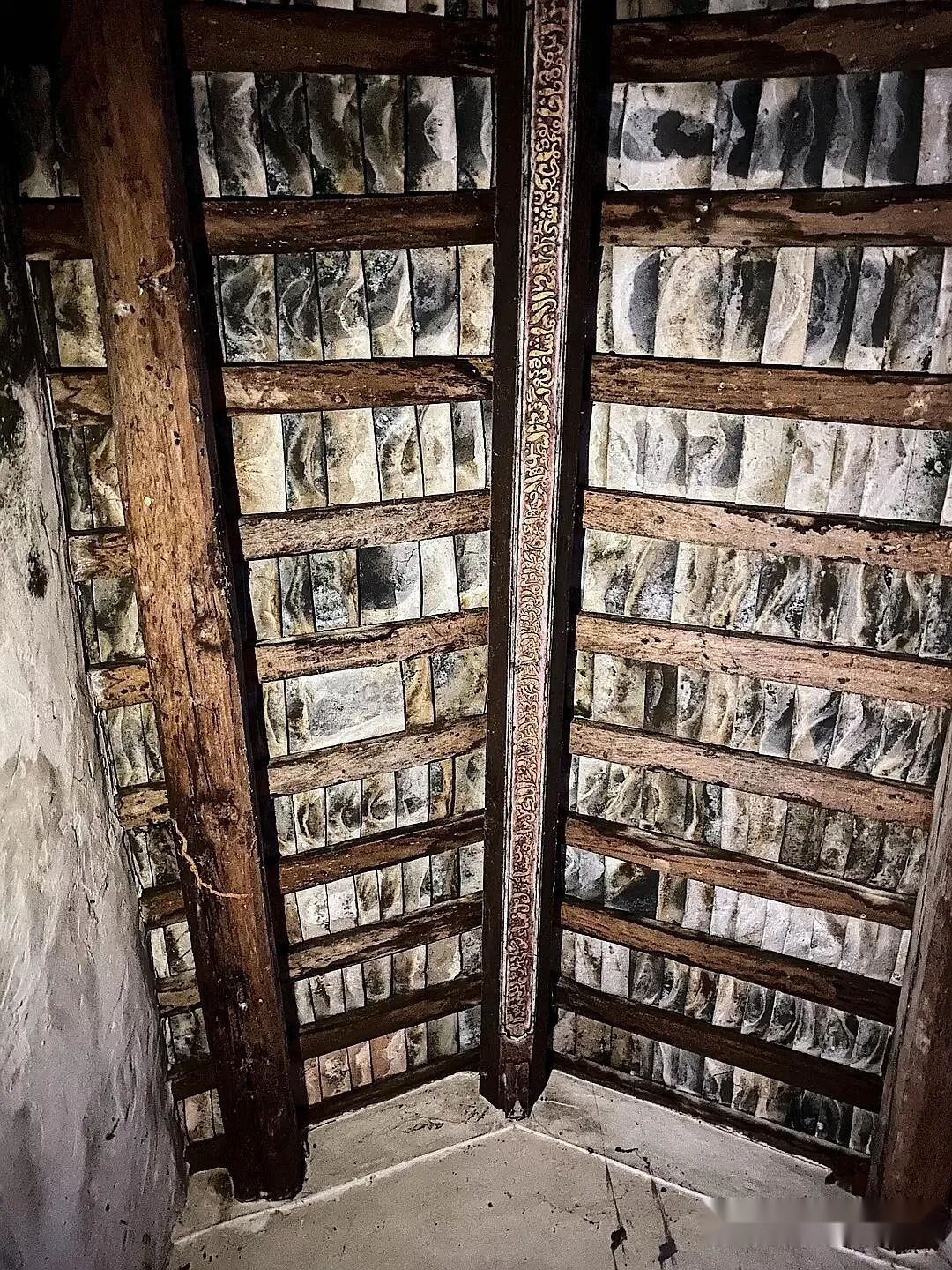
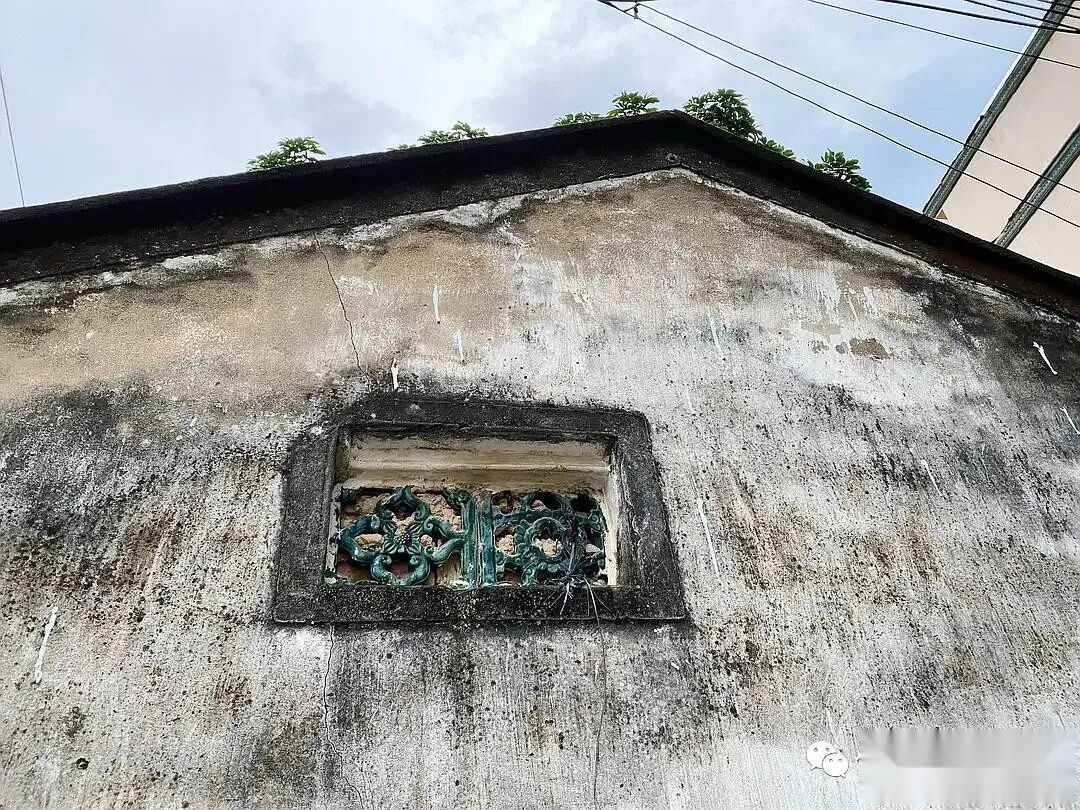


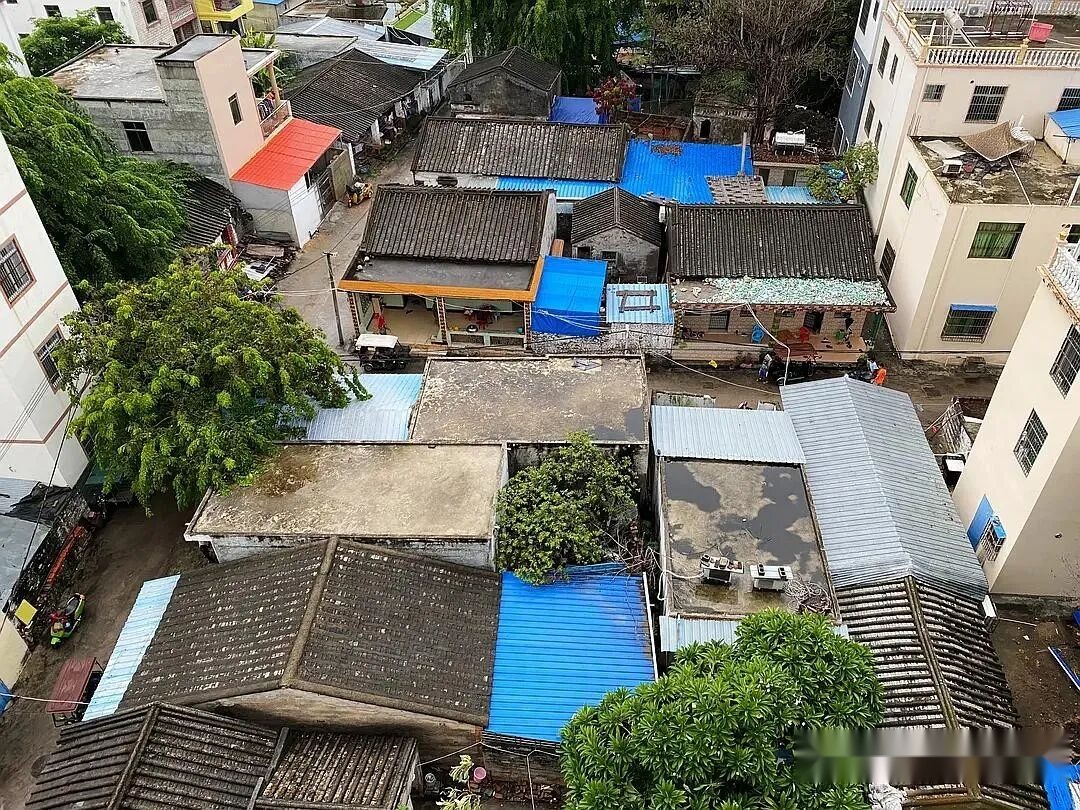
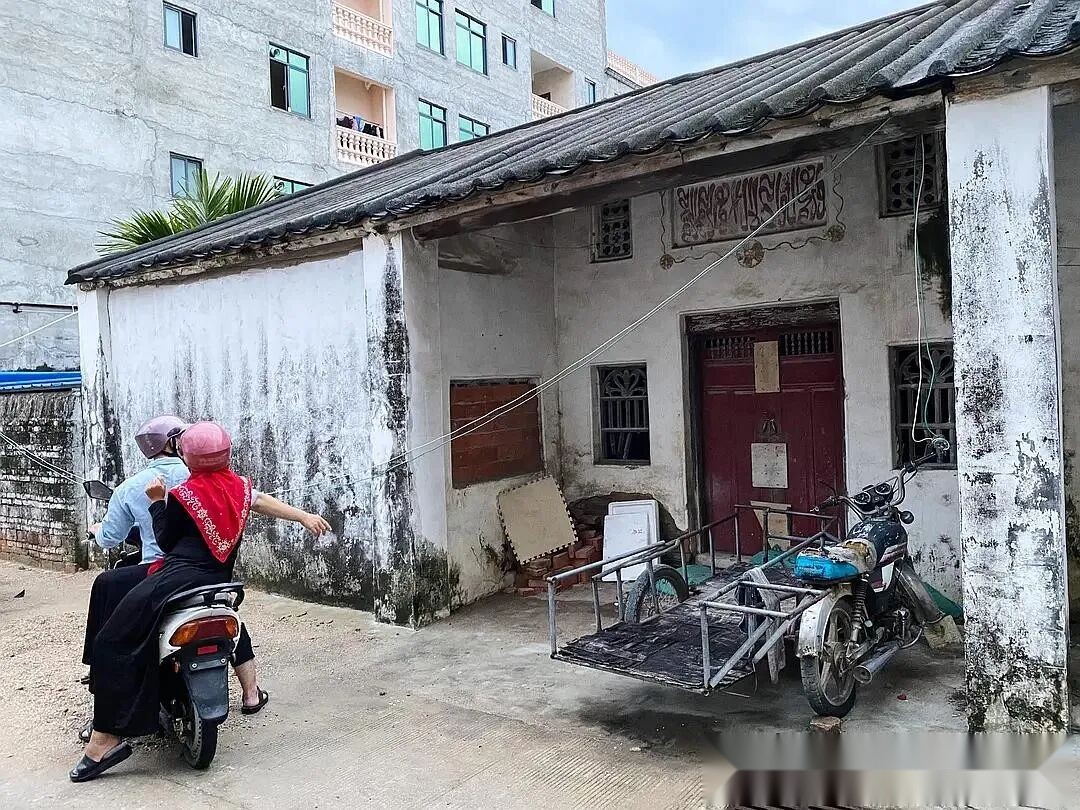
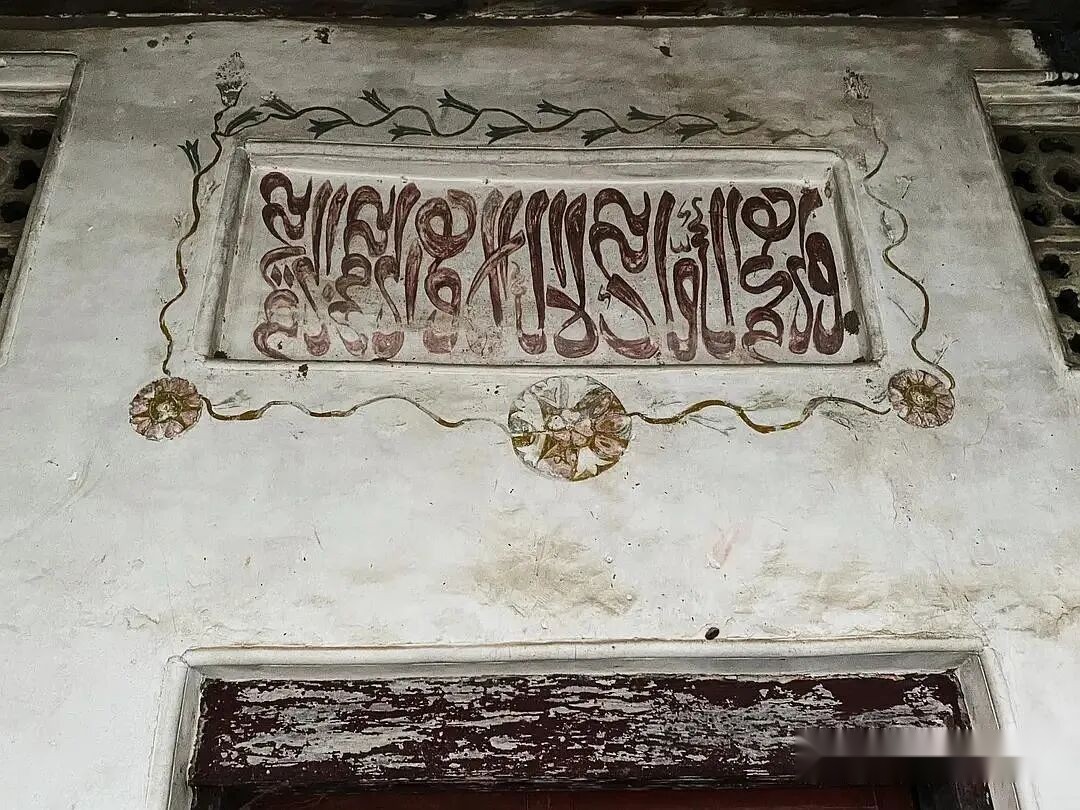
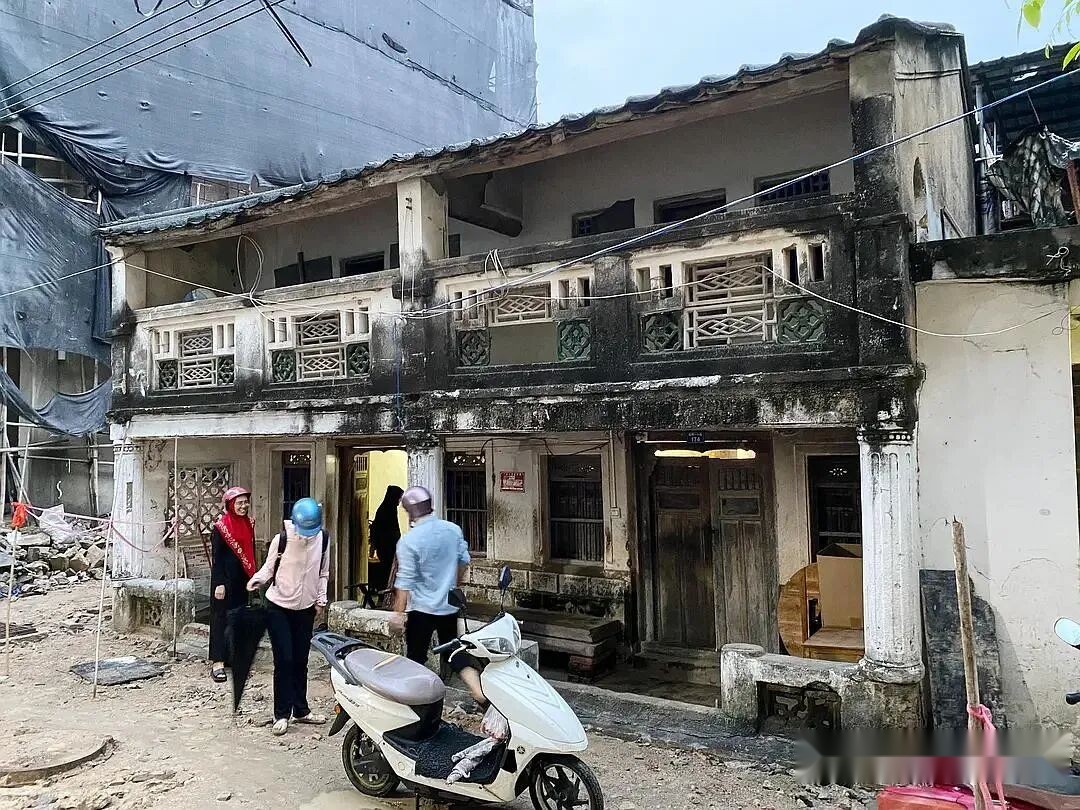
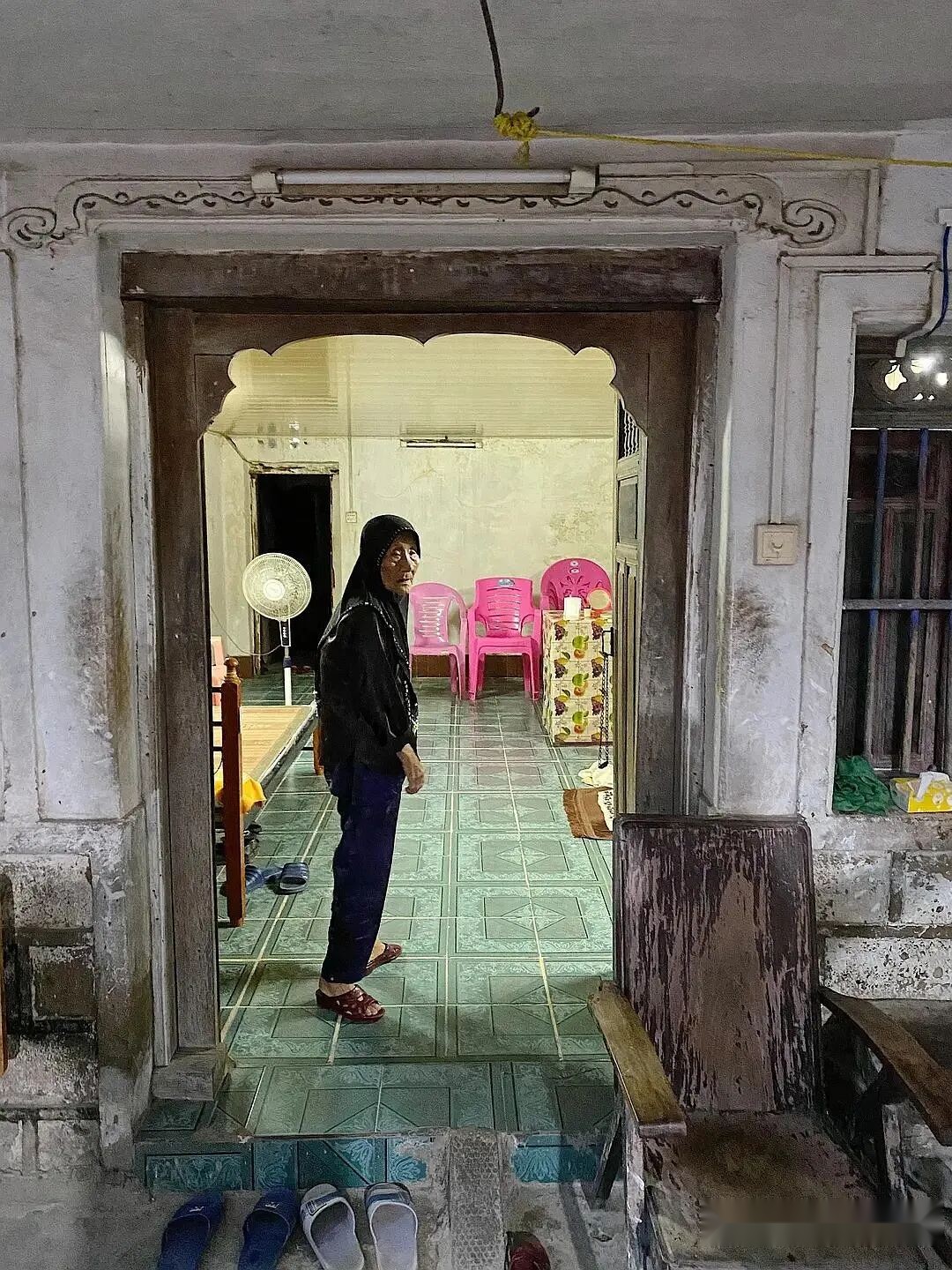
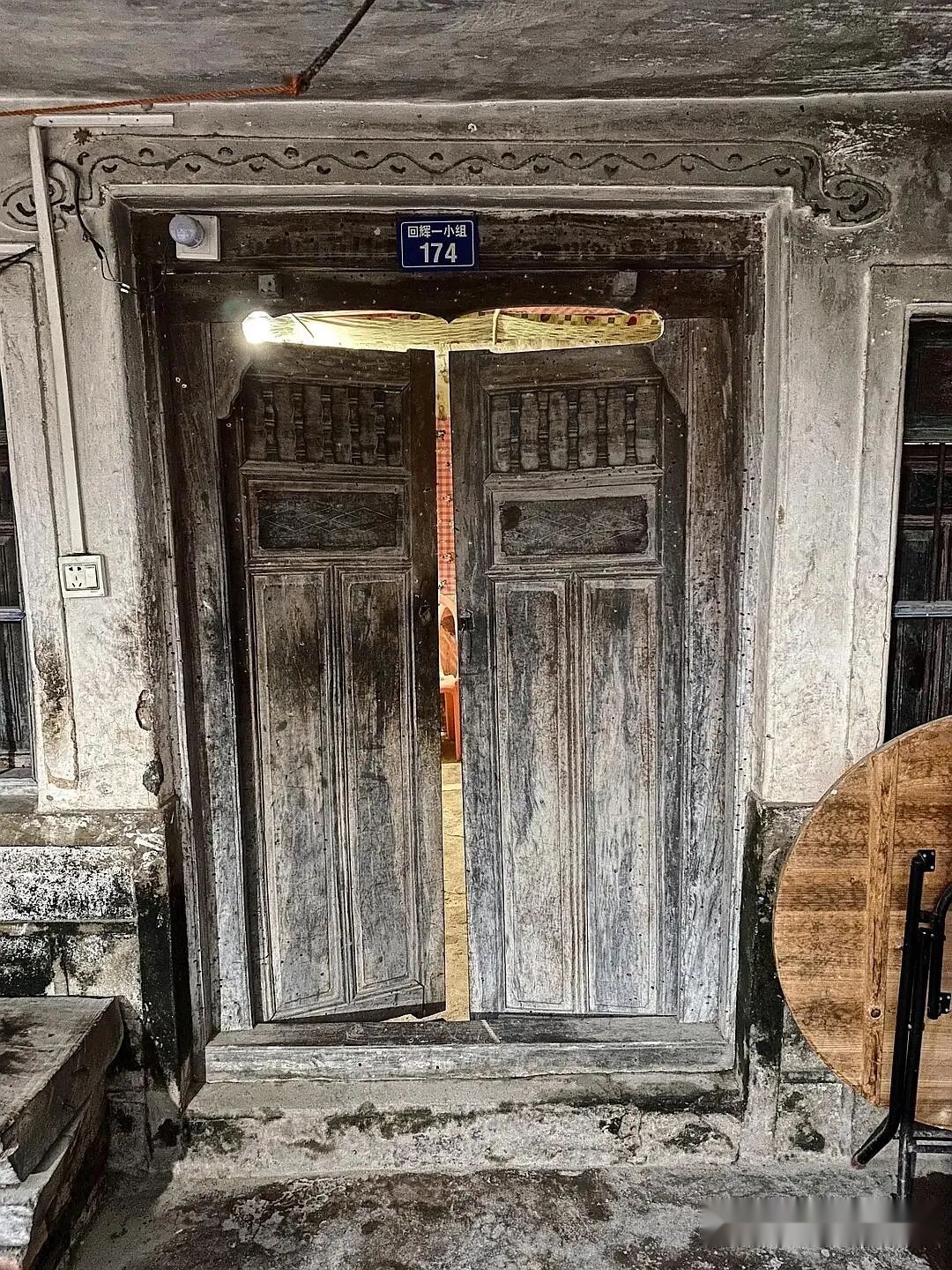
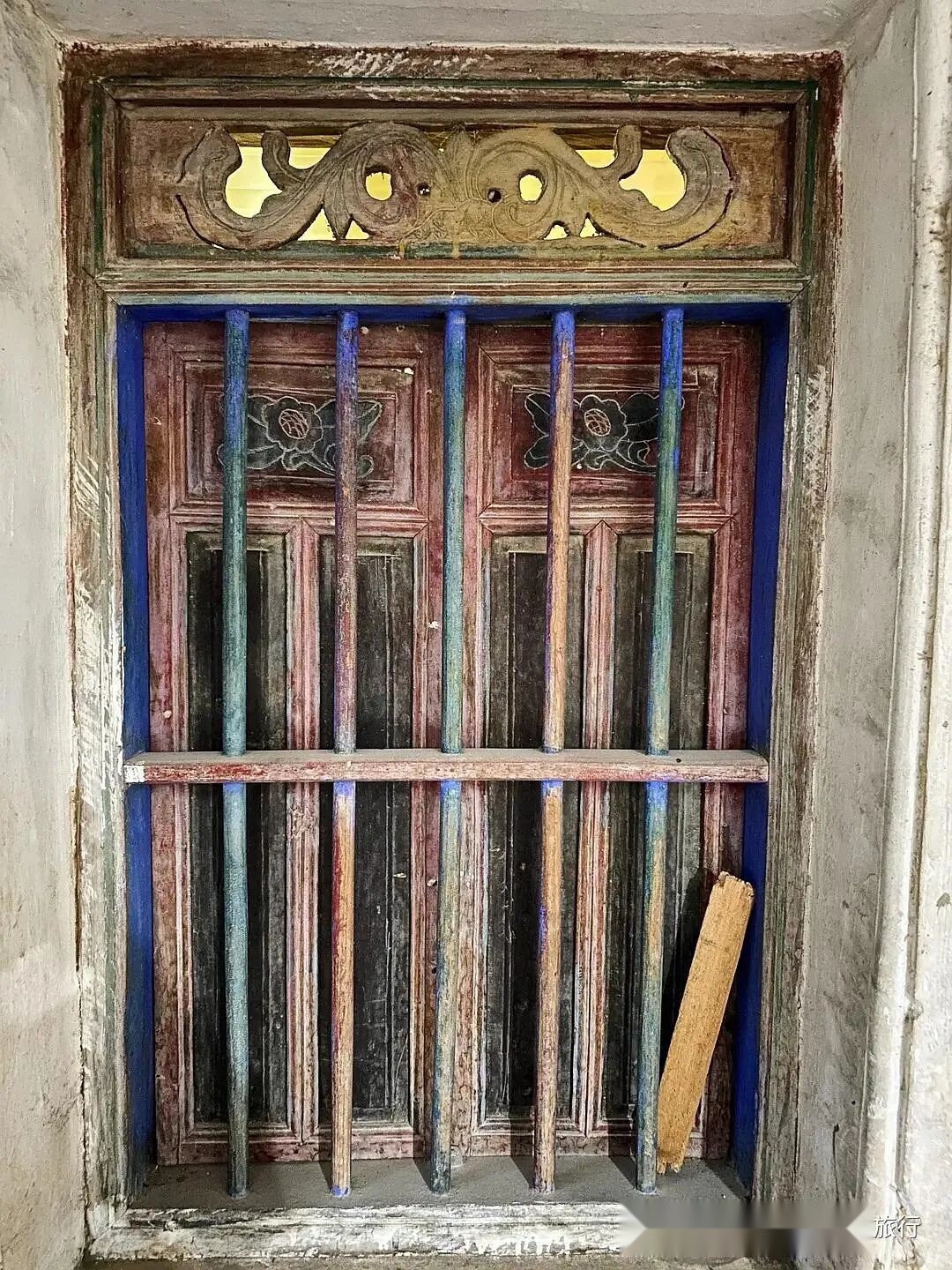
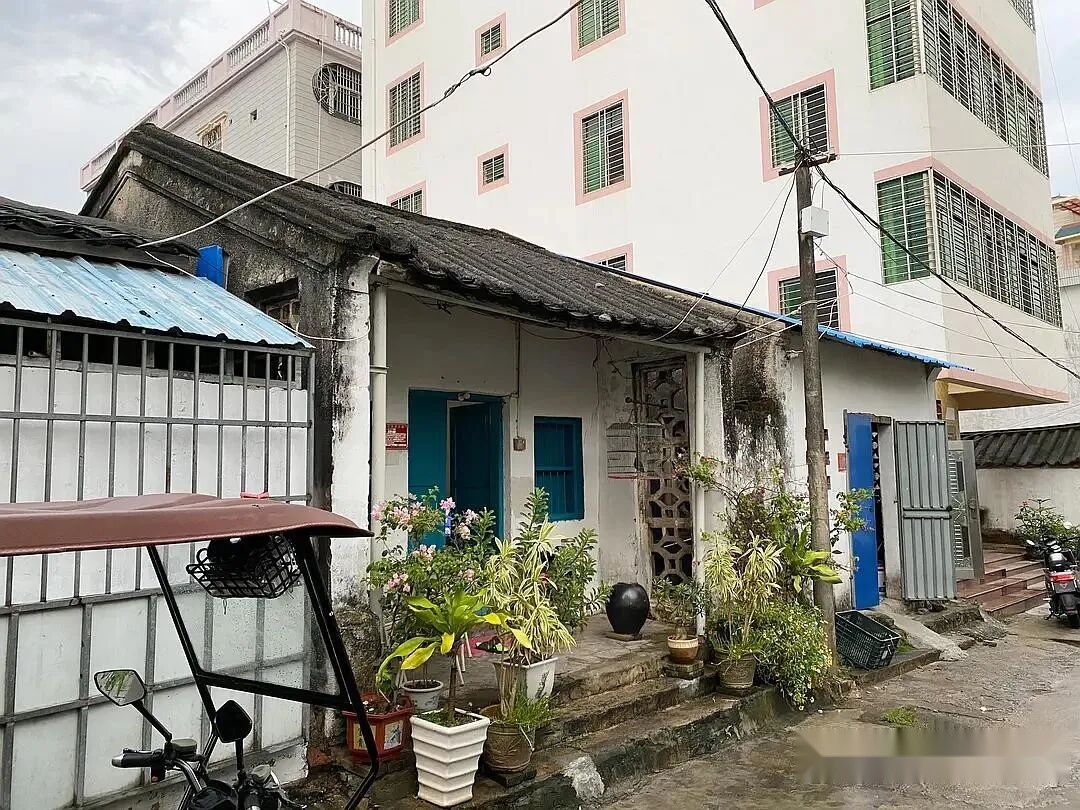
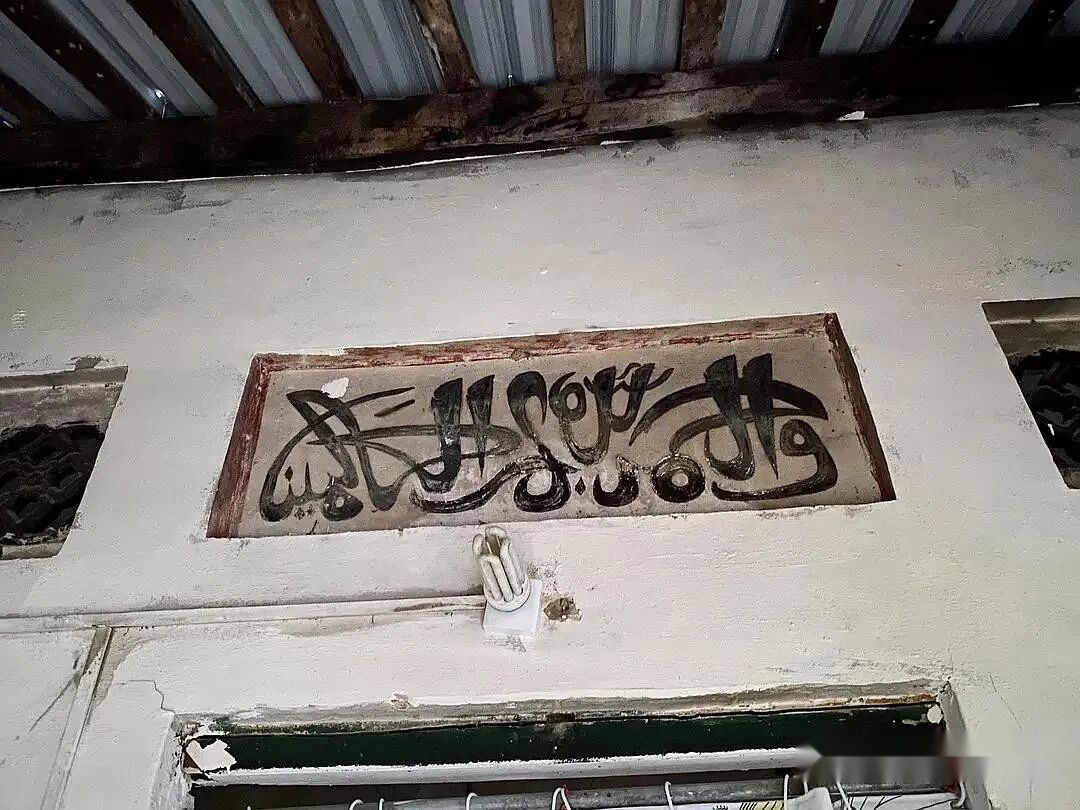

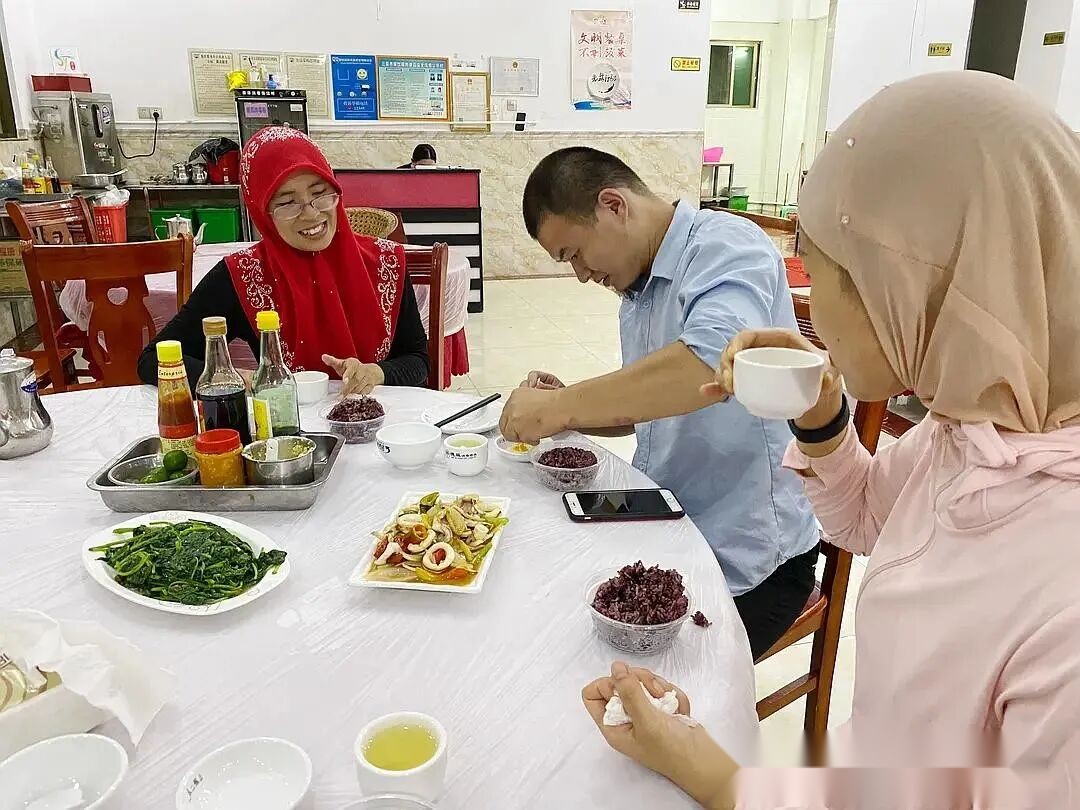
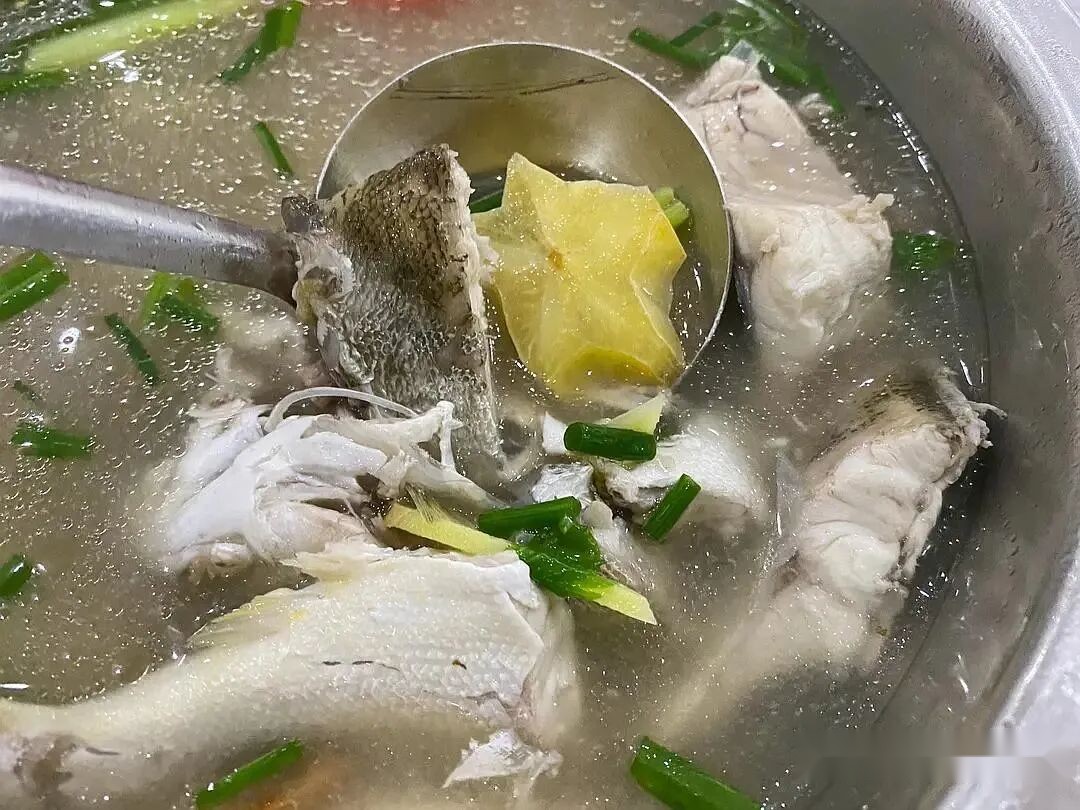
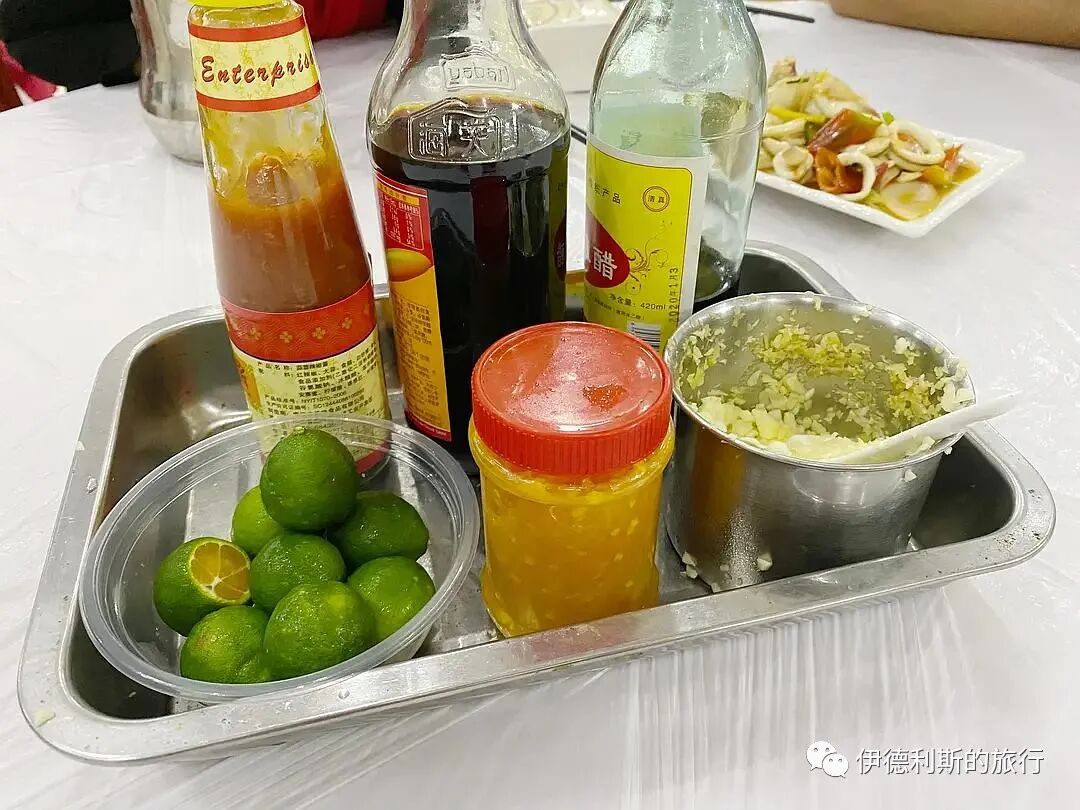
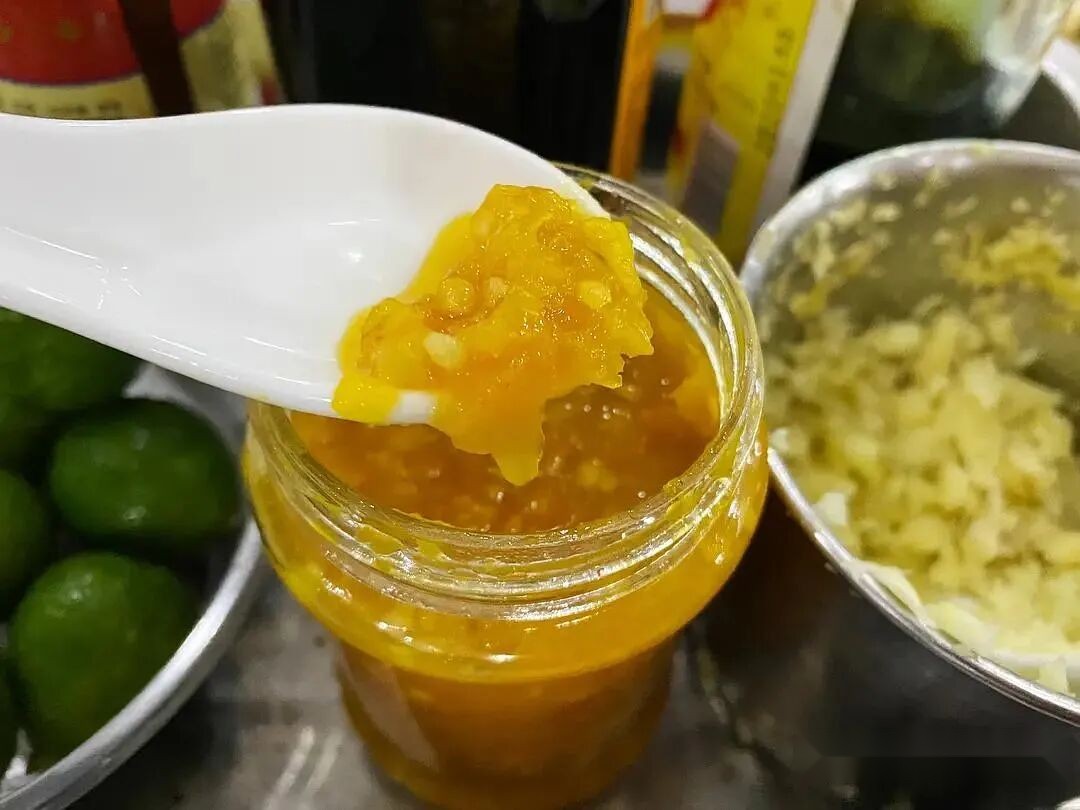
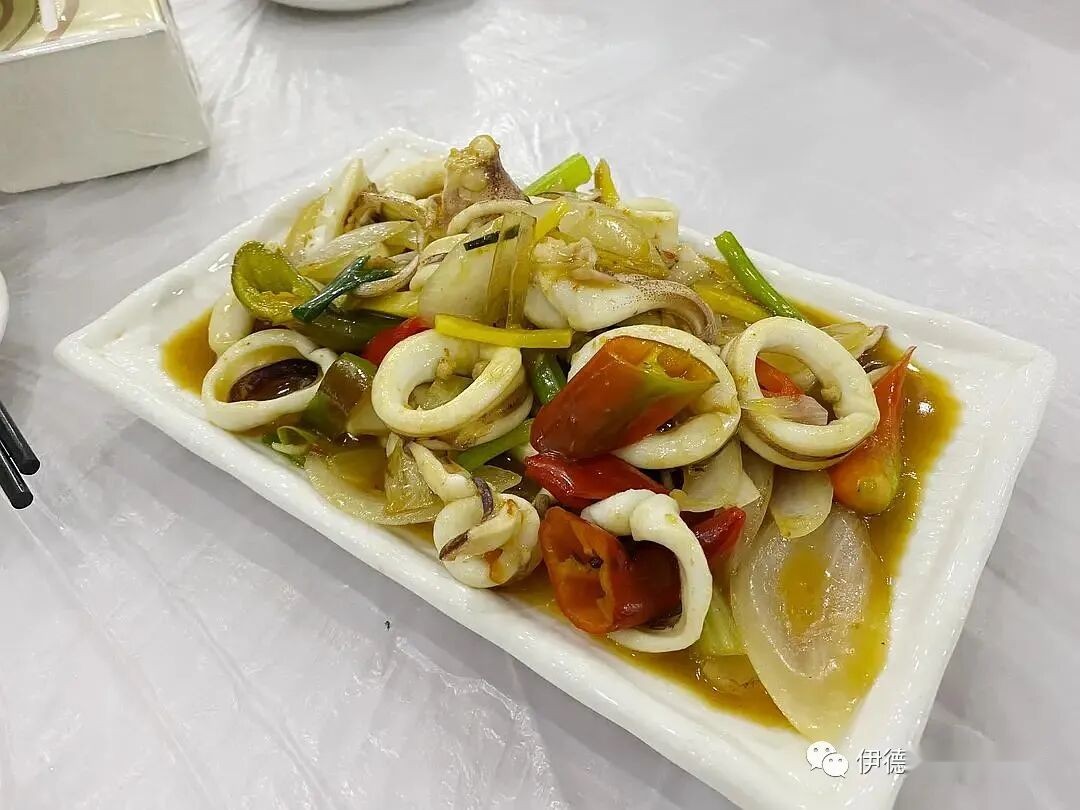
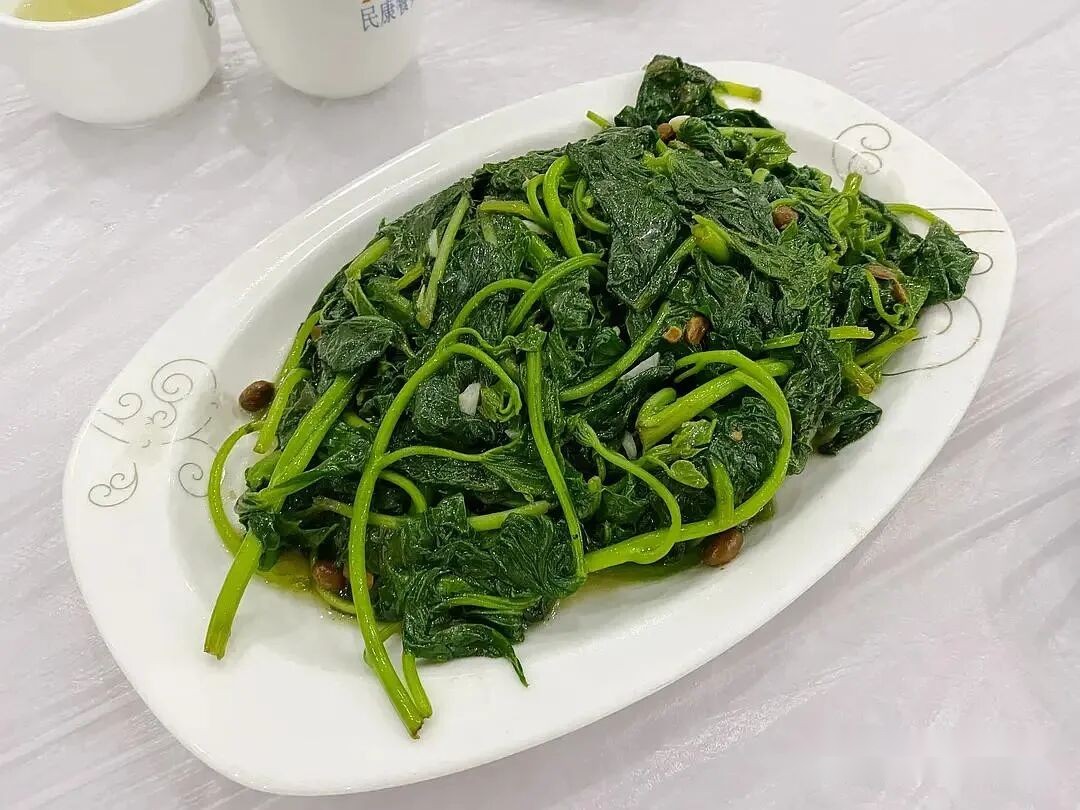
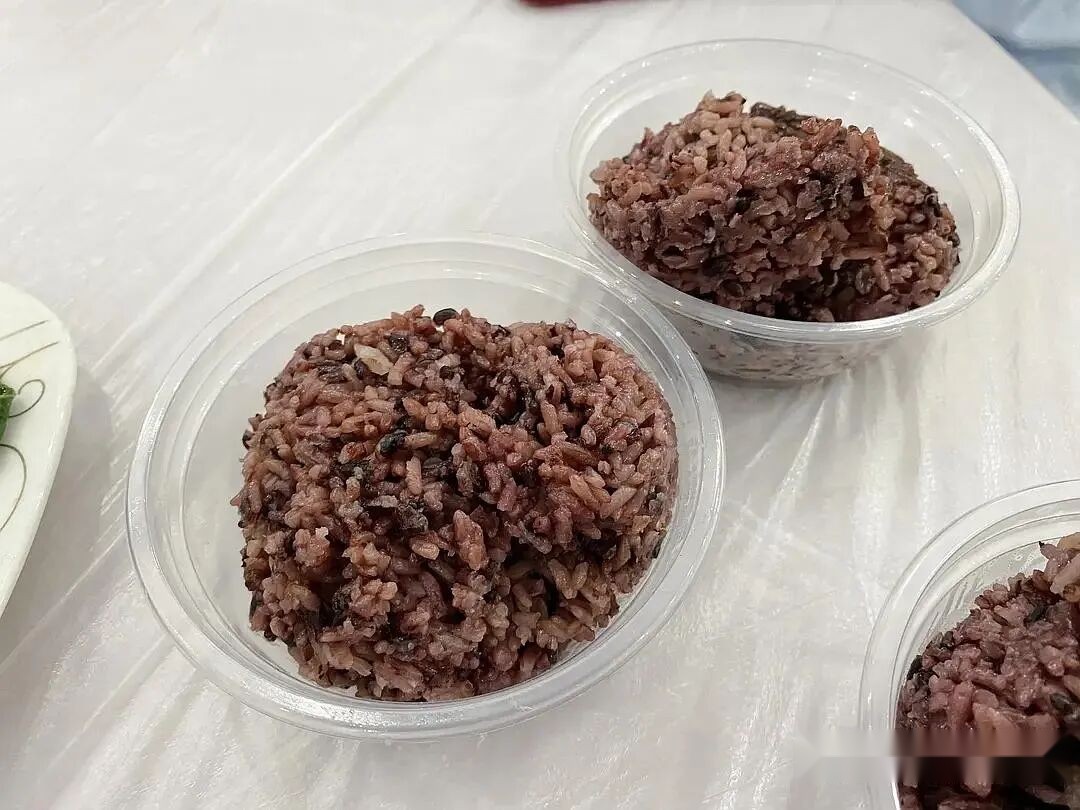
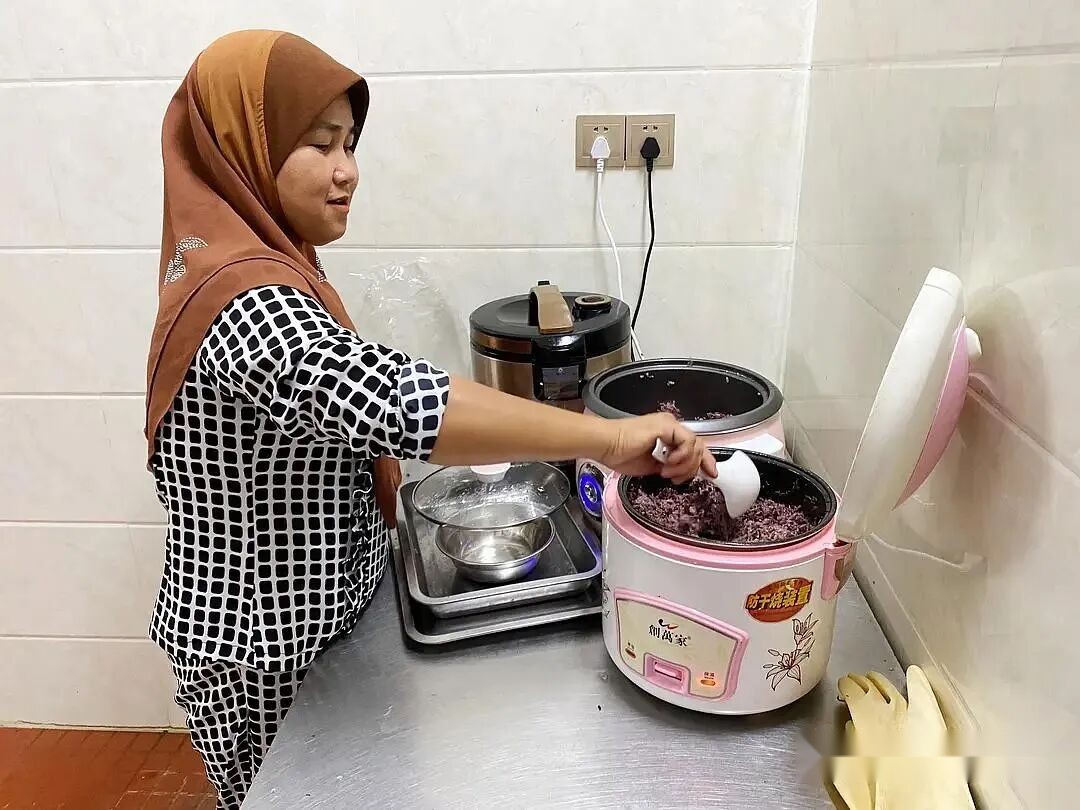

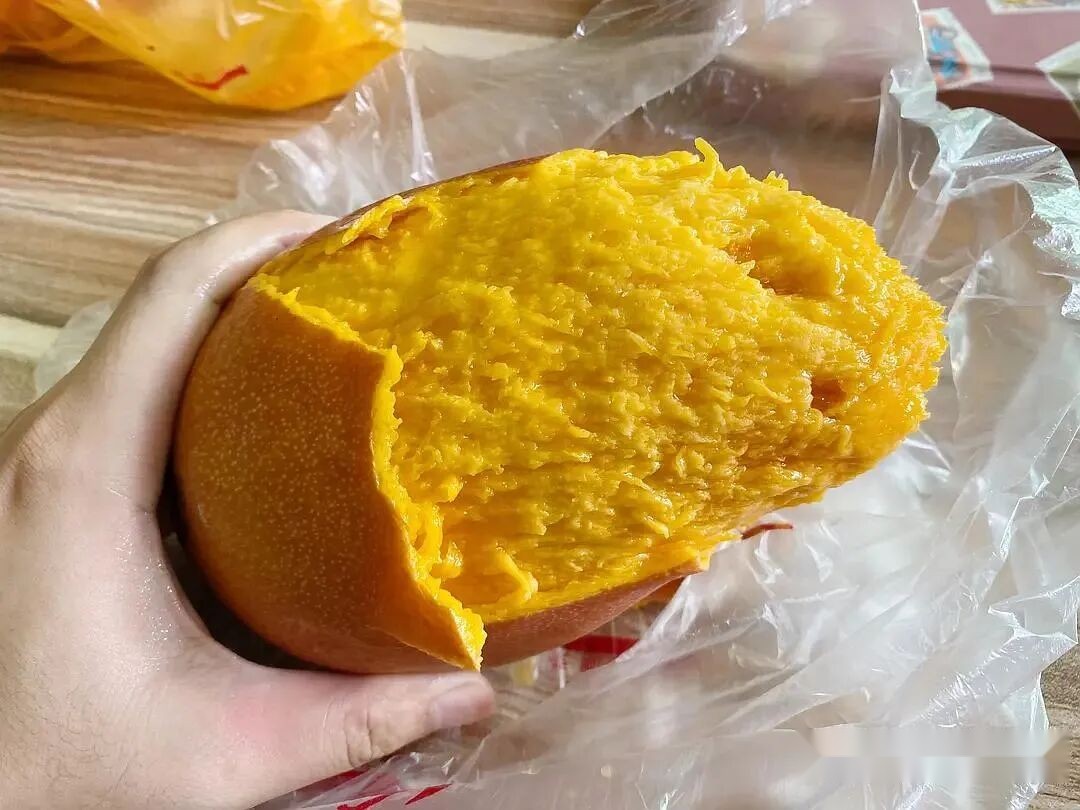
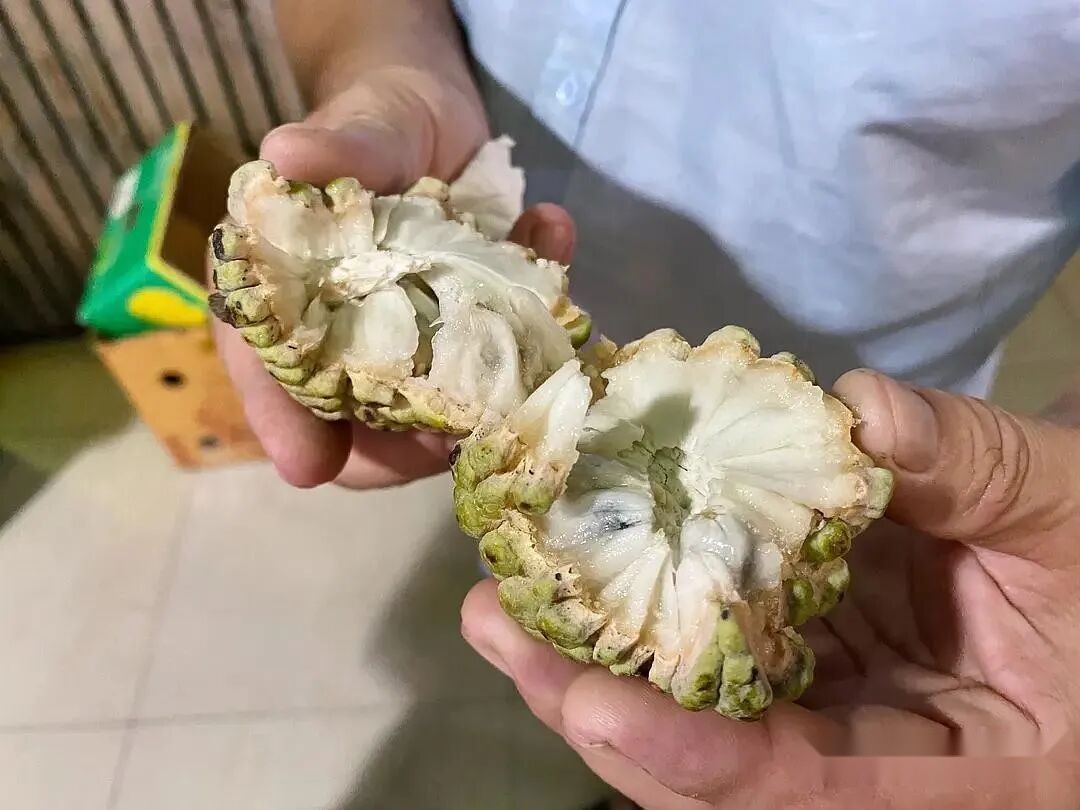
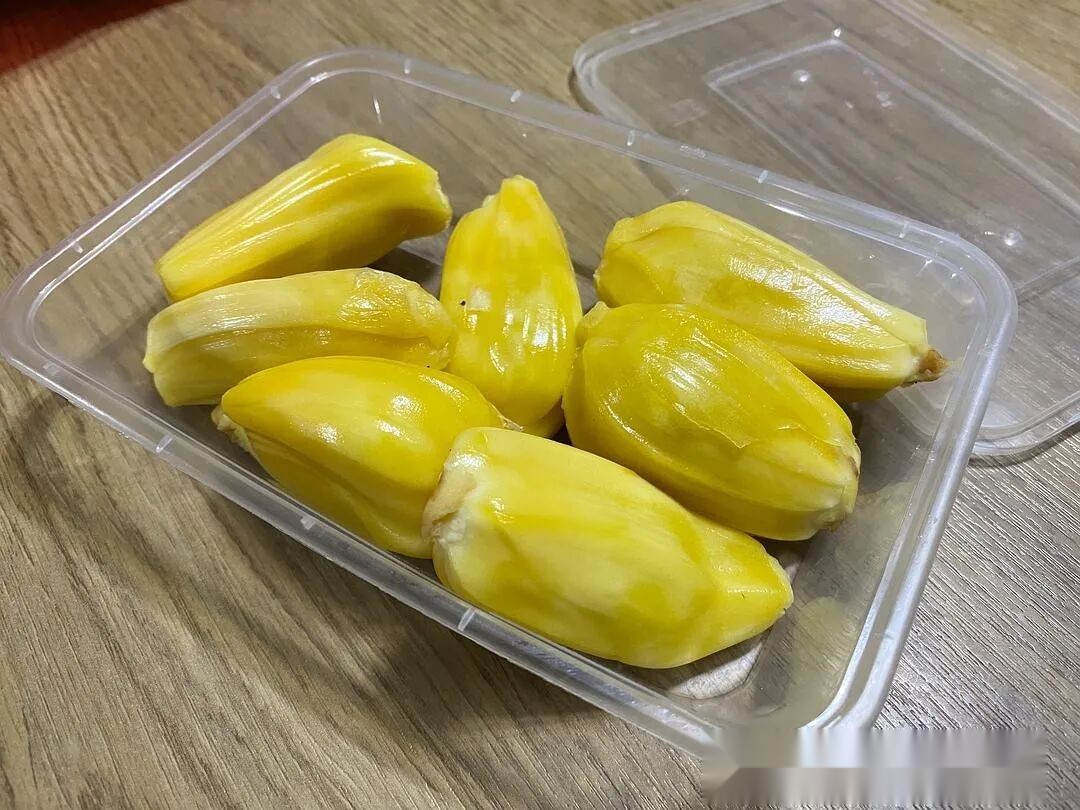
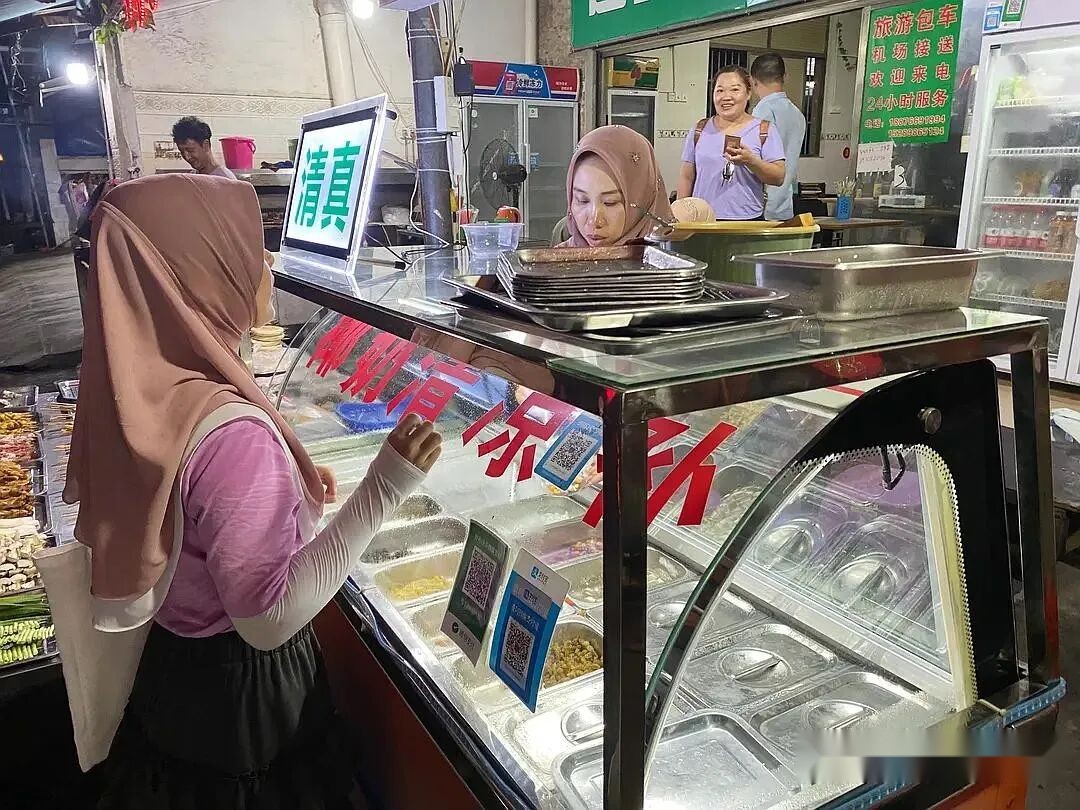
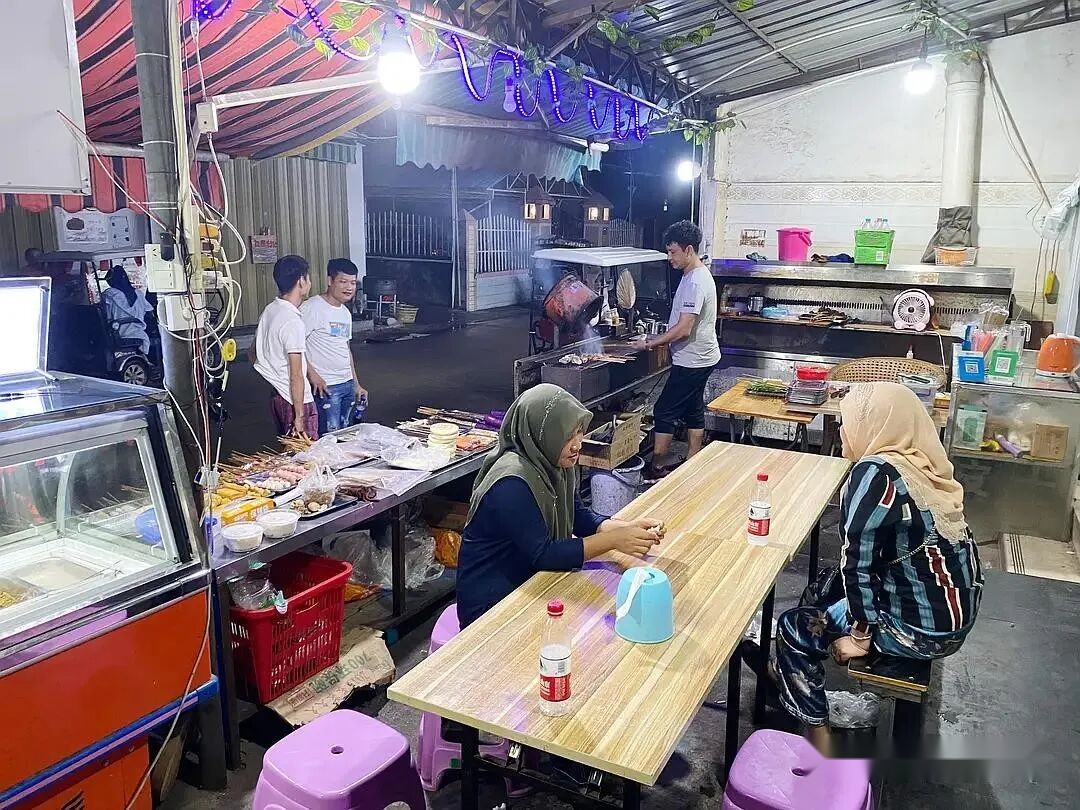
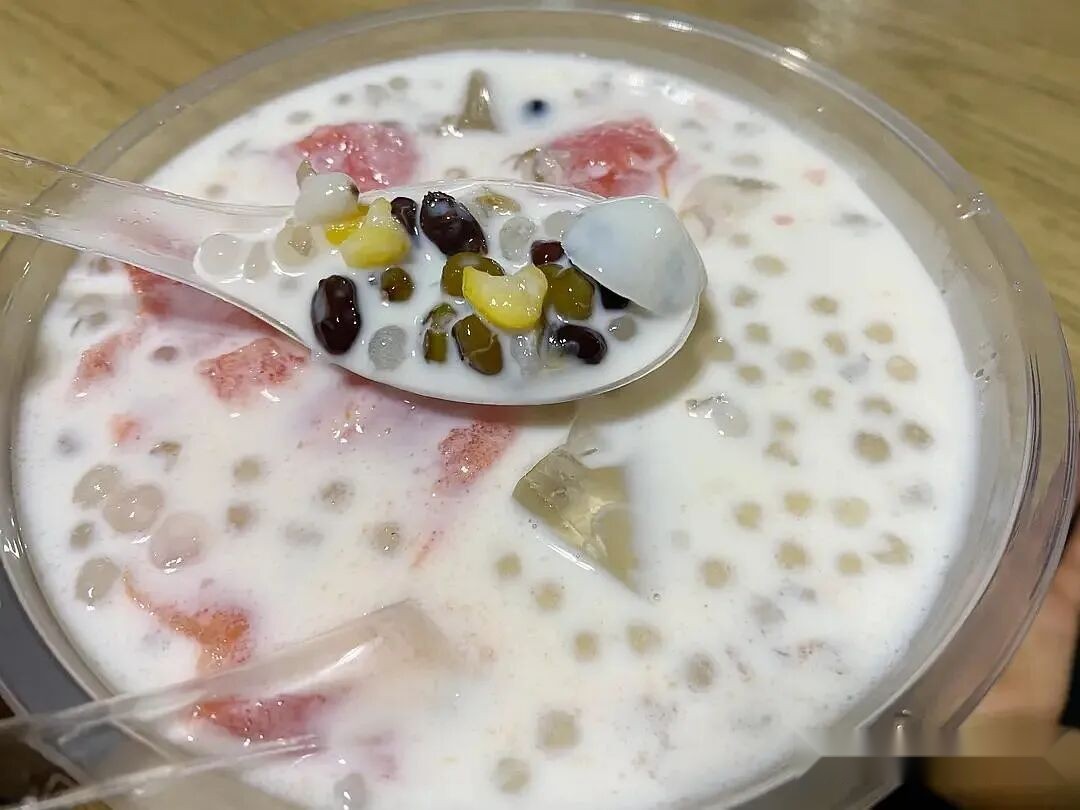
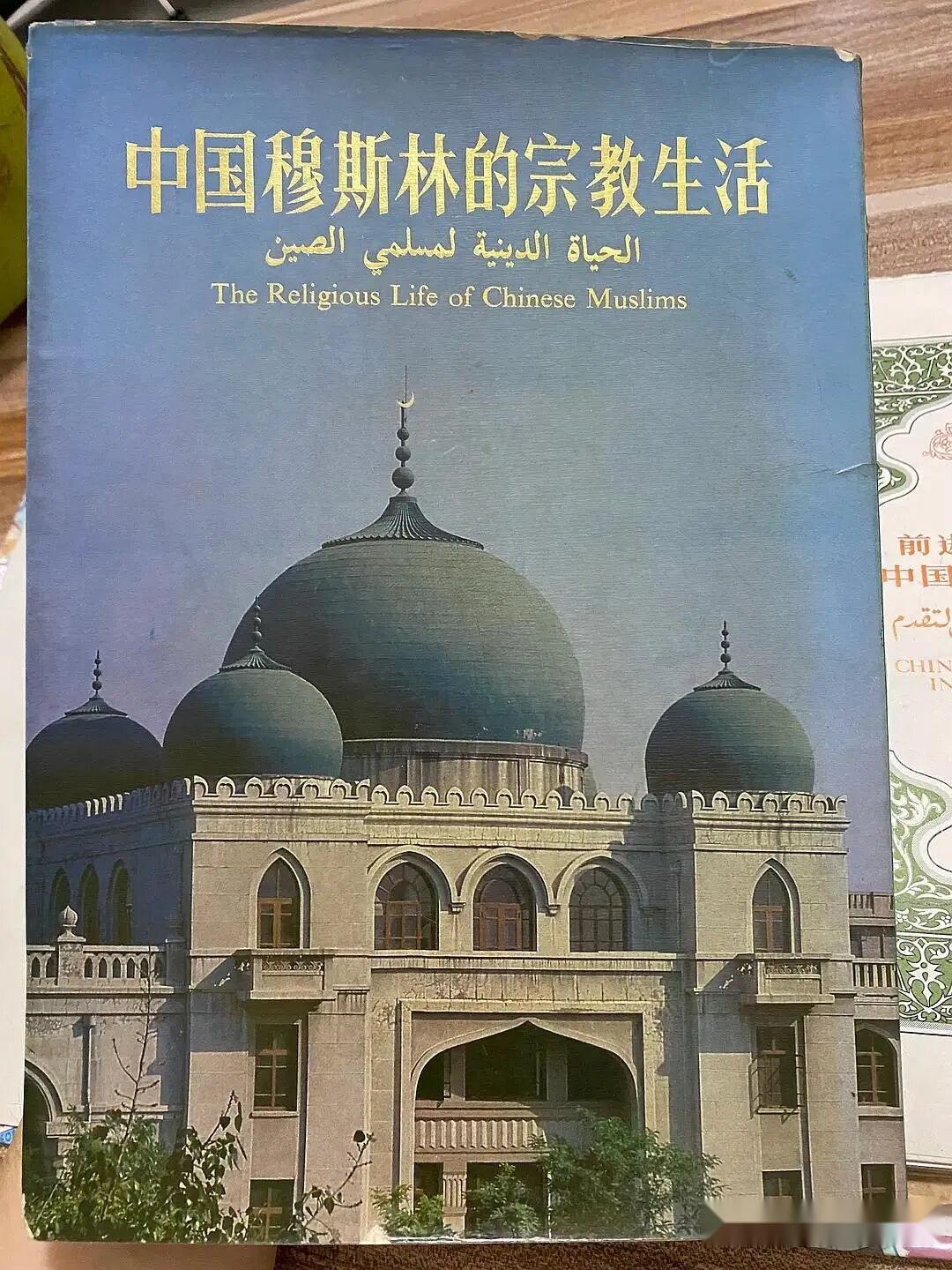
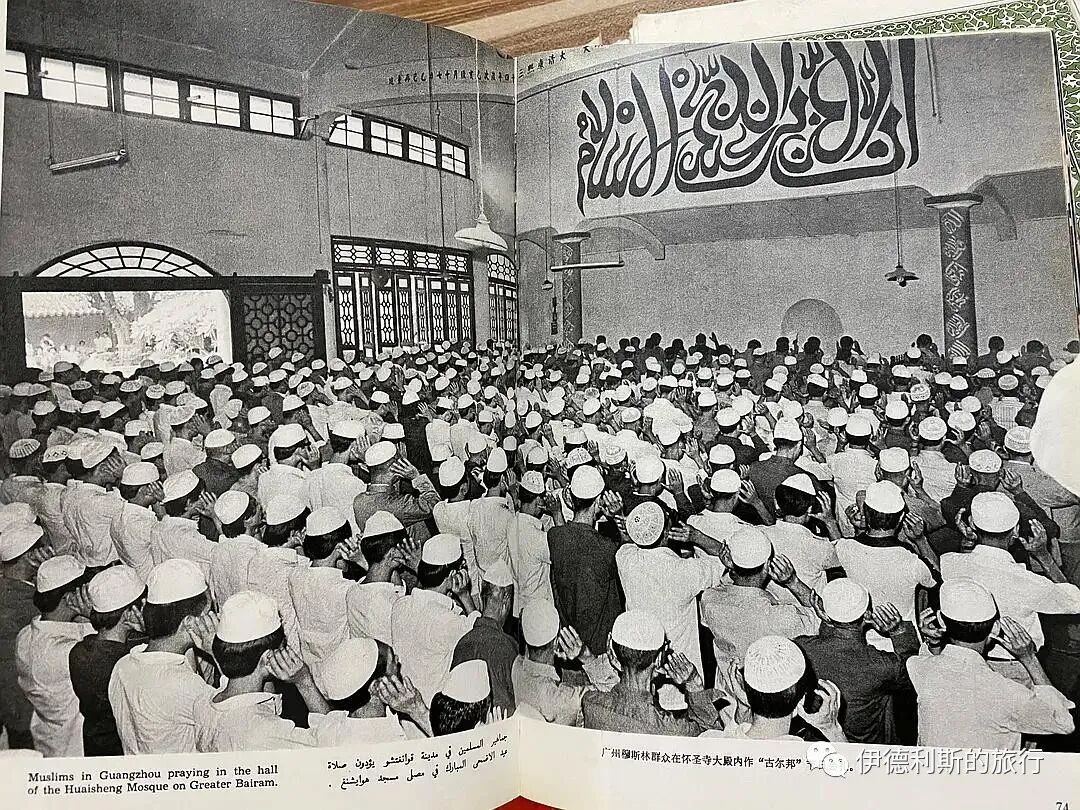
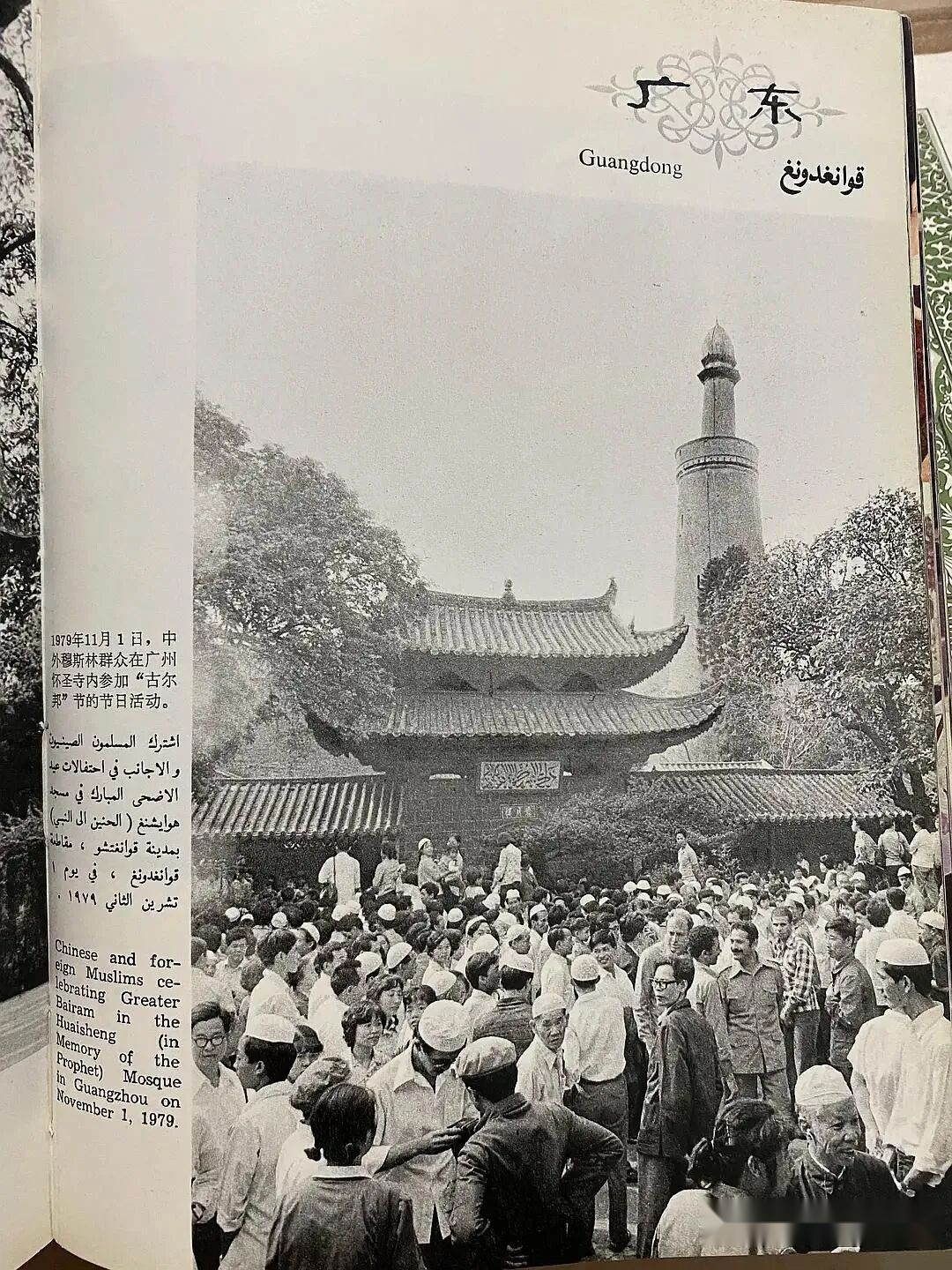
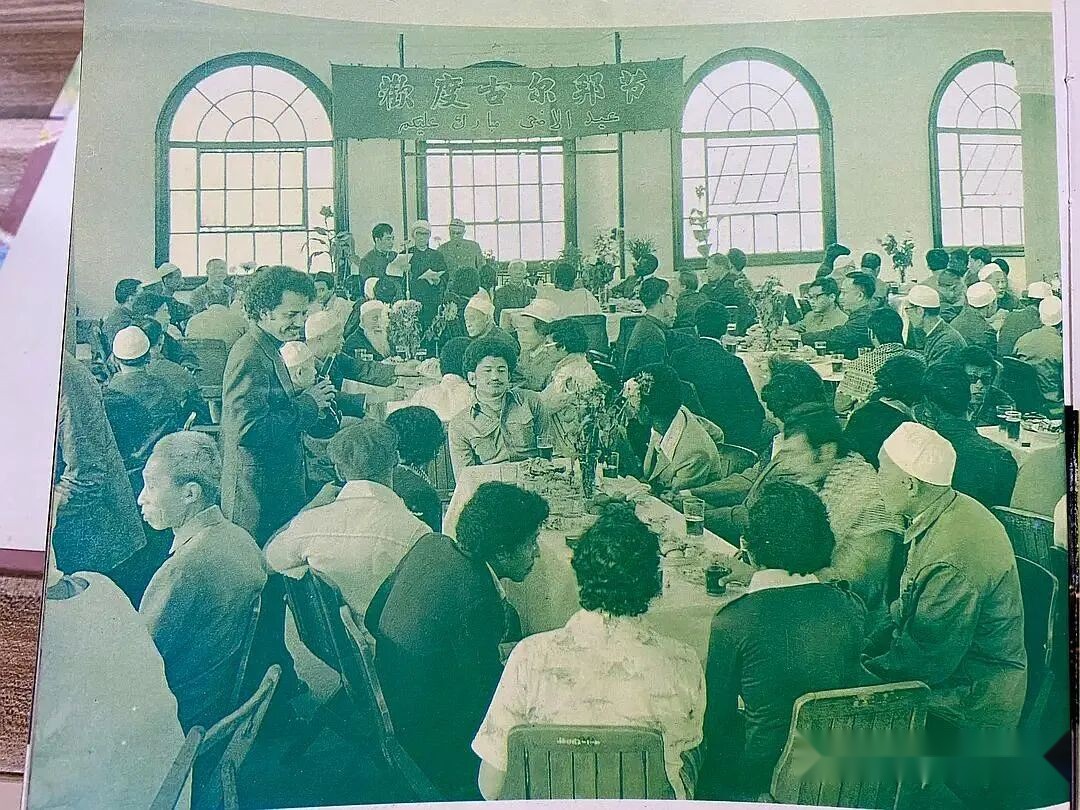
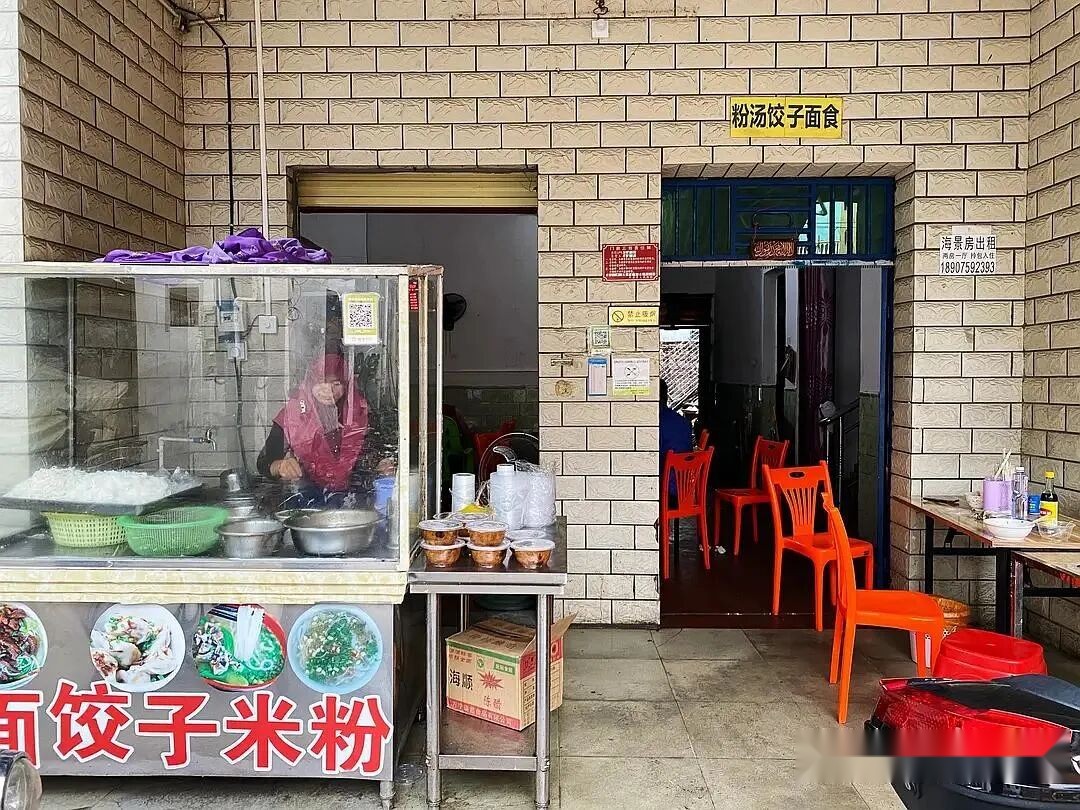
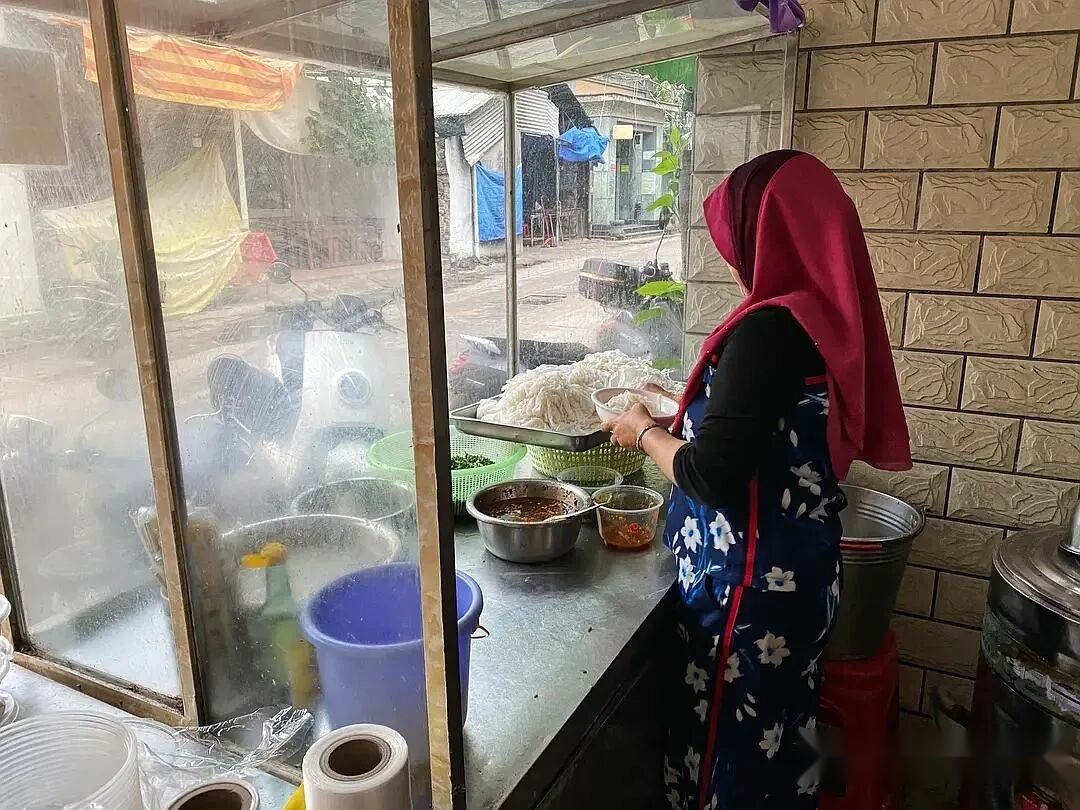
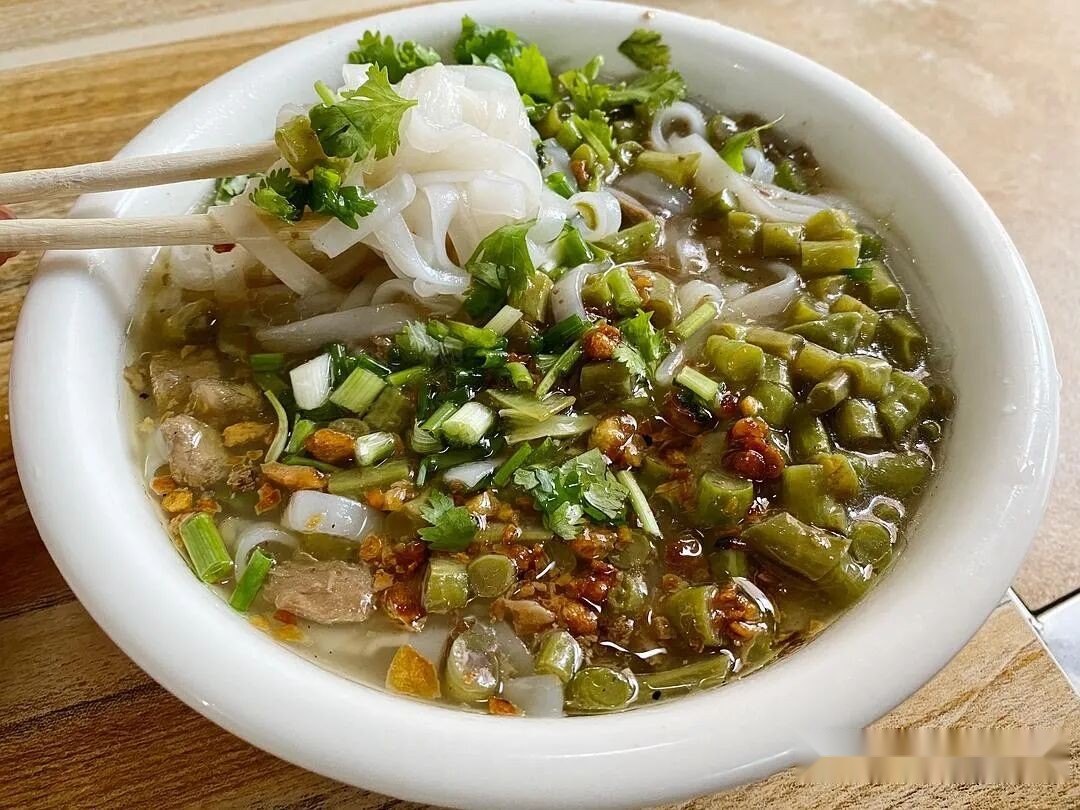
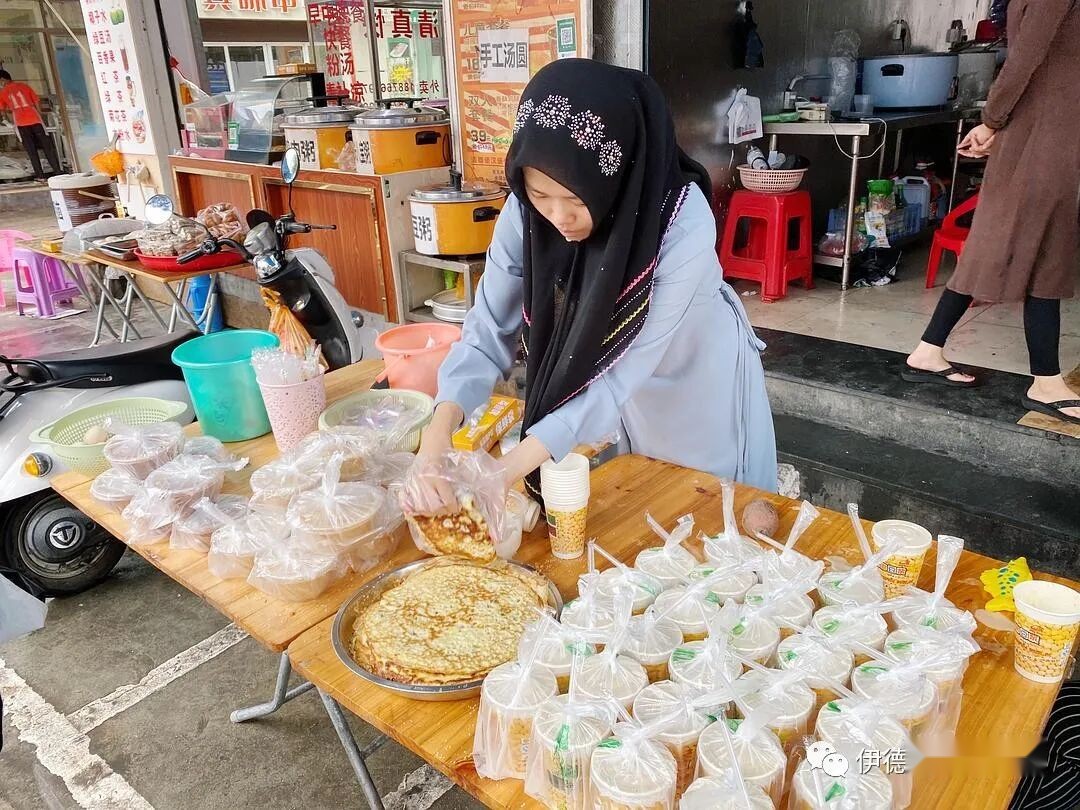
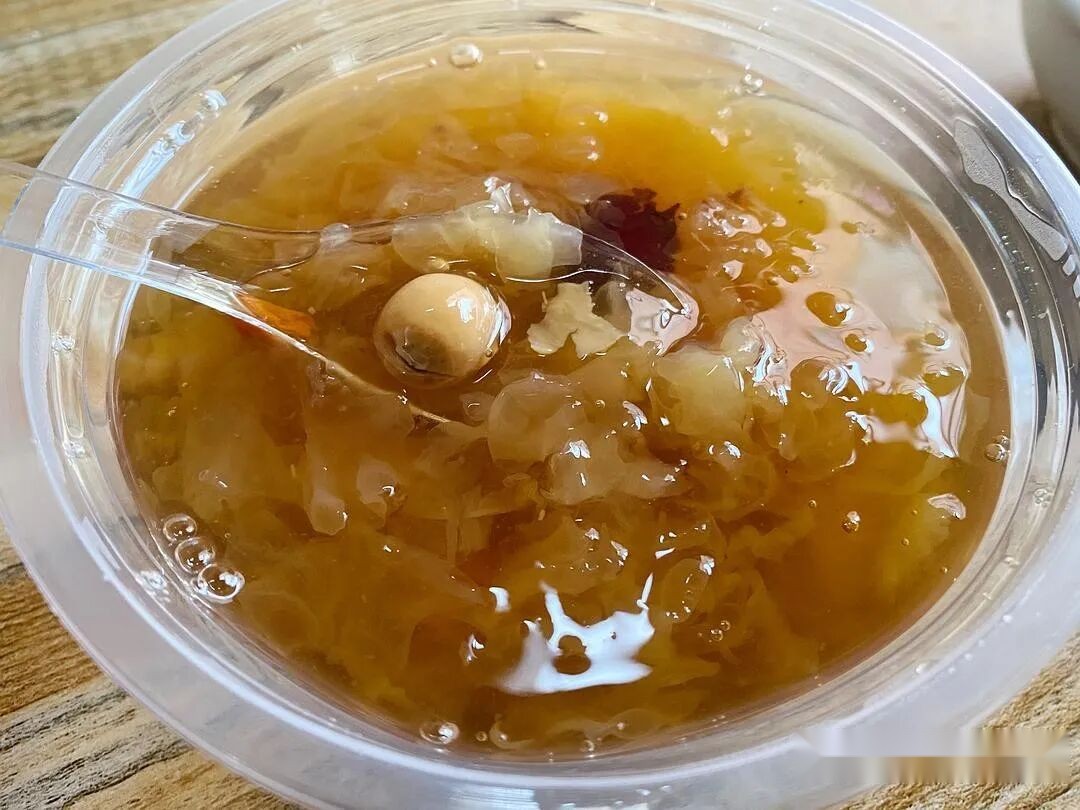


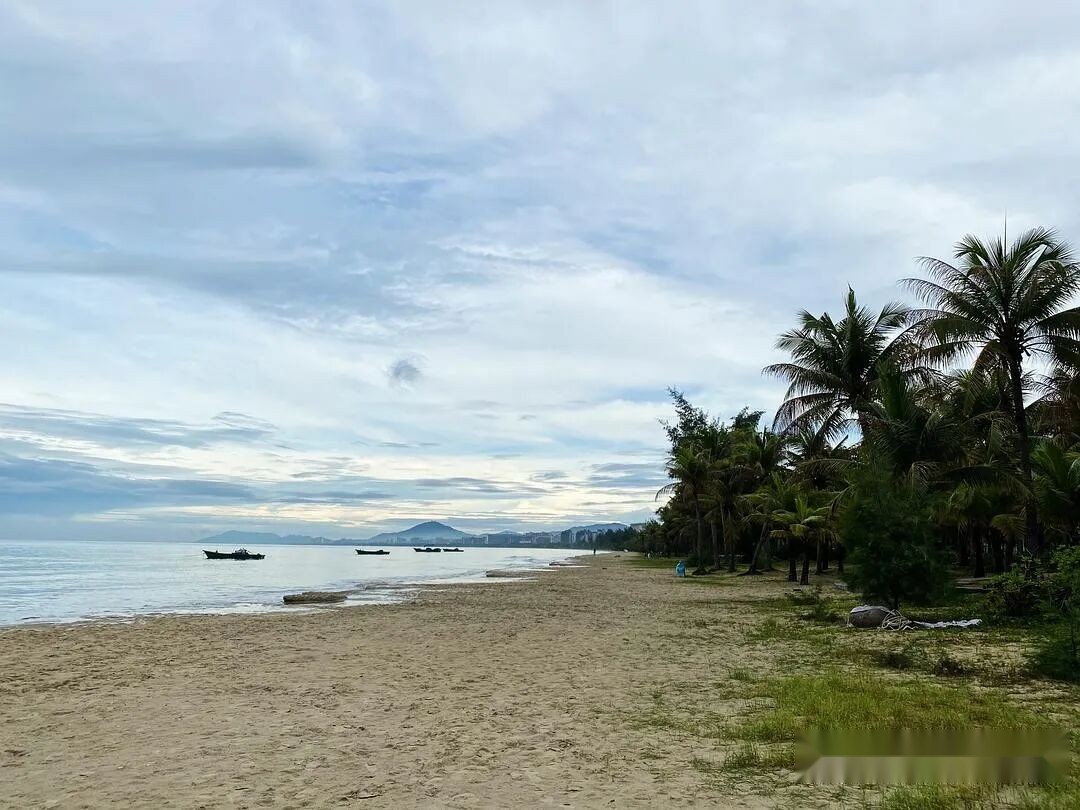
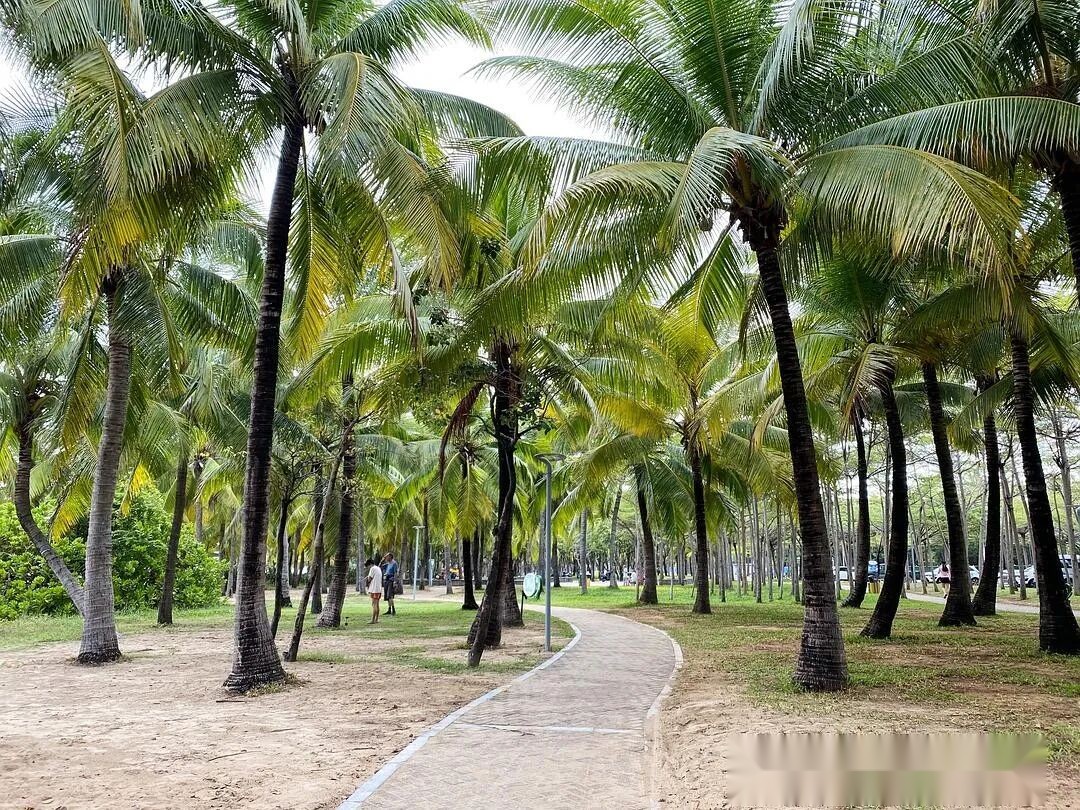
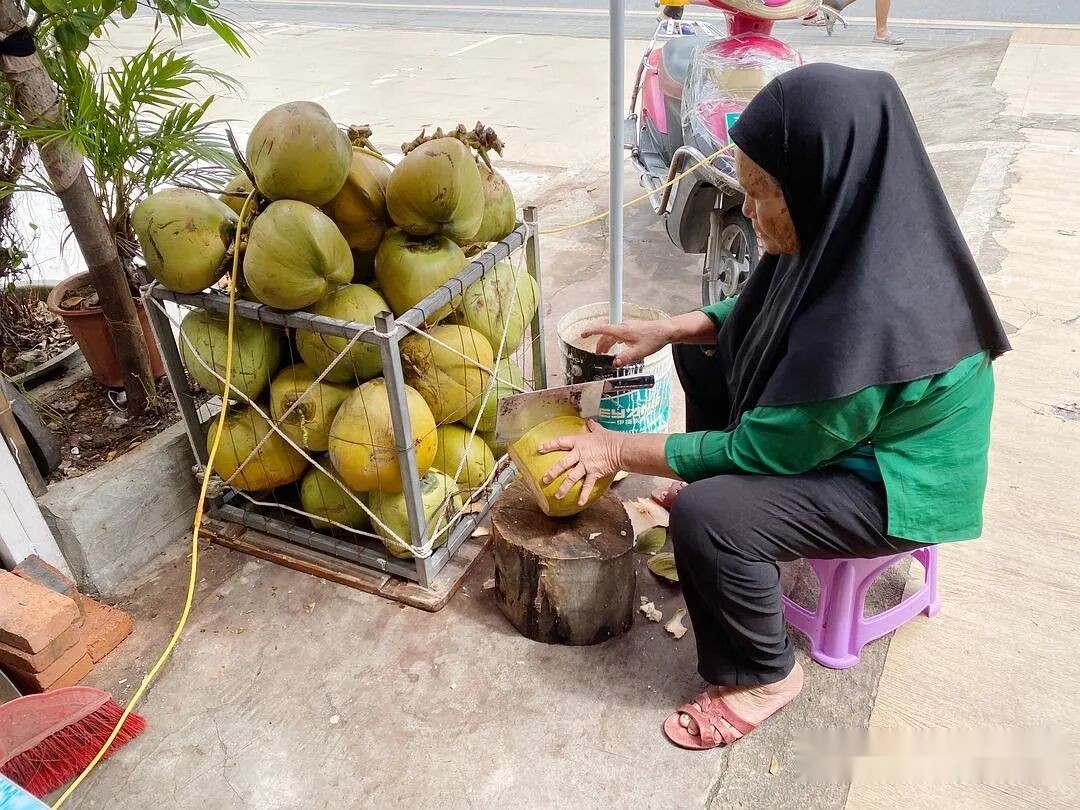
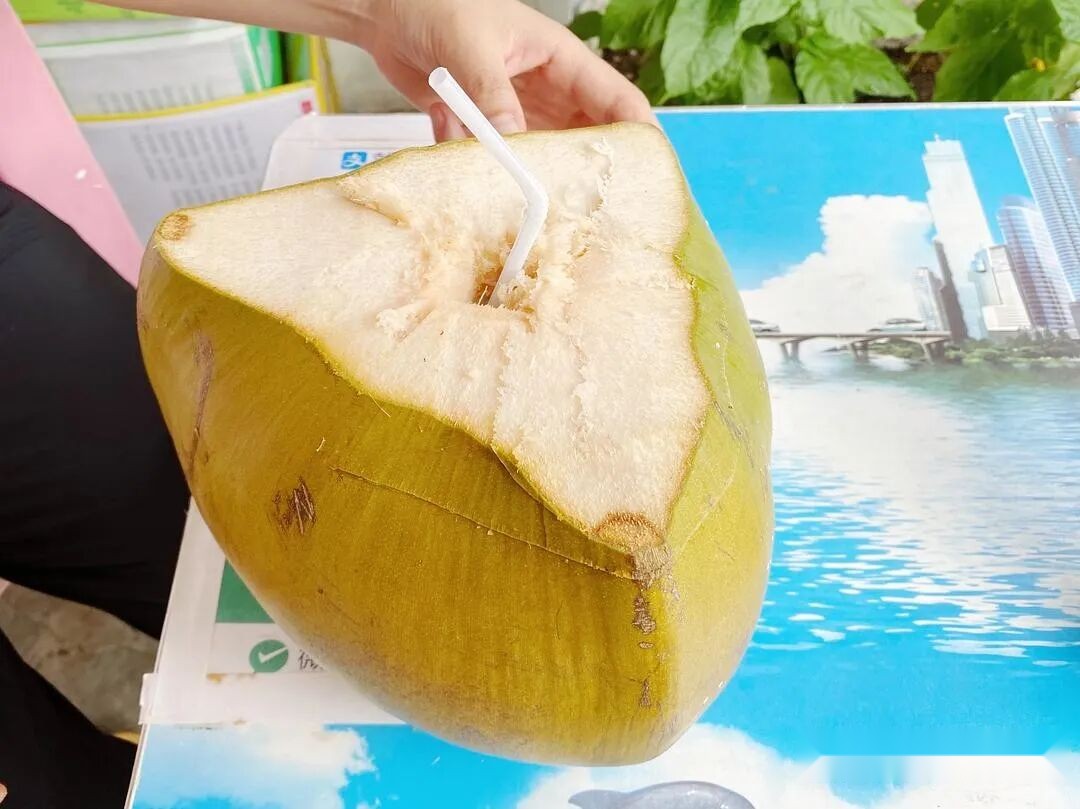


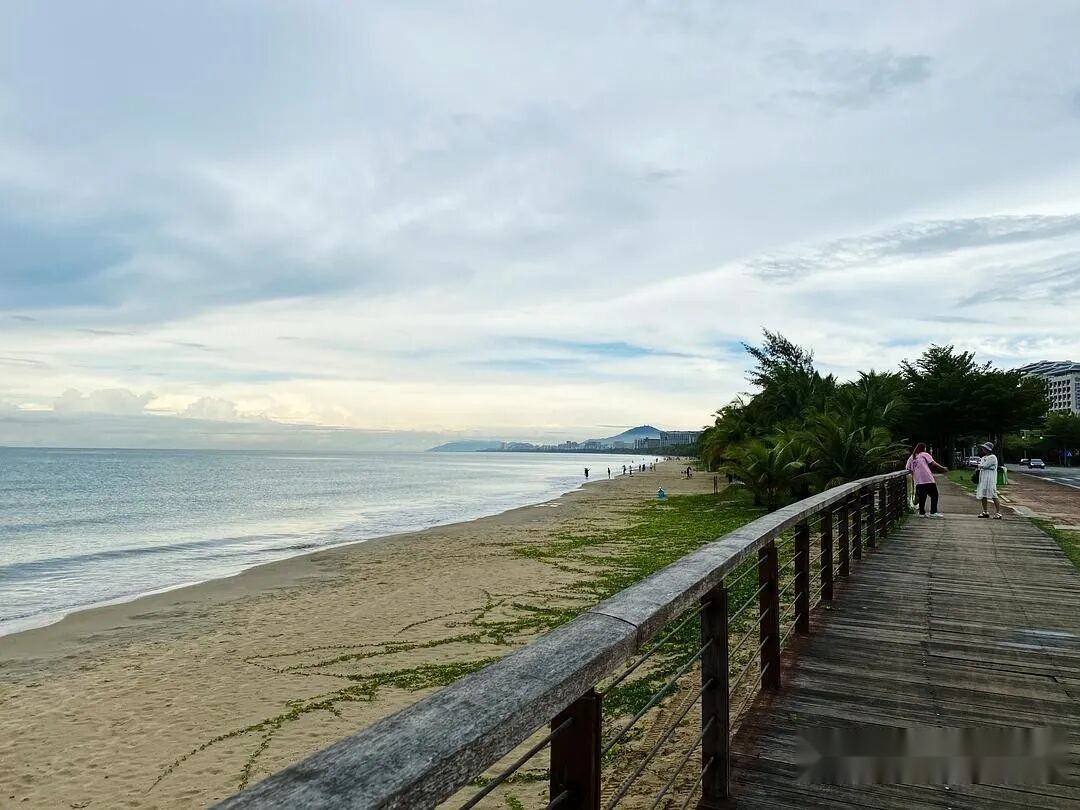
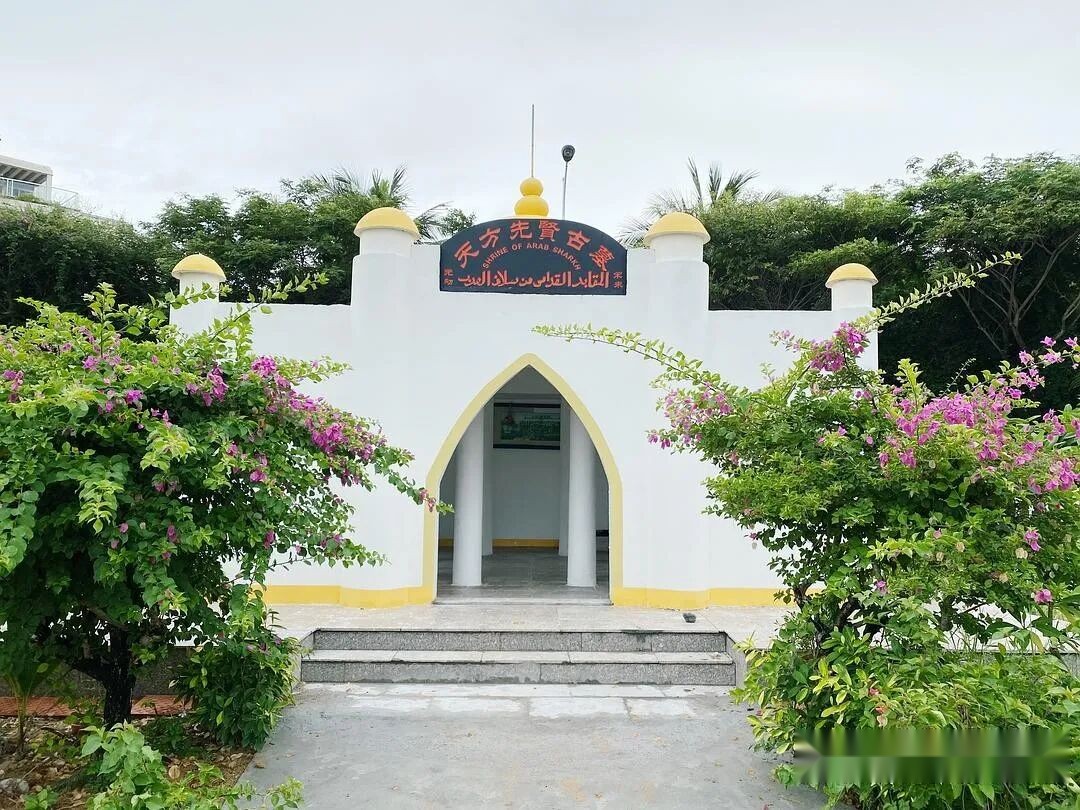
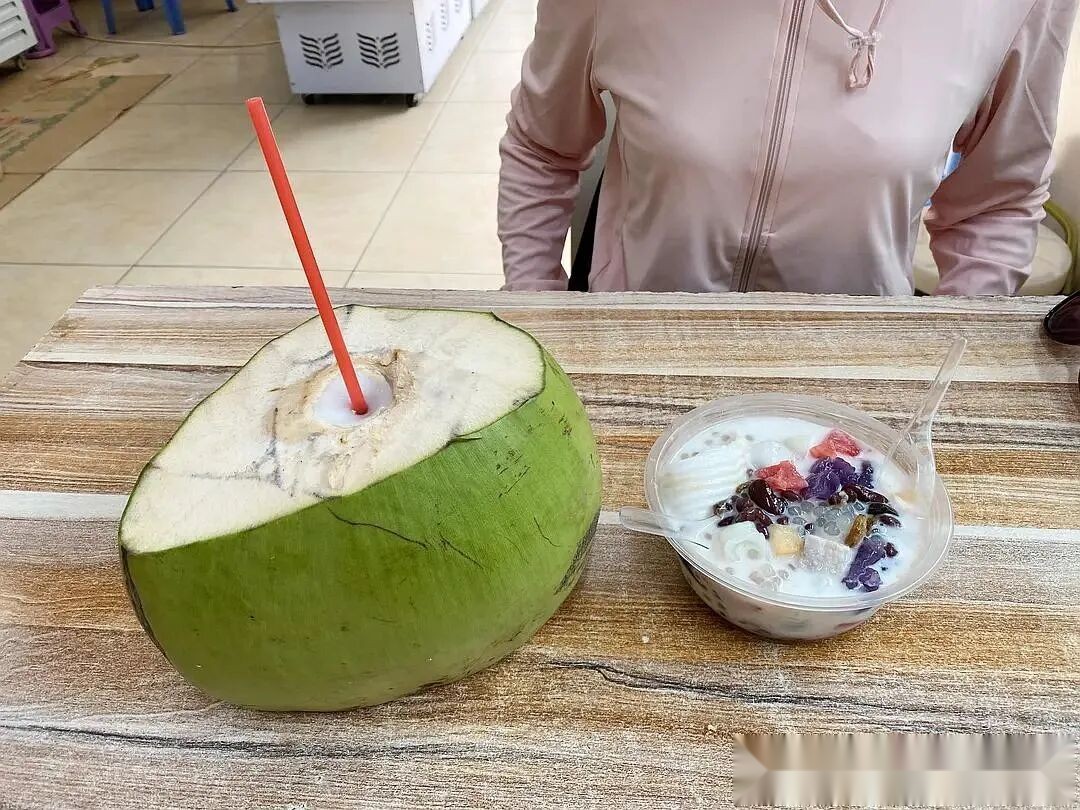
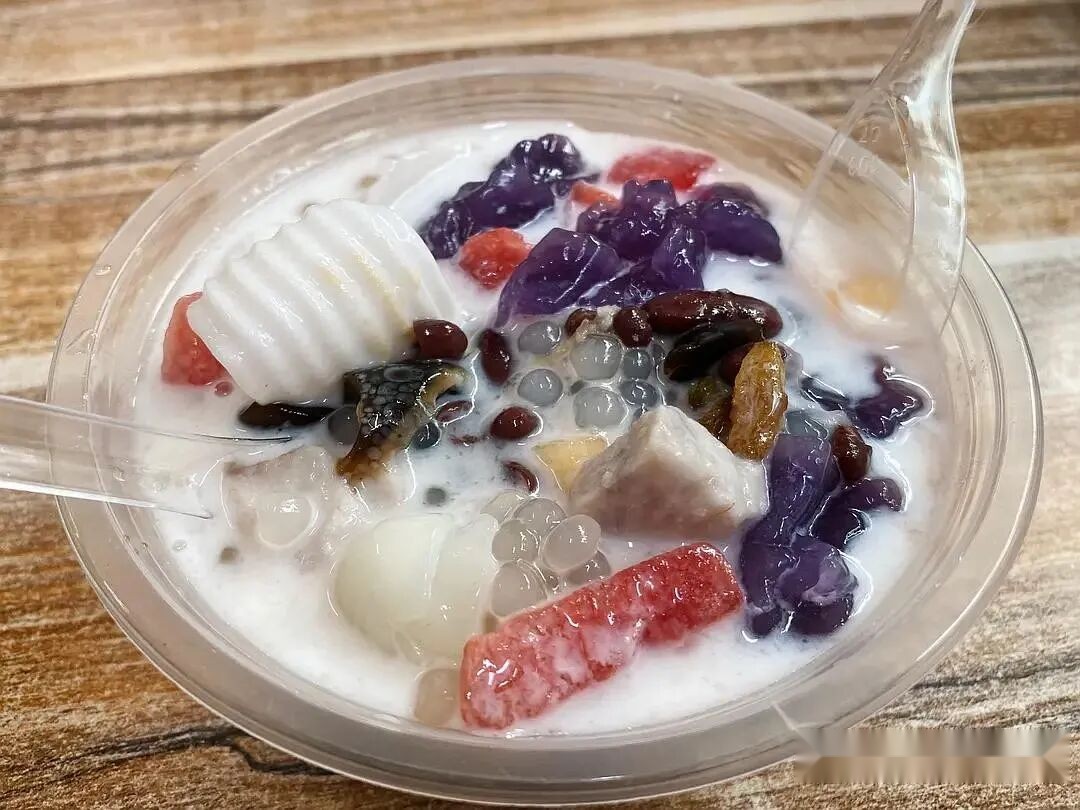
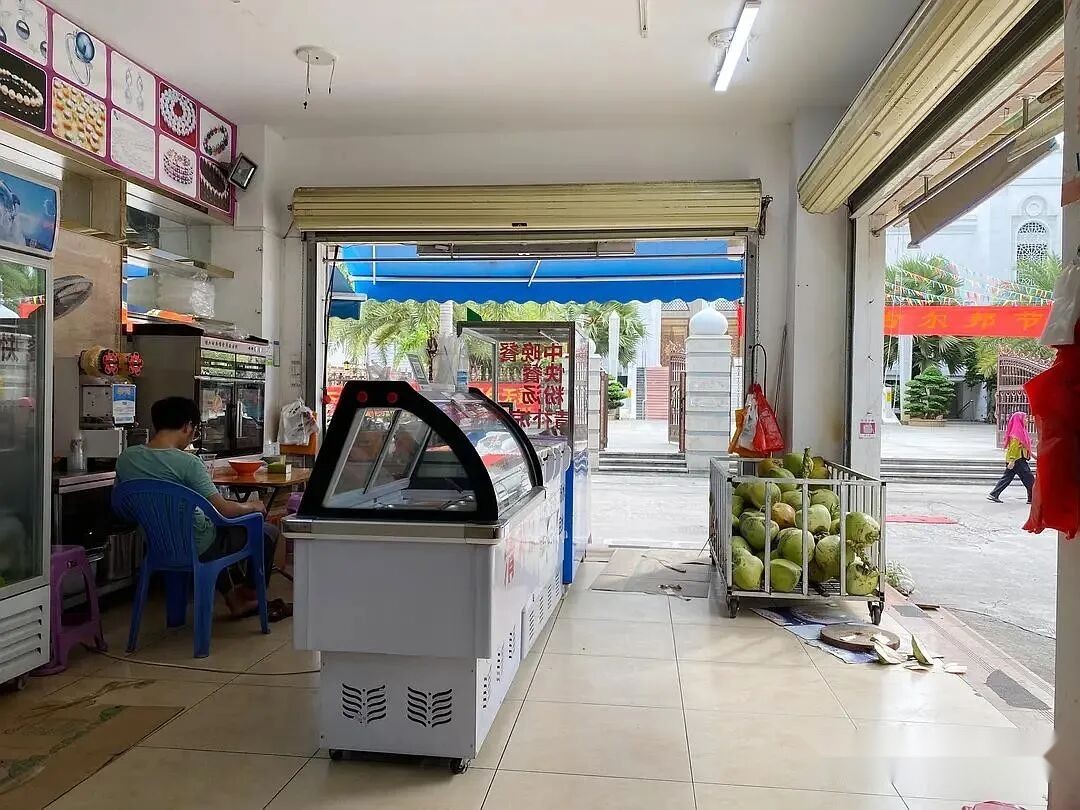
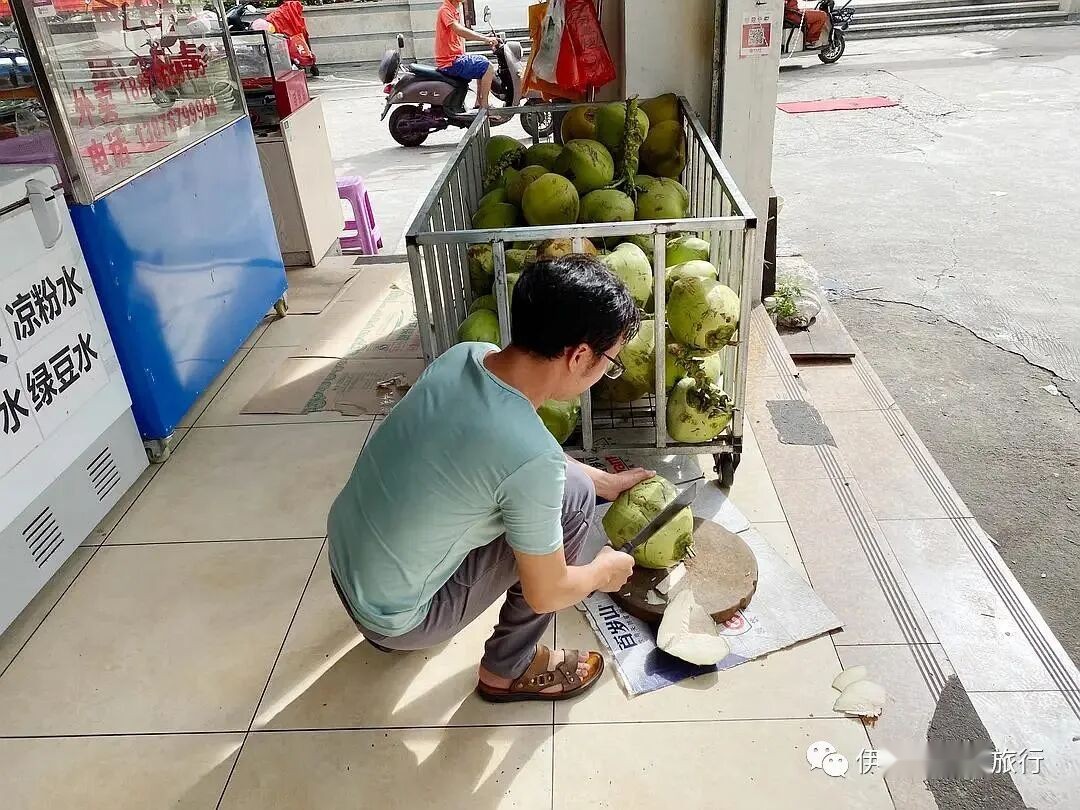
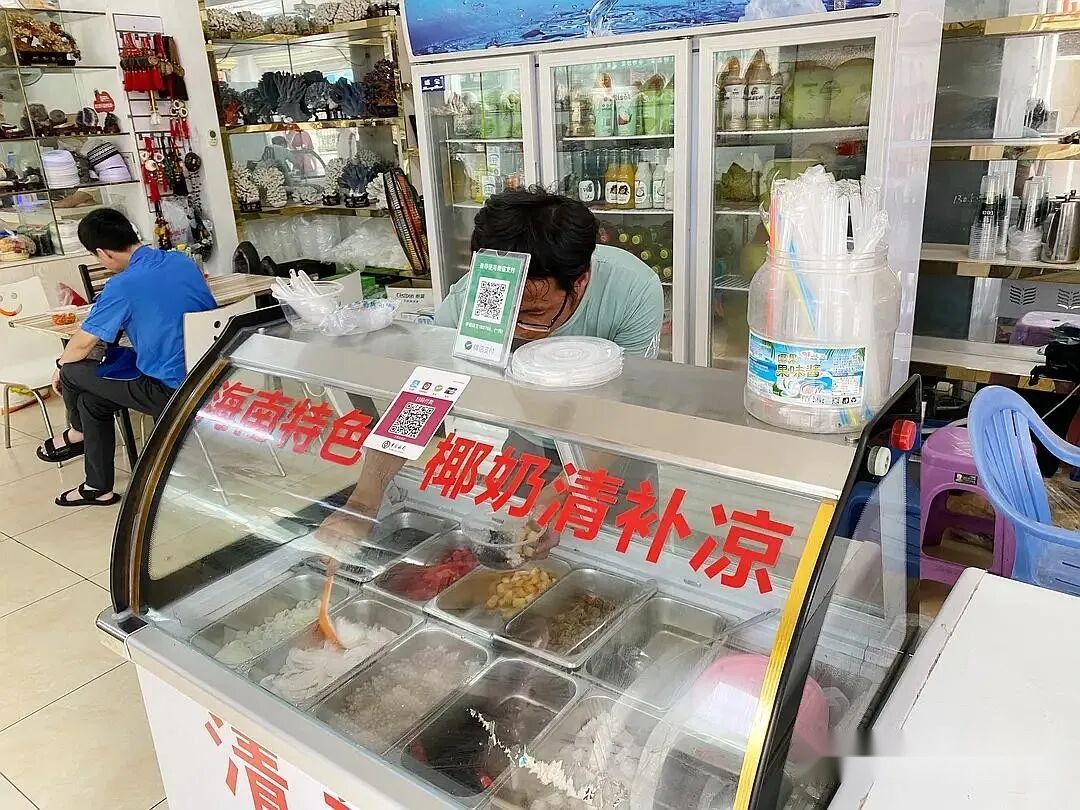
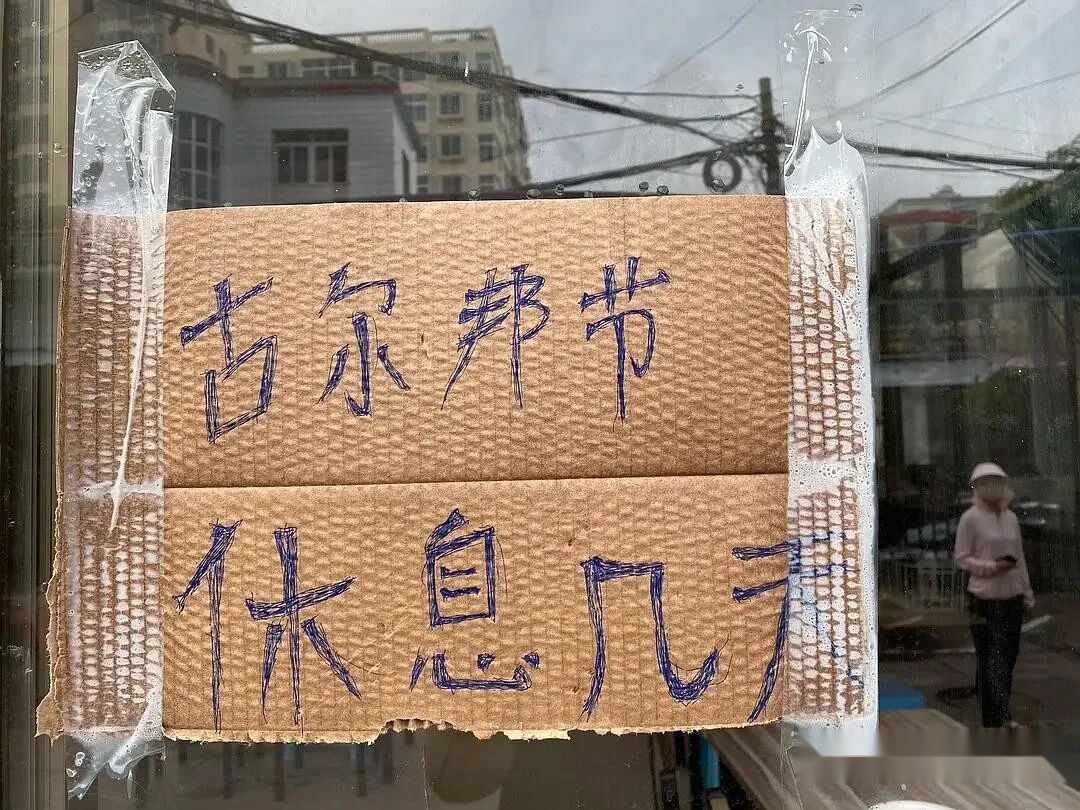

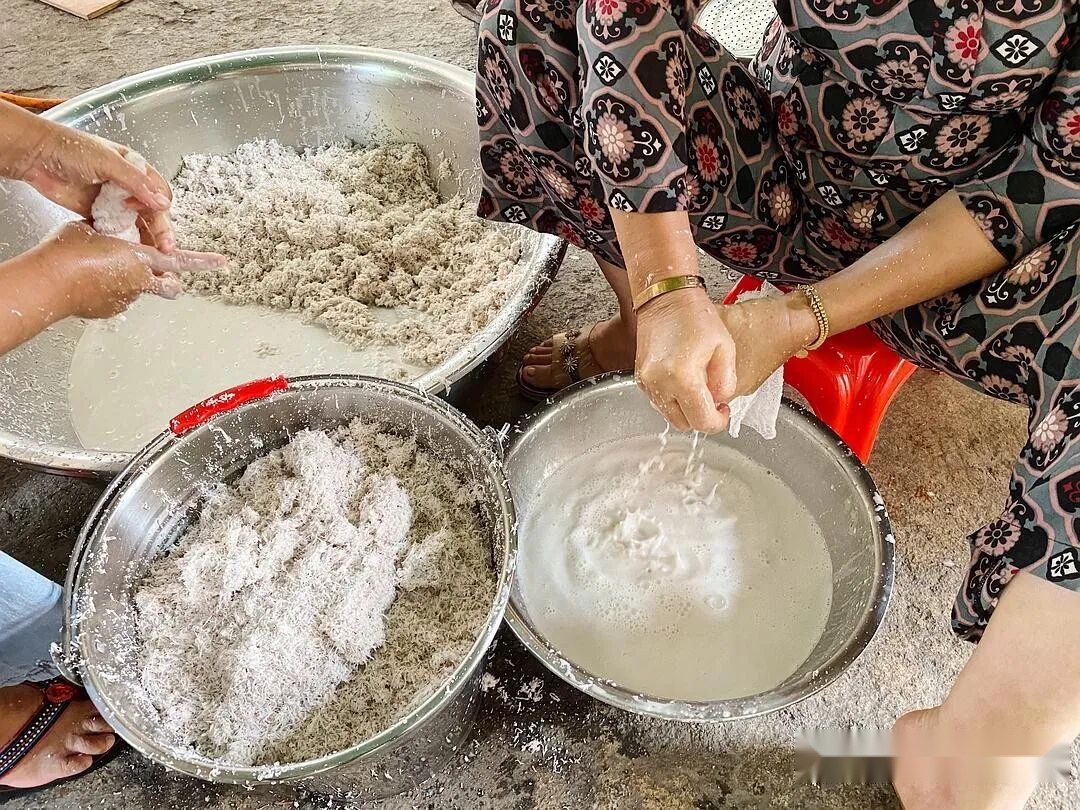

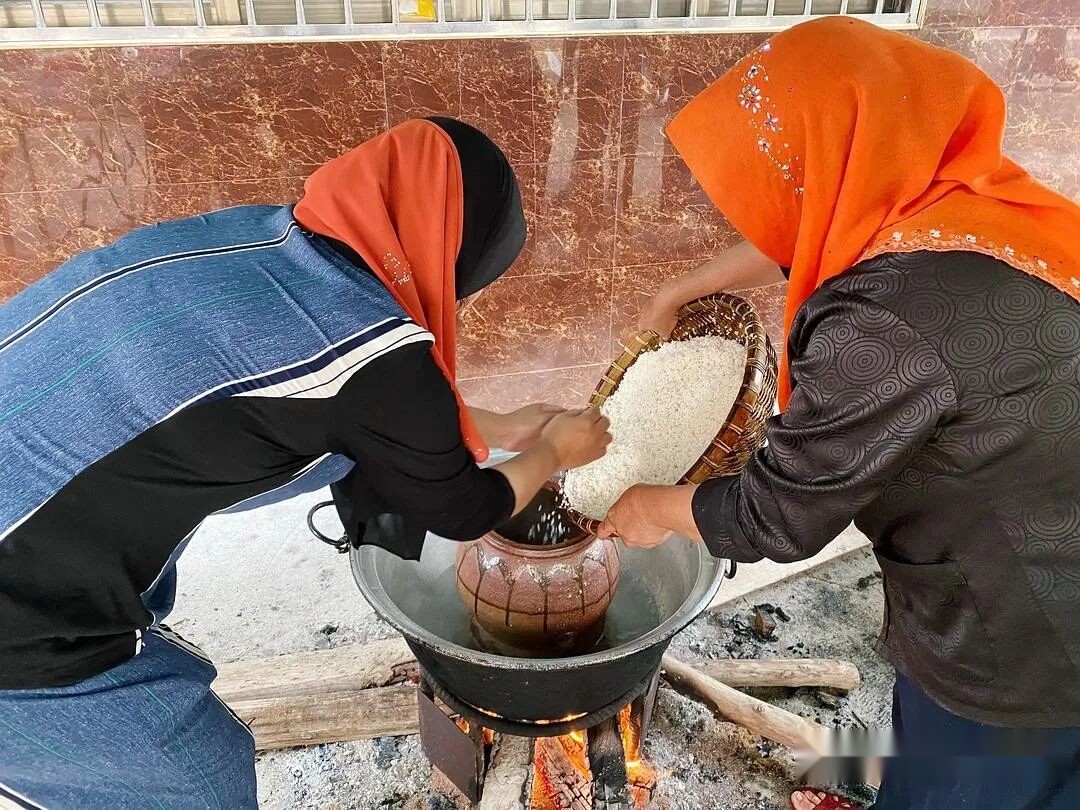
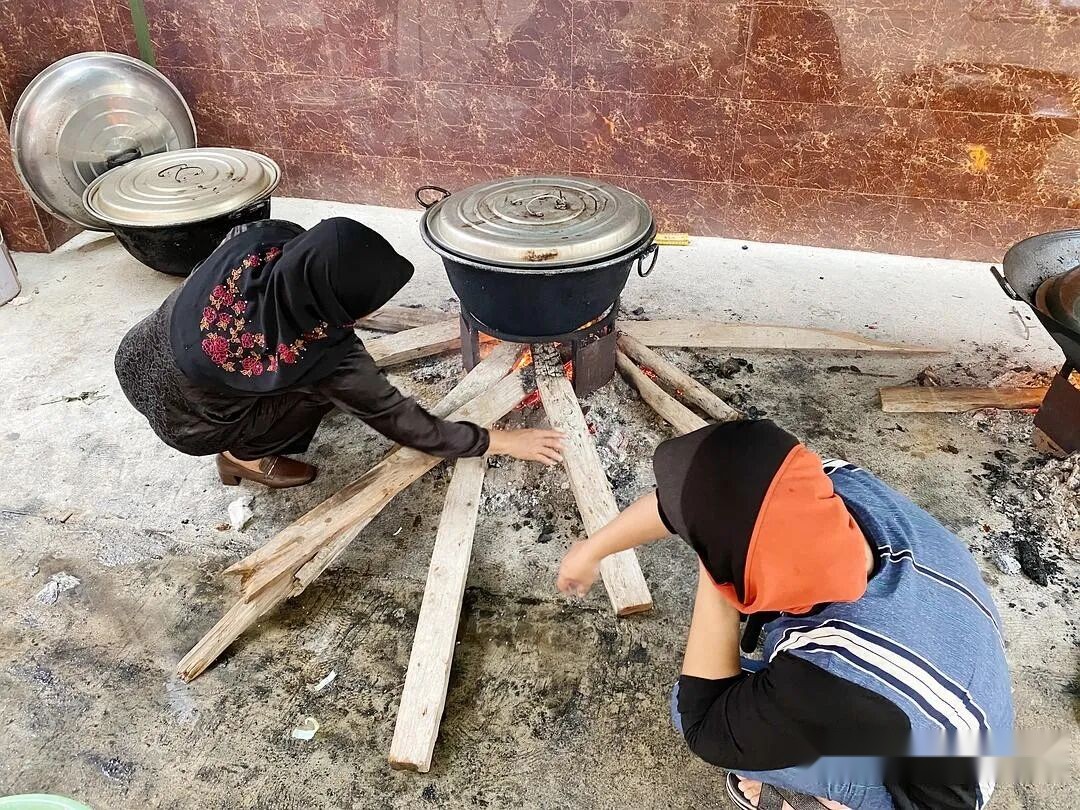
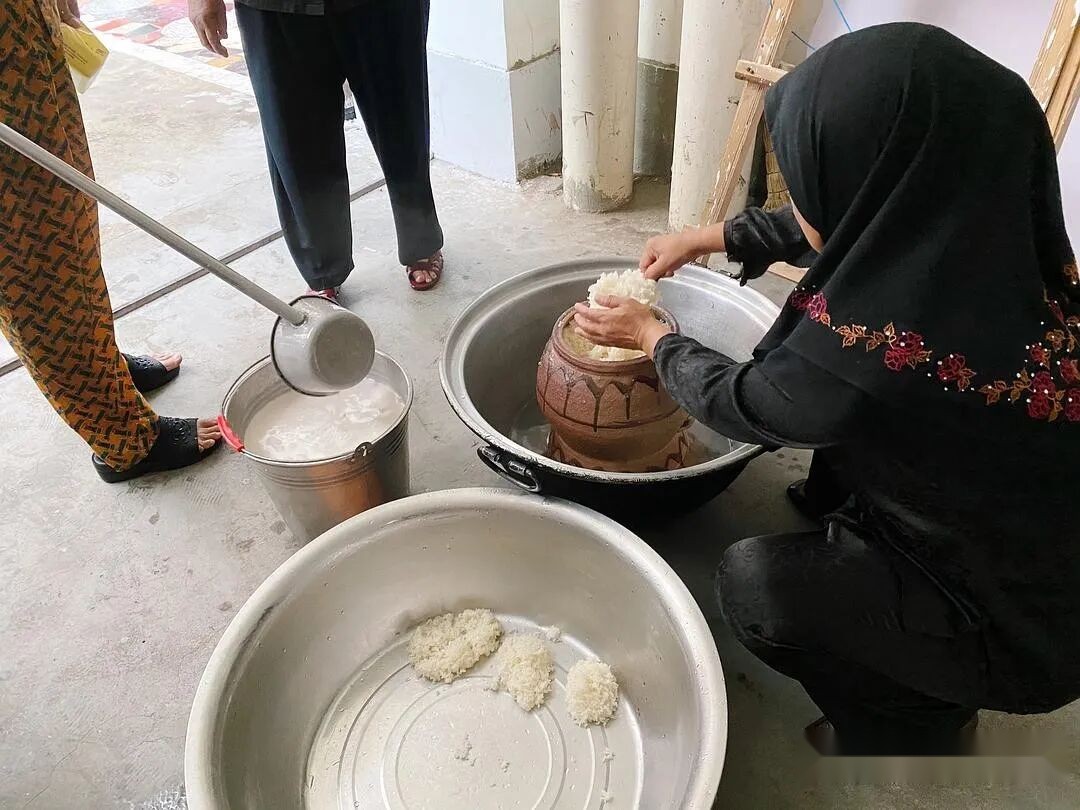
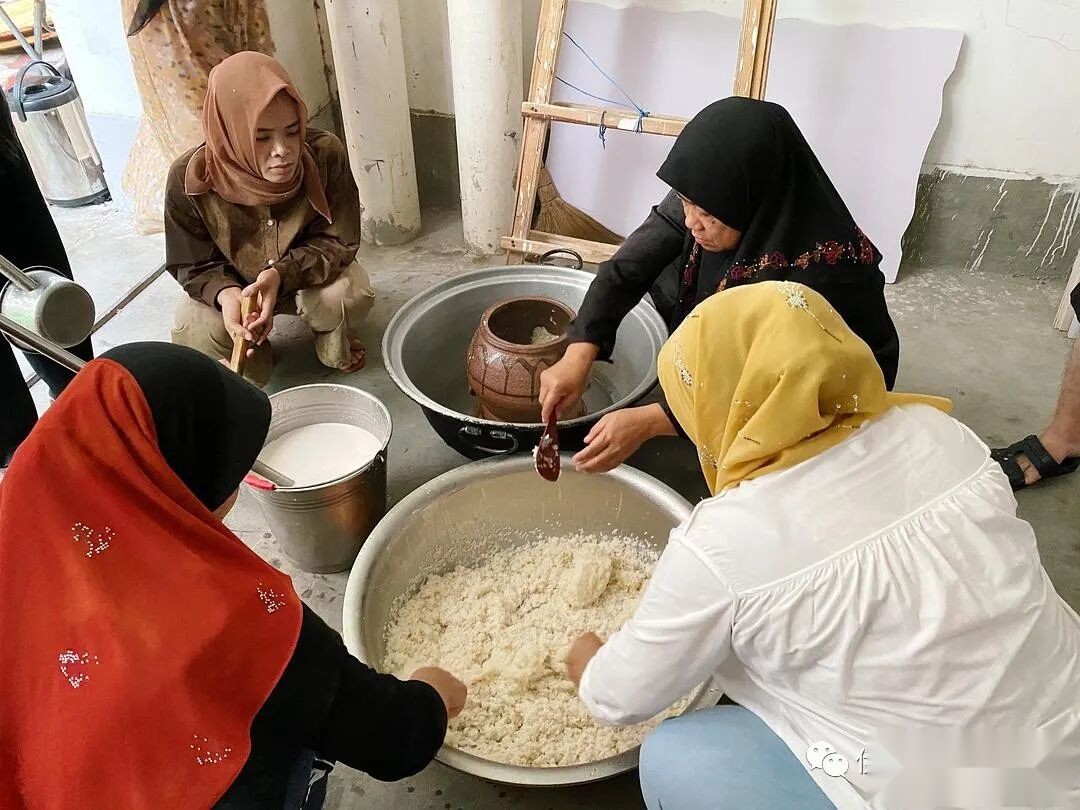
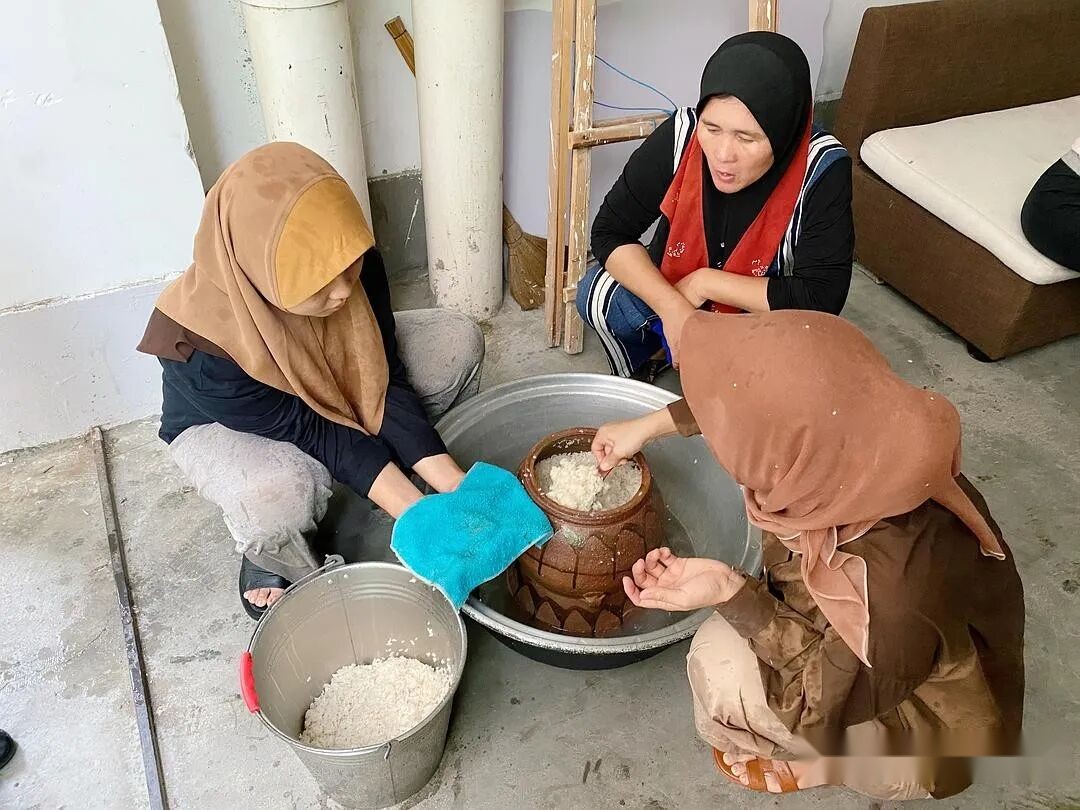
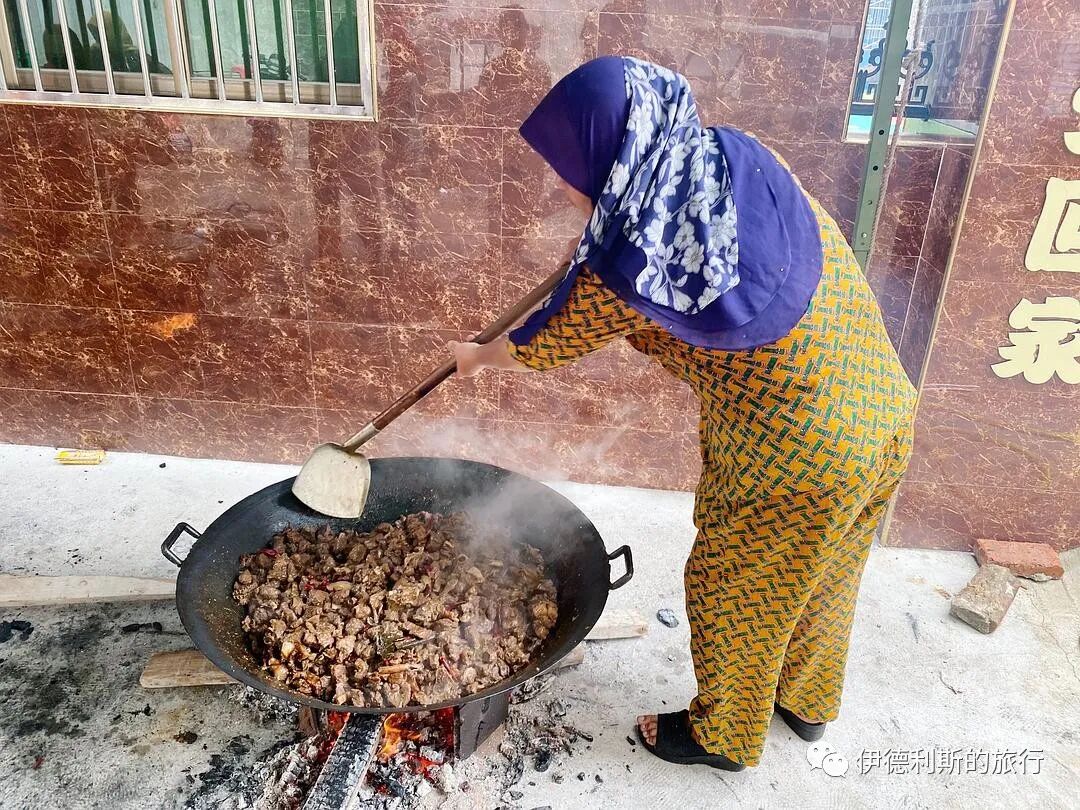
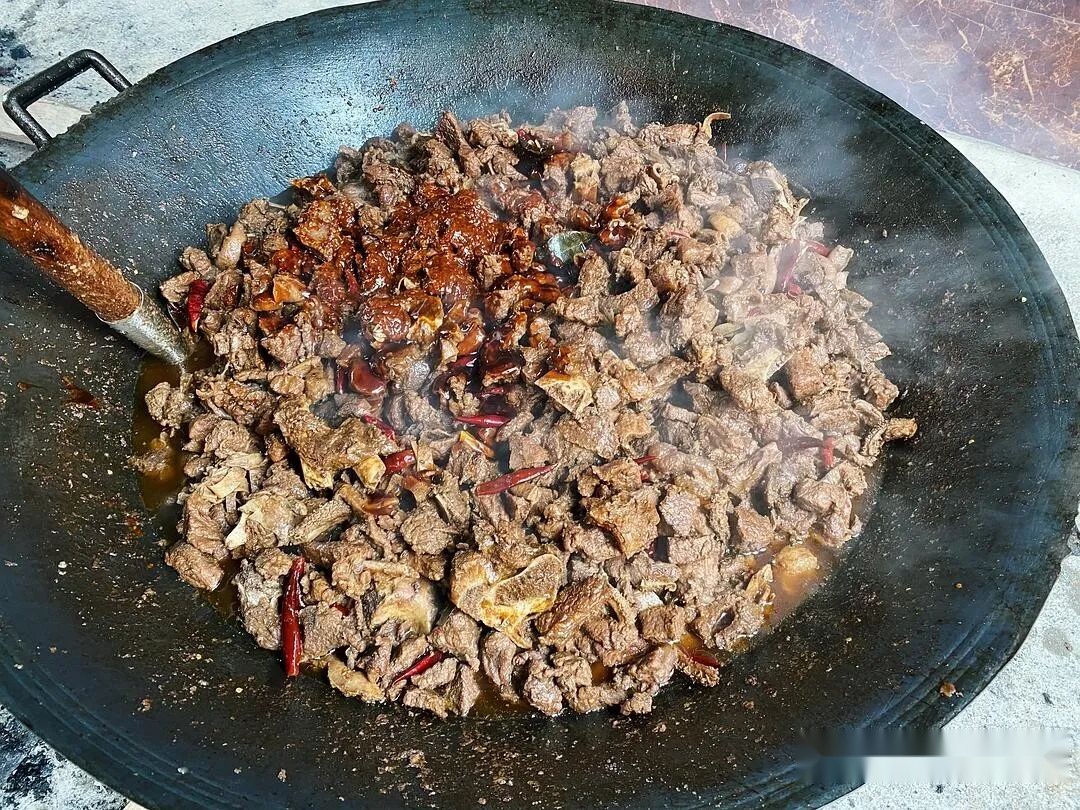
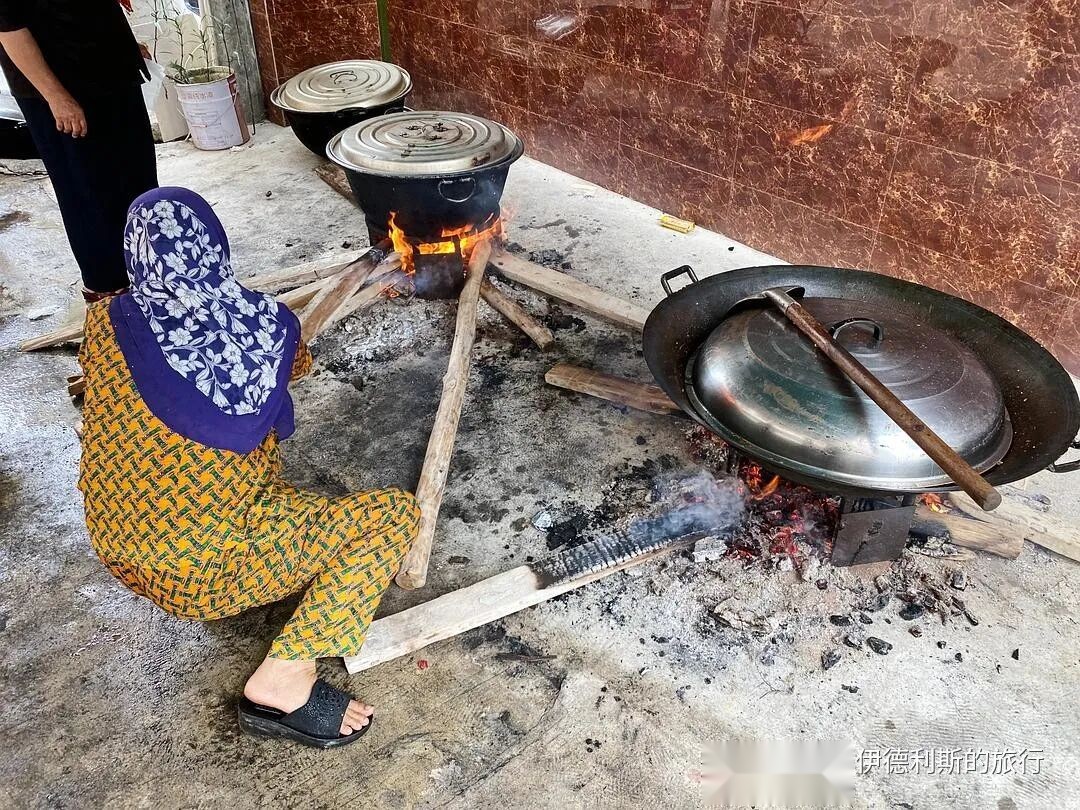
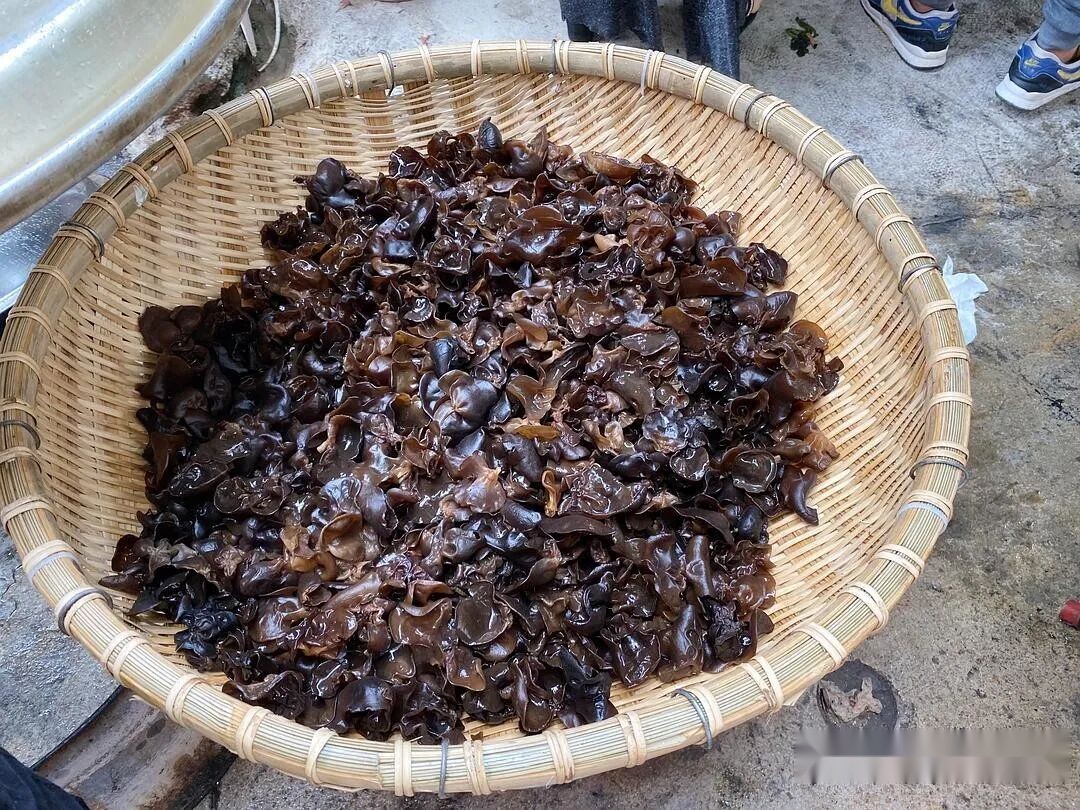
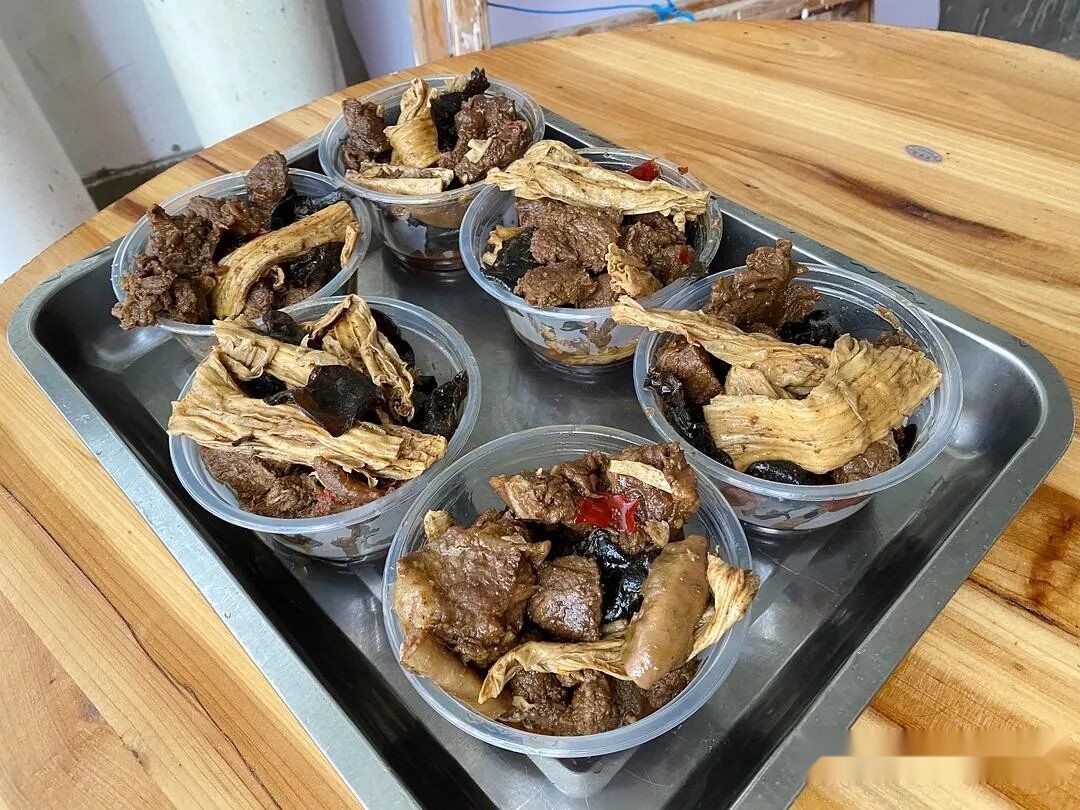
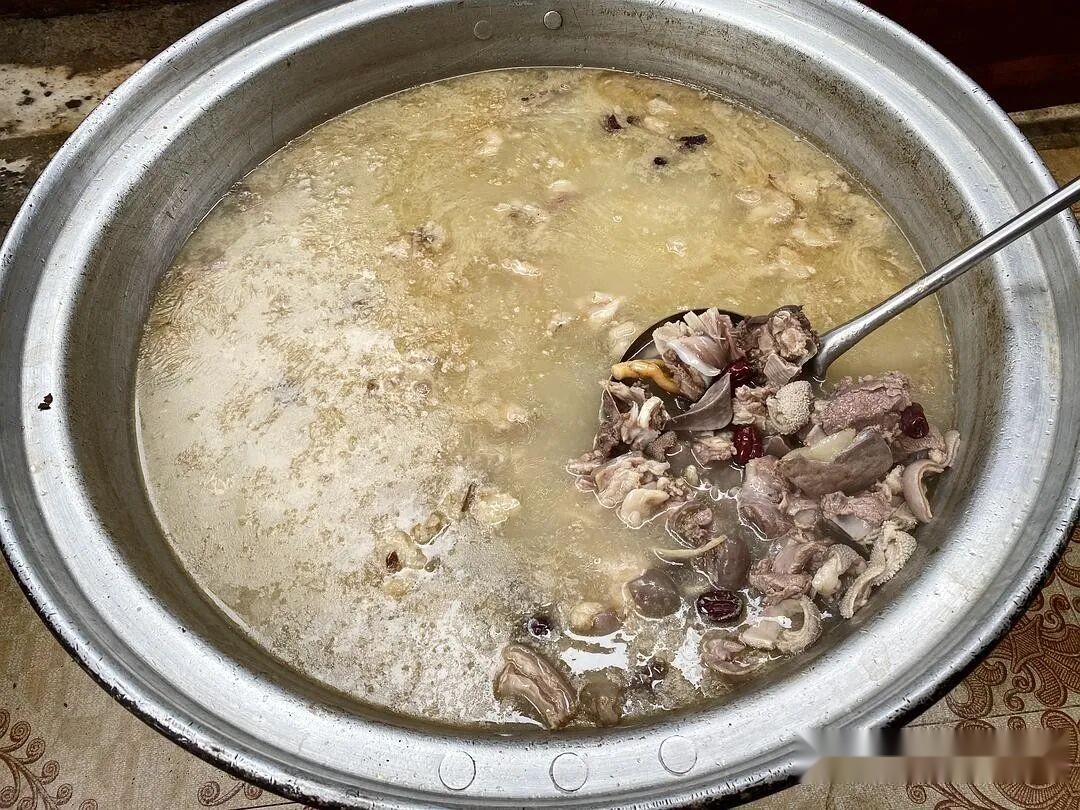
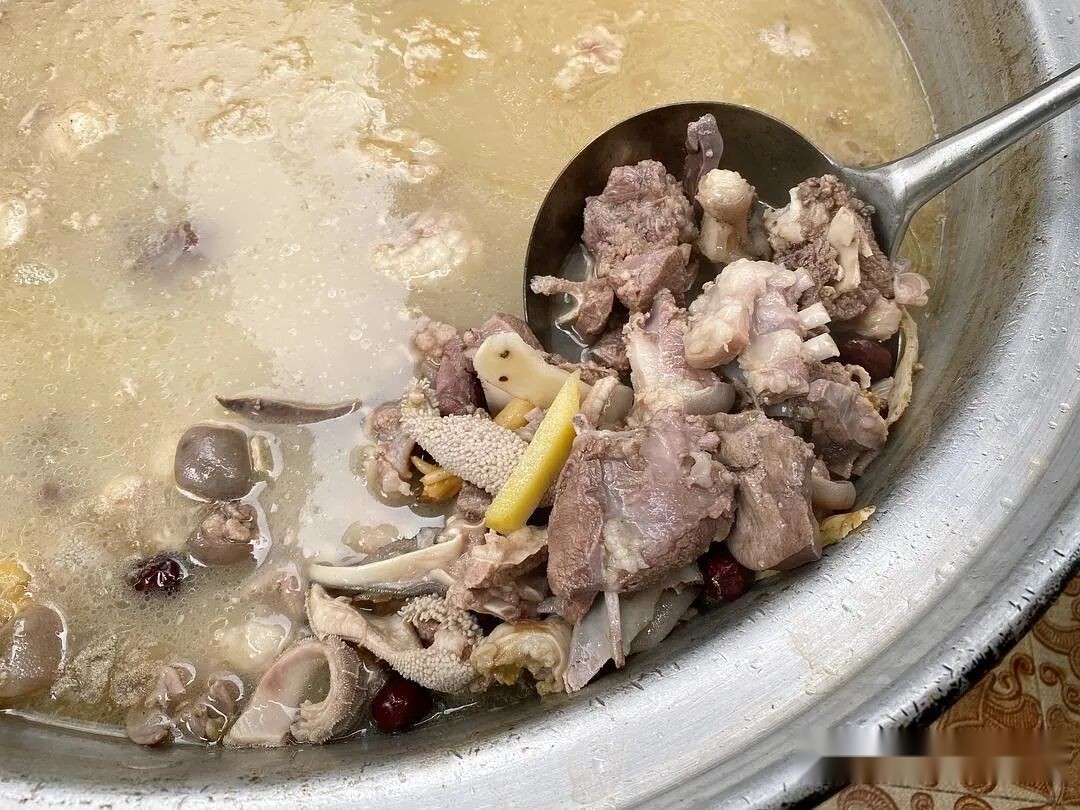
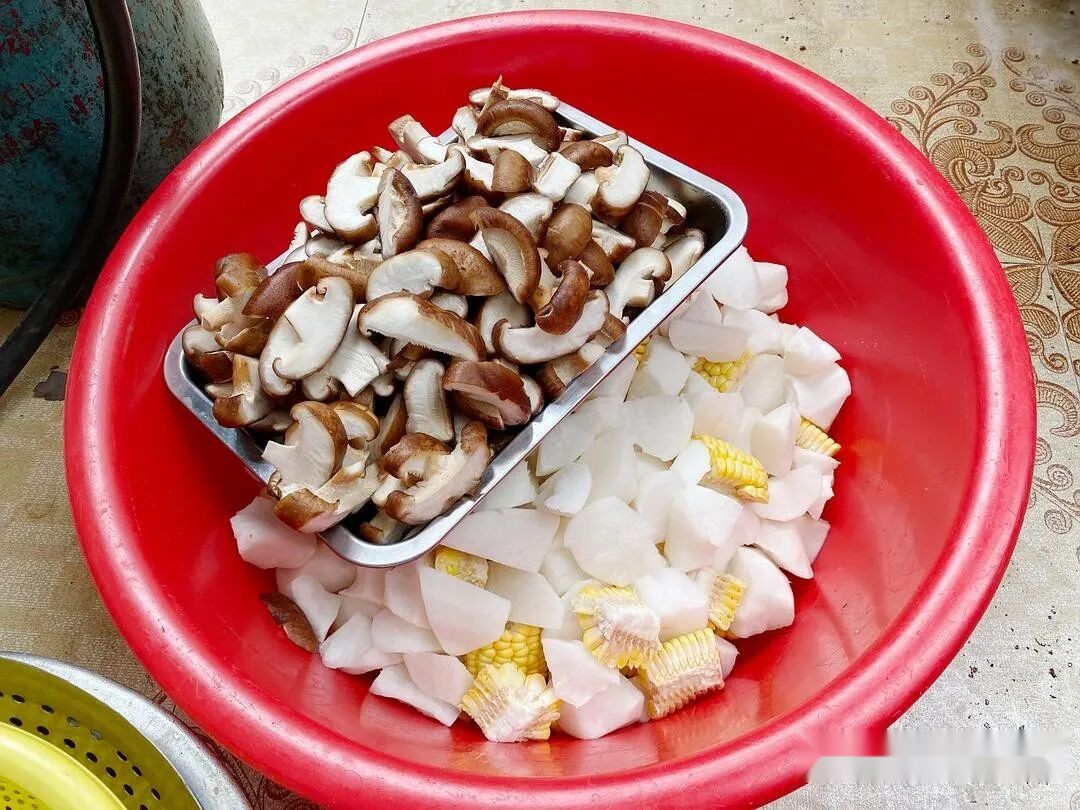
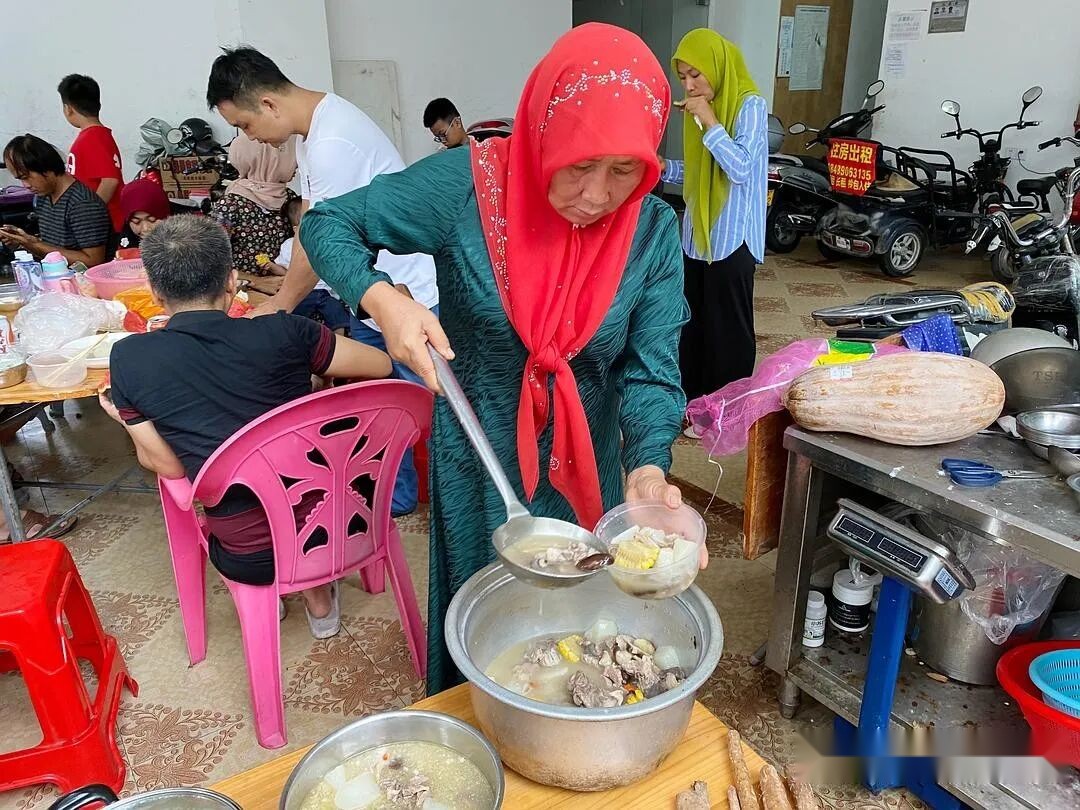
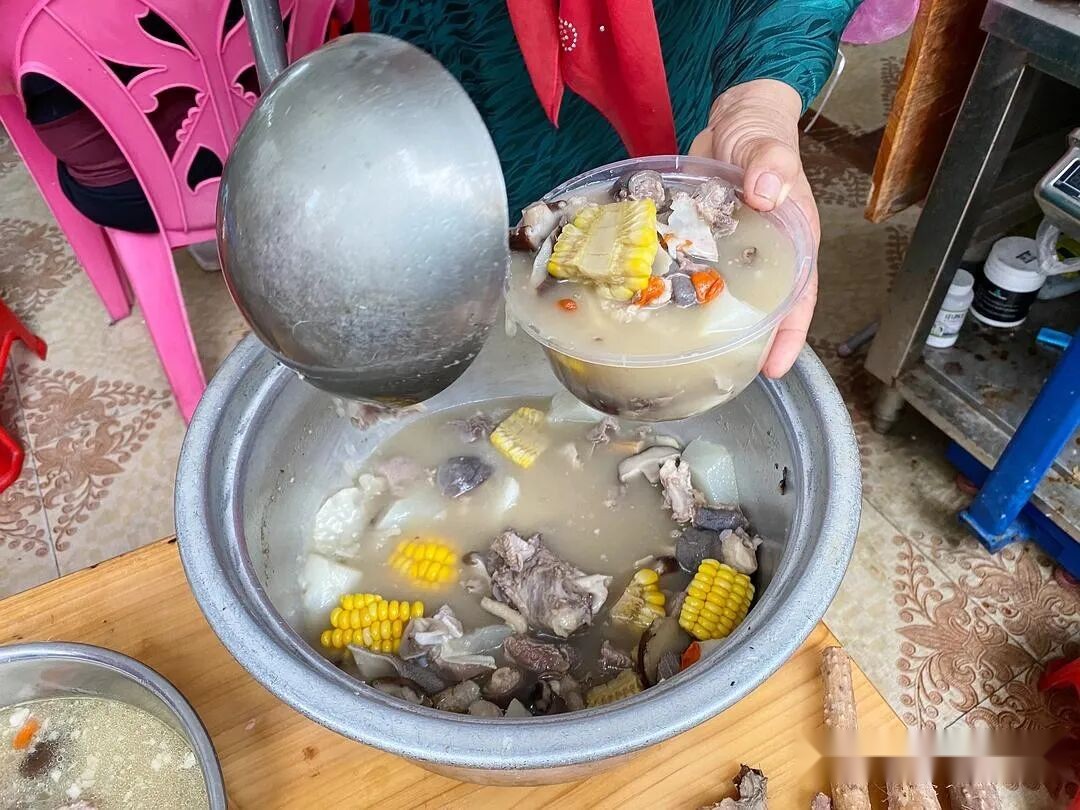
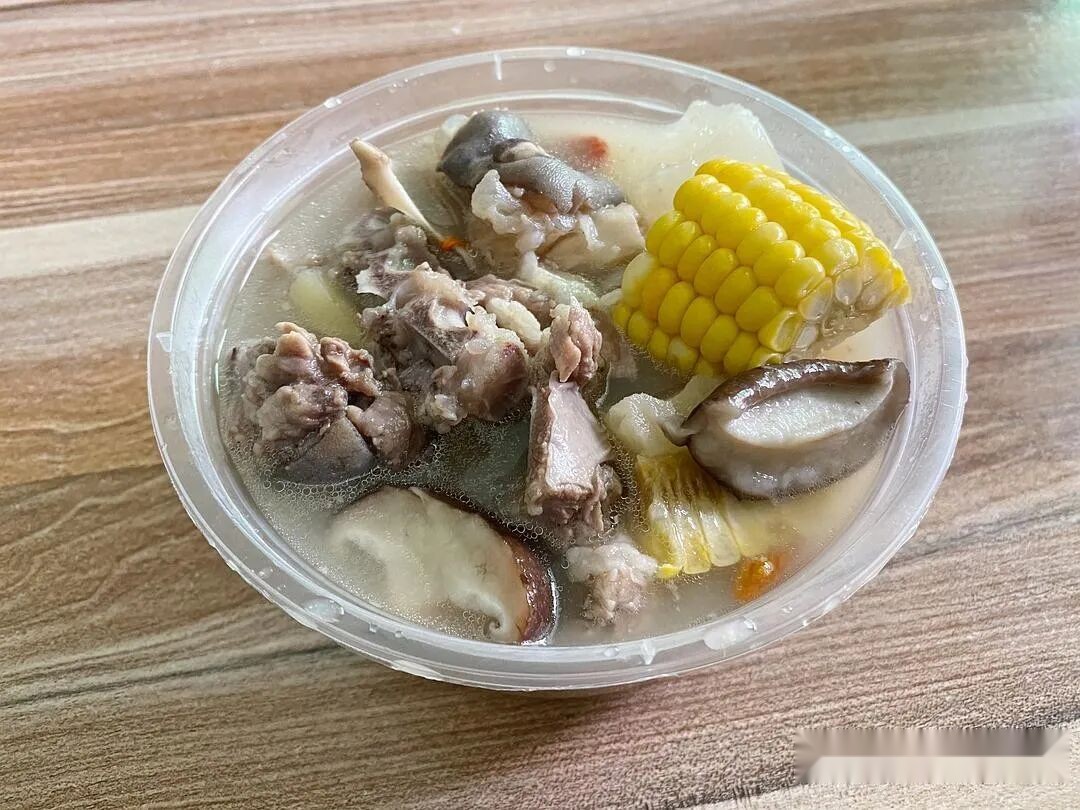
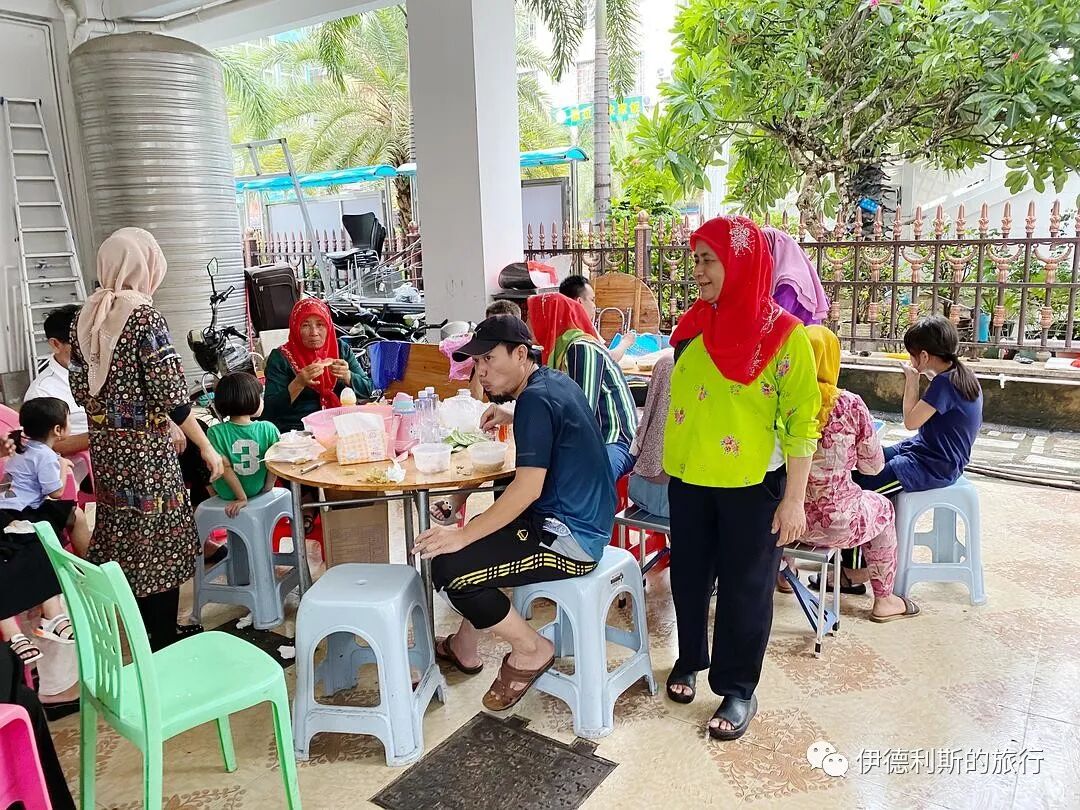
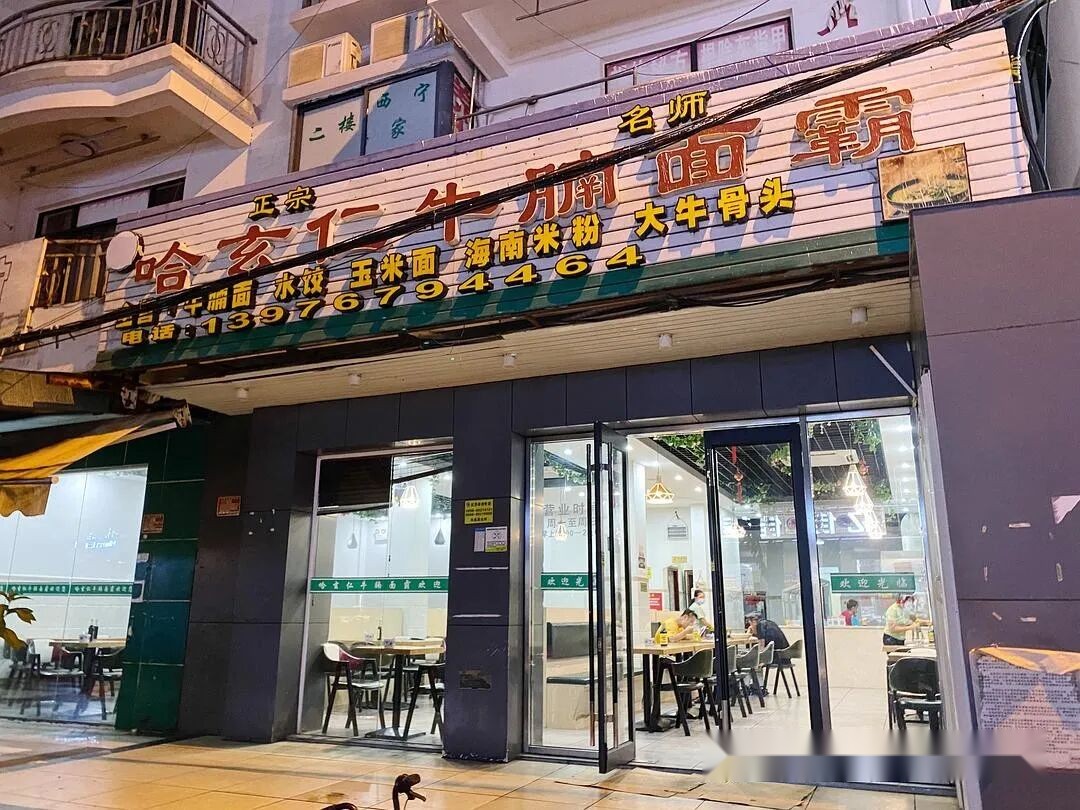
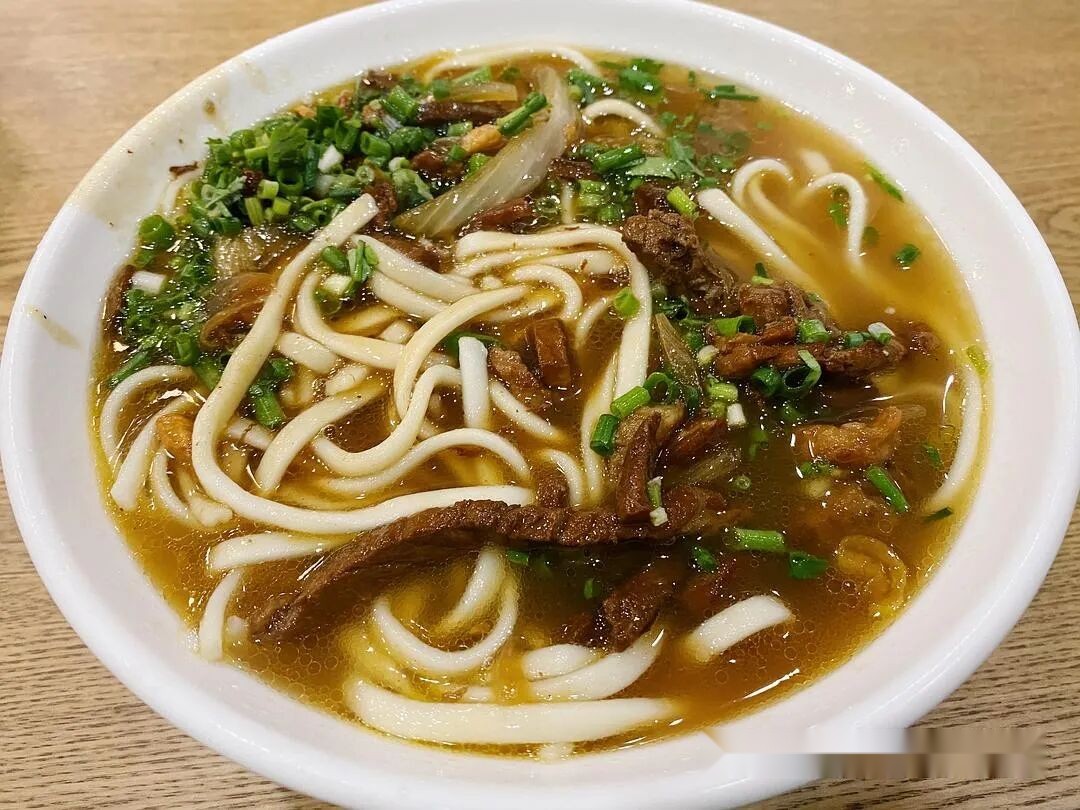
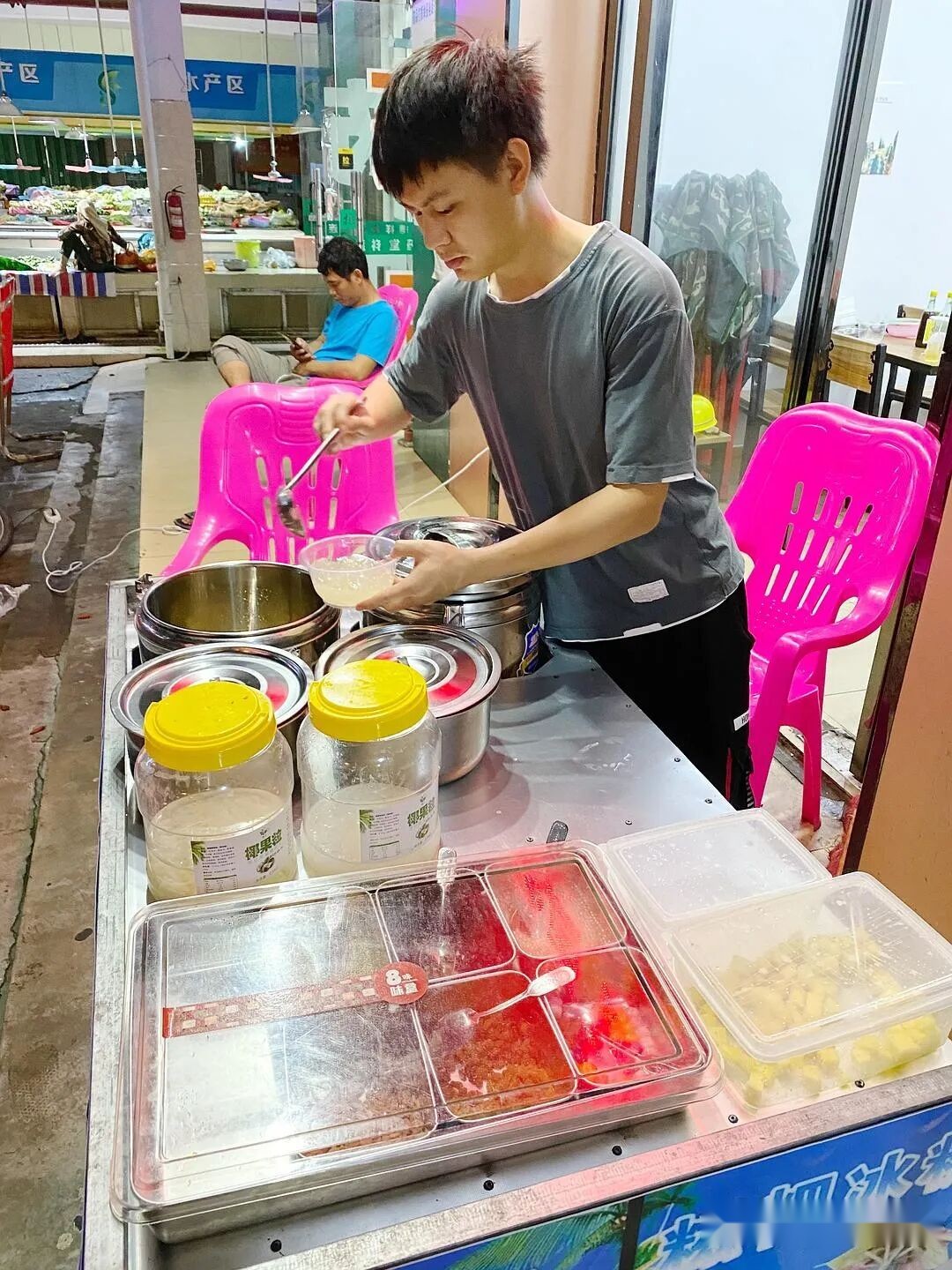
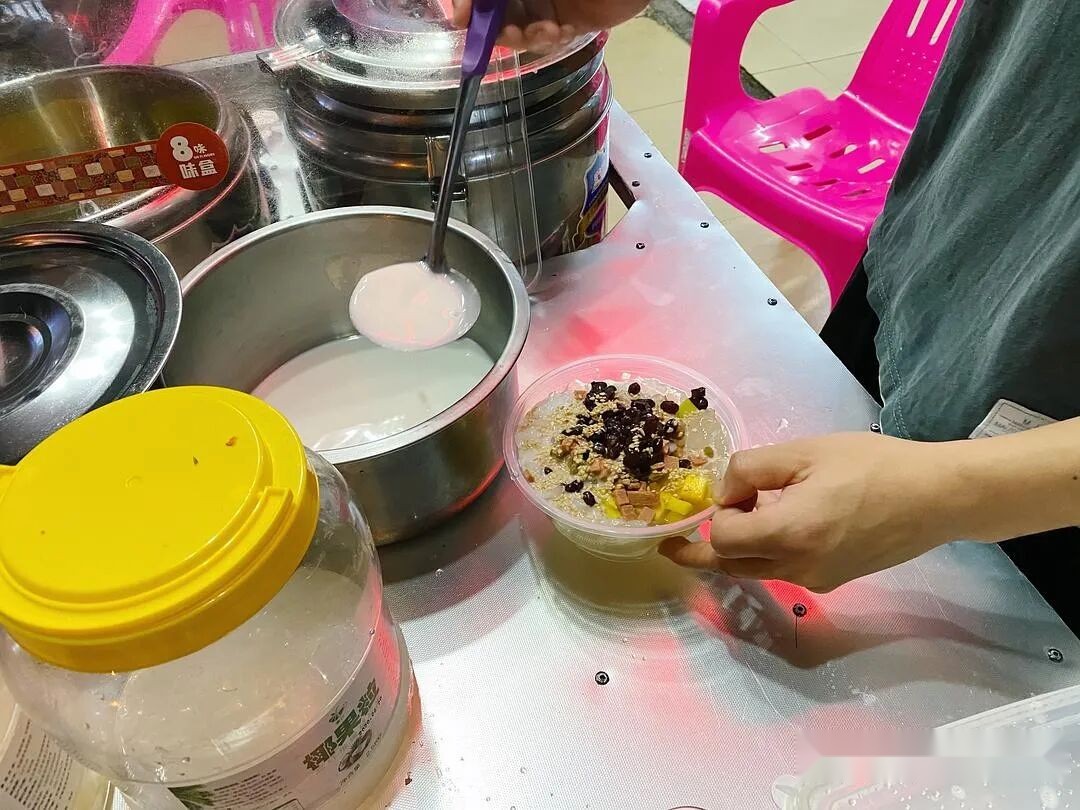



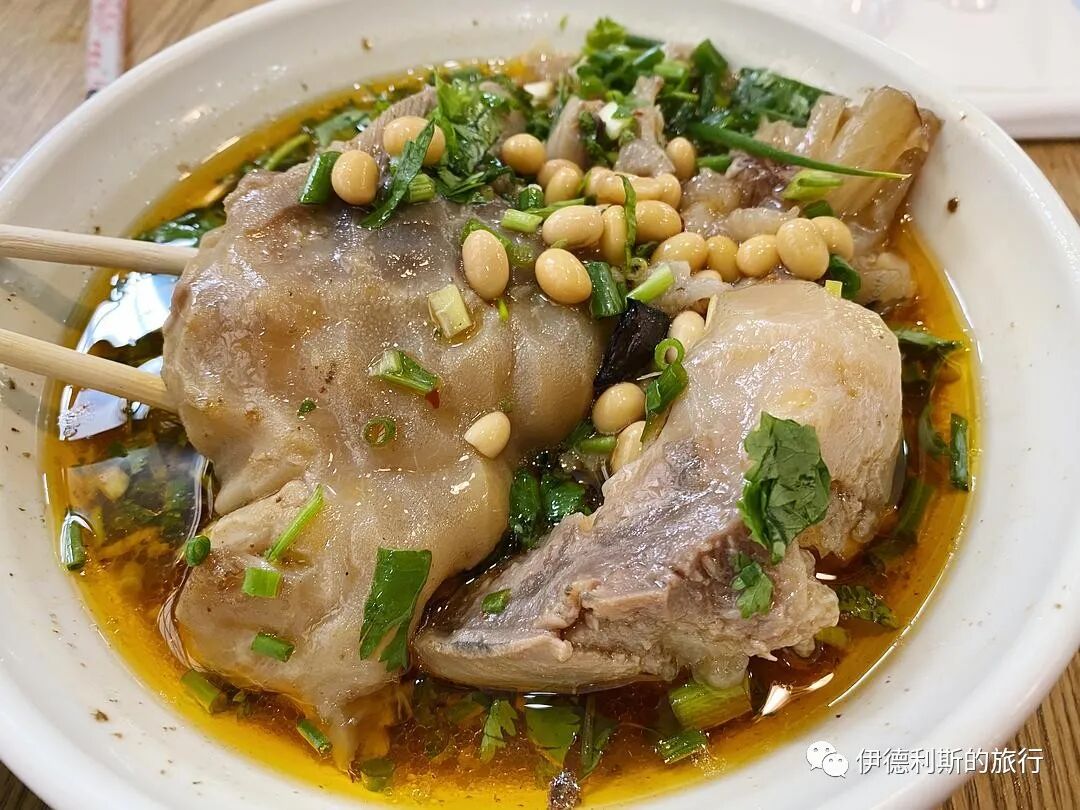
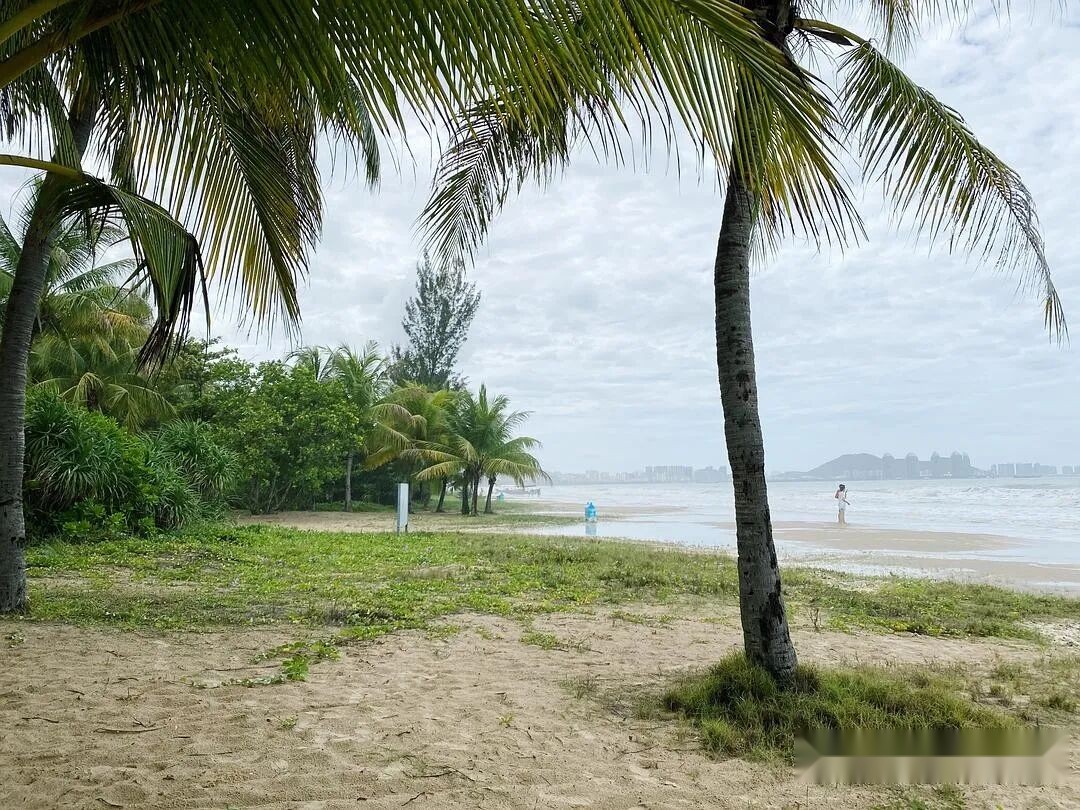
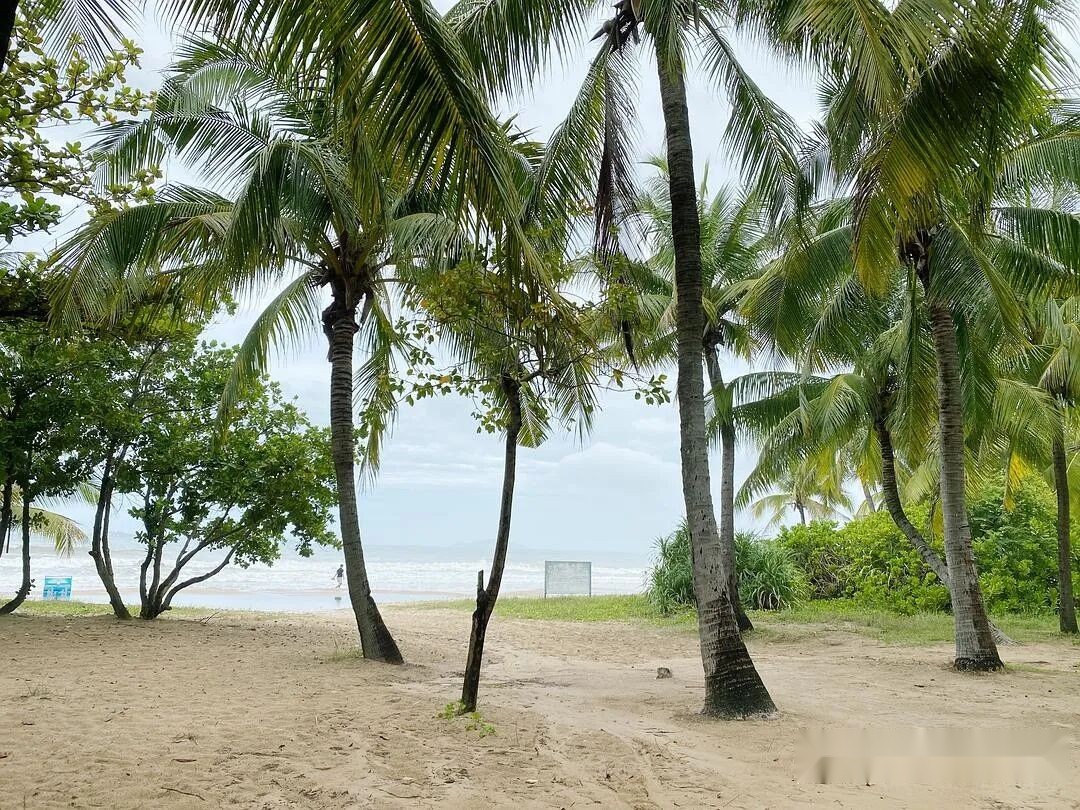
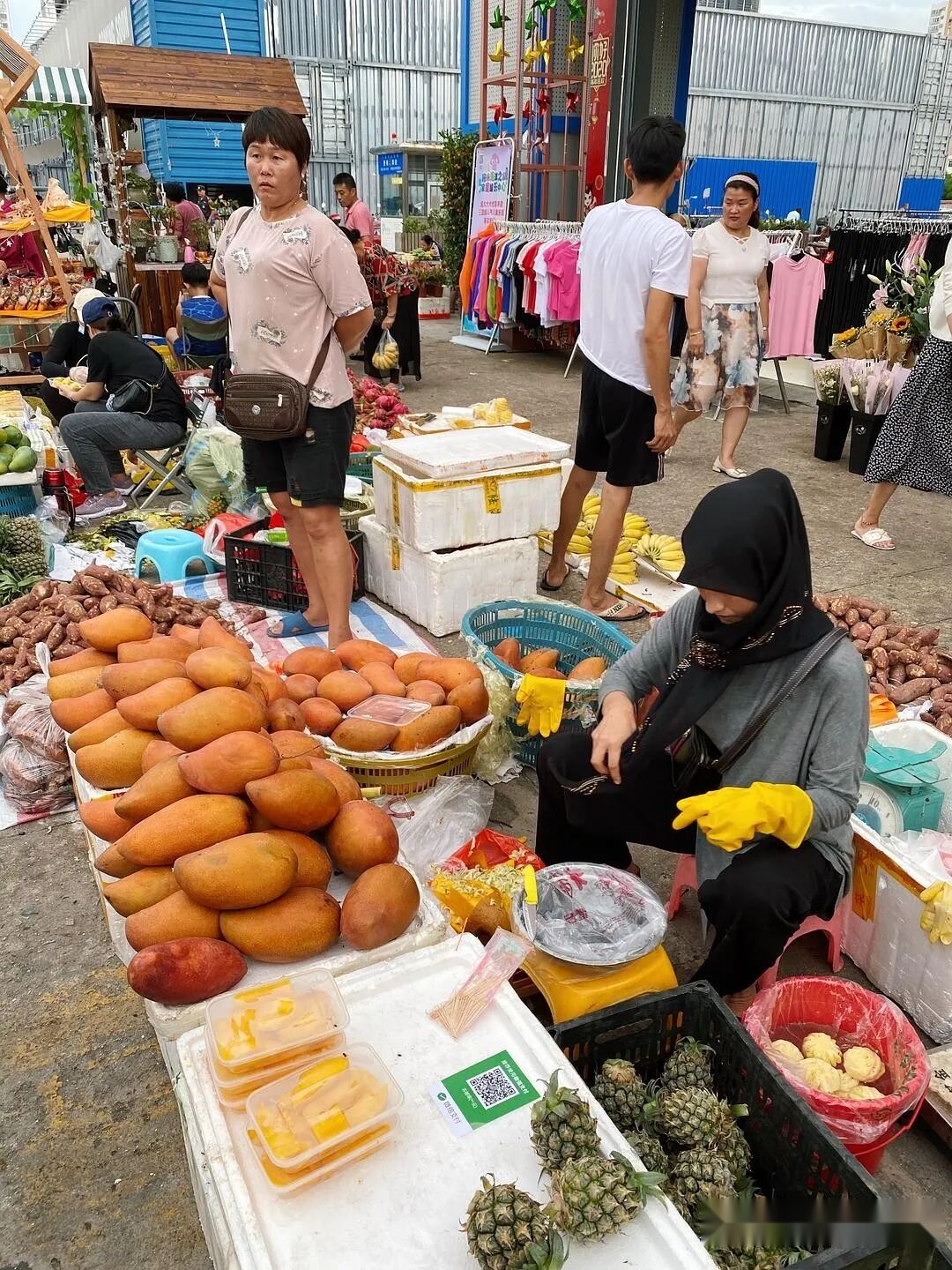



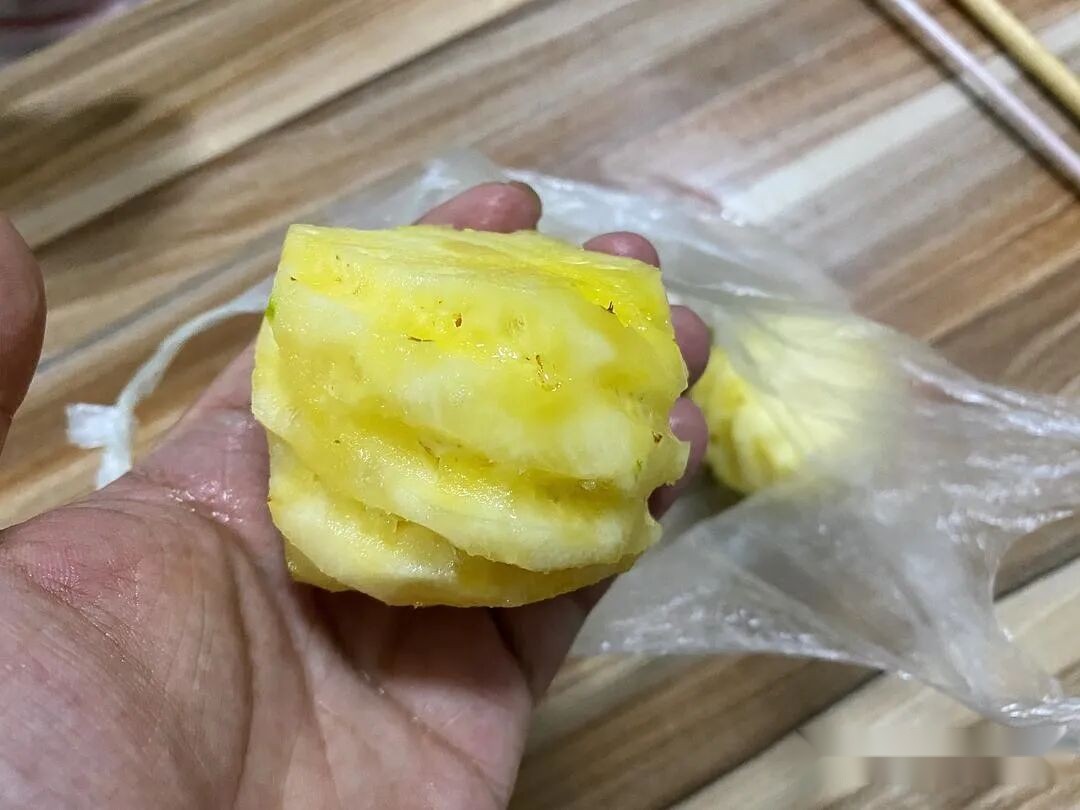
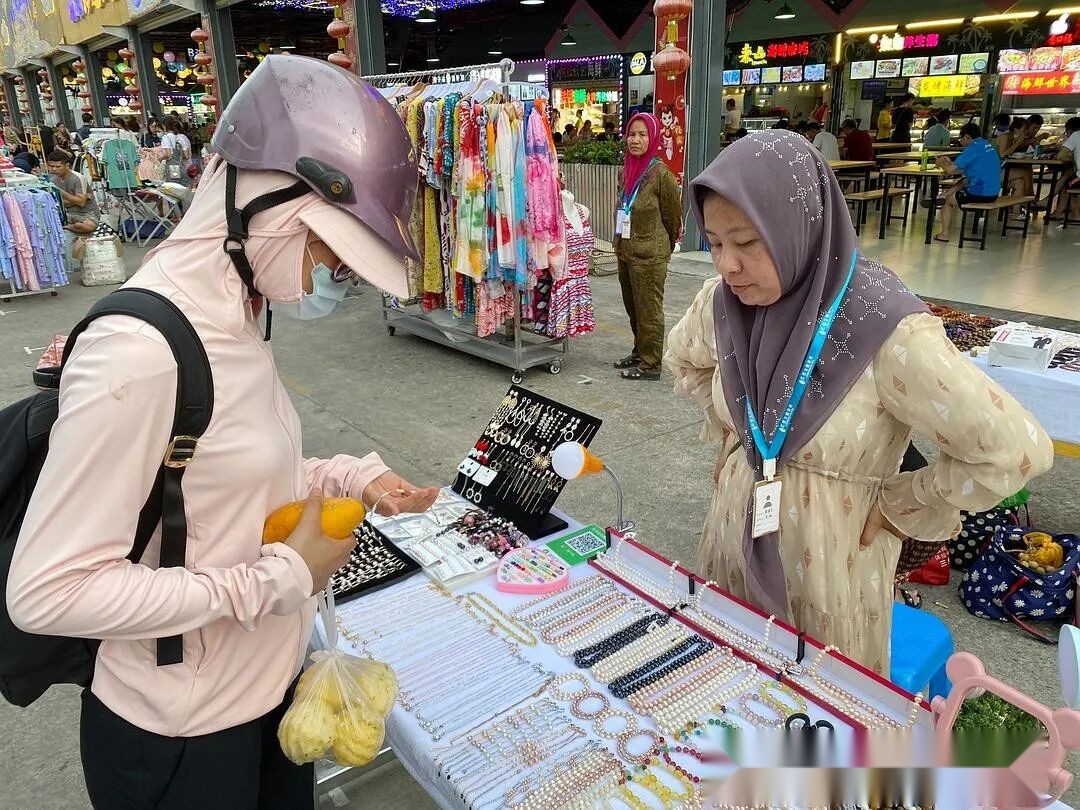
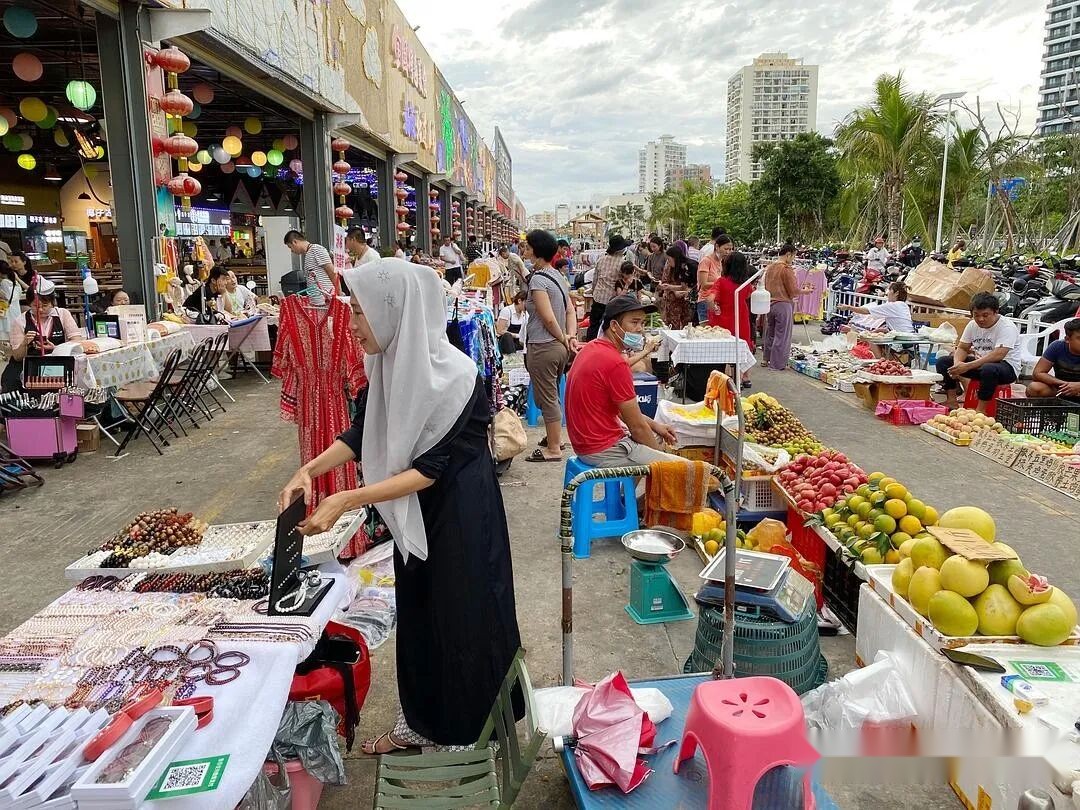

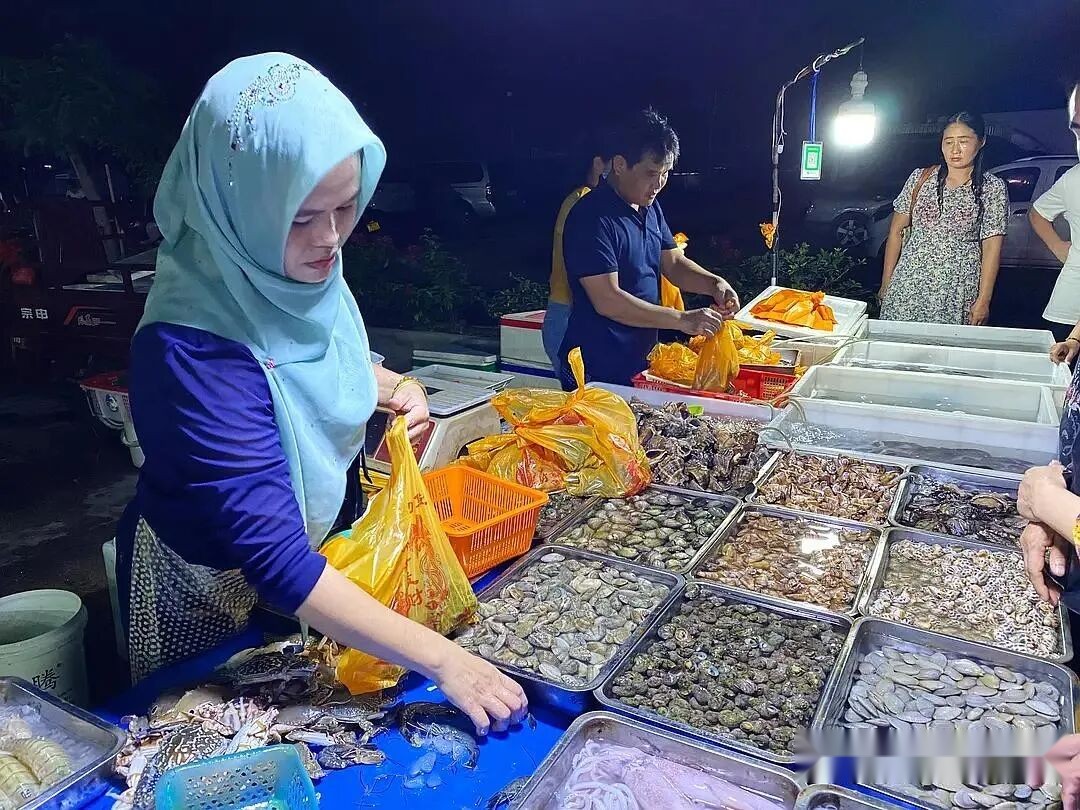
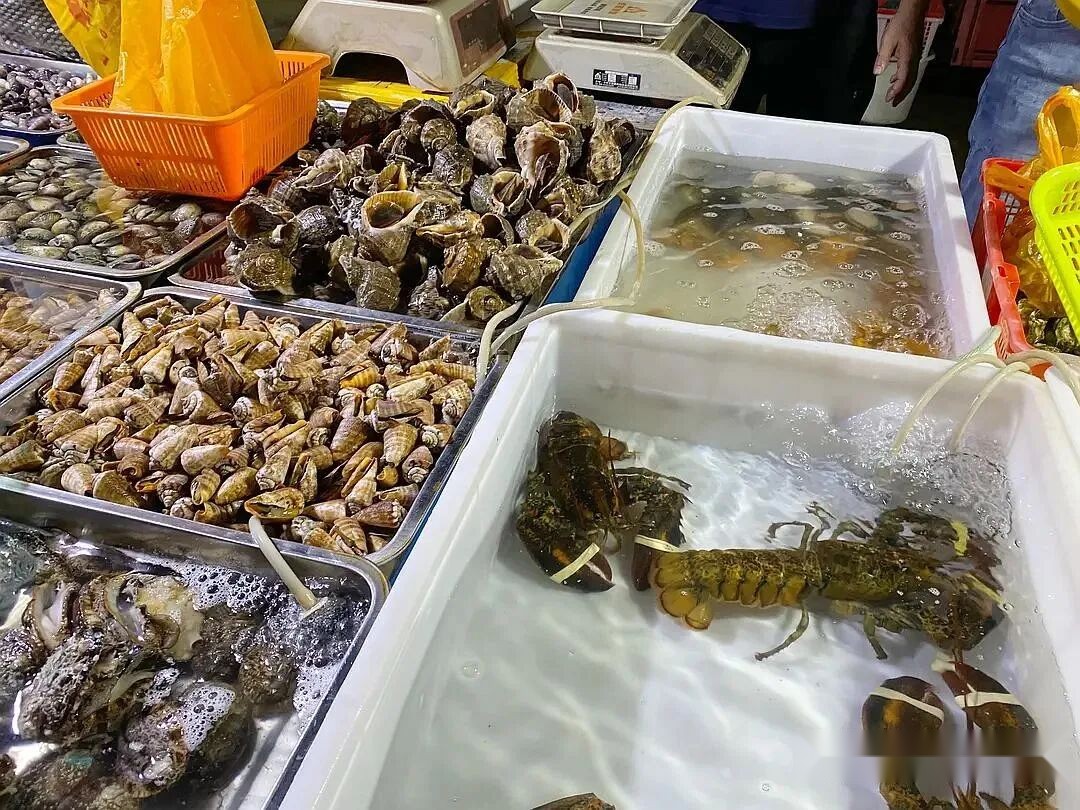
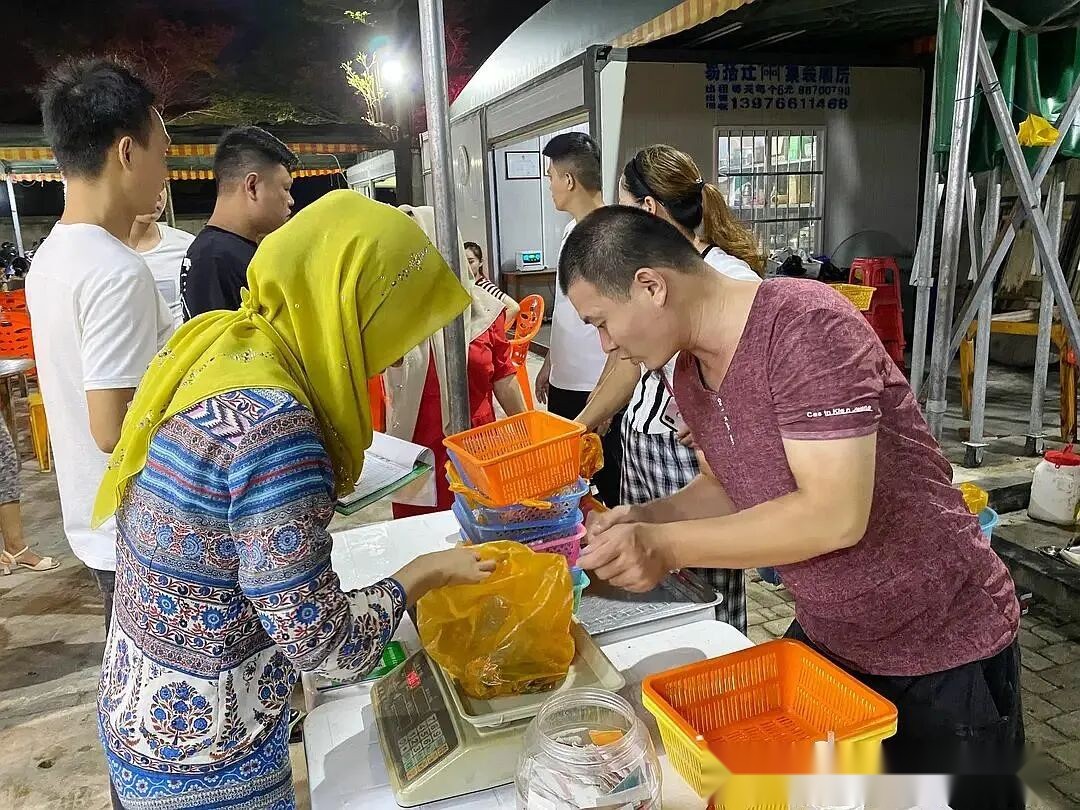
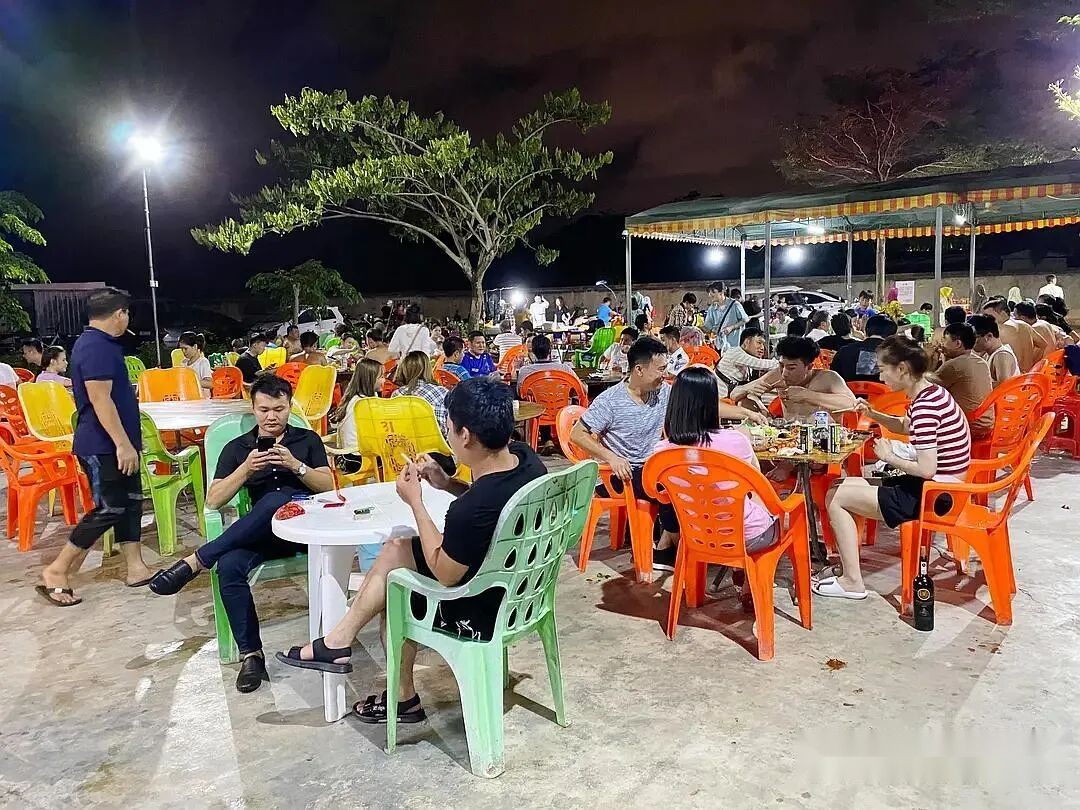
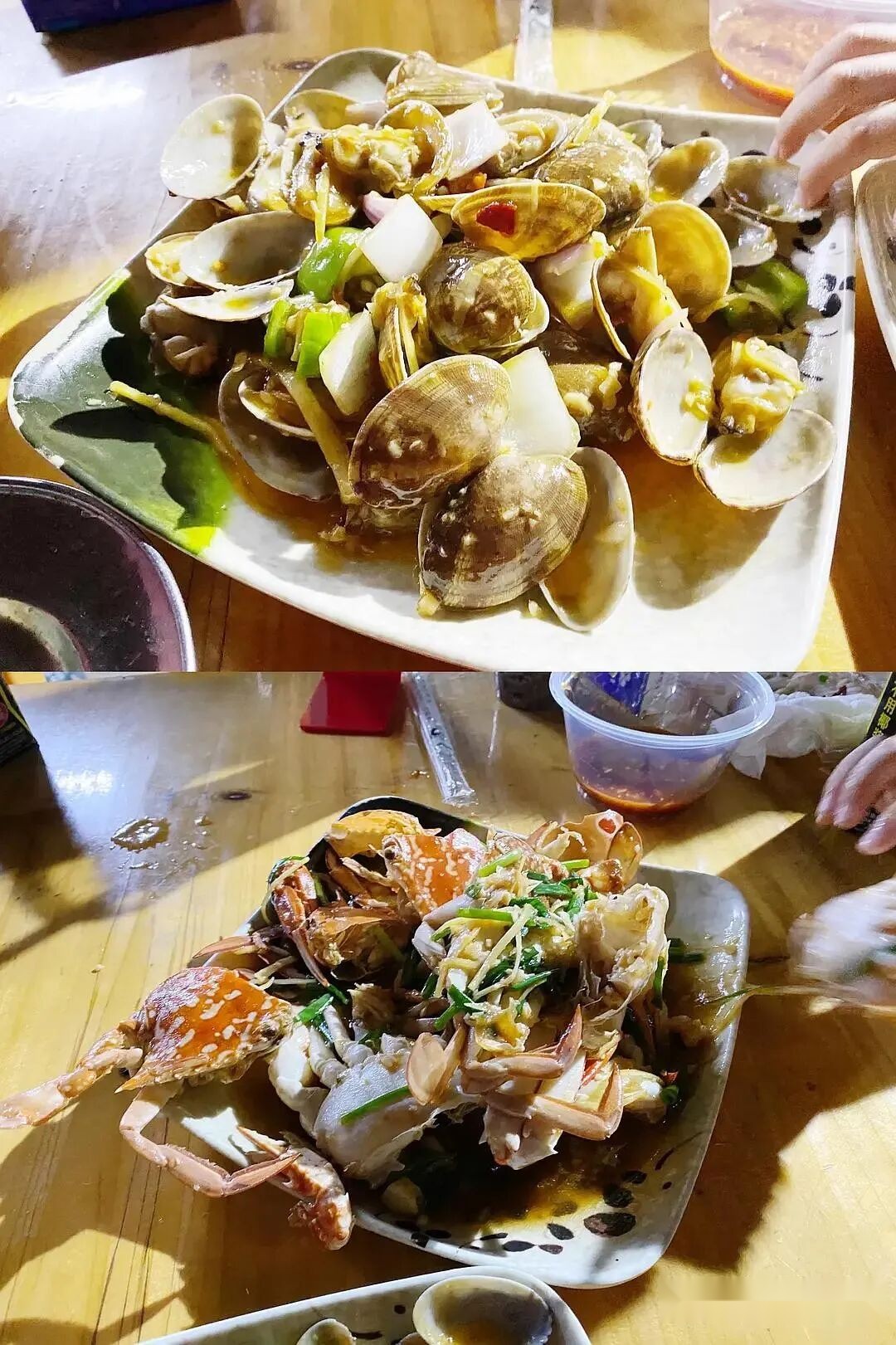
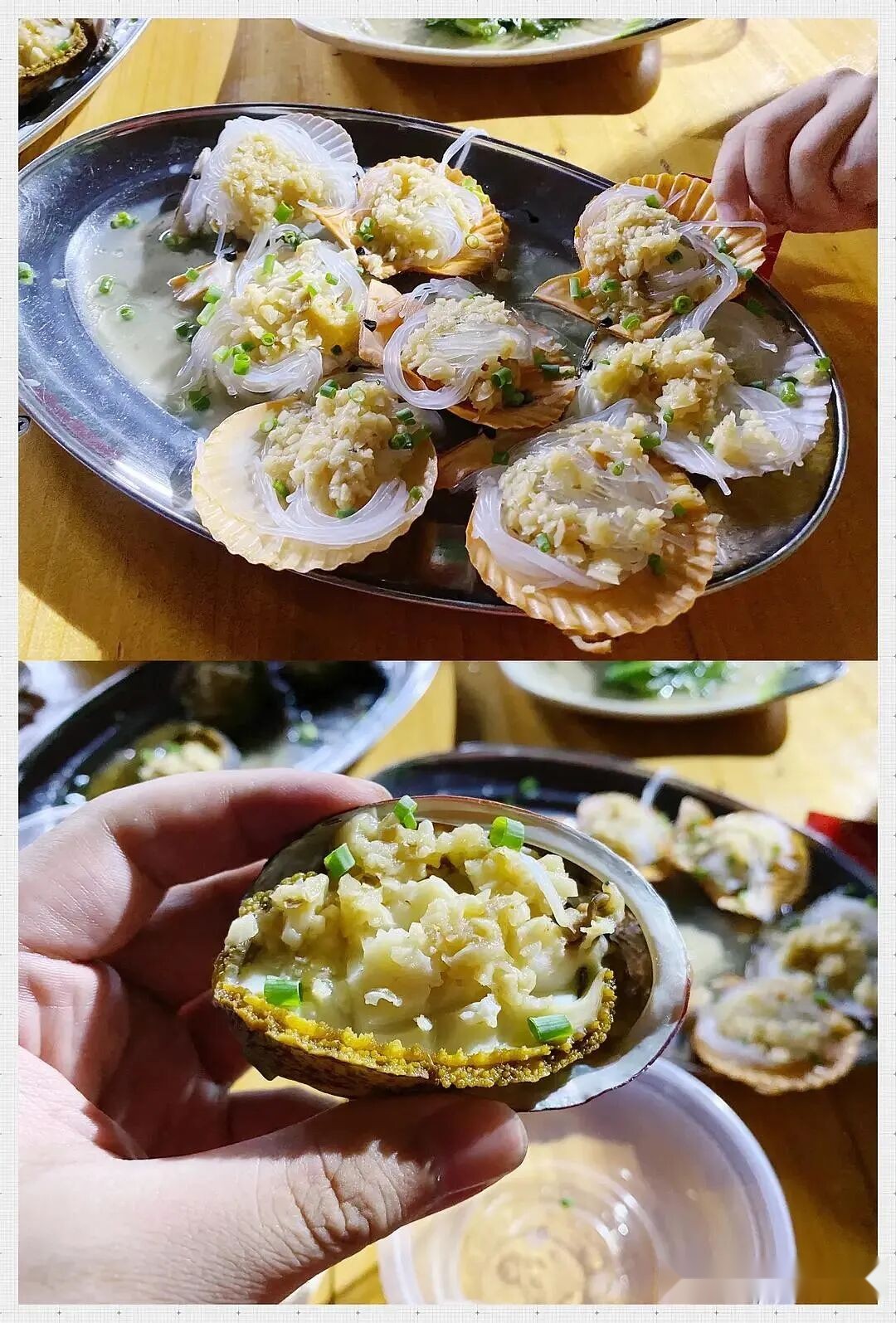

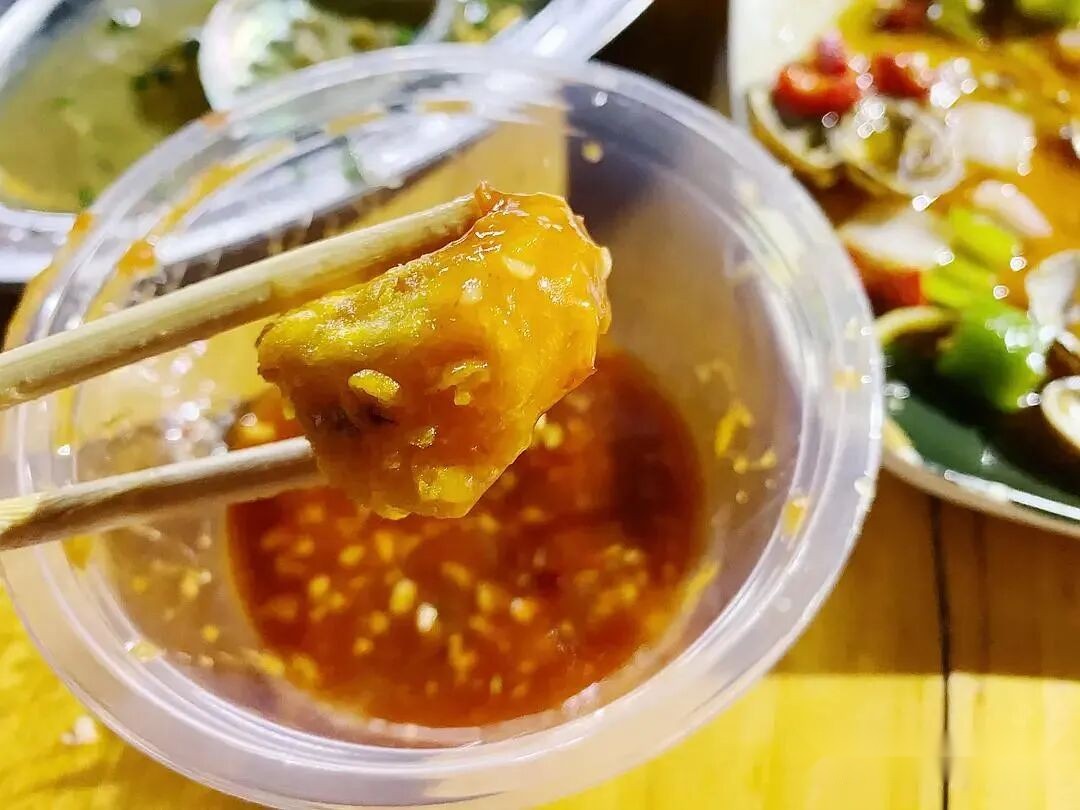
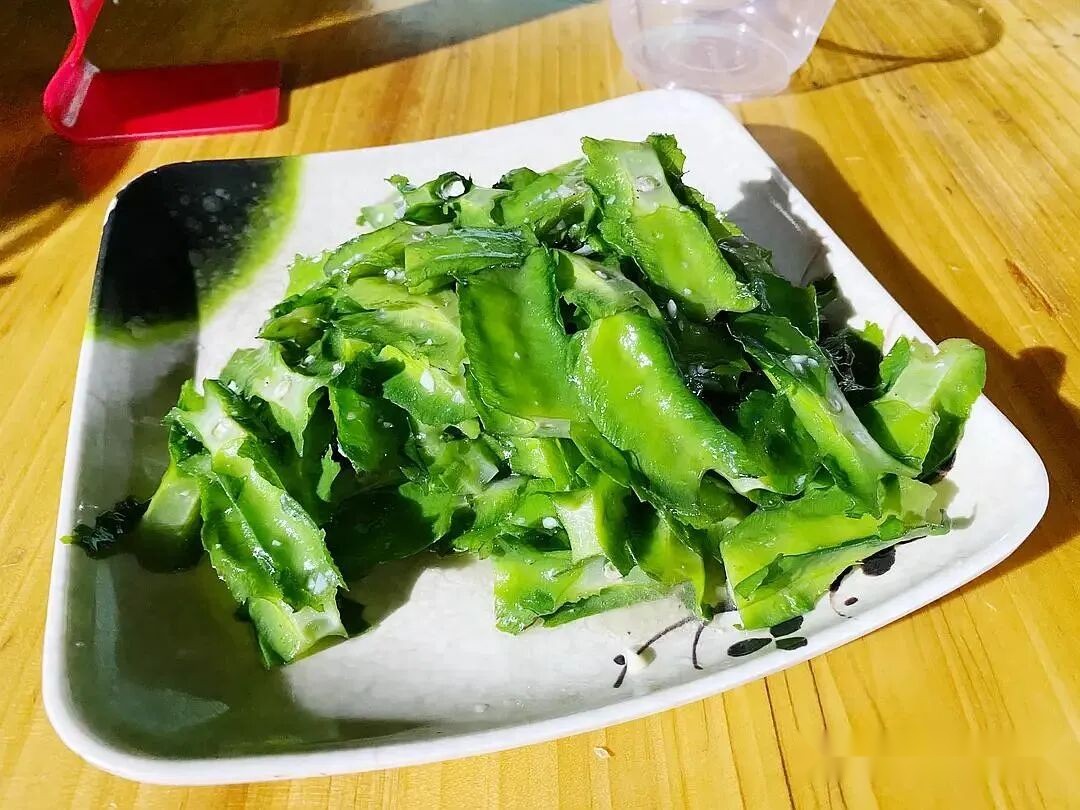
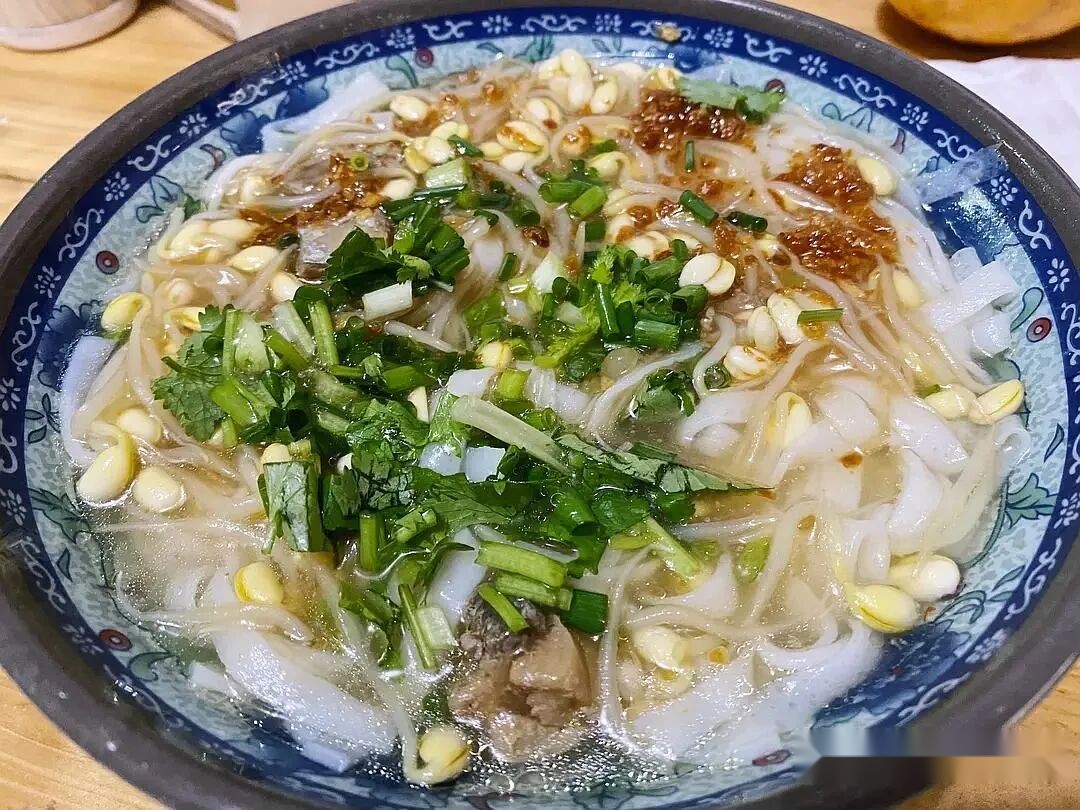
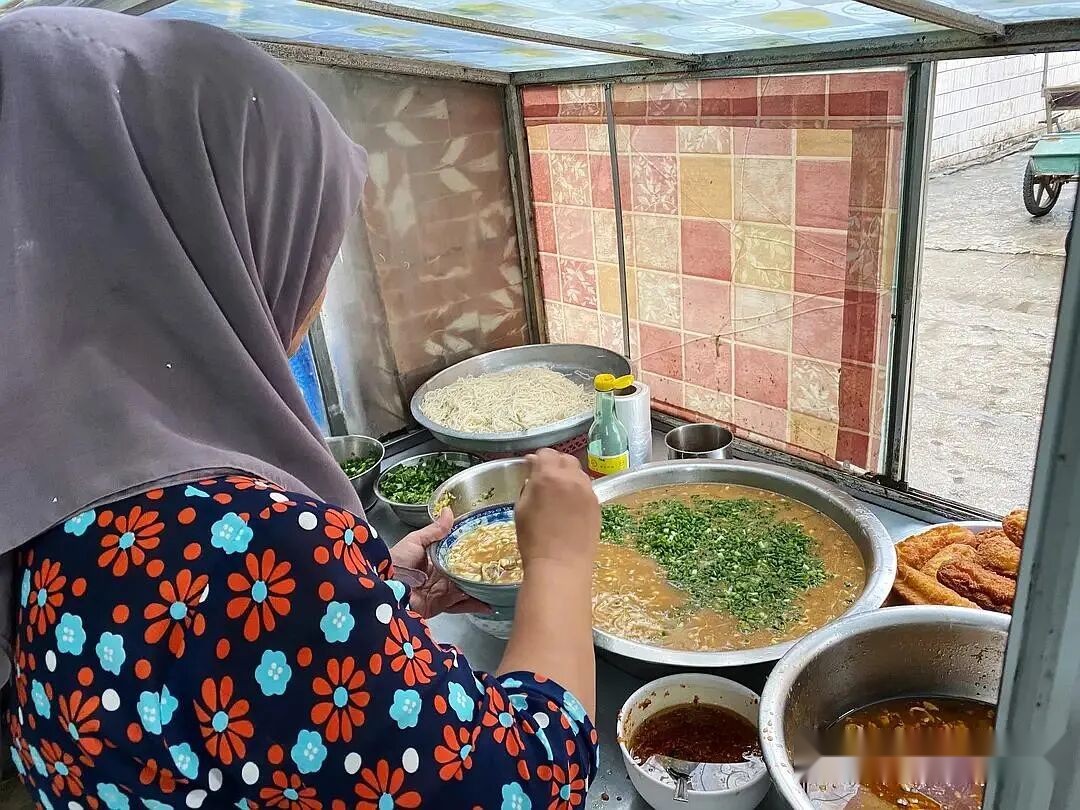
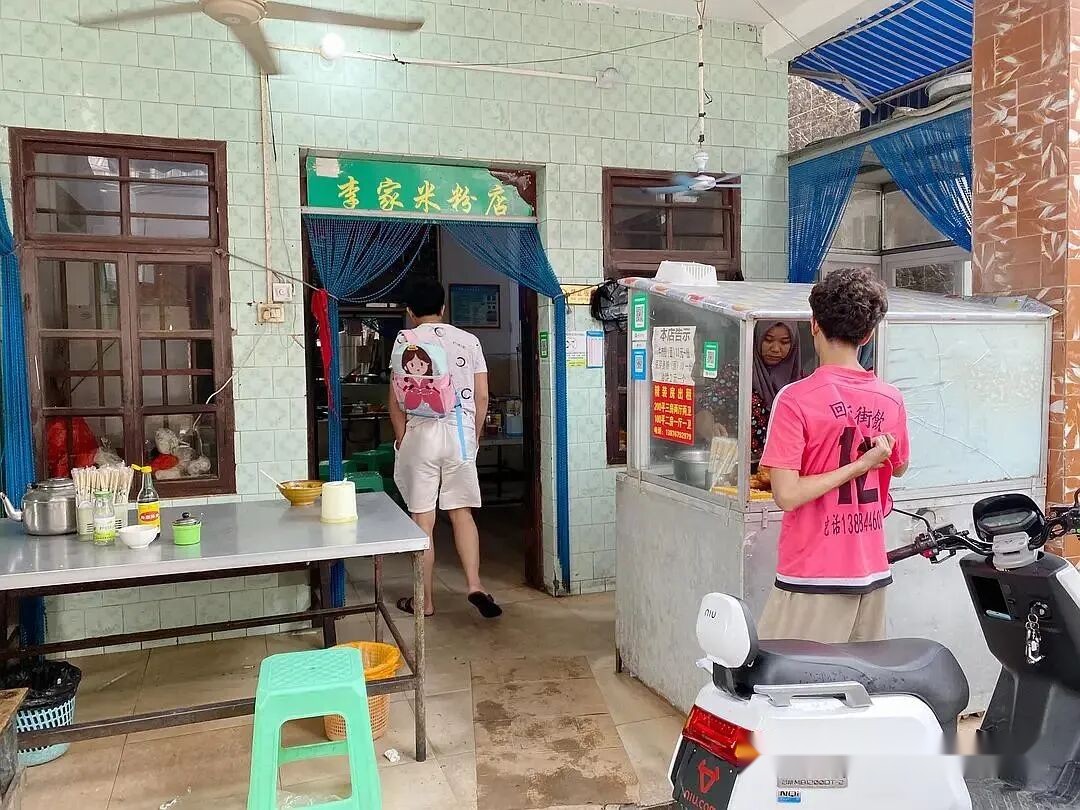
Sanya Halal Seafood Guide: Phoenix Seafood Restaurant Review, Fresh Catch Tips & Must-Try Dishes
Articles • Hasan09 posted the article • 0 comments • 4 views • 3 hours ago
Sanya Halal Phoenix Seafood Restaurant Review: Live Giant Prawns, Spicy Stir-Fried Mango Sea Snails, and Smart Dining Tips to Avoid Tourist Traps
Summary:
An honest review of the wildly popular Halal Phoenix Seafood Restaurant (Qingzhen Fenghuang Yuwei Haixian Meishi Cheng) in Sanya's Tianya District. We're breaking down how to pick active mantis shrimp, tender coral grouper, and aromatic spicy mango sea snails (mangguo luo), plus custom flavor tips, giving Muslim foodies nationwide a transparent, clear-priced guide to top-tier halal seafood dining. view all
Sanya Halal Phoenix Seafood Restaurant Review: Live Giant Prawns, Spicy Stir-Fried Mango Sea Snails, and Smart Dining Tips to Avoid Tourist Traps
Summary:
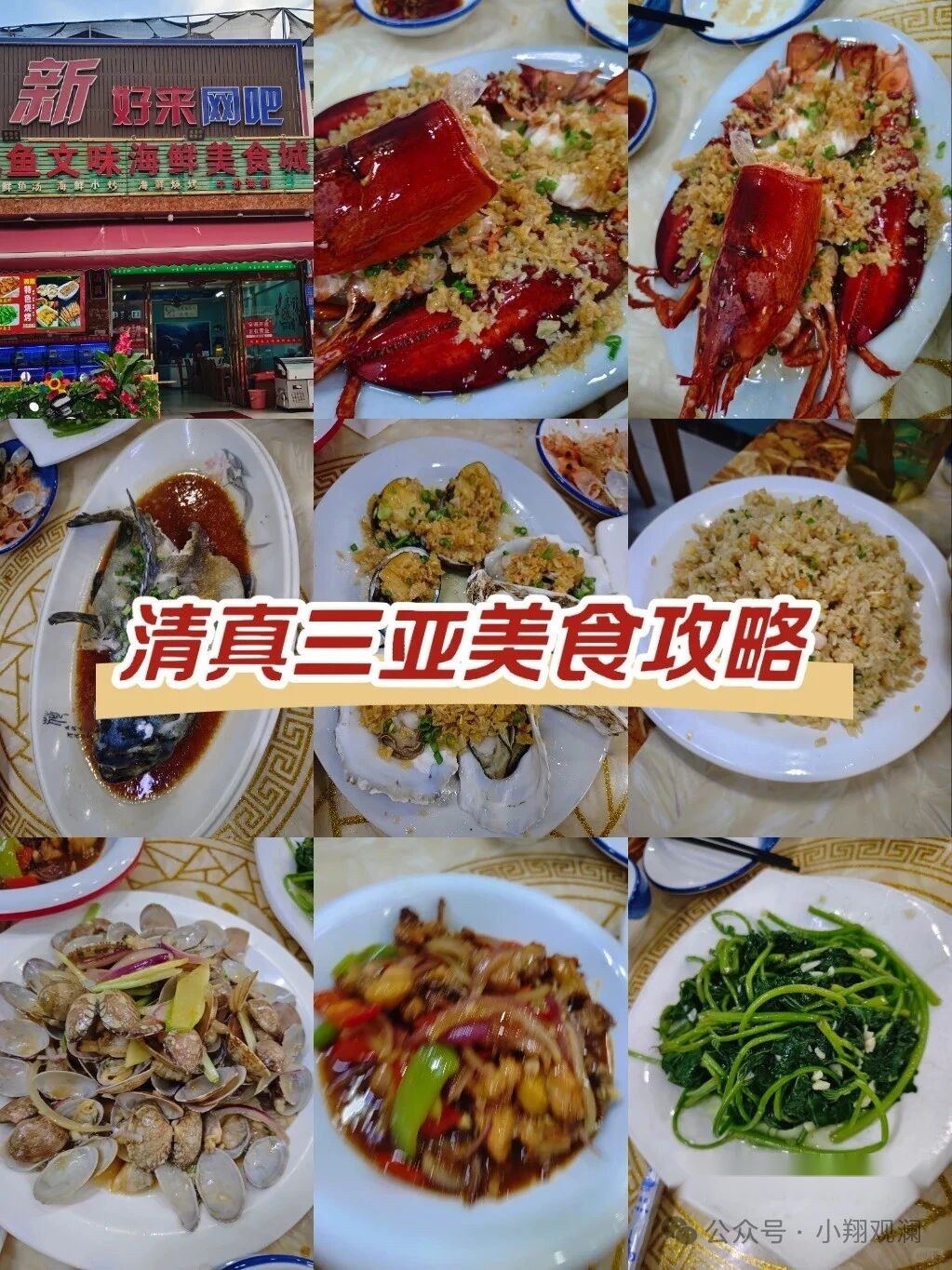
An honest review of the wildly popular Halal Phoenix Seafood Restaurant (Qingzhen Fenghuang Yuwei Haixian Meishi Cheng) in Sanya's Tianya District. We're breaking down how to pick active mantis shrimp, tender coral grouper, and aromatic spicy mango sea snails (mangguo luo), plus custom flavor tips, giving Muslim foodies nationwide a transparent, clear-priced guide to top-tier halal seafood dining.
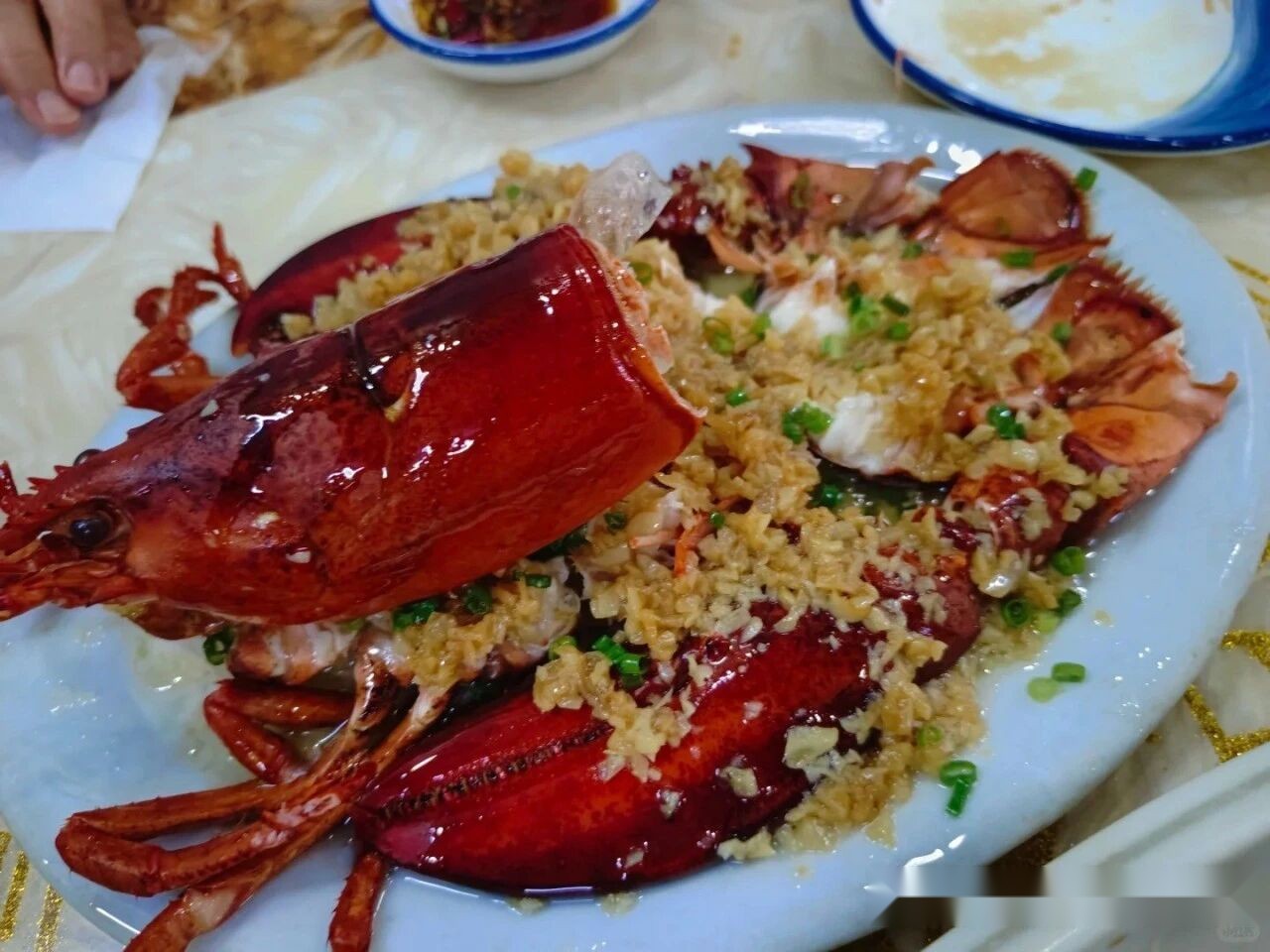
Tracing Sanya's Utsul Muslim Roots: Ancient Cham Migration & Halal Heritage in Hainan
Articles • Hasan09 posted the article • 0 comments • 2 views • 1 hours ago
Tracing the Cham People in Ninh Thuận Province, Vietnam: Uncovering the Trans-Oceanic Migration of Sanya's Utsul Muslims and Their Historic Roots in the Ancient Champa Kingdom
Abstract:
A deep dive into the historical roots and folk traditions of Cham villages in Ninh Thuận Province, Vietnam. Investigating the history of Sanya's Utsul Muslims as descendants of Islamic refugees from the ancient Champa kingdom who migrated across the sea, highlighting the deep cultural bonds between Southeast Asia's Maritime Silk Road and island-based Hui Muslim communities.
—Cham villagers in Ninh Thuận Province, Vietnam, are said to be the ancestors of Sanya's Utsul Muslims, hailing from the vanished Champa kingdom. From the Song and Yuan to the Ming and Qing dynasties, the Champa Kingdom was annexed by Annam (Vietnam). Cham Muslims who practiced Islam fled by boat in waves, and some ended up settling in Sanya's Yazhou Bay, forming the Utsul community. Given that the descendants of these ancient Islamized Chams make up a unique branch of the Hui ethnic group, China's official classification groups the Utsul people under the Hui nationality based on their bloodline and cultural origins. Residents in Sanya's Yanglan Huihui Village (Huihui Muslim Village) and Huixin Village (Huixin Muslim Village) all share this background, and their official ID cards list their ethnicity uniformly as Hui. The Utsul people have their own distinct language; their faith, dietary habits, and religious observances are basically similar to mainstream Islam, but their clothing and festival traditions still retain heavy traces of Cham heritage.
[Live Showcase] view all
Tracing the Cham People in Ninh Thuận Province, Vietnam: Uncovering the Trans-Oceanic Migration of Sanya's Utsul Muslims and Their Historic Roots in the Ancient Champa Kingdom
Abstract:
A deep dive into the historical roots and folk traditions of Cham villages in Ninh Thuận Province, Vietnam. Investigating the history of Sanya's Utsul Muslims as descendants of Islamic refugees from the ancient Champa kingdom who migrated across the sea, highlighting the deep cultural bonds between Southeast Asia's Maritime Silk Road and island-based Hui Muslim communities.
—Cham villagers in Ninh Thuận Province, Vietnam, are said to be the ancestors of Sanya's Utsul Muslims, hailing from the vanished Champa kingdom. From the Song and Yuan to the Ming and Qing dynasties, the Champa Kingdom was annexed by Annam (Vietnam). Cham Muslims who practiced Islam fled by boat in waves, and some ended up settling in Sanya's Yazhou Bay, forming the Utsul community. Given that the descendants of these ancient Islamized Chams make up a unique branch of the Hui ethnic group, China's official classification groups the Utsul people under the Hui nationality based on their bloodline and cultural origins. Residents in Sanya's Yanglan Huihui Village (Huihui Muslim Village) and Huixin Village (Huixin Muslim Village) all share this background, and their official ID cards list their ethnicity uniformly as Hui. The Utsul people have their own distinct language; their faith, dietary habits, and religious observances are basically similar to mainstream Islam, but their clothing and festival traditions still retain heavy traces of Cham heritage.
[Live Showcase]
Sanya Muslim Guide: Halal Seafood, Historic Mosques & Utsul Culture in Hainan
Articles • Hasan09 posted the article • 0 comments • 1 views • 1 hours ago
Talking About Muslims at the Ends of the Earth: Strolling Along the Sanya Coastline and Reflecting on the Human Touch and Islamic Culture of Huihui and Huixin Muslims
Abstract:
Through a poetic lens, this article chronicles the life philosophy and spiritual world of our Muslim compatriots living at the edge of the world. Set against the backdrop of tropical coconut groves and sandy beaches, it showcases the island Muslims' pious adherence to religious traditions, mutual aid, honesty, integrity, and their profound reflections on Maritime Silk Road history.
"Facing the Sea, Spring Flowers Blooming"
Starting tomorrow, I will be a grateful person,
Worshiping Allah, loving others, and spreading virtue...
Starting tomorrow, I will care for the poor and orphans.
I wish I had a house,
Facing the mosque, listening to the melodic recitation of the Quran.
Starting tomorrow, I will greet everyone with peace,
Telling them about my faith,
What the truth of that faith has taught me,
I will tell everyone.
Giving every river and every mountain a warm name: Abdullah—the servant of Allah.
Stranger, I pray for you as well,
May you have a beautiful soul,
May you be guided to walk upon the straight path,
May you attain happiness in both worlds,
I only wish to face the mosque, where the adhan calls me to prayer: 'Come to success~ Come to success~'
These are the words I adapted from Mr. Haizi's poem as I was leaving Sanya. Because although I live in a city with a large Muslim population, there isn't a mosque near my home; in Sanya, however, it's completely the opposite. Being rather ignorant, I used to think Hainan's Muslims were merely historical passersby in textbooks. It wasn't until a few years ago, when I connected with a Hui Muslim brother from Sanya on Weibo, that I saw through his photos and blog posts that a group of devout Muslims is still active right here at China's southernmost tip. It felt both distant and intimate, and subconsciously, I made a niyyah (personal intention) to go see it for myself. Earlier this year, Allah answered that prayer, and our whole family was blessed to make the journey there.
The residential areas of the Sanya Hui Muslims are the two villages of Huihui Village (Huihui Muslim Village) and Huixin Village (Huixin Muslim Village), located just outside the downtown area. As many imams and scholars mentioned during our stay in Sanya: if it weren't for these two villages of our Muslim brothers, so many Muslims from mainland China would never come to Sanya. Even if they came for a vacation, they wouldn't stay in this neighborhood; even if they stayed, they wouldn't stay for months at a time, let alone return year after year.
Let me think about the reasons. First, it solves the dietary issues everyone has to face; second, the presence of six mosques gives the religious life of out-of-town Muslims a settled anchor; and third, that sense of emotional comfort you get when you are surrounded entirely by fellow Muslims.
Even though these two villages might have airplane noise, crowing roosters, and quacking ducks, when you can wake up every day to the sound of the adhan, and hear the mosque broadcasting the Quran and salawat (praises upon the Prophet) daily, the former becomes completely negligible. Yes, the melodious adhan, Quranic verses, and praises echoing from the loudspeakers are enough to make Muslims in too many places across the mainland envious. No one will complain that the Fajr prayer disturbs their sweet sleep, and no one will feel that the call to prayer is an annoying noise, because everyone here is a Muslim. You won't feel like wearing a thawb or hijab while walking down the street draws extra looks, and sisters who lack the courage to wear a headscarf back home can wear it here without attracting a single sideways glance, because everyone here is a Muslim. You don't have to worry about which vendor is selling fake Halal food, nor do you need to be afraid that a restaurant with a 'Halal' sign not only sells alcohol but also puts cooking wine and meat of unknown origin into the dishes, because everyone here is a devout Muslim.
Perhaps when you first arrive in Sanya, you might feel unaccustomed to these special brothers and sisters who differ from the stereotypical physical features of 'Hui people' in your mind, who even have their own language, and whose men, women, and children chew betel nut in ways you can't quite understand. I know some people even cast doubt on the level of religious practice of these Sanya Hui Muslims because of this. That's because we've developed too many bad habits on the mainland, where our standard for judging whether someone is a good Muslim stops at how long their beard is, how long their robe is, how long the taqiyah (prayer cap) on their head is, and how long the tasbih (prayer beads) in their hand is. Granted, it's a good thing for someone to have these Islamic sartorial features, but judging a book by its cover is a problem. When you find that the proportion of people going to the mosque for the five daily prayers here is higher than in the Hui community where you live, when you find that women here wear headscarves whether they are going to work, school, or even when they are still infants in arms, when you find that local merchants never shortchange you and will never cheat you, and when you walk down the street and pass by a very elderly but spirited local grandmother—while you walk right past her blankly, that elderly woman takes the initiative to greet you with a less-than-standard Arabic 'As-salamu alaykum'—my mainland compatriots, have you ever reflected for even a moment, or felt a sense of shame?
During my stay in Sanya, I happened to witness and participate from start to finish in the Mawlid (Prophet's Birthday celebration) hosted by the Sanya Ancient Mosque, with all the other mosques co-hosting. The relations among the mosques here are exceptionally good—so good that it feels as if they are simply six branch locations of the very same mosque. The Mawlid event is held every year, rotating hosts among the mosques annually to avoid wasting resources and putting a financial burden on the people. By combining everyone's efforts once a year, the event becomes grand and massive through sheer concentration. I also learned that the Eid al-Fitr and Eid al-Adha congregational prayers alternate locations: one year they are held in Huihui, and the next year they must be held in Huixin. Everyone strives for fairness advocated by Islam in all matters and details, and it is precisely because they unremittingly put this into practice that inter-mosque and inter-village conflicts do not arise. The Mawlid here is not just a single day's event; it spans over ten days of various activities leading up to the official Mawlid banquet—such as the easily anticipated speech contests, Quran recitation competitions, and Islamic knowledge quizzes, alongside various sports tournaments that people might not immediately associate with it, including basketball, volleyball, table tennis, and more. Moreover, the competition venues are right in the courtyards behind the main prayer halls, and the matches are fiercely competitive, showcasing the robust physical fitness that local Muslims have developed from swimming in the sea since childhood.
What is truly worth noting is that I saw the imams of several mosques among the spectators and team players! This is unimaginable in some regions of the Northwest, where imams must maintain a very 'stiff and solemn' image. For an imam to participate in such sports activities without being declared un-Islamic would be a miracle—let alone watching or playing a game. I saw the young and promising Imam Li of the Sanya Ancient Mosque fighting hard on the basketball court in his jersey. As soon as the adhan sounded, he rushed back to the mosque to make wudu (ablution), slipped a long robe over his jersey, and devoutly and solemnly led everyone in prayer. These Muslim brothers sweating and laughing heartily on the sports court while praying to Allah with heartfelt devotion in the main hall showed me what normal Muslims truly look like. Muslims are not grim, tight-lipped ascetics rushing forward with lowered heads; a Muslim should be a sunny image full of distinct personality, happiness, and vitality. If your faith cannot even bring you joy, then there is undoubtedly some deviation in your faith.
In the courtyards of the mosques here, people chat and chew betel nut, others lie down on both sides outside the main hall to catch a cool breeze, and children chase and play. Everyone treats the mosque as a place they love, unlike mosques in many other places where people only go during prayer time and bolt the second prayer is over, or places filled with foot odor and backbiting gossip. Here, everyone holds the mosque close to their hearts and loves it. The mosques here don't just belong to the imams and the mosque management committee; every single Muslim feels that 'this is our mosque.' Words are pale and make it sound ordinary, but the actual difference is worlds apart.
In addition, I must mention two people. One is an older brother who invited us to Sanya, helped us find a place to stay, took us to tourist spots, and went out of his way every single day. We felt very embarrassed, but he said, 'Please don't be so polite. We are extremely happy that you could come; we share the relationship of the Muhajirun and the Ansar.' This sentence deeply moved us and made us feel ashamed of our own shortcomings. Although we are far from deserving it, he truly possesses the generous heart and selfless spirit of an Ansar. He is not a man of many words, but he teaches us a lesson through his actions every single day. The another person is one of the first local Hui Muslims who traveled to the Northwest to study Islamic knowledge; he even speaks our local dialect and slang. He said his religious foundation was learned from our region, but every time he visits there, he also sees many things that break his heart. He has seen many young men who just arrived in the city from rural areas go astray, wearing white caps specifically while pickpocketing and stealing. When he saw this, his blood would boil, and after praying to Allah for help, he would step forward to stop the theft, offer the Islamic greeting of peace, and say, 'If you really must steal, take my phone, it's fine; but if you steal from non-Muslims, people will say all Hui people are thieves.' Naturally, those young men wouldn't take his phone, and then he would insist on treating them to a meal, advising them over food to abide by the law, work hard, and build a livelihood through honesty.
A similar incident happened to him on a long-distance bus in the Northwest. Although he successfully stopped a theft that time as well, he was mocked because he doesn't look like a stereotypical Hui Muslim, and the thieves thought he couldn't understand the local dialect. Shamelessly discussing it amongst themselves while acting as pickpockets, they muttered, 'I wonder if this guy is even a real Hui Muslim; he said As-salamu alaykum, but he doesn't look like one at all.' Sigh, as if *they* looked the part?! And there were so many total strangers among the locals who left unforgettable impressions on us. For example, when we first arrived and didn't know how to pick out local fruits, vegetables, or seafood, shoppers standing next to you would take the initiative to help you pick them out and even help you bargain with the vendors. Or once, when we bought a bunch of coconuts to drink at home and realized we didn't have straws, we sent a child downstairs to the supermarket, but they didn't have any. The child saw a nearby drink stall and asked if they sold straws. The stall owner said, 'I don't sell them, but just take however many you need,' and so on. It reminds me of a saying by Hasan al-Basri: 'True humility is when you step outside and feel that every single Muslim you meet is better than you.' In Sanya, in Huihui Village, when I stepped outside, it wasn't a matter of me being humble—truly, every single person *was* better than me!
May Allah help, protect, and bless our Muslim brothers and sisters living far away by the South China Sea. view all
Talking About Muslims at the Ends of the Earth: Strolling Along the Sanya Coastline and Reflecting on the Human Touch and Islamic Culture of Huihui and Huixin Muslims
Abstract:
Through a poetic lens, this article chronicles the life philosophy and spiritual world of our Muslim compatriots living at the edge of the world. Set against the backdrop of tropical coconut groves and sandy beaches, it showcases the island Muslims' pious adherence to religious traditions, mutual aid, honesty, integrity, and their profound reflections on Maritime Silk Road history.
"Facing the Sea, Spring Flowers Blooming"
Starting tomorrow, I will be a grateful person,
Worshiping Allah, loving others, and spreading virtue...
Starting tomorrow, I will care for the poor and orphans.
I wish I had a house,
Facing the mosque, listening to the melodic recitation of the Quran.
Starting tomorrow, I will greet everyone with peace,
Telling them about my faith,
What the truth of that faith has taught me,
I will tell everyone.
Giving every river and every mountain a warm name: Abdullah—the servant of Allah.
Stranger, I pray for you as well,
May you have a beautiful soul,
May you be guided to walk upon the straight path,
May you attain happiness in both worlds,
I only wish to face the mosque, where the adhan calls me to prayer: 'Come to success~ Come to success~'
These are the words I adapted from Mr. Haizi's poem as I was leaving Sanya. Because although I live in a city with a large Muslim population, there isn't a mosque near my home; in Sanya, however, it's completely the opposite. Being rather ignorant, I used to think Hainan's Muslims were merely historical passersby in textbooks. It wasn't until a few years ago, when I connected with a Hui Muslim brother from Sanya on Weibo, that I saw through his photos and blog posts that a group of devout Muslims is still active right here at China's southernmost tip. It felt both distant and intimate, and subconsciously, I made a niyyah (personal intention) to go see it for myself. Earlier this year, Allah answered that prayer, and our whole family was blessed to make the journey there.
The residential areas of the Sanya Hui Muslims are the two villages of Huihui Village (Huihui Muslim Village) and Huixin Village (Huixin Muslim Village), located just outside the downtown area. As many imams and scholars mentioned during our stay in Sanya: if it weren't for these two villages of our Muslim brothers, so many Muslims from mainland China would never come to Sanya. Even if they came for a vacation, they wouldn't stay in this neighborhood; even if they stayed, they wouldn't stay for months at a time, let alone return year after year.
Let me think about the reasons. First, it solves the dietary issues everyone has to face; second, the presence of six mosques gives the religious life of out-of-town Muslims a settled anchor; and third, that sense of emotional comfort you get when you are surrounded entirely by fellow Muslims.
Even though these two villages might have airplane noise, crowing roosters, and quacking ducks, when you can wake up every day to the sound of the adhan, and hear the mosque broadcasting the Quran and salawat (praises upon the Prophet) daily, the former becomes completely negligible. Yes, the melodious adhan, Quranic verses, and praises echoing from the loudspeakers are enough to make Muslims in too many places across the mainland envious. No one will complain that the Fajr prayer disturbs their sweet sleep, and no one will feel that the call to prayer is an annoying noise, because everyone here is a Muslim. You won't feel like wearing a thawb or hijab while walking down the street draws extra looks, and sisters who lack the courage to wear a headscarf back home can wear it here without attracting a single sideways glance, because everyone here is a Muslim. You don't have to worry about which vendor is selling fake Halal food, nor do you need to be afraid that a restaurant with a 'Halal' sign not only sells alcohol but also puts cooking wine and meat of unknown origin into the dishes, because everyone here is a devout Muslim.
Perhaps when you first arrive in Sanya, you might feel unaccustomed to these special brothers and sisters who differ from the stereotypical physical features of 'Hui people' in your mind, who even have their own language, and whose men, women, and children chew betel nut in ways you can't quite understand. I know some people even cast doubt on the level of religious practice of these Sanya Hui Muslims because of this. That's because we've developed too many bad habits on the mainland, where our standard for judging whether someone is a good Muslim stops at how long their beard is, how long their robe is, how long the taqiyah (prayer cap) on their head is, and how long the tasbih (prayer beads) in their hand is. Granted, it's a good thing for someone to have these Islamic sartorial features, but judging a book by its cover is a problem. When you find that the proportion of people going to the mosque for the five daily prayers here is higher than in the Hui community where you live, when you find that women here wear headscarves whether they are going to work, school, or even when they are still infants in arms, when you find that local merchants never shortchange you and will never cheat you, and when you walk down the street and pass by a very elderly but spirited local grandmother—while you walk right past her blankly, that elderly woman takes the initiative to greet you with a less-than-standard Arabic 'As-salamu alaykum'—my mainland compatriots, have you ever reflected for even a moment, or felt a sense of shame?
During my stay in Sanya, I happened to witness and participate from start to finish in the Mawlid (Prophet's Birthday celebration) hosted by the Sanya Ancient Mosque, with all the other mosques co-hosting. The relations among the mosques here are exceptionally good—so good that it feels as if they are simply six branch locations of the very same mosque. The Mawlid event is held every year, rotating hosts among the mosques annually to avoid wasting resources and putting a financial burden on the people. By combining everyone's efforts once a year, the event becomes grand and massive through sheer concentration. I also learned that the Eid al-Fitr and Eid al-Adha congregational prayers alternate locations: one year they are held in Huihui, and the next year they must be held in Huixin. Everyone strives for fairness advocated by Islam in all matters and details, and it is precisely because they unremittingly put this into practice that inter-mosque and inter-village conflicts do not arise. The Mawlid here is not just a single day's event; it spans over ten days of various activities leading up to the official Mawlid banquet—such as the easily anticipated speech contests, Quran recitation competitions, and Islamic knowledge quizzes, alongside various sports tournaments that people might not immediately associate with it, including basketball, volleyball, table tennis, and more. Moreover, the competition venues are right in the courtyards behind the main prayer halls, and the matches are fiercely competitive, showcasing the robust physical fitness that local Muslims have developed from swimming in the sea since childhood.
What is truly worth noting is that I saw the imams of several mosques among the spectators and team players! This is unimaginable in some regions of the Northwest, where imams must maintain a very 'stiff and solemn' image. For an imam to participate in such sports activities without being declared un-Islamic would be a miracle—let alone watching or playing a game. I saw the young and promising Imam Li of the Sanya Ancient Mosque fighting hard on the basketball court in his jersey. As soon as the adhan sounded, he rushed back to the mosque to make wudu (ablution), slipped a long robe over his jersey, and devoutly and solemnly led everyone in prayer. These Muslim brothers sweating and laughing heartily on the sports court while praying to Allah with heartfelt devotion in the main hall showed me what normal Muslims truly look like. Muslims are not grim, tight-lipped ascetics rushing forward with lowered heads; a Muslim should be a sunny image full of distinct personality, happiness, and vitality. If your faith cannot even bring you joy, then there is undoubtedly some deviation in your faith.
In the courtyards of the mosques here, people chat and chew betel nut, others lie down on both sides outside the main hall to catch a cool breeze, and children chase and play. Everyone treats the mosque as a place they love, unlike mosques in many other places where people only go during prayer time and bolt the second prayer is over, or places filled with foot odor and backbiting gossip. Here, everyone holds the mosque close to their hearts and loves it. The mosques here don't just belong to the imams and the mosque management committee; every single Muslim feels that 'this is our mosque.' Words are pale and make it sound ordinary, but the actual difference is worlds apart.
In addition, I must mention two people. One is an older brother who invited us to Sanya, helped us find a place to stay, took us to tourist spots, and went out of his way every single day. We felt very embarrassed, but he said, 'Please don't be so polite. We are extremely happy that you could come; we share the relationship of the Muhajirun and the Ansar.' This sentence deeply moved us and made us feel ashamed of our own shortcomings. Although we are far from deserving it, he truly possesses the generous heart and selfless spirit of an Ansar. He is not a man of many words, but he teaches us a lesson through his actions every single day. The another person is one of the first local Hui Muslims who traveled to the Northwest to study Islamic knowledge; he even speaks our local dialect and slang. He said his religious foundation was learned from our region, but every time he visits there, he also sees many things that break his heart. He has seen many young men who just arrived in the city from rural areas go astray, wearing white caps specifically while pickpocketing and stealing. When he saw this, his blood would boil, and after praying to Allah for help, he would step forward to stop the theft, offer the Islamic greeting of peace, and say, 'If you really must steal, take my phone, it's fine; but if you steal from non-Muslims, people will say all Hui people are thieves.' Naturally, those young men wouldn't take his phone, and then he would insist on treating them to a meal, advising them over food to abide by the law, work hard, and build a livelihood through honesty.
A similar incident happened to him on a long-distance bus in the Northwest. Although he successfully stopped a theft that time as well, he was mocked because he doesn't look like a stereotypical Hui Muslim, and the thieves thought he couldn't understand the local dialect. Shamelessly discussing it amongst themselves while acting as pickpockets, they muttered, 'I wonder if this guy is even a real Hui Muslim; he said As-salamu alaykum, but he doesn't look like one at all.' Sigh, as if *they* looked the part?! And there were so many total strangers among the locals who left unforgettable impressions on us. For example, when we first arrived and didn't know how to pick out local fruits, vegetables, or seafood, shoppers standing next to you would take the initiative to help you pick them out and even help you bargain with the vendors. Or once, when we bought a bunch of coconuts to drink at home and realized we didn't have straws, we sent a child downstairs to the supermarket, but they didn't have any. The child saw a nearby drink stall and asked if they sold straws. The stall owner said, 'I don't sell them, but just take however many you need,' and so on. It reminds me of a saying by Hasan al-Basri: 'True humility is when you step outside and feel that every single Muslim you meet is better than you.' In Sanya, in Huihui Village, when I stepped outside, it wasn't a matter of me being humble—truly, every single person *was* better than me!
May Allah help, protect, and bless our Muslim brothers and sisters living far away by the South China Sea.
Sanya Muslim Culture Guide: Exploring Huihui Village, Halal Seafood & Historic Masjids in Hainan
Articles • Hasan09 posted the article • 0 comments • 5 views • 3 hours ago
Deep Dive into Sanya's Muslim Community: Exploring the Tropical Village Vibe of Huixin and Huihui
Abstract:
An on-the-ground visit to the famous Huixin Village and Huihui Village in Sanya's Tianya District. Venture deep into tropical, coconut-lined streets and alleyways to document the daily life, halal architectural styles, traditional attire, and down-to-earth street vibes of China's southernmost Muslim villages.
[Live Scene Showcase] view all
Deep Dive into Sanya's Muslim Community: Exploring the Tropical Village Vibe of Huixin and Huihui
Abstract:
An on-the-ground visit to the famous Huixin Village and Huihui Village in Sanya's Tianya District. Venture deep into tropical, coconut-lined streets and alleyways to document the daily life, halal architectural styles, traditional attire, and down-to-earth street vibes of China's southernmost Muslim villages.
[Live Scene Showcase]
Sanya Tianya Halal Food Guide: From Morning Beef Noodles to Late-Night BBQ in Huihui Village
Articles • Hasan09 posted the article • 0 comments • 5 views • 3 hours ago
Sanya Tianya District Huihui Halal Food Tour: The Ultimate All-Day 5-Meal Guide from Morning Beef Noodles to Late-Night Grilled Lamb Ribs
Summary:
Follow a local guide deep into the alleys of Huihui Village (Huihui Muslim Village) in Sanya's Tianya District for an immersive halal food hunting adventure. Check out authentic local sour fish soup, halal beef rice noodles, rich tropical coconut milk desserts, and night market charcoal-grilled meats, and experience the ultimate island halal foodie feast.
2026
National Day
Babe~
Hearing you're craving the Hui Muslim food in Tianya again?
Uncle Ha's little e-bike is firing up again~
"Huihui Community Food Guide Part 3"
5 spots to take you eating from morning till night!
Coming to Sanya for National Day? Don't just rush to the beach.
Tianya's local neighborhood vibes are seriously addictive too~~~
(Video quick-watch version ↑ Photo & text breakdown version ↓)
"Conch Soup Fish Noodles"
Mornings in Huihui Village (Huihui Muslim Village) are woken up by this bowl of noodles.
01
A day in Huihui Village (Huihui Muslim Village) starts with a steaming hot bowl of conch soup fish noodles. Sister Lizhen has been making this bowl of noodles for 40 years. Wild conch is used to simmer the broth, capturing the pure, natural freshness of the ocean with a deep, clean sweetness. Hand-beaten ladyfish cakes are stir-fried with a secret sauce, paired with soft, chewy handmade rice noodles. Eating a bowl of this in the early morning wakes your stomach right up~
"Lizhen Baoluo Noodles"
Opening Hours: 07:30-17:00
Address: Intersection of Huihui 1st Village 4th Road and Huihui Road, Tianya District, Sanya City
"Hui Muslim Fresh Fish Soup"
Locals love coming here for banquets and celebrations.
02
For lunch, head over to Hualide Restaurant to try this pot of Hui Muslim sour fish soup. Sour starfruit and tomatoes give it a bright, clean tang that isn't overwhelming. The fresh fish is freshly killed and boiled right on the spot, melting the protein into the broth and mellowing out the acidity. Take a sip of the soup, then a bite of the fish—it's deliciously sour, fresh, and majorly appetizing~
"Hualide Restaurant"
Opening Hours: 10:00-21:00
Address: Opposite Huihui Primary School, Tianya District, Sanya City
"Pot Soy Sauce Snacks"
Secret all-purpose dipping sauce, you can dip literally anything in it!
03
Around 3:00 or 4:00 PM, we squeezed with Uncle Ha into this tiny spot that out-of-towners would never, ever find on their own~ Their secret all-purpose dipping sauce makes literally anything taste amazing! Made with a blend of garlic oil, sour tamarind juice, yellow lantern chili, and other spices, it hits you with a savory punch and a sweet finish. If you're a hardcore foodie like Uncle Ha, drop in a spoonful of Hainan shrimp paste for the ultimate authentic touch! Uncle Ha says the only way to eat this right is squatting on the ground—dip your rice noodles (guotiao), green mangoes, tender sour beans, tomatoes, cucumbers, and century eggs into it... it just keeps you craving more~
「Baozi Hot Convenience Store」
Hours: 08:00 - 18:00
Address: 4th Road, Huihui Village 1st Group, Tianya District, Sanya
“ Secret Fried Lamb Chops ”
As soon as the streetlights flick on, dinner is officially in Tiger Dad's hands!
04
These sizzling signature secret fried lamb chops are super crispy on the outside and tender on the inside. You've gotta eat them with onions—the crisp sweetness of the onion hitting that rich lamb flavor is officially certified delicious by Uncle Ha! Their crispy skin chicken hot pot is pretty solid too. After eating, take a stroll around Hecheng Square or just kick back and listen to some music before diving right into late-night supper~
「Qingzhen Huba Sifangcai (Tiger Dad's Halal Private Kitchen)」
Hours: 15:00 - 23:00
Address: Hot Box Bazaar, Hecheng Square, Fenghuang Road, Tianya District, Sanya
“ Beef Bone Soup Mala Tang ”
The coziest way to wrap up a night in Huihui Village~
05
If you want to experience the vibrant, bustling night market energy of Huihui, Hecheng Square is the absolute place to be. You've got live music, barbecue, and coffee all in one spot, so leave your late-night cravings to Xiangni Mala Tang (Miss You Mala Tang)! This is our first time seeing a mala tang broth brewed with so many massive beef bones—it smells unreal. The beef bone mala tang paired with their spicy dipping sauce is super fresh and punchy; if you love heavy, bold flavors, their spicy broth option hits the spot just as well~
「Xiangni Mala Tang」
Hours: 19:00 - 01:00 (Next Day)
Address: Hot Box Bazaar, Hecheng Square, Fenghuang Road, Tianya District, Sanya
Hey bestie~ Coming to Sanya this National Day?
Don't sleep on the amazing food in Huihui Village!
Come feel a totally different side of Sanya's vibrant local street life in Tianya.
Yaya is waiting for you in Huihui—better bring an empty stomach with 1TB of storage space! view all
Sanya Tianya District Huihui Halal Food Tour: The Ultimate All-Day 5-Meal Guide from Morning Beef Noodles to Late-Night Grilled Lamb Ribs
Summary:
Follow a local guide deep into the alleys of Huihui Village (Huihui Muslim Village) in Sanya's Tianya District for an immersive halal food hunting adventure. Check out authentic local sour fish soup, halal beef rice noodles, rich tropical coconut milk desserts, and night market charcoal-grilled meats, and experience the ultimate island halal foodie feast.
2026
National Day
Babe~
Hearing you're craving the Hui Muslim food in Tianya again?
Uncle Ha's little e-bike is firing up again~
"Huihui Community Food Guide Part 3"
5 spots to take you eating from morning till night!
Coming to Sanya for National Day? Don't just rush to the beach.
Tianya's local neighborhood vibes are seriously addictive too~~~
(Video quick-watch version ↑ Photo & text breakdown version ↓)
"Conch Soup Fish Noodles"
Mornings in Huihui Village (Huihui Muslim Village) are woken up by this bowl of noodles.
01
A day in Huihui Village (Huihui Muslim Village) starts with a steaming hot bowl of conch soup fish noodles. Sister Lizhen has been making this bowl of noodles for 40 years. Wild conch is used to simmer the broth, capturing the pure, natural freshness of the ocean with a deep, clean sweetness. Hand-beaten ladyfish cakes are stir-fried with a secret sauce, paired with soft, chewy handmade rice noodles. Eating a bowl of this in the early morning wakes your stomach right up~
"Lizhen Baoluo Noodles"
Opening Hours: 07:30-17:00
Address: Intersection of Huihui 1st Village 4th Road and Huihui Road, Tianya District, Sanya City
"Hui Muslim Fresh Fish Soup"
Locals love coming here for banquets and celebrations.
02
For lunch, head over to Hualide Restaurant to try this pot of Hui Muslim sour fish soup. Sour starfruit and tomatoes give it a bright, clean tang that isn't overwhelming. The fresh fish is freshly killed and boiled right on the spot, melting the protein into the broth and mellowing out the acidity. Take a sip of the soup, then a bite of the fish—it's deliciously sour, fresh, and majorly appetizing~
"Hualide Restaurant"
Opening Hours: 10:00-21:00
Address: Opposite Huihui Primary School, Tianya District, Sanya City
"Pot Soy Sauce Snacks"
Secret all-purpose dipping sauce, you can dip literally anything in it!
03
Around 3:00 or 4:00 PM, we squeezed with Uncle Ha into this tiny spot that out-of-towners would never, ever find on their own~ Their secret all-purpose dipping sauce makes literally anything taste amazing! Made with a blend of garlic oil, sour tamarind juice, yellow lantern chili, and other spices, it hits you with a savory punch and a sweet finish. If you're a hardcore foodie like Uncle Ha, drop in a spoonful of Hainan shrimp paste for the ultimate authentic touch! Uncle Ha says the only way to eat this right is squatting on the ground—dip your rice noodles (guotiao), green mangoes, tender sour beans, tomatoes, cucumbers, and century eggs into it... it just keeps you craving more~
「Baozi Hot Convenience Store」
Hours: 08:00 - 18:00
Address: 4th Road, Huihui Village 1st Group, Tianya District, Sanya
“ Secret Fried Lamb Chops ”
As soon as the streetlights flick on, dinner is officially in Tiger Dad's hands!
04
These sizzling signature secret fried lamb chops are super crispy on the outside and tender on the inside. You've gotta eat them with onions—the crisp sweetness of the onion hitting that rich lamb flavor is officially certified delicious by Uncle Ha! Their crispy skin chicken hot pot is pretty solid too. After eating, take a stroll around Hecheng Square or just kick back and listen to some music before diving right into late-night supper~
「Qingzhen Huba Sifangcai (Tiger Dad's Halal Private Kitchen)」
Hours: 15:00 - 23:00
Address: Hot Box Bazaar, Hecheng Square, Fenghuang Road, Tianya District, Sanya
“ Beef Bone Soup Mala Tang ”
The coziest way to wrap up a night in Huihui Village~
05
If you want to experience the vibrant, bustling night market energy of Huihui, Hecheng Square is the absolute place to be. You've got live music, barbecue, and coffee all in one spot, so leave your late-night cravings to Xiangni Mala Tang (Miss You Mala Tang)! This is our first time seeing a mala tang broth brewed with so many massive beef bones—it smells unreal. The beef bone mala tang paired with their spicy dipping sauce is super fresh and punchy; if you love heavy, bold flavors, their spicy broth option hits the spot just as well~
「Xiangni Mala Tang」
Hours: 19:00 - 01:00 (Next Day)
Address: Hot Box Bazaar, Hecheng Square, Fenghuang Road, Tianya District, Sanya
Hey bestie~ Coming to Sanya this National Day?
Don't sleep on the amazing food in Huihui Village!
Come feel a totally different side of Sanya's vibrant local street life in Tianya.
Yaya is waiting for you in Huihui—better bring an empty stomach with 1TB of storage space!
Sanya Halal Travel Guide: Exploring White Domes, Tropical Mosques, and Utsul Cham Muslims in Hainan
Articles • Hasan09 posted the article • 0 comments • 4 views • 3 hours ago
Sanya's Six Historic Mosques: A Guide to White Domes and Tropical Island Islamic Architecture Framed by Coconut Palms
Abstract:
A panoramic deep-dive into the six surviving mosques nestled within Huihui Village (Huihui Muslim Village) and Huixin Village (Huixin Muslim Village) in Sanya's Tianya District. Complete with photo-rich details on tropical white-domed architectural clusters and serene prayer halls like Sanya Ancient Mosque, South Mosque, and North Mosque, this serves as an insider's field guide for Muslim road-trippers and independent travelers.
Stepping into this part of Sanya seriously feels like teleporting to the Middle East!
Cruising past Huihui Village (Huihui Muslim Village) near the Sanya airport, you might genuinely feel like you've been dropped into a traditional residential neighborhood in the Middle East—think Dubai or Doha. We're talking striking white architecture and intricate Arabic geometric patterns that look totally different from the usual Lingnan aesthetic.
▲ Architectural styles lining the streets of Huixin Village (Huixin Muslim Village) in Fenghuang Town, Sanya, lean heavily into crisp white tones.
Even wilder? Sanya has a registered urban population of under a million, yet it boasts a whopping six mosques (meanwhile, Nanning has an urban population of over four million and just one). The mosque density here is way higher than most other southern Chinese cities.
▲ Mosques in Sanya.
Right there in Huihui Village (Huihui Muslim Village), you'll find three mosques sitting close together, creating a vibrant religious vibe that makes you completely forget you're chilling in a tropical island paradise.
▲ Architectural styles along the streets of Huixin Village (Huixin Muslim Village) in Fenghuang Town, Sanya.
Most Muslims in southern China today—if you find them—originally migrated from Northwest China. But Sanya's Muslims, the Utsul Muslims, are a total exception. They migrated down from Southeast Asia, and with a population of around 10,000, they make up China's southernmost ethnic minority group.
▲ South Mosque in Huixin Village (Huixin Muslim Village), Fenghuang Town, Sanya.
The ancestors of the Utsul Muslims hail from the Champa Kingdom in Southeast Asia (now southern Vietnam), making them China's only Muslim immigrant group with Southeast Asian roots.
Because of this unique history, this little beach city packs in six mosques in a very tight radius. While Utsul Muslims are officially categorized as Hui people due to their religious faith, their appearance and language are totally different from Northwest Hui Muslims. The Utsul people feature distinct Southeast Asian and Arab physical traits, and they speak an Austronesian language belonging to the Chamic language family, closely related to Southeast Asian Cham languages.
Why did the Utsul people migrate from Southeast Asia to Sanya?
✅ [Origins of the Utsul People]
Sanya's Utsul Muslims are descendants of the ancient Cham people of Southeast Asia. The Cham originated in the Kingdom of Linyi (present-day central Vietnam). Linyi was originally part of China's sphere, but during the chaos at the end of the Eastern Han dynasty, they broke away to establish their own state, which later grew into the Champa Kingdom.
▲ The Champa Kingdom.
The Cham people were originally influenced by India and practiced Brahmanism. Later, as Arab merchants traded along the coast, Islam was introduced to Champa, and local Muslim communities gradually formed.
Vietnam bordered Champa, but back then, Vietnam was still under Chinese rule. As the Tang Dynasty weakened, Vietnam shook off Chinese control and established the Dinh Dynasty in 968 AD, becoming Champa's brand-new neighbor.
Once independent, Vietnam launched military campaigns against Champa. To escape the ravages of war, batches of Muslim Cham people migrated across the sea to Hainan Island during the Song and Yuan dynasties, settling down in scattered pockets across the island.
▲ Geographic location of Hainan Island.
The Cham populations in northern Hainan, being closer to the mainland, eventually intermarried and assimilated with the Han and Li ethnic groups. But Sanya, sitting right at the island's southernmost tip, was geographically isolated, and large numbers of Han Chinese didn't settle there at the time. As a result, the local Cham escaped assimilation. They planted roots in Sanya, established tight-knit Muslim communities, evolved into the Utsul people, and developed their own Utsul dialect.
▲ Distribution of the Cham people.
✅ [The Fall of the Champa Kingdom]
Wars between Champa and Vietnam dragged on for centuries, with Vietnam gradually gaining the upper hand.
In 1471, Vietnamese forces captured the royal capital of Champa, reducing Champa to a vassal state of Vietnam.
By 1802, Vietnam abolished the native chieftains and brought the region under direct imperial administration (*gaitu guiliu*), officially spelling the end of the Champa Kingdom.
Following the fall of their nation, the surviving Cham people were mostly scattered across modern-day Vietnam and Cambodia. Due to aggressive assimilation policies in both countries, the Cham population plummeted dramatically; today, the combined Cham population in both nations is under 500,000.
▲ Current Cham population distribution.
✅【Current Status of the Utsul People in Sanya】
In 1939, when the Japanese invaded Hainan and built an airport in Phoenix, Sanya, the local Utsul people were forced to relocate to the Yanglan area, forming the clustered settlement known as Huihui Village (Huihui Muslim Village).
After Japan's defeat, some Utsul people returned to their original site to establish Huixin Village (Huixin Muslim Village).
Since then, Sanya has been home to two major villages: Huihui and Huixin.
▲ Hainan Ethnic Minority Languages
After the founding of New China, based on religious beliefs, the Huihui people—who have deep roots on Hainan Island for nearly a thousand years—were officially classified as Hui Muslims rather than Cham people.
In recent years, as Sanya has transformed into a major tourist destination, the Huihui people have seized tourism opportunities to develop their cultural village. Visitors can head over to Phoenix Town, where the Huihui people are concentrated and where you'll find 6 mosques, to experience the culture of this Muslim community originally from Southeast Asia.
▲ A Sanya Hui Muslim Bride (Photo courtesy of Sanya Tianya District Hui Culture Communication Service Center)
These Muslim Cham people crossed the ocean seeking refuge and ultimately put down roots on Hainan Island, boasting a history of 600 to 700 years. Shaped by a unique geographical and cultural environment, the Huihui people add a vibrant, distinctive cultural stamp to Hainan's ethnic heritage.
Today, there are about 10,000 Huihui people in Sanya, mainly clustered in Huihui Village (Huihui Muslim Village) and Huixin Village (Huixin Muslim Village), where they still preserve their ancient beliefs and traditions to this day.
▲ Architecture in Huixin Village (Huixin Muslim Village)
✅ Location: Phoenix Town, Tianya District, Sanya
Huihui Village (Huihui Muslim Village) (around Fenghuang Road and the East Mosque)
Huixin Village (Huixin Muslim Village) (around Huixin Road and the South Mosque)
—(End of Article)— view all
Sanya's Six Historic Mosques: A Guide to White Domes and Tropical Island Islamic Architecture Framed by Coconut Palms
Abstract:
A panoramic deep-dive into the six surviving mosques nestled within Huihui Village (Huihui Muslim Village) and Huixin Village (Huixin Muslim Village) in Sanya's Tianya District. Complete with photo-rich details on tropical white-domed architectural clusters and serene prayer halls like Sanya Ancient Mosque, South Mosque, and North Mosque, this serves as an insider's field guide for Muslim road-trippers and independent travelers.
Stepping into this part of Sanya seriously feels like teleporting to the Middle East!
Cruising past Huihui Village (Huihui Muslim Village) near the Sanya airport, you might genuinely feel like you've been dropped into a traditional residential neighborhood in the Middle East—think Dubai or Doha. We're talking striking white architecture and intricate Arabic geometric patterns that look totally different from the usual Lingnan aesthetic.
▲ Architectural styles lining the streets of Huixin Village (Huixin Muslim Village) in Fenghuang Town, Sanya, lean heavily into crisp white tones.
Even wilder? Sanya has a registered urban population of under a million, yet it boasts a whopping six mosques (meanwhile, Nanning has an urban population of over four million and just one). The mosque density here is way higher than most other southern Chinese cities.
▲ Mosques in Sanya.
Right there in Huihui Village (Huihui Muslim Village), you'll find three mosques sitting close together, creating a vibrant religious vibe that makes you completely forget you're chilling in a tropical island paradise.
▲ Architectural styles along the streets of Huixin Village (Huixin Muslim Village) in Fenghuang Town, Sanya.
Most Muslims in southern China today—if you find them—originally migrated from Northwest China. But Sanya's Muslims, the Utsul Muslims, are a total exception. They migrated down from Southeast Asia, and with a population of around 10,000, they make up China's southernmost ethnic minority group.
▲ South Mosque in Huixin Village (Huixin Muslim Village), Fenghuang Town, Sanya.
The ancestors of the Utsul Muslims hail from the Champa Kingdom in Southeast Asia (now southern Vietnam), making them China's only Muslim immigrant group with Southeast Asian roots.
Because of this unique history, this little beach city packs in six mosques in a very tight radius. While Utsul Muslims are officially categorized as Hui people due to their religious faith, their appearance and language are totally different from Northwest Hui Muslims. The Utsul people feature distinct Southeast Asian and Arab physical traits, and they speak an Austronesian language belonging to the Chamic language family, closely related to Southeast Asian Cham languages.
Why did the Utsul people migrate from Southeast Asia to Sanya?
✅ [Origins of the Utsul People]
Sanya's Utsul Muslims are descendants of the ancient Cham people of Southeast Asia. The Cham originated in the Kingdom of Linyi (present-day central Vietnam). Linyi was originally part of China's sphere, but during the chaos at the end of the Eastern Han dynasty, they broke away to establish their own state, which later grew into the Champa Kingdom.
▲ The Champa Kingdom.
The Cham people were originally influenced by India and practiced Brahmanism. Later, as Arab merchants traded along the coast, Islam was introduced to Champa, and local Muslim communities gradually formed.
Vietnam bordered Champa, but back then, Vietnam was still under Chinese rule. As the Tang Dynasty weakened, Vietnam shook off Chinese control and established the Dinh Dynasty in 968 AD, becoming Champa's brand-new neighbor.
Once independent, Vietnam launched military campaigns against Champa. To escape the ravages of war, batches of Muslim Cham people migrated across the sea to Hainan Island during the Song and Yuan dynasties, settling down in scattered pockets across the island.
▲ Geographic location of Hainan Island.
The Cham populations in northern Hainan, being closer to the mainland, eventually intermarried and assimilated with the Han and Li ethnic groups. But Sanya, sitting right at the island's southernmost tip, was geographically isolated, and large numbers of Han Chinese didn't settle there at the time. As a result, the local Cham escaped assimilation. They planted roots in Sanya, established tight-knit Muslim communities, evolved into the Utsul people, and developed their own Utsul dialect.
▲ Distribution of the Cham people.
✅ [The Fall of the Champa Kingdom]
Wars between Champa and Vietnam dragged on for centuries, with Vietnam gradually gaining the upper hand.
In 1471, Vietnamese forces captured the royal capital of Champa, reducing Champa to a vassal state of Vietnam.
By 1802, Vietnam abolished the native chieftains and brought the region under direct imperial administration (*gaitu guiliu*), officially spelling the end of the Champa Kingdom.
Following the fall of their nation, the surviving Cham people were mostly scattered across modern-day Vietnam and Cambodia. Due to aggressive assimilation policies in both countries, the Cham population plummeted dramatically; today, the combined Cham population in both nations is under 500,000.
▲ Current Cham population distribution.
✅【Current Status of the Utsul People in Sanya】
In 1939, when the Japanese invaded Hainan and built an airport in Phoenix, Sanya, the local Utsul people were forced to relocate to the Yanglan area, forming the clustered settlement known as Huihui Village (Huihui Muslim Village).
After Japan's defeat, some Utsul people returned to their original site to establish Huixin Village (Huixin Muslim Village).
Since then, Sanya has been home to two major villages: Huihui and Huixin.
▲ Hainan Ethnic Minority Languages
After the founding of New China, based on religious beliefs, the Huihui people—who have deep roots on Hainan Island for nearly a thousand years—were officially classified as Hui Muslims rather than Cham people.
In recent years, as Sanya has transformed into a major tourist destination, the Huihui people have seized tourism opportunities to develop their cultural village. Visitors can head over to Phoenix Town, where the Huihui people are concentrated and where you'll find 6 mosques, to experience the culture of this Muslim community originally from Southeast Asia.
▲ A Sanya Hui Muslim Bride (Photo courtesy of Sanya Tianya District Hui Culture Communication Service Center)
These Muslim Cham people crossed the ocean seeking refuge and ultimately put down roots on Hainan Island, boasting a history of 600 to 700 years. Shaped by a unique geographical and cultural environment, the Huihui people add a vibrant, distinctive cultural stamp to Hainan's ethnic heritage.
Today, there are about 10,000 Huihui people in Sanya, mainly clustered in Huihui Village (Huihui Muslim Village) and Huixin Village (Huixin Muslim Village), where they still preserve their ancient beliefs and traditions to this day.
▲ Architecture in Huixin Village (Huixin Muslim Village)
✅ Location: Phoenix Town, Tianya District, Sanya
Huihui Village (Huihui Muslim Village) (around Fenghuang Road and the East Mosque)
Huixin Village (Huixin Muslim Village) (around Huixin Road and the South Mosque)
—(End of Article)—
Sanya Huixin Muslim Village Halal Seafood Night Market Guide: Fresh Seafood, Local Stalls, and Tips
Articles • Hasan09 posted the article • 0 comments • 4 views • 3 hours ago
Sanya Huixin Village Halal Seafood Night Market Field Test: Guide to Picking, Catching, Processing, and Tropical Halal Food Stalls
Abstract:
An immersive field test of the eating and exploring experience at the Huixin Village Halal Seafood Night Market in Tianya District, Sanya. Documenting the on-site purchasing and cooking process of rich seafood like large lobsters, groupers, and mango sea snails, sharing authentic typhoon shelter and boiled styles, and offering tourists a reassuring, transparent halal seafood guide.
CHH ID: jetli
Hui Muslim communities aren't just found in mainland China; Hainan's Sanya has them too, like Huixin Village (Huixin Muslim Village) and Huihui Village (Huihui Muslim Village). I'd only ever heard of Hui Muslims making beef and mutton, so hearing about halal seafood was a first for me. The contrast is so strong I just had to check it out.
[Getting Around]
The Huihui Village (Huihui Muslim Village) Seafood Night Market is located in Fenghuang Town, Sanya, close to Yifu Elementary School. If you're driving, there are free parking spots at the market entrance, though the road is quite narrow and parking looks a bit tight; if you're taking a taxi, just set your destination to Huixin Village Seafood Food Stalls, and it's super convenient. The night market usually starts getting lively around 5:00 PM and runs until 1:00 AM. If you want the widest variety of seafood, I recommend heading over around 7:00 or 8:00 PM when the night market vibe is at its absolute peak. If you're like me and can't stand huge crowds, go a bit earlier—it's uncrowded, quiet, and stress-free.
[Night Market Atmosphere]
As soon as you walk into the market, you can feel that thick, everyday local vibe. The central area of the market is packed with seafood stalls, surrounded on all sides by various seafood processing food stalls.
The scale isn't massive, but the seafood selection is still pretty diverse. There are bouncing shrimp and crabs, plump shellfish, and all sorts of reef fish whose names I don't even know. Stalls sit right next to each other, with seafood neatly displayed and many creatures still splashing around in water tanks, making their freshness super obvious. The food stalls themselves are mostly simple canopy setups with open-air environments and tables and chairs packed tightly together. While you can't call the vibe refined—it's honestly a bit rustic—it's bursting with raw, authentic street-side energy.
Right as you step into the market, quite a few Hui Muslim sisters wearing headscarves warmly rush up to greet you. They're staff members from the processing spots, and they'll enthusiastically pitch the perks of their kitchens, hoping to reel you in to cook your seafood. If you already have a preferred spot in mind, you've got to give a firm 'no thanks,' otherwise you might get 'trapped' in their friendly enthusiasm for a bit.
[Picking and Processing Seafood]
When picking your seafood, I suggest walking around a bit, checking out a few places, and comparing prices. Even though everything has clear price tags, prices can fluctuate slightly between different stalls—the further you walk into the market, the cheaper it gets. Also, when they weigh your stuff, definitely make sure the vendor pokes a hole in the bottom of the plastic bag to drain out all the water so you aren't paying for extra 'water weight.' When they put it on the scale, the vendor will call you over to check that it's zeroed out—a standard operational procedure that almost made me wonder if there was a security camera right above my head, hahaha.
Once you've picked your seafood, it's time to find a processing kitchen. I got there early; the moment it was weighed, my bag was immediately snatched away by one of the processing sisters. Since I didn't know which one to pick anyway, I just left it to fate—since the bag got taken away, yours it is! To be real, every single stall area is pretty filthy. I love street food and open-air food stalls as much as the next person, but this was honestly pushing it on the dirty side. Plus, since the whole market seems built right on sandy ground, the floor is muddy and mucked up. Even though things turned out fine and my stomach didn't act up afterward, I'd still recommend bringing along some berberine (traditional herbal anti-diarrheal medicine).
The price is a flat 30 RMB per jin (500g) for processing. You could probably bargain it down, but since I was out to relax, I didn't feel like haggling.
[The Dishes]
The cooking styles are pretty standard: plain boiled (baizhuo), spicy stir-fried (lachao), typhoon shelter style (bifengtang), and soups.
After chatting with the boss, our delicious seafood dishes started landing on the table in no time.
↑ Plain boiled hairy clams (baizhuo maobei) kept that most primitive ocean freshness; the clam meat was crisp, tender, and slightly sweet, with a faint taste of seawater that made you feel like you were right by the beach.
↑ Plain boiled Babylon snails (baizhuo xiangluo) were just as solid. You could gently twist the snail meat out in one whole piece using a toothpick, and the texture was firm, chewy, and totally authentic. The little bit at the tail isn't poop—it's soft, chewy, and super tasty.
↑ Typhoon shelter mantis shrimp (bifengtang pipixia) were an absolute masterpiece. The mantis shrimp I bought this time were packed with roe (huang). Fried to a golden, crispy crunch, their shells peeled off super easily. The rich aroma of garlic blended perfectly with the deep-fried fragrance, and the proprietress didn't lie—every single one was loaded with roe.
↑ Spicy stir-fried blue crabs (lachao lanhua xie). Before buying, I specifically made sure they weren't watery crabs (shuixie), and props to the proprietress again: the crab meat was bursting and plump, with the spicy, savory flavor soaking evenly into every strand of meat. The crab meat was tender with a kick of spice, offering a complex texture that made it impossible to stop eating. Especially the crab claws—they were completely stuffed with meat.
↑ Steamed baby lobsters with minced garlic (suanni xiaoqinglong). The baby lobsters were the only seafood this time not sold by the jin, priced at 50 RMB each. The tender lobster meat was blanketed in a layer of golden garlic paste, and the garlic aroma completely fused into the lobster meat, making the natural sweetness of the lobster and the punch of garlic complement each other perfectly.
[The Bill]
Seafood: 462 RMB, Processing fee: 150 RMB, Drinks: 15 RMB
[Summary]
1. Transportation is fairly convenient, especially if you take a taxi—getting dropped off right at the entrance makes it easy.
2. The environment is way too down-to-earth. To put it positively, it's authentic and unpretentious; I felt like whatever clothes I was wearing totally clashed with the vibe, and I should've just gone shirtless.
3. The hygiene conditions are pretty terrible. There are tons and tons of flies and mosquitoes, so make sure to spray mosquito repellent and bring berberine. Also, don't order overly sweet drinks, or you'll attract swarms of flies.
4. Prices are clearly marked, but you can actually haggle, and the processing fees are negotiable too. If you hate bargaining and haggling, you might end up overpaying. The restrooms also cost money to use.
5. There will be peddlers pushing all kinds of drinks, fruits, and local snacks—they're overpriced and mediocre, so buy with caution.
6. The ingredients are genuinely fresh, and the processing kitchens' cooking styles didn't miss a single beat. Honestly, every processing spot uses the same recipes, so the flavor just comes down to your personal preference.
My overall experience at the Huixin Village Seafood Night Market this time can only be described as passing grade. Here, you can buy fresh seafood at relatively affordable prices and feast on delicious cooked seafood dishes. While the market and food stall environments are pretty average, that raw, smoky street-side atmosphere is precisely its unique charm. The night market is also packed with various stalls selling drinks, fruits, stir-fried noodles, tossing flatbreads (pobing), and grilled lamb skewers, plus even a singing street musician, making it wildly lively. If you come to Sanya and want to experience authentic seafood flavors and local everyday life, the Huixin Village Seafood Night Market is probably a spot you shouldn't miss. view all
Sanya Huixin Village Halal Seafood Night Market Field Test: Guide to Picking, Catching, Processing, and Tropical Halal Food Stalls
Abstract:
An immersive field test of the eating and exploring experience at the Huixin Village Halal Seafood Night Market in Tianya District, Sanya. Documenting the on-site purchasing and cooking process of rich seafood like large lobsters, groupers, and mango sea snails, sharing authentic typhoon shelter and boiled styles, and offering tourists a reassuring, transparent halal seafood guide.
CHH ID: jetli
Hui Muslim communities aren't just found in mainland China; Hainan's Sanya has them too, like Huixin Village (Huixin Muslim Village) and Huihui Village (Huihui Muslim Village). I'd only ever heard of Hui Muslims making beef and mutton, so hearing about halal seafood was a first for me. The contrast is so strong I just had to check it out.
[Getting Around]
The Huihui Village (Huihui Muslim Village) Seafood Night Market is located in Fenghuang Town, Sanya, close to Yifu Elementary School. If you're driving, there are free parking spots at the market entrance, though the road is quite narrow and parking looks a bit tight; if you're taking a taxi, just set your destination to Huixin Village Seafood Food Stalls, and it's super convenient. The night market usually starts getting lively around 5:00 PM and runs until 1:00 AM. If you want the widest variety of seafood, I recommend heading over around 7:00 or 8:00 PM when the night market vibe is at its absolute peak. If you're like me and can't stand huge crowds, go a bit earlier—it's uncrowded, quiet, and stress-free.
[Night Market Atmosphere]
As soon as you walk into the market, you can feel that thick, everyday local vibe. The central area of the market is packed with seafood stalls, surrounded on all sides by various seafood processing food stalls.
The scale isn't massive, but the seafood selection is still pretty diverse. There are bouncing shrimp and crabs, plump shellfish, and all sorts of reef fish whose names I don't even know. Stalls sit right next to each other, with seafood neatly displayed and many creatures still splashing around in water tanks, making their freshness super obvious. The food stalls themselves are mostly simple canopy setups with open-air environments and tables and chairs packed tightly together. While you can't call the vibe refined—it's honestly a bit rustic—it's bursting with raw, authentic street-side energy.
Right as you step into the market, quite a few Hui Muslim sisters wearing headscarves warmly rush up to greet you. They're staff members from the processing spots, and they'll enthusiastically pitch the perks of their kitchens, hoping to reel you in to cook your seafood. If you already have a preferred spot in mind, you've got to give a firm 'no thanks,' otherwise you might get 'trapped' in their friendly enthusiasm for a bit.
[Picking and Processing Seafood]
When picking your seafood, I suggest walking around a bit, checking out a few places, and comparing prices. Even though everything has clear price tags, prices can fluctuate slightly between different stalls—the further you walk into the market, the cheaper it gets. Also, when they weigh your stuff, definitely make sure the vendor pokes a hole in the bottom of the plastic bag to drain out all the water so you aren't paying for extra 'water weight.' When they put it on the scale, the vendor will call you over to check that it's zeroed out—a standard operational procedure that almost made me wonder if there was a security camera right above my head, hahaha.
Once you've picked your seafood, it's time to find a processing kitchen. I got there early; the moment it was weighed, my bag was immediately snatched away by one of the processing sisters. Since I didn't know which one to pick anyway, I just left it to fate—since the bag got taken away, yours it is! To be real, every single stall area is pretty filthy. I love street food and open-air food stalls as much as the next person, but this was honestly pushing it on the dirty side. Plus, since the whole market seems built right on sandy ground, the floor is muddy and mucked up. Even though things turned out fine and my stomach didn't act up afterward, I'd still recommend bringing along some berberine (traditional herbal anti-diarrheal medicine).
The price is a flat 30 RMB per jin (500g) for processing. You could probably bargain it down, but since I was out to relax, I didn't feel like haggling.
[The Dishes]
The cooking styles are pretty standard: plain boiled (baizhuo), spicy stir-fried (lachao), typhoon shelter style (bifengtang), and soups.
After chatting with the boss, our delicious seafood dishes started landing on the table in no time.
↑ Plain boiled hairy clams (baizhuo maobei) kept that most primitive ocean freshness; the clam meat was crisp, tender, and slightly sweet, with a faint taste of seawater that made you feel like you were right by the beach.
↑ Plain boiled Babylon snails (baizhuo xiangluo) were just as solid. You could gently twist the snail meat out in one whole piece using a toothpick, and the texture was firm, chewy, and totally authentic. The little bit at the tail isn't poop—it's soft, chewy, and super tasty.
↑ Typhoon shelter mantis shrimp (bifengtang pipixia) were an absolute masterpiece. The mantis shrimp I bought this time were packed with roe (huang). Fried to a golden, crispy crunch, their shells peeled off super easily. The rich aroma of garlic blended perfectly with the deep-fried fragrance, and the proprietress didn't lie—every single one was loaded with roe.
↑ Spicy stir-fried blue crabs (lachao lanhua xie). Before buying, I specifically made sure they weren't watery crabs (shuixie), and props to the proprietress again: the crab meat was bursting and plump, with the spicy, savory flavor soaking evenly into every strand of meat. The crab meat was tender with a kick of spice, offering a complex texture that made it impossible to stop eating. Especially the crab claws—they were completely stuffed with meat.
↑ Steamed baby lobsters with minced garlic (suanni xiaoqinglong). The baby lobsters were the only seafood this time not sold by the jin, priced at 50 RMB each. The tender lobster meat was blanketed in a layer of golden garlic paste, and the garlic aroma completely fused into the lobster meat, making the natural sweetness of the lobster and the punch of garlic complement each other perfectly.
[The Bill]
Seafood: 462 RMB, Processing fee: 150 RMB, Drinks: 15 RMB
[Summary]
1. Transportation is fairly convenient, especially if you take a taxi—getting dropped off right at the entrance makes it easy.
2. The environment is way too down-to-earth. To put it positively, it's authentic and unpretentious; I felt like whatever clothes I was wearing totally clashed with the vibe, and I should've just gone shirtless.
3. The hygiene conditions are pretty terrible. There are tons and tons of flies and mosquitoes, so make sure to spray mosquito repellent and bring berberine. Also, don't order overly sweet drinks, or you'll attract swarms of flies.
4. Prices are clearly marked, but you can actually haggle, and the processing fees are negotiable too. If you hate bargaining and haggling, you might end up overpaying. The restrooms also cost money to use.
5. There will be peddlers pushing all kinds of drinks, fruits, and local snacks—they're overpriced and mediocre, so buy with caution.
6. The ingredients are genuinely fresh, and the processing kitchens' cooking styles didn't miss a single beat. Honestly, every processing spot uses the same recipes, so the flavor just comes down to your personal preference.
My overall experience at the Huixin Village Seafood Night Market this time can only be described as passing grade. Here, you can buy fresh seafood at relatively affordable prices and feast on delicious cooked seafood dishes. While the market and food stall environments are pretty average, that raw, smoky street-side atmosphere is precisely its unique charm. The night market is also packed with various stalls selling drinks, fruits, stir-fried noodles, tossing flatbreads (pobing), and grilled lamb skewers, plus even a singing street musician, making it wildly lively. If you come to Sanya and want to experience authentic seafood flavors and local everyday life, the Huixin Village Seafood Night Market is probably a spot you shouldn't miss.
Tracing Sanya & Hainan's Muslim Heritage: History, Mosques, and Halal Culture
Articles • Hasan09 posted the article • 0 comments • 4 views • 3 hours ago
A Historical Investigation into the Ancient Place Names 'Huihuidun' and 'Huideng': Tracing the Historical Footprints of Muslim Ancestors Landing on the Shores of Yazhou Bay
Abstract:
This paper investigates the historical and geographical evolution of the place names 'Huihuidun' (Huihuidun Muslim settlement) and 'Huideng' (Huideng Muslim settlement) in Sanya, Hainan. Combining historical records from successive editions of Yazhou gazetteers with unearthed ancient Islamic stone inscriptions, it analyzes the key historical nodes during the Song and Yuan dynasties when Muslim merchant vessels took shelter and landed to settle on Hainan Island.
Pictured above is a military grain receipt dated the 9th day of the sixth lunar month in the Wuwu year (the eighth year of Xianfeng, 1858). It records General Ma Weiliang, Military Supervisor Cai Hongen, Administrator Ma Chunlin, Ma Yilin, Adjudication Officer Ma Zhongxuan, and Wing Commander Ma Yupeining borrowing military grain from Hu Enhxian of Huihuidun (Huihuidun Muslim settlement).
The Huihuidun mentioned in the receipt is located at the northwestern tip of Weishan Yi and Hui Autonomous County in Yunnan. It is a famous, large Hui Muslim village in Yunnan, and its current name is 'Huideng' (Huideng Muslim settlement).
The history of Huideng dates back more than 700 years. At that time, Mongke Khan sent his younger brother Kublai Khan to conquer Yunnan. A large number of Muslims crossed the leather raft bridges into Yunnan along with the Yuan army and settled down. Over time, they became an important part of Yunnan's multi-ethnic family. Huideng was one of the earliest places where they settled in Yunnan. Because they were referred to as 'Huihui' (Hui Muslims), the place came to be named Huihuidun.
Legend has it that by the Hongwu reign of the Ming dynasty, a precious lantern appeared on the large tree in front of the Huihuidun Mosque. Whenever night fell, it shone brightly, guiding travelers in the dark, which is why Huihuidun later acquired the alternative name 'Huihuideng' (Huihuideng Mosque area / lantern settlement). Meanwhile, because the Bai language of Dali frequently uses 'deng' as a suffix for place names, some people also referred to Huideng at the time as 'Huideng' (Huihui deng).
During the Daoguang reign of the Qing dynasty, due to a corrupt and incompetent government, ethnic conflicts in Yunnan intensified, eventually triggering the eighteen-year Panthay Rebellion during the Xianfeng and Tongzhi eras. Before Du Wenxiu officially launched his uprising against the Qing, he used Menghua (the former name of Weishan) Huihuidun and the Greater and Lesser Weiqu areas as a base to gather and build his strength, eventually expanding and growing. After Du Wenxiu established his headquarters in Dali, Huihuidun also became an important military stronghold in Menghua.
In the eleventh year of Tongzhi (1871), after the failure of Du Wenxiu's uprising, Qing imperial forces launched a massive massacre of innocent Hui Muslims in Dali, Weishan, and other places. Huihuidun escaped the catastrophe of a village massacre only because figures like Mi Fuquan surrendered and pledged allegiance to the Qing court.
Although the Qing court did not carry out a massacre in Huihuidun, it went to extremes to humiliate the locals. First, they forcibly renamed Huihuidun to 'Huihuideng' (meaning 'Huihui repent of their ascent', also mockingly called 'leedaocai' or 'liuyicun', meaning 'leftover vegetable scraps' or 'the village left behind'). Second, they coerced village Hui Muslims led by gentry figures like Mi Fuquan to 'huihan' (abandon their Islamic faith), meaning they had to give up their original beliefs and show repentance and submission to the imperial court by drinking alcohol and eating pork. Finally, the authorities ordered the local gentry and militia of Sansheng District where the village was located to closely monitor the village's Hui Muslims. Anyone caught engaging in so-called 'unlawful acts' such as refusing pork, not drinking alcohol, or secretly performing a dua (personal prayer) was to be sent to the officials for severe investigation and punishment. The document pictured below is an official denunciation submitted in the first year of Guangxu by various gentry members of Sansheng District, accusing Mi Fuquan and others of 'insincerely converting to Han ways and plotting rebellion':
Under this policy of ethnic discrimination, local Hui Muslims endured humiliation and bore heavy burdens to survive the darkest forty years of their history.
Following the founding of the Republic of China, under the influence of the guiding principle of the 'Republic of Five Nationalities,' Huihuidun finally ushered in a new dawn. Aside from restoring their faith, through the unremitting efforts of the villagers, Huihuidun regained its vibrant luster in economic, cultural, and other fields. Ultimately, it was honorably renamed back to 'Huideng'.
After the founding of the People's Republic of China, guided by relevant ethnic policies, Huideng achieved further development, and the people's lives became even happier.
(Huideng Mosque) view all
A Historical Investigation into the Ancient Place Names 'Huihuidun' and 'Huideng': Tracing the Historical Footprints of Muslim Ancestors Landing on the Shores of Yazhou Bay
Abstract:
This paper investigates the historical and geographical evolution of the place names 'Huihuidun' (Huihuidun Muslim settlement) and 'Huideng' (Huideng Muslim settlement) in Sanya, Hainan. Combining historical records from successive editions of Yazhou gazetteers with unearthed ancient Islamic stone inscriptions, it analyzes the key historical nodes during the Song and Yuan dynasties when Muslim merchant vessels took shelter and landed to settle on Hainan Island.
Pictured above is a military grain receipt dated the 9th day of the sixth lunar month in the Wuwu year (the eighth year of Xianfeng, 1858). It records General Ma Weiliang, Military Supervisor Cai Hongen, Administrator Ma Chunlin, Ma Yilin, Adjudication Officer Ma Zhongxuan, and Wing Commander Ma Yupeining borrowing military grain from Hu Enhxian of Huihuidun (Huihuidun Muslim settlement).
The Huihuidun mentioned in the receipt is located at the northwestern tip of Weishan Yi and Hui Autonomous County in Yunnan. It is a famous, large Hui Muslim village in Yunnan, and its current name is 'Huideng' (Huideng Muslim settlement).
The history of Huideng dates back more than 700 years. At that time, Mongke Khan sent his younger brother Kublai Khan to conquer Yunnan. A large number of Muslims crossed the leather raft bridges into Yunnan along with the Yuan army and settled down. Over time, they became an important part of Yunnan's multi-ethnic family. Huideng was one of the earliest places where they settled in Yunnan. Because they were referred to as 'Huihui' (Hui Muslims), the place came to be named Huihuidun.
Legend has it that by the Hongwu reign of the Ming dynasty, a precious lantern appeared on the large tree in front of the Huihuidun Mosque. Whenever night fell, it shone brightly, guiding travelers in the dark, which is why Huihuidun later acquired the alternative name 'Huihuideng' (Huihuideng Mosque area / lantern settlement). Meanwhile, because the Bai language of Dali frequently uses 'deng' as a suffix for place names, some people also referred to Huideng at the time as 'Huideng' (Huihui deng).
During the Daoguang reign of the Qing dynasty, due to a corrupt and incompetent government, ethnic conflicts in Yunnan intensified, eventually triggering the eighteen-year Panthay Rebellion during the Xianfeng and Tongzhi eras. Before Du Wenxiu officially launched his uprising against the Qing, he used Menghua (the former name of Weishan) Huihuidun and the Greater and Lesser Weiqu areas as a base to gather and build his strength, eventually expanding and growing. After Du Wenxiu established his headquarters in Dali, Huihuidun also became an important military stronghold in Menghua.
In the eleventh year of Tongzhi (1871), after the failure of Du Wenxiu's uprising, Qing imperial forces launched a massive massacre of innocent Hui Muslims in Dali, Weishan, and other places. Huihuidun escaped the catastrophe of a village massacre only because figures like Mi Fuquan surrendered and pledged allegiance to the Qing court.
Although the Qing court did not carry out a massacre in Huihuidun, it went to extremes to humiliate the locals. First, they forcibly renamed Huihuidun to 'Huihuideng' (meaning 'Huihui repent of their ascent', also mockingly called 'leedaocai' or 'liuyicun', meaning 'leftover vegetable scraps' or 'the village left behind'). Second, they coerced village Hui Muslims led by gentry figures like Mi Fuquan to 'huihan' (abandon their Islamic faith), meaning they had to give up their original beliefs and show repentance and submission to the imperial court by drinking alcohol and eating pork. Finally, the authorities ordered the local gentry and militia of Sansheng District where the village was located to closely monitor the village's Hui Muslims. Anyone caught engaging in so-called 'unlawful acts' such as refusing pork, not drinking alcohol, or secretly performing a dua (personal prayer) was to be sent to the officials for severe investigation and punishment. The document pictured below is an official denunciation submitted in the first year of Guangxu by various gentry members of Sansheng District, accusing Mi Fuquan and others of 'insincerely converting to Han ways and plotting rebellion':
Under this policy of ethnic discrimination, local Hui Muslims endured humiliation and bore heavy burdens to survive the darkest forty years of their history.
Following the founding of the Republic of China, under the influence of the guiding principle of the 'Republic of Five Nationalities,' Huihuidun finally ushered in a new dawn. Aside from restoring their faith, through the unremitting efforts of the villagers, Huihuidun regained its vibrant luster in economic, cultural, and other fields. Ultimately, it was honorably renamed back to 'Huideng'.
After the founding of the People's Republic of China, guided by relevant ethnic policies, Huideng achieved further development, and the people's lives became even happier.
(Huideng Mosque)
Exploring Sanya Ancient Mosque & Utsul Muslim Heritage in Hainan: History, Halal Culture & Architecture
Articles • Hasan09 posted the article • 0 comments • 4 views • 3 hours ago
Exploring Sanya Ancient Mosque: Hainan's Oldest Surviving Mosque Architecture and Faith Heritage
Abstract:
A field visit to Sanya Ancient Mosque located in Huihui Village (Huihui Muslim Village), Tianya District, Sanya. We trace the centuries-long history of the mosque's multiple restorations, showcase its spacious courtyard and solemn prayer hall blending Islamic styles with tropical Lingnan architectural features, and experience the deep-rooted piety of the island's Hui Muslims.
Sanya Ancient Mosque is one of the six active mosques in Sanya. It is located in Huihui Village (Huihui Muslim Community), Tianya District, Sanya City, Hainan Province, specifically in the 1st Alley of Huihui 4th Village. It is about 6 kilometers from downtown Sanya, roughly 3 kilometers from Huixin Village (Huixin Muslim Village), and right next to Sanya Phoenix International Airport. According to records in the Ming Dynasty's Wanli-era "Gazetteer of Qiongzhou Prefecture" and the early Qing Dynasty's "Complete Classics and Records of Ancient and Modern Times: Department of Official Territories" Vol., ancestors of the Hui Muslims arrived around the Song and Yuan dynasties from Champa (around present-day Bình Định Province in Vietnam), "carrying their families and sailing by boat, scattering and settling along the coast." They gathered by lineage to form "Fancun" (Foreigners' Village), which is today's Huixin Village area. Historically, there were four mosques here: the Ancient Mosque (Eastern Mosque), Southern Mosque, Western Mosque, and Northern Mosque. In 1940, due to the Japanese military constructing an airport, the residents of Huixin Village were forcibly relocated 6 kilometers southwest to Yanglan. All the mosques were completely destroyed. The relocation site eventually evolved into Huihui Village, a name chosen to signify "reviving the glory of the Hui ethnic group" and "the prosperity of the Hui people."
During the Tang Dynasty, Hainan Island was already a mandatory transit route for China's maritime spice and silk trade. Muslim merchants traveling from Persia and the Arabian Peninsula through the islands into Chinese ports like Guangzhou and Quanzhou chose to come ashore and settle in Sanya. By the Northern and Southern Song dynasties, Vietnamese Muslims had also migrated to Sanya. Later, during modern crackdowns on Muslims on the mainland, imperial authorities also drove certain mainland Muslims out of the mainland, and these individuals eventually settled in Sanya, Hainan.
Today, the Hui Muslims of Huihui Village in Sanya, Hainan, are the descendants of those Sanya Hui people who were relocated west to Yanglan by the Japanese. Before Liberation, the Yanglan and Lizhiguo areas were called Mingya Township, governing 15 baos (administrative units) and 3 special baos (first, second, and third), totaling 229 jias. In 1950, Yanglan Township was established, followed by the formation of Yanglan Commune in 1961. The Yanglan Commune was changed to Yanglan District in 1983, converted into Yanglan Town in 1986, and in 2001, Yanglan Town was abolished and merged into Fenghuang Town. In 2014, Fenghuang Town, Tianya Town, and Yucai Town were consolidated to establish Tianya District of Sanya City. The former Yanglan is now Yangxin Community under the jurisdiction of Tianya District, primarily a residential area consisting of Han Chinese and migrant populations.
Huihui Village now belongs to the Huihui Community of Tianya District. It boasts a unique geographic location, with the West Ring National Highway cutting right through the village. It is only 5 kilometers away from Sanya Phoenix International Airport, making transportation extremely convenient. It is bounded by the sea to the south, and connects to tourist hotspots like Tianhai Haijiao (Ends of the Earth), Nanshan Temple, and Daxiao Dongtian (Greater and Lesser Views of the Ocean) to the west. Its jurisdiction stretches east to Yanglan Village (Yangxin Community), south to Haipo Village, west to Haihong Road near Phoenix Airport, and north to Shuijiao Village. Covering an area of about 1.6 square kilometers, it has 7 resident groups and is a strictly Hui Muslim-concentrated community. By the end of 2014, the jurisdiction had 598 households with a population of 4,078 people, including 3,747 permanent residents and 331 floating residents. The predecessor of Huihui Village was Fancun (around present-day Huixin Village). In the summer of 1940, the original villagers were all forcibly relocated west to the Yanglan area by Japanese aggressors, forming a settlement that was renamed Hui Muslim Village in 1945. In 1951, Huihui Village established a mutual aid team, followed by a primary cooperative in 1953, an advanced cooperative in 1955, and the Huihui Production Brigade in 1958. Hui Muslims who moved back to their original old village (Fancun) fell under the administration of the Huihui Brigade. In 1982 (1983), it was changed to Huihui Township, and in 1988, the Huihui Residents Committee was established, which eventually became the Huihui Community Residents Committee in 2013, a name that continues to this day.
Additionally, historical and anthropological research suggests that most villagers in Huihui Village exhibit typical South Asian physical characteristics: noses that are not very high, but are relatively wide with depressed nasal bridges, and prominent, protruding cheekbones, indicating that they are largely descendants of the Champa people. Meanwhile, villagers in Huixin mostly display typical West Asian and Central Asian features—narrow faces, high nasal bridges, large eyes, long eyelashes, and other distinct Western Regions traits. In 1942, the Medical College of Taihoku Imperial University dispatched Kaneto Huna to Sanya to conduct somatological measurements on 198 adult male and female Hui residents over the age of 30 in Yanglan. The results showed that compared to southern Han Chinese, the Sanya Hui people belong to a taller, higher-nosed human group, carrying Arabian ancestry.
Hui Muslims have a traditional saying: "You can go without a home for a lifetime, but you cannot go a single day without a mosque." Therefore, living clustered around a mosque is a primary characteristic of the Hui people's settlement pattern of "large dispersal, small concentration." According to oral tradition, Sanya Ancient Mosque dates back to the early Southern Song Dynasty, making it rich in history, Hainan's very first mosque, and the earliest built mosque in Sanya. Its predecessor was the Eastern Mosque of Fancun in Sanya. Xiaoye Tianchun referred to it as the Eastern Temple in his book "History of Hainan Island," and it was originally located in Sanya Street (present-day southwest suburbs of Sanya City). However, written records state it was built in the 6th year of the Chenghua reign in the Ming Dynasty (1470) and was originally built in a Chinese style. In the 1920s, the old mosque was originally a brick-and-tile structure, but was later rebuilt into an Arabic-arched reinforced concrete structure, with an octagonal prayer hall. Around 1940, due to the Japanese invasion and airport construction, the original ancient mosque was destroyed. In the 1950s, the Huihui villagers of Yanglan raised funds to rebuild it at a new site and renamed it the "Ancient Mosque," retaining the Arabic-arched style. After 1966, it suffered damage again, and the temple hall was dismantled. In 1982, it was rebuilt once more using black tiles and brick walls, with a prayer hall consisting of only 3 connected rooms, covering an area of just over 300 square meters. Because the temple hall was cramped while believers were numerous, donations totaling 300,000 RMB were contributed by Hong Kong Muslims in 1986 to expand it into an Arabic-style building. A new prayer hall spanning 600 square meters was reconstructed, featuring a dome tower that looked quite magnificent. After remodeling in 1999, a dome was added. In 2008 and 2009, the ancient mosque was hit by floods twice, so funds were raised to rebuild it into a more modern Arabic-style building in time for the Mawlid (Prophet's Birthday) celebration in 2010. Following the expansion in 2011, the new ancient mosque covers an area of 821 square meters and can accommodate over 1,000 people for congregational prayer simultaneously.
The mosque originally housed multiple stone tablets and plaques, of which only a single "Official Prohibition Tablet" from the 18th year of the Qianlong reign in the Qing Dynasty (1753) survives today. The tablet stands 150 centimeters tall and 55 centimeters wide. It is the only precious cultural relic engraved on a Chinese stone tablet discovered and preserved by the Hui ethnic group in Sanya over the years, holding significant value for studying the economic life of Hainan Muslims in the early Qing period.
During recent architectural style renovations of the mosque, Sanya Ancient Mosque underwent another round of reconstruction. Today's ancient mosque's towers and corridors seamlessly blend Chinese and Western elements, showcasing both the aesthetic beauty of traditional Chinese architecture and contemporary classical charm, fully expressing its religious and cultural identity.
With Sanya's continuous social and economic development—especially the booming tourism industry—Muslims from countries like Sudan, Saudi Arabia, Iran, Pakistan, and Southeast Asia are drawn to visit and pray at mosques in Sanya, Hainan. Today, the Sanya Ancient Mosque continues to play an active, vital role in the religious life of our local Hui compatriots and in external religious and cultural exchanges. view all
Exploring Sanya Ancient Mosque: Hainan's Oldest Surviving Mosque Architecture and Faith Heritage
Abstract:
A field visit to Sanya Ancient Mosque located in Huihui Village (Huihui Muslim Village), Tianya District, Sanya. We trace the centuries-long history of the mosque's multiple restorations, showcase its spacious courtyard and solemn prayer hall blending Islamic styles with tropical Lingnan architectural features, and experience the deep-rooted piety of the island's Hui Muslims.
Sanya Ancient Mosque is one of the six active mosques in Sanya. It is located in Huihui Village (Huihui Muslim Community), Tianya District, Sanya City, Hainan Province, specifically in the 1st Alley of Huihui 4th Village. It is about 6 kilometers from downtown Sanya, roughly 3 kilometers from Huixin Village (Huixin Muslim Village), and right next to Sanya Phoenix International Airport. According to records in the Ming Dynasty's Wanli-era "Gazetteer of Qiongzhou Prefecture" and the early Qing Dynasty's "Complete Classics and Records of Ancient and Modern Times: Department of Official Territories" Vol., ancestors of the Hui Muslims arrived around the Song and Yuan dynasties from Champa (around present-day Bình Định Province in Vietnam), "carrying their families and sailing by boat, scattering and settling along the coast." They gathered by lineage to form "Fancun" (Foreigners' Village), which is today's Huixin Village area. Historically, there were four mosques here: the Ancient Mosque (Eastern Mosque), Southern Mosque, Western Mosque, and Northern Mosque. In 1940, due to the Japanese military constructing an airport, the residents of Huixin Village were forcibly relocated 6 kilometers southwest to Yanglan. All the mosques were completely destroyed. The relocation site eventually evolved into Huihui Village, a name chosen to signify "reviving the glory of the Hui ethnic group" and "the prosperity of the Hui people."
During the Tang Dynasty, Hainan Island was already a mandatory transit route for China's maritime spice and silk trade. Muslim merchants traveling from Persia and the Arabian Peninsula through the islands into Chinese ports like Guangzhou and Quanzhou chose to come ashore and settle in Sanya. By the Northern and Southern Song dynasties, Vietnamese Muslims had also migrated to Sanya. Later, during modern crackdowns on Muslims on the mainland, imperial authorities also drove certain mainland Muslims out of the mainland, and these individuals eventually settled in Sanya, Hainan.
Today, the Hui Muslims of Huihui Village in Sanya, Hainan, are the descendants of those Sanya Hui people who were relocated west to Yanglan by the Japanese. Before Liberation, the Yanglan and Lizhiguo areas were called Mingya Township, governing 15 baos (administrative units) and 3 special baos (first, second, and third), totaling 229 jias. In 1950, Yanglan Township was established, followed by the formation of Yanglan Commune in 1961. The Yanglan Commune was changed to Yanglan District in 1983, converted into Yanglan Town in 1986, and in 2001, Yanglan Town was abolished and merged into Fenghuang Town. In 2014, Fenghuang Town, Tianya Town, and Yucai Town were consolidated to establish Tianya District of Sanya City. The former Yanglan is now Yangxin Community under the jurisdiction of Tianya District, primarily a residential area consisting of Han Chinese and migrant populations.
Huihui Village now belongs to the Huihui Community of Tianya District. It boasts a unique geographic location, with the West Ring National Highway cutting right through the village. It is only 5 kilometers away from Sanya Phoenix International Airport, making transportation extremely convenient. It is bounded by the sea to the south, and connects to tourist hotspots like Tianhai Haijiao (Ends of the Earth), Nanshan Temple, and Daxiao Dongtian (Greater and Lesser Views of the Ocean) to the west. Its jurisdiction stretches east to Yanglan Village (Yangxin Community), south to Haipo Village, west to Haihong Road near Phoenix Airport, and north to Shuijiao Village. Covering an area of about 1.6 square kilometers, it has 7 resident groups and is a strictly Hui Muslim-concentrated community. By the end of 2014, the jurisdiction had 598 households with a population of 4,078 people, including 3,747 permanent residents and 331 floating residents. The predecessor of Huihui Village was Fancun (around present-day Huixin Village). In the summer of 1940, the original villagers were all forcibly relocated west to the Yanglan area by Japanese aggressors, forming a settlement that was renamed Hui Muslim Village in 1945. In 1951, Huihui Village established a mutual aid team, followed by a primary cooperative in 1953, an advanced cooperative in 1955, and the Huihui Production Brigade in 1958. Hui Muslims who moved back to their original old village (Fancun) fell under the administration of the Huihui Brigade. In 1982 (1983), it was changed to Huihui Township, and in 1988, the Huihui Residents Committee was established, which eventually became the Huihui Community Residents Committee in 2013, a name that continues to this day.
Additionally, historical and anthropological research suggests that most villagers in Huihui Village exhibit typical South Asian physical characteristics: noses that are not very high, but are relatively wide with depressed nasal bridges, and prominent, protruding cheekbones, indicating that they are largely descendants of the Champa people. Meanwhile, villagers in Huixin mostly display typical West Asian and Central Asian features—narrow faces, high nasal bridges, large eyes, long eyelashes, and other distinct Western Regions traits. In 1942, the Medical College of Taihoku Imperial University dispatched Kaneto Huna to Sanya to conduct somatological measurements on 198 adult male and female Hui residents over the age of 30 in Yanglan. The results showed that compared to southern Han Chinese, the Sanya Hui people belong to a taller, higher-nosed human group, carrying Arabian ancestry.
Hui Muslims have a traditional saying: "You can go without a home for a lifetime, but you cannot go a single day without a mosque." Therefore, living clustered around a mosque is a primary characteristic of the Hui people's settlement pattern of "large dispersal, small concentration." According to oral tradition, Sanya Ancient Mosque dates back to the early Southern Song Dynasty, making it rich in history, Hainan's very first mosque, and the earliest built mosque in Sanya. Its predecessor was the Eastern Mosque of Fancun in Sanya. Xiaoye Tianchun referred to it as the Eastern Temple in his book "History of Hainan Island," and it was originally located in Sanya Street (present-day southwest suburbs of Sanya City). However, written records state it was built in the 6th year of the Chenghua reign in the Ming Dynasty (1470) and was originally built in a Chinese style. In the 1920s, the old mosque was originally a brick-and-tile structure, but was later rebuilt into an Arabic-arched reinforced concrete structure, with an octagonal prayer hall. Around 1940, due to the Japanese invasion and airport construction, the original ancient mosque was destroyed. In the 1950s, the Huihui villagers of Yanglan raised funds to rebuild it at a new site and renamed it the "Ancient Mosque," retaining the Arabic-arched style. After 1966, it suffered damage again, and the temple hall was dismantled. In 1982, it was rebuilt once more using black tiles and brick walls, with a prayer hall consisting of only 3 connected rooms, covering an area of just over 300 square meters. Because the temple hall was cramped while believers were numerous, donations totaling 300,000 RMB were contributed by Hong Kong Muslims in 1986 to expand it into an Arabic-style building. A new prayer hall spanning 600 square meters was reconstructed, featuring a dome tower that looked quite magnificent. After remodeling in 1999, a dome was added. In 2008 and 2009, the ancient mosque was hit by floods twice, so funds were raised to rebuild it into a more modern Arabic-style building in time for the Mawlid (Prophet's Birthday) celebration in 2010. Following the expansion in 2011, the new ancient mosque covers an area of 821 square meters and can accommodate over 1,000 people for congregational prayer simultaneously.
The mosque originally housed multiple stone tablets and plaques, of which only a single "Official Prohibition Tablet" from the 18th year of the Qianlong reign in the Qing Dynasty (1753) survives today. The tablet stands 150 centimeters tall and 55 centimeters wide. It is the only precious cultural relic engraved on a Chinese stone tablet discovered and preserved by the Hui ethnic group in Sanya over the years, holding significant value for studying the economic life of Hainan Muslims in the early Qing period.
During recent architectural style renovations of the mosque, Sanya Ancient Mosque underwent another round of reconstruction. Today's ancient mosque's towers and corridors seamlessly blend Chinese and Western elements, showcasing both the aesthetic beauty of traditional Chinese architecture and contemporary classical charm, fully expressing its religious and cultural identity.
With Sanya's continuous social and economic development—especially the booming tourism industry—Muslims from countries like Sudan, Saudi Arabia, Iran, Pakistan, and Southeast Asia are drawn to visit and pray at mosques in Sanya, Hainan. Today, the Sanya Ancient Mosque continues to play an active, vital role in the religious life of our local Hui compatriots and in external religious and cultural exchanges.
Unlocking Sanya's Halal Food Scene: Utsul Muslim Flavors & Fresh Seafood in Hainan
Articles • Hasan09 posted the article • 0 comments • 4 views • 3 hours ago
Unlocking the Magic of Halal Cuisine in Sanya's Tianya District: The Epic Mashup of Island-Fresh Ingredients with Silk Road and Southeast Asian Cooking Traditions
Summary:
A deep dive into why the Hui Muslim dishes in Sanya's Tianya District are blowing up right now. From strictly handpicked local fresh beef and mutton to unique cooking techniques blending Southeast Asian spices with Hainan's coconut aroma, we're breaking down the craftsmanship and flavor secrets behind this generational Halal food heritage.
‹‹‹‹‹‹‹‹
Savoring the Flavors of Tianya
››››››››
If you want to talk about the most low-key, mouthwatering spot in Sanya's food scene,
it's got to be the Hui Muslim flavors
hidden right in the alleyways of Tianya District!
In the Hui Muslim enclaves of Huixin Village (Huixin Muslim Village) and Huihui Village (Huihui Muslim Village),
the old-school aromas drifting through the lanes are ridiculously good.
Starting at just 5 RMB, you'll be eating pure happiness ♀
Today, YOYO is taking you deep into Tianya to savor the taste of home and heritage~
TIAN YA
Huixin's First Salt-Baked Pigeon Shop
TIANYA
No. 6, Xinguang Lane, Huixin Community, Tianya District
Tianya's Undisputed "Salt-Baked Pigeon King" | ¥36
When it comes to absolute must-try Hui Muslim dishes in Tianya,
this salt-baked pigeon has got to be on the list~
A legit "Salt-Baked Pigeon King" pulled straight out of a mountain of coarse sea salt,
and also the ultimate budget champion at just 36 RMB a bird.
Slow-baked using traditional methods for a full hour,
the moment you tear into it, the aroma hits you like a truck.
The spices are baked straight through to the bone.
You already know that finger-licking kind of joy, right~~~
The shop is packed with customers every single day,
from locals zooming in on their electric scooters
to travelers dragging suitcases behind them,
plus a bunch of regulars ordering take-out via WeChat.
Even the locals themselves can't resist grabbing a bite of this every single day.
Taizhong Beef Bone Soup
TIANYA
Near No. 332 Phoenix Road, Tianya District
One of the ultimate signature dishes of Sanya's Hui Muslim cuisine
You seriously gotta put "beef bone soup + red rice coconut rice" at the top of your list!
Fresh, fresh, fresh, fresh, fresh, fresh, fresh, fresh, fresh, fresh, fresh, fresh, fresh!
Beef bones, tripe, and chunks of radish slow-simmered in a traditional firewood-fired iron pot!
Brews up this rich, aromatic, golden broth
Stirred together with a spoonful of red and yellow chili paste
Packed with that intense wok hei energy, super rich broth, and a mild, addictive kick of spice
Generous chunks of tender beef still clinging to the tendon have that perfect, satisfying chew
Pairing the beef bone soup with red rice coconut rice
is the absolute most authentic way the Hui Muslims in Sanya eat it!
The savory meat and sweet coconut flavors linger forever in the best way possible~~
Sanya Hui Muslim Traditional Firewood Coconut Cakes
TIANYA
No. 8 Xinguang Lane, Huixin Community (Huixin Muslim Village), Tianya District
Every time I head over to Huixin Village (Huixin Muslim Village), YOYO always makes sure to buy from them!
It's a family of Hui Muslims making all kinds of coconut goodies completely by hand right out of their old courtyard.
[Traditional Firewood Handmade Coconut Cakes | ¥10 for 3 pieces]
My absolute favorite is these firewood-baked coconut cakes passed down through a century of tradition.
Crispy, golden crust mixed with fresh coconut aroma.
It looks super simple, but it is seriously addictive.
The more you chew, the better it gets! The more you chew, the more you fall in love with it!
Total perfection for an afternoon tea snack or munching while binge-watching your favorite shows.
[Coconut Jelly | ¥5 per bowl; Coconut Bao | ¥5 each]
This clean, sweet, silky-smooth original-flavor coconut jelly
is straight-up Sanya's number one in YOYO's book.
Plus colorful coconut jelly, ocean-blue coconut jelly...
Wood-fired shredded coconut rolls, coconut meat, coconut water, coconut oil...
Super friendly prices, come here and feast to your heart's content!
Haxuanren Beef Brisket Noodles
TIANYA
Tianya District, about 100 meters from the intersection of Phoenix Road and County Road 827
When you're craving beef dishes and noodles in Sanya,
heading to the Hui Muslim spots is always the right move~~~
Especially this Haxuanren Beef Brisket Noodles
Just ¥16 a bowl! Legit, quality ingredients!
Every single noodle is coated in a deeply flavorful beef bone broth
The noodles are smooth and springy on the bite
Pairing with lean beef brisket that’s light on the fat
Unique flavor and pure comfort in a bowl!
There's always a line when you come here~
Locals and out-of-towners, guys and gals, old and young—everyone loves it
Di Yi Jia Xian Yu Tang Qingzhen Lao Fandian (First Fresh Fish Soup Halal Old Restaurant)
TIANYA
Tianya District, 10 meters north of Ruihao Seaview Apartment on Huixin Road
Yanglan Suanyu Tang (Yanglan Sour Fish Soup)
Totally lives up to its rep as one of Sanya's Top 10 Signature Dishes!
A flavor approved even by CCTV!
Wild ocean fish crashing into tropical fruits and veggies~
Tamarind, starfruit, tomatoes, shredded daikon radish
Tangy, sweet, fresh, and savory—a total appetite booster!
Authentic, one-of-a-kind Sanya Tianya flavor~
⑥️
Yizhimei Roast Chicken
TIANYA
Tianya District, intersection of Nansi 1st Lane and Huixin Lane
The absolute reigning champion of fried chicken in Huixin Village (Huixin Muslim Village)!
You usually gotta wait in a little line just to get your hands on some.
Chicken collarbones ¥10 | Sanhuang chicken ¥25 | Wenchang chicken ¥25
It's just so fragrant! It's just so crispy!
The dream chicken of your life that literally bursts with juice when you bite into it!
Meihua Barbecue Joint
TIANYA
Intersection of Yangzhongxi 1st Lane and Huihui 4th Village 1st Lane, Tianya District
When it comes to Hui Muslim food,
Hui Muslim barbecue has a massive reputation in Sanya!
Direct charcoal grilling is the only way to get that authentic flavor, and the secret is in the unique house-made sauce.
Shoutout to the grill masters at the Jie Jie Tuan (Sisters Group) BBQ!
Everything they grill smells insanely good~~~
No wonder their spot is packed with people every single night.
Who can possibly resist this kind of cozy neighborhood street food vibe~~~
Their barbecue leans toward the dry-rub style with deep, concentrated flavors,
which happens to be YOYO's personal favorite~~~
Babes who aren't into heavy seasonings or the dry-rub style
can just let the owner know when ordering~
To be continued~~~ view all
Unlocking the Magic of Halal Cuisine in Sanya's Tianya District: The Epic Mashup of Island-Fresh Ingredients with Silk Road and Southeast Asian Cooking Traditions
Summary:
A deep dive into why the Hui Muslim dishes in Sanya's Tianya District are blowing up right now. From strictly handpicked local fresh beef and mutton to unique cooking techniques blending Southeast Asian spices with Hainan's coconut aroma, we're breaking down the craftsmanship and flavor secrets behind this generational Halal food heritage.
‹‹‹‹‹‹‹‹
Savoring the Flavors of Tianya
››››››››
If you want to talk about the most low-key, mouthwatering spot in Sanya's food scene,
it's got to be the Hui Muslim flavors
hidden right in the alleyways of Tianya District!
In the Hui Muslim enclaves of Huixin Village (Huixin Muslim Village) and Huihui Village (Huihui Muslim Village),
the old-school aromas drifting through the lanes are ridiculously good.
Starting at just 5 RMB, you'll be eating pure happiness ♀
Today, YOYO is taking you deep into Tianya to savor the taste of home and heritage~
TIAN YA
Huixin's First Salt-Baked Pigeon Shop
TIANYA
No. 6, Xinguang Lane, Huixin Community, Tianya District
Tianya's Undisputed "Salt-Baked Pigeon King" | ¥36
When it comes to absolute must-try Hui Muslim dishes in Tianya,
this salt-baked pigeon has got to be on the list~
A legit "Salt-Baked Pigeon King" pulled straight out of a mountain of coarse sea salt,
and also the ultimate budget champion at just 36 RMB a bird.
Slow-baked using traditional methods for a full hour,
the moment you tear into it, the aroma hits you like a truck.
The spices are baked straight through to the bone.
You already know that finger-licking kind of joy, right~~~
The shop is packed with customers every single day,
from locals zooming in on their electric scooters
to travelers dragging suitcases behind them,
plus a bunch of regulars ordering take-out via WeChat.
Even the locals themselves can't resist grabbing a bite of this every single day.
Taizhong Beef Bone Soup
TIANYA
Near No. 332 Phoenix Road, Tianya District
One of the ultimate signature dishes of Sanya's Hui Muslim cuisine
You seriously gotta put "beef bone soup + red rice coconut rice" at the top of your list!
Fresh, fresh, fresh, fresh, fresh, fresh, fresh, fresh, fresh, fresh, fresh, fresh, fresh!
Beef bones, tripe, and chunks of radish slow-simmered in a traditional firewood-fired iron pot!
Brews up this rich, aromatic, golden broth
Stirred together with a spoonful of red and yellow chili paste
Packed with that intense wok hei energy, super rich broth, and a mild, addictive kick of spice
Generous chunks of tender beef still clinging to the tendon have that perfect, satisfying chew
Pairing the beef bone soup with red rice coconut rice
is the absolute most authentic way the Hui Muslims in Sanya eat it!
The savory meat and sweet coconut flavors linger forever in the best way possible~~
Sanya Hui Muslim Traditional Firewood Coconut Cakes
TIANYA
No. 8 Xinguang Lane, Huixin Community (Huixin Muslim Village), Tianya District
Every time I head over to Huixin Village (Huixin Muslim Village), YOYO always makes sure to buy from them!
It's a family of Hui Muslims making all kinds of coconut goodies completely by hand right out of their old courtyard.
[Traditional Firewood Handmade Coconut Cakes | ¥10 for 3 pieces]
My absolute favorite is these firewood-baked coconut cakes passed down through a century of tradition.
Crispy, golden crust mixed with fresh coconut aroma.
It looks super simple, but it is seriously addictive.
The more you chew, the better it gets! The more you chew, the more you fall in love with it!
Total perfection for an afternoon tea snack or munching while binge-watching your favorite shows.
[Coconut Jelly | ¥5 per bowl; Coconut Bao | ¥5 each]
This clean, sweet, silky-smooth original-flavor coconut jelly
is straight-up Sanya's number one in YOYO's book.
Plus colorful coconut jelly, ocean-blue coconut jelly...
Wood-fired shredded coconut rolls, coconut meat, coconut water, coconut oil...
Super friendly prices, come here and feast to your heart's content!
Haxuanren Beef Brisket Noodles
TIANYA
Tianya District, about 100 meters from the intersection of Phoenix Road and County Road 827
When you're craving beef dishes and noodles in Sanya,
heading to the Hui Muslim spots is always the right move~~~
Especially this Haxuanren Beef Brisket Noodles
Just ¥16 a bowl! Legit, quality ingredients!
Every single noodle is coated in a deeply flavorful beef bone broth
The noodles are smooth and springy on the bite
Pairing with lean beef brisket that’s light on the fat
Unique flavor and pure comfort in a bowl!
There's always a line when you come here~
Locals and out-of-towners, guys and gals, old and young—everyone loves it
Di Yi Jia Xian Yu Tang Qingzhen Lao Fandian (First Fresh Fish Soup Halal Old Restaurant)
TIANYA
Tianya District, 10 meters north of Ruihao Seaview Apartment on Huixin Road
Yanglan Suanyu Tang (Yanglan Sour Fish Soup)
Totally lives up to its rep as one of Sanya's Top 10 Signature Dishes!
A flavor approved even by CCTV!
Wild ocean fish crashing into tropical fruits and veggies~
Tamarind, starfruit, tomatoes, shredded daikon radish
Tangy, sweet, fresh, and savory—a total appetite booster!
Authentic, one-of-a-kind Sanya Tianya flavor~
⑥️
Yizhimei Roast Chicken
TIANYA
Tianya District, intersection of Nansi 1st Lane and Huixin Lane
The absolute reigning champion of fried chicken in Huixin Village (Huixin Muslim Village)!
You usually gotta wait in a little line just to get your hands on some.
Chicken collarbones ¥10 | Sanhuang chicken ¥25 | Wenchang chicken ¥25
It's just so fragrant! It's just so crispy!
The dream chicken of your life that literally bursts with juice when you bite into it!
Meihua Barbecue Joint
TIANYA
Intersection of Yangzhongxi 1st Lane and Huihui 4th Village 1st Lane, Tianya District
When it comes to Hui Muslim food,
Hui Muslim barbecue has a massive reputation in Sanya!
Direct charcoal grilling is the only way to get that authentic flavor, and the secret is in the unique house-made sauce.
Shoutout to the grill masters at the Jie Jie Tuan (Sisters Group) BBQ!
Everything they grill smells insanely good~~~
No wonder their spot is packed with people every single night.
Who can possibly resist this kind of cozy neighborhood street food vibe~~~
Their barbecue leans toward the dry-rub style with deep, concentrated flavors,
which happens to be YOYO's personal favorite~~~
Babes who aren't into heavy seasonings or the dry-rub style
can just let the owner know when ordering~
To be continued~~~
Sanya Halal Food & Night Market Guide: Utsul Muslim Culture and Seafood in Hainan
Articles • Hasan09 posted the article • 0 comments • 4 views • 3 hours ago
Hainan Island Road Trip Sanya Stop: Live Report from Huixin Village (Huixin Muslim Village) Halal Seafood Night Market Stalls and Local Street Flavors
Abstract:
A firsthand travel log chronicling the Halal food hunt during our Hainan island-adjoining road trip through Sanya. We dive right into the buzzing, neon-lit Huixin Village (Huixin Muslim Village) seafood night market, capturing fresh catches made-to-order, a hearty spread of coconut rice and tropical fruit bowls, highlighting the unique vibe of island Halal nightlife.
Poem: Halal Seafood at Huixin Night Market
Coconut breezes brush past as we enter Huixin,
The night market hums with the scent of fresh ocean catches.
Trays are piled high with spicy, crispy crabs and snails,
The ultimate freshness in this world is Halal.
Discovering Huixin: A Local's Secret Seafood Paradise
Right by Sanya Bay in the Tianya District, where my RV was parked for camping, lies a super unique Hui Muslim enclave called Huixin Village (Huixin Community). Most of the villagers are descendants of Persian and Arab merchants from the Song and Yuan dynasties, plus Cham Muslims from Champa (modern-day Vietnam), boasting a history of over 800 years. They speak a unique Huihui language (belonging to the Austronesian language family), making them a rare, unassimilated linguistic and cultural island in China. Not only is this "China's southernmost Hui Muslim village," but it's also a top hot spot for experiencing Sanya's native Islamic culture and diving into Halal eats.
The Huixin Night Market sits right at the entrance of Huixin Village, next to Coconut Dream Corridor, about 800 meters away. Among Sanya's many seafood markets, Huixin Village Seafood Night Market is a rare gem. It's not as world-famous and tourist-packed as First Market; instead, it quietly hides deep within Huixin Village, serving as the locals' go-to definition of "cheap and fresh."
Stepping into Huixin Village, you'll instantly feel how different it is from Sanya's other seafood markets—the air carries a mix of spices and ocean breeze, Hui Muslim sisters wearing headscarves warmly greet passing foodies, and the whole market buzzes with a rich ethnic vibe and down-to-earth neighborhood charm.
Buying Seafood: Freshness Meets Great Value
Most of the seafood in Huixin Village comes straight from catches by Hui Muslim fishermen, so the freshness is totally undeniable. Some seafood gets swarmed by hungry foodies even while still being sorted.
Shopping Tips:
Compare prices: Even though everything is clearly priced, rates vary slightly between stalls. The deeper you go into the market, the better deals you'll usually find.
Drain the water before weighing: Always make sure the vendor pokes a small hole at the bottom of the plastic bag to drain excess water before weighing, so you don't end up paying for ocean water.
Keep your eyes on the bag: Watch closely from selection to bagging to make sure nothing gets swapped out.
Inspection standards: For mantis shrimp, pick ones with a white "王" (king) character on the neck; for crabs, pinch the second-to-last leg—the harder it is, the meatier they are; for shellfish, choose ones with tightly closed shells that don't pop open instantly when lightly touched.
Reference Prices (prices fluctuate by season):
Small Australian lobster (Xiao Qinglong): about 60 RMB each
Mantis shrimp (pipixia): 30–50 RMB per jin
Red flower crab (honghua xie): 40–60 RMB per jin
Mango snails (mangguo luo): 25–48 RMB per jin
Abalone (baoyu): 3–10 RMB each (depending on size)
Cooking Station: The Unique Charm of Halal Prep
Once you've picked your seafood, Hui Muslim sisters wearing headscarves at the cooking stalls will eagerly come over to pitch the perks of their spots. If you already have a favorite place in mind, be sure to politely turn them down, or they might tag along with their "enthusiastic hustle" for a bit.
Seafood cooking styles in Huixin Village focus mainly on Halal preparations, setting it apart from Sanya's other seafood markets. Cooking fees here usually run around 30 RMB per jin, with totally transparent pricing.
Recommended Cooking Methods:
Boiled/Steamed: The absolute best way to lock in the natural flavor of the seafood, perfect for grouper and white-leg shrimp
Spicy Stir-Fry (La Chao): A killer mashup of Sichuan punch and Halal flavor—the ultimate match made in heaven for mango sea snails (mangguo luo) and flower crabs.
Salt and Pepper (Jiaoyan): The absolute gold standard for mantis shrimp, featuring a super crispy shell and juicy, tender meat.
Typhoon Shelter (Bifengtang): A classic Hong Kong style that hits the spot for lobster and crab.
Congee (Zhu Zhou): Don't let the lobster heads and claws go to waste—they make the congee insanely sweet and fresh.
The Vibe: Delicious Food in the Mud
To be completely honest, the vibe in Huixin Village (Huixin Muslim Village) isn't winning any design awards. The market feels like it's built right on the sand, the ground gets pretty muddy, and the stalls are definitely on the rustic side. But it's precisely this unfiltered, rough-around-the-edges character that gives it such an authentic street-food soul.
Pulling up a plastic chair and stool, watching the chef toss your seafood over an open flame, listening to the oil sizzle, and taking in the fragrant explosion of garlic and chili—that kind of immersive dining experience is something high-end restaurants just can't fake.
Pro Tips:
1.
Do your homework: Get a rough idea of current seasonal seafood prices so you can bargain with confidence.
2.
Skip the rush: Holidays and weekends get packed and pricier; hitting it up on a weekday makes for a way better experience.
3.
Use the scale: There's an official fair-trade scale right inside the market, so you can double-check your weights if you're ever unsure.
4.
Lock in the prep fees: Always clear on the cooking styles and prices before handing your seafood over to avoid any awkward bill surprises later.
5.
Bring your own tissues: Open-air food stalls usually don't hand them out (or they charge for them), so bringing your own makes life easier.
Final Thoughts
Eating seafood in Huixin Village (Huixin Muslim Village) is about way more than just the taste—it's about living out that authentic Sanya local lifestyle. You won't find fancy decor or white-glove service here; instead, you get the freshest daily catch, rock-solid prices, and the warmest, most welcoming Hui Muslim aunties.
Sitting at a humble little stall, peeling salt-and-pepper mantis shrimp, sipping fresh coconut water, and watching the lights flicker on across Huixin Village (Huixin Muslim Village) as the sun goes down, it finally clicks: this is what Sanya seafood is truly all about.
Practical Info
Location: Huixin Village (Huixin Muslim Village), Tianya District, Sanya City (near the Coconut Dream Corridor)
Hours: 5:00 PM – 10:00 PM. This is when the seafood is at its freshest and the atmosphere is buzzing the most.
If you're a traveler who insists on a pristine, upscale dining environment, this spot might not be for you. But if you're down for a raw, down-to-earth, insanely good-value seafood feast, Huixin Village (Huixin Muslim Village) is 100% worth the trip. Remember, when it comes to seafood in Sanya, sometimes the most unassuming spots are the absolute hidden gems. view all
Hainan Island Road Trip Sanya Stop: Live Report from Huixin Village (Huixin Muslim Village) Halal Seafood Night Market Stalls and Local Street Flavors
Abstract:
A firsthand travel log chronicling the Halal food hunt during our Hainan island-adjoining road trip through Sanya. We dive right into the buzzing, neon-lit Huixin Village (Huixin Muslim Village) seafood night market, capturing fresh catches made-to-order, a hearty spread of coconut rice and tropical fruit bowls, highlighting the unique vibe of island Halal nightlife.
Poem: Halal Seafood at Huixin Night Market
Coconut breezes brush past as we enter Huixin,
The night market hums with the scent of fresh ocean catches.
Trays are piled high with spicy, crispy crabs and snails,
The ultimate freshness in this world is Halal.
Discovering Huixin: A Local's Secret Seafood Paradise
Right by Sanya Bay in the Tianya District, where my RV was parked for camping, lies a super unique Hui Muslim enclave called Huixin Village (Huixin Community). Most of the villagers are descendants of Persian and Arab merchants from the Song and Yuan dynasties, plus Cham Muslims from Champa (modern-day Vietnam), boasting a history of over 800 years. They speak a unique Huihui language (belonging to the Austronesian language family), making them a rare, unassimilated linguistic and cultural island in China. Not only is this "China's southernmost Hui Muslim village," but it's also a top hot spot for experiencing Sanya's native Islamic culture and diving into Halal eats.
The Huixin Night Market sits right at the entrance of Huixin Village, next to Coconut Dream Corridor, about 800 meters away. Among Sanya's many seafood markets, Huixin Village Seafood Night Market is a rare gem. It's not as world-famous and tourist-packed as First Market; instead, it quietly hides deep within Huixin Village, serving as the locals' go-to definition of "cheap and fresh."
Stepping into Huixin Village, you'll instantly feel how different it is from Sanya's other seafood markets—the air carries a mix of spices and ocean breeze, Hui Muslim sisters wearing headscarves warmly greet passing foodies, and the whole market buzzes with a rich ethnic vibe and down-to-earth neighborhood charm.
Buying Seafood: Freshness Meets Great Value
Most of the seafood in Huixin Village comes straight from catches by Hui Muslim fishermen, so the freshness is totally undeniable. Some seafood gets swarmed by hungry foodies even while still being sorted.
Shopping Tips:
Compare prices: Even though everything is clearly priced, rates vary slightly between stalls. The deeper you go into the market, the better deals you'll usually find.
Drain the water before weighing: Always make sure the vendor pokes a small hole at the bottom of the plastic bag to drain excess water before weighing, so you don't end up paying for ocean water.
Keep your eyes on the bag: Watch closely from selection to bagging to make sure nothing gets swapped out.
Inspection standards: For mantis shrimp, pick ones with a white "王" (king) character on the neck; for crabs, pinch the second-to-last leg—the harder it is, the meatier they are; for shellfish, choose ones with tightly closed shells that don't pop open instantly when lightly touched.
Reference Prices (prices fluctuate by season):
Small Australian lobster (Xiao Qinglong): about 60 RMB each
Mantis shrimp (pipixia): 30–50 RMB per jin
Red flower crab (honghua xie): 40–60 RMB per jin
Mango snails (mangguo luo): 25–48 RMB per jin
Abalone (baoyu): 3–10 RMB each (depending on size)
Cooking Station: The Unique Charm of Halal Prep
Once you've picked your seafood, Hui Muslim sisters wearing headscarves at the cooking stalls will eagerly come over to pitch the perks of their spots. If you already have a favorite place in mind, be sure to politely turn them down, or they might tag along with their "enthusiastic hustle" for a bit.
Seafood cooking styles in Huixin Village focus mainly on Halal preparations, setting it apart from Sanya's other seafood markets. Cooking fees here usually run around 30 RMB per jin, with totally transparent pricing.
Recommended Cooking Methods:
Boiled/Steamed: The absolute best way to lock in the natural flavor of the seafood, perfect for grouper and white-leg shrimp
Spicy Stir-Fry (La Chao): A killer mashup of Sichuan punch and Halal flavor—the ultimate match made in heaven for mango sea snails (mangguo luo) and flower crabs.
Salt and Pepper (Jiaoyan): The absolute gold standard for mantis shrimp, featuring a super crispy shell and juicy, tender meat.
Typhoon Shelter (Bifengtang): A classic Hong Kong style that hits the spot for lobster and crab.
Congee (Zhu Zhou): Don't let the lobster heads and claws go to waste—they make the congee insanely sweet and fresh.
The Vibe: Delicious Food in the Mud
To be completely honest, the vibe in Huixin Village (Huixin Muslim Village) isn't winning any design awards. The market feels like it's built right on the sand, the ground gets pretty muddy, and the stalls are definitely on the rustic side. But it's precisely this unfiltered, rough-around-the-edges character that gives it such an authentic street-food soul.
Pulling up a plastic chair and stool, watching the chef toss your seafood over an open flame, listening to the oil sizzle, and taking in the fragrant explosion of garlic and chili—that kind of immersive dining experience is something high-end restaurants just can't fake.
Pro Tips:
1.
Do your homework: Get a rough idea of current seasonal seafood prices so you can bargain with confidence.
2.
Skip the rush: Holidays and weekends get packed and pricier; hitting it up on a weekday makes for a way better experience.
3.
Use the scale: There's an official fair-trade scale right inside the market, so you can double-check your weights if you're ever unsure.
4.
Lock in the prep fees: Always clear on the cooking styles and prices before handing your seafood over to avoid any awkward bill surprises later.
5.
Bring your own tissues: Open-air food stalls usually don't hand them out (or they charge for them), so bringing your own makes life easier.
Final Thoughts
Eating seafood in Huixin Village (Huixin Muslim Village) is about way more than just the taste—it's about living out that authentic Sanya local lifestyle. You won't find fancy decor or white-glove service here; instead, you get the freshest daily catch, rock-solid prices, and the warmest, most welcoming Hui Muslim aunties.
Sitting at a humble little stall, peeling salt-and-pepper mantis shrimp, sipping fresh coconut water, and watching the lights flicker on across Huixin Village (Huixin Muslim Village) as the sun goes down, it finally clicks: this is what Sanya seafood is truly all about.
Practical Info
Location: Huixin Village (Huixin Muslim Village), Tianya District, Sanya City (near the Coconut Dream Corridor)
Hours: 5:00 PM – 10:00 PM. This is when the seafood is at its freshest and the atmosphere is buzzing the most.
If you're a traveler who insists on a pristine, upscale dining environment, this spot might not be for you. But if you're down for a raw, down-to-earth, insanely good-value seafood feast, Huixin Village (Huixin Muslim Village) is 100% worth the trip. Remember, when it comes to seafood in Sanya, sometimes the most unassuming spots are the absolute hidden gems.
Senior Snowbird Life in Sanya: Elderly Chinese Muslims in Hainan for Retirement, Prayer & Community
Articles • Hasan09 posted the article • 0 comments • 4 views • 3 hours ago
Senior Snowbird Life in Sanya: Elderly Chinese Muslims in Hainan for Retirement, Prayer & Community
Abstract:
A deep dive into the winter retirement lifestyle of Muslim 'snowbird' seniors from northern and northwestern China living in Sanya. We explore how the comfortable tropical climate, robust network of mosques, and tightly-knit mutual-aid community provide these elders with a warm, secure living environment.
This is a fascinating social observation topic touching on multiple dimensions such as population migration, religious culture, and retirement models.
1. White Caps and Headscarves Deep Inside the Coconut Groves
Every October, when snow starts falling in the north, the arrival hall at Sanya Phoenix International Airport welcomes a special group of travelers. Among them are elderly men wearing white caps and women wrapped in headscarves of various colors. Packed inside their suitcases aren't swimsuits and sunscreen, but prayer rugs and copies of the Quran. These Muslim elders hailing from Northwest and North China make up the most distinctive contingent of Sanya's 'snowbird retirement' wave.
Sanya's Muslim retiree demographic shows clear regional clustering. License plates from Ningxia, Gansu, Qinghai, Xinjiang, Henan, and Hebei—China's primary Muslim-concentrated regions—can be seen everywhere on the streets of Sanya during the winter. Unlike regular tourists chasing the turquoise waters and blue skies of Yalong Bay, these elders care more about whether there is a mosque near their apartment complex, if the local wet market sells halal beef and mutton, and if there are fellow hometown folks speaking their dialect in the community.
This migration isn't just a vacation; it's a complete transplantation of a lifestyle.
2. From Northwest Cave Dwellings to Tropical Apartments
Sixty-five-year-old Old Ma is from Wuzhong, Ningxia, and this is his eighth winter spending the season in Sanya. In a residential compound along Sanya Bay, he rents a two-bedroom apartment for 3,500 RMB a month—barely more expensive than the heating bills back in his hometown. 'Here in the winter, you don't have to burn coal or shovel snow, your joints don't ache, and you can breathe smoothly,' Old Ma says, sitting on a stone bench in the garden soaking up the sun while spinning prayer beads in his hand.
But the climate is only the surface reason. The deeper driving force comes from the unique mutual-aid traditions of the Muslim community. In Sanya, several Muslim 'snowbird' residential clusters have formed: the older urban areas around Huixin Village (Huixin Muslim Village) and Huihui Village (Huihui Muslim Village), along with newly built housing complexes near Sanya Bay and Haiyue Square. The elders connect through mosques, hometown associations, and family networks to build a complete social support system.
Here, the mosque is not only a religious venue but also an information hub and social center. The call to the five daily prayers gathers elders scattered across various residential compounds. Whose children are coming to visit, whose health is acting up and needs looking after, who found a more cost-effective rental apartment—these details flow rapidly through conversations after prayer. For elders far away from their homeland, this community network built on faith and geography is far more effective at warding off loneliness than Sanya's sunshine.
3. The Supply Chain War for Halal Food
The biggest challenge Muslim retirees face isn't climate adaptation; it's food security.
Strict halal dietary regulations mean Muslim seniors cannot simply live in Hainan casually like ordinary 'snowbirds.' The absolute taboo against pork and its derivatives, along with specific slaughter requirements for beef and mutton, turn 'what to eat' into a concrete daily dilemma.
This has birthed a unique supply chain. In Sanya's Muslim residential areas, specialized halal butcher shops, halal restaurants, and even halal delivery services have popped up. Clever northwestern merchants head south every winter to rent temporary storefronts in Sanya, catering exclusively to snowbird seniors. They fly in beef and mutton by air cargo from Ningxia and Gansu, ensuring Islamic slaughter by an ahong (imam) and cold-chain transport. Even though prices are thirty percent higher than back inland, demand outstrips supply.
An even more common practice is 'bringing your own rations.' Many elders stuff their suitcases with youxiang (fried flour flatbreads), sanzi (crispy fried dough twists), and dried beef and mutton brought from home. They cook for themselves in rented apartments, teaming up with a few other households to take turns cooking. This guarantees dietary compliance while cutting down living costs. This 'cooperative canteen' model has become an essential organizational form for Muslim snowbird retirement.
The wet market is another battleground. Sanya's local population is predominantly Han and Li, meaning halal ingredient supplies are limited. Elders must spend a great deal of time hunting down suitable shopping spots, even forming specialized 'procurement routes'—which market stall sells compliant chicken, and which supermarket carries halal frozen foods. This information is meticulously shared across the elders' WeChat groups.
4. The Spatial Politics of Religious Life
Being a Muslim in Sanya means carving out space for religious life within a secular tourist city.
The number of mosques in Sanya falls far short of accommodating the winter surge in the Muslim population. Jummah (Friday congregational prayer) often requires arriving an hour early just to find standing room. Some elders are forced to complete their prayers in open spaces around their housing compounds or even inside their rooms, sparking friction with property management and neighbors. The direction faced during prayer, the placement of prayer rugs, and the volume of the adhan (call to prayer)—things taken for granted in Muslim enclaves—become topics requiring negotiation or even conflict in Sanya's commercial housing developments.
Funerals present an even more sensitive issue. According to Islamic law, a deceased Muslim should be buried within three days rather than cremated. However, Sanya's funeral facilities are primarily geared toward cremation, and the dedicated Muslim cemetery is tens of kilometers away and quite expensive. For aged snowbird seniors, 'What if I pass away here?' is an inescapable anxiety. Some elders reach out to their hometown mosques in advance, leaving wills instructing their children to ship their bodies back home for burial. This obsession with 'falling leaves returning to their roots' creates a profound tension with the fluid nature of snowbird retirement.
5. The Intergenerational Restructuring of Family Ties
Snowbird retirement has altered traditional family intergenerational dynamics. For Muslim families, this change is especially complex.
In rural Northwest China, elders are usually the core of family religious life, responsible for teaching grandchildren to recite the Quran and supervising family religious practices. When elders head south for the winter, this intergenerational transmission breaks. Video calls can pass along greetings, but they can't replace face-to-face religious education. Because of this, some elders shorten their stays in Sanya or insist on having their grandchildren visit Sanya during winter break to maintain the continuity of religious heritage in the tropics.
Economic relationships are also being restructured. Sanya's cost of living is higher than rural Northwest China, requiring expenses for rent, food, and medical care. Snowbird retirement demands a certain economic foundation, which usually relies on children's financial support. Yet support itself becomes a chip in intergenerational bargaining—children support their parents heading south in exchange for the convenience of not having to care for them during the winter, while elders accepting support means relinquishing some control over where they live.
More subtly, the marriage market is shifting. Among Sanya's Muslim seniors, a popular side hustle is 'matchmaking for the kids.' Elders from different regions chat with each other, setting up blind dates for eligible young adults back home. Sanya's sunny beaches have unexpectedly become a matchmaking information exchange hub for northwestern Muslim youth. This cross-regional marriage networking is quietly transforming the traditionally relatively closed Muslim marital circle.
6. The Fluidity and Defense of Identity
In Sanya, the identity of Muslim elders presents an intriguing contradiction.
On one hand, they are 'outsiders.' In the eyes of locals, they are snowbirds hogging medical resources and driving up rent; in the eyes of other tourists, their clothing and customs are merely exotic local color. This gaze of otherness reinforces their sense of marginalization.
On the flip side, they've found a real sense of belonging within Sanya's tight-knit Muslim circles. Traditional sub-networks based on specific Islamic sects, hometown regions, and extended families have completely reorganized in Sanya into a much broader "Muslim snowbird" community. An elderly Ihhwan elder from Qinghai might end up living next door to and sharing dua and daily prayers with a Gedimu elder from Ningxia—something totally unimaginable back home in their home provinces. Their shared "snowbird" status effortlessly bridges old-school sectarian and geographic divides.
Yet, this constant movement brings along its own identity anxiety. As these seniors spend more and more time living in Sanya—some even staying year-round and only heading back north briefly during the brutal summer heat—are they still truly considered "Northwesterners"? And when their grandkids are born and raised right here in Sanya, speaking Mandarin with a distinct Hainan accent and having zero memories of the ancestral village back home, how on earth is the family's religious and cultural heritage going to survive?
Some of the older folks have started trying to build more permanent religious communities right here in Sanya. They've pooled their money to buy properties specifically designated as co-living spaces for elderly Muslims; they've petitioned the government hoping to set up official Muslim eldercare facilities; and they've set up social media group chats to share practical tips for daily life in Sanya, creating a totally digital mutual-aid network. All these efforts show that snowbird retirement living is shifting away from a temporary seasonal migration into a much more stable lifestyle.
VII. Conclusion: Offering Prayers Amidst the Coconut Palms and Ocean Breezes
Sanya's elderly Muslim snowbirds are a perfect snapshot of China's rapidly aging society, as well as a fascinating case study of how religious communities adapt under the pressures of modernity. They weave social networks using their faith, fight off loneliness with community support, and hold tight to the core values of their tradition amidst a shifting, transient modern world.
As the sunset hits the waters of Sanya Bay, the adhan (call to prayer) rings out from the mosque, and white taqiyah caps and hijabs start streaming in from every direction. In that exact moment, the tropical ocean breeze meets the loess soil of Northwest China in a shared bowing of prayer, blending the migration of snowbirds with the absolute devotion of believers as the sun goes down.
They might never truly put down permanent roots in Sanya—strict Islamic burial regulations, worries about keeping the family genealogy going, and an ultimate, deep-seated longing for the old hometown all guarantee a certain impermanence to this lifestyle. But in the winter of their lives, being able to complete their five daily prayers in a warm climate and waiting for the sunset Iftar surrounded by folks from back home is, in its own right, a deeply respected way to live.
Sanya's coconut groves won't remember these migrating elders, but Allah remembers every single believer who keeps up their daily prayers far from home. For a Muslim, that's more than enough. view all
Senior Snowbird Life in Sanya: Elderly Chinese Muslims in Hainan for Retirement, Prayer & Community
Abstract:
A deep dive into the winter retirement lifestyle of Muslim 'snowbird' seniors from northern and northwestern China living in Sanya. We explore how the comfortable tropical climate, robust network of mosques, and tightly-knit mutual-aid community provide these elders with a warm, secure living environment.
This is a fascinating social observation topic touching on multiple dimensions such as population migration, religious culture, and retirement models.
1. White Caps and Headscarves Deep Inside the Coconut Groves
Every October, when snow starts falling in the north, the arrival hall at Sanya Phoenix International Airport welcomes a special group of travelers. Among them are elderly men wearing white caps and women wrapped in headscarves of various colors. Packed inside their suitcases aren't swimsuits and sunscreen, but prayer rugs and copies of the Quran. These Muslim elders hailing from Northwest and North China make up the most distinctive contingent of Sanya's 'snowbird retirement' wave.
Sanya's Muslim retiree demographic shows clear regional clustering. License plates from Ningxia, Gansu, Qinghai, Xinjiang, Henan, and Hebei—China's primary Muslim-concentrated regions—can be seen everywhere on the streets of Sanya during the winter. Unlike regular tourists chasing the turquoise waters and blue skies of Yalong Bay, these elders care more about whether there is a mosque near their apartment complex, if the local wet market sells halal beef and mutton, and if there are fellow hometown folks speaking their dialect in the community.
This migration isn't just a vacation; it's a complete transplantation of a lifestyle.
2. From Northwest Cave Dwellings to Tropical Apartments
Sixty-five-year-old Old Ma is from Wuzhong, Ningxia, and this is his eighth winter spending the season in Sanya. In a residential compound along Sanya Bay, he rents a two-bedroom apartment for 3,500 RMB a month—barely more expensive than the heating bills back in his hometown. 'Here in the winter, you don't have to burn coal or shovel snow, your joints don't ache, and you can breathe smoothly,' Old Ma says, sitting on a stone bench in the garden soaking up the sun while spinning prayer beads in his hand.
But the climate is only the surface reason. The deeper driving force comes from the unique mutual-aid traditions of the Muslim community. In Sanya, several Muslim 'snowbird' residential clusters have formed: the older urban areas around Huixin Village (Huixin Muslim Village) and Huihui Village (Huihui Muslim Village), along with newly built housing complexes near Sanya Bay and Haiyue Square. The elders connect through mosques, hometown associations, and family networks to build a complete social support system.
Here, the mosque is not only a religious venue but also an information hub and social center. The call to the five daily prayers gathers elders scattered across various residential compounds. Whose children are coming to visit, whose health is acting up and needs looking after, who found a more cost-effective rental apartment—these details flow rapidly through conversations after prayer. For elders far away from their homeland, this community network built on faith and geography is far more effective at warding off loneliness than Sanya's sunshine.
3. The Supply Chain War for Halal Food
The biggest challenge Muslim retirees face isn't climate adaptation; it's food security.
Strict halal dietary regulations mean Muslim seniors cannot simply live in Hainan casually like ordinary 'snowbirds.' The absolute taboo against pork and its derivatives, along with specific slaughter requirements for beef and mutton, turn 'what to eat' into a concrete daily dilemma.
This has birthed a unique supply chain. In Sanya's Muslim residential areas, specialized halal butcher shops, halal restaurants, and even halal delivery services have popped up. Clever northwestern merchants head south every winter to rent temporary storefronts in Sanya, catering exclusively to snowbird seniors. They fly in beef and mutton by air cargo from Ningxia and Gansu, ensuring Islamic slaughter by an ahong (imam) and cold-chain transport. Even though prices are thirty percent higher than back inland, demand outstrips supply.
An even more common practice is 'bringing your own rations.' Many elders stuff their suitcases with youxiang (fried flour flatbreads), sanzi (crispy fried dough twists), and dried beef and mutton brought from home. They cook for themselves in rented apartments, teaming up with a few other households to take turns cooking. This guarantees dietary compliance while cutting down living costs. This 'cooperative canteen' model has become an essential organizational form for Muslim snowbird retirement.
The wet market is another battleground. Sanya's local population is predominantly Han and Li, meaning halal ingredient supplies are limited. Elders must spend a great deal of time hunting down suitable shopping spots, even forming specialized 'procurement routes'—which market stall sells compliant chicken, and which supermarket carries halal frozen foods. This information is meticulously shared across the elders' WeChat groups.
4. The Spatial Politics of Religious Life
Being a Muslim in Sanya means carving out space for religious life within a secular tourist city.
The number of mosques in Sanya falls far short of accommodating the winter surge in the Muslim population. Jummah (Friday congregational prayer) often requires arriving an hour early just to find standing room. Some elders are forced to complete their prayers in open spaces around their housing compounds or even inside their rooms, sparking friction with property management and neighbors. The direction faced during prayer, the placement of prayer rugs, and the volume of the adhan (call to prayer)—things taken for granted in Muslim enclaves—become topics requiring negotiation or even conflict in Sanya's commercial housing developments.
Funerals present an even more sensitive issue. According to Islamic law, a deceased Muslim should be buried within three days rather than cremated. However, Sanya's funeral facilities are primarily geared toward cremation, and the dedicated Muslim cemetery is tens of kilometers away and quite expensive. For aged snowbird seniors, 'What if I pass away here?' is an inescapable anxiety. Some elders reach out to their hometown mosques in advance, leaving wills instructing their children to ship their bodies back home for burial. This obsession with 'falling leaves returning to their roots' creates a profound tension with the fluid nature of snowbird retirement.
5. The Intergenerational Restructuring of Family Ties
Snowbird retirement has altered traditional family intergenerational dynamics. For Muslim families, this change is especially complex.
In rural Northwest China, elders are usually the core of family religious life, responsible for teaching grandchildren to recite the Quran and supervising family religious practices. When elders head south for the winter, this intergenerational transmission breaks. Video calls can pass along greetings, but they can't replace face-to-face religious education. Because of this, some elders shorten their stays in Sanya or insist on having their grandchildren visit Sanya during winter break to maintain the continuity of religious heritage in the tropics.
Economic relationships are also being restructured. Sanya's cost of living is higher than rural Northwest China, requiring expenses for rent, food, and medical care. Snowbird retirement demands a certain economic foundation, which usually relies on children's financial support. Yet support itself becomes a chip in intergenerational bargaining—children support their parents heading south in exchange for the convenience of not having to care for them during the winter, while elders accepting support means relinquishing some control over where they live.
More subtly, the marriage market is shifting. Among Sanya's Muslim seniors, a popular side hustle is 'matchmaking for the kids.' Elders from different regions chat with each other, setting up blind dates for eligible young adults back home. Sanya's sunny beaches have unexpectedly become a matchmaking information exchange hub for northwestern Muslim youth. This cross-regional marriage networking is quietly transforming the traditionally relatively closed Muslim marital circle.
6. The Fluidity and Defense of Identity
In Sanya, the identity of Muslim elders presents an intriguing contradiction.
On one hand, they are 'outsiders.' In the eyes of locals, they are snowbirds hogging medical resources and driving up rent; in the eyes of other tourists, their clothing and customs are merely exotic local color. This gaze of otherness reinforces their sense of marginalization.
On the flip side, they've found a real sense of belonging within Sanya's tight-knit Muslim circles. Traditional sub-networks based on specific Islamic sects, hometown regions, and extended families have completely reorganized in Sanya into a much broader "Muslim snowbird" community. An elderly Ihhwan elder from Qinghai might end up living next door to and sharing dua and daily prayers with a Gedimu elder from Ningxia—something totally unimaginable back home in their home provinces. Their shared "snowbird" status effortlessly bridges old-school sectarian and geographic divides.
Yet, this constant movement brings along its own identity anxiety. As these seniors spend more and more time living in Sanya—some even staying year-round and only heading back north briefly during the brutal summer heat—are they still truly considered "Northwesterners"? And when their grandkids are born and raised right here in Sanya, speaking Mandarin with a distinct Hainan accent and having zero memories of the ancestral village back home, how on earth is the family's religious and cultural heritage going to survive?
Some of the older folks have started trying to build more permanent religious communities right here in Sanya. They've pooled their money to buy properties specifically designated as co-living spaces for elderly Muslims; they've petitioned the government hoping to set up official Muslim eldercare facilities; and they've set up social media group chats to share practical tips for daily life in Sanya, creating a totally digital mutual-aid network. All these efforts show that snowbird retirement living is shifting away from a temporary seasonal migration into a much more stable lifestyle.
VII. Conclusion: Offering Prayers Amidst the Coconut Palms and Ocean Breezes
Sanya's elderly Muslim snowbirds are a perfect snapshot of China's rapidly aging society, as well as a fascinating case study of how religious communities adapt under the pressures of modernity. They weave social networks using their faith, fight off loneliness with community support, and hold tight to the core values of their tradition amidst a shifting, transient modern world.
As the sunset hits the waters of Sanya Bay, the adhan (call to prayer) rings out from the mosque, and white taqiyah caps and hijabs start streaming in from every direction. In that exact moment, the tropical ocean breeze meets the loess soil of Northwest China in a shared bowing of prayer, blending the migration of snowbirds with the absolute devotion of believers as the sun goes down.
They might never truly put down permanent roots in Sanya—strict Islamic burial regulations, worries about keeping the family genealogy going, and an ultimate, deep-seated longing for the old hometown all guarantee a certain impermanence to this lifestyle. But in the winter of their lives, being able to complete their five daily prayers in a warm climate and waiting for the sunset Iftar surrounded by folks from back home is, in its own right, a deeply respected way to live.
Sanya's coconut groves won't remember these migrating elders, but Allah remembers every single believer who keeps up their daily prayers far from home. For a Muslim, that's more than enough.
Sanya Halal Food & Mosque Guide: Sanya Halal Seafood & Utsul Muslim Culture
Articles • Hasan09 posted the article • 0 comments • 3 views • 3 hours ago
Quick Guide to Halal Food in Sanya: A Curated Selection of Spicy Halal Seafood Open-Air Stalls and Authentic Street-Side Eats in the Hui Muslim Villages
Abstract:
A concise and practical guide to the must-try Halal culinary landmarks for first-time visitors to Sanya. Featuring live Halal seafood cooking stalls in Huixin Village (Huixin Muslim Village) and traditional street breakfast spots in Huihui Village (Huihui Muslim Village), providing a straight-to-the-point foodie checklist for independent travelers pressed for time.
From down-to-earth street food packed with local vibes to spicy, sizzling seafood—it's all right here! view all
Quick Guide to Halal Food in Sanya: A Curated Selection of Spicy Halal Seafood Open-Air Stalls and Authentic Street-Side Eats in the Hui Muslim Villages
Abstract:
A concise and practical guide to the must-try Halal culinary landmarks for first-time visitors to Sanya. Featuring live Halal seafood cooking stalls in Huixin Village (Huixin Muslim Village) and traditional street breakfast spots in Huihui Village (Huihui Muslim Village), providing a straight-to-the-point foodie checklist for independent travelers pressed for time.
From down-to-earth street food packed with local vibes to spicy, sizzling seafood—it's all right here!
Sanya's Muslim Villages: Exploring Huihui, Huixin, Halal Food & Historic Mosques in Hainan
Articles • Hasan09 posted the article • 0 comments • 4 views • 3 hours ago
Visual Chronicle of Sanya's Twin Muslim Villages, Huihui and Huixin: Pearl Markets, Hijab-Wearing Women, and Island Hui Muslim Street Life
Abstract:
Capturing through a documentary lens the everyday street life of the Huihui and Huixin Muslim villages in Sanya. A look at Hui Muslim women weaving through the First Market, resilient figures running pearl and handicraft businesses, and the peaceful, devout religious and cultural ecosystem of this tropical village enclave.
Around the First Market, you'll spot plenty of women wearing headscarves, chewing betel nut (a local Hainan habit), selling smartphones and pearls. They all hail from Sanya's two famous Muslim villages: Huihui Village and Huixin Village. If you come here to travel, cruise down Fenghuang Road and you'll see pearl and jade shops mixed with Xinjiang halal eateries, with the尖顶 (minaret) of a masjid rising in the distance. No matter how scorching the weather gets, you'll see women in hijabs and long robes zooming by on motor scooters—this is the vibe of Sanya's uniquely distinct Muslim villages. I spent a few days there looking for a rental, documenting their day-to-day life.
Huihui Village, Home to the Huihui People, Is the Largest Village
The Huihui people are descendants of the ancient Champa Kingdom, which existed for over a thousand years and practiced Islam. After the Champa Kingdom was crushed by the Khmer, some survivors fled and settled in Hainan around the year 1700. Local Hainanese people began calling them the Huihui people, and Huihui Village gets its name from this history. It used to be part of Fenghuang Town, but today it falls under the Huihui Community in Tianya District. It's super close to the airport, and heading south brings you to Sanya Bay, home to an ancient Muslim graveyard stretching over several kilometers.
If you're visiting, just drop a pin on the East Masjid (Huihui Village has several masjids including the Sanya Ancient Mosque, East Masjid, Northwest Grand Masjid, and North Grand Masjid, with the North Grand Masjid being the most grand and majestic). The East Masjid sits right along Fenghuang Road, with Huihui Village wrapping around its north and south sides. North of Fenghuang Road, Huihui Village meets Yanglan Road—on this side you have the Huihui Village masjid, and across the way stands the Yanglan Village Guandi Temple.
Arrived at the Huihui East Masjid right around noon. Grabbed a bowl of banmian (hand-pulled mixed noodles) next door for 20 RMB.
The most prominent landmark on Fenghuang Road: the Huihui East Masjid, flanked by Huihui Village on both sides.
Huihui Road
Ningxia specialty products showroom, currently under renovation.
Venturing deeper into the village, the towering minaret of the North Grand Masjid comes into view in the distance—hardly looks like typical village architecture.
The North Grand Masjid
The North Grand Masjid during the afternoon adhan (call to prayer).
The historic Northwest Grand Masjid in Huihui Village.
Notices posted at the masjid, including the daily prayer (dua/salah) schedule.
Huihui Smoked Beef Shop
A local restaurant in Huihui Village
A Huihui woman selling pineapples in the village.
A Huihui woman selling beef at the local wet market.
Typical women's attire—they dress this way no matter how hot it gets.
A Huihui villager riding a scooter.
Pearls are the main hustle here; the people of Huihui Village are fantastic at business.
Yusuf (Joseph), a major prophet in Islam; many locals are named Yusuf.
A traditional ethnic clothing shop in Huihui Village.
Convenience store
Students catching the public bus.
The Muslim cemetery at Sanya Bay.
Huixin Village: Smaller, more compact, lively, and packed with street eats.
Huixin Village is smaller in area, but it's actually where the earliest Cham people originally settled, right by the ocean. Later on, Japanese invaders built an airport here and drove the people of Huixin Village across to Yanglan, creating Huihui Village. After the victory of the War of Resistance Against Japanese Aggression, some of the Cham people migrated back to what is now Huixin Village. Geographically, it stretches from Yihang Market in the east all the way to Nankai Masjid in the west.
Huixin Village (Huixin Muslim Village) has two mosques: Nankai Mosque and Southern Mosque. Southern Mosque is right in the middle of the village, but Nankai Mosque is the largest—definitely use it as your landmark if you're exploring the area. It takes about half an hour to get here from Huihui Village (Huihui Muslim Village).
A meal in Huixin Village (Huixin Muslim Village): Rabier stir-fried rice noodles for 16 yuan.
Rolling into Huixin Village (Huixin Muslim Village), you'll spot Southern Mosque right away; it's the heart of the community.
Southern Mosque, closed to visitors during the pandemic.
The alleys of Huixin Village (Huixin Muslim Village) are totally buzzing with local daily life.
Tucked away in the narrow alleys of Huixin Village (Huixin Muslim Village), you'll find an endless lineup of street snacks.
Pearl shops are seriously everywhere you look in Huixin Village (Huixin Muslim Village).
Strolling through the alleys of Huixin Village (Huixin Muslim Village).
Someone studying religious texts at the Huixin Village (Huixin Muslim Village) mosque.
The prayer hall at Nankai Mosque.
Nankai Mosque.
Nankai Mosque.
The morning market in Huixin Village (Huixin Muslim Village) is mostly run by local women—here's a stall selling dried fish.
An afternoon vibe in the alleys of Huixin Village (Huixin Muslim Village), lined with tons of little snack spots.
Huixin Village (Huixin Muslim Village) has a ton of rental apartments, home to both Hui Muslims and Han Chinese, making the streets super lively.
Spotting women with and without headscarves. Every winter, tons of people from northern China come down here to rent places and spend their retirement.
Whenever I stayed in Sanya, I'd always come here to buy my beef and mutton.
Chewing this is a total Hainan tradition.
There are lots of rental apartments around here, along with spots selling northern Chinese wheat noodles.
Rental apartments.
People walking down the street.
Dining spots on Huixin Street. Honestly, aside from beef dumplings, most of what they serve are trendy night market street eats.
A spot selling Xinjiang mutton skewers, right by a rental apartment building.
A shop selling traditional ethnic clothing.
Or written as Tasim, which means in the exalted name of Allah. A shop selling traditional ethnic clothing here.
This place sells hijabs, with all kinds of stylish headscarves available—basically the wraps used to cover the head.
Xinjiang dapanji (Xinjiang big plate chicken).
A guy selling skewers over here is trying to transfer his shop lease, so I asked him about it.
Xinjiang-style stir-fried rice noodles.
A local specialty grocery store.
A convenience store in Huixin Village (Huixin Muslim Village) that also handles express delivery drop-offs and pickups.
Traders from other provinces who came here to sell silk—their goods actually sell pretty well right here in the Hui Muslim village.
A view of the distant Nanshan Mosque (Nanshan Masjid).
Local women walking through Huixin Village (Huixin Muslim Village).
A small local mosque tucked away right here.
There are a few casket shops along Huihui Road. I shot some footage in Tengqiao Town before and they have them there too—some people in Sanya are allowed to have traditional burials.
The Sanya Bay ancient Muslim cemetery.
To be honest, the Hui Muslim villages these days are super secularized. Most of the apartment buildings built by local Hui families are rented out to snowbirds coming down from Northern China for the winter. You'll see some folks making dua at the mosque, but not everyone, and while some of the guys wear taqiyah prayer caps, others don't. You can find all kinds of regional food here. But things really depend on the specific family. For instance, when I checked out a 7-story apartment building with a courtyard for rent, the male host told me guests could cook whatever they wanted, and a one-bedroom with a balcony went for 1,200 RMB. Meanwhile, when I asked about a restaurant that was up for transfer, the owner straight up asked me, 'You're Han Chinese, right? We don't rent to Han folks.' When I mentioned there were other places renting out right down the street, she just smiled and said, 'It's different—some people are cool with it, some aren't.' So if you're coming here as a tourist, or moving here long-term for a chill retirement, you definitely need to respect local customs and traditions. Trust me, when you're traveling in Sanya surrounded by swaying coconut palms and ocean vibes, finding a spot like this where you can grab authentic Western China bites while checking out a totally unique side of Sanya is pretty epic. This is Sanya's Hui Muslim community—Huihui Village (Huihui Muslim Village) and Huixin Village (Huixin Muslim Village). view all
Visual Chronicle of Sanya's Twin Muslim Villages, Huihui and Huixin: Pearl Markets, Hijab-Wearing Women, and Island Hui Muslim Street Life
Abstract:
Capturing through a documentary lens the everyday street life of the Huihui and Huixin Muslim villages in Sanya. A look at Hui Muslim women weaving through the First Market, resilient figures running pearl and handicraft businesses, and the peaceful, devout religious and cultural ecosystem of this tropical village enclave.
Around the First Market, you'll spot plenty of women wearing headscarves, chewing betel nut (a local Hainan habit), selling smartphones and pearls. They all hail from Sanya's two famous Muslim villages: Huihui Village and Huixin Village. If you come here to travel, cruise down Fenghuang Road and you'll see pearl and jade shops mixed with Xinjiang halal eateries, with the尖顶 (minaret) of a masjid rising in the distance. No matter how scorching the weather gets, you'll see women in hijabs and long robes zooming by on motor scooters—this is the vibe of Sanya's uniquely distinct Muslim villages. I spent a few days there looking for a rental, documenting their day-to-day life.
Huihui Village, Home to the Huihui People, Is the Largest Village
The Huihui people are descendants of the ancient Champa Kingdom, which existed for over a thousand years and practiced Islam. After the Champa Kingdom was crushed by the Khmer, some survivors fled and settled in Hainan around the year 1700. Local Hainanese people began calling them the Huihui people, and Huihui Village gets its name from this history. It used to be part of Fenghuang Town, but today it falls under the Huihui Community in Tianya District. It's super close to the airport, and heading south brings you to Sanya Bay, home to an ancient Muslim graveyard stretching over several kilometers.
If you're visiting, just drop a pin on the East Masjid (Huihui Village has several masjids including the Sanya Ancient Mosque, East Masjid, Northwest Grand Masjid, and North Grand Masjid, with the North Grand Masjid being the most grand and majestic). The East Masjid sits right along Fenghuang Road, with Huihui Village wrapping around its north and south sides. North of Fenghuang Road, Huihui Village meets Yanglan Road—on this side you have the Huihui Village masjid, and across the way stands the Yanglan Village Guandi Temple.
Arrived at the Huihui East Masjid right around noon. Grabbed a bowl of banmian (hand-pulled mixed noodles) next door for 20 RMB.
The most prominent landmark on Fenghuang Road: the Huihui East Masjid, flanked by Huihui Village on both sides.
Huihui Road
Ningxia specialty products showroom, currently under renovation.
Venturing deeper into the village, the towering minaret of the North Grand Masjid comes into view in the distance—hardly looks like typical village architecture.
The North Grand Masjid
The North Grand Masjid during the afternoon adhan (call to prayer).
The historic Northwest Grand Masjid in Huihui Village.
Notices posted at the masjid, including the daily prayer (dua/salah) schedule.
Huihui Smoked Beef Shop
A local restaurant in Huihui Village
A Huihui woman selling pineapples in the village.
A Huihui woman selling beef at the local wet market.
Typical women's attire—they dress this way no matter how hot it gets.
A Huihui villager riding a scooter.
Pearls are the main hustle here; the people of Huihui Village are fantastic at business.
Yusuf (Joseph), a major prophet in Islam; many locals are named Yusuf.
A traditional ethnic clothing shop in Huihui Village.
Convenience store
Students catching the public bus.
The Muslim cemetery at Sanya Bay.
Huixin Village: Smaller, more compact, lively, and packed with street eats.
Huixin Village is smaller in area, but it's actually where the earliest Cham people originally settled, right by the ocean. Later on, Japanese invaders built an airport here and drove the people of Huixin Village across to Yanglan, creating Huihui Village. After the victory of the War of Resistance Against Japanese Aggression, some of the Cham people migrated back to what is now Huixin Village. Geographically, it stretches from Yihang Market in the east all the way to Nankai Masjid in the west.
Huixin Village (Huixin Muslim Village) has two mosques: Nankai Mosque and Southern Mosque. Southern Mosque is right in the middle of the village, but Nankai Mosque is the largest—definitely use it as your landmark if you're exploring the area. It takes about half an hour to get here from Huihui Village (Huihui Muslim Village).
A meal in Huixin Village (Huixin Muslim Village): Rabier stir-fried rice noodles for 16 yuan.
Rolling into Huixin Village (Huixin Muslim Village), you'll spot Southern Mosque right away; it's the heart of the community.
Southern Mosque, closed to visitors during the pandemic.
The alleys of Huixin Village (Huixin Muslim Village) are totally buzzing with local daily life.
Tucked away in the narrow alleys of Huixin Village (Huixin Muslim Village), you'll find an endless lineup of street snacks.
Pearl shops are seriously everywhere you look in Huixin Village (Huixin Muslim Village).
Strolling through the alleys of Huixin Village (Huixin Muslim Village).
Someone studying religious texts at the Huixin Village (Huixin Muslim Village) mosque.
The prayer hall at Nankai Mosque.
Nankai Mosque.
Nankai Mosque.
The morning market in Huixin Village (Huixin Muslim Village) is mostly run by local women—here's a stall selling dried fish.
An afternoon vibe in the alleys of Huixin Village (Huixin Muslim Village), lined with tons of little snack spots.
Huixin Village (Huixin Muslim Village) has a ton of rental apartments, home to both Hui Muslims and Han Chinese, making the streets super lively.
Spotting women with and without headscarves. Every winter, tons of people from northern China come down here to rent places and spend their retirement.
Whenever I stayed in Sanya, I'd always come here to buy my beef and mutton.
Chewing this is a total Hainan tradition.
There are lots of rental apartments around here, along with spots selling northern Chinese wheat noodles.
Rental apartments.
People walking down the street.
Dining spots on Huixin Street. Honestly, aside from beef dumplings, most of what they serve are trendy night market street eats.
A spot selling Xinjiang mutton skewers, right by a rental apartment building.
A shop selling traditional ethnic clothing.
Or written as Tasim, which means in the exalted name of Allah. A shop selling traditional ethnic clothing here.
This place sells hijabs, with all kinds of stylish headscarves available—basically the wraps used to cover the head.
Xinjiang dapanji (Xinjiang big plate chicken).
A guy selling skewers over here is trying to transfer his shop lease, so I asked him about it.
Xinjiang-style stir-fried rice noodles.
A local specialty grocery store.
A convenience store in Huixin Village (Huixin Muslim Village) that also handles express delivery drop-offs and pickups.
Traders from other provinces who came here to sell silk—their goods actually sell pretty well right here in the Hui Muslim village.
A view of the distant Nanshan Mosque (Nanshan Masjid).
Local women walking through Huixin Village (Huixin Muslim Village).
A small local mosque tucked away right here.
There are a few casket shops along Huihui Road. I shot some footage in Tengqiao Town before and they have them there too—some people in Sanya are allowed to have traditional burials.
The Sanya Bay ancient Muslim cemetery.
To be honest, the Hui Muslim villages these days are super secularized. Most of the apartment buildings built by local Hui families are rented out to snowbirds coming down from Northern China for the winter. You'll see some folks making dua at the mosque, but not everyone, and while some of the guys wear taqiyah prayer caps, others don't. You can find all kinds of regional food here. But things really depend on the specific family. For instance, when I checked out a 7-story apartment building with a courtyard for rent, the male host told me guests could cook whatever they wanted, and a one-bedroom with a balcony went for 1,200 RMB. Meanwhile, when I asked about a restaurant that was up for transfer, the owner straight up asked me, 'You're Han Chinese, right? We don't rent to Han folks.' When I mentioned there were other places renting out right down the street, she just smiled and said, 'It's different—some people are cool with it, some aren't.' So if you're coming here as a tourist, or moving here long-term for a chill retirement, you definitely need to respect local customs and traditions. Trust me, when you're traveling in Sanya surrounded by swaying coconut palms and ocean vibes, finding a spot like this where you can grab authentic Western China bites while checking out a totally unique side of Sanya is pretty epic. This is Sanya's Hui Muslim community—Huihui Village (Huihui Muslim Village) and Huixin Village (Huixin Muslim Village).
Exploring Sanya's Halal Food, Utsul Muslim Culture & Historic Mosques in Hainan
Articles • Hasan09 posted the article • 0 comments • 4 views • 3 hours ago
Journey into Hainan's Muslim Heritage: Visiting Sanya's Huihui Village Historic Mosque and the Memories of the Utsul Muslims
Abstract:
Revisiting a precious photographic and written travel journal from 2017 deep inside Sanya to visit the Utsul Muslims. Strolling through tree-shaded historic masjids, visiting Hui Muslim scholars and everyday local families, and meticulously documenting the customs, rituals, linguistic traits, and generational shifts of the island's Utsul Muslims.
This is a record of my first trip to Sanya, Hainan, in 2017 to visit the Utsul Muslims. For my second trip in 2020, check out the journal entry, 'Celebrating Eid al-Adha in Sanya.'
In 'The History of Hainan Muslims,' we discussed how Cham people from southern Vietnam migrated during the Song and Yuan dynasties to settle along the coastline of Hainan Island due to wars or typhoons. These 'foreigners' with customs similar to the 'Huihui' left several coral-stone Muslim ancient tombs along southern Hainan's coastal dunes. During the Ming and Qing dynasties, the 'foreigners' living in Hainan's Qiongzhou, Danzhou, Wanzhou, and Yazhou gradually integrated with local residents, and the remaining population all relocated to Suosanyali Fancun, forming today's Sanya Utsul Muslim community.
In this article, I'll continue sharing stories about the Sanya Utsul Muslims from the late Qing dynasty onward, along with the halal culinary scenes in the Huihui Village (Huihui Muslim Village) and Huixin Village (Huixin Muslim Village) communities.
Table of Contents
1. The Utsul Muslims from the Qing Dynasty Onward
1. Heading Down to Nanyang (Southeast Asia)
2. Japanese Military Airport Construction Forces Utsul Relocation
3. From Fishing and Farming to Commerce
4. Traveling Muslims from Across Regions
2. Halal Dining in Huixin Village (Huixin Muslim Village)
3. Halal Dining in Huihui Village (Huihui Muslim Village)
4. The Mosques of the Utsul Muslims
1. The Evolution of Huihui Mosque
2. The Historic Mosque
3. The Northwestern Grand Mosque
4. The Northern Mosque
5. The Eastern Mosque
6. The Southern Mosque
7. Nankai Mosque
1. The Utsul Muslims from the Qing Dynasty Onward
1. Heading Down to Nanyang (Southeast Asia)
According to the 'Genealogy of the Pu Family in Sanya Gangtong Village,' the Utsul Muslims suffered a major catastrophe during the Xianfeng era. In 1858 (the 8th year of Xianfeng), Fancun was burned, killed, and looted by bandits. The surviving Utsul Muslims had no choice but to take shelter in the mountains and forests. The following year, the bandits were wiped out and pacified, allowing the Utsul Muslims to rebuild their homes. However, because of this catastrophe, many Utsul Muslims fled to Southeast Asian destinations like Singapore, Penang, and Vietnam:
'From the reign of Daoguang up to the eighth year of Xianfeng, on the twenty-second day of the tenth month at the卯 (Mao) hour, we tragically suffered at the hands of the Li bandits from Lingshui who colluded with settled Li people to launch an uprising. They slaughtered without stopping, burned everything to the ground, killed countless people, and left corpses strewn across the fields. From back then until this summer, we spent our days resting by the sea slopes and living in the mountain forests, suffering like snake catchers and enduring perils as if walking through fire. The skies grieved and the earth wept with nowhere to voice our grievances. By April of the ninth year, fortunately, the gentry and scholars of the eighth district of Yazhou heard of our plight and felt sorrow. They pooled subscription funds, raising one hundred strings of copper coins, which they lent to the Sanya branches to hire local militia and hunt down the Li bandits. By June, the Li bandits across all the village valleys were terrified and surrendered. Only then could everyone return home, rebuild their houses, and make settling the common people their priority. Yet with a depleted population and scattered refugees fleeing to ports like Singapore, Annam, and foreign lands—over a hundred souls dead or alive—Sanya was left deserted. With poor people and barren land, they returned to their old ways of fishing and harvesting the sea.'
2. Japanese Military Airport Construction Forces Utsul Relocation
After the bandit chaos of the Xianfeng era, the Utsul Muslims in Suosanyali Fancun continued living a peaceful life, relying on fishing for survival. Following the founding of the Republic, Yazhou was renamed Ya County, and Fancun was called Huihui Township, subordinate to the East Second District of Ya County.
At dawn on February 14, 1939, the Japanese navy landed on the waters near Sanya and captured Sanya Bay with almost zero resistance.
In the summer of 1940, the Japanese military decided to build a land-and-water combat training airfield in Suosanyali, forcing all Utsul Muslims to relocate 4 kilometers westward to live in Yanglan. All 350 houses and 4 mosques in Fancun were completely demolished, and the new settlement was named 'Huihui Village (Huihui Muslim Village).'
After the Japanese forces left in 1945, some Utsul Muslims moved back to their former settlement of Fancun, which is why Fancun came to be known as Huixin Village (Huixin Muslim Village) or the Old Village, while the old name Fancun fell out of use.
From then on, the Utsul Muslims established two main communities: Huihui Village (Huihui Muslim Village) and Huixin Village (Huixin Muslim Village).
Huihui Village (Huihui Muslim Village)
Traditional attire for Huihui women: a dark hijab, a front-crossing tunic fastened with three silver (or cloth) buttons down the front and two under the arms, and split-cuffs on the sleeves. The shirt is split down the center of the chest and back, falling to the hips, paired with dark trousers.
The most distinctive feature of Huihui women's attire is the black bib (cloth panel) worn over their shirts—a unique piece of clothing not found among the neighboring Han or Li ethnic groups.
The earliest Utsul Muslims lived in thatched cottages, just like the local Han and Li communities. To withstand typhoons, these houses were built extremely low, to the point where people couldn't even stand up straight inside. In modern times, these thatched homes were gradually replaced by black-tiled brick houses, a style that lasted until the tourism boom in Sanya during the 1990s. Today, those black-tiled brick homes are rare, having been mostly replaced by modern multi-story buildings.
On a local bus running from Huihui Village (Huihui Muslim Village) to Huixin Village (Huixin Muslim Village)
A wedding banquet for Utsul Muslims in Huixin Village (Huixin Muslim Village)
Black-tiled brick houses in Huixin Village (Huixin Muslim Village)
3. From Fishing and Farming to Business
By the 1950s and 60s, Utsul Muslims still made their living mainly through shallow-sea purse-seine fishing. They used bamboo rafts to take fishing nets out to sea and drop them. A fishing crew of 35 people would split into two groups on the shore to haul in the nets. Usually, they went out once a day, pulling in anywhere from 200 to 300 jin (100–150 kg) of fish, with a bountiful catch reaching up to 5,000 jin (2,500 kg) and a lean day yielding only a few dozen jin.
Historically, Utsul Muslims were never big fans of farming, and in the past, they used to rent their land out to the Li people to cultivate. After the establishment of the People's Communes in 1958, the government organized nearby Han and Li locals to teach agricultural techniques to the Utsul Muslims, but the results weren't great. After the 1970s, more than 2,000 mu (about 133 hectares) of the Utsul Muslims' farmland was allocated to neighboring Han and Li villages, leaving the Utsul Muslims with only about 200 mu of garden plots and residential land, primarily used for growing vegetables.
After the 1980s, as shallow-sea resources gradually dwindled and Utsul fishermen lacked the gear for deep-sea fishing, the fishing industry practically ground to a halt, surviving only as a side hustle where people occasionally scooped up small fish and shrimp.
The fish market in Huixin Village (Huixin Muslim Village)
Starting in 1979, some Utsul women, refusing to accept their economic decline, began heading out to start small businesses. By 1982, almost every Utsul household had a woman selling local specialties and tourist souvenirs in towns and scenic spots, and family life for the Utsul Muslims noticeably improved.
During the 1980s and 90s, Utsul Muslims caught the wave of venturing out into business. Alongside women running stalls at tourist attractions, many men jumped into the passenger transport business. Starting in 1982, lots of Utsul men bought two-wheeled motorcycles or three-wheelers to haul passengers between the city center and tourist spots. After the Sanya Phoenix International Airport was built in 1994, Huihui Village (Huihui Muslim Village)—sitting right next to the airport—became a major transit hub. Utsul locals started buying minivans and minibuses to run routes from the airport to the city center, with the men driving and the women acting as conductors.
4. Muslim Sojourners from All Over
After Sanya's tourism industry boomed in the 1990s, Huihui Village (Huihui Muslim Village) and Huixin Village (Huixin Muslim Village)—as Sanya's only two Muslim communities—became the go-to places to stay for Muslims traveling to Sanya from all over the country. Over time, these Muslim visitors shifted from young and middle-aged short-term vacationers to older folks seeking to escape the winter cold. Starting every October, Huihui Village (Huihui Muslim Village) and Huixin Village (Huixin Muslim Village) fill up with Uyghur, Salar, Dongxiang, and Hui Muslims of all ages coming from Xinjiang, Gansu, Qinghai, Ningxia, and beyond to beat the cold. They live here all winter long, only heading back home around April or May of the following year.
During this time, you'll see Uyghurs wearing doppa embroidered caps and silk scarves mingling with Hehuang Hui Muslims wearing white skullcaps and black hijabs on the bustling streets. Northerners walking around in shorts might make you feel like you're in Shenyang during summer, while Utsul Muslims in colorful patterned trousers and headscarves, speaking the Utsul Cham language, will make you feel like you've landed in Southeast Asia. There's Halal Hainanese cuisine, Ili cuisine, Xining cuisine, Linxia cuisine, and even Xi'an and Henan dishes—making this place feel like a utopian escape far away from winter.
After the reform and opening-up, the first people to open shops in Huihui Village (Huihui Muslim Village) and Huixin Village (Huixin Muslim Village) were Hui, Dongxiang, and Salar Muslims from Gansu and Qinghai. Uyghurs soon followed, opening Uyghur specialty restaurants in Huihui Village (Huihui Muslim Village), and later, Hui Muslims from Yunnan, Henan, and elsewhere arrived to open eateries. Because of this, you can sample Halal food from all corners of China right here.
A shop selling Uyghur embroidered clothing
A crossing-the-bridge rice noodles shop run by Shadian Hui Muslims
An eatery run by Ili Hui Muslims, where you can get smoked meat narin
A restaurant run by Henan Hui Muslims, serving braised bowl dishes (kouwan) and braised noodles (huimian)
Part 2: Halal Food in Huixin Village (Huixin Muslim Village)
Freshly picked star fruit
Dried eel made by a Huihui auntie
Jackfruit
Cassava
Li's Rice Noodles Shop's beef brisket rice noodles
At First Fresh Fish Soup (Diayi Xianyutang), we tried their signature Huihui sour fish soup, ordering an 8-liang (about 400g) Luzai fish. Adding star fruit is what gives Huihui sour fish soup its unique twist, and it comes with complimentary coconut red rice.
3. Halal Dining in Huihui Village
Huihui Village (Huihui Muslim Village) by Day
Huihui Market
Laoya zhou (Traditional Hainan duck porridge)
Haxuanren Niunan Mianba's niurou fen (Hainan beef rice noodles)
Li's Beef Bone Broth Shop's seafood rice porridge and beef bone soup
Hualide Restaurant's four-angle beans (winged beans) and shrimp paste-stir-fried pumpkin leaves, served with coconut red rice
Fenghuang Yueju Restaurant's white clams and stir-fried noodles
Huihui Village (Huihui Muslim Village) at Night
Halal seafood barbecue and coconut milk qingbu-liang (refreshing Hainan sweet dessert soup). We ordered grouper, Pacific saury, and squid tentacles. The qingbu-liang came with a loaded lineup of 12 different toppings—super extravagant!
This spot is hands down my favorite late-night halal seafood barbecue joint. I came back the next night to order tilapia, sea snails, cuttlefish, and squid tentacles. A young Li ethnic guy was sipping a coconut milk qingbu-liang, a young Northwest Hui Muslim couple ordered 14 skewers of roasted mantou (steamed buns), and a middle-aged Uyghur couple (or husband and wife) whom we’d bumped into all over the street these past few days ordered a mountain of oysters. The local chengguan (urban management officers) didn't show up tonight, and we all grubbed out and had a blast.
Over at Huiji Fresh Fish Soup, we grabbed Manila clams, oysters, coconut red rice, and fresh coconuts. Among the spots along Phoenix Road's Halal Food Street, this place has a seriously nice vibe. Out front is a cozy little courtyard shaded by two longan trees, and chilling in the 26°C (78°F) evening breeze felt absolute perfection.
At Dongsheng Seafood Processing Restaurant, we had spicy stir-fried triangle crabs. Triangle crabs are the cheapest type of crab they carry, going for 80 RMB a pound.
Fatty's Halal Fast Food's seafood fish noodles and coconut milk qingbu-liang
Fenghuang Yuewenwei Seafood Cuisine City's Wenchang chicken and Hainan wild vegetable gemingcai (wild globe thistle / wild jicai)
4. The Mosques of the Utsul People
1. The Evolution of Huihui Village Mosques
During the Ming and Qing dynasties, Suosanyali Fancun Village had four mosques known as the East, West, South, and North mosques. All featured traditional Chinese architectural styles, with the West Mosque being the largest.
In 1931, German ethnologist Hans Stübel visited Sanya twice and documented the mosques and Islamic faith of the Utsul people in his 1937 work, *Die Li-stämme der Insel Hainan, Ein Beitrag zur Volkskunde Südchinas* (*The Li Tribes of Hainan Island: A Contribution to the Ethnography of South China*):
"Sanya has four Islamic mosques. In the largest one, located in the west, we were received with wonderful hospitality by the mosque's respected mullah (an honorific for Islamic scholars) and teachers, who treated us to cakes and eggs soaked in sweet syrup."
"The Islamic mosques are not very large, but they are beautiful, immaculate, and built in the traditional Chinese architectural style just like elsewhere in China. Sanya's Muslims follow the Shafi'i school of jurisprudence and maintain ties with Muslims in Guangzhou, especially those at the Huaisheng Mosque (Light Tower Mosque)."
"According to a prominent Han Chinese merchant in Sanya's harbor, these Muslims are helpful and friendly people. They own land, most of which they rent out; aside from hunting, they also fish and own fishing boats. There are a total of 400 Muslim households in Sanya harbor, numbering around 2,000 people. Their village has been burned down twice."
"These Muslims can be divided into two distinct physical types: one group has narrow faces and long, hooked noses; the other has less prominent yet wider noses with sunken bridges and more pronounced, high cheekbones—the latter type being much more common. Older men there frequently sport striking beards, and men wearing a 'fez' can be seen everywhere. Muslims who have made the pilgrimage to Mecca wear long beards and popular fez turbans. The educated among them speak excellent Mandarin, while the rest speak a very distinct dialect. Most of their numerals are derived from Malay, though apart from that, no other Malay markers seem to be found."
In 1940, the Japanese army built an airfield in Fancun Village, and all four mosques were completely destroyed. After relocating to Yanglan Huihui Township, the Utsul people renamed the East Mosque and rebuilt it as the Gushi Mosque (Sanya Ancient Mosque), while merging the West and North mosques to rebuild the Northwest Great Mosque. These rebuilt mosques closely resembled traditional Huihui black-tiled brick houses, differentiated only by signage above their doorways.
After the Japanese forces left in 1945, some villagers returned to the old village and rebuilt the South Mosque, bringing the total number of mosques back to three.
After 1966, Red Guards from Beijing traveled south to Hainan, teaming up with Red Guards from Yaxian Middle School to demolish the Huihui mosques, burn religious texts, and confiscate the robes worn during namaz (ritual prayers). All religious activities were strictly banned. At the time, some imams led the community to secretly perform namaz on the beaches, in air-raid shelters, or inside sugarcane fields. If caught, they were dragged off to study sessions or labor reform. Pu Zongli, an elderly imam from Huihui Village, was dragged off to study sessions as a 'counterrevolutionary element who refused to mend his ways' simply for leading the congregation in secret namaz.
After 1978, the Utsul people resumed normal religious practices and began restoring their mosques. In 1978, the North Great Mosque split off from the Northwest Great Mosque. In 1979, the East Mosque split off from the Gushi Mosque (Sanya Ancient Mosque). In 1990, Huixin Village (Huixin Muslim Village) (the old village) built the new Nankai Mosque. With this, Huihui Village had a total of six mosques.
2. Gushi Mosque (Sanya Ancient Mosque)
The predecessor to the Gushi Mosque (Sanya Ancient Mosque) in Huihui Village was the East Mosque of Suosanyali Fancun Village. Reportedly founded in 1470, it originally featured traditional Chinese architecture.
Back in the 1920s, the East Mosque was rebuilt into an Arabic-style arched reinforced concrete building, featuring an octagonal prayer hall.
After 1940, it was destroyed due to the construction of an airfield by the Japanese army, then relocated and rebuilt in Huihui Village (Huihui Muslim Village) in Yanglan, where it was renamed the Ancient Mosque. It was destroyed again after 1966, and rebuilt once more in 1982 as a black-tiled brick house.
In 1986, funded by a delegation of Muslims from Hong Kong and Macau, it was expanded into an Arabic-style building. After being renovated in 1999, a dome was added.
In 2008 and 2009, the Ancient Mosque was hit by floods twice, so funds were raised to rebuild it into a more modern Arabic-style building just in time for Mawlid (the Prophet's birthday) in 2010.
3. Northwest Mosque
The Northwest Mosque in Huihui Village (Huihui Muslim Village) was formed by the merger of the North Mosque and West Mosque from the old Sanya Lifan Village. The West Mosque was reportedly first built in 1473, but was destroyed in 1940 to make way for a Japanese military airfield. It was later rebuilt in Yanglan's Huihui Village by merging with the North Mosque to form the Northwest Mosque. After being destroyed again after 1966, it was rebuilt in 1978 in the traditional Chinese palatial architectural style.
4. North Mosque
The North Mosque in Huihui Village (Huihui Muslim Village) was originally located in Sanya Lifan Village and is said to have been first built in 1487. It was destroyed in 1940 for the Japanese military airfield, then rebuilt in Yanglan's Huihui Village alongside the North Mosque to form the Northwest Mosque. It was separated from the Northwest Mosque after 1966, rebuilt in 1981 as a Chinese palatial-style building, expanded again in 1993, and is currently undergoing yet another reconstruction.
5. East Mosque
The East Mosque in Sanya Lifan Village is said to have been originally built in 1470. After 1940, it was destroyed by the Japanese military for an airfield, then relocated and rebuilt in Huihui Village (Huihui Muslim Village) in Yanglan, where it was renamed the Ancient Mosque. It was destroyed again after 1966, and eventually split off from the Ancient Mosque in 1979.
6. South Mosque
The South Mosque in Huixin Village (Huixin Muslim Village) is said to have been first built in 1487. It was destroyed in 1940 for the Japanese airfield, rebuilt in 1945 after the Japanese forces left as a black-tiled brick building, and destroyed yet again after 1966. It was rebuilt in 1978 as a black-tiled brick structure, underwent several subsequent renovations, and finally reached its current scale in 2016.
7. Nankai Mosque
The Nankai Mosque in Huixin Village (Huixin Muslim Village) was built in 1990, with its name meaning 'Open South'. view all
Journey into Hainan's Muslim Heritage: Visiting Sanya's Huihui Village Historic Mosque and the Memories of the Utsul Muslims
Abstract:
Revisiting a precious photographic and written travel journal from 2017 deep inside Sanya to visit the Utsul Muslims. Strolling through tree-shaded historic masjids, visiting Hui Muslim scholars and everyday local families, and meticulously documenting the customs, rituals, linguistic traits, and generational shifts of the island's Utsul Muslims.
This is a record of my first trip to Sanya, Hainan, in 2017 to visit the Utsul Muslims. For my second trip in 2020, check out the journal entry, 'Celebrating Eid al-Adha in Sanya.'
In 'The History of Hainan Muslims,' we discussed how Cham people from southern Vietnam migrated during the Song and Yuan dynasties to settle along the coastline of Hainan Island due to wars or typhoons. These 'foreigners' with customs similar to the 'Huihui' left several coral-stone Muslim ancient tombs along southern Hainan's coastal dunes. During the Ming and Qing dynasties, the 'foreigners' living in Hainan's Qiongzhou, Danzhou, Wanzhou, and Yazhou gradually integrated with local residents, and the remaining population all relocated to Suosanyali Fancun, forming today's Sanya Utsul Muslim community.
In this article, I'll continue sharing stories about the Sanya Utsul Muslims from the late Qing dynasty onward, along with the halal culinary scenes in the Huihui Village (Huihui Muslim Village) and Huixin Village (Huixin Muslim Village) communities.
Table of Contents
1. The Utsul Muslims from the Qing Dynasty Onward
1. Heading Down to Nanyang (Southeast Asia)
2. Japanese Military Airport Construction Forces Utsul Relocation
3. From Fishing and Farming to Commerce
4. Traveling Muslims from Across Regions
2. Halal Dining in Huixin Village (Huixin Muslim Village)
3. Halal Dining in Huihui Village (Huihui Muslim Village)
4. The Mosques of the Utsul Muslims
1. The Evolution of Huihui Mosque
2. The Historic Mosque
3. The Northwestern Grand Mosque
4. The Northern Mosque
5. The Eastern Mosque
6. The Southern Mosque
7. Nankai Mosque
1. The Utsul Muslims from the Qing Dynasty Onward
1. Heading Down to Nanyang (Southeast Asia)
According to the 'Genealogy of the Pu Family in Sanya Gangtong Village,' the Utsul Muslims suffered a major catastrophe during the Xianfeng era. In 1858 (the 8th year of Xianfeng), Fancun was burned, killed, and looted by bandits. The surviving Utsul Muslims had no choice but to take shelter in the mountains and forests. The following year, the bandits were wiped out and pacified, allowing the Utsul Muslims to rebuild their homes. However, because of this catastrophe, many Utsul Muslims fled to Southeast Asian destinations like Singapore, Penang, and Vietnam:
'From the reign of Daoguang up to the eighth year of Xianfeng, on the twenty-second day of the tenth month at the卯 (Mao) hour, we tragically suffered at the hands of the Li bandits from Lingshui who colluded with settled Li people to launch an uprising. They slaughtered without stopping, burned everything to the ground, killed countless people, and left corpses strewn across the fields. From back then until this summer, we spent our days resting by the sea slopes and living in the mountain forests, suffering like snake catchers and enduring perils as if walking through fire. The skies grieved and the earth wept with nowhere to voice our grievances. By April of the ninth year, fortunately, the gentry and scholars of the eighth district of Yazhou heard of our plight and felt sorrow. They pooled subscription funds, raising one hundred strings of copper coins, which they lent to the Sanya branches to hire local militia and hunt down the Li bandits. By June, the Li bandits across all the village valleys were terrified and surrendered. Only then could everyone return home, rebuild their houses, and make settling the common people their priority. Yet with a depleted population and scattered refugees fleeing to ports like Singapore, Annam, and foreign lands—over a hundred souls dead or alive—Sanya was left deserted. With poor people and barren land, they returned to their old ways of fishing and harvesting the sea.'
2. Japanese Military Airport Construction Forces Utsul Relocation
After the bandit chaos of the Xianfeng era, the Utsul Muslims in Suosanyali Fancun continued living a peaceful life, relying on fishing for survival. Following the founding of the Republic, Yazhou was renamed Ya County, and Fancun was called Huihui Township, subordinate to the East Second District of Ya County.
At dawn on February 14, 1939, the Japanese navy landed on the waters near Sanya and captured Sanya Bay with almost zero resistance.
In the summer of 1940, the Japanese military decided to build a land-and-water combat training airfield in Suosanyali, forcing all Utsul Muslims to relocate 4 kilometers westward to live in Yanglan. All 350 houses and 4 mosques in Fancun were completely demolished, and the new settlement was named 'Huihui Village (Huihui Muslim Village).'
After the Japanese forces left in 1945, some Utsul Muslims moved back to their former settlement of Fancun, which is why Fancun came to be known as Huixin Village (Huixin Muslim Village) or the Old Village, while the old name Fancun fell out of use.
From then on, the Utsul Muslims established two main communities: Huihui Village (Huihui Muslim Village) and Huixin Village (Huixin Muslim Village).
Huihui Village (Huihui Muslim Village)
Traditional attire for Huihui women: a dark hijab, a front-crossing tunic fastened with three silver (or cloth) buttons down the front and two under the arms, and split-cuffs on the sleeves. The shirt is split down the center of the chest and back, falling to the hips, paired with dark trousers.
The most distinctive feature of Huihui women's attire is the black bib (cloth panel) worn over their shirts—a unique piece of clothing not found among the neighboring Han or Li ethnic groups.
The earliest Utsul Muslims lived in thatched cottages, just like the local Han and Li communities. To withstand typhoons, these houses were built extremely low, to the point where people couldn't even stand up straight inside. In modern times, these thatched homes were gradually replaced by black-tiled brick houses, a style that lasted until the tourism boom in Sanya during the 1990s. Today, those black-tiled brick homes are rare, having been mostly replaced by modern multi-story buildings.
On a local bus running from Huihui Village (Huihui Muslim Village) to Huixin Village (Huixin Muslim Village)
A wedding banquet for Utsul Muslims in Huixin Village (Huixin Muslim Village)
Black-tiled brick houses in Huixin Village (Huixin Muslim Village)
3. From Fishing and Farming to Business
By the 1950s and 60s, Utsul Muslims still made their living mainly through shallow-sea purse-seine fishing. They used bamboo rafts to take fishing nets out to sea and drop them. A fishing crew of 35 people would split into two groups on the shore to haul in the nets. Usually, they went out once a day, pulling in anywhere from 200 to 300 jin (100–150 kg) of fish, with a bountiful catch reaching up to 5,000 jin (2,500 kg) and a lean day yielding only a few dozen jin.
Historically, Utsul Muslims were never big fans of farming, and in the past, they used to rent their land out to the Li people to cultivate. After the establishment of the People's Communes in 1958, the government organized nearby Han and Li locals to teach agricultural techniques to the Utsul Muslims, but the results weren't great. After the 1970s, more than 2,000 mu (about 133 hectares) of the Utsul Muslims' farmland was allocated to neighboring Han and Li villages, leaving the Utsul Muslims with only about 200 mu of garden plots and residential land, primarily used for growing vegetables.
After the 1980s, as shallow-sea resources gradually dwindled and Utsul fishermen lacked the gear for deep-sea fishing, the fishing industry practically ground to a halt, surviving only as a side hustle where people occasionally scooped up small fish and shrimp.
The fish market in Huixin Village (Huixin Muslim Village)
Starting in 1979, some Utsul women, refusing to accept their economic decline, began heading out to start small businesses. By 1982, almost every Utsul household had a woman selling local specialties and tourist souvenirs in towns and scenic spots, and family life for the Utsul Muslims noticeably improved.
During the 1980s and 90s, Utsul Muslims caught the wave of venturing out into business. Alongside women running stalls at tourist attractions, many men jumped into the passenger transport business. Starting in 1982, lots of Utsul men bought two-wheeled motorcycles or three-wheelers to haul passengers between the city center and tourist spots. After the Sanya Phoenix International Airport was built in 1994, Huihui Village (Huihui Muslim Village)—sitting right next to the airport—became a major transit hub. Utsul locals started buying minivans and minibuses to run routes from the airport to the city center, with the men driving and the women acting as conductors.
4. Muslim Sojourners from All Over
After Sanya's tourism industry boomed in the 1990s, Huihui Village (Huihui Muslim Village) and Huixin Village (Huixin Muslim Village)—as Sanya's only two Muslim communities—became the go-to places to stay for Muslims traveling to Sanya from all over the country. Over time, these Muslim visitors shifted from young and middle-aged short-term vacationers to older folks seeking to escape the winter cold. Starting every October, Huihui Village (Huihui Muslim Village) and Huixin Village (Huixin Muslim Village) fill up with Uyghur, Salar, Dongxiang, and Hui Muslims of all ages coming from Xinjiang, Gansu, Qinghai, Ningxia, and beyond to beat the cold. They live here all winter long, only heading back home around April or May of the following year.
During this time, you'll see Uyghurs wearing doppa embroidered caps and silk scarves mingling with Hehuang Hui Muslims wearing white skullcaps and black hijabs on the bustling streets. Northerners walking around in shorts might make you feel like you're in Shenyang during summer, while Utsul Muslims in colorful patterned trousers and headscarves, speaking the Utsul Cham language, will make you feel like you've landed in Southeast Asia. There's Halal Hainanese cuisine, Ili cuisine, Xining cuisine, Linxia cuisine, and even Xi'an and Henan dishes—making this place feel like a utopian escape far away from winter.
After the reform and opening-up, the first people to open shops in Huihui Village (Huihui Muslim Village) and Huixin Village (Huixin Muslim Village) were Hui, Dongxiang, and Salar Muslims from Gansu and Qinghai. Uyghurs soon followed, opening Uyghur specialty restaurants in Huihui Village (Huihui Muslim Village), and later, Hui Muslims from Yunnan, Henan, and elsewhere arrived to open eateries. Because of this, you can sample Halal food from all corners of China right here.
A shop selling Uyghur embroidered clothing
A crossing-the-bridge rice noodles shop run by Shadian Hui Muslims
An eatery run by Ili Hui Muslims, where you can get smoked meat narin
A restaurant run by Henan Hui Muslims, serving braised bowl dishes (kouwan) and braised noodles (huimian)
Part 2: Halal Food in Huixin Village (Huixin Muslim Village)
Freshly picked star fruit
Dried eel made by a Huihui auntie
Jackfruit
Cassava
Li's Rice Noodles Shop's beef brisket rice noodles
At First Fresh Fish Soup (Diayi Xianyutang), we tried their signature Huihui sour fish soup, ordering an 8-liang (about 400g) Luzai fish. Adding star fruit is what gives Huihui sour fish soup its unique twist, and it comes with complimentary coconut red rice.
3. Halal Dining in Huihui Village
Huihui Village (Huihui Muslim Village) by Day
Huihui Market
Laoya zhou (Traditional Hainan duck porridge)
Haxuanren Niunan Mianba's niurou fen (Hainan beef rice noodles)
Li's Beef Bone Broth Shop's seafood rice porridge and beef bone soup
Hualide Restaurant's four-angle beans (winged beans) and shrimp paste-stir-fried pumpkin leaves, served with coconut red rice
Fenghuang Yueju Restaurant's white clams and stir-fried noodles
Huihui Village (Huihui Muslim Village) at Night
Halal seafood barbecue and coconut milk qingbu-liang (refreshing Hainan sweet dessert soup). We ordered grouper, Pacific saury, and squid tentacles. The qingbu-liang came with a loaded lineup of 12 different toppings—super extravagant!
This spot is hands down my favorite late-night halal seafood barbecue joint. I came back the next night to order tilapia, sea snails, cuttlefish, and squid tentacles. A young Li ethnic guy was sipping a coconut milk qingbu-liang, a young Northwest Hui Muslim couple ordered 14 skewers of roasted mantou (steamed buns), and a middle-aged Uyghur couple (or husband and wife) whom we’d bumped into all over the street these past few days ordered a mountain of oysters. The local chengguan (urban management officers) didn't show up tonight, and we all grubbed out and had a blast.
Over at Huiji Fresh Fish Soup, we grabbed Manila clams, oysters, coconut red rice, and fresh coconuts. Among the spots along Phoenix Road's Halal Food Street, this place has a seriously nice vibe. Out front is a cozy little courtyard shaded by two longan trees, and chilling in the 26°C (78°F) evening breeze felt absolute perfection.
At Dongsheng Seafood Processing Restaurant, we had spicy stir-fried triangle crabs. Triangle crabs are the cheapest type of crab they carry, going for 80 RMB a pound.
Fatty's Halal Fast Food's seafood fish noodles and coconut milk qingbu-liang
Fenghuang Yuewenwei Seafood Cuisine City's Wenchang chicken and Hainan wild vegetable gemingcai (wild globe thistle / wild jicai)
4. The Mosques of the Utsul People
1. The Evolution of Huihui Village Mosques
During the Ming and Qing dynasties, Suosanyali Fancun Village had four mosques known as the East, West, South, and North mosques. All featured traditional Chinese architectural styles, with the West Mosque being the largest.
In 1931, German ethnologist Hans Stübel visited Sanya twice and documented the mosques and Islamic faith of the Utsul people in his 1937 work, *Die Li-stämme der Insel Hainan, Ein Beitrag zur Volkskunde Südchinas* (*The Li Tribes of Hainan Island: A Contribution to the Ethnography of South China*):
"Sanya has four Islamic mosques. In the largest one, located in the west, we were received with wonderful hospitality by the mosque's respected mullah (an honorific for Islamic scholars) and teachers, who treated us to cakes and eggs soaked in sweet syrup."
"The Islamic mosques are not very large, but they are beautiful, immaculate, and built in the traditional Chinese architectural style just like elsewhere in China. Sanya's Muslims follow the Shafi'i school of jurisprudence and maintain ties with Muslims in Guangzhou, especially those at the Huaisheng Mosque (Light Tower Mosque)."
"According to a prominent Han Chinese merchant in Sanya's harbor, these Muslims are helpful and friendly people. They own land, most of which they rent out; aside from hunting, they also fish and own fishing boats. There are a total of 400 Muslim households in Sanya harbor, numbering around 2,000 people. Their village has been burned down twice."
"These Muslims can be divided into two distinct physical types: one group has narrow faces and long, hooked noses; the other has less prominent yet wider noses with sunken bridges and more pronounced, high cheekbones—the latter type being much more common. Older men there frequently sport striking beards, and men wearing a 'fez' can be seen everywhere. Muslims who have made the pilgrimage to Mecca wear long beards and popular fez turbans. The educated among them speak excellent Mandarin, while the rest speak a very distinct dialect. Most of their numerals are derived from Malay, though apart from that, no other Malay markers seem to be found."
In 1940, the Japanese army built an airfield in Fancun Village, and all four mosques were completely destroyed. After relocating to Yanglan Huihui Township, the Utsul people renamed the East Mosque and rebuilt it as the Gushi Mosque (Sanya Ancient Mosque), while merging the West and North mosques to rebuild the Northwest Great Mosque. These rebuilt mosques closely resembled traditional Huihui black-tiled brick houses, differentiated only by signage above their doorways.
After the Japanese forces left in 1945, some villagers returned to the old village and rebuilt the South Mosque, bringing the total number of mosques back to three.
After 1966, Red Guards from Beijing traveled south to Hainan, teaming up with Red Guards from Yaxian Middle School to demolish the Huihui mosques, burn religious texts, and confiscate the robes worn during namaz (ritual prayers). All religious activities were strictly banned. At the time, some imams led the community to secretly perform namaz on the beaches, in air-raid shelters, or inside sugarcane fields. If caught, they were dragged off to study sessions or labor reform. Pu Zongli, an elderly imam from Huihui Village, was dragged off to study sessions as a 'counterrevolutionary element who refused to mend his ways' simply for leading the congregation in secret namaz.
After 1978, the Utsul people resumed normal religious practices and began restoring their mosques. In 1978, the North Great Mosque split off from the Northwest Great Mosque. In 1979, the East Mosque split off from the Gushi Mosque (Sanya Ancient Mosque). In 1990, Huixin Village (Huixin Muslim Village) (the old village) built the new Nankai Mosque. With this, Huihui Village had a total of six mosques.
2. Gushi Mosque (Sanya Ancient Mosque)
The predecessor to the Gushi Mosque (Sanya Ancient Mosque) in Huihui Village was the East Mosque of Suosanyali Fancun Village. Reportedly founded in 1470, it originally featured traditional Chinese architecture.
Back in the 1920s, the East Mosque was rebuilt into an Arabic-style arched reinforced concrete building, featuring an octagonal prayer hall.
After 1940, it was destroyed due to the construction of an airfield by the Japanese army, then relocated and rebuilt in Huihui Village (Huihui Muslim Village) in Yanglan, where it was renamed the Ancient Mosque. It was destroyed again after 1966, and rebuilt once more in 1982 as a black-tiled brick house.
In 1986, funded by a delegation of Muslims from Hong Kong and Macau, it was expanded into an Arabic-style building. After being renovated in 1999, a dome was added.
In 2008 and 2009, the Ancient Mosque was hit by floods twice, so funds were raised to rebuild it into a more modern Arabic-style building just in time for Mawlid (the Prophet's birthday) in 2010.
3. Northwest Mosque
The Northwest Mosque in Huihui Village (Huihui Muslim Village) was formed by the merger of the North Mosque and West Mosque from the old Sanya Lifan Village. The West Mosque was reportedly first built in 1473, but was destroyed in 1940 to make way for a Japanese military airfield. It was later rebuilt in Yanglan's Huihui Village by merging with the North Mosque to form the Northwest Mosque. After being destroyed again after 1966, it was rebuilt in 1978 in the traditional Chinese palatial architectural style.
4. North Mosque
The North Mosque in Huihui Village (Huihui Muslim Village) was originally located in Sanya Lifan Village and is said to have been first built in 1487. It was destroyed in 1940 for the Japanese military airfield, then rebuilt in Yanglan's Huihui Village alongside the North Mosque to form the Northwest Mosque. It was separated from the Northwest Mosque after 1966, rebuilt in 1981 as a Chinese palatial-style building, expanded again in 1993, and is currently undergoing yet another reconstruction.
5. East Mosque
The East Mosque in Sanya Lifan Village is said to have been originally built in 1470. After 1940, it was destroyed by the Japanese military for an airfield, then relocated and rebuilt in Huihui Village (Huihui Muslim Village) in Yanglan, where it was renamed the Ancient Mosque. It was destroyed again after 1966, and eventually split off from the Ancient Mosque in 1979.
6. South Mosque
The South Mosque in Huixin Village (Huixin Muslim Village) is said to have been first built in 1487. It was destroyed in 1940 for the Japanese airfield, rebuilt in 1945 after the Japanese forces left as a black-tiled brick building, and destroyed yet again after 1966. It was rebuilt in 1978 as a black-tiled brick structure, underwent several subsequent renovations, and finally reached its current scale in 2016.
7. Nankai Mosque
The Nankai Mosque in Huixin Village (Huixin Muslim Village) was built in 1990, with its name meaning 'Open South'.
Exploring Sanya's Utsul Cham Muslim Culture, Historic Mosques, and Halal Heritage in Hainan
Articles • Hasan09 posted the article • 0 comments • 6 views • 3 hours ago
A Study on Sanya's Utsul Cham Culture and Historical Origins: From Ancient Champa Migrants to the Great Family of the Chinese Nation
Abstract:
An in-depth analysis of the Champa historical roots carried by Sanya's Hui Muslims. Tracing the epic history of ancient Champa kingdom Muslims who sailed south to settle in Yazhou since the Song and Yuan dynasties, this explores how they have integrated Chinese culture over hundreds of years to become a unique cultural treasure of the island.
They are the descendants of the Southeast Asian Champa.
During the Chinese New Year of the Horse, I went to Sanya to visit friends, and after having lunch together, we stopped by a nearby mosque.
It is said that there are six mosques in Sanya (four in Huihui Village and two in Huixin Village), and this time we visited the East Mosque and the North Mosque.
(Sanya East Mosque)
The East Mosque looked small from the outside, with a shop on the ground floor. Walking inside, however, we found it quite spacious. An electronic screen on the wall displayed the set times for daily prayers. The floor of the main hall was crowded with shoes, and a few men wearing white prayer caps were performing wudu (ablution) by the pool... A Muslim girl told us that wudu is the preparation for the five daily prayers, which can be done either at home or at the mosque.
There were very few parking spots in front of the East Mosque, and since we couldn't find anywhere to park, we had to leave in a hurry.
Afterwards, the two of us headed to the North Mosque and found a small parking lot not far away.
The North Mosque is probably the largest mosque in Sanya, or even Hainan, though the original architecture was destroyed by war and typhoons long ago. The current mosque was built after 2000, and underwent major renovations and remodeling in recent years.
Along the way, we spotted villagers of all ages—women wearing hijabs, and men wearing white caps and white robes, making it feel as if we had suddenly teleported to Southeast Asia...
Inside the mosque hall, there was a casket covered with a black cloth; as it turned out, we had stumbled upon a funeral. The deceased's family and friends sat separately in two different areas, divided by gender.
Worshippers who arrived one after another, likely for prayer, gathered in the shade in front of the mosque to chat.
On the stage, a man wearing a white sarong was preaching in three languages. The first was probably the Sanya Utsul language, which the owner of the shop out front described as "the language of the local ethnic minority," noting that even he couldn't understand it.
Afterwards, the man preached again in Hainan Mandarin and English... Since we were outside the doorway, we couldn't catch the exact details.
Today's sunshine was intensely bright, burning our skin, and our phones started overheating as several airplanes flew right above the Chinese-style minarets.
After chatting with a few Muslim villagers for a bit, we left the mosque and headed back to Wanning...
#SanyaUtsul #NorthMosque #SoutheastAsianChampa view all
A Study on Sanya's Utsul Cham Culture and Historical Origins: From Ancient Champa Migrants to the Great Family of the Chinese Nation
Abstract:
An in-depth analysis of the Champa historical roots carried by Sanya's Hui Muslims. Tracing the epic history of ancient Champa kingdom Muslims who sailed south to settle in Yazhou since the Song and Yuan dynasties, this explores how they have integrated Chinese culture over hundreds of years to become a unique cultural treasure of the island.
They are the descendants of the Southeast Asian Champa.
During the Chinese New Year of the Horse, I went to Sanya to visit friends, and after having lunch together, we stopped by a nearby mosque.
It is said that there are six mosques in Sanya (four in Huihui Village and two in Huixin Village), and this time we visited the East Mosque and the North Mosque.
(Sanya East Mosque)
The East Mosque looked small from the outside, with a shop on the ground floor. Walking inside, however, we found it quite spacious. An electronic screen on the wall displayed the set times for daily prayers. The floor of the main hall was crowded with shoes, and a few men wearing white prayer caps were performing wudu (ablution) by the pool... A Muslim girl told us that wudu is the preparation for the five daily prayers, which can be done either at home or at the mosque.
There were very few parking spots in front of the East Mosque, and since we couldn't find anywhere to park, we had to leave in a hurry.
Afterwards, the two of us headed to the North Mosque and found a small parking lot not far away.
The North Mosque is probably the largest mosque in Sanya, or even Hainan, though the original architecture was destroyed by war and typhoons long ago. The current mosque was built after 2000, and underwent major renovations and remodeling in recent years.
Along the way, we spotted villagers of all ages—women wearing hijabs, and men wearing white caps and white robes, making it feel as if we had suddenly teleported to Southeast Asia...
Inside the mosque hall, there was a casket covered with a black cloth; as it turned out, we had stumbled upon a funeral. The deceased's family and friends sat separately in two different areas, divided by gender.
Worshippers who arrived one after another, likely for prayer, gathered in the shade in front of the mosque to chat.
On the stage, a man wearing a white sarong was preaching in three languages. The first was probably the Sanya Utsul language, which the owner of the shop out front described as "the language of the local ethnic minority," noting that even he couldn't understand it.
Afterwards, the man preached again in Hainan Mandarin and English... Since we were outside the doorway, we couldn't catch the exact details.
Today's sunshine was intensely bright, burning our skin, and our phones started overheating as several airplanes flew right above the Chinese-style minarets.
After chatting with a few Muslim villagers for a bit, we left the mosque and headed back to Wanning...
#SanyaUtsul #NorthMosque #SoutheastAsianChampa
Sanya Halal Food Guide: Hidden Huihui Village Gems & Authentic Hainan Muslim Eats
Articles • Hasan09 posted the article • 0 comments • 5 views • 3 hours ago
Exploring a Hidden Halal Spot in Sanya's Tianya District: A High-Rated, Budget-Friendly Local Favorite Deep in the Alleys
Summary:
A firsthand discovery of a no-frills little eatery tucked away in the old alleys of Sanya's Tianya District Muslim community. Featuring signature secret pan-fried beef, refreshing pickled vegetable soup, and freshly made staples, this spot delivers genuinely comforting hometown flavors that completely blow you away and offer incredible value despite the humble storefront.
Hey everyone! Today I'm recommending a hidden gem in Sanya's Muslim quarter—Taizhong Beef Bone Soup Shop. It's super rundown and the kind of place you'd easily walk right past if you weren't looking closely. The storefront is crazy unassuming and the inside is pretty beat-up too, but man, the food is so good!
As soon as you walk in, you spot a giant pot filled to the brim with beef bones and beef. This massive pot is wood-fired, and you'll see stacks of firewood piled up in the courtyard.
The beef bone soup with rice is an absolute must-order. The soup has a super pure beef flavor without a bunch of extra seasonings—it's just a clean, clear broth. The beef bones have meat on them, though not a ton. The rice is really unique, with a subtle coconut aroma and a touch of saltiness. It's definitely a flavor profile you haven't tried before, and it's seriously delicious. The only downside is the meat portion is a bit small, so serious meat lovers can always order extra. They also serve niurou fen (Hainan beef rice noodles), but personally, I strongly recommend trying that rice dish. view all
Exploring a Hidden Halal Spot in Sanya's Tianya District: A High-Rated, Budget-Friendly Local Favorite Deep in the Alleys
Summary:
A firsthand discovery of a no-frills little eatery tucked away in the old alleys of Sanya's Tianya District Muslim community. Featuring signature secret pan-fried beef, refreshing pickled vegetable soup, and freshly made staples, this spot delivers genuinely comforting hometown flavors that completely blow you away and offer incredible value despite the humble storefront.
Hey everyone! Today I'm recommending a hidden gem in Sanya's Muslim quarter—Taizhong Beef Bone Soup Shop. It's super rundown and the kind of place you'd easily walk right past if you weren't looking closely. The storefront is crazy unassuming and the inside is pretty beat-up too, but man, the food is so good!
As soon as you walk in, you spot a giant pot filled to the brim with beef bones and beef. This massive pot is wood-fired, and you'll see stacks of firewood piled up in the courtyard.
The beef bone soup with rice is an absolute must-order. The soup has a super pure beef flavor without a bunch of extra seasonings—it's just a clean, clear broth. The beef bones have meat on them, though not a ton. The rice is really unique, with a subtle coconut aroma and a touch of saltiness. It's definitely a flavor profile you haven't tried before, and it's seriously delicious. The only downside is the meat portion is a bit small, so serious meat lovers can always order extra. They also serve niurou fen (Hainan beef rice noodles), but personally, I strongly recommend trying that rice dish.
Exploring Omar Halal Sea View Restaurant in Sanya & Hainan Muslim Culture: The Ultimate Guide to Halal Seafood, Historic Mosques, and Utsul Heritage
Articles • Hasan09 posted the article • 0 comments • 4 views • 3 hours ago
Exploring Omar Halal Sea View Restaurant in Sanya: First-Line Azure Coconut Ocean Views and Exquisite Halal Delicacies
Abstract:
A comprehensive, photo-rich review of "Omar," a top-tier Halal sea view restaurant in Sanya. Get an up-close look at the comfortable dining space boasting bay sunsets and coconut grove views, and dive into a photo-worthy feast of tropical fruit-infused seafood and premium beef and lamb dishes, delivering a dual feast for the eyes and the taste buds.
Omar Halal Sea View Restaurant
A Bay of Coconut Palms and Ocean Waves, Savoring Exclusive Halal Mountain and Sea Flavors
Coconut breezes sweep the shore, sunsets sink into the sea.
Nestled between the Boao Lighthouse and the coastline,
lies the Boao coastline's
one and only Halal sea view restaurant
— Omar Halal Sea View Restaurant.
SUMMER
Ocean Breezes and Daydreams
PART.01
As Boao's only authentic Halal sea view restaurant located inside a star-rated hotel,
it fills the gap for Halal dining in coastal tourism.
Sticking strictly to pure Halal dietary standards every step of the way,
with ingredients, cooking techniques, and utensils strictly compliant,
it allows every Muslim guest,
among coconut groves and blue seas,
to fully enjoy a pure, worry-free, and authentic
sea view dining experience.
—— ——
「 The Story of the Sea 」
The restaurant claims nearly one kilometer
of exclusive coconut-fringed coastline,
right next to the viral Instagram hotspot "The Story of the Sea," and
just 3 kilometers from the Boao Forum for Asia.
Gaze out the window at mountains and seas, let the evening breeze accompany the twilight glow,
and take in the stunning coastal scenery of Boao to the fullest.
Summer
SUMMER
Island Notes of Coconut Groves and Seas
PART.02
SEASIDE HOLIDAY
/ Bringing Together Classic Region-Wide Halal Specialties
Ocean Breeze · Beautiful Sea Days
Where the mountains and sea come to the table, and fresh flavors touch the soul. The restaurant
rigorously selects the catch of the day, live and kicking,
netted and cooked on the spot to lock in the ocean's raw sweetness and freshness;
bringing together classic halal specialties from all over,
crafted with master care and authentic flavors.
A feast of mountains and sea,
blending coastal delicacies with ethnic culinary heritage,
gently healing and easing your travel moments.
COCONUT
COCONUT
BEACH
BEACH
WAVES
WAVES
Listening to the Sea · Healing Moments
Right by the Bo'ao Internet-Famous Lighthouse
☎ Welcome to call: 13215720917
☎ Welcome to call: 13876169160
Douyin ID: 578067898070
SUMMER
Sunsets and Tangerine Seas
PART.03
Welcome to the restaurant
Head to the mountains and sea of Bo'ao, and taste authentic halal food.
This is the only place where you can catch ocean views, chase stunning sunsets,
and feast on the freshest seafood with total peace of mind.
END view all
Exploring Omar Halal Sea View Restaurant in Sanya: First-Line Azure Coconut Ocean Views and Exquisite Halal Delicacies
Abstract:
A comprehensive, photo-rich review of "Omar," a top-tier Halal sea view restaurant in Sanya. Get an up-close look at the comfortable dining space boasting bay sunsets and coconut grove views, and dive into a photo-worthy feast of tropical fruit-infused seafood and premium beef and lamb dishes, delivering a dual feast for the eyes and the taste buds.
Omar Halal Sea View Restaurant
A Bay of Coconut Palms and Ocean Waves, Savoring Exclusive Halal Mountain and Sea Flavors
Coconut breezes sweep the shore, sunsets sink into the sea.
Nestled between the Boao Lighthouse and the coastline,
lies the Boao coastline's
one and only Halal sea view restaurant
— Omar Halal Sea View Restaurant.
SUMMER
Ocean Breezes and Daydreams
PART.01
As Boao's only authentic Halal sea view restaurant located inside a star-rated hotel,
it fills the gap for Halal dining in coastal tourism.
Sticking strictly to pure Halal dietary standards every step of the way,
with ingredients, cooking techniques, and utensils strictly compliant,
it allows every Muslim guest,
among coconut groves and blue seas,
to fully enjoy a pure, worry-free, and authentic
sea view dining experience.
—— ——
「 The Story of the Sea 」
The restaurant claims nearly one kilometer
of exclusive coconut-fringed coastline,
right next to the viral Instagram hotspot "The Story of the Sea," and
just 3 kilometers from the Boao Forum for Asia.
Gaze out the window at mountains and seas, let the evening breeze accompany the twilight glow,
and take in the stunning coastal scenery of Boao to the fullest.
Summer
SUMMER
Island Notes of Coconut Groves and Seas
PART.02
SEASIDE HOLIDAY
/ Bringing Together Classic Region-Wide Halal Specialties
Ocean Breeze · Beautiful Sea Days
Where the mountains and sea come to the table, and fresh flavors touch the soul. The restaurant
rigorously selects the catch of the day, live and kicking,
netted and cooked on the spot to lock in the ocean's raw sweetness and freshness;
bringing together classic halal specialties from all over,
crafted with master care and authentic flavors.
A feast of mountains and sea,
blending coastal delicacies with ethnic culinary heritage,
gently healing and easing your travel moments.
COCONUT
COCONUT
BEACH
BEACH
WAVES
WAVES
Listening to the Sea · Healing Moments
Right by the Bo'ao Internet-Famous Lighthouse
☎ Welcome to call: 13215720917
☎ Welcome to call: 13876169160
Douyin ID: 578067898070
SUMMER
Sunsets and Tangerine Seas
PART.03
Welcome to the restaurant
Head to the mountains and sea of Bo'ao, and taste authentic halal food.
This is the only place where you can catch ocean views, chase stunning sunsets,
and feast on the freshest seafood with total peace of mind.
END
Exploring Sanya's Utsul Cham Muslims & Historic Mosques: A Foodie's Guide to Hainan's Halal Culture
Articles • Hasan09 posted the article • 0 comments • 4 views • 3 hours ago
A Comprehensive Deep Dive into the Documentary Short Film 'Huixin Village': The Southeast Asian Maritime Silk Road Genome and Contemporary Evolution of China's Southernmost Hui Muslim Village
Abstract:
An in-depth analysis focusing on the documentary project about Huixin Village (Huixin Muslim Village) in Sanya. It chronicles how this unique Muslim community—China's only one originating from the ancient Cham people of Southeast Asia—has thrived across generations on a tropical island, showcasing the harmonious coexistence of traditional religious practices and modern civilization.
Huixin Village (Huixin Muslim Village) is located in Fenghuang Town, Sanya City, Hainan Province, and stands as China's southernmost Hui Muslim settlement. This community is China's sole Muslim group originating from Southeast Asia, having lived here from generation to generation for over 900 years. Together with the neighboring Huihui Village (Huihui Muslim Village), they are collectively known as the Sanya Hui Muslim villages, with a combined population approaching nearly 10,000.
Around the 10th to 11th centuries, Arab and Persian Muslim merchants arrived in Champa (modern-day central Vietnam) via the Maritime Silk Road. While trading, they also introduced Muslim culture. In 1471, the Champa Kingdom was severely battered by the Lê Dynasty, causing a large number of Cham people to flee to the Malay Archipelago. Since the Malay Archipelago region had already widely embraced Islam, the Champa refugees encountered and accepted Islam there before returning to Champa to spread the faith.
As the Champa Kingdom repeatedly suffered from Vietnamese invasions and territorial encroachment, Cham Muslims migrated in multiple waves by boat from Xiazheng, Vietnam, to Hainan Island to seek refuge, escaping the chaos of war. Historical records date the earliest arrivals as far back as the late Tang Dynasty, with large-scale migrations concentrated during the Song and Yuan Dynasties. These groups partially blended with Arab and Persian foreign guests (fan ke) who had come to China to trade during the Tang and Song Dynasties. After the Ming Dynasty, Hui Muslims from the Fujian and Guangdong regions also continuously migrated to Hainan, ultimately converging during the Qing Dynasty to form the stable Hui Muslim communities of Huixin Village (Huixin Muslim Village) and Huihui Village (Huihui Muslim Village).
Huixin Village (Huixin Muslim Village) was once under Japanese occupation; the Japanese military built an airfield and drove out the local Hui Muslims living there. Following Japan's defeat and withdrawal, some of the Hui Muslims returned to Huixin Village (Huixin Muslim Village) to rebuild their homes on the original site.
The lifestyle customs of the Hui Muslims in Huixin Village (Huixin Muslim Village) reflect a blend of Islamic doctrine and local adaptability. While they speak Chinese, they still preserve their native language, Huihui speech, for communication. Huihui speech belongs to the Malayo-Polynesian branch of the Austronesian language family and is closely related to the Cham language. It is the only Austronesian-speaking Muslim group in China. Although Huihui speech is the mother tongue of Hainan's Hui Muslims and features a phonetic system—such as 19 initial consonants, 50 to 57 final vowels, and 7 to 10 tones—it has been spoken for a long time without developing its own writing system. In daily life, they use Chinese characters for reading and writing when interacting with the outside world. While some older Hui Muslims in the village cannot understand Chinese, younger generations are using Huihui speech less and less.
The religious traditions of the Hui Muslims in Huixin Village (Huixin Muslim Village) stem from the history of the Champa Kingdom's conversion to Islam, preserving major holidays such as Eid al-Fitr (Kaizhai Jie), the Mawlid (Shengji Jie), and Eid al-Adha (Guerbang Jie). Huixin Village (Huixin Muslim Village) features two mosques. The Southern Mosque (Qingzhen Nansi) was originally built during the Southern Song Dynasty and is the oldest masjid in ancient Yazhou, boasting a history of over 900 years. Rebuilt in 2013, it serves as a historical testament to the development of Muslims in Sanya. The Nankai Mosque was built during the mid-Ming Dynasty, bombed flat during the War of Resistance Against Japanese Aggression, demolished during the Cultural Revolution, and rebuilt in 1980. Later subjected to ethnic integration, it features distinct Islamic religious characteristics and traditional architectural styles. These two masjids serve as the venues for religious activities among the villagers of Huixin Village (Huixin Muslim Village). During Ramadan, some Muslims go to the masjid to perform their daily dua and prayers five times a day.
Huixin Village (Huixin Muslim Village) covers an area of 0.4 square kilometers (or its actual community-administered jurisdiction). Several winding, narrow alleys connect densely packed buildings, making it very easy to get lost if you walk around here. Most of the multi-story houses on either side were built in recent years, with some retaining Islamic architectural elements. Due to Hainan's tropical climate, many residential homes intentionally reserve courtyard areas for cooking, eating, and cooling off. Before a large influx of outsiders poured in, villagers in Huixin Village (Huixin Muslim Village) lived with their doors unlocked at night. Because of the favorable Hui Muslim residential environment in Huixin Village (Huixin Muslim Village), a portion of the Hui Muslims who come here to spend the winter each year hail from Gansu Province and the Ningxia Hui Autonomous Region.
While walking through the alleys during Ramadan, I encountered Hui Muslims going door-to-door handing out festive candies. Historically, Hui Muslims on Hainan Island did not intermarry with other ethnic groups, but modern times have seen a gradual opening up, provided that the non-Hui spouse converts to Islam and follows Hui Muslim customs. I also witnessed a Muslim funeral; photography is strictly prohibited inside the masjid and certain residential areas.
Photographed in Huixin Village (Huixin Muslim Village) during Ramadan, March 2026. view all
A Comprehensive Deep Dive into the Documentary Short Film 'Huixin Village': The Southeast Asian Maritime Silk Road Genome and Contemporary Evolution of China's Southernmost Hui Muslim Village
Abstract:
An in-depth analysis focusing on the documentary project about Huixin Village (Huixin Muslim Village) in Sanya. It chronicles how this unique Muslim community—China's only one originating from the ancient Cham people of Southeast Asia—has thrived across generations on a tropical island, showcasing the harmonious coexistence of traditional religious practices and modern civilization.
Huixin Village (Huixin Muslim Village) is located in Fenghuang Town, Sanya City, Hainan Province, and stands as China's southernmost Hui Muslim settlement. This community is China's sole Muslim group originating from Southeast Asia, having lived here from generation to generation for over 900 years. Together with the neighboring Huihui Village (Huihui Muslim Village), they are collectively known as the Sanya Hui Muslim villages, with a combined population approaching nearly 10,000.
Around the 10th to 11th centuries, Arab and Persian Muslim merchants arrived in Champa (modern-day central Vietnam) via the Maritime Silk Road. While trading, they also introduced Muslim culture. In 1471, the Champa Kingdom was severely battered by the Lê Dynasty, causing a large number of Cham people to flee to the Malay Archipelago. Since the Malay Archipelago region had already widely embraced Islam, the Champa refugees encountered and accepted Islam there before returning to Champa to spread the faith.
As the Champa Kingdom repeatedly suffered from Vietnamese invasions and territorial encroachment, Cham Muslims migrated in multiple waves by boat from Xiazheng, Vietnam, to Hainan Island to seek refuge, escaping the chaos of war. Historical records date the earliest arrivals as far back as the late Tang Dynasty, with large-scale migrations concentrated during the Song and Yuan Dynasties. These groups partially blended with Arab and Persian foreign guests (fan ke) who had come to China to trade during the Tang and Song Dynasties. After the Ming Dynasty, Hui Muslims from the Fujian and Guangdong regions also continuously migrated to Hainan, ultimately converging during the Qing Dynasty to form the stable Hui Muslim communities of Huixin Village (Huixin Muslim Village) and Huihui Village (Huihui Muslim Village).
Huixin Village (Huixin Muslim Village) was once under Japanese occupation; the Japanese military built an airfield and drove out the local Hui Muslims living there. Following Japan's defeat and withdrawal, some of the Hui Muslims returned to Huixin Village (Huixin Muslim Village) to rebuild their homes on the original site.
The lifestyle customs of the Hui Muslims in Huixin Village (Huixin Muslim Village) reflect a blend of Islamic doctrine and local adaptability. While they speak Chinese, they still preserve their native language, Huihui speech, for communication. Huihui speech belongs to the Malayo-Polynesian branch of the Austronesian language family and is closely related to the Cham language. It is the only Austronesian-speaking Muslim group in China. Although Huihui speech is the mother tongue of Hainan's Hui Muslims and features a phonetic system—such as 19 initial consonants, 50 to 57 final vowels, and 7 to 10 tones—it has been spoken for a long time without developing its own writing system. In daily life, they use Chinese characters for reading and writing when interacting with the outside world. While some older Hui Muslims in the village cannot understand Chinese, younger generations are using Huihui speech less and less.
The religious traditions of the Hui Muslims in Huixin Village (Huixin Muslim Village) stem from the history of the Champa Kingdom's conversion to Islam, preserving major holidays such as Eid al-Fitr (Kaizhai Jie), the Mawlid (Shengji Jie), and Eid al-Adha (Guerbang Jie). Huixin Village (Huixin Muslim Village) features two mosques. The Southern Mosque (Qingzhen Nansi) was originally built during the Southern Song Dynasty and is the oldest masjid in ancient Yazhou, boasting a history of over 900 years. Rebuilt in 2013, it serves as a historical testament to the development of Muslims in Sanya. The Nankai Mosque was built during the mid-Ming Dynasty, bombed flat during the War of Resistance Against Japanese Aggression, demolished during the Cultural Revolution, and rebuilt in 1980. Later subjected to ethnic integration, it features distinct Islamic religious characteristics and traditional architectural styles. These two masjids serve as the venues for religious activities among the villagers of Huixin Village (Huixin Muslim Village). During Ramadan, some Muslims go to the masjid to perform their daily dua and prayers five times a day.
Huixin Village (Huixin Muslim Village) covers an area of 0.4 square kilometers (or its actual community-administered jurisdiction). Several winding, narrow alleys connect densely packed buildings, making it very easy to get lost if you walk around here. Most of the multi-story houses on either side were built in recent years, with some retaining Islamic architectural elements. Due to Hainan's tropical climate, many residential homes intentionally reserve courtyard areas for cooking, eating, and cooling off. Before a large influx of outsiders poured in, villagers in Huixin Village (Huixin Muslim Village) lived with their doors unlocked at night. Because of the favorable Hui Muslim residential environment in Huixin Village (Huixin Muslim Village), a portion of the Hui Muslims who come here to spend the winter each year hail from Gansu Province and the Ningxia Hui Autonomous Region.
While walking through the alleys during Ramadan, I encountered Hui Muslims going door-to-door handing out festive candies. Historically, Hui Muslims on Hainan Island did not intermarry with other ethnic groups, but modern times have seen a gradual opening up, provided that the non-Hui spouse converts to Islam and follows Hui Muslim customs. I also witnessed a Muslim funeral; photography is strictly prohibited inside the masjid and certain residential areas.
Photographed in Huixin Village (Huixin Muslim Village) during Ramadan, March 2026.
Experiencing Eid al-Adha in Sanya: Halal Seafood, Ancient Mosques, and Utsul Muslim Culture in Hainan
Articles • Hasan09 posted the article • 0 comments • 4 views • 3 hours ago
A Photo Journal of Eid al-Adha in Huihui Village, Sanya: Tropical Island Mosque Prayers, Visiting Family, and Festive Feasts
Summary:
Nearly 200 documentary photos capture the grand celebration of Eid al-Adha in Sanya's Tianya District. From the solemn morning congregational prayers with thousands gathered at the mosque, to families slaughtering and sharing sacrificial meat, exchanging fried sanzi (crispy fried dough twists), and warmly hosting friends and relatives, this vibrant photo essay captures a joyful and peaceful holiday scene.
Back in July and August 2020, my wife Zainab and I took our honeymoon trip, and our very first stop was Sanya to celebrate Eid al-Adha. A few years prior, I had visited the local Muslim community here on my own, but this time around, experiencing the holiday with our good friend, young Muslim artist Muning, made it so much more fun and insightful.
July 31
We caught a late-night flight out of Beijing on July 30 and arrived in Sanya in the wee hours of July 31. Muning hooked us up with a place right next to Huixin Mosque (Huixin Muslim Mosque) in Huixin Village (Huixin Muslim Village)—a 100% genuine 'masjid-view room.' During the winter months, Muslims from all over China rent places here for long stays, but come summer, it's practically a ghost town.
Right on the wall hung some Arabic calligraphy by Teacher Muning.
After catching a quick breath, we headed downstairs to Huixin Mosque to pray Fajr.
Following the morning prayer and a short break, we headed back into the main hall a little past 7 AM for the Eid al-Adha congregational prayers (Eid prayer). The imams here are all local Hui Muslims from Huihui Village, and the khutbah (religious sermon) was delivered in the local Utsul language (Tsat language). To someone who doesn't speak Utsul, it sounds like a fascinating blend of Malay, Chinese, and Arabic.
The Utsul language (Tsat language) is currently classified under the Austronesian language family, Malayo-Polynesian branch, Chamic subgroup. It shares the most common ancestry with the Roglai language of southern Vietnam, yet it stands out as the most unique language in the Chamic subgroup due to its heavy incorporation of Sinitic (Chinese-Tibetan) elements. When the Utsul people first arrived on Hainan Island, their language was likely quite close to Proto-Chamic. However, through continuous, close interaction with neighboring Chinese-speaking populations, the Utsul language evolved—its grammar grew closer to Chinese, its Chinese vocabulary expanded massively, and it simultaneously developed monosyllabic, tonal systems that are completely absent in other Austronesian languages.
In her published book 'A Study of the Utsul Language', Professor Zheng Yiqing compares the Utsul language with the Rade language (a Chamic language spoken in the mountainous regions of southern Vietnam) and concludes that the Utsul language and Rade language separated about 1,000 years ago.
After the Eid prayer wrapped up, Muning showed me some Qing Dynasty roof purlins and inscribed wooden plaques stored away in the warehouse of Huixin Mosque.
The roof purlins of traditional brick-and-tile houses built by the Utsul people of Sanya usually feature exquisite wood carvings of Quranic verses, but as old houses get renovated and rebuilt, precious few of these are left today.
Pieces of minbars (pulpits) and Qing Dynasty tombstones piled up in various corners of Huixin Mosque.
Leaving Huixin Mosque, Muning took me to visit the home of a teacher who collects traditional Utsul houses' roof purlins inscribed with Arabic script. Every single one of these purlins once belonged to a traditional brick-and-tile home built by the Sanya Utsul people.
Muning took us out for breakfast, where we ran right into a family throwing a banquet because their kid got accepted into Tsinghua University.
Congee served with chicken.
The fermented soybean paste was exceptionally delicious.
After finishing breakfast, Muning took us to pick out our sheep. One of these sheep was intended as our (Zainab's and my) qurbani (sacrificial offering), and the other was for Muning's family. Muning had bought them locally, picking out authentic Hainan Dongshan mutton sheep.
We led the sheep over to the designated qurbani slaughter site.
Once the slaughter was complete, the mutton was divided into three portions: one for our own household, one to share with friends, and one to give away to those in need.
Washed sheep tripe and intestines.
We asked our neighbor to cook up a dish of Sanya-style dry-fried mutton for us. Normally, their family runs a roast duck stall right next to Huixin Mosque, but they were taking a break for the Eid holidays.
The imam who performed our qurbani, who hails from Turpan, Xinjiang, whipped up a signature Xinjiang-style clear-stewed mutton for us. It was out of this world, and the mutton broth was insanely good.
Muning gifted me an Arabic calligraphy art piece he hand-carved out of a coconut shell. It looks stunning.
After the meal, Muning and I headed out to deliver another portion of the meat to friends.
We stopped by Nankai Mosque in Huixin Village to pray, where the main hall is lined with straw mats rather than carpet.
In the afternoon, Muning took me to check out the old houses in Huihui Village (Huihui Muslim Village), where I got to lay eyes on old roof purlins inscribed with Arabic script for the very first time.
One of the best-preserved and most visually striking inscribed roof purlins still in its original location in Huihui Village, with its gold-leaf Arabic letters gleaming brilliantly in the sunlight.
One of the last remaining traditional old houses in Huihui Village.
That evening, Muning and her family treated me and Zaynab to a fresh fish soup right at the entrance of Huixin Village (Huixin Muslim Village). The signature fresh fish soup of the Utsul Muslims is made with carambola (star fruit), tamarind, and tomatoes, giving it a super tangy kick. You can pick whatever sea fish you want for it. You’ve also got to mix your own dipping sauce on the side—make sure not to go overboard with the Hainan yellow lantern chili peppers, because they are insanely spicy! We also had red rice cooked in coconut milk, sweet potato greens, and stir-fried squid, all of which hit the spot.
Yellow lantern chili peppers
That night, we headed over to the Guangbaina night market right next to Huixin Village (Huixin Muslim Village) to check things out. Ever since the street vendor economy took off this year, Guangbaina has been getting busier and busier. They don’t charge a stall fee here, so a lot of people just sell fruits straight from their own family orchards, meaning prices are the lowest in the area. We grabbed some sugar apples, jackfruit, and mangoes—cheap and delicious.
After wandering through the night market, we headed back to Huixin Village (Huixin Muslim Village) for a bowl of qingbuling (Hainan refreshing herbal dessert). Every single spot in Sanya makes qingbuling a little differently, so you really have to try them all to figure out which style you like best.
Still craving a little more adventure, we hopped on an electric scooter for another night ride.
Back at the place, I started flipping through some old books Muning had collected, including one featuring Eid al-Adha back in 1979.
August 1st
Woke up early to grab some niurou fen (Hainan beef rice noodles) made by the Utsul Muslims in Huixin Village (Huixin Muslim Village), then picked up some white fungus and lotus seed porridge and chicken porridge at the South Mosque gates to sip down by the beach. Afterward, we took a lazy stroll through the coconut grove along the shore.
After walking by the beach, we headed over to Huihui Village (Huihui Muslim Village) to sip on some fresh coconut water.
A lazy summer afternoon in Huixin Village (Huixin Muslim Village)—a fresh coconut and a bowl of qingbuling (Hainan refreshing herbal dessert). Could it get any more chill?
Time to kick back and take a break.
In the afternoon, we headed back to the spot in Zhongzhuangyuan where they were throwing a banquet, watching the Utsul Muslims whip up traditional coconut rice.
They start with old coconuts that have thick meat, grating all of it into fine shreds, then use cheesecloth to press out all the rich coconut oil.
For steaming the rice, they use a traditional Li ethnic pottery steamer called a taozeng. Once the rice is steamed, they thoroughly mix the coconut milk and rice together. At this stage, the coconut rice is super chewy and has a great bite.
Then, they pop the blended coconut rice back into the pottery steamer for a second round. This time around, the rice comes out way softer and stickier, and the coconut milk and rice melt completely into one another.
They used beef from the cow sacrificed the day before for Eid al-Adha. First, they stew the beef, then toss in wood ear mushrooms and dried bean curd sticks—a total classic main dish for Utsul Muslim banquets.
Our downstairs neighbors, a Utsul Muslim family, slaughtered a sheep yesterday, and today they were simmering up a pot of sheep offal soup. Sanya’s Utsul Muslims rarely eat mutton; basically, the only time they eat their own freshly slaughtered Dongshan mutton is during Eid al-Adha. When Utsul Muslims slaughter a sheep, they scrape the hair off the hide because they believe sheepskin-on mutton is where the best flavor is at.
When they stew the offal, they toss in the sheep's trotters too, letting it bubble away from early morning until afternoon while adding all kinds of spice blends. Finally, they drop in radishes, corn, and shiitake mushrooms. The flavor profile is totally different from Northern-style mutton soup—it's its own unique, addictive kind of delicious.
That evening, we grabbed a bowl of niunan mian (braised beef brisket noodles) at Haxuanren in Huihui Village (Huihui Muslim Village), and followed it up with a coconut milk ice jelly right across the street.
August 2nd
In the morning, we went back to Haxuanren Beef Brisket Noodles in Huihui Village (Huihui Muslim Village) to try their stewed beef trotters. Because it’s the summer off-season and everyone’s still recovering from Eid al-Adha, most eateries in Huihui and Huixin villages were closed. Haxuanren stayed open the whole time, so it was packed with people. After eating, we kept up our routine of strolling through the beach coconut grove.
In the afternoon, we checked out the Guangbaina night market next to Huixin Village (Huixin Muslim Village) again. Papayas, wax apples, papayas, mini pineapples—all the fruit was fresh and delicious. I even picked up some pearl bracelets as gifts for the little ones back home.
That night, Muning treated us to seafood down at the seafood market near the beach in Huixin Village (Huixin Muslim Village). We ordered crabs, scallops, abalone, clams, octopus, fried squid rings, and the local specialty sijidou (four-angled beans / winged beans). Everything tasted incredible—not a hint of fishiness, just pure, mouth-watering flavor. A special shout-out to their signature dipping sauce made with ketchup, sweet chili sauce, minced garlic, and tamarind. It paired so well with the seafood we just couldn't stop eating.
This seafood market in Huixin Village (Huixin Muslim Village) has got to be the best value for money around. It’s not just the Muslim locals; even the surrounding Han residents love coming here to eat, and business is always booming.
August 3rd
In the morning, we hit up Li's Rice Noodles in Huixin Village (Huixin Muslim Village) for some chicken rice noodles, and they were insanely flavorful! Right after the three-day Eid al-Adha celebration wrapped up, their spot was finally open for business.
And with that, we reluctantly said goodbye and left Sanya. view all
A Photo Journal of Eid al-Adha in Huihui Village, Sanya: Tropical Island Mosque Prayers, Visiting Family, and Festive Feasts
Summary:
Nearly 200 documentary photos capture the grand celebration of Eid al-Adha in Sanya's Tianya District. From the solemn morning congregational prayers with thousands gathered at the mosque, to families slaughtering and sharing sacrificial meat, exchanging fried sanzi (crispy fried dough twists), and warmly hosting friends and relatives, this vibrant photo essay captures a joyful and peaceful holiday scene.
Back in July and August 2020, my wife Zainab and I took our honeymoon trip, and our very first stop was Sanya to celebrate Eid al-Adha. A few years prior, I had visited the local Muslim community here on my own, but this time around, experiencing the holiday with our good friend, young Muslim artist Muning, made it so much more fun and insightful.
July 31
We caught a late-night flight out of Beijing on July 30 and arrived in Sanya in the wee hours of July 31. Muning hooked us up with a place right next to Huixin Mosque (Huixin Muslim Mosque) in Huixin Village (Huixin Muslim Village)—a 100% genuine 'masjid-view room.' During the winter months, Muslims from all over China rent places here for long stays, but come summer, it's practically a ghost town.
Right on the wall hung some Arabic calligraphy by Teacher Muning.
After catching a quick breath, we headed downstairs to Huixin Mosque to pray Fajr.
Following the morning prayer and a short break, we headed back into the main hall a little past 7 AM for the Eid al-Adha congregational prayers (Eid prayer). The imams here are all local Hui Muslims from Huihui Village, and the khutbah (religious sermon) was delivered in the local Utsul language (Tsat language). To someone who doesn't speak Utsul, it sounds like a fascinating blend of Malay, Chinese, and Arabic.
The Utsul language (Tsat language) is currently classified under the Austronesian language family, Malayo-Polynesian branch, Chamic subgroup. It shares the most common ancestry with the Roglai language of southern Vietnam, yet it stands out as the most unique language in the Chamic subgroup due to its heavy incorporation of Sinitic (Chinese-Tibetan) elements. When the Utsul people first arrived on Hainan Island, their language was likely quite close to Proto-Chamic. However, through continuous, close interaction with neighboring Chinese-speaking populations, the Utsul language evolved—its grammar grew closer to Chinese, its Chinese vocabulary expanded massively, and it simultaneously developed monosyllabic, tonal systems that are completely absent in other Austronesian languages.
In her published book 'A Study of the Utsul Language', Professor Zheng Yiqing compares the Utsul language with the Rade language (a Chamic language spoken in the mountainous regions of southern Vietnam) and concludes that the Utsul language and Rade language separated about 1,000 years ago.
After the Eid prayer wrapped up, Muning showed me some Qing Dynasty roof purlins and inscribed wooden plaques stored away in the warehouse of Huixin Mosque.
The roof purlins of traditional brick-and-tile houses built by the Utsul people of Sanya usually feature exquisite wood carvings of Quranic verses, but as old houses get renovated and rebuilt, precious few of these are left today.
Pieces of minbars (pulpits) and Qing Dynasty tombstones piled up in various corners of Huixin Mosque.
Leaving Huixin Mosque, Muning took me to visit the home of a teacher who collects traditional Utsul houses' roof purlins inscribed with Arabic script. Every single one of these purlins once belonged to a traditional brick-and-tile home built by the Sanya Utsul people.
Muning took us out for breakfast, where we ran right into a family throwing a banquet because their kid got accepted into Tsinghua University.
Congee served with chicken.
The fermented soybean paste was exceptionally delicious.
After finishing breakfast, Muning took us to pick out our sheep. One of these sheep was intended as our (Zainab's and my) qurbani (sacrificial offering), and the other was for Muning's family. Muning had bought them locally, picking out authentic Hainan Dongshan mutton sheep.
We led the sheep over to the designated qurbani slaughter site.
Once the slaughter was complete, the mutton was divided into three portions: one for our own household, one to share with friends, and one to give away to those in need.
Washed sheep tripe and intestines.
We asked our neighbor to cook up a dish of Sanya-style dry-fried mutton for us. Normally, their family runs a roast duck stall right next to Huixin Mosque, but they were taking a break for the Eid holidays.
The imam who performed our qurbani, who hails from Turpan, Xinjiang, whipped up a signature Xinjiang-style clear-stewed mutton for us. It was out of this world, and the mutton broth was insanely good.
Muning gifted me an Arabic calligraphy art piece he hand-carved out of a coconut shell. It looks stunning.
After the meal, Muning and I headed out to deliver another portion of the meat to friends.
We stopped by Nankai Mosque in Huixin Village to pray, where the main hall is lined with straw mats rather than carpet.
In the afternoon, Muning took me to check out the old houses in Huihui Village (Huihui Muslim Village), where I got to lay eyes on old roof purlins inscribed with Arabic script for the very first time.
One of the best-preserved and most visually striking inscribed roof purlins still in its original location in Huihui Village, with its gold-leaf Arabic letters gleaming brilliantly in the sunlight.
One of the last remaining traditional old houses in Huihui Village.
That evening, Muning and her family treated me and Zaynab to a fresh fish soup right at the entrance of Huixin Village (Huixin Muslim Village). The signature fresh fish soup of the Utsul Muslims is made with carambola (star fruit), tamarind, and tomatoes, giving it a super tangy kick. You can pick whatever sea fish you want for it. You’ve also got to mix your own dipping sauce on the side—make sure not to go overboard with the Hainan yellow lantern chili peppers, because they are insanely spicy! We also had red rice cooked in coconut milk, sweet potato greens, and stir-fried squid, all of which hit the spot.
Yellow lantern chili peppers
That night, we headed over to the Guangbaina night market right next to Huixin Village (Huixin Muslim Village) to check things out. Ever since the street vendor economy took off this year, Guangbaina has been getting busier and busier. They don’t charge a stall fee here, so a lot of people just sell fruits straight from their own family orchards, meaning prices are the lowest in the area. We grabbed some sugar apples, jackfruit, and mangoes—cheap and delicious.
After wandering through the night market, we headed back to Huixin Village (Huixin Muslim Village) for a bowl of qingbuling (Hainan refreshing herbal dessert). Every single spot in Sanya makes qingbuling a little differently, so you really have to try them all to figure out which style you like best.
Still craving a little more adventure, we hopped on an electric scooter for another night ride.
Back at the place, I started flipping through some old books Muning had collected, including one featuring Eid al-Adha back in 1979.
August 1st
Woke up early to grab some niurou fen (Hainan beef rice noodles) made by the Utsul Muslims in Huixin Village (Huixin Muslim Village), then picked up some white fungus and lotus seed porridge and chicken porridge at the South Mosque gates to sip down by the beach. Afterward, we took a lazy stroll through the coconut grove along the shore.
After walking by the beach, we headed over to Huihui Village (Huihui Muslim Village) to sip on some fresh coconut water.
A lazy summer afternoon in Huixin Village (Huixin Muslim Village)—a fresh coconut and a bowl of qingbuling (Hainan refreshing herbal dessert). Could it get any more chill?
Time to kick back and take a break.
In the afternoon, we headed back to the spot in Zhongzhuangyuan where they were throwing a banquet, watching the Utsul Muslims whip up traditional coconut rice.
They start with old coconuts that have thick meat, grating all of it into fine shreds, then use cheesecloth to press out all the rich coconut oil.
For steaming the rice, they use a traditional Li ethnic pottery steamer called a taozeng. Once the rice is steamed, they thoroughly mix the coconut milk and rice together. At this stage, the coconut rice is super chewy and has a great bite.
Then, they pop the blended coconut rice back into the pottery steamer for a second round. This time around, the rice comes out way softer and stickier, and the coconut milk and rice melt completely into one another.
They used beef from the cow sacrificed the day before for Eid al-Adha. First, they stew the beef, then toss in wood ear mushrooms and dried bean curd sticks—a total classic main dish for Utsul Muslim banquets.
Our downstairs neighbors, a Utsul Muslim family, slaughtered a sheep yesterday, and today they were simmering up a pot of sheep offal soup. Sanya’s Utsul Muslims rarely eat mutton; basically, the only time they eat their own freshly slaughtered Dongshan mutton is during Eid al-Adha. When Utsul Muslims slaughter a sheep, they scrape the hair off the hide because they believe sheepskin-on mutton is where the best flavor is at.
When they stew the offal, they toss in the sheep's trotters too, letting it bubble away from early morning until afternoon while adding all kinds of spice blends. Finally, they drop in radishes, corn, and shiitake mushrooms. The flavor profile is totally different from Northern-style mutton soup—it's its own unique, addictive kind of delicious.
That evening, we grabbed a bowl of niunan mian (braised beef brisket noodles) at Haxuanren in Huihui Village (Huihui Muslim Village), and followed it up with a coconut milk ice jelly right across the street.
August 2nd
In the morning, we went back to Haxuanren Beef Brisket Noodles in Huihui Village (Huihui Muslim Village) to try their stewed beef trotters. Because it’s the summer off-season and everyone’s still recovering from Eid al-Adha, most eateries in Huihui and Huixin villages were closed. Haxuanren stayed open the whole time, so it was packed with people. After eating, we kept up our routine of strolling through the beach coconut grove.
In the afternoon, we checked out the Guangbaina night market next to Huixin Village (Huixin Muslim Village) again. Papayas, wax apples, papayas, mini pineapples—all the fruit was fresh and delicious. I even picked up some pearl bracelets as gifts for the little ones back home.
That night, Muning treated us to seafood down at the seafood market near the beach in Huixin Village (Huixin Muslim Village). We ordered crabs, scallops, abalone, clams, octopus, fried squid rings, and the local specialty sijidou (four-angled beans / winged beans). Everything tasted incredible—not a hint of fishiness, just pure, mouth-watering flavor. A special shout-out to their signature dipping sauce made with ketchup, sweet chili sauce, minced garlic, and tamarind. It paired so well with the seafood we just couldn't stop eating.
This seafood market in Huixin Village (Huixin Muslim Village) has got to be the best value for money around. It’s not just the Muslim locals; even the surrounding Han residents love coming here to eat, and business is always booming.
August 3rd
In the morning, we hit up Li's Rice Noodles in Huixin Village (Huixin Muslim Village) for some chicken rice noodles, and they were insanely flavorful! Right after the three-day Eid al-Adha celebration wrapped up, their spot was finally open for business.
And with that, we reluctantly said goodbye and left Sanya.
Sanya Halal Seafood Guide: Phoenix Seafood Restaurant Review, Fresh Catch Tips & Must-Try Dishes
Articles • Hasan09 posted the article • 0 comments • 4 views • 3 hours ago
Sanya Halal Phoenix Seafood Restaurant Review: Live Giant Prawns, Spicy Stir-Fried Mango Sea Snails, and Smart Dining Tips to Avoid Tourist Traps
Summary:
An honest review of the wildly popular Halal Phoenix Seafood Restaurant (Qingzhen Fenghuang Yuwei Haixian Meishi Cheng) in Sanya's Tianya District. We're breaking down how to pick active mantis shrimp, tender coral grouper, and aromatic spicy mango sea snails (mangguo luo), plus custom flavor tips, giving Muslim foodies nationwide a transparent, clear-priced guide to top-tier halal seafood dining. view all
Sanya Halal Phoenix Seafood Restaurant Review: Live Giant Prawns, Spicy Stir-Fried Mango Sea Snails, and Smart Dining Tips to Avoid Tourist Traps
Summary:
An honest review of the wildly popular Halal Phoenix Seafood Restaurant (Qingzhen Fenghuang Yuwei Haixian Meishi Cheng) in Sanya's Tianya District. We're breaking down how to pick active mantis shrimp, tender coral grouper, and aromatic spicy mango sea snails (mangguo luo), plus custom flavor tips, giving Muslim foodies nationwide a transparent, clear-priced guide to top-tier halal seafood dining.