
Sanya Muslim Guide: Halal Seafood, Historic Mosques & Utsul Culture in Hainan
[Internet Repost]
Talking About Muslims at the Ends of the Earth: Strolling Along the Sanya Coastline and Reflecting on the Human Touch and Islamic Culture of Huihui and Huixin Muslims
Abstract:
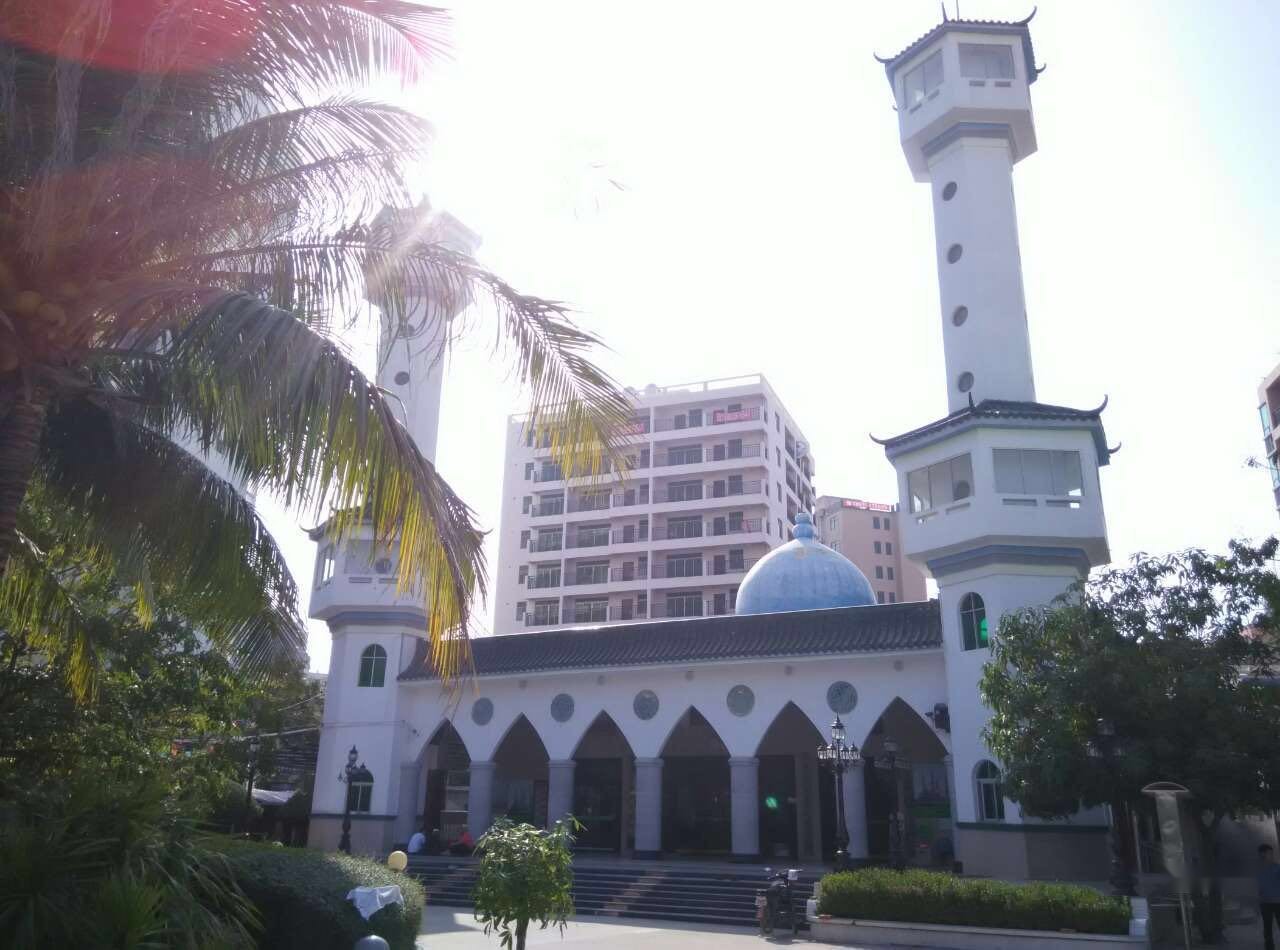
Through a poetic lens, this article chronicles the life philosophy and spiritual world of our Muslim compatriots living at the edge of the world. Set against the backdrop of tropical coconut groves and sandy beaches, it showcases the island Muslims' pious adherence to religious traditions, mutual aid, honesty, integrity, and their profound reflections on Maritime Silk Road history.
"Facing the Sea, Spring Flowers Blooming"
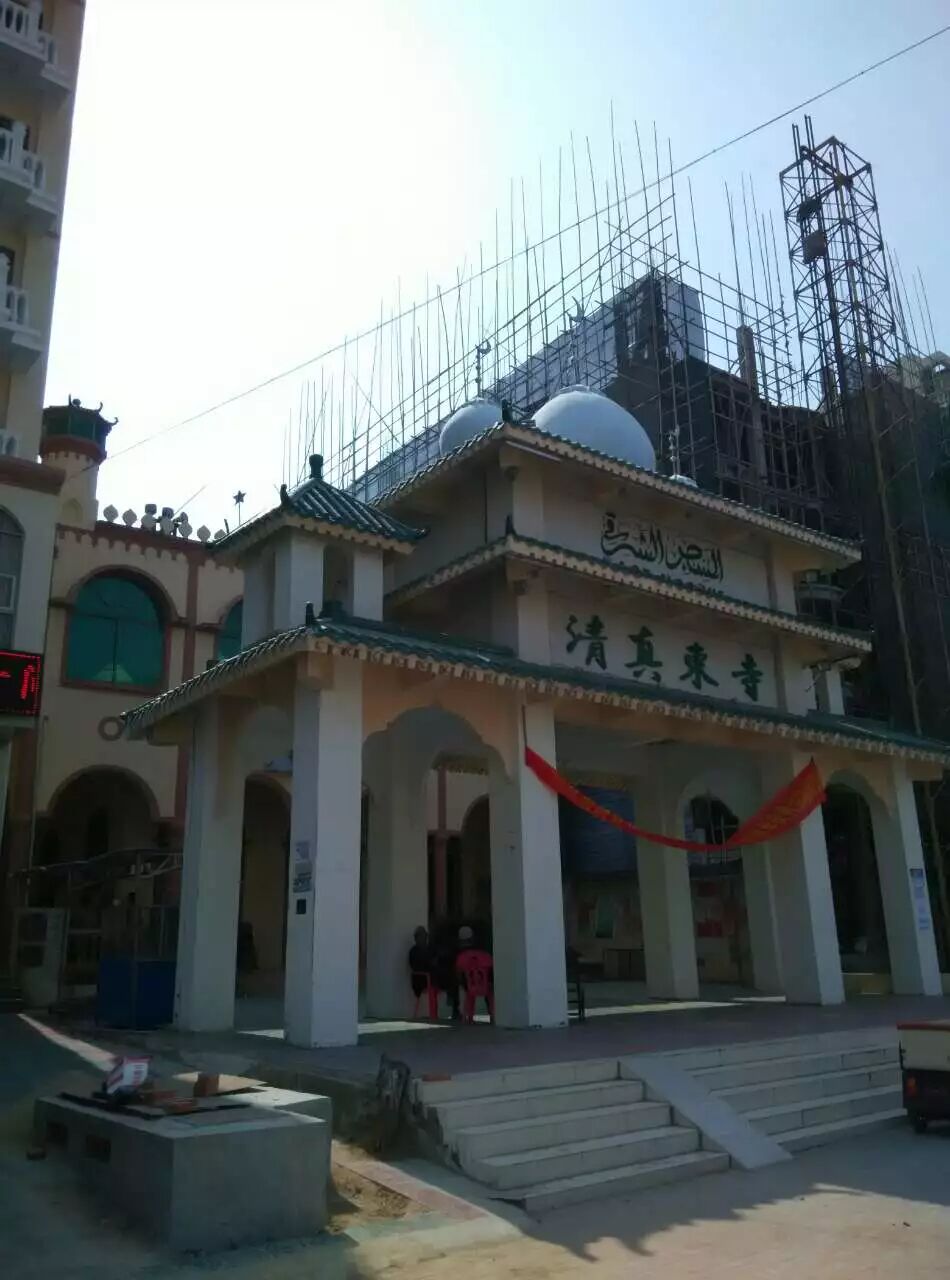
Starting tomorrow, I will be a grateful person,
Worshiping Allah, loving others, and spreading virtue...
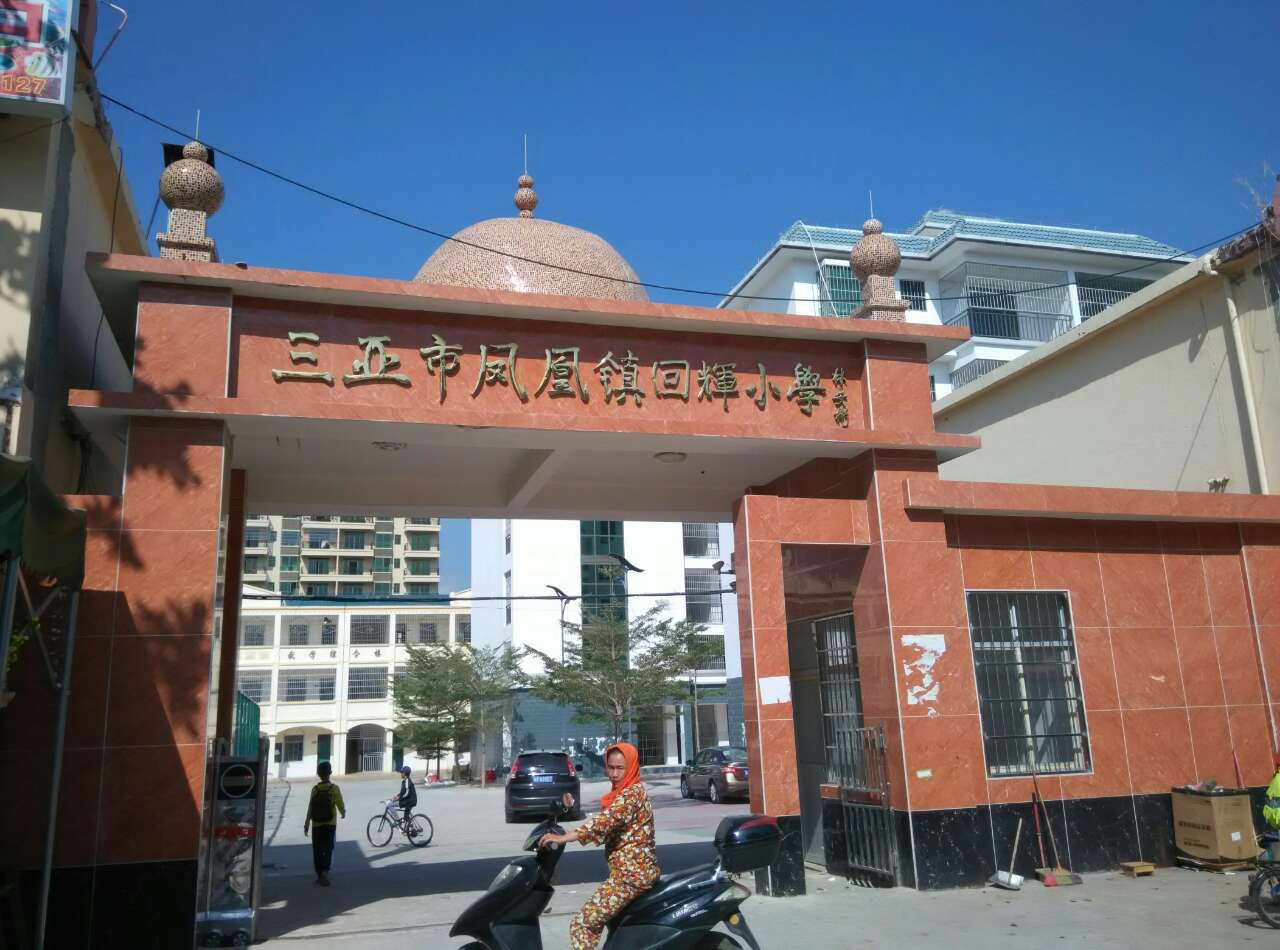
Starting tomorrow, I will care for the poor and orphans.
I wish I had a house,
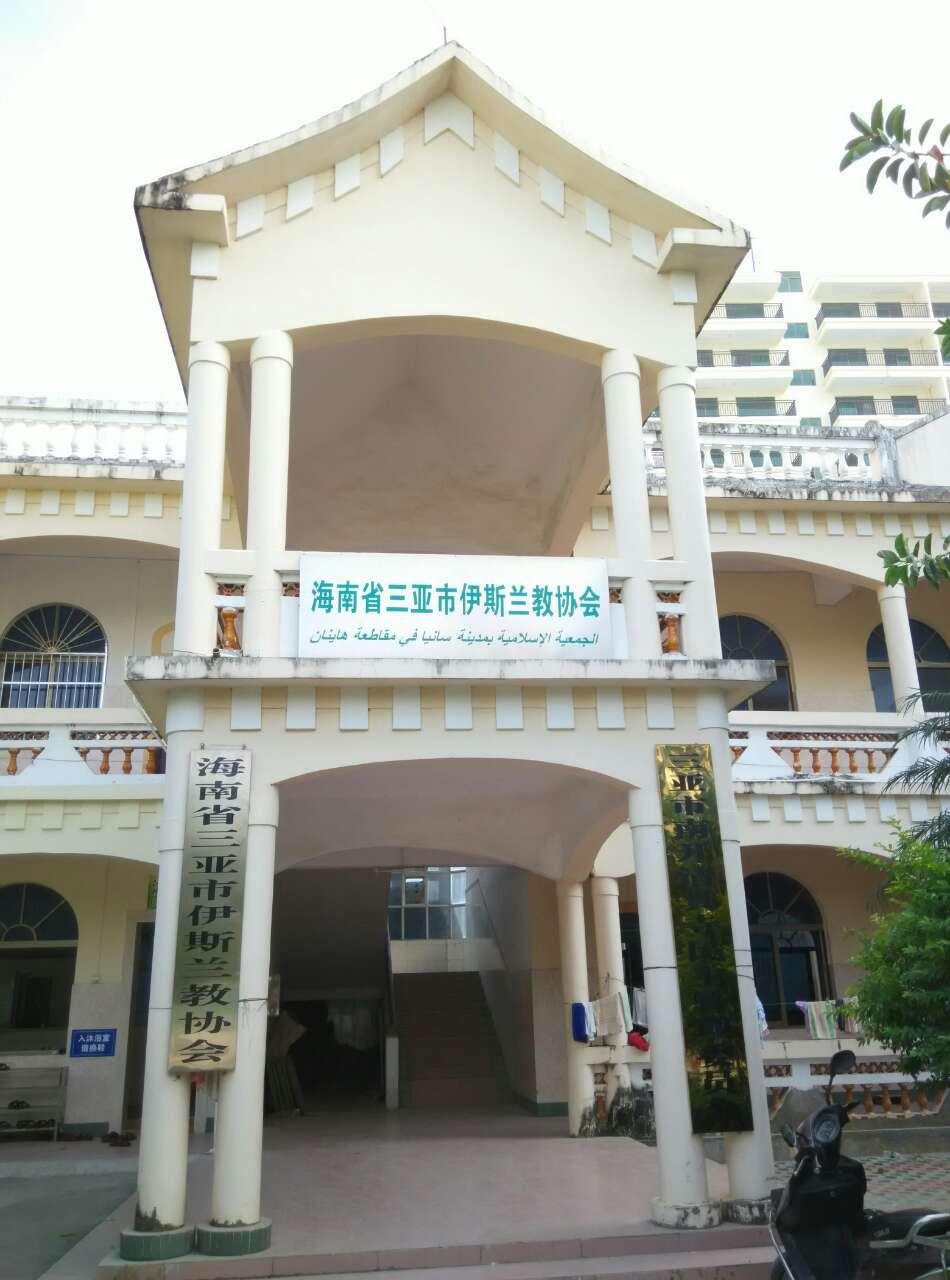
Facing the mosque, listening to the melodic recitation of the Quran.
Starting tomorrow, I will greet everyone with peace,
Telling them about my faith,
What the truth of that faith has taught me,
I will tell everyone.
Giving every river and every mountain a warm name: Abdullah—the servant of Allah.
Stranger, I pray for you as well,
May you have a beautiful soul,
May you be guided to walk upon the straight path,
May you attain happiness in both worlds,
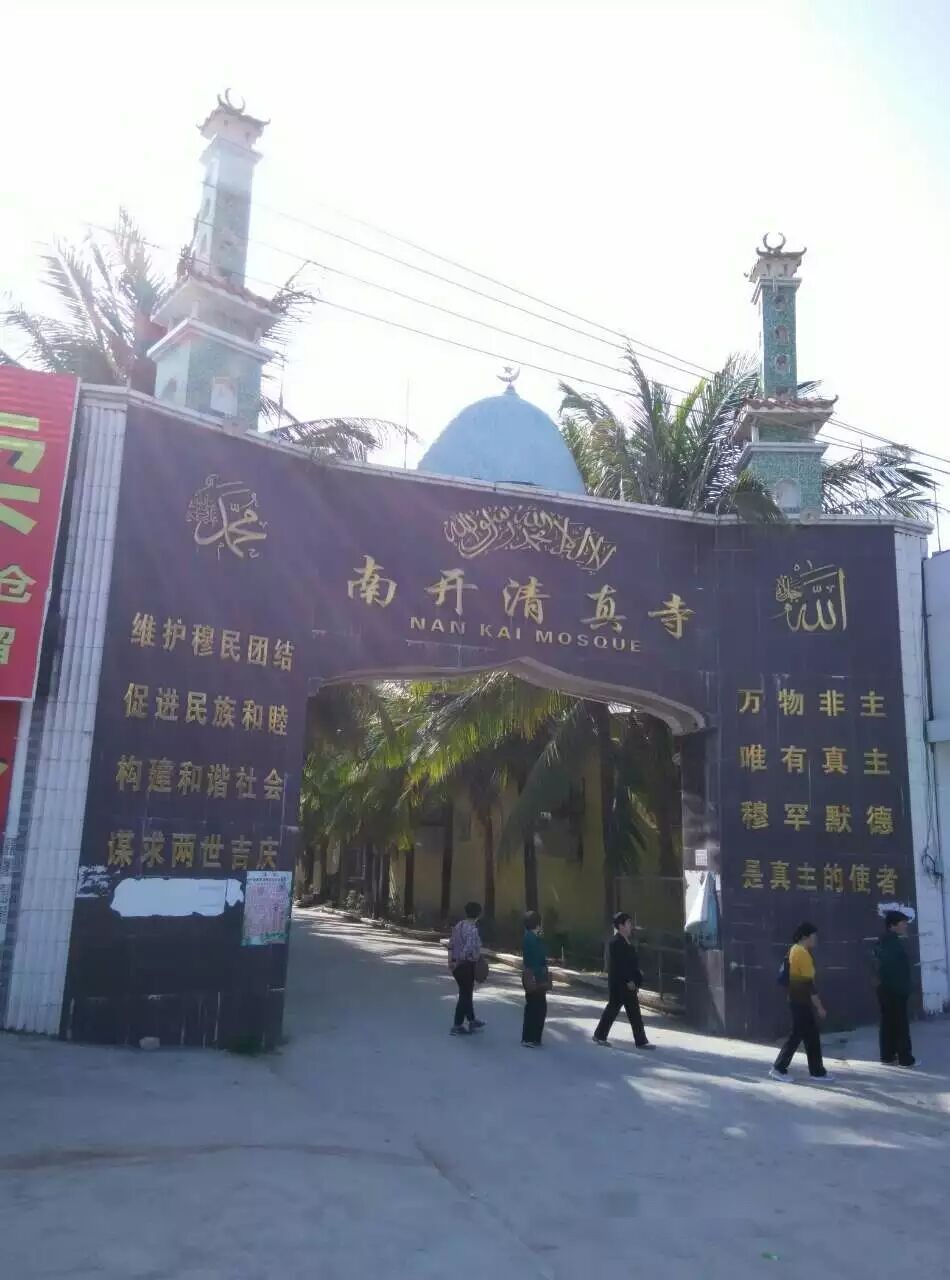
I only wish to face the mosque, where the adhan calls me to prayer: 'Come to success~ Come to success~'
These are the words I adapted from Mr. Haizi's poem as I was leaving Sanya. Because although I live in a city with a large Muslim population, there isn't a mosque near my home; in Sanya, however, it's completely the opposite. Being rather ignorant, I used to think Hainan's Muslims were merely historical passersby in textbooks. It wasn't until a few years ago, when I connected with a Hui Muslim brother from Sanya on Weibo, that I saw through his photos and blog posts that a group of devout Muslims is still active right here at China's southernmost tip. It felt both distant and intimate, and subconsciously, I made a niyyah (personal intention) to go see it for myself. Earlier this year, Allah answered that prayer, and our whole family was blessed to make the journey there.
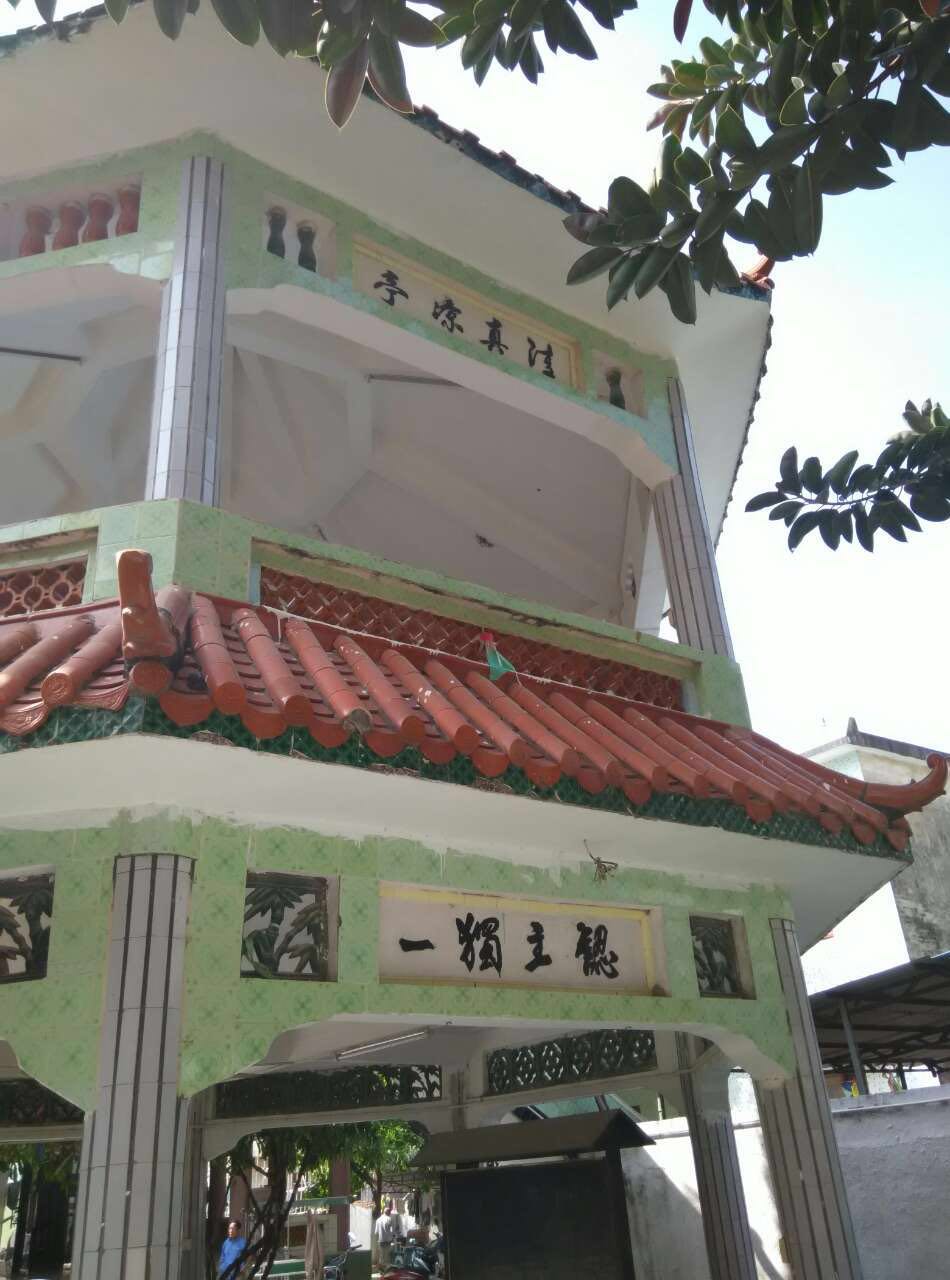
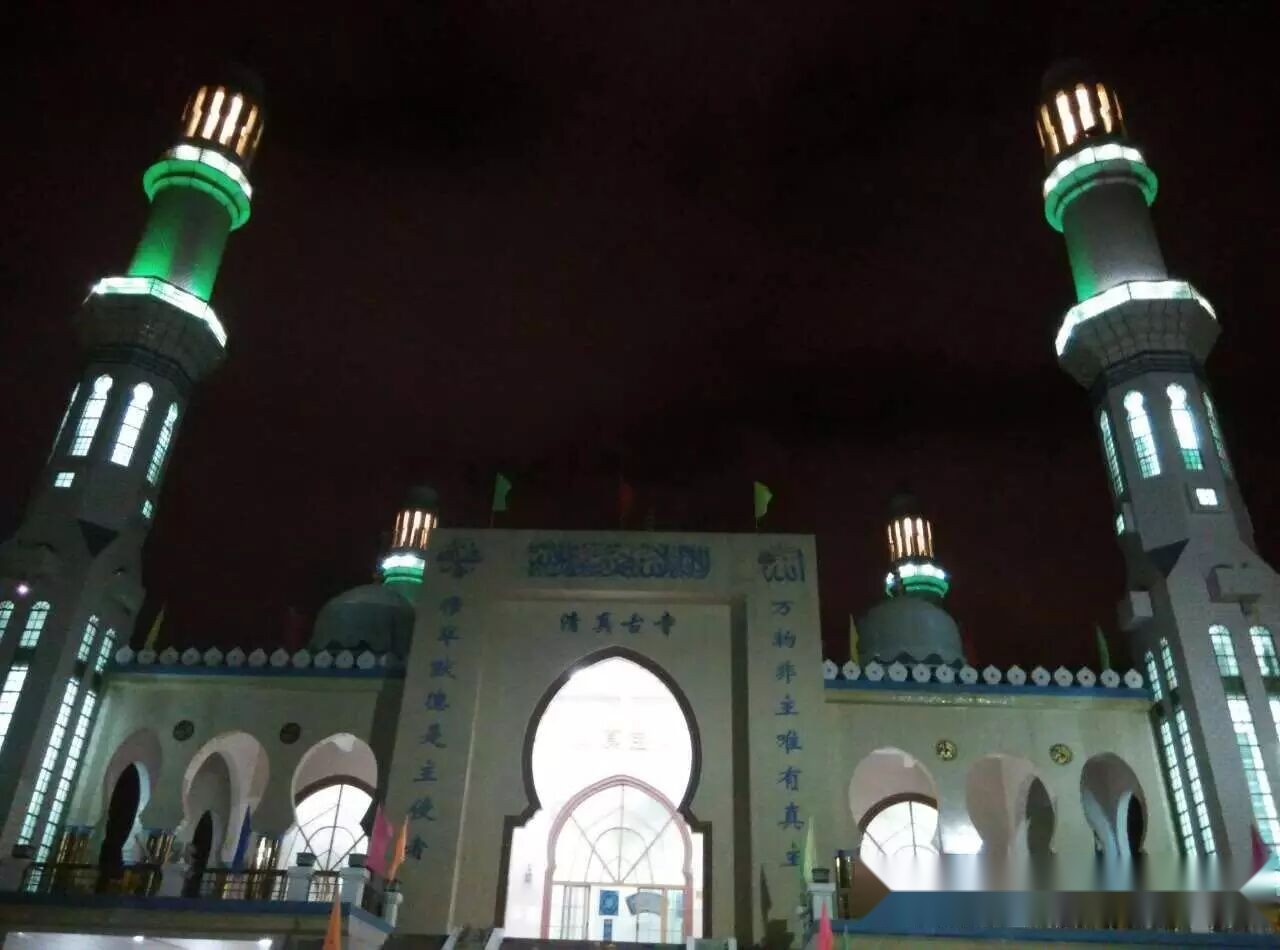
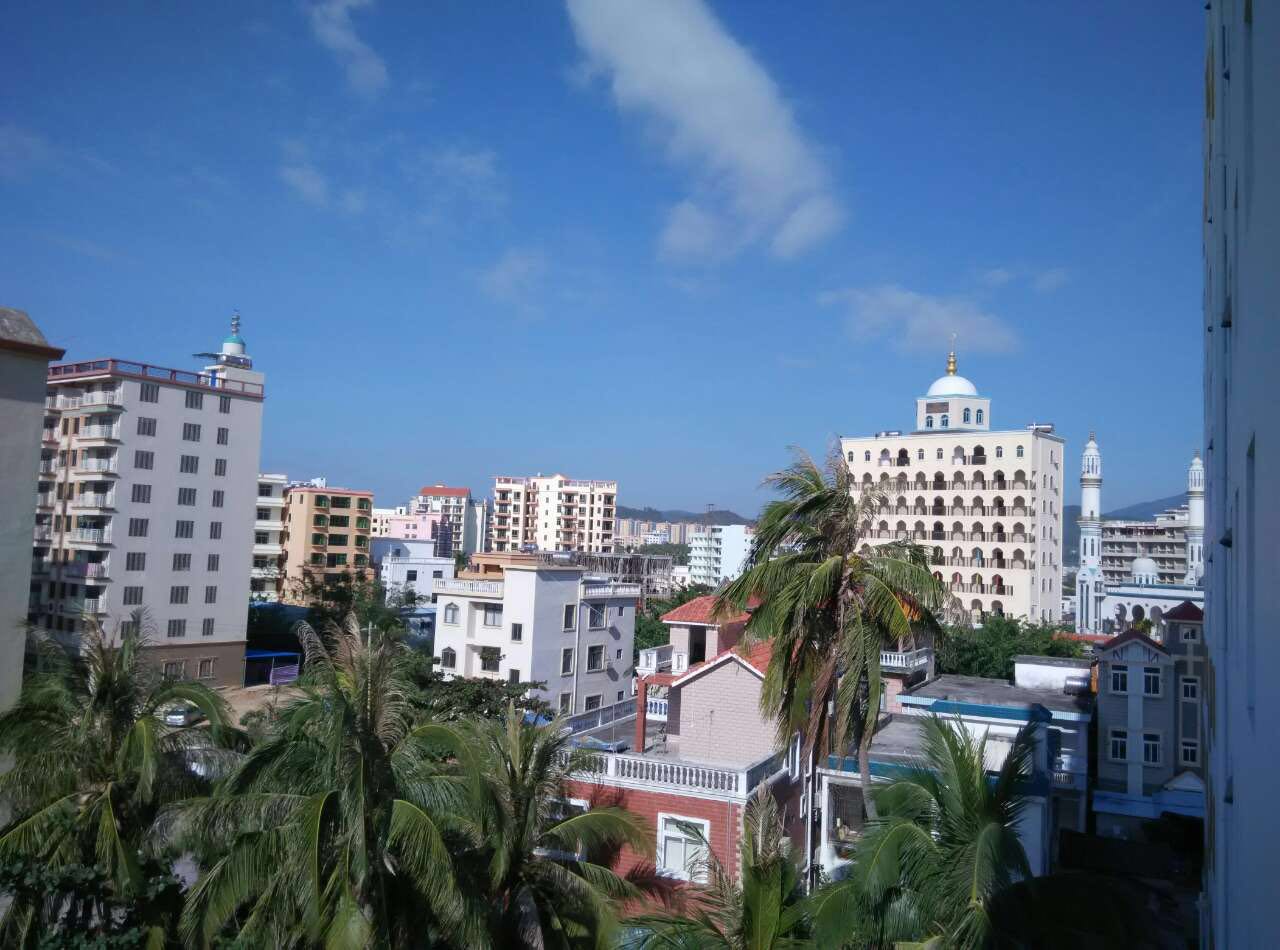
The residential areas of the Sanya Hui Muslims are the two villages of Huihui Village (Huihui Muslim Village) and Huixin Village (Huixin Muslim Village), located just outside the downtown area. As many imams and scholars mentioned during our stay in Sanya: if it weren't for these two villages of our Muslim brothers, so many Muslims from mainland China would never come to Sanya. Even if they came for a vacation, they wouldn't stay in this neighborhood; even if they stayed, they wouldn't stay for months at a time, let alone return year after year.
Let me think about the reasons. First, it solves the dietary issues everyone has to face; second, the presence of six mosques gives the religious life of out-of-town Muslims a settled anchor; and third, that sense of emotional comfort you get when you are surrounded entirely by fellow Muslims.
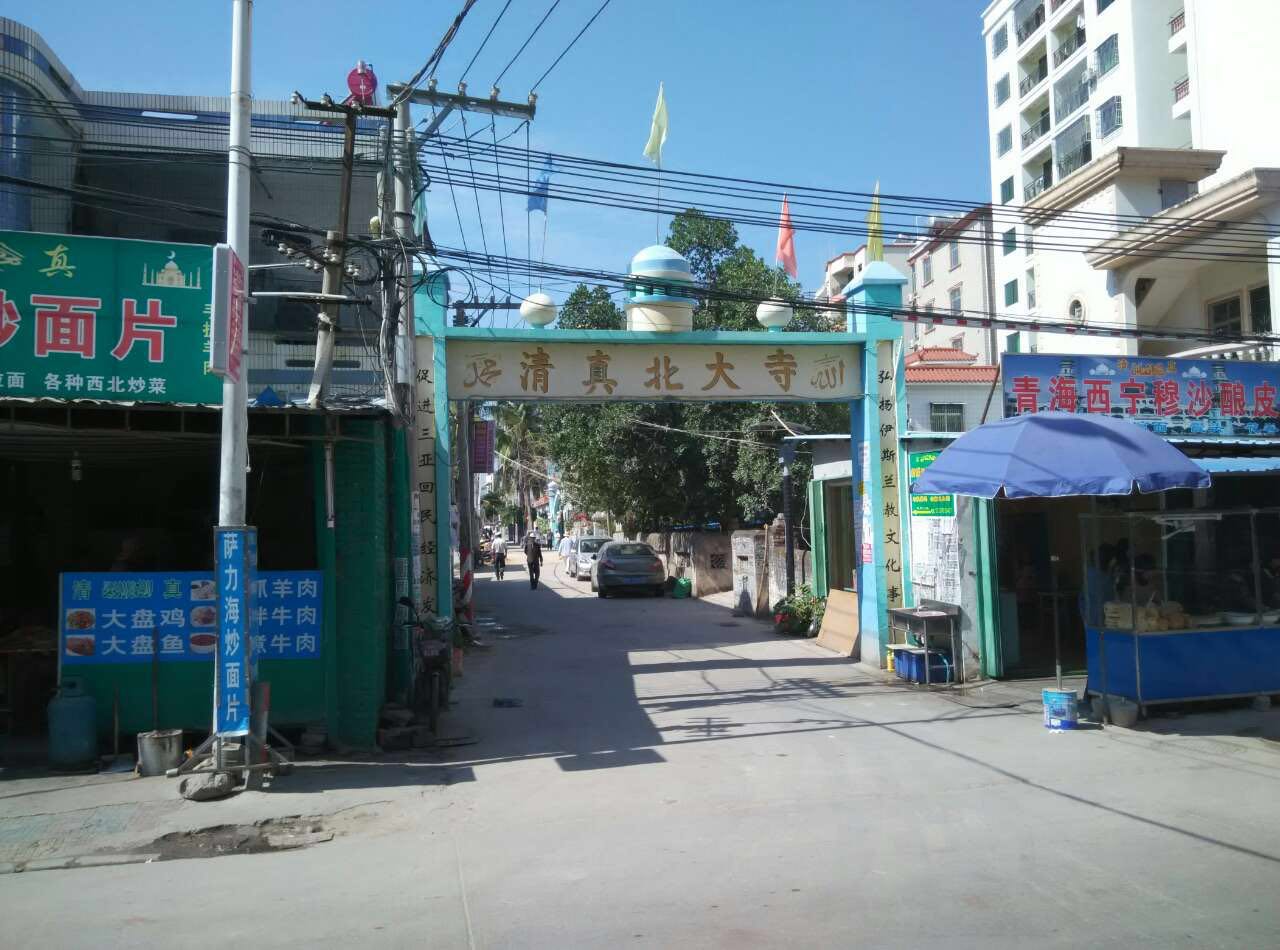
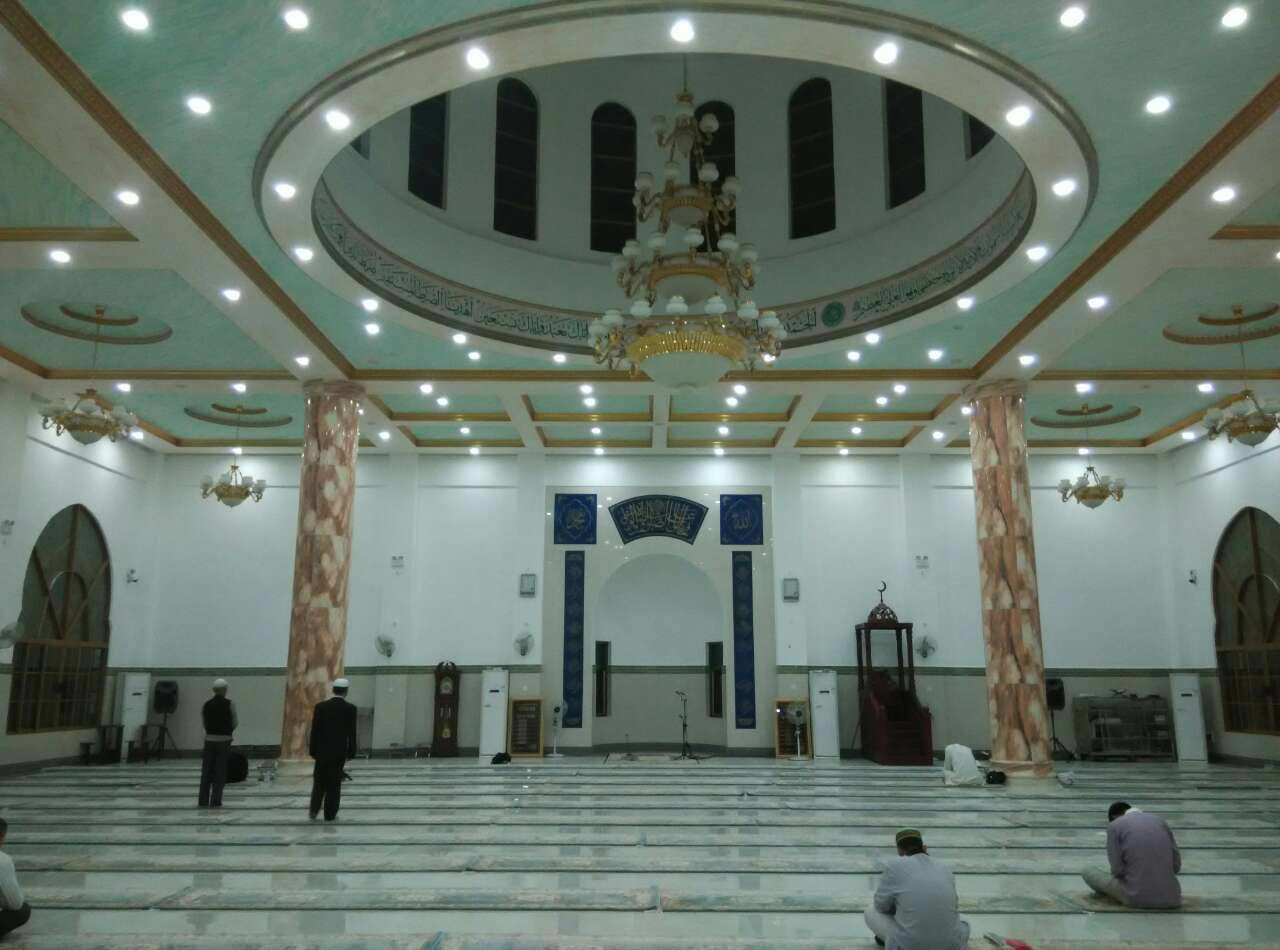
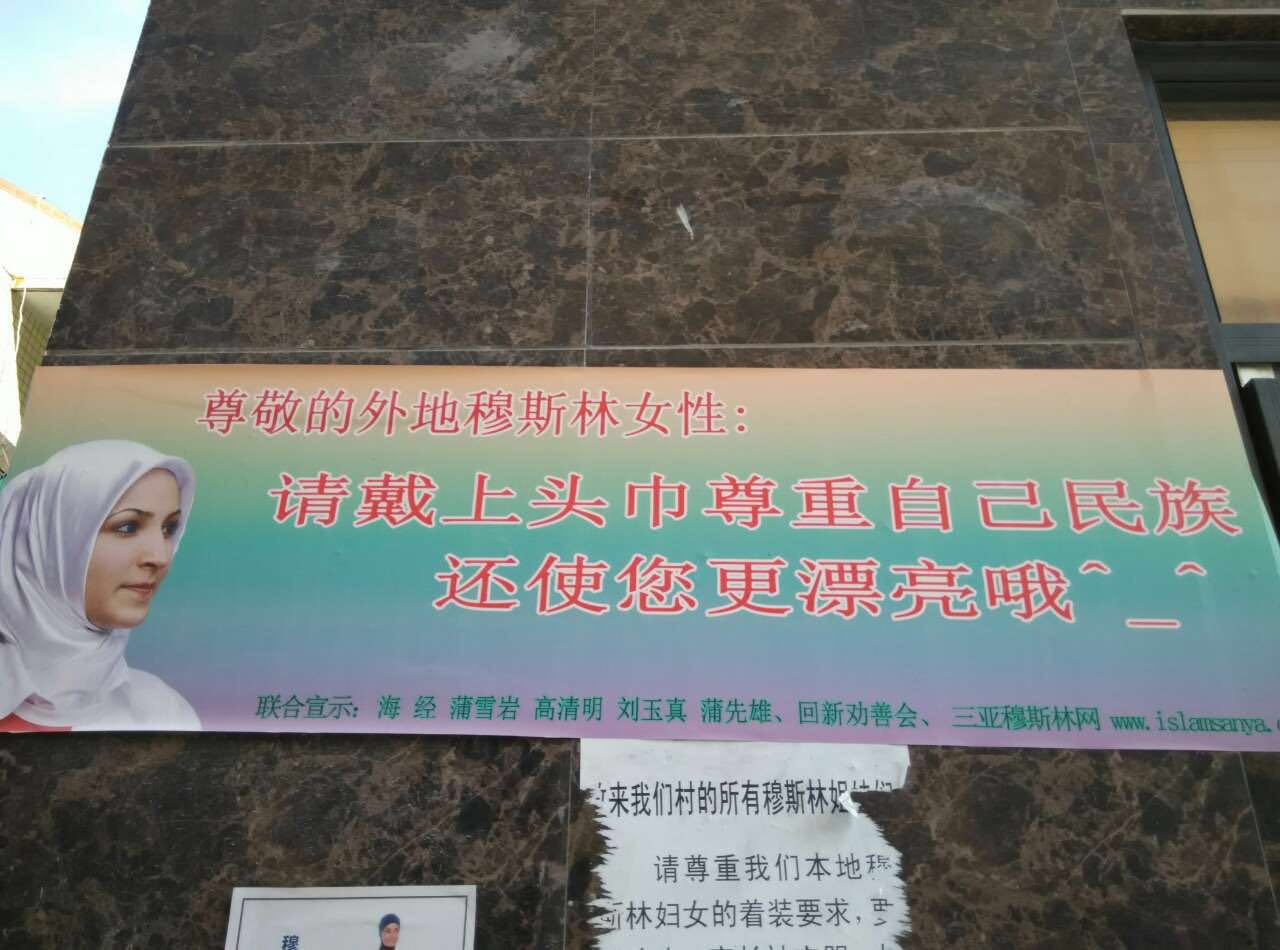
Even though these two villages might have airplane noise, crowing roosters, and quacking ducks, when you can wake up every day to the sound of the adhan, and hear the mosque broadcasting the Quran and salawat (praises upon the Prophet) daily, the former becomes completely negligible. Yes, the melodious adhan, Quranic verses, and praises echoing from the loudspeakers are enough to make Muslims in too many places across the mainland envious. No one will complain that the Fajr prayer disturbs their sweet sleep, and no one will feel that the call to prayer is an annoying noise, because everyone here is a Muslim. You won't feel like wearing a thawb or hijab while walking down the street draws extra looks, and sisters who lack the courage to wear a headscarf back home can wear it here without attracting a single sideways glance, because everyone here is a Muslim. You don't have to worry about which vendor is selling fake Halal food, nor do you need to be afraid that a restaurant with a 'Halal' sign not only sells alcohol but also puts cooking wine and meat of unknown origin into the dishes, because everyone here is a devout Muslim.
Perhaps when you first arrive in Sanya, you might feel unaccustomed to these special brothers and sisters who differ from the stereotypical physical features of 'Hui people' in your mind, who even have their own language, and whose men, women, and children chew betel nut in ways you can't quite understand. I know some people even cast doubt on the level of religious practice of these Sanya Hui Muslims because of this. That's because we've developed too many bad habits on the mainland, where our standard for judging whether someone is a good Muslim stops at how long their beard is, how long their robe is, how long the taqiyah (prayer cap) on their head is, and how long the tasbih (prayer beads) in their hand is. Granted, it's a good thing for someone to have these Islamic sartorial features, but judging a book by its cover is a problem. When you find that the proportion of people going to the mosque for the five daily prayers here is higher than in the Hui community where you live, when you find that women here wear headscarves whether they are going to work, school, or even when they are still infants in arms, when you find that local merchants never shortchange you and will never cheat you, and when you walk down the street and pass by a very elderly but spirited local grandmother—while you walk right past her blankly, that elderly woman takes the initiative to greet you with a less-than-standard Arabic 'As-salamu alaykum'—my mainland compatriots, have you ever reflected for even a moment, or felt a sense of shame?
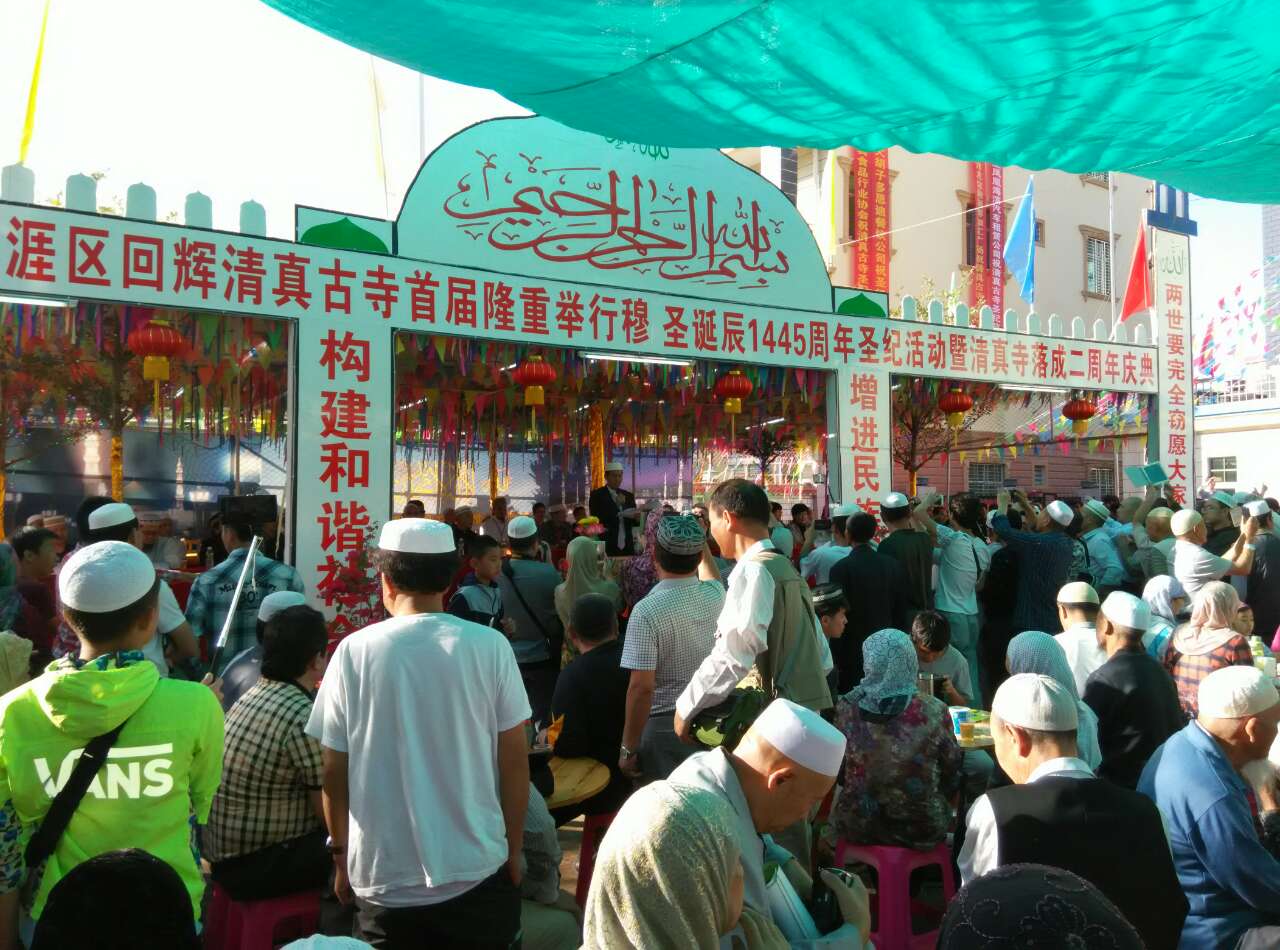
During my stay in Sanya, I happened to witness and participate from start to finish in the Mawlid (Prophet's Birthday celebration) hosted by the Sanya Ancient Mosque, with all the other mosques co-hosting. The relations among the mosques here are exceptionally good—so good that it feels as if they are simply six branch locations of the very same mosque. The Mawlid event is held every year, rotating hosts among the mosques annually to avoid wasting resources and putting a financial burden on the people. By combining everyone's efforts once a year, the event becomes grand and massive through sheer concentration. I also learned that the Eid al-Fitr and Eid al-Adha congregational prayers alternate locations: one year they are held in Huihui, and the next year they must be held in Huixin. Everyone strives for fairness advocated by Islam in all matters and details, and it is precisely because they unremittingly put this into practice that inter-mosque and inter-village conflicts do not arise. The Mawlid here is not just a single day's event; it spans over ten days of various activities leading up to the official Mawlid banquet—such as the easily anticipated speech contests, Quran recitation competitions, and Islamic knowledge quizzes, alongside various sports tournaments that people might not immediately associate with it, including basketball, volleyball, table tennis, and more. Moreover, the competition venues are right in the courtyards behind the main prayer halls, and the matches are fiercely competitive, showcasing the robust physical fitness that local Muslims have developed from swimming in the sea since childhood.
What is truly worth noting is that I saw the imams of several mosques among the spectators and team players! This is unimaginable in some regions of the Northwest, where imams must maintain a very 'stiff and solemn' image. For an imam to participate in such sports activities without being declared un-Islamic would be a miracle—let alone watching or playing a game. I saw the young and promising Imam Li of the Sanya Ancient Mosque fighting hard on the basketball court in his jersey. As soon as the adhan sounded, he rushed back to the mosque to make wudu (ablution), slipped a long robe over his jersey, and devoutly and solemnly led everyone in prayer. These Muslim brothers sweating and laughing heartily on the sports court while praying to Allah with heartfelt devotion in the main hall showed me what normal Muslims truly look like. Muslims are not grim, tight-lipped ascetics rushing forward with lowered heads; a Muslim should be a sunny image full of distinct personality, happiness, and vitality. If your faith cannot even bring you joy, then there is undoubtedly some deviation in your faith.
In the courtyards of the mosques here, people chat and chew betel nut, others lie down on both sides outside the main hall to catch a cool breeze, and children chase and play. Everyone treats the mosque as a place they love, unlike mosques in many other places where people only go during prayer time and bolt the second prayer is over, or places filled with foot odor and backbiting gossip. Here, everyone holds the mosque close to their hearts and loves it. The mosques here don't just belong to the imams and the mosque management committee; every single Muslim feels that 'this is our mosque.' Words are pale and make it sound ordinary, but the actual difference is worlds apart.
In addition, I must mention two people. One is an older brother who invited us to Sanya, helped us find a place to stay, took us to tourist spots, and went out of his way every single day. We felt very embarrassed, but he said, 'Please don't be so polite. We are extremely happy that you could come; we share the relationship of the Muhajirun and the Ansar.' This sentence deeply moved us and made us feel ashamed of our own shortcomings. Although we are far from deserving it, he truly possesses the generous heart and selfless spirit of an Ansar. He is not a man of many words, but he teaches us a lesson through his actions every single day. The another person is one of the first local Hui Muslims who traveled to the Northwest to study Islamic knowledge; he even speaks our local dialect and slang. He said his religious foundation was learned from our region, but every time he visits there, he also sees many things that break his heart. He has seen many young men who just arrived in the city from rural areas go astray, wearing white caps specifically while pickpocketing and stealing. When he saw this, his blood would boil, and after praying to Allah for help, he would step forward to stop the theft, offer the Islamic greeting of peace, and say, 'If you really must steal, take my phone, it's fine; but if you steal from non-Muslims, people will say all Hui people are thieves.' Naturally, those young men wouldn't take his phone, and then he would insist on treating them to a meal, advising them over food to abide by the law, work hard, and build a livelihood through honesty.
A similar incident happened to him on a long-distance bus in the Northwest. Although he successfully stopped a theft that time as well, he was mocked because he doesn't look like a stereotypical Hui Muslim, and the thieves thought he couldn't understand the local dialect. Shamelessly discussing it amongst themselves while acting as pickpockets, they muttered, 'I wonder if this guy is even a real Hui Muslim; he said As-salamu alaykum, but he doesn't look like one at all.' Sigh, as if *they* looked the part?! And there were so many total strangers among the locals who left unforgettable impressions on us. For example, when we first arrived and didn't know how to pick out local fruits, vegetables, or seafood, shoppers standing next to you would take the initiative to help you pick them out and even help you bargain with the vendors. Or once, when we bought a bunch of coconuts to drink at home and realized we didn't have straws, we sent a child downstairs to the supermarket, but they didn't have any. The child saw a nearby drink stall and asked if they sold straws. The stall owner said, 'I don't sell them, but just take however many you need,' and so on. It reminds me of a saying by Hasan al-Basri: 'True humility is when you step outside and feel that every single Muslim you meet is better than you.' In Sanya, in Huihui Village, when I stepped outside, it wasn't a matter of me being humble—truly, every single person *was* better than me!
May Allah help, protect, and bless our Muslim brothers and sisters living far away by the South China Sea.
Talking About Muslims at the Ends of the Earth: Strolling Along the Sanya Coastline and Reflecting on the Human Touch and Islamic Culture of Huihui and Huixin Muslims
Abstract:
Through a poetic lens, this article chronicles the life philosophy and spiritual world of our Muslim compatriots living at the edge of the world. Set against the backdrop of tropical coconut groves and sandy beaches, it showcases the island Muslims' pious adherence to religious traditions, mutual aid, honesty, integrity, and their profound reflections on Maritime Silk Road history.
"Facing the Sea, Spring Flowers Blooming"
Starting tomorrow, I will be a grateful person,
Worshiping Allah, loving others, and spreading virtue...
Starting tomorrow, I will care for the poor and orphans.
I wish I had a house,
Facing the mosque, listening to the melodic recitation of the Quran.
Starting tomorrow, I will greet everyone with peace,
Telling them about my faith,
What the truth of that faith has taught me,
I will tell everyone.
Giving every river and every mountain a warm name: Abdullah—the servant of Allah.
Stranger, I pray for you as well,
May you have a beautiful soul,
May you be guided to walk upon the straight path,
May you attain happiness in both worlds,
I only wish to face the mosque, where the adhan calls me to prayer: 'Come to success~ Come to success~'
These are the words I adapted from Mr. Haizi's poem as I was leaving Sanya. Because although I live in a city with a large Muslim population, there isn't a mosque near my home; in Sanya, however, it's completely the opposite. Being rather ignorant, I used to think Hainan's Muslims were merely historical passersby in textbooks. It wasn't until a few years ago, when I connected with a Hui Muslim brother from Sanya on Weibo, that I saw through his photos and blog posts that a group of devout Muslims is still active right here at China's southernmost tip. It felt both distant and intimate, and subconsciously, I made a niyyah (personal intention) to go see it for myself. Earlier this year, Allah answered that prayer, and our whole family was blessed to make the journey there.
The residential areas of the Sanya Hui Muslims are the two villages of Huihui Village (Huihui Muslim Village) and Huixin Village (Huixin Muslim Village), located just outside the downtown area. As many imams and scholars mentioned during our stay in Sanya: if it weren't for these two villages of our Muslim brothers, so many Muslims from mainland China would never come to Sanya. Even if they came for a vacation, they wouldn't stay in this neighborhood; even if they stayed, they wouldn't stay for months at a time, let alone return year after year.
Let me think about the reasons. First, it solves the dietary issues everyone has to face; second, the presence of six mosques gives the religious life of out-of-town Muslims a settled anchor; and third, that sense of emotional comfort you get when you are surrounded entirely by fellow Muslims.
Even though these two villages might have airplane noise, crowing roosters, and quacking ducks, when you can wake up every day to the sound of the adhan, and hear the mosque broadcasting the Quran and salawat (praises upon the Prophet) daily, the former becomes completely negligible. Yes, the melodious adhan, Quranic verses, and praises echoing from the loudspeakers are enough to make Muslims in too many places across the mainland envious. No one will complain that the Fajr prayer disturbs their sweet sleep, and no one will feel that the call to prayer is an annoying noise, because everyone here is a Muslim. You won't feel like wearing a thawb or hijab while walking down the street draws extra looks, and sisters who lack the courage to wear a headscarf back home can wear it here without attracting a single sideways glance, because everyone here is a Muslim. You don't have to worry about which vendor is selling fake Halal food, nor do you need to be afraid that a restaurant with a 'Halal' sign not only sells alcohol but also puts cooking wine and meat of unknown origin into the dishes, because everyone here is a devout Muslim.
Perhaps when you first arrive in Sanya, you might feel unaccustomed to these special brothers and sisters who differ from the stereotypical physical features of 'Hui people' in your mind, who even have their own language, and whose men, women, and children chew betel nut in ways you can't quite understand. I know some people even cast doubt on the level of religious practice of these Sanya Hui Muslims because of this. That's because we've developed too many bad habits on the mainland, where our standard for judging whether someone is a good Muslim stops at how long their beard is, how long their robe is, how long the taqiyah (prayer cap) on their head is, and how long the tasbih (prayer beads) in their hand is. Granted, it's a good thing for someone to have these Islamic sartorial features, but judging a book by its cover is a problem. When you find that the proportion of people going to the mosque for the five daily prayers here is higher than in the Hui community where you live, when you find that women here wear headscarves whether they are going to work, school, or even when they are still infants in arms, when you find that local merchants never shortchange you and will never cheat you, and when you walk down the street and pass by a very elderly but spirited local grandmother—while you walk right past her blankly, that elderly woman takes the initiative to greet you with a less-than-standard Arabic 'As-salamu alaykum'—my mainland compatriots, have you ever reflected for even a moment, or felt a sense of shame?
During my stay in Sanya, I happened to witness and participate from start to finish in the Mawlid (Prophet's Birthday celebration) hosted by the Sanya Ancient Mosque, with all the other mosques co-hosting. The relations among the mosques here are exceptionally good—so good that it feels as if they are simply six branch locations of the very same mosque. The Mawlid event is held every year, rotating hosts among the mosques annually to avoid wasting resources and putting a financial burden on the people. By combining everyone's efforts once a year, the event becomes grand and massive through sheer concentration. I also learned that the Eid al-Fitr and Eid al-Adha congregational prayers alternate locations: one year they are held in Huihui, and the next year they must be held in Huixin. Everyone strives for fairness advocated by Islam in all matters and details, and it is precisely because they unremittingly put this into practice that inter-mosque and inter-village conflicts do not arise. The Mawlid here is not just a single day's event; it spans over ten days of various activities leading up to the official Mawlid banquet—such as the easily anticipated speech contests, Quran recitation competitions, and Islamic knowledge quizzes, alongside various sports tournaments that people might not immediately associate with it, including basketball, volleyball, table tennis, and more. Moreover, the competition venues are right in the courtyards behind the main prayer halls, and the matches are fiercely competitive, showcasing the robust physical fitness that local Muslims have developed from swimming in the sea since childhood.
What is truly worth noting is that I saw the imams of several mosques among the spectators and team players! This is unimaginable in some regions of the Northwest, where imams must maintain a very 'stiff and solemn' image. For an imam to participate in such sports activities without being declared un-Islamic would be a miracle—let alone watching or playing a game. I saw the young and promising Imam Li of the Sanya Ancient Mosque fighting hard on the basketball court in his jersey. As soon as the adhan sounded, he rushed back to the mosque to make wudu (ablution), slipped a long robe over his jersey, and devoutly and solemnly led everyone in prayer. These Muslim brothers sweating and laughing heartily on the sports court while praying to Allah with heartfelt devotion in the main hall showed me what normal Muslims truly look like. Muslims are not grim, tight-lipped ascetics rushing forward with lowered heads; a Muslim should be a sunny image full of distinct personality, happiness, and vitality. If your faith cannot even bring you joy, then there is undoubtedly some deviation in your faith.
In the courtyards of the mosques here, people chat and chew betel nut, others lie down on both sides outside the main hall to catch a cool breeze, and children chase and play. Everyone treats the mosque as a place they love, unlike mosques in many other places where people only go during prayer time and bolt the second prayer is over, or places filled with foot odor and backbiting gossip. Here, everyone holds the mosque close to their hearts and loves it. The mosques here don't just belong to the imams and the mosque management committee; every single Muslim feels that 'this is our mosque.' Words are pale and make it sound ordinary, but the actual difference is worlds apart.
In addition, I must mention two people. One is an older brother who invited us to Sanya, helped us find a place to stay, took us to tourist spots, and went out of his way every single day. We felt very embarrassed, but he said, 'Please don't be so polite. We are extremely happy that you could come; we share the relationship of the Muhajirun and the Ansar.' This sentence deeply moved us and made us feel ashamed of our own shortcomings. Although we are far from deserving it, he truly possesses the generous heart and selfless spirit of an Ansar. He is not a man of many words, but he teaches us a lesson through his actions every single day. The another person is one of the first local Hui Muslims who traveled to the Northwest to study Islamic knowledge; he even speaks our local dialect and slang. He said his religious foundation was learned from our region, but every time he visits there, he also sees many things that break his heart. He has seen many young men who just arrived in the city from rural areas go astray, wearing white caps specifically while pickpocketing and stealing. When he saw this, his blood would boil, and after praying to Allah for help, he would step forward to stop the theft, offer the Islamic greeting of peace, and say, 'If you really must steal, take my phone, it's fine; but if you steal from non-Muslims, people will say all Hui people are thieves.' Naturally, those young men wouldn't take his phone, and then he would insist on treating them to a meal, advising them over food to abide by the law, work hard, and build a livelihood through honesty.
A similar incident happened to him on a long-distance bus in the Northwest. Although he successfully stopped a theft that time as well, he was mocked because he doesn't look like a stereotypical Hui Muslim, and the thieves thought he couldn't understand the local dialect. Shamelessly discussing it amongst themselves while acting as pickpockets, they muttered, 'I wonder if this guy is even a real Hui Muslim; he said As-salamu alaykum, but he doesn't look like one at all.' Sigh, as if *they* looked the part?! And there were so many total strangers among the locals who left unforgettable impressions on us. For example, when we first arrived and didn't know how to pick out local fruits, vegetables, or seafood, shoppers standing next to you would take the initiative to help you pick them out and even help you bargain with the vendors. Or once, when we bought a bunch of coconuts to drink at home and realized we didn't have straws, we sent a child downstairs to the supermarket, but they didn't have any. The child saw a nearby drink stall and asked if they sold straws. The stall owner said, 'I don't sell them, but just take however many you need,' and so on. It reminds me of a saying by Hasan al-Basri: 'True humility is when you step outside and feel that every single Muslim you meet is better than you.' In Sanya, in Huihui Village, when I stepped outside, it wasn't a matter of me being humble—truly, every single person *was* better than me!
May Allah help, protect, and bless our Muslim brothers and sisters living far away by the South China Sea.
