

Utsul Muslims
Sanya's Utsul Muslims: Maritime Silk Road History, Halal Cuisine & Culture
Articles • Hasan09 posted the article • 0 comments • 1 views • 1 hours ago
Tracing the Genetic and Linguistic Origins of Hainan's Sanya Hui Muslims: The Unique Tones of the Utsul Language and the Paternal History of Maritime Silk Road Migrations
Abstract:
A deep dive into the mystery of the origins of the Hui Muslim community in Sanya, Hainan, from the perspectives of molecular anthropology and linguistics. This explores the evolutionary history of the Utsul language—which possesses distinct Austronesian characteristics—while combining genetic haplogroup data to reconstruct the history of integration among ancient Arab, Persian, and Champa Muslims.
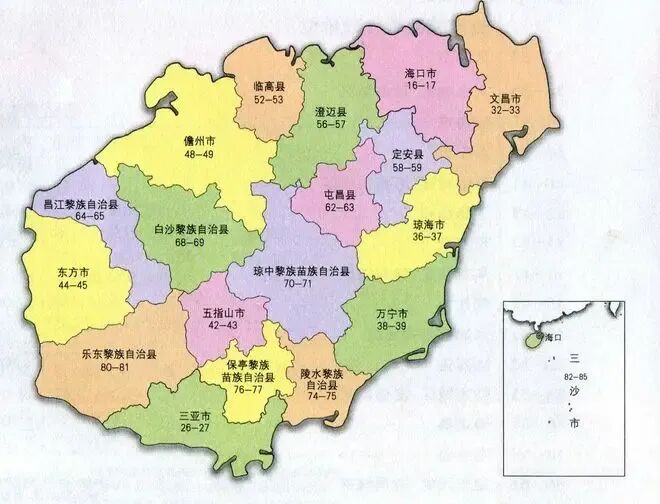
When people talk about China's Muslim communities, they usually think first of the Northwest—Shaanxi, Gansu, Ningxia, Qinghai—and Xinjiang. Yet down at the southernmost tip of Hainan Island in Sanya, tucked away in the coastal villages of Huihui Village (Huihui Muslim Village) and Huixin Village (Huixin Muslim Village), lives a unique group of people who have practiced Islam for generations. They never bow to Buddha, never step foot inside ancestral shrines, and strictly avoid pork. The most prominent landmarks in their villages are mosques (masjids), and their daily diet, weddings, funerals, and festivals all strictly adhere to Islamic sharia law. Even more fascinating is their language: it's neither standard Hainanese nor the Hlai language spoken by the island's indigenous Hlai people. Outsiders cannot understand a single word. Academics call it the Utsul language (Huihui language). While officially classified under the Hui ethnic group during ethnic identification, these people are completely distinct from mainland Hui Muslims in both their historical origins and the language they speak.
Most ancestors of mainland Hui Muslims traveled via the overland Silk Road, closely tied to Muslim merchants and accompanying soldiers from Central Asia, Arabia, and Persia. So, from which body of water did the paternal lineage of Hainan's community actually come? Was it the famous Arabian Peninsula, the Persian Gulf, or some mysterious ancient kingdom on the eastern coast of the Indochina Peninsula that has long since vanished? Linguistics, historical records, and ancient DNA each offer clues. Piecing them together reveals a surprising truth: the answer is far more twists-and-turns than any simple guess. It proves that while religion and culture can indeed cross oceans to spread, chromosomes don't necessarily follow along for the ride.
To figure out the exact origins of the Utsul people, we must first understand the kingdom of Champa. In ancient Chinese historical texts, Champa was successively known as Linyi, Huanwang, and Champa. Established around 192 CE—the late Eastern Han Dynasty—it was an ancient maritime kingdom built by Austronesian-speaking peoples in what is now the central to southern coastal region of Vietnam. The Cham people were exceptionally skilled at navigation and trade, and their territory happened to control the maritime bottleneck connecting China to India and Arabia. Chinese merchant ships heading south and Arab merchant ships heading east frequently docked in Champa's ports to take on supplies. The famous Song Dynasty scholar Zhou Qufei listed Champa in his book Lingwai Daida as a major metropolis among the southwestern nations. It was a maritime kingdom that lived by the sea and thrived by the sea.
Champa was initially deeply influenced by Indian culture, with Hinduism long serving as its primary religion. Coastal brick-built towers in the Cham style still stand today. By the late 9th century, residential quarters composed of Arab and Persian Muslim merchants had already emerged in southern Champa. Islam quietly spread there alongside maritime trade, and by the 10th century, the number of believers had steadily grown. Right up until the 17th century, Champa's royal family chose to convert to Islam. In other words, before Champa's official demise, this vast land had been dyed with thick Islamic colors layer upon layer, built atop a deep foundation of Hinduism.
However, Champa's northern neighbor, Vietnam, continuously expanded southward after declaring independence—an event known in history as the Nam Tien (Southward March). The two countries engaged in a tug-of-war lasting centuries. In 982 CE, Champa's capital was briefly breached by enemy forces, and even then, some Cham refugees chose to cross the sea and flee northward. The heaviest blow came in 1471, when the Vietnamese Later Le Dynasty led a massive army to capture Champa's strategic stronghold of Vijaya, leaving Champa existing in name only. Afterward, the Nguyen Dynasty kept up its southern pressure. Facing the desperate peril of a destroyed nation and shattered homes, the Cham people boarded boats and fled into the open sea. One group traveled south along the Indochina Peninsula, while another caught tailwinds and headed north, eventually arriving at Yazhou at the southern tip of Hainan Island—today's Sanya area. An ancient maritime kingdom that had stood for over a thousand years was ultimately squeezed step-by-step into the boundless ocean by its neighbor.
According to oral folklore, a Champa prince once led about 1,000 clansmen across the sea to Hainan, where they were properly settled by the Ming Dynasty government. In fact, official Chinese historical records of Cham people entering Hainan date back even further, appearing as early as the Song Dynasty. Aside from Champa refugees, Arab and foreign merchants (fanke) who arrived via the Maritime Silk Road during the Tang and Song dynasties and settled in Hainan's ports represent another source of Hainan's Muslim community. Tang Dynasty Muslim cemeteries discovered in the coastal areas of Lingshui and Sanya serve as physical proof of these early maritime visitors. The exiled refugees from fallen Champa, combined with the foreign merchants who had docked and settled here even earlier, blended through several waves of convergence to finally form today's unique Utsul people—themselves a wondrous confluence of multiple maritime migration streams.
The most indisputable proof of identity carried by the Utsul people is their language. The Utsul language belongs to the Chamic branch of the Malayo-Polynesian subgroup of the Austronesian language family, sharing a common origin with the Cham language spoken by surviving Cham people in Vietnam today, and bearing a particularly close resemblance to its northern branch. The Austronesian language family spans from Madagascar in the west to distant Easter Island in the east, and as far south as New Zealand, making it one of the most widely distributed language families in the world. Yet the Utsul language is the only Austronesian tongue actually spoken on the Chinese mainland today, and the Utsul people are the sole branch of the Hui nationality across all of China to possess their own independent language—Hui Muslims in other regions having long since adopted Chinese for general communication. Based solely on this unique language, they occupy a lonely and extremely distinctive position on the ethnic distribution map of the Chinese mainland.
Even more intriguing is that within the vast Austronesian language family, the Utsul language is a rare outlier. Because typical Austronesian languages are mostly multisyllabic without tonal distinctions—relying solely on various affixes to express grammatical details—the Utsul language instead evolved into a predominantly monosyllabic form complete with its own fully developed tonal system. Linguistically, it grew increasingly similar to the surrounding Chinese and Hlai languages widely spoken in the region. Linguists view it as a classic research sample for tone genesis in language contact studies. This happened because the descendants of the Cham people lived generation after generation as neighbors to Chinese- and Kra-Dai-speaking populations on Hainan Island, and their native tongue was reshaped step-by-step through extremely lengthy mutual contact. Although the surface framework of the language changed into a new shape, its core vocabulary still corresponds with related sister languages. Like an isolated island drifting alone on the ocean, it stubbornly preserves the final lingering hometown sounds left behind by the Champa refugees. Based solely on this language set and their profound faith, academics concluded long ago that the Utsul people are the surviving descendants of the Champa.
According to conventional imagination, the paternal lineage of these Muslims should perhaps trace directly back to the distant Arabian Peninsula, or at the very least be local Cham people from Champa. However, a 2013 study published by Li Dongna, Wang Chuanchao, and others from Fudan University overturned this assumption. They tested 102 Utsul individuals—including 72 males and 30 females—analyzing both paternal Y-chromosomes and maternal mitochondrial DNA. The final conclusion was unexpectedly astonishing: although language and faith securely pointed the clues back to the former kingdom of Champa, the chromosome data told a completely different story, and both the paternal and maternal test results agreed with eerie consistency.
First, regarding the paternal side: the most frequent Y-chromosome haplogroup among Utsul males turned out to be O1a, specifically designated as M119, which accounted for roughly 58.1% in earlier smaller-sample statistics. The problem, however, is that the primary paternal lineage carried by today's Vietnamese Cham males is O2a1 (specifically M95), whereas this branch accounts for a mere 4.17% among the Utsul. The paternal structures of the two groups fundamentally do not match. If they were truly direct refugees of Champa faithfully passing down their paternal lines, the high-frequency lineage appearing among the Utsul should naturally have been M95, absolutely not M119. This single set of extremely misaligned data alone is enough to arouse great skepticism toward the narrative of direct Champa descent.
Researchers subsequently used Y-chromosome short tandem repeats (STRs) to construct complex network diagrams. The results revealed that almost all O1a lineages carried by the Utsul fell directly into the specific branches native to Hainan's indigenous inhabitants—the Hlai and other Kra-Dai-speaking populations—rather than clustering with Vietnamese Cham or Indochinese populations. Within this network, the indigenous Hainan O1a spontaneously formed several clusters almost exclusive to the locality, and the Utsul samples were nearly all deeply embedded within these clusters. This clearly demonstrates that the primary paternal lineage of the Utsul did not arrive from afar with the Champa refugees, but was instead acquired from the local populations of Hainan after successfully landing on the island. The only relative their Y-chromosomes recognize is the native people of Hainan Island, not the Cham people across the vast sea.
The maternal pattern is an exact carbon copy of the paternal side. The maternal haplogroups of the Utsul are predominantly D4 and F2a, accounting for roughly 16.67% and 15.69% respectively, alongside downstream sub-lineages such as F1b, F1a1, B5a, M8a, D5, and B4a. Analyzing these individual sub-lineages at the network level reveals that these maternal lines either cluster with Hainan's indigenous inhabitants or with southern Chinese populations. Not a single Utsul sample could be found clustering directly with the Cham people. These two mutually independent, rock-solid pieces of evidence—paternal and maternal—jointly point to a final conclusion: genetically speaking, the Utsul people are much closer to Hainan's native Hlai people and the broader southern Chinese population than to the Cham of Vietnam. If the localization of the paternal line could still be barely explained by customs like matrilocal marriage (taking a husband into the wife's family), then the fact that even the maternal line shows an overall shift toward the local population can only fully prove that the biological core of these people truly grew anew and took root right here on the island.
This study also made the pleasant discovery that among the Utsul people, there are moderate frequencies of haplogroup C (designated M130) and haplogroup F (designated M89). These quite ancient Southeast Asian lineages very likely originate from genetic drift occurring in small populations during the foundation period. In addition, there is about 4.17% of O3a2c1a (designated M117), a typical Sino-Tibetan characteristic lineage, which most likely stems from genetic inflow from neighboring Han Chinese populations in more recent times. Meanwhile, the Arab J lineage or Central Asian R lineage that people originally expected to occupy a place failed to form any considerable proportion. In other words, within the gene pool, one can neither find large-scale Arab bloodlines nor large-scale Champa paternal lines; all that can be definitively found is a superposition of local Hainan, southern Chinese, and small amounts of Sino-Tibetan components.
Based on this, researchers directly titled their paper "Genetic Replacement of Local Hainan Lineages in the Utsul." They agreed that the ultimate formation of the Utsul community must have undergone a process of large-scale assimilation and absorption of Hainan's native populations. Although the Cham language and Islamic faith brought by the Champa exiles were stubbornly preserved, their biological core was thoroughly and step-by-step replaced by local Hainan lineages after successfully landing on the island. This differs significantly from the classic historical pattern where paternal lines are foreign and maternal lines are local; the Utsul exhibit a high degree of localization on both paternal and maternal fronts. What was genuinely and completely carried forward from the old Champa homeland was primarily that language and that faith, rather than deep chromosomes. One might say this was a group of people who successfully kept their hometown speech and the scriptures they brought, yet swapped their original bloodline for the bloodline of the very island upon which their feet stood.
Some people might wonder: since the Cham had converted to Islam long ago, surely their own paternal lines must contain quite a few Arab components? A study on Cham paternal lineages published in 2012 in the journal PLoS ONE by He Jiandong, Peng Minsheng, and others—in cooperation with Vietnamese scholars and led by Zhang Yaping's team at the Kunming Institute of Zoology of the Chinese Academy of Sciences—similarly offered a very sobering medical answer. This study clearly showed that the primary paternal genetic components of the Cham population trace their origins to Southeast Asia. Part of it can be traced to the Malay Archipelago, and part to the Indochinese Peninsula. A deep mixture of populations from these two regions shaped today's Cham people, and their core consists precisely of the various branches of O2a1 designated as M95, closely linked to the numerous farming and seafaring populations widely distributed across Southeast Asia.
The foreign components truly worthy of attention actually originate from South Asia rather than Arabia. Roughly 18.6% of Cham paternal lines can be directly traced to South Asia. Yet almost no corresponding South Asian maternal lineages can be found among them. Researchers made a logical deduction regarding this: during historical periods when Hinduism flourished immensely, large numbers of Indian merchants and sailors successfully arrived in Champa along the thriving Maritime Silk Road. Most of them were single men who subsequently formed unions with local women, thereby leaving significant imprints solely within the paternal gene pool while remaining completely untraceable in the maternal gene pool. This is the most typical sex-biased admixture phenomenon: men who traveled to cross-sea businesses started families in foreign ports, successfully leaving behind characteristic Y-chromosomes without bringing in batch-scale Indian wives. Consequently, this massive influx of foreign blood could only be inscribed along the single-track paternal line.
To put it another way, even back in their Champa homeland, the Cham displayed a typical Southeast Asian genetic foundation, merely superimposing a small number of Indian merchant paternal lines. Bloodlines from the Arabian Peninsula were inherently very limited. Islam largely arrived there following frequent trade and religious propagation, which did not necessarily entail large-scale Arab population migration inward. Understanding this logic makes it feel not at all surprising when looking back at why no scale-forming Arab paternal lineages can be found among Hainan's Utsul. The cross-ocean spread of religion and large-scale migration of bloodlines have always been two entirely different matters. A weighty Quran could completely spread across oceans following merchant vessels, but the descendants of the scripture's propagators might not necessarily keep pace with the scripture's distant forward journey.
When the Champa exiles landed back then, their numbers amounted to merely a few thousand. Placed among the indigenous Hlai residents of Hainan Island and the constantly migrating Han Chinese population, they were merely a tiny, tiny fraction. Furthermore, exile and cruel sea voyages often drastically depleted massive numbers of male populations, and after settling down, they had to intermarry with surrounding populations just to gain a foothold and survive. After a mere few generations of reproduction, those foreign Cham paternal and maternal lines were thoroughly diluted into the immensely vast local population pool. Meanwhile, locally dominant lineages like O1a turned the tables to become the primary lineage of the Utsul community. This is precisely the most common genetic outcome when a tiny group deeply embeds itself into a massive population. For people forced to cross the sea after their nation fell, being fortunate enough to save their lives and successfully safeguard their inherited faith was already a supreme blessing; they simply had no surplus population available to maintain a completely independent bloodline.
What truly bound these people tightly together for a millennium without being completely assimilated by the surrounding environment are two things that do not rely on bloodlines for transmission: one is that unique Utsul language, which allows the Champa descendants to consistently maintain a shared hometown voice internally—even though it grew distinctive tones under the influence of external dominant languages—and the other is that Islamic faith. The laws established by the religion penetrated deeply into marriage, property inheritance, daily diet, and post-mortem funeral rites, drawing an extremely clear boundary of identity that successfully distinguished them from the surrounding Han and Hlai populations who worshipped Buddha and ancestors. This shared faith and ancient language fostered a high degree of internal group identity and a strong tendency toward endogamy, enabling the Utsul to persist as an independent community down to the present day—even though the majority of their chromosomes now belong locally to Hainan. The words spoken in the mouths of the villagers remain the tongue of the old Champa homeland, and the Lord worshipped in their hearts remains the One God worshipped in the later periods of Champa. It was these two invisible things that firmly knit them into a tight-knit community.
Things like language can be learned, and concepts like faith can be inherited. Neither fundamentally relies on physical bloodlines. Meanwhile, physical biological integration must simply bow to the ruthless laws of population numbers and intermarriage ratios. Thus emerged a historical scenario that seems full of contradictions yet is entirely logical: culturally they are still Cham, while genetically they are infinitely close to the Hlai. Once this is understood, there is no need to feel any confusion over the Utsul's complex identity. They are neither fake Champa descendants nor simply Hlai people who changed their faith, but rather a resilient group of people who thoroughly rooted their bloodlines into a new land while stubbornly guarding their origins in culture.
Returning to the question posed at the very beginning of the article—from which body of water did the Utsul paternal line primarily come? It comes primarily not from the distant and unfamiliar Arabian Sea, nor mainly from the coastal waters near Champa, but rather from Hainan Island's own vast South China Sea bays and ancient Hlai settlements, originating from those Kra-Dai indigenous ancestors who had lived on this beautiful island for tens of thousands of years. After Champa suffered the misfortune of national destruction, some Cham people were forced to flee northward across the sea. They brought precious Cham language and the Quran, but could not bring a resilient paternal main stem capable of surviving to the present day. They put down new roots on Hainan Island, extensively intermarried and integrated with locals, and ultimately surrendered their physical bodies entirely to this brand-new land, while deeply leaving that hometown speech and faith behind within their community. Today, next to the towering mosques of Huihui Village, this Austronesian language—which counts as truly unique across the Chinese mainland—still echoes from time to time. It constantly reminds people behind them that what the ancient Maritime Silk Road left behind was never merely those exquisite porcelains and rich spices, but also a group of suffering descendants bearing the pain of a fallen nation, along with a story of language and faith crossing vast oceans while bloodlines grew anew in a strange land. The survival of a civilization sometimes relies not on the so-called purity of bloodlines, but precisely on that bit of precious resilience that relentlessly guards its own language and faith amidst continuous integration. view all
Tracing the Genetic and Linguistic Origins of Hainan's Sanya Hui Muslims: The Unique Tones of the Utsul Language and the Paternal History of Maritime Silk Road Migrations
Abstract:
A deep dive into the mystery of the origins of the Hui Muslim community in Sanya, Hainan, from the perspectives of molecular anthropology and linguistics. This explores the evolutionary history of the Utsul language—which possesses distinct Austronesian characteristics—while combining genetic haplogroup data to reconstruct the history of integration among ancient Arab, Persian, and Champa Muslims.
When people talk about China's Muslim communities, they usually think first of the Northwest—Shaanxi, Gansu, Ningxia, Qinghai—and Xinjiang. Yet down at the southernmost tip of Hainan Island in Sanya, tucked away in the coastal villages of Huihui Village (Huihui Muslim Village) and Huixin Village (Huixin Muslim Village), lives a unique group of people who have practiced Islam for generations. They never bow to Buddha, never step foot inside ancestral shrines, and strictly avoid pork. The most prominent landmarks in their villages are mosques (masjids), and their daily diet, weddings, funerals, and festivals all strictly adhere to Islamic sharia law. Even more fascinating is their language: it's neither standard Hainanese nor the Hlai language spoken by the island's indigenous Hlai people. Outsiders cannot understand a single word. Academics call it the Utsul language (Huihui language). While officially classified under the Hui ethnic group during ethnic identification, these people are completely distinct from mainland Hui Muslims in both their historical origins and the language they speak.
Most ancestors of mainland Hui Muslims traveled via the overland Silk Road, closely tied to Muslim merchants and accompanying soldiers from Central Asia, Arabia, and Persia. So, from which body of water did the paternal lineage of Hainan's community actually come? Was it the famous Arabian Peninsula, the Persian Gulf, or some mysterious ancient kingdom on the eastern coast of the Indochina Peninsula that has long since vanished? Linguistics, historical records, and ancient DNA each offer clues. Piecing them together reveals a surprising truth: the answer is far more twists-and-turns than any simple guess. It proves that while religion and culture can indeed cross oceans to spread, chromosomes don't necessarily follow along for the ride.
To figure out the exact origins of the Utsul people, we must first understand the kingdom of Champa. In ancient Chinese historical texts, Champa was successively known as Linyi, Huanwang, and Champa. Established around 192 CE—the late Eastern Han Dynasty—it was an ancient maritime kingdom built by Austronesian-speaking peoples in what is now the central to southern coastal region of Vietnam. The Cham people were exceptionally skilled at navigation and trade, and their territory happened to control the maritime bottleneck connecting China to India and Arabia. Chinese merchant ships heading south and Arab merchant ships heading east frequently docked in Champa's ports to take on supplies. The famous Song Dynasty scholar Zhou Qufei listed Champa in his book Lingwai Daida as a major metropolis among the southwestern nations. It was a maritime kingdom that lived by the sea and thrived by the sea.
Champa was initially deeply influenced by Indian culture, with Hinduism long serving as its primary religion. Coastal brick-built towers in the Cham style still stand today. By the late 9th century, residential quarters composed of Arab and Persian Muslim merchants had already emerged in southern Champa. Islam quietly spread there alongside maritime trade, and by the 10th century, the number of believers had steadily grown. Right up until the 17th century, Champa's royal family chose to convert to Islam. In other words, before Champa's official demise, this vast land had been dyed with thick Islamic colors layer upon layer, built atop a deep foundation of Hinduism.
However, Champa's northern neighbor, Vietnam, continuously expanded southward after declaring independence—an event known in history as the Nam Tien (Southward March). The two countries engaged in a tug-of-war lasting centuries. In 982 CE, Champa's capital was briefly breached by enemy forces, and even then, some Cham refugees chose to cross the sea and flee northward. The heaviest blow came in 1471, when the Vietnamese Later Le Dynasty led a massive army to capture Champa's strategic stronghold of Vijaya, leaving Champa existing in name only. Afterward, the Nguyen Dynasty kept up its southern pressure. Facing the desperate peril of a destroyed nation and shattered homes, the Cham people boarded boats and fled into the open sea. One group traveled south along the Indochina Peninsula, while another caught tailwinds and headed north, eventually arriving at Yazhou at the southern tip of Hainan Island—today's Sanya area. An ancient maritime kingdom that had stood for over a thousand years was ultimately squeezed step-by-step into the boundless ocean by its neighbor.
According to oral folklore, a Champa prince once led about 1,000 clansmen across the sea to Hainan, where they were properly settled by the Ming Dynasty government. In fact, official Chinese historical records of Cham people entering Hainan date back even further, appearing as early as the Song Dynasty. Aside from Champa refugees, Arab and foreign merchants (fanke) who arrived via the Maritime Silk Road during the Tang and Song dynasties and settled in Hainan's ports represent another source of Hainan's Muslim community. Tang Dynasty Muslim cemeteries discovered in the coastal areas of Lingshui and Sanya serve as physical proof of these early maritime visitors. The exiled refugees from fallen Champa, combined with the foreign merchants who had docked and settled here even earlier, blended through several waves of convergence to finally form today's unique Utsul people—themselves a wondrous confluence of multiple maritime migration streams.
The most indisputable proof of identity carried by the Utsul people is their language. The Utsul language belongs to the Chamic branch of the Malayo-Polynesian subgroup of the Austronesian language family, sharing a common origin with the Cham language spoken by surviving Cham people in Vietnam today, and bearing a particularly close resemblance to its northern branch. The Austronesian language family spans from Madagascar in the west to distant Easter Island in the east, and as far south as New Zealand, making it one of the most widely distributed language families in the world. Yet the Utsul language is the only Austronesian tongue actually spoken on the Chinese mainland today, and the Utsul people are the sole branch of the Hui nationality across all of China to possess their own independent language—Hui Muslims in other regions having long since adopted Chinese for general communication. Based solely on this unique language, they occupy a lonely and extremely distinctive position on the ethnic distribution map of the Chinese mainland.
Even more intriguing is that within the vast Austronesian language family, the Utsul language is a rare outlier. Because typical Austronesian languages are mostly multisyllabic without tonal distinctions—relying solely on various affixes to express grammatical details—the Utsul language instead evolved into a predominantly monosyllabic form complete with its own fully developed tonal system. Linguistically, it grew increasingly similar to the surrounding Chinese and Hlai languages widely spoken in the region. Linguists view it as a classic research sample for tone genesis in language contact studies. This happened because the descendants of the Cham people lived generation after generation as neighbors to Chinese- and Kra-Dai-speaking populations on Hainan Island, and their native tongue was reshaped step-by-step through extremely lengthy mutual contact. Although the surface framework of the language changed into a new shape, its core vocabulary still corresponds with related sister languages. Like an isolated island drifting alone on the ocean, it stubbornly preserves the final lingering hometown sounds left behind by the Champa refugees. Based solely on this language set and their profound faith, academics concluded long ago that the Utsul people are the surviving descendants of the Champa.
According to conventional imagination, the paternal lineage of these Muslims should perhaps trace directly back to the distant Arabian Peninsula, or at the very least be local Cham people from Champa. However, a 2013 study published by Li Dongna, Wang Chuanchao, and others from Fudan University overturned this assumption. They tested 102 Utsul individuals—including 72 males and 30 females—analyzing both paternal Y-chromosomes and maternal mitochondrial DNA. The final conclusion was unexpectedly astonishing: although language and faith securely pointed the clues back to the former kingdom of Champa, the chromosome data told a completely different story, and both the paternal and maternal test results agreed with eerie consistency.
First, regarding the paternal side: the most frequent Y-chromosome haplogroup among Utsul males turned out to be O1a, specifically designated as M119, which accounted for roughly 58.1% in earlier smaller-sample statistics. The problem, however, is that the primary paternal lineage carried by today's Vietnamese Cham males is O2a1 (specifically M95), whereas this branch accounts for a mere 4.17% among the Utsul. The paternal structures of the two groups fundamentally do not match. If they were truly direct refugees of Champa faithfully passing down their paternal lines, the high-frequency lineage appearing among the Utsul should naturally have been M95, absolutely not M119. This single set of extremely misaligned data alone is enough to arouse great skepticism toward the narrative of direct Champa descent.
Researchers subsequently used Y-chromosome short tandem repeats (STRs) to construct complex network diagrams. The results revealed that almost all O1a lineages carried by the Utsul fell directly into the specific branches native to Hainan's indigenous inhabitants—the Hlai and other Kra-Dai-speaking populations—rather than clustering with Vietnamese Cham or Indochinese populations. Within this network, the indigenous Hainan O1a spontaneously formed several clusters almost exclusive to the locality, and the Utsul samples were nearly all deeply embedded within these clusters. This clearly demonstrates that the primary paternal lineage of the Utsul did not arrive from afar with the Champa refugees, but was instead acquired from the local populations of Hainan after successfully landing on the island. The only relative their Y-chromosomes recognize is the native people of Hainan Island, not the Cham people across the vast sea.
The maternal pattern is an exact carbon copy of the paternal side. The maternal haplogroups of the Utsul are predominantly D4 and F2a, accounting for roughly 16.67% and 15.69% respectively, alongside downstream sub-lineages such as F1b, F1a1, B5a, M8a, D5, and B4a. Analyzing these individual sub-lineages at the network level reveals that these maternal lines either cluster with Hainan's indigenous inhabitants or with southern Chinese populations. Not a single Utsul sample could be found clustering directly with the Cham people. These two mutually independent, rock-solid pieces of evidence—paternal and maternal—jointly point to a final conclusion: genetically speaking, the Utsul people are much closer to Hainan's native Hlai people and the broader southern Chinese population than to the Cham of Vietnam. If the localization of the paternal line could still be barely explained by customs like matrilocal marriage (taking a husband into the wife's family), then the fact that even the maternal line shows an overall shift toward the local population can only fully prove that the biological core of these people truly grew anew and took root right here on the island.
This study also made the pleasant discovery that among the Utsul people, there are moderate frequencies of haplogroup C (designated M130) and haplogroup F (designated M89). These quite ancient Southeast Asian lineages very likely originate from genetic drift occurring in small populations during the foundation period. In addition, there is about 4.17% of O3a2c1a (designated M117), a typical Sino-Tibetan characteristic lineage, which most likely stems from genetic inflow from neighboring Han Chinese populations in more recent times. Meanwhile, the Arab J lineage or Central Asian R lineage that people originally expected to occupy a place failed to form any considerable proportion. In other words, within the gene pool, one can neither find large-scale Arab bloodlines nor large-scale Champa paternal lines; all that can be definitively found is a superposition of local Hainan, southern Chinese, and small amounts of Sino-Tibetan components.
Based on this, researchers directly titled their paper "Genetic Replacement of Local Hainan Lineages in the Utsul." They agreed that the ultimate formation of the Utsul community must have undergone a process of large-scale assimilation and absorption of Hainan's native populations. Although the Cham language and Islamic faith brought by the Champa exiles were stubbornly preserved, their biological core was thoroughly and step-by-step replaced by local Hainan lineages after successfully landing on the island. This differs significantly from the classic historical pattern where paternal lines are foreign and maternal lines are local; the Utsul exhibit a high degree of localization on both paternal and maternal fronts. What was genuinely and completely carried forward from the old Champa homeland was primarily that language and that faith, rather than deep chromosomes. One might say this was a group of people who successfully kept their hometown speech and the scriptures they brought, yet swapped their original bloodline for the bloodline of the very island upon which their feet stood.
Some people might wonder: since the Cham had converted to Islam long ago, surely their own paternal lines must contain quite a few Arab components? A study on Cham paternal lineages published in 2012 in the journal PLoS ONE by He Jiandong, Peng Minsheng, and others—in cooperation with Vietnamese scholars and led by Zhang Yaping's team at the Kunming Institute of Zoology of the Chinese Academy of Sciences—similarly offered a very sobering medical answer. This study clearly showed that the primary paternal genetic components of the Cham population trace their origins to Southeast Asia. Part of it can be traced to the Malay Archipelago, and part to the Indochinese Peninsula. A deep mixture of populations from these two regions shaped today's Cham people, and their core consists precisely of the various branches of O2a1 designated as M95, closely linked to the numerous farming and seafaring populations widely distributed across Southeast Asia.
The foreign components truly worthy of attention actually originate from South Asia rather than Arabia. Roughly 18.6% of Cham paternal lines can be directly traced to South Asia. Yet almost no corresponding South Asian maternal lineages can be found among them. Researchers made a logical deduction regarding this: during historical periods when Hinduism flourished immensely, large numbers of Indian merchants and sailors successfully arrived in Champa along the thriving Maritime Silk Road. Most of them were single men who subsequently formed unions with local women, thereby leaving significant imprints solely within the paternal gene pool while remaining completely untraceable in the maternal gene pool. This is the most typical sex-biased admixture phenomenon: men who traveled to cross-sea businesses started families in foreign ports, successfully leaving behind characteristic Y-chromosomes without bringing in batch-scale Indian wives. Consequently, this massive influx of foreign blood could only be inscribed along the single-track paternal line.
To put it another way, even back in their Champa homeland, the Cham displayed a typical Southeast Asian genetic foundation, merely superimposing a small number of Indian merchant paternal lines. Bloodlines from the Arabian Peninsula were inherently very limited. Islam largely arrived there following frequent trade and religious propagation, which did not necessarily entail large-scale Arab population migration inward. Understanding this logic makes it feel not at all surprising when looking back at why no scale-forming Arab paternal lineages can be found among Hainan's Utsul. The cross-ocean spread of religion and large-scale migration of bloodlines have always been two entirely different matters. A weighty Quran could completely spread across oceans following merchant vessels, but the descendants of the scripture's propagators might not necessarily keep pace with the scripture's distant forward journey.
When the Champa exiles landed back then, their numbers amounted to merely a few thousand. Placed among the indigenous Hlai residents of Hainan Island and the constantly migrating Han Chinese population, they were merely a tiny, tiny fraction. Furthermore, exile and cruel sea voyages often drastically depleted massive numbers of male populations, and after settling down, they had to intermarry with surrounding populations just to gain a foothold and survive. After a mere few generations of reproduction, those foreign Cham paternal and maternal lines were thoroughly diluted into the immensely vast local population pool. Meanwhile, locally dominant lineages like O1a turned the tables to become the primary lineage of the Utsul community. This is precisely the most common genetic outcome when a tiny group deeply embeds itself into a massive population. For people forced to cross the sea after their nation fell, being fortunate enough to save their lives and successfully safeguard their inherited faith was already a supreme blessing; they simply had no surplus population available to maintain a completely independent bloodline.
What truly bound these people tightly together for a millennium without being completely assimilated by the surrounding environment are two things that do not rely on bloodlines for transmission: one is that unique Utsul language, which allows the Champa descendants to consistently maintain a shared hometown voice internally—even though it grew distinctive tones under the influence of external dominant languages—and the other is that Islamic faith. The laws established by the religion penetrated deeply into marriage, property inheritance, daily diet, and post-mortem funeral rites, drawing an extremely clear boundary of identity that successfully distinguished them from the surrounding Han and Hlai populations who worshipped Buddha and ancestors. This shared faith and ancient language fostered a high degree of internal group identity and a strong tendency toward endogamy, enabling the Utsul to persist as an independent community down to the present day—even though the majority of their chromosomes now belong locally to Hainan. The words spoken in the mouths of the villagers remain the tongue of the old Champa homeland, and the Lord worshipped in their hearts remains the One God worshipped in the later periods of Champa. It was these two invisible things that firmly knit them into a tight-knit community.
Things like language can be learned, and concepts like faith can be inherited. Neither fundamentally relies on physical bloodlines. Meanwhile, physical biological integration must simply bow to the ruthless laws of population numbers and intermarriage ratios. Thus emerged a historical scenario that seems full of contradictions yet is entirely logical: culturally they are still Cham, while genetically they are infinitely close to the Hlai. Once this is understood, there is no need to feel any confusion over the Utsul's complex identity. They are neither fake Champa descendants nor simply Hlai people who changed their faith, but rather a resilient group of people who thoroughly rooted their bloodlines into a new land while stubbornly guarding their origins in culture.
Returning to the question posed at the very beginning of the article—from which body of water did the Utsul paternal line primarily come? It comes primarily not from the distant and unfamiliar Arabian Sea, nor mainly from the coastal waters near Champa, but rather from Hainan Island's own vast South China Sea bays and ancient Hlai settlements, originating from those Kra-Dai indigenous ancestors who had lived on this beautiful island for tens of thousands of years. After Champa suffered the misfortune of national destruction, some Cham people were forced to flee northward across the sea. They brought precious Cham language and the Quran, but could not bring a resilient paternal main stem capable of surviving to the present day. They put down new roots on Hainan Island, extensively intermarried and integrated with locals, and ultimately surrendered their physical bodies entirely to this brand-new land, while deeply leaving that hometown speech and faith behind within their community. Today, next to the towering mosques of Huihui Village, this Austronesian language—which counts as truly unique across the Chinese mainland—still echoes from time to time. It constantly reminds people behind them that what the ancient Maritime Silk Road left behind was never merely those exquisite porcelains and rich spices, but also a group of suffering descendants bearing the pain of a fallen nation, along with a story of language and faith crossing vast oceans while bloodlines grew anew in a strange land. The survival of a civilization sometimes relies not on the so-called purity of bloodlines, but precisely on that bit of precious resilience that relentlessly guards its own language and faith amidst continuous integration.
Sanya Muslim Guide: Halal Seafood, Historic Mosques & Utsul Culture in Hainan
Articles • Hasan09 posted the article • 0 comments • 1 views • 1 hours ago
Talking About Muslims at the Ends of the Earth: Strolling Along the Sanya Coastline and Reflecting on the Human Touch and Islamic Culture of Huihui and Huixin Muslims
Abstract:
Through a poetic lens, this article chronicles the life philosophy and spiritual world of our Muslim compatriots living at the edge of the world. Set against the backdrop of tropical coconut groves and sandy beaches, it showcases the island Muslims' pious adherence to religious traditions, mutual aid, honesty, integrity, and their profound reflections on Maritime Silk Road history.
"Facing the Sea, Spring Flowers Blooming"
Starting tomorrow, I will be a grateful person,
Worshiping Allah, loving others, and spreading virtue...
Starting tomorrow, I will care for the poor and orphans.
I wish I had a house,
Facing the mosque, listening to the melodic recitation of the Quran.
Starting tomorrow, I will greet everyone with peace,
Telling them about my faith,
What the truth of that faith has taught me,
I will tell everyone.
Giving every river and every mountain a warm name: Abdullah—the servant of Allah.
Stranger, I pray for you as well,
May you have a beautiful soul,
May you be guided to walk upon the straight path,
May you attain happiness in both worlds,
I only wish to face the mosque, where the adhan calls me to prayer: 'Come to success~ Come to success~'
These are the words I adapted from Mr. Haizi's poem as I was leaving Sanya. Because although I live in a city with a large Muslim population, there isn't a mosque near my home; in Sanya, however, it's completely the opposite. Being rather ignorant, I used to think Hainan's Muslims were merely historical passersby in textbooks. It wasn't until a few years ago, when I connected with a Hui Muslim brother from Sanya on Weibo, that I saw through his photos and blog posts that a group of devout Muslims is still active right here at China's southernmost tip. It felt both distant and intimate, and subconsciously, I made a niyyah (personal intention) to go see it for myself. Earlier this year, Allah answered that prayer, and our whole family was blessed to make the journey there.
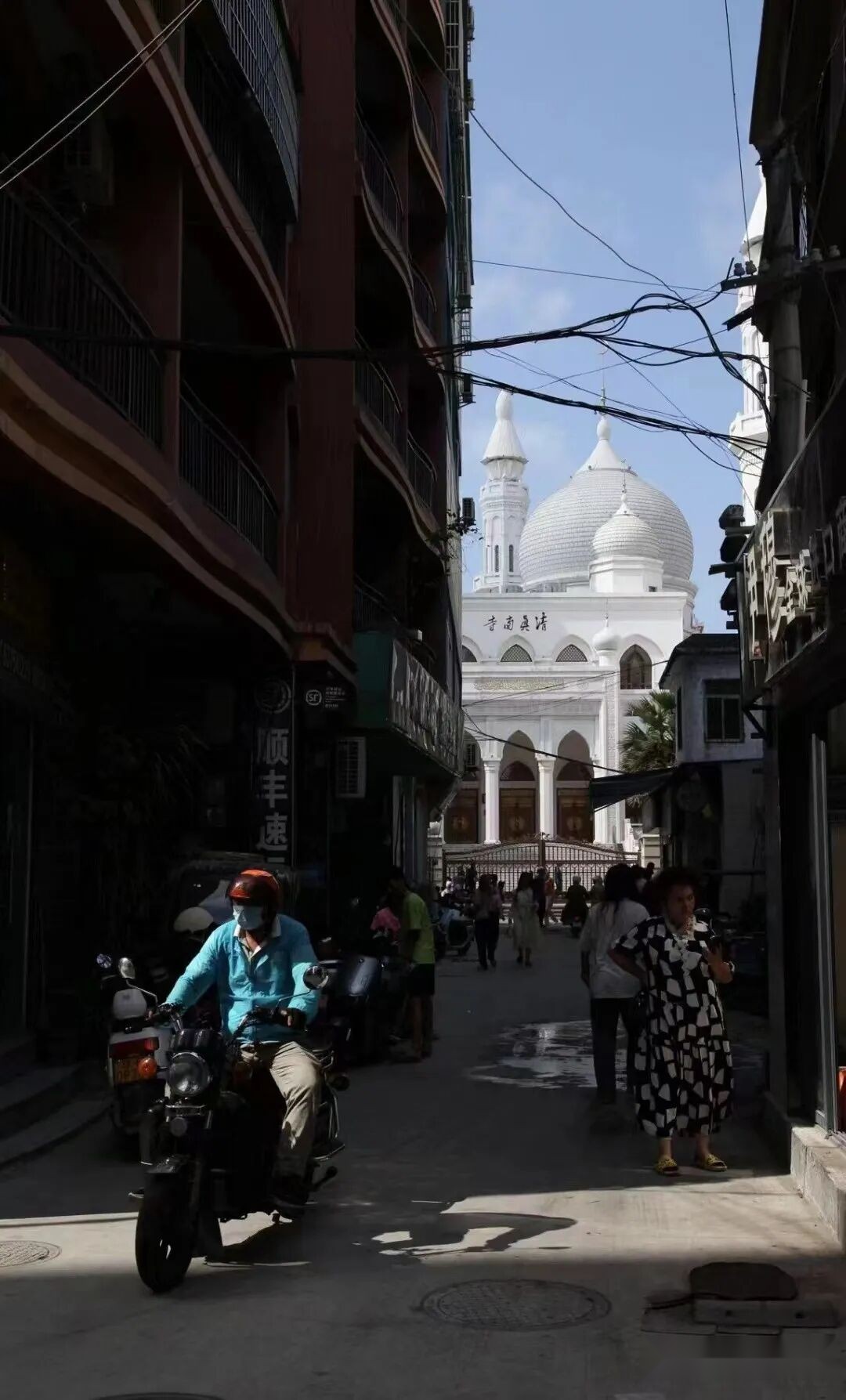
The residential areas of the Sanya Hui Muslims are the two villages of Huihui Village (Huihui Muslim Village) and Huixin Village (Huixin Muslim Village), located just outside the downtown area. As many imams and scholars mentioned during our stay in Sanya: if it weren't for these two villages of our Muslim brothers, so many Muslims from mainland China would never come to Sanya. Even if they came for a vacation, they wouldn't stay in this neighborhood; even if they stayed, they wouldn't stay for months at a time, let alone return year after year.
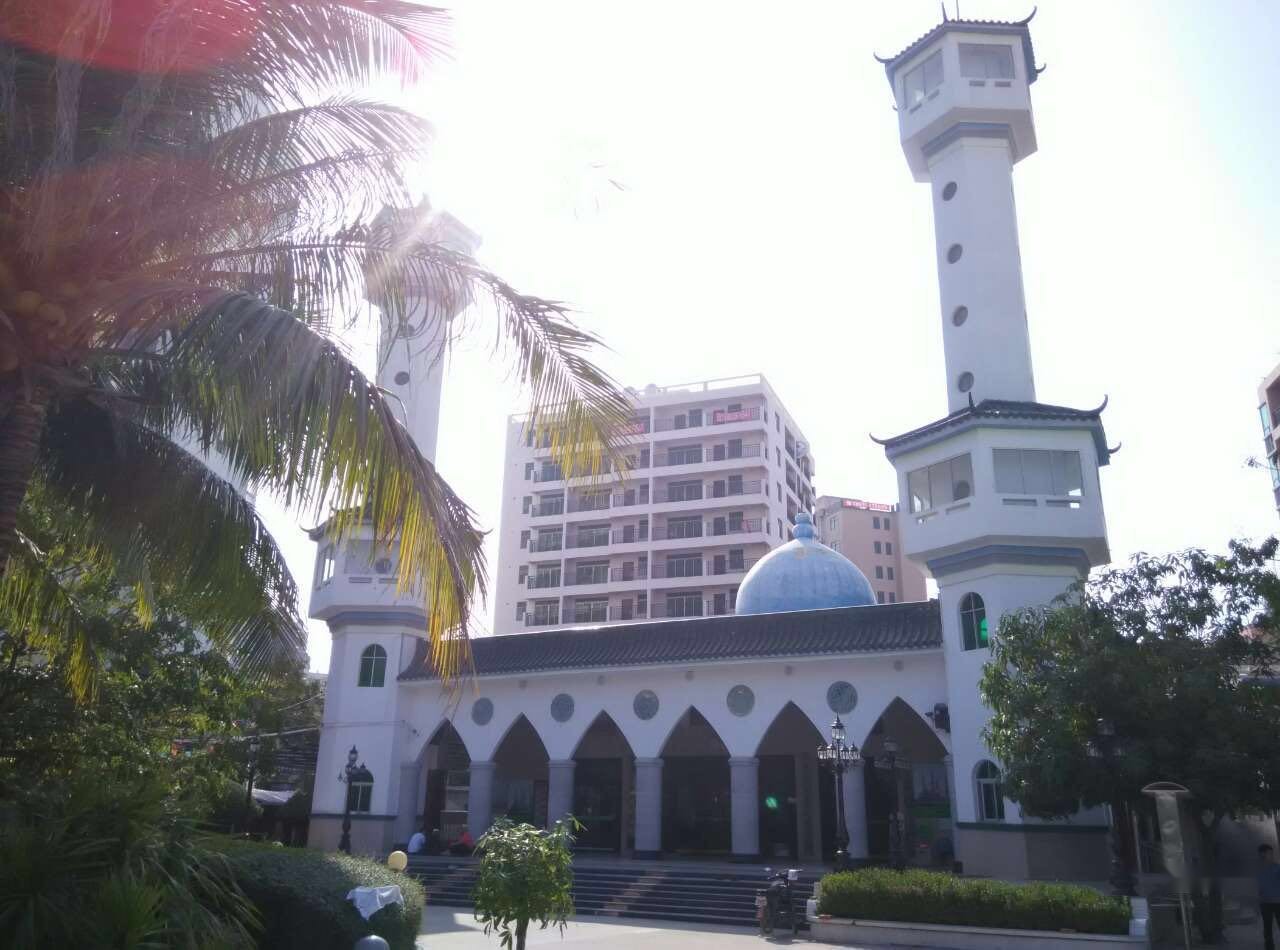
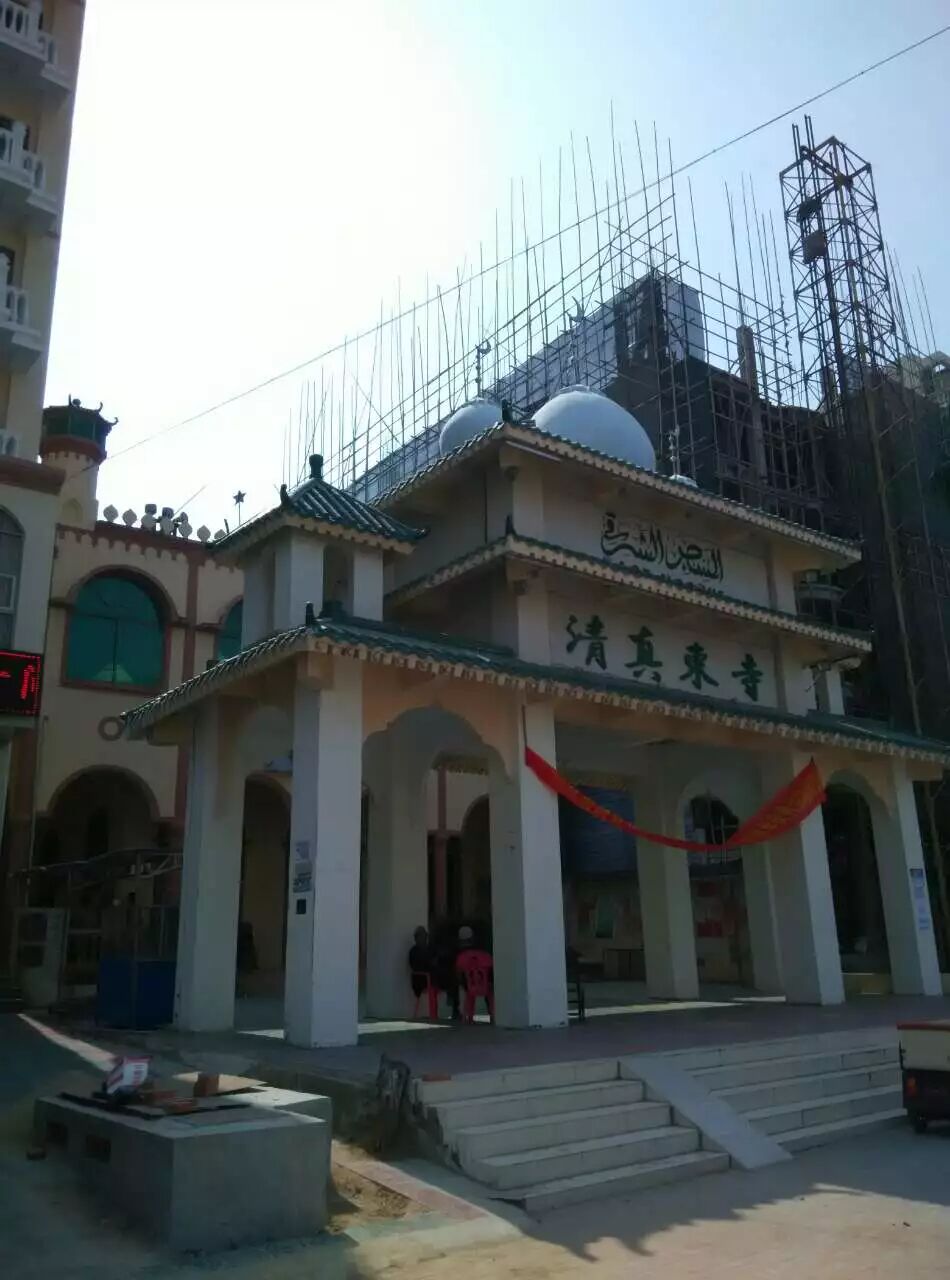
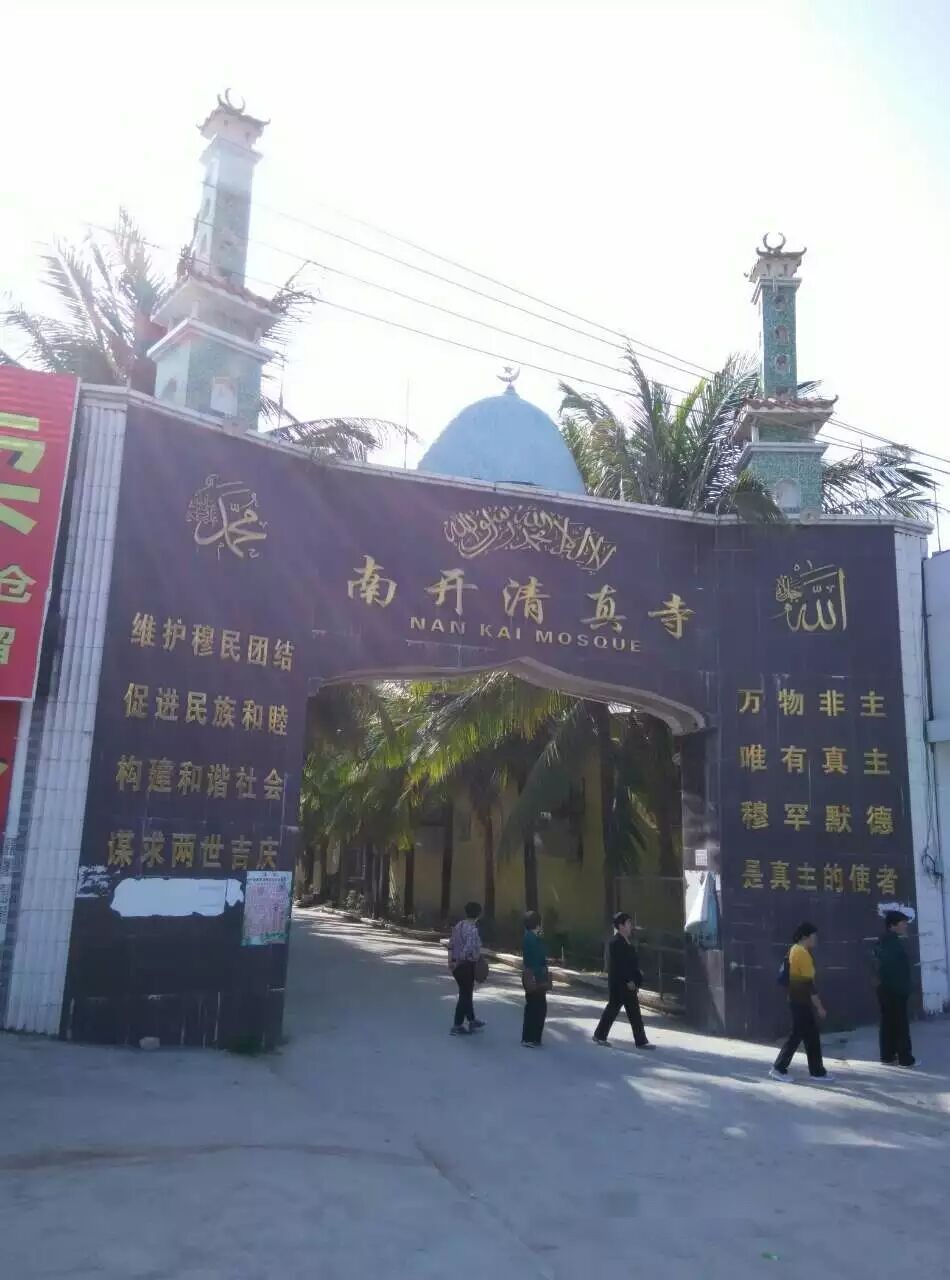
Let me think about the reasons. First, it solves the dietary issues everyone has to face; second, the presence of six mosques gives the religious life of out-of-town Muslims a settled anchor; and third, that sense of emotional comfort you get when you are surrounded entirely by fellow Muslims.
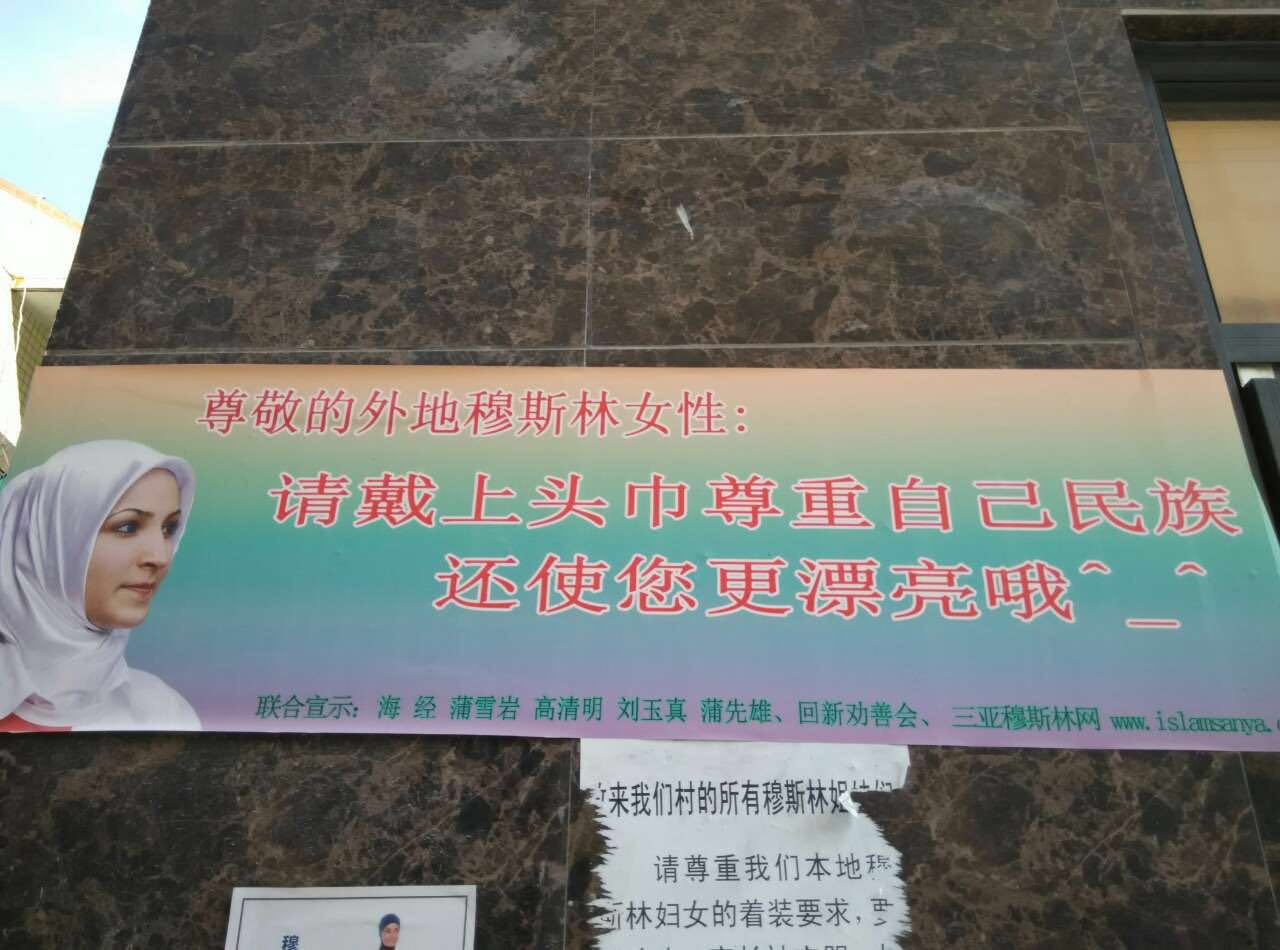
Even though these two villages might have airplane noise, crowing roosters, and quacking ducks, when you can wake up every day to the sound of the adhan, and hear the mosque broadcasting the Quran and salawat (praises upon the Prophet) daily, the former becomes completely negligible. Yes, the melodious adhan, Quranic verses, and praises echoing from the loudspeakers are enough to make Muslims in too many places across the mainland envious. No one will complain that the Fajr prayer disturbs their sweet sleep, and no one will feel that the call to prayer is an annoying noise, because everyone here is a Muslim. You won't feel like wearing a thawb or hijab while walking down the street draws extra looks, and sisters who lack the courage to wear a headscarf back home can wear it here without attracting a single sideways glance, because everyone here is a Muslim. You don't have to worry about which vendor is selling fake Halal food, nor do you need to be afraid that a restaurant with a 'Halal' sign not only sells alcohol but also puts cooking wine and meat of unknown origin into the dishes, because everyone here is a devout Muslim.
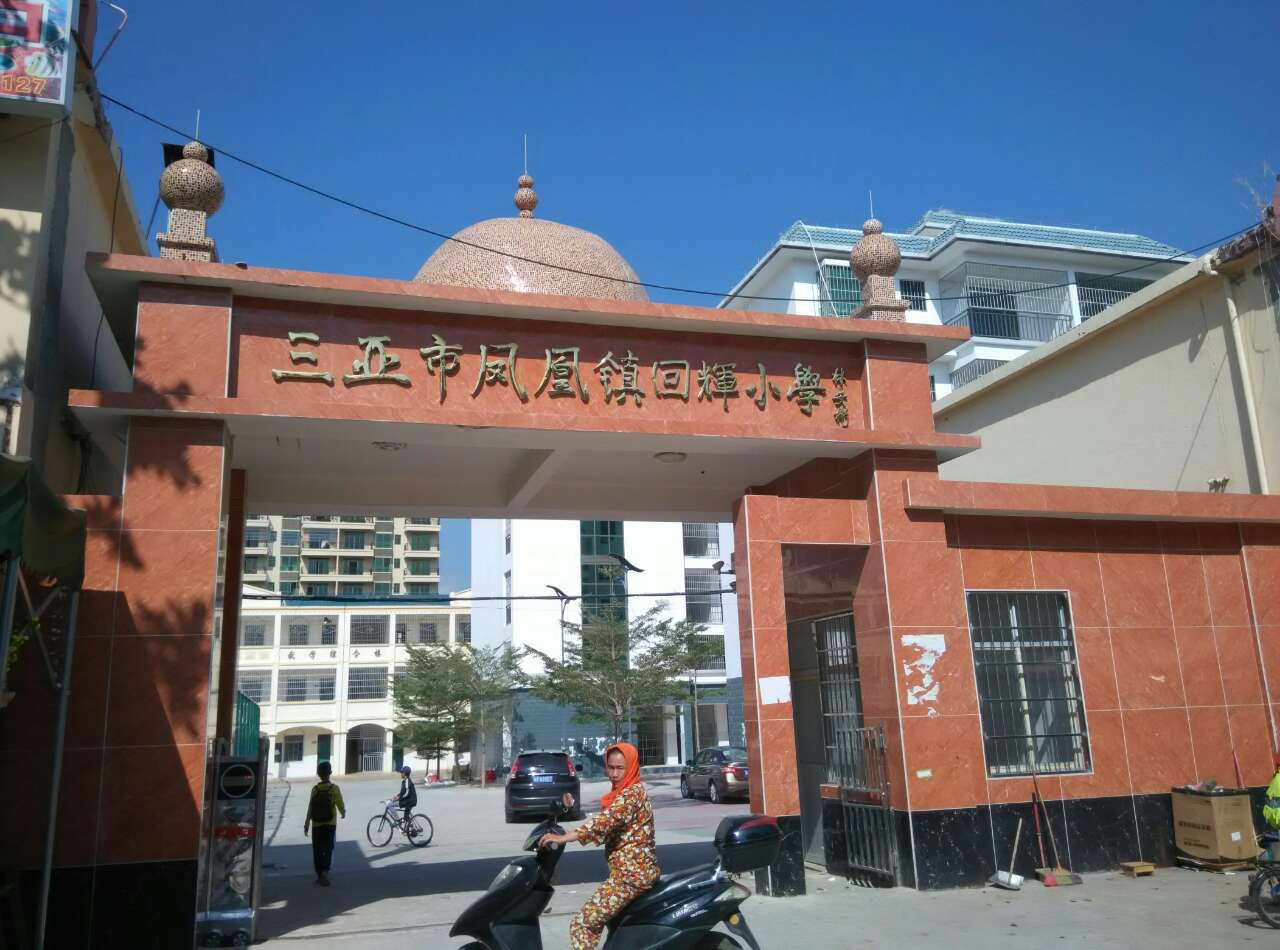
Perhaps when you first arrive in Sanya, you might feel unaccustomed to these special brothers and sisters who differ from the stereotypical physical features of 'Hui people' in your mind, who even have their own language, and whose men, women, and children chew betel nut in ways you can't quite understand. I know some people even cast doubt on the level of religious practice of these Sanya Hui Muslims because of this. That's because we've developed too many bad habits on the mainland, where our standard for judging whether someone is a good Muslim stops at how long their beard is, how long their robe is, how long the taqiyah (prayer cap) on their head is, and how long the tasbih (prayer beads) in their hand is. Granted, it's a good thing for someone to have these Islamic sartorial features, but judging a book by its cover is a problem. When you find that the proportion of people going to the mosque for the five daily prayers here is higher than in the Hui community where you live, when you find that women here wear headscarves whether they are going to work, school, or even when they are still infants in arms, when you find that local merchants never shortchange you and will never cheat you, and when you walk down the street and pass by a very elderly but spirited local grandmother—while you walk right past her blankly, that elderly woman takes the initiative to greet you with a less-than-standard Arabic 'As-salamu alaykum'—my mainland compatriots, have you ever reflected for even a moment, or felt a sense of shame?
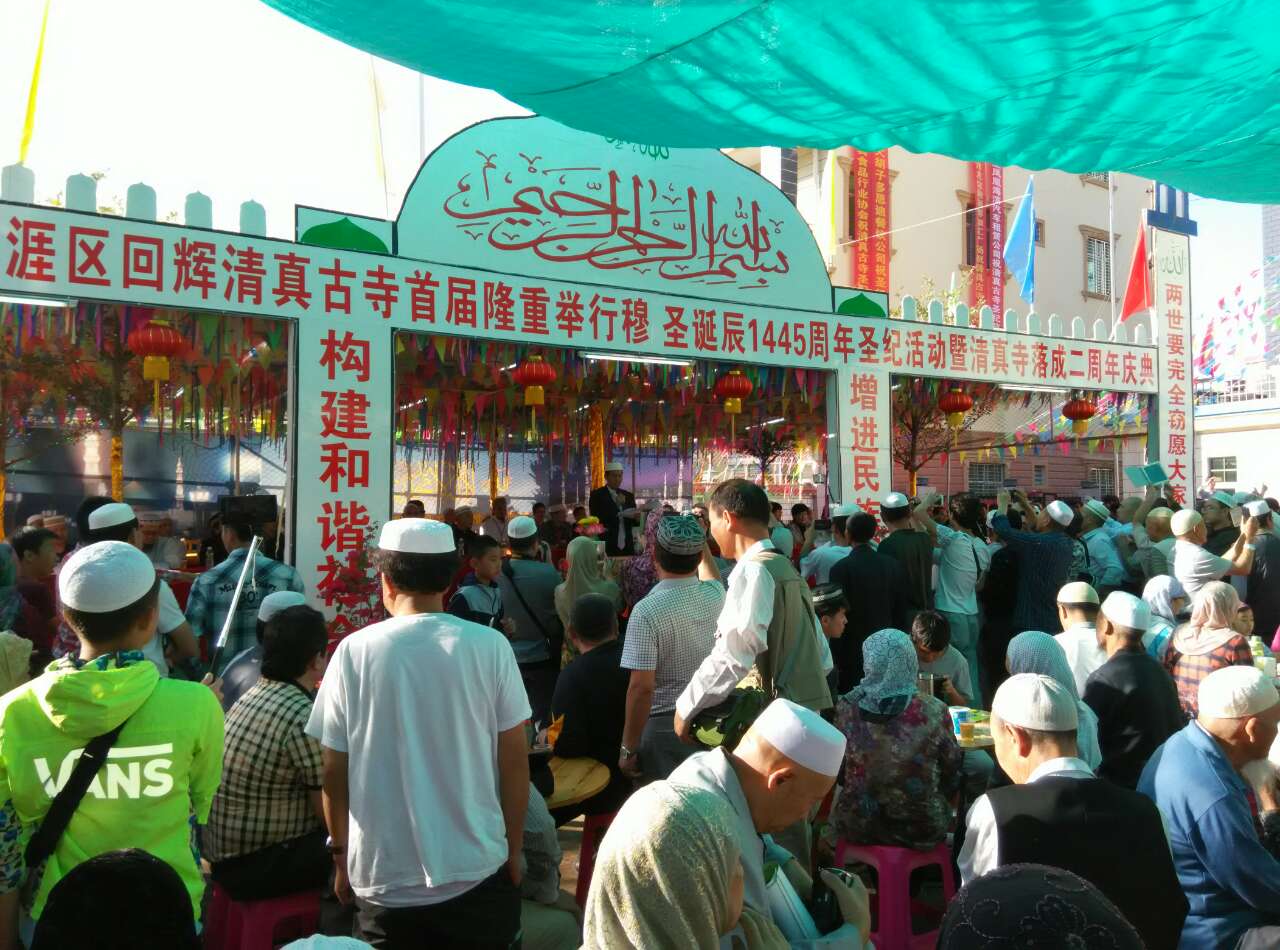
During my stay in Sanya, I happened to witness and participate from start to finish in the Mawlid (Prophet's Birthday celebration) hosted by the Sanya Ancient Mosque, with all the other mosques co-hosting. The relations among the mosques here are exceptionally good—so good that it feels as if they are simply six branch locations of the very same mosque. The Mawlid event is held every year, rotating hosts among the mosques annually to avoid wasting resources and putting a financial burden on the people. By combining everyone's efforts once a year, the event becomes grand and massive through sheer concentration. I also learned that the Eid al-Fitr and Eid al-Adha congregational prayers alternate locations: one year they are held in Huihui, and the next year they must be held in Huixin. Everyone strives for fairness advocated by Islam in all matters and details, and it is precisely because they unremittingly put this into practice that inter-mosque and inter-village conflicts do not arise. The Mawlid here is not just a single day's event; it spans over ten days of various activities leading up to the official Mawlid banquet—such as the easily anticipated speech contests, Quran recitation competitions, and Islamic knowledge quizzes, alongside various sports tournaments that people might not immediately associate with it, including basketball, volleyball, table tennis, and more. Moreover, the competition venues are right in the courtyards behind the main prayer halls, and the matches are fiercely competitive, showcasing the robust physical fitness that local Muslims have developed from swimming in the sea since childhood.
What is truly worth noting is that I saw the imams of several mosques among the spectators and team players! This is unimaginable in some regions of the Northwest, where imams must maintain a very 'stiff and solemn' image. For an imam to participate in such sports activities without being declared un-Islamic would be a miracle—let alone watching or playing a game. I saw the young and promising Imam Li of the Sanya Ancient Mosque fighting hard on the basketball court in his jersey. As soon as the adhan sounded, he rushed back to the mosque to make wudu (ablution), slipped a long robe over his jersey, and devoutly and solemnly led everyone in prayer. These Muslim brothers sweating and laughing heartily on the sports court while praying to Allah with heartfelt devotion in the main hall showed me what normal Muslims truly look like. Muslims are not grim, tight-lipped ascetics rushing forward with lowered heads; a Muslim should be a sunny image full of distinct personality, happiness, and vitality. If your faith cannot even bring you joy, then there is undoubtedly some deviation in your faith.
In the courtyards of the mosques here, people chat and chew betel nut, others lie down on both sides outside the main hall to catch a cool breeze, and children chase and play. Everyone treats the mosque as a place they love, unlike mosques in many other places where people only go during prayer time and bolt the second prayer is over, or places filled with foot odor and backbiting gossip. Here, everyone holds the mosque close to their hearts and loves it. The mosques here don't just belong to the imams and the mosque management committee; every single Muslim feels that 'this is our mosque.' Words are pale and make it sound ordinary, but the actual difference is worlds apart.
In addition, I must mention two people. One is an older brother who invited us to Sanya, helped us find a place to stay, took us to tourist spots, and went out of his way every single day. We felt very embarrassed, but he said, 'Please don't be so polite. We are extremely happy that you could come; we share the relationship of the Muhajirun and the Ansar.' This sentence deeply moved us and made us feel ashamed of our own shortcomings. Although we are far from deserving it, he truly possesses the generous heart and selfless spirit of an Ansar. He is not a man of many words, but he teaches us a lesson through his actions every single day. The another person is one of the first local Hui Muslims who traveled to the Northwest to study Islamic knowledge; he even speaks our local dialect and slang. He said his religious foundation was learned from our region, but every time he visits there, he also sees many things that break his heart. He has seen many young men who just arrived in the city from rural areas go astray, wearing white caps specifically while pickpocketing and stealing. When he saw this, his blood would boil, and after praying to Allah for help, he would step forward to stop the theft, offer the Islamic greeting of peace, and say, 'If you really must steal, take my phone, it's fine; but if you steal from non-Muslims, people will say all Hui people are thieves.' Naturally, those young men wouldn't take his phone, and then he would insist on treating them to a meal, advising them over food to abide by the law, work hard, and build a livelihood through honesty.
A similar incident happened to him on a long-distance bus in the Northwest. Although he successfully stopped a theft that time as well, he was mocked because he doesn't look like a stereotypical Hui Muslim, and the thieves thought he couldn't understand the local dialect. Shamelessly discussing it amongst themselves while acting as pickpockets, they muttered, 'I wonder if this guy is even a real Hui Muslim; he said As-salamu alaykum, but he doesn't look like one at all.' Sigh, as if *they* looked the part?! And there were so many total strangers among the locals who left unforgettable impressions on us. For example, when we first arrived and didn't know how to pick out local fruits, vegetables, or seafood, shoppers standing next to you would take the initiative to help you pick them out and even help you bargain with the vendors. Or once, when we bought a bunch of coconuts to drink at home and realized we didn't have straws, we sent a child downstairs to the supermarket, but they didn't have any. The child saw a nearby drink stall and asked if they sold straws. The stall owner said, 'I don't sell them, but just take however many you need,' and so on. It reminds me of a saying by Hasan al-Basri: 'True humility is when you step outside and feel that every single Muslim you meet is better than you.' In Sanya, in Huihui Village, when I stepped outside, it wasn't a matter of me being humble—truly, every single person *was* better than me!
May Allah help, protect, and bless our Muslim brothers and sisters living far away by the South China Sea. view all
Talking About Muslims at the Ends of the Earth: Strolling Along the Sanya Coastline and Reflecting on the Human Touch and Islamic Culture of Huihui and Huixin Muslims
Abstract:
Through a poetic lens, this article chronicles the life philosophy and spiritual world of our Muslim compatriots living at the edge of the world. Set against the backdrop of tropical coconut groves and sandy beaches, it showcases the island Muslims' pious adherence to religious traditions, mutual aid, honesty, integrity, and their profound reflections on Maritime Silk Road history.
"Facing the Sea, Spring Flowers Blooming"
Starting tomorrow, I will be a grateful person,
Worshiping Allah, loving others, and spreading virtue...
Starting tomorrow, I will care for the poor and orphans.
I wish I had a house,
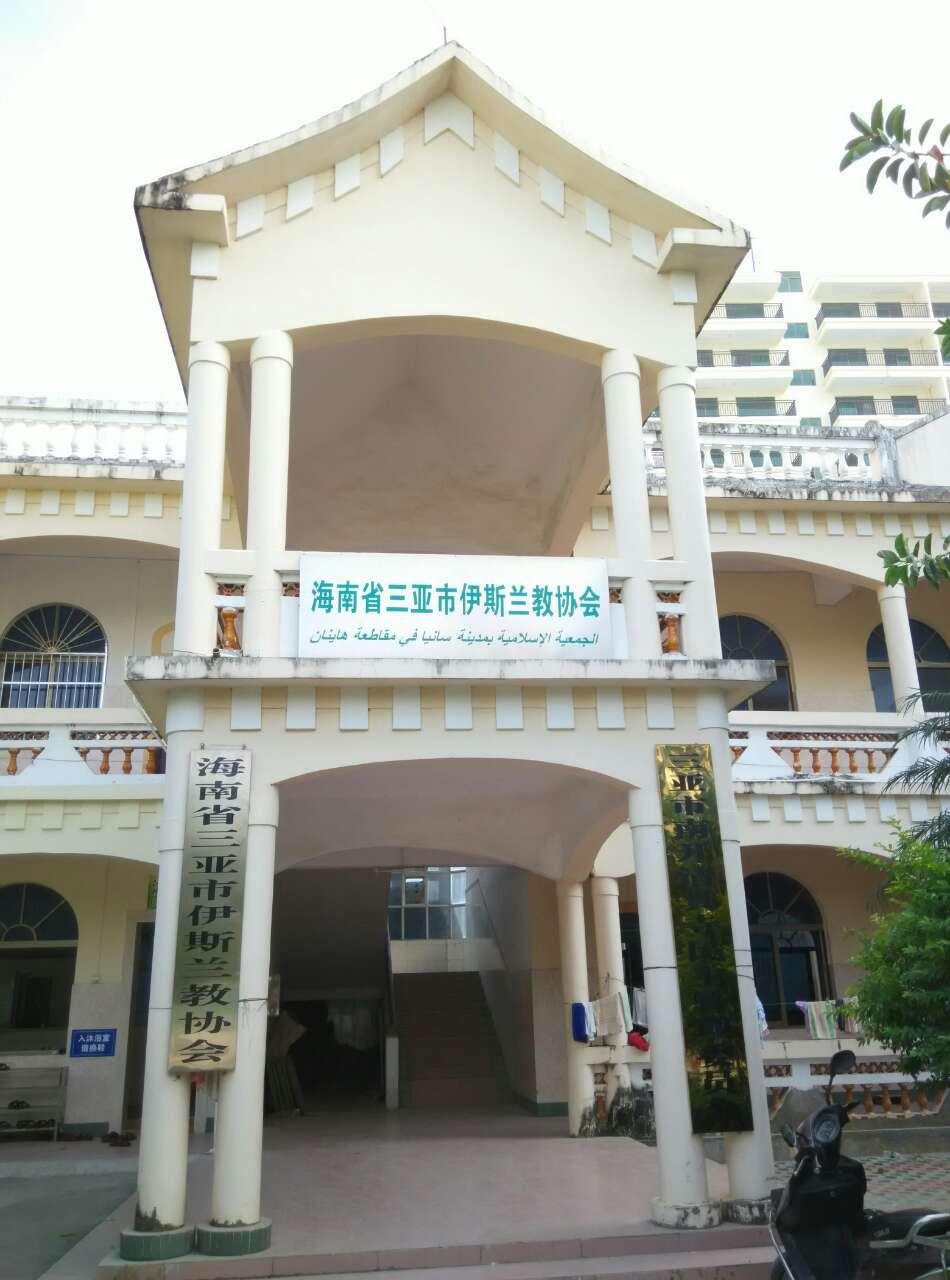
Facing the mosque, listening to the melodic recitation of the Quran.
Starting tomorrow, I will greet everyone with peace,
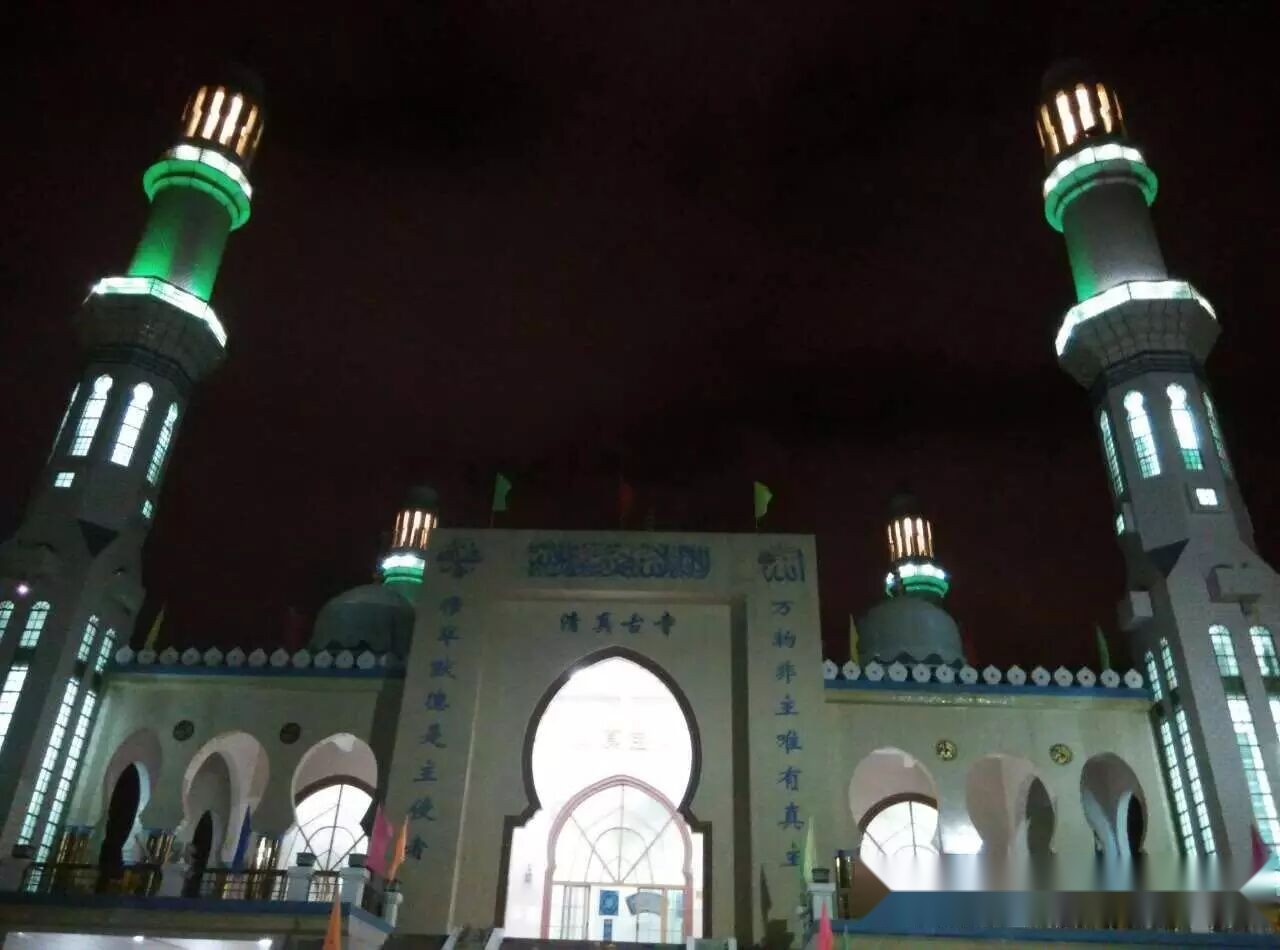
Telling them about my faith,
What the truth of that faith has taught me,
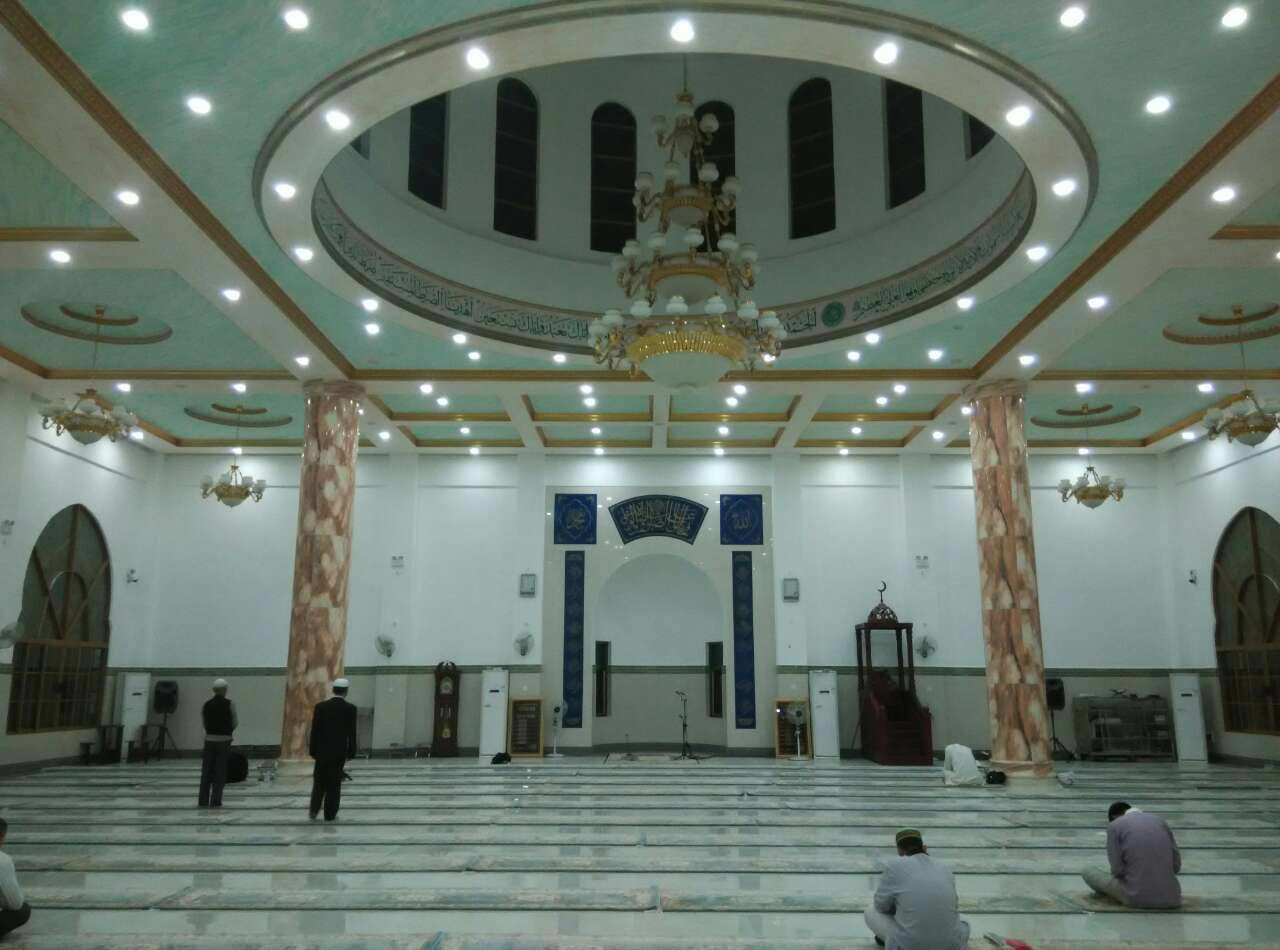
I will tell everyone.
Giving every river and every mountain a warm name: Abdullah—the servant of Allah.
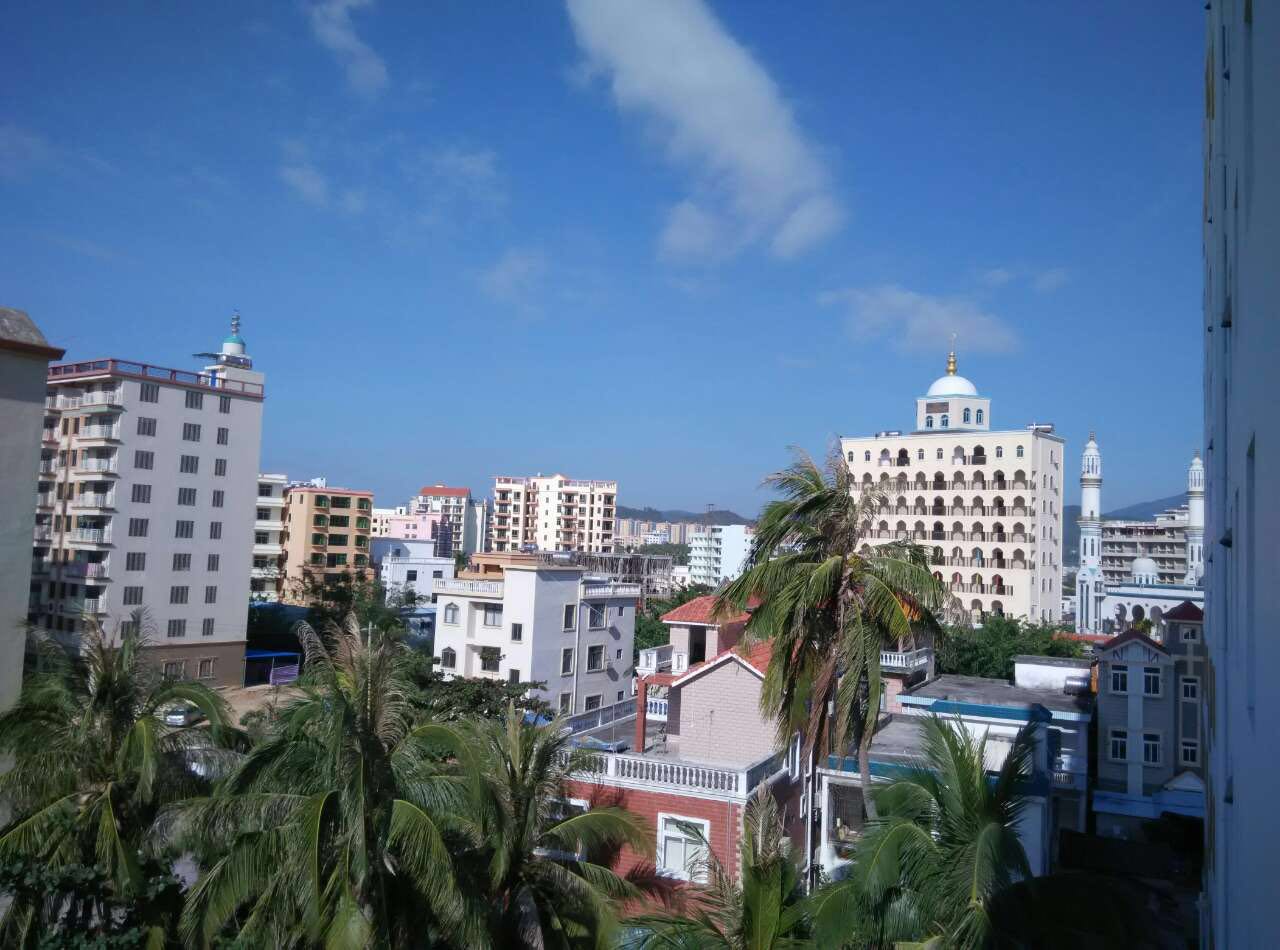
Stranger, I pray for you as well,
May you have a beautiful soul,
May you be guided to walk upon the straight path,
May you attain happiness in both worlds,
I only wish to face the mosque, where the adhan calls me to prayer: 'Come to success~ Come to success~'
These are the words I adapted from Mr. Haizi's poem as I was leaving Sanya. Because although I live in a city with a large Muslim population, there isn't a mosque near my home; in Sanya, however, it's completely the opposite. Being rather ignorant, I used to think Hainan's Muslims were merely historical passersby in textbooks. It wasn't until a few years ago, when I connected with a Hui Muslim brother from Sanya on Weibo, that I saw through his photos and blog posts that a group of devout Muslims is still active right here at China's southernmost tip. It felt both distant and intimate, and subconsciously, I made a niyyah (personal intention) to go see it for myself. Earlier this year, Allah answered that prayer, and our whole family was blessed to make the journey there.
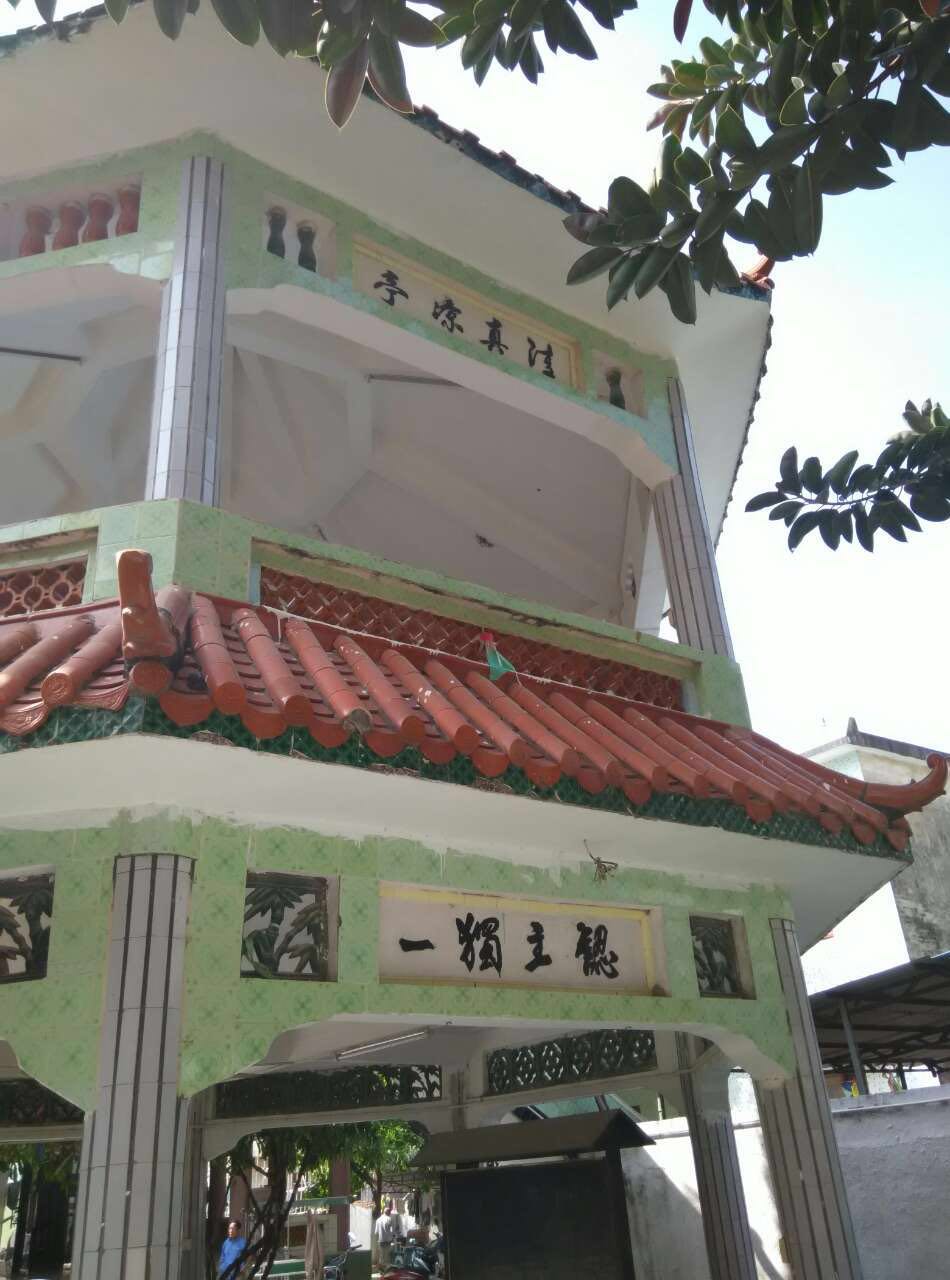
The residential areas of the Sanya Hui Muslims are the two villages of Huihui Village (Huihui Muslim Village) and Huixin Village (Huixin Muslim Village), located just outside the downtown area. As many imams and scholars mentioned during our stay in Sanya: if it weren't for these two villages of our Muslim brothers, so many Muslims from mainland China would never come to Sanya. Even if they came for a vacation, they wouldn't stay in this neighborhood; even if they stayed, they wouldn't stay for months at a time, let alone return year after year.
Let me think about the reasons. First, it solves the dietary issues everyone has to face; second, the presence of six mosques gives the religious life of out-of-town Muslims a settled anchor; and third, that sense of emotional comfort you get when you are surrounded entirely by fellow Muslims.
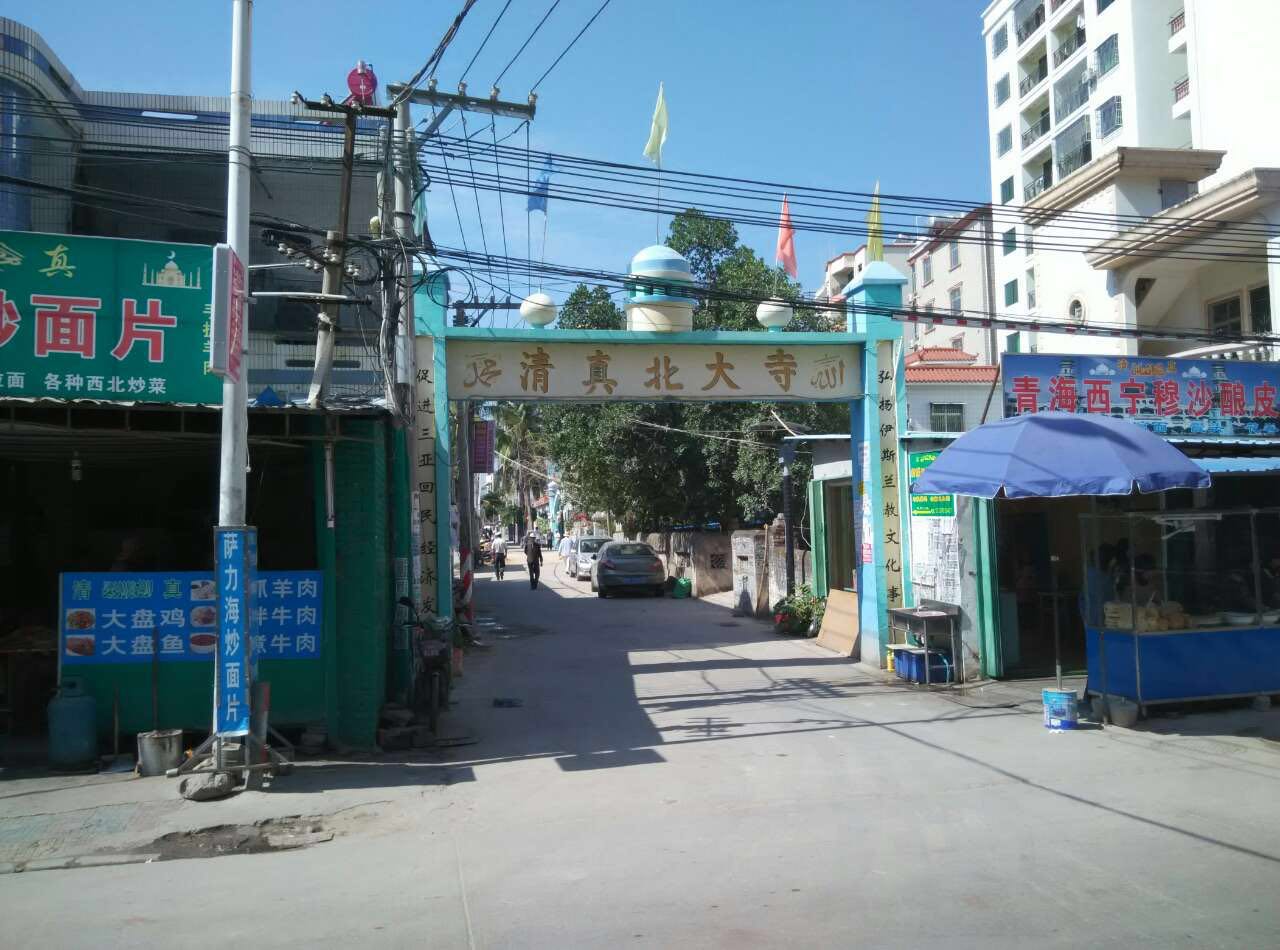
Even though these two villages might have airplane noise, crowing roosters, and quacking ducks, when you can wake up every day to the sound of the adhan, and hear the mosque broadcasting the Quran and salawat (praises upon the Prophet) daily, the former becomes completely negligible. Yes, the melodious adhan, Quranic verses, and praises echoing from the loudspeakers are enough to make Muslims in too many places across the mainland envious. No one will complain that the Fajr prayer disturbs their sweet sleep, and no one will feel that the call to prayer is an annoying noise, because everyone here is a Muslim. You won't feel like wearing a thawb or hijab while walking down the street draws extra looks, and sisters who lack the courage to wear a headscarf back home can wear it here without attracting a single sideways glance, because everyone here is a Muslim. You don't have to worry about which vendor is selling fake Halal food, nor do you need to be afraid that a restaurant with a 'Halal' sign not only sells alcohol but also puts cooking wine and meat of unknown origin into the dishes, because everyone here is a devout Muslim.
Perhaps when you first arrive in Sanya, you might feel unaccustomed to these special brothers and sisters who differ from the stereotypical physical features of 'Hui people' in your mind, who even have their own language, and whose men, women, and children chew betel nut in ways you can't quite understand. I know some people even cast doubt on the level of religious practice of these Sanya Hui Muslims because of this. That's because we've developed too many bad habits on the mainland, where our standard for judging whether someone is a good Muslim stops at how long their beard is, how long their robe is, how long the taqiyah (prayer cap) on their head is, and how long the tasbih (prayer beads) in their hand is. Granted, it's a good thing for someone to have these Islamic sartorial features, but judging a book by its cover is a problem. When you find that the proportion of people going to the mosque for the five daily prayers here is higher than in the Hui community where you live, when you find that women here wear headscarves whether they are going to work, school, or even when they are still infants in arms, when you find that local merchants never shortchange you and will never cheat you, and when you walk down the street and pass by a very elderly but spirited local grandmother—while you walk right past her blankly, that elderly woman takes the initiative to greet you with a less-than-standard Arabic 'As-salamu alaykum'—my mainland compatriots, have you ever reflected for even a moment, or felt a sense of shame?
During my stay in Sanya, I happened to witness and participate from start to finish in the Mawlid (Prophet's Birthday celebration) hosted by the Sanya Ancient Mosque, with all the other mosques co-hosting. The relations among the mosques here are exceptionally good—so good that it feels as if they are simply six branch locations of the very same mosque. The Mawlid event is held every year, rotating hosts among the mosques annually to avoid wasting resources and putting a financial burden on the people. By combining everyone's efforts once a year, the event becomes grand and massive through sheer concentration. I also learned that the Eid al-Fitr and Eid al-Adha congregational prayers alternate locations: one year they are held in Huihui, and the next year they must be held in Huixin. Everyone strives for fairness advocated by Islam in all matters and details, and it is precisely because they unremittingly put this into practice that inter-mosque and inter-village conflicts do not arise. The Mawlid here is not just a single day's event; it spans over ten days of various activities leading up to the official Mawlid banquet—such as the easily anticipated speech contests, Quran recitation competitions, and Islamic knowledge quizzes, alongside various sports tournaments that people might not immediately associate with it, including basketball, volleyball, table tennis, and more. Moreover, the competition venues are right in the courtyards behind the main prayer halls, and the matches are fiercely competitive, showcasing the robust physical fitness that local Muslims have developed from swimming in the sea since childhood.
What is truly worth noting is that I saw the imams of several mosques among the spectators and team players! This is unimaginable in some regions of the Northwest, where imams must maintain a very 'stiff and solemn' image. For an imam to participate in such sports activities without being declared un-Islamic would be a miracle—let alone watching or playing a game. I saw the young and promising Imam Li of the Sanya Ancient Mosque fighting hard on the basketball court in his jersey. As soon as the adhan sounded, he rushed back to the mosque to make wudu (ablution), slipped a long robe over his jersey, and devoutly and solemnly led everyone in prayer. These Muslim brothers sweating and laughing heartily on the sports court while praying to Allah with heartfelt devotion in the main hall showed me what normal Muslims truly look like. Muslims are not grim, tight-lipped ascetics rushing forward with lowered heads; a Muslim should be a sunny image full of distinct personality, happiness, and vitality. If your faith cannot even bring you joy, then there is undoubtedly some deviation in your faith.
In the courtyards of the mosques here, people chat and chew betel nut, others lie down on both sides outside the main hall to catch a cool breeze, and children chase and play. Everyone treats the mosque as a place they love, unlike mosques in many other places where people only go during prayer time and bolt the second prayer is over, or places filled with foot odor and backbiting gossip. Here, everyone holds the mosque close to their hearts and loves it. The mosques here don't just belong to the imams and the mosque management committee; every single Muslim feels that 'this is our mosque.' Words are pale and make it sound ordinary, but the actual difference is worlds apart.
In addition, I must mention two people. One is an older brother who invited us to Sanya, helped us find a place to stay, took us to tourist spots, and went out of his way every single day. We felt very embarrassed, but he said, 'Please don't be so polite. We are extremely happy that you could come; we share the relationship of the Muhajirun and the Ansar.' This sentence deeply moved us and made us feel ashamed of our own shortcomings. Although we are far from deserving it, he truly possesses the generous heart and selfless spirit of an Ansar. He is not a man of many words, but he teaches us a lesson through his actions every single day. The another person is one of the first local Hui Muslims who traveled to the Northwest to study Islamic knowledge; he even speaks our local dialect and slang. He said his religious foundation was learned from our region, but every time he visits there, he also sees many things that break his heart. He has seen many young men who just arrived in the city from rural areas go astray, wearing white caps specifically while pickpocketing and stealing. When he saw this, his blood would boil, and after praying to Allah for help, he would step forward to stop the theft, offer the Islamic greeting of peace, and say, 'If you really must steal, take my phone, it's fine; but if you steal from non-Muslims, people will say all Hui people are thieves.' Naturally, those young men wouldn't take his phone, and then he would insist on treating them to a meal, advising them over food to abide by the law, work hard, and build a livelihood through honesty.
A similar incident happened to him on a long-distance bus in the Northwest. Although he successfully stopped a theft that time as well, he was mocked because he doesn't look like a stereotypical Hui Muslim, and the thieves thought he couldn't understand the local dialect. Shamelessly discussing it amongst themselves while acting as pickpockets, they muttered, 'I wonder if this guy is even a real Hui Muslim; he said As-salamu alaykum, but he doesn't look like one at all.' Sigh, as if *they* looked the part?! And there were so many total strangers among the locals who left unforgettable impressions on us. For example, when we first arrived and didn't know how to pick out local fruits, vegetables, or seafood, shoppers standing next to you would take the initiative to help you pick them out and even help you bargain with the vendors. Or once, when we bought a bunch of coconuts to drink at home and realized we didn't have straws, we sent a child downstairs to the supermarket, but they didn't have any. The child saw a nearby drink stall and asked if they sold straws. The stall owner said, 'I don't sell them, but just take however many you need,' and so on. It reminds me of a saying by Hasan al-Basri: 'True humility is when you step outside and feel that every single Muslim you meet is better than you.' In Sanya, in Huihui Village, when I stepped outside, it wasn't a matter of me being humble—truly, every single person *was* better than me!
May Allah help, protect, and bless our Muslim brothers and sisters living far away by the South China Sea.
Tracing Maritime Silk Road History & Halal Food in Sanya's Utsul Muslim Villages
Articles • Hasan09 posted the article • 0 comments • 1 views • 1 hours ago
Tracing the Maritime Silk Road Descendants in Sanya's Tianya District: The Legend of Tang Dynasty Arab and Persian Merchant Ships and the Modern Continuation of Hui Muslim Trading Traditions
Abstract:
An on-the-ground exploration of the ancient Silk Road bloodline flowing through Sanya's Tianya District Hui Muslim communities. Unraveling the historical context of Arab and Persian merchants doing business and settling down in Yazhou during the flourishing Tang Dynasty, and investigating the cultural roots behind why Sanya Hui Muslim women excel at commerce and trade while running industrious households.
A Fascinating Historical Trace: The Lingering Echoes of the Silk Road
Are there Hui Muslims in Sanya? Where did they come from? And why is it always the women running the businesses in Sanya's Hui communities?
In Sanya, Hainan, they are heavily concentrated in two villages within Tianya District: Huihui Village (Huihui Muslim Village) and Huixin Village (Huixin Muslim Village). So how did these Hui Muslim compatriots end up migrating and settling down in Sanya, a city otherwise dominated by Han, Miao, and Li ethnic groups?
First, back in the Tang Dynasty, Hainan Island was a mandatory stop along the maritime spice and silk trade routes. Along the long coastline at the southern tip of Hainan Island, there was already active Muslim presence. At the time, Muslim merchants traveling from Persian and Arab regions into China via the islands—heading toward ports like Guangzhou and Quanzhou—had a portion of their members come ashore and settle in Sanya.
Second, by the Song and Yuan dynasties, Muslims from Vietnam successively migrated to Sanya.
Third, Muslims migrated down from the Chinese mainland and established villages.
Within China's big family of Hui Muslims, the Hainan Hui Muslims are a uniquely distinct sub-group.
In terms of surnames, language, attire, art, and facial features, they differ quite a bit from mainland Hui Muslims. Surnames like Pu and Hai trace their roots back to Persia, while others originate from Arabia. Linguistically, the Sanya Hui dialect is also known as the Huihui language, and it doesn't sound like any other language in China.
Tracing back a millennium, the men used to head out to sea to fish while the women stayed home to manage business. That's how the tradition of Hui Muslim women taking charge and running trade operations was formed and preserved to this day.
Let's recite a poem to set the mood:
Heading all the way south into the distance
Right to the edge of the world at Tianya Haijiao
It's not just about ocean breezes and coconut vibes
There are also lingering echoes of the Tang Dynasty
As if stepping back onto the Silk Road once again
And experiencing a joyful, surprising reunion with the descendants of Arabs and Persians
Right here
Is Huihui Village and Huixin Village in Sanya's Tianya District...
Photo by Zheng Chunlai (Tea House); Poem by Andre. On the way to Nanshan Mosque
Morning in Sanya
Bustling, lively, and full of energy
Along the stretch of road leading to Nanshan Mosque
The moment you step in here
The light and shadows shift, time and space transform
It's like walking right into another era
Into another world
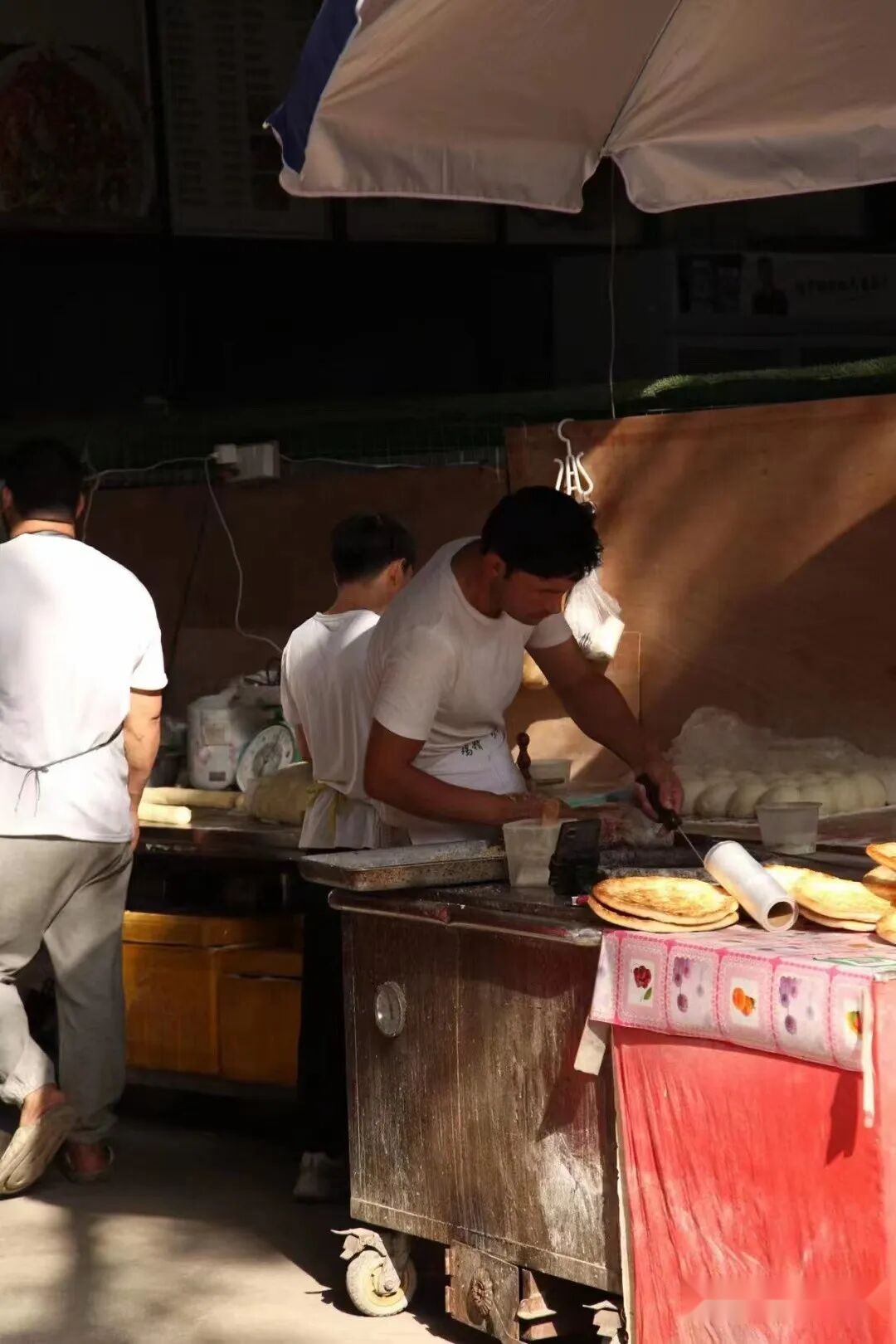
With naan flatbreads carrying a subtle hint of coconut flavor
Step onto a certain street in Huihui Village (Huihui Muslim Village) in Sanya's Tianya District,
and it feels like you've suddenly teleported to Xinjiang.
Nang (traditional Xinjiang flatbread) vendors are set up everywhere,
with eye-catching signs and booming businesses,
though they've got their own unique local twist—
these nang are packed with rich, aromatic coconut milk flavor.
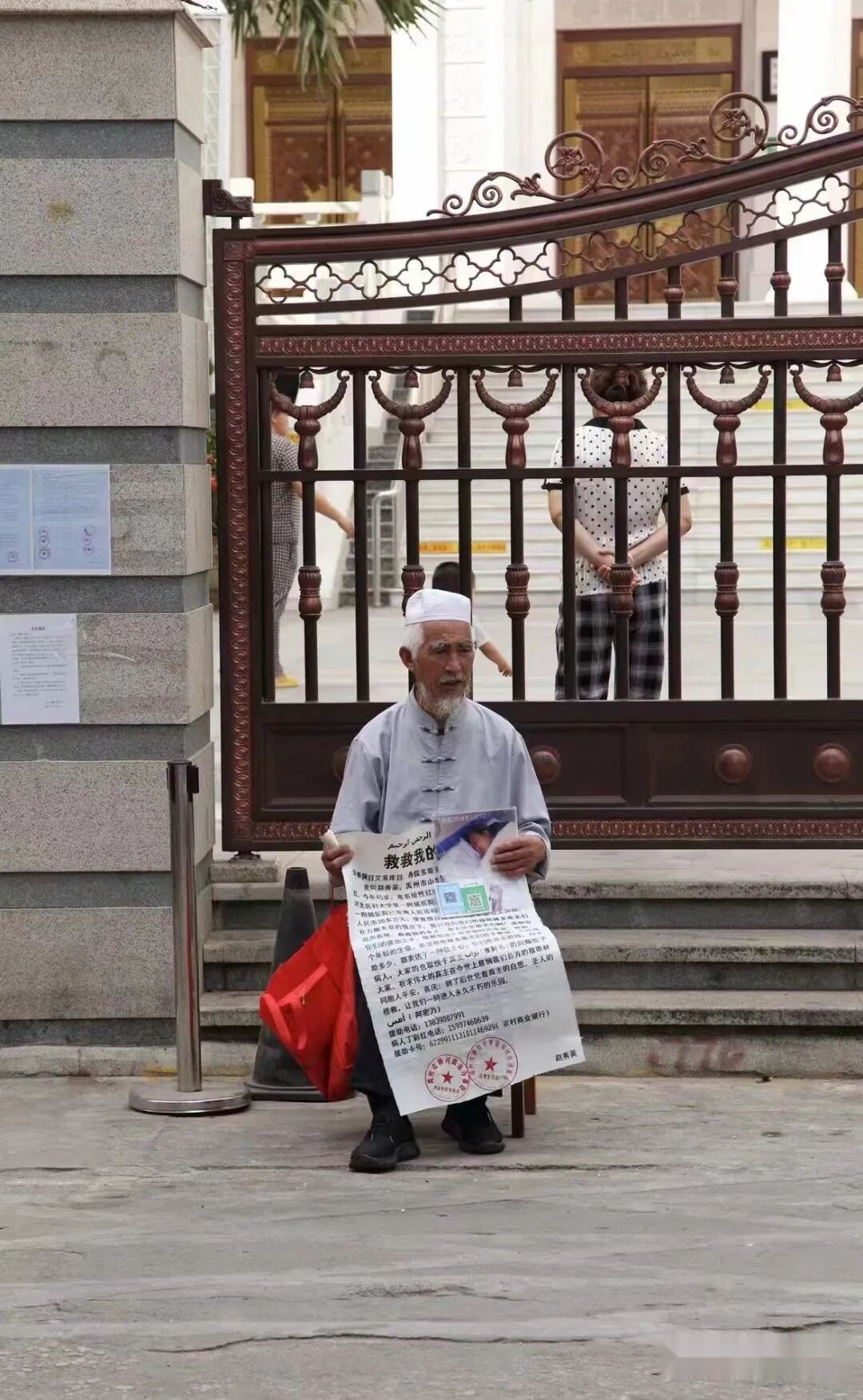
Lost in deep contemplation,
with banners and signs right behind him,
he knows these carry profound meaning.
Amidst the ocean breeze and coconut vibes, he sinks into deep personal prayer,
asking his own heart:
Can you hear what Allah is saying?
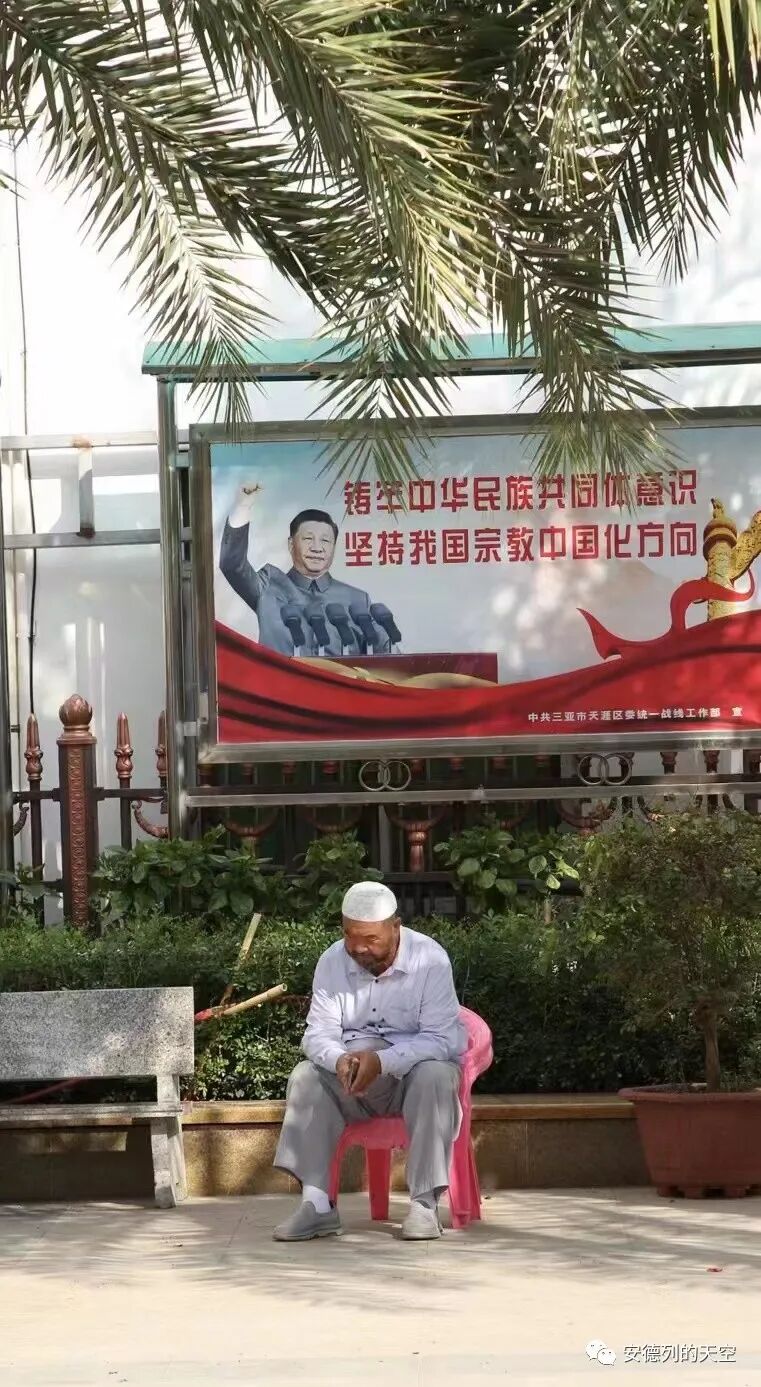
An elder offering dua,
wearing a white taqiyah cap, with white sideburns and a white beard, looking fresh and full of vitality.
This respected elder sits at the entrance of Nanshan Mosque (Sanya's largest masjid) making dua,
not praying for himself,
but wholeheartedly dedicating his supplications to helping community members going through hard times.
A pious silhouette,
ever since he was a kid,
he heads to the mosque every single day,
performing salah five times a day,
washing up barefoot for ritual purity, overflowing with sincere devotion.
Hui Muslim women run the household economies,
an age-old tradition passed down all the way from the Tang Dynasty Silk Road.
Hui Muslim women hold up more than half the sky here, totally crushing it at business.
This female vendor makes her living selling betel nuts and coconuts,
her deft hands wrapping betel nuts in green leaves.
This Hui Muslim grandma, somewhere in her seventies or eighties, has the sunniest disposition.
Living life at total ease, with a heart full of joy,
when she smiles, her eyes still sparkle with the vibrant energy of a youth.
Never for our age, never for our health
Do we need to worry or stress.
Let me share a little wisdom with you:
Darling, please don't ever fret about tomorrow.
Look at these two dear elderly sisters, taking their sweet time,
Comparing notes on their smartphones,
Carefully picking out a catchy title for their digital photo album.
Setting up a street stall just for the joy of active aging,
They couldn't care less about how much money they make,
Or whether anyone even stops by to buy.
Honestly, they truly don't care at all.
An octogenarian Hui Muslim grandma
Running a little stall purely for the joy of retirement life.
Grandma says:
Alhamdulillah, everything is in Allah's best hands.
Photographer Profile
Zheng Chunlai, Member of the China Workers' Photographers Association
Member of the Shanghai Art Photography Association
Member of the China Senior Photographers Association
Member of the Shanghai Senior Photographers Association
Special Contributor Photographer for Travel World magazine
Former reporter for Labor Daily's "Shanghai Labor Movement"
END
______________________________________________ view all
Tracing the Maritime Silk Road Descendants in Sanya's Tianya District: The Legend of Tang Dynasty Arab and Persian Merchant Ships and the Modern Continuation of Hui Muslim Trading Traditions
Abstract:
An on-the-ground exploration of the ancient Silk Road bloodline flowing through Sanya's Tianya District Hui Muslim communities. Unraveling the historical context of Arab and Persian merchants doing business and settling down in Yazhou during the flourishing Tang Dynasty, and investigating the cultural roots behind why Sanya Hui Muslim women excel at commerce and trade while running industrious households.
A Fascinating Historical Trace: The Lingering Echoes of the Silk Road
Are there Hui Muslims in Sanya? Where did they come from? And why is it always the women running the businesses in Sanya's Hui communities?
In Sanya, Hainan, they are heavily concentrated in two villages within Tianya District: Huihui Village (Huihui Muslim Village) and Huixin Village (Huixin Muslim Village). So how did these Hui Muslim compatriots end up migrating and settling down in Sanya, a city otherwise dominated by Han, Miao, and Li ethnic groups?
First, back in the Tang Dynasty, Hainan Island was a mandatory stop along the maritime spice and silk trade routes. Along the long coastline at the southern tip of Hainan Island, there was already active Muslim presence. At the time, Muslim merchants traveling from Persian and Arab regions into China via the islands—heading toward ports like Guangzhou and Quanzhou—had a portion of their members come ashore and settle in Sanya.
Second, by the Song and Yuan dynasties, Muslims from Vietnam successively migrated to Sanya.
Third, Muslims migrated down from the Chinese mainland and established villages.
Within China's big family of Hui Muslims, the Hainan Hui Muslims are a uniquely distinct sub-group.
In terms of surnames, language, attire, art, and facial features, they differ quite a bit from mainland Hui Muslims. Surnames like Pu and Hai trace their roots back to Persia, while others originate from Arabia. Linguistically, the Sanya Hui dialect is also known as the Huihui language, and it doesn't sound like any other language in China.
Tracing back a millennium, the men used to head out to sea to fish while the women stayed home to manage business. That's how the tradition of Hui Muslim women taking charge and running trade operations was formed and preserved to this day.
Let's recite a poem to set the mood:
Heading all the way south into the distance
Right to the edge of the world at Tianya Haijiao
It's not just about ocean breezes and coconut vibes
There are also lingering echoes of the Tang Dynasty
As if stepping back onto the Silk Road once again
And experiencing a joyful, surprising reunion with the descendants of Arabs and Persians
Right here
Is Huihui Village and Huixin Village in Sanya's Tianya District...
Photo by Zheng Chunlai (Tea House); Poem by Andre. On the way to Nanshan Mosque
Morning in Sanya
Bustling, lively, and full of energy
Along the stretch of road leading to Nanshan Mosque
The moment you step in here
The light and shadows shift, time and space transform
It's like walking right into another era
Into another world
With naan flatbreads carrying a subtle hint of coconut flavor
Step onto a certain street in Huihui Village (Huihui Muslim Village) in Sanya's Tianya District,
and it feels like you've suddenly teleported to Xinjiang.
Nang (traditional Xinjiang flatbread) vendors are set up everywhere,
with eye-catching signs and booming businesses,
though they've got their own unique local twist—
these nang are packed with rich, aromatic coconut milk flavor.
Lost in deep contemplation,
with banners and signs right behind him,
he knows these carry profound meaning.
Amidst the ocean breeze and coconut vibes, he sinks into deep personal prayer,
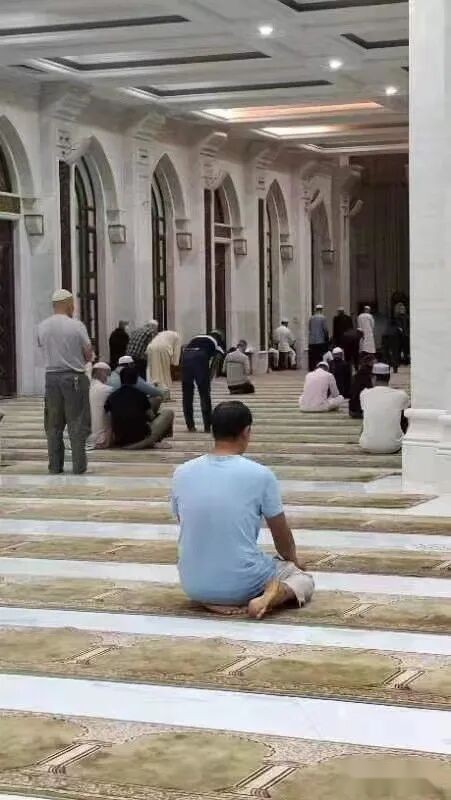
asking his own heart:
Can you hear what Allah is saying?
An elder offering dua,
wearing a white taqiyah cap, with white sideburns and a white beard, looking fresh and full of vitality.
This respected elder sits at the entrance of Nanshan Mosque (Sanya's largest masjid) making dua,
not praying for himself,
but wholeheartedly dedicating his supplications to helping community members going through hard times.
A pious silhouette,
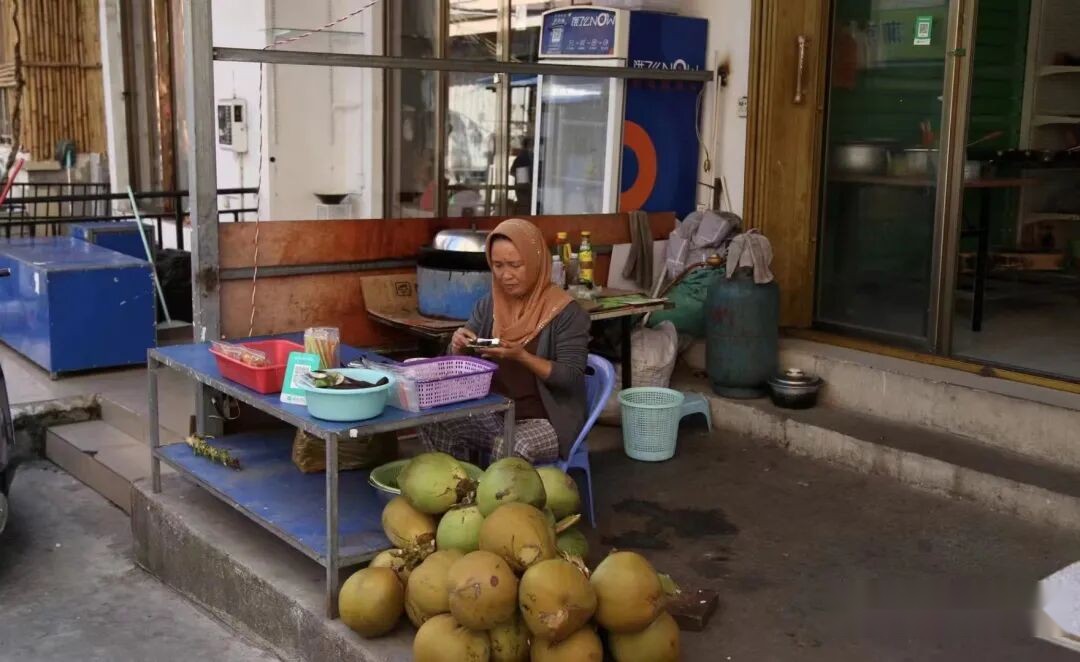
ever since he was a kid,
he heads to the mosque every single day,
performing salah five times a day,
washing up barefoot for ritual purity, overflowing with sincere devotion.
Hui Muslim women run the household economies,
an age-old tradition passed down all the way from the Tang Dynasty Silk Road.
Hui Muslim women hold up more than half the sky here, totally crushing it at business.
This female vendor makes her living selling betel nuts and coconuts,
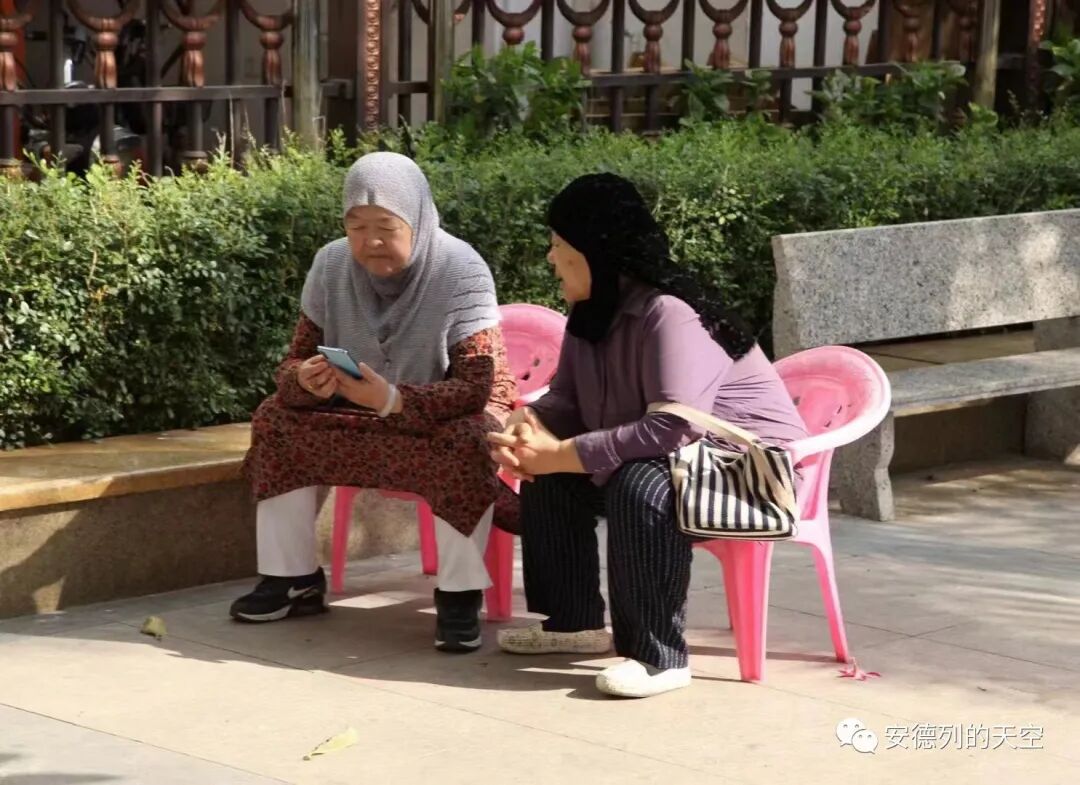
her deft hands wrapping betel nuts in green leaves.
This Hui Muslim grandma, somewhere in her seventies or eighties, has the sunniest disposition.
Living life at total ease, with a heart full of joy,
when she smiles, her eyes still sparkle with the vibrant energy of a youth.
Never for our age, never for our health
Do we need to worry or stress.
Let me share a little wisdom with you:
Darling, please don't ever fret about tomorrow.
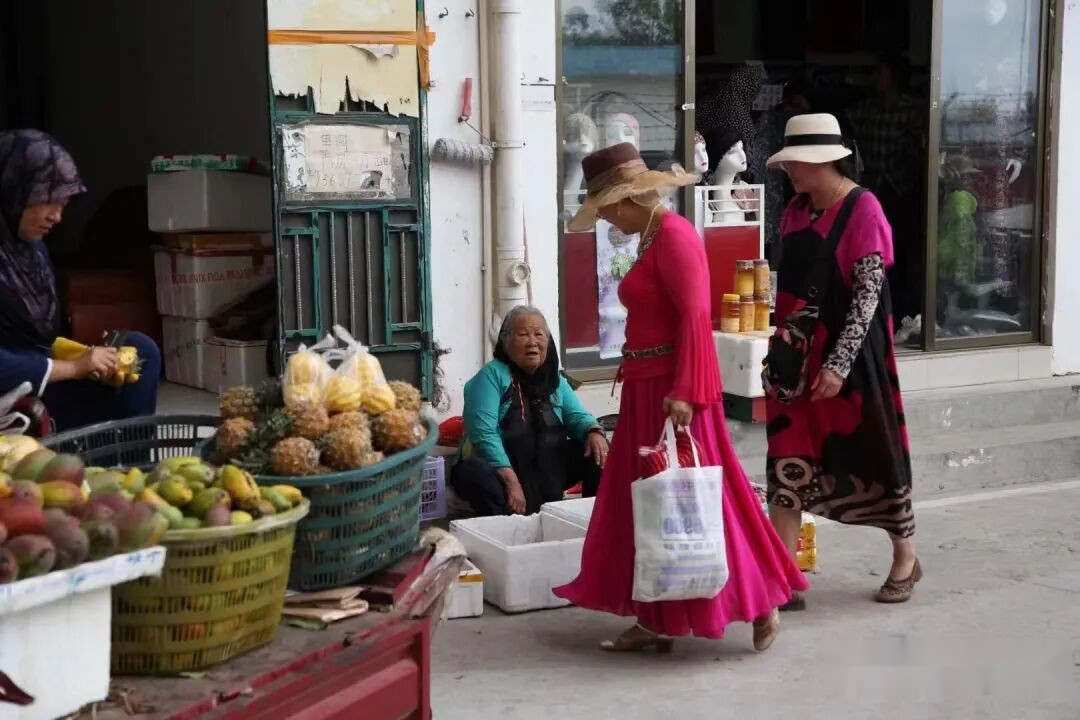
Look at these two dear elderly sisters, taking their sweet time,
Comparing notes on their smartphones,
Carefully picking out a catchy title for their digital photo album.
Setting up a street stall just for the joy of active aging,
They couldn't care less about how much money they make,
Or whether anyone even stops by to buy.
Honestly, they truly don't care at all.
An octogenarian Hui Muslim grandma
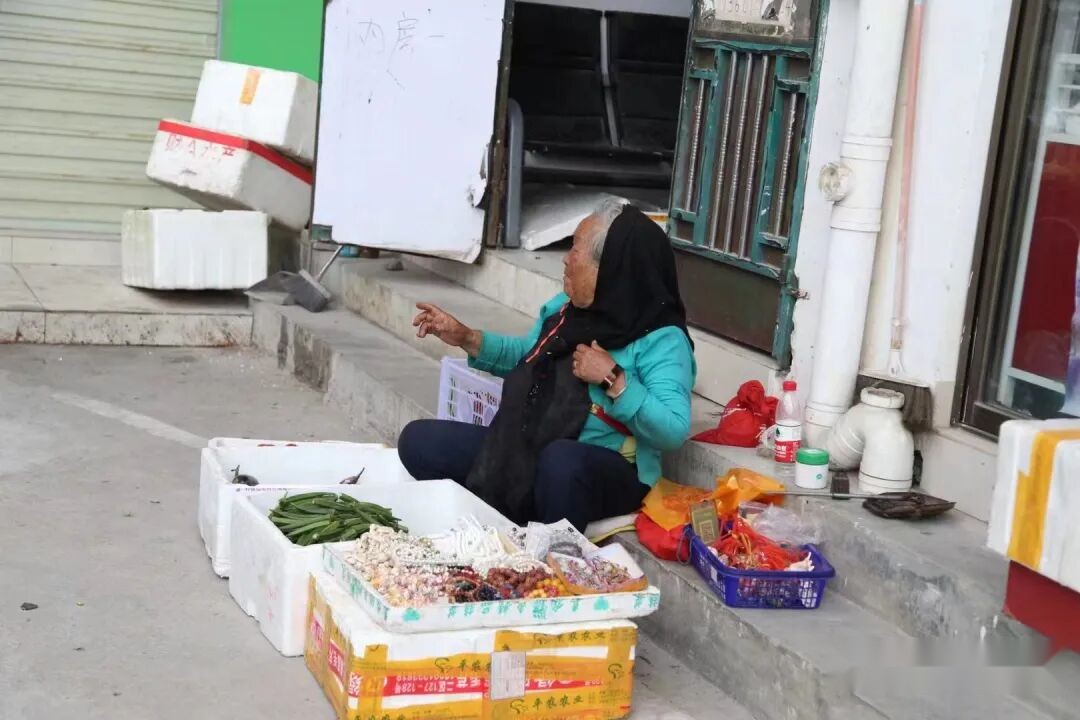
Running a little stall purely for the joy of retirement life.
Grandma says:
Alhamdulillah, everything is in Allah's best hands.
Photographer Profile
Zheng Chunlai, Member of the China Workers' Photographers Association
Member of the Shanghai Art Photography Association
Member of the China Senior Photographers Association
Member of the Shanghai Senior Photographers Association
Special Contributor Photographer for Travel World magazine
Former reporter for Labor Daily's "Shanghai Labor Movement"
END
______________________________________________
Sanya Muslim Culture Guide: Exploring Huihui Village, Halal Seafood & Historic Masjids in Hainan
Articles • Hasan09 posted the article • 0 comments • 5 views • 3 hours ago
Deep Dive into Sanya's Muslim Community: Exploring the Tropical Village Vibe of Huixin and Huihui
Abstract:
An on-the-ground visit to the famous Huixin Village and Huihui Village in Sanya's Tianya District. Venture deep into tropical, coconut-lined streets and alleyways to document the daily life, halal architectural styles, traditional attire, and down-to-earth street vibes of China's southernmost Muslim villages.
[Live Scene Showcase] view all
Deep Dive into Sanya's Muslim Community: Exploring the Tropical Village Vibe of Huixin and Huihui

Abstract:

An on-the-ground visit to the famous Huixin Village and Huihui Village in Sanya's Tianya District. Venture deep into tropical, coconut-lined streets and alleyways to document the daily life, halal architectural styles, traditional attire, and down-to-earth street vibes of China's southernmost Muslim villages.
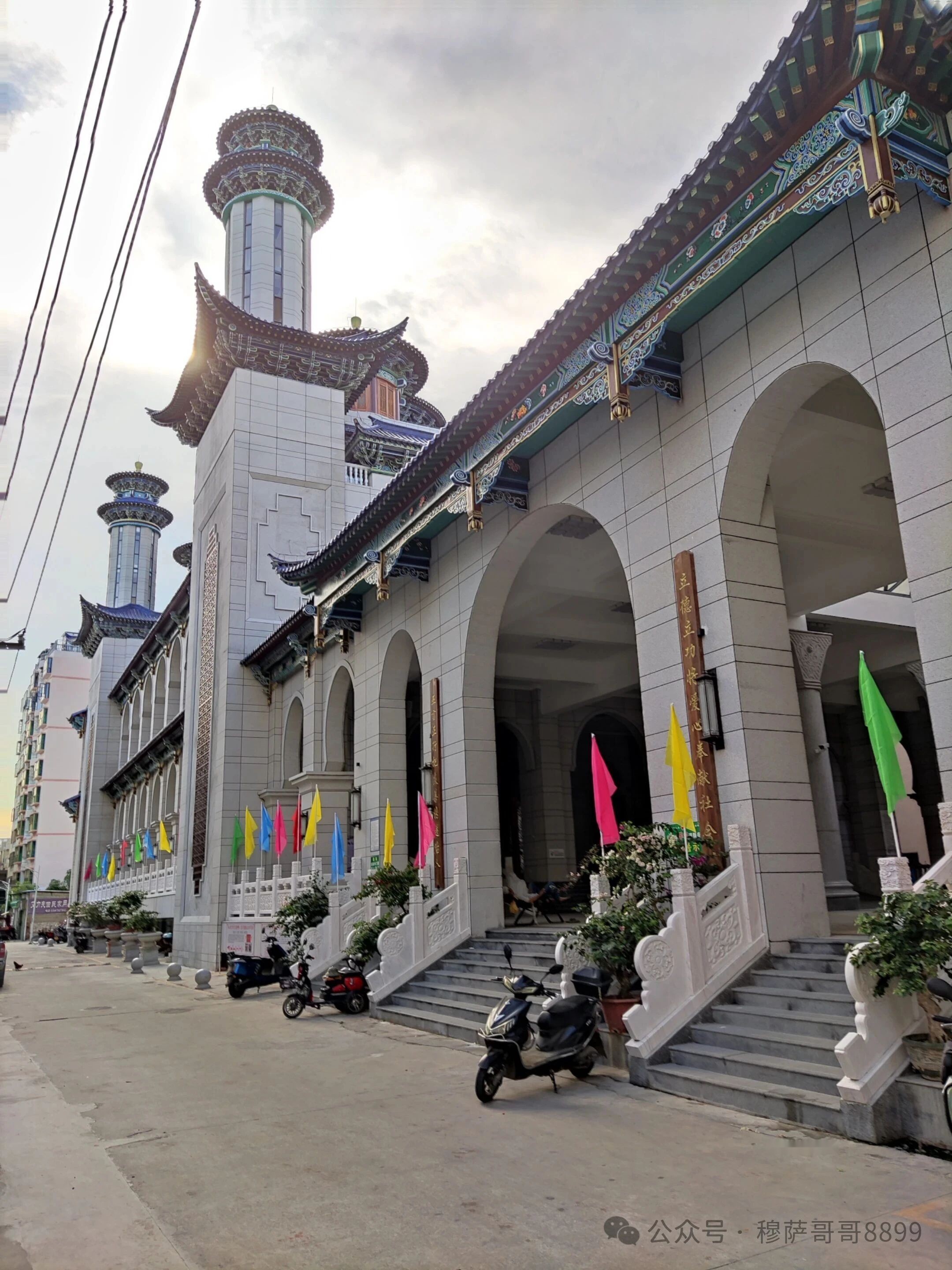
[Live Scene Showcase]

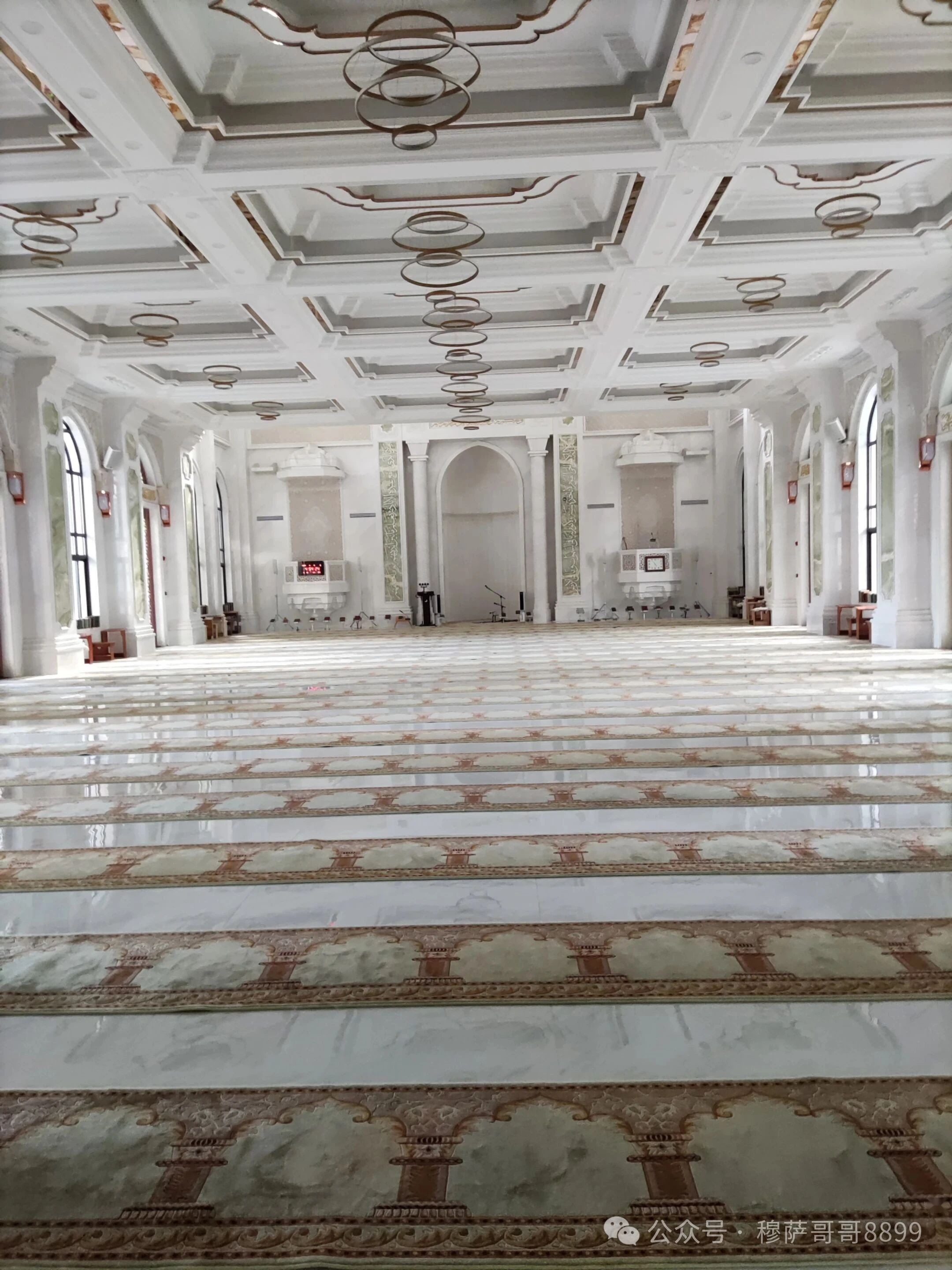
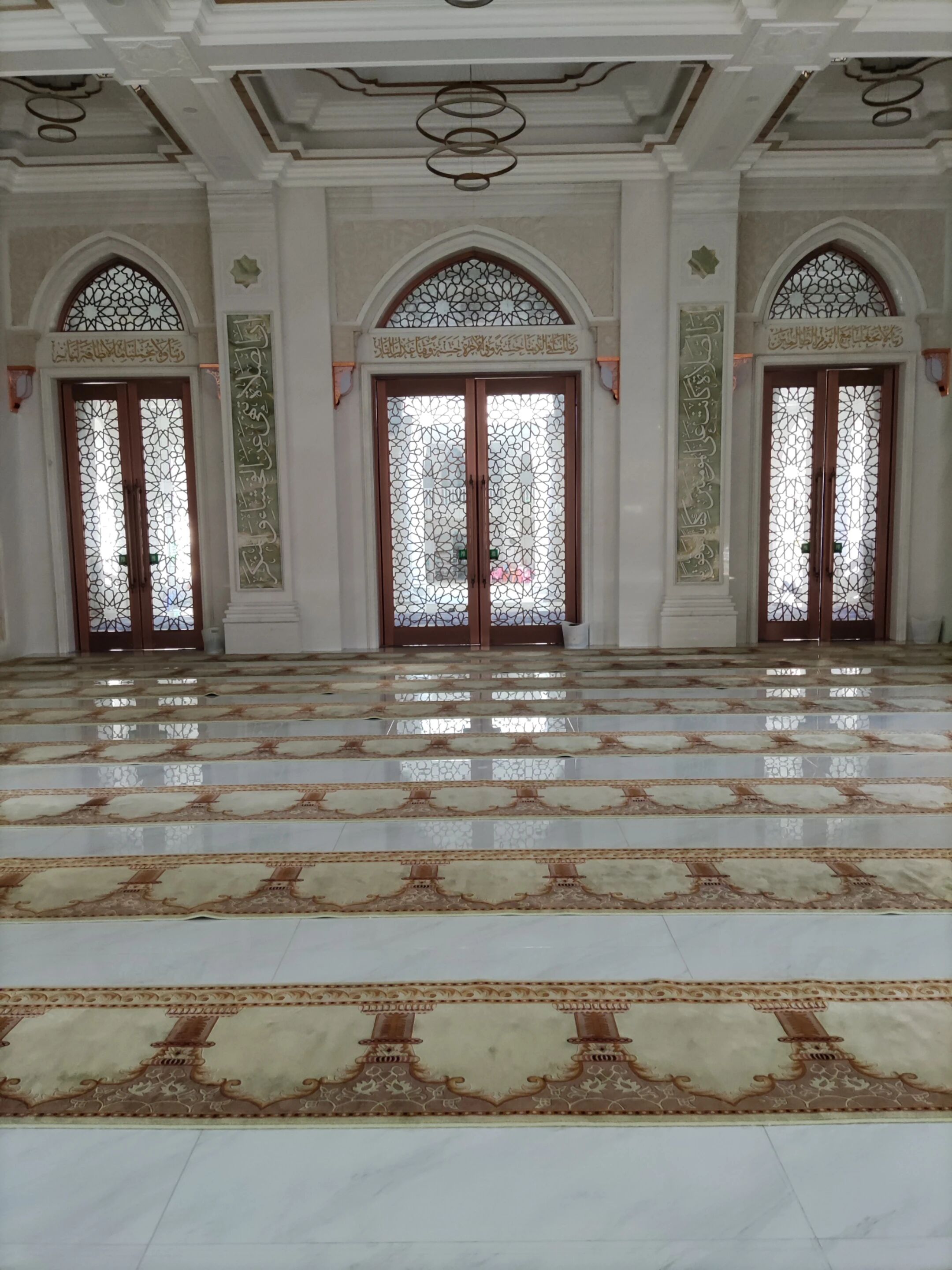
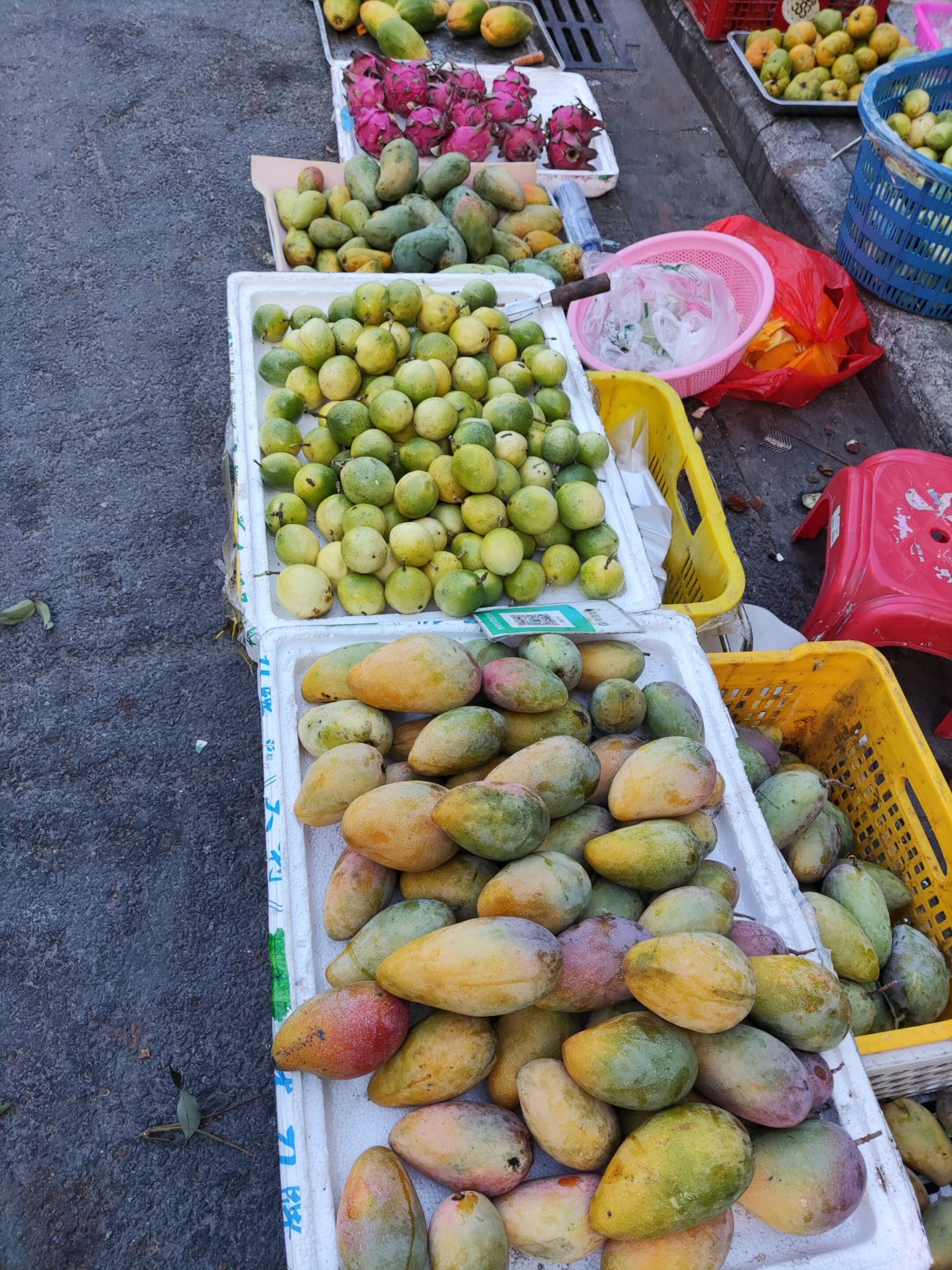
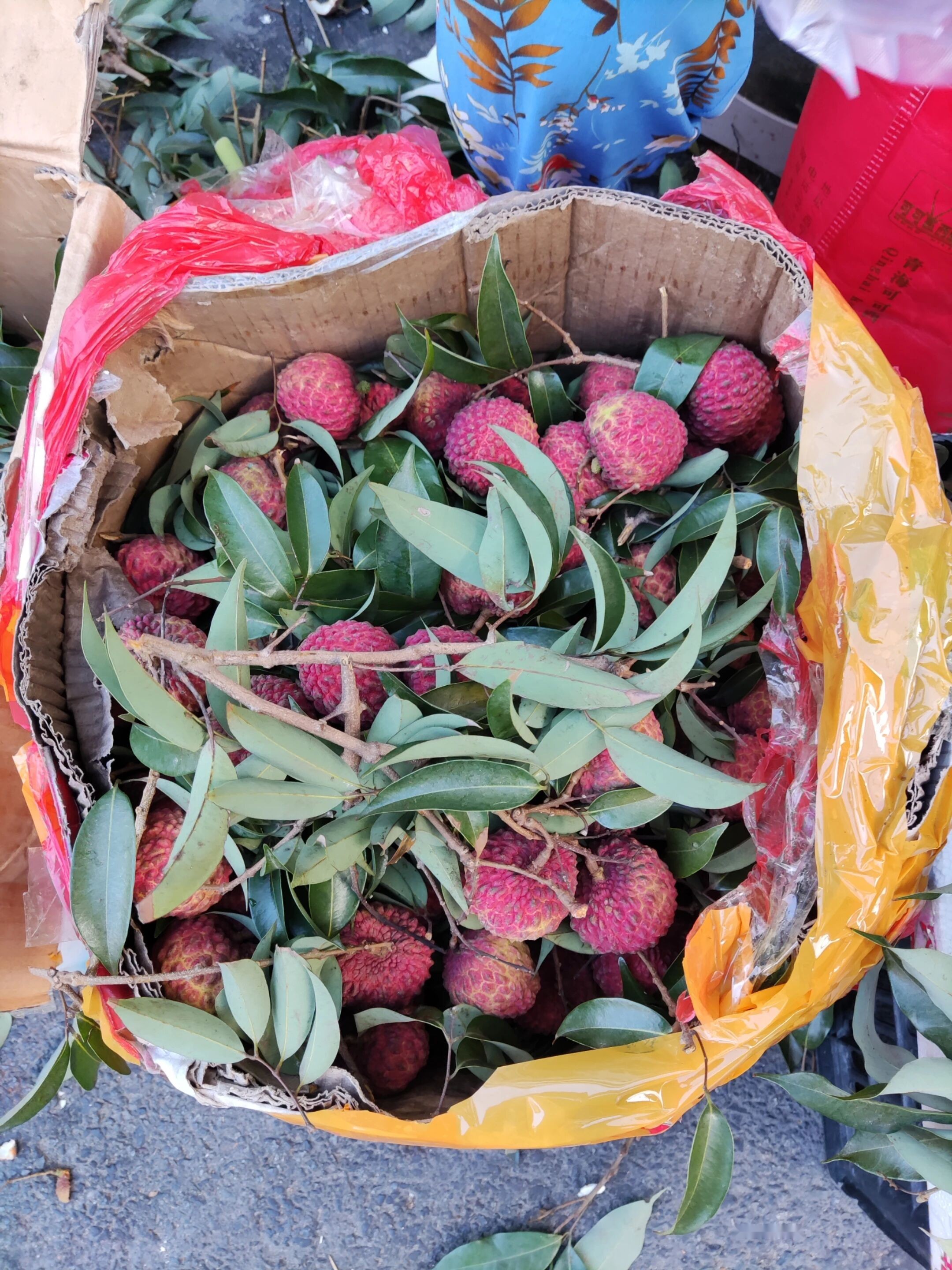
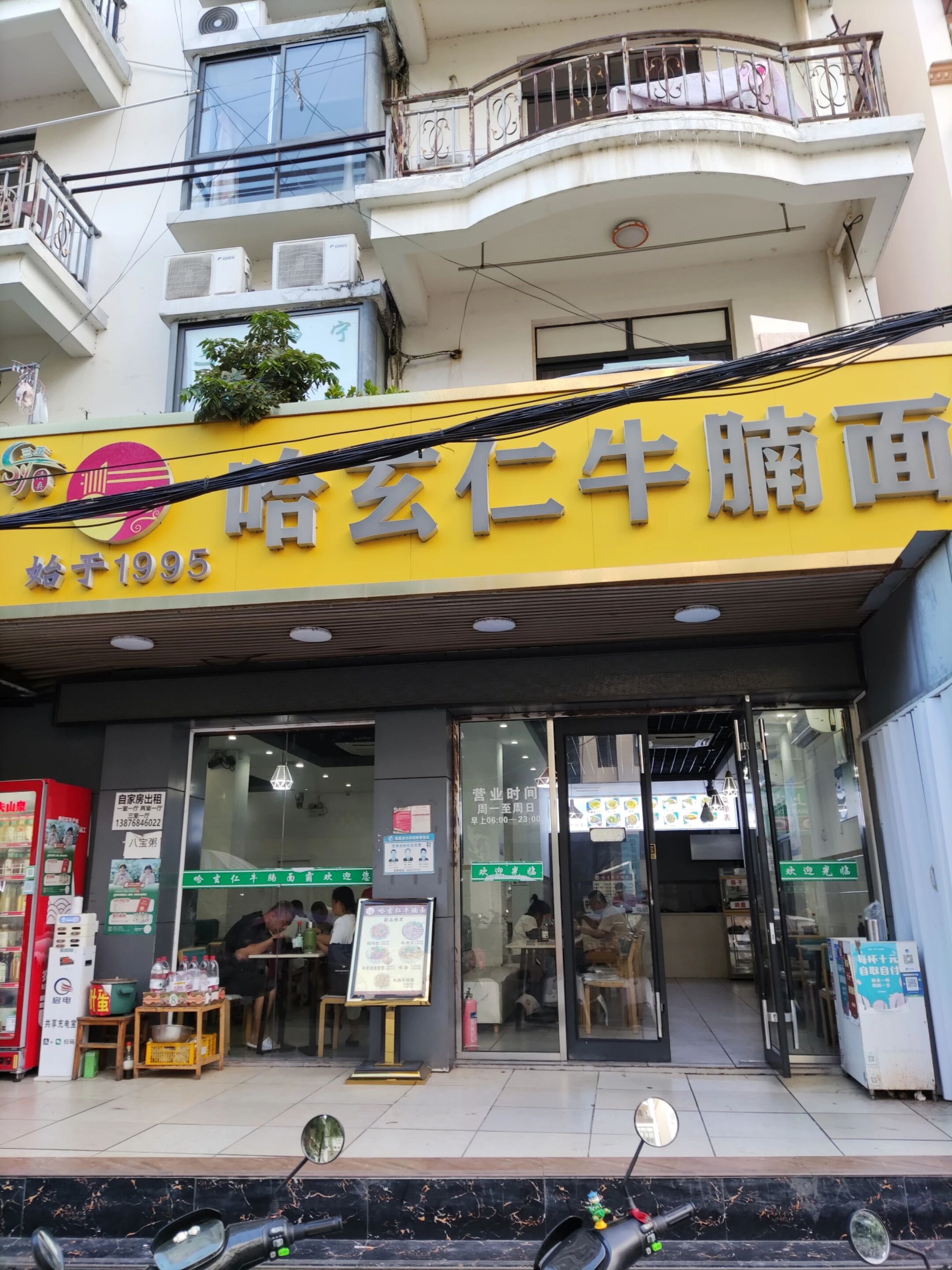
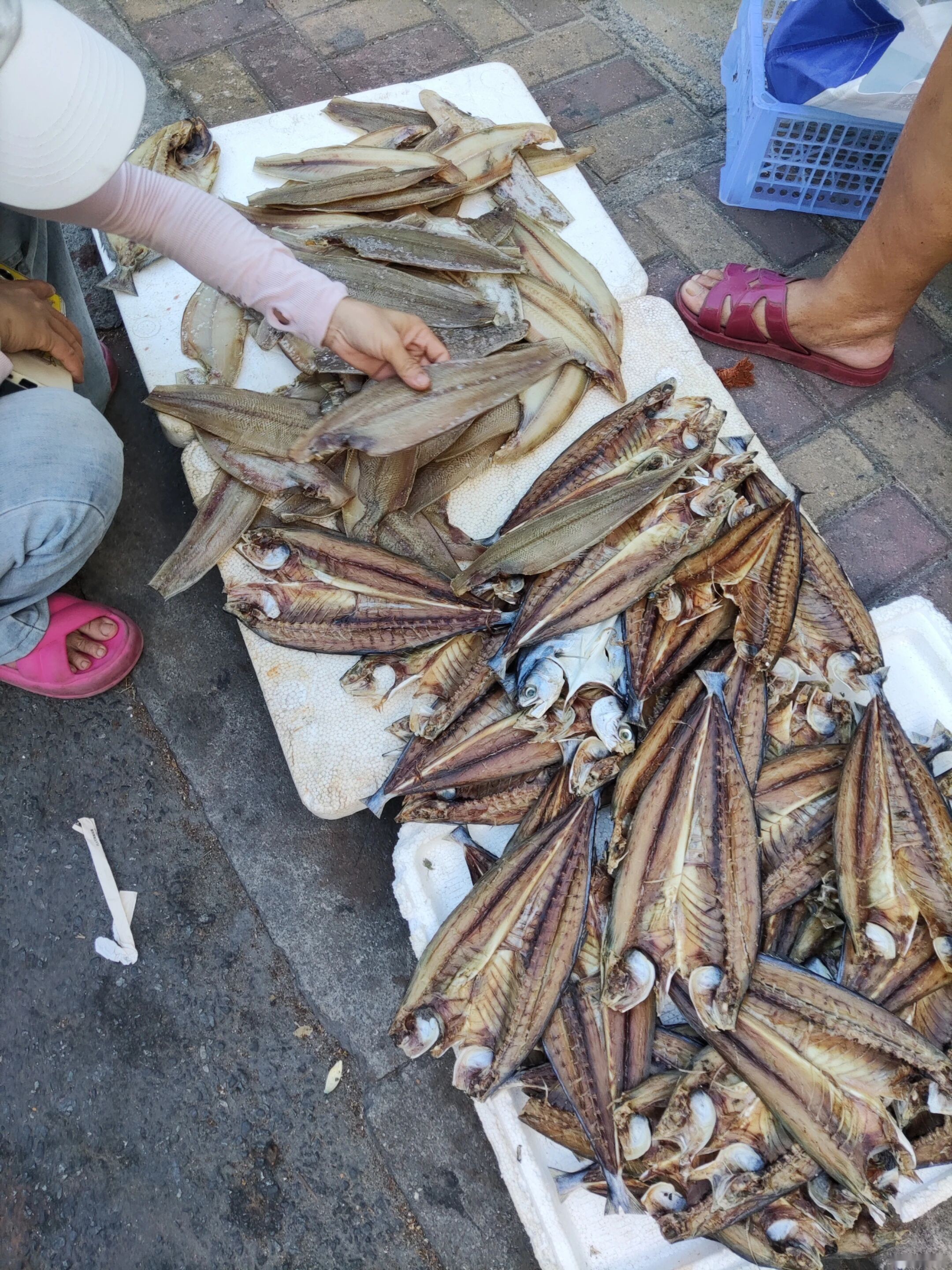
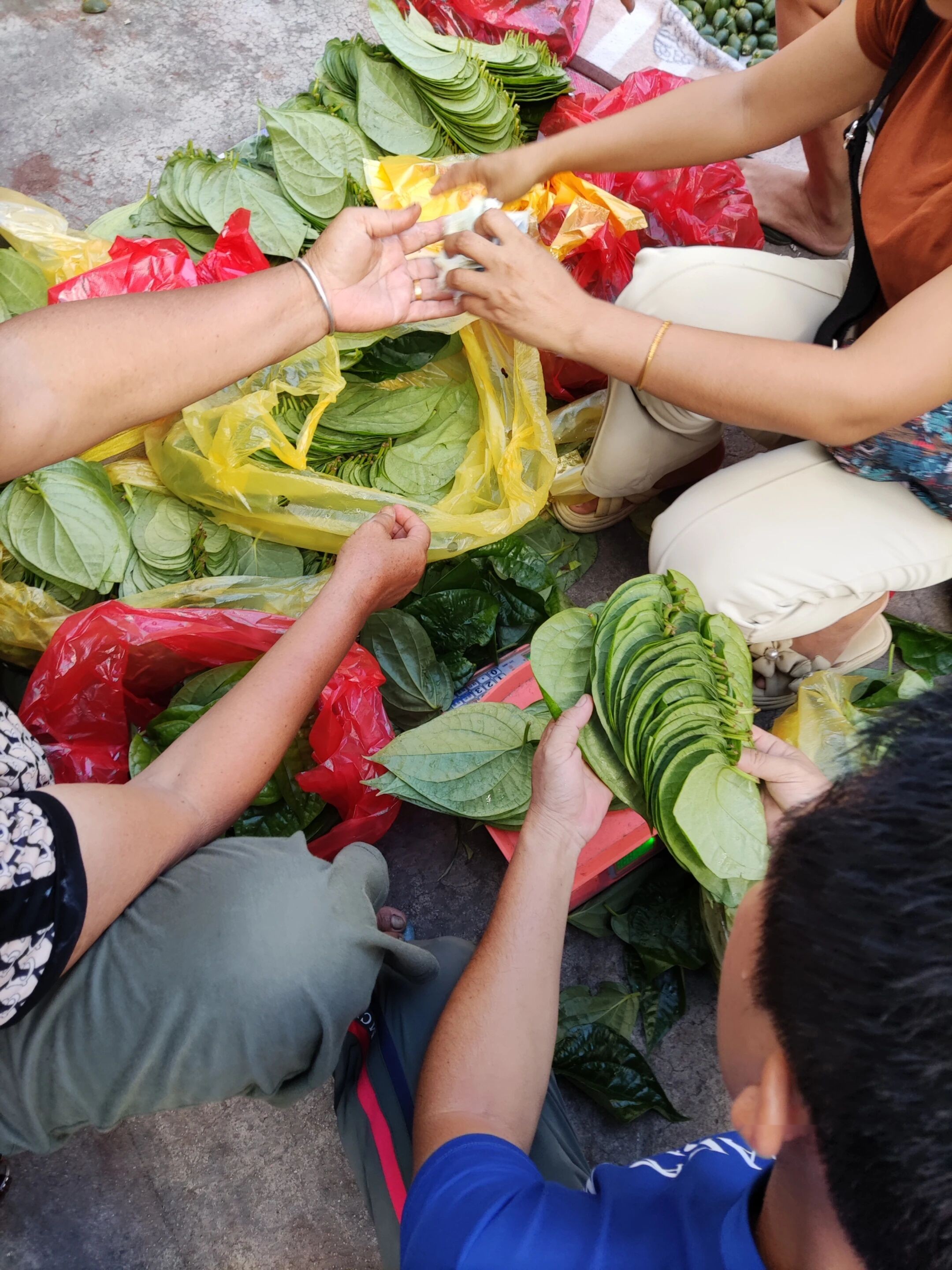
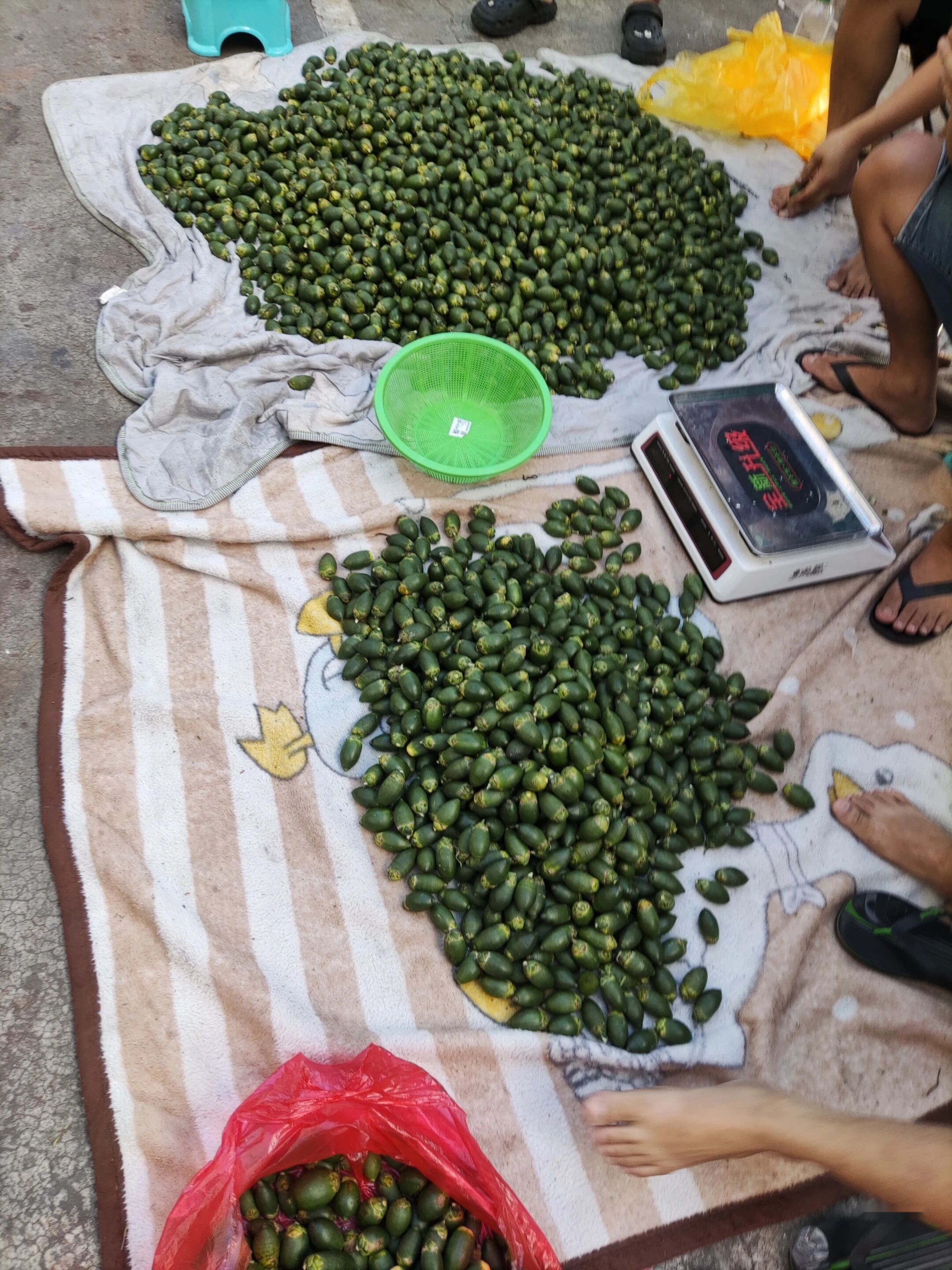
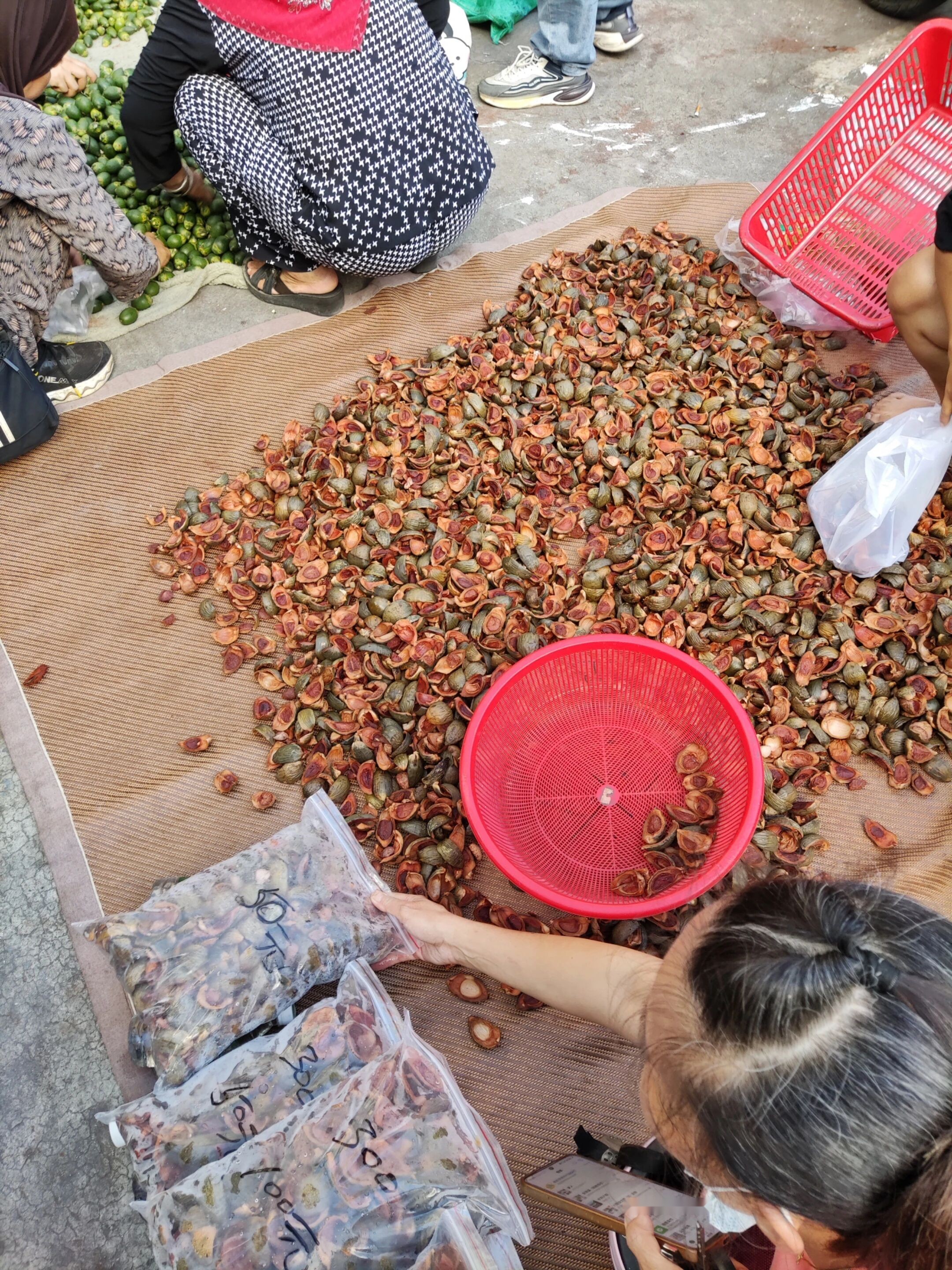

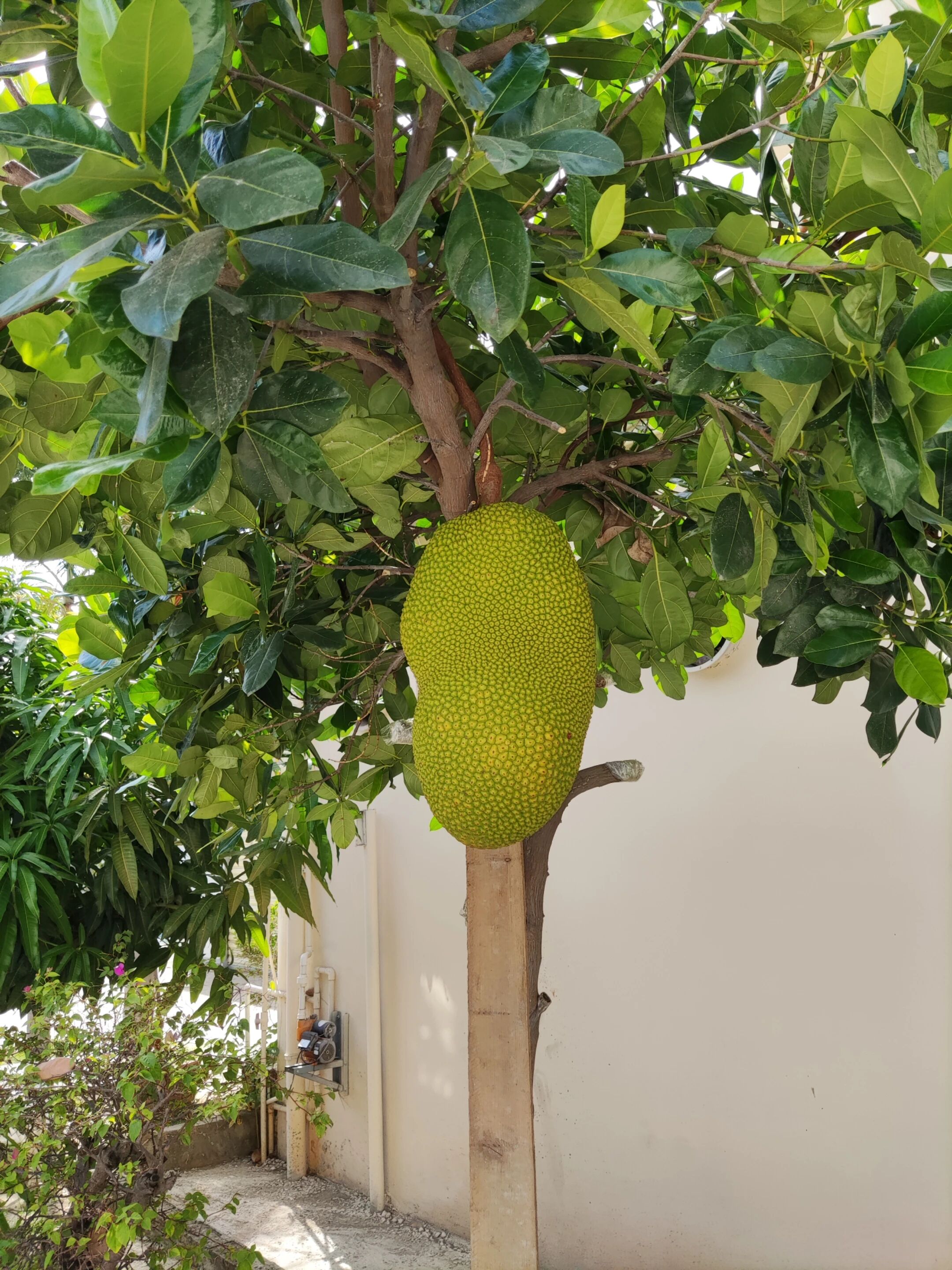
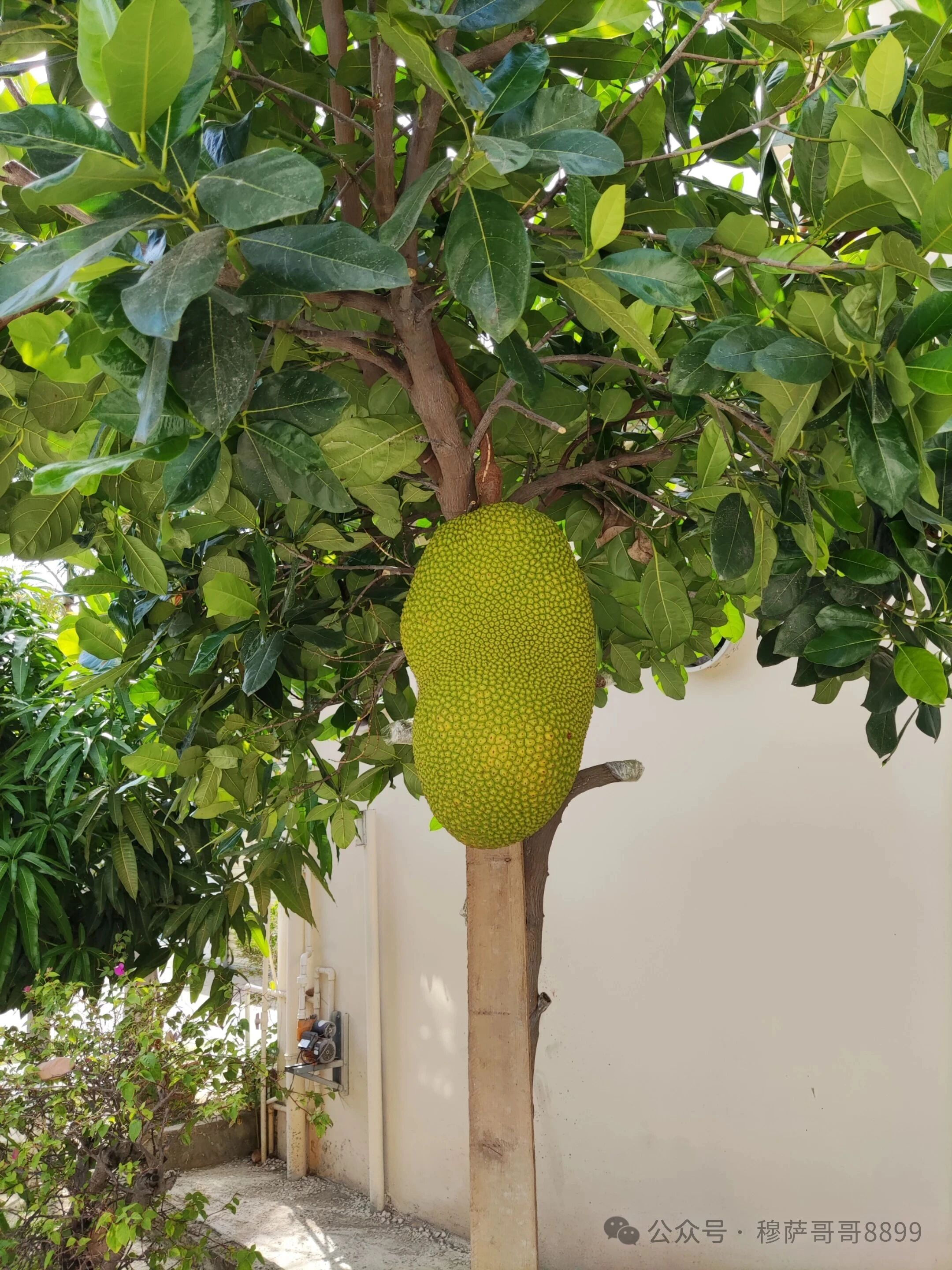
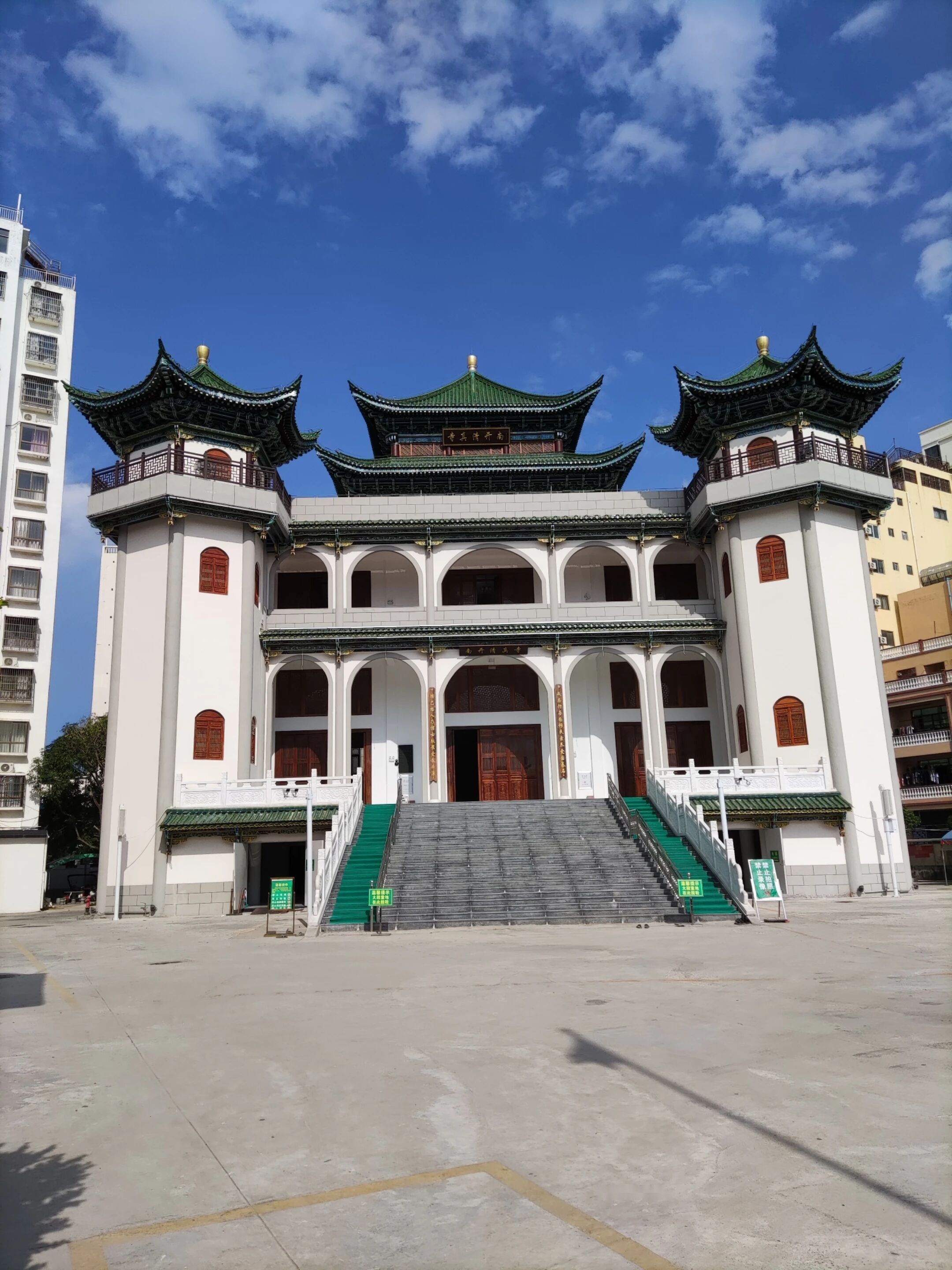
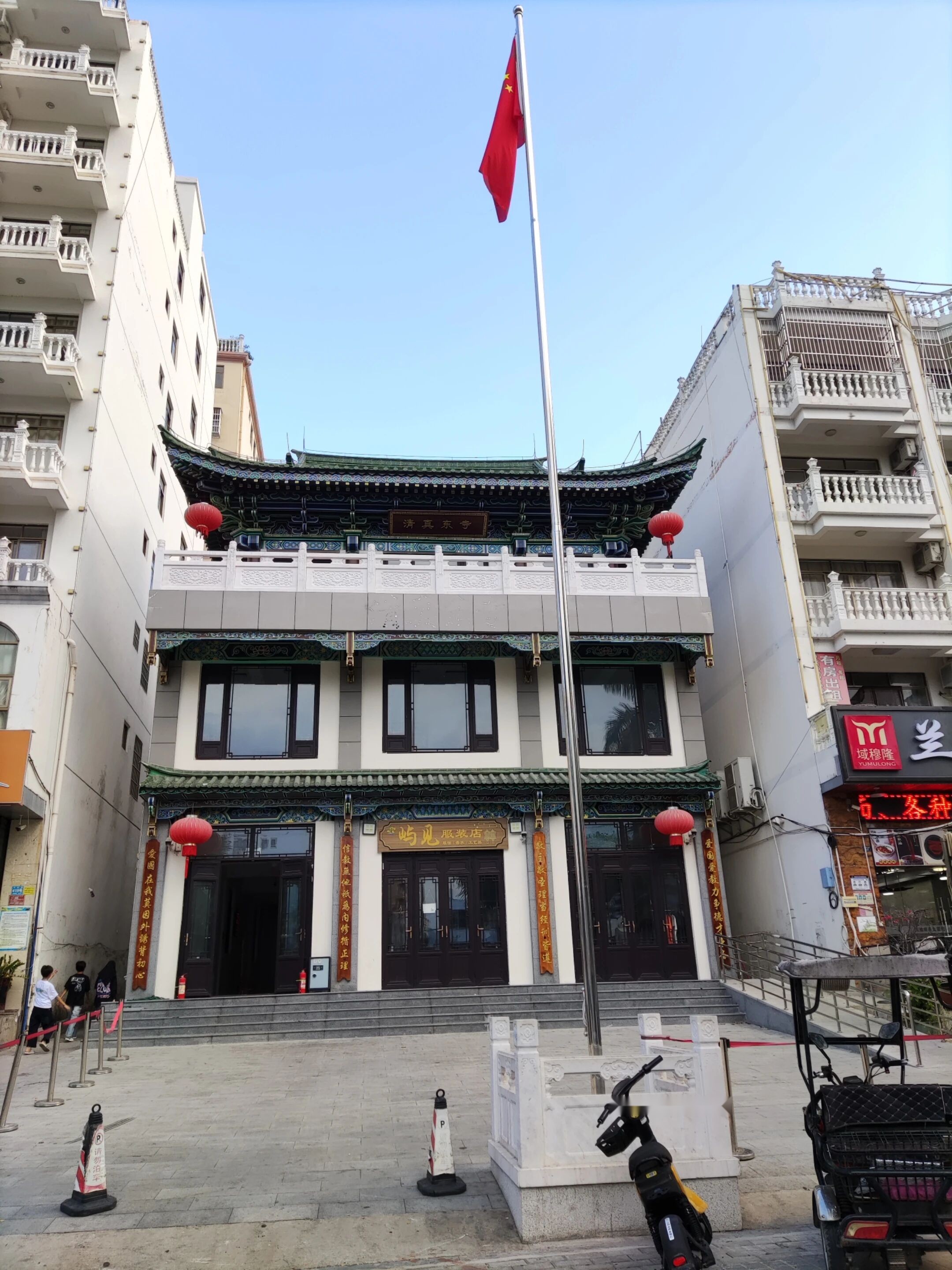
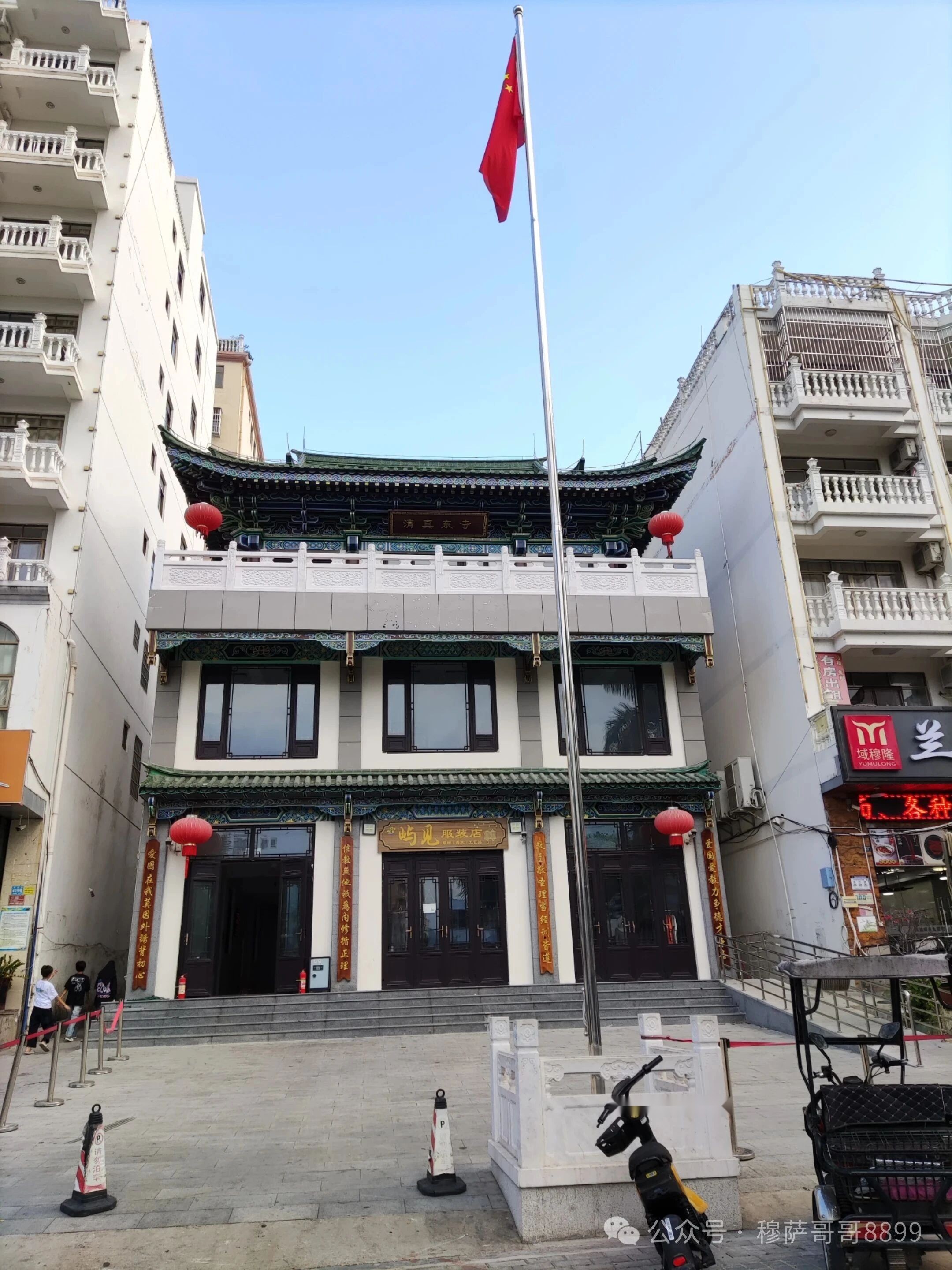

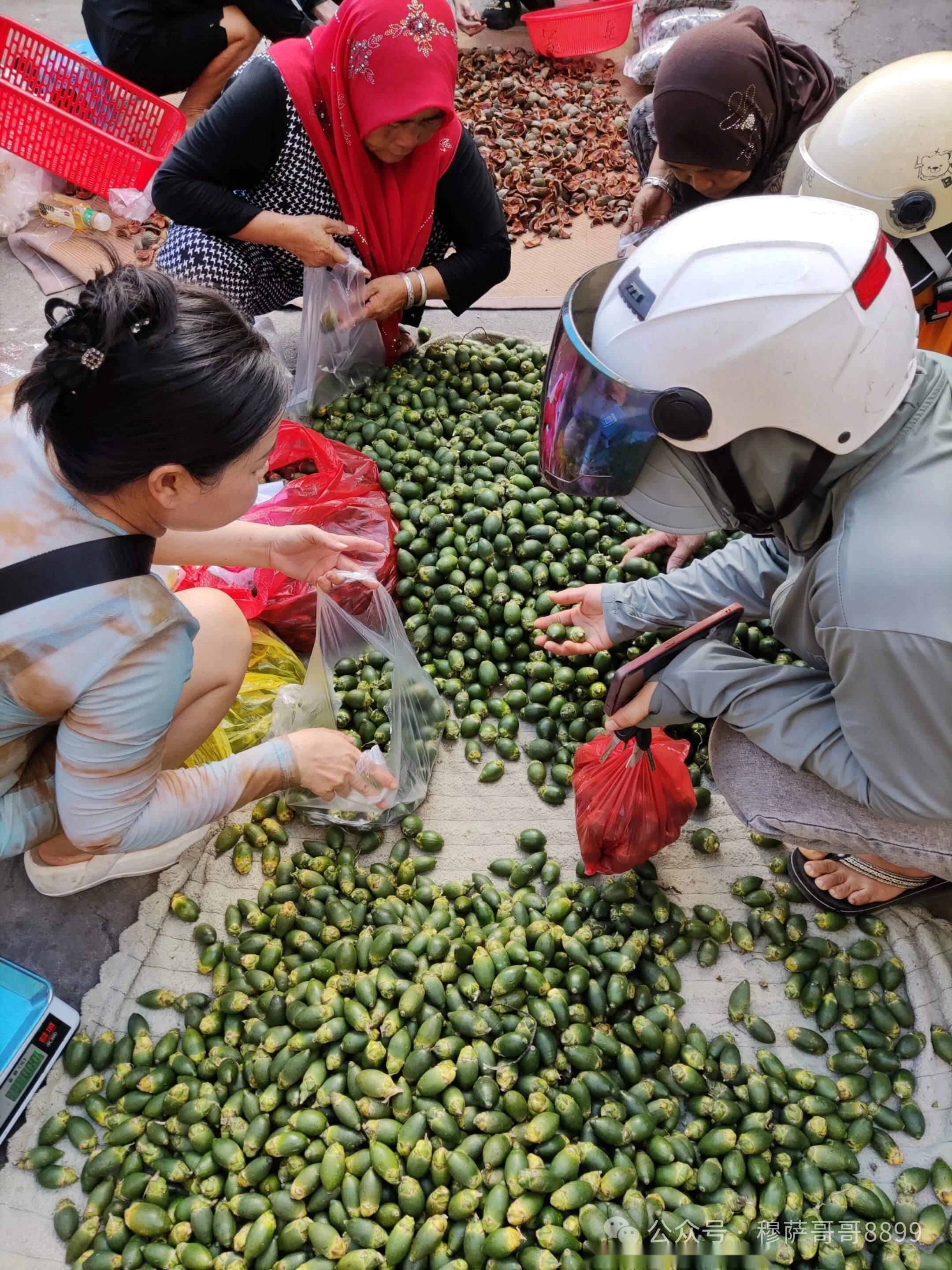
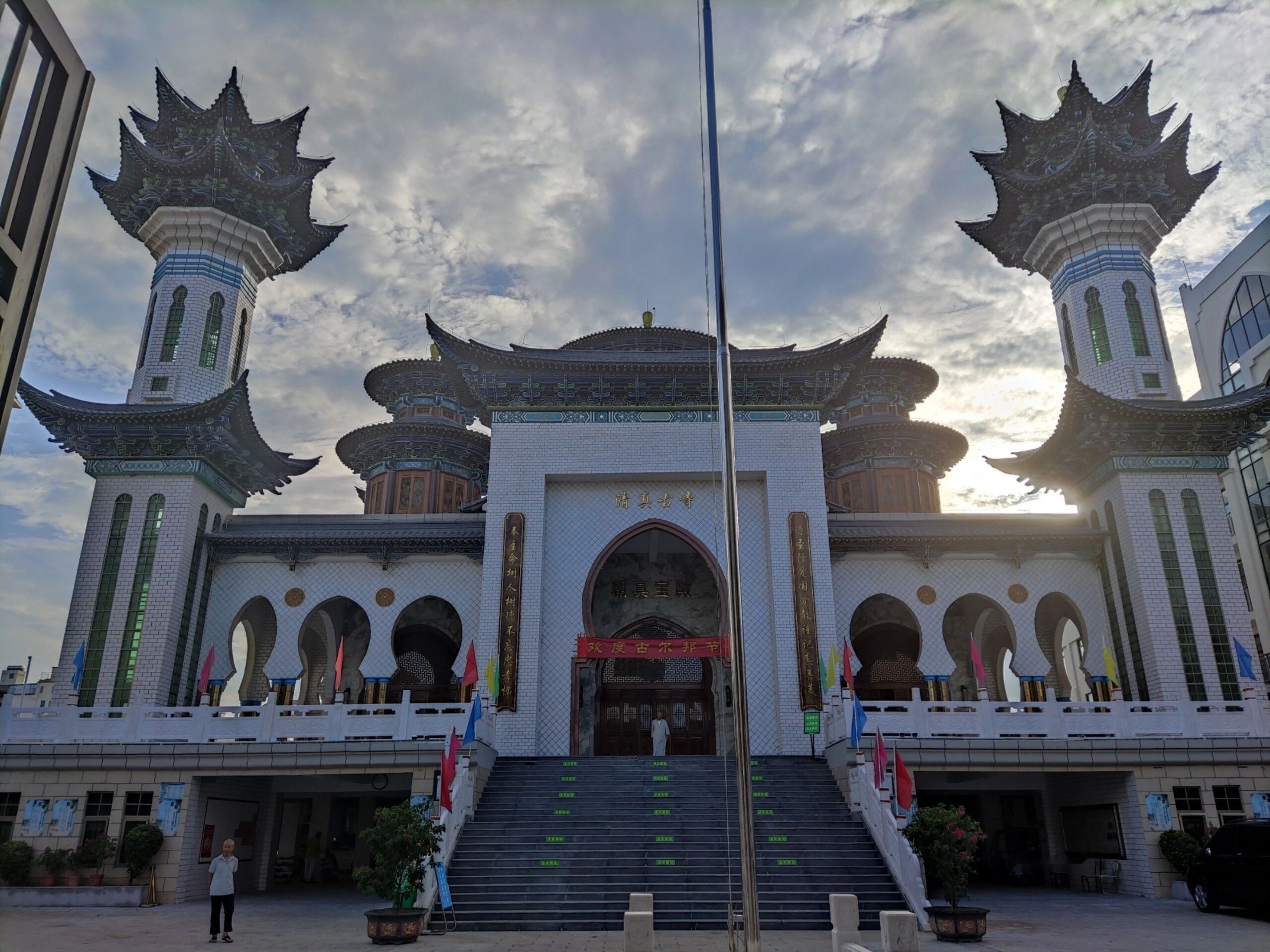

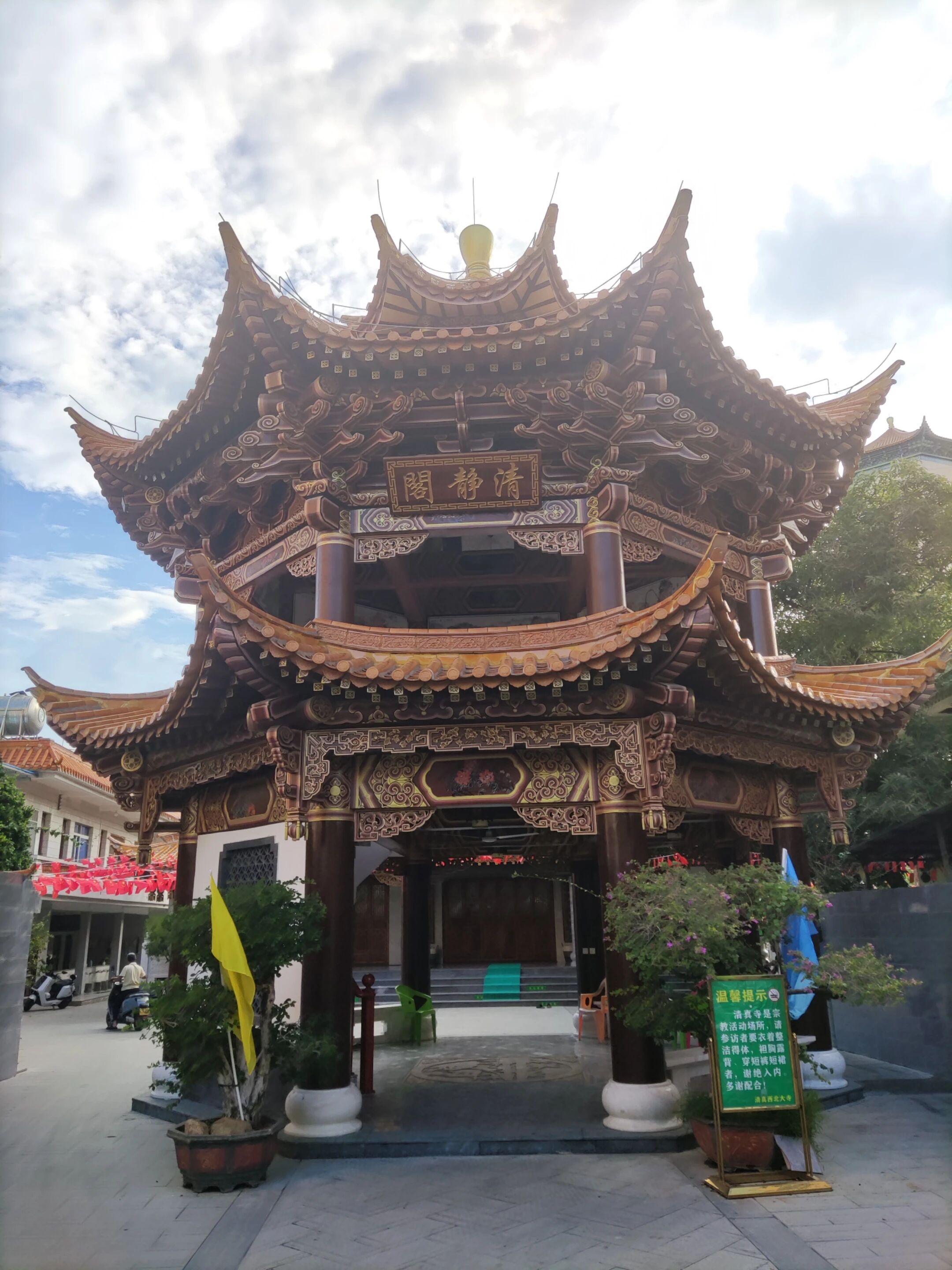

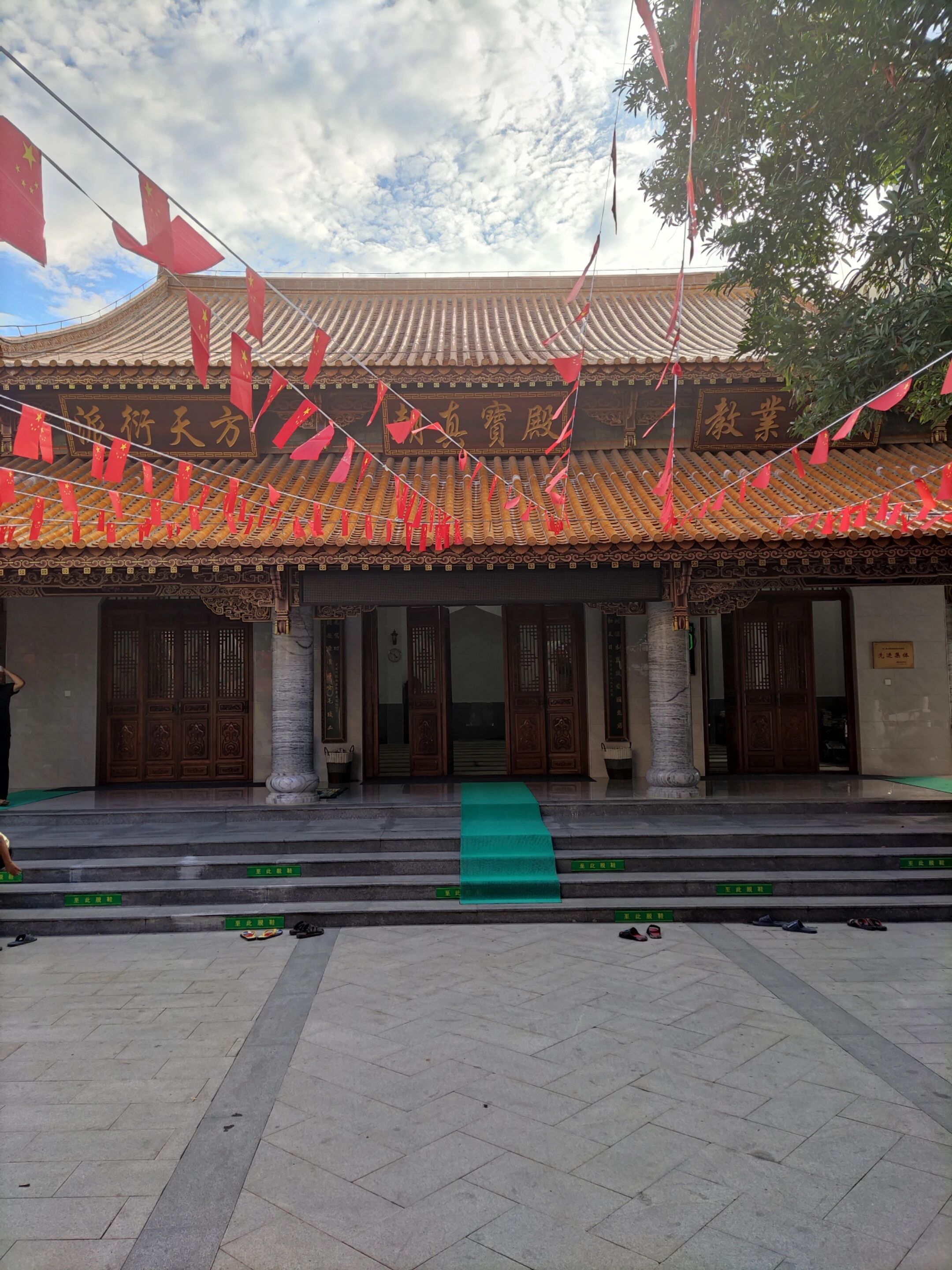
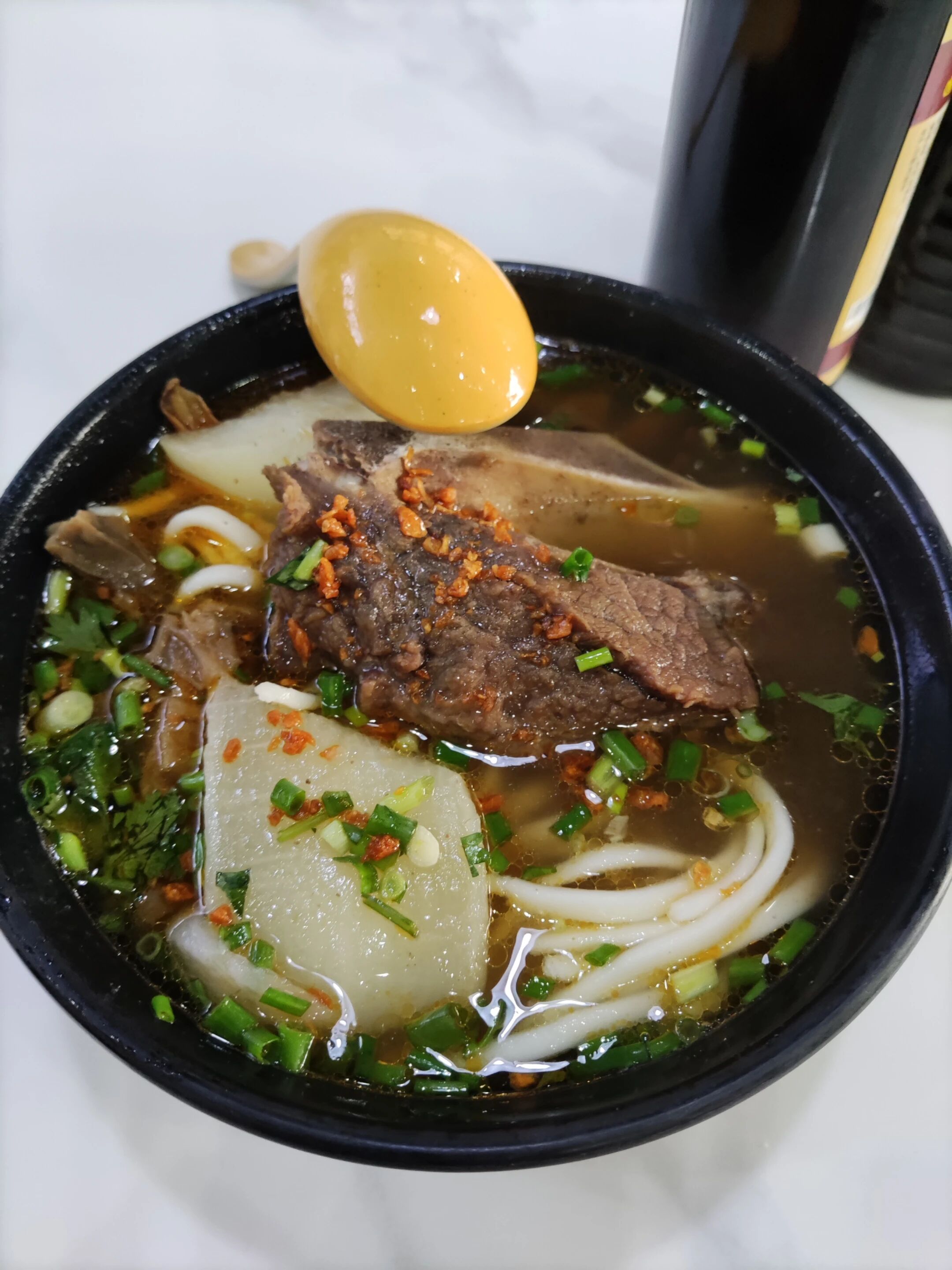
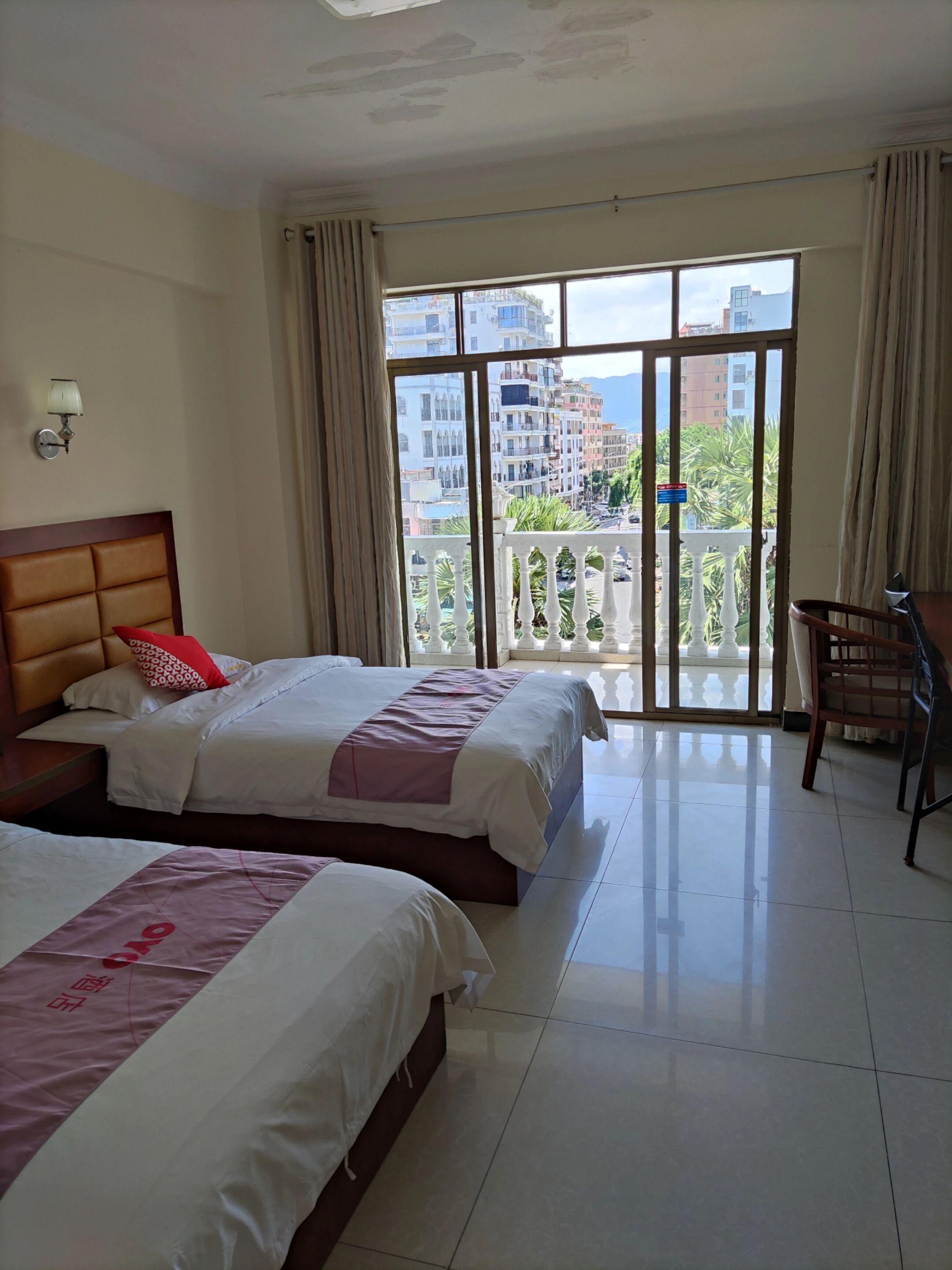
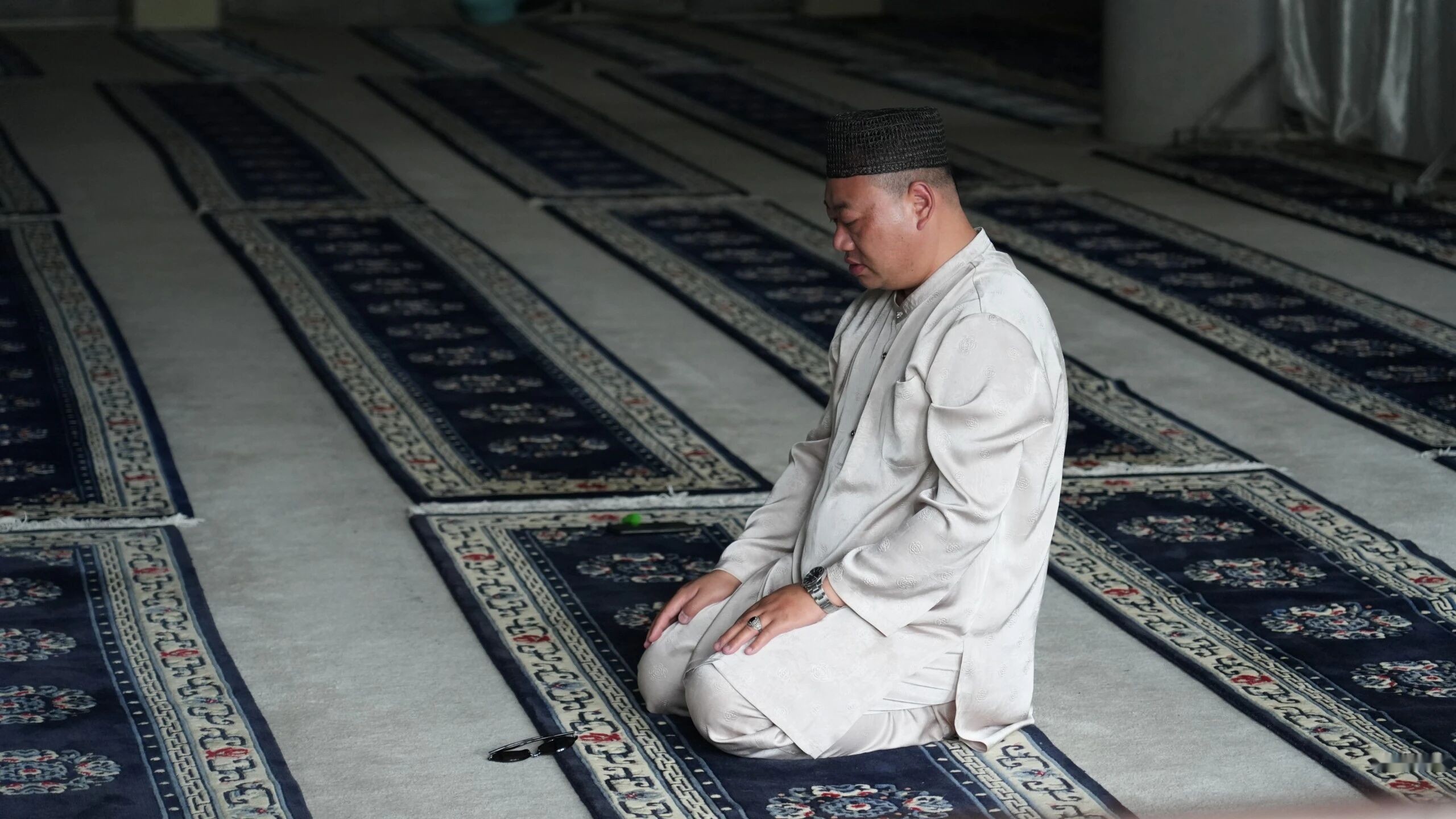
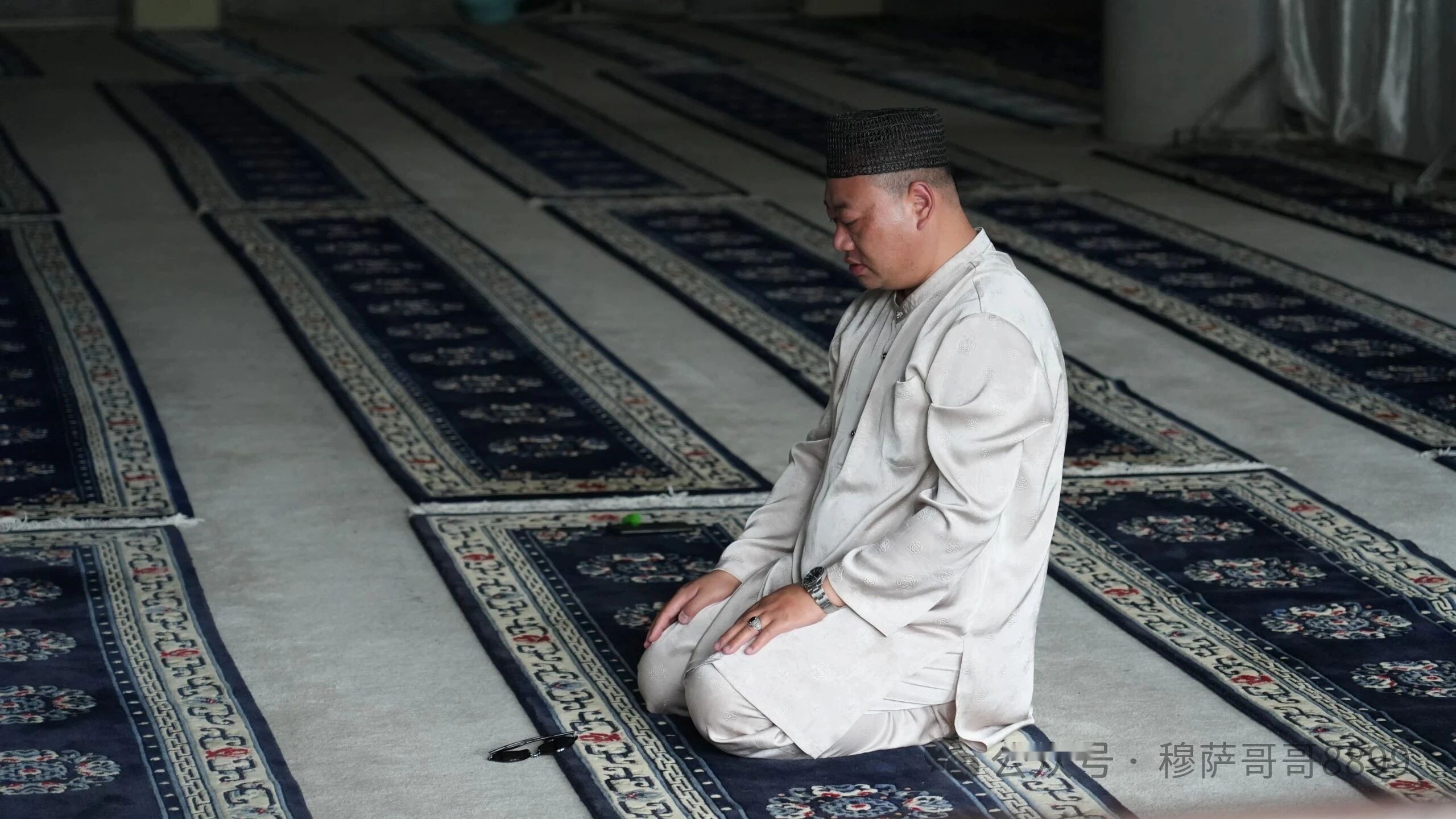
Sanya Halal Food Guide: Hidden Mosques, Utsul Muslim Villages & Street Eats
Articles • Hasan09 posted the article • 0 comments • 4 views • 3 hours ago
Exploring the Old Muslim Streets in Sanya's Tianya District: Cruising on an Electric Scooter to Hunt Down Authentic Halal Pastries and Traditional Island Snacks
Summary:
Uncovering the intangible cultural heritage flavors and authentic food stalls hidden deep within the old streets of Sanya's Huihui Muslim Village. Taste freshly fried traditional Halal sanzi (crispy fried dough twists), signature jiucenggao (nine-layer steamed rice cake), tropical mangoes with chili-salt dip, and freshly boiled beef bone soup, and experience the raw, original charm of Tianya Hui Muslim traditional cuisine.
Heard you're craving
authentic Hui Muslim food
in Tianya, Sanya?
Roll the VCR~
Seriously, who has a village secretary personally leading the way on an e-scooter to go food hunting?!
The aroma of 1988-style beef brisket drifting from the alley entrance,
sea snails and beef rice noodles bubbling away under the coconut trees,
even student-approved secret little canteens have been exposed
......
Most of these spots are set up right inside the families' own courtyards.
Just how insanely good is this
"Local-Approved · Tianya Hui Muslim Cuisine"??!!
This Dragon Boat Festival holiday, come treasure hunting in Huihui and Huixin with Secretary Ha!
01
Beef Brisket Noodles ¥15
It's the same age as Hainan Province~
"Huihui Beef Brisket Noodle Shop"
Founded in 1988, it's the exact same age as "Hainan Province"!
Pouring heart and soul into making a single bowl of noodles for over 30 years.
From 1 RMB a bowl back then to 15 RMB a bowl today,
it has witnessed the passing years in Sanya ✨
and turned into that comforting bowl of nostalgia for the neighborhood locals.
The beef brisket noodles still taste the same after 30+ years,
with a rich and flavorful "time-honored broth."
The beef is so tender and soft it just melts in your mouth,
and the handmade noodles have the perfect springy chew.
The owner says you've gotta add a spoonful of red chili!
That authentic Hui Muslim flavor right there!
Restaurant Name: Huihui Niunan Mianguan (Huihui Beef Brisket Noodle Restaurant)
Address: No. 10 Huihui Road, Tianya District, Sanya
Phone: 13807503611
Hours: 6:00 – 22:00
02
Conch & Beef Rice Noodles ¥15
Sip the broth, slurp the noodles, and chill in a hammock.
"Maxie Fentangdian" (Maxie Rice Noodle Soup Shop)
A hidden gem of a noodle spot in Sanya that hardly anyone knows about~
Tucked away inside a Hui Muslim family's courtyard for 15 years,
it passes down traditional recipes from older generations of the family.
Their conch and beef rice noodles are totally one-of-a-kind.
Sip the broth, slurp the noodles, and kick back in a hammock~
Now that's peak Sanya! So laid-back and chill!
Fresh jumbo beef bones simmered together with little-neck clams equal one insanely savory, aromatic broth.
Guests can even pick fresh herbs and veggies right from the garden to add in,
then mix in some yellow lantern chili paste as a dipping sauce~
The broth is fresh, savory, and light, the beef is super tender,
the long beans have an amazing crunch, and the rice noodles are silky smooth.
Totally perfect for summer~
They also serve fish rice noodles, coconut rice, and other specialty dishes.
Restaurant Name: Maxie Fentangdian (Maxie Rice Noodle Soup Shop)
Address: No. 14, Lane 3, Huihui First Village, Tianya District, Sanya
Phone: 13637531169
Hours: 7:00 – 14:00
03
Seafood Chow Mein ¥15
A secret little canteen loved by local students~
"Bansha Chawu" (Banxia Teahouse)
A spot packed with an amazing variety of snacks,
just like the mouthwatering treats straight out of an anime,
and everything is made fresh from scratch every single day~
A total hidden gem whether you're planning a beach picnic, hanging with family and friends, or just craving a killer student after-school snack.
Stir-fried noodles loaded to the max with fresh ocean shrimp and squid,
super flavorful and seriously recommended!
Massive chicken legs coated in a secret house-made glaze,
the absolute crowd-favorite that keeps regulars coming back for more!
Tuna rice bowls, chef-special tofu, spicy cold chicken feet, sushi,
......
Shop Name: Banxia Chaywu (Banxia Teahouse)
Address: No. 6, 1st Road, Huihui 4th Village, Tianya District, Sanya
Phone: 13876445888
Hours: 11:00 AM – 10:00 PM
“Meilan Sisters' Ants Climbing a Tree”
This barbecue spot is also run right out of a Hui Muslim family home.
It's been jointly run by the two sisters for 7 years now.
With super fresh ingredients plus all kinds of custom, secret sauces,
the one-of-a-kind flavors have locals hooked—
and nearby residents and tourists even take special taxi rides just to eat here,
getting major love and shoutouts all over Xiaohongshu (RED app).
04
Beef Bone Porridge ¥10
The whole family is always craving a bowl of this.
Beef bone porridge definitely holds a sacred spot in the hearts of the Utsul / Huihui Muslims.
This pot of congee simmers away for a full 7 hours every day.
Super nourishing! Packed with nutrients! So delicious!
Tons of people drop by every day to get orders to-go,
and even the pickiest little eaters will polish this off faster than a regular meal!
05
Ants Climbing a Tree (Mazi Shangshu) 25 RMB
Total cure for the 996 grind of the modern office worker
Ants Climbing a Tree bubbling away over charcoal fire~
The glass noodles, little white clams, and dried shrimp soak up every bit of that flavorful broth
06
Dry-Pot Chicken Feet & Dry-Pot Tripe 30/70 RMB
Sanya's ultimate soul-soothing late-night diner
The dry-pot chicken feet and dry-pot beef tripe
Are grilled to a sizzling, tender, and melt-in-your-mouth perfection
That secret sauce is seriously legit~~
Plus they've got local beef dumplings, capelin fish, grilled oysters......
Every single dish is made with real, honest ingredients and bursting with fresh flavor
Dripping with local street-food vibes and maxed-out happiness
Honestly, this is peak comfort-food late-night snacking!
Restaurant Name: Meilan Sisters Ants Climbing a Tree BBQ Joint
Address: No. 19, Erlu, Huihui Second Village (Huihui Muslim Second Village), Tianya District, Sanya
Phone: 13876569622
Hours: 19:30—01:00 next day view all
Exploring the Old Muslim Streets in Sanya's Tianya District: Cruising on an Electric Scooter to Hunt Down Authentic Halal Pastries and Traditional Island Snacks
Summary:

Uncovering the intangible cultural heritage flavors and authentic food stalls hidden deep within the old streets of Sanya's Huihui Muslim Village. Taste freshly fried traditional Halal sanzi (crispy fried dough twists), signature jiucenggao (nine-layer steamed rice cake), tropical mangoes with chili-salt dip, and freshly boiled beef bone soup, and experience the raw, original charm of Tianya Hui Muslim traditional cuisine.
Heard you're craving
authentic Hui Muslim food
in Tianya, Sanya?
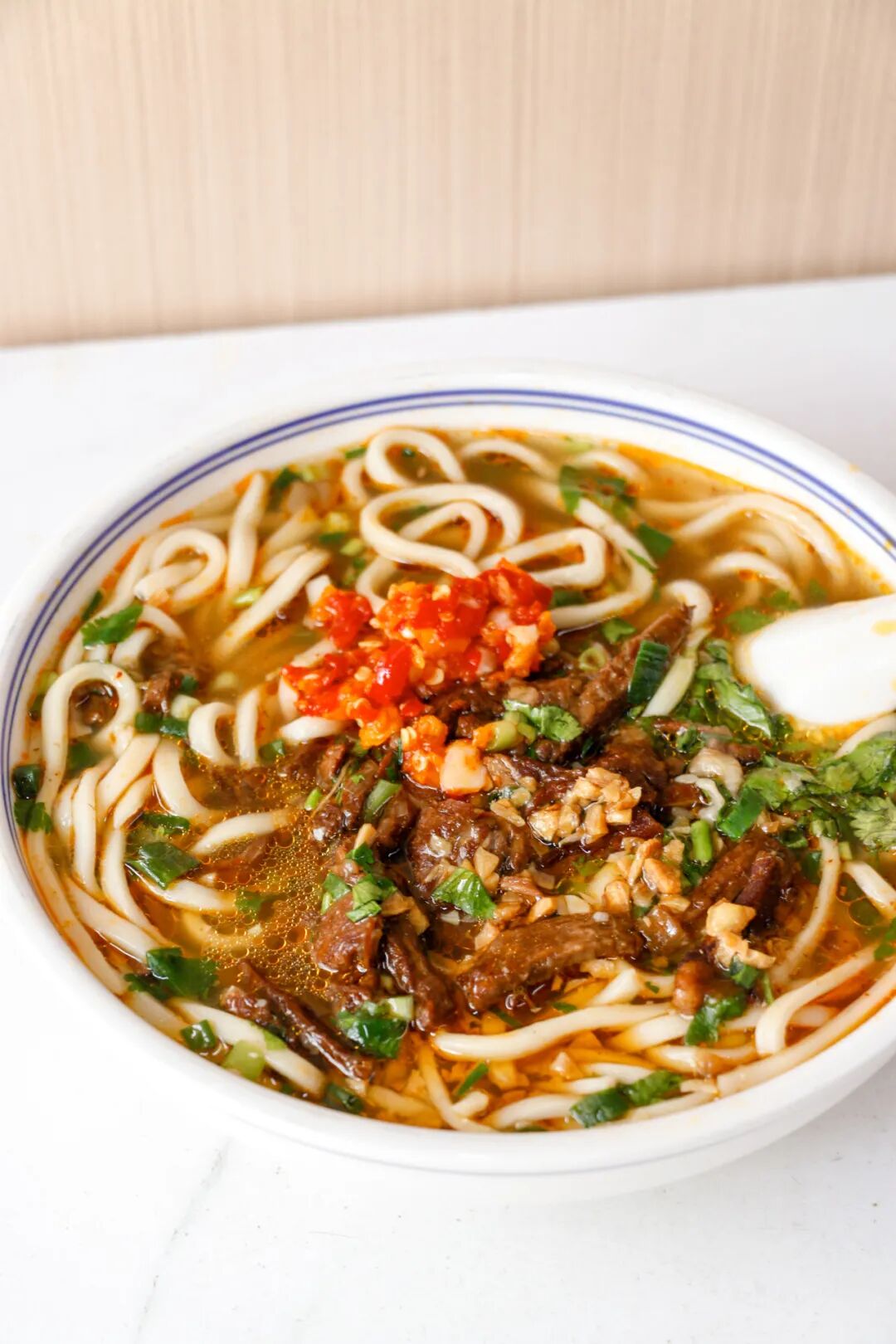
Roll the VCR~
Seriously, who has a village secretary personally leading the way on an e-scooter to go food hunting?!
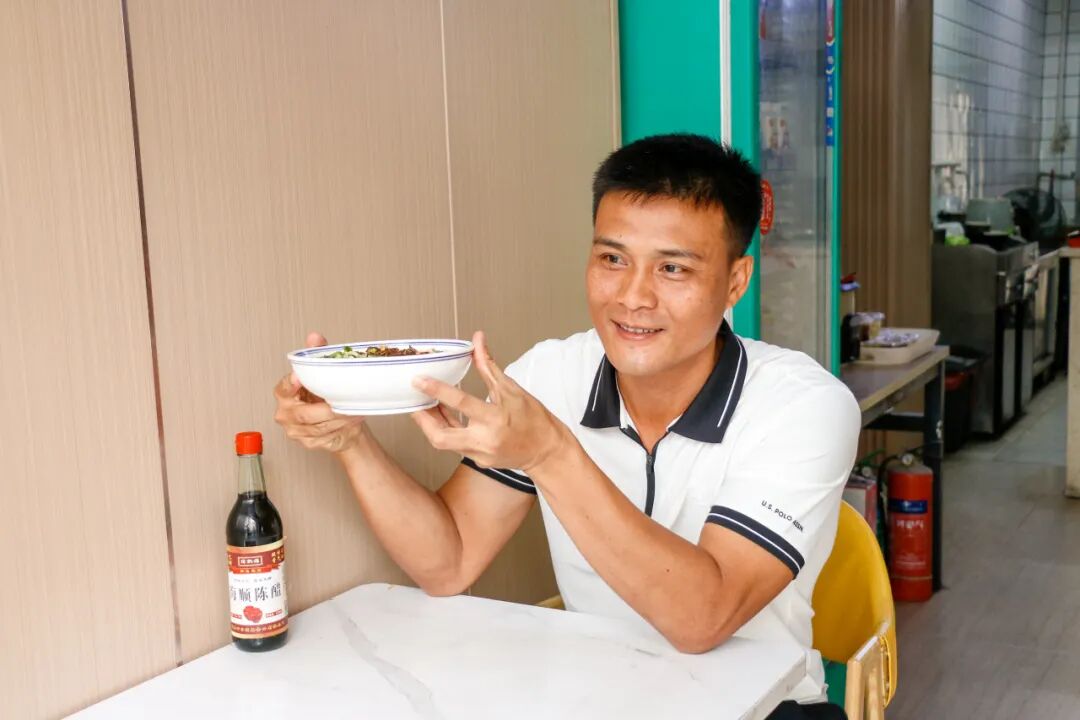
The aroma of 1988-style beef brisket drifting from the alley entrance,
sea snails and beef rice noodles bubbling away under the coconut trees,
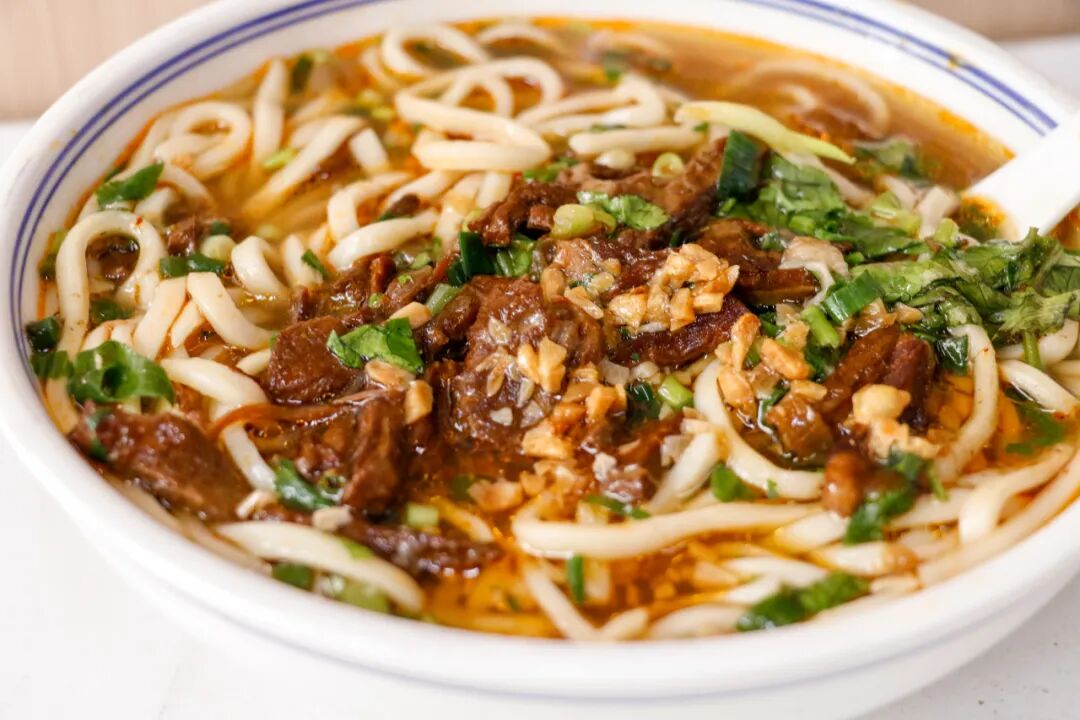
even student-approved secret little canteens have been exposed
......
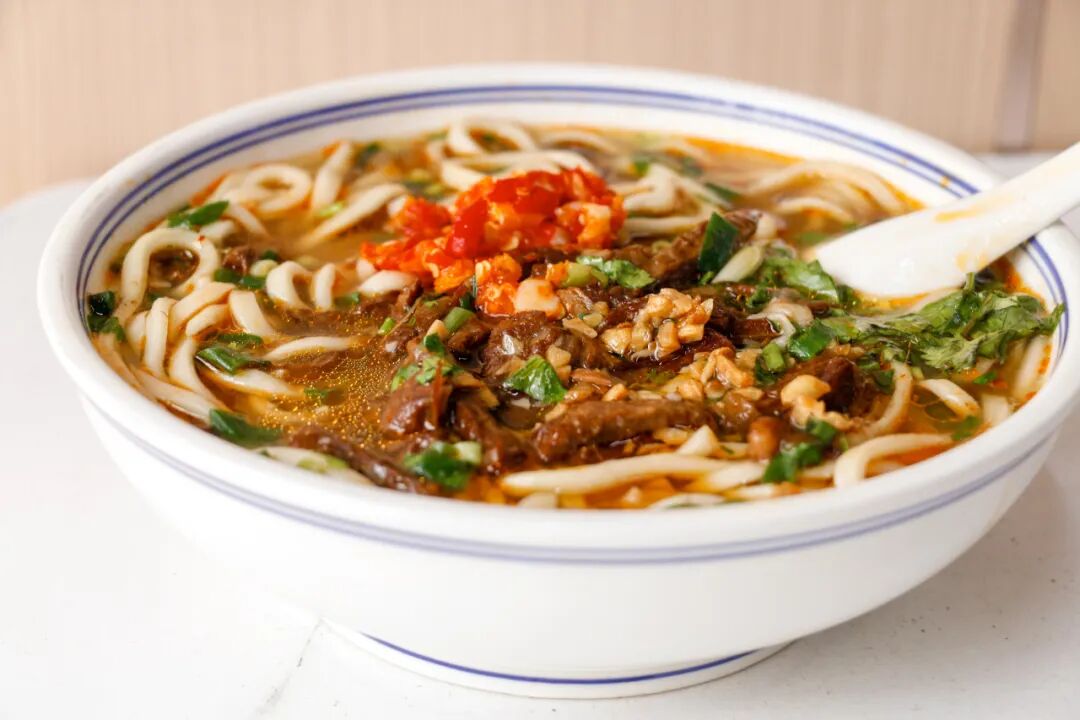
Most of these spots are set up right inside the families' own courtyards.
Just how insanely good is this
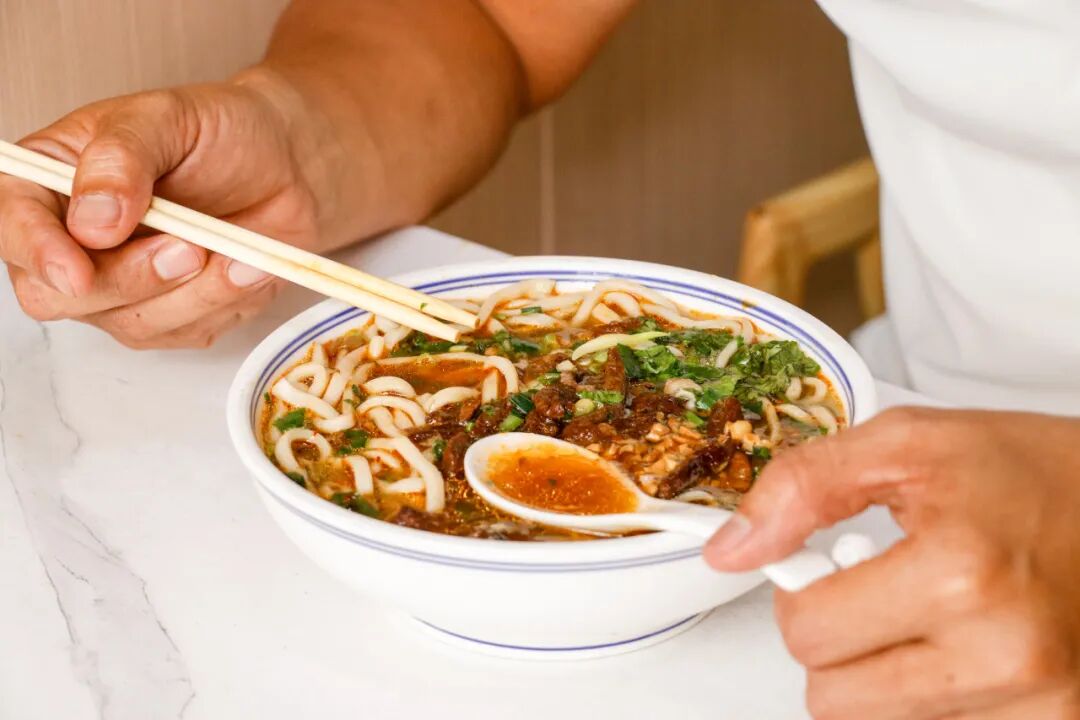
"Local-Approved · Tianya Hui Muslim Cuisine"??!!
This Dragon Boat Festival holiday, come treasure hunting in Huihui and Huixin with Secretary Ha!
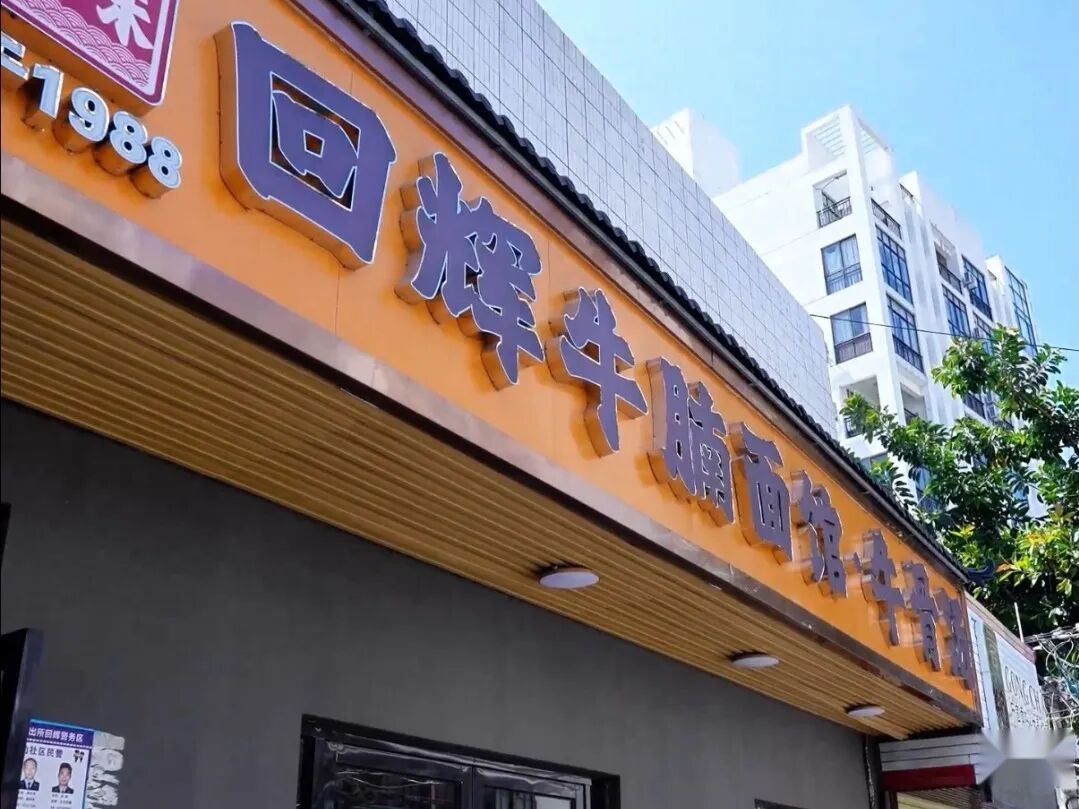
01
Beef Brisket Noodles ¥15
It's the same age as Hainan Province~
"Huihui Beef Brisket Noodle Shop"
Founded in 1988, it's the exact same age as "Hainan Province"!
Pouring heart and soul into making a single bowl of noodles for over 30 years.
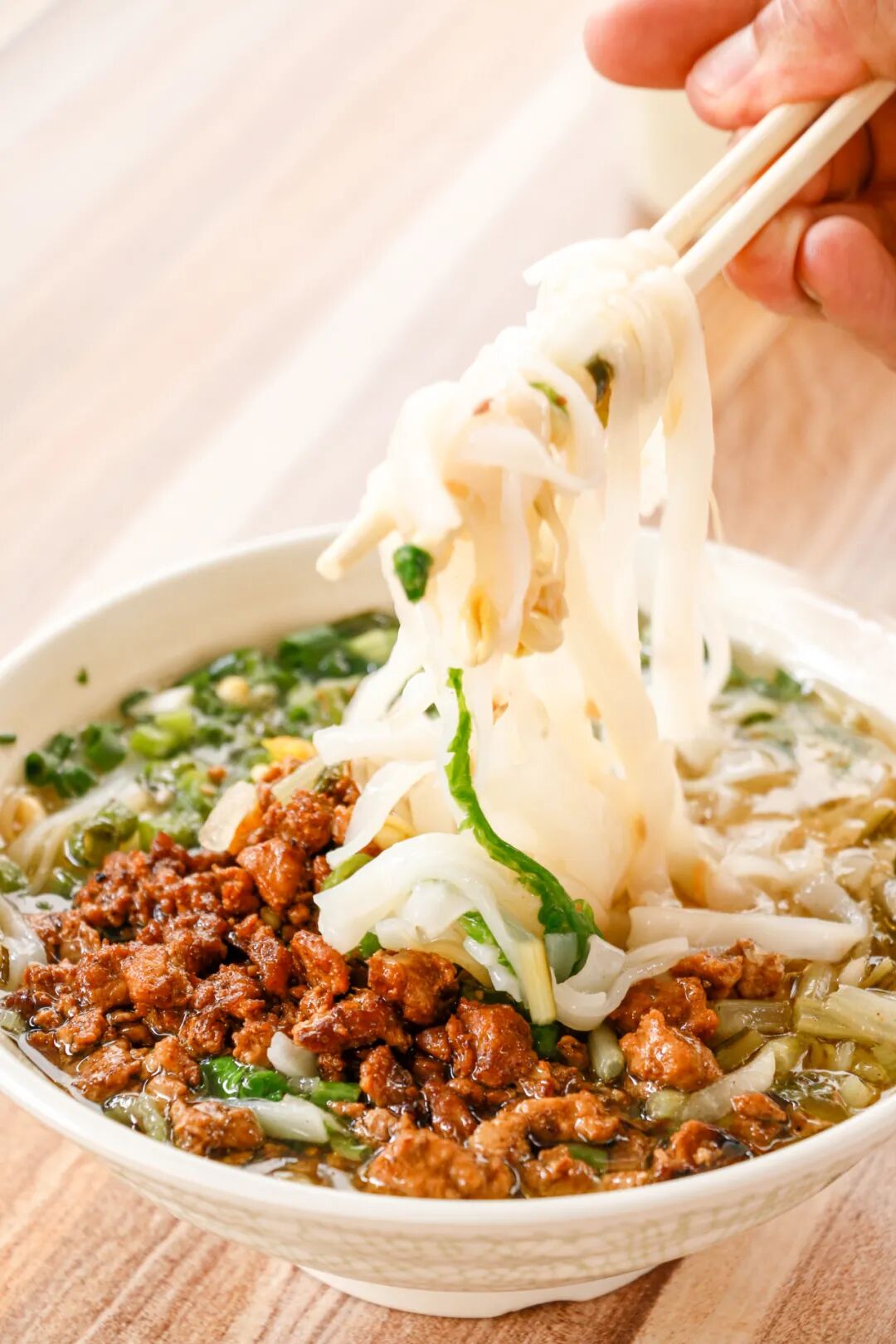
From 1 RMB a bowl back then to 15 RMB a bowl today,
it has witnessed the passing years in Sanya ✨
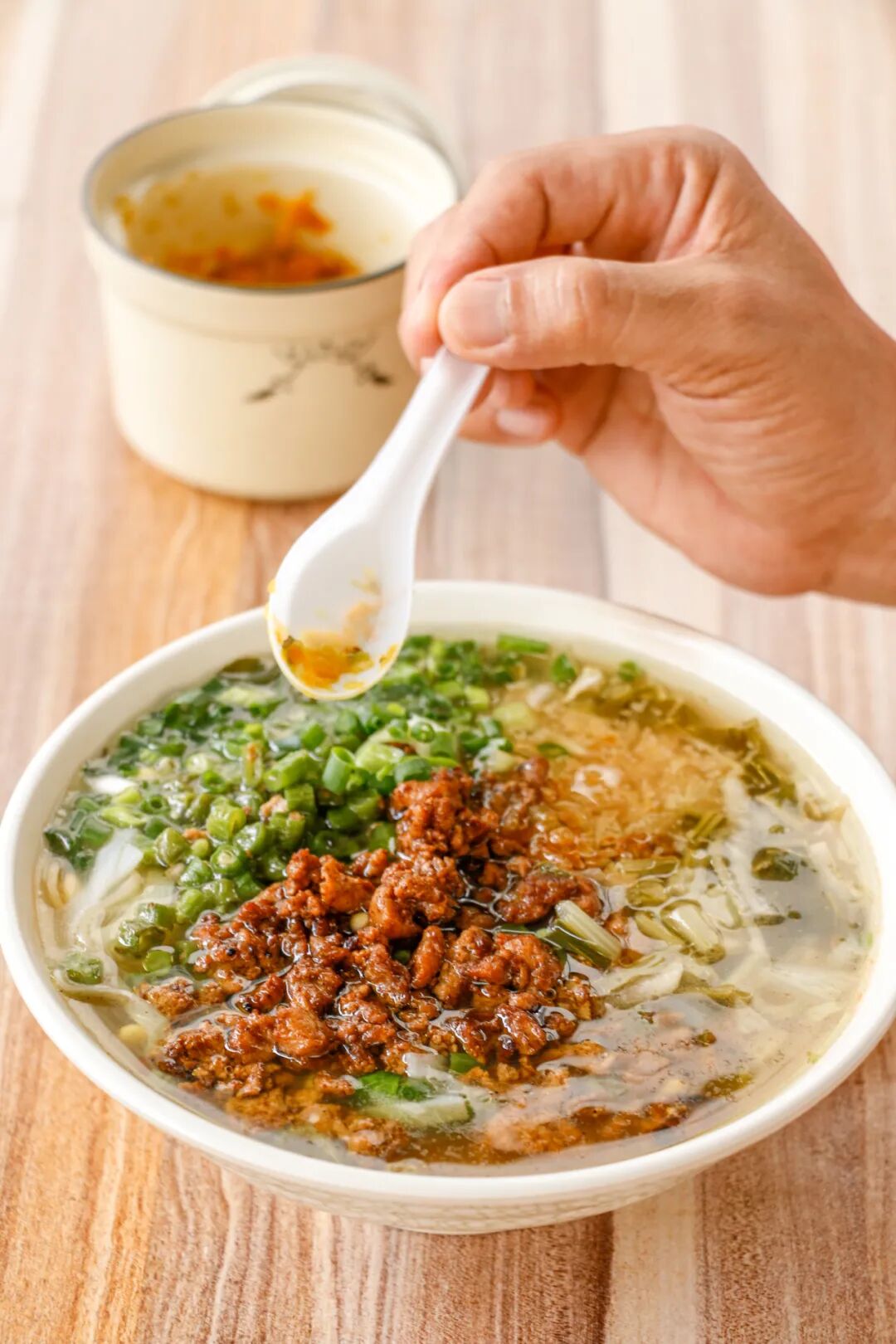
and turned into that comforting bowl of nostalgia for the neighborhood locals.
The beef brisket noodles still taste the same after 30+ years,

with a rich and flavorful "time-honored broth."
The beef is so tender and soft it just melts in your mouth,
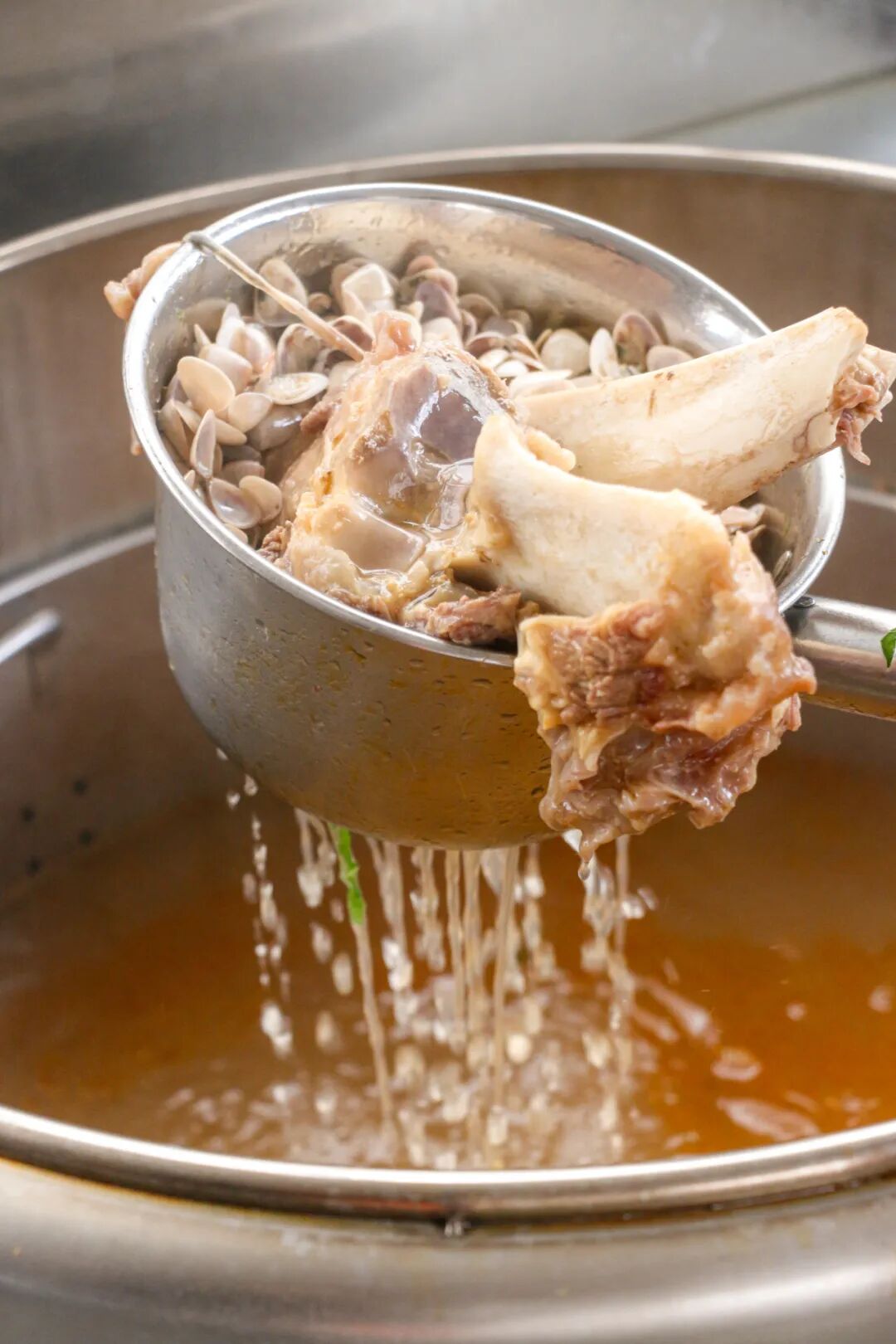
and the handmade noodles have the perfect springy chew.
The owner says you've gotta add a spoonful of red chili!
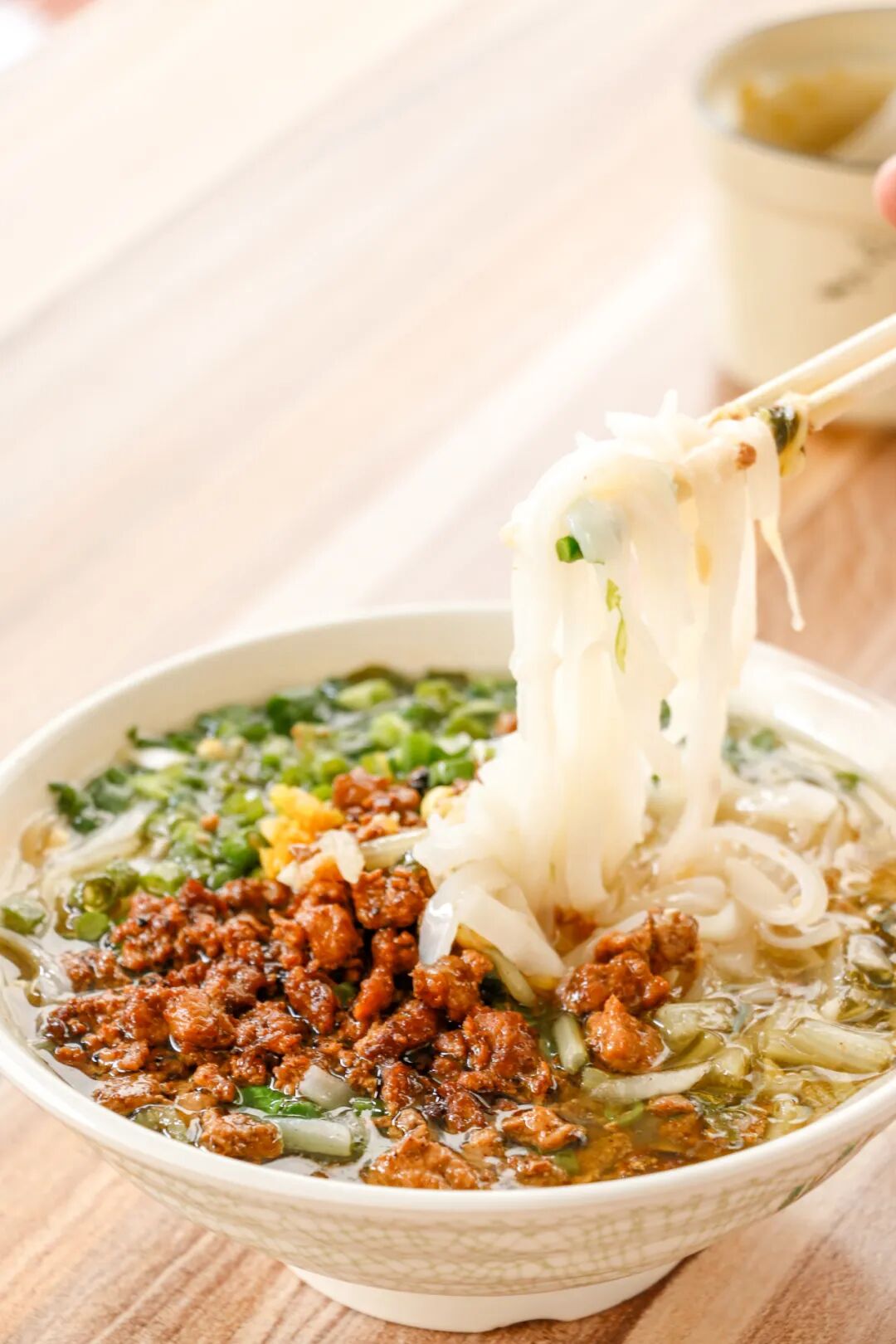
That authentic Hui Muslim flavor right there!
Restaurant Name: Huihui Niunan Mianguan (Huihui Beef Brisket Noodle Restaurant)
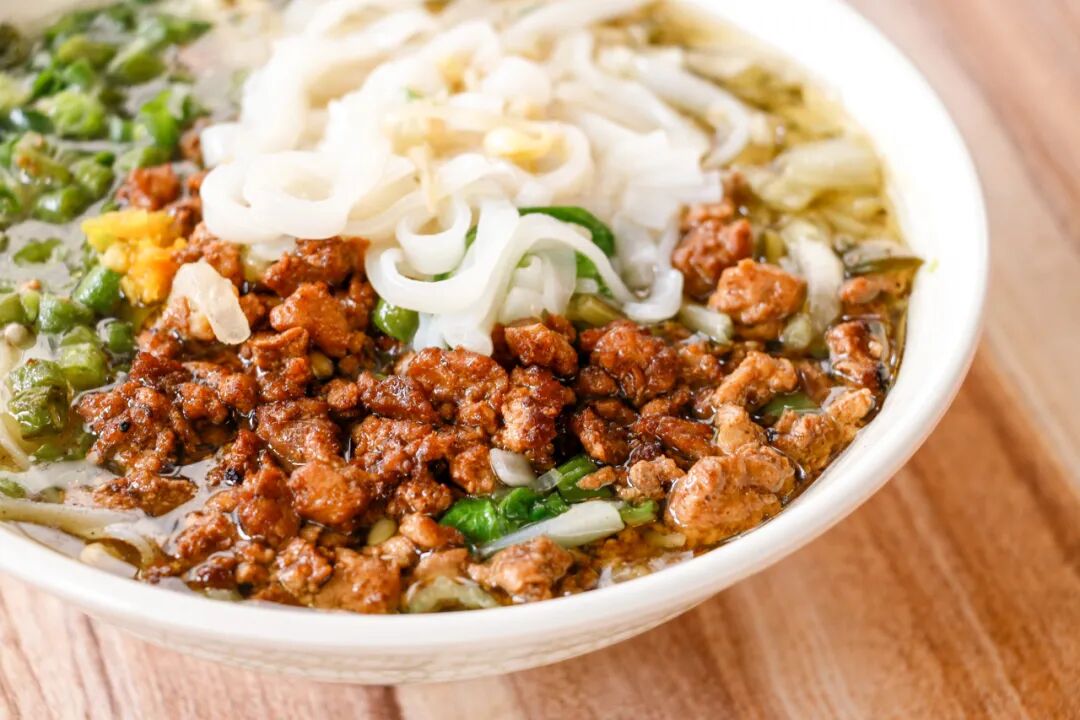
Address: No. 10 Huihui Road, Tianya District, Sanya
Phone: 13807503611
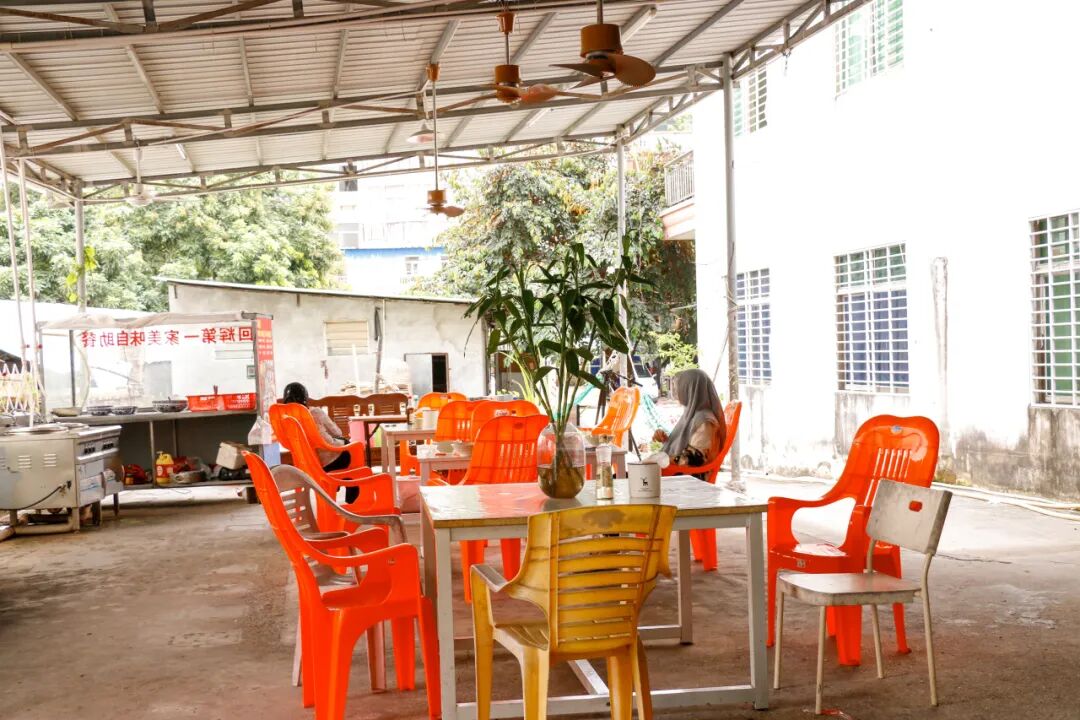
Hours: 6:00 – 22:00
02
Conch & Beef Rice Noodles ¥15
Sip the broth, slurp the noodles, and chill in a hammock.
"Maxie Fentangdian" (Maxie Rice Noodle Soup Shop)
A hidden gem of a noodle spot in Sanya that hardly anyone knows about~
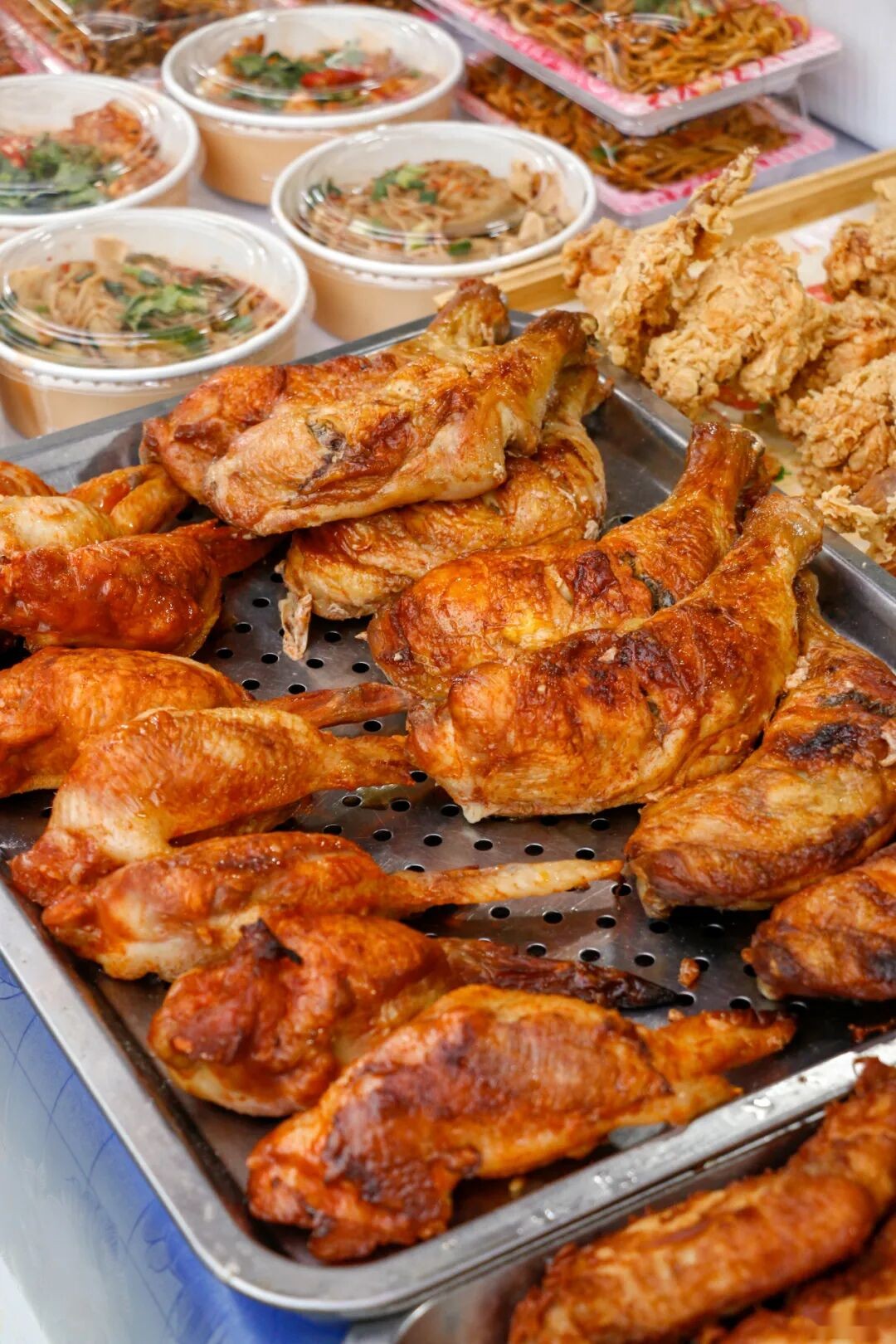
Tucked away inside a Hui Muslim family's courtyard for 15 years,
it passes down traditional recipes from older generations of the family.
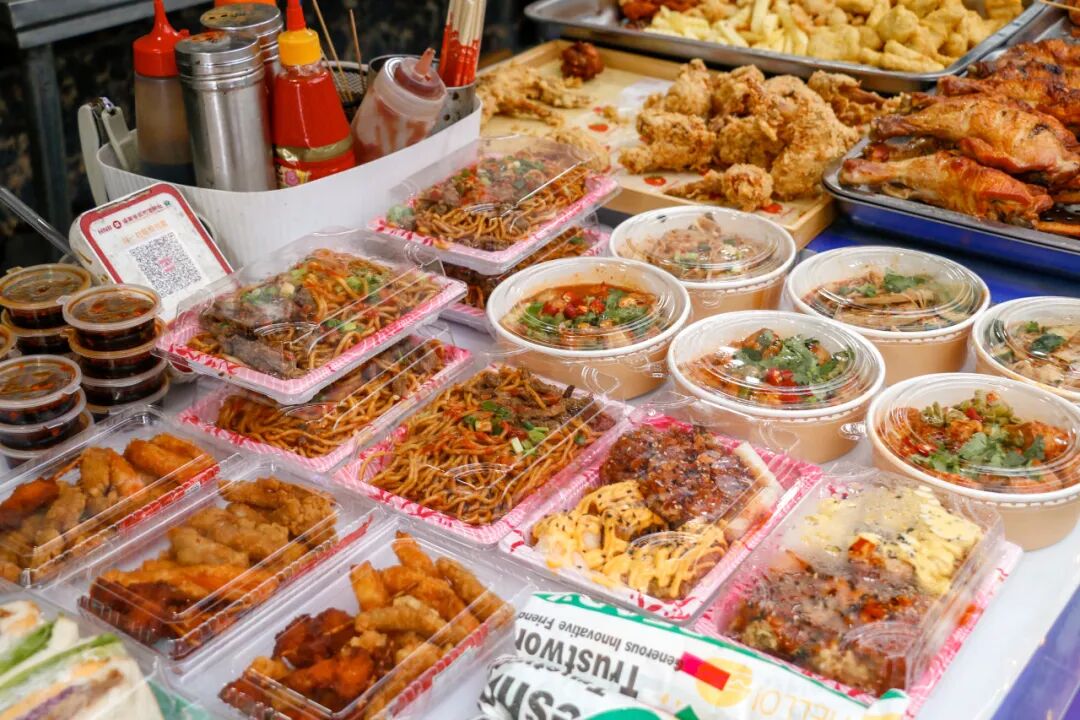
Their conch and beef rice noodles are totally one-of-a-kind.
Sip the broth, slurp the noodles, and kick back in a hammock~
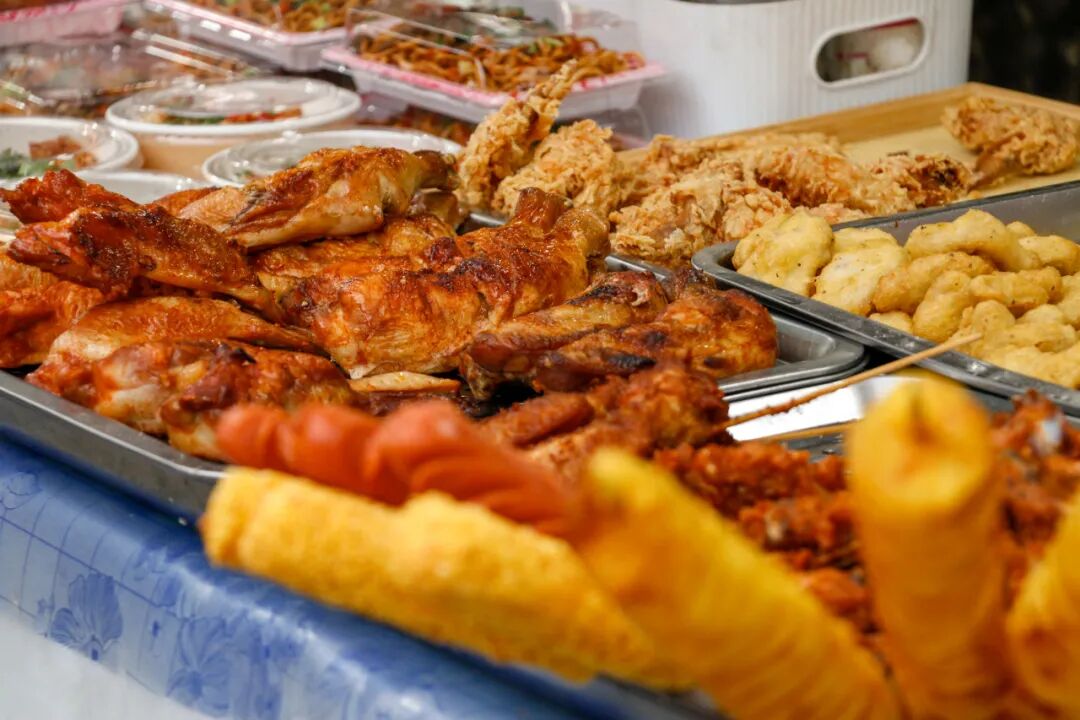
Now that's peak Sanya! So laid-back and chill!
Fresh jumbo beef bones simmered together with little-neck clams equal one insanely savory, aromatic broth.
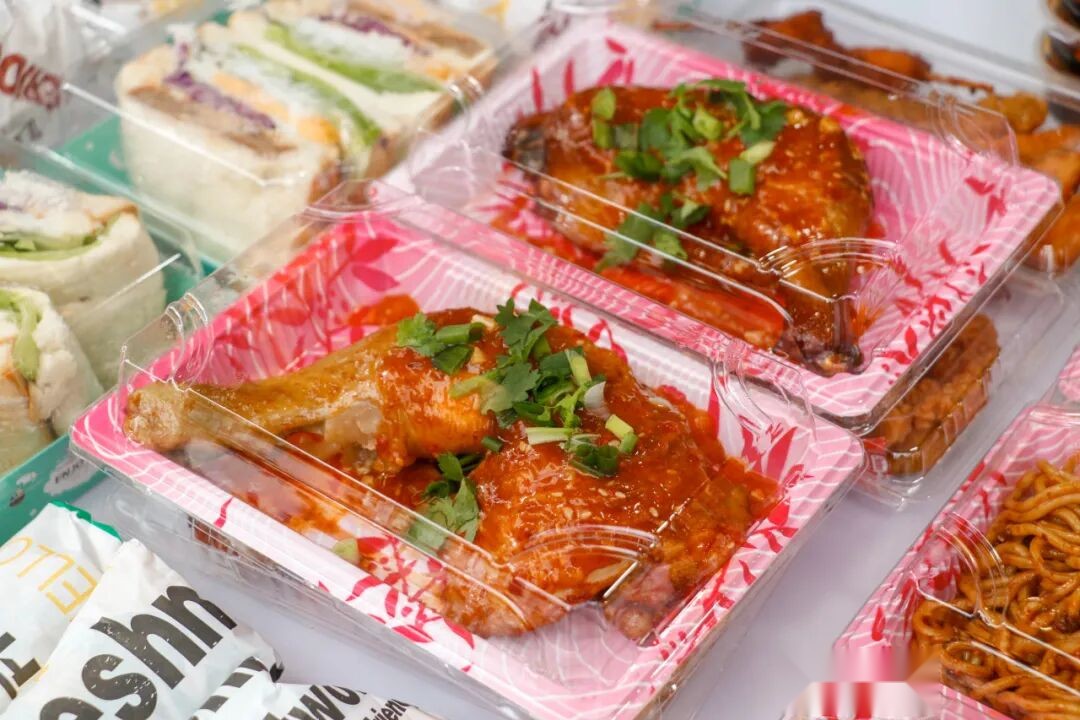
Guests can even pick fresh herbs and veggies right from the garden to add in,
then mix in some yellow lantern chili paste as a dipping sauce~
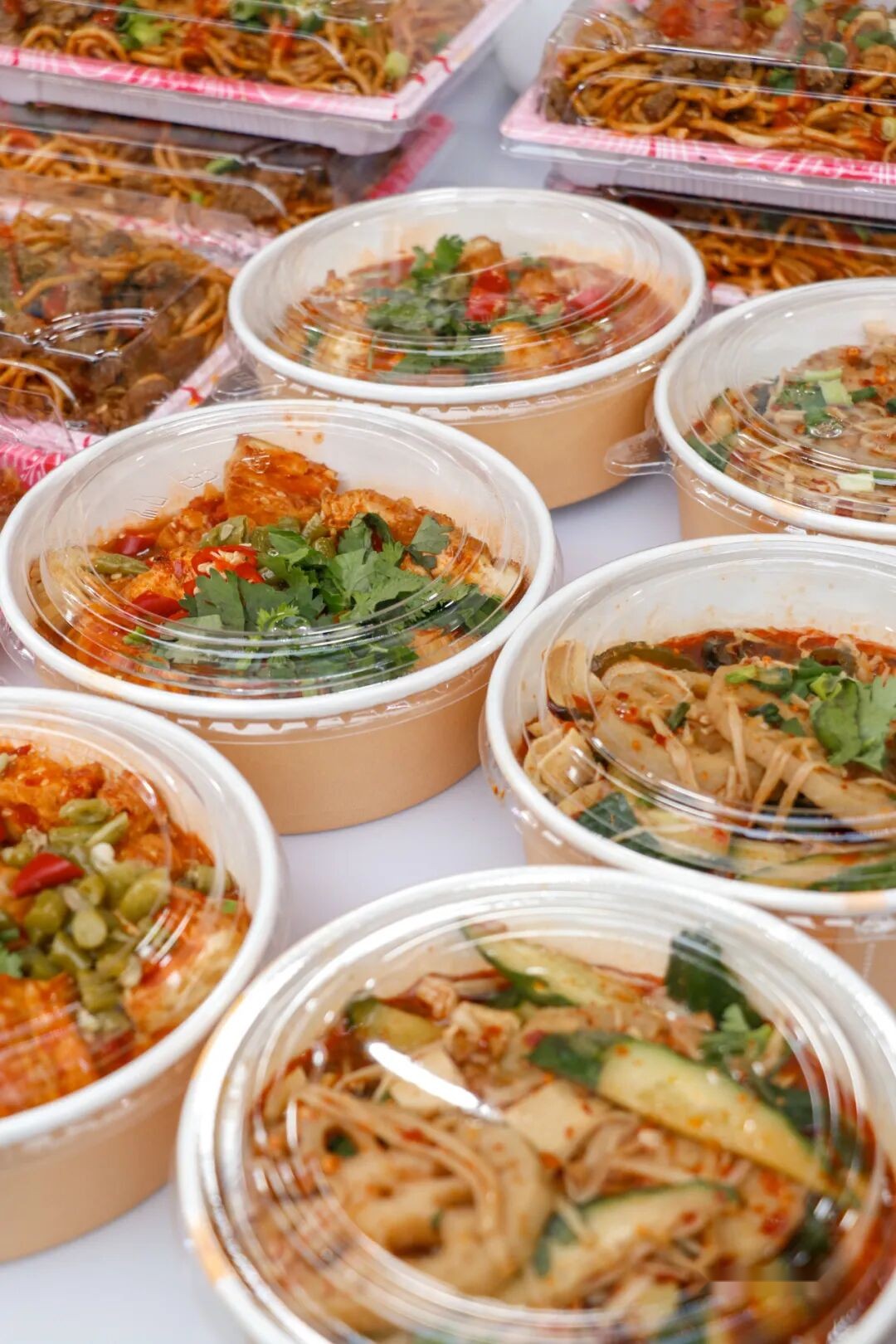
The broth is fresh, savory, and light, the beef is super tender,
the long beans have an amazing crunch, and the rice noodles are silky smooth.

Totally perfect for summer~
They also serve fish rice noodles, coconut rice, and other specialty dishes.
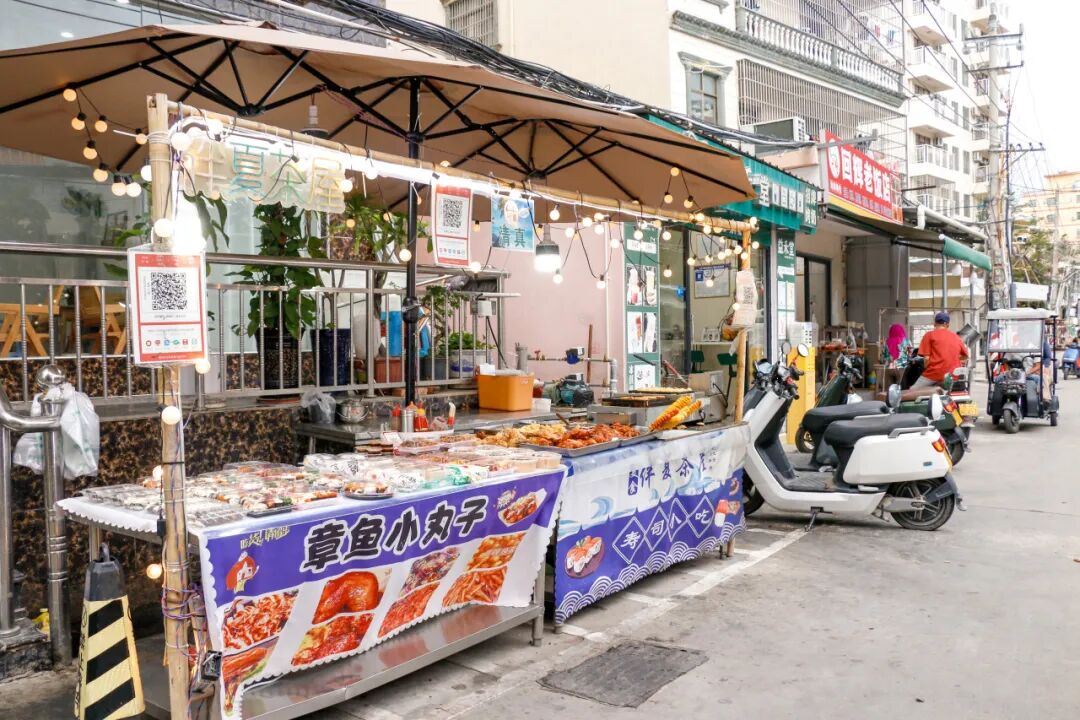
Restaurant Name: Maxie Fentangdian (Maxie Rice Noodle Soup Shop)
Address: No. 14, Lane 3, Huihui First Village, Tianya District, Sanya
Phone: 13637531169
Hours: 7:00 – 14:00
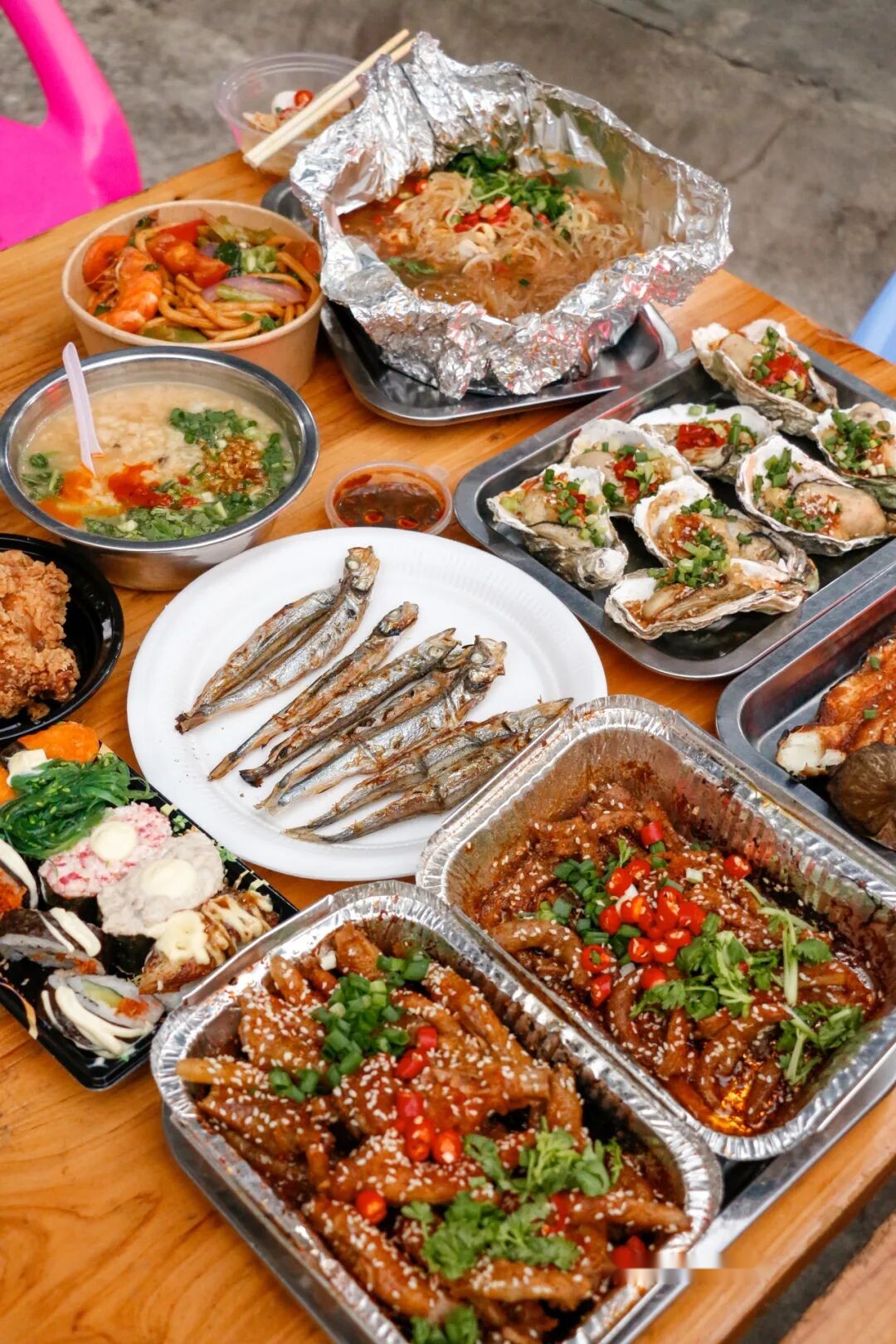
03
Seafood Chow Mein ¥15
A secret little canteen loved by local students~
"Bansha Chawu" (Banxia Teahouse)
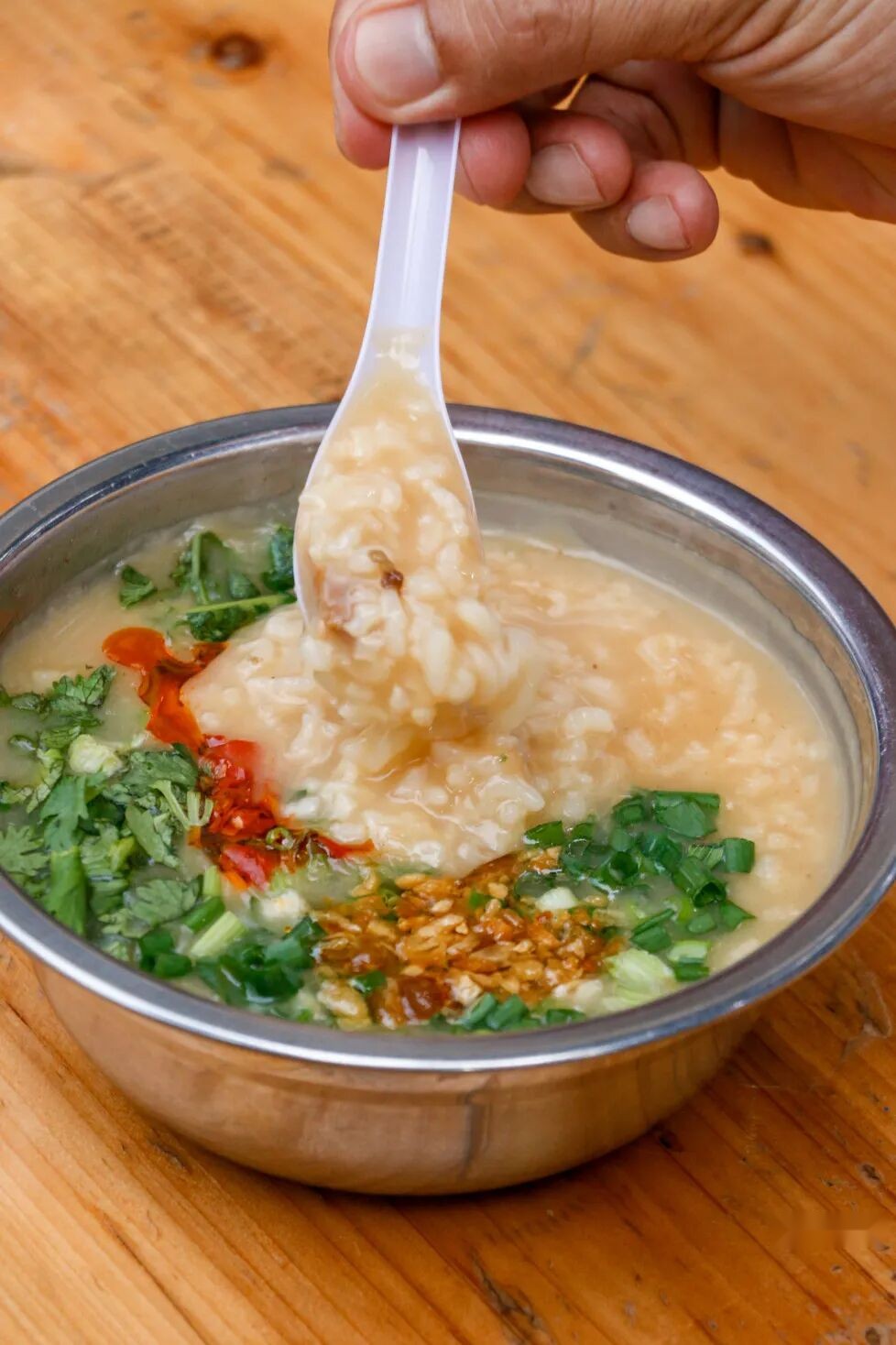
A spot packed with an amazing variety of snacks,
just like the mouthwatering treats straight out of an anime,
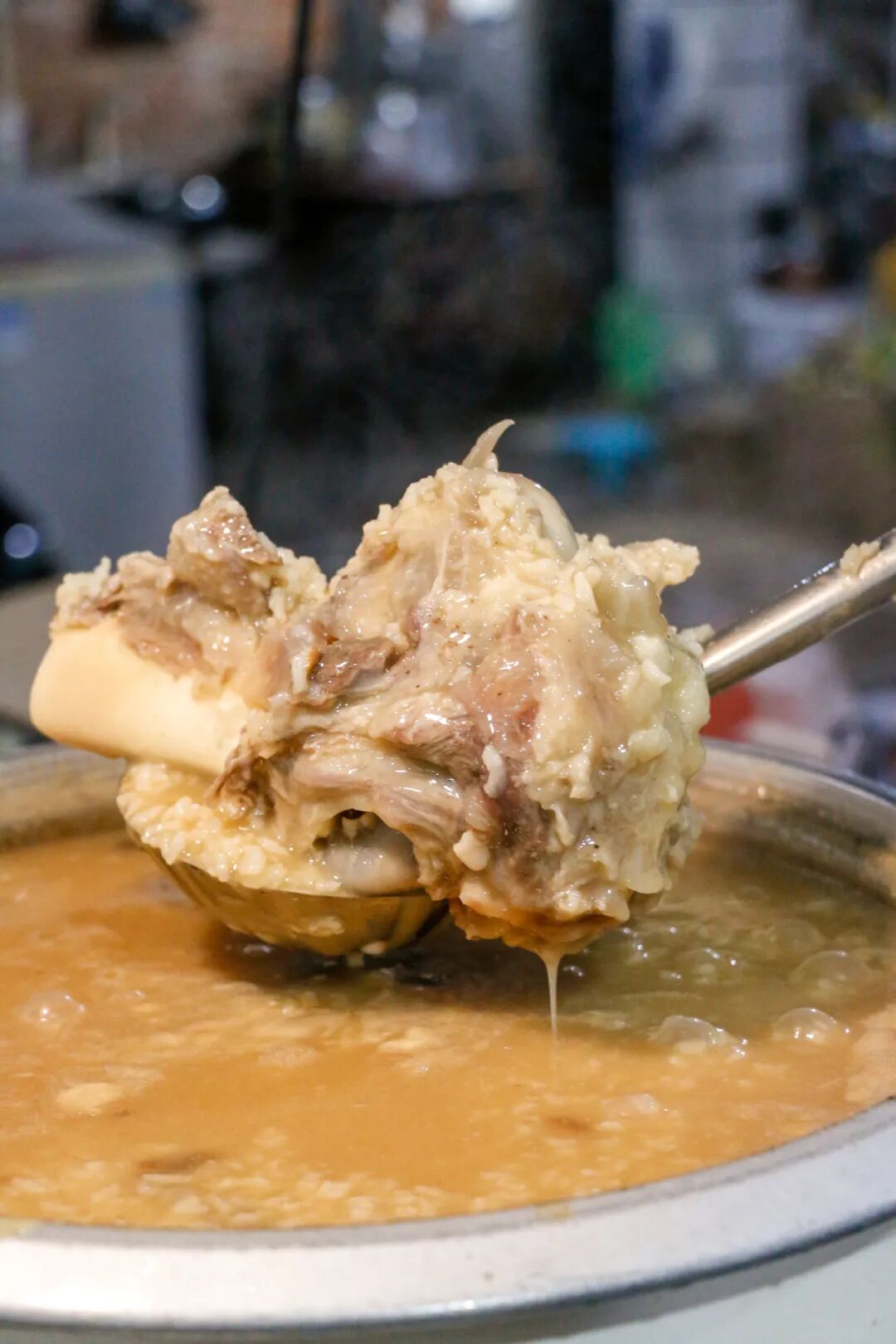
and everything is made fresh from scratch every single day~
A total hidden gem whether you're planning a beach picnic, hanging with family and friends, or just craving a killer student after-school snack.
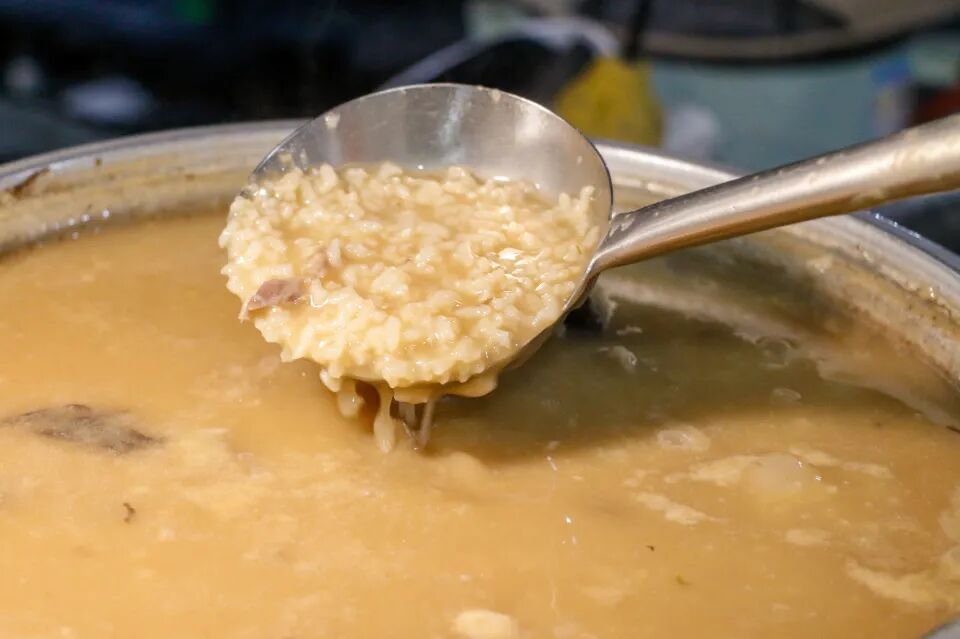
Stir-fried noodles loaded to the max with fresh ocean shrimp and squid,
super flavorful and seriously recommended!

Massive chicken legs coated in a secret house-made glaze,
the absolute crowd-favorite that keeps regulars coming back for more!
Tuna rice bowls, chef-special tofu, spicy cold chicken feet, sushi,
......
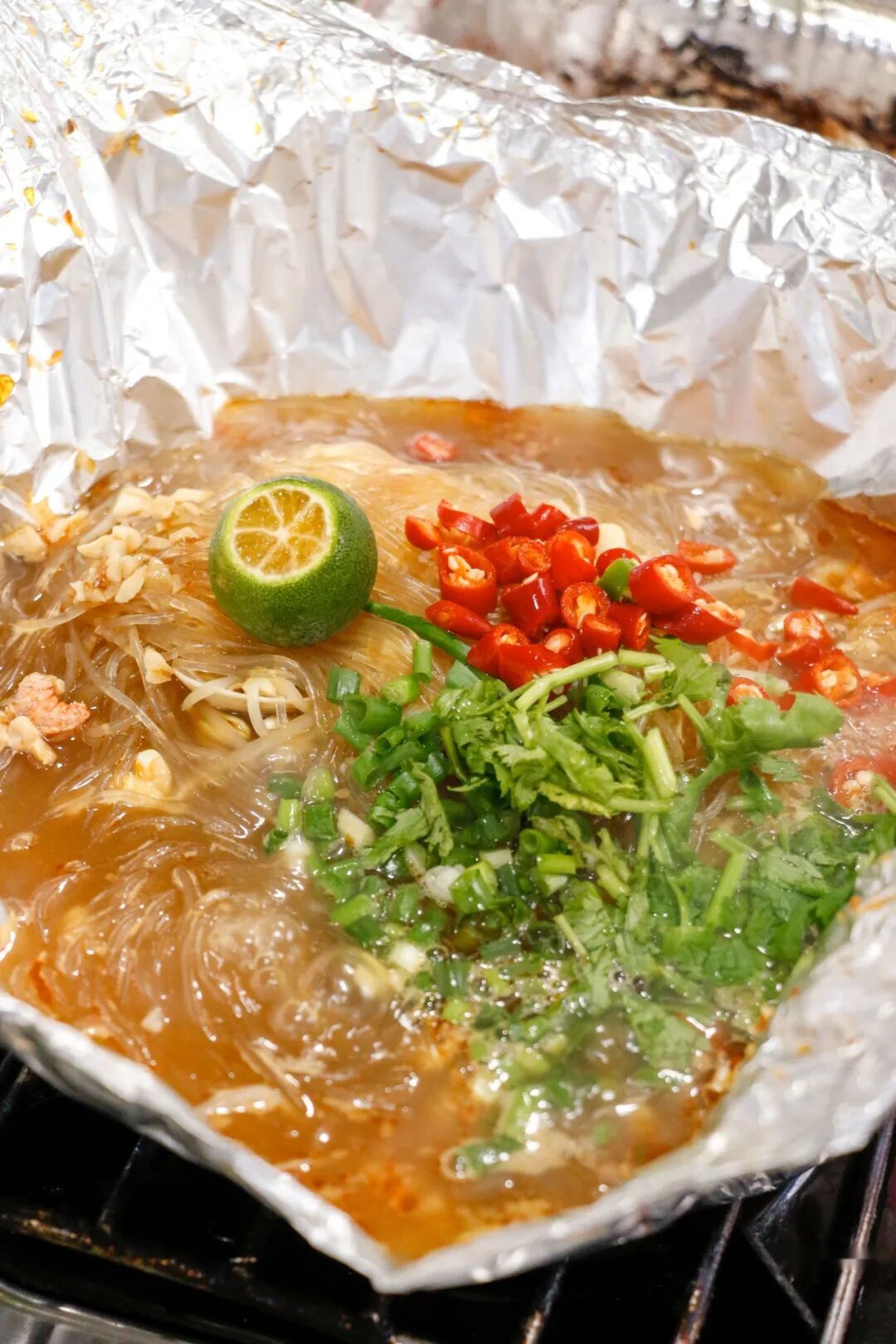
Shop Name: Banxia Chaywu (Banxia Teahouse)
Address: No. 6, 1st Road, Huihui 4th Village, Tianya District, Sanya
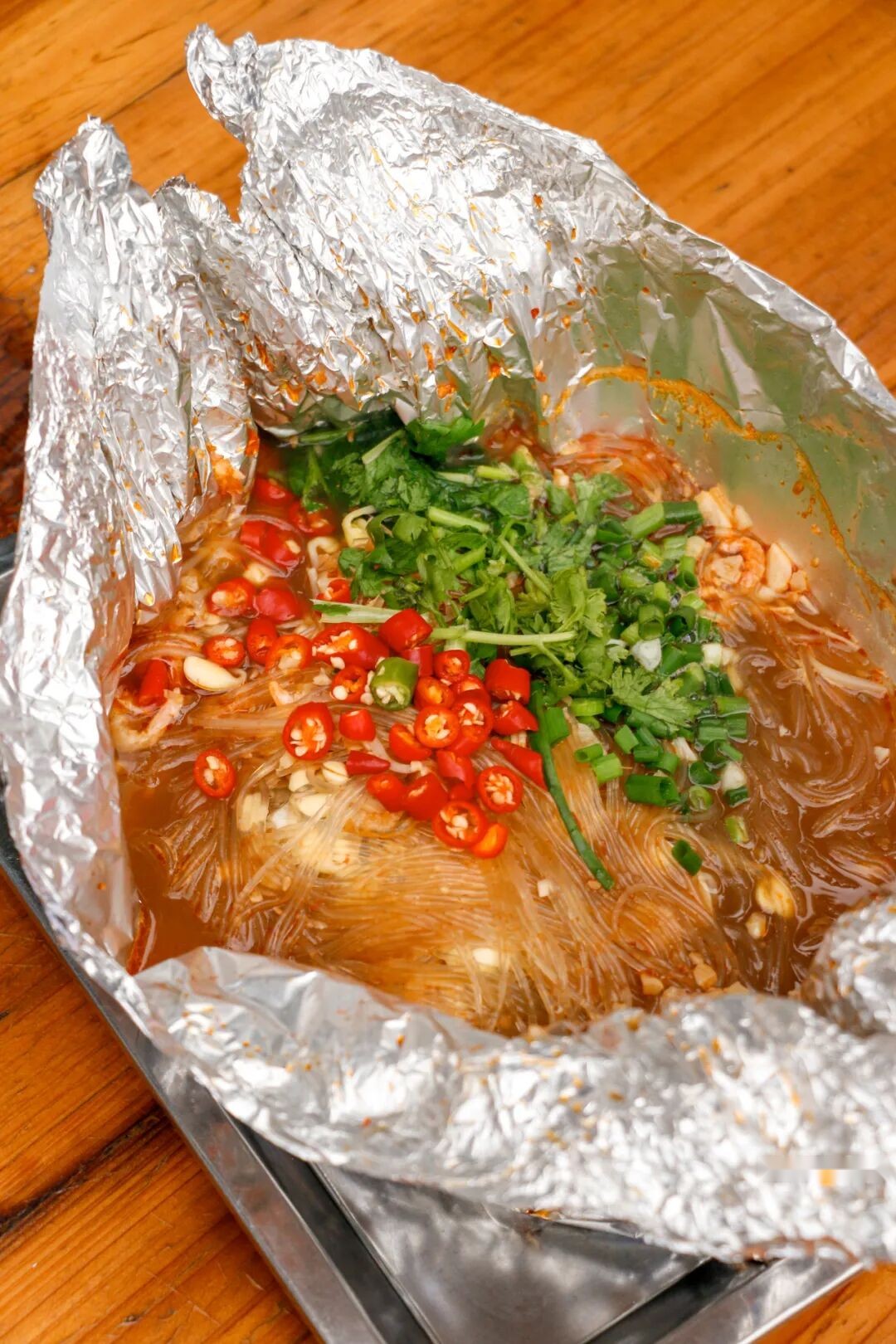
Phone: 13876445888
Hours: 11:00 AM – 10:00 PM
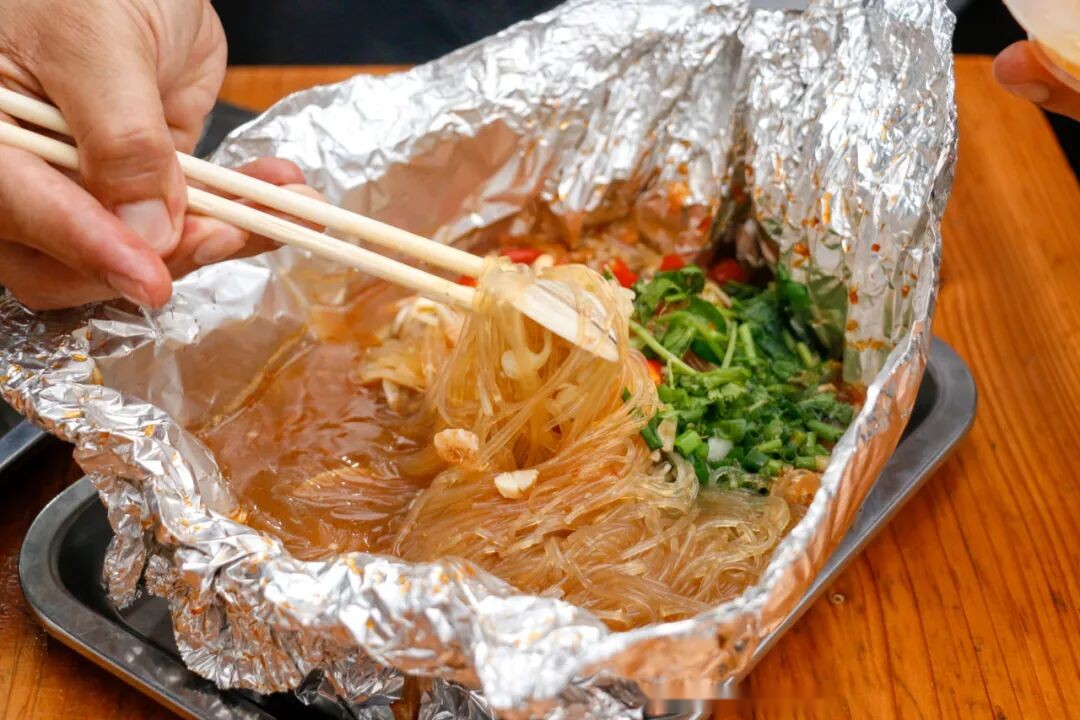
“Meilan Sisters' Ants Climbing a Tree”
This barbecue spot is also run right out of a Hui Muslim family home.
It's been jointly run by the two sisters for 7 years now.
With super fresh ingredients plus all kinds of custom, secret sauces,

the one-of-a-kind flavors have locals hooked—
and nearby residents and tourists even take special taxi rides just to eat here,
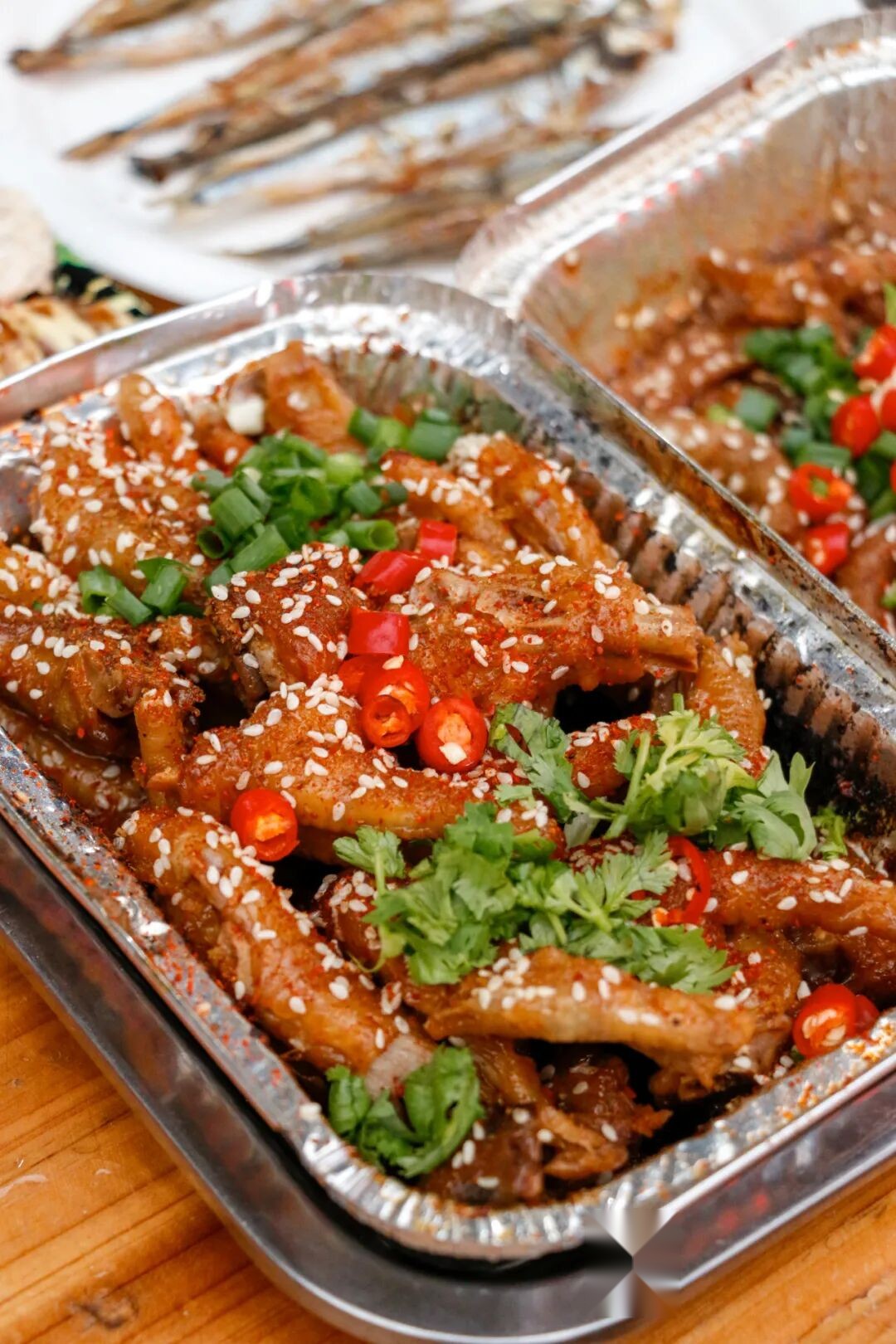
getting major love and shoutouts all over Xiaohongshu (RED app).
04
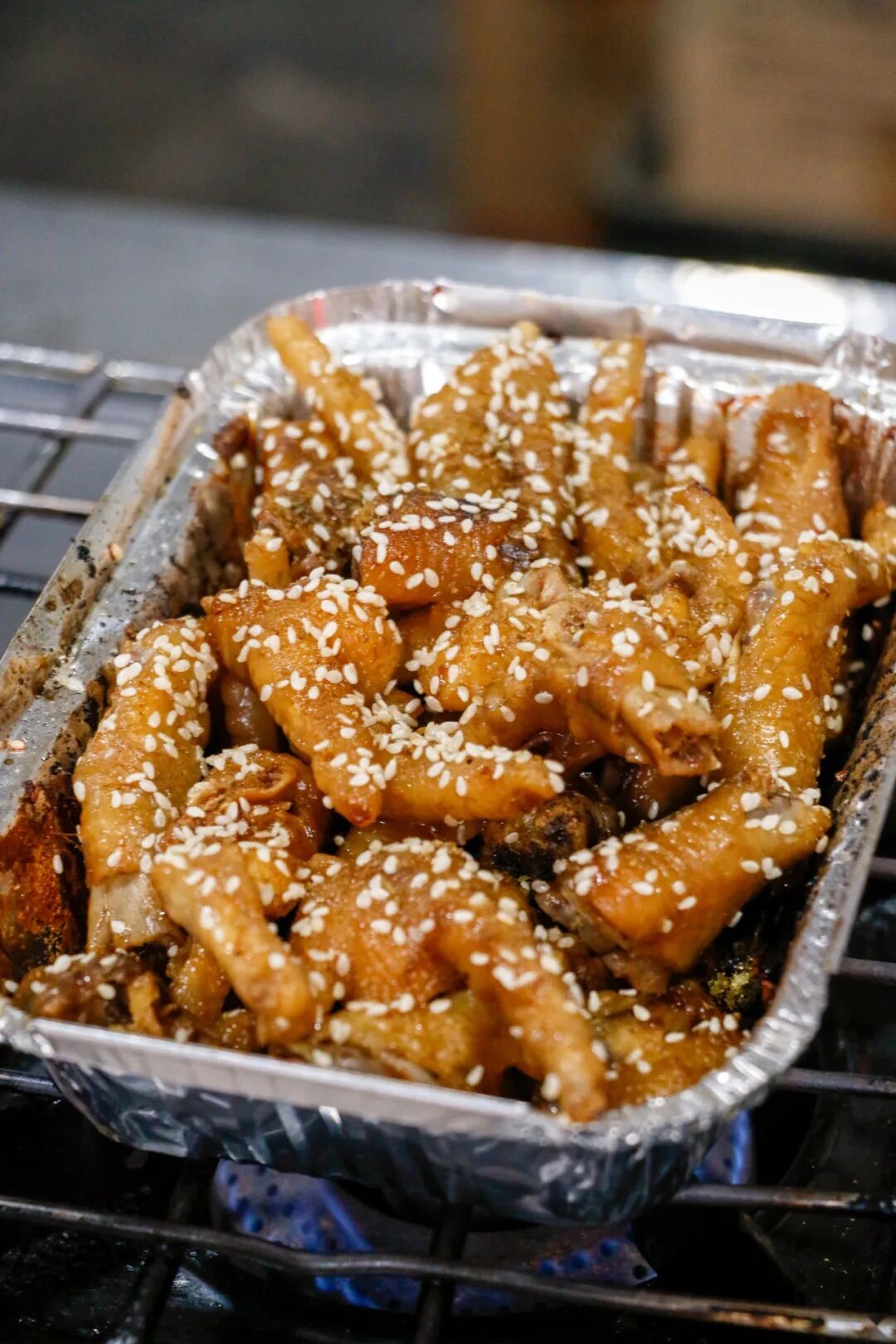
Beef Bone Porridge ¥10
The whole family is always craving a bowl of this.
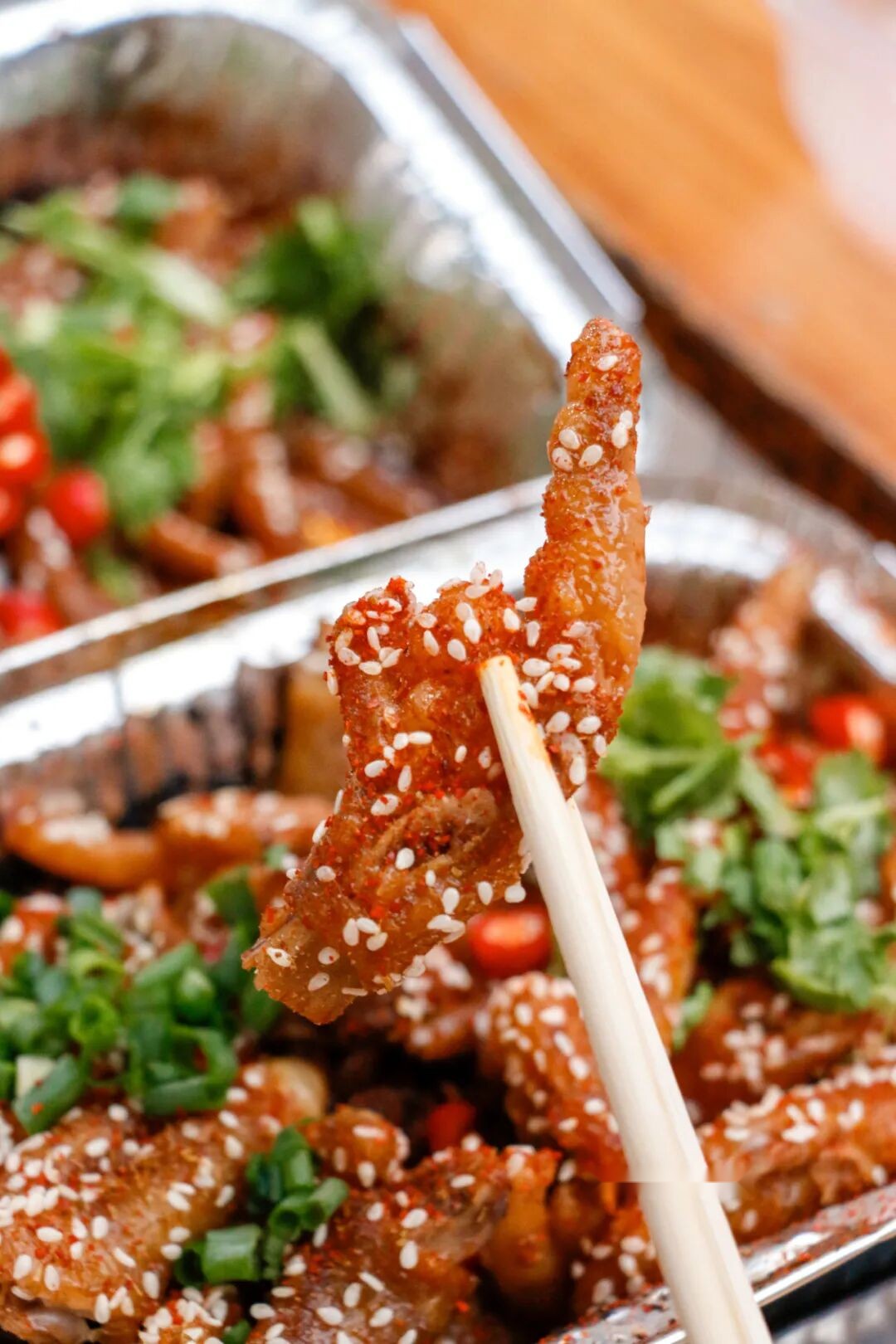
Beef bone porridge definitely holds a sacred spot in the hearts of the Utsul / Huihui Muslims.
This pot of congee simmers away for a full 7 hours every day.
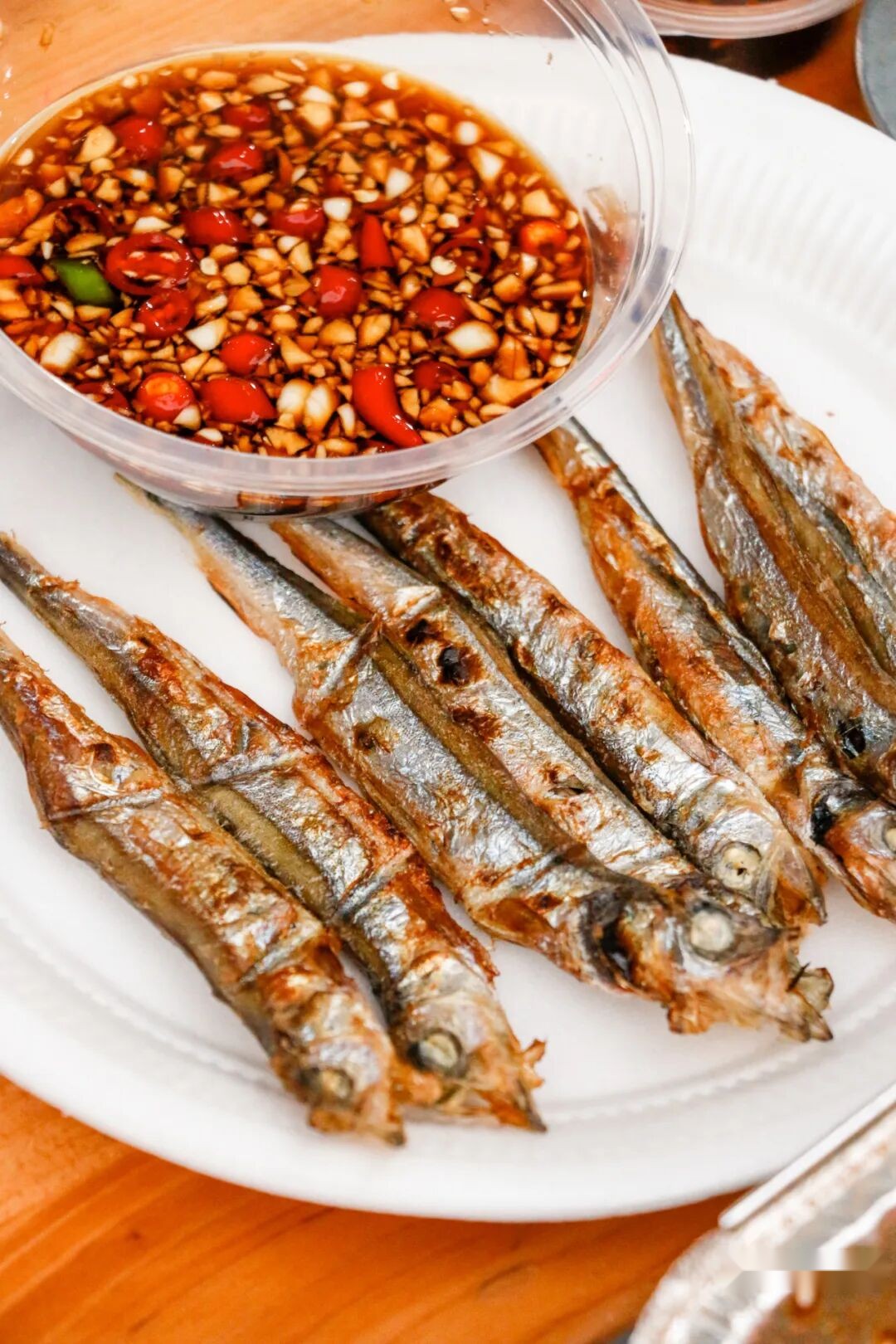
Super nourishing! Packed with nutrients! So delicious!
Tons of people drop by every day to get orders to-go,
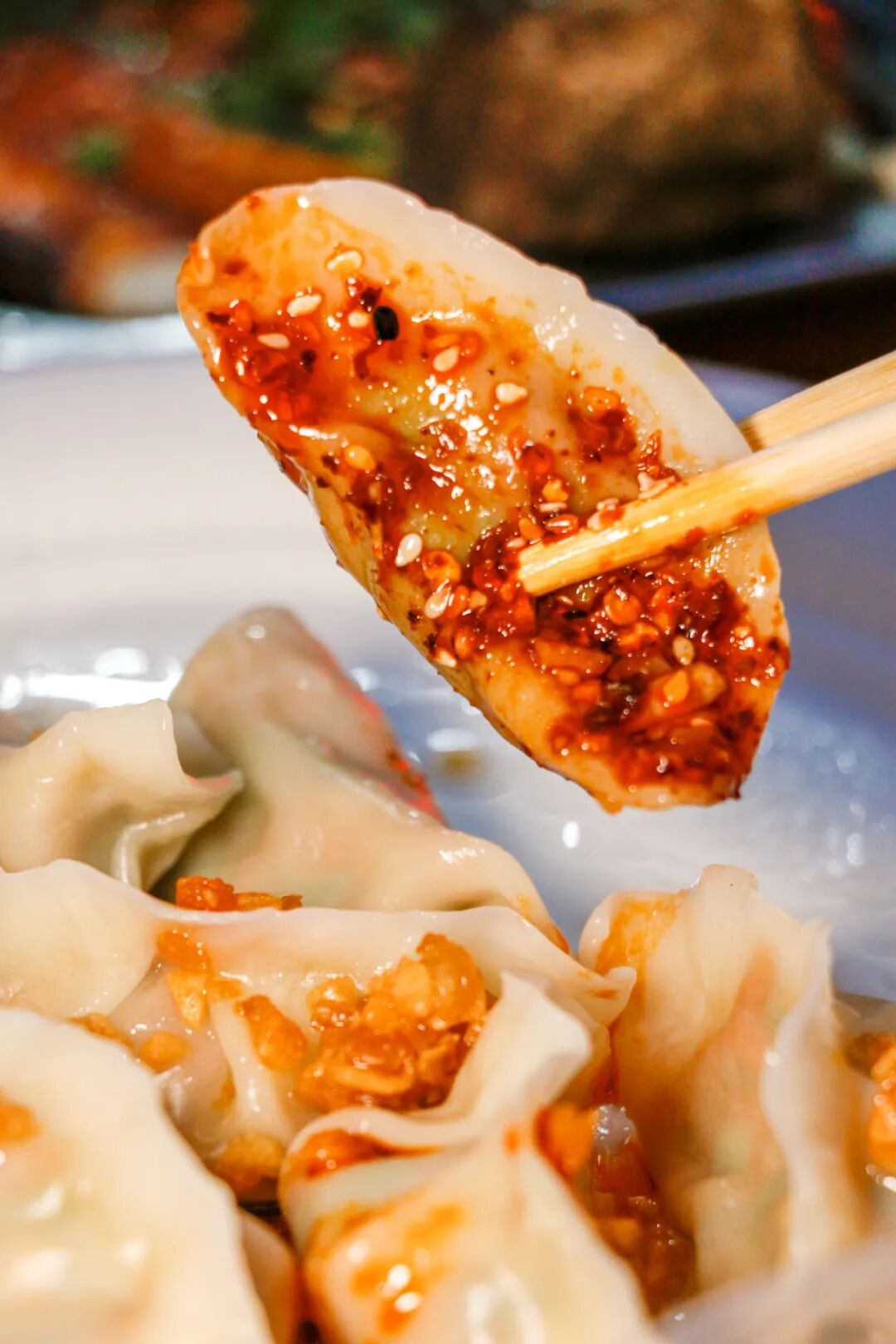
and even the pickiest little eaters will polish this off faster than a regular meal!
05
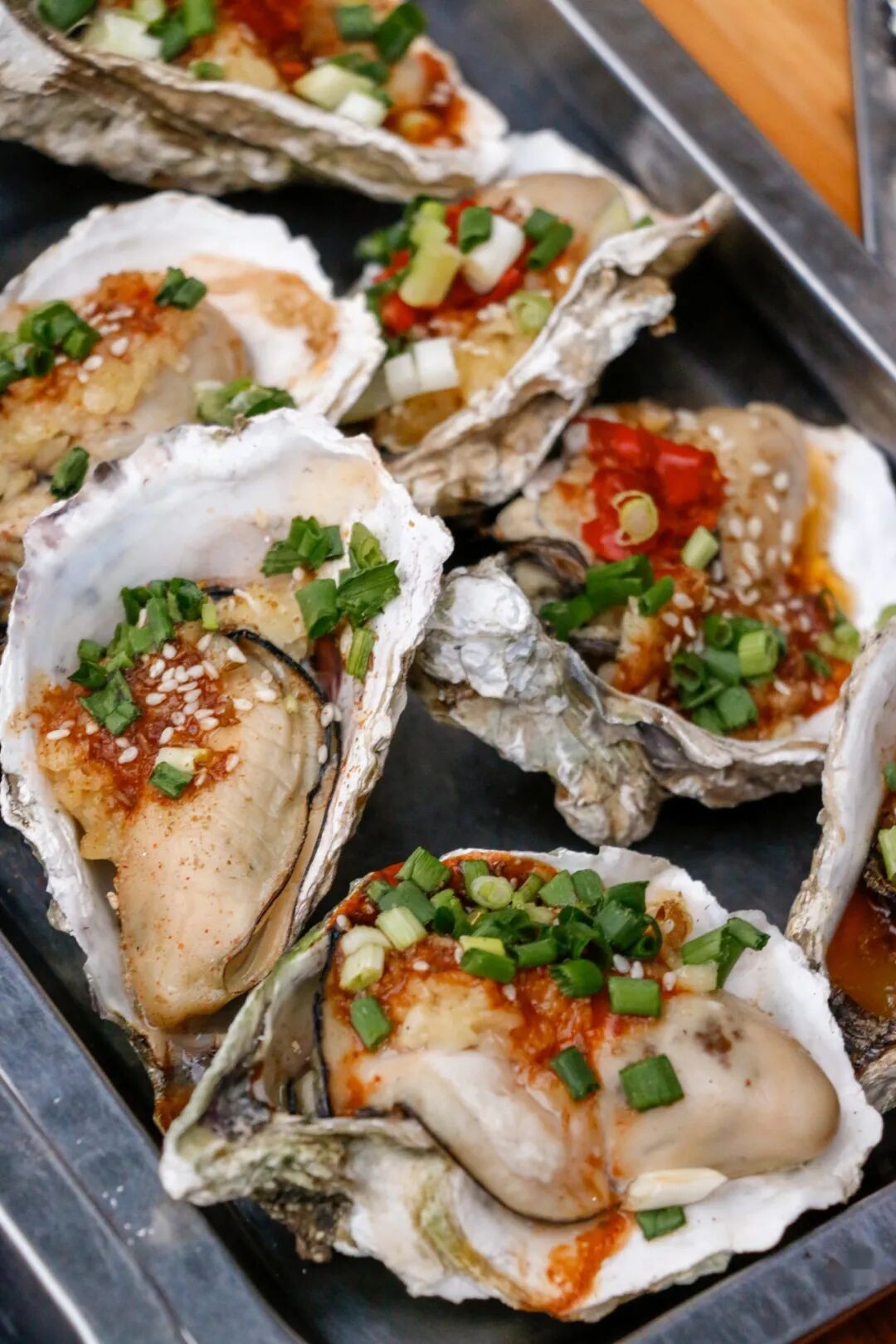
Ants Climbing a Tree (Mazi Shangshu) 25 RMB
Total cure for the 996 grind of the modern office worker
Ants Climbing a Tree bubbling away over charcoal fire~
The glass noodles, little white clams, and dried shrimp soak up every bit of that flavorful broth
06
Dry-Pot Chicken Feet & Dry-Pot Tripe 30/70 RMB
Sanya's ultimate soul-soothing late-night diner
The dry-pot chicken feet and dry-pot beef tripe
Are grilled to a sizzling, tender, and melt-in-your-mouth perfection
That secret sauce is seriously legit~~
Plus they've got local beef dumplings, capelin fish, grilled oysters......
Every single dish is made with real, honest ingredients and bursting with fresh flavor
Dripping with local street-food vibes and maxed-out happiness
Honestly, this is peak comfort-food late-night snacking!
Restaurant Name: Meilan Sisters Ants Climbing a Tree BBQ Joint
Address: No. 19, Erlu, Huihui Second Village (Huihui Muslim Second Village), Tianya District, Sanya
Phone: 13876569622
Hours: 19:30—01:00 next day
Exploring Sanya Ancient Mosque & Utsul Muslim Heritage in Hainan: History, Halal Culture & Architecture
Articles • Hasan09 posted the article • 0 comments • 4 views • 3 hours ago
Exploring Sanya Ancient Mosque: Hainan's Oldest Surviving Mosque Architecture and Faith Heritage
Abstract:
A field visit to Sanya Ancient Mosque located in Huihui Village (Huihui Muslim Village), Tianya District, Sanya. We trace the centuries-long history of the mosque's multiple restorations, showcase its spacious courtyard and solemn prayer hall blending Islamic styles with tropical Lingnan architectural features, and experience the deep-rooted piety of the island's Hui Muslims.
Sanya Ancient Mosque is one of the six active mosques in Sanya. It is located in Huihui Village (Huihui Muslim Community), Tianya District, Sanya City, Hainan Province, specifically in the 1st Alley of Huihui 4th Village. It is about 6 kilometers from downtown Sanya, roughly 3 kilometers from Huixin Village (Huixin Muslim Village), and right next to Sanya Phoenix International Airport. According to records in the Ming Dynasty's Wanli-era "Gazetteer of Qiongzhou Prefecture" and the early Qing Dynasty's "Complete Classics and Records of Ancient and Modern Times: Department of Official Territories" Vol., ancestors of the Hui Muslims arrived around the Song and Yuan dynasties from Champa (around present-day Bình Định Province in Vietnam), "carrying their families and sailing by boat, scattering and settling along the coast." They gathered by lineage to form "Fancun" (Foreigners' Village), which is today's Huixin Village area. Historically, there were four mosques here: the Ancient Mosque (Eastern Mosque), Southern Mosque, Western Mosque, and Northern Mosque. In 1940, due to the Japanese military constructing an airport, the residents of Huixin Village were forcibly relocated 6 kilometers southwest to Yanglan. All the mosques were completely destroyed. The relocation site eventually evolved into Huihui Village, a name chosen to signify "reviving the glory of the Hui ethnic group" and "the prosperity of the Hui people."
During the Tang Dynasty, Hainan Island was already a mandatory transit route for China's maritime spice and silk trade. Muslim merchants traveling from Persia and the Arabian Peninsula through the islands into Chinese ports like Guangzhou and Quanzhou chose to come ashore and settle in Sanya. By the Northern and Southern Song dynasties, Vietnamese Muslims had also migrated to Sanya. Later, during modern crackdowns on Muslims on the mainland, imperial authorities also drove certain mainland Muslims out of the mainland, and these individuals eventually settled in Sanya, Hainan.
Today, the Hui Muslims of Huihui Village in Sanya, Hainan, are the descendants of those Sanya Hui people who were relocated west to Yanglan by the Japanese. Before Liberation, the Yanglan and Lizhiguo areas were called Mingya Township, governing 15 baos (administrative units) and 3 special baos (first, second, and third), totaling 229 jias. In 1950, Yanglan Township was established, followed by the formation of Yanglan Commune in 1961. The Yanglan Commune was changed to Yanglan District in 1983, converted into Yanglan Town in 1986, and in 2001, Yanglan Town was abolished and merged into Fenghuang Town. In 2014, Fenghuang Town, Tianya Town, and Yucai Town were consolidated to establish Tianya District of Sanya City. The former Yanglan is now Yangxin Community under the jurisdiction of Tianya District, primarily a residential area consisting of Han Chinese and migrant populations.
Huihui Village now belongs to the Huihui Community of Tianya District. It boasts a unique geographic location, with the West Ring National Highway cutting right through the village. It is only 5 kilometers away from Sanya Phoenix International Airport, making transportation extremely convenient. It is bounded by the sea to the south, and connects to tourist hotspots like Tianhai Haijiao (Ends of the Earth), Nanshan Temple, and Daxiao Dongtian (Greater and Lesser Views of the Ocean) to the west. Its jurisdiction stretches east to Yanglan Village (Yangxin Community), south to Haipo Village, west to Haihong Road near Phoenix Airport, and north to Shuijiao Village. Covering an area of about 1.6 square kilometers, it has 7 resident groups and is a strictly Hui Muslim-concentrated community. By the end of 2014, the jurisdiction had 598 households with a population of 4,078 people, including 3,747 permanent residents and 331 floating residents. The predecessor of Huihui Village was Fancun (around present-day Huixin Village). In the summer of 1940, the original villagers were all forcibly relocated west to the Yanglan area by Japanese aggressors, forming a settlement that was renamed Hui Muslim Village in 1945. In 1951, Huihui Village established a mutual aid team, followed by a primary cooperative in 1953, an advanced cooperative in 1955, and the Huihui Production Brigade in 1958. Hui Muslims who moved back to their original old village (Fancun) fell under the administration of the Huihui Brigade. In 1982 (1983), it was changed to Huihui Township, and in 1988, the Huihui Residents Committee was established, which eventually became the Huihui Community Residents Committee in 2013, a name that continues to this day.
Additionally, historical and anthropological research suggests that most villagers in Huihui Village exhibit typical South Asian physical characteristics: noses that are not very high, but are relatively wide with depressed nasal bridges, and prominent, protruding cheekbones, indicating that they are largely descendants of the Champa people. Meanwhile, villagers in Huixin mostly display typical West Asian and Central Asian features—narrow faces, high nasal bridges, large eyes, long eyelashes, and other distinct Western Regions traits. In 1942, the Medical College of Taihoku Imperial University dispatched Kaneto Huna to Sanya to conduct somatological measurements on 198 adult male and female Hui residents over the age of 30 in Yanglan. The results showed that compared to southern Han Chinese, the Sanya Hui people belong to a taller, higher-nosed human group, carrying Arabian ancestry.
Hui Muslims have a traditional saying: "You can go without a home for a lifetime, but you cannot go a single day without a mosque." Therefore, living clustered around a mosque is a primary characteristic of the Hui people's settlement pattern of "large dispersal, small concentration." According to oral tradition, Sanya Ancient Mosque dates back to the early Southern Song Dynasty, making it rich in history, Hainan's very first mosque, and the earliest built mosque in Sanya. Its predecessor was the Eastern Mosque of Fancun in Sanya. Xiaoye Tianchun referred to it as the Eastern Temple in his book "History of Hainan Island," and it was originally located in Sanya Street (present-day southwest suburbs of Sanya City). However, written records state it was built in the 6th year of the Chenghua reign in the Ming Dynasty (1470) and was originally built in a Chinese style. In the 1920s, the old mosque was originally a brick-and-tile structure, but was later rebuilt into an Arabic-arched reinforced concrete structure, with an octagonal prayer hall. Around 1940, due to the Japanese invasion and airport construction, the original ancient mosque was destroyed. In the 1950s, the Huihui villagers of Yanglan raised funds to rebuild it at a new site and renamed it the "Ancient Mosque," retaining the Arabic-arched style. After 1966, it suffered damage again, and the temple hall was dismantled. In 1982, it was rebuilt once more using black tiles and brick walls, with a prayer hall consisting of only 3 connected rooms, covering an area of just over 300 square meters. Because the temple hall was cramped while believers were numerous, donations totaling 300,000 RMB were contributed by Hong Kong Muslims in 1986 to expand it into an Arabic-style building. A new prayer hall spanning 600 square meters was reconstructed, featuring a dome tower that looked quite magnificent. After remodeling in 1999, a dome was added. In 2008 and 2009, the ancient mosque was hit by floods twice, so funds were raised to rebuild it into a more modern Arabic-style building in time for the Mawlid (Prophet's Birthday) celebration in 2010. Following the expansion in 2011, the new ancient mosque covers an area of 821 square meters and can accommodate over 1,000 people for congregational prayer simultaneously.
The mosque originally housed multiple stone tablets and plaques, of which only a single "Official Prohibition Tablet" from the 18th year of the Qianlong reign in the Qing Dynasty (1753) survives today. The tablet stands 150 centimeters tall and 55 centimeters wide. It is the only precious cultural relic engraved on a Chinese stone tablet discovered and preserved by the Hui ethnic group in Sanya over the years, holding significant value for studying the economic life of Hainan Muslims in the early Qing period.
During recent architectural style renovations of the mosque, Sanya Ancient Mosque underwent another round of reconstruction. Today's ancient mosque's towers and corridors seamlessly blend Chinese and Western elements, showcasing both the aesthetic beauty of traditional Chinese architecture and contemporary classical charm, fully expressing its religious and cultural identity.
With Sanya's continuous social and economic development—especially the booming tourism industry—Muslims from countries like Sudan, Saudi Arabia, Iran, Pakistan, and Southeast Asia are drawn to visit and pray at mosques in Sanya, Hainan. Today, the Sanya Ancient Mosque continues to play an active, vital role in the religious life of our local Hui compatriots and in external religious and cultural exchanges. view all
Exploring Sanya Ancient Mosque: Hainan's Oldest Surviving Mosque Architecture and Faith Heritage
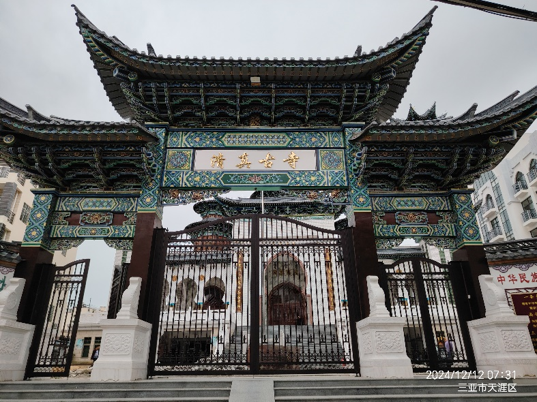
Abstract:
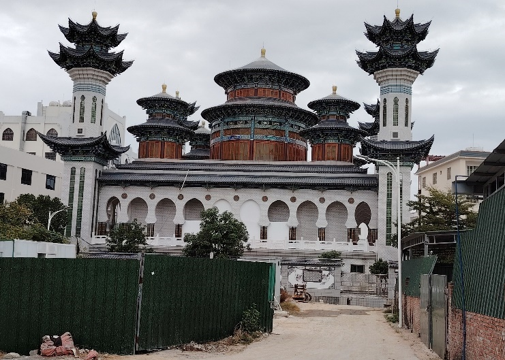
A field visit to Sanya Ancient Mosque located in Huihui Village (Huihui Muslim Village), Tianya District, Sanya. We trace the centuries-long history of the mosque's multiple restorations, showcase its spacious courtyard and solemn prayer hall blending Islamic styles with tropical Lingnan architectural features, and experience the deep-rooted piety of the island's Hui Muslims.
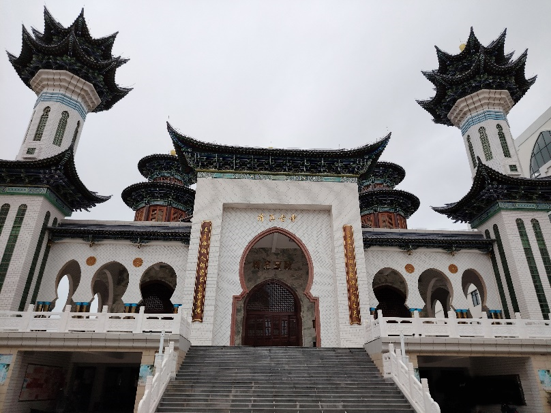
Sanya Ancient Mosque is one of the six active mosques in Sanya. It is located in Huihui Village (Huihui Muslim Community), Tianya District, Sanya City, Hainan Province, specifically in the 1st Alley of Huihui 4th Village. It is about 6 kilometers from downtown Sanya, roughly 3 kilometers from Huixin Village (Huixin Muslim Village), and right next to Sanya Phoenix International Airport. According to records in the Ming Dynasty's Wanli-era "Gazetteer of Qiongzhou Prefecture" and the early Qing Dynasty's "Complete Classics and Records of Ancient and Modern Times: Department of Official Territories" Vol., ancestors of the Hui Muslims arrived around the Song and Yuan dynasties from Champa (around present-day Bình Định Province in Vietnam), "carrying their families and sailing by boat, scattering and settling along the coast." They gathered by lineage to form "Fancun" (Foreigners' Village), which is today's Huixin Village area. Historically, there were four mosques here: the Ancient Mosque (Eastern Mosque), Southern Mosque, Western Mosque, and Northern Mosque. In 1940, due to the Japanese military constructing an airport, the residents of Huixin Village were forcibly relocated 6 kilometers southwest to Yanglan. All the mosques were completely destroyed. The relocation site eventually evolved into Huihui Village, a name chosen to signify "reviving the glory of the Hui ethnic group" and "the prosperity of the Hui people."
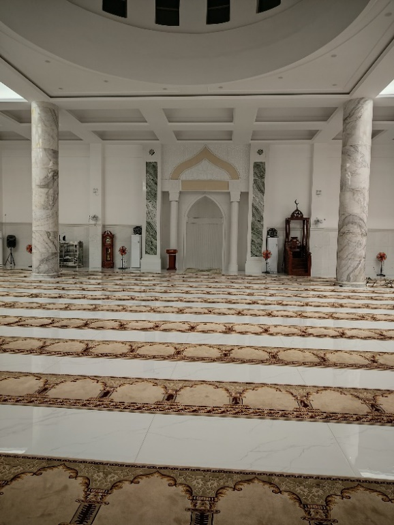
During the Tang Dynasty, Hainan Island was already a mandatory transit route for China's maritime spice and silk trade. Muslim merchants traveling from Persia and the Arabian Peninsula through the islands into Chinese ports like Guangzhou and Quanzhou chose to come ashore and settle in Sanya. By the Northern and Southern Song dynasties, Vietnamese Muslims had also migrated to Sanya. Later, during modern crackdowns on Muslims on the mainland, imperial authorities also drove certain mainland Muslims out of the mainland, and these individuals eventually settled in Sanya, Hainan.

Today, the Hui Muslims of Huihui Village in Sanya, Hainan, are the descendants of those Sanya Hui people who were relocated west to Yanglan by the Japanese. Before Liberation, the Yanglan and Lizhiguo areas were called Mingya Township, governing 15 baos (administrative units) and 3 special baos (first, second, and third), totaling 229 jias. In 1950, Yanglan Township was established, followed by the formation of Yanglan Commune in 1961. The Yanglan Commune was changed to Yanglan District in 1983, converted into Yanglan Town in 1986, and in 2001, Yanglan Town was abolished and merged into Fenghuang Town. In 2014, Fenghuang Town, Tianya Town, and Yucai Town were consolidated to establish Tianya District of Sanya City. The former Yanglan is now Yangxin Community under the jurisdiction of Tianya District, primarily a residential area consisting of Han Chinese and migrant populations.
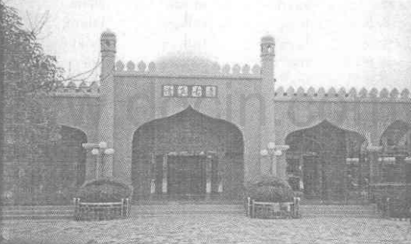
Huihui Village now belongs to the Huihui Community of Tianya District. It boasts a unique geographic location, with the West Ring National Highway cutting right through the village. It is only 5 kilometers away from Sanya Phoenix International Airport, making transportation extremely convenient. It is bounded by the sea to the south, and connects to tourist hotspots like Tianhai Haijiao (Ends of the Earth), Nanshan Temple, and Daxiao Dongtian (Greater and Lesser Views of the Ocean) to the west. Its jurisdiction stretches east to Yanglan Village (Yangxin Community), south to Haipo Village, west to Haihong Road near Phoenix Airport, and north to Shuijiao Village. Covering an area of about 1.6 square kilometers, it has 7 resident groups and is a strictly Hui Muslim-concentrated community. By the end of 2014, the jurisdiction had 598 households with a population of 4,078 people, including 3,747 permanent residents and 331 floating residents. The predecessor of Huihui Village was Fancun (around present-day Huixin Village). In the summer of 1940, the original villagers were all forcibly relocated west to the Yanglan area by Japanese aggressors, forming a settlement that was renamed Hui Muslim Village in 1945. In 1951, Huihui Village established a mutual aid team, followed by a primary cooperative in 1953, an advanced cooperative in 1955, and the Huihui Production Brigade in 1958. Hui Muslims who moved back to their original old village (Fancun) fell under the administration of the Huihui Brigade. In 1982 (1983), it was changed to Huihui Township, and in 1988, the Huihui Residents Committee was established, which eventually became the Huihui Community Residents Committee in 2013, a name that continues to this day.

Additionally, historical and anthropological research suggests that most villagers in Huihui Village exhibit typical South Asian physical characteristics: noses that are not very high, but are relatively wide with depressed nasal bridges, and prominent, protruding cheekbones, indicating that they are largely descendants of the Champa people. Meanwhile, villagers in Huixin mostly display typical West Asian and Central Asian features—narrow faces, high nasal bridges, large eyes, long eyelashes, and other distinct Western Regions traits. In 1942, the Medical College of Taihoku Imperial University dispatched Kaneto Huna to Sanya to conduct somatological measurements on 198 adult male and female Hui residents over the age of 30 in Yanglan. The results showed that compared to southern Han Chinese, the Sanya Hui people belong to a taller, higher-nosed human group, carrying Arabian ancestry.
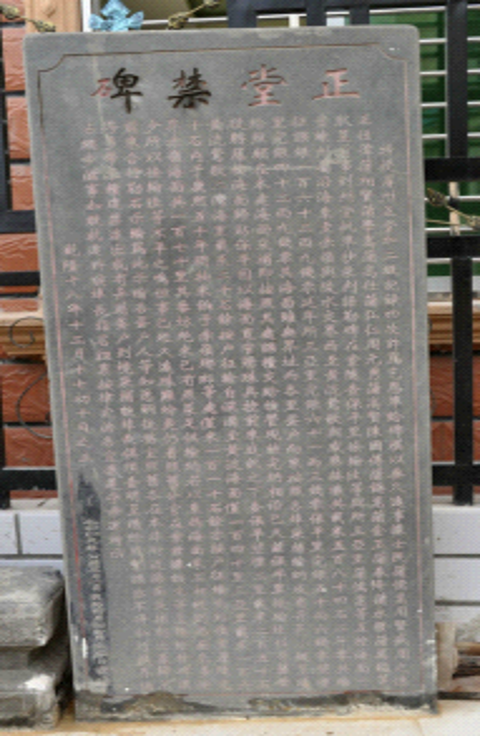
Hui Muslims have a traditional saying: "You can go without a home for a lifetime, but you cannot go a single day without a mosque." Therefore, living clustered around a mosque is a primary characteristic of the Hui people's settlement pattern of "large dispersal, small concentration." According to oral tradition, Sanya Ancient Mosque dates back to the early Southern Song Dynasty, making it rich in history, Hainan's very first mosque, and the earliest built mosque in Sanya. Its predecessor was the Eastern Mosque of Fancun in Sanya. Xiaoye Tianchun referred to it as the Eastern Temple in his book "History of Hainan Island," and it was originally located in Sanya Street (present-day southwest suburbs of Sanya City). However, written records state it was built in the 6th year of the Chenghua reign in the Ming Dynasty (1470) and was originally built in a Chinese style. In the 1920s, the old mosque was originally a brick-and-tile structure, but was later rebuilt into an Arabic-arched reinforced concrete structure, with an octagonal prayer hall. Around 1940, due to the Japanese invasion and airport construction, the original ancient mosque was destroyed. In the 1950s, the Huihui villagers of Yanglan raised funds to rebuild it at a new site and renamed it the "Ancient Mosque," retaining the Arabic-arched style. After 1966, it suffered damage again, and the temple hall was dismantled. In 1982, it was rebuilt once more using black tiles and brick walls, with a prayer hall consisting of only 3 connected rooms, covering an area of just over 300 square meters. Because the temple hall was cramped while believers were numerous, donations totaling 300,000 RMB were contributed by Hong Kong Muslims in 1986 to expand it into an Arabic-style building. A new prayer hall spanning 600 square meters was reconstructed, featuring a dome tower that looked quite magnificent. After remodeling in 1999, a dome was added. In 2008 and 2009, the ancient mosque was hit by floods twice, so funds were raised to rebuild it into a more modern Arabic-style building in time for the Mawlid (Prophet's Birthday) celebration in 2010. Following the expansion in 2011, the new ancient mosque covers an area of 821 square meters and can accommodate over 1,000 people for congregational prayer simultaneously.
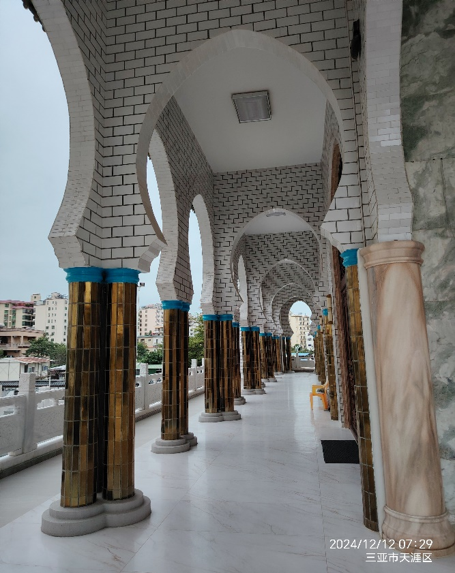
The mosque originally housed multiple stone tablets and plaques, of which only a single "Official Prohibition Tablet" from the 18th year of the Qianlong reign in the Qing Dynasty (1753) survives today. The tablet stands 150 centimeters tall and 55 centimeters wide. It is the only precious cultural relic engraved on a Chinese stone tablet discovered and preserved by the Hui ethnic group in Sanya over the years, holding significant value for studying the economic life of Hainan Muslims in the early Qing period.
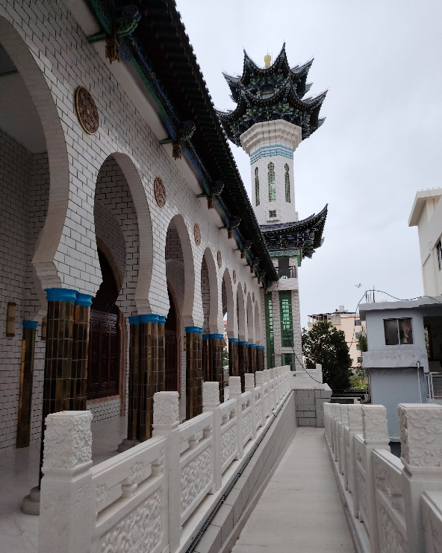
During recent architectural style renovations of the mosque, Sanya Ancient Mosque underwent another round of reconstruction. Today's ancient mosque's towers and corridors seamlessly blend Chinese and Western elements, showcasing both the aesthetic beauty of traditional Chinese architecture and contemporary classical charm, fully expressing its religious and cultural identity.
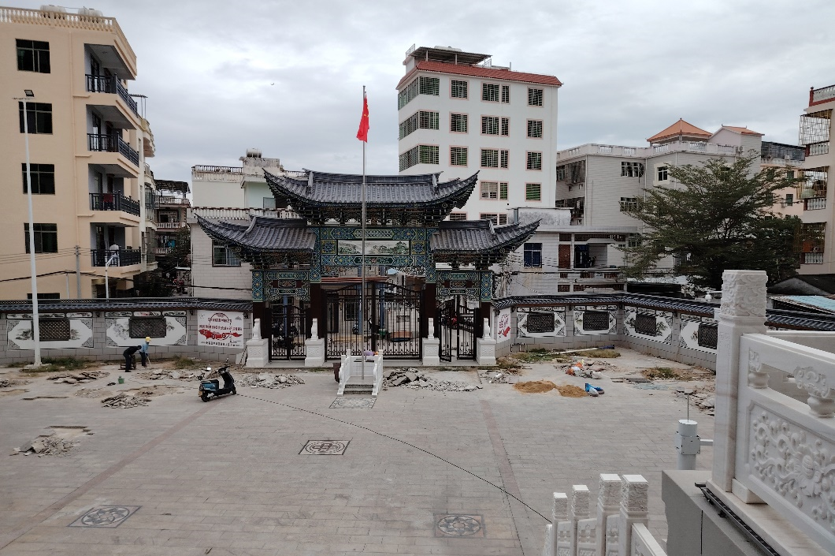
With Sanya's continuous social and economic development—especially the booming tourism industry—Muslims from countries like Sudan, Saudi Arabia, Iran, Pakistan, and Southeast Asia are drawn to visit and pray at mosques in Sanya, Hainan. Today, the Sanya Ancient Mosque continues to play an active, vital role in the religious life of our local Hui compatriots and in external religious and cultural exchanges.
Exploring Sanya's Utsul Cham Muslim Culture, Historic Mosques, and Halal Heritage in Hainan
Articles • Hasan09 posted the article • 0 comments • 6 views • 3 hours ago
A Study on Sanya's Utsul Cham Culture and Historical Origins: From Ancient Champa Migrants to the Great Family of the Chinese Nation
Abstract:
An in-depth analysis of the Champa historical roots carried by Sanya's Hui Muslims. Tracing the epic history of ancient Champa kingdom Muslims who sailed south to settle in Yazhou since the Song and Yuan dynasties, this explores how they have integrated Chinese culture over hundreds of years to become a unique cultural treasure of the island.
They are the descendants of the Southeast Asian Champa.
During the Chinese New Year of the Horse, I went to Sanya to visit friends, and after having lunch together, we stopped by a nearby mosque.
It is said that there are six mosques in Sanya (four in Huihui Village and two in Huixin Village), and this time we visited the East Mosque and the North Mosque.
(Sanya East Mosque)
The East Mosque looked small from the outside, with a shop on the ground floor. Walking inside, however, we found it quite spacious. An electronic screen on the wall displayed the set times for daily prayers. The floor of the main hall was crowded with shoes, and a few men wearing white prayer caps were performing wudu (ablution) by the pool... A Muslim girl told us that wudu is the preparation for the five daily prayers, which can be done either at home or at the mosque.
There were very few parking spots in front of the East Mosque, and since we couldn't find anywhere to park, we had to leave in a hurry.
Afterwards, the two of us headed to the North Mosque and found a small parking lot not far away.
The North Mosque is probably the largest mosque in Sanya, or even Hainan, though the original architecture was destroyed by war and typhoons long ago. The current mosque was built after 2000, and underwent major renovations and remodeling in recent years.
Along the way, we spotted villagers of all ages—women wearing hijabs, and men wearing white caps and white robes, making it feel as if we had suddenly teleported to Southeast Asia...
Inside the mosque hall, there was a casket covered with a black cloth; as it turned out, we had stumbled upon a funeral. The deceased's family and friends sat separately in two different areas, divided by gender.
Worshippers who arrived one after another, likely for prayer, gathered in the shade in front of the mosque to chat.
On the stage, a man wearing a white sarong was preaching in three languages. The first was probably the Sanya Utsul language, which the owner of the shop out front described as "the language of the local ethnic minority," noting that even he couldn't understand it.
Afterwards, the man preached again in Hainan Mandarin and English... Since we were outside the doorway, we couldn't catch the exact details.
Today's sunshine was intensely bright, burning our skin, and our phones started overheating as several airplanes flew right above the Chinese-style minarets.
After chatting with a few Muslim villagers for a bit, we left the mosque and headed back to Wanning...
#SanyaUtsul #NorthMosque #SoutheastAsianChampa view all
A Study on Sanya's Utsul Cham Culture and Historical Origins: From Ancient Champa Migrants to the Great Family of the Chinese Nation
Abstract:
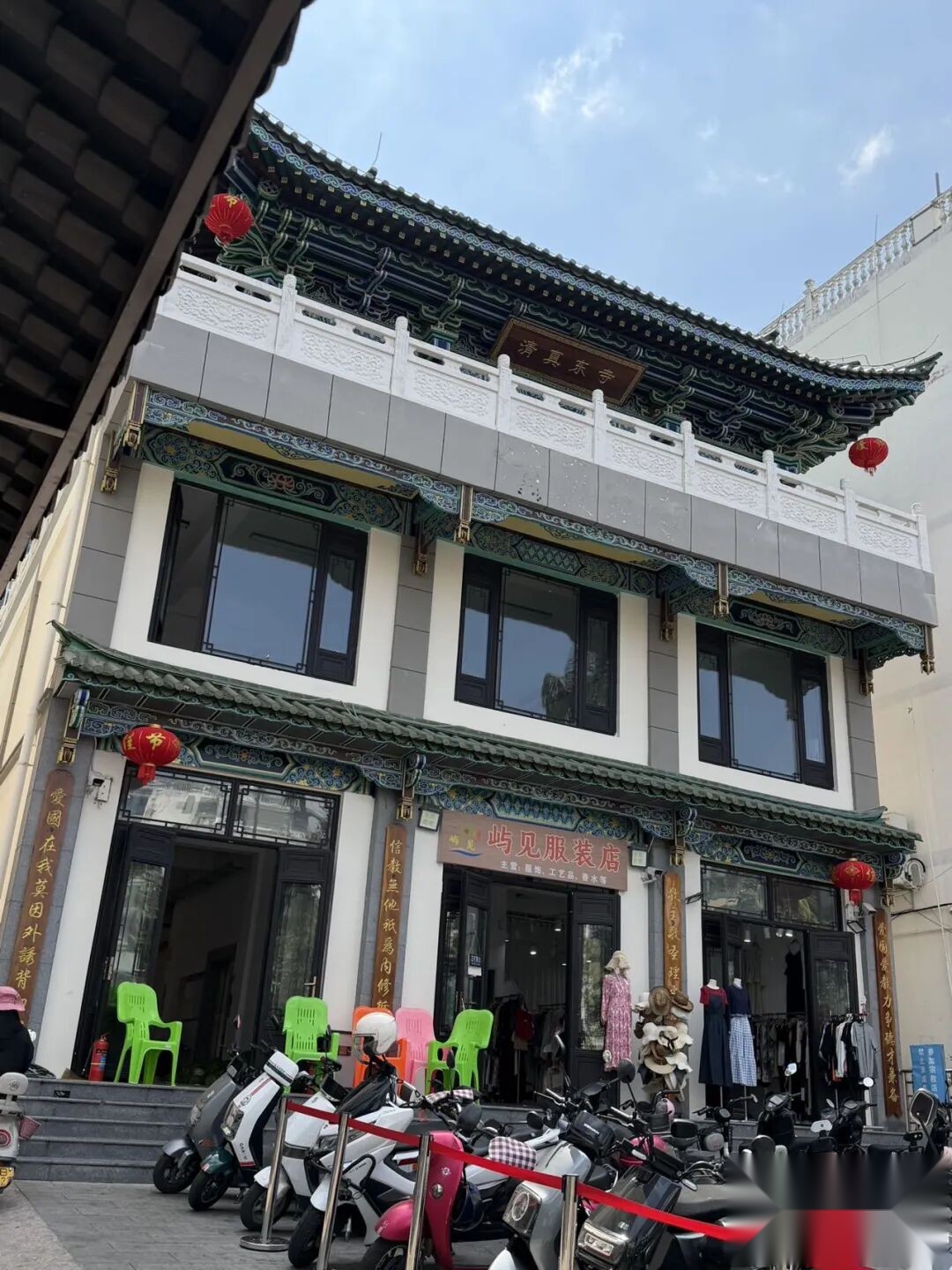
An in-depth analysis of the Champa historical roots carried by Sanya's Hui Muslims. Tracing the epic history of ancient Champa kingdom Muslims who sailed south to settle in Yazhou since the Song and Yuan dynasties, this explores how they have integrated Chinese culture over hundreds of years to become a unique cultural treasure of the island.
They are the descendants of the Southeast Asian Champa.
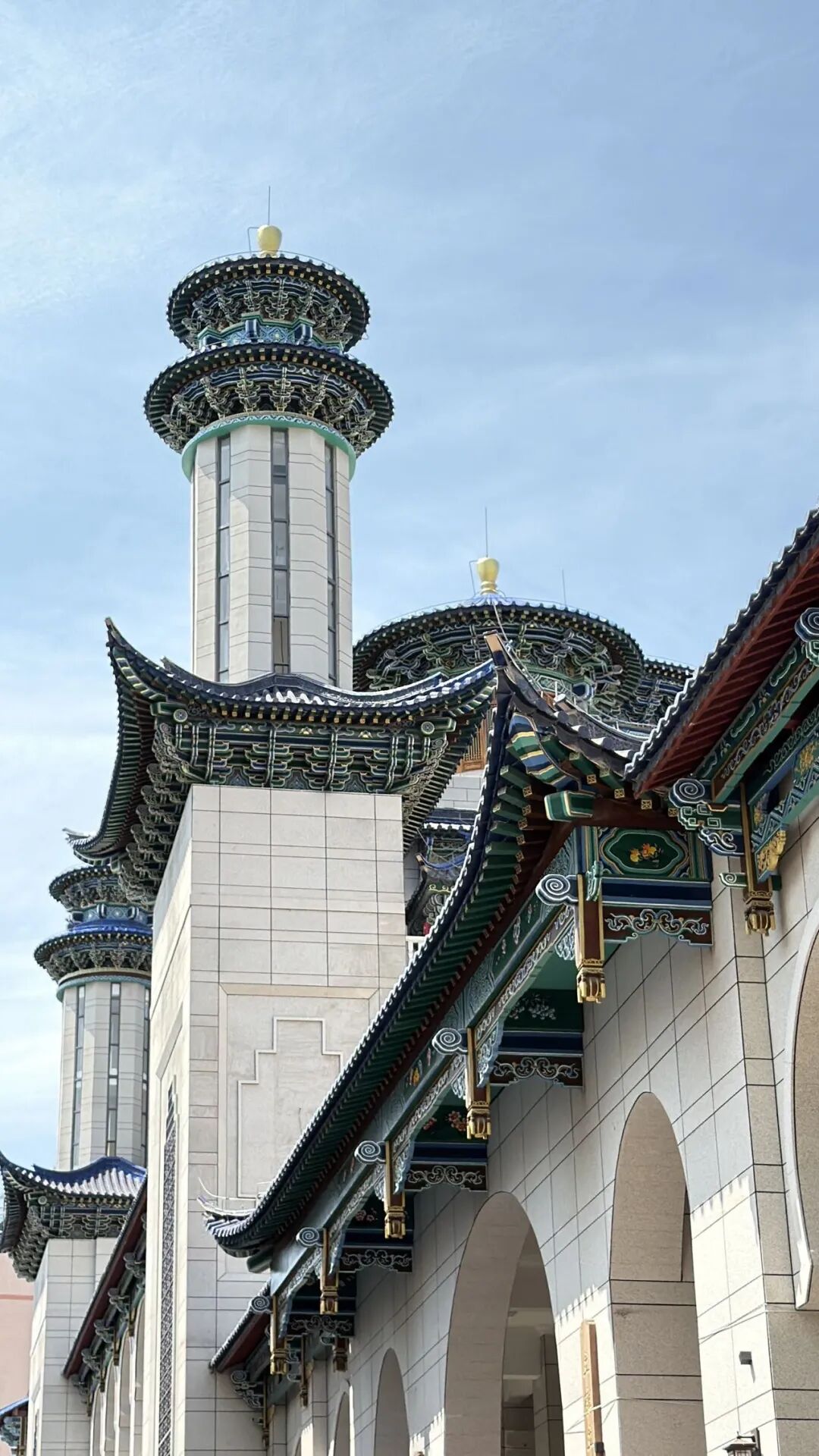
During the Chinese New Year of the Horse, I went to Sanya to visit friends, and after having lunch together, we stopped by a nearby mosque.
It is said that there are six mosques in Sanya (four in Huihui Village and two in Huixin Village), and this time we visited the East Mosque and the North Mosque.
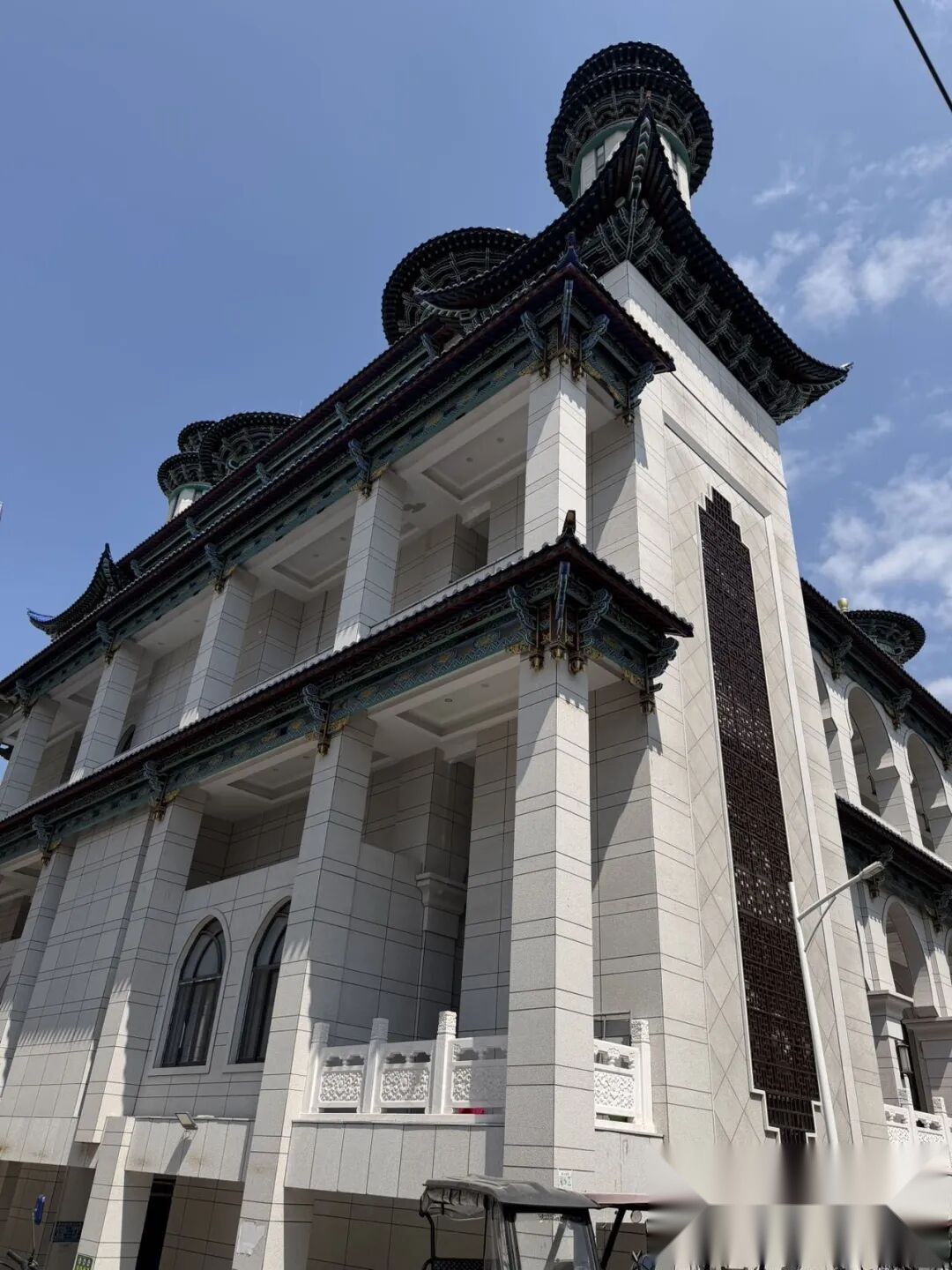
(Sanya East Mosque)
The East Mosque looked small from the outside, with a shop on the ground floor. Walking inside, however, we found it quite spacious. An electronic screen on the wall displayed the set times for daily prayers. The floor of the main hall was crowded with shoes, and a few men wearing white prayer caps were performing wudu (ablution) by the pool... A Muslim girl told us that wudu is the preparation for the five daily prayers, which can be done either at home or at the mosque.
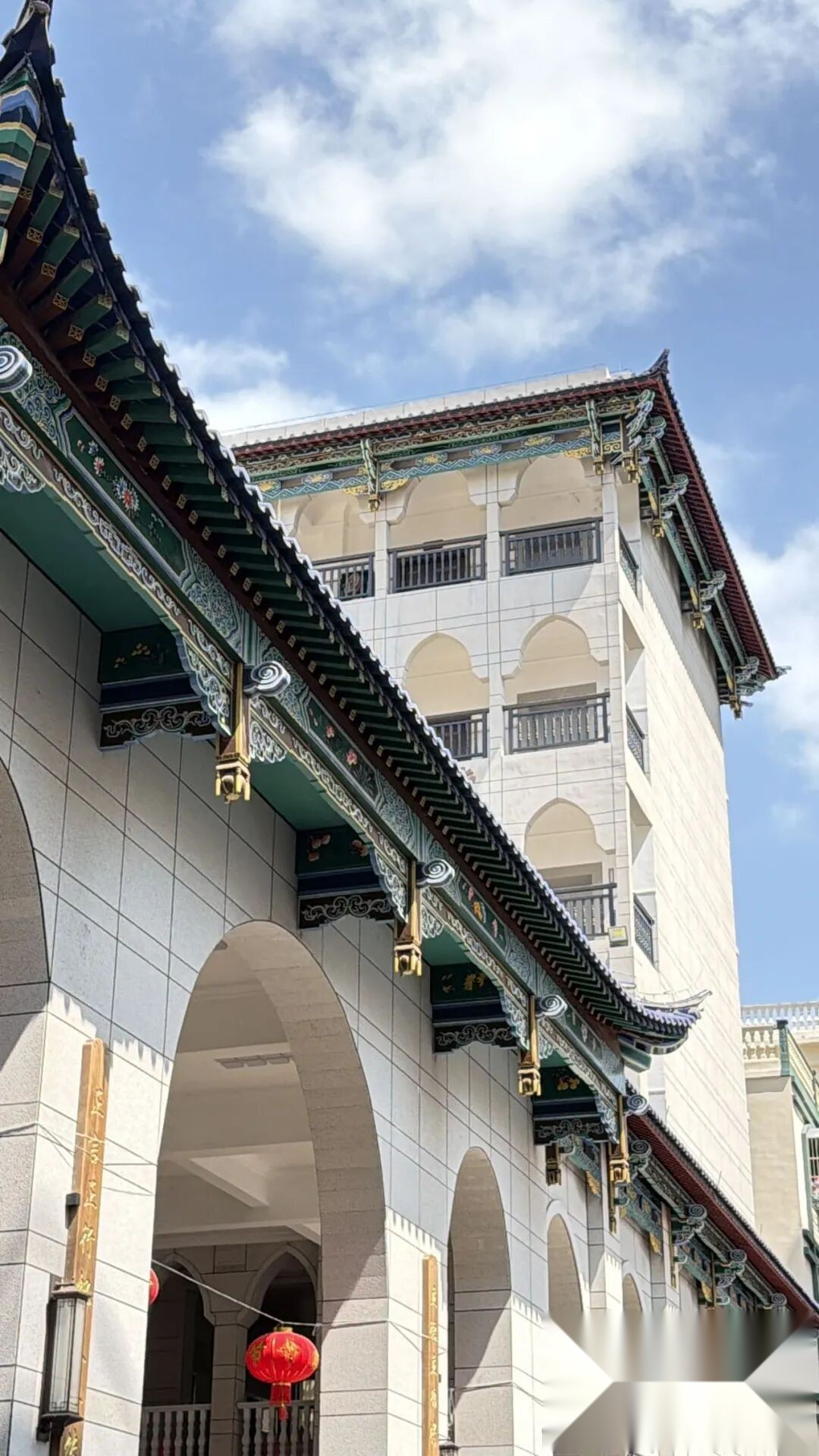
There were very few parking spots in front of the East Mosque, and since we couldn't find anywhere to park, we had to leave in a hurry.
Afterwards, the two of us headed to the North Mosque and found a small parking lot not far away.
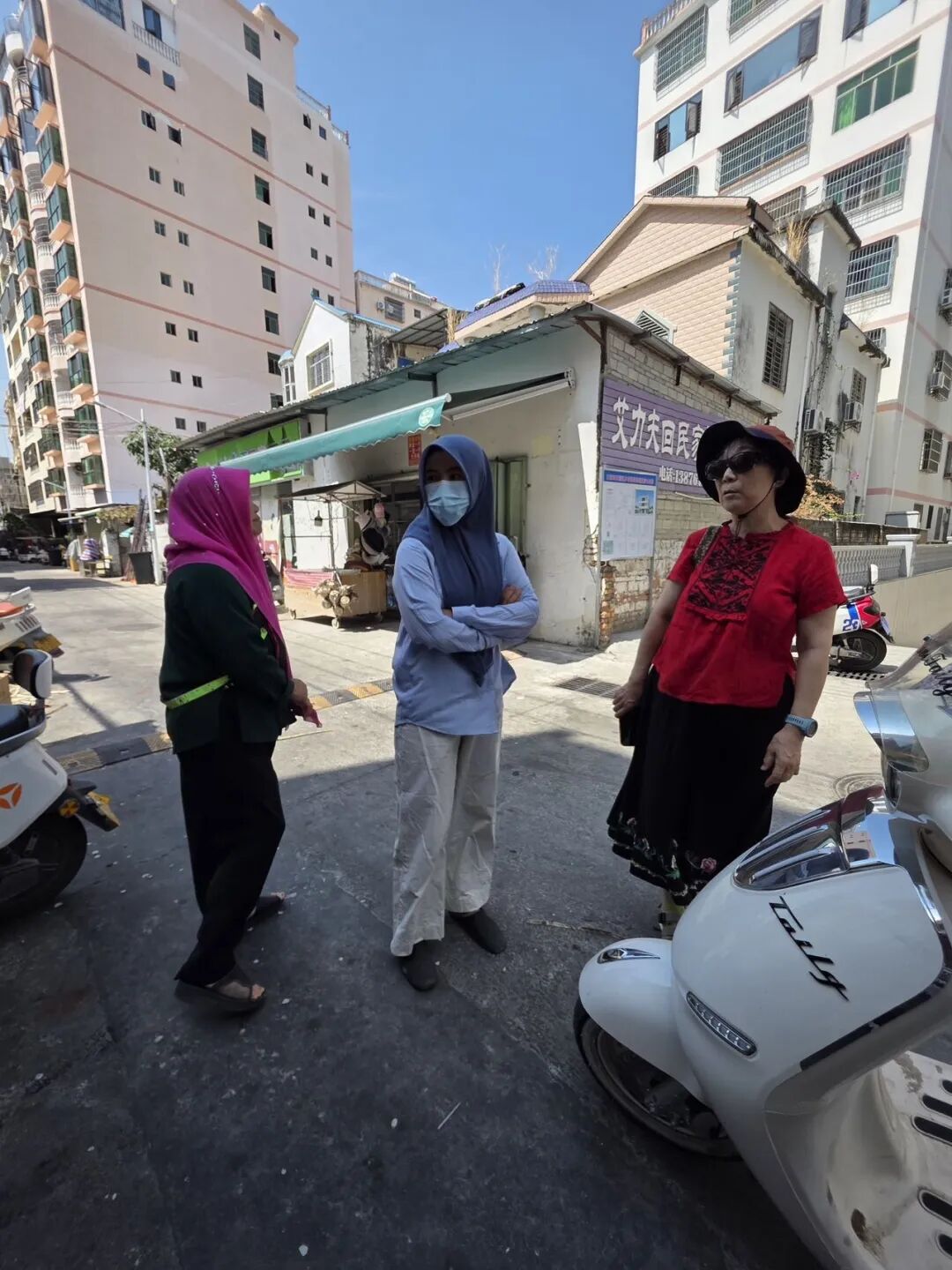
The North Mosque is probably the largest mosque in Sanya, or even Hainan, though the original architecture was destroyed by war and typhoons long ago. The current mosque was built after 2000, and underwent major renovations and remodeling in recent years.
Along the way, we spotted villagers of all ages—women wearing hijabs, and men wearing white caps and white robes, making it feel as if we had suddenly teleported to Southeast Asia...
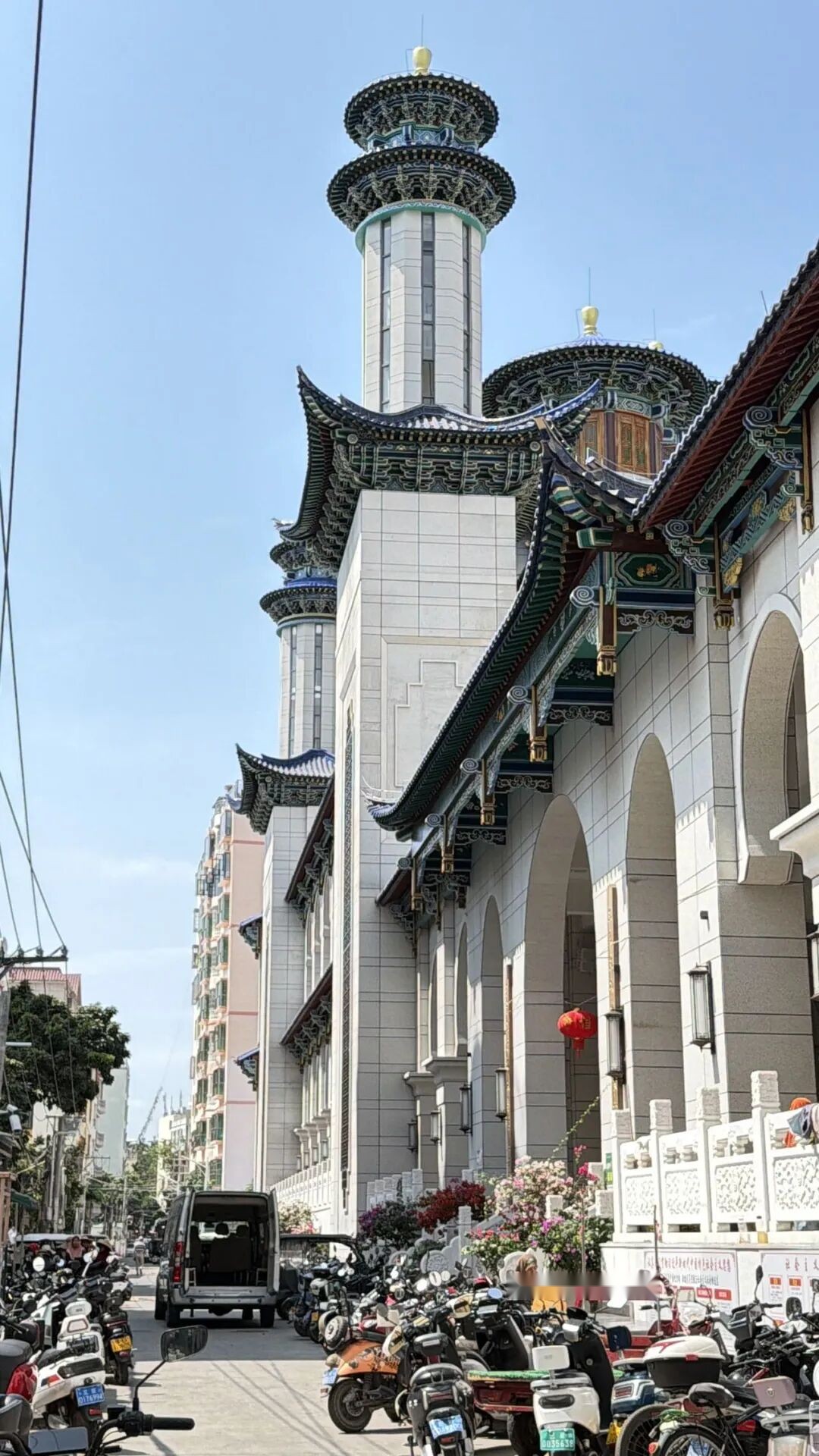
Inside the mosque hall, there was a casket covered with a black cloth; as it turned out, we had stumbled upon a funeral. The deceased's family and friends sat separately in two different areas, divided by gender.
Worshippers who arrived one after another, likely for prayer, gathered in the shade in front of the mosque to chat.
On the stage, a man wearing a white sarong was preaching in three languages. The first was probably the Sanya Utsul language, which the owner of the shop out front described as "the language of the local ethnic minority," noting that even he couldn't understand it.
Afterwards, the man preached again in Hainan Mandarin and English... Since we were outside the doorway, we couldn't catch the exact details.
Today's sunshine was intensely bright, burning our skin, and our phones started overheating as several airplanes flew right above the Chinese-style minarets.
After chatting with a few Muslim villagers for a bit, we left the mosque and headed back to Wanning...
#SanyaUtsul #NorthMosque #SoutheastAsianChampa
Sanya Muslim Culture & Halal Food Guide: Historic Mosques, Utsul Cham Heritage, and Island Vibes
Articles • Hasan09 posted the article • 0 comments • 4 views • 3 hours ago
Sanya Cultural Essay: The Interwoven Memories of an Elderly Imam's Island Preaching Years and His Crossover Life
Abstract:
A vivid account of warm personal stories encountered by chance in Sanya. Listen to the reflections of an elderly imam from Changzhi, Shanxi, on his years running a Halal study hall in Sanya, capturing the resilience and open-mindedness behind an ordinary family, and showcasing the diverse and inclusive cultural fabric of Sanya.
During a few days of business travel to Sanya, I had two casual chats with strangers.
The first conversation took place inside the main hall of the Sanya Ancient Mosque.
The Utsul Muslims have lived in Sanya for over a thousand years. Also known as the 'Sanya Cham', they are descendants of Southeast Asian Hui Muslims who settled together in Sanya. As a result, the compact Sanya urban area features five mosques: the East Mosque, North Great Mosque, and Sanya Ancient Mosque on the western side of the city, along with the Nankai Mosque and South Mosque slightly further east.
This time, I made a special trip into the city to check out the Muslim neighborhoods, visiting the closely situated East Mosque, North Great Mosque, and Sanya Ancient Mosque.
To my surprise, the streets of the Huihui neighborhood in Sanya were totally packed with Uyghur people! Every few steps, you'd spot elderly men in traditional embroidered caps and aunties in gorgeous traditional attire chatting in the Uyghur language. The Uyghur vibe in this neighborhood is honestly higher than the Hunan dialect concentration in Shenzhen!
At the Sanya Ancient Mosque, I chatted for 20 minutes with an elderly gentleman who had just finished the Maghrib prayer.
The elder was a white-bearded imam originally from Changzhi, Shanxi province, whose surname was Ma. As the saying goes, 'nine out of ten Huis are surnamed Ma.' Usually, I start with that to break the ice.
This majestic bearded elder wasn't the Imam Ma from the conversation I mentioned earlier, though.
During our chat, Imam Ma mentioned, 'Over here, except for the Nankai Mosque or South Mosque on the east side which are Ikhwan, the other four are Salafiyya.'
I asked, 'Are there none of our traditional Gedimu followers?'
'Gedimu' means 'old' in Arabic, which is basically the old-school tradition. Gedimu refers to the long-standing traditional Islamic school that has been passed down in China for over a thousand years since the Tang dynasty. Meanwhile, Salafiyya, Ikhwan, and others are newer schools introduced to China in modern times, though not contemporary.
'No. But I'm against making distinctions. Keep the doors open; anyone can come to pray, recite the Shahada (declaration of faith), and declare 'La ilaha illallah' (There is no god but Allah)... and that's all that matters.'
'I completely agree with your view. I think so too.'
Next up was the Isha prayer (the night prayer in Persian), and since I hadn't performed the ritual ablution (wudu), I said goodbye to the elderly imam and stepped down from the main hall.
Written on December 6, 2024, at Phoenix Airport view all
Sanya Cultural Essay: The Interwoven Memories of an Elderly Imam's Island Preaching Years and His Crossover Life
Abstract:
A vivid account of warm personal stories encountered by chance in Sanya. Listen to the reflections of an elderly imam from Changzhi, Shanxi, on his years running a Halal study hall in Sanya, capturing the resilience and open-mindedness behind an ordinary family, and showcasing the diverse and inclusive cultural fabric of Sanya.
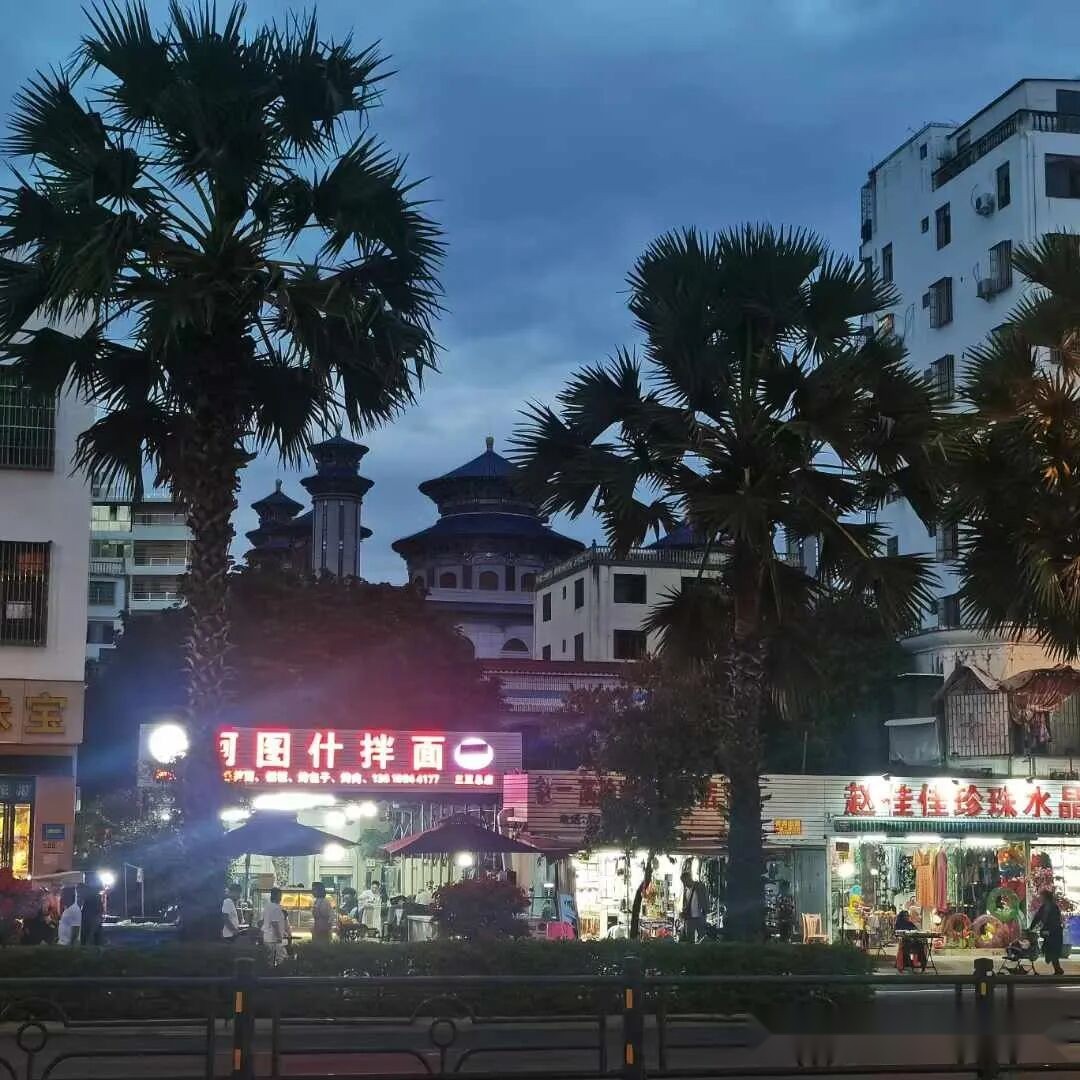
During a few days of business travel to Sanya, I had two casual chats with strangers.
The first conversation took place inside the main hall of the Sanya Ancient Mosque.
The Utsul Muslims have lived in Sanya for over a thousand years. Also known as the 'Sanya Cham', they are descendants of Southeast Asian Hui Muslims who settled together in Sanya. As a result, the compact Sanya urban area features five mosques: the East Mosque, North Great Mosque, and Sanya Ancient Mosque on the western side of the city, along with the Nankai Mosque and South Mosque slightly further east.

This time, I made a special trip into the city to check out the Muslim neighborhoods, visiting the closely situated East Mosque, North Great Mosque, and Sanya Ancient Mosque.
To my surprise, the streets of the Huihui neighborhood in Sanya were totally packed with Uyghur people! Every few steps, you'd spot elderly men in traditional embroidered caps and aunties in gorgeous traditional attire chatting in the Uyghur language. The Uyghur vibe in this neighborhood is honestly higher than the Hunan dialect concentration in Shenzhen!
At the Sanya Ancient Mosque, I chatted for 20 minutes with an elderly gentleman who had just finished the Maghrib prayer.
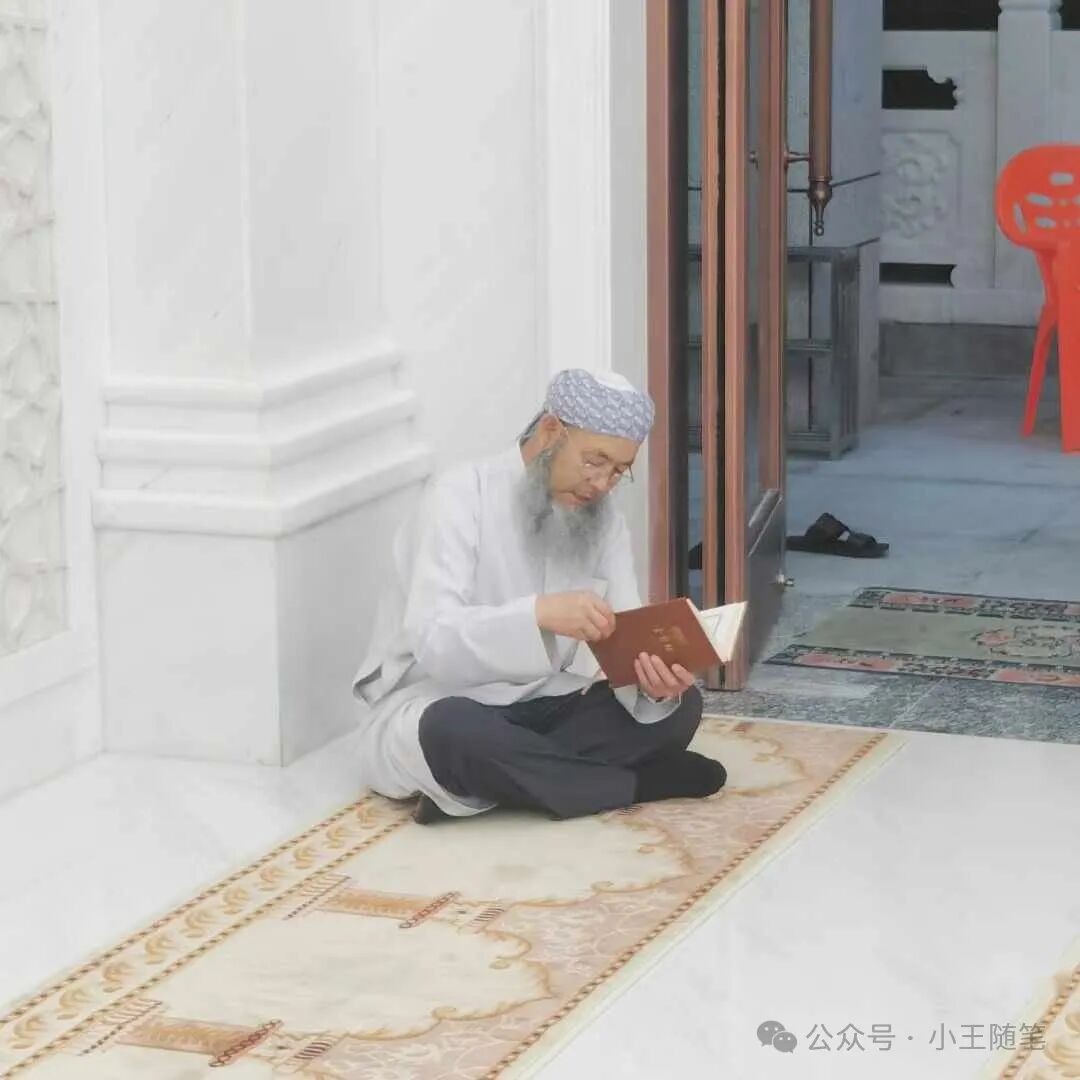
The elder was a white-bearded imam originally from Changzhi, Shanxi province, whose surname was Ma. As the saying goes, 'nine out of ten Huis are surnamed Ma.' Usually, I start with that to break the ice.
This majestic bearded elder wasn't the Imam Ma from the conversation I mentioned earlier, though.
During our chat, Imam Ma mentioned, 'Over here, except for the Nankai Mosque or South Mosque on the east side which are Ikhwan, the other four are Salafiyya.'
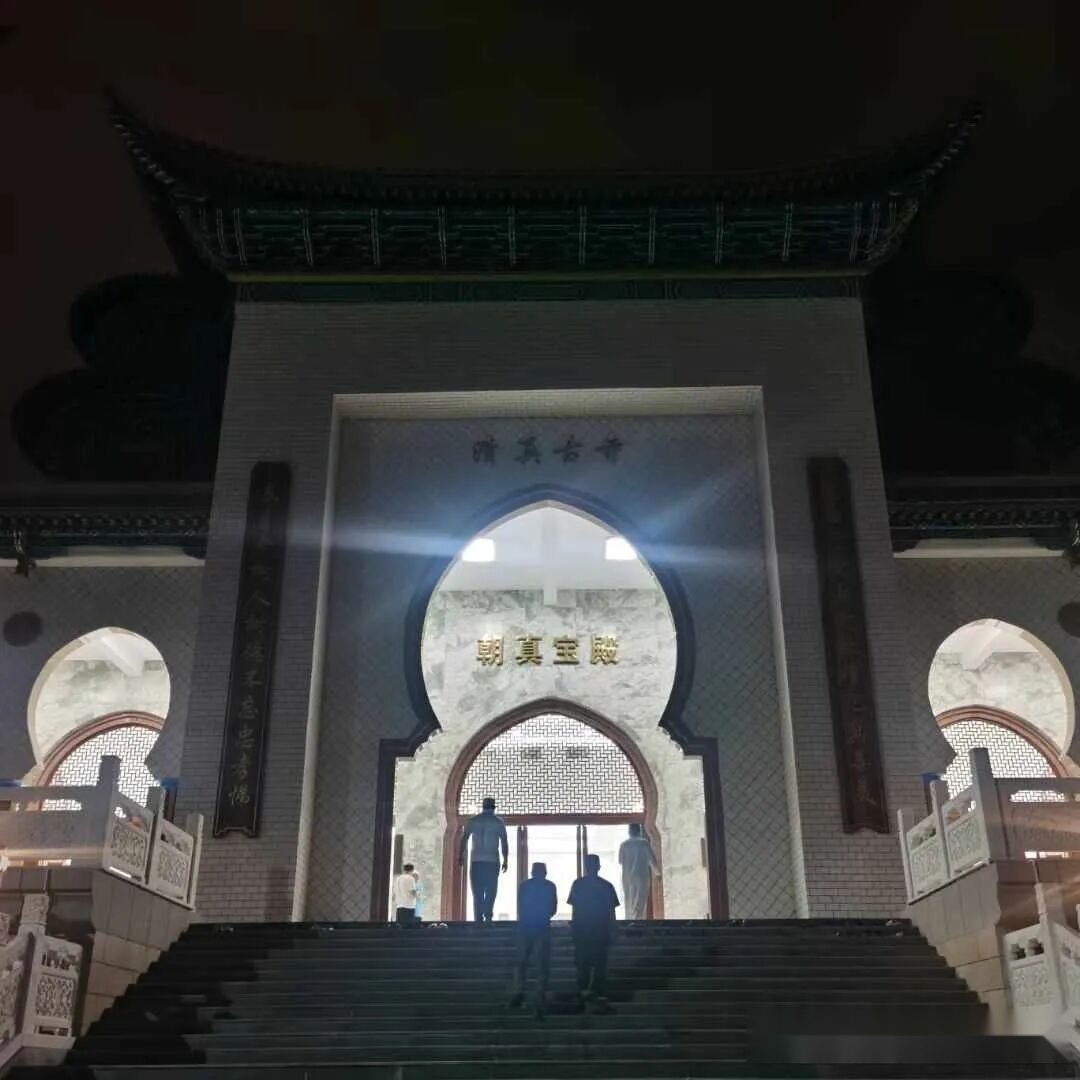
I asked, 'Are there none of our traditional Gedimu followers?'
'Gedimu' means 'old' in Arabic, which is basically the old-school tradition. Gedimu refers to the long-standing traditional Islamic school that has been passed down in China for over a thousand years since the Tang dynasty. Meanwhile, Salafiyya, Ikhwan, and others are newer schools introduced to China in modern times, though not contemporary.
'No. But I'm against making distinctions. Keep the doors open; anyone can come to pray, recite the Shahada (declaration of faith), and declare 'La ilaha illallah' (There is no god but Allah)... and that's all that matters.'
'I completely agree with your view. I think so too.'
Next up was the Isha prayer (the night prayer in Persian), and since I hadn't performed the ritual ablution (wudu), I said goodbye to the elderly imam and stepped down from the main hall.
Written on December 6, 2024, at Phoenix Airport
Experiencing Eid al-Adha in Sanya: Halal Seafood, Ancient Mosques, and Utsul Muslim Culture in Hainan
Articles • Hasan09 posted the article • 0 comments • 4 views • 3 hours ago
A Photo Journal of Eid al-Adha in Huihui Village, Sanya: Tropical Island Mosque Prayers, Visiting Family, and Festive Feasts
Summary:
Nearly 200 documentary photos capture the grand celebration of Eid al-Adha in Sanya's Tianya District. From the solemn morning congregational prayers with thousands gathered at the mosque, to families slaughtering and sharing sacrificial meat, exchanging fried sanzi (crispy fried dough twists), and warmly hosting friends and relatives, this vibrant photo essay captures a joyful and peaceful holiday scene.
Back in July and August 2020, my wife Zainab and I took our honeymoon trip, and our very first stop was Sanya to celebrate Eid al-Adha. A few years prior, I had visited the local Muslim community here on my own, but this time around, experiencing the holiday with our good friend, young Muslim artist Muning, made it so much more fun and insightful.
July 31
We caught a late-night flight out of Beijing on July 30 and arrived in Sanya in the wee hours of July 31. Muning hooked us up with a place right next to Huixin Mosque (Huixin Muslim Mosque) in Huixin Village (Huixin Muslim Village)—a 100% genuine 'masjid-view room.' During the winter months, Muslims from all over China rent places here for long stays, but come summer, it's practically a ghost town.
Right on the wall hung some Arabic calligraphy by Teacher Muning.
After catching a quick breath, we headed downstairs to Huixin Mosque to pray Fajr.
Following the morning prayer and a short break, we headed back into the main hall a little past 7 AM for the Eid al-Adha congregational prayers (Eid prayer). The imams here are all local Hui Muslims from Huihui Village, and the khutbah (religious sermon) was delivered in the local Utsul language (Tsat language). To someone who doesn't speak Utsul, it sounds like a fascinating blend of Malay, Chinese, and Arabic.
The Utsul language (Tsat language) is currently classified under the Austronesian language family, Malayo-Polynesian branch, Chamic subgroup. It shares the most common ancestry with the Roglai language of southern Vietnam, yet it stands out as the most unique language in the Chamic subgroup due to its heavy incorporation of Sinitic (Chinese-Tibetan) elements. When the Utsul people first arrived on Hainan Island, their language was likely quite close to Proto-Chamic. However, through continuous, close interaction with neighboring Chinese-speaking populations, the Utsul language evolved—its grammar grew closer to Chinese, its Chinese vocabulary expanded massively, and it simultaneously developed monosyllabic, tonal systems that are completely absent in other Austronesian languages.
In her published book 'A Study of the Utsul Language', Professor Zheng Yiqing compares the Utsul language with the Rade language (a Chamic language spoken in the mountainous regions of southern Vietnam) and concludes that the Utsul language and Rade language separated about 1,000 years ago.
After the Eid prayer wrapped up, Muning showed me some Qing Dynasty roof purlins and inscribed wooden plaques stored away in the warehouse of Huixin Mosque.
The roof purlins of traditional brick-and-tile houses built by the Utsul people of Sanya usually feature exquisite wood carvings of Quranic verses, but as old houses get renovated and rebuilt, precious few of these are left today.
Pieces of minbars (pulpits) and Qing Dynasty tombstones piled up in various corners of Huixin Mosque.
Leaving Huixin Mosque, Muning took me to visit the home of a teacher who collects traditional Utsul houses' roof purlins inscribed with Arabic script. Every single one of these purlins once belonged to a traditional brick-and-tile home built by the Sanya Utsul people.
Muning took us out for breakfast, where we ran right into a family throwing a banquet because their kid got accepted into Tsinghua University.
Congee served with chicken.
The fermented soybean paste was exceptionally delicious.
After finishing breakfast, Muning took us to pick out our sheep. One of these sheep was intended as our (Zainab's and my) qurbani (sacrificial offering), and the other was for Muning's family. Muning had bought them locally, picking out authentic Hainan Dongshan mutton sheep.
We led the sheep over to the designated qurbani slaughter site.
Once the slaughter was complete, the mutton was divided into three portions: one for our own household, one to share with friends, and one to give away to those in need.
Washed sheep tripe and intestines.
We asked our neighbor to cook up a dish of Sanya-style dry-fried mutton for us. Normally, their family runs a roast duck stall right next to Huixin Mosque, but they were taking a break for the Eid holidays.
The imam who performed our qurbani, who hails from Turpan, Xinjiang, whipped up a signature Xinjiang-style clear-stewed mutton for us. It was out of this world, and the mutton broth was insanely good.
Muning gifted me an Arabic calligraphy art piece he hand-carved out of a coconut shell. It looks stunning.
After the meal, Muning and I headed out to deliver another portion of the meat to friends.
We stopped by Nankai Mosque in Huixin Village to pray, where the main hall is lined with straw mats rather than carpet.
In the afternoon, Muning took me to check out the old houses in Huihui Village (Huihui Muslim Village), where I got to lay eyes on old roof purlins inscribed with Arabic script for the very first time.
One of the best-preserved and most visually striking inscribed roof purlins still in its original location in Huihui Village, with its gold-leaf Arabic letters gleaming brilliantly in the sunlight.
One of the last remaining traditional old houses in Huihui Village.
That evening, Muning and her family treated me and Zaynab to a fresh fish soup right at the entrance of Huixin Village (Huixin Muslim Village). The signature fresh fish soup of the Utsul Muslims is made with carambola (star fruit), tamarind, and tomatoes, giving it a super tangy kick. You can pick whatever sea fish you want for it. You’ve also got to mix your own dipping sauce on the side—make sure not to go overboard with the Hainan yellow lantern chili peppers, because they are insanely spicy! We also had red rice cooked in coconut milk, sweet potato greens, and stir-fried squid, all of which hit the spot.
Yellow lantern chili peppers
That night, we headed over to the Guangbaina night market right next to Huixin Village (Huixin Muslim Village) to check things out. Ever since the street vendor economy took off this year, Guangbaina has been getting busier and busier. They don’t charge a stall fee here, so a lot of people just sell fruits straight from their own family orchards, meaning prices are the lowest in the area. We grabbed some sugar apples, jackfruit, and mangoes—cheap and delicious.
After wandering through the night market, we headed back to Huixin Village (Huixin Muslim Village) for a bowl of qingbuling (Hainan refreshing herbal dessert). Every single spot in Sanya makes qingbuling a little differently, so you really have to try them all to figure out which style you like best.
Still craving a little more adventure, we hopped on an electric scooter for another night ride.
Back at the place, I started flipping through some old books Muning had collected, including one featuring Eid al-Adha back in 1979.
August 1st
Woke up early to grab some niurou fen (Hainan beef rice noodles) made by the Utsul Muslims in Huixin Village (Huixin Muslim Village), then picked up some white fungus and lotus seed porridge and chicken porridge at the South Mosque gates to sip down by the beach. Afterward, we took a lazy stroll through the coconut grove along the shore.
After walking by the beach, we headed over to Huihui Village (Huihui Muslim Village) to sip on some fresh coconut water.
A lazy summer afternoon in Huixin Village (Huixin Muslim Village)—a fresh coconut and a bowl of qingbuling (Hainan refreshing herbal dessert). Could it get any more chill?
Time to kick back and take a break.
In the afternoon, we headed back to the spot in Zhongzhuangyuan where they were throwing a banquet, watching the Utsul Muslims whip up traditional coconut rice.
They start with old coconuts that have thick meat, grating all of it into fine shreds, then use cheesecloth to press out all the rich coconut oil.
For steaming the rice, they use a traditional Li ethnic pottery steamer called a taozeng. Once the rice is steamed, they thoroughly mix the coconut milk and rice together. At this stage, the coconut rice is super chewy and has a great bite.
Then, they pop the blended coconut rice back into the pottery steamer for a second round. This time around, the rice comes out way softer and stickier, and the coconut milk and rice melt completely into one another.
They used beef from the cow sacrificed the day before for Eid al-Adha. First, they stew the beef, then toss in wood ear mushrooms and dried bean curd sticks—a total classic main dish for Utsul Muslim banquets.
Our downstairs neighbors, a Utsul Muslim family, slaughtered a sheep yesterday, and today they were simmering up a pot of sheep offal soup. Sanya’s Utsul Muslims rarely eat mutton; basically, the only time they eat their own freshly slaughtered Dongshan mutton is during Eid al-Adha. When Utsul Muslims slaughter a sheep, they scrape the hair off the hide because they believe sheepskin-on mutton is where the best flavor is at.
When they stew the offal, they toss in the sheep's trotters too, letting it bubble away from early morning until afternoon while adding all kinds of spice blends. Finally, they drop in radishes, corn, and shiitake mushrooms. The flavor profile is totally different from Northern-style mutton soup—it's its own unique, addictive kind of delicious.
That evening, we grabbed a bowl of niunan mian (braised beef brisket noodles) at Haxuanren in Huihui Village (Huihui Muslim Village), and followed it up with a coconut milk ice jelly right across the street.
August 2nd
In the morning, we went back to Haxuanren Beef Brisket Noodles in Huihui Village (Huihui Muslim Village) to try their stewed beef trotters. Because it’s the summer off-season and everyone’s still recovering from Eid al-Adha, most eateries in Huihui and Huixin villages were closed. Haxuanren stayed open the whole time, so it was packed with people. After eating, we kept up our routine of strolling through the beach coconut grove.
In the afternoon, we checked out the Guangbaina night market next to Huixin Village (Huixin Muslim Village) again. Papayas, wax apples, papayas, mini pineapples—all the fruit was fresh and delicious. I even picked up some pearl bracelets as gifts for the little ones back home.
That night, Muning treated us to seafood down at the seafood market near the beach in Huixin Village (Huixin Muslim Village). We ordered crabs, scallops, abalone, clams, octopus, fried squid rings, and the local specialty sijidou (four-angled beans / winged beans). Everything tasted incredible—not a hint of fishiness, just pure, mouth-watering flavor. A special shout-out to their signature dipping sauce made with ketchup, sweet chili sauce, minced garlic, and tamarind. It paired so well with the seafood we just couldn't stop eating.
This seafood market in Huixin Village (Huixin Muslim Village) has got to be the best value for money around. It’s not just the Muslim locals; even the surrounding Han residents love coming here to eat, and business is always booming.
August 3rd
In the morning, we hit up Li's Rice Noodles in Huixin Village (Huixin Muslim Village) for some chicken rice noodles, and they were insanely flavorful! Right after the three-day Eid al-Adha celebration wrapped up, their spot was finally open for business.
And with that, we reluctantly said goodbye and left Sanya. view all
A Photo Journal of Eid al-Adha in Huihui Village, Sanya: Tropical Island Mosque Prayers, Visiting Family, and Festive Feasts

Summary:
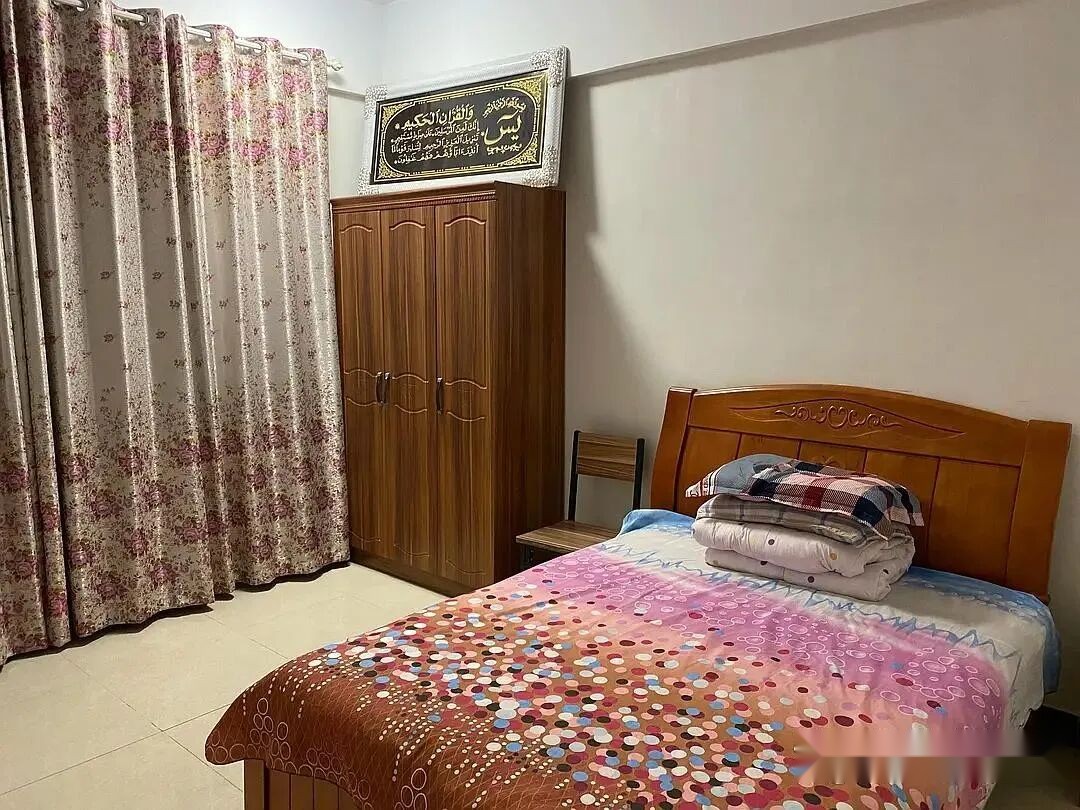
Nearly 200 documentary photos capture the grand celebration of Eid al-Adha in Sanya's Tianya District. From the solemn morning congregational prayers with thousands gathered at the mosque, to families slaughtering and sharing sacrificial meat, exchanging fried sanzi (crispy fried dough twists), and warmly hosting friends and relatives, this vibrant photo essay captures a joyful and peaceful holiday scene.
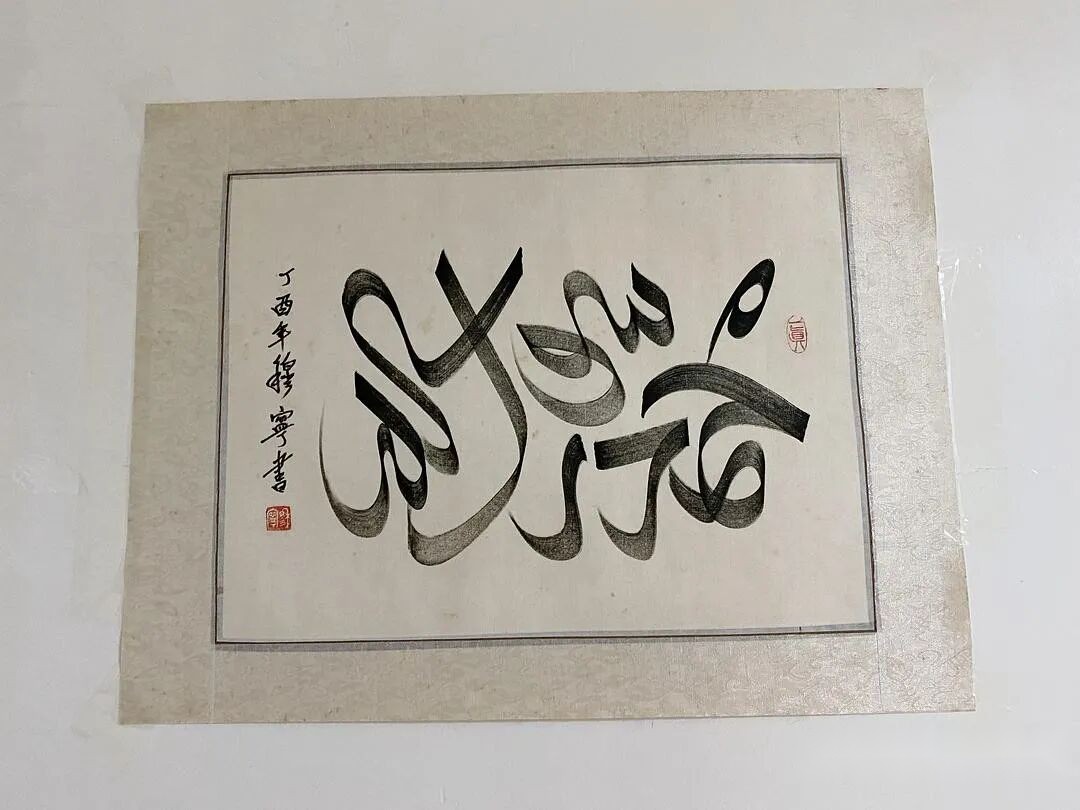
Back in July and August 2020, my wife Zainab and I took our honeymoon trip, and our very first stop was Sanya to celebrate Eid al-Adha. A few years prior, I had visited the local Muslim community here on my own, but this time around, experiencing the holiday with our good friend, young Muslim artist Muning, made it so much more fun and insightful.
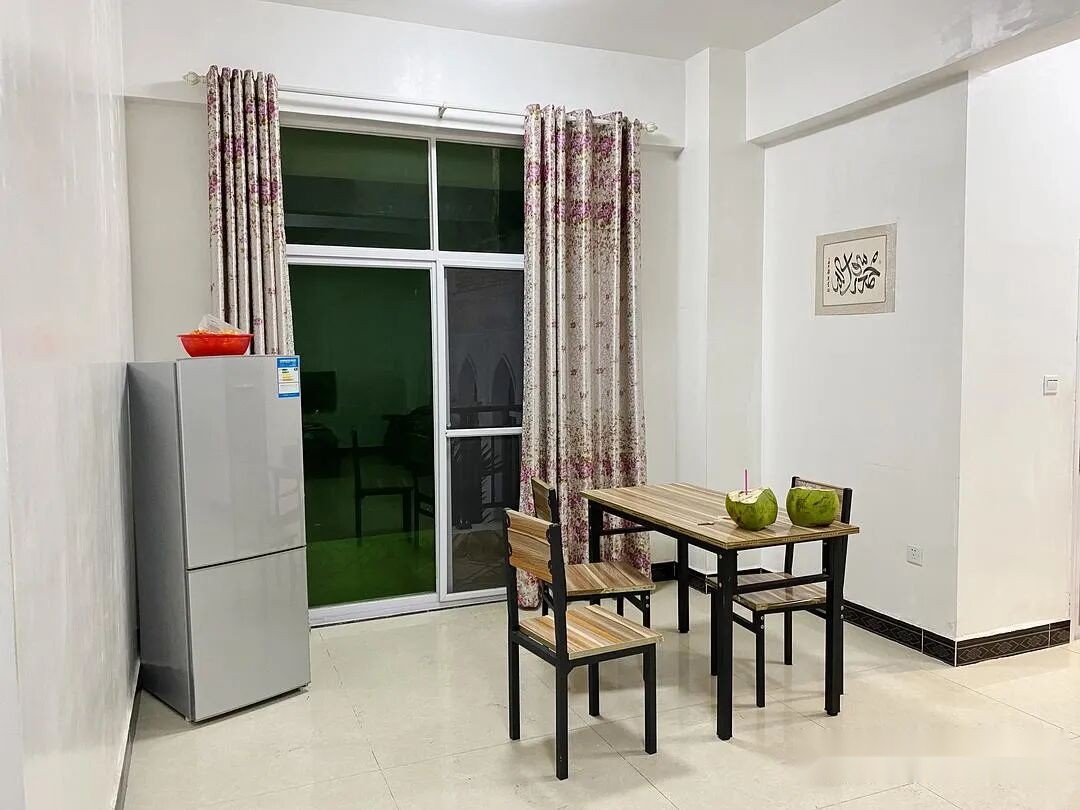
July 31
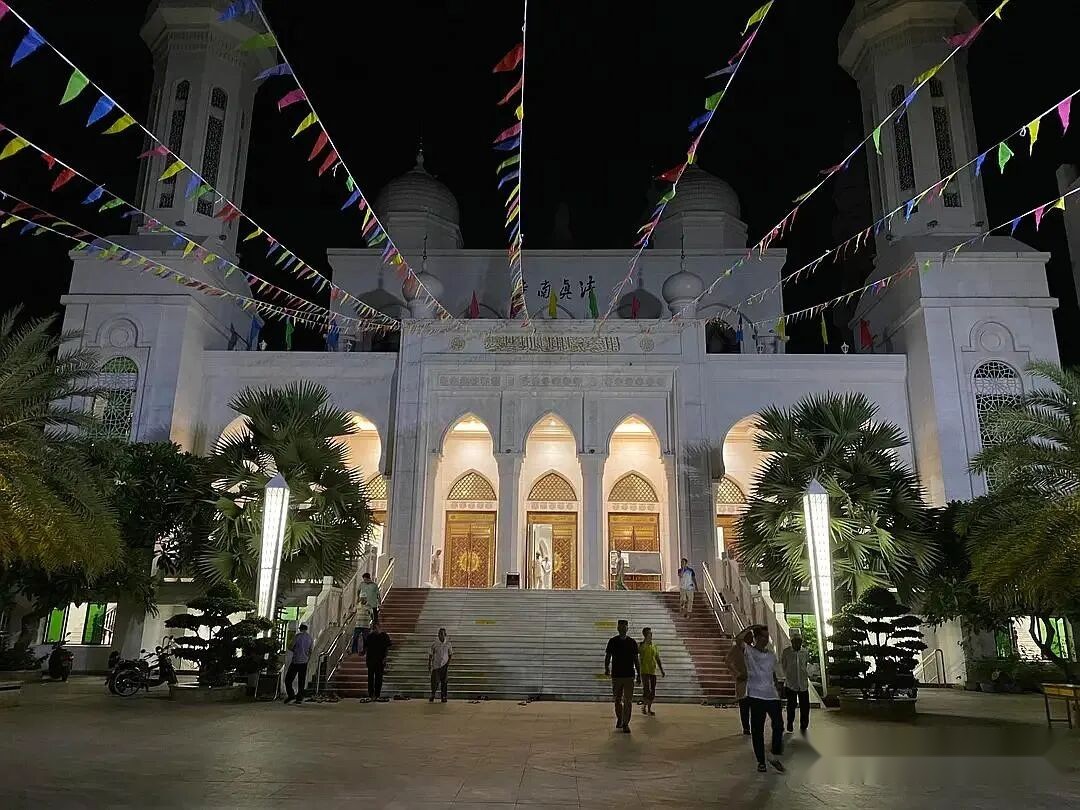
We caught a late-night flight out of Beijing on July 30 and arrived in Sanya in the wee hours of July 31. Muning hooked us up with a place right next to Huixin Mosque (Huixin Muslim Mosque) in Huixin Village (Huixin Muslim Village)—a 100% genuine 'masjid-view room.' During the winter months, Muslims from all over China rent places here for long stays, but come summer, it's practically a ghost town.

Right on the wall hung some Arabic calligraphy by Teacher Muning.
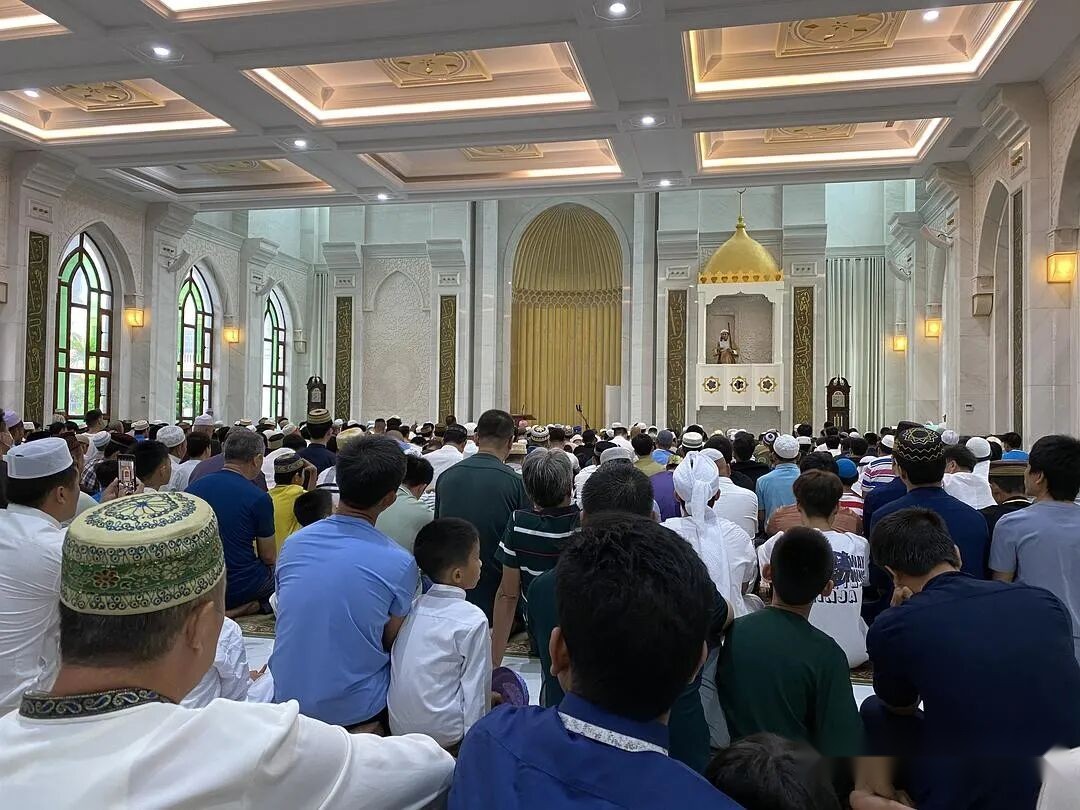
After catching a quick breath, we headed downstairs to Huixin Mosque to pray Fajr.

Following the morning prayer and a short break, we headed back into the main hall a little past 7 AM for the Eid al-Adha congregational prayers (Eid prayer). The imams here are all local Hui Muslims from Huihui Village, and the khutbah (religious sermon) was delivered in the local Utsul language (Tsat language). To someone who doesn't speak Utsul, it sounds like a fascinating blend of Malay, Chinese, and Arabic.
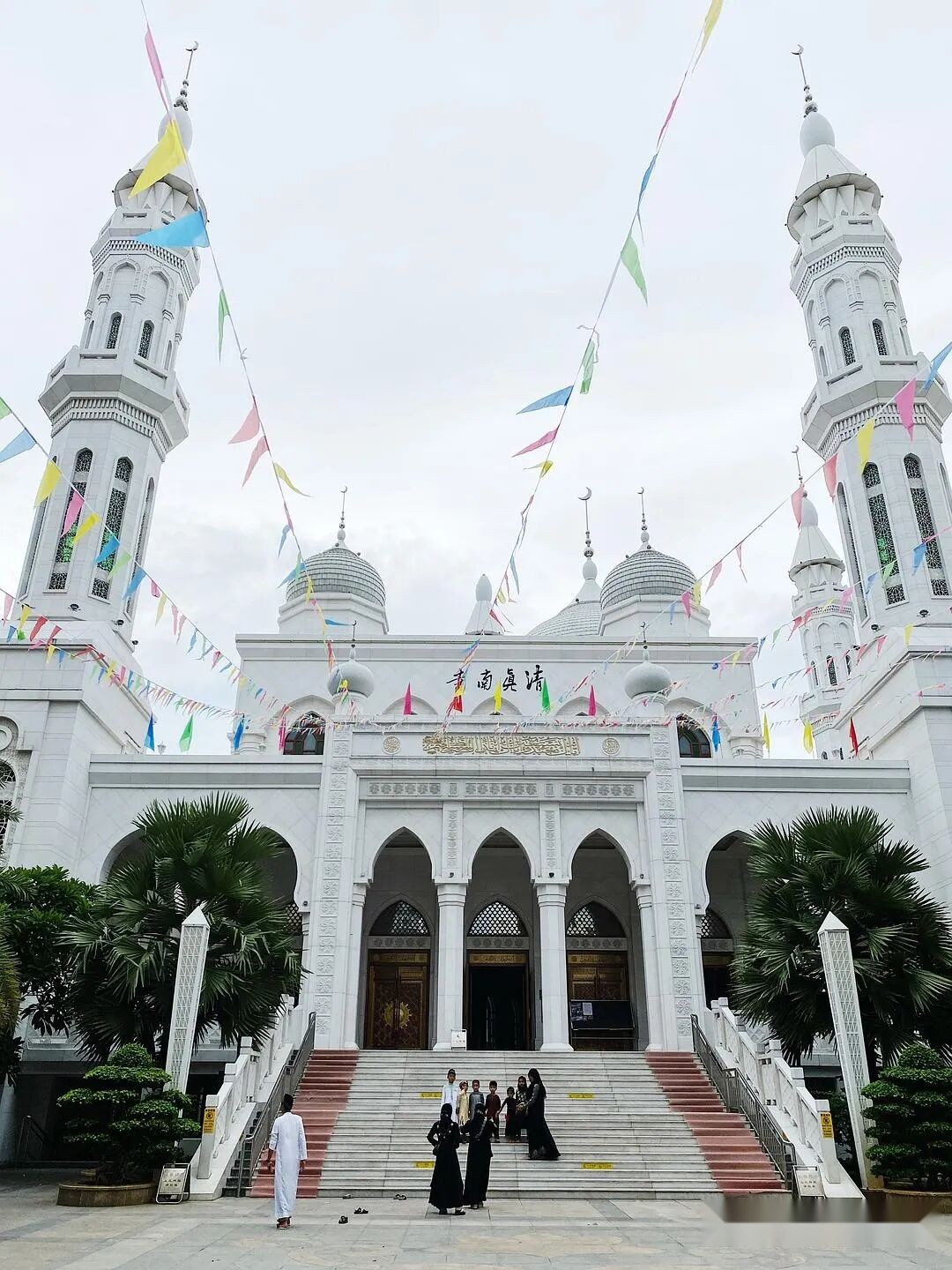
The Utsul language (Tsat language) is currently classified under the Austronesian language family, Malayo-Polynesian branch, Chamic subgroup. It shares the most common ancestry with the Roglai language of southern Vietnam, yet it stands out as the most unique language in the Chamic subgroup due to its heavy incorporation of Sinitic (Chinese-Tibetan) elements. When the Utsul people first arrived on Hainan Island, their language was likely quite close to Proto-Chamic. However, through continuous, close interaction with neighboring Chinese-speaking populations, the Utsul language evolved—its grammar grew closer to Chinese, its Chinese vocabulary expanded massively, and it simultaneously developed monosyllabic, tonal systems that are completely absent in other Austronesian languages.

In her published book 'A Study of the Utsul Language', Professor Zheng Yiqing compares the Utsul language with the Rade language (a Chamic language spoken in the mountainous regions of southern Vietnam) and concludes that the Utsul language and Rade language separated about 1,000 years ago.
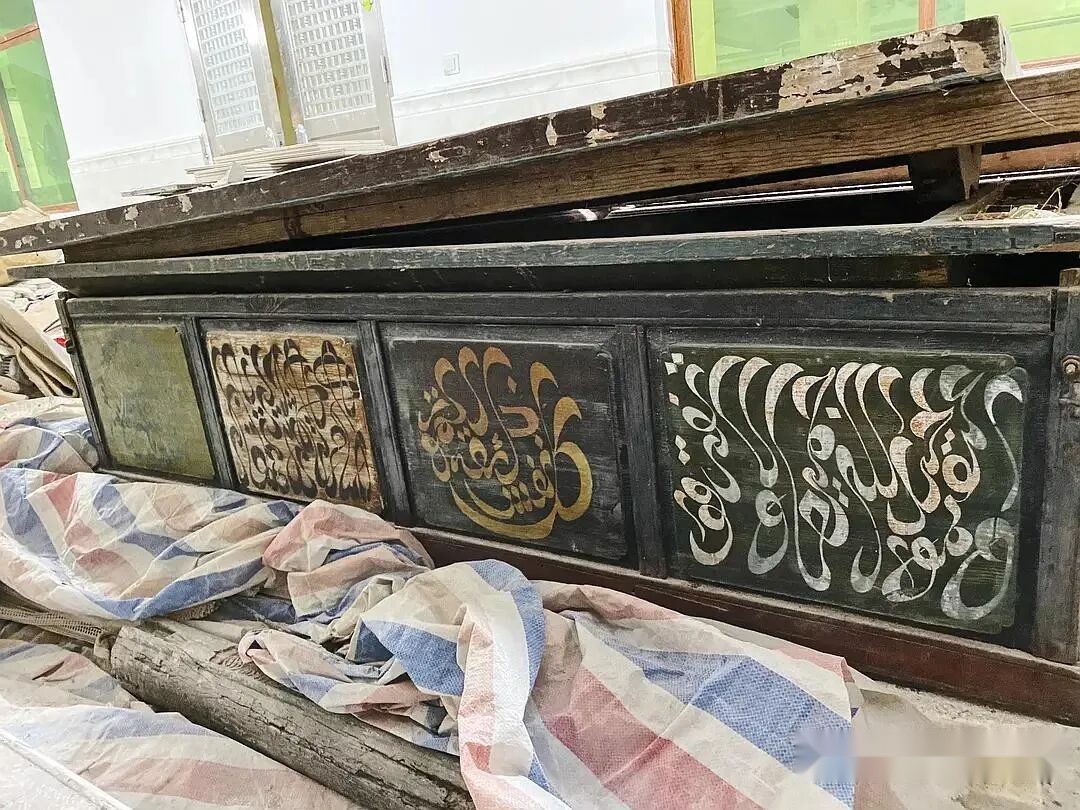
After the Eid prayer wrapped up, Muning showed me some Qing Dynasty roof purlins and inscribed wooden plaques stored away in the warehouse of Huixin Mosque.

The roof purlins of traditional brick-and-tile houses built by the Utsul people of Sanya usually feature exquisite wood carvings of Quranic verses, but as old houses get renovated and rebuilt, precious few of these are left today.
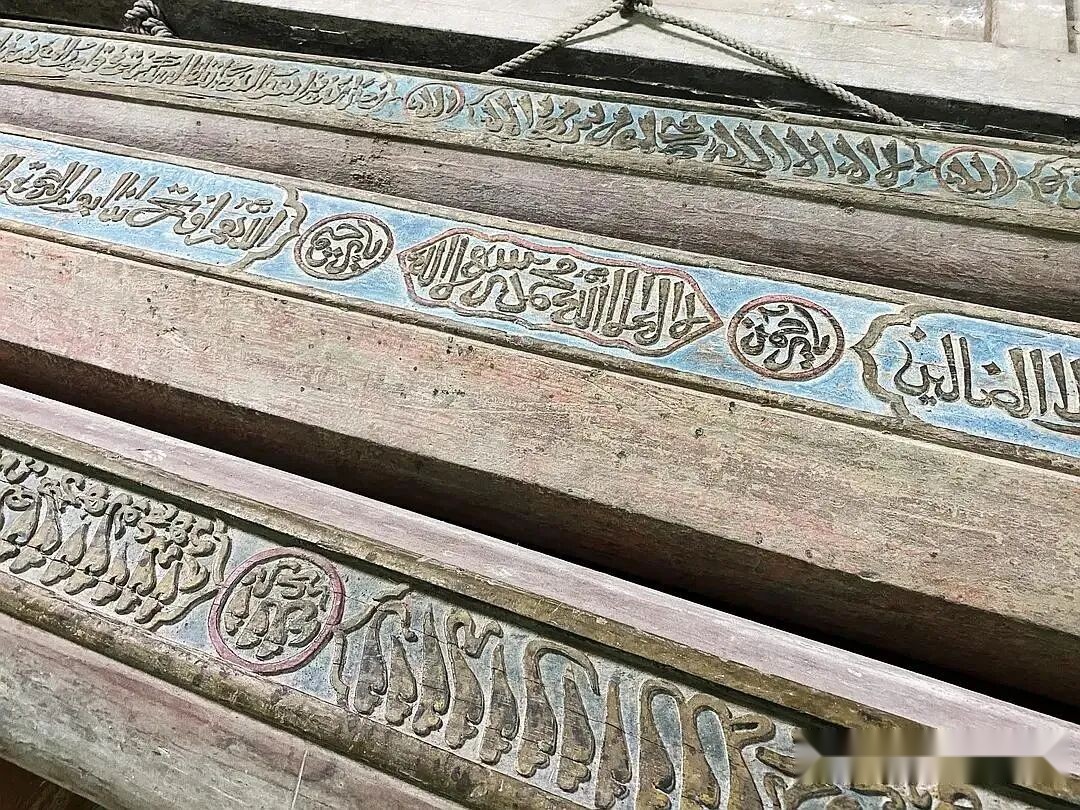
Pieces of minbars (pulpits) and Qing Dynasty tombstones piled up in various corners of Huixin Mosque.
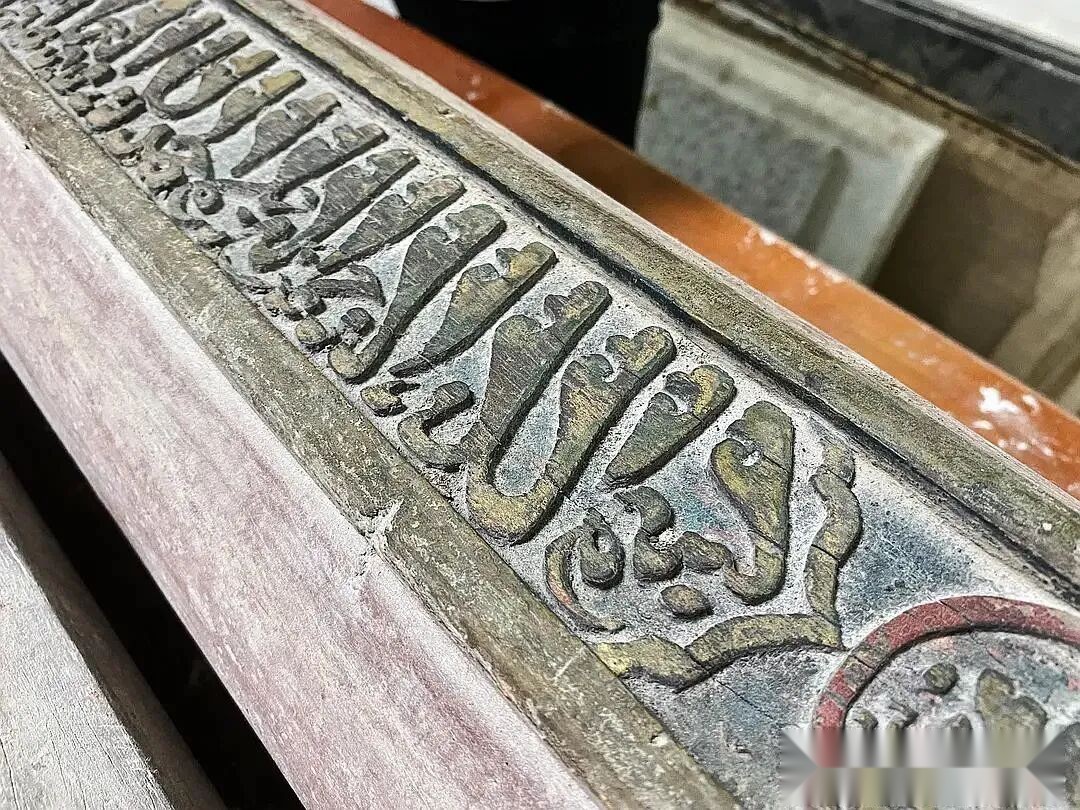
Leaving Huixin Mosque, Muning took me to visit the home of a teacher who collects traditional Utsul houses' roof purlins inscribed with Arabic script. Every single one of these purlins once belonged to a traditional brick-and-tile home built by the Sanya Utsul people.
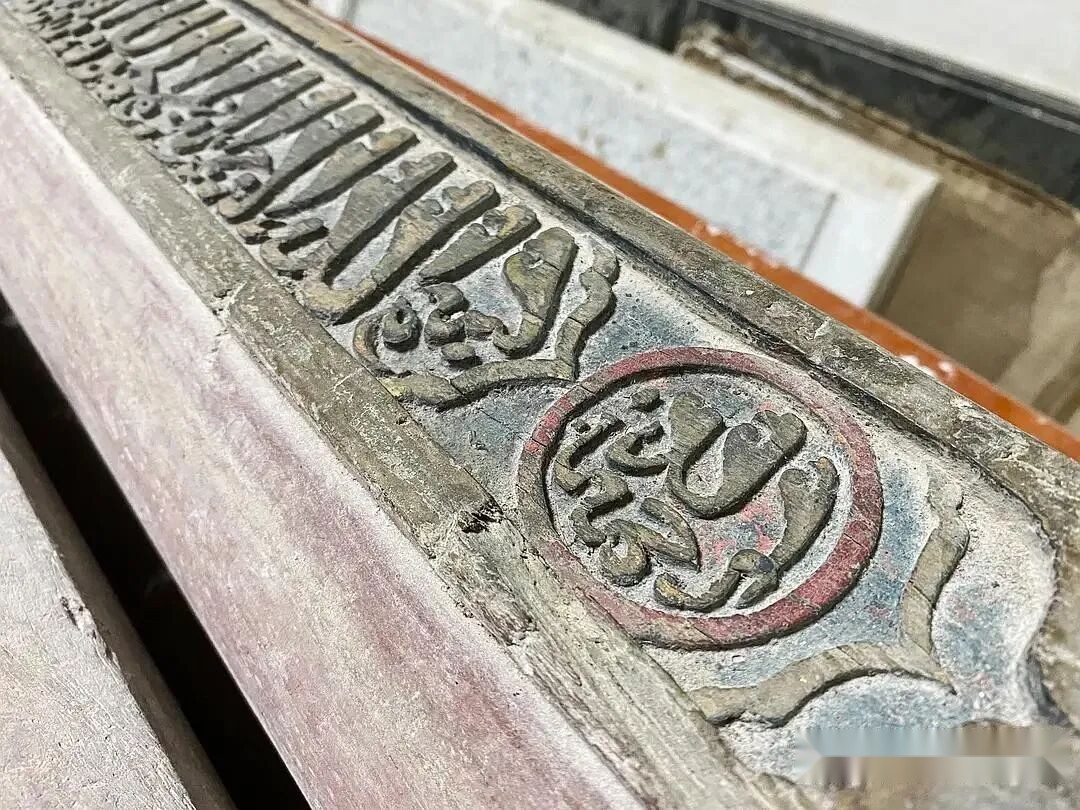
Muning took us out for breakfast, where we ran right into a family throwing a banquet because their kid got accepted into Tsinghua University.
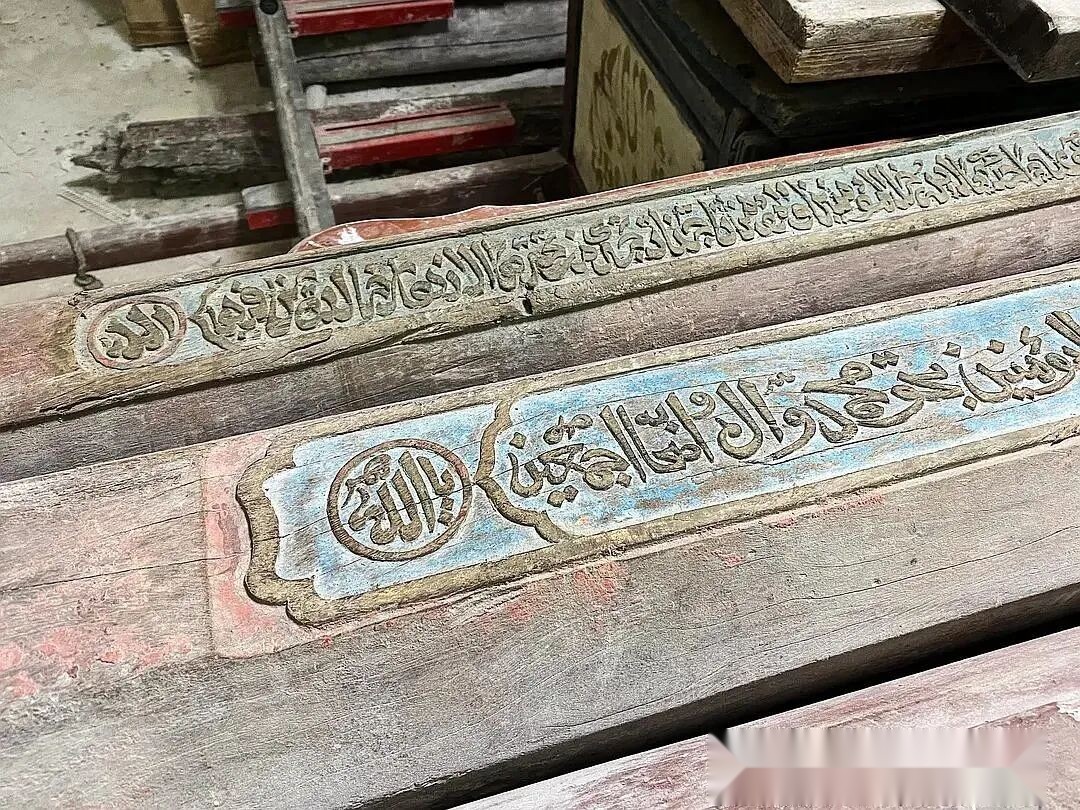
Congee served with chicken.
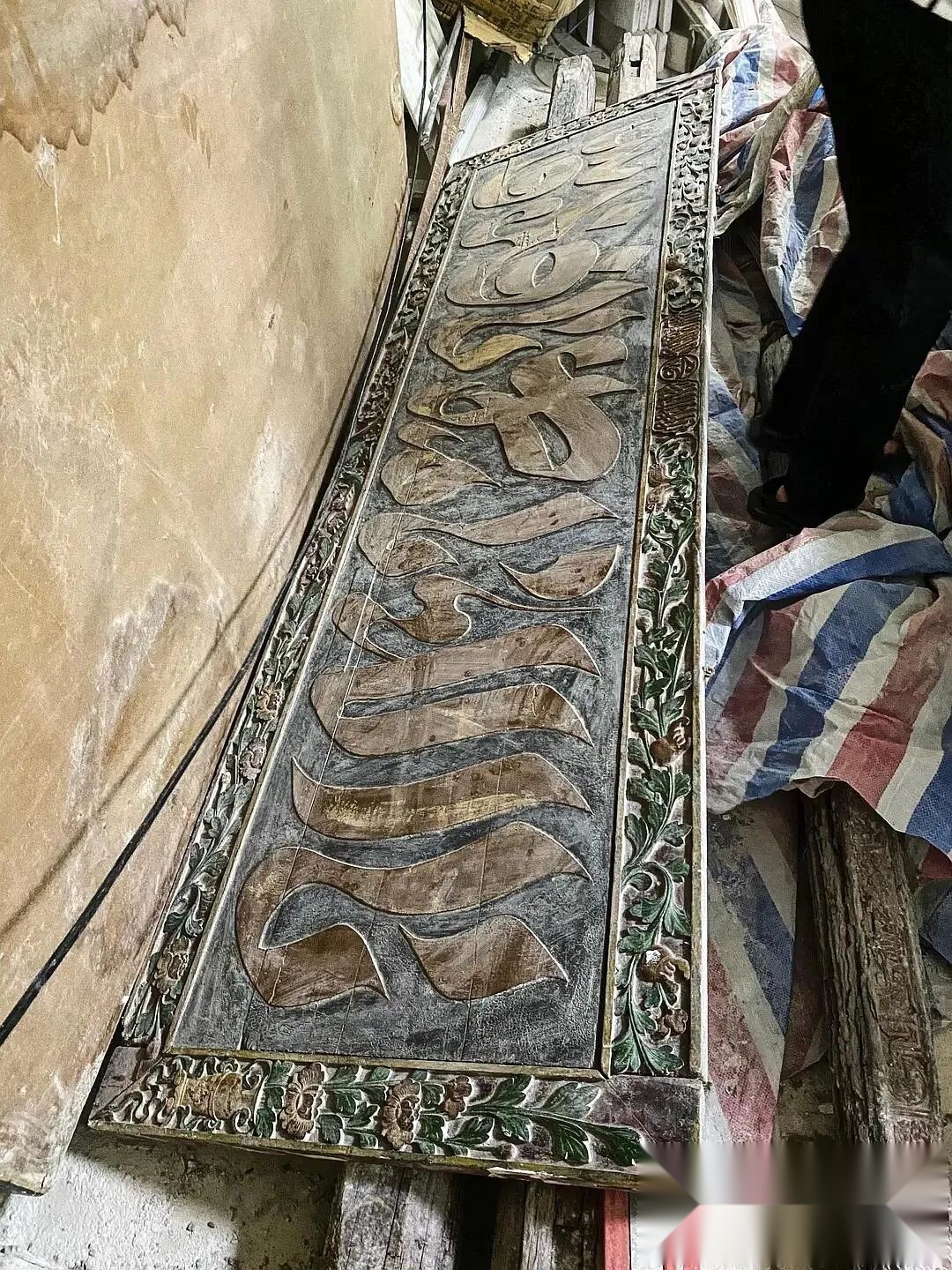
The fermented soybean paste was exceptionally delicious.
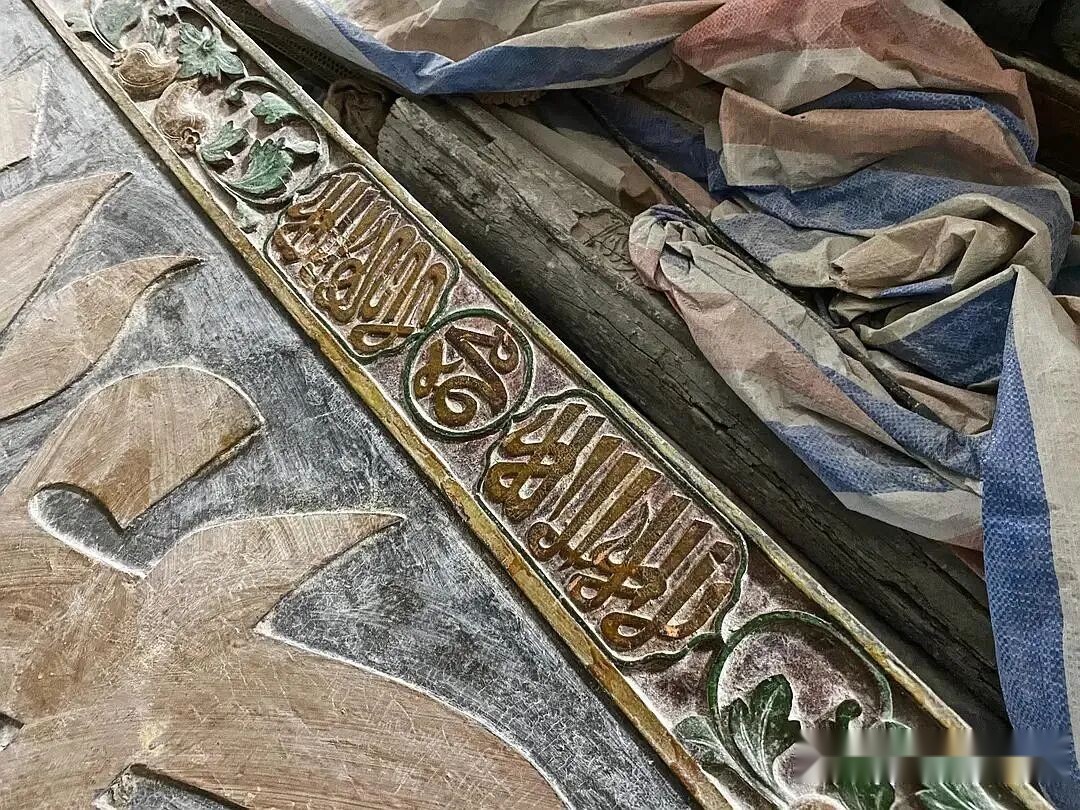
After finishing breakfast, Muning took us to pick out our sheep. One of these sheep was intended as our (Zainab's and my) qurbani (sacrificial offering), and the other was for Muning's family. Muning had bought them locally, picking out authentic Hainan Dongshan mutton sheep.
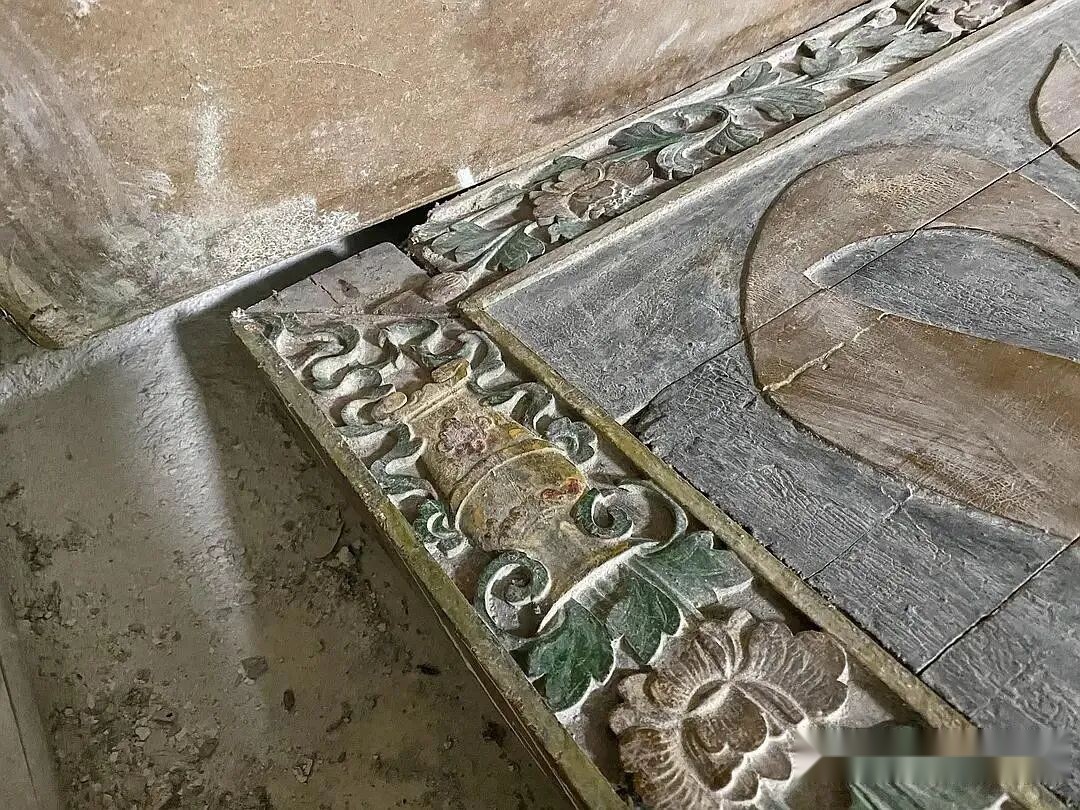
We led the sheep over to the designated qurbani slaughter site.
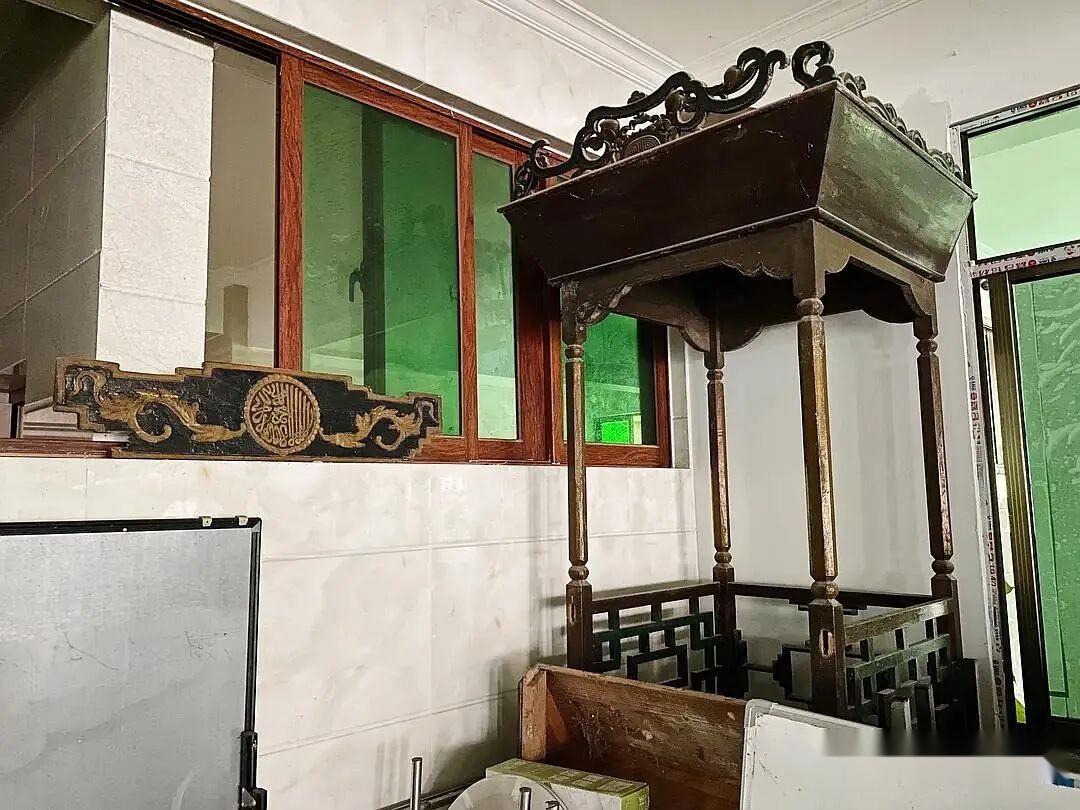
Once the slaughter was complete, the mutton was divided into three portions: one for our own household, one to share with friends, and one to give away to those in need.

Washed sheep tripe and intestines.
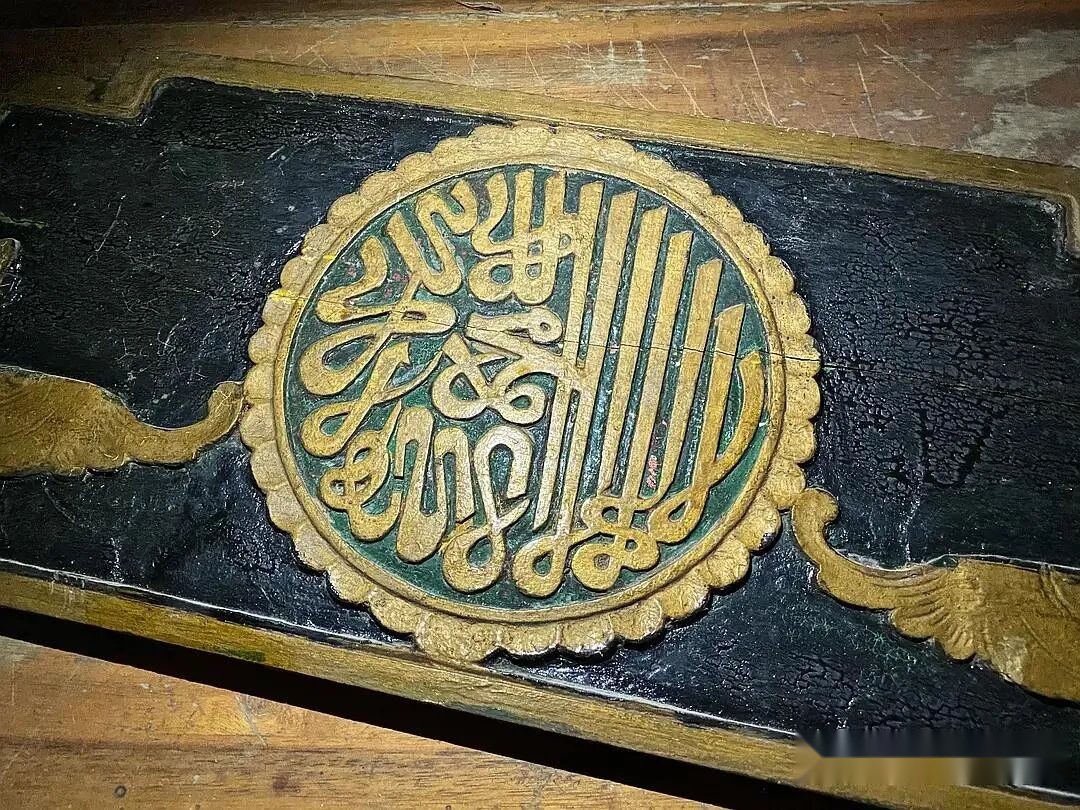
We asked our neighbor to cook up a dish of Sanya-style dry-fried mutton for us. Normally, their family runs a roast duck stall right next to Huixin Mosque, but they were taking a break for the Eid holidays.

The imam who performed our qurbani, who hails from Turpan, Xinjiang, whipped up a signature Xinjiang-style clear-stewed mutton for us. It was out of this world, and the mutton broth was insanely good.
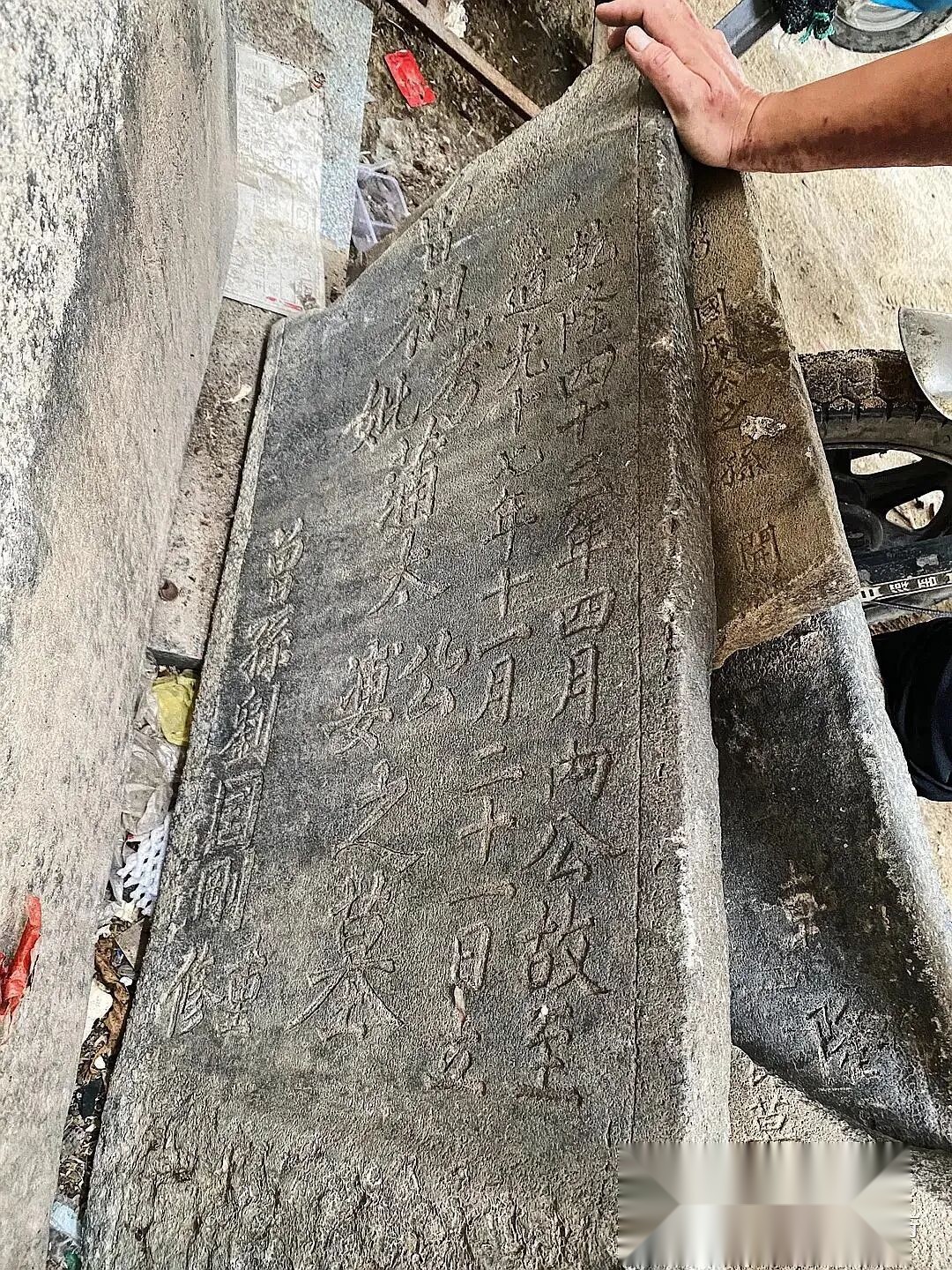
Muning gifted me an Arabic calligraphy art piece he hand-carved out of a coconut shell. It looks stunning.
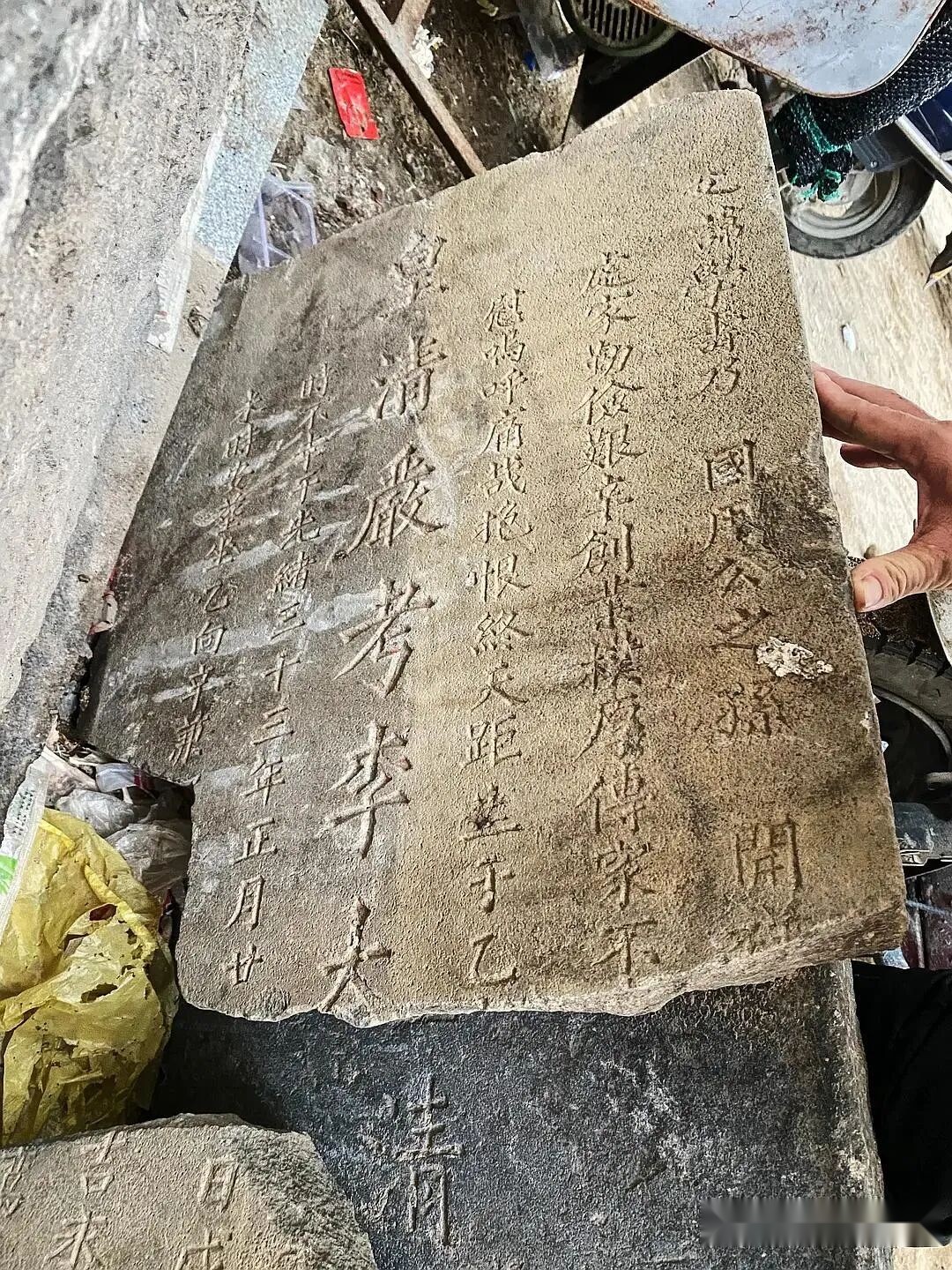
After the meal, Muning and I headed out to deliver another portion of the meat to friends.

We stopped by Nankai Mosque in Huixin Village to pray, where the main hall is lined with straw mats rather than carpet.

In the afternoon, Muning took me to check out the old houses in Huihui Village (Huihui Muslim Village), where I got to lay eyes on old roof purlins inscribed with Arabic script for the very first time.
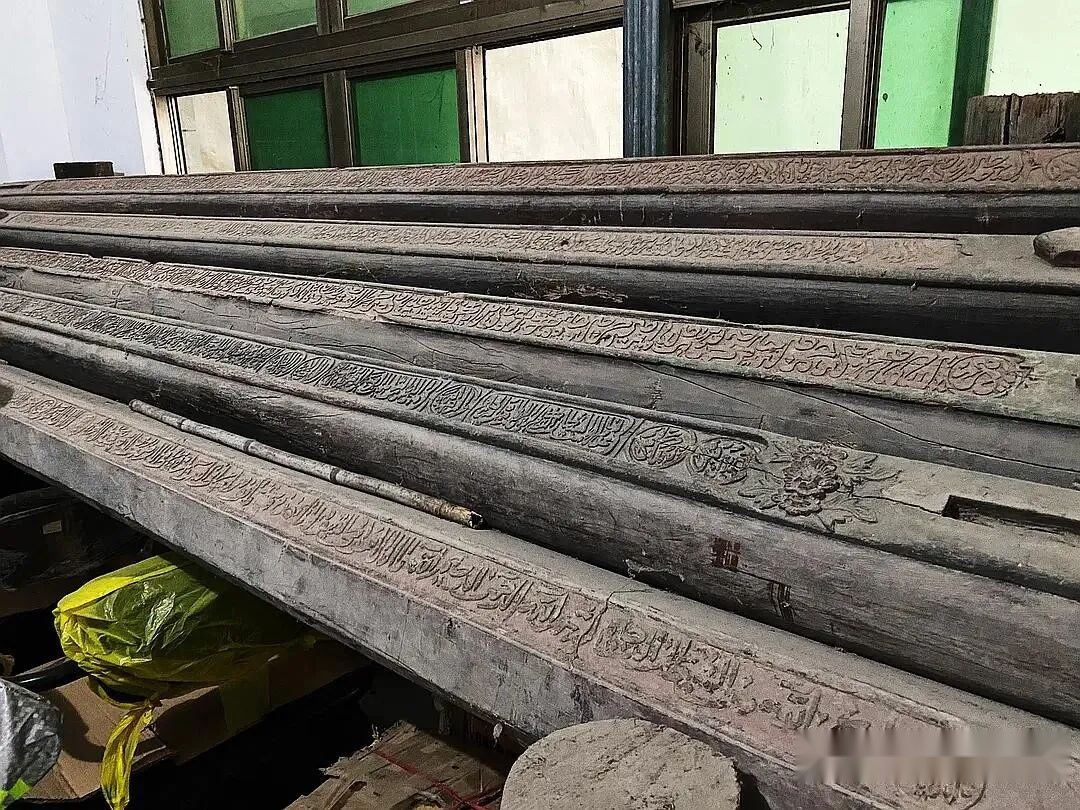
One of the best-preserved and most visually striking inscribed roof purlins still in its original location in Huihui Village, with its gold-leaf Arabic letters gleaming brilliantly in the sunlight.
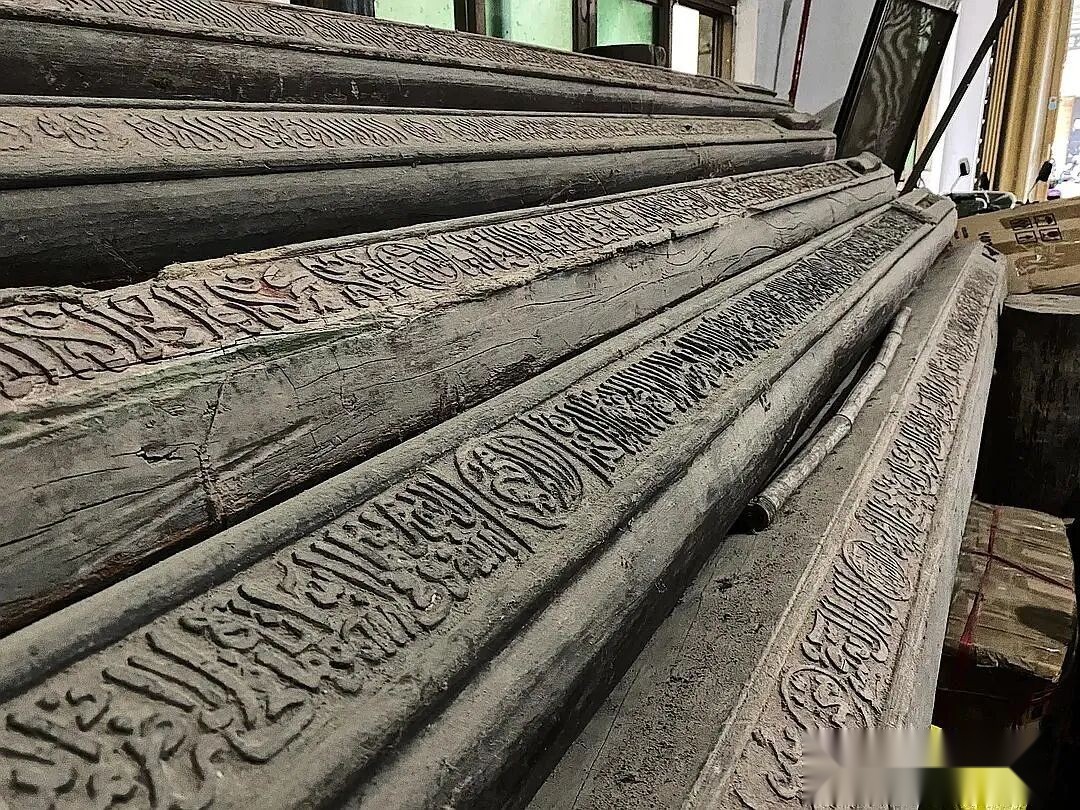
One of the last remaining traditional old houses in Huihui Village.
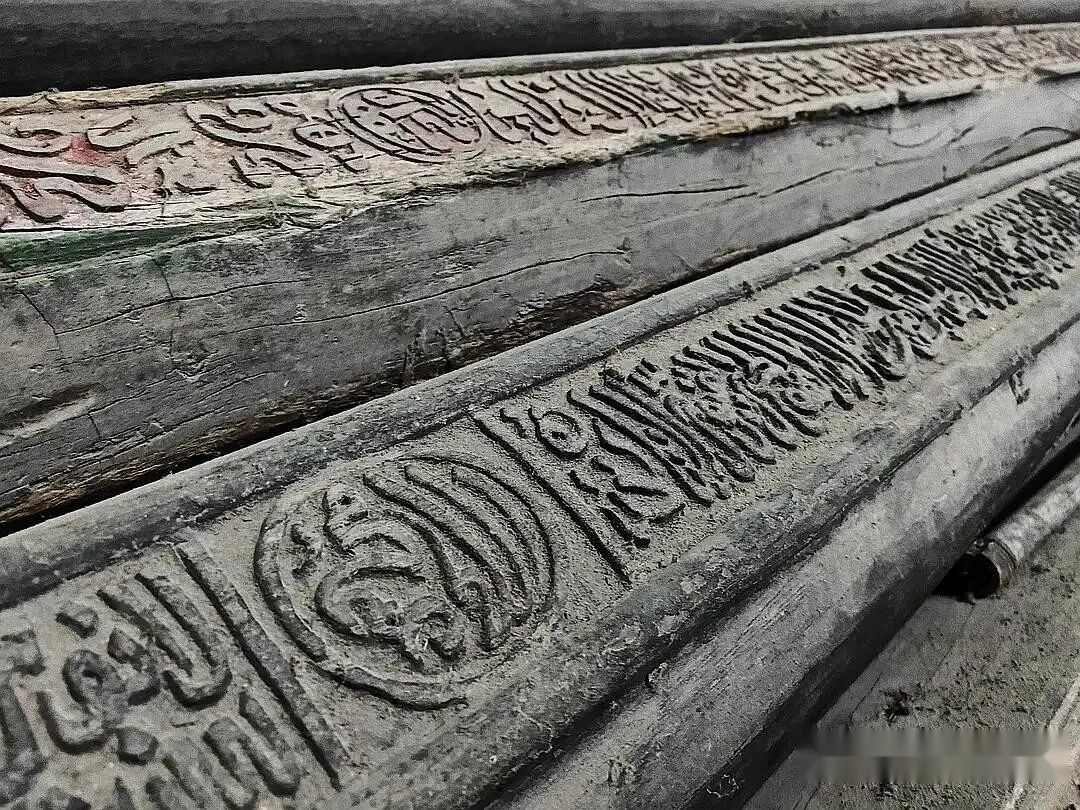
That evening, Muning and her family treated me and Zaynab to a fresh fish soup right at the entrance of Huixin Village (Huixin Muslim Village). The signature fresh fish soup of the Utsul Muslims is made with carambola (star fruit), tamarind, and tomatoes, giving it a super tangy kick. You can pick whatever sea fish you want for it. You’ve also got to mix your own dipping sauce on the side—make sure not to go overboard with the Hainan yellow lantern chili peppers, because they are insanely spicy! We also had red rice cooked in coconut milk, sweet potato greens, and stir-fried squid, all of which hit the spot.
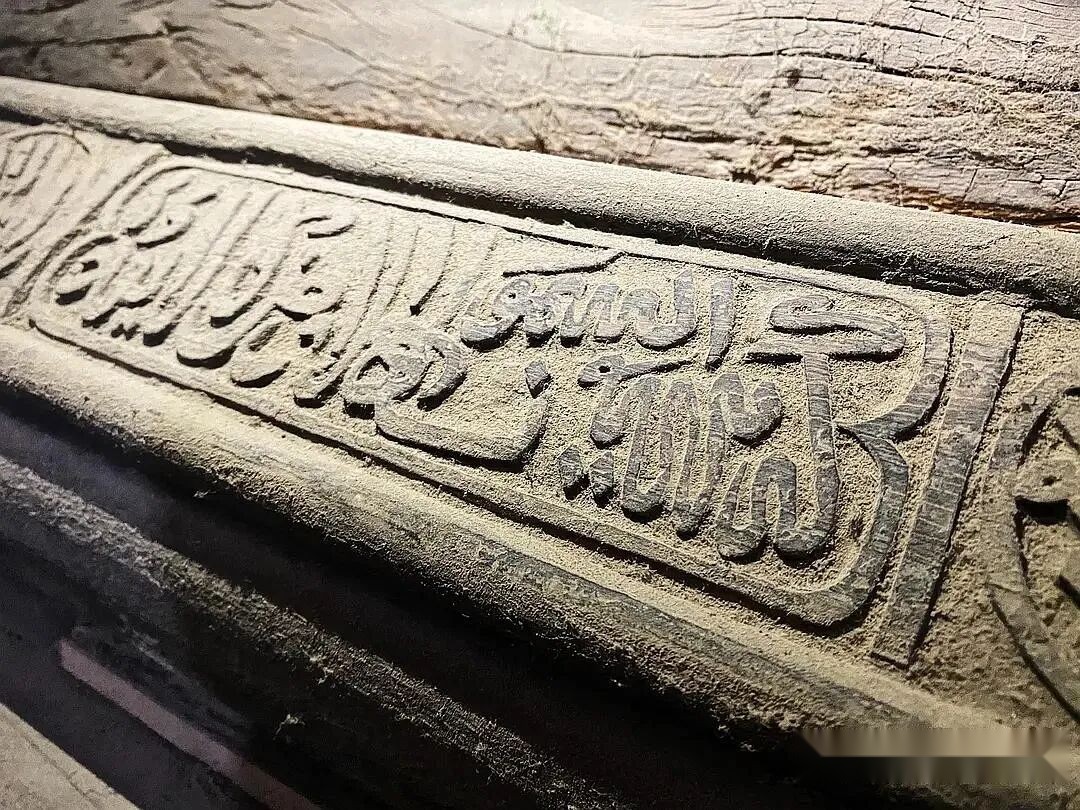
Yellow lantern chili peppers
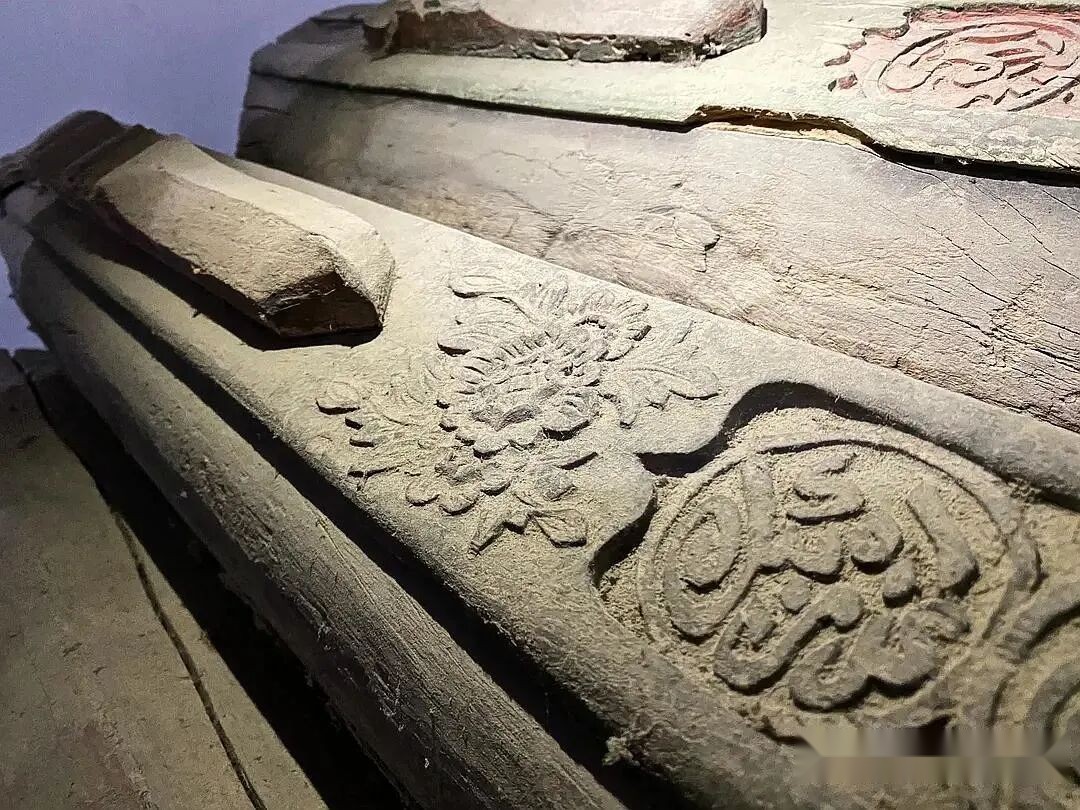
That night, we headed over to the Guangbaina night market right next to Huixin Village (Huixin Muslim Village) to check things out. Ever since the street vendor economy took off this year, Guangbaina has been getting busier and busier. They don’t charge a stall fee here, so a lot of people just sell fruits straight from their own family orchards, meaning prices are the lowest in the area. We grabbed some sugar apples, jackfruit, and mangoes—cheap and delicious.
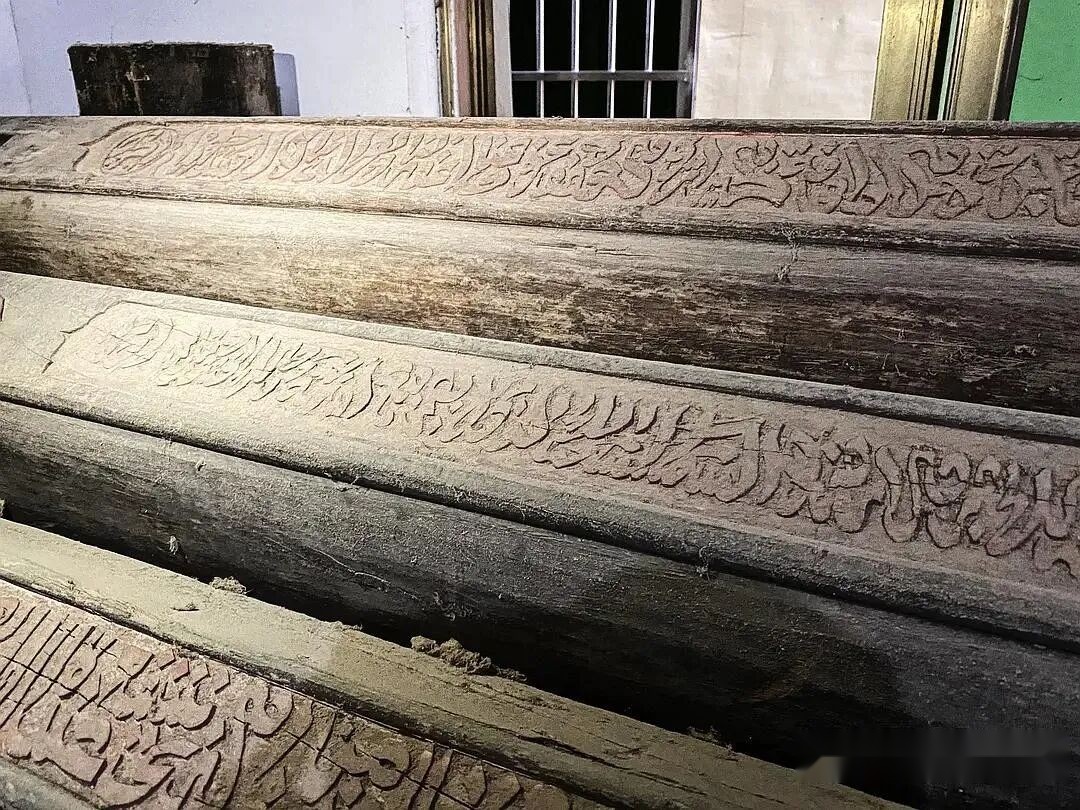
After wandering through the night market, we headed back to Huixin Village (Huixin Muslim Village) for a bowl of qingbuling (Hainan refreshing herbal dessert). Every single spot in Sanya makes qingbuling a little differently, so you really have to try them all to figure out which style you like best.

Still craving a little more adventure, we hopped on an electric scooter for another night ride.

Back at the place, I started flipping through some old books Muning had collected, including one featuring Eid al-Adha back in 1979.

August 1st

Woke up early to grab some niurou fen (Hainan beef rice noodles) made by the Utsul Muslims in Huixin Village (Huixin Muslim Village), then picked up some white fungus and lotus seed porridge and chicken porridge at the South Mosque gates to sip down by the beach. Afterward, we took a lazy stroll through the coconut grove along the shore.
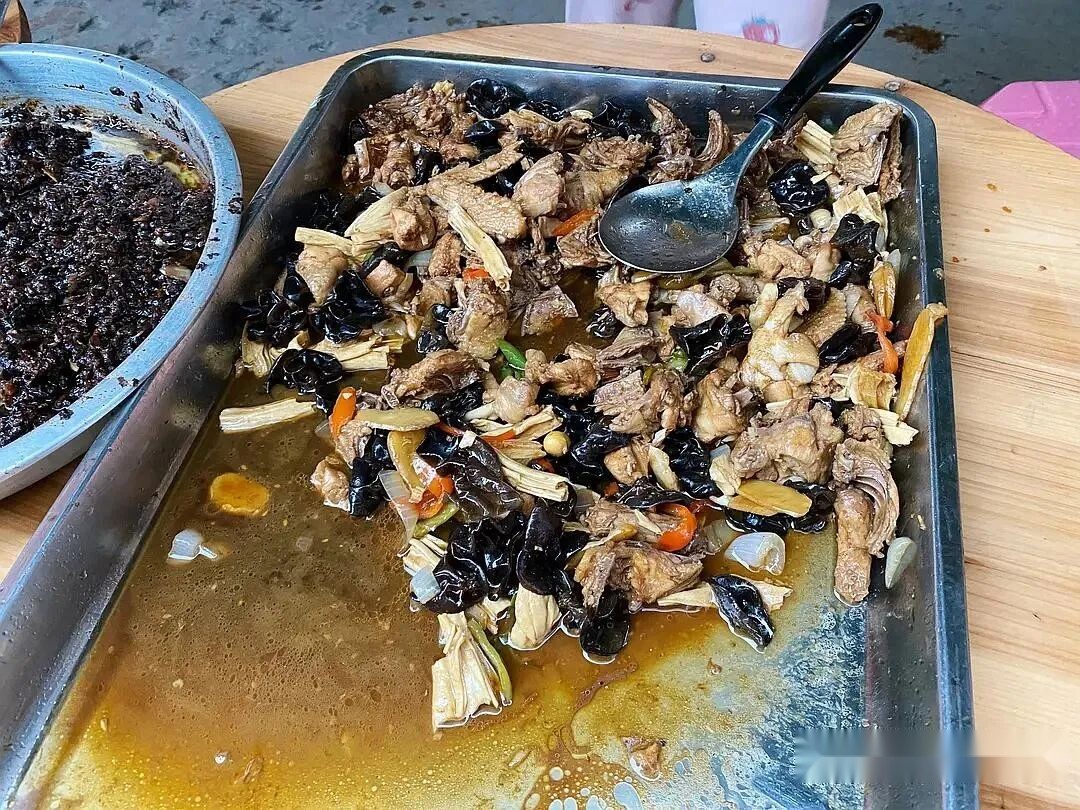
After walking by the beach, we headed over to Huihui Village (Huihui Muslim Village) to sip on some fresh coconut water.
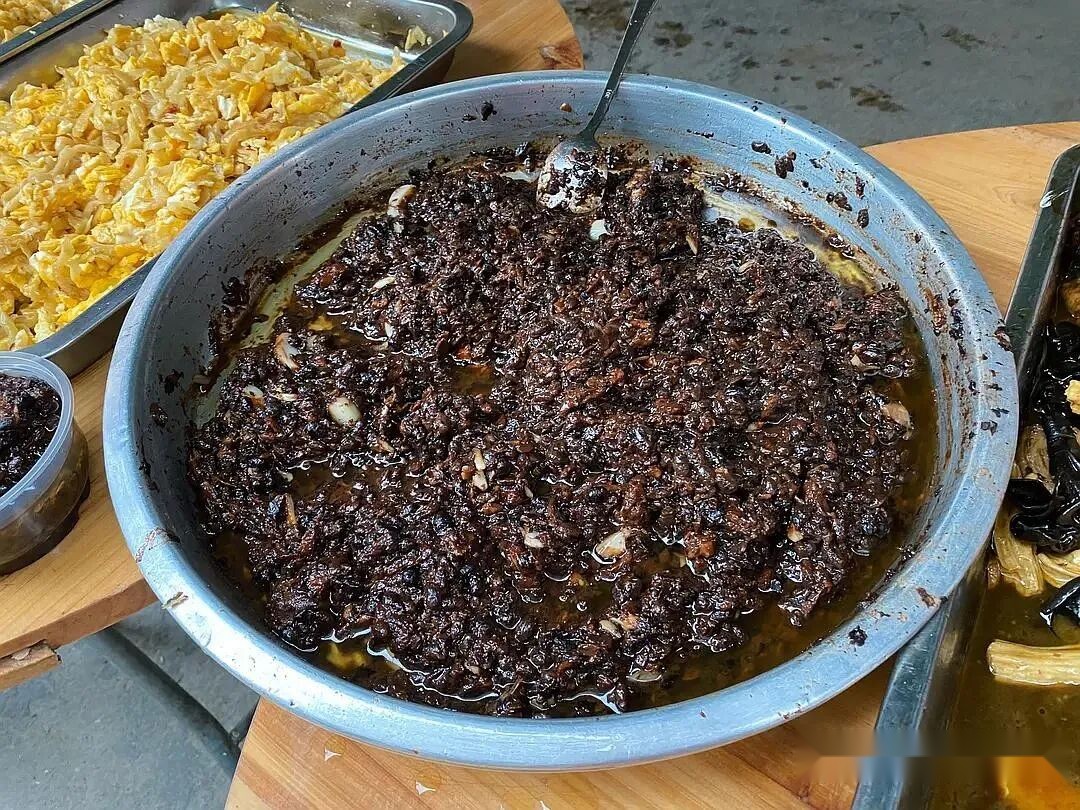
A lazy summer afternoon in Huixin Village (Huixin Muslim Village)—a fresh coconut and a bowl of qingbuling (Hainan refreshing herbal dessert). Could it get any more chill?

Time to kick back and take a break.
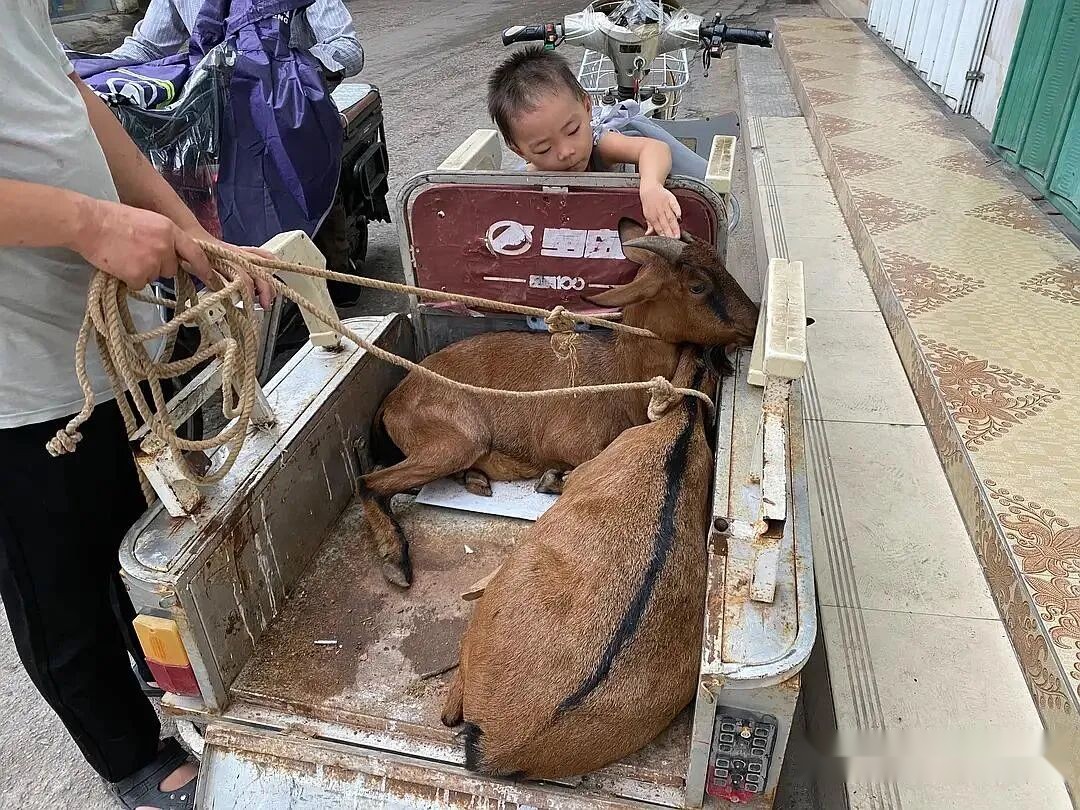
In the afternoon, we headed back to the spot in Zhongzhuangyuan where they were throwing a banquet, watching the Utsul Muslims whip up traditional coconut rice.
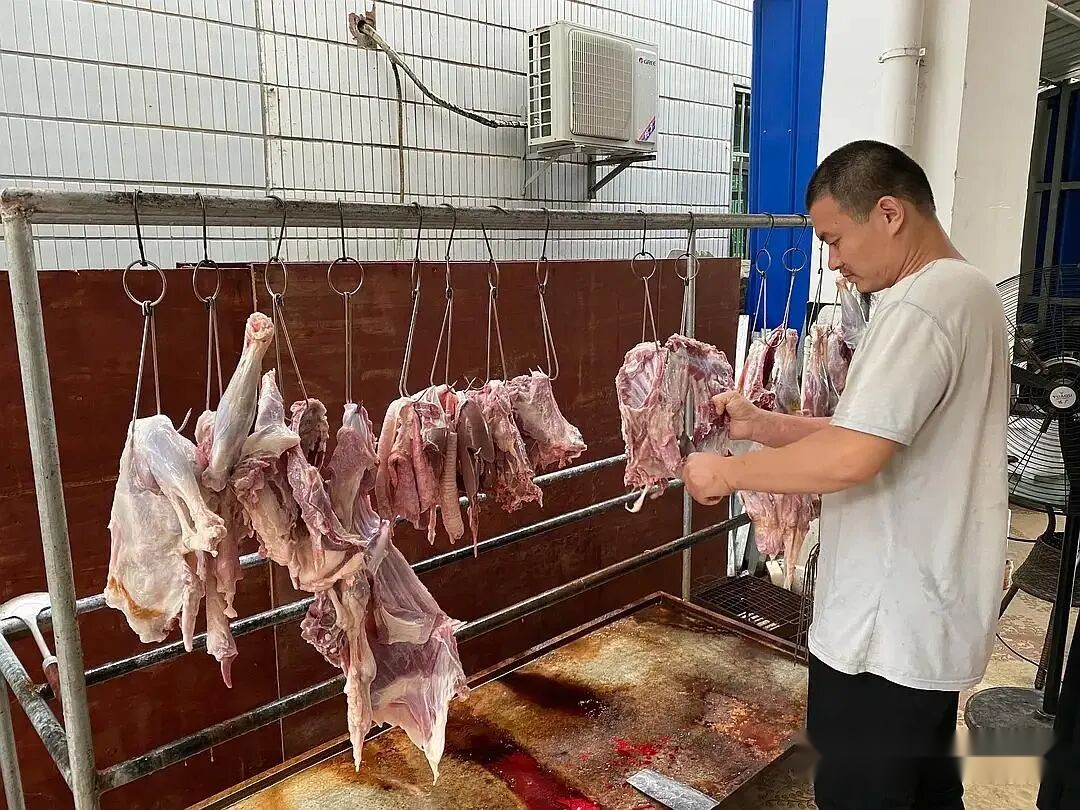
They start with old coconuts that have thick meat, grating all of it into fine shreds, then use cheesecloth to press out all the rich coconut oil.
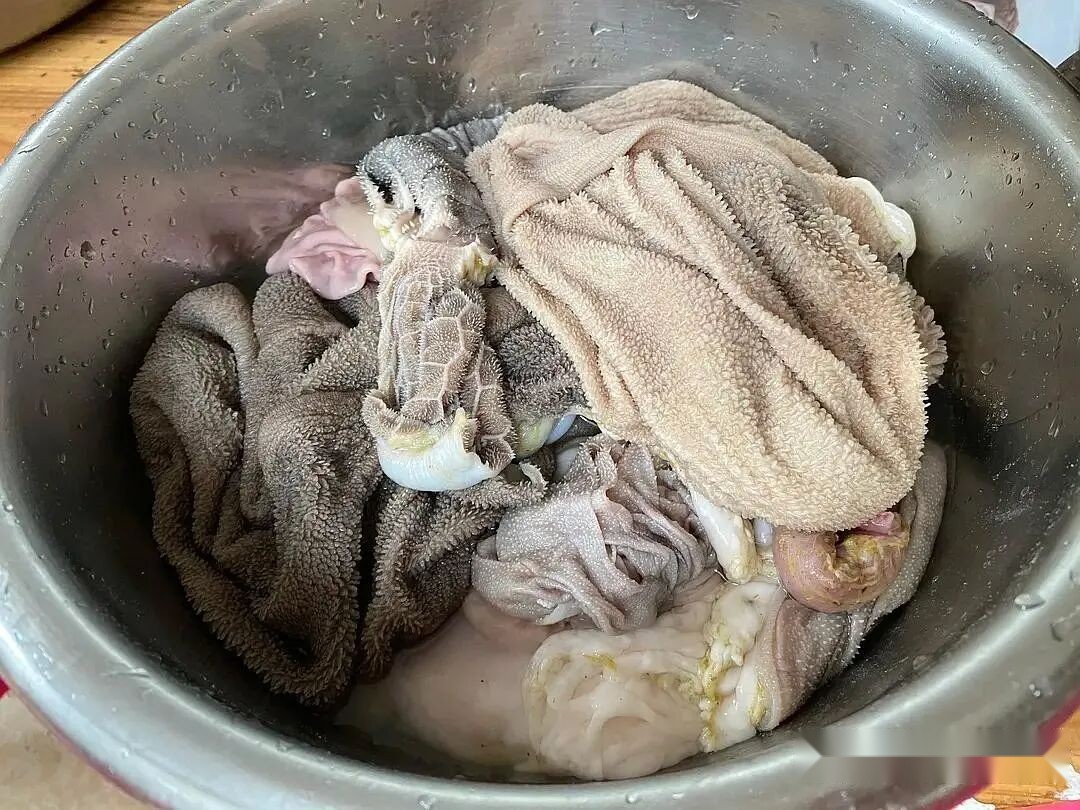
For steaming the rice, they use a traditional Li ethnic pottery steamer called a taozeng. Once the rice is steamed, they thoroughly mix the coconut milk and rice together. At this stage, the coconut rice is super chewy and has a great bite.
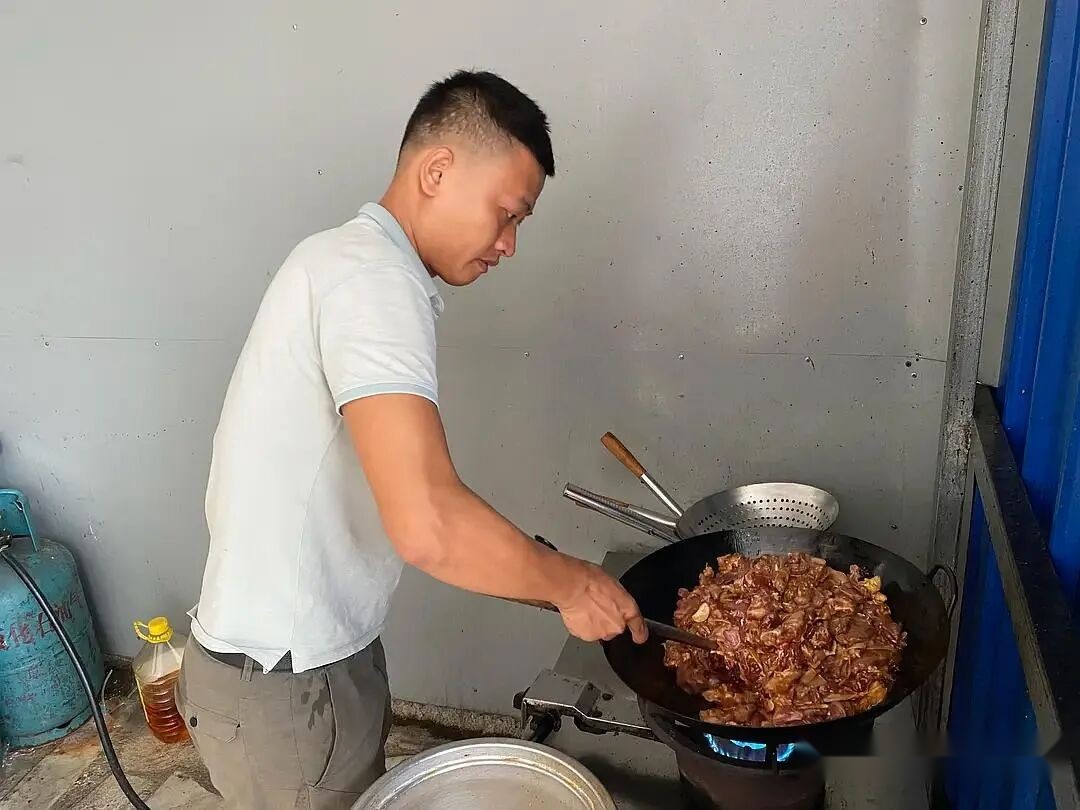
Then, they pop the blended coconut rice back into the pottery steamer for a second round. This time around, the rice comes out way softer and stickier, and the coconut milk and rice melt completely into one another.
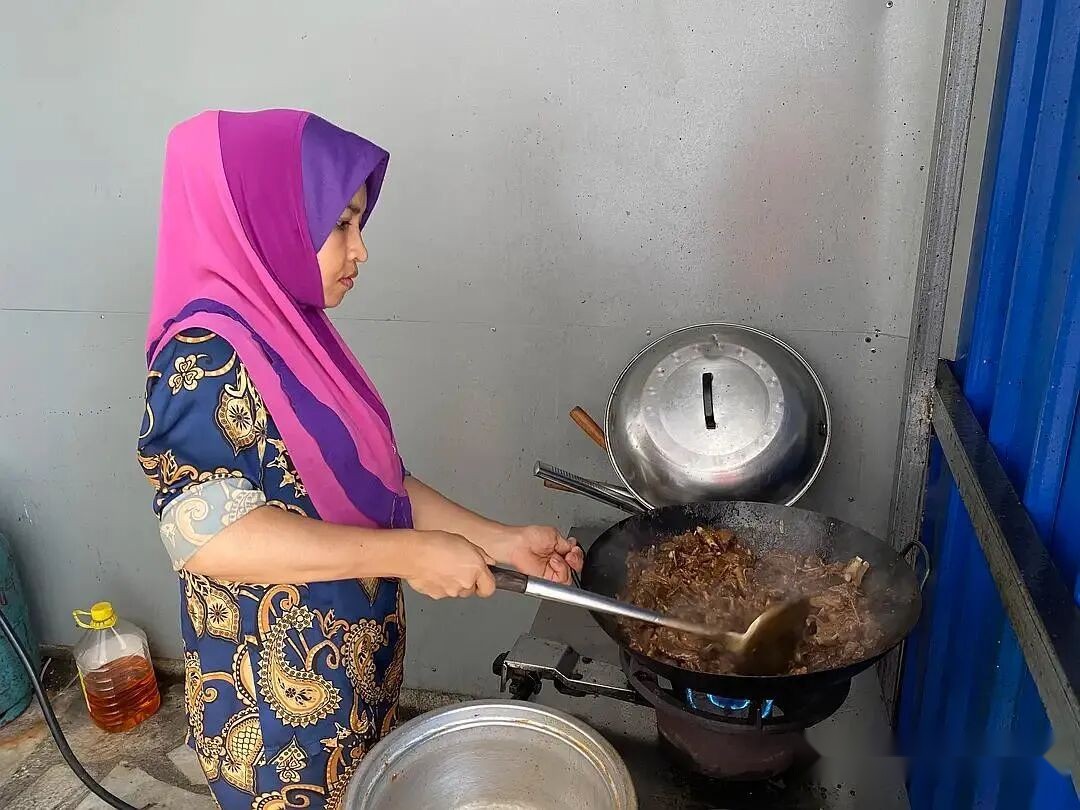
They used beef from the cow sacrificed the day before for Eid al-Adha. First, they stew the beef, then toss in wood ear mushrooms and dried bean curd sticks—a total classic main dish for Utsul Muslim banquets.
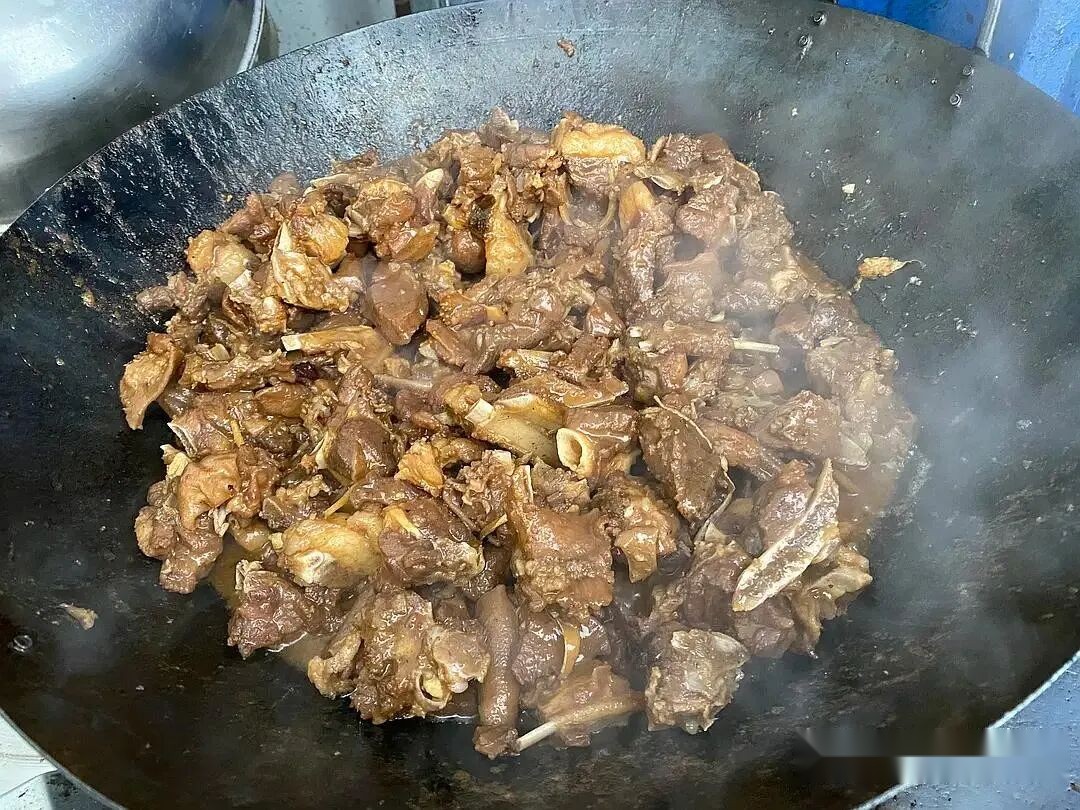
Our downstairs neighbors, a Utsul Muslim family, slaughtered a sheep yesterday, and today they were simmering up a pot of sheep offal soup. Sanya’s Utsul Muslims rarely eat mutton; basically, the only time they eat their own freshly slaughtered Dongshan mutton is during Eid al-Adha. When Utsul Muslims slaughter a sheep, they scrape the hair off the hide because they believe sheepskin-on mutton is where the best flavor is at.
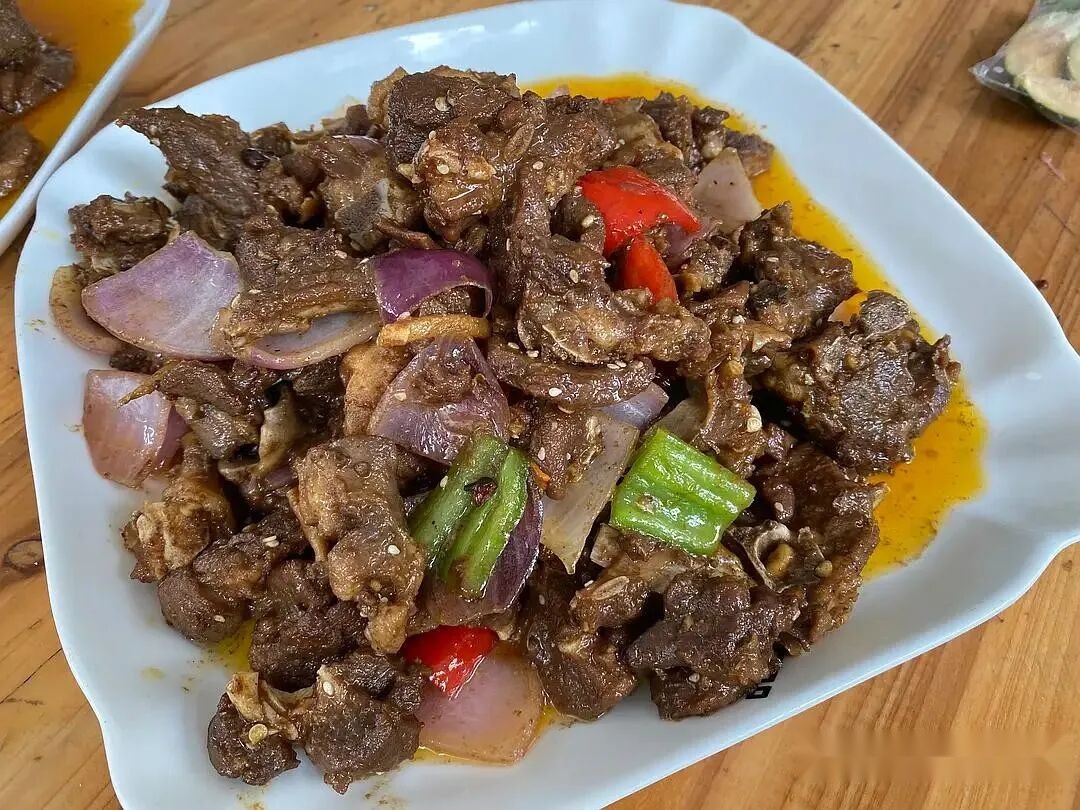
When they stew the offal, they toss in the sheep's trotters too, letting it bubble away from early morning until afternoon while adding all kinds of spice blends. Finally, they drop in radishes, corn, and shiitake mushrooms. The flavor profile is totally different from Northern-style mutton soup—it's its own unique, addictive kind of delicious.
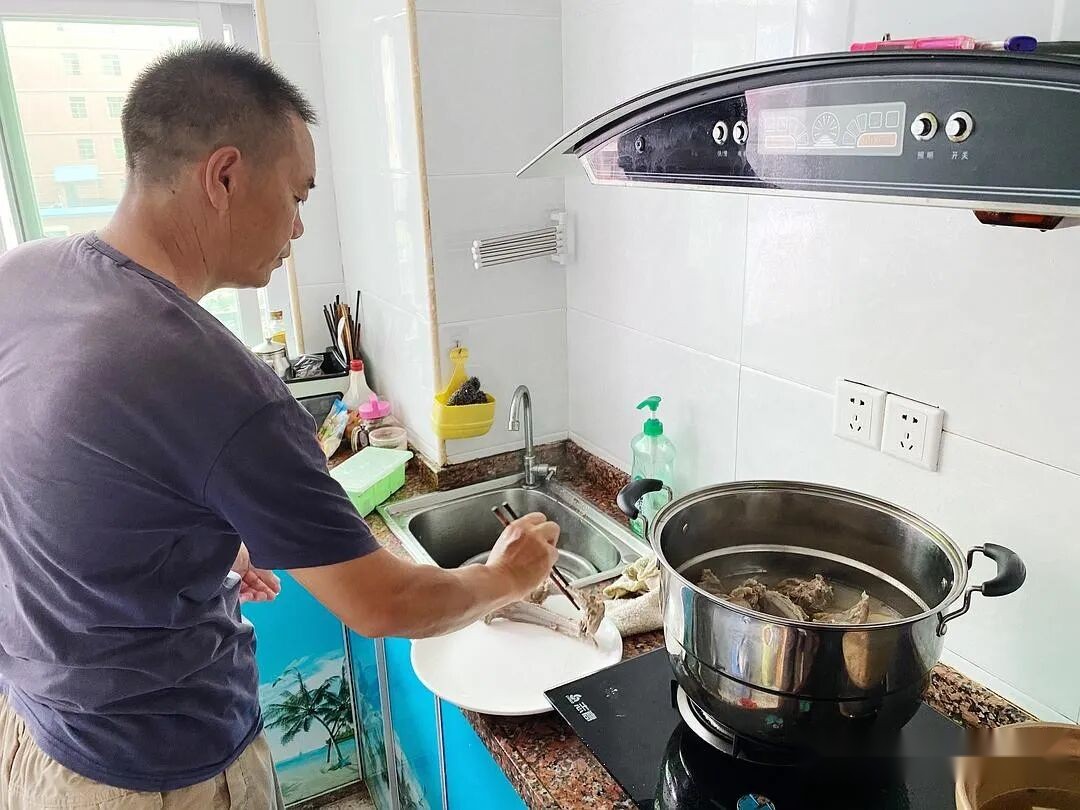
That evening, we grabbed a bowl of niunan mian (braised beef brisket noodles) at Haxuanren in Huihui Village (Huihui Muslim Village), and followed it up with a coconut milk ice jelly right across the street.
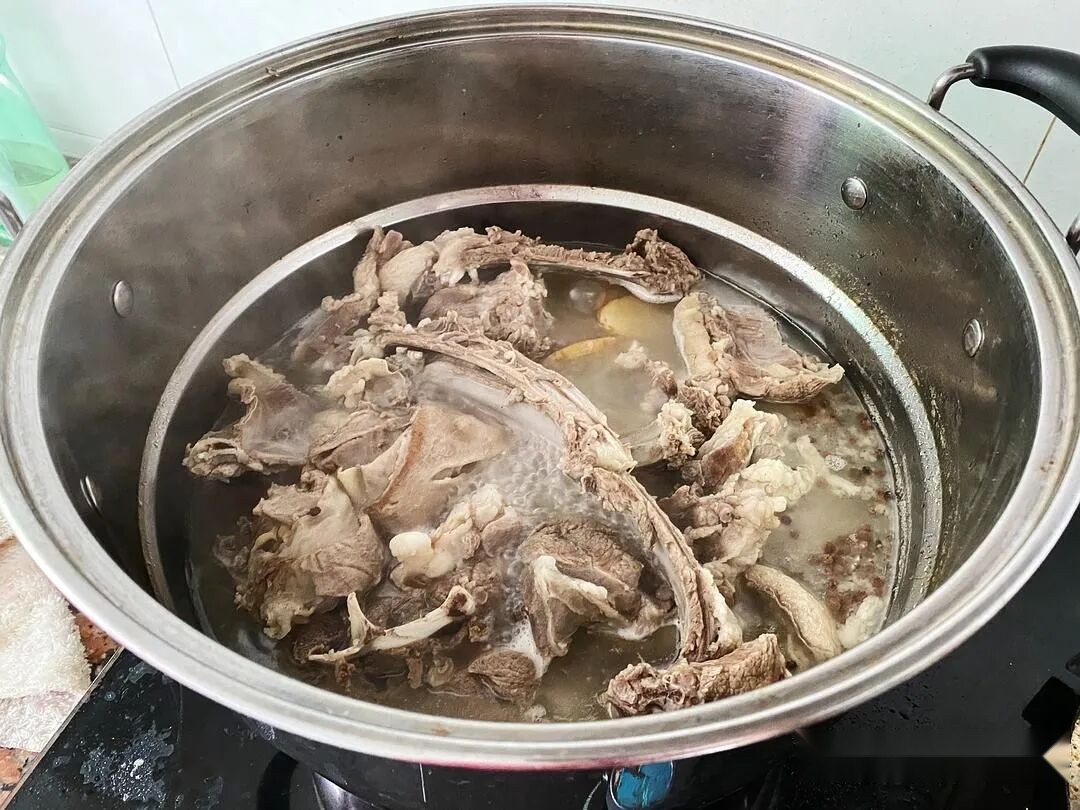
August 2nd

In the morning, we went back to Haxuanren Beef Brisket Noodles in Huihui Village (Huihui Muslim Village) to try their stewed beef trotters. Because it’s the summer off-season and everyone’s still recovering from Eid al-Adha, most eateries in Huihui and Huixin villages were closed. Haxuanren stayed open the whole time, so it was packed with people. After eating, we kept up our routine of strolling through the beach coconut grove.

In the afternoon, we checked out the Guangbaina night market next to Huixin Village (Huixin Muslim Village) again. Papayas, wax apples, papayas, mini pineapples—all the fruit was fresh and delicious. I even picked up some pearl bracelets as gifts for the little ones back home.
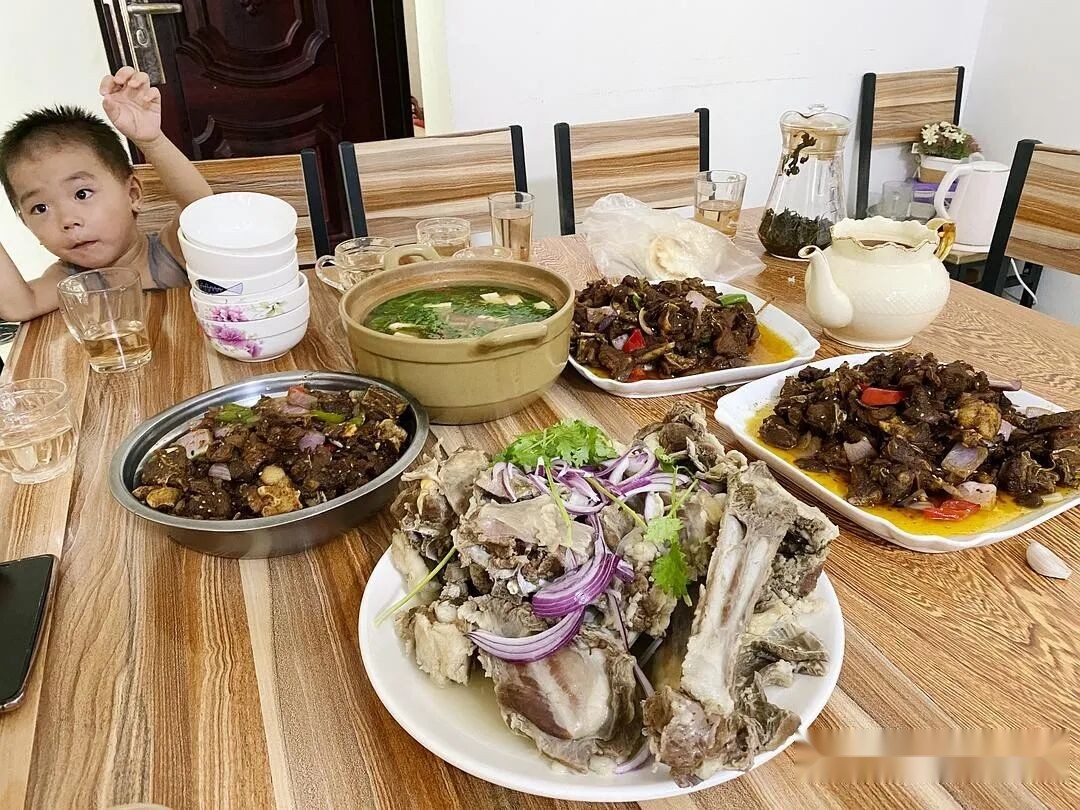
That night, Muning treated us to seafood down at the seafood market near the beach in Huixin Village (Huixin Muslim Village). We ordered crabs, scallops, abalone, clams, octopus, fried squid rings, and the local specialty sijidou (four-angled beans / winged beans). Everything tasted incredible—not a hint of fishiness, just pure, mouth-watering flavor. A special shout-out to their signature dipping sauce made with ketchup, sweet chili sauce, minced garlic, and tamarind. It paired so well with the seafood we just couldn't stop eating.

This seafood market in Huixin Village (Huixin Muslim Village) has got to be the best value for money around. It’s not just the Muslim locals; even the surrounding Han residents love coming here to eat, and business is always booming.
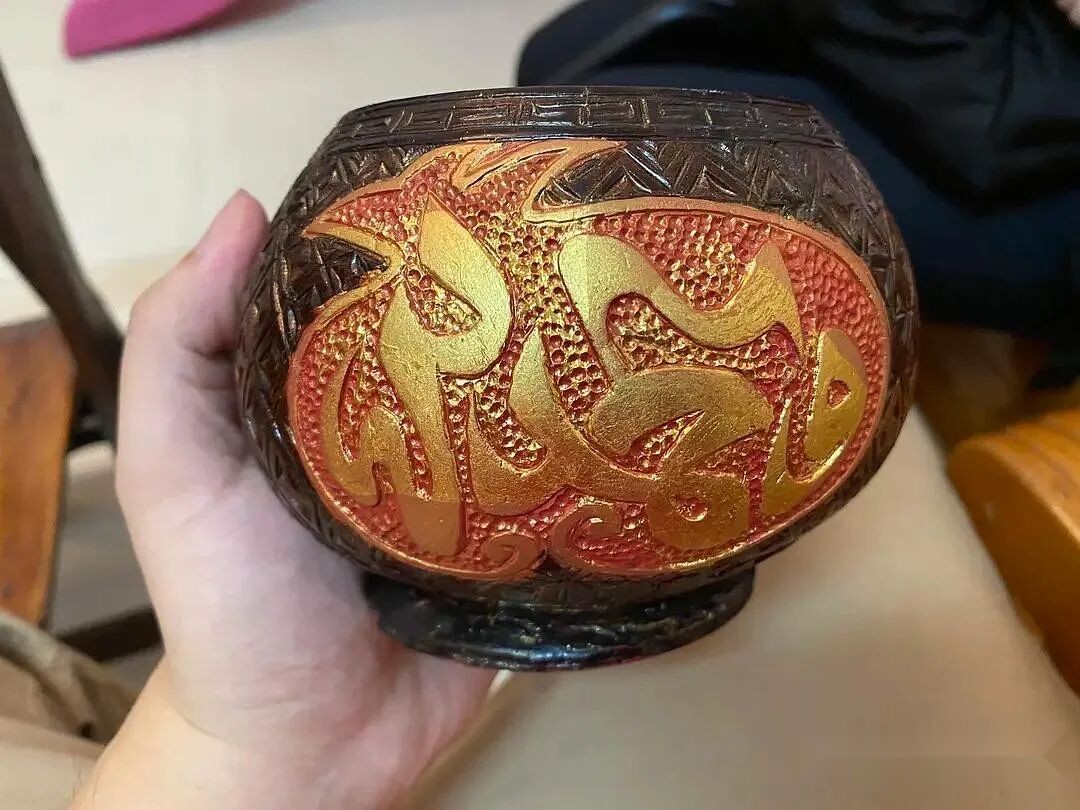
August 3rd

In the morning, we hit up Li's Rice Noodles in Huixin Village (Huixin Muslim Village) for some chicken rice noodles, and they were insanely flavorful! Right after the three-day Eid al-Adha celebration wrapped up, their spot was finally open for business.
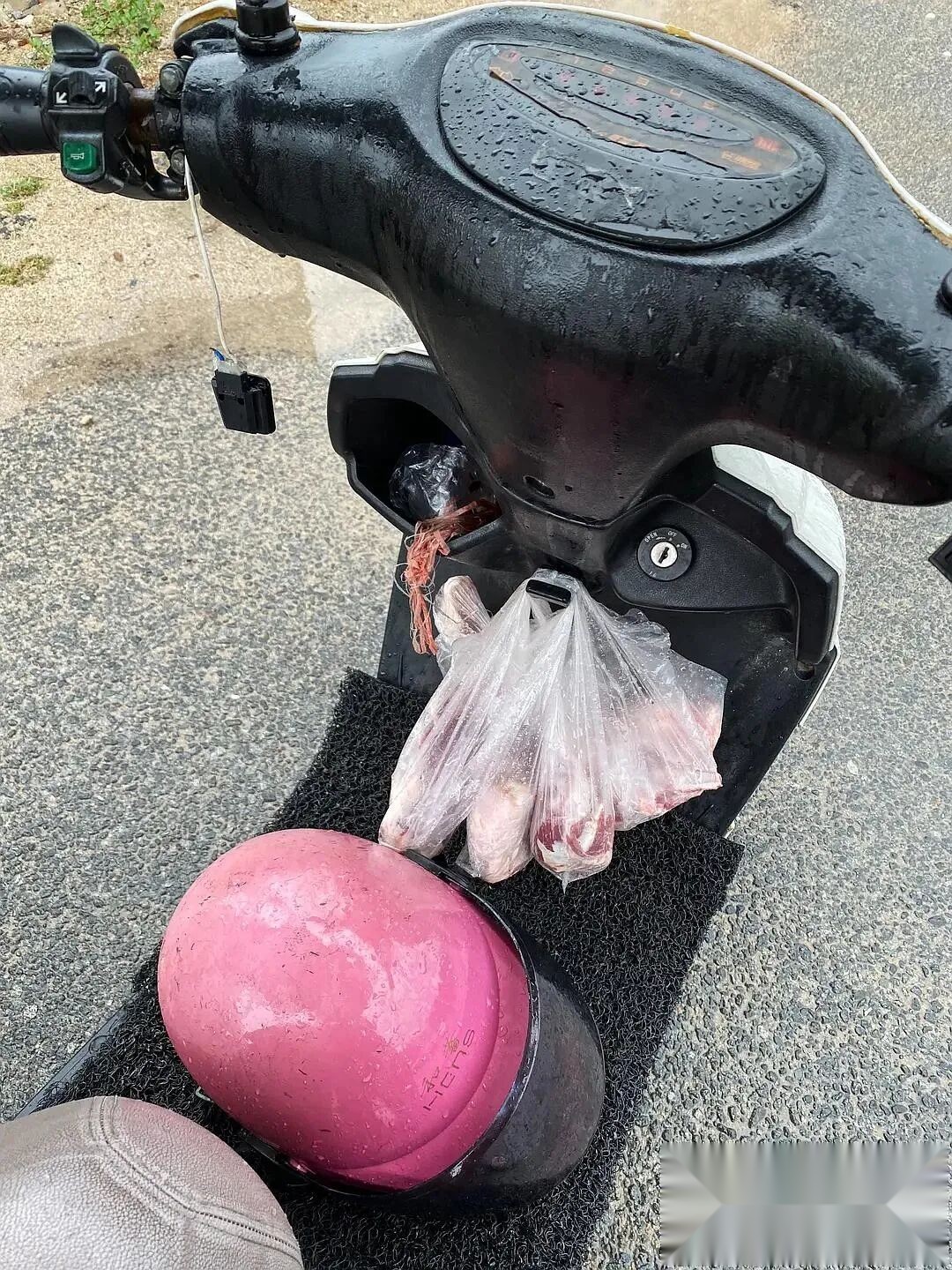
And with that, we reluctantly said goodbye and left Sanya.
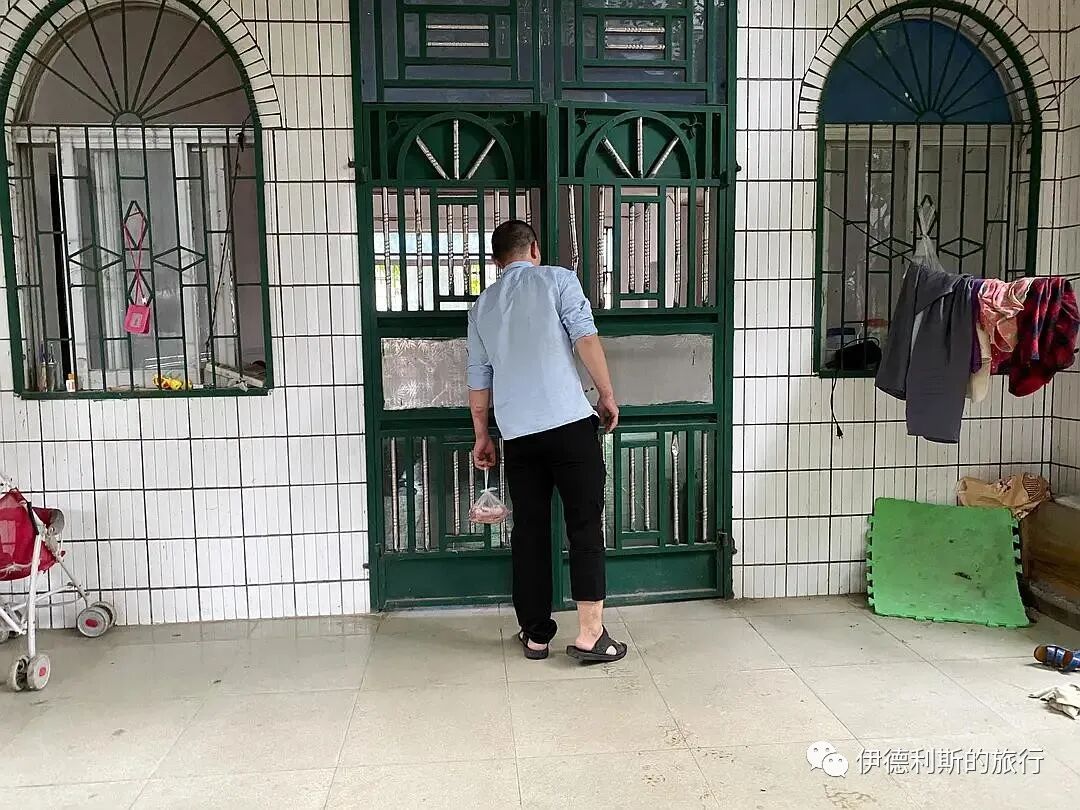
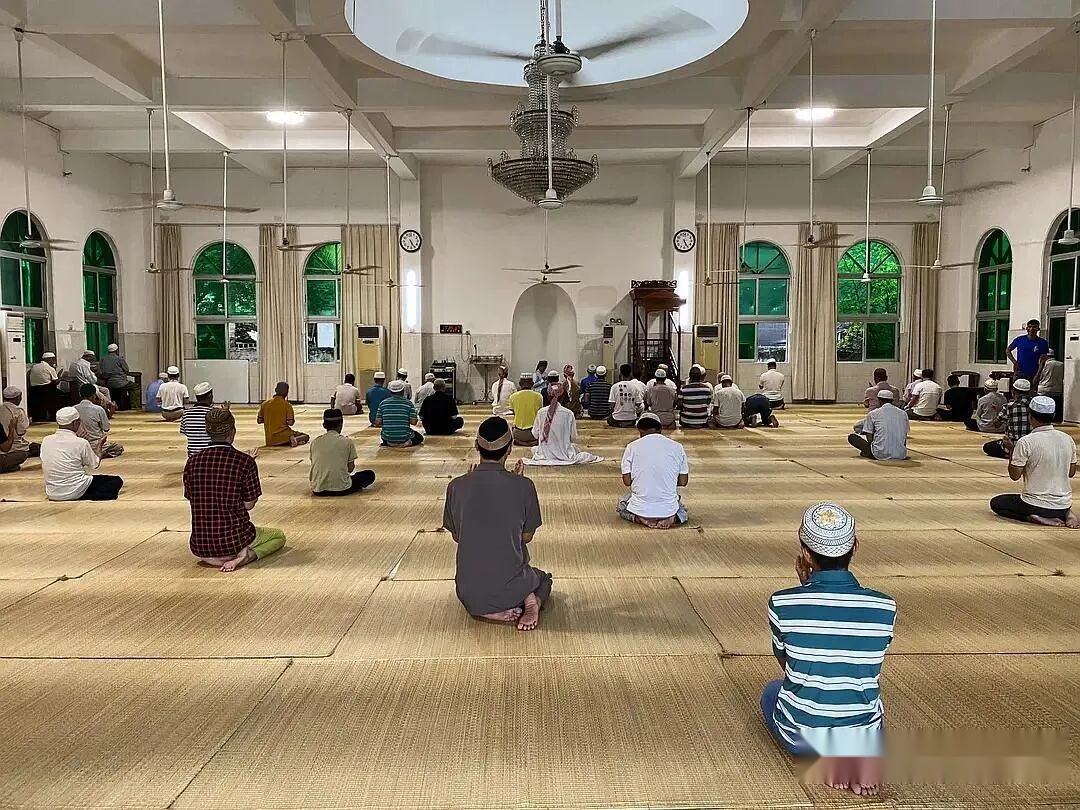
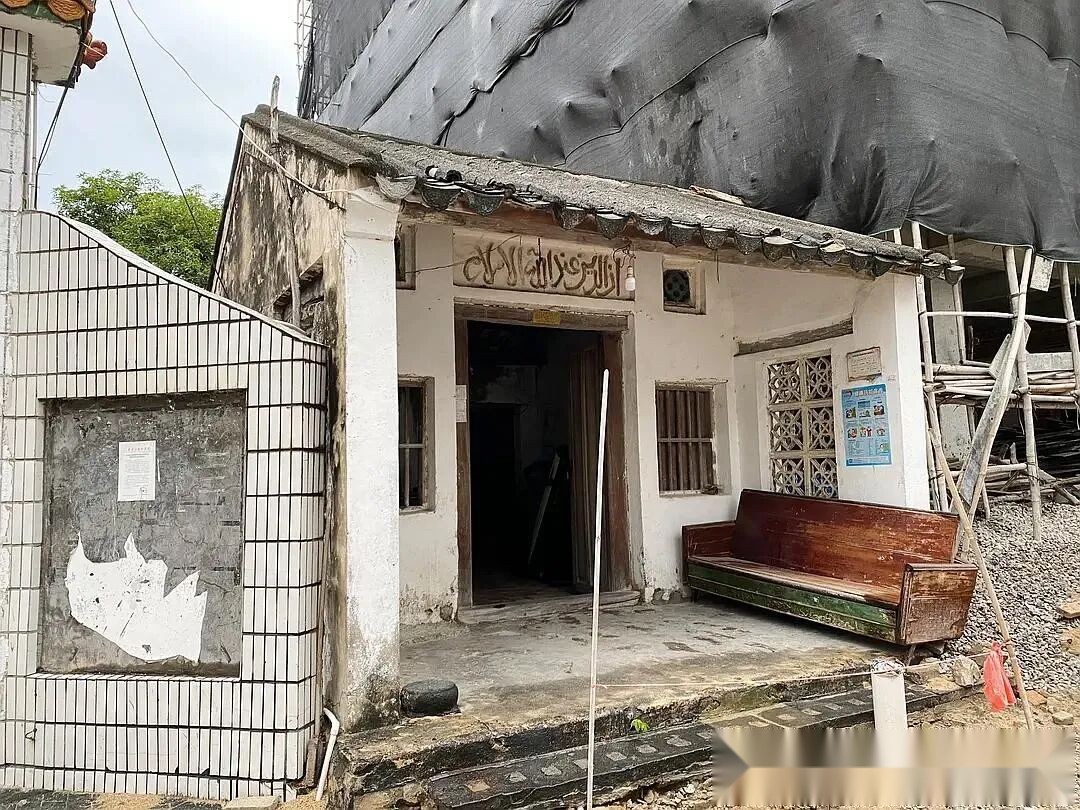
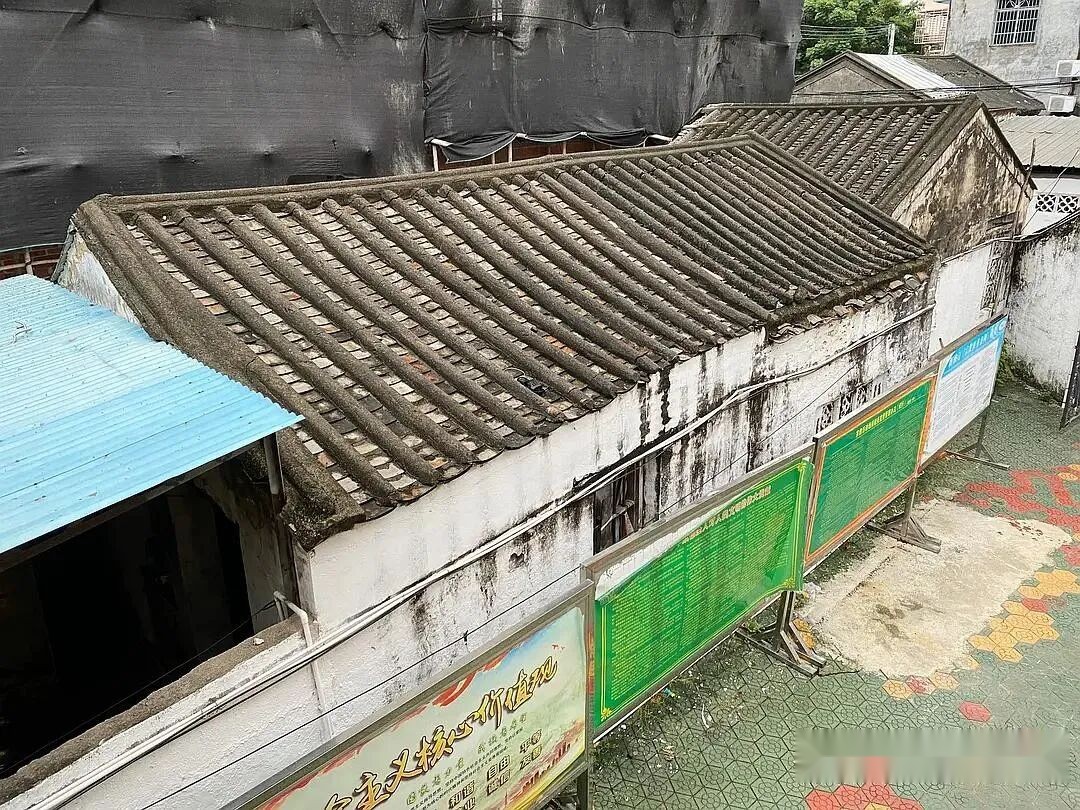
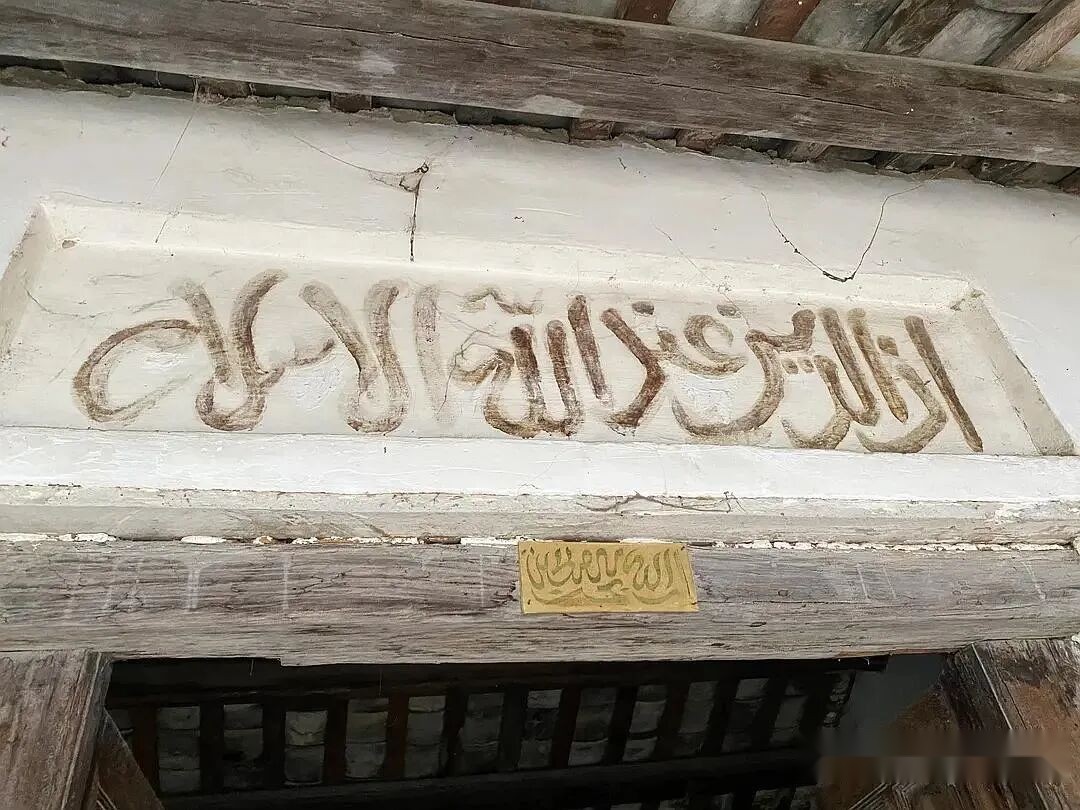
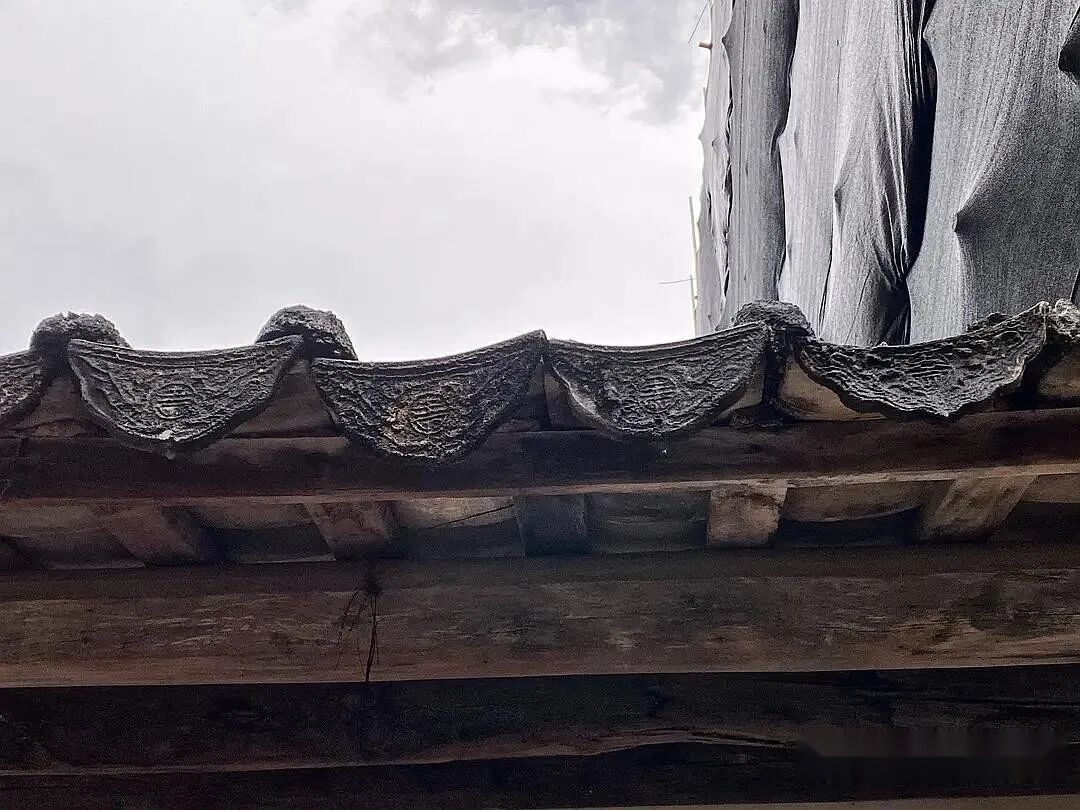
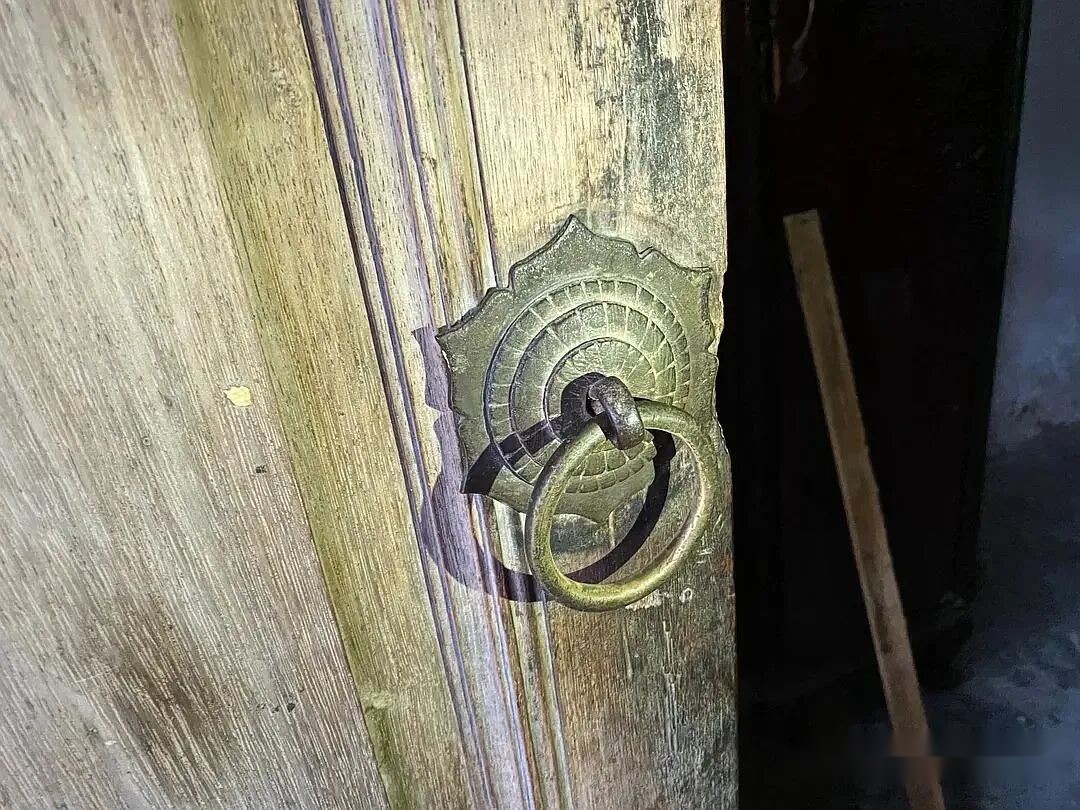
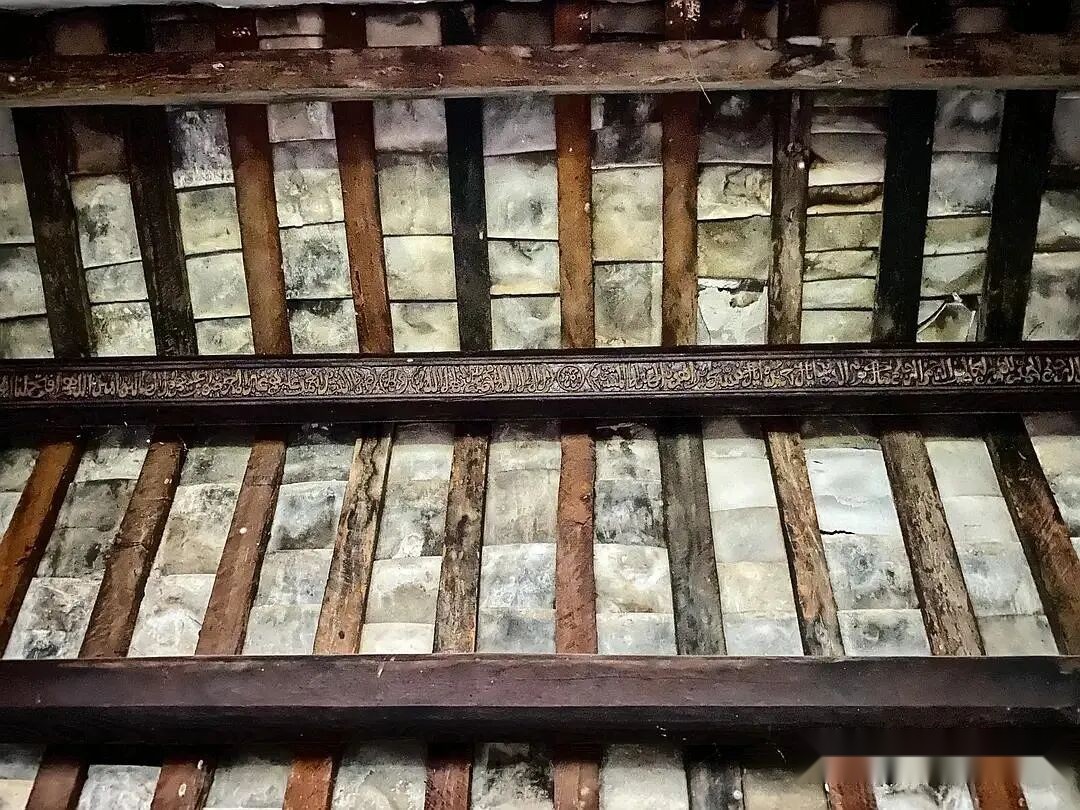
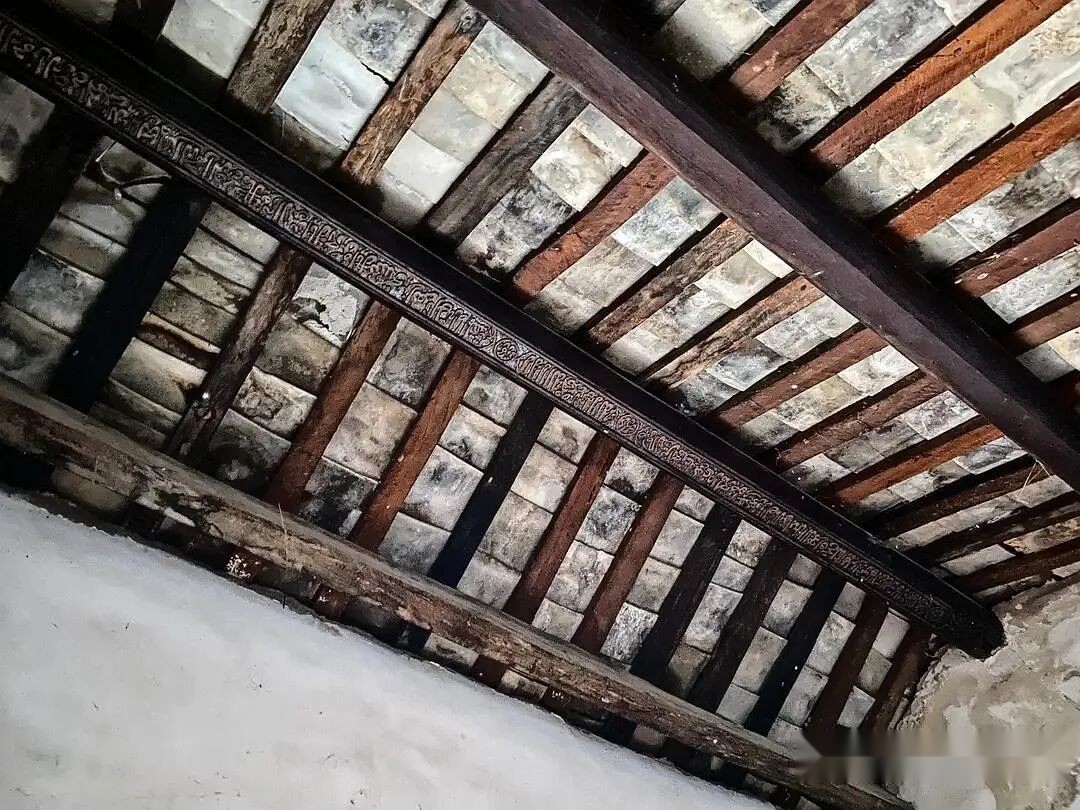

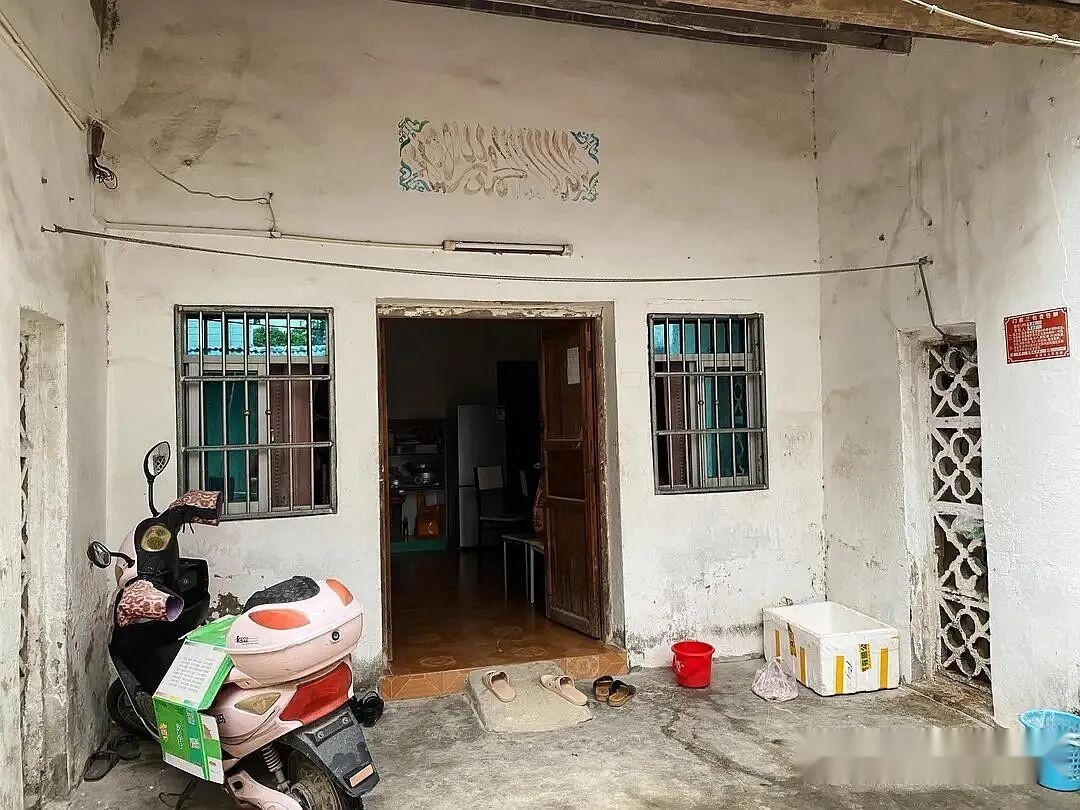
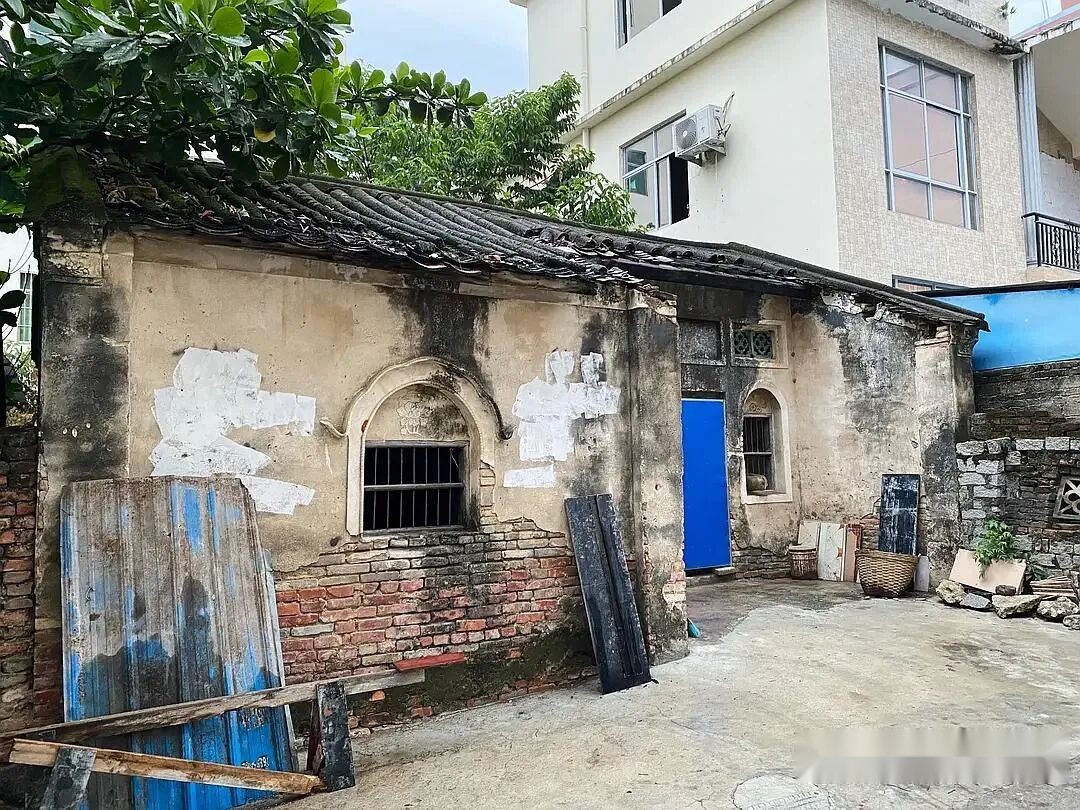
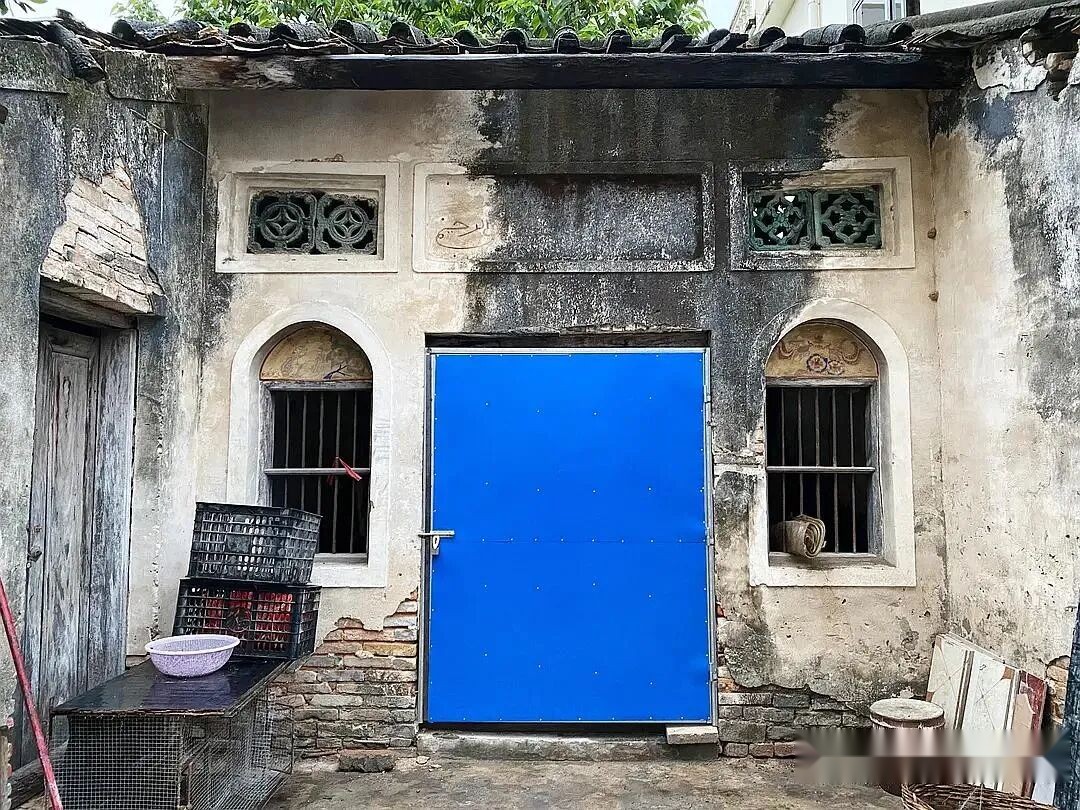
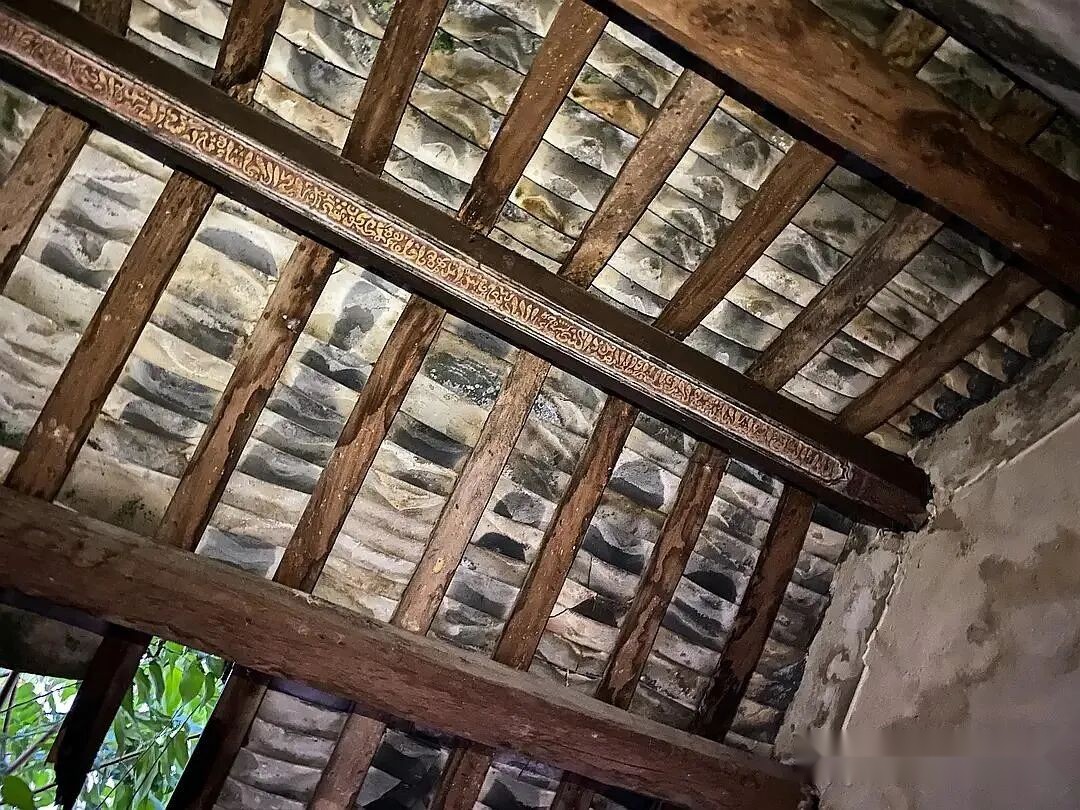
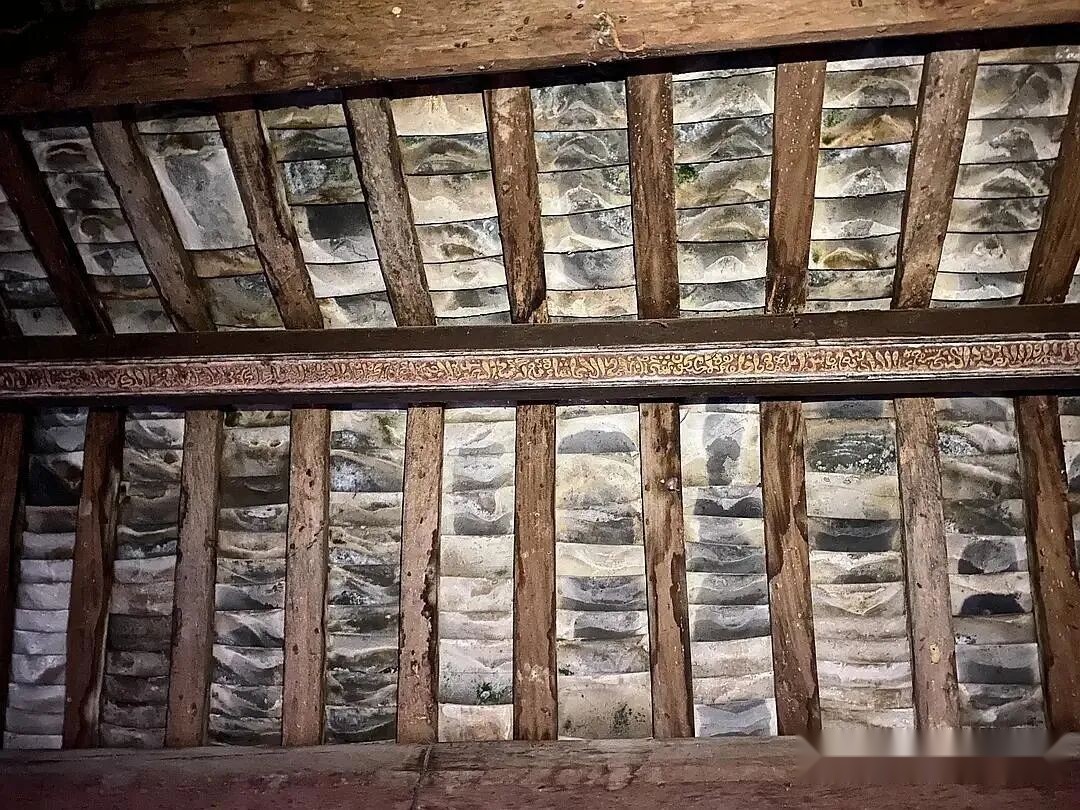
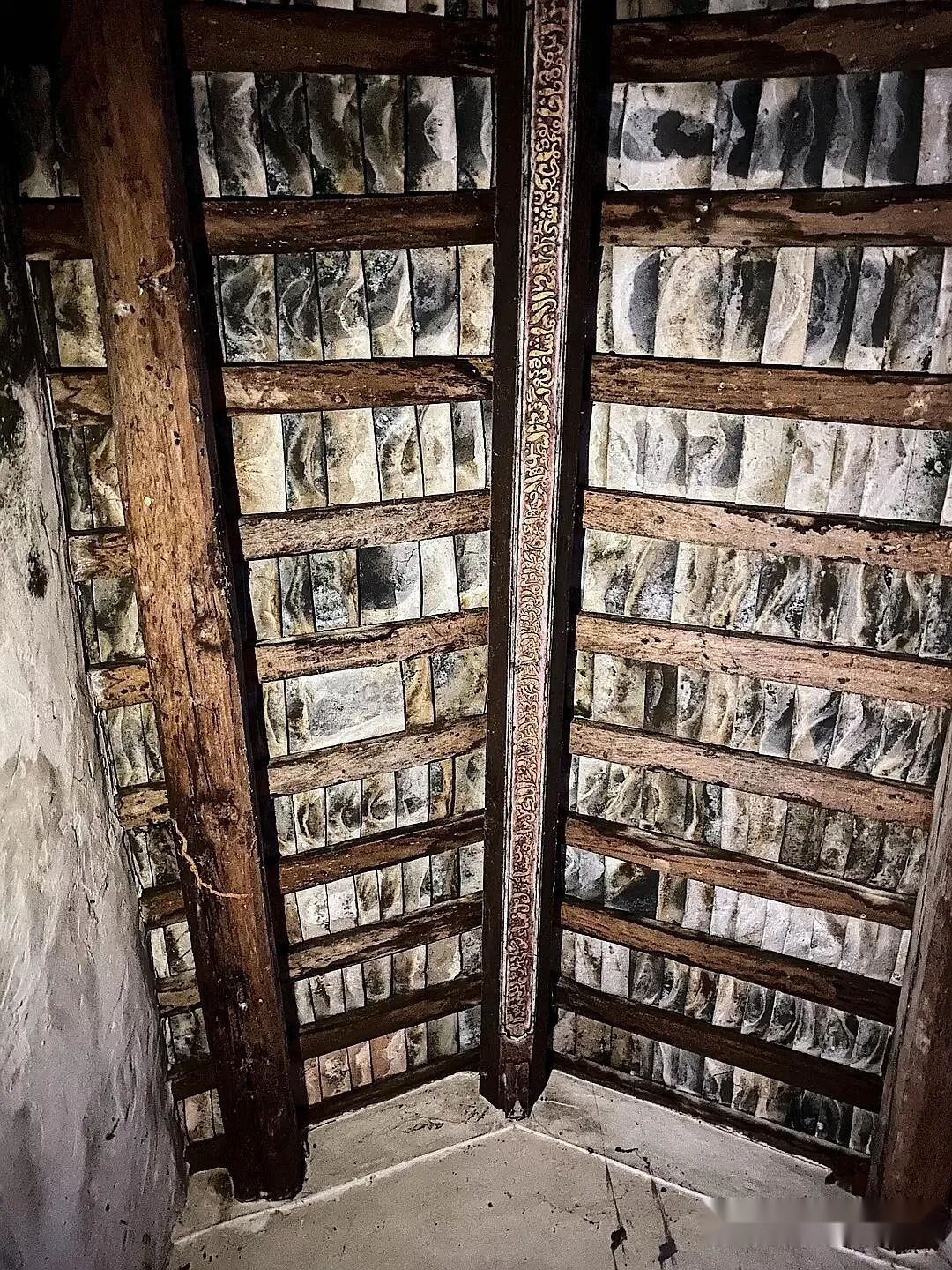
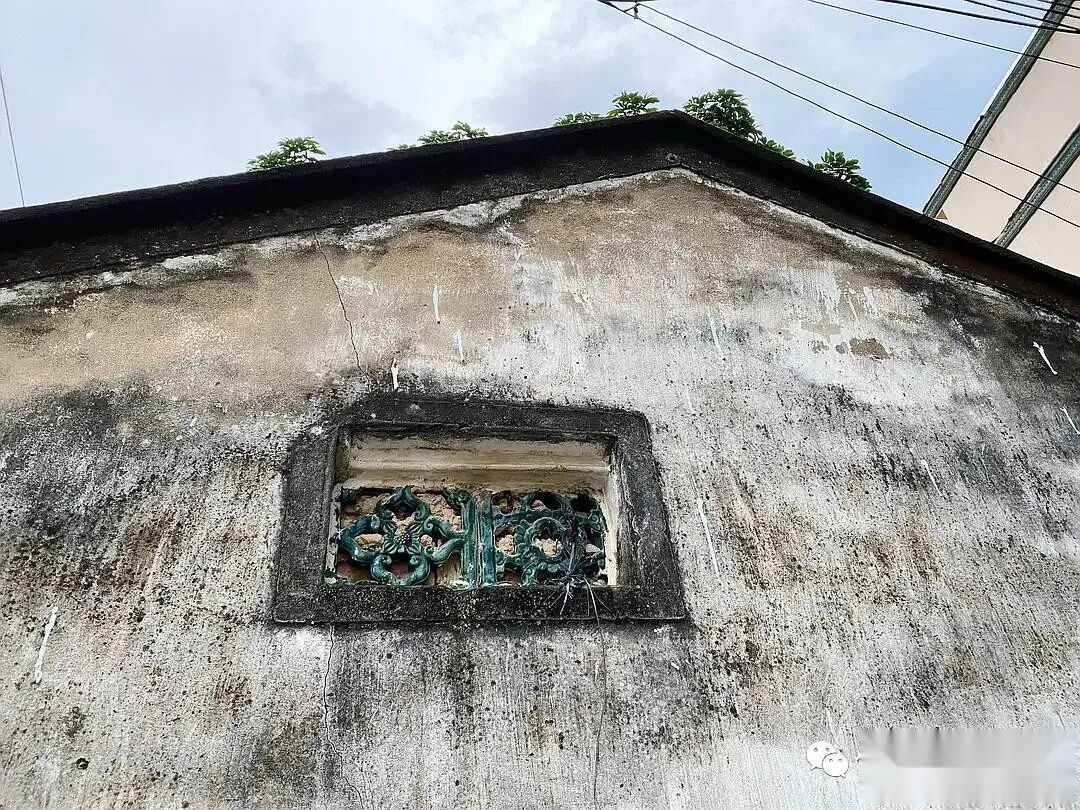


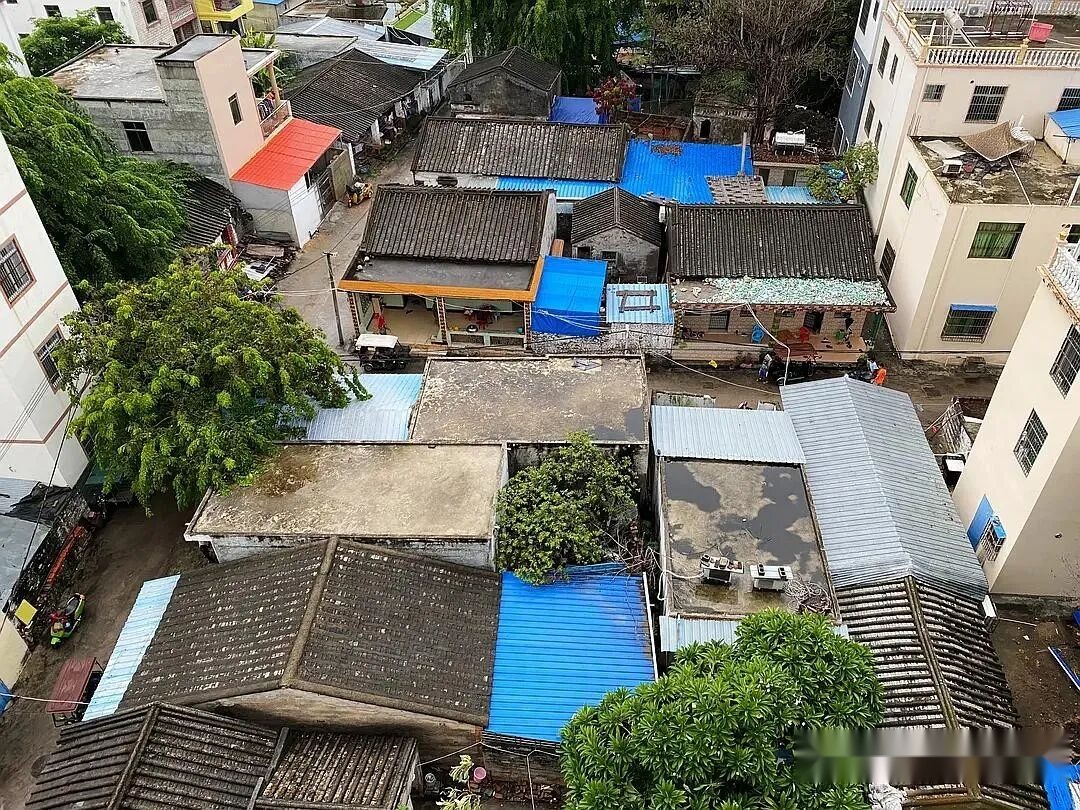
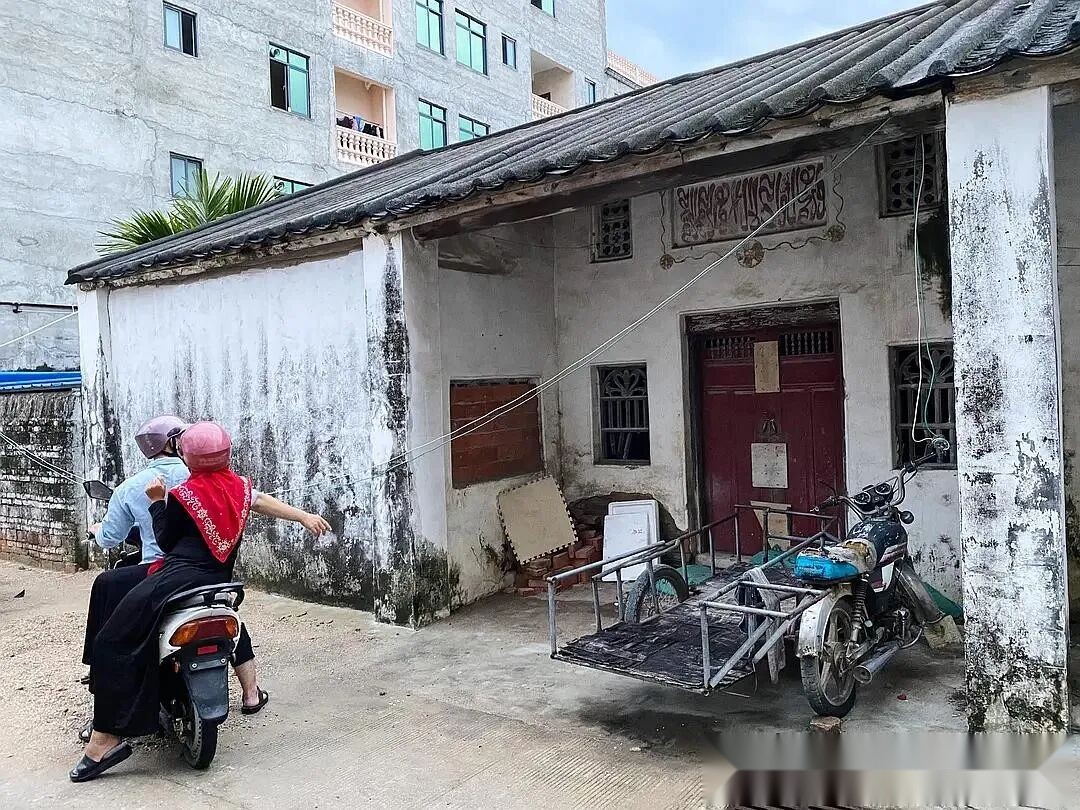
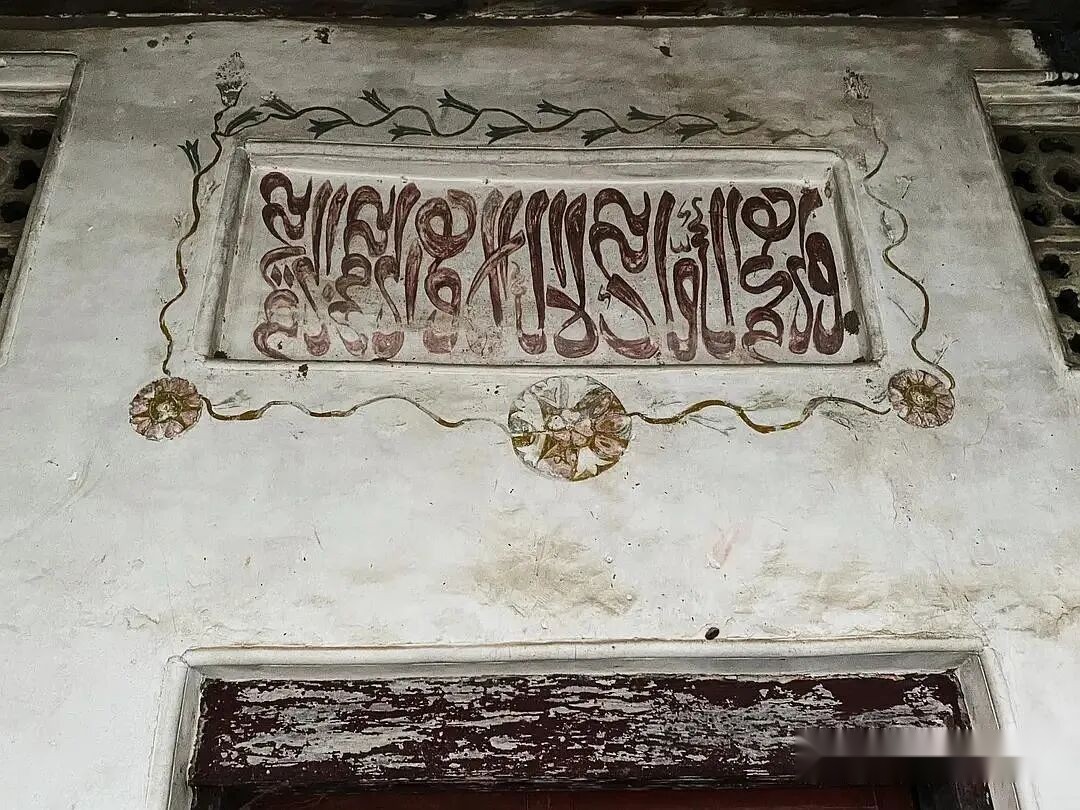
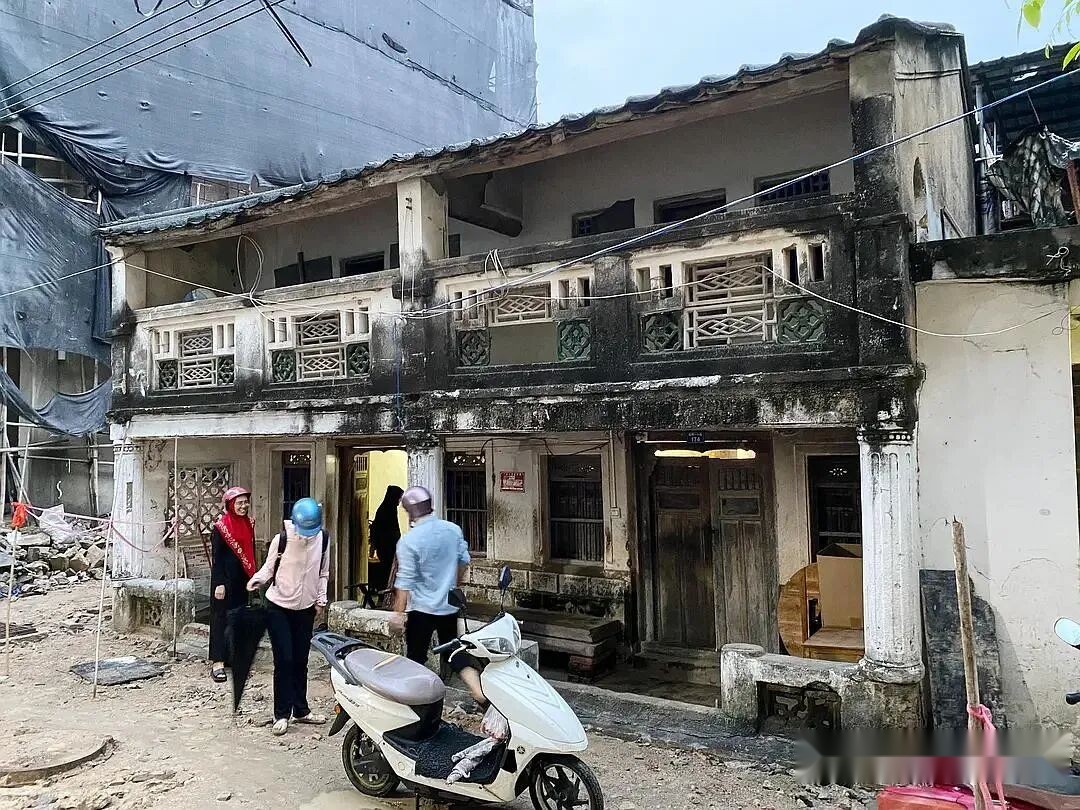
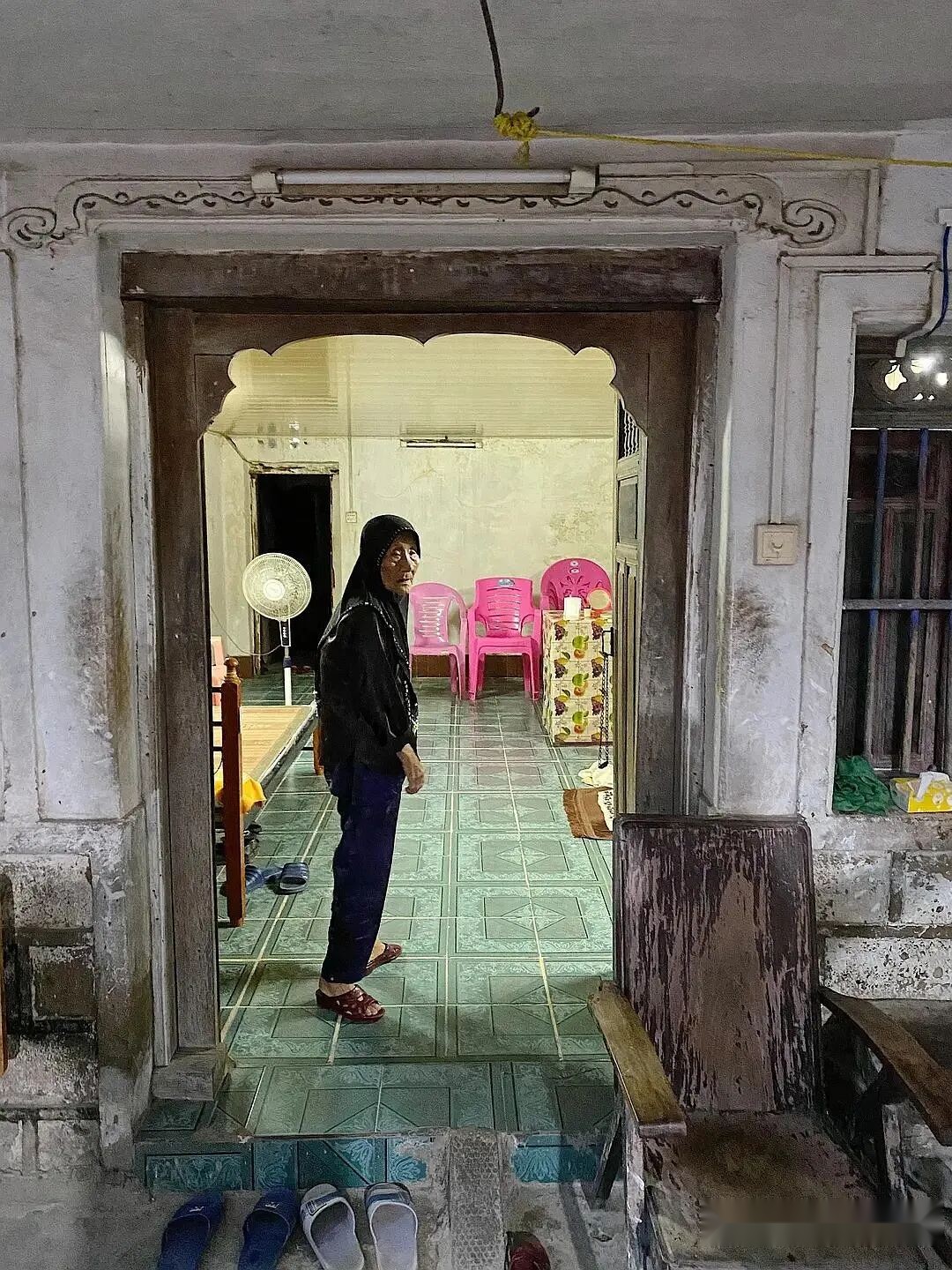
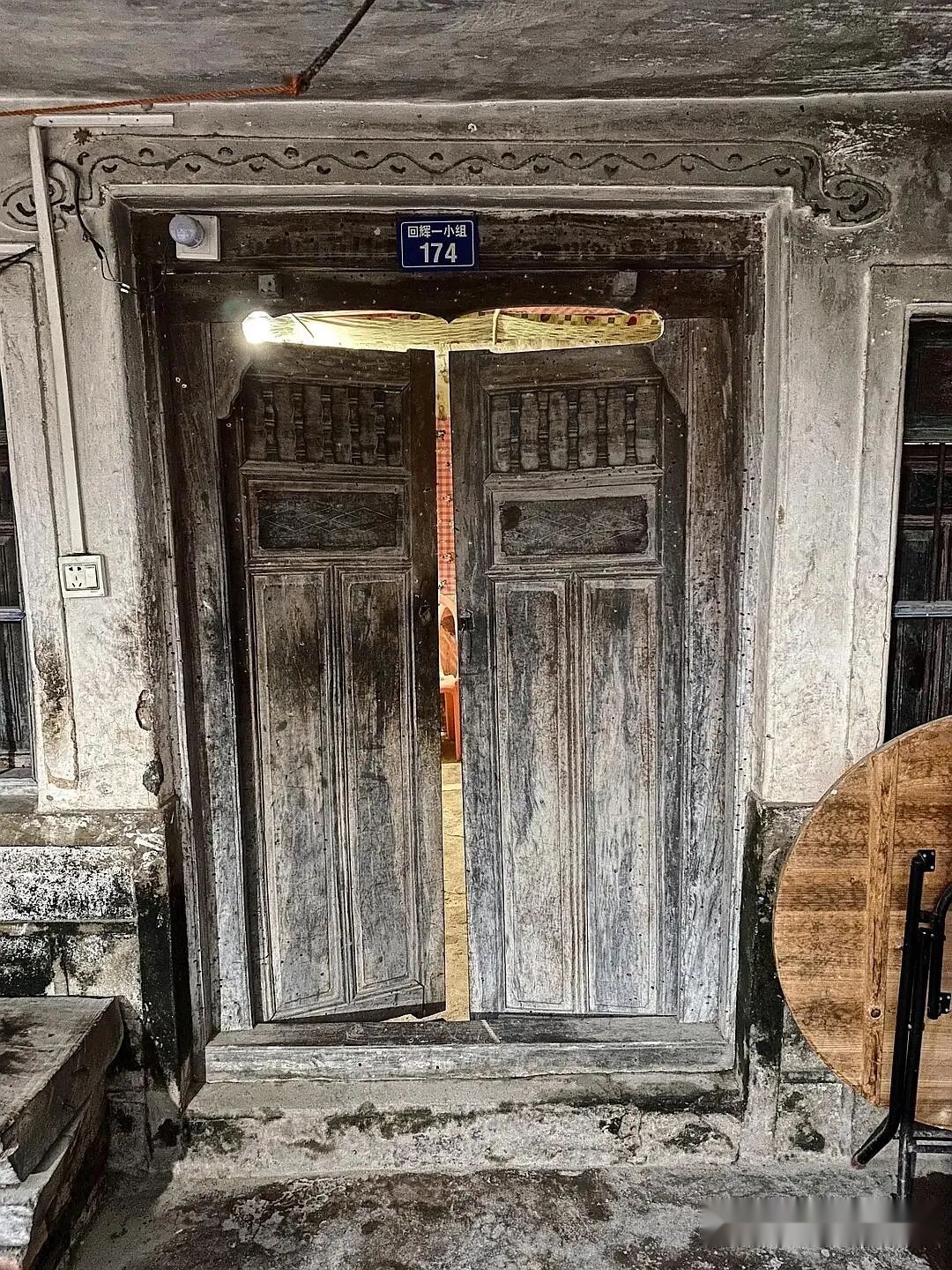
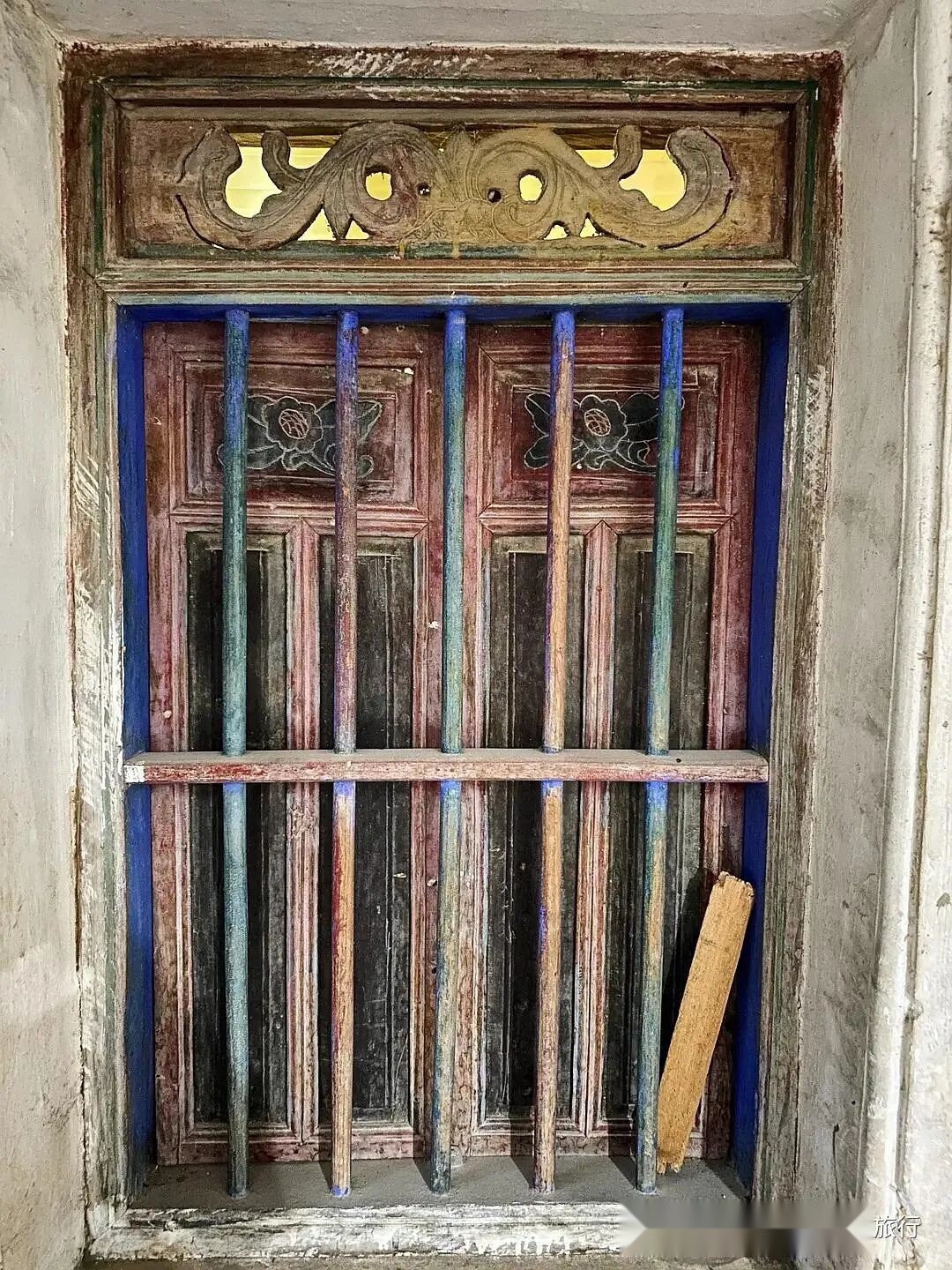
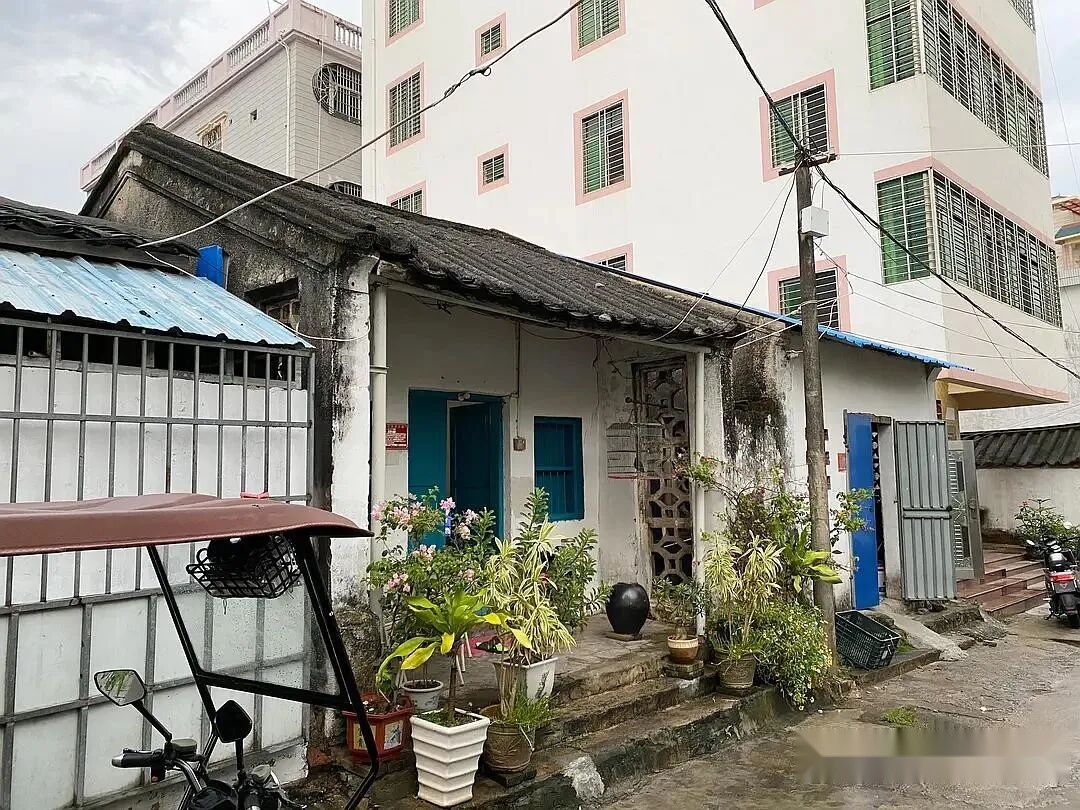
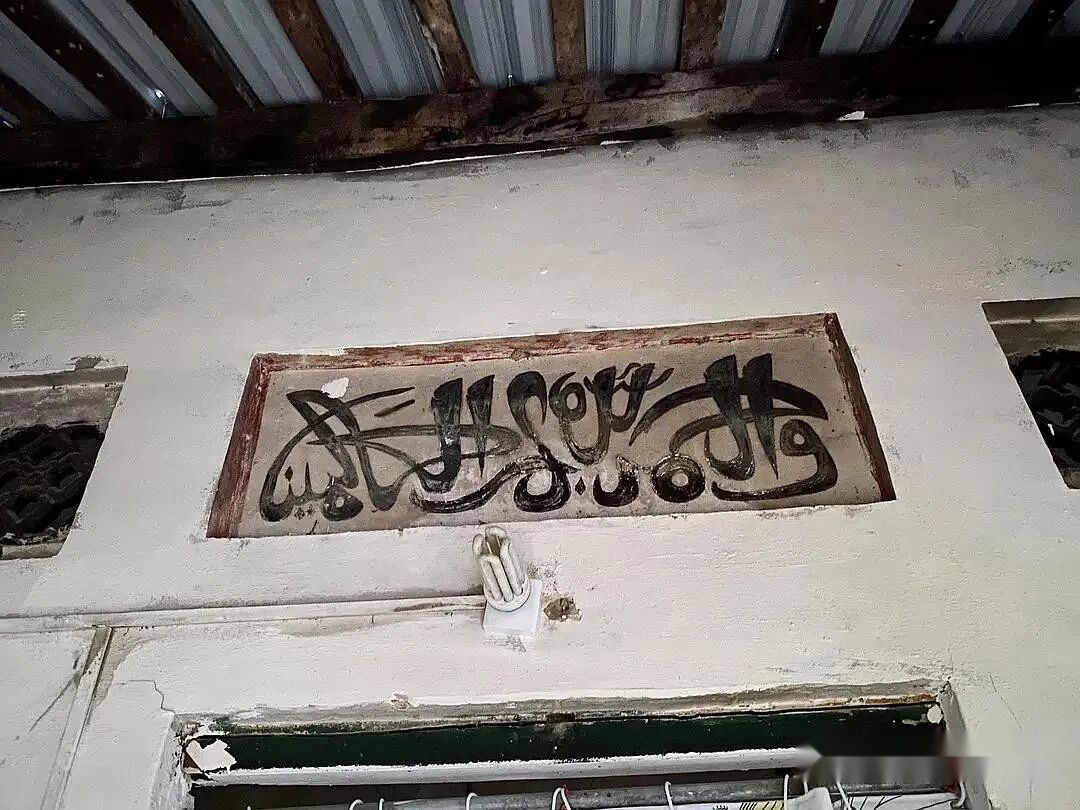

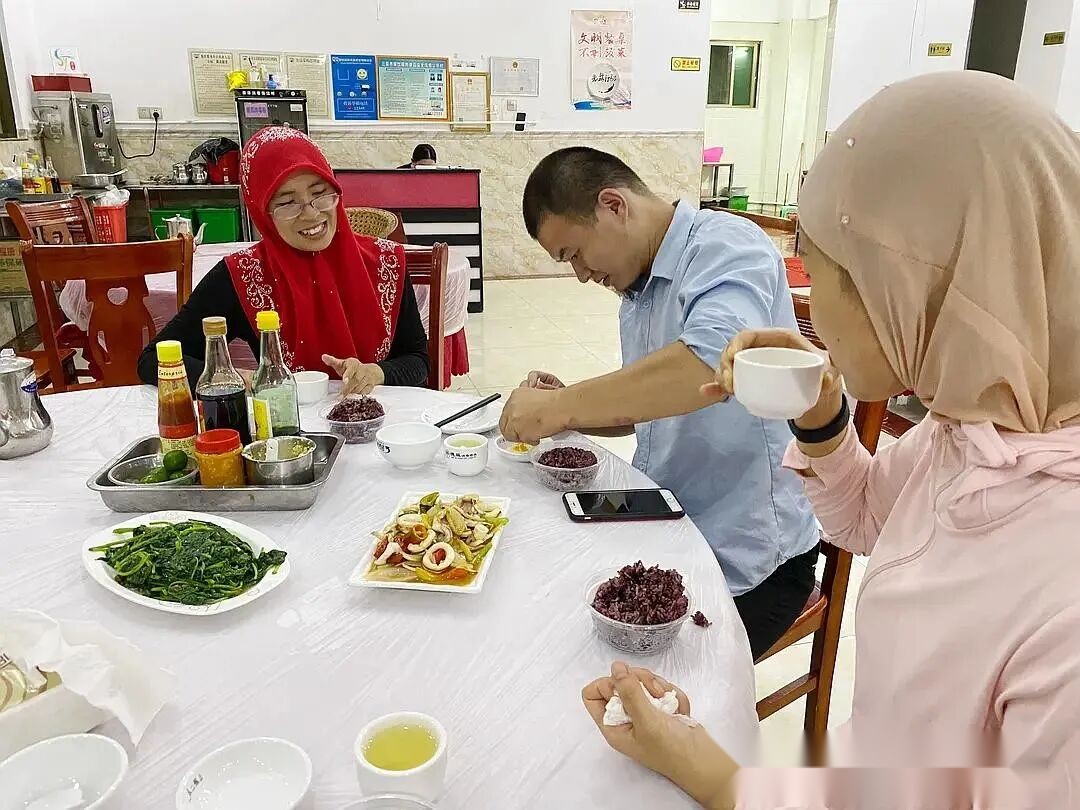
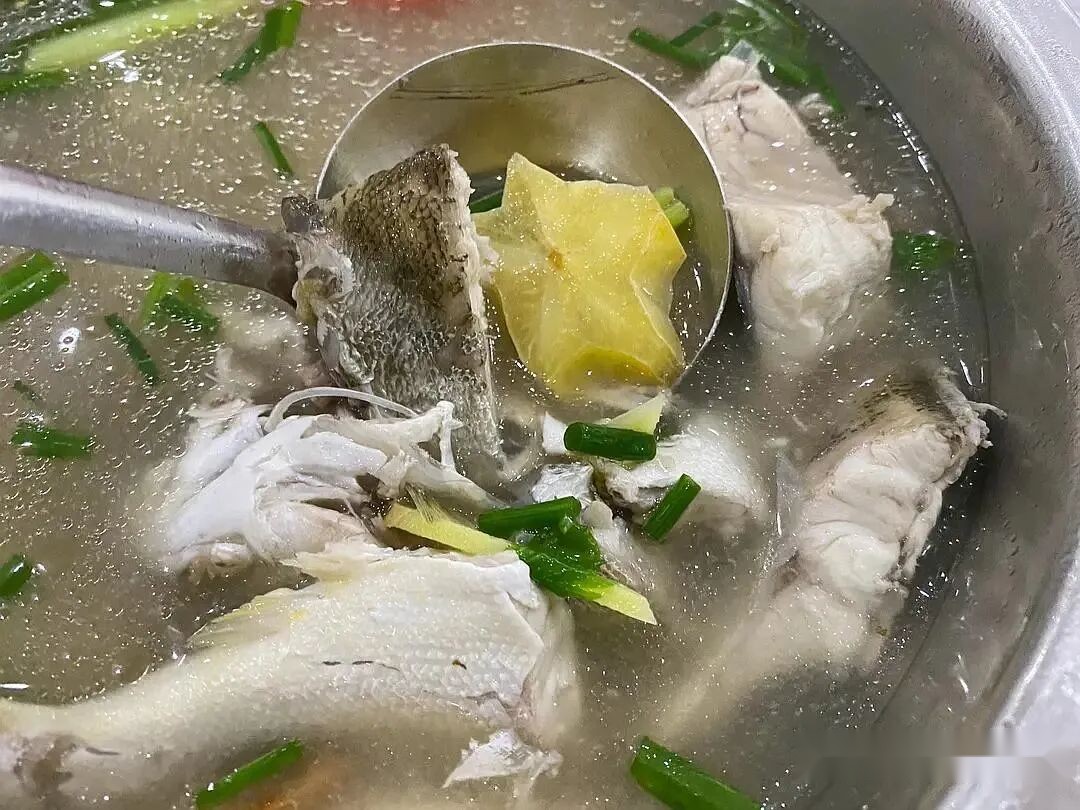
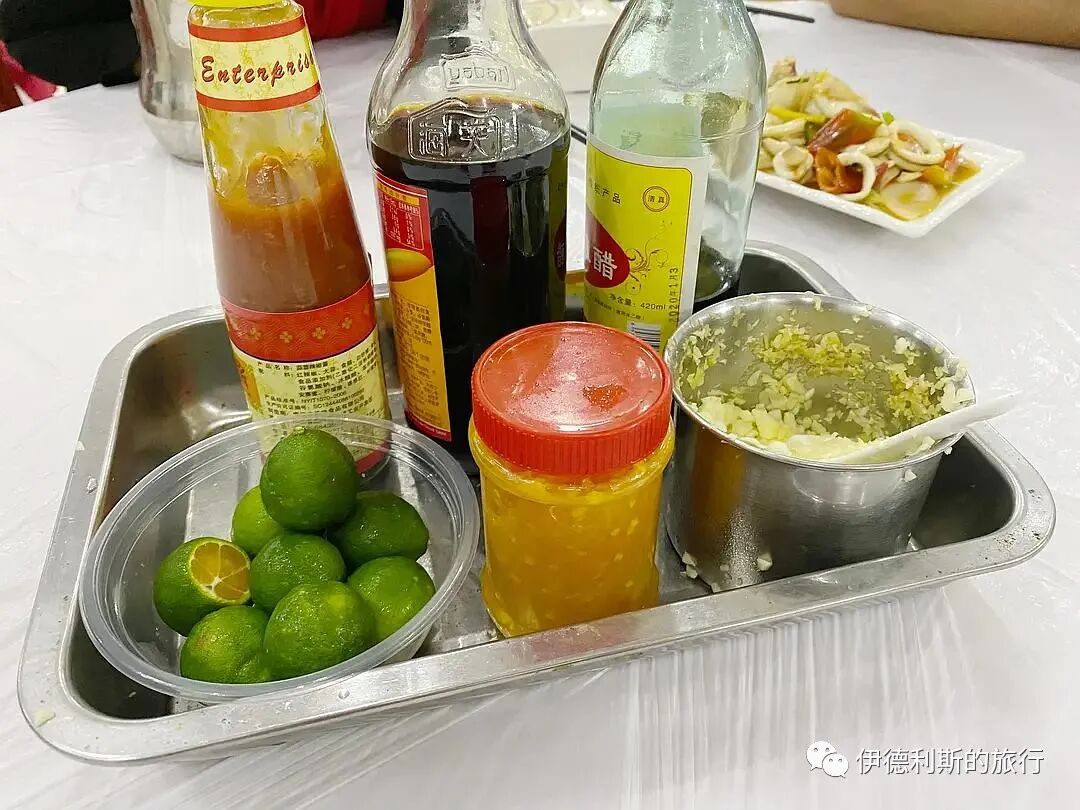
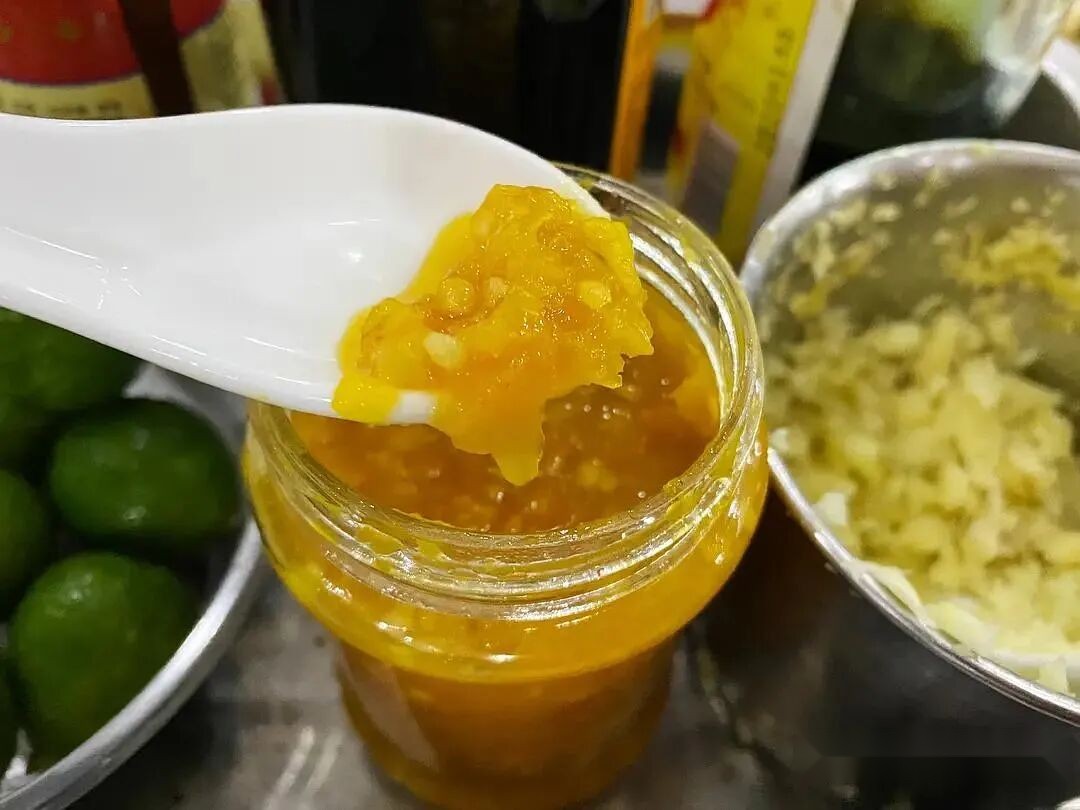
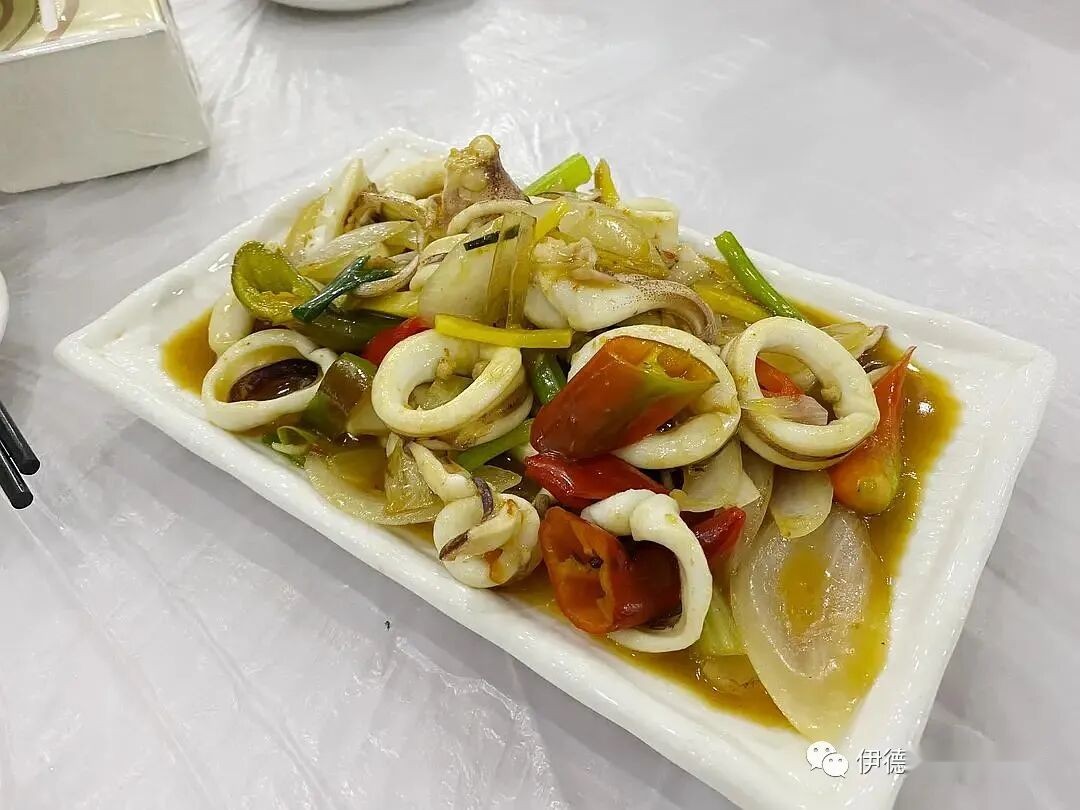
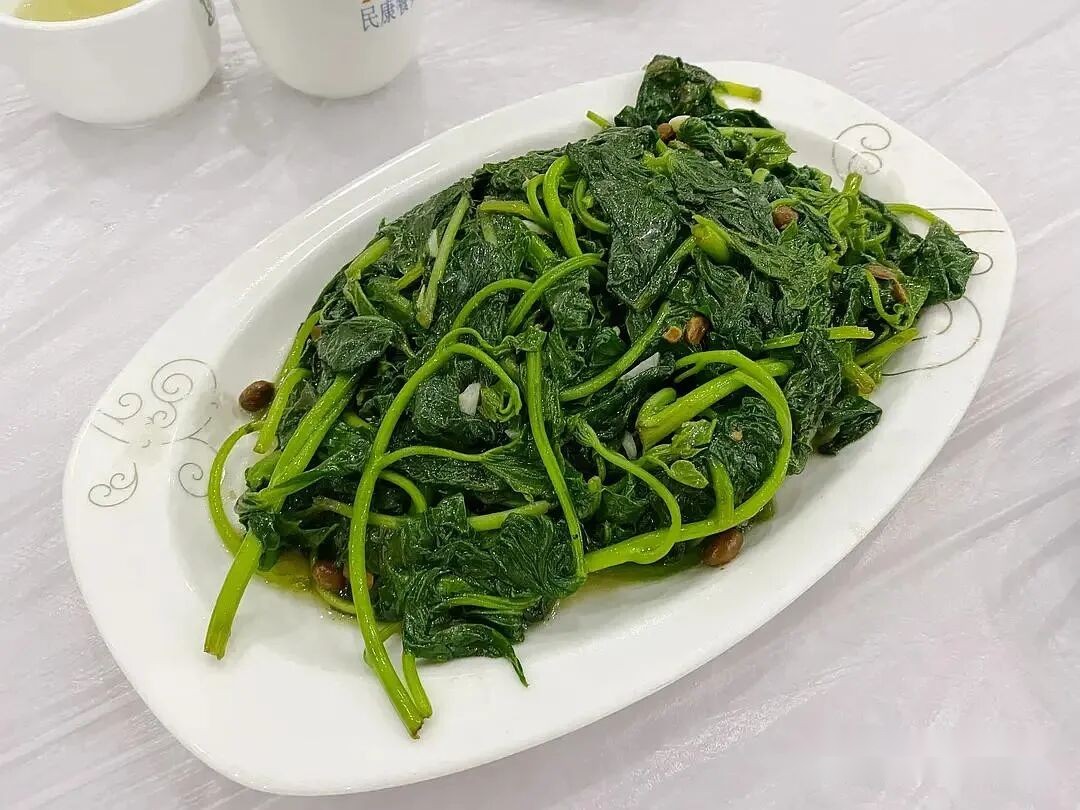
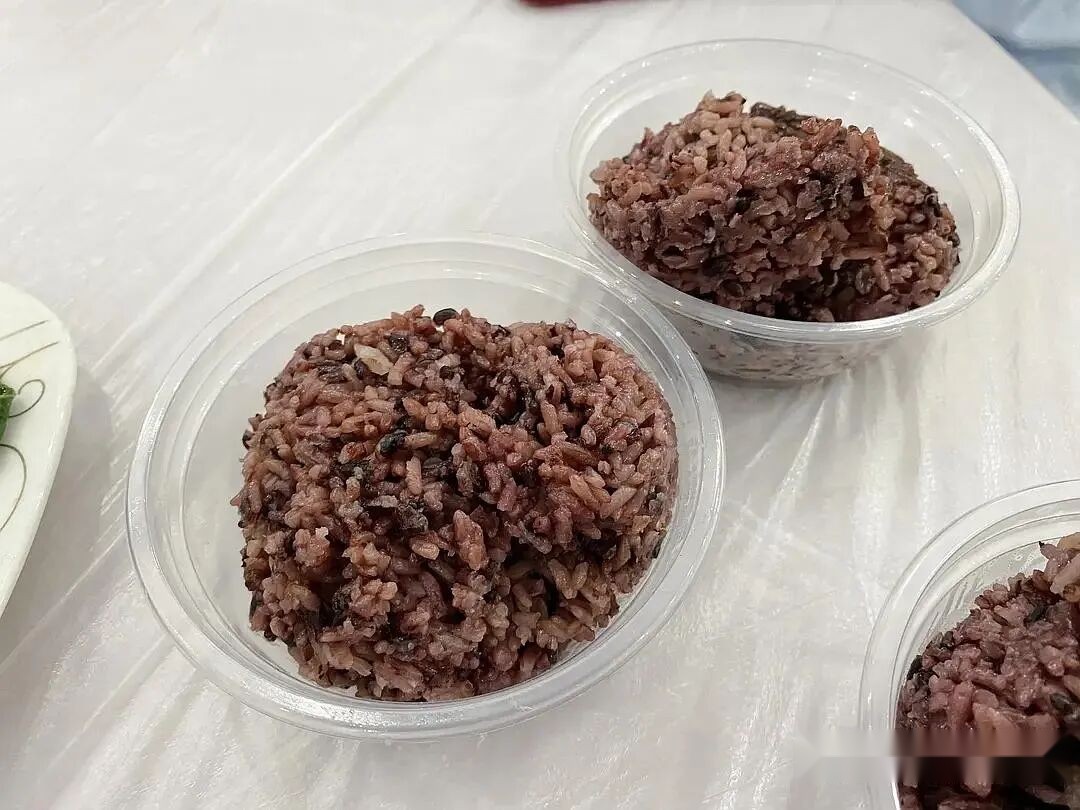
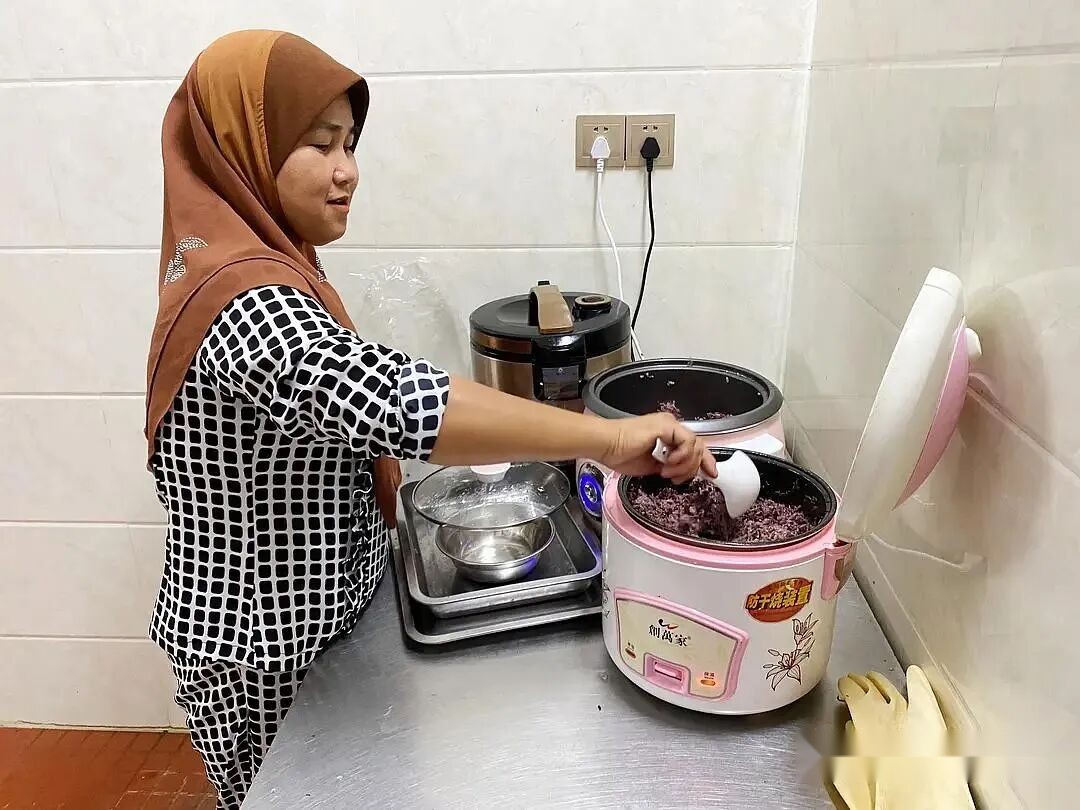

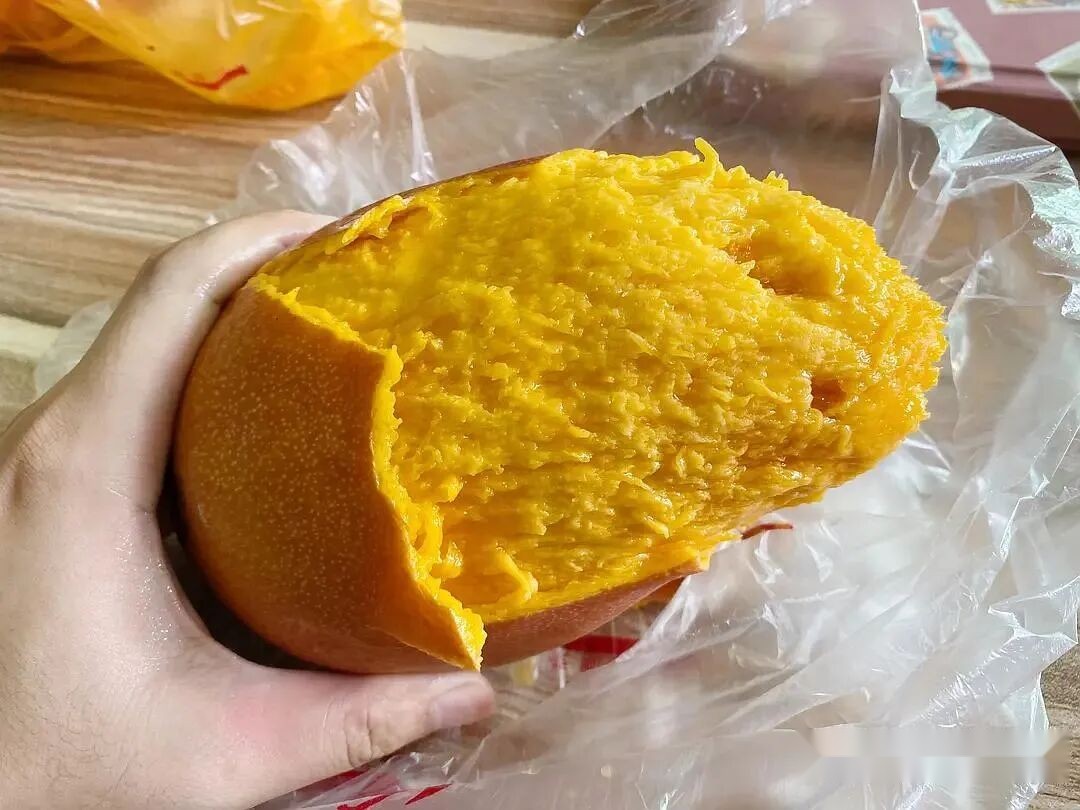
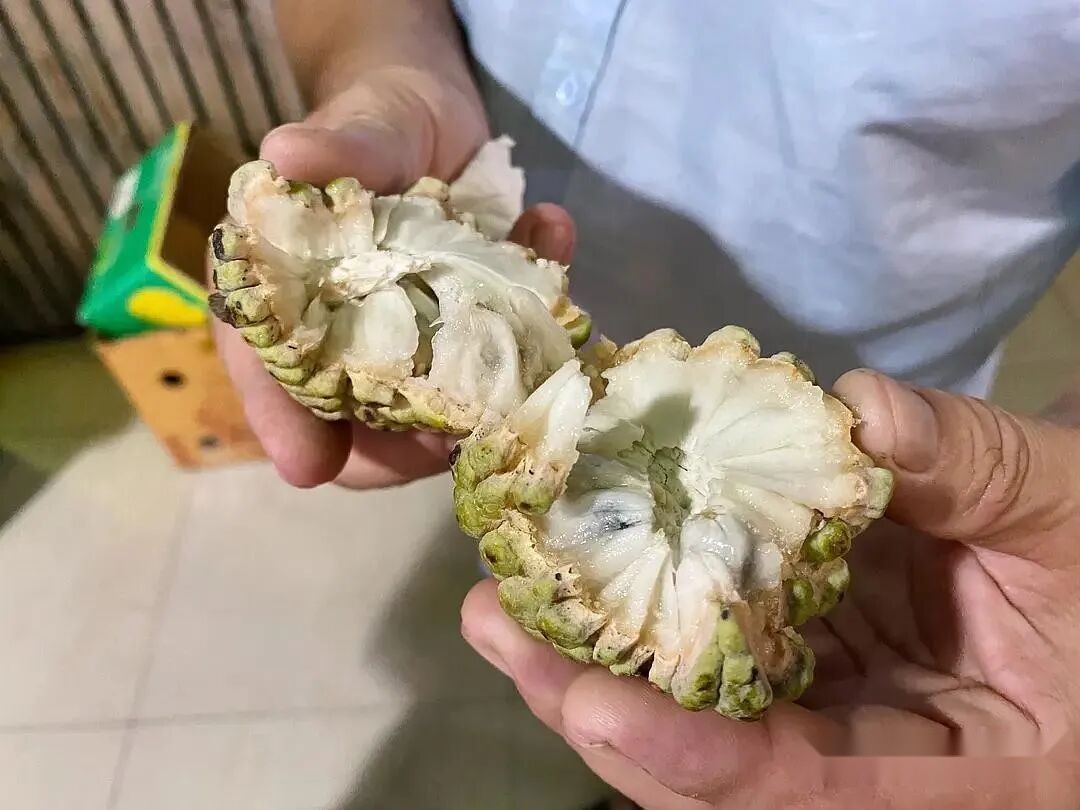
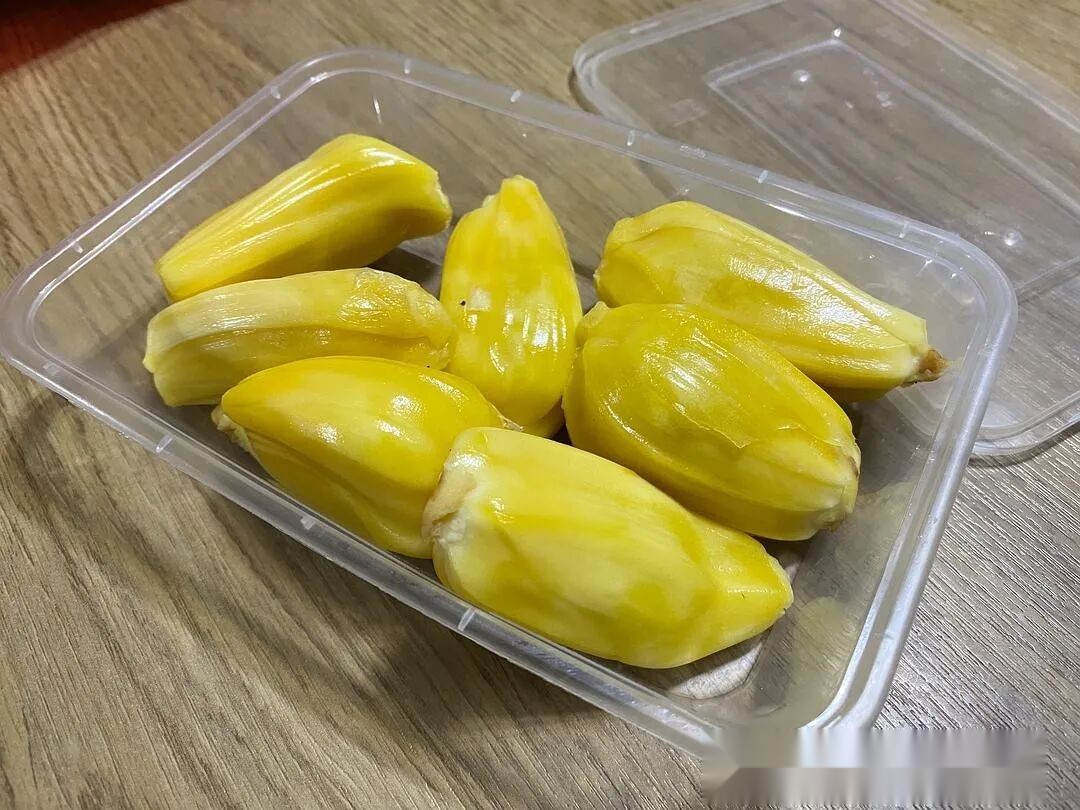
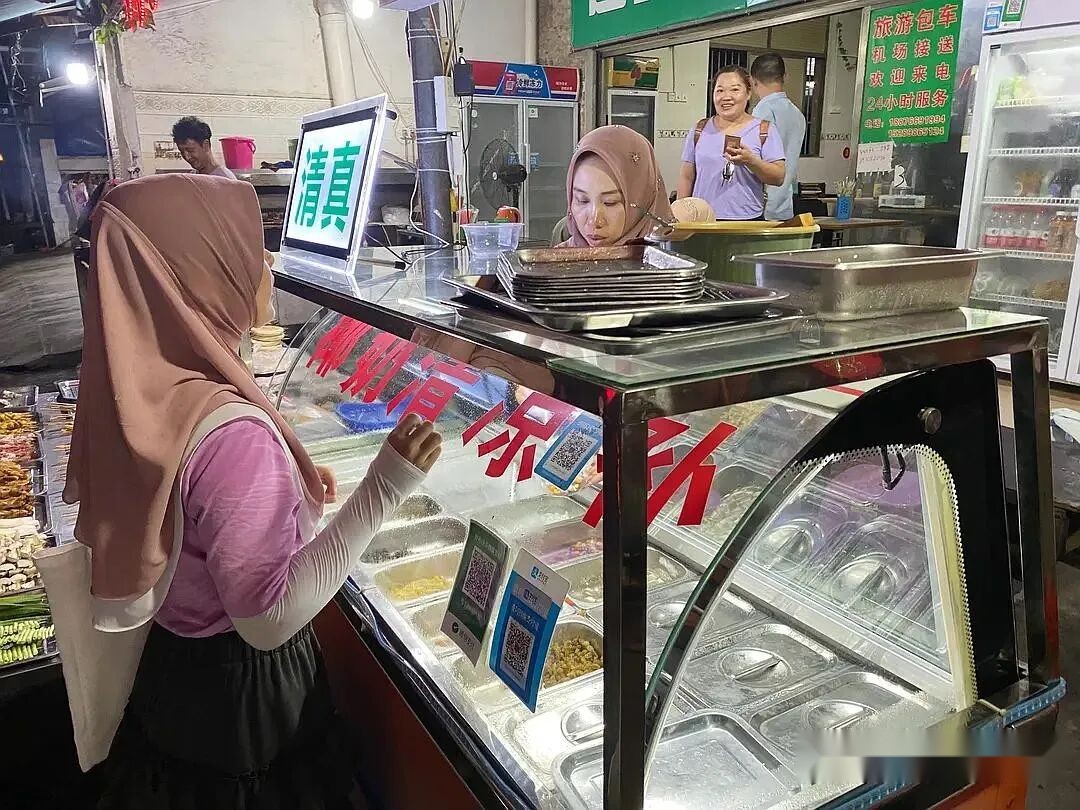
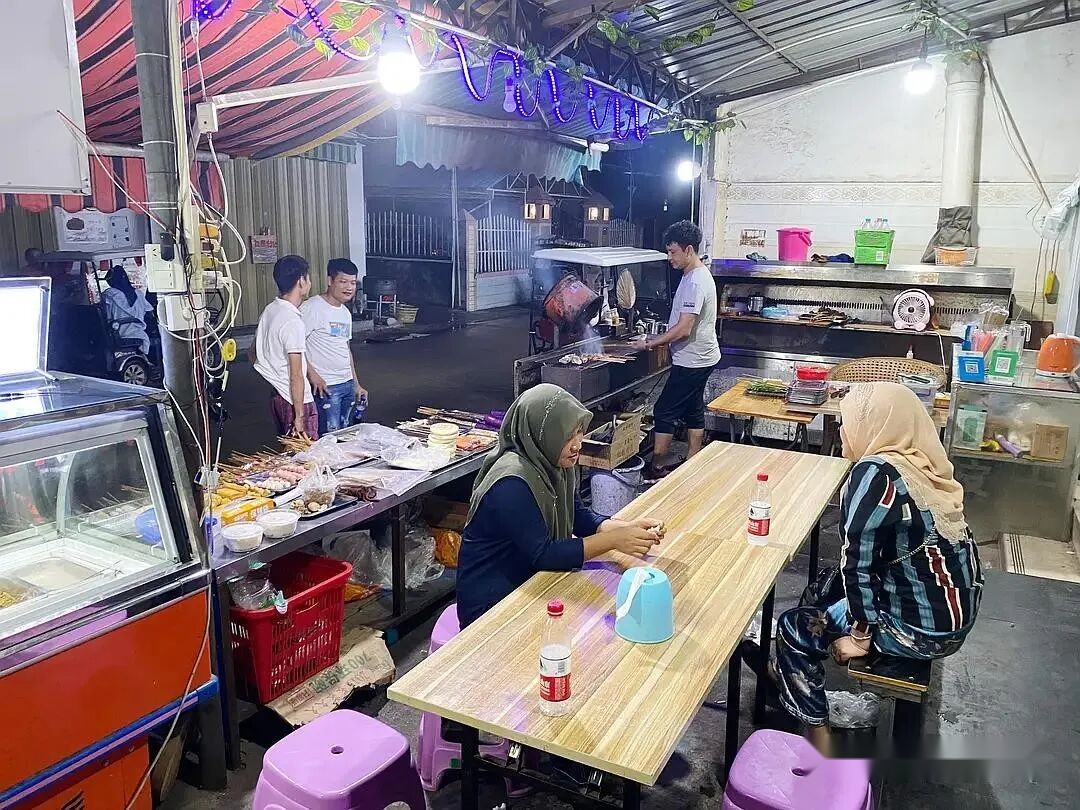
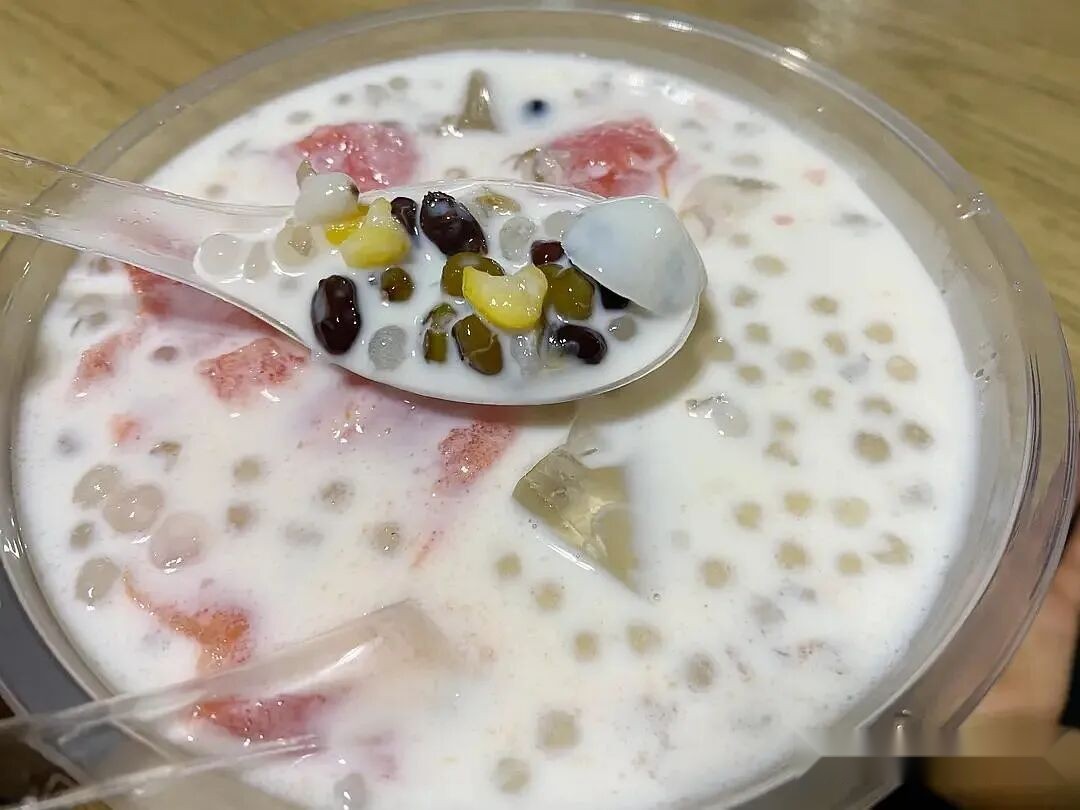
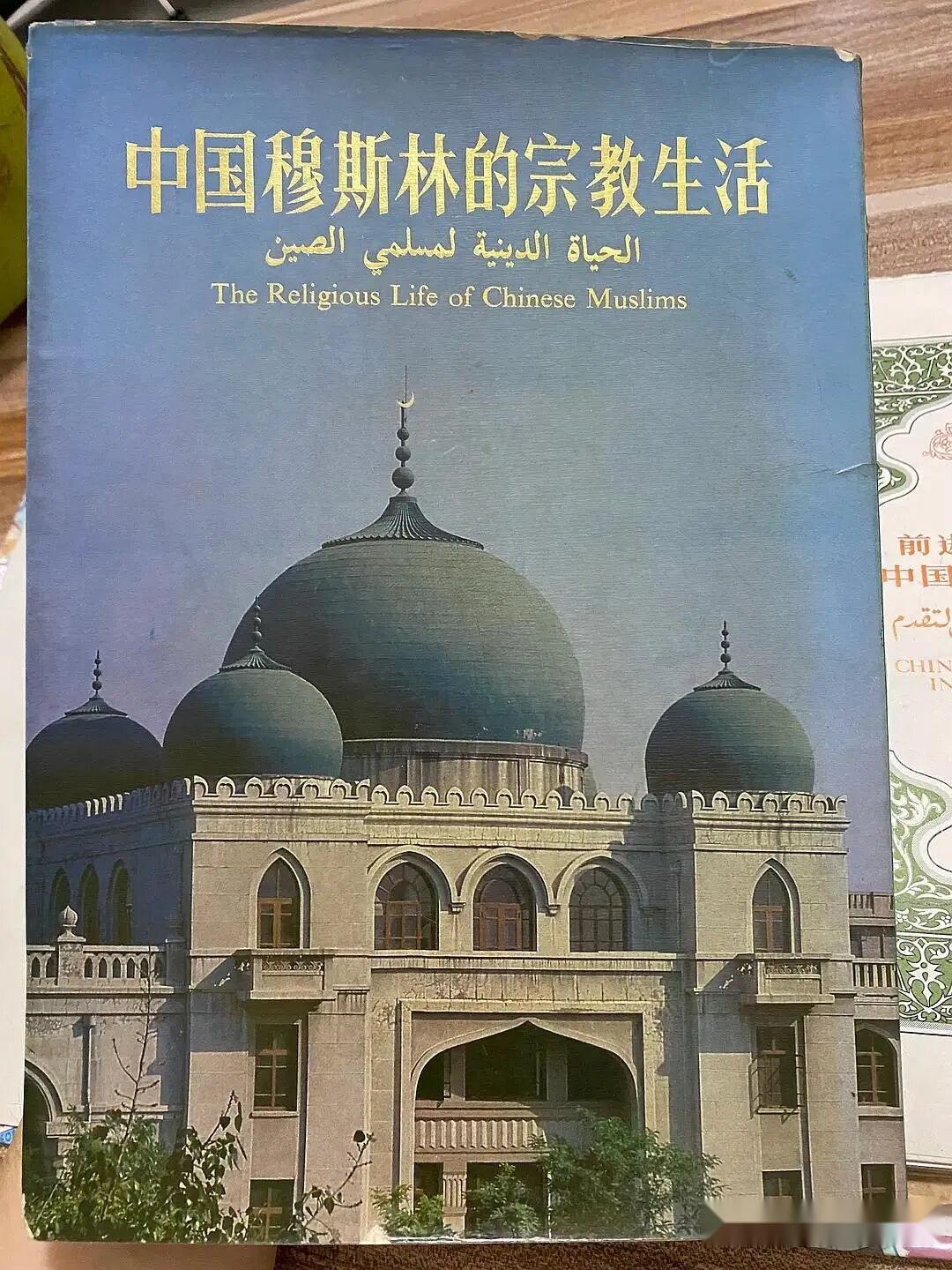
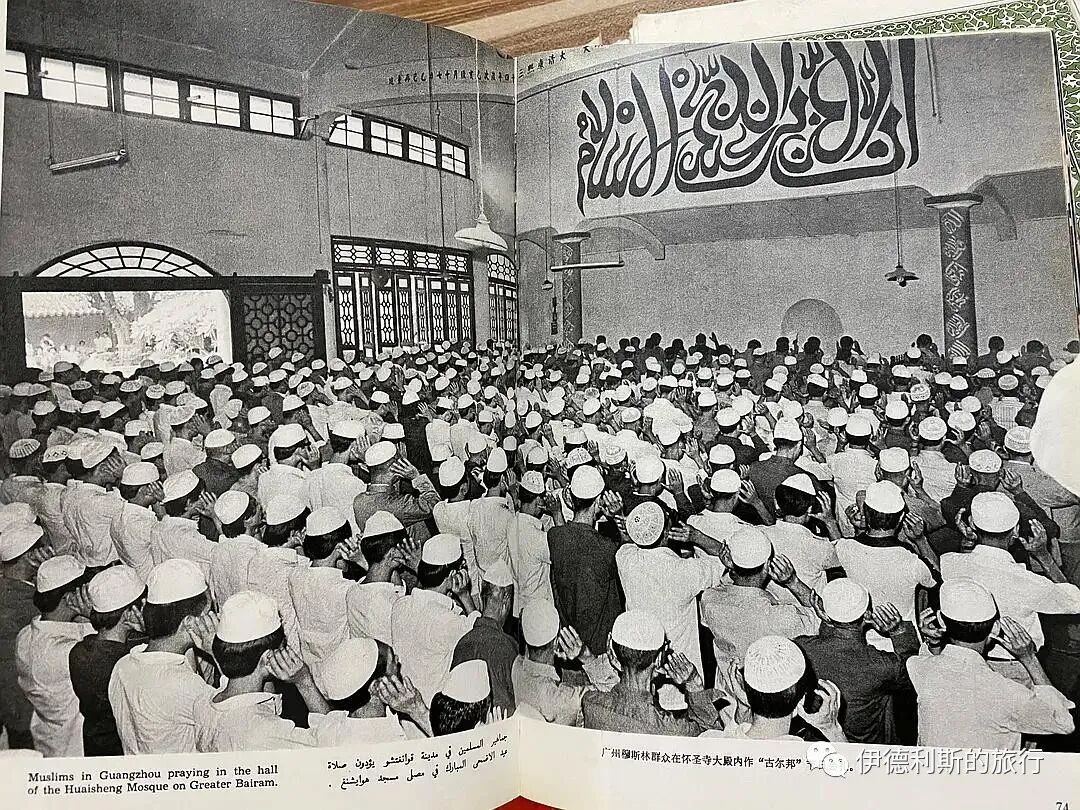
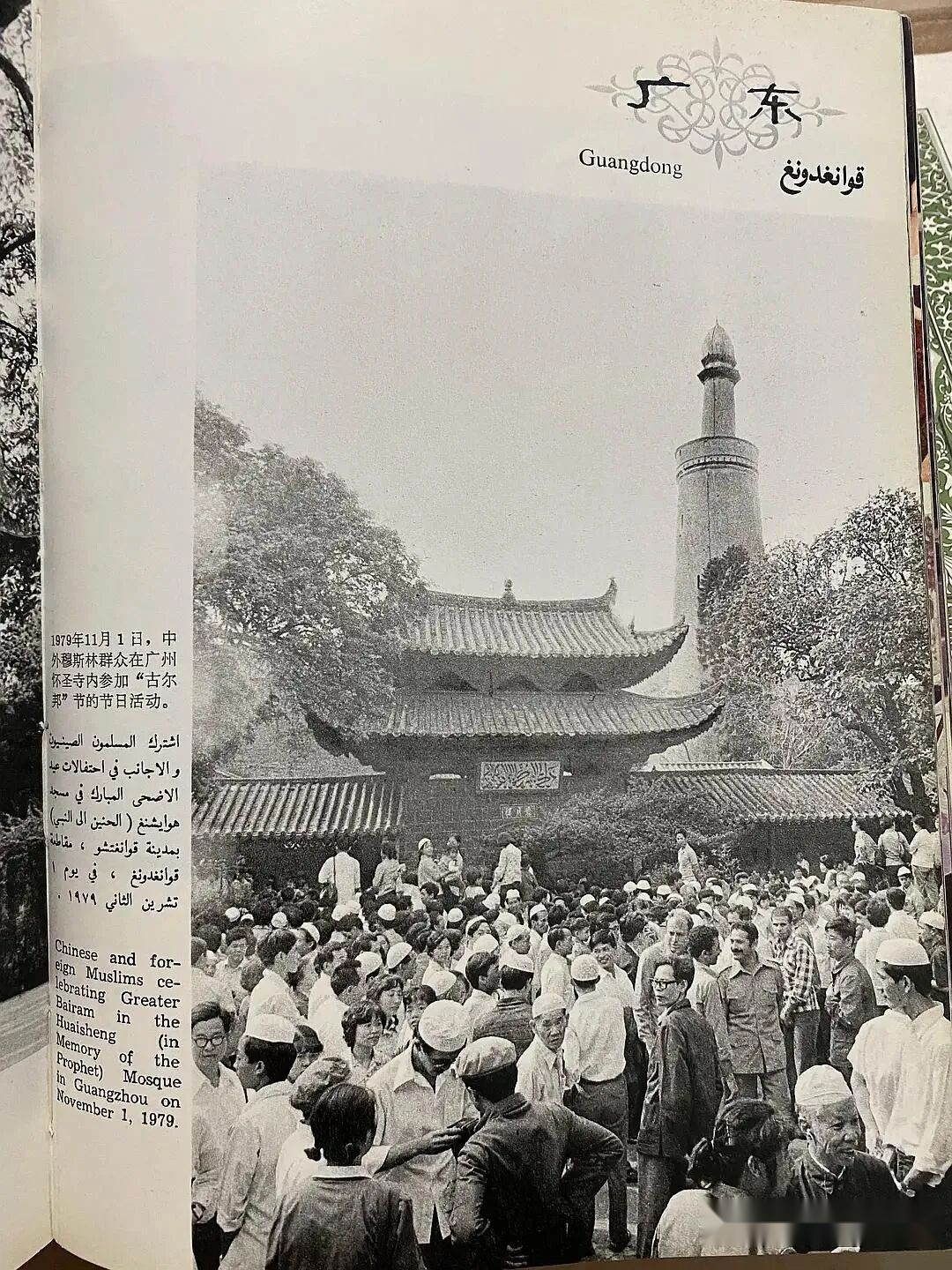
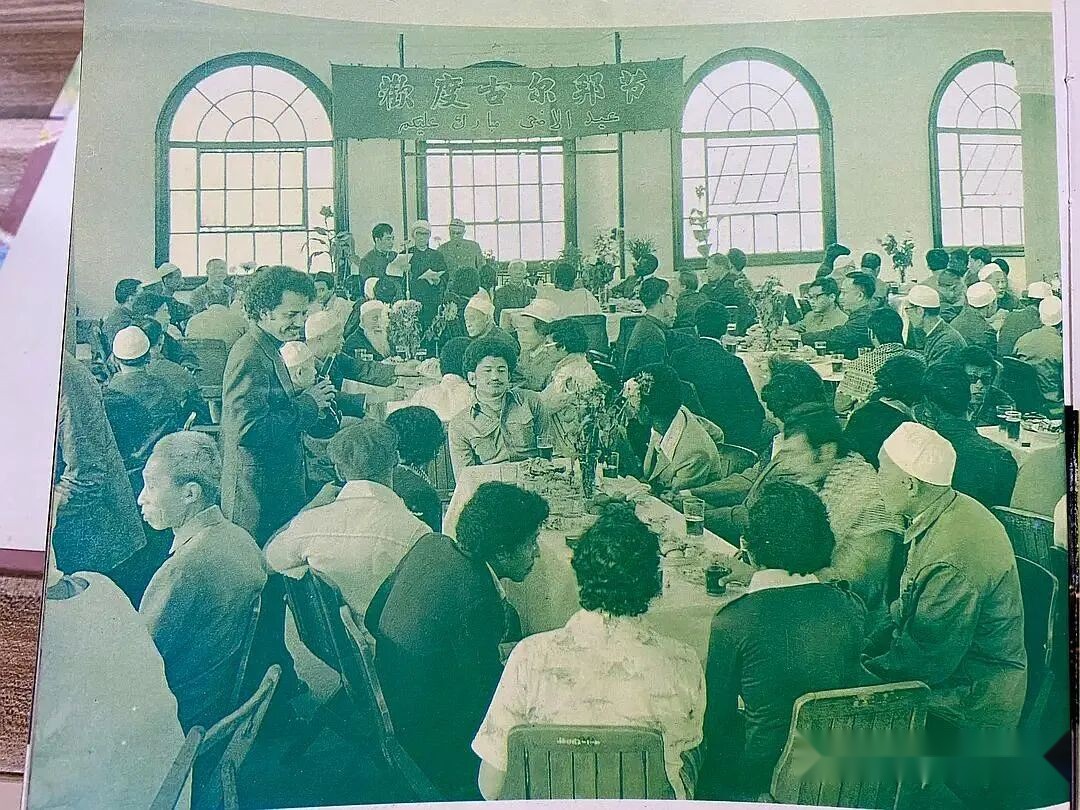
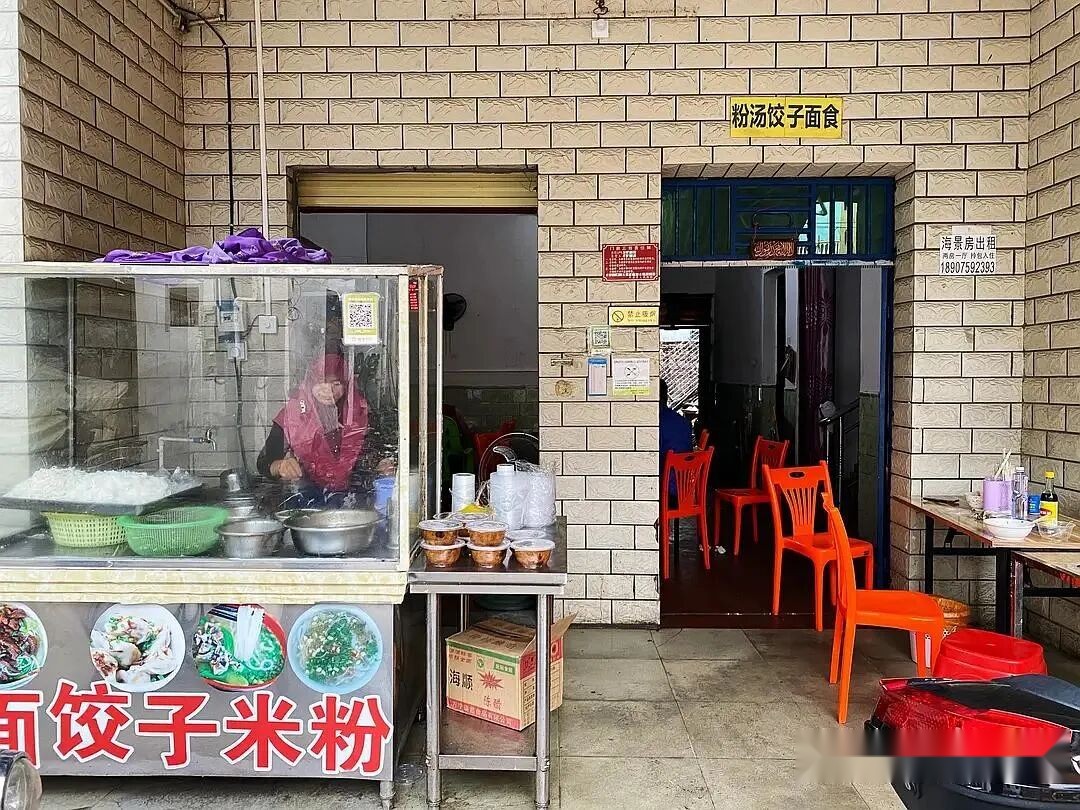
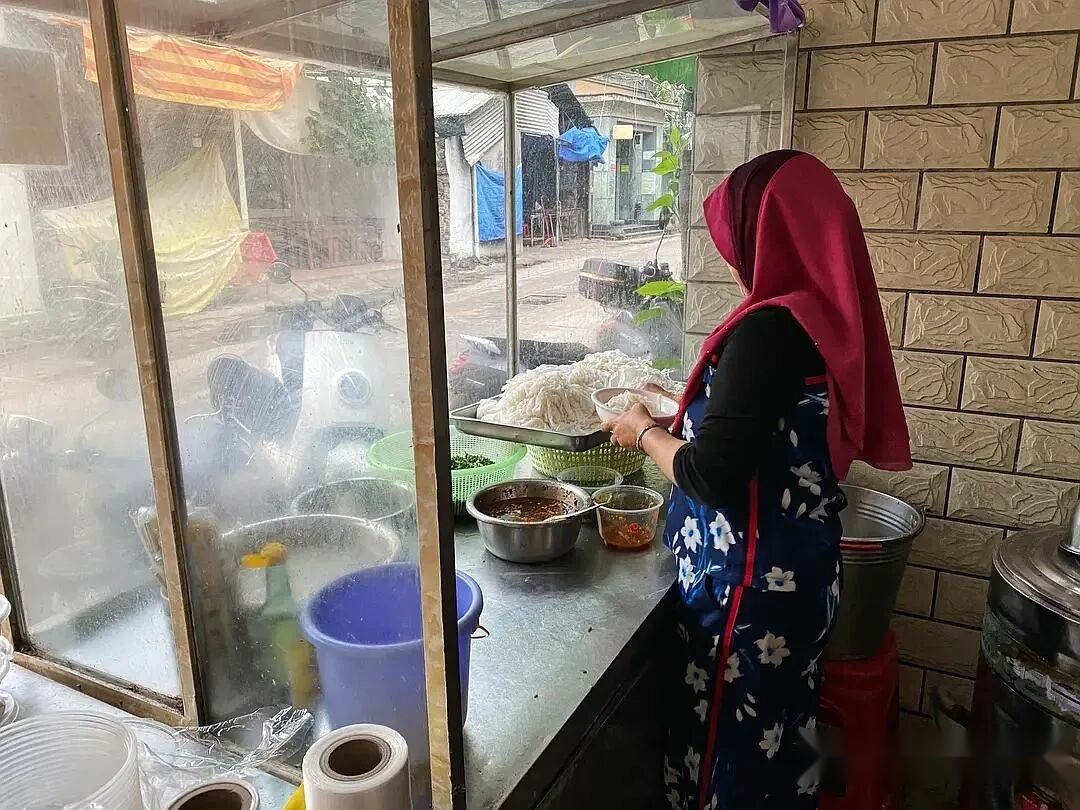
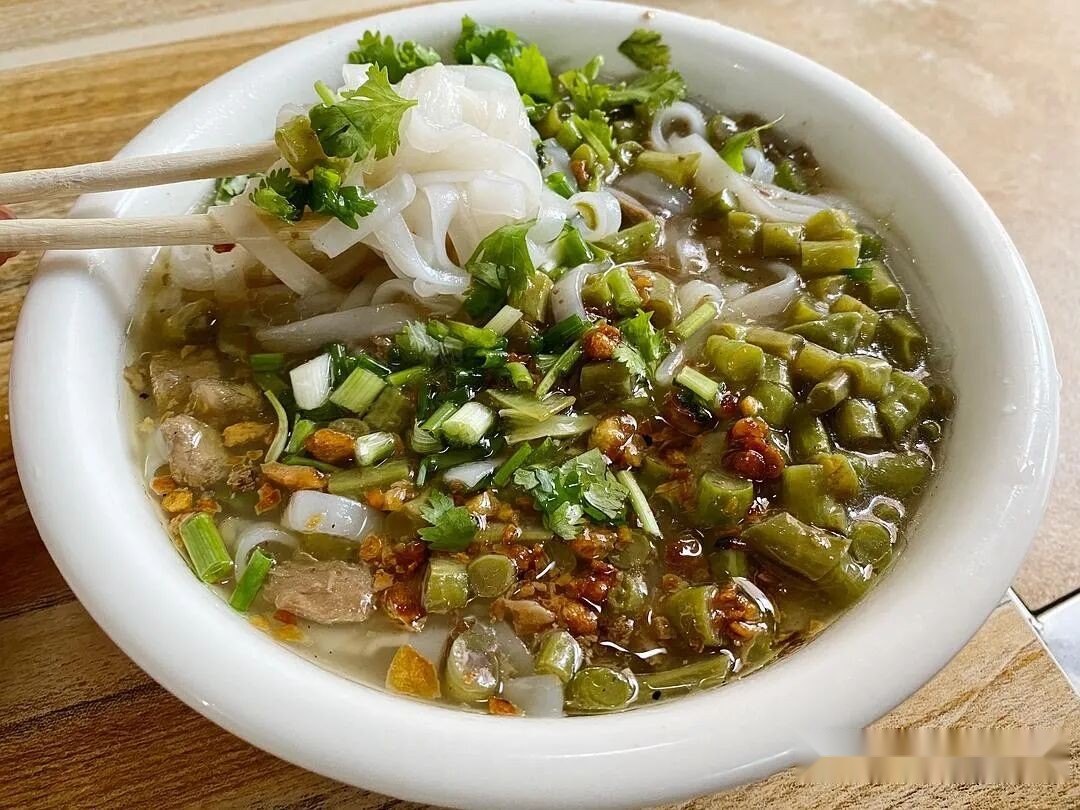
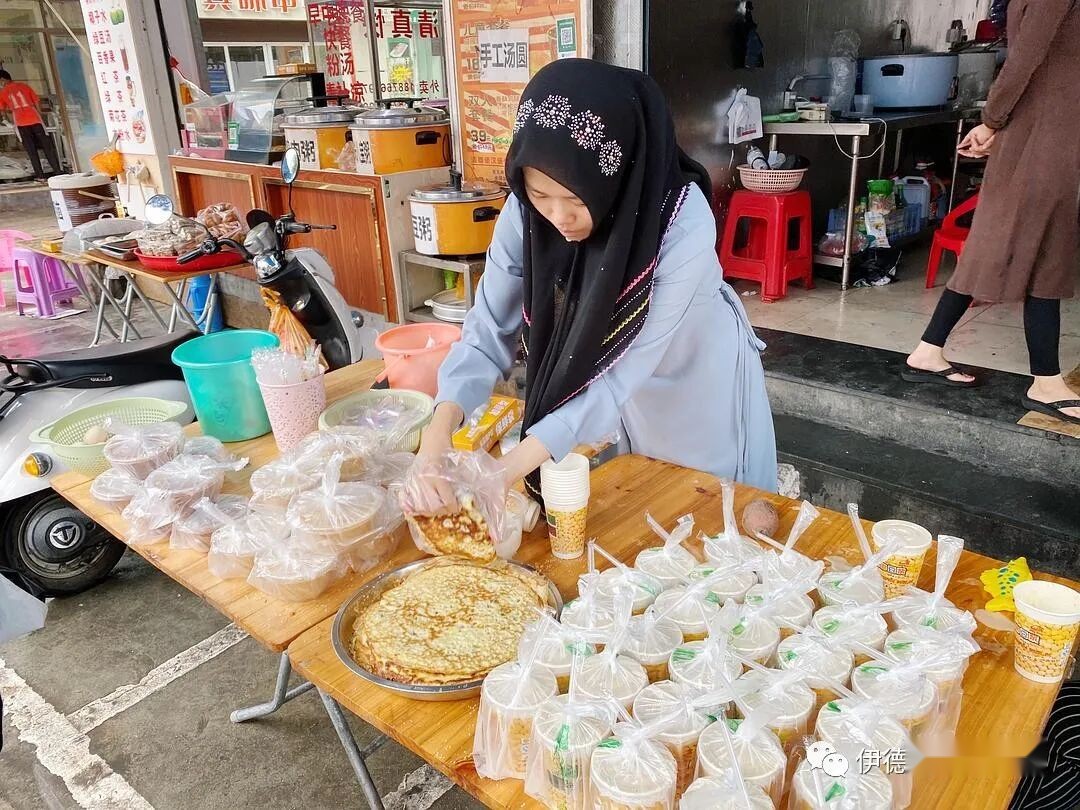
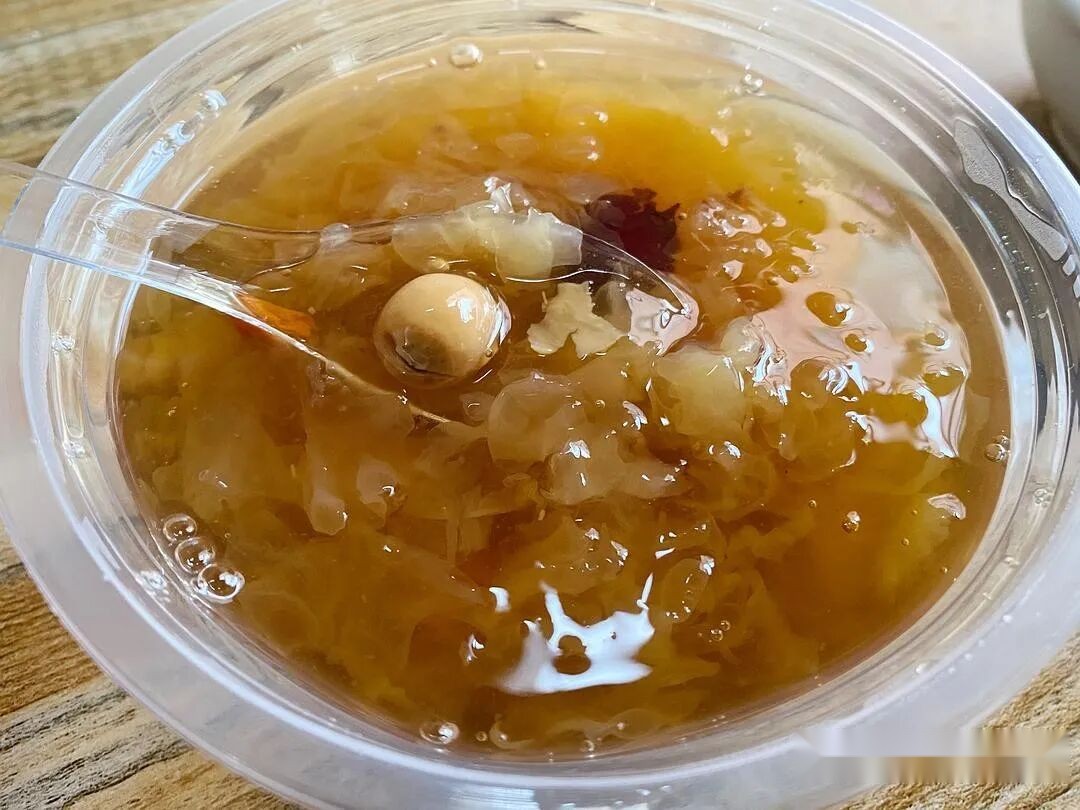


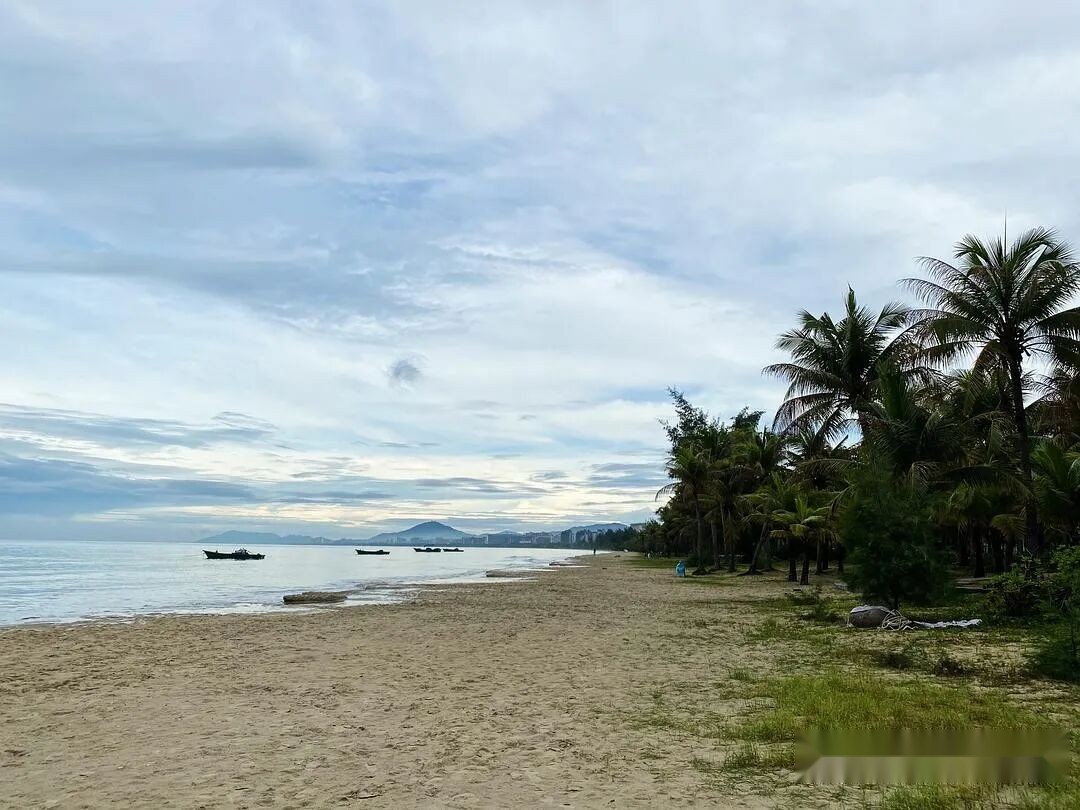
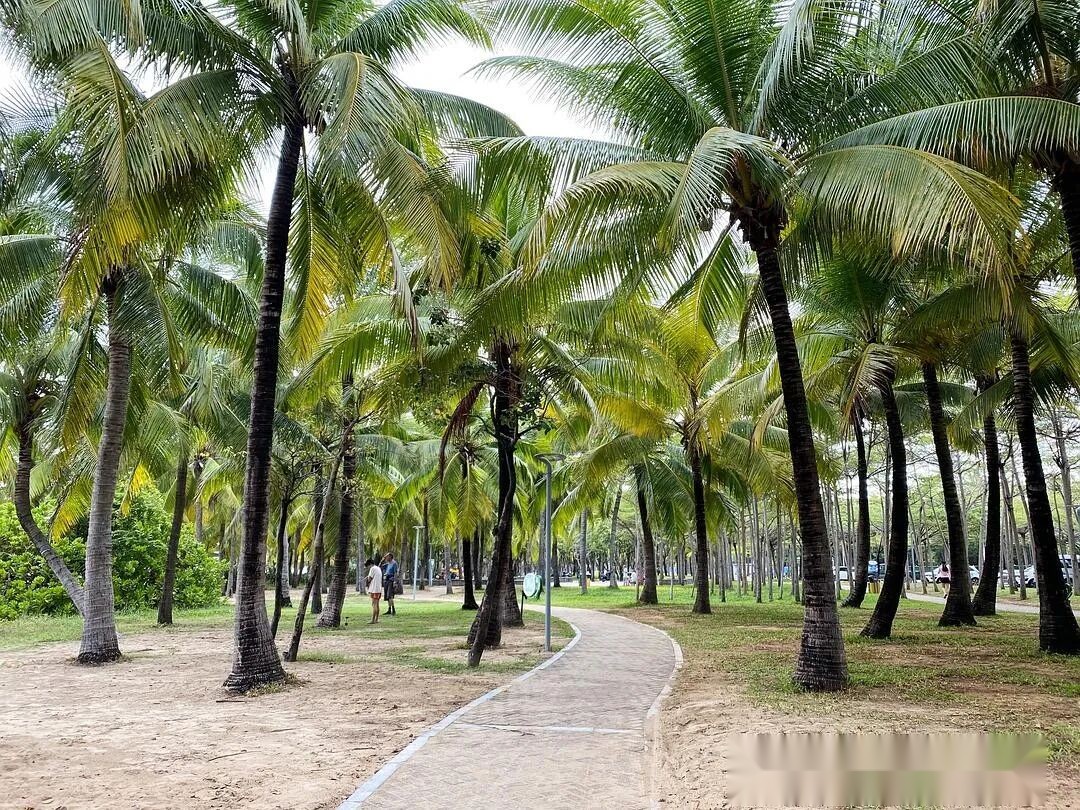
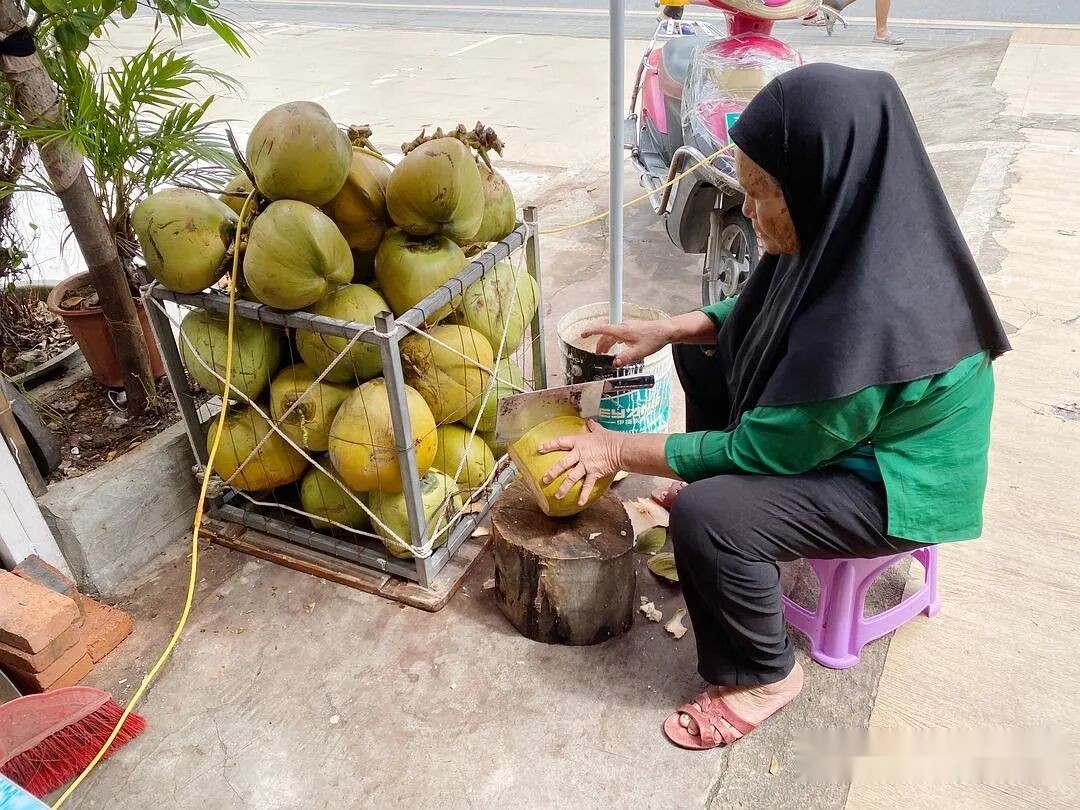
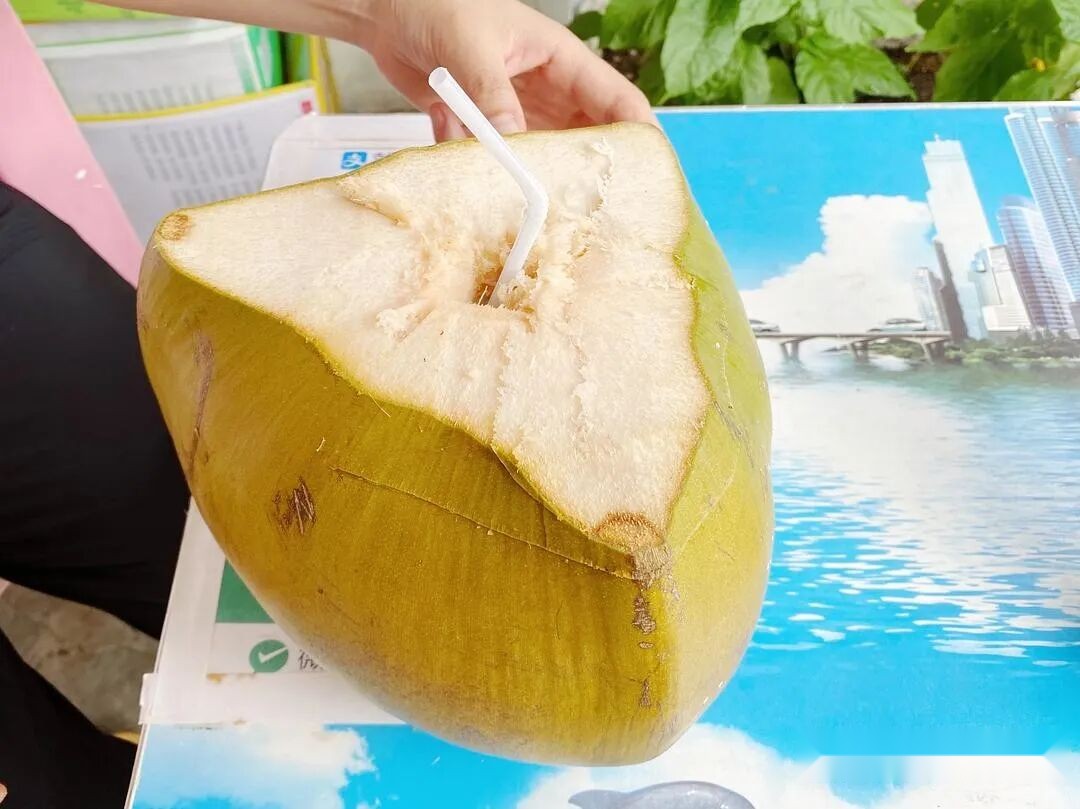


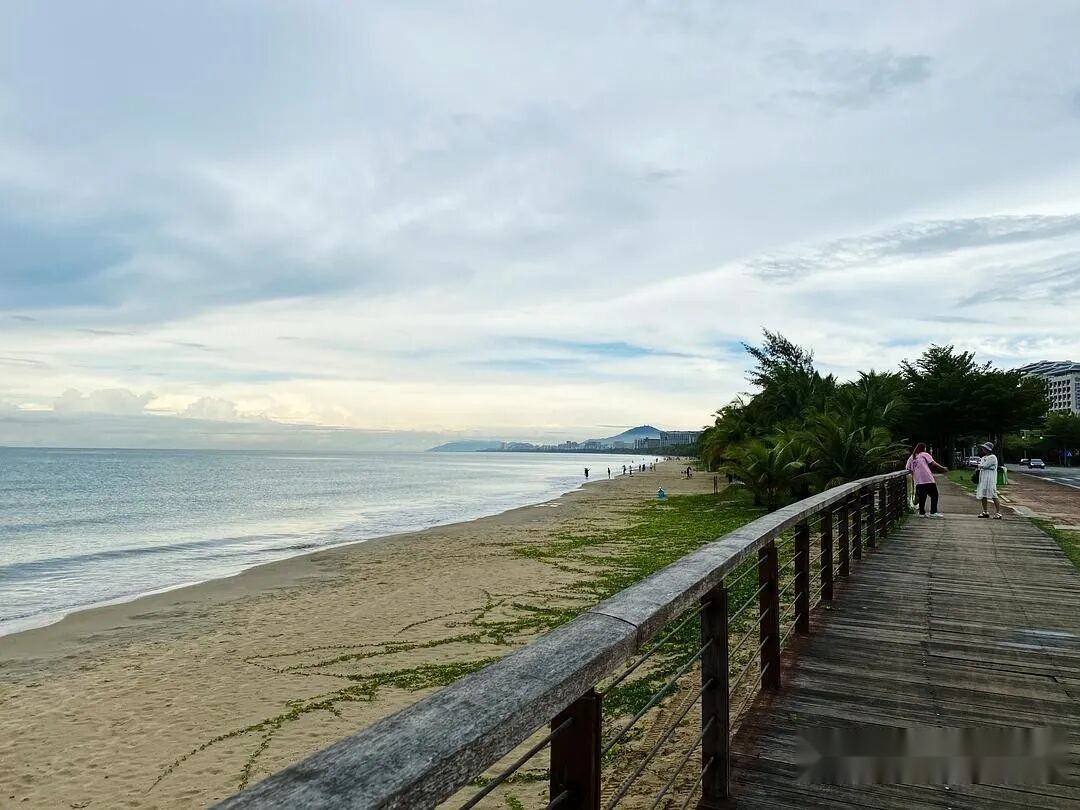
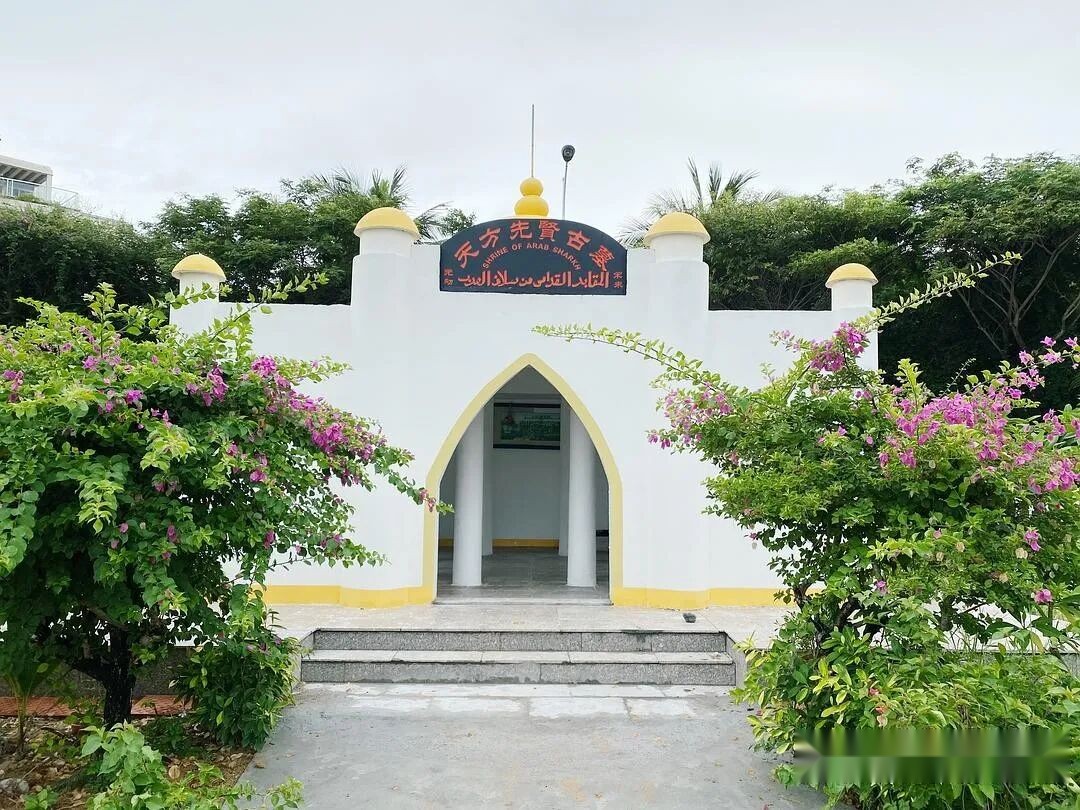
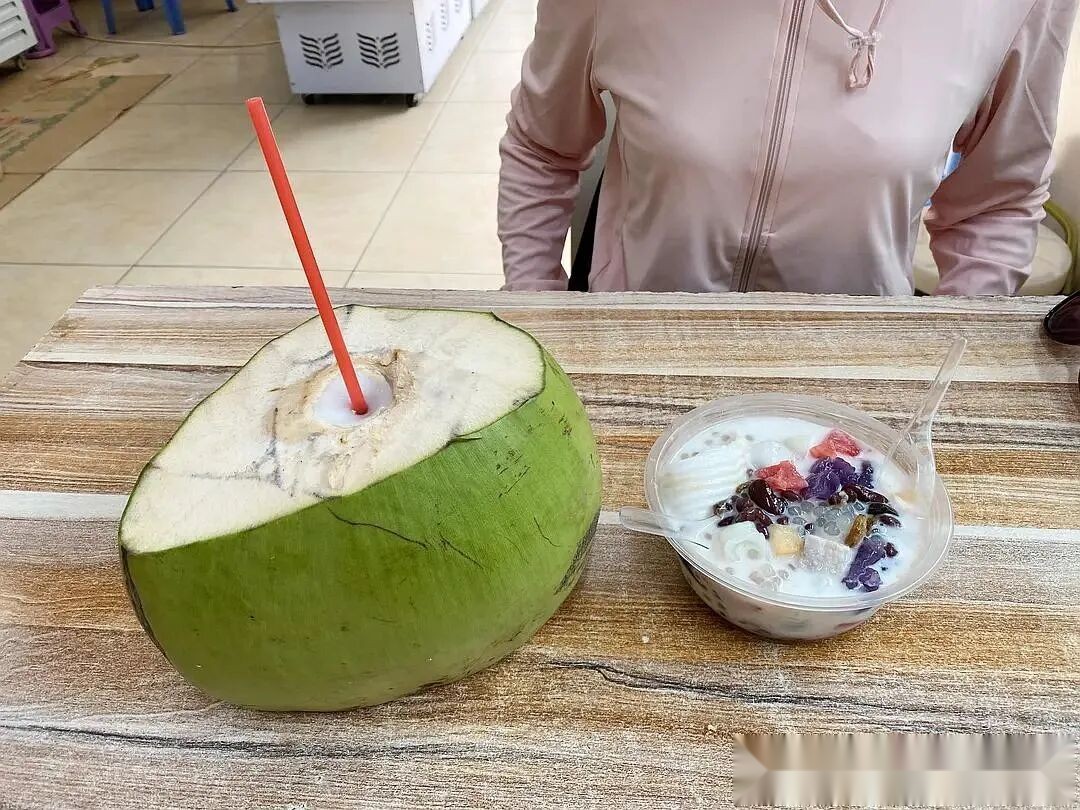
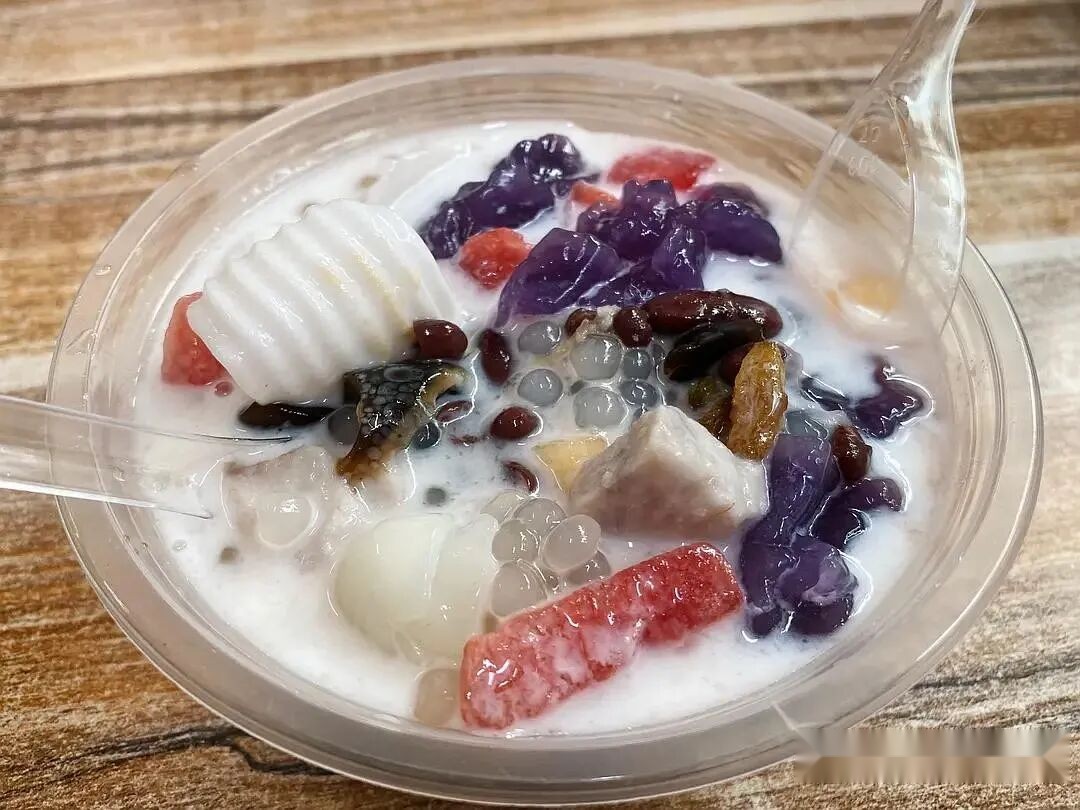
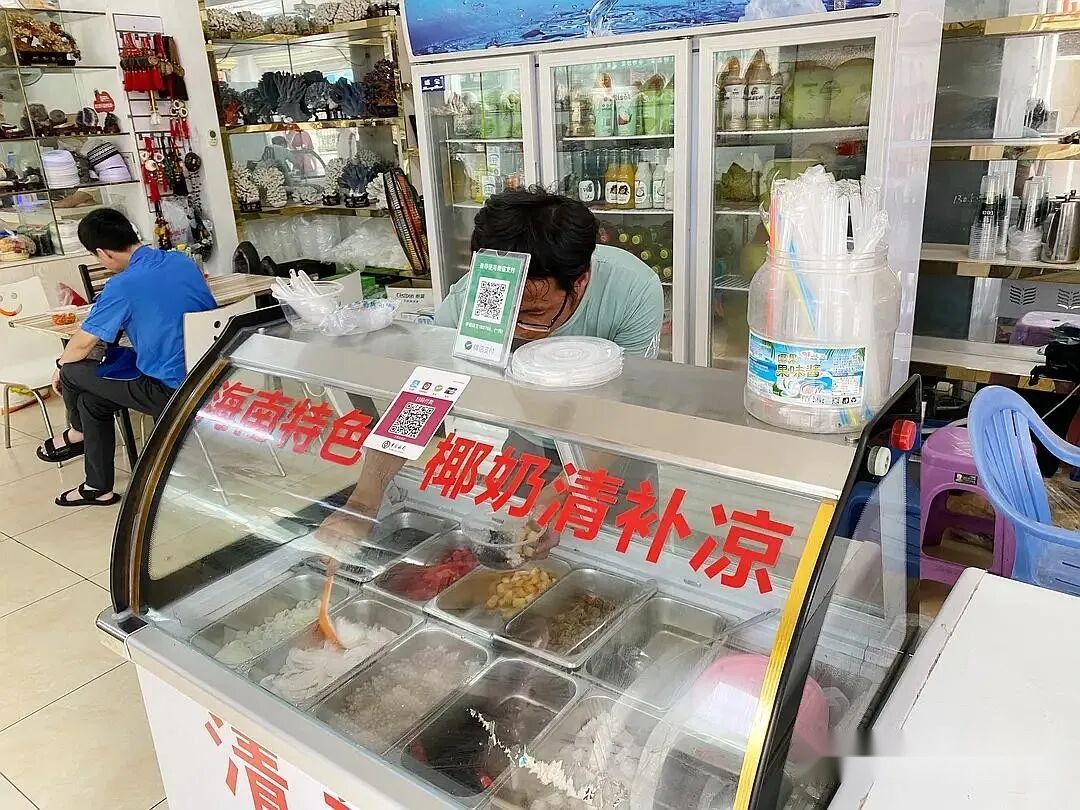
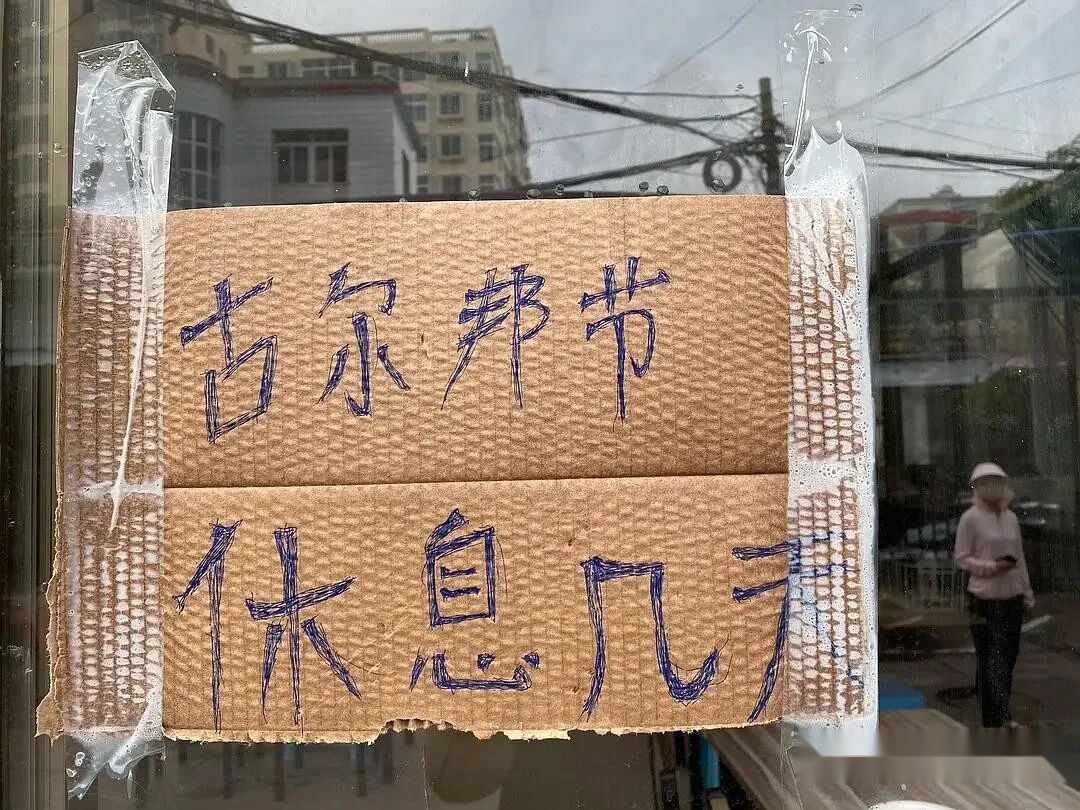

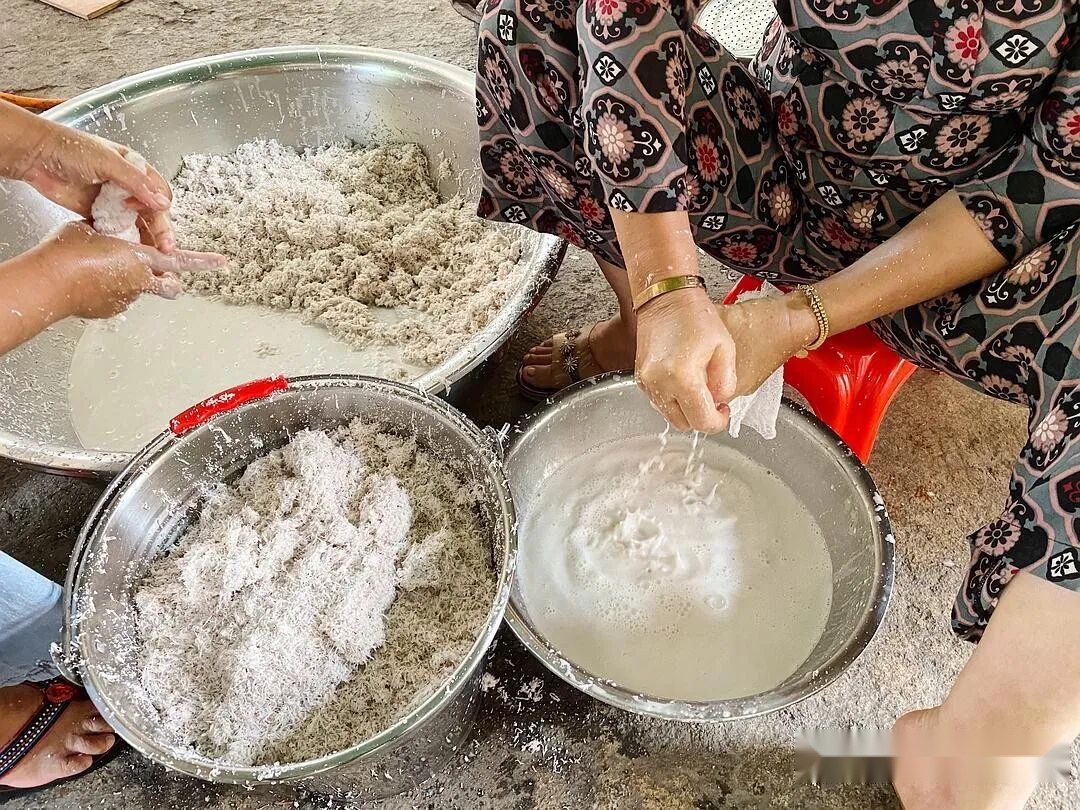

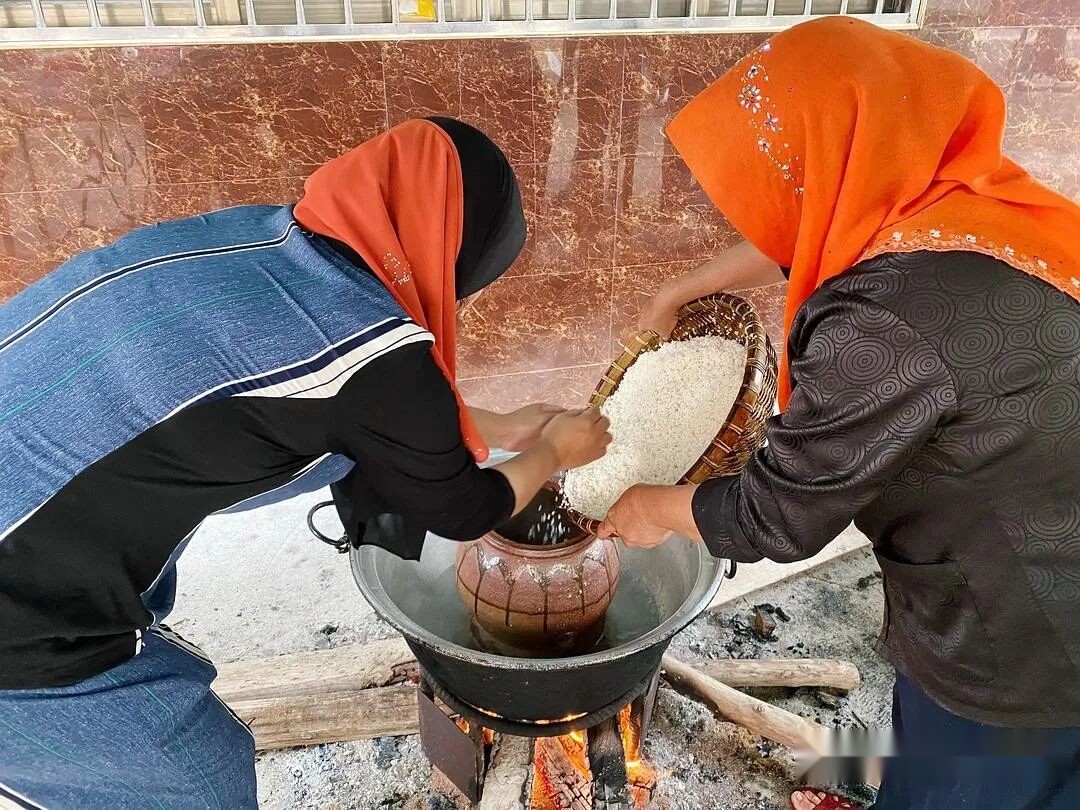
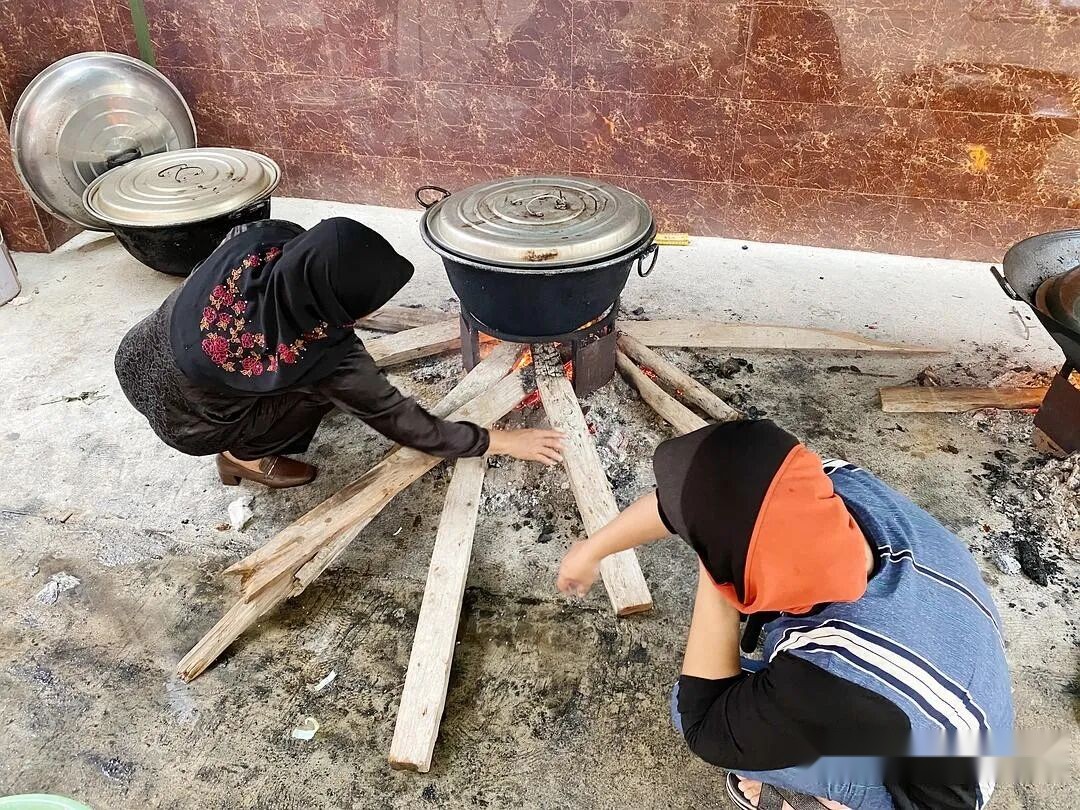
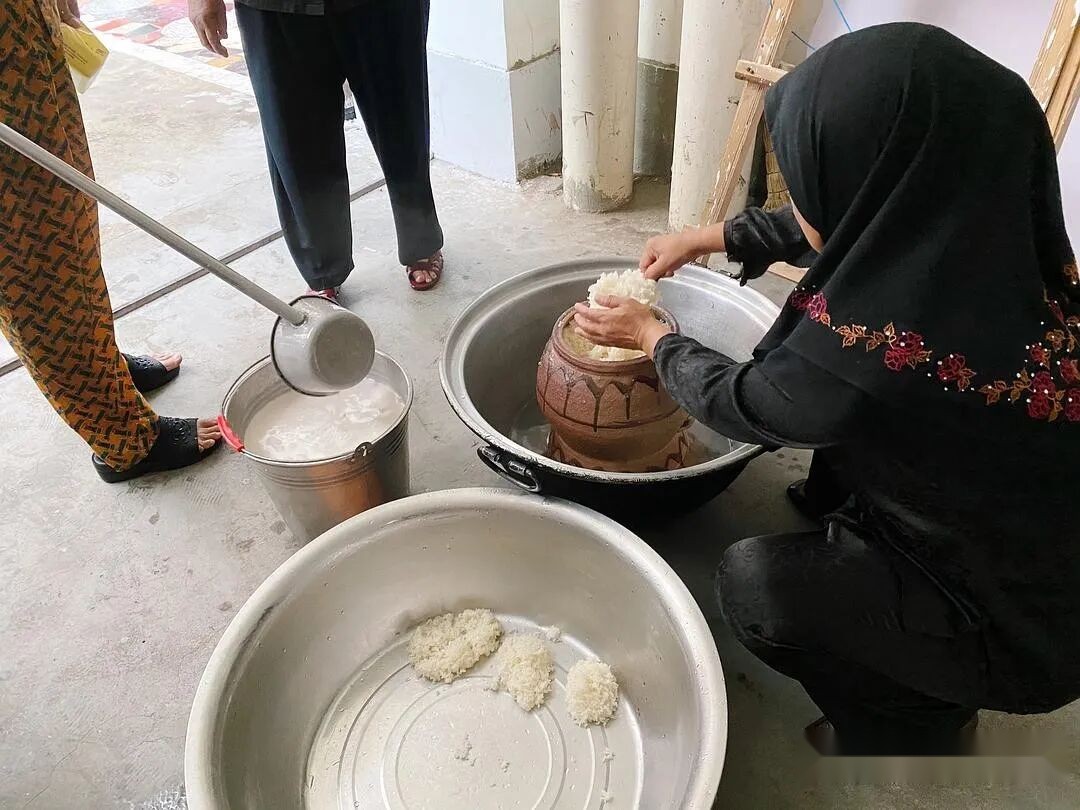
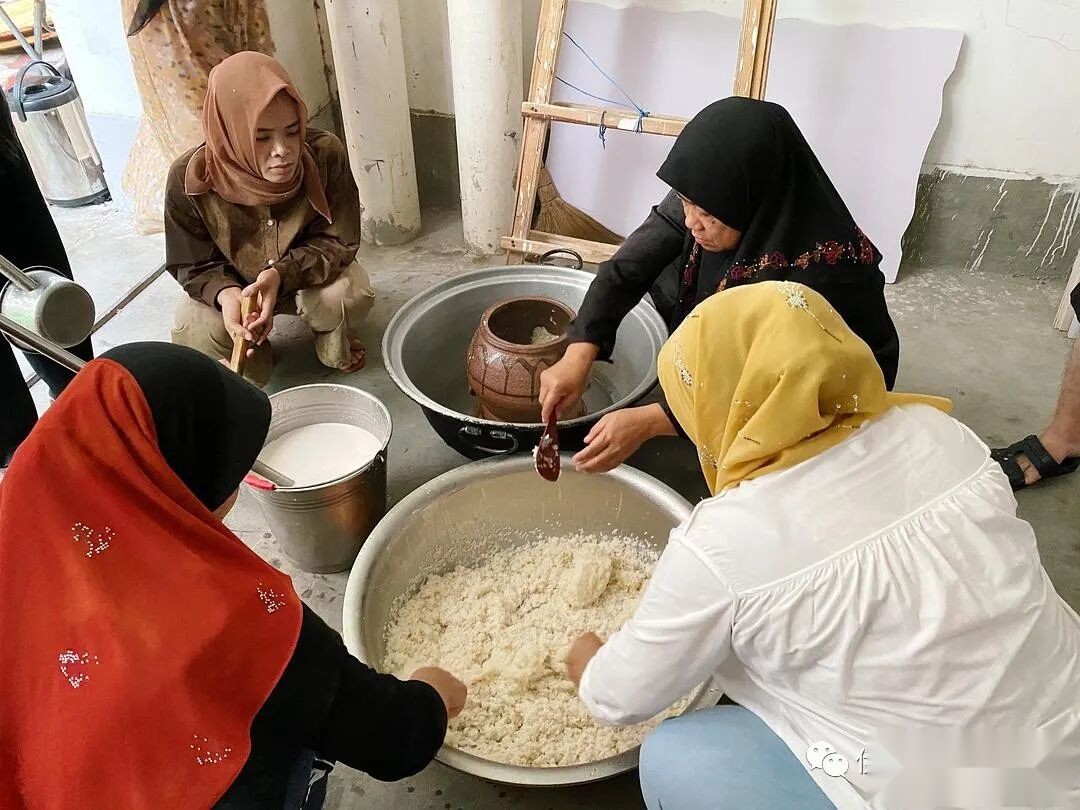
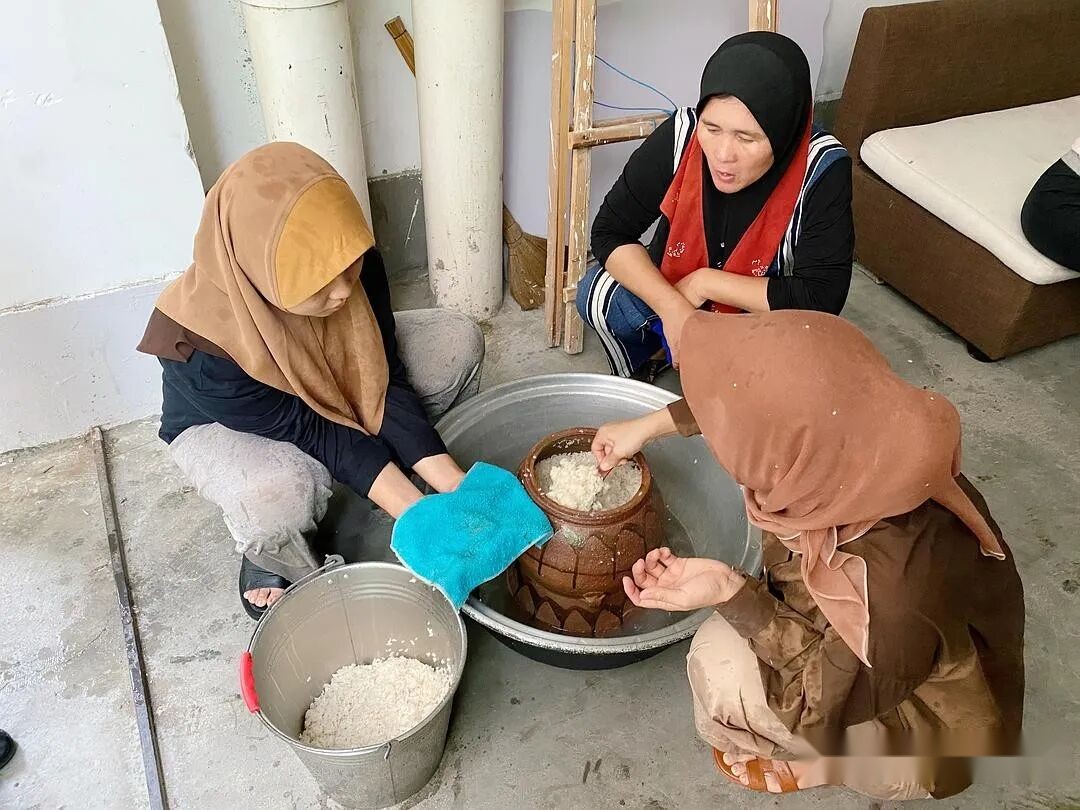
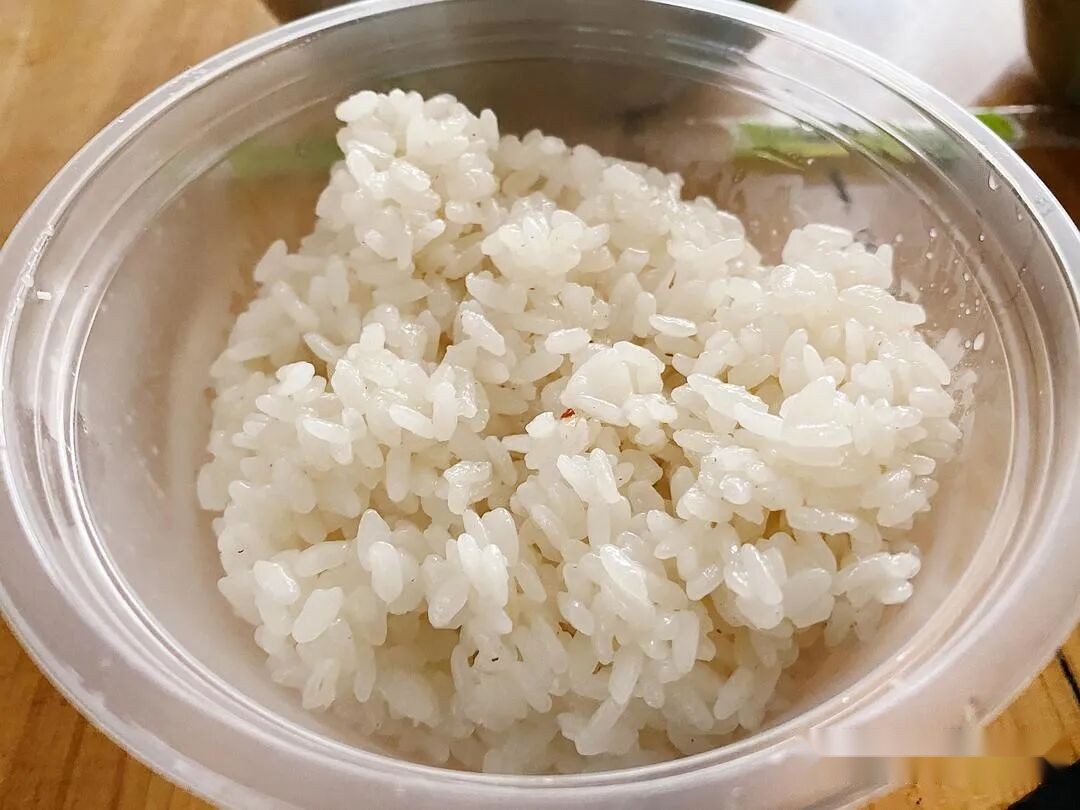
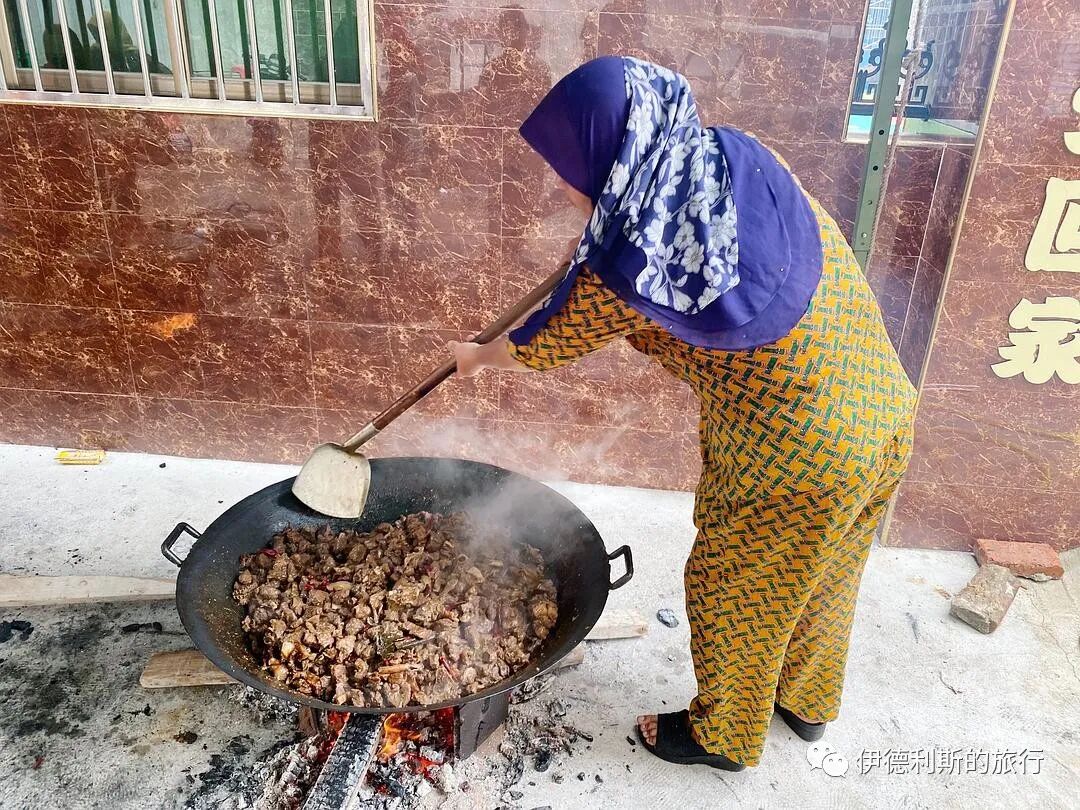
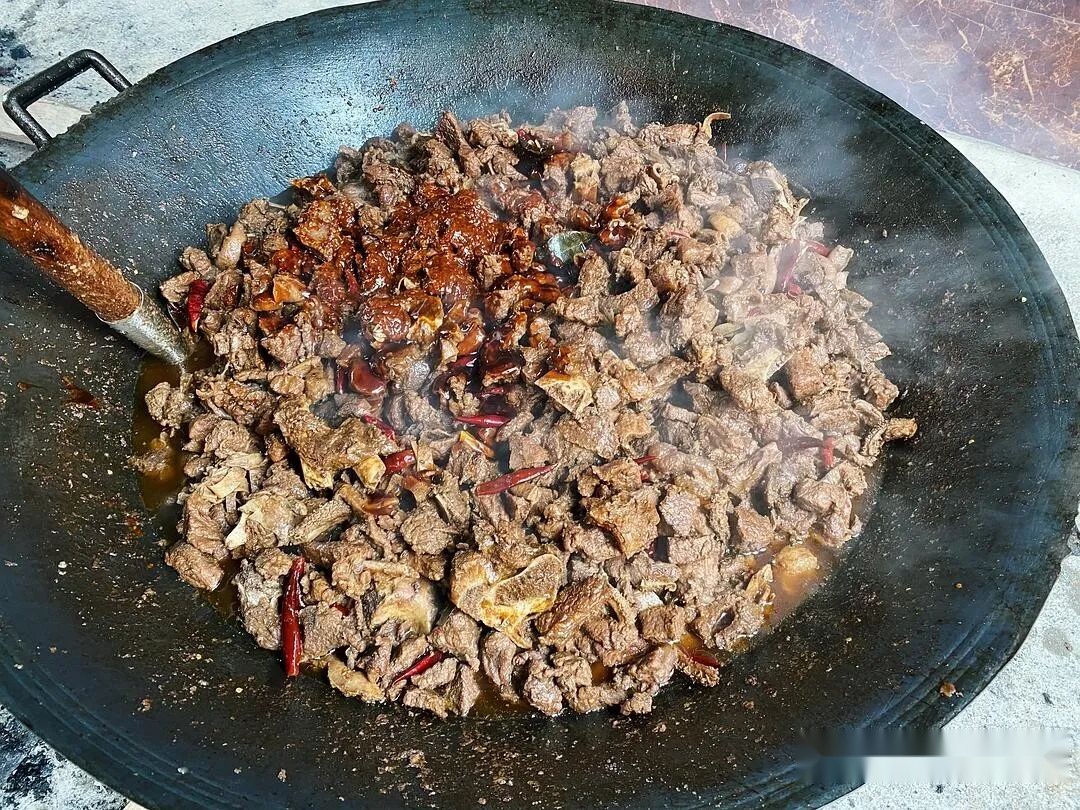
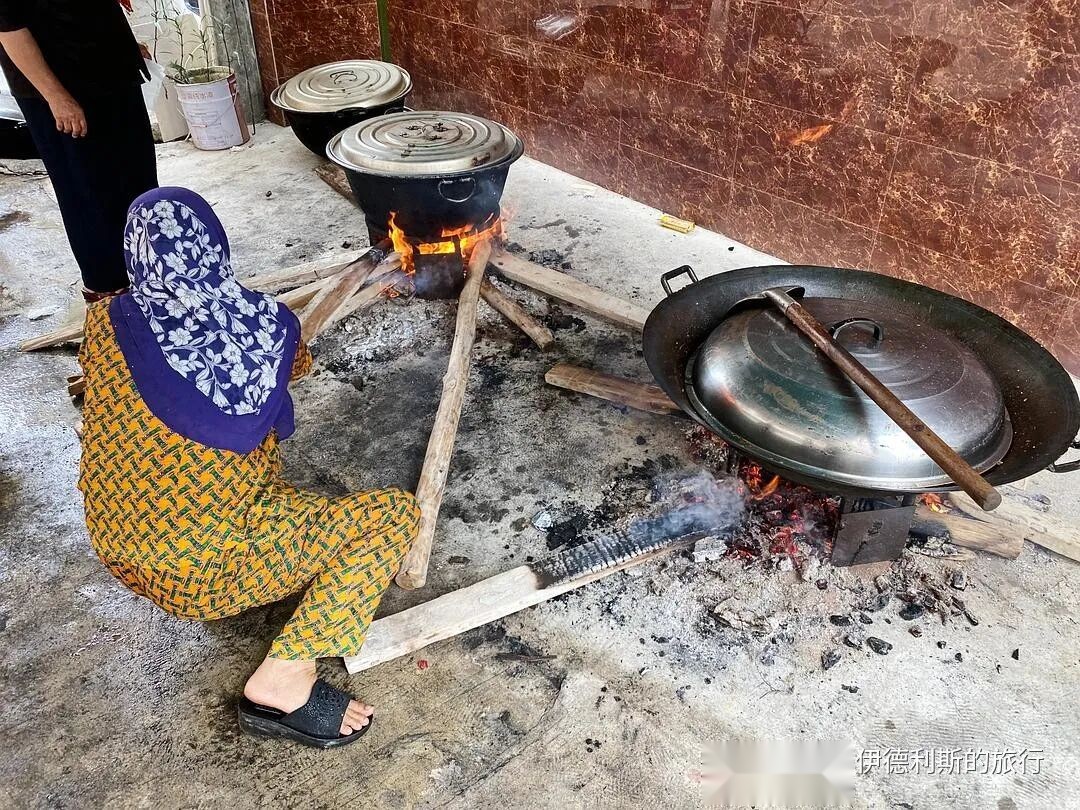
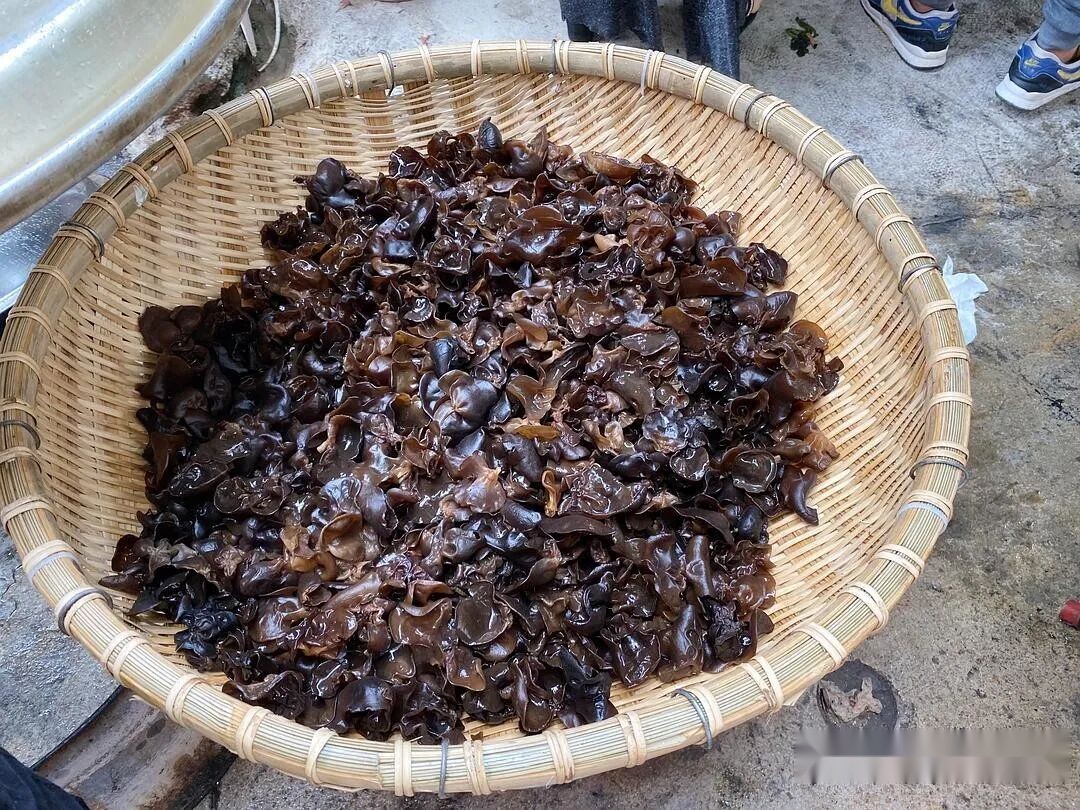
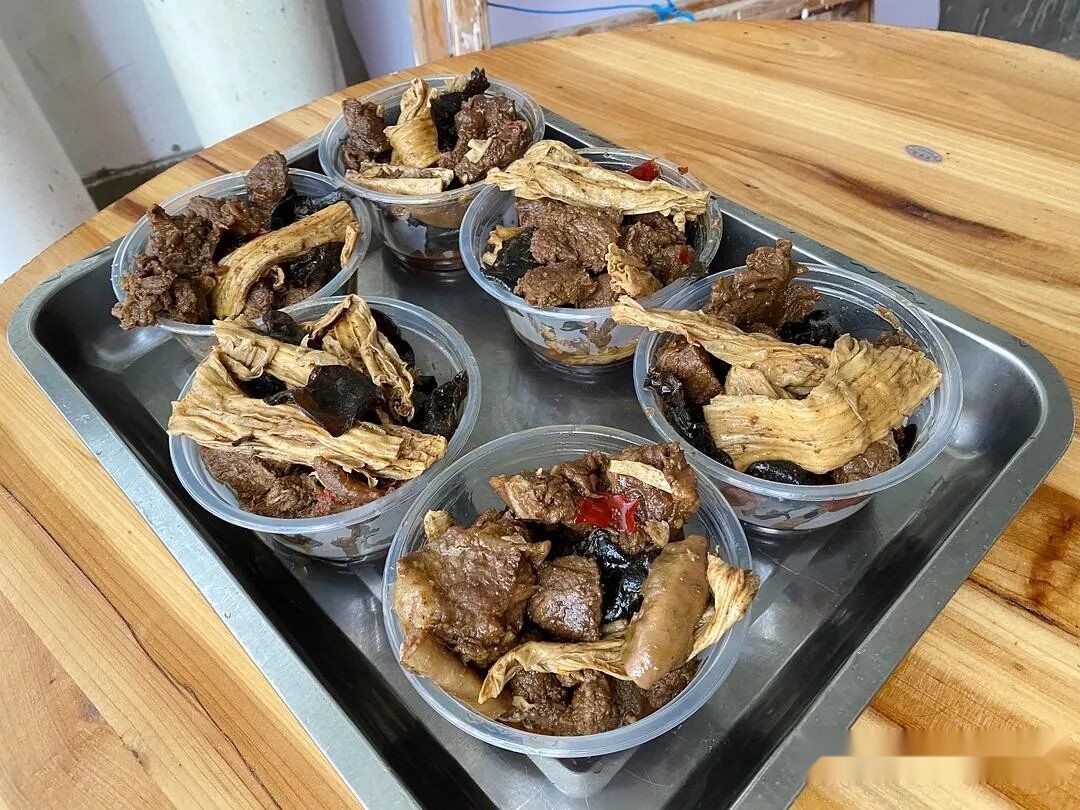
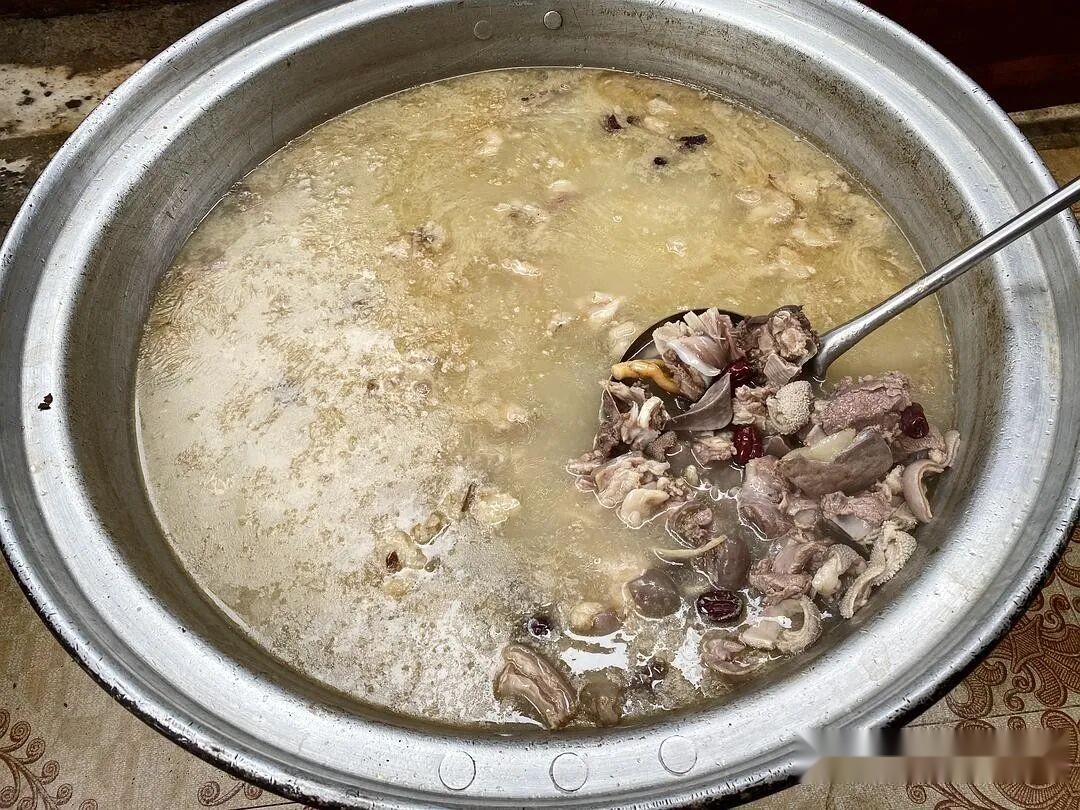
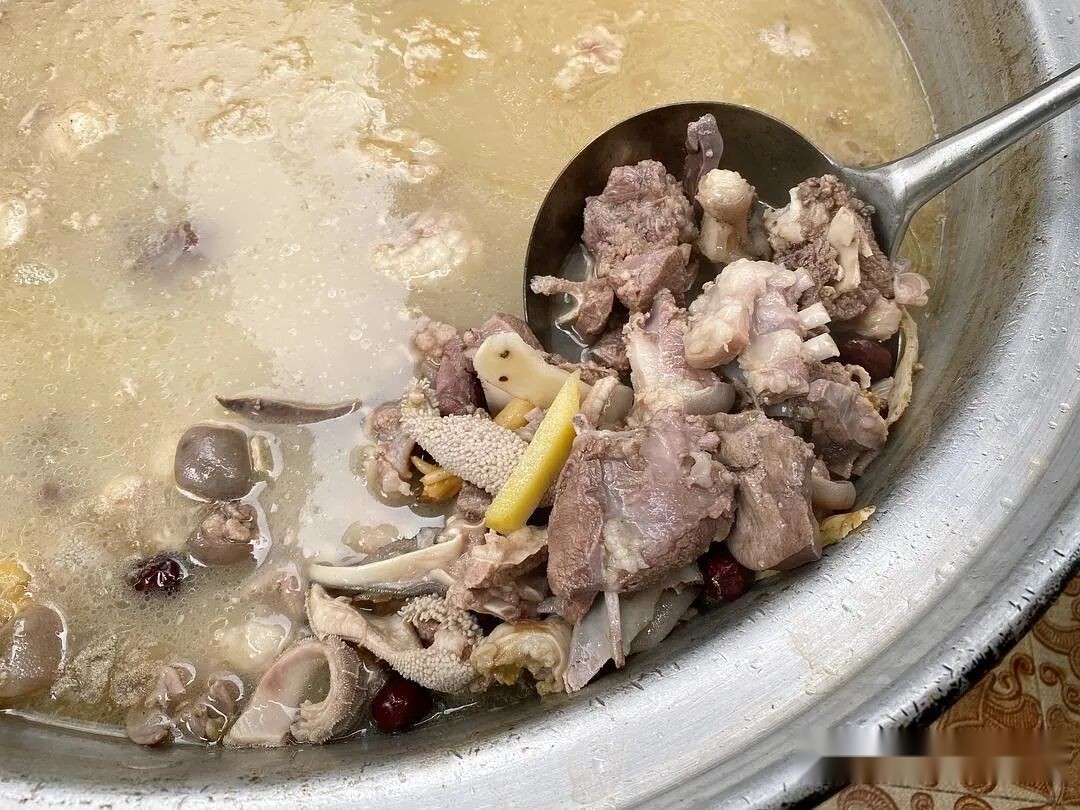
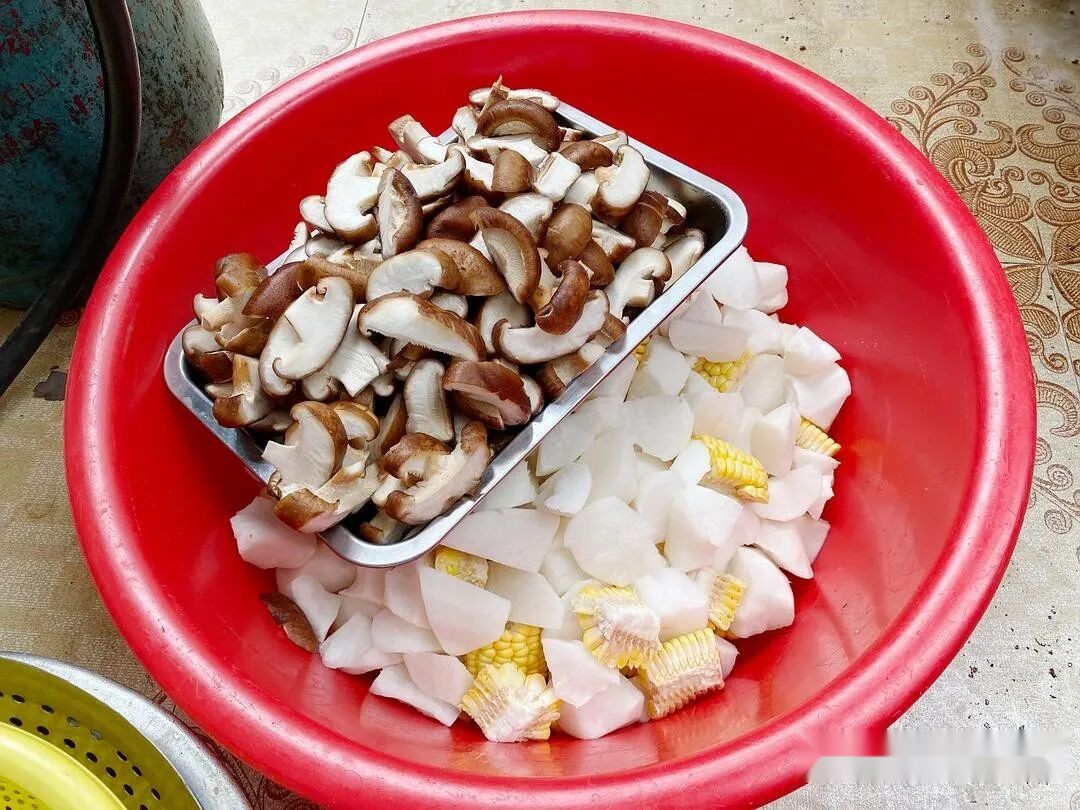
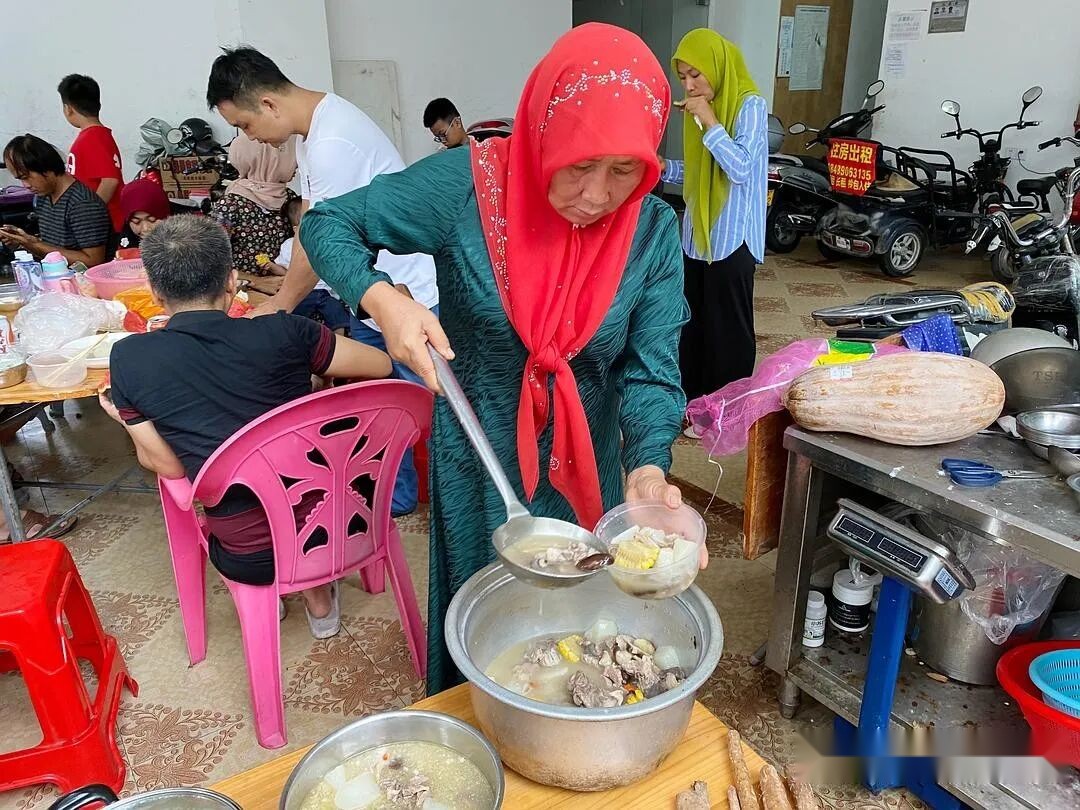
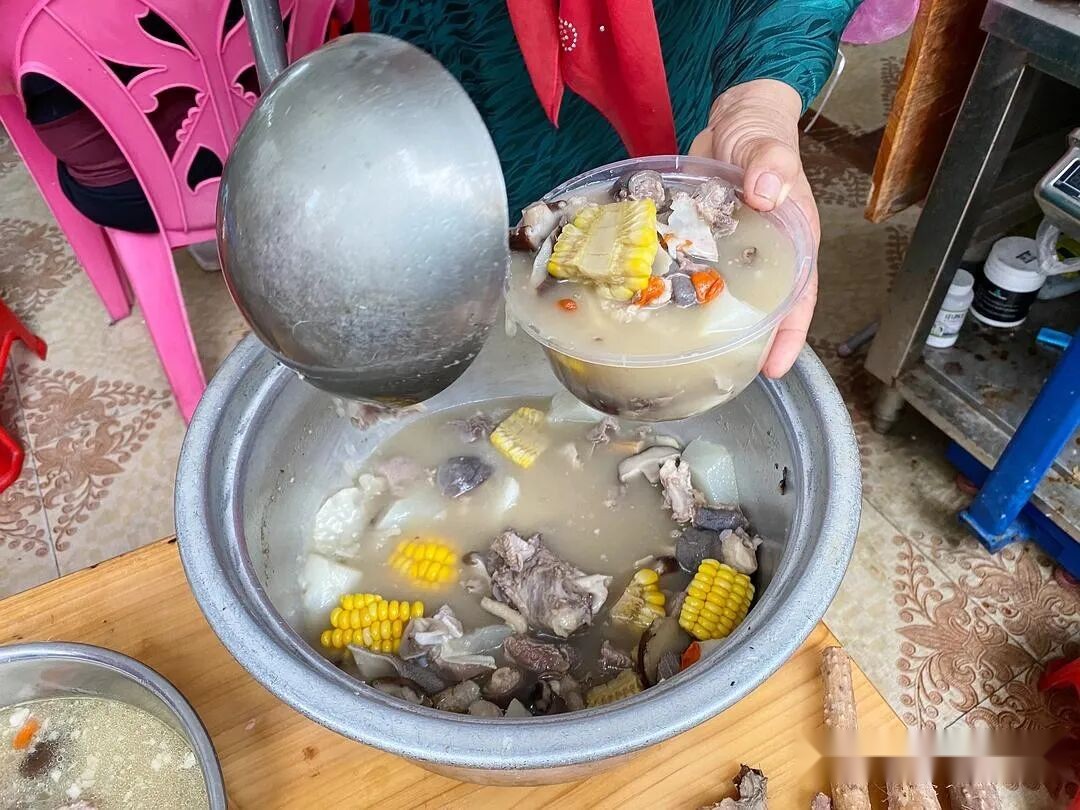
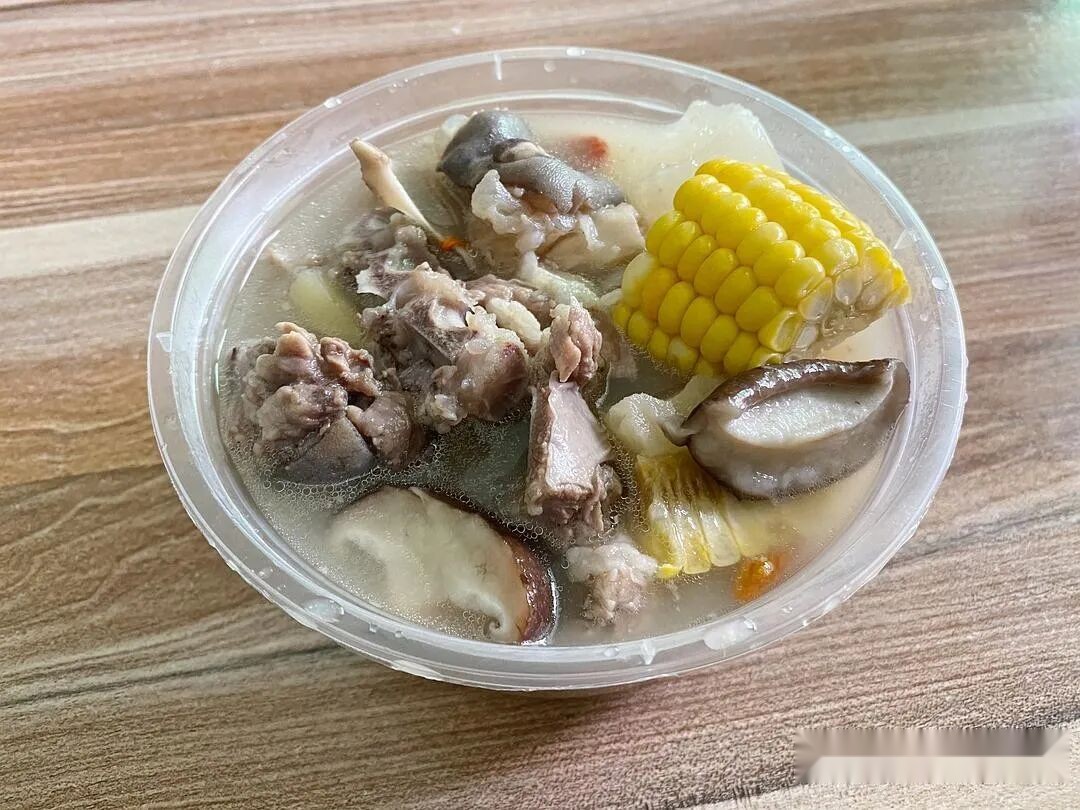
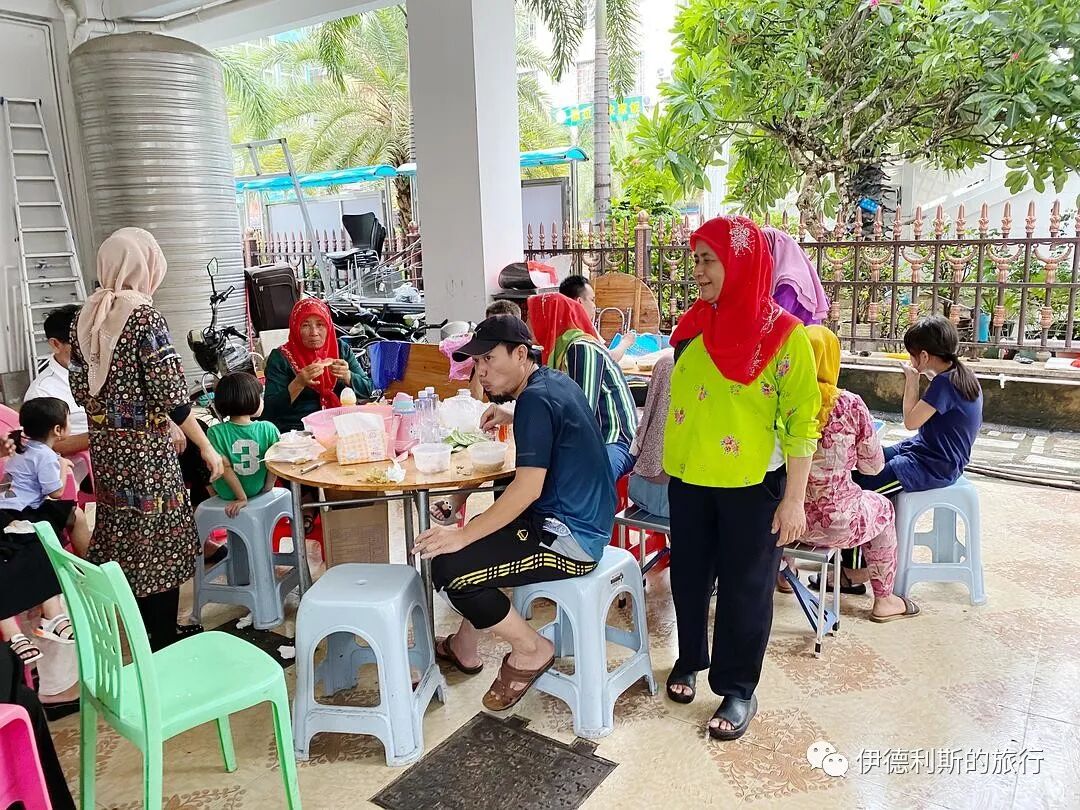
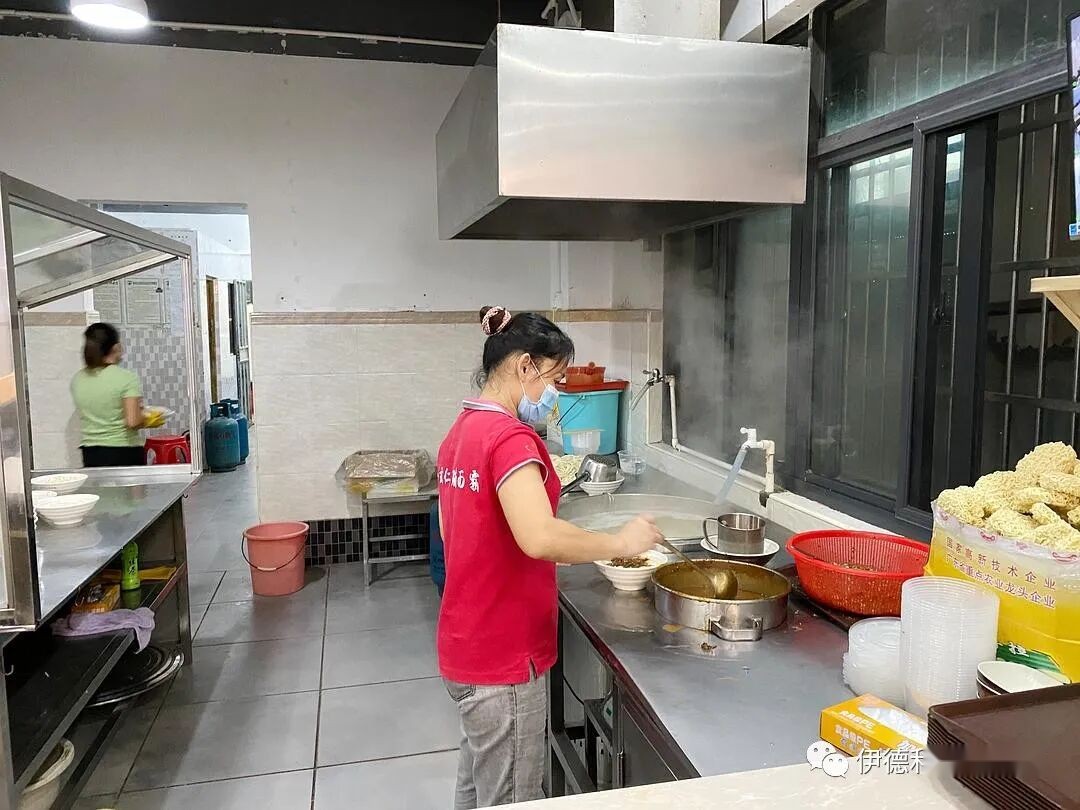
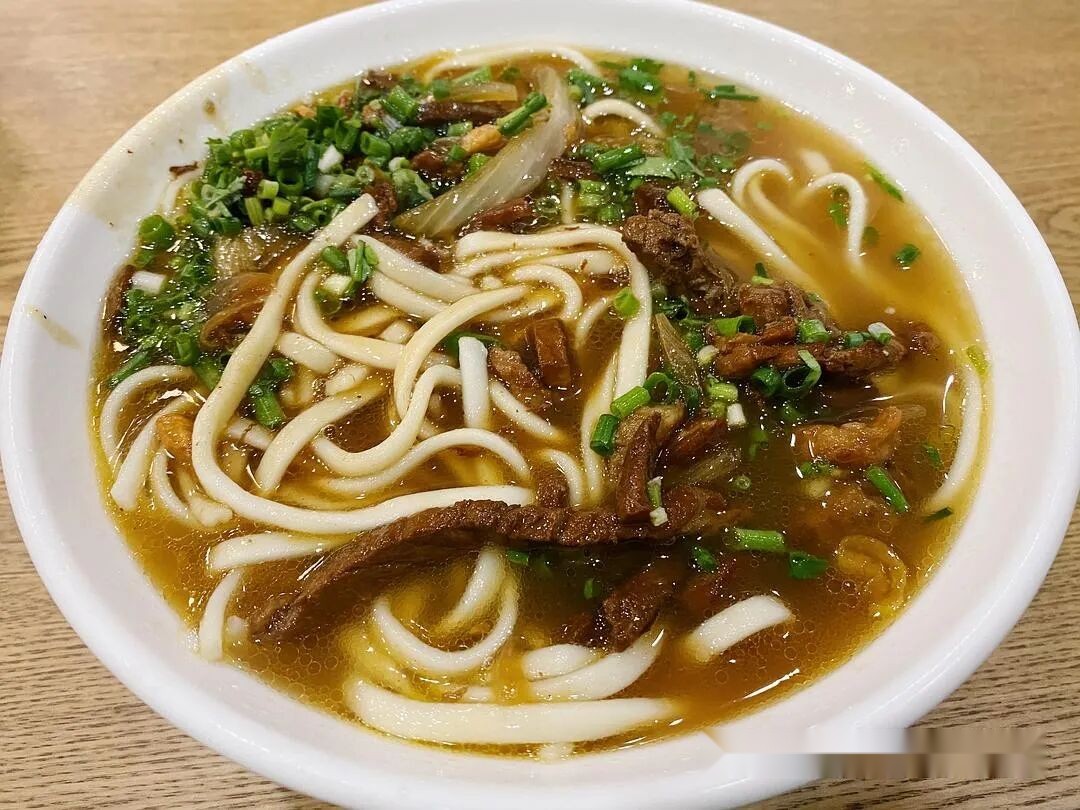
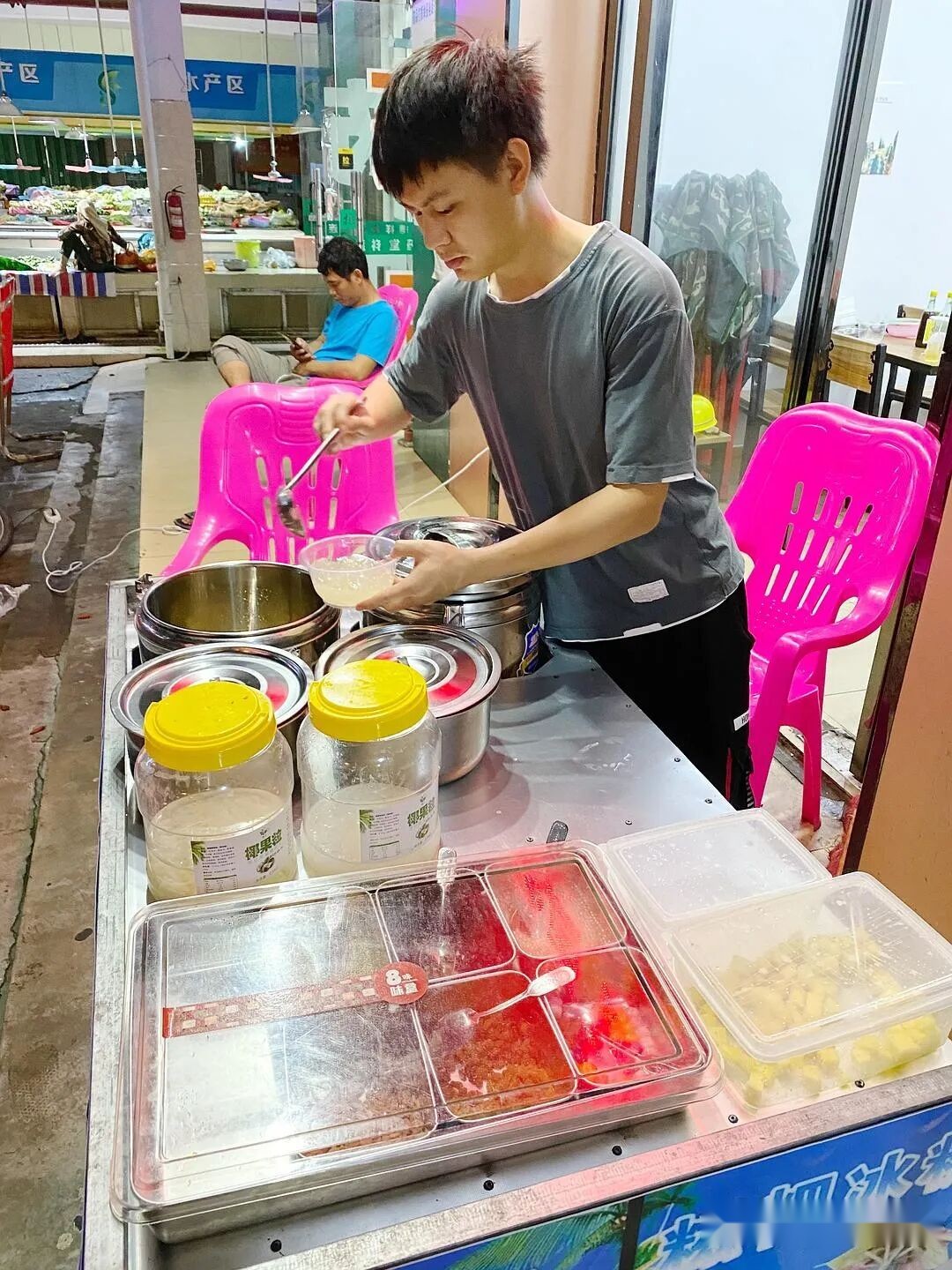
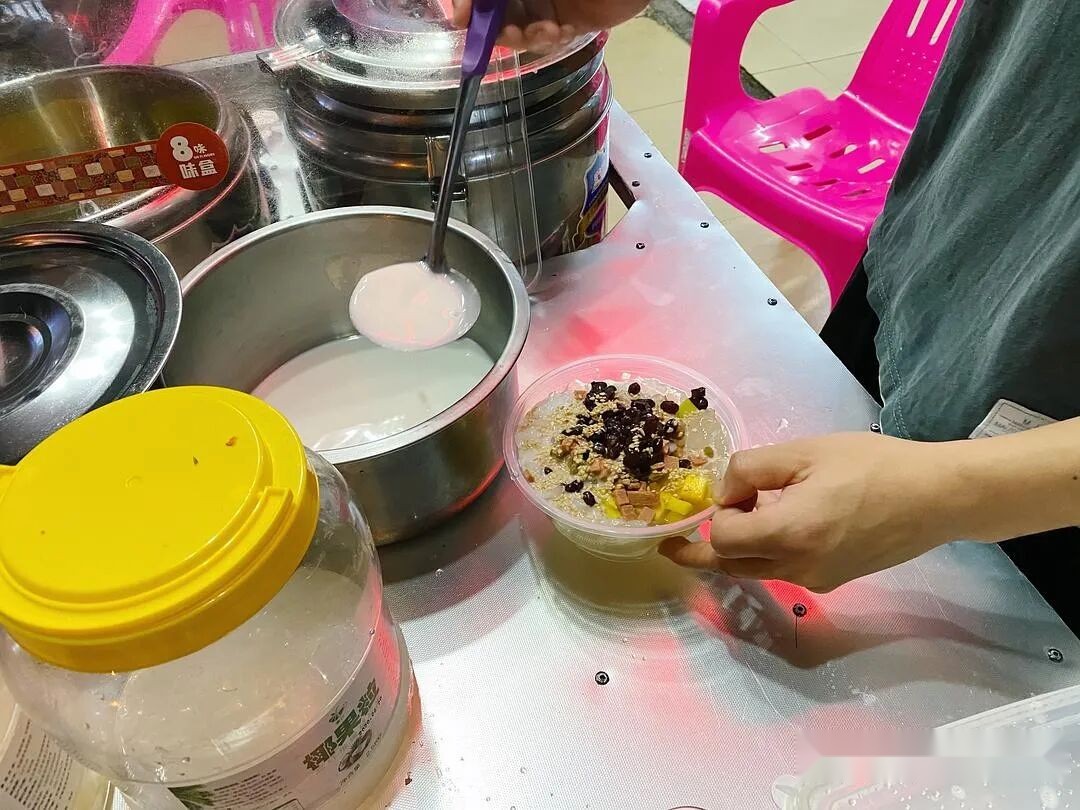



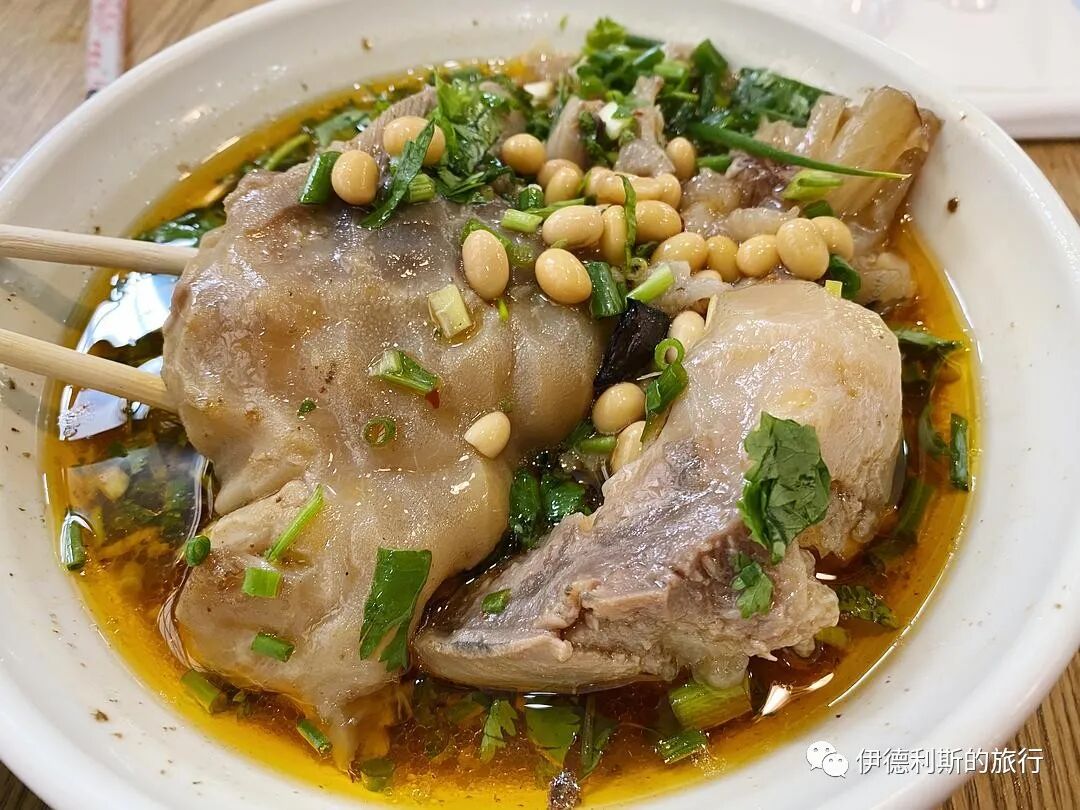
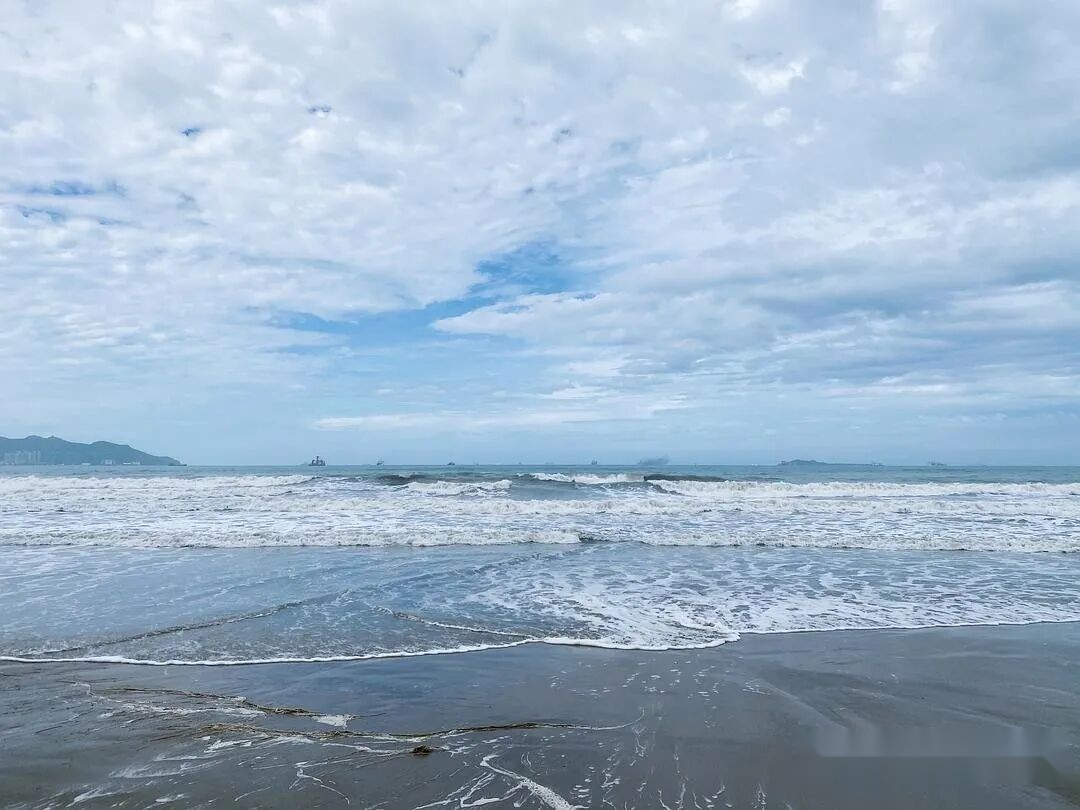
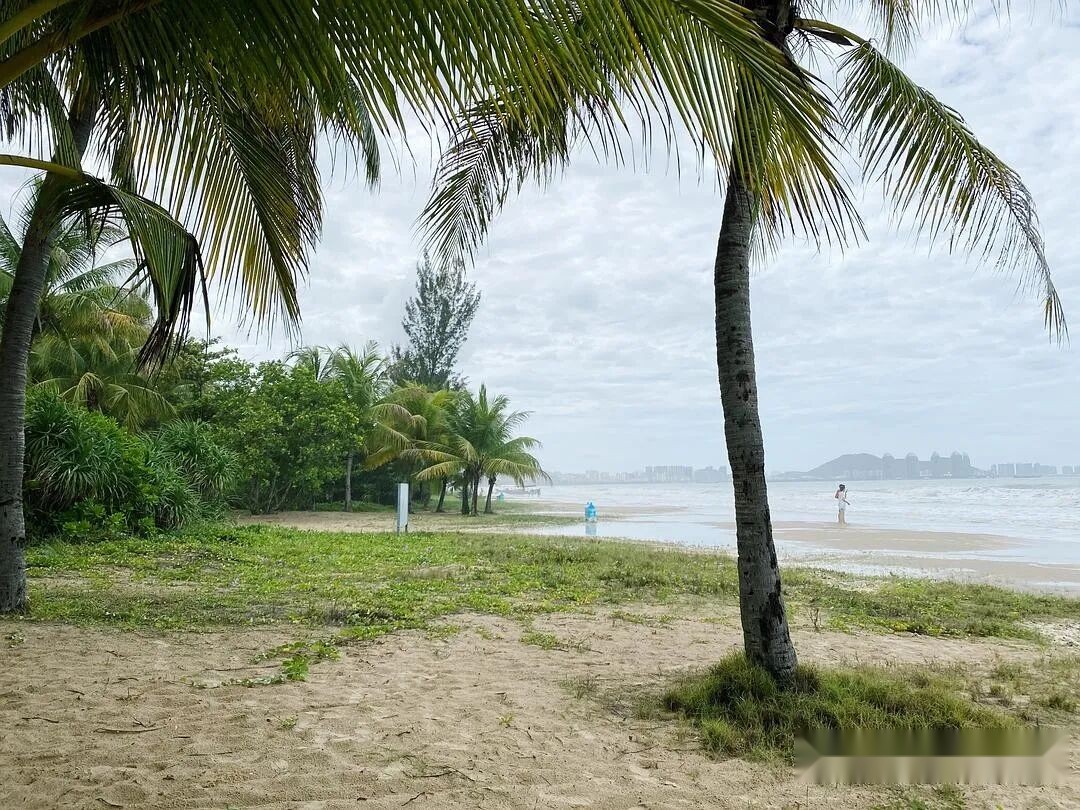
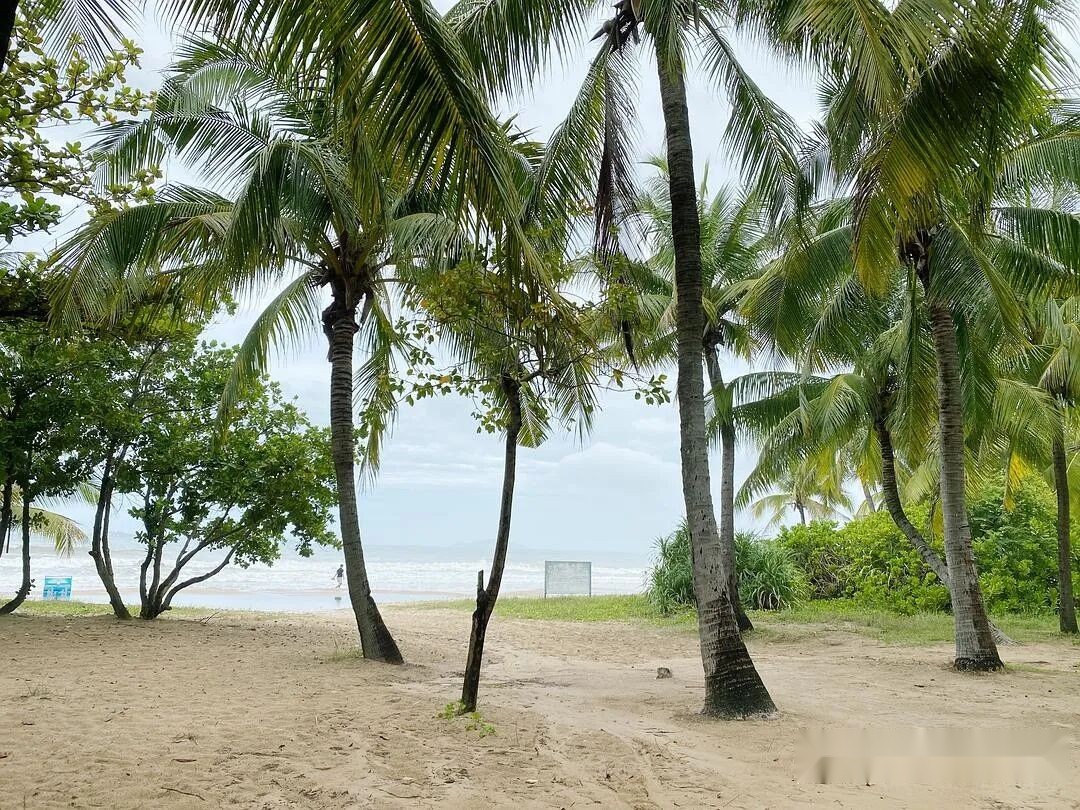
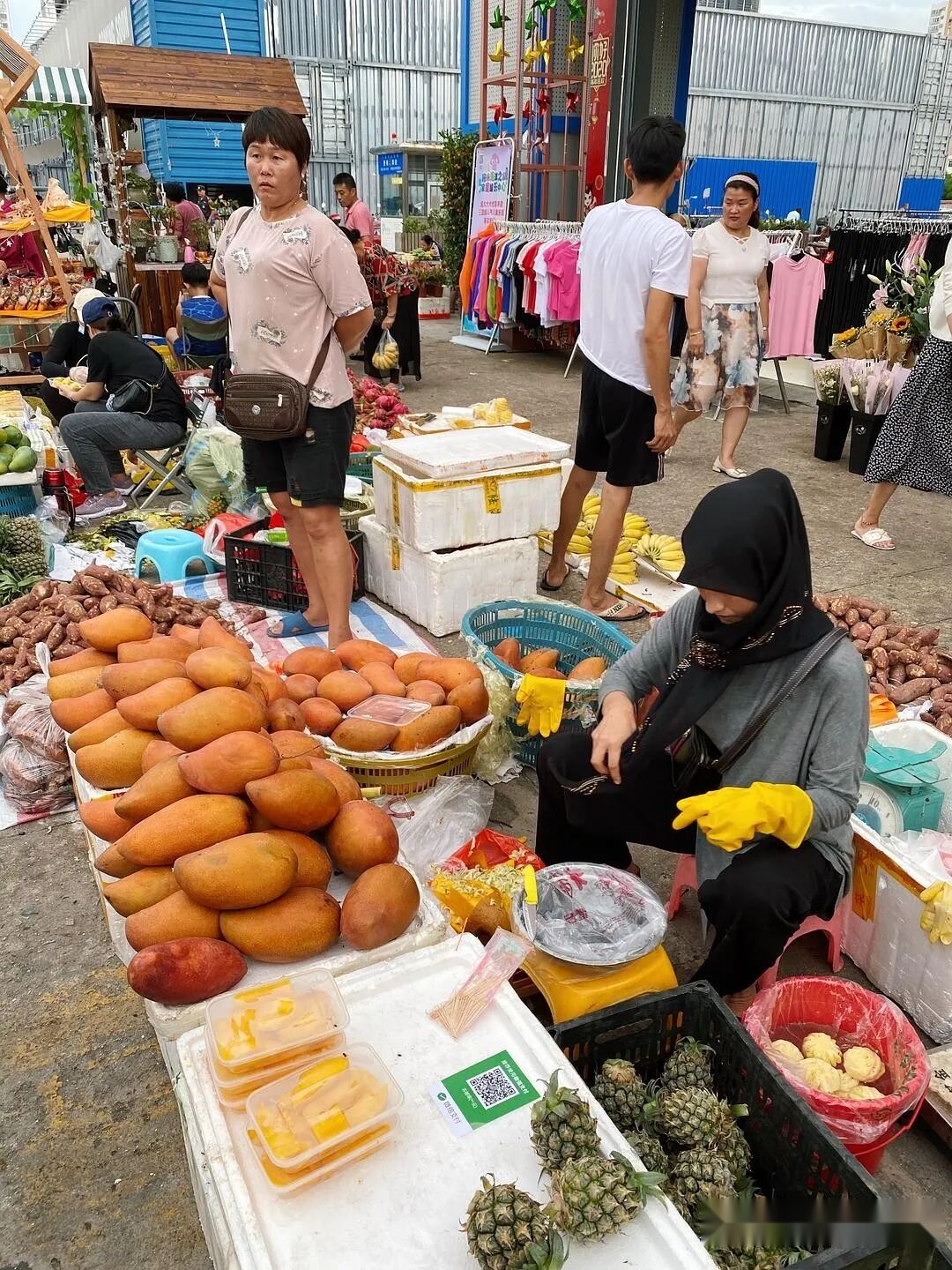


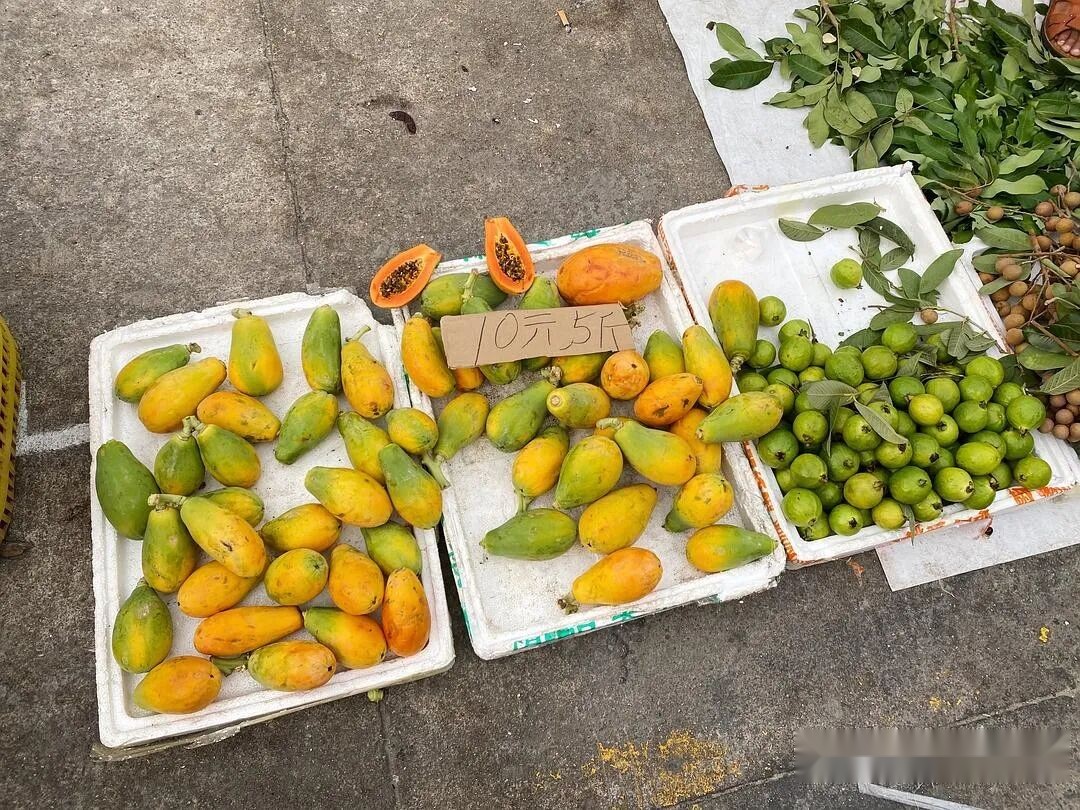

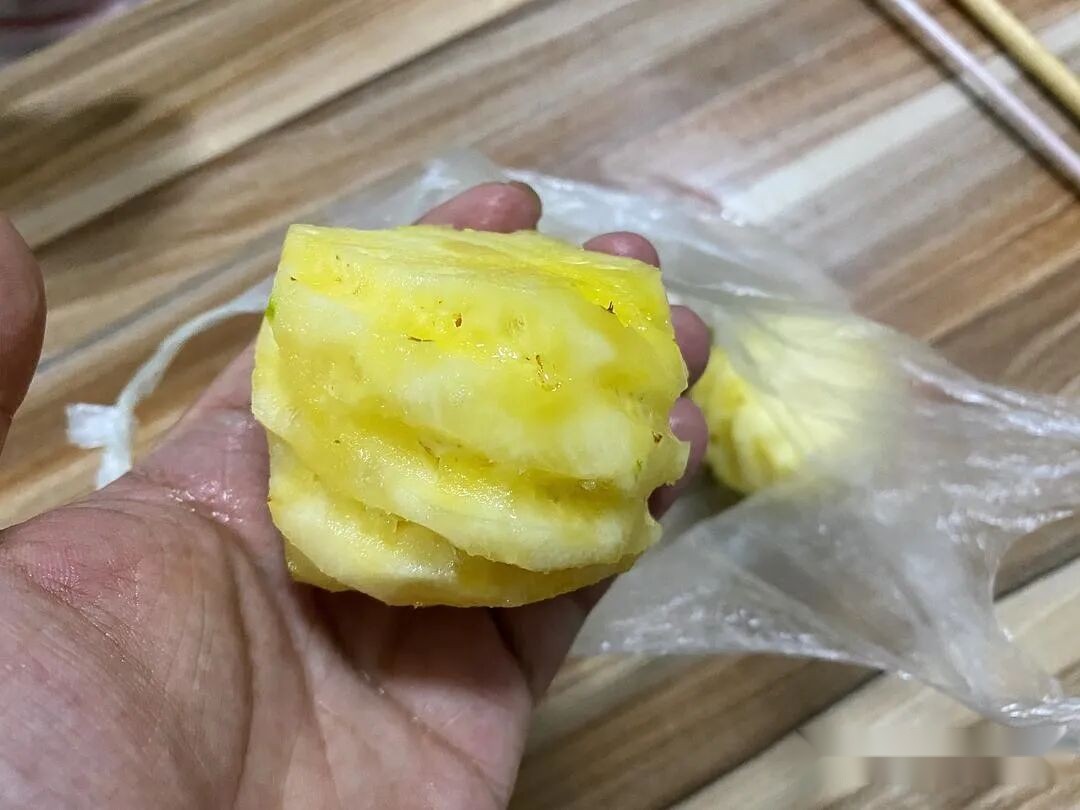
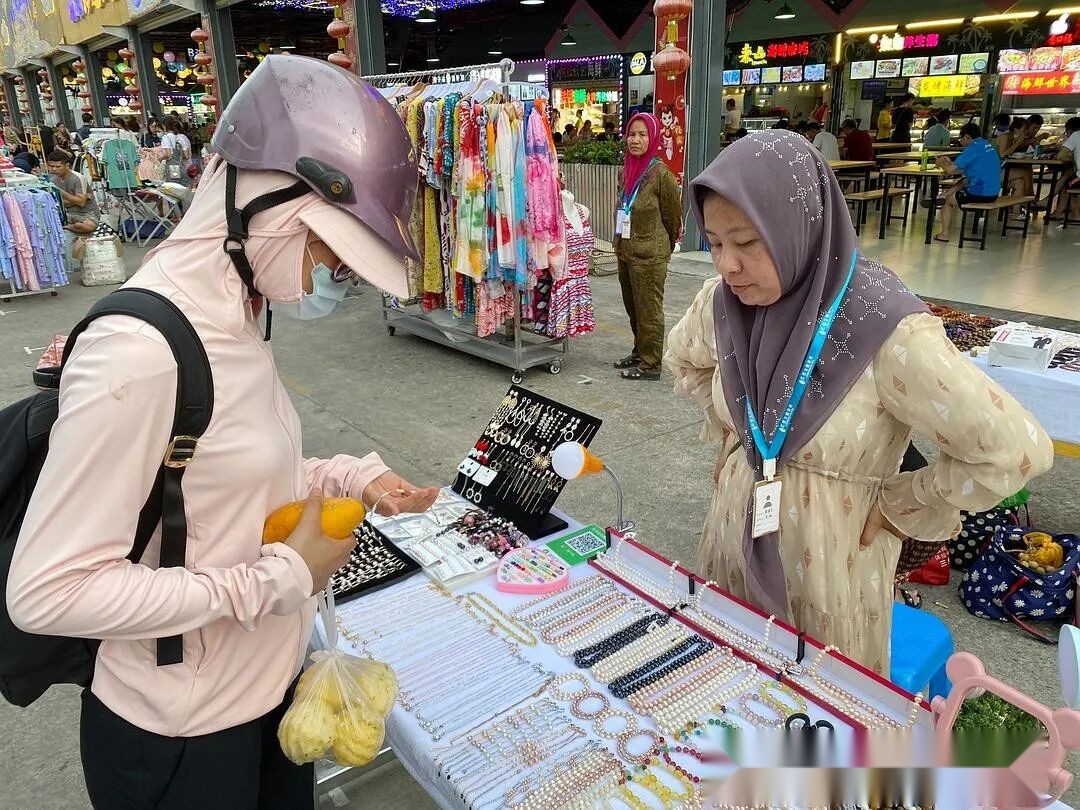
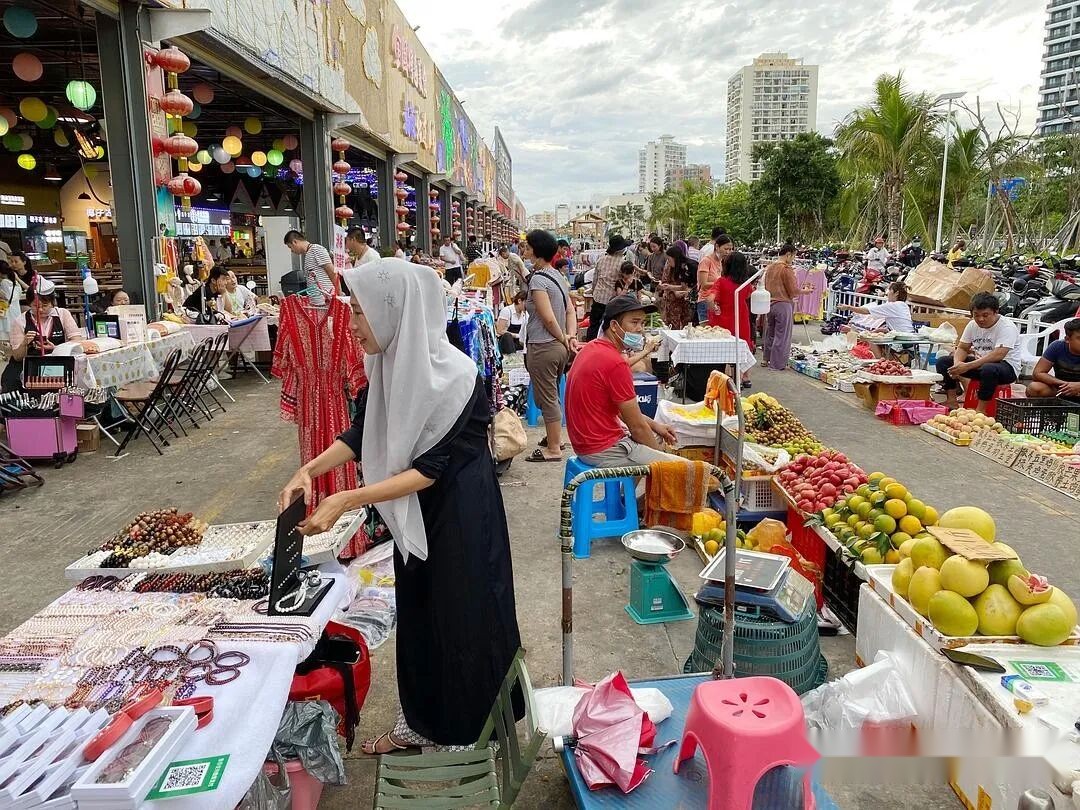

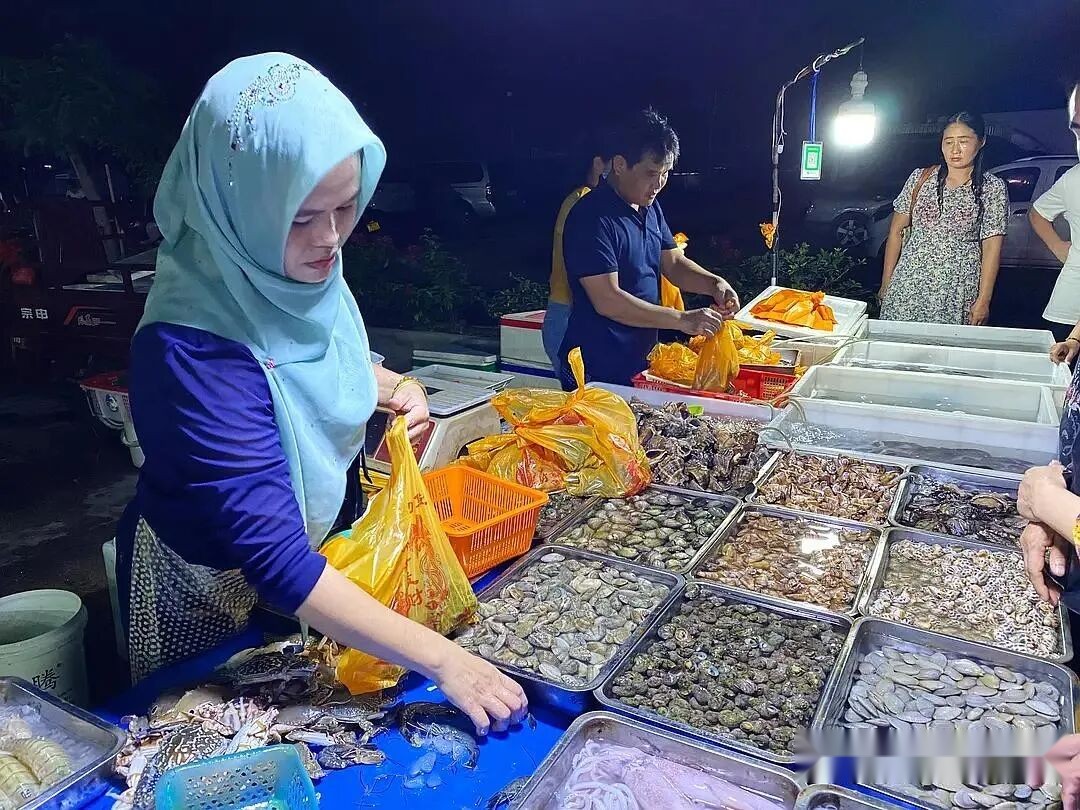
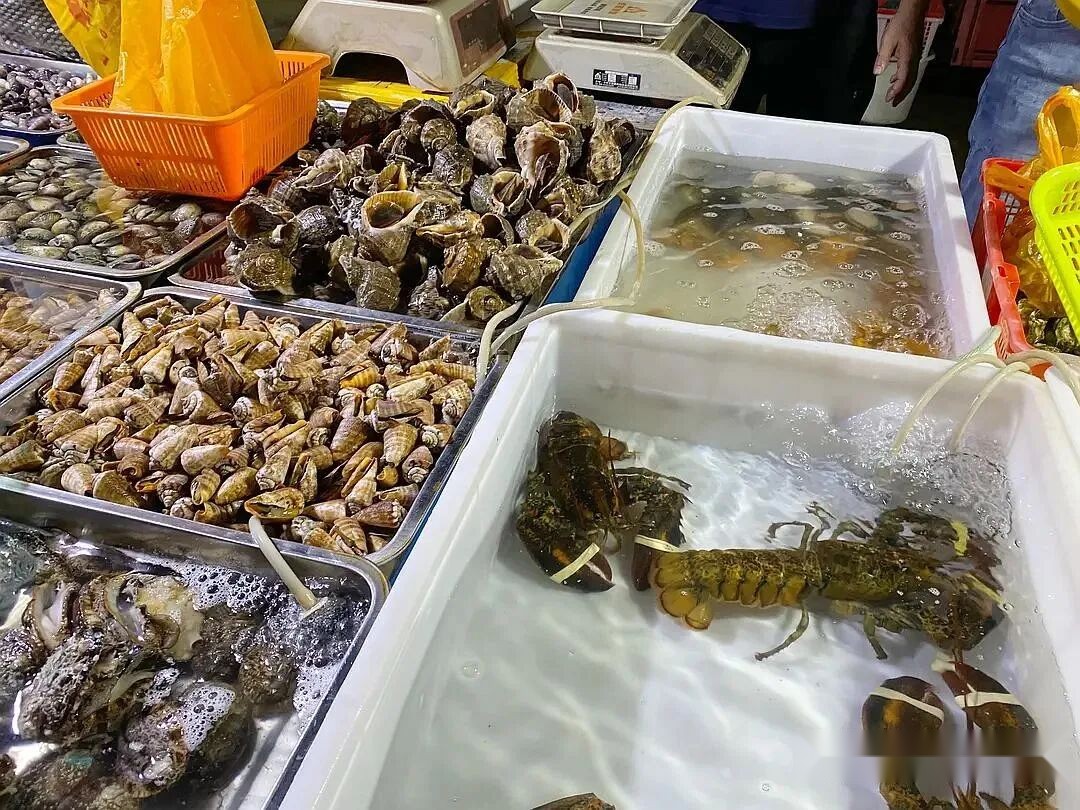
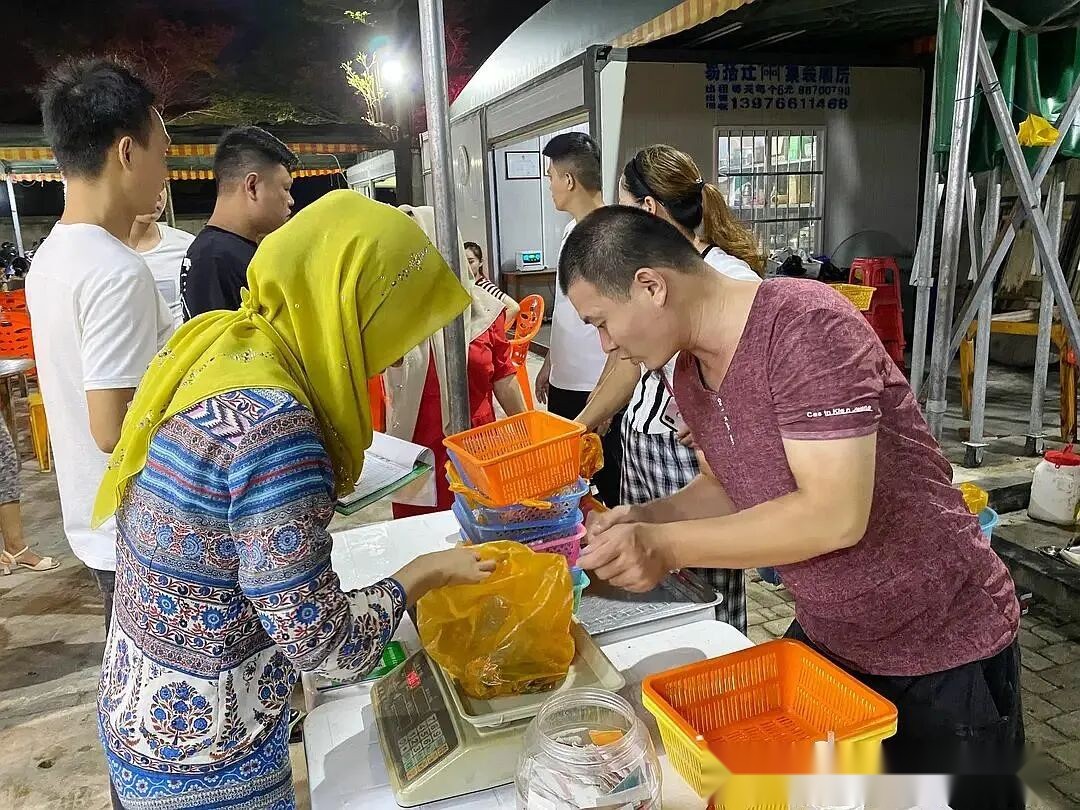
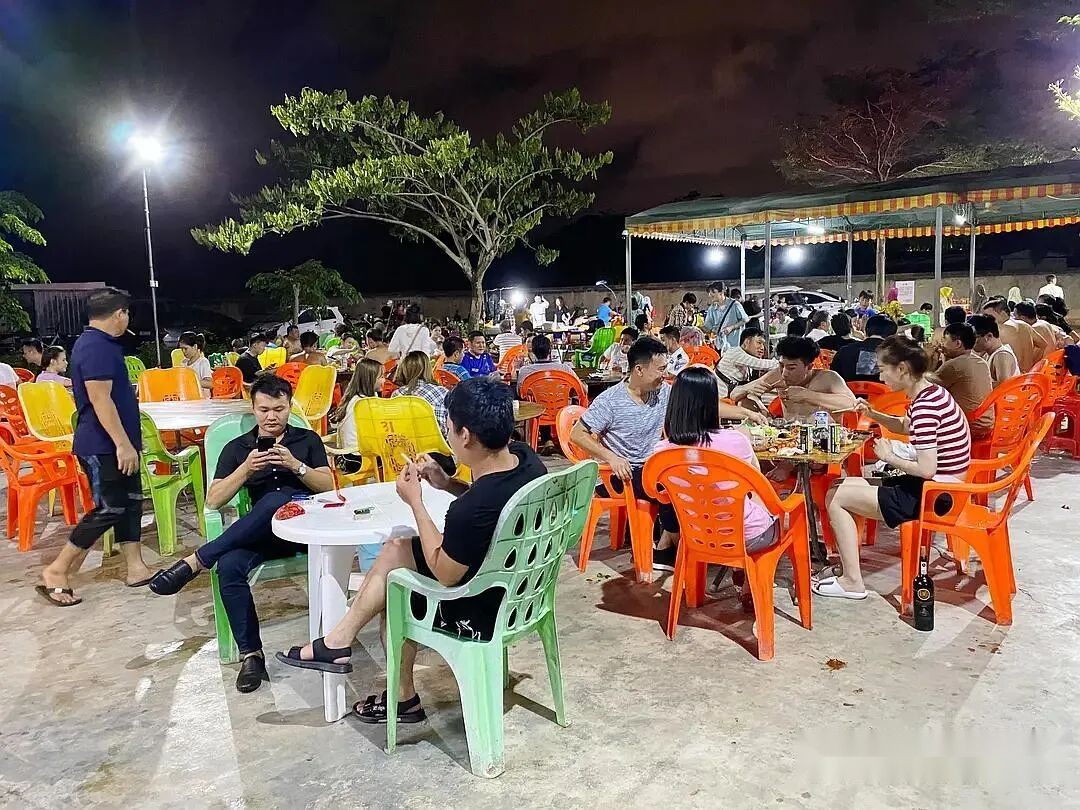
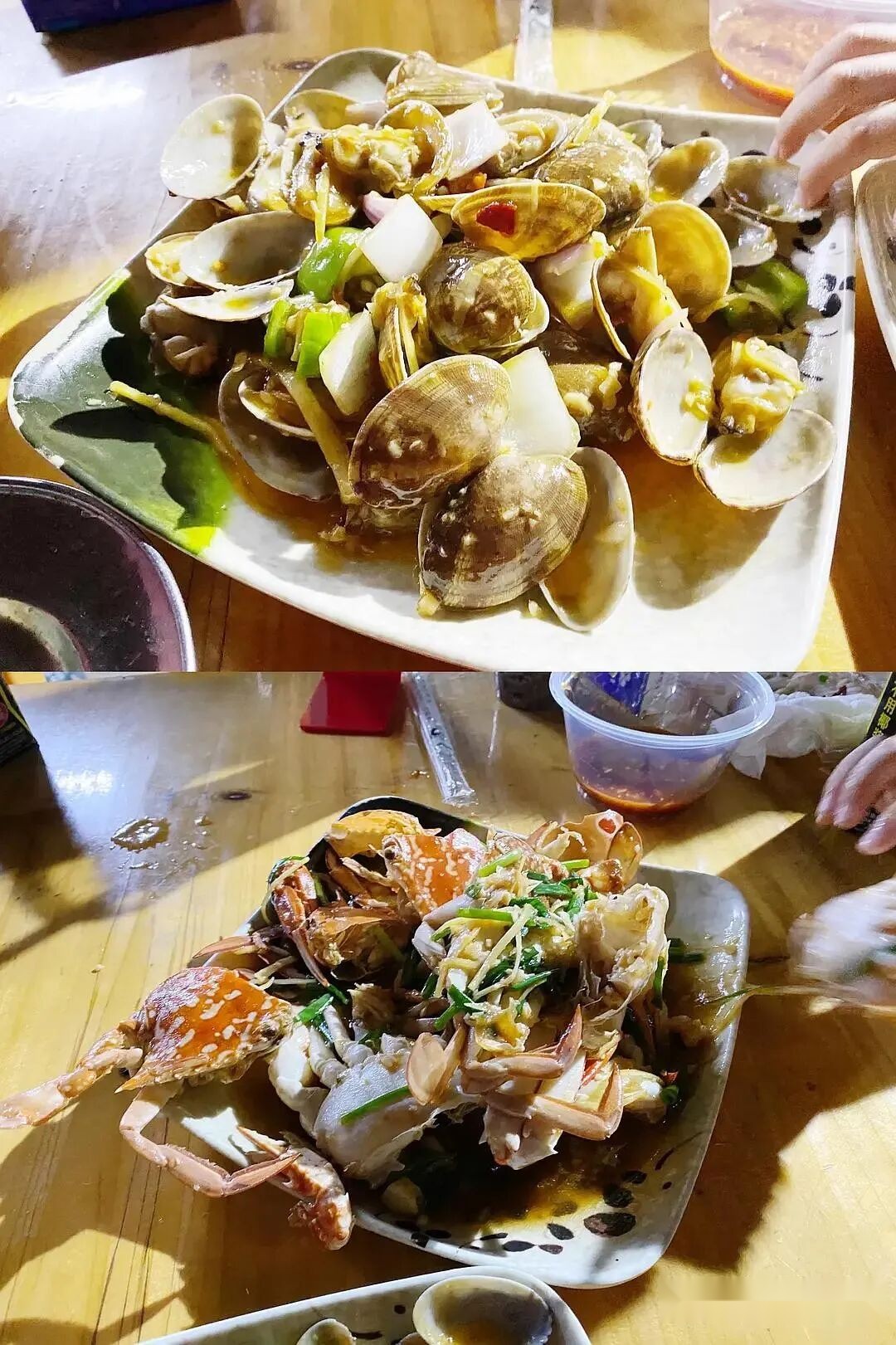
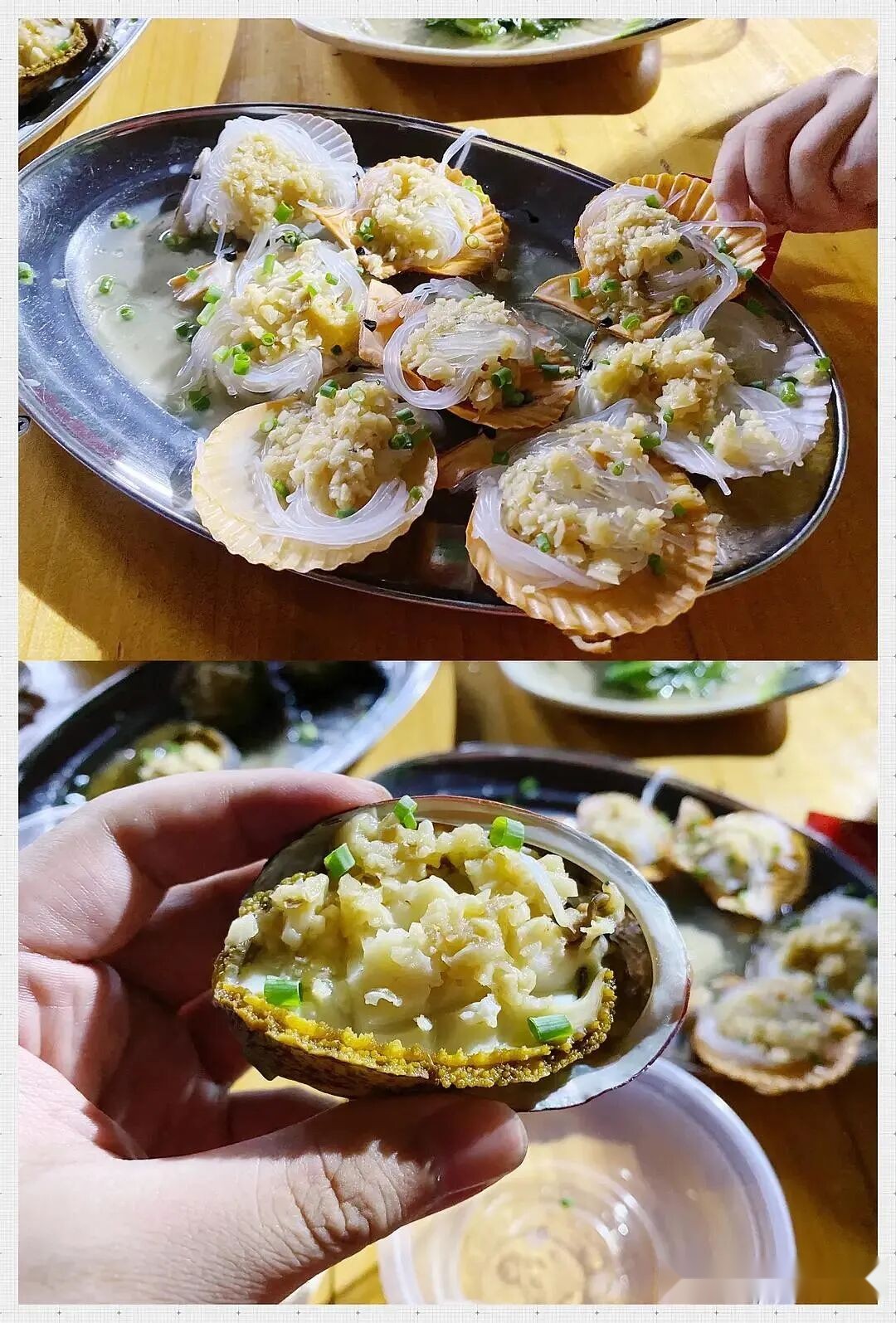

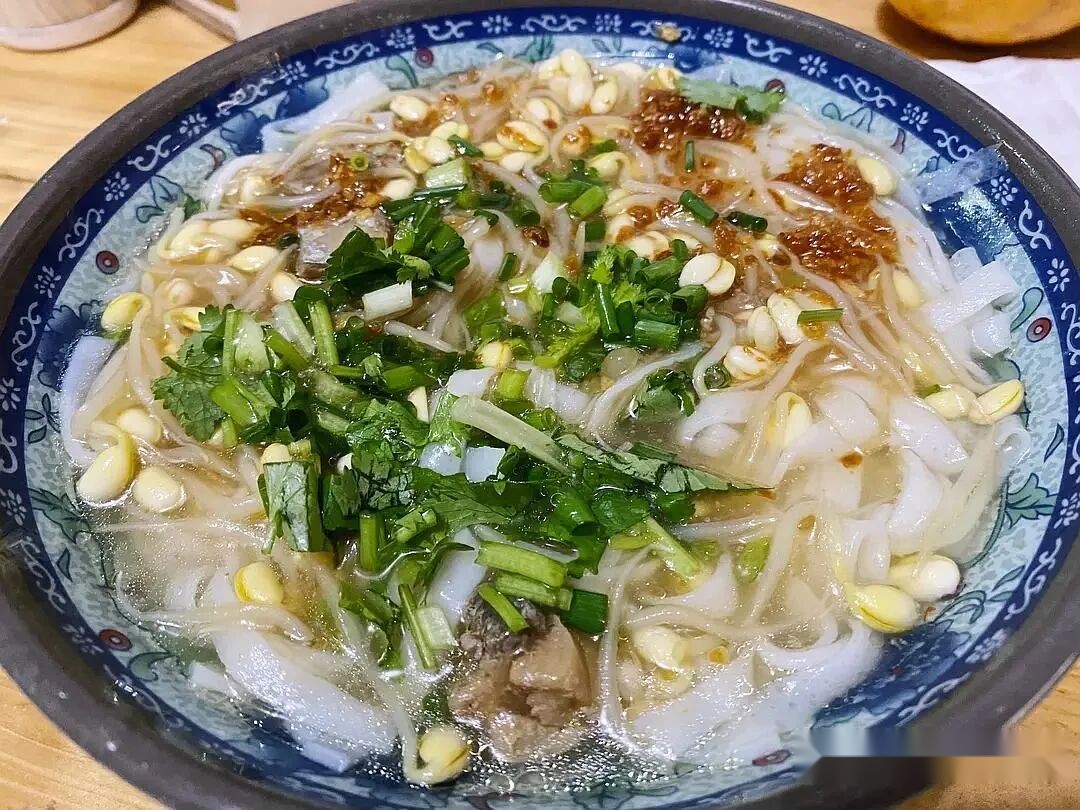
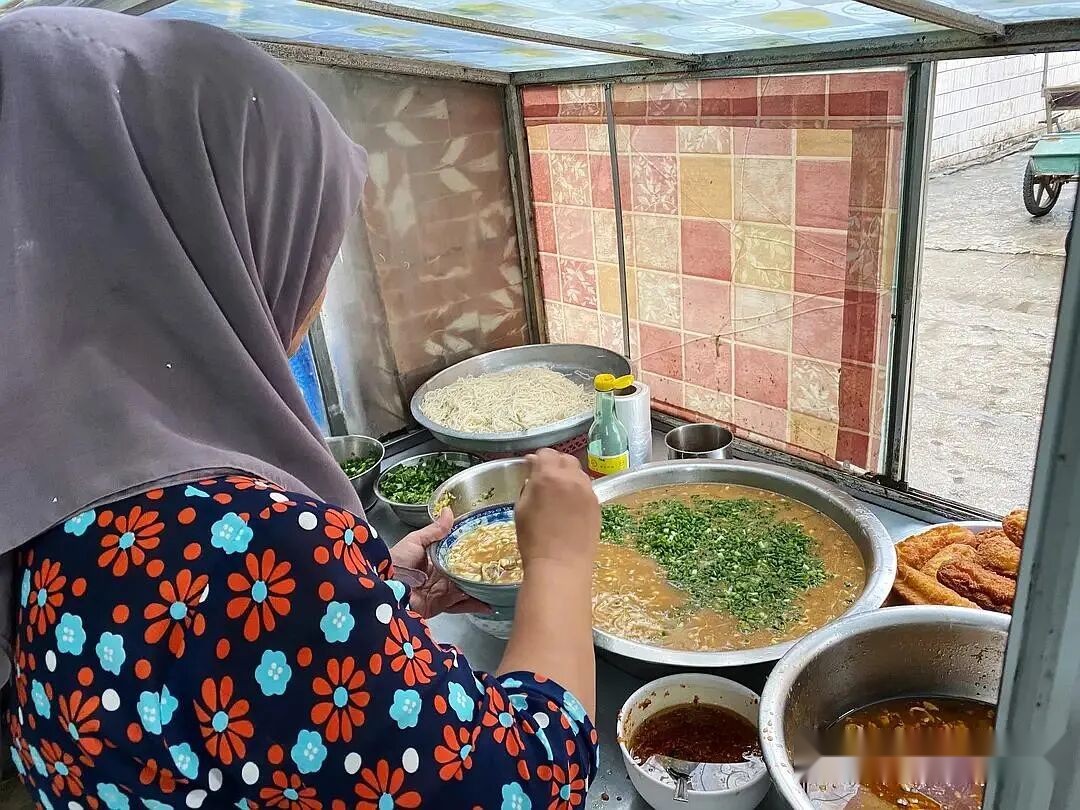
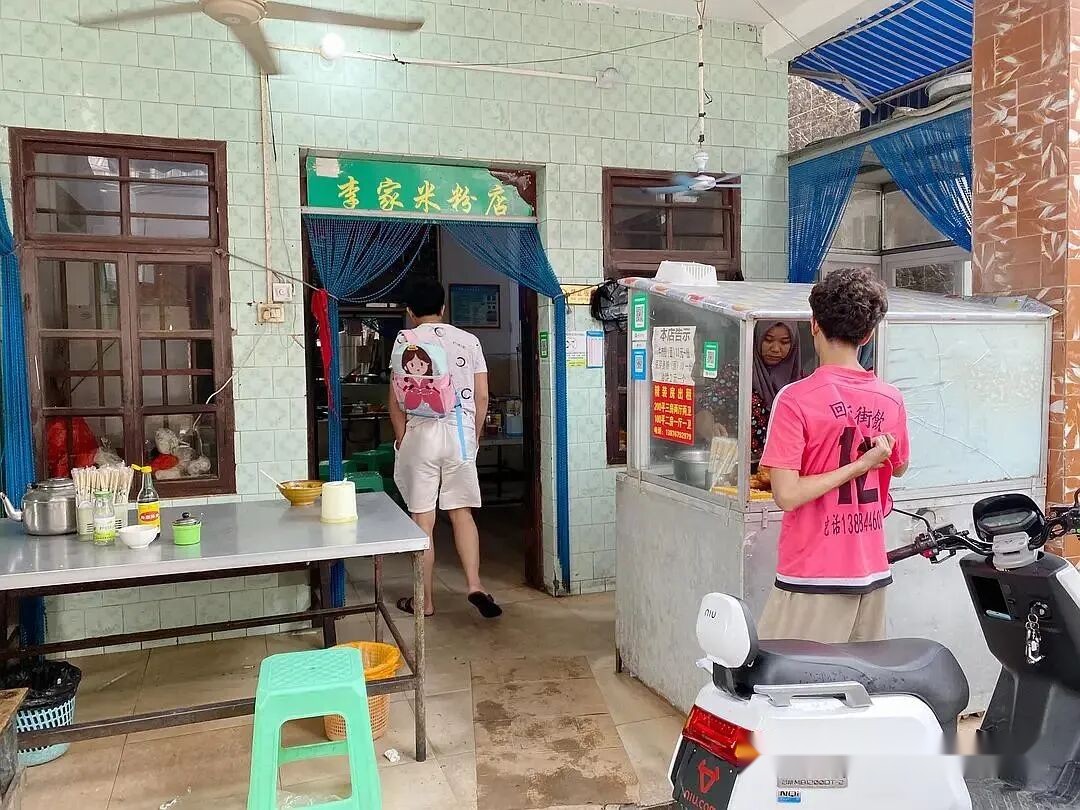
Exploring Sanya's Halal Food Scene: Northwest Chinese Stir-Fries, Pulled Noodles, and Local Utsul Muslim Culture
Articles • Hasan09 posted the article • 0 comments • 4 views • 3 hours ago
Exploring Sanya Qingpinhui Halal Restaurant: A Showcase of Classic Northwest Chinese Stir-Fries, Steaming Handmade Latiaozi (handmade pulled noodles), and Signature BBQ Skewers
Summary:
Real photo documentation and food review highlighting the signature dishes and vibrant dining atmosphere at Sanya Qingpinhui Halal Restaurant. We taste-test their hearty, generously portioned Dapanji (big plate chicken), springy and smooth handmade banmian (mixed noodles), and crispy-on-the-outside, tender-on-the-inside roasted lamb skewers, capturing that warm, comforting, down-home halal flavor during your island getaway.
The Culinary Delights of Sanya Qingpinhui Halal Restaurant
[On-Site Visuals] view all
Exploring Sanya Qingpinhui Halal Restaurant: A Showcase of Classic Northwest Chinese Stir-Fries, Steaming Handmade Latiaozi (handmade pulled noodles), and Signature BBQ Skewers
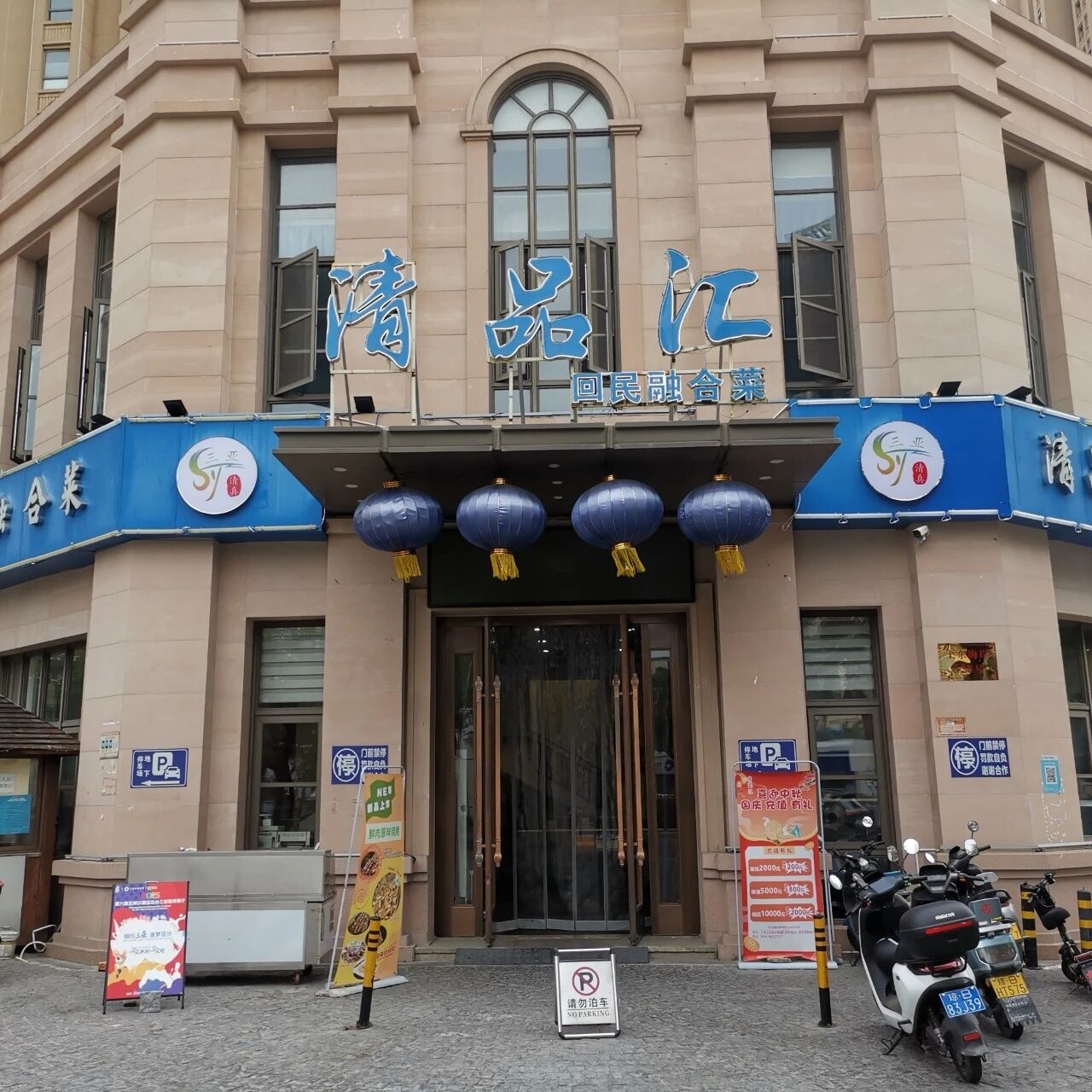
Summary:
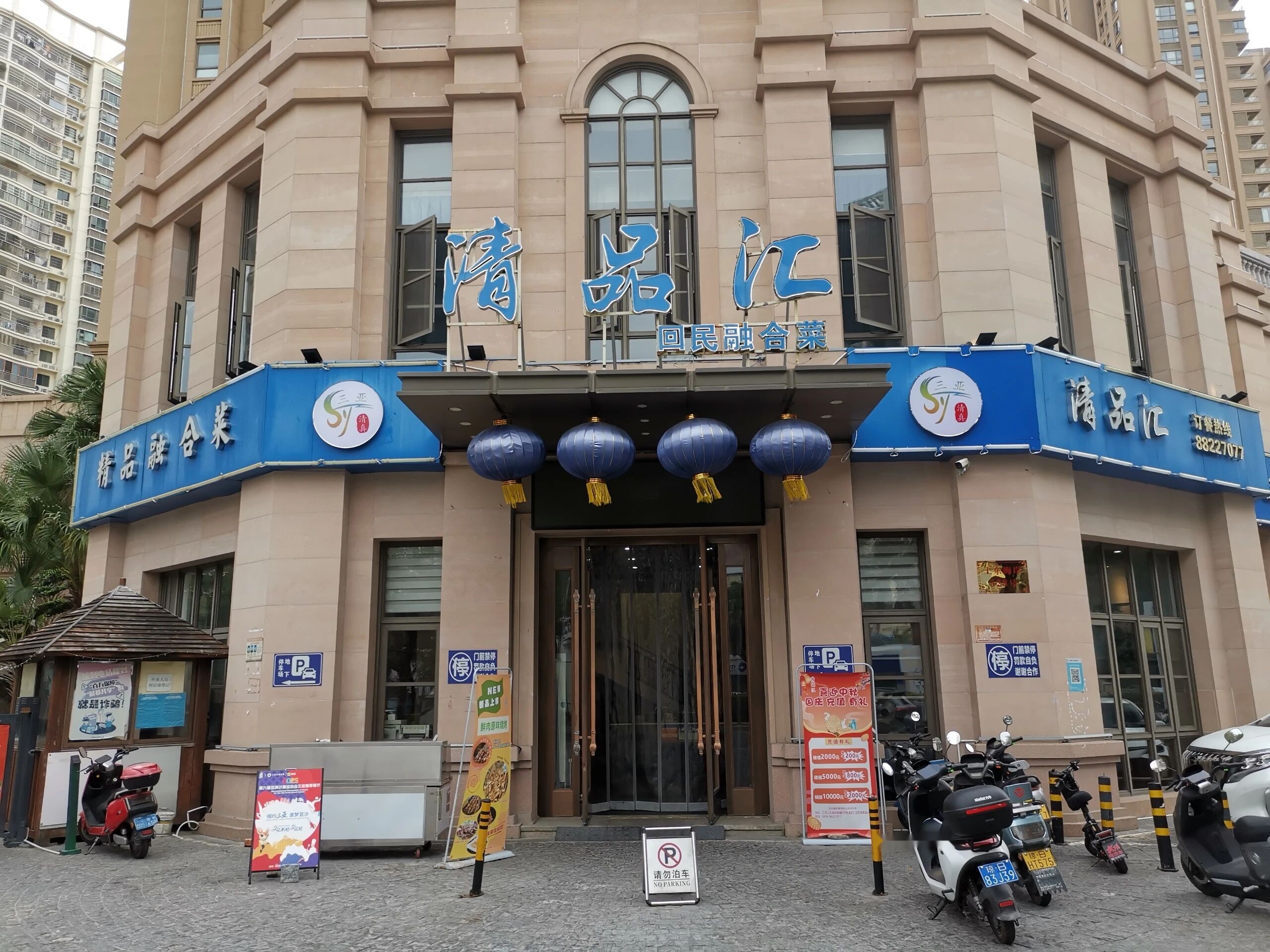
Real photo documentation and food review highlighting the signature dishes and vibrant dining atmosphere at Sanya Qingpinhui Halal Restaurant. We taste-test their hearty, generously portioned Dapanji (big plate chicken), springy and smooth handmade banmian (mixed noodles), and crispy-on-the-outside, tender-on-the-inside roasted lamb skewers, capturing that warm, comforting, down-home halal flavor during your island getaway.

The Culinary Delights of Sanya Qingpinhui Halal Restaurant
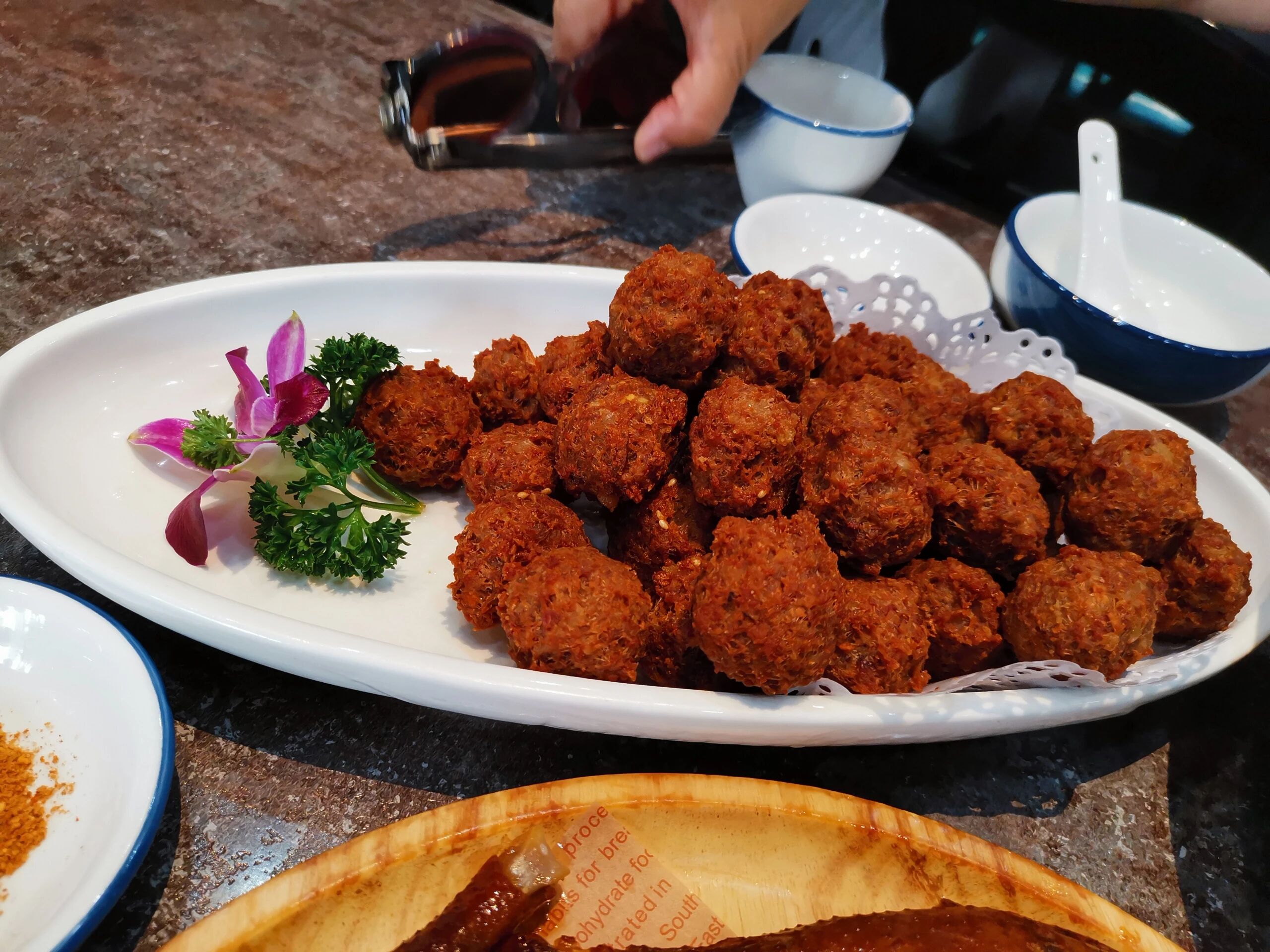
[On-Site Visuals]
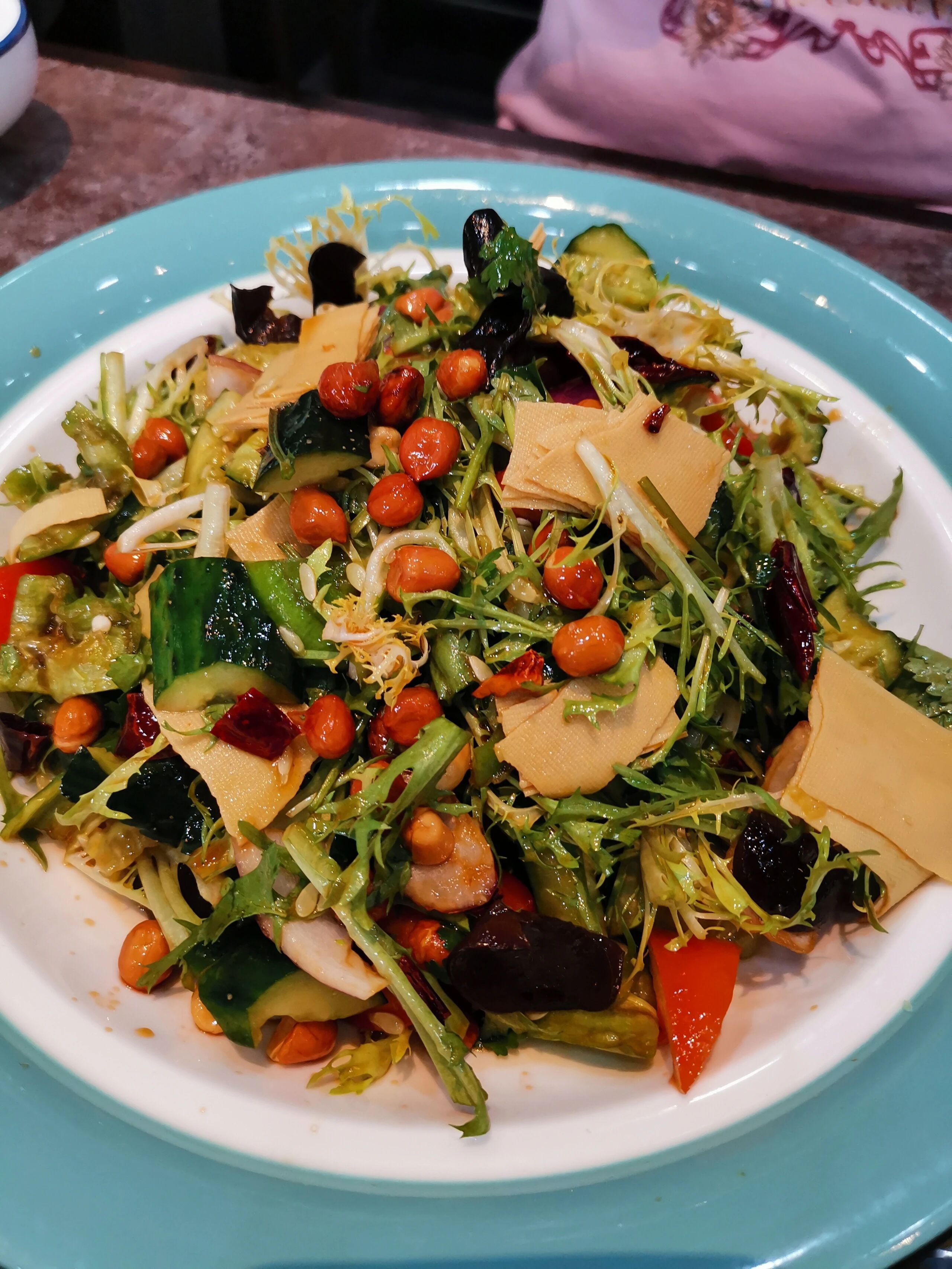
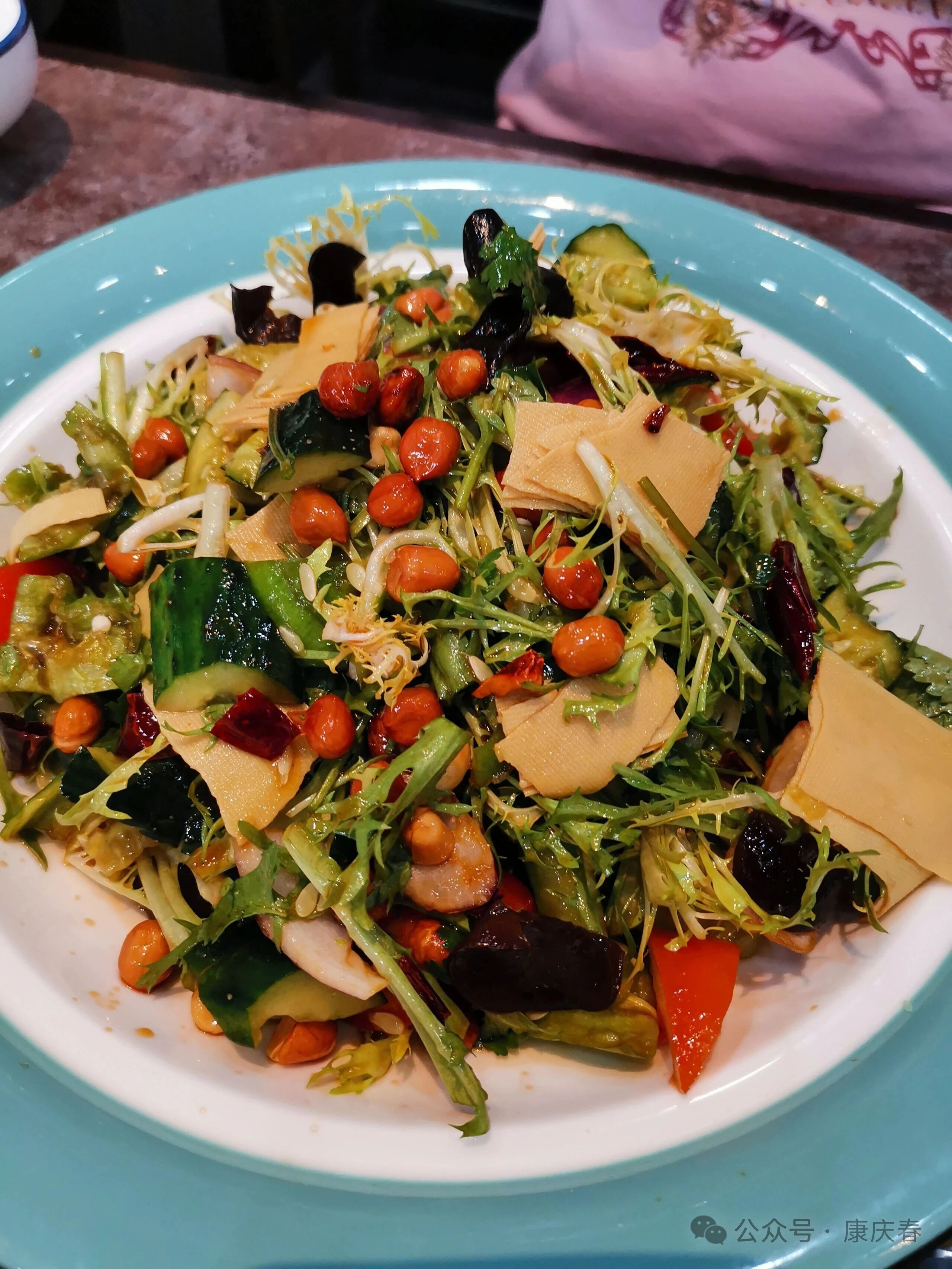
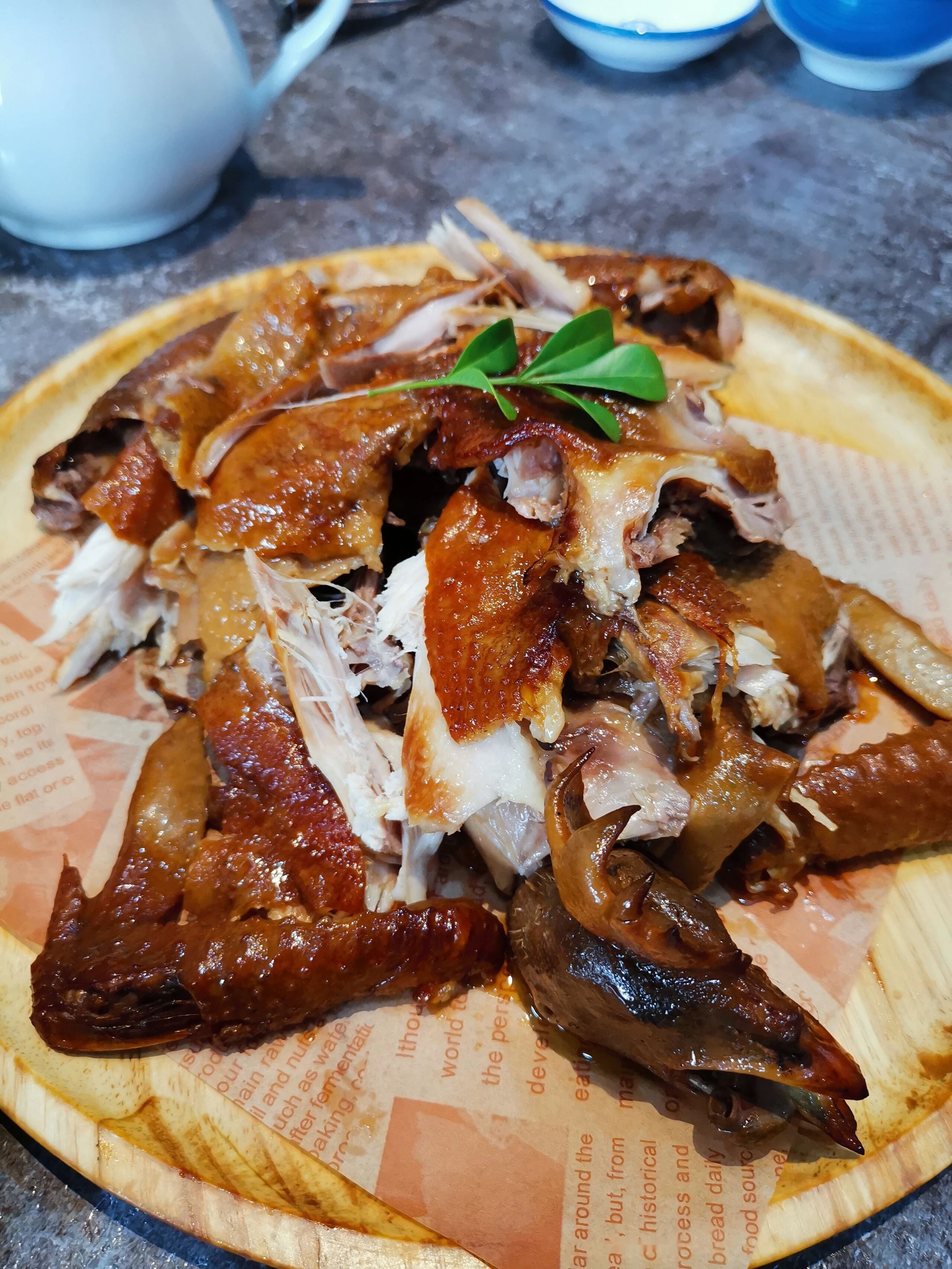

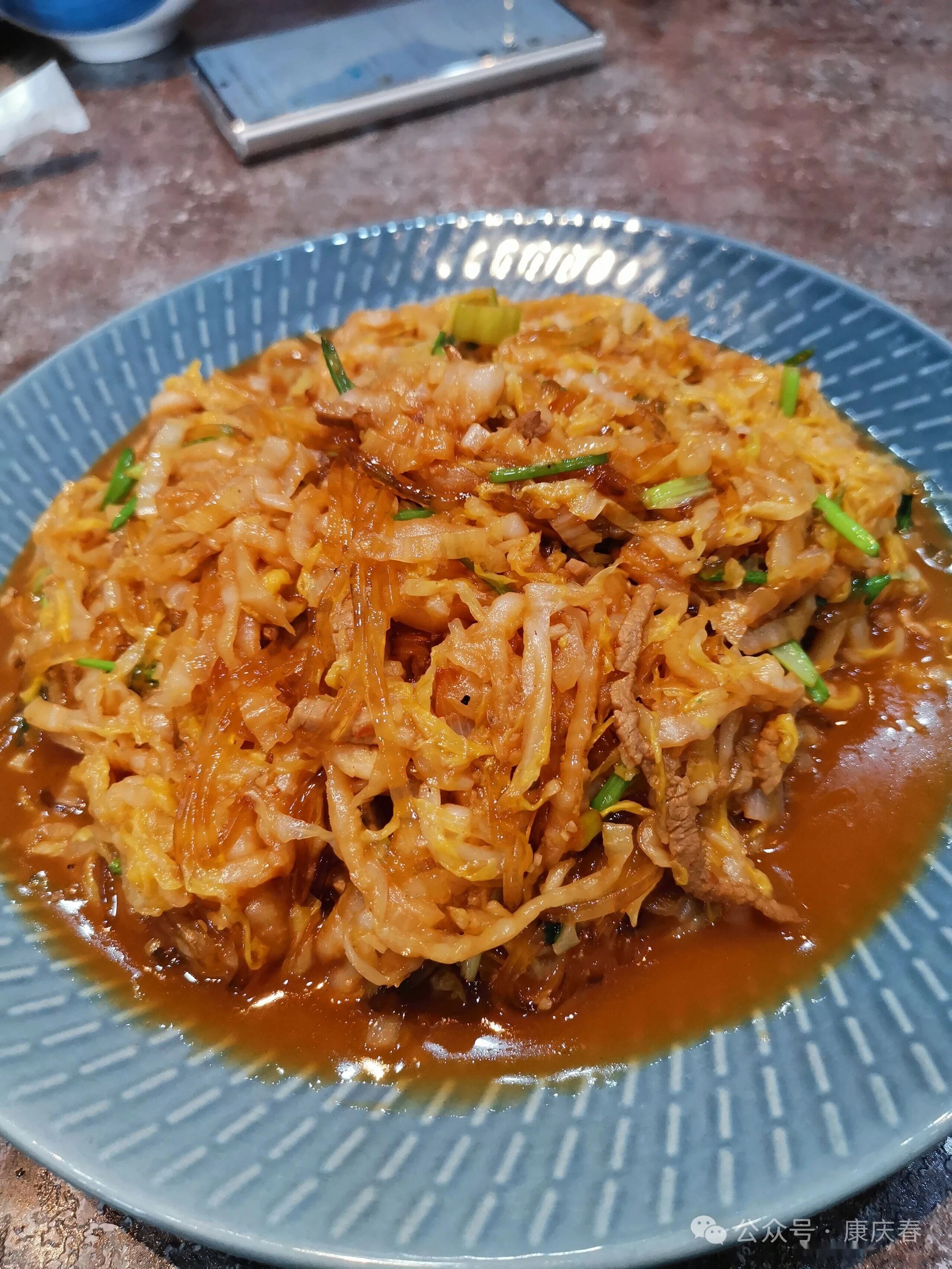
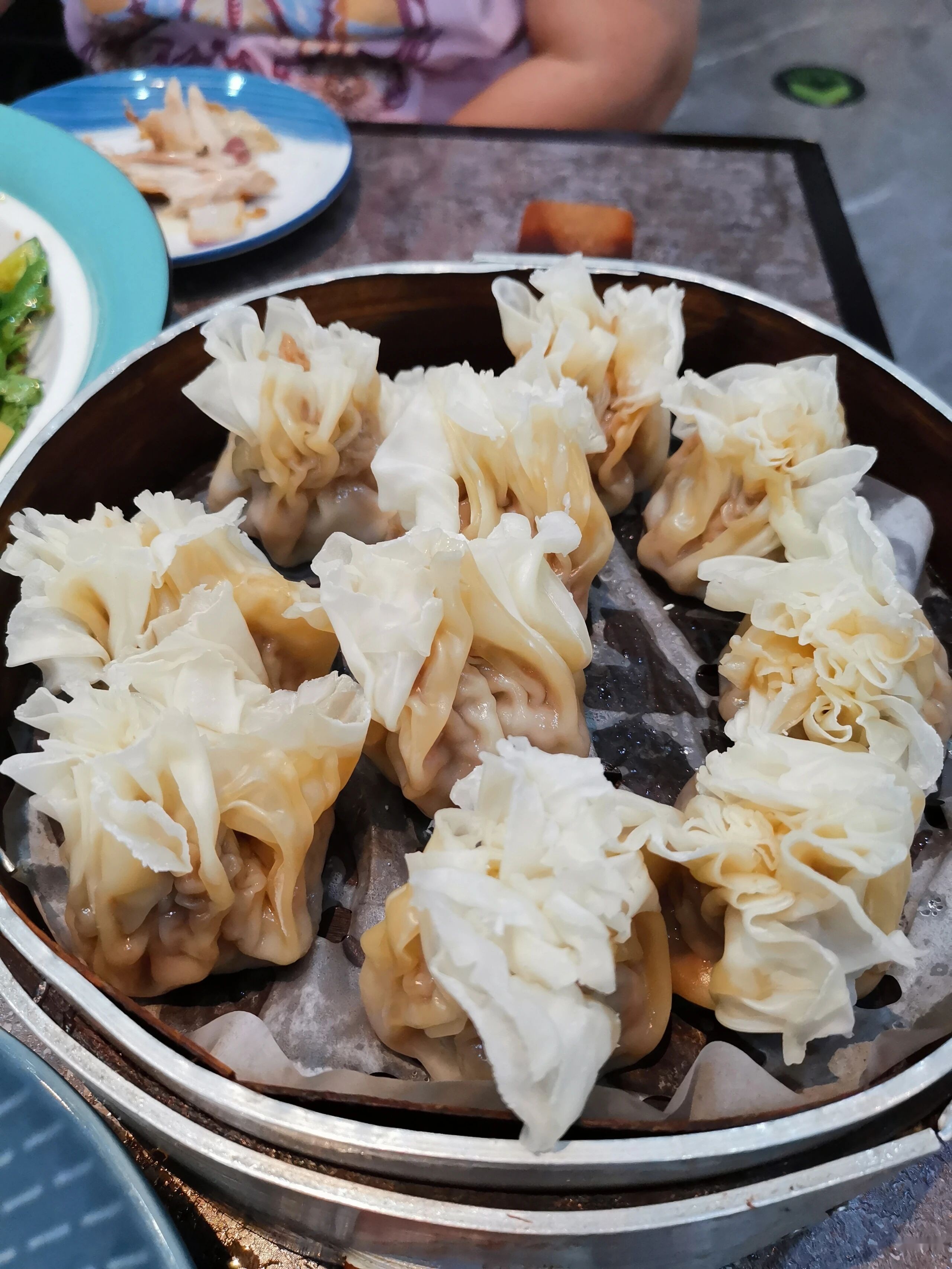
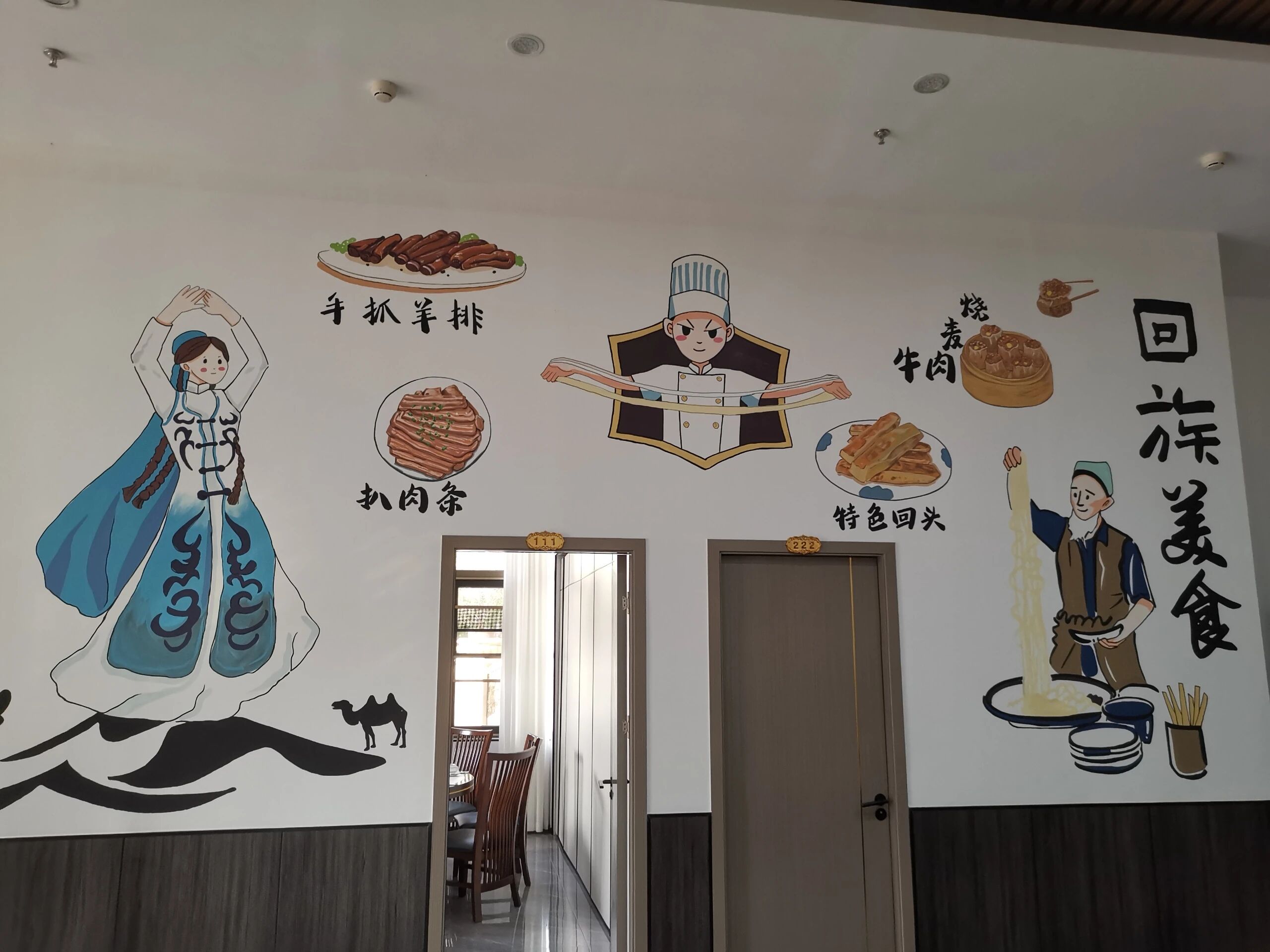
Sanya's Utsul Muslims: Maritime Silk Road History, Halal Cuisine & Culture
Articles • Hasan09 posted the article • 0 comments • 1 views • 1 hours ago
Tracing the Genetic and Linguistic Origins of Hainan's Sanya Hui Muslims: The Unique Tones of the Utsul Language and the Paternal History of Maritime Silk Road Migrations
Abstract:
A deep dive into the mystery of the origins of the Hui Muslim community in Sanya, Hainan, from the perspectives of molecular anthropology and linguistics. This explores the evolutionary history of the Utsul language—which possesses distinct Austronesian characteristics—while combining genetic haplogroup data to reconstruct the history of integration among ancient Arab, Persian, and Champa Muslims.
When people talk about China's Muslim communities, they usually think first of the Northwest—Shaanxi, Gansu, Ningxia, Qinghai—and Xinjiang. Yet down at the southernmost tip of Hainan Island in Sanya, tucked away in the coastal villages of Huihui Village (Huihui Muslim Village) and Huixin Village (Huixin Muslim Village), lives a unique group of people who have practiced Islam for generations. They never bow to Buddha, never step foot inside ancestral shrines, and strictly avoid pork. The most prominent landmarks in their villages are mosques (masjids), and their daily diet, weddings, funerals, and festivals all strictly adhere to Islamic sharia law. Even more fascinating is their language: it's neither standard Hainanese nor the Hlai language spoken by the island's indigenous Hlai people. Outsiders cannot understand a single word. Academics call it the Utsul language (Huihui language). While officially classified under the Hui ethnic group during ethnic identification, these people are completely distinct from mainland Hui Muslims in both their historical origins and the language they speak.
Most ancestors of mainland Hui Muslims traveled via the overland Silk Road, closely tied to Muslim merchants and accompanying soldiers from Central Asia, Arabia, and Persia. So, from which body of water did the paternal lineage of Hainan's community actually come? Was it the famous Arabian Peninsula, the Persian Gulf, or some mysterious ancient kingdom on the eastern coast of the Indochina Peninsula that has long since vanished? Linguistics, historical records, and ancient DNA each offer clues. Piecing them together reveals a surprising truth: the answer is far more twists-and-turns than any simple guess. It proves that while religion and culture can indeed cross oceans to spread, chromosomes don't necessarily follow along for the ride.
To figure out the exact origins of the Utsul people, we must first understand the kingdom of Champa. In ancient Chinese historical texts, Champa was successively known as Linyi, Huanwang, and Champa. Established around 192 CE—the late Eastern Han Dynasty—it was an ancient maritime kingdom built by Austronesian-speaking peoples in what is now the central to southern coastal region of Vietnam. The Cham people were exceptionally skilled at navigation and trade, and their territory happened to control the maritime bottleneck connecting China to India and Arabia. Chinese merchant ships heading south and Arab merchant ships heading east frequently docked in Champa's ports to take on supplies. The famous Song Dynasty scholar Zhou Qufei listed Champa in his book Lingwai Daida as a major metropolis among the southwestern nations. It was a maritime kingdom that lived by the sea and thrived by the sea.
Champa was initially deeply influenced by Indian culture, with Hinduism long serving as its primary religion. Coastal brick-built towers in the Cham style still stand today. By the late 9th century, residential quarters composed of Arab and Persian Muslim merchants had already emerged in southern Champa. Islam quietly spread there alongside maritime trade, and by the 10th century, the number of believers had steadily grown. Right up until the 17th century, Champa's royal family chose to convert to Islam. In other words, before Champa's official demise, this vast land had been dyed with thick Islamic colors layer upon layer, built atop a deep foundation of Hinduism.
However, Champa's northern neighbor, Vietnam, continuously expanded southward after declaring independence—an event known in history as the Nam Tien (Southward March). The two countries engaged in a tug-of-war lasting centuries. In 982 CE, Champa's capital was briefly breached by enemy forces, and even then, some Cham refugees chose to cross the sea and flee northward. The heaviest blow came in 1471, when the Vietnamese Later Le Dynasty led a massive army to capture Champa's strategic stronghold of Vijaya, leaving Champa existing in name only. Afterward, the Nguyen Dynasty kept up its southern pressure. Facing the desperate peril of a destroyed nation and shattered homes, the Cham people boarded boats and fled into the open sea. One group traveled south along the Indochina Peninsula, while another caught tailwinds and headed north, eventually arriving at Yazhou at the southern tip of Hainan Island—today's Sanya area. An ancient maritime kingdom that had stood for over a thousand years was ultimately squeezed step-by-step into the boundless ocean by its neighbor.
According to oral folklore, a Champa prince once led about 1,000 clansmen across the sea to Hainan, where they were properly settled by the Ming Dynasty government. In fact, official Chinese historical records of Cham people entering Hainan date back even further, appearing as early as the Song Dynasty. Aside from Champa refugees, Arab and foreign merchants (fanke) who arrived via the Maritime Silk Road during the Tang and Song dynasties and settled in Hainan's ports represent another source of Hainan's Muslim community. Tang Dynasty Muslim cemeteries discovered in the coastal areas of Lingshui and Sanya serve as physical proof of these early maritime visitors. The exiled refugees from fallen Champa, combined with the foreign merchants who had docked and settled here even earlier, blended through several waves of convergence to finally form today's unique Utsul people—themselves a wondrous confluence of multiple maritime migration streams.
The most indisputable proof of identity carried by the Utsul people is their language. The Utsul language belongs to the Chamic branch of the Malayo-Polynesian subgroup of the Austronesian language family, sharing a common origin with the Cham language spoken by surviving Cham people in Vietnam today, and bearing a particularly close resemblance to its northern branch. The Austronesian language family spans from Madagascar in the west to distant Easter Island in the east, and as far south as New Zealand, making it one of the most widely distributed language families in the world. Yet the Utsul language is the only Austronesian tongue actually spoken on the Chinese mainland today, and the Utsul people are the sole branch of the Hui nationality across all of China to possess their own independent language—Hui Muslims in other regions having long since adopted Chinese for general communication. Based solely on this unique language, they occupy a lonely and extremely distinctive position on the ethnic distribution map of the Chinese mainland.
Even more intriguing is that within the vast Austronesian language family, the Utsul language is a rare outlier. Because typical Austronesian languages are mostly multisyllabic without tonal distinctions—relying solely on various affixes to express grammatical details—the Utsul language instead evolved into a predominantly monosyllabic form complete with its own fully developed tonal system. Linguistically, it grew increasingly similar to the surrounding Chinese and Hlai languages widely spoken in the region. Linguists view it as a classic research sample for tone genesis in language contact studies. This happened because the descendants of the Cham people lived generation after generation as neighbors to Chinese- and Kra-Dai-speaking populations on Hainan Island, and their native tongue was reshaped step-by-step through extremely lengthy mutual contact. Although the surface framework of the language changed into a new shape, its core vocabulary still corresponds with related sister languages. Like an isolated island drifting alone on the ocean, it stubbornly preserves the final lingering hometown sounds left behind by the Champa refugees. Based solely on this language set and their profound faith, academics concluded long ago that the Utsul people are the surviving descendants of the Champa.
According to conventional imagination, the paternal lineage of these Muslims should perhaps trace directly back to the distant Arabian Peninsula, or at the very least be local Cham people from Champa. However, a 2013 study published by Li Dongna, Wang Chuanchao, and others from Fudan University overturned this assumption. They tested 102 Utsul individuals—including 72 males and 30 females—analyzing both paternal Y-chromosomes and maternal mitochondrial DNA. The final conclusion was unexpectedly astonishing: although language and faith securely pointed the clues back to the former kingdom of Champa, the chromosome data told a completely different story, and both the paternal and maternal test results agreed with eerie consistency.
First, regarding the paternal side: the most frequent Y-chromosome haplogroup among Utsul males turned out to be O1a, specifically designated as M119, which accounted for roughly 58.1% in earlier smaller-sample statistics. The problem, however, is that the primary paternal lineage carried by today's Vietnamese Cham males is O2a1 (specifically M95), whereas this branch accounts for a mere 4.17% among the Utsul. The paternal structures of the two groups fundamentally do not match. If they were truly direct refugees of Champa faithfully passing down their paternal lines, the high-frequency lineage appearing among the Utsul should naturally have been M95, absolutely not M119. This single set of extremely misaligned data alone is enough to arouse great skepticism toward the narrative of direct Champa descent.
Researchers subsequently used Y-chromosome short tandem repeats (STRs) to construct complex network diagrams. The results revealed that almost all O1a lineages carried by the Utsul fell directly into the specific branches native to Hainan's indigenous inhabitants—the Hlai and other Kra-Dai-speaking populations—rather than clustering with Vietnamese Cham or Indochinese populations. Within this network, the indigenous Hainan O1a spontaneously formed several clusters almost exclusive to the locality, and the Utsul samples were nearly all deeply embedded within these clusters. This clearly demonstrates that the primary paternal lineage of the Utsul did not arrive from afar with the Champa refugees, but was instead acquired from the local populations of Hainan after successfully landing on the island. The only relative their Y-chromosomes recognize is the native people of Hainan Island, not the Cham people across the vast sea.
The maternal pattern is an exact carbon copy of the paternal side. The maternal haplogroups of the Utsul are predominantly D4 and F2a, accounting for roughly 16.67% and 15.69% respectively, alongside downstream sub-lineages such as F1b, F1a1, B5a, M8a, D5, and B4a. Analyzing these individual sub-lineages at the network level reveals that these maternal lines either cluster with Hainan's indigenous inhabitants or with southern Chinese populations. Not a single Utsul sample could be found clustering directly with the Cham people. These two mutually independent, rock-solid pieces of evidence—paternal and maternal—jointly point to a final conclusion: genetically speaking, the Utsul people are much closer to Hainan's native Hlai people and the broader southern Chinese population than to the Cham of Vietnam. If the localization of the paternal line could still be barely explained by customs like matrilocal marriage (taking a husband into the wife's family), then the fact that even the maternal line shows an overall shift toward the local population can only fully prove that the biological core of these people truly grew anew and took root right here on the island.
This study also made the pleasant discovery that among the Utsul people, there are moderate frequencies of haplogroup C (designated M130) and haplogroup F (designated M89). These quite ancient Southeast Asian lineages very likely originate from genetic drift occurring in small populations during the foundation period. In addition, there is about 4.17% of O3a2c1a (designated M117), a typical Sino-Tibetan characteristic lineage, which most likely stems from genetic inflow from neighboring Han Chinese populations in more recent times. Meanwhile, the Arab J lineage or Central Asian R lineage that people originally expected to occupy a place failed to form any considerable proportion. In other words, within the gene pool, one can neither find large-scale Arab bloodlines nor large-scale Champa paternal lines; all that can be definitively found is a superposition of local Hainan, southern Chinese, and small amounts of Sino-Tibetan components.
Based on this, researchers directly titled their paper "Genetic Replacement of Local Hainan Lineages in the Utsul." They agreed that the ultimate formation of the Utsul community must have undergone a process of large-scale assimilation and absorption of Hainan's native populations. Although the Cham language and Islamic faith brought by the Champa exiles were stubbornly preserved, their biological core was thoroughly and step-by-step replaced by local Hainan lineages after successfully landing on the island. This differs significantly from the classic historical pattern where paternal lines are foreign and maternal lines are local; the Utsul exhibit a high degree of localization on both paternal and maternal fronts. What was genuinely and completely carried forward from the old Champa homeland was primarily that language and that faith, rather than deep chromosomes. One might say this was a group of people who successfully kept their hometown speech and the scriptures they brought, yet swapped their original bloodline for the bloodline of the very island upon which their feet stood.
Some people might wonder: since the Cham had converted to Islam long ago, surely their own paternal lines must contain quite a few Arab components? A study on Cham paternal lineages published in 2012 in the journal PLoS ONE by He Jiandong, Peng Minsheng, and others—in cooperation with Vietnamese scholars and led by Zhang Yaping's team at the Kunming Institute of Zoology of the Chinese Academy of Sciences—similarly offered a very sobering medical answer. This study clearly showed that the primary paternal genetic components of the Cham population trace their origins to Southeast Asia. Part of it can be traced to the Malay Archipelago, and part to the Indochinese Peninsula. A deep mixture of populations from these two regions shaped today's Cham people, and their core consists precisely of the various branches of O2a1 designated as M95, closely linked to the numerous farming and seafaring populations widely distributed across Southeast Asia.
The foreign components truly worthy of attention actually originate from South Asia rather than Arabia. Roughly 18.6% of Cham paternal lines can be directly traced to South Asia. Yet almost no corresponding South Asian maternal lineages can be found among them. Researchers made a logical deduction regarding this: during historical periods when Hinduism flourished immensely, large numbers of Indian merchants and sailors successfully arrived in Champa along the thriving Maritime Silk Road. Most of them were single men who subsequently formed unions with local women, thereby leaving significant imprints solely within the paternal gene pool while remaining completely untraceable in the maternal gene pool. This is the most typical sex-biased admixture phenomenon: men who traveled to cross-sea businesses started families in foreign ports, successfully leaving behind characteristic Y-chromosomes without bringing in batch-scale Indian wives. Consequently, this massive influx of foreign blood could only be inscribed along the single-track paternal line.
To put it another way, even back in their Champa homeland, the Cham displayed a typical Southeast Asian genetic foundation, merely superimposing a small number of Indian merchant paternal lines. Bloodlines from the Arabian Peninsula were inherently very limited. Islam largely arrived there following frequent trade and religious propagation, which did not necessarily entail large-scale Arab population migration inward. Understanding this logic makes it feel not at all surprising when looking back at why no scale-forming Arab paternal lineages can be found among Hainan's Utsul. The cross-ocean spread of religion and large-scale migration of bloodlines have always been two entirely different matters. A weighty Quran could completely spread across oceans following merchant vessels, but the descendants of the scripture's propagators might not necessarily keep pace with the scripture's distant forward journey.
When the Champa exiles landed back then, their numbers amounted to merely a few thousand. Placed among the indigenous Hlai residents of Hainan Island and the constantly migrating Han Chinese population, they were merely a tiny, tiny fraction. Furthermore, exile and cruel sea voyages often drastically depleted massive numbers of male populations, and after settling down, they had to intermarry with surrounding populations just to gain a foothold and survive. After a mere few generations of reproduction, those foreign Cham paternal and maternal lines were thoroughly diluted into the immensely vast local population pool. Meanwhile, locally dominant lineages like O1a turned the tables to become the primary lineage of the Utsul community. This is precisely the most common genetic outcome when a tiny group deeply embeds itself into a massive population. For people forced to cross the sea after their nation fell, being fortunate enough to save their lives and successfully safeguard their inherited faith was already a supreme blessing; they simply had no surplus population available to maintain a completely independent bloodline.
What truly bound these people tightly together for a millennium without being completely assimilated by the surrounding environment are two things that do not rely on bloodlines for transmission: one is that unique Utsul language, which allows the Champa descendants to consistently maintain a shared hometown voice internally—even though it grew distinctive tones under the influence of external dominant languages—and the other is that Islamic faith. The laws established by the religion penetrated deeply into marriage, property inheritance, daily diet, and post-mortem funeral rites, drawing an extremely clear boundary of identity that successfully distinguished them from the surrounding Han and Hlai populations who worshipped Buddha and ancestors. This shared faith and ancient language fostered a high degree of internal group identity and a strong tendency toward endogamy, enabling the Utsul to persist as an independent community down to the present day—even though the majority of their chromosomes now belong locally to Hainan. The words spoken in the mouths of the villagers remain the tongue of the old Champa homeland, and the Lord worshipped in their hearts remains the One God worshipped in the later periods of Champa. It was these two invisible things that firmly knit them into a tight-knit community.
Things like language can be learned, and concepts like faith can be inherited. Neither fundamentally relies on physical bloodlines. Meanwhile, physical biological integration must simply bow to the ruthless laws of population numbers and intermarriage ratios. Thus emerged a historical scenario that seems full of contradictions yet is entirely logical: culturally they are still Cham, while genetically they are infinitely close to the Hlai. Once this is understood, there is no need to feel any confusion over the Utsul's complex identity. They are neither fake Champa descendants nor simply Hlai people who changed their faith, but rather a resilient group of people who thoroughly rooted their bloodlines into a new land while stubbornly guarding their origins in culture.
Returning to the question posed at the very beginning of the article—from which body of water did the Utsul paternal line primarily come? It comes primarily not from the distant and unfamiliar Arabian Sea, nor mainly from the coastal waters near Champa, but rather from Hainan Island's own vast South China Sea bays and ancient Hlai settlements, originating from those Kra-Dai indigenous ancestors who had lived on this beautiful island for tens of thousands of years. After Champa suffered the misfortune of national destruction, some Cham people were forced to flee northward across the sea. They brought precious Cham language and the Quran, but could not bring a resilient paternal main stem capable of surviving to the present day. They put down new roots on Hainan Island, extensively intermarried and integrated with locals, and ultimately surrendered their physical bodies entirely to this brand-new land, while deeply leaving that hometown speech and faith behind within their community. Today, next to the towering mosques of Huihui Village, this Austronesian language—which counts as truly unique across the Chinese mainland—still echoes from time to time. It constantly reminds people behind them that what the ancient Maritime Silk Road left behind was never merely those exquisite porcelains and rich spices, but also a group of suffering descendants bearing the pain of a fallen nation, along with a story of language and faith crossing vast oceans while bloodlines grew anew in a strange land. The survival of a civilization sometimes relies not on the so-called purity of bloodlines, but precisely on that bit of precious resilience that relentlessly guards its own language and faith amidst continuous integration. view all
Tracing the Genetic and Linguistic Origins of Hainan's Sanya Hui Muslims: The Unique Tones of the Utsul Language and the Paternal History of Maritime Silk Road Migrations
Abstract:
A deep dive into the mystery of the origins of the Hui Muslim community in Sanya, Hainan, from the perspectives of molecular anthropology and linguistics. This explores the evolutionary history of the Utsul language—which possesses distinct Austronesian characteristics—while combining genetic haplogroup data to reconstruct the history of integration among ancient Arab, Persian, and Champa Muslims.
When people talk about China's Muslim communities, they usually think first of the Northwest—Shaanxi, Gansu, Ningxia, Qinghai—and Xinjiang. Yet down at the southernmost tip of Hainan Island in Sanya, tucked away in the coastal villages of Huihui Village (Huihui Muslim Village) and Huixin Village (Huixin Muslim Village), lives a unique group of people who have practiced Islam for generations. They never bow to Buddha, never step foot inside ancestral shrines, and strictly avoid pork. The most prominent landmarks in their villages are mosques (masjids), and their daily diet, weddings, funerals, and festivals all strictly adhere to Islamic sharia law. Even more fascinating is their language: it's neither standard Hainanese nor the Hlai language spoken by the island's indigenous Hlai people. Outsiders cannot understand a single word. Academics call it the Utsul language (Huihui language). While officially classified under the Hui ethnic group during ethnic identification, these people are completely distinct from mainland Hui Muslims in both their historical origins and the language they speak.
Most ancestors of mainland Hui Muslims traveled via the overland Silk Road, closely tied to Muslim merchants and accompanying soldiers from Central Asia, Arabia, and Persia. So, from which body of water did the paternal lineage of Hainan's community actually come? Was it the famous Arabian Peninsula, the Persian Gulf, or some mysterious ancient kingdom on the eastern coast of the Indochina Peninsula that has long since vanished? Linguistics, historical records, and ancient DNA each offer clues. Piecing them together reveals a surprising truth: the answer is far more twists-and-turns than any simple guess. It proves that while religion and culture can indeed cross oceans to spread, chromosomes don't necessarily follow along for the ride.
To figure out the exact origins of the Utsul people, we must first understand the kingdom of Champa. In ancient Chinese historical texts, Champa was successively known as Linyi, Huanwang, and Champa. Established around 192 CE—the late Eastern Han Dynasty—it was an ancient maritime kingdom built by Austronesian-speaking peoples in what is now the central to southern coastal region of Vietnam. The Cham people were exceptionally skilled at navigation and trade, and their territory happened to control the maritime bottleneck connecting China to India and Arabia. Chinese merchant ships heading south and Arab merchant ships heading east frequently docked in Champa's ports to take on supplies. The famous Song Dynasty scholar Zhou Qufei listed Champa in his book Lingwai Daida as a major metropolis among the southwestern nations. It was a maritime kingdom that lived by the sea and thrived by the sea.
Champa was initially deeply influenced by Indian culture, with Hinduism long serving as its primary religion. Coastal brick-built towers in the Cham style still stand today. By the late 9th century, residential quarters composed of Arab and Persian Muslim merchants had already emerged in southern Champa. Islam quietly spread there alongside maritime trade, and by the 10th century, the number of believers had steadily grown. Right up until the 17th century, Champa's royal family chose to convert to Islam. In other words, before Champa's official demise, this vast land had been dyed with thick Islamic colors layer upon layer, built atop a deep foundation of Hinduism.
However, Champa's northern neighbor, Vietnam, continuously expanded southward after declaring independence—an event known in history as the Nam Tien (Southward March). The two countries engaged in a tug-of-war lasting centuries. In 982 CE, Champa's capital was briefly breached by enemy forces, and even then, some Cham refugees chose to cross the sea and flee northward. The heaviest blow came in 1471, when the Vietnamese Later Le Dynasty led a massive army to capture Champa's strategic stronghold of Vijaya, leaving Champa existing in name only. Afterward, the Nguyen Dynasty kept up its southern pressure. Facing the desperate peril of a destroyed nation and shattered homes, the Cham people boarded boats and fled into the open sea. One group traveled south along the Indochina Peninsula, while another caught tailwinds and headed north, eventually arriving at Yazhou at the southern tip of Hainan Island—today's Sanya area. An ancient maritime kingdom that had stood for over a thousand years was ultimately squeezed step-by-step into the boundless ocean by its neighbor.
According to oral folklore, a Champa prince once led about 1,000 clansmen across the sea to Hainan, where they were properly settled by the Ming Dynasty government. In fact, official Chinese historical records of Cham people entering Hainan date back even further, appearing as early as the Song Dynasty. Aside from Champa refugees, Arab and foreign merchants (fanke) who arrived via the Maritime Silk Road during the Tang and Song dynasties and settled in Hainan's ports represent another source of Hainan's Muslim community. Tang Dynasty Muslim cemeteries discovered in the coastal areas of Lingshui and Sanya serve as physical proof of these early maritime visitors. The exiled refugees from fallen Champa, combined with the foreign merchants who had docked and settled here even earlier, blended through several waves of convergence to finally form today's unique Utsul people—themselves a wondrous confluence of multiple maritime migration streams.
The most indisputable proof of identity carried by the Utsul people is their language. The Utsul language belongs to the Chamic branch of the Malayo-Polynesian subgroup of the Austronesian language family, sharing a common origin with the Cham language spoken by surviving Cham people in Vietnam today, and bearing a particularly close resemblance to its northern branch. The Austronesian language family spans from Madagascar in the west to distant Easter Island in the east, and as far south as New Zealand, making it one of the most widely distributed language families in the world. Yet the Utsul language is the only Austronesian tongue actually spoken on the Chinese mainland today, and the Utsul people are the sole branch of the Hui nationality across all of China to possess their own independent language—Hui Muslims in other regions having long since adopted Chinese for general communication. Based solely on this unique language, they occupy a lonely and extremely distinctive position on the ethnic distribution map of the Chinese mainland.
Even more intriguing is that within the vast Austronesian language family, the Utsul language is a rare outlier. Because typical Austronesian languages are mostly multisyllabic without tonal distinctions—relying solely on various affixes to express grammatical details—the Utsul language instead evolved into a predominantly monosyllabic form complete with its own fully developed tonal system. Linguistically, it grew increasingly similar to the surrounding Chinese and Hlai languages widely spoken in the region. Linguists view it as a classic research sample for tone genesis in language contact studies. This happened because the descendants of the Cham people lived generation after generation as neighbors to Chinese- and Kra-Dai-speaking populations on Hainan Island, and their native tongue was reshaped step-by-step through extremely lengthy mutual contact. Although the surface framework of the language changed into a new shape, its core vocabulary still corresponds with related sister languages. Like an isolated island drifting alone on the ocean, it stubbornly preserves the final lingering hometown sounds left behind by the Champa refugees. Based solely on this language set and their profound faith, academics concluded long ago that the Utsul people are the surviving descendants of the Champa.
According to conventional imagination, the paternal lineage of these Muslims should perhaps trace directly back to the distant Arabian Peninsula, or at the very least be local Cham people from Champa. However, a 2013 study published by Li Dongna, Wang Chuanchao, and others from Fudan University overturned this assumption. They tested 102 Utsul individuals—including 72 males and 30 females—analyzing both paternal Y-chromosomes and maternal mitochondrial DNA. The final conclusion was unexpectedly astonishing: although language and faith securely pointed the clues back to the former kingdom of Champa, the chromosome data told a completely different story, and both the paternal and maternal test results agreed with eerie consistency.
First, regarding the paternal side: the most frequent Y-chromosome haplogroup among Utsul males turned out to be O1a, specifically designated as M119, which accounted for roughly 58.1% in earlier smaller-sample statistics. The problem, however, is that the primary paternal lineage carried by today's Vietnamese Cham males is O2a1 (specifically M95), whereas this branch accounts for a mere 4.17% among the Utsul. The paternal structures of the two groups fundamentally do not match. If they were truly direct refugees of Champa faithfully passing down their paternal lines, the high-frequency lineage appearing among the Utsul should naturally have been M95, absolutely not M119. This single set of extremely misaligned data alone is enough to arouse great skepticism toward the narrative of direct Champa descent.
Researchers subsequently used Y-chromosome short tandem repeats (STRs) to construct complex network diagrams. The results revealed that almost all O1a lineages carried by the Utsul fell directly into the specific branches native to Hainan's indigenous inhabitants—the Hlai and other Kra-Dai-speaking populations—rather than clustering with Vietnamese Cham or Indochinese populations. Within this network, the indigenous Hainan O1a spontaneously formed several clusters almost exclusive to the locality, and the Utsul samples were nearly all deeply embedded within these clusters. This clearly demonstrates that the primary paternal lineage of the Utsul did not arrive from afar with the Champa refugees, but was instead acquired from the local populations of Hainan after successfully landing on the island. The only relative their Y-chromosomes recognize is the native people of Hainan Island, not the Cham people across the vast sea.
The maternal pattern is an exact carbon copy of the paternal side. The maternal haplogroups of the Utsul are predominantly D4 and F2a, accounting for roughly 16.67% and 15.69% respectively, alongside downstream sub-lineages such as F1b, F1a1, B5a, M8a, D5, and B4a. Analyzing these individual sub-lineages at the network level reveals that these maternal lines either cluster with Hainan's indigenous inhabitants or with southern Chinese populations. Not a single Utsul sample could be found clustering directly with the Cham people. These two mutually independent, rock-solid pieces of evidence—paternal and maternal—jointly point to a final conclusion: genetically speaking, the Utsul people are much closer to Hainan's native Hlai people and the broader southern Chinese population than to the Cham of Vietnam. If the localization of the paternal line could still be barely explained by customs like matrilocal marriage (taking a husband into the wife's family), then the fact that even the maternal line shows an overall shift toward the local population can only fully prove that the biological core of these people truly grew anew and took root right here on the island.
This study also made the pleasant discovery that among the Utsul people, there are moderate frequencies of haplogroup C (designated M130) and haplogroup F (designated M89). These quite ancient Southeast Asian lineages very likely originate from genetic drift occurring in small populations during the foundation period. In addition, there is about 4.17% of O3a2c1a (designated M117), a typical Sino-Tibetan characteristic lineage, which most likely stems from genetic inflow from neighboring Han Chinese populations in more recent times. Meanwhile, the Arab J lineage or Central Asian R lineage that people originally expected to occupy a place failed to form any considerable proportion. In other words, within the gene pool, one can neither find large-scale Arab bloodlines nor large-scale Champa paternal lines; all that can be definitively found is a superposition of local Hainan, southern Chinese, and small amounts of Sino-Tibetan components.
Based on this, researchers directly titled their paper "Genetic Replacement of Local Hainan Lineages in the Utsul." They agreed that the ultimate formation of the Utsul community must have undergone a process of large-scale assimilation and absorption of Hainan's native populations. Although the Cham language and Islamic faith brought by the Champa exiles were stubbornly preserved, their biological core was thoroughly and step-by-step replaced by local Hainan lineages after successfully landing on the island. This differs significantly from the classic historical pattern where paternal lines are foreign and maternal lines are local; the Utsul exhibit a high degree of localization on both paternal and maternal fronts. What was genuinely and completely carried forward from the old Champa homeland was primarily that language and that faith, rather than deep chromosomes. One might say this was a group of people who successfully kept their hometown speech and the scriptures they brought, yet swapped their original bloodline for the bloodline of the very island upon which their feet stood.
Some people might wonder: since the Cham had converted to Islam long ago, surely their own paternal lines must contain quite a few Arab components? A study on Cham paternal lineages published in 2012 in the journal PLoS ONE by He Jiandong, Peng Minsheng, and others—in cooperation with Vietnamese scholars and led by Zhang Yaping's team at the Kunming Institute of Zoology of the Chinese Academy of Sciences—similarly offered a very sobering medical answer. This study clearly showed that the primary paternal genetic components of the Cham population trace their origins to Southeast Asia. Part of it can be traced to the Malay Archipelago, and part to the Indochinese Peninsula. A deep mixture of populations from these two regions shaped today's Cham people, and their core consists precisely of the various branches of O2a1 designated as M95, closely linked to the numerous farming and seafaring populations widely distributed across Southeast Asia.
The foreign components truly worthy of attention actually originate from South Asia rather than Arabia. Roughly 18.6% of Cham paternal lines can be directly traced to South Asia. Yet almost no corresponding South Asian maternal lineages can be found among them. Researchers made a logical deduction regarding this: during historical periods when Hinduism flourished immensely, large numbers of Indian merchants and sailors successfully arrived in Champa along the thriving Maritime Silk Road. Most of them were single men who subsequently formed unions with local women, thereby leaving significant imprints solely within the paternal gene pool while remaining completely untraceable in the maternal gene pool. This is the most typical sex-biased admixture phenomenon: men who traveled to cross-sea businesses started families in foreign ports, successfully leaving behind characteristic Y-chromosomes without bringing in batch-scale Indian wives. Consequently, this massive influx of foreign blood could only be inscribed along the single-track paternal line.
To put it another way, even back in their Champa homeland, the Cham displayed a typical Southeast Asian genetic foundation, merely superimposing a small number of Indian merchant paternal lines. Bloodlines from the Arabian Peninsula were inherently very limited. Islam largely arrived there following frequent trade and religious propagation, which did not necessarily entail large-scale Arab population migration inward. Understanding this logic makes it feel not at all surprising when looking back at why no scale-forming Arab paternal lineages can be found among Hainan's Utsul. The cross-ocean spread of religion and large-scale migration of bloodlines have always been two entirely different matters. A weighty Quran could completely spread across oceans following merchant vessels, but the descendants of the scripture's propagators might not necessarily keep pace with the scripture's distant forward journey.
When the Champa exiles landed back then, their numbers amounted to merely a few thousand. Placed among the indigenous Hlai residents of Hainan Island and the constantly migrating Han Chinese population, they were merely a tiny, tiny fraction. Furthermore, exile and cruel sea voyages often drastically depleted massive numbers of male populations, and after settling down, they had to intermarry with surrounding populations just to gain a foothold and survive. After a mere few generations of reproduction, those foreign Cham paternal and maternal lines were thoroughly diluted into the immensely vast local population pool. Meanwhile, locally dominant lineages like O1a turned the tables to become the primary lineage of the Utsul community. This is precisely the most common genetic outcome when a tiny group deeply embeds itself into a massive population. For people forced to cross the sea after their nation fell, being fortunate enough to save their lives and successfully safeguard their inherited faith was already a supreme blessing; they simply had no surplus population available to maintain a completely independent bloodline.
What truly bound these people tightly together for a millennium without being completely assimilated by the surrounding environment are two things that do not rely on bloodlines for transmission: one is that unique Utsul language, which allows the Champa descendants to consistently maintain a shared hometown voice internally—even though it grew distinctive tones under the influence of external dominant languages—and the other is that Islamic faith. The laws established by the religion penetrated deeply into marriage, property inheritance, daily diet, and post-mortem funeral rites, drawing an extremely clear boundary of identity that successfully distinguished them from the surrounding Han and Hlai populations who worshipped Buddha and ancestors. This shared faith and ancient language fostered a high degree of internal group identity and a strong tendency toward endogamy, enabling the Utsul to persist as an independent community down to the present day—even though the majority of their chromosomes now belong locally to Hainan. The words spoken in the mouths of the villagers remain the tongue of the old Champa homeland, and the Lord worshipped in their hearts remains the One God worshipped in the later periods of Champa. It was these two invisible things that firmly knit them into a tight-knit community.
Things like language can be learned, and concepts like faith can be inherited. Neither fundamentally relies on physical bloodlines. Meanwhile, physical biological integration must simply bow to the ruthless laws of population numbers and intermarriage ratios. Thus emerged a historical scenario that seems full of contradictions yet is entirely logical: culturally they are still Cham, while genetically they are infinitely close to the Hlai. Once this is understood, there is no need to feel any confusion over the Utsul's complex identity. They are neither fake Champa descendants nor simply Hlai people who changed their faith, but rather a resilient group of people who thoroughly rooted their bloodlines into a new land while stubbornly guarding their origins in culture.
Returning to the question posed at the very beginning of the article—from which body of water did the Utsul paternal line primarily come? It comes primarily not from the distant and unfamiliar Arabian Sea, nor mainly from the coastal waters near Champa, but rather from Hainan Island's own vast South China Sea bays and ancient Hlai settlements, originating from those Kra-Dai indigenous ancestors who had lived on this beautiful island for tens of thousands of years. After Champa suffered the misfortune of national destruction, some Cham people were forced to flee northward across the sea. They brought precious Cham language and the Quran, but could not bring a resilient paternal main stem capable of surviving to the present day. They put down new roots on Hainan Island, extensively intermarried and integrated with locals, and ultimately surrendered their physical bodies entirely to this brand-new land, while deeply leaving that hometown speech and faith behind within their community. Today, next to the towering mosques of Huihui Village, this Austronesian language—which counts as truly unique across the Chinese mainland—still echoes from time to time. It constantly reminds people behind them that what the ancient Maritime Silk Road left behind was never merely those exquisite porcelains and rich spices, but also a group of suffering descendants bearing the pain of a fallen nation, along with a story of language and faith crossing vast oceans while bloodlines grew anew in a strange land. The survival of a civilization sometimes relies not on the so-called purity of bloodlines, but precisely on that bit of precious resilience that relentlessly guards its own language and faith amidst continuous integration.
Sanya Muslim Guide: Halal Seafood, Historic Mosques & Utsul Culture in Hainan
Articles • Hasan09 posted the article • 0 comments • 1 views • 1 hours ago
Talking About Muslims at the Ends of the Earth: Strolling Along the Sanya Coastline and Reflecting on the Human Touch and Islamic Culture of Huihui and Huixin Muslims
Abstract:
Through a poetic lens, this article chronicles the life philosophy and spiritual world of our Muslim compatriots living at the edge of the world. Set against the backdrop of tropical coconut groves and sandy beaches, it showcases the island Muslims' pious adherence to religious traditions, mutual aid, honesty, integrity, and their profound reflections on Maritime Silk Road history.
"Facing the Sea, Spring Flowers Blooming"
Starting tomorrow, I will be a grateful person,
Worshiping Allah, loving others, and spreading virtue...
Starting tomorrow, I will care for the poor and orphans.
I wish I had a house,
Facing the mosque, listening to the melodic recitation of the Quran.
Starting tomorrow, I will greet everyone with peace,
Telling them about my faith,
What the truth of that faith has taught me,
I will tell everyone.
Giving every river and every mountain a warm name: Abdullah—the servant of Allah.
Stranger, I pray for you as well,
May you have a beautiful soul,
May you be guided to walk upon the straight path,
May you attain happiness in both worlds,
I only wish to face the mosque, where the adhan calls me to prayer: 'Come to success~ Come to success~'
These are the words I adapted from Mr. Haizi's poem as I was leaving Sanya. Because although I live in a city with a large Muslim population, there isn't a mosque near my home; in Sanya, however, it's completely the opposite. Being rather ignorant, I used to think Hainan's Muslims were merely historical passersby in textbooks. It wasn't until a few years ago, when I connected with a Hui Muslim brother from Sanya on Weibo, that I saw through his photos and blog posts that a group of devout Muslims is still active right here at China's southernmost tip. It felt both distant and intimate, and subconsciously, I made a niyyah (personal intention) to go see it for myself. Earlier this year, Allah answered that prayer, and our whole family was blessed to make the journey there.
The residential areas of the Sanya Hui Muslims are the two villages of Huihui Village (Huihui Muslim Village) and Huixin Village (Huixin Muslim Village), located just outside the downtown area. As many imams and scholars mentioned during our stay in Sanya: if it weren't for these two villages of our Muslim brothers, so many Muslims from mainland China would never come to Sanya. Even if they came for a vacation, they wouldn't stay in this neighborhood; even if they stayed, they wouldn't stay for months at a time, let alone return year after year.
Let me think about the reasons. First, it solves the dietary issues everyone has to face; second, the presence of six mosques gives the religious life of out-of-town Muslims a settled anchor; and third, that sense of emotional comfort you get when you are surrounded entirely by fellow Muslims.
Even though these two villages might have airplane noise, crowing roosters, and quacking ducks, when you can wake up every day to the sound of the adhan, and hear the mosque broadcasting the Quran and salawat (praises upon the Prophet) daily, the former becomes completely negligible. Yes, the melodious adhan, Quranic verses, and praises echoing from the loudspeakers are enough to make Muslims in too many places across the mainland envious. No one will complain that the Fajr prayer disturbs their sweet sleep, and no one will feel that the call to prayer is an annoying noise, because everyone here is a Muslim. You won't feel like wearing a thawb or hijab while walking down the street draws extra looks, and sisters who lack the courage to wear a headscarf back home can wear it here without attracting a single sideways glance, because everyone here is a Muslim. You don't have to worry about which vendor is selling fake Halal food, nor do you need to be afraid that a restaurant with a 'Halal' sign not only sells alcohol but also puts cooking wine and meat of unknown origin into the dishes, because everyone here is a devout Muslim.
Perhaps when you first arrive in Sanya, you might feel unaccustomed to these special brothers and sisters who differ from the stereotypical physical features of 'Hui people' in your mind, who even have their own language, and whose men, women, and children chew betel nut in ways you can't quite understand. I know some people even cast doubt on the level of religious practice of these Sanya Hui Muslims because of this. That's because we've developed too many bad habits on the mainland, where our standard for judging whether someone is a good Muslim stops at how long their beard is, how long their robe is, how long the taqiyah (prayer cap) on their head is, and how long the tasbih (prayer beads) in their hand is. Granted, it's a good thing for someone to have these Islamic sartorial features, but judging a book by its cover is a problem. When you find that the proportion of people going to the mosque for the five daily prayers here is higher than in the Hui community where you live, when you find that women here wear headscarves whether they are going to work, school, or even when they are still infants in arms, when you find that local merchants never shortchange you and will never cheat you, and when you walk down the street and pass by a very elderly but spirited local grandmother—while you walk right past her blankly, that elderly woman takes the initiative to greet you with a less-than-standard Arabic 'As-salamu alaykum'—my mainland compatriots, have you ever reflected for even a moment, or felt a sense of shame?
During my stay in Sanya, I happened to witness and participate from start to finish in the Mawlid (Prophet's Birthday celebration) hosted by the Sanya Ancient Mosque, with all the other mosques co-hosting. The relations among the mosques here are exceptionally good—so good that it feels as if they are simply six branch locations of the very same mosque. The Mawlid event is held every year, rotating hosts among the mosques annually to avoid wasting resources and putting a financial burden on the people. By combining everyone's efforts once a year, the event becomes grand and massive through sheer concentration. I also learned that the Eid al-Fitr and Eid al-Adha congregational prayers alternate locations: one year they are held in Huihui, and the next year they must be held in Huixin. Everyone strives for fairness advocated by Islam in all matters and details, and it is precisely because they unremittingly put this into practice that inter-mosque and inter-village conflicts do not arise. The Mawlid here is not just a single day's event; it spans over ten days of various activities leading up to the official Mawlid banquet—such as the easily anticipated speech contests, Quran recitation competitions, and Islamic knowledge quizzes, alongside various sports tournaments that people might not immediately associate with it, including basketball, volleyball, table tennis, and more. Moreover, the competition venues are right in the courtyards behind the main prayer halls, and the matches are fiercely competitive, showcasing the robust physical fitness that local Muslims have developed from swimming in the sea since childhood.
What is truly worth noting is that I saw the imams of several mosques among the spectators and team players! This is unimaginable in some regions of the Northwest, where imams must maintain a very 'stiff and solemn' image. For an imam to participate in such sports activities without being declared un-Islamic would be a miracle—let alone watching or playing a game. I saw the young and promising Imam Li of the Sanya Ancient Mosque fighting hard on the basketball court in his jersey. As soon as the adhan sounded, he rushed back to the mosque to make wudu (ablution), slipped a long robe over his jersey, and devoutly and solemnly led everyone in prayer. These Muslim brothers sweating and laughing heartily on the sports court while praying to Allah with heartfelt devotion in the main hall showed me what normal Muslims truly look like. Muslims are not grim, tight-lipped ascetics rushing forward with lowered heads; a Muslim should be a sunny image full of distinct personality, happiness, and vitality. If your faith cannot even bring you joy, then there is undoubtedly some deviation in your faith.
In the courtyards of the mosques here, people chat and chew betel nut, others lie down on both sides outside the main hall to catch a cool breeze, and children chase and play. Everyone treats the mosque as a place they love, unlike mosques in many other places where people only go during prayer time and bolt the second prayer is over, or places filled with foot odor and backbiting gossip. Here, everyone holds the mosque close to their hearts and loves it. The mosques here don't just belong to the imams and the mosque management committee; every single Muslim feels that 'this is our mosque.' Words are pale and make it sound ordinary, but the actual difference is worlds apart.
In addition, I must mention two people. One is an older brother who invited us to Sanya, helped us find a place to stay, took us to tourist spots, and went out of his way every single day. We felt very embarrassed, but he said, 'Please don't be so polite. We are extremely happy that you could come; we share the relationship of the Muhajirun and the Ansar.' This sentence deeply moved us and made us feel ashamed of our own shortcomings. Although we are far from deserving it, he truly possesses the generous heart and selfless spirit of an Ansar. He is not a man of many words, but he teaches us a lesson through his actions every single day. The another person is one of the first local Hui Muslims who traveled to the Northwest to study Islamic knowledge; he even speaks our local dialect and slang. He said his religious foundation was learned from our region, but every time he visits there, he also sees many things that break his heart. He has seen many young men who just arrived in the city from rural areas go astray, wearing white caps specifically while pickpocketing and stealing. When he saw this, his blood would boil, and after praying to Allah for help, he would step forward to stop the theft, offer the Islamic greeting of peace, and say, 'If you really must steal, take my phone, it's fine; but if you steal from non-Muslims, people will say all Hui people are thieves.' Naturally, those young men wouldn't take his phone, and then he would insist on treating them to a meal, advising them over food to abide by the law, work hard, and build a livelihood through honesty.
A similar incident happened to him on a long-distance bus in the Northwest. Although he successfully stopped a theft that time as well, he was mocked because he doesn't look like a stereotypical Hui Muslim, and the thieves thought he couldn't understand the local dialect. Shamelessly discussing it amongst themselves while acting as pickpockets, they muttered, 'I wonder if this guy is even a real Hui Muslim; he said As-salamu alaykum, but he doesn't look like one at all.' Sigh, as if *they* looked the part?! And there were so many total strangers among the locals who left unforgettable impressions on us. For example, when we first arrived and didn't know how to pick out local fruits, vegetables, or seafood, shoppers standing next to you would take the initiative to help you pick them out and even help you bargain with the vendors. Or once, when we bought a bunch of coconuts to drink at home and realized we didn't have straws, we sent a child downstairs to the supermarket, but they didn't have any. The child saw a nearby drink stall and asked if they sold straws. The stall owner said, 'I don't sell them, but just take however many you need,' and so on. It reminds me of a saying by Hasan al-Basri: 'True humility is when you step outside and feel that every single Muslim you meet is better than you.' In Sanya, in Huihui Village, when I stepped outside, it wasn't a matter of me being humble—truly, every single person *was* better than me!
May Allah help, protect, and bless our Muslim brothers and sisters living far away by the South China Sea. view all
Talking About Muslims at the Ends of the Earth: Strolling Along the Sanya Coastline and Reflecting on the Human Touch and Islamic Culture of Huihui and Huixin Muslims
Abstract:
Through a poetic lens, this article chronicles the life philosophy and spiritual world of our Muslim compatriots living at the edge of the world. Set against the backdrop of tropical coconut groves and sandy beaches, it showcases the island Muslims' pious adherence to religious traditions, mutual aid, honesty, integrity, and their profound reflections on Maritime Silk Road history.
"Facing the Sea, Spring Flowers Blooming"
Starting tomorrow, I will be a grateful person,
Worshiping Allah, loving others, and spreading virtue...
Starting tomorrow, I will care for the poor and orphans.
I wish I had a house,
Facing the mosque, listening to the melodic recitation of the Quran.
Starting tomorrow, I will greet everyone with peace,
Telling them about my faith,
What the truth of that faith has taught me,
I will tell everyone.
Giving every river and every mountain a warm name: Abdullah—the servant of Allah.
Stranger, I pray for you as well,
May you have a beautiful soul,
May you be guided to walk upon the straight path,
May you attain happiness in both worlds,
I only wish to face the mosque, where the adhan calls me to prayer: 'Come to success~ Come to success~'
These are the words I adapted from Mr. Haizi's poem as I was leaving Sanya. Because although I live in a city with a large Muslim population, there isn't a mosque near my home; in Sanya, however, it's completely the opposite. Being rather ignorant, I used to think Hainan's Muslims were merely historical passersby in textbooks. It wasn't until a few years ago, when I connected with a Hui Muslim brother from Sanya on Weibo, that I saw through his photos and blog posts that a group of devout Muslims is still active right here at China's southernmost tip. It felt both distant and intimate, and subconsciously, I made a niyyah (personal intention) to go see it for myself. Earlier this year, Allah answered that prayer, and our whole family was blessed to make the journey there.
The residential areas of the Sanya Hui Muslims are the two villages of Huihui Village (Huihui Muslim Village) and Huixin Village (Huixin Muslim Village), located just outside the downtown area. As many imams and scholars mentioned during our stay in Sanya: if it weren't for these two villages of our Muslim brothers, so many Muslims from mainland China would never come to Sanya. Even if they came for a vacation, they wouldn't stay in this neighborhood; even if they stayed, they wouldn't stay for months at a time, let alone return year after year.
Let me think about the reasons. First, it solves the dietary issues everyone has to face; second, the presence of six mosques gives the religious life of out-of-town Muslims a settled anchor; and third, that sense of emotional comfort you get when you are surrounded entirely by fellow Muslims.
Even though these two villages might have airplane noise, crowing roosters, and quacking ducks, when you can wake up every day to the sound of the adhan, and hear the mosque broadcasting the Quran and salawat (praises upon the Prophet) daily, the former becomes completely negligible. Yes, the melodious adhan, Quranic verses, and praises echoing from the loudspeakers are enough to make Muslims in too many places across the mainland envious. No one will complain that the Fajr prayer disturbs their sweet sleep, and no one will feel that the call to prayer is an annoying noise, because everyone here is a Muslim. You won't feel like wearing a thawb or hijab while walking down the street draws extra looks, and sisters who lack the courage to wear a headscarf back home can wear it here without attracting a single sideways glance, because everyone here is a Muslim. You don't have to worry about which vendor is selling fake Halal food, nor do you need to be afraid that a restaurant with a 'Halal' sign not only sells alcohol but also puts cooking wine and meat of unknown origin into the dishes, because everyone here is a devout Muslim.
Perhaps when you first arrive in Sanya, you might feel unaccustomed to these special brothers and sisters who differ from the stereotypical physical features of 'Hui people' in your mind, who even have their own language, and whose men, women, and children chew betel nut in ways you can't quite understand. I know some people even cast doubt on the level of religious practice of these Sanya Hui Muslims because of this. That's because we've developed too many bad habits on the mainland, where our standard for judging whether someone is a good Muslim stops at how long their beard is, how long their robe is, how long the taqiyah (prayer cap) on their head is, and how long the tasbih (prayer beads) in their hand is. Granted, it's a good thing for someone to have these Islamic sartorial features, but judging a book by its cover is a problem. When you find that the proportion of people going to the mosque for the five daily prayers here is higher than in the Hui community where you live, when you find that women here wear headscarves whether they are going to work, school, or even when they are still infants in arms, when you find that local merchants never shortchange you and will never cheat you, and when you walk down the street and pass by a very elderly but spirited local grandmother—while you walk right past her blankly, that elderly woman takes the initiative to greet you with a less-than-standard Arabic 'As-salamu alaykum'—my mainland compatriots, have you ever reflected for even a moment, or felt a sense of shame?
During my stay in Sanya, I happened to witness and participate from start to finish in the Mawlid (Prophet's Birthday celebration) hosted by the Sanya Ancient Mosque, with all the other mosques co-hosting. The relations among the mosques here are exceptionally good—so good that it feels as if they are simply six branch locations of the very same mosque. The Mawlid event is held every year, rotating hosts among the mosques annually to avoid wasting resources and putting a financial burden on the people. By combining everyone's efforts once a year, the event becomes grand and massive through sheer concentration. I also learned that the Eid al-Fitr and Eid al-Adha congregational prayers alternate locations: one year they are held in Huihui, and the next year they must be held in Huixin. Everyone strives for fairness advocated by Islam in all matters and details, and it is precisely because they unremittingly put this into practice that inter-mosque and inter-village conflicts do not arise. The Mawlid here is not just a single day's event; it spans over ten days of various activities leading up to the official Mawlid banquet—such as the easily anticipated speech contests, Quran recitation competitions, and Islamic knowledge quizzes, alongside various sports tournaments that people might not immediately associate with it, including basketball, volleyball, table tennis, and more. Moreover, the competition venues are right in the courtyards behind the main prayer halls, and the matches are fiercely competitive, showcasing the robust physical fitness that local Muslims have developed from swimming in the sea since childhood.
What is truly worth noting is that I saw the imams of several mosques among the spectators and team players! This is unimaginable in some regions of the Northwest, where imams must maintain a very 'stiff and solemn' image. For an imam to participate in such sports activities without being declared un-Islamic would be a miracle—let alone watching or playing a game. I saw the young and promising Imam Li of the Sanya Ancient Mosque fighting hard on the basketball court in his jersey. As soon as the adhan sounded, he rushed back to the mosque to make wudu (ablution), slipped a long robe over his jersey, and devoutly and solemnly led everyone in prayer. These Muslim brothers sweating and laughing heartily on the sports court while praying to Allah with heartfelt devotion in the main hall showed me what normal Muslims truly look like. Muslims are not grim, tight-lipped ascetics rushing forward with lowered heads; a Muslim should be a sunny image full of distinct personality, happiness, and vitality. If your faith cannot even bring you joy, then there is undoubtedly some deviation in your faith.
In the courtyards of the mosques here, people chat and chew betel nut, others lie down on both sides outside the main hall to catch a cool breeze, and children chase and play. Everyone treats the mosque as a place they love, unlike mosques in many other places where people only go during prayer time and bolt the second prayer is over, or places filled with foot odor and backbiting gossip. Here, everyone holds the mosque close to their hearts and loves it. The mosques here don't just belong to the imams and the mosque management committee; every single Muslim feels that 'this is our mosque.' Words are pale and make it sound ordinary, but the actual difference is worlds apart.
In addition, I must mention two people. One is an older brother who invited us to Sanya, helped us find a place to stay, took us to tourist spots, and went out of his way every single day. We felt very embarrassed, but he said, 'Please don't be so polite. We are extremely happy that you could come; we share the relationship of the Muhajirun and the Ansar.' This sentence deeply moved us and made us feel ashamed of our own shortcomings. Although we are far from deserving it, he truly possesses the generous heart and selfless spirit of an Ansar. He is not a man of many words, but he teaches us a lesson through his actions every single day. The another person is one of the first local Hui Muslims who traveled to the Northwest to study Islamic knowledge; he even speaks our local dialect and slang. He said his religious foundation was learned from our region, but every time he visits there, he also sees many things that break his heart. He has seen many young men who just arrived in the city from rural areas go astray, wearing white caps specifically while pickpocketing and stealing. When he saw this, his blood would boil, and after praying to Allah for help, he would step forward to stop the theft, offer the Islamic greeting of peace, and say, 'If you really must steal, take my phone, it's fine; but if you steal from non-Muslims, people will say all Hui people are thieves.' Naturally, those young men wouldn't take his phone, and then he would insist on treating them to a meal, advising them over food to abide by the law, work hard, and build a livelihood through honesty.
A similar incident happened to him on a long-distance bus in the Northwest. Although he successfully stopped a theft that time as well, he was mocked because he doesn't look like a stereotypical Hui Muslim, and the thieves thought he couldn't understand the local dialect. Shamelessly discussing it amongst themselves while acting as pickpockets, they muttered, 'I wonder if this guy is even a real Hui Muslim; he said As-salamu alaykum, but he doesn't look like one at all.' Sigh, as if *they* looked the part?! And there were so many total strangers among the locals who left unforgettable impressions on us. For example, when we first arrived and didn't know how to pick out local fruits, vegetables, or seafood, shoppers standing next to you would take the initiative to help you pick them out and even help you bargain with the vendors. Or once, when we bought a bunch of coconuts to drink at home and realized we didn't have straws, we sent a child downstairs to the supermarket, but they didn't have any. The child saw a nearby drink stall and asked if they sold straws. The stall owner said, 'I don't sell them, but just take however many you need,' and so on. It reminds me of a saying by Hasan al-Basri: 'True humility is when you step outside and feel that every single Muslim you meet is better than you.' In Sanya, in Huihui Village, when I stepped outside, it wasn't a matter of me being humble—truly, every single person *was* better than me!
May Allah help, protect, and bless our Muslim brothers and sisters living far away by the South China Sea.
Tracing Maritime Silk Road History & Halal Food in Sanya's Utsul Muslim Villages
Articles • Hasan09 posted the article • 0 comments • 1 views • 1 hours ago
Tracing the Maritime Silk Road Descendants in Sanya's Tianya District: The Legend of Tang Dynasty Arab and Persian Merchant Ships and the Modern Continuation of Hui Muslim Trading Traditions
Abstract:
An on-the-ground exploration of the ancient Silk Road bloodline flowing through Sanya's Tianya District Hui Muslim communities. Unraveling the historical context of Arab and Persian merchants doing business and settling down in Yazhou during the flourishing Tang Dynasty, and investigating the cultural roots behind why Sanya Hui Muslim women excel at commerce and trade while running industrious households.
A Fascinating Historical Trace: The Lingering Echoes of the Silk Road
Are there Hui Muslims in Sanya? Where did they come from? And why is it always the women running the businesses in Sanya's Hui communities?
In Sanya, Hainan, they are heavily concentrated in two villages within Tianya District: Huihui Village (Huihui Muslim Village) and Huixin Village (Huixin Muslim Village). So how did these Hui Muslim compatriots end up migrating and settling down in Sanya, a city otherwise dominated by Han, Miao, and Li ethnic groups?
First, back in the Tang Dynasty, Hainan Island was a mandatory stop along the maritime spice and silk trade routes. Along the long coastline at the southern tip of Hainan Island, there was already active Muslim presence. At the time, Muslim merchants traveling from Persian and Arab regions into China via the islands—heading toward ports like Guangzhou and Quanzhou—had a portion of their members come ashore and settle in Sanya.
Second, by the Song and Yuan dynasties, Muslims from Vietnam successively migrated to Sanya.
Third, Muslims migrated down from the Chinese mainland and established villages.
Within China's big family of Hui Muslims, the Hainan Hui Muslims are a uniquely distinct sub-group.
In terms of surnames, language, attire, art, and facial features, they differ quite a bit from mainland Hui Muslims. Surnames like Pu and Hai trace their roots back to Persia, while others originate from Arabia. Linguistically, the Sanya Hui dialect is also known as the Huihui language, and it doesn't sound like any other language in China.
Tracing back a millennium, the men used to head out to sea to fish while the women stayed home to manage business. That's how the tradition of Hui Muslim women taking charge and running trade operations was formed and preserved to this day.
Let's recite a poem to set the mood:
Heading all the way south into the distance
Right to the edge of the world at Tianya Haijiao
It's not just about ocean breezes and coconut vibes
There are also lingering echoes of the Tang Dynasty
As if stepping back onto the Silk Road once again
And experiencing a joyful, surprising reunion with the descendants of Arabs and Persians
Right here
Is Huihui Village and Huixin Village in Sanya's Tianya District...
Photo by Zheng Chunlai (Tea House); Poem by Andre. On the way to Nanshan Mosque
Morning in Sanya
Bustling, lively, and full of energy
Along the stretch of road leading to Nanshan Mosque
The moment you step in here
The light and shadows shift, time and space transform
It's like walking right into another era
Into another world
With naan flatbreads carrying a subtle hint of coconut flavor
Step onto a certain street in Huihui Village (Huihui Muslim Village) in Sanya's Tianya District,
and it feels like you've suddenly teleported to Xinjiang.
Nang (traditional Xinjiang flatbread) vendors are set up everywhere,
with eye-catching signs and booming businesses,
though they've got their own unique local twist—
these nang are packed with rich, aromatic coconut milk flavor.
Lost in deep contemplation,
with banners and signs right behind him,
he knows these carry profound meaning.
Amidst the ocean breeze and coconut vibes, he sinks into deep personal prayer,
asking his own heart:
Can you hear what Allah is saying?
An elder offering dua,
wearing a white taqiyah cap, with white sideburns and a white beard, looking fresh and full of vitality.
This respected elder sits at the entrance of Nanshan Mosque (Sanya's largest masjid) making dua,
not praying for himself,
but wholeheartedly dedicating his supplications to helping community members going through hard times.
A pious silhouette,
ever since he was a kid,
he heads to the mosque every single day,
performing salah five times a day,
washing up barefoot for ritual purity, overflowing with sincere devotion.
Hui Muslim women run the household economies,
an age-old tradition passed down all the way from the Tang Dynasty Silk Road.
Hui Muslim women hold up more than half the sky here, totally crushing it at business.
This female vendor makes her living selling betel nuts and coconuts,
her deft hands wrapping betel nuts in green leaves.
This Hui Muslim grandma, somewhere in her seventies or eighties, has the sunniest disposition.
Living life at total ease, with a heart full of joy,
when she smiles, her eyes still sparkle with the vibrant energy of a youth.
Never for our age, never for our health
Do we need to worry or stress.
Let me share a little wisdom with you:
Darling, please don't ever fret about tomorrow.
Look at these two dear elderly sisters, taking their sweet time,
Comparing notes on their smartphones,
Carefully picking out a catchy title for their digital photo album.
Setting up a street stall just for the joy of active aging,
They couldn't care less about how much money they make,
Or whether anyone even stops by to buy.
Honestly, they truly don't care at all.
An octogenarian Hui Muslim grandma
Running a little stall purely for the joy of retirement life.
Grandma says:
Alhamdulillah, everything is in Allah's best hands.
Photographer Profile
Zheng Chunlai, Member of the China Workers' Photographers Association
Member of the Shanghai Art Photography Association
Member of the China Senior Photographers Association
Member of the Shanghai Senior Photographers Association
Special Contributor Photographer for Travel World magazine
Former reporter for Labor Daily's "Shanghai Labor Movement"
END
______________________________________________ view all
Tracing the Maritime Silk Road Descendants in Sanya's Tianya District: The Legend of Tang Dynasty Arab and Persian Merchant Ships and the Modern Continuation of Hui Muslim Trading Traditions
Abstract:
An on-the-ground exploration of the ancient Silk Road bloodline flowing through Sanya's Tianya District Hui Muslim communities. Unraveling the historical context of Arab and Persian merchants doing business and settling down in Yazhou during the flourishing Tang Dynasty, and investigating the cultural roots behind why Sanya Hui Muslim women excel at commerce and trade while running industrious households.
A Fascinating Historical Trace: The Lingering Echoes of the Silk Road
Are there Hui Muslims in Sanya? Where did they come from? And why is it always the women running the businesses in Sanya's Hui communities?
In Sanya, Hainan, they are heavily concentrated in two villages within Tianya District: Huihui Village (Huihui Muslim Village) and Huixin Village (Huixin Muslim Village). So how did these Hui Muslim compatriots end up migrating and settling down in Sanya, a city otherwise dominated by Han, Miao, and Li ethnic groups?
First, back in the Tang Dynasty, Hainan Island was a mandatory stop along the maritime spice and silk trade routes. Along the long coastline at the southern tip of Hainan Island, there was already active Muslim presence. At the time, Muslim merchants traveling from Persian and Arab regions into China via the islands—heading toward ports like Guangzhou and Quanzhou—had a portion of their members come ashore and settle in Sanya.
Second, by the Song and Yuan dynasties, Muslims from Vietnam successively migrated to Sanya.
Third, Muslims migrated down from the Chinese mainland and established villages.
Within China's big family of Hui Muslims, the Hainan Hui Muslims are a uniquely distinct sub-group.
In terms of surnames, language, attire, art, and facial features, they differ quite a bit from mainland Hui Muslims. Surnames like Pu and Hai trace their roots back to Persia, while others originate from Arabia. Linguistically, the Sanya Hui dialect is also known as the Huihui language, and it doesn't sound like any other language in China.
Tracing back a millennium, the men used to head out to sea to fish while the women stayed home to manage business. That's how the tradition of Hui Muslim women taking charge and running trade operations was formed and preserved to this day.
Let's recite a poem to set the mood:
Heading all the way south into the distance
Right to the edge of the world at Tianya Haijiao
It's not just about ocean breezes and coconut vibes
There are also lingering echoes of the Tang Dynasty
As if stepping back onto the Silk Road once again
And experiencing a joyful, surprising reunion with the descendants of Arabs and Persians
Right here
Is Huihui Village and Huixin Village in Sanya's Tianya District...
Photo by Zheng Chunlai (Tea House); Poem by Andre. On the way to Nanshan Mosque
Morning in Sanya
Bustling, lively, and full of energy
Along the stretch of road leading to Nanshan Mosque
The moment you step in here
The light and shadows shift, time and space transform
It's like walking right into another era
Into another world
With naan flatbreads carrying a subtle hint of coconut flavor
Step onto a certain street in Huihui Village (Huihui Muslim Village) in Sanya's Tianya District,
and it feels like you've suddenly teleported to Xinjiang.
Nang (traditional Xinjiang flatbread) vendors are set up everywhere,
with eye-catching signs and booming businesses,
though they've got their own unique local twist—
these nang are packed with rich, aromatic coconut milk flavor.
Lost in deep contemplation,
with banners and signs right behind him,
he knows these carry profound meaning.
Amidst the ocean breeze and coconut vibes, he sinks into deep personal prayer,
asking his own heart:
Can you hear what Allah is saying?
An elder offering dua,
wearing a white taqiyah cap, with white sideburns and a white beard, looking fresh and full of vitality.
This respected elder sits at the entrance of Nanshan Mosque (Sanya's largest masjid) making dua,
not praying for himself,
but wholeheartedly dedicating his supplications to helping community members going through hard times.
A pious silhouette,
ever since he was a kid,
he heads to the mosque every single day,
performing salah five times a day,
washing up barefoot for ritual purity, overflowing with sincere devotion.
Hui Muslim women run the household economies,
an age-old tradition passed down all the way from the Tang Dynasty Silk Road.
Hui Muslim women hold up more than half the sky here, totally crushing it at business.
This female vendor makes her living selling betel nuts and coconuts,
her deft hands wrapping betel nuts in green leaves.
This Hui Muslim grandma, somewhere in her seventies or eighties, has the sunniest disposition.
Living life at total ease, with a heart full of joy,
when she smiles, her eyes still sparkle with the vibrant energy of a youth.
Never for our age, never for our health
Do we need to worry or stress.
Let me share a little wisdom with you:
Darling, please don't ever fret about tomorrow.
Look at these two dear elderly sisters, taking their sweet time,
Comparing notes on their smartphones,
Carefully picking out a catchy title for their digital photo album.
Setting up a street stall just for the joy of active aging,
They couldn't care less about how much money they make,
Or whether anyone even stops by to buy.
Honestly, they truly don't care at all.
An octogenarian Hui Muslim grandma
Running a little stall purely for the joy of retirement life.
Grandma says:
Alhamdulillah, everything is in Allah's best hands.
Photographer Profile
Zheng Chunlai, Member of the China Workers' Photographers Association
Member of the Shanghai Art Photography Association
Member of the China Senior Photographers Association
Member of the Shanghai Senior Photographers Association
Special Contributor Photographer for Travel World magazine
Former reporter for Labor Daily's "Shanghai Labor Movement"
END
______________________________________________
Sanya Muslim Culture Guide: Exploring Huihui Village, Halal Seafood & Historic Masjids in Hainan
Articles • Hasan09 posted the article • 0 comments • 5 views • 3 hours ago
Deep Dive into Sanya's Muslim Community: Exploring the Tropical Village Vibe of Huixin and Huihui
Abstract:
An on-the-ground visit to the famous Huixin Village and Huihui Village in Sanya's Tianya District. Venture deep into tropical, coconut-lined streets and alleyways to document the daily life, halal architectural styles, traditional attire, and down-to-earth street vibes of China's southernmost Muslim villages.
[Live Scene Showcase] view all
Deep Dive into Sanya's Muslim Community: Exploring the Tropical Village Vibe of Huixin and Huihui
Abstract:
An on-the-ground visit to the famous Huixin Village and Huihui Village in Sanya's Tianya District. Venture deep into tropical, coconut-lined streets and alleyways to document the daily life, halal architectural styles, traditional attire, and down-to-earth street vibes of China's southernmost Muslim villages.
[Live Scene Showcase]
Sanya Halal Food Guide: Hidden Mosques, Utsul Muslim Villages & Street Eats
Articles • Hasan09 posted the article • 0 comments • 4 views • 3 hours ago
Exploring the Old Muslim Streets in Sanya's Tianya District: Cruising on an Electric Scooter to Hunt Down Authentic Halal Pastries and Traditional Island Snacks
Summary:
Uncovering the intangible cultural heritage flavors and authentic food stalls hidden deep within the old streets of Sanya's Huihui Muslim Village. Taste freshly fried traditional Halal sanzi (crispy fried dough twists), signature jiucenggao (nine-layer steamed rice cake), tropical mangoes with chili-salt dip, and freshly boiled beef bone soup, and experience the raw, original charm of Tianya Hui Muslim traditional cuisine.
Heard you're craving
authentic Hui Muslim food
in Tianya, Sanya?
Roll the VCR~
Seriously, who has a village secretary personally leading the way on an e-scooter to go food hunting?!
The aroma of 1988-style beef brisket drifting from the alley entrance,
sea snails and beef rice noodles bubbling away under the coconut trees,
even student-approved secret little canteens have been exposed
......
Most of these spots are set up right inside the families' own courtyards.
Just how insanely good is this
"Local-Approved · Tianya Hui Muslim Cuisine"??!!
This Dragon Boat Festival holiday, come treasure hunting in Huihui and Huixin with Secretary Ha!
01
Beef Brisket Noodles ¥15
It's the same age as Hainan Province~
"Huihui Beef Brisket Noodle Shop"
Founded in 1988, it's the exact same age as "Hainan Province"!
Pouring heart and soul into making a single bowl of noodles for over 30 years.
From 1 RMB a bowl back then to 15 RMB a bowl today,
it has witnessed the passing years in Sanya ✨
and turned into that comforting bowl of nostalgia for the neighborhood locals.
The beef brisket noodles still taste the same after 30+ years,
with a rich and flavorful "time-honored broth."
The beef is so tender and soft it just melts in your mouth,
and the handmade noodles have the perfect springy chew.
The owner says you've gotta add a spoonful of red chili!
That authentic Hui Muslim flavor right there!
Restaurant Name: Huihui Niunan Mianguan (Huihui Beef Brisket Noodle Restaurant)
Address: No. 10 Huihui Road, Tianya District, Sanya
Phone: 13807503611
Hours: 6:00 – 22:00
02
Conch & Beef Rice Noodles ¥15
Sip the broth, slurp the noodles, and chill in a hammock.
"Maxie Fentangdian" (Maxie Rice Noodle Soup Shop)
A hidden gem of a noodle spot in Sanya that hardly anyone knows about~
Tucked away inside a Hui Muslim family's courtyard for 15 years,
it passes down traditional recipes from older generations of the family.
Their conch and beef rice noodles are totally one-of-a-kind.
Sip the broth, slurp the noodles, and kick back in a hammock~
Now that's peak Sanya! So laid-back and chill!
Fresh jumbo beef bones simmered together with little-neck clams equal one insanely savory, aromatic broth.
Guests can even pick fresh herbs and veggies right from the garden to add in,
then mix in some yellow lantern chili paste as a dipping sauce~
The broth is fresh, savory, and light, the beef is super tender,
the long beans have an amazing crunch, and the rice noodles are silky smooth.
Totally perfect for summer~
They also serve fish rice noodles, coconut rice, and other specialty dishes.
Restaurant Name: Maxie Fentangdian (Maxie Rice Noodle Soup Shop)
Address: No. 14, Lane 3, Huihui First Village, Tianya District, Sanya
Phone: 13637531169
Hours: 7:00 – 14:00
03
Seafood Chow Mein ¥15
A secret little canteen loved by local students~
"Bansha Chawu" (Banxia Teahouse)
A spot packed with an amazing variety of snacks,
just like the mouthwatering treats straight out of an anime,
and everything is made fresh from scratch every single day~
A total hidden gem whether you're planning a beach picnic, hanging with family and friends, or just craving a killer student after-school snack.
Stir-fried noodles loaded to the max with fresh ocean shrimp and squid,
super flavorful and seriously recommended!
Massive chicken legs coated in a secret house-made glaze,
the absolute crowd-favorite that keeps regulars coming back for more!
Tuna rice bowls, chef-special tofu, spicy cold chicken feet, sushi,
......
Shop Name: Banxia Chaywu (Banxia Teahouse)
Address: No. 6, 1st Road, Huihui 4th Village, Tianya District, Sanya
Phone: 13876445888
Hours: 11:00 AM – 10:00 PM
“Meilan Sisters' Ants Climbing a Tree”
This barbecue spot is also run right out of a Hui Muslim family home.
It's been jointly run by the two sisters for 7 years now.
With super fresh ingredients plus all kinds of custom, secret sauces,
the one-of-a-kind flavors have locals hooked—
and nearby residents and tourists even take special taxi rides just to eat here,
getting major love and shoutouts all over Xiaohongshu (RED app).
04
Beef Bone Porridge ¥10
The whole family is always craving a bowl of this.
Beef bone porridge definitely holds a sacred spot in the hearts of the Utsul / Huihui Muslims.
This pot of congee simmers away for a full 7 hours every day.
Super nourishing! Packed with nutrients! So delicious!
Tons of people drop by every day to get orders to-go,
and even the pickiest little eaters will polish this off faster than a regular meal!
05
Ants Climbing a Tree (Mazi Shangshu) 25 RMB
Total cure for the 996 grind of the modern office worker
Ants Climbing a Tree bubbling away over charcoal fire~
The glass noodles, little white clams, and dried shrimp soak up every bit of that flavorful broth
06
Dry-Pot Chicken Feet & Dry-Pot Tripe 30/70 RMB
Sanya's ultimate soul-soothing late-night diner
The dry-pot chicken feet and dry-pot beef tripe
Are grilled to a sizzling, tender, and melt-in-your-mouth perfection
That secret sauce is seriously legit~~
Plus they've got local beef dumplings, capelin fish, grilled oysters......
Every single dish is made with real, honest ingredients and bursting with fresh flavor
Dripping with local street-food vibes and maxed-out happiness
Honestly, this is peak comfort-food late-night snacking!
Restaurant Name: Meilan Sisters Ants Climbing a Tree BBQ Joint
Address: No. 19, Erlu, Huihui Second Village (Huihui Muslim Second Village), Tianya District, Sanya
Phone: 13876569622
Hours: 19:30—01:00 next day view all
Exploring the Old Muslim Streets in Sanya's Tianya District: Cruising on an Electric Scooter to Hunt Down Authentic Halal Pastries and Traditional Island Snacks
Summary:
Uncovering the intangible cultural heritage flavors and authentic food stalls hidden deep within the old streets of Sanya's Huihui Muslim Village. Taste freshly fried traditional Halal sanzi (crispy fried dough twists), signature jiucenggao (nine-layer steamed rice cake), tropical mangoes with chili-salt dip, and freshly boiled beef bone soup, and experience the raw, original charm of Tianya Hui Muslim traditional cuisine.
Heard you're craving
authentic Hui Muslim food
in Tianya, Sanya?
Roll the VCR~
Seriously, who has a village secretary personally leading the way on an e-scooter to go food hunting?!
The aroma of 1988-style beef brisket drifting from the alley entrance,
sea snails and beef rice noodles bubbling away under the coconut trees,
even student-approved secret little canteens have been exposed
......
Most of these spots are set up right inside the families' own courtyards.
Just how insanely good is this
"Local-Approved · Tianya Hui Muslim Cuisine"??!!
This Dragon Boat Festival holiday, come treasure hunting in Huihui and Huixin with Secretary Ha!
01
Beef Brisket Noodles ¥15
It's the same age as Hainan Province~
"Huihui Beef Brisket Noodle Shop"
Founded in 1988, it's the exact same age as "Hainan Province"!
Pouring heart and soul into making a single bowl of noodles for over 30 years.
From 1 RMB a bowl back then to 15 RMB a bowl today,
it has witnessed the passing years in Sanya ✨
and turned into that comforting bowl of nostalgia for the neighborhood locals.
The beef brisket noodles still taste the same after 30+ years,
with a rich and flavorful "time-honored broth."
The beef is so tender and soft it just melts in your mouth,
and the handmade noodles have the perfect springy chew.
The owner says you've gotta add a spoonful of red chili!
That authentic Hui Muslim flavor right there!
Restaurant Name: Huihui Niunan Mianguan (Huihui Beef Brisket Noodle Restaurant)
Address: No. 10 Huihui Road, Tianya District, Sanya
Phone: 13807503611
Hours: 6:00 – 22:00
02
Conch & Beef Rice Noodles ¥15
Sip the broth, slurp the noodles, and chill in a hammock.
"Maxie Fentangdian" (Maxie Rice Noodle Soup Shop)
A hidden gem of a noodle spot in Sanya that hardly anyone knows about~
Tucked away inside a Hui Muslim family's courtyard for 15 years,
it passes down traditional recipes from older generations of the family.
Their conch and beef rice noodles are totally one-of-a-kind.
Sip the broth, slurp the noodles, and kick back in a hammock~
Now that's peak Sanya! So laid-back and chill!
Fresh jumbo beef bones simmered together with little-neck clams equal one insanely savory, aromatic broth.
Guests can even pick fresh herbs and veggies right from the garden to add in,
then mix in some yellow lantern chili paste as a dipping sauce~
The broth is fresh, savory, and light, the beef is super tender,
the long beans have an amazing crunch, and the rice noodles are silky smooth.
Totally perfect for summer~
They also serve fish rice noodles, coconut rice, and other specialty dishes.
Restaurant Name: Maxie Fentangdian (Maxie Rice Noodle Soup Shop)
Address: No. 14, Lane 3, Huihui First Village, Tianya District, Sanya
Phone: 13637531169
Hours: 7:00 – 14:00
03
Seafood Chow Mein ¥15
A secret little canteen loved by local students~
"Bansha Chawu" (Banxia Teahouse)
A spot packed with an amazing variety of snacks,
just like the mouthwatering treats straight out of an anime,
and everything is made fresh from scratch every single day~
A total hidden gem whether you're planning a beach picnic, hanging with family and friends, or just craving a killer student after-school snack.
Stir-fried noodles loaded to the max with fresh ocean shrimp and squid,
super flavorful and seriously recommended!
Massive chicken legs coated in a secret house-made glaze,
the absolute crowd-favorite that keeps regulars coming back for more!
Tuna rice bowls, chef-special tofu, spicy cold chicken feet, sushi,
......
Shop Name: Banxia Chaywu (Banxia Teahouse)
Address: No. 6, 1st Road, Huihui 4th Village, Tianya District, Sanya
Phone: 13876445888
Hours: 11:00 AM – 10:00 PM
“Meilan Sisters' Ants Climbing a Tree”
This barbecue spot is also run right out of a Hui Muslim family home.
It's been jointly run by the two sisters for 7 years now.
With super fresh ingredients plus all kinds of custom, secret sauces,
the one-of-a-kind flavors have locals hooked—
and nearby residents and tourists even take special taxi rides just to eat here,
getting major love and shoutouts all over Xiaohongshu (RED app).
04
Beef Bone Porridge ¥10
The whole family is always craving a bowl of this.
Beef bone porridge definitely holds a sacred spot in the hearts of the Utsul / Huihui Muslims.
This pot of congee simmers away for a full 7 hours every day.
Super nourishing! Packed with nutrients! So delicious!
Tons of people drop by every day to get orders to-go,
and even the pickiest little eaters will polish this off faster than a regular meal!
05
Ants Climbing a Tree (Mazi Shangshu) 25 RMB
Total cure for the 996 grind of the modern office worker
Ants Climbing a Tree bubbling away over charcoal fire~
The glass noodles, little white clams, and dried shrimp soak up every bit of that flavorful broth
06
Dry-Pot Chicken Feet & Dry-Pot Tripe 30/70 RMB
Sanya's ultimate soul-soothing late-night diner
The dry-pot chicken feet and dry-pot beef tripe
Are grilled to a sizzling, tender, and melt-in-your-mouth perfection
That secret sauce is seriously legit~~
Plus they've got local beef dumplings, capelin fish, grilled oysters......
Every single dish is made with real, honest ingredients and bursting with fresh flavor
Dripping with local street-food vibes and maxed-out happiness
Honestly, this is peak comfort-food late-night snacking!
Restaurant Name: Meilan Sisters Ants Climbing a Tree BBQ Joint
Address: No. 19, Erlu, Huihui Second Village (Huihui Muslim Second Village), Tianya District, Sanya
Phone: 13876569622
Hours: 19:30—01:00 next day
Exploring Sanya Ancient Mosque & Utsul Muslim Heritage in Hainan: History, Halal Culture & Architecture
Articles • Hasan09 posted the article • 0 comments • 4 views • 3 hours ago
Exploring Sanya Ancient Mosque: Hainan's Oldest Surviving Mosque Architecture and Faith Heritage
Abstract:
A field visit to Sanya Ancient Mosque located in Huihui Village (Huihui Muslim Village), Tianya District, Sanya. We trace the centuries-long history of the mosque's multiple restorations, showcase its spacious courtyard and solemn prayer hall blending Islamic styles with tropical Lingnan architectural features, and experience the deep-rooted piety of the island's Hui Muslims.
Sanya Ancient Mosque is one of the six active mosques in Sanya. It is located in Huihui Village (Huihui Muslim Community), Tianya District, Sanya City, Hainan Province, specifically in the 1st Alley of Huihui 4th Village. It is about 6 kilometers from downtown Sanya, roughly 3 kilometers from Huixin Village (Huixin Muslim Village), and right next to Sanya Phoenix International Airport. According to records in the Ming Dynasty's Wanli-era "Gazetteer of Qiongzhou Prefecture" and the early Qing Dynasty's "Complete Classics and Records of Ancient and Modern Times: Department of Official Territories" Vol., ancestors of the Hui Muslims arrived around the Song and Yuan dynasties from Champa (around present-day Bình Định Province in Vietnam), "carrying their families and sailing by boat, scattering and settling along the coast." They gathered by lineage to form "Fancun" (Foreigners' Village), which is today's Huixin Village area. Historically, there were four mosques here: the Ancient Mosque (Eastern Mosque), Southern Mosque, Western Mosque, and Northern Mosque. In 1940, due to the Japanese military constructing an airport, the residents of Huixin Village were forcibly relocated 6 kilometers southwest to Yanglan. All the mosques were completely destroyed. The relocation site eventually evolved into Huihui Village, a name chosen to signify "reviving the glory of the Hui ethnic group" and "the prosperity of the Hui people."
During the Tang Dynasty, Hainan Island was already a mandatory transit route for China's maritime spice and silk trade. Muslim merchants traveling from Persia and the Arabian Peninsula through the islands into Chinese ports like Guangzhou and Quanzhou chose to come ashore and settle in Sanya. By the Northern and Southern Song dynasties, Vietnamese Muslims had also migrated to Sanya. Later, during modern crackdowns on Muslims on the mainland, imperial authorities also drove certain mainland Muslims out of the mainland, and these individuals eventually settled in Sanya, Hainan.
Today, the Hui Muslims of Huihui Village in Sanya, Hainan, are the descendants of those Sanya Hui people who were relocated west to Yanglan by the Japanese. Before Liberation, the Yanglan and Lizhiguo areas were called Mingya Township, governing 15 baos (administrative units) and 3 special baos (first, second, and third), totaling 229 jias. In 1950, Yanglan Township was established, followed by the formation of Yanglan Commune in 1961. The Yanglan Commune was changed to Yanglan District in 1983, converted into Yanglan Town in 1986, and in 2001, Yanglan Town was abolished and merged into Fenghuang Town. In 2014, Fenghuang Town, Tianya Town, and Yucai Town were consolidated to establish Tianya District of Sanya City. The former Yanglan is now Yangxin Community under the jurisdiction of Tianya District, primarily a residential area consisting of Han Chinese and migrant populations.
Huihui Village now belongs to the Huihui Community of Tianya District. It boasts a unique geographic location, with the West Ring National Highway cutting right through the village. It is only 5 kilometers away from Sanya Phoenix International Airport, making transportation extremely convenient. It is bounded by the sea to the south, and connects to tourist hotspots like Tianhai Haijiao (Ends of the Earth), Nanshan Temple, and Daxiao Dongtian (Greater and Lesser Views of the Ocean) to the west. Its jurisdiction stretches east to Yanglan Village (Yangxin Community), south to Haipo Village, west to Haihong Road near Phoenix Airport, and north to Shuijiao Village. Covering an area of about 1.6 square kilometers, it has 7 resident groups and is a strictly Hui Muslim-concentrated community. By the end of 2014, the jurisdiction had 598 households with a population of 4,078 people, including 3,747 permanent residents and 331 floating residents. The predecessor of Huihui Village was Fancun (around present-day Huixin Village). In the summer of 1940, the original villagers were all forcibly relocated west to the Yanglan area by Japanese aggressors, forming a settlement that was renamed Hui Muslim Village in 1945. In 1951, Huihui Village established a mutual aid team, followed by a primary cooperative in 1953, an advanced cooperative in 1955, and the Huihui Production Brigade in 1958. Hui Muslims who moved back to their original old village (Fancun) fell under the administration of the Huihui Brigade. In 1982 (1983), it was changed to Huihui Township, and in 1988, the Huihui Residents Committee was established, which eventually became the Huihui Community Residents Committee in 2013, a name that continues to this day.
Additionally, historical and anthropological research suggests that most villagers in Huihui Village exhibit typical South Asian physical characteristics: noses that are not very high, but are relatively wide with depressed nasal bridges, and prominent, protruding cheekbones, indicating that they are largely descendants of the Champa people. Meanwhile, villagers in Huixin mostly display typical West Asian and Central Asian features—narrow faces, high nasal bridges, large eyes, long eyelashes, and other distinct Western Regions traits. In 1942, the Medical College of Taihoku Imperial University dispatched Kaneto Huna to Sanya to conduct somatological measurements on 198 adult male and female Hui residents over the age of 30 in Yanglan. The results showed that compared to southern Han Chinese, the Sanya Hui people belong to a taller, higher-nosed human group, carrying Arabian ancestry.
Hui Muslims have a traditional saying: "You can go without a home for a lifetime, but you cannot go a single day without a mosque." Therefore, living clustered around a mosque is a primary characteristic of the Hui people's settlement pattern of "large dispersal, small concentration." According to oral tradition, Sanya Ancient Mosque dates back to the early Southern Song Dynasty, making it rich in history, Hainan's very first mosque, and the earliest built mosque in Sanya. Its predecessor was the Eastern Mosque of Fancun in Sanya. Xiaoye Tianchun referred to it as the Eastern Temple in his book "History of Hainan Island," and it was originally located in Sanya Street (present-day southwest suburbs of Sanya City). However, written records state it was built in the 6th year of the Chenghua reign in the Ming Dynasty (1470) and was originally built in a Chinese style. In the 1920s, the old mosque was originally a brick-and-tile structure, but was later rebuilt into an Arabic-arched reinforced concrete structure, with an octagonal prayer hall. Around 1940, due to the Japanese invasion and airport construction, the original ancient mosque was destroyed. In the 1950s, the Huihui villagers of Yanglan raised funds to rebuild it at a new site and renamed it the "Ancient Mosque," retaining the Arabic-arched style. After 1966, it suffered damage again, and the temple hall was dismantled. In 1982, it was rebuilt once more using black tiles and brick walls, with a prayer hall consisting of only 3 connected rooms, covering an area of just over 300 square meters. Because the temple hall was cramped while believers were numerous, donations totaling 300,000 RMB were contributed by Hong Kong Muslims in 1986 to expand it into an Arabic-style building. A new prayer hall spanning 600 square meters was reconstructed, featuring a dome tower that looked quite magnificent. After remodeling in 1999, a dome was added. In 2008 and 2009, the ancient mosque was hit by floods twice, so funds were raised to rebuild it into a more modern Arabic-style building in time for the Mawlid (Prophet's Birthday) celebration in 2010. Following the expansion in 2011, the new ancient mosque covers an area of 821 square meters and can accommodate over 1,000 people for congregational prayer simultaneously.
The mosque originally housed multiple stone tablets and plaques, of which only a single "Official Prohibition Tablet" from the 18th year of the Qianlong reign in the Qing Dynasty (1753) survives today. The tablet stands 150 centimeters tall and 55 centimeters wide. It is the only precious cultural relic engraved on a Chinese stone tablet discovered and preserved by the Hui ethnic group in Sanya over the years, holding significant value for studying the economic life of Hainan Muslims in the early Qing period.
During recent architectural style renovations of the mosque, Sanya Ancient Mosque underwent another round of reconstruction. Today's ancient mosque's towers and corridors seamlessly blend Chinese and Western elements, showcasing both the aesthetic beauty of traditional Chinese architecture and contemporary classical charm, fully expressing its religious and cultural identity.
With Sanya's continuous social and economic development—especially the booming tourism industry—Muslims from countries like Sudan, Saudi Arabia, Iran, Pakistan, and Southeast Asia are drawn to visit and pray at mosques in Sanya, Hainan. Today, the Sanya Ancient Mosque continues to play an active, vital role in the religious life of our local Hui compatriots and in external religious and cultural exchanges. view all
Exploring Sanya Ancient Mosque: Hainan's Oldest Surviving Mosque Architecture and Faith Heritage
Abstract:
A field visit to Sanya Ancient Mosque located in Huihui Village (Huihui Muslim Village), Tianya District, Sanya. We trace the centuries-long history of the mosque's multiple restorations, showcase its spacious courtyard and solemn prayer hall blending Islamic styles with tropical Lingnan architectural features, and experience the deep-rooted piety of the island's Hui Muslims.
Sanya Ancient Mosque is one of the six active mosques in Sanya. It is located in Huihui Village (Huihui Muslim Community), Tianya District, Sanya City, Hainan Province, specifically in the 1st Alley of Huihui 4th Village. It is about 6 kilometers from downtown Sanya, roughly 3 kilometers from Huixin Village (Huixin Muslim Village), and right next to Sanya Phoenix International Airport. According to records in the Ming Dynasty's Wanli-era "Gazetteer of Qiongzhou Prefecture" and the early Qing Dynasty's "Complete Classics and Records of Ancient and Modern Times: Department of Official Territories" Vol., ancestors of the Hui Muslims arrived around the Song and Yuan dynasties from Champa (around present-day Bình Định Province in Vietnam), "carrying their families and sailing by boat, scattering and settling along the coast." They gathered by lineage to form "Fancun" (Foreigners' Village), which is today's Huixin Village area. Historically, there were four mosques here: the Ancient Mosque (Eastern Mosque), Southern Mosque, Western Mosque, and Northern Mosque. In 1940, due to the Japanese military constructing an airport, the residents of Huixin Village were forcibly relocated 6 kilometers southwest to Yanglan. All the mosques were completely destroyed. The relocation site eventually evolved into Huihui Village, a name chosen to signify "reviving the glory of the Hui ethnic group" and "the prosperity of the Hui people."
During the Tang Dynasty, Hainan Island was already a mandatory transit route for China's maritime spice and silk trade. Muslim merchants traveling from Persia and the Arabian Peninsula through the islands into Chinese ports like Guangzhou and Quanzhou chose to come ashore and settle in Sanya. By the Northern and Southern Song dynasties, Vietnamese Muslims had also migrated to Sanya. Later, during modern crackdowns on Muslims on the mainland, imperial authorities also drove certain mainland Muslims out of the mainland, and these individuals eventually settled in Sanya, Hainan.
Today, the Hui Muslims of Huihui Village in Sanya, Hainan, are the descendants of those Sanya Hui people who were relocated west to Yanglan by the Japanese. Before Liberation, the Yanglan and Lizhiguo areas were called Mingya Township, governing 15 baos (administrative units) and 3 special baos (first, second, and third), totaling 229 jias. In 1950, Yanglan Township was established, followed by the formation of Yanglan Commune in 1961. The Yanglan Commune was changed to Yanglan District in 1983, converted into Yanglan Town in 1986, and in 2001, Yanglan Town was abolished and merged into Fenghuang Town. In 2014, Fenghuang Town, Tianya Town, and Yucai Town were consolidated to establish Tianya District of Sanya City. The former Yanglan is now Yangxin Community under the jurisdiction of Tianya District, primarily a residential area consisting of Han Chinese and migrant populations.
Huihui Village now belongs to the Huihui Community of Tianya District. It boasts a unique geographic location, with the West Ring National Highway cutting right through the village. It is only 5 kilometers away from Sanya Phoenix International Airport, making transportation extremely convenient. It is bounded by the sea to the south, and connects to tourist hotspots like Tianhai Haijiao (Ends of the Earth), Nanshan Temple, and Daxiao Dongtian (Greater and Lesser Views of the Ocean) to the west. Its jurisdiction stretches east to Yanglan Village (Yangxin Community), south to Haipo Village, west to Haihong Road near Phoenix Airport, and north to Shuijiao Village. Covering an area of about 1.6 square kilometers, it has 7 resident groups and is a strictly Hui Muslim-concentrated community. By the end of 2014, the jurisdiction had 598 households with a population of 4,078 people, including 3,747 permanent residents and 331 floating residents. The predecessor of Huihui Village was Fancun (around present-day Huixin Village). In the summer of 1940, the original villagers were all forcibly relocated west to the Yanglan area by Japanese aggressors, forming a settlement that was renamed Hui Muslim Village in 1945. In 1951, Huihui Village established a mutual aid team, followed by a primary cooperative in 1953, an advanced cooperative in 1955, and the Huihui Production Brigade in 1958. Hui Muslims who moved back to their original old village (Fancun) fell under the administration of the Huihui Brigade. In 1982 (1983), it was changed to Huihui Township, and in 1988, the Huihui Residents Committee was established, which eventually became the Huihui Community Residents Committee in 2013, a name that continues to this day.
Additionally, historical and anthropological research suggests that most villagers in Huihui Village exhibit typical South Asian physical characteristics: noses that are not very high, but are relatively wide with depressed nasal bridges, and prominent, protruding cheekbones, indicating that they are largely descendants of the Champa people. Meanwhile, villagers in Huixin mostly display typical West Asian and Central Asian features—narrow faces, high nasal bridges, large eyes, long eyelashes, and other distinct Western Regions traits. In 1942, the Medical College of Taihoku Imperial University dispatched Kaneto Huna to Sanya to conduct somatological measurements on 198 adult male and female Hui residents over the age of 30 in Yanglan. The results showed that compared to southern Han Chinese, the Sanya Hui people belong to a taller, higher-nosed human group, carrying Arabian ancestry.
Hui Muslims have a traditional saying: "You can go without a home for a lifetime, but you cannot go a single day without a mosque." Therefore, living clustered around a mosque is a primary characteristic of the Hui people's settlement pattern of "large dispersal, small concentration." According to oral tradition, Sanya Ancient Mosque dates back to the early Southern Song Dynasty, making it rich in history, Hainan's very first mosque, and the earliest built mosque in Sanya. Its predecessor was the Eastern Mosque of Fancun in Sanya. Xiaoye Tianchun referred to it as the Eastern Temple in his book "History of Hainan Island," and it was originally located in Sanya Street (present-day southwest suburbs of Sanya City). However, written records state it was built in the 6th year of the Chenghua reign in the Ming Dynasty (1470) and was originally built in a Chinese style. In the 1920s, the old mosque was originally a brick-and-tile structure, but was later rebuilt into an Arabic-arched reinforced concrete structure, with an octagonal prayer hall. Around 1940, due to the Japanese invasion and airport construction, the original ancient mosque was destroyed. In the 1950s, the Huihui villagers of Yanglan raised funds to rebuild it at a new site and renamed it the "Ancient Mosque," retaining the Arabic-arched style. After 1966, it suffered damage again, and the temple hall was dismantled. In 1982, it was rebuilt once more using black tiles and brick walls, with a prayer hall consisting of only 3 connected rooms, covering an area of just over 300 square meters. Because the temple hall was cramped while believers were numerous, donations totaling 300,000 RMB were contributed by Hong Kong Muslims in 1986 to expand it into an Arabic-style building. A new prayer hall spanning 600 square meters was reconstructed, featuring a dome tower that looked quite magnificent. After remodeling in 1999, a dome was added. In 2008 and 2009, the ancient mosque was hit by floods twice, so funds were raised to rebuild it into a more modern Arabic-style building in time for the Mawlid (Prophet's Birthday) celebration in 2010. Following the expansion in 2011, the new ancient mosque covers an area of 821 square meters and can accommodate over 1,000 people for congregational prayer simultaneously.
The mosque originally housed multiple stone tablets and plaques, of which only a single "Official Prohibition Tablet" from the 18th year of the Qianlong reign in the Qing Dynasty (1753) survives today. The tablet stands 150 centimeters tall and 55 centimeters wide. It is the only precious cultural relic engraved on a Chinese stone tablet discovered and preserved by the Hui ethnic group in Sanya over the years, holding significant value for studying the economic life of Hainan Muslims in the early Qing period.
During recent architectural style renovations of the mosque, Sanya Ancient Mosque underwent another round of reconstruction. Today's ancient mosque's towers and corridors seamlessly blend Chinese and Western elements, showcasing both the aesthetic beauty of traditional Chinese architecture and contemporary classical charm, fully expressing its religious and cultural identity.
With Sanya's continuous social and economic development—especially the booming tourism industry—Muslims from countries like Sudan, Saudi Arabia, Iran, Pakistan, and Southeast Asia are drawn to visit and pray at mosques in Sanya, Hainan. Today, the Sanya Ancient Mosque continues to play an active, vital role in the religious life of our local Hui compatriots and in external religious and cultural exchanges.
Exploring Sanya's Utsul Cham Muslim Culture, Historic Mosques, and Halal Heritage in Hainan
Articles • Hasan09 posted the article • 0 comments • 6 views • 3 hours ago
A Study on Sanya's Utsul Cham Culture and Historical Origins: From Ancient Champa Migrants to the Great Family of the Chinese Nation
Abstract:
An in-depth analysis of the Champa historical roots carried by Sanya's Hui Muslims. Tracing the epic history of ancient Champa kingdom Muslims who sailed south to settle in Yazhou since the Song and Yuan dynasties, this explores how they have integrated Chinese culture over hundreds of years to become a unique cultural treasure of the island.
They are the descendants of the Southeast Asian Champa.
During the Chinese New Year of the Horse, I went to Sanya to visit friends, and after having lunch together, we stopped by a nearby mosque.
It is said that there are six mosques in Sanya (four in Huihui Village and two in Huixin Village), and this time we visited the East Mosque and the North Mosque.
(Sanya East Mosque)
The East Mosque looked small from the outside, with a shop on the ground floor. Walking inside, however, we found it quite spacious. An electronic screen on the wall displayed the set times for daily prayers. The floor of the main hall was crowded with shoes, and a few men wearing white prayer caps were performing wudu (ablution) by the pool... A Muslim girl told us that wudu is the preparation for the five daily prayers, which can be done either at home or at the mosque.
There were very few parking spots in front of the East Mosque, and since we couldn't find anywhere to park, we had to leave in a hurry.
Afterwards, the two of us headed to the North Mosque and found a small parking lot not far away.
The North Mosque is probably the largest mosque in Sanya, or even Hainan, though the original architecture was destroyed by war and typhoons long ago. The current mosque was built after 2000, and underwent major renovations and remodeling in recent years.
Along the way, we spotted villagers of all ages—women wearing hijabs, and men wearing white caps and white robes, making it feel as if we had suddenly teleported to Southeast Asia...
Inside the mosque hall, there was a casket covered with a black cloth; as it turned out, we had stumbled upon a funeral. The deceased's family and friends sat separately in two different areas, divided by gender.
Worshippers who arrived one after another, likely for prayer, gathered in the shade in front of the mosque to chat.
On the stage, a man wearing a white sarong was preaching in three languages. The first was probably the Sanya Utsul language, which the owner of the shop out front described as "the language of the local ethnic minority," noting that even he couldn't understand it.
Afterwards, the man preached again in Hainan Mandarin and English... Since we were outside the doorway, we couldn't catch the exact details.
Today's sunshine was intensely bright, burning our skin, and our phones started overheating as several airplanes flew right above the Chinese-style minarets.
After chatting with a few Muslim villagers for a bit, we left the mosque and headed back to Wanning...
#SanyaUtsul #NorthMosque #SoutheastAsianChampa view all
A Study on Sanya's Utsul Cham Culture and Historical Origins: From Ancient Champa Migrants to the Great Family of the Chinese Nation
Abstract:
An in-depth analysis of the Champa historical roots carried by Sanya's Hui Muslims. Tracing the epic history of ancient Champa kingdom Muslims who sailed south to settle in Yazhou since the Song and Yuan dynasties, this explores how they have integrated Chinese culture over hundreds of years to become a unique cultural treasure of the island.
They are the descendants of the Southeast Asian Champa.
During the Chinese New Year of the Horse, I went to Sanya to visit friends, and after having lunch together, we stopped by a nearby mosque.
It is said that there are six mosques in Sanya (four in Huihui Village and two in Huixin Village), and this time we visited the East Mosque and the North Mosque.
(Sanya East Mosque)
The East Mosque looked small from the outside, with a shop on the ground floor. Walking inside, however, we found it quite spacious. An electronic screen on the wall displayed the set times for daily prayers. The floor of the main hall was crowded with shoes, and a few men wearing white prayer caps were performing wudu (ablution) by the pool... A Muslim girl told us that wudu is the preparation for the five daily prayers, which can be done either at home or at the mosque.
There were very few parking spots in front of the East Mosque, and since we couldn't find anywhere to park, we had to leave in a hurry.
Afterwards, the two of us headed to the North Mosque and found a small parking lot not far away.
The North Mosque is probably the largest mosque in Sanya, or even Hainan, though the original architecture was destroyed by war and typhoons long ago. The current mosque was built after 2000, and underwent major renovations and remodeling in recent years.
Along the way, we spotted villagers of all ages—women wearing hijabs, and men wearing white caps and white robes, making it feel as if we had suddenly teleported to Southeast Asia...
Inside the mosque hall, there was a casket covered with a black cloth; as it turned out, we had stumbled upon a funeral. The deceased's family and friends sat separately in two different areas, divided by gender.
Worshippers who arrived one after another, likely for prayer, gathered in the shade in front of the mosque to chat.
On the stage, a man wearing a white sarong was preaching in three languages. The first was probably the Sanya Utsul language, which the owner of the shop out front described as "the language of the local ethnic minority," noting that even he couldn't understand it.
Afterwards, the man preached again in Hainan Mandarin and English... Since we were outside the doorway, we couldn't catch the exact details.
Today's sunshine was intensely bright, burning our skin, and our phones started overheating as several airplanes flew right above the Chinese-style minarets.
After chatting with a few Muslim villagers for a bit, we left the mosque and headed back to Wanning...
#SanyaUtsul #NorthMosque #SoutheastAsianChampa
Sanya Muslim Culture & Halal Food Guide: Historic Mosques, Utsul Cham Heritage, and Island Vibes
Articles • Hasan09 posted the article • 0 comments • 4 views • 3 hours ago
Sanya Cultural Essay: The Interwoven Memories of an Elderly Imam's Island Preaching Years and His Crossover Life
Abstract:
A vivid account of warm personal stories encountered by chance in Sanya. Listen to the reflections of an elderly imam from Changzhi, Shanxi, on his years running a Halal study hall in Sanya, capturing the resilience and open-mindedness behind an ordinary family, and showcasing the diverse and inclusive cultural fabric of Sanya.
During a few days of business travel to Sanya, I had two casual chats with strangers.
The first conversation took place inside the main hall of the Sanya Ancient Mosque.
The Utsul Muslims have lived in Sanya for over a thousand years. Also known as the 'Sanya Cham', they are descendants of Southeast Asian Hui Muslims who settled together in Sanya. As a result, the compact Sanya urban area features five mosques: the East Mosque, North Great Mosque, and Sanya Ancient Mosque on the western side of the city, along with the Nankai Mosque and South Mosque slightly further east.
This time, I made a special trip into the city to check out the Muslim neighborhoods, visiting the closely situated East Mosque, North Great Mosque, and Sanya Ancient Mosque.
To my surprise, the streets of the Huihui neighborhood in Sanya were totally packed with Uyghur people! Every few steps, you'd spot elderly men in traditional embroidered caps and aunties in gorgeous traditional attire chatting in the Uyghur language. The Uyghur vibe in this neighborhood is honestly higher than the Hunan dialect concentration in Shenzhen!
At the Sanya Ancient Mosque, I chatted for 20 minutes with an elderly gentleman who had just finished the Maghrib prayer.
The elder was a white-bearded imam originally from Changzhi, Shanxi province, whose surname was Ma. As the saying goes, 'nine out of ten Huis are surnamed Ma.' Usually, I start with that to break the ice.
This majestic bearded elder wasn't the Imam Ma from the conversation I mentioned earlier, though.
During our chat, Imam Ma mentioned, 'Over here, except for the Nankai Mosque or South Mosque on the east side which are Ikhwan, the other four are Salafiyya.'
I asked, 'Are there none of our traditional Gedimu followers?'
'Gedimu' means 'old' in Arabic, which is basically the old-school tradition. Gedimu refers to the long-standing traditional Islamic school that has been passed down in China for over a thousand years since the Tang dynasty. Meanwhile, Salafiyya, Ikhwan, and others are newer schools introduced to China in modern times, though not contemporary.
'No. But I'm against making distinctions. Keep the doors open; anyone can come to pray, recite the Shahada (declaration of faith), and declare 'La ilaha illallah' (There is no god but Allah)... and that's all that matters.'
'I completely agree with your view. I think so too.'
Next up was the Isha prayer (the night prayer in Persian), and since I hadn't performed the ritual ablution (wudu), I said goodbye to the elderly imam and stepped down from the main hall.
Written on December 6, 2024, at Phoenix Airport view all
Sanya Cultural Essay: The Interwoven Memories of an Elderly Imam's Island Preaching Years and His Crossover Life
Abstract:
A vivid account of warm personal stories encountered by chance in Sanya. Listen to the reflections of an elderly imam from Changzhi, Shanxi, on his years running a Halal study hall in Sanya, capturing the resilience and open-mindedness behind an ordinary family, and showcasing the diverse and inclusive cultural fabric of Sanya.
During a few days of business travel to Sanya, I had two casual chats with strangers.
The first conversation took place inside the main hall of the Sanya Ancient Mosque.
The Utsul Muslims have lived in Sanya for over a thousand years. Also known as the 'Sanya Cham', they are descendants of Southeast Asian Hui Muslims who settled together in Sanya. As a result, the compact Sanya urban area features five mosques: the East Mosque, North Great Mosque, and Sanya Ancient Mosque on the western side of the city, along with the Nankai Mosque and South Mosque slightly further east.
This time, I made a special trip into the city to check out the Muslim neighborhoods, visiting the closely situated East Mosque, North Great Mosque, and Sanya Ancient Mosque.
To my surprise, the streets of the Huihui neighborhood in Sanya were totally packed with Uyghur people! Every few steps, you'd spot elderly men in traditional embroidered caps and aunties in gorgeous traditional attire chatting in the Uyghur language. The Uyghur vibe in this neighborhood is honestly higher than the Hunan dialect concentration in Shenzhen!
At the Sanya Ancient Mosque, I chatted for 20 minutes with an elderly gentleman who had just finished the Maghrib prayer.
The elder was a white-bearded imam originally from Changzhi, Shanxi province, whose surname was Ma. As the saying goes, 'nine out of ten Huis are surnamed Ma.' Usually, I start with that to break the ice.
This majestic bearded elder wasn't the Imam Ma from the conversation I mentioned earlier, though.
During our chat, Imam Ma mentioned, 'Over here, except for the Nankai Mosque or South Mosque on the east side which are Ikhwan, the other four are Salafiyya.'
I asked, 'Are there none of our traditional Gedimu followers?'
'Gedimu' means 'old' in Arabic, which is basically the old-school tradition. Gedimu refers to the long-standing traditional Islamic school that has been passed down in China for over a thousand years since the Tang dynasty. Meanwhile, Salafiyya, Ikhwan, and others are newer schools introduced to China in modern times, though not contemporary.
'No. But I'm against making distinctions. Keep the doors open; anyone can come to pray, recite the Shahada (declaration of faith), and declare 'La ilaha illallah' (There is no god but Allah)... and that's all that matters.'
'I completely agree with your view. I think so too.'
Next up was the Isha prayer (the night prayer in Persian), and since I hadn't performed the ritual ablution (wudu), I said goodbye to the elderly imam and stepped down from the main hall.
Written on December 6, 2024, at Phoenix Airport
Experiencing Eid al-Adha in Sanya: Halal Seafood, Ancient Mosques, and Utsul Muslim Culture in Hainan
Articles • Hasan09 posted the article • 0 comments • 4 views • 3 hours ago
A Photo Journal of Eid al-Adha in Huihui Village, Sanya: Tropical Island Mosque Prayers, Visiting Family, and Festive Feasts
Summary:
Nearly 200 documentary photos capture the grand celebration of Eid al-Adha in Sanya's Tianya District. From the solemn morning congregational prayers with thousands gathered at the mosque, to families slaughtering and sharing sacrificial meat, exchanging fried sanzi (crispy fried dough twists), and warmly hosting friends and relatives, this vibrant photo essay captures a joyful and peaceful holiday scene.
Back in July and August 2020, my wife Zainab and I took our honeymoon trip, and our very first stop was Sanya to celebrate Eid al-Adha. A few years prior, I had visited the local Muslim community here on my own, but this time around, experiencing the holiday with our good friend, young Muslim artist Muning, made it so much more fun and insightful.
July 31
We caught a late-night flight out of Beijing on July 30 and arrived in Sanya in the wee hours of July 31. Muning hooked us up with a place right next to Huixin Mosque (Huixin Muslim Mosque) in Huixin Village (Huixin Muslim Village)—a 100% genuine 'masjid-view room.' During the winter months, Muslims from all over China rent places here for long stays, but come summer, it's practically a ghost town.
Right on the wall hung some Arabic calligraphy by Teacher Muning.
After catching a quick breath, we headed downstairs to Huixin Mosque to pray Fajr.
Following the morning prayer and a short break, we headed back into the main hall a little past 7 AM for the Eid al-Adha congregational prayers (Eid prayer). The imams here are all local Hui Muslims from Huihui Village, and the khutbah (religious sermon) was delivered in the local Utsul language (Tsat language). To someone who doesn't speak Utsul, it sounds like a fascinating blend of Malay, Chinese, and Arabic.
The Utsul language (Tsat language) is currently classified under the Austronesian language family, Malayo-Polynesian branch, Chamic subgroup. It shares the most common ancestry with the Roglai language of southern Vietnam, yet it stands out as the most unique language in the Chamic subgroup due to its heavy incorporation of Sinitic (Chinese-Tibetan) elements. When the Utsul people first arrived on Hainan Island, their language was likely quite close to Proto-Chamic. However, through continuous, close interaction with neighboring Chinese-speaking populations, the Utsul language evolved—its grammar grew closer to Chinese, its Chinese vocabulary expanded massively, and it simultaneously developed monosyllabic, tonal systems that are completely absent in other Austronesian languages.
In her published book 'A Study of the Utsul Language', Professor Zheng Yiqing compares the Utsul language with the Rade language (a Chamic language spoken in the mountainous regions of southern Vietnam) and concludes that the Utsul language and Rade language separated about 1,000 years ago.
After the Eid prayer wrapped up, Muning showed me some Qing Dynasty roof purlins and inscribed wooden plaques stored away in the warehouse of Huixin Mosque.
The roof purlins of traditional brick-and-tile houses built by the Utsul people of Sanya usually feature exquisite wood carvings of Quranic verses, but as old houses get renovated and rebuilt, precious few of these are left today.
Pieces of minbars (pulpits) and Qing Dynasty tombstones piled up in various corners of Huixin Mosque.
Leaving Huixin Mosque, Muning took me to visit the home of a teacher who collects traditional Utsul houses' roof purlins inscribed with Arabic script. Every single one of these purlins once belonged to a traditional brick-and-tile home built by the Sanya Utsul people.
Muning took us out for breakfast, where we ran right into a family throwing a banquet because their kid got accepted into Tsinghua University.
Congee served with chicken.
The fermented soybean paste was exceptionally delicious.
After finishing breakfast, Muning took us to pick out our sheep. One of these sheep was intended as our (Zainab's and my) qurbani (sacrificial offering), and the other was for Muning's family. Muning had bought them locally, picking out authentic Hainan Dongshan mutton sheep.
We led the sheep over to the designated qurbani slaughter site.
Once the slaughter was complete, the mutton was divided into three portions: one for our own household, one to share with friends, and one to give away to those in need.
Washed sheep tripe and intestines.
We asked our neighbor to cook up a dish of Sanya-style dry-fried mutton for us. Normally, their family runs a roast duck stall right next to Huixin Mosque, but they were taking a break for the Eid holidays.
The imam who performed our qurbani, who hails from Turpan, Xinjiang, whipped up a signature Xinjiang-style clear-stewed mutton for us. It was out of this world, and the mutton broth was insanely good.
Muning gifted me an Arabic calligraphy art piece he hand-carved out of a coconut shell. It looks stunning.
After the meal, Muning and I headed out to deliver another portion of the meat to friends.
We stopped by Nankai Mosque in Huixin Village to pray, where the main hall is lined with straw mats rather than carpet.
In the afternoon, Muning took me to check out the old houses in Huihui Village (Huihui Muslim Village), where I got to lay eyes on old roof purlins inscribed with Arabic script for the very first time.
One of the best-preserved and most visually striking inscribed roof purlins still in its original location in Huihui Village, with its gold-leaf Arabic letters gleaming brilliantly in the sunlight.
One of the last remaining traditional old houses in Huihui Village.
That evening, Muning and her family treated me and Zaynab to a fresh fish soup right at the entrance of Huixin Village (Huixin Muslim Village). The signature fresh fish soup of the Utsul Muslims is made with carambola (star fruit), tamarind, and tomatoes, giving it a super tangy kick. You can pick whatever sea fish you want for it. You’ve also got to mix your own dipping sauce on the side—make sure not to go overboard with the Hainan yellow lantern chili peppers, because they are insanely spicy! We also had red rice cooked in coconut milk, sweet potato greens, and stir-fried squid, all of which hit the spot.
Yellow lantern chili peppers
That night, we headed over to the Guangbaina night market right next to Huixin Village (Huixin Muslim Village) to check things out. Ever since the street vendor economy took off this year, Guangbaina has been getting busier and busier. They don’t charge a stall fee here, so a lot of people just sell fruits straight from their own family orchards, meaning prices are the lowest in the area. We grabbed some sugar apples, jackfruit, and mangoes—cheap and delicious.
After wandering through the night market, we headed back to Huixin Village (Huixin Muslim Village) for a bowl of qingbuling (Hainan refreshing herbal dessert). Every single spot in Sanya makes qingbuling a little differently, so you really have to try them all to figure out which style you like best.
Still craving a little more adventure, we hopped on an electric scooter for another night ride.
Back at the place, I started flipping through some old books Muning had collected, including one featuring Eid al-Adha back in 1979.
August 1st
Woke up early to grab some niurou fen (Hainan beef rice noodles) made by the Utsul Muslims in Huixin Village (Huixin Muslim Village), then picked up some white fungus and lotus seed porridge and chicken porridge at the South Mosque gates to sip down by the beach. Afterward, we took a lazy stroll through the coconut grove along the shore.
After walking by the beach, we headed over to Huihui Village (Huihui Muslim Village) to sip on some fresh coconut water.
A lazy summer afternoon in Huixin Village (Huixin Muslim Village)—a fresh coconut and a bowl of qingbuling (Hainan refreshing herbal dessert). Could it get any more chill?
Time to kick back and take a break.
In the afternoon, we headed back to the spot in Zhongzhuangyuan where they were throwing a banquet, watching the Utsul Muslims whip up traditional coconut rice.
They start with old coconuts that have thick meat, grating all of it into fine shreds, then use cheesecloth to press out all the rich coconut oil.
For steaming the rice, they use a traditional Li ethnic pottery steamer called a taozeng. Once the rice is steamed, they thoroughly mix the coconut milk and rice together. At this stage, the coconut rice is super chewy and has a great bite.
Then, they pop the blended coconut rice back into the pottery steamer for a second round. This time around, the rice comes out way softer and stickier, and the coconut milk and rice melt completely into one another.
They used beef from the cow sacrificed the day before for Eid al-Adha. First, they stew the beef, then toss in wood ear mushrooms and dried bean curd sticks—a total classic main dish for Utsul Muslim banquets.
Our downstairs neighbors, a Utsul Muslim family, slaughtered a sheep yesterday, and today they were simmering up a pot of sheep offal soup. Sanya’s Utsul Muslims rarely eat mutton; basically, the only time they eat their own freshly slaughtered Dongshan mutton is during Eid al-Adha. When Utsul Muslims slaughter a sheep, they scrape the hair off the hide because they believe sheepskin-on mutton is where the best flavor is at.
When they stew the offal, they toss in the sheep's trotters too, letting it bubble away from early morning until afternoon while adding all kinds of spice blends. Finally, they drop in radishes, corn, and shiitake mushrooms. The flavor profile is totally different from Northern-style mutton soup—it's its own unique, addictive kind of delicious.
That evening, we grabbed a bowl of niunan mian (braised beef brisket noodles) at Haxuanren in Huihui Village (Huihui Muslim Village), and followed it up with a coconut milk ice jelly right across the street.
August 2nd
In the morning, we went back to Haxuanren Beef Brisket Noodles in Huihui Village (Huihui Muslim Village) to try their stewed beef trotters. Because it’s the summer off-season and everyone’s still recovering from Eid al-Adha, most eateries in Huihui and Huixin villages were closed. Haxuanren stayed open the whole time, so it was packed with people. After eating, we kept up our routine of strolling through the beach coconut grove.
In the afternoon, we checked out the Guangbaina night market next to Huixin Village (Huixin Muslim Village) again. Papayas, wax apples, papayas, mini pineapples—all the fruit was fresh and delicious. I even picked up some pearl bracelets as gifts for the little ones back home.
That night, Muning treated us to seafood down at the seafood market near the beach in Huixin Village (Huixin Muslim Village). We ordered crabs, scallops, abalone, clams, octopus, fried squid rings, and the local specialty sijidou (four-angled beans / winged beans). Everything tasted incredible—not a hint of fishiness, just pure, mouth-watering flavor. A special shout-out to their signature dipping sauce made with ketchup, sweet chili sauce, minced garlic, and tamarind. It paired so well with the seafood we just couldn't stop eating.
This seafood market in Huixin Village (Huixin Muslim Village) has got to be the best value for money around. It’s not just the Muslim locals; even the surrounding Han residents love coming here to eat, and business is always booming.
August 3rd
In the morning, we hit up Li's Rice Noodles in Huixin Village (Huixin Muslim Village) for some chicken rice noodles, and they were insanely flavorful! Right after the three-day Eid al-Adha celebration wrapped up, their spot was finally open for business.
And with that, we reluctantly said goodbye and left Sanya. view all
A Photo Journal of Eid al-Adha in Huihui Village, Sanya: Tropical Island Mosque Prayers, Visiting Family, and Festive Feasts
Summary:
Nearly 200 documentary photos capture the grand celebration of Eid al-Adha in Sanya's Tianya District. From the solemn morning congregational prayers with thousands gathered at the mosque, to families slaughtering and sharing sacrificial meat, exchanging fried sanzi (crispy fried dough twists), and warmly hosting friends and relatives, this vibrant photo essay captures a joyful and peaceful holiday scene.
Back in July and August 2020, my wife Zainab and I took our honeymoon trip, and our very first stop was Sanya to celebrate Eid al-Adha. A few years prior, I had visited the local Muslim community here on my own, but this time around, experiencing the holiday with our good friend, young Muslim artist Muning, made it so much more fun and insightful.
July 31
We caught a late-night flight out of Beijing on July 30 and arrived in Sanya in the wee hours of July 31. Muning hooked us up with a place right next to Huixin Mosque (Huixin Muslim Mosque) in Huixin Village (Huixin Muslim Village)—a 100% genuine 'masjid-view room.' During the winter months, Muslims from all over China rent places here for long stays, but come summer, it's practically a ghost town.
Right on the wall hung some Arabic calligraphy by Teacher Muning.
After catching a quick breath, we headed downstairs to Huixin Mosque to pray Fajr.
Following the morning prayer and a short break, we headed back into the main hall a little past 7 AM for the Eid al-Adha congregational prayers (Eid prayer). The imams here are all local Hui Muslims from Huihui Village, and the khutbah (religious sermon) was delivered in the local Utsul language (Tsat language). To someone who doesn't speak Utsul, it sounds like a fascinating blend of Malay, Chinese, and Arabic.
The Utsul language (Tsat language) is currently classified under the Austronesian language family, Malayo-Polynesian branch, Chamic subgroup. It shares the most common ancestry with the Roglai language of southern Vietnam, yet it stands out as the most unique language in the Chamic subgroup due to its heavy incorporation of Sinitic (Chinese-Tibetan) elements. When the Utsul people first arrived on Hainan Island, their language was likely quite close to Proto-Chamic. However, through continuous, close interaction with neighboring Chinese-speaking populations, the Utsul language evolved—its grammar grew closer to Chinese, its Chinese vocabulary expanded massively, and it simultaneously developed monosyllabic, tonal systems that are completely absent in other Austronesian languages.
In her published book 'A Study of the Utsul Language', Professor Zheng Yiqing compares the Utsul language with the Rade language (a Chamic language spoken in the mountainous regions of southern Vietnam) and concludes that the Utsul language and Rade language separated about 1,000 years ago.
After the Eid prayer wrapped up, Muning showed me some Qing Dynasty roof purlins and inscribed wooden plaques stored away in the warehouse of Huixin Mosque.
The roof purlins of traditional brick-and-tile houses built by the Utsul people of Sanya usually feature exquisite wood carvings of Quranic verses, but as old houses get renovated and rebuilt, precious few of these are left today.
Pieces of minbars (pulpits) and Qing Dynasty tombstones piled up in various corners of Huixin Mosque.
Leaving Huixin Mosque, Muning took me to visit the home of a teacher who collects traditional Utsul houses' roof purlins inscribed with Arabic script. Every single one of these purlins once belonged to a traditional brick-and-tile home built by the Sanya Utsul people.
Muning took us out for breakfast, where we ran right into a family throwing a banquet because their kid got accepted into Tsinghua University.
Congee served with chicken.
The fermented soybean paste was exceptionally delicious.
After finishing breakfast, Muning took us to pick out our sheep. One of these sheep was intended as our (Zainab's and my) qurbani (sacrificial offering), and the other was for Muning's family. Muning had bought them locally, picking out authentic Hainan Dongshan mutton sheep.
We led the sheep over to the designated qurbani slaughter site.
Once the slaughter was complete, the mutton was divided into three portions: one for our own household, one to share with friends, and one to give away to those in need.
Washed sheep tripe and intestines.
We asked our neighbor to cook up a dish of Sanya-style dry-fried mutton for us. Normally, their family runs a roast duck stall right next to Huixin Mosque, but they were taking a break for the Eid holidays.
The imam who performed our qurbani, who hails from Turpan, Xinjiang, whipped up a signature Xinjiang-style clear-stewed mutton for us. It was out of this world, and the mutton broth was insanely good.
Muning gifted me an Arabic calligraphy art piece he hand-carved out of a coconut shell. It looks stunning.
After the meal, Muning and I headed out to deliver another portion of the meat to friends.
We stopped by Nankai Mosque in Huixin Village to pray, where the main hall is lined with straw mats rather than carpet.
In the afternoon, Muning took me to check out the old houses in Huihui Village (Huihui Muslim Village), where I got to lay eyes on old roof purlins inscribed with Arabic script for the very first time.
One of the best-preserved and most visually striking inscribed roof purlins still in its original location in Huihui Village, with its gold-leaf Arabic letters gleaming brilliantly in the sunlight.
One of the last remaining traditional old houses in Huihui Village.
That evening, Muning and her family treated me and Zaynab to a fresh fish soup right at the entrance of Huixin Village (Huixin Muslim Village). The signature fresh fish soup of the Utsul Muslims is made with carambola (star fruit), tamarind, and tomatoes, giving it a super tangy kick. You can pick whatever sea fish you want for it. You’ve also got to mix your own dipping sauce on the side—make sure not to go overboard with the Hainan yellow lantern chili peppers, because they are insanely spicy! We also had red rice cooked in coconut milk, sweet potato greens, and stir-fried squid, all of which hit the spot.
Yellow lantern chili peppers
That night, we headed over to the Guangbaina night market right next to Huixin Village (Huixin Muslim Village) to check things out. Ever since the street vendor economy took off this year, Guangbaina has been getting busier and busier. They don’t charge a stall fee here, so a lot of people just sell fruits straight from their own family orchards, meaning prices are the lowest in the area. We grabbed some sugar apples, jackfruit, and mangoes—cheap and delicious.
After wandering through the night market, we headed back to Huixin Village (Huixin Muslim Village) for a bowl of qingbuling (Hainan refreshing herbal dessert). Every single spot in Sanya makes qingbuling a little differently, so you really have to try them all to figure out which style you like best.
Still craving a little more adventure, we hopped on an electric scooter for another night ride.
Back at the place, I started flipping through some old books Muning had collected, including one featuring Eid al-Adha back in 1979.
August 1st
Woke up early to grab some niurou fen (Hainan beef rice noodles) made by the Utsul Muslims in Huixin Village (Huixin Muslim Village), then picked up some white fungus and lotus seed porridge and chicken porridge at the South Mosque gates to sip down by the beach. Afterward, we took a lazy stroll through the coconut grove along the shore.
After walking by the beach, we headed over to Huihui Village (Huihui Muslim Village) to sip on some fresh coconut water.
A lazy summer afternoon in Huixin Village (Huixin Muslim Village)—a fresh coconut and a bowl of qingbuling (Hainan refreshing herbal dessert). Could it get any more chill?
Time to kick back and take a break.
In the afternoon, we headed back to the spot in Zhongzhuangyuan where they were throwing a banquet, watching the Utsul Muslims whip up traditional coconut rice.
They start with old coconuts that have thick meat, grating all of it into fine shreds, then use cheesecloth to press out all the rich coconut oil.
For steaming the rice, they use a traditional Li ethnic pottery steamer called a taozeng. Once the rice is steamed, they thoroughly mix the coconut milk and rice together. At this stage, the coconut rice is super chewy and has a great bite.
Then, they pop the blended coconut rice back into the pottery steamer for a second round. This time around, the rice comes out way softer and stickier, and the coconut milk and rice melt completely into one another.
They used beef from the cow sacrificed the day before for Eid al-Adha. First, they stew the beef, then toss in wood ear mushrooms and dried bean curd sticks—a total classic main dish for Utsul Muslim banquets.
Our downstairs neighbors, a Utsul Muslim family, slaughtered a sheep yesterday, and today they were simmering up a pot of sheep offal soup. Sanya’s Utsul Muslims rarely eat mutton; basically, the only time they eat their own freshly slaughtered Dongshan mutton is during Eid al-Adha. When Utsul Muslims slaughter a sheep, they scrape the hair off the hide because they believe sheepskin-on mutton is where the best flavor is at.
When they stew the offal, they toss in the sheep's trotters too, letting it bubble away from early morning until afternoon while adding all kinds of spice blends. Finally, they drop in radishes, corn, and shiitake mushrooms. The flavor profile is totally different from Northern-style mutton soup—it's its own unique, addictive kind of delicious.
That evening, we grabbed a bowl of niunan mian (braised beef brisket noodles) at Haxuanren in Huihui Village (Huihui Muslim Village), and followed it up with a coconut milk ice jelly right across the street.
August 2nd
In the morning, we went back to Haxuanren Beef Brisket Noodles in Huihui Village (Huihui Muslim Village) to try their stewed beef trotters. Because it’s the summer off-season and everyone’s still recovering from Eid al-Adha, most eateries in Huihui and Huixin villages were closed. Haxuanren stayed open the whole time, so it was packed with people. After eating, we kept up our routine of strolling through the beach coconut grove.
In the afternoon, we checked out the Guangbaina night market next to Huixin Village (Huixin Muslim Village) again. Papayas, wax apples, papayas, mini pineapples—all the fruit was fresh and delicious. I even picked up some pearl bracelets as gifts for the little ones back home.
That night, Muning treated us to seafood down at the seafood market near the beach in Huixin Village (Huixin Muslim Village). We ordered crabs, scallops, abalone, clams, octopus, fried squid rings, and the local specialty sijidou (four-angled beans / winged beans). Everything tasted incredible—not a hint of fishiness, just pure, mouth-watering flavor. A special shout-out to their signature dipping sauce made with ketchup, sweet chili sauce, minced garlic, and tamarind. It paired so well with the seafood we just couldn't stop eating.
This seafood market in Huixin Village (Huixin Muslim Village) has got to be the best value for money around. It’s not just the Muslim locals; even the surrounding Han residents love coming here to eat, and business is always booming.
August 3rd
In the morning, we hit up Li's Rice Noodles in Huixin Village (Huixin Muslim Village) for some chicken rice noodles, and they were insanely flavorful! Right after the three-day Eid al-Adha celebration wrapped up, their spot was finally open for business.
And with that, we reluctantly said goodbye and left Sanya.
Exploring Sanya's Halal Food Scene: Northwest Chinese Stir-Fries, Pulled Noodles, and Local Utsul Muslim Culture
Articles • Hasan09 posted the article • 0 comments • 4 views • 3 hours ago
Exploring Sanya Qingpinhui Halal Restaurant: A Showcase of Classic Northwest Chinese Stir-Fries, Steaming Handmade Latiaozi (handmade pulled noodles), and Signature BBQ Skewers
Summary:
Real photo documentation and food review highlighting the signature dishes and vibrant dining atmosphere at Sanya Qingpinhui Halal Restaurant. We taste-test their hearty, generously portioned Dapanji (big plate chicken), springy and smooth handmade banmian (mixed noodles), and crispy-on-the-outside, tender-on-the-inside roasted lamb skewers, capturing that warm, comforting, down-home halal flavor during your island getaway.
The Culinary Delights of Sanya Qingpinhui Halal Restaurant
[On-Site Visuals] view all
Exploring Sanya Qingpinhui Halal Restaurant: A Showcase of Classic Northwest Chinese Stir-Fries, Steaming Handmade Latiaozi (handmade pulled noodles), and Signature BBQ Skewers
Summary:
Real photo documentation and food review highlighting the signature dishes and vibrant dining atmosphere at Sanya Qingpinhui Halal Restaurant. We taste-test their hearty, generously portioned Dapanji (big plate chicken), springy and smooth handmade banmian (mixed noodles), and crispy-on-the-outside, tender-on-the-inside roasted lamb skewers, capturing that warm, comforting, down-home halal flavor during your island getaway.
The Culinary Delights of Sanya Qingpinhui Halal Restaurant
[On-Site Visuals]