
Experiencing Eid al-Adha in Sanya: Halal Seafood, Ancient Mosques, and Utsul Muslim Culture in Hainan
[Internet Repost]
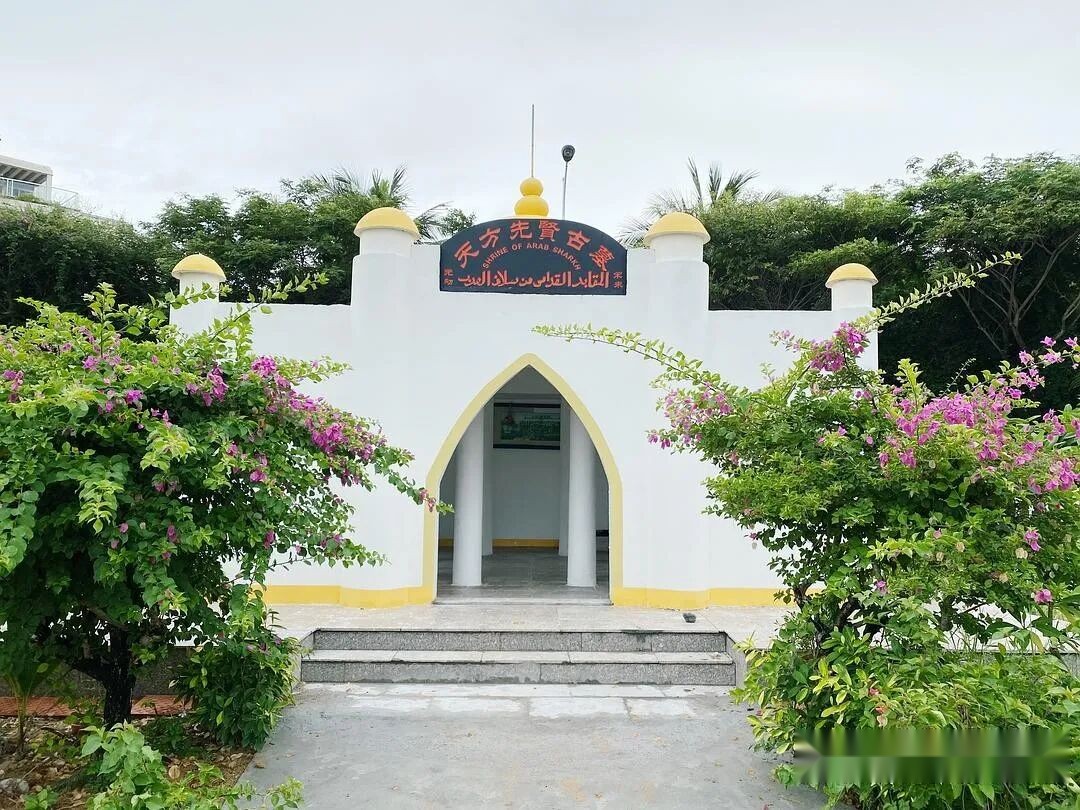
A Photo Journal of Eid al-Adha in Huihui Village, Sanya: Tropical Island Mosque Prayers, Visiting Family, and Festive Feasts

Summary:
Nearly 200 documentary photos capture the grand celebration of Eid al-Adha in Sanya's Tianya District. From the solemn morning congregational prayers with thousands gathered at the mosque, to families slaughtering and sharing sacrificial meat, exchanging fried sanzi (crispy fried dough twists), and warmly hosting friends and relatives, this vibrant photo essay captures a joyful and peaceful holiday scene.
Back in July and August 2020, my wife Zainab and I took our honeymoon trip, and our very first stop was Sanya to celebrate Eid al-Adha. A few years prior, I had visited the local Muslim community here on my own, but this time around, experiencing the holiday with our good friend, young Muslim artist Muning, made it so much more fun and insightful.
July 31
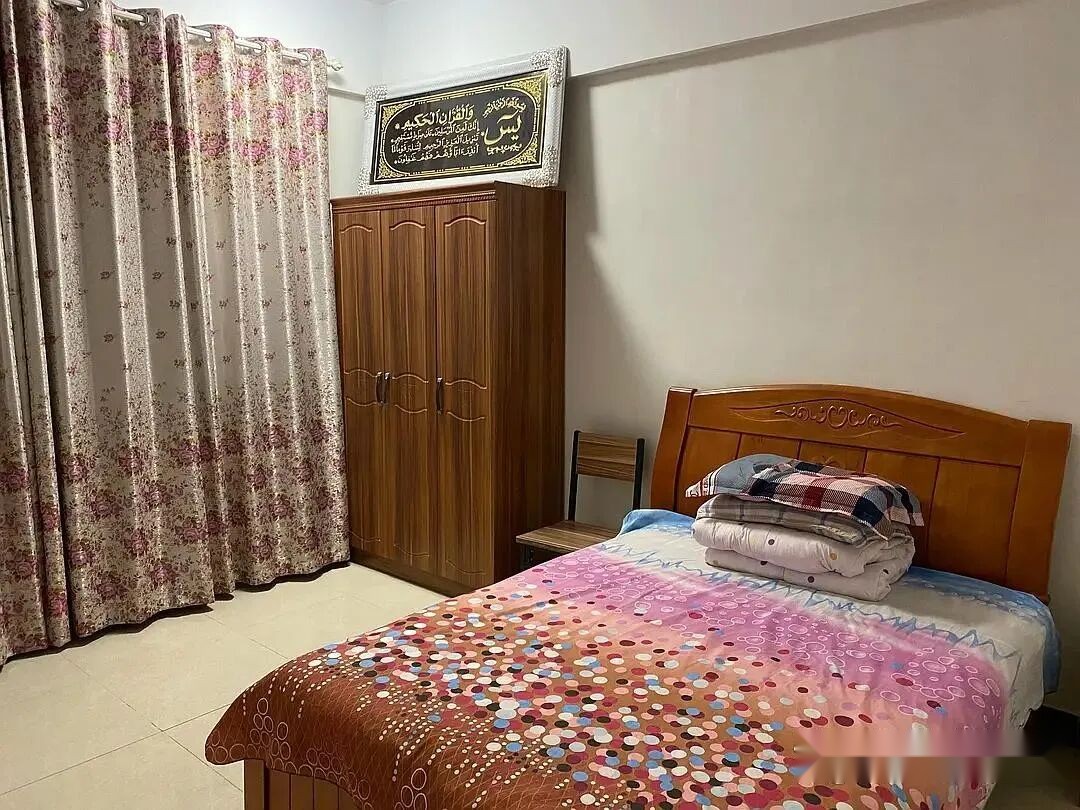
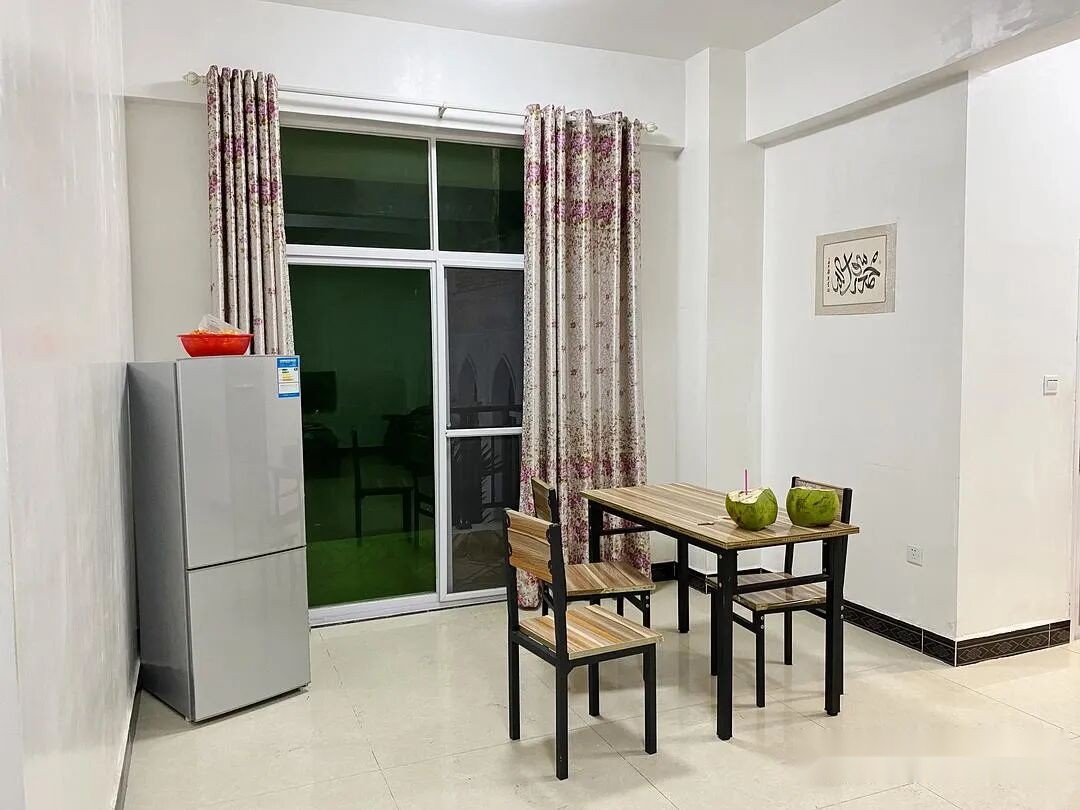
We caught a late-night flight out of Beijing on July 30 and arrived in Sanya in the wee hours of July 31. Muning hooked us up with a place right next to Huixin Mosque (Huixin Muslim Mosque) in Huixin Village (Huixin Muslim Village)—a 100% genuine 'masjid-view room.' During the winter months, Muslims from all over China rent places here for long stays, but come summer, it's practically a ghost town.

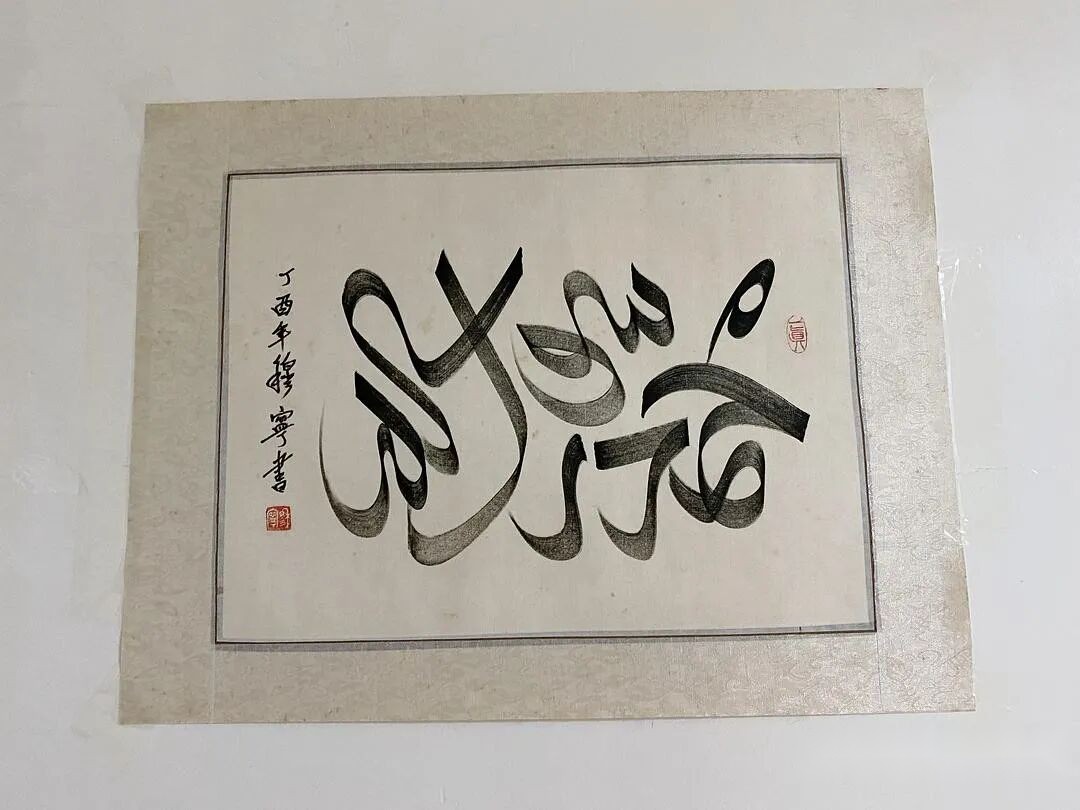
Right on the wall hung some Arabic calligraphy by Teacher Muning.
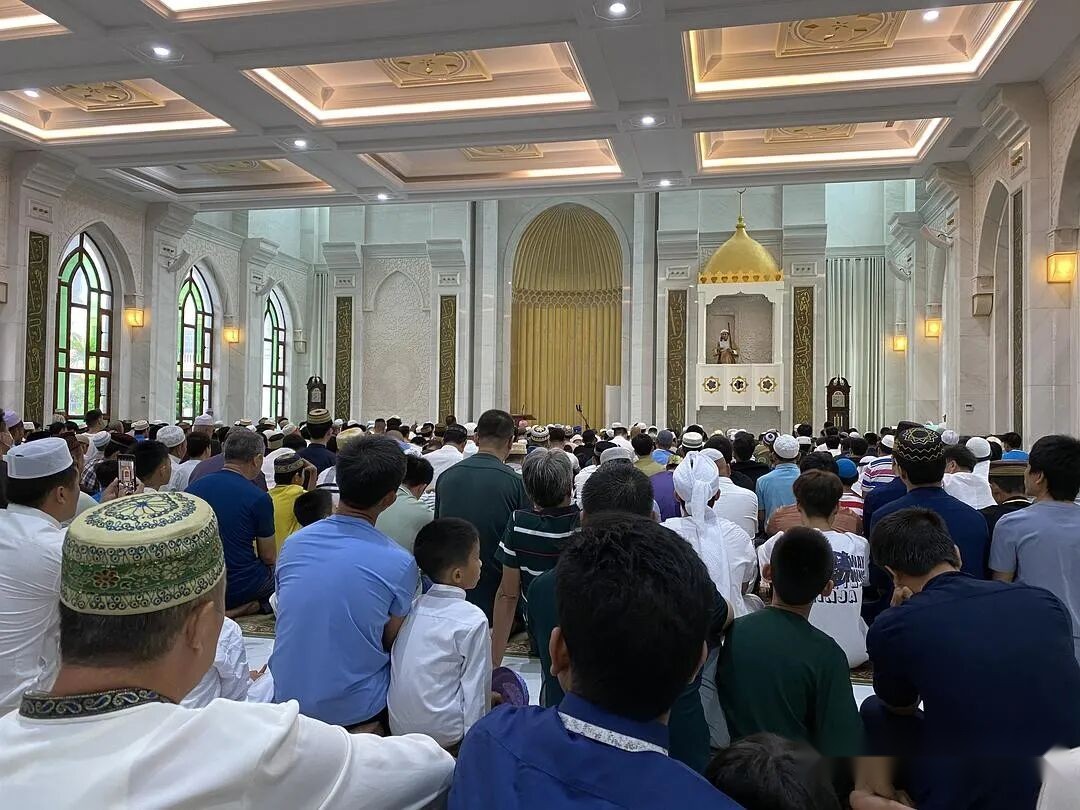
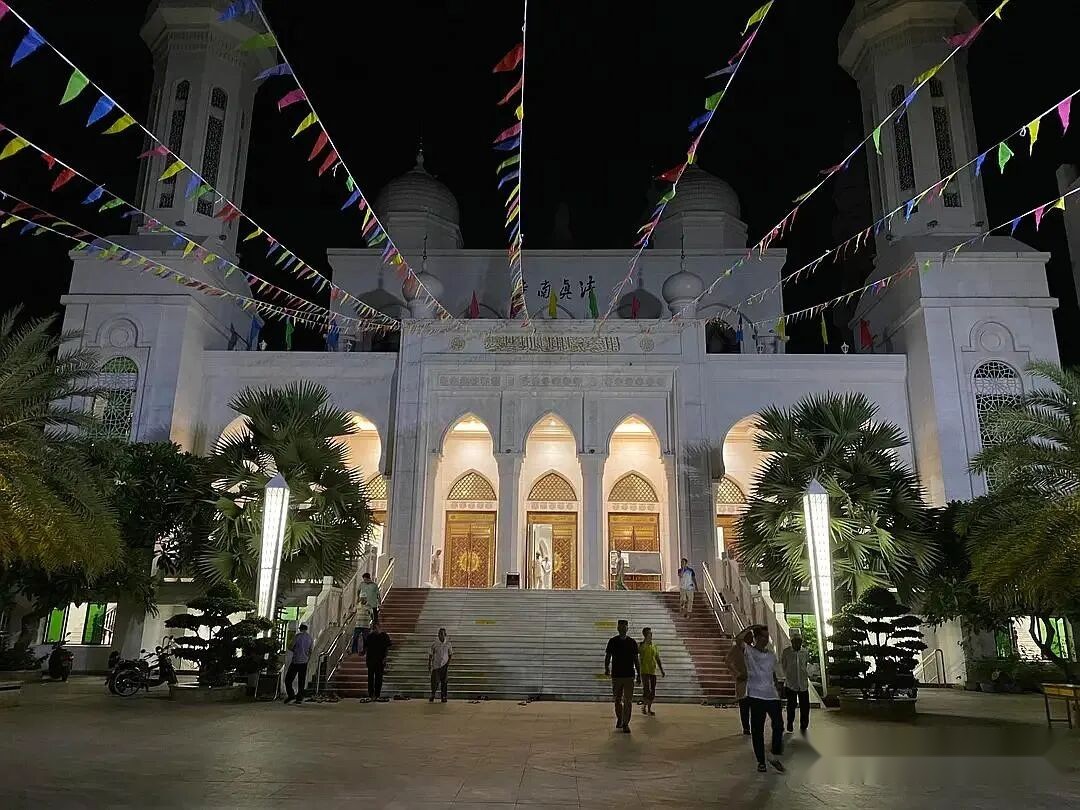
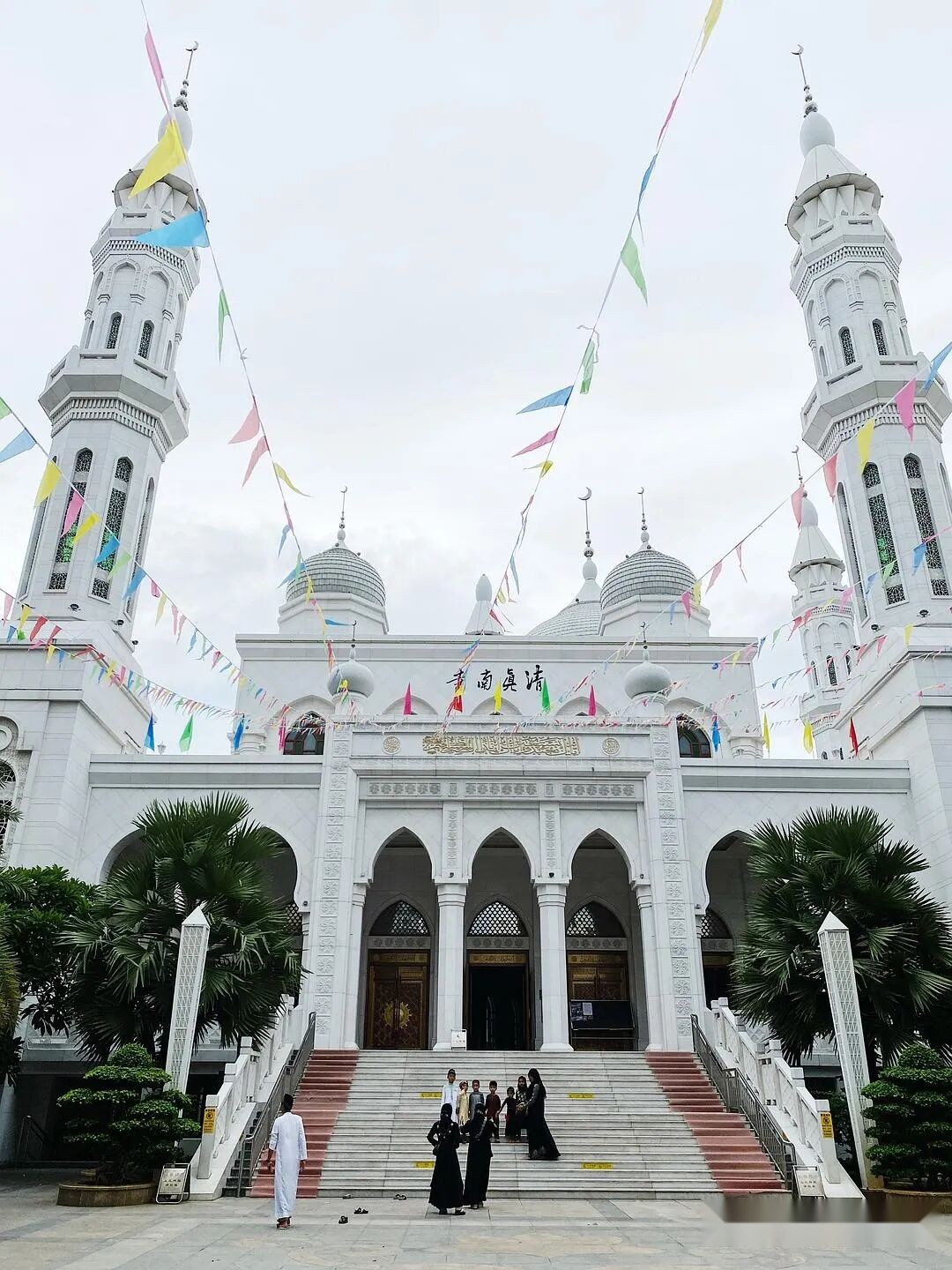
After catching a quick breath, we headed downstairs to Huixin Mosque to pray Fajr.

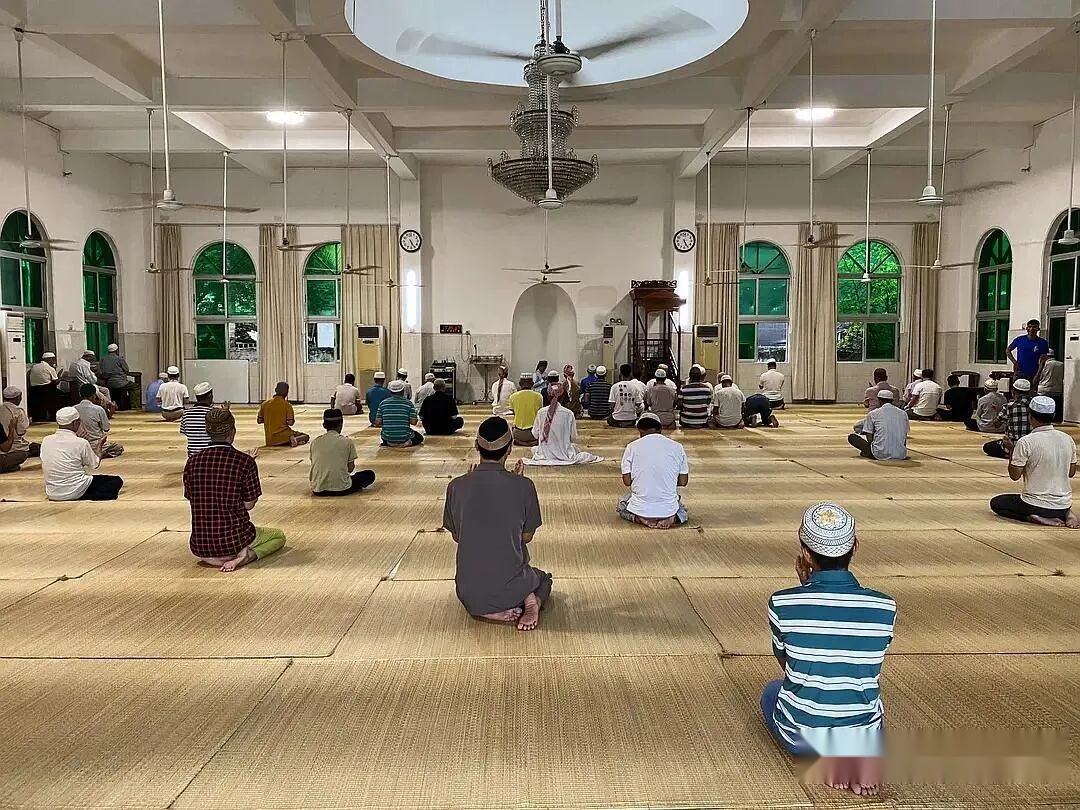
Following the morning prayer and a short break, we headed back into the main hall a little past 7 AM for the Eid al-Adha congregational prayers (Eid prayer). The imams here are all local Hui Muslims from Huihui Village, and the khutbah (religious sermon) was delivered in the local Utsul language (Tsat language). To someone who doesn't speak Utsul, it sounds like a fascinating blend of Malay, Chinese, and Arabic.
The Utsul language (Tsat language) is currently classified under the Austronesian language family, Malayo-Polynesian branch, Chamic subgroup. It shares the most common ancestry with the Roglai language of southern Vietnam, yet it stands out as the most unique language in the Chamic subgroup due to its heavy incorporation of Sinitic (Chinese-Tibetan) elements. When the Utsul people first arrived on Hainan Island, their language was likely quite close to Proto-Chamic. However, through continuous, close interaction with neighboring Chinese-speaking populations, the Utsul language evolved—its grammar grew closer to Chinese, its Chinese vocabulary expanded massively, and it simultaneously developed monosyllabic, tonal systems that are completely absent in other Austronesian languages.

In her published book 'A Study of the Utsul Language', Professor Zheng Yiqing compares the Utsul language with the Rade language (a Chamic language spoken in the mountainous regions of southern Vietnam) and concludes that the Utsul language and Rade language separated about 1,000 years ago.
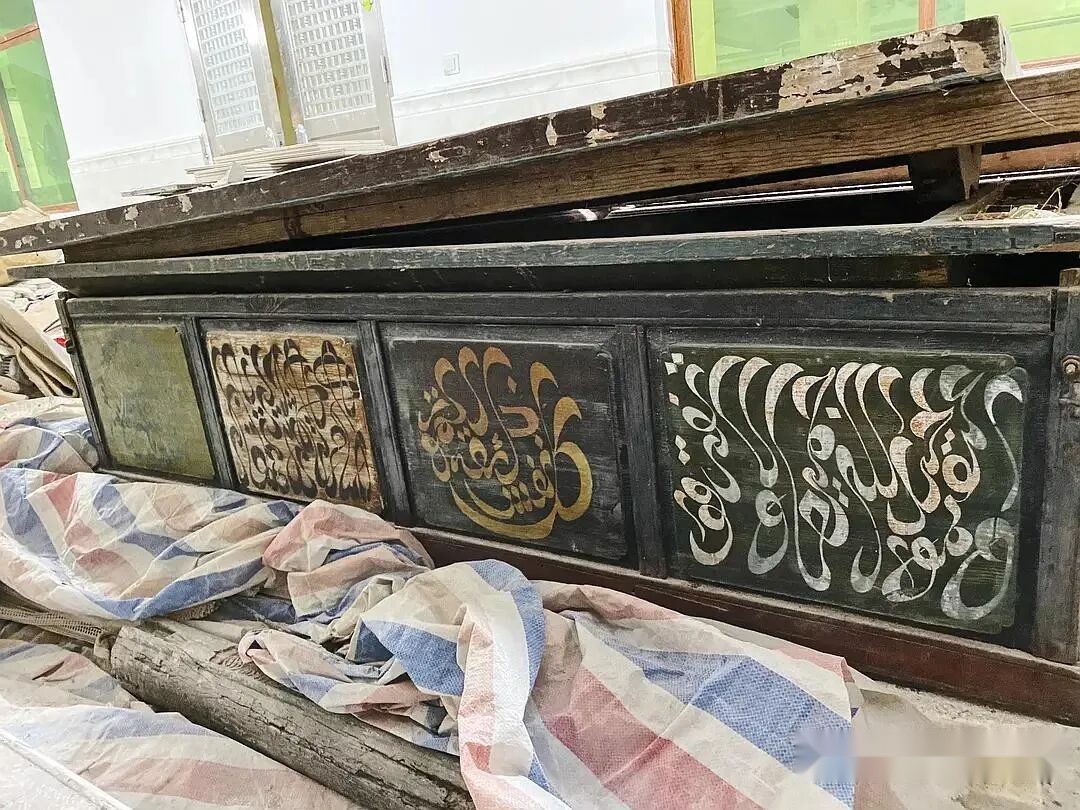
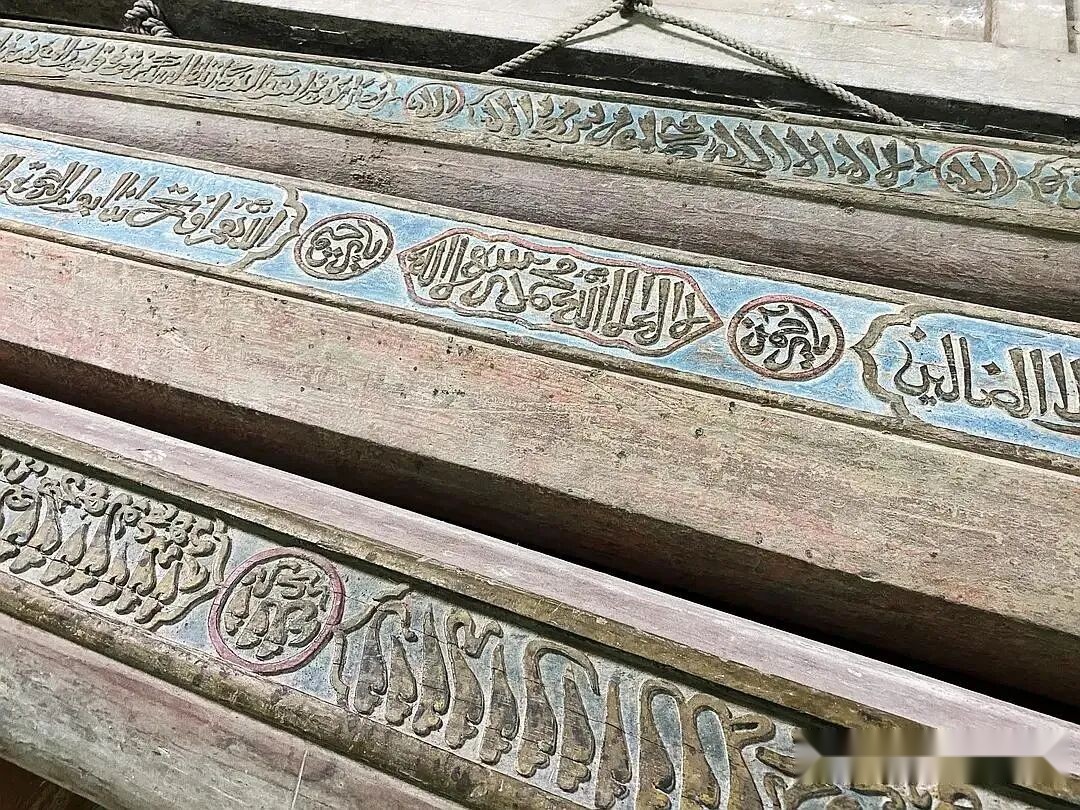
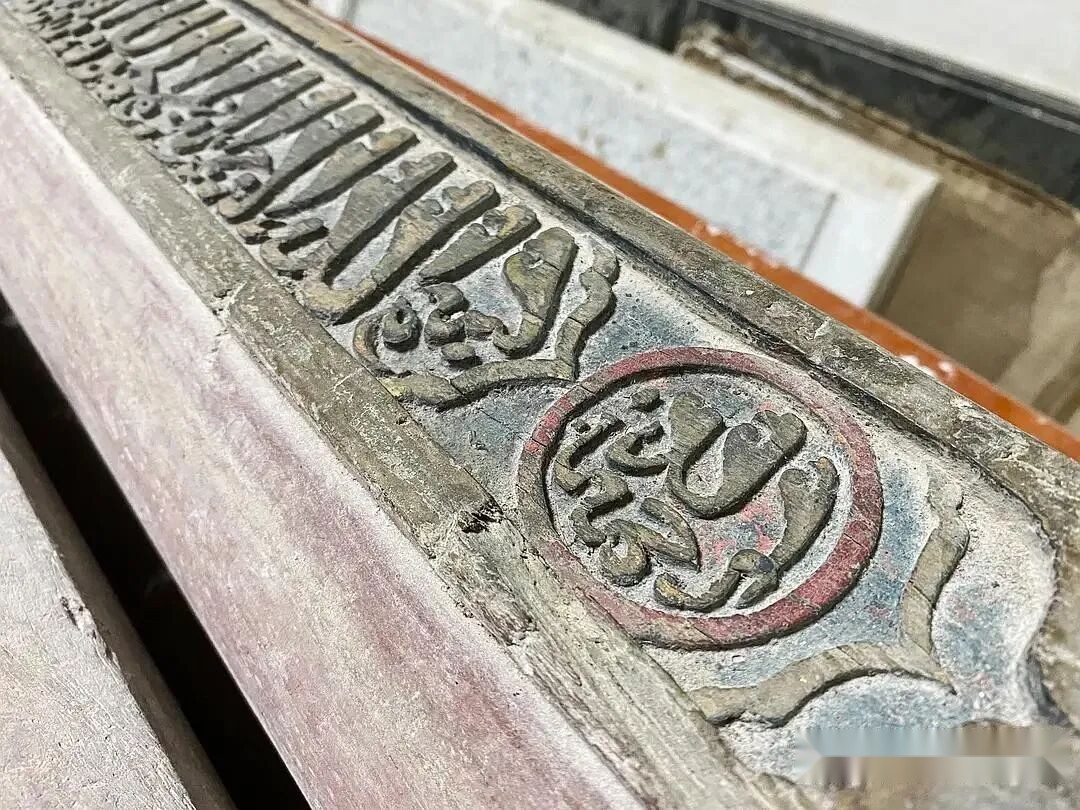
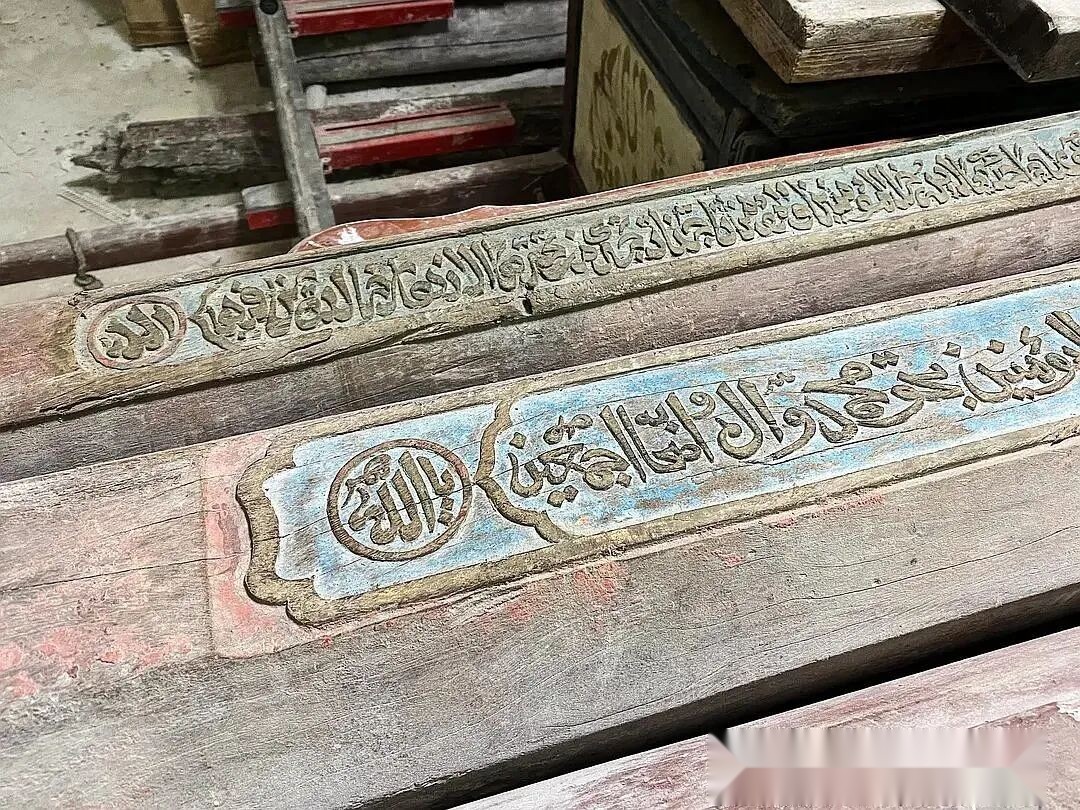
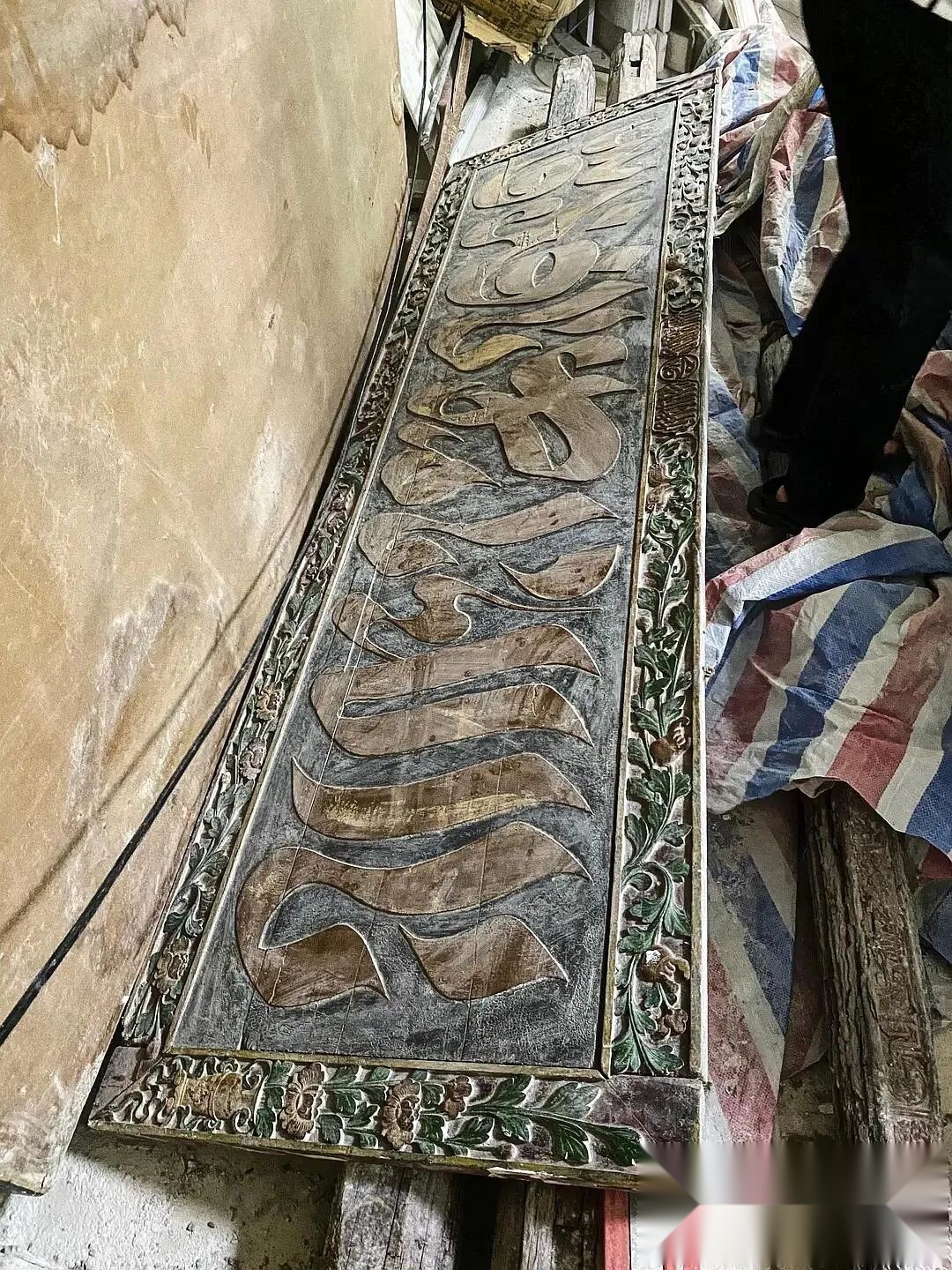
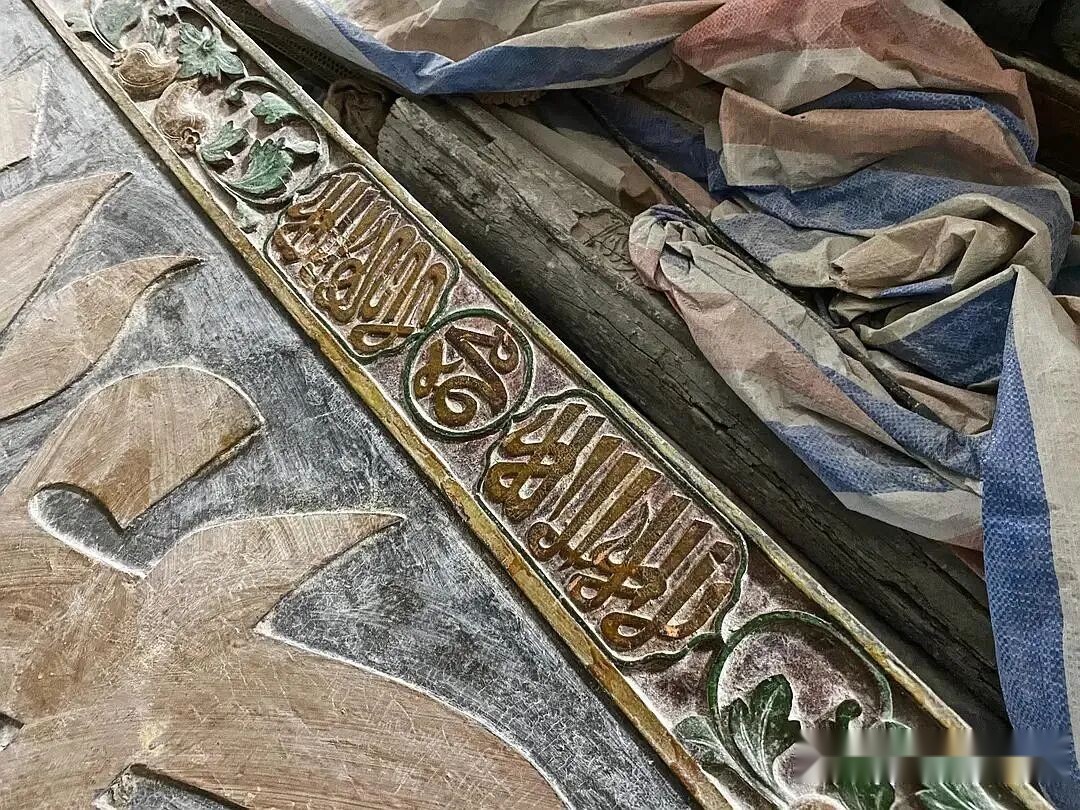
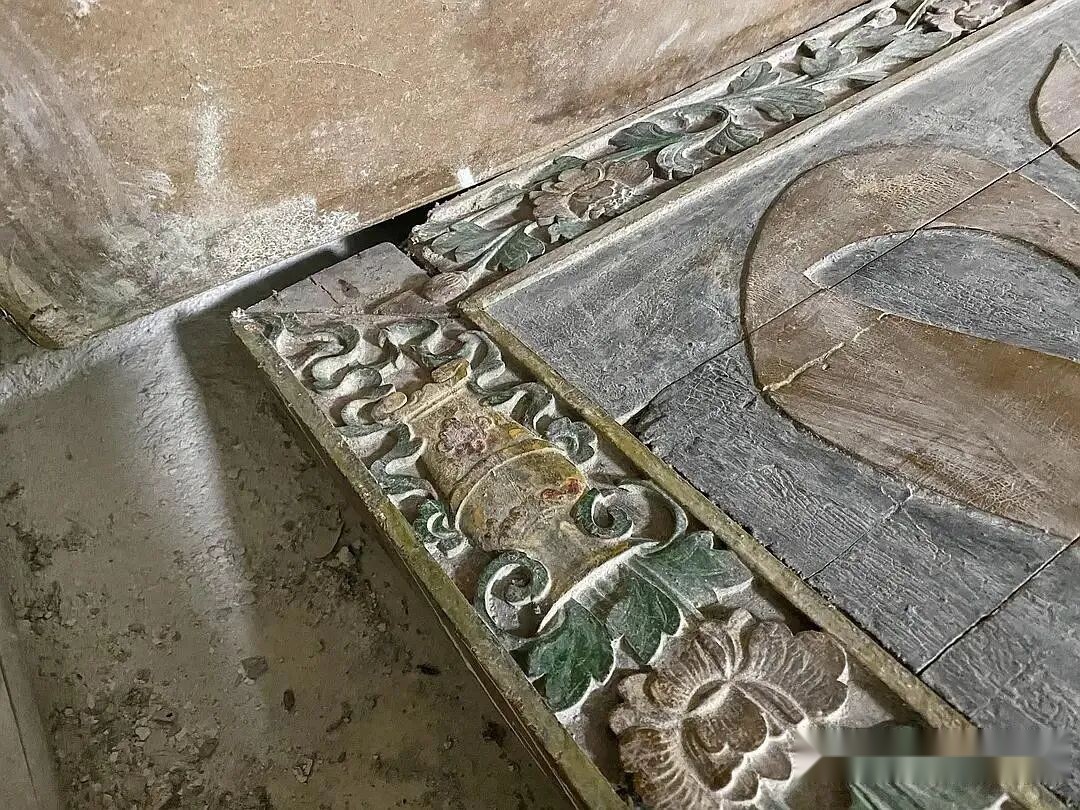
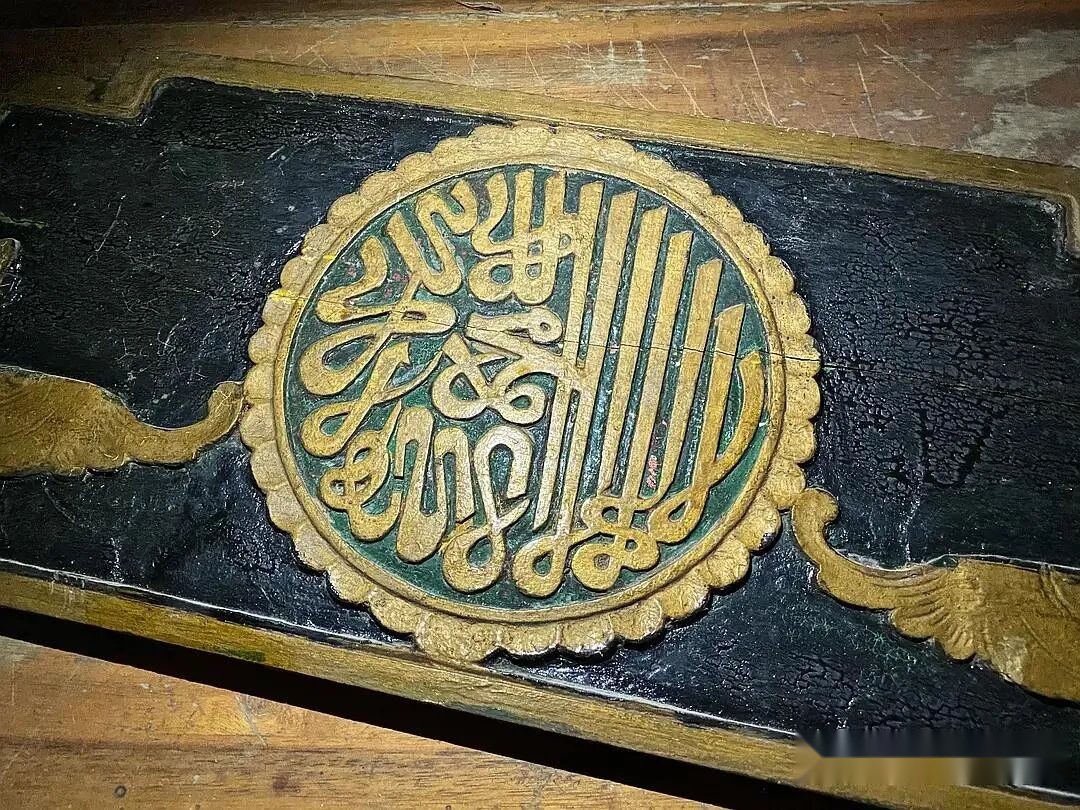
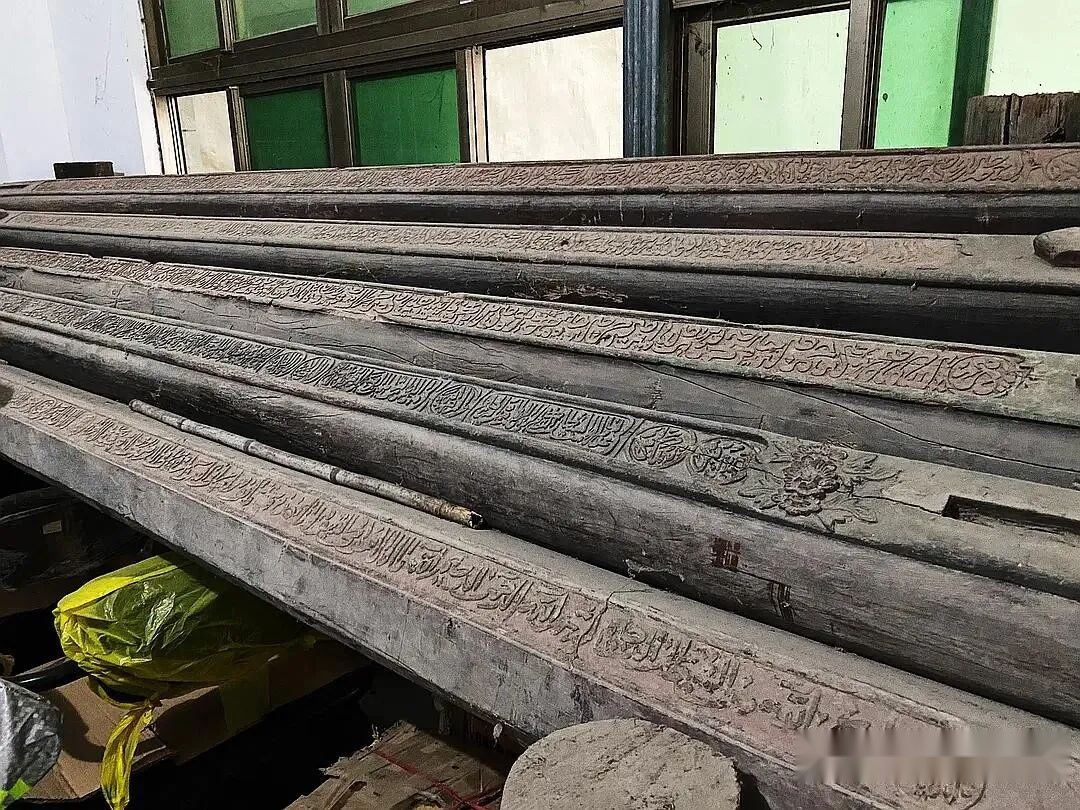
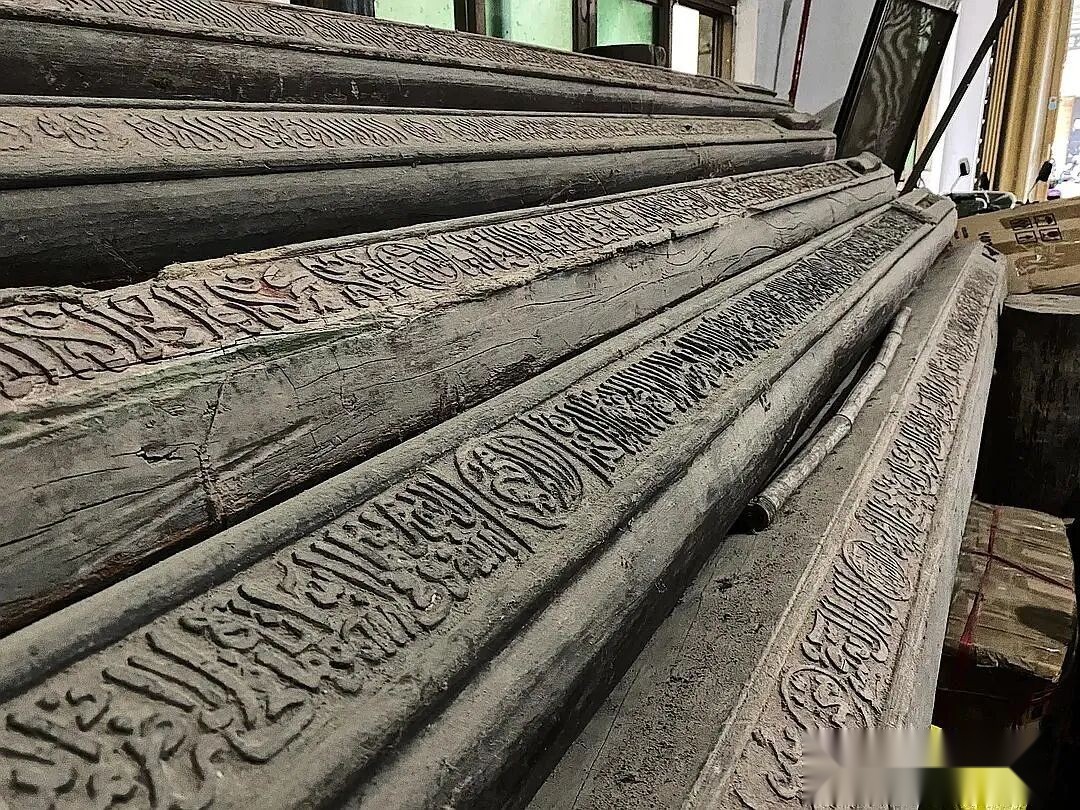
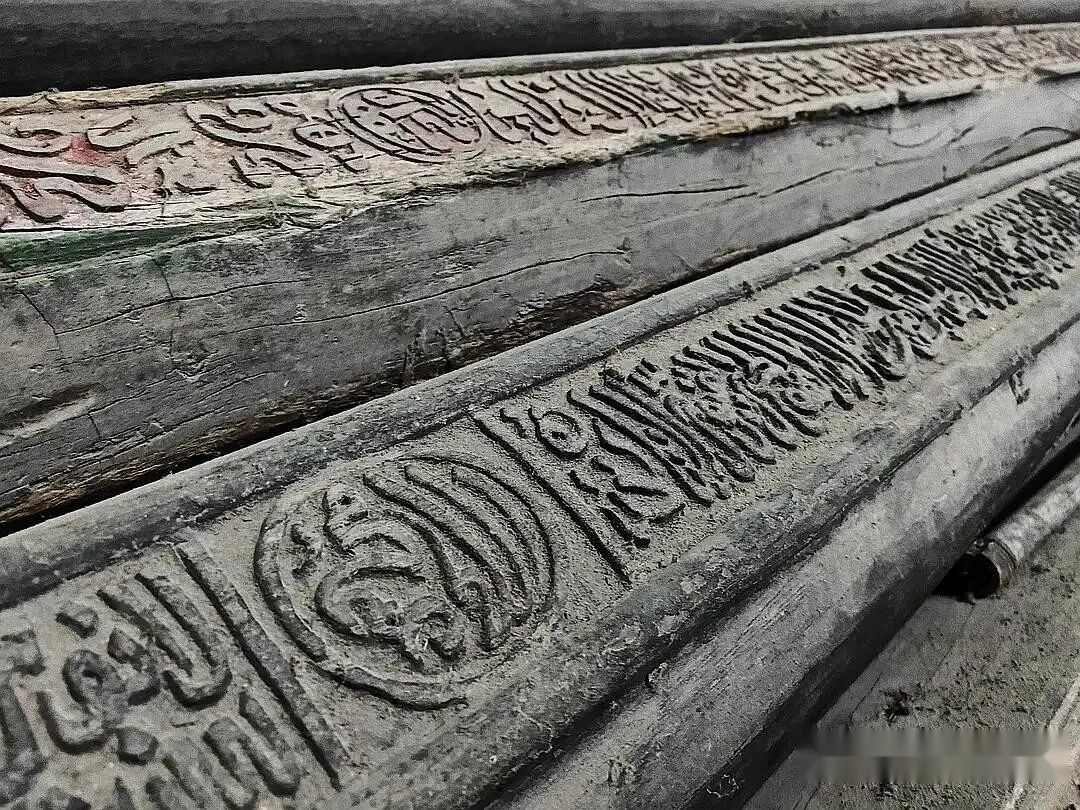
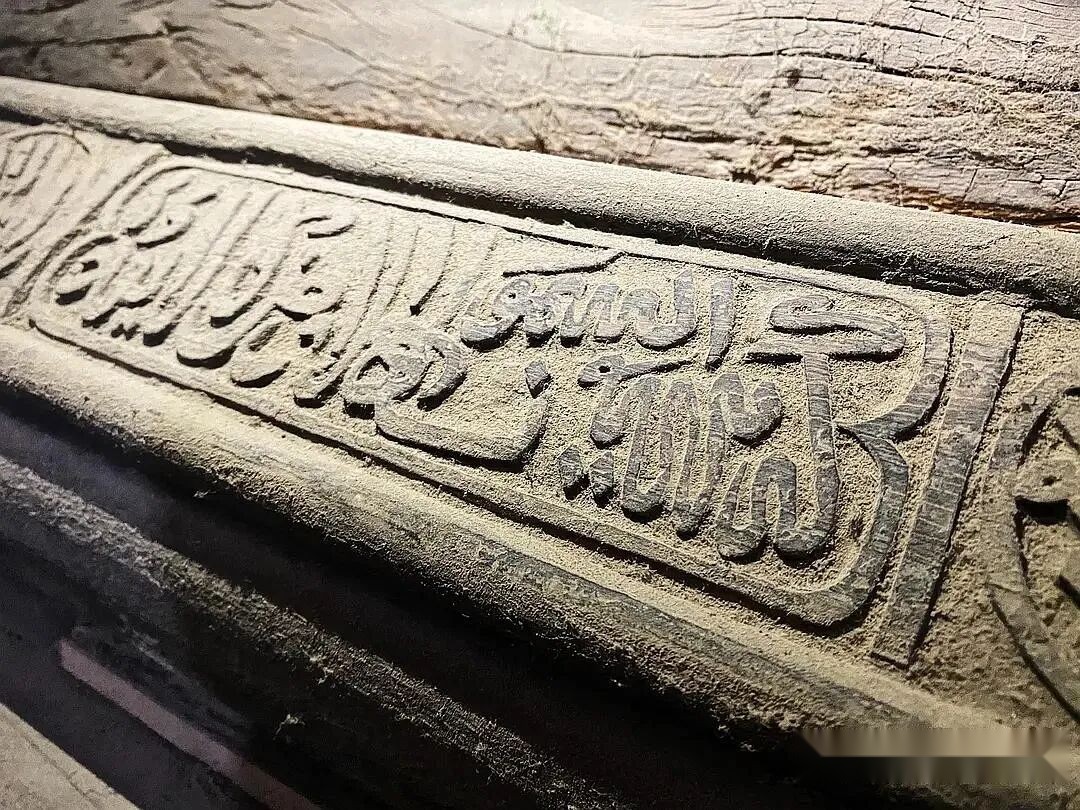
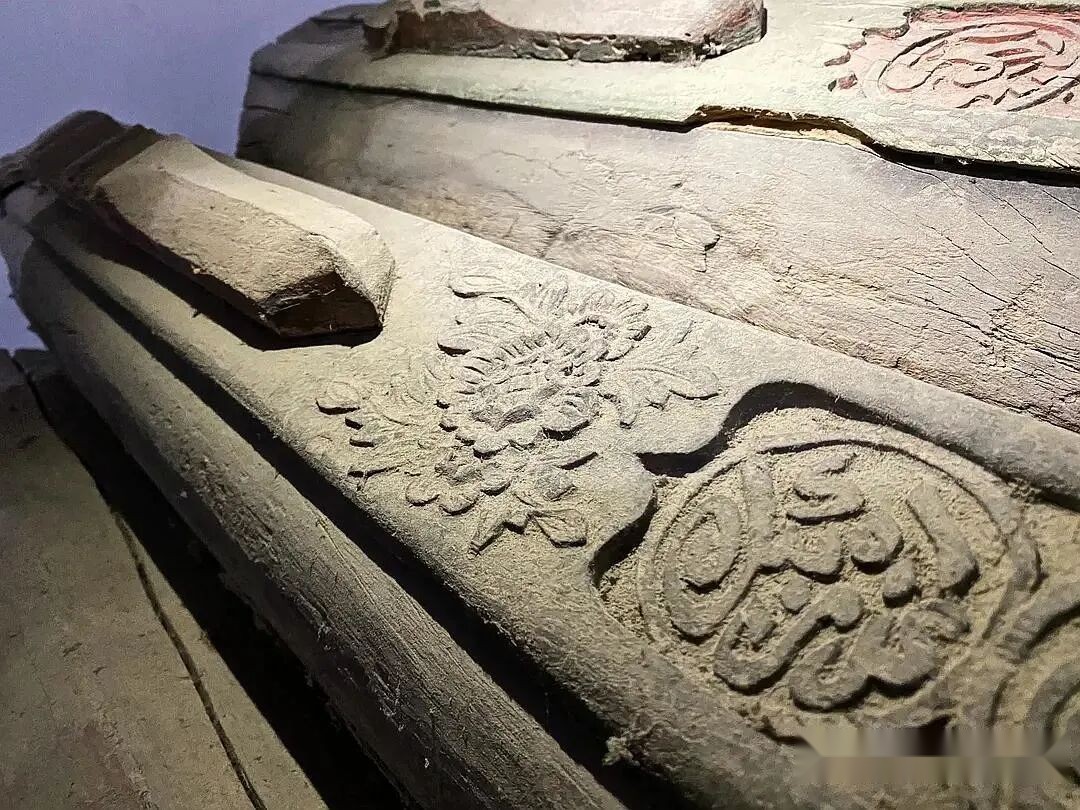
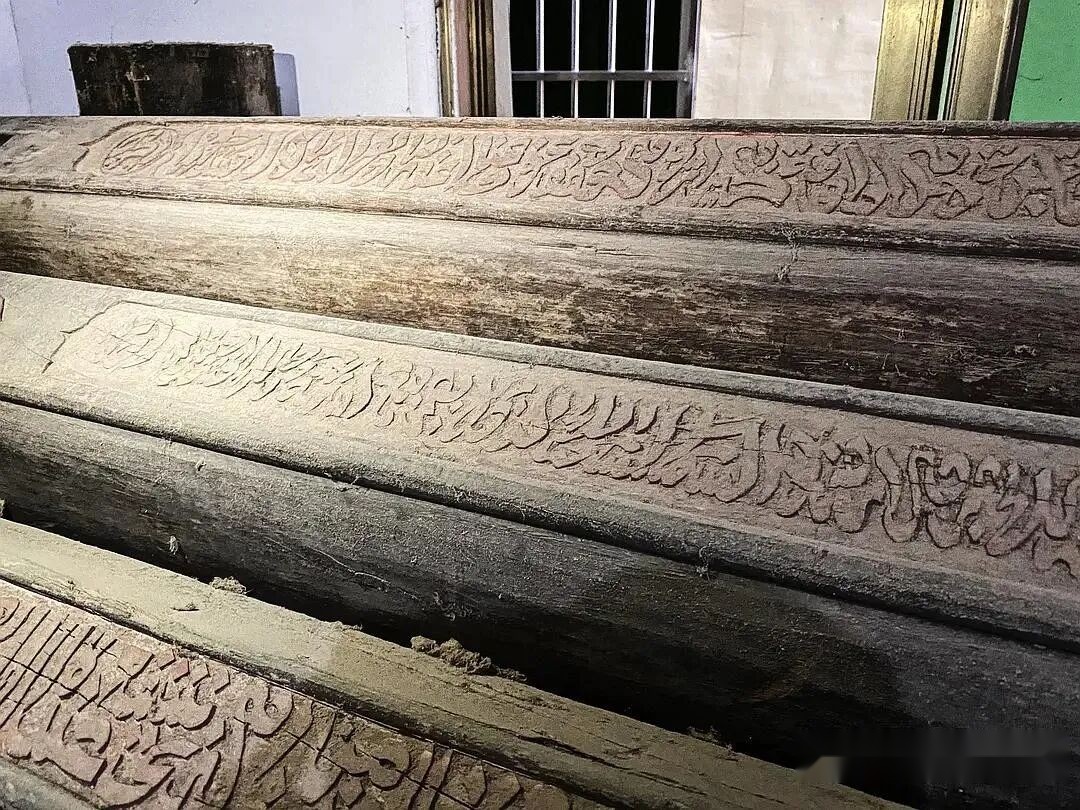
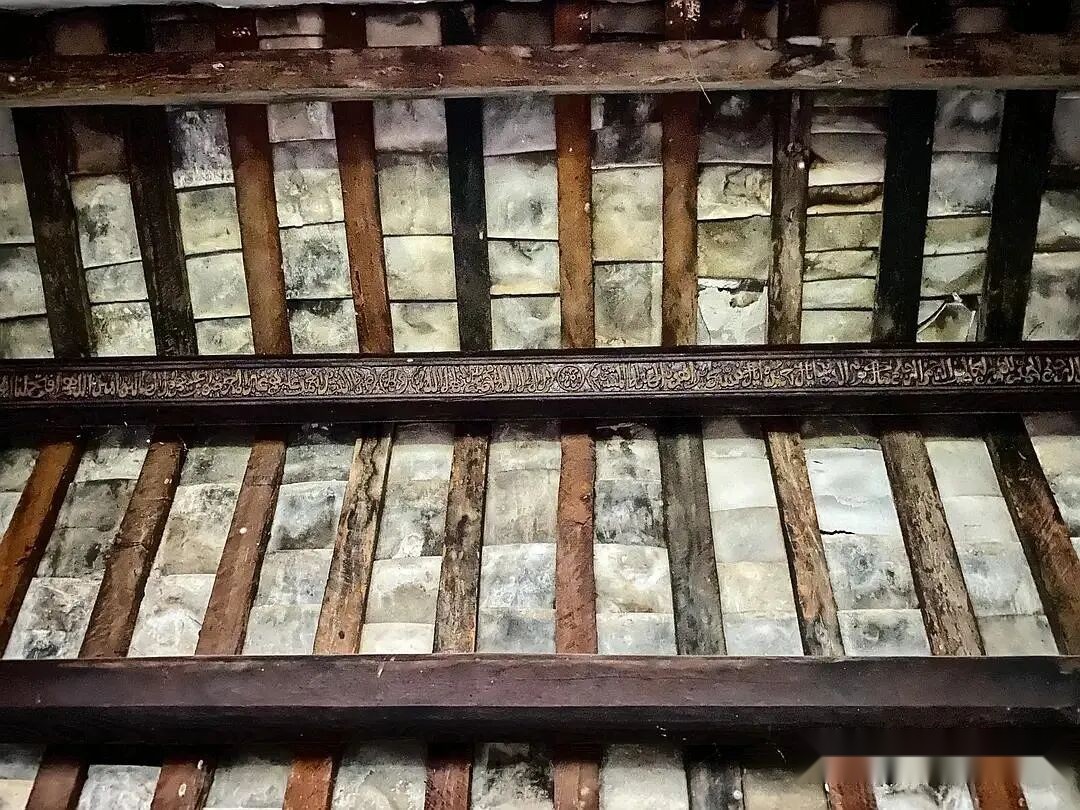
After the Eid prayer wrapped up, Muning showed me some Qing Dynasty roof purlins and inscribed wooden plaques stored away in the warehouse of Huixin Mosque.

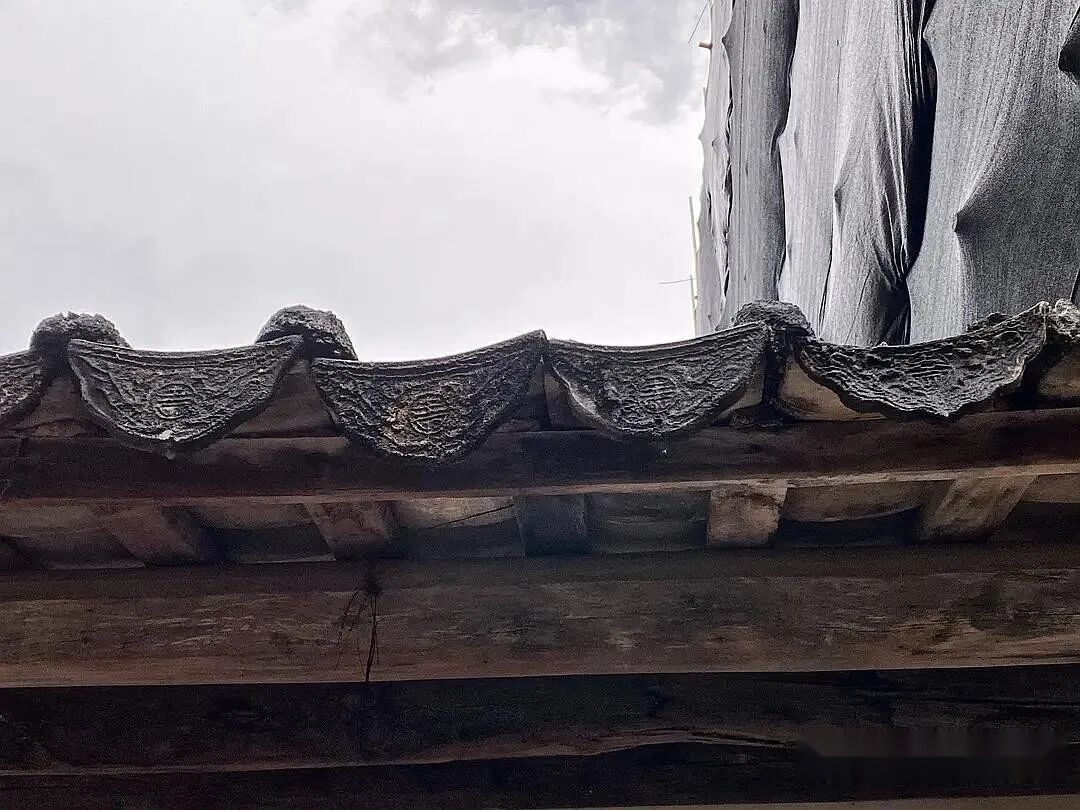
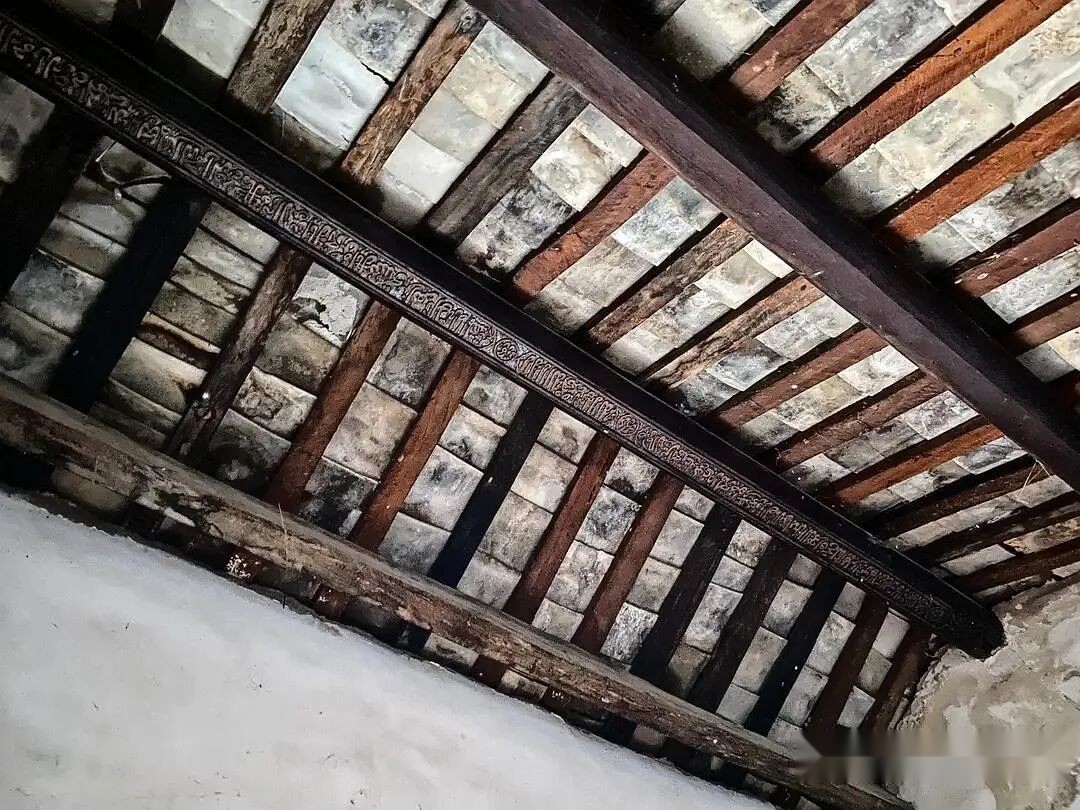
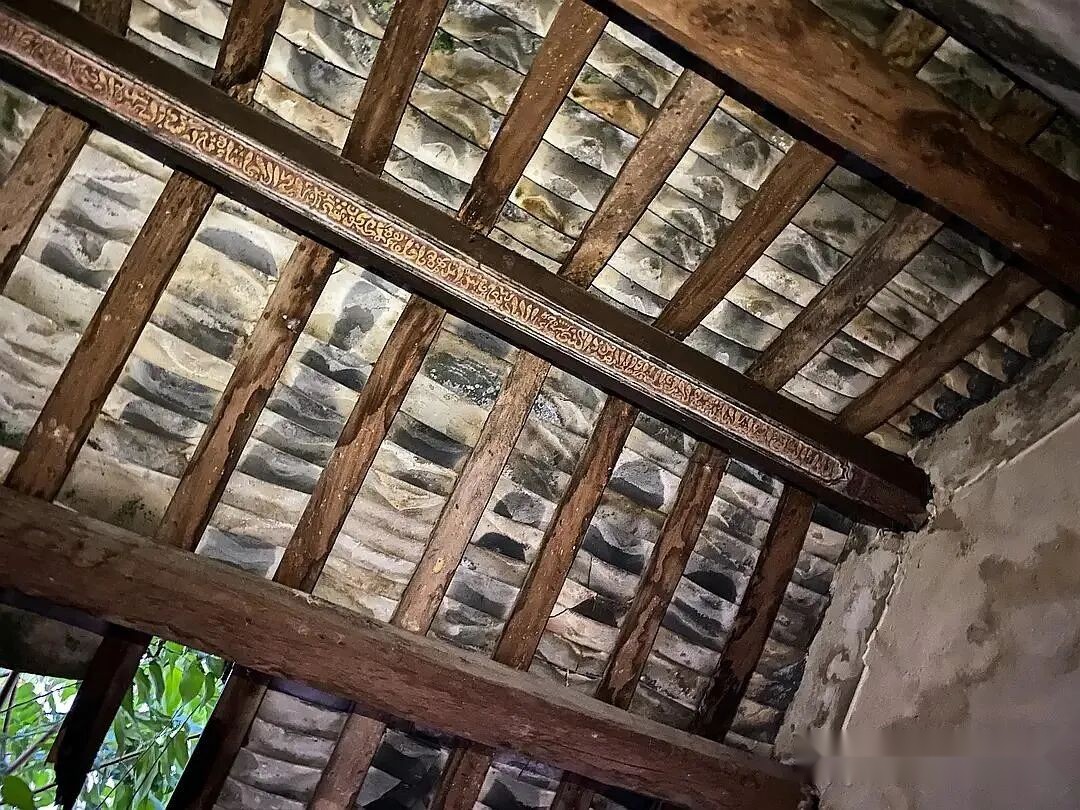
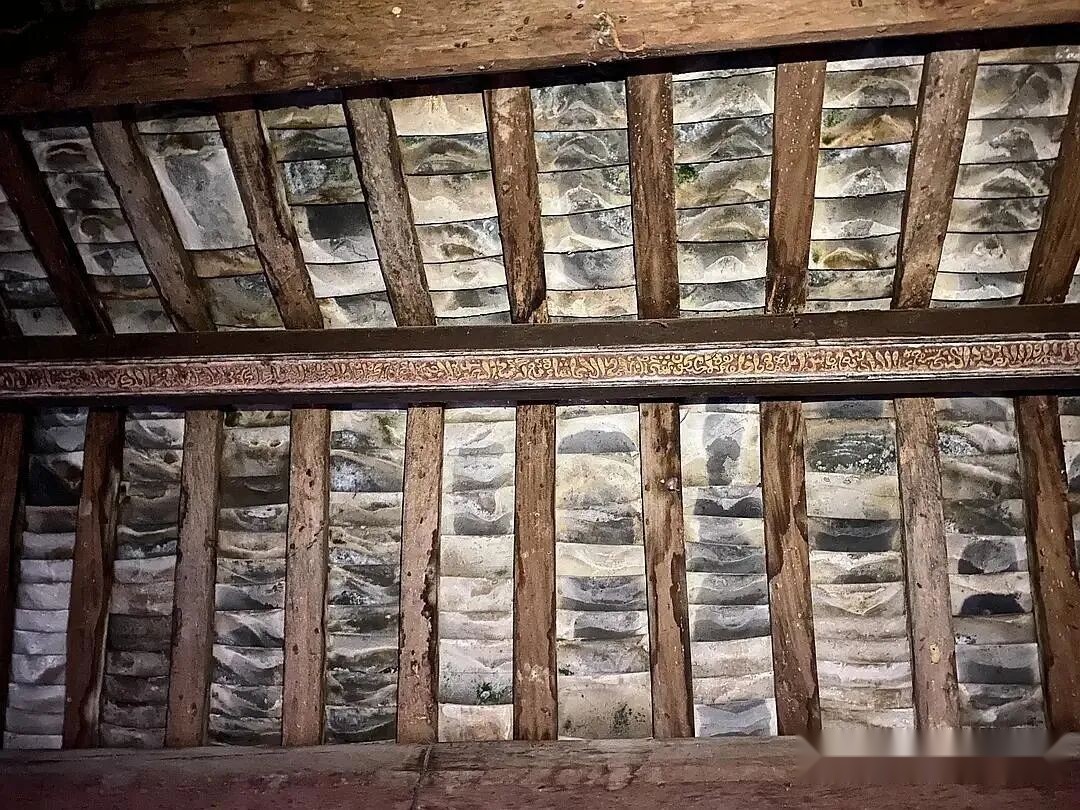
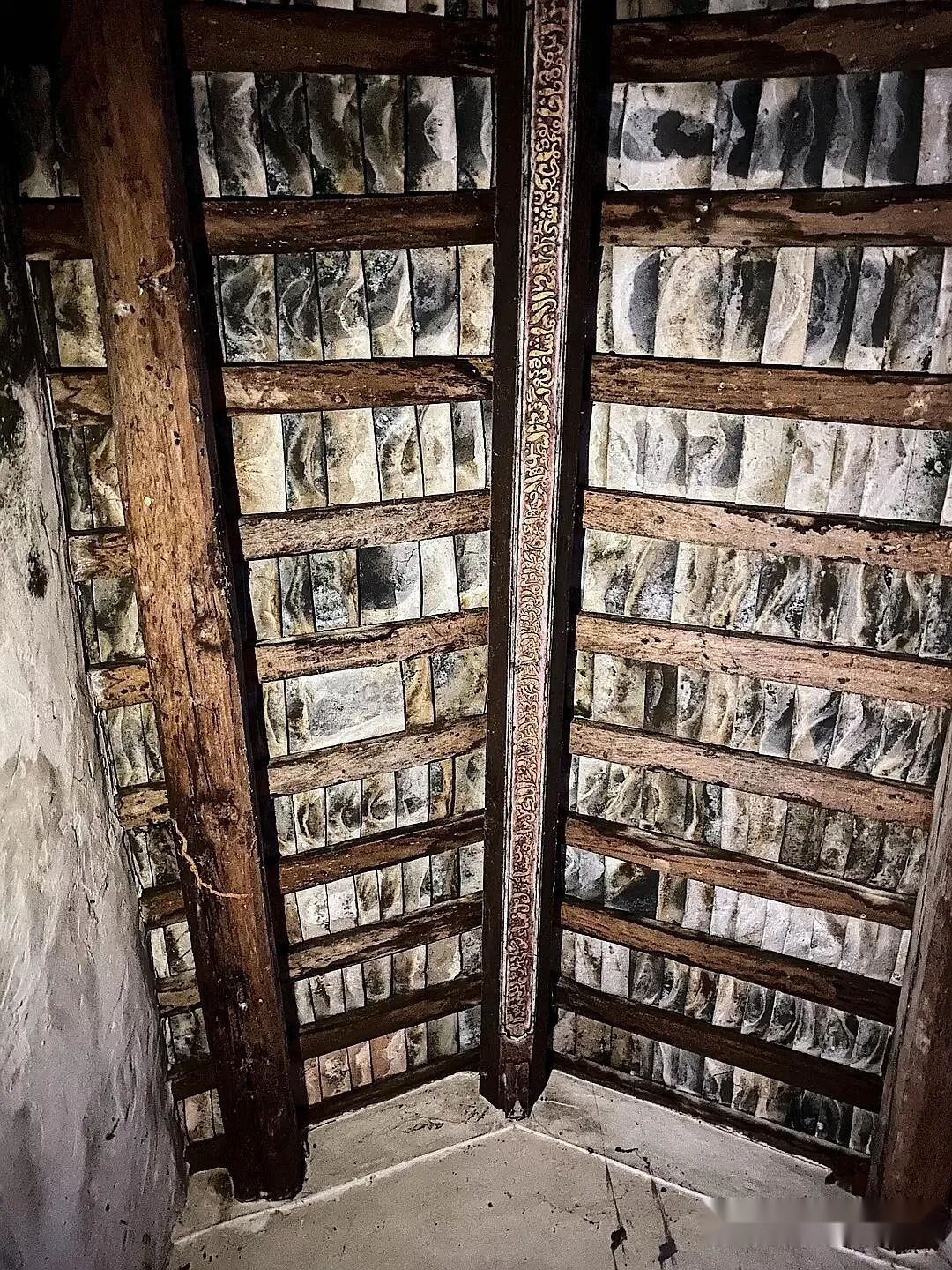
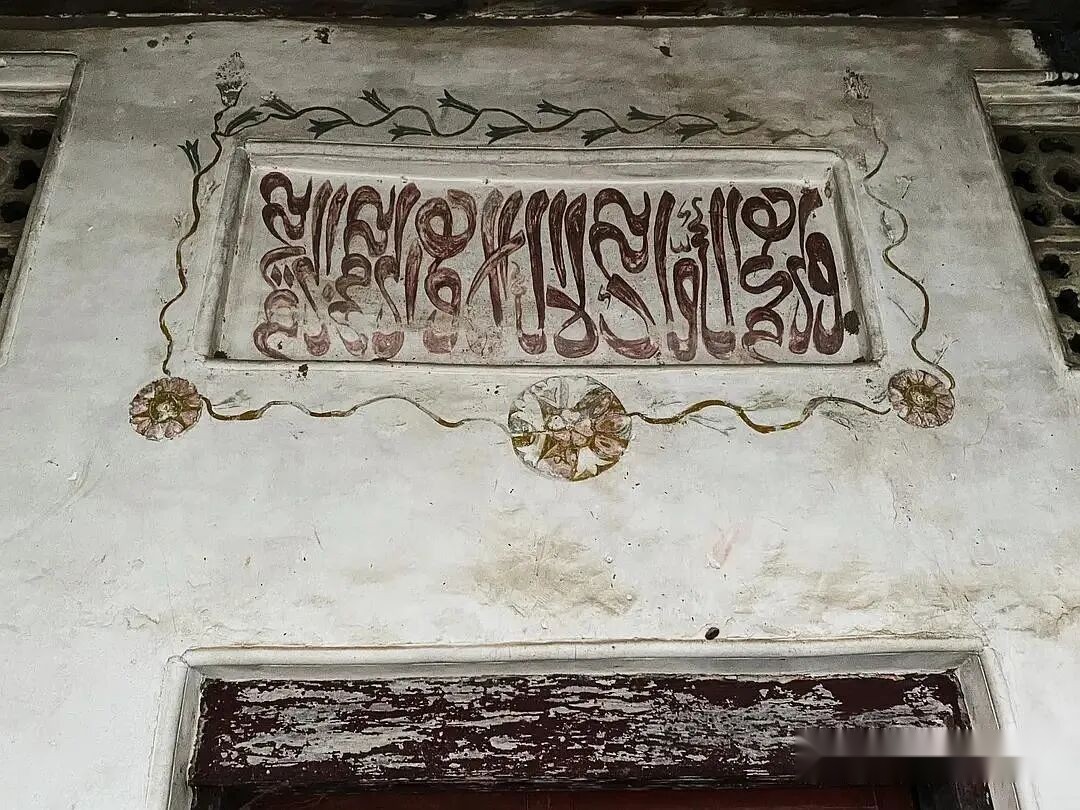
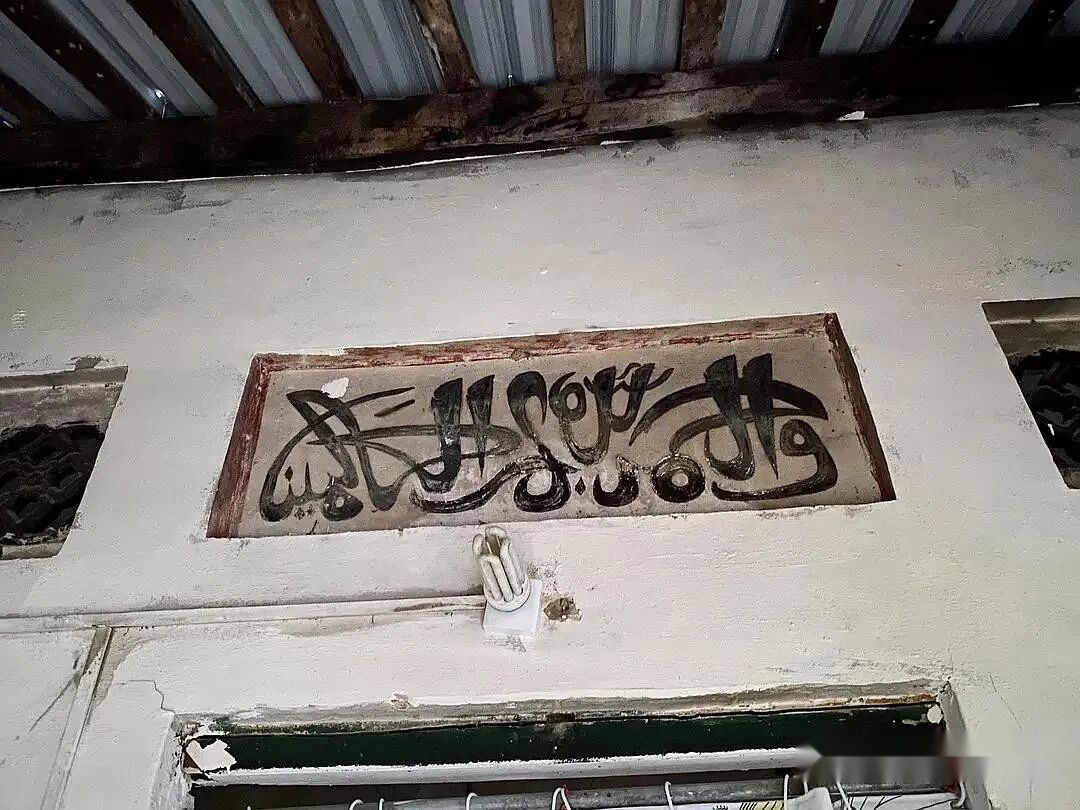
The roof purlins of traditional brick-and-tile houses built by the Utsul people of Sanya usually feature exquisite wood carvings of Quranic verses, but as old houses get renovated and rebuilt, precious few of these are left today.
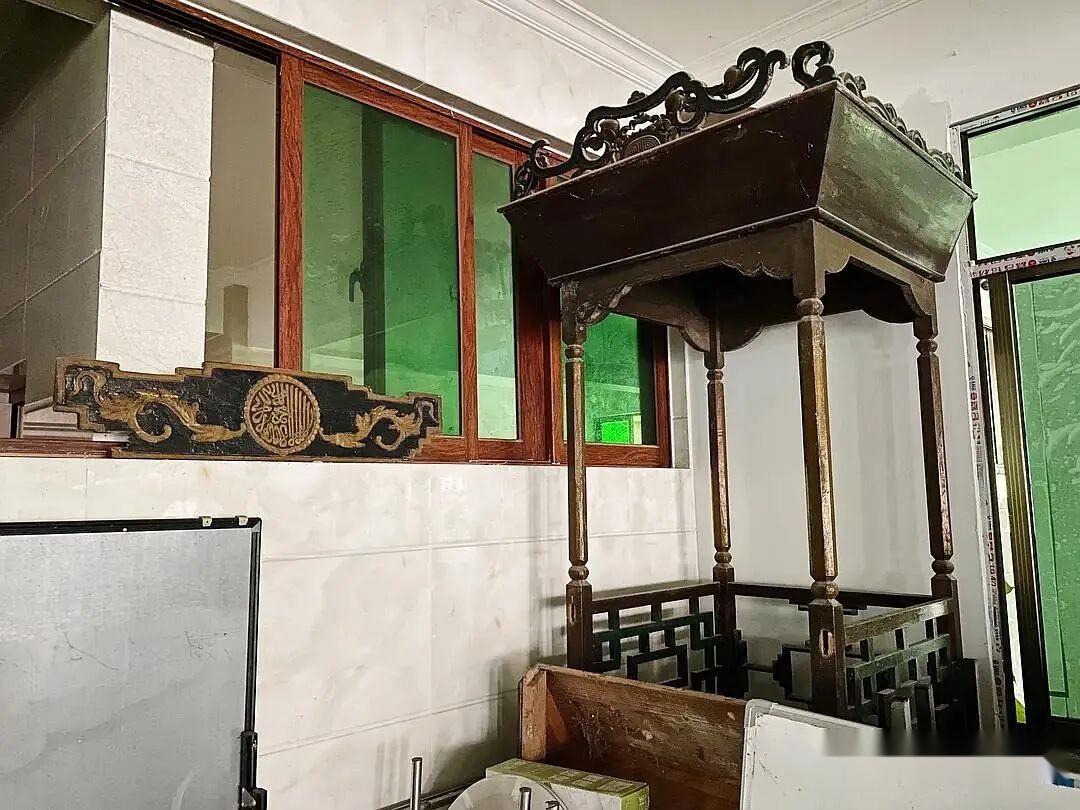
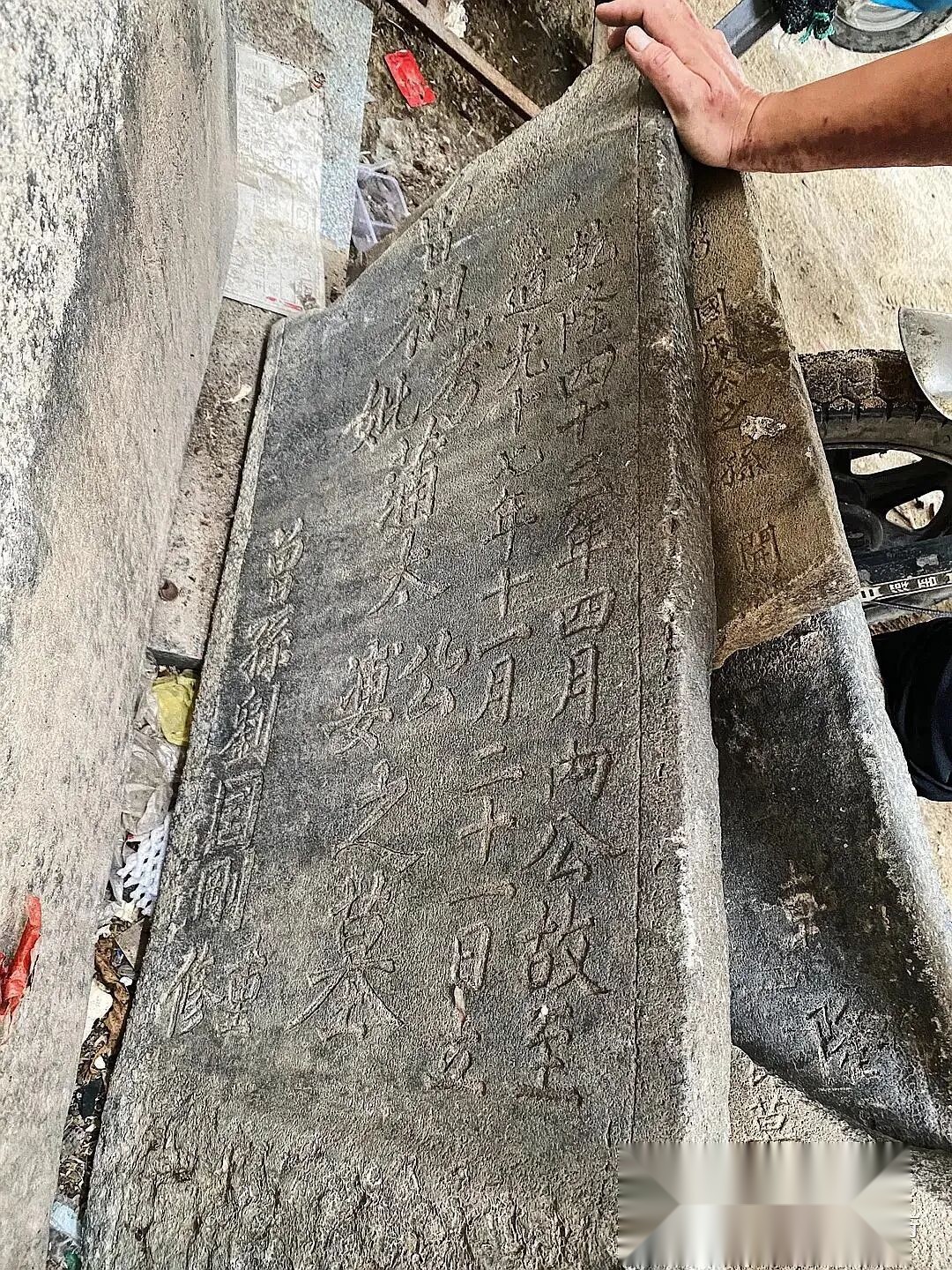
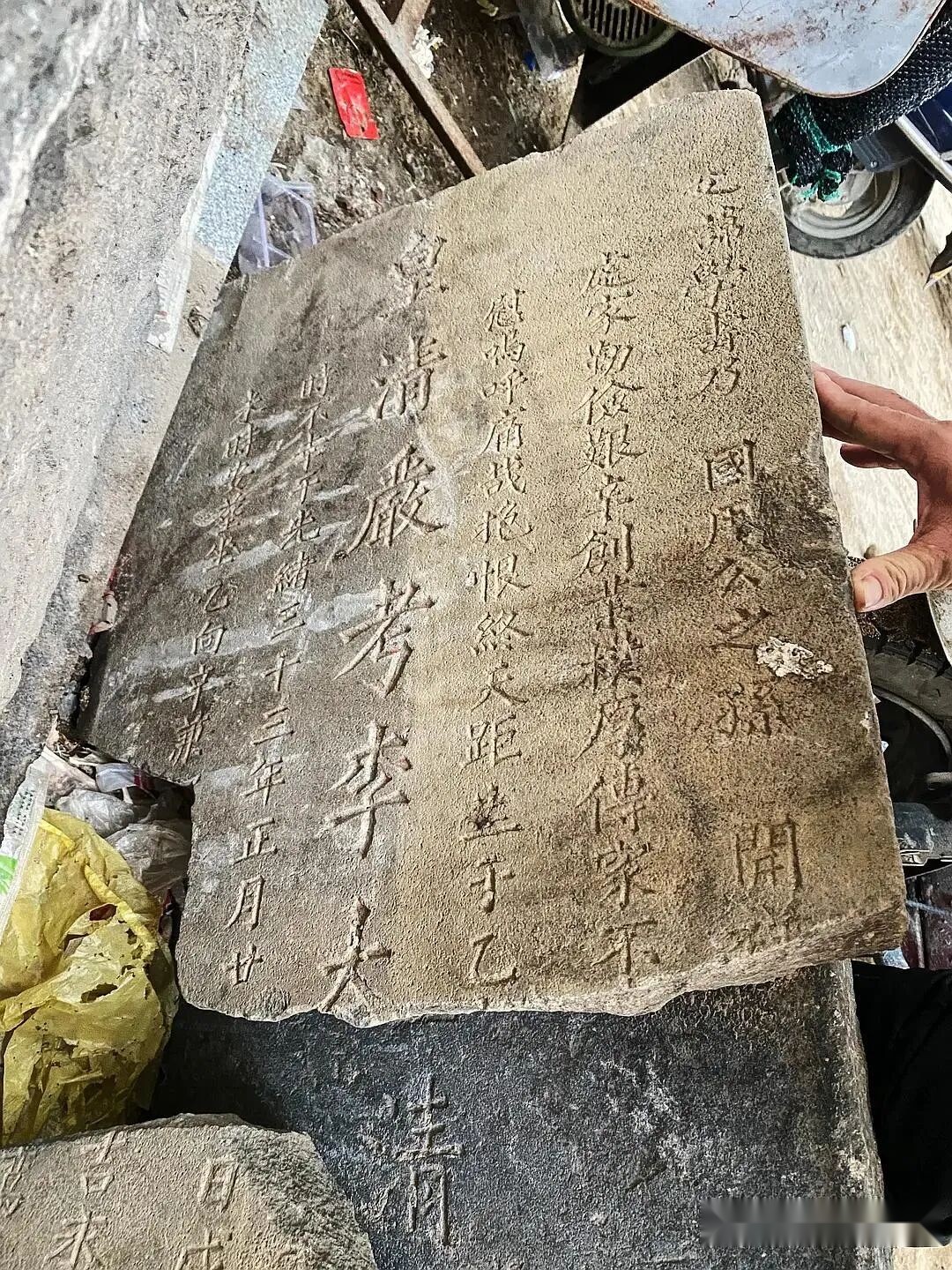
Pieces of minbars (pulpits) and Qing Dynasty tombstones piled up in various corners of Huixin Mosque.
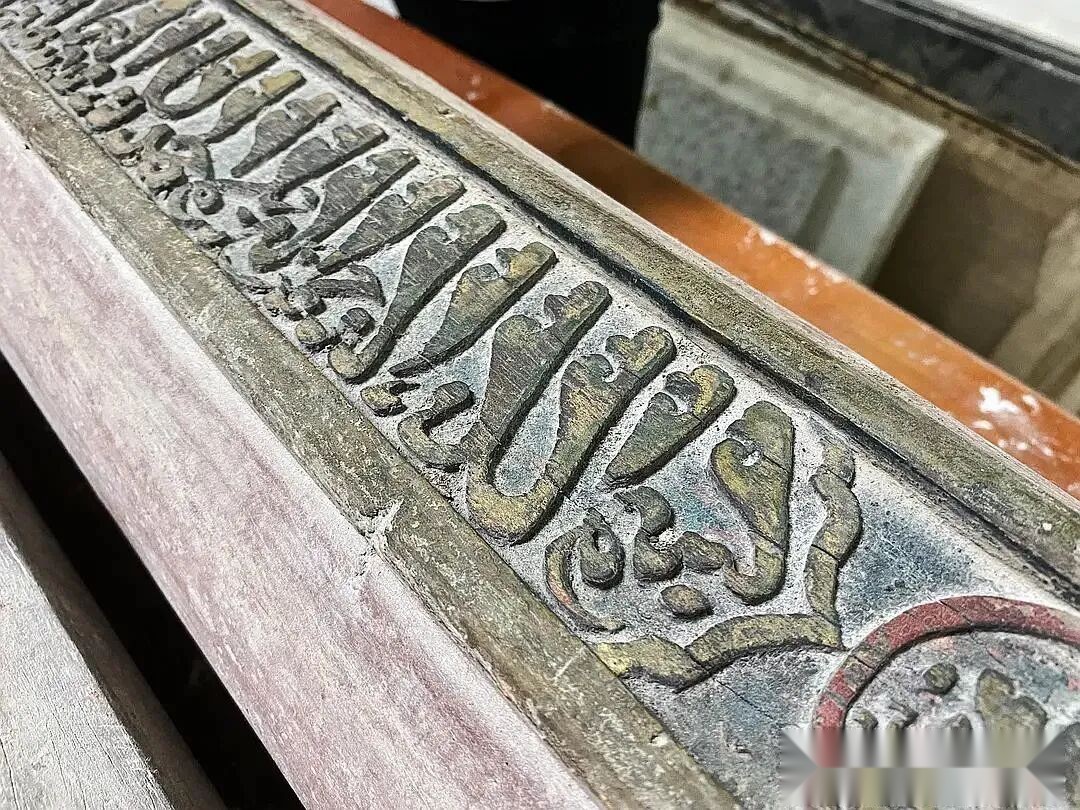
Leaving Huixin Mosque, Muning took me to visit the home of a teacher who collects traditional Utsul houses' roof purlins inscribed with Arabic script. Every single one of these purlins once belonged to a traditional brick-and-tile home built by the Sanya Utsul people.
Muning took us out for breakfast, where we ran right into a family throwing a banquet because their kid got accepted into Tsinghua University.
Congee served with chicken.
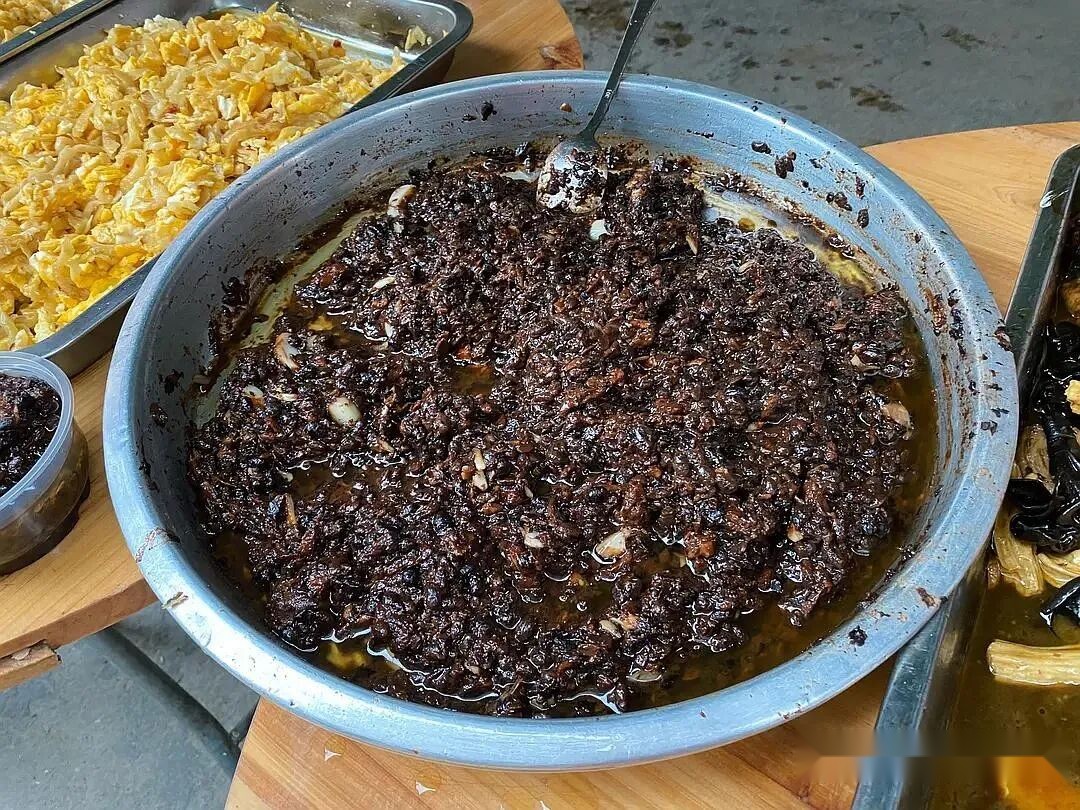
The fermented soybean paste was exceptionally delicious.
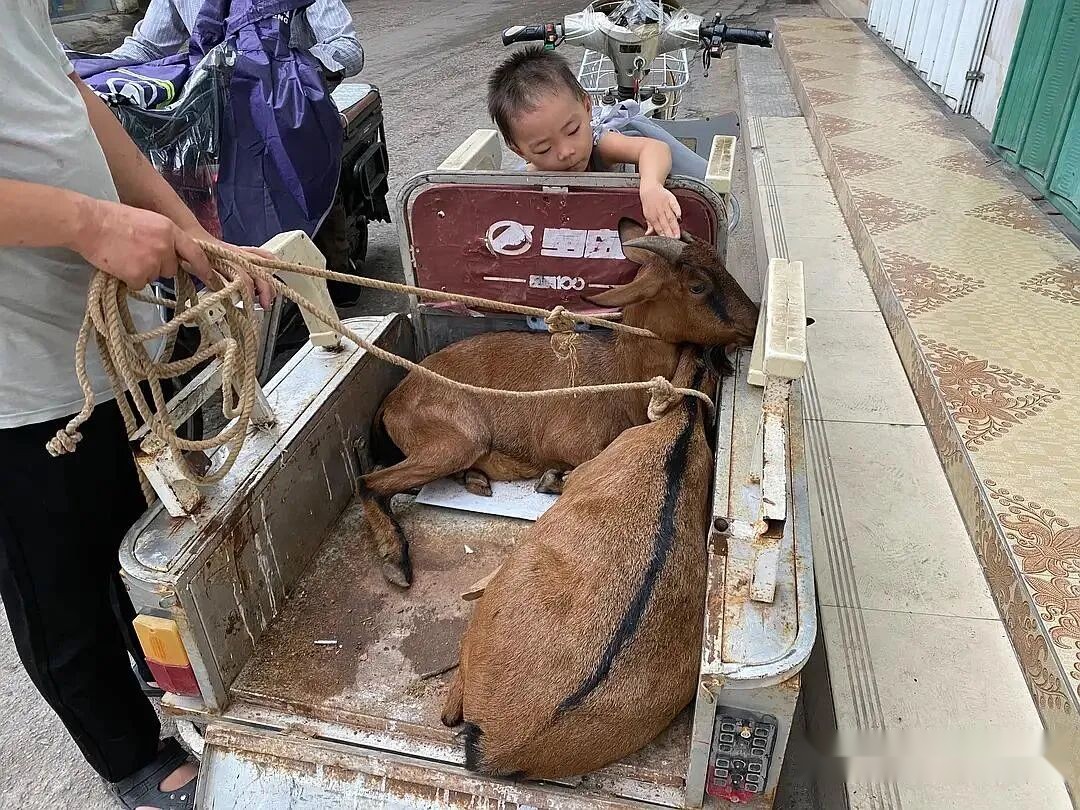
After finishing breakfast, Muning took us to pick out our sheep. One of these sheep was intended as our (Zainab's and my) qurbani (sacrificial offering), and the other was for Muning's family. Muning had bought them locally, picking out authentic Hainan Dongshan mutton sheep.
We led the sheep over to the designated qurbani slaughter site.
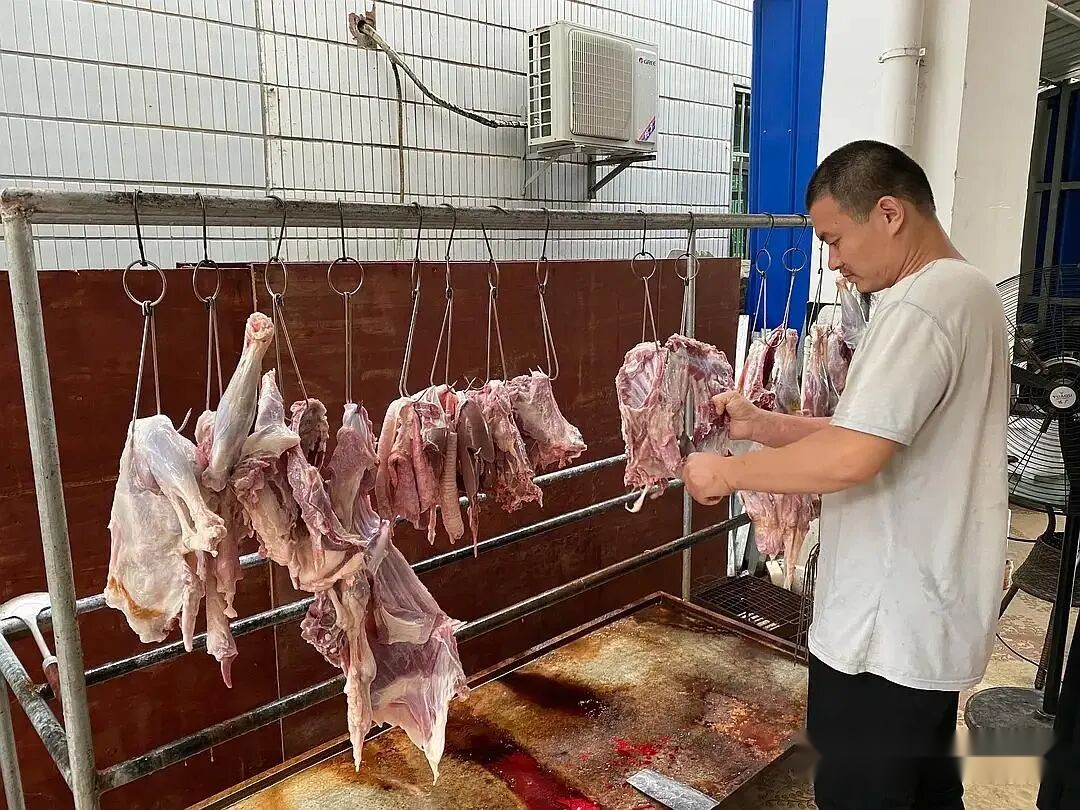
Once the slaughter was complete, the mutton was divided into three portions: one for our own household, one to share with friends, and one to give away to those in need.

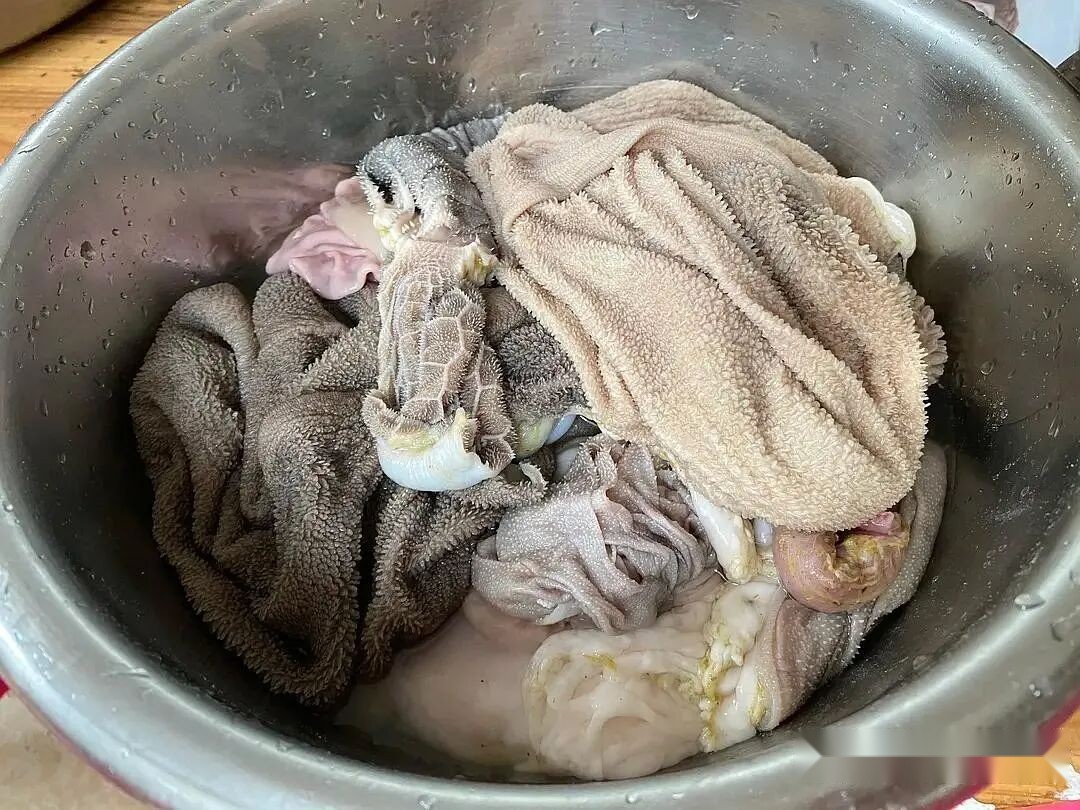
Washed sheep tripe and intestines.
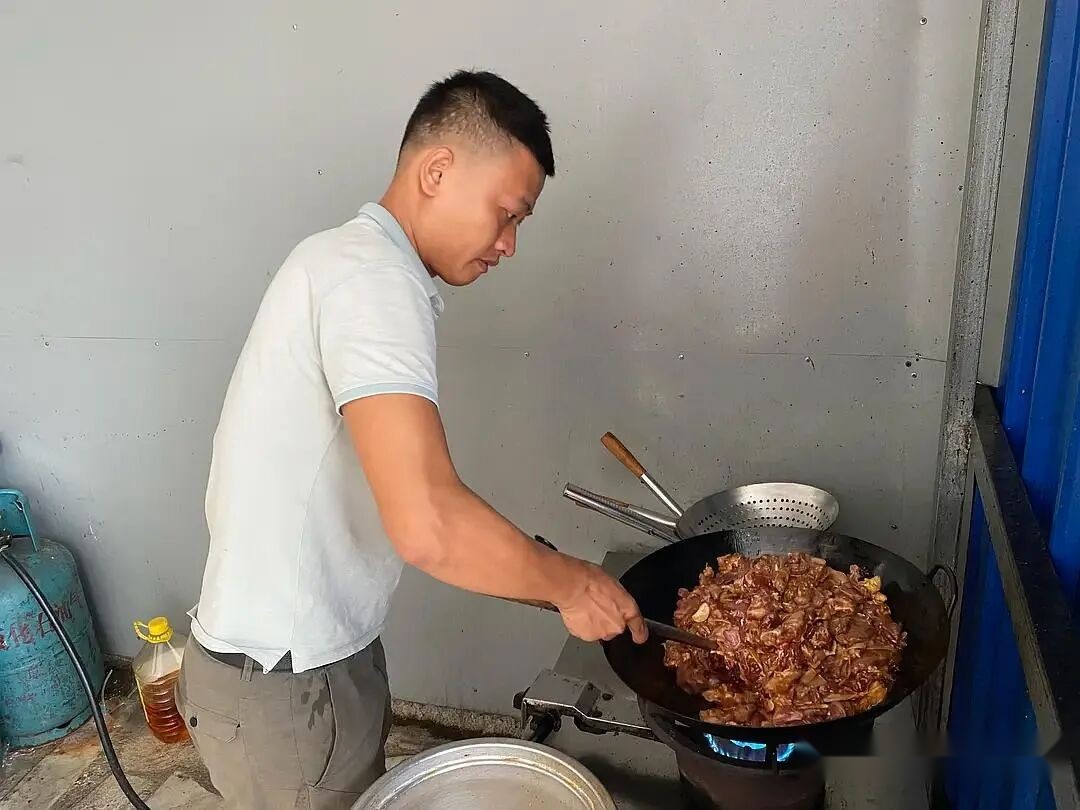
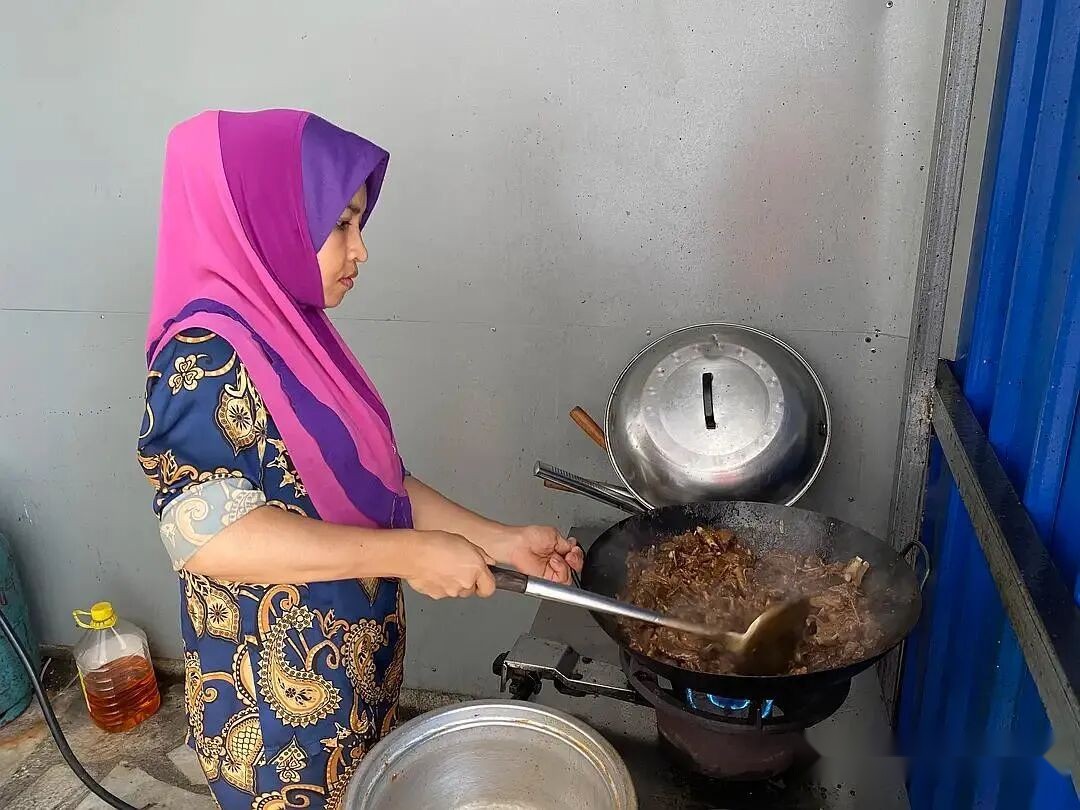
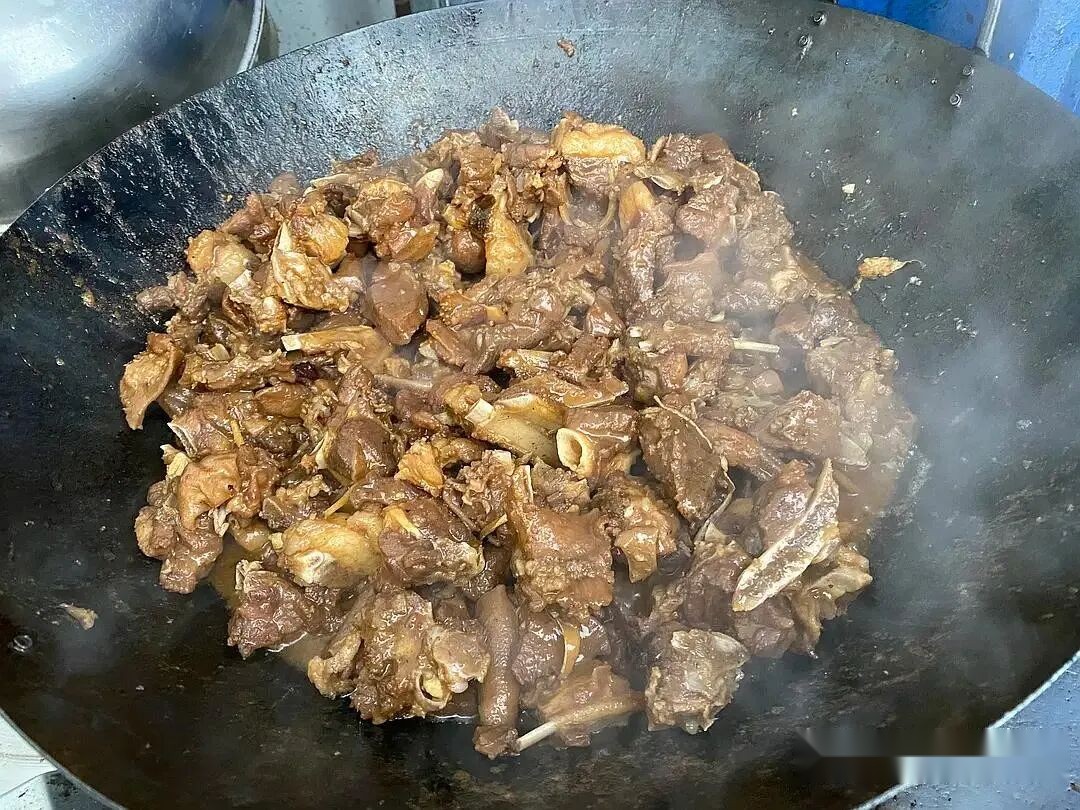
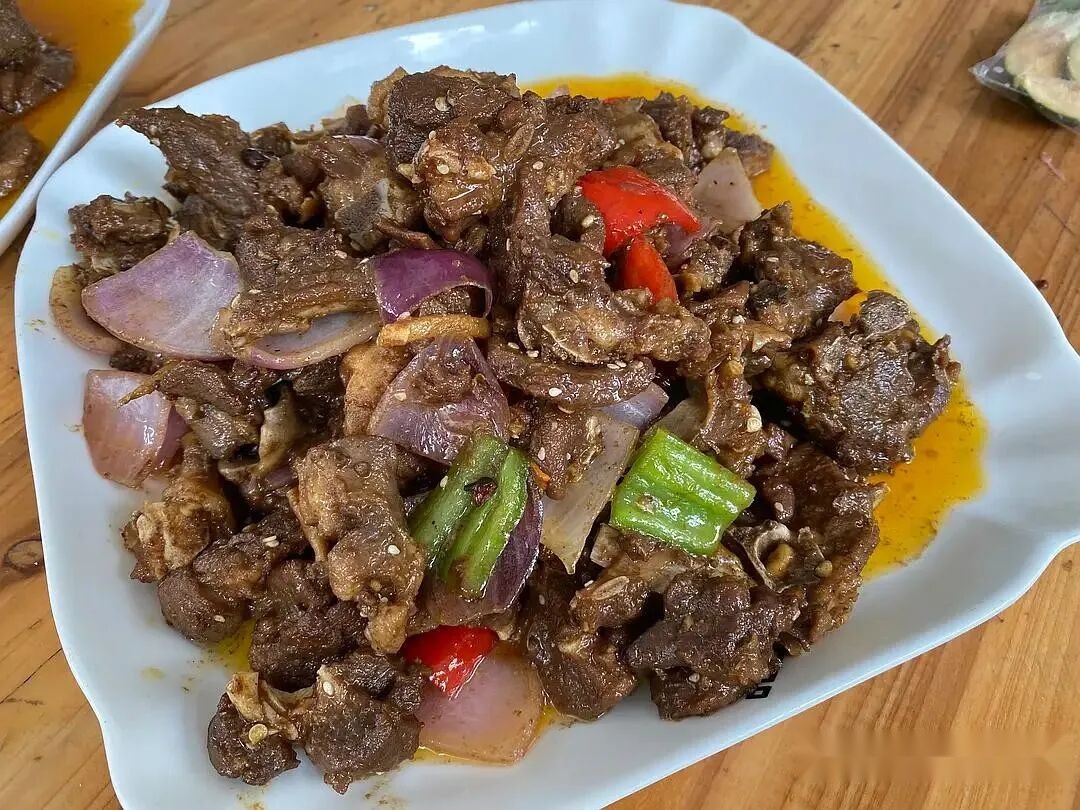
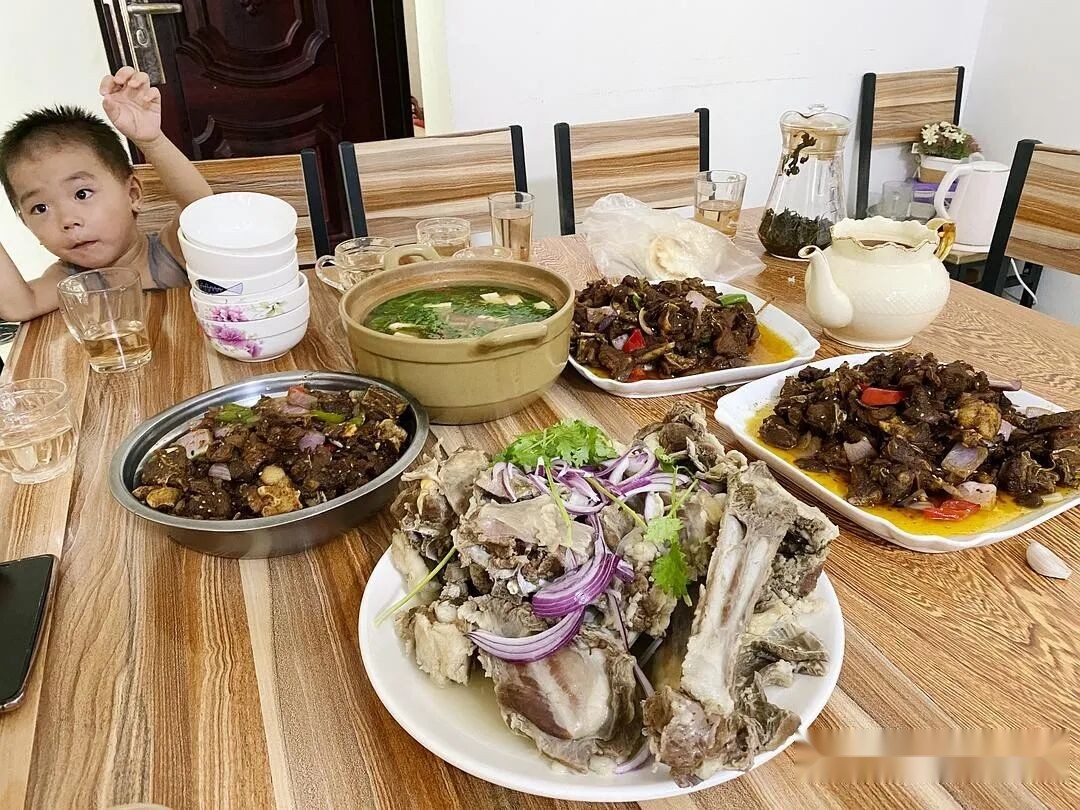
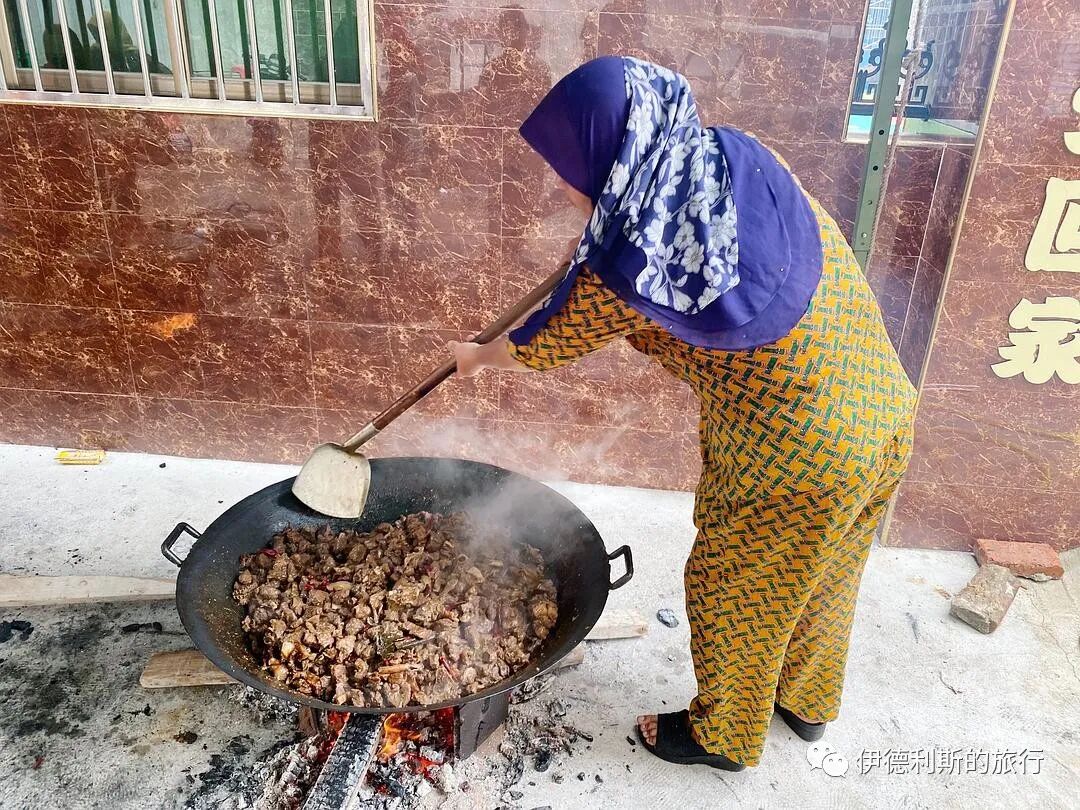
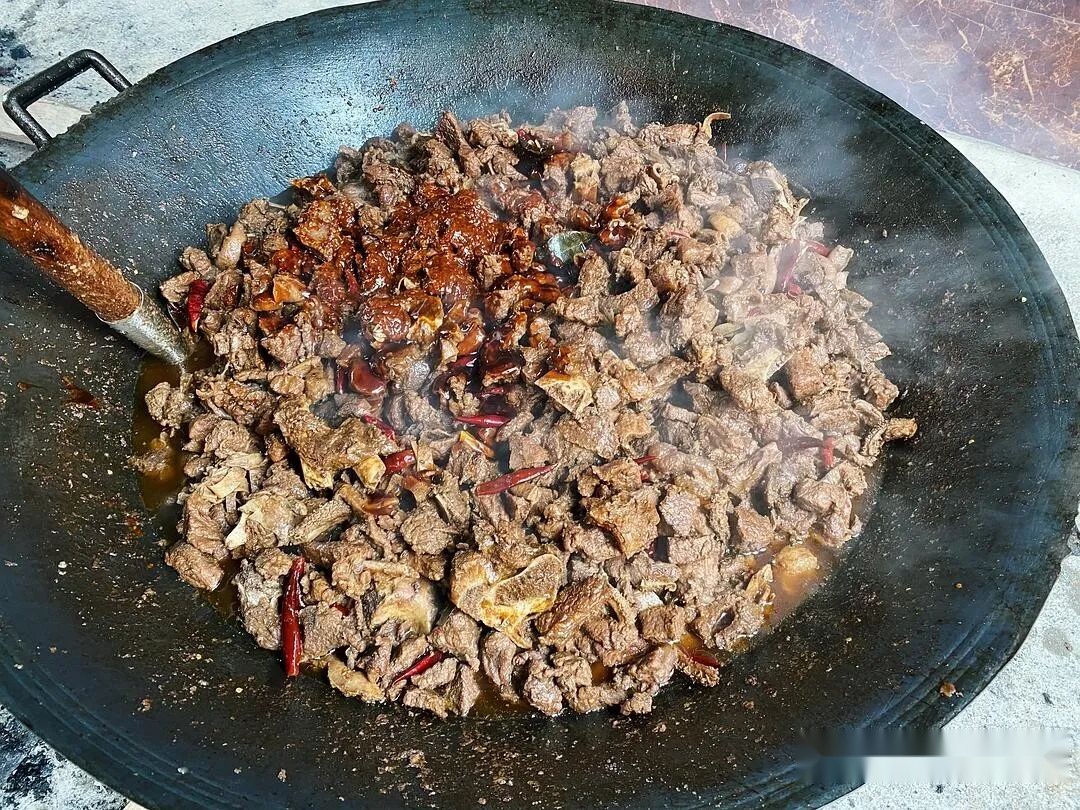
We asked our neighbor to cook up a dish of Sanya-style dry-fried mutton for us. Normally, their family runs a roast duck stall right next to Huixin Mosque, but they were taking a break for the Eid holidays.

The imam who performed our qurbani, who hails from Turpan, Xinjiang, whipped up a signature Xinjiang-style clear-stewed mutton for us. It was out of this world, and the mutton broth was insanely good.
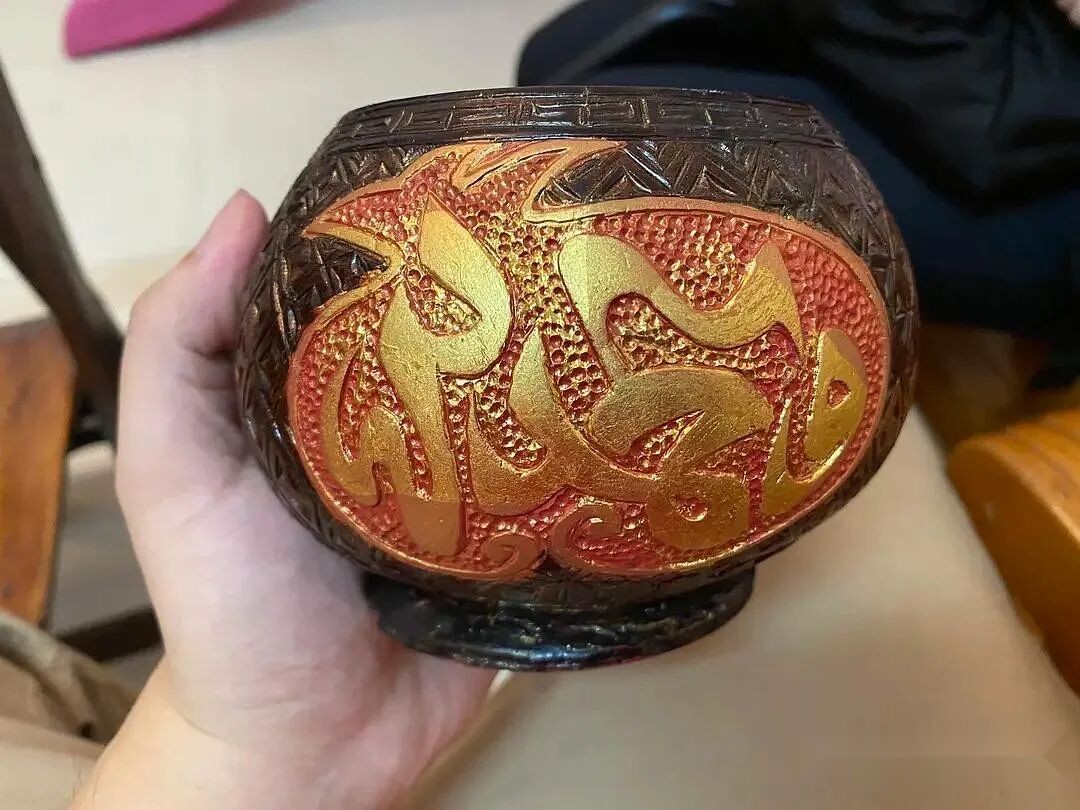
Muning gifted me an Arabic calligraphy art piece he hand-carved out of a coconut shell. It looks stunning.
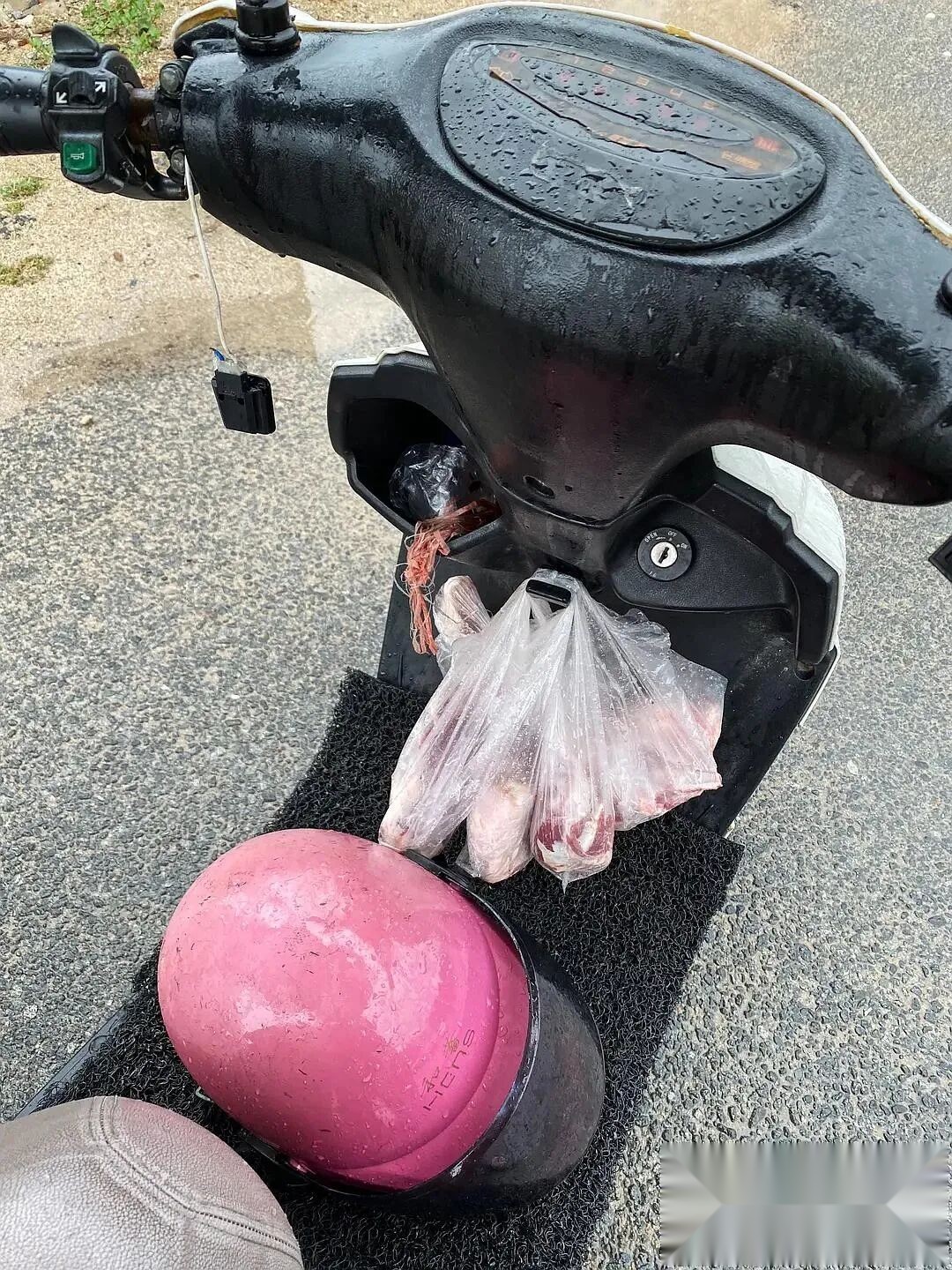
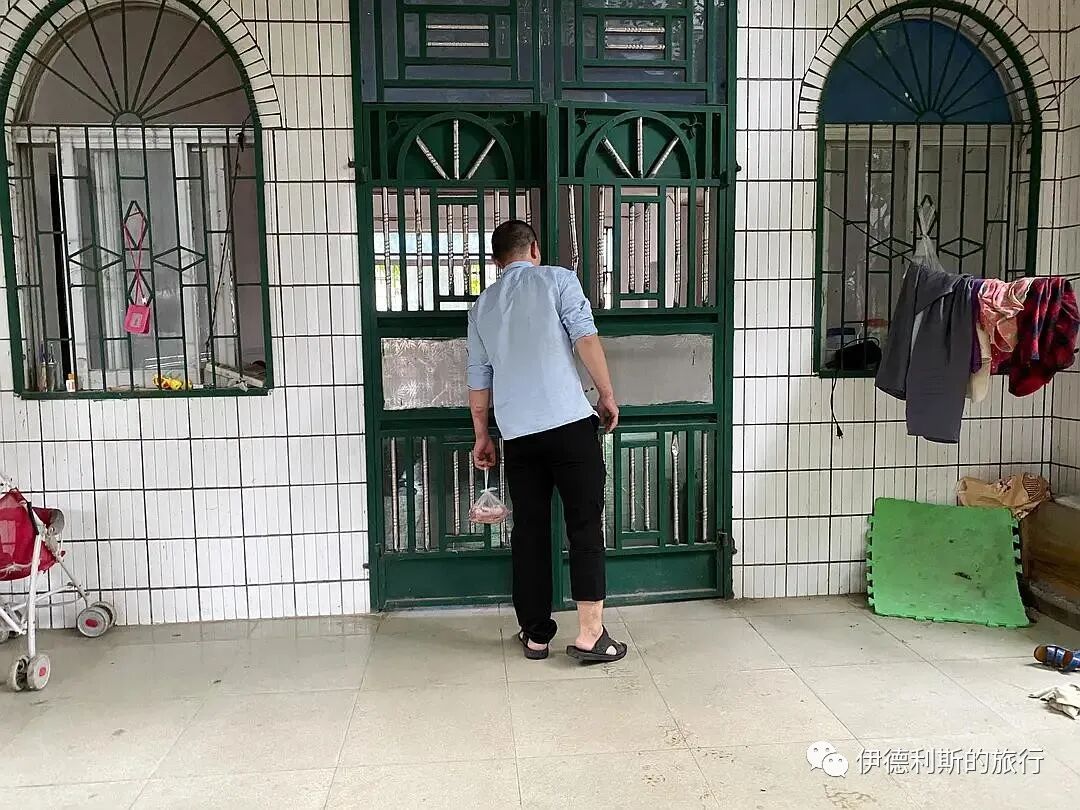
After the meal, Muning and I headed out to deliver another portion of the meat to friends.

We stopped by Nankai Mosque in Huixin Village to pray, where the main hall is lined with straw mats rather than carpet.

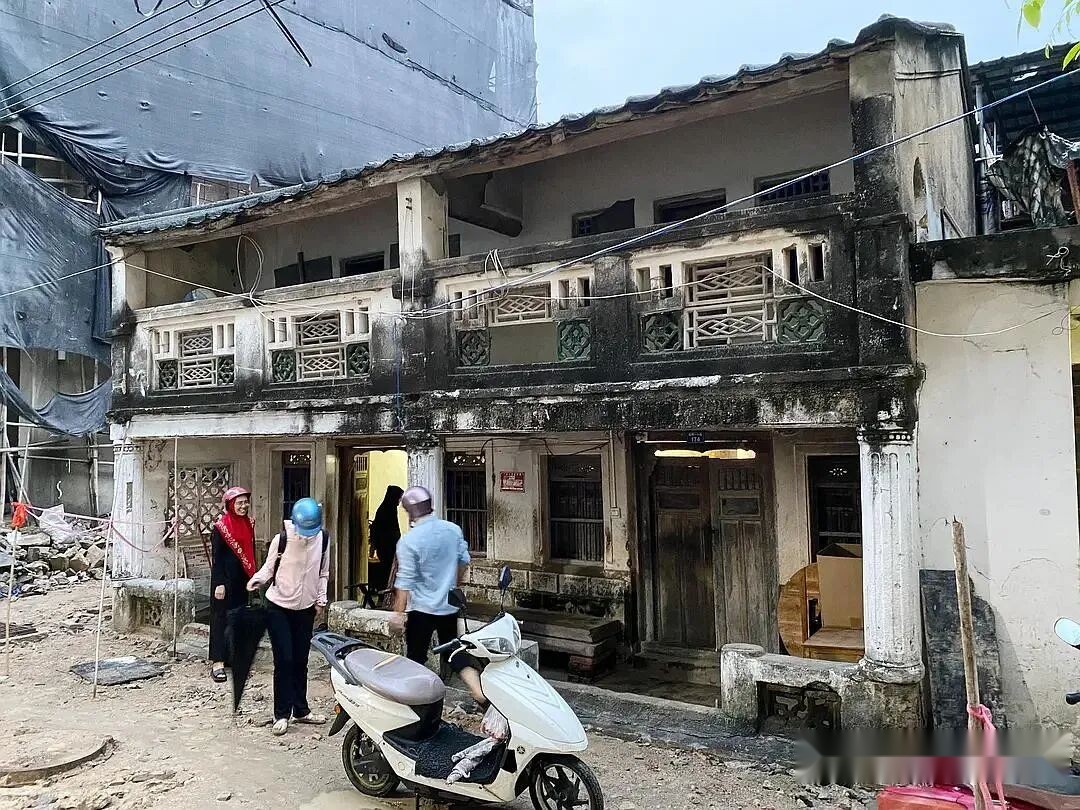
In the afternoon, Muning took me to check out the old houses in Huihui Village (Huihui Muslim Village), where I got to lay eyes on old roof purlins inscribed with Arabic script for the very first time.
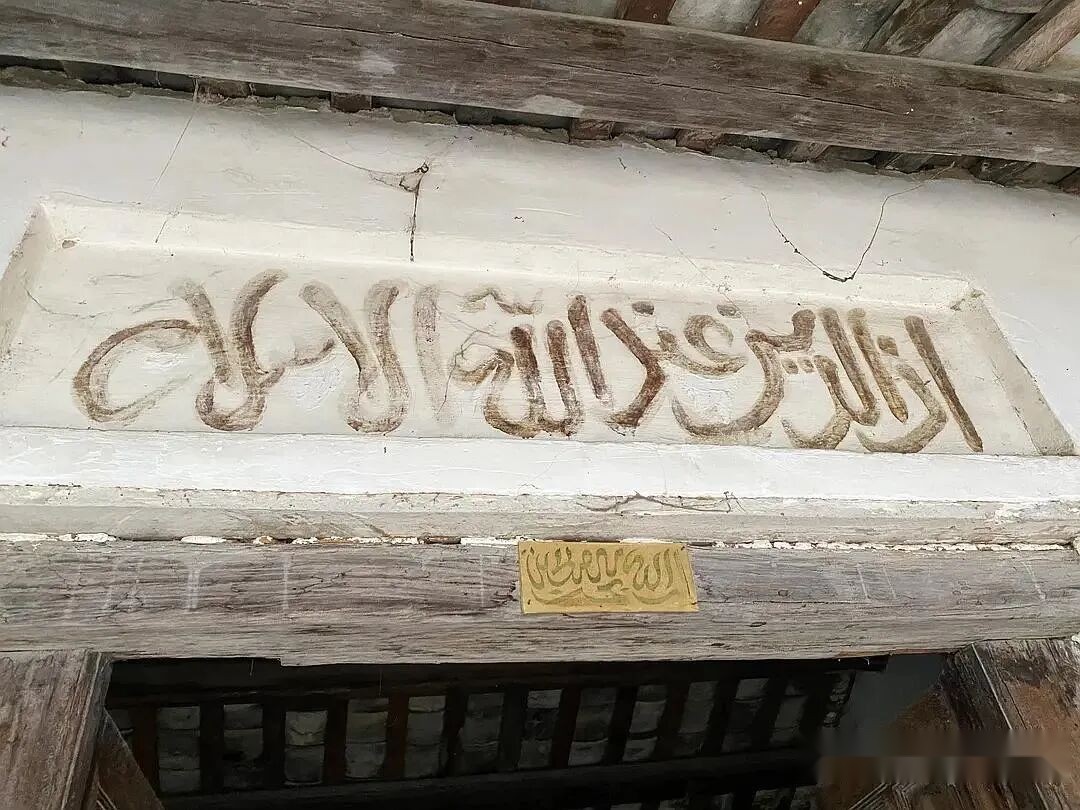
One of the best-preserved and most visually striking inscribed roof purlins still in its original location in Huihui Village, with its gold-leaf Arabic letters gleaming brilliantly in the sunlight.
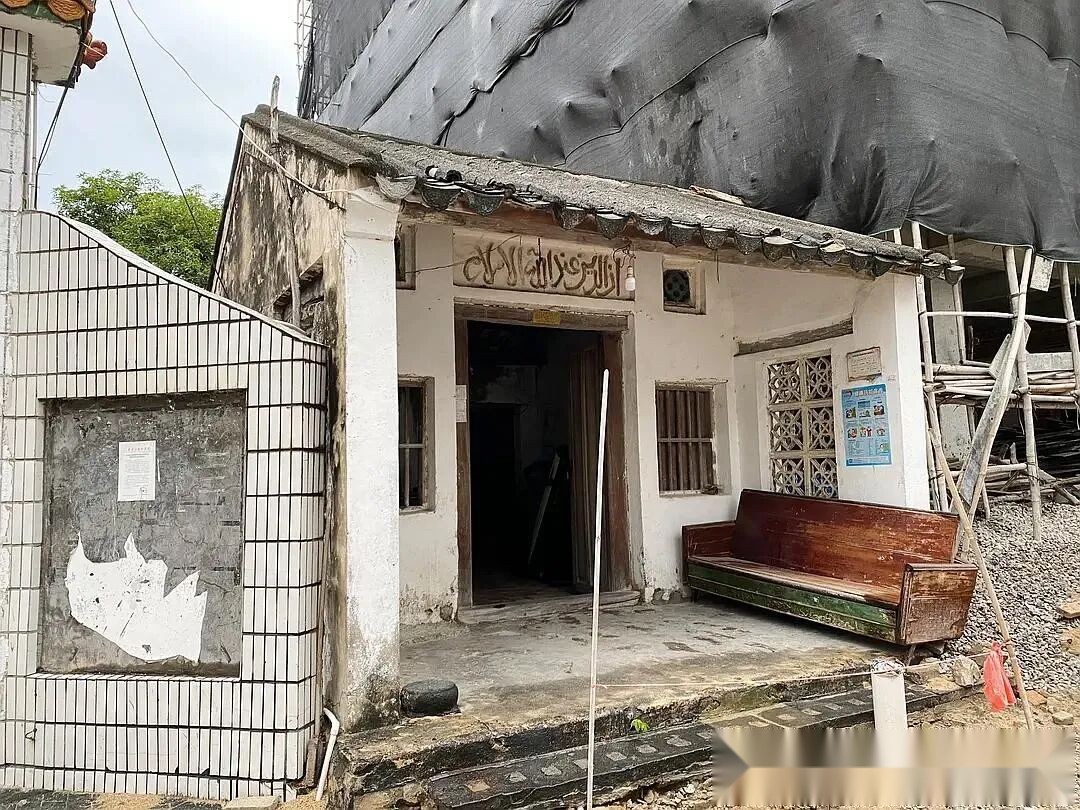
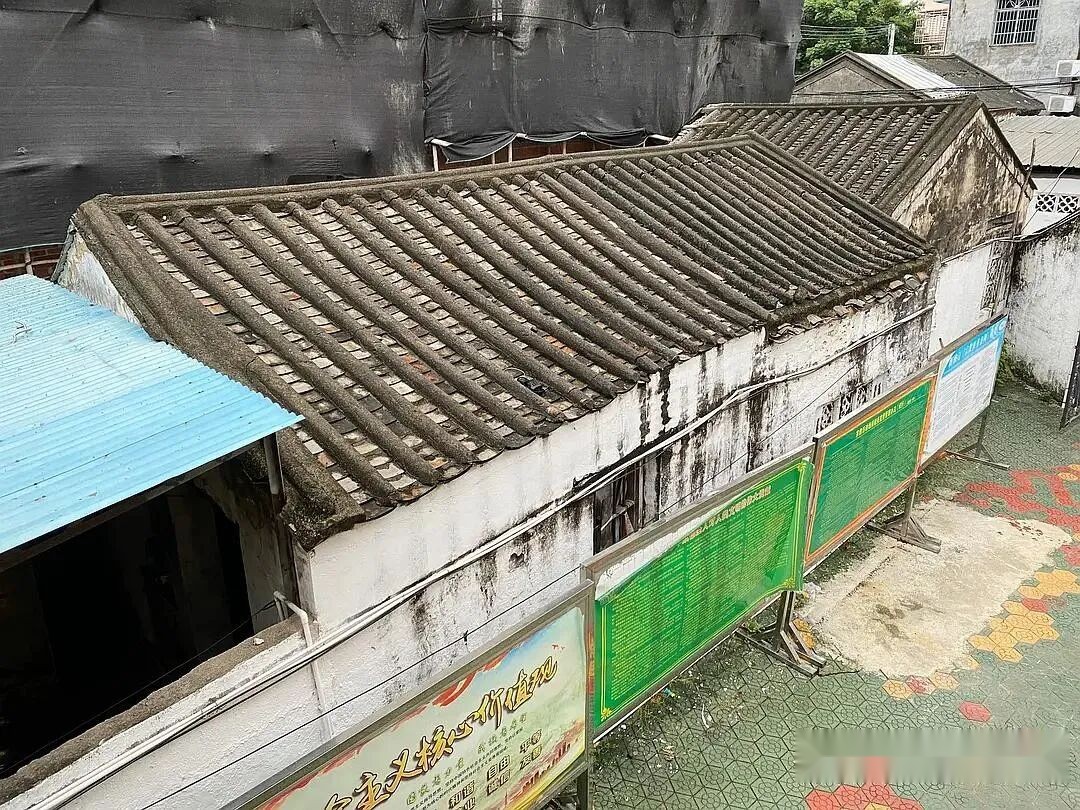
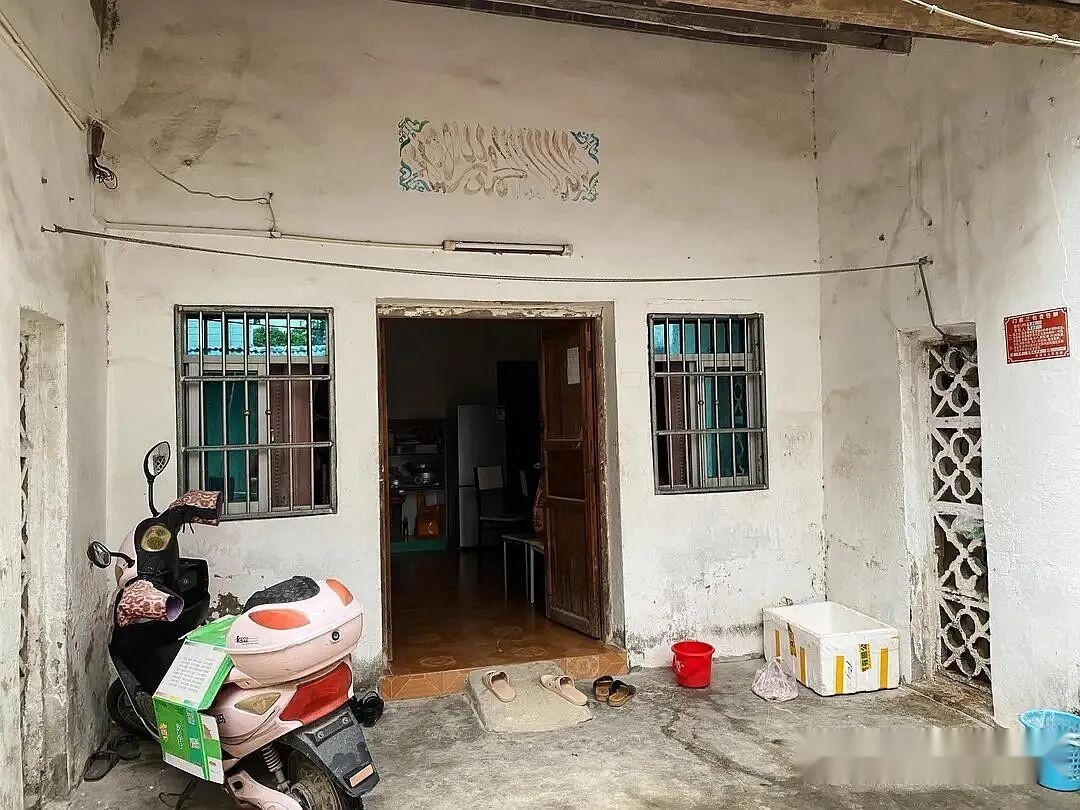
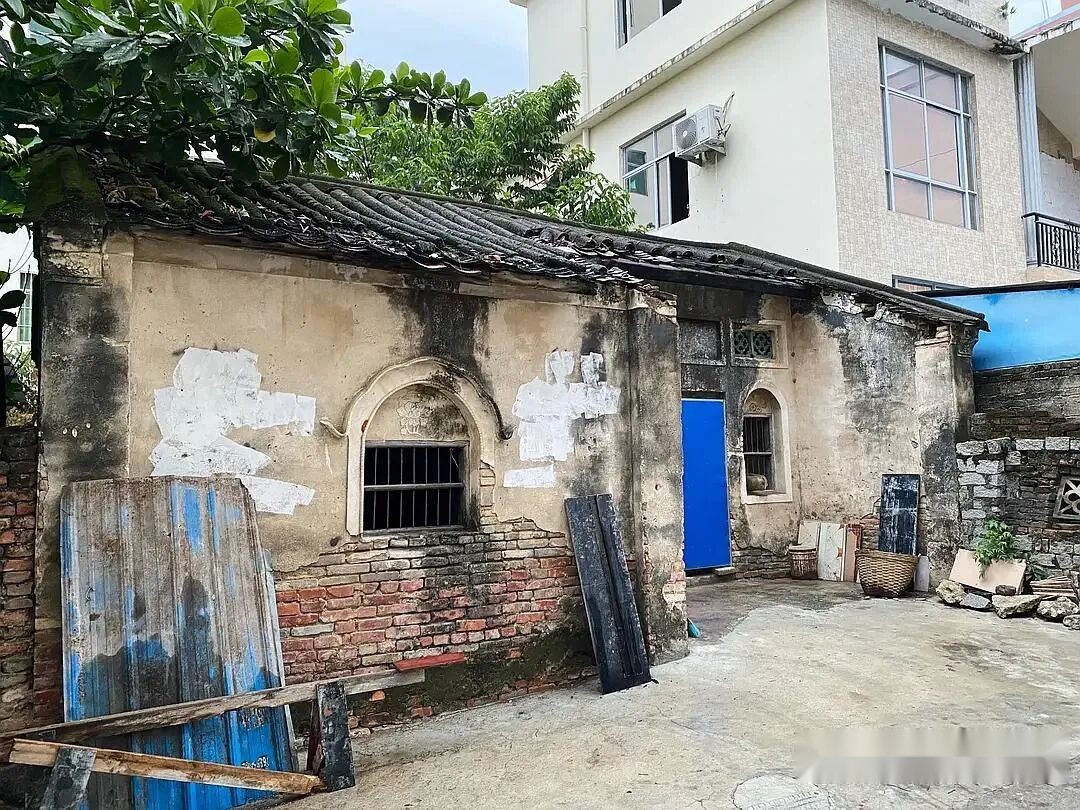
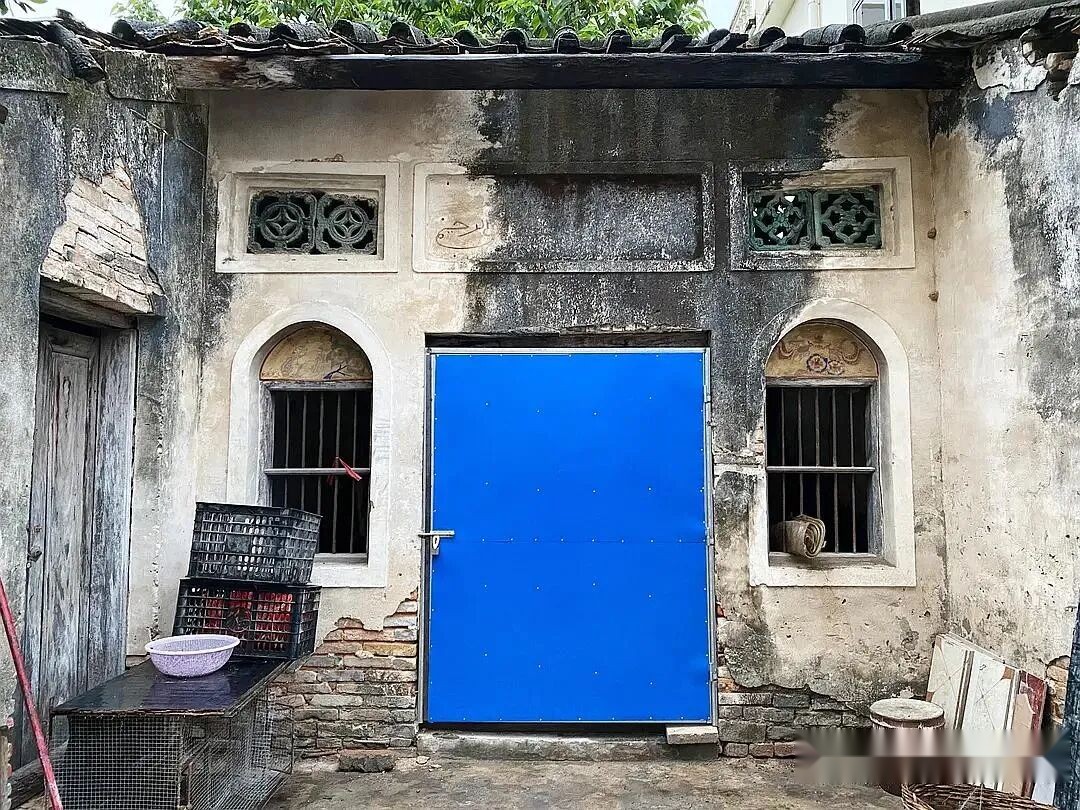
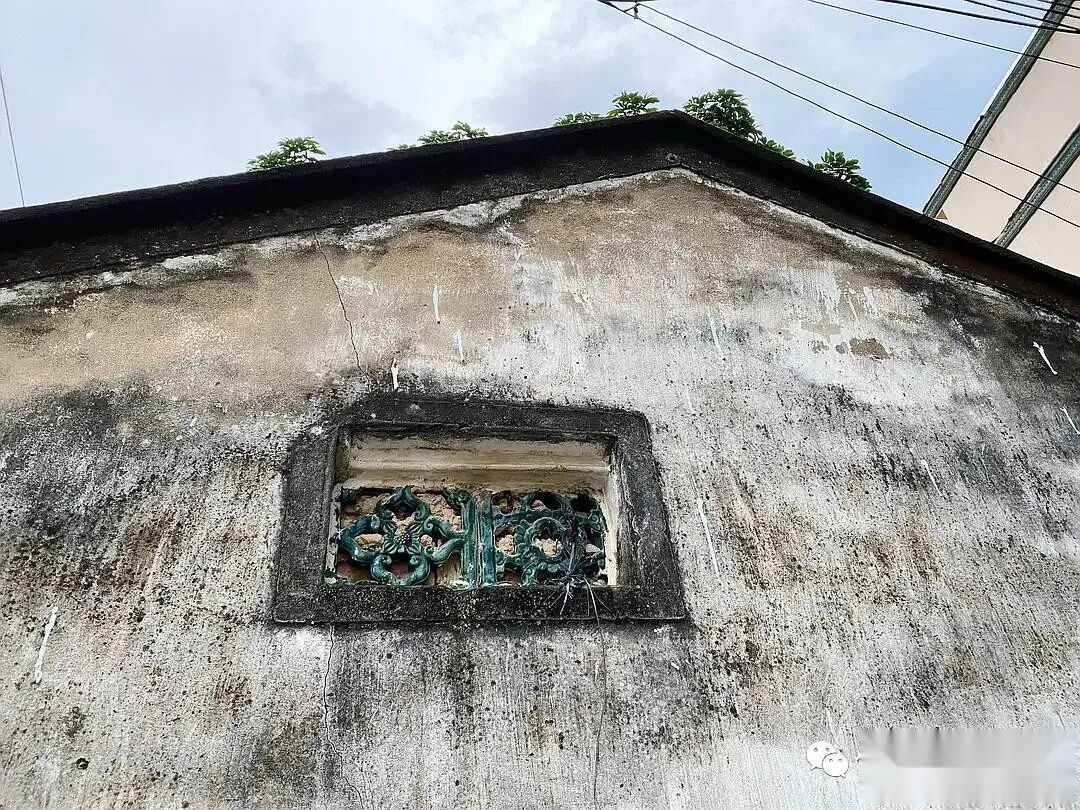
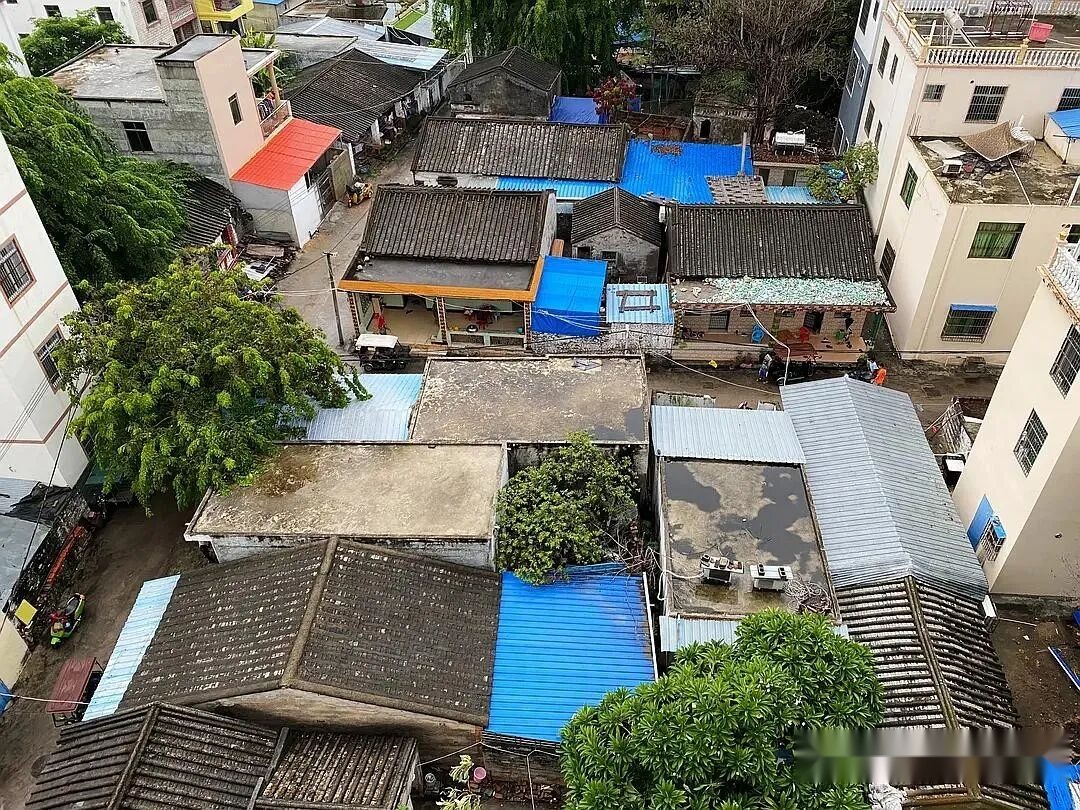
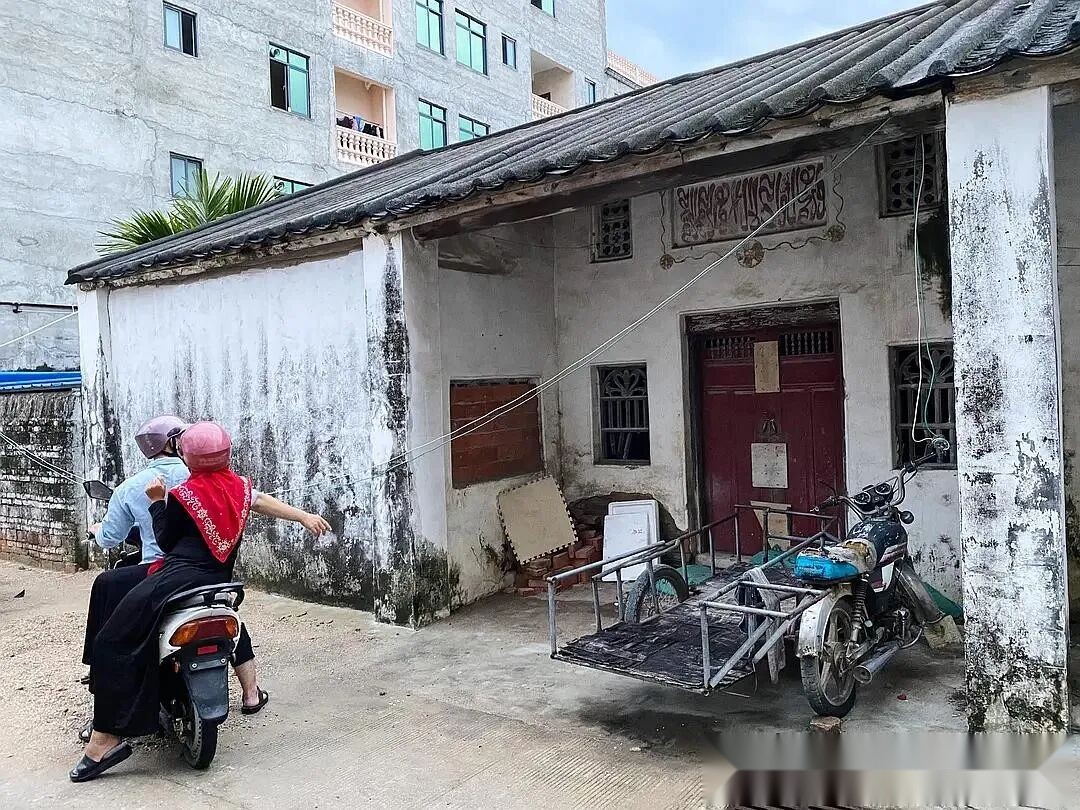
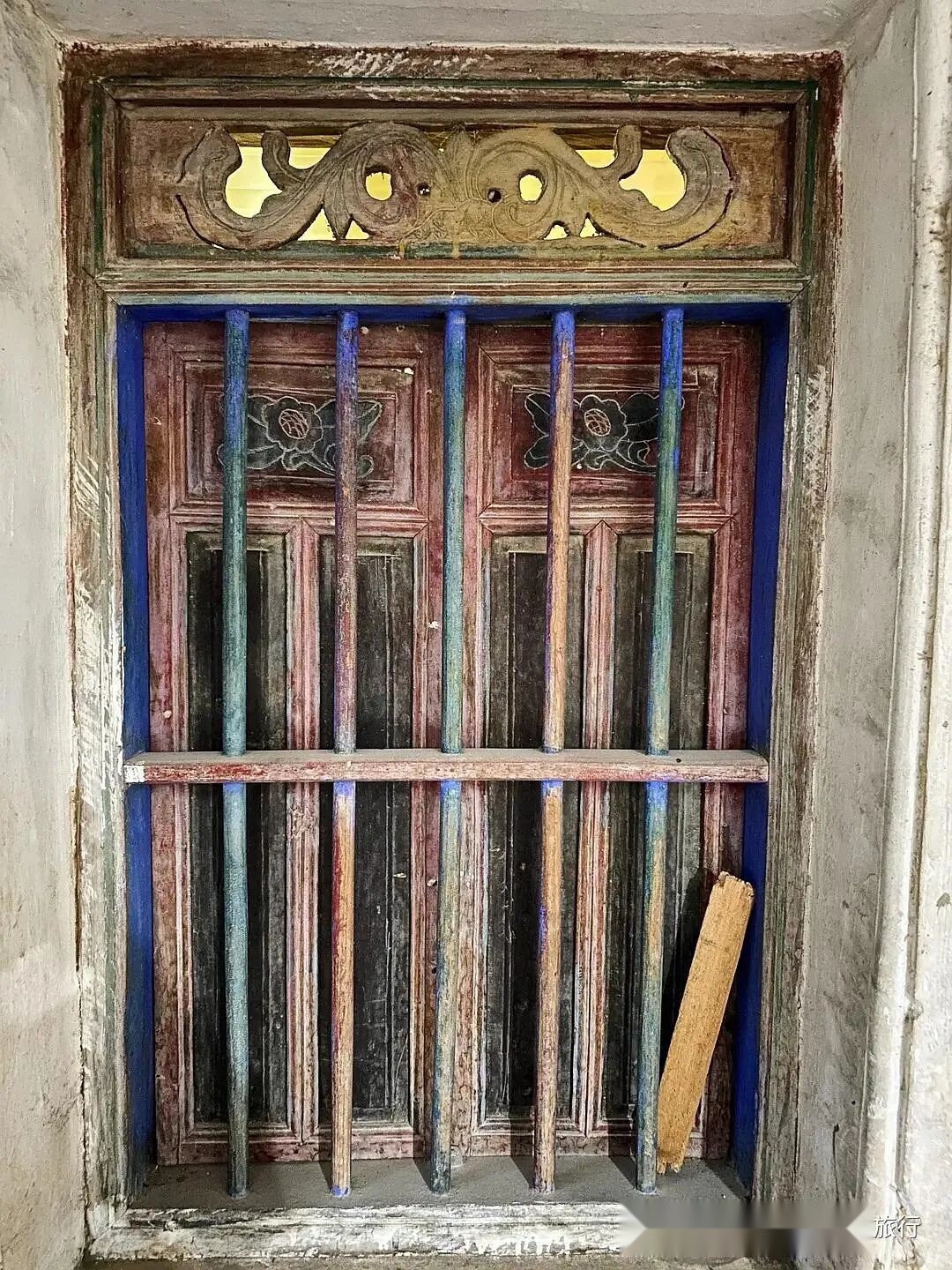
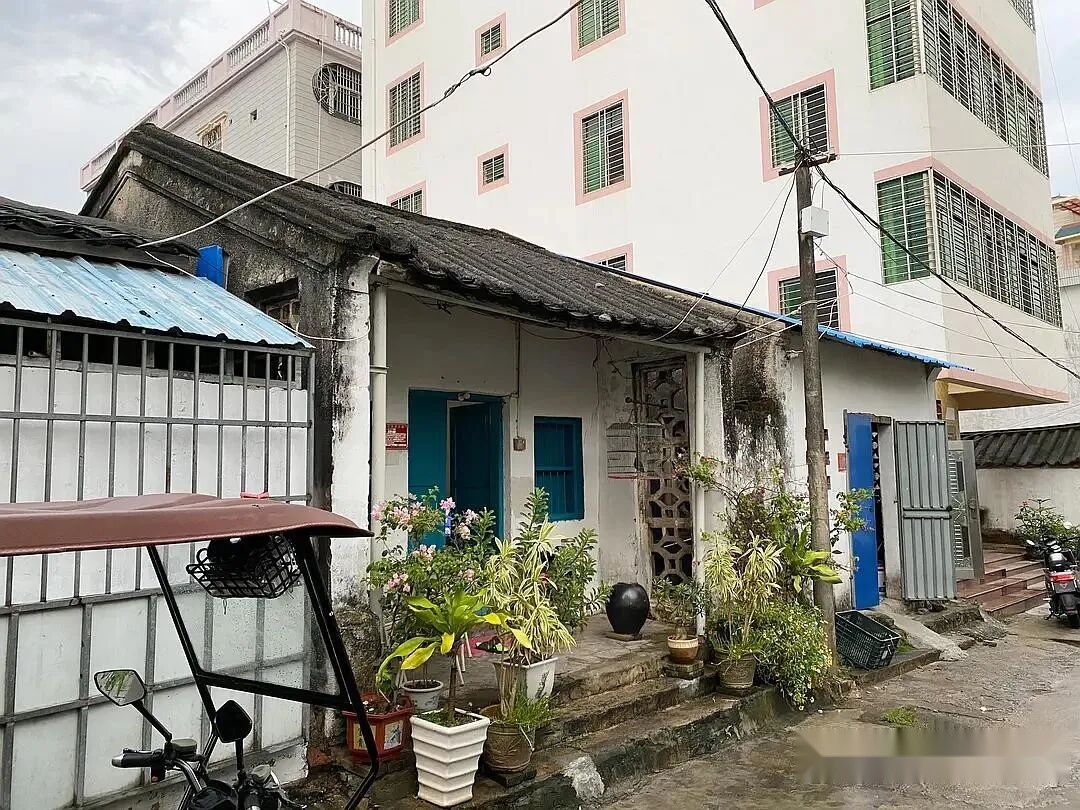
One of the last remaining traditional old houses in Huihui Village.
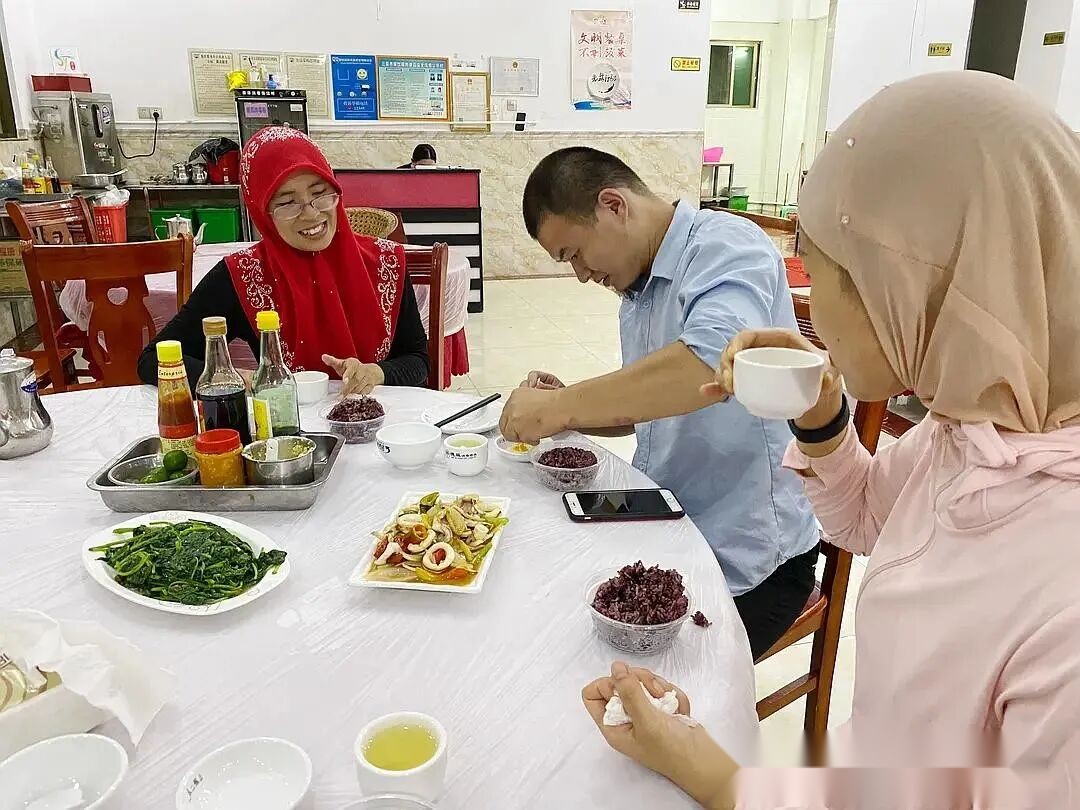
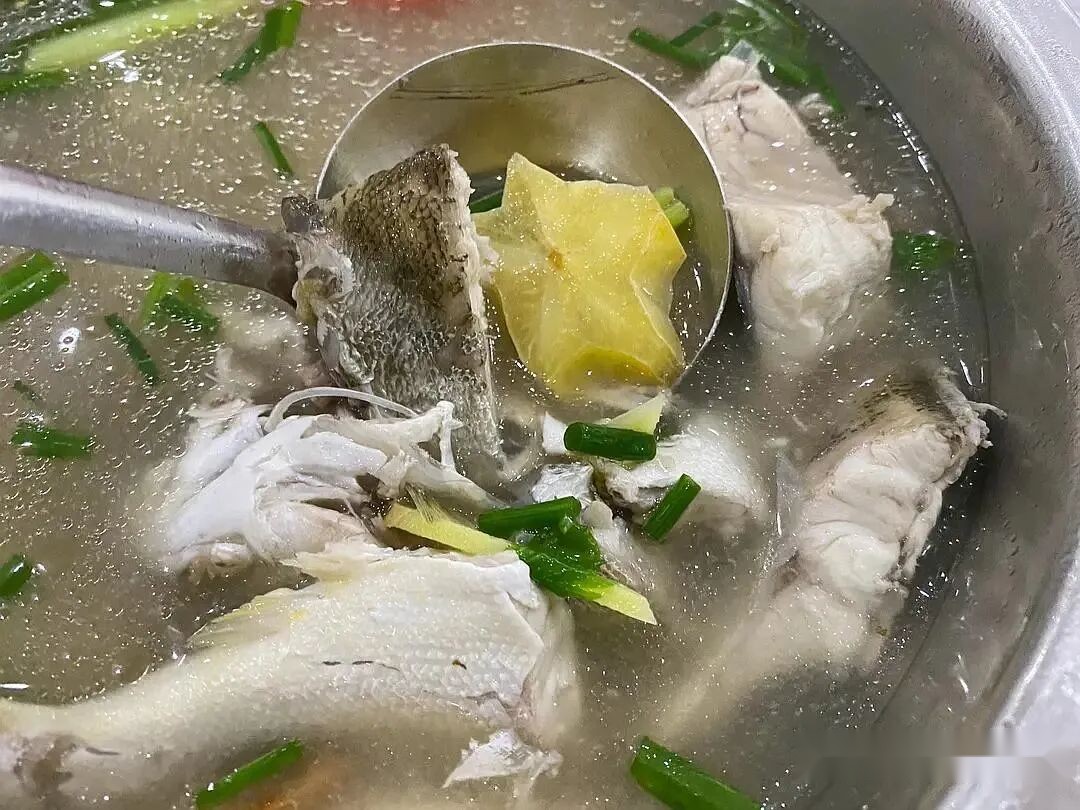
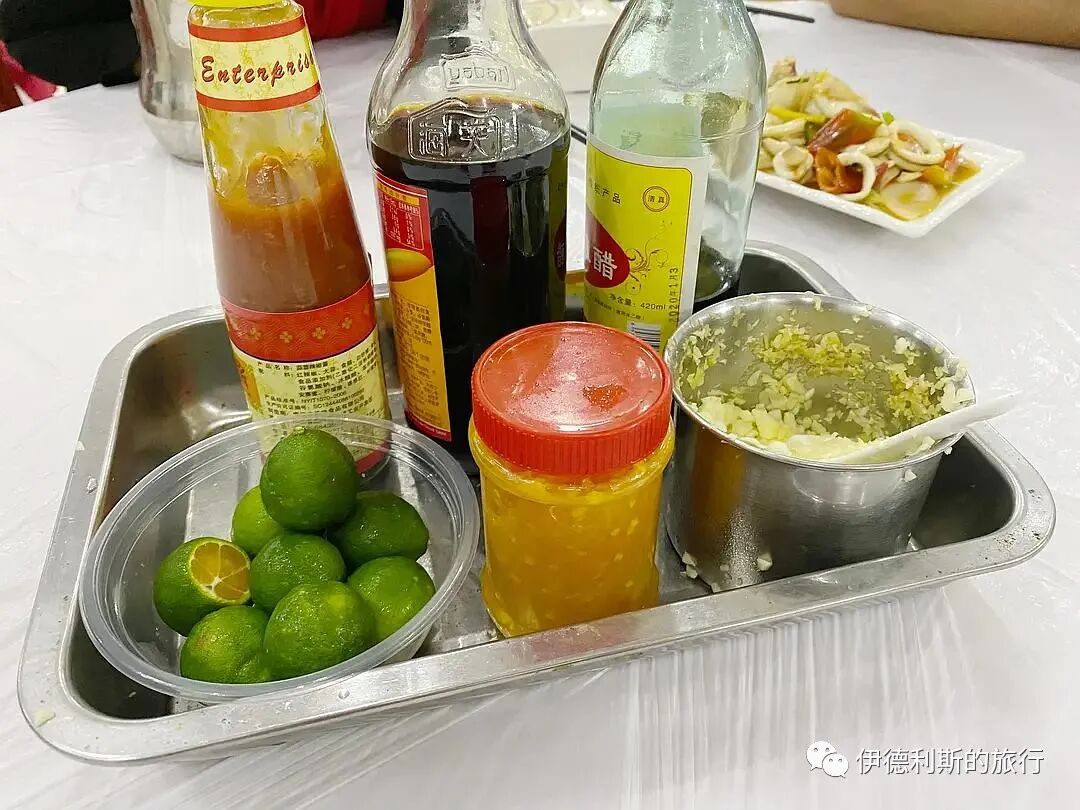
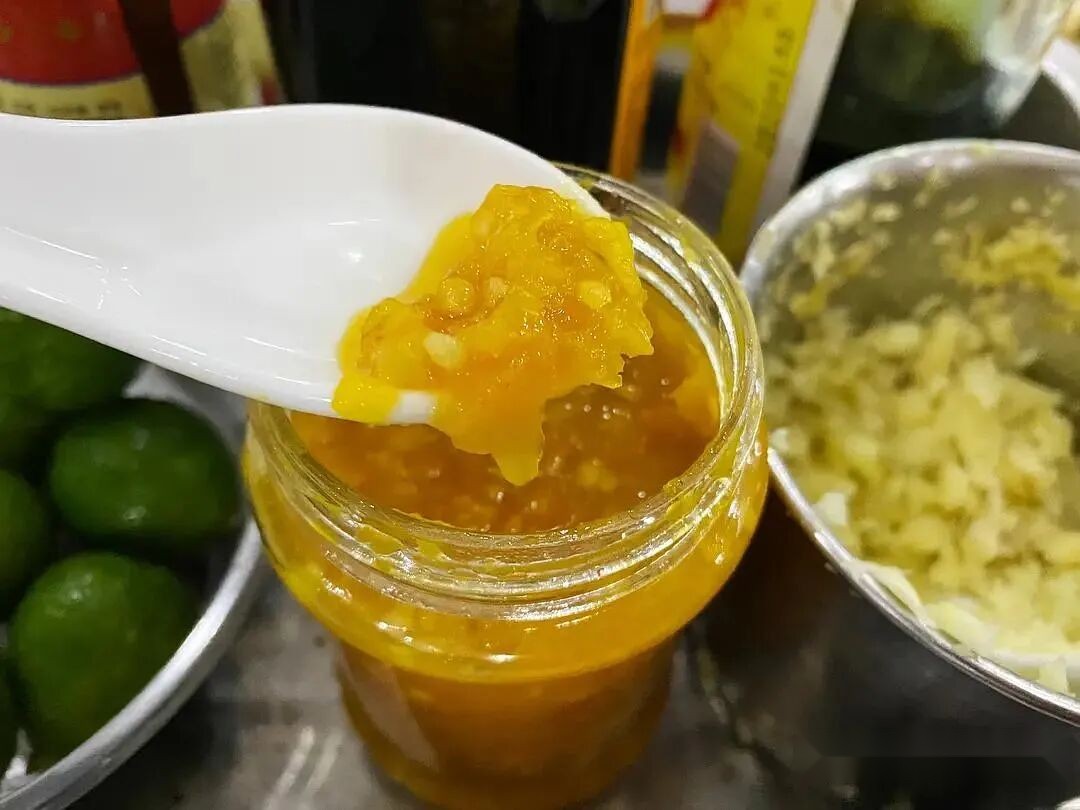
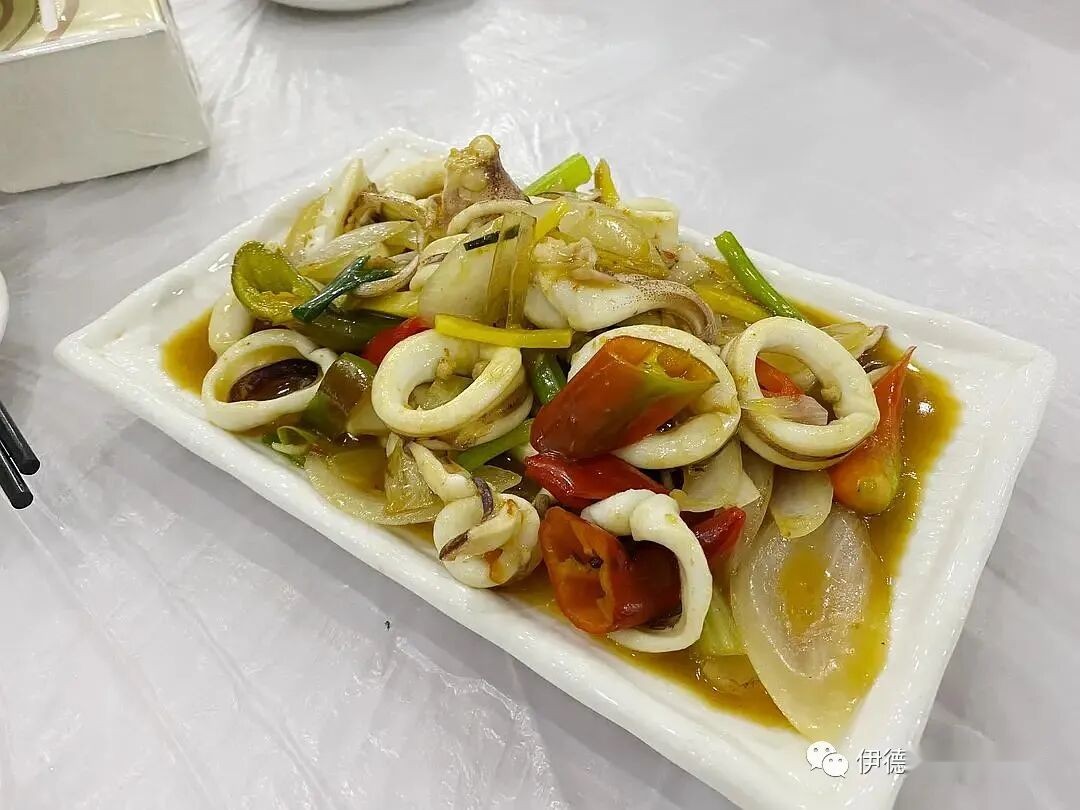
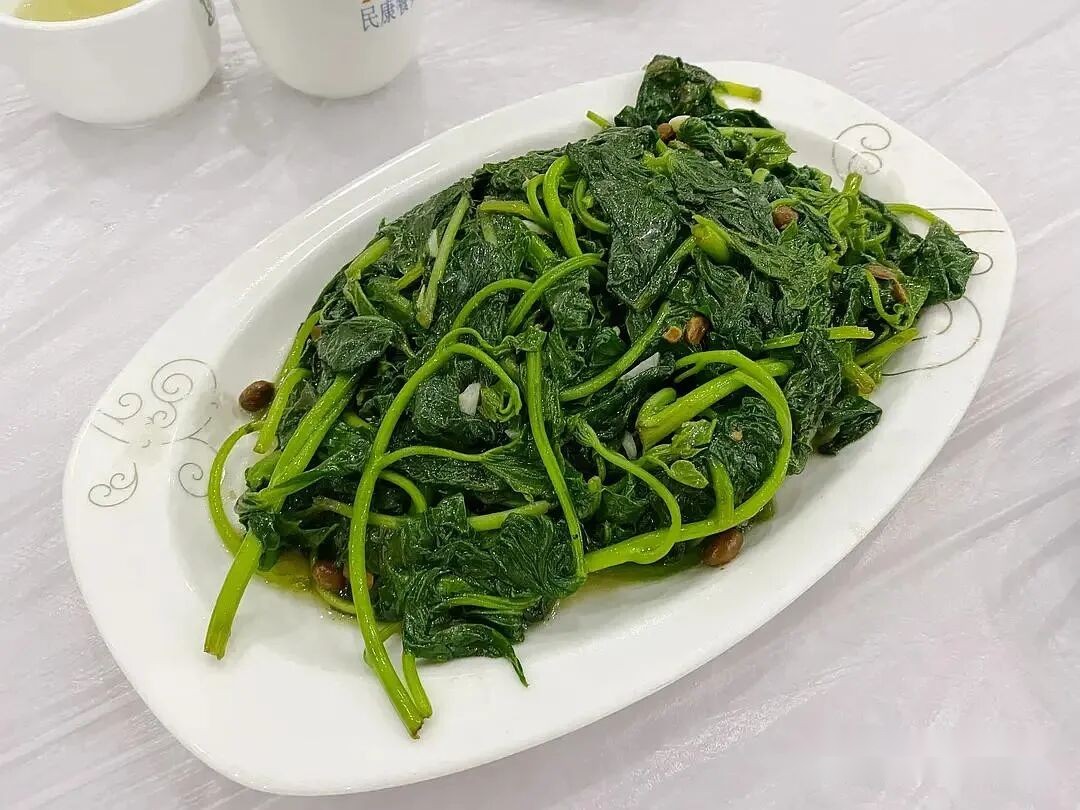
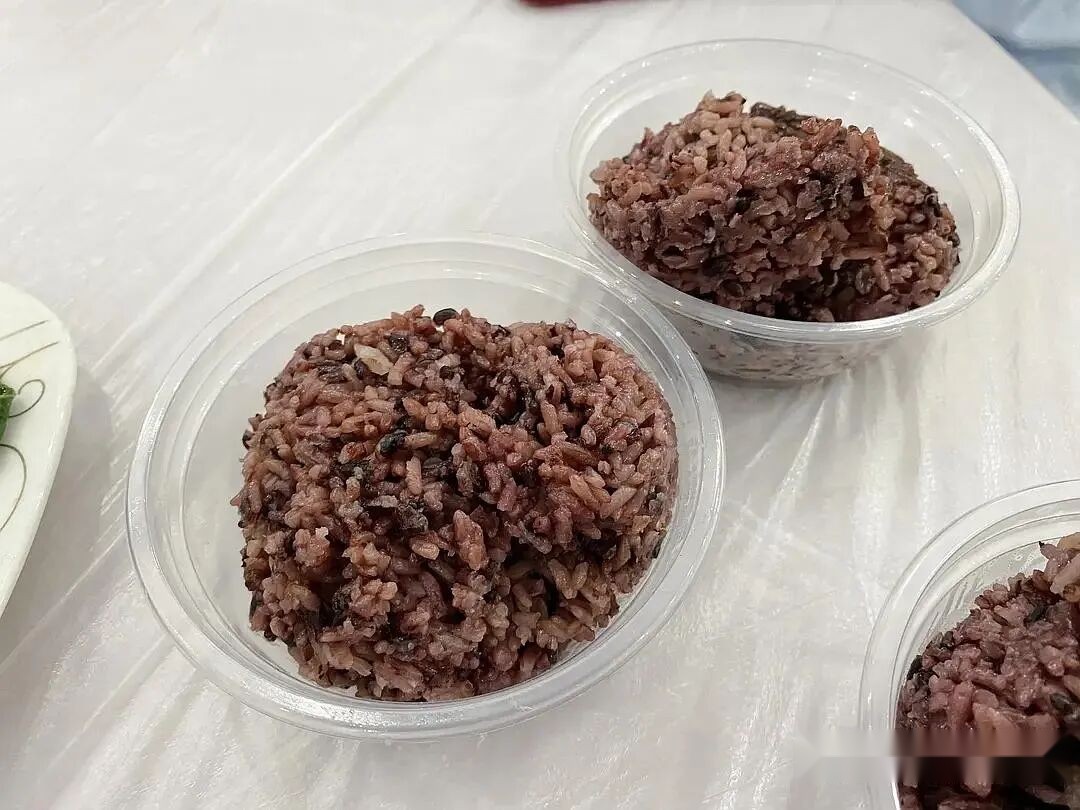
That evening, Muning and her family treated me and Zaynab to a fresh fish soup right at the entrance of Huixin Village (Huixin Muslim Village). The signature fresh fish soup of the Utsul Muslims is made with carambola (star fruit), tamarind, and tomatoes, giving it a super tangy kick. You can pick whatever sea fish you want for it. You’ve also got to mix your own dipping sauce on the side—make sure not to go overboard with the Hainan yellow lantern chili peppers, because they are insanely spicy! We also had red rice cooked in coconut milk, sweet potato greens, and stir-fried squid, all of which hit the spot.
Yellow lantern chili peppers
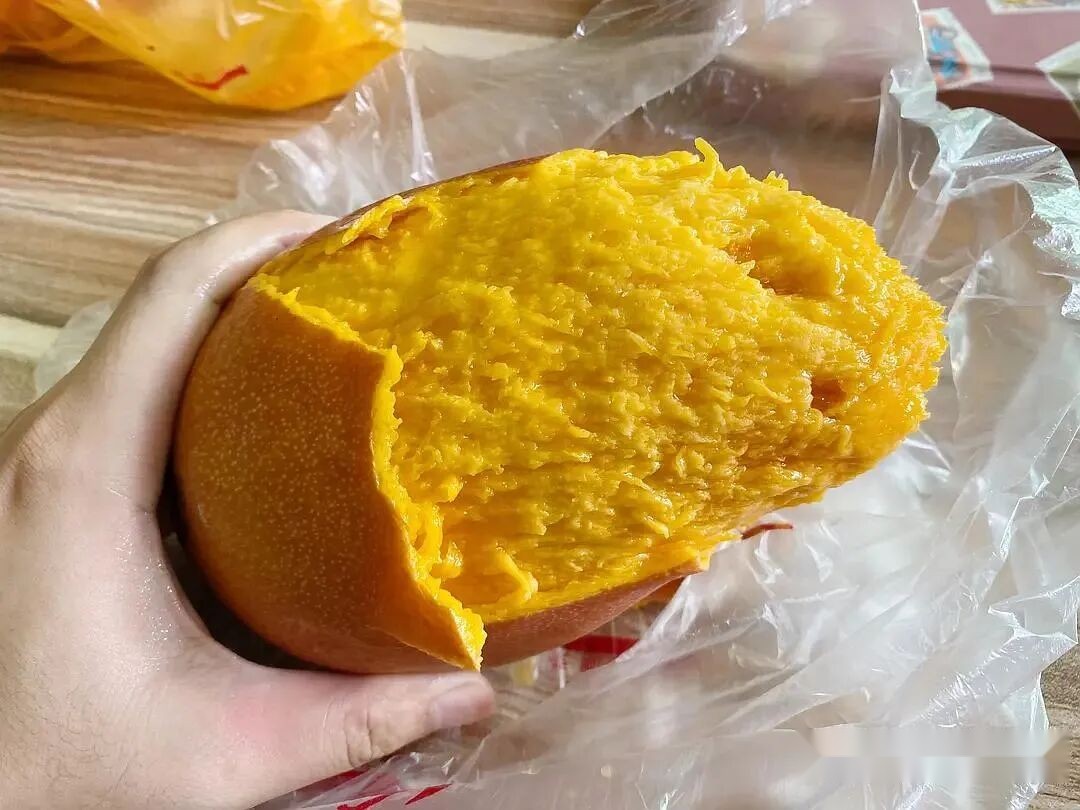
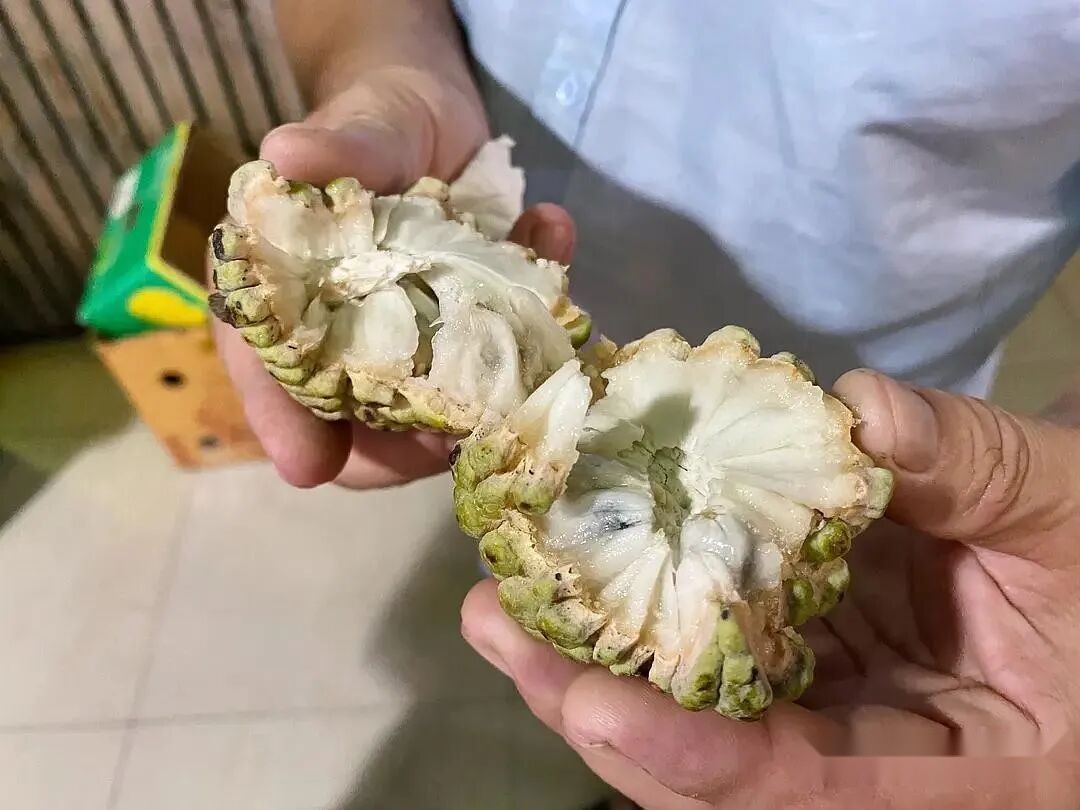
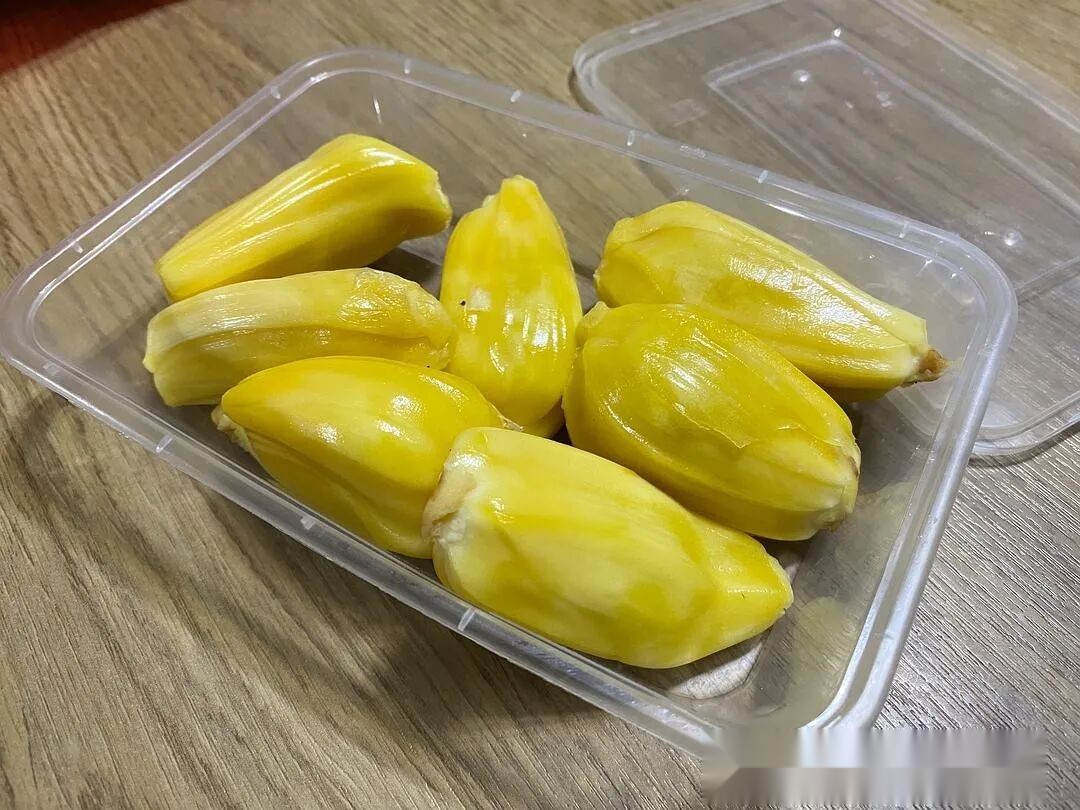
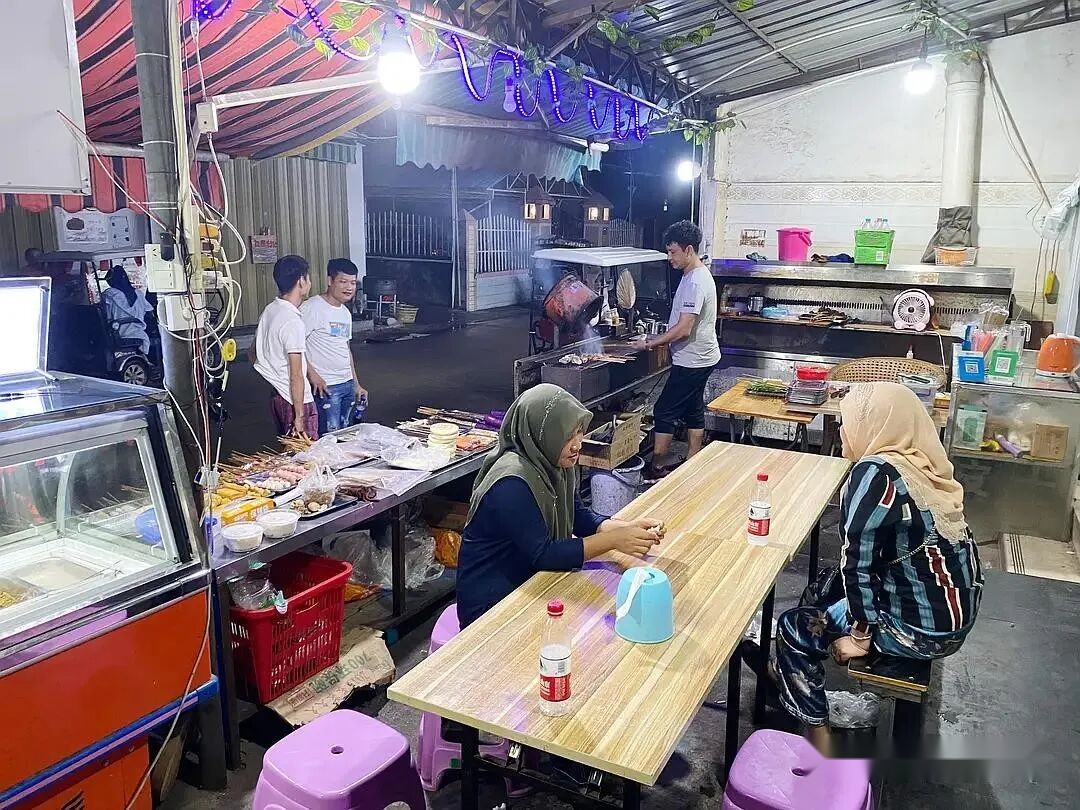
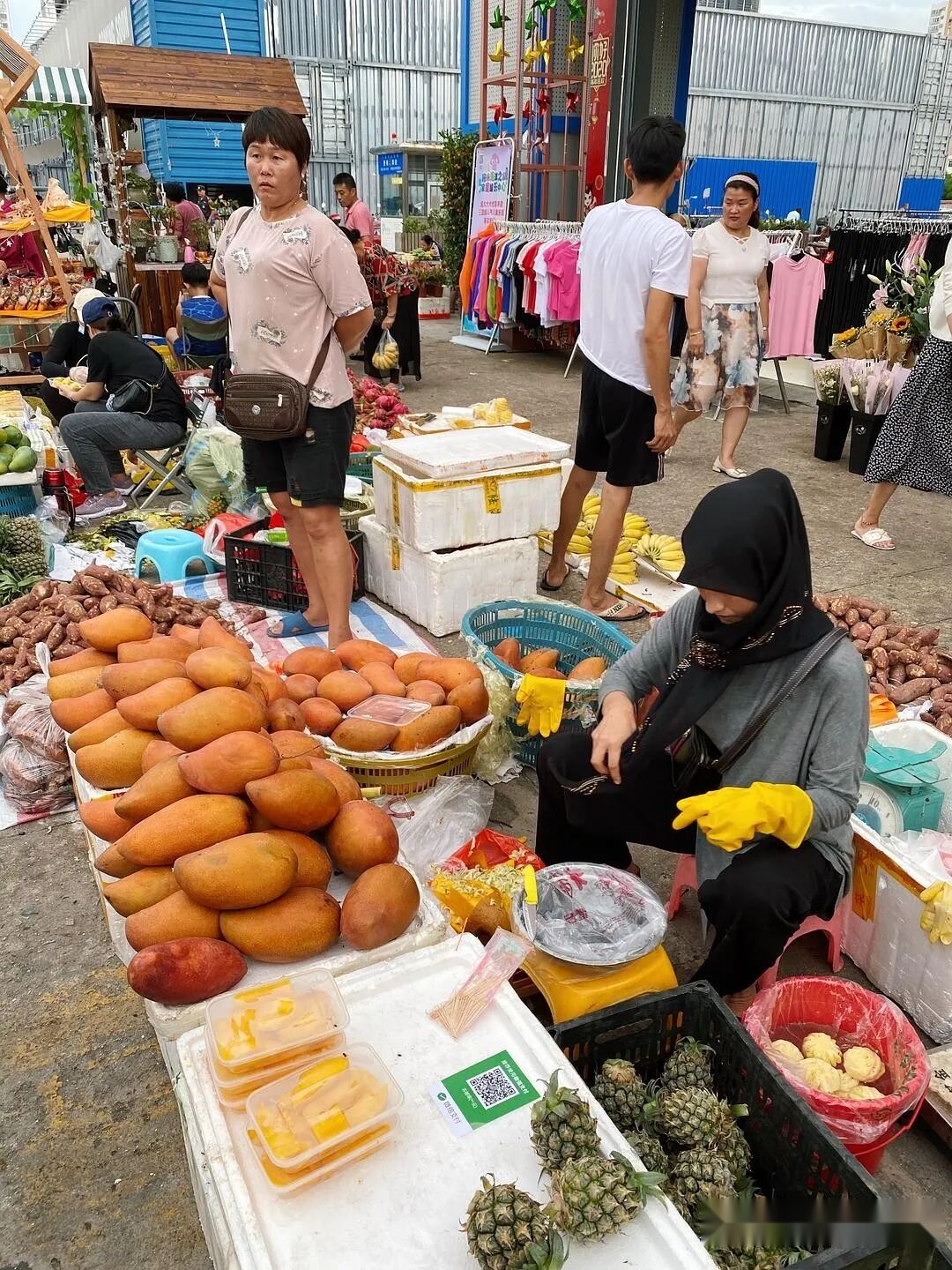
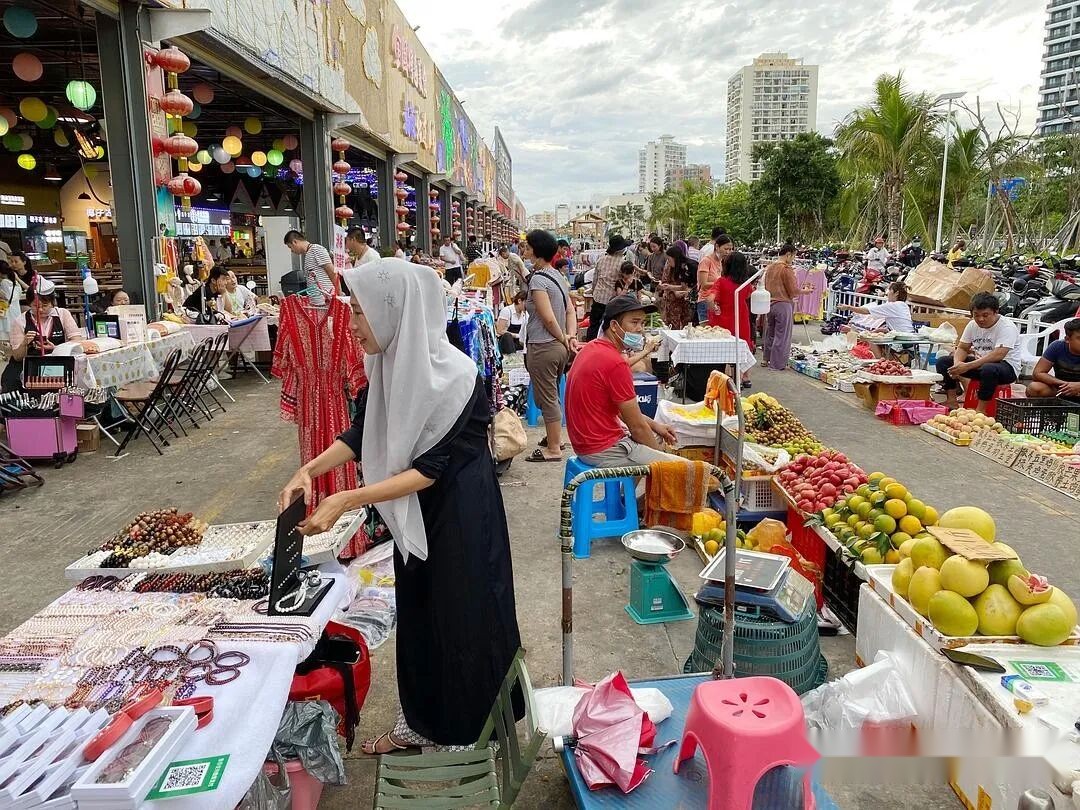
That night, we headed over to the Guangbaina night market right next to Huixin Village (Huixin Muslim Village) to check things out. Ever since the street vendor economy took off this year, Guangbaina has been getting busier and busier. They don’t charge a stall fee here, so a lot of people just sell fruits straight from their own family orchards, meaning prices are the lowest in the area. We grabbed some sugar apples, jackfruit, and mangoes—cheap and delicious.
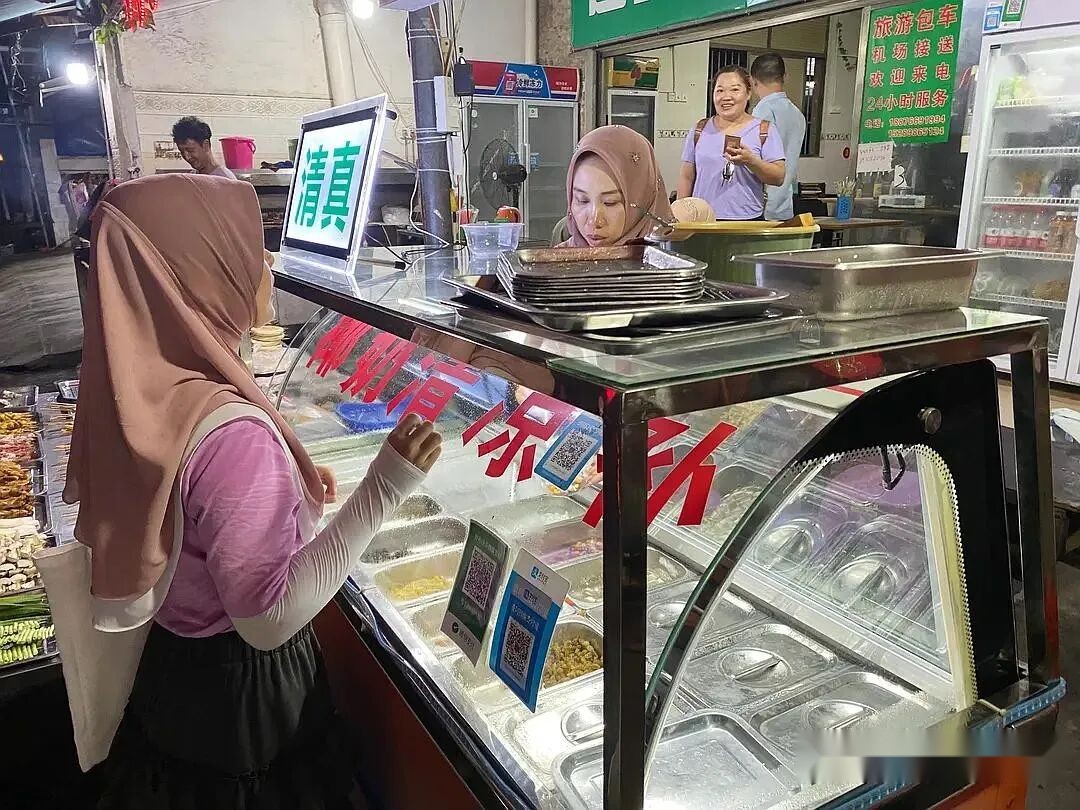
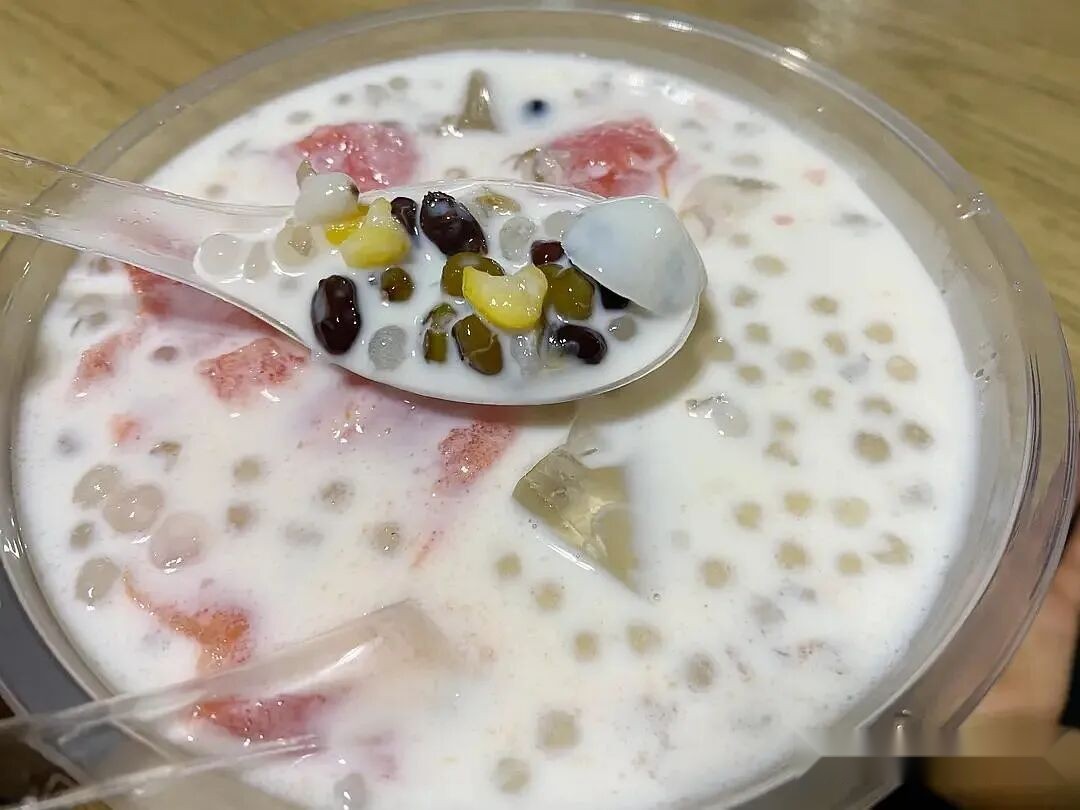
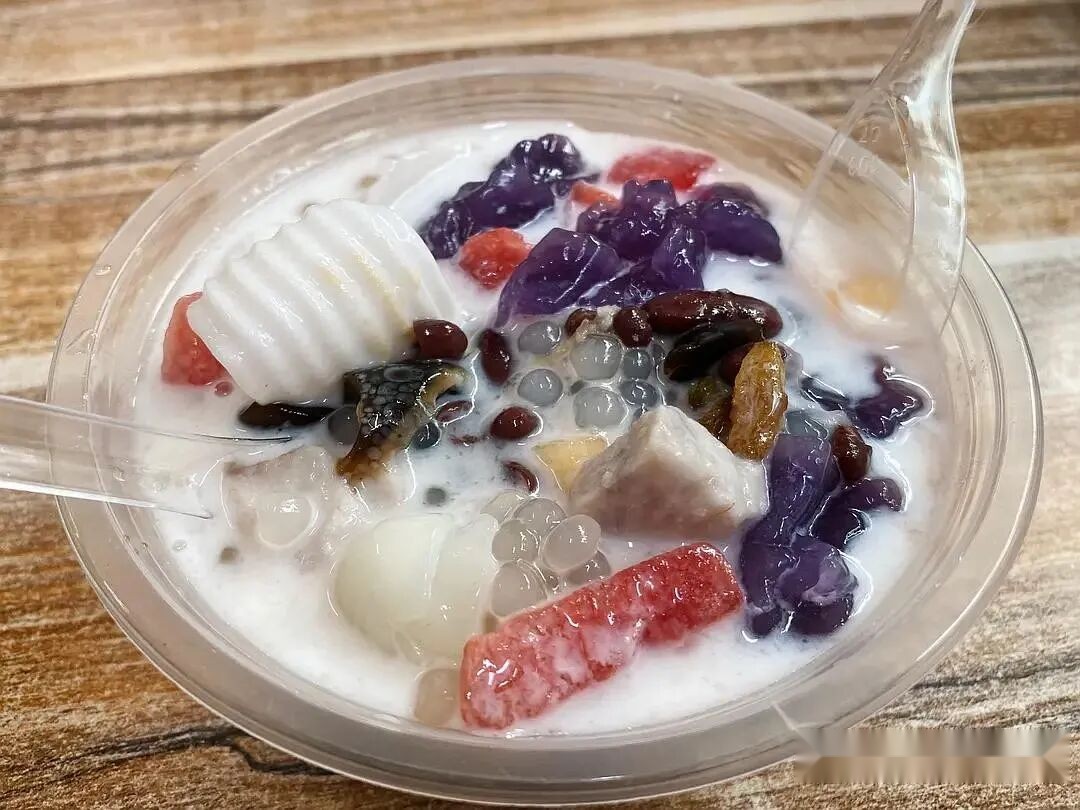
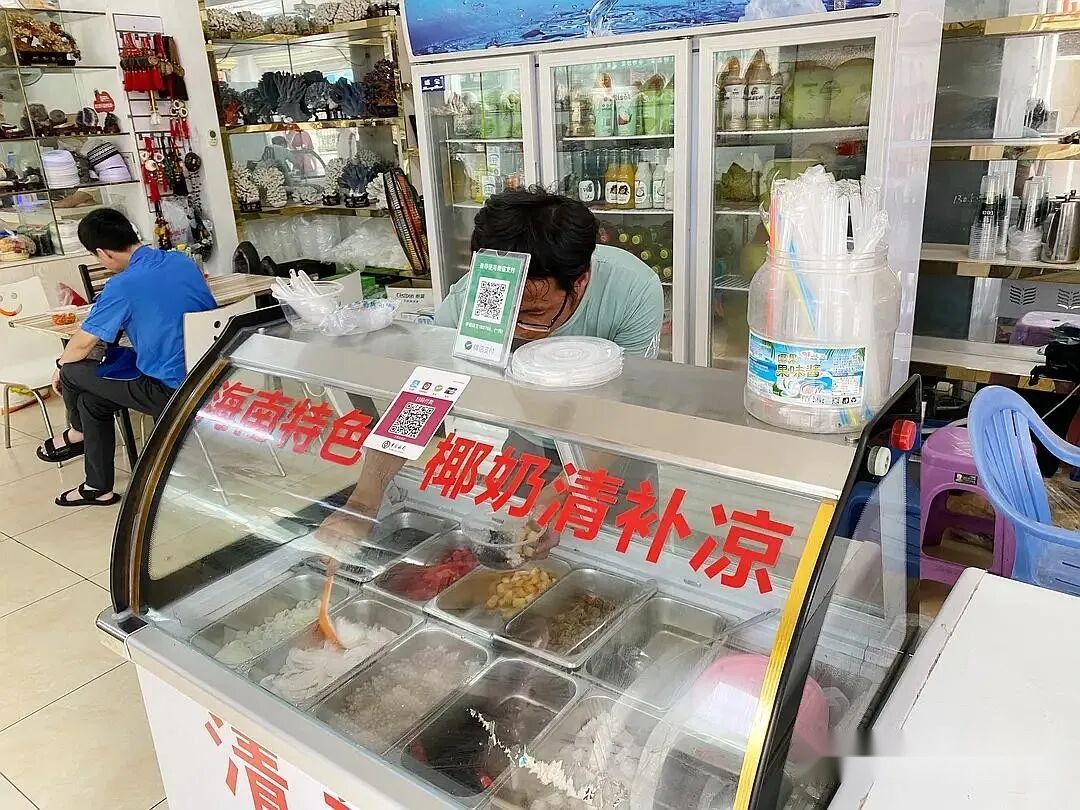
After wandering through the night market, we headed back to Huixin Village (Huixin Muslim Village) for a bowl of qingbuling (Hainan refreshing herbal dessert). Every single spot in Sanya makes qingbuling a little differently, so you really have to try them all to figure out which style you like best.

Still craving a little more adventure, we hopped on an electric scooter for another night ride.

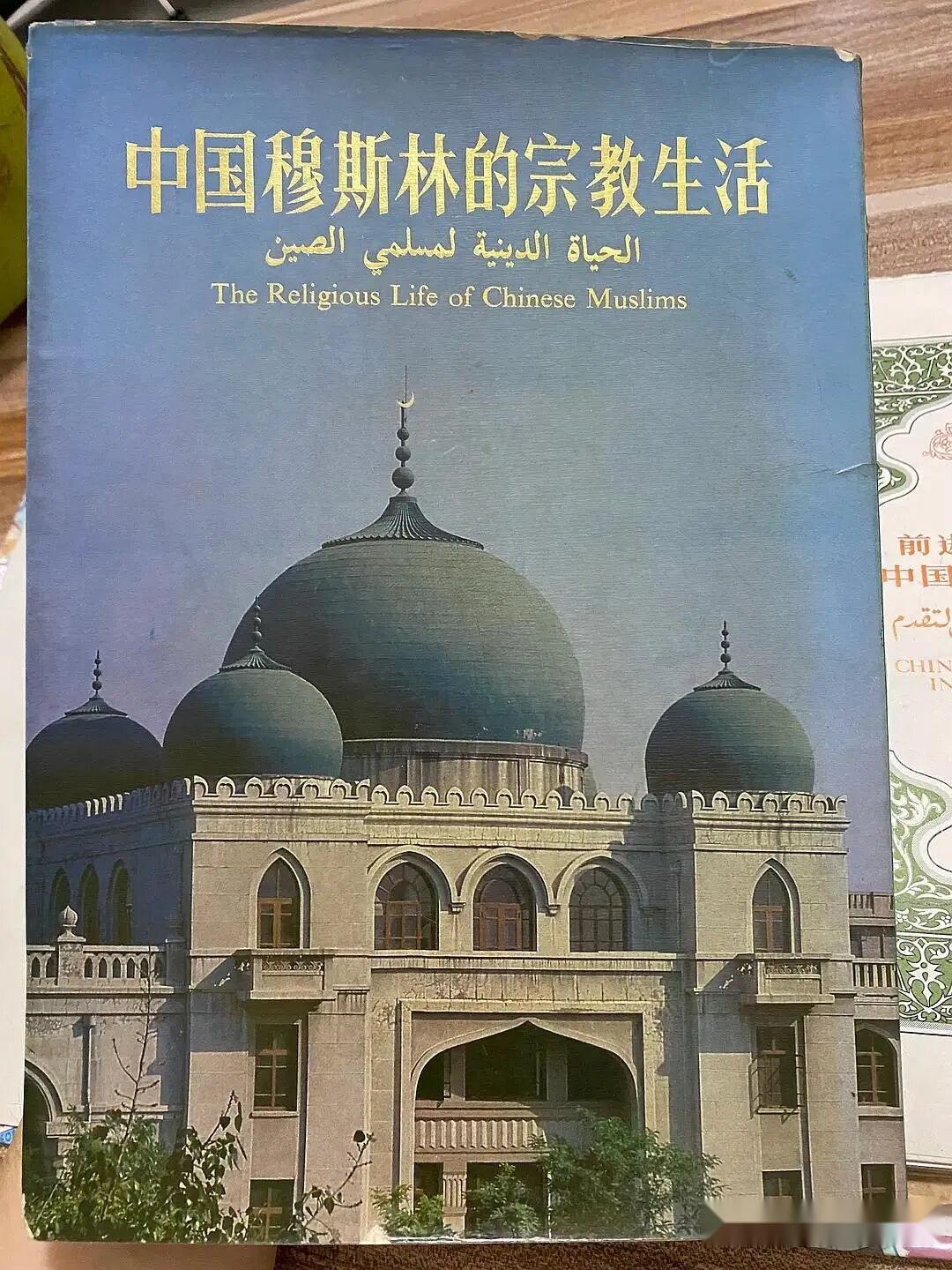
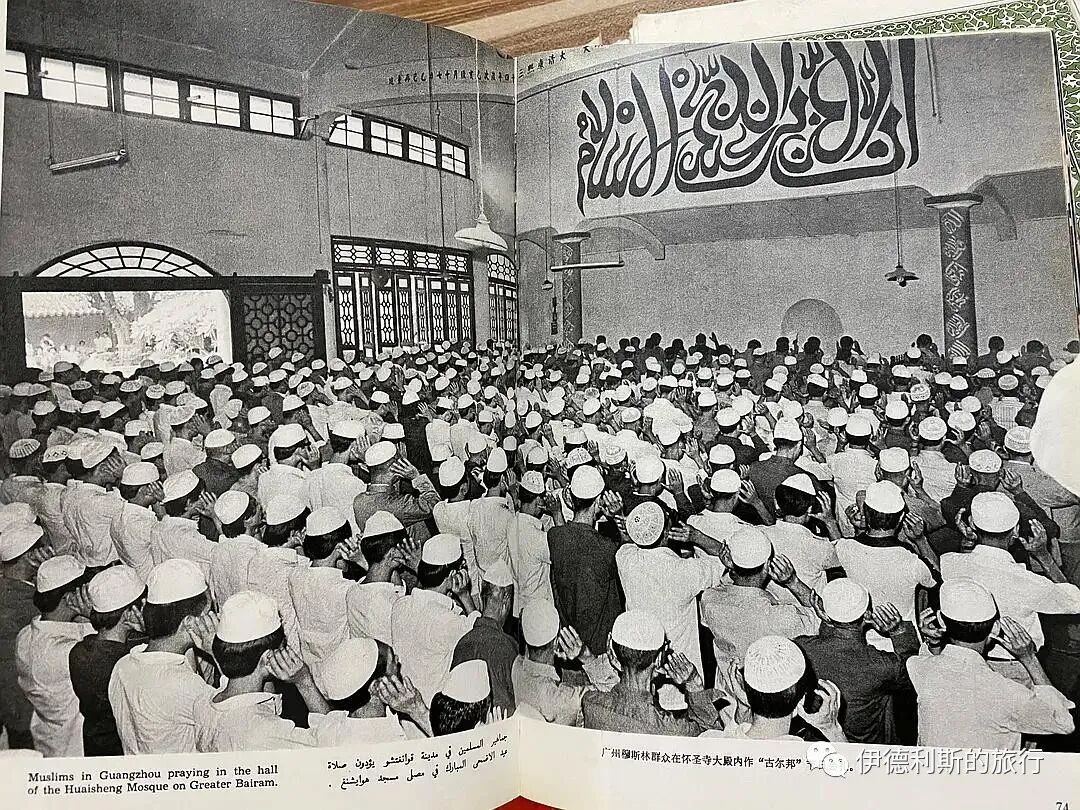
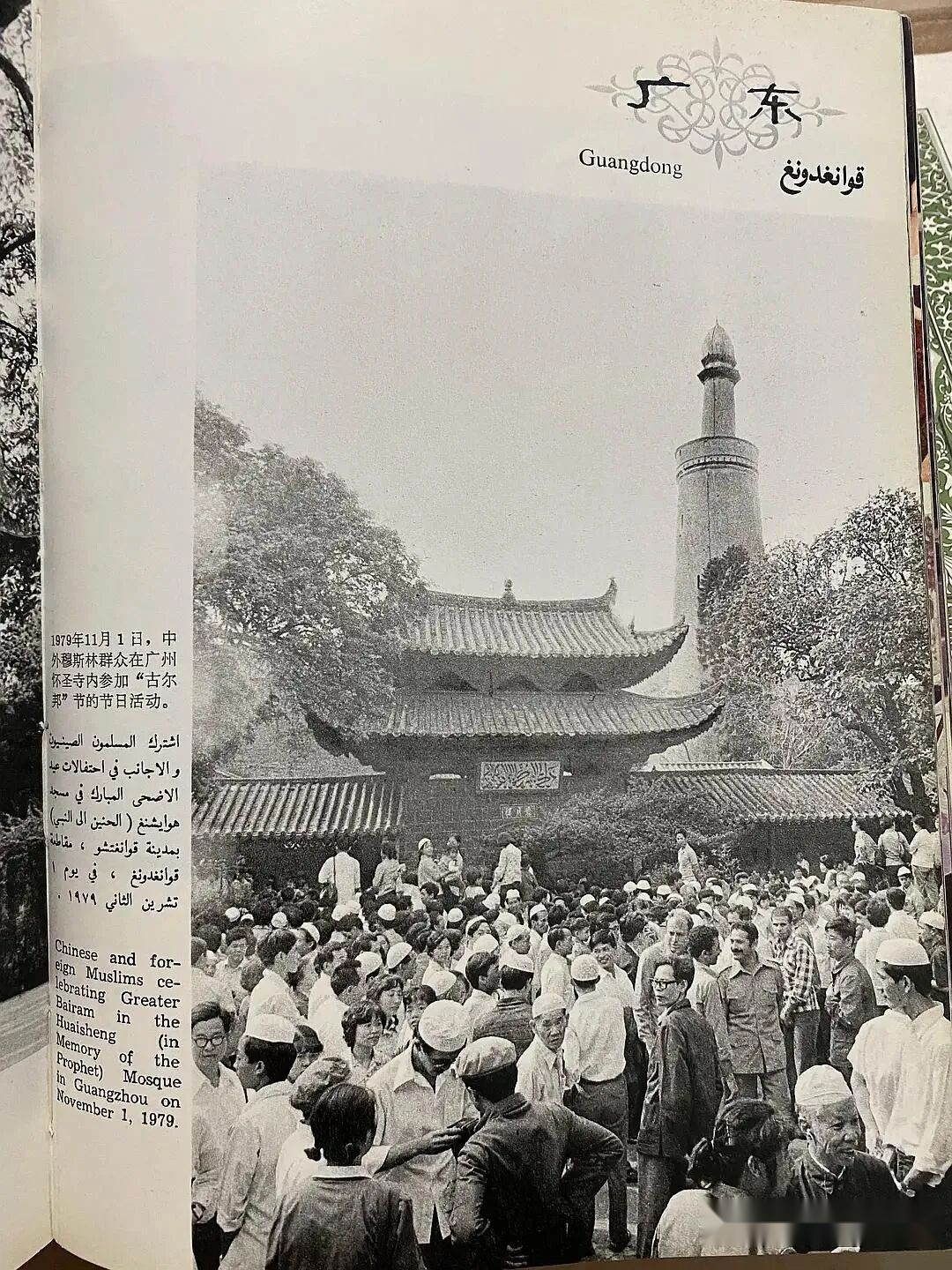
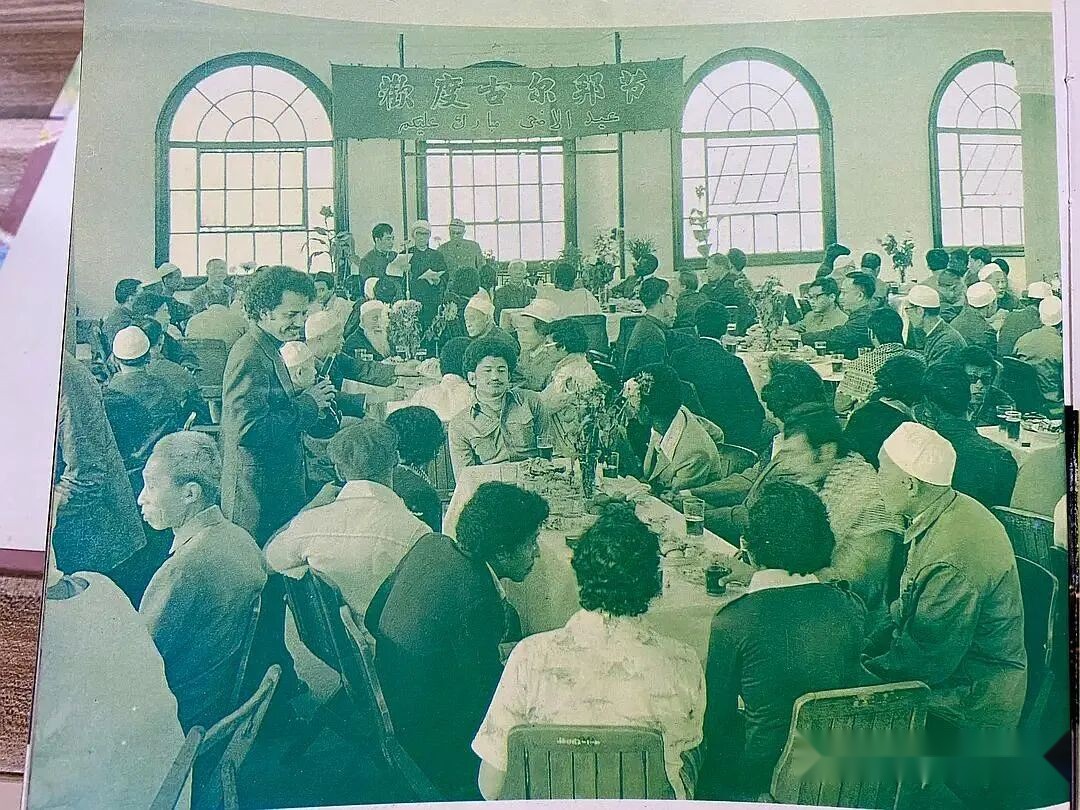
Back at the place, I started flipping through some old books Muning had collected, including one featuring Eid al-Adha back in 1979.

August 1st

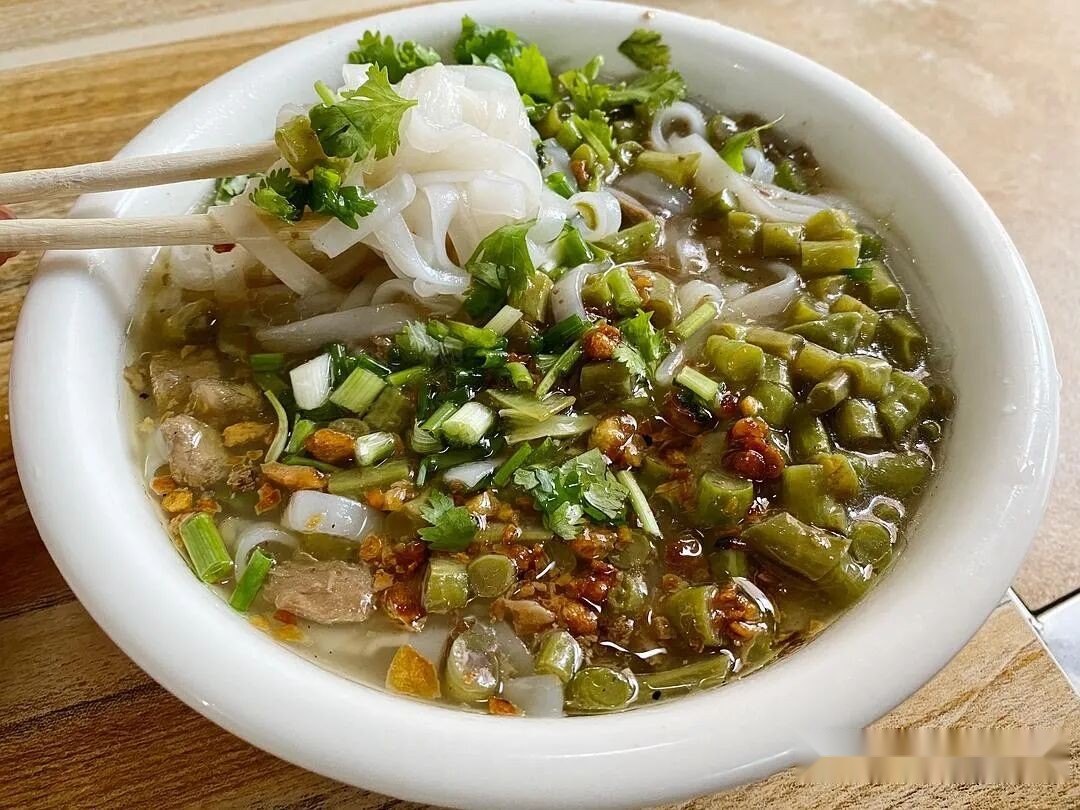
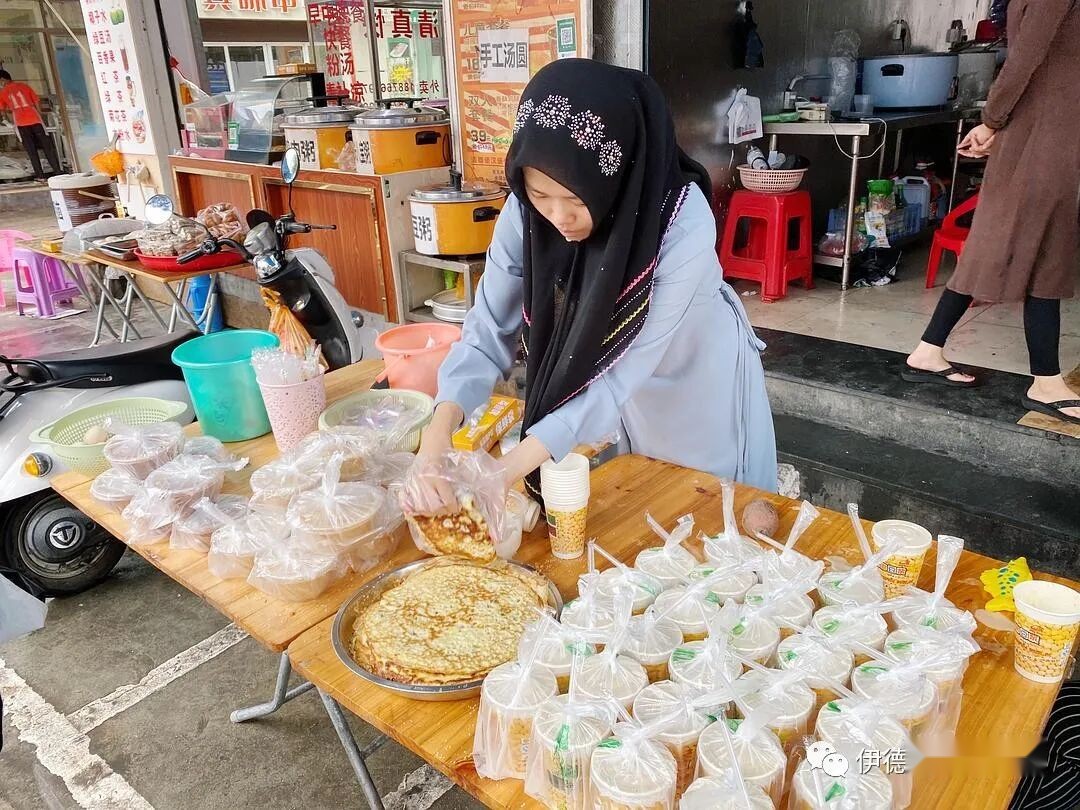
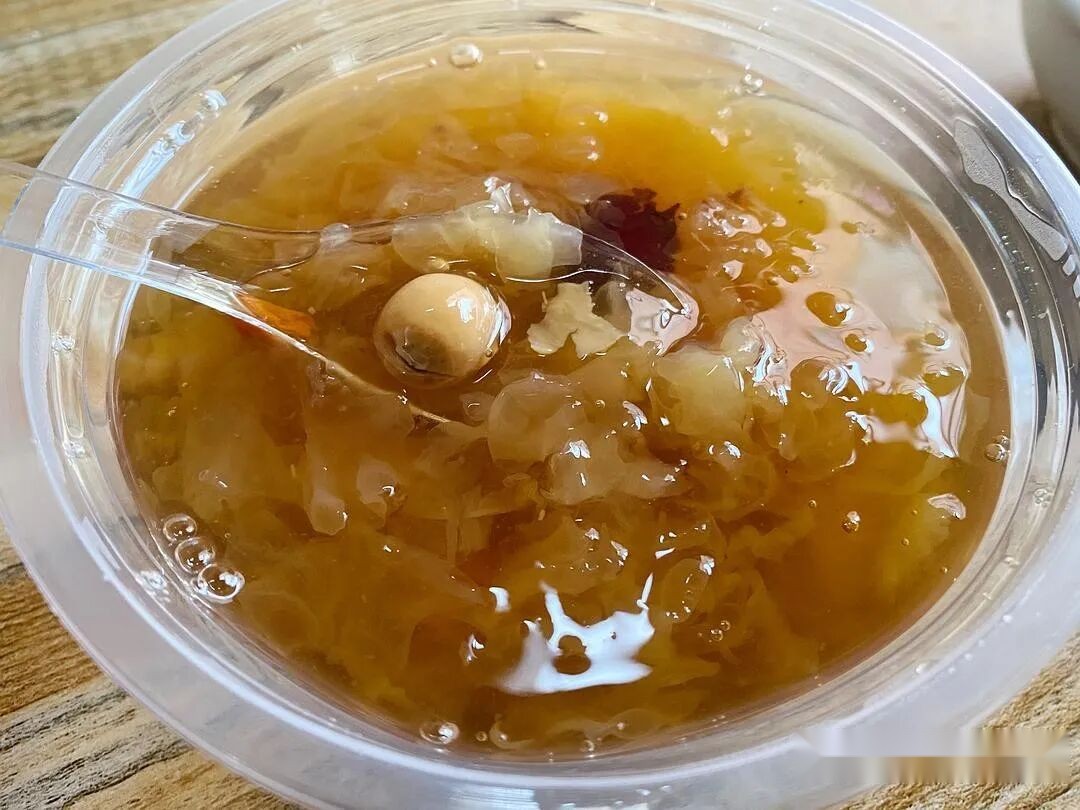
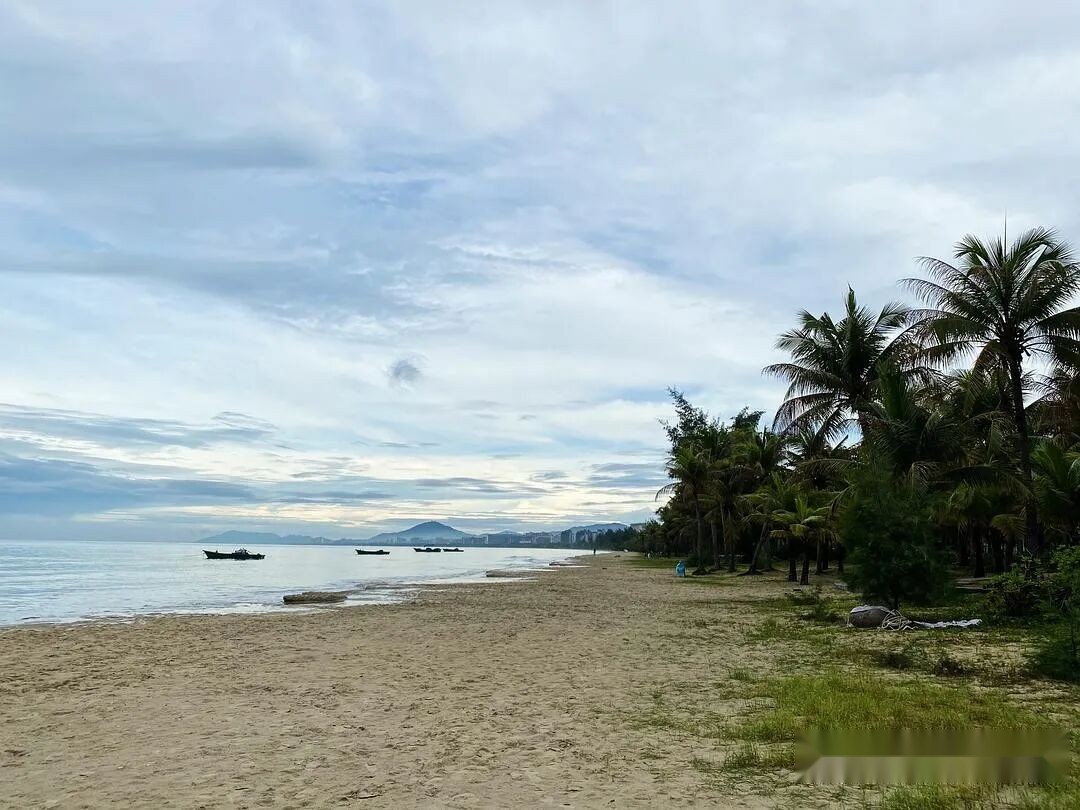
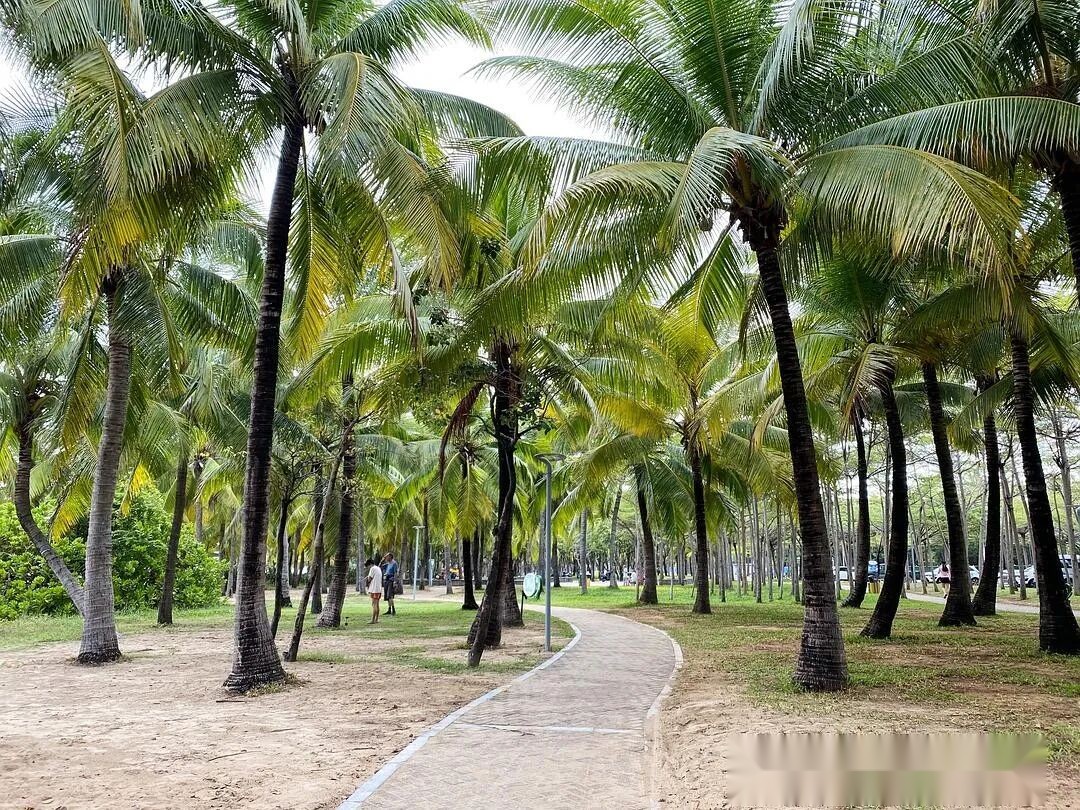
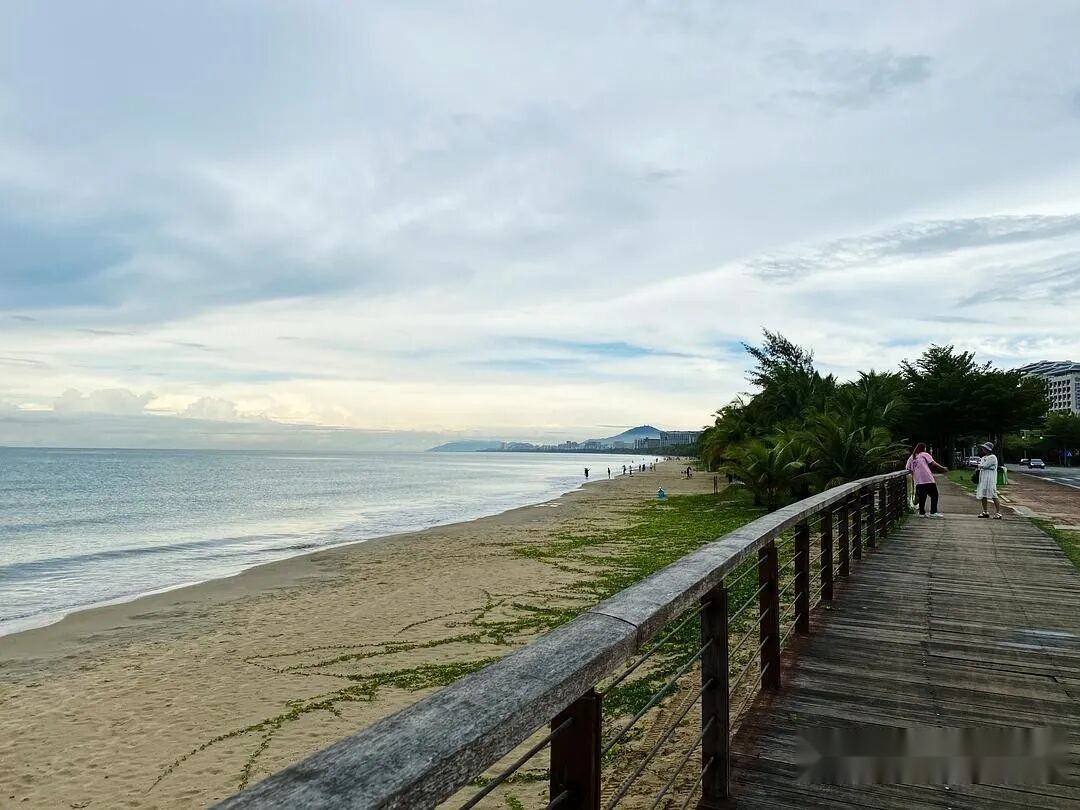
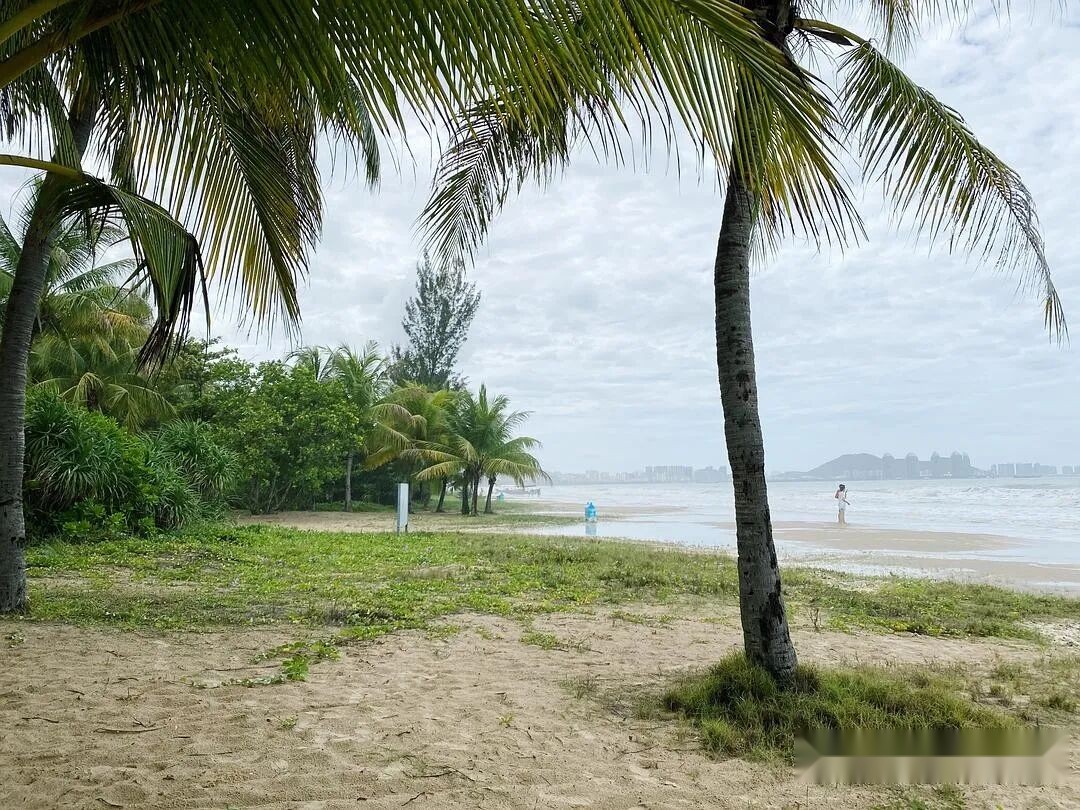
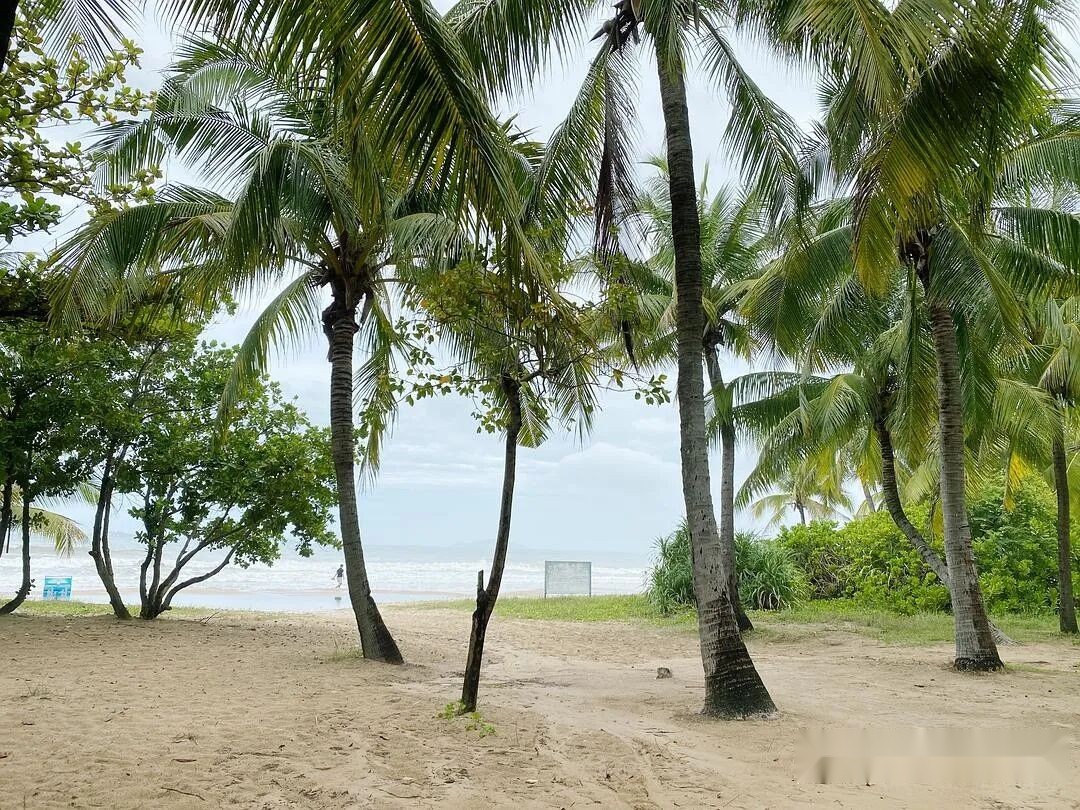
Woke up early to grab some niurou fen (Hainan beef rice noodles) made by the Utsul Muslims in Huixin Village (Huixin Muslim Village), then picked up some white fungus and lotus seed porridge and chicken porridge at the South Mosque gates to sip down by the beach. Afterward, we took a lazy stroll through the coconut grove along the shore.
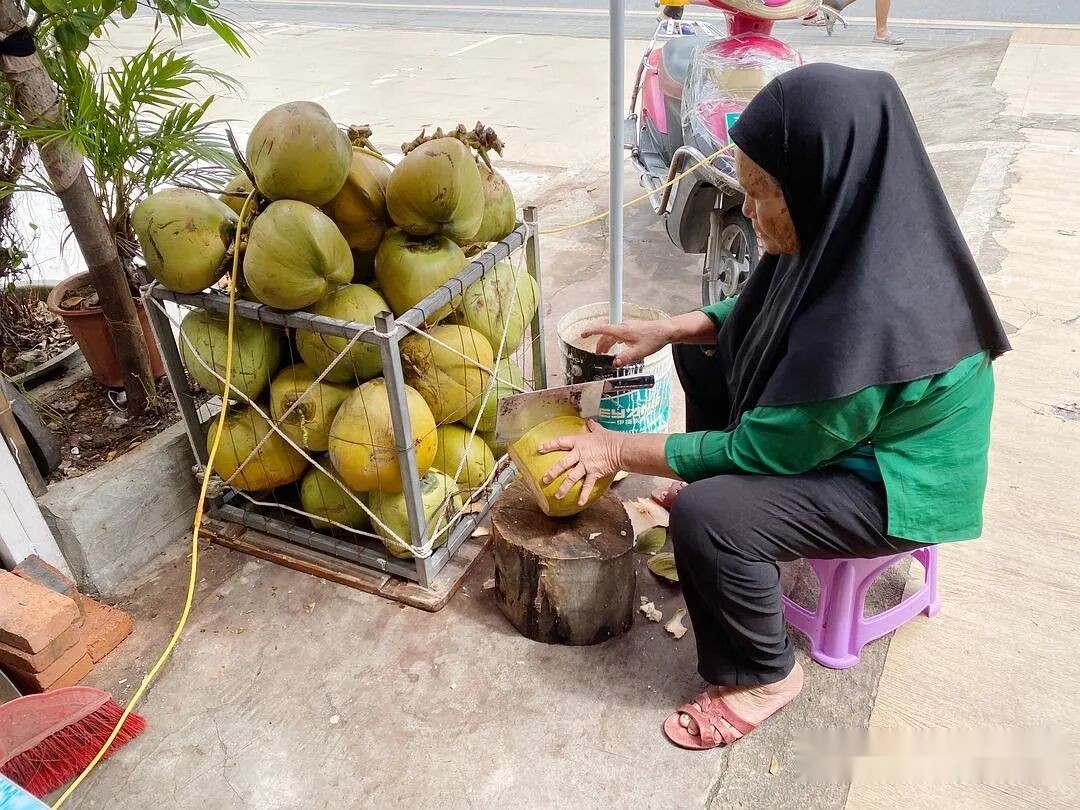
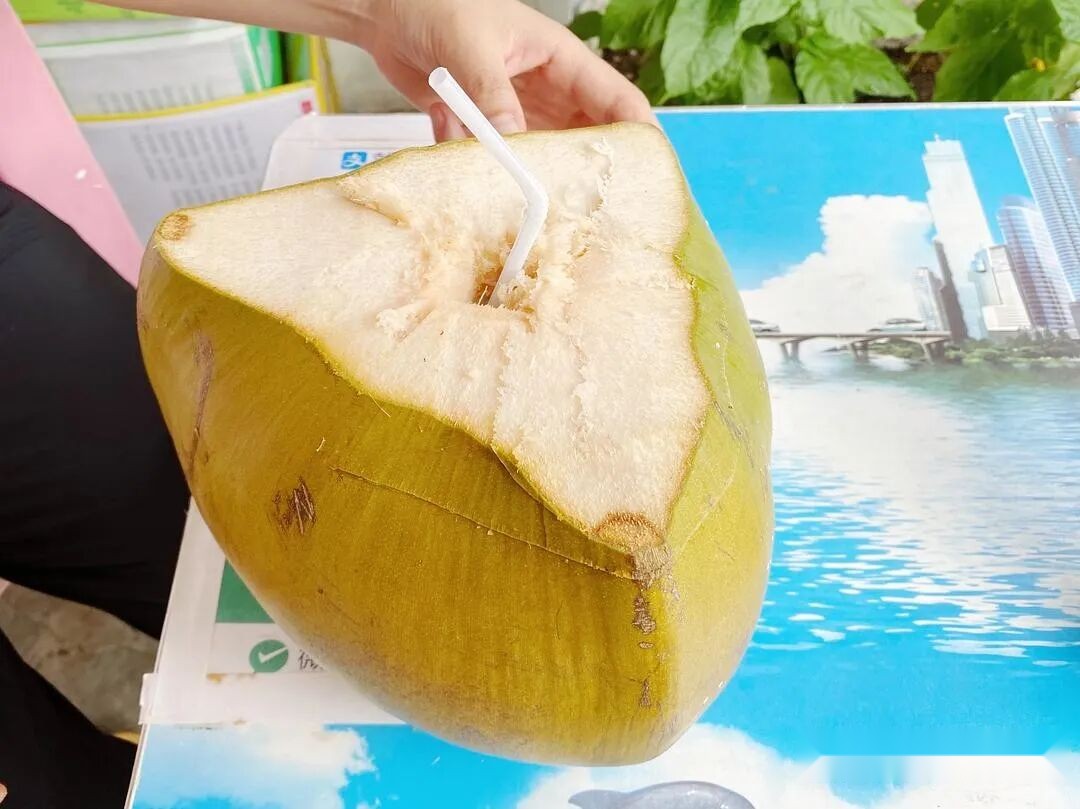
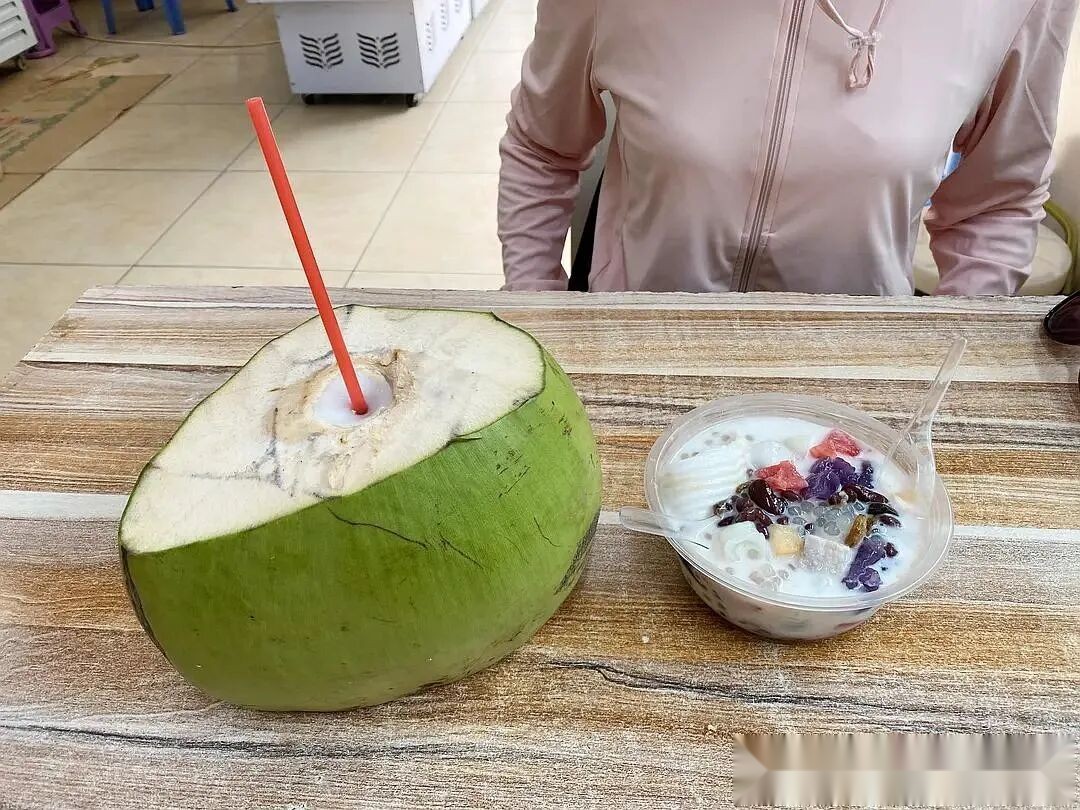
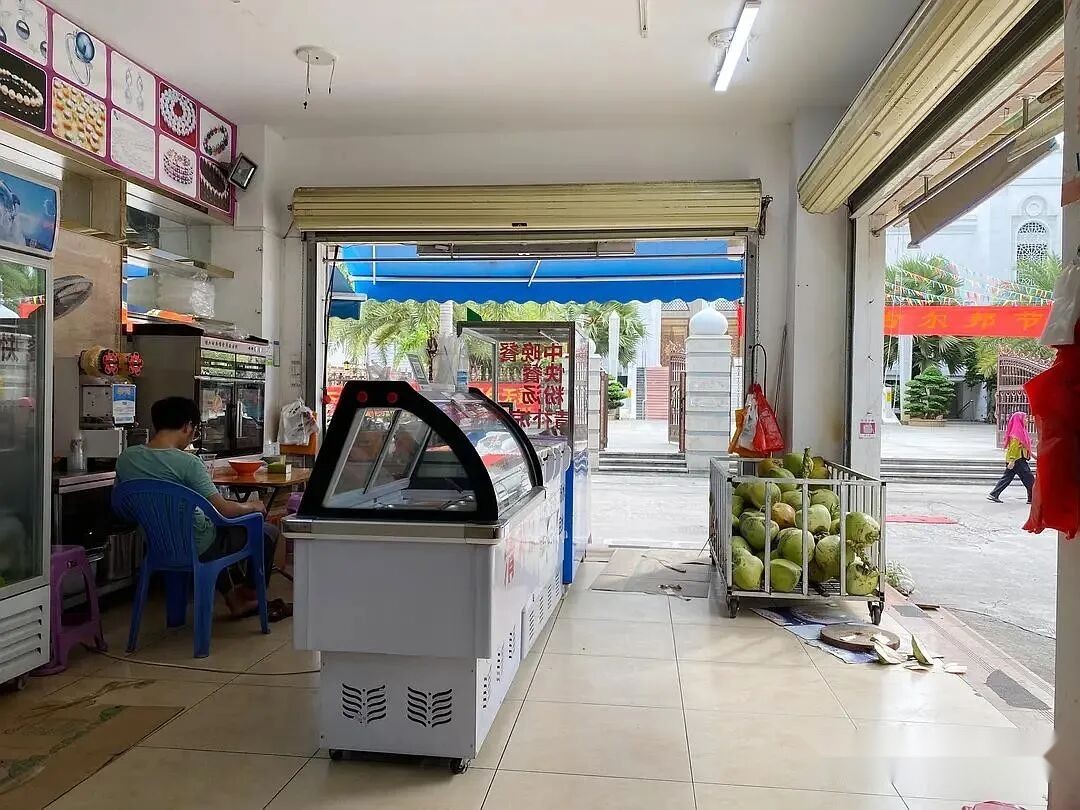
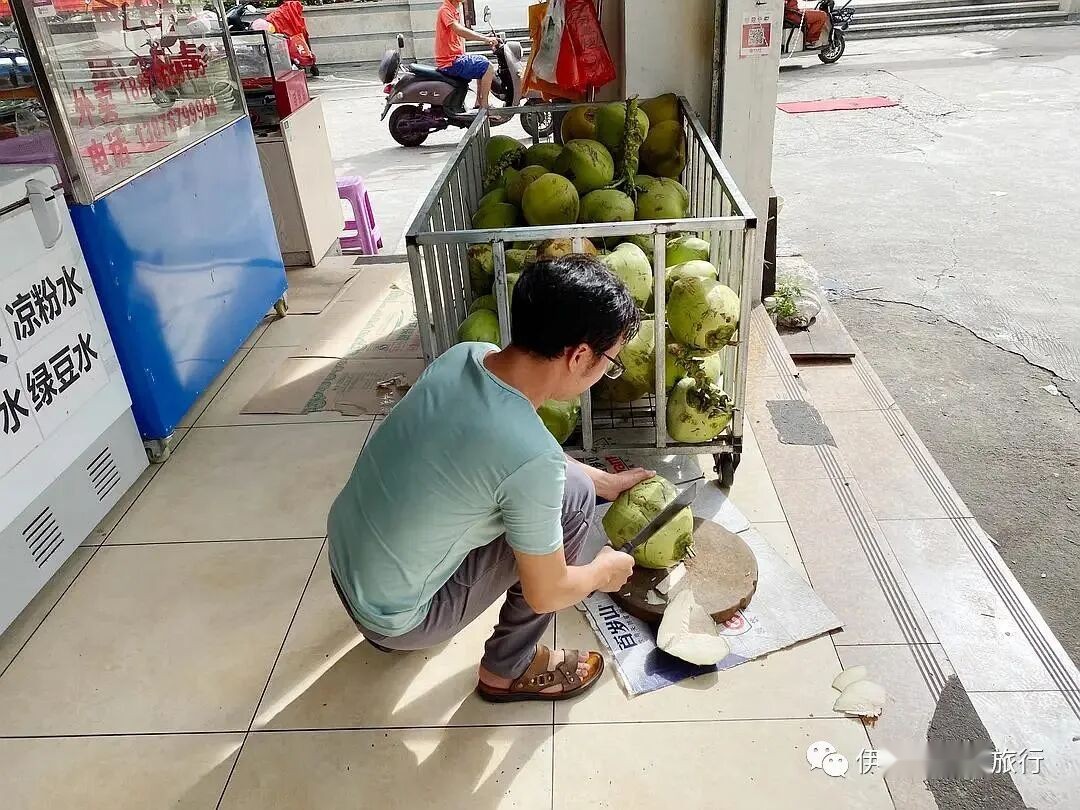
After walking by the beach, we headed over to Huihui Village (Huihui Muslim Village) to sip on some fresh coconut water.
A lazy summer afternoon in Huixin Village (Huixin Muslim Village)—a fresh coconut and a bowl of qingbuling (Hainan refreshing herbal dessert). Could it get any more chill?

Time to kick back and take a break.
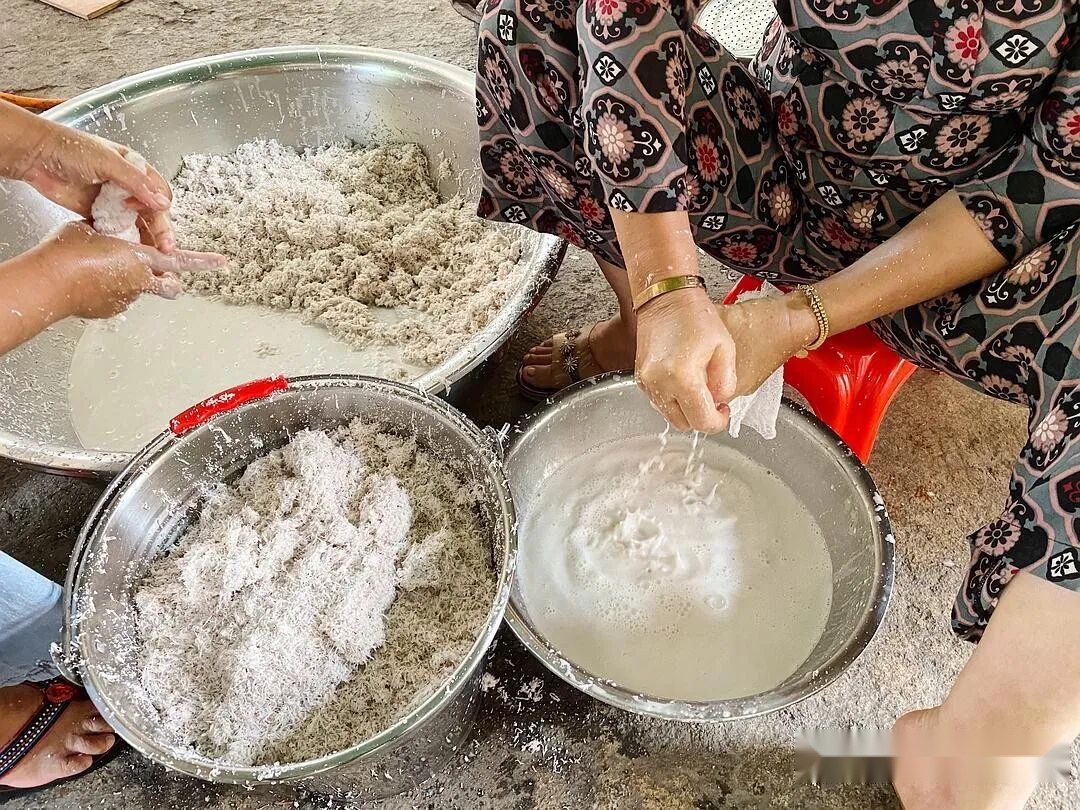
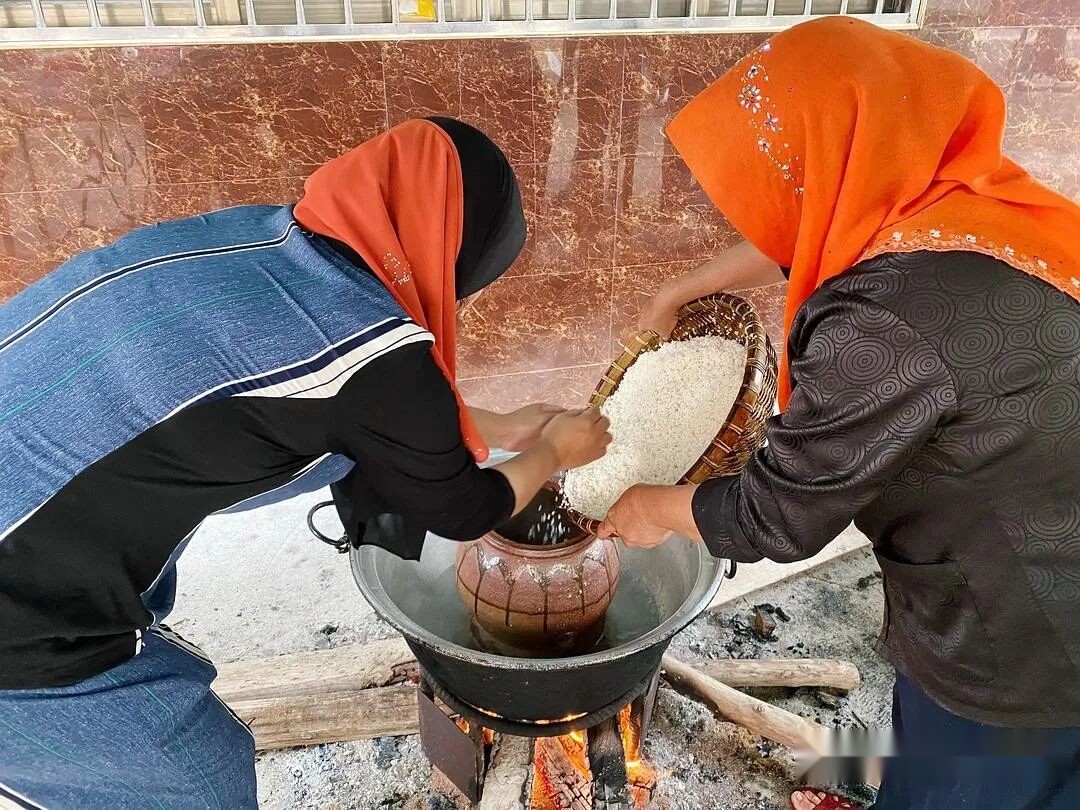
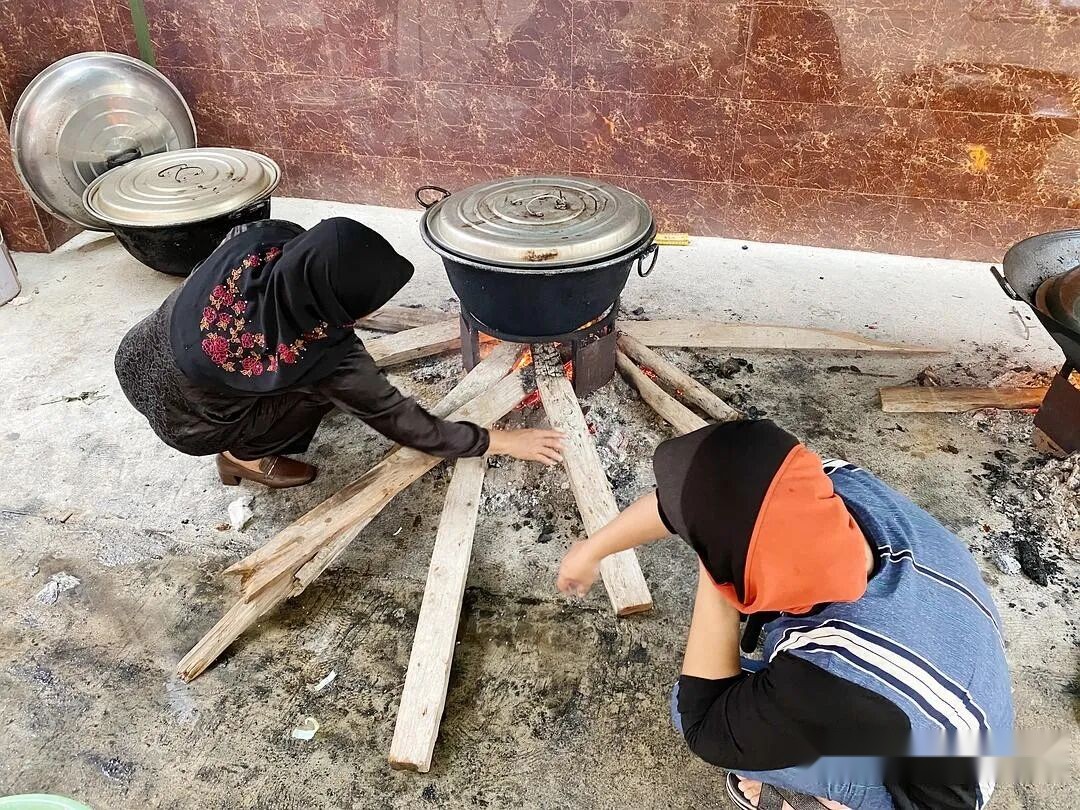
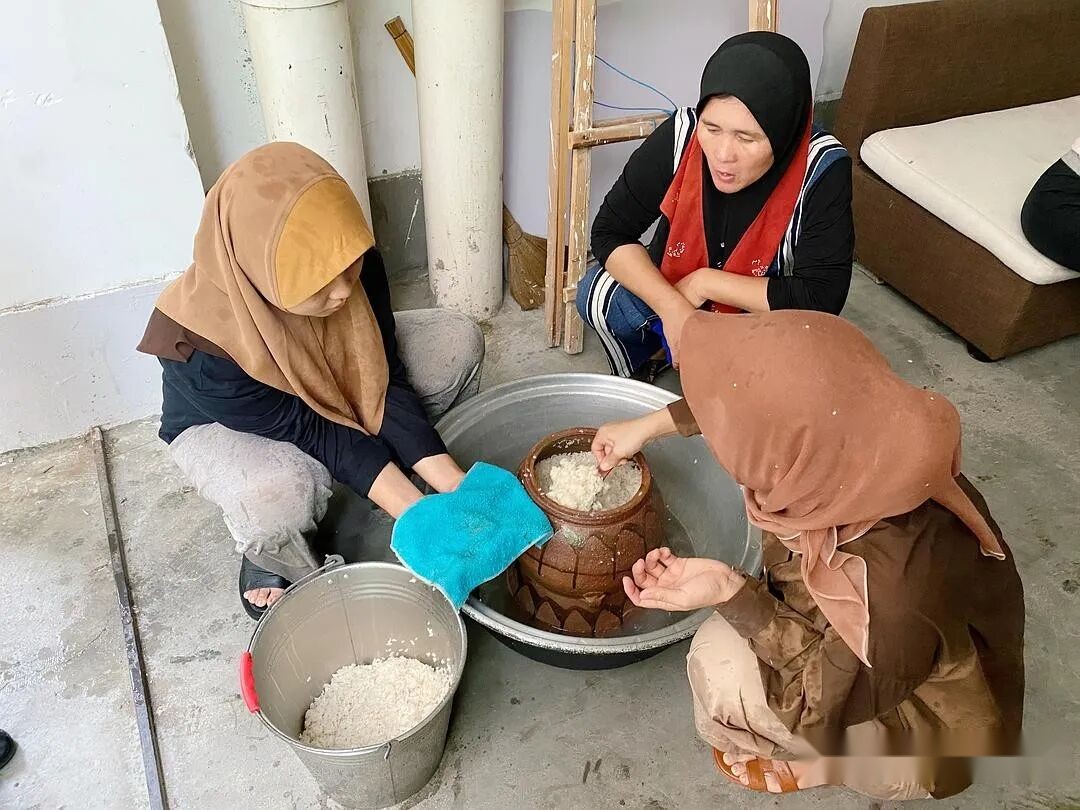
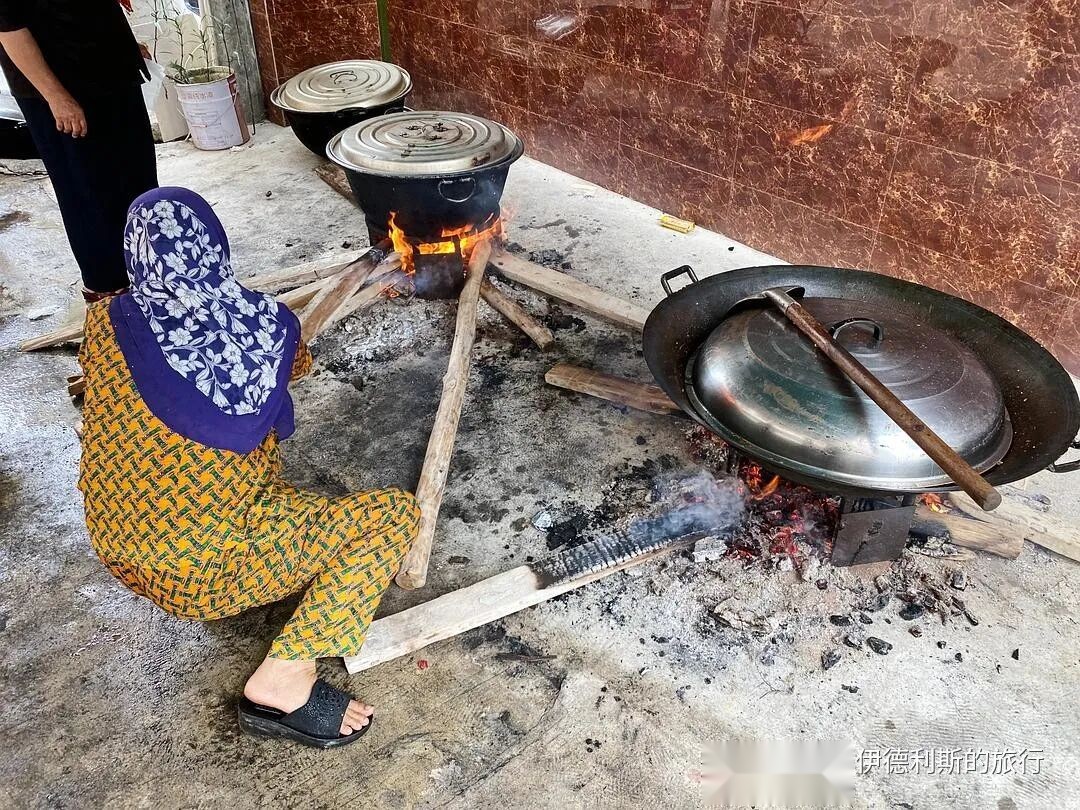
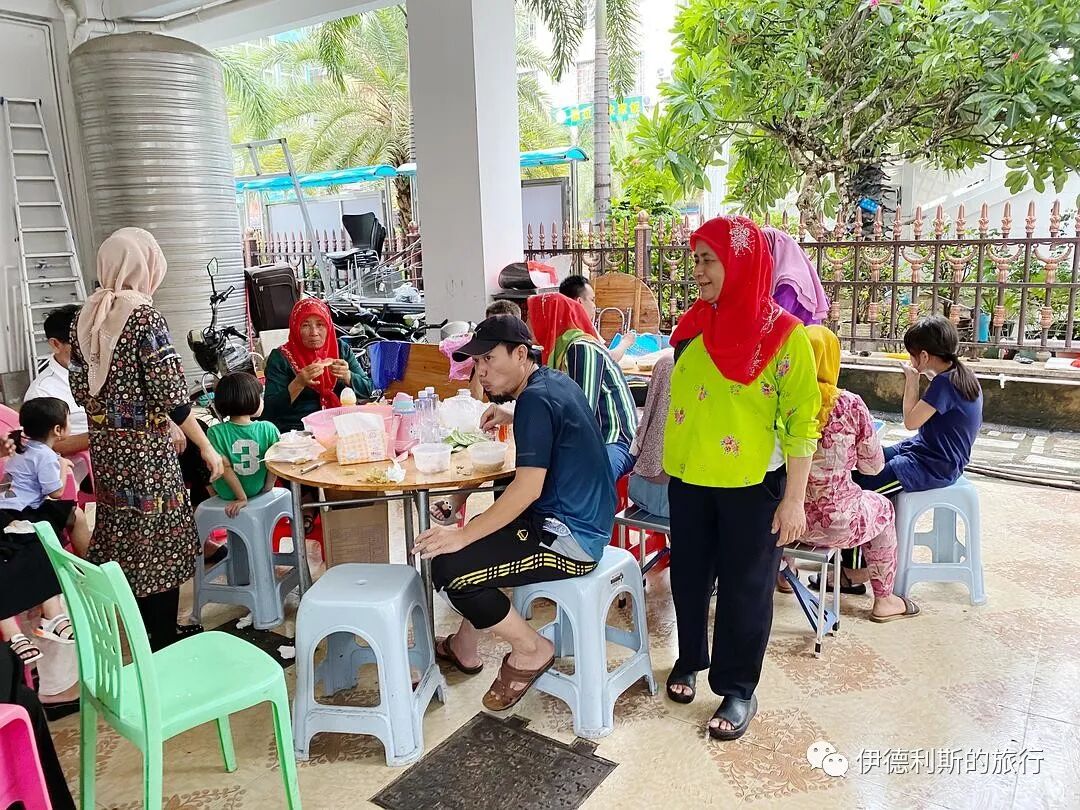
In the afternoon, we headed back to the spot in Zhongzhuangyuan where they were throwing a banquet, watching the Utsul Muslims whip up traditional coconut rice.
They start with old coconuts that have thick meat, grating all of it into fine shreds, then use cheesecloth to press out all the rich coconut oil.
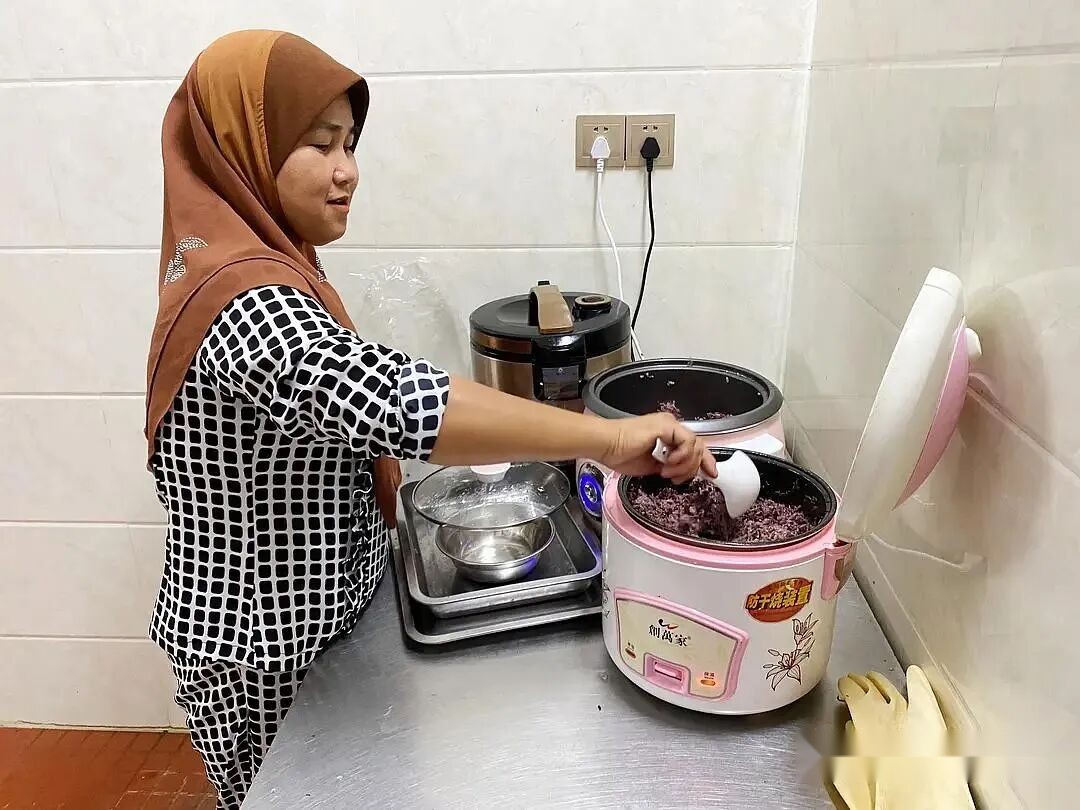
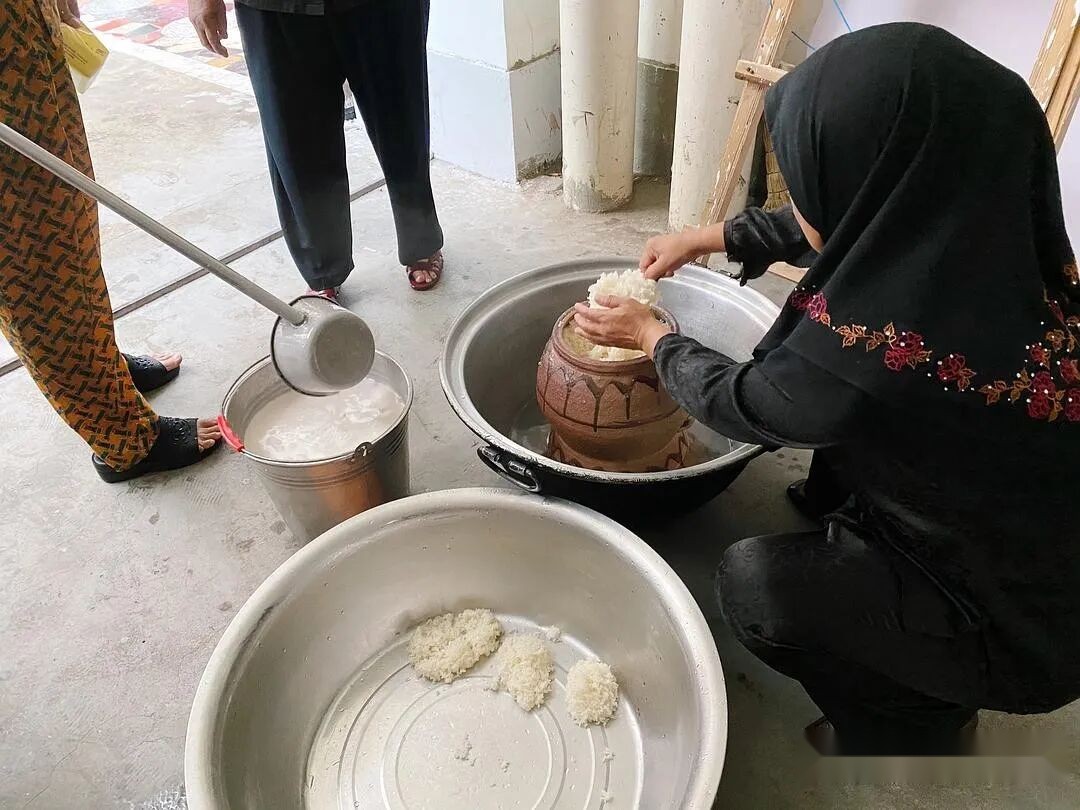
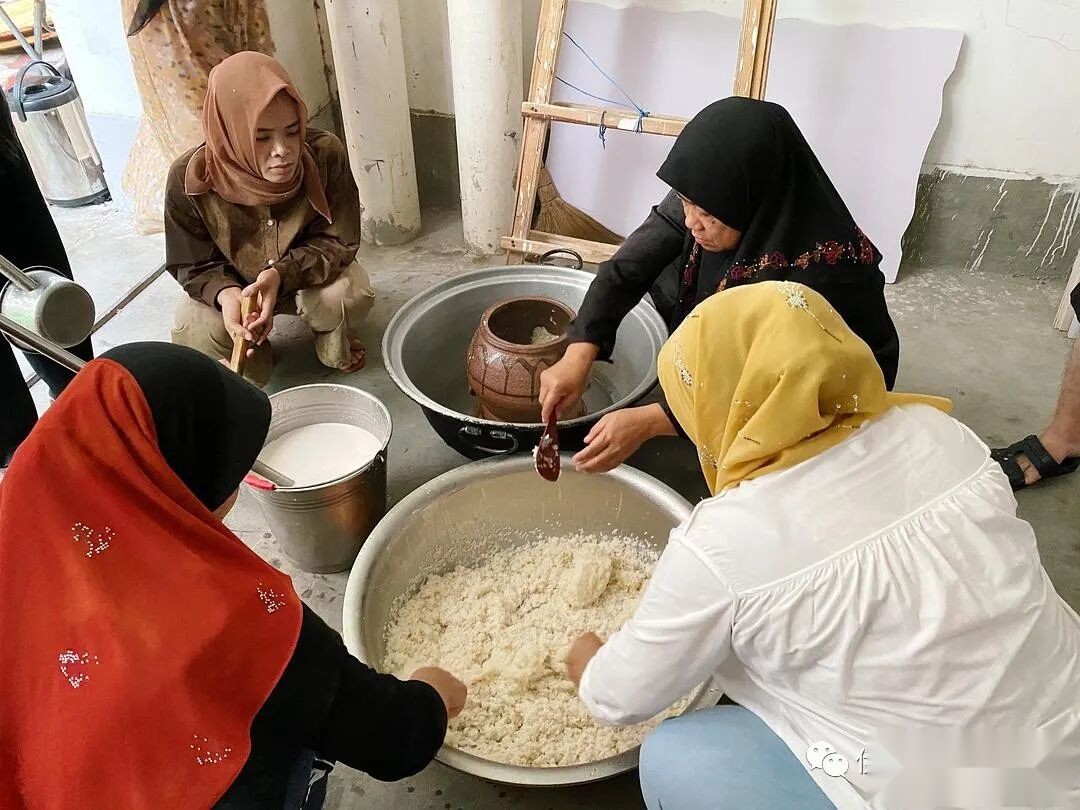
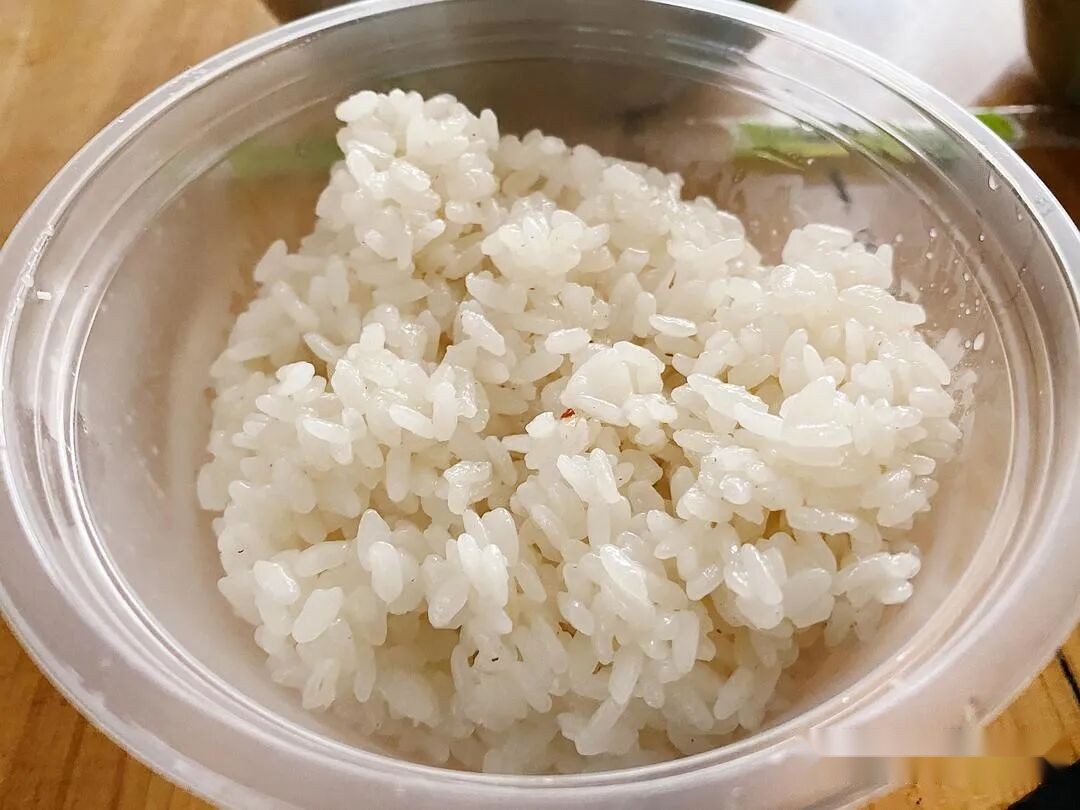
For steaming the rice, they use a traditional Li ethnic pottery steamer called a taozeng. Once the rice is steamed, they thoroughly mix the coconut milk and rice together. At this stage, the coconut rice is super chewy and has a great bite.
Then, they pop the blended coconut rice back into the pottery steamer for a second round. This time around, the rice comes out way softer and stickier, and the coconut milk and rice melt completely into one another.
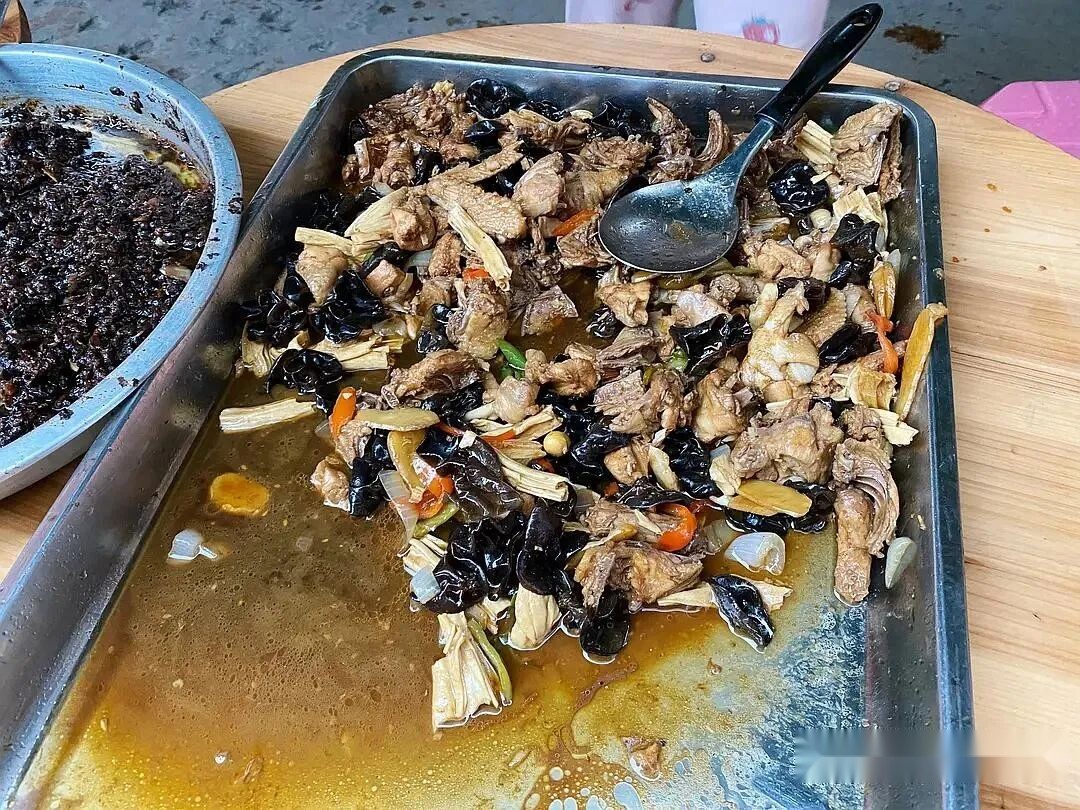
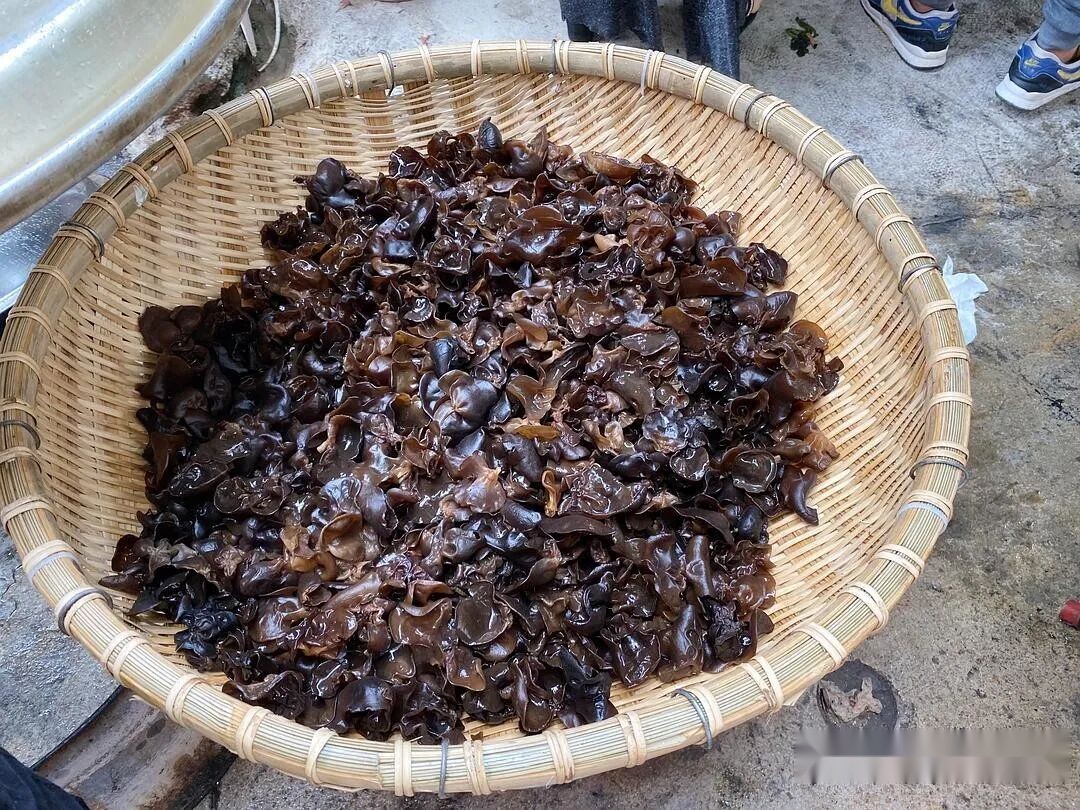
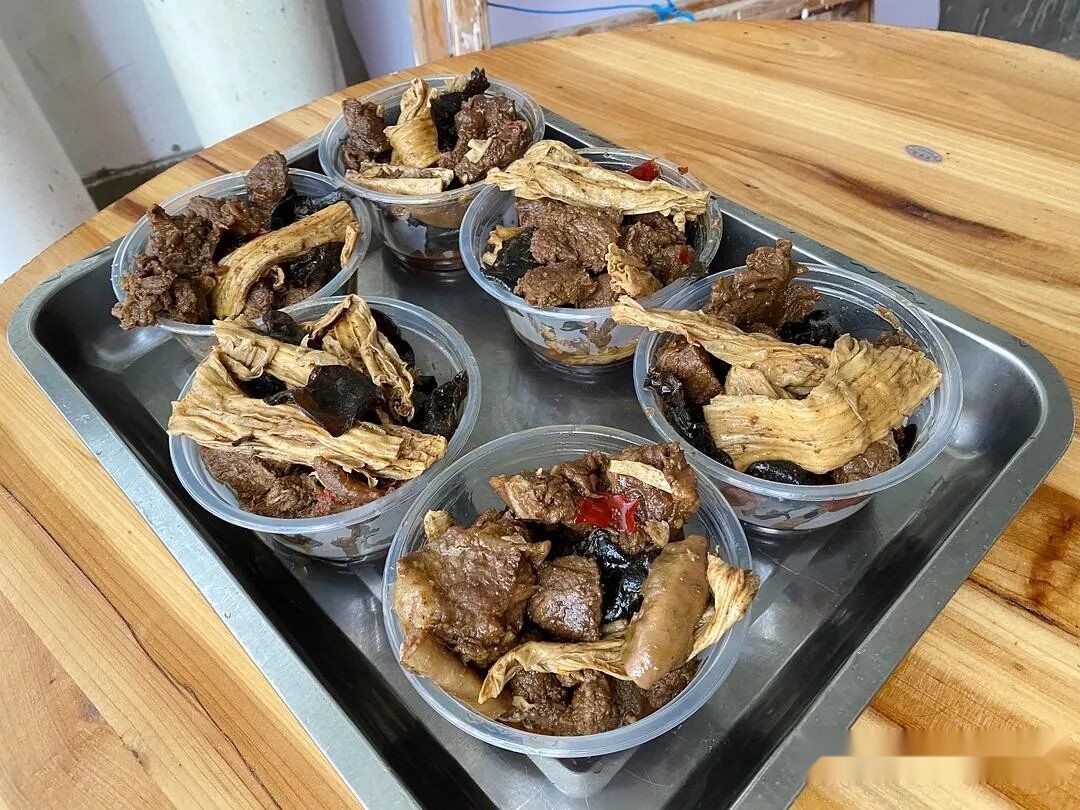
They used beef from the cow sacrificed the day before for Eid al-Adha. First, they stew the beef, then toss in wood ear mushrooms and dried bean curd sticks—a total classic main dish for Utsul Muslim banquets.
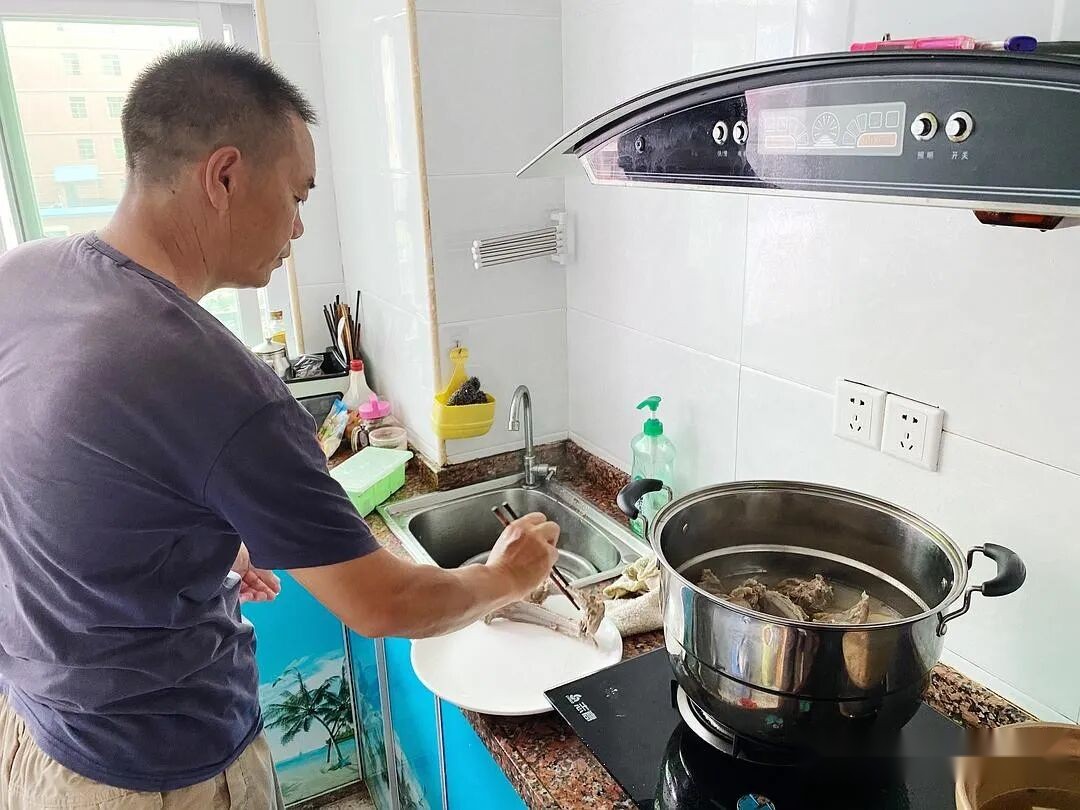
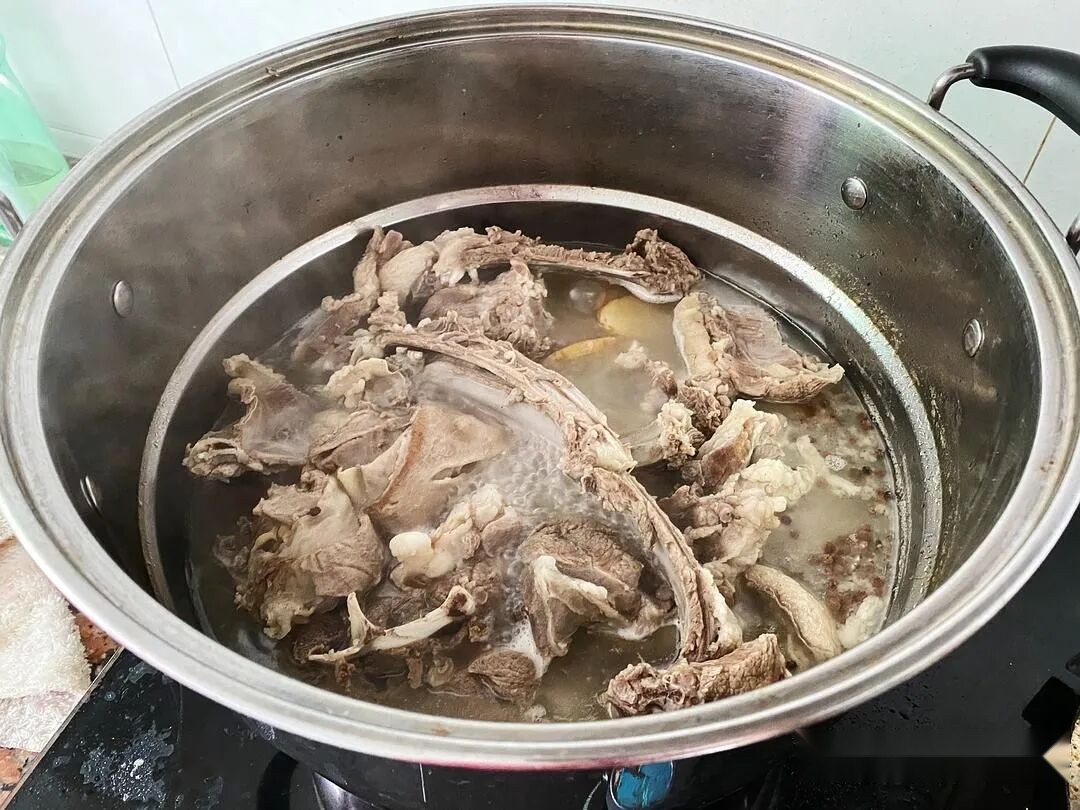
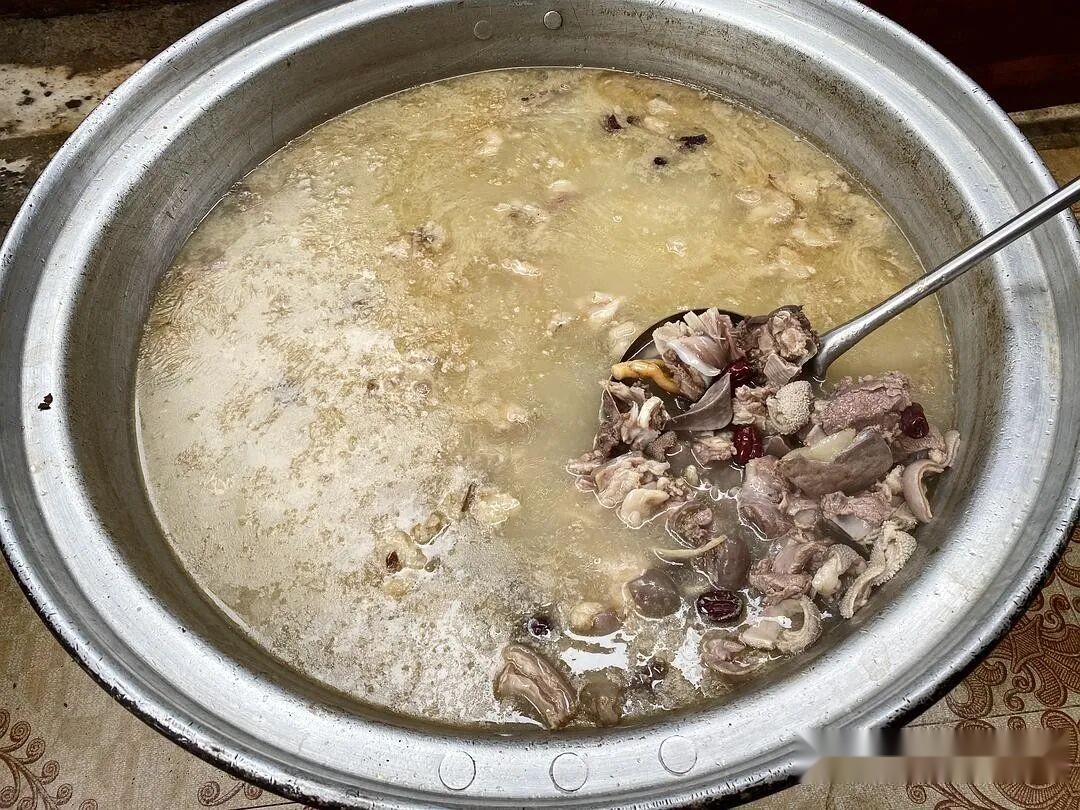
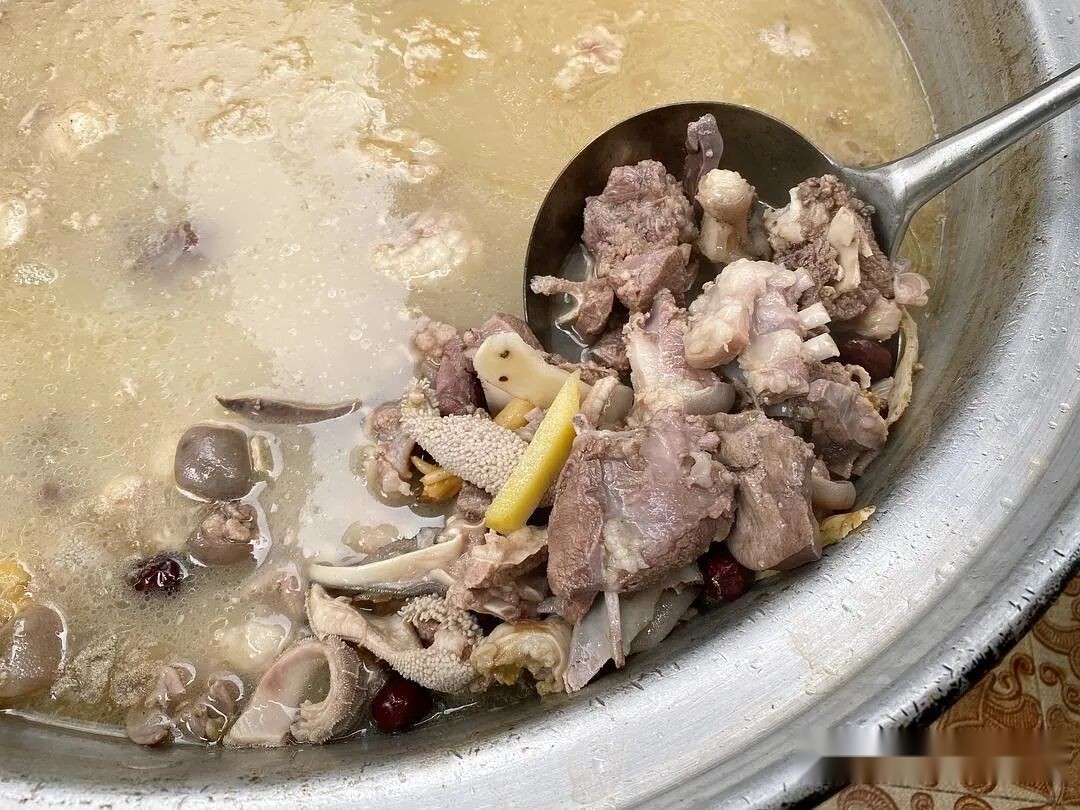
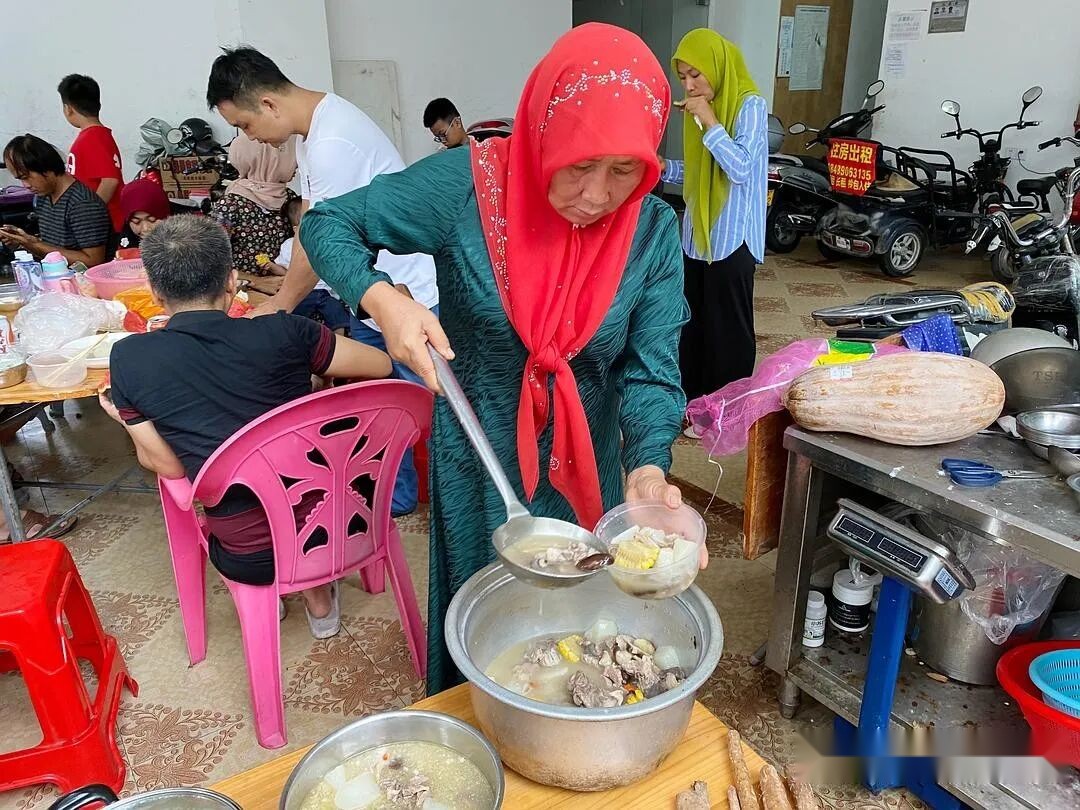
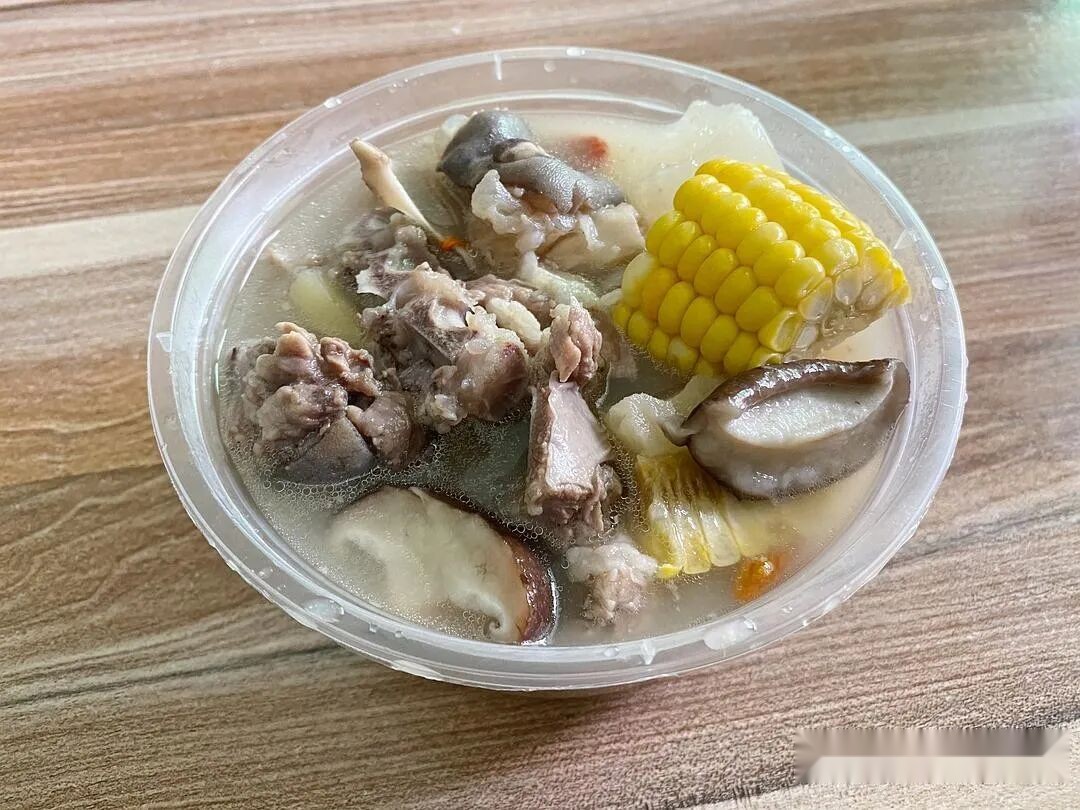
Our downstairs neighbors, a Utsul Muslim family, slaughtered a sheep yesterday, and today they were simmering up a pot of sheep offal soup. Sanya’s Utsul Muslims rarely eat mutton; basically, the only time they eat their own freshly slaughtered Dongshan mutton is during Eid al-Adha. When Utsul Muslims slaughter a sheep, they scrape the hair off the hide because they believe sheepskin-on mutton is where the best flavor is at.
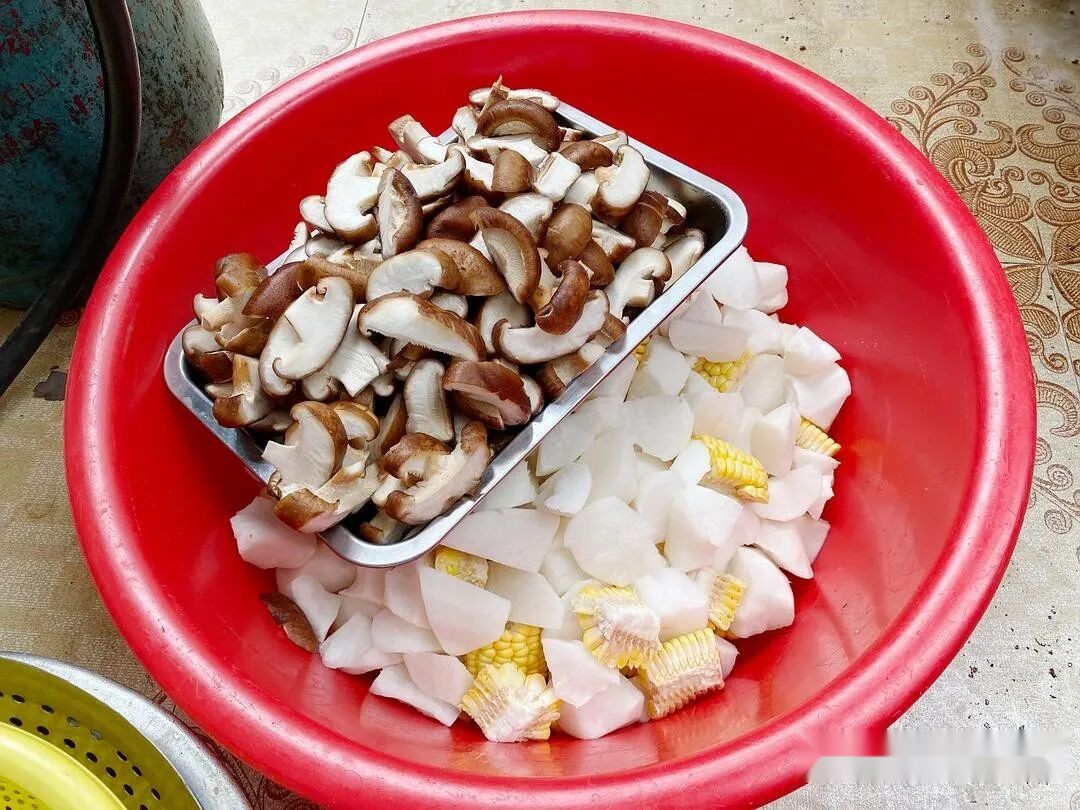
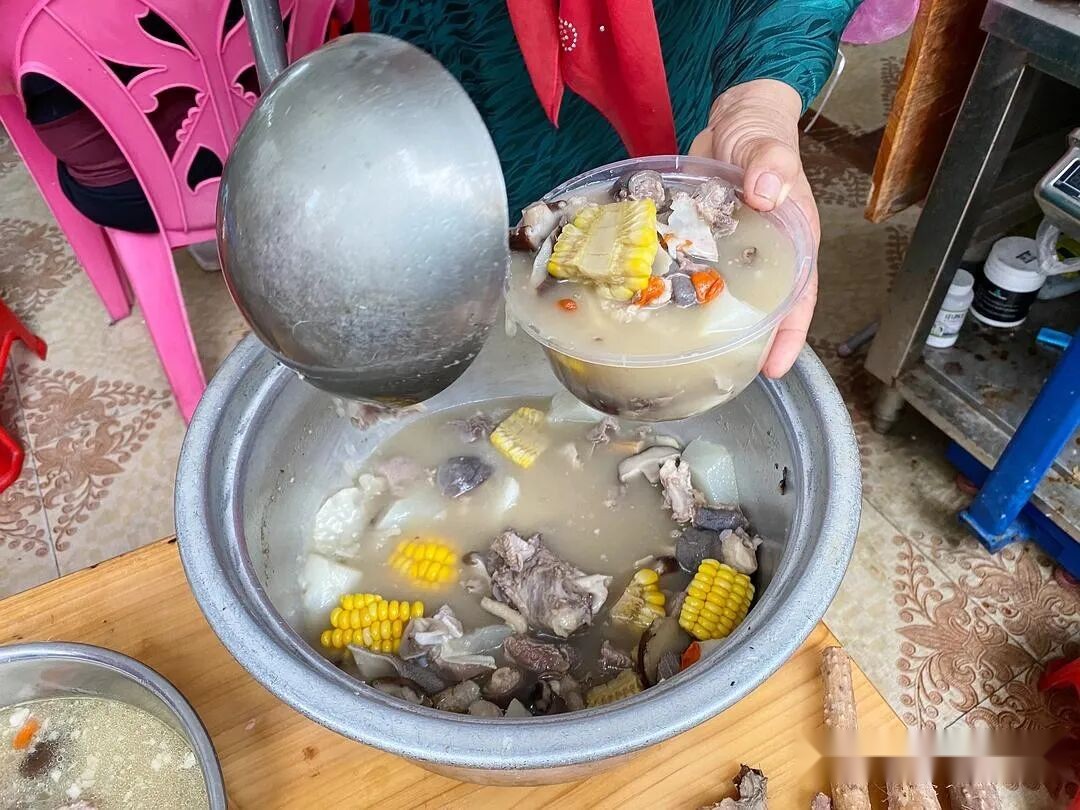
When they stew the offal, they toss in the sheep's trotters too, letting it bubble away from early morning until afternoon while adding all kinds of spice blends. Finally, they drop in radishes, corn, and shiitake mushrooms. The flavor profile is totally different from Northern-style mutton soup—it's its own unique, addictive kind of delicious.
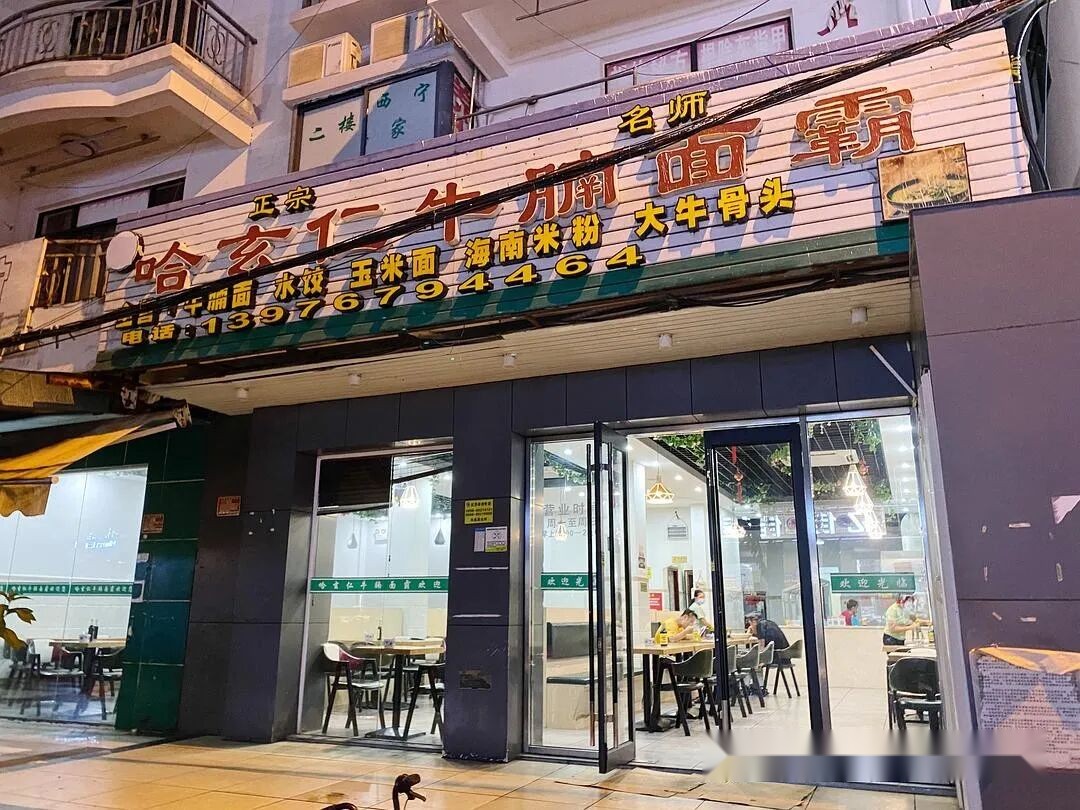
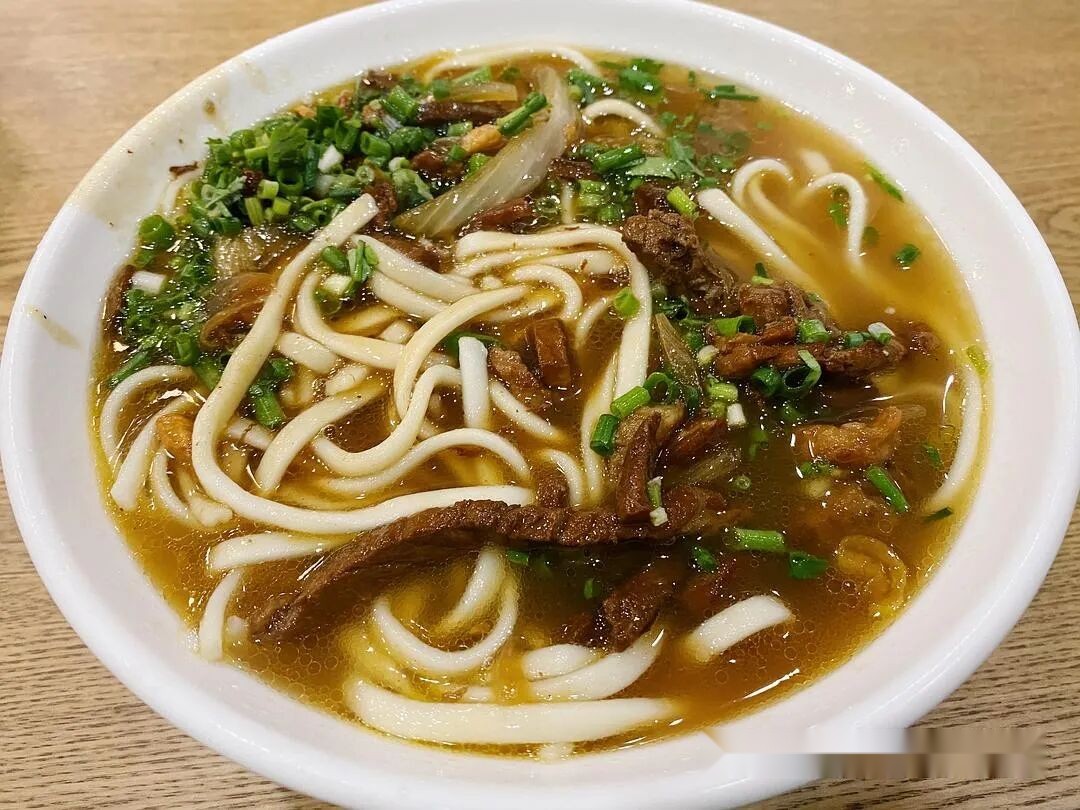
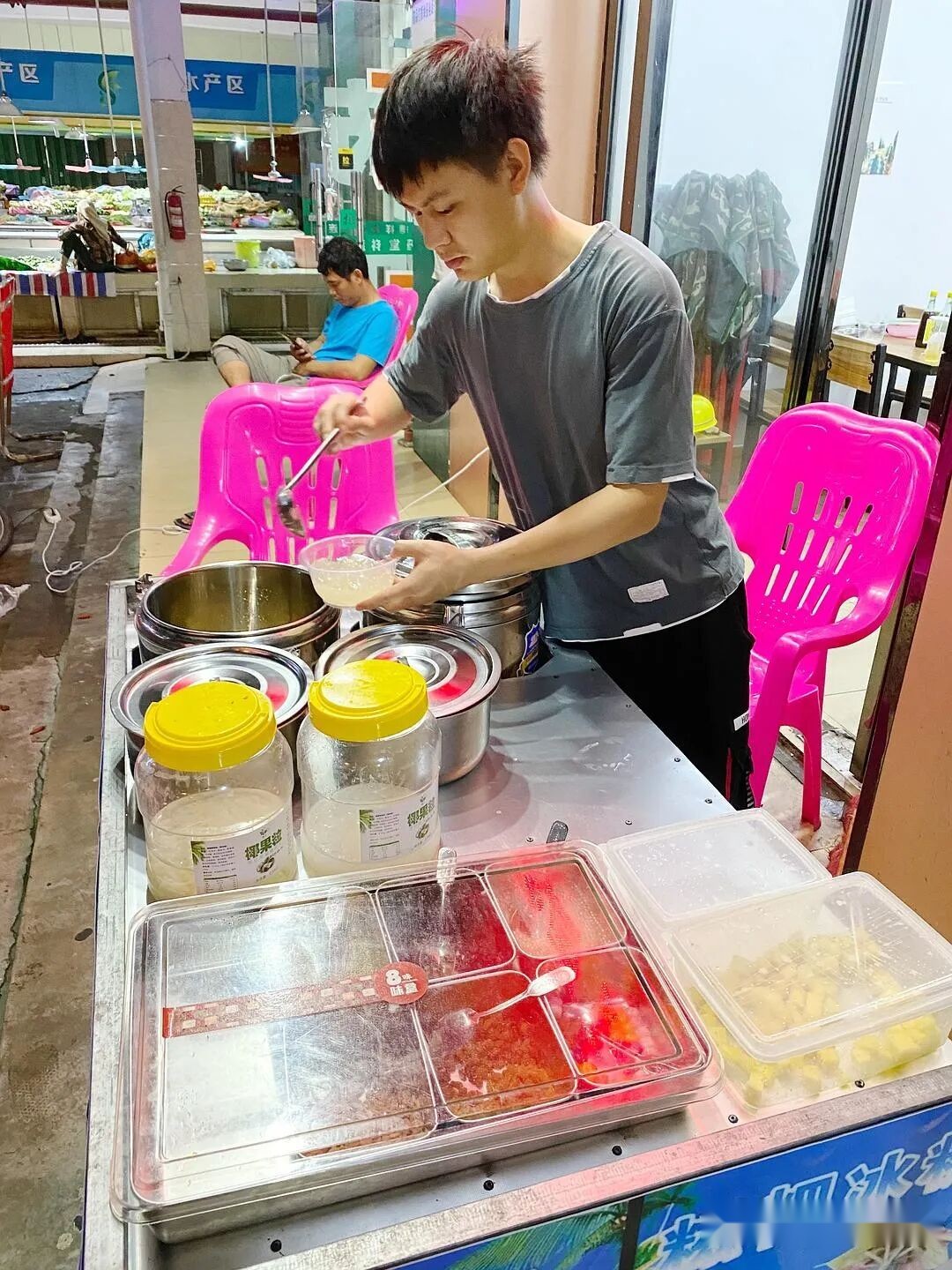
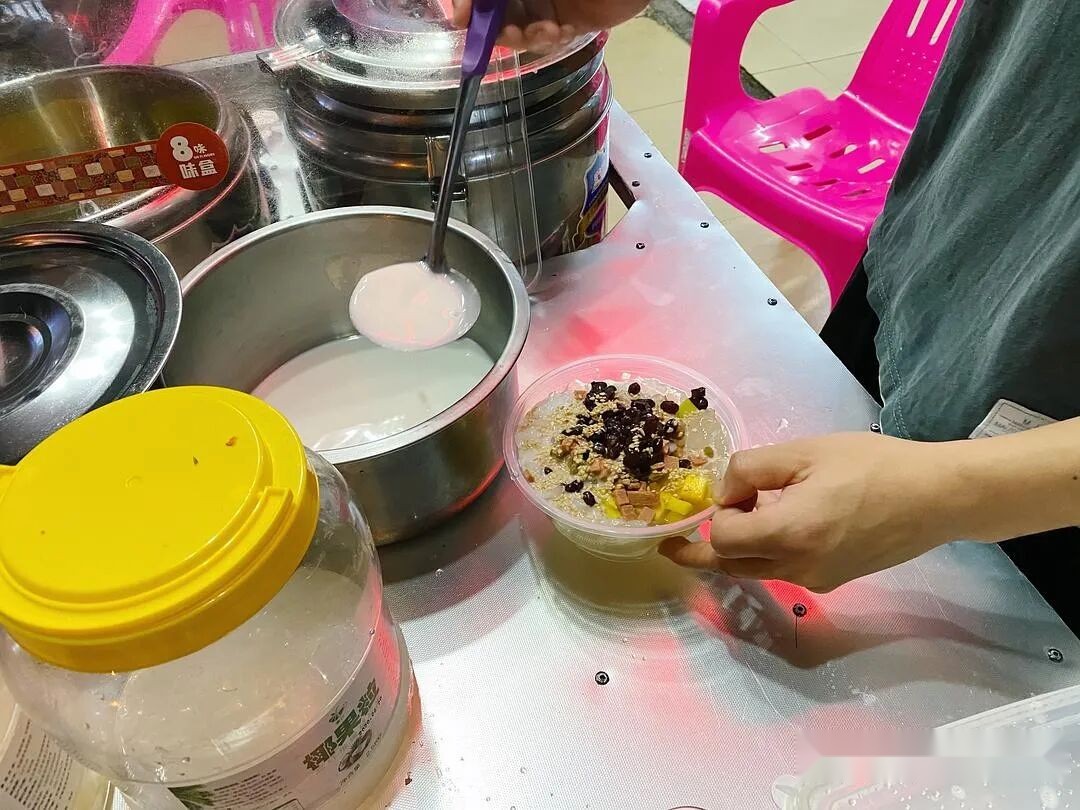
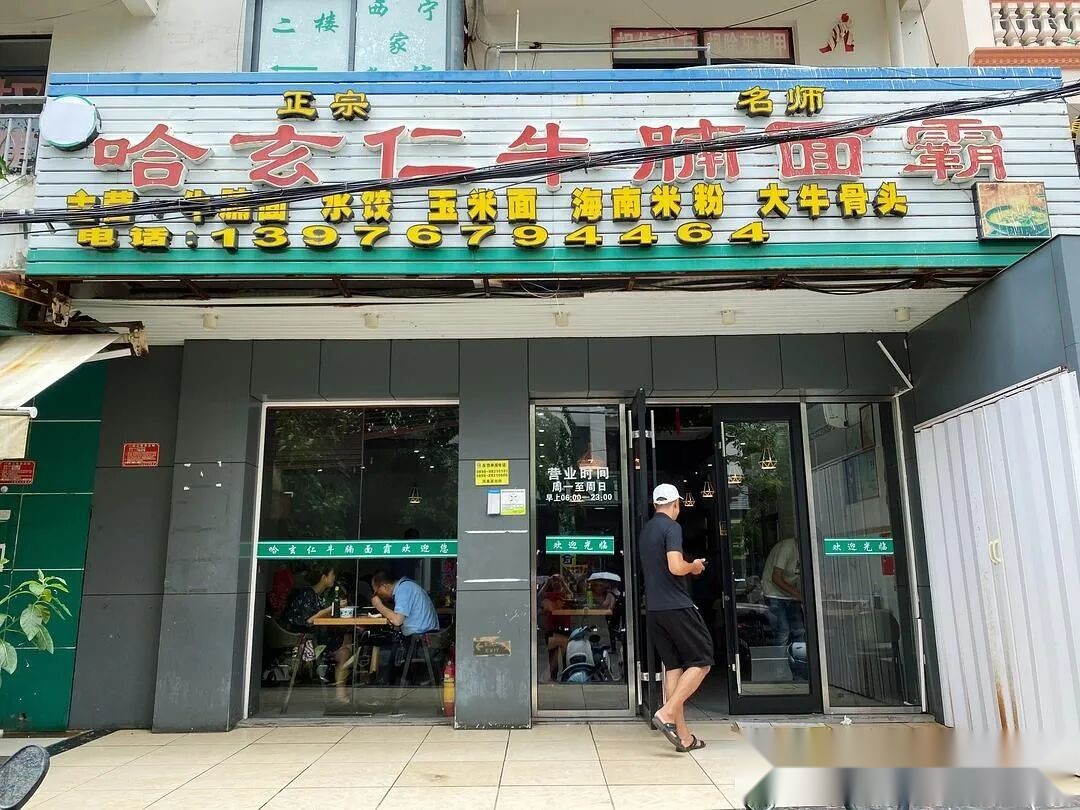
That evening, we grabbed a bowl of niunan mian (braised beef brisket noodles) at Haxuanren in Huihui Village (Huihui Muslim Village), and followed it up with a coconut milk ice jelly right across the street.
August 2nd

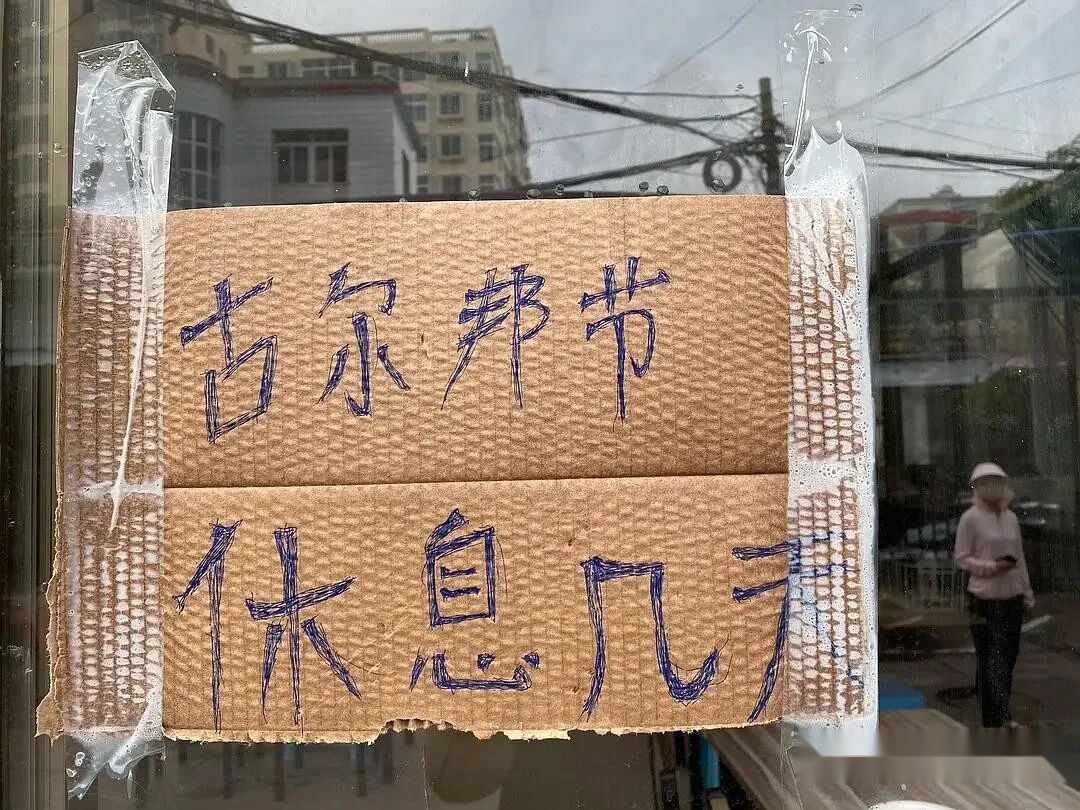
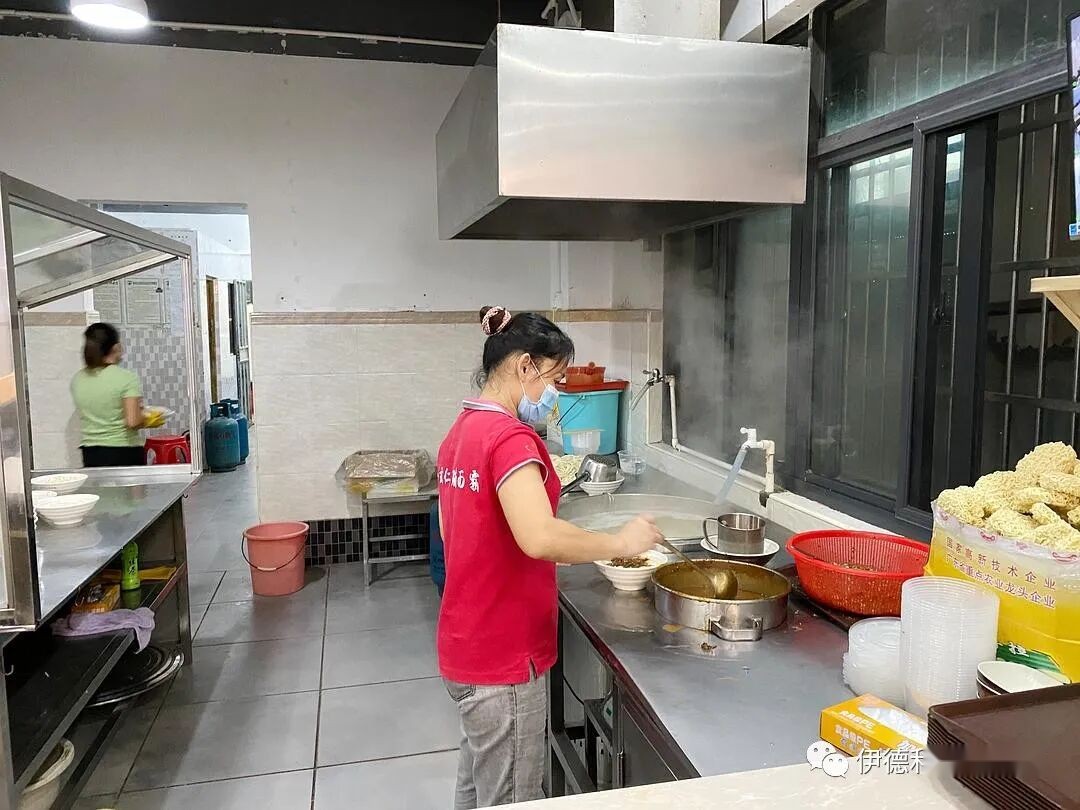
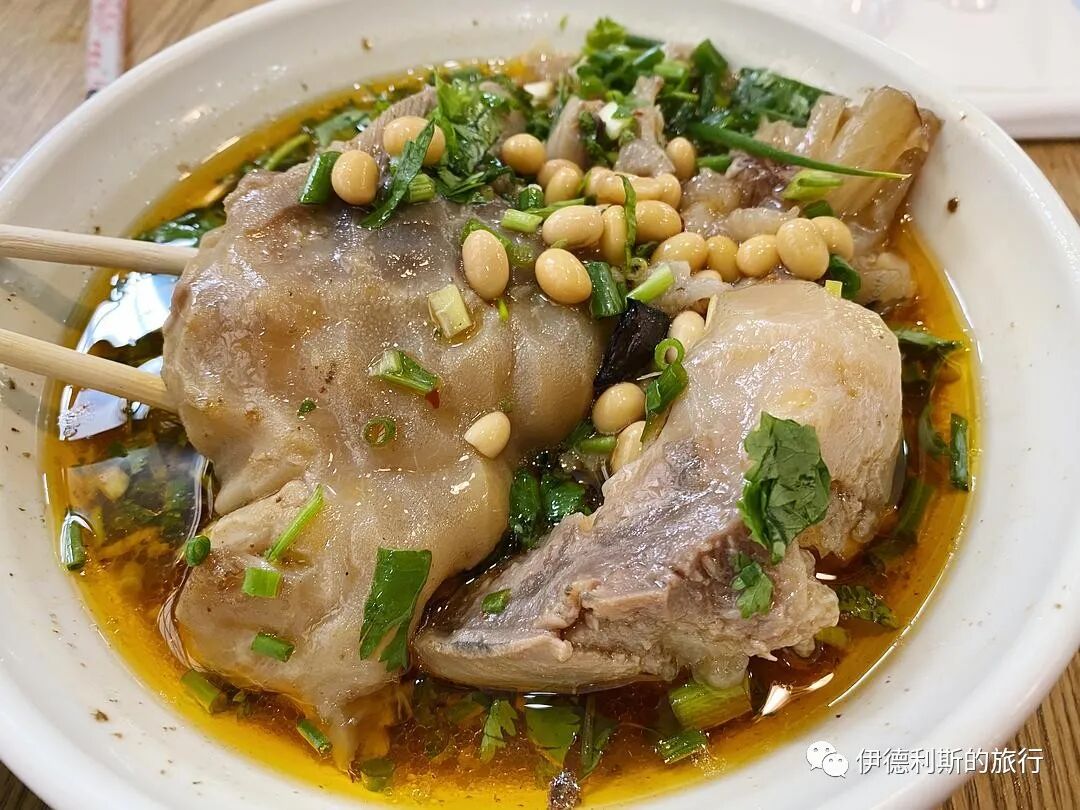
In the morning, we went back to Haxuanren Beef Brisket Noodles in Huihui Village (Huihui Muslim Village) to try their stewed beef trotters. Because it’s the summer off-season and everyone’s still recovering from Eid al-Adha, most eateries in Huihui and Huixin villages were closed. Haxuanren stayed open the whole time, so it was packed with people. After eating, we kept up our routine of strolling through the beach coconut grove.

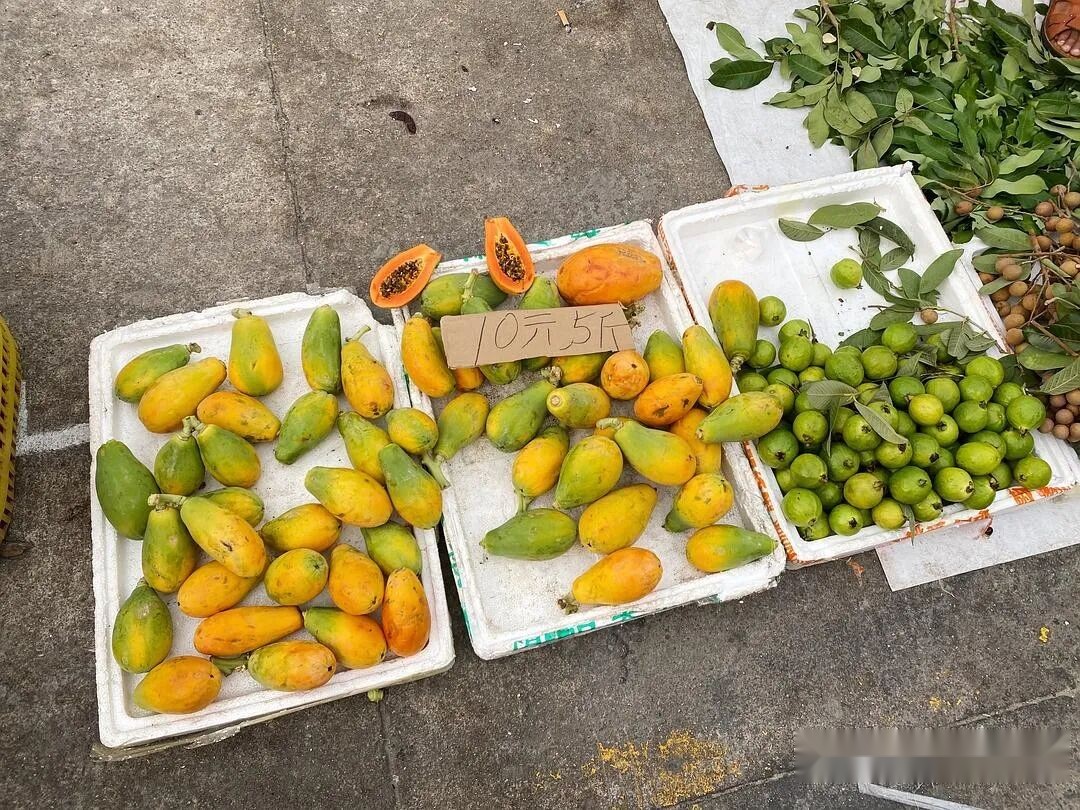
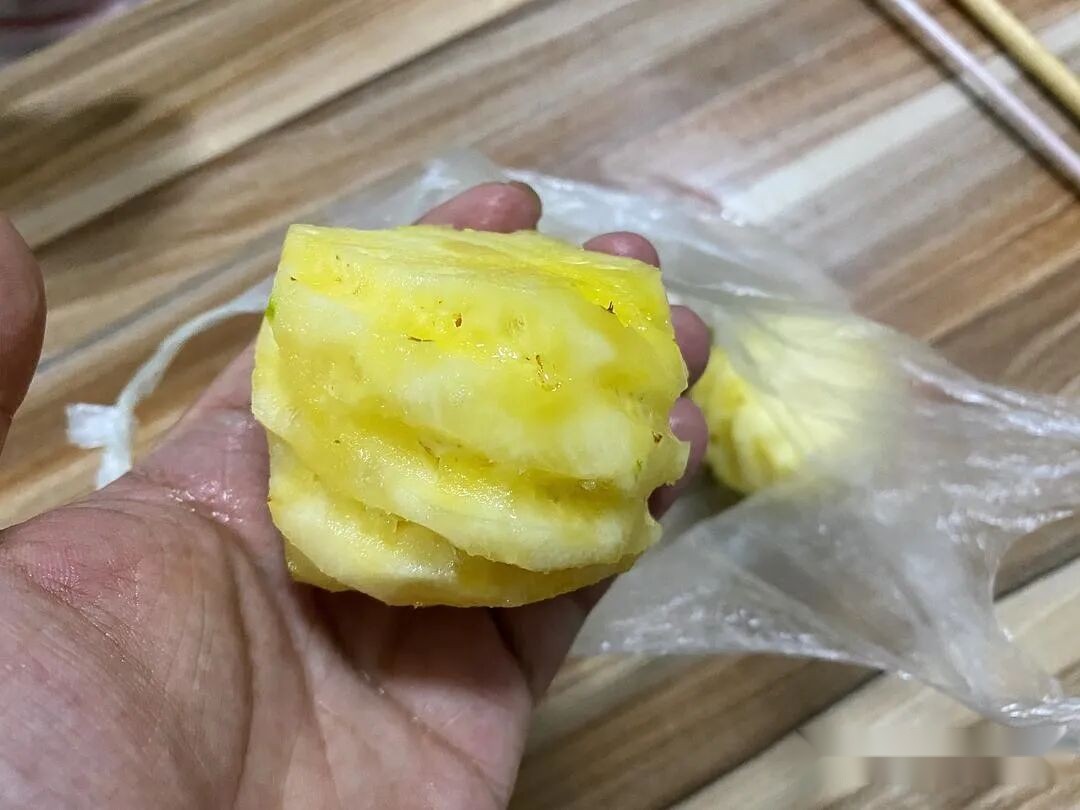
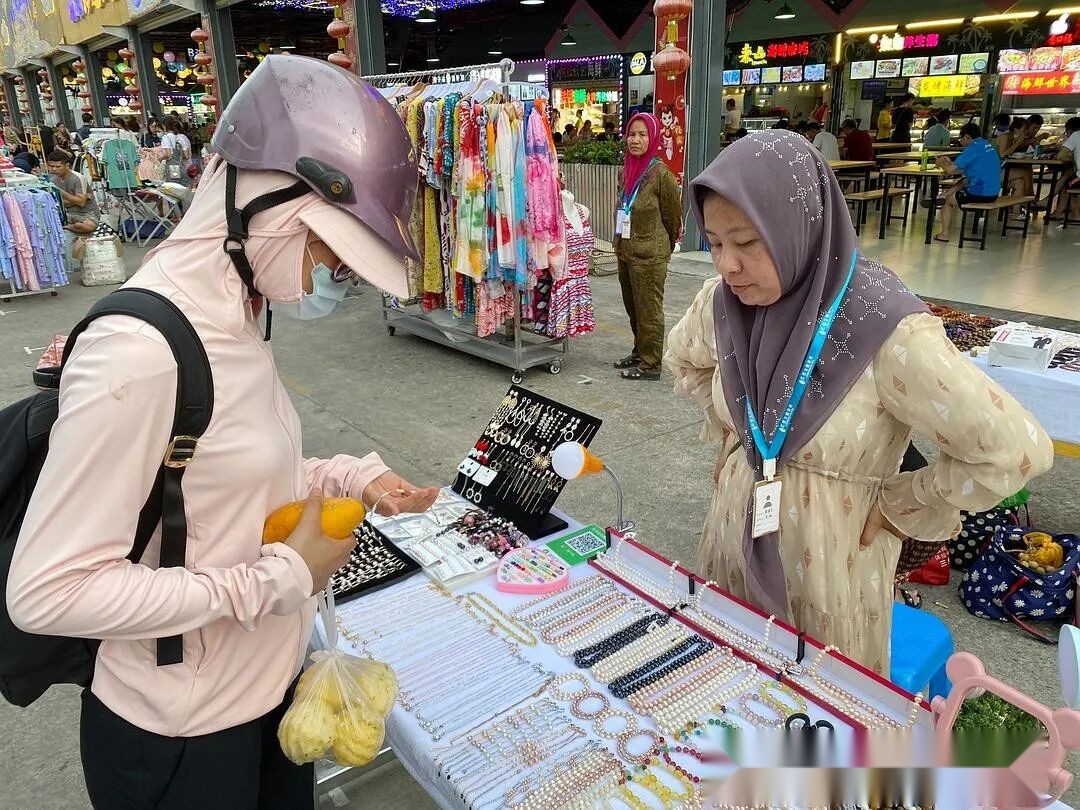
In the afternoon, we checked out the Guangbaina night market next to Huixin Village (Huixin Muslim Village) again. Papayas, wax apples, papayas, mini pineapples—all the fruit was fresh and delicious. I even picked up some pearl bracelets as gifts for the little ones back home.
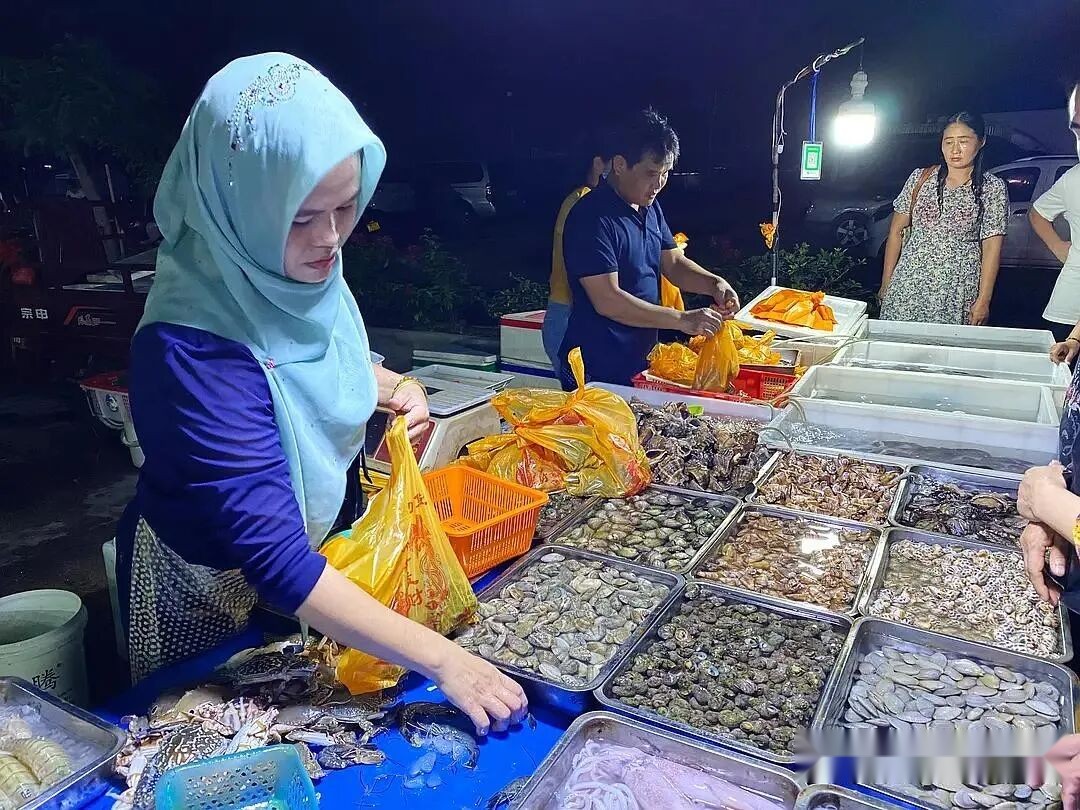
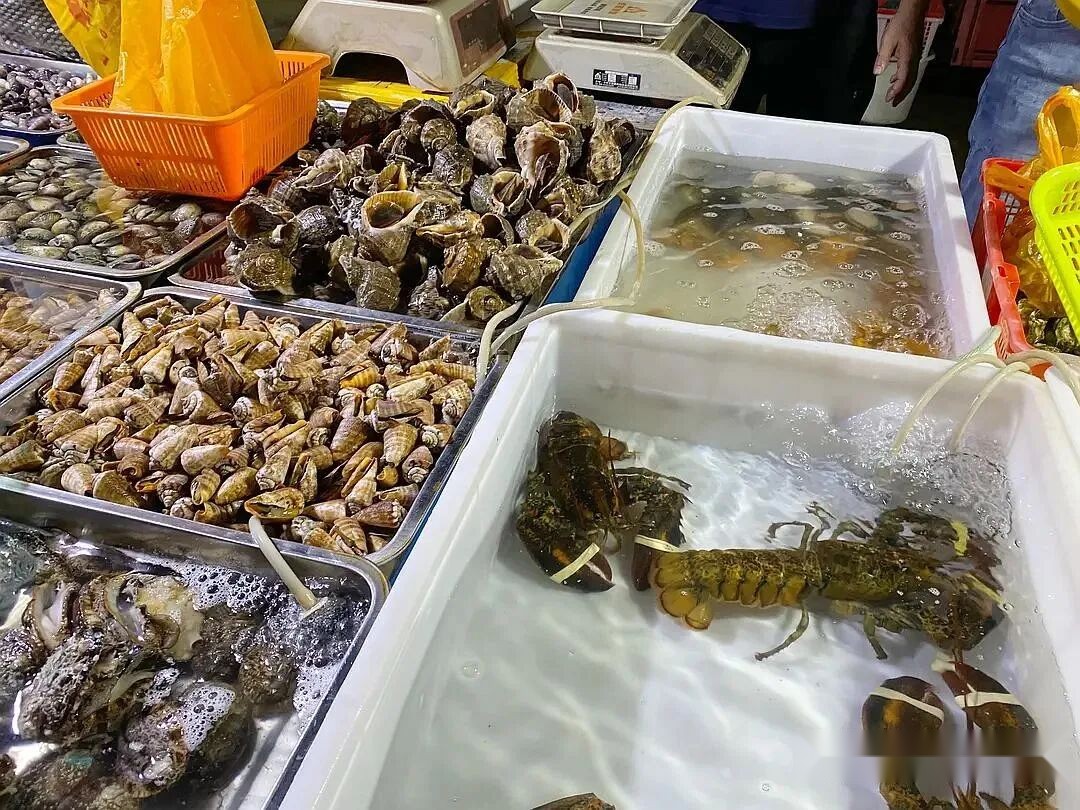
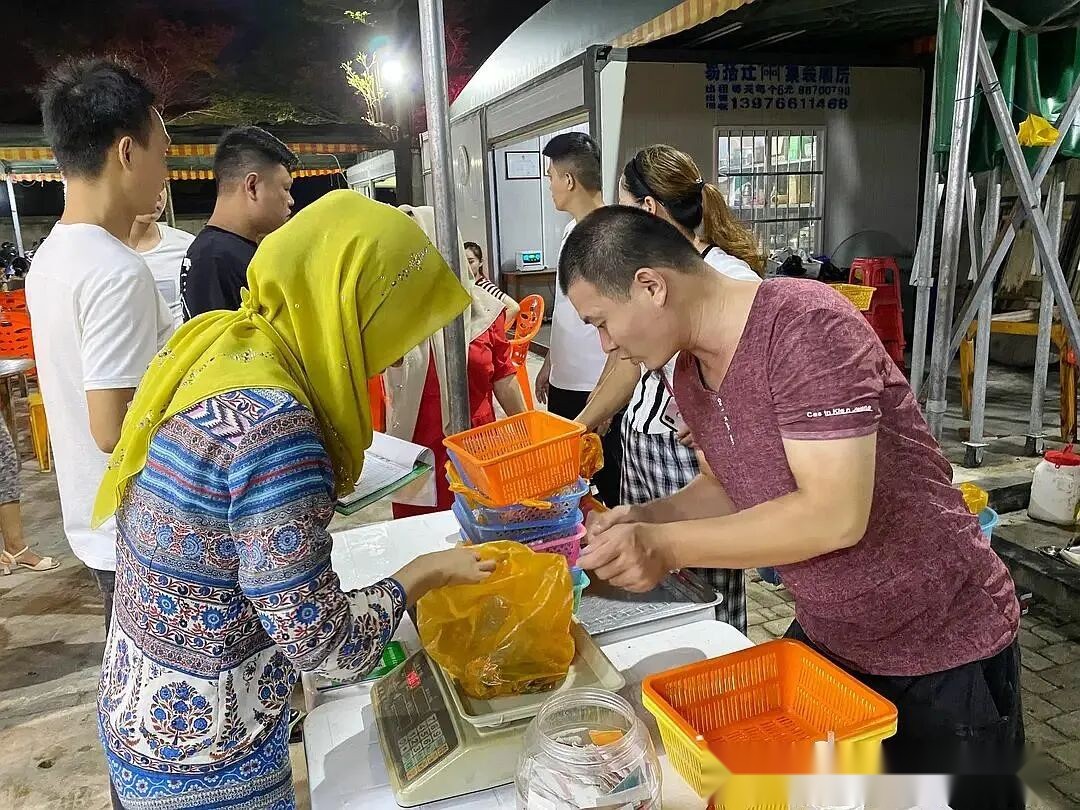
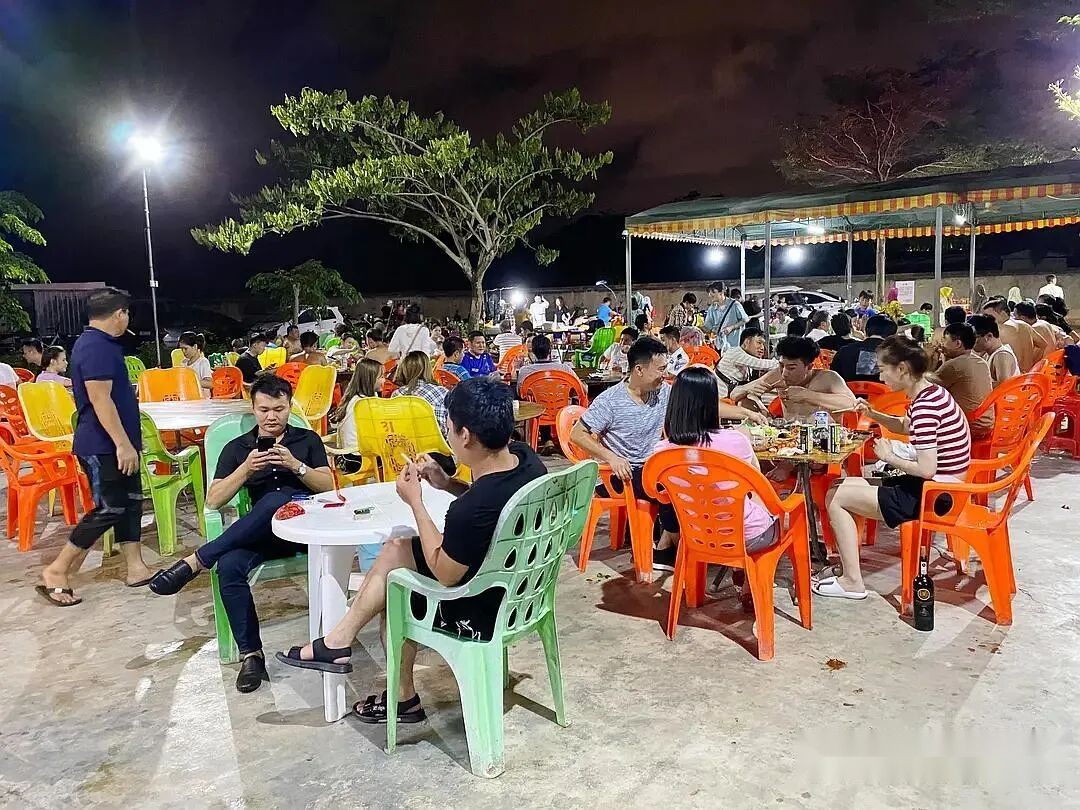
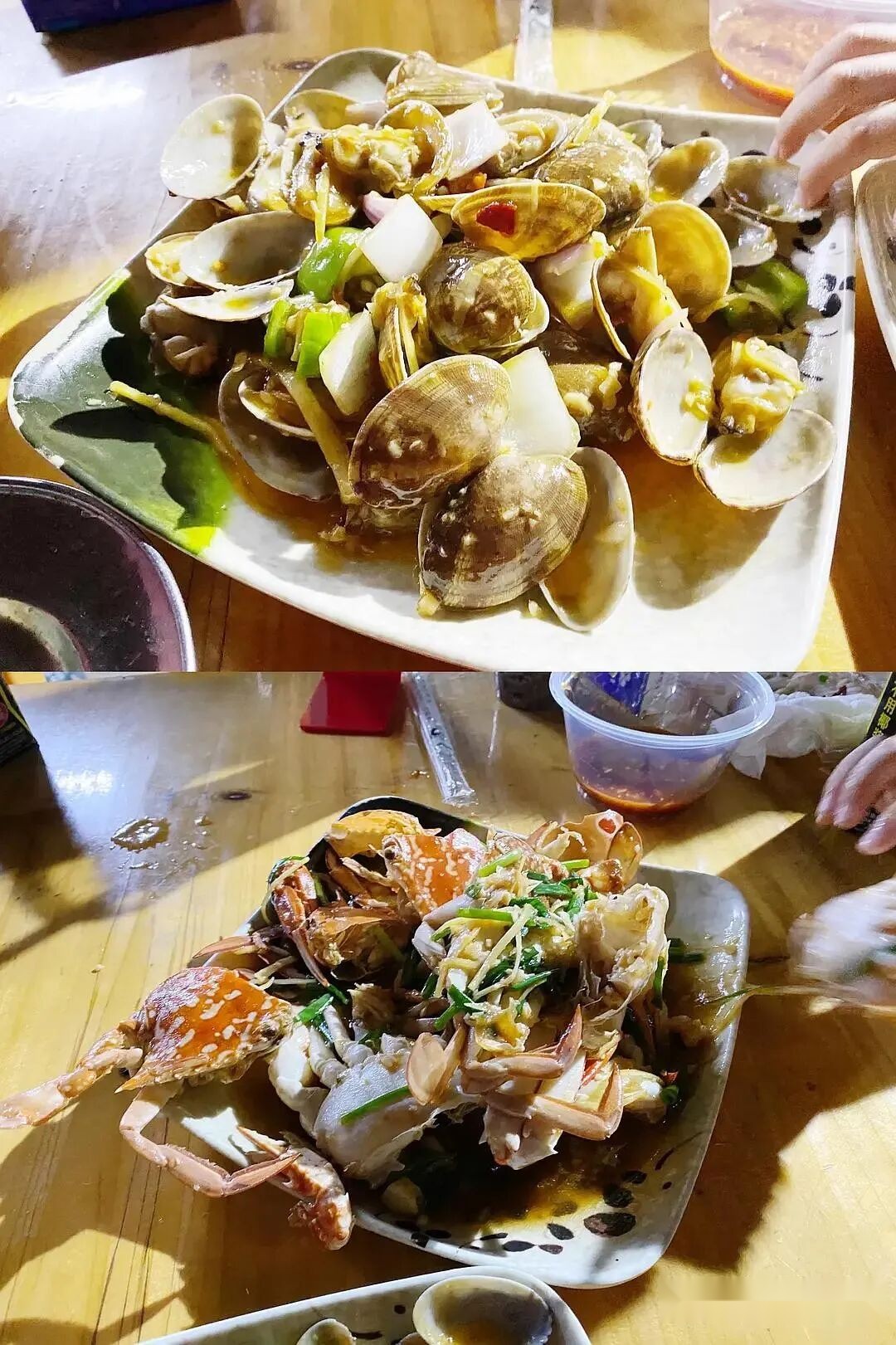
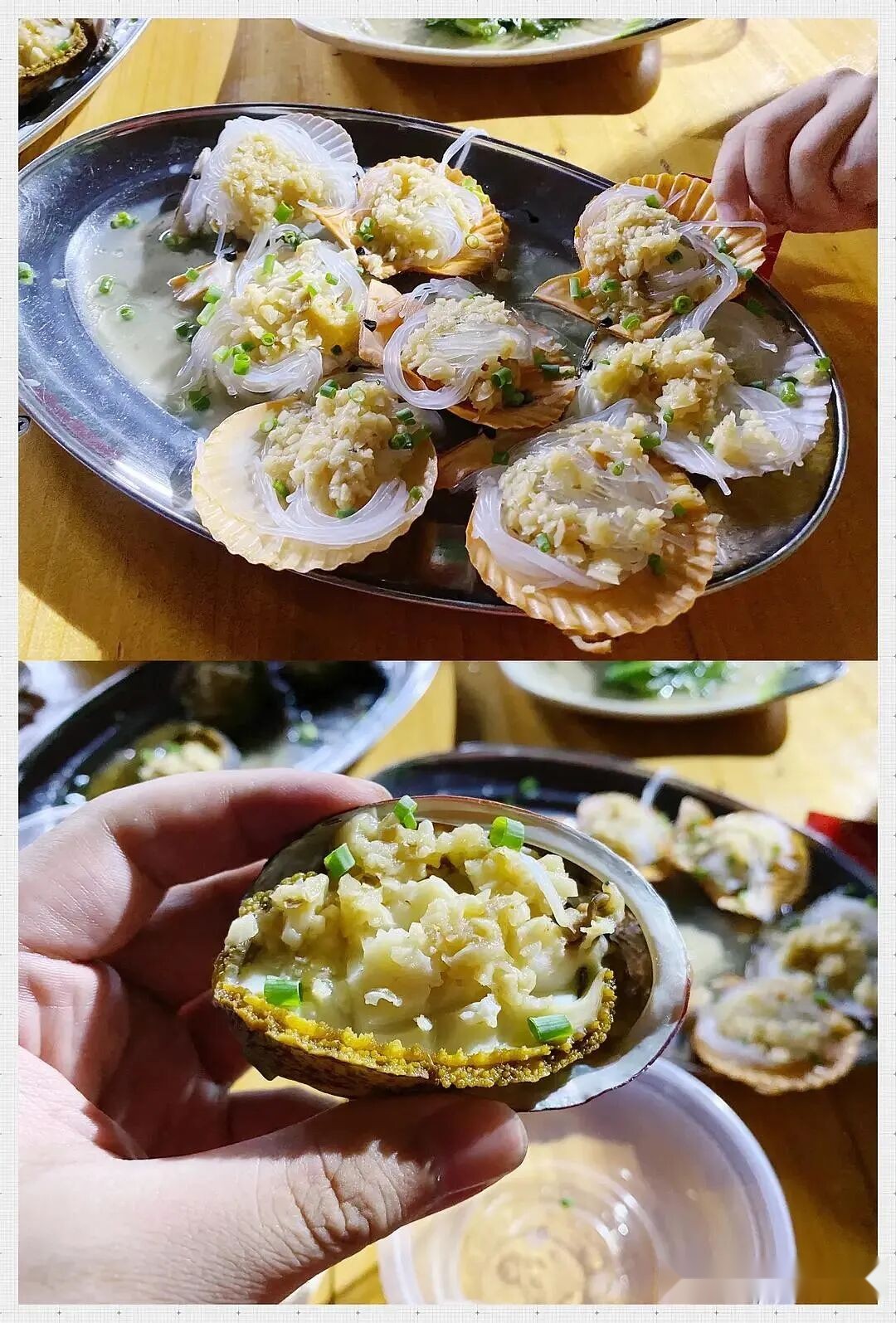
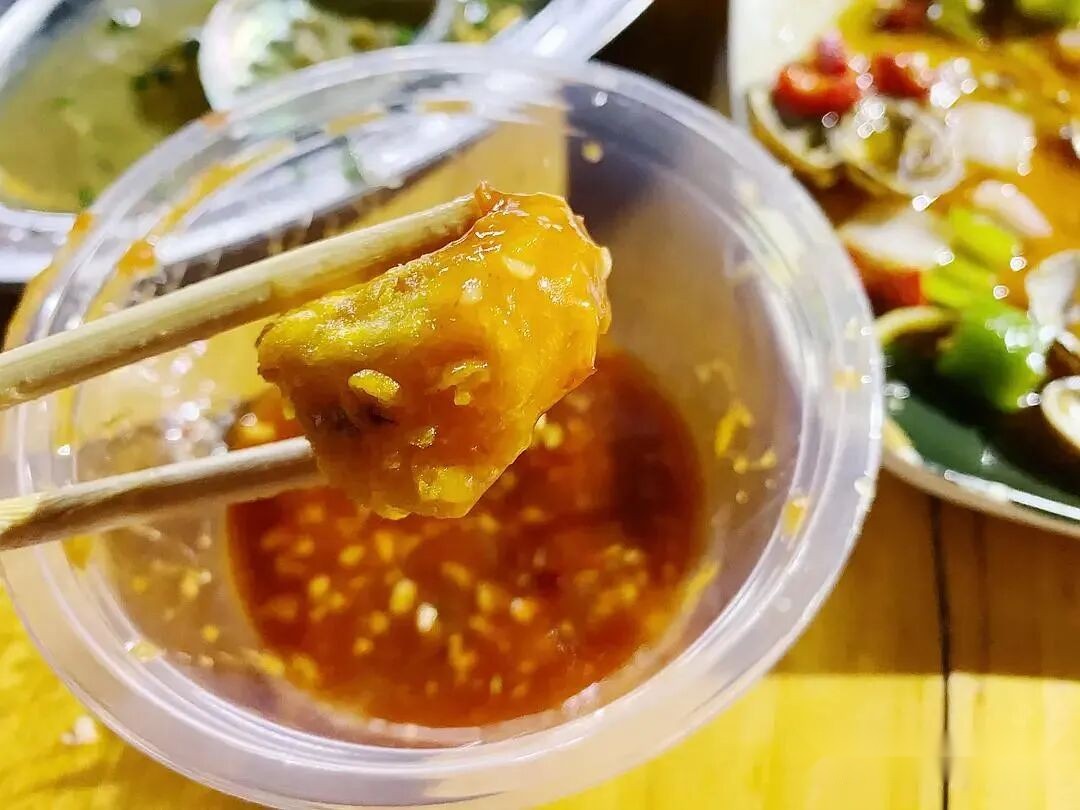
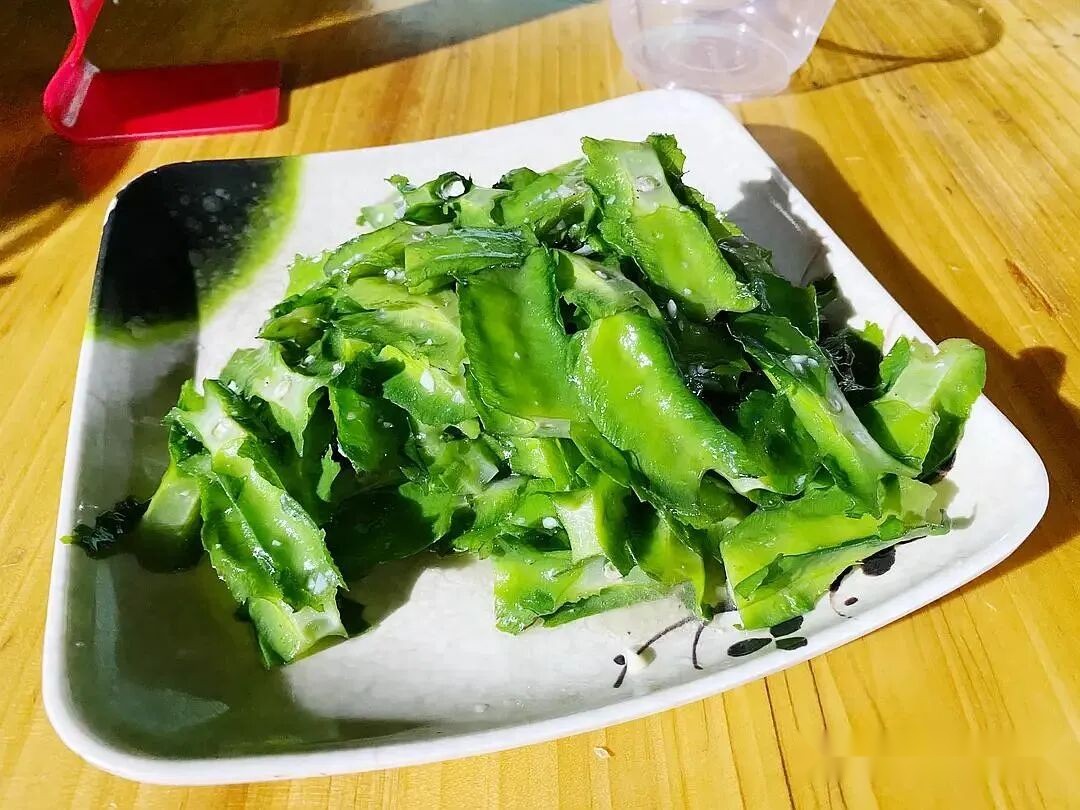
That night, Muning treated us to seafood down at the seafood market near the beach in Huixin Village (Huixin Muslim Village). We ordered crabs, scallops, abalone, clams, octopus, fried squid rings, and the local specialty sijidou (four-angled beans / winged beans). Everything tasted incredible—not a hint of fishiness, just pure, mouth-watering flavor. A special shout-out to their signature dipping sauce made with ketchup, sweet chili sauce, minced garlic, and tamarind. It paired so well with the seafood we just couldn't stop eating.

This seafood market in Huixin Village (Huixin Muslim Village) has got to be the best value for money around. It’s not just the Muslim locals; even the surrounding Han residents love coming here to eat, and business is always booming.
August 3rd

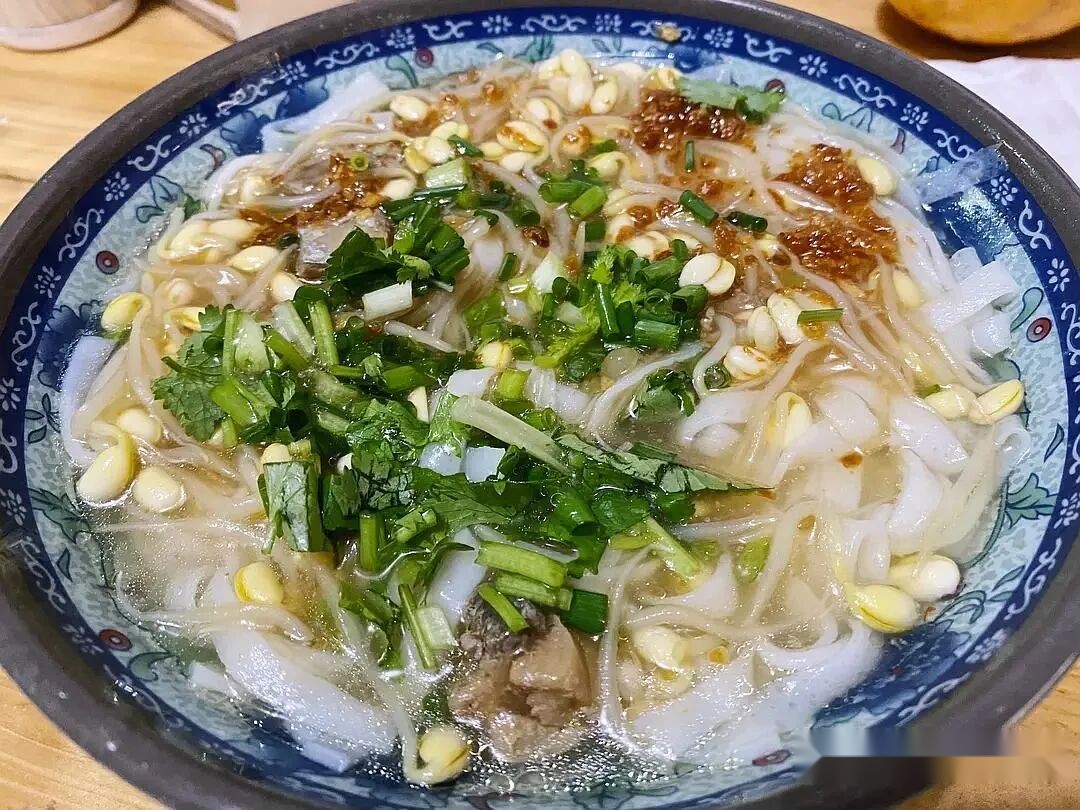
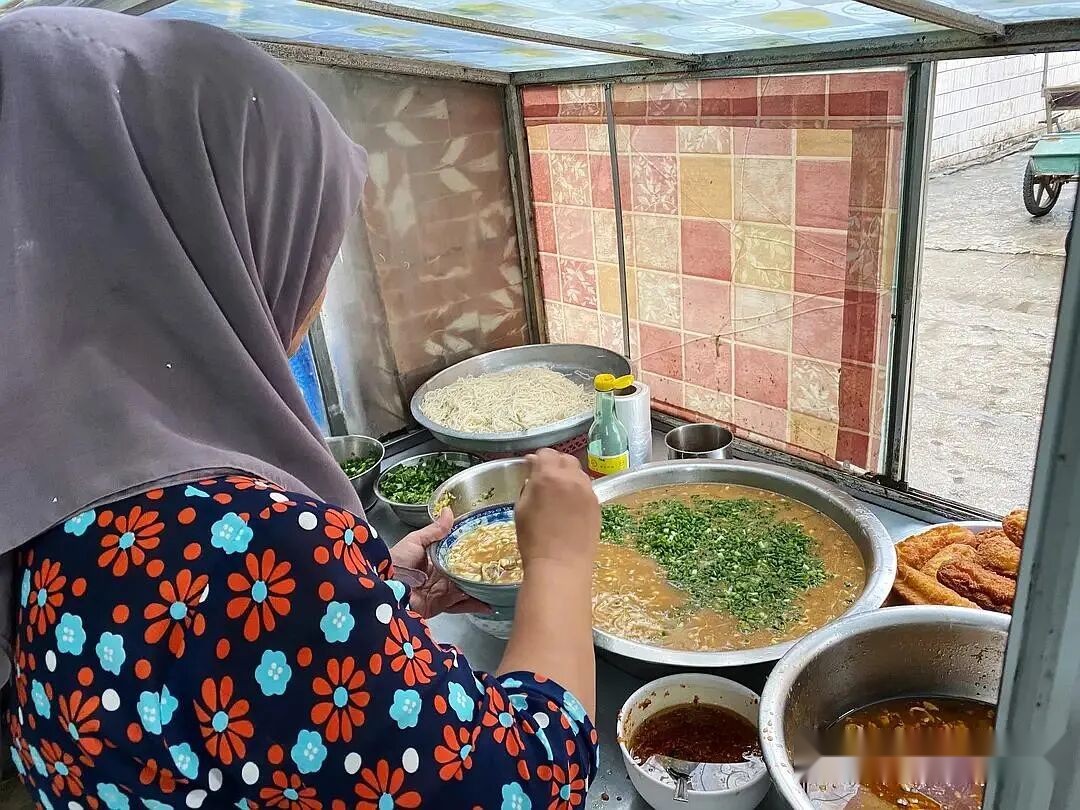
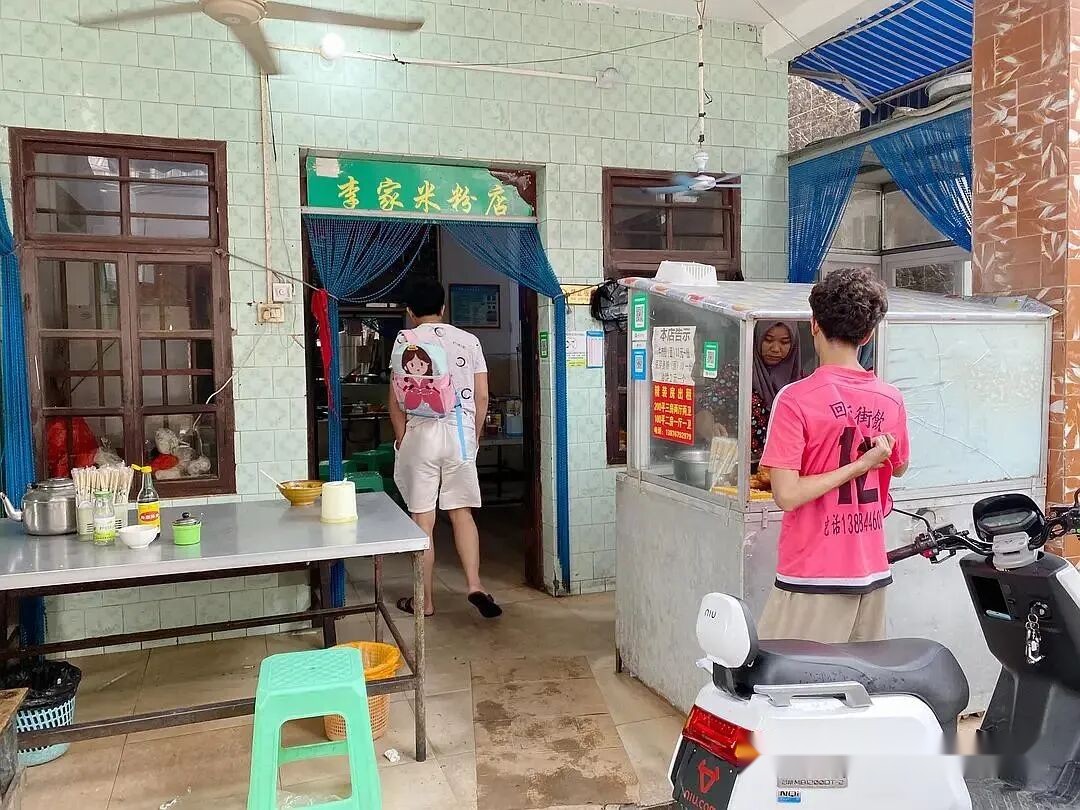
In the morning, we hit up Li's Rice Noodles in Huixin Village (Huixin Muslim Village) for some chicken rice noodles, and they were insanely flavorful! Right after the three-day Eid al-Adha celebration wrapped up, their spot was finally open for business.
And with that, we reluctantly said goodbye and left Sanya.




















A Photo Journal of Eid al-Adha in Huihui Village, Sanya: Tropical Island Mosque Prayers, Visiting Family, and Festive Feasts
Summary:
Nearly 200 documentary photos capture the grand celebration of Eid al-Adha in Sanya's Tianya District. From the solemn morning congregational prayers with thousands gathered at the mosque, to families slaughtering and sharing sacrificial meat, exchanging fried sanzi (crispy fried dough twists), and warmly hosting friends and relatives, this vibrant photo essay captures a joyful and peaceful holiday scene.
Back in July and August 2020, my wife Zainab and I took our honeymoon trip, and our very first stop was Sanya to celebrate Eid al-Adha. A few years prior, I had visited the local Muslim community here on my own, but this time around, experiencing the holiday with our good friend, young Muslim artist Muning, made it so much more fun and insightful.
July 31
We caught a late-night flight out of Beijing on July 30 and arrived in Sanya in the wee hours of July 31. Muning hooked us up with a place right next to Huixin Mosque (Huixin Muslim Mosque) in Huixin Village (Huixin Muslim Village)—a 100% genuine 'masjid-view room.' During the winter months, Muslims from all over China rent places here for long stays, but come summer, it's practically a ghost town.
Right on the wall hung some Arabic calligraphy by Teacher Muning.
After catching a quick breath, we headed downstairs to Huixin Mosque to pray Fajr.
Following the morning prayer and a short break, we headed back into the main hall a little past 7 AM for the Eid al-Adha congregational prayers (Eid prayer). The imams here are all local Hui Muslims from Huihui Village, and the khutbah (religious sermon) was delivered in the local Utsul language (Tsat language). To someone who doesn't speak Utsul, it sounds like a fascinating blend of Malay, Chinese, and Arabic.
The Utsul language (Tsat language) is currently classified under the Austronesian language family, Malayo-Polynesian branch, Chamic subgroup. It shares the most common ancestry with the Roglai language of southern Vietnam, yet it stands out as the most unique language in the Chamic subgroup due to its heavy incorporation of Sinitic (Chinese-Tibetan) elements. When the Utsul people first arrived on Hainan Island, their language was likely quite close to Proto-Chamic. However, through continuous, close interaction with neighboring Chinese-speaking populations, the Utsul language evolved—its grammar grew closer to Chinese, its Chinese vocabulary expanded massively, and it simultaneously developed monosyllabic, tonal systems that are completely absent in other Austronesian languages.
In her published book 'A Study of the Utsul Language', Professor Zheng Yiqing compares the Utsul language with the Rade language (a Chamic language spoken in the mountainous regions of southern Vietnam) and concludes that the Utsul language and Rade language separated about 1,000 years ago.
After the Eid prayer wrapped up, Muning showed me some Qing Dynasty roof purlins and inscribed wooden plaques stored away in the warehouse of Huixin Mosque.
The roof purlins of traditional brick-and-tile houses built by the Utsul people of Sanya usually feature exquisite wood carvings of Quranic verses, but as old houses get renovated and rebuilt, precious few of these are left today.
Pieces of minbars (pulpits) and Qing Dynasty tombstones piled up in various corners of Huixin Mosque.
Leaving Huixin Mosque, Muning took me to visit the home of a teacher who collects traditional Utsul houses' roof purlins inscribed with Arabic script. Every single one of these purlins once belonged to a traditional brick-and-tile home built by the Sanya Utsul people.
Muning took us out for breakfast, where we ran right into a family throwing a banquet because their kid got accepted into Tsinghua University.
Congee served with chicken.
The fermented soybean paste was exceptionally delicious.
After finishing breakfast, Muning took us to pick out our sheep. One of these sheep was intended as our (Zainab's and my) qurbani (sacrificial offering), and the other was for Muning's family. Muning had bought them locally, picking out authentic Hainan Dongshan mutton sheep.
We led the sheep over to the designated qurbani slaughter site.
Once the slaughter was complete, the mutton was divided into three portions: one for our own household, one to share with friends, and one to give away to those in need.
Washed sheep tripe and intestines.
We asked our neighbor to cook up a dish of Sanya-style dry-fried mutton for us. Normally, their family runs a roast duck stall right next to Huixin Mosque, but they were taking a break for the Eid holidays.
The imam who performed our qurbani, who hails from Turpan, Xinjiang, whipped up a signature Xinjiang-style clear-stewed mutton for us. It was out of this world, and the mutton broth was insanely good.
Muning gifted me an Arabic calligraphy art piece he hand-carved out of a coconut shell. It looks stunning.
After the meal, Muning and I headed out to deliver another portion of the meat to friends.
We stopped by Nankai Mosque in Huixin Village to pray, where the main hall is lined with straw mats rather than carpet.
In the afternoon, Muning took me to check out the old houses in Huihui Village (Huihui Muslim Village), where I got to lay eyes on old roof purlins inscribed with Arabic script for the very first time.
One of the best-preserved and most visually striking inscribed roof purlins still in its original location in Huihui Village, with its gold-leaf Arabic letters gleaming brilliantly in the sunlight.
One of the last remaining traditional old houses in Huihui Village.
That evening, Muning and her family treated me and Zaynab to a fresh fish soup right at the entrance of Huixin Village (Huixin Muslim Village). The signature fresh fish soup of the Utsul Muslims is made with carambola (star fruit), tamarind, and tomatoes, giving it a super tangy kick. You can pick whatever sea fish you want for it. You’ve also got to mix your own dipping sauce on the side—make sure not to go overboard with the Hainan yellow lantern chili peppers, because they are insanely spicy! We also had red rice cooked in coconut milk, sweet potato greens, and stir-fried squid, all of which hit the spot.
Yellow lantern chili peppers
That night, we headed over to the Guangbaina night market right next to Huixin Village (Huixin Muslim Village) to check things out. Ever since the street vendor economy took off this year, Guangbaina has been getting busier and busier. They don’t charge a stall fee here, so a lot of people just sell fruits straight from their own family orchards, meaning prices are the lowest in the area. We grabbed some sugar apples, jackfruit, and mangoes—cheap and delicious.
After wandering through the night market, we headed back to Huixin Village (Huixin Muslim Village) for a bowl of qingbuling (Hainan refreshing herbal dessert). Every single spot in Sanya makes qingbuling a little differently, so you really have to try them all to figure out which style you like best.
Still craving a little more adventure, we hopped on an electric scooter for another night ride.
Back at the place, I started flipping through some old books Muning had collected, including one featuring Eid al-Adha back in 1979.
August 1st
Woke up early to grab some niurou fen (Hainan beef rice noodles) made by the Utsul Muslims in Huixin Village (Huixin Muslim Village), then picked up some white fungus and lotus seed porridge and chicken porridge at the South Mosque gates to sip down by the beach. Afterward, we took a lazy stroll through the coconut grove along the shore.
After walking by the beach, we headed over to Huihui Village (Huihui Muslim Village) to sip on some fresh coconut water.
A lazy summer afternoon in Huixin Village (Huixin Muslim Village)—a fresh coconut and a bowl of qingbuling (Hainan refreshing herbal dessert). Could it get any more chill?
Time to kick back and take a break.
In the afternoon, we headed back to the spot in Zhongzhuangyuan where they were throwing a banquet, watching the Utsul Muslims whip up traditional coconut rice.
They start with old coconuts that have thick meat, grating all of it into fine shreds, then use cheesecloth to press out all the rich coconut oil.
For steaming the rice, they use a traditional Li ethnic pottery steamer called a taozeng. Once the rice is steamed, they thoroughly mix the coconut milk and rice together. At this stage, the coconut rice is super chewy and has a great bite.
Then, they pop the blended coconut rice back into the pottery steamer for a second round. This time around, the rice comes out way softer and stickier, and the coconut milk and rice melt completely into one another.
They used beef from the cow sacrificed the day before for Eid al-Adha. First, they stew the beef, then toss in wood ear mushrooms and dried bean curd sticks—a total classic main dish for Utsul Muslim banquets.
Our downstairs neighbors, a Utsul Muslim family, slaughtered a sheep yesterday, and today they were simmering up a pot of sheep offal soup. Sanya’s Utsul Muslims rarely eat mutton; basically, the only time they eat their own freshly slaughtered Dongshan mutton is during Eid al-Adha. When Utsul Muslims slaughter a sheep, they scrape the hair off the hide because they believe sheepskin-on mutton is where the best flavor is at.
When they stew the offal, they toss in the sheep's trotters too, letting it bubble away from early morning until afternoon while adding all kinds of spice blends. Finally, they drop in radishes, corn, and shiitake mushrooms. The flavor profile is totally different from Northern-style mutton soup—it's its own unique, addictive kind of delicious.
That evening, we grabbed a bowl of niunan mian (braised beef brisket noodles) at Haxuanren in Huihui Village (Huihui Muslim Village), and followed it up with a coconut milk ice jelly right across the street.
August 2nd
In the morning, we went back to Haxuanren Beef Brisket Noodles in Huihui Village (Huihui Muslim Village) to try their stewed beef trotters. Because it’s the summer off-season and everyone’s still recovering from Eid al-Adha, most eateries in Huihui and Huixin villages were closed. Haxuanren stayed open the whole time, so it was packed with people. After eating, we kept up our routine of strolling through the beach coconut grove.
In the afternoon, we checked out the Guangbaina night market next to Huixin Village (Huixin Muslim Village) again. Papayas, wax apples, papayas, mini pineapples—all the fruit was fresh and delicious. I even picked up some pearl bracelets as gifts for the little ones back home.
That night, Muning treated us to seafood down at the seafood market near the beach in Huixin Village (Huixin Muslim Village). We ordered crabs, scallops, abalone, clams, octopus, fried squid rings, and the local specialty sijidou (four-angled beans / winged beans). Everything tasted incredible—not a hint of fishiness, just pure, mouth-watering flavor. A special shout-out to their signature dipping sauce made with ketchup, sweet chili sauce, minced garlic, and tamarind. It paired so well with the seafood we just couldn't stop eating.
This seafood market in Huixin Village (Huixin Muslim Village) has got to be the best value for money around. It’s not just the Muslim locals; even the surrounding Han residents love coming here to eat, and business is always booming.
August 3rd
In the morning, we hit up Li's Rice Noodles in Huixin Village (Huixin Muslim Village) for some chicken rice noodles, and they were insanely flavorful! Right after the three-day Eid al-Adha celebration wrapped up, their spot was finally open for business.
And with that, we reluctantly said goodbye and left Sanya.
