
Sanya's Muslim Villages: Exploring Huihui, Huixin, Halal Food & Historic Mosques in Hainan
[Internet Repost]
Visual Chronicle of Sanya's Twin Muslim Villages, Huihui and Huixin: Pearl Markets, Hijab-Wearing Women, and Island Hui Muslim Street Life
Abstract:
Capturing through a documentary lens the everyday street life of the Huihui and Huixin Muslim villages in Sanya. A look at Hui Muslim women weaving through the First Market, resilient figures running pearl and handicraft businesses, and the peaceful, devout religious and cultural ecosystem of this tropical village enclave.
Around the First Market, you'll spot plenty of women wearing headscarves, chewing betel nut (a local Hainan habit), selling smartphones and pearls. They all hail from Sanya's two famous Muslim villages: Huihui Village and Huixin Village. If you come here to travel, cruise down Fenghuang Road and you'll see pearl and jade shops mixed with Xinjiang halal eateries, with the尖顶 (minaret) of a masjid rising in the distance. No matter how scorching the weather gets, you'll see women in hijabs and long robes zooming by on motor scooters—this is the vibe of Sanya's uniquely distinct Muslim villages. I spent a few days there looking for a rental, documenting their day-to-day life.
Huihui Village, Home to the Huihui People, Is the Largest Village
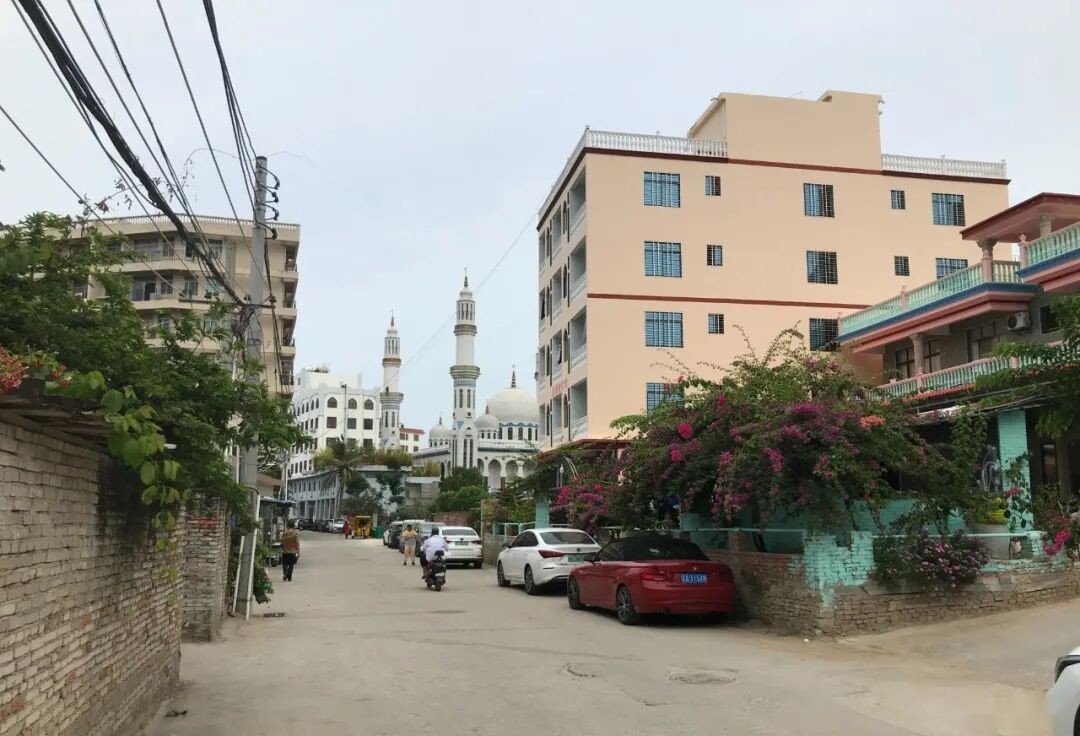
The Huihui people are descendants of the ancient Champa Kingdom, which existed for over a thousand years and practiced Islam. After the Champa Kingdom was crushed by the Khmer, some survivors fled and settled in Hainan around the year 1700. Local Hainanese people began calling them the Huihui people, and Huihui Village gets its name from this history. It used to be part of Fenghuang Town, but today it falls under the Huihui Community in Tianya District. It's super close to the airport, and heading south brings you to Sanya Bay, home to an ancient Muslim graveyard stretching over several kilometers.
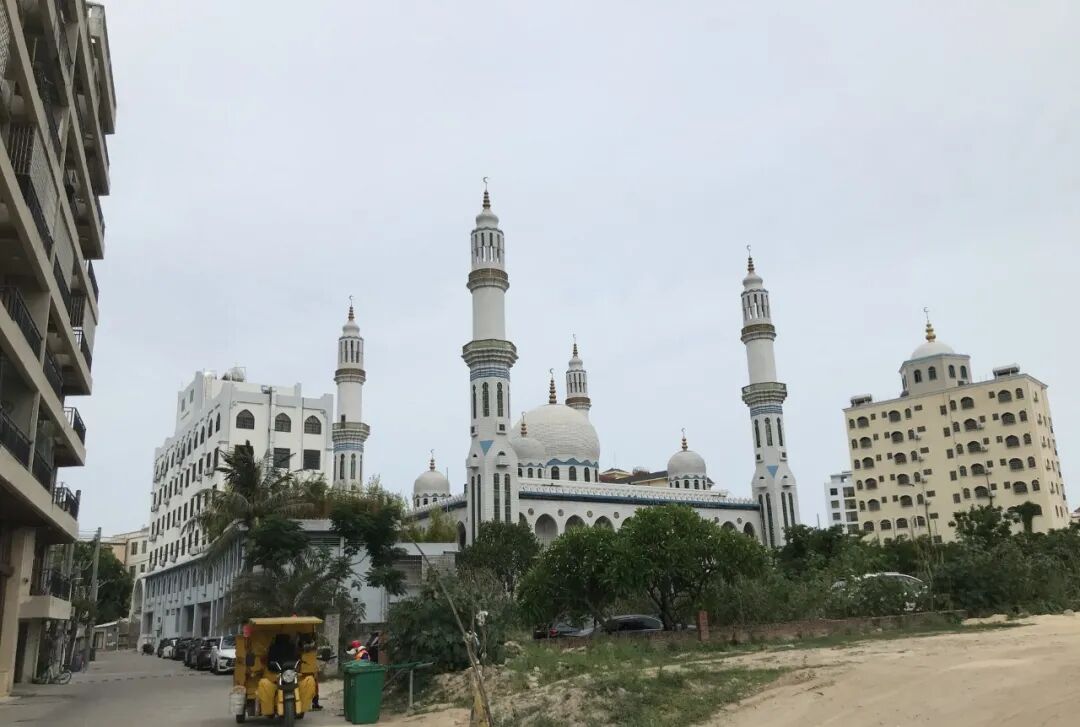
If you're visiting, just drop a pin on the East Masjid (Huihui Village has several masjids including the Sanya Ancient Mosque, East Masjid, Northwest Grand Masjid, and North Grand Masjid, with the North Grand Masjid being the most grand and majestic). The East Masjid sits right along Fenghuang Road, with Huihui Village wrapping around its north and south sides. North of Fenghuang Road, Huihui Village meets Yanglan Road—on this side you have the Huihui Village masjid, and across the way stands the Yanglan Village Guandi Temple.
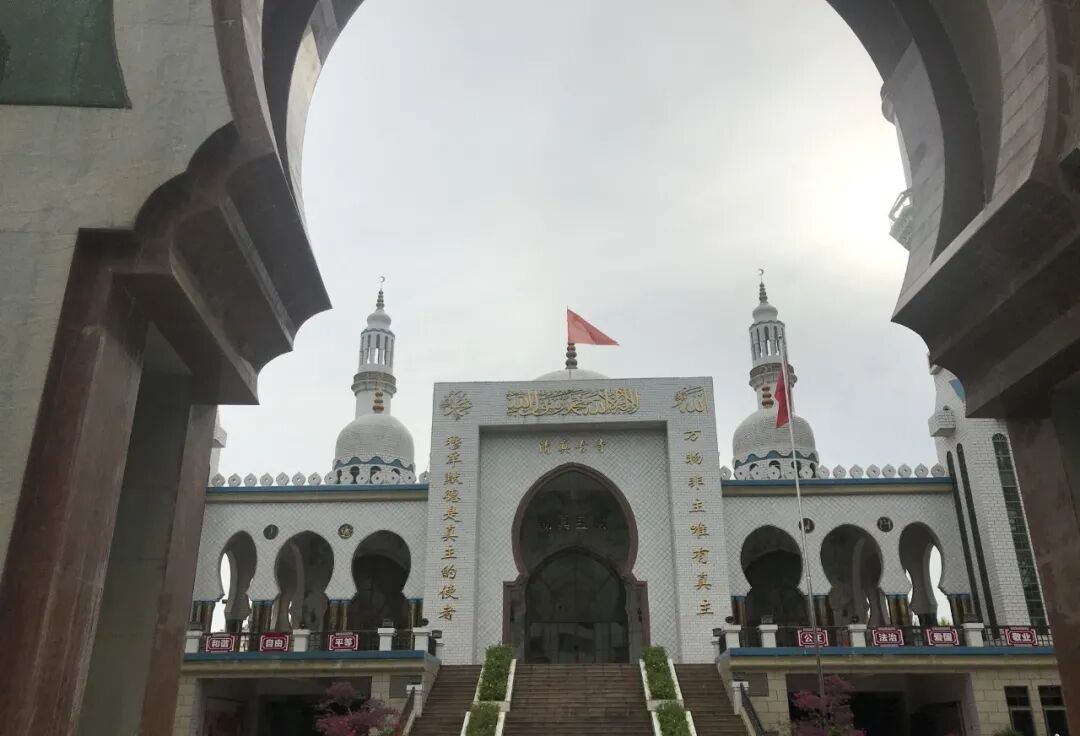
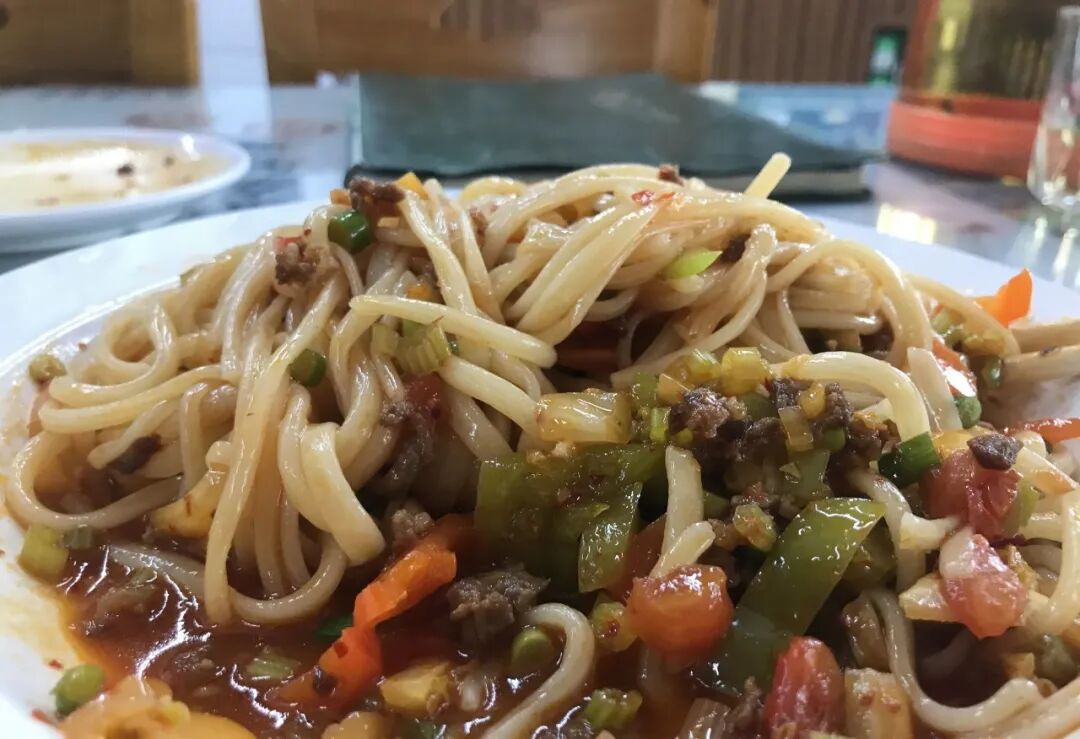
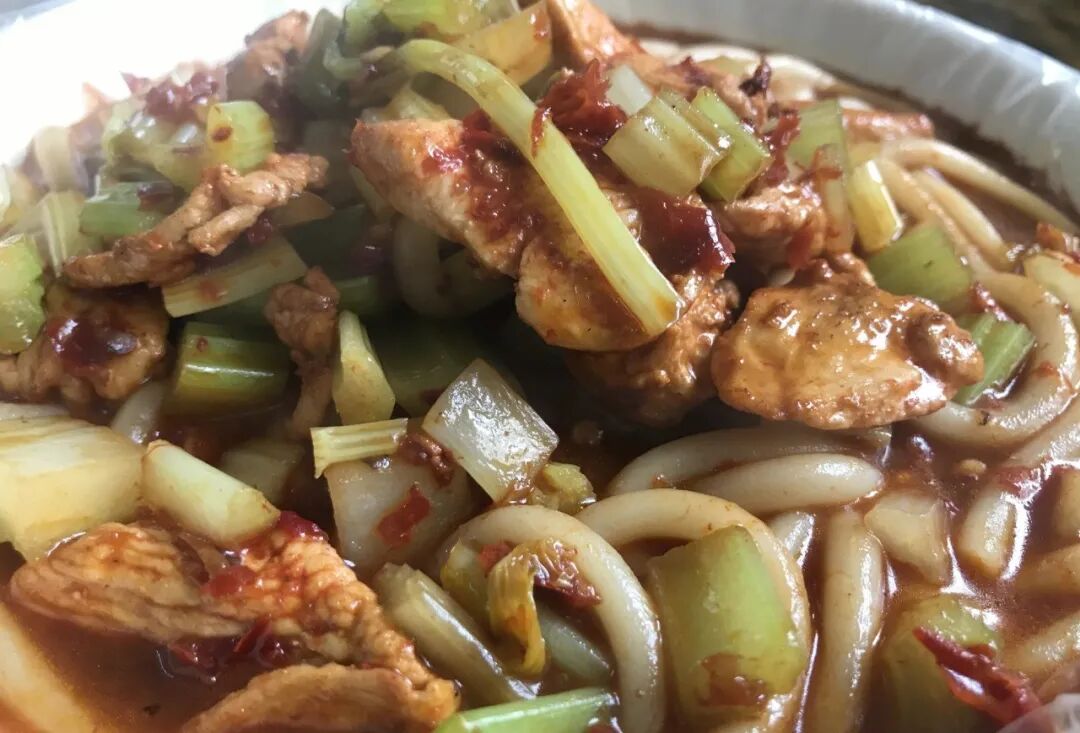
Arrived at the Huihui East Masjid right around noon. Grabbed a bowl of banmian (hand-pulled mixed noodles) next door for 20 RMB.
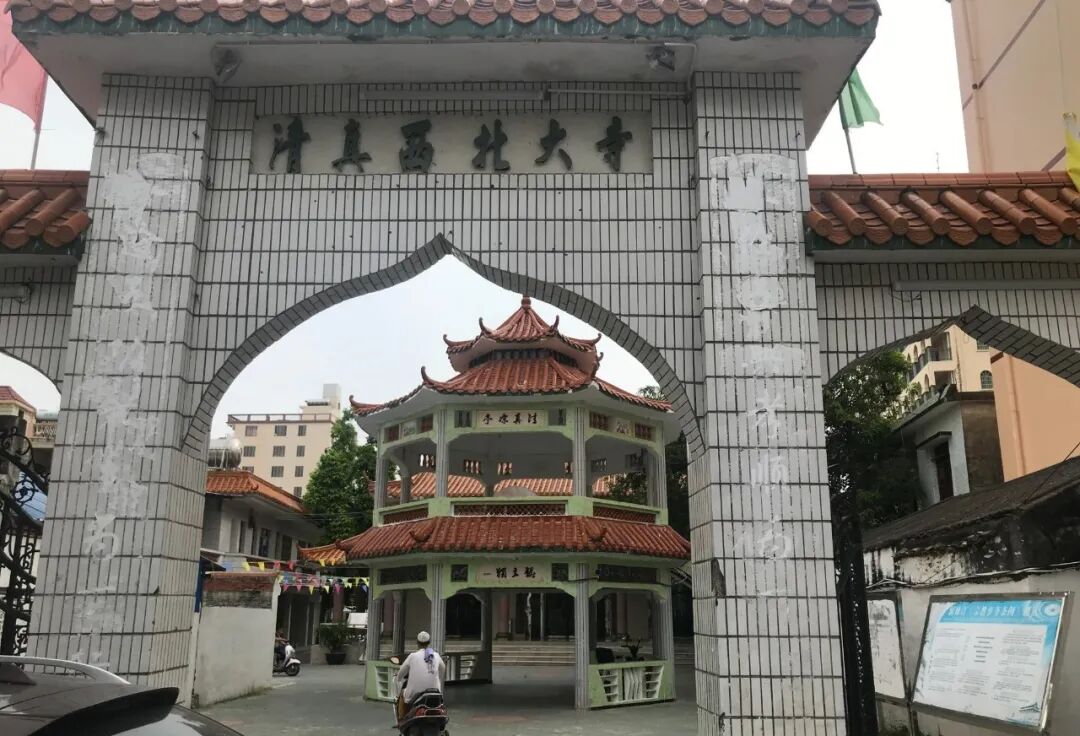
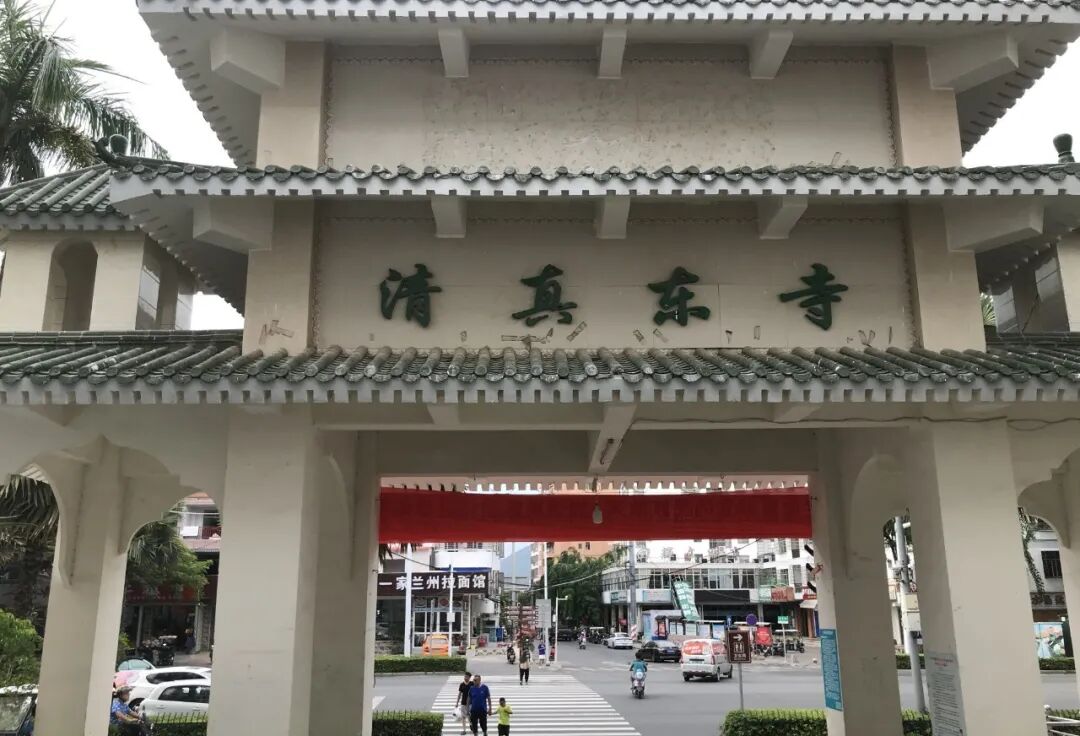
The most prominent landmark on Fenghuang Road: the Huihui East Masjid, flanked by Huihui Village on both sides.
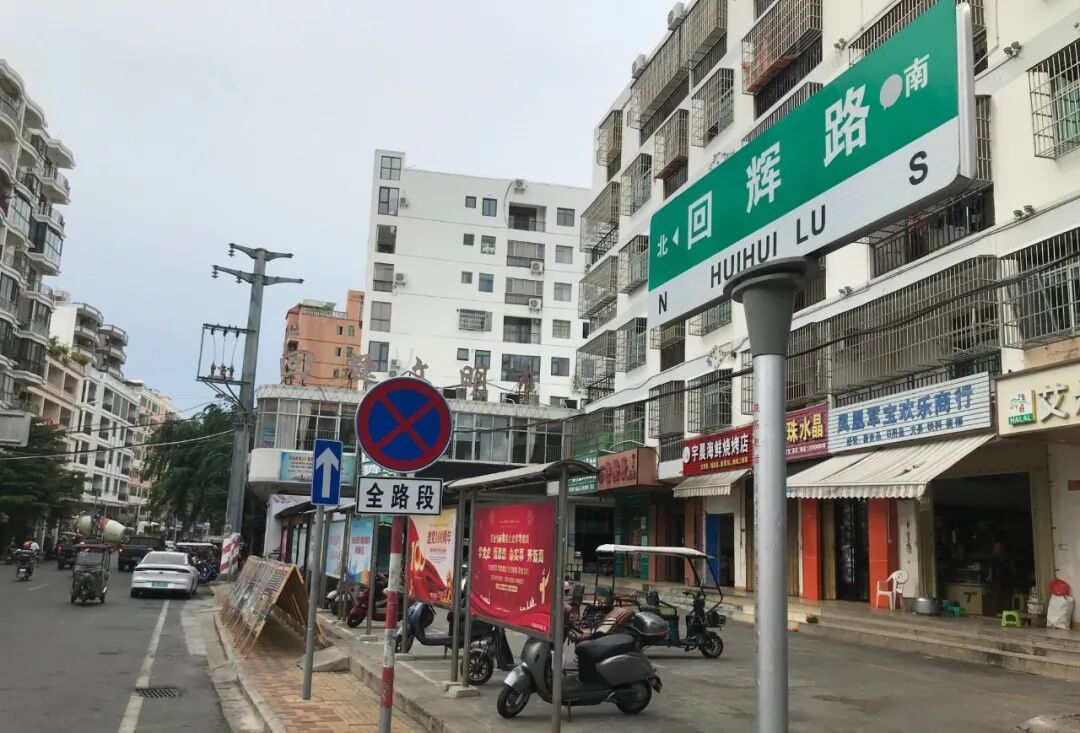
Huihui Road
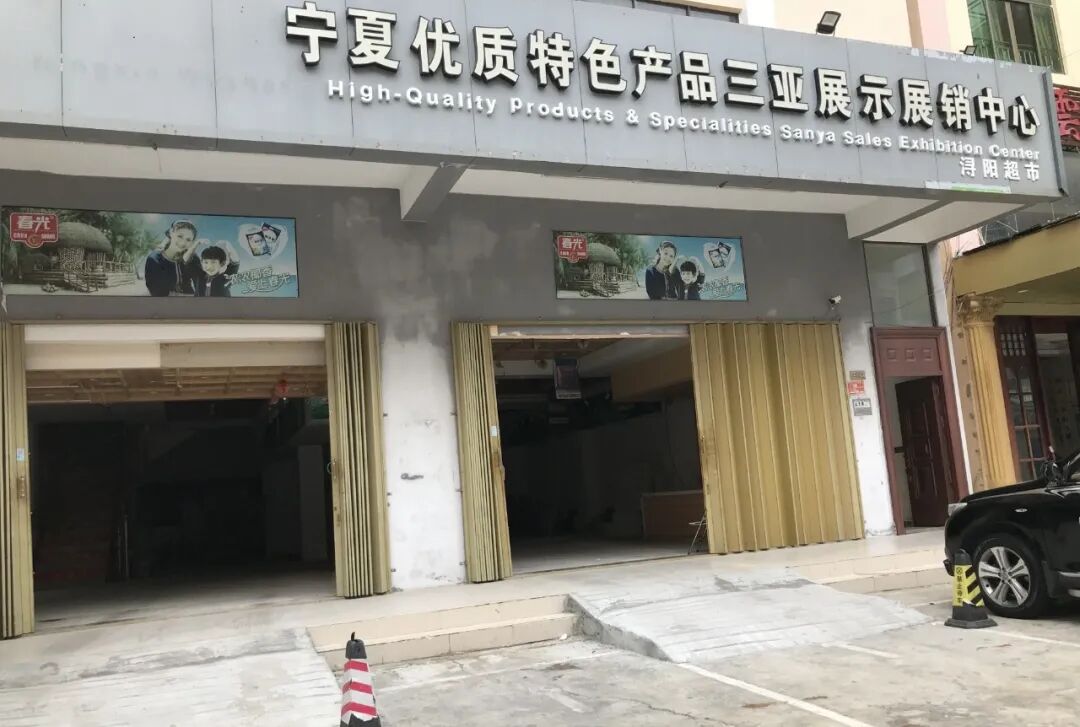
Ningxia specialty products showroom, currently under renovation.
Venturing deeper into the village, the towering minaret of the North Grand Masjid comes into view in the distance—hardly looks like typical village architecture.
The North Grand Masjid
The North Grand Masjid during the afternoon adhan (call to prayer).
The historic Northwest Grand Masjid in Huihui Village.
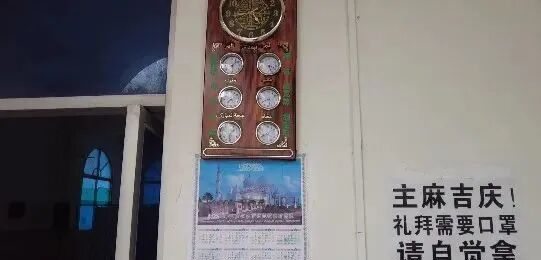
Notices posted at the masjid, including the daily prayer (dua/salah) schedule.
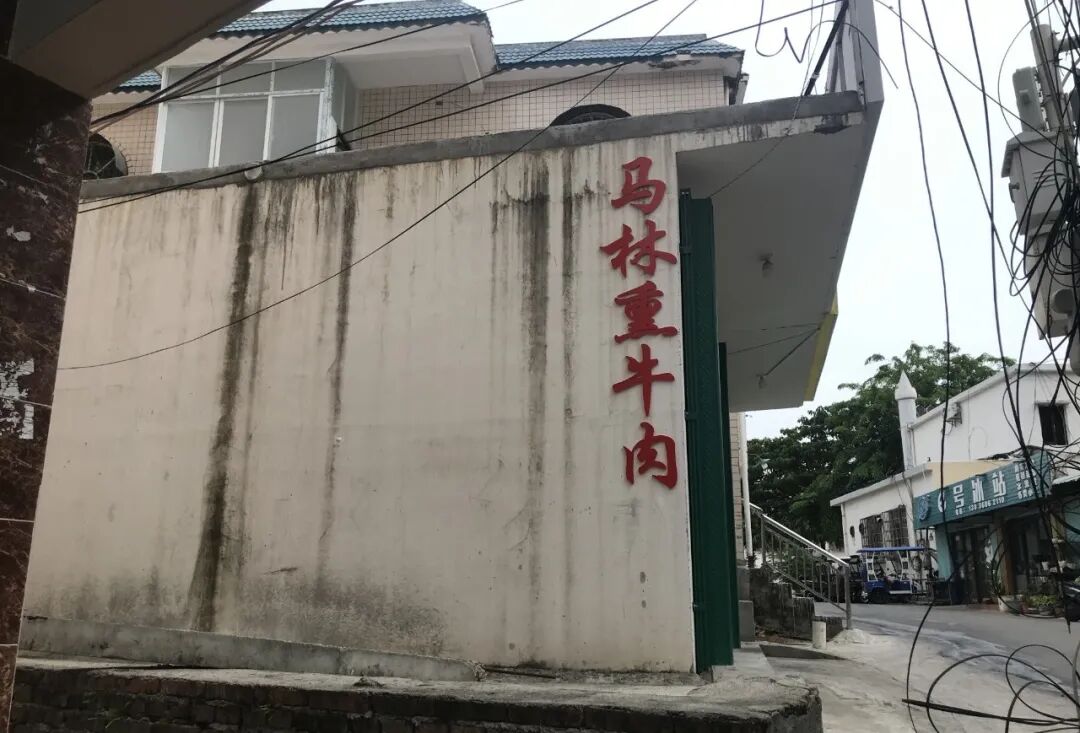
Huihui Smoked Beef Shop
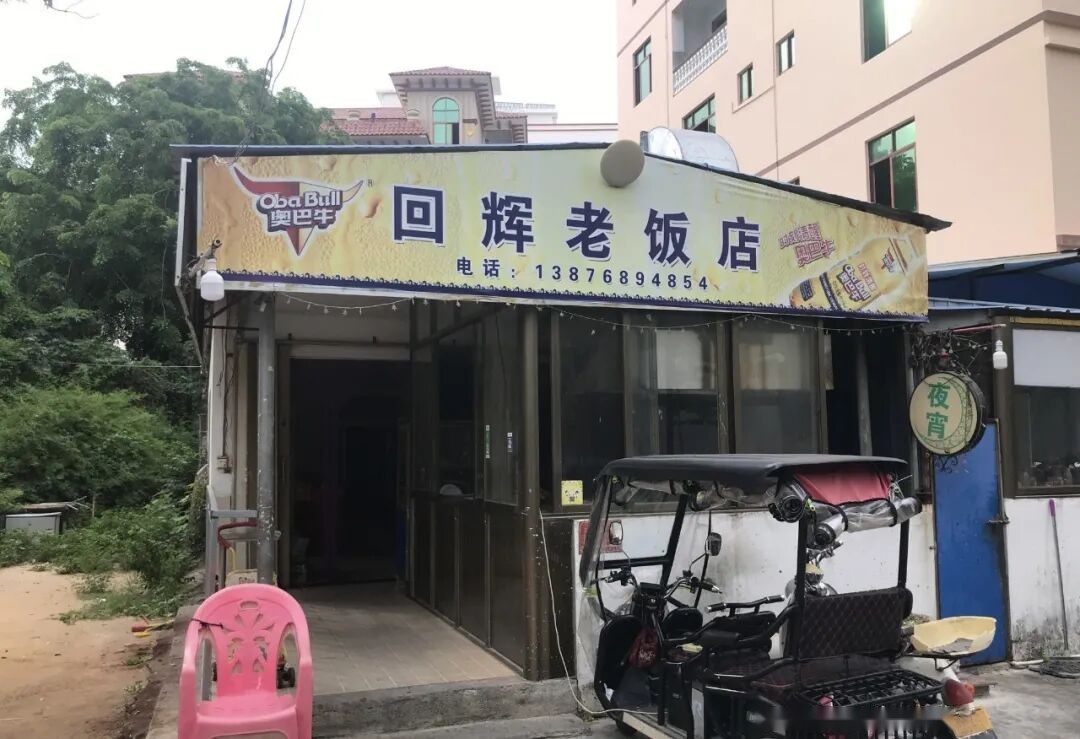
A local restaurant in Huihui Village
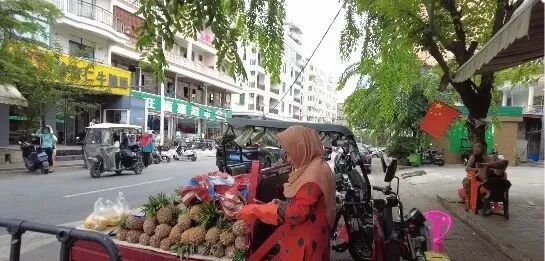
A Huihui woman selling pineapples in the village.
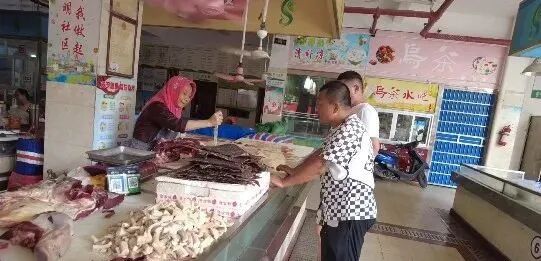
A Huihui woman selling beef at the local wet market.
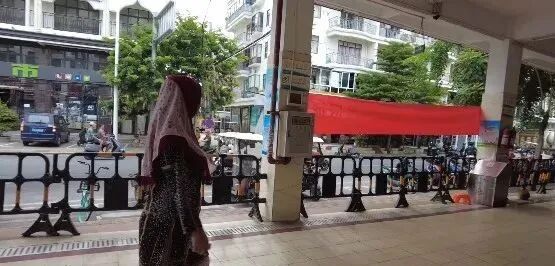
Typical women's attire—they dress this way no matter how hot it gets.
A Huihui villager riding a scooter.
Pearls are the main hustle here; the people of Huihui Village are fantastic at business.
Yusuf (Joseph), a major prophet in Islam; many locals are named Yusuf.
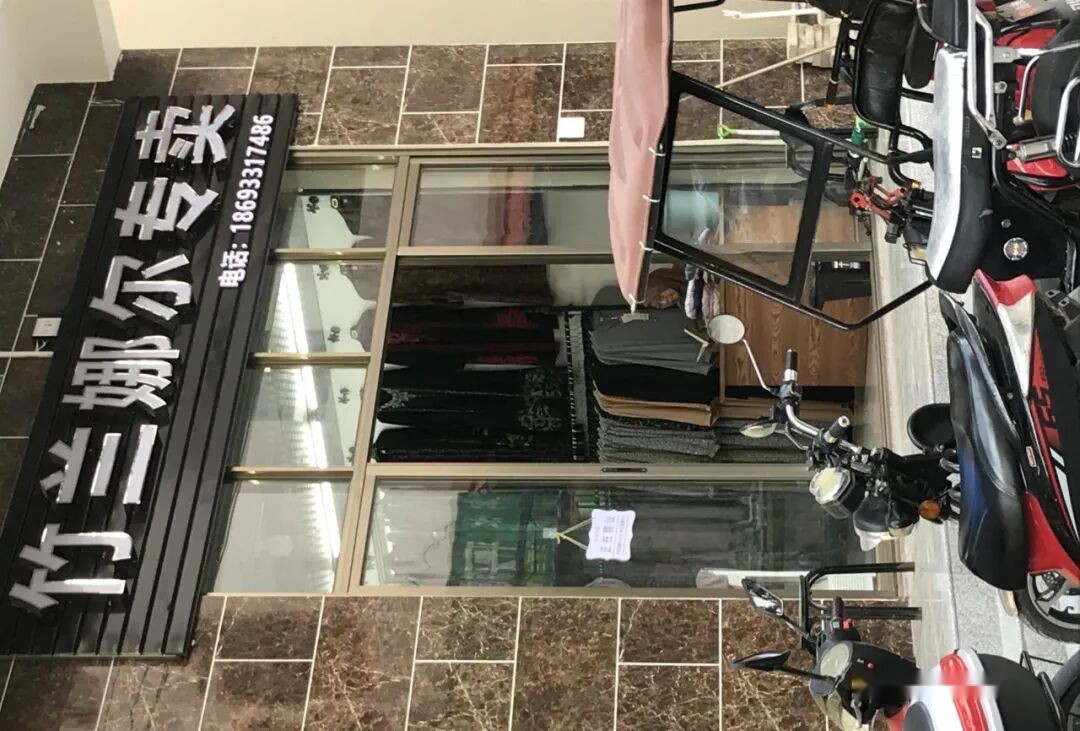
A traditional ethnic clothing shop in Huihui Village.
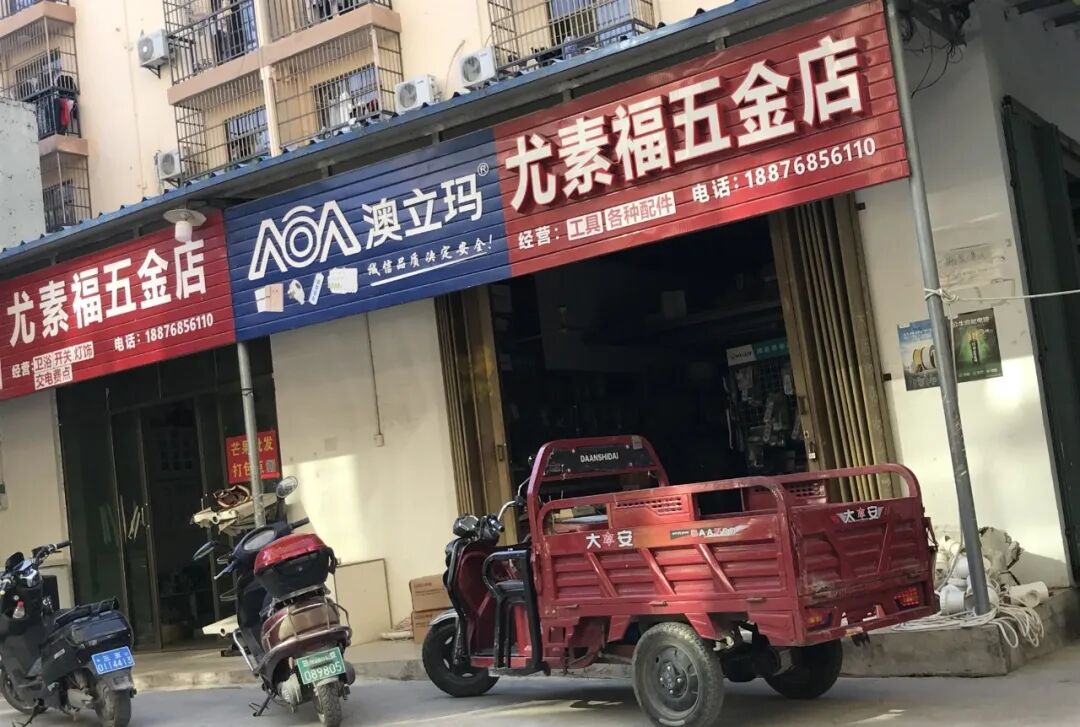
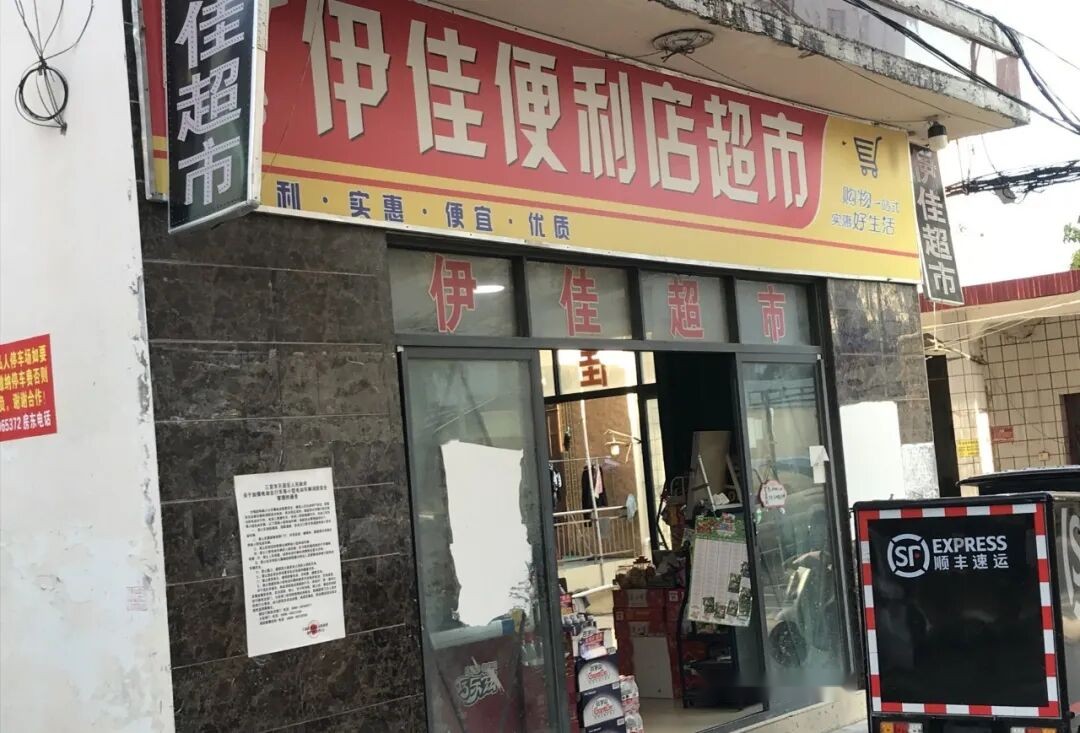
Convenience store
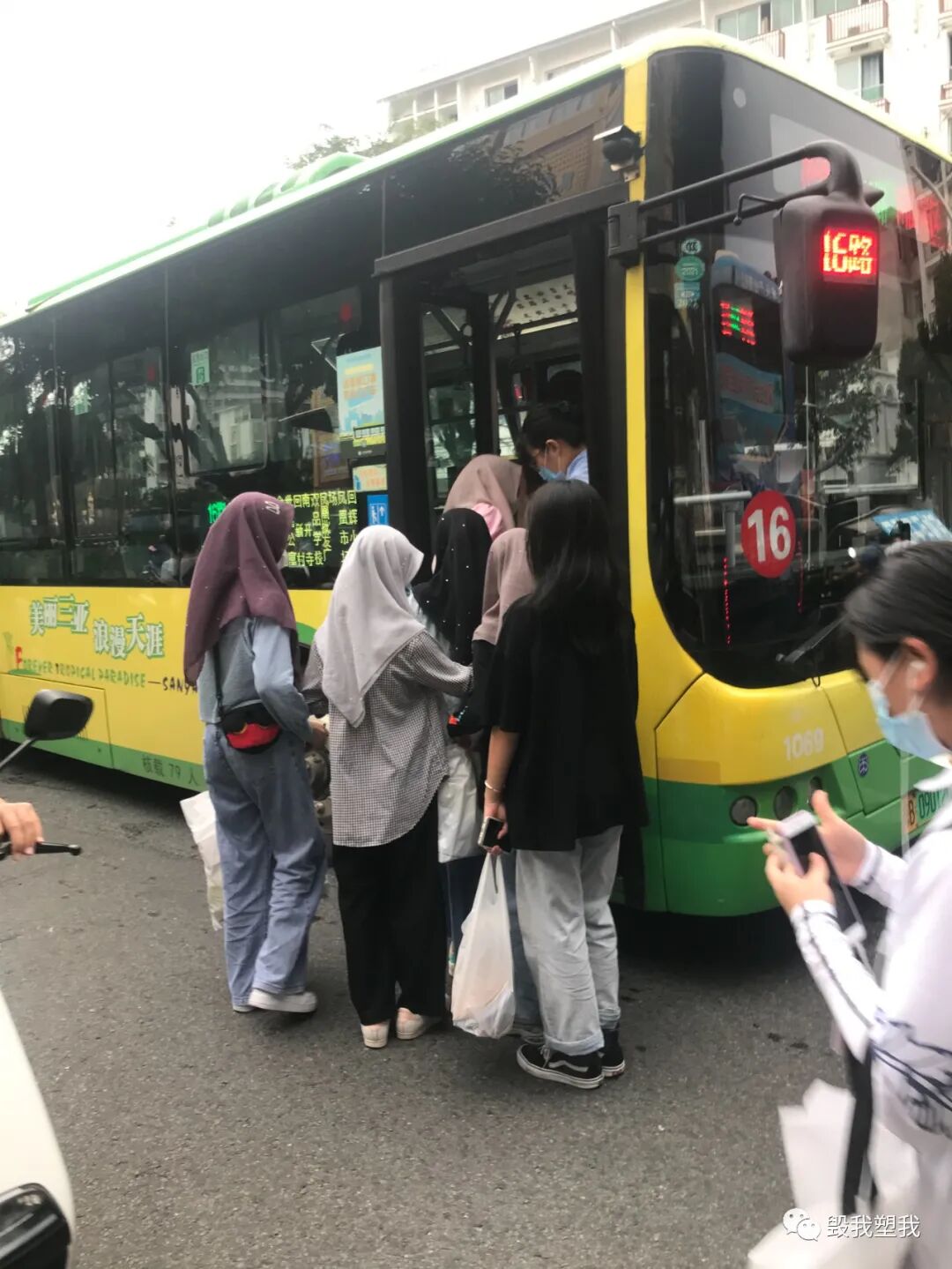
Students catching the public bus.
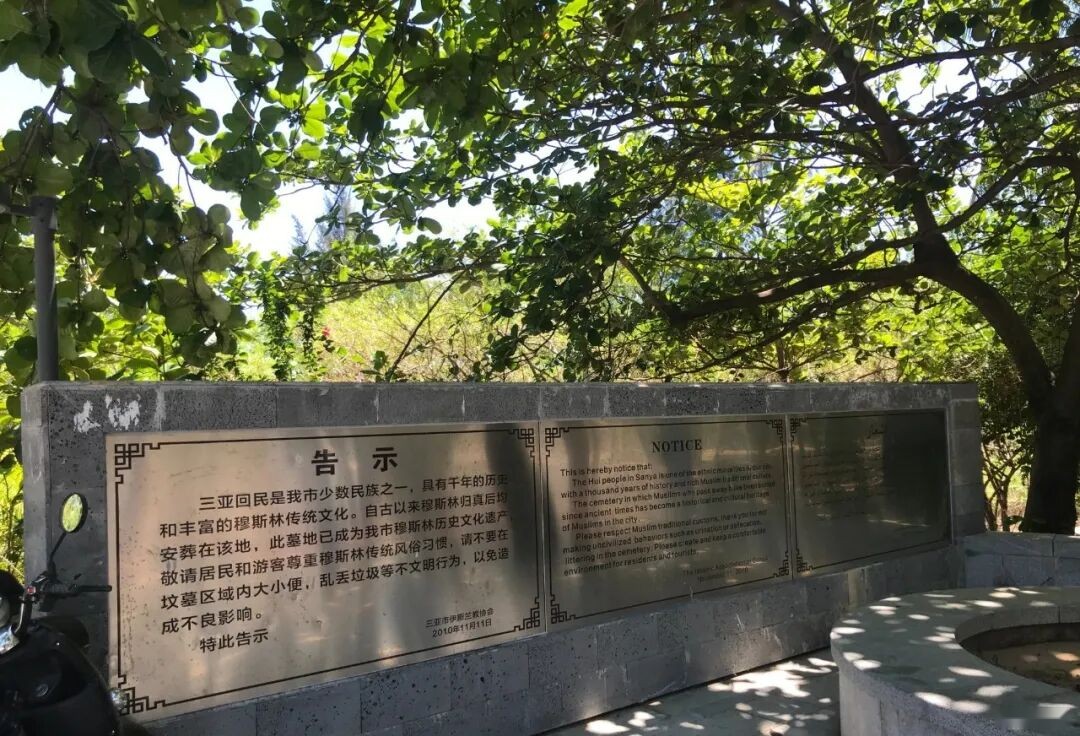
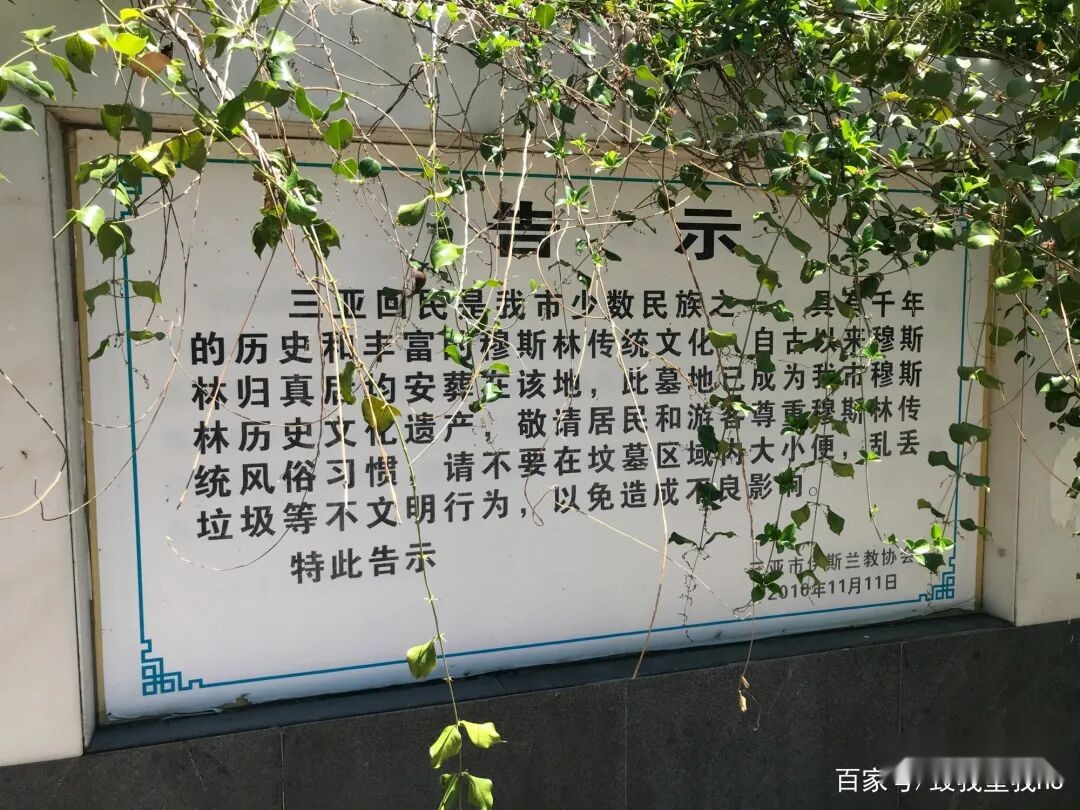
The Muslim cemetery at Sanya Bay.
Huixin Village: Smaller, more compact, lively, and packed with street eats.
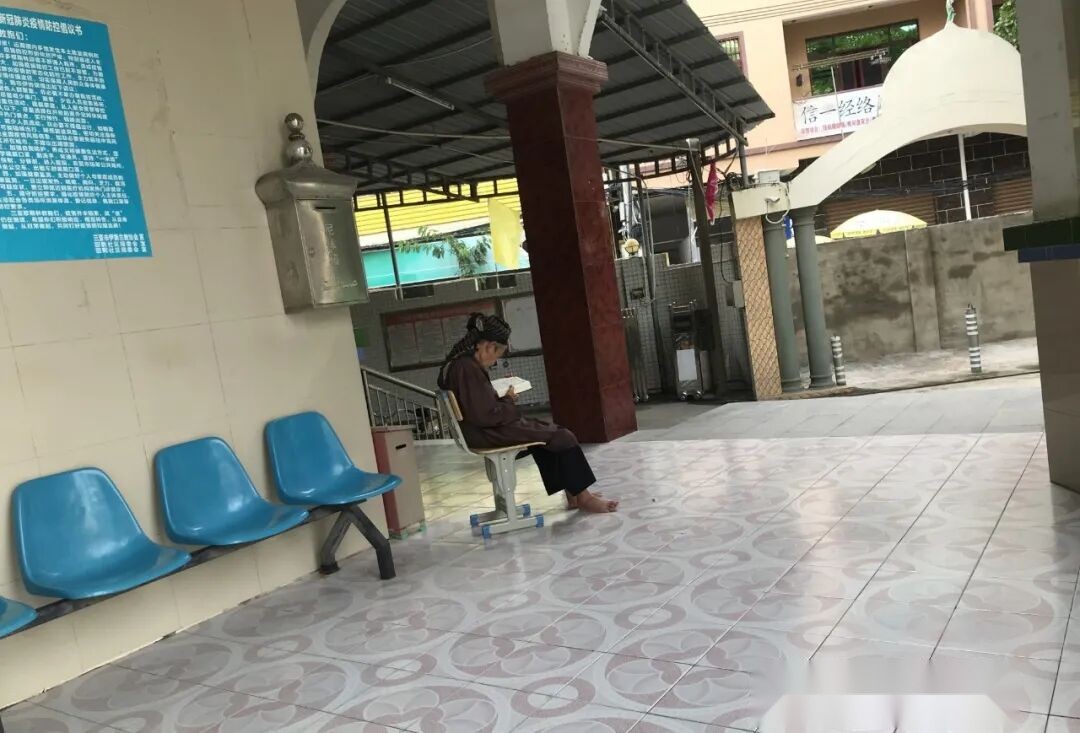
Huixin Village is smaller in area, but it's actually where the earliest Cham people originally settled, right by the ocean. Later on, Japanese invaders built an airport here and drove the people of Huixin Village across to Yanglan, creating Huihui Village. After the victory of the War of Resistance Against Japanese Aggression, some of the Cham people migrated back to what is now Huixin Village. Geographically, it stretches from Yihang Market in the east all the way to Nankai Masjid in the west.
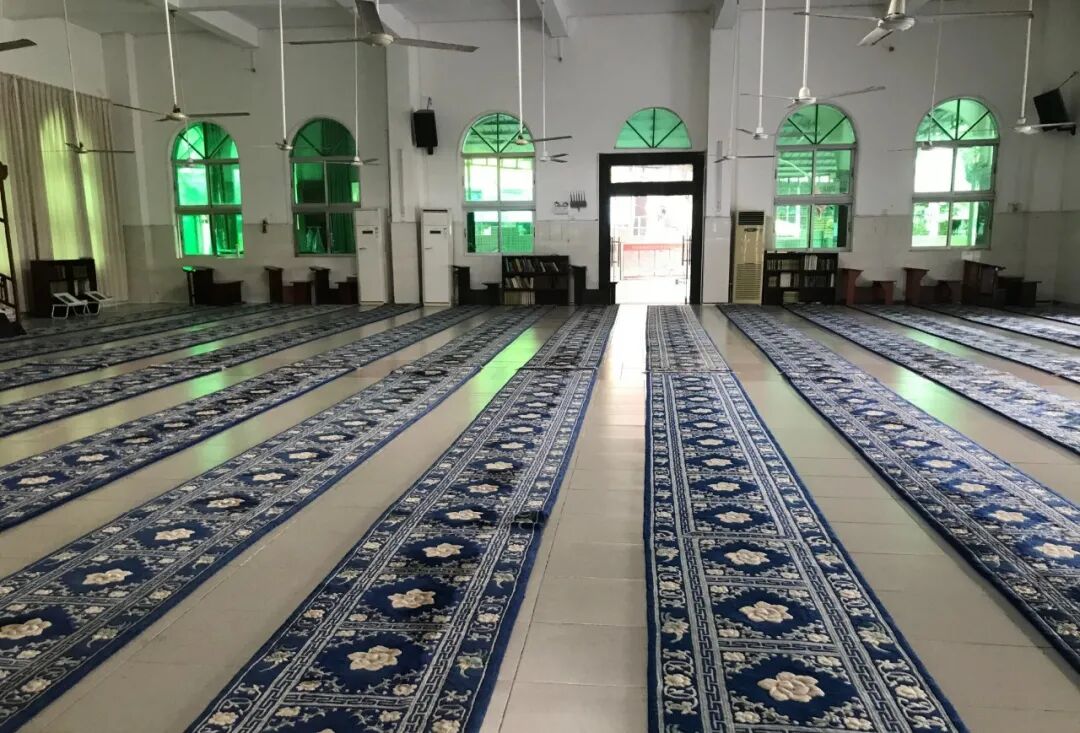
Huixin Village (Huixin Muslim Village) has two mosques: Nankai Mosque and Southern Mosque. Southern Mosque is right in the middle of the village, but Nankai Mosque is the largest—definitely use it as your landmark if you're exploring the area. It takes about half an hour to get here from Huihui Village (Huihui Muslim Village).
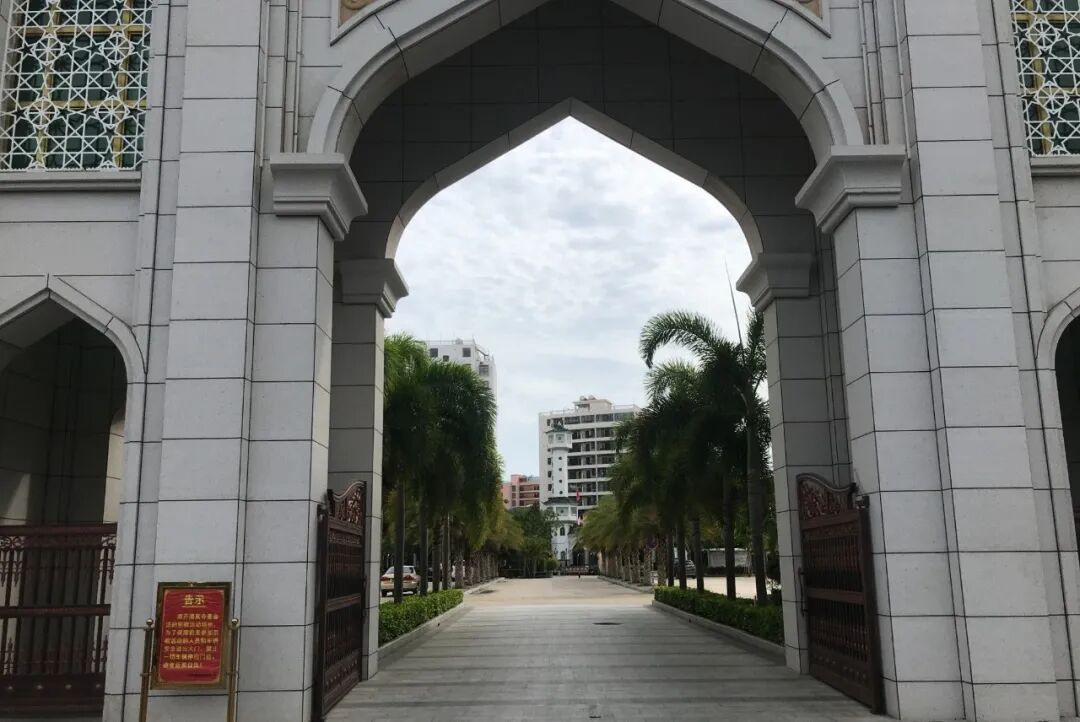
A meal in Huixin Village (Huixin Muslim Village): Rabier stir-fried rice noodles for 16 yuan.
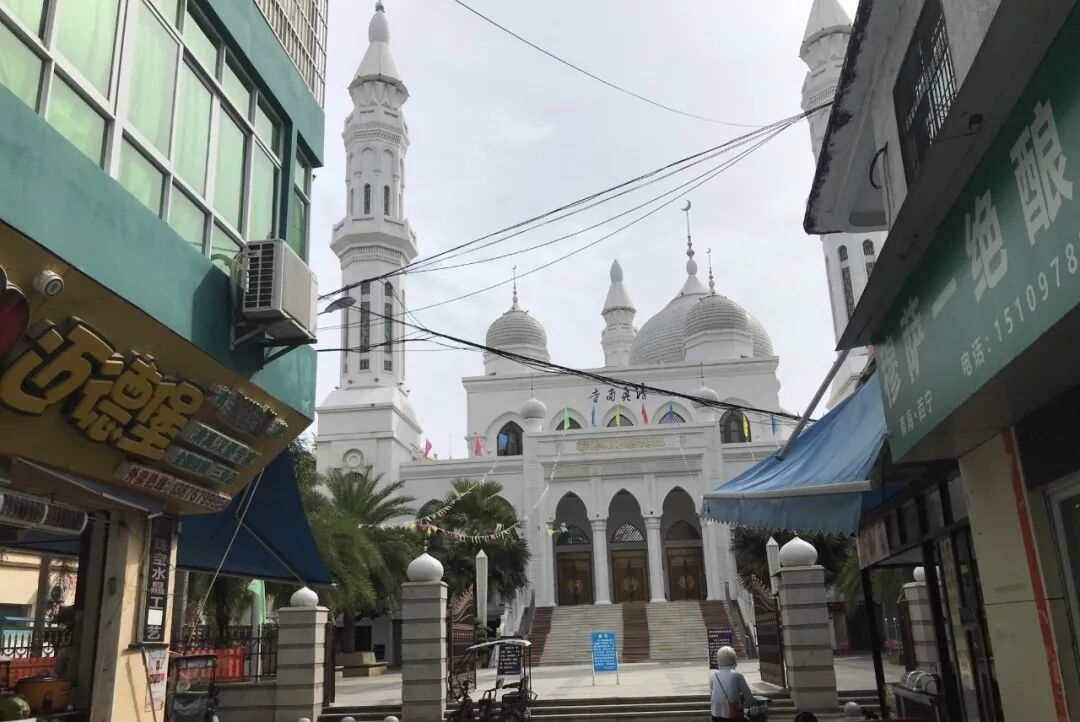
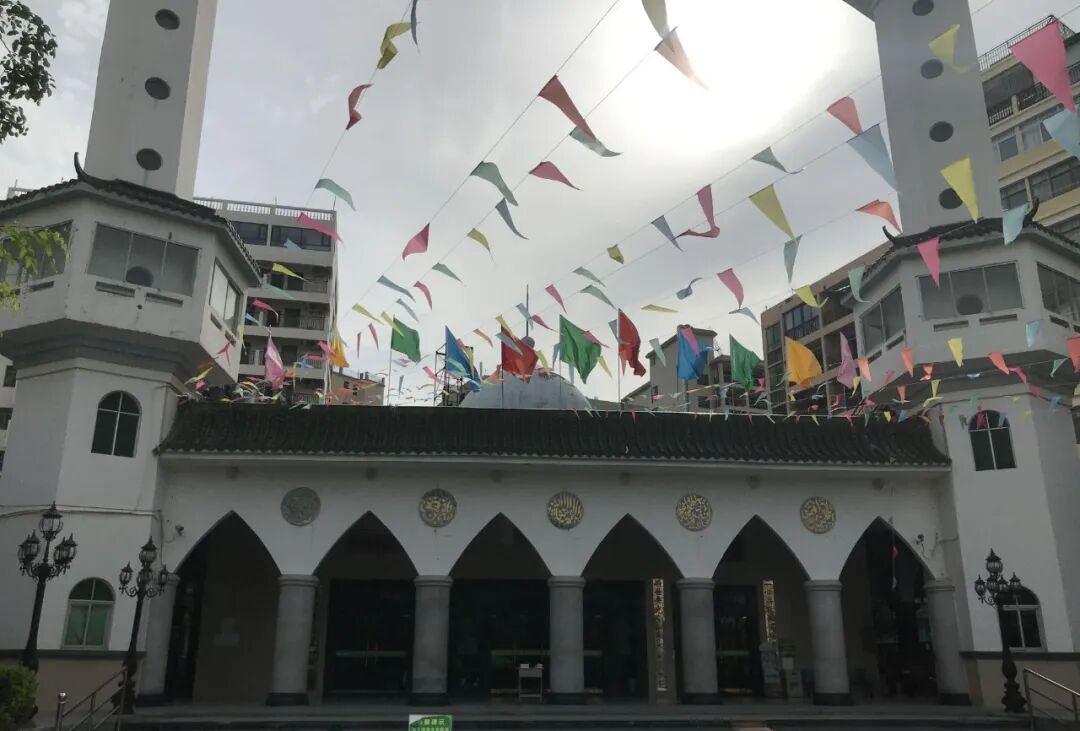
Rolling into Huixin Village (Huixin Muslim Village), you'll spot Southern Mosque right away; it's the heart of the community.
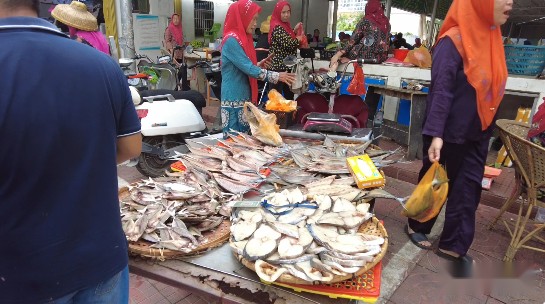
Southern Mosque, closed to visitors during the pandemic.
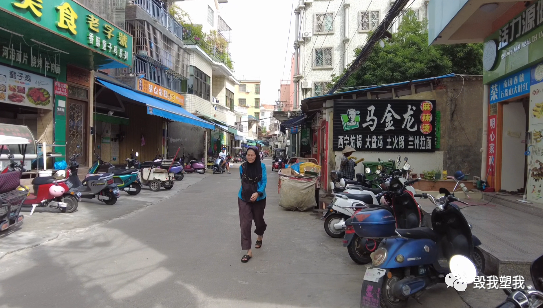
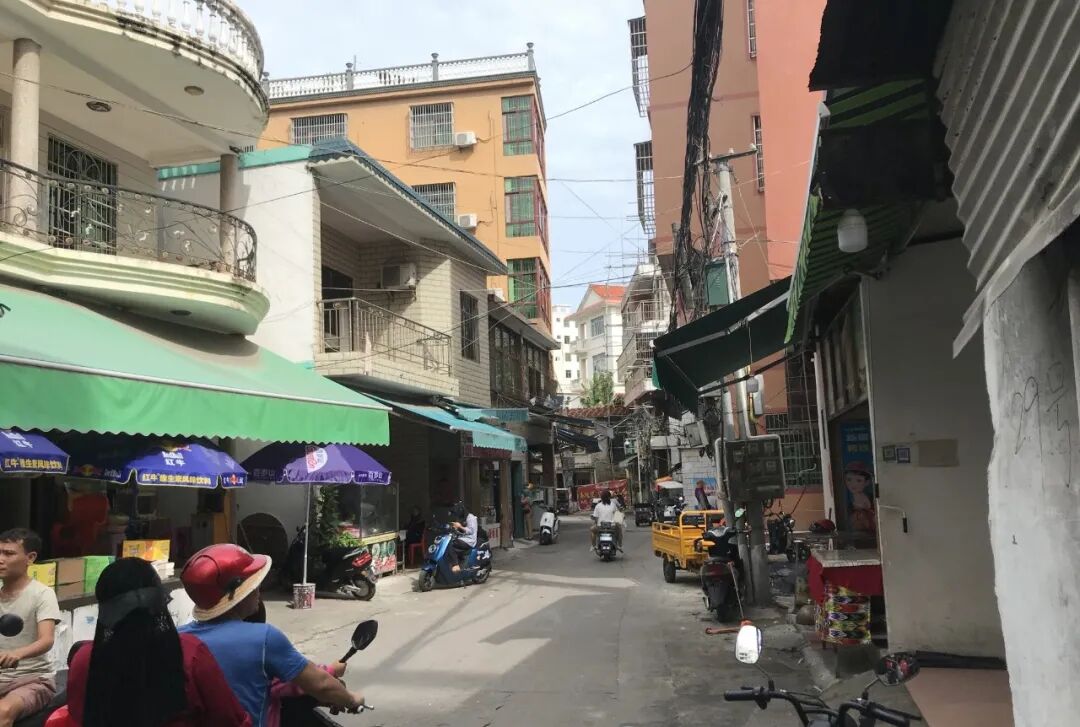
The alleys of Huixin Village (Huixin Muslim Village) are totally buzzing with local daily life.
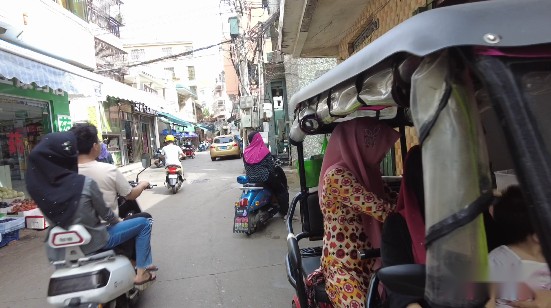
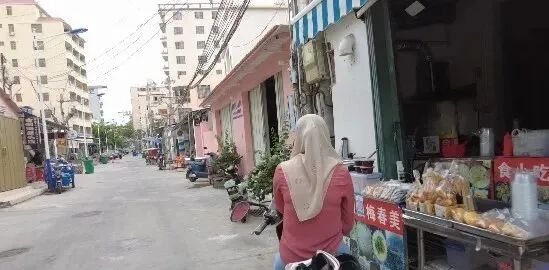
Tucked away in the narrow alleys of Huixin Village (Huixin Muslim Village), you'll find an endless lineup of street snacks.
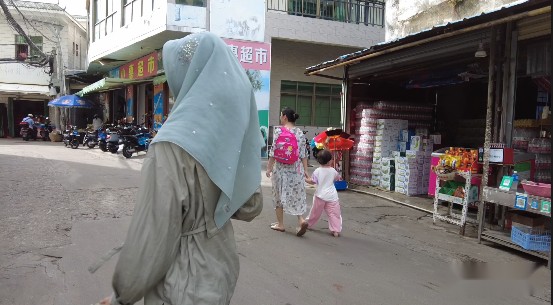
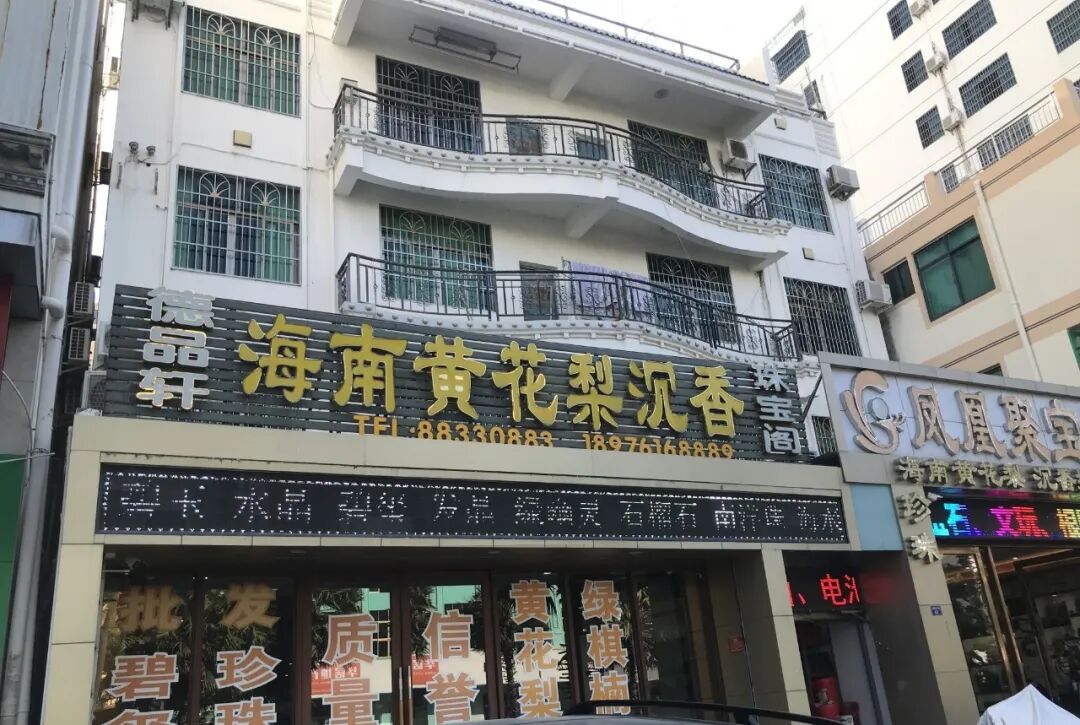
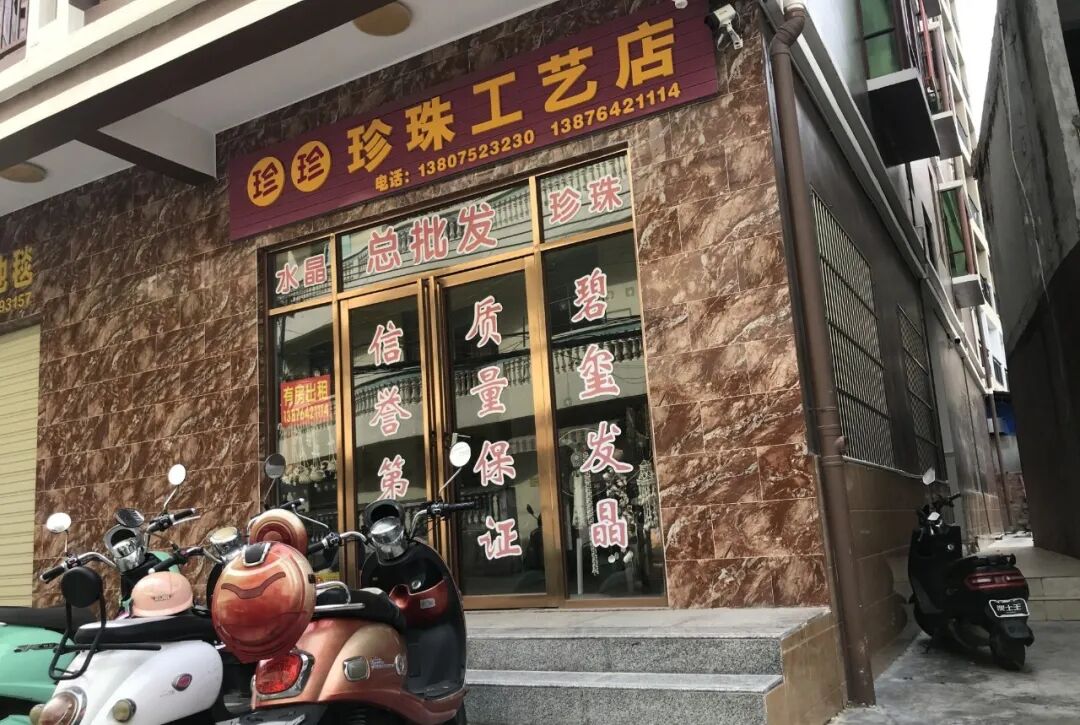
Pearl shops are seriously everywhere you look in Huixin Village (Huixin Muslim Village).
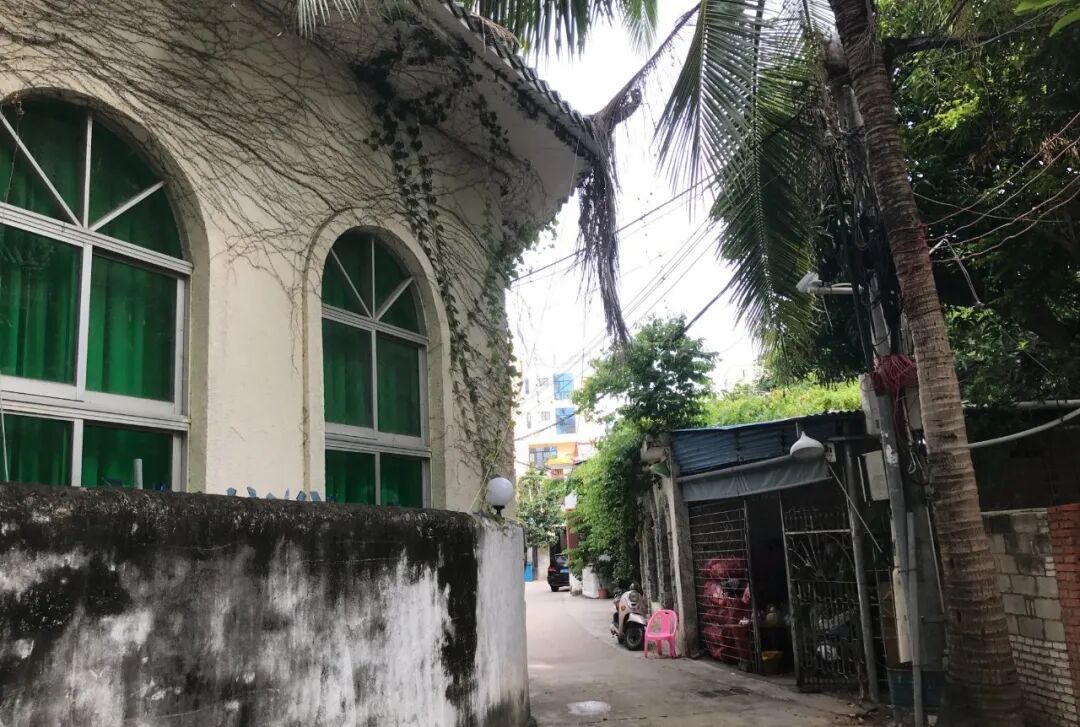
Strolling through the alleys of Huixin Village (Huixin Muslim Village).
Someone studying religious texts at the Huixin Village (Huixin Muslim Village) mosque.
The prayer hall at Nankai Mosque.
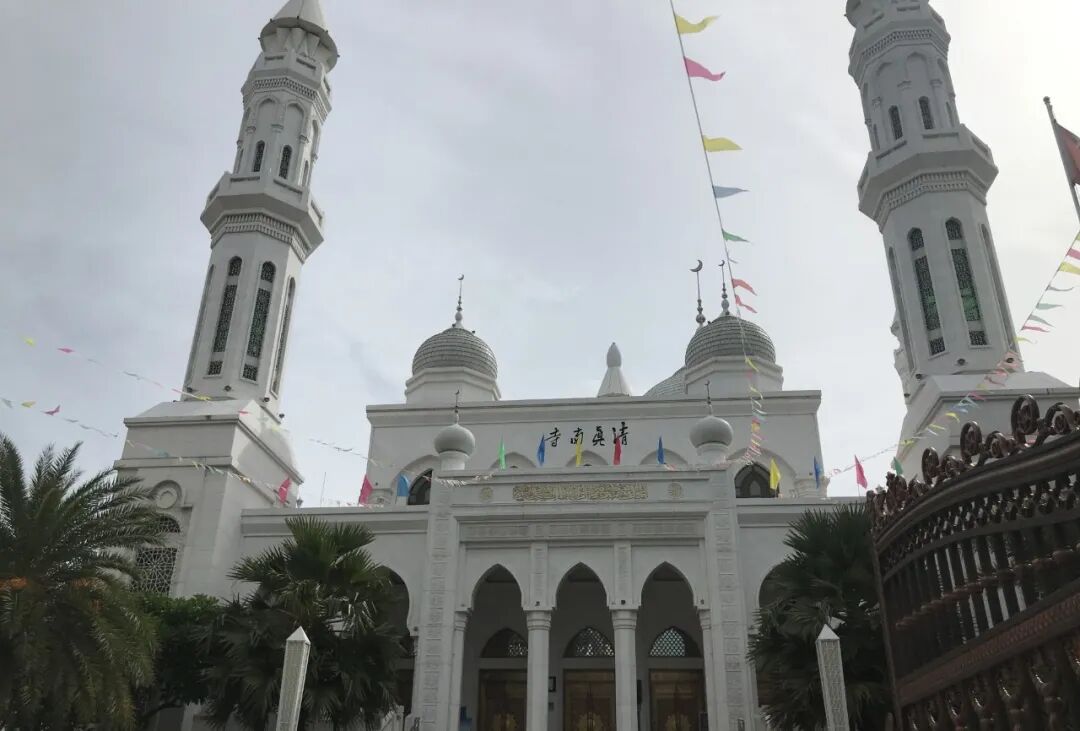
Nankai Mosque.
Nankai Mosque.
The morning market in Huixin Village (Huixin Muslim Village) is mostly run by local women—here's a stall selling dried fish.
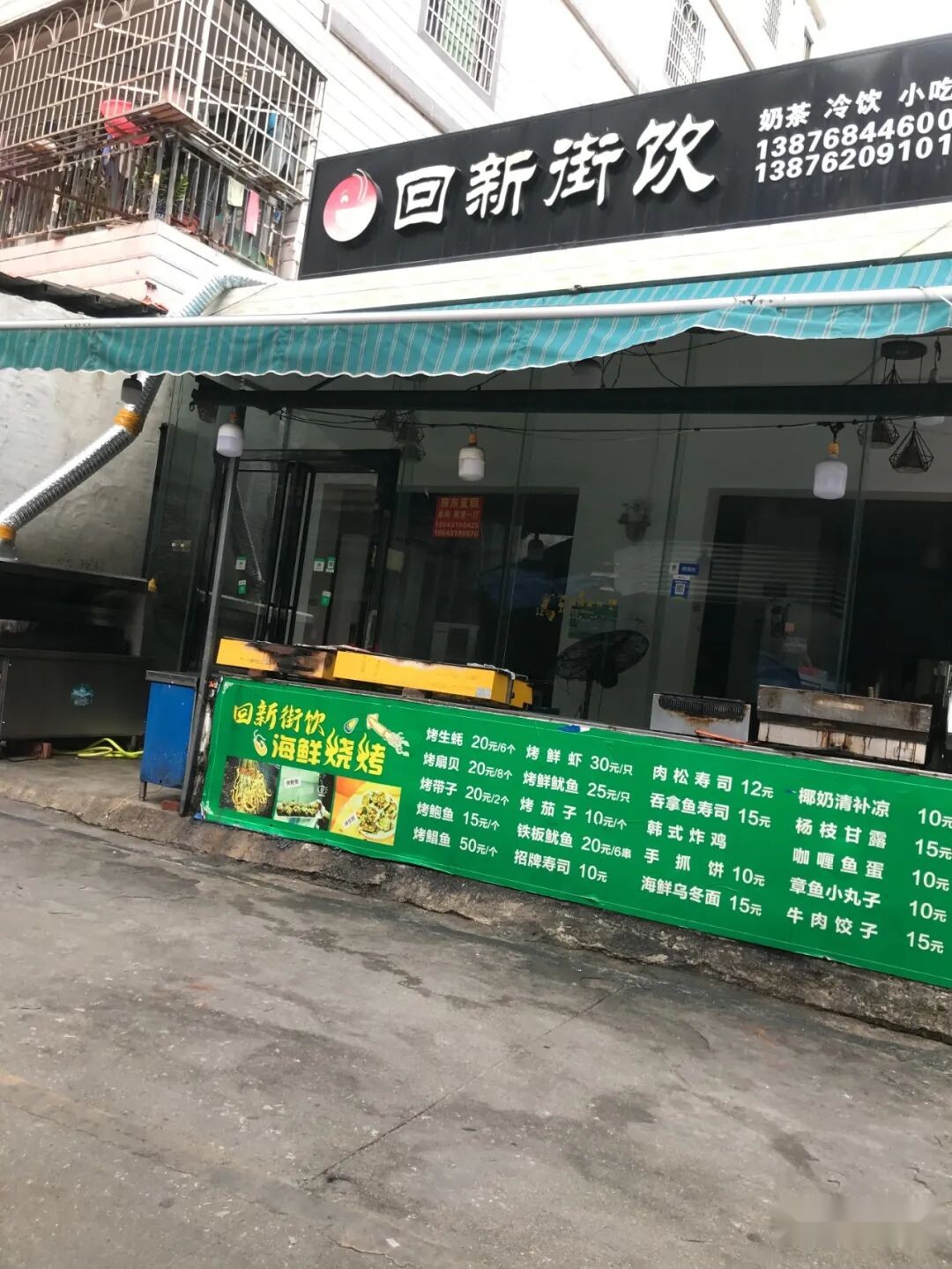
An afternoon vibe in the alleys of Huixin Village (Huixin Muslim Village), lined with tons of little snack spots.
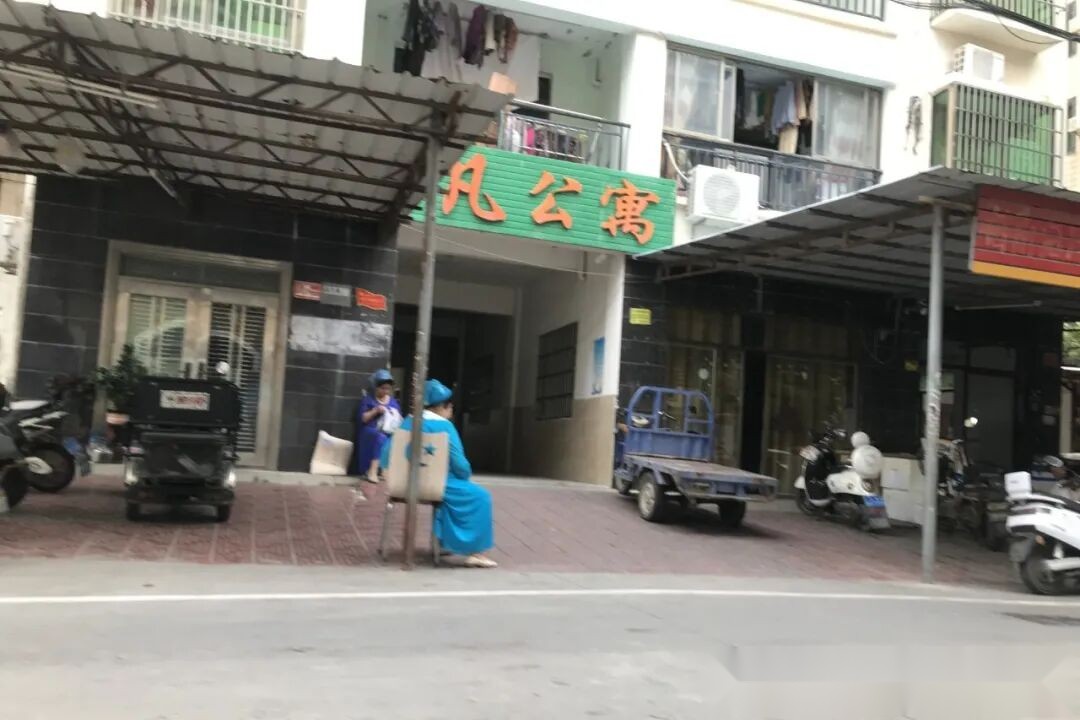
Huixin Village (Huixin Muslim Village) has a ton of rental apartments, home to both Hui Muslims and Han Chinese, making the streets super lively.
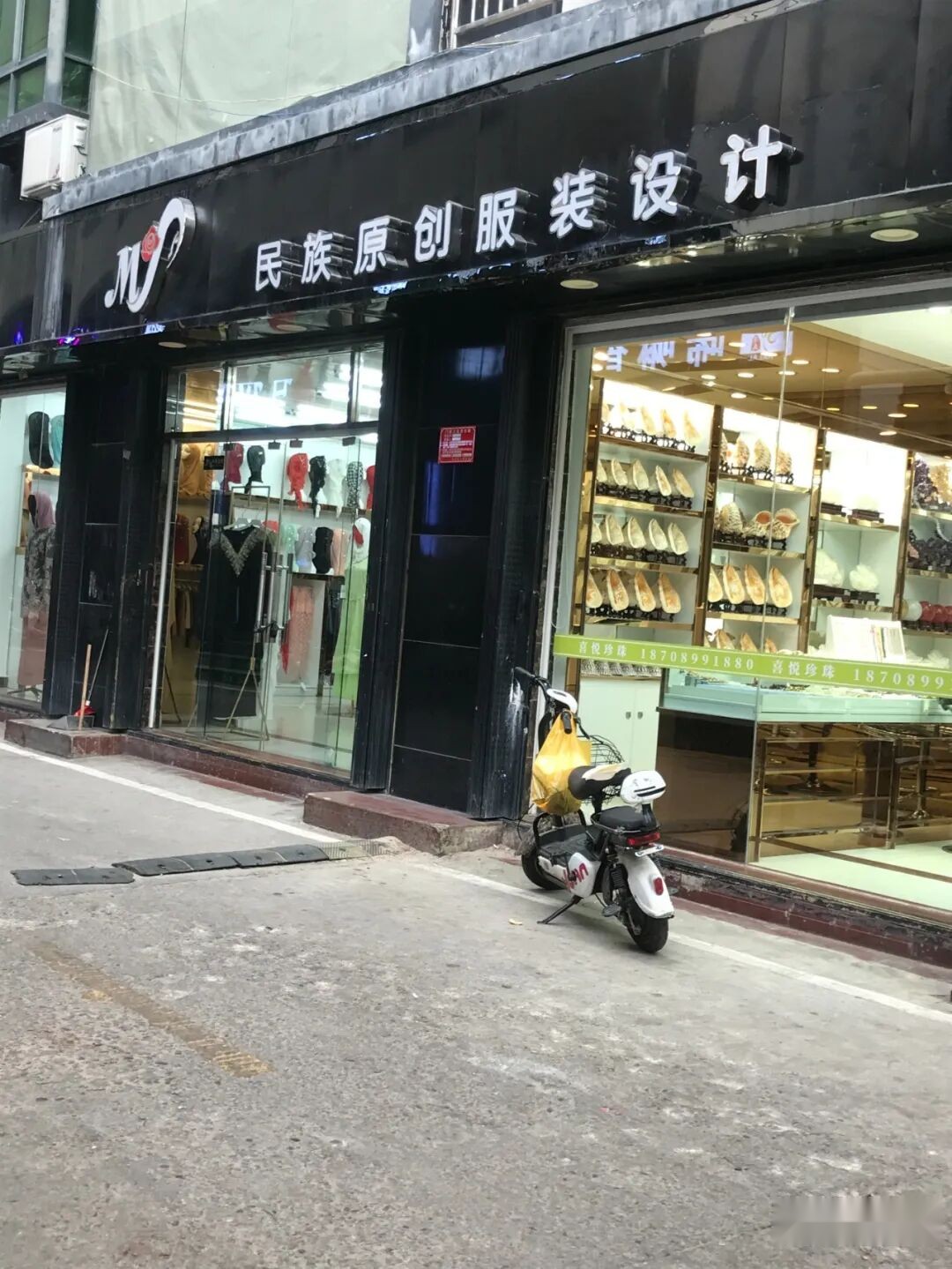
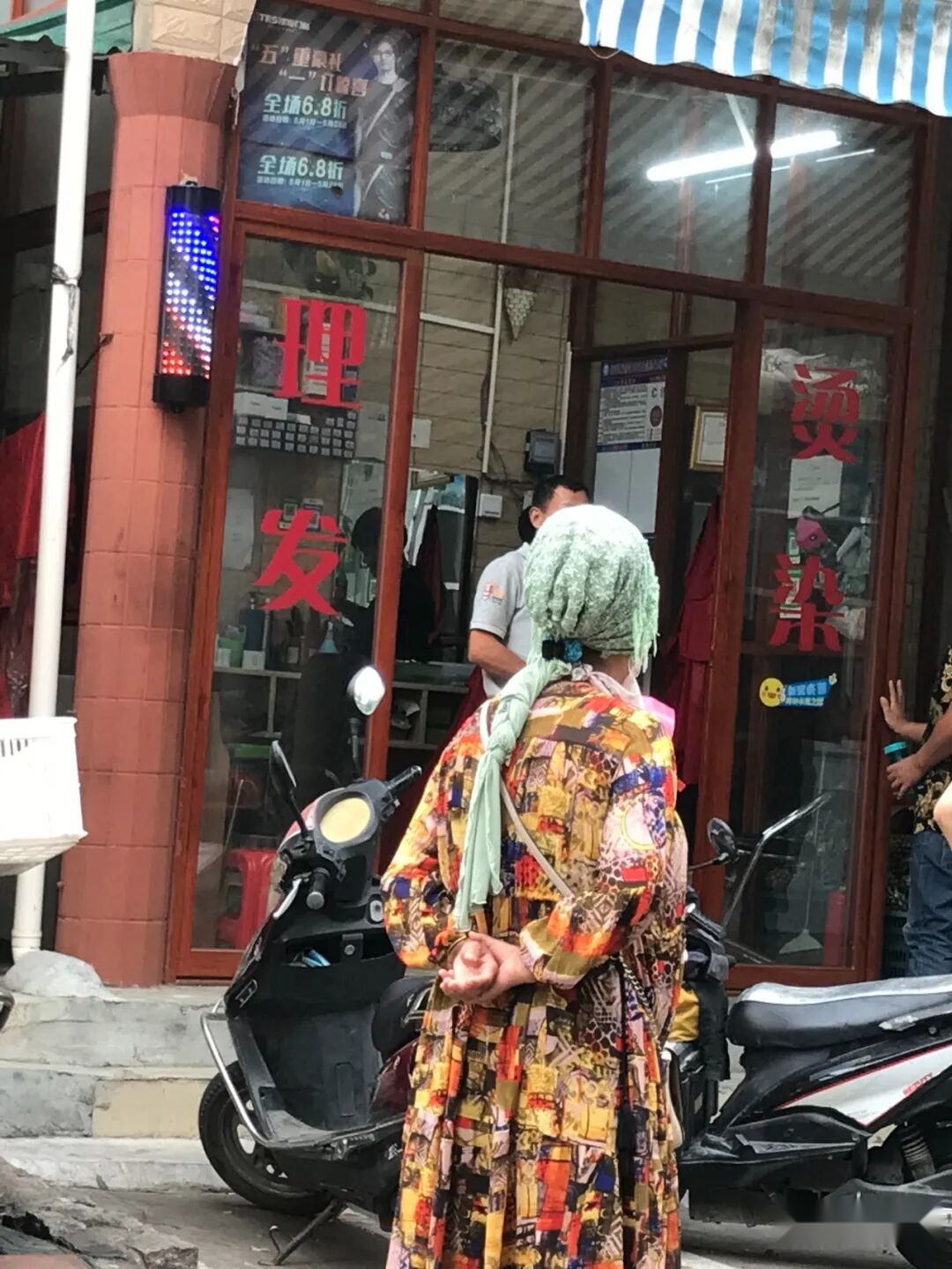
Spotting women with and without headscarves. Every winter, tons of people from northern China come down here to rent places and spend their retirement.
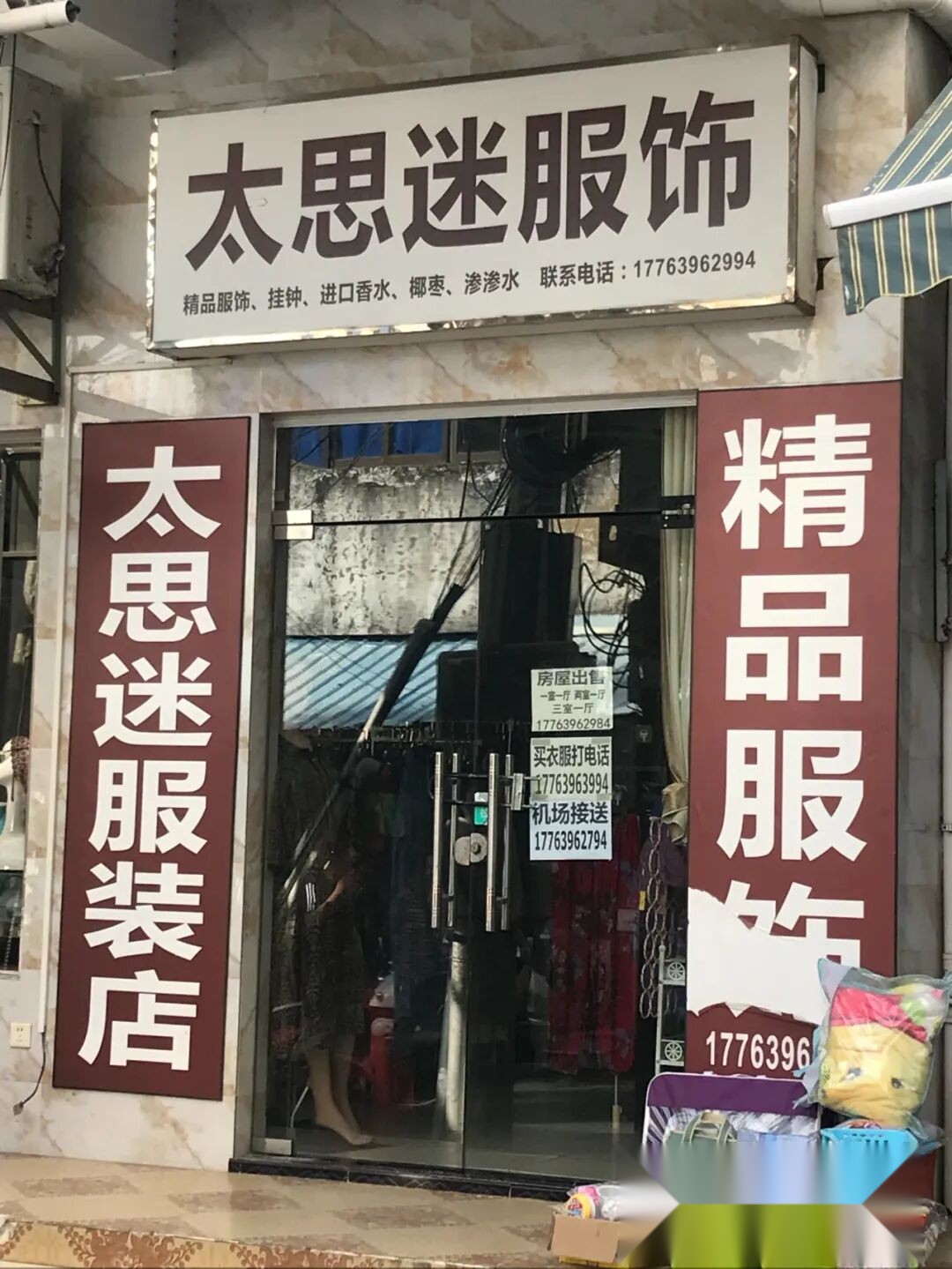
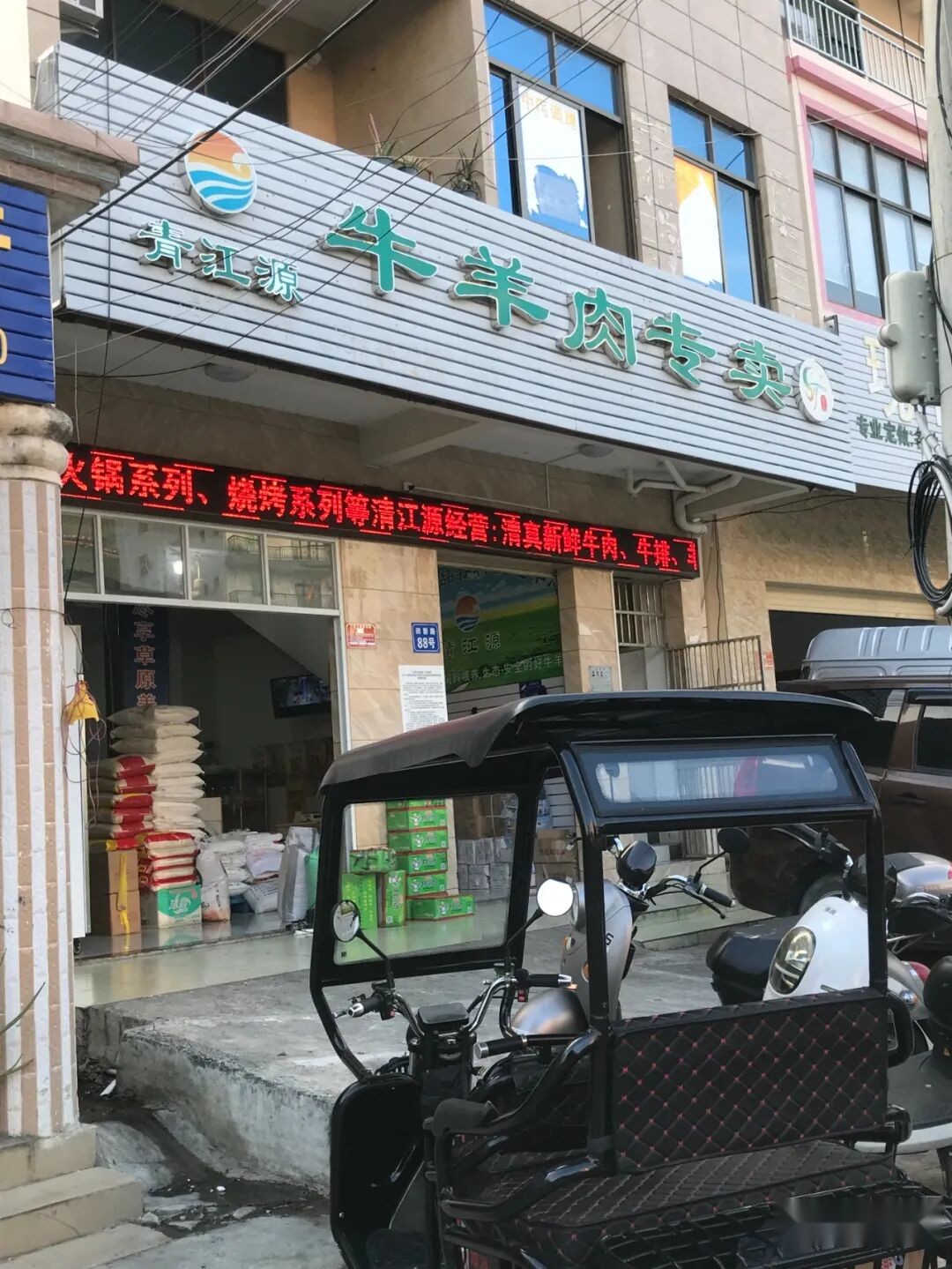
Whenever I stayed in Sanya, I'd always come here to buy my beef and mutton.
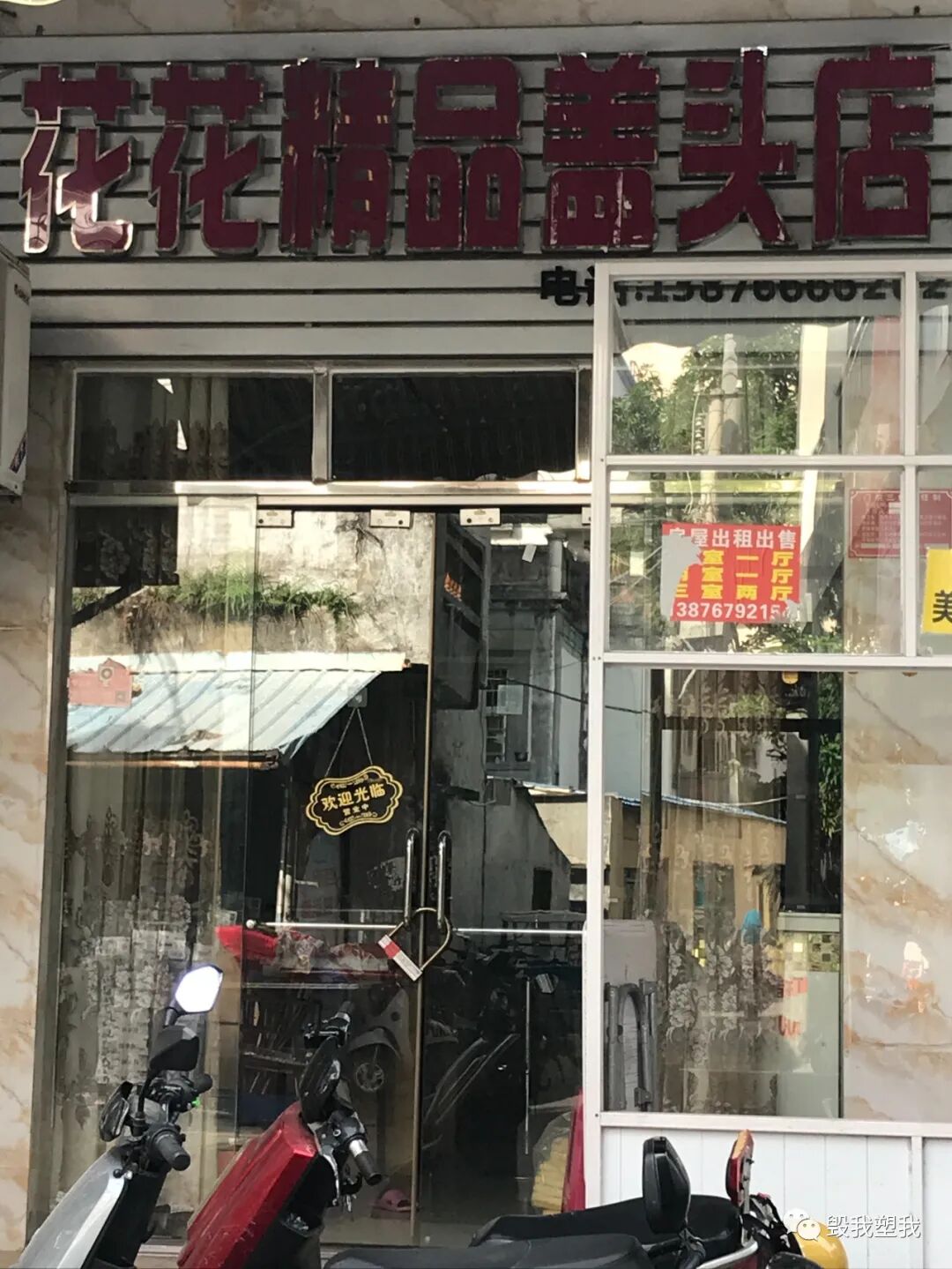
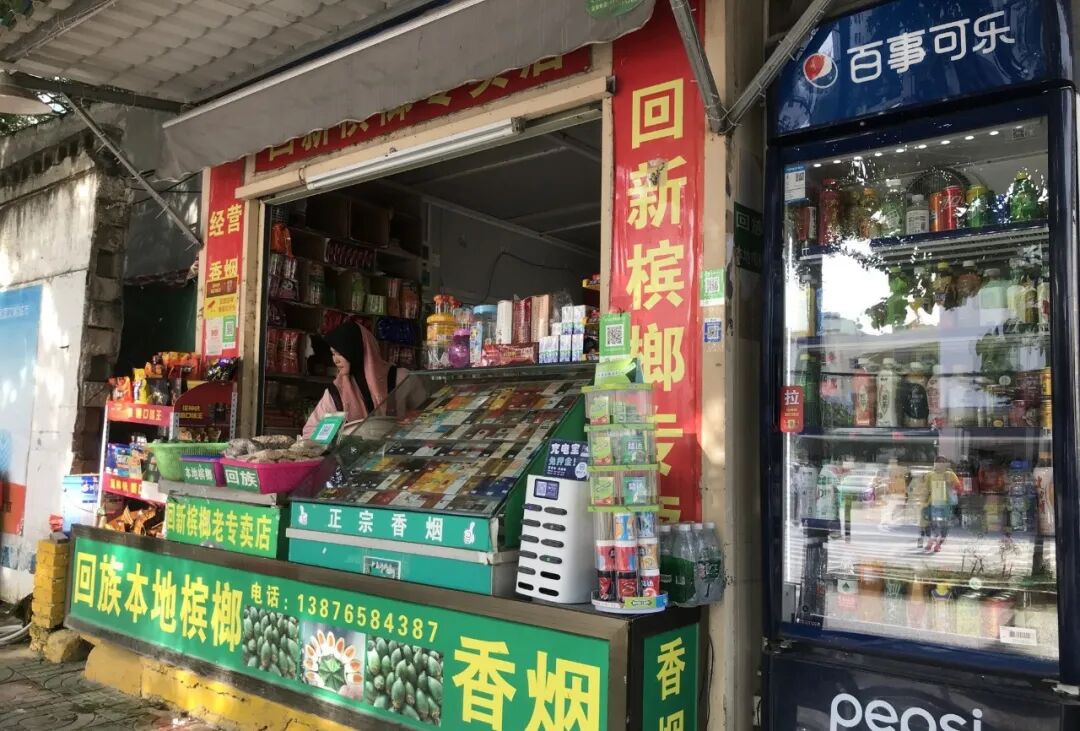
Chewing this is a total Hainan tradition.
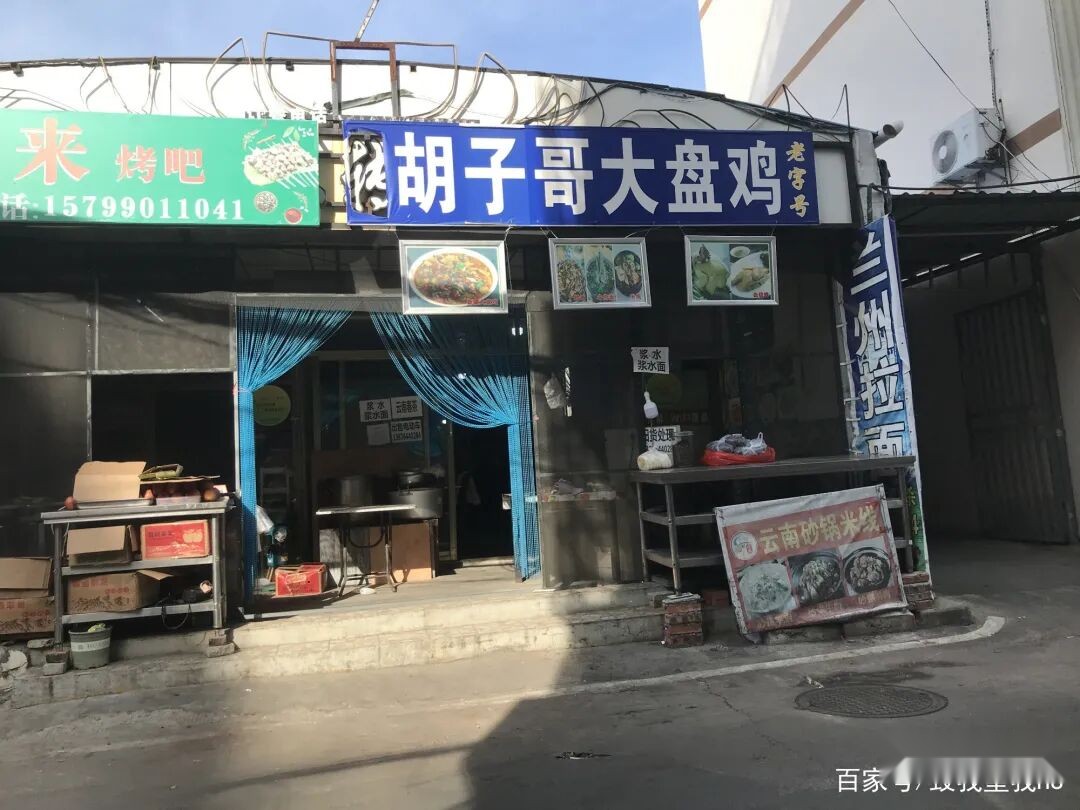
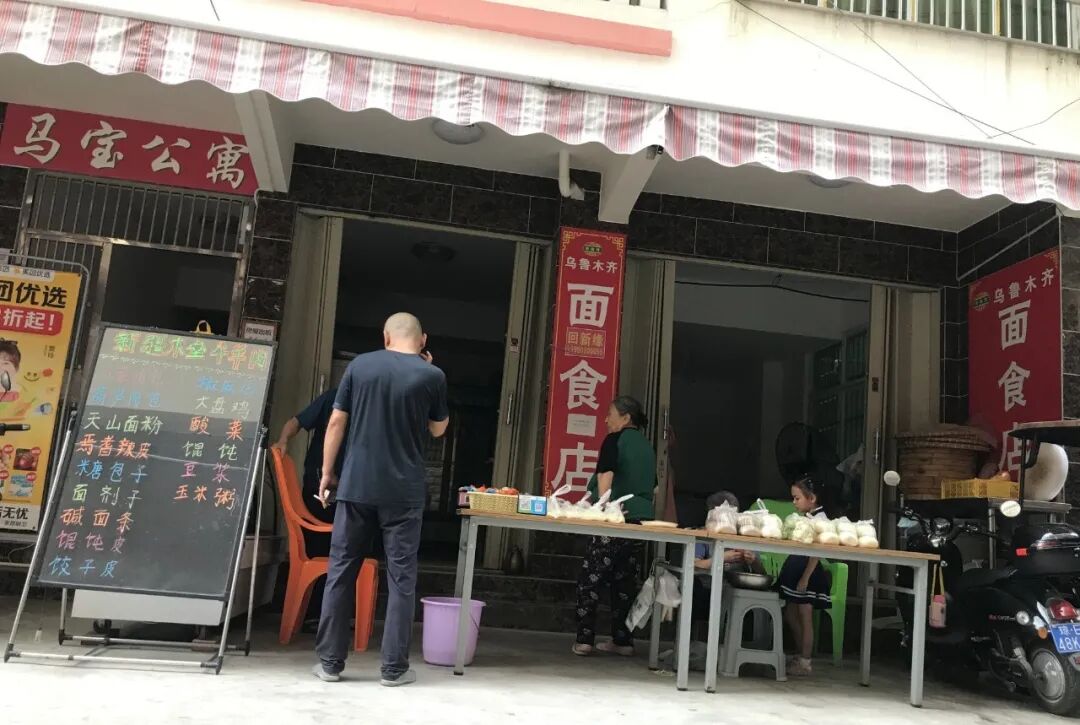
There are lots of rental apartments around here, along with spots selling northern Chinese wheat noodles.
Rental apartments.
People walking down the street.
Dining spots on Huixin Street. Honestly, aside from beef dumplings, most of what they serve are trendy night market street eats.
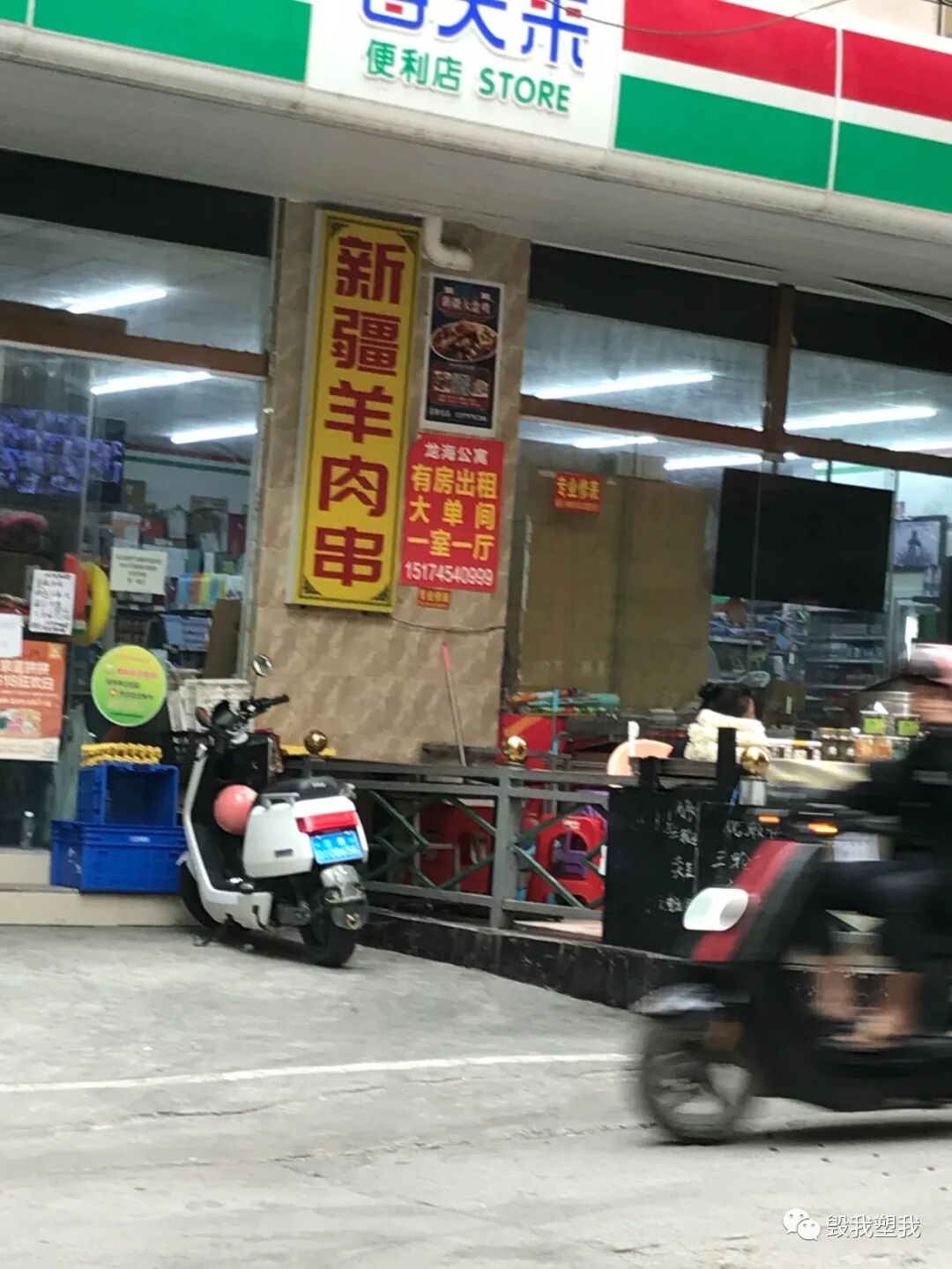
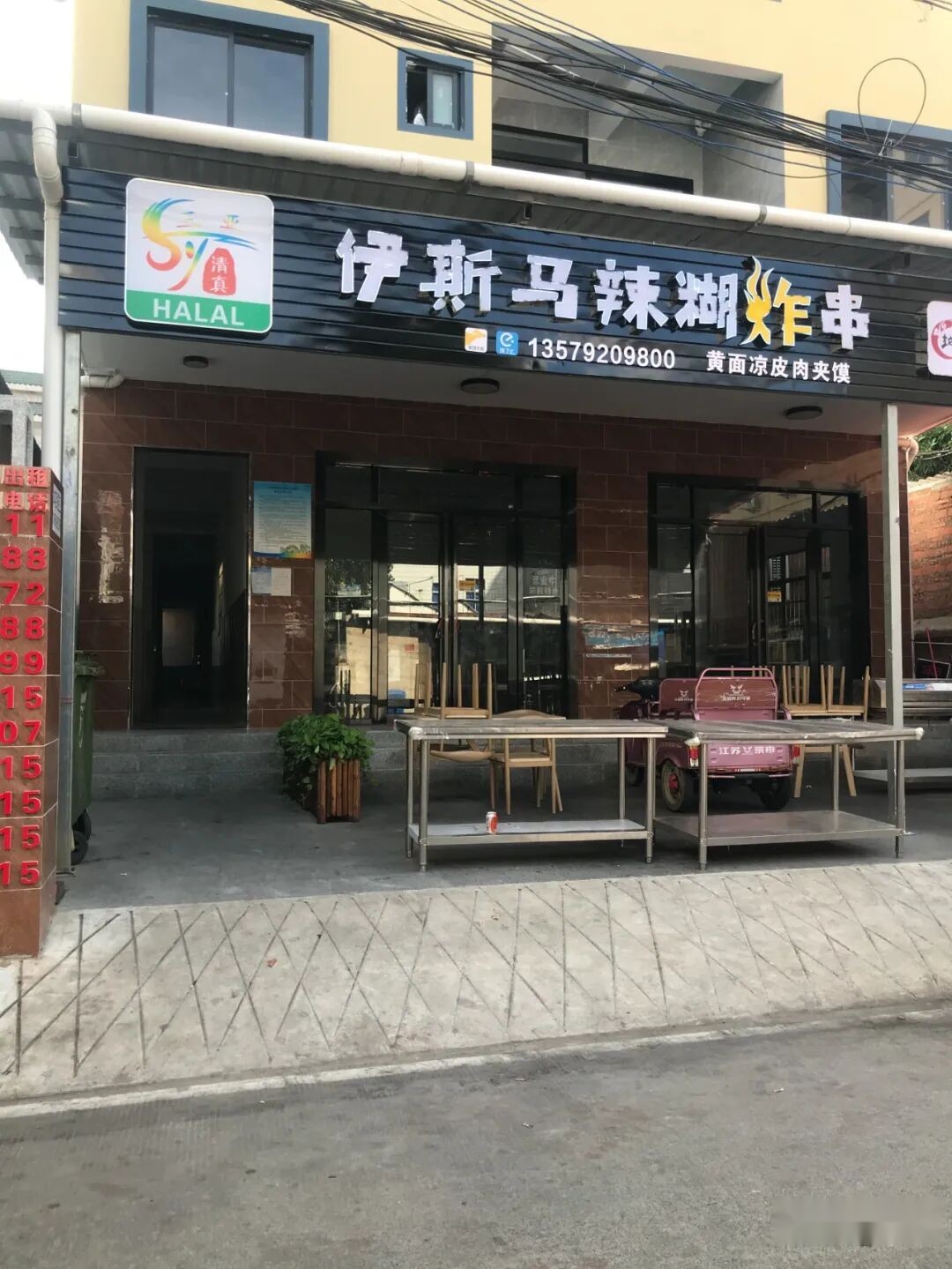
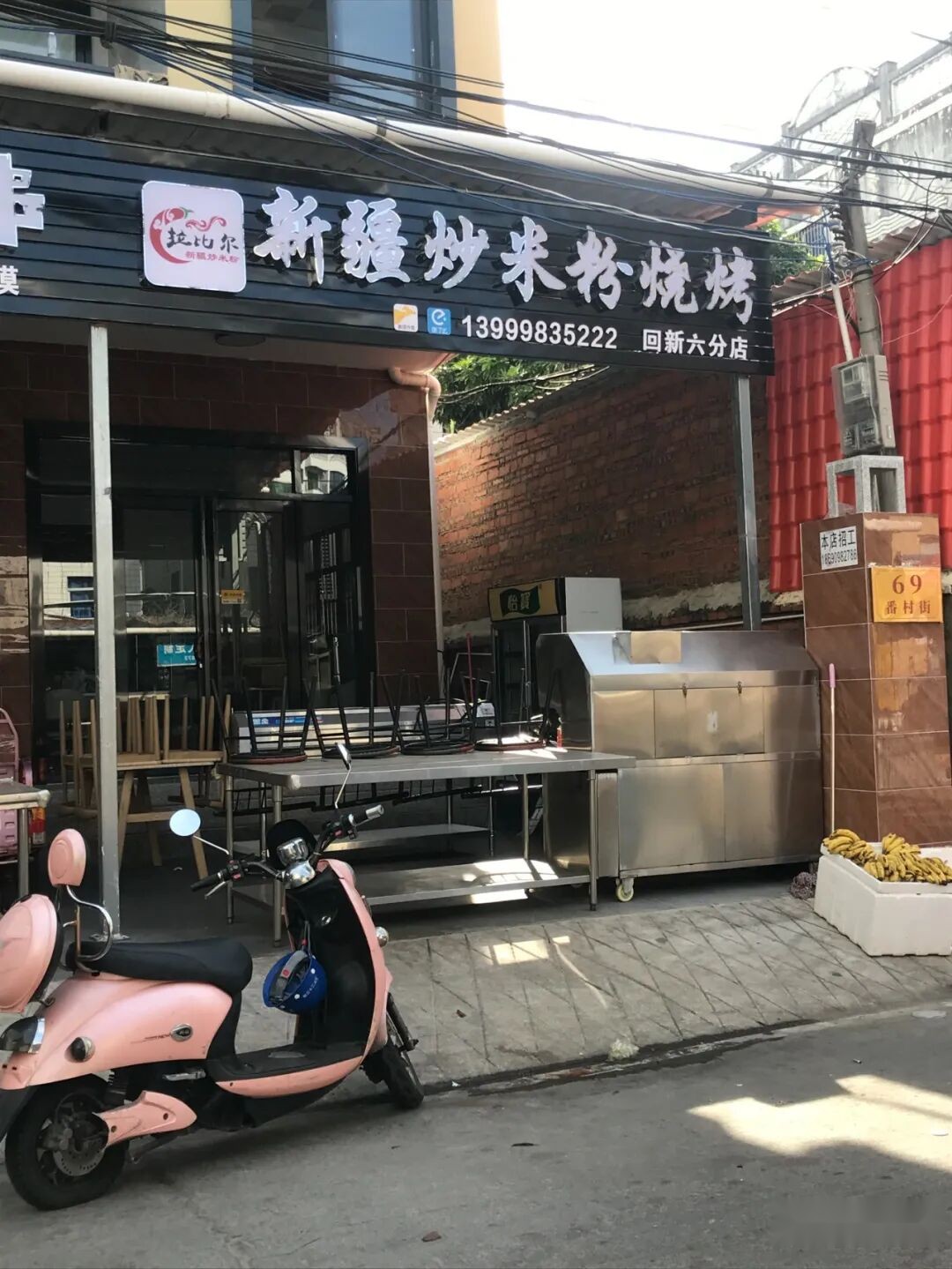
A spot selling Xinjiang mutton skewers, right by a rental apartment building.
A shop selling traditional ethnic clothing.
Or written as Tasim, which means in the exalted name of Allah. A shop selling traditional ethnic clothing here.
This place sells hijabs, with all kinds of stylish headscarves available—basically the wraps used to cover the head.
Xinjiang dapanji (Xinjiang big plate chicken).
A guy selling skewers over here is trying to transfer his shop lease, so I asked him about it.
Xinjiang-style stir-fried rice noodles.
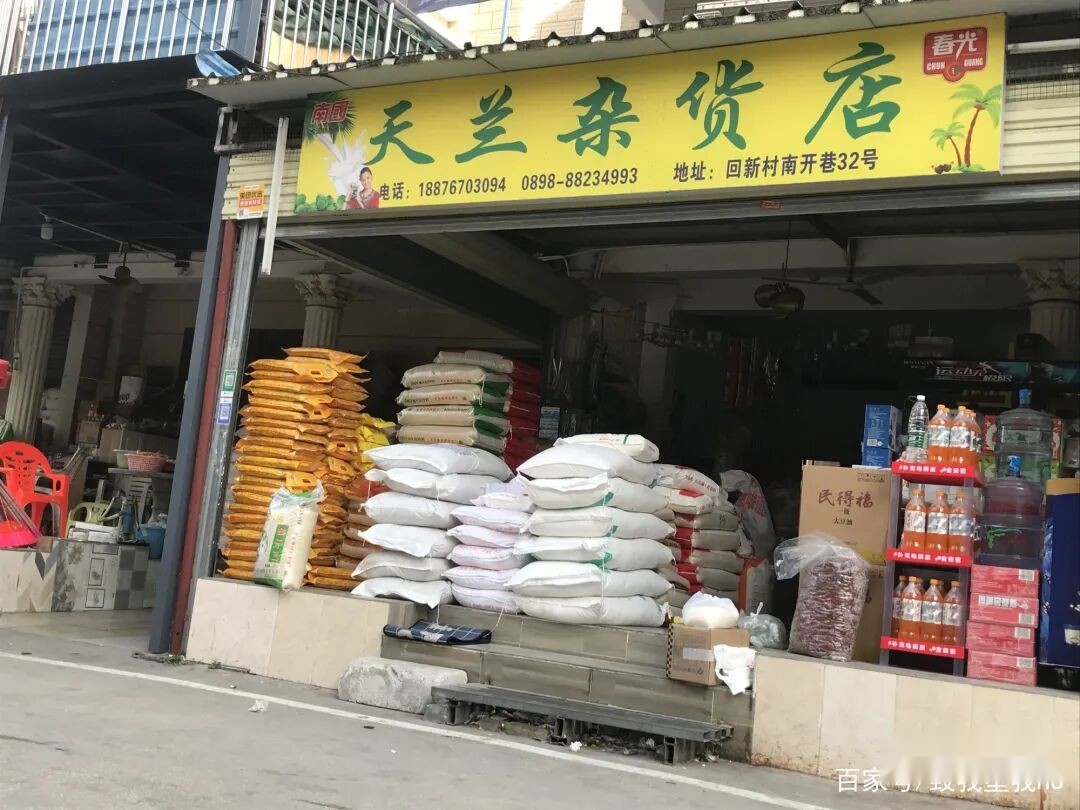
A local specialty grocery store.
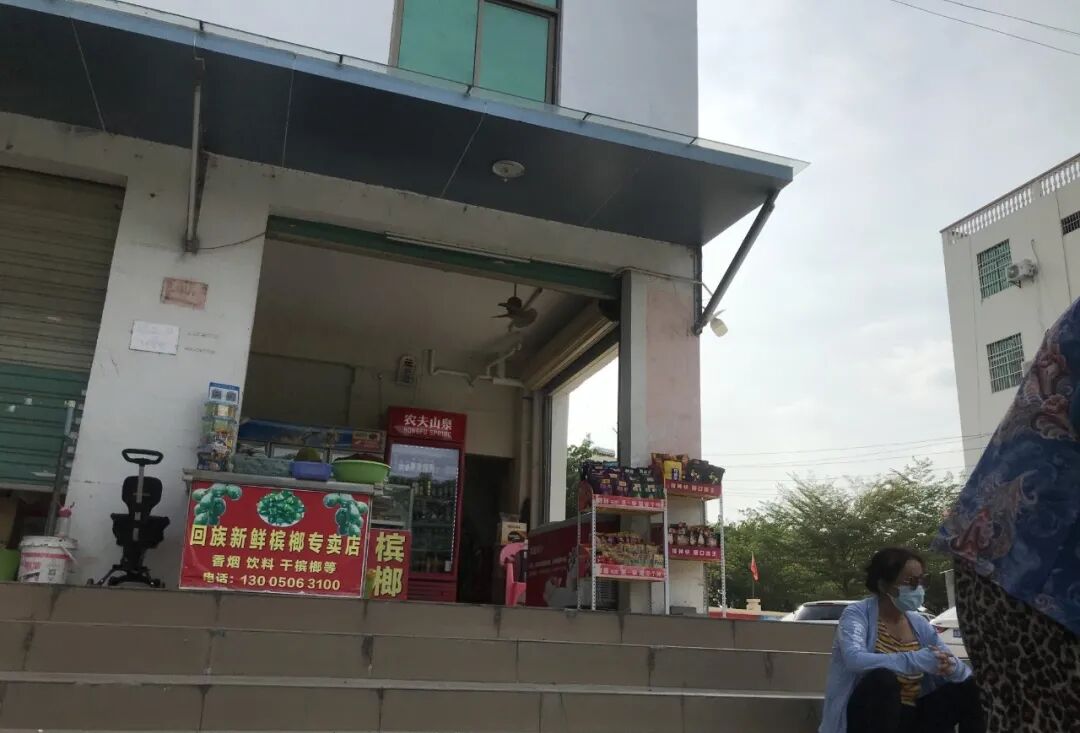
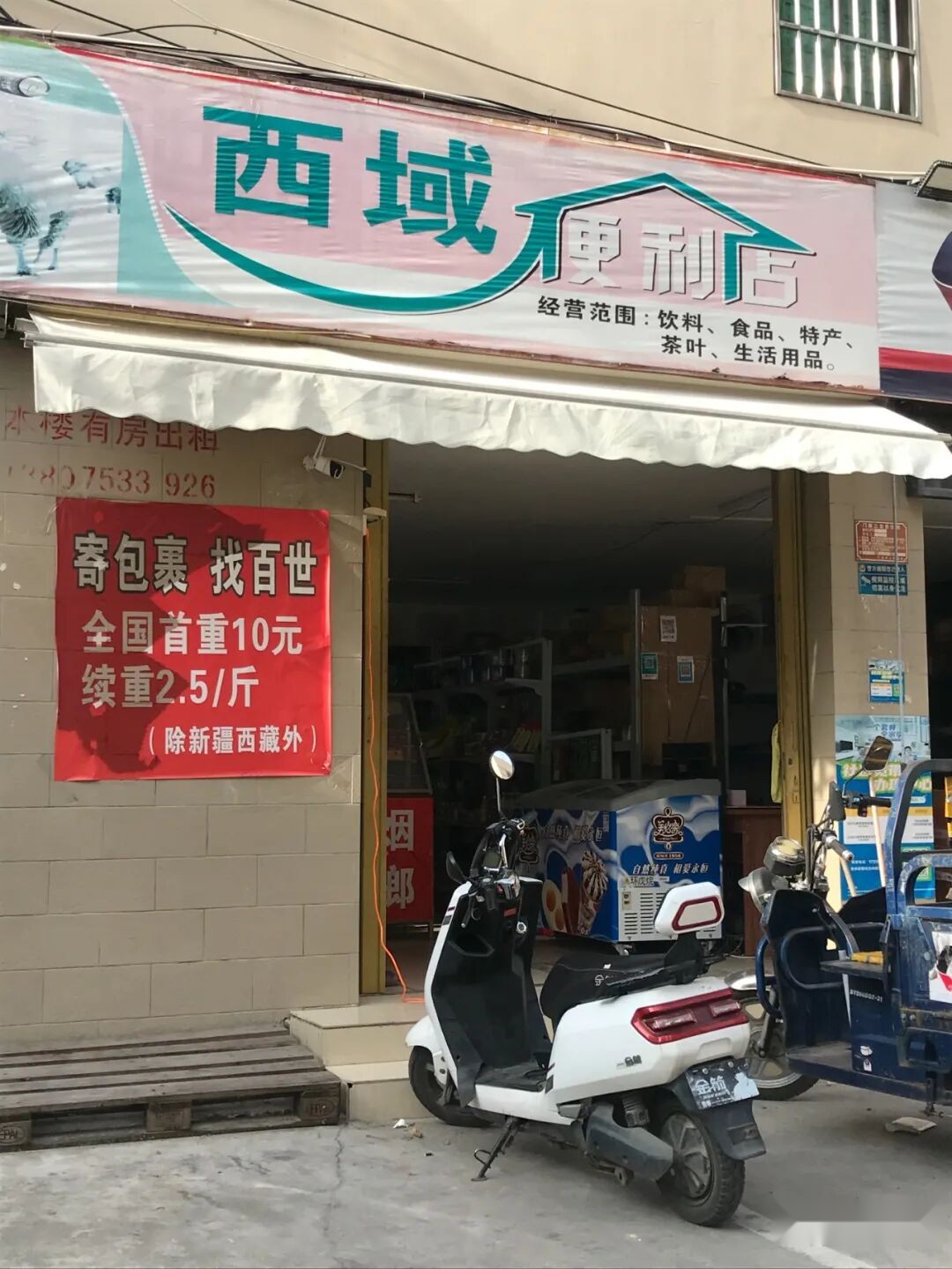
A convenience store in Huixin Village (Huixin Muslim Village) that also handles express delivery drop-offs and pickups.
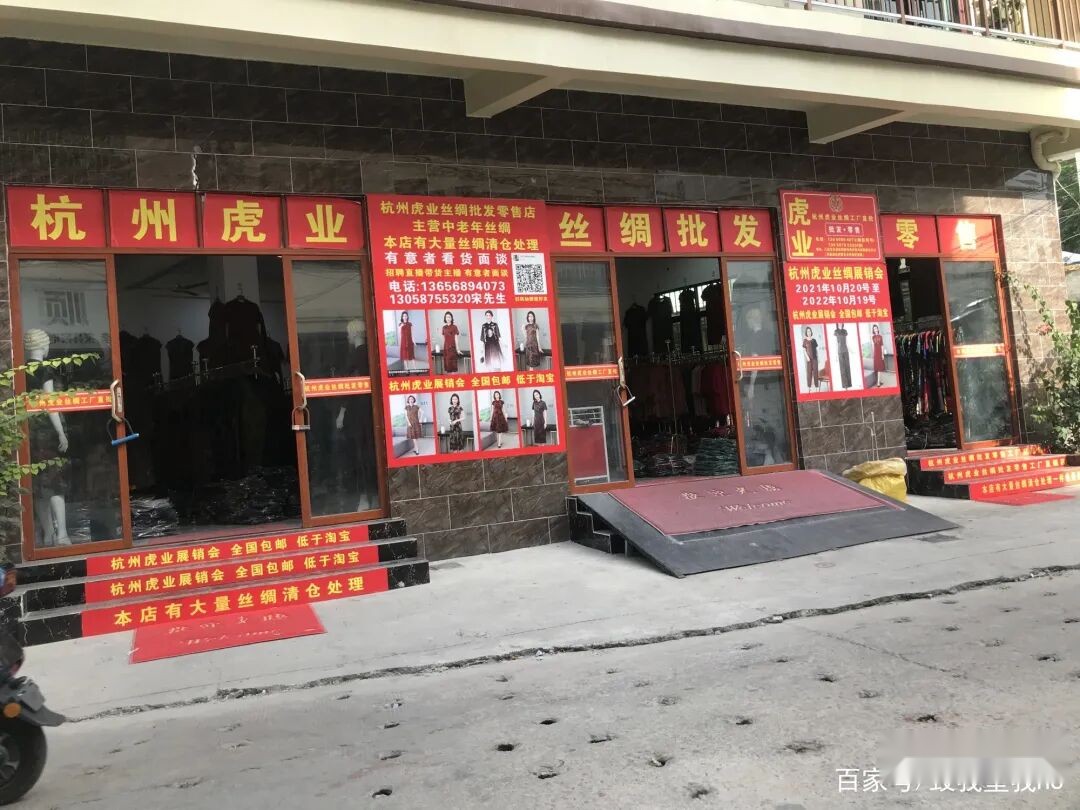
Traders from other provinces who came here to sell silk—their goods actually sell pretty well right here in the Hui Muslim village.
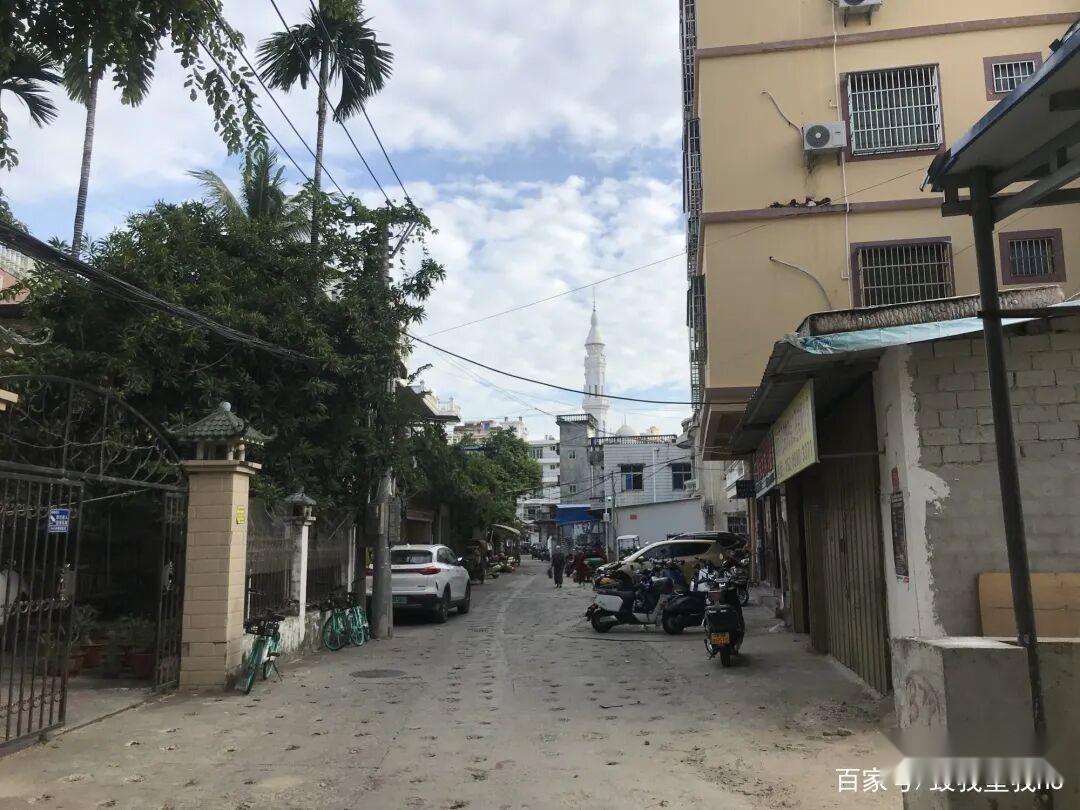
A view of the distant Nanshan Mosque (Nanshan Masjid).
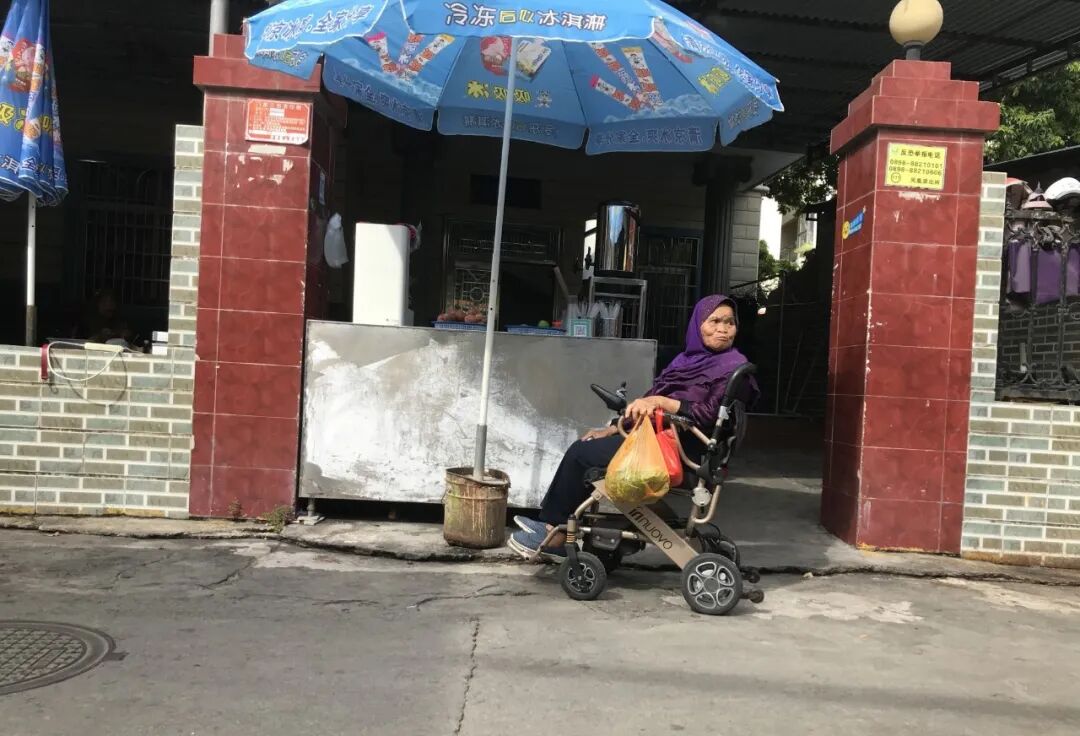
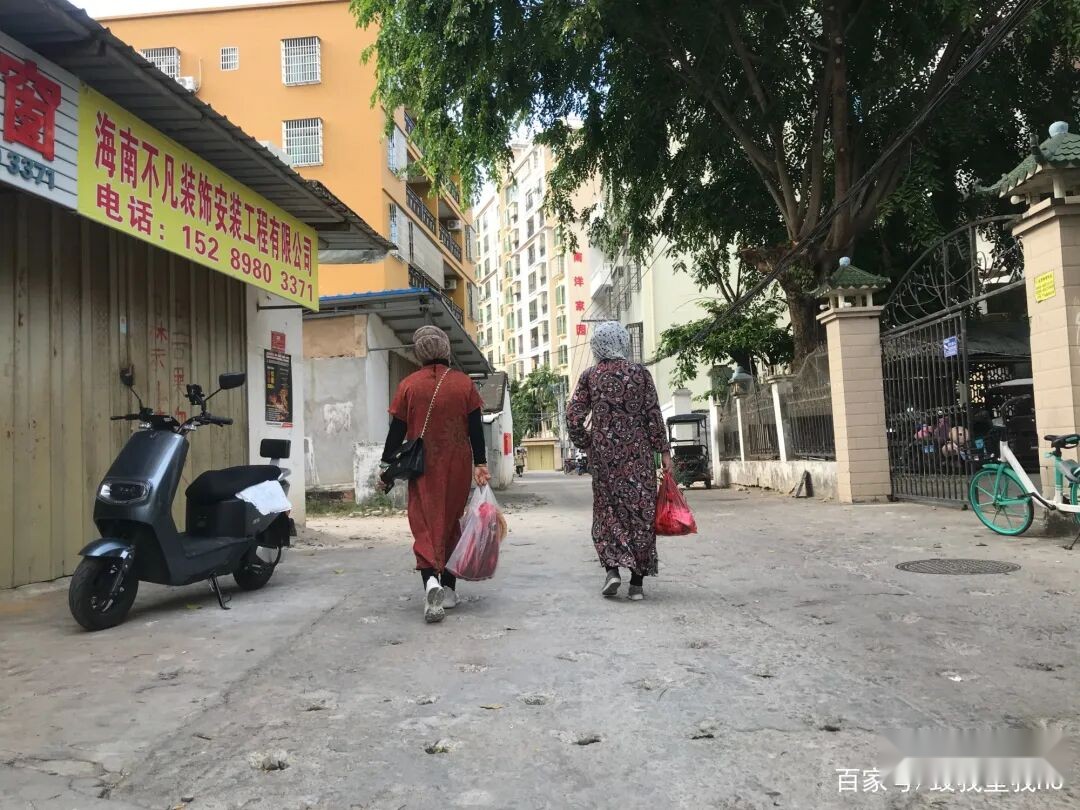
Local women walking through Huixin Village (Huixin Muslim Village).
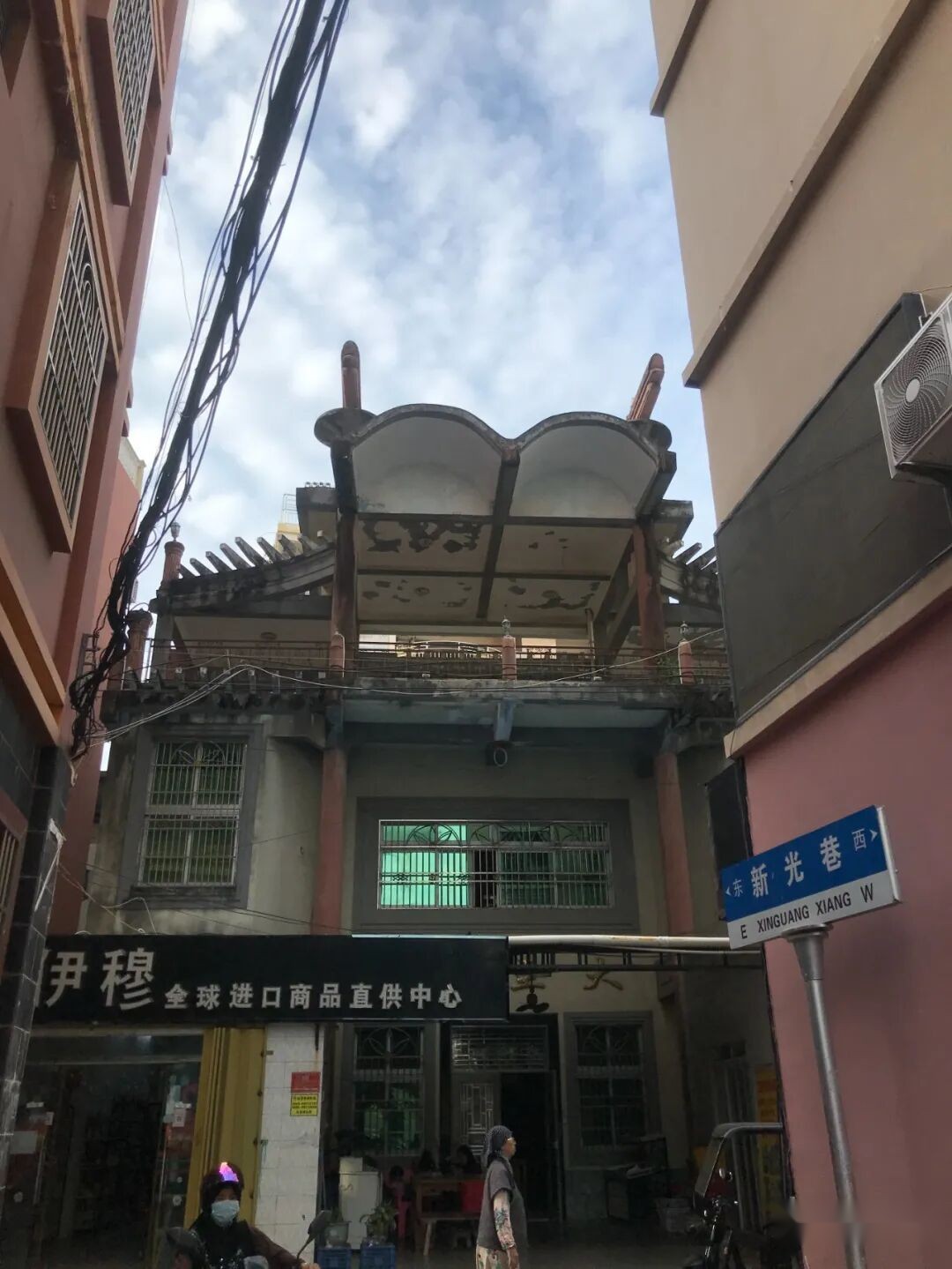
A small local mosque tucked away right here.
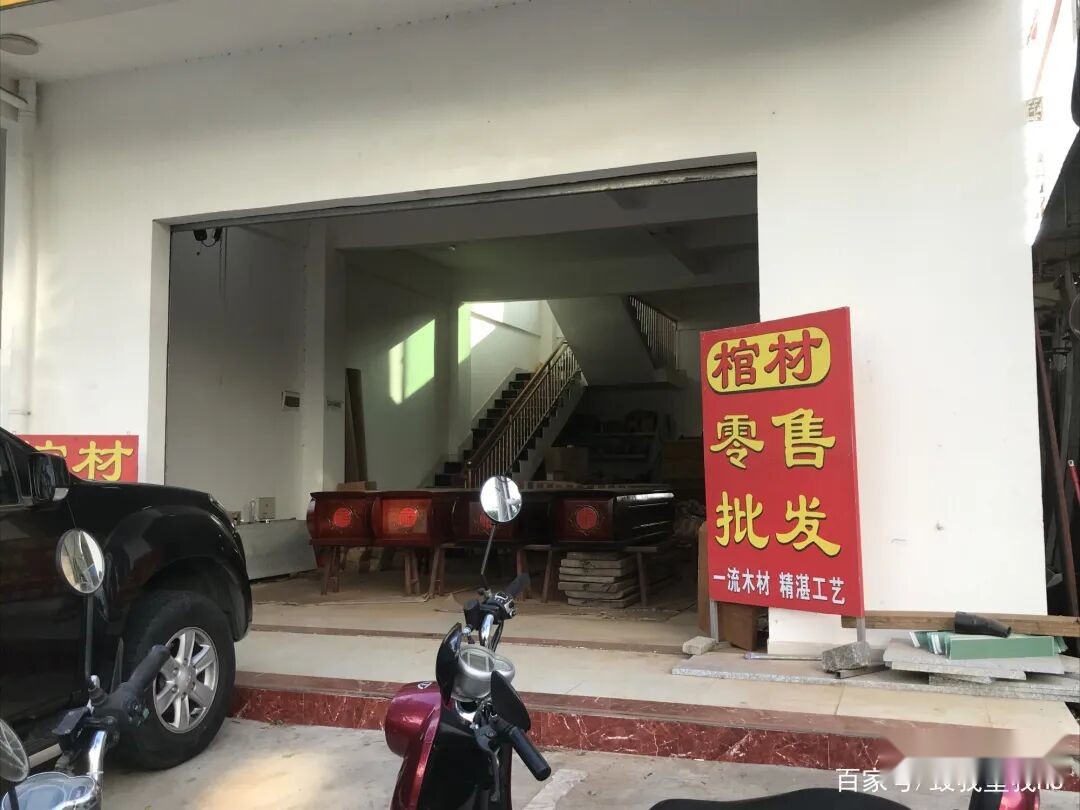
There are a few casket shops along Huihui Road. I shot some footage in Tengqiao Town before and they have them there too—some people in Sanya are allowed to have traditional burials.
The Sanya Bay ancient Muslim cemetery.
To be honest, the Hui Muslim villages these days are super secularized. Most of the apartment buildings built by local Hui families are rented out to snowbirds coming down from Northern China for the winter. You'll see some folks making dua at the mosque, but not everyone, and while some of the guys wear taqiyah prayer caps, others don't. You can find all kinds of regional food here. But things really depend on the specific family. For instance, when I checked out a 7-story apartment building with a courtyard for rent, the male host told me guests could cook whatever they wanted, and a one-bedroom with a balcony went for 1,200 RMB. Meanwhile, when I asked about a restaurant that was up for transfer, the owner straight up asked me, 'You're Han Chinese, right? We don't rent to Han folks.' When I mentioned there were other places renting out right down the street, she just smiled and said, 'It's different—some people are cool with it, some aren't.' So if you're coming here as a tourist, or moving here long-term for a chill retirement, you definitely need to respect local customs and traditions. Trust me, when you're traveling in Sanya surrounded by swaying coconut palms and ocean vibes, finding a spot like this where you can grab authentic Western China bites while checking out a totally unique side of Sanya is pretty epic. This is Sanya's Hui Muslim community—Huihui Village (Huihui Muslim Village) and Huixin Village (Huixin Muslim Village).
Visual Chronicle of Sanya's Twin Muslim Villages, Huihui and Huixin: Pearl Markets, Hijab-Wearing Women, and Island Hui Muslim Street Life
Abstract:
Capturing through a documentary lens the everyday street life of the Huihui and Huixin Muslim villages in Sanya. A look at Hui Muslim women weaving through the First Market, resilient figures running pearl and handicraft businesses, and the peaceful, devout religious and cultural ecosystem of this tropical village enclave.
Around the First Market, you'll spot plenty of women wearing headscarves, chewing betel nut (a local Hainan habit), selling smartphones and pearls. They all hail from Sanya's two famous Muslim villages: Huihui Village and Huixin Village. If you come here to travel, cruise down Fenghuang Road and you'll see pearl and jade shops mixed with Xinjiang halal eateries, with the尖顶 (minaret) of a masjid rising in the distance. No matter how scorching the weather gets, you'll see women in hijabs and long robes zooming by on motor scooters—this is the vibe of Sanya's uniquely distinct Muslim villages. I spent a few days there looking for a rental, documenting their day-to-day life.
Huihui Village, Home to the Huihui People, Is the Largest Village
The Huihui people are descendants of the ancient Champa Kingdom, which existed for over a thousand years and practiced Islam. After the Champa Kingdom was crushed by the Khmer, some survivors fled and settled in Hainan around the year 1700. Local Hainanese people began calling them the Huihui people, and Huihui Village gets its name from this history. It used to be part of Fenghuang Town, but today it falls under the Huihui Community in Tianya District. It's super close to the airport, and heading south brings you to Sanya Bay, home to an ancient Muslim graveyard stretching over several kilometers.
If you're visiting, just drop a pin on the East Masjid (Huihui Village has several masjids including the Sanya Ancient Mosque, East Masjid, Northwest Grand Masjid, and North Grand Masjid, with the North Grand Masjid being the most grand and majestic). The East Masjid sits right along Fenghuang Road, with Huihui Village wrapping around its north and south sides. North of Fenghuang Road, Huihui Village meets Yanglan Road—on this side you have the Huihui Village masjid, and across the way stands the Yanglan Village Guandi Temple.
Arrived at the Huihui East Masjid right around noon. Grabbed a bowl of banmian (hand-pulled mixed noodles) next door for 20 RMB.
The most prominent landmark on Fenghuang Road: the Huihui East Masjid, flanked by Huihui Village on both sides.
Huihui Road
Ningxia specialty products showroom, currently under renovation.
Venturing deeper into the village, the towering minaret of the North Grand Masjid comes into view in the distance—hardly looks like typical village architecture.
The North Grand Masjid
The North Grand Masjid during the afternoon adhan (call to prayer).
The historic Northwest Grand Masjid in Huihui Village.
Notices posted at the masjid, including the daily prayer (dua/salah) schedule.
Huihui Smoked Beef Shop
A local restaurant in Huihui Village
A Huihui woman selling pineapples in the village.
A Huihui woman selling beef at the local wet market.
Typical women's attire—they dress this way no matter how hot it gets.
A Huihui villager riding a scooter.
Pearls are the main hustle here; the people of Huihui Village are fantastic at business.
Yusuf (Joseph), a major prophet in Islam; many locals are named Yusuf.
A traditional ethnic clothing shop in Huihui Village.
Convenience store
Students catching the public bus.
The Muslim cemetery at Sanya Bay.
Huixin Village: Smaller, more compact, lively, and packed with street eats.
Huixin Village is smaller in area, but it's actually where the earliest Cham people originally settled, right by the ocean. Later on, Japanese invaders built an airport here and drove the people of Huixin Village across to Yanglan, creating Huihui Village. After the victory of the War of Resistance Against Japanese Aggression, some of the Cham people migrated back to what is now Huixin Village. Geographically, it stretches from Yihang Market in the east all the way to Nankai Masjid in the west.
Huixin Village (Huixin Muslim Village) has two mosques: Nankai Mosque and Southern Mosque. Southern Mosque is right in the middle of the village, but Nankai Mosque is the largest—definitely use it as your landmark if you're exploring the area. It takes about half an hour to get here from Huihui Village (Huihui Muslim Village).
A meal in Huixin Village (Huixin Muslim Village): Rabier stir-fried rice noodles for 16 yuan.
Rolling into Huixin Village (Huixin Muslim Village), you'll spot Southern Mosque right away; it's the heart of the community.
Southern Mosque, closed to visitors during the pandemic.
The alleys of Huixin Village (Huixin Muslim Village) are totally buzzing with local daily life.
Tucked away in the narrow alleys of Huixin Village (Huixin Muslim Village), you'll find an endless lineup of street snacks.
Pearl shops are seriously everywhere you look in Huixin Village (Huixin Muslim Village).
Strolling through the alleys of Huixin Village (Huixin Muslim Village).
Someone studying religious texts at the Huixin Village (Huixin Muslim Village) mosque.
The prayer hall at Nankai Mosque.
Nankai Mosque.
Nankai Mosque.
The morning market in Huixin Village (Huixin Muslim Village) is mostly run by local women—here's a stall selling dried fish.
An afternoon vibe in the alleys of Huixin Village (Huixin Muslim Village), lined with tons of little snack spots.
Huixin Village (Huixin Muslim Village) has a ton of rental apartments, home to both Hui Muslims and Han Chinese, making the streets super lively.
Spotting women with and without headscarves. Every winter, tons of people from northern China come down here to rent places and spend their retirement.
Whenever I stayed in Sanya, I'd always come here to buy my beef and mutton.
Chewing this is a total Hainan tradition.
There are lots of rental apartments around here, along with spots selling northern Chinese wheat noodles.
Rental apartments.
People walking down the street.
Dining spots on Huixin Street. Honestly, aside from beef dumplings, most of what they serve are trendy night market street eats.
A spot selling Xinjiang mutton skewers, right by a rental apartment building.
A shop selling traditional ethnic clothing.
Or written as Tasim, which means in the exalted name of Allah. A shop selling traditional ethnic clothing here.
This place sells hijabs, with all kinds of stylish headscarves available—basically the wraps used to cover the head.
Xinjiang dapanji (Xinjiang big plate chicken).
A guy selling skewers over here is trying to transfer his shop lease, so I asked him about it.
Xinjiang-style stir-fried rice noodles.
A local specialty grocery store.
A convenience store in Huixin Village (Huixin Muslim Village) that also handles express delivery drop-offs and pickups.
Traders from other provinces who came here to sell silk—their goods actually sell pretty well right here in the Hui Muslim village.
A view of the distant Nanshan Mosque (Nanshan Masjid).
Local women walking through Huixin Village (Huixin Muslim Village).
A small local mosque tucked away right here.
There are a few casket shops along Huihui Road. I shot some footage in Tengqiao Town before and they have them there too—some people in Sanya are allowed to have traditional burials.
The Sanya Bay ancient Muslim cemetery.
To be honest, the Hui Muslim villages these days are super secularized. Most of the apartment buildings built by local Hui families are rented out to snowbirds coming down from Northern China for the winter. You'll see some folks making dua at the mosque, but not everyone, and while some of the guys wear taqiyah prayer caps, others don't. You can find all kinds of regional food here. But things really depend on the specific family. For instance, when I checked out a 7-story apartment building with a courtyard for rent, the male host told me guests could cook whatever they wanted, and a one-bedroom with a balcony went for 1,200 RMB. Meanwhile, when I asked about a restaurant that was up for transfer, the owner straight up asked me, 'You're Han Chinese, right? We don't rent to Han folks.' When I mentioned there were other places renting out right down the street, she just smiled and said, 'It's different—some people are cool with it, some aren't.' So if you're coming here as a tourist, or moving here long-term for a chill retirement, you definitely need to respect local customs and traditions. Trust me, when you're traveling in Sanya surrounded by swaying coconut palms and ocean vibes, finding a spot like this where you can grab authentic Western China bites while checking out a totally unique side of Sanya is pretty epic. This is Sanya's Hui Muslim community—Huihui Village (Huihui Muslim Village) and Huixin Village (Huixin Muslim Village).
