
Exploring Sanya's Halal Food, Utsul Muslim Culture & Historic Mosques in Hainan
[Internet Repost]
Journey into Hainan's Muslim Heritage: Visiting Sanya's Huihui Village Historic Mosque and the Memories of the Utsul Muslims
Abstract:
Revisiting a precious photographic and written travel journal from 2017 deep inside Sanya to visit the Utsul Muslims. Strolling through tree-shaded historic masjids, visiting Hui Muslim scholars and everyday local families, and meticulously documenting the customs, rituals, linguistic traits, and generational shifts of the island's Utsul Muslims.
This is a record of my first trip to Sanya, Hainan, in 2017 to visit the Utsul Muslims. For my second trip in 2020, check out the journal entry, 'Celebrating Eid al-Adha in Sanya.'
In 'The History of Hainan Muslims,' we discussed how Cham people from southern Vietnam migrated during the Song and Yuan dynasties to settle along the coastline of Hainan Island due to wars or typhoons. These 'foreigners' with customs similar to the 'Huihui' left several coral-stone Muslim ancient tombs along southern Hainan's coastal dunes. During the Ming and Qing dynasties, the 'foreigners' living in Hainan's Qiongzhou, Danzhou, Wanzhou, and Yazhou gradually integrated with local residents, and the remaining population all relocated to Suosanyali Fancun, forming today's Sanya Utsul Muslim community.

In this article, I'll continue sharing stories about the Sanya Utsul Muslims from the late Qing dynasty onward, along with the halal culinary scenes in the Huihui Village (Huihui Muslim Village) and Huixin Village (Huixin Muslim Village) communities.
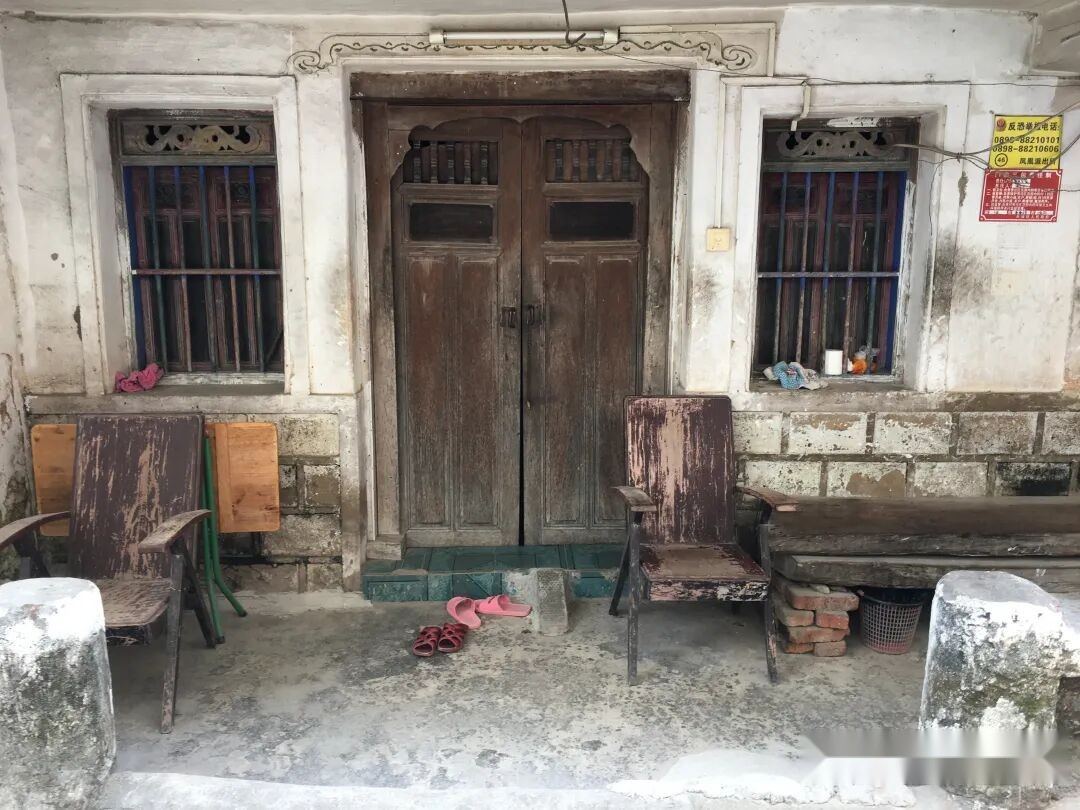
Table of Contents
1. The Utsul Muslims from the Qing Dynasty Onward
1. Heading Down to Nanyang (Southeast Asia)
2. Japanese Military Airport Construction Forces Utsul Relocation

3. From Fishing and Farming to Commerce
4. Traveling Muslims from Across Regions

2. Halal Dining in Huixin Village (Huixin Muslim Village)
3. Halal Dining in Huihui Village (Huihui Muslim Village)
4. The Mosques of the Utsul Muslims
1. The Evolution of Huihui Mosque
2. The Historic Mosque
3. The Northwestern Grand Mosque
4. The Northern Mosque

5. The Eastern Mosque
6. The Southern Mosque
7. Nankai Mosque
1. The Utsul Muslims from the Qing Dynasty Onward
1. Heading Down to Nanyang (Southeast Asia)
According to the 'Genealogy of the Pu Family in Sanya Gangtong Village,' the Utsul Muslims suffered a major catastrophe during the Xianfeng era. In 1858 (the 8th year of Xianfeng), Fancun was burned, killed, and looted by bandits. The surviving Utsul Muslims had no choice but to take shelter in the mountains and forests. The following year, the bandits were wiped out and pacified, allowing the Utsul Muslims to rebuild their homes. However, because of this catastrophe, many Utsul Muslims fled to Southeast Asian destinations like Singapore, Penang, and Vietnam:
'From the reign of Daoguang up to the eighth year of Xianfeng, on the twenty-second day of the tenth month at the卯 (Mao) hour, we tragically suffered at the hands of the Li bandits from Lingshui who colluded with settled Li people to launch an uprising. They slaughtered without stopping, burned everything to the ground, killed countless people, and left corpses strewn across the fields. From back then until this summer, we spent our days resting by the sea slopes and living in the mountain forests, suffering like snake catchers and enduring perils as if walking through fire. The skies grieved and the earth wept with nowhere to voice our grievances. By April of the ninth year, fortunately, the gentry and scholars of the eighth district of Yazhou heard of our plight and felt sorrow. They pooled subscription funds, raising one hundred strings of copper coins, which they lent to the Sanya branches to hire local militia and hunt down the Li bandits. By June, the Li bandits across all the village valleys were terrified and surrendered. Only then could everyone return home, rebuild their houses, and make settling the common people their priority. Yet with a depleted population and scattered refugees fleeing to ports like Singapore, Annam, and foreign lands—over a hundred souls dead or alive—Sanya was left deserted. With poor people and barren land, they returned to their old ways of fishing and harvesting the sea.'
2. Japanese Military Airport Construction Forces Utsul Relocation
After the bandit chaos of the Xianfeng era, the Utsul Muslims in Suosanyali Fancun continued living a peaceful life, relying on fishing for survival. Following the founding of the Republic, Yazhou was renamed Ya County, and Fancun was called Huihui Township, subordinate to the East Second District of Ya County.
At dawn on February 14, 1939, the Japanese navy landed on the waters near Sanya and captured Sanya Bay with almost zero resistance.
In the summer of 1940, the Japanese military decided to build a land-and-water combat training airfield in Suosanyali, forcing all Utsul Muslims to relocate 4 kilometers westward to live in Yanglan. All 350 houses and 4 mosques in Fancun were completely demolished, and the new settlement was named 'Huihui Village (Huihui Muslim Village).'
After the Japanese forces left in 1945, some Utsul Muslims moved back to their former settlement of Fancun, which is why Fancun came to be known as Huixin Village (Huixin Muslim Village) or the Old Village, while the old name Fancun fell out of use.
From then on, the Utsul Muslims established two main communities: Huihui Village (Huihui Muslim Village) and Huixin Village (Huixin Muslim Village).
Huihui Village (Huihui Muslim Village)
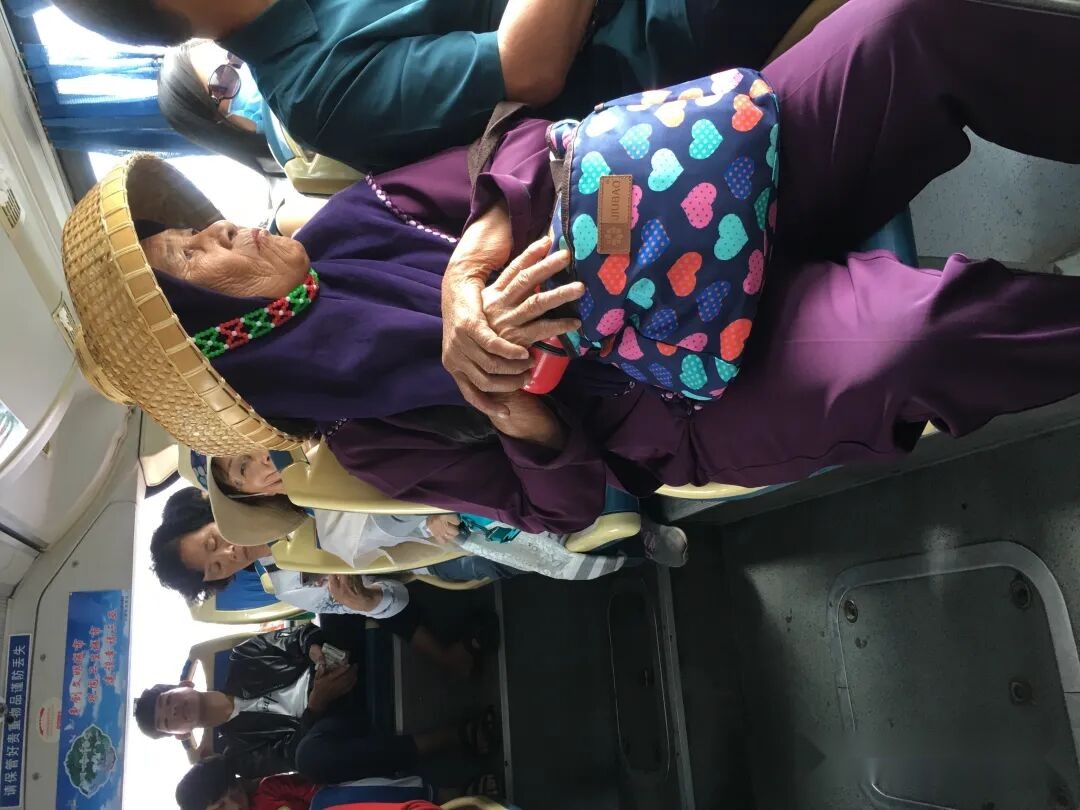
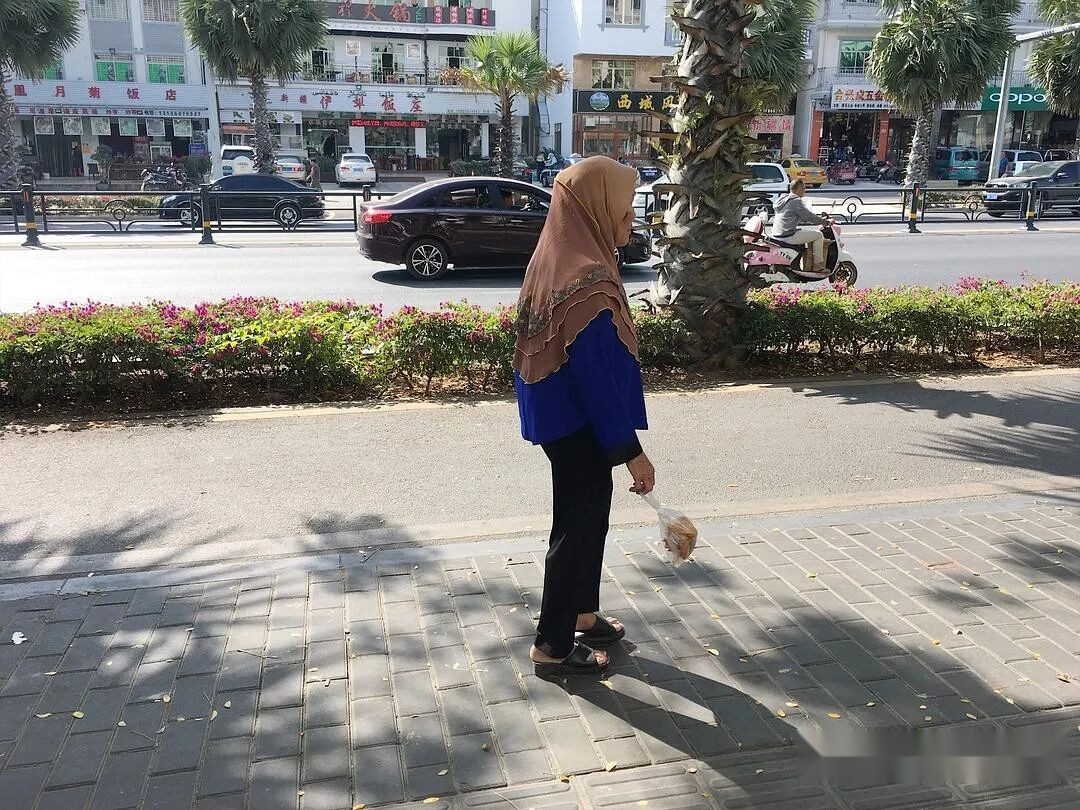
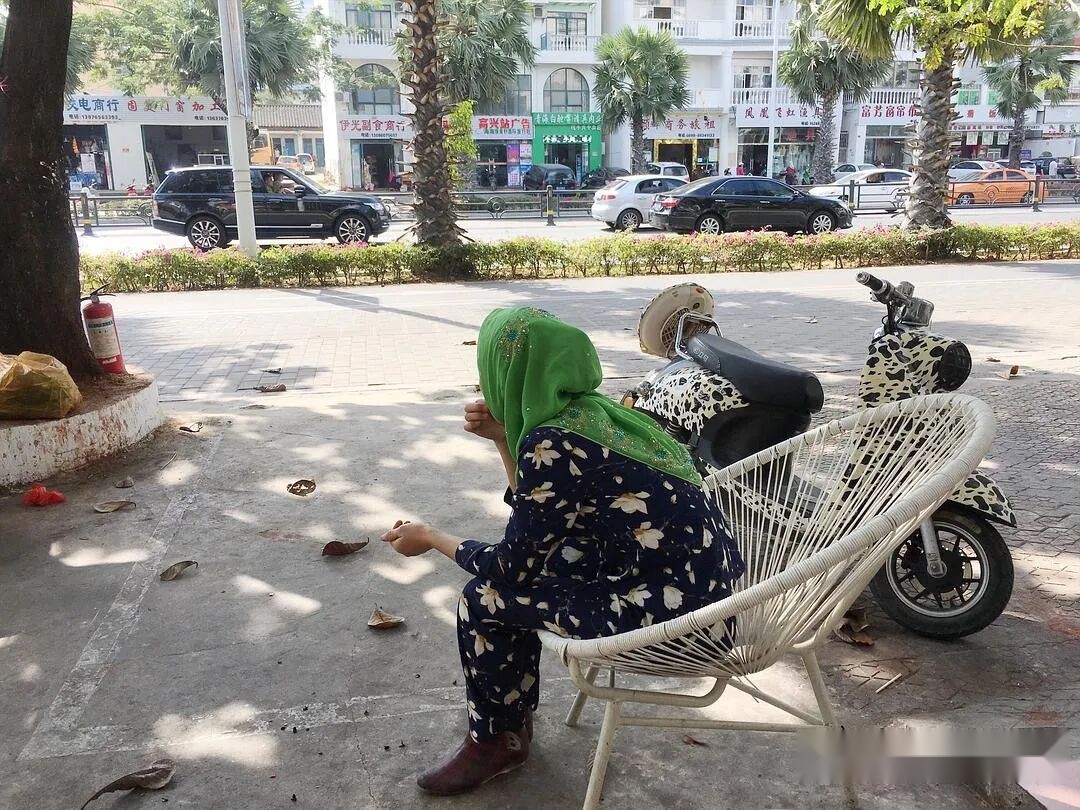
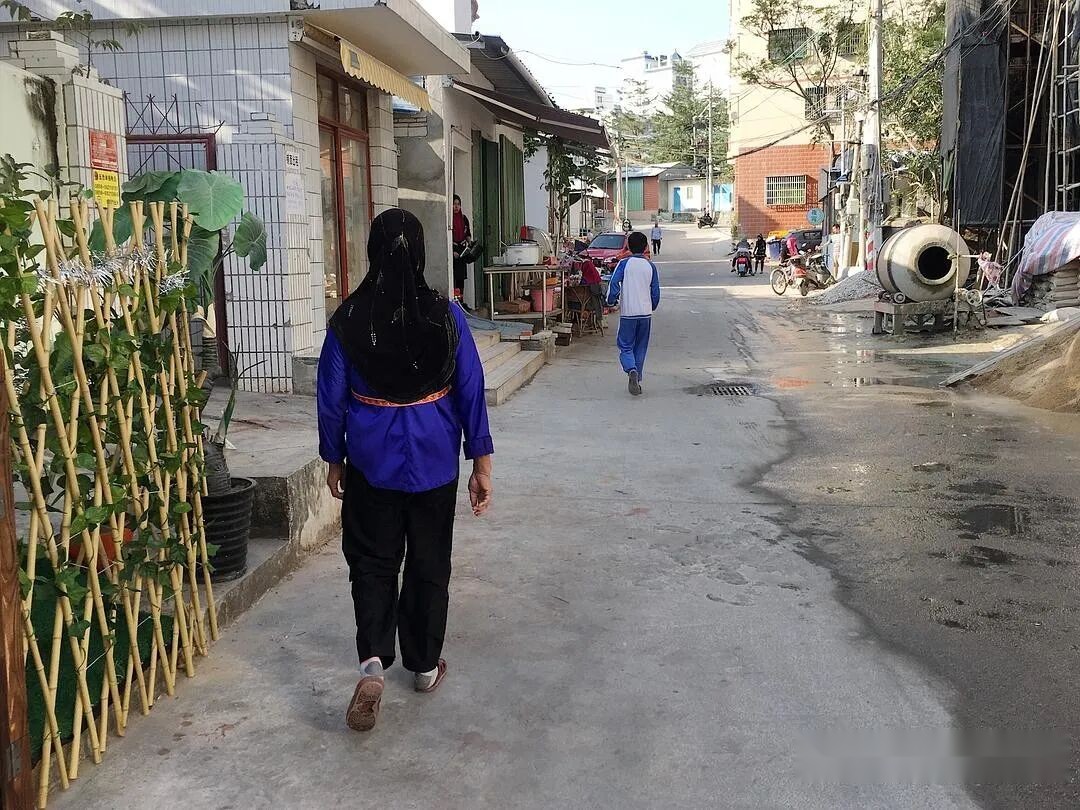
Traditional attire for Huihui women: a dark hijab, a front-crossing tunic fastened with three silver (or cloth) buttons down the front and two under the arms, and split-cuffs on the sleeves. The shirt is split down the center of the chest and back, falling to the hips, paired with dark trousers.
The most distinctive feature of Huihui women's attire is the black bib (cloth panel) worn over their shirts—a unique piece of clothing not found among the neighboring Han or Li ethnic groups.
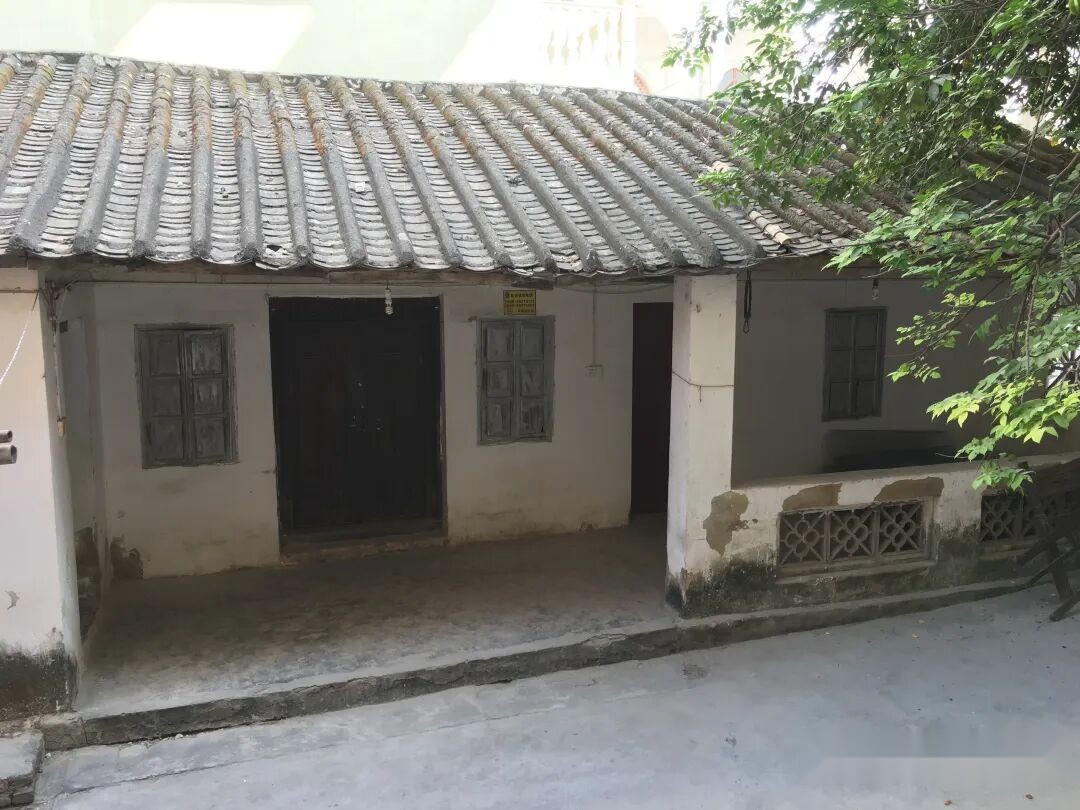
The earliest Utsul Muslims lived in thatched cottages, just like the local Han and Li communities. To withstand typhoons, these houses were built extremely low, to the point where people couldn't even stand up straight inside. In modern times, these thatched homes were gradually replaced by black-tiled brick houses, a style that lasted until the tourism boom in Sanya during the 1990s. Today, those black-tiled brick homes are rare, having been mostly replaced by modern multi-story buildings.
On a local bus running from Huihui Village (Huihui Muslim Village) to Huixin Village (Huixin Muslim Village)

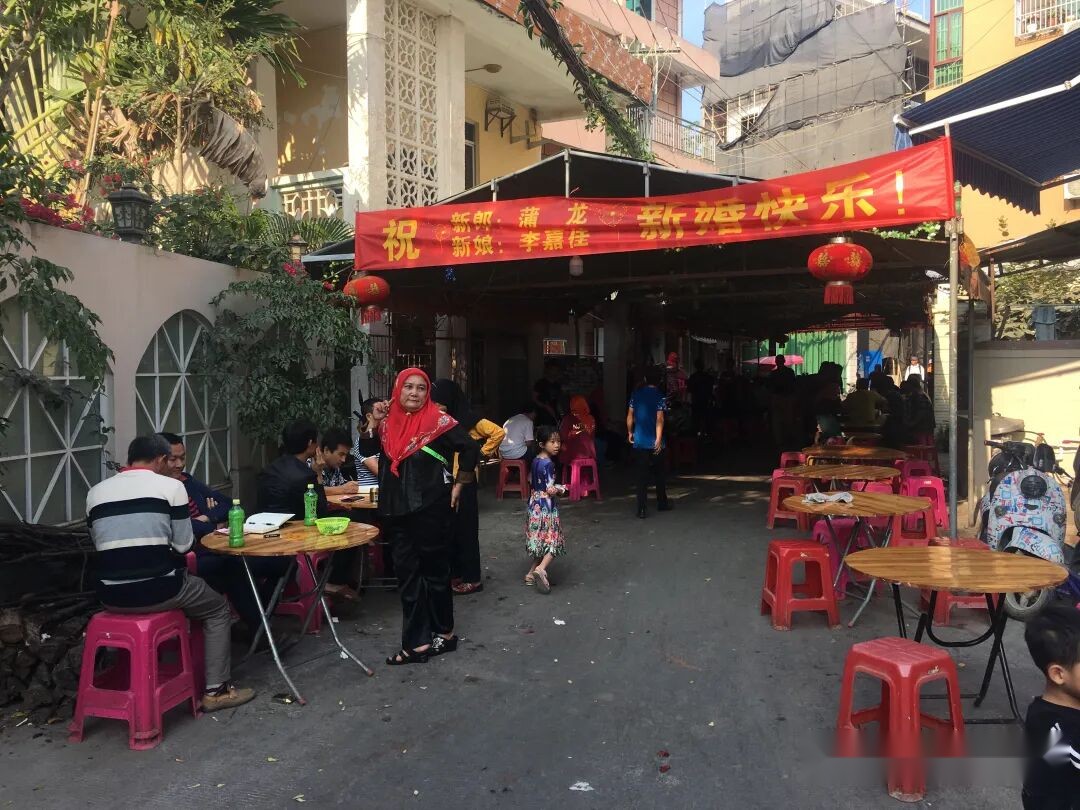
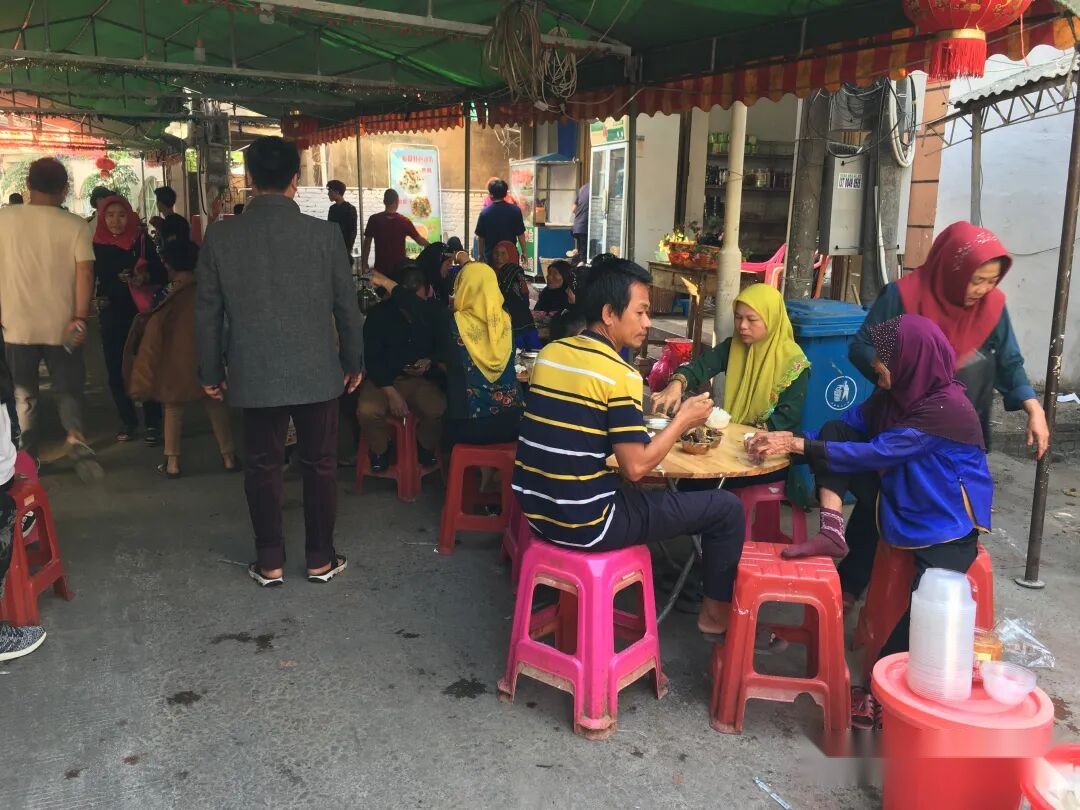
A wedding banquet for Utsul Muslims in Huixin Village (Huixin Muslim Village)
Black-tiled brick houses in Huixin Village (Huixin Muslim Village)
3. From Fishing and Farming to Business
By the 1950s and 60s, Utsul Muslims still made their living mainly through shallow-sea purse-seine fishing. They used bamboo rafts to take fishing nets out to sea and drop them. A fishing crew of 35 people would split into two groups on the shore to haul in the nets. Usually, they went out once a day, pulling in anywhere from 200 to 300 jin (100–150 kg) of fish, with a bountiful catch reaching up to 5,000 jin (2,500 kg) and a lean day yielding only a few dozen jin.
Historically, Utsul Muslims were never big fans of farming, and in the past, they used to rent their land out to the Li people to cultivate. After the establishment of the People's Communes in 1958, the government organized nearby Han and Li locals to teach agricultural techniques to the Utsul Muslims, but the results weren't great. After the 1970s, more than 2,000 mu (about 133 hectares) of the Utsul Muslims' farmland was allocated to neighboring Han and Li villages, leaving the Utsul Muslims with only about 200 mu of garden plots and residential land, primarily used for growing vegetables.
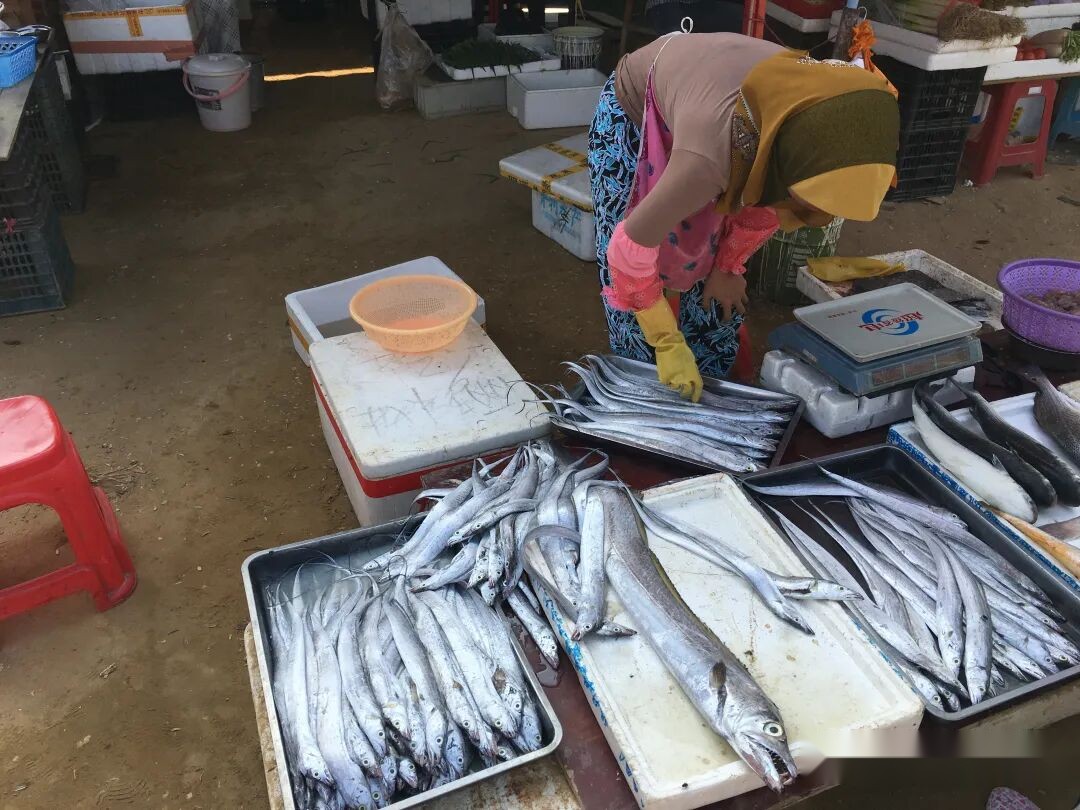
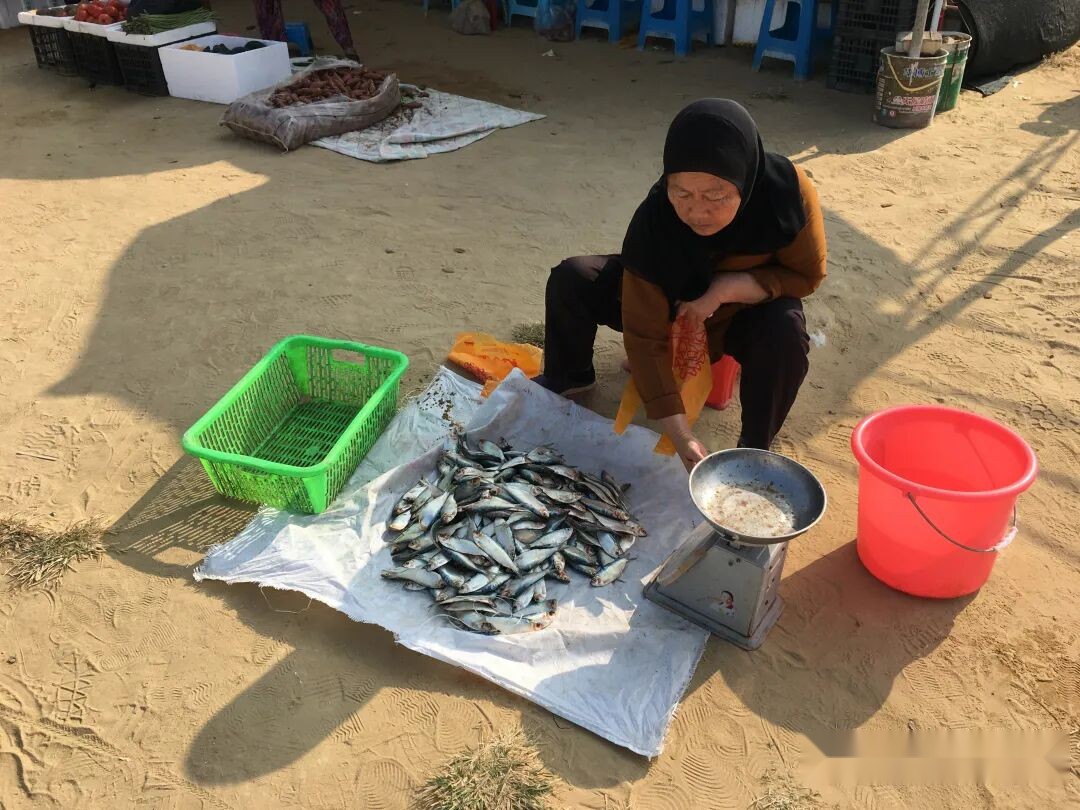
After the 1980s, as shallow-sea resources gradually dwindled and Utsul fishermen lacked the gear for deep-sea fishing, the fishing industry practically ground to a halt, surviving only as a side hustle where people occasionally scooped up small fish and shrimp.
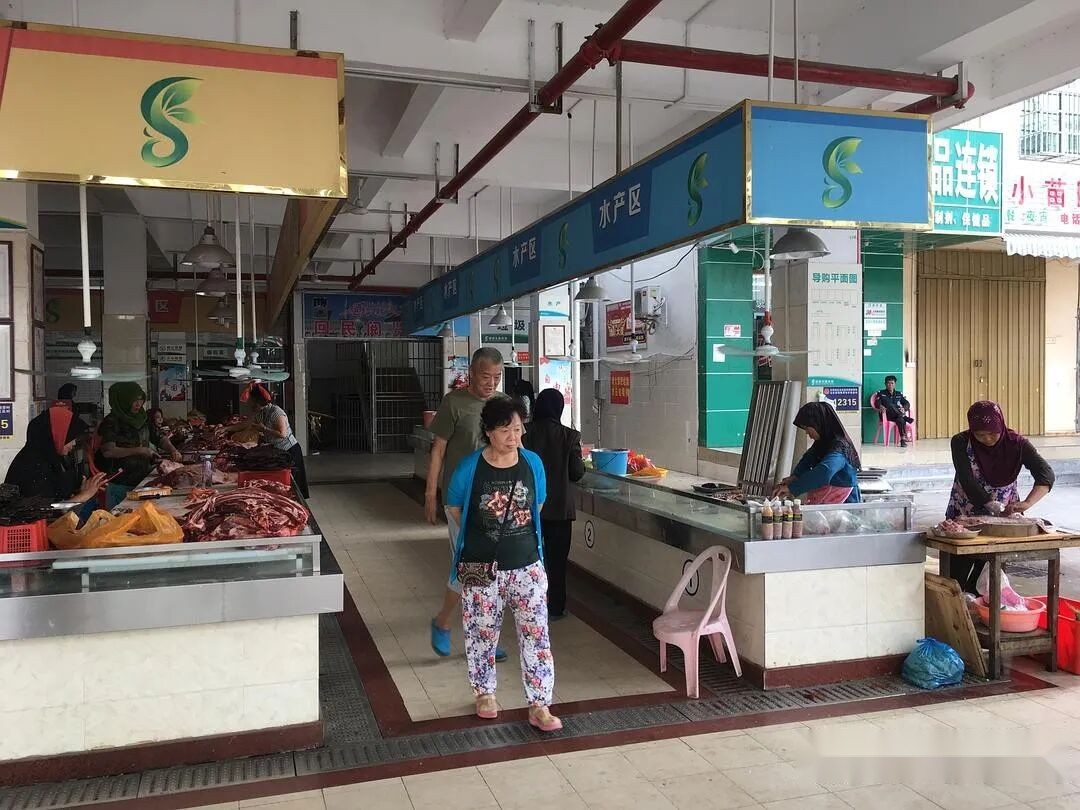
The fish market in Huixin Village (Huixin Muslim Village)
Starting in 1979, some Utsul women, refusing to accept their economic decline, began heading out to start small businesses. By 1982, almost every Utsul household had a woman selling local specialties and tourist souvenirs in towns and scenic spots, and family life for the Utsul Muslims noticeably improved.
During the 1980s and 90s, Utsul Muslims caught the wave of venturing out into business. Alongside women running stalls at tourist attractions, many men jumped into the passenger transport business. Starting in 1982, lots of Utsul men bought two-wheeled motorcycles or three-wheelers to haul passengers between the city center and tourist spots. After the Sanya Phoenix International Airport was built in 1994, Huihui Village (Huihui Muslim Village)—sitting right next to the airport—became a major transit hub. Utsul locals started buying minivans and minibuses to run routes from the airport to the city center, with the men driving and the women acting as conductors.
4. Muslim Sojourners from All Over
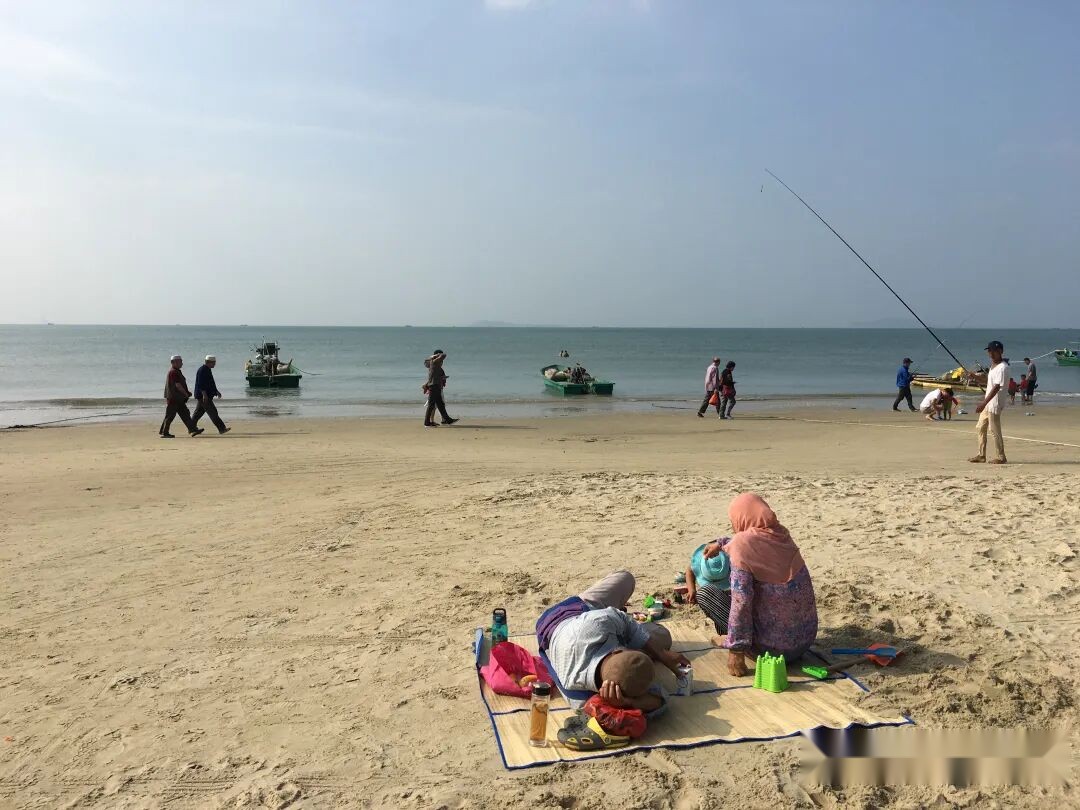
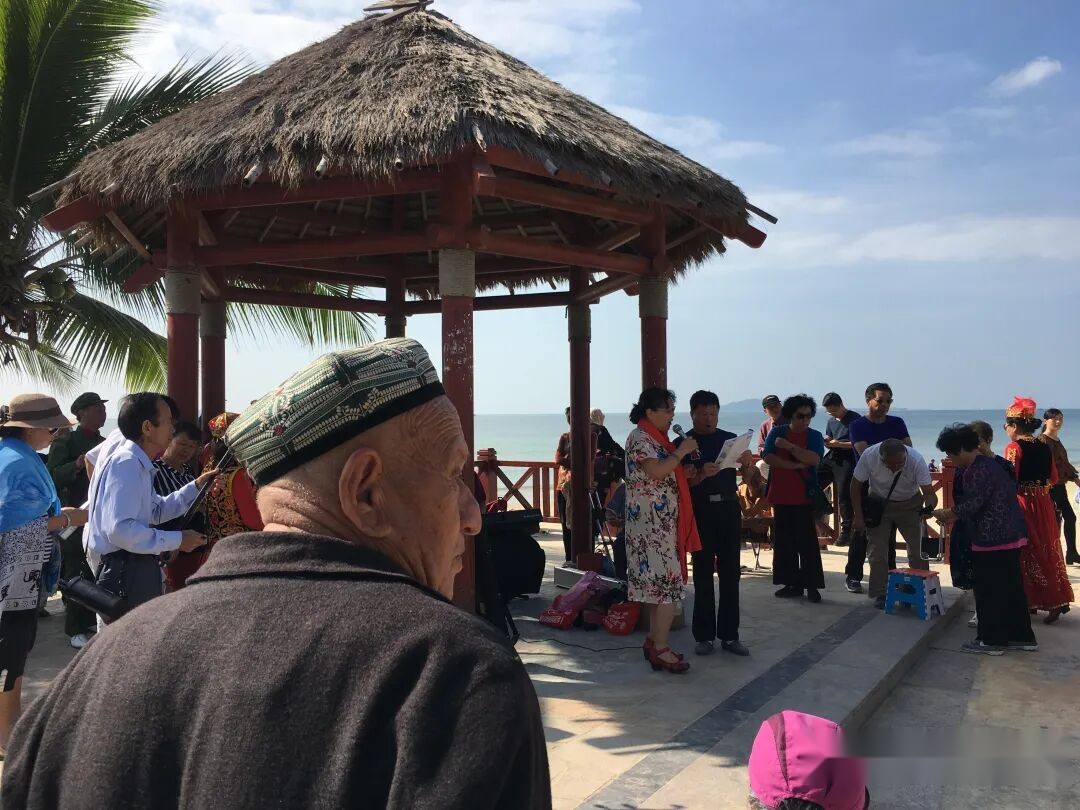
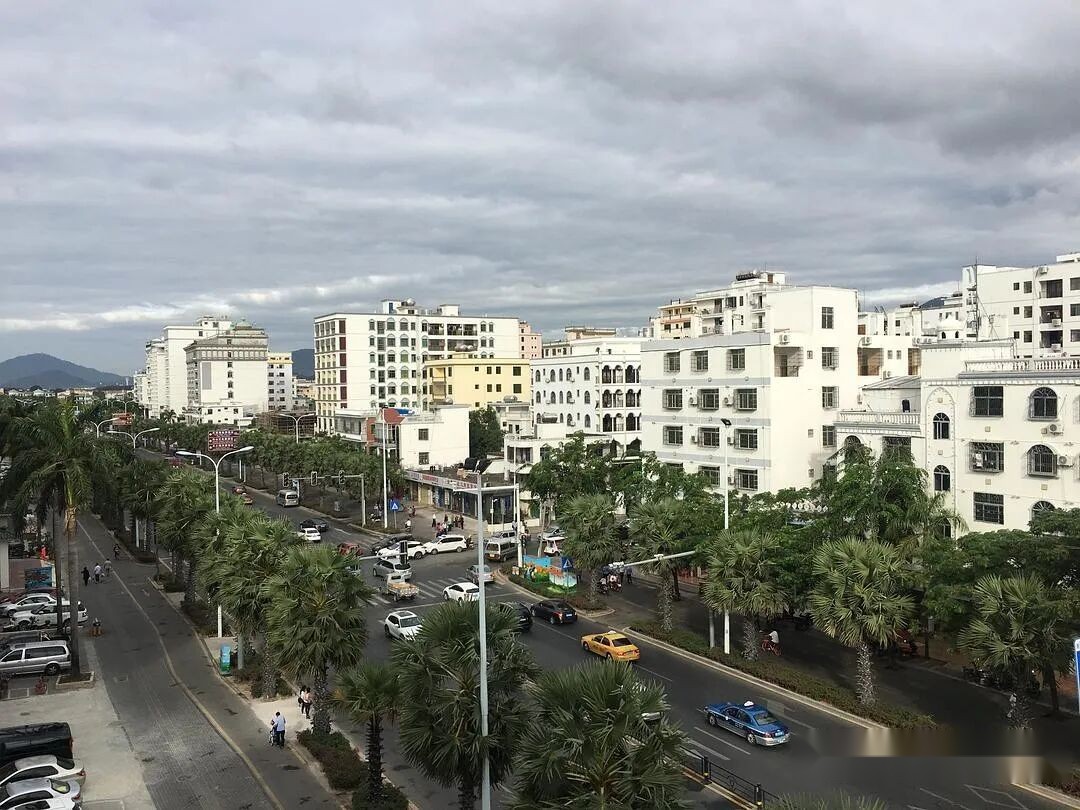
After Sanya's tourism industry boomed in the 1990s, Huihui Village (Huihui Muslim Village) and Huixin Village (Huixin Muslim Village)—as Sanya's only two Muslim communities—became the go-to places to stay for Muslims traveling to Sanya from all over the country. Over time, these Muslim visitors shifted from young and middle-aged short-term vacationers to older folks seeking to escape the winter cold. Starting every October, Huihui Village (Huihui Muslim Village) and Huixin Village (Huixin Muslim Village) fill up with Uyghur, Salar, Dongxiang, and Hui Muslims of all ages coming from Xinjiang, Gansu, Qinghai, Ningxia, and beyond to beat the cold. They live here all winter long, only heading back home around April or May of the following year.
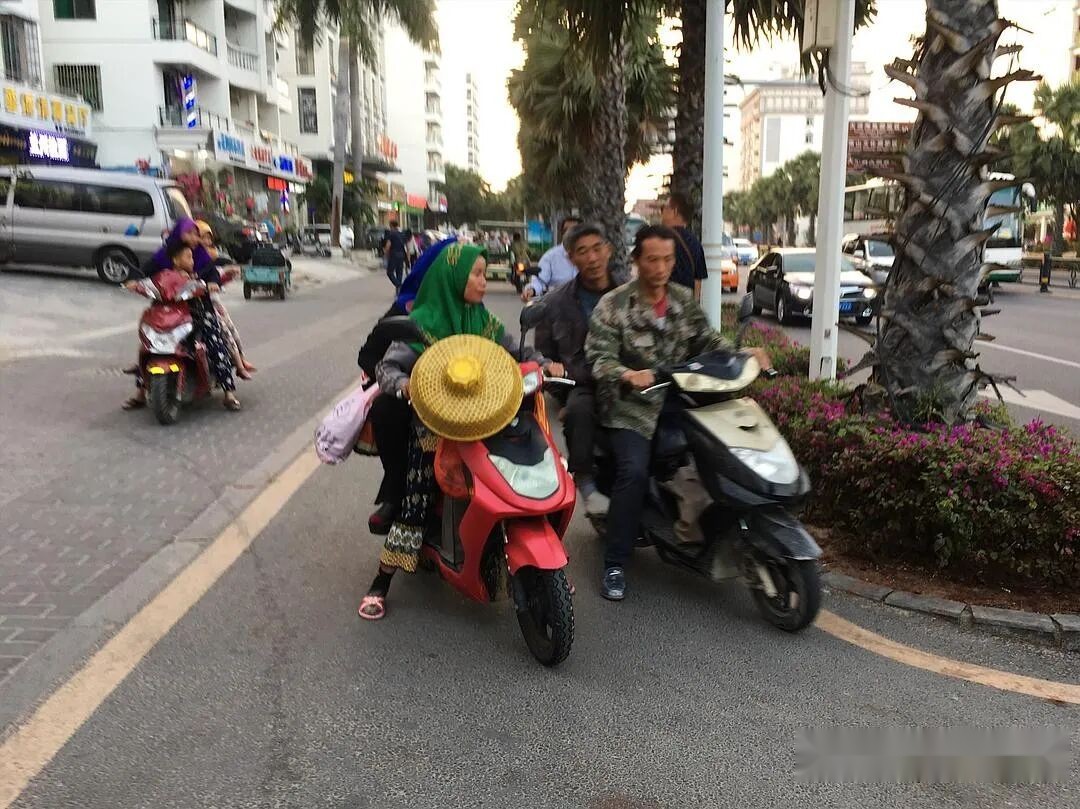
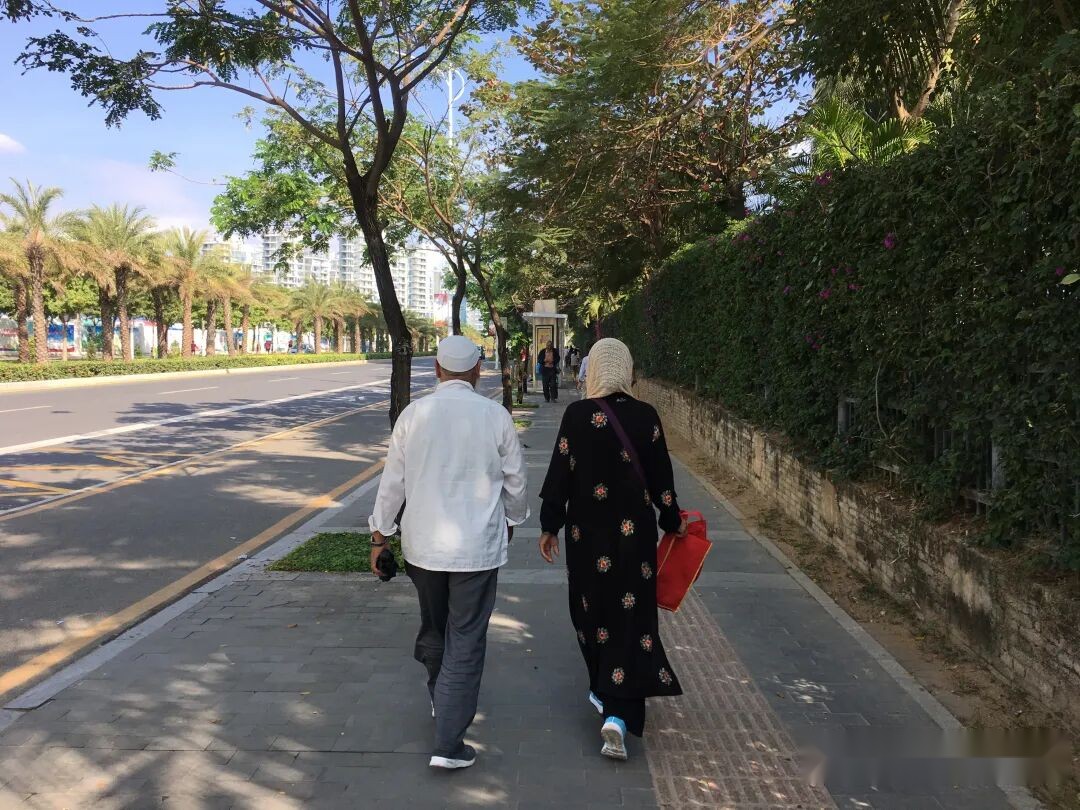
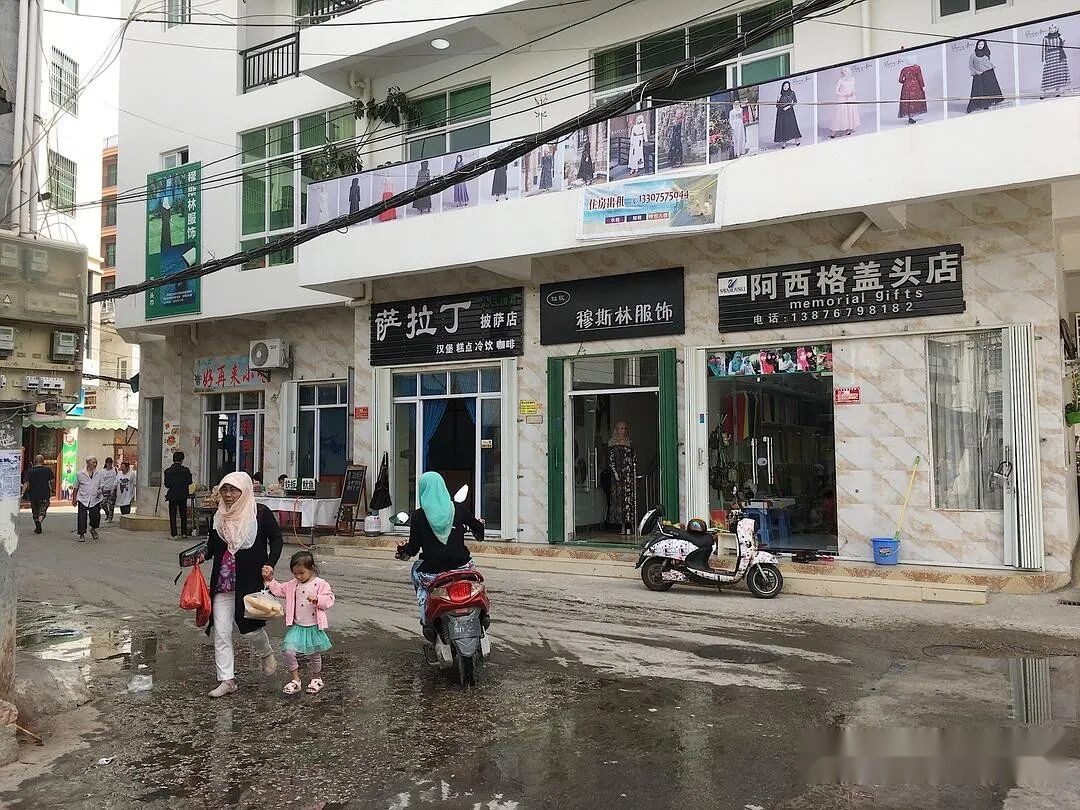
During this time, you'll see Uyghurs wearing doppa embroidered caps and silk scarves mingling with Hehuang Hui Muslims wearing white skullcaps and black hijabs on the bustling streets. Northerners walking around in shorts might make you feel like you're in Shenyang during summer, while Utsul Muslims in colorful patterned trousers and headscarves, speaking the Utsul Cham language, will make you feel like you've landed in Southeast Asia. There's Halal Hainanese cuisine, Ili cuisine, Xining cuisine, Linxia cuisine, and even Xi'an and Henan dishes—making this place feel like a utopian escape far away from winter.
After the reform and opening-up, the first people to open shops in Huihui Village (Huihui Muslim Village) and Huixin Village (Huixin Muslim Village) were Hui, Dongxiang, and Salar Muslims from Gansu and Qinghai. Uyghurs soon followed, opening Uyghur specialty restaurants in Huihui Village (Huihui Muslim Village), and later, Hui Muslims from Yunnan, Henan, and elsewhere arrived to open eateries. Because of this, you can sample Halal food from all corners of China right here.
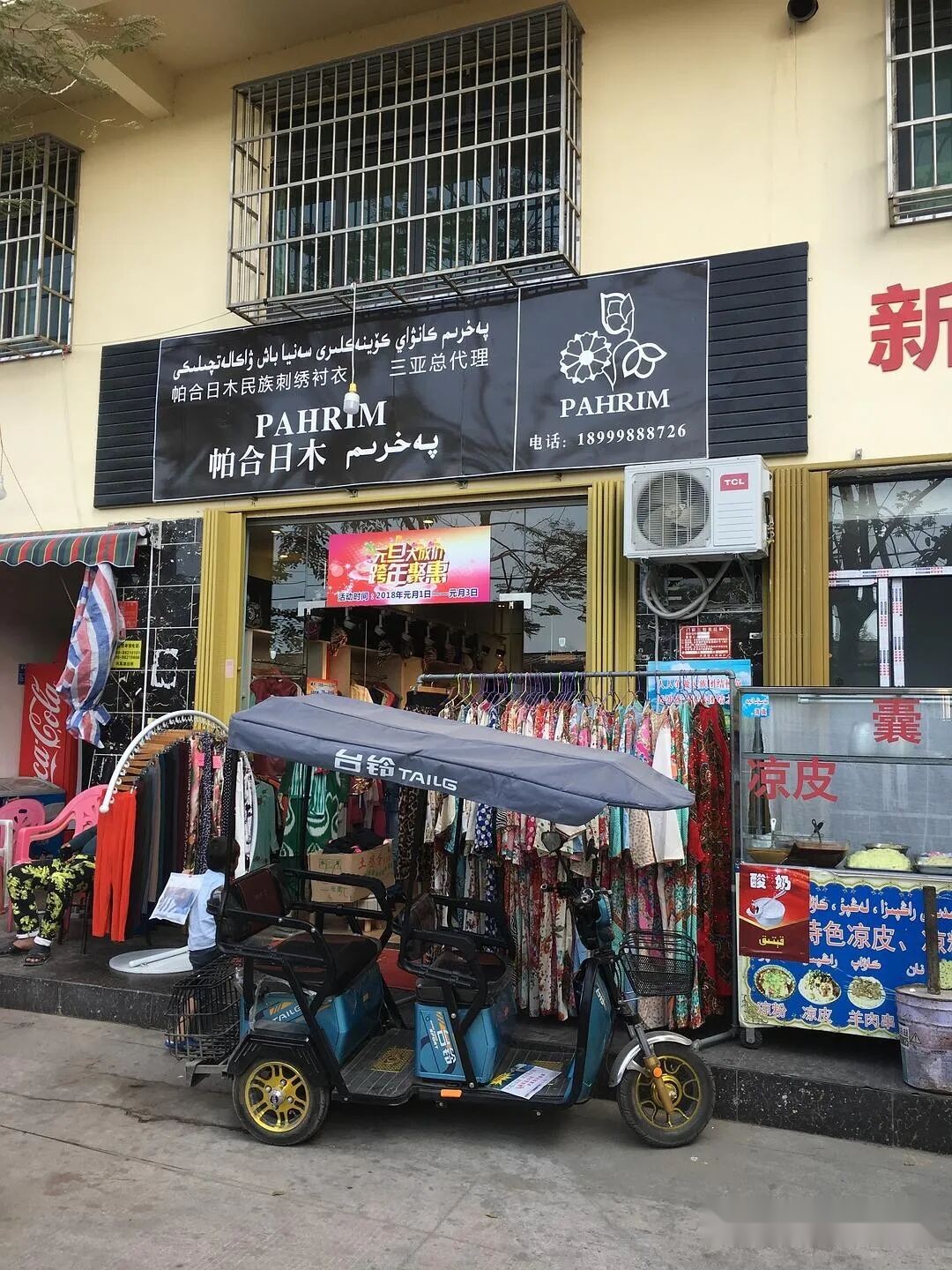
A shop selling Uyghur embroidered clothing
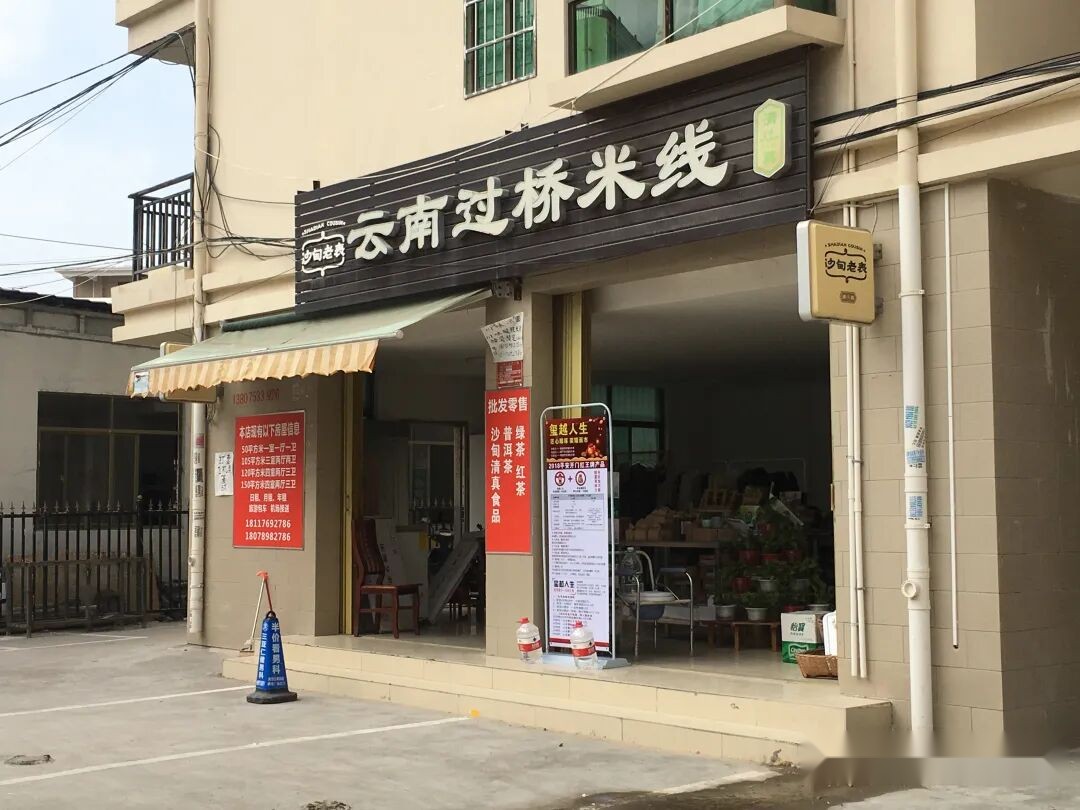
A crossing-the-bridge rice noodles shop run by Shadian Hui Muslims
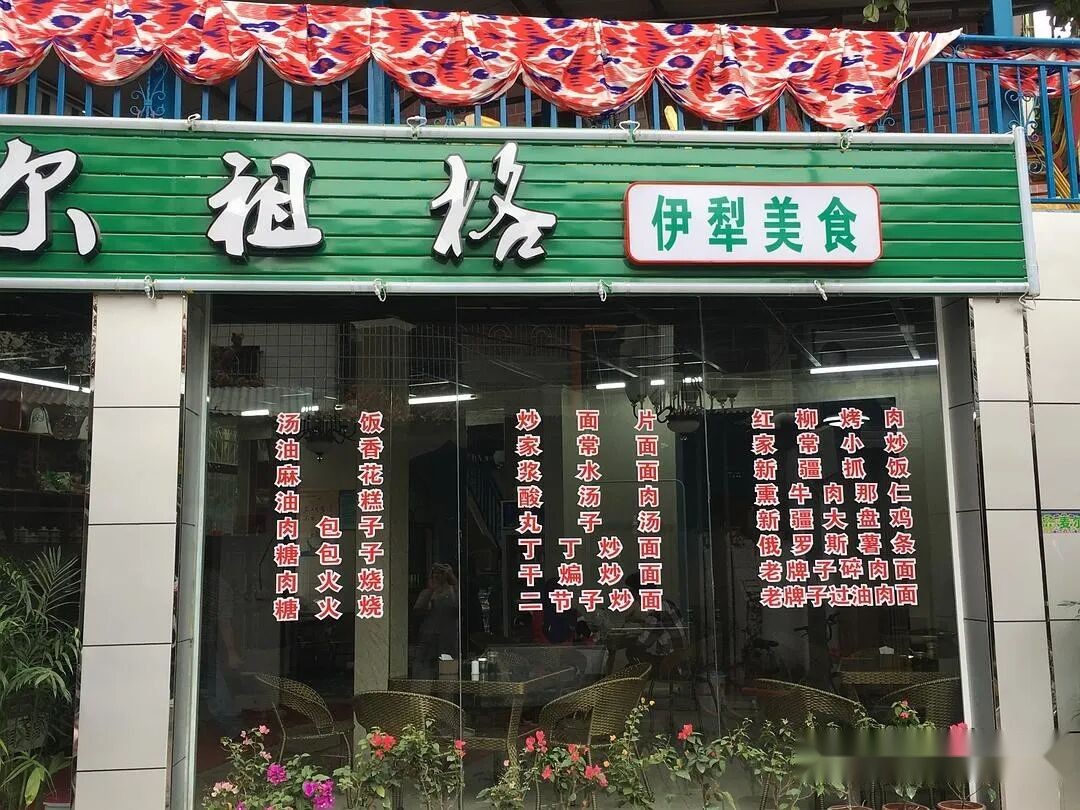
An eatery run by Ili Hui Muslims, where you can get smoked meat narin
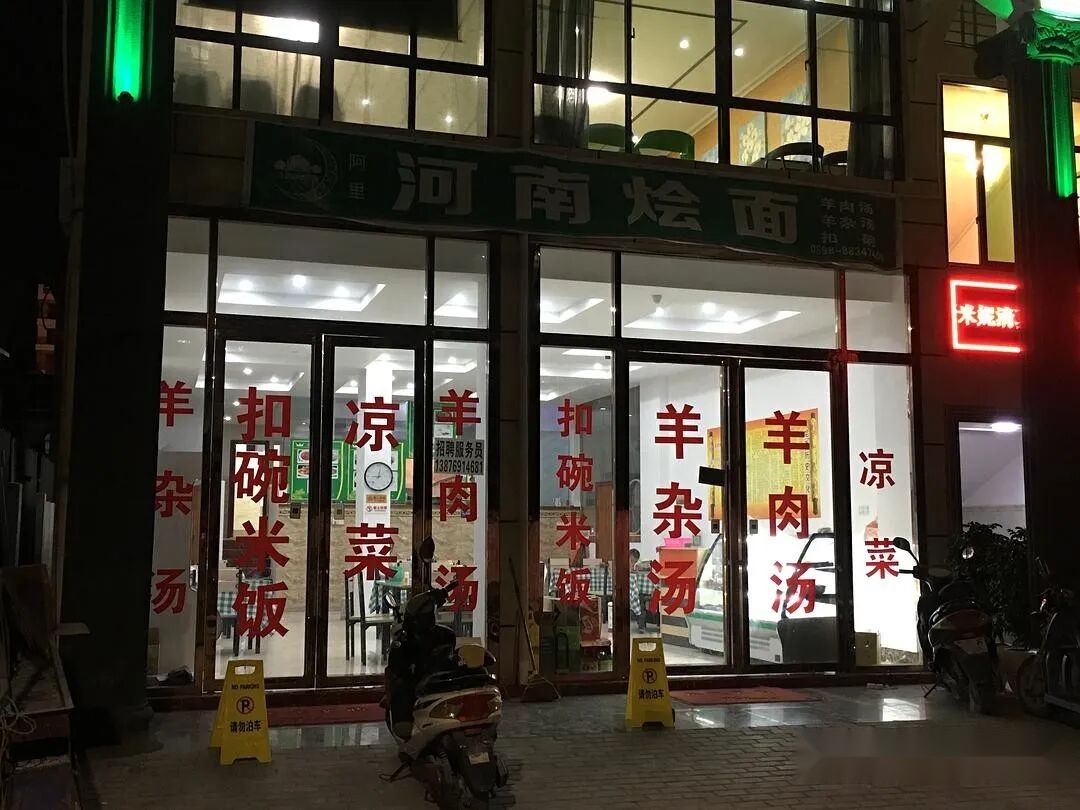
A restaurant run by Henan Hui Muslims, serving braised bowl dishes (kouwan) and braised noodles (huimian)
Part 2: Halal Food in Huixin Village (Huixin Muslim Village)
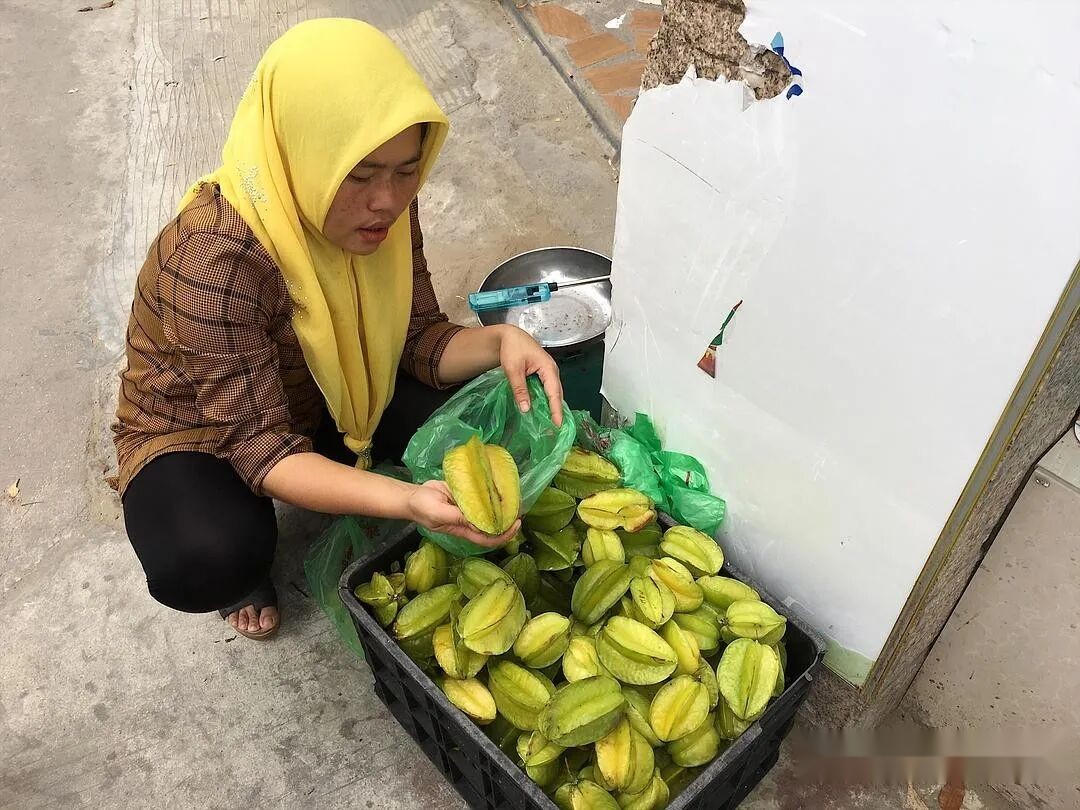
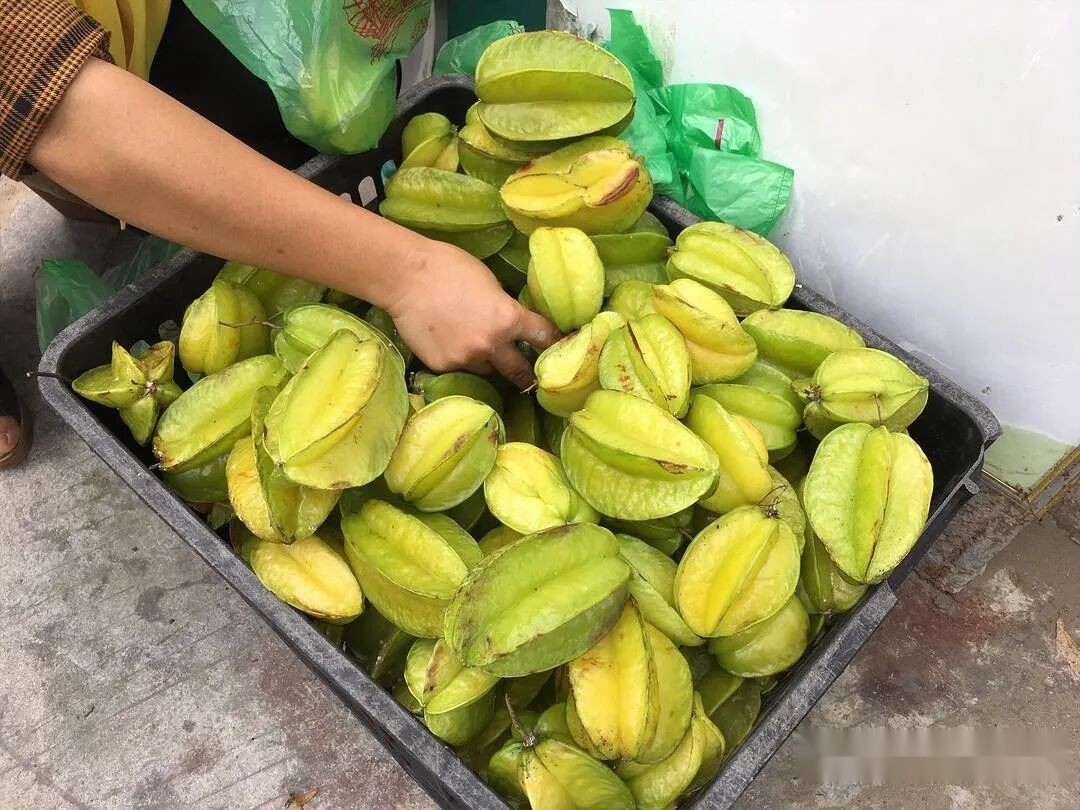
Freshly picked star fruit
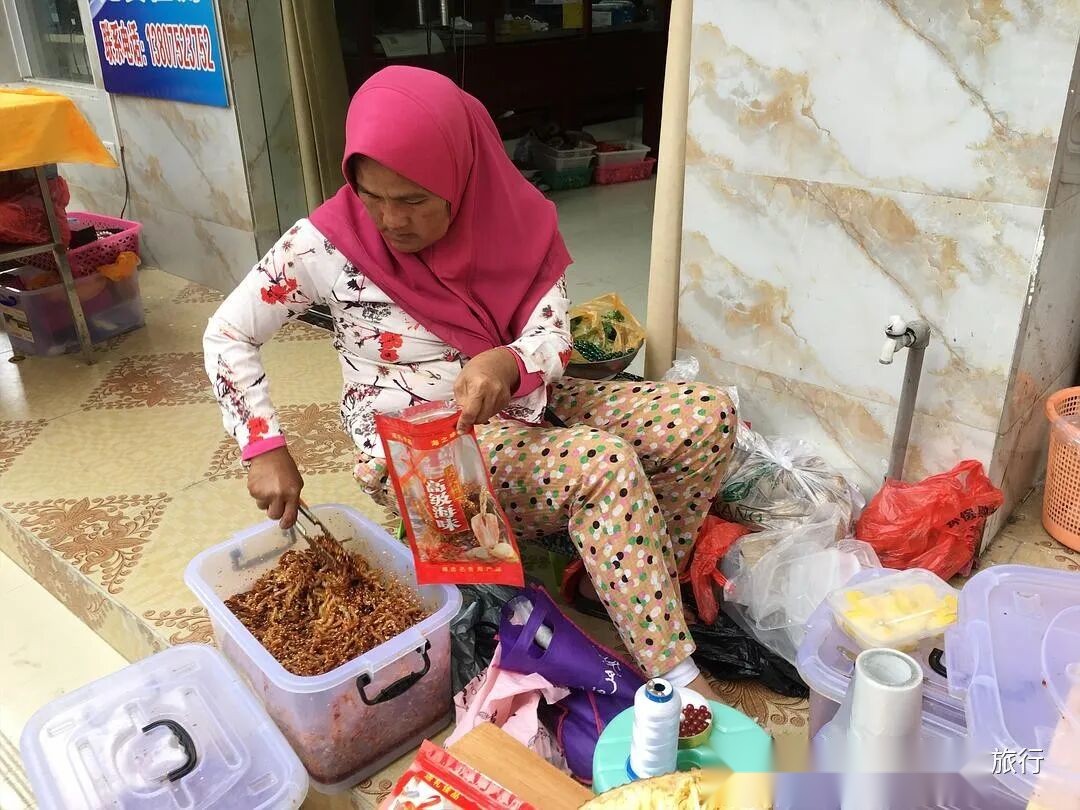
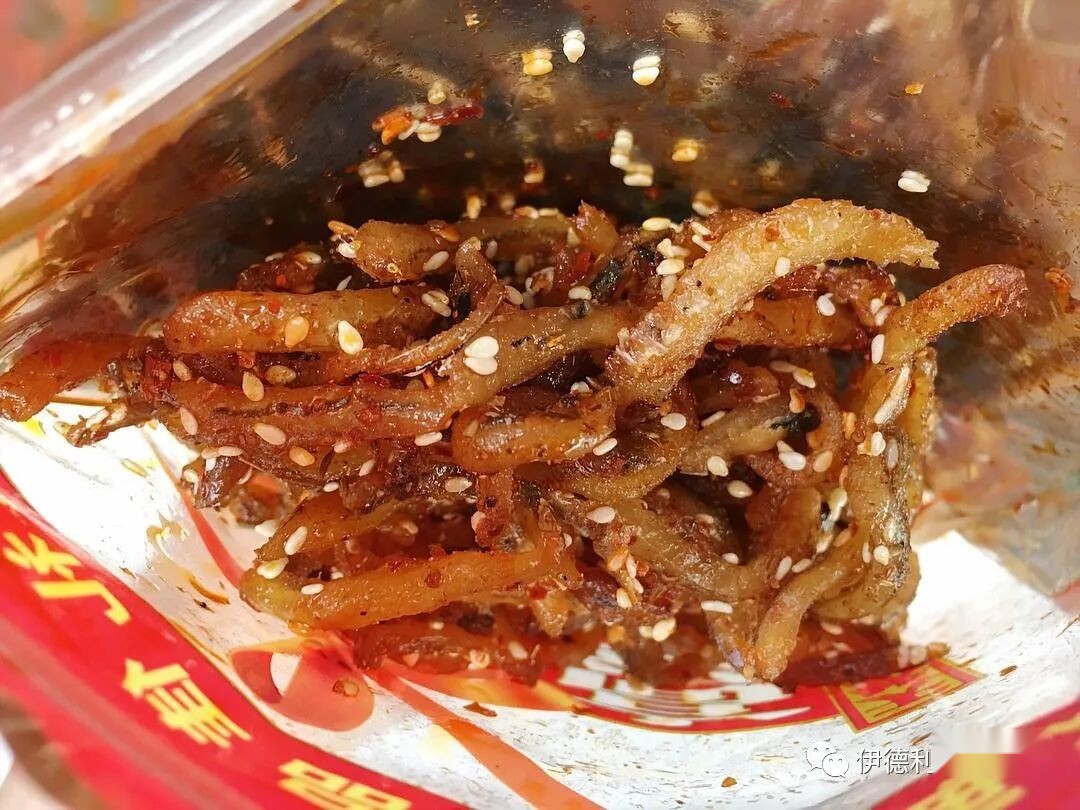
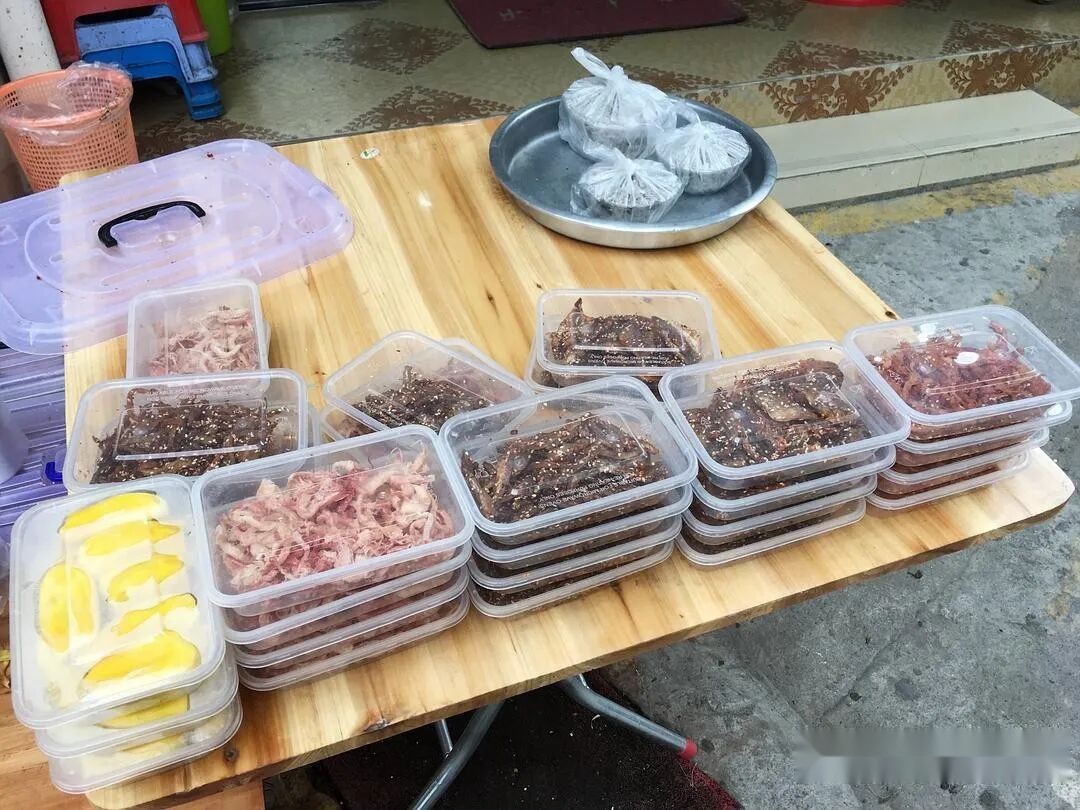
Dried eel made by a Huihui auntie
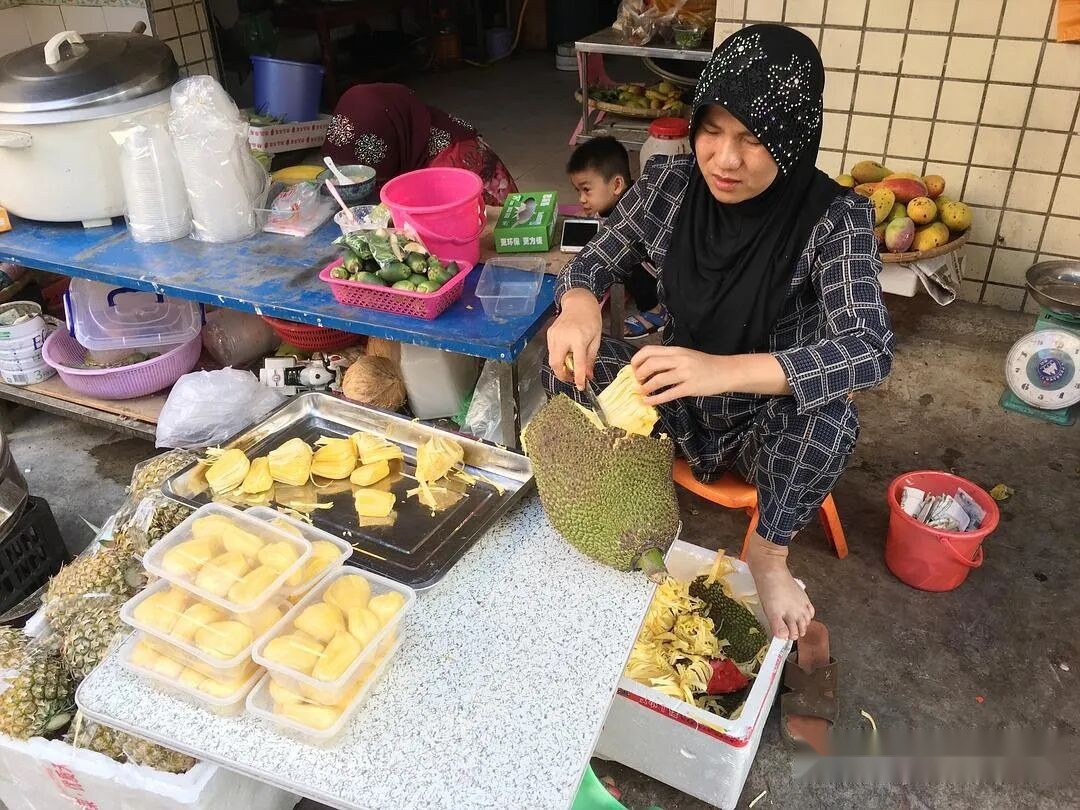
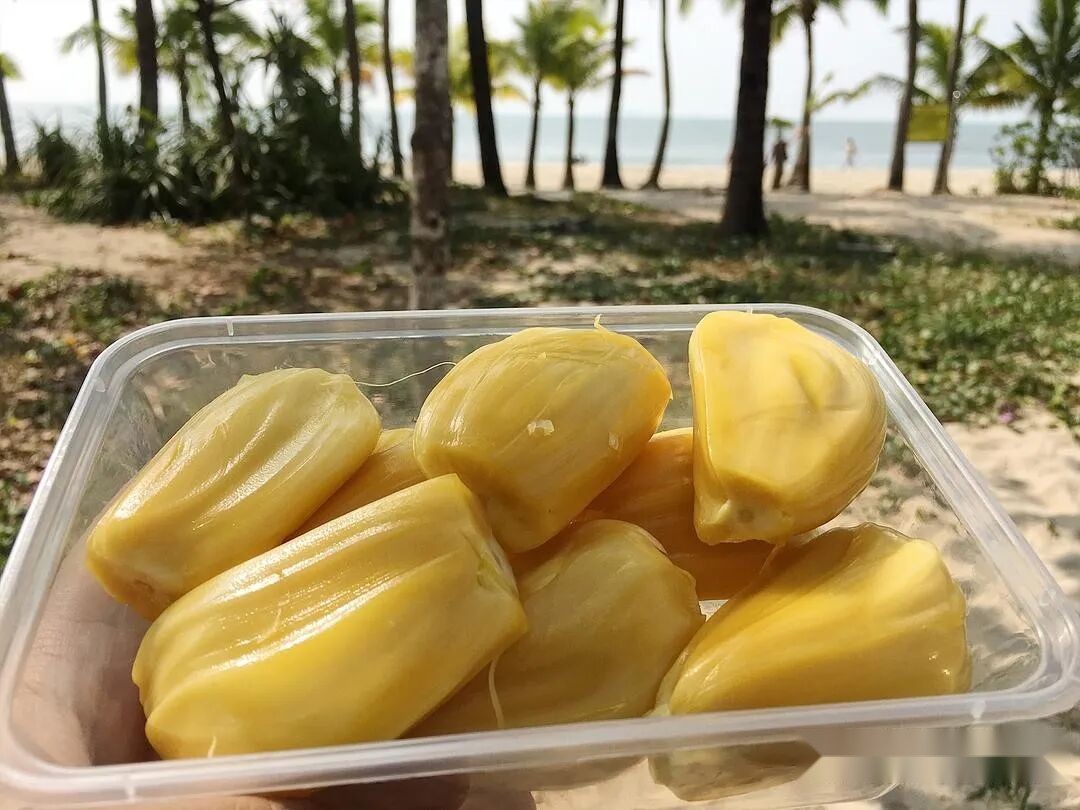
Jackfruit
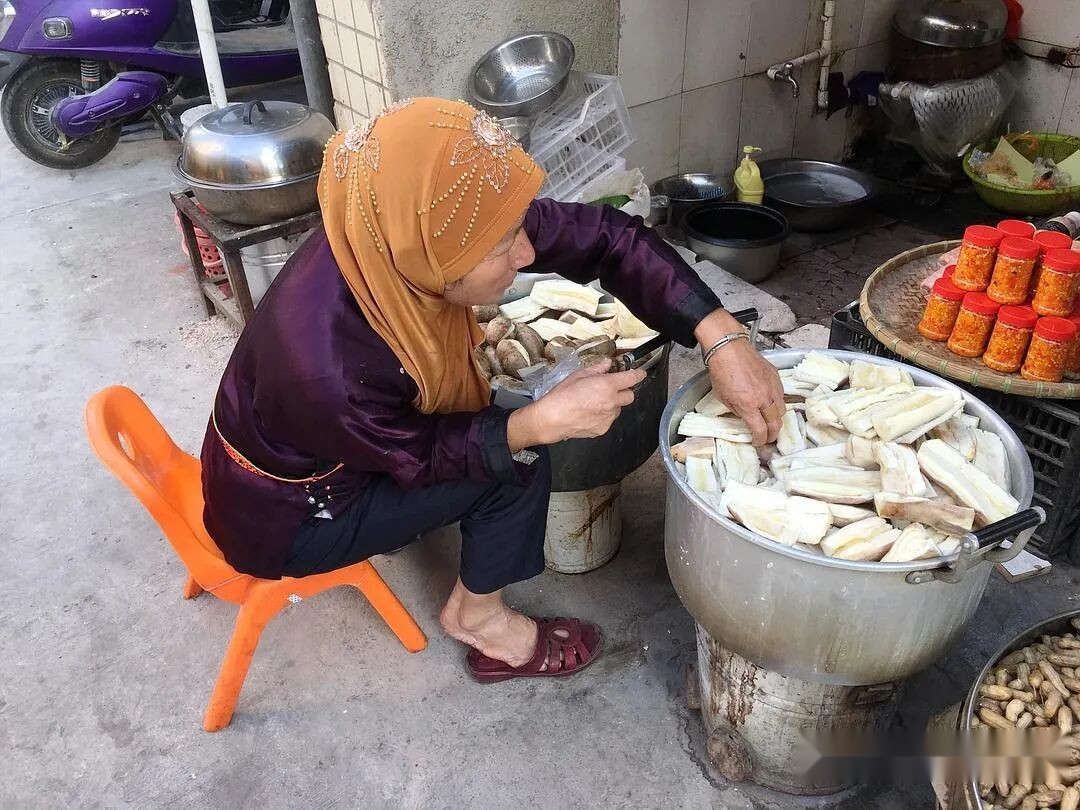
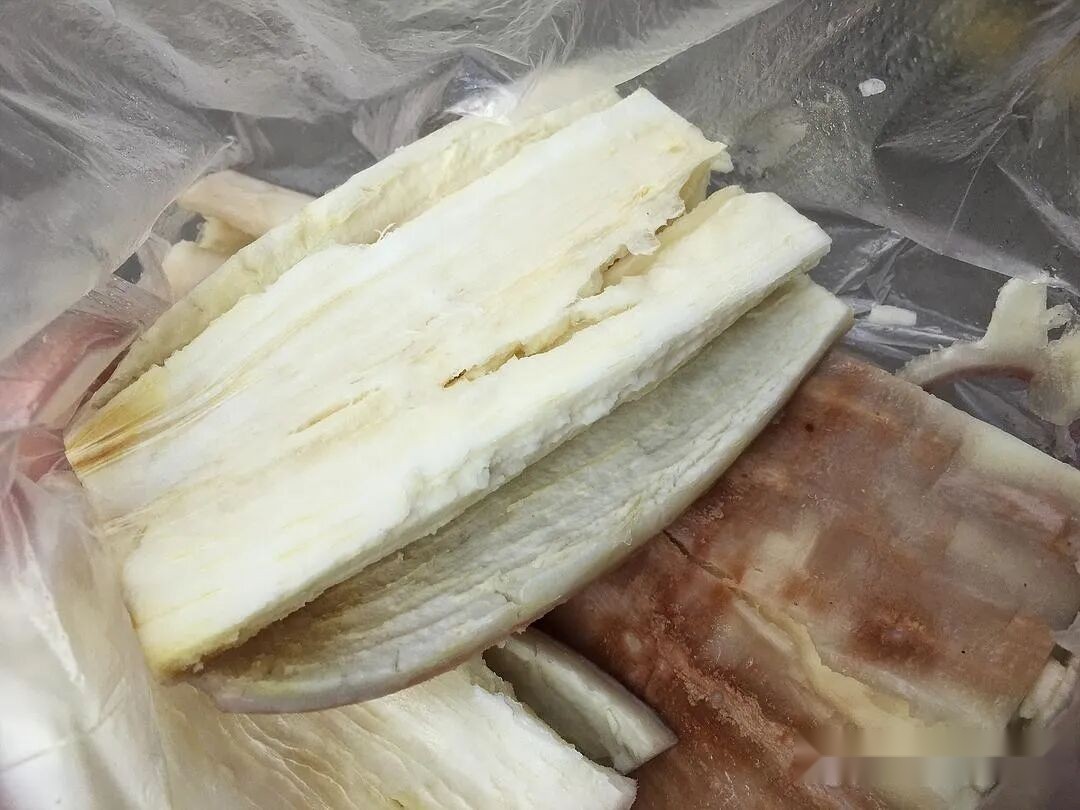
Cassava
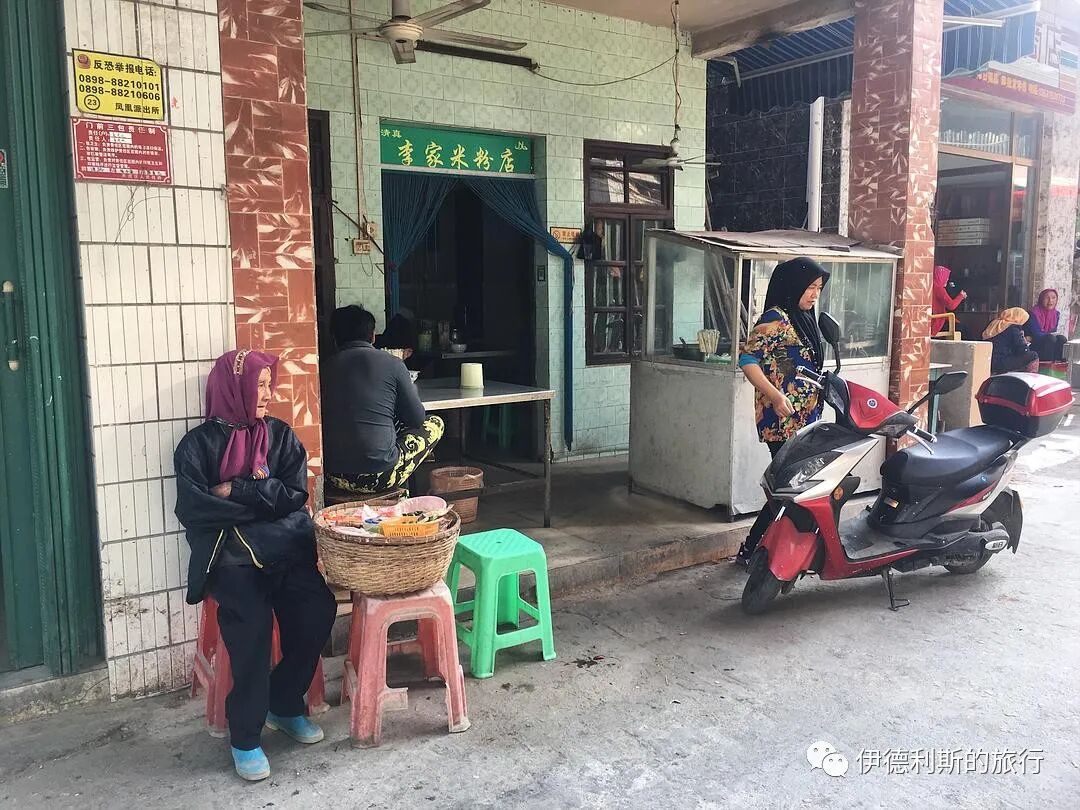
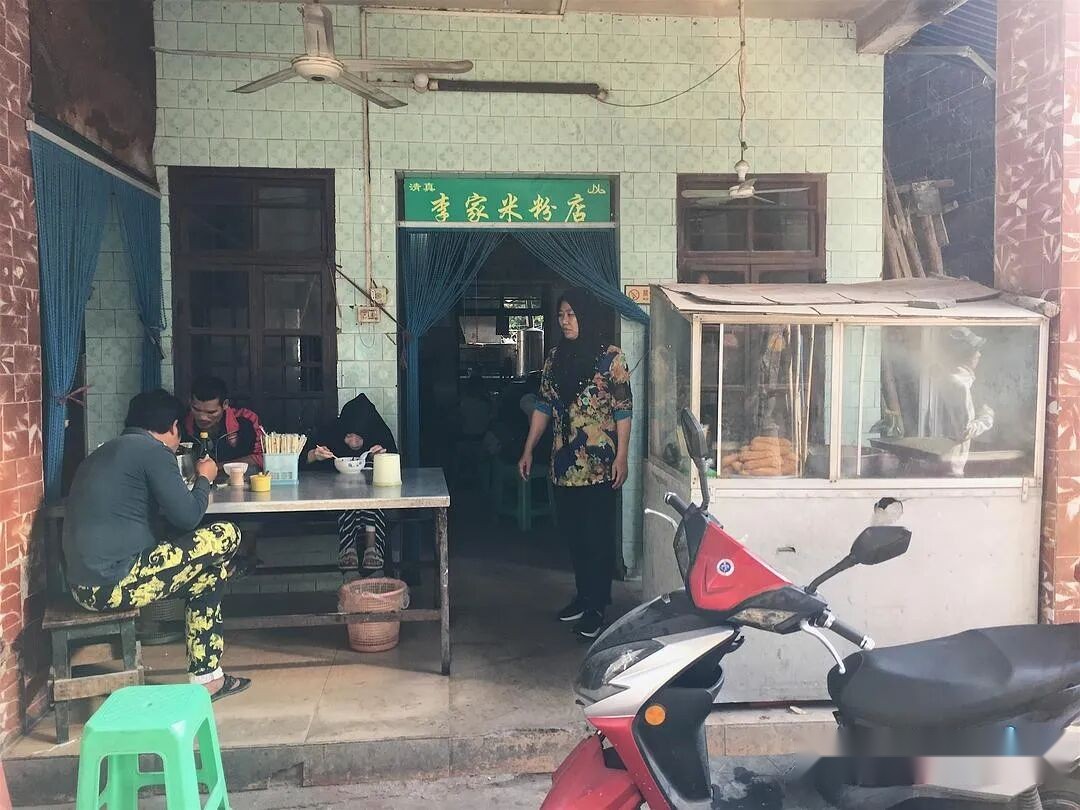
Li's Rice Noodles Shop's beef brisket rice noodles
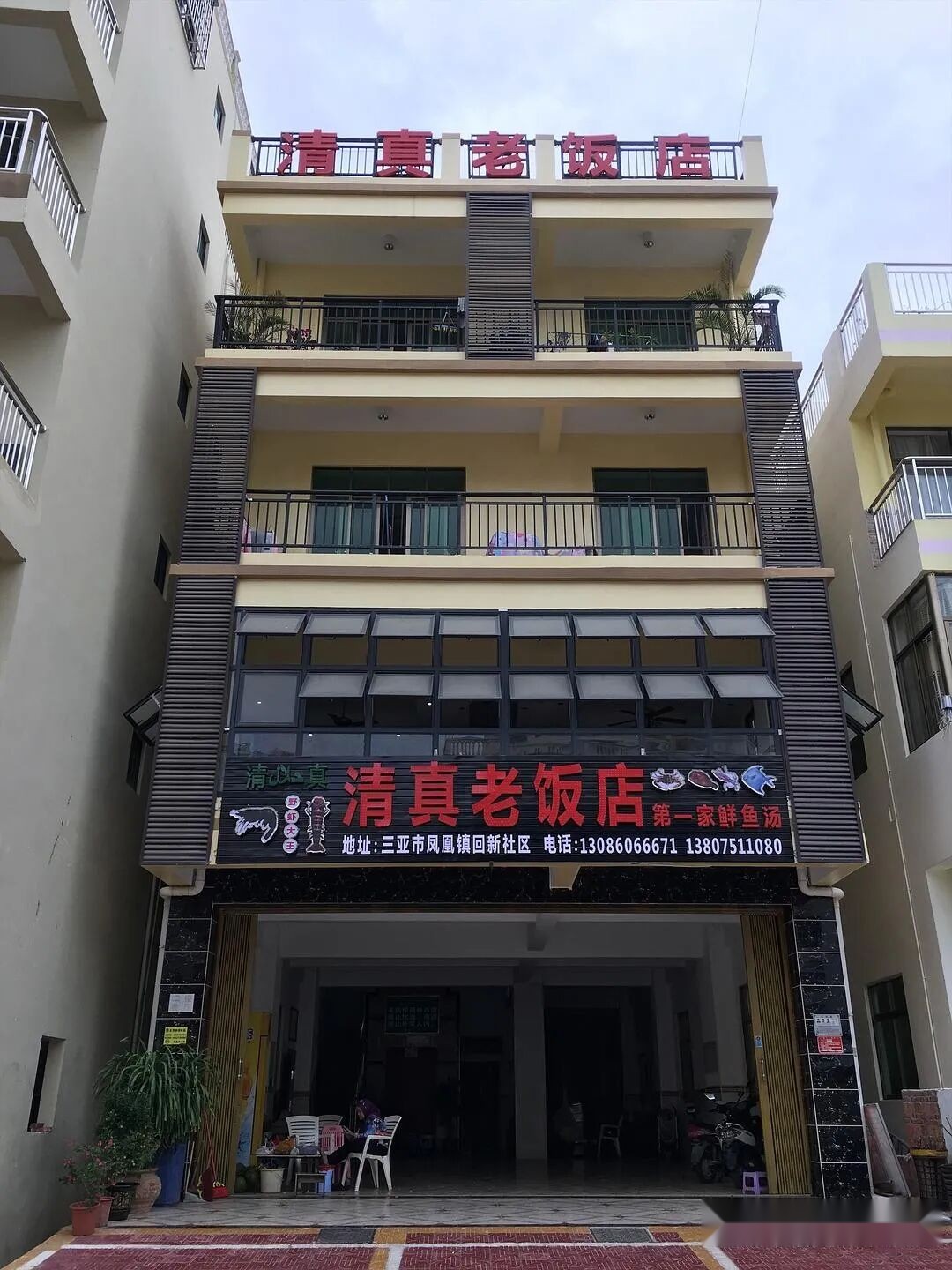
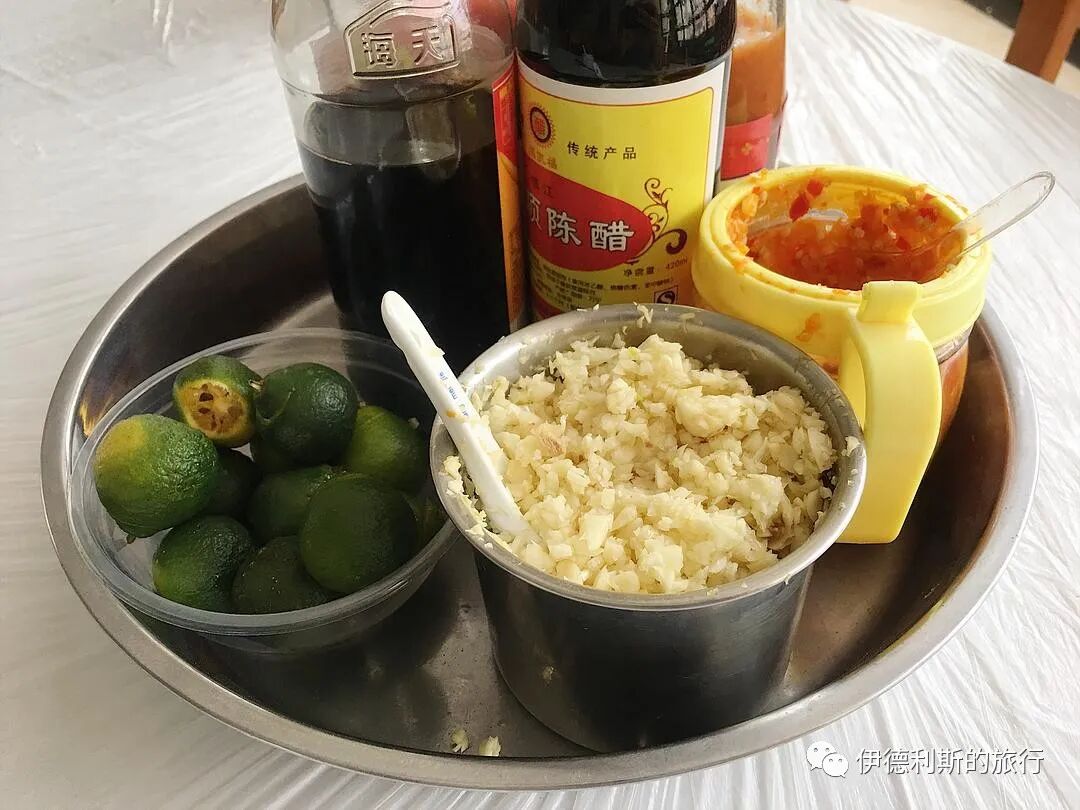
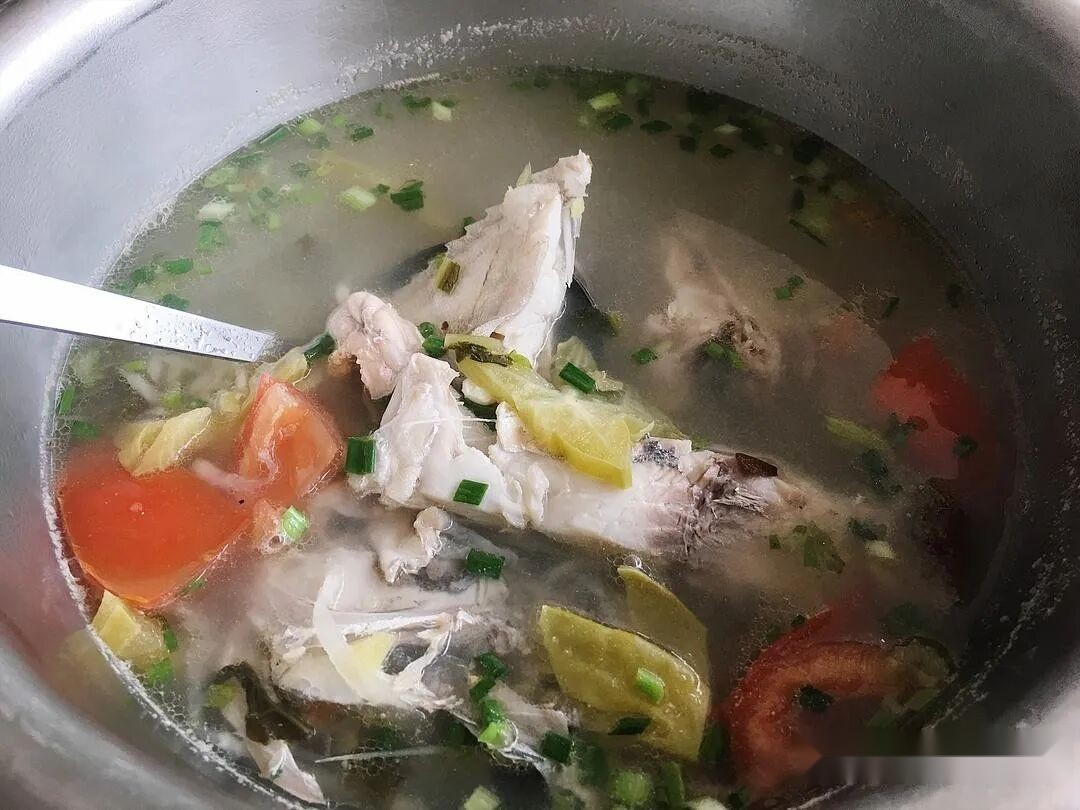
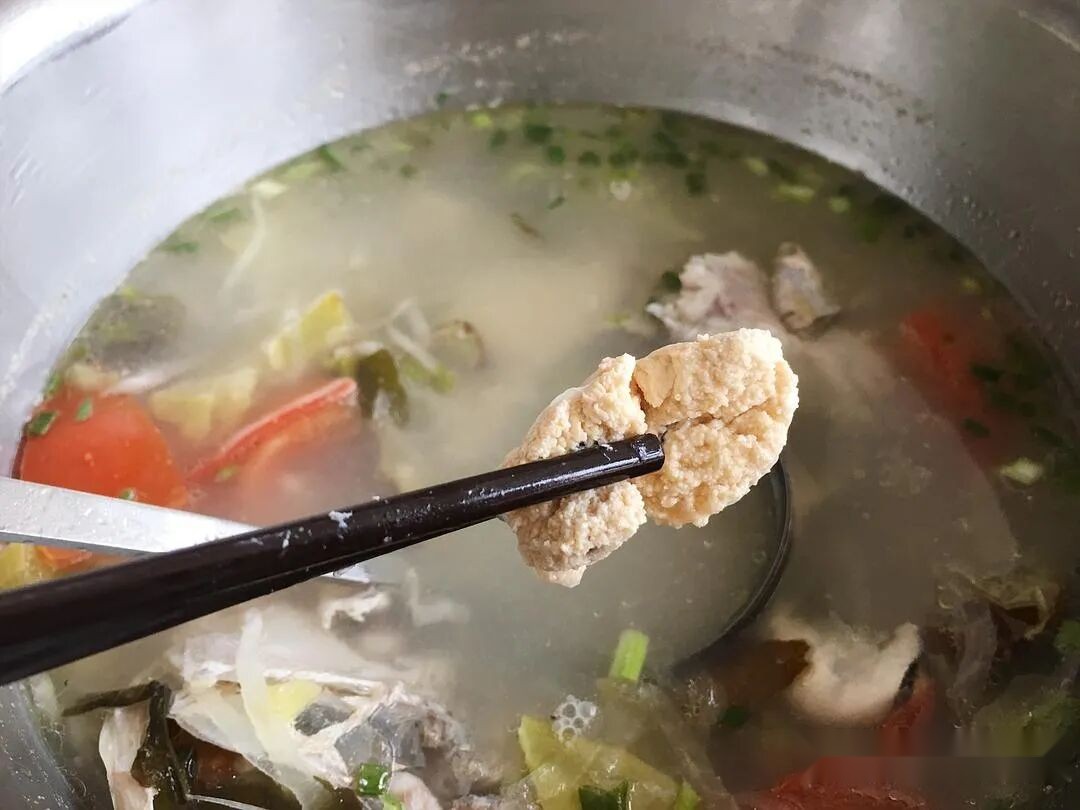
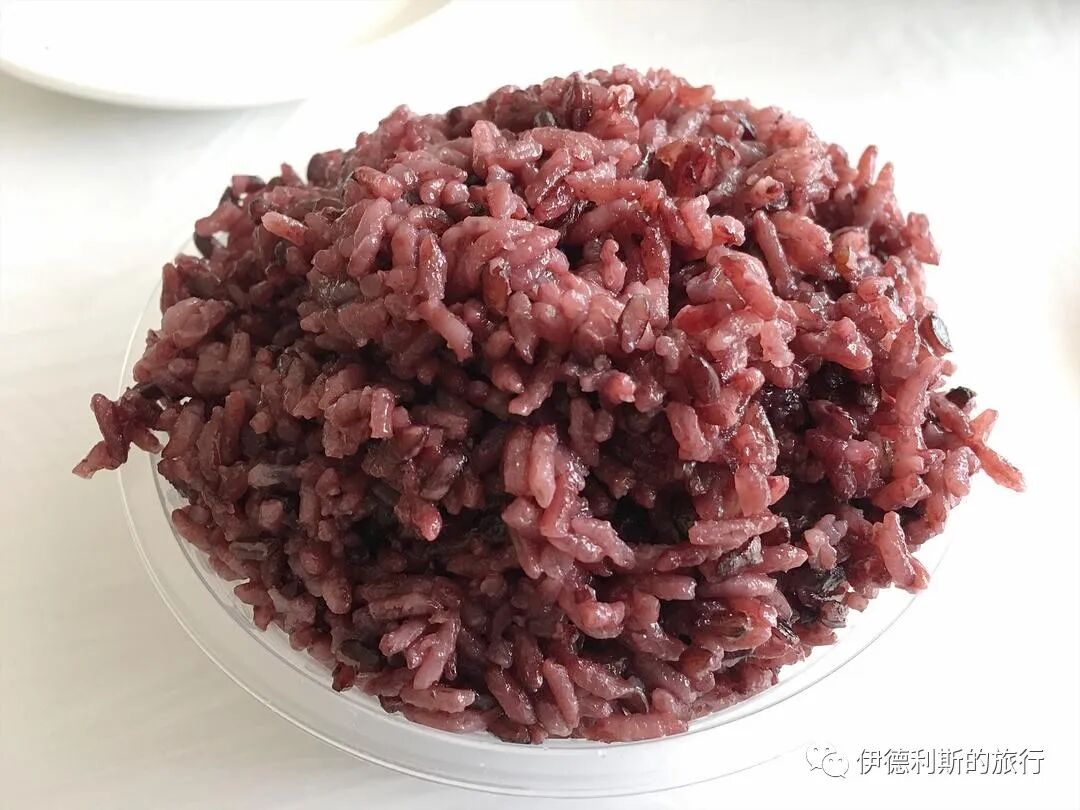
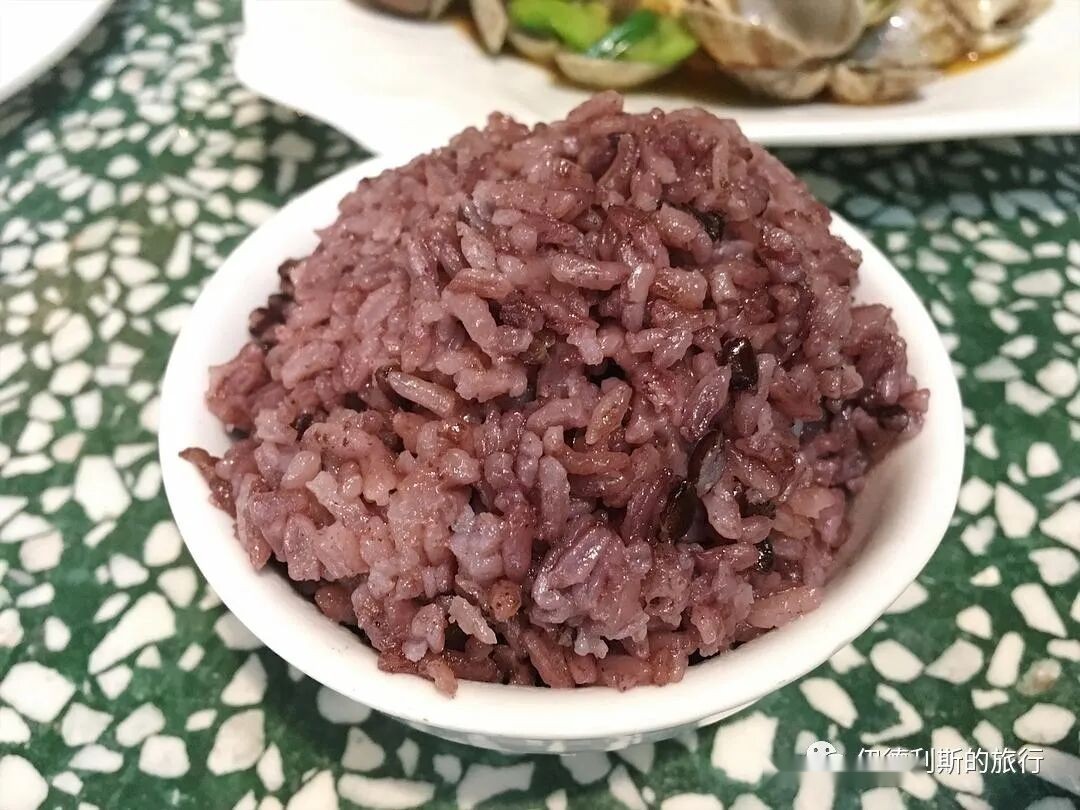
At First Fresh Fish Soup (Diayi Xianyutang), we tried their signature Huihui sour fish soup, ordering an 8-liang (about 400g) Luzai fish. Adding star fruit is what gives Huihui sour fish soup its unique twist, and it comes with complimentary coconut red rice.
3. Halal Dining in Huihui Village
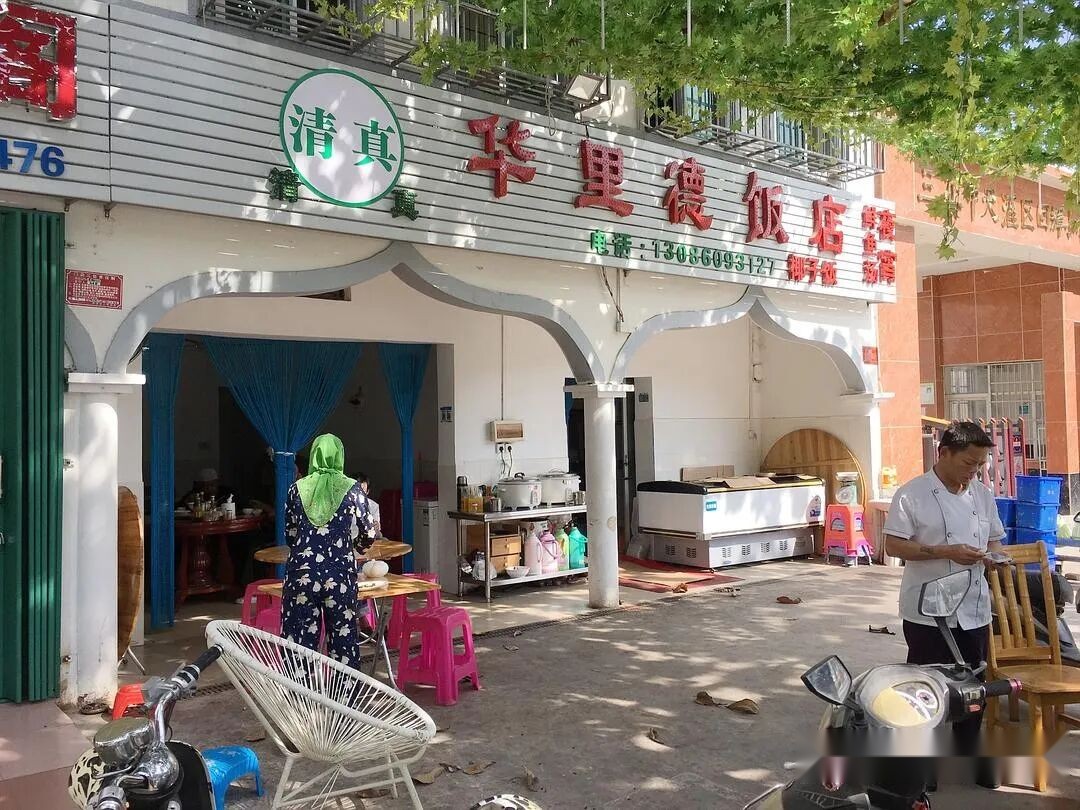
Huihui Village (Huihui Muslim Village) by Day
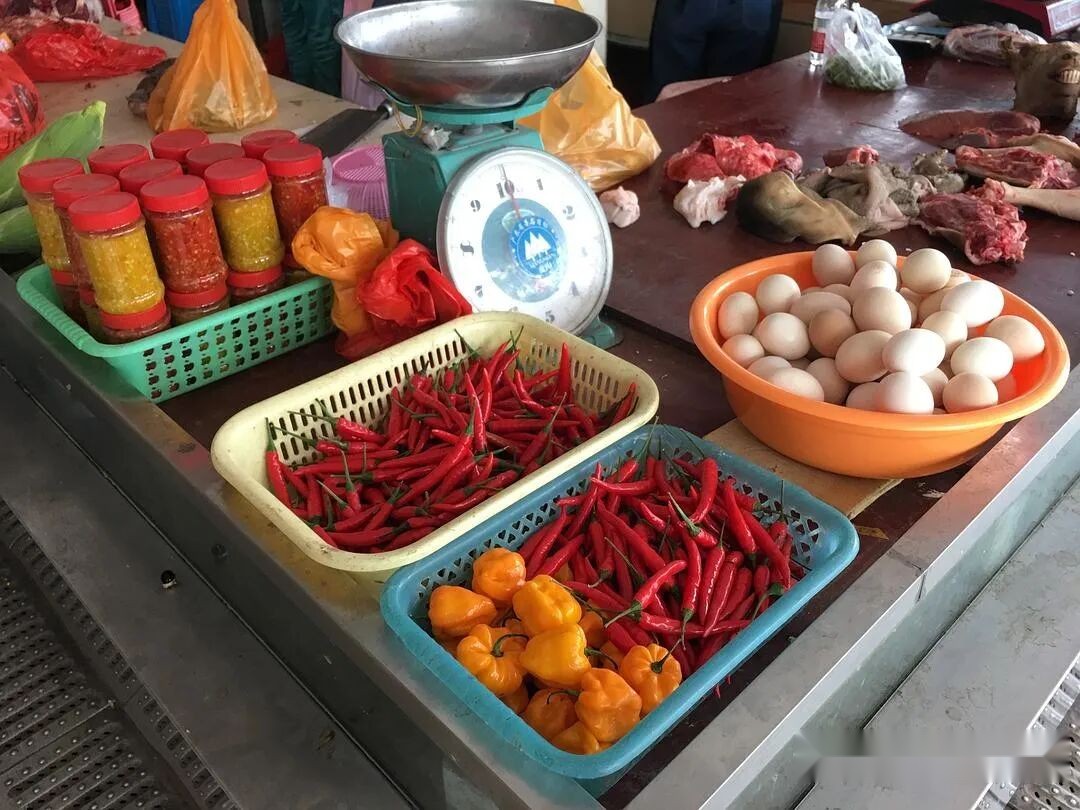
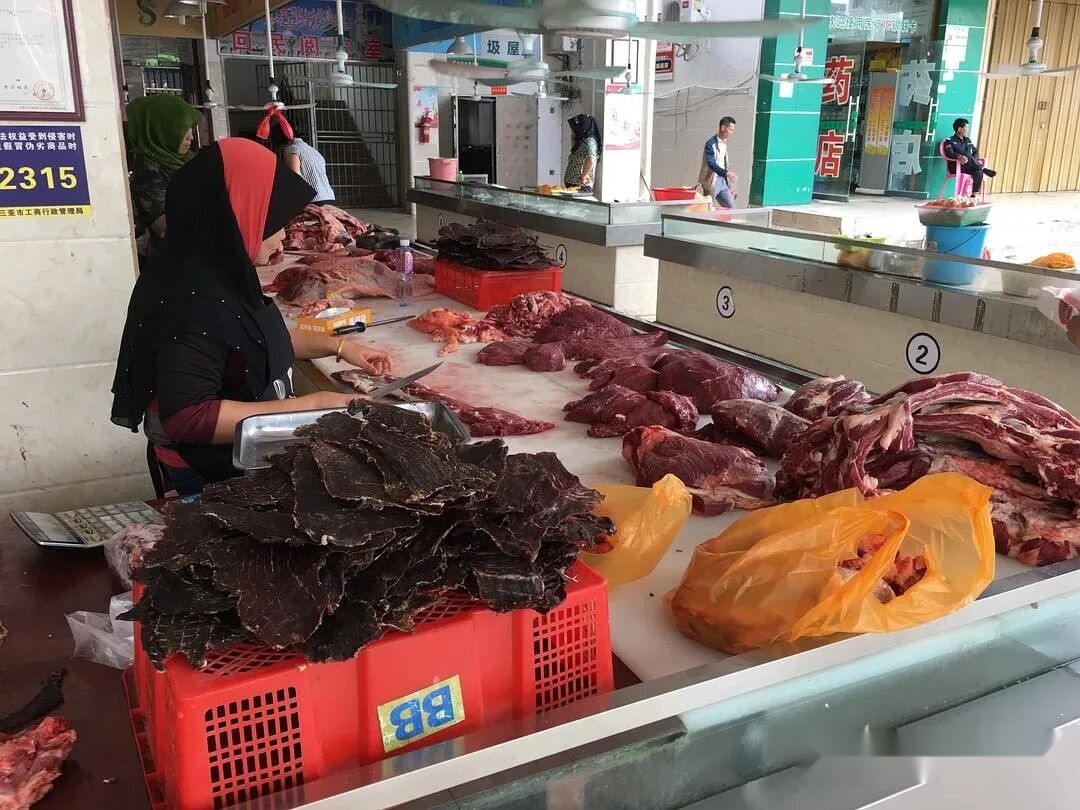
Huihui Market

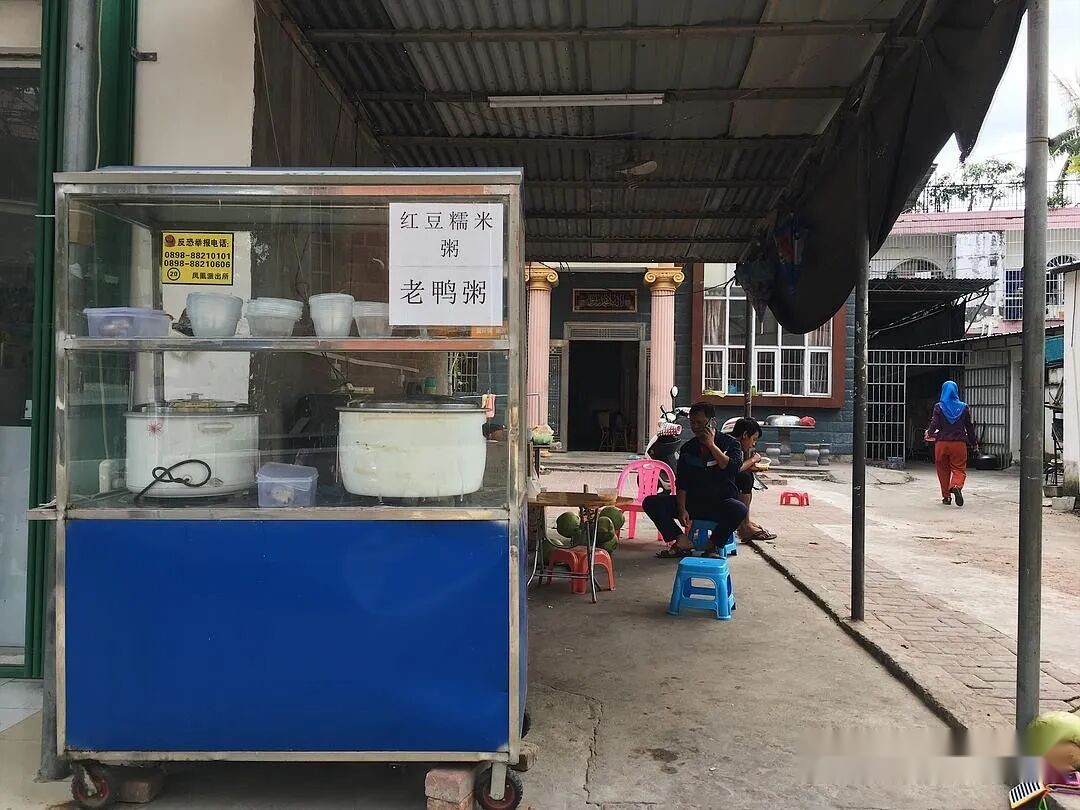
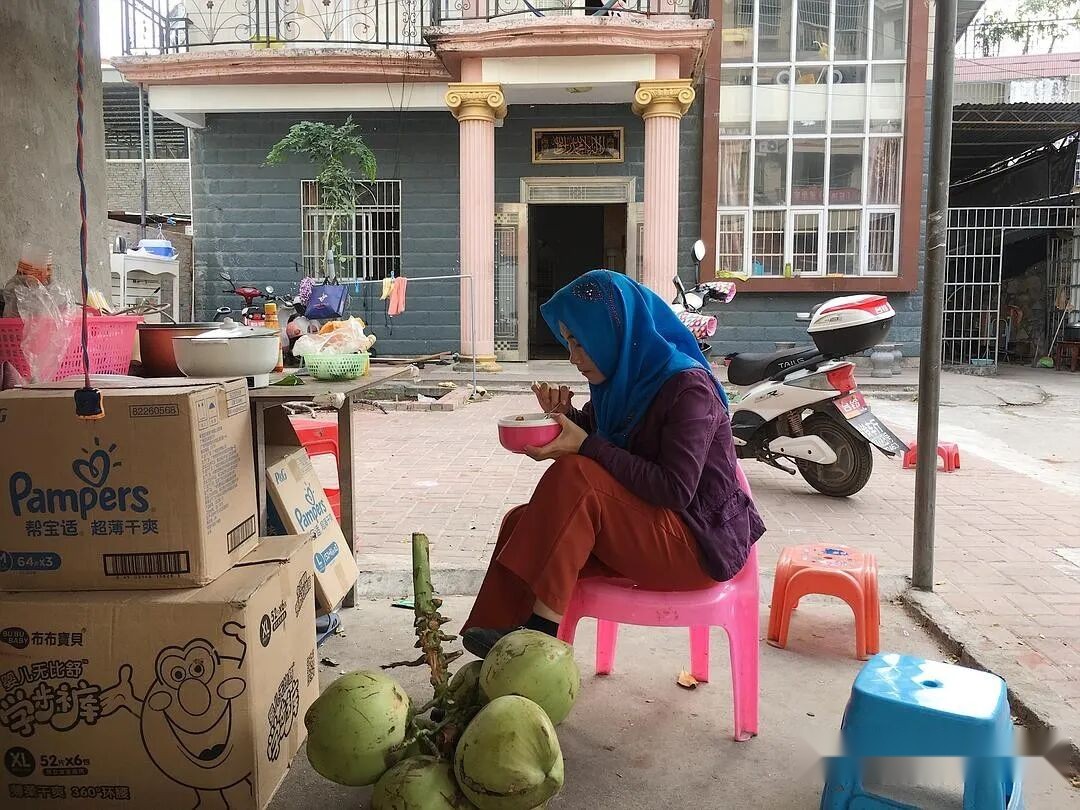
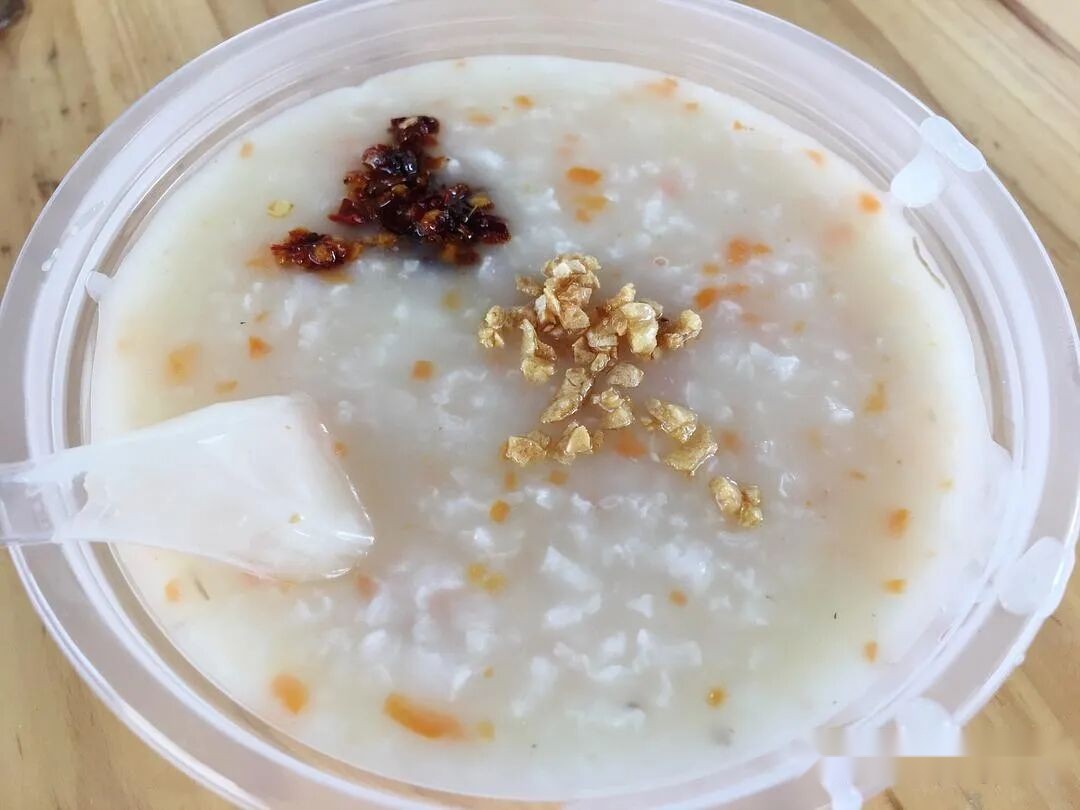
Laoya zhou (Traditional Hainan duck porridge)
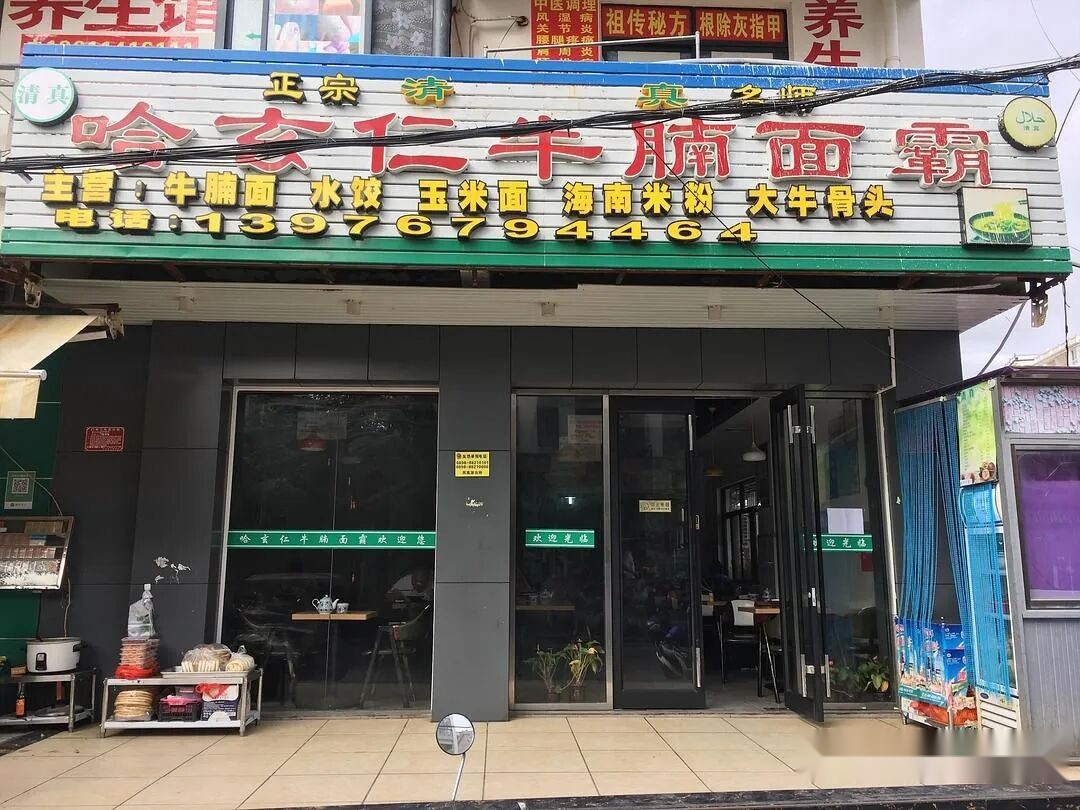
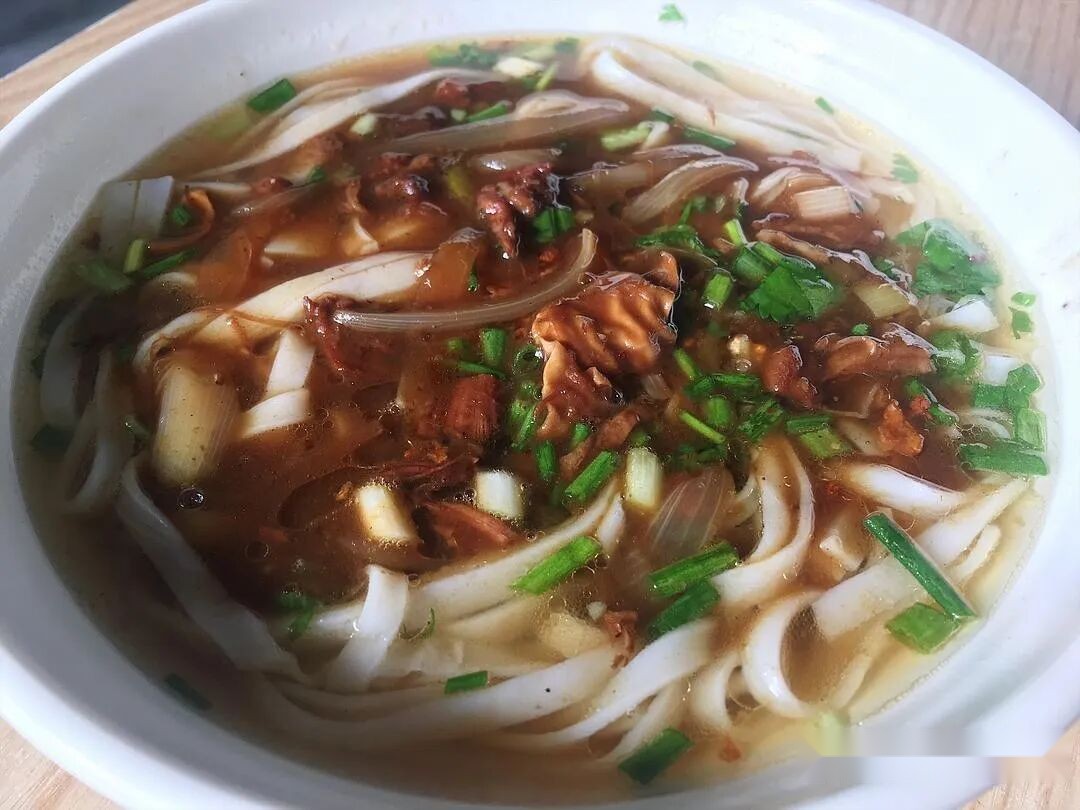
Haxuanren Niunan Mianba's niurou fen (Hainan beef rice noodles)

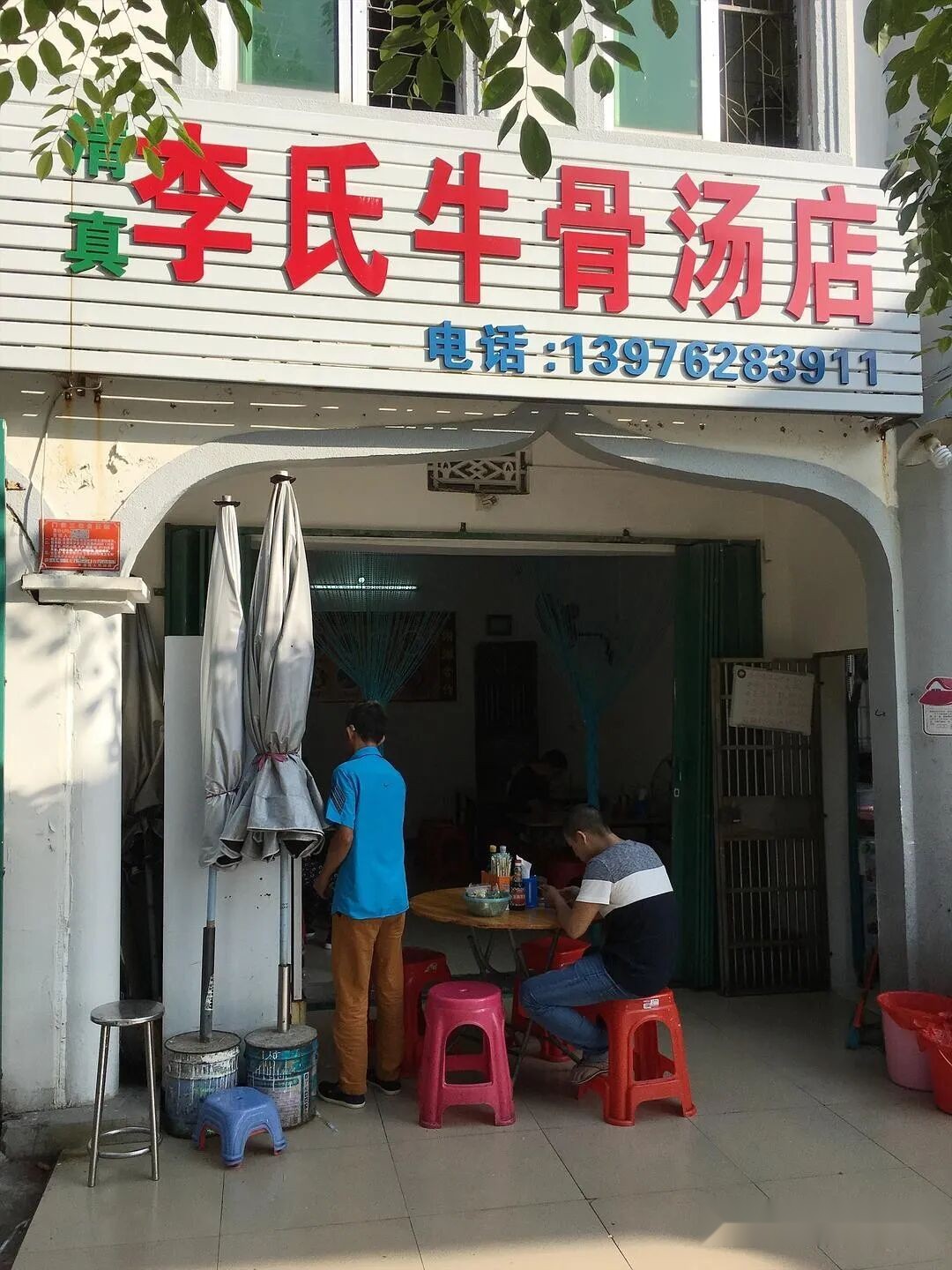
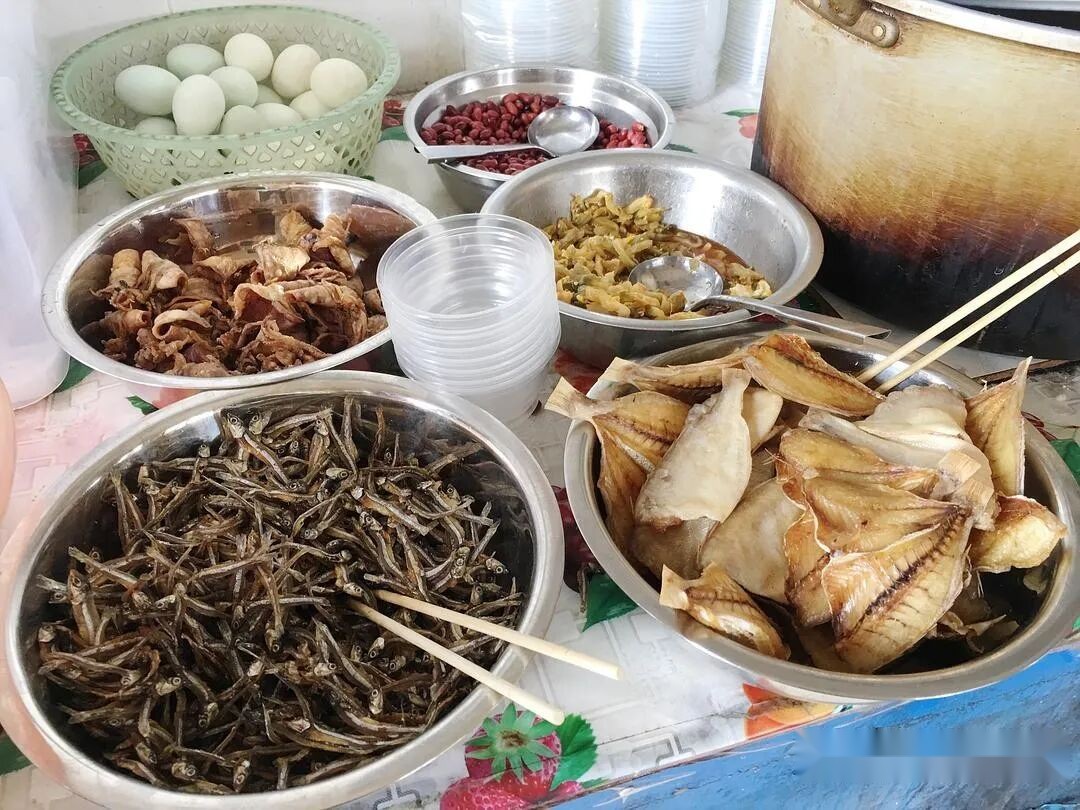
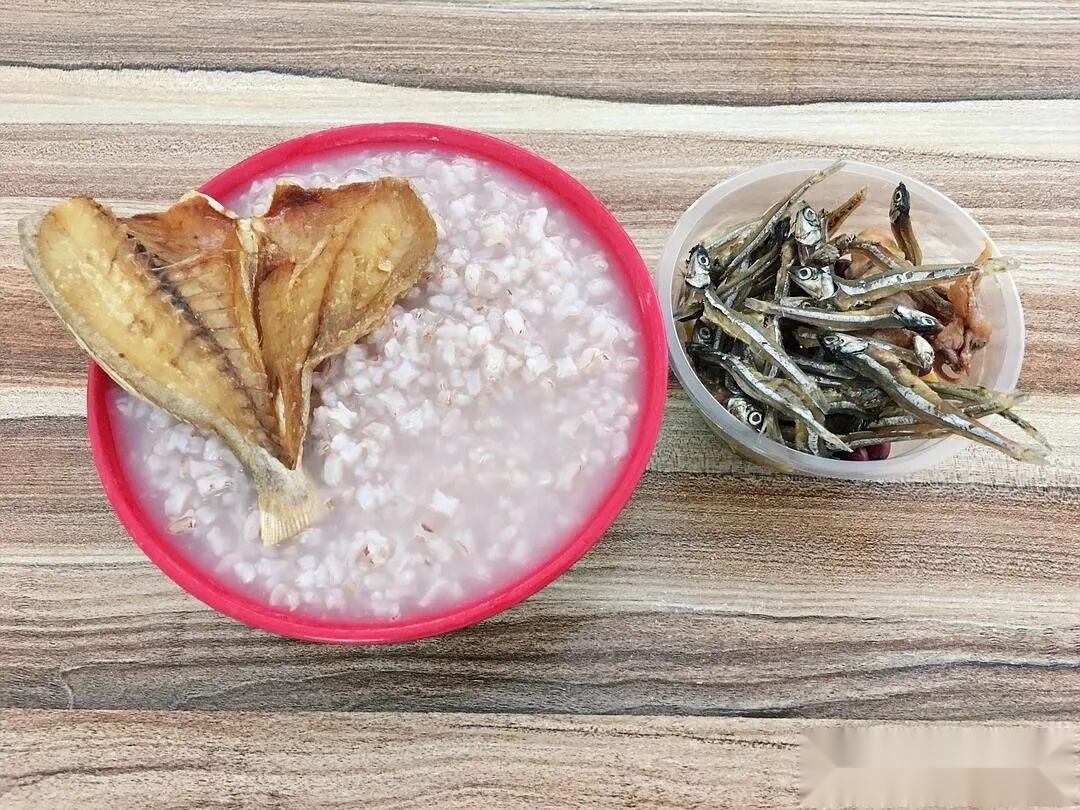
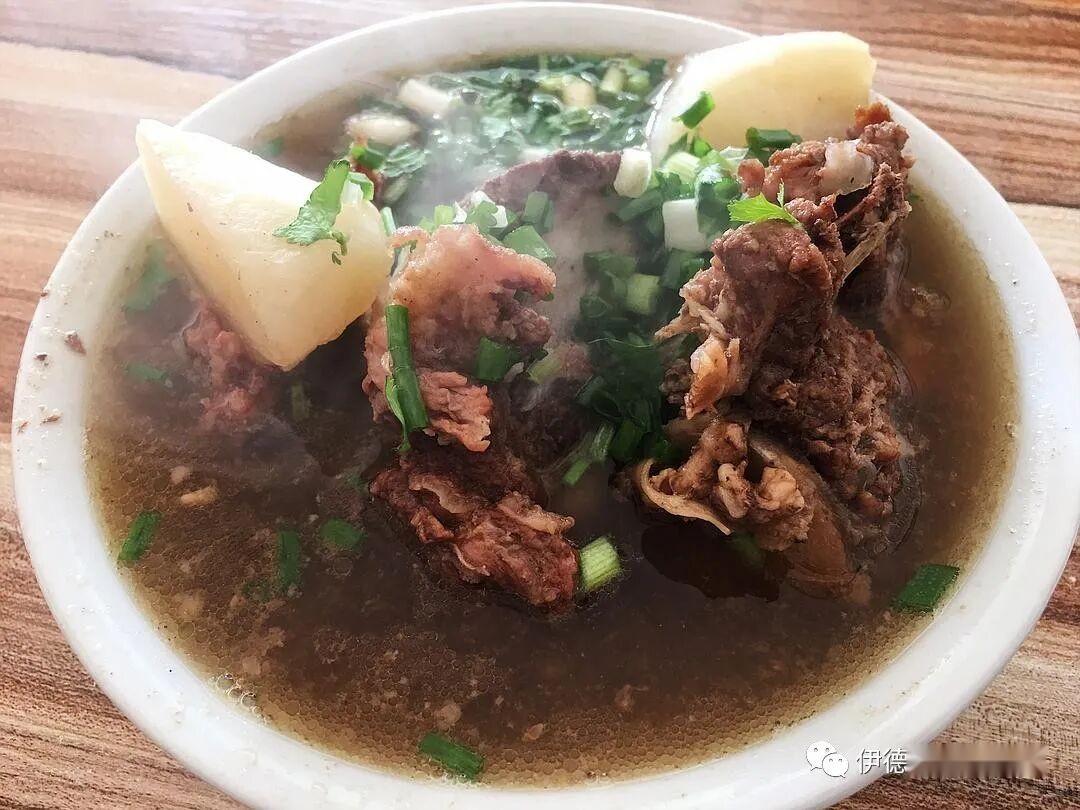
Li's Beef Bone Broth Shop's seafood rice porridge and beef bone soup
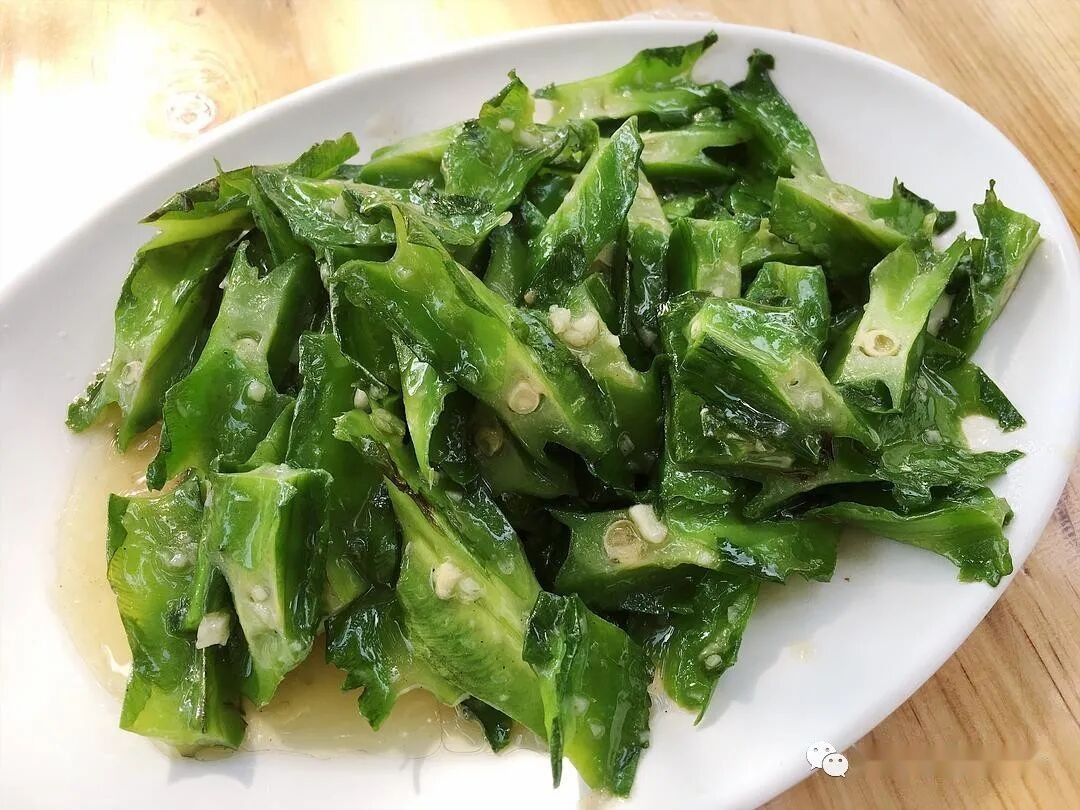
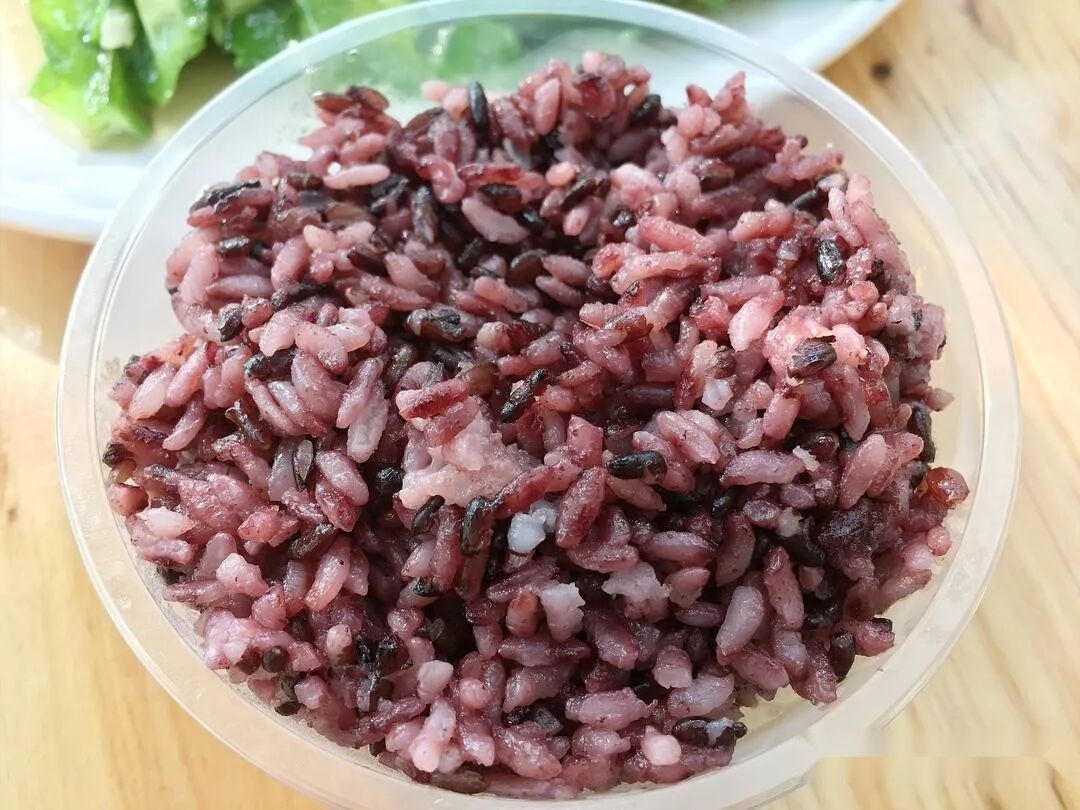
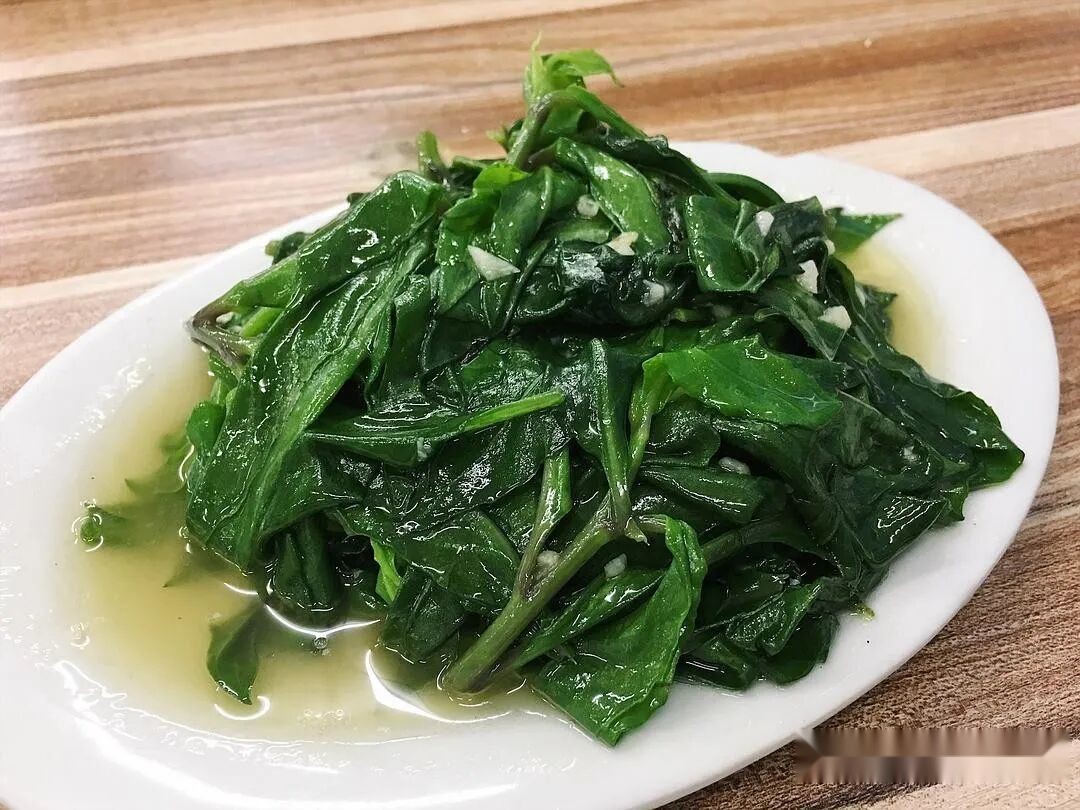
Hualide Restaurant's four-angle beans (winged beans) and shrimp paste-stir-fried pumpkin leaves, served with coconut red rice
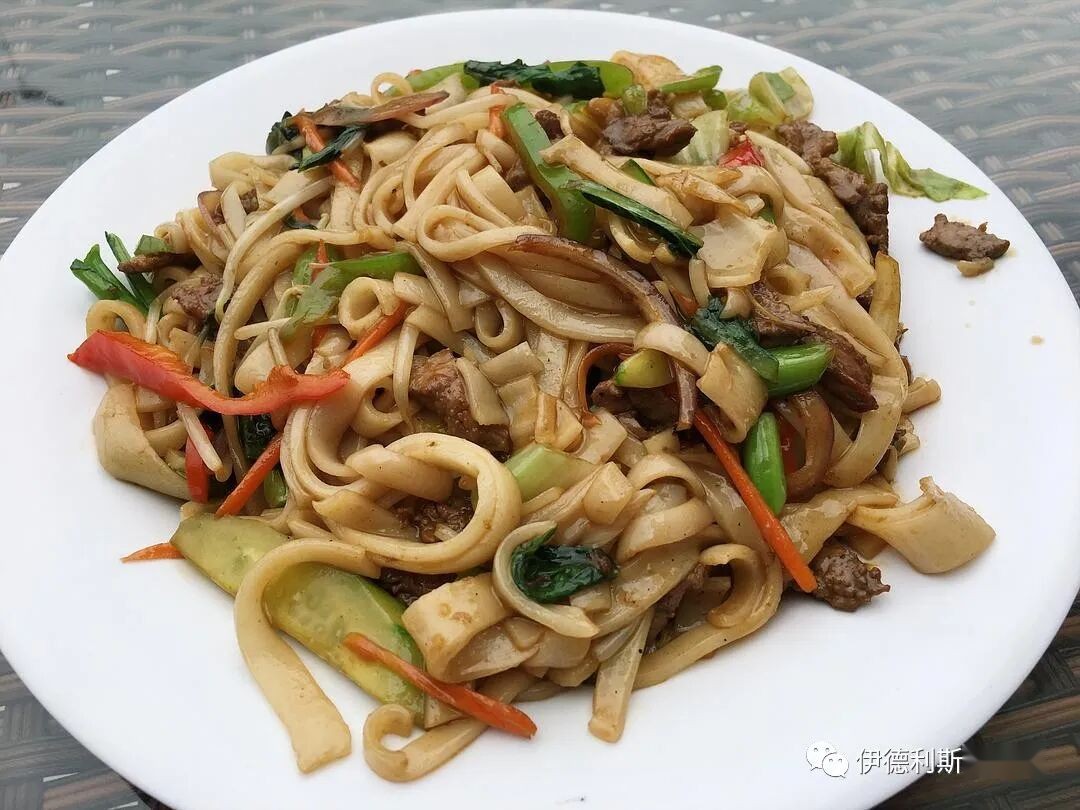
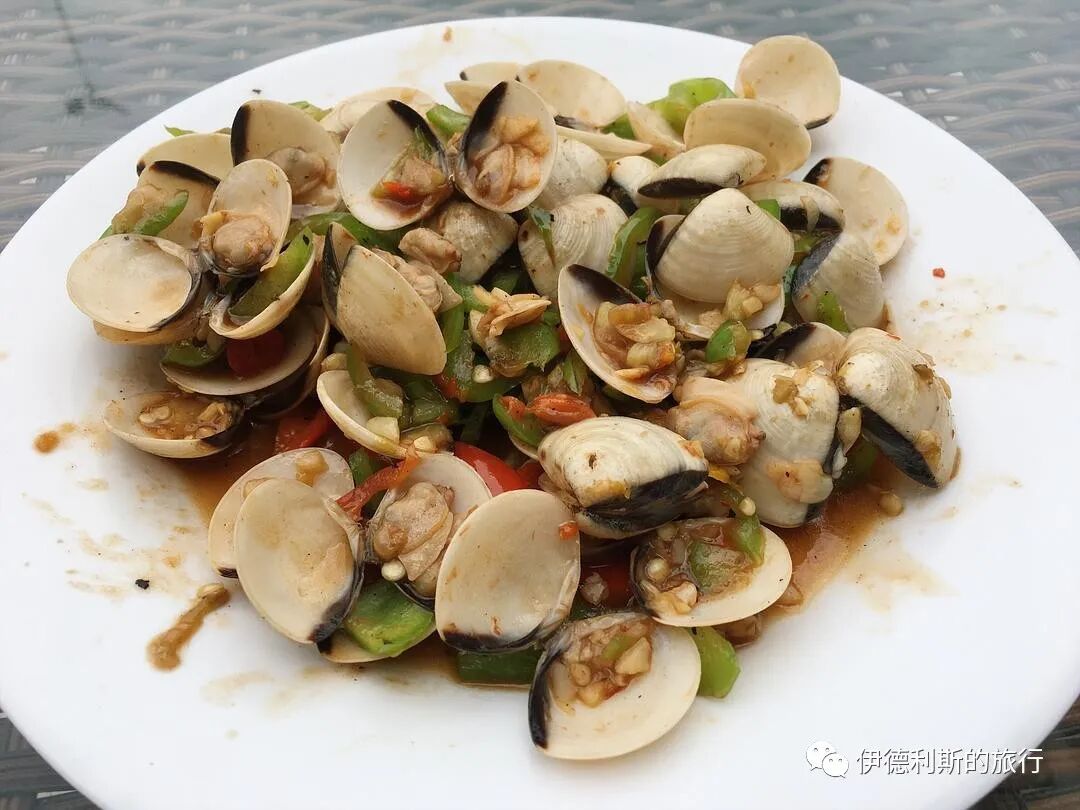
Fenghuang Yueju Restaurant's white clams and stir-fried noodles
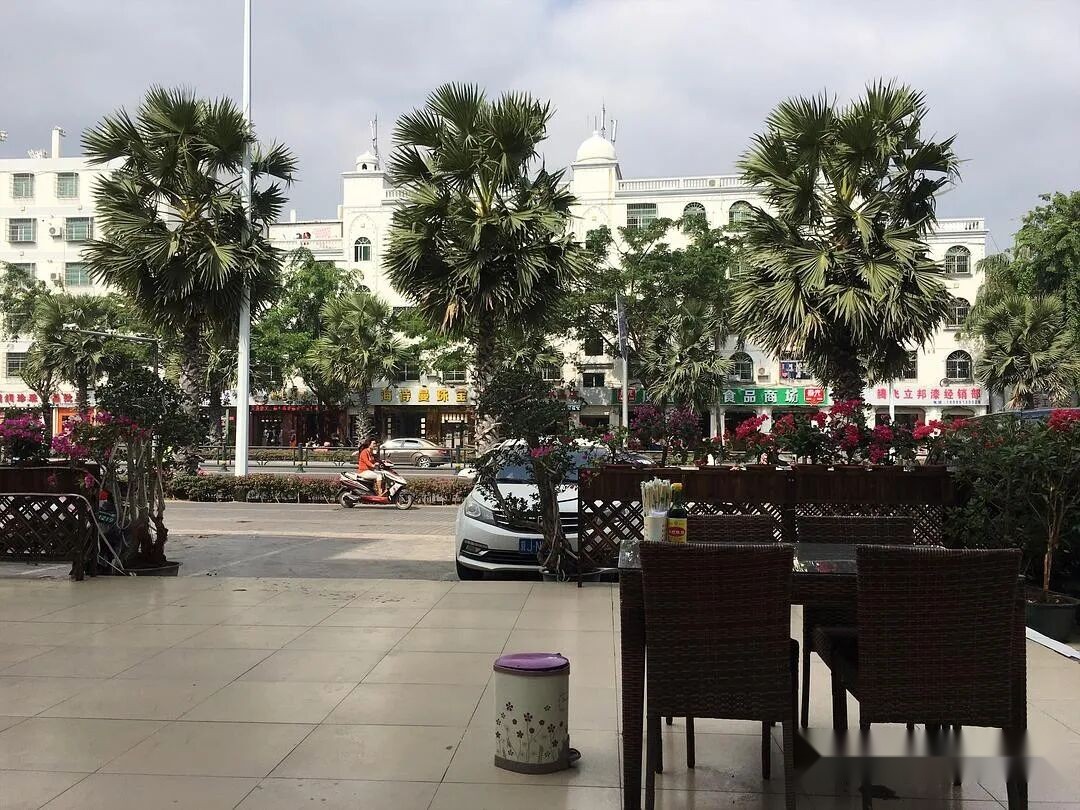
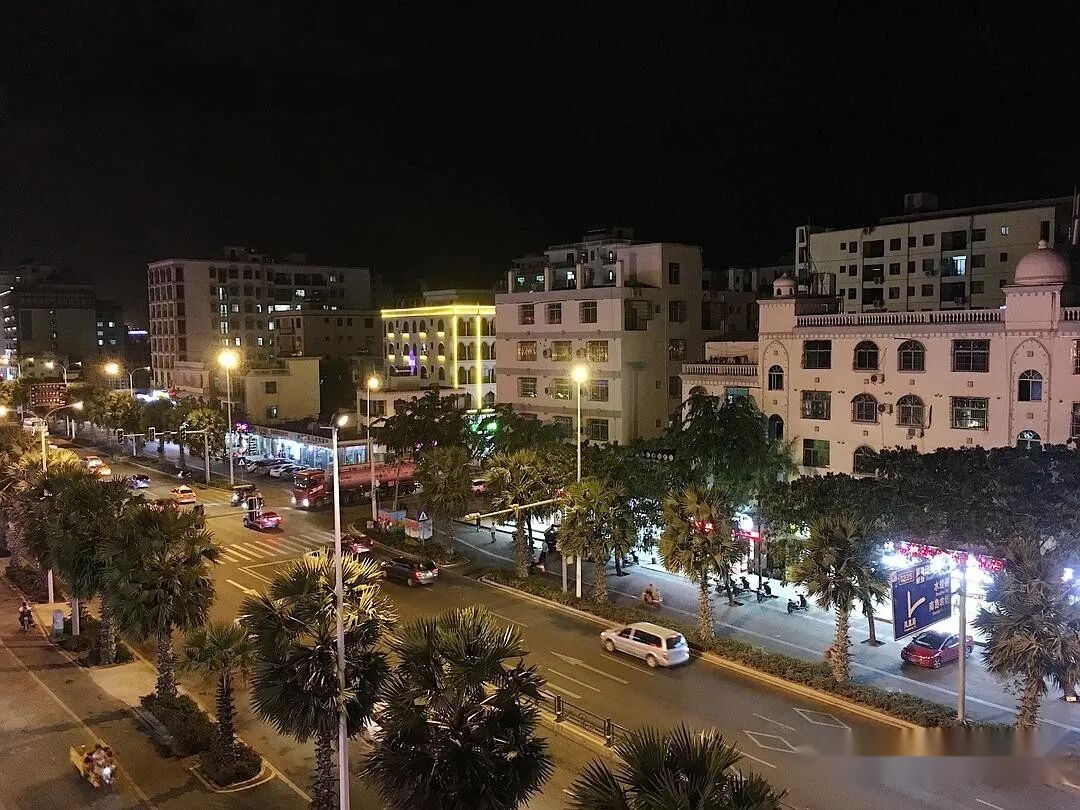
Huihui Village (Huihui Muslim Village) at Night
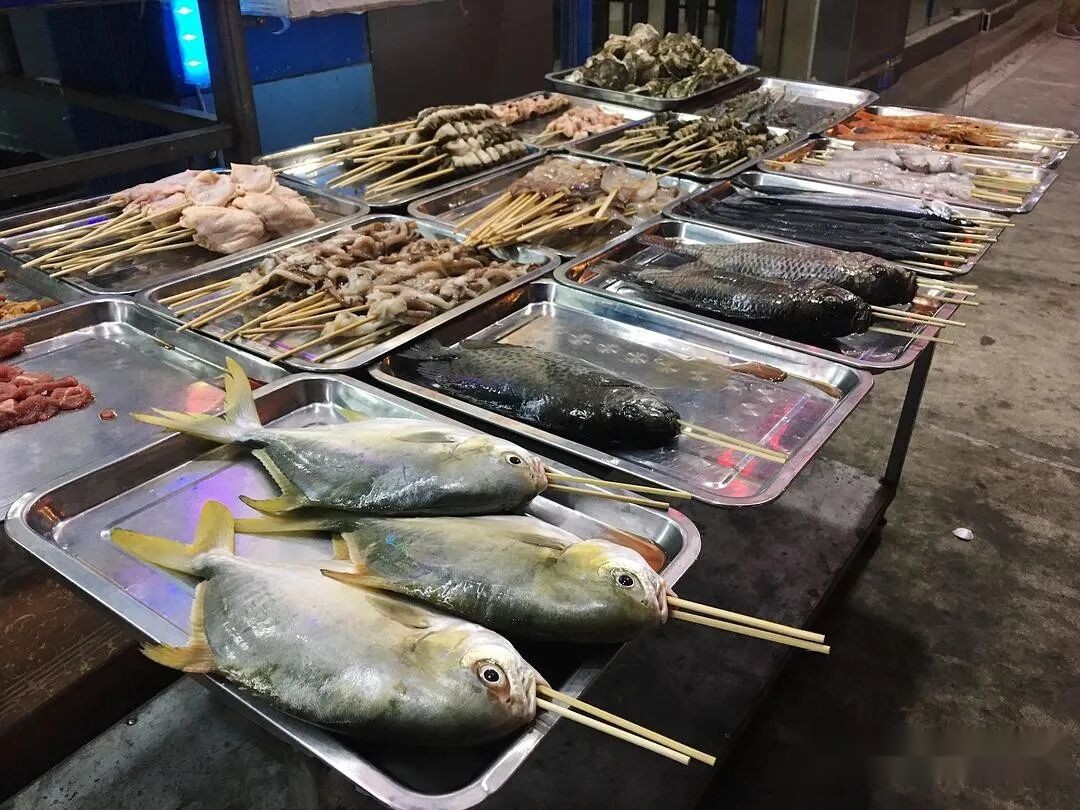
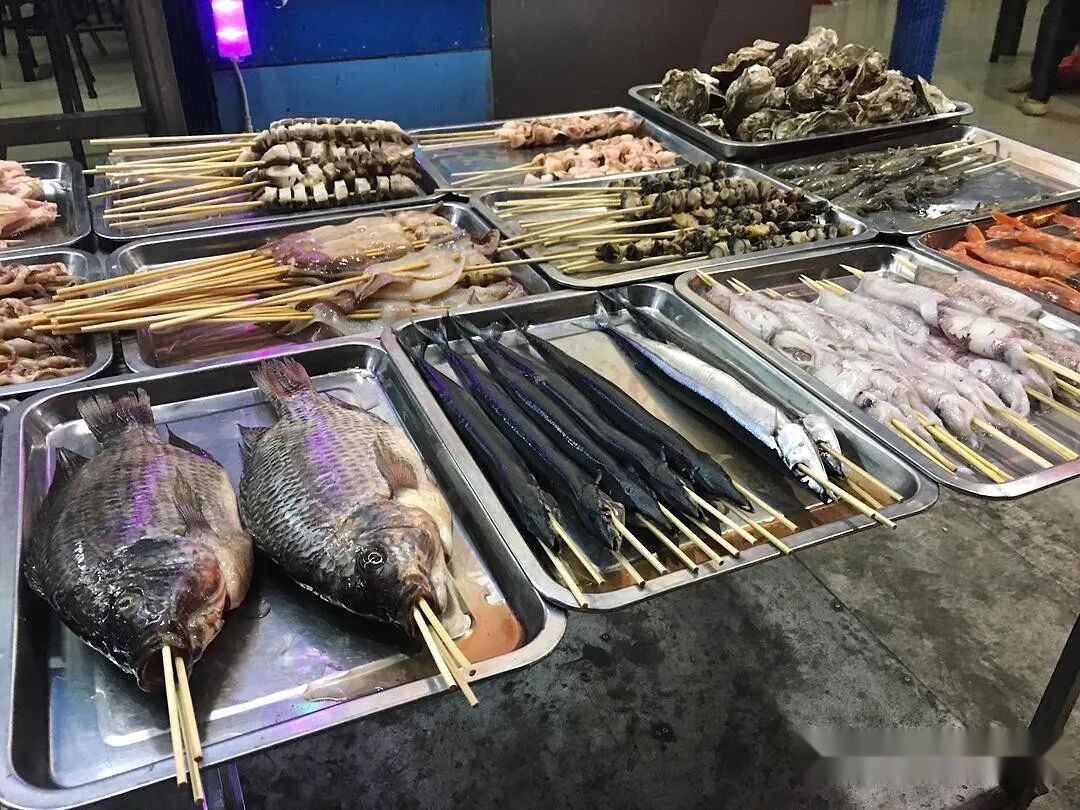
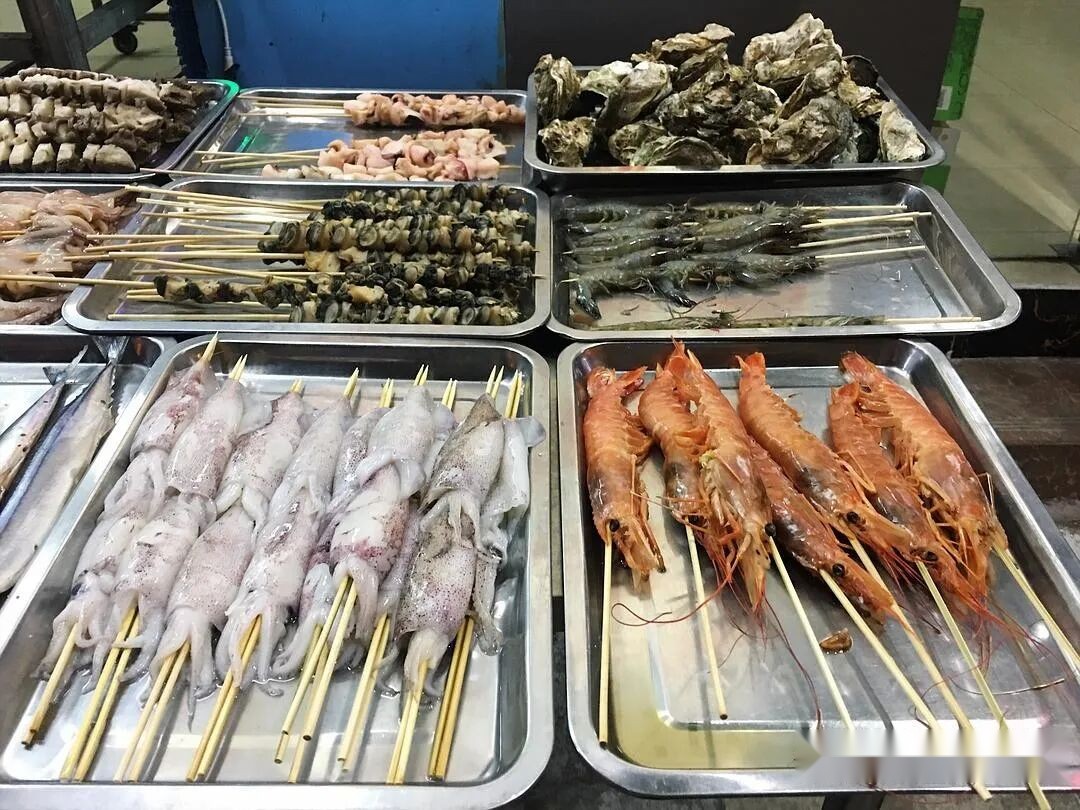
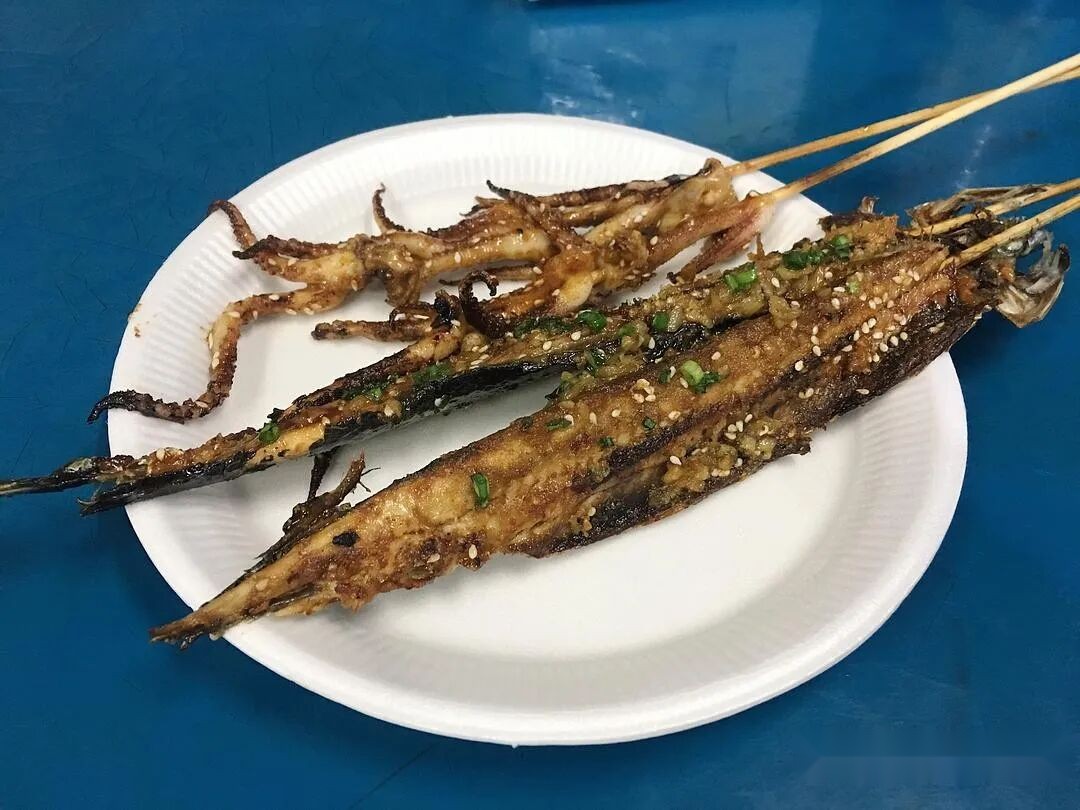
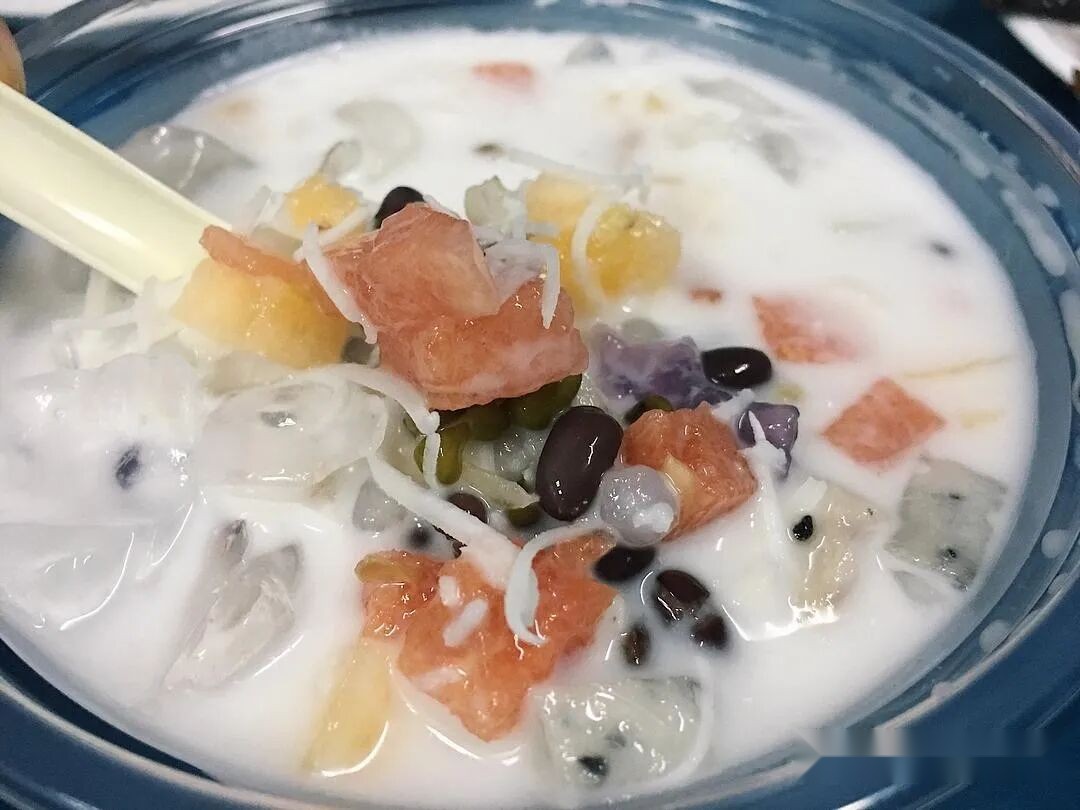
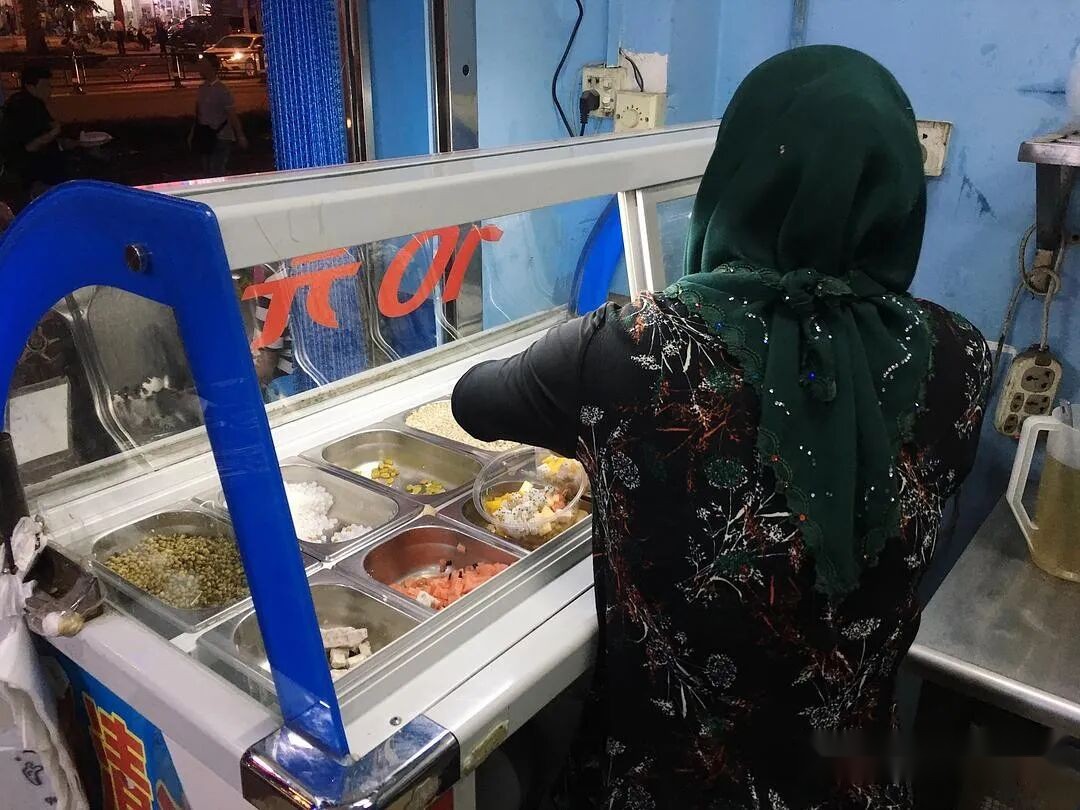
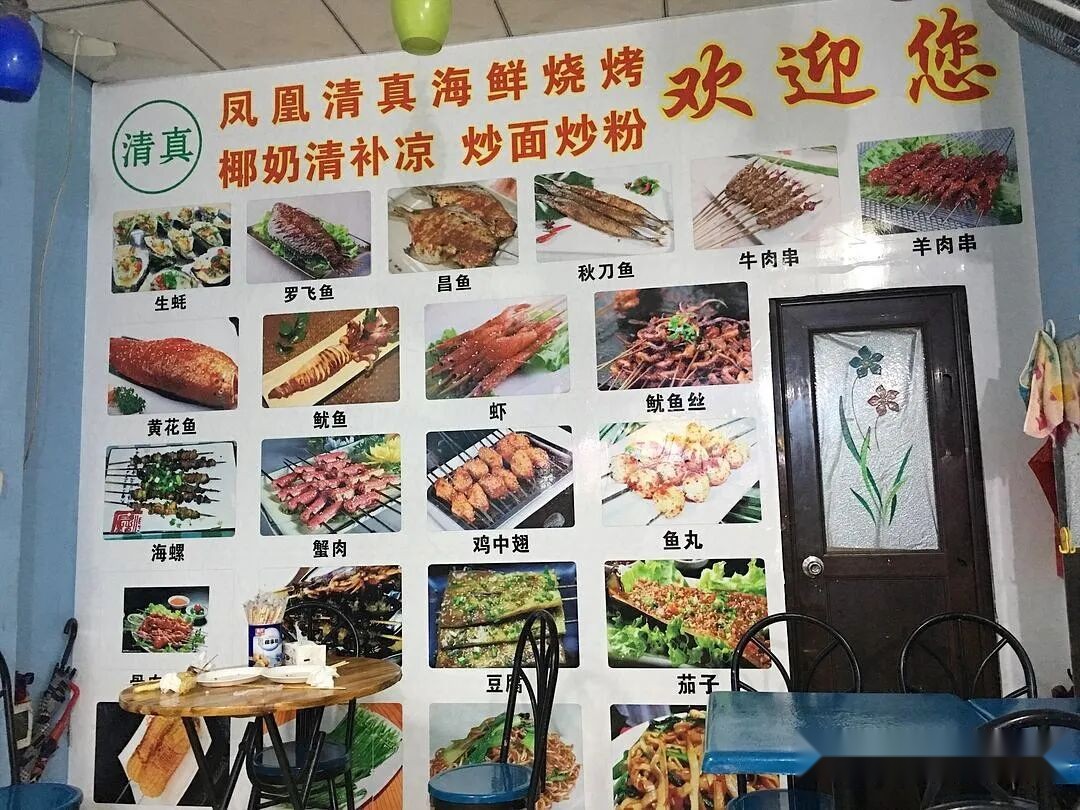
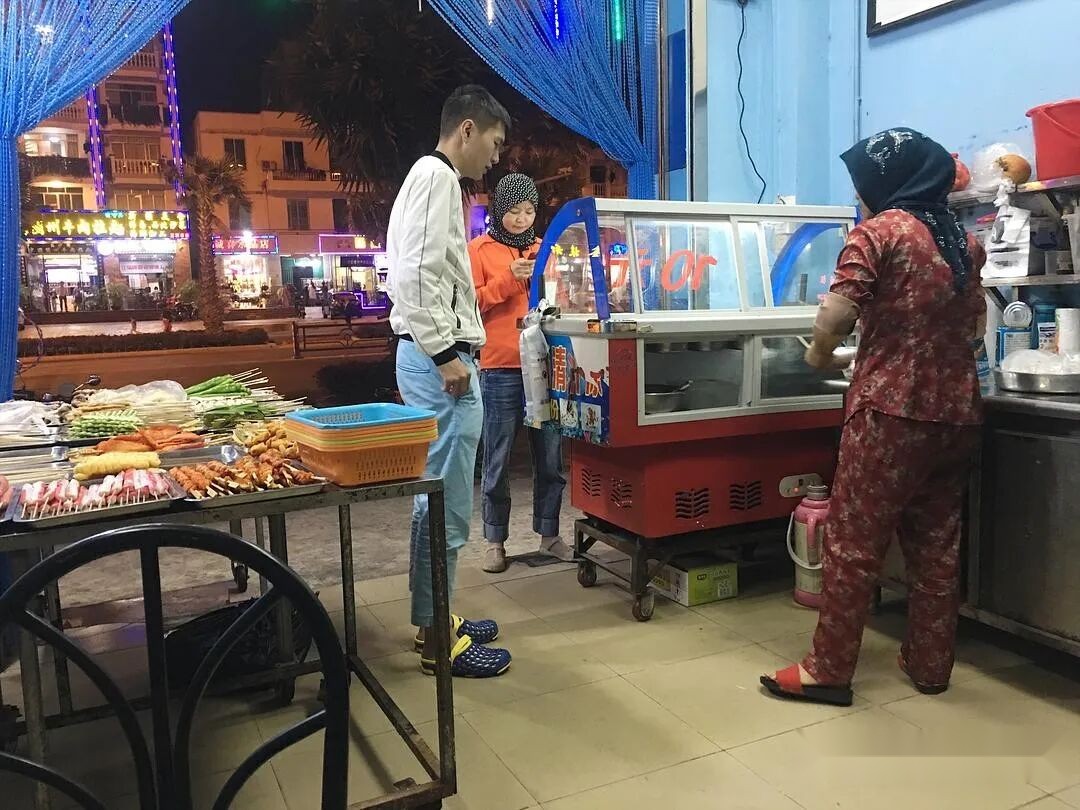
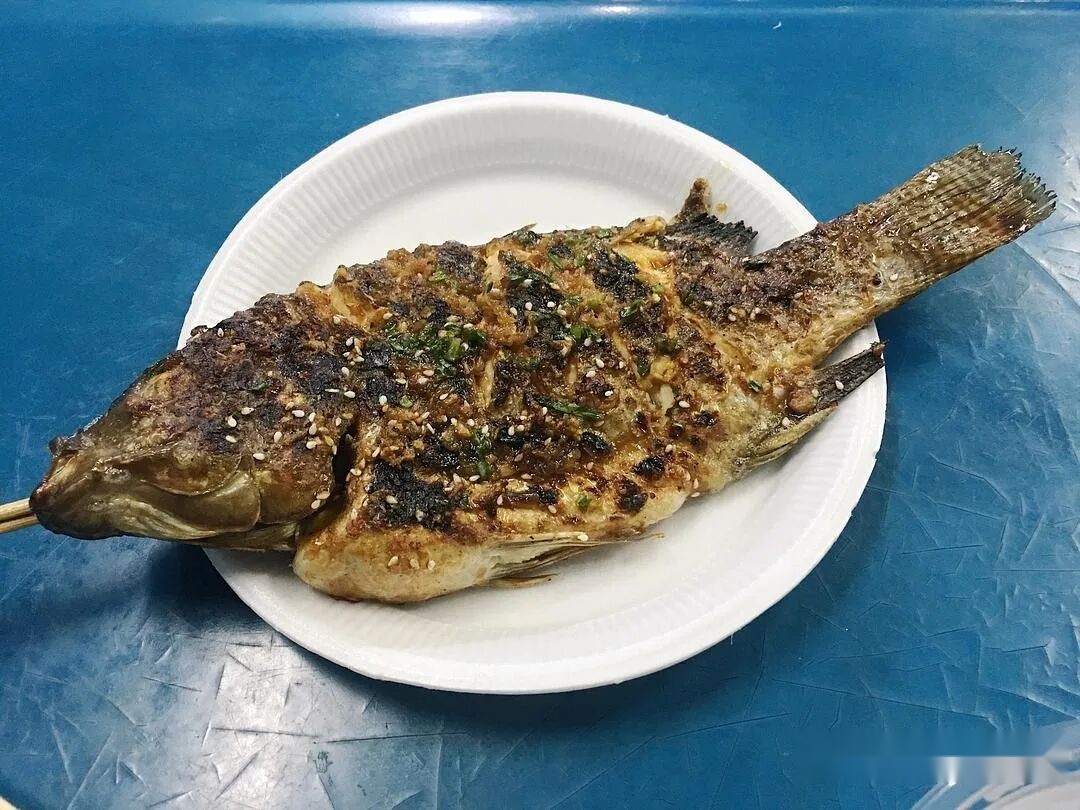
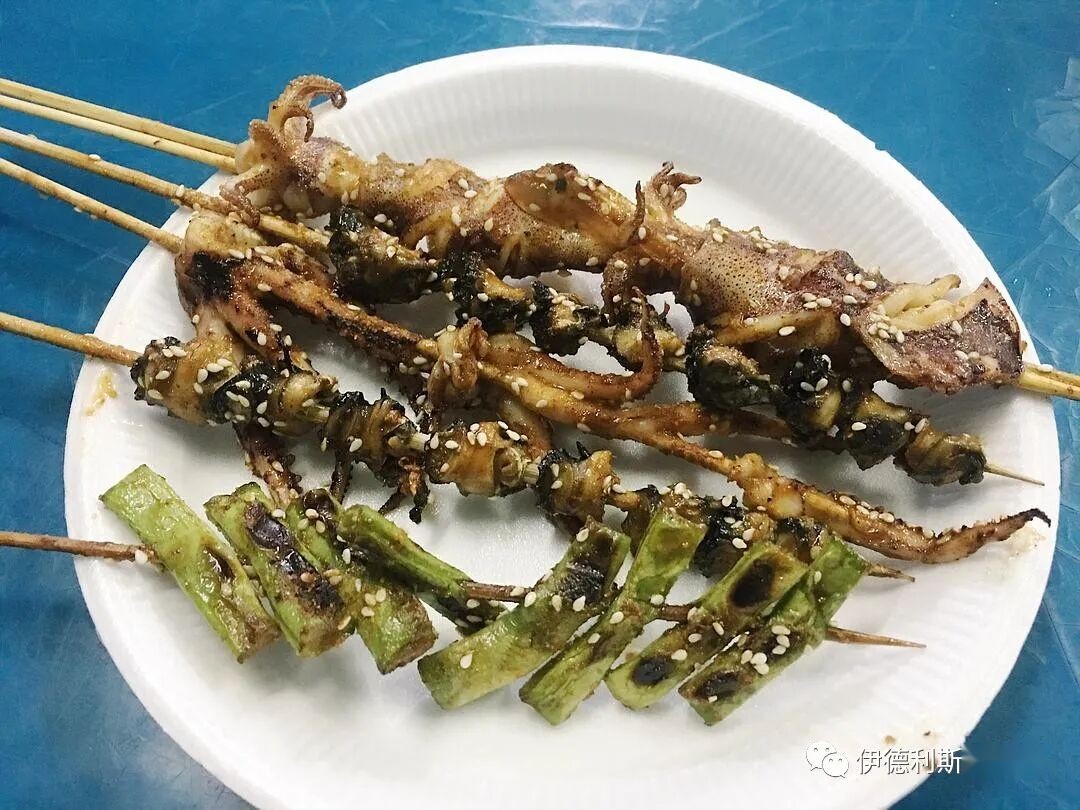
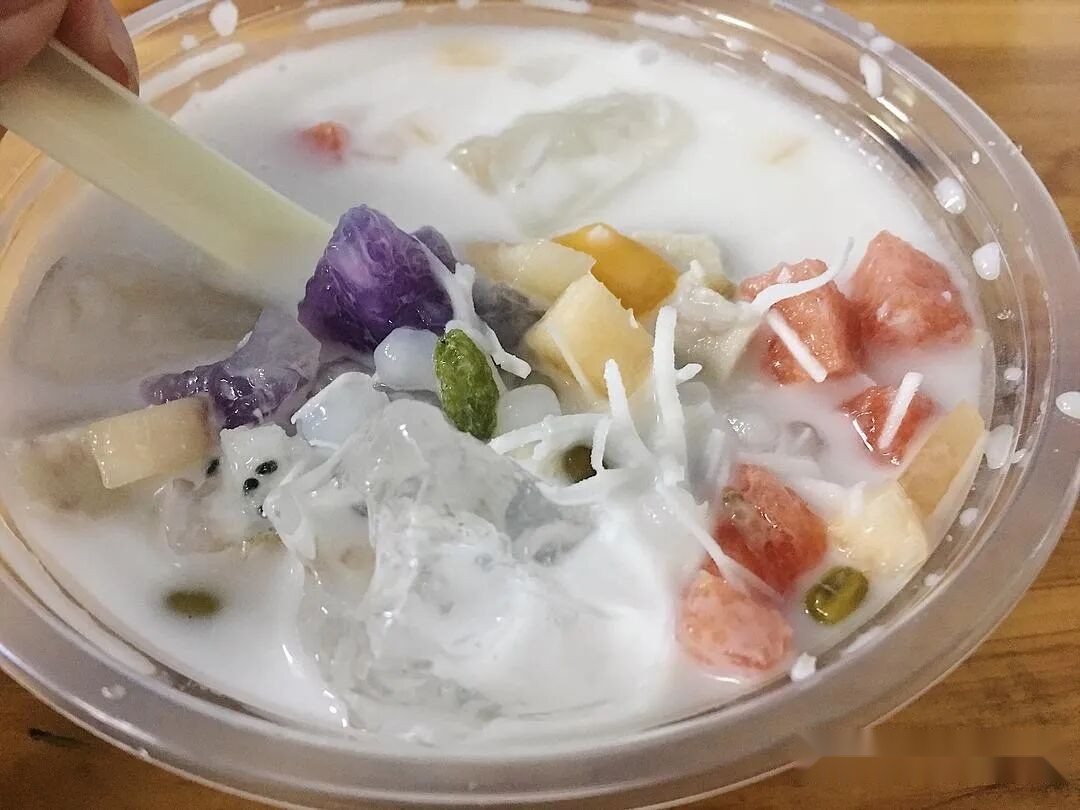
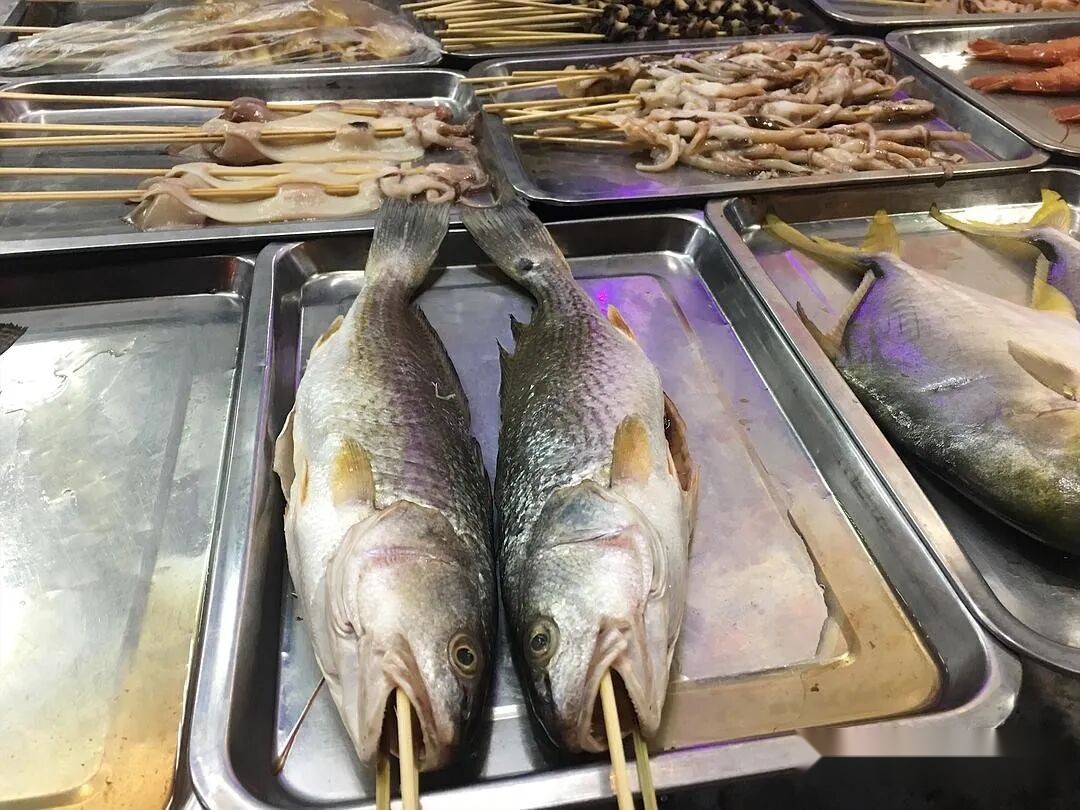
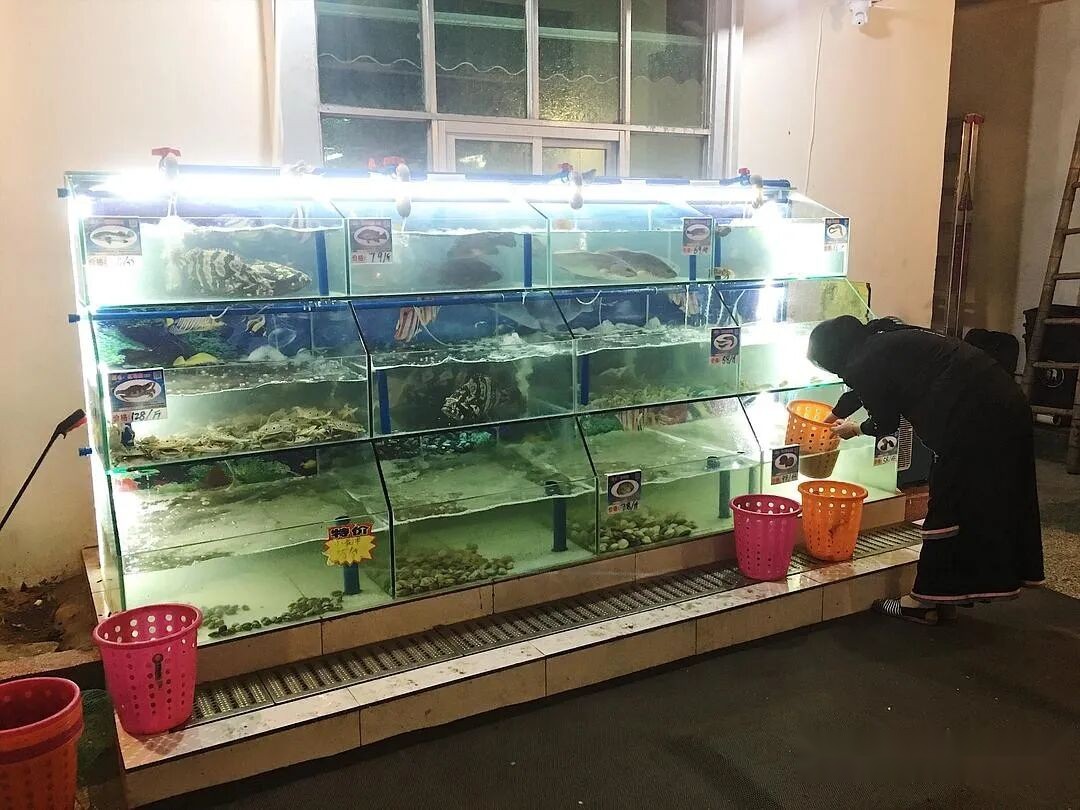
Halal seafood barbecue and coconut milk qingbu-liang (refreshing Hainan sweet dessert soup). We ordered grouper, Pacific saury, and squid tentacles. The qingbu-liang came with a loaded lineup of 12 different toppings—super extravagant!
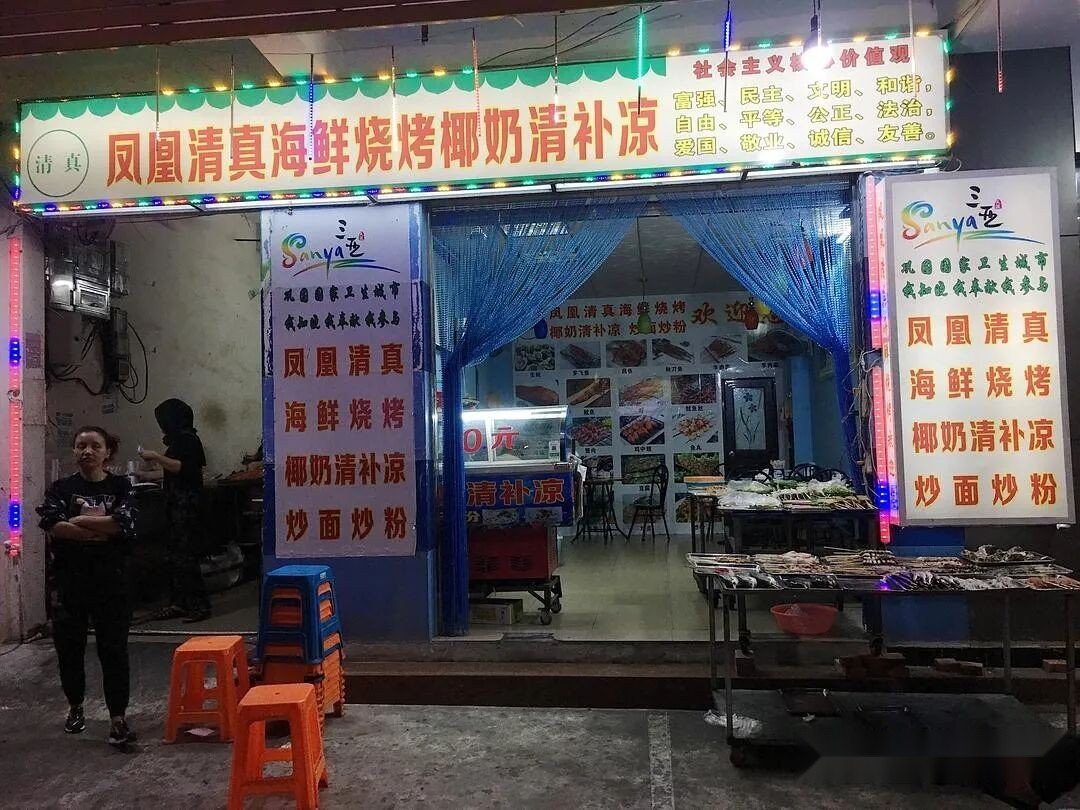
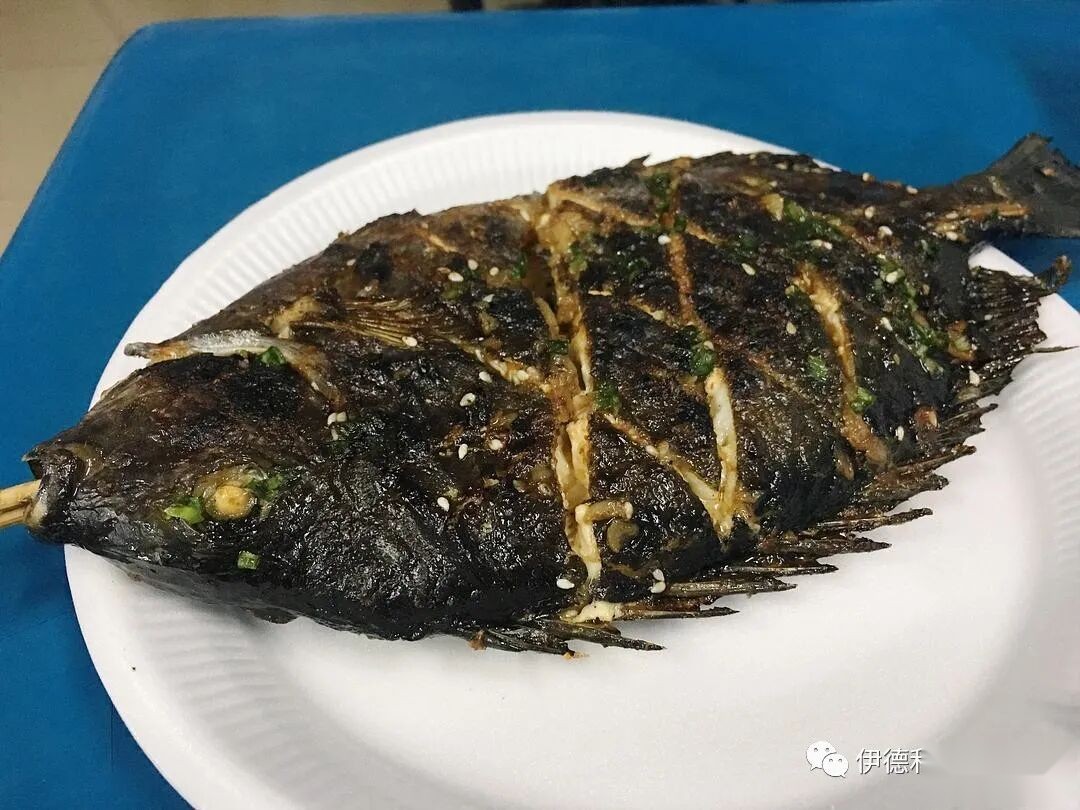
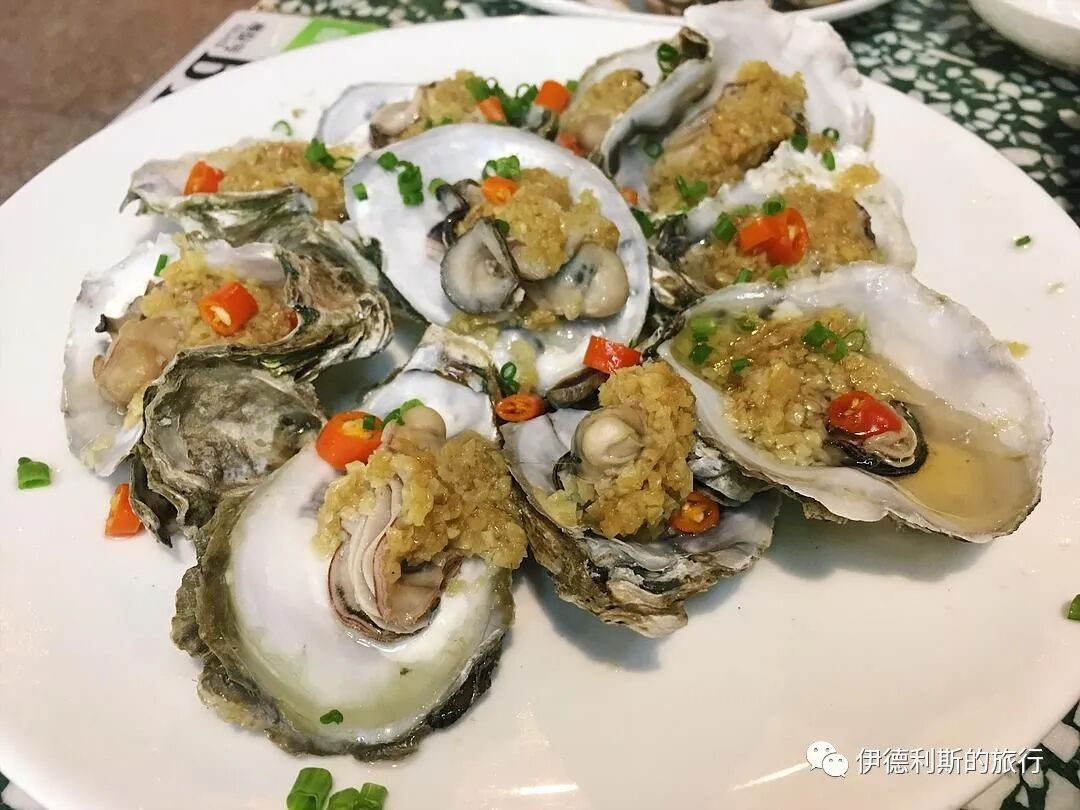
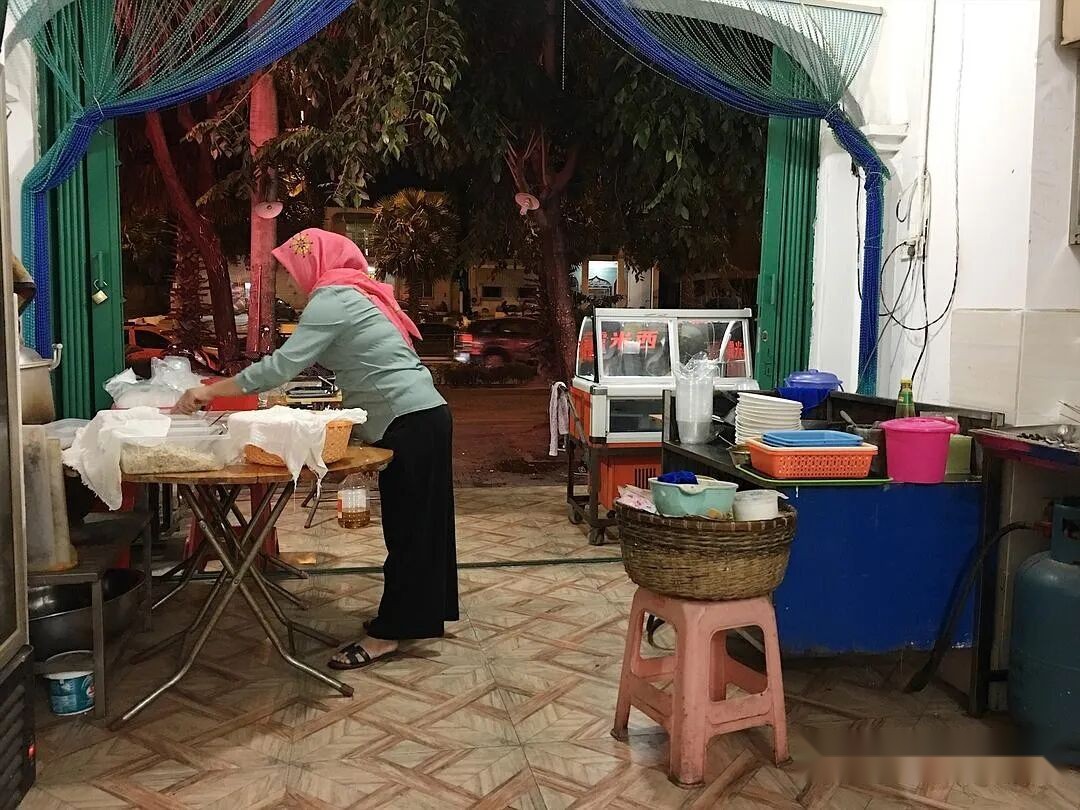
This spot is hands down my favorite late-night halal seafood barbecue joint. I came back the next night to order tilapia, sea snails, cuttlefish, and squid tentacles. A young Li ethnic guy was sipping a coconut milk qingbu-liang, a young Northwest Hui Muslim couple ordered 14 skewers of roasted mantou (steamed buns), and a middle-aged Uyghur couple (or husband and wife) whom we’d bumped into all over the street these past few days ordered a mountain of oysters. The local chengguan (urban management officers) didn't show up tonight, and we all grubbed out and had a blast.
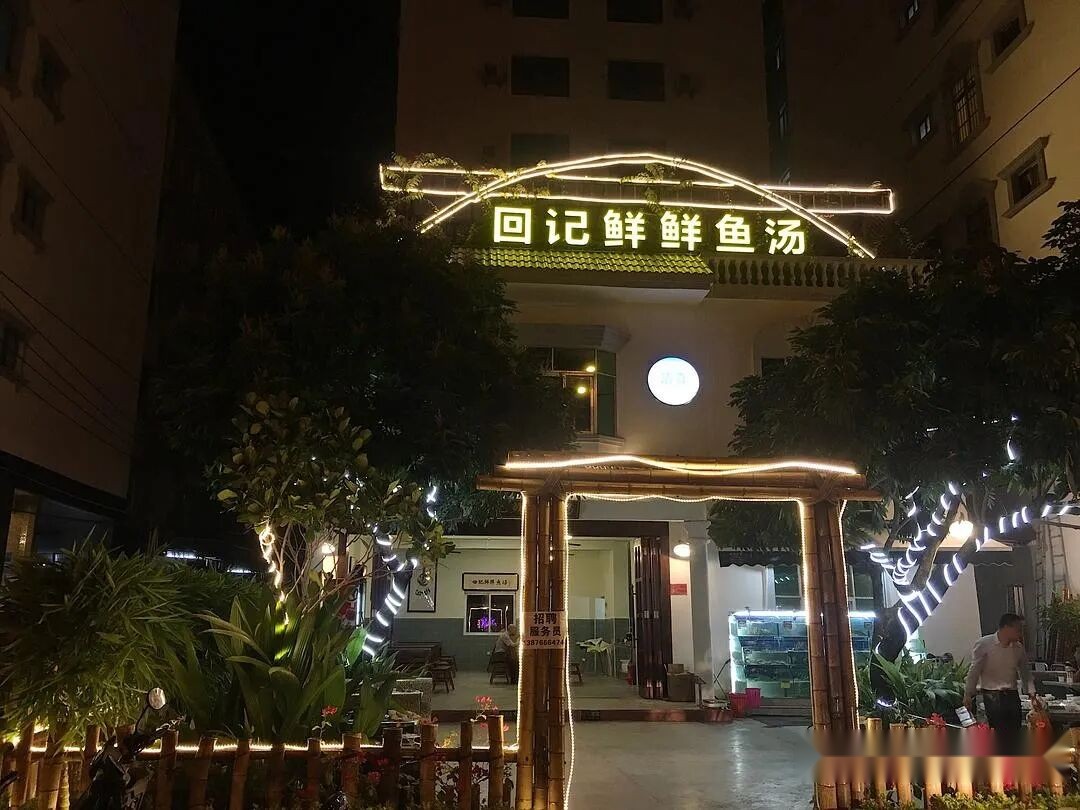
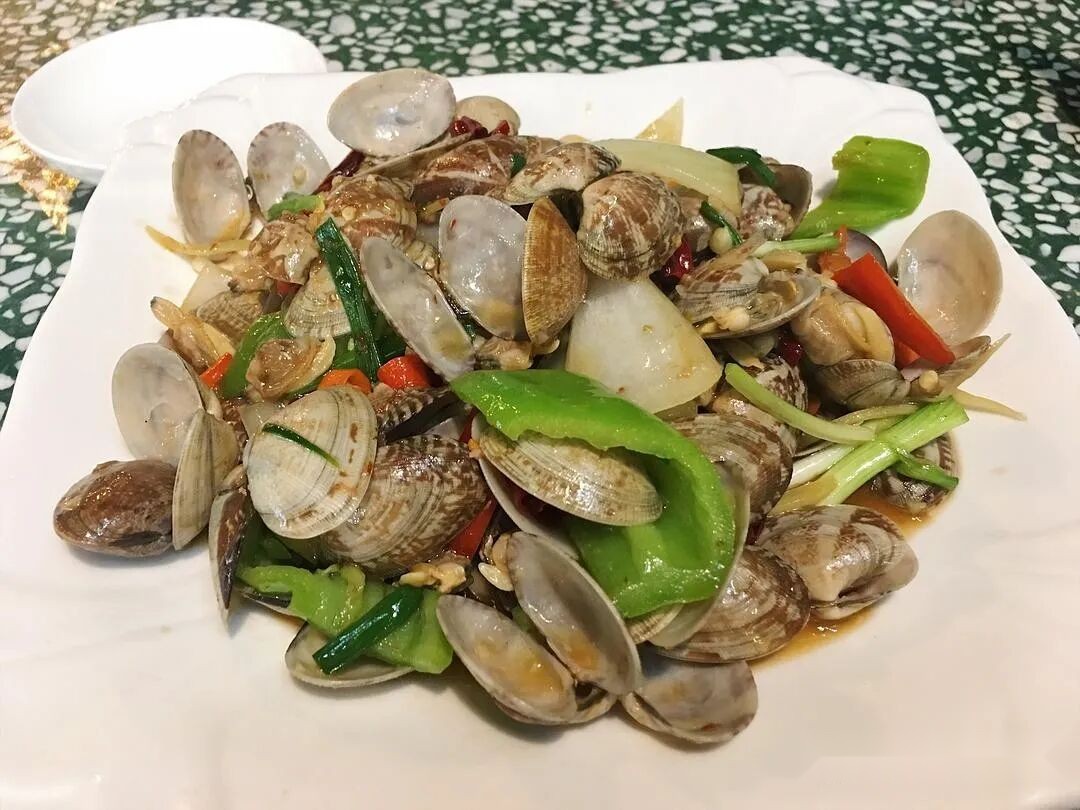
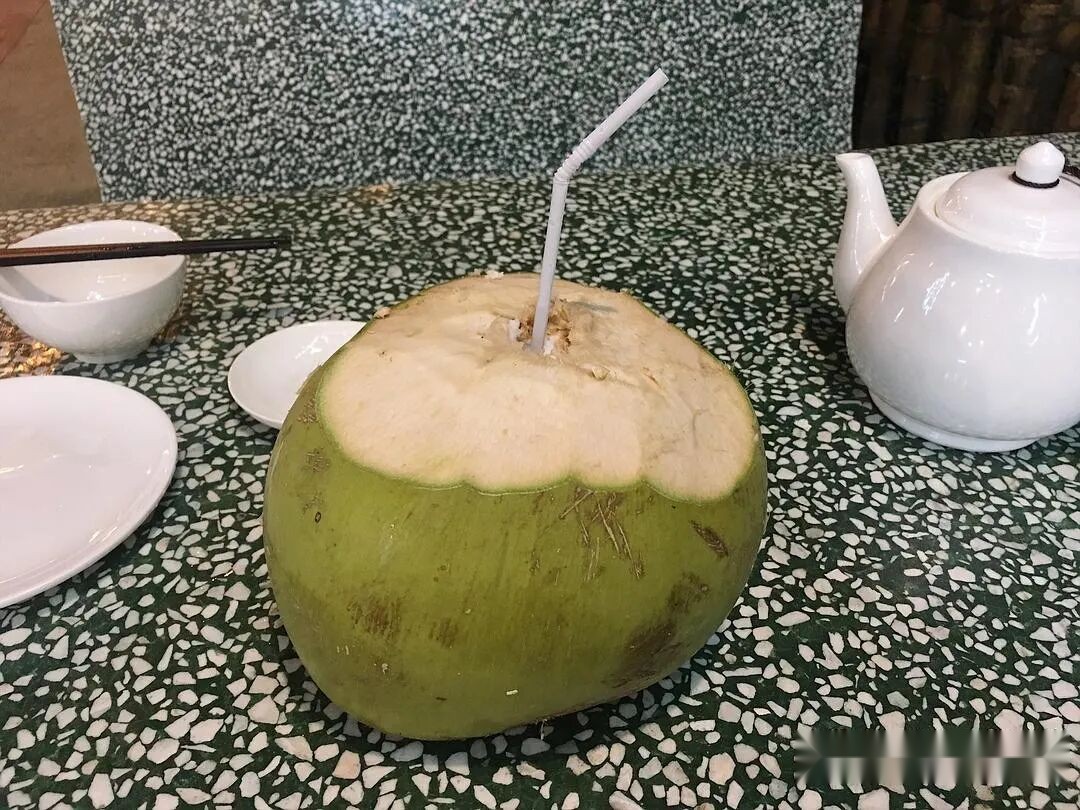
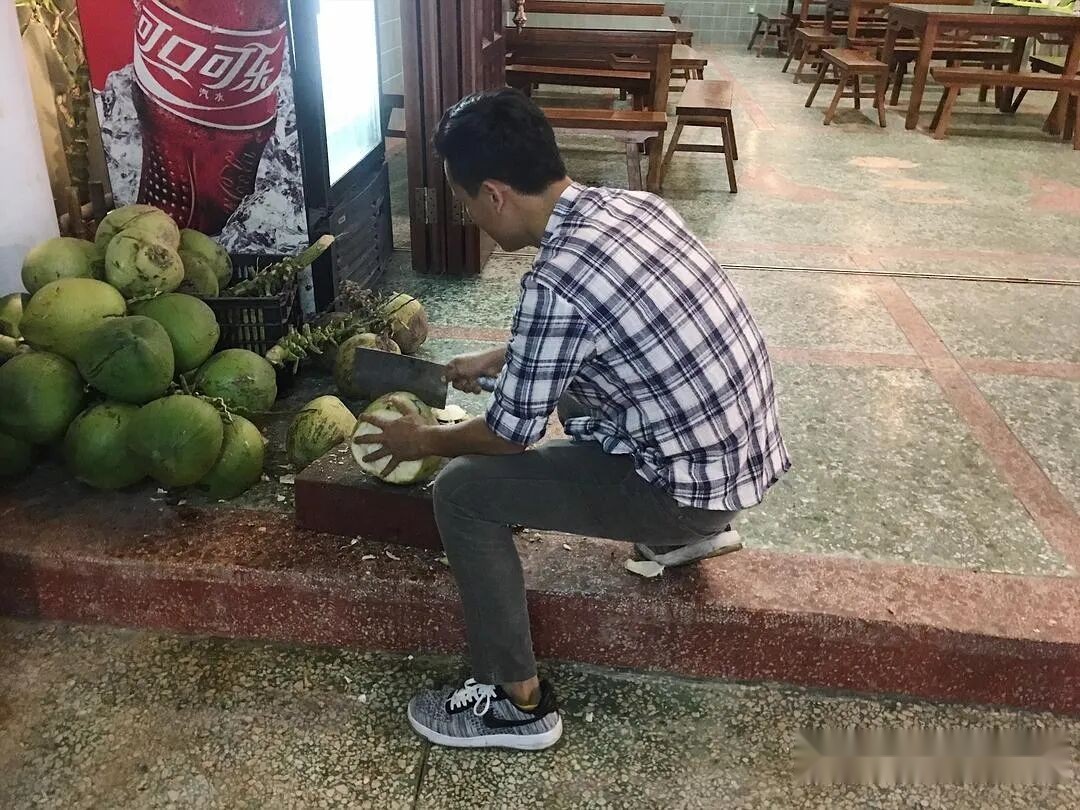
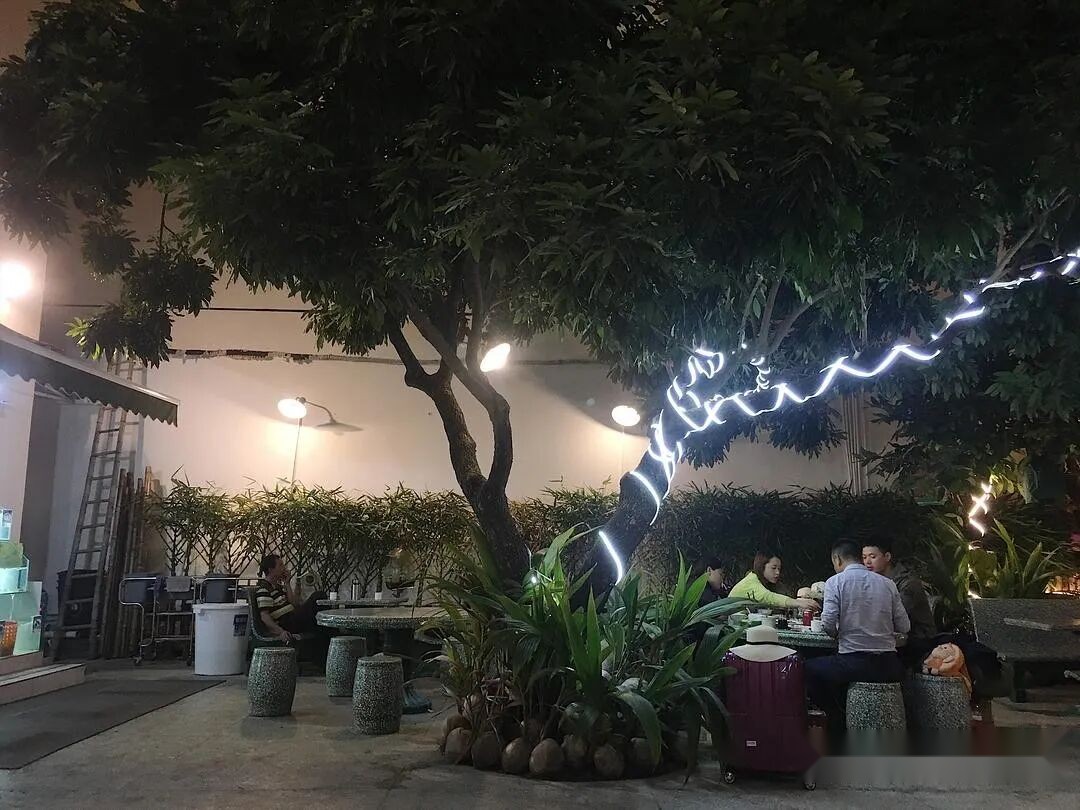
Over at Huiji Fresh Fish Soup, we grabbed Manila clams, oysters, coconut red rice, and fresh coconuts. Among the spots along Phoenix Road's Halal Food Street, this place has a seriously nice vibe. Out front is a cozy little courtyard shaded by two longan trees, and chilling in the 26°C (78°F) evening breeze felt absolute perfection.
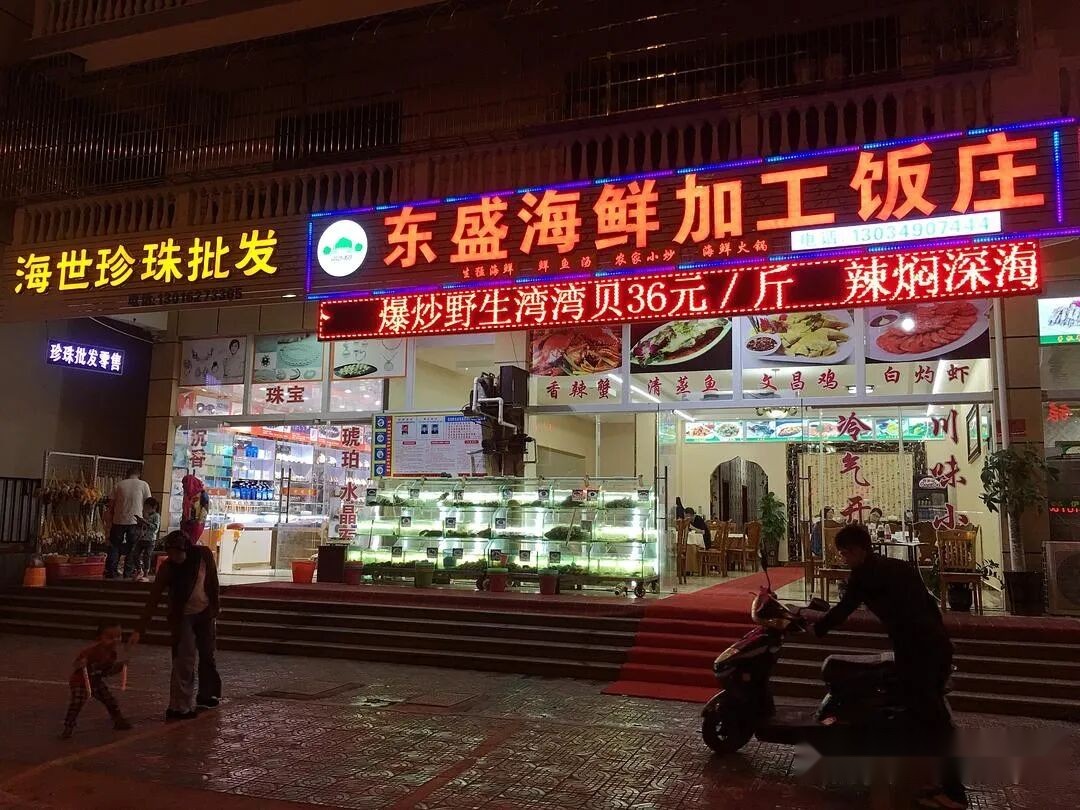
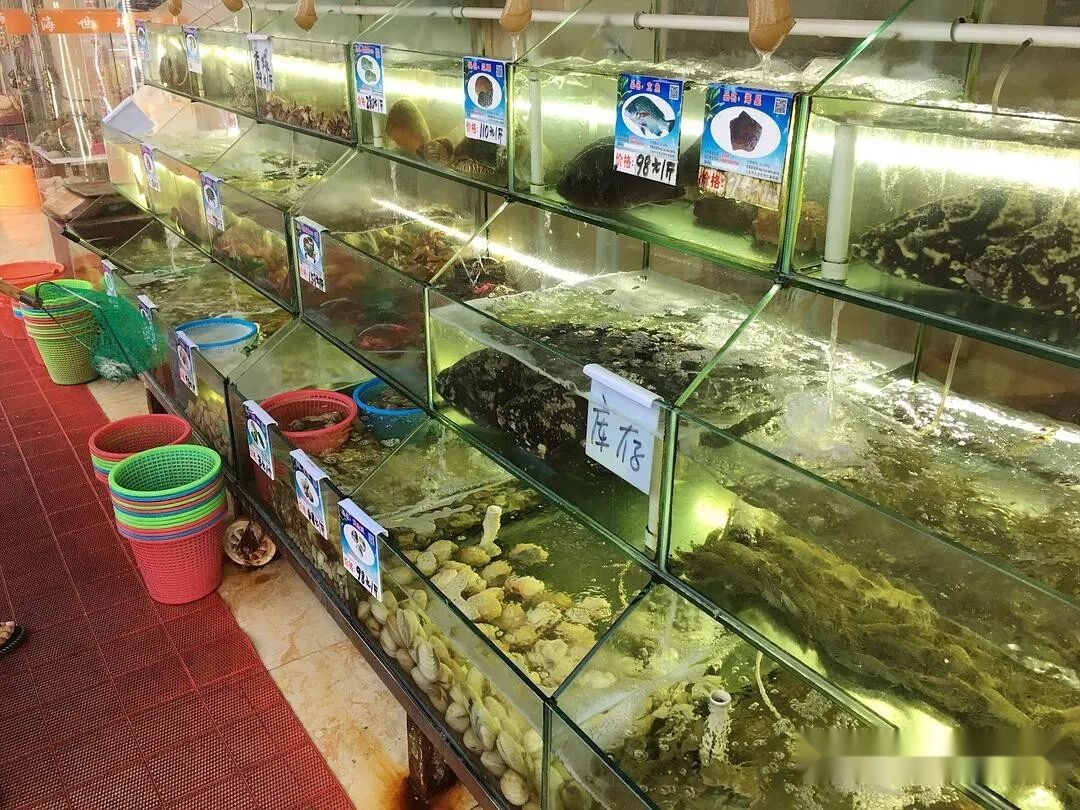
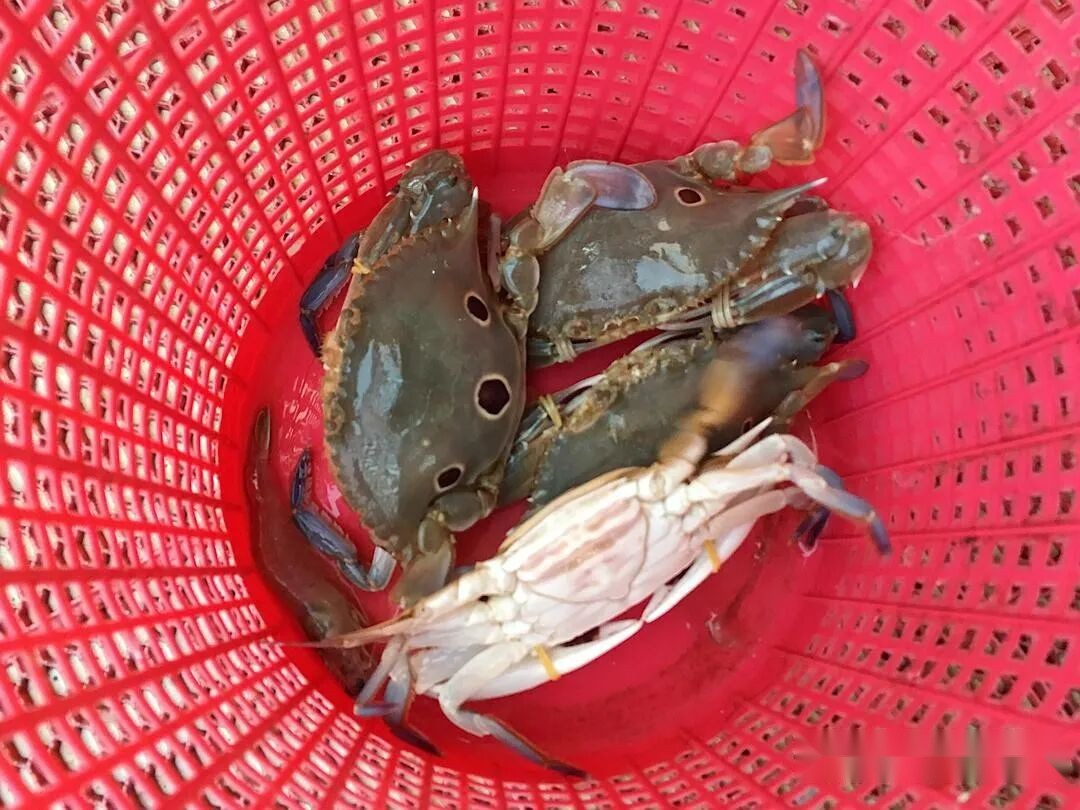
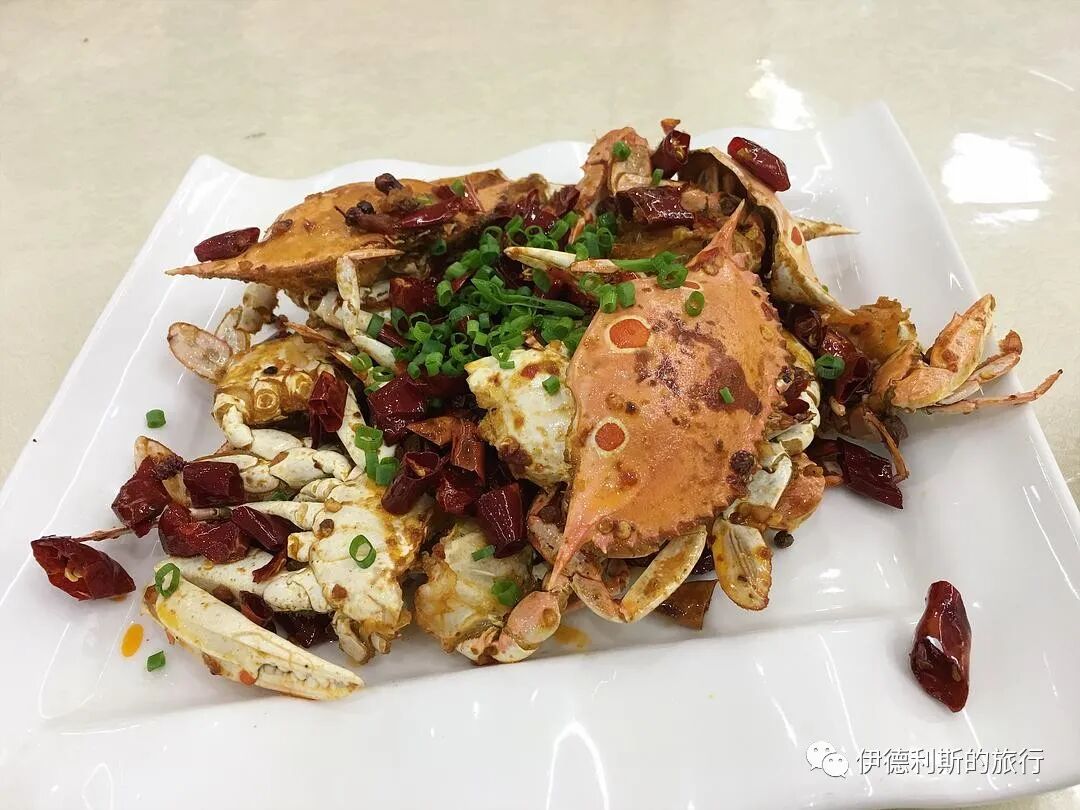
At Dongsheng Seafood Processing Restaurant, we had spicy stir-fried triangle crabs. Triangle crabs are the cheapest type of crab they carry, going for 80 RMB a pound.
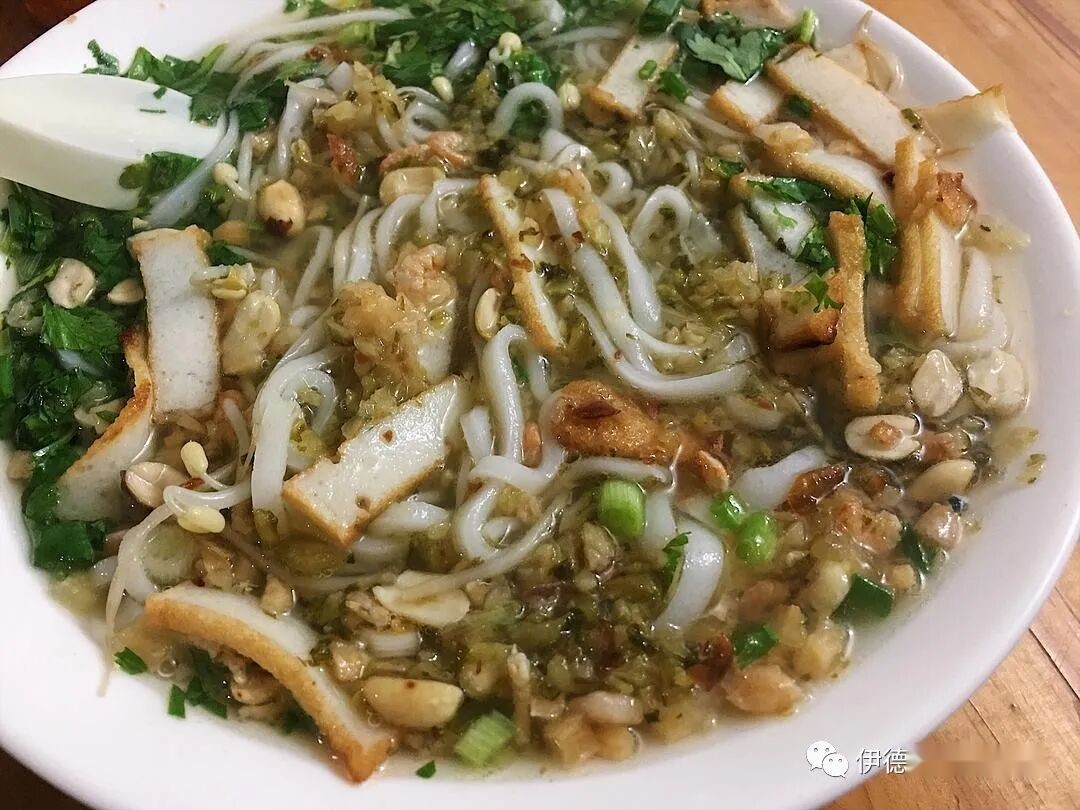
Fatty's Halal Fast Food's seafood fish noodles and coconut milk qingbu-liang
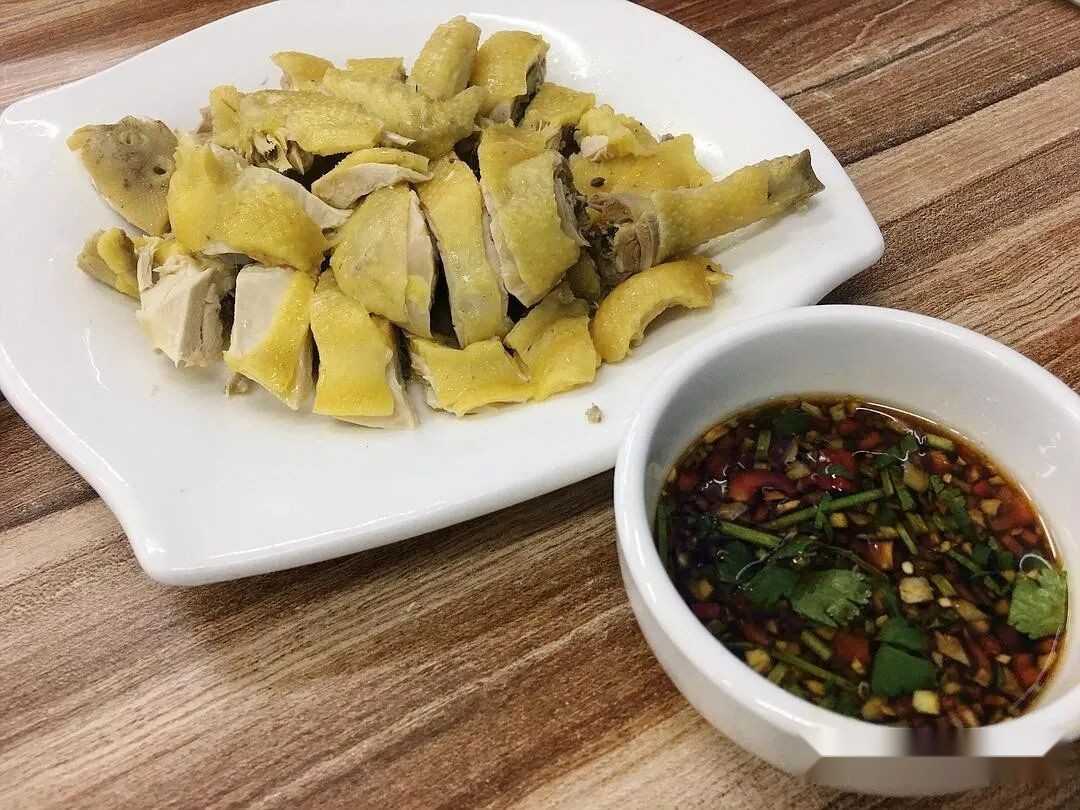
Fenghuang Yuewenwei Seafood Cuisine City's Wenchang chicken and Hainan wild vegetable gemingcai (wild globe thistle / wild jicai)
4. The Mosques of the Utsul People
1. The Evolution of Huihui Village Mosques
During the Ming and Qing dynasties, Suosanyali Fancun Village had four mosques known as the East, West, South, and North mosques. All featured traditional Chinese architectural styles, with the West Mosque being the largest.
In 1931, German ethnologist Hans Stübel visited Sanya twice and documented the mosques and Islamic faith of the Utsul people in his 1937 work, *Die Li-stämme der Insel Hainan, Ein Beitrag zur Volkskunde Südchinas* (*The Li Tribes of Hainan Island: A Contribution to the Ethnography of South China*):
"Sanya has four Islamic mosques. In the largest one, located in the west, we were received with wonderful hospitality by the mosque's respected mullah (an honorific for Islamic scholars) and teachers, who treated us to cakes and eggs soaked in sweet syrup."
"The Islamic mosques are not very large, but they are beautiful, immaculate, and built in the traditional Chinese architectural style just like elsewhere in China. Sanya's Muslims follow the Shafi'i school of jurisprudence and maintain ties with Muslims in Guangzhou, especially those at the Huaisheng Mosque (Light Tower Mosque)."
"According to a prominent Han Chinese merchant in Sanya's harbor, these Muslims are helpful and friendly people. They own land, most of which they rent out; aside from hunting, they also fish and own fishing boats. There are a total of 400 Muslim households in Sanya harbor, numbering around 2,000 people. Their village has been burned down twice."
"These Muslims can be divided into two distinct physical types: one group has narrow faces and long, hooked noses; the other has less prominent yet wider noses with sunken bridges and more pronounced, high cheekbones—the latter type being much more common. Older men there frequently sport striking beards, and men wearing a 'fez' can be seen everywhere. Muslims who have made the pilgrimage to Mecca wear long beards and popular fez turbans. The educated among them speak excellent Mandarin, while the rest speak a very distinct dialect. Most of their numerals are derived from Malay, though apart from that, no other Malay markers seem to be found."
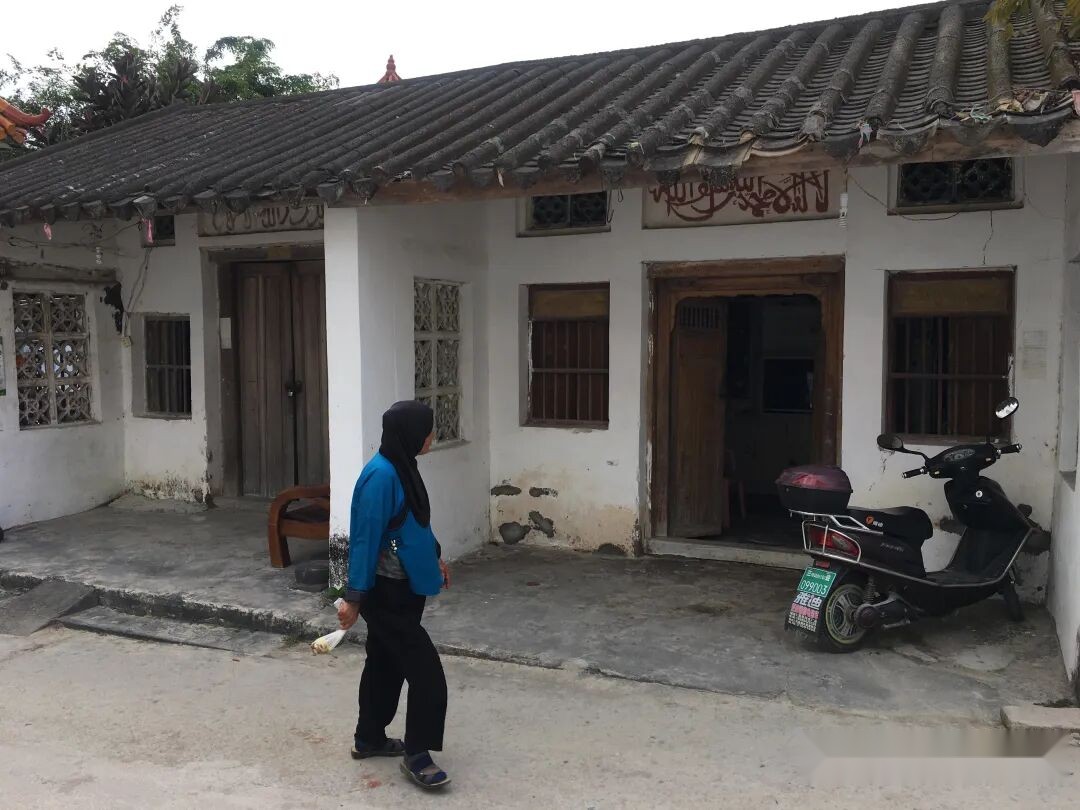
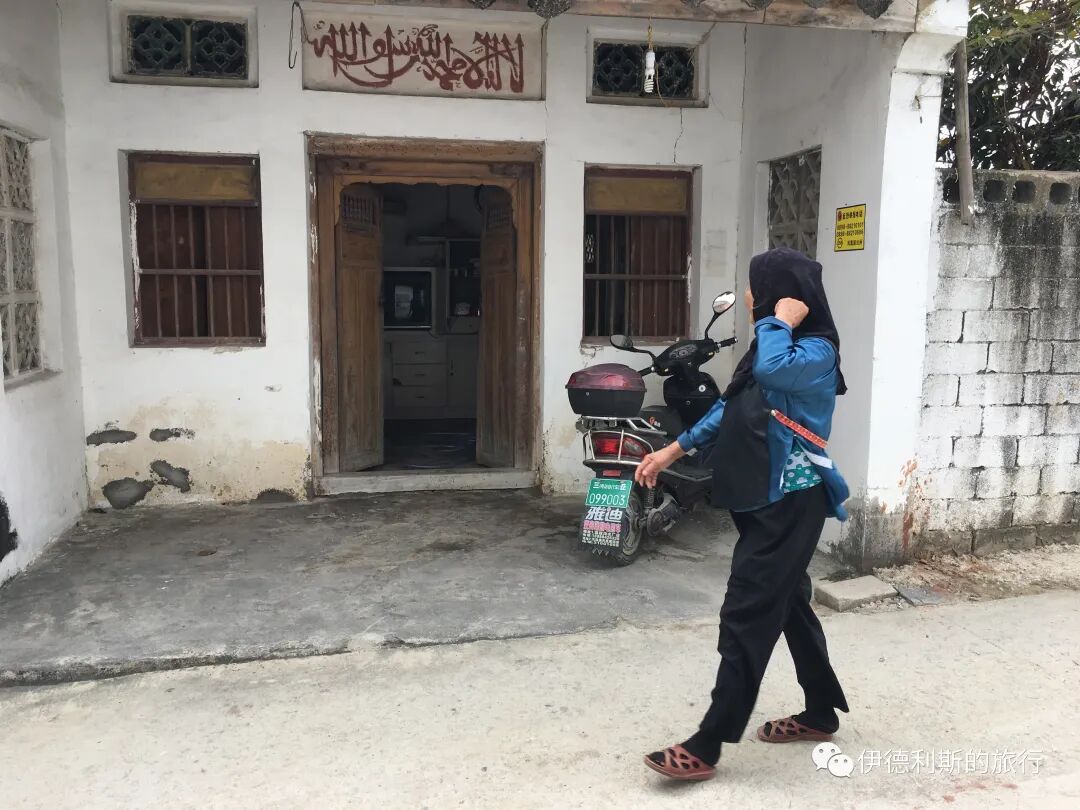
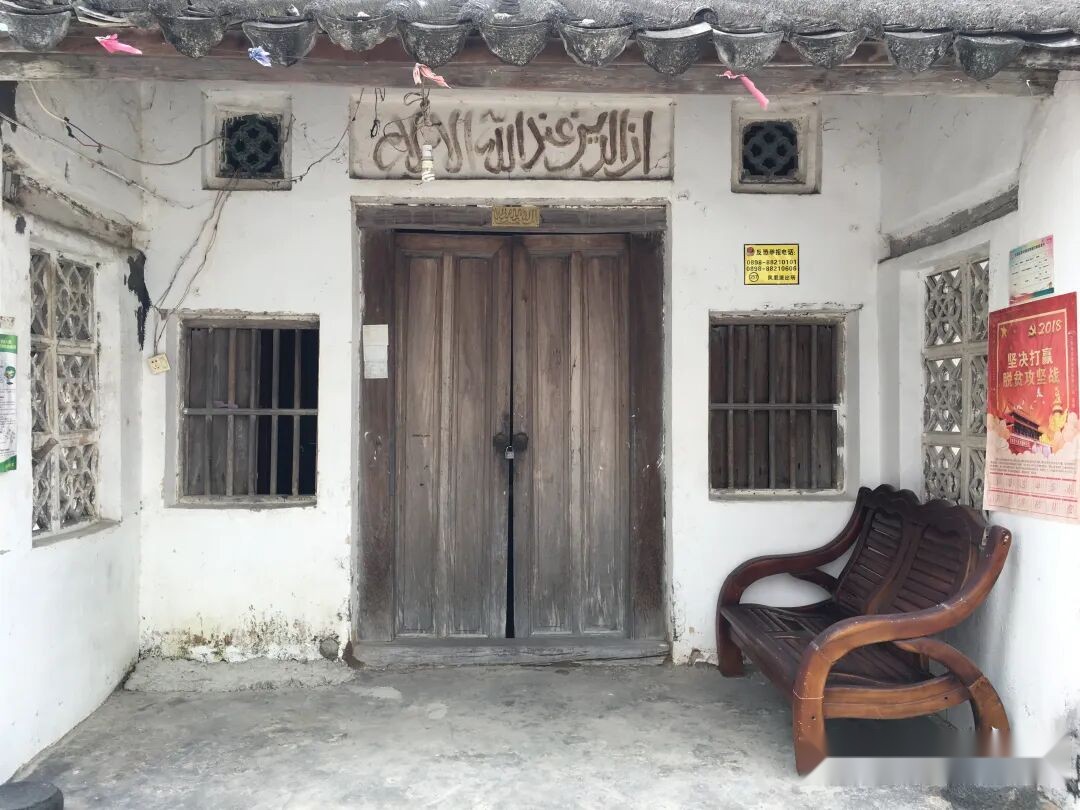
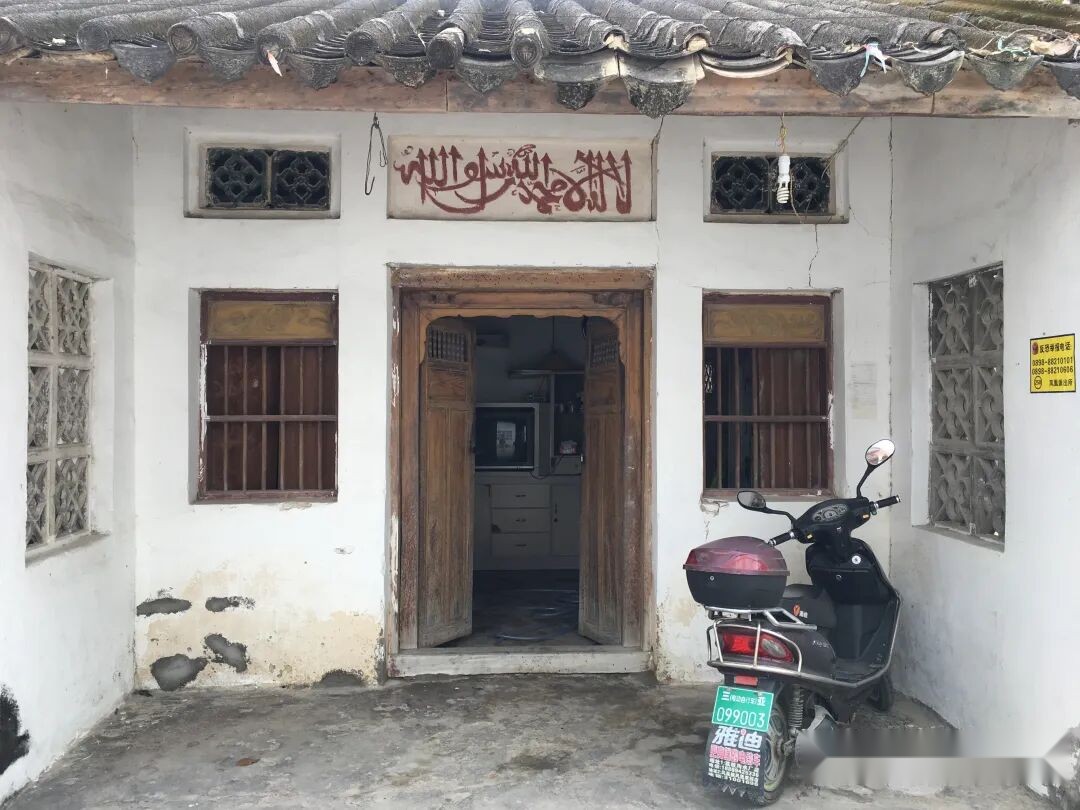
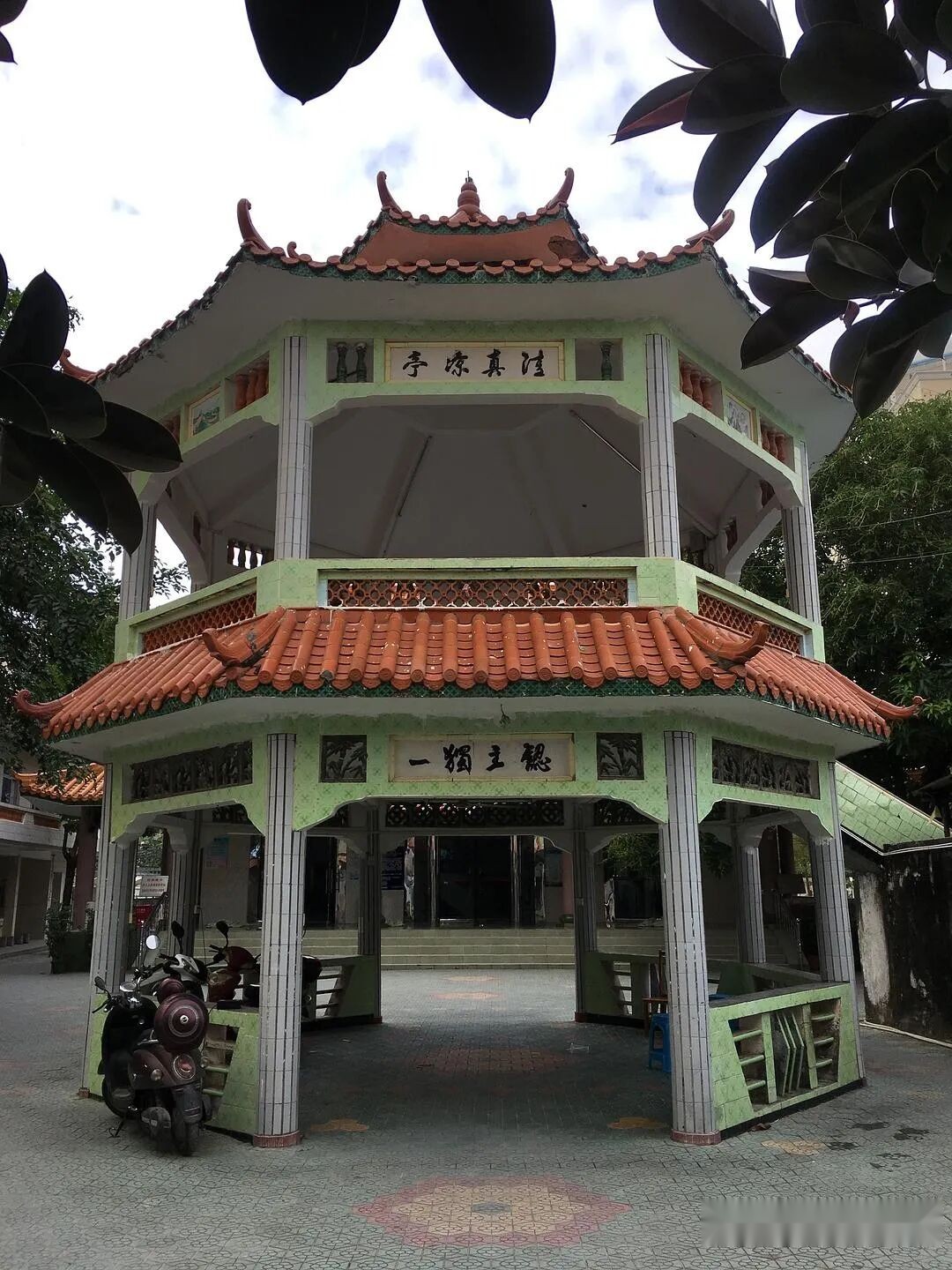
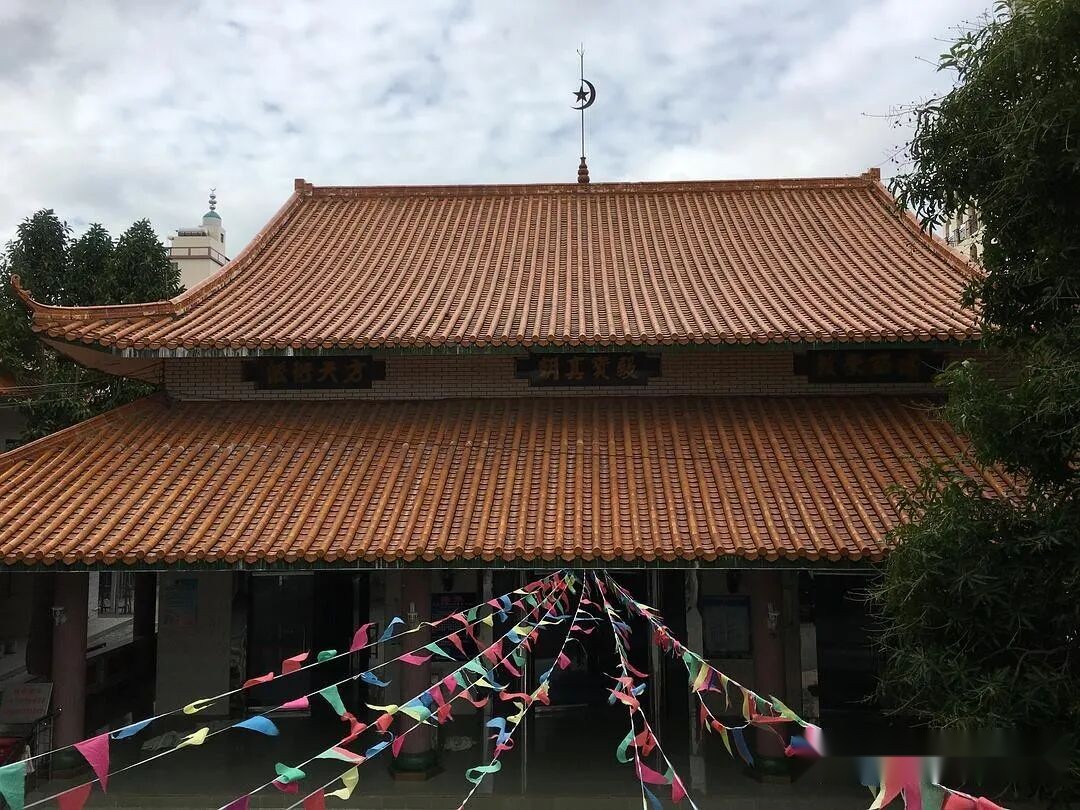
In 1940, the Japanese army built an airfield in Fancun Village, and all four mosques were completely destroyed. After relocating to Yanglan Huihui Township, the Utsul people renamed the East Mosque and rebuilt it as the Gushi Mosque (Sanya Ancient Mosque), while merging the West and North mosques to rebuild the Northwest Great Mosque. These rebuilt mosques closely resembled traditional Huihui black-tiled brick houses, differentiated only by signage above their doorways.
After the Japanese forces left in 1945, some villagers returned to the old village and rebuilt the South Mosque, bringing the total number of mosques back to three.
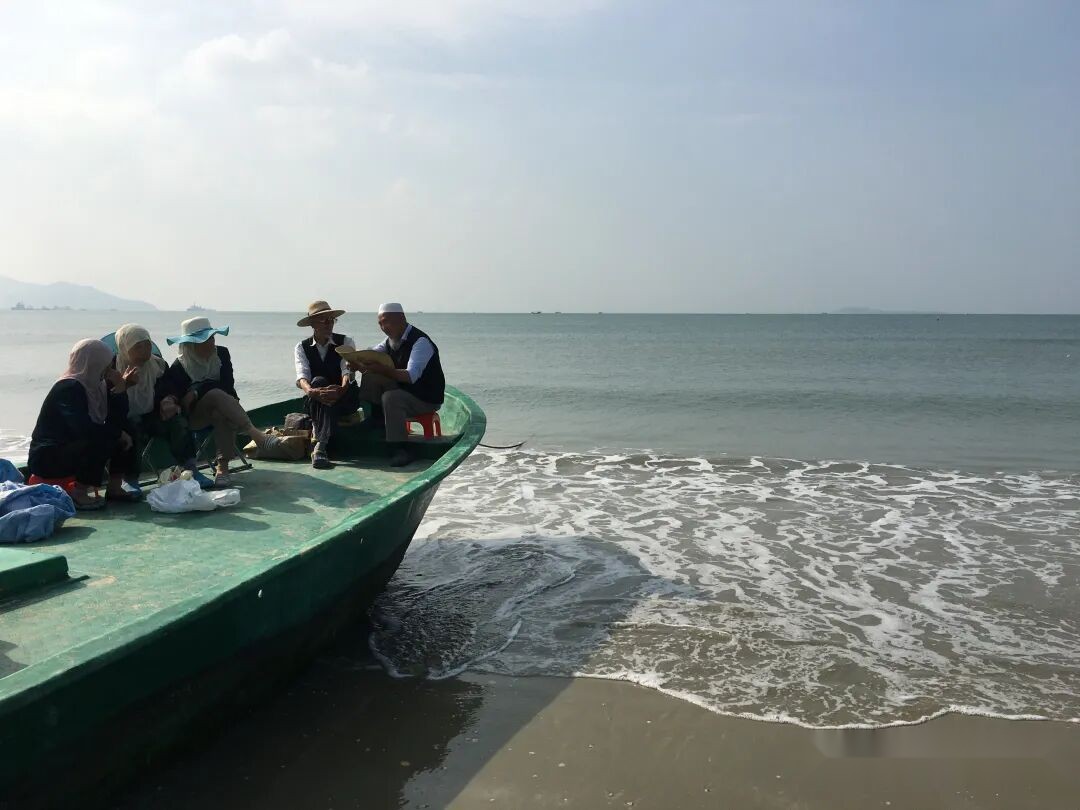
After 1966, Red Guards from Beijing traveled south to Hainan, teaming up with Red Guards from Yaxian Middle School to demolish the Huihui mosques, burn religious texts, and confiscate the robes worn during namaz (ritual prayers). All religious activities were strictly banned. At the time, some imams led the community to secretly perform namaz on the beaches, in air-raid shelters, or inside sugarcane fields. If caught, they were dragged off to study sessions or labor reform. Pu Zongli, an elderly imam from Huihui Village, was dragged off to study sessions as a 'counterrevolutionary element who refused to mend his ways' simply for leading the congregation in secret namaz.
After 1978, the Utsul people resumed normal religious practices and began restoring their mosques. In 1978, the North Great Mosque split off from the Northwest Great Mosque. In 1979, the East Mosque split off from the Gushi Mosque (Sanya Ancient Mosque). In 1990, Huixin Village (Huixin Muslim Village) (the old village) built the new Nankai Mosque. With this, Huihui Village had a total of six mosques.
2. Gushi Mosque (Sanya Ancient Mosque)
The predecessor to the Gushi Mosque (Sanya Ancient Mosque) in Huihui Village was the East Mosque of Suosanyali Fancun Village. Reportedly founded in 1470, it originally featured traditional Chinese architecture.
Back in the 1920s, the East Mosque was rebuilt into an Arabic-style arched reinforced concrete building, featuring an octagonal prayer hall.
After 1940, it was destroyed due to the construction of an airfield by the Japanese army, then relocated and rebuilt in Huihui Village (Huihui Muslim Village) in Yanglan, where it was renamed the Ancient Mosque. It was destroyed again after 1966, and rebuilt once more in 1982 as a black-tiled brick house.
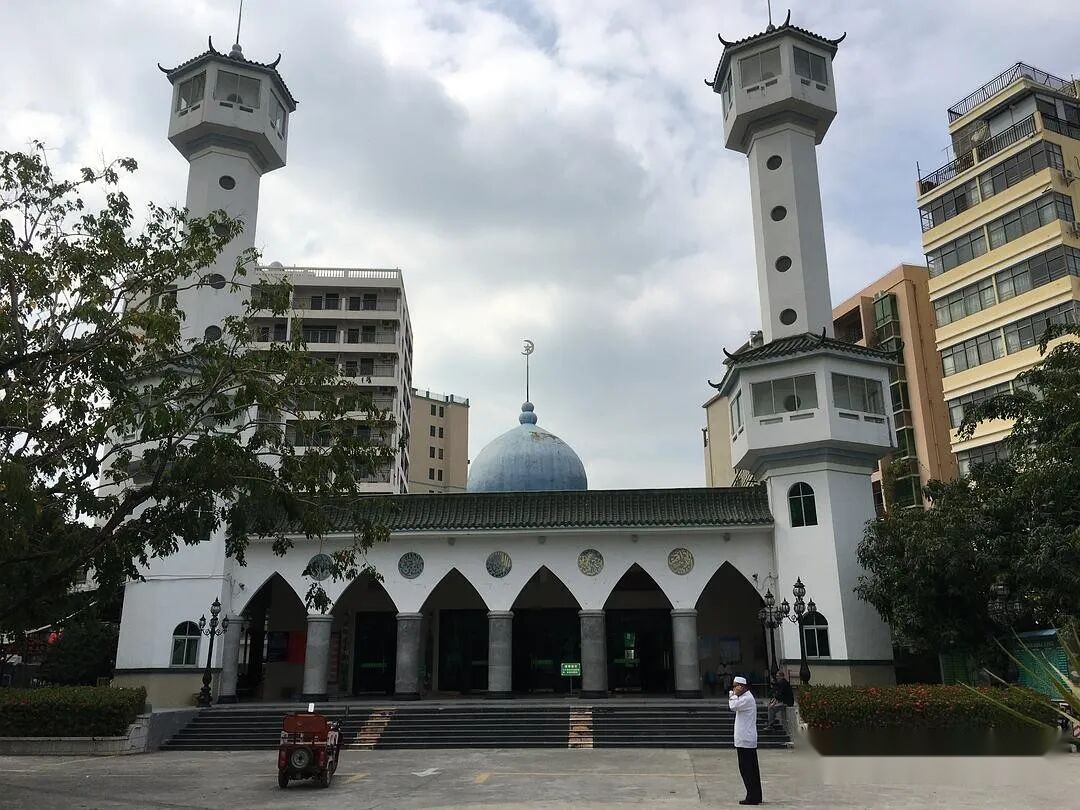
In 1986, funded by a delegation of Muslims from Hong Kong and Macau, it was expanded into an Arabic-style building. After being renovated in 1999, a dome was added.
In 2008 and 2009, the Ancient Mosque was hit by floods twice, so funds were raised to rebuild it into a more modern Arabic-style building just in time for Mawlid (the Prophet's birthday) in 2010.
3. Northwest Mosque
The Northwest Mosque in Huihui Village (Huihui Muslim Village) was formed by the merger of the North Mosque and West Mosque from the old Sanya Lifan Village. The West Mosque was reportedly first built in 1473, but was destroyed in 1940 to make way for a Japanese military airfield. It was later rebuilt in Yanglan's Huihui Village by merging with the North Mosque to form the Northwest Mosque. After being destroyed again after 1966, it was rebuilt in 1978 in the traditional Chinese palatial architectural style.
4. North Mosque
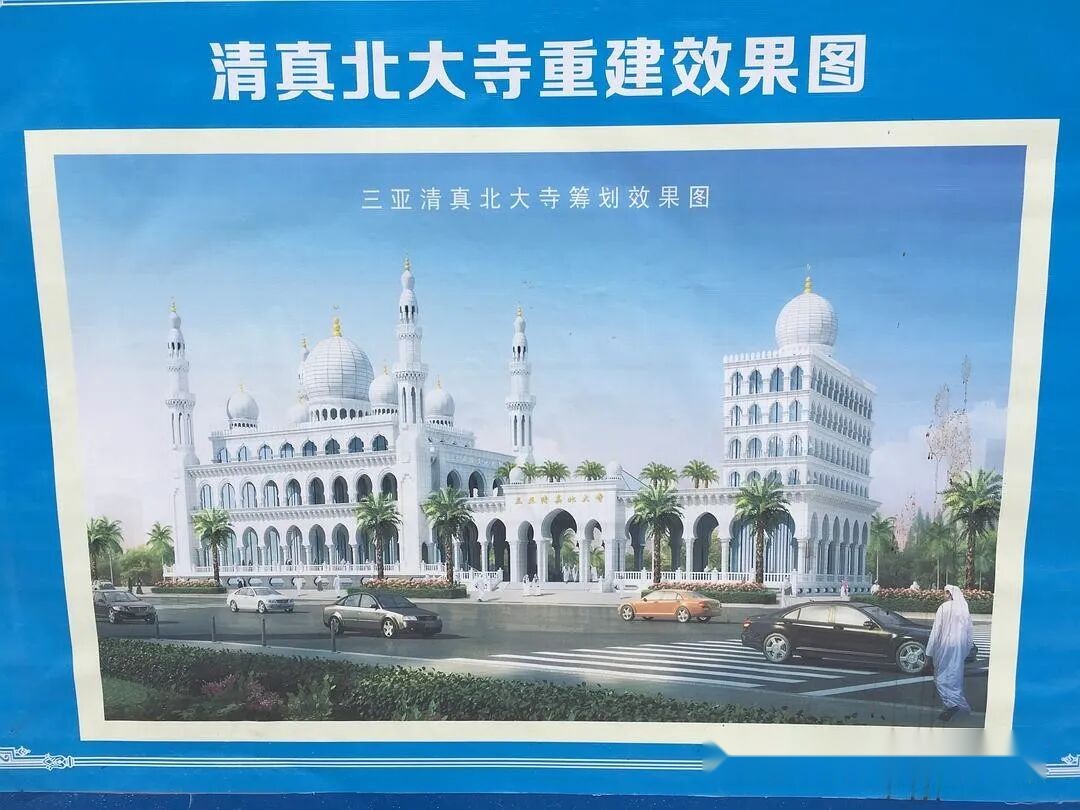
The North Mosque in Huihui Village (Huihui Muslim Village) was originally located in Sanya Lifan Village and is said to have been first built in 1487. It was destroyed in 1940 for the Japanese military airfield, then rebuilt in Yanglan's Huihui Village alongside the North Mosque to form the Northwest Mosque. It was separated from the Northwest Mosque after 1966, rebuilt in 1981 as a Chinese palatial-style building, expanded again in 1993, and is currently undergoing yet another reconstruction.
5. East Mosque

The East Mosque in Sanya Lifan Village is said to have been originally built in 1470. After 1940, it was destroyed by the Japanese military for an airfield, then relocated and rebuilt in Huihui Village (Huihui Muslim Village) in Yanglan, where it was renamed the Ancient Mosque. It was destroyed again after 1966, and eventually split off from the Ancient Mosque in 1979.

6. South Mosque
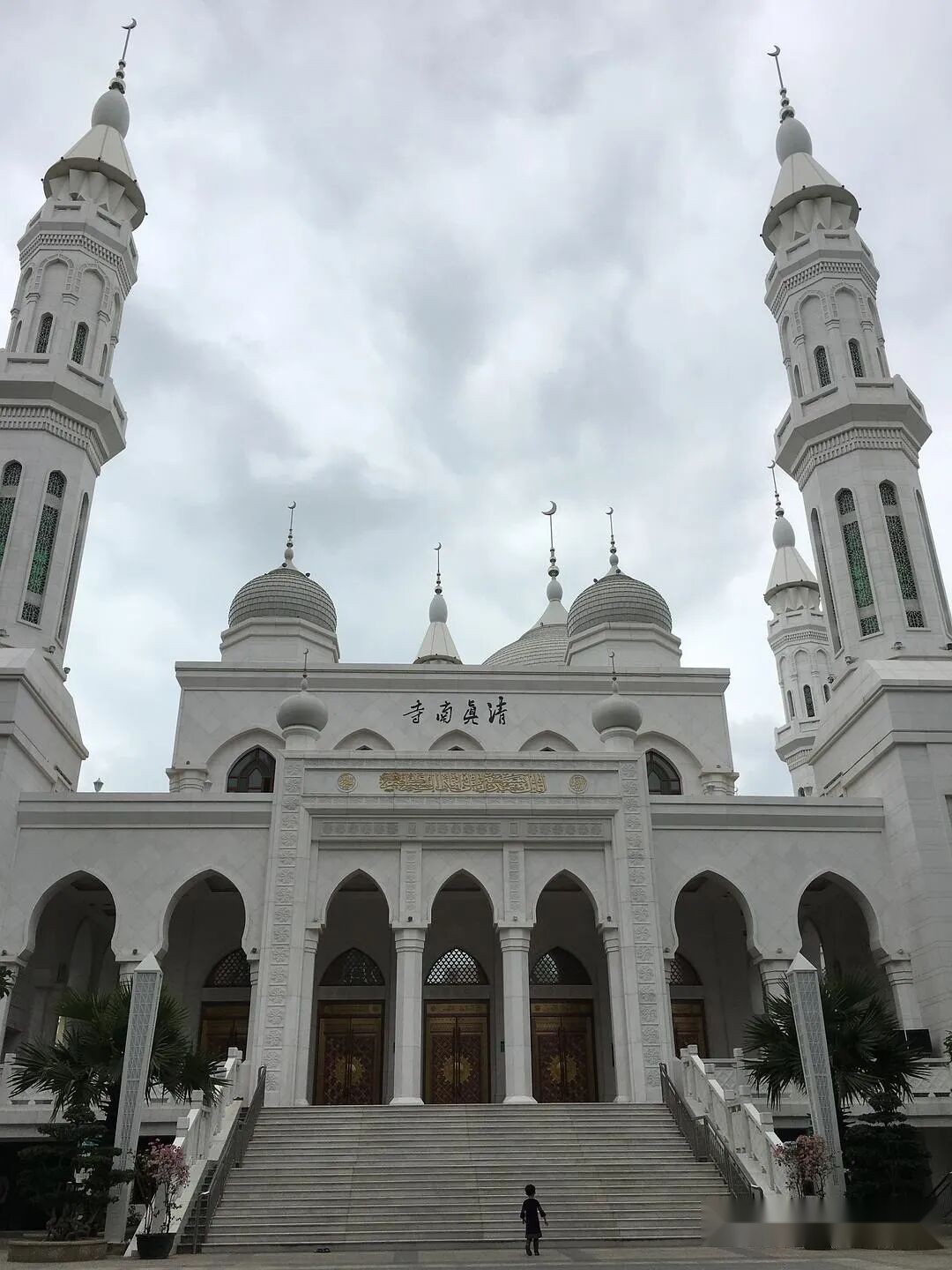
The South Mosque in Huixin Village (Huixin Muslim Village) is said to have been first built in 1487. It was destroyed in 1940 for the Japanese airfield, rebuilt in 1945 after the Japanese forces left as a black-tiled brick building, and destroyed yet again after 1966. It was rebuilt in 1978 as a black-tiled brick structure, underwent several subsequent renovations, and finally reached its current scale in 2016.
7. Nankai Mosque
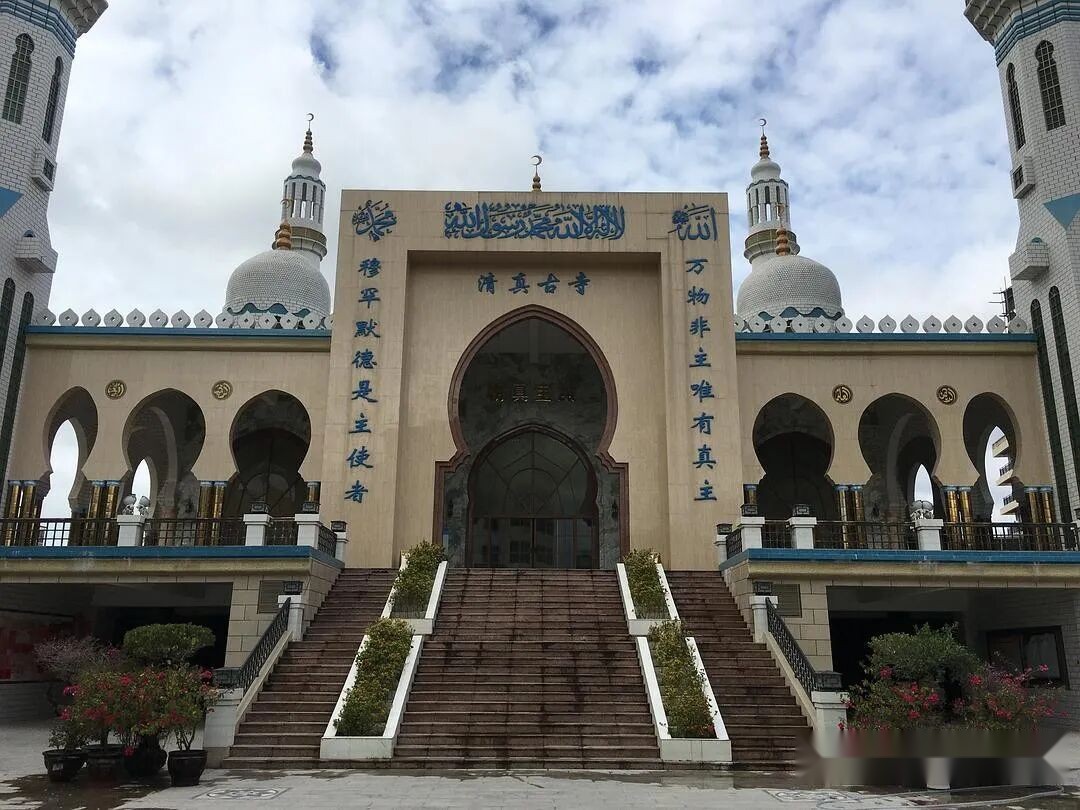
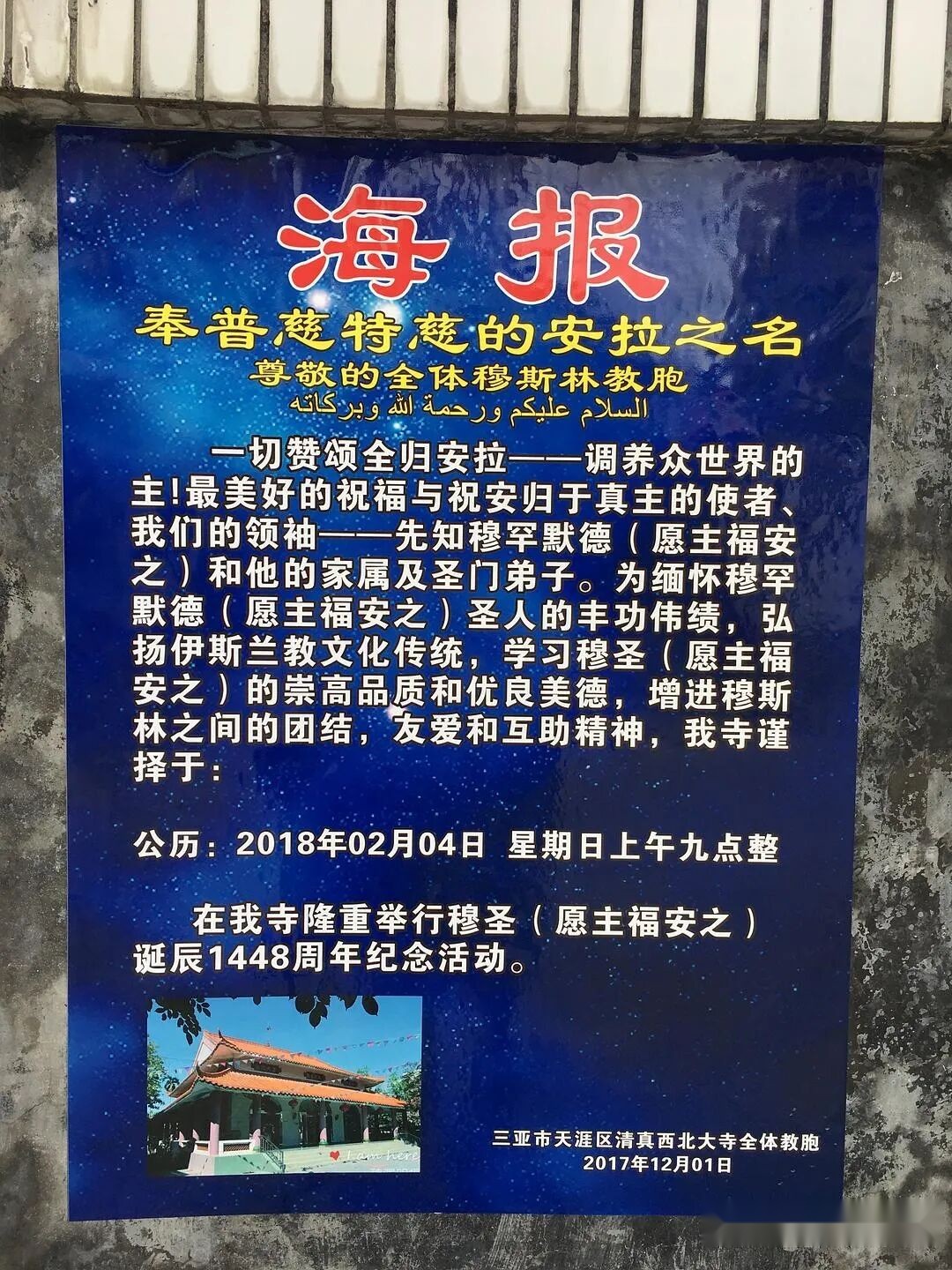
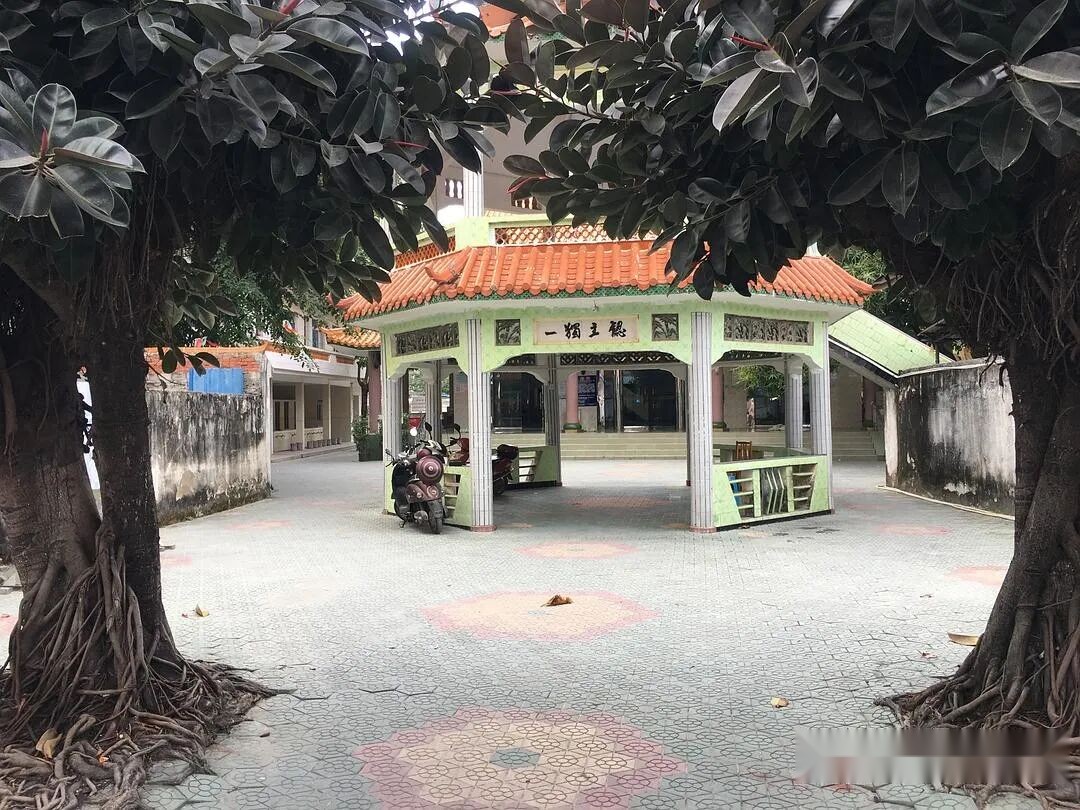
The Nankai Mosque in Huixin Village (Huixin Muslim Village) was built in 1990, with its name meaning 'Open South'.


Journey into Hainan's Muslim Heritage: Visiting Sanya's Huihui Village Historic Mosque and the Memories of the Utsul Muslims
Abstract:
Revisiting a precious photographic and written travel journal from 2017 deep inside Sanya to visit the Utsul Muslims. Strolling through tree-shaded historic masjids, visiting Hui Muslim scholars and everyday local families, and meticulously documenting the customs, rituals, linguistic traits, and generational shifts of the island's Utsul Muslims.
This is a record of my first trip to Sanya, Hainan, in 2017 to visit the Utsul Muslims. For my second trip in 2020, check out the journal entry, 'Celebrating Eid al-Adha in Sanya.'
In 'The History of Hainan Muslims,' we discussed how Cham people from southern Vietnam migrated during the Song and Yuan dynasties to settle along the coastline of Hainan Island due to wars or typhoons. These 'foreigners' with customs similar to the 'Huihui' left several coral-stone Muslim ancient tombs along southern Hainan's coastal dunes. During the Ming and Qing dynasties, the 'foreigners' living in Hainan's Qiongzhou, Danzhou, Wanzhou, and Yazhou gradually integrated with local residents, and the remaining population all relocated to Suosanyali Fancun, forming today's Sanya Utsul Muslim community.
In this article, I'll continue sharing stories about the Sanya Utsul Muslims from the late Qing dynasty onward, along with the halal culinary scenes in the Huihui Village (Huihui Muslim Village) and Huixin Village (Huixin Muslim Village) communities.
Table of Contents
1. The Utsul Muslims from the Qing Dynasty Onward
1. Heading Down to Nanyang (Southeast Asia)
2. Japanese Military Airport Construction Forces Utsul Relocation
3. From Fishing and Farming to Commerce
4. Traveling Muslims from Across Regions
2. Halal Dining in Huixin Village (Huixin Muslim Village)
3. Halal Dining in Huihui Village (Huihui Muslim Village)
4. The Mosques of the Utsul Muslims
1. The Evolution of Huihui Mosque
2. The Historic Mosque
3. The Northwestern Grand Mosque
4. The Northern Mosque
5. The Eastern Mosque
6. The Southern Mosque
7. Nankai Mosque
1. The Utsul Muslims from the Qing Dynasty Onward
1. Heading Down to Nanyang (Southeast Asia)
According to the 'Genealogy of the Pu Family in Sanya Gangtong Village,' the Utsul Muslims suffered a major catastrophe during the Xianfeng era. In 1858 (the 8th year of Xianfeng), Fancun was burned, killed, and looted by bandits. The surviving Utsul Muslims had no choice but to take shelter in the mountains and forests. The following year, the bandits were wiped out and pacified, allowing the Utsul Muslims to rebuild their homes. However, because of this catastrophe, many Utsul Muslims fled to Southeast Asian destinations like Singapore, Penang, and Vietnam:
'From the reign of Daoguang up to the eighth year of Xianfeng, on the twenty-second day of the tenth month at the卯 (Mao) hour, we tragically suffered at the hands of the Li bandits from Lingshui who colluded with settled Li people to launch an uprising. They slaughtered without stopping, burned everything to the ground, killed countless people, and left corpses strewn across the fields. From back then until this summer, we spent our days resting by the sea slopes and living in the mountain forests, suffering like snake catchers and enduring perils as if walking through fire. The skies grieved and the earth wept with nowhere to voice our grievances. By April of the ninth year, fortunately, the gentry and scholars of the eighth district of Yazhou heard of our plight and felt sorrow. They pooled subscription funds, raising one hundred strings of copper coins, which they lent to the Sanya branches to hire local militia and hunt down the Li bandits. By June, the Li bandits across all the village valleys were terrified and surrendered. Only then could everyone return home, rebuild their houses, and make settling the common people their priority. Yet with a depleted population and scattered refugees fleeing to ports like Singapore, Annam, and foreign lands—over a hundred souls dead or alive—Sanya was left deserted. With poor people and barren land, they returned to their old ways of fishing and harvesting the sea.'
2. Japanese Military Airport Construction Forces Utsul Relocation
After the bandit chaos of the Xianfeng era, the Utsul Muslims in Suosanyali Fancun continued living a peaceful life, relying on fishing for survival. Following the founding of the Republic, Yazhou was renamed Ya County, and Fancun was called Huihui Township, subordinate to the East Second District of Ya County.
At dawn on February 14, 1939, the Japanese navy landed on the waters near Sanya and captured Sanya Bay with almost zero resistance.
In the summer of 1940, the Japanese military decided to build a land-and-water combat training airfield in Suosanyali, forcing all Utsul Muslims to relocate 4 kilometers westward to live in Yanglan. All 350 houses and 4 mosques in Fancun were completely demolished, and the new settlement was named 'Huihui Village (Huihui Muslim Village).'
After the Japanese forces left in 1945, some Utsul Muslims moved back to their former settlement of Fancun, which is why Fancun came to be known as Huixin Village (Huixin Muslim Village) or the Old Village, while the old name Fancun fell out of use.
From then on, the Utsul Muslims established two main communities: Huihui Village (Huihui Muslim Village) and Huixin Village (Huixin Muslim Village).
Huihui Village (Huihui Muslim Village)
Traditional attire for Huihui women: a dark hijab, a front-crossing tunic fastened with three silver (or cloth) buttons down the front and two under the arms, and split-cuffs on the sleeves. The shirt is split down the center of the chest and back, falling to the hips, paired with dark trousers.
The most distinctive feature of Huihui women's attire is the black bib (cloth panel) worn over their shirts—a unique piece of clothing not found among the neighboring Han or Li ethnic groups.
The earliest Utsul Muslims lived in thatched cottages, just like the local Han and Li communities. To withstand typhoons, these houses were built extremely low, to the point where people couldn't even stand up straight inside. In modern times, these thatched homes were gradually replaced by black-tiled brick houses, a style that lasted until the tourism boom in Sanya during the 1990s. Today, those black-tiled brick homes are rare, having been mostly replaced by modern multi-story buildings.
On a local bus running from Huihui Village (Huihui Muslim Village) to Huixin Village (Huixin Muslim Village)
A wedding banquet for Utsul Muslims in Huixin Village (Huixin Muslim Village)
Black-tiled brick houses in Huixin Village (Huixin Muslim Village)
3. From Fishing and Farming to Business
By the 1950s and 60s, Utsul Muslims still made their living mainly through shallow-sea purse-seine fishing. They used bamboo rafts to take fishing nets out to sea and drop them. A fishing crew of 35 people would split into two groups on the shore to haul in the nets. Usually, they went out once a day, pulling in anywhere from 200 to 300 jin (100–150 kg) of fish, with a bountiful catch reaching up to 5,000 jin (2,500 kg) and a lean day yielding only a few dozen jin.
Historically, Utsul Muslims were never big fans of farming, and in the past, they used to rent their land out to the Li people to cultivate. After the establishment of the People's Communes in 1958, the government organized nearby Han and Li locals to teach agricultural techniques to the Utsul Muslims, but the results weren't great. After the 1970s, more than 2,000 mu (about 133 hectares) of the Utsul Muslims' farmland was allocated to neighboring Han and Li villages, leaving the Utsul Muslims with only about 200 mu of garden plots and residential land, primarily used for growing vegetables.
After the 1980s, as shallow-sea resources gradually dwindled and Utsul fishermen lacked the gear for deep-sea fishing, the fishing industry practically ground to a halt, surviving only as a side hustle where people occasionally scooped up small fish and shrimp.
The fish market in Huixin Village (Huixin Muslim Village)
Starting in 1979, some Utsul women, refusing to accept their economic decline, began heading out to start small businesses. By 1982, almost every Utsul household had a woman selling local specialties and tourist souvenirs in towns and scenic spots, and family life for the Utsul Muslims noticeably improved.
During the 1980s and 90s, Utsul Muslims caught the wave of venturing out into business. Alongside women running stalls at tourist attractions, many men jumped into the passenger transport business. Starting in 1982, lots of Utsul men bought two-wheeled motorcycles or three-wheelers to haul passengers between the city center and tourist spots. After the Sanya Phoenix International Airport was built in 1994, Huihui Village (Huihui Muslim Village)—sitting right next to the airport—became a major transit hub. Utsul locals started buying minivans and minibuses to run routes from the airport to the city center, with the men driving and the women acting as conductors.
4. Muslim Sojourners from All Over
After Sanya's tourism industry boomed in the 1990s, Huihui Village (Huihui Muslim Village) and Huixin Village (Huixin Muslim Village)—as Sanya's only two Muslim communities—became the go-to places to stay for Muslims traveling to Sanya from all over the country. Over time, these Muslim visitors shifted from young and middle-aged short-term vacationers to older folks seeking to escape the winter cold. Starting every October, Huihui Village (Huihui Muslim Village) and Huixin Village (Huixin Muslim Village) fill up with Uyghur, Salar, Dongxiang, and Hui Muslims of all ages coming from Xinjiang, Gansu, Qinghai, Ningxia, and beyond to beat the cold. They live here all winter long, only heading back home around April or May of the following year.
During this time, you'll see Uyghurs wearing doppa embroidered caps and silk scarves mingling with Hehuang Hui Muslims wearing white skullcaps and black hijabs on the bustling streets. Northerners walking around in shorts might make you feel like you're in Shenyang during summer, while Utsul Muslims in colorful patterned trousers and headscarves, speaking the Utsul Cham language, will make you feel like you've landed in Southeast Asia. There's Halal Hainanese cuisine, Ili cuisine, Xining cuisine, Linxia cuisine, and even Xi'an and Henan dishes—making this place feel like a utopian escape far away from winter.
After the reform and opening-up, the first people to open shops in Huihui Village (Huihui Muslim Village) and Huixin Village (Huixin Muslim Village) were Hui, Dongxiang, and Salar Muslims from Gansu and Qinghai. Uyghurs soon followed, opening Uyghur specialty restaurants in Huihui Village (Huihui Muslim Village), and later, Hui Muslims from Yunnan, Henan, and elsewhere arrived to open eateries. Because of this, you can sample Halal food from all corners of China right here.
A shop selling Uyghur embroidered clothing
A crossing-the-bridge rice noodles shop run by Shadian Hui Muslims
An eatery run by Ili Hui Muslims, where you can get smoked meat narin
A restaurant run by Henan Hui Muslims, serving braised bowl dishes (kouwan) and braised noodles (huimian)
Part 2: Halal Food in Huixin Village (Huixin Muslim Village)
Freshly picked star fruit
Dried eel made by a Huihui auntie
Jackfruit
Cassava
Li's Rice Noodles Shop's beef brisket rice noodles
At First Fresh Fish Soup (Diayi Xianyutang), we tried their signature Huihui sour fish soup, ordering an 8-liang (about 400g) Luzai fish. Adding star fruit is what gives Huihui sour fish soup its unique twist, and it comes with complimentary coconut red rice.
3. Halal Dining in Huihui Village
Huihui Village (Huihui Muslim Village) by Day
Huihui Market
Laoya zhou (Traditional Hainan duck porridge)
Haxuanren Niunan Mianba's niurou fen (Hainan beef rice noodles)
Li's Beef Bone Broth Shop's seafood rice porridge and beef bone soup
Hualide Restaurant's four-angle beans (winged beans) and shrimp paste-stir-fried pumpkin leaves, served with coconut red rice
Fenghuang Yueju Restaurant's white clams and stir-fried noodles
Huihui Village (Huihui Muslim Village) at Night
Halal seafood barbecue and coconut milk qingbu-liang (refreshing Hainan sweet dessert soup). We ordered grouper, Pacific saury, and squid tentacles. The qingbu-liang came with a loaded lineup of 12 different toppings—super extravagant!
This spot is hands down my favorite late-night halal seafood barbecue joint. I came back the next night to order tilapia, sea snails, cuttlefish, and squid tentacles. A young Li ethnic guy was sipping a coconut milk qingbu-liang, a young Northwest Hui Muslim couple ordered 14 skewers of roasted mantou (steamed buns), and a middle-aged Uyghur couple (or husband and wife) whom we’d bumped into all over the street these past few days ordered a mountain of oysters. The local chengguan (urban management officers) didn't show up tonight, and we all grubbed out and had a blast.
Over at Huiji Fresh Fish Soup, we grabbed Manila clams, oysters, coconut red rice, and fresh coconuts. Among the spots along Phoenix Road's Halal Food Street, this place has a seriously nice vibe. Out front is a cozy little courtyard shaded by two longan trees, and chilling in the 26°C (78°F) evening breeze felt absolute perfection.
At Dongsheng Seafood Processing Restaurant, we had spicy stir-fried triangle crabs. Triangle crabs are the cheapest type of crab they carry, going for 80 RMB a pound.
Fatty's Halal Fast Food's seafood fish noodles and coconut milk qingbu-liang
Fenghuang Yuewenwei Seafood Cuisine City's Wenchang chicken and Hainan wild vegetable gemingcai (wild globe thistle / wild jicai)
4. The Mosques of the Utsul People
1. The Evolution of Huihui Village Mosques
During the Ming and Qing dynasties, Suosanyali Fancun Village had four mosques known as the East, West, South, and North mosques. All featured traditional Chinese architectural styles, with the West Mosque being the largest.
In 1931, German ethnologist Hans Stübel visited Sanya twice and documented the mosques and Islamic faith of the Utsul people in his 1937 work, *Die Li-stämme der Insel Hainan, Ein Beitrag zur Volkskunde Südchinas* (*The Li Tribes of Hainan Island: A Contribution to the Ethnography of South China*):
"Sanya has four Islamic mosques. In the largest one, located in the west, we were received with wonderful hospitality by the mosque's respected mullah (an honorific for Islamic scholars) and teachers, who treated us to cakes and eggs soaked in sweet syrup."
"The Islamic mosques are not very large, but they are beautiful, immaculate, and built in the traditional Chinese architectural style just like elsewhere in China. Sanya's Muslims follow the Shafi'i school of jurisprudence and maintain ties with Muslims in Guangzhou, especially those at the Huaisheng Mosque (Light Tower Mosque)."
"According to a prominent Han Chinese merchant in Sanya's harbor, these Muslims are helpful and friendly people. They own land, most of which they rent out; aside from hunting, they also fish and own fishing boats. There are a total of 400 Muslim households in Sanya harbor, numbering around 2,000 people. Their village has been burned down twice."
"These Muslims can be divided into two distinct physical types: one group has narrow faces and long, hooked noses; the other has less prominent yet wider noses with sunken bridges and more pronounced, high cheekbones—the latter type being much more common. Older men there frequently sport striking beards, and men wearing a 'fez' can be seen everywhere. Muslims who have made the pilgrimage to Mecca wear long beards and popular fez turbans. The educated among them speak excellent Mandarin, while the rest speak a very distinct dialect. Most of their numerals are derived from Malay, though apart from that, no other Malay markers seem to be found."
In 1940, the Japanese army built an airfield in Fancun Village, and all four mosques were completely destroyed. After relocating to Yanglan Huihui Township, the Utsul people renamed the East Mosque and rebuilt it as the Gushi Mosque (Sanya Ancient Mosque), while merging the West and North mosques to rebuild the Northwest Great Mosque. These rebuilt mosques closely resembled traditional Huihui black-tiled brick houses, differentiated only by signage above their doorways.
After the Japanese forces left in 1945, some villagers returned to the old village and rebuilt the South Mosque, bringing the total number of mosques back to three.
After 1966, Red Guards from Beijing traveled south to Hainan, teaming up with Red Guards from Yaxian Middle School to demolish the Huihui mosques, burn religious texts, and confiscate the robes worn during namaz (ritual prayers). All religious activities were strictly banned. At the time, some imams led the community to secretly perform namaz on the beaches, in air-raid shelters, or inside sugarcane fields. If caught, they were dragged off to study sessions or labor reform. Pu Zongli, an elderly imam from Huihui Village, was dragged off to study sessions as a 'counterrevolutionary element who refused to mend his ways' simply for leading the congregation in secret namaz.
After 1978, the Utsul people resumed normal religious practices and began restoring their mosques. In 1978, the North Great Mosque split off from the Northwest Great Mosque. In 1979, the East Mosque split off from the Gushi Mosque (Sanya Ancient Mosque). In 1990, Huixin Village (Huixin Muslim Village) (the old village) built the new Nankai Mosque. With this, Huihui Village had a total of six mosques.
2. Gushi Mosque (Sanya Ancient Mosque)
The predecessor to the Gushi Mosque (Sanya Ancient Mosque) in Huihui Village was the East Mosque of Suosanyali Fancun Village. Reportedly founded in 1470, it originally featured traditional Chinese architecture.
Back in the 1920s, the East Mosque was rebuilt into an Arabic-style arched reinforced concrete building, featuring an octagonal prayer hall.
After 1940, it was destroyed due to the construction of an airfield by the Japanese army, then relocated and rebuilt in Huihui Village (Huihui Muslim Village) in Yanglan, where it was renamed the Ancient Mosque. It was destroyed again after 1966, and rebuilt once more in 1982 as a black-tiled brick house.
In 1986, funded by a delegation of Muslims from Hong Kong and Macau, it was expanded into an Arabic-style building. After being renovated in 1999, a dome was added.
In 2008 and 2009, the Ancient Mosque was hit by floods twice, so funds were raised to rebuild it into a more modern Arabic-style building just in time for Mawlid (the Prophet's birthday) in 2010.
3. Northwest Mosque
The Northwest Mosque in Huihui Village (Huihui Muslim Village) was formed by the merger of the North Mosque and West Mosque from the old Sanya Lifan Village. The West Mosque was reportedly first built in 1473, but was destroyed in 1940 to make way for a Japanese military airfield. It was later rebuilt in Yanglan's Huihui Village by merging with the North Mosque to form the Northwest Mosque. After being destroyed again after 1966, it was rebuilt in 1978 in the traditional Chinese palatial architectural style.
4. North Mosque
The North Mosque in Huihui Village (Huihui Muslim Village) was originally located in Sanya Lifan Village and is said to have been first built in 1487. It was destroyed in 1940 for the Japanese military airfield, then rebuilt in Yanglan's Huihui Village alongside the North Mosque to form the Northwest Mosque. It was separated from the Northwest Mosque after 1966, rebuilt in 1981 as a Chinese palatial-style building, expanded again in 1993, and is currently undergoing yet another reconstruction.
5. East Mosque
The East Mosque in Sanya Lifan Village is said to have been originally built in 1470. After 1940, it was destroyed by the Japanese military for an airfield, then relocated and rebuilt in Huihui Village (Huihui Muslim Village) in Yanglan, where it was renamed the Ancient Mosque. It was destroyed again after 1966, and eventually split off from the Ancient Mosque in 1979.
6. South Mosque
The South Mosque in Huixin Village (Huixin Muslim Village) is said to have been first built in 1487. It was destroyed in 1940 for the Japanese airfield, rebuilt in 1945 after the Japanese forces left as a black-tiled brick building, and destroyed yet again after 1966. It was rebuilt in 1978 as a black-tiled brick structure, underwent several subsequent renovations, and finally reached its current scale in 2016.
7. Nankai Mosque
The Nankai Mosque in Huixin Village (Huixin Muslim Village) was built in 1990, with its name meaning 'Open South'.
