
Sanya Halal Travel Guide: Exploring White Domes, Tropical Mosques, and Utsul Cham Muslims in Hainan
[Internet Repost]
Sanya's Six Historic Mosques: A Guide to White Domes and Tropical Island Islamic Architecture Framed by Coconut Palms
Abstract:
A panoramic deep-dive into the six surviving mosques nestled within Huihui Village (Huihui Muslim Village) and Huixin Village (Huixin Muslim Village) in Sanya's Tianya District. Complete with photo-rich details on tropical white-domed architectural clusters and serene prayer halls like Sanya Ancient Mosque, South Mosque, and North Mosque, this serves as an insider's field guide for Muslim road-trippers and independent travelers.
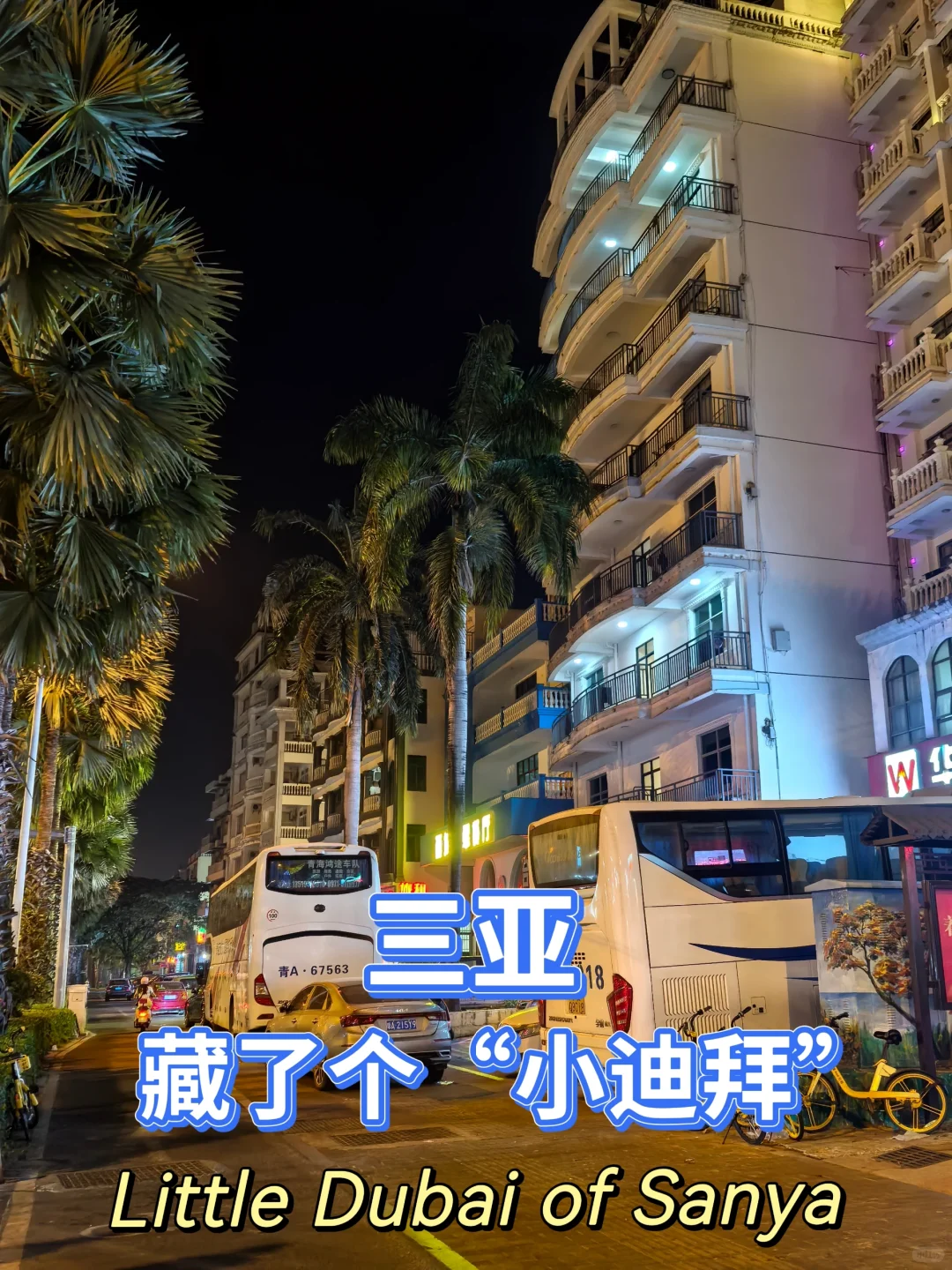
Stepping into this part of Sanya seriously feels like teleporting to the Middle East!
Cruising past Huihui Village (Huihui Muslim Village) near the Sanya airport, you might genuinely feel like you've been dropped into a traditional residential neighborhood in the Middle East—think Dubai or Doha. We're talking striking white architecture and intricate Arabic geometric patterns that look totally different from the usual Lingnan aesthetic.
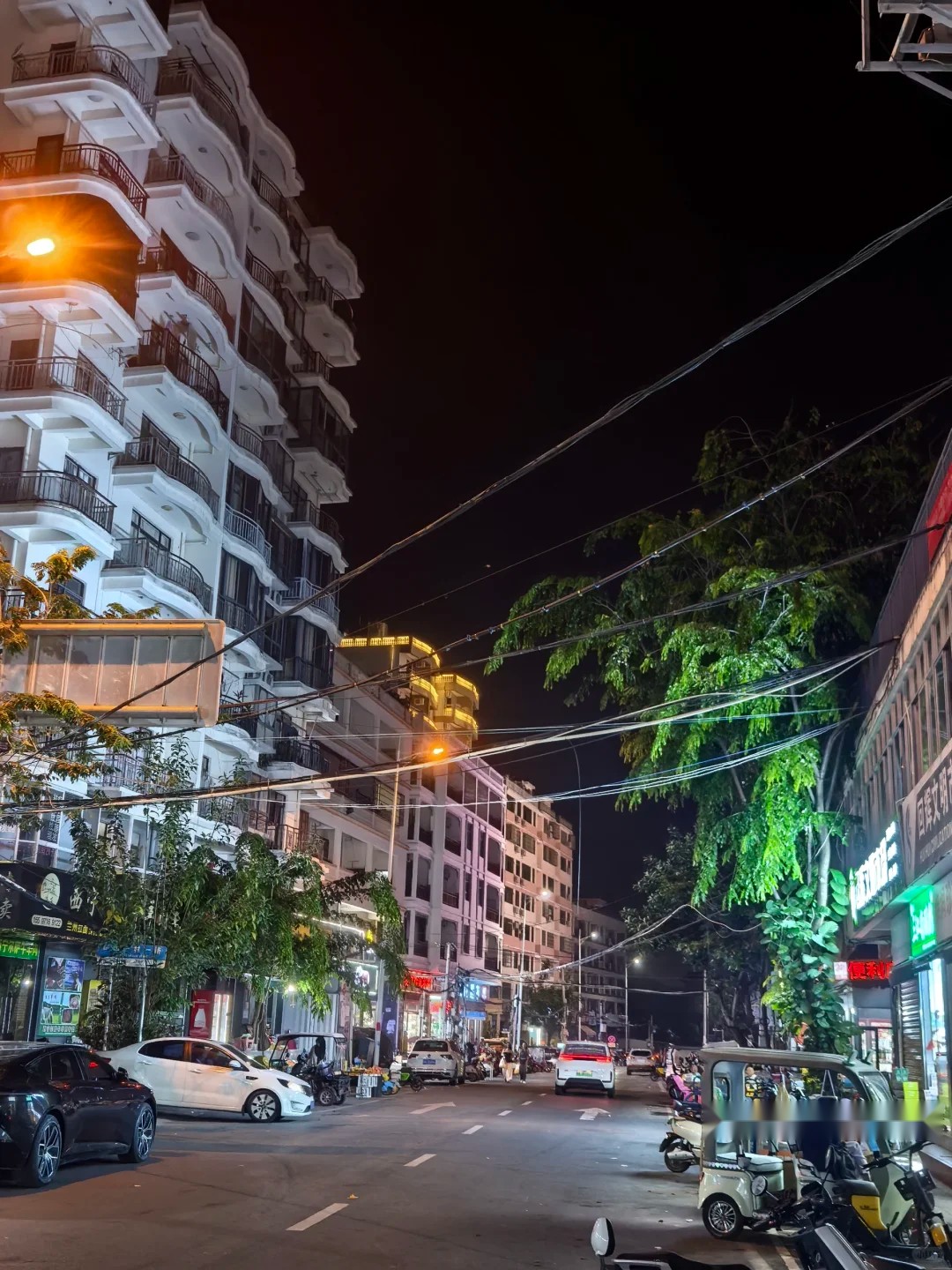
▲ Architectural styles lining the streets of Huixin Village (Huixin Muslim Village) in Fenghuang Town, Sanya, lean heavily into crisp white tones.
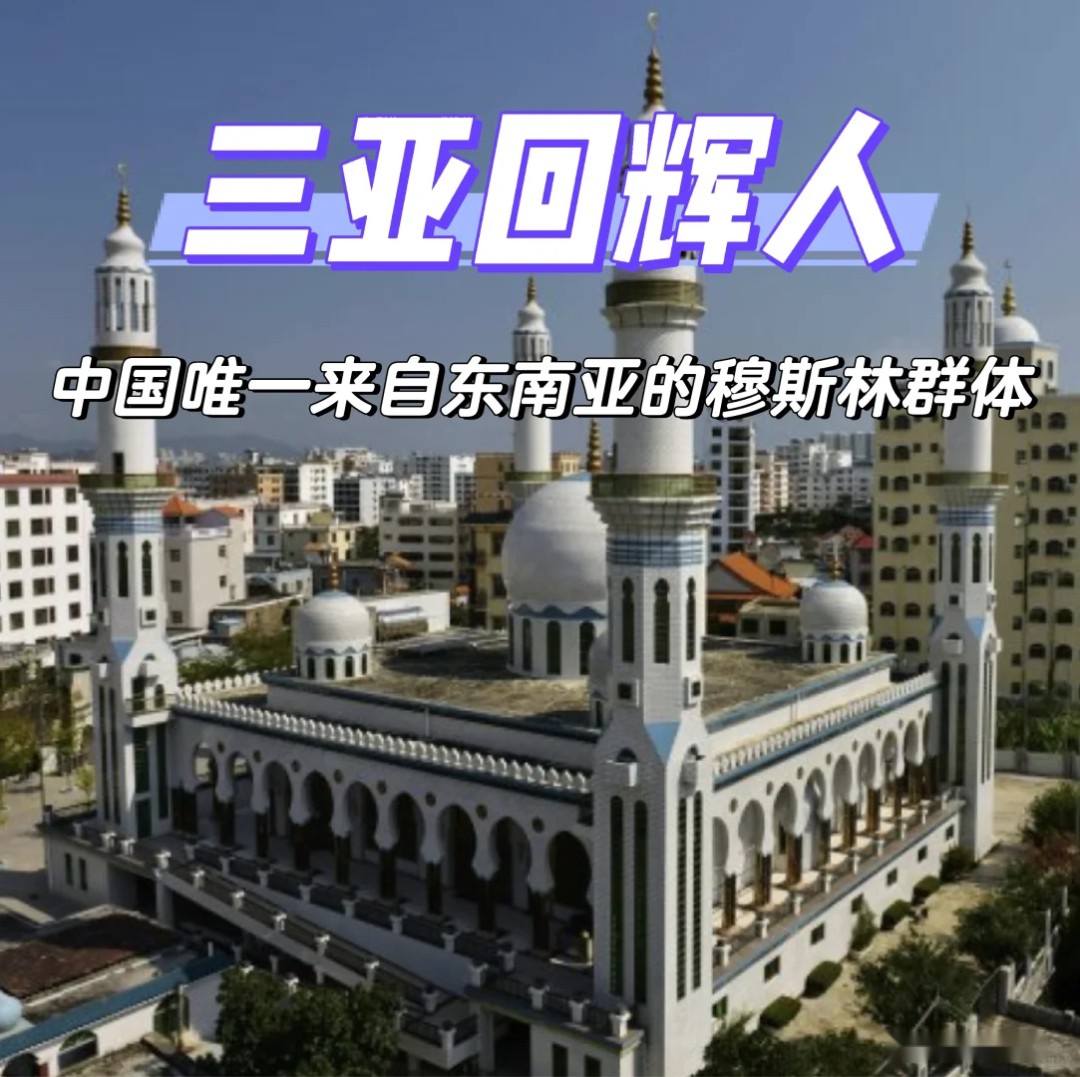
Even wilder? Sanya has a registered urban population of under a million, yet it boasts a whopping six mosques (meanwhile, Nanning has an urban population of over four million and just one). The mosque density here is way higher than most other southern Chinese cities.
▲ Mosques in Sanya.
Right there in Huihui Village (Huihui Muslim Village), you'll find three mosques sitting close together, creating a vibrant religious vibe that makes you completely forget you're chilling in a tropical island paradise.
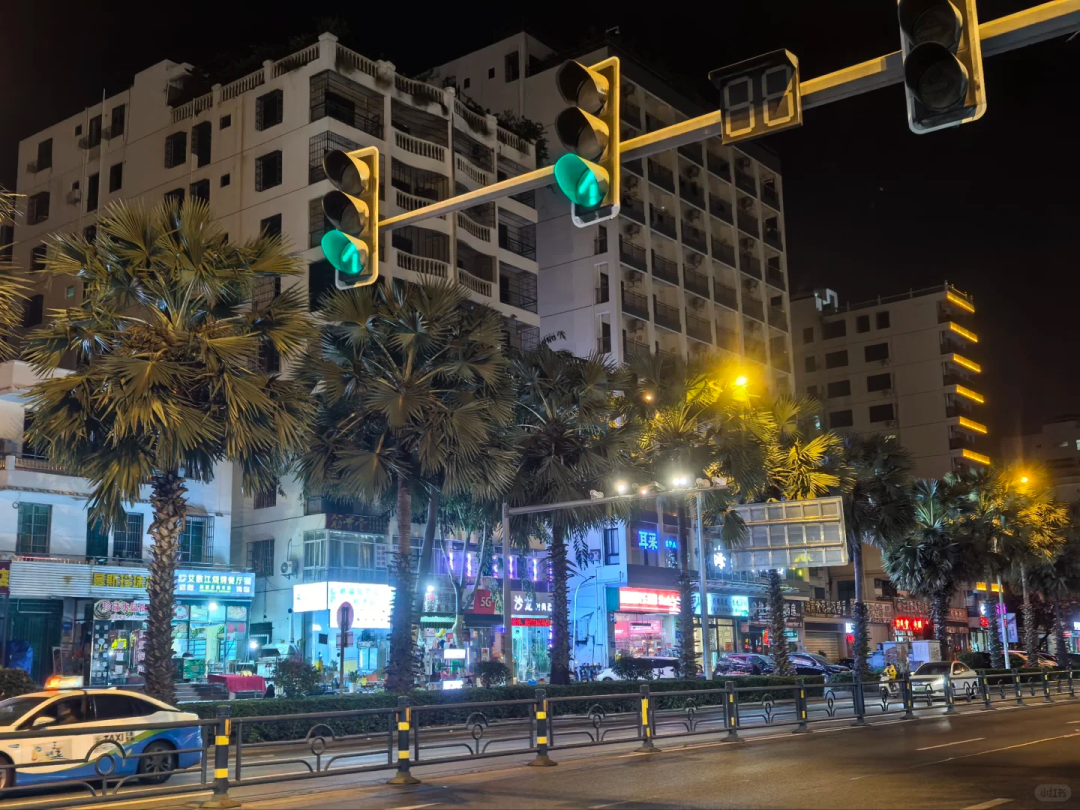
▲ Architectural styles along the streets of Huixin Village (Huixin Muslim Village) in Fenghuang Town, Sanya.
Most Muslims in southern China today—if you find them—originally migrated from Northwest China. But Sanya's Muslims, the Utsul Muslims, are a total exception. They migrated down from Southeast Asia, and with a population of around 10,000, they make up China's southernmost ethnic minority group.
▲ South Mosque in Huixin Village (Huixin Muslim Village), Fenghuang Town, Sanya.
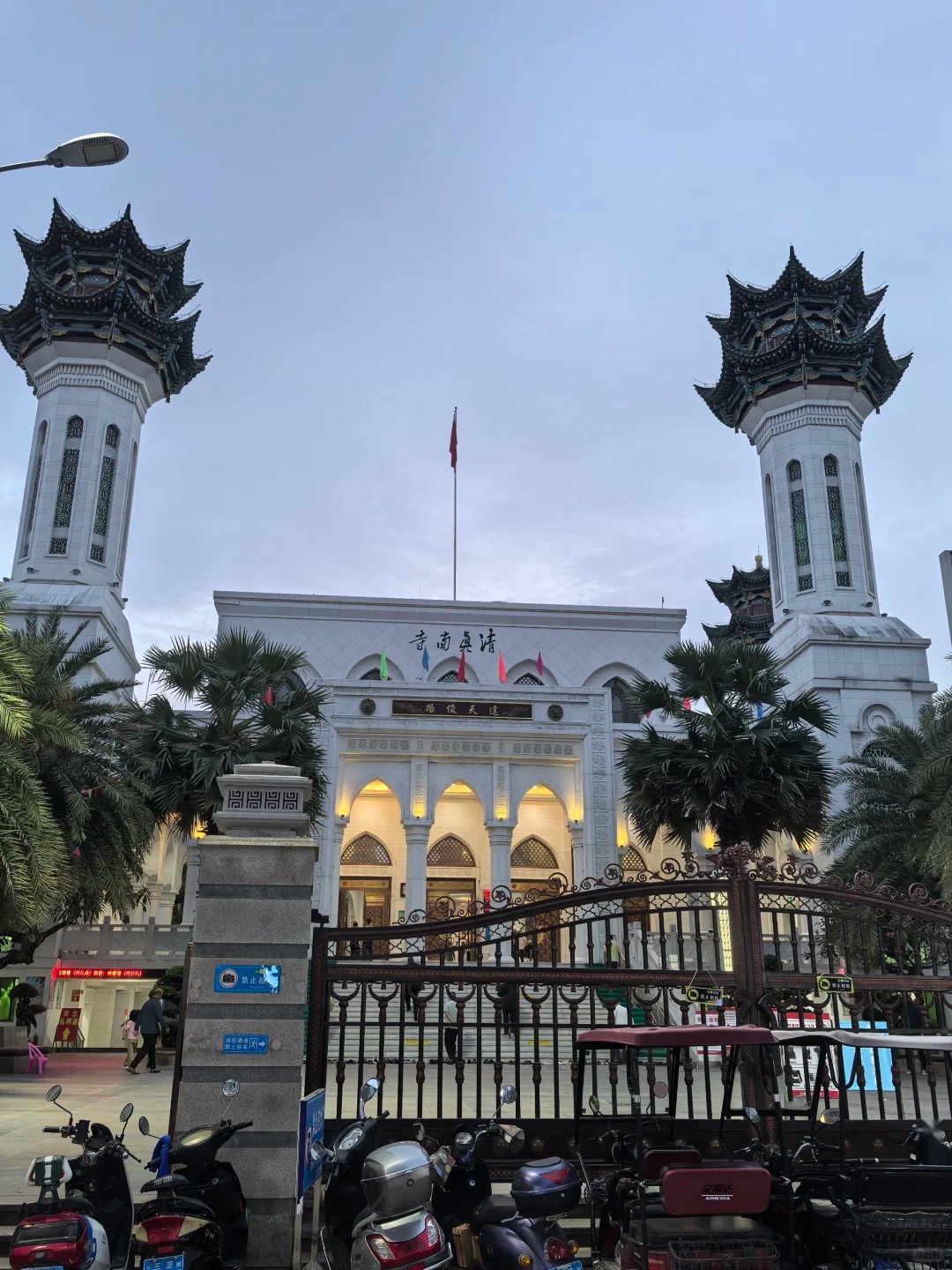
The ancestors of the Utsul Muslims hail from the Champa Kingdom in Southeast Asia (now southern Vietnam), making them China's only Muslim immigrant group with Southeast Asian roots.
Because of this unique history, this little beach city packs in six mosques in a very tight radius. While Utsul Muslims are officially categorized as Hui people due to their religious faith, their appearance and language are totally different from Northwest Hui Muslims. The Utsul people feature distinct Southeast Asian and Arab physical traits, and they speak an Austronesian language belonging to the Chamic language family, closely related to Southeast Asian Cham languages.
Why did the Utsul people migrate from Southeast Asia to Sanya?
✅ [Origins of the Utsul People]
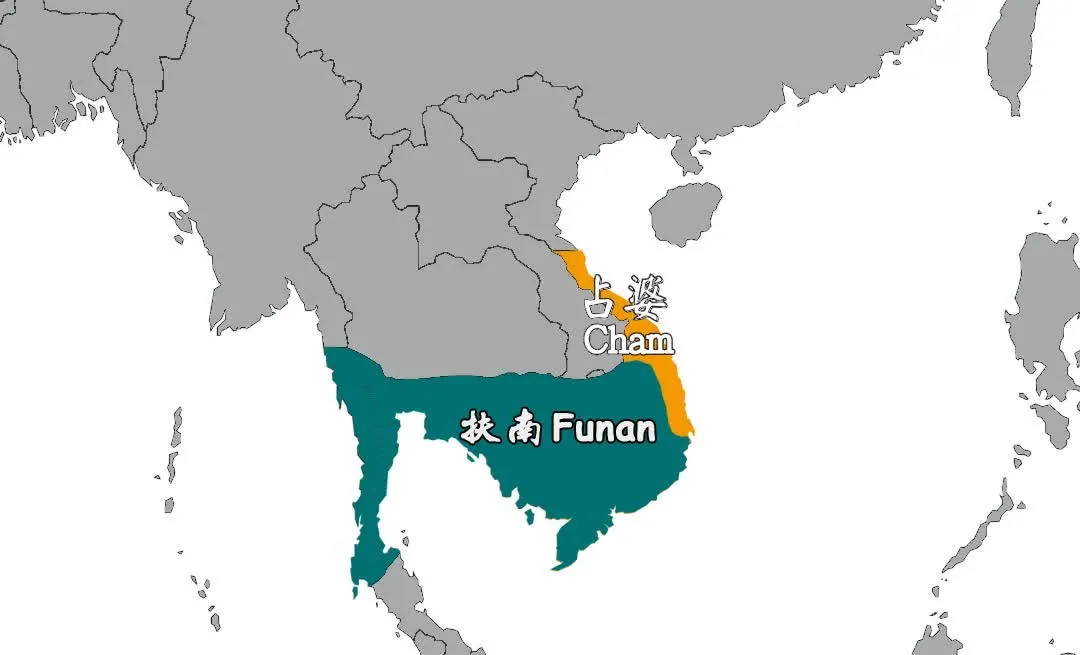
Sanya's Utsul Muslims are descendants of the ancient Cham people of Southeast Asia. The Cham originated in the Kingdom of Linyi (present-day central Vietnam). Linyi was originally part of China's sphere, but during the chaos at the end of the Eastern Han dynasty, they broke away to establish their own state, which later grew into the Champa Kingdom.
▲ The Champa Kingdom.

The Cham people were originally influenced by India and practiced Brahmanism. Later, as Arab merchants traded along the coast, Islam was introduced to Champa, and local Muslim communities gradually formed.
Vietnam bordered Champa, but back then, Vietnam was still under Chinese rule. As the Tang Dynasty weakened, Vietnam shook off Chinese control and established the Dinh Dynasty in 968 AD, becoming Champa's brand-new neighbor.
Once independent, Vietnam launched military campaigns against Champa. To escape the ravages of war, batches of Muslim Cham people migrated across the sea to Hainan Island during the Song and Yuan dynasties, settling down in scattered pockets across the island.
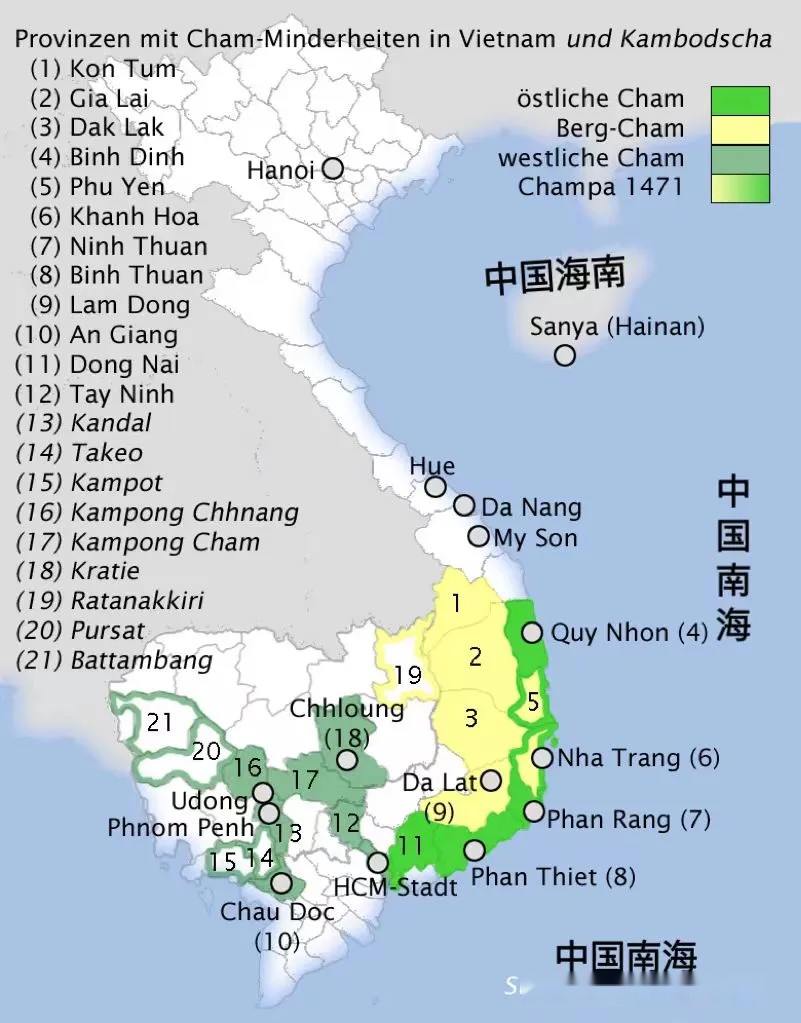
▲ Geographic location of Hainan Island.
The Cham populations in northern Hainan, being closer to the mainland, eventually intermarried and assimilated with the Han and Li ethnic groups. But Sanya, sitting right at the island's southernmost tip, was geographically isolated, and large numbers of Han Chinese didn't settle there at the time. As a result, the local Cham escaped assimilation. They planted roots in Sanya, established tight-knit Muslim communities, evolved into the Utsul people, and developed their own Utsul dialect.
▲ Distribution of the Cham people.
✅ [The Fall of the Champa Kingdom]
Wars between Champa and Vietnam dragged on for centuries, with Vietnam gradually gaining the upper hand.
In 1471, Vietnamese forces captured the royal capital of Champa, reducing Champa to a vassal state of Vietnam.
By 1802, Vietnam abolished the native chieftains and brought the region under direct imperial administration (*gaitu guiliu*), officially spelling the end of the Champa Kingdom.
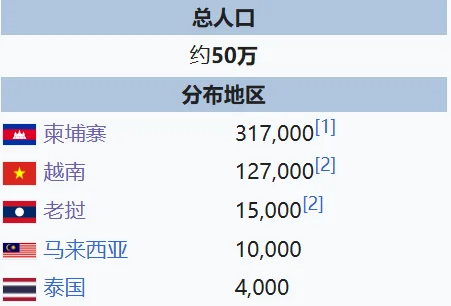
Following the fall of their nation, the surviving Cham people were mostly scattered across modern-day Vietnam and Cambodia. Due to aggressive assimilation policies in both countries, the Cham population plummeted dramatically; today, the combined Cham population in both nations is under 500,000.
▲ Current Cham population distribution.
✅【Current Status of the Utsul People in Sanya】
In 1939, when the Japanese invaded Hainan and built an airport in Phoenix, Sanya, the local Utsul people were forced to relocate to the Yanglan area, forming the clustered settlement known as Huihui Village (Huihui Muslim Village).
After Japan's defeat, some Utsul people returned to their original site to establish Huixin Village (Huixin Muslim Village).
Since then, Sanya has been home to two major villages: Huihui and Huixin.
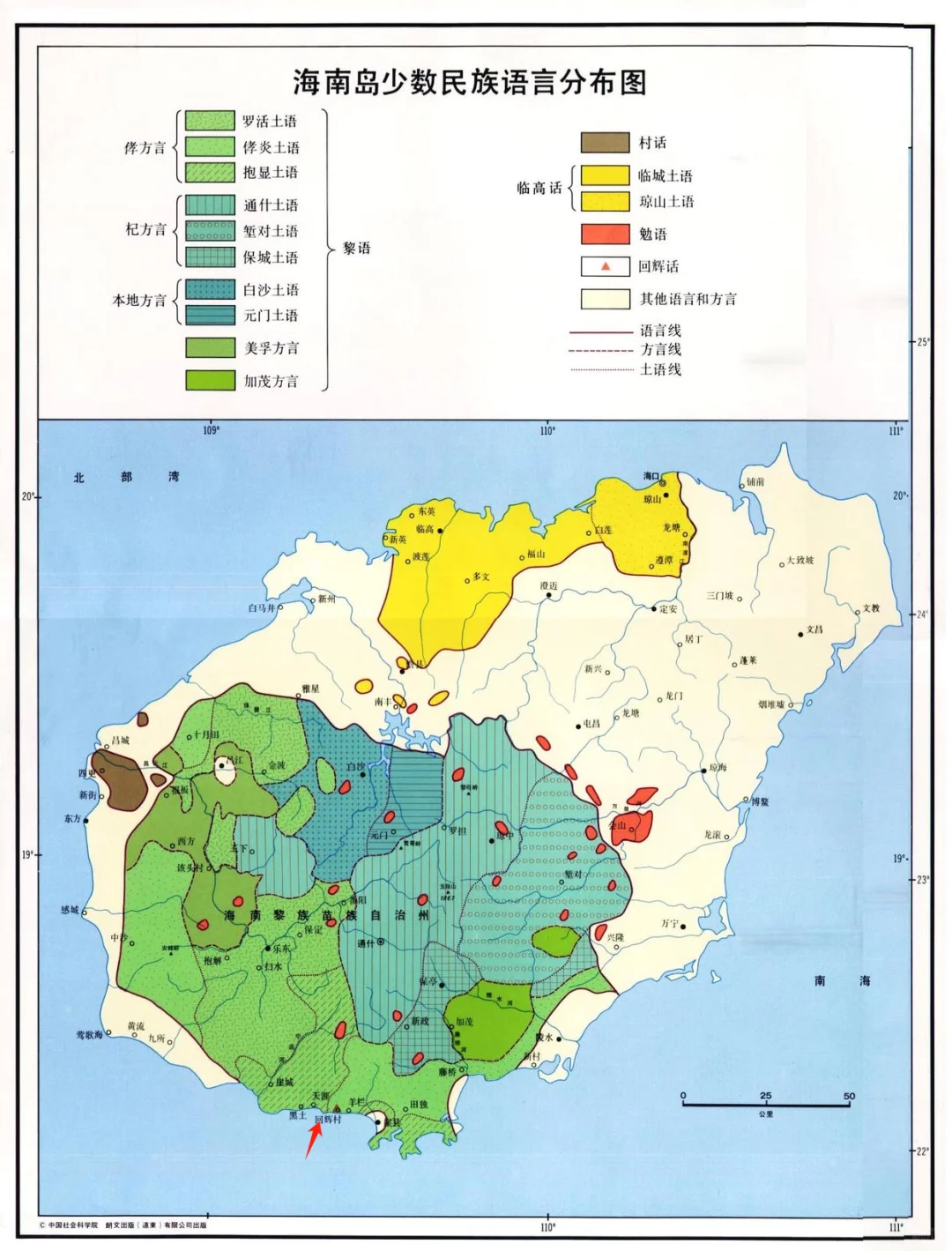
▲ Hainan Ethnic Minority Languages
After the founding of New China, based on religious beliefs, the Huihui people—who have deep roots on Hainan Island for nearly a thousand years—were officially classified as Hui Muslims rather than Cham people.
In recent years, as Sanya has transformed into a major tourist destination, the Huihui people have seized tourism opportunities to develop their cultural village. Visitors can head over to Phoenix Town, where the Huihui people are concentrated and where you'll find 6 mosques, to experience the culture of this Muslim community originally from Southeast Asia.
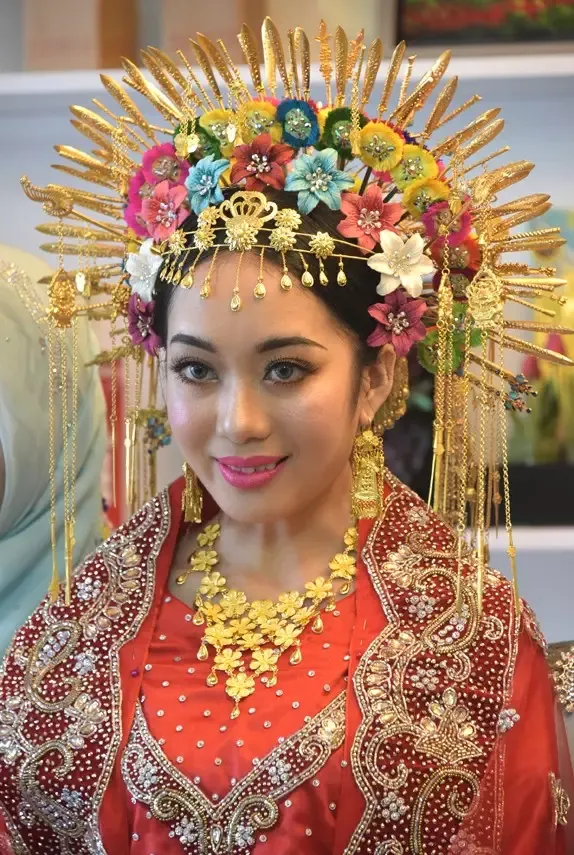
▲ A Sanya Hui Muslim Bride (Photo courtesy of Sanya Tianya District Hui Culture Communication Service Center)
These Muslim Cham people crossed the ocean seeking refuge and ultimately put down roots on Hainan Island, boasting a history of 600 to 700 years. Shaped by a unique geographical and cultural environment, the Huihui people add a vibrant, distinctive cultural stamp to Hainan's ethnic heritage.
Today, there are about 10,000 Huihui people in Sanya, mainly clustered in Huihui Village (Huihui Muslim Village) and Huixin Village (Huixin Muslim Village), where they still preserve their ancient beliefs and traditions to this day.
▲ Architecture in Huixin Village (Huixin Muslim Village)
✅ Location: Phoenix Town, Tianya District, Sanya
Huihui Village (Huihui Muslim Village) (around Fenghuang Road and the East Mosque)
Huixin Village (Huixin Muslim Village) (around Huixin Road and the South Mosque)
—(End of Article)—
Sanya's Six Historic Mosques: A Guide to White Domes and Tropical Island Islamic Architecture Framed by Coconut Palms
Abstract:
A panoramic deep-dive into the six surviving mosques nestled within Huihui Village (Huihui Muslim Village) and Huixin Village (Huixin Muslim Village) in Sanya's Tianya District. Complete with photo-rich details on tropical white-domed architectural clusters and serene prayer halls like Sanya Ancient Mosque, South Mosque, and North Mosque, this serves as an insider's field guide for Muslim road-trippers and independent travelers.
Stepping into this part of Sanya seriously feels like teleporting to the Middle East!
Cruising past Huihui Village (Huihui Muslim Village) near the Sanya airport, you might genuinely feel like you've been dropped into a traditional residential neighborhood in the Middle East—think Dubai or Doha. We're talking striking white architecture and intricate Arabic geometric patterns that look totally different from the usual Lingnan aesthetic.
▲ Architectural styles lining the streets of Huixin Village (Huixin Muslim Village) in Fenghuang Town, Sanya, lean heavily into crisp white tones.
Even wilder? Sanya has a registered urban population of under a million, yet it boasts a whopping six mosques (meanwhile, Nanning has an urban population of over four million and just one). The mosque density here is way higher than most other southern Chinese cities.
▲ Mosques in Sanya.
Right there in Huihui Village (Huihui Muslim Village), you'll find three mosques sitting close together, creating a vibrant religious vibe that makes you completely forget you're chilling in a tropical island paradise.
▲ Architectural styles along the streets of Huixin Village (Huixin Muslim Village) in Fenghuang Town, Sanya.
Most Muslims in southern China today—if you find them—originally migrated from Northwest China. But Sanya's Muslims, the Utsul Muslims, are a total exception. They migrated down from Southeast Asia, and with a population of around 10,000, they make up China's southernmost ethnic minority group.
▲ South Mosque in Huixin Village (Huixin Muslim Village), Fenghuang Town, Sanya.
The ancestors of the Utsul Muslims hail from the Champa Kingdom in Southeast Asia (now southern Vietnam), making them China's only Muslim immigrant group with Southeast Asian roots.
Because of this unique history, this little beach city packs in six mosques in a very tight radius. While Utsul Muslims are officially categorized as Hui people due to their religious faith, their appearance and language are totally different from Northwest Hui Muslims. The Utsul people feature distinct Southeast Asian and Arab physical traits, and they speak an Austronesian language belonging to the Chamic language family, closely related to Southeast Asian Cham languages.
Why did the Utsul people migrate from Southeast Asia to Sanya?
✅ [Origins of the Utsul People]
Sanya's Utsul Muslims are descendants of the ancient Cham people of Southeast Asia. The Cham originated in the Kingdom of Linyi (present-day central Vietnam). Linyi was originally part of China's sphere, but during the chaos at the end of the Eastern Han dynasty, they broke away to establish their own state, which later grew into the Champa Kingdom.
▲ The Champa Kingdom.
The Cham people were originally influenced by India and practiced Brahmanism. Later, as Arab merchants traded along the coast, Islam was introduced to Champa, and local Muslim communities gradually formed.
Vietnam bordered Champa, but back then, Vietnam was still under Chinese rule. As the Tang Dynasty weakened, Vietnam shook off Chinese control and established the Dinh Dynasty in 968 AD, becoming Champa's brand-new neighbor.
Once independent, Vietnam launched military campaigns against Champa. To escape the ravages of war, batches of Muslim Cham people migrated across the sea to Hainan Island during the Song and Yuan dynasties, settling down in scattered pockets across the island.
▲ Geographic location of Hainan Island.
The Cham populations in northern Hainan, being closer to the mainland, eventually intermarried and assimilated with the Han and Li ethnic groups. But Sanya, sitting right at the island's southernmost tip, was geographically isolated, and large numbers of Han Chinese didn't settle there at the time. As a result, the local Cham escaped assimilation. They planted roots in Sanya, established tight-knit Muslim communities, evolved into the Utsul people, and developed their own Utsul dialect.
▲ Distribution of the Cham people.
✅ [The Fall of the Champa Kingdom]
Wars between Champa and Vietnam dragged on for centuries, with Vietnam gradually gaining the upper hand.
In 1471, Vietnamese forces captured the royal capital of Champa, reducing Champa to a vassal state of Vietnam.
By 1802, Vietnam abolished the native chieftains and brought the region under direct imperial administration (*gaitu guiliu*), officially spelling the end of the Champa Kingdom.
Following the fall of their nation, the surviving Cham people were mostly scattered across modern-day Vietnam and Cambodia. Due to aggressive assimilation policies in both countries, the Cham population plummeted dramatically; today, the combined Cham population in both nations is under 500,000.
▲ Current Cham population distribution.
✅【Current Status of the Utsul People in Sanya】
In 1939, when the Japanese invaded Hainan and built an airport in Phoenix, Sanya, the local Utsul people were forced to relocate to the Yanglan area, forming the clustered settlement known as Huihui Village (Huihui Muslim Village).
After Japan's defeat, some Utsul people returned to their original site to establish Huixin Village (Huixin Muslim Village).
Since then, Sanya has been home to two major villages: Huihui and Huixin.
▲ Hainan Ethnic Minority Languages
After the founding of New China, based on religious beliefs, the Huihui people—who have deep roots on Hainan Island for nearly a thousand years—were officially classified as Hui Muslims rather than Cham people.
In recent years, as Sanya has transformed into a major tourist destination, the Huihui people have seized tourism opportunities to develop their cultural village. Visitors can head over to Phoenix Town, where the Huihui people are concentrated and where you'll find 6 mosques, to experience the culture of this Muslim community originally from Southeast Asia.
▲ A Sanya Hui Muslim Bride (Photo courtesy of Sanya Tianya District Hui Culture Communication Service Center)
These Muslim Cham people crossed the ocean seeking refuge and ultimately put down roots on Hainan Island, boasting a history of 600 to 700 years. Shaped by a unique geographical and cultural environment, the Huihui people add a vibrant, distinctive cultural stamp to Hainan's ethnic heritage.
Today, there are about 10,000 Huihui people in Sanya, mainly clustered in Huihui Village (Huihui Muslim Village) and Huixin Village (Huixin Muslim Village), where they still preserve their ancient beliefs and traditions to this day.
▲ Architecture in Huixin Village (Huixin Muslim Village)
✅ Location: Phoenix Town, Tianya District, Sanya
Huihui Village (Huihui Muslim Village) (around Fenghuang Road and the East Mosque)
Huixin Village (Huixin Muslim Village) (around Huixin Road and the South Mosque)
—(End of Article)—
