
Shanghai's Unique 'Hai-Pai' Halal Restaurant: A Blend of Xinjiang Flavors and Seafood at Hongbinlou
[Internet Repost]
What makes this "Hai-Pai" (Shanghai-style) Halal restaurant in Shanghai so different?
Summary:
If you've been working or studying in Shanghai for a while, you've probably noticed that things have really been looking up lately. Halal restaurants featuring all kinds of regional cuisines and formats are popping up everywhere across the city. Ten years ago, when I was working and studying here, my weekly dilemma was always, "Please tell me we're not going to that exact same place again this week!"
If you've been working and studying in Shanghai for a while, you've probably noticed that things have really been looking up lately.
Halal restaurants featuring all kinds of regional cuisines and formats are popping up everywhere across the city.
Ten years ago, when I was working and studying here, my weekly dilemma was always, "Please tell me we're not going to that exact same place again this week!"
And now, alongside local Shanghainese noodles and Guanguanji, we've got the Changying Three Brothers coming all down from Beijing, Pin Huiwei hailing from Hangzhou... we've even got Yunnan beef spots, Tianshui spicy hot pot, Huainan beef soup, and grilled fish joints~
So now, hasn't everyone's dilemma basically changed to, "Which spot are we hitting up this week?"
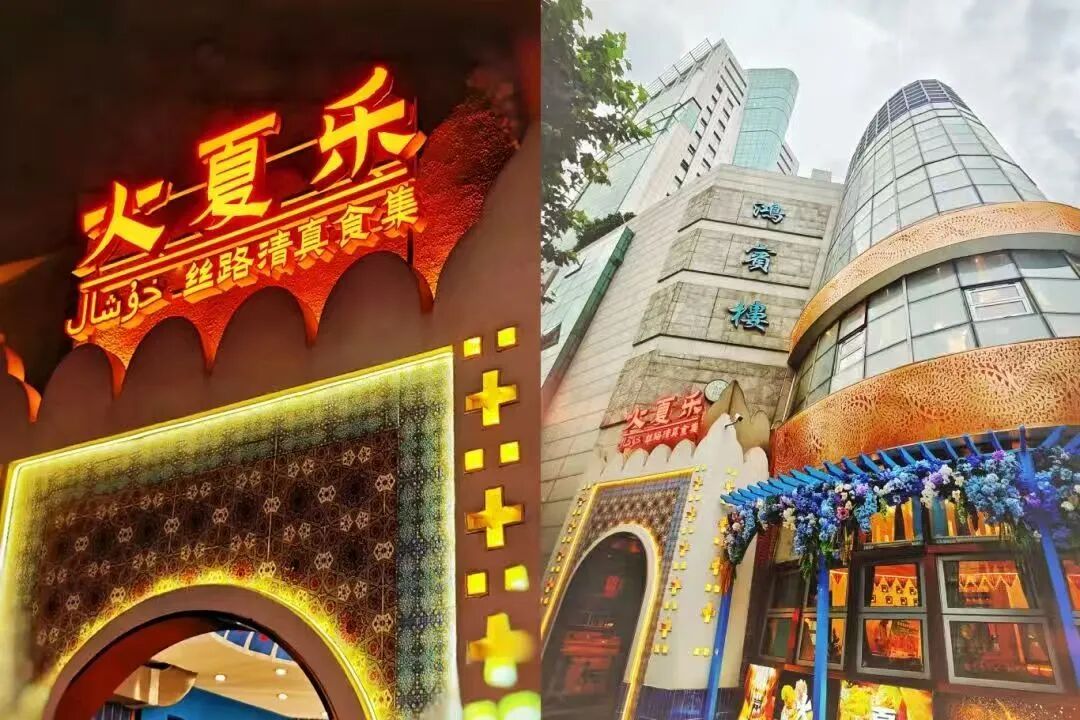
After rambling on for so long, you've probably guessed it—this time we're recommending a classic Shanghai Halal spot: "Hongbinlou," which now goes by the name 「Huoxiale · Hai-Pai Halal Cuisine (Hongbinlou Branch)」.
01
Historical Heritage
The Twisting, Turning History of Shanghai's Hongbinlou
When people talk about "Hongbinlou," the name everyone instantly recognizes is the legendary "Number One Halal Restaurant in China," opened in Tianjin back in the third year of Emperor Xianfeng's reign (1853) and later relocated to Beijing at the personal invitation of Premier Zhou Enlai. Meanwhile, this Hongbinlou registered in Shanghai in 1993 doesn't seem to have much connection to that traditional century-old brand; it's likely just a shared name or a respectful nod.
According to posts from old-school internet foodies, back in the 1990s, Shanghai's Hongbinlou was already operating right at the corner of Huashan Road and Beijing Road. The storefront was pretty small back then, but the interior was spacious and dim. It was famous for its niurou jianbao (pan-fried beef buns)—thin wrappers stuffed with loads of savory, juicy beef—which were served year-round. (Wonder if they already had that signature curry-beef flavor back then?) They were also super famous for their "fengshan lengmian" (electric-fan cooled cold noodles).
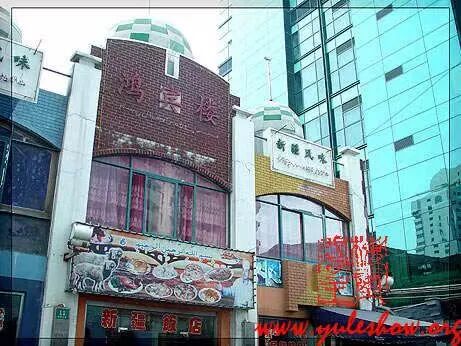
Later on, that old location got demolished for urban redevelopment, and for the longest time, nobody knew where it had moved. Piecing together information found online, by the early 2000s, a new Xinjiang restaurant bearing the exact same name "Hongbinlou" popped up on Yuyuan New Road (near Wulumuqi Road).
Image sourced from the internet; please contact us to delete if there is any copyright infringement.

Xinjiang restaurants, right? They're pretty much all about yangrou chuan (Xinjiang lamb skewers), dapanji (big plate spicy chicken), nangbaorou (flatbread stuffed with lamb), tiger salad, and shouzhua yangrou (Lanzhou hand-grabbed lamb). Even though Xinjiang joints are everywhere nowadays, back then it was a seriously trendy vibe. Especially the nangbaorou, which people used to call "Xinjiang pizza"—long before the whole "daluonang" (gravy-topped flatbread) internet meme came around.
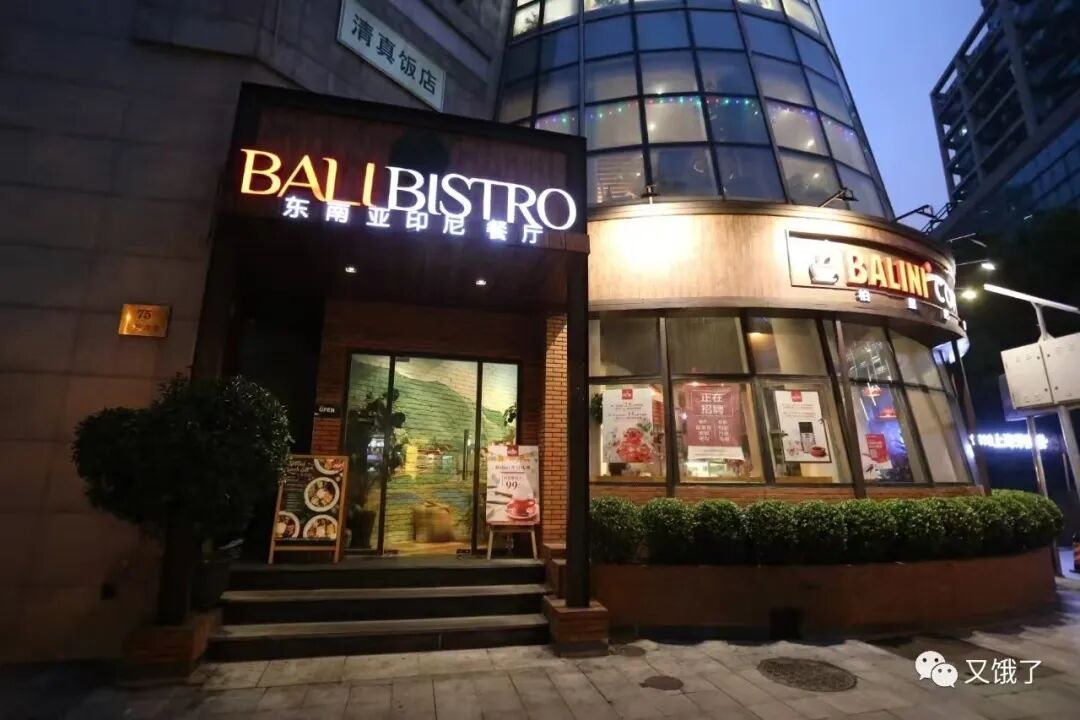
Later on, due to another round of land requisition, Hongbinlou disappeared from the public eye for a bit before reopening in the early 2000s at No. 75 Wanhangdu Road. They also brought in the Indonesian dining brand "Bali Bistro," which was a massive hit in Shanghai for a long time. When our foodie editor was working in Shanghai, he used to walk past it all the time, though sadly he never made it inside to try it. Now, that era is history too.
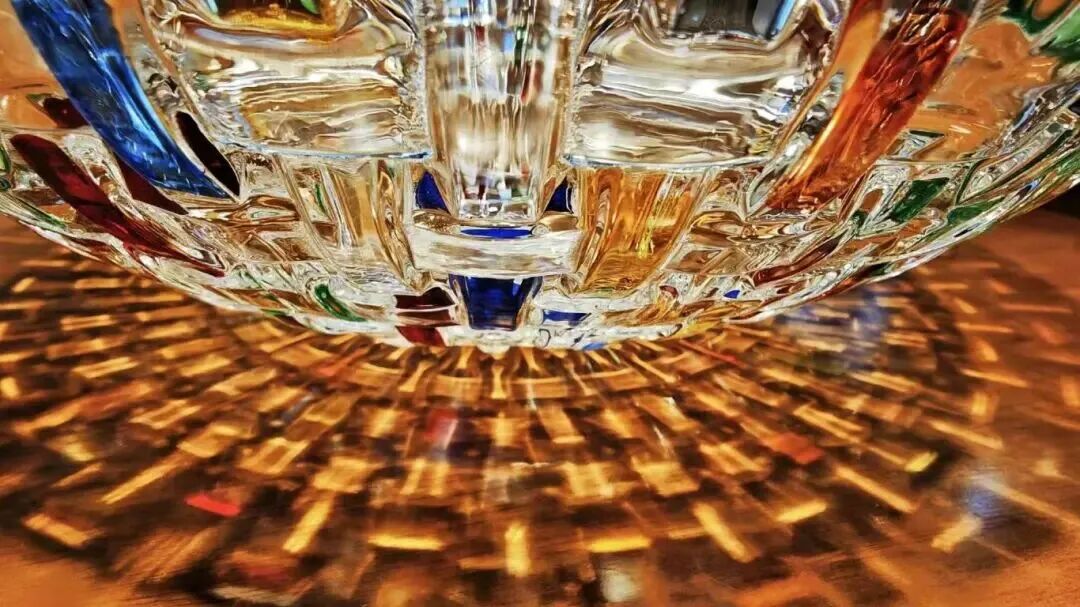
Image source: WeChat Official Account @You E Le (Hungry Again)
02
A Fresh Rebirth
Huoxiale Redefines Hai-Pai Halal Cuisine
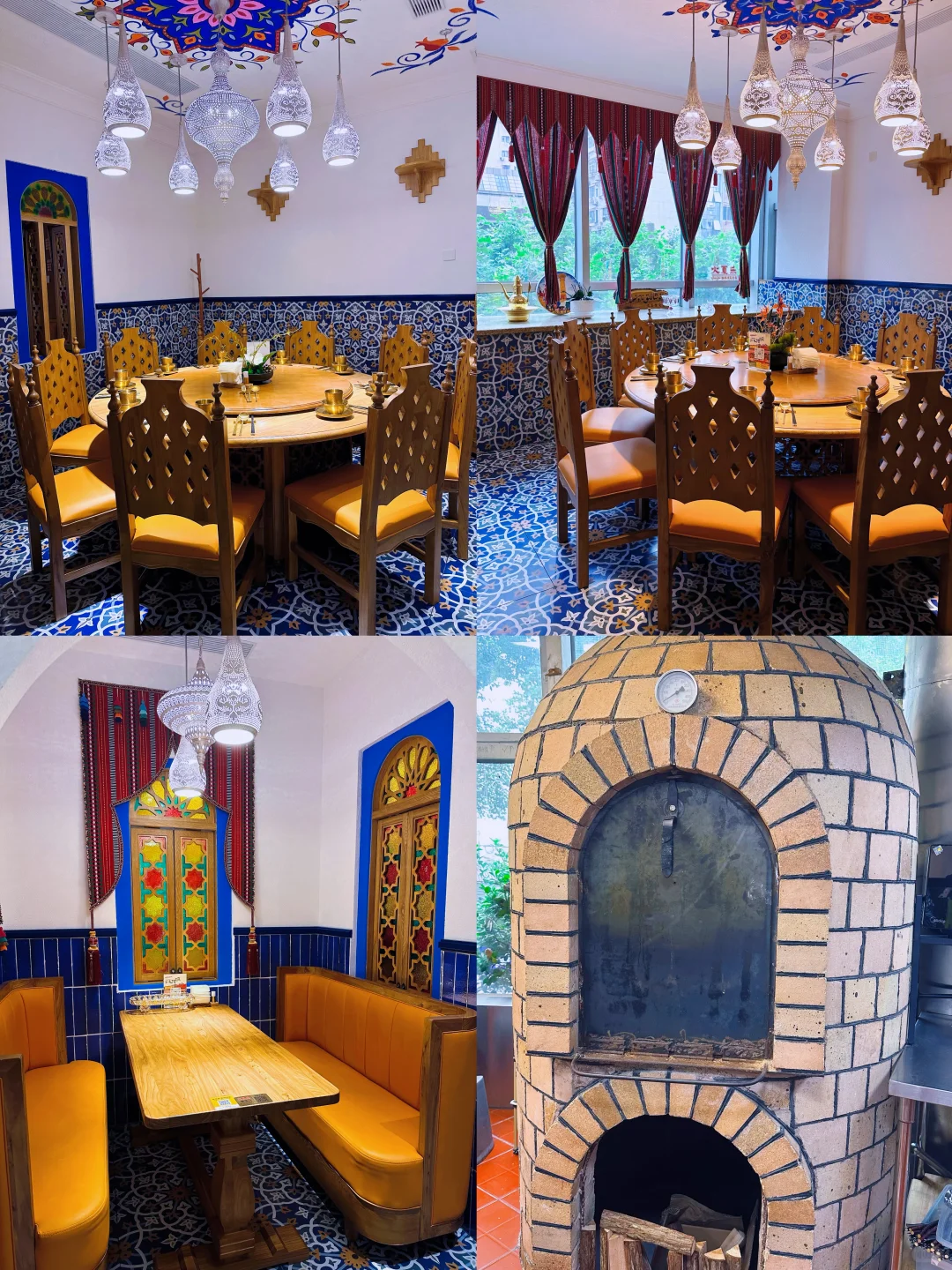
In November 2024, Hongbinlou welcomed a brand-new chapter reborn as the current 「Huoxiale」. Even though its Dianping subtitle is "Hai-Pai Halal Cuisine," the main storefront sign still reads "Silk Road Halal Food Market," so the core menu still leans heavily toward Northwest Chinese and Xinjiang cuisine. As for why they're putting so much emphasis on "Hai-Pai Halal Cuisine," we'll get into that in a bit.
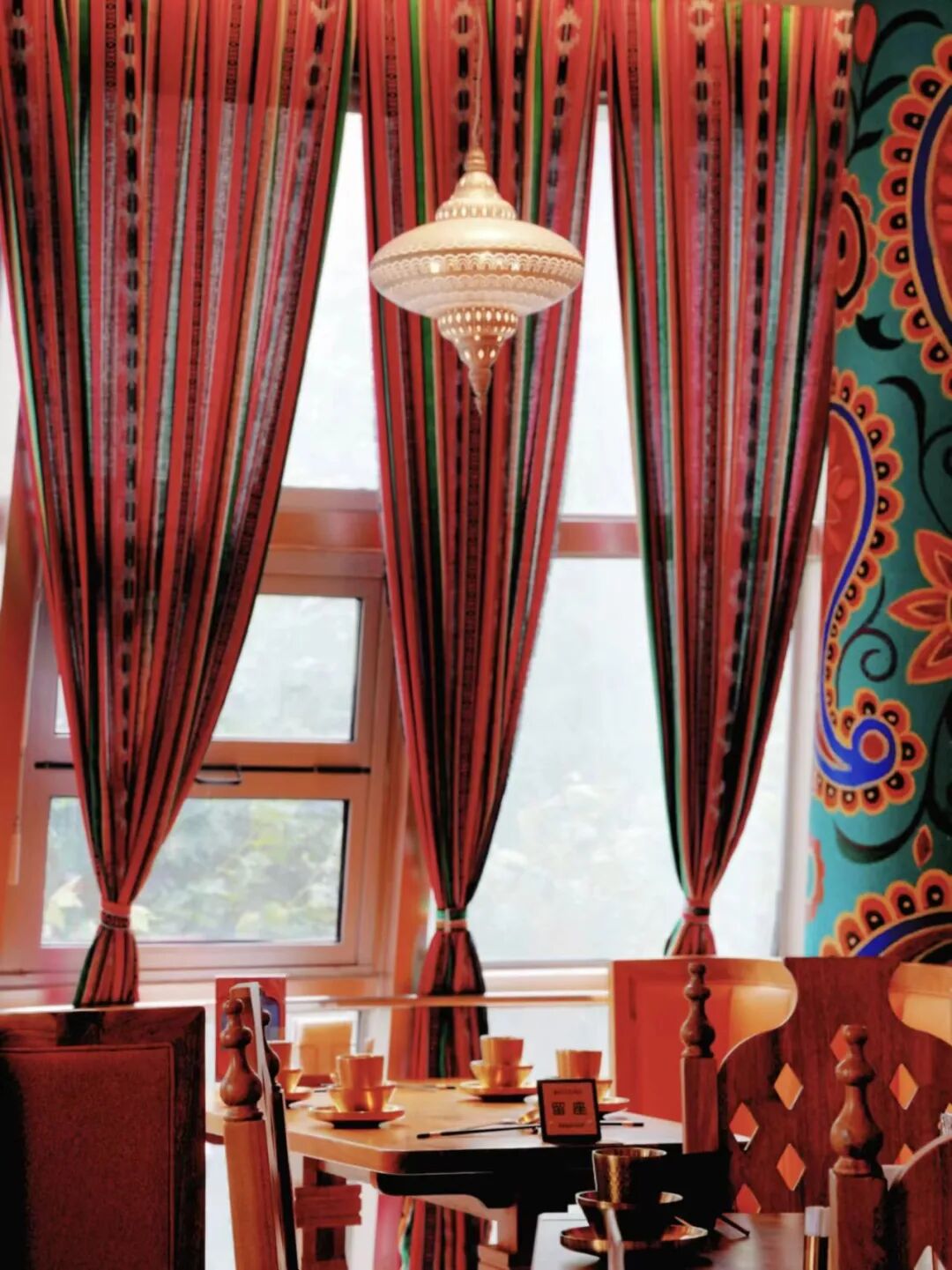
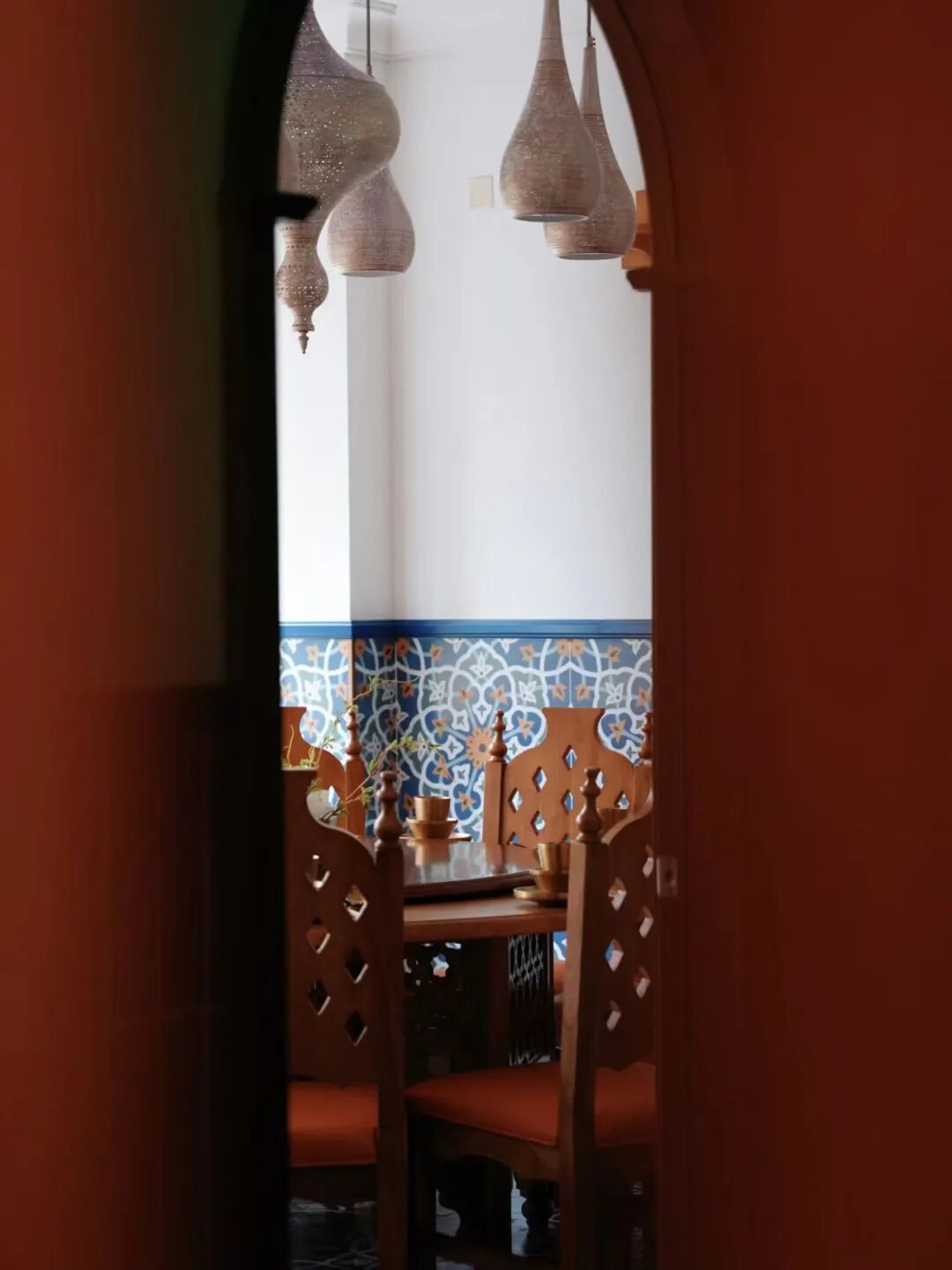
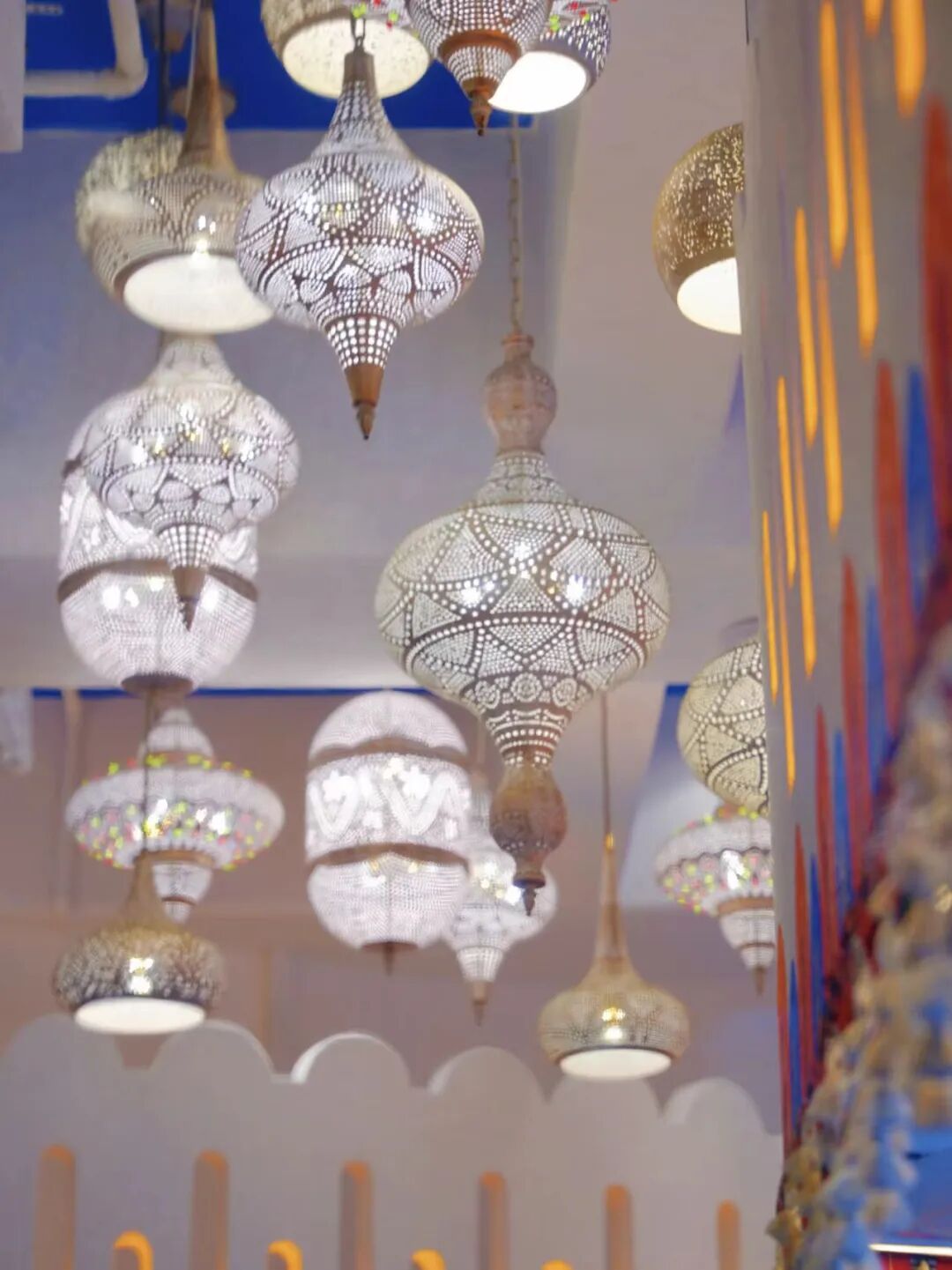
The overall interior design centers heavily on Western Regions aesthetics. It's stunningly upscale, showing just how much thought and aesthetic vision the owners put into it. They spared no expense shipping in specialty building materials from afar, with every single brick and tile reflecting the folk customs and culture of the Silk Road.
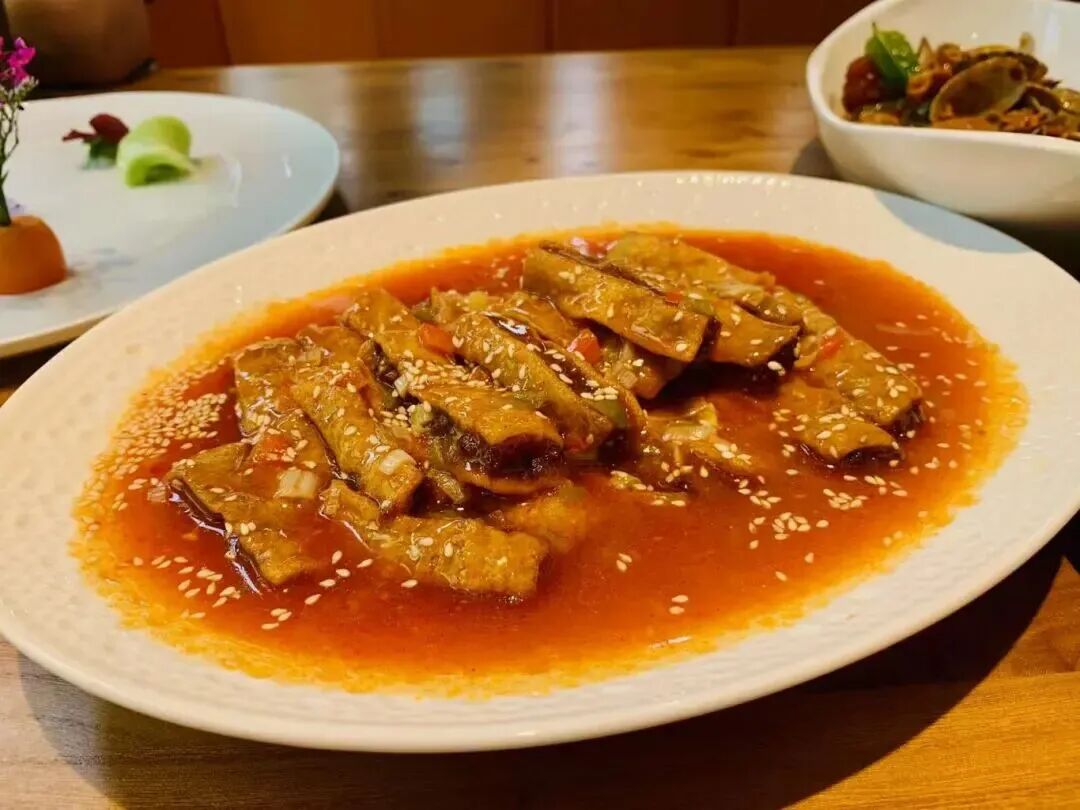
Image source: Xiaohongshu @Jingan's Sky
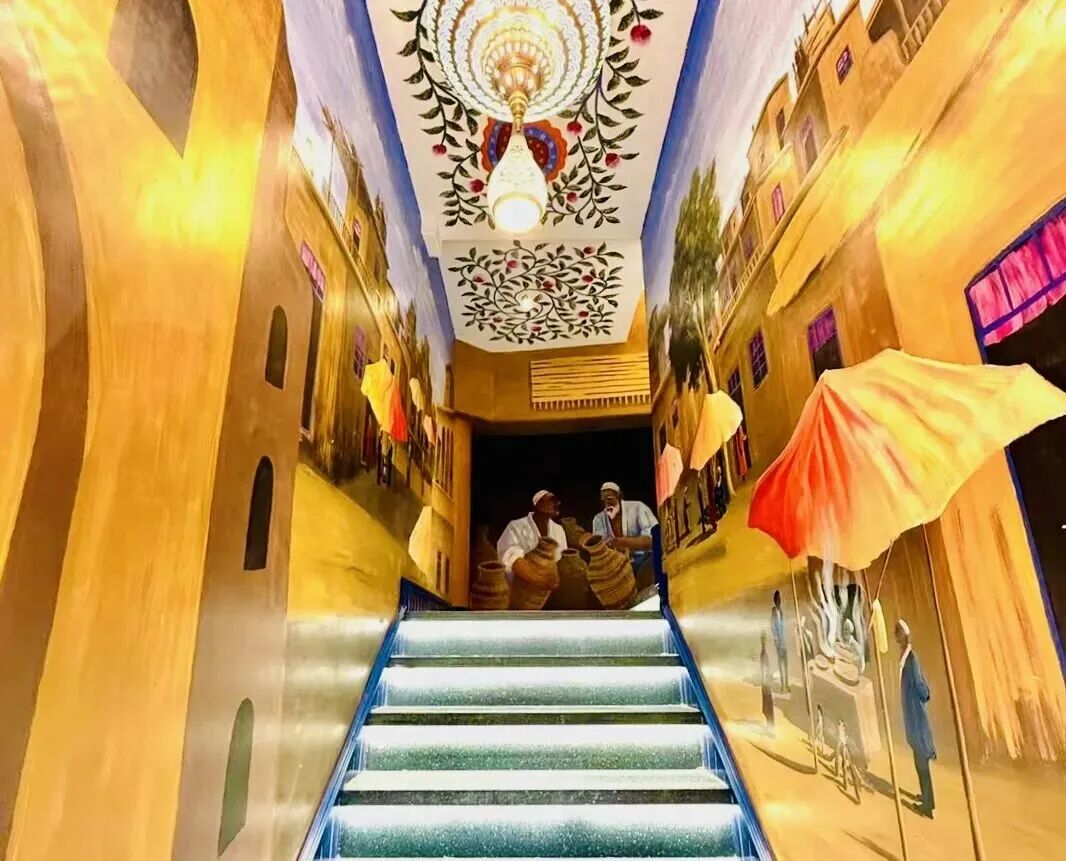
They didn't just pour effort into the hardware—they also brought in a master muralist to paint epic Silk Road wall art, letting diners soak in the culture of the Western Regions where food tells a story while they eat.
The bowls, plates, serving vessels, and grills in the restaurant are all sourced directly from their places of origin, and the servers rock traditional attire, greeting every single guest with warm, down-to-earth smiles. It's quickly become an absolute must-visit, gorgeous Halal dining spot in Jing'an District.
Image source: Xiaohongshu @Sharon_Jing
Speaking of the vibe, there's one detail people rarely pay attention to that is totally crucial to your dining mood: the omnipresent second-hand smoke and alcohol reek in typical Chinese restaurants. You know how it is—you're having a great meal, almost full, and suddenly a wave of cigarette smoke drifts over from the next table, instantly killing your appetite... Well, Huoxiale's whole thing is being a "smoke-free and alcohol-free wellness-friendly restaurant." Tons of people on Xiaohongshu are praising it for being super friendly to women and kids. Our editor totally agrees—this kind of restaurant is the ultimate form of respect for anyone who loves good food!
Of course, at the end of the day, whether a restaurant is good or not all comes down to the dishes and the flavors. Aside from nailing traditional Xinjiang cuisine, Huoxiale also brilliantly weaves in seafood and Shanghainese benbang (local Shanghainese) dishes, making it a true fusion restaurant.
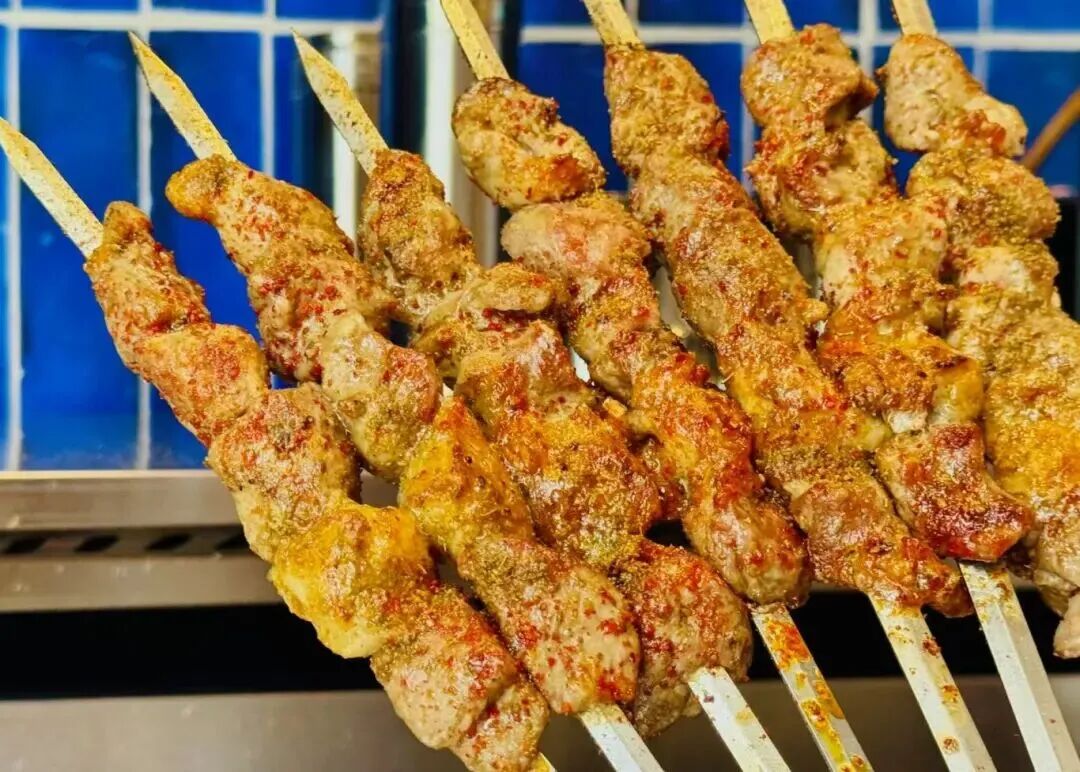
Xinjiang Bashibai Lamb Skewers
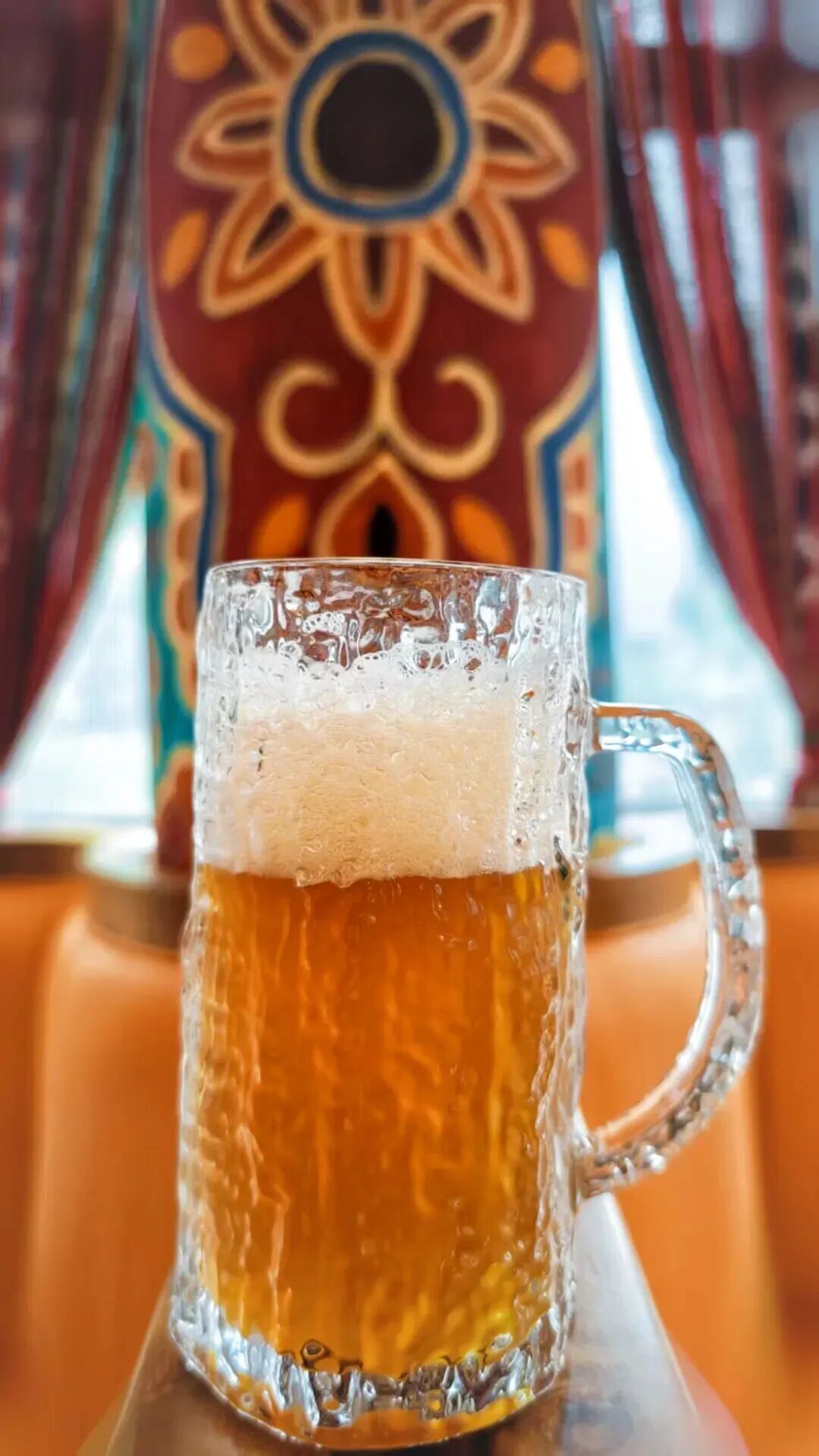
Sizzling Xinjiang Bashibai lamb skewers transport your taste buds straight to Xinjiang in a single bite. This is Shanghai's ultimate "Western Regions night market vibe": sizzling lamb skewers paired with ice-cold kavass (traditional fermented honey drink)—the absolute peak of summer night-market luxury!
Hui Muslim Jiasha
With a golden, crispy exterior and a savory, aromatic filling inside, Hui Muslim jiasha (crispy stuffed egg-skin rolls) makes you feel like you're tasting a thousand years of Western Regions culture with every bite. The golden miracle of the intangible-heritage stove: lifting a legendary piece of Xinjiang beef jiasha with your chopsticks.
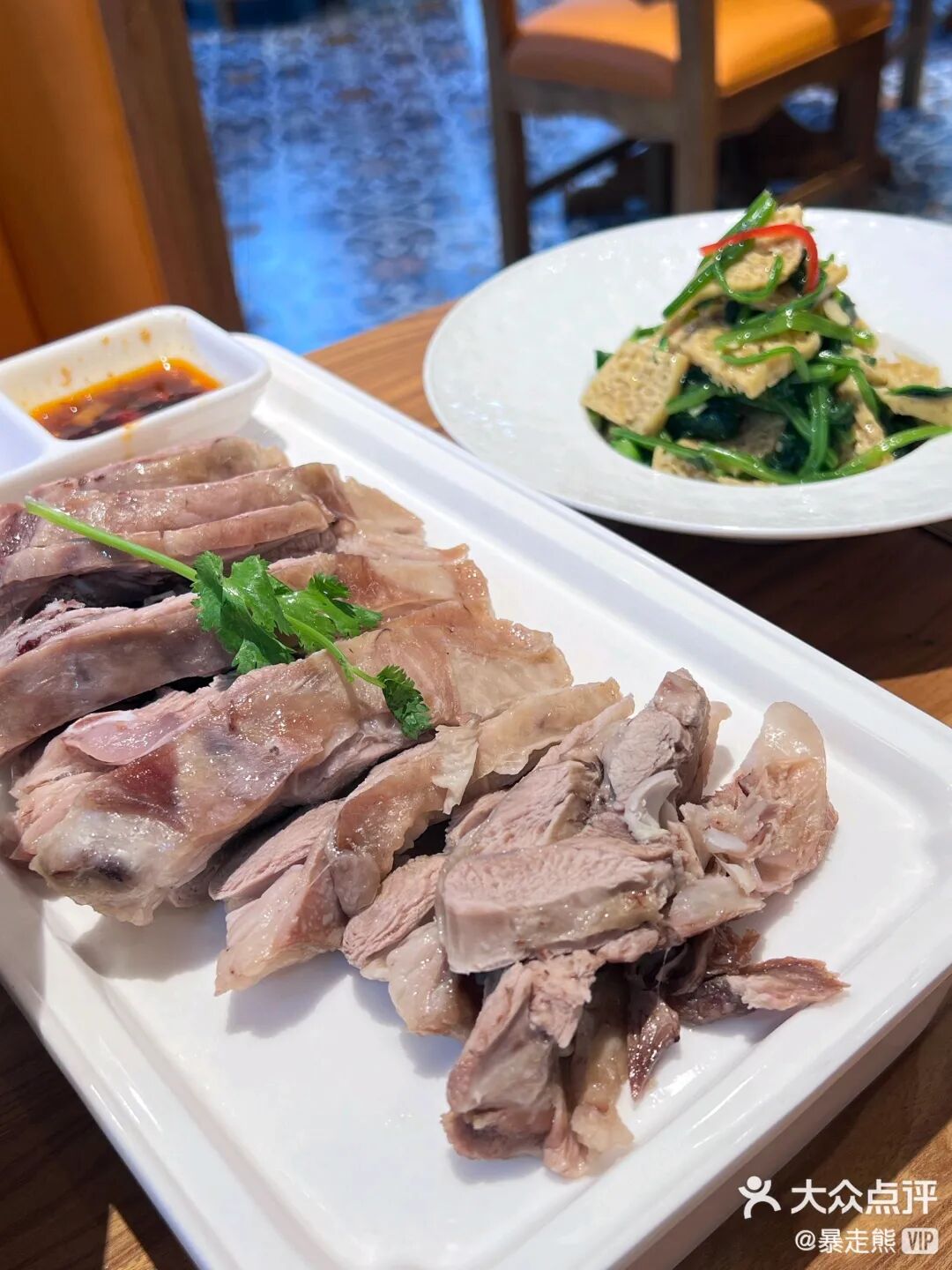
Shouzhua Yangrou (Hand-Grabbed Lamb)
Image source: Dianping @Baozou Xiong (Running Bear)
Bashibai spring lambs raised on pure Tianshan snowmelt are crafted into shouzhua yangrou, featuring meat as glossy and tender as fine fat. After being simmered in pure water, a gentle touch of the knife makes the juices burst forth with an amber glow. Eat it simply dipped in salt, and the fresh sweetness blooms across your teeth—this is the purest gift from the grasslands.
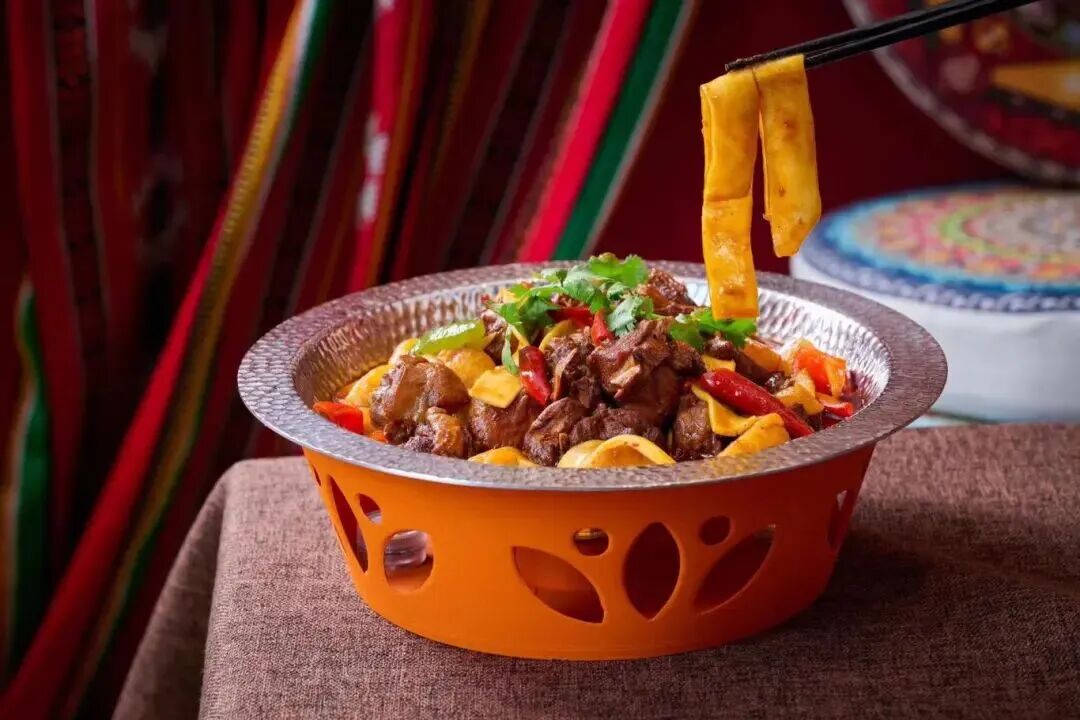
Shawan Dapanji (Big Plate Chicken)
Rugged Xinjiang ingredients meet meticulous, slow-simmered comfort food, lifting up the scorching, soulful passion beneath the Tianshan Mountains with a single sweep of your chopsticks. Golden free-range chicken coated in thick, rich sauce, hand-pulled belt noodles soaked in savory chili oil, with green and red peppers and soft potato chunks dancing on your tongue.
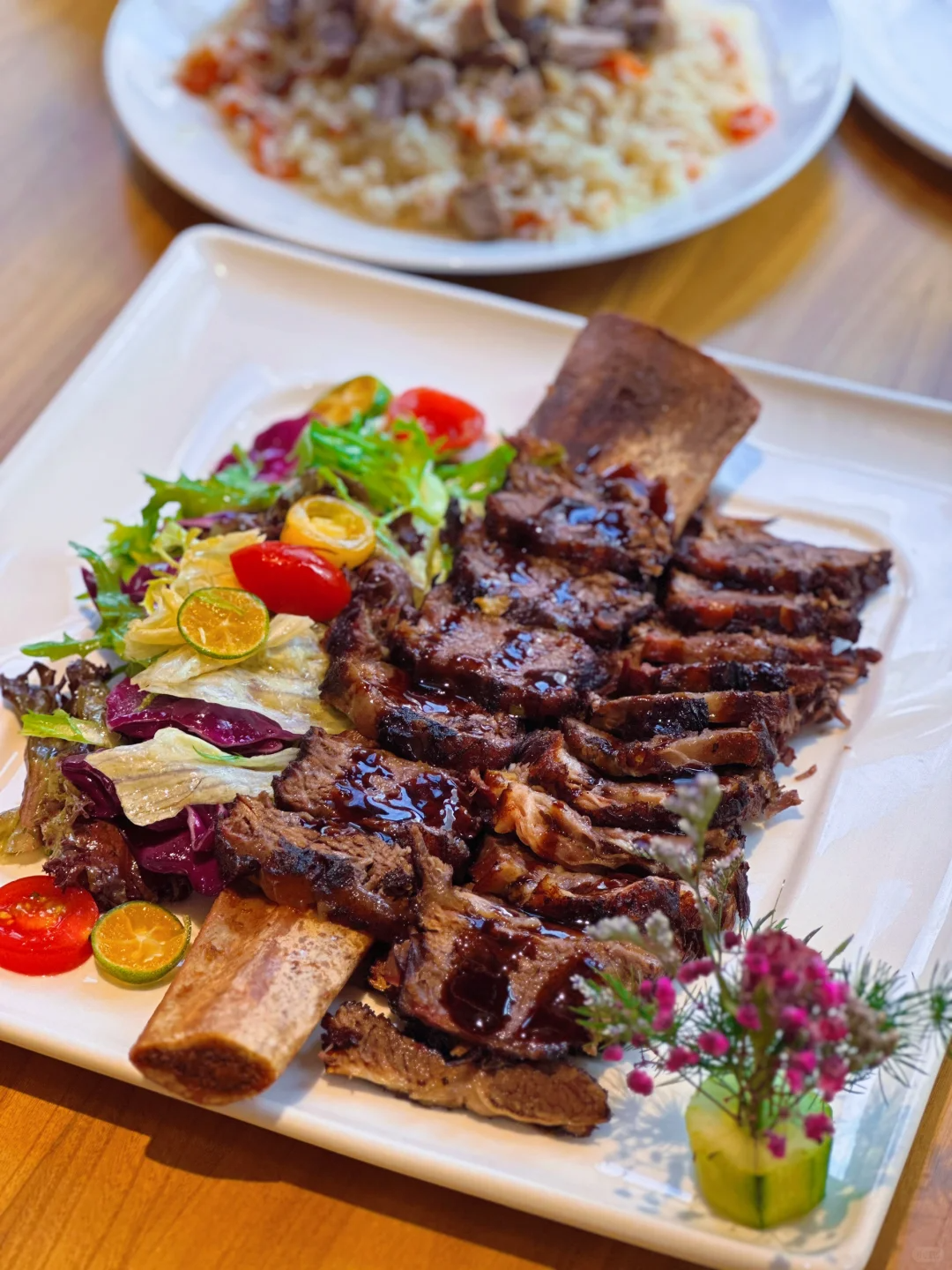
Astana Beef Ribs
Slow-cooked to tender perfection, these beef ribs fall right off the bone. Every single rib radiates a rich, meaty aroma, paired with the house-special sauce that strikes the exact balance of sweet and savory—you won't be able to stop at just one piece.
Some folks say the fresh sweetness of seafood belongs to the ocean, while the boldness of Xinjiang cuisine comes from the desert, making the two impossible to mix. But 「Huoxiale」 smashes those culinary boundaries, featuring seafood front and center at a Xinjiang restaurant to revive "Hai-Pai Halal." Their seafood isn't just diverse; it's insanely fresh, with every single bite acting as a gift from the sea. Rooted in traditional Xinjiang cooking and Hai-Pai cuisine, they dig deep into the smoky comfort of old flavors while blending in Silk Road regional profiles and refined Western culinary presentation. It keeps every dish satisfyingly familiar under Halal standards while delivering total tongue-pleasing surprises.
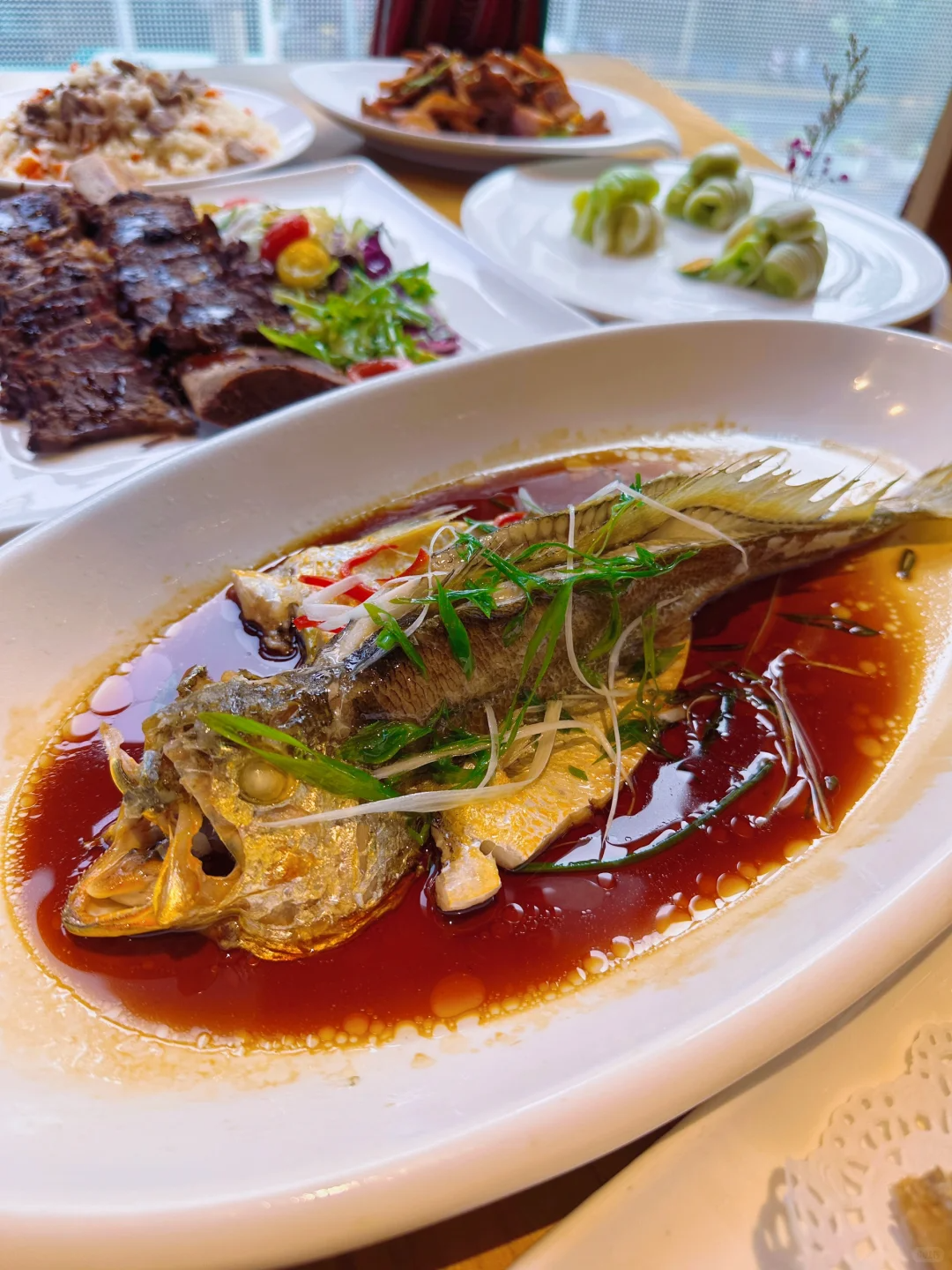
Halal Irtysh River Cold-Water Fish Qiaotai
Image source: Xiaohongshu @Sharon_Jing
One of the house-signature seafood dishes. The fish is tender and juicy, letting you taste the firm, fresh texture in every bite. Paired with a house-special sweet-and-sour sauce, it perfectly highlights and elevates the natural sweetness of the fish.
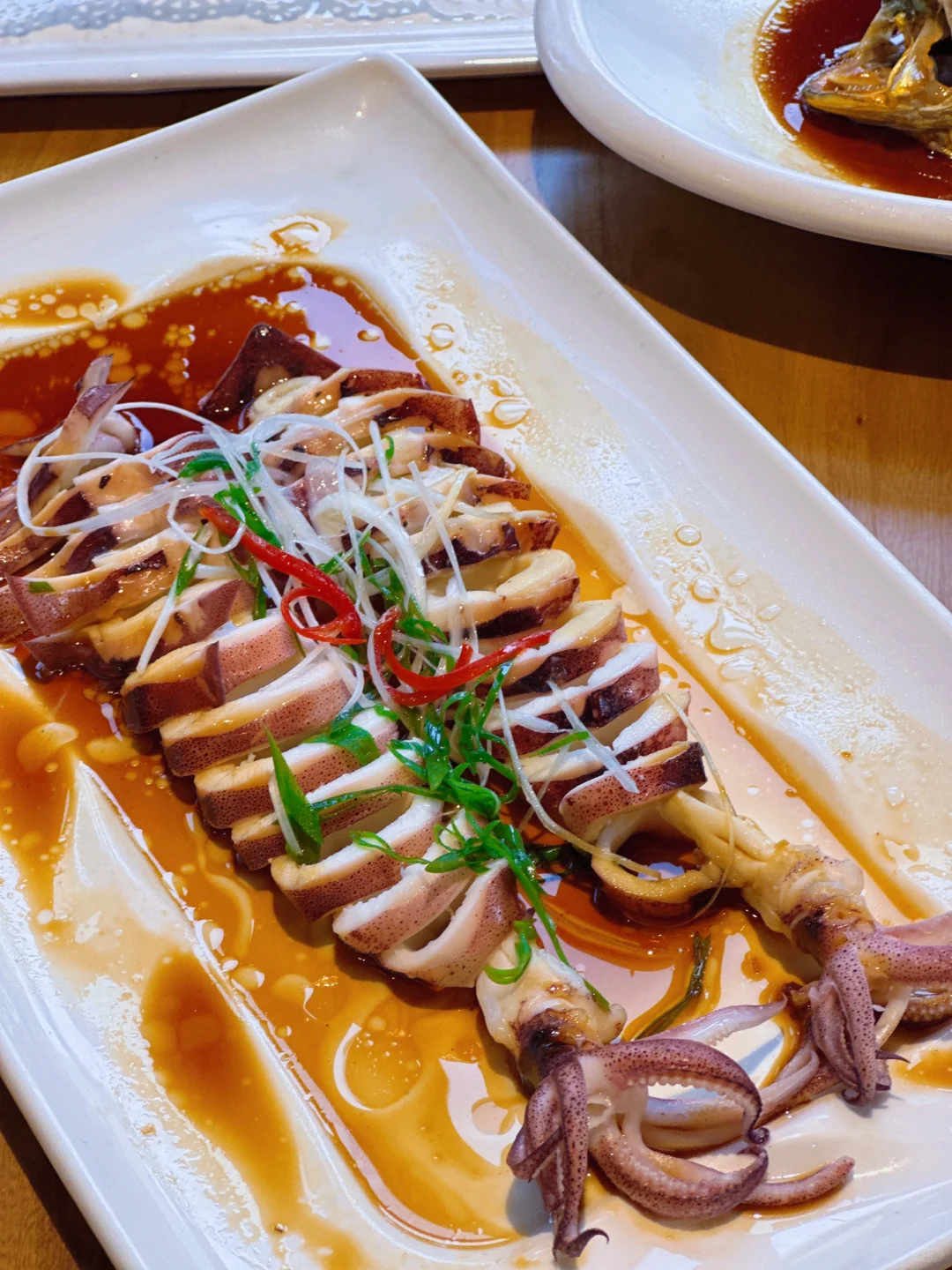
Scallion-Aroma Rocket Squid
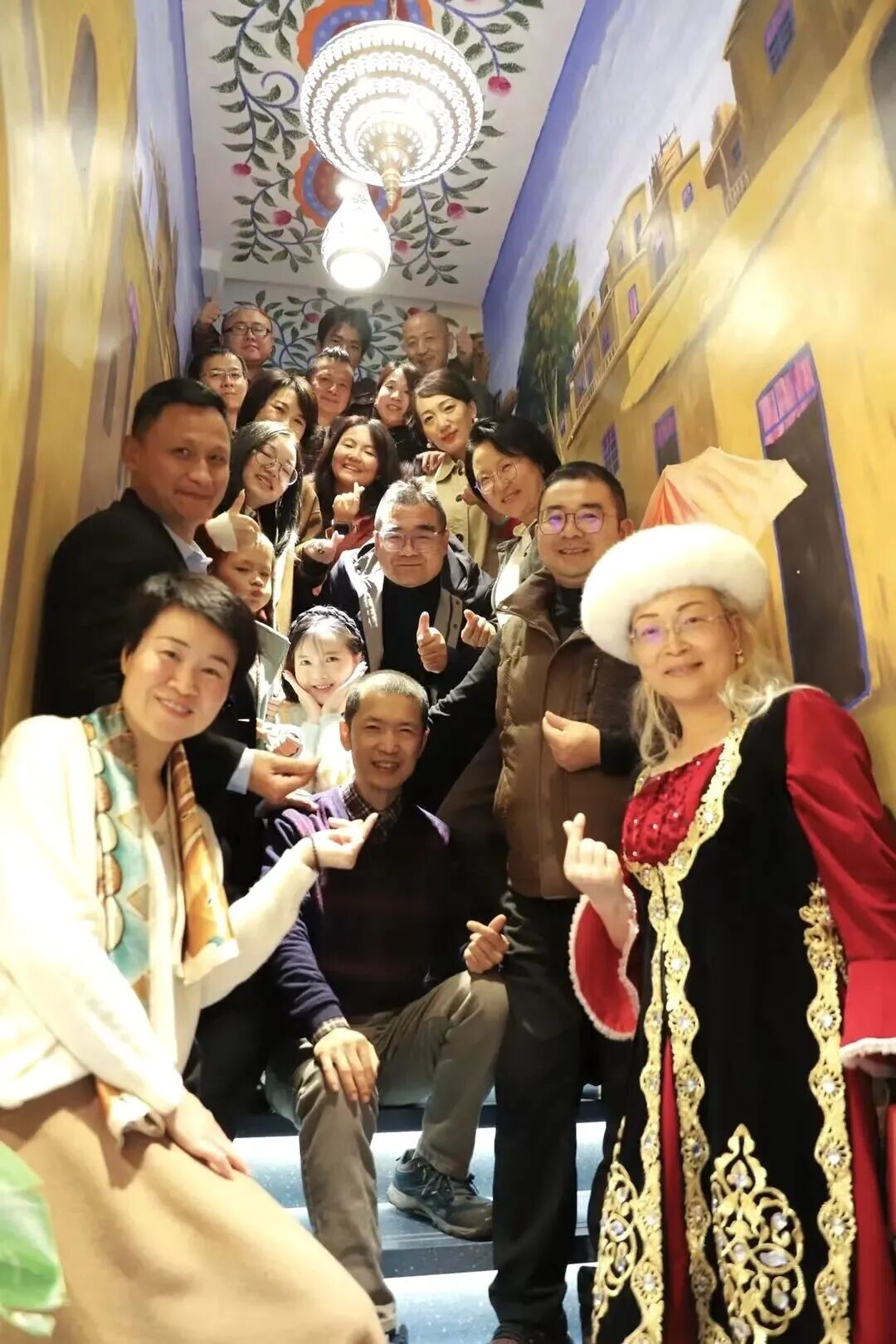
Image source: Xiaohongshu @Sharon_Jing
Bouncy, tender wild-caught squid, locked in with a secret technique passed down by a thirty-year veteran chef. The squid is snap-tender with a rich peppercorn-aroma sauce, marrying the numbing pepper profile with the natural sweetness of seafood in a masterclass of Hai-Pai elegance and Western Regions flair~
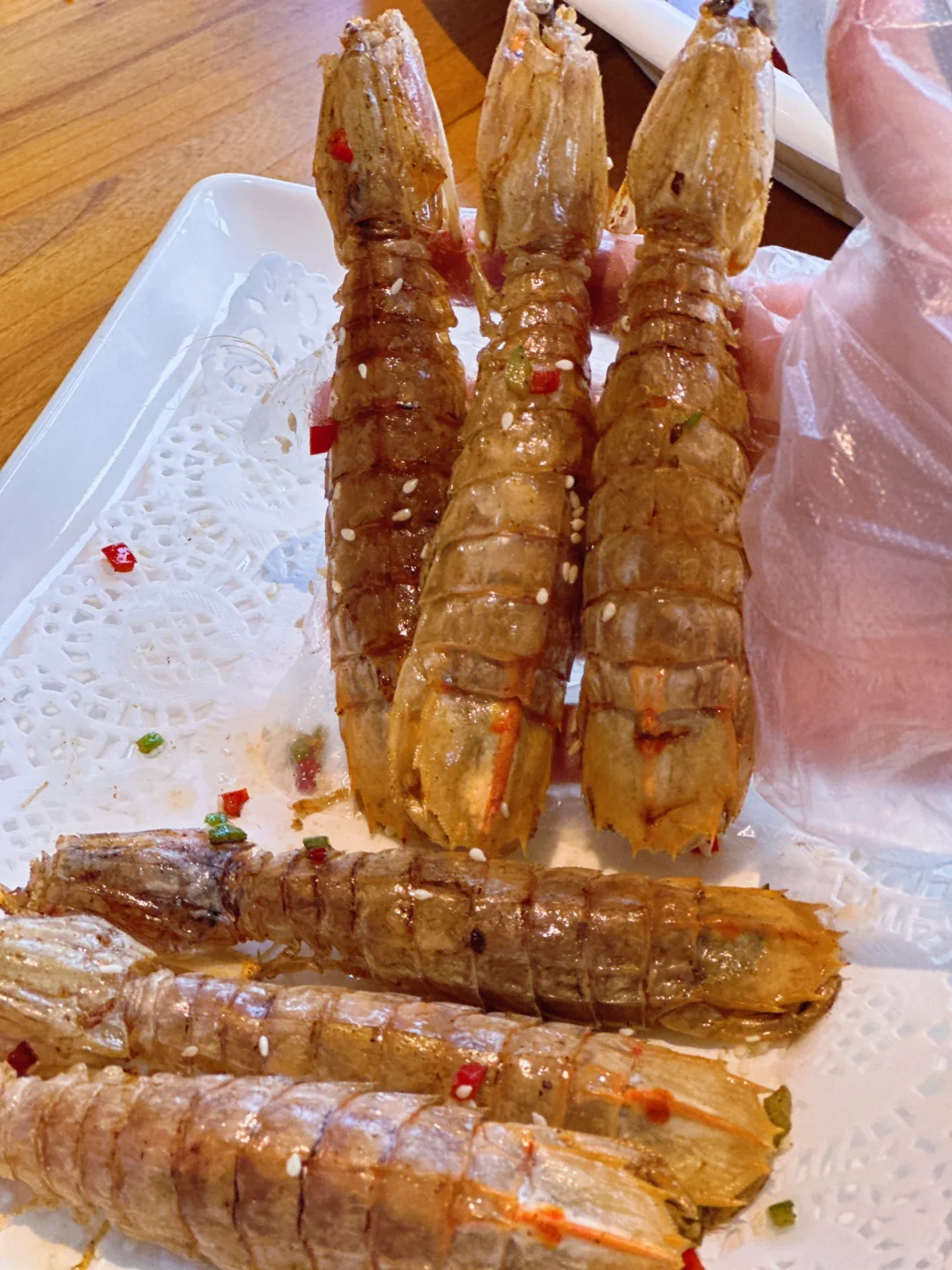
Flamed Salt-and-Pepper Mantis Shrimp
Image source: Xiaohongshu @Sharon_Jing
Selected meat-packed mantis shrimp, deep-fried until super crispy, then tossed in a signature salt-and-pepper sauce mixed with Western Regions spices. Crispy on the outside and tender on the inside, with a sweet-and-spicy explosion on your tongue.
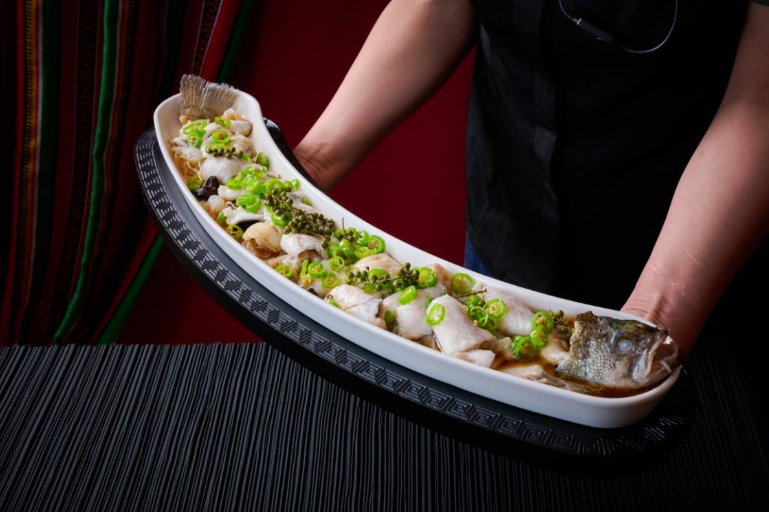
Fragrant Stream Tengjiao (Vine Pepper) Fish
Anchored by the numbing fragrance of Sichuan vine pepper and slow-simmered with Silk Road spices, then drizzled with authentic Xinjiang-produced aromatic oil. The progression of numb, fresh, savory, and tender flavors builds layer by layer, presenting a fish dish with deeply complex Halal profiles.
Back in the 1990s, Shanghai's Hongbinlou stood proudly as a Halal landmark right in the northern part of the Jing'an Temple commercial hub. Back then, it wasn't just famous for its unique Halal eats; it also captured the quintessential vibe of old Shanghai. Their signature "fengshan lengmian" (electric-fan cooled cold noodles) held the memories of an entire generation. But as times changed, that taste of old Shanghai slowly faded away. Today, Huoxiale has taken over the legacy at Shanghai's Hongbinlou to run a "Hai-Pai Halal" concept, picking up the traditional craftsmanship of the electric-fan noodles to resurrect this classic old-Shanghai flavor.
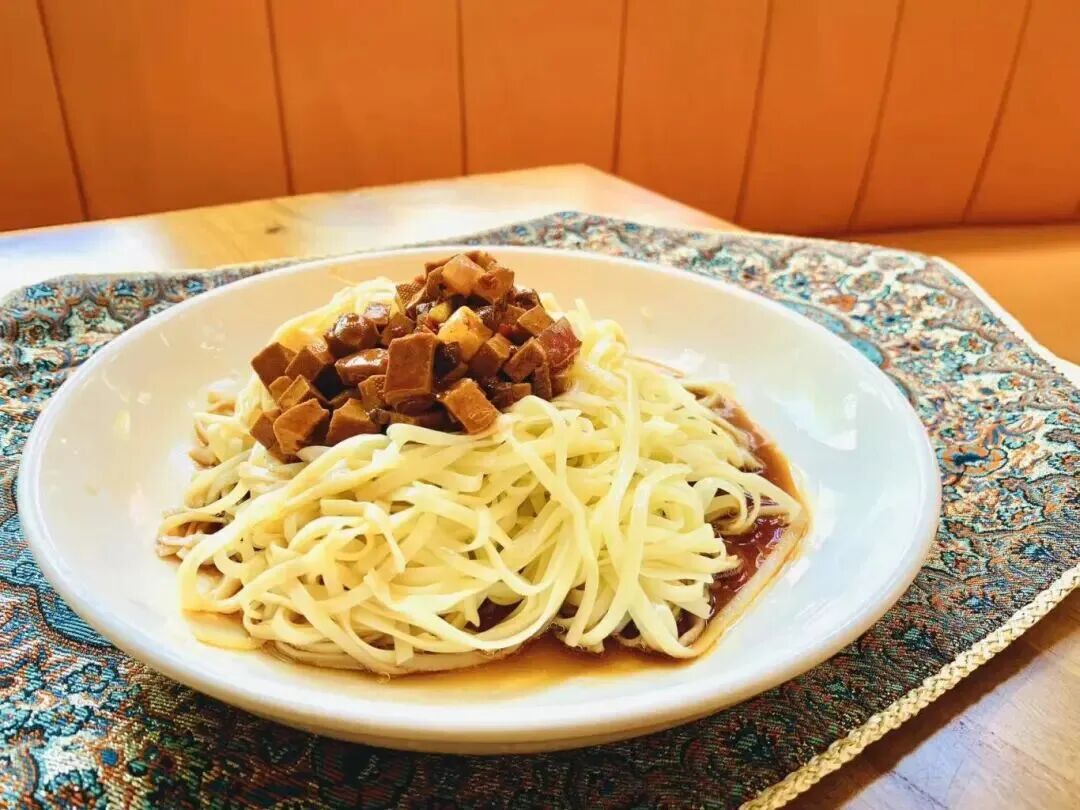
Fengshan Lengmian (Electric-Fan Cooled Cold Noodles)
Making these old-school cold noodles puts serious demands on the chef, requiring master-level noodle-boiling skills. That's because these noodles aren't steamed; they're boiled right in a pot, scooped up, tossed evenly in seasoned oil, and cooled down using an electric fan. Experienced veteran chefs can pluck out a single strand while boiling, pinch it lightly between their fingers, and instantly know if the noodles are cooked to perfection. When lifting all the noodles out, they can't be overcooked because the electric cooling fan keeps cooking them internally until they hit that absolute sweet spot of texture.
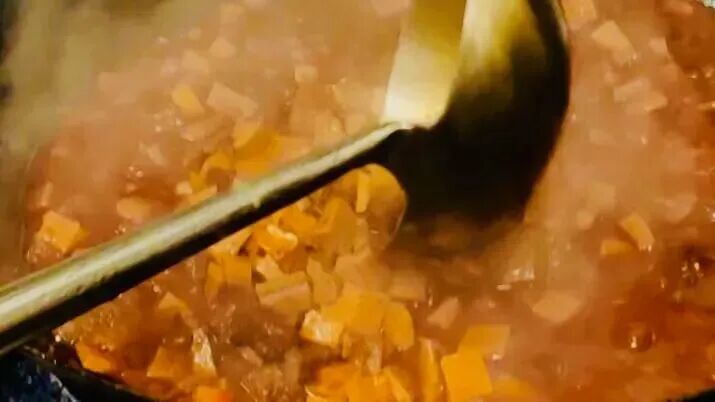
The production technique and ingredients of these cold noodles carry on Hongbinlou's classic old-school recipe combining Halal traditions with Hai-Pai style. Tossed with classic Shanghai spicy fermented bean curd sauce (laifu jiang), fresh minced beef, diced bamboo shoots, and dried tofu, then simmered down until the sauce clings to the noodles—this spicy meat topping is thick, rich, glossy, and ridiculously fragrant.
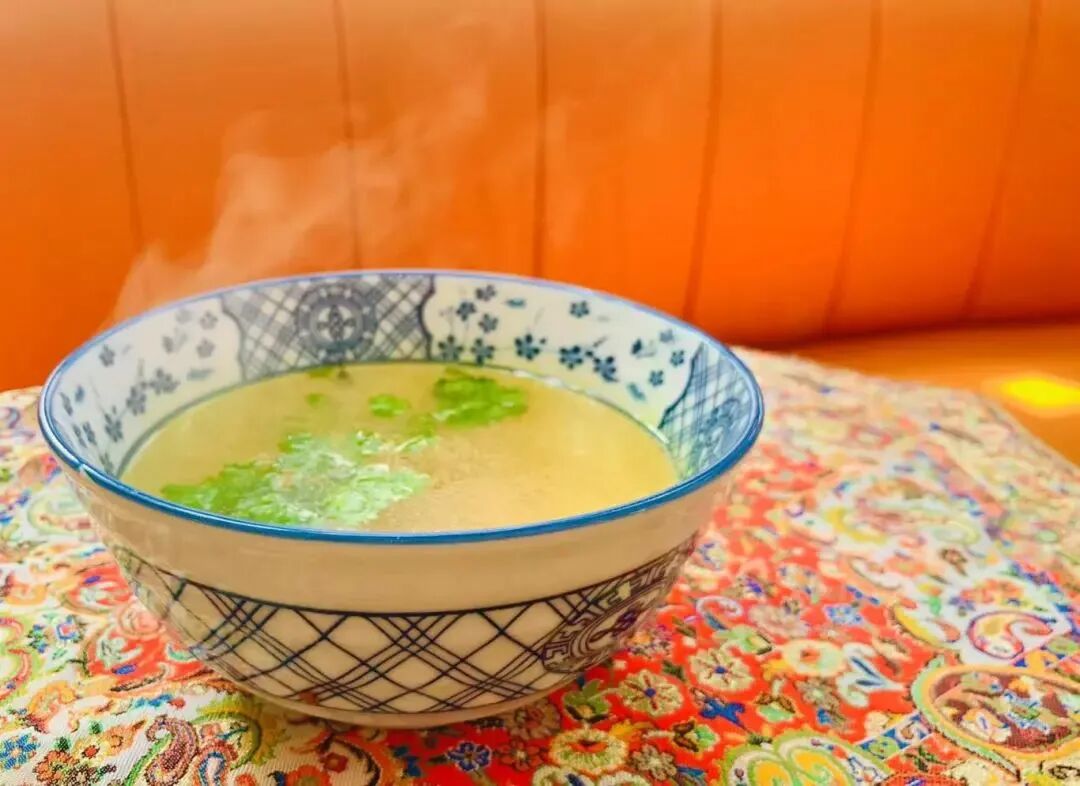
Curry Beef Head Soup
Cold noodles are wonderfully smooth and springy, but eating them all by itself can feel a bit dry. Pairing them with a bowl of fragrant curry beef soup at that exact moment instantly wakes up your taste buds! The clean, refreshing broth balances out the chill of the cold noodles, warming your stomach and quenching your thirst—the ultimate summer noodle combo slurping down noodles, sipping the soup, and grabbing a few slices of tender beef from the curry broth. Pure satisfaction.
Huoxiale's bowl of curry beef soup doesn't hit you with an overwhelming artificial curry powder flavor. Slow-cooked with real care, every spoonful delivers the milky richness of mutton bone combined with the deep, savory notes of beef bone. Rejecting heavy, overpowering spices, it leaves only natural milky aromas blooming lightly on your tongue, feeling just like a morning breeze sweeping across the grassland—pure and balanced to absolute perfection.
According to Huoxiale's owner, "Tiger Bro," they'll be introducing even more traditional Halal benbang (local Shanghainese) dishes in the future to truly carry forward and elevate "Hai-Pai Halal."
As we mentioned at the start of Chapter 2, why would a Western Regions-themed restaurant put such heavy emphasis on "Hai-Pai" Halal cuisine? I think this "Hai" (海) doesn't just mean the ocean—it also represents the open, inclusive culture of Shanghai (Hai-Pai). So I decided to ask DeepSeek what a "Hai-Pai restaurant" actually is. It told me: A Hai-Pai restaurant refers to an eatery rooted in regional Shanghai culture, blending the absolute essences of Chinese and Western culinary traditions, characterized by being "inclusive, exquisite, delicate, and innovative." You can think of it as a "Shanghai-style" restaurant, but the core of that style is all about "fusion" and "innovation."
Therefore, compared to the Beijing and Tianjin Hongbinlou locations which represent century-old heritage and tradition, Shanghai's Hongbinlou is all about innovation and fusion. From Shanghainese food to Xinjiang cuisine, Indonesian food, and now Xinjiang cuisine plus seafood and local benbang dishes—who knows, maybe blending Indonesian food back in down the road isn't totally out of the question!
03
More Than Just a Restaurant
Giving Wanderers a Warm Home Away From Home
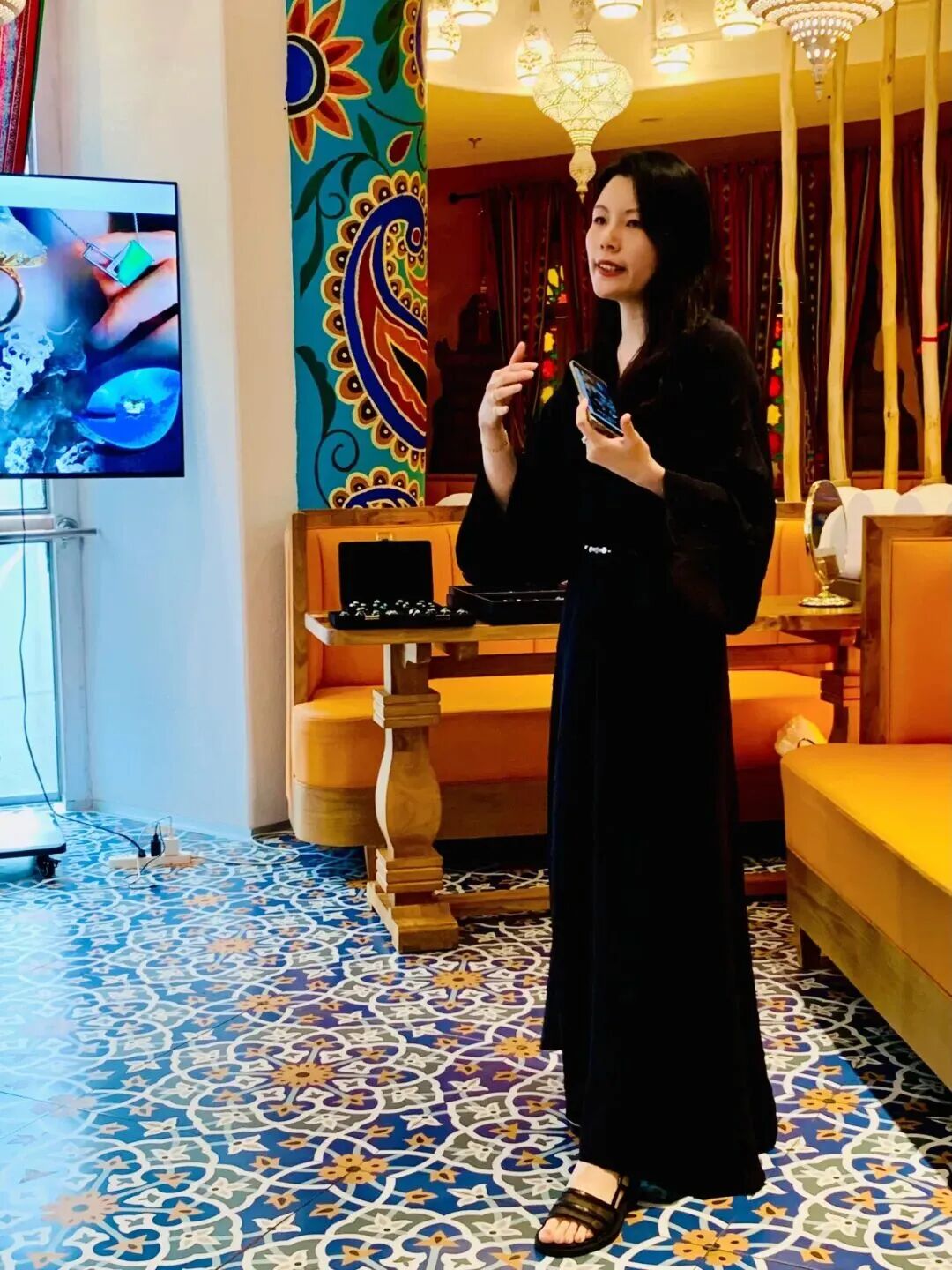
Word has it that the management team steering this project actually crossed over from the jewelry industry. After the pandemic, they embarked on a new entrepreneurial journey focusing on Xingdeng Education Venture Capital, post-investment incubation for small-and-beautiful dual-circulation brands, and integrating three-industry-converged food supply chains. It's super exciting to see this kind of resilient, value-adding entrepreneur enter the Halal food space.
I was lucky enough to be longtime friends with one of the founders. When I asked him why on earth he decided to open a restaurant amidst such brutal competition in the restaurant biz, he shared a story from his past:
Twenty years ago, when he first arrived in Shanghai, he had that exact same desperate hunger for a familiar circle of people. Back at the company he worked for, even though there were lots of people around, he always walked alone and felt totally isolated. When he first got here, his salary was 1,800 RMB—he'd send most of it back home and keep just 300 RMB for living expenses.
Stepping into a Xinjiang restaurant back then felt just like coming home. He couldn't afford to buy actual meals, but he could sit around and talk with folks. So opening a restaurant became a deep-seated dream of his: to create a warm, comforting space for people wandering far from home.
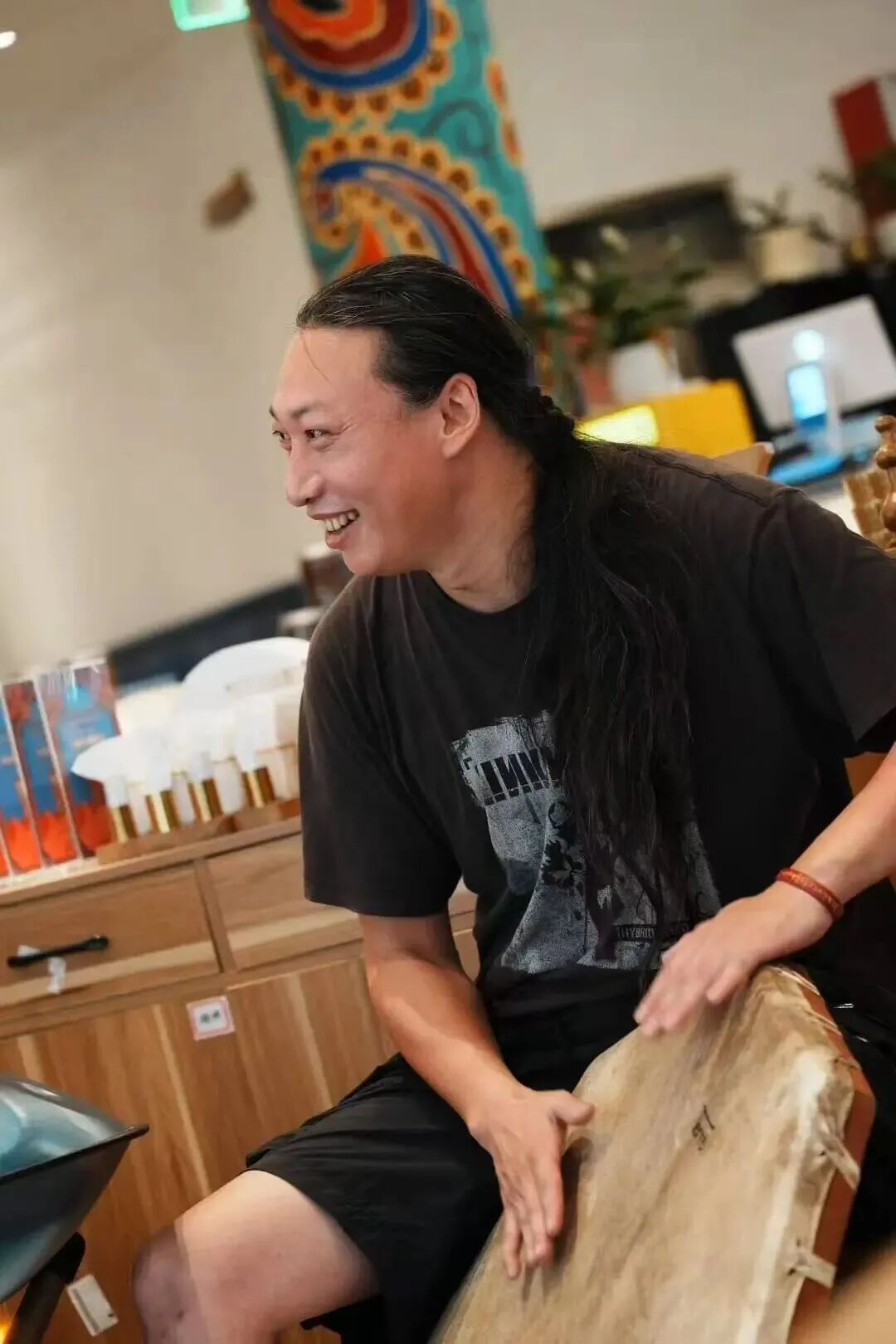
That's why Huoxiale's positioning from day one was never just a restaurant. Instead, it's a multi-functional space blending food, socialization, music, and culture—destined to become a community hub and an incubator for commercial innovation.
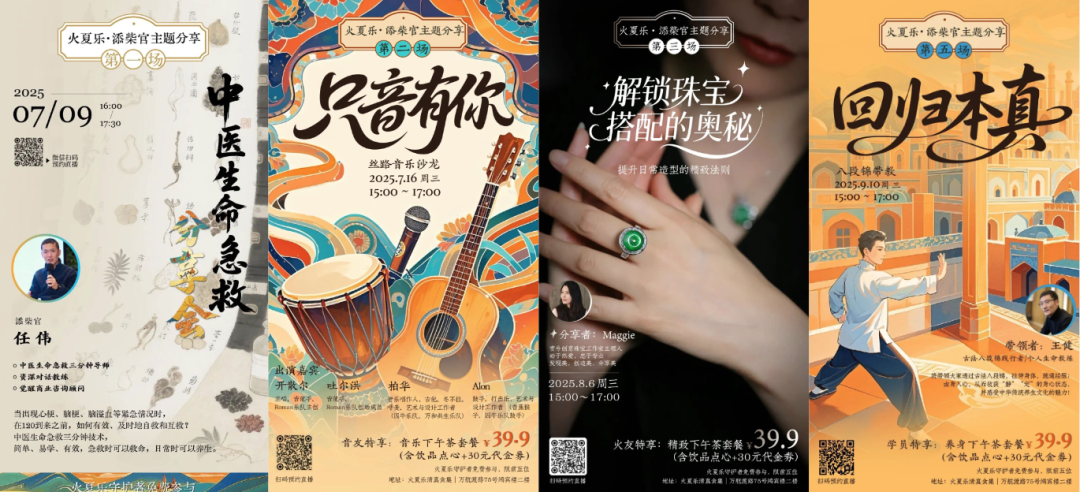
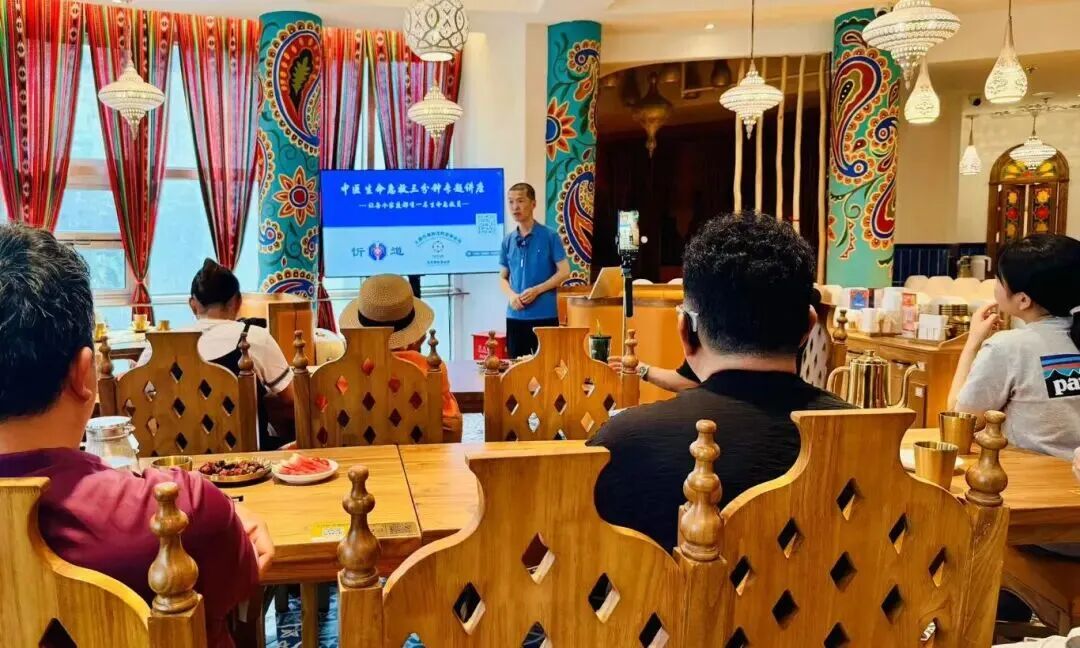
So what exactly is a "community hub"? It's a joyful space inside Huoxiale where people share, listen, connect, and grow together. That's not just a catchy slogan; ever since opening, they've been actively living it out, launching the "Fuel-Adding Officer" (Tianchai Guan) initiative where everyone chips in to feed the fire. Since July, they've already hosted multiple events spanning all kinds of fields.
Traditional Chinese Medicine (TCM) public welfare classes: What kind of magical charm makes people never want to leave once they step inside?
Ethnic music performances: Who says restaurants are just for stuffing your face? Music + food + socializing = maximum joy unlocked!
Jewelry knowledge-sharing sessions: Silk Road Radiance & Maritime Pearls: When Hai-Pai Halal meets fine gems and pearls.
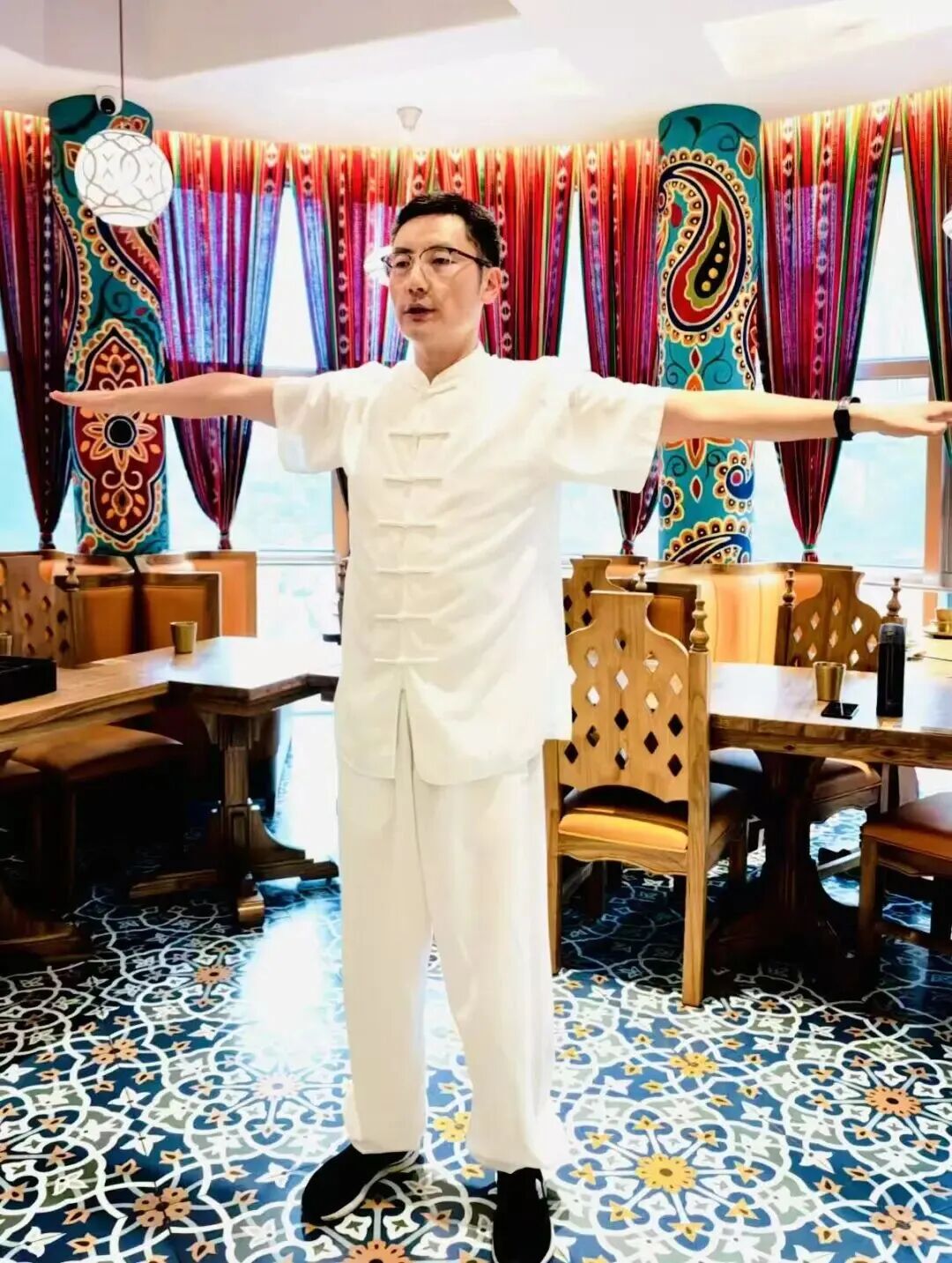
Baduanjin wellness workshops: A cultural restaurant like no other: Practicing ancient Baduanjin qigong right inside a Shanghai Hai-Pai Halal joint.
There are plenty more events coming up down the road. If you want to jump in and join the fun, scan the QR code to find out more and sign up!
What makes this "Hai-Pai" (Shanghai-style) Halal restaurant in Shanghai so different?
Summary:
If you've been working or studying in Shanghai for a while, you've probably noticed that things have really been looking up lately. Halal restaurants featuring all kinds of regional cuisines and formats are popping up everywhere across the city. Ten years ago, when I was working and studying here, my weekly dilemma was always, "Please tell me we're not going to that exact same place again this week!"
If you've been working and studying in Shanghai for a while, you've probably noticed that things have really been looking up lately.
Halal restaurants featuring all kinds of regional cuisines and formats are popping up everywhere across the city.
Ten years ago, when I was working and studying here, my weekly dilemma was always, "Please tell me we're not going to that exact same place again this week!"
And now, alongside local Shanghainese noodles and Guanguanji, we've got the Changying Three Brothers coming all down from Beijing, Pin Huiwei hailing from Hangzhou... we've even got Yunnan beef spots, Tianshui spicy hot pot, Huainan beef soup, and grilled fish joints~
So now, hasn't everyone's dilemma basically changed to, "Which spot are we hitting up this week?"
After rambling on for so long, you've probably guessed it—this time we're recommending a classic Shanghai Halal spot: "Hongbinlou," which now goes by the name 「Huoxiale · Hai-Pai Halal Cuisine (Hongbinlou Branch)」.
01
Historical Heritage
The Twisting, Turning History of Shanghai's Hongbinlou
When people talk about "Hongbinlou," the name everyone instantly recognizes is the legendary "Number One Halal Restaurant in China," opened in Tianjin back in the third year of Emperor Xianfeng's reign (1853) and later relocated to Beijing at the personal invitation of Premier Zhou Enlai. Meanwhile, this Hongbinlou registered in Shanghai in 1993 doesn't seem to have much connection to that traditional century-old brand; it's likely just a shared name or a respectful nod.
According to posts from old-school internet foodies, back in the 1990s, Shanghai's Hongbinlou was already operating right at the corner of Huashan Road and Beijing Road. The storefront was pretty small back then, but the interior was spacious and dim. It was famous for its niurou jianbao (pan-fried beef buns)—thin wrappers stuffed with loads of savory, juicy beef—which were served year-round. (Wonder if they already had that signature curry-beef flavor back then?) They were also super famous for their "fengshan lengmian" (electric-fan cooled cold noodles).
Later on, that old location got demolished for urban redevelopment, and for the longest time, nobody knew where it had moved. Piecing together information found online, by the early 2000s, a new Xinjiang restaurant bearing the exact same name "Hongbinlou" popped up on Yuyuan New Road (near Wulumuqi Road).
Image sourced from the internet; please contact us to delete if there is any copyright infringement.
Xinjiang restaurants, right? They're pretty much all about yangrou chuan (Xinjiang lamb skewers), dapanji (big plate spicy chicken), nangbaorou (flatbread stuffed with lamb), tiger salad, and shouzhua yangrou (Lanzhou hand-grabbed lamb). Even though Xinjiang joints are everywhere nowadays, back then it was a seriously trendy vibe. Especially the nangbaorou, which people used to call "Xinjiang pizza"—long before the whole "daluonang" (gravy-topped flatbread) internet meme came around.
Later on, due to another round of land requisition, Hongbinlou disappeared from the public eye for a bit before reopening in the early 2000s at No. 75 Wanhangdu Road. They also brought in the Indonesian dining brand "Bali Bistro," which was a massive hit in Shanghai for a long time. When our foodie editor was working in Shanghai, he used to walk past it all the time, though sadly he never made it inside to try it. Now, that era is history too.
Image source: WeChat Official Account @You E Le (Hungry Again)
02
A Fresh Rebirth
Huoxiale Redefines Hai-Pai Halal Cuisine
In November 2024, Hongbinlou welcomed a brand-new chapter reborn as the current 「Huoxiale」. Even though its Dianping subtitle is "Hai-Pai Halal Cuisine," the main storefront sign still reads "Silk Road Halal Food Market," so the core menu still leans heavily toward Northwest Chinese and Xinjiang cuisine. As for why they're putting so much emphasis on "Hai-Pai Halal Cuisine," we'll get into that in a bit.
The overall interior design centers heavily on Western Regions aesthetics. It's stunningly upscale, showing just how much thought and aesthetic vision the owners put into it. They spared no expense shipping in specialty building materials from afar, with every single brick and tile reflecting the folk customs and culture of the Silk Road.
Image source: Xiaohongshu @Jingan's Sky
They didn't just pour effort into the hardware—they also brought in a master muralist to paint epic Silk Road wall art, letting diners soak in the culture of the Western Regions where food tells a story while they eat.
The bowls, plates, serving vessels, and grills in the restaurant are all sourced directly from their places of origin, and the servers rock traditional attire, greeting every single guest with warm, down-to-earth smiles. It's quickly become an absolute must-visit, gorgeous Halal dining spot in Jing'an District.
Image source: Xiaohongshu @Sharon_Jing
Speaking of the vibe, there's one detail people rarely pay attention to that is totally crucial to your dining mood: the omnipresent second-hand smoke and alcohol reek in typical Chinese restaurants. You know how it is—you're having a great meal, almost full, and suddenly a wave of cigarette smoke drifts over from the next table, instantly killing your appetite... Well, Huoxiale's whole thing is being a "smoke-free and alcohol-free wellness-friendly restaurant." Tons of people on Xiaohongshu are praising it for being super friendly to women and kids. Our editor totally agrees—this kind of restaurant is the ultimate form of respect for anyone who loves good food!
Of course, at the end of the day, whether a restaurant is good or not all comes down to the dishes and the flavors. Aside from nailing traditional Xinjiang cuisine, Huoxiale also brilliantly weaves in seafood and Shanghainese benbang (local Shanghainese) dishes, making it a true fusion restaurant.
Xinjiang Bashibai Lamb Skewers
Sizzling Xinjiang Bashibai lamb skewers transport your taste buds straight to Xinjiang in a single bite. This is Shanghai's ultimate "Western Regions night market vibe": sizzling lamb skewers paired with ice-cold kavass (traditional fermented honey drink)—the absolute peak of summer night-market luxury!
Hui Muslim Jiasha
With a golden, crispy exterior and a savory, aromatic filling inside, Hui Muslim jiasha (crispy stuffed egg-skin rolls) makes you feel like you're tasting a thousand years of Western Regions culture with every bite. The golden miracle of the intangible-heritage stove: lifting a legendary piece of Xinjiang beef jiasha with your chopsticks.
Shouzhua Yangrou (Hand-Grabbed Lamb)
Image source: Dianping @Baozou Xiong (Running Bear)
Bashibai spring lambs raised on pure Tianshan snowmelt are crafted into shouzhua yangrou, featuring meat as glossy and tender as fine fat. After being simmered in pure water, a gentle touch of the knife makes the juices burst forth with an amber glow. Eat it simply dipped in salt, and the fresh sweetness blooms across your teeth—this is the purest gift from the grasslands.
Shawan Dapanji (Big Plate Chicken)
Rugged Xinjiang ingredients meet meticulous, slow-simmered comfort food, lifting up the scorching, soulful passion beneath the Tianshan Mountains with a single sweep of your chopsticks. Golden free-range chicken coated in thick, rich sauce, hand-pulled belt noodles soaked in savory chili oil, with green and red peppers and soft potato chunks dancing on your tongue.
Astana Beef Ribs
Slow-cooked to tender perfection, these beef ribs fall right off the bone. Every single rib radiates a rich, meaty aroma, paired with the house-special sauce that strikes the exact balance of sweet and savory—you won't be able to stop at just one piece.
Some folks say the fresh sweetness of seafood belongs to the ocean, while the boldness of Xinjiang cuisine comes from the desert, making the two impossible to mix. But 「Huoxiale」 smashes those culinary boundaries, featuring seafood front and center at a Xinjiang restaurant to revive "Hai-Pai Halal." Their seafood isn't just diverse; it's insanely fresh, with every single bite acting as a gift from the sea. Rooted in traditional Xinjiang cooking and Hai-Pai cuisine, they dig deep into the smoky comfort of old flavors while blending in Silk Road regional profiles and refined Western culinary presentation. It keeps every dish satisfyingly familiar under Halal standards while delivering total tongue-pleasing surprises.
Halal Irtysh River Cold-Water Fish Qiaotai
Image source: Xiaohongshu @Sharon_Jing
One of the house-signature seafood dishes. The fish is tender and juicy, letting you taste the firm, fresh texture in every bite. Paired with a house-special sweet-and-sour sauce, it perfectly highlights and elevates the natural sweetness of the fish.
Scallion-Aroma Rocket Squid
Image source: Xiaohongshu @Sharon_Jing
Bouncy, tender wild-caught squid, locked in with a secret technique passed down by a thirty-year veteran chef. The squid is snap-tender with a rich peppercorn-aroma sauce, marrying the numbing pepper profile with the natural sweetness of seafood in a masterclass of Hai-Pai elegance and Western Regions flair~
Flamed Salt-and-Pepper Mantis Shrimp
Image source: Xiaohongshu @Sharon_Jing
Selected meat-packed mantis shrimp, deep-fried until super crispy, then tossed in a signature salt-and-pepper sauce mixed with Western Regions spices. Crispy on the outside and tender on the inside, with a sweet-and-spicy explosion on your tongue.
Fragrant Stream Tengjiao (Vine Pepper) Fish
Anchored by the numbing fragrance of Sichuan vine pepper and slow-simmered with Silk Road spices, then drizzled with authentic Xinjiang-produced aromatic oil. The progression of numb, fresh, savory, and tender flavors builds layer by layer, presenting a fish dish with deeply complex Halal profiles.
Back in the 1990s, Shanghai's Hongbinlou stood proudly as a Halal landmark right in the northern part of the Jing'an Temple commercial hub. Back then, it wasn't just famous for its unique Halal eats; it also captured the quintessential vibe of old Shanghai. Their signature "fengshan lengmian" (electric-fan cooled cold noodles) held the memories of an entire generation. But as times changed, that taste of old Shanghai slowly faded away. Today, Huoxiale has taken over the legacy at Shanghai's Hongbinlou to run a "Hai-Pai Halal" concept, picking up the traditional craftsmanship of the electric-fan noodles to resurrect this classic old-Shanghai flavor.
Fengshan Lengmian (Electric-Fan Cooled Cold Noodles)
Making these old-school cold noodles puts serious demands on the chef, requiring master-level noodle-boiling skills. That's because these noodles aren't steamed; they're boiled right in a pot, scooped up, tossed evenly in seasoned oil, and cooled down using an electric fan. Experienced veteran chefs can pluck out a single strand while boiling, pinch it lightly between their fingers, and instantly know if the noodles are cooked to perfection. When lifting all the noodles out, they can't be overcooked because the electric cooling fan keeps cooking them internally until they hit that absolute sweet spot of texture.
The production technique and ingredients of these cold noodles carry on Hongbinlou's classic old-school recipe combining Halal traditions with Hai-Pai style. Tossed with classic Shanghai spicy fermented bean curd sauce (laifu jiang), fresh minced beef, diced bamboo shoots, and dried tofu, then simmered down until the sauce clings to the noodles—this spicy meat topping is thick, rich, glossy, and ridiculously fragrant.
Curry Beef Head Soup
Cold noodles are wonderfully smooth and springy, but eating them all by itself can feel a bit dry. Pairing them with a bowl of fragrant curry beef soup at that exact moment instantly wakes up your taste buds! The clean, refreshing broth balances out the chill of the cold noodles, warming your stomach and quenching your thirst—the ultimate summer noodle combo slurping down noodles, sipping the soup, and grabbing a few slices of tender beef from the curry broth. Pure satisfaction.
Huoxiale's bowl of curry beef soup doesn't hit you with an overwhelming artificial curry powder flavor. Slow-cooked with real care, every spoonful delivers the milky richness of mutton bone combined with the deep, savory notes of beef bone. Rejecting heavy, overpowering spices, it leaves only natural milky aromas blooming lightly on your tongue, feeling just like a morning breeze sweeping across the grassland—pure and balanced to absolute perfection.
According to Huoxiale's owner, "Tiger Bro," they'll be introducing even more traditional Halal benbang (local Shanghainese) dishes in the future to truly carry forward and elevate "Hai-Pai Halal."
As we mentioned at the start of Chapter 2, why would a Western Regions-themed restaurant put such heavy emphasis on "Hai-Pai" Halal cuisine? I think this "Hai" (海) doesn't just mean the ocean—it also represents the open, inclusive culture of Shanghai (Hai-Pai). So I decided to ask DeepSeek what a "Hai-Pai restaurant" actually is. It told me: A Hai-Pai restaurant refers to an eatery rooted in regional Shanghai culture, blending the absolute essences of Chinese and Western culinary traditions, characterized by being "inclusive, exquisite, delicate, and innovative." You can think of it as a "Shanghai-style" restaurant, but the core of that style is all about "fusion" and "innovation."
Therefore, compared to the Beijing and Tianjin Hongbinlou locations which represent century-old heritage and tradition, Shanghai's Hongbinlou is all about innovation and fusion. From Shanghainese food to Xinjiang cuisine, Indonesian food, and now Xinjiang cuisine plus seafood and local benbang dishes—who knows, maybe blending Indonesian food back in down the road isn't totally out of the question!
03
More Than Just a Restaurant
Giving Wanderers a Warm Home Away From Home
Word has it that the management team steering this project actually crossed over from the jewelry industry. After the pandemic, they embarked on a new entrepreneurial journey focusing on Xingdeng Education Venture Capital, post-investment incubation for small-and-beautiful dual-circulation brands, and integrating three-industry-converged food supply chains. It's super exciting to see this kind of resilient, value-adding entrepreneur enter the Halal food space.
I was lucky enough to be longtime friends with one of the founders. When I asked him why on earth he decided to open a restaurant amidst such brutal competition in the restaurant biz, he shared a story from his past:
Twenty years ago, when he first arrived in Shanghai, he had that exact same desperate hunger for a familiar circle of people. Back at the company he worked for, even though there were lots of people around, he always walked alone and felt totally isolated. When he first got here, his salary was 1,800 RMB—he'd send most of it back home and keep just 300 RMB for living expenses.
Stepping into a Xinjiang restaurant back then felt just like coming home. He couldn't afford to buy actual meals, but he could sit around and talk with folks. So opening a restaurant became a deep-seated dream of his: to create a warm, comforting space for people wandering far from home.
That's why Huoxiale's positioning from day one was never just a restaurant. Instead, it's a multi-functional space blending food, socialization, music, and culture—destined to become a community hub and an incubator for commercial innovation.
So what exactly is a "community hub"? It's a joyful space inside Huoxiale where people share, listen, connect, and grow together. That's not just a catchy slogan; ever since opening, they've been actively living it out, launching the "Fuel-Adding Officer" (Tianchai Guan) initiative where everyone chips in to feed the fire. Since July, they've already hosted multiple events spanning all kinds of fields.
Traditional Chinese Medicine (TCM) public welfare classes: What kind of magical charm makes people never want to leave once they step inside?
Ethnic music performances: Who says restaurants are just for stuffing your face? Music + food + socializing = maximum joy unlocked!
Jewelry knowledge-sharing sessions: Silk Road Radiance & Maritime Pearls: When Hai-Pai Halal meets fine gems and pearls.
Baduanjin wellness workshops: A cultural restaurant like no other: Practicing ancient Baduanjin qigong right inside a Shanghai Hai-Pai Halal joint.
There are plenty more events coming up down the road. If you want to jump in and join the fun, scan the QR code to find out more and sign up!
