

Chinese Halal Cuisine
Shanghai's Unique 'Hai-Pai' Halal Restaurant: A Blend of Xinjiang Flavors and Seafood at Hongbinlou
Articles • Hasan09 posted the article • 0 comments • 1 views • 1 hours ago
What makes this "Hai-Pai" (Shanghai-style) Halal restaurant in Shanghai so different?
Summary:
If you've been working or studying in Shanghai for a while, you've probably noticed that things have really been looking up lately. Halal restaurants featuring all kinds of regional cuisines and formats are popping up everywhere across the city. Ten years ago, when I was working and studying here, my weekly dilemma was always, "Please tell me we're not going to that exact same place again this week!"
If you've been working and studying in Shanghai for a while, you've probably noticed that things have really been looking up lately.
Halal restaurants featuring all kinds of regional cuisines and formats are popping up everywhere across the city.
Ten years ago, when I was working and studying here, my weekly dilemma was always, "Please tell me we're not going to that exact same place again this week!"
And now, alongside local Shanghainese noodles and Guanguanji, we've got the Changying Three Brothers coming all down from Beijing, Pin Huiwei hailing from Hangzhou... we've even got Yunnan beef spots, Tianshui spicy hot pot, Huainan beef soup, and grilled fish joints~
So now, hasn't everyone's dilemma basically changed to, "Which spot are we hitting up this week?"
After rambling on for so long, you've probably guessed it—this time we're recommending a classic Shanghai Halal spot: "Hongbinlou," which now goes by the name 「Huoxiale · Hai-Pai Halal Cuisine (Hongbinlou Branch)」.
01
Historical Heritage
The Twisting, Turning History of Shanghai's Hongbinlou
When people talk about "Hongbinlou," the name everyone instantly recognizes is the legendary "Number One Halal Restaurant in China," opened in Tianjin back in the third year of Emperor Xianfeng's reign (1853) and later relocated to Beijing at the personal invitation of Premier Zhou Enlai. Meanwhile, this Hongbinlou registered in Shanghai in 1993 doesn't seem to have much connection to that traditional century-old brand; it's likely just a shared name or a respectful nod.
According to posts from old-school internet foodies, back in the 1990s, Shanghai's Hongbinlou was already operating right at the corner of Huashan Road and Beijing Road. The storefront was pretty small back then, but the interior was spacious and dim. It was famous for its niurou jianbao (pan-fried beef buns)—thin wrappers stuffed with loads of savory, juicy beef—which were served year-round. (Wonder if they already had that signature curry-beef flavor back then?) They were also super famous for their "fengshan lengmian" (electric-fan cooled cold noodles).
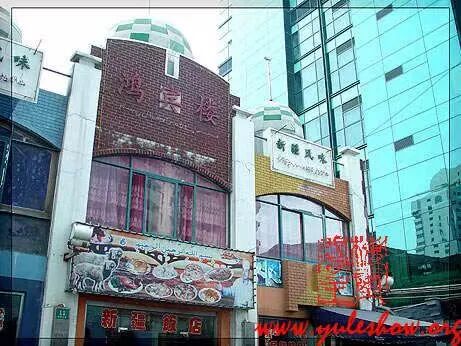
Later on, that old location got demolished for urban redevelopment, and for the longest time, nobody knew where it had moved. Piecing together information found online, by the early 2000s, a new Xinjiang restaurant bearing the exact same name "Hongbinlou" popped up on Yuyuan New Road (near Wulumuqi Road).
Image sourced from the internet; please contact us to delete if there is any copyright infringement.
Xinjiang restaurants, right? They're pretty much all about yangrou chuan (Xinjiang lamb skewers), dapanji (big plate spicy chicken), nangbaorou (flatbread stuffed with lamb), tiger salad, and shouzhua yangrou (Lanzhou hand-grabbed lamb). Even though Xinjiang joints are everywhere nowadays, back then it was a seriously trendy vibe. Especially the nangbaorou, which people used to call "Xinjiang pizza"—long before the whole "daluonang" (gravy-topped flatbread) internet meme came around.
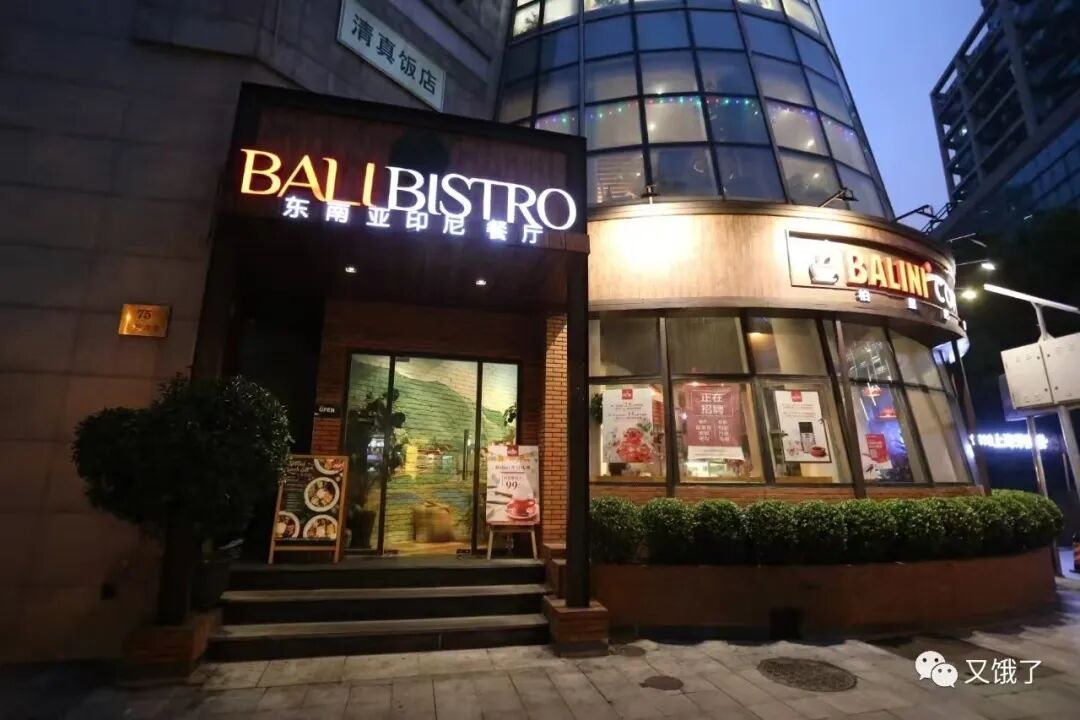
Later on, due to another round of land requisition, Hongbinlou disappeared from the public eye for a bit before reopening in the early 2000s at No. 75 Wanhangdu Road. They also brought in the Indonesian dining brand "Bali Bistro," which was a massive hit in Shanghai for a long time. When our foodie editor was working in Shanghai, he used to walk past it all the time, though sadly he never made it inside to try it. Now, that era is history too.
Image source: WeChat Official Account @You E Le (Hungry Again)
02
A Fresh Rebirth
Huoxiale Redefines Hai-Pai Halal Cuisine
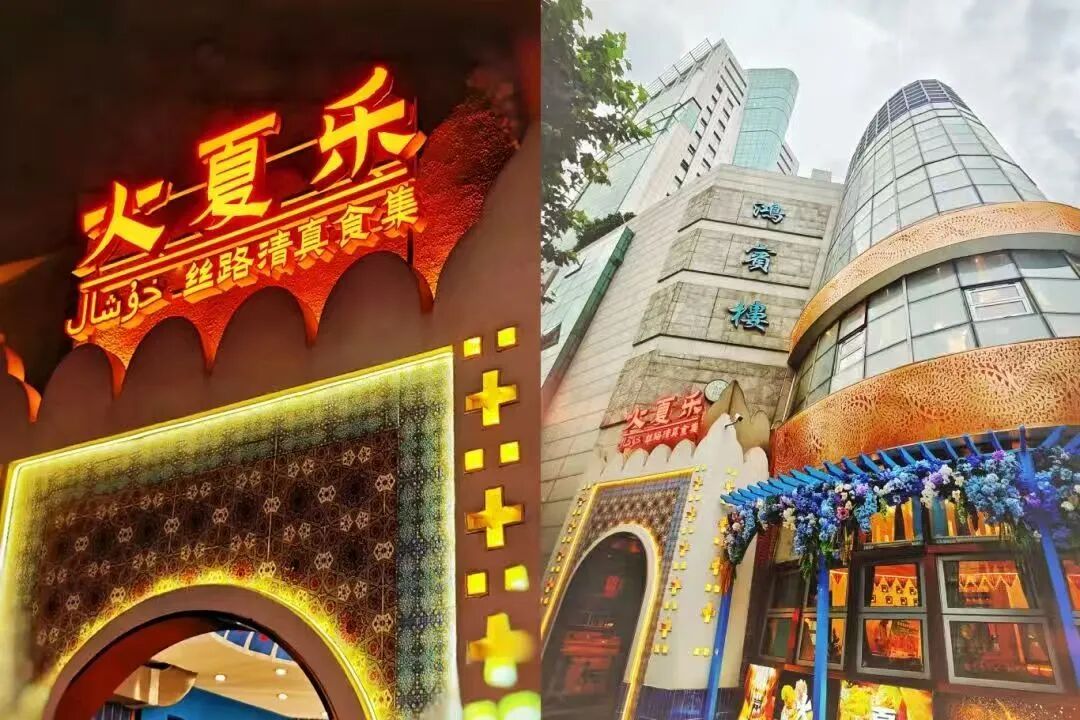
In November 2024, Hongbinlou welcomed a brand-new chapter reborn as the current 「Huoxiale」. Even though its Dianping subtitle is "Hai-Pai Halal Cuisine," the main storefront sign still reads "Silk Road Halal Food Market," so the core menu still leans heavily toward Northwest Chinese and Xinjiang cuisine. As for why they're putting so much emphasis on "Hai-Pai Halal Cuisine," we'll get into that in a bit.
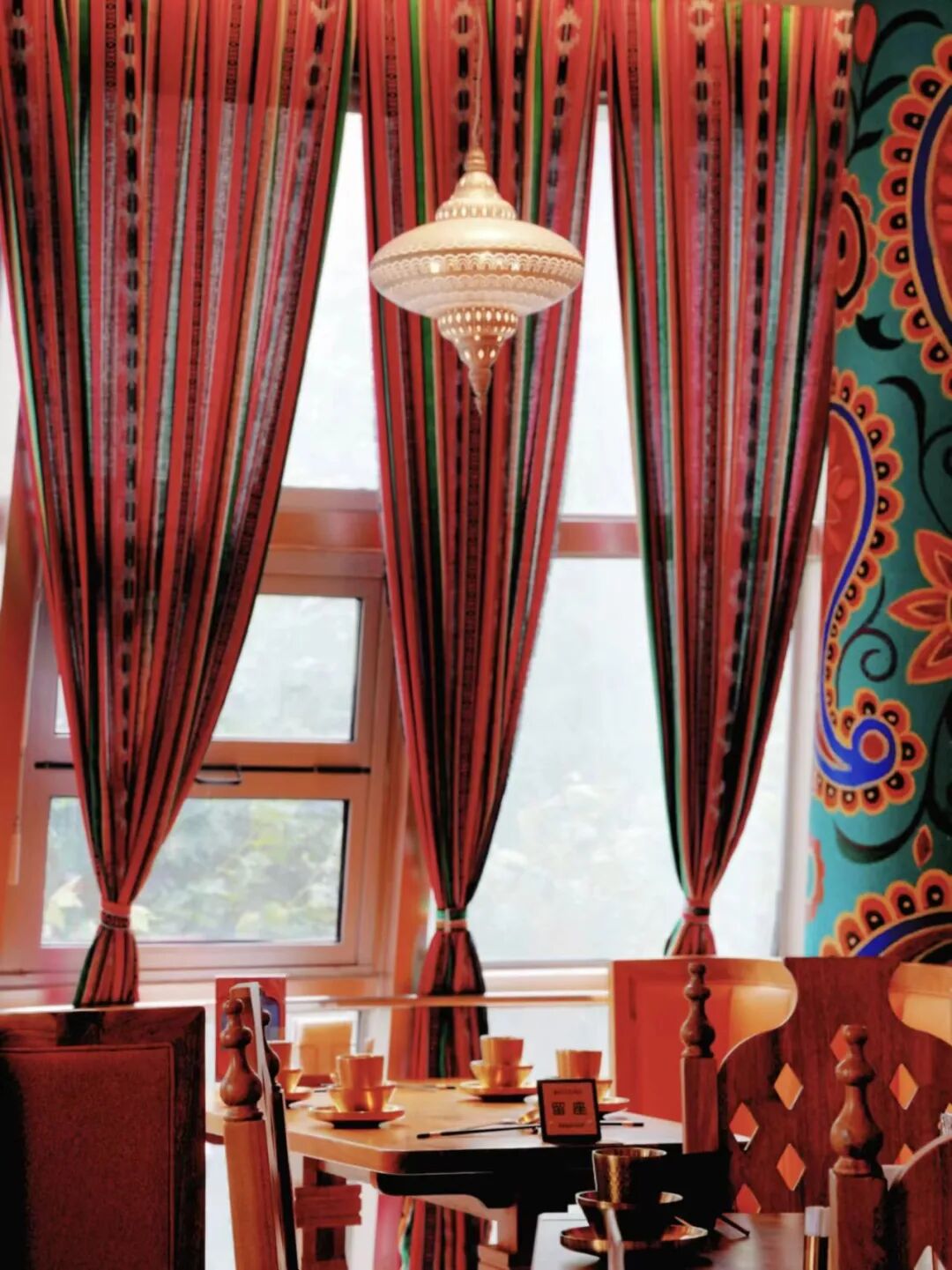
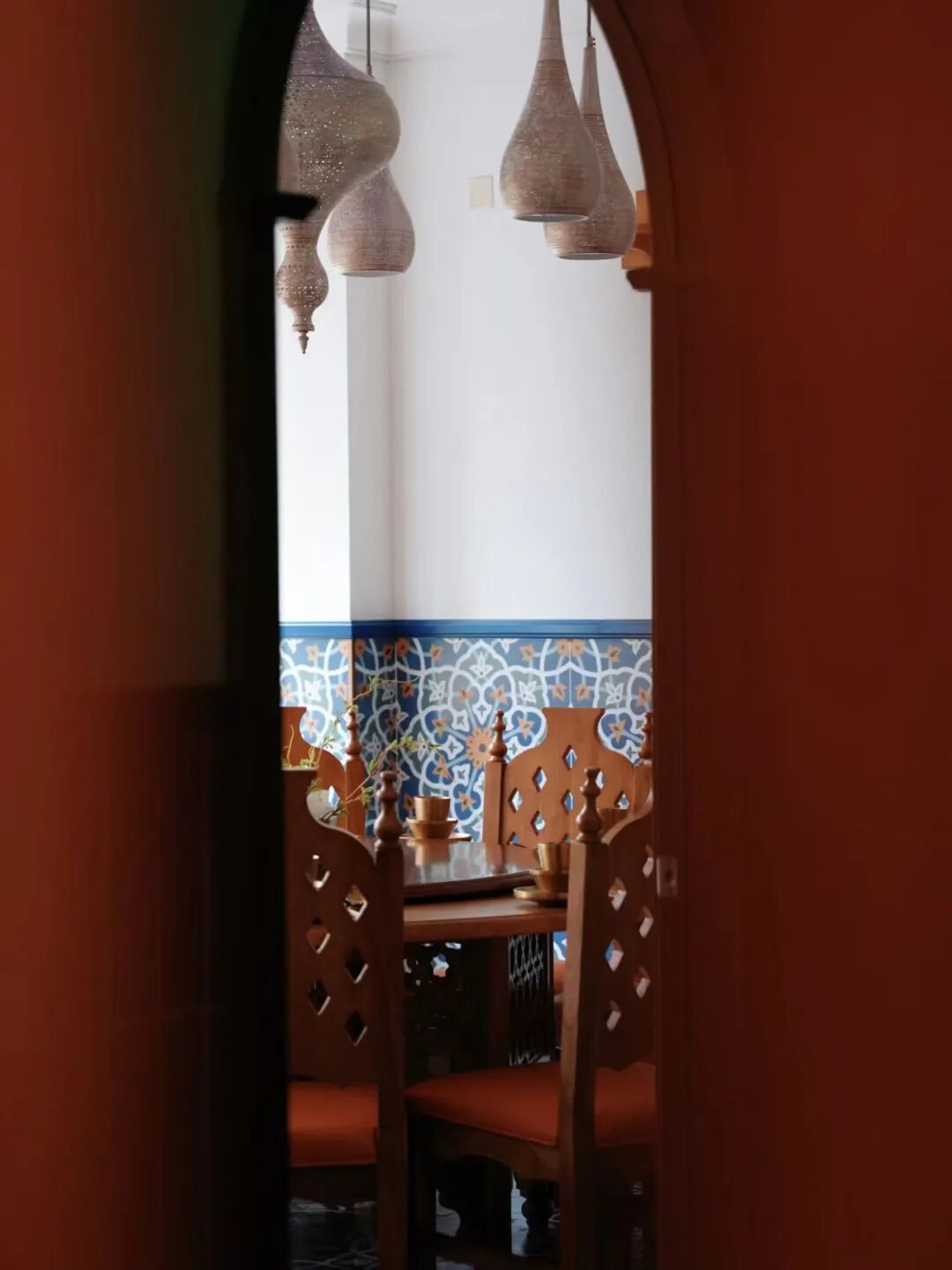
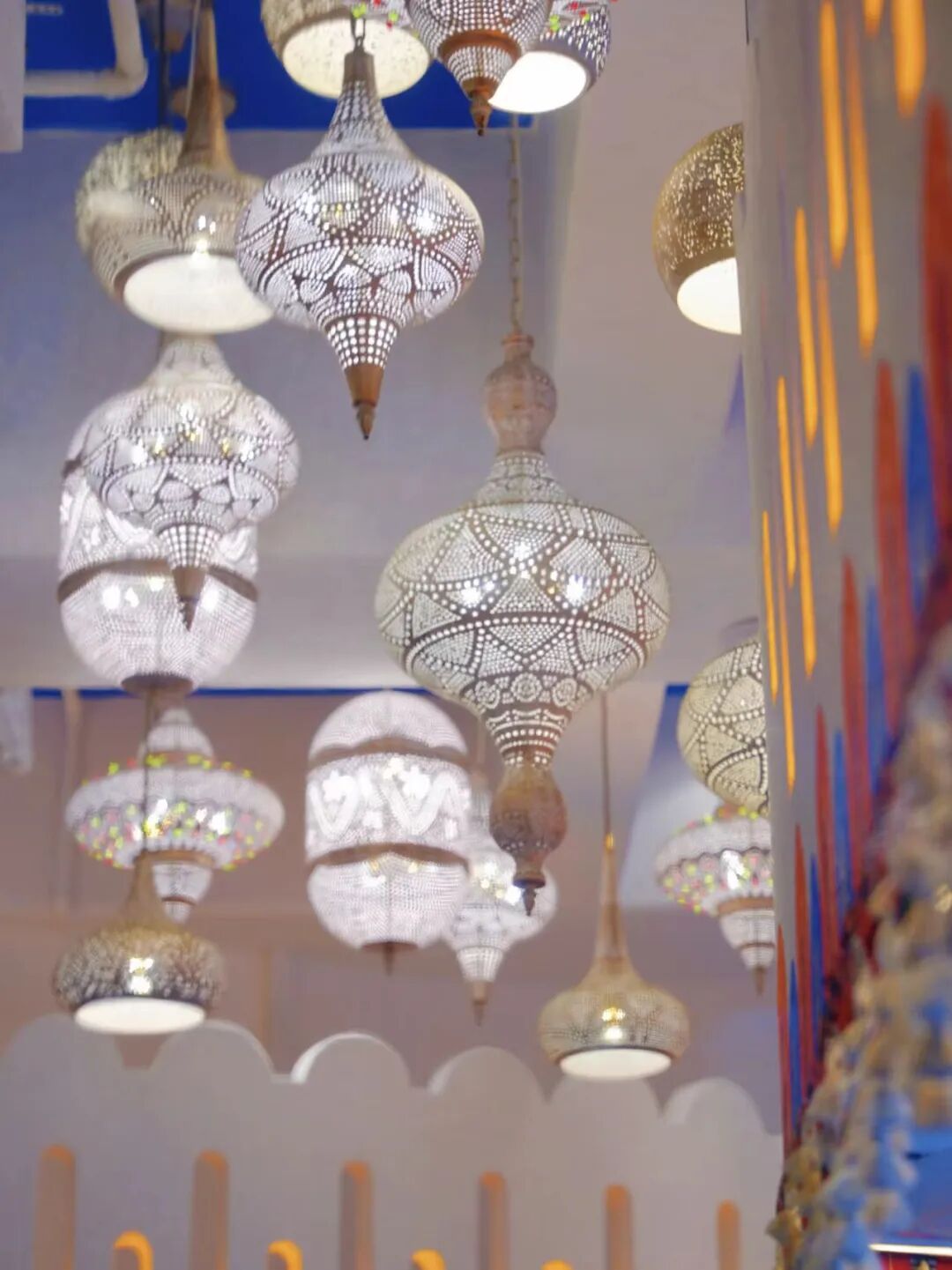
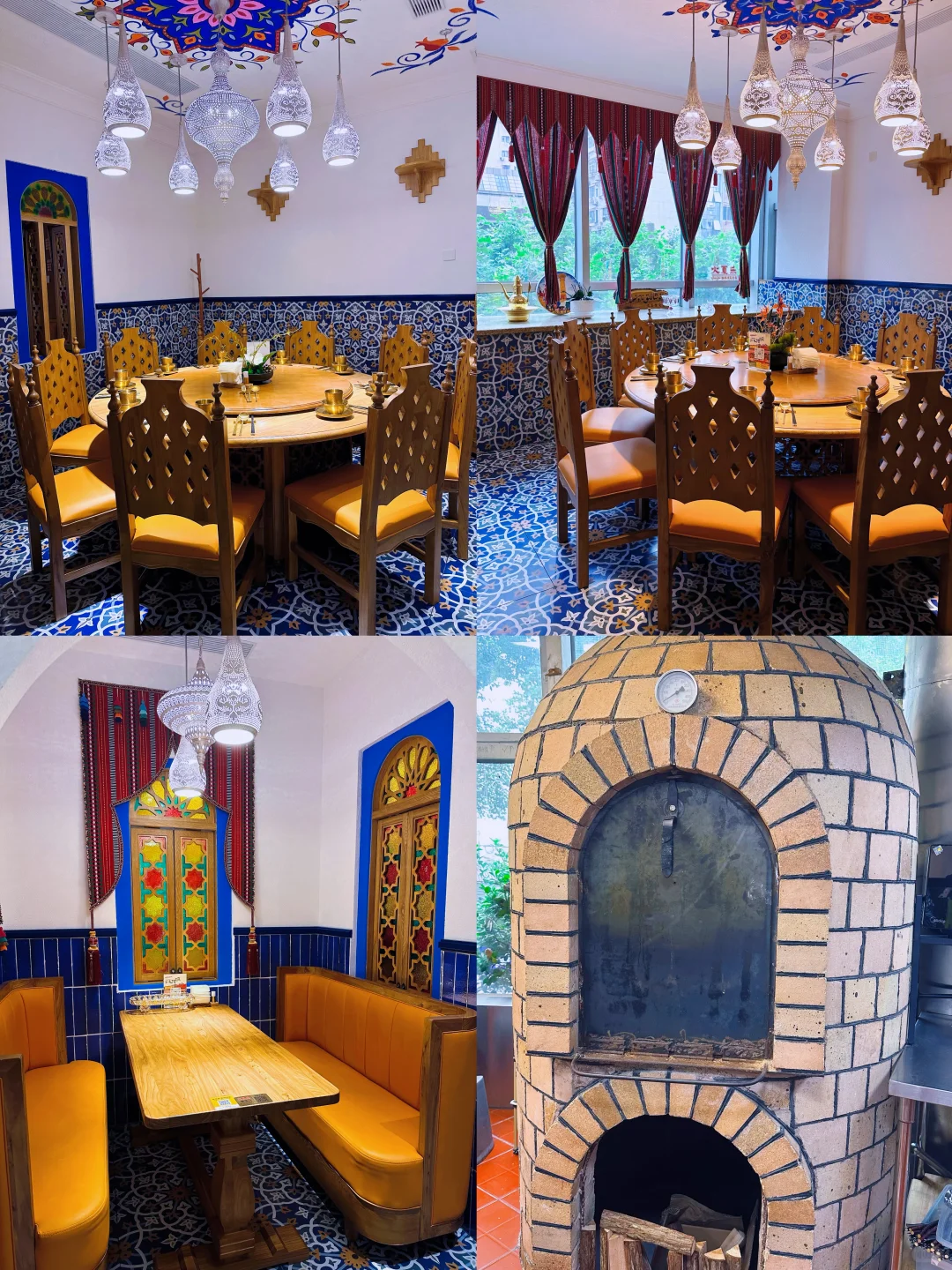
The overall interior design centers heavily on Western Regions aesthetics. It's stunningly upscale, showing just how much thought and aesthetic vision the owners put into it. They spared no expense shipping in specialty building materials from afar, with every single brick and tile reflecting the folk customs and culture of the Silk Road.
Image source: Xiaohongshu @Jingan's Sky
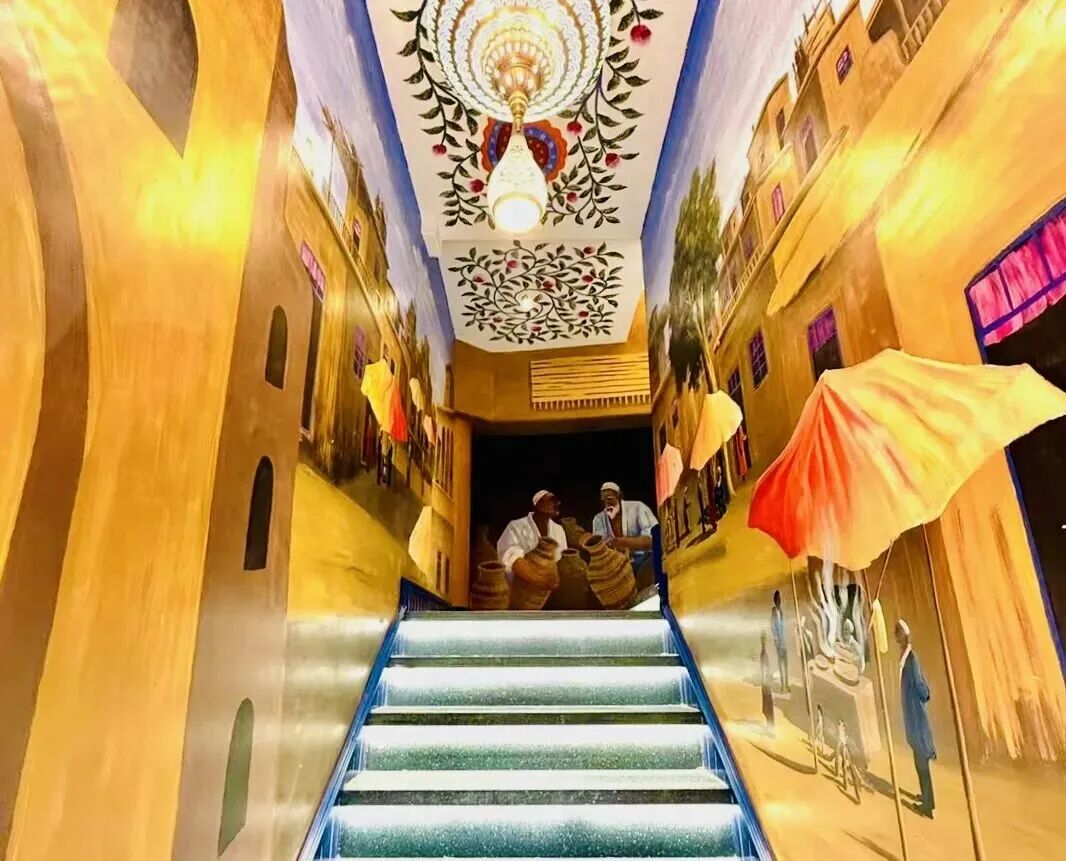
They didn't just pour effort into the hardware—they also brought in a master muralist to paint epic Silk Road wall art, letting diners soak in the culture of the Western Regions where food tells a story while they eat.
The bowls, plates, serving vessels, and grills in the restaurant are all sourced directly from their places of origin, and the servers rock traditional attire, greeting every single guest with warm, down-to-earth smiles. It's quickly become an absolute must-visit, gorgeous Halal dining spot in Jing'an District.
Image source: Xiaohongshu @Sharon_Jing
Speaking of the vibe, there's one detail people rarely pay attention to that is totally crucial to your dining mood: the omnipresent second-hand smoke and alcohol reek in typical Chinese restaurants. You know how it is—you're having a great meal, almost full, and suddenly a wave of cigarette smoke drifts over from the next table, instantly killing your appetite... Well, Huoxiale's whole thing is being a "smoke-free and alcohol-free wellness-friendly restaurant." Tons of people on Xiaohongshu are praising it for being super friendly to women and kids. Our editor totally agrees—this kind of restaurant is the ultimate form of respect for anyone who loves good food!
Of course, at the end of the day, whether a restaurant is good or not all comes down to the dishes and the flavors. Aside from nailing traditional Xinjiang cuisine, Huoxiale also brilliantly weaves in seafood and Shanghainese benbang (local Shanghainese) dishes, making it a true fusion restaurant.
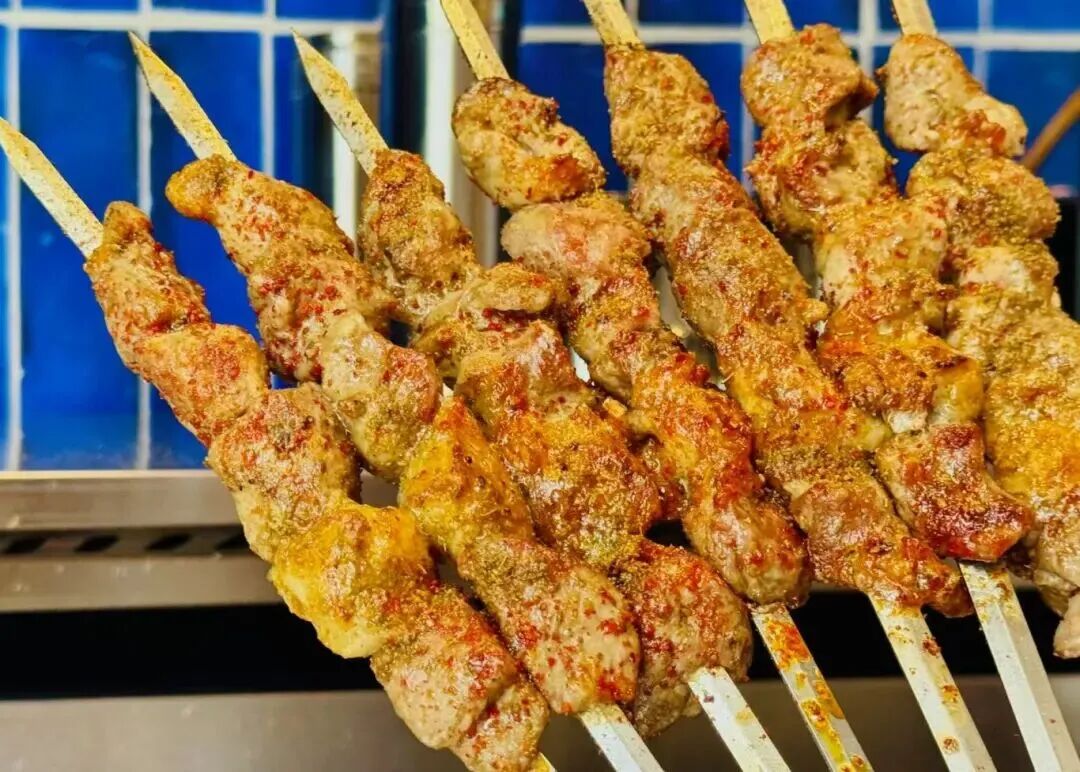
Xinjiang Bashibai Lamb Skewers
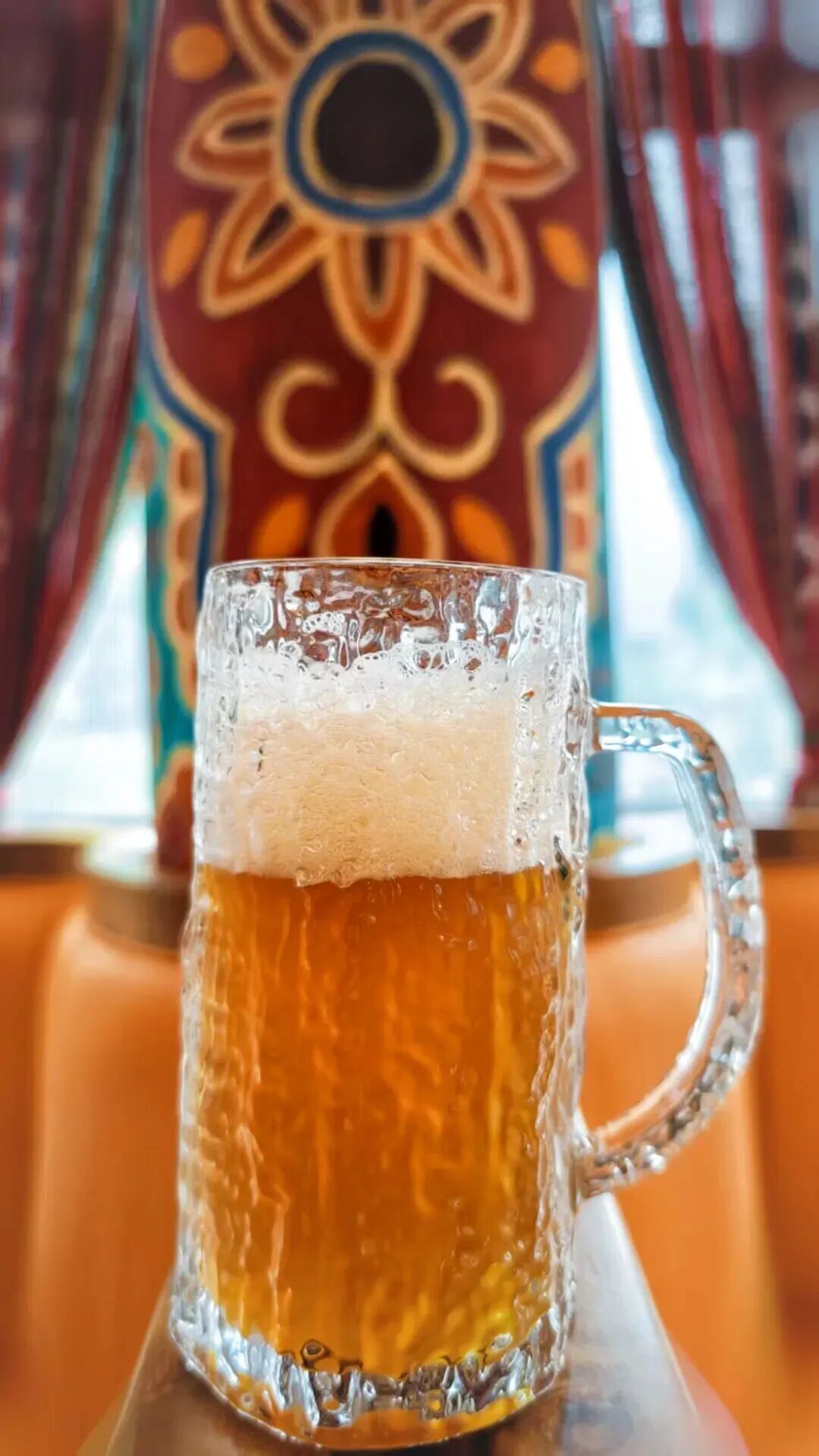
Sizzling Xinjiang Bashibai lamb skewers transport your taste buds straight to Xinjiang in a single bite. This is Shanghai's ultimate "Western Regions night market vibe": sizzling lamb skewers paired with ice-cold kavass (traditional fermented honey drink)—the absolute peak of summer night-market luxury!
Hui Muslim Jiasha
With a golden, crispy exterior and a savory, aromatic filling inside, Hui Muslim jiasha (crispy stuffed egg-skin rolls) makes you feel like you're tasting a thousand years of Western Regions culture with every bite. The golden miracle of the intangible-heritage stove: lifting a legendary piece of Xinjiang beef jiasha with your chopsticks.
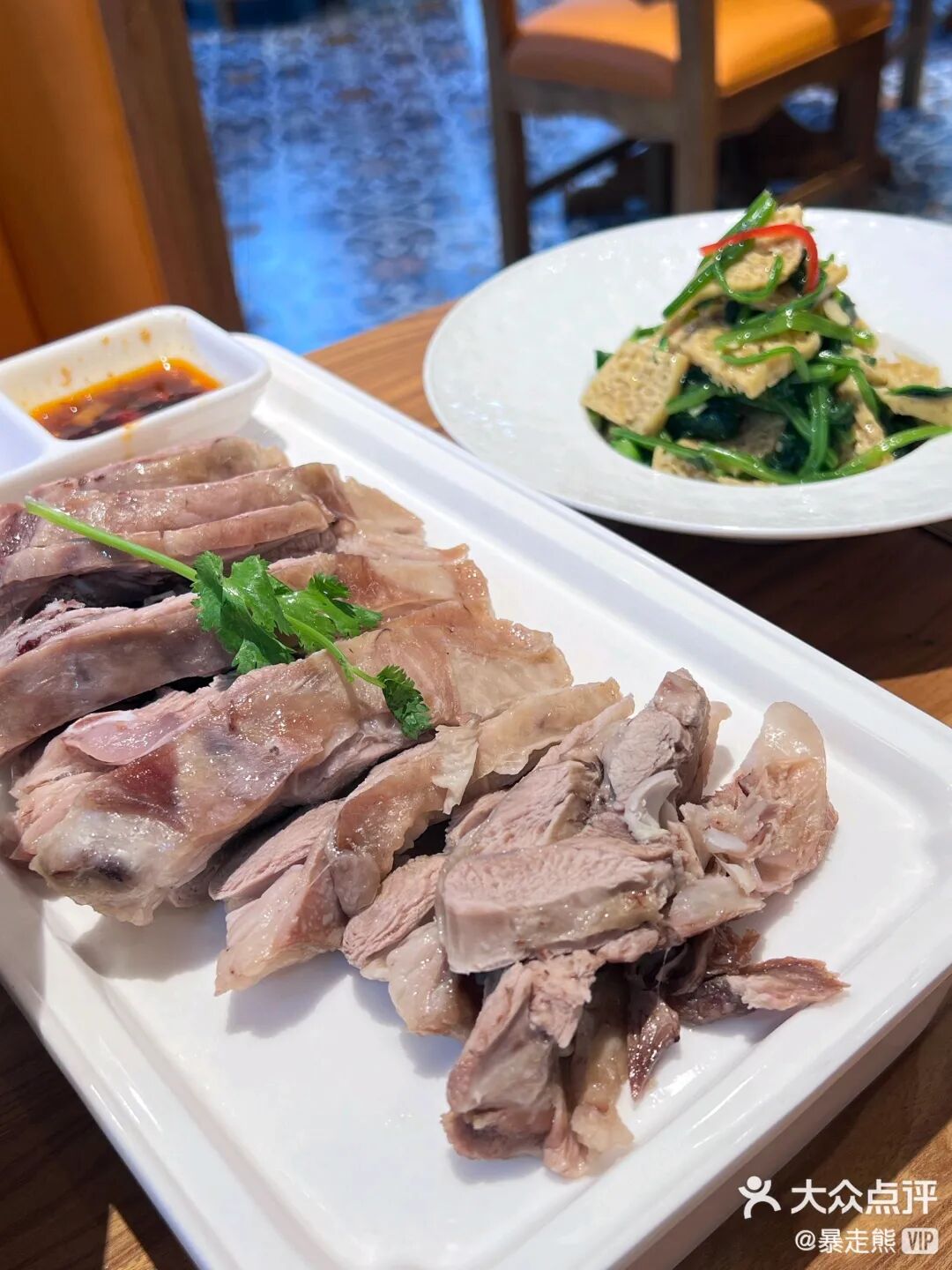
Shouzhua Yangrou (Hand-Grabbed Lamb)
Image source: Dianping @Baozou Xiong (Running Bear)
Bashibai spring lambs raised on pure Tianshan snowmelt are crafted into shouzhua yangrou, featuring meat as glossy and tender as fine fat. After being simmered in pure water, a gentle touch of the knife makes the juices burst forth with an amber glow. Eat it simply dipped in salt, and the fresh sweetness blooms across your teeth—this is the purest gift from the grasslands.
Shawan Dapanji (Big Plate Chicken)
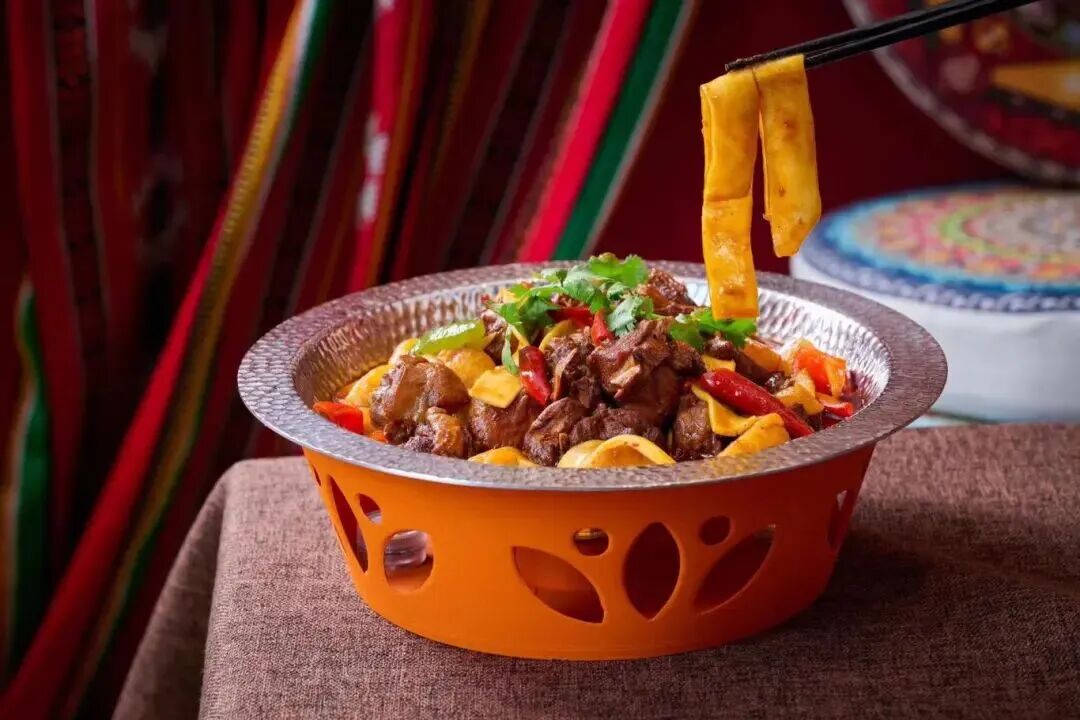
Rugged Xinjiang ingredients meet meticulous, slow-simmered comfort food, lifting up the scorching, soulful passion beneath the Tianshan Mountains with a single sweep of your chopsticks. Golden free-range chicken coated in thick, rich sauce, hand-pulled belt noodles soaked in savory chili oil, with green and red peppers and soft potato chunks dancing on your tongue.
Astana Beef Ribs
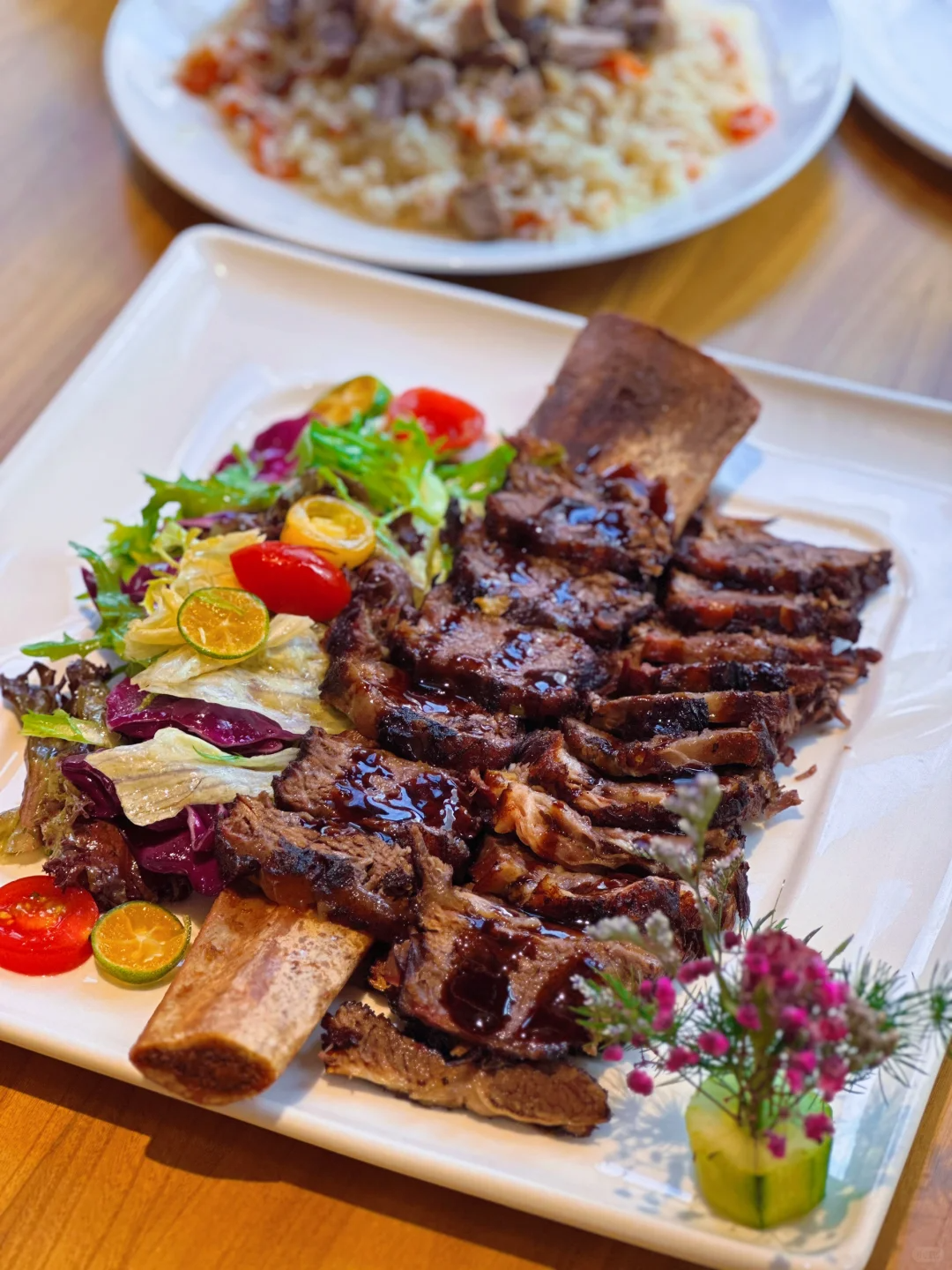
Slow-cooked to tender perfection, these beef ribs fall right off the bone. Every single rib radiates a rich, meaty aroma, paired with the house-special sauce that strikes the exact balance of sweet and savory—you won't be able to stop at just one piece.
Some folks say the fresh sweetness of seafood belongs to the ocean, while the boldness of Xinjiang cuisine comes from the desert, making the two impossible to mix. But 「Huoxiale」 smashes those culinary boundaries, featuring seafood front and center at a Xinjiang restaurant to revive "Hai-Pai Halal." Their seafood isn't just diverse; it's insanely fresh, with every single bite acting as a gift from the sea. Rooted in traditional Xinjiang cooking and Hai-Pai cuisine, they dig deep into the smoky comfort of old flavors while blending in Silk Road regional profiles and refined Western culinary presentation. It keeps every dish satisfyingly familiar under Halal standards while delivering total tongue-pleasing surprises.
Halal Irtysh River Cold-Water Fish Qiaotai
Image source: Xiaohongshu @Sharon_Jing
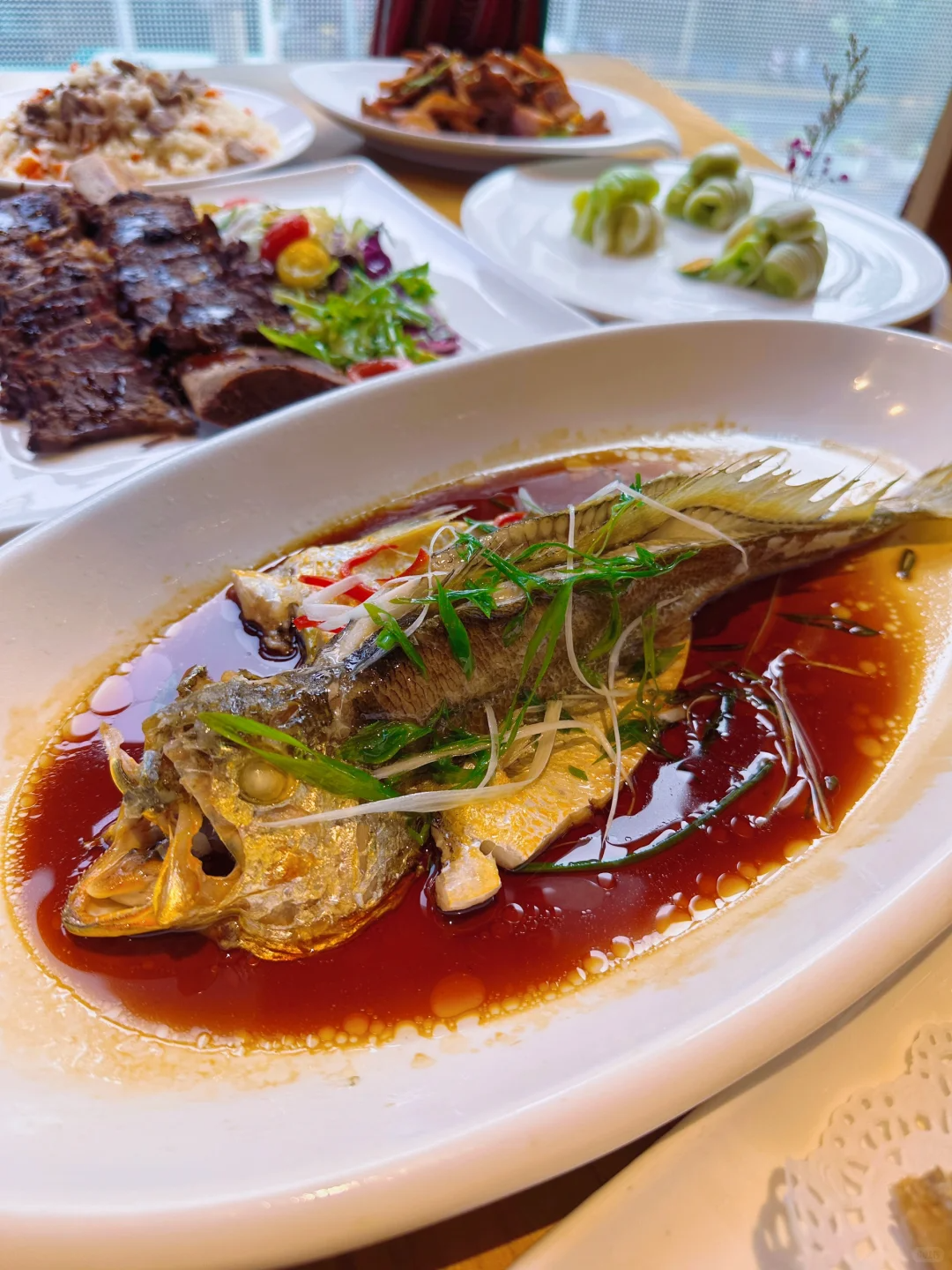
One of the house-signature seafood dishes. The fish is tender and juicy, letting you taste the firm, fresh texture in every bite. Paired with a house-special sweet-and-sour sauce, it perfectly highlights and elevates the natural sweetness of the fish.
Scallion-Aroma Rocket Squid
Image source: Xiaohongshu @Sharon_Jing
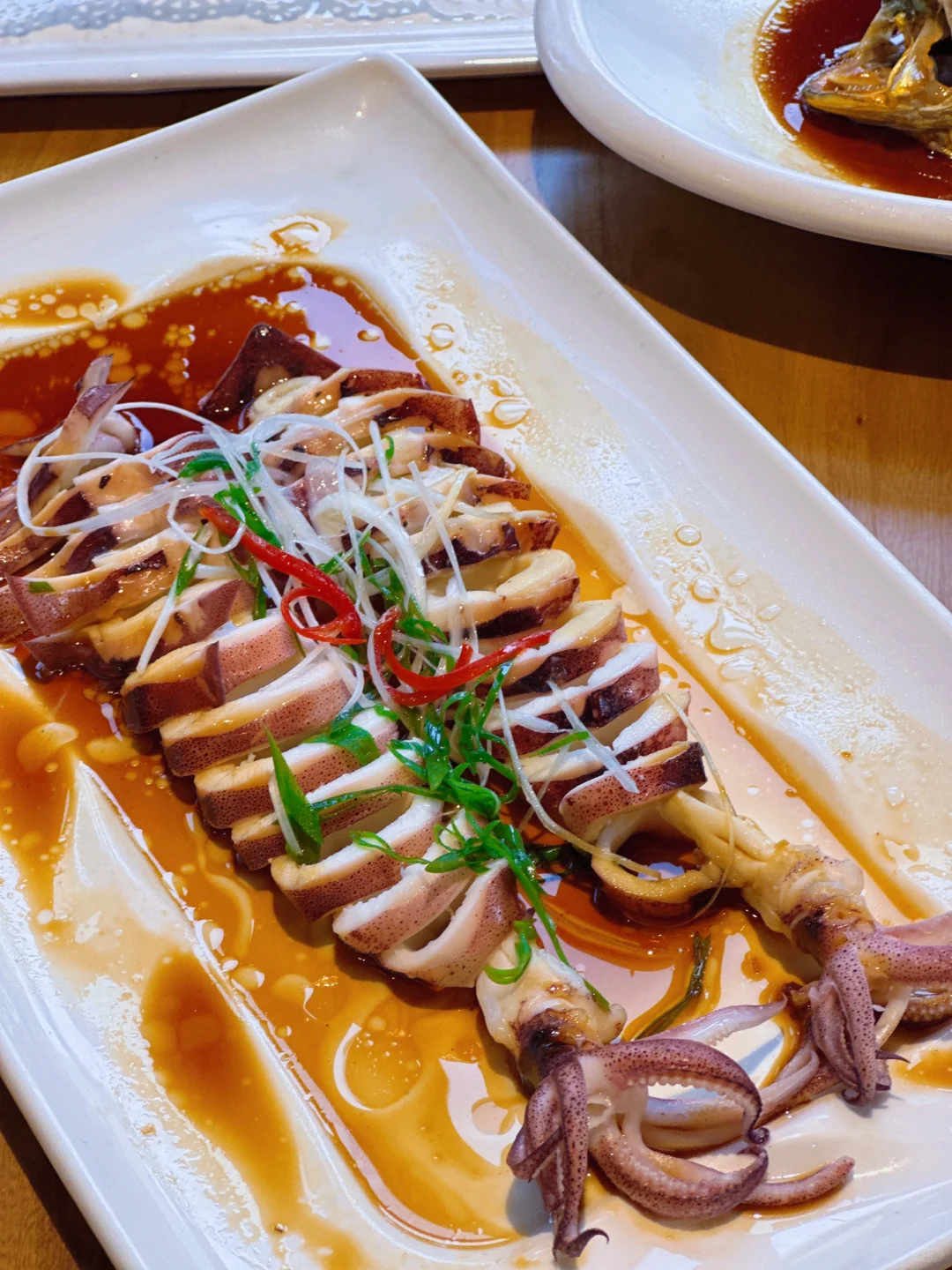
Bouncy, tender wild-caught squid, locked in with a secret technique passed down by a thirty-year veteran chef. The squid is snap-tender with a rich peppercorn-aroma sauce, marrying the numbing pepper profile with the natural sweetness of seafood in a masterclass of Hai-Pai elegance and Western Regions flair~
Flamed Salt-and-Pepper Mantis Shrimp
Image source: Xiaohongshu @Sharon_Jing
Selected meat-packed mantis shrimp, deep-fried until super crispy, then tossed in a signature salt-and-pepper sauce mixed with Western Regions spices. Crispy on the outside and tender on the inside, with a sweet-and-spicy explosion on your tongue.
Fragrant Stream Tengjiao (Vine Pepper) Fish
Anchored by the numbing fragrance of Sichuan vine pepper and slow-simmered with Silk Road spices, then drizzled with authentic Xinjiang-produced aromatic oil. The progression of numb, fresh, savory, and tender flavors builds layer by layer, presenting a fish dish with deeply complex Halal profiles.
Back in the 1990s, Shanghai's Hongbinlou stood proudly as a Halal landmark right in the northern part of the Jing'an Temple commercial hub. Back then, it wasn't just famous for its unique Halal eats; it also captured the quintessential vibe of old Shanghai. Their signature "fengshan lengmian" (electric-fan cooled cold noodles) held the memories of an entire generation. But as times changed, that taste of old Shanghai slowly faded away. Today, Huoxiale has taken over the legacy at Shanghai's Hongbinlou to run a "Hai-Pai Halal" concept, picking up the traditional craftsmanship of the electric-fan noodles to resurrect this classic old-Shanghai flavor.
Fengshan Lengmian (Electric-Fan Cooled Cold Noodles)
Making these old-school cold noodles puts serious demands on the chef, requiring master-level noodle-boiling skills. That's because these noodles aren't steamed; they're boiled right in a pot, scooped up, tossed evenly in seasoned oil, and cooled down using an electric fan. Experienced veteran chefs can pluck out a single strand while boiling, pinch it lightly between their fingers, and instantly know if the noodles are cooked to perfection. When lifting all the noodles out, they can't be overcooked because the electric cooling fan keeps cooking them internally until they hit that absolute sweet spot of texture.
The production technique and ingredients of these cold noodles carry on Hongbinlou's classic old-school recipe combining Halal traditions with Hai-Pai style. Tossed with classic Shanghai spicy fermented bean curd sauce (laifu jiang), fresh minced beef, diced bamboo shoots, and dried tofu, then simmered down until the sauce clings to the noodles—this spicy meat topping is thick, rich, glossy, and ridiculously fragrant.
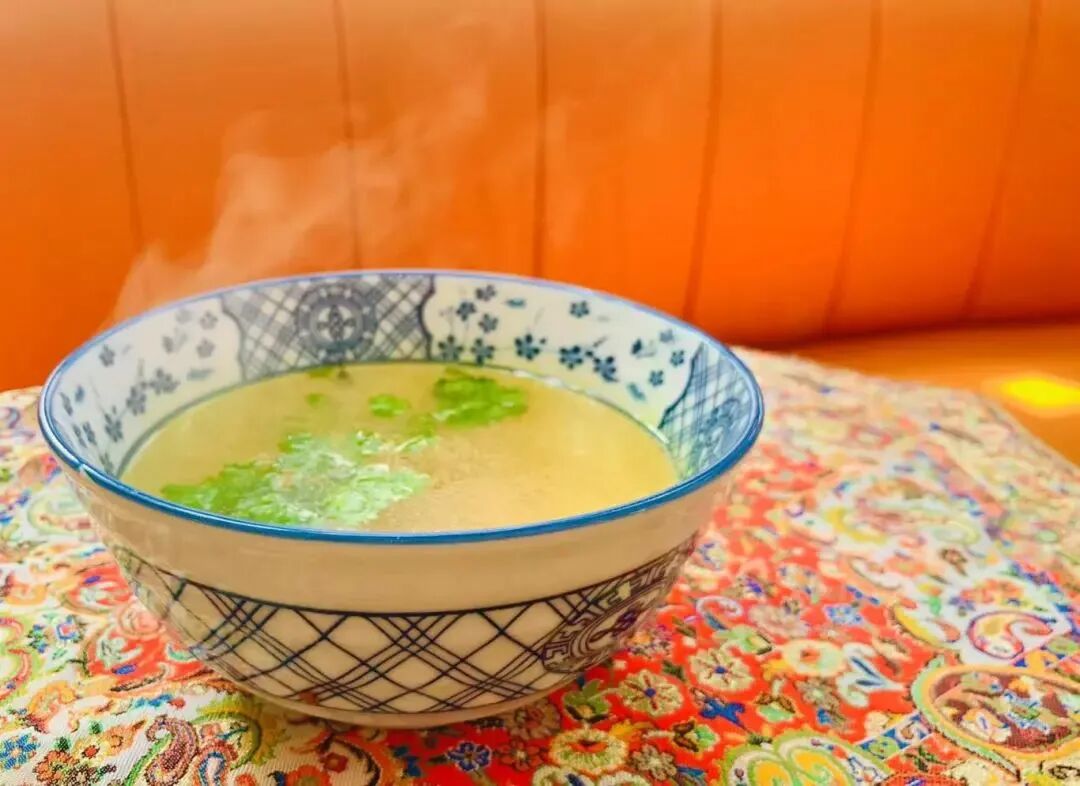
Curry Beef Head Soup
Cold noodles are wonderfully smooth and springy, but eating them all by itself can feel a bit dry. Pairing them with a bowl of fragrant curry beef soup at that exact moment instantly wakes up your taste buds! The clean, refreshing broth balances out the chill of the cold noodles, warming your stomach and quenching your thirst—the ultimate summer noodle combo slurping down noodles, sipping the soup, and grabbing a few slices of tender beef from the curry broth. Pure satisfaction.
Huoxiale's bowl of curry beef soup doesn't hit you with an overwhelming artificial curry powder flavor. Slow-cooked with real care, every spoonful delivers the milky richness of mutton bone combined with the deep, savory notes of beef bone. Rejecting heavy, overpowering spices, it leaves only natural milky aromas blooming lightly on your tongue, feeling just like a morning breeze sweeping across the grassland—pure and balanced to absolute perfection.
According to Huoxiale's owner, "Tiger Bro," they'll be introducing even more traditional Halal benbang (local Shanghainese) dishes in the future to truly carry forward and elevate "Hai-Pai Halal."
As we mentioned at the start of Chapter 2, why would a Western Regions-themed restaurant put such heavy emphasis on "Hai-Pai" Halal cuisine? I think this "Hai" (海) doesn't just mean the ocean—it also represents the open, inclusive culture of Shanghai (Hai-Pai). So I decided to ask DeepSeek what a "Hai-Pai restaurant" actually is. It told me: A Hai-Pai restaurant refers to an eatery rooted in regional Shanghai culture, blending the absolute essences of Chinese and Western culinary traditions, characterized by being "inclusive, exquisite, delicate, and innovative." You can think of it as a "Shanghai-style" restaurant, but the core of that style is all about "fusion" and "innovation."
Therefore, compared to the Beijing and Tianjin Hongbinlou locations which represent century-old heritage and tradition, Shanghai's Hongbinlou is all about innovation and fusion. From Shanghainese food to Xinjiang cuisine, Indonesian food, and now Xinjiang cuisine plus seafood and local benbang dishes—who knows, maybe blending Indonesian food back in down the road isn't totally out of the question!
03
More Than Just a Restaurant
Giving Wanderers a Warm Home Away From Home
Word has it that the management team steering this project actually crossed over from the jewelry industry. After the pandemic, they embarked on a new entrepreneurial journey focusing on Xingdeng Education Venture Capital, post-investment incubation for small-and-beautiful dual-circulation brands, and integrating three-industry-converged food supply chains. It's super exciting to see this kind of resilient, value-adding entrepreneur enter the Halal food space.
I was lucky enough to be longtime friends with one of the founders. When I asked him why on earth he decided to open a restaurant amidst such brutal competition in the restaurant biz, he shared a story from his past:
Twenty years ago, when he first arrived in Shanghai, he had that exact same desperate hunger for a familiar circle of people. Back at the company he worked for, even though there were lots of people around, he always walked alone and felt totally isolated. When he first got here, his salary was 1,800 RMB—he'd send most of it back home and keep just 300 RMB for living expenses.
Stepping into a Xinjiang restaurant back then felt just like coming home. He couldn't afford to buy actual meals, but he could sit around and talk with folks. So opening a restaurant became a deep-seated dream of his: to create a warm, comforting space for people wandering far from home.
That's why Huoxiale's positioning from day one was never just a restaurant. Instead, it's a multi-functional space blending food, socialization, music, and culture—destined to become a community hub and an incubator for commercial innovation.
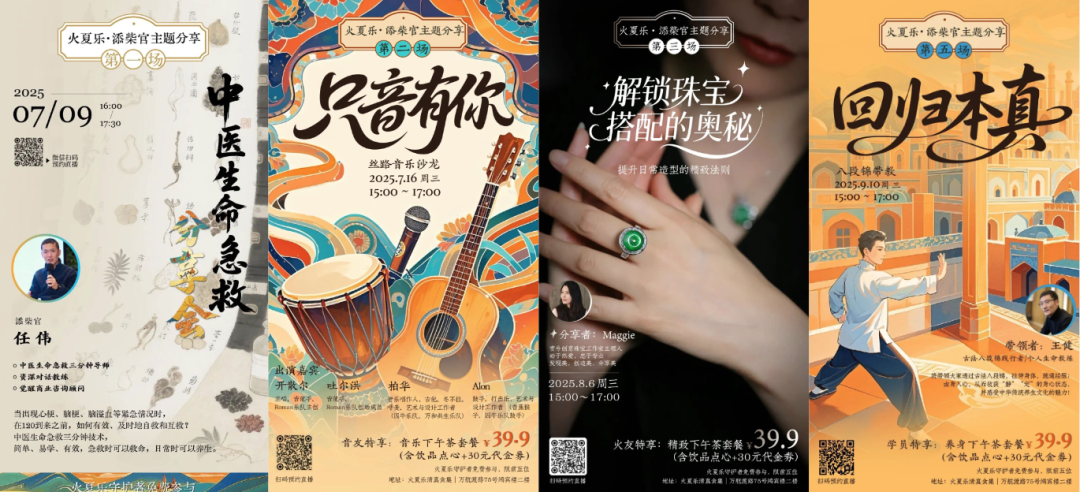
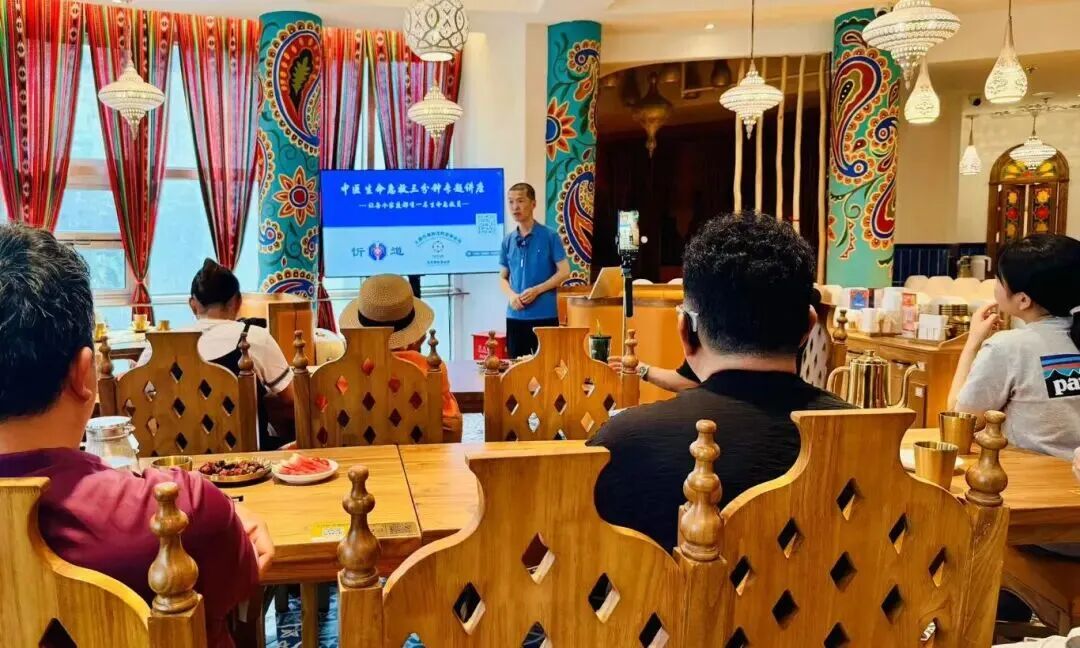
So what exactly is a "community hub"? It's a joyful space inside Huoxiale where people share, listen, connect, and grow together. That's not just a catchy slogan; ever since opening, they've been actively living it out, launching the "Fuel-Adding Officer" (Tianchai Guan) initiative where everyone chips in to feed the fire. Since July, they've already hosted multiple events spanning all kinds of fields.
Traditional Chinese Medicine (TCM) public welfare classes: What kind of magical charm makes people never want to leave once they step inside?
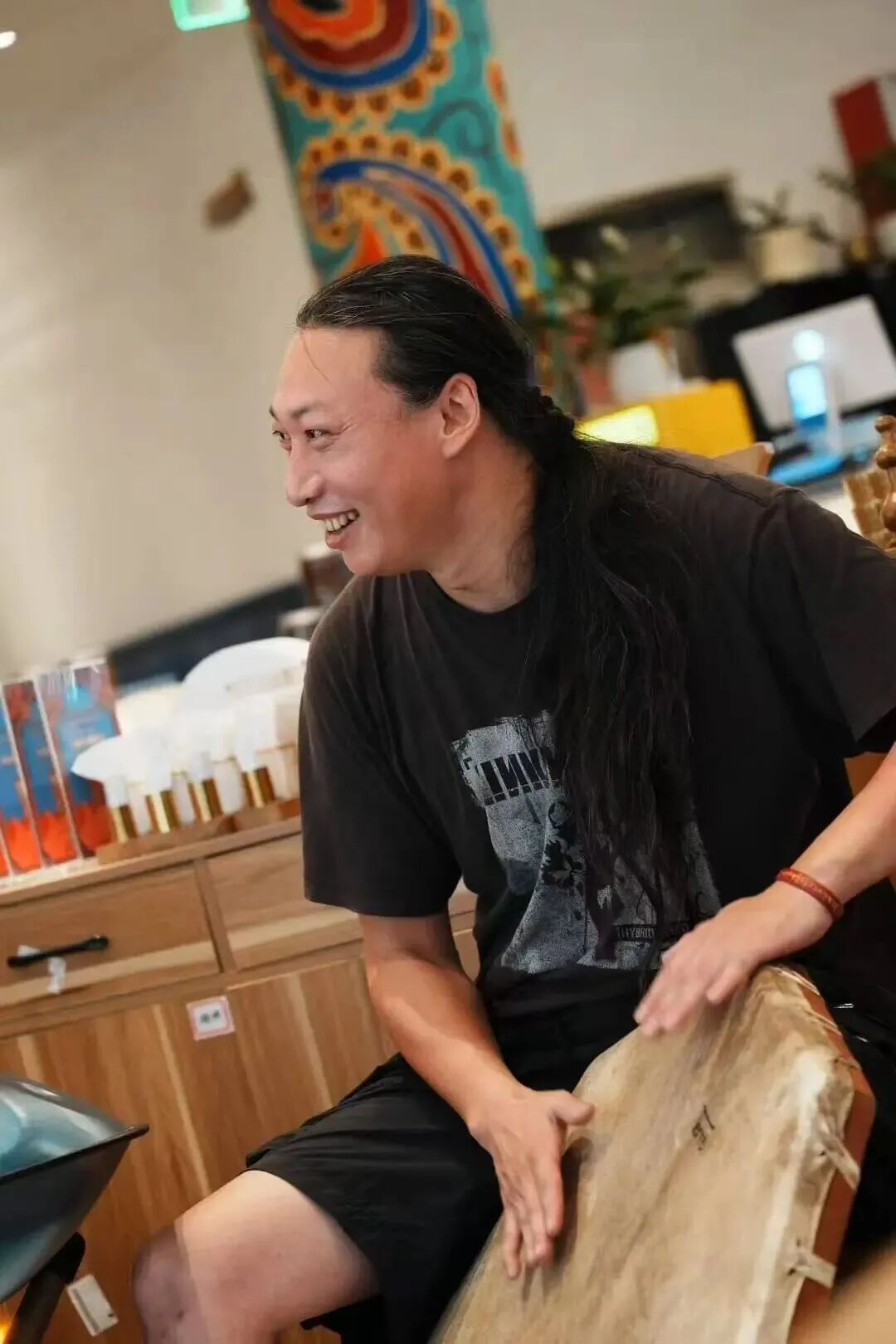
Ethnic music performances: Who says restaurants are just for stuffing your face? Music + food + socializing = maximum joy unlocked!
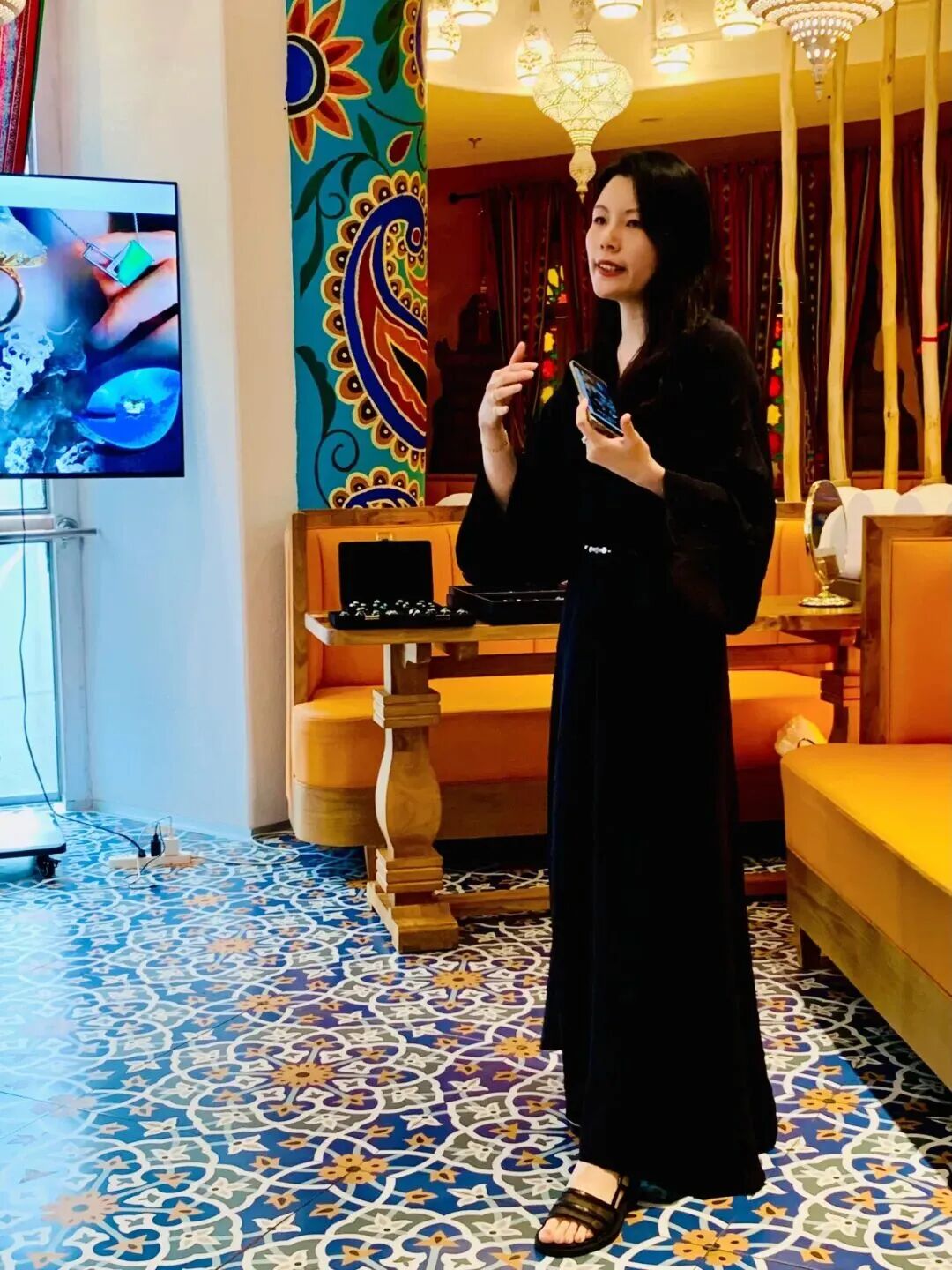
Jewelry knowledge-sharing sessions: Silk Road Radiance & Maritime Pearls: When Hai-Pai Halal meets fine gems and pearls.
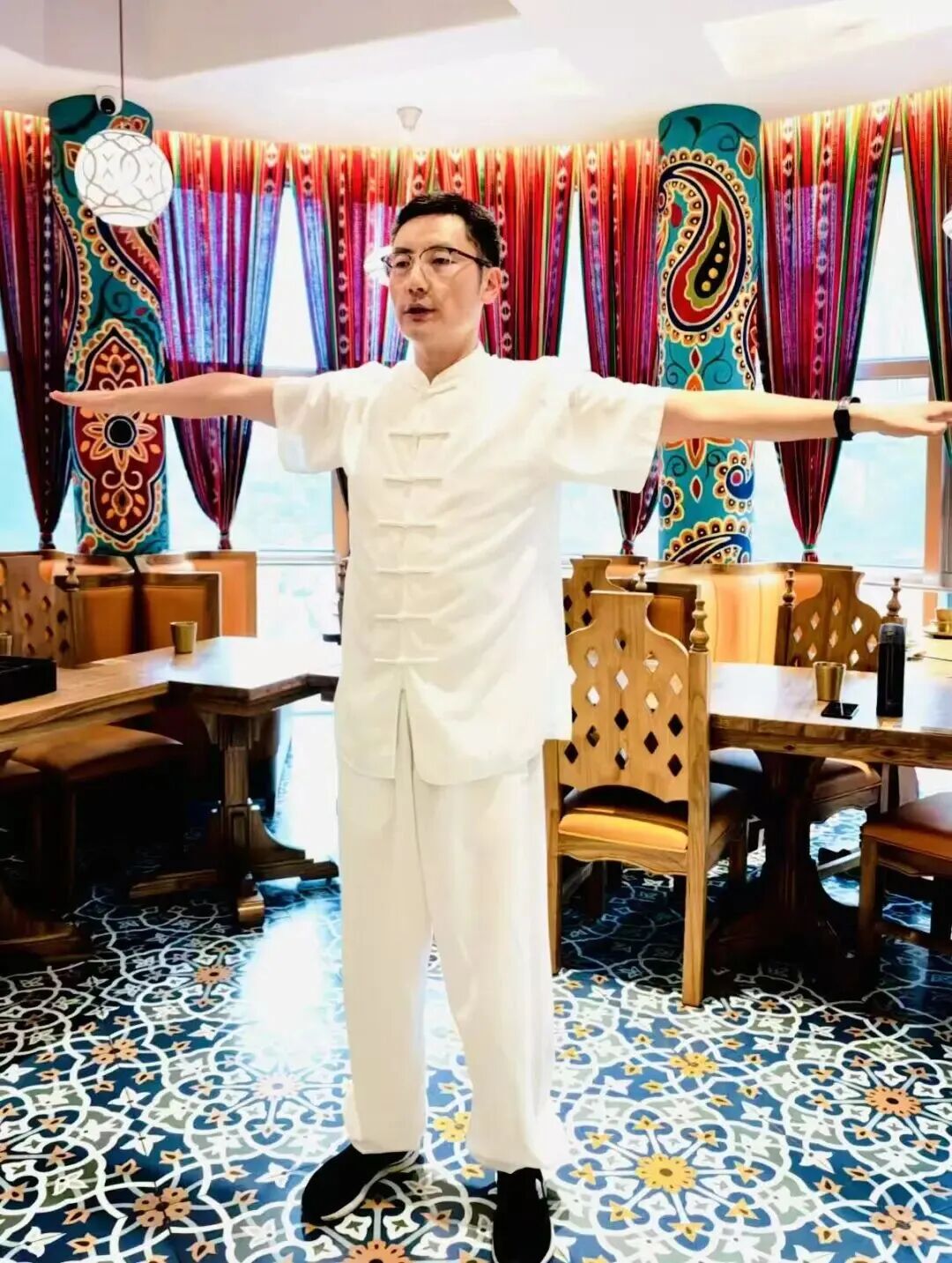
Baduanjin wellness workshops: A cultural restaurant like no other: Practicing ancient Baduanjin qigong right inside a Shanghai Hai-Pai Halal joint.
There are plenty more events coming up down the road. If you want to jump in and join the fun, scan the QR code to find out more and sign up! view all
What makes this "Hai-Pai" (Shanghai-style) Halal restaurant in Shanghai so different?
Summary:
If you've been working or studying in Shanghai for a while, you've probably noticed that things have really been looking up lately. Halal restaurants featuring all kinds of regional cuisines and formats are popping up everywhere across the city. Ten years ago, when I was working and studying here, my weekly dilemma was always, "Please tell me we're not going to that exact same place again this week!"
If you've been working and studying in Shanghai for a while, you've probably noticed that things have really been looking up lately.
Halal restaurants featuring all kinds of regional cuisines and formats are popping up everywhere across the city.
Ten years ago, when I was working and studying here, my weekly dilemma was always, "Please tell me we're not going to that exact same place again this week!"
And now, alongside local Shanghainese noodles and Guanguanji, we've got the Changying Three Brothers coming all down from Beijing, Pin Huiwei hailing from Hangzhou... we've even got Yunnan beef spots, Tianshui spicy hot pot, Huainan beef soup, and grilled fish joints~
So now, hasn't everyone's dilemma basically changed to, "Which spot are we hitting up this week?"
After rambling on for so long, you've probably guessed it—this time we're recommending a classic Shanghai Halal spot: "Hongbinlou," which now goes by the name 「Huoxiale · Hai-Pai Halal Cuisine (Hongbinlou Branch)」.
01
Historical Heritage
The Twisting, Turning History of Shanghai's Hongbinlou
When people talk about "Hongbinlou," the name everyone instantly recognizes is the legendary "Number One Halal Restaurant in China," opened in Tianjin back in the third year of Emperor Xianfeng's reign (1853) and later relocated to Beijing at the personal invitation of Premier Zhou Enlai. Meanwhile, this Hongbinlou registered in Shanghai in 1993 doesn't seem to have much connection to that traditional century-old brand; it's likely just a shared name or a respectful nod.
According to posts from old-school internet foodies, back in the 1990s, Shanghai's Hongbinlou was already operating right at the corner of Huashan Road and Beijing Road. The storefront was pretty small back then, but the interior was spacious and dim. It was famous for its niurou jianbao (pan-fried beef buns)—thin wrappers stuffed with loads of savory, juicy beef—which were served year-round. (Wonder if they already had that signature curry-beef flavor back then?) They were also super famous for their "fengshan lengmian" (electric-fan cooled cold noodles).
Later on, that old location got demolished for urban redevelopment, and for the longest time, nobody knew where it had moved. Piecing together information found online, by the early 2000s, a new Xinjiang restaurant bearing the exact same name "Hongbinlou" popped up on Yuyuan New Road (near Wulumuqi Road).
Image sourced from the internet; please contact us to delete if there is any copyright infringement.

Xinjiang restaurants, right? They're pretty much all about yangrou chuan (Xinjiang lamb skewers), dapanji (big plate spicy chicken), nangbaorou (flatbread stuffed with lamb), tiger salad, and shouzhua yangrou (Lanzhou hand-grabbed lamb). Even though Xinjiang joints are everywhere nowadays, back then it was a seriously trendy vibe. Especially the nangbaorou, which people used to call "Xinjiang pizza"—long before the whole "daluonang" (gravy-topped flatbread) internet meme came around.
Later on, due to another round of land requisition, Hongbinlou disappeared from the public eye for a bit before reopening in the early 2000s at No. 75 Wanhangdu Road. They also brought in the Indonesian dining brand "Bali Bistro," which was a massive hit in Shanghai for a long time. When our foodie editor was working in Shanghai, he used to walk past it all the time, though sadly he never made it inside to try it. Now, that era is history too.
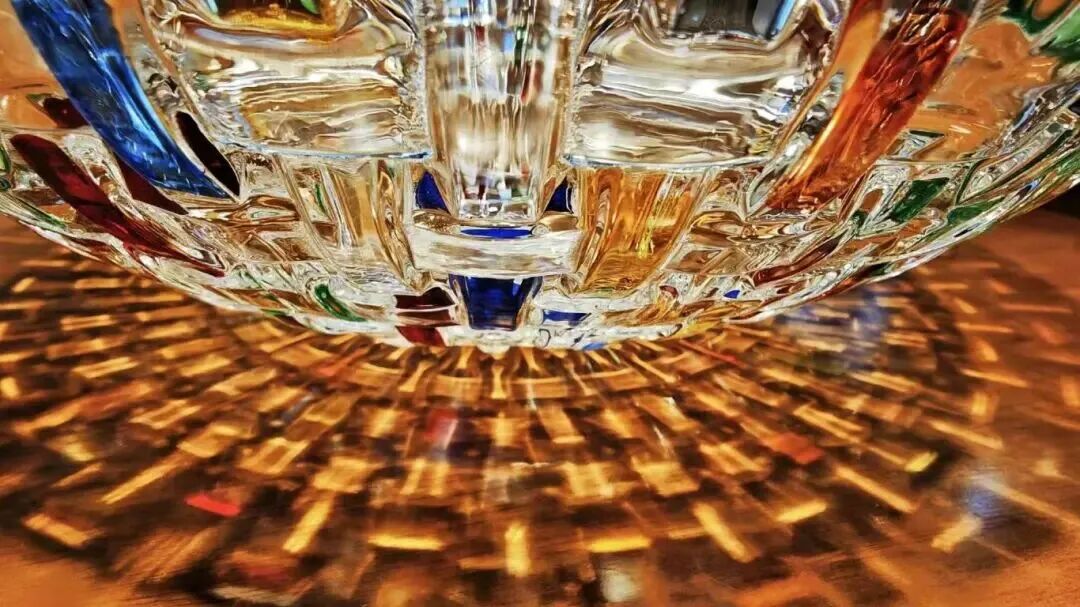
Image source: WeChat Official Account @You E Le (Hungry Again)
02
A Fresh Rebirth
Huoxiale Redefines Hai-Pai Halal Cuisine
In November 2024, Hongbinlou welcomed a brand-new chapter reborn as the current 「Huoxiale」. Even though its Dianping subtitle is "Hai-Pai Halal Cuisine," the main storefront sign still reads "Silk Road Halal Food Market," so the core menu still leans heavily toward Northwest Chinese and Xinjiang cuisine. As for why they're putting so much emphasis on "Hai-Pai Halal Cuisine," we'll get into that in a bit.
The overall interior design centers heavily on Western Regions aesthetics. It's stunningly upscale, showing just how much thought and aesthetic vision the owners put into it. They spared no expense shipping in specialty building materials from afar, with every single brick and tile reflecting the folk customs and culture of the Silk Road.
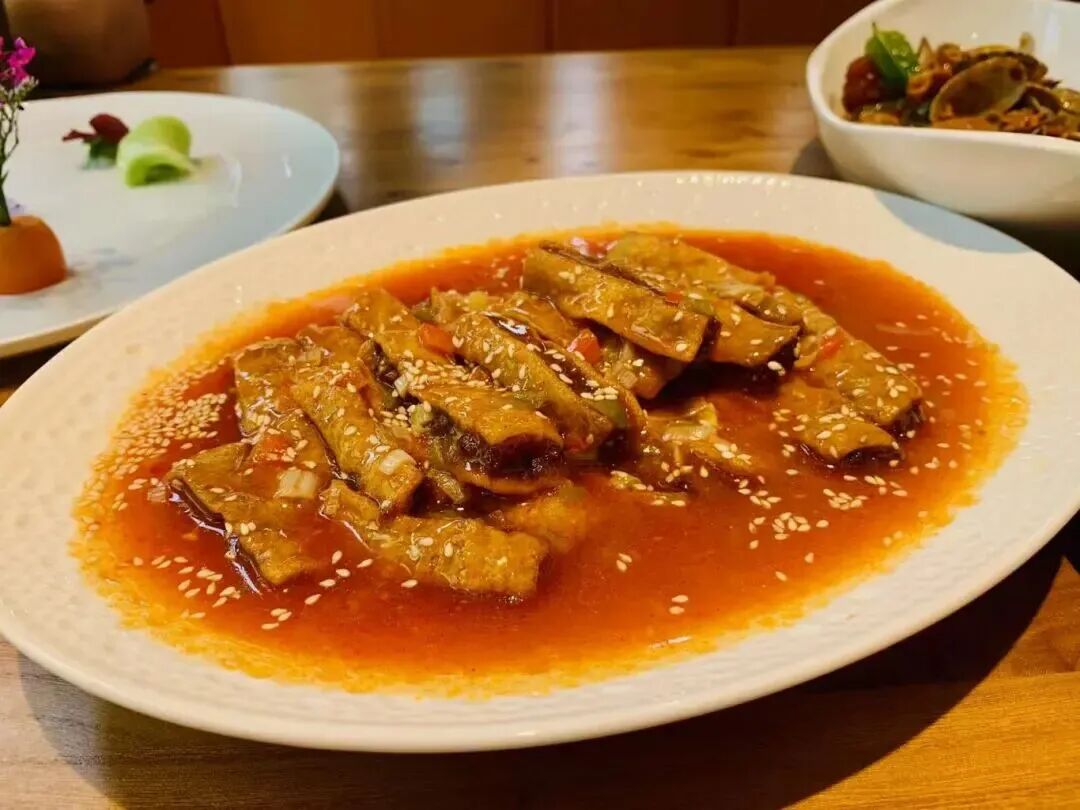
Image source: Xiaohongshu @Jingan's Sky
They didn't just pour effort into the hardware—they also brought in a master muralist to paint epic Silk Road wall art, letting diners soak in the culture of the Western Regions where food tells a story while they eat.
The bowls, plates, serving vessels, and grills in the restaurant are all sourced directly from their places of origin, and the servers rock traditional attire, greeting every single guest with warm, down-to-earth smiles. It's quickly become an absolute must-visit, gorgeous Halal dining spot in Jing'an District.
Image source: Xiaohongshu @Sharon_Jing
Speaking of the vibe, there's one detail people rarely pay attention to that is totally crucial to your dining mood: the omnipresent second-hand smoke and alcohol reek in typical Chinese restaurants. You know how it is—you're having a great meal, almost full, and suddenly a wave of cigarette smoke drifts over from the next table, instantly killing your appetite... Well, Huoxiale's whole thing is being a "smoke-free and alcohol-free wellness-friendly restaurant." Tons of people on Xiaohongshu are praising it for being super friendly to women and kids. Our editor totally agrees—this kind of restaurant is the ultimate form of respect for anyone who loves good food!
Of course, at the end of the day, whether a restaurant is good or not all comes down to the dishes and the flavors. Aside from nailing traditional Xinjiang cuisine, Huoxiale also brilliantly weaves in seafood and Shanghainese benbang (local Shanghainese) dishes, making it a true fusion restaurant.
Xinjiang Bashibai Lamb Skewers
Sizzling Xinjiang Bashibai lamb skewers transport your taste buds straight to Xinjiang in a single bite. This is Shanghai's ultimate "Western Regions night market vibe": sizzling lamb skewers paired with ice-cold kavass (traditional fermented honey drink)—the absolute peak of summer night-market luxury!
Hui Muslim Jiasha
With a golden, crispy exterior and a savory, aromatic filling inside, Hui Muslim jiasha (crispy stuffed egg-skin rolls) makes you feel like you're tasting a thousand years of Western Regions culture with every bite. The golden miracle of the intangible-heritage stove: lifting a legendary piece of Xinjiang beef jiasha with your chopsticks.
Shouzhua Yangrou (Hand-Grabbed Lamb)
Image source: Dianping @Baozou Xiong (Running Bear)
Bashibai spring lambs raised on pure Tianshan snowmelt are crafted into shouzhua yangrou, featuring meat as glossy and tender as fine fat. After being simmered in pure water, a gentle touch of the knife makes the juices burst forth with an amber glow. Eat it simply dipped in salt, and the fresh sweetness blooms across your teeth—this is the purest gift from the grasslands.
Shawan Dapanji (Big Plate Chicken)
Rugged Xinjiang ingredients meet meticulous, slow-simmered comfort food, lifting up the scorching, soulful passion beneath the Tianshan Mountains with a single sweep of your chopsticks. Golden free-range chicken coated in thick, rich sauce, hand-pulled belt noodles soaked in savory chili oil, with green and red peppers and soft potato chunks dancing on your tongue.
Astana Beef Ribs
Slow-cooked to tender perfection, these beef ribs fall right off the bone. Every single rib radiates a rich, meaty aroma, paired with the house-special sauce that strikes the exact balance of sweet and savory—you won't be able to stop at just one piece.
Some folks say the fresh sweetness of seafood belongs to the ocean, while the boldness of Xinjiang cuisine comes from the desert, making the two impossible to mix. But 「Huoxiale」 smashes those culinary boundaries, featuring seafood front and center at a Xinjiang restaurant to revive "Hai-Pai Halal." Their seafood isn't just diverse; it's insanely fresh, with every single bite acting as a gift from the sea. Rooted in traditional Xinjiang cooking and Hai-Pai cuisine, they dig deep into the smoky comfort of old flavors while blending in Silk Road regional profiles and refined Western culinary presentation. It keeps every dish satisfyingly familiar under Halal standards while delivering total tongue-pleasing surprises.
Halal Irtysh River Cold-Water Fish Qiaotai
Image source: Xiaohongshu @Sharon_Jing
One of the house-signature seafood dishes. The fish is tender and juicy, letting you taste the firm, fresh texture in every bite. Paired with a house-special sweet-and-sour sauce, it perfectly highlights and elevates the natural sweetness of the fish.
Scallion-Aroma Rocket Squid
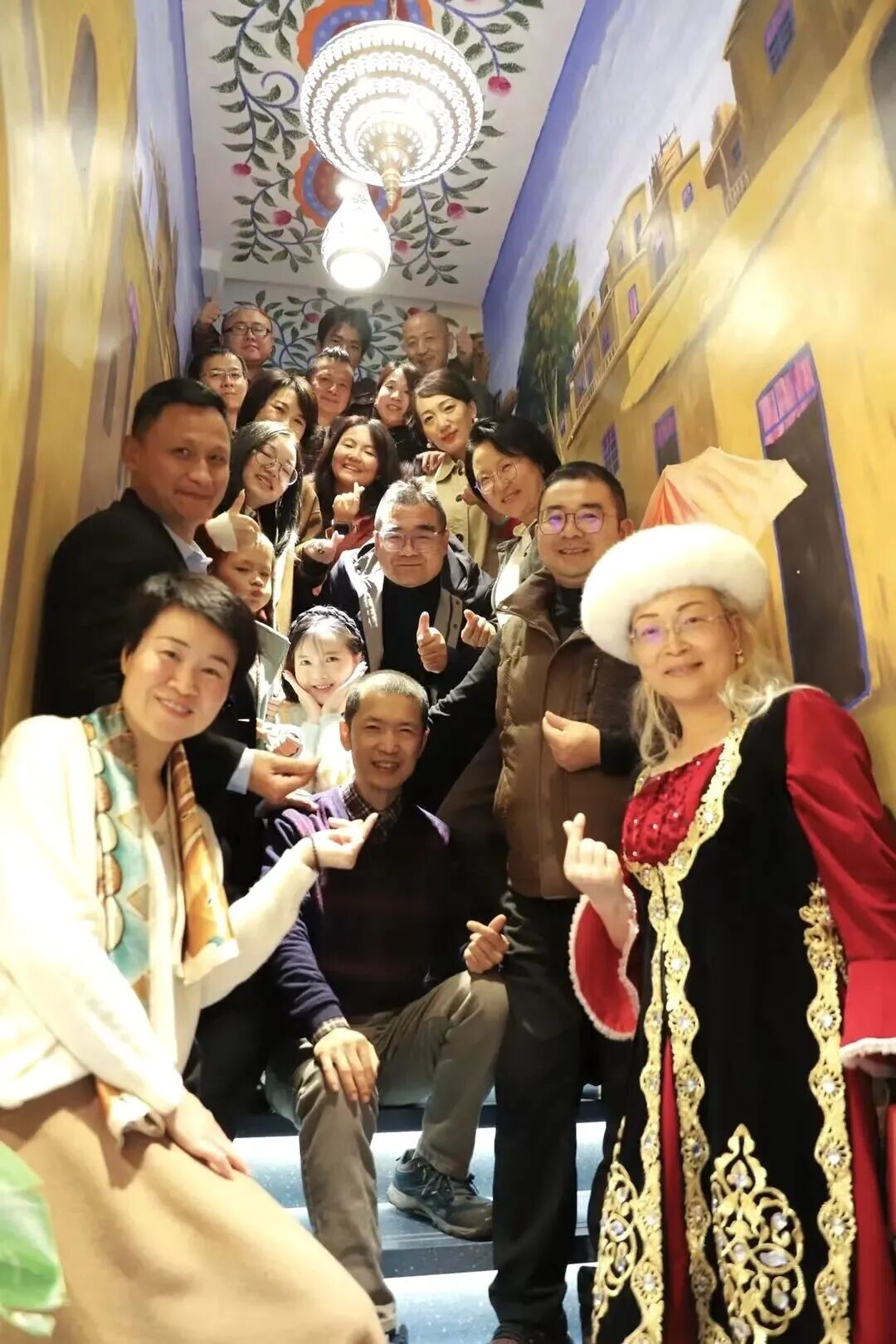
Image source: Xiaohongshu @Sharon_Jing
Bouncy, tender wild-caught squid, locked in with a secret technique passed down by a thirty-year veteran chef. The squid is snap-tender with a rich peppercorn-aroma sauce, marrying the numbing pepper profile with the natural sweetness of seafood in a masterclass of Hai-Pai elegance and Western Regions flair~
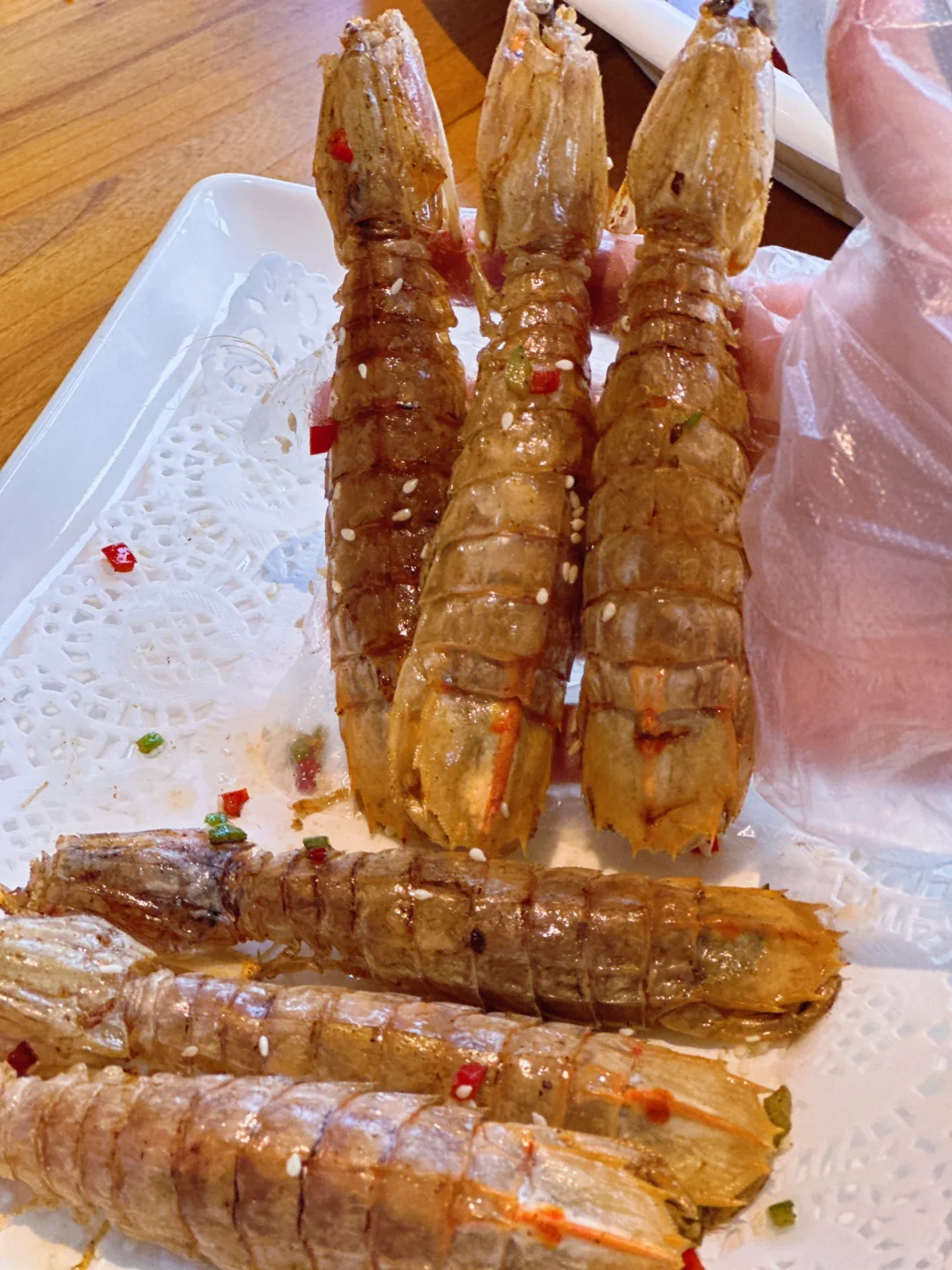
Flamed Salt-and-Pepper Mantis Shrimp
Image source: Xiaohongshu @Sharon_Jing
Selected meat-packed mantis shrimp, deep-fried until super crispy, then tossed in a signature salt-and-pepper sauce mixed with Western Regions spices. Crispy on the outside and tender on the inside, with a sweet-and-spicy explosion on your tongue.
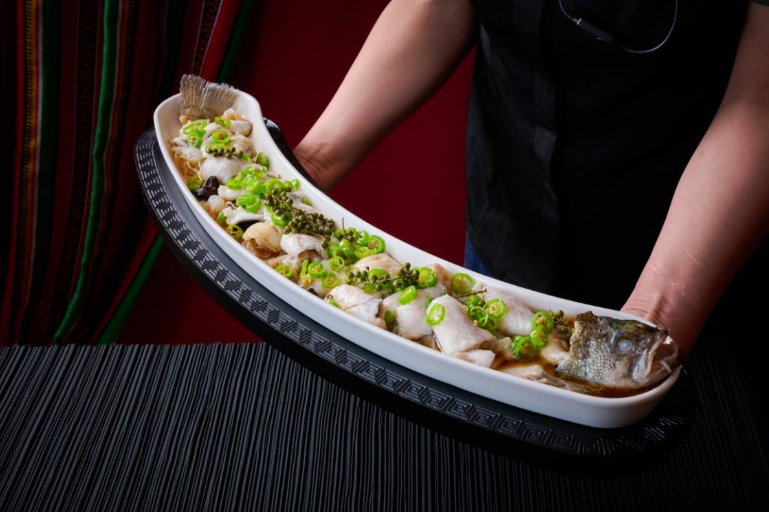
Fragrant Stream Tengjiao (Vine Pepper) Fish
Anchored by the numbing fragrance of Sichuan vine pepper and slow-simmered with Silk Road spices, then drizzled with authentic Xinjiang-produced aromatic oil. The progression of numb, fresh, savory, and tender flavors builds layer by layer, presenting a fish dish with deeply complex Halal profiles.
Back in the 1990s, Shanghai's Hongbinlou stood proudly as a Halal landmark right in the northern part of the Jing'an Temple commercial hub. Back then, it wasn't just famous for its unique Halal eats; it also captured the quintessential vibe of old Shanghai. Their signature "fengshan lengmian" (electric-fan cooled cold noodles) held the memories of an entire generation. But as times changed, that taste of old Shanghai slowly faded away. Today, Huoxiale has taken over the legacy at Shanghai's Hongbinlou to run a "Hai-Pai Halal" concept, picking up the traditional craftsmanship of the electric-fan noodles to resurrect this classic old-Shanghai flavor.
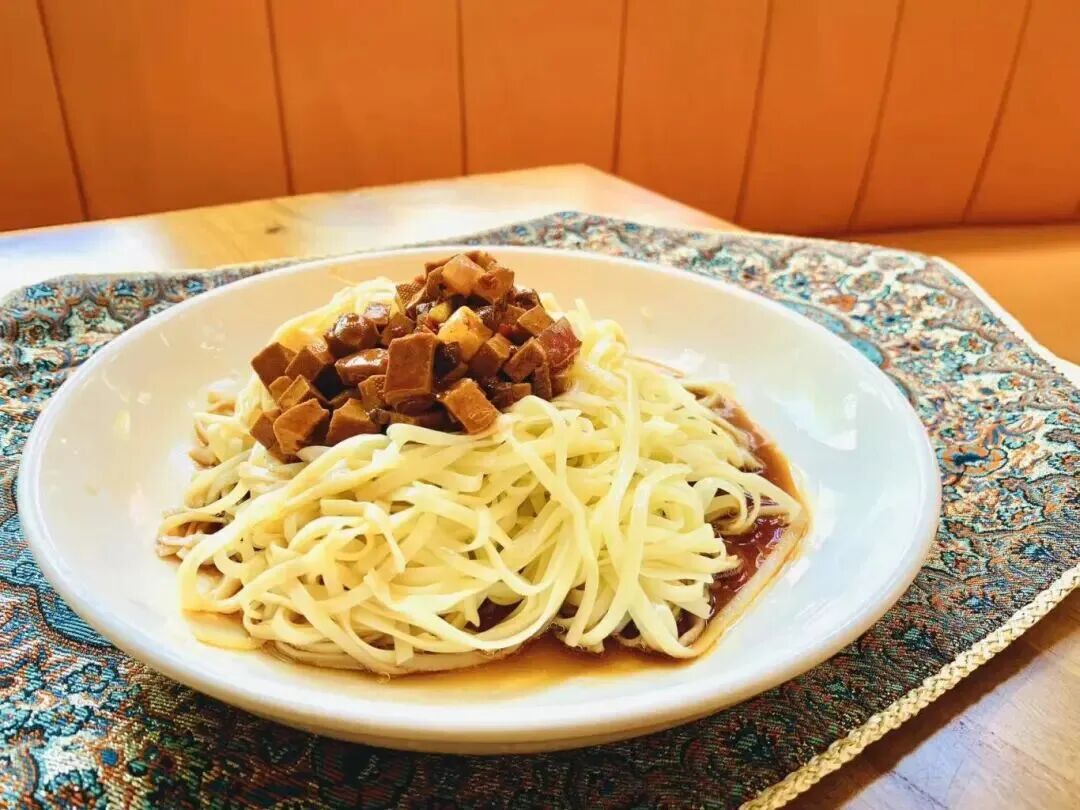
Fengshan Lengmian (Electric-Fan Cooled Cold Noodles)
Making these old-school cold noodles puts serious demands on the chef, requiring master-level noodle-boiling skills. That's because these noodles aren't steamed; they're boiled right in a pot, scooped up, tossed evenly in seasoned oil, and cooled down using an electric fan. Experienced veteran chefs can pluck out a single strand while boiling, pinch it lightly between their fingers, and instantly know if the noodles are cooked to perfection. When lifting all the noodles out, they can't be overcooked because the electric cooling fan keeps cooking them internally until they hit that absolute sweet spot of texture.
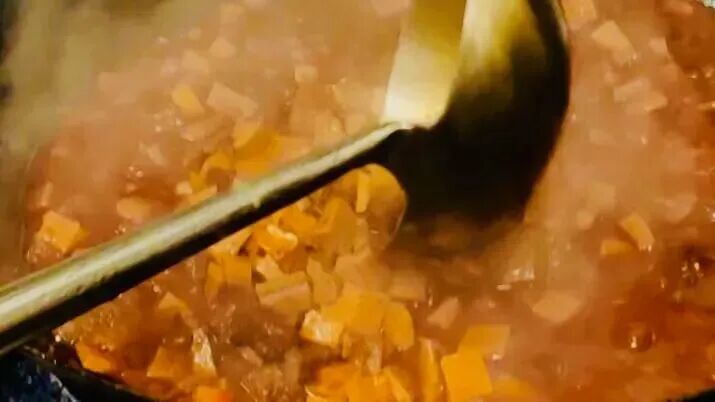
The production technique and ingredients of these cold noodles carry on Hongbinlou's classic old-school recipe combining Halal traditions with Hai-Pai style. Tossed with classic Shanghai spicy fermented bean curd sauce (laifu jiang), fresh minced beef, diced bamboo shoots, and dried tofu, then simmered down until the sauce clings to the noodles—this spicy meat topping is thick, rich, glossy, and ridiculously fragrant.
Curry Beef Head Soup
Cold noodles are wonderfully smooth and springy, but eating them all by itself can feel a bit dry. Pairing them with a bowl of fragrant curry beef soup at that exact moment instantly wakes up your taste buds! The clean, refreshing broth balances out the chill of the cold noodles, warming your stomach and quenching your thirst—the ultimate summer noodle combo slurping down noodles, sipping the soup, and grabbing a few slices of tender beef from the curry broth. Pure satisfaction.
Huoxiale's bowl of curry beef soup doesn't hit you with an overwhelming artificial curry powder flavor. Slow-cooked with real care, every spoonful delivers the milky richness of mutton bone combined with the deep, savory notes of beef bone. Rejecting heavy, overpowering spices, it leaves only natural milky aromas blooming lightly on your tongue, feeling just like a morning breeze sweeping across the grassland—pure and balanced to absolute perfection.
According to Huoxiale's owner, "Tiger Bro," they'll be introducing even more traditional Halal benbang (local Shanghainese) dishes in the future to truly carry forward and elevate "Hai-Pai Halal."
As we mentioned at the start of Chapter 2, why would a Western Regions-themed restaurant put such heavy emphasis on "Hai-Pai" Halal cuisine? I think this "Hai" (海) doesn't just mean the ocean—it also represents the open, inclusive culture of Shanghai (Hai-Pai). So I decided to ask DeepSeek what a "Hai-Pai restaurant" actually is. It told me: A Hai-Pai restaurant refers to an eatery rooted in regional Shanghai culture, blending the absolute essences of Chinese and Western culinary traditions, characterized by being "inclusive, exquisite, delicate, and innovative." You can think of it as a "Shanghai-style" restaurant, but the core of that style is all about "fusion" and "innovation."
Therefore, compared to the Beijing and Tianjin Hongbinlou locations which represent century-old heritage and tradition, Shanghai's Hongbinlou is all about innovation and fusion. From Shanghainese food to Xinjiang cuisine, Indonesian food, and now Xinjiang cuisine plus seafood and local benbang dishes—who knows, maybe blending Indonesian food back in down the road isn't totally out of the question!
03
More Than Just a Restaurant
Giving Wanderers a Warm Home Away From Home
Word has it that the management team steering this project actually crossed over from the jewelry industry. After the pandemic, they embarked on a new entrepreneurial journey focusing on Xingdeng Education Venture Capital, post-investment incubation for small-and-beautiful dual-circulation brands, and integrating three-industry-converged food supply chains. It's super exciting to see this kind of resilient, value-adding entrepreneur enter the Halal food space.
I was lucky enough to be longtime friends with one of the founders. When I asked him why on earth he decided to open a restaurant amidst such brutal competition in the restaurant biz, he shared a story from his past:
Twenty years ago, when he first arrived in Shanghai, he had that exact same desperate hunger for a familiar circle of people. Back at the company he worked for, even though there were lots of people around, he always walked alone and felt totally isolated. When he first got here, his salary was 1,800 RMB—he'd send most of it back home and keep just 300 RMB for living expenses.
Stepping into a Xinjiang restaurant back then felt just like coming home. He couldn't afford to buy actual meals, but he could sit around and talk with folks. So opening a restaurant became a deep-seated dream of his: to create a warm, comforting space for people wandering far from home.
That's why Huoxiale's positioning from day one was never just a restaurant. Instead, it's a multi-functional space blending food, socialization, music, and culture—destined to become a community hub and an incubator for commercial innovation.
So what exactly is a "community hub"? It's a joyful space inside Huoxiale where people share, listen, connect, and grow together. That's not just a catchy slogan; ever since opening, they've been actively living it out, launching the "Fuel-Adding Officer" (Tianchai Guan) initiative where everyone chips in to feed the fire. Since July, they've already hosted multiple events spanning all kinds of fields.
Traditional Chinese Medicine (TCM) public welfare classes: What kind of magical charm makes people never want to leave once they step inside?
Ethnic music performances: Who says restaurants are just for stuffing your face? Music + food + socializing = maximum joy unlocked!
Jewelry knowledge-sharing sessions: Silk Road Radiance & Maritime Pearls: When Hai-Pai Halal meets fine gems and pearls.
Baduanjin wellness workshops: A cultural restaurant like no other: Practicing ancient Baduanjin qigong right inside a Shanghai Hai-Pai Halal joint.
There are plenty more events coming up down the road. If you want to jump in and join the fun, scan the QR code to find out more and sign up!
Shanghai's Unique 'Hai-Pai' Halal Dining Experience at Hongbinlou
Articles • Hasan09 posted the article • 0 comments • 0 views • 1 hours ago
What makes this "Hai-Pai" (Shanghai-style) Halal restaurant in Shanghai so different?
Summary:
Foodies who have been working and studying in Shanghai for a while have probably noticed that things have really been looking up lately. Halal restaurants of all different cuisines and styles are popping up all over every district. Ten years ago, when I was working and studying in Shanghai, my weekly dilemma was, "Surely we're not going to that same place again this week!"
Foodies who have been working and studying in Shanghai for a while have probably noticed that things have really been looking up lately.
Halal restaurants of all different cuisines and styles are popping up all over every district.
Ten years ago, when I was working and studying in Shanghai, my weekly dilemma was, "Surely we're not going to that same place again this week!"
And now, alongside local Shanghainese noodles and Guanguanji, we've got the three Changying brothers from Beijing, Pin Huiwei from Hangzhou... and even Yunnan beef specialty spots, Tianshui mala tang, Huainan beef soup, and grilled fish joints~
So now, isn't everyone's dilemma just, "Which spot are we hitting up this week?"
After rambling on for so long, you've probably guessed that this installment is recommending a classic Shanghai Halal restaurant—"Hongbinlou", which in its current iteration is known as 「Huoxiale·Hai-Pai Halal Restaurant (Hongbinlou Branch)」.
01
Historical Heritage
The turbulent and twisting history of Shanghai's Hongbinlou
When people talk about "Hongbinlou," the one everyone knows well is the "Number One Halal Restaurant in China," opened in Tianjin in the third year of Emperor Xianfeng's reign (1853) and later moved to Beijing at the invitation of Premier Zhou Enlai. But this Hongbinlou, registered in Shanghai in 1993, doesn't seem to have much to do with that traditional century-old brand; it's likely just a shared name or a respectful nod.
According to online records from netizens, back in the 1990s, Shanghai's Hongbinlou was already located at the intersection of Huashan Road and Beijing Road. The entrance back then was quite small, but the interior was spacious and dim. It was famous for its niurou jianbao (pan-fried beef buns)—thin wrappers stuffed with savory, juicy meat—which were served year-round. (I wonder if they already had that curry-beef flavor back then?) They also served "fengshan lengmian" (fan-cooled cold noodles), which were super popular.
Later on, that old location went through urban demolition, and for a long time, nobody knew where it had moved. Sifting through information recoverable online, a new Xinjiang restaurant also named "Hongbinlou" popped up on Yuyuan New Road (near Urumqi Road) in the early 2000s.
Images sourced from the internet; please contact us to remove if there are any copyright issues.
Xinjiang restaurants are essentially all about yangrou chuan (Xinjiang mutton skewers), dapanji (big plate spicy chicken), nangbaorou (flatbread stuffed with meat), huangcai (tiger vegetable salad), and shouzhua yangrou (Lanzhou hand-grabbed lamb). Even though Xinjiang joints are everywhere nowadays, back then it was a pretty trendy thing, especially the nangbaorou, which people called the "Xinjiang pizza" long before the trend of "dalu nang" (flatbread with gravy) became a meme.
Later still, due to land requisition, Hongbinlou vanished from the public eye for a while, before reopening in the early 2000s at No. 75 Wanhangdu Road. It also brought in the Indonesian dining brand "Bali Bistro," which was a massive hit in Shanghai for quite a while. Foodie-jun used to walk past it all the time while working in Shanghai, though sadly never got a chance to try it—and now that era is history too.
Image source: WeChat Official Account @You E Le (Hungry Again)
02
A Fresh Start
Huoxiale redefines Hai-Pai Halal cuisine
In November 2024, Hongbinlou experienced a rebirth as the current 「Huoxiale」. Although the Dianping store name suffix is "Hai-Pai Halal Cuisine," the sign outside still reads "Silk Road Halal Food Market," so the overall vibe remains heavily focused on Northwest/Xinjiang cuisine. As for why they emphasize Hai-Pai Halal cuisine, I'll get into that in a bit.
The overall interior design leans heavily into Western Regions aesthetics. It's super refined, and you can really see the boss's taste and effort—they spared no expense shipping in specialty building materials from afar, with every single brick and tile embodying the local customs and culture of the Silk Road.
Image source: Xiaohongshu @Jingan's Sky
Not only did they put serious effort into the hardware, but they also hired master muralists to paint Silk Road frescoes, letting diners experience the culture of the Western Regions through food while they eat.
The bowls, plates, containers, and grills in the restaurant are all sourced directly from their places of origin, and the servers wear traditional attire, greeting every guest with warm, down-to-earth smiles. It's now a seriously photogenic and totally worth-visiting Halal food spot in Jing'an District.
Image source: Xiaohongshu @Sharon_Jing
Speaking of the atmosphere, there's one detail people rarely pay attention to that is crucial for your dining mood: the omnipresent second-hand smoke and alcohol fumes in traditional Chinese restaurants. Sometimes you're eating out, almost full, and suddenly a wave of smoke drifts over from the next table, instantly killing your appetite... But Huoxiale's main selling point is being a "smoke-free and alcohol-free wellness-friendly restaurant." Lots of people on Xiaohongshu are praising it as female-friendly and kid-friendly, and Foodie-jun totally agrees—this is the kind of restaurant that truly respects everyone who loves good food!
Of course, whether a restaurant is good or not ultimately comes down to its dishes and flavors. Beyond nailing traditional Xinjiang dishes, Huoxiale also expertly incorporates seafood and Shanghainese cuisine, making it a true fusion restaurant.
Xinjiang Bashibai Mutton Skewers
Sizzling Xinjiang Bashibai mutton skewers transport you to Xinjiang in a single bite. Shanghai's ultimate taste of "Western Regions street food vibe": sizzling mutton skewers paired with ice-cold Kvass—the peak combo for a summer night market!
Hui Muslim Jiasha
Crispy and golden on the outside, savory and fragrant on the inside, a bite of Hui Muslim jiasha makes you feel like you're experiencing a millennium of Western Regions culture. The golden miracle of the intangible heritage stove: picking up the legend of Xinjiang beef jiasha with a single pair of chopsticks.
Hand-Grabbed Lamb
Image source: Dianping @Baozou Xiong
Bashibai spring lamb nourished by Tianshan mountain snowmelt is made into shouzhua yangrou (Lanzhou hand-grabbed lamb), with meat that is glossy and rich like fat. After being simmered in plain water, a gentle slice of the knife releases juices with an amber sheen. Dip it straight into salt and eat—the fresh sweetness blooms across your teeth. This is the grassland's most authentic gift.
Shawan Big Plate Chicken
Rugged Xinjiang ingredients combined with meticulous, slow-simmered street food mastery—pick up the piping hot romance beneath the Tianshan Mountains with a single chopstick. Golden free-range chicken coated in thick, rich sauce, with belt noodles soaking up the flavorful, spicy oil, while green and red peppers and potato chunks dance on your tongue.
Astana Beef Ribs
The beef ribs are slow-cooked for a long time, rendering the meat tender and melt-in-your-mouth. Every single rib radiates a rich meaty aroma, paired with the house-special sauce that strikes the perfect balance of sweet and savory—you won't be able to stop at just one piece.
Some people say that the freshness and sweetness of seafood belong to the ocean, while the richness of Xinjiang cuisine comes from the desert, making the two hard to reconcile. Yet 『Huoxiale』 shatters culinary boundaries by featuring seafood inside a Xinjiang restaurant, revitalizing "Hai-Pai Halal." Their seafood is not only diverse in variety but also exceptionally fresh, with every single bite tasting like a gift from the ocean. Grounded in traditional Xinjiang cuisine and Hai-Pai dishes, they deeply mine the street food soul of old flavors while blending Silk Road regional profiles with refined Western culinary creativity. This ensures every dish meets Halal standards while offering both comforting familiarity and surprising new dimensions on the palate.
Halal Ertix River Cold-Water Fish Qiaoertai
Image source: Xiaohongshu @Sharon_Jing
One of the house-signature seafood dishes, the fish is tender and juicy, with every bite showcasing its firmness and delicate flavor. Paired with a house-special sweet and tangy sauce, it perfectly accentuates the natural freshness of the fish.
Scallion-Fragrant Rocket Squid
Image source: Xiaohongshu @Sharon_Jing
The springy tenderness of ocean-caught squid is locked in using the exclusive techniques of a 30-year veteran chef. The squid is tender and bouncy, coated in a rich, peppercorn-infused savory sauce. The numbing pepper profile blends with the natural sweetness of the seafood to create a marvelous fusion of Hai-Pai elegance and Western Regions flair~
Sizzling Salt-and-Pepper Mantis Shrimp
Image source: Xiaohongshu @Sharon_Jing
Selected plump mantis shrimp, deep-fried until crispy, then tossed in a salt-and-pepper sauce mixed with specialty seasoned salt and Western Regions spices. Crispy on the outside and tender on the inside, sweetness and a fiery kick burst forth on the tongue.
Fragrant Creek Tengjiao Fish
Built on a foundation of Sichuan-style rattan pepper (tengjiao) numbness, slow-simmered with Silk Road spices to enhance the aroma, and finished with a drizzle of Xinjiang-origin sesame oil. The progression of numb, fresh, savory, and tender flavors builds layer by layer, presenting a fish seafood dish with incredible flavor depth.
In the 1990s, Shanghai's Hongbinlou sat as a Halal restaurant on the northern edge of the Jing'an Temple commercial district. Back then, it was famous not only for its unique Halal delicacies but also for blending old Shanghai romance. One dish in particular, the "fengshan lengmian" (fan-cooled cold noodles), carried the memories of an entire generation. But as the times changed, that flavor of old Shanghai romance gradually faded away. Today, Huoxiale has moved into Shanghai's Hongbinlou to operate "Hai-Pai Halal," taking over the old craft of "fan-cooled cold noodles" to revive Hongbinlou's classic cold noodles and recreate that bowl of old Shanghai charm.
Fan-Cooled Cold Noodles
Old-school cold noodles demand a lot from the noodle chef, requiring serious mastery of boiling techniques. Because these noodles aren't steamed; they're boiled in a pot, lifted out, tossed evenly in cooked oil, and then cooled down using an electric fan. An experienced veteran master can pull out a single strand while boiling, pinch it gently with their fingers, and instantly know whether the noodles are done. When lifting all the noodles out, they can't be too fully cooked because the noodles continue to change while being cooled by the fan until they reach absolute perfection.
The production process and ingredients of these traditional cold noodles continue Hongbinlou's classic Halal-meets-Hai-Pai old recipe. Using classic Shanghai spicy fermented bean curd sauce (laifu jiang), fresh beef bits, diced bamboo shoots, and diced dried tofu, everything is simmered down in sauce until reduced. That spicy sauce topping is thick, rich, glossy, and undeniably fragrant.
Curry Beef Head Soup
Cold noodles are smooth and springy, but eating them entirely on their own can feel a bit dry. Pairing them with a bowl of fragrant curry beef soup at this point instantly awakens your taste buds! The clean-tasting broth counteracts the coolness of the noodles, warming the stomach and quenching any dryness—this is the ultimate summer noodle-and-soup pairing. Slurp a few strands of noodles, sip a couple of spoonfuls of soup, and eat a few slices of the tender beef from the curry soup—now that is pure satisfaction.
Huoxiale's bowl of curry beef soup doesn't have an overpowering curry powder taste. Crafted through attentive, slow simmering, every single spoonful carries the milky fragrance of lamb bones combined with the rich savoriness of beef bones. Rejecting heavy seasonings, it leaves only natural milky aromas blooming lightly on the palate, like a grassland morning breeze sweeping across your taste buds—just pure and balanced perfection.
According to Huoxiale's boss, "Tiger Brother," more traditional Halal Shanghainese dishes will be added in the future to carry forward the legacy of "Hai-Pai Halal."
As I mentioned at the beginning of Chapter Two, why would a Western Regions-themed restaurant emphasize "Hai-Pai" Halal cuisine? I believe this "Hai" (sea/ocean) isn't just about the ocean; it's also about the "Hai" of Shanghai culture. So I asked DeepSeek what a "Hai-Pai restaurant" is, and the answer told me: Hai-Pai restaurants refer to dining establishments rooted in Shanghai's regional culture, blending the culinary essences of China and the West, characterized by "inclusiveness, refinement, and a talent for innovation." You can understand it as a "Shanghai-style" restaurant, but the core of this style is "fusion" and "innovation."
Therefore, compared to the Beijing and Tianjin Hongbinlou locations—which represent century-old heritage and tradition—Shanghai's Hongbinlou is about innovation and fusion. From Shanghainese cuisine to Xinjiang cuisine, Indonesian cuisine, and now Xinjiang cuisine plus seafood and Shanghainese dishes, who knows, maybe blending Indonesian cuisine back in won't be impossible in the future!
03
More Than Just a Restaurant
Giving drifters a heartwarming place to belong
According to reports, the management team behind this venture crossed over from the jewelry industry. After the pandemic, they started fresh, building Xingdeng Education Venture Capital and post-investment incubation, fostering small-and-beautiful dual-circulation brands, and integrating a three-industry-merged food supply chain. It's truly exciting to see this resilient batch of entrepreneurs adding fresh bricks and tiles to the Halal food industry.
I'm very fortunate to have been longtime friends with one of the founders. When I asked him why he decided to open a restaurant amidst such an intensely competitive catering market, he shared a past story with me:
Twenty years ago, when he first came to Shanghai, he felt just as desperate for a familiar circle. At the company where he worked back then, even though there were many people, he went everywhere alone every day and felt terribly lonely. When he first arrived, his salary was 1,800 RMB, of which he sent most home and kept just 300 RMB for living expenses.
Stepping into a Xinjiang restaurant back then felt like coming home. He couldn't afford to buy a meal, but he could talk to people. So opening a restaurant became a persistent dream in his heart—to create a heartwarming place for people wandering far from home.
That's why Huoxiale's positioning from the very beginning was never just a restaurant, but rather a space combining food, socializing, music, and culture. It aims to become a community center and an incubator for commercial innovation.
And what does a "community center" mean? It means in this joyful space called Huoxiale, people share, listen, communicate, and grow together. This isn't just a slogan; from opening day until now, it has been continuously put into practice, kicking off the "Firewood-Adding Officer" campaign where many hands make light work. Since July up until now, they've hosted numerous events covering all sorts of fields.
Traditional Chinese Medicine public welfare classes. What kind of magic does a restaurant have that makes people never want to leave once they arrive?
Ethnic music performances. Who says restaurants are just for stuffing your face? Music + food + socializing maxes out the joy instantly!
Jewelry knowledge sharing: "Silk Road Radiance & Maritime Pearls: When Hai-Pai Halal Meets Jade and Gemstones."
Baduanjin wellness teaching: An unconventional cultural restaurant—practicing ancient Baduanjin qigong at a Hai-Pai Halal spot in Shanghai.
There will be even more events in the future. If you want to join in too, you can scan the QR code to learn more and sign up! view all
What makes this "Hai-Pai" (Shanghai-style) Halal restaurant in Shanghai so different?
Summary:
Foodies who have been working and studying in Shanghai for a while have probably noticed that things have really been looking up lately. Halal restaurants of all different cuisines and styles are popping up all over every district. Ten years ago, when I was working and studying in Shanghai, my weekly dilemma was, "Surely we're not going to that same place again this week!"
Foodies who have been working and studying in Shanghai for a while have probably noticed that things have really been looking up lately.
Halal restaurants of all different cuisines and styles are popping up all over every district.
Ten years ago, when I was working and studying in Shanghai, my weekly dilemma was, "Surely we're not going to that same place again this week!"
And now, alongside local Shanghainese noodles and Guanguanji, we've got the three Changying brothers from Beijing, Pin Huiwei from Hangzhou... and even Yunnan beef specialty spots, Tianshui mala tang, Huainan beef soup, and grilled fish joints~
So now, isn't everyone's dilemma just, "Which spot are we hitting up this week?"
After rambling on for so long, you've probably guessed that this installment is recommending a classic Shanghai Halal restaurant—"Hongbinlou", which in its current iteration is known as 「Huoxiale·Hai-Pai Halal Restaurant (Hongbinlou Branch)」.
01
Historical Heritage
The turbulent and twisting history of Shanghai's Hongbinlou
When people talk about "Hongbinlou," the one everyone knows well is the "Number One Halal Restaurant in China," opened in Tianjin in the third year of Emperor Xianfeng's reign (1853) and later moved to Beijing at the invitation of Premier Zhou Enlai. But this Hongbinlou, registered in Shanghai in 1993, doesn't seem to have much to do with that traditional century-old brand; it's likely just a shared name or a respectful nod.
According to online records from netizens, back in the 1990s, Shanghai's Hongbinlou was already located at the intersection of Huashan Road and Beijing Road. The entrance back then was quite small, but the interior was spacious and dim. It was famous for its niurou jianbao (pan-fried beef buns)—thin wrappers stuffed with savory, juicy meat—which were served year-round. (I wonder if they already had that curry-beef flavor back then?) They also served "fengshan lengmian" (fan-cooled cold noodles), which were super popular.
Later on, that old location went through urban demolition, and for a long time, nobody knew where it had moved. Sifting through information recoverable online, a new Xinjiang restaurant also named "Hongbinlou" popped up on Yuyuan New Road (near Urumqi Road) in the early 2000s.
Images sourced from the internet; please contact us to remove if there are any copyright issues.
Xinjiang restaurants are essentially all about yangrou chuan (Xinjiang mutton skewers), dapanji (big plate spicy chicken), nangbaorou (flatbread stuffed with meat), huangcai (tiger vegetable salad), and shouzhua yangrou (Lanzhou hand-grabbed lamb). Even though Xinjiang joints are everywhere nowadays, back then it was a pretty trendy thing, especially the nangbaorou, which people called the "Xinjiang pizza" long before the trend of "dalu nang" (flatbread with gravy) became a meme.
Later still, due to land requisition, Hongbinlou vanished from the public eye for a while, before reopening in the early 2000s at No. 75 Wanhangdu Road. It also brought in the Indonesian dining brand "Bali Bistro," which was a massive hit in Shanghai for quite a while. Foodie-jun used to walk past it all the time while working in Shanghai, though sadly never got a chance to try it—and now that era is history too.
Image source: WeChat Official Account @You E Le (Hungry Again)
02
A Fresh Start
Huoxiale redefines Hai-Pai Halal cuisine
In November 2024, Hongbinlou experienced a rebirth as the current 「Huoxiale」. Although the Dianping store name suffix is "Hai-Pai Halal Cuisine," the sign outside still reads "Silk Road Halal Food Market," so the overall vibe remains heavily focused on Northwest/Xinjiang cuisine. As for why they emphasize Hai-Pai Halal cuisine, I'll get into that in a bit.
The overall interior design leans heavily into Western Regions aesthetics. It's super refined, and you can really see the boss's taste and effort—they spared no expense shipping in specialty building materials from afar, with every single brick and tile embodying the local customs and culture of the Silk Road.
Image source: Xiaohongshu @Jingan's Sky
Not only did they put serious effort into the hardware, but they also hired master muralists to paint Silk Road frescoes, letting diners experience the culture of the Western Regions through food while they eat.
The bowls, plates, containers, and grills in the restaurant are all sourced directly from their places of origin, and the servers wear traditional attire, greeting every guest with warm, down-to-earth smiles. It's now a seriously photogenic and totally worth-visiting Halal food spot in Jing'an District.
Image source: Xiaohongshu @Sharon_Jing
Speaking of the atmosphere, there's one detail people rarely pay attention to that is crucial for your dining mood: the omnipresent second-hand smoke and alcohol fumes in traditional Chinese restaurants. Sometimes you're eating out, almost full, and suddenly a wave of smoke drifts over from the next table, instantly killing your appetite... But Huoxiale's main selling point is being a "smoke-free and alcohol-free wellness-friendly restaurant." Lots of people on Xiaohongshu are praising it as female-friendly and kid-friendly, and Foodie-jun totally agrees—this is the kind of restaurant that truly respects everyone who loves good food!
Of course, whether a restaurant is good or not ultimately comes down to its dishes and flavors. Beyond nailing traditional Xinjiang dishes, Huoxiale also expertly incorporates seafood and Shanghainese cuisine, making it a true fusion restaurant.
Xinjiang Bashibai Mutton Skewers
Sizzling Xinjiang Bashibai mutton skewers transport you to Xinjiang in a single bite. Shanghai's ultimate taste of "Western Regions street food vibe": sizzling mutton skewers paired with ice-cold Kvass—the peak combo for a summer night market!
Hui Muslim Jiasha
Crispy and golden on the outside, savory and fragrant on the inside, a bite of Hui Muslim jiasha makes you feel like you're experiencing a millennium of Western Regions culture. The golden miracle of the intangible heritage stove: picking up the legend of Xinjiang beef jiasha with a single pair of chopsticks.
Hand-Grabbed Lamb
Image source: Dianping @Baozou Xiong
Bashibai spring lamb nourished by Tianshan mountain snowmelt is made into shouzhua yangrou (Lanzhou hand-grabbed lamb), with meat that is glossy and rich like fat. After being simmered in plain water, a gentle slice of the knife releases juices with an amber sheen. Dip it straight into salt and eat—the fresh sweetness blooms across your teeth. This is the grassland's most authentic gift.
Shawan Big Plate Chicken
Rugged Xinjiang ingredients combined with meticulous, slow-simmered street food mastery—pick up the piping hot romance beneath the Tianshan Mountains with a single chopstick. Golden free-range chicken coated in thick, rich sauce, with belt noodles soaking up the flavorful, spicy oil, while green and red peppers and potato chunks dance on your tongue.
Astana Beef Ribs
The beef ribs are slow-cooked for a long time, rendering the meat tender and melt-in-your-mouth. Every single rib radiates a rich meaty aroma, paired with the house-special sauce that strikes the perfect balance of sweet and savory—you won't be able to stop at just one piece.
Some people say that the freshness and sweetness of seafood belong to the ocean, while the richness of Xinjiang cuisine comes from the desert, making the two hard to reconcile. Yet 『Huoxiale』 shatters culinary boundaries by featuring seafood inside a Xinjiang restaurant, revitalizing "Hai-Pai Halal." Their seafood is not only diverse in variety but also exceptionally fresh, with every single bite tasting like a gift from the ocean. Grounded in traditional Xinjiang cuisine and Hai-Pai dishes, they deeply mine the street food soul of old flavors while blending Silk Road regional profiles with refined Western culinary creativity. This ensures every dish meets Halal standards while offering both comforting familiarity and surprising new dimensions on the palate.
Halal Ertix River Cold-Water Fish Qiaoertai
Image source: Xiaohongshu @Sharon_Jing
One of the house-signature seafood dishes, the fish is tender and juicy, with every bite showcasing its firmness and delicate flavor. Paired with a house-special sweet and tangy sauce, it perfectly accentuates the natural freshness of the fish.
Scallion-Fragrant Rocket Squid
Image source: Xiaohongshu @Sharon_Jing
The springy tenderness of ocean-caught squid is locked in using the exclusive techniques of a 30-year veteran chef. The squid is tender and bouncy, coated in a rich, peppercorn-infused savory sauce. The numbing pepper profile blends with the natural sweetness of the seafood to create a marvelous fusion of Hai-Pai elegance and Western Regions flair~
Sizzling Salt-and-Pepper Mantis Shrimp
Image source: Xiaohongshu @Sharon_Jing
Selected plump mantis shrimp, deep-fried until crispy, then tossed in a salt-and-pepper sauce mixed with specialty seasoned salt and Western Regions spices. Crispy on the outside and tender on the inside, sweetness and a fiery kick burst forth on the tongue.
Fragrant Creek Tengjiao Fish
Built on a foundation of Sichuan-style rattan pepper (tengjiao) numbness, slow-simmered with Silk Road spices to enhance the aroma, and finished with a drizzle of Xinjiang-origin sesame oil. The progression of numb, fresh, savory, and tender flavors builds layer by layer, presenting a fish seafood dish with incredible flavor depth.
In the 1990s, Shanghai's Hongbinlou sat as a Halal restaurant on the northern edge of the Jing'an Temple commercial district. Back then, it was famous not only for its unique Halal delicacies but also for blending old Shanghai romance. One dish in particular, the "fengshan lengmian" (fan-cooled cold noodles), carried the memories of an entire generation. But as the times changed, that flavor of old Shanghai romance gradually faded away. Today, Huoxiale has moved into Shanghai's Hongbinlou to operate "Hai-Pai Halal," taking over the old craft of "fan-cooled cold noodles" to revive Hongbinlou's classic cold noodles and recreate that bowl of old Shanghai charm.
Fan-Cooled Cold Noodles
Old-school cold noodles demand a lot from the noodle chef, requiring serious mastery of boiling techniques. Because these noodles aren't steamed; they're boiled in a pot, lifted out, tossed evenly in cooked oil, and then cooled down using an electric fan. An experienced veteran master can pull out a single strand while boiling, pinch it gently with their fingers, and instantly know whether the noodles are done. When lifting all the noodles out, they can't be too fully cooked because the noodles continue to change while being cooled by the fan until they reach absolute perfection.
The production process and ingredients of these traditional cold noodles continue Hongbinlou's classic Halal-meets-Hai-Pai old recipe. Using classic Shanghai spicy fermented bean curd sauce (laifu jiang), fresh beef bits, diced bamboo shoots, and diced dried tofu, everything is simmered down in sauce until reduced. That spicy sauce topping is thick, rich, glossy, and undeniably fragrant.
Curry Beef Head Soup
Cold noodles are smooth and springy, but eating them entirely on their own can feel a bit dry. Pairing them with a bowl of fragrant curry beef soup at this point instantly awakens your taste buds! The clean-tasting broth counteracts the coolness of the noodles, warming the stomach and quenching any dryness—this is the ultimate summer noodle-and-soup pairing. Slurp a few strands of noodles, sip a couple of spoonfuls of soup, and eat a few slices of the tender beef from the curry soup—now that is pure satisfaction.
Huoxiale's bowl of curry beef soup doesn't have an overpowering curry powder taste. Crafted through attentive, slow simmering, every single spoonful carries the milky fragrance of lamb bones combined with the rich savoriness of beef bones. Rejecting heavy seasonings, it leaves only natural milky aromas blooming lightly on the palate, like a grassland morning breeze sweeping across your taste buds—just pure and balanced perfection.
According to Huoxiale's boss, "Tiger Brother," more traditional Halal Shanghainese dishes will be added in the future to carry forward the legacy of "Hai-Pai Halal."
As I mentioned at the beginning of Chapter Two, why would a Western Regions-themed restaurant emphasize "Hai-Pai" Halal cuisine? I believe this "Hai" (sea/ocean) isn't just about the ocean; it's also about the "Hai" of Shanghai culture. So I asked DeepSeek what a "Hai-Pai restaurant" is, and the answer told me: Hai-Pai restaurants refer to dining establishments rooted in Shanghai's regional culture, blending the culinary essences of China and the West, characterized by "inclusiveness, refinement, and a talent for innovation." You can understand it as a "Shanghai-style" restaurant, but the core of this style is "fusion" and "innovation."
Therefore, compared to the Beijing and Tianjin Hongbinlou locations—which represent century-old heritage and tradition—Shanghai's Hongbinlou is about innovation and fusion. From Shanghainese cuisine to Xinjiang cuisine, Indonesian cuisine, and now Xinjiang cuisine plus seafood and Shanghainese dishes, who knows, maybe blending Indonesian cuisine back in won't be impossible in the future!
03
More Than Just a Restaurant
Giving drifters a heartwarming place to belong
According to reports, the management team behind this venture crossed over from the jewelry industry. After the pandemic, they started fresh, building Xingdeng Education Venture Capital and post-investment incubation, fostering small-and-beautiful dual-circulation brands, and integrating a three-industry-merged food supply chain. It's truly exciting to see this resilient batch of entrepreneurs adding fresh bricks and tiles to the Halal food industry.
I'm very fortunate to have been longtime friends with one of the founders. When I asked him why he decided to open a restaurant amidst such an intensely competitive catering market, he shared a past story with me:
Twenty years ago, when he first came to Shanghai, he felt just as desperate for a familiar circle. At the company where he worked back then, even though there were many people, he went everywhere alone every day and felt terribly lonely. When he first arrived, his salary was 1,800 RMB, of which he sent most home and kept just 300 RMB for living expenses.
Stepping into a Xinjiang restaurant back then felt like coming home. He couldn't afford to buy a meal, but he could talk to people. So opening a restaurant became a persistent dream in his heart—to create a heartwarming place for people wandering far from home.
That's why Huoxiale's positioning from the very beginning was never just a restaurant, but rather a space combining food, socializing, music, and culture. It aims to become a community center and an incubator for commercial innovation.
And what does a "community center" mean? It means in this joyful space called Huoxiale, people share, listen, communicate, and grow together. This isn't just a slogan; from opening day until now, it has been continuously put into practice, kicking off the "Firewood-Adding Officer" campaign where many hands make light work. Since July up until now, they've hosted numerous events covering all sorts of fields.
Traditional Chinese Medicine public welfare classes. What kind of magic does a restaurant have that makes people never want to leave once they arrive?
Ethnic music performances. Who says restaurants are just for stuffing your face? Music + food + socializing maxes out the joy instantly!
Jewelry knowledge sharing: "Silk Road Radiance & Maritime Pearls: When Hai-Pai Halal Meets Jade and Gemstones."
Baduanjin wellness teaching: An unconventional cultural restaurant—practicing ancient Baduanjin qigong at a Hai-Pai Halal spot in Shanghai.
There will be even more events in the future. If you want to join in too, you can scan the QR code to learn more and sign up!
Strict Halal Standards & Craftsmanship: A Return Visit to Shanghai Weimin Halal Restaurant for Authentic Beef
Articles • Hasan09 posted the article • 0 comments • 7 views • 1 days ago
Strict Halal Sourcing and Craftsmanship: Returning to Shanghai Weimin Halal Restaurant for Truly Authentic Halal Beef
Abstract:
An in-depth look at how strict Islamic slaughter and sourcing standards uniquely impact the texture and umami of beef. Visiting Shanghai Weimin Halal Restaurant once again to test their cooked beef, beef noodles, and soups, showcasing how Halal ingredients meeting ritual cleanliness standards deliver standout flavor.
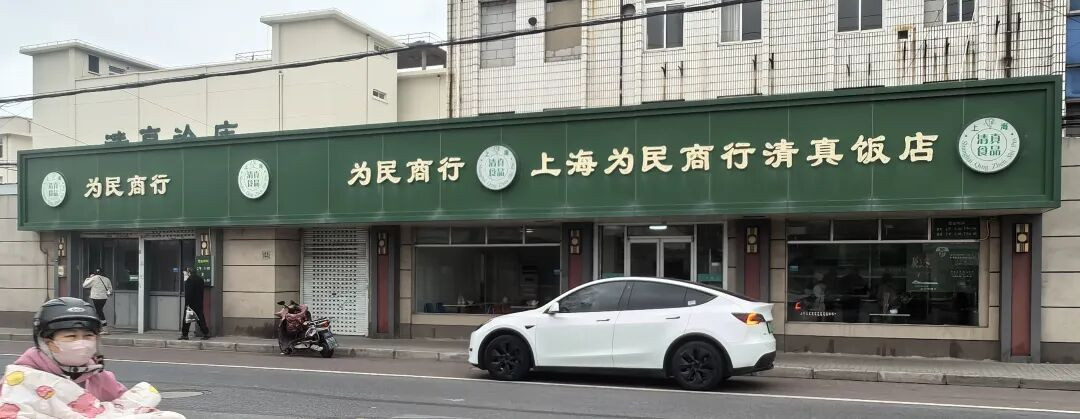
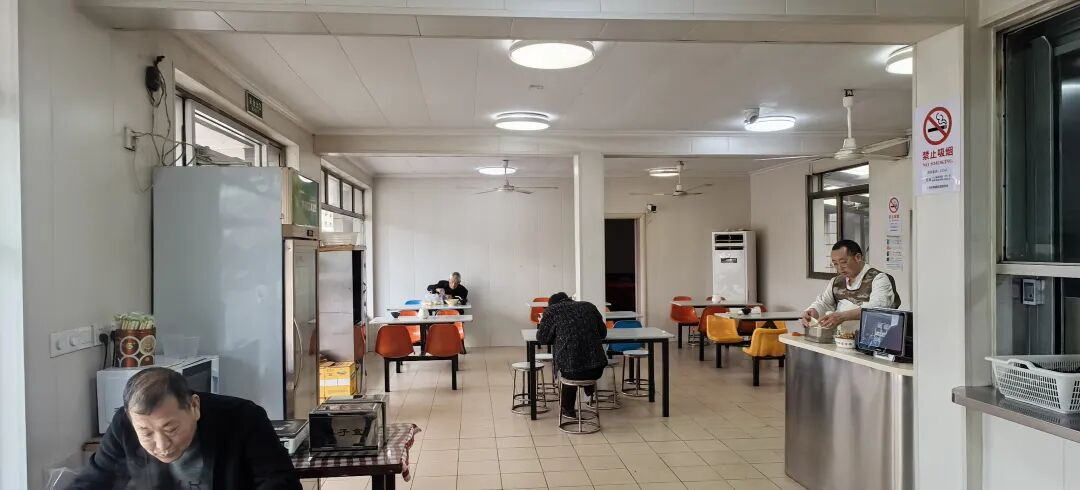
Late last year, I made a special trip out to check out Shanghai Weimin Halal Restaurant—a classic state-owned enterprise known for affordable, top-notch Halal eats. It totally lived up to the hype with fresh ingredients and great prices, leaving a huge impression. While out running errands the other day, I decided to drop by again.
The beef and lamb served here are fully Halal, meeting Islamic dietary and purity standards (including ritual slaughter, complete bleeding, proper segregation, and official certification), marked by the green-and-white Halal food sign. Because of this, the meat is noticeably fresher and more fragrant without any gamey odor, offering a way better texture than ordinary meat.
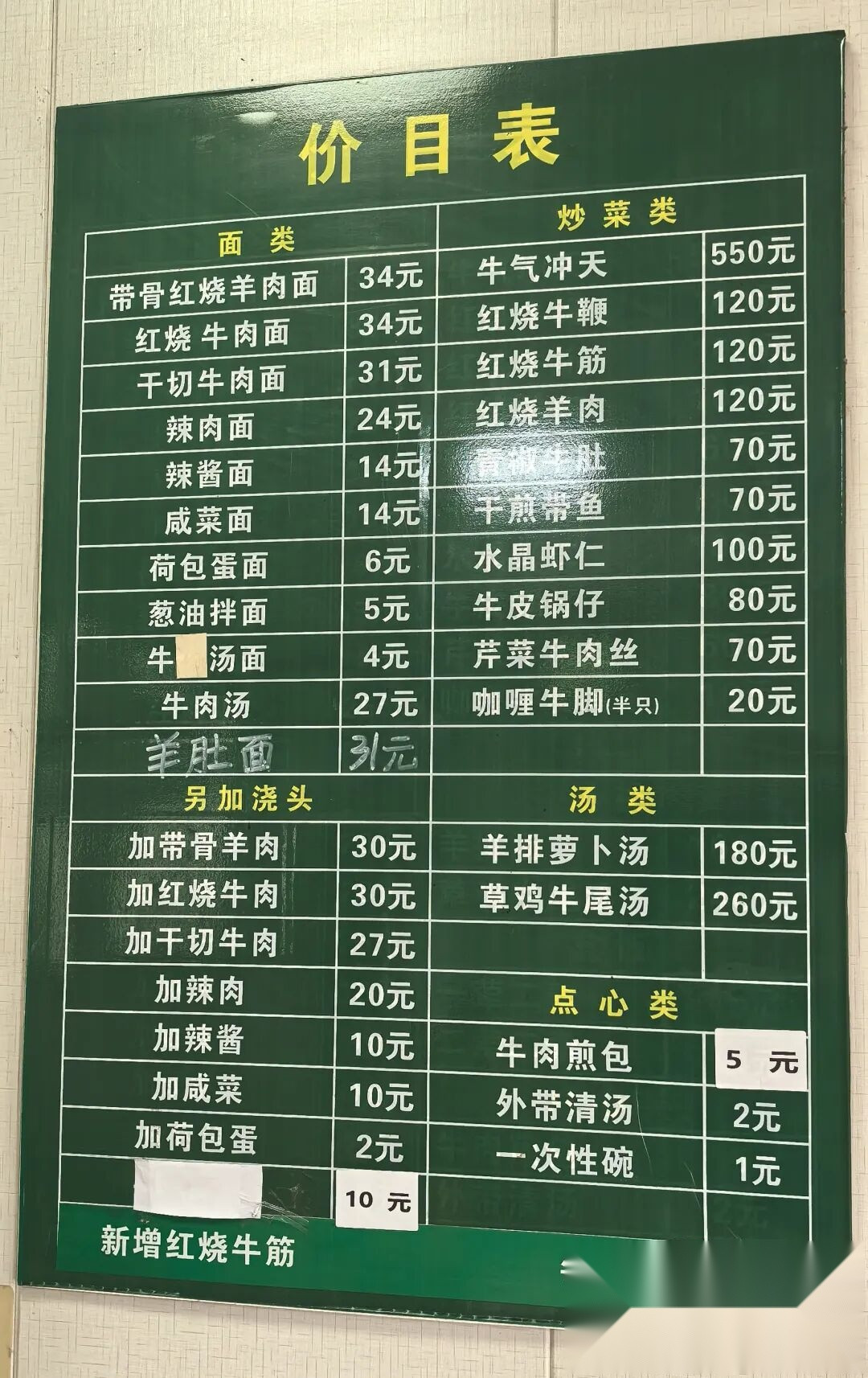
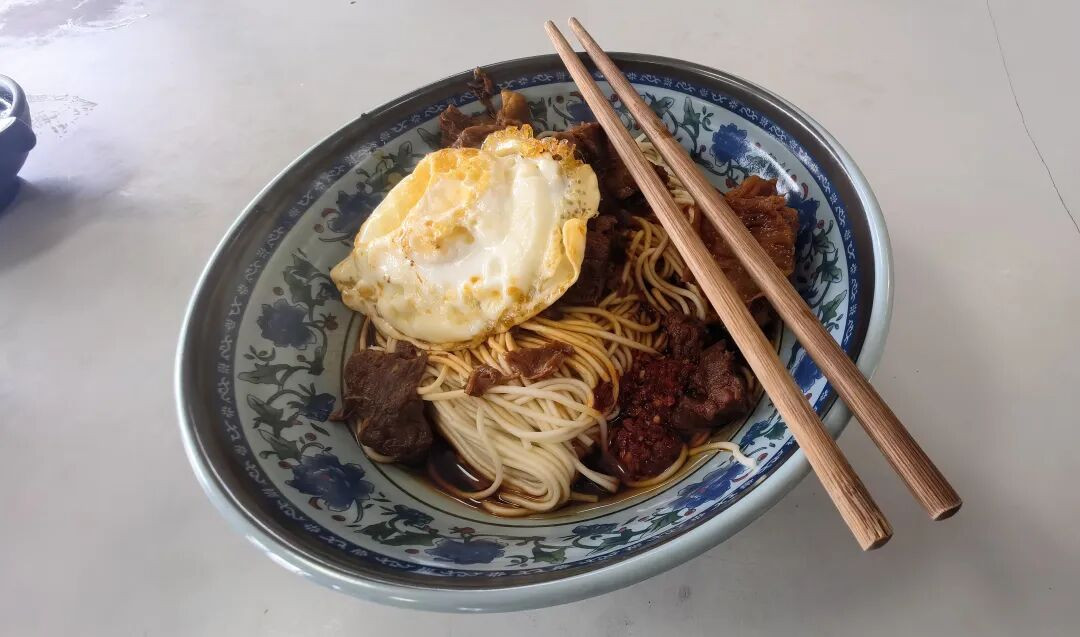
Last time I had the bone-in braised mutton noodle soup. This time, I ordered the scallion oil tossed noodles topped with braised beef, spicy diced vegetable mix (lajiang), and a fried egg—all for 47 RMB.
Just like last time, you pick up both the noodles and the toppings yourself at the service window.
Once I grabbed my food, I found a seat and dug in.
The braised beef and fried egg were piled right on top of the noodles. They were super generous with the beef—easily seven or eight huge chunks. The beef was deeply infused with savory flavor and tasted intensely meaty and delicious! The only downside was that it could've used a little more cooking time; it wasn't completely tender, making it a bit tough and chewy. The scallion oil flavor in the noodles wasn't quite strong enough, and they lacked a proper chew, but pouring in the braised beef sauce seriously leveled up the flavor! The fried egg was pretty standard—totally average, neither good nor bad.
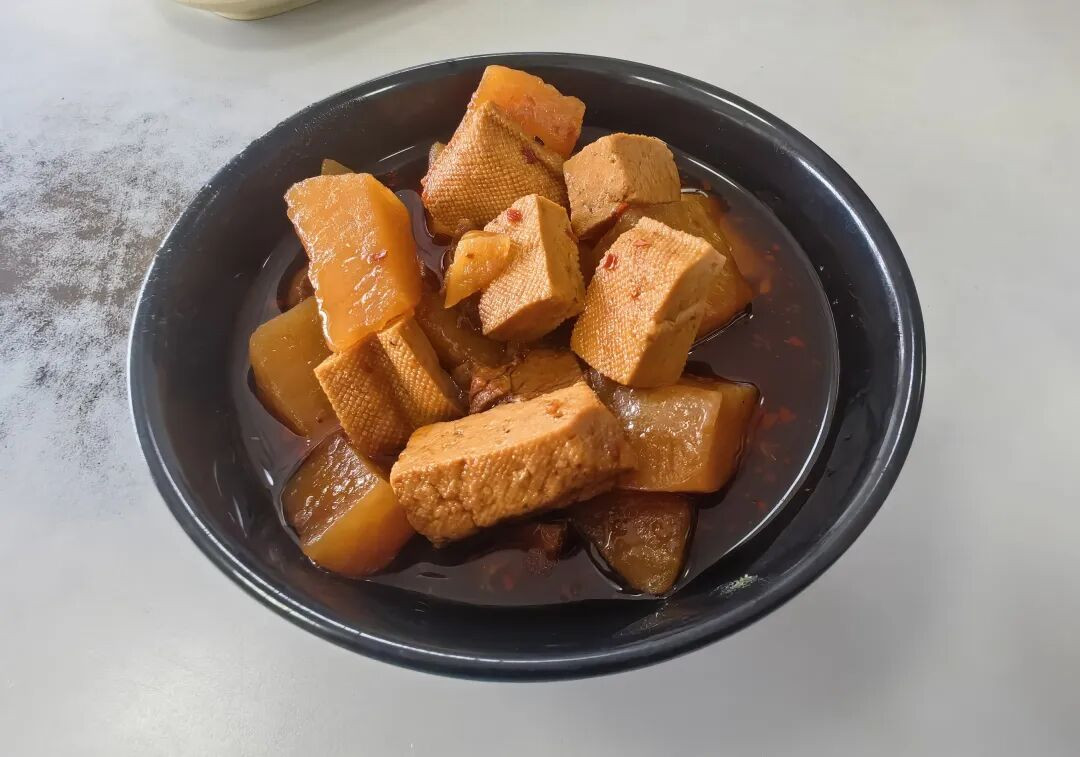
I had the spicy lajiang topping last time and liked it, so I got it again. The potatoes were cooked down until melt-in-your-mouth soft, the dried tofu curds were super aromatic, and there were even a few bits of beef mixed in. It was packed with flavor.
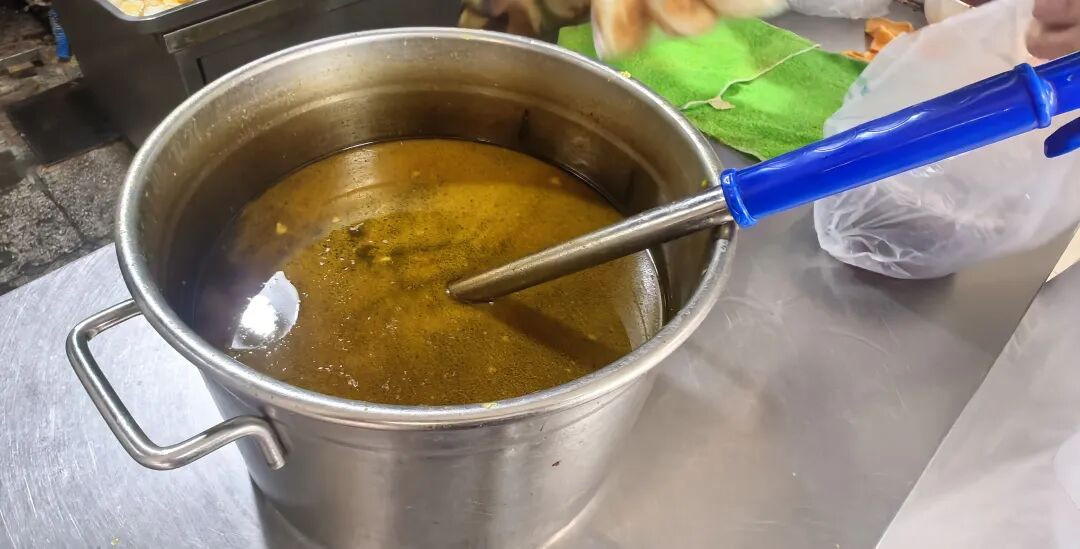
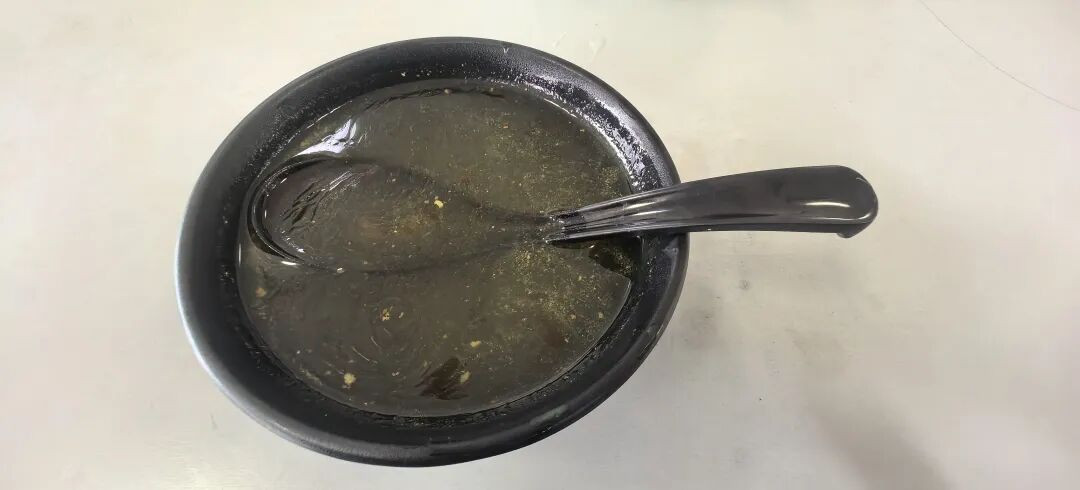
Right next to the noodle pickup window, there was a massive pot of clear curry beef soup set out for dine-in customers to enjoy for free. The staff mentioned this soup is slow-cooked every day using fresh beef bones and beef. I scooped out a bowl, and it was rich and incredibly comforting. Paired with the tossed noodles, getting that mix of dry and soup components was absolute perfection!
My verdict for this meal: super fresh ingredients, wallet-friendly prices, solid flavors, and incredible bang for your buck! view all
Strict Halal Sourcing and Craftsmanship: Returning to Shanghai Weimin Halal Restaurant for Truly Authentic Halal Beef
Abstract:
An in-depth look at how strict Islamic slaughter and sourcing standards uniquely impact the texture and umami of beef. Visiting Shanghai Weimin Halal Restaurant once again to test their cooked beef, beef noodles, and soups, showcasing how Halal ingredients meeting ritual cleanliness standards deliver standout flavor.
Late last year, I made a special trip out to check out Shanghai Weimin Halal Restaurant—a classic state-owned enterprise known for affordable, top-notch Halal eats. It totally lived up to the hype with fresh ingredients and great prices, leaving a huge impression. While out running errands the other day, I decided to drop by again.
The beef and lamb served here are fully Halal, meeting Islamic dietary and purity standards (including ritual slaughter, complete bleeding, proper segregation, and official certification), marked by the green-and-white Halal food sign. Because of this, the meat is noticeably fresher and more fragrant without any gamey odor, offering a way better texture than ordinary meat.
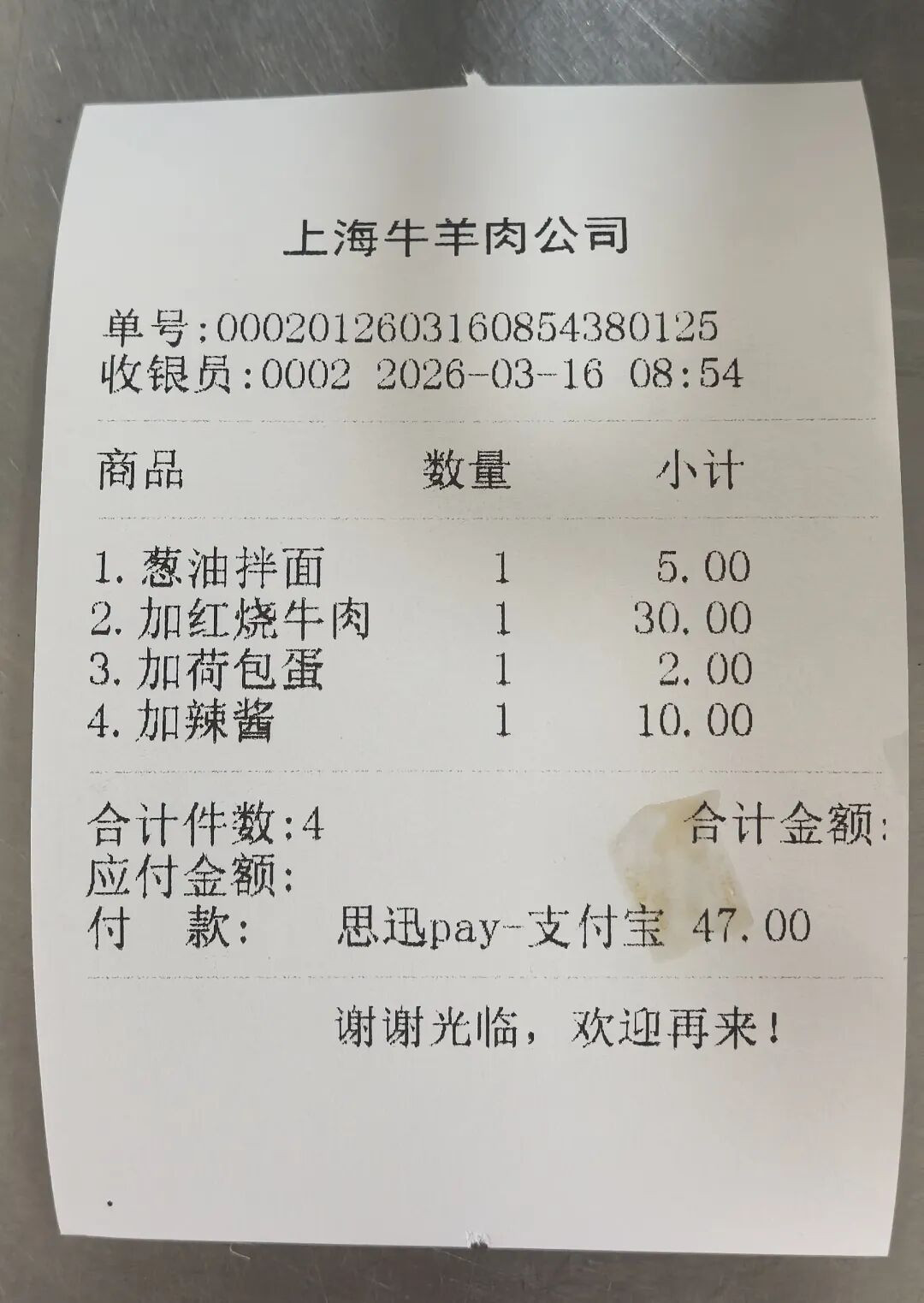
Last time I had the bone-in braised mutton noodle soup. This time, I ordered the scallion oil tossed noodles topped with braised beef, spicy diced vegetable mix (lajiang), and a fried egg—all for 47 RMB.
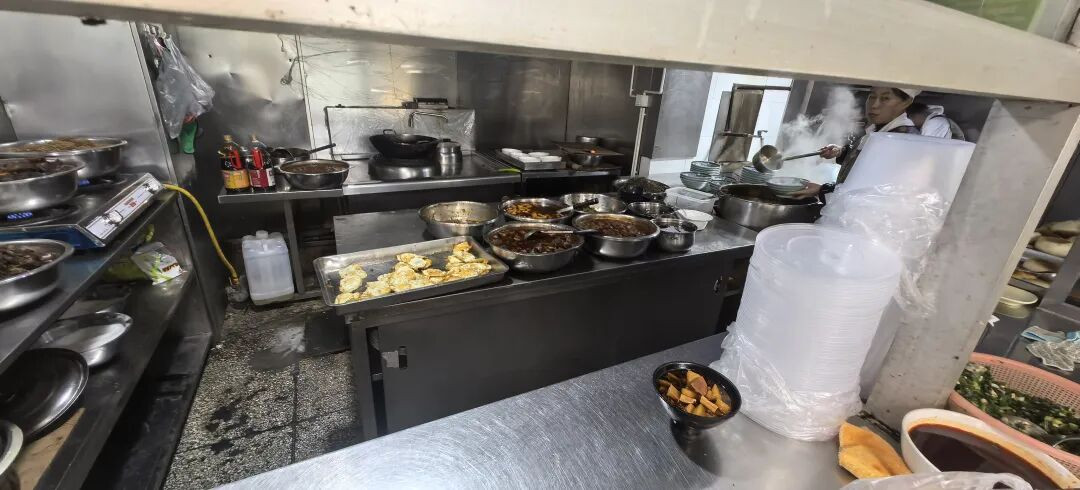
Just like last time, you pick up both the noodles and the toppings yourself at the service window.
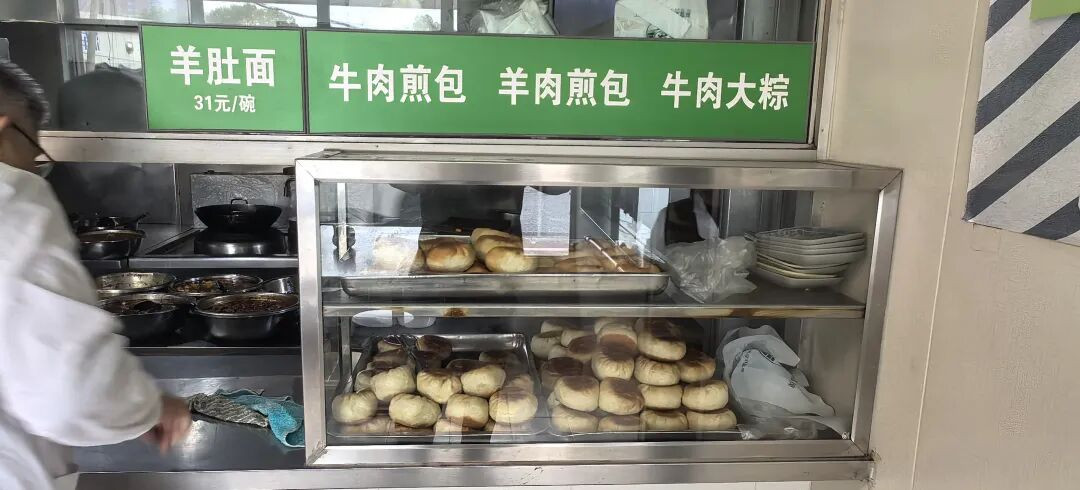
Once I grabbed my food, I found a seat and dug in.
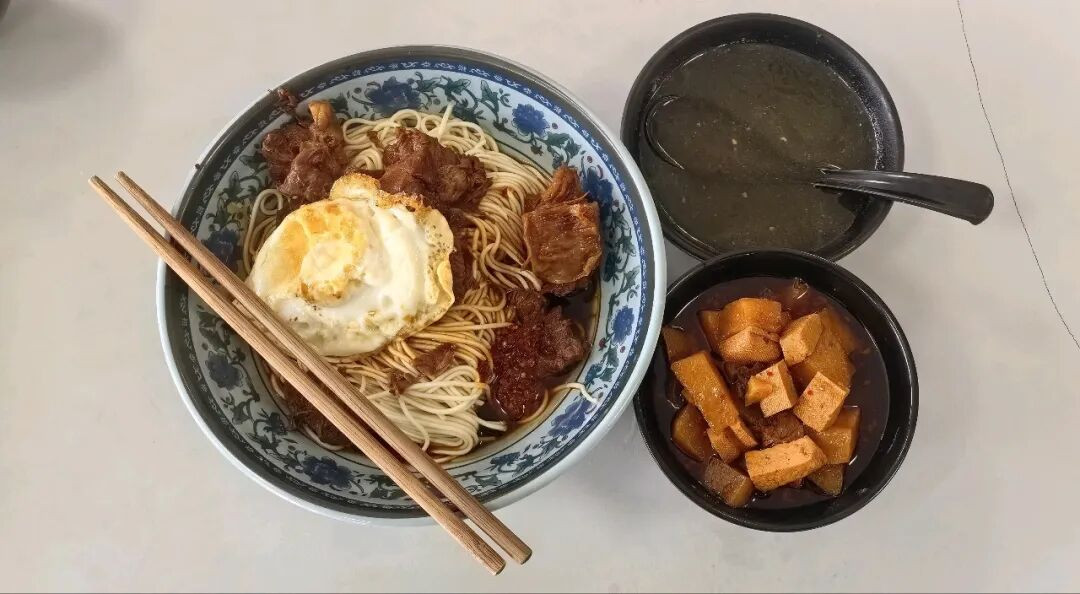
The braised beef and fried egg were piled right on top of the noodles. They were super generous with the beef—easily seven or eight huge chunks. The beef was deeply infused with savory flavor and tasted intensely meaty and delicious! The only downside was that it could've used a little more cooking time; it wasn't completely tender, making it a bit tough and chewy. The scallion oil flavor in the noodles wasn't quite strong enough, and they lacked a proper chew, but pouring in the braised beef sauce seriously leveled up the flavor! The fried egg was pretty standard—totally average, neither good nor bad.
I had the spicy lajiang topping last time and liked it, so I got it again. The potatoes were cooked down until melt-in-your-mouth soft, the dried tofu curds were super aromatic, and there were even a few bits of beef mixed in. It was packed with flavor.
Right next to the noodle pickup window, there was a massive pot of clear curry beef soup set out for dine-in customers to enjoy for free. The staff mentioned this soup is slow-cooked every day using fresh beef bones and beef. I scooped out a bowl, and it was rich and incredibly comforting. Paired with the tossed noodles, getting that mix of dry and soup components was absolute perfection!
My verdict for this meal: super fresh ingredients, wallet-friendly prices, solid flavors, and incredible bang for your buck!
The Ultimate Halal Shanghai Food Guide: Best Northwest, Xinjiang & Traditional Spots
Articles • Hasan09 posted the article • 0 comments • 7 views • 1 days ago
Shanghai Halal Food & Travel Guide: Top-tier restaurants blending authentic Northwest and Xinjiang traditions with Shanghai flair
Summary:
A curated Shanghai halal dining guide for fellow Muslims and halal food lovers. Featuring traditional beef and mutton dishes, specialty pastries, snacks, and comfortable halal banquet spots, complete with must-try dish recommendations and practical info.
For Muslim friends, halal dining is a huge part of everyday life. Shanghai isn't just China's economic and cultural hub—it's also a massive melting pot for diverse cuisines. Here, you can score authentic traditional halal eats from Xinjiang, Gansu, Ningxia, and Qinghai, while experiencing a seamless fusion of local Shanghai flavors with halal cooking.
Today, we're spotlighting some of Shanghai's most famous halal spots. Whether you're craving mutton, skewers, or proper shouzhua fan (Xinjiang hand-grabbed rice) and banmian (hand-pulled noodles), these places are guaranteed to hit the spot.
Here are 8 restaurants we're recommending this time:
Guan Guan Ji
Yili Xiali
Hong Chang Xing
Yang Tong Xing
Mi Zhi Wei
Yan Lan Lou
Ningxia Impression · Yanchi Tanmian (Yanchi Salt Lake Lamb)
Dunhuang Lou
01
Guan Guan Ji
Why you need to go: A 5-year consecutive Michelin Bib Gourmand winner serving classic Lanzhou flavors.
Address: No. 70-2, Middle Zhejiang Road, Huangpu District, Shanghai
Guan Guan Ji is a standout Northwest-style restaurant in Shanghai. Their shouzhua yangrou (Lanzhou hand-grabbed lamb) is absolute perfection—super tender, bouncy, and perfectly marbled with fat and lean meat, letting you taste the pure, natural sweetness of the lamb without needing any dipping sauce. The lamb skewers feature massive chunks of meat grilled with a crispy exterior and a juicy inside, completely devoid of any gamey flavor. Their guotie (crispy beef potstickers) have a shatteringly crisp shell that bursts with savory broth upon the first bite, packed with a dense, flavorful filling. The restaurant's ethnic-inspired decor gives it a buzzing, high-energy vibe with a constant stream of diners. Service is attentive and warm, and with an average spend of around 100 RMB per person, the value is incredible.
02
Yili Xiali
Why you need to go: Exquisite Xinjiang cuisine featuring evening song-and-dance performances—ideal for group dinners.
Address: Unit L502, West Zone, 5th Floor, Shanghai Shimao Plaza, No. 829 East Nanjing Road, Huangpu District, Shanghai
Yili Xiali is a famous Xinjiang restaurant chain in Shanghai, boasting 13 direct-run branches across the city (all in prime spots like the Bund and Disney, giving you plenty of options).
Their menu is massive and authentic, packed with traditional Xinjiang favorites alongside bold, creative new dishes. The signature dapanji (big plate spicy chicken) features firm, savory, and flavorful chicken infused with a numbing mala kick, resting on a bed of bouncy, chewy hand-stretched belt noodles. The red-willow lamb skewers feature alternating layers of fat and lean meat, kissed with a charred, crispy exterior that locks in all the juices—one bite delivers an explosion of savory flavor. They also serve handmade kao baozi (baked Xinjiang lamb buns) with a blistered, golden crust dusted in sesame seeds, encasing a savory, game-free filling of diced lamb and onions. For dessert, the Napaliyong (Napoleon pastry) looks simple, but its soft, melt-in-your-mouth sour cream filling and slightly chewy pastry layers leave behind a rich, lingering milky finish. The interior is dripping with exotic West Asian vibes—red brick walls and golden ginkgo motifs blend modern elements with Silk Road aesthetics, making you feel like you've stepped into a grand desert art palace. Plus, live Xinjiang dancers put on performances throughout the evening, pulling diners into interactive Meshrep circles to ramp up the electric dining atmosphere.
03
Hong Chang Xing
Why you need to go: A century-old heritage brand famous for its signature copper-pot shuan yangrou (instant-boiled mutton).
Address: 10th Floor, Baodaxian Shopping Center South East Branch, No. 288 Middle Guangxi Road, Huangpu District, Shanghai
As a century-old halal dining institution in Shanghai, Hong Chang Xing features a flagship store on Nanjing Road Pedestrian Street alongside their Dashijie location.
Their menu is diverse and packed with standout dishes. The signature shuan yangrou uses carefully sourced Lake sheep from Huzhou, Jiaxing, and Pinghu—known for being tender, plump, and free of any gamey smell. You simply swish the paper-thin slices in a bubbling broth of plain water before dipping them into classic sesame paste for a mouthwatering, tender bite. The grilled lamb skewers use prime hind-leg meat from Inner Mongolian lambs; grilled over charcoal with cumin and chili powder, they melt in your mouth. The niurou jianbao (pan-fried beef buns) have paper-thin wrappers, generous fillings, golden crispy bottoms, and a deeply savory profile. Other specialties include chicken shreds with fish maw, braised beef tendon, vegetarian steaks, braised oxtail, and a variety of traditional pastries.
The restaurant is spacious with plenty of seating. Most private rooms are semi-open, decked out in rich ethnic decor while keeping things clean and spotless.
04
Yang Tong Xing
Why you need to go: A uniquely distinctive century-old halal restaurant.
Address: No. 215 West Shimen Road, Jing'an District, Shanghai
When it comes to the food, the menu is diverse with distinct regional flavors. Their award-winning pan-fried beef buns feature a crispy crust and a savory, slightly curry-hinted filling that smells intoxicating straight out of the pan—pure bliss in every bite. The copper-pot shuan yangrou is another masterpiece: freshly sliced Lake sheep meat that is as thin as paper, clear as crystal, and neat as thread. It holds its shape in the broth without falling apart, and paired with their house-made dipping sauce, it's exceptionally tender. The Wagyu snow-beef cubes feature stunning marbling, cook instantly in the pot, and stay tender no matter how long you leave them in, delivering a rich yet non-greasy bite.
The restaurant's interior leans into an elegant, classical aesthetic. Traditional Chinese wooden tables and chairs exude timeless charm, while ethnic-inspired art pieces line the walls, creating a cozy yet refined atmosphere. Private rooms on the second floor offer a more intimate space for family dinners and friend gatherings. Warm lighting casts a serene, minimalist glow over the entire layout, giving it a uniquely stylish vibe.
05
Mi Zhi Wei
Why you need to go: A fusion of Shanghai flair and halal flavors.
Address: Unit B1-11, Basement Level 1, Lane 666 West Haiyang Road, Shanghai
Mi Zhi Wei is a wildly popular Southeast Asian spot. They previously had a branch on Middle Huaihai Road which closed in late 2024, leaving their Qiantan location as the sole outpost.
The menu is packed with unique touches. The lemongrass crispy Qingyuan chicken is an absolute must-order—the skin is shatteringly crisp and glossy without a hint of grease, while the meat remains juicy and deeply flavorful, elevated by a custom dipping sauce that screams Southeast Asian flavor. The Malaysian-style fish is fried to a golden crunch while staying tender inside, pleasing diners of all ages, with a spicy, aromatic multi-spice blend that highlights the natural sweetness of the fish. The sizzling tofu is rich and savory, pairing a chewy texture with Malaysian-style spiced sauce that locals love. For carbs, their classic nasi lemak features rice, peanuts, dried anchovies, and cucumber, tied together with house-made sambal chili paste for a complex flavor profile. Don't skip the satay chicken skewers, which are tender and intensely aromatic, or the Thai fish cakes, which are crispy outside, tender inside, and bursting with Thai street-food flavor.
The interior leans heavily into white and palm-green tones, radiating a warm and welcoming energy. Food art pieces scattered throughout give the dining space a distinct personality, making you feel like you've jetted off to Southeast Asia.
06
Yan Lan Lou
Why you need to go: A classic Northwest dining chain offering incredible value.
Address: 3rd Floor, Zhongyou Sunshine Hotel, No. 969 East Dongfang Road, Pudong New Area, Shanghai
Yan Lan Lou is a well-known halal restaurant chain with 416 locations nationwide and one currently operating in Shanghai.
Specializing in authentic Northwest Chinese cuisine alongside fusion dishes, Yan Lan Lou's standout shouzhua yangrou (Lanzhou hand-grabbed lamb) is a masterclass in flavor—tender, melt-in-your-mouth soft, grease-free, and game-free. It's a gorgeous centerpiece and a stellar winter tonic. Their Jingyuan lamb is another winner, marinated in secret spices and stir-fried to a spicy, savory finish. They also serve springy, refreshing Lanzhou liangpi (cold skin noodles).
The interior features a grand, classical Chinese aesthetic anchored by regal red tones, keeping things bright and spotless. Wooden tables and chairs in the main hall are neatly arranged, radiating a warm, earthy rustic charm with well-spaced seating for maximum comfort. The spacious private rooms are bright, featuring red carpets that muffle footsteps for a peaceful vibe, topped with elegant pendant lights that cast a cozy glow over your meal.
07
Ningxia Impression
Why you need to go: A spot where tradition meets innovation, dripping with authentic Ningxia character.
Address: No. 18 Zhenning Road, Jing'an District, Shanghai
Ningxia Impression brings authentic local Yanchi sheep meat to Shanghai foodies across five local chain locations.
The menu is vast and uniquely regional. The signature tanmian (Ningxia sheep meat) is served in its purest, most authentic form with zero gamey funk. A bowl of the piping-hot mutton broth is deeply comforting and savory, making it the ultimate winter comfort food to warm you up inside and out. The Xixia grilled lamb ribs are crispy on the outside, tender on the inside, carrying a delicate mutton aroma with zero greasiness that will keep you coming back for more. The red-willow lamb skewers feature massive meat chunks roasted to smoky, charred perfection, carrying the distinct woody aroma of red-willow skewers alongside the rich mutton flavor. As a cold appetizer, the pickled red-fruit and goji shoots are crisp, refreshing, and cut right through any richness. Finish with their house-made yogurt—ice-cold, thick, velvety, sweet, and tangy—the ultimate palate cleanser.
The restaurant's overall vibe channels a down-to-earth Northwest aesthetic. Green is the primary accent color, making you feel like you've stepped right into nature. The main dining hall is bright and airy with immaculately arranged tables. Pro tip: they also sell fresh cuts of beef and mutton on-site if you want to cook at home.
08
Dunhuang Lou
Why you need to go: The Gansu Provincial Government Office restaurant in Shanghai, serving budget-friendly eats right in the city center.
Address: 2nd Floor, Huaxin Haixin Building, No. 666 Fuzhou Road, Huangpu District, Shanghai
Widely known as the Gansu Office restaurant in Shanghai, Dunhuang Lou has built a stellar reputation across the city.
The menu is sprawling: the first floor serves Lanzhou beef noodles, while the second floor and above house the Dunhuang Lou halal dining room. Their Lanzhou liangpi are crystal-clear, slippery, and intensely chewy, tossed in a sour-and-spicy sauce that acts as an instant appetite booster. The hand-pulled mutton ribs use prime cuts, braised to aromatic perfection; they taste phenomenal piping hot, but hold their incredible flavor even when cooled down. The lamb skewers thread a piece of sheep fat between every two pieces of lean meat, releasing an irresistible aroma over charcoal. For dessert, milk-egg-mashjiu (milky fermented rice soup with poached eggs) is a must-try regional sweet treat featuring rich milk, silky eggs, sweet-tart fermented rice, and dried fruits for a deeply textured bite. The interior is full of old-school charm, offering expansive spaces and neatly spaced seating. The decor screams Northwest character, transporting you straight to China's wild western frontier. Service-wise, true to its heritage restaurant status, the staff is polished, attentive, and meticulous.
Tips:
Halal spots might not be everywhere in Shanghai, but whether you're a devout Muslim or just a foodie looking to explore halal flavors, a world of deliciousness is waiting to be uncovered here. We hope you find your own favorite bite at these spots and enjoy some wonderful times with family and friends. view all
Shanghai Halal Food & Travel Guide: Top-tier restaurants blending authentic Northwest and Xinjiang traditions with Shanghai flair
Summary:
A curated Shanghai halal dining guide for fellow Muslims and halal food lovers. Featuring traditional beef and mutton dishes, specialty pastries, snacks, and comfortable halal banquet spots, complete with must-try dish recommendations and practical info.
For Muslim friends, halal dining is a huge part of everyday life. Shanghai isn't just China's economic and cultural hub—it's also a massive melting pot for diverse cuisines. Here, you can score authentic traditional halal eats from Xinjiang, Gansu, Ningxia, and Qinghai, while experiencing a seamless fusion of local Shanghai flavors with halal cooking.
Today, we're spotlighting some of Shanghai's most famous halal spots. Whether you're craving mutton, skewers, or proper shouzhua fan (Xinjiang hand-grabbed rice) and banmian (hand-pulled noodles), these places are guaranteed to hit the spot.
Here are 8 restaurants we're recommending this time:
Guan Guan Ji
Yili Xiali
Hong Chang Xing
Yang Tong Xing
Mi Zhi Wei
Yan Lan Lou
Ningxia Impression · Yanchi Tanmian (Yanchi Salt Lake Lamb)
Dunhuang Lou
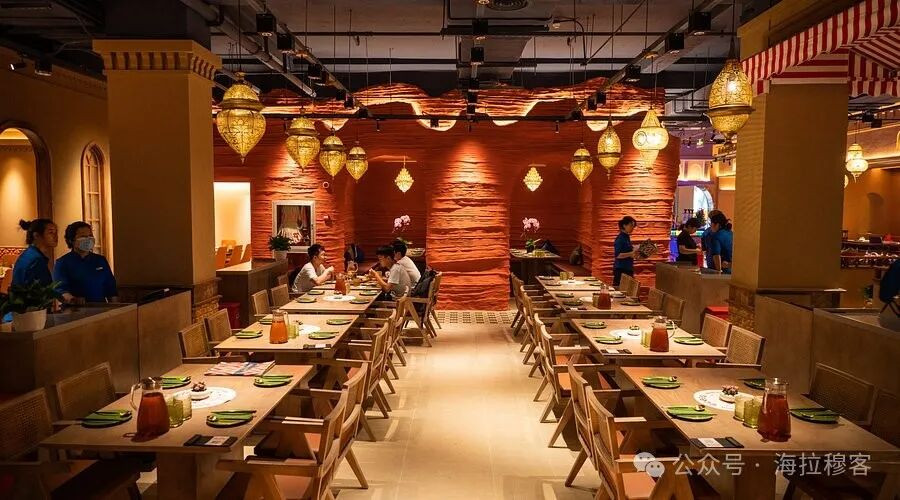
01
Guan Guan Ji
Why you need to go: A 5-year consecutive Michelin Bib Gourmand winner serving classic Lanzhou flavors.
Address: No. 70-2, Middle Zhejiang Road, Huangpu District, Shanghai
Guan Guan Ji is a standout Northwest-style restaurant in Shanghai. Their shouzhua yangrou (Lanzhou hand-grabbed lamb) is absolute perfection—super tender, bouncy, and perfectly marbled with fat and lean meat, letting you taste the pure, natural sweetness of the lamb without needing any dipping sauce. The lamb skewers feature massive chunks of meat grilled with a crispy exterior and a juicy inside, completely devoid of any gamey flavor. Their guotie (crispy beef potstickers) have a shatteringly crisp shell that bursts with savory broth upon the first bite, packed with a dense, flavorful filling. The restaurant's ethnic-inspired decor gives it a buzzing, high-energy vibe with a constant stream of diners. Service is attentive and warm, and with an average spend of around 100 RMB per person, the value is incredible.
02
Yili Xiali

Why you need to go: Exquisite Xinjiang cuisine featuring evening song-and-dance performances—ideal for group dinners.
Address: Unit L502, West Zone, 5th Floor, Shanghai Shimao Plaza, No. 829 East Nanjing Road, Huangpu District, Shanghai
Yili Xiali is a famous Xinjiang restaurant chain in Shanghai, boasting 13 direct-run branches across the city (all in prime spots like the Bund and Disney, giving you plenty of options).
Their menu is massive and authentic, packed with traditional Xinjiang favorites alongside bold, creative new dishes. The signature dapanji (big plate spicy chicken) features firm, savory, and flavorful chicken infused with a numbing mala kick, resting on a bed of bouncy, chewy hand-stretched belt noodles. The red-willow lamb skewers feature alternating layers of fat and lean meat, kissed with a charred, crispy exterior that locks in all the juices—one bite delivers an explosion of savory flavor. They also serve handmade kao baozi (baked Xinjiang lamb buns) with a blistered, golden crust dusted in sesame seeds, encasing a savory, game-free filling of diced lamb and onions. For dessert, the Napaliyong (Napoleon pastry) looks simple, but its soft, melt-in-your-mouth sour cream filling and slightly chewy pastry layers leave behind a rich, lingering milky finish. The interior is dripping with exotic West Asian vibes—red brick walls and golden ginkgo motifs blend modern elements with Silk Road aesthetics, making you feel like you've stepped into a grand desert art palace. Plus, live Xinjiang dancers put on performances throughout the evening, pulling diners into interactive Meshrep circles to ramp up the electric dining atmosphere.
03
Hong Chang Xing
Why you need to go: A century-old heritage brand famous for its signature copper-pot shuan yangrou (instant-boiled mutton).
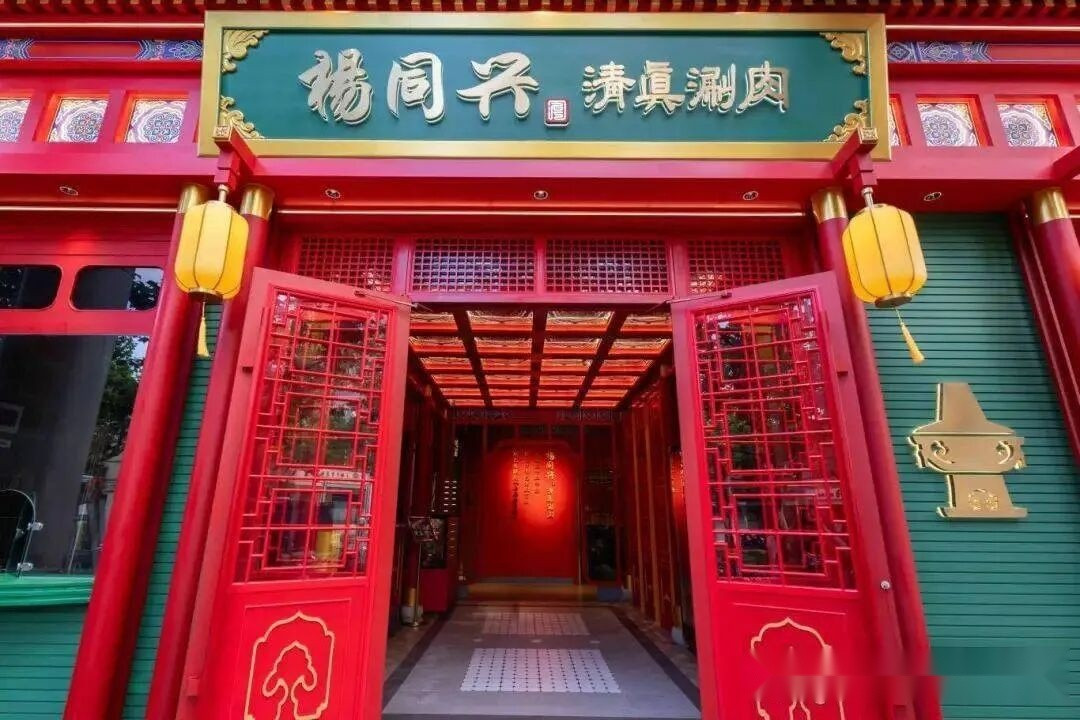
Address: 10th Floor, Baodaxian Shopping Center South East Branch, No. 288 Middle Guangxi Road, Huangpu District, Shanghai
As a century-old halal dining institution in Shanghai, Hong Chang Xing features a flagship store on Nanjing Road Pedestrian Street alongside their Dashijie location.
Their menu is diverse and packed with standout dishes. The signature shuan yangrou uses carefully sourced Lake sheep from Huzhou, Jiaxing, and Pinghu—known for being tender, plump, and free of any gamey smell. You simply swish the paper-thin slices in a bubbling broth of plain water before dipping them into classic sesame paste for a mouthwatering, tender bite. The grilled lamb skewers use prime hind-leg meat from Inner Mongolian lambs; grilled over charcoal with cumin and chili powder, they melt in your mouth. The niurou jianbao (pan-fried beef buns) have paper-thin wrappers, generous fillings, golden crispy bottoms, and a deeply savory profile. Other specialties include chicken shreds with fish maw, braised beef tendon, vegetarian steaks, braised oxtail, and a variety of traditional pastries.
The restaurant is spacious with plenty of seating. Most private rooms are semi-open, decked out in rich ethnic decor while keeping things clean and spotless.
04
Yang Tong Xing
Why you need to go: A uniquely distinctive century-old halal restaurant.
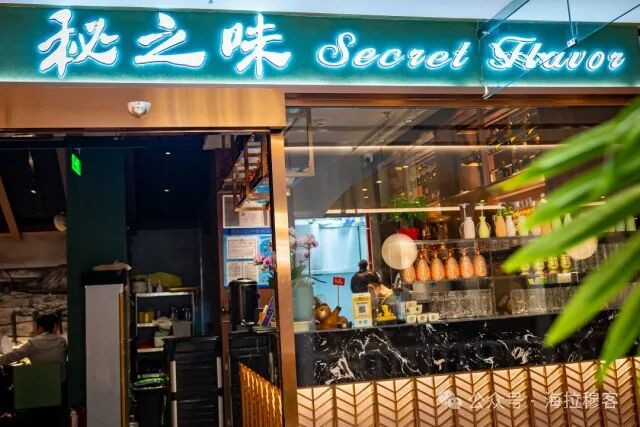
Address: No. 215 West Shimen Road, Jing'an District, Shanghai
When it comes to the food, the menu is diverse with distinct regional flavors. Their award-winning pan-fried beef buns feature a crispy crust and a savory, slightly curry-hinted filling that smells intoxicating straight out of the pan—pure bliss in every bite. The copper-pot shuan yangrou is another masterpiece: freshly sliced Lake sheep meat that is as thin as paper, clear as crystal, and neat as thread. It holds its shape in the broth without falling apart, and paired with their house-made dipping sauce, it's exceptionally tender. The Wagyu snow-beef cubes feature stunning marbling, cook instantly in the pot, and stay tender no matter how long you leave them in, delivering a rich yet non-greasy bite.
The restaurant's interior leans into an elegant, classical aesthetic. Traditional Chinese wooden tables and chairs exude timeless charm, while ethnic-inspired art pieces line the walls, creating a cozy yet refined atmosphere. Private rooms on the second floor offer a more intimate space for family dinners and friend gatherings. Warm lighting casts a serene, minimalist glow over the entire layout, giving it a uniquely stylish vibe.
05
Mi Zhi Wei
Why you need to go: A fusion of Shanghai flair and halal flavors.
Address: Unit B1-11, Basement Level 1, Lane 666 West Haiyang Road, Shanghai
Mi Zhi Wei is a wildly popular Southeast Asian spot. They previously had a branch on Middle Huaihai Road which closed in late 2024, leaving their Qiantan location as the sole outpost.
The menu is packed with unique touches. The lemongrass crispy Qingyuan chicken is an absolute must-order—the skin is shatteringly crisp and glossy without a hint of grease, while the meat remains juicy and deeply flavorful, elevated by a custom dipping sauce that screams Southeast Asian flavor. The Malaysian-style fish is fried to a golden crunch while staying tender inside, pleasing diners of all ages, with a spicy, aromatic multi-spice blend that highlights the natural sweetness of the fish. The sizzling tofu is rich and savory, pairing a chewy texture with Malaysian-style spiced sauce that locals love. For carbs, their classic nasi lemak features rice, peanuts, dried anchovies, and cucumber, tied together with house-made sambal chili paste for a complex flavor profile. Don't skip the satay chicken skewers, which are tender and intensely aromatic, or the Thai fish cakes, which are crispy outside, tender inside, and bursting with Thai street-food flavor.
The interior leans heavily into white and palm-green tones, radiating a warm and welcoming energy. Food art pieces scattered throughout give the dining space a distinct personality, making you feel like you've jetted off to Southeast Asia.
06
Yan Lan Lou
Why you need to go: A classic Northwest dining chain offering incredible value.
Address: 3rd Floor, Zhongyou Sunshine Hotel, No. 969 East Dongfang Road, Pudong New Area, Shanghai
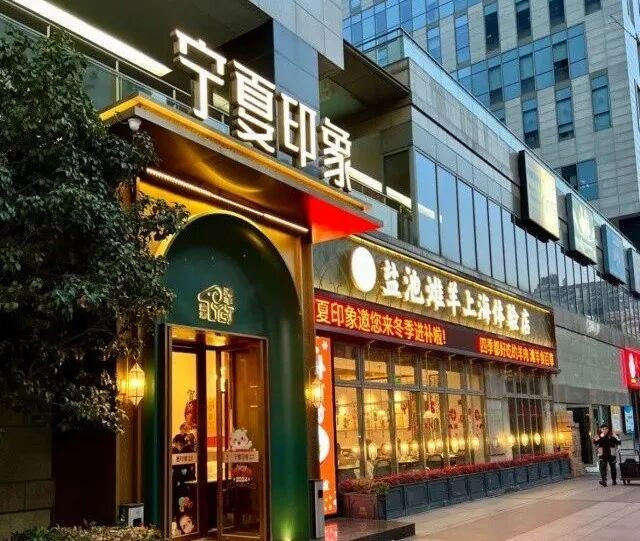
Yan Lan Lou is a well-known halal restaurant chain with 416 locations nationwide and one currently operating in Shanghai.
Specializing in authentic Northwest Chinese cuisine alongside fusion dishes, Yan Lan Lou's standout shouzhua yangrou (Lanzhou hand-grabbed lamb) is a masterclass in flavor—tender, melt-in-your-mouth soft, grease-free, and game-free. It's a gorgeous centerpiece and a stellar winter tonic. Their Jingyuan lamb is another winner, marinated in secret spices and stir-fried to a spicy, savory finish. They also serve springy, refreshing Lanzhou liangpi (cold skin noodles).
The interior features a grand, classical Chinese aesthetic anchored by regal red tones, keeping things bright and spotless. Wooden tables and chairs in the main hall are neatly arranged, radiating a warm, earthy rustic charm with well-spaced seating for maximum comfort. The spacious private rooms are bright, featuring red carpets that muffle footsteps for a peaceful vibe, topped with elegant pendant lights that cast a cozy glow over your meal.
07
Ningxia Impression
Why you need to go: A spot where tradition meets innovation, dripping with authentic Ningxia character.
Address: No. 18 Zhenning Road, Jing'an District, Shanghai
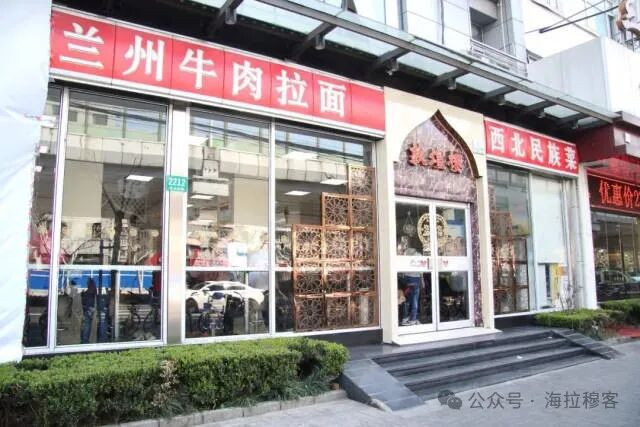
Ningxia Impression brings authentic local Yanchi sheep meat to Shanghai foodies across five local chain locations.
The menu is vast and uniquely regional. The signature tanmian (Ningxia sheep meat) is served in its purest, most authentic form with zero gamey funk. A bowl of the piping-hot mutton broth is deeply comforting and savory, making it the ultimate winter comfort food to warm you up inside and out. The Xixia grilled lamb ribs are crispy on the outside, tender on the inside, carrying a delicate mutton aroma with zero greasiness that will keep you coming back for more. The red-willow lamb skewers feature massive meat chunks roasted to smoky, charred perfection, carrying the distinct woody aroma of red-willow skewers alongside the rich mutton flavor. As a cold appetizer, the pickled red-fruit and goji shoots are crisp, refreshing, and cut right through any richness. Finish with their house-made yogurt—ice-cold, thick, velvety, sweet, and tangy—the ultimate palate cleanser.
The restaurant's overall vibe channels a down-to-earth Northwest aesthetic. Green is the primary accent color, making you feel like you've stepped right into nature. The main dining hall is bright and airy with immaculately arranged tables. Pro tip: they also sell fresh cuts of beef and mutton on-site if you want to cook at home.
08
Dunhuang Lou
Why you need to go: The Gansu Provincial Government Office restaurant in Shanghai, serving budget-friendly eats right in the city center.
Address: 2nd Floor, Huaxin Haixin Building, No. 666 Fuzhou Road, Huangpu District, Shanghai
Widely known as the Gansu Office restaurant in Shanghai, Dunhuang Lou has built a stellar reputation across the city.
The menu is sprawling: the first floor serves Lanzhou beef noodles, while the second floor and above house the Dunhuang Lou halal dining room. Their Lanzhou liangpi are crystal-clear, slippery, and intensely chewy, tossed in a sour-and-spicy sauce that acts as an instant appetite booster. The hand-pulled mutton ribs use prime cuts, braised to aromatic perfection; they taste phenomenal piping hot, but hold their incredible flavor even when cooled down. The lamb skewers thread a piece of sheep fat between every two pieces of lean meat, releasing an irresistible aroma over charcoal. For dessert, milk-egg-mashjiu (milky fermented rice soup with poached eggs) is a must-try regional sweet treat featuring rich milk, silky eggs, sweet-tart fermented rice, and dried fruits for a deeply textured bite. The interior is full of old-school charm, offering expansive spaces and neatly spaced seating. The decor screams Northwest character, transporting you straight to China's wild western frontier. Service-wise, true to its heritage restaurant status, the staff is polished, attentive, and meticulous.
Tips:
Halal spots might not be everywhere in Shanghai, but whether you're a devout Muslim or just a foodie looking to explore halal flavors, a world of deliciousness is waiting to be uncovered here. We hope you find your own favorite bite at these spots and enjoy some wonderful times with family and friends.
Shanghai's 130-Year-Old Halal Legend Yixinzhai: Five Generations of Golden Beef Pan-Fried Buns
Articles • Hasan09 posted the article • 0 comments • 8 views • 1 days ago
Shanghai Yangpu's 130-Year-Old Yixinzhai Tested & Reviewed: How Good Are These Five-Generation Golden Beef Pan-Fried Buns?
Summary:
A personal visit to the 130-year-old historic institution Yixinzhai on Pingliang Road in Yangpu. Joining the line for fresh-off-the-griddle niurou jianbao (pan-fried beef buns) with their crispy golden crusts, rich and savory broth, and five generations of dedication to traditional craftsmanship—delivering an authentic taste of early Shanghai morning nostalgia.
Last week, I made a special trip to Yangpu to hunt down some classic old-school flavors. As soon as I turned onto Pingliang Road, an irresistible, mouthwatering aroma of meat stopped me in my tracks. Looking up, I saw a long line snaking beneath the golden sign of 'Yixinzhai.' An auntie carrying a vegetable basket struck up a conversation with me: 'Little girl, you came to the right place! These jianbao just came out of the pan, waiting 10 minutes is totally worth it!' I obediently joined the queue, and the second they were handed to me, I couldn't wait to take a bite: the golden, crispy crust cracked with a satisfying *crunch*, and a burst of savory meat juice squirted right onto the corner of my mouth. It was so scalding hot that I gasped, but there was no way I was letting go. This is the absolute god-tier flavor that generations of old Yangpu locals grew up eating!
Who would have guessed that this slice of gritty neighborhood life hides a full 130 years of history? Starting from a mobile food cart in Cao County, Shandong, all the way to today's sprawling 1,200-square-meter, three-story restaurant, five generations of the Ma family have brought Halal culinary craftsmanship to Shanghai while cooking up a one-of-a-kind 'Shanghai-style Halal flavor'—combining authentic Halal traditions with the rich, glossy, savory-sweet profile Shanghainese love. No wonder regular customers keep coming back from their own childhoods all the way until they bring their grandkids.
This bustling neighborhood vibe holds 130 years of stories! In 1891, the first-generation patriarch of the Ma family, Ma Shisheng, arrived with a knack for making Halal pastries and set up a small street cart in Cao County, Shandong. He sold just two heavy-hitting items: niurou jianbao (pan-fried beef buns) and curry beef soup. Thanks to fillings that were so ridiculously generous they piled up like a mountain, neighbors lined up every single day. Later, during turbulent times in 1938, he and his son Ma Xingbang moved to Zhenjiang, and by the late 1940s, they bounced around until they landed in Shanghai's Yangpu District. They put together a makeshift tarp paper shack on Huangxing Road—running the business out of the front and housing the whole family in the back. That's how the 'Ma Family' Halal stall first took root in Shanghai.
Today, 82-year-old Ma Wanglin is the third-generation heir and a recognized Shanghai Intangible Cultural Heritage inheritor. Chatting with the veteran, he pulled some yellowed old photos out of a drawer and smiled as he pointed them out to me: 'Look, this is my dad. When I was under ten, I had to stand on a little wooden stool just to reach the stovetop, helping him pump the bellows and knead the dough. My face and clothes were always covered in flour; I looked just like a little dough figurine.' He remembers his father's rules by heart: 'Halal cooking leaves zero room for slacking! The beef has to be hind leg meat with no gristle or skin, and the filling has to be hand-chopped into a fine mince. Grandpa's original seasoning recipe means missing even a single spice ruins the flavor.' That stubborn perfectionism has been baked into his bones since he was a kid.
During the joint state-private ownership transition in 1958, a 15-year-old Ma Wanglin followed his father into a state-run restaurant as an apprentice, earning an 18-yuan monthly salary while treating master craftsmanship as his absolute top priority. While everyone else bolted for home the second their shift ended, he stayed behind in the kitchen to 'steal' culinary secrets: when his father mixed fillings, he'd pretend to wipe down tables just to memorize the seasoning ratios; when tending the fire, his eyes would lock onto the flames to figure out exactly how long it took to get the jianbao crust golden and crispy. 'Back then, seeing my classmates carry school bags to class made me envious. But after kneading dough for so long, I guess I grew an attachment to it.' That persistence paid off—by age 30, he was manager of two state-run restaurants. When the restaurant system reformed in 2000, he gritted his teeth and took over the 'Yixinzhai' signboard, determined not to let regular patrons lose this classic taste.
Yixinzhai's 130-year success comes down to Grandpa Ma's philosophy of 'preserving' and 'adapting.' What they 'preserve' are the ancestral rules: niurou jianbao must use beef hind leg mixed with cabbage for the filling so you get a textured crunch in every bite; the lü sanhuangji (braised Sanhuang yellow chicken) uses tender, three-pound young chickens simmered slowly for four hours with over a dozen spices like star anise and cinnamon until a chopstick slides right through. The meat is as tender as a cloud, and I can easily polish off two bowls of rice drenched in that braising broth. What they 'adapt' is understanding the Shanghainese palate: knowing locals love rich, glossy, savory-sweet flavors, they created a Halal version of braised beef tendon, stewed until melt-in-your-mouth tender and bouncy, coated in a sweet-and-savory glaze. Worried that younger crowds might find things too heavy, they added lightly stir-fried seasonal vegetables paired with Halal sauces. Kids, parents, and grandparents all find something they love.
Today's Yixinzhai is a far cry from the old tarp shack of the past—its 1,200-square-meter, three-story building is seriously grand. The first floor is the snack counter, serving up niurou jianbao, niurou guotie (crispy beef potstickers), and tanggao (glutinous rice sugar cakes) where neighborhood folks drop in daily for a quick bite. The second floor focuses on stir-fries, with a menu boasting 60 cold dishes and 100 hot dishes. The third floor handles banquets, hosting countless weddings and milestone birthday parties for loyal patrons. To keep up with the long lines, Grandpa Ma upgraded the equipment, swapping out small iron skillets for massive flat-top griddles that can fry 50 buns at once. Yet the rules of hand-chopping fillings and wrapping and frying to order haven't changed one bit. When I visited, I lucked out and caught the very first batch coming off the griddle—that rich aroma of meat and dough drifted halfway down the street, calling people in! Here's a quick pro-tip to beat the crowds: go before 8 AM or after 3 PM, when lines are practically nonexistent, and you can still score piping-hot batches straight from the pan.
The most heartwarming part is this living, breathing legacy. Grandpa Ma's son, Ma Jun, took over the kitchen ages ago, and his wok-flipping skills are even sharper than his dad's. His 23-year-old grandson is even more interesting: studying business management in England, he dives straight into the kitchen to practice kneading dough during breaks, vowing to 'come back and take over right after graduation.' Grandpa patted his grandson's head and laughed: 'Back in the day, becoming an apprentice meant serving tea and kowtowing. I don't care for that formality, but the rule of "never cutting corners" has to be passed down.' He didn't have much formal schooling himself, so he poured everything into supporting his grandson's education: 'He's educated, understands the internet, and can share the story of this legacy brand with more young people.' Last year, when 'Yixinzhai Sanhuang Chicken' was named a 'Shanghai Time-Honored Brand,' the grandfather and grandson hung the plaque together, and Grandpa beamed so hard his eyes crinkled into slits.
While eating lunch on the second floor, an auntie at the next table chatted with me like family: 'When I was little, my grandpa brought me here, and we'd split a single jianbao into three bites. Now I bring my grandson, and he wolfs them down whole, complaining one isn't enough and saying they taste better than burgers!' An uncle nearby slurped his curry beef soup and sighed: 'I come here every day since retiring. This taste is more familiar than home cooking, and Mr. Ma calls out "the usual?" the second he sees me.' Grandpa Ma sat quietly in an old rattan chair by the register, clutching an old-school abacus, occasionally looking up at the passing diners. His hair was dyed jet-black, but decades of kneading dough had left the calluses on his hands thicker than coins. He told me: 'I haven't done anything else grand in my life; I just wanted to make sure Shanghainese people could always get an authentic taste of Shanghai-style Halal cuisine, no matter how many years go by.'
As I left, the setting sun cast a warm golden glow over the golden sign of 'Yixinzhai.' The aroma of freshly baked niurou jianbao drifted on the evening breeze, and the waiting line stretched further down the alleyway. True heritage brands are never just 'museum pieces' to look at; instead, through five generations of craftsmanship and genuine heart, they cook flavor directly into the pulse of the city, pulling generation after generation in with their irresistible aroma while passing down warmth and fond memories along the way.
Does your city have a 'hidden gem old-school brand' like this? Is there a flavor that instantly brings back a specific memory from childhood? Drop a comment below and share your story~ view all
Shanghai Yangpu's 130-Year-Old Yixinzhai Tested & Reviewed: How Good Are These Five-Generation Golden Beef Pan-Fried Buns?
Summary:
A personal visit to the 130-year-old historic institution Yixinzhai on Pingliang Road in Yangpu. Joining the line for fresh-off-the-griddle niurou jianbao (pan-fried beef buns) with their crispy golden crusts, rich and savory broth, and five generations of dedication to traditional craftsmanship—delivering an authentic taste of early Shanghai morning nostalgia.
Last week, I made a special trip to Yangpu to hunt down some classic old-school flavors. As soon as I turned onto Pingliang Road, an irresistible, mouthwatering aroma of meat stopped me in my tracks. Looking up, I saw a long line snaking beneath the golden sign of 'Yixinzhai.' An auntie carrying a vegetable basket struck up a conversation with me: 'Little girl, you came to the right place! These jianbao just came out of the pan, waiting 10 minutes is totally worth it!' I obediently joined the queue, and the second they were handed to me, I couldn't wait to take a bite: the golden, crispy crust cracked with a satisfying *crunch*, and a burst of savory meat juice squirted right onto the corner of my mouth. It was so scalding hot that I gasped, but there was no way I was letting go. This is the absolute god-tier flavor that generations of old Yangpu locals grew up eating!
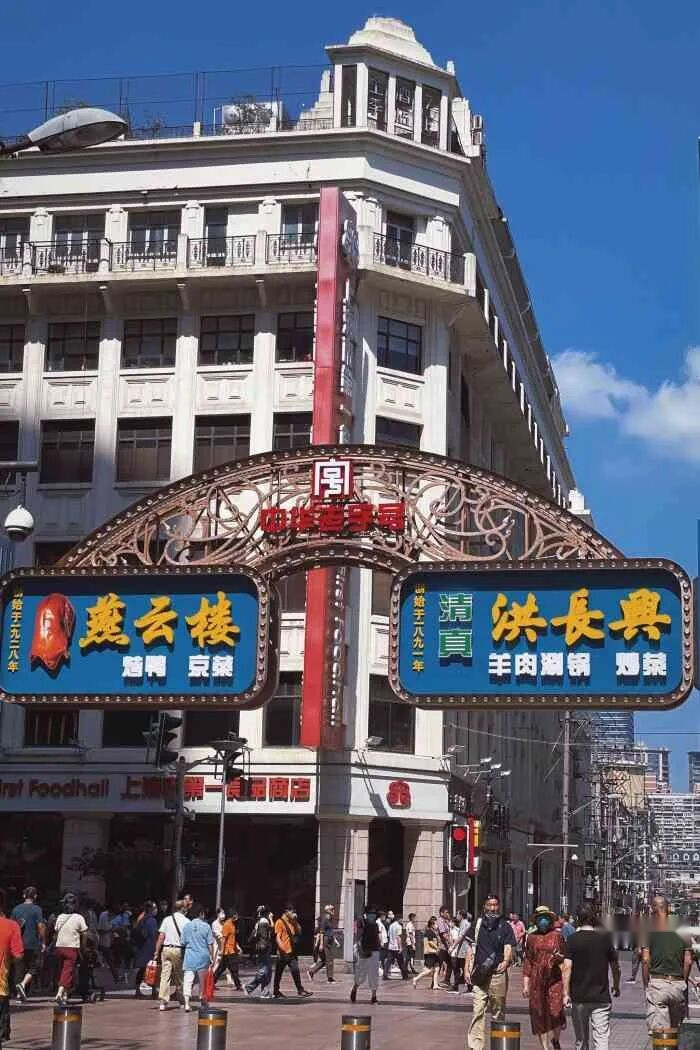
Who would have guessed that this slice of gritty neighborhood life hides a full 130 years of history? Starting from a mobile food cart in Cao County, Shandong, all the way to today's sprawling 1,200-square-meter, three-story restaurant, five generations of the Ma family have brought Halal culinary craftsmanship to Shanghai while cooking up a one-of-a-kind 'Shanghai-style Halal flavor'—combining authentic Halal traditions with the rich, glossy, savory-sweet profile Shanghainese love. No wonder regular customers keep coming back from their own childhoods all the way until they bring their grandkids.
This bustling neighborhood vibe holds 130 years of stories! In 1891, the first-generation patriarch of the Ma family, Ma Shisheng, arrived with a knack for making Halal pastries and set up a small street cart in Cao County, Shandong. He sold just two heavy-hitting items: niurou jianbao (pan-fried beef buns) and curry beef soup. Thanks to fillings that were so ridiculously generous they piled up like a mountain, neighbors lined up every single day. Later, during turbulent times in 1938, he and his son Ma Xingbang moved to Zhenjiang, and by the late 1940s, they bounced around until they landed in Shanghai's Yangpu District. They put together a makeshift tarp paper shack on Huangxing Road—running the business out of the front and housing the whole family in the back. That's how the 'Ma Family' Halal stall first took root in Shanghai.
Today, 82-year-old Ma Wanglin is the third-generation heir and a recognized Shanghai Intangible Cultural Heritage inheritor. Chatting with the veteran, he pulled some yellowed old photos out of a drawer and smiled as he pointed them out to me: 'Look, this is my dad. When I was under ten, I had to stand on a little wooden stool just to reach the stovetop, helping him pump the bellows and knead the dough. My face and clothes were always covered in flour; I looked just like a little dough figurine.' He remembers his father's rules by heart: 'Halal cooking leaves zero room for slacking! The beef has to be hind leg meat with no gristle or skin, and the filling has to be hand-chopped into a fine mince. Grandpa's original seasoning recipe means missing even a single spice ruins the flavor.' That stubborn perfectionism has been baked into his bones since he was a kid.
During the joint state-private ownership transition in 1958, a 15-year-old Ma Wanglin followed his father into a state-run restaurant as an apprentice, earning an 18-yuan monthly salary while treating master craftsmanship as his absolute top priority. While everyone else bolted for home the second their shift ended, he stayed behind in the kitchen to 'steal' culinary secrets: when his father mixed fillings, he'd pretend to wipe down tables just to memorize the seasoning ratios; when tending the fire, his eyes would lock onto the flames to figure out exactly how long it took to get the jianbao crust golden and crispy. 'Back then, seeing my classmates carry school bags to class made me envious. But after kneading dough for so long, I guess I grew an attachment to it.' That persistence paid off—by age 30, he was manager of two state-run restaurants. When the restaurant system reformed in 2000, he gritted his teeth and took over the 'Yixinzhai' signboard, determined not to let regular patrons lose this classic taste.
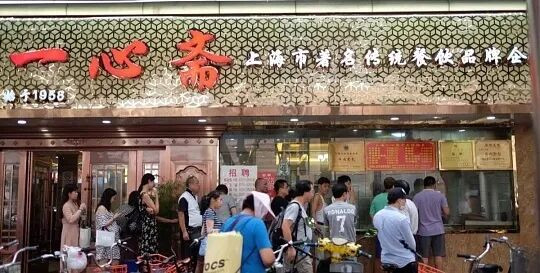
Yixinzhai's 130-year success comes down to Grandpa Ma's philosophy of 'preserving' and 'adapting.' What they 'preserve' are the ancestral rules: niurou jianbao must use beef hind leg mixed with cabbage for the filling so you get a textured crunch in every bite; the lü sanhuangji (braised Sanhuang yellow chicken) uses tender, three-pound young chickens simmered slowly for four hours with over a dozen spices like star anise and cinnamon until a chopstick slides right through. The meat is as tender as a cloud, and I can easily polish off two bowls of rice drenched in that braising broth. What they 'adapt' is understanding the Shanghainese palate: knowing locals love rich, glossy, savory-sweet flavors, they created a Halal version of braised beef tendon, stewed until melt-in-your-mouth tender and bouncy, coated in a sweet-and-savory glaze. Worried that younger crowds might find things too heavy, they added lightly stir-fried seasonal vegetables paired with Halal sauces. Kids, parents, and grandparents all find something they love.
Today's Yixinzhai is a far cry from the old tarp shack of the past—its 1,200-square-meter, three-story building is seriously grand. The first floor is the snack counter, serving up niurou jianbao, niurou guotie (crispy beef potstickers), and tanggao (glutinous rice sugar cakes) where neighborhood folks drop in daily for a quick bite. The second floor focuses on stir-fries, with a menu boasting 60 cold dishes and 100 hot dishes. The third floor handles banquets, hosting countless weddings and milestone birthday parties for loyal patrons. To keep up with the long lines, Grandpa Ma upgraded the equipment, swapping out small iron skillets for massive flat-top griddles that can fry 50 buns at once. Yet the rules of hand-chopping fillings and wrapping and frying to order haven't changed one bit. When I visited, I lucked out and caught the very first batch coming off the griddle—that rich aroma of meat and dough drifted halfway down the street, calling people in! Here's a quick pro-tip to beat the crowds: go before 8 AM or after 3 PM, when lines are practically nonexistent, and you can still score piping-hot batches straight from the pan.
The most heartwarming part is this living, breathing legacy. Grandpa Ma's son, Ma Jun, took over the kitchen ages ago, and his wok-flipping skills are even sharper than his dad's. His 23-year-old grandson is even more interesting: studying business management in England, he dives straight into the kitchen to practice kneading dough during breaks, vowing to 'come back and take over right after graduation.' Grandpa patted his grandson's head and laughed: 'Back in the day, becoming an apprentice meant serving tea and kowtowing. I don't care for that formality, but the rule of "never cutting corners" has to be passed down.' He didn't have much formal schooling himself, so he poured everything into supporting his grandson's education: 'He's educated, understands the internet, and can share the story of this legacy brand with more young people.' Last year, when 'Yixinzhai Sanhuang Chicken' was named a 'Shanghai Time-Honored Brand,' the grandfather and grandson hung the plaque together, and Grandpa beamed so hard his eyes crinkled into slits.
While eating lunch on the second floor, an auntie at the next table chatted with me like family: 'When I was little, my grandpa brought me here, and we'd split a single jianbao into three bites. Now I bring my grandson, and he wolfs them down whole, complaining one isn't enough and saying they taste better than burgers!' An uncle nearby slurped his curry beef soup and sighed: 'I come here every day since retiring. This taste is more familiar than home cooking, and Mr. Ma calls out "the usual?" the second he sees me.' Grandpa Ma sat quietly in an old rattan chair by the register, clutching an old-school abacus, occasionally looking up at the passing diners. His hair was dyed jet-black, but decades of kneading dough had left the calluses on his hands thicker than coins. He told me: 'I haven't done anything else grand in my life; I just wanted to make sure Shanghainese people could always get an authentic taste of Shanghai-style Halal cuisine, no matter how many years go by.'
As I left, the setting sun cast a warm golden glow over the golden sign of 'Yixinzhai.' The aroma of freshly baked niurou jianbao drifted on the evening breeze, and the waiting line stretched further down the alleyway. True heritage brands are never just 'museum pieces' to look at; instead, through five generations of craftsmanship and genuine heart, they cook flavor directly into the pulse of the city, pulling generation after generation in with their irresistible aroma while passing down warmth and fond memories along the way.
Does your city have a 'hidden gem old-school brand' like this? Is there a flavor that instantly brings back a specific memory from childhood? Drop a comment below and share your story~
Shanghai's Unique 'Hai-Pai' Halal Restaurant: A Blend of Xinjiang Flavors and Seafood at Hongbinlou
Articles • Hasan09 posted the article • 0 comments • 1 views • 1 hours ago
What makes this "Hai-Pai" (Shanghai-style) Halal restaurant in Shanghai so different?
Summary:
If you've been working or studying in Shanghai for a while, you've probably noticed that things have really been looking up lately. Halal restaurants featuring all kinds of regional cuisines and formats are popping up everywhere across the city. Ten years ago, when I was working and studying here, my weekly dilemma was always, "Please tell me we're not going to that exact same place again this week!"
If you've been working and studying in Shanghai for a while, you've probably noticed that things have really been looking up lately.
Halal restaurants featuring all kinds of regional cuisines and formats are popping up everywhere across the city.
Ten years ago, when I was working and studying here, my weekly dilemma was always, "Please tell me we're not going to that exact same place again this week!"
And now, alongside local Shanghainese noodles and Guanguanji, we've got the Changying Three Brothers coming all down from Beijing, Pin Huiwei hailing from Hangzhou... we've even got Yunnan beef spots, Tianshui spicy hot pot, Huainan beef soup, and grilled fish joints~
So now, hasn't everyone's dilemma basically changed to, "Which spot are we hitting up this week?"
After rambling on for so long, you've probably guessed it—this time we're recommending a classic Shanghai Halal spot: "Hongbinlou," which now goes by the name 「Huoxiale · Hai-Pai Halal Cuisine (Hongbinlou Branch)」.
01
Historical Heritage
The Twisting, Turning History of Shanghai's Hongbinlou
When people talk about "Hongbinlou," the name everyone instantly recognizes is the legendary "Number One Halal Restaurant in China," opened in Tianjin back in the third year of Emperor Xianfeng's reign (1853) and later relocated to Beijing at the personal invitation of Premier Zhou Enlai. Meanwhile, this Hongbinlou registered in Shanghai in 1993 doesn't seem to have much connection to that traditional century-old brand; it's likely just a shared name or a respectful nod.
According to posts from old-school internet foodies, back in the 1990s, Shanghai's Hongbinlou was already operating right at the corner of Huashan Road and Beijing Road. The storefront was pretty small back then, but the interior was spacious and dim. It was famous for its niurou jianbao (pan-fried beef buns)—thin wrappers stuffed with loads of savory, juicy beef—which were served year-round. (Wonder if they already had that signature curry-beef flavor back then?) They were also super famous for their "fengshan lengmian" (electric-fan cooled cold noodles).
Later on, that old location got demolished for urban redevelopment, and for the longest time, nobody knew where it had moved. Piecing together information found online, by the early 2000s, a new Xinjiang restaurant bearing the exact same name "Hongbinlou" popped up on Yuyuan New Road (near Wulumuqi Road).
Image sourced from the internet; please contact us to delete if there is any copyright infringement.
Xinjiang restaurants, right? They're pretty much all about yangrou chuan (Xinjiang lamb skewers), dapanji (big plate spicy chicken), nangbaorou (flatbread stuffed with lamb), tiger salad, and shouzhua yangrou (Lanzhou hand-grabbed lamb). Even though Xinjiang joints are everywhere nowadays, back then it was a seriously trendy vibe. Especially the nangbaorou, which people used to call "Xinjiang pizza"—long before the whole "daluonang" (gravy-topped flatbread) internet meme came around.
Later on, due to another round of land requisition, Hongbinlou disappeared from the public eye for a bit before reopening in the early 2000s at No. 75 Wanhangdu Road. They also brought in the Indonesian dining brand "Bali Bistro," which was a massive hit in Shanghai for a long time. When our foodie editor was working in Shanghai, he used to walk past it all the time, though sadly he never made it inside to try it. Now, that era is history too.
Image source: WeChat Official Account @You E Le (Hungry Again)
02
A Fresh Rebirth
Huoxiale Redefines Hai-Pai Halal Cuisine
In November 2024, Hongbinlou welcomed a brand-new chapter reborn as the current 「Huoxiale」. Even though its Dianping subtitle is "Hai-Pai Halal Cuisine," the main storefront sign still reads "Silk Road Halal Food Market," so the core menu still leans heavily toward Northwest Chinese and Xinjiang cuisine. As for why they're putting so much emphasis on "Hai-Pai Halal Cuisine," we'll get into that in a bit.
The overall interior design centers heavily on Western Regions aesthetics. It's stunningly upscale, showing just how much thought and aesthetic vision the owners put into it. They spared no expense shipping in specialty building materials from afar, with every single brick and tile reflecting the folk customs and culture of the Silk Road.
Image source: Xiaohongshu @Jingan's Sky
They didn't just pour effort into the hardware—they also brought in a master muralist to paint epic Silk Road wall art, letting diners soak in the culture of the Western Regions where food tells a story while they eat.
The bowls, plates, serving vessels, and grills in the restaurant are all sourced directly from their places of origin, and the servers rock traditional attire, greeting every single guest with warm, down-to-earth smiles. It's quickly become an absolute must-visit, gorgeous Halal dining spot in Jing'an District.
Image source: Xiaohongshu @Sharon_Jing
Speaking of the vibe, there's one detail people rarely pay attention to that is totally crucial to your dining mood: the omnipresent second-hand smoke and alcohol reek in typical Chinese restaurants. You know how it is—you're having a great meal, almost full, and suddenly a wave of cigarette smoke drifts over from the next table, instantly killing your appetite... Well, Huoxiale's whole thing is being a "smoke-free and alcohol-free wellness-friendly restaurant." Tons of people on Xiaohongshu are praising it for being super friendly to women and kids. Our editor totally agrees—this kind of restaurant is the ultimate form of respect for anyone who loves good food!
Of course, at the end of the day, whether a restaurant is good or not all comes down to the dishes and the flavors. Aside from nailing traditional Xinjiang cuisine, Huoxiale also brilliantly weaves in seafood and Shanghainese benbang (local Shanghainese) dishes, making it a true fusion restaurant.
Xinjiang Bashibai Lamb Skewers
Sizzling Xinjiang Bashibai lamb skewers transport your taste buds straight to Xinjiang in a single bite. This is Shanghai's ultimate "Western Regions night market vibe": sizzling lamb skewers paired with ice-cold kavass (traditional fermented honey drink)—the absolute peak of summer night-market luxury!
Hui Muslim Jiasha
With a golden, crispy exterior and a savory, aromatic filling inside, Hui Muslim jiasha (crispy stuffed egg-skin rolls) makes you feel like you're tasting a thousand years of Western Regions culture with every bite. The golden miracle of the intangible-heritage stove: lifting a legendary piece of Xinjiang beef jiasha with your chopsticks.
Shouzhua Yangrou (Hand-Grabbed Lamb)
Image source: Dianping @Baozou Xiong (Running Bear)
Bashibai spring lambs raised on pure Tianshan snowmelt are crafted into shouzhua yangrou, featuring meat as glossy and tender as fine fat. After being simmered in pure water, a gentle touch of the knife makes the juices burst forth with an amber glow. Eat it simply dipped in salt, and the fresh sweetness blooms across your teeth—this is the purest gift from the grasslands.
Shawan Dapanji (Big Plate Chicken)
Rugged Xinjiang ingredients meet meticulous, slow-simmered comfort food, lifting up the scorching, soulful passion beneath the Tianshan Mountains with a single sweep of your chopsticks. Golden free-range chicken coated in thick, rich sauce, hand-pulled belt noodles soaked in savory chili oil, with green and red peppers and soft potato chunks dancing on your tongue.
Astana Beef Ribs
Slow-cooked to tender perfection, these beef ribs fall right off the bone. Every single rib radiates a rich, meaty aroma, paired with the house-special sauce that strikes the exact balance of sweet and savory—you won't be able to stop at just one piece.
Some folks say the fresh sweetness of seafood belongs to the ocean, while the boldness of Xinjiang cuisine comes from the desert, making the two impossible to mix. But 「Huoxiale」 smashes those culinary boundaries, featuring seafood front and center at a Xinjiang restaurant to revive "Hai-Pai Halal." Their seafood isn't just diverse; it's insanely fresh, with every single bite acting as a gift from the sea. Rooted in traditional Xinjiang cooking and Hai-Pai cuisine, they dig deep into the smoky comfort of old flavors while blending in Silk Road regional profiles and refined Western culinary presentation. It keeps every dish satisfyingly familiar under Halal standards while delivering total tongue-pleasing surprises.
Halal Irtysh River Cold-Water Fish Qiaotai
Image source: Xiaohongshu @Sharon_Jing
One of the house-signature seafood dishes. The fish is tender and juicy, letting you taste the firm, fresh texture in every bite. Paired with a house-special sweet-and-sour sauce, it perfectly highlights and elevates the natural sweetness of the fish.
Scallion-Aroma Rocket Squid
Image source: Xiaohongshu @Sharon_Jing
Bouncy, tender wild-caught squid, locked in with a secret technique passed down by a thirty-year veteran chef. The squid is snap-tender with a rich peppercorn-aroma sauce, marrying the numbing pepper profile with the natural sweetness of seafood in a masterclass of Hai-Pai elegance and Western Regions flair~
Flamed Salt-and-Pepper Mantis Shrimp
Image source: Xiaohongshu @Sharon_Jing
Selected meat-packed mantis shrimp, deep-fried until super crispy, then tossed in a signature salt-and-pepper sauce mixed with Western Regions spices. Crispy on the outside and tender on the inside, with a sweet-and-spicy explosion on your tongue.
Fragrant Stream Tengjiao (Vine Pepper) Fish
Anchored by the numbing fragrance of Sichuan vine pepper and slow-simmered with Silk Road spices, then drizzled with authentic Xinjiang-produced aromatic oil. The progression of numb, fresh, savory, and tender flavors builds layer by layer, presenting a fish dish with deeply complex Halal profiles.
Back in the 1990s, Shanghai's Hongbinlou stood proudly as a Halal landmark right in the northern part of the Jing'an Temple commercial hub. Back then, it wasn't just famous for its unique Halal eats; it also captured the quintessential vibe of old Shanghai. Their signature "fengshan lengmian" (electric-fan cooled cold noodles) held the memories of an entire generation. But as times changed, that taste of old Shanghai slowly faded away. Today, Huoxiale has taken over the legacy at Shanghai's Hongbinlou to run a "Hai-Pai Halal" concept, picking up the traditional craftsmanship of the electric-fan noodles to resurrect this classic old-Shanghai flavor.
Fengshan Lengmian (Electric-Fan Cooled Cold Noodles)
Making these old-school cold noodles puts serious demands on the chef, requiring master-level noodle-boiling skills. That's because these noodles aren't steamed; they're boiled right in a pot, scooped up, tossed evenly in seasoned oil, and cooled down using an electric fan. Experienced veteran chefs can pluck out a single strand while boiling, pinch it lightly between their fingers, and instantly know if the noodles are cooked to perfection. When lifting all the noodles out, they can't be overcooked because the electric cooling fan keeps cooking them internally until they hit that absolute sweet spot of texture.
The production technique and ingredients of these cold noodles carry on Hongbinlou's classic old-school recipe combining Halal traditions with Hai-Pai style. Tossed with classic Shanghai spicy fermented bean curd sauce (laifu jiang), fresh minced beef, diced bamboo shoots, and dried tofu, then simmered down until the sauce clings to the noodles—this spicy meat topping is thick, rich, glossy, and ridiculously fragrant.
Curry Beef Head Soup
Cold noodles are wonderfully smooth and springy, but eating them all by itself can feel a bit dry. Pairing them with a bowl of fragrant curry beef soup at that exact moment instantly wakes up your taste buds! The clean, refreshing broth balances out the chill of the cold noodles, warming your stomach and quenching your thirst—the ultimate summer noodle combo slurping down noodles, sipping the soup, and grabbing a few slices of tender beef from the curry broth. Pure satisfaction.
Huoxiale's bowl of curry beef soup doesn't hit you with an overwhelming artificial curry powder flavor. Slow-cooked with real care, every spoonful delivers the milky richness of mutton bone combined with the deep, savory notes of beef bone. Rejecting heavy, overpowering spices, it leaves only natural milky aromas blooming lightly on your tongue, feeling just like a morning breeze sweeping across the grassland—pure and balanced to absolute perfection.
According to Huoxiale's owner, "Tiger Bro," they'll be introducing even more traditional Halal benbang (local Shanghainese) dishes in the future to truly carry forward and elevate "Hai-Pai Halal."
As we mentioned at the start of Chapter 2, why would a Western Regions-themed restaurant put such heavy emphasis on "Hai-Pai" Halal cuisine? I think this "Hai" (海) doesn't just mean the ocean—it also represents the open, inclusive culture of Shanghai (Hai-Pai). So I decided to ask DeepSeek what a "Hai-Pai restaurant" actually is. It told me: A Hai-Pai restaurant refers to an eatery rooted in regional Shanghai culture, blending the absolute essences of Chinese and Western culinary traditions, characterized by being "inclusive, exquisite, delicate, and innovative." You can think of it as a "Shanghai-style" restaurant, but the core of that style is all about "fusion" and "innovation."
Therefore, compared to the Beijing and Tianjin Hongbinlou locations which represent century-old heritage and tradition, Shanghai's Hongbinlou is all about innovation and fusion. From Shanghainese food to Xinjiang cuisine, Indonesian food, and now Xinjiang cuisine plus seafood and local benbang dishes—who knows, maybe blending Indonesian food back in down the road isn't totally out of the question!
03
More Than Just a Restaurant
Giving Wanderers a Warm Home Away From Home
Word has it that the management team steering this project actually crossed over from the jewelry industry. After the pandemic, they embarked on a new entrepreneurial journey focusing on Xingdeng Education Venture Capital, post-investment incubation for small-and-beautiful dual-circulation brands, and integrating three-industry-converged food supply chains. It's super exciting to see this kind of resilient, value-adding entrepreneur enter the Halal food space.
I was lucky enough to be longtime friends with one of the founders. When I asked him why on earth he decided to open a restaurant amidst such brutal competition in the restaurant biz, he shared a story from his past:
Twenty years ago, when he first arrived in Shanghai, he had that exact same desperate hunger for a familiar circle of people. Back at the company he worked for, even though there were lots of people around, he always walked alone and felt totally isolated. When he first got here, his salary was 1,800 RMB—he'd send most of it back home and keep just 300 RMB for living expenses.
Stepping into a Xinjiang restaurant back then felt just like coming home. He couldn't afford to buy actual meals, but he could sit around and talk with folks. So opening a restaurant became a deep-seated dream of his: to create a warm, comforting space for people wandering far from home.
That's why Huoxiale's positioning from day one was never just a restaurant. Instead, it's a multi-functional space blending food, socialization, music, and culture—destined to become a community hub and an incubator for commercial innovation.
So what exactly is a "community hub"? It's a joyful space inside Huoxiale where people share, listen, connect, and grow together. That's not just a catchy slogan; ever since opening, they've been actively living it out, launching the "Fuel-Adding Officer" (Tianchai Guan) initiative where everyone chips in to feed the fire. Since July, they've already hosted multiple events spanning all kinds of fields.
Traditional Chinese Medicine (TCM) public welfare classes: What kind of magical charm makes people never want to leave once they step inside?
Ethnic music performances: Who says restaurants are just for stuffing your face? Music + food + socializing = maximum joy unlocked!
Jewelry knowledge-sharing sessions: Silk Road Radiance & Maritime Pearls: When Hai-Pai Halal meets fine gems and pearls.
Baduanjin wellness workshops: A cultural restaurant like no other: Practicing ancient Baduanjin qigong right inside a Shanghai Hai-Pai Halal joint.
There are plenty more events coming up down the road. If you want to jump in and join the fun, scan the QR code to find out more and sign up! view all
What makes this "Hai-Pai" (Shanghai-style) Halal restaurant in Shanghai so different?
Summary:
If you've been working or studying in Shanghai for a while, you've probably noticed that things have really been looking up lately. Halal restaurants featuring all kinds of regional cuisines and formats are popping up everywhere across the city. Ten years ago, when I was working and studying here, my weekly dilemma was always, "Please tell me we're not going to that exact same place again this week!"
If you've been working and studying in Shanghai for a while, you've probably noticed that things have really been looking up lately.
Halal restaurants featuring all kinds of regional cuisines and formats are popping up everywhere across the city.
Ten years ago, when I was working and studying here, my weekly dilemma was always, "Please tell me we're not going to that exact same place again this week!"
And now, alongside local Shanghainese noodles and Guanguanji, we've got the Changying Three Brothers coming all down from Beijing, Pin Huiwei hailing from Hangzhou... we've even got Yunnan beef spots, Tianshui spicy hot pot, Huainan beef soup, and grilled fish joints~
So now, hasn't everyone's dilemma basically changed to, "Which spot are we hitting up this week?"
After rambling on for so long, you've probably guessed it—this time we're recommending a classic Shanghai Halal spot: "Hongbinlou," which now goes by the name 「Huoxiale · Hai-Pai Halal Cuisine (Hongbinlou Branch)」.
01
Historical Heritage
The Twisting, Turning History of Shanghai's Hongbinlou
When people talk about "Hongbinlou," the name everyone instantly recognizes is the legendary "Number One Halal Restaurant in China," opened in Tianjin back in the third year of Emperor Xianfeng's reign (1853) and later relocated to Beijing at the personal invitation of Premier Zhou Enlai. Meanwhile, this Hongbinlou registered in Shanghai in 1993 doesn't seem to have much connection to that traditional century-old brand; it's likely just a shared name or a respectful nod.
According to posts from old-school internet foodies, back in the 1990s, Shanghai's Hongbinlou was already operating right at the corner of Huashan Road and Beijing Road. The storefront was pretty small back then, but the interior was spacious and dim. It was famous for its niurou jianbao (pan-fried beef buns)—thin wrappers stuffed with loads of savory, juicy beef—which were served year-round. (Wonder if they already had that signature curry-beef flavor back then?) They were also super famous for their "fengshan lengmian" (electric-fan cooled cold noodles).
Later on, that old location got demolished for urban redevelopment, and for the longest time, nobody knew where it had moved. Piecing together information found online, by the early 2000s, a new Xinjiang restaurant bearing the exact same name "Hongbinlou" popped up on Yuyuan New Road (near Wulumuqi Road).
Image sourced from the internet; please contact us to delete if there is any copyright infringement.
Xinjiang restaurants, right? They're pretty much all about yangrou chuan (Xinjiang lamb skewers), dapanji (big plate spicy chicken), nangbaorou (flatbread stuffed with lamb), tiger salad, and shouzhua yangrou (Lanzhou hand-grabbed lamb). Even though Xinjiang joints are everywhere nowadays, back then it was a seriously trendy vibe. Especially the nangbaorou, which people used to call "Xinjiang pizza"—long before the whole "daluonang" (gravy-topped flatbread) internet meme came around.
Later on, due to another round of land requisition, Hongbinlou disappeared from the public eye for a bit before reopening in the early 2000s at No. 75 Wanhangdu Road. They also brought in the Indonesian dining brand "Bali Bistro," which was a massive hit in Shanghai for a long time. When our foodie editor was working in Shanghai, he used to walk past it all the time, though sadly he never made it inside to try it. Now, that era is history too.
Image source: WeChat Official Account @You E Le (Hungry Again)
02
A Fresh Rebirth
Huoxiale Redefines Hai-Pai Halal Cuisine
In November 2024, Hongbinlou welcomed a brand-new chapter reborn as the current 「Huoxiale」. Even though its Dianping subtitle is "Hai-Pai Halal Cuisine," the main storefront sign still reads "Silk Road Halal Food Market," so the core menu still leans heavily toward Northwest Chinese and Xinjiang cuisine. As for why they're putting so much emphasis on "Hai-Pai Halal Cuisine," we'll get into that in a bit.
The overall interior design centers heavily on Western Regions aesthetics. It's stunningly upscale, showing just how much thought and aesthetic vision the owners put into it. They spared no expense shipping in specialty building materials from afar, with every single brick and tile reflecting the folk customs and culture of the Silk Road.
Image source: Xiaohongshu @Jingan's Sky
They didn't just pour effort into the hardware—they also brought in a master muralist to paint epic Silk Road wall art, letting diners soak in the culture of the Western Regions where food tells a story while they eat.
The bowls, plates, serving vessels, and grills in the restaurant are all sourced directly from their places of origin, and the servers rock traditional attire, greeting every single guest with warm, down-to-earth smiles. It's quickly become an absolute must-visit, gorgeous Halal dining spot in Jing'an District.
Image source: Xiaohongshu @Sharon_Jing
Speaking of the vibe, there's one detail people rarely pay attention to that is totally crucial to your dining mood: the omnipresent second-hand smoke and alcohol reek in typical Chinese restaurants. You know how it is—you're having a great meal, almost full, and suddenly a wave of cigarette smoke drifts over from the next table, instantly killing your appetite... Well, Huoxiale's whole thing is being a "smoke-free and alcohol-free wellness-friendly restaurant." Tons of people on Xiaohongshu are praising it for being super friendly to women and kids. Our editor totally agrees—this kind of restaurant is the ultimate form of respect for anyone who loves good food!
Of course, at the end of the day, whether a restaurant is good or not all comes down to the dishes and the flavors. Aside from nailing traditional Xinjiang cuisine, Huoxiale also brilliantly weaves in seafood and Shanghainese benbang (local Shanghainese) dishes, making it a true fusion restaurant.
Xinjiang Bashibai Lamb Skewers
Sizzling Xinjiang Bashibai lamb skewers transport your taste buds straight to Xinjiang in a single bite. This is Shanghai's ultimate "Western Regions night market vibe": sizzling lamb skewers paired with ice-cold kavass (traditional fermented honey drink)—the absolute peak of summer night-market luxury!
Hui Muslim Jiasha
With a golden, crispy exterior and a savory, aromatic filling inside, Hui Muslim jiasha (crispy stuffed egg-skin rolls) makes you feel like you're tasting a thousand years of Western Regions culture with every bite. The golden miracle of the intangible-heritage stove: lifting a legendary piece of Xinjiang beef jiasha with your chopsticks.
Shouzhua Yangrou (Hand-Grabbed Lamb)
Image source: Dianping @Baozou Xiong (Running Bear)
Bashibai spring lambs raised on pure Tianshan snowmelt are crafted into shouzhua yangrou, featuring meat as glossy and tender as fine fat. After being simmered in pure water, a gentle touch of the knife makes the juices burst forth with an amber glow. Eat it simply dipped in salt, and the fresh sweetness blooms across your teeth—this is the purest gift from the grasslands.
Shawan Dapanji (Big Plate Chicken)
Rugged Xinjiang ingredients meet meticulous, slow-simmered comfort food, lifting up the scorching, soulful passion beneath the Tianshan Mountains with a single sweep of your chopsticks. Golden free-range chicken coated in thick, rich sauce, hand-pulled belt noodles soaked in savory chili oil, with green and red peppers and soft potato chunks dancing on your tongue.
Astana Beef Ribs
Slow-cooked to tender perfection, these beef ribs fall right off the bone. Every single rib radiates a rich, meaty aroma, paired with the house-special sauce that strikes the exact balance of sweet and savory—you won't be able to stop at just one piece.
Some folks say the fresh sweetness of seafood belongs to the ocean, while the boldness of Xinjiang cuisine comes from the desert, making the two impossible to mix. But 「Huoxiale」 smashes those culinary boundaries, featuring seafood front and center at a Xinjiang restaurant to revive "Hai-Pai Halal." Their seafood isn't just diverse; it's insanely fresh, with every single bite acting as a gift from the sea. Rooted in traditional Xinjiang cooking and Hai-Pai cuisine, they dig deep into the smoky comfort of old flavors while blending in Silk Road regional profiles and refined Western culinary presentation. It keeps every dish satisfyingly familiar under Halal standards while delivering total tongue-pleasing surprises.
Halal Irtysh River Cold-Water Fish Qiaotai
Image source: Xiaohongshu @Sharon_Jing
One of the house-signature seafood dishes. The fish is tender and juicy, letting you taste the firm, fresh texture in every bite. Paired with a house-special sweet-and-sour sauce, it perfectly highlights and elevates the natural sweetness of the fish.
Scallion-Aroma Rocket Squid
Image source: Xiaohongshu @Sharon_Jing
Bouncy, tender wild-caught squid, locked in with a secret technique passed down by a thirty-year veteran chef. The squid is snap-tender with a rich peppercorn-aroma sauce, marrying the numbing pepper profile with the natural sweetness of seafood in a masterclass of Hai-Pai elegance and Western Regions flair~
Flamed Salt-and-Pepper Mantis Shrimp
Image source: Xiaohongshu @Sharon_Jing
Selected meat-packed mantis shrimp, deep-fried until super crispy, then tossed in a signature salt-and-pepper sauce mixed with Western Regions spices. Crispy on the outside and tender on the inside, with a sweet-and-spicy explosion on your tongue.
Fragrant Stream Tengjiao (Vine Pepper) Fish
Anchored by the numbing fragrance of Sichuan vine pepper and slow-simmered with Silk Road spices, then drizzled with authentic Xinjiang-produced aromatic oil. The progression of numb, fresh, savory, and tender flavors builds layer by layer, presenting a fish dish with deeply complex Halal profiles.
Back in the 1990s, Shanghai's Hongbinlou stood proudly as a Halal landmark right in the northern part of the Jing'an Temple commercial hub. Back then, it wasn't just famous for its unique Halal eats; it also captured the quintessential vibe of old Shanghai. Their signature "fengshan lengmian" (electric-fan cooled cold noodles) held the memories of an entire generation. But as times changed, that taste of old Shanghai slowly faded away. Today, Huoxiale has taken over the legacy at Shanghai's Hongbinlou to run a "Hai-Pai Halal" concept, picking up the traditional craftsmanship of the electric-fan noodles to resurrect this classic old-Shanghai flavor.
Fengshan Lengmian (Electric-Fan Cooled Cold Noodles)
Making these old-school cold noodles puts serious demands on the chef, requiring master-level noodle-boiling skills. That's because these noodles aren't steamed; they're boiled right in a pot, scooped up, tossed evenly in seasoned oil, and cooled down using an electric fan. Experienced veteran chefs can pluck out a single strand while boiling, pinch it lightly between their fingers, and instantly know if the noodles are cooked to perfection. When lifting all the noodles out, they can't be overcooked because the electric cooling fan keeps cooking them internally until they hit that absolute sweet spot of texture.
The production technique and ingredients of these cold noodles carry on Hongbinlou's classic old-school recipe combining Halal traditions with Hai-Pai style. Tossed with classic Shanghai spicy fermented bean curd sauce (laifu jiang), fresh minced beef, diced bamboo shoots, and dried tofu, then simmered down until the sauce clings to the noodles—this spicy meat topping is thick, rich, glossy, and ridiculously fragrant.
Curry Beef Head Soup
Cold noodles are wonderfully smooth and springy, but eating them all by itself can feel a bit dry. Pairing them with a bowl of fragrant curry beef soup at that exact moment instantly wakes up your taste buds! The clean, refreshing broth balances out the chill of the cold noodles, warming your stomach and quenching your thirst—the ultimate summer noodle combo slurping down noodles, sipping the soup, and grabbing a few slices of tender beef from the curry broth. Pure satisfaction.
Huoxiale's bowl of curry beef soup doesn't hit you with an overwhelming artificial curry powder flavor. Slow-cooked with real care, every spoonful delivers the milky richness of mutton bone combined with the deep, savory notes of beef bone. Rejecting heavy, overpowering spices, it leaves only natural milky aromas blooming lightly on your tongue, feeling just like a morning breeze sweeping across the grassland—pure and balanced to absolute perfection.
According to Huoxiale's owner, "Tiger Bro," they'll be introducing even more traditional Halal benbang (local Shanghainese) dishes in the future to truly carry forward and elevate "Hai-Pai Halal."
As we mentioned at the start of Chapter 2, why would a Western Regions-themed restaurant put such heavy emphasis on "Hai-Pai" Halal cuisine? I think this "Hai" (海) doesn't just mean the ocean—it also represents the open, inclusive culture of Shanghai (Hai-Pai). So I decided to ask DeepSeek what a "Hai-Pai restaurant" actually is. It told me: A Hai-Pai restaurant refers to an eatery rooted in regional Shanghai culture, blending the absolute essences of Chinese and Western culinary traditions, characterized by being "inclusive, exquisite, delicate, and innovative." You can think of it as a "Shanghai-style" restaurant, but the core of that style is all about "fusion" and "innovation."
Therefore, compared to the Beijing and Tianjin Hongbinlou locations which represent century-old heritage and tradition, Shanghai's Hongbinlou is all about innovation and fusion. From Shanghainese food to Xinjiang cuisine, Indonesian food, and now Xinjiang cuisine plus seafood and local benbang dishes—who knows, maybe blending Indonesian food back in down the road isn't totally out of the question!
03
More Than Just a Restaurant
Giving Wanderers a Warm Home Away From Home
Word has it that the management team steering this project actually crossed over from the jewelry industry. After the pandemic, they embarked on a new entrepreneurial journey focusing on Xingdeng Education Venture Capital, post-investment incubation for small-and-beautiful dual-circulation brands, and integrating three-industry-converged food supply chains. It's super exciting to see this kind of resilient, value-adding entrepreneur enter the Halal food space.
I was lucky enough to be longtime friends with one of the founders. When I asked him why on earth he decided to open a restaurant amidst such brutal competition in the restaurant biz, he shared a story from his past:
Twenty years ago, when he first arrived in Shanghai, he had that exact same desperate hunger for a familiar circle of people. Back at the company he worked for, even though there were lots of people around, he always walked alone and felt totally isolated. When he first got here, his salary was 1,800 RMB—he'd send most of it back home and keep just 300 RMB for living expenses.
Stepping into a Xinjiang restaurant back then felt just like coming home. He couldn't afford to buy actual meals, but he could sit around and talk with folks. So opening a restaurant became a deep-seated dream of his: to create a warm, comforting space for people wandering far from home.
That's why Huoxiale's positioning from day one was never just a restaurant. Instead, it's a multi-functional space blending food, socialization, music, and culture—destined to become a community hub and an incubator for commercial innovation.
So what exactly is a "community hub"? It's a joyful space inside Huoxiale where people share, listen, connect, and grow together. That's not just a catchy slogan; ever since opening, they've been actively living it out, launching the "Fuel-Adding Officer" (Tianchai Guan) initiative where everyone chips in to feed the fire. Since July, they've already hosted multiple events spanning all kinds of fields.
Traditional Chinese Medicine (TCM) public welfare classes: What kind of magical charm makes people never want to leave once they step inside?
Ethnic music performances: Who says restaurants are just for stuffing your face? Music + food + socializing = maximum joy unlocked!
Jewelry knowledge-sharing sessions: Silk Road Radiance & Maritime Pearls: When Hai-Pai Halal meets fine gems and pearls.
Baduanjin wellness workshops: A cultural restaurant like no other: Practicing ancient Baduanjin qigong right inside a Shanghai Hai-Pai Halal joint.
There are plenty more events coming up down the road. If you want to jump in and join the fun, scan the QR code to find out more and sign up!
Shanghai's Unique 'Hai-Pai' Halal Dining Experience at Hongbinlou
Articles • Hasan09 posted the article • 0 comments • 0 views • 1 hours ago
What makes this "Hai-Pai" (Shanghai-style) Halal restaurant in Shanghai so different?
Summary:
Foodies who have been working and studying in Shanghai for a while have probably noticed that things have really been looking up lately. Halal restaurants of all different cuisines and styles are popping up all over every district. Ten years ago, when I was working and studying in Shanghai, my weekly dilemma was, "Surely we're not going to that same place again this week!"
Foodies who have been working and studying in Shanghai for a while have probably noticed that things have really been looking up lately.
Halal restaurants of all different cuisines and styles are popping up all over every district.
Ten years ago, when I was working and studying in Shanghai, my weekly dilemma was, "Surely we're not going to that same place again this week!"
And now, alongside local Shanghainese noodles and Guanguanji, we've got the three Changying brothers from Beijing, Pin Huiwei from Hangzhou... and even Yunnan beef specialty spots, Tianshui mala tang, Huainan beef soup, and grilled fish joints~
So now, isn't everyone's dilemma just, "Which spot are we hitting up this week?"
After rambling on for so long, you've probably guessed that this installment is recommending a classic Shanghai Halal restaurant—"Hongbinlou", which in its current iteration is known as 「Huoxiale·Hai-Pai Halal Restaurant (Hongbinlou Branch)」.
01
Historical Heritage
The turbulent and twisting history of Shanghai's Hongbinlou
When people talk about "Hongbinlou," the one everyone knows well is the "Number One Halal Restaurant in China," opened in Tianjin in the third year of Emperor Xianfeng's reign (1853) and later moved to Beijing at the invitation of Premier Zhou Enlai. But this Hongbinlou, registered in Shanghai in 1993, doesn't seem to have much to do with that traditional century-old brand; it's likely just a shared name or a respectful nod.
According to online records from netizens, back in the 1990s, Shanghai's Hongbinlou was already located at the intersection of Huashan Road and Beijing Road. The entrance back then was quite small, but the interior was spacious and dim. It was famous for its niurou jianbao (pan-fried beef buns)—thin wrappers stuffed with savory, juicy meat—which were served year-round. (I wonder if they already had that curry-beef flavor back then?) They also served "fengshan lengmian" (fan-cooled cold noodles), which were super popular.
Later on, that old location went through urban demolition, and for a long time, nobody knew where it had moved. Sifting through information recoverable online, a new Xinjiang restaurant also named "Hongbinlou" popped up on Yuyuan New Road (near Urumqi Road) in the early 2000s.
Images sourced from the internet; please contact us to remove if there are any copyright issues.
Xinjiang restaurants are essentially all about yangrou chuan (Xinjiang mutton skewers), dapanji (big plate spicy chicken), nangbaorou (flatbread stuffed with meat), huangcai (tiger vegetable salad), and shouzhua yangrou (Lanzhou hand-grabbed lamb). Even though Xinjiang joints are everywhere nowadays, back then it was a pretty trendy thing, especially the nangbaorou, which people called the "Xinjiang pizza" long before the trend of "dalu nang" (flatbread with gravy) became a meme.
Later still, due to land requisition, Hongbinlou vanished from the public eye for a while, before reopening in the early 2000s at No. 75 Wanhangdu Road. It also brought in the Indonesian dining brand "Bali Bistro," which was a massive hit in Shanghai for quite a while. Foodie-jun used to walk past it all the time while working in Shanghai, though sadly never got a chance to try it—and now that era is history too.
Image source: WeChat Official Account @You E Le (Hungry Again)
02
A Fresh Start
Huoxiale redefines Hai-Pai Halal cuisine
In November 2024, Hongbinlou experienced a rebirth as the current 「Huoxiale」. Although the Dianping store name suffix is "Hai-Pai Halal Cuisine," the sign outside still reads "Silk Road Halal Food Market," so the overall vibe remains heavily focused on Northwest/Xinjiang cuisine. As for why they emphasize Hai-Pai Halal cuisine, I'll get into that in a bit.
The overall interior design leans heavily into Western Regions aesthetics. It's super refined, and you can really see the boss's taste and effort—they spared no expense shipping in specialty building materials from afar, with every single brick and tile embodying the local customs and culture of the Silk Road.
Image source: Xiaohongshu @Jingan's Sky
Not only did they put serious effort into the hardware, but they also hired master muralists to paint Silk Road frescoes, letting diners experience the culture of the Western Regions through food while they eat.
The bowls, plates, containers, and grills in the restaurant are all sourced directly from their places of origin, and the servers wear traditional attire, greeting every guest with warm, down-to-earth smiles. It's now a seriously photogenic and totally worth-visiting Halal food spot in Jing'an District.
Image source: Xiaohongshu @Sharon_Jing
Speaking of the atmosphere, there's one detail people rarely pay attention to that is crucial for your dining mood: the omnipresent second-hand smoke and alcohol fumes in traditional Chinese restaurants. Sometimes you're eating out, almost full, and suddenly a wave of smoke drifts over from the next table, instantly killing your appetite... But Huoxiale's main selling point is being a "smoke-free and alcohol-free wellness-friendly restaurant." Lots of people on Xiaohongshu are praising it as female-friendly and kid-friendly, and Foodie-jun totally agrees—this is the kind of restaurant that truly respects everyone who loves good food!
Of course, whether a restaurant is good or not ultimately comes down to its dishes and flavors. Beyond nailing traditional Xinjiang dishes, Huoxiale also expertly incorporates seafood and Shanghainese cuisine, making it a true fusion restaurant.
Xinjiang Bashibai Mutton Skewers
Sizzling Xinjiang Bashibai mutton skewers transport you to Xinjiang in a single bite. Shanghai's ultimate taste of "Western Regions street food vibe": sizzling mutton skewers paired with ice-cold Kvass—the peak combo for a summer night market!
Hui Muslim Jiasha
Crispy and golden on the outside, savory and fragrant on the inside, a bite of Hui Muslim jiasha makes you feel like you're experiencing a millennium of Western Regions culture. The golden miracle of the intangible heritage stove: picking up the legend of Xinjiang beef jiasha with a single pair of chopsticks.
Hand-Grabbed Lamb
Image source: Dianping @Baozou Xiong
Bashibai spring lamb nourished by Tianshan mountain snowmelt is made into shouzhua yangrou (Lanzhou hand-grabbed lamb), with meat that is glossy and rich like fat. After being simmered in plain water, a gentle slice of the knife releases juices with an amber sheen. Dip it straight into salt and eat—the fresh sweetness blooms across your teeth. This is the grassland's most authentic gift.
Shawan Big Plate Chicken
Rugged Xinjiang ingredients combined with meticulous, slow-simmered street food mastery—pick up the piping hot romance beneath the Tianshan Mountains with a single chopstick. Golden free-range chicken coated in thick, rich sauce, with belt noodles soaking up the flavorful, spicy oil, while green and red peppers and potato chunks dance on your tongue.
Astana Beef Ribs
The beef ribs are slow-cooked for a long time, rendering the meat tender and melt-in-your-mouth. Every single rib radiates a rich meaty aroma, paired with the house-special sauce that strikes the perfect balance of sweet and savory—you won't be able to stop at just one piece.
Some people say that the freshness and sweetness of seafood belong to the ocean, while the richness of Xinjiang cuisine comes from the desert, making the two hard to reconcile. Yet 『Huoxiale』 shatters culinary boundaries by featuring seafood inside a Xinjiang restaurant, revitalizing "Hai-Pai Halal." Their seafood is not only diverse in variety but also exceptionally fresh, with every single bite tasting like a gift from the ocean. Grounded in traditional Xinjiang cuisine and Hai-Pai dishes, they deeply mine the street food soul of old flavors while blending Silk Road regional profiles with refined Western culinary creativity. This ensures every dish meets Halal standards while offering both comforting familiarity and surprising new dimensions on the palate.
Halal Ertix River Cold-Water Fish Qiaoertai
Image source: Xiaohongshu @Sharon_Jing
One of the house-signature seafood dishes, the fish is tender and juicy, with every bite showcasing its firmness and delicate flavor. Paired with a house-special sweet and tangy sauce, it perfectly accentuates the natural freshness of the fish.
Scallion-Fragrant Rocket Squid
Image source: Xiaohongshu @Sharon_Jing
The springy tenderness of ocean-caught squid is locked in using the exclusive techniques of a 30-year veteran chef. The squid is tender and bouncy, coated in a rich, peppercorn-infused savory sauce. The numbing pepper profile blends with the natural sweetness of the seafood to create a marvelous fusion of Hai-Pai elegance and Western Regions flair~
Sizzling Salt-and-Pepper Mantis Shrimp
Image source: Xiaohongshu @Sharon_Jing
Selected plump mantis shrimp, deep-fried until crispy, then tossed in a salt-and-pepper sauce mixed with specialty seasoned salt and Western Regions spices. Crispy on the outside and tender on the inside, sweetness and a fiery kick burst forth on the tongue.
Fragrant Creek Tengjiao Fish
Built on a foundation of Sichuan-style rattan pepper (tengjiao) numbness, slow-simmered with Silk Road spices to enhance the aroma, and finished with a drizzle of Xinjiang-origin sesame oil. The progression of numb, fresh, savory, and tender flavors builds layer by layer, presenting a fish seafood dish with incredible flavor depth.
In the 1990s, Shanghai's Hongbinlou sat as a Halal restaurant on the northern edge of the Jing'an Temple commercial district. Back then, it was famous not only for its unique Halal delicacies but also for blending old Shanghai romance. One dish in particular, the "fengshan lengmian" (fan-cooled cold noodles), carried the memories of an entire generation. But as the times changed, that flavor of old Shanghai romance gradually faded away. Today, Huoxiale has moved into Shanghai's Hongbinlou to operate "Hai-Pai Halal," taking over the old craft of "fan-cooled cold noodles" to revive Hongbinlou's classic cold noodles and recreate that bowl of old Shanghai charm.
Fan-Cooled Cold Noodles
Old-school cold noodles demand a lot from the noodle chef, requiring serious mastery of boiling techniques. Because these noodles aren't steamed; they're boiled in a pot, lifted out, tossed evenly in cooked oil, and then cooled down using an electric fan. An experienced veteran master can pull out a single strand while boiling, pinch it gently with their fingers, and instantly know whether the noodles are done. When lifting all the noodles out, they can't be too fully cooked because the noodles continue to change while being cooled by the fan until they reach absolute perfection.
The production process and ingredients of these traditional cold noodles continue Hongbinlou's classic Halal-meets-Hai-Pai old recipe. Using classic Shanghai spicy fermented bean curd sauce (laifu jiang), fresh beef bits, diced bamboo shoots, and diced dried tofu, everything is simmered down in sauce until reduced. That spicy sauce topping is thick, rich, glossy, and undeniably fragrant.
Curry Beef Head Soup
Cold noodles are smooth and springy, but eating them entirely on their own can feel a bit dry. Pairing them with a bowl of fragrant curry beef soup at this point instantly awakens your taste buds! The clean-tasting broth counteracts the coolness of the noodles, warming the stomach and quenching any dryness—this is the ultimate summer noodle-and-soup pairing. Slurp a few strands of noodles, sip a couple of spoonfuls of soup, and eat a few slices of the tender beef from the curry soup—now that is pure satisfaction.
Huoxiale's bowl of curry beef soup doesn't have an overpowering curry powder taste. Crafted through attentive, slow simmering, every single spoonful carries the milky fragrance of lamb bones combined with the rich savoriness of beef bones. Rejecting heavy seasonings, it leaves only natural milky aromas blooming lightly on the palate, like a grassland morning breeze sweeping across your taste buds—just pure and balanced perfection.
According to Huoxiale's boss, "Tiger Brother," more traditional Halal Shanghainese dishes will be added in the future to carry forward the legacy of "Hai-Pai Halal."
As I mentioned at the beginning of Chapter Two, why would a Western Regions-themed restaurant emphasize "Hai-Pai" Halal cuisine? I believe this "Hai" (sea/ocean) isn't just about the ocean; it's also about the "Hai" of Shanghai culture. So I asked DeepSeek what a "Hai-Pai restaurant" is, and the answer told me: Hai-Pai restaurants refer to dining establishments rooted in Shanghai's regional culture, blending the culinary essences of China and the West, characterized by "inclusiveness, refinement, and a talent for innovation." You can understand it as a "Shanghai-style" restaurant, but the core of this style is "fusion" and "innovation."
Therefore, compared to the Beijing and Tianjin Hongbinlou locations—which represent century-old heritage and tradition—Shanghai's Hongbinlou is about innovation and fusion. From Shanghainese cuisine to Xinjiang cuisine, Indonesian cuisine, and now Xinjiang cuisine plus seafood and Shanghainese dishes, who knows, maybe blending Indonesian cuisine back in won't be impossible in the future!
03
More Than Just a Restaurant
Giving drifters a heartwarming place to belong
According to reports, the management team behind this venture crossed over from the jewelry industry. After the pandemic, they started fresh, building Xingdeng Education Venture Capital and post-investment incubation, fostering small-and-beautiful dual-circulation brands, and integrating a three-industry-merged food supply chain. It's truly exciting to see this resilient batch of entrepreneurs adding fresh bricks and tiles to the Halal food industry.
I'm very fortunate to have been longtime friends with one of the founders. When I asked him why he decided to open a restaurant amidst such an intensely competitive catering market, he shared a past story with me:
Twenty years ago, when he first came to Shanghai, he felt just as desperate for a familiar circle. At the company where he worked back then, even though there were many people, he went everywhere alone every day and felt terribly lonely. When he first arrived, his salary was 1,800 RMB, of which he sent most home and kept just 300 RMB for living expenses.
Stepping into a Xinjiang restaurant back then felt like coming home. He couldn't afford to buy a meal, but he could talk to people. So opening a restaurant became a persistent dream in his heart—to create a heartwarming place for people wandering far from home.
That's why Huoxiale's positioning from the very beginning was never just a restaurant, but rather a space combining food, socializing, music, and culture. It aims to become a community center and an incubator for commercial innovation.
And what does a "community center" mean? It means in this joyful space called Huoxiale, people share, listen, communicate, and grow together. This isn't just a slogan; from opening day until now, it has been continuously put into practice, kicking off the "Firewood-Adding Officer" campaign where many hands make light work. Since July up until now, they've hosted numerous events covering all sorts of fields.
Traditional Chinese Medicine public welfare classes. What kind of magic does a restaurant have that makes people never want to leave once they arrive?
Ethnic music performances. Who says restaurants are just for stuffing your face? Music + food + socializing maxes out the joy instantly!
Jewelry knowledge sharing: "Silk Road Radiance & Maritime Pearls: When Hai-Pai Halal Meets Jade and Gemstones."
Baduanjin wellness teaching: An unconventional cultural restaurant—practicing ancient Baduanjin qigong at a Hai-Pai Halal spot in Shanghai.
There will be even more events in the future. If you want to join in too, you can scan the QR code to learn more and sign up! view all
What makes this "Hai-Pai" (Shanghai-style) Halal restaurant in Shanghai so different?
Summary:
Foodies who have been working and studying in Shanghai for a while have probably noticed that things have really been looking up lately. Halal restaurants of all different cuisines and styles are popping up all over every district. Ten years ago, when I was working and studying in Shanghai, my weekly dilemma was, "Surely we're not going to that same place again this week!"
Foodies who have been working and studying in Shanghai for a while have probably noticed that things have really been looking up lately.
Halal restaurants of all different cuisines and styles are popping up all over every district.
Ten years ago, when I was working and studying in Shanghai, my weekly dilemma was, "Surely we're not going to that same place again this week!"
And now, alongside local Shanghainese noodles and Guanguanji, we've got the three Changying brothers from Beijing, Pin Huiwei from Hangzhou... and even Yunnan beef specialty spots, Tianshui mala tang, Huainan beef soup, and grilled fish joints~
So now, isn't everyone's dilemma just, "Which spot are we hitting up this week?"
After rambling on for so long, you've probably guessed that this installment is recommending a classic Shanghai Halal restaurant—"Hongbinlou", which in its current iteration is known as 「Huoxiale·Hai-Pai Halal Restaurant (Hongbinlou Branch)」.
01
Historical Heritage
The turbulent and twisting history of Shanghai's Hongbinlou
When people talk about "Hongbinlou," the one everyone knows well is the "Number One Halal Restaurant in China," opened in Tianjin in the third year of Emperor Xianfeng's reign (1853) and later moved to Beijing at the invitation of Premier Zhou Enlai. But this Hongbinlou, registered in Shanghai in 1993, doesn't seem to have much to do with that traditional century-old brand; it's likely just a shared name or a respectful nod.
According to online records from netizens, back in the 1990s, Shanghai's Hongbinlou was already located at the intersection of Huashan Road and Beijing Road. The entrance back then was quite small, but the interior was spacious and dim. It was famous for its niurou jianbao (pan-fried beef buns)—thin wrappers stuffed with savory, juicy meat—which were served year-round. (I wonder if they already had that curry-beef flavor back then?) They also served "fengshan lengmian" (fan-cooled cold noodles), which were super popular.
Later on, that old location went through urban demolition, and for a long time, nobody knew where it had moved. Sifting through information recoverable online, a new Xinjiang restaurant also named "Hongbinlou" popped up on Yuyuan New Road (near Urumqi Road) in the early 2000s.
Images sourced from the internet; please contact us to remove if there are any copyright issues.
Xinjiang restaurants are essentially all about yangrou chuan (Xinjiang mutton skewers), dapanji (big plate spicy chicken), nangbaorou (flatbread stuffed with meat), huangcai (tiger vegetable salad), and shouzhua yangrou (Lanzhou hand-grabbed lamb). Even though Xinjiang joints are everywhere nowadays, back then it was a pretty trendy thing, especially the nangbaorou, which people called the "Xinjiang pizza" long before the trend of "dalu nang" (flatbread with gravy) became a meme.
Later still, due to land requisition, Hongbinlou vanished from the public eye for a while, before reopening in the early 2000s at No. 75 Wanhangdu Road. It also brought in the Indonesian dining brand "Bali Bistro," which was a massive hit in Shanghai for quite a while. Foodie-jun used to walk past it all the time while working in Shanghai, though sadly never got a chance to try it—and now that era is history too.
Image source: WeChat Official Account @You E Le (Hungry Again)
02
A Fresh Start
Huoxiale redefines Hai-Pai Halal cuisine
In November 2024, Hongbinlou experienced a rebirth as the current 「Huoxiale」. Although the Dianping store name suffix is "Hai-Pai Halal Cuisine," the sign outside still reads "Silk Road Halal Food Market," so the overall vibe remains heavily focused on Northwest/Xinjiang cuisine. As for why they emphasize Hai-Pai Halal cuisine, I'll get into that in a bit.
The overall interior design leans heavily into Western Regions aesthetics. It's super refined, and you can really see the boss's taste and effort—they spared no expense shipping in specialty building materials from afar, with every single brick and tile embodying the local customs and culture of the Silk Road.
Image source: Xiaohongshu @Jingan's Sky
Not only did they put serious effort into the hardware, but they also hired master muralists to paint Silk Road frescoes, letting diners experience the culture of the Western Regions through food while they eat.
The bowls, plates, containers, and grills in the restaurant are all sourced directly from their places of origin, and the servers wear traditional attire, greeting every guest with warm, down-to-earth smiles. It's now a seriously photogenic and totally worth-visiting Halal food spot in Jing'an District.
Image source: Xiaohongshu @Sharon_Jing
Speaking of the atmosphere, there's one detail people rarely pay attention to that is crucial for your dining mood: the omnipresent second-hand smoke and alcohol fumes in traditional Chinese restaurants. Sometimes you're eating out, almost full, and suddenly a wave of smoke drifts over from the next table, instantly killing your appetite... But Huoxiale's main selling point is being a "smoke-free and alcohol-free wellness-friendly restaurant." Lots of people on Xiaohongshu are praising it as female-friendly and kid-friendly, and Foodie-jun totally agrees—this is the kind of restaurant that truly respects everyone who loves good food!
Of course, whether a restaurant is good or not ultimately comes down to its dishes and flavors. Beyond nailing traditional Xinjiang dishes, Huoxiale also expertly incorporates seafood and Shanghainese cuisine, making it a true fusion restaurant.
Xinjiang Bashibai Mutton Skewers
Sizzling Xinjiang Bashibai mutton skewers transport you to Xinjiang in a single bite. Shanghai's ultimate taste of "Western Regions street food vibe": sizzling mutton skewers paired with ice-cold Kvass—the peak combo for a summer night market!
Hui Muslim Jiasha
Crispy and golden on the outside, savory and fragrant on the inside, a bite of Hui Muslim jiasha makes you feel like you're experiencing a millennium of Western Regions culture. The golden miracle of the intangible heritage stove: picking up the legend of Xinjiang beef jiasha with a single pair of chopsticks.
Hand-Grabbed Lamb
Image source: Dianping @Baozou Xiong
Bashibai spring lamb nourished by Tianshan mountain snowmelt is made into shouzhua yangrou (Lanzhou hand-grabbed lamb), with meat that is glossy and rich like fat. After being simmered in plain water, a gentle slice of the knife releases juices with an amber sheen. Dip it straight into salt and eat—the fresh sweetness blooms across your teeth. This is the grassland's most authentic gift.
Shawan Big Plate Chicken
Rugged Xinjiang ingredients combined with meticulous, slow-simmered street food mastery—pick up the piping hot romance beneath the Tianshan Mountains with a single chopstick. Golden free-range chicken coated in thick, rich sauce, with belt noodles soaking up the flavorful, spicy oil, while green and red peppers and potato chunks dance on your tongue.
Astana Beef Ribs
The beef ribs are slow-cooked for a long time, rendering the meat tender and melt-in-your-mouth. Every single rib radiates a rich meaty aroma, paired with the house-special sauce that strikes the perfect balance of sweet and savory—you won't be able to stop at just one piece.
Some people say that the freshness and sweetness of seafood belong to the ocean, while the richness of Xinjiang cuisine comes from the desert, making the two hard to reconcile. Yet 『Huoxiale』 shatters culinary boundaries by featuring seafood inside a Xinjiang restaurant, revitalizing "Hai-Pai Halal." Their seafood is not only diverse in variety but also exceptionally fresh, with every single bite tasting like a gift from the ocean. Grounded in traditional Xinjiang cuisine and Hai-Pai dishes, they deeply mine the street food soul of old flavors while blending Silk Road regional profiles with refined Western culinary creativity. This ensures every dish meets Halal standards while offering both comforting familiarity and surprising new dimensions on the palate.
Halal Ertix River Cold-Water Fish Qiaoertai
Image source: Xiaohongshu @Sharon_Jing
One of the house-signature seafood dishes, the fish is tender and juicy, with every bite showcasing its firmness and delicate flavor. Paired with a house-special sweet and tangy sauce, it perfectly accentuates the natural freshness of the fish.
Scallion-Fragrant Rocket Squid
Image source: Xiaohongshu @Sharon_Jing
The springy tenderness of ocean-caught squid is locked in using the exclusive techniques of a 30-year veteran chef. The squid is tender and bouncy, coated in a rich, peppercorn-infused savory sauce. The numbing pepper profile blends with the natural sweetness of the seafood to create a marvelous fusion of Hai-Pai elegance and Western Regions flair~
Sizzling Salt-and-Pepper Mantis Shrimp
Image source: Xiaohongshu @Sharon_Jing
Selected plump mantis shrimp, deep-fried until crispy, then tossed in a salt-and-pepper sauce mixed with specialty seasoned salt and Western Regions spices. Crispy on the outside and tender on the inside, sweetness and a fiery kick burst forth on the tongue.
Fragrant Creek Tengjiao Fish
Built on a foundation of Sichuan-style rattan pepper (tengjiao) numbness, slow-simmered with Silk Road spices to enhance the aroma, and finished with a drizzle of Xinjiang-origin sesame oil. The progression of numb, fresh, savory, and tender flavors builds layer by layer, presenting a fish seafood dish with incredible flavor depth.
In the 1990s, Shanghai's Hongbinlou sat as a Halal restaurant on the northern edge of the Jing'an Temple commercial district. Back then, it was famous not only for its unique Halal delicacies but also for blending old Shanghai romance. One dish in particular, the "fengshan lengmian" (fan-cooled cold noodles), carried the memories of an entire generation. But as the times changed, that flavor of old Shanghai romance gradually faded away. Today, Huoxiale has moved into Shanghai's Hongbinlou to operate "Hai-Pai Halal," taking over the old craft of "fan-cooled cold noodles" to revive Hongbinlou's classic cold noodles and recreate that bowl of old Shanghai charm.
Fan-Cooled Cold Noodles
Old-school cold noodles demand a lot from the noodle chef, requiring serious mastery of boiling techniques. Because these noodles aren't steamed; they're boiled in a pot, lifted out, tossed evenly in cooked oil, and then cooled down using an electric fan. An experienced veteran master can pull out a single strand while boiling, pinch it gently with their fingers, and instantly know whether the noodles are done. When lifting all the noodles out, they can't be too fully cooked because the noodles continue to change while being cooled by the fan until they reach absolute perfection.
The production process and ingredients of these traditional cold noodles continue Hongbinlou's classic Halal-meets-Hai-Pai old recipe. Using classic Shanghai spicy fermented bean curd sauce (laifu jiang), fresh beef bits, diced bamboo shoots, and diced dried tofu, everything is simmered down in sauce until reduced. That spicy sauce topping is thick, rich, glossy, and undeniably fragrant.
Curry Beef Head Soup
Cold noodles are smooth and springy, but eating them entirely on their own can feel a bit dry. Pairing them with a bowl of fragrant curry beef soup at this point instantly awakens your taste buds! The clean-tasting broth counteracts the coolness of the noodles, warming the stomach and quenching any dryness—this is the ultimate summer noodle-and-soup pairing. Slurp a few strands of noodles, sip a couple of spoonfuls of soup, and eat a few slices of the tender beef from the curry soup—now that is pure satisfaction.
Huoxiale's bowl of curry beef soup doesn't have an overpowering curry powder taste. Crafted through attentive, slow simmering, every single spoonful carries the milky fragrance of lamb bones combined with the rich savoriness of beef bones. Rejecting heavy seasonings, it leaves only natural milky aromas blooming lightly on the palate, like a grassland morning breeze sweeping across your taste buds—just pure and balanced perfection.
According to Huoxiale's boss, "Tiger Brother," more traditional Halal Shanghainese dishes will be added in the future to carry forward the legacy of "Hai-Pai Halal."
As I mentioned at the beginning of Chapter Two, why would a Western Regions-themed restaurant emphasize "Hai-Pai" Halal cuisine? I believe this "Hai" (sea/ocean) isn't just about the ocean; it's also about the "Hai" of Shanghai culture. So I asked DeepSeek what a "Hai-Pai restaurant" is, and the answer told me: Hai-Pai restaurants refer to dining establishments rooted in Shanghai's regional culture, blending the culinary essences of China and the West, characterized by "inclusiveness, refinement, and a talent for innovation." You can understand it as a "Shanghai-style" restaurant, but the core of this style is "fusion" and "innovation."
Therefore, compared to the Beijing and Tianjin Hongbinlou locations—which represent century-old heritage and tradition—Shanghai's Hongbinlou is about innovation and fusion. From Shanghainese cuisine to Xinjiang cuisine, Indonesian cuisine, and now Xinjiang cuisine plus seafood and Shanghainese dishes, who knows, maybe blending Indonesian cuisine back in won't be impossible in the future!
03
More Than Just a Restaurant
Giving drifters a heartwarming place to belong
According to reports, the management team behind this venture crossed over from the jewelry industry. After the pandemic, they started fresh, building Xingdeng Education Venture Capital and post-investment incubation, fostering small-and-beautiful dual-circulation brands, and integrating a three-industry-merged food supply chain. It's truly exciting to see this resilient batch of entrepreneurs adding fresh bricks and tiles to the Halal food industry.
I'm very fortunate to have been longtime friends with one of the founders. When I asked him why he decided to open a restaurant amidst such an intensely competitive catering market, he shared a past story with me:
Twenty years ago, when he first came to Shanghai, he felt just as desperate for a familiar circle. At the company where he worked back then, even though there were many people, he went everywhere alone every day and felt terribly lonely. When he first arrived, his salary was 1,800 RMB, of which he sent most home and kept just 300 RMB for living expenses.
Stepping into a Xinjiang restaurant back then felt like coming home. He couldn't afford to buy a meal, but he could talk to people. So opening a restaurant became a persistent dream in his heart—to create a heartwarming place for people wandering far from home.
That's why Huoxiale's positioning from the very beginning was never just a restaurant, but rather a space combining food, socializing, music, and culture. It aims to become a community center and an incubator for commercial innovation.
And what does a "community center" mean? It means in this joyful space called Huoxiale, people share, listen, communicate, and grow together. This isn't just a slogan; from opening day until now, it has been continuously put into practice, kicking off the "Firewood-Adding Officer" campaign where many hands make light work. Since July up until now, they've hosted numerous events covering all sorts of fields.
Traditional Chinese Medicine public welfare classes. What kind of magic does a restaurant have that makes people never want to leave once they arrive?
Ethnic music performances. Who says restaurants are just for stuffing your face? Music + food + socializing maxes out the joy instantly!
Jewelry knowledge sharing: "Silk Road Radiance & Maritime Pearls: When Hai-Pai Halal Meets Jade and Gemstones."
Baduanjin wellness teaching: An unconventional cultural restaurant—practicing ancient Baduanjin qigong at a Hai-Pai Halal spot in Shanghai.
There will be even more events in the future. If you want to join in too, you can scan the QR code to learn more and sign up!
Strict Halal Standards & Craftsmanship: A Return Visit to Shanghai Weimin Halal Restaurant for Authentic Beef
Articles • Hasan09 posted the article • 0 comments • 7 views • 1 days ago
Strict Halal Sourcing and Craftsmanship: Returning to Shanghai Weimin Halal Restaurant for Truly Authentic Halal Beef
Abstract:
An in-depth look at how strict Islamic slaughter and sourcing standards uniquely impact the texture and umami of beef. Visiting Shanghai Weimin Halal Restaurant once again to test their cooked beef, beef noodles, and soups, showcasing how Halal ingredients meeting ritual cleanliness standards deliver standout flavor.
Late last year, I made a special trip out to check out Shanghai Weimin Halal Restaurant—a classic state-owned enterprise known for affordable, top-notch Halal eats. It totally lived up to the hype with fresh ingredients and great prices, leaving a huge impression. While out running errands the other day, I decided to drop by again.
The beef and lamb served here are fully Halal, meeting Islamic dietary and purity standards (including ritual slaughter, complete bleeding, proper segregation, and official certification), marked by the green-and-white Halal food sign. Because of this, the meat is noticeably fresher and more fragrant without any gamey odor, offering a way better texture than ordinary meat.
Last time I had the bone-in braised mutton noodle soup. This time, I ordered the scallion oil tossed noodles topped with braised beef, spicy diced vegetable mix (lajiang), and a fried egg—all for 47 RMB.
Just like last time, you pick up both the noodles and the toppings yourself at the service window.
Once I grabbed my food, I found a seat and dug in.
The braised beef and fried egg were piled right on top of the noodles. They were super generous with the beef—easily seven or eight huge chunks. The beef was deeply infused with savory flavor and tasted intensely meaty and delicious! The only downside was that it could've used a little more cooking time; it wasn't completely tender, making it a bit tough and chewy. The scallion oil flavor in the noodles wasn't quite strong enough, and they lacked a proper chew, but pouring in the braised beef sauce seriously leveled up the flavor! The fried egg was pretty standard—totally average, neither good nor bad.
I had the spicy lajiang topping last time and liked it, so I got it again. The potatoes were cooked down until melt-in-your-mouth soft, the dried tofu curds were super aromatic, and there were even a few bits of beef mixed in. It was packed with flavor.
Right next to the noodle pickup window, there was a massive pot of clear curry beef soup set out for dine-in customers to enjoy for free. The staff mentioned this soup is slow-cooked every day using fresh beef bones and beef. I scooped out a bowl, and it was rich and incredibly comforting. Paired with the tossed noodles, getting that mix of dry and soup components was absolute perfection!
My verdict for this meal: super fresh ingredients, wallet-friendly prices, solid flavors, and incredible bang for your buck! view all
Strict Halal Sourcing and Craftsmanship: Returning to Shanghai Weimin Halal Restaurant for Truly Authentic Halal Beef
Abstract:
An in-depth look at how strict Islamic slaughter and sourcing standards uniquely impact the texture and umami of beef. Visiting Shanghai Weimin Halal Restaurant once again to test their cooked beef, beef noodles, and soups, showcasing how Halal ingredients meeting ritual cleanliness standards deliver standout flavor.
Late last year, I made a special trip out to check out Shanghai Weimin Halal Restaurant—a classic state-owned enterprise known for affordable, top-notch Halal eats. It totally lived up to the hype with fresh ingredients and great prices, leaving a huge impression. While out running errands the other day, I decided to drop by again.
The beef and lamb served here are fully Halal, meeting Islamic dietary and purity standards (including ritual slaughter, complete bleeding, proper segregation, and official certification), marked by the green-and-white Halal food sign. Because of this, the meat is noticeably fresher and more fragrant without any gamey odor, offering a way better texture than ordinary meat.
Last time I had the bone-in braised mutton noodle soup. This time, I ordered the scallion oil tossed noodles topped with braised beef, spicy diced vegetable mix (lajiang), and a fried egg—all for 47 RMB.
Just like last time, you pick up both the noodles and the toppings yourself at the service window.
Once I grabbed my food, I found a seat and dug in.
The braised beef and fried egg were piled right on top of the noodles. They were super generous with the beef—easily seven or eight huge chunks. The beef was deeply infused with savory flavor and tasted intensely meaty and delicious! The only downside was that it could've used a little more cooking time; it wasn't completely tender, making it a bit tough and chewy. The scallion oil flavor in the noodles wasn't quite strong enough, and they lacked a proper chew, but pouring in the braised beef sauce seriously leveled up the flavor! The fried egg was pretty standard—totally average, neither good nor bad.
I had the spicy lajiang topping last time and liked it, so I got it again. The potatoes were cooked down until melt-in-your-mouth soft, the dried tofu curds were super aromatic, and there were even a few bits of beef mixed in. It was packed with flavor.
Right next to the noodle pickup window, there was a massive pot of clear curry beef soup set out for dine-in customers to enjoy for free. The staff mentioned this soup is slow-cooked every day using fresh beef bones and beef. I scooped out a bowl, and it was rich and incredibly comforting. Paired with the tossed noodles, getting that mix of dry and soup components was absolute perfection!
My verdict for this meal: super fresh ingredients, wallet-friendly prices, solid flavors, and incredible bang for your buck!
The Ultimate Halal Shanghai Food Guide: Best Northwest, Xinjiang & Traditional Spots
Articles • Hasan09 posted the article • 0 comments • 7 views • 1 days ago
Shanghai Halal Food & Travel Guide: Top-tier restaurants blending authentic Northwest and Xinjiang traditions with Shanghai flair
Summary:
A curated Shanghai halal dining guide for fellow Muslims and halal food lovers. Featuring traditional beef and mutton dishes, specialty pastries, snacks, and comfortable halal banquet spots, complete with must-try dish recommendations and practical info.
For Muslim friends, halal dining is a huge part of everyday life. Shanghai isn't just China's economic and cultural hub—it's also a massive melting pot for diverse cuisines. Here, you can score authentic traditional halal eats from Xinjiang, Gansu, Ningxia, and Qinghai, while experiencing a seamless fusion of local Shanghai flavors with halal cooking.
Today, we're spotlighting some of Shanghai's most famous halal spots. Whether you're craving mutton, skewers, or proper shouzhua fan (Xinjiang hand-grabbed rice) and banmian (hand-pulled noodles), these places are guaranteed to hit the spot.
Here are 8 restaurants we're recommending this time:
Guan Guan Ji
Yili Xiali
Hong Chang Xing
Yang Tong Xing
Mi Zhi Wei
Yan Lan Lou
Ningxia Impression · Yanchi Tanmian (Yanchi Salt Lake Lamb)
Dunhuang Lou
01
Guan Guan Ji
Why you need to go: A 5-year consecutive Michelin Bib Gourmand winner serving classic Lanzhou flavors.
Address: No. 70-2, Middle Zhejiang Road, Huangpu District, Shanghai
Guan Guan Ji is a standout Northwest-style restaurant in Shanghai. Their shouzhua yangrou (Lanzhou hand-grabbed lamb) is absolute perfection—super tender, bouncy, and perfectly marbled with fat and lean meat, letting you taste the pure, natural sweetness of the lamb without needing any dipping sauce. The lamb skewers feature massive chunks of meat grilled with a crispy exterior and a juicy inside, completely devoid of any gamey flavor. Their guotie (crispy beef potstickers) have a shatteringly crisp shell that bursts with savory broth upon the first bite, packed with a dense, flavorful filling. The restaurant's ethnic-inspired decor gives it a buzzing, high-energy vibe with a constant stream of diners. Service is attentive and warm, and with an average spend of around 100 RMB per person, the value is incredible.
02
Yili Xiali
Why you need to go: Exquisite Xinjiang cuisine featuring evening song-and-dance performances—ideal for group dinners.
Address: Unit L502, West Zone, 5th Floor, Shanghai Shimao Plaza, No. 829 East Nanjing Road, Huangpu District, Shanghai
Yili Xiali is a famous Xinjiang restaurant chain in Shanghai, boasting 13 direct-run branches across the city (all in prime spots like the Bund and Disney, giving you plenty of options).
Their menu is massive and authentic, packed with traditional Xinjiang favorites alongside bold, creative new dishes. The signature dapanji (big plate spicy chicken) features firm, savory, and flavorful chicken infused with a numbing mala kick, resting on a bed of bouncy, chewy hand-stretched belt noodles. The red-willow lamb skewers feature alternating layers of fat and lean meat, kissed with a charred, crispy exterior that locks in all the juices—one bite delivers an explosion of savory flavor. They also serve handmade kao baozi (baked Xinjiang lamb buns) with a blistered, golden crust dusted in sesame seeds, encasing a savory, game-free filling of diced lamb and onions. For dessert, the Napaliyong (Napoleon pastry) looks simple, but its soft, melt-in-your-mouth sour cream filling and slightly chewy pastry layers leave behind a rich, lingering milky finish. The interior is dripping with exotic West Asian vibes—red brick walls and golden ginkgo motifs blend modern elements with Silk Road aesthetics, making you feel like you've stepped into a grand desert art palace. Plus, live Xinjiang dancers put on performances throughout the evening, pulling diners into interactive Meshrep circles to ramp up the electric dining atmosphere.
03
Hong Chang Xing
Why you need to go: A century-old heritage brand famous for its signature copper-pot shuan yangrou (instant-boiled mutton).
Address: 10th Floor, Baodaxian Shopping Center South East Branch, No. 288 Middle Guangxi Road, Huangpu District, Shanghai
As a century-old halal dining institution in Shanghai, Hong Chang Xing features a flagship store on Nanjing Road Pedestrian Street alongside their Dashijie location.
Their menu is diverse and packed with standout dishes. The signature shuan yangrou uses carefully sourced Lake sheep from Huzhou, Jiaxing, and Pinghu—known for being tender, plump, and free of any gamey smell. You simply swish the paper-thin slices in a bubbling broth of plain water before dipping them into classic sesame paste for a mouthwatering, tender bite. The grilled lamb skewers use prime hind-leg meat from Inner Mongolian lambs; grilled over charcoal with cumin and chili powder, they melt in your mouth. The niurou jianbao (pan-fried beef buns) have paper-thin wrappers, generous fillings, golden crispy bottoms, and a deeply savory profile. Other specialties include chicken shreds with fish maw, braised beef tendon, vegetarian steaks, braised oxtail, and a variety of traditional pastries.
The restaurant is spacious with plenty of seating. Most private rooms are semi-open, decked out in rich ethnic decor while keeping things clean and spotless.
04
Yang Tong Xing
Why you need to go: A uniquely distinctive century-old halal restaurant.
Address: No. 215 West Shimen Road, Jing'an District, Shanghai
When it comes to the food, the menu is diverse with distinct regional flavors. Their award-winning pan-fried beef buns feature a crispy crust and a savory, slightly curry-hinted filling that smells intoxicating straight out of the pan—pure bliss in every bite. The copper-pot shuan yangrou is another masterpiece: freshly sliced Lake sheep meat that is as thin as paper, clear as crystal, and neat as thread. It holds its shape in the broth without falling apart, and paired with their house-made dipping sauce, it's exceptionally tender. The Wagyu snow-beef cubes feature stunning marbling, cook instantly in the pot, and stay tender no matter how long you leave them in, delivering a rich yet non-greasy bite.
The restaurant's interior leans into an elegant, classical aesthetic. Traditional Chinese wooden tables and chairs exude timeless charm, while ethnic-inspired art pieces line the walls, creating a cozy yet refined atmosphere. Private rooms on the second floor offer a more intimate space for family dinners and friend gatherings. Warm lighting casts a serene, minimalist glow over the entire layout, giving it a uniquely stylish vibe.
05
Mi Zhi Wei
Why you need to go: A fusion of Shanghai flair and halal flavors.
Address: Unit B1-11, Basement Level 1, Lane 666 West Haiyang Road, Shanghai
Mi Zhi Wei is a wildly popular Southeast Asian spot. They previously had a branch on Middle Huaihai Road which closed in late 2024, leaving their Qiantan location as the sole outpost.
The menu is packed with unique touches. The lemongrass crispy Qingyuan chicken is an absolute must-order—the skin is shatteringly crisp and glossy without a hint of grease, while the meat remains juicy and deeply flavorful, elevated by a custom dipping sauce that screams Southeast Asian flavor. The Malaysian-style fish is fried to a golden crunch while staying tender inside, pleasing diners of all ages, with a spicy, aromatic multi-spice blend that highlights the natural sweetness of the fish. The sizzling tofu is rich and savory, pairing a chewy texture with Malaysian-style spiced sauce that locals love. For carbs, their classic nasi lemak features rice, peanuts, dried anchovies, and cucumber, tied together with house-made sambal chili paste for a complex flavor profile. Don't skip the satay chicken skewers, which are tender and intensely aromatic, or the Thai fish cakes, which are crispy outside, tender inside, and bursting with Thai street-food flavor.
The interior leans heavily into white and palm-green tones, radiating a warm and welcoming energy. Food art pieces scattered throughout give the dining space a distinct personality, making you feel like you've jetted off to Southeast Asia.
06
Yan Lan Lou
Why you need to go: A classic Northwest dining chain offering incredible value.
Address: 3rd Floor, Zhongyou Sunshine Hotel, No. 969 East Dongfang Road, Pudong New Area, Shanghai
Yan Lan Lou is a well-known halal restaurant chain with 416 locations nationwide and one currently operating in Shanghai.
Specializing in authentic Northwest Chinese cuisine alongside fusion dishes, Yan Lan Lou's standout shouzhua yangrou (Lanzhou hand-grabbed lamb) is a masterclass in flavor—tender, melt-in-your-mouth soft, grease-free, and game-free. It's a gorgeous centerpiece and a stellar winter tonic. Their Jingyuan lamb is another winner, marinated in secret spices and stir-fried to a spicy, savory finish. They also serve springy, refreshing Lanzhou liangpi (cold skin noodles).
The interior features a grand, classical Chinese aesthetic anchored by regal red tones, keeping things bright and spotless. Wooden tables and chairs in the main hall are neatly arranged, radiating a warm, earthy rustic charm with well-spaced seating for maximum comfort. The spacious private rooms are bright, featuring red carpets that muffle footsteps for a peaceful vibe, topped with elegant pendant lights that cast a cozy glow over your meal.
07
Ningxia Impression
Why you need to go: A spot where tradition meets innovation, dripping with authentic Ningxia character.
Address: No. 18 Zhenning Road, Jing'an District, Shanghai
Ningxia Impression brings authentic local Yanchi sheep meat to Shanghai foodies across five local chain locations.
The menu is vast and uniquely regional. The signature tanmian (Ningxia sheep meat) is served in its purest, most authentic form with zero gamey funk. A bowl of the piping-hot mutton broth is deeply comforting and savory, making it the ultimate winter comfort food to warm you up inside and out. The Xixia grilled lamb ribs are crispy on the outside, tender on the inside, carrying a delicate mutton aroma with zero greasiness that will keep you coming back for more. The red-willow lamb skewers feature massive meat chunks roasted to smoky, charred perfection, carrying the distinct woody aroma of red-willow skewers alongside the rich mutton flavor. As a cold appetizer, the pickled red-fruit and goji shoots are crisp, refreshing, and cut right through any richness. Finish with their house-made yogurt—ice-cold, thick, velvety, sweet, and tangy—the ultimate palate cleanser.
The restaurant's overall vibe channels a down-to-earth Northwest aesthetic. Green is the primary accent color, making you feel like you've stepped right into nature. The main dining hall is bright and airy with immaculately arranged tables. Pro tip: they also sell fresh cuts of beef and mutton on-site if you want to cook at home.
08
Dunhuang Lou
Why you need to go: The Gansu Provincial Government Office restaurant in Shanghai, serving budget-friendly eats right in the city center.
Address: 2nd Floor, Huaxin Haixin Building, No. 666 Fuzhou Road, Huangpu District, Shanghai
Widely known as the Gansu Office restaurant in Shanghai, Dunhuang Lou has built a stellar reputation across the city.
The menu is sprawling: the first floor serves Lanzhou beef noodles, while the second floor and above house the Dunhuang Lou halal dining room. Their Lanzhou liangpi are crystal-clear, slippery, and intensely chewy, tossed in a sour-and-spicy sauce that acts as an instant appetite booster. The hand-pulled mutton ribs use prime cuts, braised to aromatic perfection; they taste phenomenal piping hot, but hold their incredible flavor even when cooled down. The lamb skewers thread a piece of sheep fat between every two pieces of lean meat, releasing an irresistible aroma over charcoal. For dessert, milk-egg-mashjiu (milky fermented rice soup with poached eggs) is a must-try regional sweet treat featuring rich milk, silky eggs, sweet-tart fermented rice, and dried fruits for a deeply textured bite. The interior is full of old-school charm, offering expansive spaces and neatly spaced seating. The decor screams Northwest character, transporting you straight to China's wild western frontier. Service-wise, true to its heritage restaurant status, the staff is polished, attentive, and meticulous.
Tips:
Halal spots might not be everywhere in Shanghai, but whether you're a devout Muslim or just a foodie looking to explore halal flavors, a world of deliciousness is waiting to be uncovered here. We hope you find your own favorite bite at these spots and enjoy some wonderful times with family and friends. view all
Shanghai Halal Food & Travel Guide: Top-tier restaurants blending authentic Northwest and Xinjiang traditions with Shanghai flair
Summary:
A curated Shanghai halal dining guide for fellow Muslims and halal food lovers. Featuring traditional beef and mutton dishes, specialty pastries, snacks, and comfortable halal banquet spots, complete with must-try dish recommendations and practical info.
For Muslim friends, halal dining is a huge part of everyday life. Shanghai isn't just China's economic and cultural hub—it's also a massive melting pot for diverse cuisines. Here, you can score authentic traditional halal eats from Xinjiang, Gansu, Ningxia, and Qinghai, while experiencing a seamless fusion of local Shanghai flavors with halal cooking.
Today, we're spotlighting some of Shanghai's most famous halal spots. Whether you're craving mutton, skewers, or proper shouzhua fan (Xinjiang hand-grabbed rice) and banmian (hand-pulled noodles), these places are guaranteed to hit the spot.
Here are 8 restaurants we're recommending this time:
Guan Guan Ji
Yili Xiali
Hong Chang Xing
Yang Tong Xing
Mi Zhi Wei
Yan Lan Lou
Ningxia Impression · Yanchi Tanmian (Yanchi Salt Lake Lamb)
Dunhuang Lou
01
Guan Guan Ji
Why you need to go: A 5-year consecutive Michelin Bib Gourmand winner serving classic Lanzhou flavors.
Address: No. 70-2, Middle Zhejiang Road, Huangpu District, Shanghai
Guan Guan Ji is a standout Northwest-style restaurant in Shanghai. Their shouzhua yangrou (Lanzhou hand-grabbed lamb) is absolute perfection—super tender, bouncy, and perfectly marbled with fat and lean meat, letting you taste the pure, natural sweetness of the lamb without needing any dipping sauce. The lamb skewers feature massive chunks of meat grilled with a crispy exterior and a juicy inside, completely devoid of any gamey flavor. Their guotie (crispy beef potstickers) have a shatteringly crisp shell that bursts with savory broth upon the first bite, packed with a dense, flavorful filling. The restaurant's ethnic-inspired decor gives it a buzzing, high-energy vibe with a constant stream of diners. Service is attentive and warm, and with an average spend of around 100 RMB per person, the value is incredible.
02
Yili Xiali
Why you need to go: Exquisite Xinjiang cuisine featuring evening song-and-dance performances—ideal for group dinners.
Address: Unit L502, West Zone, 5th Floor, Shanghai Shimao Plaza, No. 829 East Nanjing Road, Huangpu District, Shanghai
Yili Xiali is a famous Xinjiang restaurant chain in Shanghai, boasting 13 direct-run branches across the city (all in prime spots like the Bund and Disney, giving you plenty of options).
Their menu is massive and authentic, packed with traditional Xinjiang favorites alongside bold, creative new dishes. The signature dapanji (big plate spicy chicken) features firm, savory, and flavorful chicken infused with a numbing mala kick, resting on a bed of bouncy, chewy hand-stretched belt noodles. The red-willow lamb skewers feature alternating layers of fat and lean meat, kissed with a charred, crispy exterior that locks in all the juices—one bite delivers an explosion of savory flavor. They also serve handmade kao baozi (baked Xinjiang lamb buns) with a blistered, golden crust dusted in sesame seeds, encasing a savory, game-free filling of diced lamb and onions. For dessert, the Napaliyong (Napoleon pastry) looks simple, but its soft, melt-in-your-mouth sour cream filling and slightly chewy pastry layers leave behind a rich, lingering milky finish. The interior is dripping with exotic West Asian vibes—red brick walls and golden ginkgo motifs blend modern elements with Silk Road aesthetics, making you feel like you've stepped into a grand desert art palace. Plus, live Xinjiang dancers put on performances throughout the evening, pulling diners into interactive Meshrep circles to ramp up the electric dining atmosphere.
03
Hong Chang Xing
Why you need to go: A century-old heritage brand famous for its signature copper-pot shuan yangrou (instant-boiled mutton).
Address: 10th Floor, Baodaxian Shopping Center South East Branch, No. 288 Middle Guangxi Road, Huangpu District, Shanghai
As a century-old halal dining institution in Shanghai, Hong Chang Xing features a flagship store on Nanjing Road Pedestrian Street alongside their Dashijie location.
Their menu is diverse and packed with standout dishes. The signature shuan yangrou uses carefully sourced Lake sheep from Huzhou, Jiaxing, and Pinghu—known for being tender, plump, and free of any gamey smell. You simply swish the paper-thin slices in a bubbling broth of plain water before dipping them into classic sesame paste for a mouthwatering, tender bite. The grilled lamb skewers use prime hind-leg meat from Inner Mongolian lambs; grilled over charcoal with cumin and chili powder, they melt in your mouth. The niurou jianbao (pan-fried beef buns) have paper-thin wrappers, generous fillings, golden crispy bottoms, and a deeply savory profile. Other specialties include chicken shreds with fish maw, braised beef tendon, vegetarian steaks, braised oxtail, and a variety of traditional pastries.
The restaurant is spacious with plenty of seating. Most private rooms are semi-open, decked out in rich ethnic decor while keeping things clean and spotless.
04
Yang Tong Xing
Why you need to go: A uniquely distinctive century-old halal restaurant.
Address: No. 215 West Shimen Road, Jing'an District, Shanghai
When it comes to the food, the menu is diverse with distinct regional flavors. Their award-winning pan-fried beef buns feature a crispy crust and a savory, slightly curry-hinted filling that smells intoxicating straight out of the pan—pure bliss in every bite. The copper-pot shuan yangrou is another masterpiece: freshly sliced Lake sheep meat that is as thin as paper, clear as crystal, and neat as thread. It holds its shape in the broth without falling apart, and paired with their house-made dipping sauce, it's exceptionally tender. The Wagyu snow-beef cubes feature stunning marbling, cook instantly in the pot, and stay tender no matter how long you leave them in, delivering a rich yet non-greasy bite.
The restaurant's interior leans into an elegant, classical aesthetic. Traditional Chinese wooden tables and chairs exude timeless charm, while ethnic-inspired art pieces line the walls, creating a cozy yet refined atmosphere. Private rooms on the second floor offer a more intimate space for family dinners and friend gatherings. Warm lighting casts a serene, minimalist glow over the entire layout, giving it a uniquely stylish vibe.
05
Mi Zhi Wei
Why you need to go: A fusion of Shanghai flair and halal flavors.
Address: Unit B1-11, Basement Level 1, Lane 666 West Haiyang Road, Shanghai
Mi Zhi Wei is a wildly popular Southeast Asian spot. They previously had a branch on Middle Huaihai Road which closed in late 2024, leaving their Qiantan location as the sole outpost.
The menu is packed with unique touches. The lemongrass crispy Qingyuan chicken is an absolute must-order—the skin is shatteringly crisp and glossy without a hint of grease, while the meat remains juicy and deeply flavorful, elevated by a custom dipping sauce that screams Southeast Asian flavor. The Malaysian-style fish is fried to a golden crunch while staying tender inside, pleasing diners of all ages, with a spicy, aromatic multi-spice blend that highlights the natural sweetness of the fish. The sizzling tofu is rich and savory, pairing a chewy texture with Malaysian-style spiced sauce that locals love. For carbs, their classic nasi lemak features rice, peanuts, dried anchovies, and cucumber, tied together with house-made sambal chili paste for a complex flavor profile. Don't skip the satay chicken skewers, which are tender and intensely aromatic, or the Thai fish cakes, which are crispy outside, tender inside, and bursting with Thai street-food flavor.
The interior leans heavily into white and palm-green tones, radiating a warm and welcoming energy. Food art pieces scattered throughout give the dining space a distinct personality, making you feel like you've jetted off to Southeast Asia.
06
Yan Lan Lou
Why you need to go: A classic Northwest dining chain offering incredible value.
Address: 3rd Floor, Zhongyou Sunshine Hotel, No. 969 East Dongfang Road, Pudong New Area, Shanghai
Yan Lan Lou is a well-known halal restaurant chain with 416 locations nationwide and one currently operating in Shanghai.
Specializing in authentic Northwest Chinese cuisine alongside fusion dishes, Yan Lan Lou's standout shouzhua yangrou (Lanzhou hand-grabbed lamb) is a masterclass in flavor—tender, melt-in-your-mouth soft, grease-free, and game-free. It's a gorgeous centerpiece and a stellar winter tonic. Their Jingyuan lamb is another winner, marinated in secret spices and stir-fried to a spicy, savory finish. They also serve springy, refreshing Lanzhou liangpi (cold skin noodles).
The interior features a grand, classical Chinese aesthetic anchored by regal red tones, keeping things bright and spotless. Wooden tables and chairs in the main hall are neatly arranged, radiating a warm, earthy rustic charm with well-spaced seating for maximum comfort. The spacious private rooms are bright, featuring red carpets that muffle footsteps for a peaceful vibe, topped with elegant pendant lights that cast a cozy glow over your meal.
07
Ningxia Impression
Why you need to go: A spot where tradition meets innovation, dripping with authentic Ningxia character.
Address: No. 18 Zhenning Road, Jing'an District, Shanghai
Ningxia Impression brings authentic local Yanchi sheep meat to Shanghai foodies across five local chain locations.
The menu is vast and uniquely regional. The signature tanmian (Ningxia sheep meat) is served in its purest, most authentic form with zero gamey funk. A bowl of the piping-hot mutton broth is deeply comforting and savory, making it the ultimate winter comfort food to warm you up inside and out. The Xixia grilled lamb ribs are crispy on the outside, tender on the inside, carrying a delicate mutton aroma with zero greasiness that will keep you coming back for more. The red-willow lamb skewers feature massive meat chunks roasted to smoky, charred perfection, carrying the distinct woody aroma of red-willow skewers alongside the rich mutton flavor. As a cold appetizer, the pickled red-fruit and goji shoots are crisp, refreshing, and cut right through any richness. Finish with their house-made yogurt—ice-cold, thick, velvety, sweet, and tangy—the ultimate palate cleanser.
The restaurant's overall vibe channels a down-to-earth Northwest aesthetic. Green is the primary accent color, making you feel like you've stepped right into nature. The main dining hall is bright and airy with immaculately arranged tables. Pro tip: they also sell fresh cuts of beef and mutton on-site if you want to cook at home.
08
Dunhuang Lou
Why you need to go: The Gansu Provincial Government Office restaurant in Shanghai, serving budget-friendly eats right in the city center.
Address: 2nd Floor, Huaxin Haixin Building, No. 666 Fuzhou Road, Huangpu District, Shanghai
Widely known as the Gansu Office restaurant in Shanghai, Dunhuang Lou has built a stellar reputation across the city.
The menu is sprawling: the first floor serves Lanzhou beef noodles, while the second floor and above house the Dunhuang Lou halal dining room. Their Lanzhou liangpi are crystal-clear, slippery, and intensely chewy, tossed in a sour-and-spicy sauce that acts as an instant appetite booster. The hand-pulled mutton ribs use prime cuts, braised to aromatic perfection; they taste phenomenal piping hot, but hold their incredible flavor even when cooled down. The lamb skewers thread a piece of sheep fat between every two pieces of lean meat, releasing an irresistible aroma over charcoal. For dessert, milk-egg-mashjiu (milky fermented rice soup with poached eggs) is a must-try regional sweet treat featuring rich milk, silky eggs, sweet-tart fermented rice, and dried fruits for a deeply textured bite. The interior is full of old-school charm, offering expansive spaces and neatly spaced seating. The decor screams Northwest character, transporting you straight to China's wild western frontier. Service-wise, true to its heritage restaurant status, the staff is polished, attentive, and meticulous.
Tips:
Halal spots might not be everywhere in Shanghai, but whether you're a devout Muslim or just a foodie looking to explore halal flavors, a world of deliciousness is waiting to be uncovered here. We hope you find your own favorite bite at these spots and enjoy some wonderful times with family and friends.
Shanghai's 130-Year-Old Halal Legend Yixinzhai: Five Generations of Golden Beef Pan-Fried Buns
Articles • Hasan09 posted the article • 0 comments • 8 views • 1 days ago
Shanghai Yangpu's 130-Year-Old Yixinzhai Tested & Reviewed: How Good Are These Five-Generation Golden Beef Pan-Fried Buns?
Summary:
A personal visit to the 130-year-old historic institution Yixinzhai on Pingliang Road in Yangpu. Joining the line for fresh-off-the-griddle niurou jianbao (pan-fried beef buns) with their crispy golden crusts, rich and savory broth, and five generations of dedication to traditional craftsmanship—delivering an authentic taste of early Shanghai morning nostalgia.
Last week, I made a special trip to Yangpu to hunt down some classic old-school flavors. As soon as I turned onto Pingliang Road, an irresistible, mouthwatering aroma of meat stopped me in my tracks. Looking up, I saw a long line snaking beneath the golden sign of 'Yixinzhai.' An auntie carrying a vegetable basket struck up a conversation with me: 'Little girl, you came to the right place! These jianbao just came out of the pan, waiting 10 minutes is totally worth it!' I obediently joined the queue, and the second they were handed to me, I couldn't wait to take a bite: the golden, crispy crust cracked with a satisfying *crunch*, and a burst of savory meat juice squirted right onto the corner of my mouth. It was so scalding hot that I gasped, but there was no way I was letting go. This is the absolute god-tier flavor that generations of old Yangpu locals grew up eating!
Who would have guessed that this slice of gritty neighborhood life hides a full 130 years of history? Starting from a mobile food cart in Cao County, Shandong, all the way to today's sprawling 1,200-square-meter, three-story restaurant, five generations of the Ma family have brought Halal culinary craftsmanship to Shanghai while cooking up a one-of-a-kind 'Shanghai-style Halal flavor'—combining authentic Halal traditions with the rich, glossy, savory-sweet profile Shanghainese love. No wonder regular customers keep coming back from their own childhoods all the way until they bring their grandkids.
This bustling neighborhood vibe holds 130 years of stories! In 1891, the first-generation patriarch of the Ma family, Ma Shisheng, arrived with a knack for making Halal pastries and set up a small street cart in Cao County, Shandong. He sold just two heavy-hitting items: niurou jianbao (pan-fried beef buns) and curry beef soup. Thanks to fillings that were so ridiculously generous they piled up like a mountain, neighbors lined up every single day. Later, during turbulent times in 1938, he and his son Ma Xingbang moved to Zhenjiang, and by the late 1940s, they bounced around until they landed in Shanghai's Yangpu District. They put together a makeshift tarp paper shack on Huangxing Road—running the business out of the front and housing the whole family in the back. That's how the 'Ma Family' Halal stall first took root in Shanghai.
Today, 82-year-old Ma Wanglin is the third-generation heir and a recognized Shanghai Intangible Cultural Heritage inheritor. Chatting with the veteran, he pulled some yellowed old photos out of a drawer and smiled as he pointed them out to me: 'Look, this is my dad. When I was under ten, I had to stand on a little wooden stool just to reach the stovetop, helping him pump the bellows and knead the dough. My face and clothes were always covered in flour; I looked just like a little dough figurine.' He remembers his father's rules by heart: 'Halal cooking leaves zero room for slacking! The beef has to be hind leg meat with no gristle or skin, and the filling has to be hand-chopped into a fine mince. Grandpa's original seasoning recipe means missing even a single spice ruins the flavor.' That stubborn perfectionism has been baked into his bones since he was a kid.
During the joint state-private ownership transition in 1958, a 15-year-old Ma Wanglin followed his father into a state-run restaurant as an apprentice, earning an 18-yuan monthly salary while treating master craftsmanship as his absolute top priority. While everyone else bolted for home the second their shift ended, he stayed behind in the kitchen to 'steal' culinary secrets: when his father mixed fillings, he'd pretend to wipe down tables just to memorize the seasoning ratios; when tending the fire, his eyes would lock onto the flames to figure out exactly how long it took to get the jianbao crust golden and crispy. 'Back then, seeing my classmates carry school bags to class made me envious. But after kneading dough for so long, I guess I grew an attachment to it.' That persistence paid off—by age 30, he was manager of two state-run restaurants. When the restaurant system reformed in 2000, he gritted his teeth and took over the 'Yixinzhai' signboard, determined not to let regular patrons lose this classic taste.
Yixinzhai's 130-year success comes down to Grandpa Ma's philosophy of 'preserving' and 'adapting.' What they 'preserve' are the ancestral rules: niurou jianbao must use beef hind leg mixed with cabbage for the filling so you get a textured crunch in every bite; the lü sanhuangji (braised Sanhuang yellow chicken) uses tender, three-pound young chickens simmered slowly for four hours with over a dozen spices like star anise and cinnamon until a chopstick slides right through. The meat is as tender as a cloud, and I can easily polish off two bowls of rice drenched in that braising broth. What they 'adapt' is understanding the Shanghainese palate: knowing locals love rich, glossy, savory-sweet flavors, they created a Halal version of braised beef tendon, stewed until melt-in-your-mouth tender and bouncy, coated in a sweet-and-savory glaze. Worried that younger crowds might find things too heavy, they added lightly stir-fried seasonal vegetables paired with Halal sauces. Kids, parents, and grandparents all find something they love.
Today's Yixinzhai is a far cry from the old tarp shack of the past—its 1,200-square-meter, three-story building is seriously grand. The first floor is the snack counter, serving up niurou jianbao, niurou guotie (crispy beef potstickers), and tanggao (glutinous rice sugar cakes) where neighborhood folks drop in daily for a quick bite. The second floor focuses on stir-fries, with a menu boasting 60 cold dishes and 100 hot dishes. The third floor handles banquets, hosting countless weddings and milestone birthday parties for loyal patrons. To keep up with the long lines, Grandpa Ma upgraded the equipment, swapping out small iron skillets for massive flat-top griddles that can fry 50 buns at once. Yet the rules of hand-chopping fillings and wrapping and frying to order haven't changed one bit. When I visited, I lucked out and caught the very first batch coming off the griddle—that rich aroma of meat and dough drifted halfway down the street, calling people in! Here's a quick pro-tip to beat the crowds: go before 8 AM or after 3 PM, when lines are practically nonexistent, and you can still score piping-hot batches straight from the pan.
The most heartwarming part is this living, breathing legacy. Grandpa Ma's son, Ma Jun, took over the kitchen ages ago, and his wok-flipping skills are even sharper than his dad's. His 23-year-old grandson is even more interesting: studying business management in England, he dives straight into the kitchen to practice kneading dough during breaks, vowing to 'come back and take over right after graduation.' Grandpa patted his grandson's head and laughed: 'Back in the day, becoming an apprentice meant serving tea and kowtowing. I don't care for that formality, but the rule of "never cutting corners" has to be passed down.' He didn't have much formal schooling himself, so he poured everything into supporting his grandson's education: 'He's educated, understands the internet, and can share the story of this legacy brand with more young people.' Last year, when 'Yixinzhai Sanhuang Chicken' was named a 'Shanghai Time-Honored Brand,' the grandfather and grandson hung the plaque together, and Grandpa beamed so hard his eyes crinkled into slits.
While eating lunch on the second floor, an auntie at the next table chatted with me like family: 'When I was little, my grandpa brought me here, and we'd split a single jianbao into three bites. Now I bring my grandson, and he wolfs them down whole, complaining one isn't enough and saying they taste better than burgers!' An uncle nearby slurped his curry beef soup and sighed: 'I come here every day since retiring. This taste is more familiar than home cooking, and Mr. Ma calls out "the usual?" the second he sees me.' Grandpa Ma sat quietly in an old rattan chair by the register, clutching an old-school abacus, occasionally looking up at the passing diners. His hair was dyed jet-black, but decades of kneading dough had left the calluses on his hands thicker than coins. He told me: 'I haven't done anything else grand in my life; I just wanted to make sure Shanghainese people could always get an authentic taste of Shanghai-style Halal cuisine, no matter how many years go by.'
As I left, the setting sun cast a warm golden glow over the golden sign of 'Yixinzhai.' The aroma of freshly baked niurou jianbao drifted on the evening breeze, and the waiting line stretched further down the alleyway. True heritage brands are never just 'museum pieces' to look at; instead, through five generations of craftsmanship and genuine heart, they cook flavor directly into the pulse of the city, pulling generation after generation in with their irresistible aroma while passing down warmth and fond memories along the way.
Does your city have a 'hidden gem old-school brand' like this? Is there a flavor that instantly brings back a specific memory from childhood? Drop a comment below and share your story~ view all
Shanghai Yangpu's 130-Year-Old Yixinzhai Tested & Reviewed: How Good Are These Five-Generation Golden Beef Pan-Fried Buns?
Summary:
A personal visit to the 130-year-old historic institution Yixinzhai on Pingliang Road in Yangpu. Joining the line for fresh-off-the-griddle niurou jianbao (pan-fried beef buns) with their crispy golden crusts, rich and savory broth, and five generations of dedication to traditional craftsmanship—delivering an authentic taste of early Shanghai morning nostalgia.
Last week, I made a special trip to Yangpu to hunt down some classic old-school flavors. As soon as I turned onto Pingliang Road, an irresistible, mouthwatering aroma of meat stopped me in my tracks. Looking up, I saw a long line snaking beneath the golden sign of 'Yixinzhai.' An auntie carrying a vegetable basket struck up a conversation with me: 'Little girl, you came to the right place! These jianbao just came out of the pan, waiting 10 minutes is totally worth it!' I obediently joined the queue, and the second they were handed to me, I couldn't wait to take a bite: the golden, crispy crust cracked with a satisfying *crunch*, and a burst of savory meat juice squirted right onto the corner of my mouth. It was so scalding hot that I gasped, but there was no way I was letting go. This is the absolute god-tier flavor that generations of old Yangpu locals grew up eating!
Who would have guessed that this slice of gritty neighborhood life hides a full 130 years of history? Starting from a mobile food cart in Cao County, Shandong, all the way to today's sprawling 1,200-square-meter, three-story restaurant, five generations of the Ma family have brought Halal culinary craftsmanship to Shanghai while cooking up a one-of-a-kind 'Shanghai-style Halal flavor'—combining authentic Halal traditions with the rich, glossy, savory-sweet profile Shanghainese love. No wonder regular customers keep coming back from their own childhoods all the way until they bring their grandkids.
This bustling neighborhood vibe holds 130 years of stories! In 1891, the first-generation patriarch of the Ma family, Ma Shisheng, arrived with a knack for making Halal pastries and set up a small street cart in Cao County, Shandong. He sold just two heavy-hitting items: niurou jianbao (pan-fried beef buns) and curry beef soup. Thanks to fillings that were so ridiculously generous they piled up like a mountain, neighbors lined up every single day. Later, during turbulent times in 1938, he and his son Ma Xingbang moved to Zhenjiang, and by the late 1940s, they bounced around until they landed in Shanghai's Yangpu District. They put together a makeshift tarp paper shack on Huangxing Road—running the business out of the front and housing the whole family in the back. That's how the 'Ma Family' Halal stall first took root in Shanghai.
Today, 82-year-old Ma Wanglin is the third-generation heir and a recognized Shanghai Intangible Cultural Heritage inheritor. Chatting with the veteran, he pulled some yellowed old photos out of a drawer and smiled as he pointed them out to me: 'Look, this is my dad. When I was under ten, I had to stand on a little wooden stool just to reach the stovetop, helping him pump the bellows and knead the dough. My face and clothes were always covered in flour; I looked just like a little dough figurine.' He remembers his father's rules by heart: 'Halal cooking leaves zero room for slacking! The beef has to be hind leg meat with no gristle or skin, and the filling has to be hand-chopped into a fine mince. Grandpa's original seasoning recipe means missing even a single spice ruins the flavor.' That stubborn perfectionism has been baked into his bones since he was a kid.
During the joint state-private ownership transition in 1958, a 15-year-old Ma Wanglin followed his father into a state-run restaurant as an apprentice, earning an 18-yuan monthly salary while treating master craftsmanship as his absolute top priority. While everyone else bolted for home the second their shift ended, he stayed behind in the kitchen to 'steal' culinary secrets: when his father mixed fillings, he'd pretend to wipe down tables just to memorize the seasoning ratios; when tending the fire, his eyes would lock onto the flames to figure out exactly how long it took to get the jianbao crust golden and crispy. 'Back then, seeing my classmates carry school bags to class made me envious. But after kneading dough for so long, I guess I grew an attachment to it.' That persistence paid off—by age 30, he was manager of two state-run restaurants. When the restaurant system reformed in 2000, he gritted his teeth and took over the 'Yixinzhai' signboard, determined not to let regular patrons lose this classic taste.
Yixinzhai's 130-year success comes down to Grandpa Ma's philosophy of 'preserving' and 'adapting.' What they 'preserve' are the ancestral rules: niurou jianbao must use beef hind leg mixed with cabbage for the filling so you get a textured crunch in every bite; the lü sanhuangji (braised Sanhuang yellow chicken) uses tender, three-pound young chickens simmered slowly for four hours with over a dozen spices like star anise and cinnamon until a chopstick slides right through. The meat is as tender as a cloud, and I can easily polish off two bowls of rice drenched in that braising broth. What they 'adapt' is understanding the Shanghainese palate: knowing locals love rich, glossy, savory-sweet flavors, they created a Halal version of braised beef tendon, stewed until melt-in-your-mouth tender and bouncy, coated in a sweet-and-savory glaze. Worried that younger crowds might find things too heavy, they added lightly stir-fried seasonal vegetables paired with Halal sauces. Kids, parents, and grandparents all find something they love.
Today's Yixinzhai is a far cry from the old tarp shack of the past—its 1,200-square-meter, three-story building is seriously grand. The first floor is the snack counter, serving up niurou jianbao, niurou guotie (crispy beef potstickers), and tanggao (glutinous rice sugar cakes) where neighborhood folks drop in daily for a quick bite. The second floor focuses on stir-fries, with a menu boasting 60 cold dishes and 100 hot dishes. The third floor handles banquets, hosting countless weddings and milestone birthday parties for loyal patrons. To keep up with the long lines, Grandpa Ma upgraded the equipment, swapping out small iron skillets for massive flat-top griddles that can fry 50 buns at once. Yet the rules of hand-chopping fillings and wrapping and frying to order haven't changed one bit. When I visited, I lucked out and caught the very first batch coming off the griddle—that rich aroma of meat and dough drifted halfway down the street, calling people in! Here's a quick pro-tip to beat the crowds: go before 8 AM or after 3 PM, when lines are practically nonexistent, and you can still score piping-hot batches straight from the pan.
The most heartwarming part is this living, breathing legacy. Grandpa Ma's son, Ma Jun, took over the kitchen ages ago, and his wok-flipping skills are even sharper than his dad's. His 23-year-old grandson is even more interesting: studying business management in England, he dives straight into the kitchen to practice kneading dough during breaks, vowing to 'come back and take over right after graduation.' Grandpa patted his grandson's head and laughed: 'Back in the day, becoming an apprentice meant serving tea and kowtowing. I don't care for that formality, but the rule of "never cutting corners" has to be passed down.' He didn't have much formal schooling himself, so he poured everything into supporting his grandson's education: 'He's educated, understands the internet, and can share the story of this legacy brand with more young people.' Last year, when 'Yixinzhai Sanhuang Chicken' was named a 'Shanghai Time-Honored Brand,' the grandfather and grandson hung the plaque together, and Grandpa beamed so hard his eyes crinkled into slits.
While eating lunch on the second floor, an auntie at the next table chatted with me like family: 'When I was little, my grandpa brought me here, and we'd split a single jianbao into three bites. Now I bring my grandson, and he wolfs them down whole, complaining one isn't enough and saying they taste better than burgers!' An uncle nearby slurped his curry beef soup and sighed: 'I come here every day since retiring. This taste is more familiar than home cooking, and Mr. Ma calls out "the usual?" the second he sees me.' Grandpa Ma sat quietly in an old rattan chair by the register, clutching an old-school abacus, occasionally looking up at the passing diners. His hair was dyed jet-black, but decades of kneading dough had left the calluses on his hands thicker than coins. He told me: 'I haven't done anything else grand in my life; I just wanted to make sure Shanghainese people could always get an authentic taste of Shanghai-style Halal cuisine, no matter how many years go by.'
As I left, the setting sun cast a warm golden glow over the golden sign of 'Yixinzhai.' The aroma of freshly baked niurou jianbao drifted on the evening breeze, and the waiting line stretched further down the alleyway. True heritage brands are never just 'museum pieces' to look at; instead, through five generations of craftsmanship and genuine heart, they cook flavor directly into the pulse of the city, pulling generation after generation in with their irresistible aroma while passing down warmth and fond memories along the way.
Does your city have a 'hidden gem old-school brand' like this? Is there a flavor that instantly brings back a specific memory from childhood? Drop a comment below and share your story~