
Exploring Ningxia's Islamic Heritage: Tongxin Great Mosque & Hui Muslim Culture
[Internet Repost]
Echoes of Faith in Northwest China: Strolling Through the Historic Tongxin Great Mosque and Capturing Traditional Chinese-Islamic Architecture

Summary:
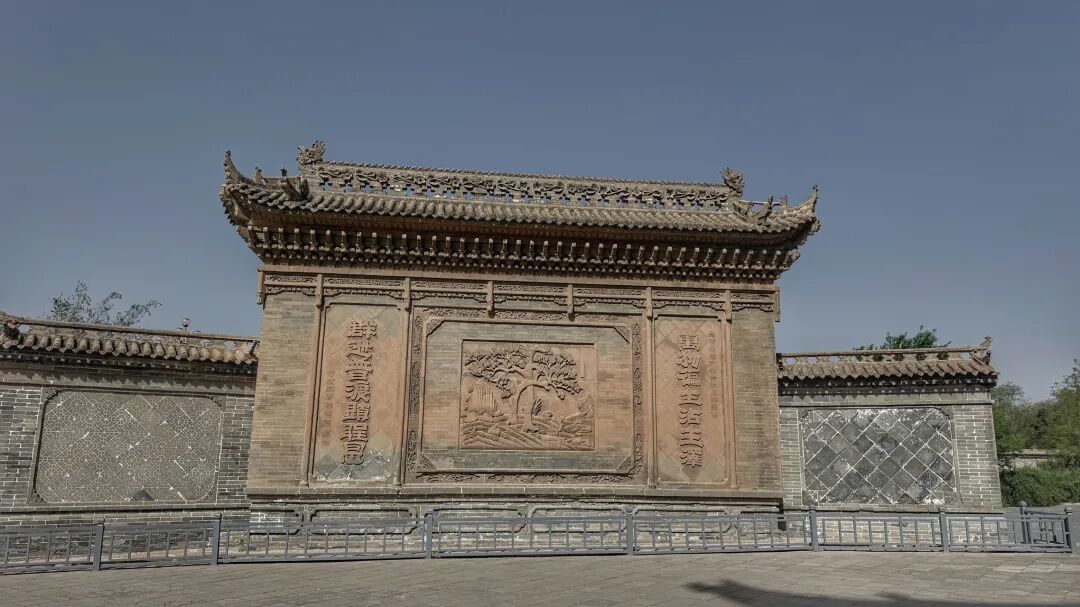
Photo-story capturing the grand spirit of the Tongxin Great Mosque. Through a close-up lens, we explore the mosque's classical hip-and-gable double-eaves roofs, the delicate minaret, and the elevated prayer hall, showcasing the exquisite craftsmanship and serene spiritual sanctuary of the Hui Muslims in Northwest China.
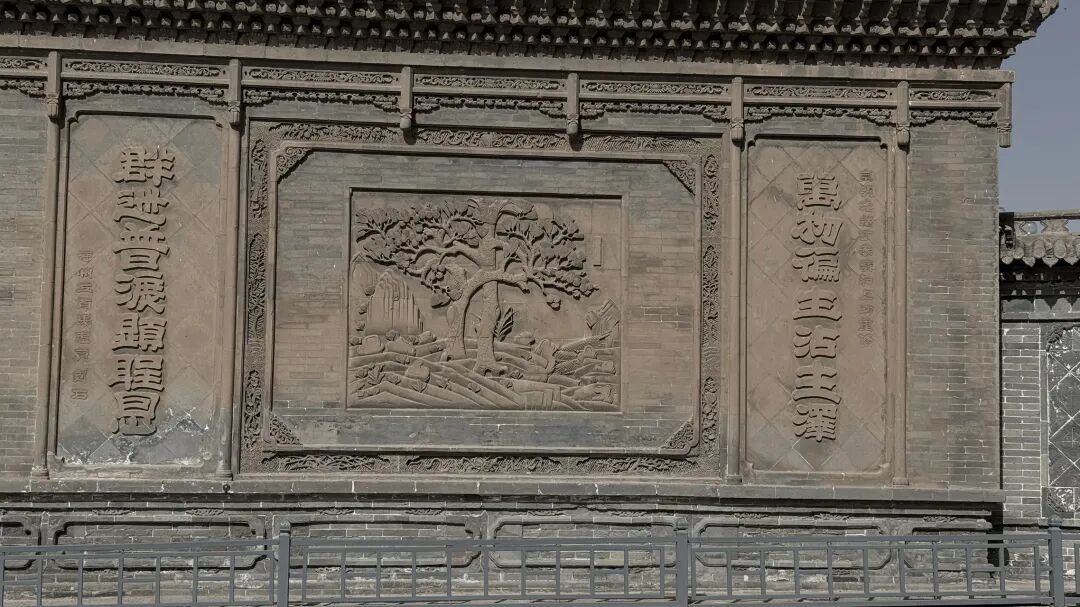
Located in Tongxin County, Wuzhong City, Ningxia, the Tongxin Great Mosque is one of the oldest and largest surviving mosques in the region, recognized as a Major Historical and Cultural Site Protected at the National Level. Its exact founding date is unknown, but the existing structures date back to the Ming dynasty, built over the foundations of an older late-Yuan dynasty mosque. It underwent major renovations during the Wanli reign of the Ming dynasty, as well as the Qianlong and Guangxu reigns of the Qing dynasty. During the late 1960s, the mosque's structures suffered varying degrees of damage. After reopening in 1979, the national and autonomous regional governments allocated funds for comprehensive repairs. Especially between 1982 and 1985, additional funds were invested to completely overhaul the main structures and officially demarcate the surrounding heritage protection zone.

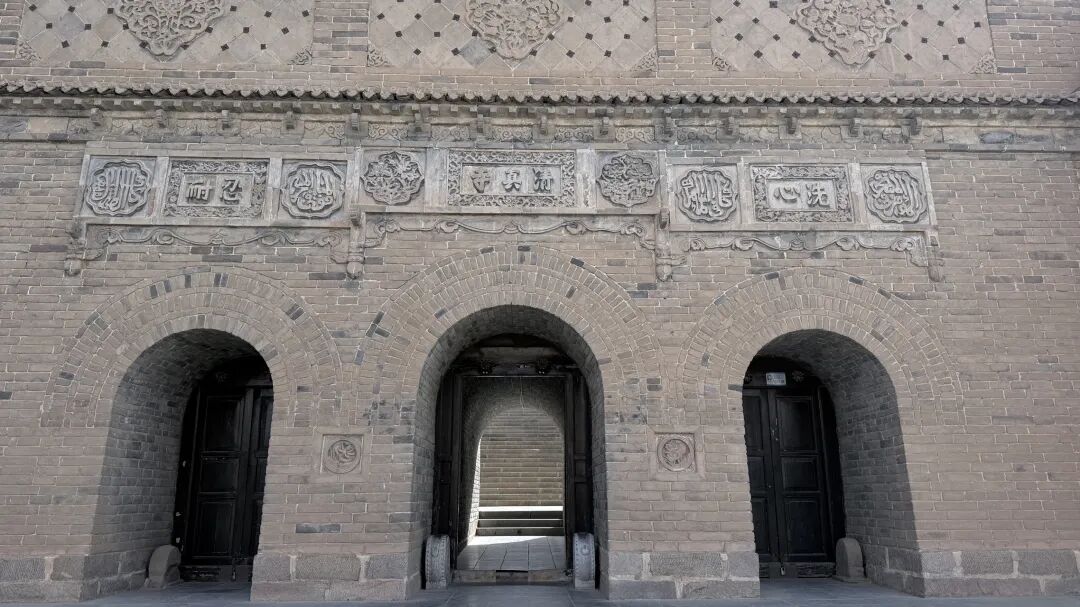
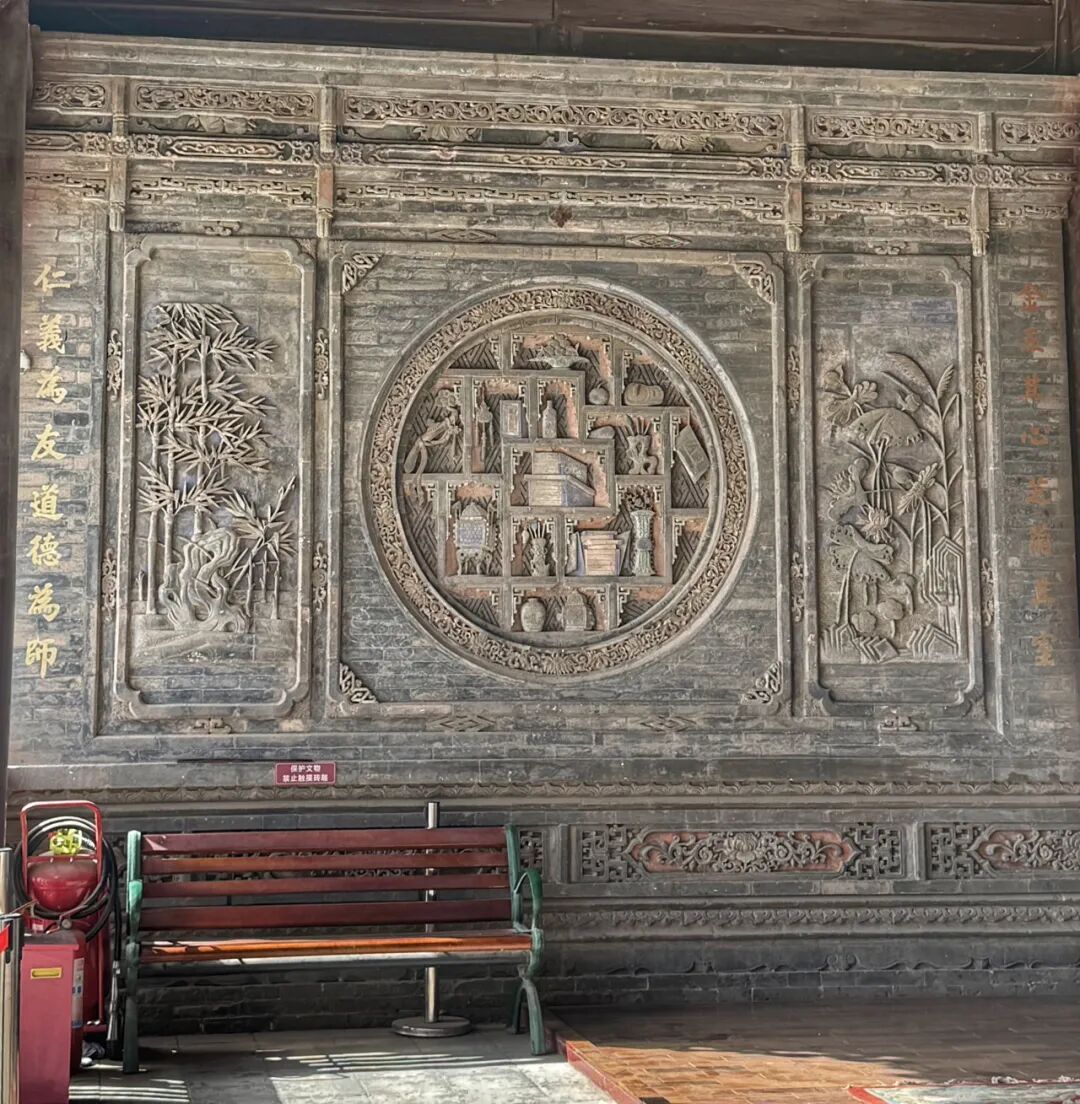
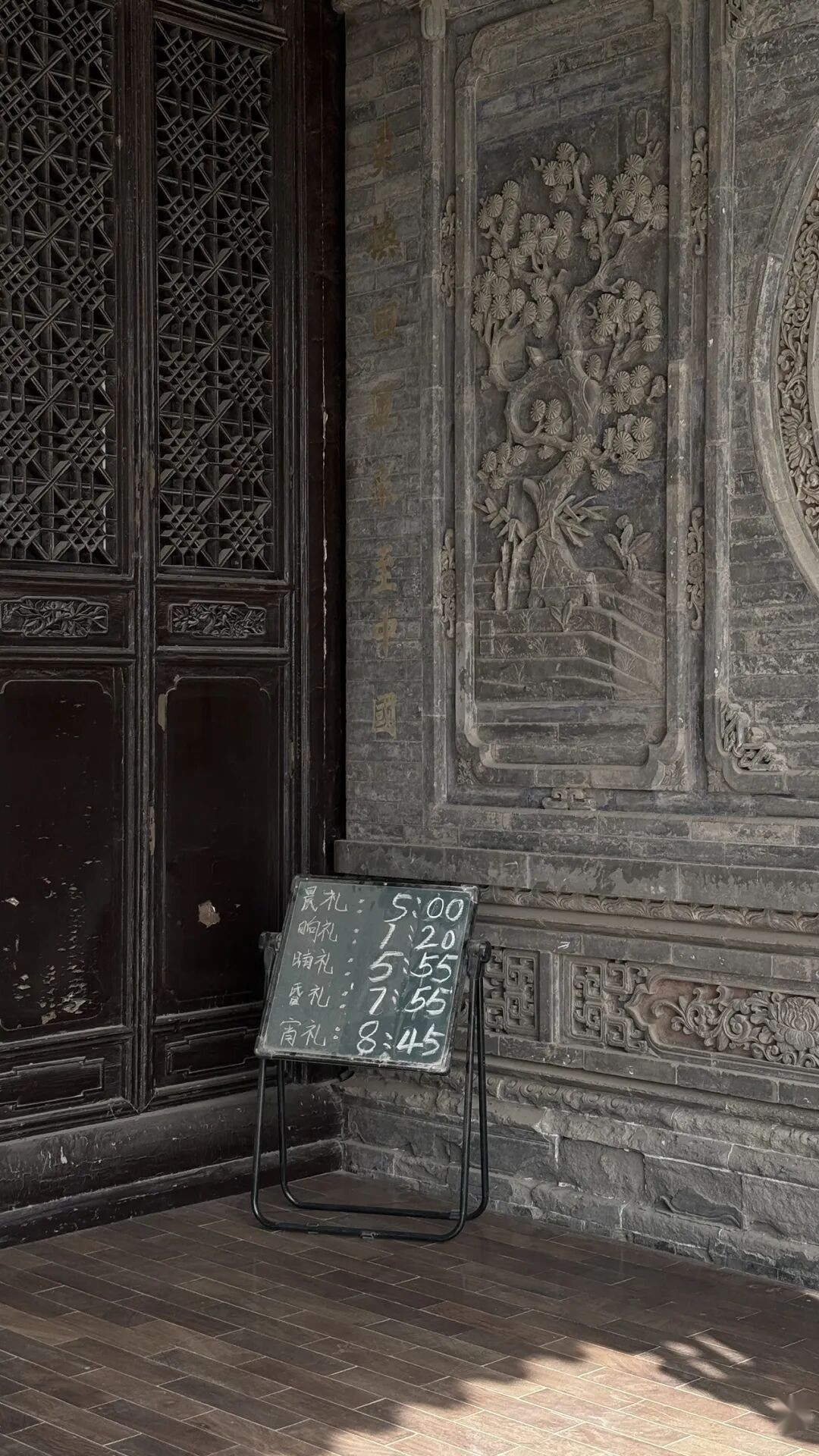
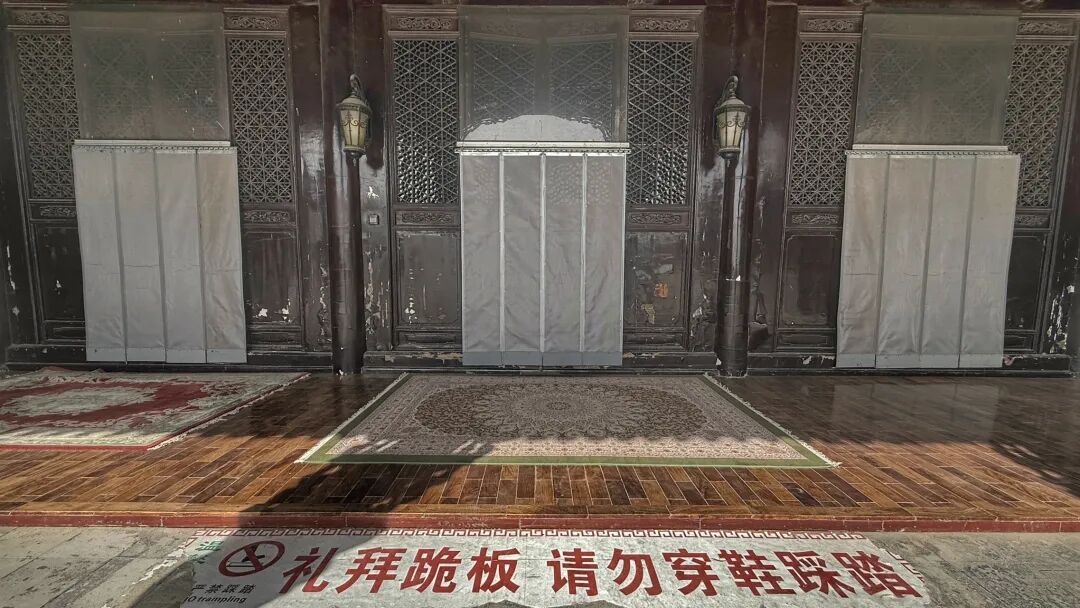
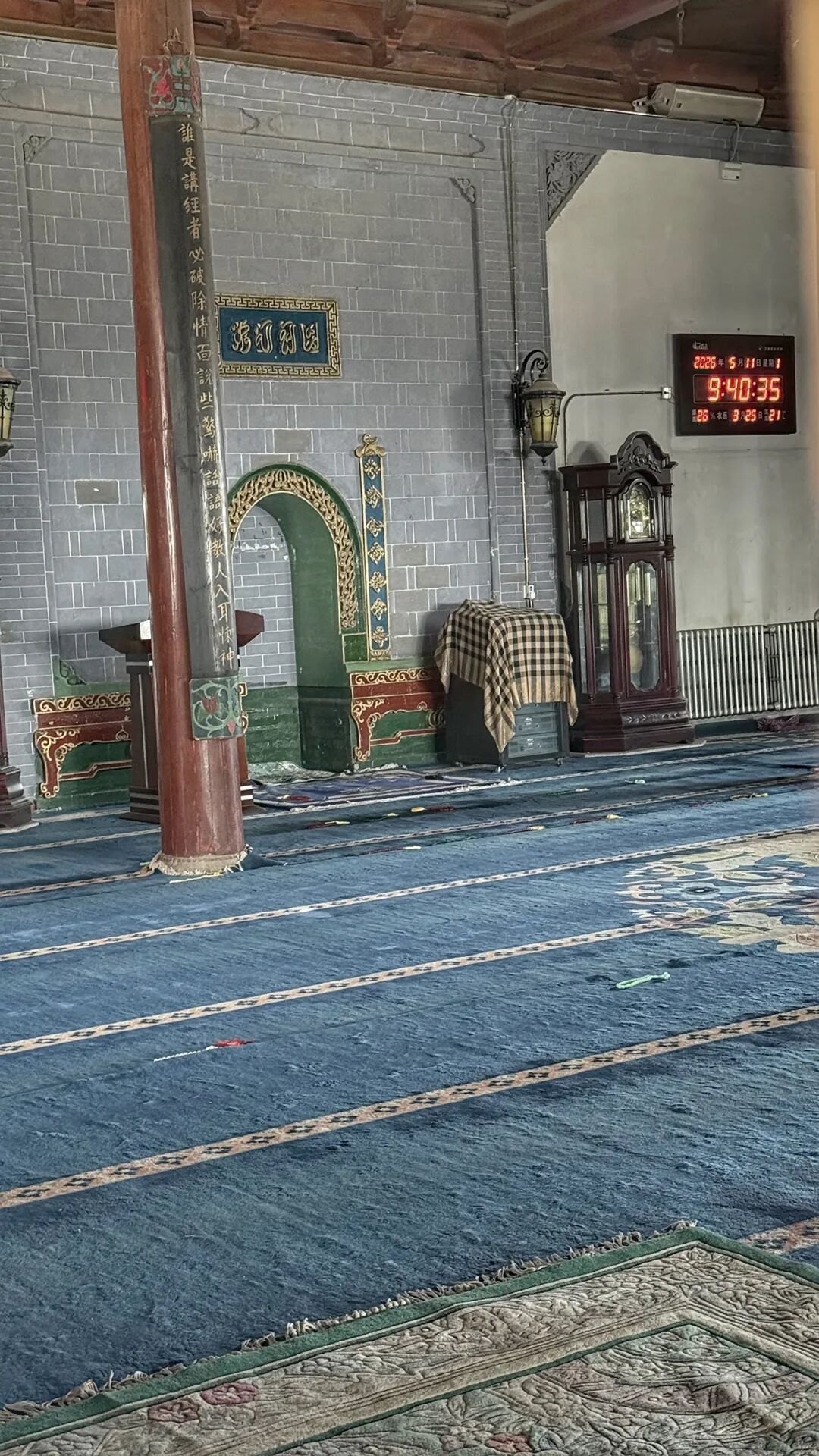
Architectural Style: A classic 'high-platform' structure built atop a 7-meter-tall blue brick terrace. It seamlessly blends traditional Chinese wooden architecture with Islamic brick carving decoration, featuring an inverted 'rolling blind' layout. In front of the mosque stands an exquisite brick-carved screen wall, while the upper terrace features a two-story, four-corner pyramidal minaret and interconnected prayer halls that can accommodate up to 800 worshippers for congregational prayer.
Echoes of Faith in Northwest China: Strolling Through the Historic Tongxin Great Mosque and Capturing Traditional Chinese-Islamic Architecture
Summary:
Photo-story capturing the grand spirit of the Tongxin Great Mosque. Through a close-up lens, we explore the mosque's classical hip-and-gable double-eaves roofs, the delicate minaret, and the elevated prayer hall, showcasing the exquisite craftsmanship and serene spiritual sanctuary of the Hui Muslims in Northwest China.
Located in Tongxin County, Wuzhong City, Ningxia, the Tongxin Great Mosque is one of the oldest and largest surviving mosques in the region, recognized as a Major Historical and Cultural Site Protected at the National Level. Its exact founding date is unknown, but the existing structures date back to the Ming dynasty, built over the foundations of an older late-Yuan dynasty mosque. It underwent major renovations during the Wanli reign of the Ming dynasty, as well as the Qianlong and Guangxu reigns of the Qing dynasty. During the late 1960s, the mosque's structures suffered varying degrees of damage. After reopening in 1979, the national and autonomous regional governments allocated funds for comprehensive repairs. Especially between 1982 and 1985, additional funds were invested to completely overhaul the main structures and officially demarcate the surrounding heritage protection zone.
Architectural Style: A classic 'high-platform' structure built atop a 7-meter-tall blue brick terrace. It seamlessly blends traditional Chinese wooden architecture with Islamic brick carving decoration, featuring an inverted 'rolling blind' layout. In front of the mosque stands an exquisite brick-carved screen wall, while the upper terrace features a two-story, four-corner pyramidal minaret and interconnected prayer halls that can accommodate up to 800 worshippers for congregational prayer.
