
Qiqihar Bukui Mosque History: Discover the 300-Year-Old Islamic Heritage in Heilongjiang
[Internet Repost]
Explore the Bukui Mosque in Qiqihar (formerly known as Bukui), which was founded in 1684 during the 23rd year of the Kangxi Emperor's reign. Discover the history behind the merging of the East and West mosques, the aesthetic of the traditional Chinese brick-and-wood feiyan dougong (flying eaves and brackets), and the story of how the mosque was awarded the 'Ji Gong Hao Yi' (eager for public good and righteousness) plaque for its dedication to charity and education during the Qing Dynasty.
There’s a local saying: 'First came the mosque, then the city of Bukui.'
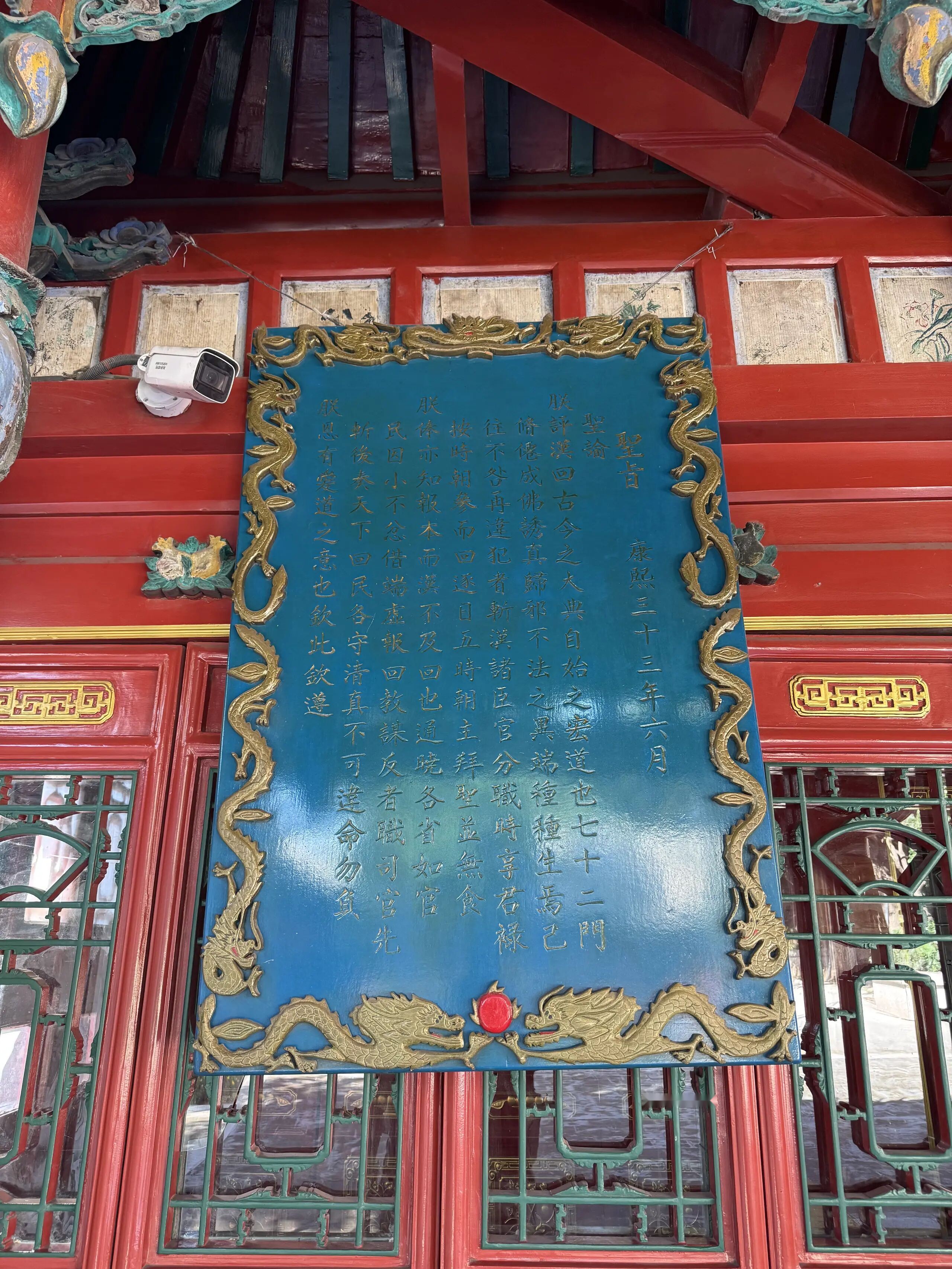
Bukui is the old name for Qiqihar. It comes from the Daur language, originally the name of a tribal leader meaning 'warrior,' but it eventually became the name of the place.
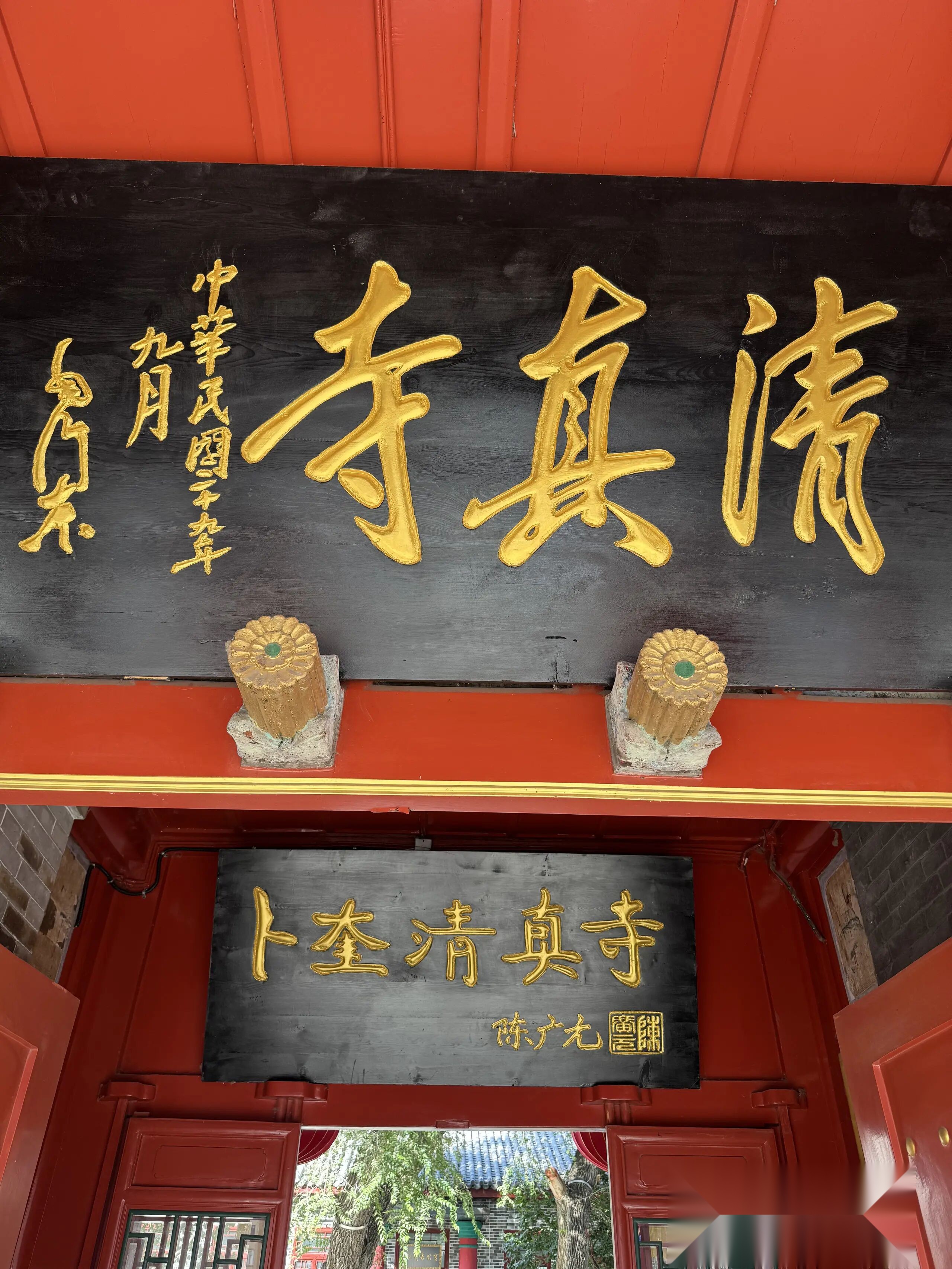
As for the mosque, it's actually divided into the East Mosque and the West Mosque.

Back in 1684, a group of Hui Muslims who had arrived in Bukui with the frontier garrison pooled their money to build five thatched cottages to use for dua (prayer)—that was the original East Mosque.

The West Mosque came a bit later. It was built by another group of Muslims who migrated to Bukui, and it was located right next to the East Mosque.

Because the two mosques were built right next to each other with similar layouts and only a wall separating them, they eventually merged into what we now know as the Bukui Mosque.
The coolest thing about this place is the architecture itself.
When people think of mosques, they usually picture exotic, foreign styles. But the Bukui Mosque is different—it’s a classic example of traditional Chinese brick-and-wood architecture.
With its feiyan dougong (traditional flying eaves and brackets) and gray-tiled roofs, it looks a lot like a northern Chinese temple, but the details hold unique Islamic characteristics, showing how two cultures slowly blended together.
During the Guangxu era, the mosque took the lead in opening a charity school to help local kids get an education. Because of their commitment to community service, the imperial court awarded them a plaque that read 'Ji Gong Hao Yi' (eager for public good and righteousness), which stands as a historical record of ethnic unity.
For over three hundred years, it hasn't just been a place for dua (prayer); it has been the heart of life, mutual aid, and community roots in the city of Bukui.
Explore the Bukui Mosque in Qiqihar (formerly known as Bukui), which was founded in 1684 during the 23rd year of the Kangxi Emperor's reign. Discover the history behind the merging of the East and West mosques, the aesthetic of the traditional Chinese brick-and-wood feiyan dougong (flying eaves and brackets), and the story of how the mosque was awarded the 'Ji Gong Hao Yi' (eager for public good and righteousness) plaque for its dedication to charity and education during the Qing Dynasty.
There’s a local saying: 'First came the mosque, then the city of Bukui.'
Bukui is the old name for Qiqihar. It comes from the Daur language, originally the name of a tribal leader meaning 'warrior,' but it eventually became the name of the place.
As for the mosque, it's actually divided into the East Mosque and the West Mosque.
Back in 1684, a group of Hui Muslims who had arrived in Bukui with the frontier garrison pooled their money to build five thatched cottages to use for dua (prayer)—that was the original East Mosque.
The West Mosque came a bit later. It was built by another group of Muslims who migrated to Bukui, and it was located right next to the East Mosque.
Because the two mosques were built right next to each other with similar layouts and only a wall separating them, they eventually merged into what we now know as the Bukui Mosque.
The coolest thing about this place is the architecture itself.
When people think of mosques, they usually picture exotic, foreign styles. But the Bukui Mosque is different—it’s a classic example of traditional Chinese brick-and-wood architecture.
With its feiyan dougong (traditional flying eaves and brackets) and gray-tiled roofs, it looks a lot like a northern Chinese temple, but the details hold unique Islamic characteristics, showing how two cultures slowly blended together.
During the Guangxu era, the mosque took the lead in opening a charity school to help local kids get an education. Because of their commitment to community service, the imperial court awarded them a plaque that read 'Ji Gong Hao Yi' (eager for public good and righteousness), which stands as a historical record of ethnic unity.
For over three hundred years, it hasn't just been a place for dua (prayer); it has been the heart of life, mutual aid, and community roots in the city of Bukui.
