
Baotou Heritage Mosques: Exploring the Historic Wayaogou Mosque and the Great Mosque of Baotou
[Internet Repost]
We have captured 24 high-definition photos documenting two major heritage-protected mosques in the Donghe District of Baotou, Inner Mongolia: the Wayaogou Mosque (also known as the North Mosque), built in 1913, and the Great Mosque of Baotou, which dates back to the eighth year of the Qianlong reign in the Qing Dynasty (1743). This guide breaks down their unique brick-and-timber architecture and the history that has shaped them over the last century.
The Wayaogou Mosque is located at No. 27 Wayaogou Street in the Donghe District and is commonly known by locals as the North Mosque. Spanning 350.1 square meters, the complex faces south and houses four distinct buildings. The main hall faces east, featuring a single-slope roof style with an attached porch-like structure called a baoshea (front entrance hall). This entrance hall measures 8.46 meters wide and 6.8 meters deep. The side rooms to the north and south also feature single-slope roofs, measuring 8.29 meters wide and 6.8 meters deep, all connecting to the main hall to serve as a space for prayer and dua (supplication). The five main rooms on the north side serve as the living quarters for the Ahong (Imam), measuring 13.86 meters wide and 4.35 meters deep. The mosque was founded in 1913, starting with the construction of a bathing facility called Xishuitang, along with a water well. The main hall, side rooms, and main living quarters were completed in 1918. During the Cultural Revolution, the site was occupied by a neighborhood factory, but in 1990, the site was restored for religious use and officially reopened.


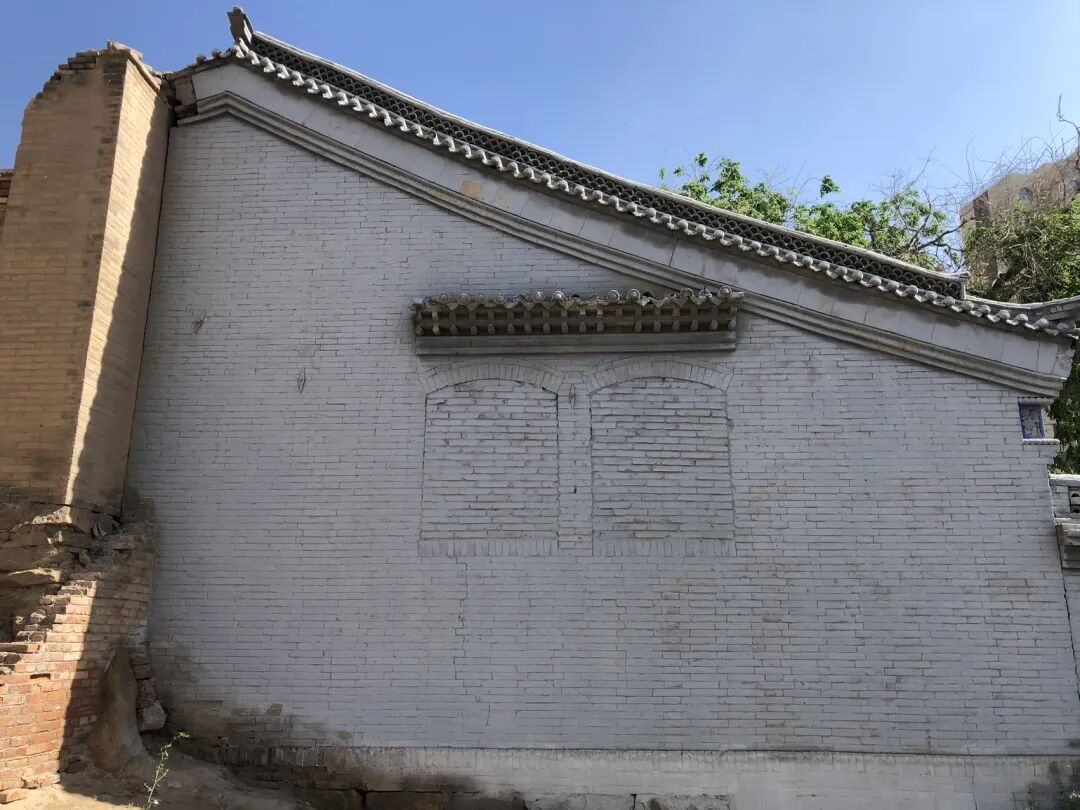


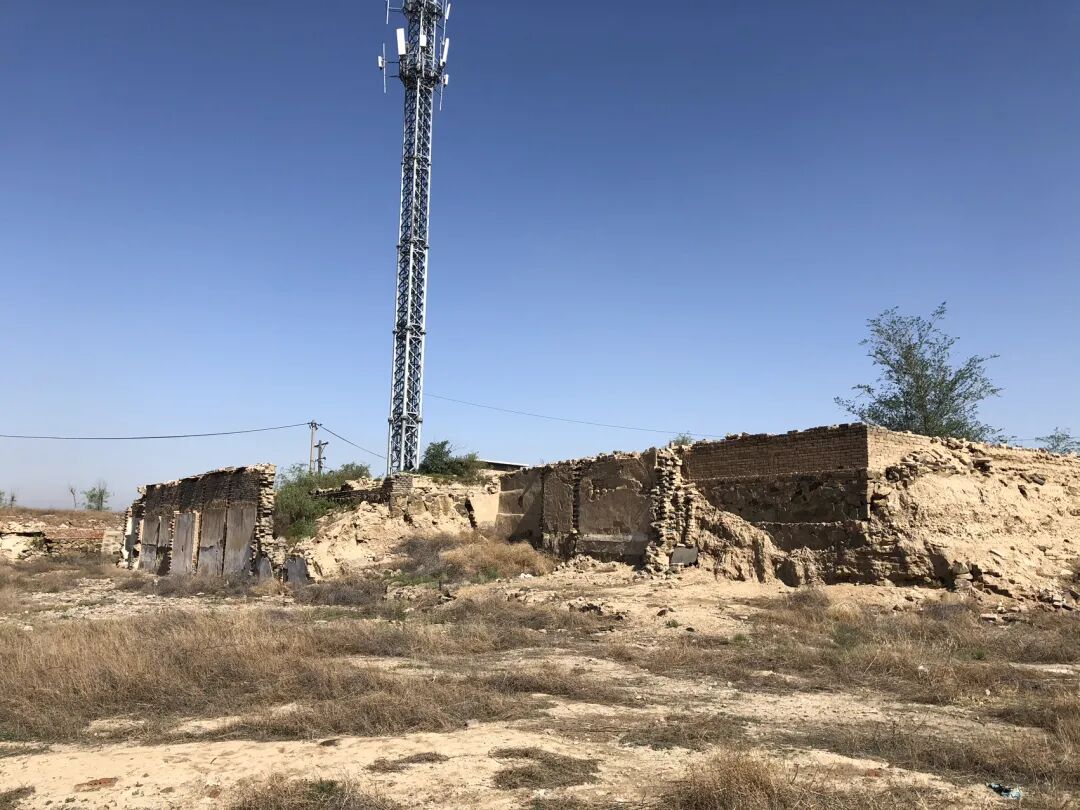
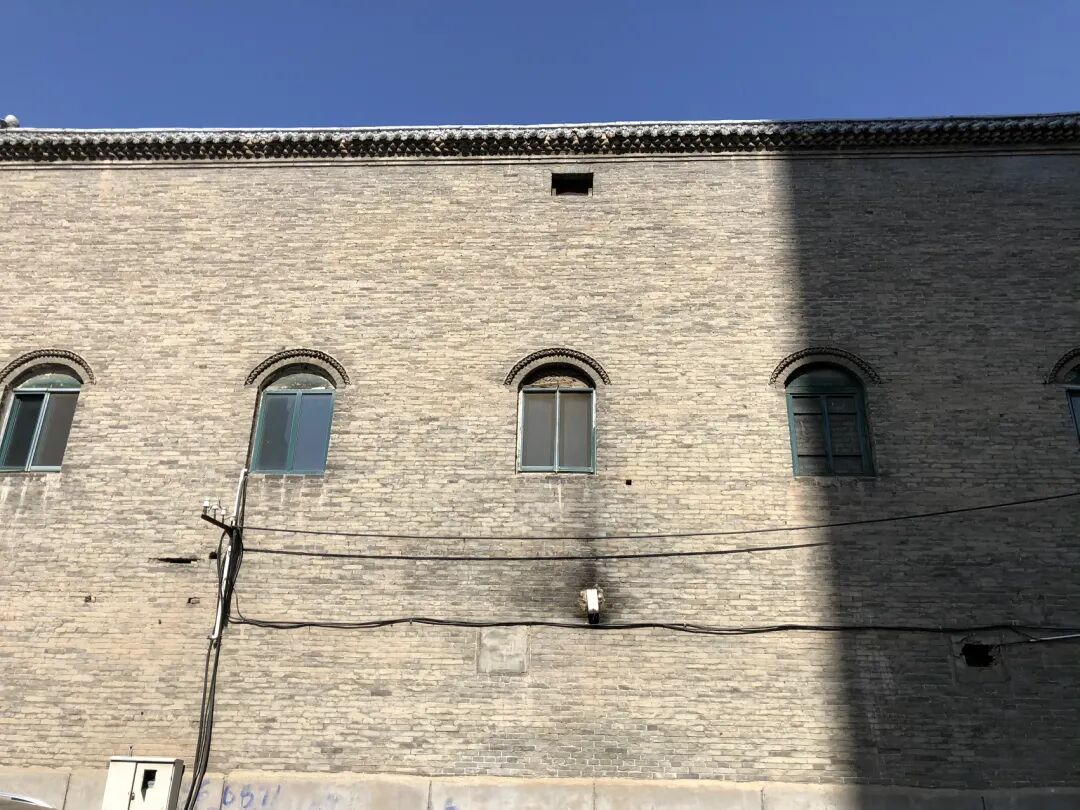
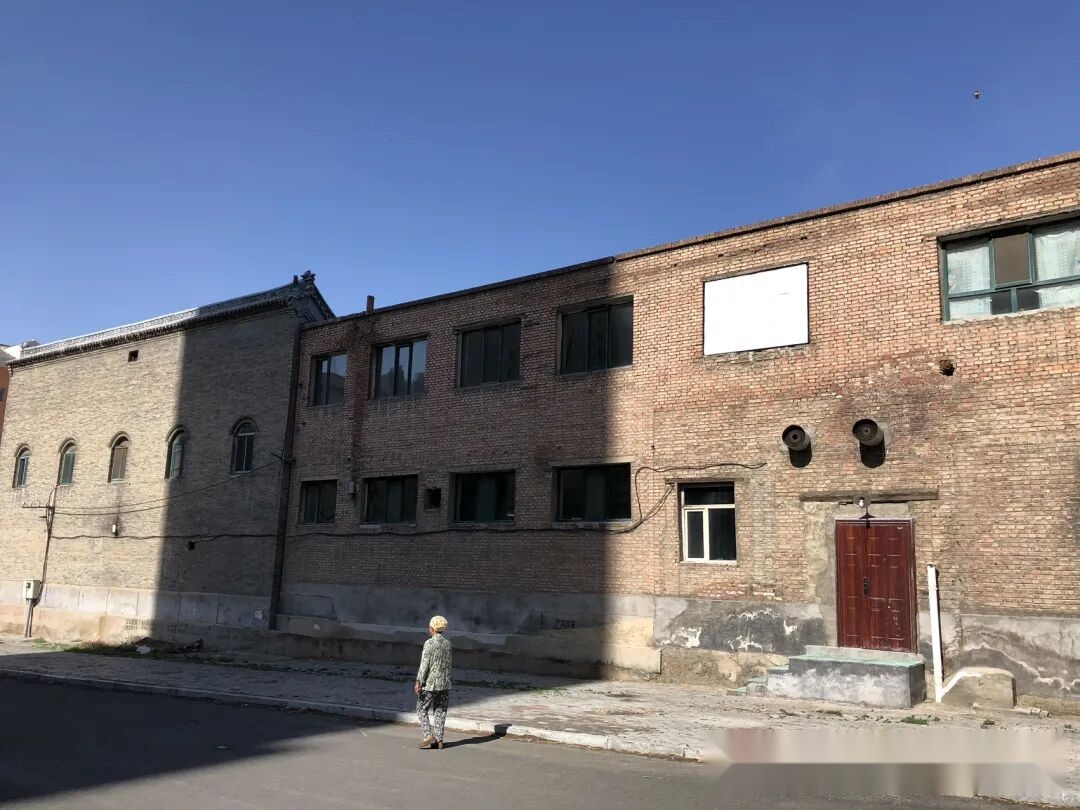
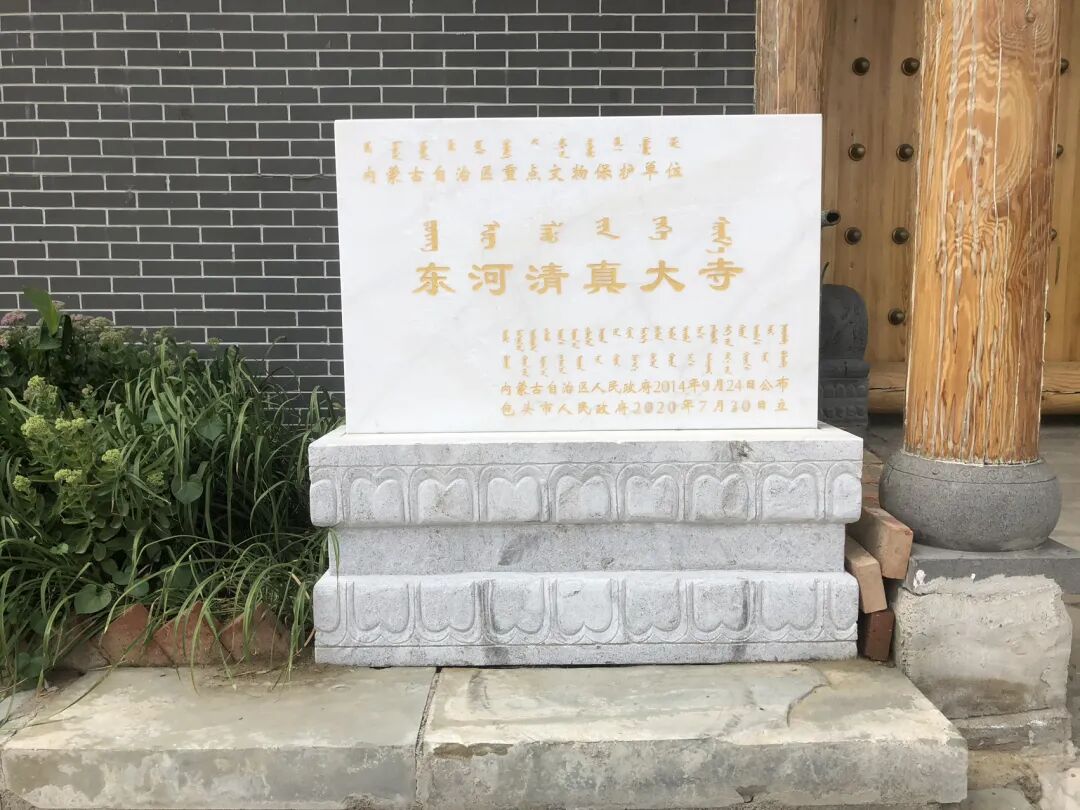
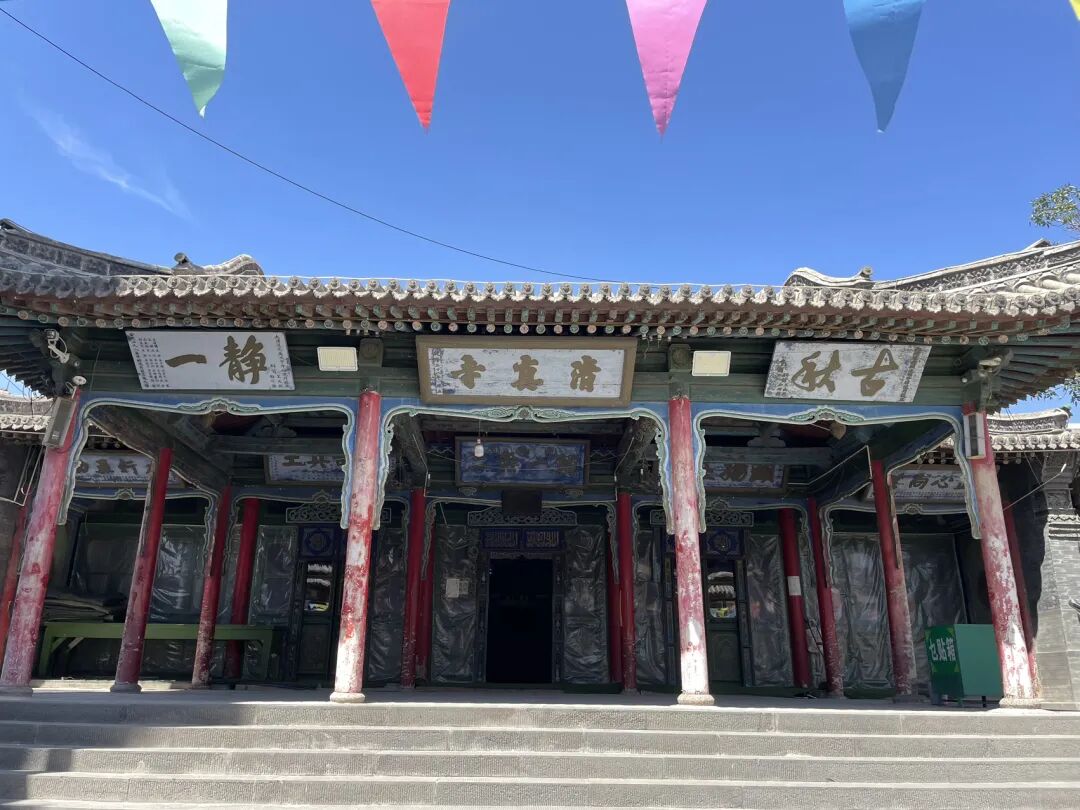
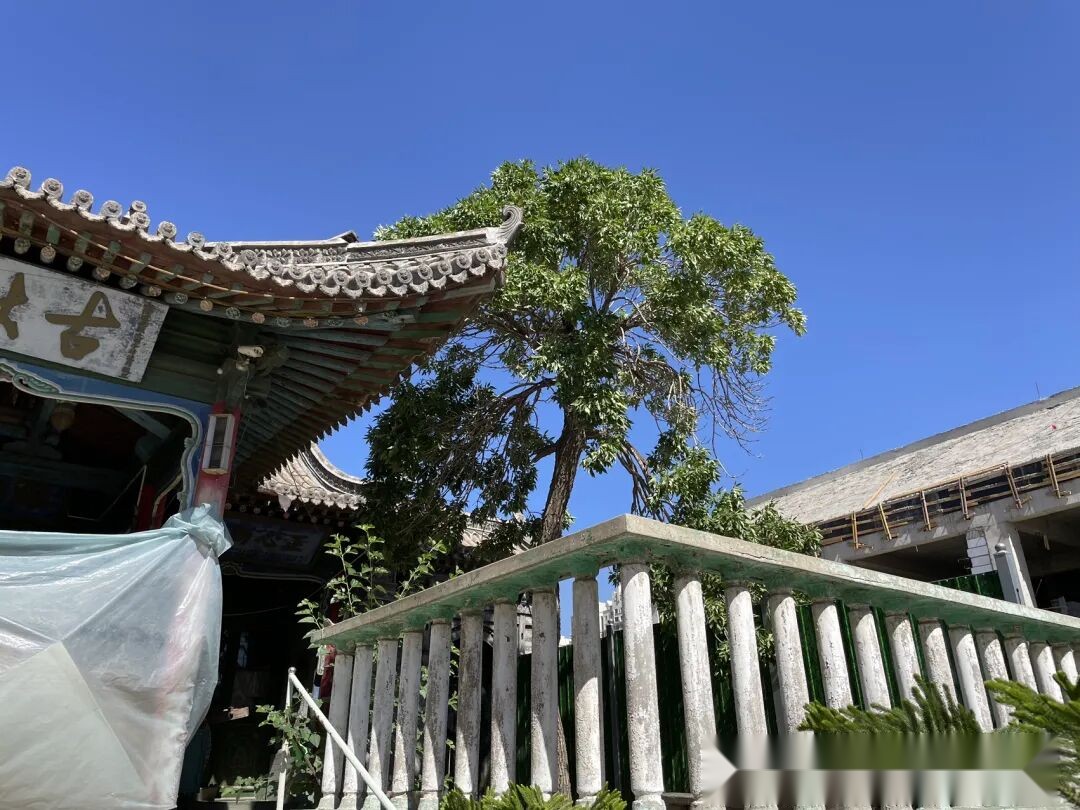
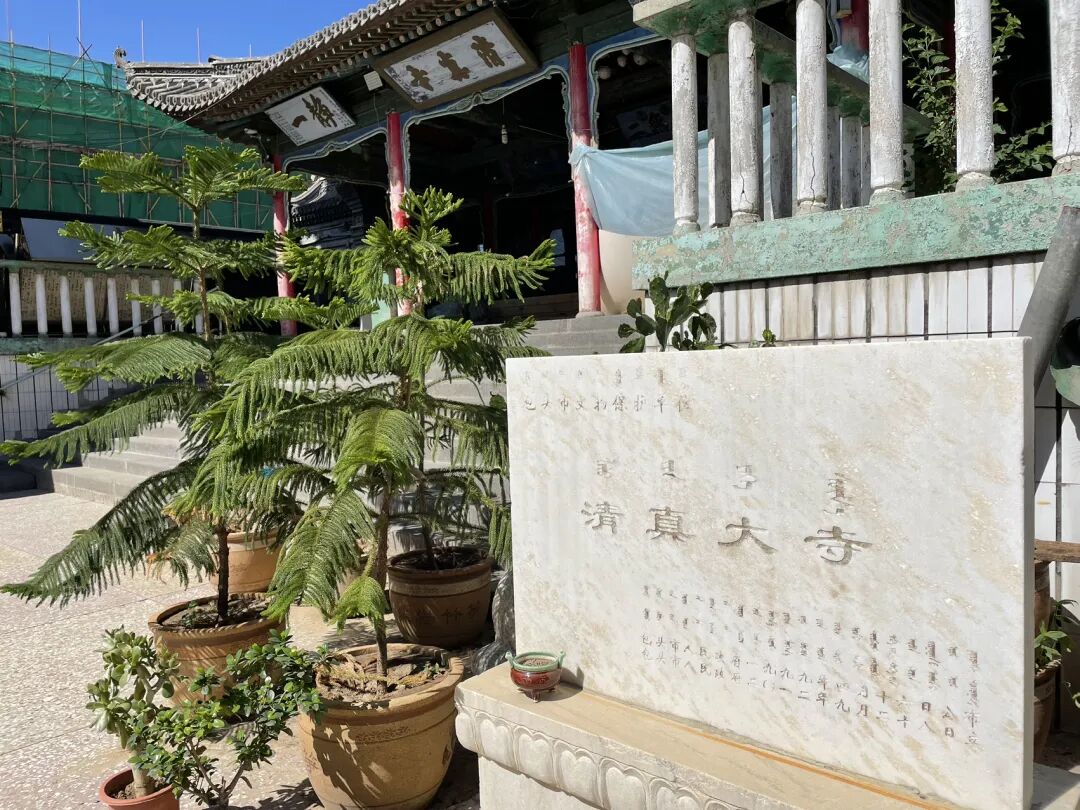
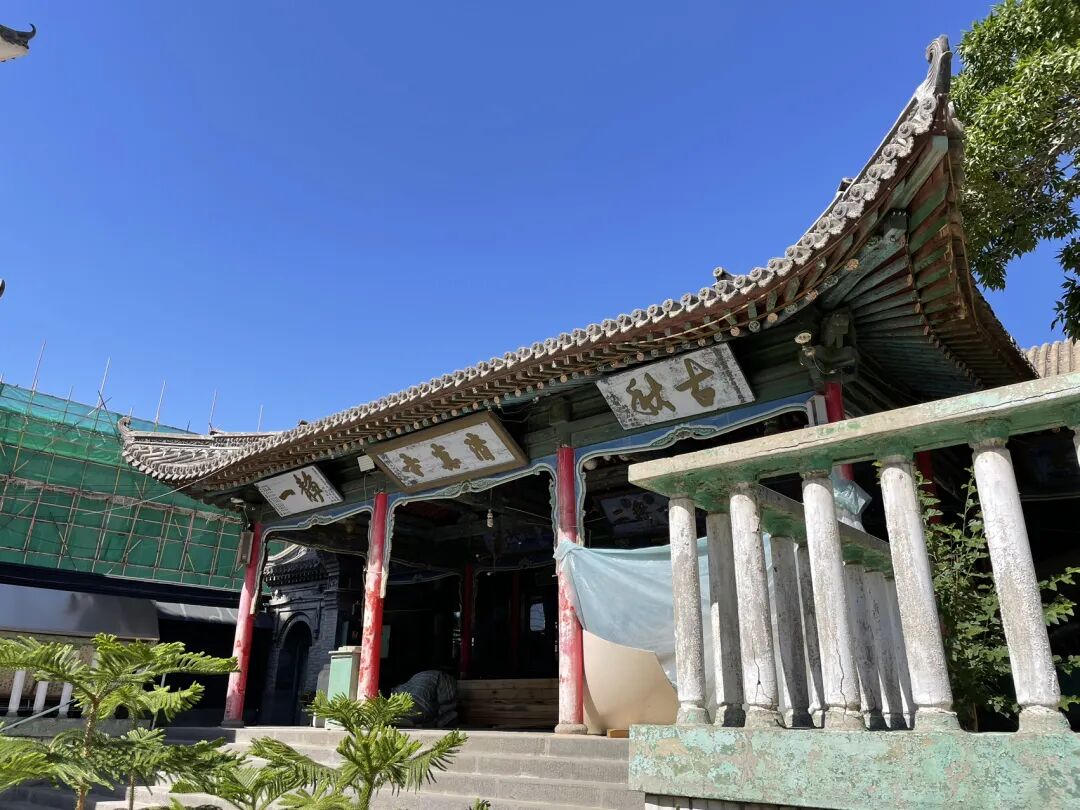
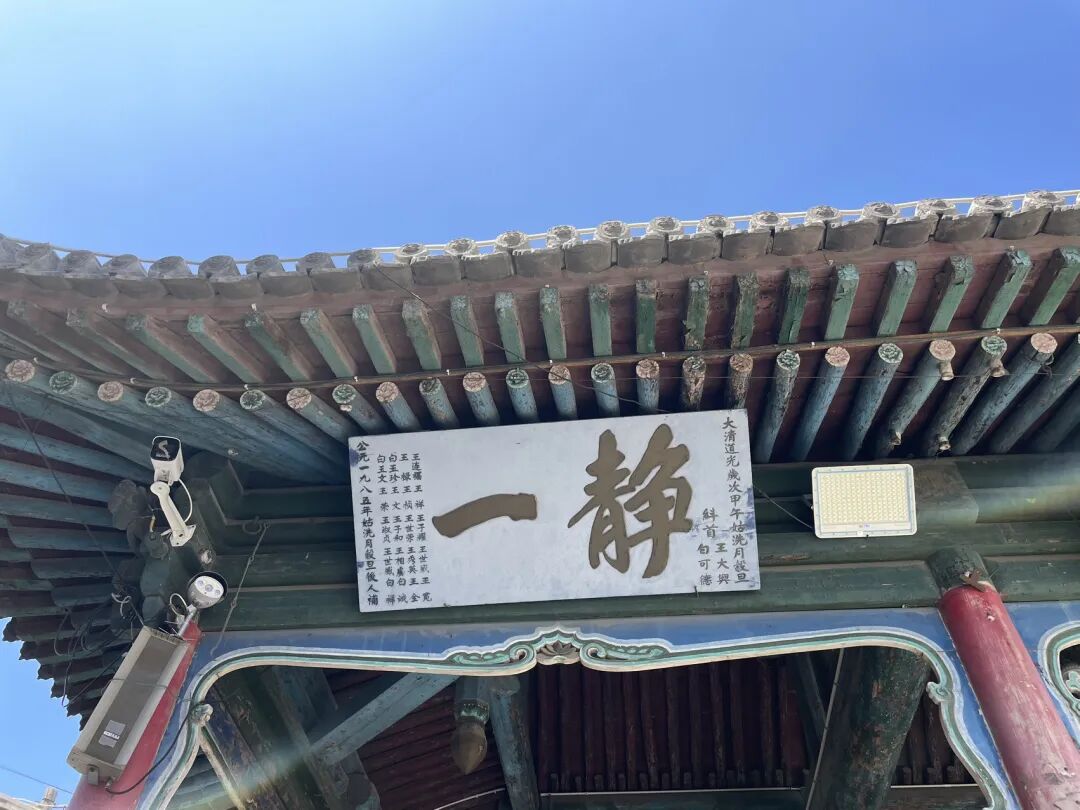
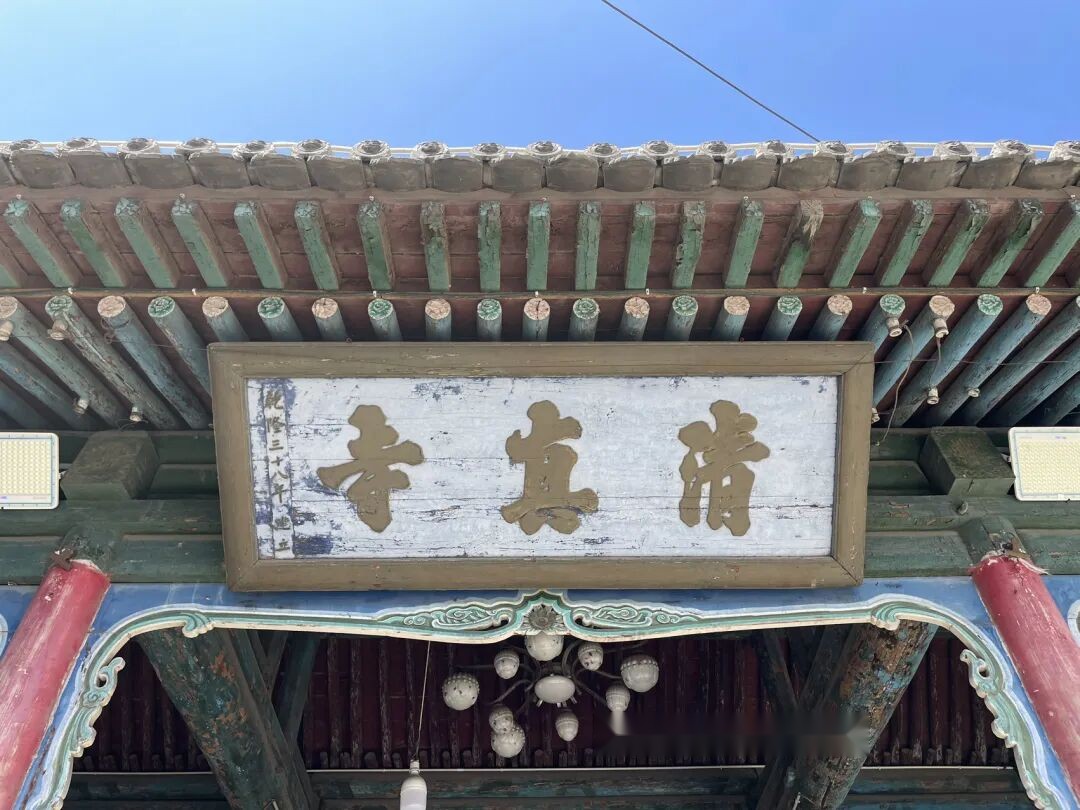
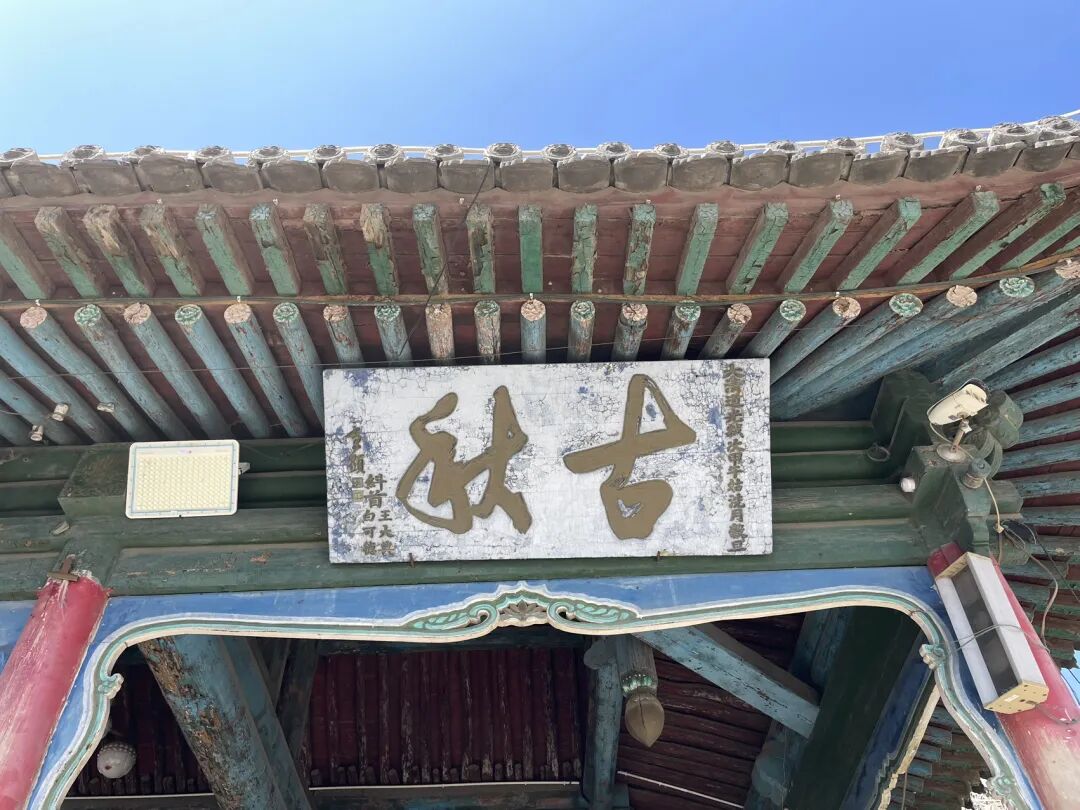
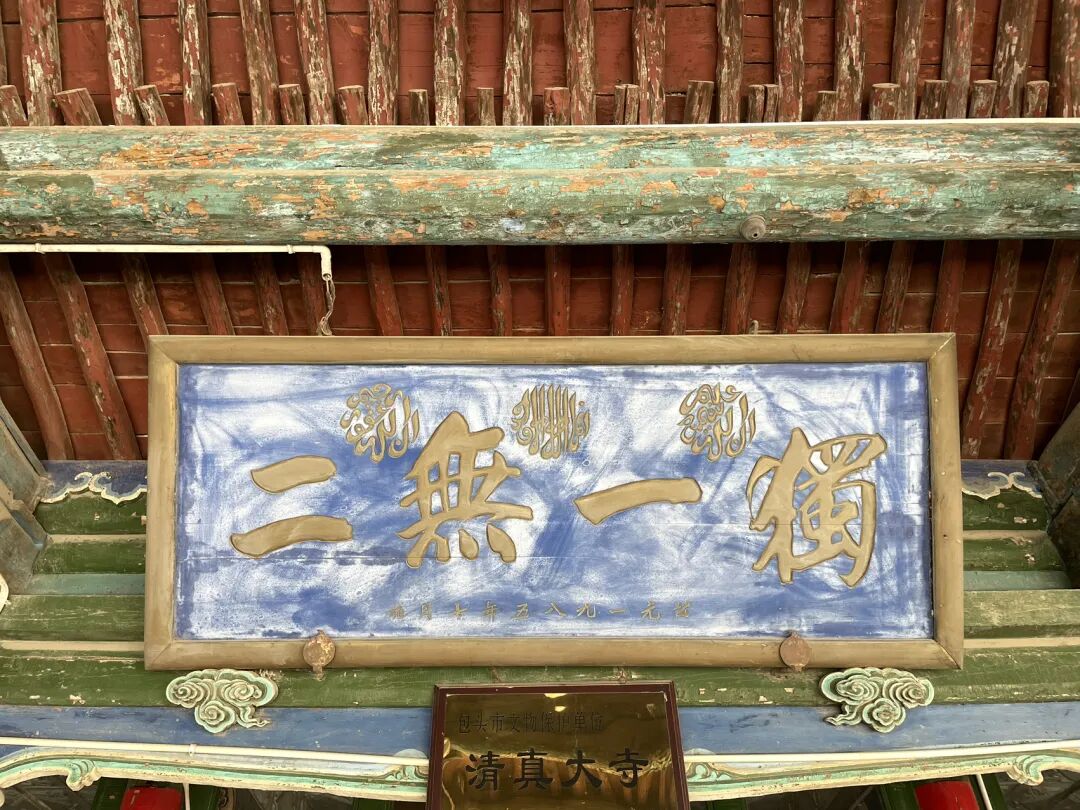
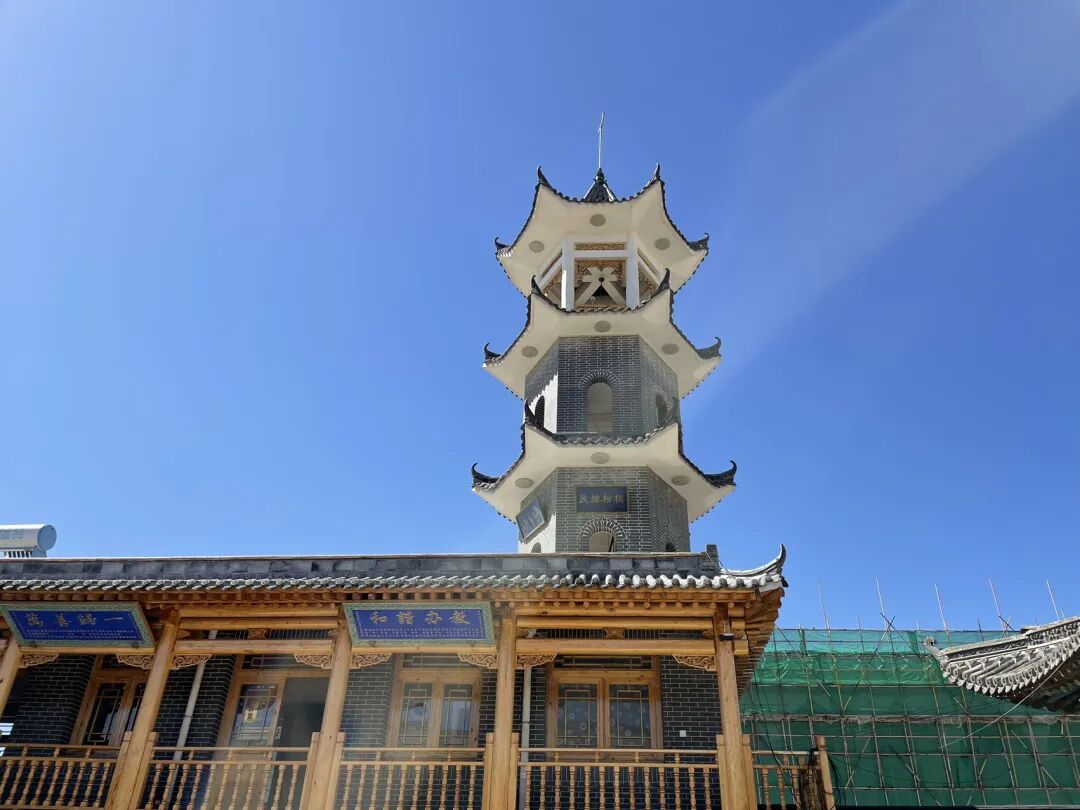
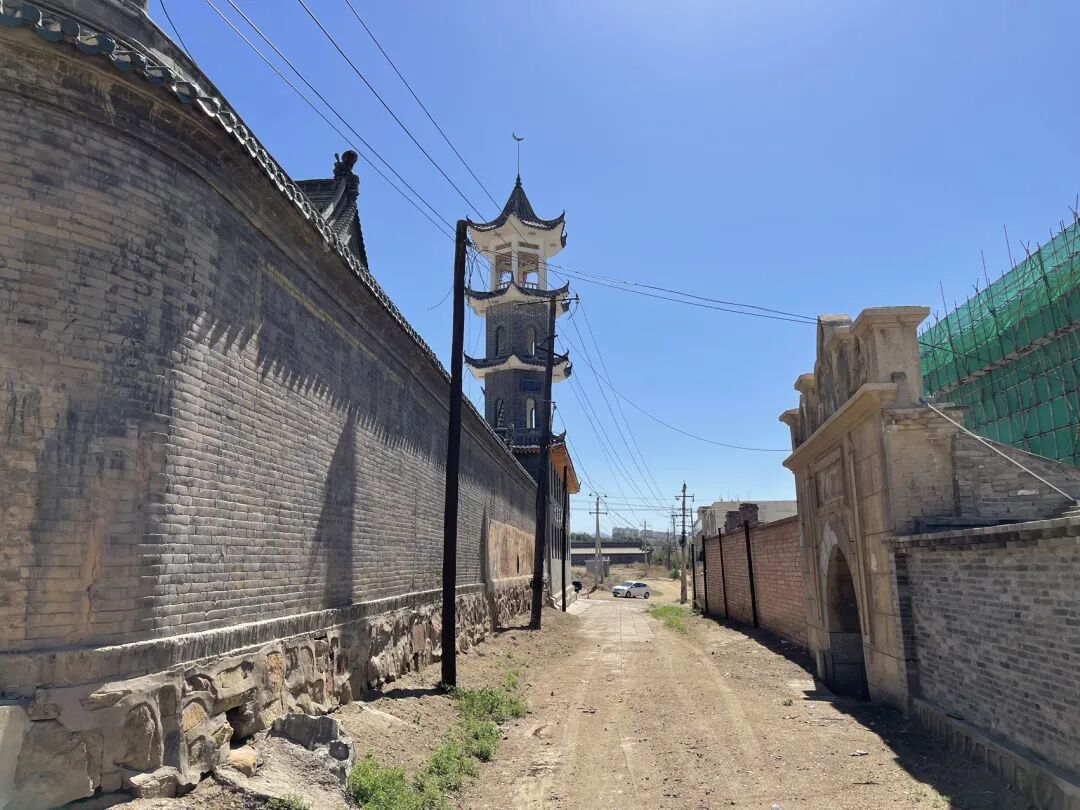
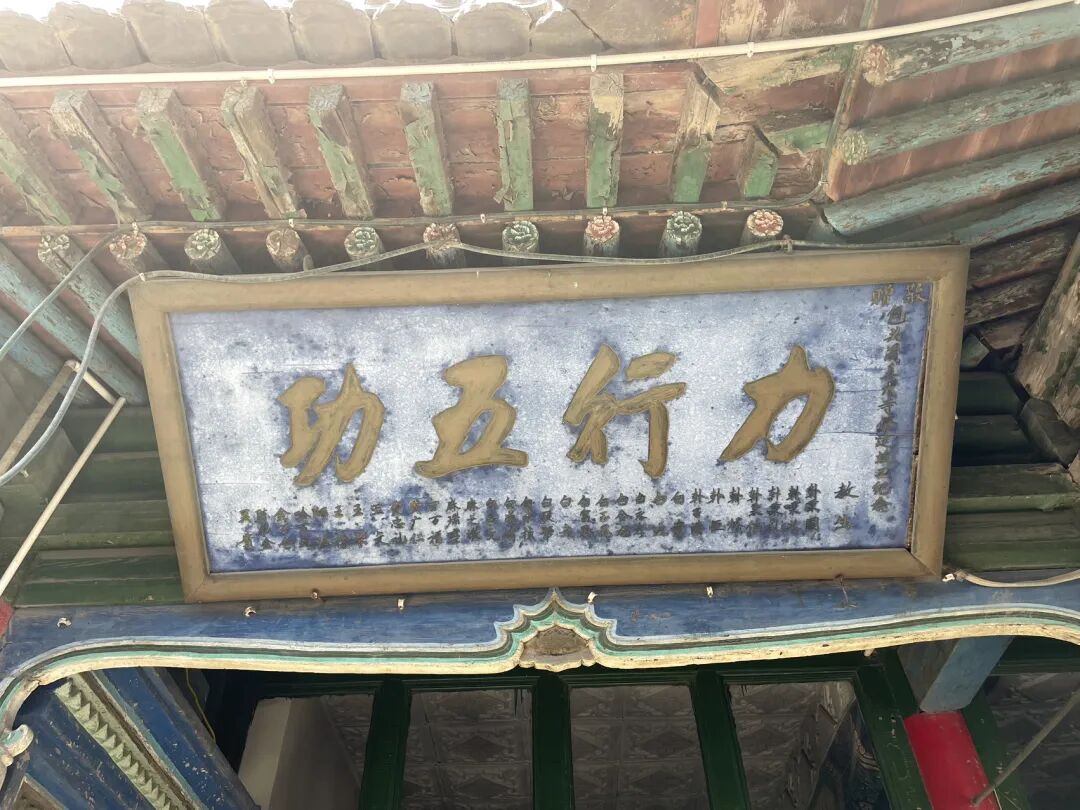
The Great Mosque of Baotou was established in 1743 during the Qianlong era, with the main prayer hall finished in 1834. The mosque covers 1,590 square meters, with its buildings occupying 464.3 square meters. The remaining historic prayer hall faces east and is built in a brick-and-timber style, consisting of three interconnected sections—the front entrance hall (baoshea), the front hall, and the rear hall—which rise in elevation. The baoshea features a xieshan (gable-and-hip roof) style with curved eaves, measuring two bays wide and two bays deep. The scripture hall, composed of the front and rear sections, is five bays wide, spanning 28 meters in length and 15 meters in width. The front hall has a curved roof, while the rear hall uses a traditional yingshan (hard-gable roof) style. On either side of the entrance hall are brick-carved arched doorways, 1.1 meters wide, topped with yingshan-style tiled eaves. As the very first mosque built after Islam was introduced to Baotou, the Great Mosque is a treasure trove of architectural skill and unique style, holding significant historical value.


We have captured 24 high-definition photos documenting two major heritage-protected mosques in the Donghe District of Baotou, Inner Mongolia: the Wayaogou Mosque (also known as the North Mosque), built in 1913, and the Great Mosque of Baotou, which dates back to the eighth year of the Qianlong reign in the Qing Dynasty (1743). This guide breaks down their unique brick-and-timber architecture and the history that has shaped them over the last century.
The Wayaogou Mosque is located at No. 27 Wayaogou Street in the Donghe District and is commonly known by locals as the North Mosque. Spanning 350.1 square meters, the complex faces south and houses four distinct buildings. The main hall faces east, featuring a single-slope roof style with an attached porch-like structure called a baoshea (front entrance hall). This entrance hall measures 8.46 meters wide and 6.8 meters deep. The side rooms to the north and south also feature single-slope roofs, measuring 8.29 meters wide and 6.8 meters deep, all connecting to the main hall to serve as a space for prayer and dua (supplication). The five main rooms on the north side serve as the living quarters for the Ahong (Imam), measuring 13.86 meters wide and 4.35 meters deep. The mosque was founded in 1913, starting with the construction of a bathing facility called Xishuitang, along with a water well. The main hall, side rooms, and main living quarters were completed in 1918. During the Cultural Revolution, the site was occupied by a neighborhood factory, but in 1990, the site was restored for religious use and officially reopened.
The Great Mosque of Baotou was established in 1743 during the Qianlong era, with the main prayer hall finished in 1834. The mosque covers 1,590 square meters, with its buildings occupying 464.3 square meters. The remaining historic prayer hall faces east and is built in a brick-and-timber style, consisting of three interconnected sections—the front entrance hall (baoshea), the front hall, and the rear hall—which rise in elevation. The baoshea features a xieshan (gable-and-hip roof) style with curved eaves, measuring two bays wide and two bays deep. The scripture hall, composed of the front and rear sections, is five bays wide, spanning 28 meters in length and 15 meters in width. The front hall has a curved roof, while the rear hall uses a traditional yingshan (hard-gable roof) style. On either side of the entrance hall are brick-carved arched doorways, 1.1 meters wide, topped with yingshan-style tiled eaves. As the very first mosque built after Islam was introduced to Baotou, the Great Mosque is a treasure trove of architectural skill and unique style, holding significant historical value.
