
Turkistan's Khoja Ahmed Yasawi Mausoleum: A UNESCO Gem of Timurid Islamic Architecture & Sufi History in Kazakhstan
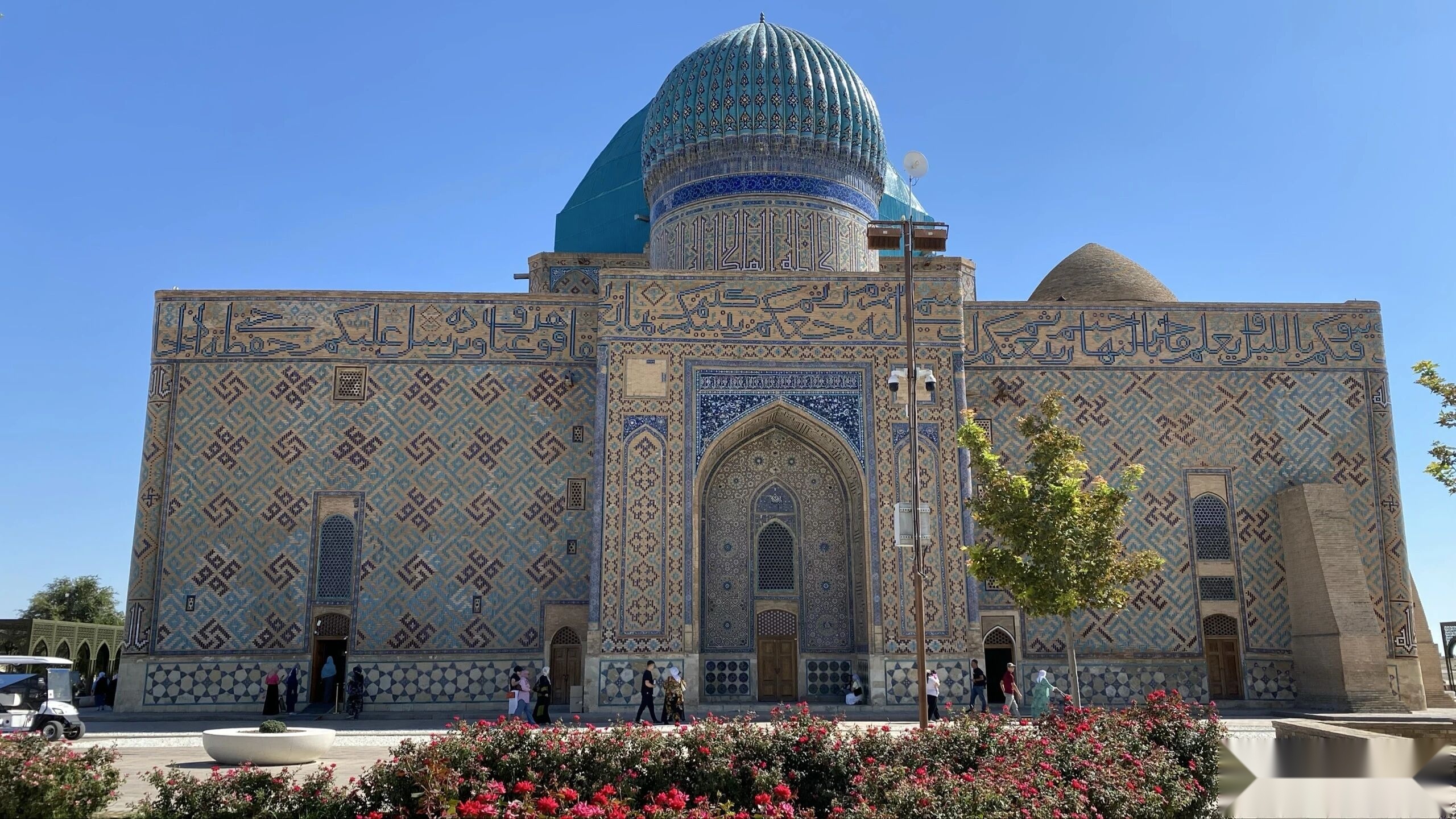
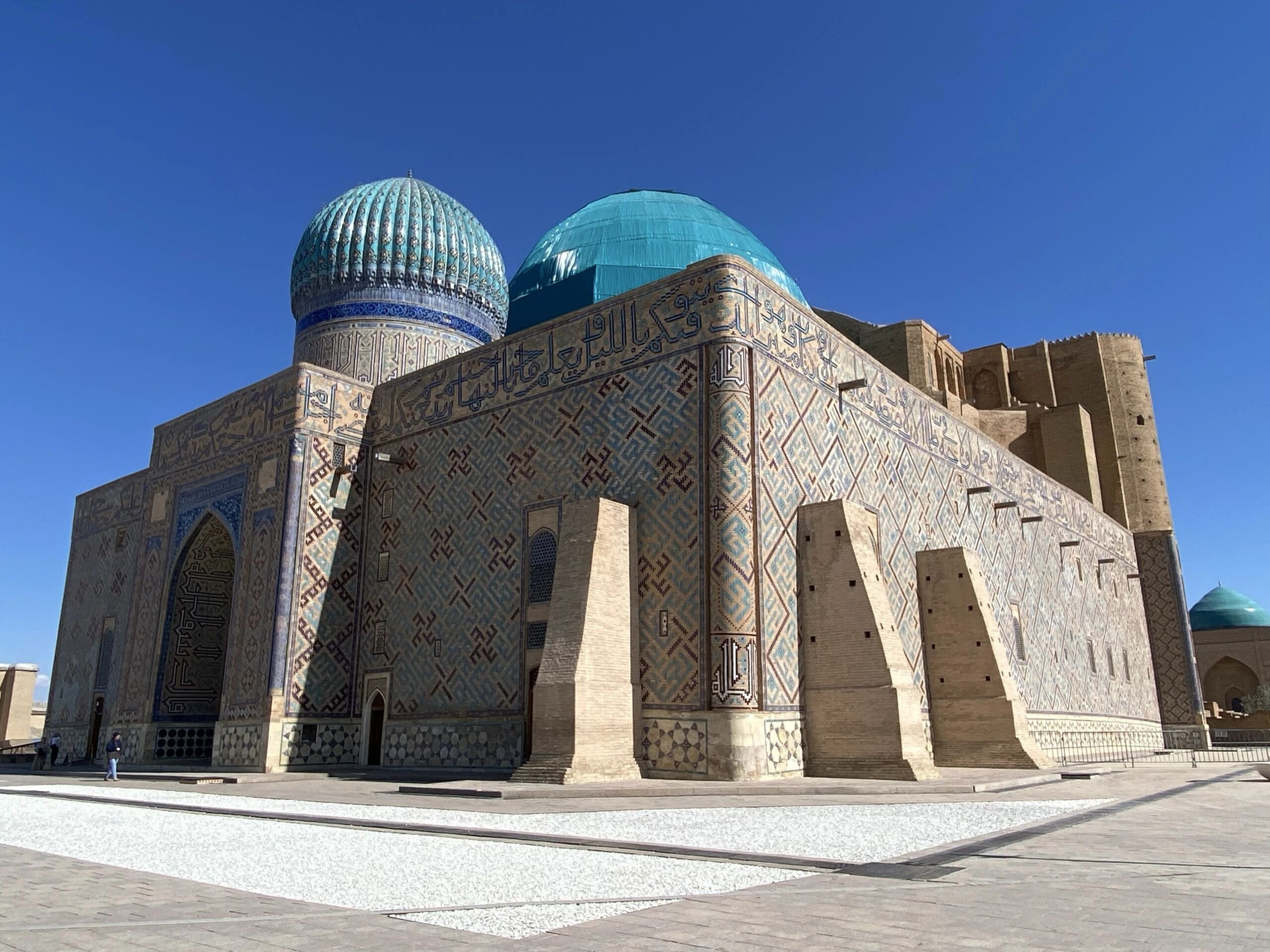
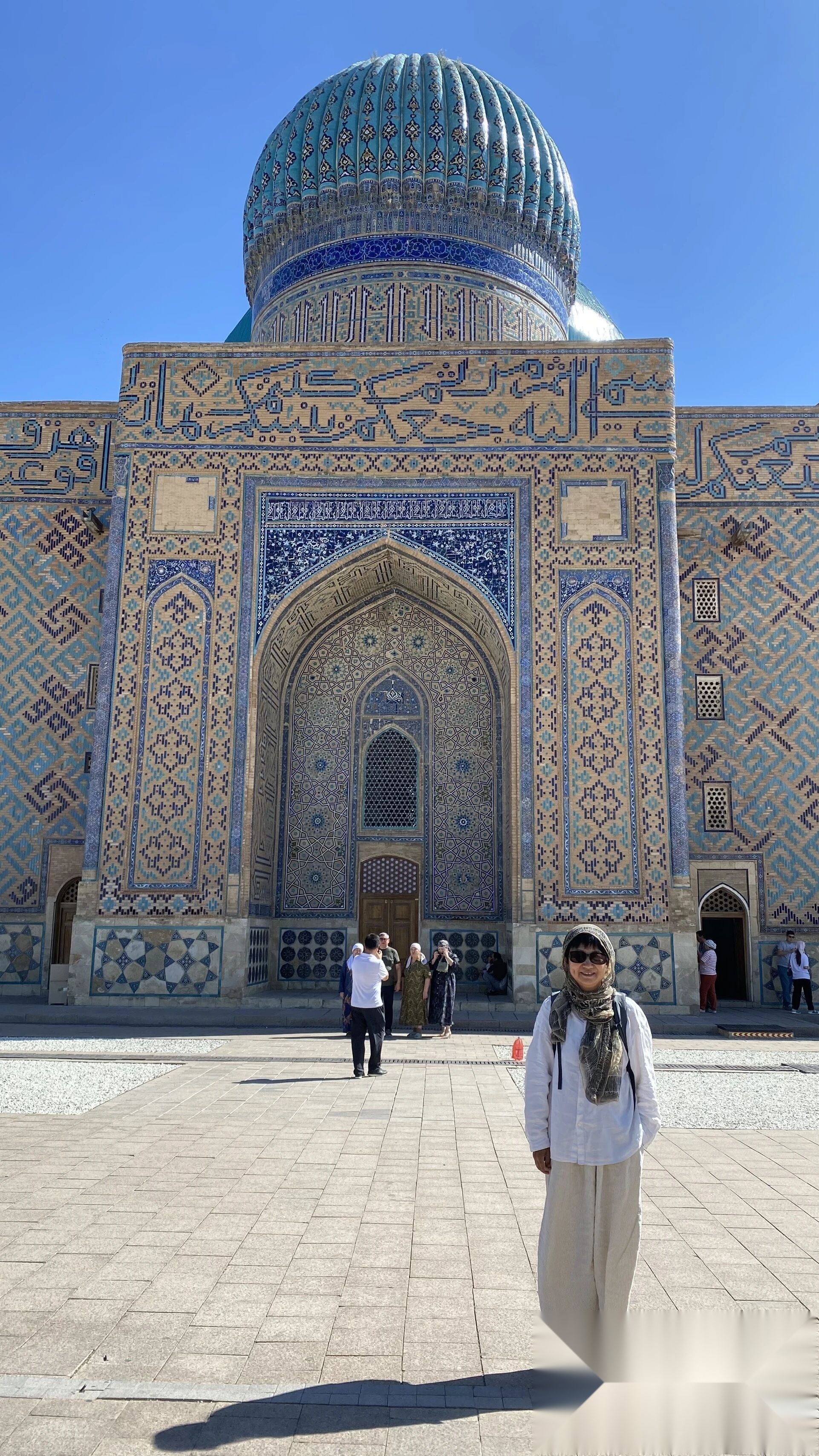
Here are 9 high-resolution, real-shot photos from my visit to the Khoja Ahmed Yasawi Mausoleum in Turkistan, a historic city in southern Kazakhstan. This giant domed structure, a UNESCO World Cultural Heritage site, was first built during the 14th-century Timurid Empire, and its peacock blue glazed tiles and grand brick-and-wood dome are truly peak masterpieces in Central Asian Islamic architectural history.
Day 25 | September 25, 2026, Turkistan: Khoja Ahmed Yasawi Mausoleum.

Khoja Ahmed Yasawi was a Central Asian Sufi master from the 12th century.

He blended Islamic teachings with the nomadic traditions of the steppes,
founding the Yasawi order and spreading a faith of asceticism and compassion among the yurt-dwelling communities.
He became a revered spiritual leader across the entire Central Asian steppe.
After the rise of the Timurid Empire,
Timur, considering himself a successor to the saint's spiritual legacy, poured the entire nation's resources into building the mausoleum in 1389.
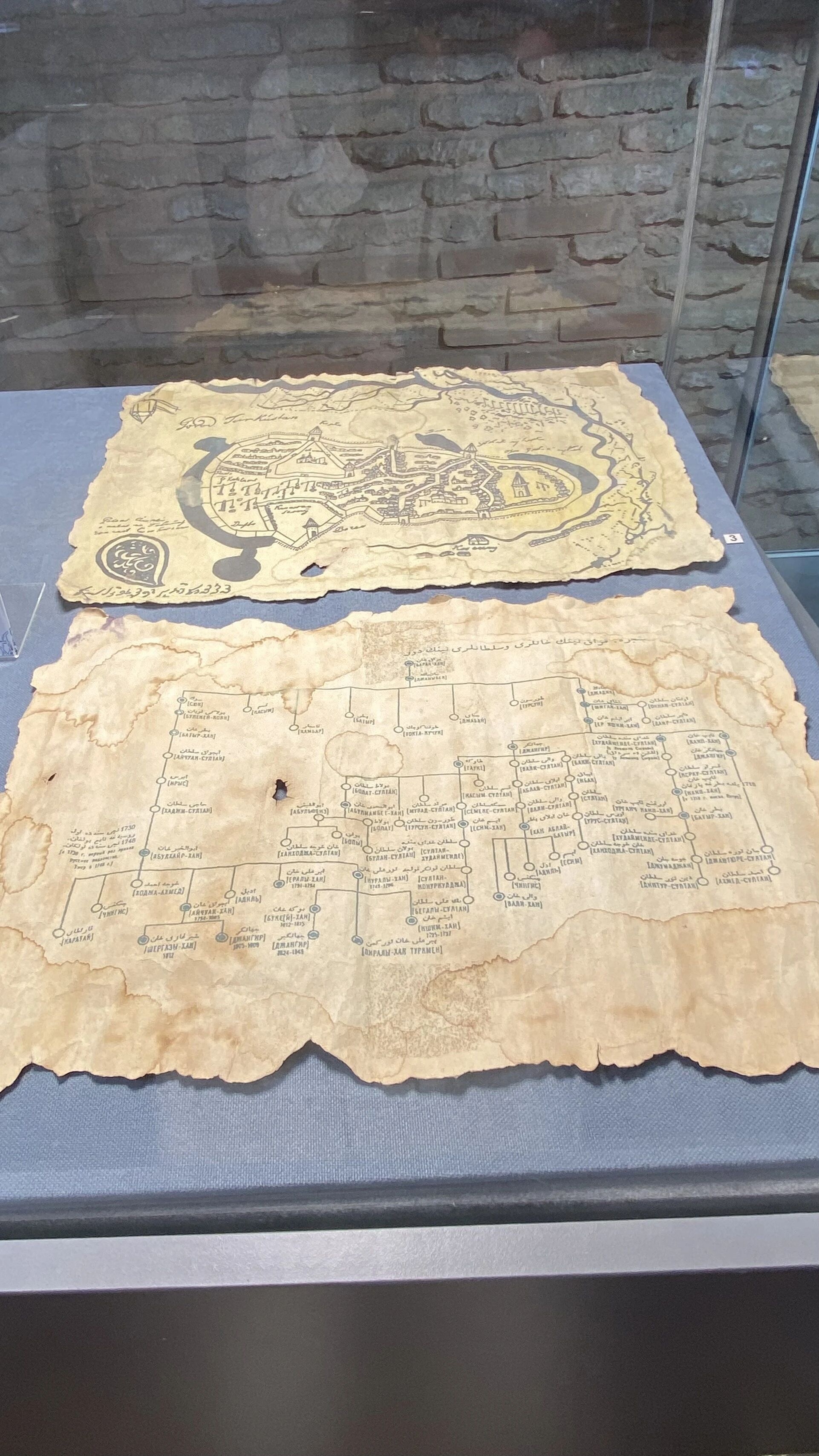
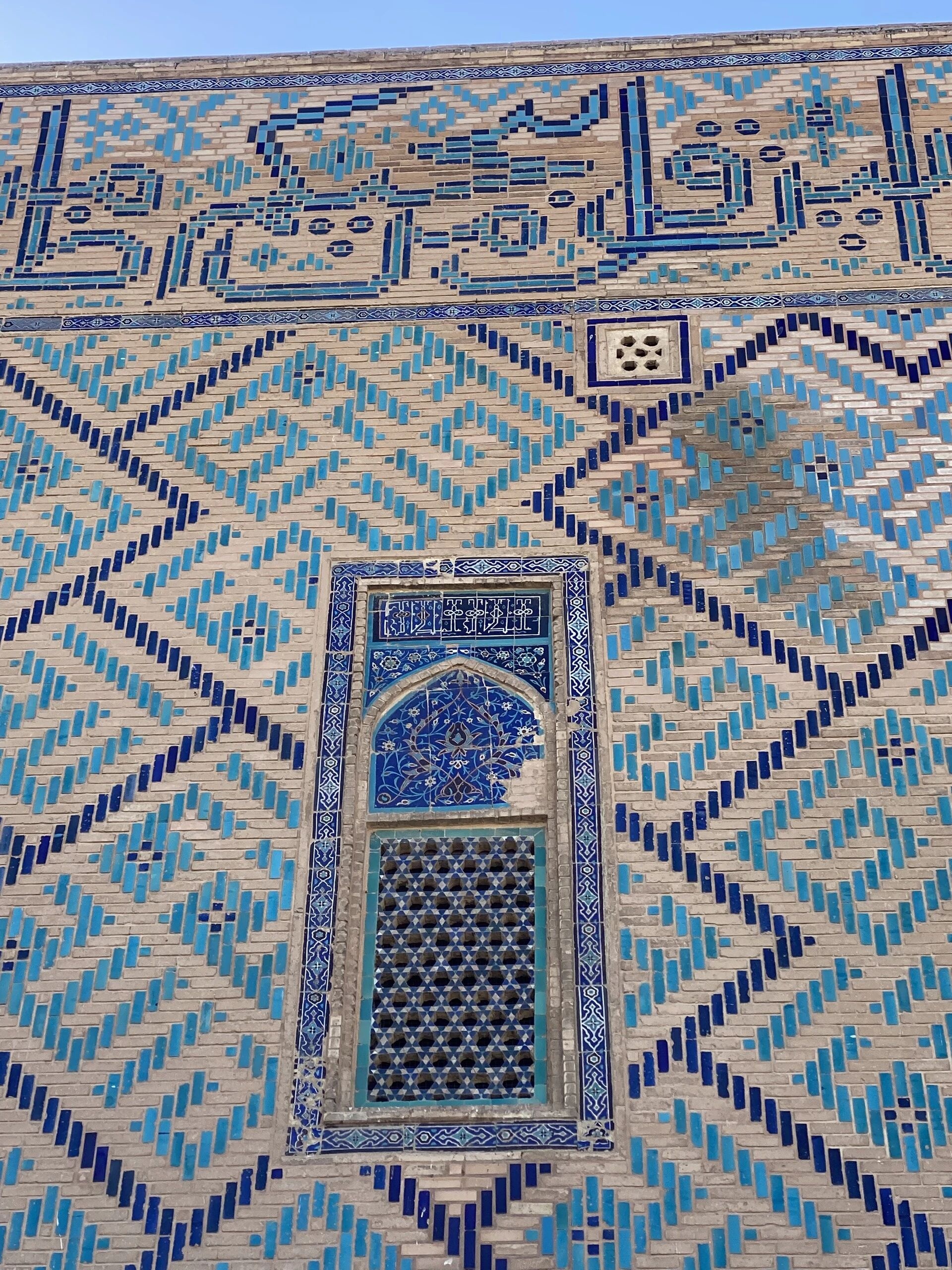
He brought in renowned artisans from Persia and Khorasan, pushing the limits of brickwork and glazed tile craftsmanship of that era.
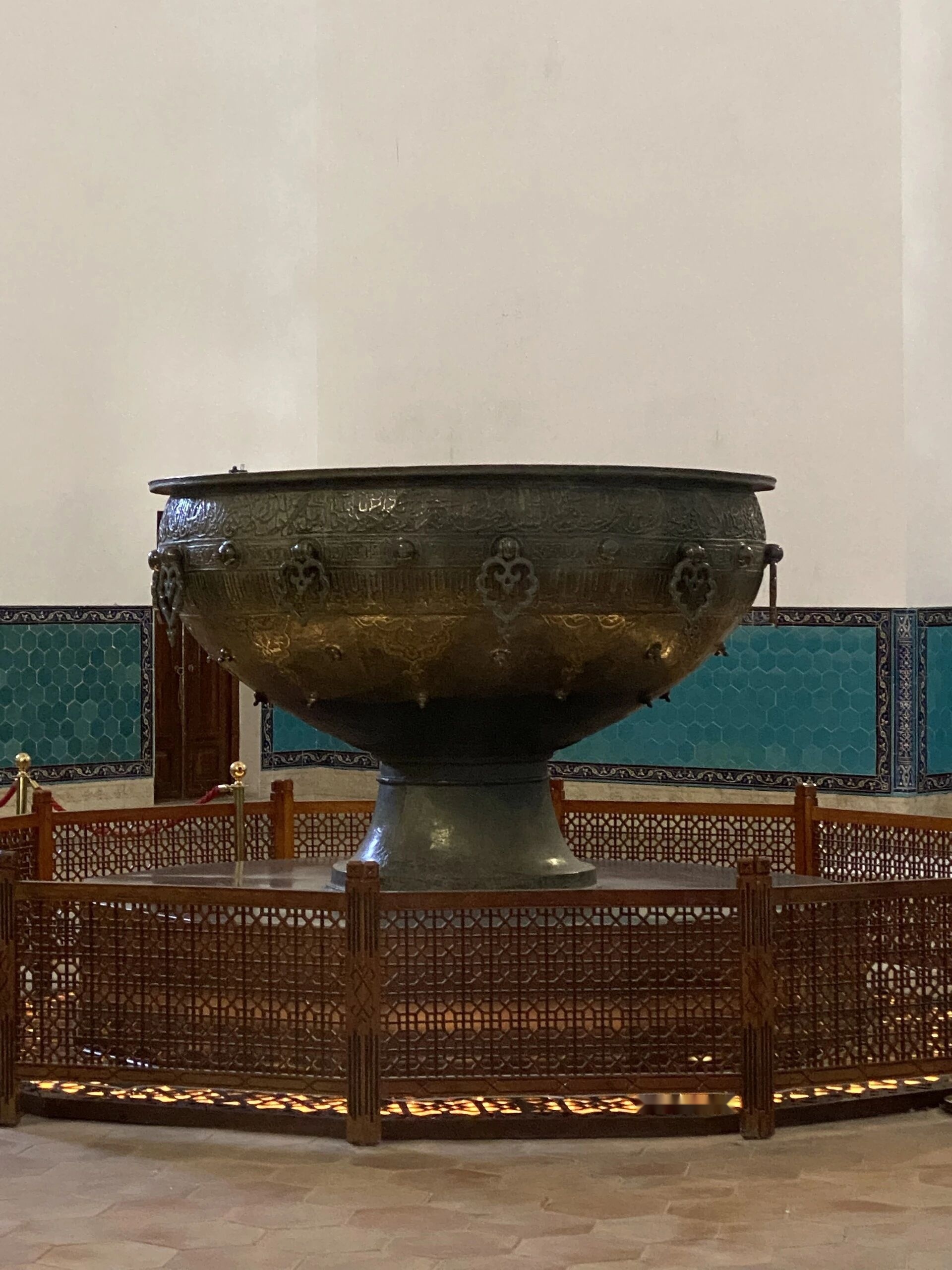
In 1405, he passed away on his campaign to the East, and the construction of the mausoleum came to an abrupt halt.
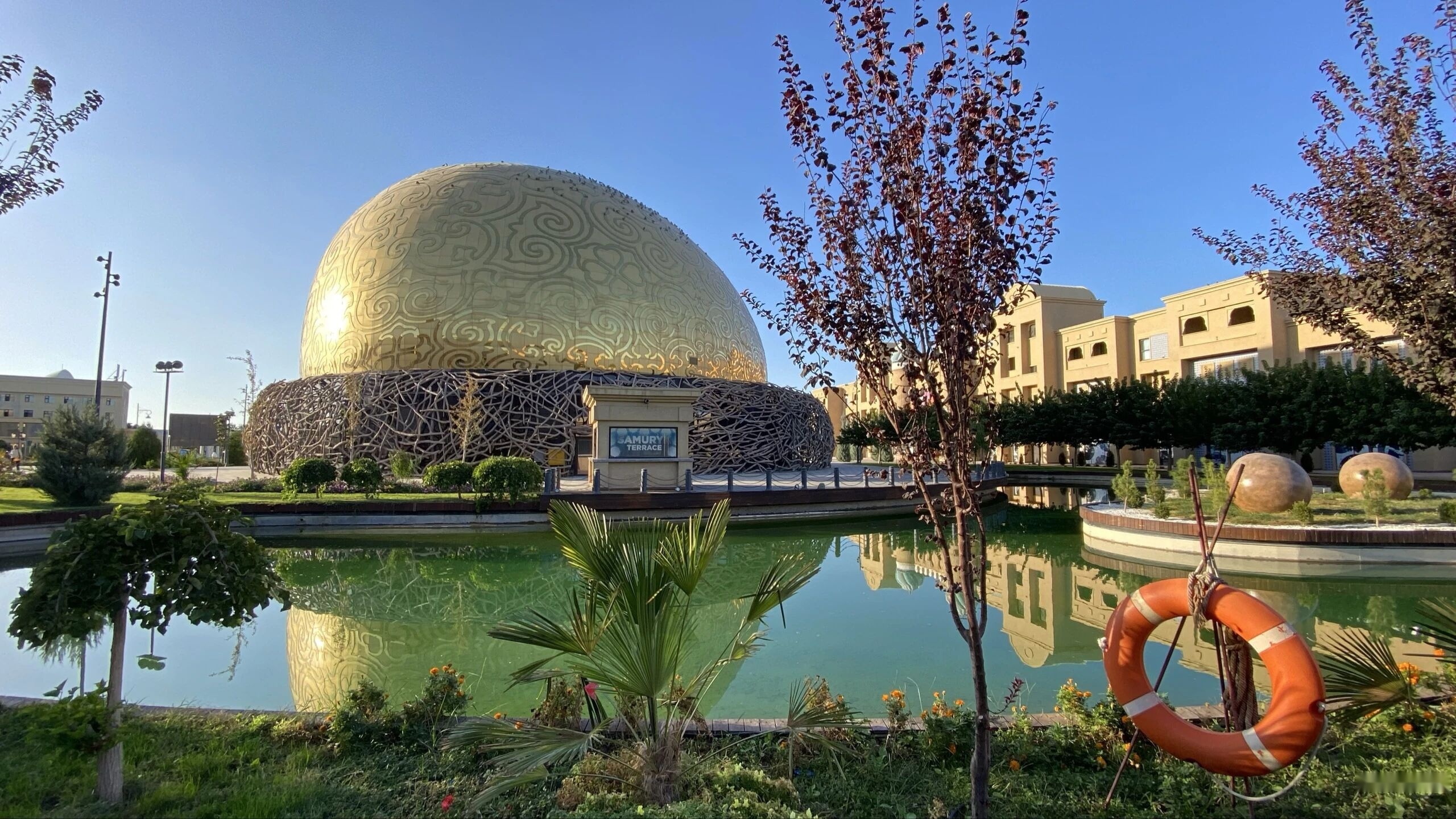
The unfinished brickwork remained exposed for six hundred years, ironically leaving behind the most authentic example of medieval architecture.
This is a UNESCO-designated World Cultural Heritage site,
and it's also the prototype and origin point for Timurid architectural style:
featuring double-ribbed domes, turquoise glazed tiles, and a centrally symmetrical mausoleum layout.
After this, its influence spread west along the Silk Road to Samarkand and north across the Kazakh steppes,
profoundly shaping the architectural trajectory of all Central Asia for centuries.
I spent five hours exploring the Bronze Hall, the underground mosque, the tombs of various khans, and the palace tent ruins.
From the core of Sufi spirituality to the imperial ambitions of faith and the succession of steppe royal power,
step by step, I traversed an entire thousand-year epic of the Silk Road with my own feet.
The regret of its unfinished state is precisely what makes history so moving.
Turkistan
Day 25 | September 25, 2026, Turkistan: Khoja Ahmed Yasawi Mausoleum.
Khoja Ahmed Yasawi was a Central Asian Sufi master from the 12th century.
He blended Islamic teachings with the nomadic traditions of the steppes,
founding the Yasawi order and spreading a faith of asceticism and compassion among the yurt-dwelling communities.
He became a revered spiritual leader across the entire Central Asian steppe.
After the rise of the Timurid Empire,
Timur, considering himself a successor to the saint's spiritual legacy, poured the entire nation's resources into building the mausoleum in 1389.
He brought in renowned artisans from Persia and Khorasan, pushing the limits of brickwork and glazed tile craftsmanship of that era.
In 1405, he passed away on his campaign to the East, and the construction of the mausoleum came to an abrupt halt.
The unfinished brickwork remained exposed for six hundred years, ironically leaving behind the most authentic example of medieval architecture.
This is a UNESCO-designated World Cultural Heritage site,
and it's also the prototype and origin point for Timurid architectural style:
featuring double-ribbed domes, turquoise glazed tiles, and a centrally symmetrical mausoleum layout.
After this, its influence spread west along the Silk Road to Samarkand and north across the Kazakh steppes,
profoundly shaping the architectural trajectory of all Central Asia for centuries.
I spent five hours exploring the Bronze Hall, the underground mosque, the tombs of various khans, and the palace tent ruins.
From the core of Sufi spirituality to the imperial ambitions of faith and the succession of steppe royal power,
step by step, I traversed an entire thousand-year epic of the Silk Road with my own feet.
The regret of its unfinished state is precisely what makes history so moving.
Turkistan
