
Halal Food in Beijing: Traditional Youxiang Making in Changping Xiguanshi Hui Muslim Village
Four heartfelt photos capture the traditional making of youxiang (traditional fried dough cakes) in the Hui Muslim village of Xiguanshi in Beijing’s Changping District. Whenever the community marks an anniversary for a passed loved one, the local women gather to knead dough and take turns at the stove, using a bubbling pot of hot oil to share the sincere neighborly bonds and deep cultural roots of the Hui Muslims.
In the Hui Muslim community of Xiguanshi in Changping, youxiang is more than just a signature local delicacy; it is a traditional comfort food that carries memories and deep affection.
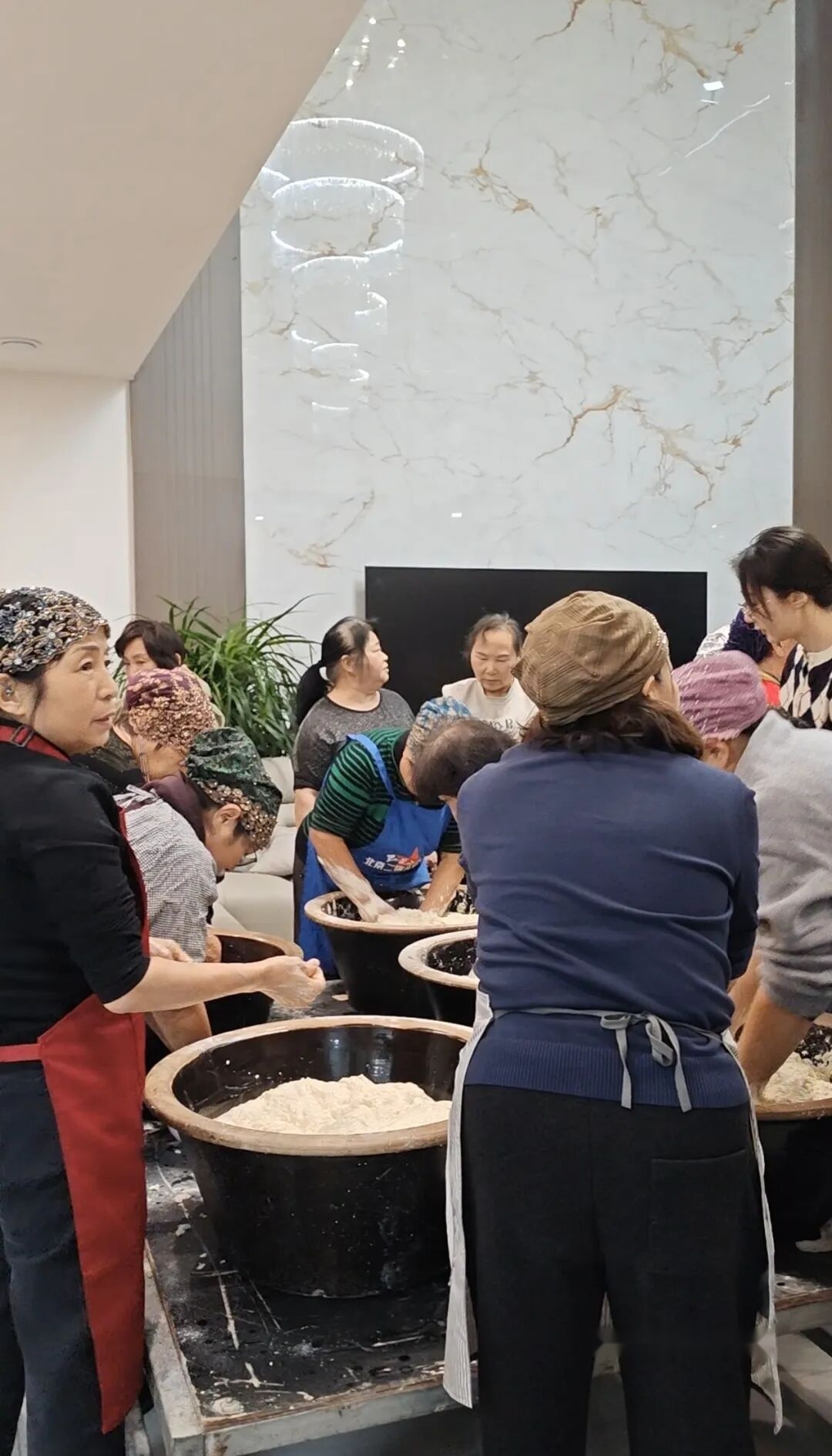
When a family holds a memorial for an elder, neighbors and friends show up to help, gathering around large bowls to prepare the dough. Sisters and friends team up, two or three to a bowl, taking turns and lending a hand without any formal fuss. When someone takes a break, fruit is immediately passed their way. The house is always buzzing and warm—this is the simple, honest neighborly spirit that has continued in Xiguanshi for years.
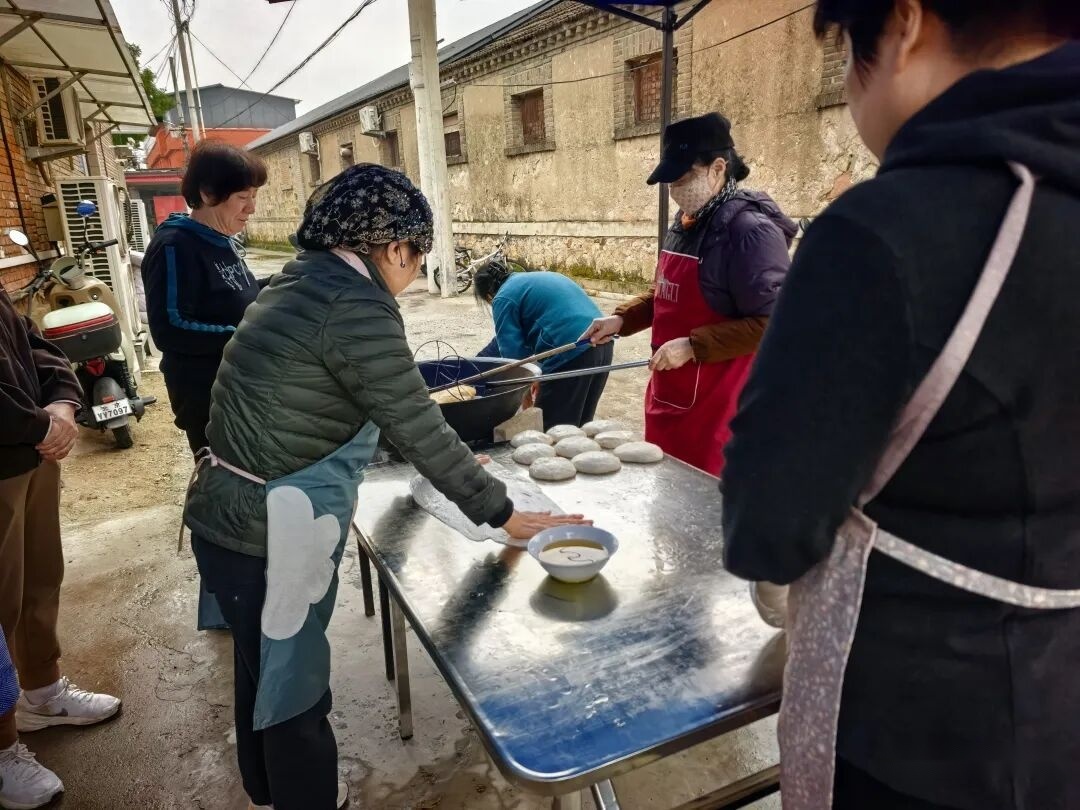
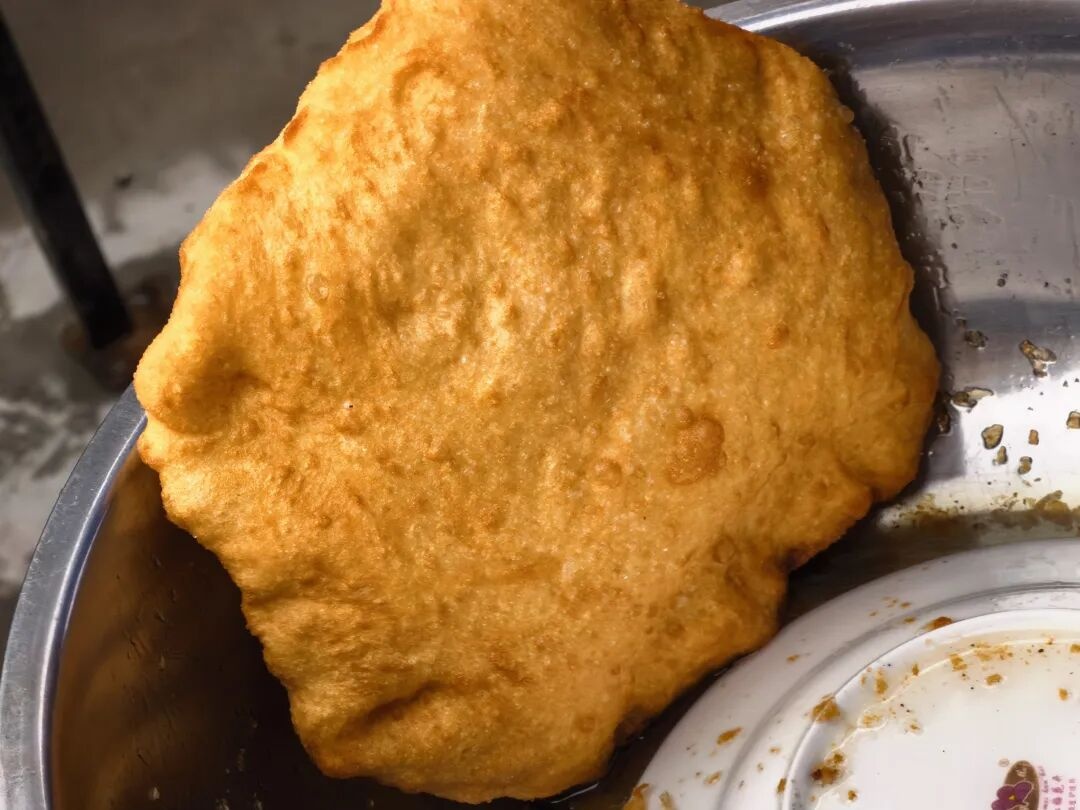
Once the dough has rested, it is pinched into balls by hand, flattened into circles, and dropped into a massive, sizzling iron pot. As the oil bubbles, the dough puffs up into golden, airy rounds. Fresh out of the pot, these youxiang are perfectly golden, crispy on the outside, soft on the inside, and incredibly fragrant.

Making youxiang requires sincerity and devotion. In Hui culture, this food holds deep meaning. Frying youxiang on a memorial day is a way for descendants to honor their ancestors. Tradition dictates that the finished bread must be shared with neighbors and friends, a practice known as 'chusan' (distribution of food for charity), which symbolizes goodwill, sharing, and prayers. Eating youxiang by tearing it apart and sharing it with others reflects the values of compassion and community harmony.
For the Hui people, frying youxiang is never a one-family affair. Whether it’s prepping the dough, kneading, shaping, or manning the hot oil, neighbors work together with seamless rhythm. A room full of life, a courtyard full of warmth. As the golden youxiang emerge, the air fills with a rich aroma, capturing the way the people of Xiguanshi look out for one another—their daily lives and their devotion to their ancestors are all kneaded right into the dough.
This taste of youxiang isn't just about food; it’s a vital part of Hui tradition and the most precious kind of warmth shared between neighbors in their hometown.
In the Hui Muslim community of Xiguanshi in Changping, youxiang is more than just a signature local delicacy; it is a traditional comfort food that carries memories and deep affection.
When a family holds a memorial for an elder, neighbors and friends show up to help, gathering around large bowls to prepare the dough. Sisters and friends team up, two or three to a bowl, taking turns and lending a hand without any formal fuss. When someone takes a break, fruit is immediately passed their way. The house is always buzzing and warm—this is the simple, honest neighborly spirit that has continued in Xiguanshi for years.
Once the dough has rested, it is pinched into balls by hand, flattened into circles, and dropped into a massive, sizzling iron pot. As the oil bubbles, the dough puffs up into golden, airy rounds. Fresh out of the pot, these youxiang are perfectly golden, crispy on the outside, soft on the inside, and incredibly fragrant.
Making youxiang requires sincerity and devotion. In Hui culture, this food holds deep meaning. Frying youxiang on a memorial day is a way for descendants to honor their ancestors. Tradition dictates that the finished bread must be shared with neighbors and friends, a practice known as 'chusan' (distribution of food for charity), which symbolizes goodwill, sharing, and prayers. Eating youxiang by tearing it apart and sharing it with others reflects the values of compassion and community harmony.
For the Hui people, frying youxiang is never a one-family affair. Whether it’s prepping the dough, kneading, shaping, or manning the hot oil, neighbors work together with seamless rhythm. A room full of life, a courtyard full of warmth. As the golden youxiang emerge, the air fills with a rich aroma, capturing the way the people of Xiguanshi look out for one another—their daily lives and their devotion to their ancestors are all kneaded right into the dough.
This taste of youxiang isn't just about food; it’s a vital part of Hui tradition and the most precious kind of warmth shared between neighbors in their hometown.
