

Almaty
Halal Travel Guide: Almaty - Mosques, City Walks and Kazakh Culture (Part 1)
Articles • ali2007fr posted the article • 0 comments • 176 views • 2026-05-19 06:56
Reposted from the web
During the October holiday, I took a round-trip flight from Beijing to Istanbul via Almaty on Air Astana, which gave me two full days to spend in Almaty. On the way there, it happened to be Friday Jumu'ah, so we visited an old Hui mosque in the northern suburbs of Almaty. We were warmly welcomed by the elders there and even ate the pilaf (zhua fan) prepared by the mosque, which I wrote about in my post 'Visiting the Hui mosque in Almaty'. In this article, I will mainly introduce our experiences eating and exploring around downtown Almaty.
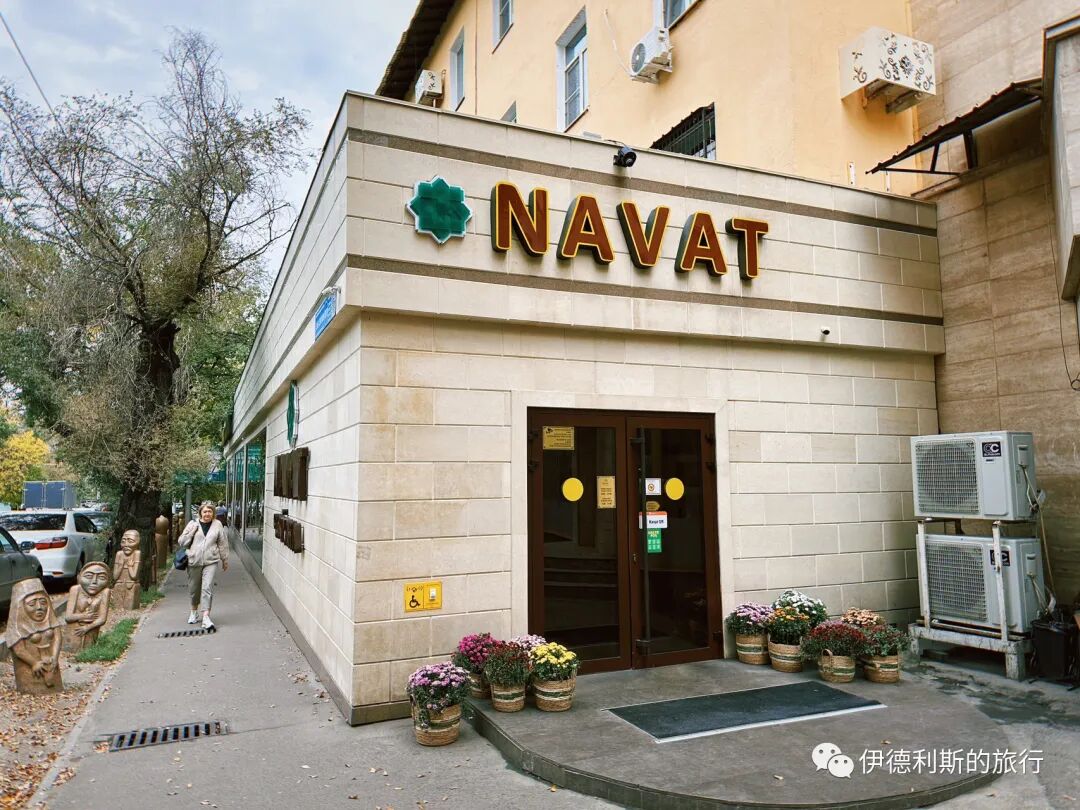
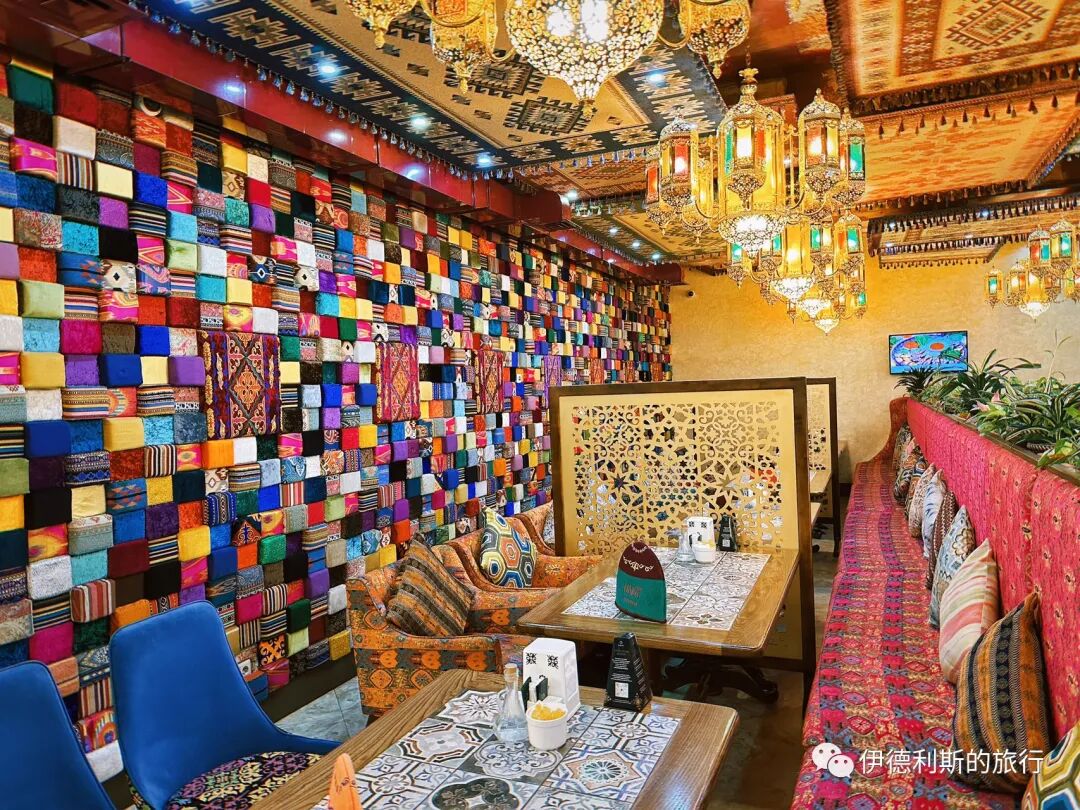
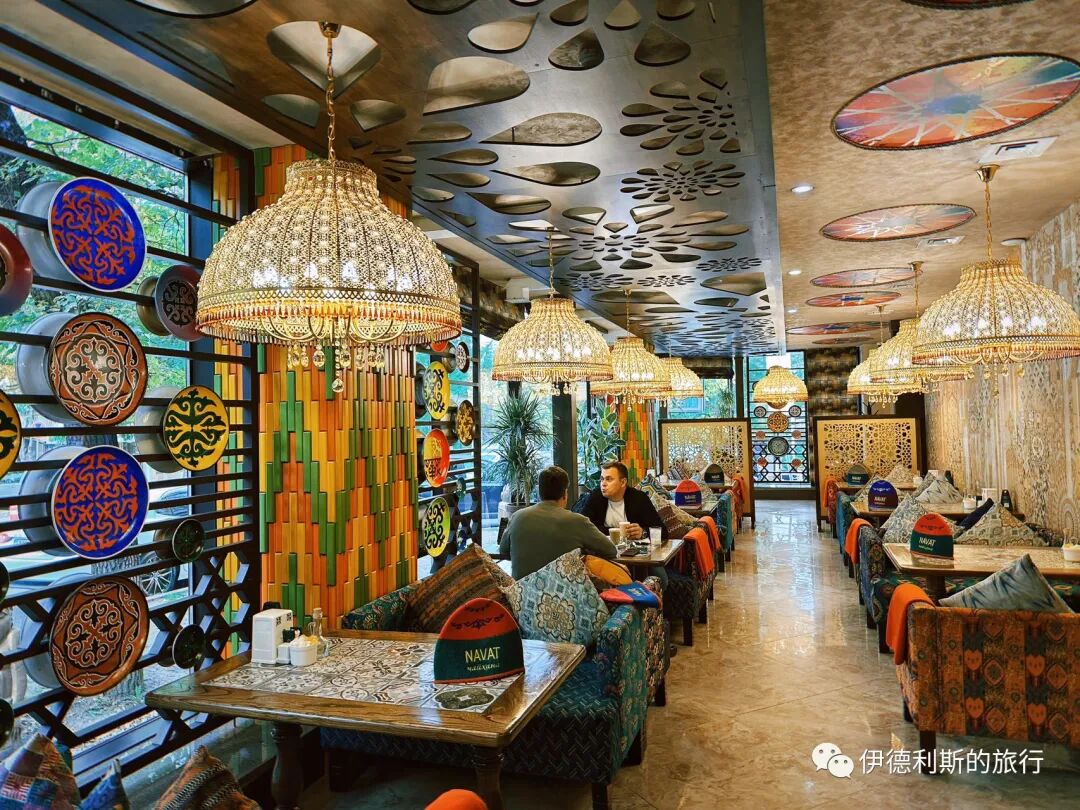
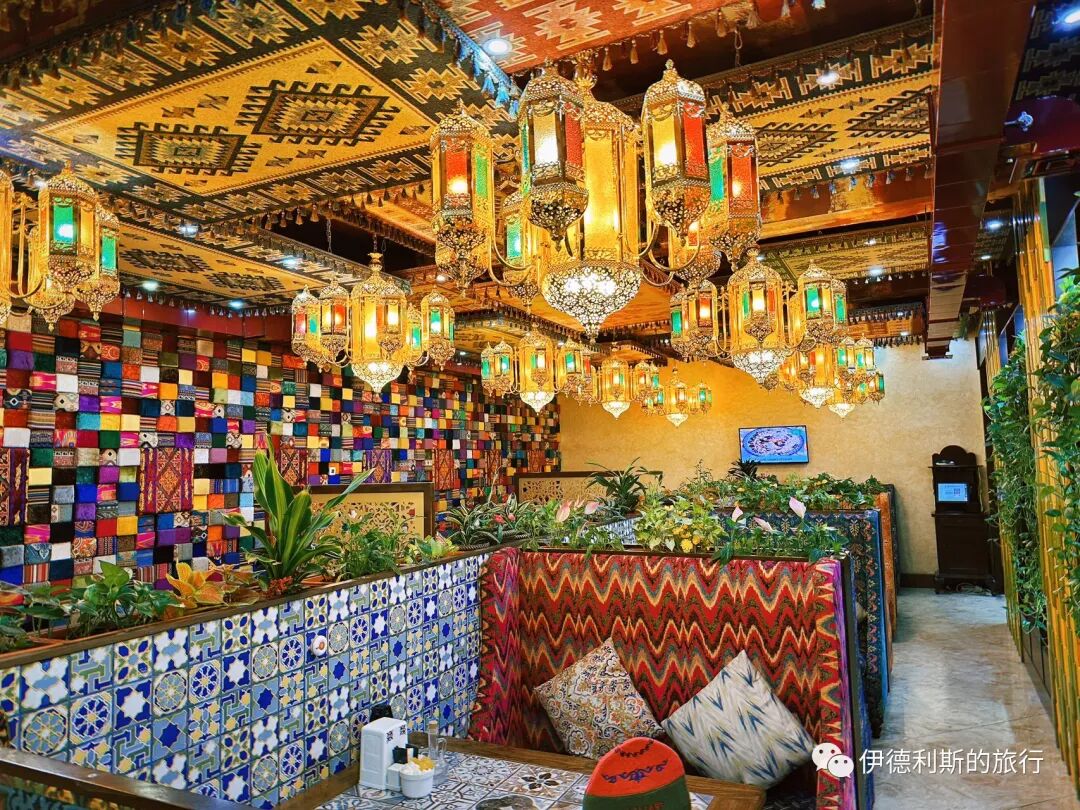
We flew from Beijing to Almaty in the early morning. After arriving, we took a taxi directly to Navat, a famous restaurant chain in Almaty. The main branch is actually in Bishkek, and they have branches in Kyrgyzstan, Kazakhstan, and Russia. The restaurant's decor features a distinct Central Asian style.
I originally wanted to go to the Navat on the pedestrian street, but I used Yandex Go to set the destination to a different branch. This location didn't have an English menu, so we had to order by looking at the pictures.
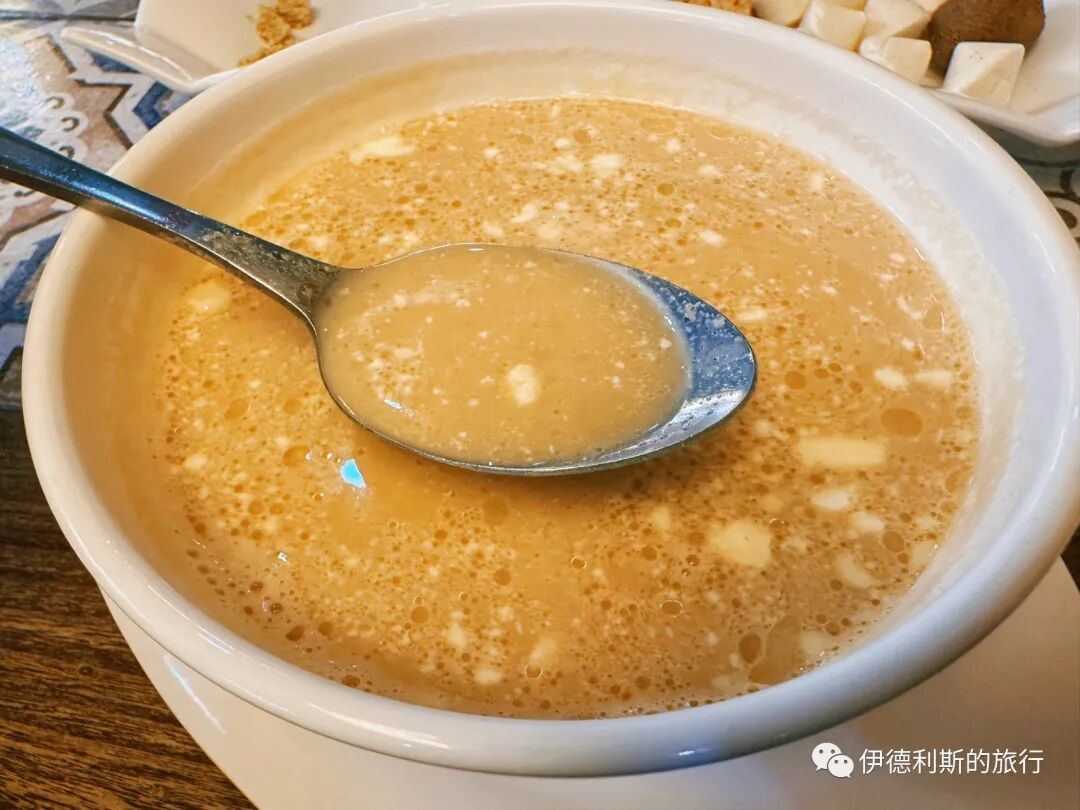
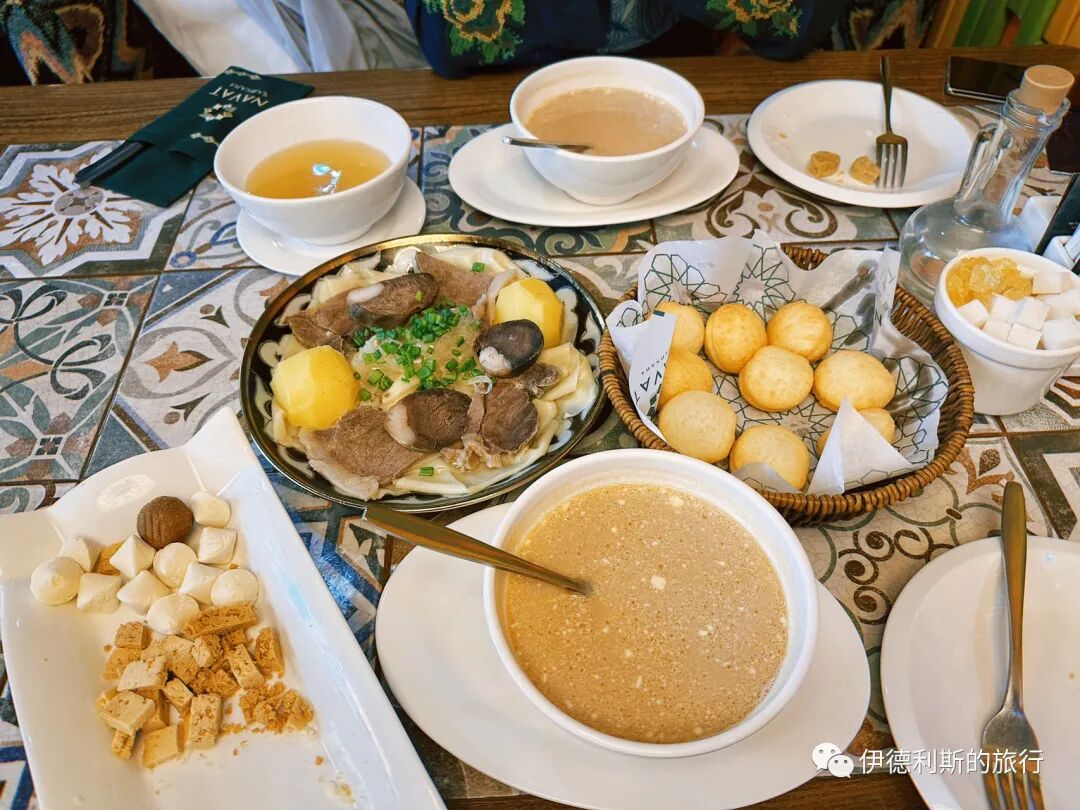
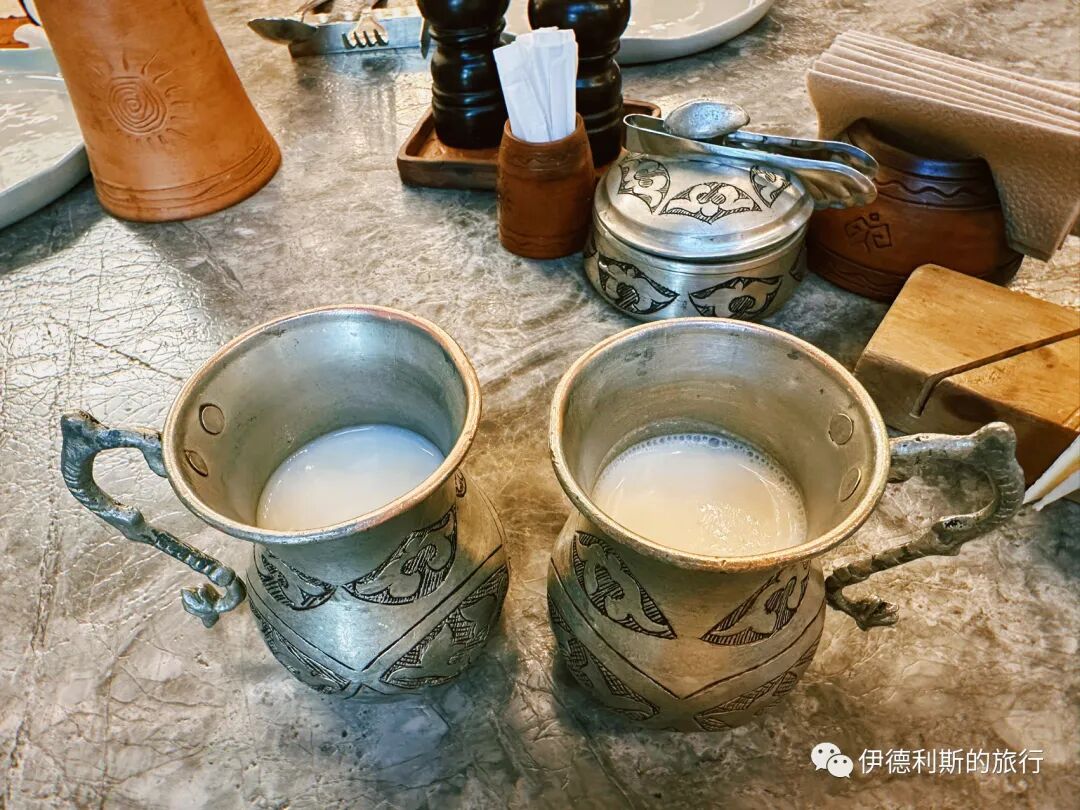
We ordered Uyghur milk tea (Atkan Chay) and Turkmen milk tea (Kirma Chay). Atkan Chay is made with brick tea, milk, and salt, while Kirma Chay is made with black tea, milk, oil, roasted wheat flour, and salt.
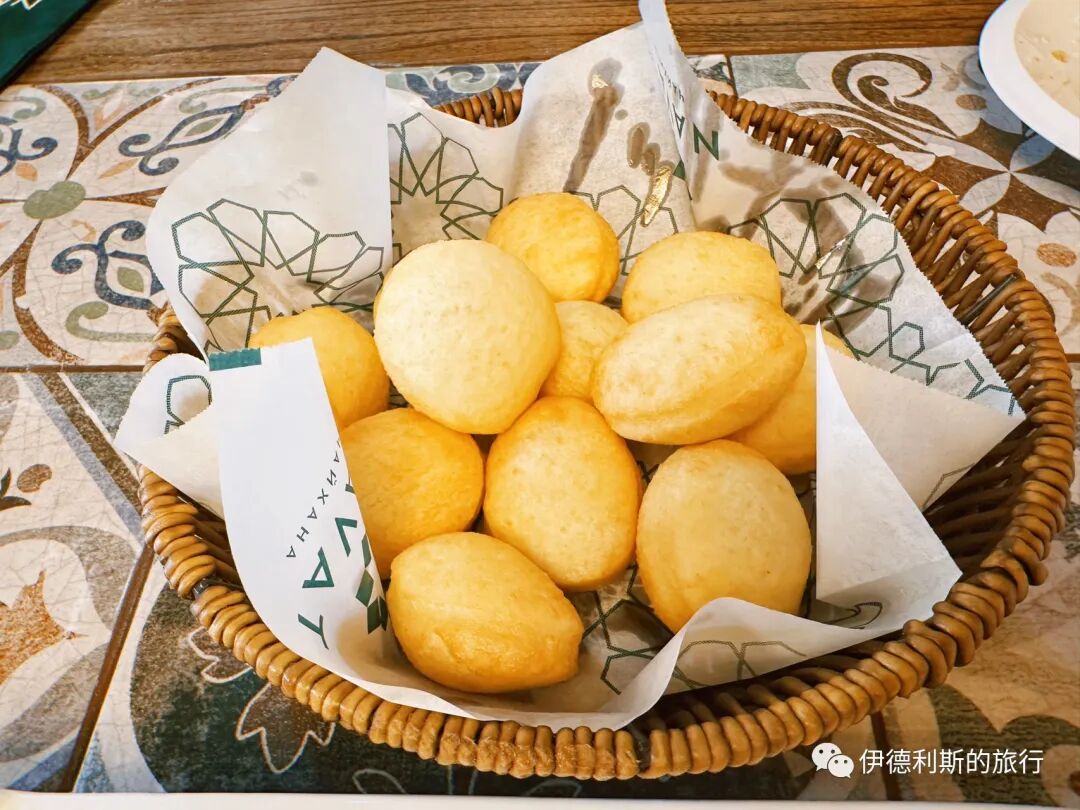
The classic pairing for milk tea is definitely fried dough (Bauyrsaq), which can be shaped into diamonds or balls. Turkic peoples and Mongols all love eating these fried snacks.
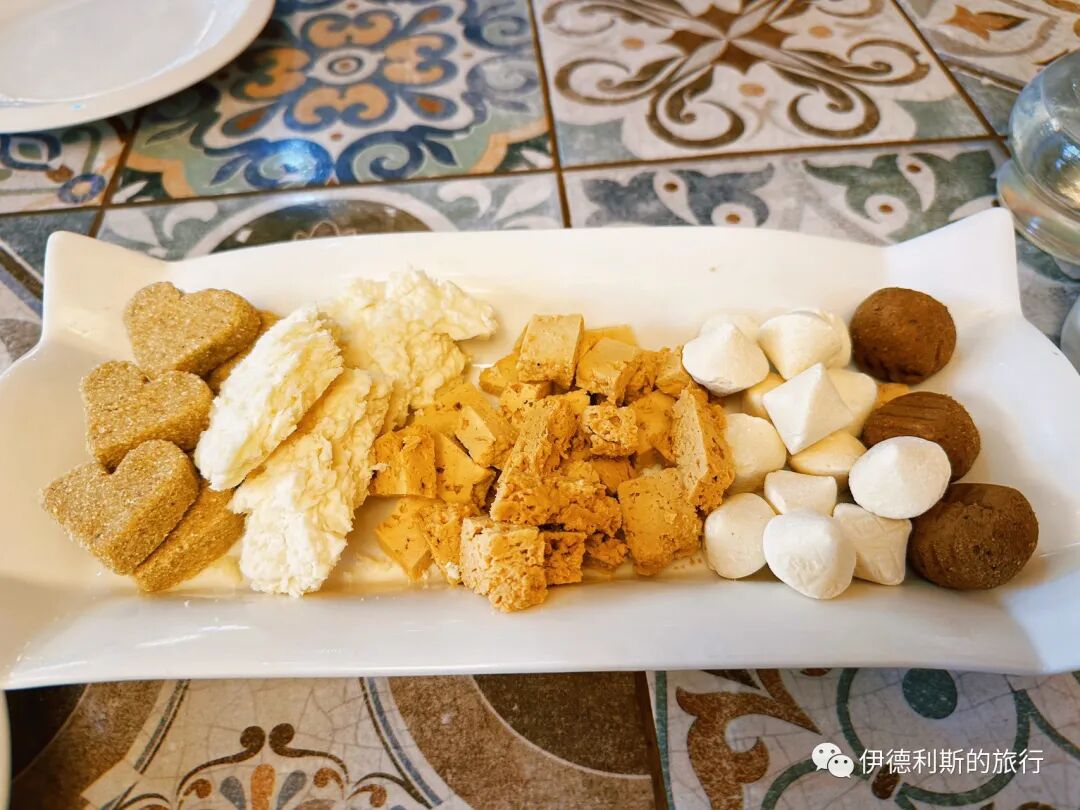
We also ordered a platter of various Kazakh dairy products. One of them, Irimshik, is a semi-cheese made from a mix of cow and sheep milk; it is light brown, sweet, and very chewy. Qurt is a very dry yogurt ball. The word itself comes from the Middle Persian word for 'dry,' so it has a very long shelf life and high nutritional value, making it perfect for winter and long journeys. Gent is a dessert made by mixing dry cheese, roasted wheat, sugar, honey, and raisins, which goes very well with tea.
For the main course, we ordered horse meat five-finger noodles (Beshbarmak). Beshbarmak is a classic delicacy for Kazakh and Kyrgyz herders and is a must-have dish for festivals. When preparing it, one person cuts the meat while another kneads the dough. The meat is sliced and spread over the noodle sheets, then served with potatoes. People usually eat mutton in the summer, and after the winter slaughter, they eat horse meat and horse sausage.
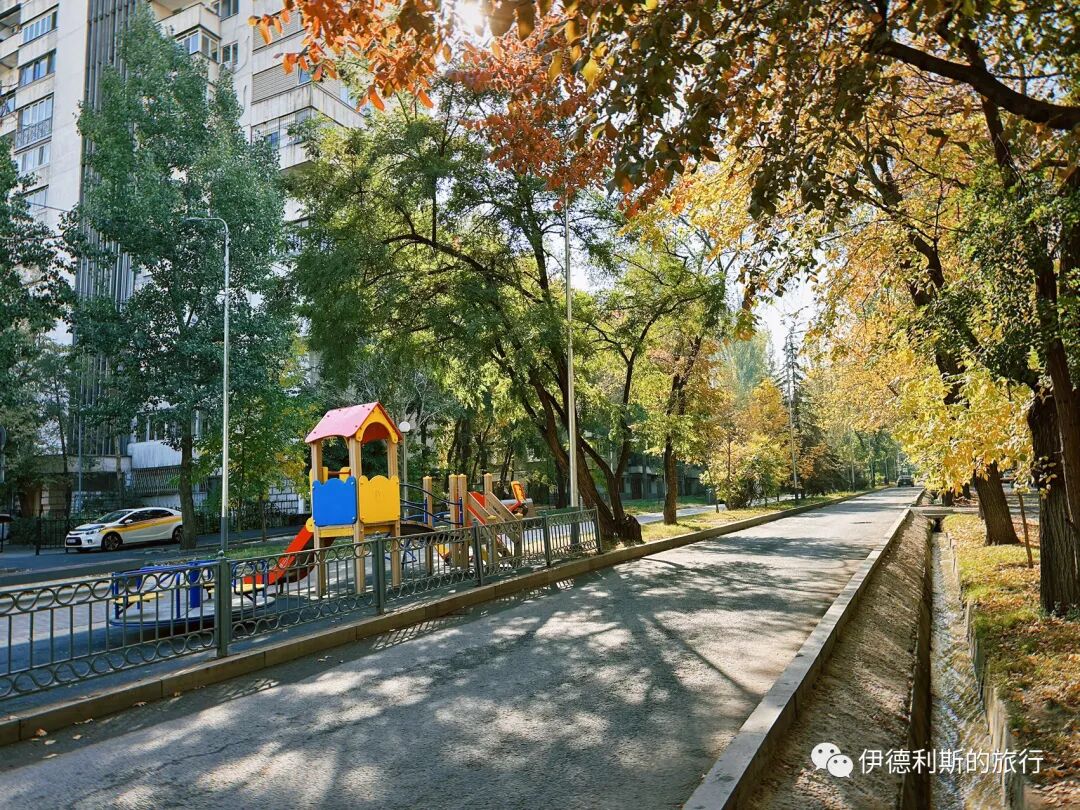
Almaty is truly the most park-like city I have ever visited. It is full of greenery and gardens, and there is a small park every few steps. The streets are quiet and everyone is very relaxed.
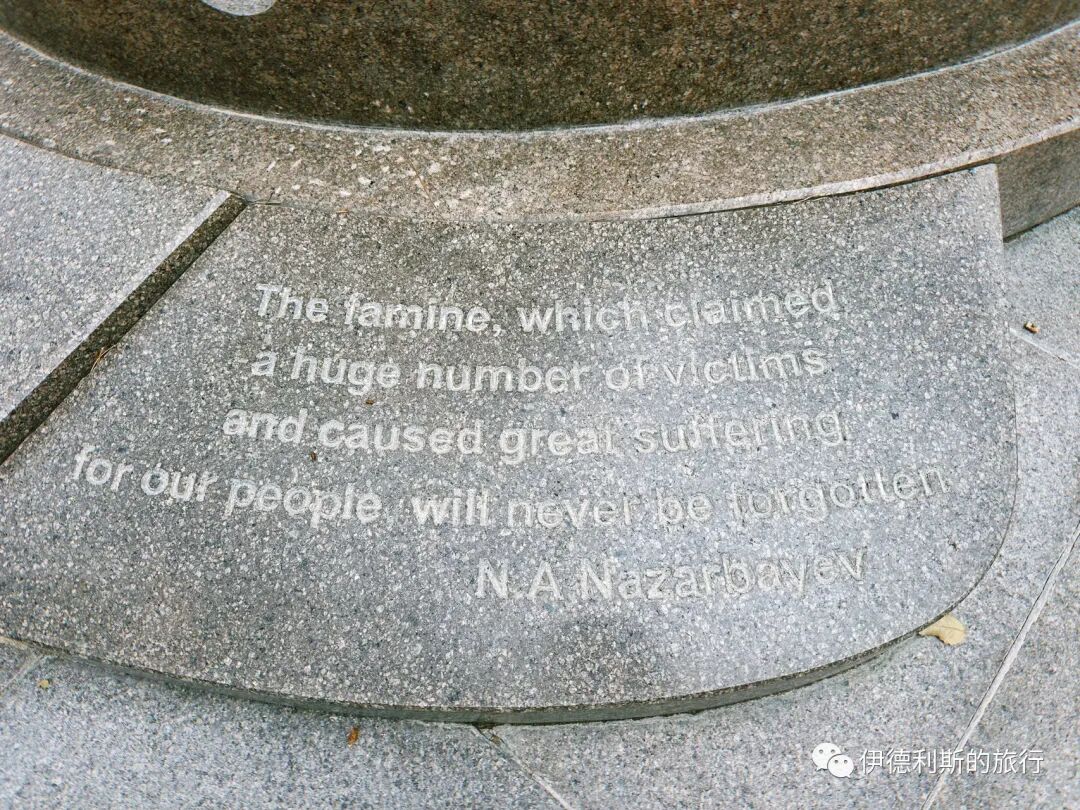
After leaving Navat, we walked through a small park across from the Almaty Museum, which features a statue commemorating the 1931-1933 Kazakhstan famine. This famine caused about 1.5 million deaths, and in the most desperate moments, there were even tragedies of cannibalism. The great famine caused the proportion of Kazakhs in the Kazakh ASSR at the time to drop from 60% to 38%, making them a minority. The sculpture is inscribed with words from Nazarbayev: 'This famine, which caused heavy casualties and brought great suffering to the people, will never be forgotten.'
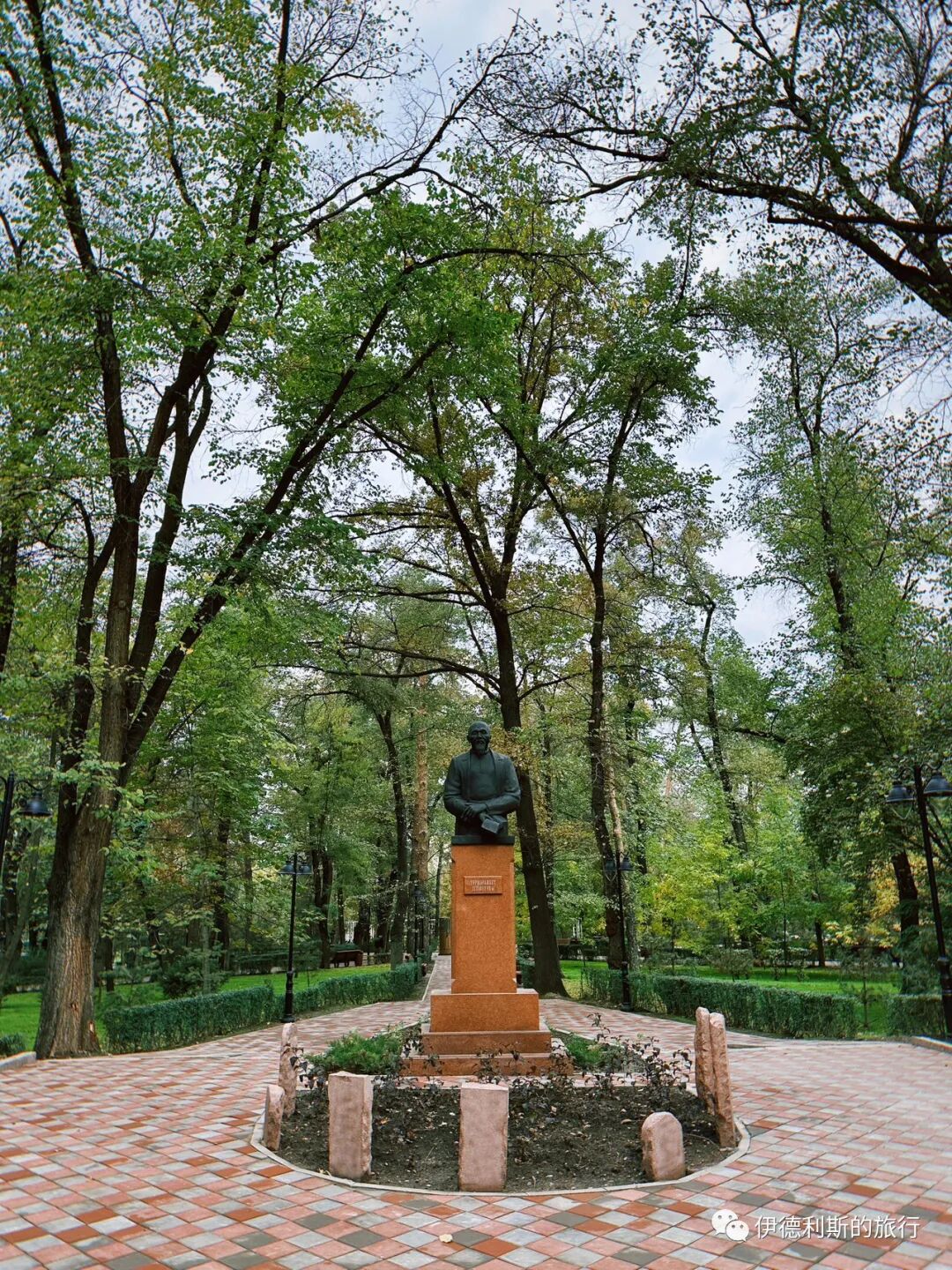
The park also has a statue of the Kazakh poet Turmagambet Iztleuow (1882-1939). to writing a large amount of Kazakh poetry, he was also the translator of the Persian epic Shahnameh into Kazakh. In 1935, the poet was falsely accused and arrested as an 'enemy of the people,' and he died in a dungeon in 1937. In 2007, to commemorate the 70th anniversary of the poet's death, people erected this statue next to the former KGB building.
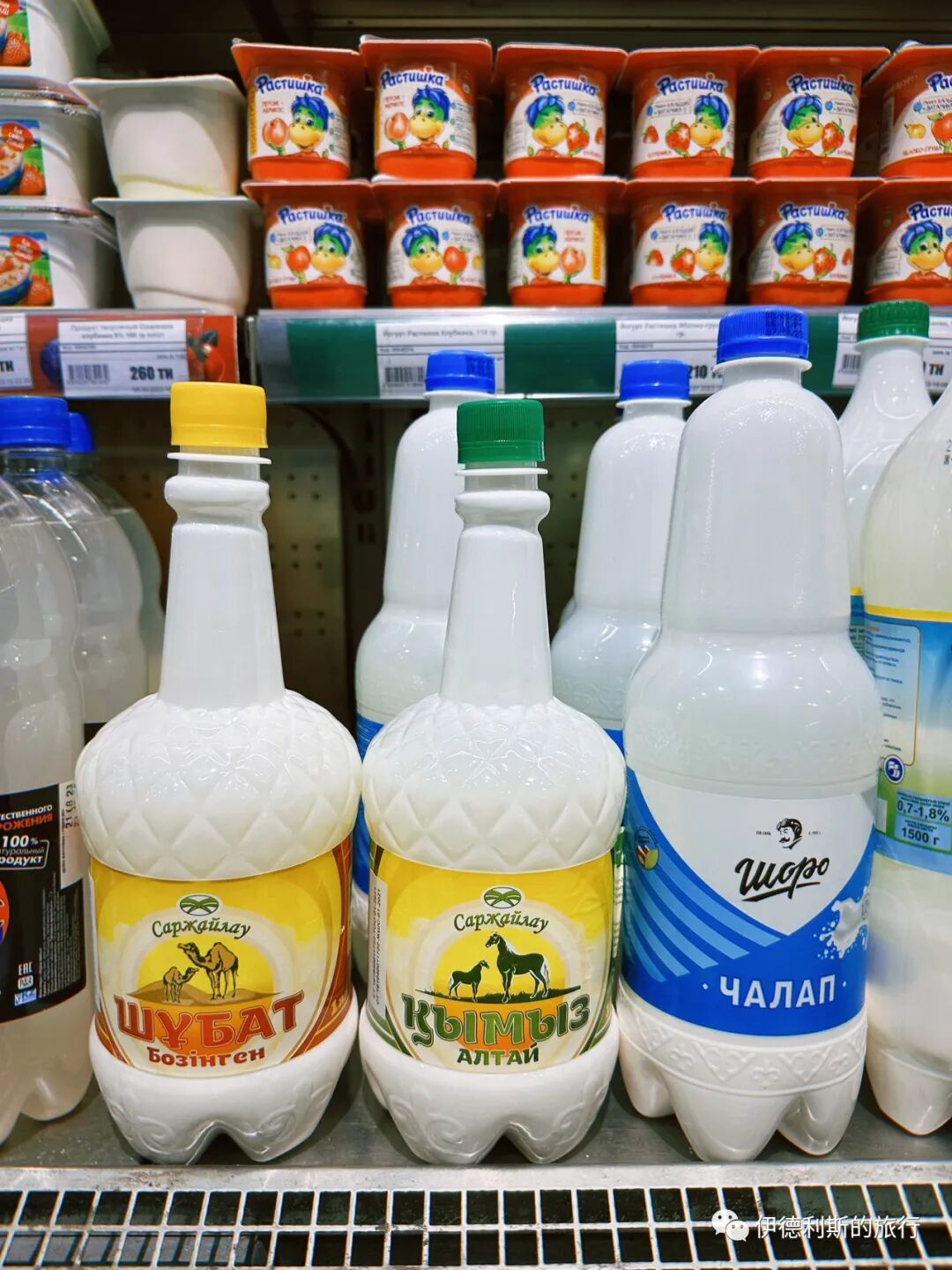
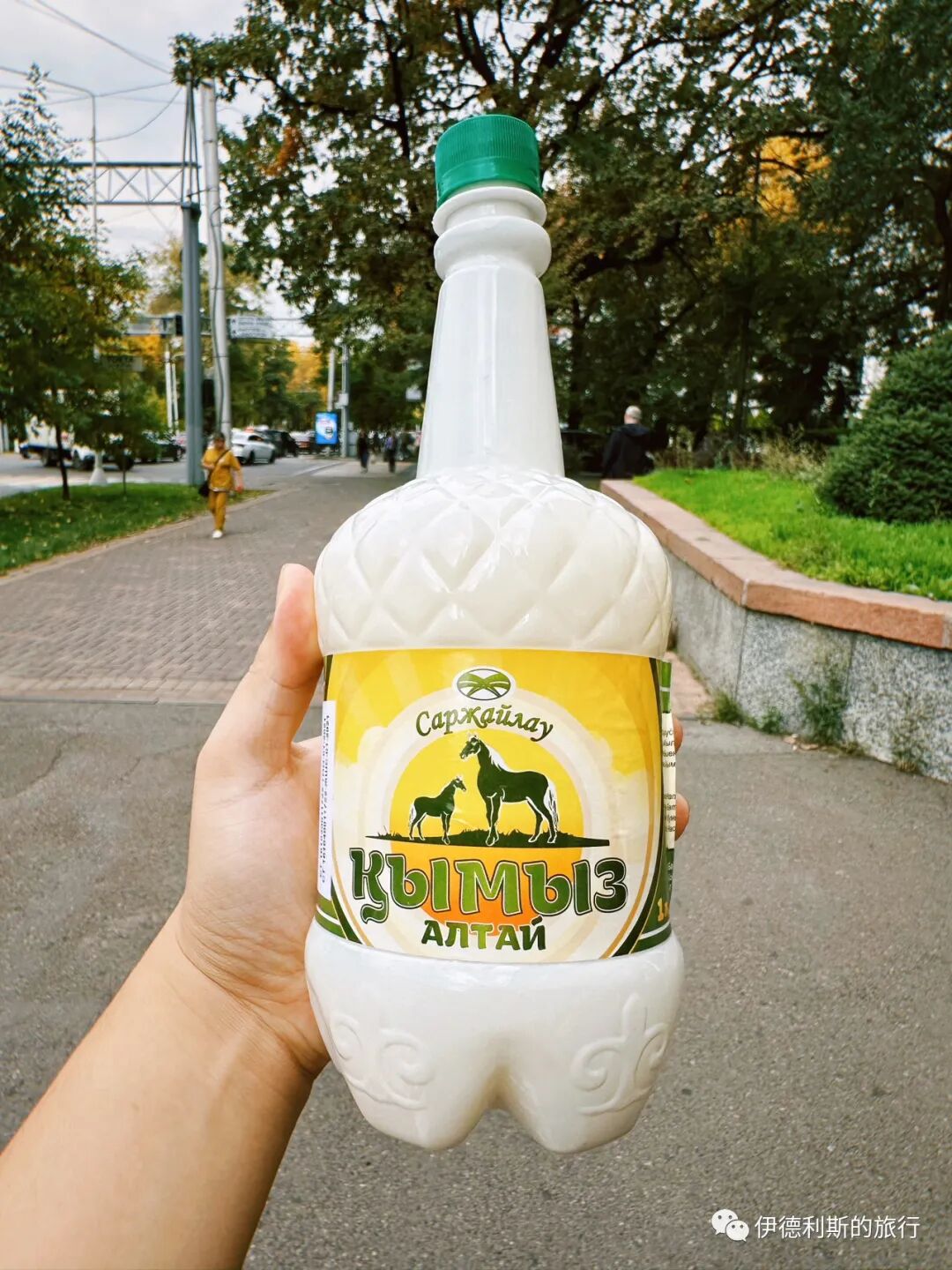
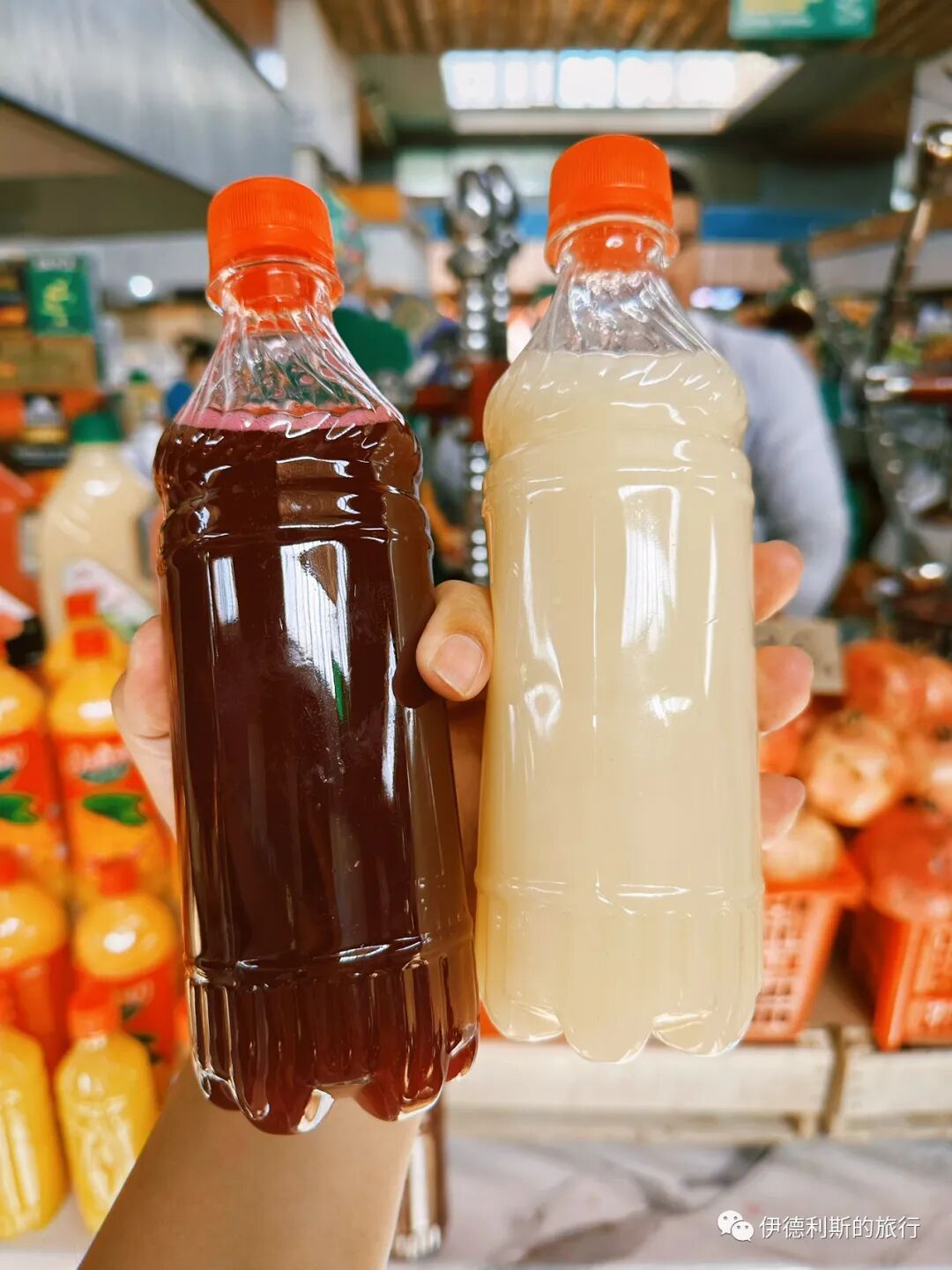
Buying fermented dairy drinks in the shops on the streets of Almaty. Here, camel milk is called Shubat, horse milk is called Kumuz, and cow milk is called Ayran. We bought a bottle of horse milk, which was much stronger than what we drank at a Kazakh shop in Urumqi before. It was fermented until very sour, with a kick like eating mustard that could send you to the sky after one sip. Interested friends (dosti) can buy a bottle to try.
We took a night flight from Istanbul back to Almaty, and after arriving at Almaty Airport in the morning, we took a Yandex Go directly to Arasan, the most famous Soviet-style public bathhouse in Almaty, for a bath and massage.
The establishment of Arasan dates back to the competition between the Kazakh SSR and the Uzbek SSR at the time. In 1974, the Uzbek SSR took the lead by building a large comprehensive bathhouse in Tashkent. The Kazakh SSR was not to be outdone, so in 1979, many architects participated in the design to rebuild a 1-million-cubic-meter large bathhouse on the original site of the Gogol Street bathhouse built in 1935. It was completed in 1982 and became the largest bathhouse in Central Asia.
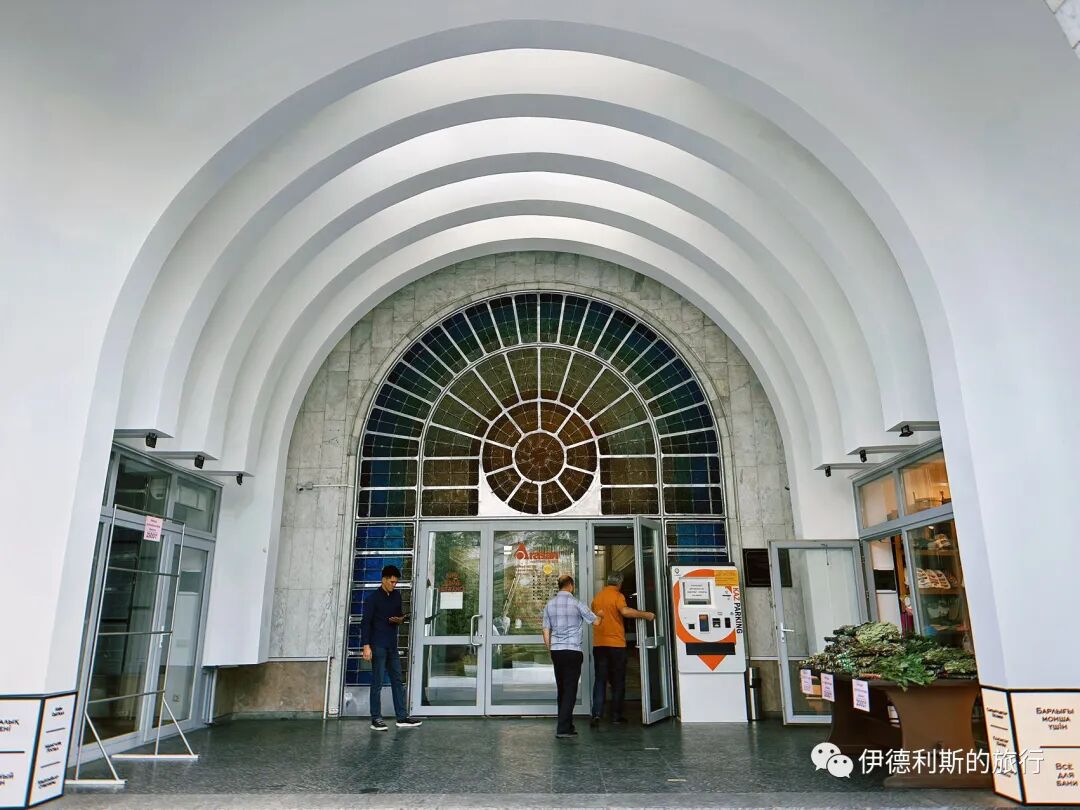
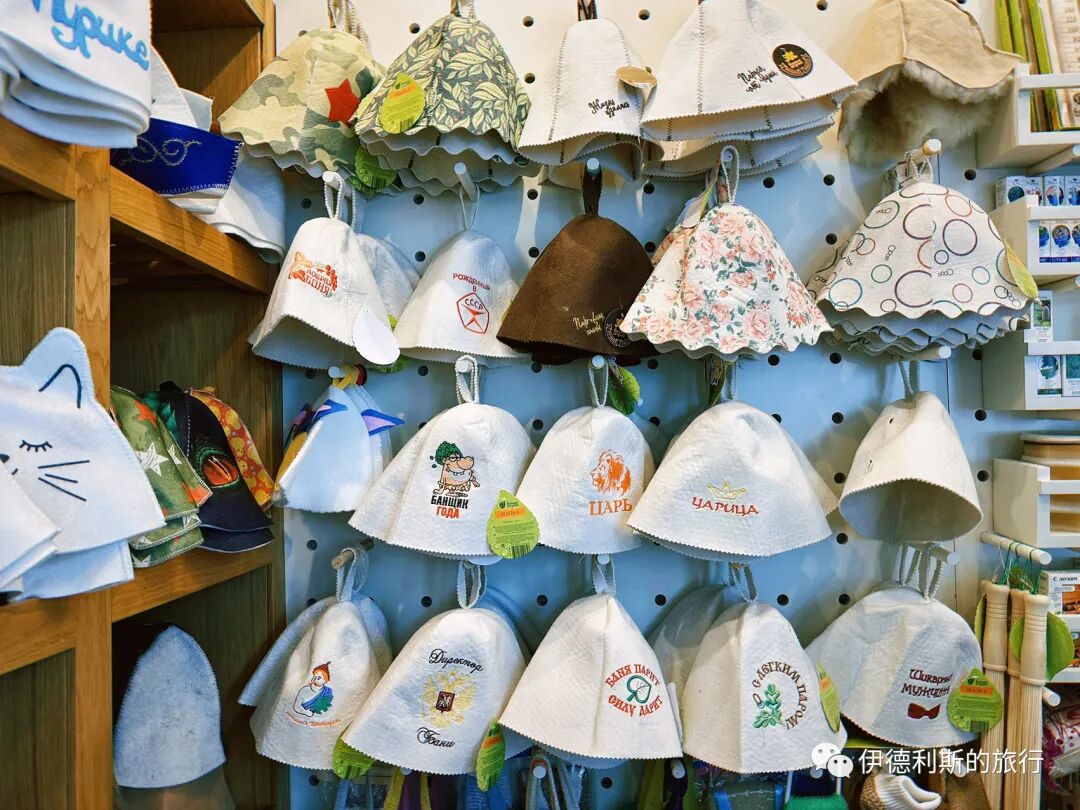
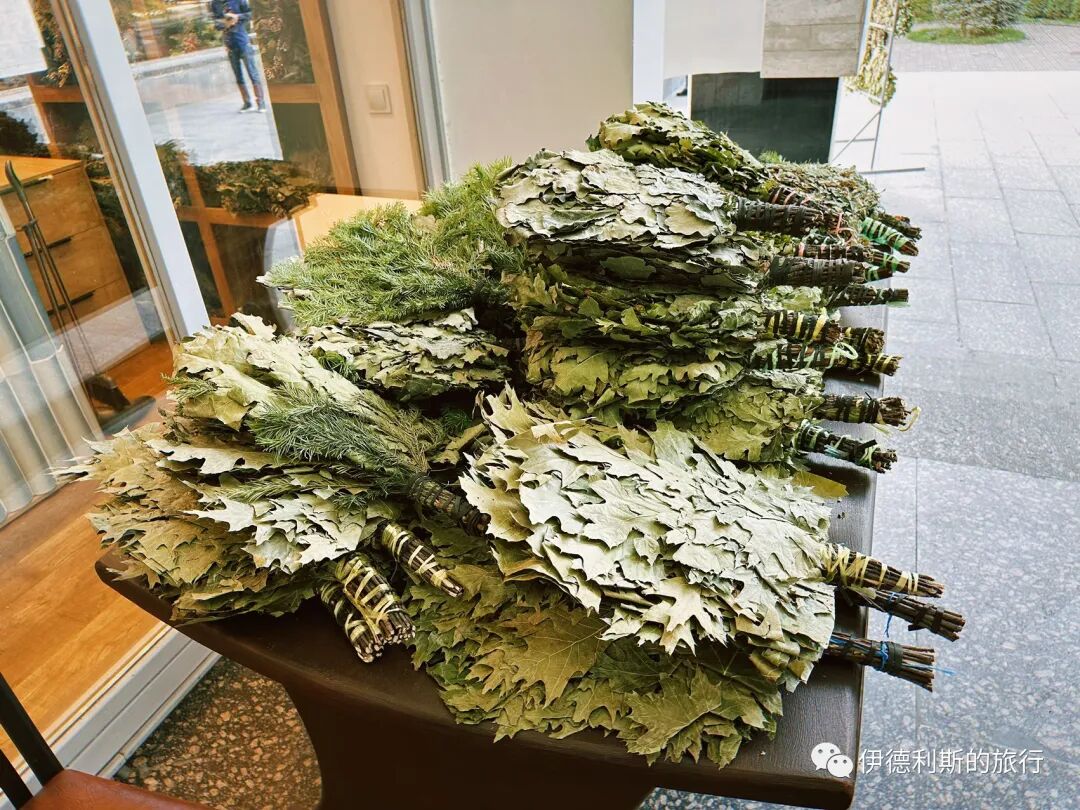
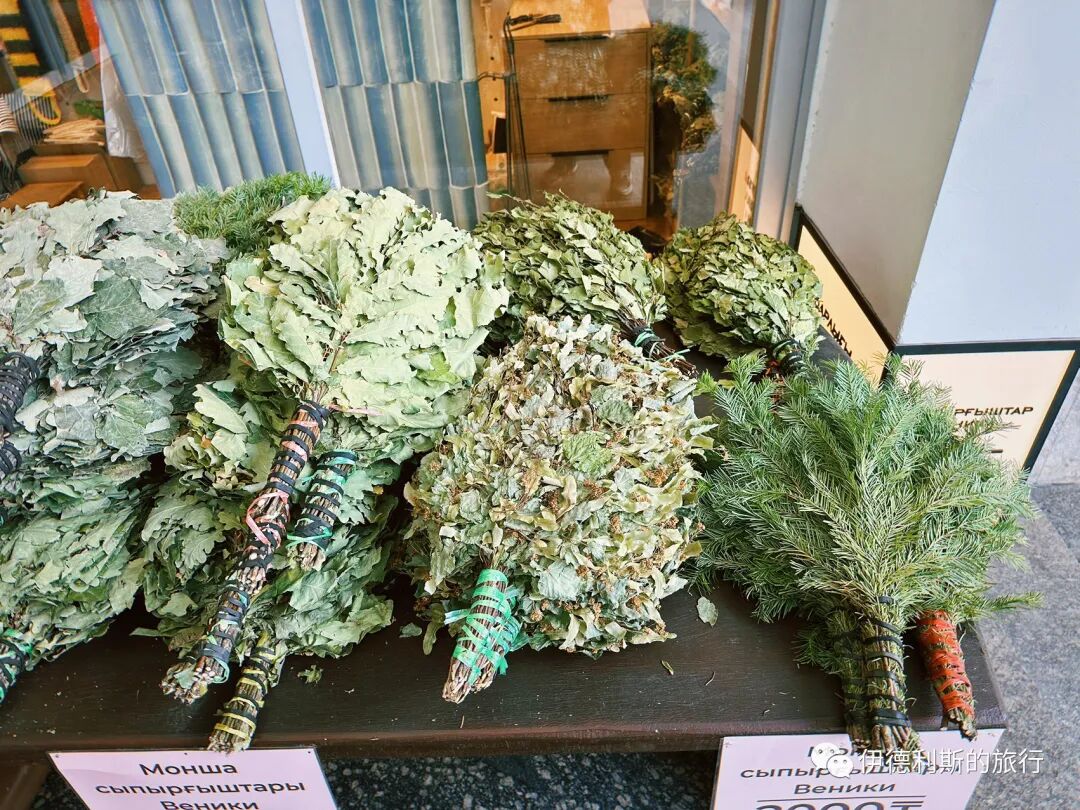
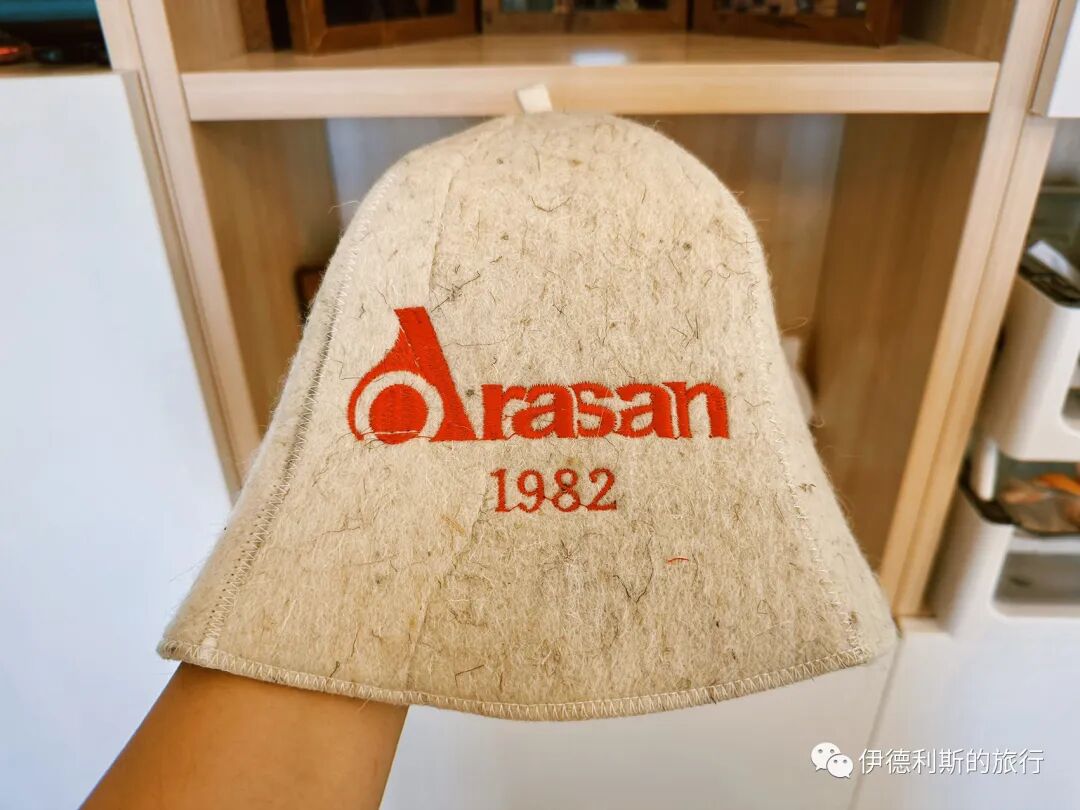
Arasan opens at 7:00 AM. It is less crowded in the morning, so you can bathe more freely. It is also quite cool on autumn mornings, so it is the perfect time to go in and warm up. To the right of the main entrance is a shop selling bath supplies. The most unique items are the various felt hats and bath whisks made from birch, oak, or even pine leaves, which are used in Russian saunas (banya). I ended up buying a felt hat embroidered with 'Arasan' as a souvenir.
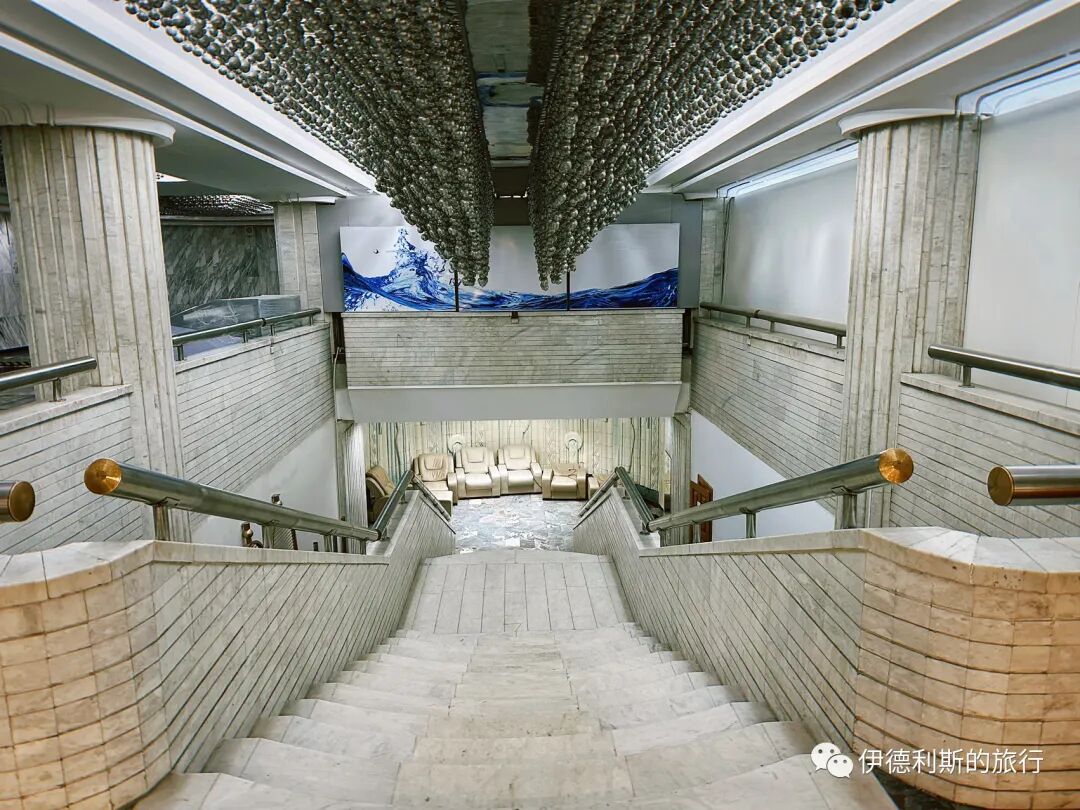
The Arasan building itself has a very 1980s Soviet feel, with a lobby that is spacious and imposing. The ticket office on the right has a price list in English, and there is a young Kazakh woman there who speaks fluent English. We bought a one-hour entry ticket plus a 45-minute classic massage. We also rented slippers and a bath towel, then took our wristbands and went inside.
Once inside, the men's and women's areas are completely separate. When I entered the men's side, I saw many sturdy Kazakh and Russian men. For someone like me entering a Soviet-style bathhouse for the first time, it was quite a visual shock. After showering, I went to the classic Russian sauna (banya) area. There are both traditional wood-fired saunas and electric saunas with heated stones. I tried the wood-fired sauna first. When I walked in, a big guy was splashing water onto the stove. The temperature rose with every splash, and I couldn't last long. Every time I exhaled, it felt like I was on fire. I truly admired how calm everyone else looked. Most people wear felt hats to keep their heads from getting burned. Many people also use bath whisks soaked in hot water to pat their bodies, which helps improve blood circulation.
After steaming for a while, everyone comes out to splash themselves with cold water. There is a huge wooden barrel you climb steps to reach before jumping straight into the cold water. There is also a small bucket hanging overhead; you pull a rope and all the cold water pours down on you. There is also a circular cold-water pool under a massive dome. Many of the older men just dive straight in, swim a few laps, and then get out. I swam a lap in the pool, too. The water felt much colder than in swimming pools back home. If I hadn't been warmed up by the sauna, I wouldn't have dared to go in. I think this dome is the most beautiful part of the entire bathhouse. It seems to be designed after a Kazakh yurt. Sunlight streams down from above, making it very bright. Around the pool are chairs with mosaic tiles that are heated from underneath, so you can sit and rest.
After the sauna, it was time for a massage. The Russian-style massage here happens on a hard marble bed, performed by a Kazakh guy who is twice my size and has a chest full of hair like a thicket. He started by splashing a few basins of water on me, lathered me up with soap, and then began the massage. His hands were very strong, and he hit every joint perfectly, which felt incredibly satisfying. There was a restaurant after the massage, but I left without eating, so I don't know how the food tastes.
After returning my slippers and towel, I just tapped my VISA card at the exit, which was very convenient. The sun was already out, and I started my city walk through Almaty feeling full of energy.
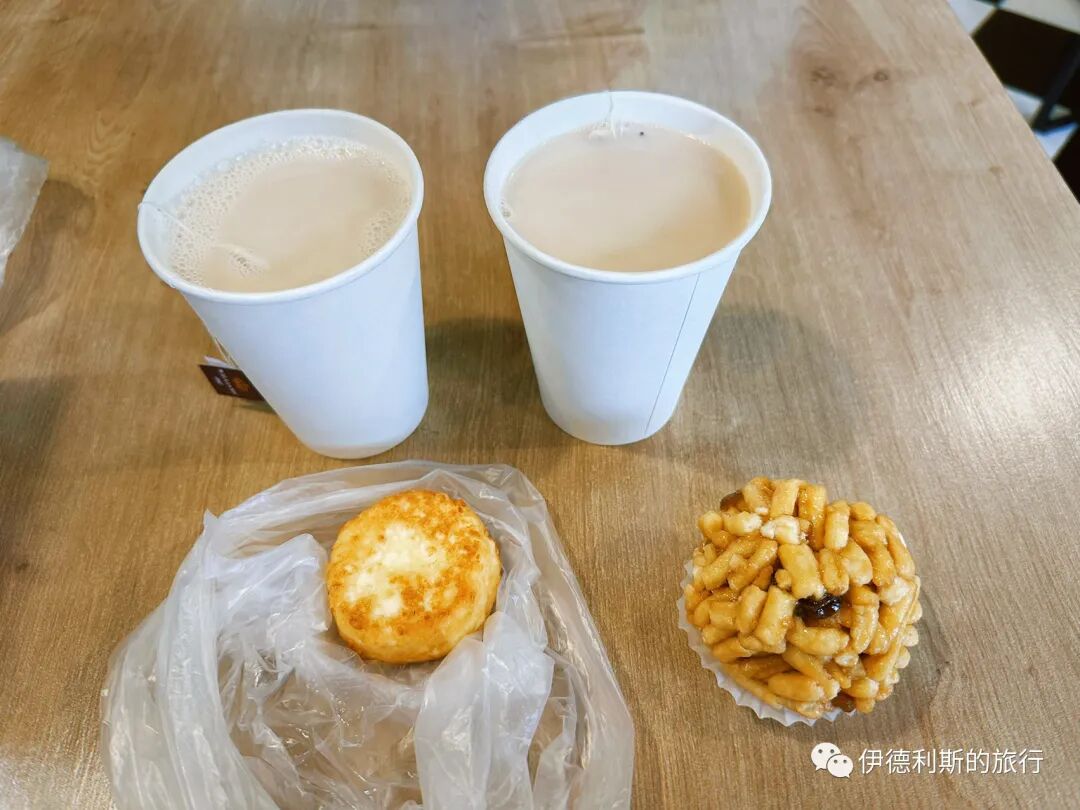
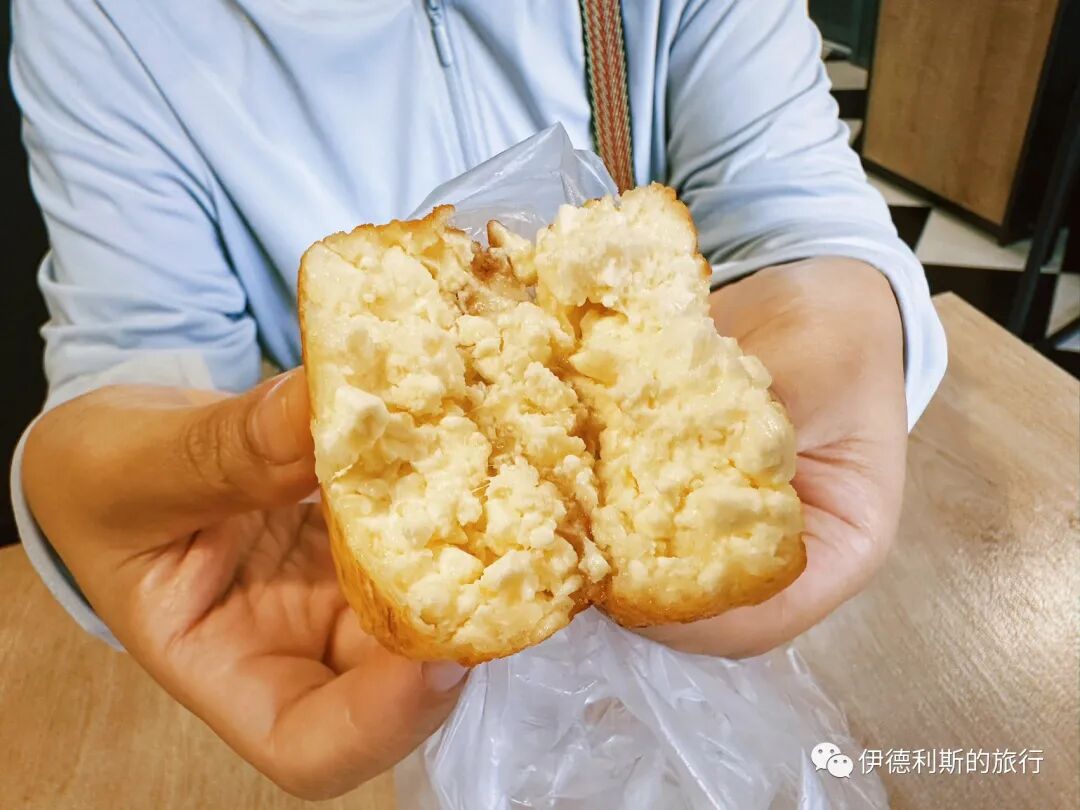
After bathing at Arasan, we bought some Turkic honey cake (shek-shek) and milk curd cakes (qurt) at a snack shop downstairs, and we also had some milk tea. Shek-shek is a dessert popular among many Turkic-speaking peoples, including Tatars, Kyrgyz, Uzbeks, Bashkirs, and Kazakhs. It is usually written as Chak-chak in English, is most famous in Tatarstan, and is a must-have dessert at weddings. The way shek-shek is made is basically the same as Manchu honey cake (saqima). Kazan Tatars usually make it into small balls, while Kazakhs usually make it into strips.
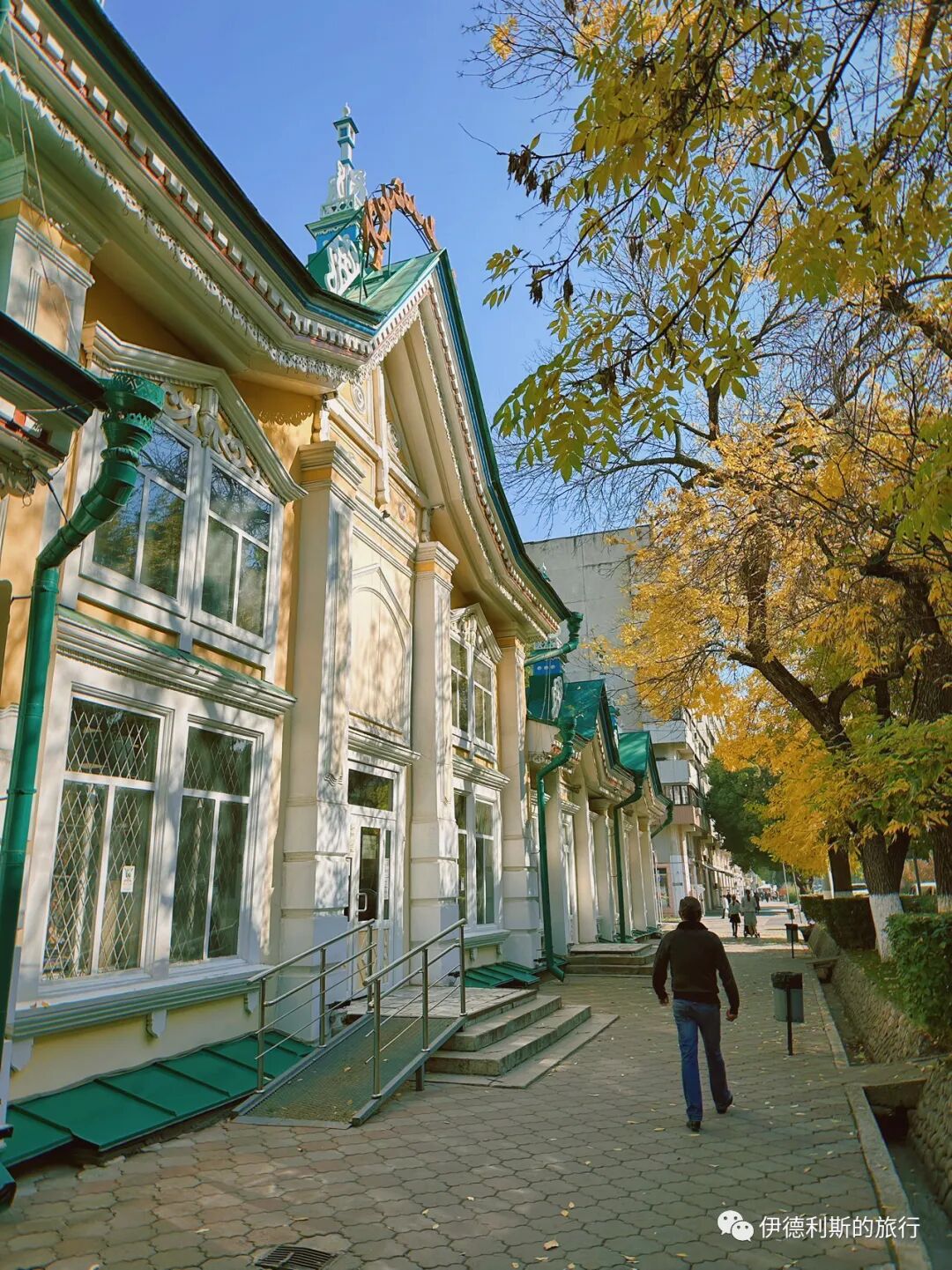
A short walk north from Arasan Bathhouse, you can see the Kyzyl-Tan store, built by Kazan Tatar merchant Iskhak Gabdulvaliev in 1896. It is one of the few remaining Muslim buildings in Almaty that survived the 1911 earthquake.
This building was designed and built by French architect Paul Gourdet in the New Russian style, featuring beautiful lace-like wooden eaves and fish-scale-shaped roofing. After the October Revolution, the Kyzyl-Tan store was nationalized, and after 1981, it became a fabric store under the Soviet Central Department Store. The Kyzyl-Tan store was severely damaged by a fire in 2009, but it was later restored. Today, it is still a fabric store, and you can see all kinds of beautiful materials inside.
The Almaty Museum was also built by French architect Paul Gourdet in 1892. It was originally an orphanage, and the Almaty Museum only moved here after 2016. The museum is not very big, but it gives a complete overview of Almaty through different eras. The collection from the 19th to 20th centuries is especially interesting, as you can see the various daily items used by Almaty residents back then.
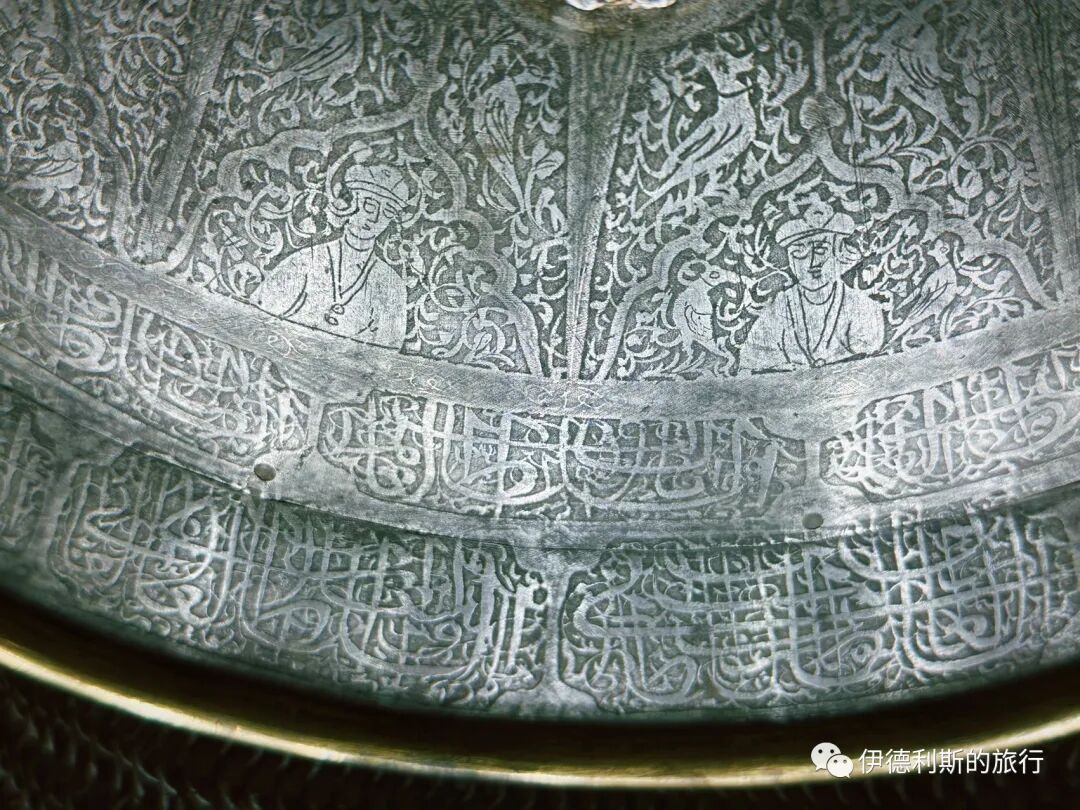
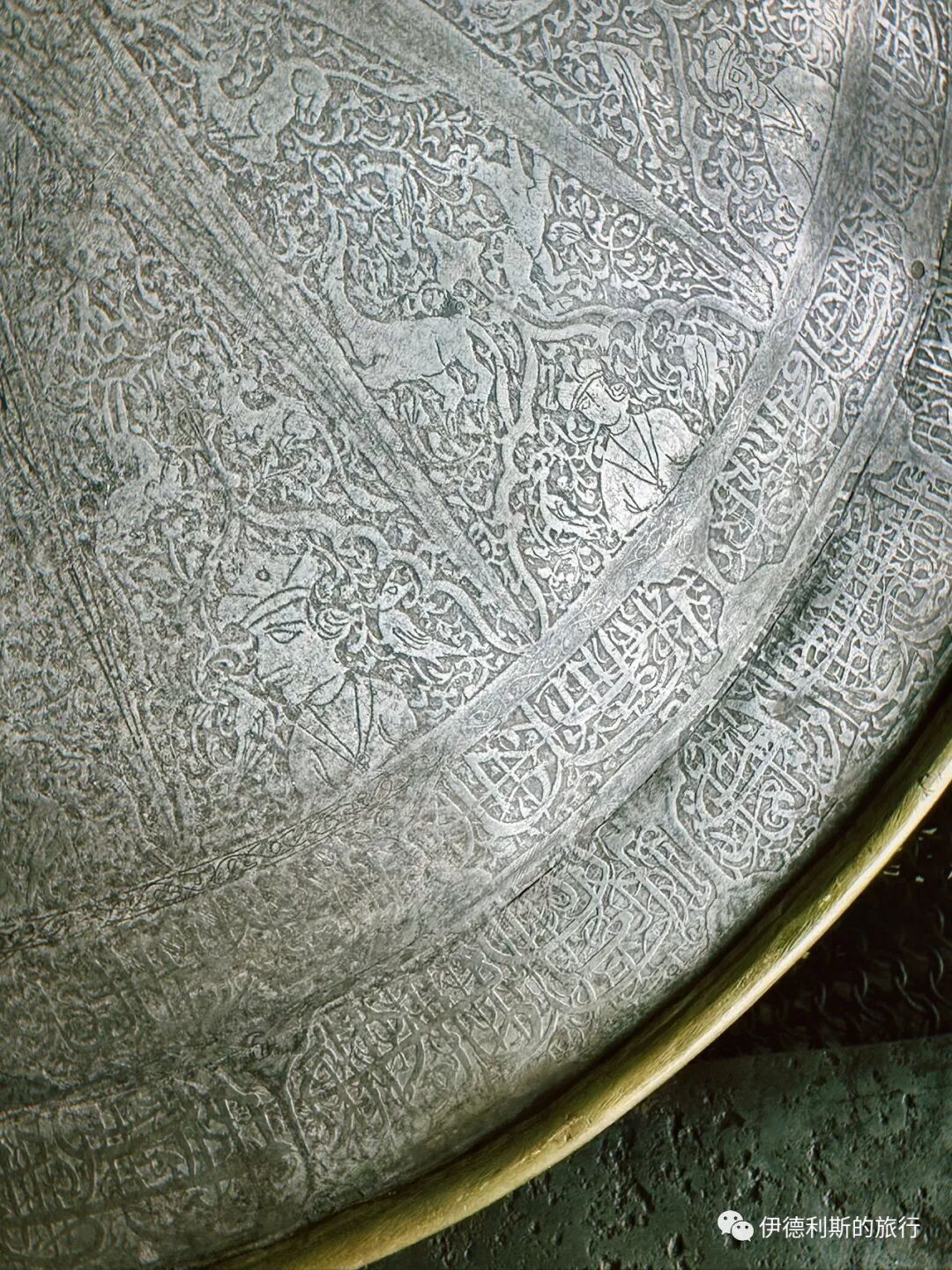
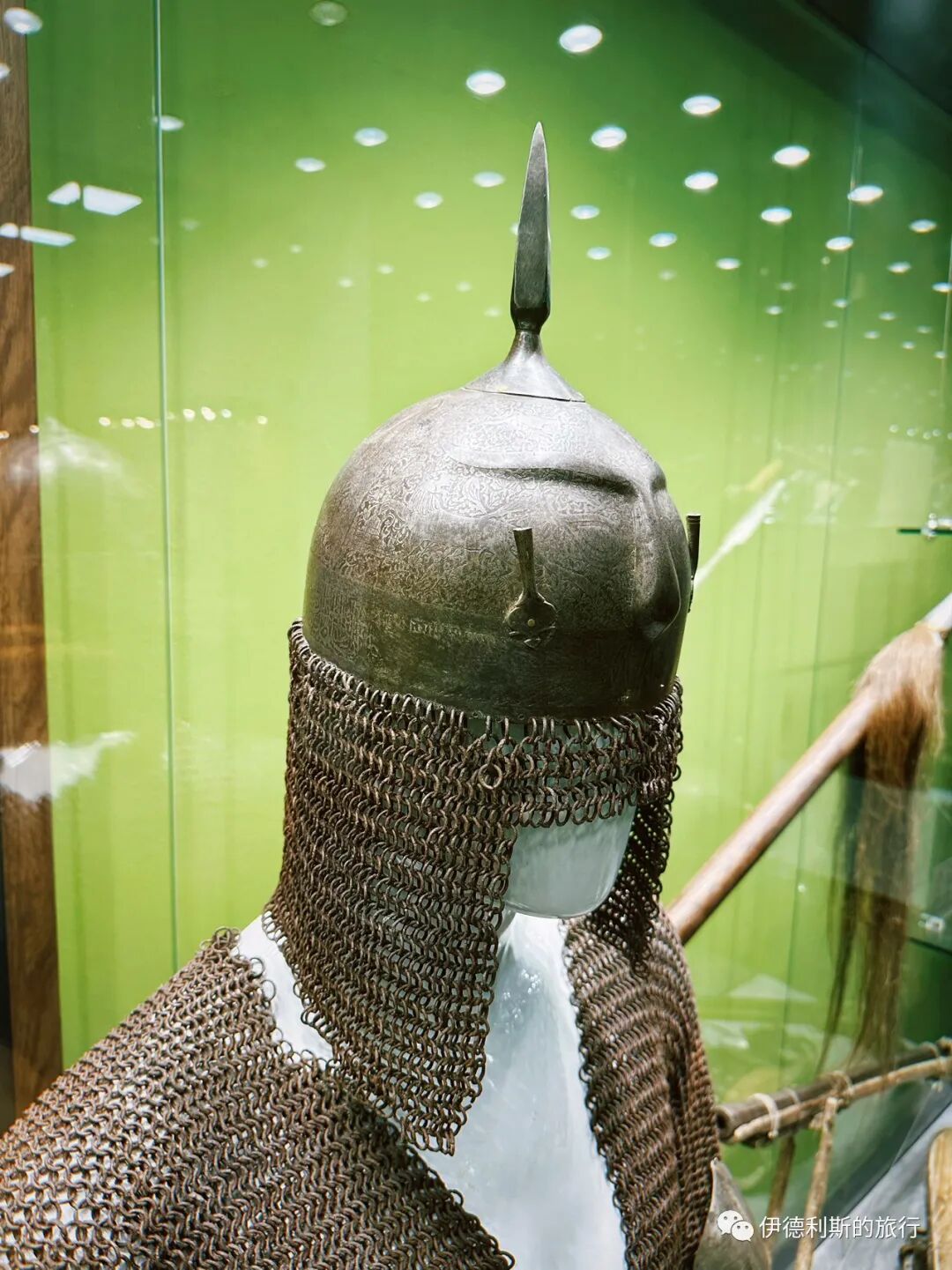
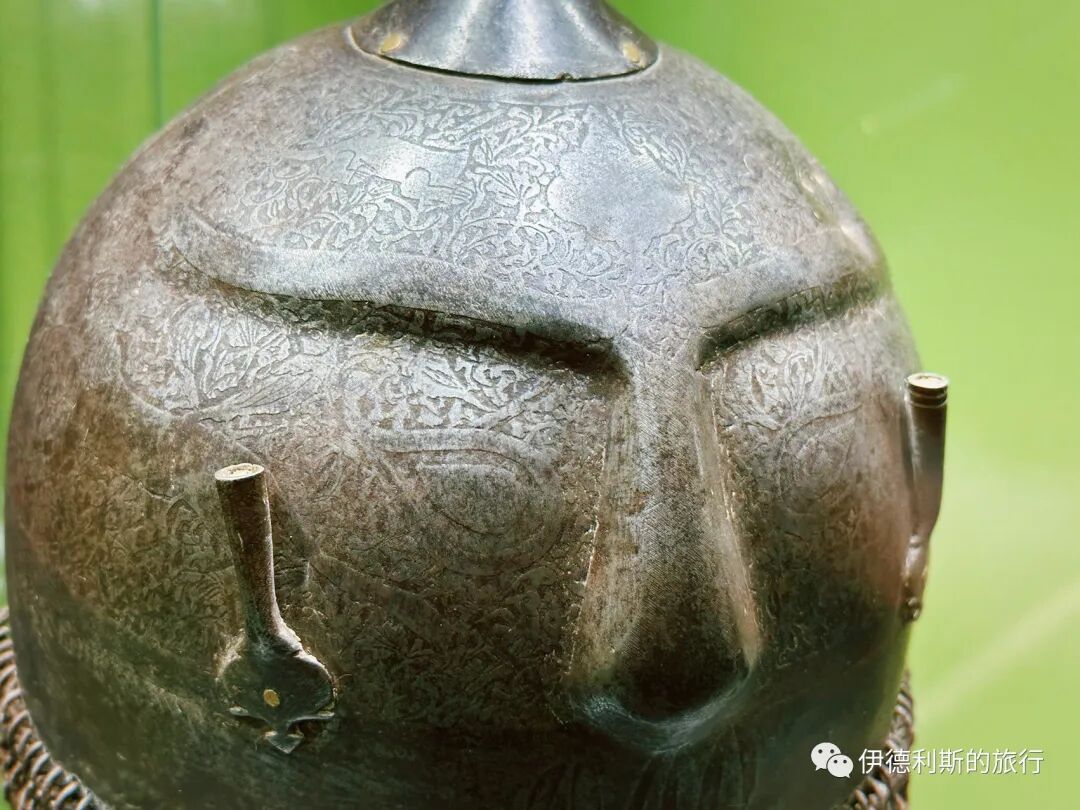
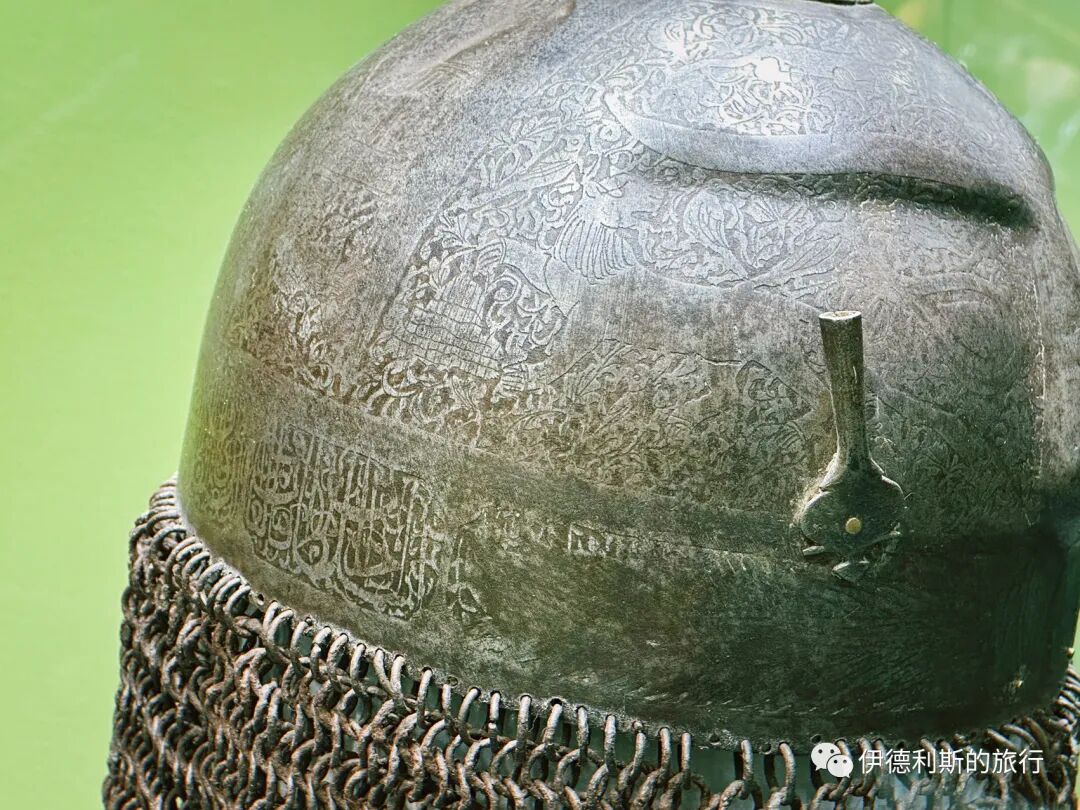
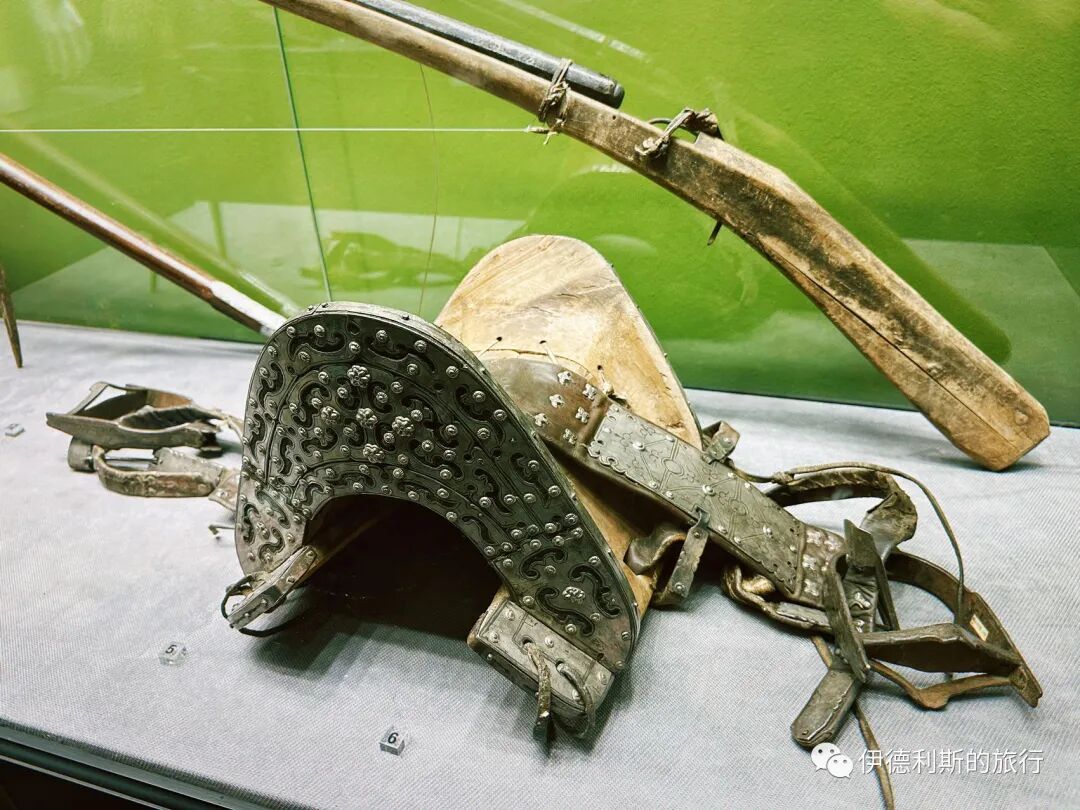
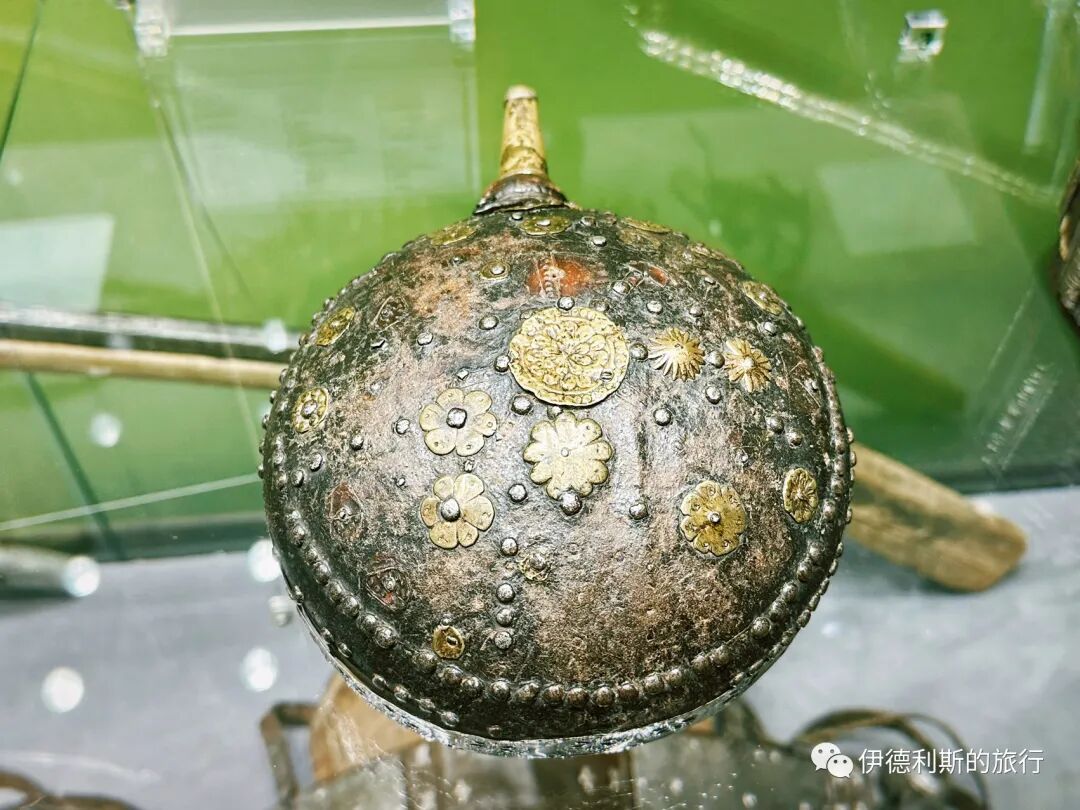
A highlight of the Almaty Museum is a suit of armor from the 17th-century Kazakh Khanate, with very fine carvings on the helmet and shield. There are also 19th-century saddles and water jugs.
Green Bazaar (Zelyony Bazar) is the oldest and most famous market in Almaty. It was designed and built by architect Jan Kozell-Poklevsky in 1875. At that time, it hosted merchants from all over Central Asia and helped the city of Almaty grow. The current Green Bazaar was built in 1975 by architect Mark Pavlov in the Brutalism architectural style. This architectural style appeared in the UK in the 1950s and was widely used in post-war socialist countries. It focuses on using raw reinforced concrete structures without decoration, emphasizing practicality.
Today, the Green Bazaar is a lively market where different ethnic groups gather. There are Kazakhs selling horse meat, Russians selling pork, Koreans selling kimchi, Dungan people selling small goods, Uyghurs selling fruit, and more. People live in this city for all sorts of reasons, which creates Almaty's unique character.
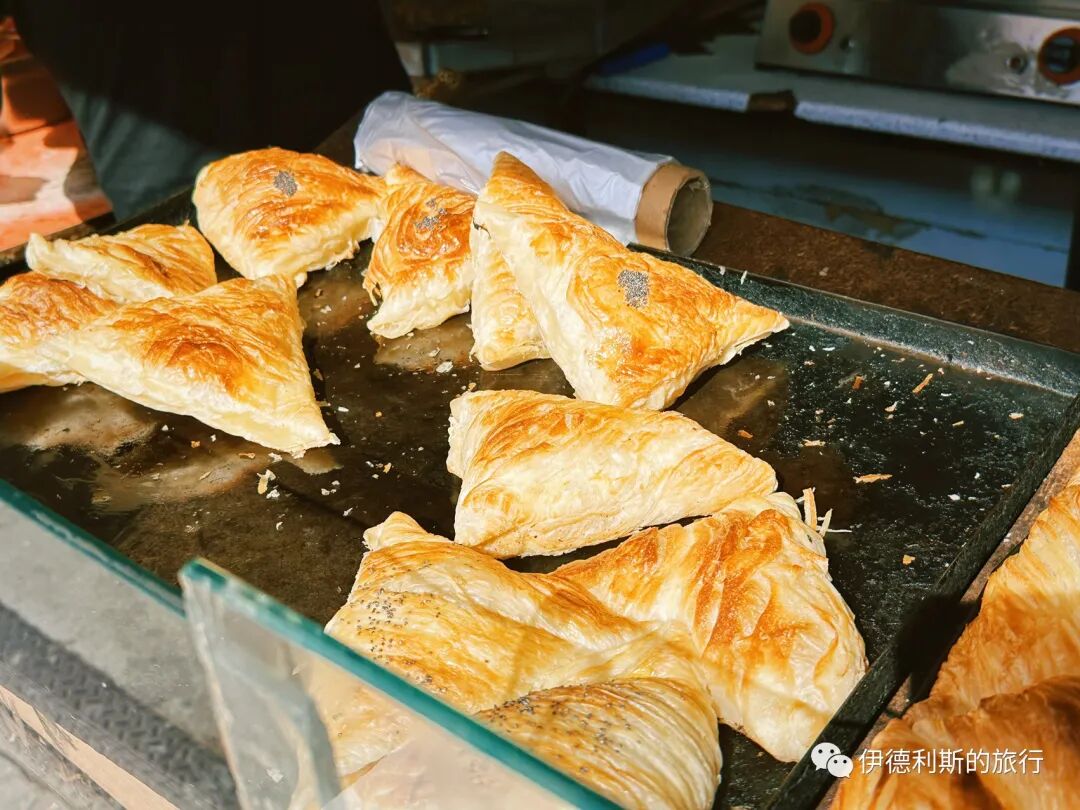
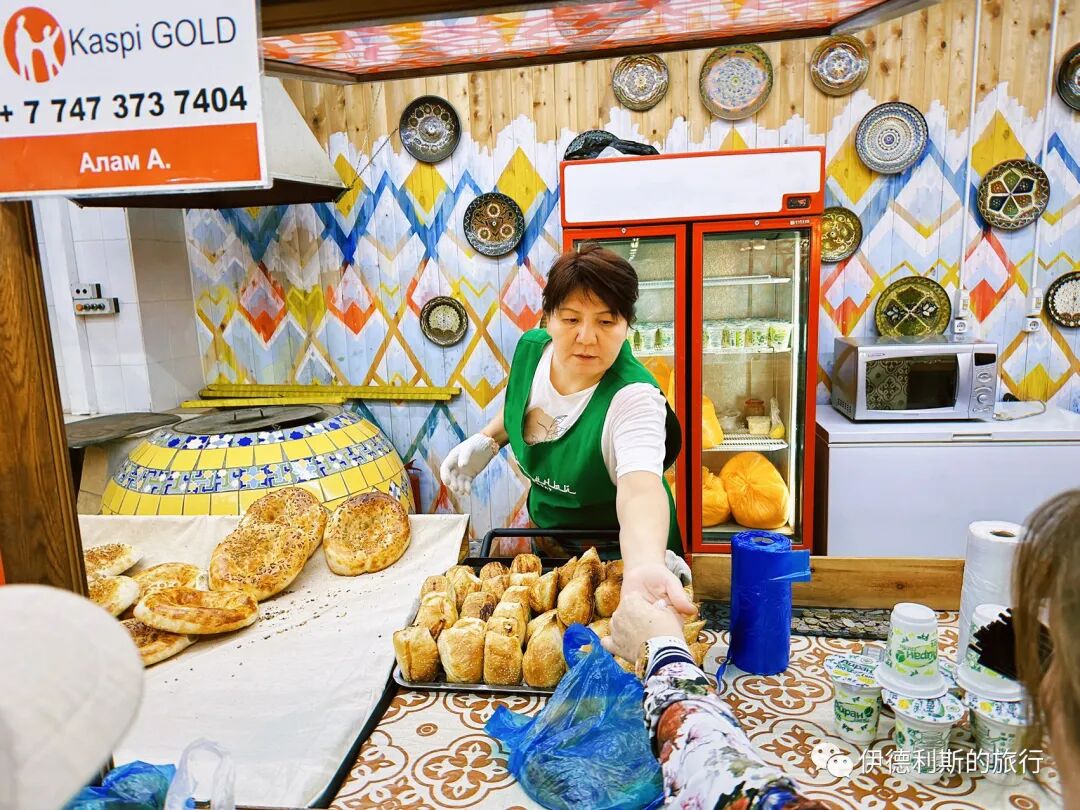
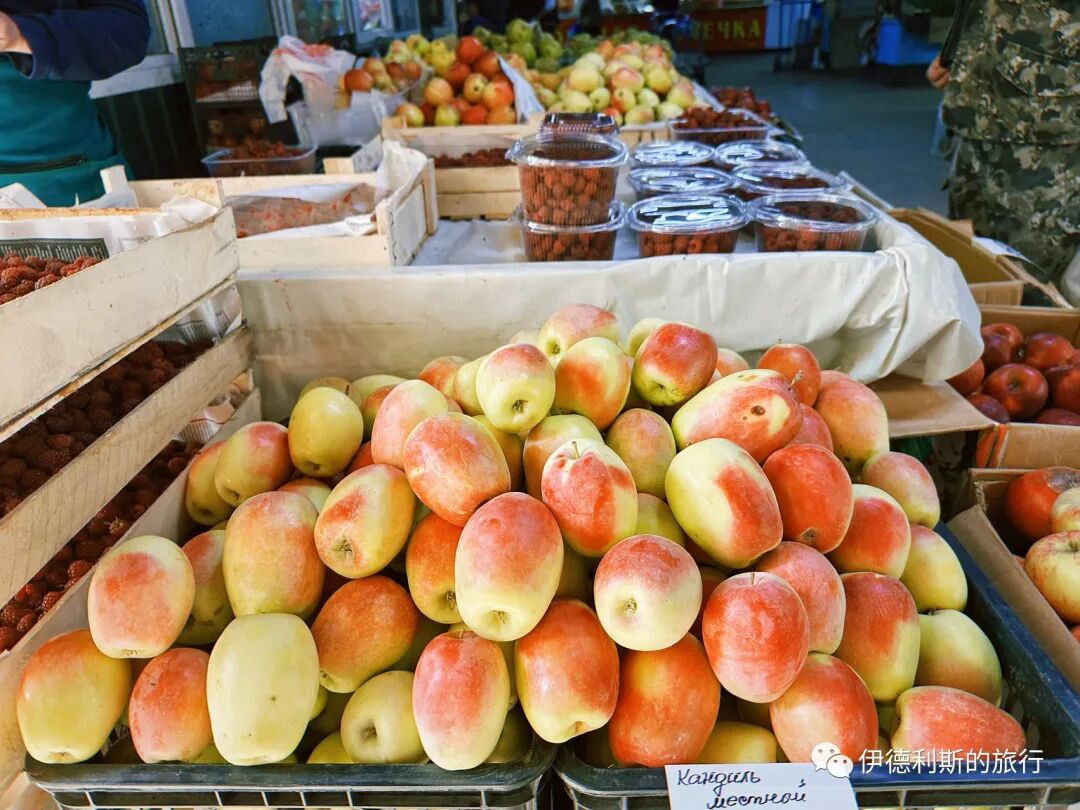
We bought flaky baked buns (samsa) at the market entrance and met a Dungan uncle who offered to translate for us. Then, we bought fresh-pressed pomegranate and guava juice at a fruit stall inside, and bought long apples downstairs. The market downstairs at the Green Bazaar is more crowded. There is a very popular naan bread shop with a long line of people.
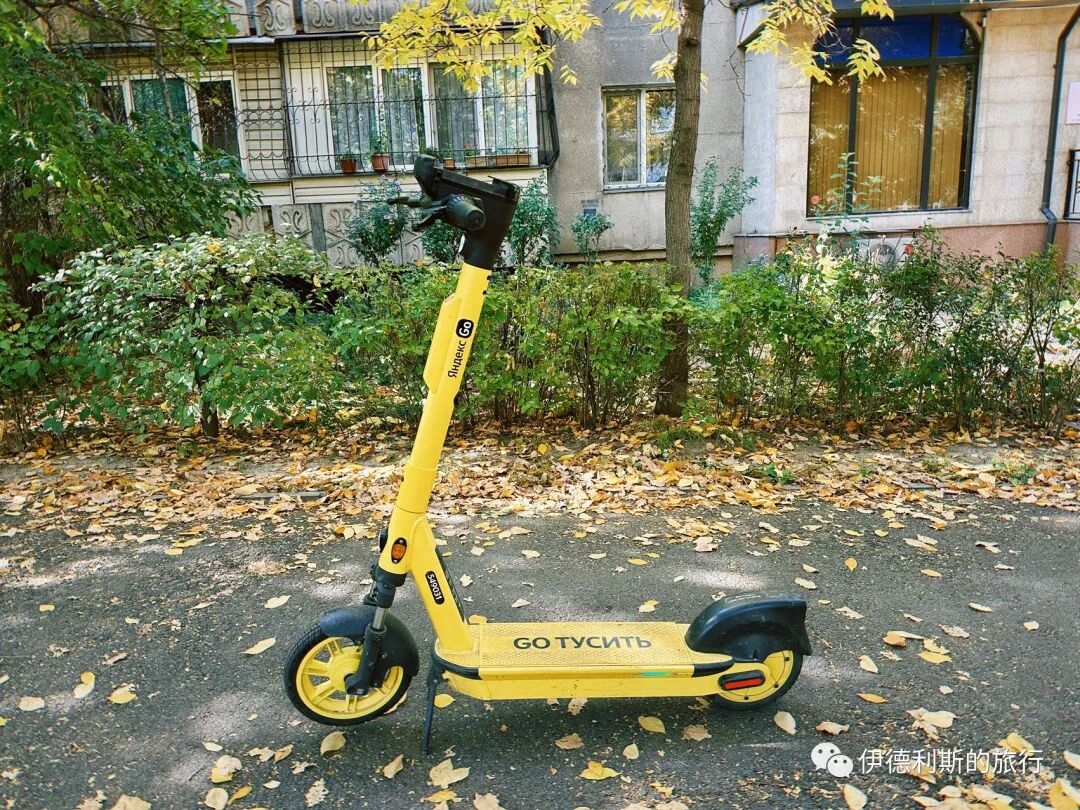
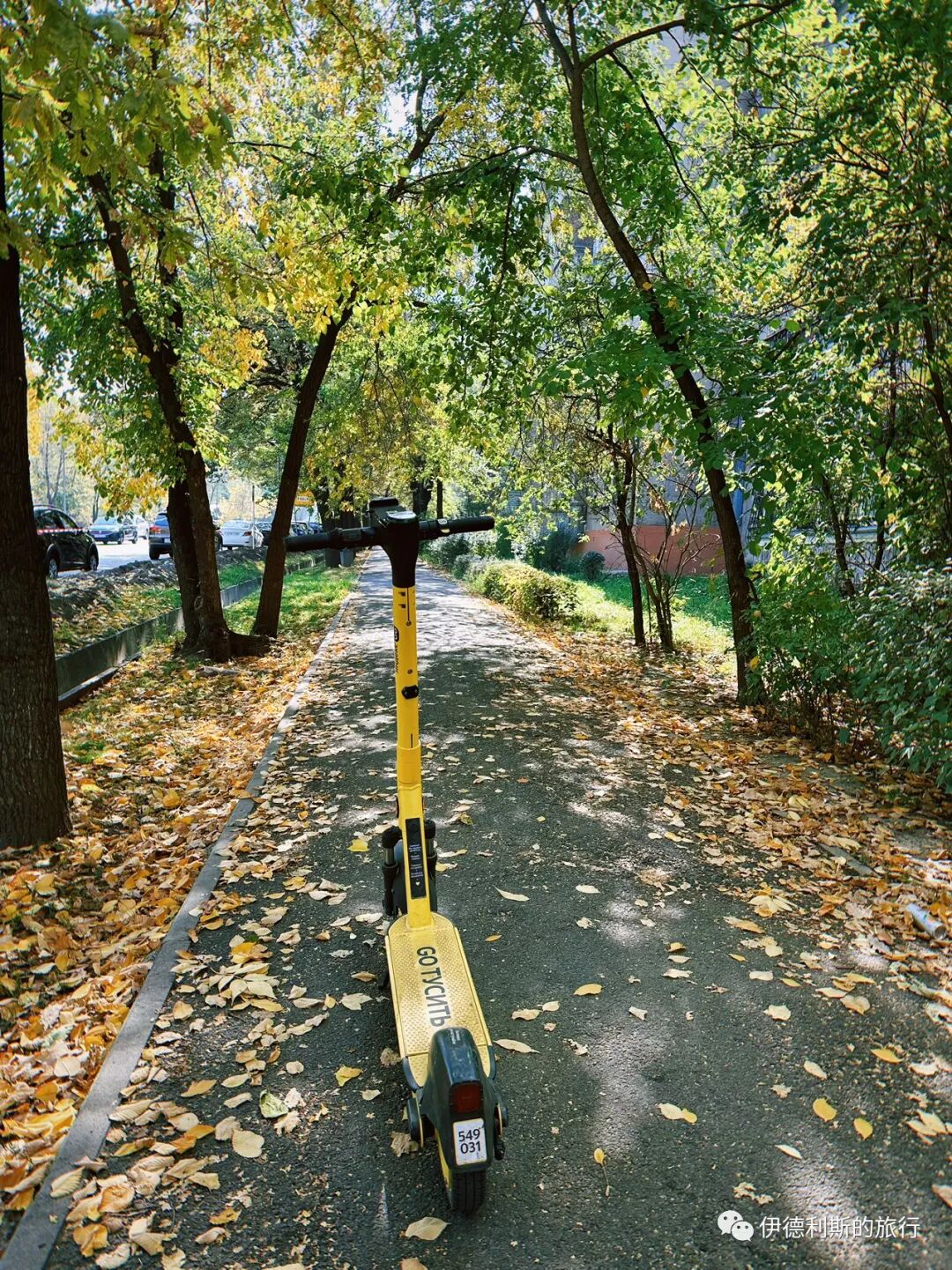
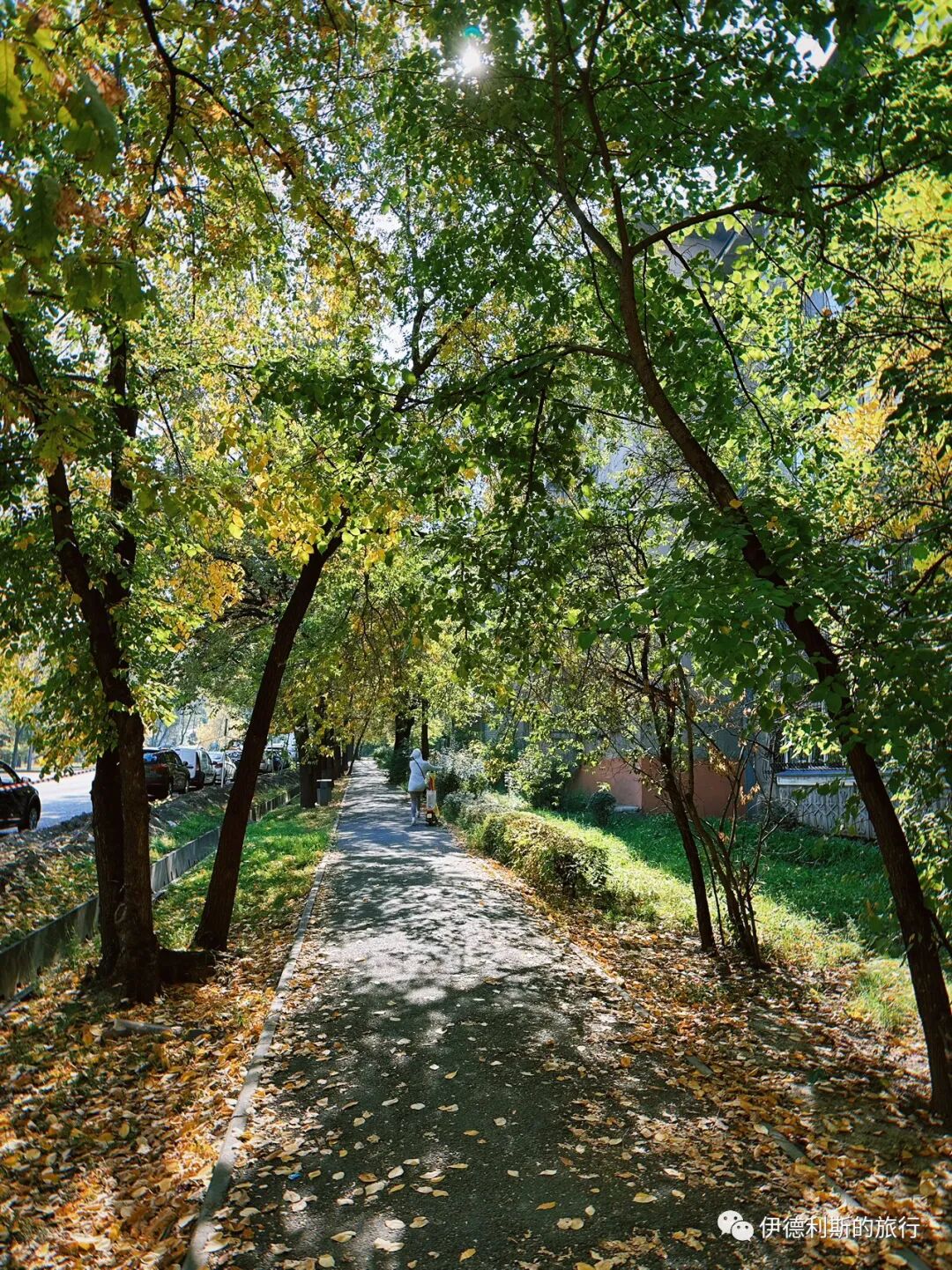
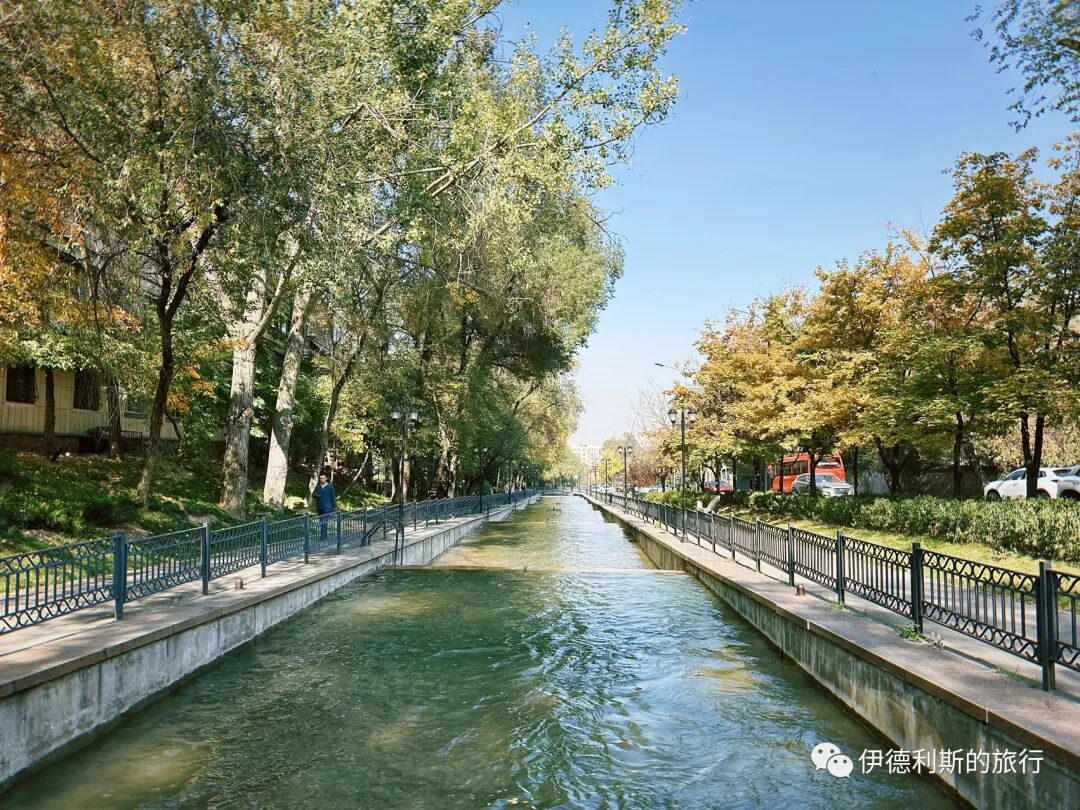
The streets of Almaty are very quiet and clean. There are almost no motorcycles or electric scooters, but you can see quite a few electric kick scooters. We tried Yandex Go, which you can ride just by scanning a code. Since the old town of Almaty is higher in the south and lower in the north, we didn't need to use the motor when riding from south to north. We just coasted all the way down, passing Soviet-era buildings, playgrounds, and tree-lined paths. It was very pleasant.
On the way, we passed the Jambyl Kazakh State Philharmonic Hall, built between 1933 and 1936. During the Soviet era, it was the largest concert hall in the Kazakh SSR.
We also passed the Almaty Palace of Schoolchildren, built between 1978 and 1983. From a distance, it looks like a large mosque.
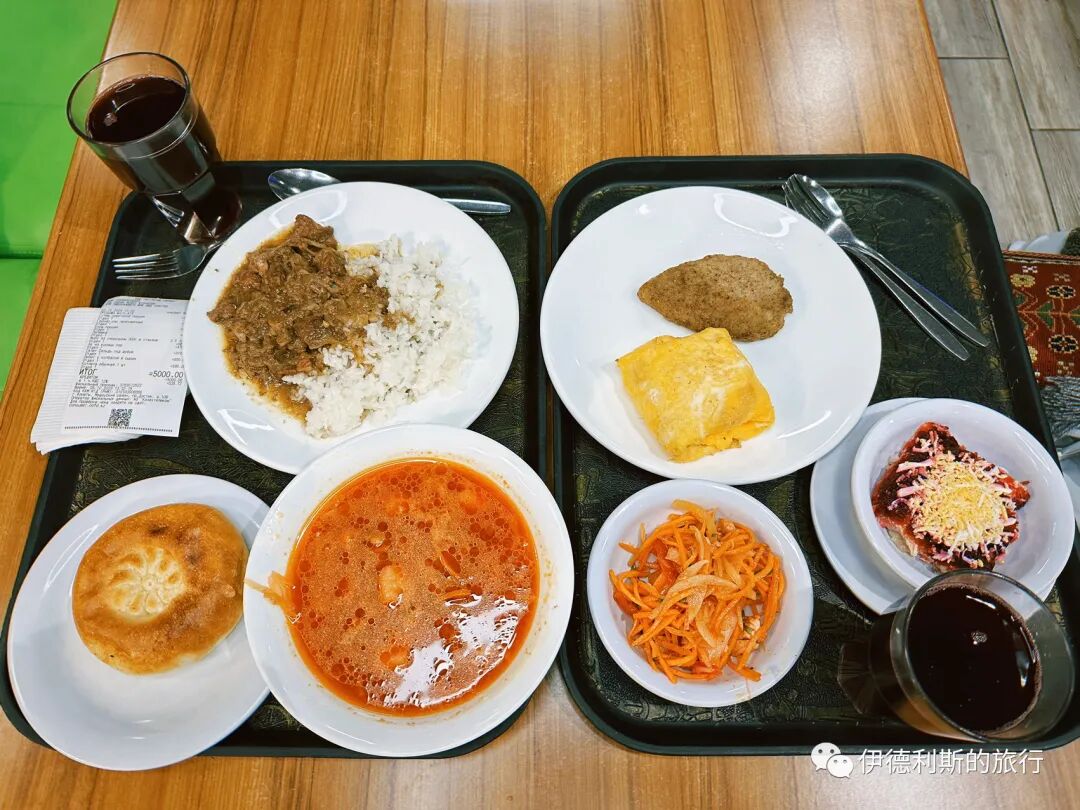
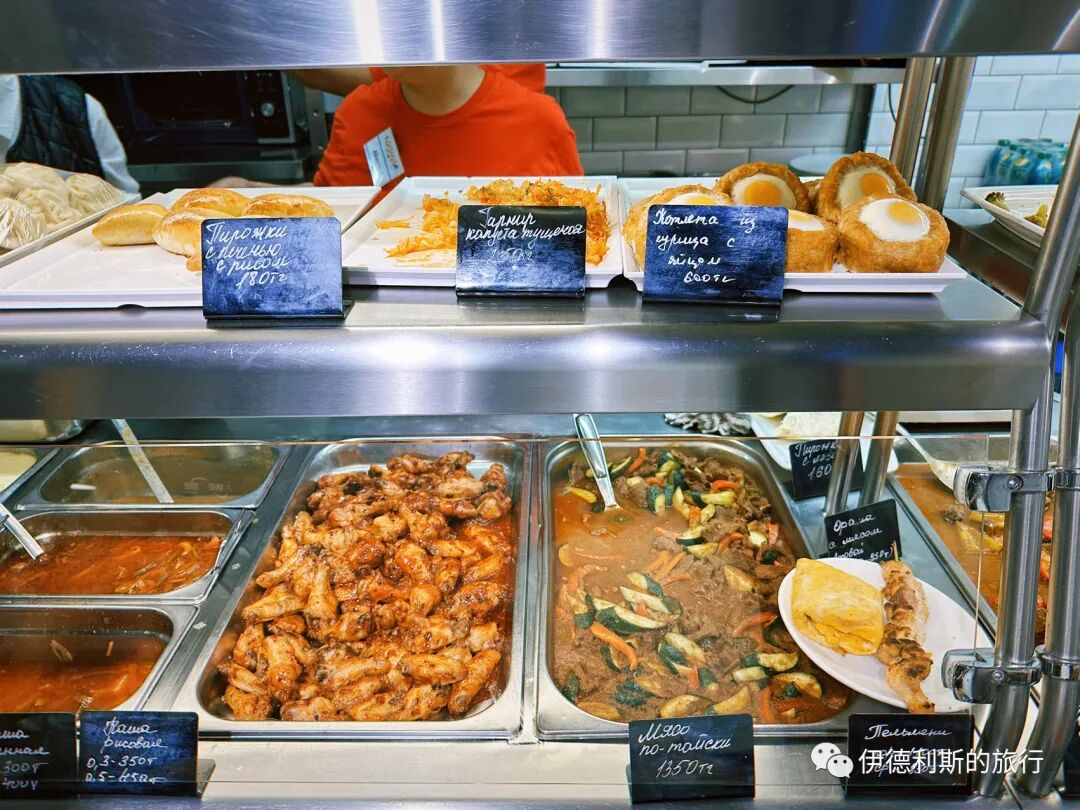
For lunch, we ate at Kaganat, which is popular with Almaty's working class and students. It works like a cafeteria where you point at what you want, and then pay at the end, so it is also great for tourists.
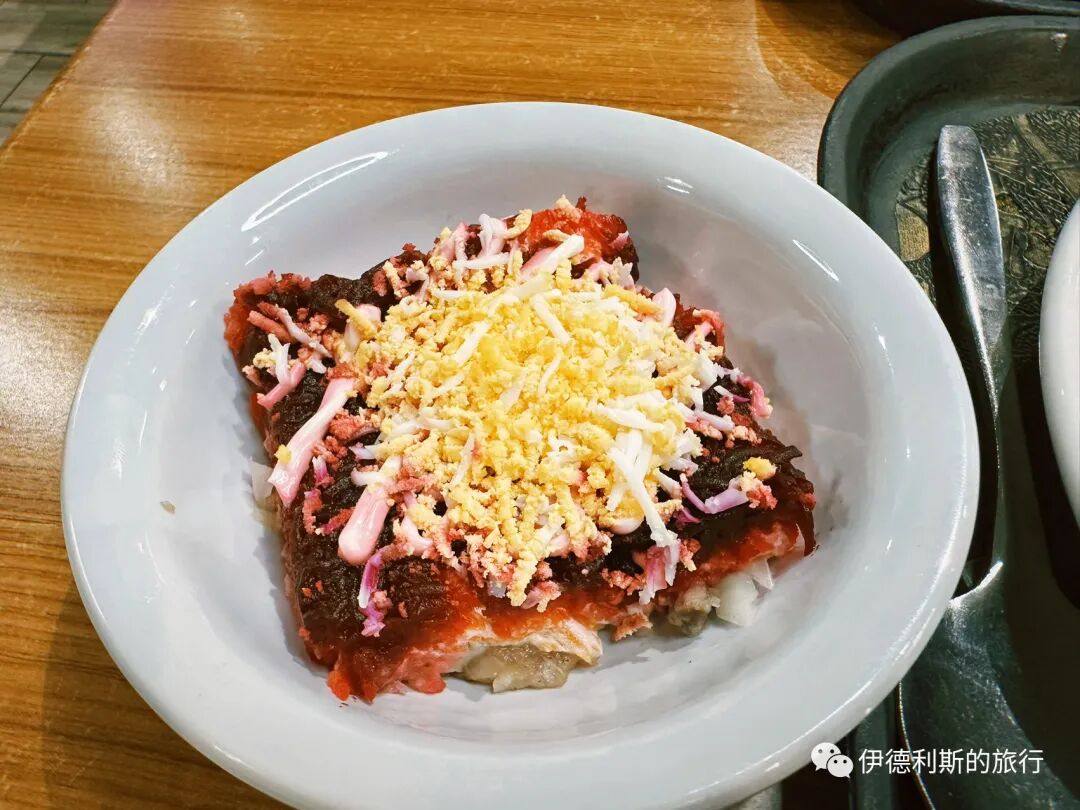
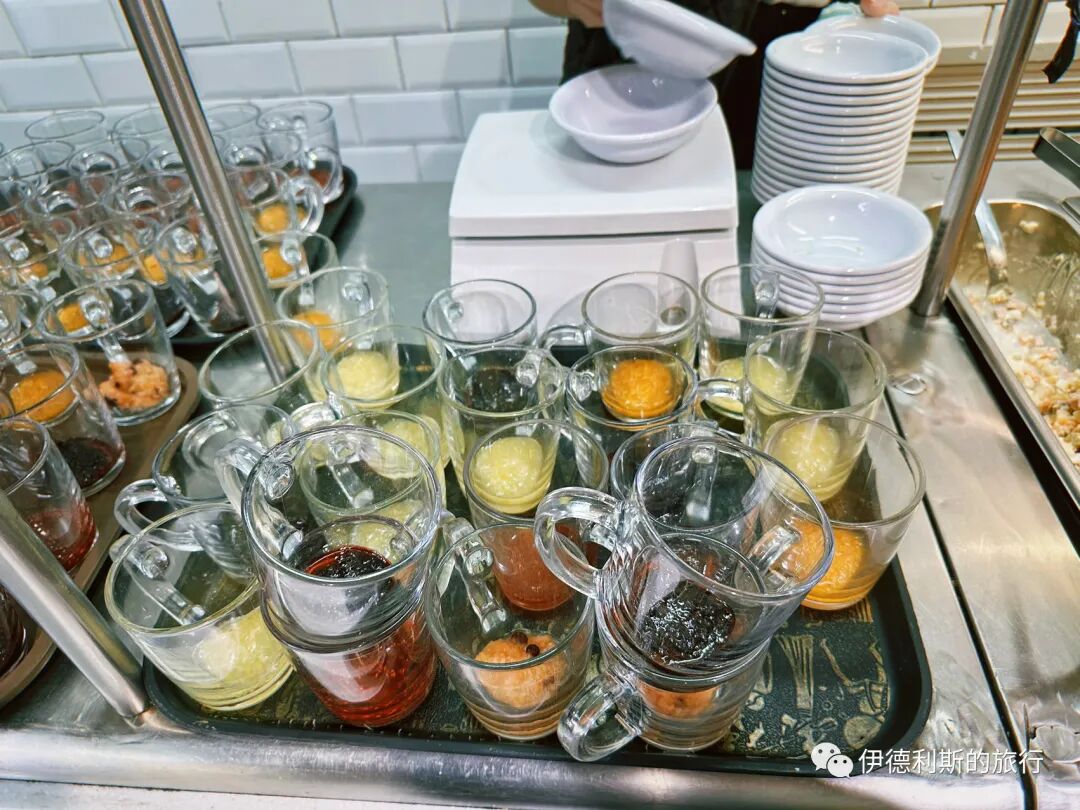
Kaganat serves both Russian and Kazakh food. Although the decor is modern, it still has the feel of a large Soviet canteen. The first section has various desserts and breads, including small oil naan (xiao you nang) and croissants. The second section is cold salads, where the Russian-style beetroot herring salad is very popular. The third section is various fruit teas. The jam is at the bottom of the glass, and you can pick up a tea bag at the checkout counter. The fourth section is the main course, with beef stew, lamb stew, chicken wings, and rice. Many people also drink borscht (hongcaitang). We ended up paying over 30 RMB per person, which is great value for money.
The National Museum of Kazakhstan was founded in 1931, and the current building was constructed in 1985. I highly recommend the shop right at the museum entrance. The various Kazakh handicrafts are beautiful. Zainab bought a felt shoulder bag with Kazakh patterns, and I bought a felt hat with earflaps. Both look very stylish.
Helmets and shields collected by the National Museum of Kazakhstan.
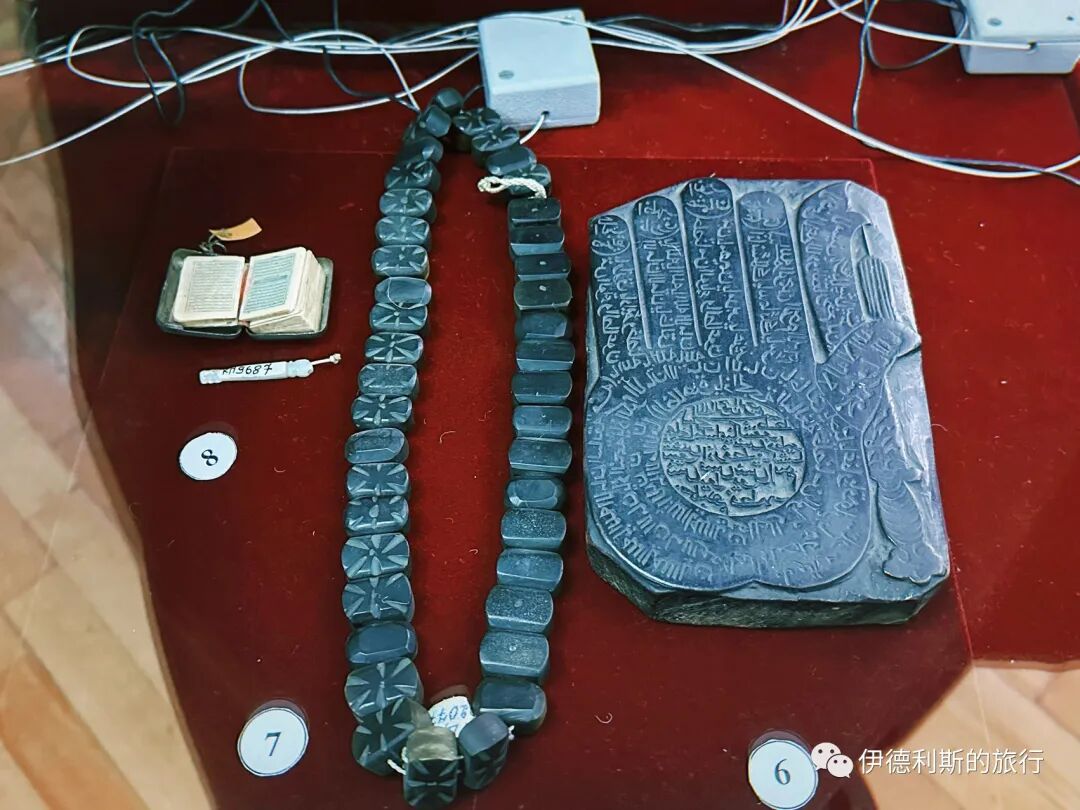
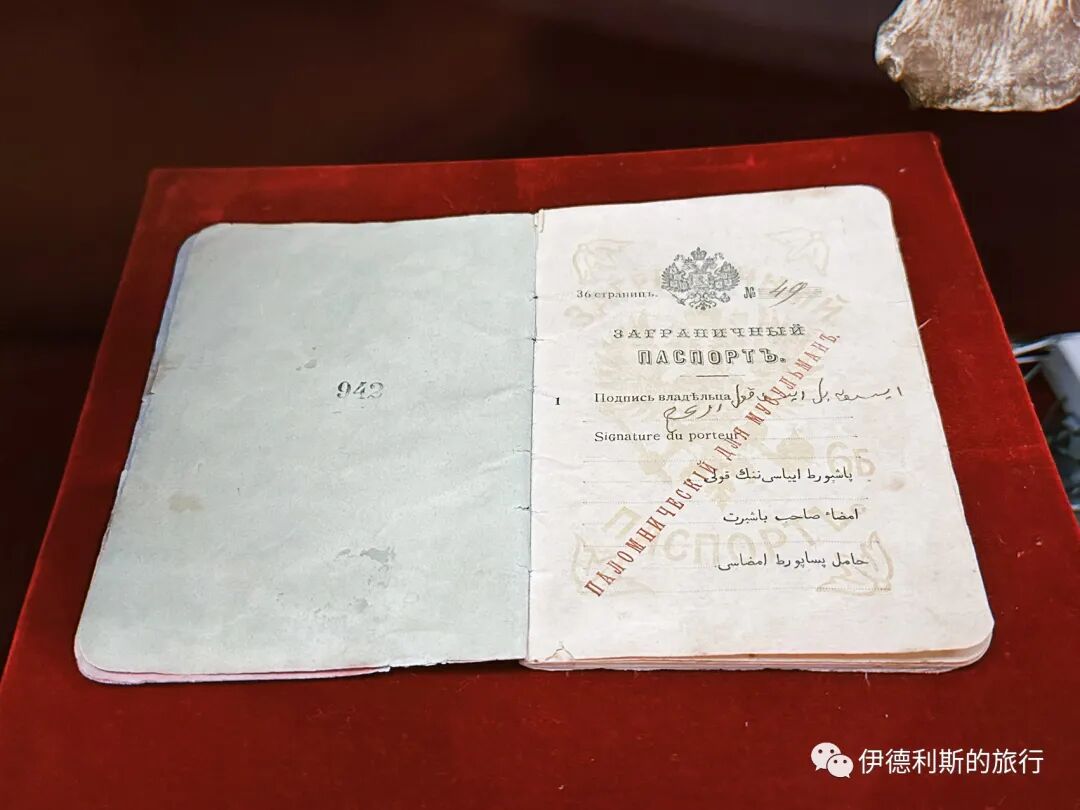
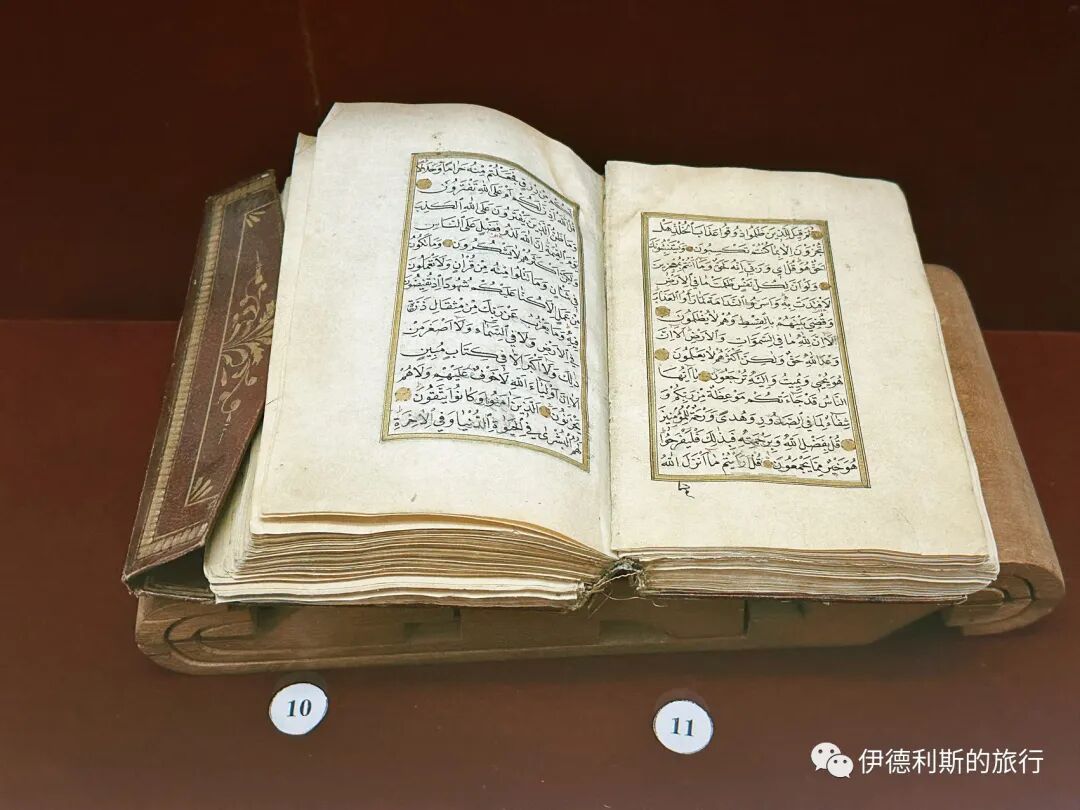
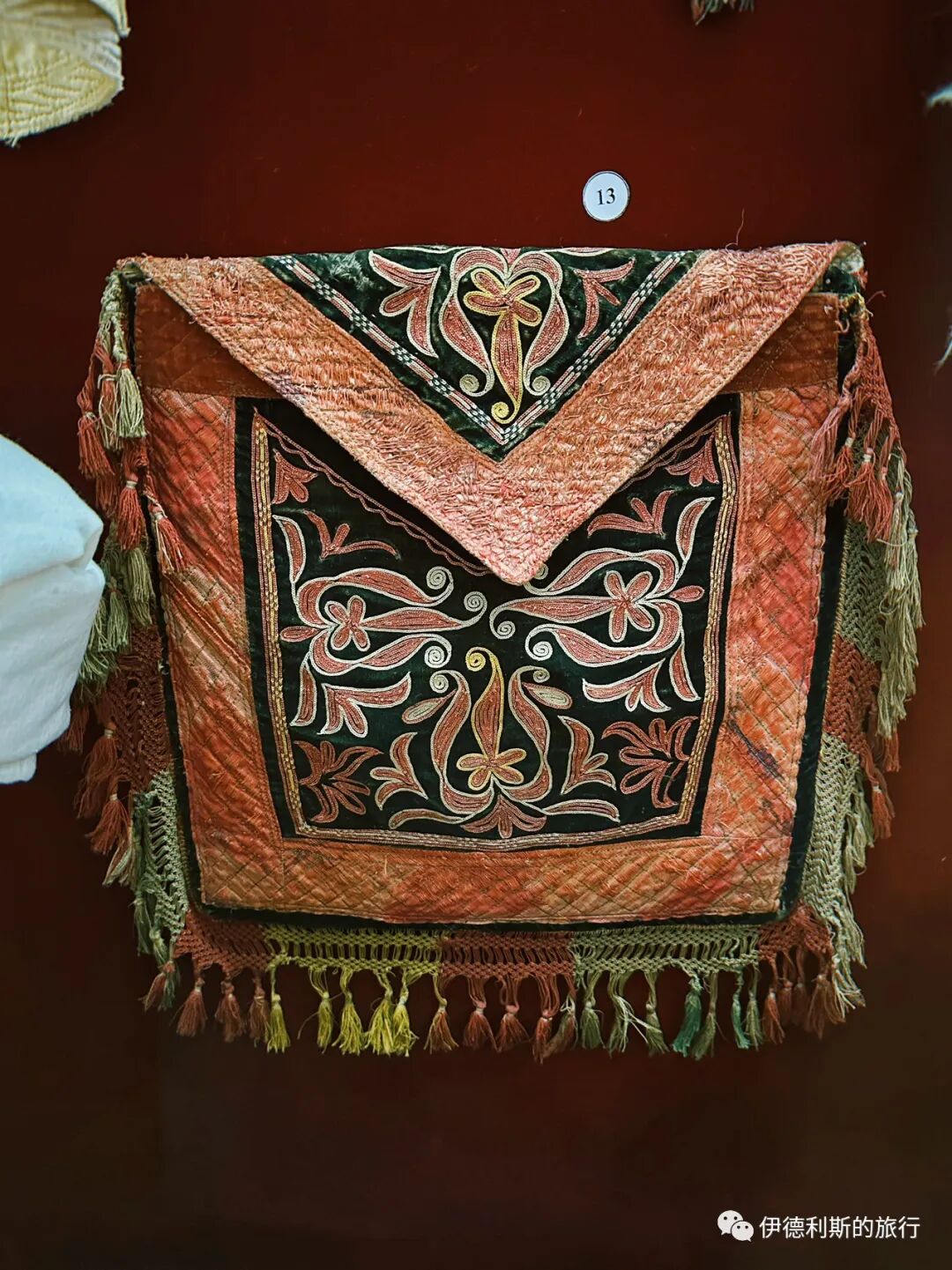
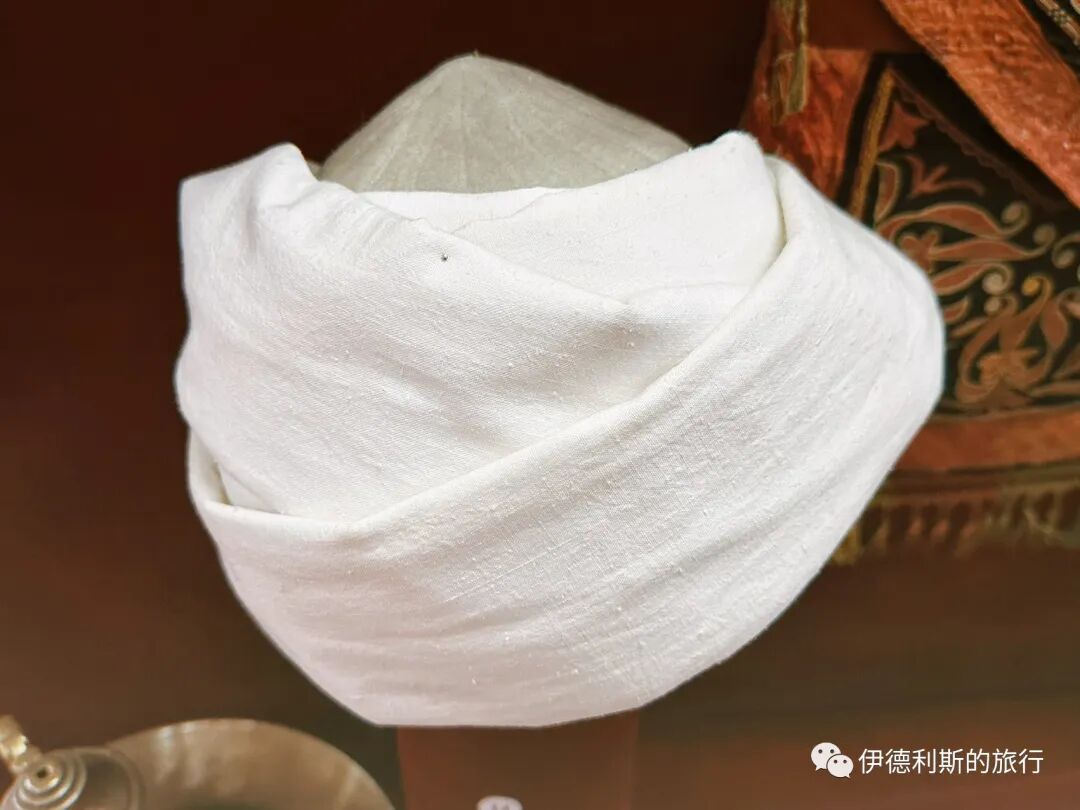
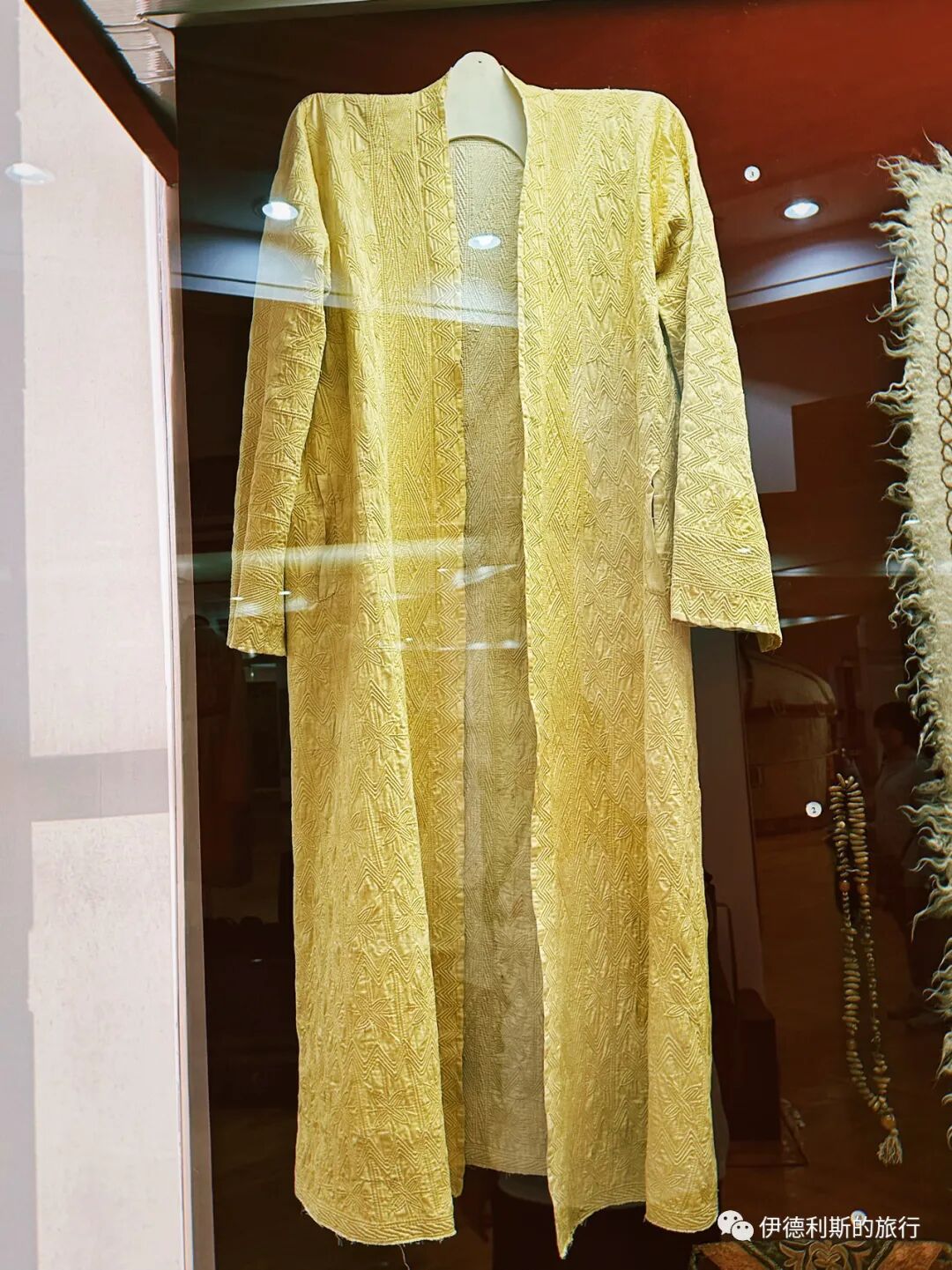
Religious items collected by the National Museum of Kazakhstan include an imam's robe and turban, prayer rugs, wooden and bone tablets for students (mulla) to study scriptures, pocket-sized Qurans for herdsmen, prayer beads, embroidered bags for scriptures, and passports used for Hajj.
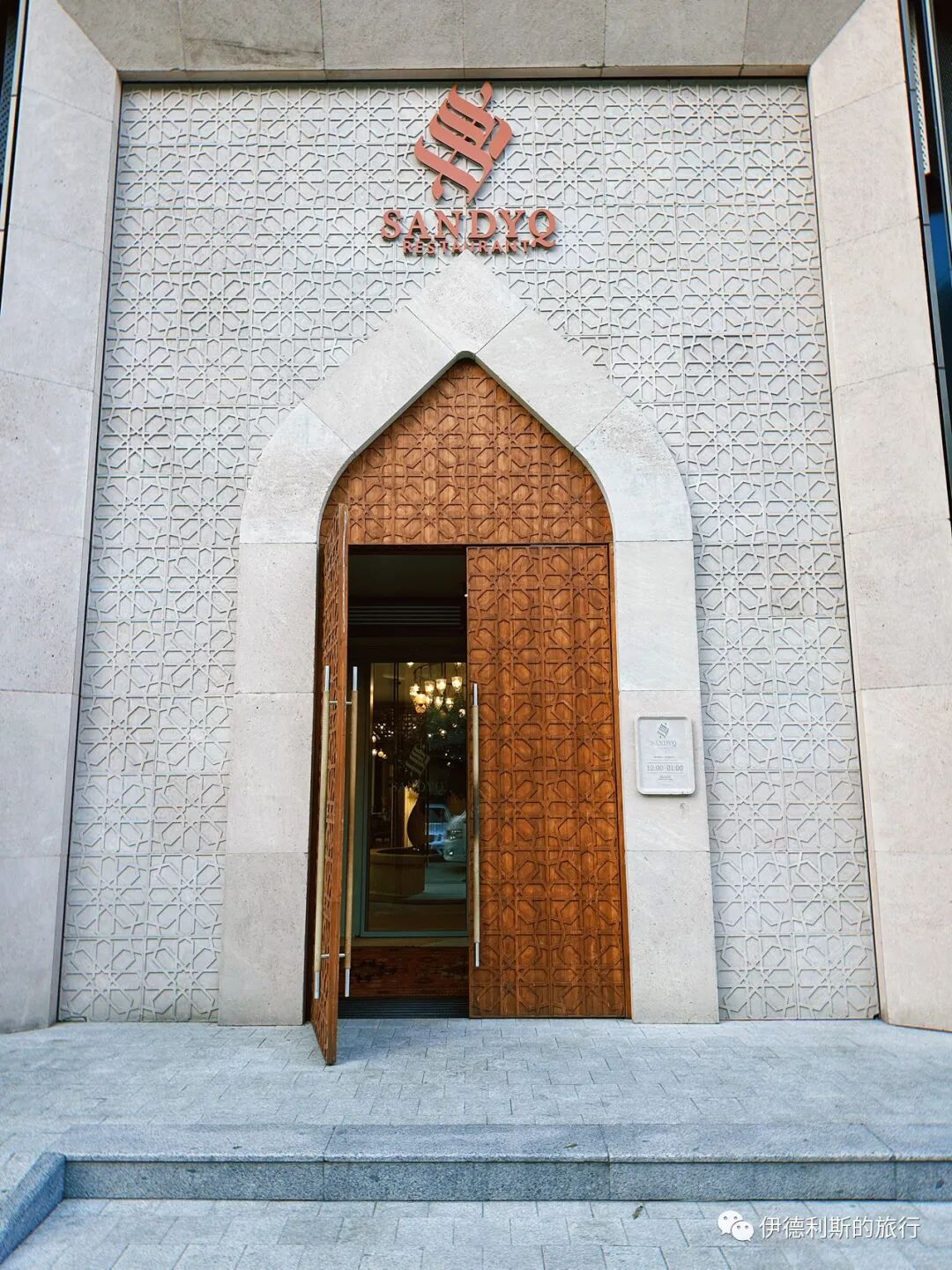
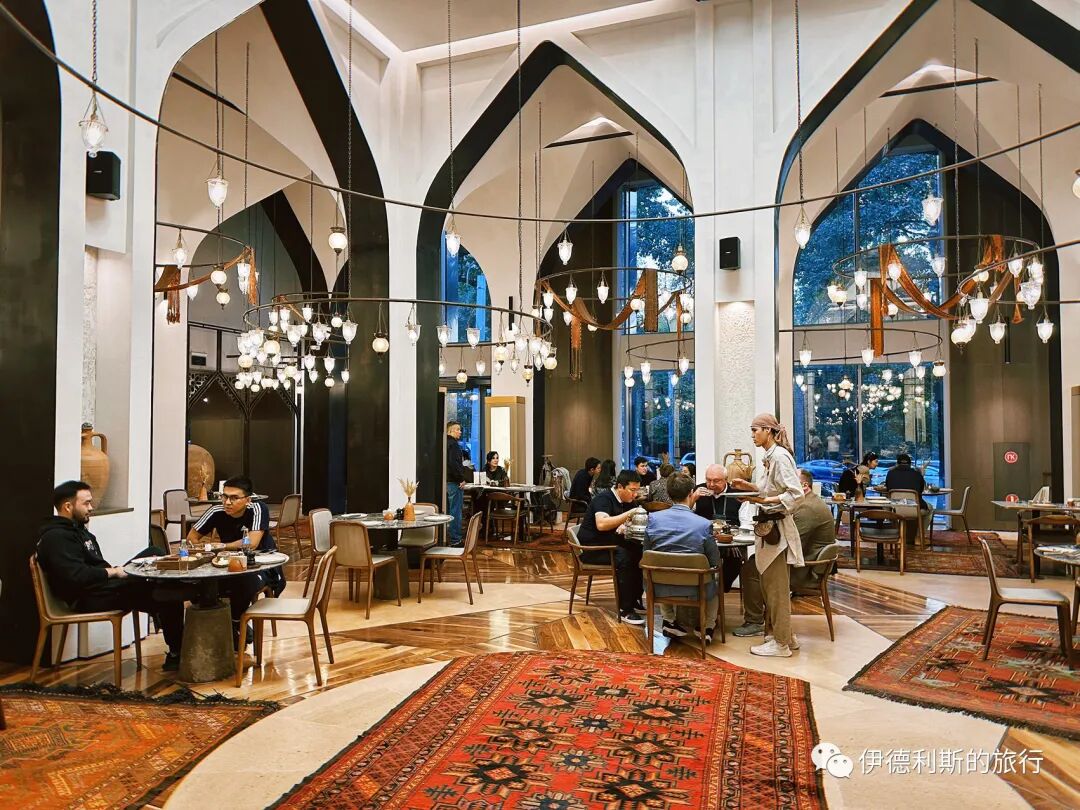
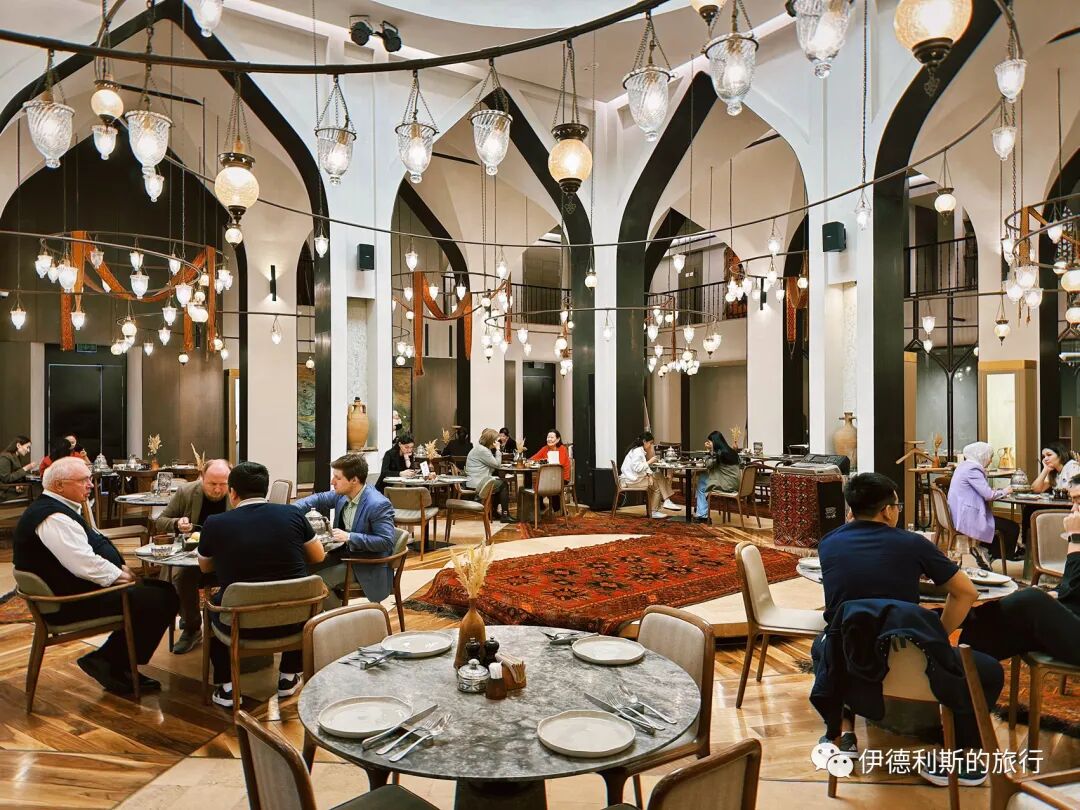
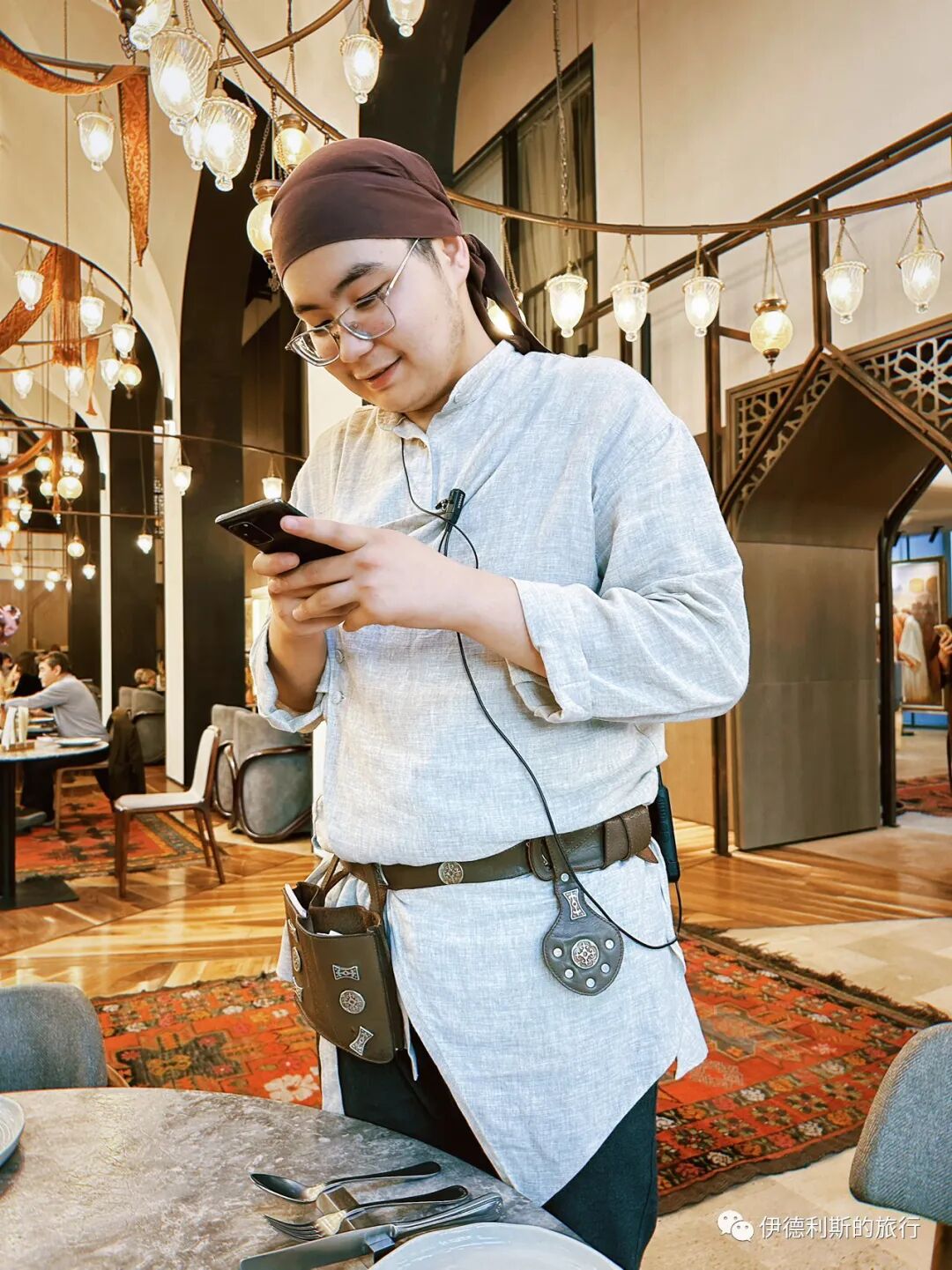
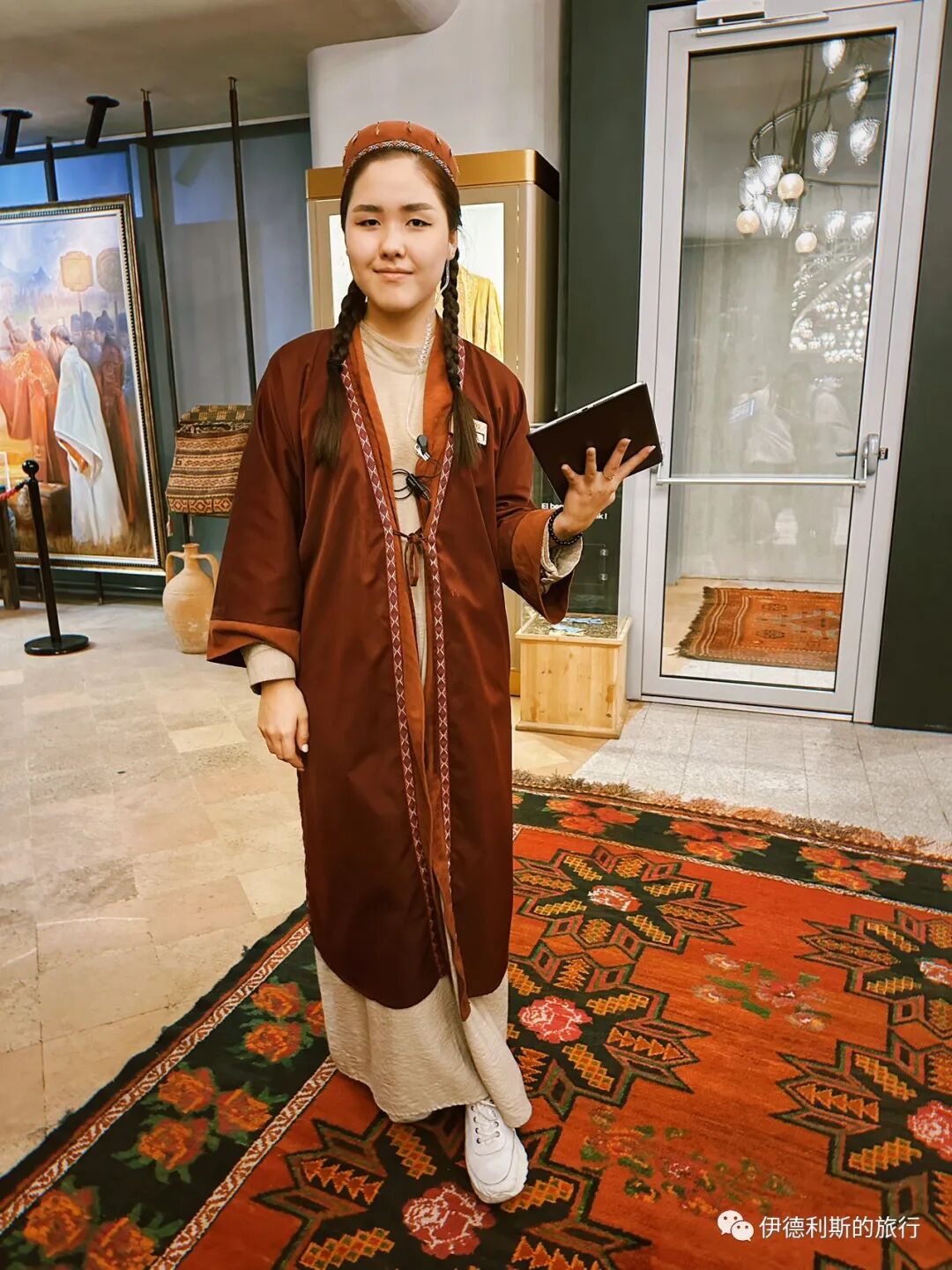
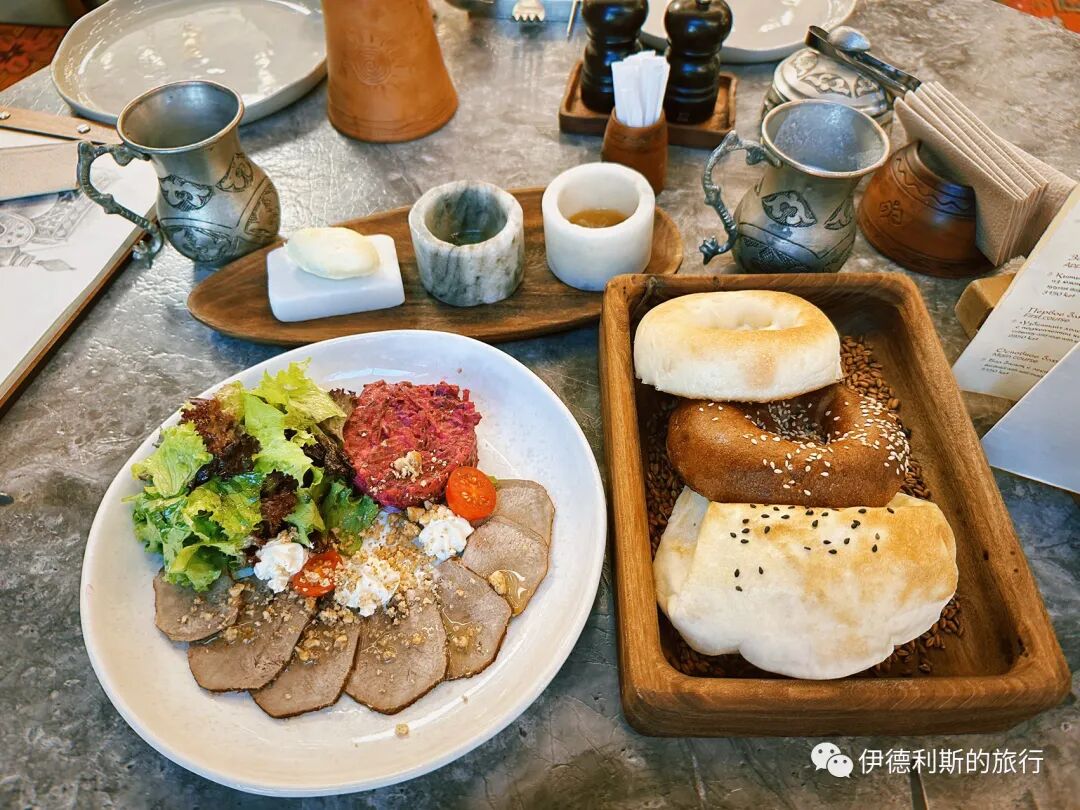
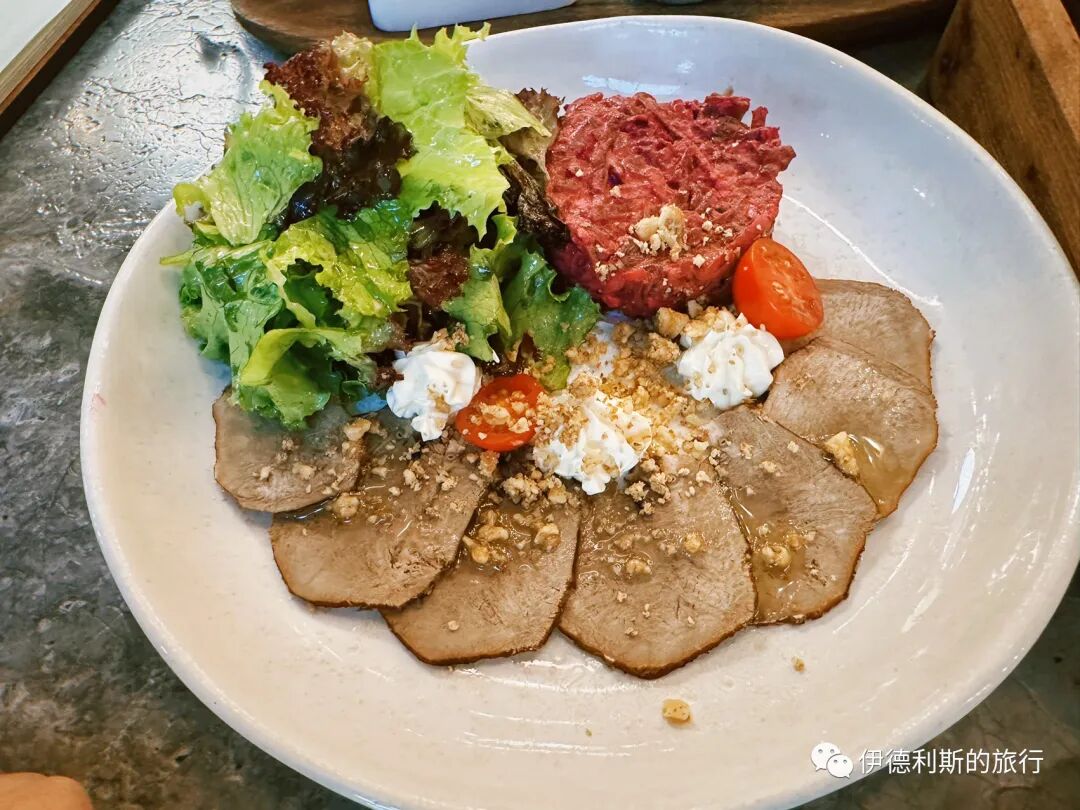
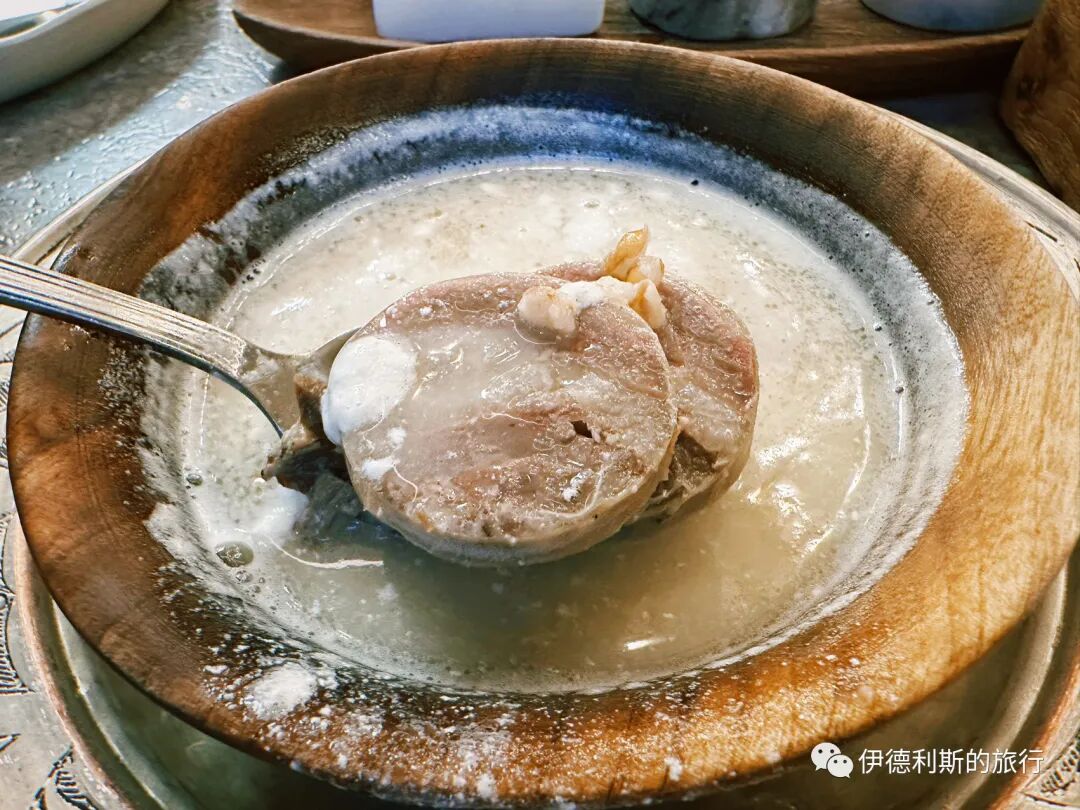
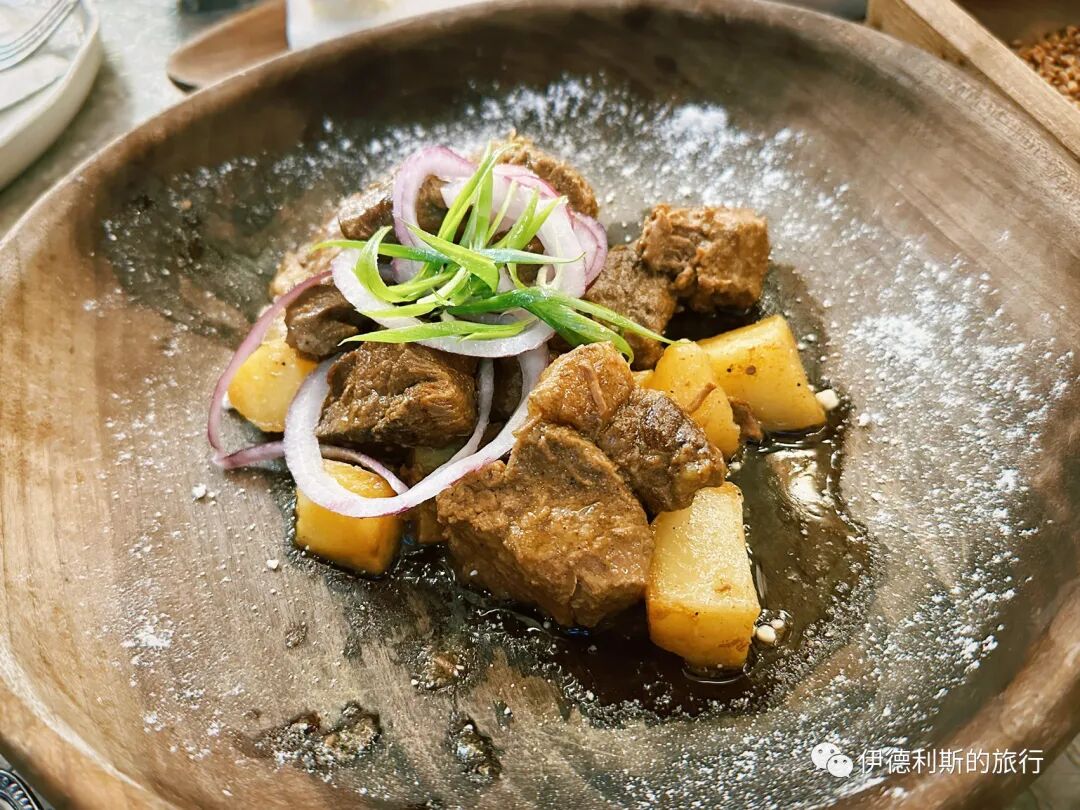
In the evening, we went to a high-end Kazakh restaurant called SANDYQ near the pedestrian street. The interior features a nomadic style, and the waiters all wear traditional Kazakh clothing. They serve the most traditional Kazakh nomadic dishes, which have not been influenced by Russian cuisine. We ordered horse meat stew (Bal Kuyrdak), cold beef tongue, nomadic grain soup (Nomad Kozhe), and pan-baked bread (Taba nan) with homemade butter and mountain honey. We also ordered fermented camel milk (Shubat) and fermented mare's milk (Kumis). Kozhe soup is what Kazakhs drink when celebrating the Nowruz festival, and it contains milk and dried cheese balls (Qurut). Their fermented mare's milk (Kumis) has a stronger taste than what is sold in supermarkets. Zainab and I took turns drinking a small cup just to finish it. It was truly an unforgettable experience, and in the future, we will stick to drinking camel milk and cow's milk. view all
During the October holiday, I took a round-trip flight from Beijing to Istanbul via Almaty on Air Astana, which gave me two full days to spend in Almaty. On the way there, it happened to be Friday Jumu'ah, so we visited an old Hui mosque in the northern suburbs of Almaty. We were warmly welcomed by the elders there and even ate the pilaf (zhua fan) prepared by the mosque, which I wrote about in my post 'Visiting the Hui mosque in Almaty'. In this article, I will mainly introduce our experiences eating and exploring around downtown Almaty.
We flew from Beijing to Almaty in the early morning. After arriving, we took a taxi directly to Navat, a famous restaurant chain in Almaty. The main branch is actually in Bishkek, and they have branches in Kyrgyzstan, Kazakhstan, and Russia. The restaurant's decor features a distinct Central Asian style.
I originally wanted to go to the Navat on the pedestrian street, but I used Yandex Go to set the destination to a different branch. This location didn't have an English menu, so we had to order by looking at the pictures.
We ordered Uyghur milk tea (Atkan Chay) and Turkmen milk tea (Kirma Chay). Atkan Chay is made with brick tea, milk, and salt, while Kirma Chay is made with black tea, milk, oil, roasted wheat flour, and salt.
The classic pairing for milk tea is definitely fried dough (Bauyrsaq), which can be shaped into diamonds or balls. Turkic peoples and Mongols all love eating these fried snacks.
We also ordered a platter of various Kazakh dairy products. One of them, Irimshik, is a semi-cheese made from a mix of cow and sheep milk; it is light brown, sweet, and very chewy. Qurt is a very dry yogurt ball. The word itself comes from the Middle Persian word for 'dry,' so it has a very long shelf life and high nutritional value, making it perfect for winter and long journeys. Gent is a dessert made by mixing dry cheese, roasted wheat, sugar, honey, and raisins, which goes very well with tea.
For the main course, we ordered horse meat five-finger noodles (Beshbarmak). Beshbarmak is a classic delicacy for Kazakh and Kyrgyz herders and is a must-have dish for festivals. When preparing it, one person cuts the meat while another kneads the dough. The meat is sliced and spread over the noodle sheets, then served with potatoes. People usually eat mutton in the summer, and after the winter slaughter, they eat horse meat and horse sausage.
Almaty is truly the most park-like city I have ever visited. It is full of greenery and gardens, and there is a small park every few steps. The streets are quiet and everyone is very relaxed.
After leaving Navat, we walked through a small park across from the Almaty Museum, which features a statue commemorating the 1931-1933 Kazakhstan famine. This famine caused about 1.5 million deaths, and in the most desperate moments, there were even tragedies of cannibalism. The great famine caused the proportion of Kazakhs in the Kazakh ASSR at the time to drop from 60% to 38%, making them a minority. The sculpture is inscribed with words from Nazarbayev: 'This famine, which caused heavy casualties and brought great suffering to the people, will never be forgotten.'
The park also has a statue of the Kazakh poet Turmagambet Iztleuow (1882-1939). to writing a large amount of Kazakh poetry, he was also the translator of the Persian epic Shahnameh into Kazakh. In 1935, the poet was falsely accused and arrested as an 'enemy of the people,' and he died in a dungeon in 1937. In 2007, to commemorate the 70th anniversary of the poet's death, people erected this statue next to the former KGB building.
Buying fermented dairy drinks in the shops on the streets of Almaty. Here, camel milk is called Shubat, horse milk is called Kumuz, and cow milk is called Ayran. We bought a bottle of horse milk, which was much stronger than what we drank at a Kazakh shop in Urumqi before. It was fermented until very sour, with a kick like eating mustard that could send you to the sky after one sip. Interested friends (dosti) can buy a bottle to try.
We took a night flight from Istanbul back to Almaty, and after arriving at Almaty Airport in the morning, we took a Yandex Go directly to Arasan, the most famous Soviet-style public bathhouse in Almaty, for a bath and massage.
The establishment of Arasan dates back to the competition between the Kazakh SSR and the Uzbek SSR at the time. In 1974, the Uzbek SSR took the lead by building a large comprehensive bathhouse in Tashkent. The Kazakh SSR was not to be outdone, so in 1979, many architects participated in the design to rebuild a 1-million-cubic-meter large bathhouse on the original site of the Gogol Street bathhouse built in 1935. It was completed in 1982 and became the largest bathhouse in Central Asia.
Arasan opens at 7:00 AM. It is less crowded in the morning, so you can bathe more freely. It is also quite cool on autumn mornings, so it is the perfect time to go in and warm up. To the right of the main entrance is a shop selling bath supplies. The most unique items are the various felt hats and bath whisks made from birch, oak, or even pine leaves, which are used in Russian saunas (banya). I ended up buying a felt hat embroidered with 'Arasan' as a souvenir.
The Arasan building itself has a very 1980s Soviet feel, with a lobby that is spacious and imposing. The ticket office on the right has a price list in English, and there is a young Kazakh woman there who speaks fluent English. We bought a one-hour entry ticket plus a 45-minute classic massage. We also rented slippers and a bath towel, then took our wristbands and went inside.
Once inside, the men's and women's areas are completely separate. When I entered the men's side, I saw many sturdy Kazakh and Russian men. For someone like me entering a Soviet-style bathhouse for the first time, it was quite a visual shock. After showering, I went to the classic Russian sauna (banya) area. There are both traditional wood-fired saunas and electric saunas with heated stones. I tried the wood-fired sauna first. When I walked in, a big guy was splashing water onto the stove. The temperature rose with every splash, and I couldn't last long. Every time I exhaled, it felt like I was on fire. I truly admired how calm everyone else looked. Most people wear felt hats to keep their heads from getting burned. Many people also use bath whisks soaked in hot water to pat their bodies, which helps improve blood circulation.
After steaming for a while, everyone comes out to splash themselves with cold water. There is a huge wooden barrel you climb steps to reach before jumping straight into the cold water. There is also a small bucket hanging overhead; you pull a rope and all the cold water pours down on you. There is also a circular cold-water pool under a massive dome. Many of the older men just dive straight in, swim a few laps, and then get out. I swam a lap in the pool, too. The water felt much colder than in swimming pools back home. If I hadn't been warmed up by the sauna, I wouldn't have dared to go in. I think this dome is the most beautiful part of the entire bathhouse. It seems to be designed after a Kazakh yurt. Sunlight streams down from above, making it very bright. Around the pool are chairs with mosaic tiles that are heated from underneath, so you can sit and rest.
After the sauna, it was time for a massage. The Russian-style massage here happens on a hard marble bed, performed by a Kazakh guy who is twice my size and has a chest full of hair like a thicket. He started by splashing a few basins of water on me, lathered me up with soap, and then began the massage. His hands were very strong, and he hit every joint perfectly, which felt incredibly satisfying. There was a restaurant after the massage, but I left without eating, so I don't know how the food tastes.
After returning my slippers and towel, I just tapped my VISA card at the exit, which was very convenient. The sun was already out, and I started my city walk through Almaty feeling full of energy.
After bathing at Arasan, we bought some Turkic honey cake (shek-shek) and milk curd cakes (qurt) at a snack shop downstairs, and we also had some milk tea. Shek-shek is a dessert popular among many Turkic-speaking peoples, including Tatars, Kyrgyz, Uzbeks, Bashkirs, and Kazakhs. It is usually written as Chak-chak in English, is most famous in Tatarstan, and is a must-have dessert at weddings. The way shek-shek is made is basically the same as Manchu honey cake (saqima). Kazan Tatars usually make it into small balls, while Kazakhs usually make it into strips.
A short walk north from Arasan Bathhouse, you can see the Kyzyl-Tan store, built by Kazan Tatar merchant Iskhak Gabdulvaliev in 1896. It is one of the few remaining Muslim buildings in Almaty that survived the 1911 earthquake.
This building was designed and built by French architect Paul Gourdet in the New Russian style, featuring beautiful lace-like wooden eaves and fish-scale-shaped roofing. After the October Revolution, the Kyzyl-Tan store was nationalized, and after 1981, it became a fabric store under the Soviet Central Department Store. The Kyzyl-Tan store was severely damaged by a fire in 2009, but it was later restored. Today, it is still a fabric store, and you can see all kinds of beautiful materials inside.
The Almaty Museum was also built by French architect Paul Gourdet in 1892. It was originally an orphanage, and the Almaty Museum only moved here after 2016. The museum is not very big, but it gives a complete overview of Almaty through different eras. The collection from the 19th to 20th centuries is especially interesting, as you can see the various daily items used by Almaty residents back then.
A highlight of the Almaty Museum is a suit of armor from the 17th-century Kazakh Khanate, with very fine carvings on the helmet and shield. There are also 19th-century saddles and water jugs.
Green Bazaar (Zelyony Bazar) is the oldest and most famous market in Almaty. It was designed and built by architect Jan Kozell-Poklevsky in 1875. At that time, it hosted merchants from all over Central Asia and helped the city of Almaty grow. The current Green Bazaar was built in 1975 by architect Mark Pavlov in the Brutalism architectural style. This architectural style appeared in the UK in the 1950s and was widely used in post-war socialist countries. It focuses on using raw reinforced concrete structures without decoration, emphasizing practicality.
Today, the Green Bazaar is a lively market where different ethnic groups gather. There are Kazakhs selling horse meat, Russians selling pork, Koreans selling kimchi, Dungan people selling small goods, Uyghurs selling fruit, and more. People live in this city for all sorts of reasons, which creates Almaty's unique character.
We bought flaky baked buns (samsa) at the market entrance and met a Dungan uncle who offered to translate for us. Then, we bought fresh-pressed pomegranate and guava juice at a fruit stall inside, and bought long apples downstairs. The market downstairs at the Green Bazaar is more crowded. There is a very popular naan bread shop with a long line of people.
The streets of Almaty are very quiet and clean. There are almost no motorcycles or electric scooters, but you can see quite a few electric kick scooters. We tried Yandex Go, which you can ride just by scanning a code. Since the old town of Almaty is higher in the south and lower in the north, we didn't need to use the motor when riding from south to north. We just coasted all the way down, passing Soviet-era buildings, playgrounds, and tree-lined paths. It was very pleasant.
On the way, we passed the Jambyl Kazakh State Philharmonic Hall, built between 1933 and 1936. During the Soviet era, it was the largest concert hall in the Kazakh SSR.
We also passed the Almaty Palace of Schoolchildren, built between 1978 and 1983. From a distance, it looks like a large mosque.
For lunch, we ate at Kaganat, which is popular with Almaty's working class and students. It works like a cafeteria where you point at what you want, and then pay at the end, so it is also great for tourists.
Kaganat serves both Russian and Kazakh food. Although the decor is modern, it still has the feel of a large Soviet canteen. The first section has various desserts and breads, including small oil naan (xiao you nang) and croissants. The second section is cold salads, where the Russian-style beetroot herring salad is very popular. The third section is various fruit teas. The jam is at the bottom of the glass, and you can pick up a tea bag at the checkout counter. The fourth section is the main course, with beef stew, lamb stew, chicken wings, and rice. Many people also drink borscht (hongcaitang). We ended up paying over 30 RMB per person, which is great value for money.
The National Museum of Kazakhstan was founded in 1931, and the current building was constructed in 1985. I highly recommend the shop right at the museum entrance. The various Kazakh handicrafts are beautiful. Zainab bought a felt shoulder bag with Kazakh patterns, and I bought a felt hat with earflaps. Both look very stylish.
Helmets and shields collected by the National Museum of Kazakhstan.
Religious items collected by the National Museum of Kazakhstan include an imam's robe and turban, prayer rugs, wooden and bone tablets for students (mulla) to study scriptures, pocket-sized Qurans for herdsmen, prayer beads, embroidered bags for scriptures, and passports used for Hajj.
In the evening, we went to a high-end Kazakh restaurant called SANDYQ near the pedestrian street. The interior features a nomadic style, and the waiters all wear traditional Kazakh clothing. They serve the most traditional Kazakh nomadic dishes, which have not been influenced by Russian cuisine. We ordered horse meat stew (Bal Kuyrdak), cold beef tongue, nomadic grain soup (Nomad Kozhe), and pan-baked bread (Taba nan) with homemade butter and mountain honey. We also ordered fermented camel milk (Shubat) and fermented mare's milk (Kumis). Kozhe soup is what Kazakhs drink when celebrating the Nowruz festival, and it contains milk and dried cheese balls (Qurut). Their fermented mare's milk (Kumis) has a stronger taste than what is sold in supermarkets. Zainab and I took turns drinking a small cup just to finish it. It was truly an unforgettable experience, and in the future, we will stick to drinking camel milk and cow's milk. view all
Reposted from the web
During the October holiday, I took a round-trip flight from Beijing to Istanbul via Almaty on Air Astana, which gave me two full days to spend in Almaty. On the way there, it happened to be Friday Jumu'ah, so we visited an old Hui mosque in the northern suburbs of Almaty. We were warmly welcomed by the elders there and even ate the pilaf (zhua fan) prepared by the mosque, which I wrote about in my post 'Visiting the Hui mosque in Almaty'. In this article, I will mainly introduce our experiences eating and exploring around downtown Almaty.
We flew from Beijing to Almaty in the early morning. After arriving, we took a taxi directly to Navat, a famous restaurant chain in Almaty. The main branch is actually in Bishkek, and they have branches in Kyrgyzstan, Kazakhstan, and Russia. The restaurant's decor features a distinct Central Asian style.
I originally wanted to go to the Navat on the pedestrian street, but I used Yandex Go to set the destination to a different branch. This location didn't have an English menu, so we had to order by looking at the pictures.
We ordered Uyghur milk tea (Atkan Chay) and Turkmen milk tea (Kirma Chay). Atkan Chay is made with brick tea, milk, and salt, while Kirma Chay is made with black tea, milk, oil, roasted wheat flour, and salt.
The classic pairing for milk tea is definitely fried dough (Bauyrsaq), which can be shaped into diamonds or balls. Turkic peoples and Mongols all love eating these fried snacks.
We also ordered a platter of various Kazakh dairy products. One of them, Irimshik, is a semi-cheese made from a mix of cow and sheep milk; it is light brown, sweet, and very chewy. Qurt is a very dry yogurt ball. The word itself comes from the Middle Persian word for 'dry,' so it has a very long shelf life and high nutritional value, making it perfect for winter and long journeys. Gent is a dessert made by mixing dry cheese, roasted wheat, sugar, honey, and raisins, which goes very well with tea.
For the main course, we ordered horse meat five-finger noodles (Beshbarmak). Beshbarmak is a classic delicacy for Kazakh and Kyrgyz herders and is a must-have dish for festivals. When preparing it, one person cuts the meat while another kneads the dough. The meat is sliced and spread over the noodle sheets, then served with potatoes. People usually eat mutton in the summer, and after the winter slaughter, they eat horse meat and horse sausage.
Almaty is truly the most park-like city I have ever visited. It is full of greenery and gardens, and there is a small park every few steps. The streets are quiet and everyone is very relaxed.
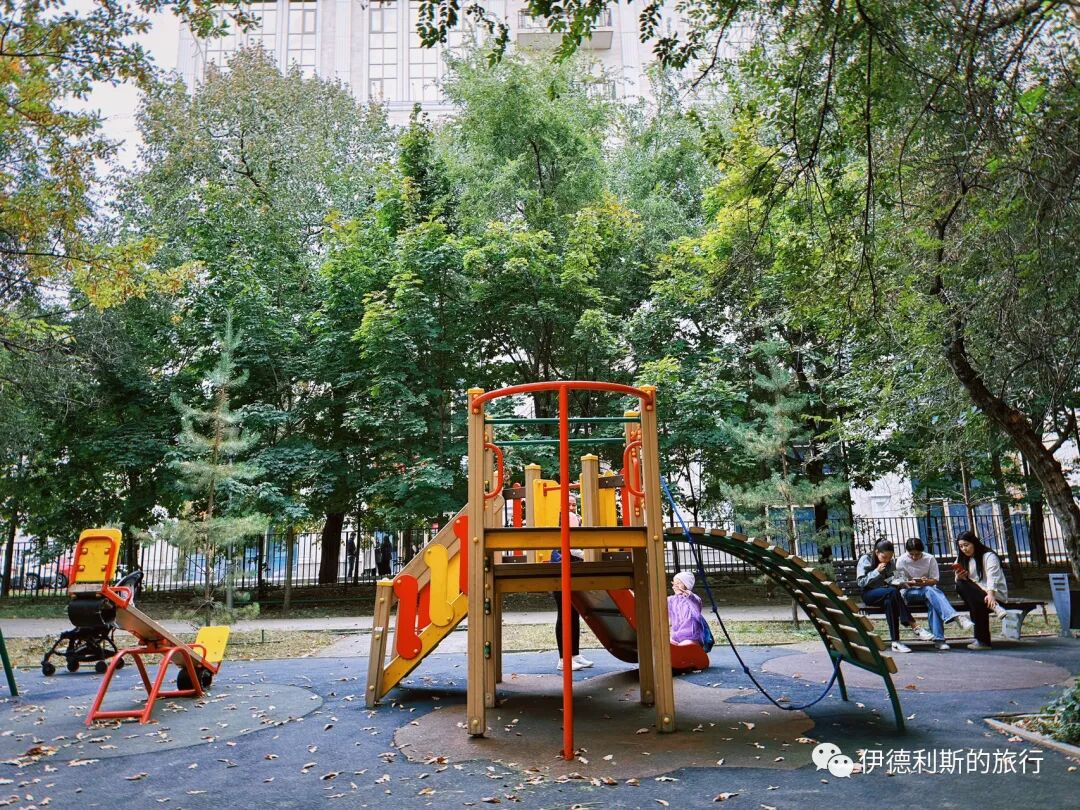
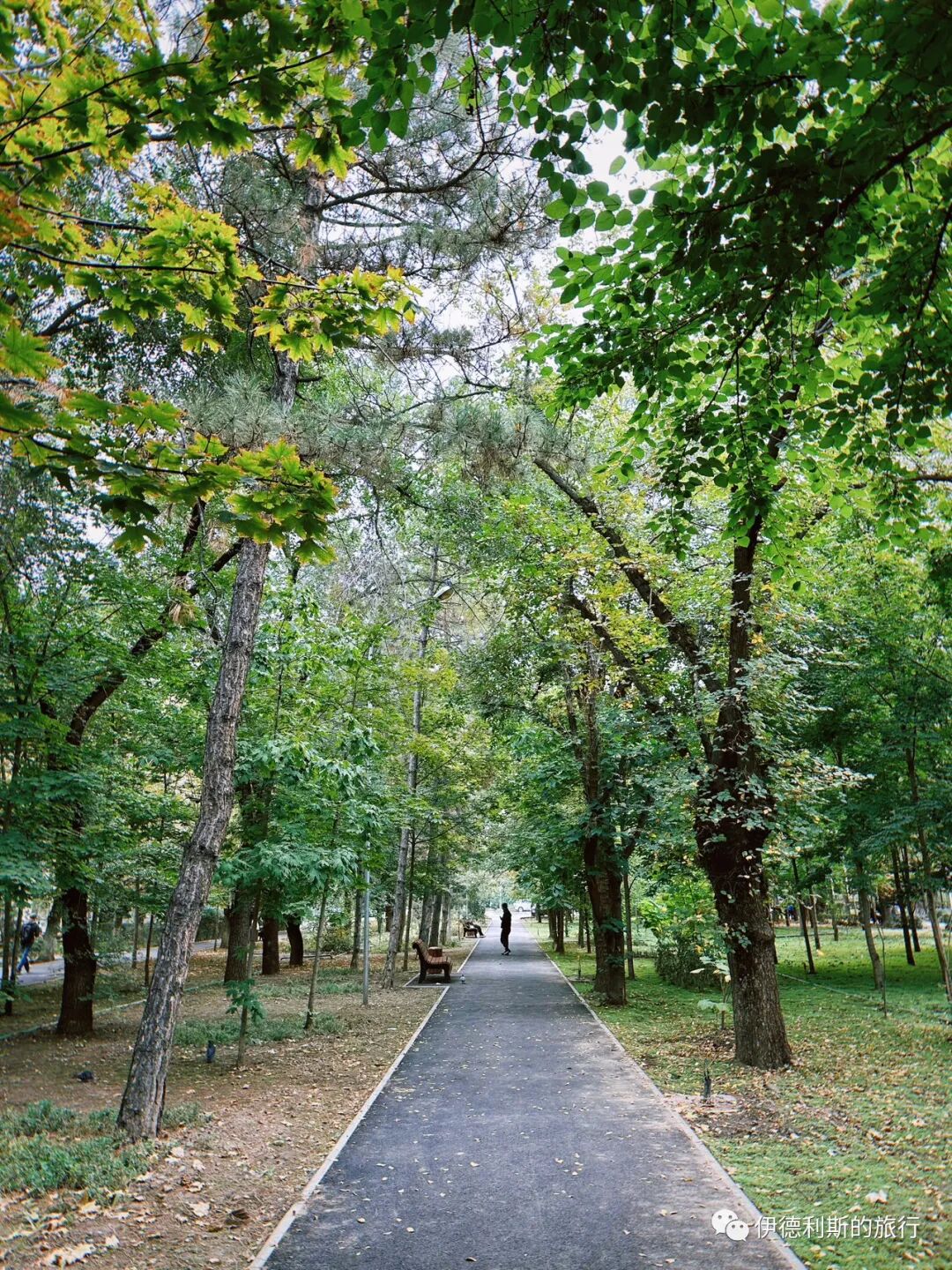
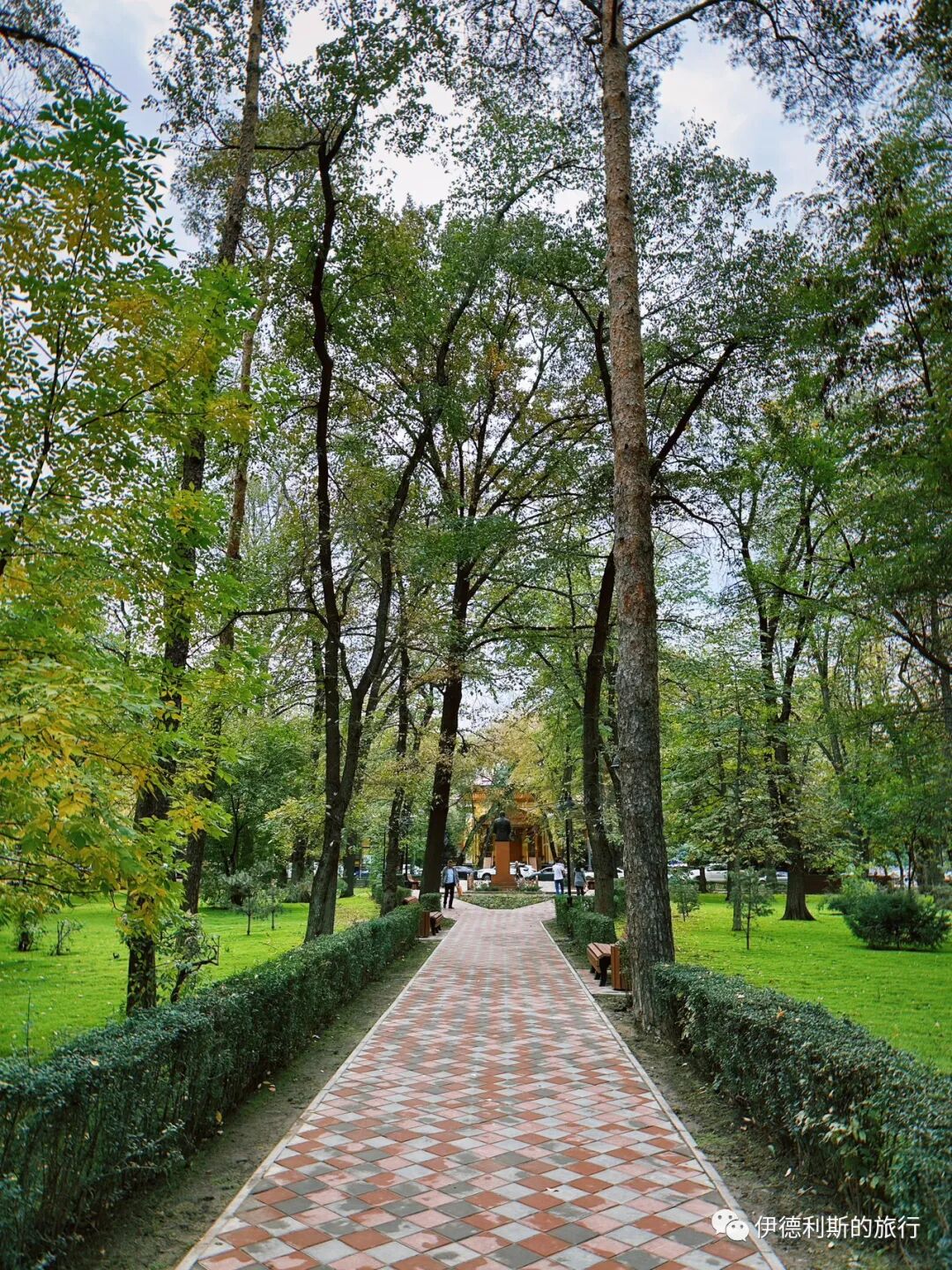
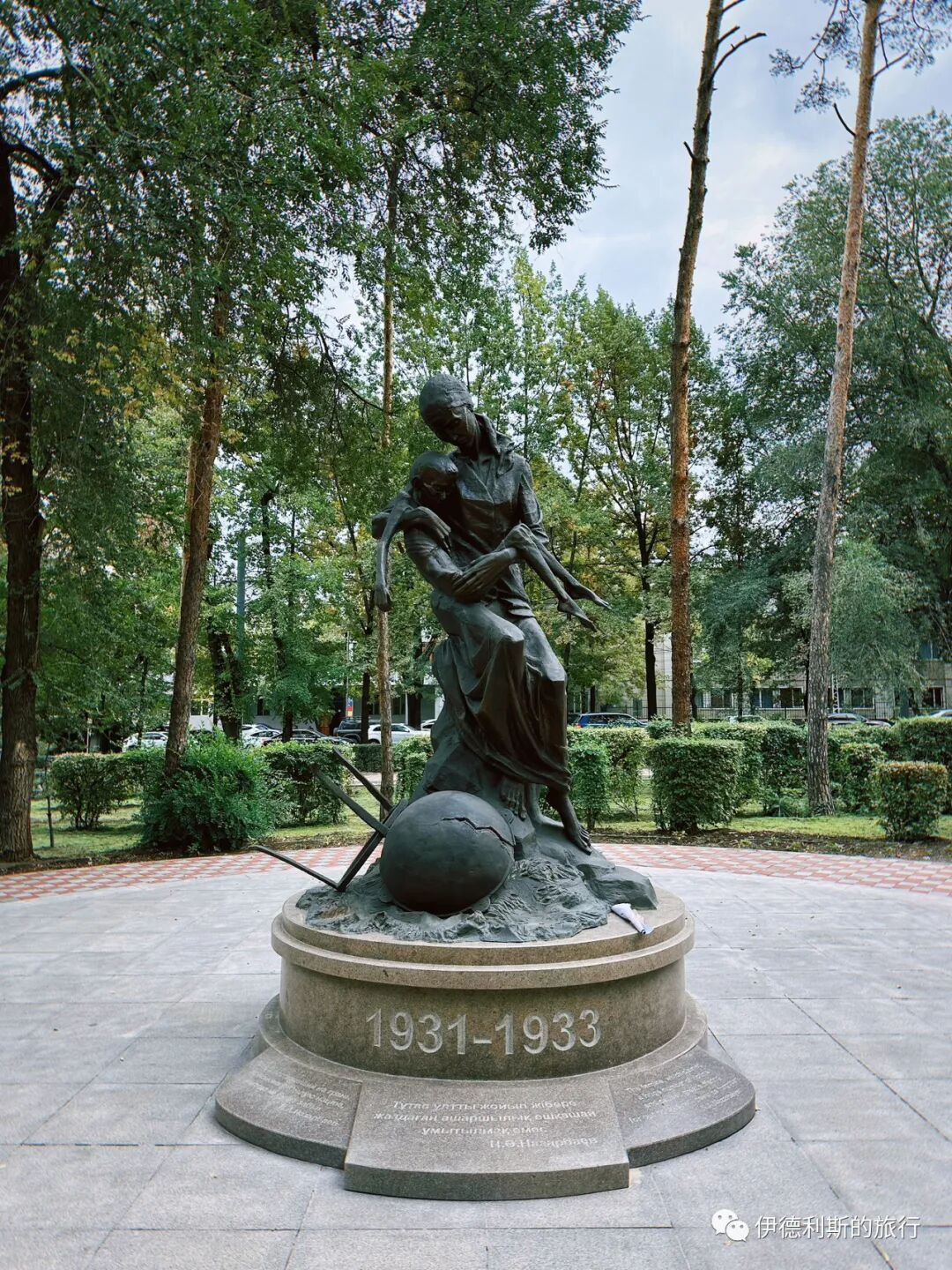
After leaving Navat, we walked through a small park across from the Almaty Museum, which features a statue commemorating the 1931-1933 Kazakhstan famine. This famine caused about 1.5 million deaths, and in the most desperate moments, there were even tragedies of cannibalism. The great famine caused the proportion of Kazakhs in the Kazakh ASSR at the time to drop from 60% to 38%, making them a minority. The sculpture is inscribed with words from Nazarbayev: 'This famine, which caused heavy casualties and brought great suffering to the people, will never be forgotten.'
The park also has a statue of the Kazakh poet Turmagambet Iztleuow (1882-1939). to writing a large amount of Kazakh poetry, he was also the translator of the Persian epic Shahnameh into Kazakh. In 1935, the poet was falsely accused and arrested as an 'enemy of the people,' and he died in a dungeon in 1937. In 2007, to commemorate the 70th anniversary of the poet's death, people erected this statue next to the former KGB building.
Buying fermented dairy drinks in the shops on the streets of Almaty. Here, camel milk is called Shubat, horse milk is called Kumuz, and cow milk is called Ayran. We bought a bottle of horse milk, which was much stronger than what we drank at a Kazakh shop in Urumqi before. It was fermented until very sour, with a kick like eating mustard that could send you to the sky after one sip. Interested friends (dosti) can buy a bottle to try.
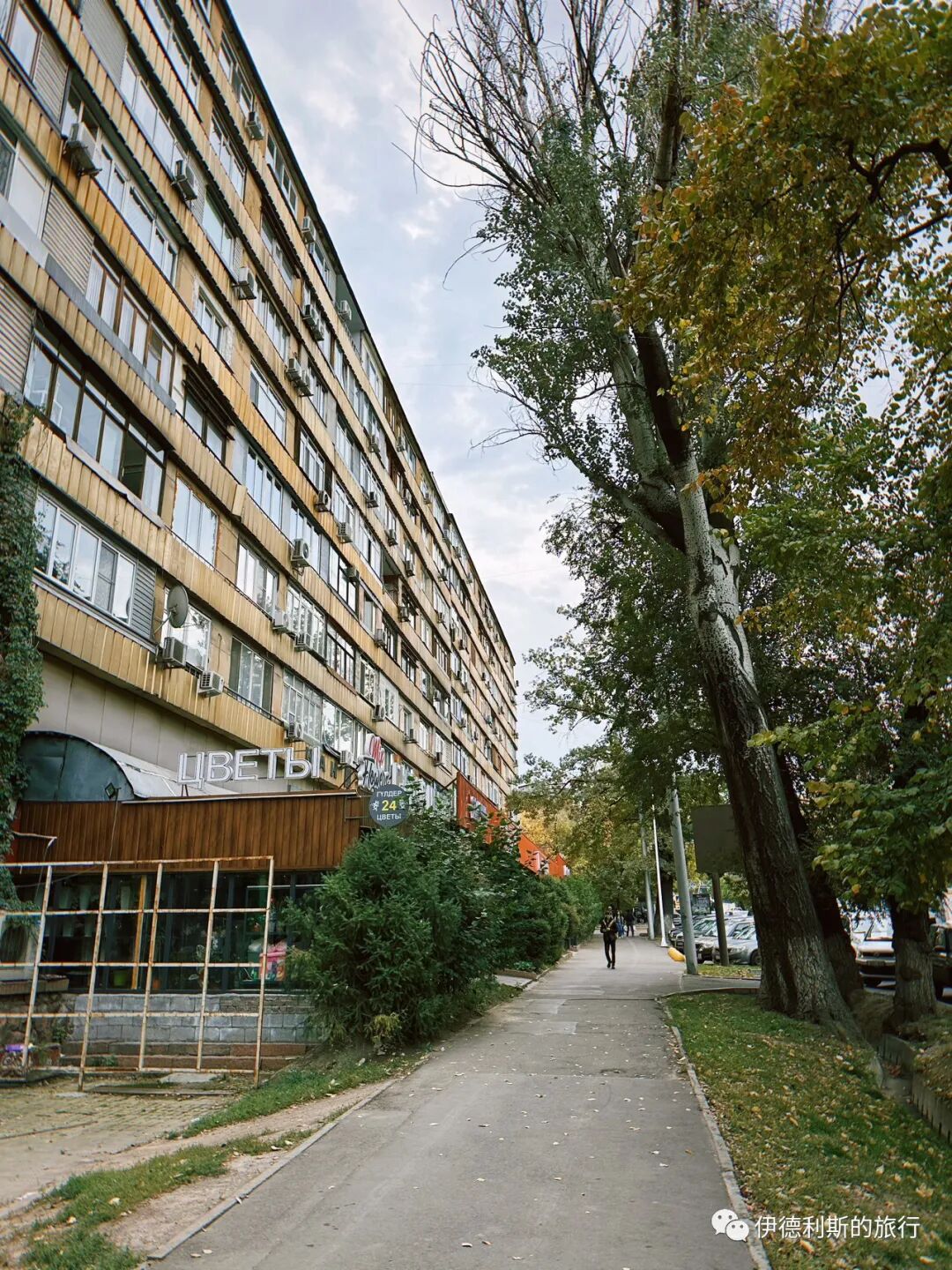
We took a night flight from Istanbul back to Almaty, and after arriving at Almaty Airport in the morning, we took a Yandex Go directly to Arasan, the most famous Soviet-style public bathhouse in Almaty, for a bath and massage.
The establishment of Arasan dates back to the competition between the Kazakh SSR and the Uzbek SSR at the time. In 1974, the Uzbek SSR took the lead by building a large comprehensive bathhouse in Tashkent. The Kazakh SSR was not to be outdone, so in 1979, many architects participated in the design to rebuild a 1-million-cubic-meter large bathhouse on the original site of the Gogol Street bathhouse built in 1935. It was completed in 1982 and became the largest bathhouse in Central Asia.
Arasan opens at 7:00 AM. It is less crowded in the morning, so you can bathe more freely. It is also quite cool on autumn mornings, so it is the perfect time to go in and warm up. To the right of the main entrance is a shop selling bath supplies. The most unique items are the various felt hats and bath whisks made from birch, oak, or even pine leaves, which are used in Russian saunas (banya). I ended up buying a felt hat embroidered with 'Arasan' as a souvenir.
The Arasan building itself has a very 1980s Soviet feel, with a lobby that is spacious and imposing. The ticket office on the right has a price list in English, and there is a young Kazakh woman there who speaks fluent English. We bought a one-hour entry ticket plus a 45-minute classic massage. We also rented slippers and a bath towel, then took our wristbands and went inside.
Once inside, the men's and women's areas are completely separate. When I entered the men's side, I saw many sturdy Kazakh and Russian men. For someone like me entering a Soviet-style bathhouse for the first time, it was quite a visual shock. After showering, I went to the classic Russian sauna (banya) area. There are both traditional wood-fired saunas and electric saunas with heated stones. I tried the wood-fired sauna first. When I walked in, a big guy was splashing water onto the stove. The temperature rose with every splash, and I couldn't last long. Every time I exhaled, it felt like I was on fire. I truly admired how calm everyone else looked. Most people wear felt hats to keep their heads from getting burned. Many people also use bath whisks soaked in hot water to pat their bodies, which helps improve blood circulation.
After steaming for a while, everyone comes out to splash themselves with cold water. There is a huge wooden barrel you climb steps to reach before jumping straight into the cold water. There is also a small bucket hanging overhead; you pull a rope and all the cold water pours down on you. There is also a circular cold-water pool under a massive dome. Many of the older men just dive straight in, swim a few laps, and then get out. I swam a lap in the pool, too. The water felt much colder than in swimming pools back home. If I hadn't been warmed up by the sauna, I wouldn't have dared to go in. I think this dome is the most beautiful part of the entire bathhouse. It seems to be designed after a Kazakh yurt. Sunlight streams down from above, making it very bright. Around the pool are chairs with mosaic tiles that are heated from underneath, so you can sit and rest.
After the sauna, it was time for a massage. The Russian-style massage here happens on a hard marble bed, performed by a Kazakh guy who is twice my size and has a chest full of hair like a thicket. He started by splashing a few basins of water on me, lathered me up with soap, and then began the massage. His hands were very strong, and he hit every joint perfectly, which felt incredibly satisfying. There was a restaurant after the massage, but I left without eating, so I don't know how the food tastes.
After returning my slippers and towel, I just tapped my VISA card at the exit, which was very convenient. The sun was already out, and I started my city walk through Almaty feeling full of energy.
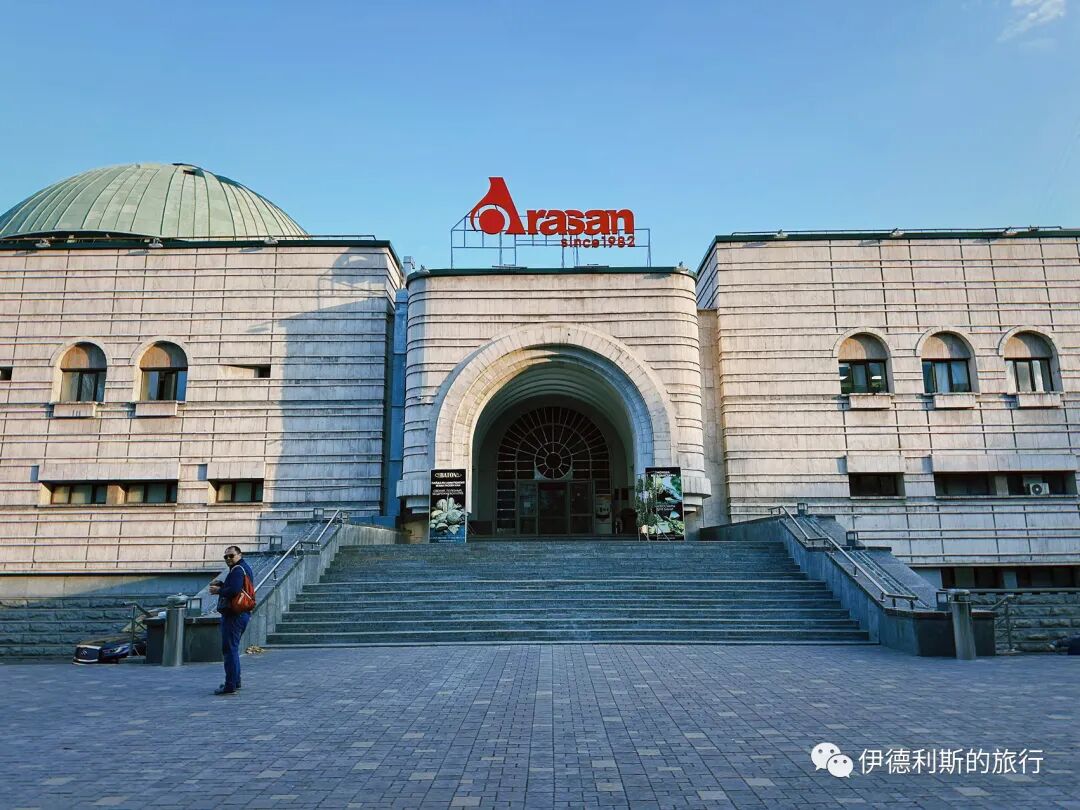
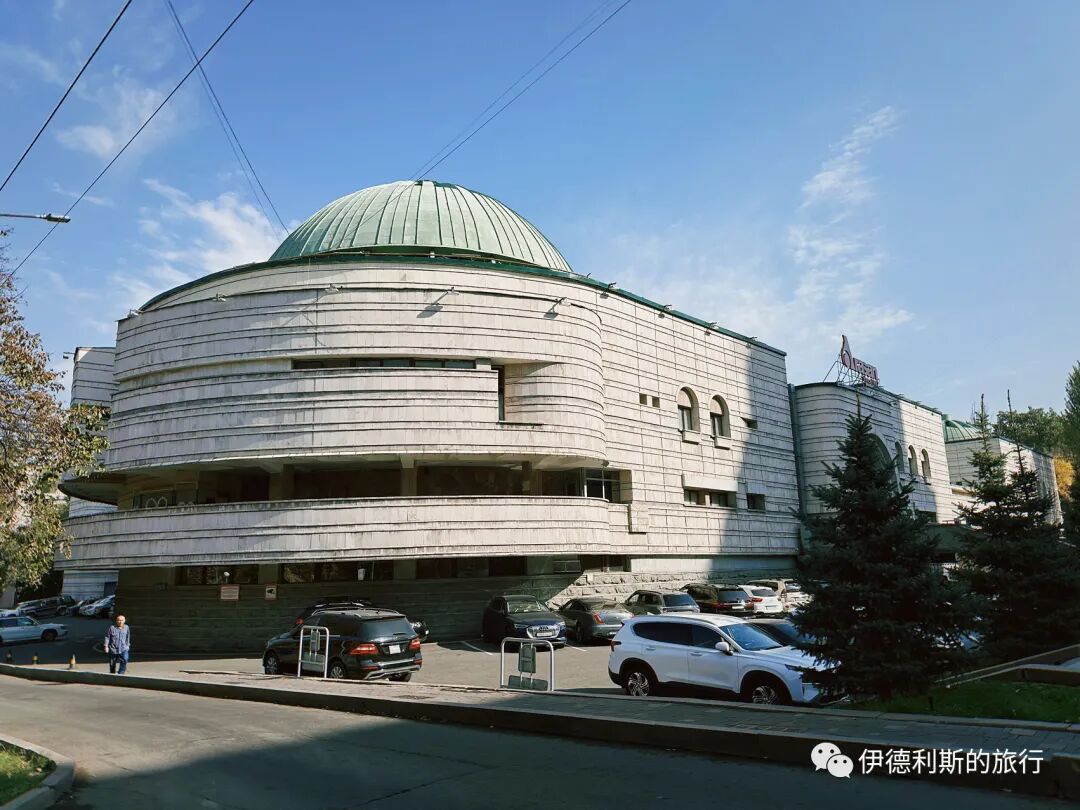
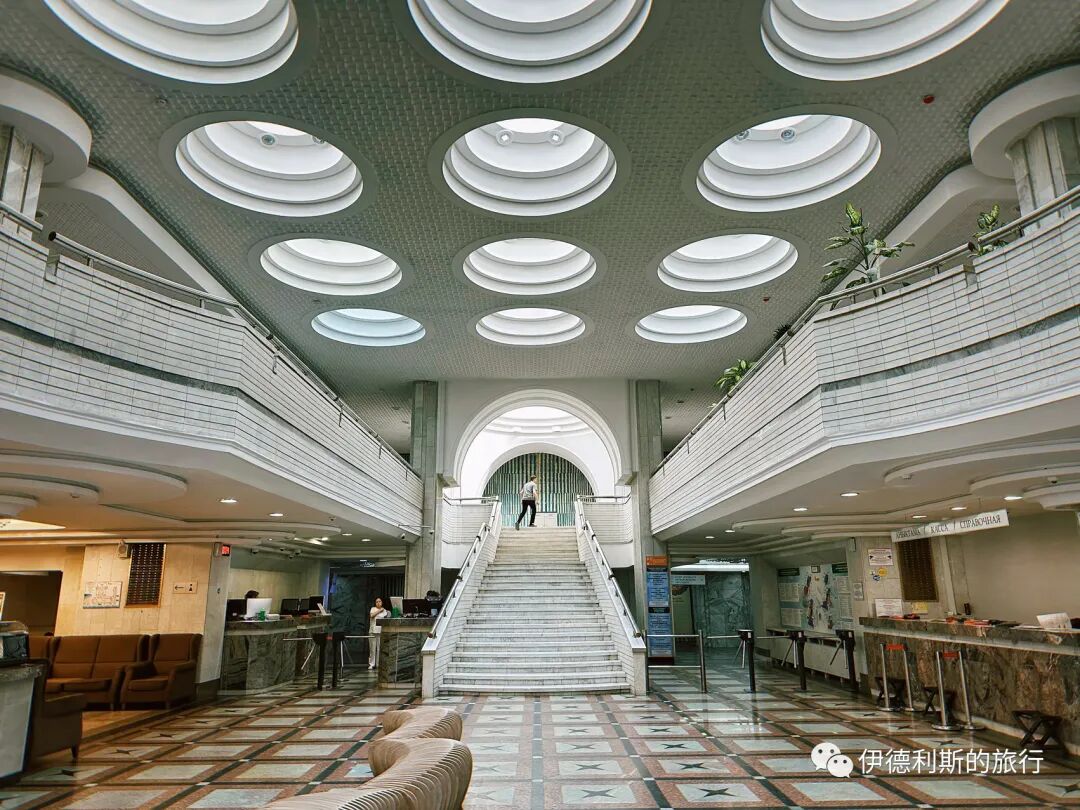
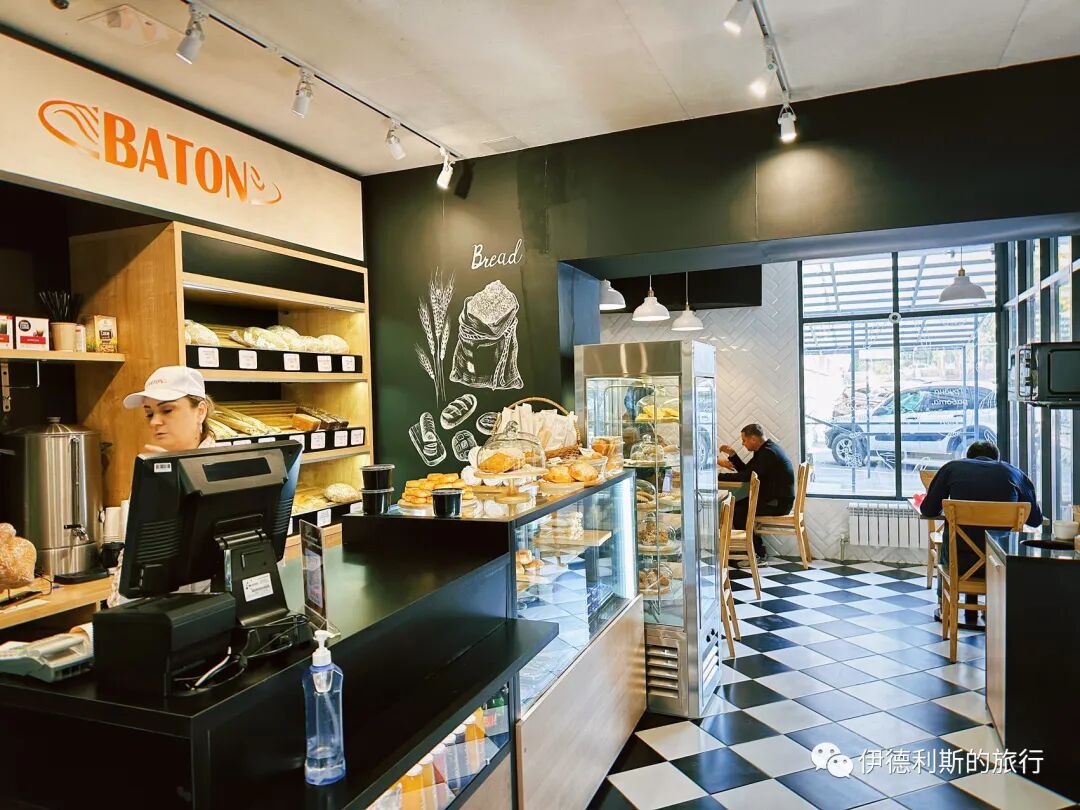
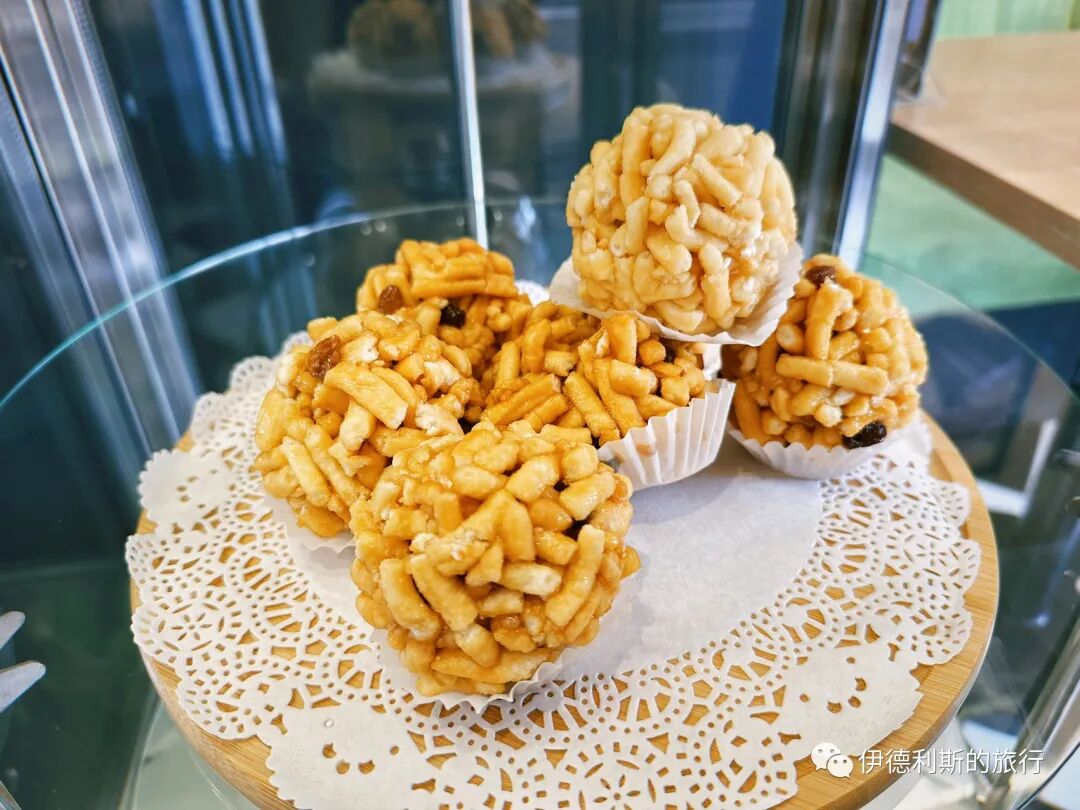
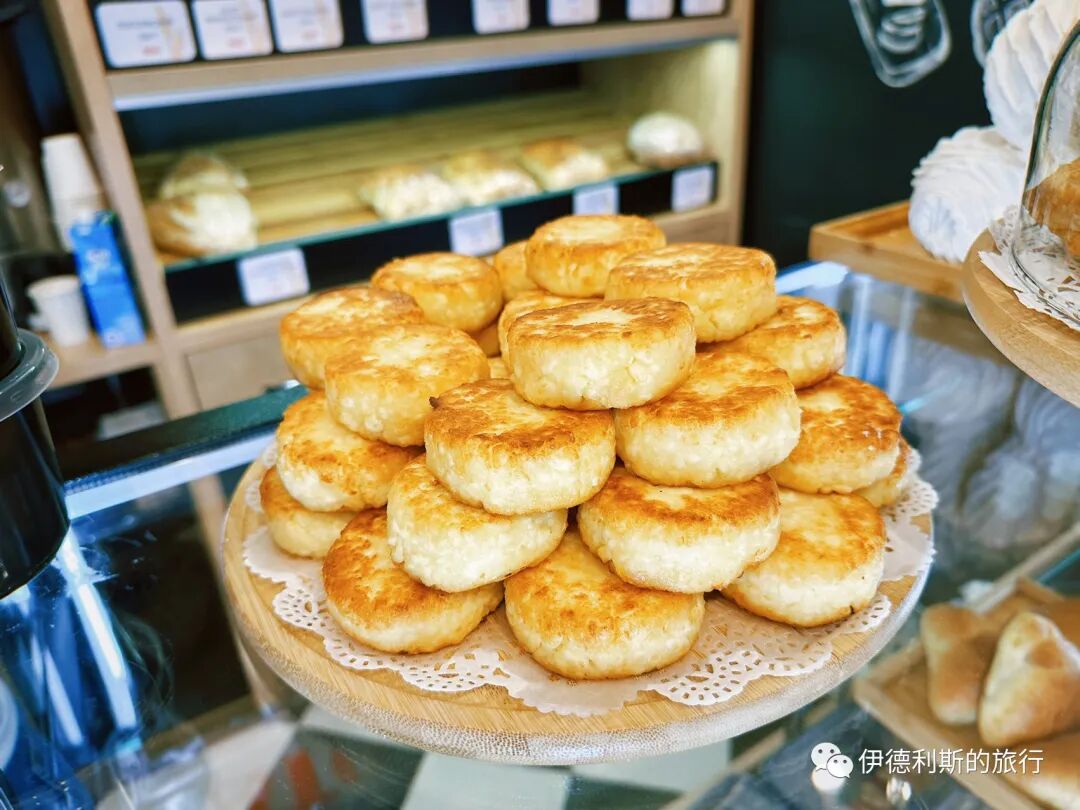
After bathing at Arasan, we bought some Turkic honey cake (shek-shek) and milk curd cakes (qurt) at a snack shop downstairs, and we also had some milk tea. Shek-shek is a dessert popular among many Turkic-speaking peoples, including Tatars, Kyrgyz, Uzbeks, Bashkirs, and Kazakhs. It is usually written as Chak-chak in English, is most famous in Tatarstan, and is a must-have dessert at weddings. The way shek-shek is made is basically the same as Manchu honey cake (saqima). Kazan Tatars usually make it into small balls, while Kazakhs usually make it into strips.
A short walk north from Arasan Bathhouse, you can see the Kyzyl-Tan store, built by Kazan Tatar merchant Iskhak Gabdulvaliev in 1896. It is one of the few remaining Muslim buildings in Almaty that survived the 1911 earthquake.
This building was designed and built by French architect Paul Gourdet in the New Russian style, featuring beautiful lace-like wooden eaves and fish-scale-shaped roofing. After the October Revolution, the Kyzyl-Tan store was nationalized, and after 1981, it became a fabric store under the Soviet Central Department Store. The Kyzyl-Tan store was severely damaged by a fire in 2009, but it was later restored. Today, it is still a fabric store, and you can see all kinds of beautiful materials inside.
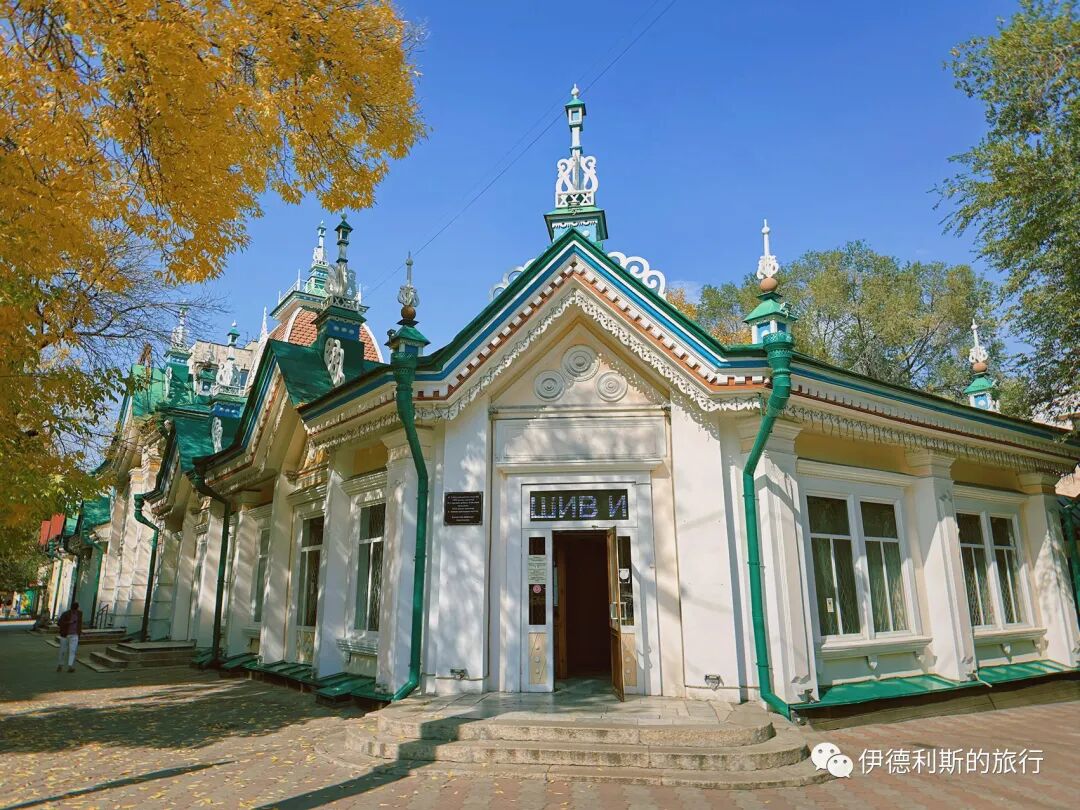
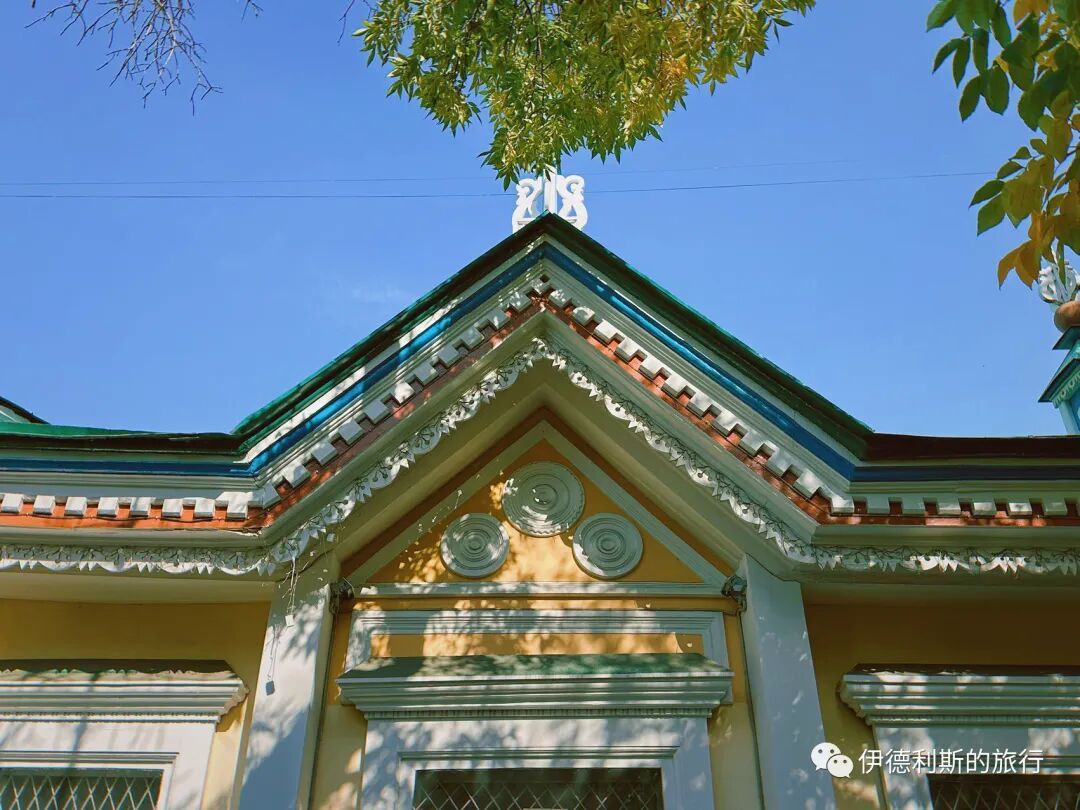
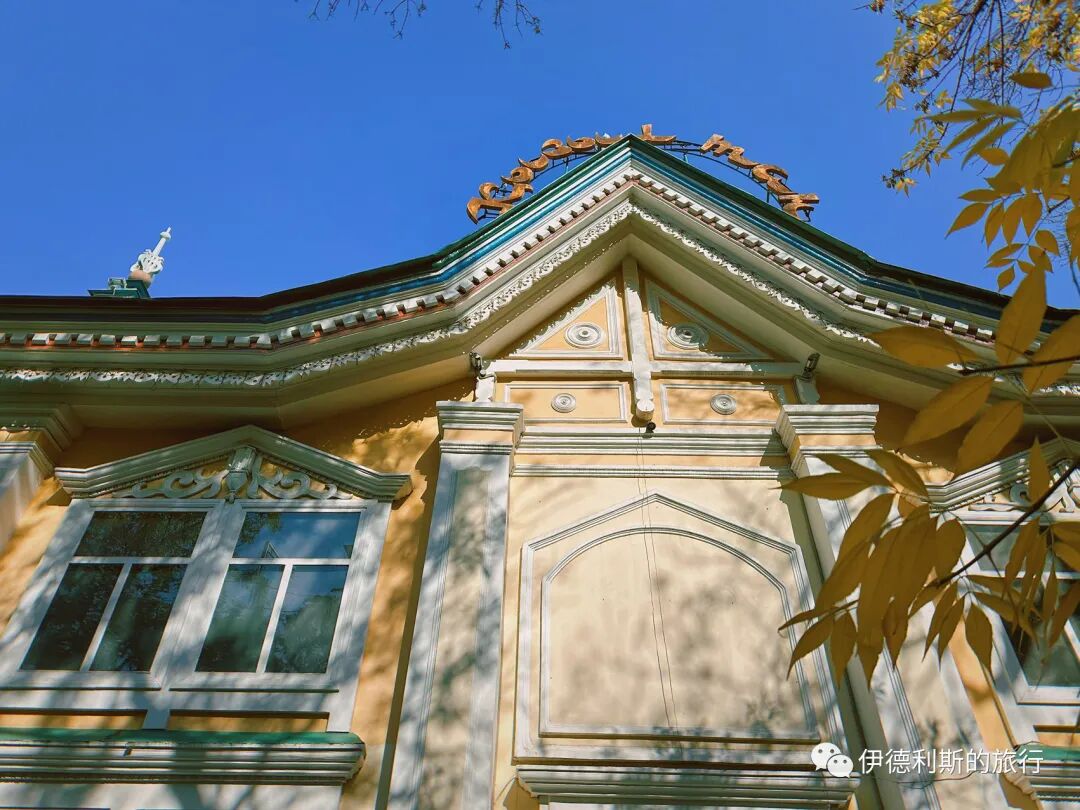
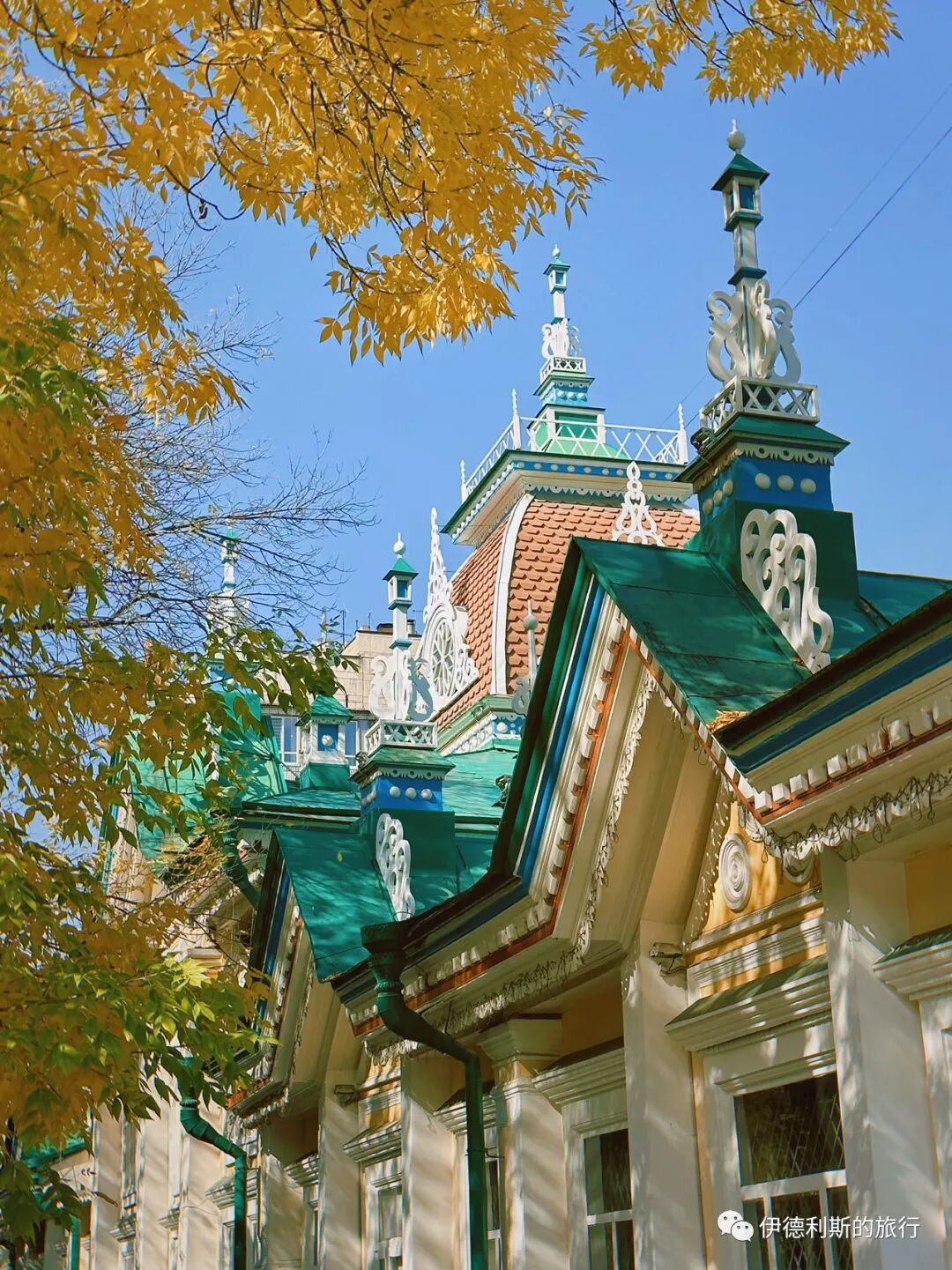
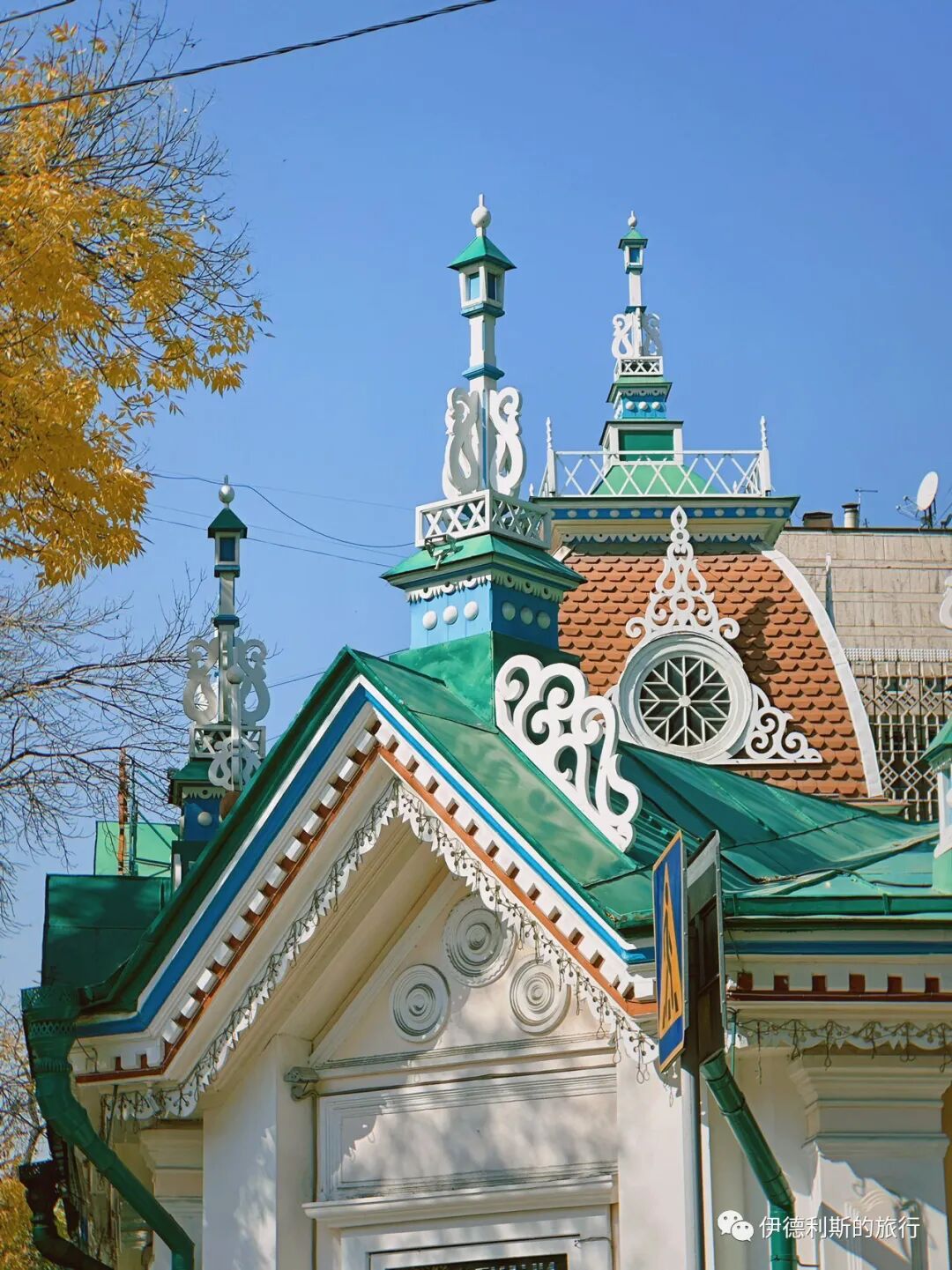
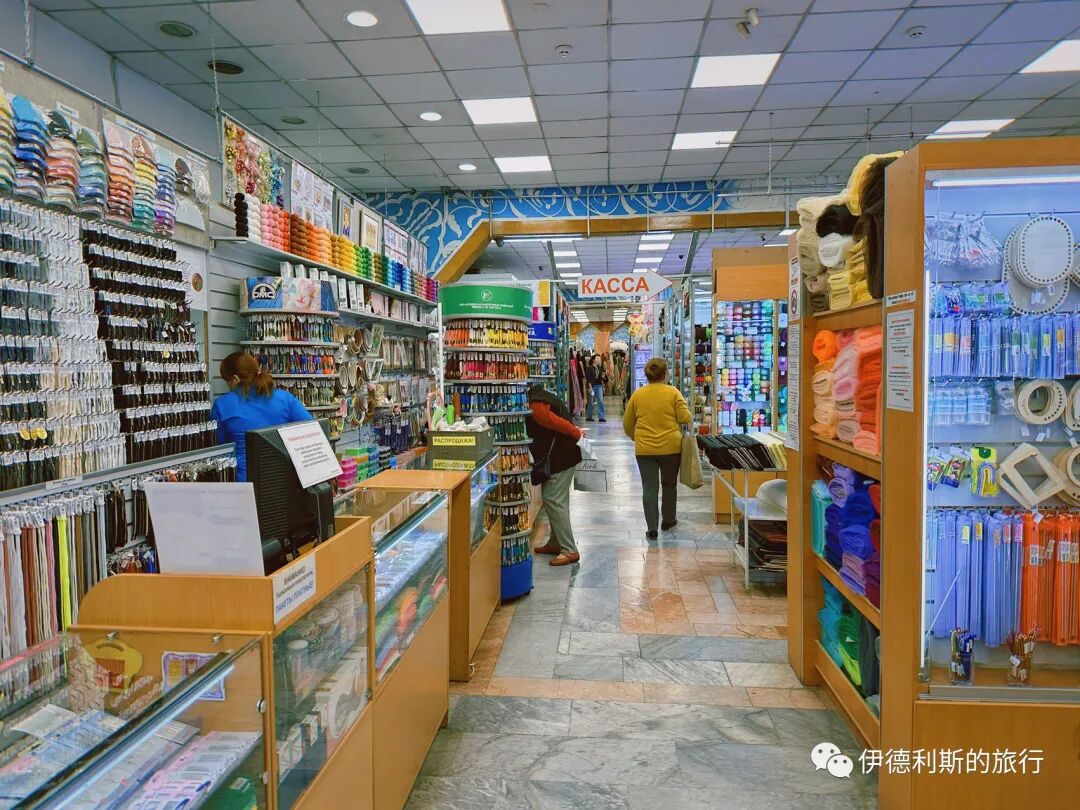
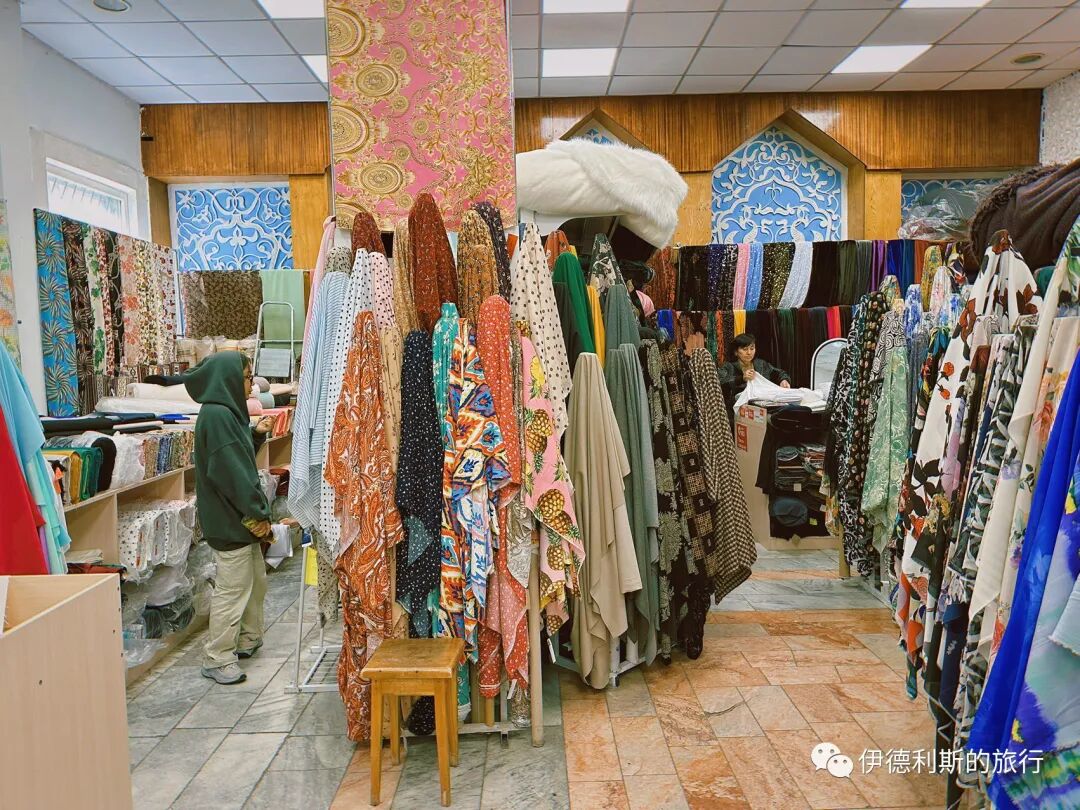
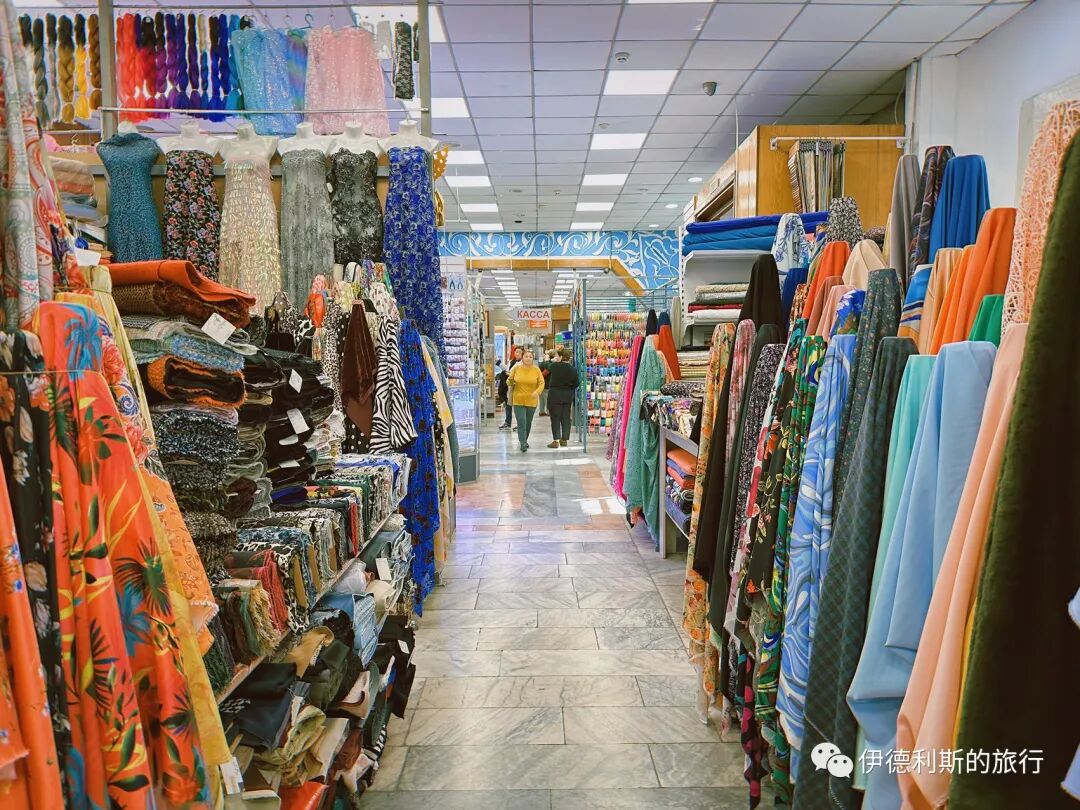
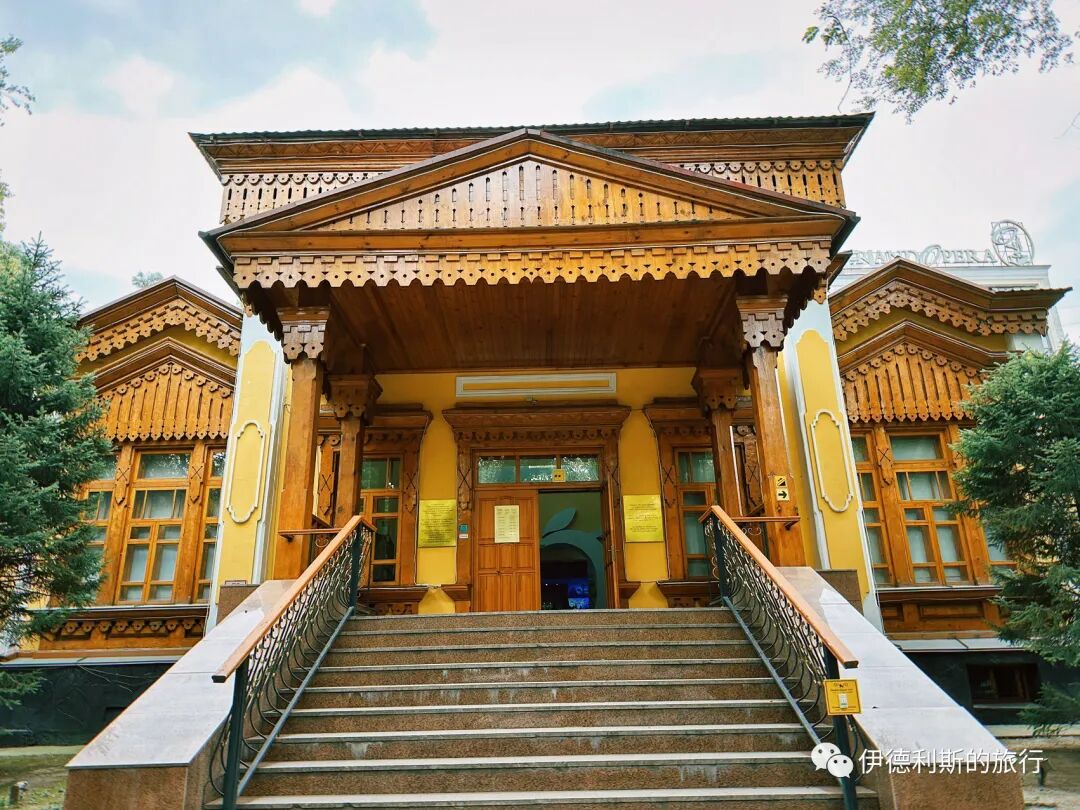
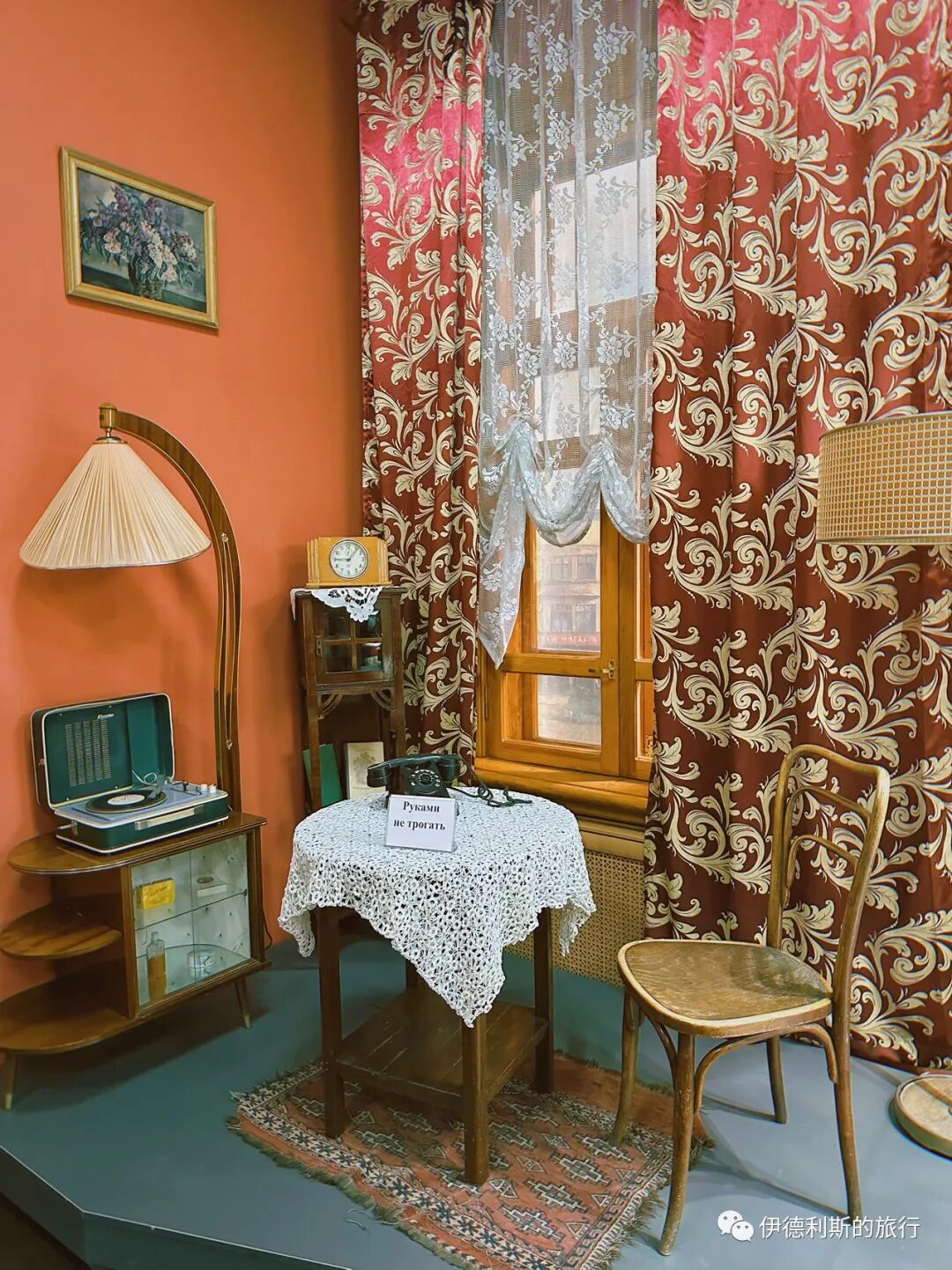
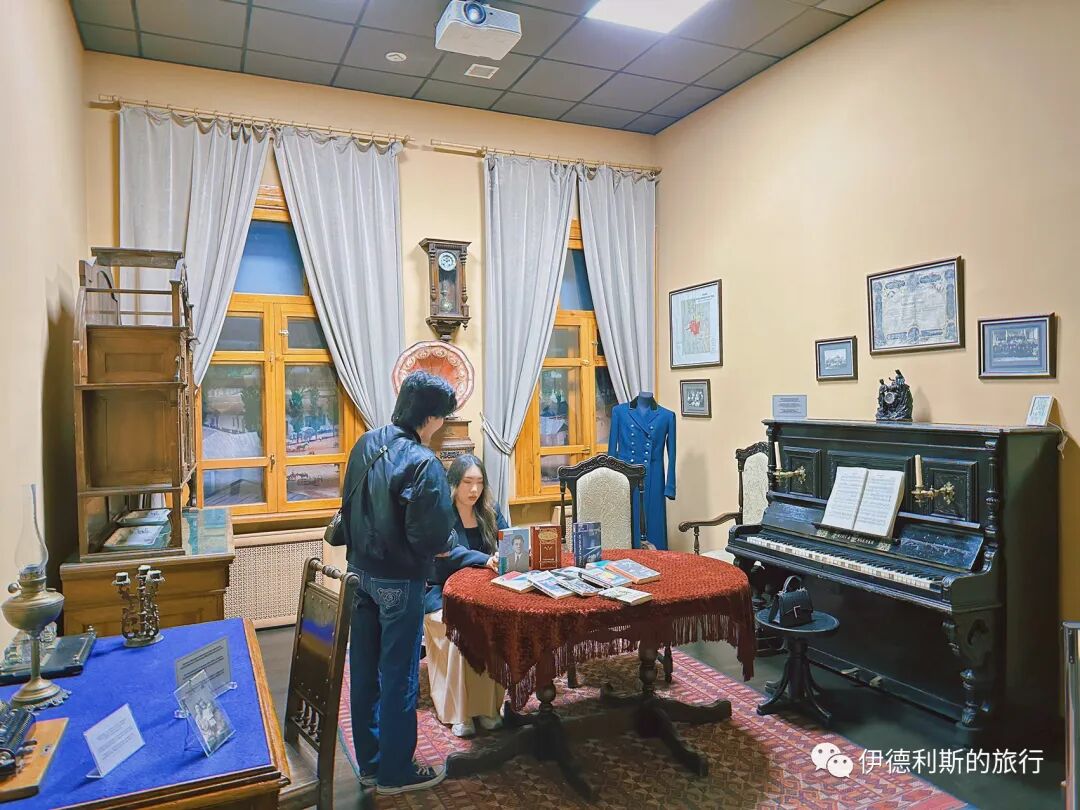
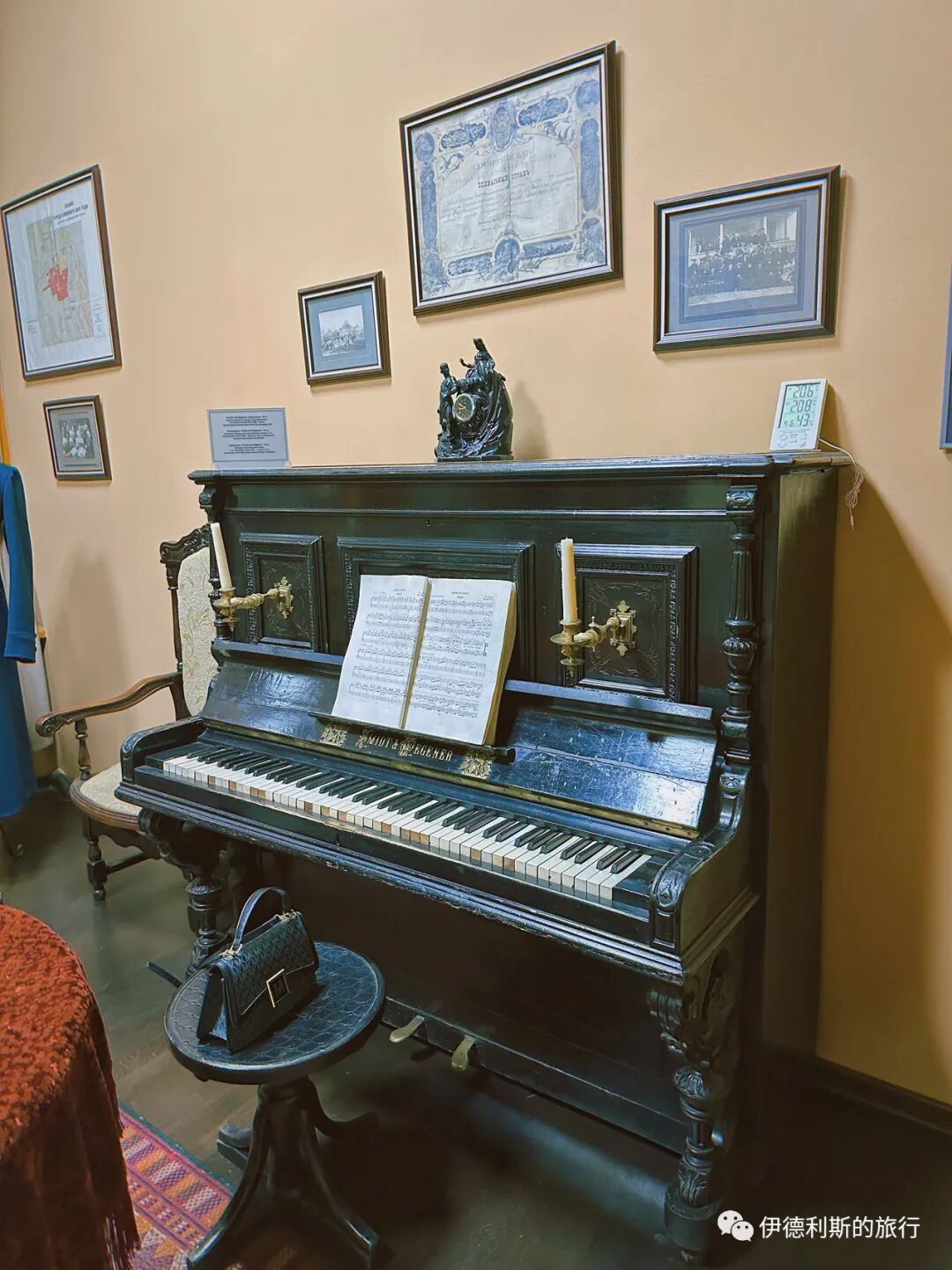
The Almaty Museum was also built by French architect Paul Gourdet in 1892. It was originally an orphanage, and the Almaty Museum only moved here after 2016. The museum is not very big, but it gives a complete overview of Almaty through different eras. The collection from the 19th to 20th centuries is especially interesting, as you can see the various daily items used by Almaty residents back then.
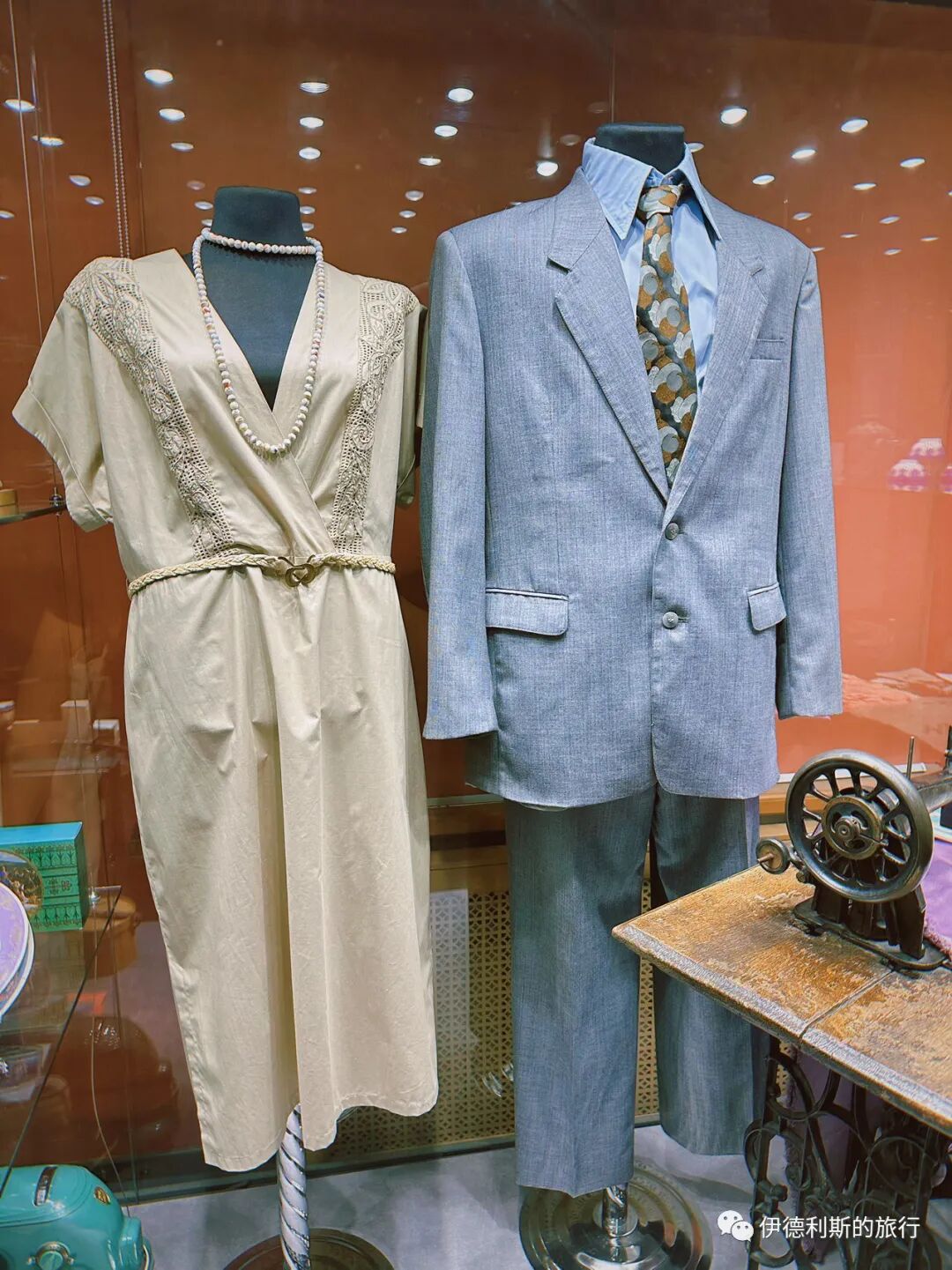
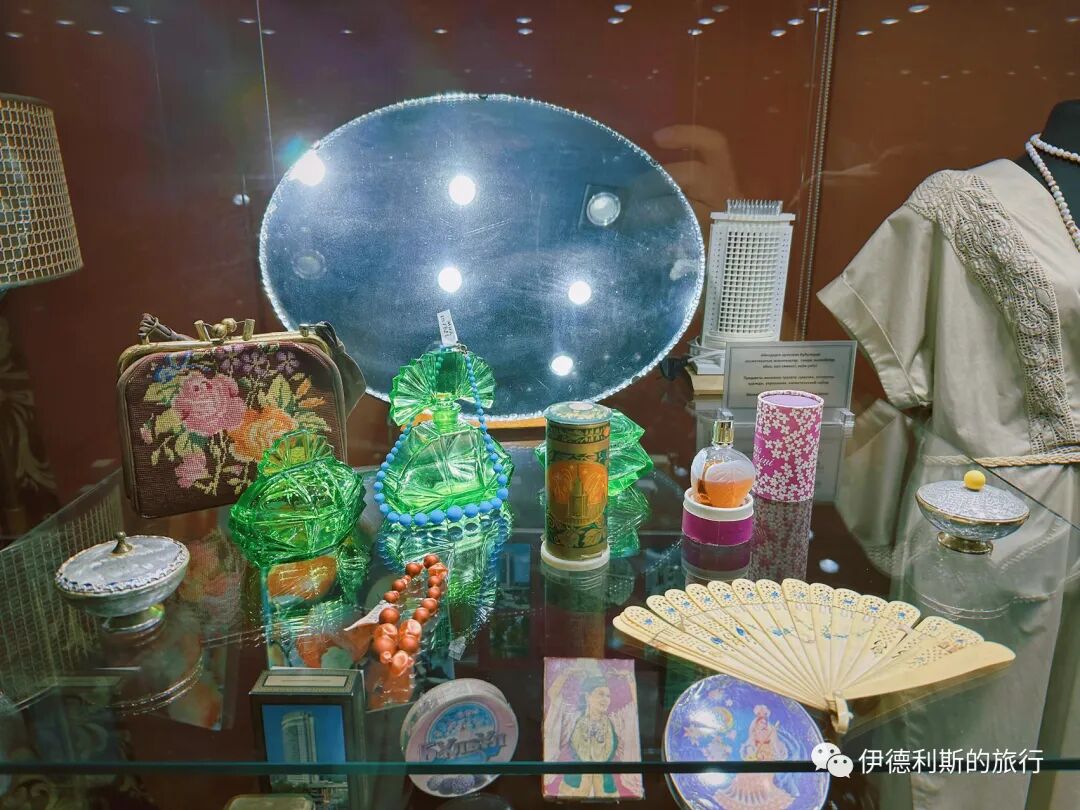
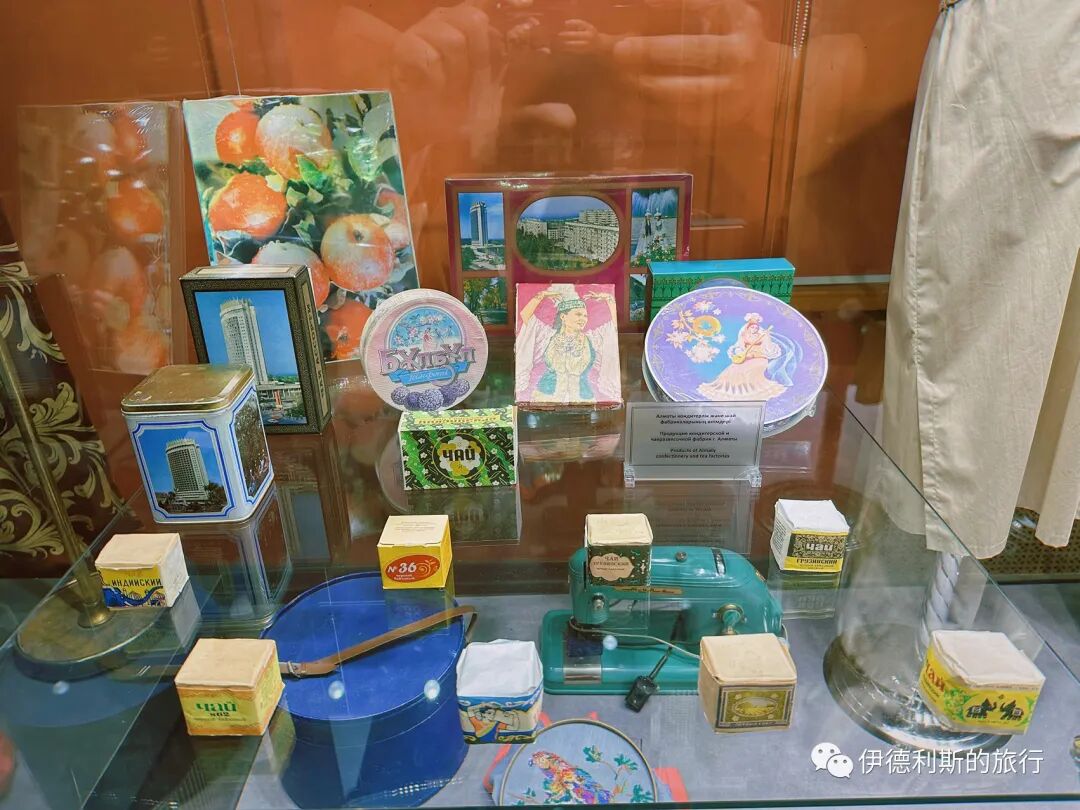
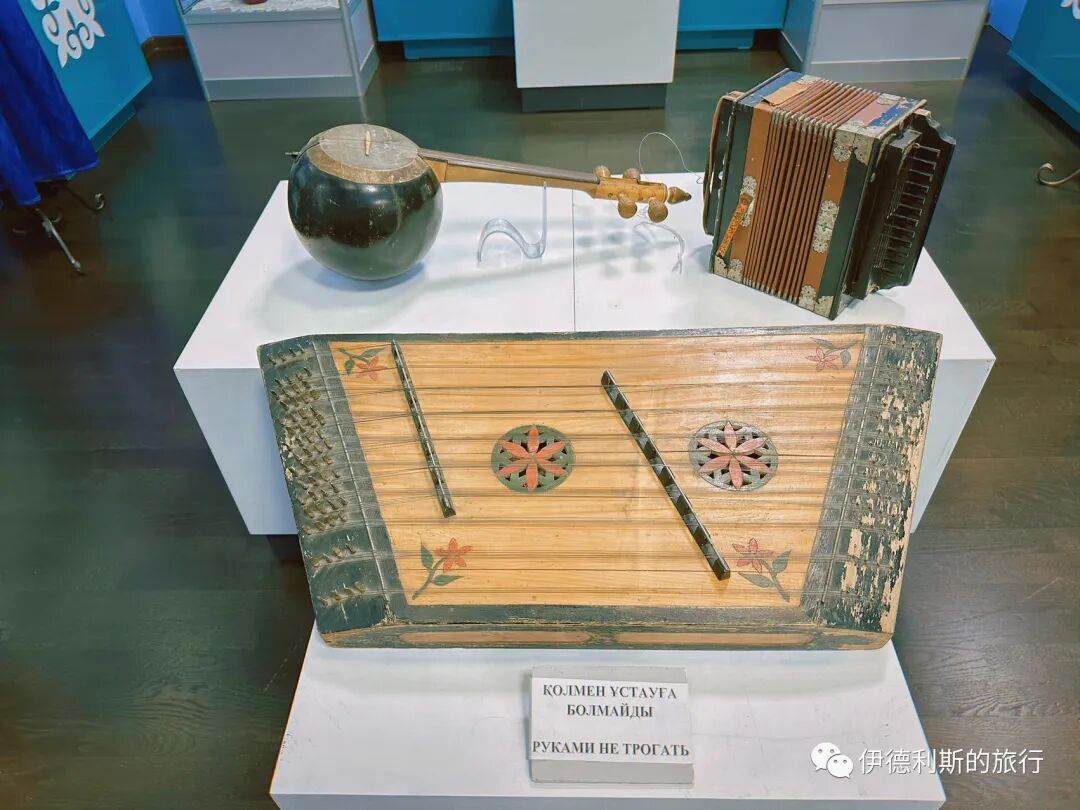
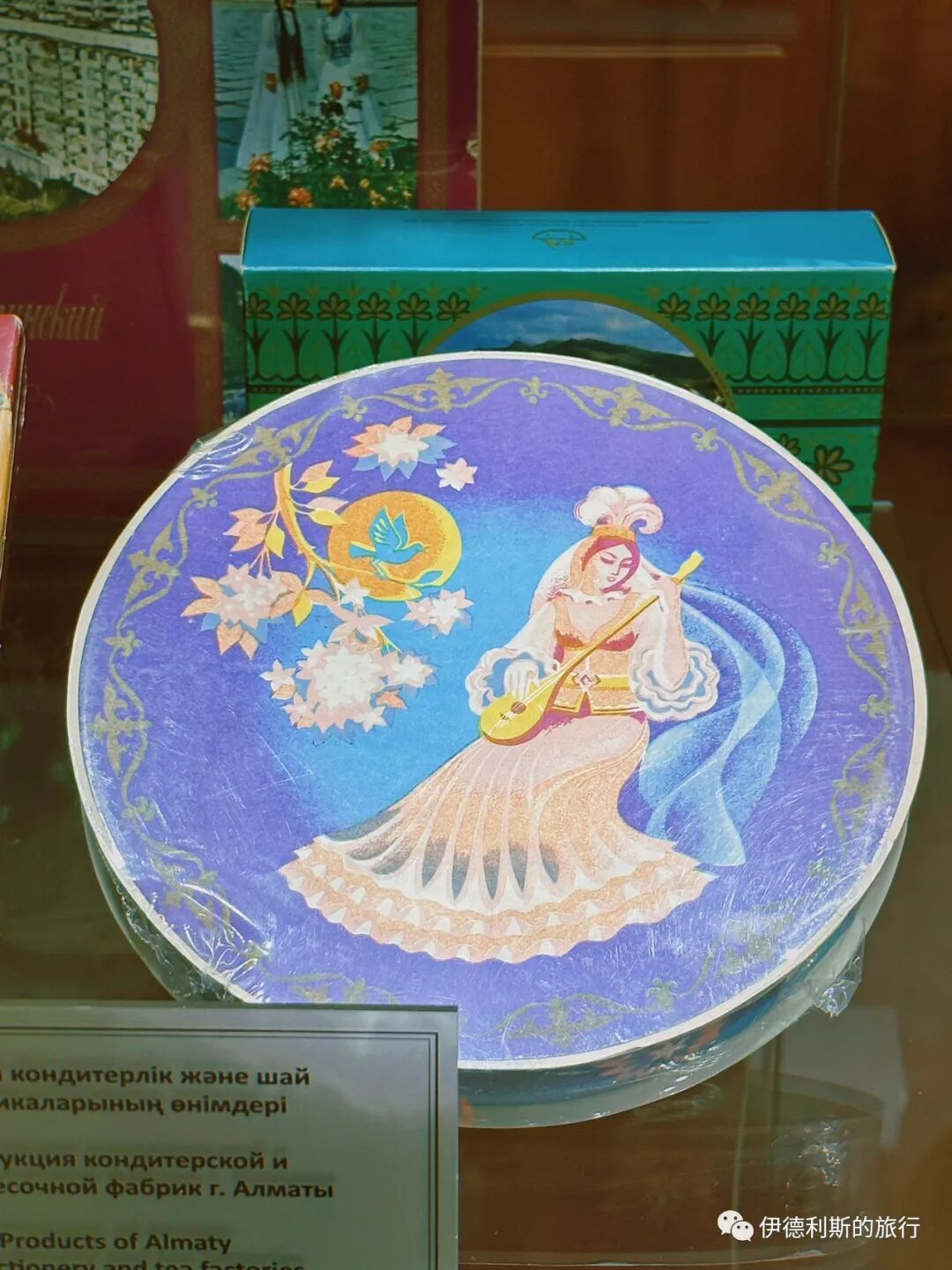
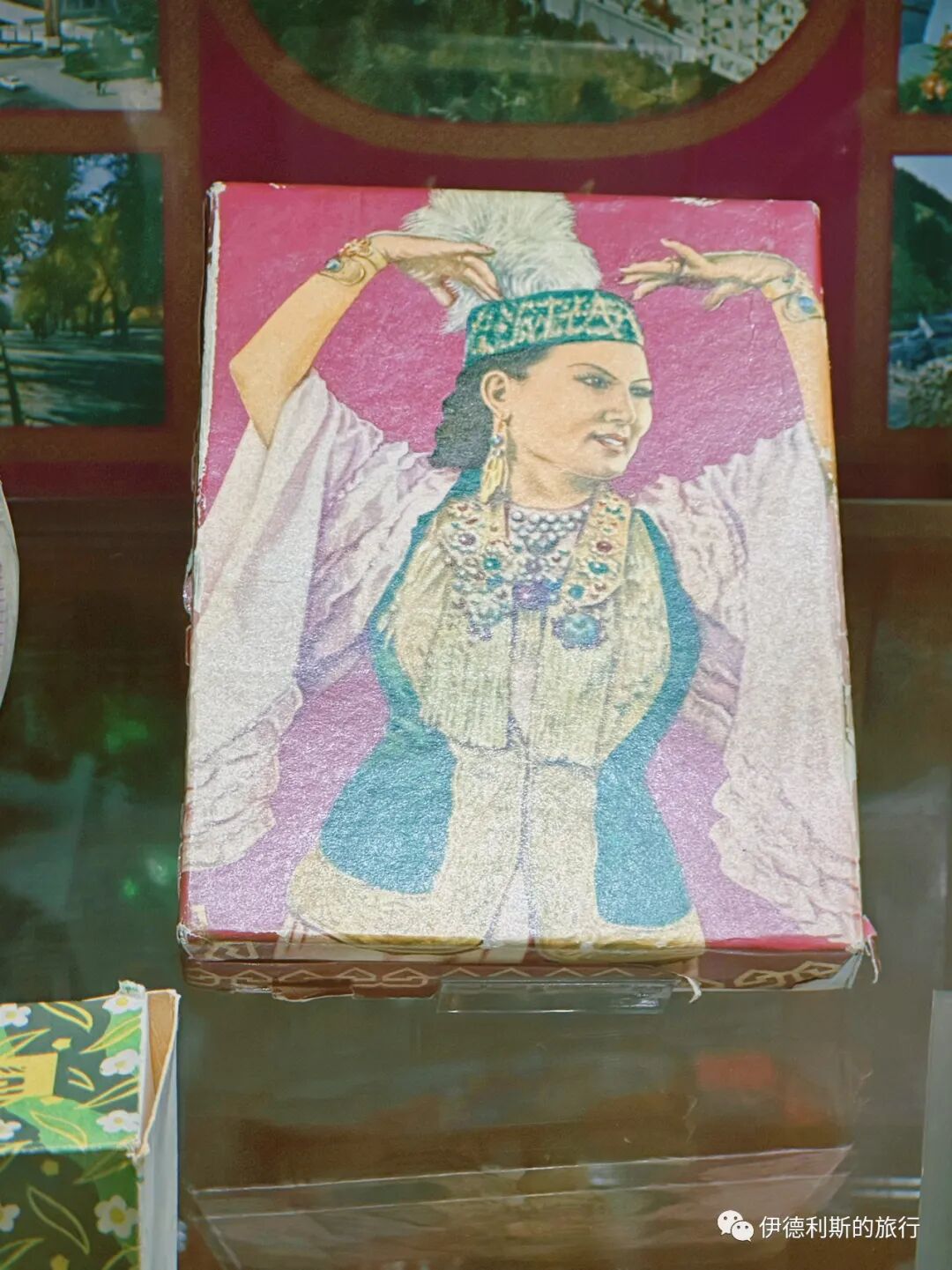
A highlight of the Almaty Museum is a suit of armor from the 17th-century Kazakh Khanate, with very fine carvings on the helmet and shield. There are also 19th-century saddles and water jugs.
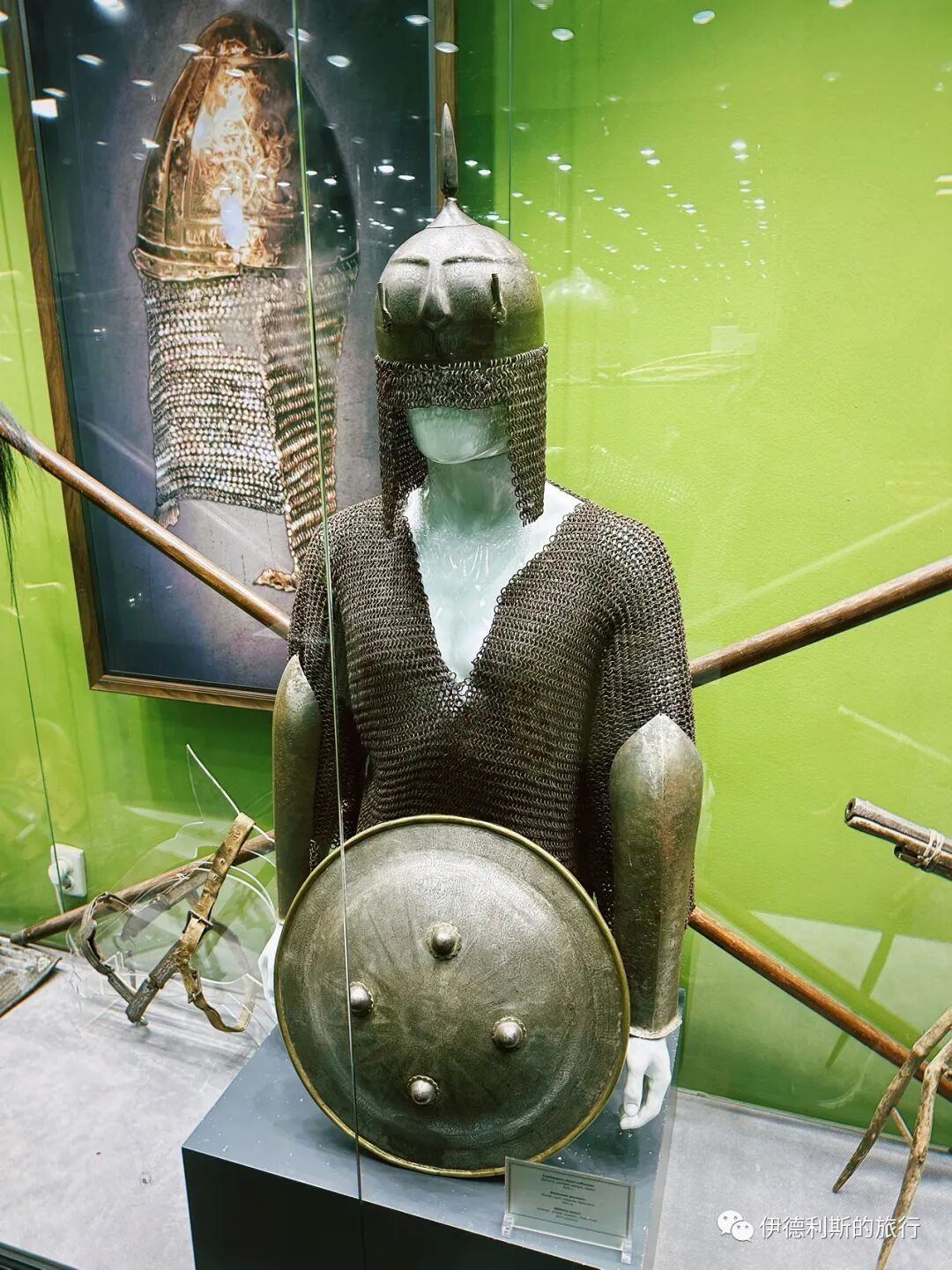
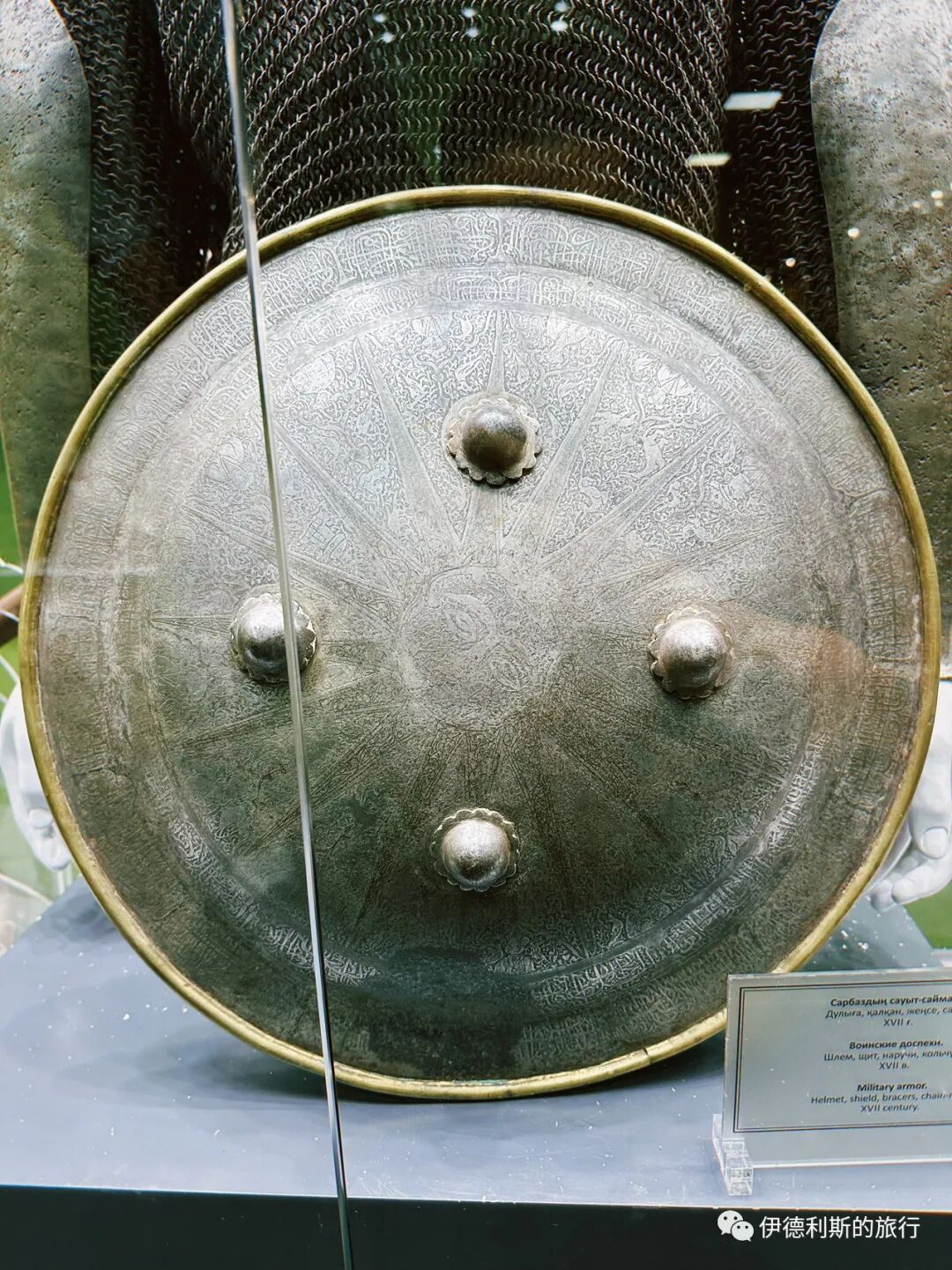
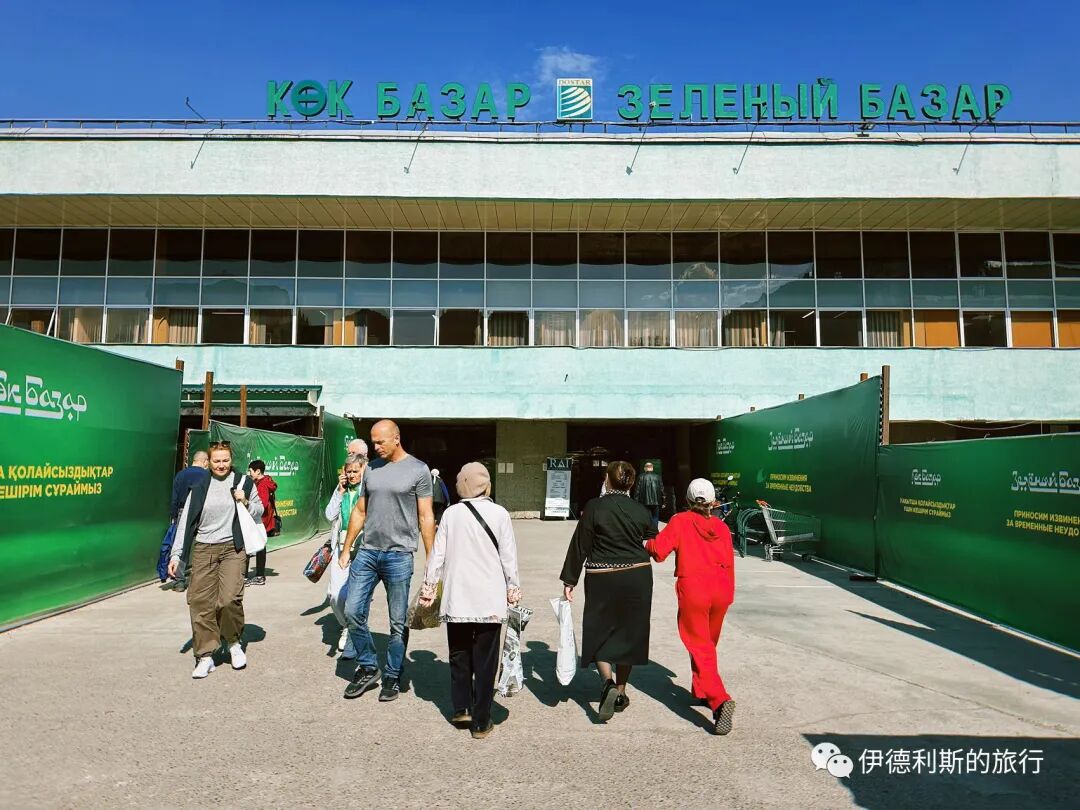
Green Bazaar (Zelyony Bazar) is the oldest and most famous market in Almaty. It was designed and built by architect Jan Kozell-Poklevsky in 1875. At that time, it hosted merchants from all over Central Asia and helped the city of Almaty grow. The current Green Bazaar was built in 1975 by architect Mark Pavlov in the Brutalism architectural style. This architectural style appeared in the UK in the 1950s and was widely used in post-war socialist countries. It focuses on using raw reinforced concrete structures without decoration, emphasizing practicality.
Today, the Green Bazaar is a lively market where different ethnic groups gather. There are Kazakhs selling horse meat, Russians selling pork, Koreans selling kimchi, Dungan people selling small goods, Uyghurs selling fruit, and more. People live in this city for all sorts of reasons, which creates Almaty's unique character.
We bought flaky baked buns (samsa) at the market entrance and met a Dungan uncle who offered to translate for us. Then, we bought fresh-pressed pomegranate and guava juice at a fruit stall inside, and bought long apples downstairs. The market downstairs at the Green Bazaar is more crowded. There is a very popular naan bread shop with a long line of people.
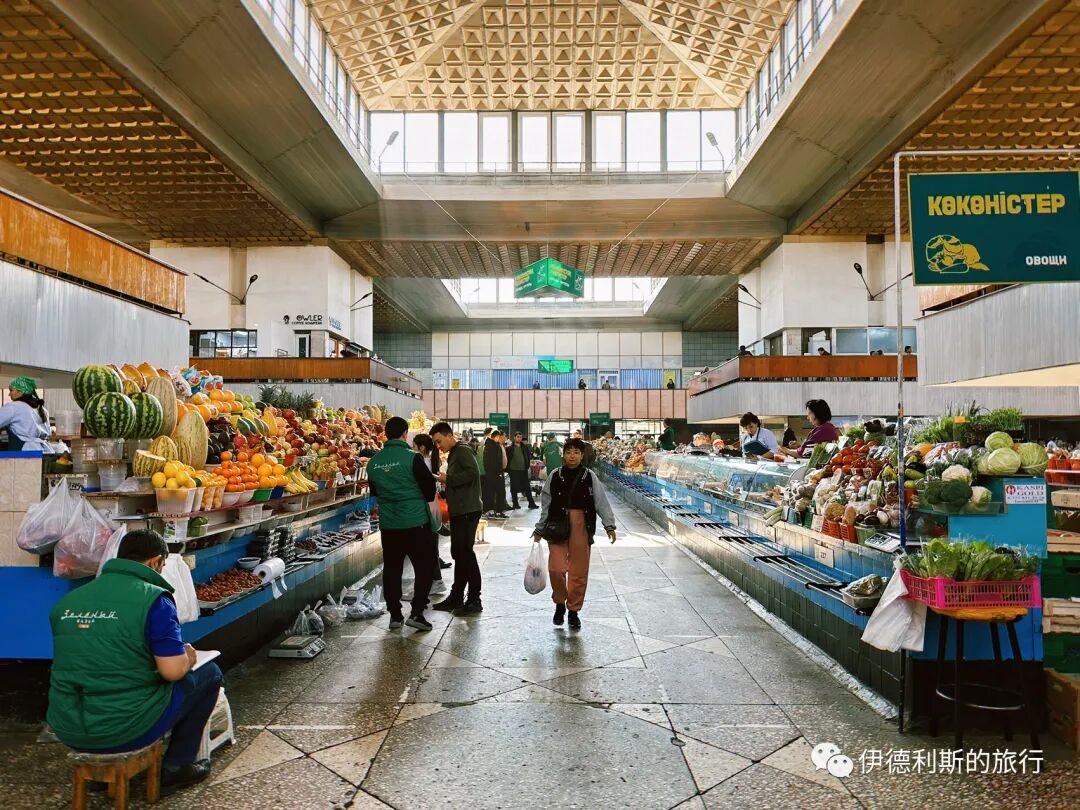
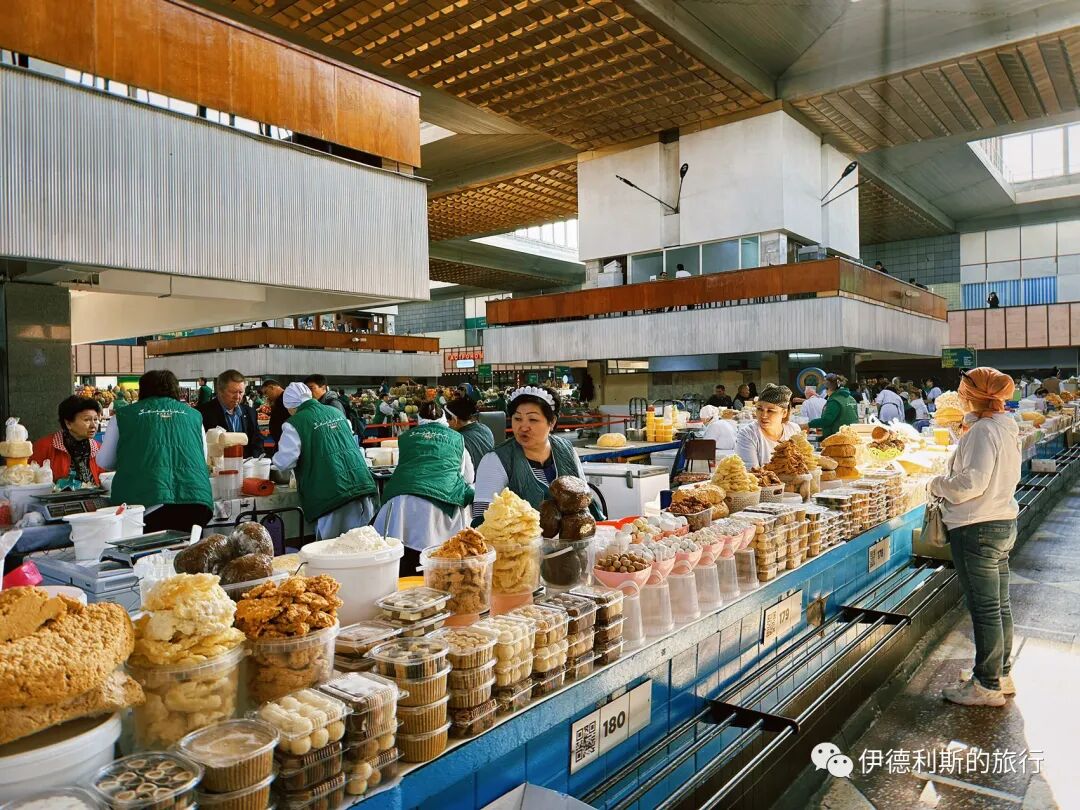
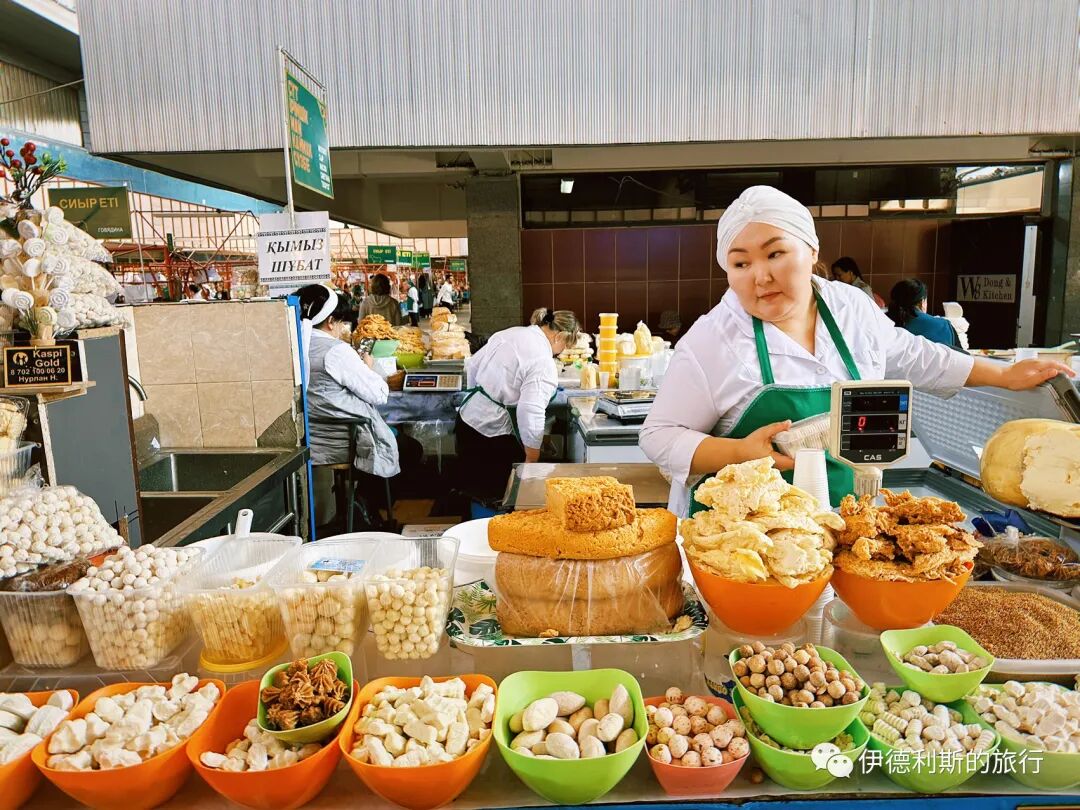
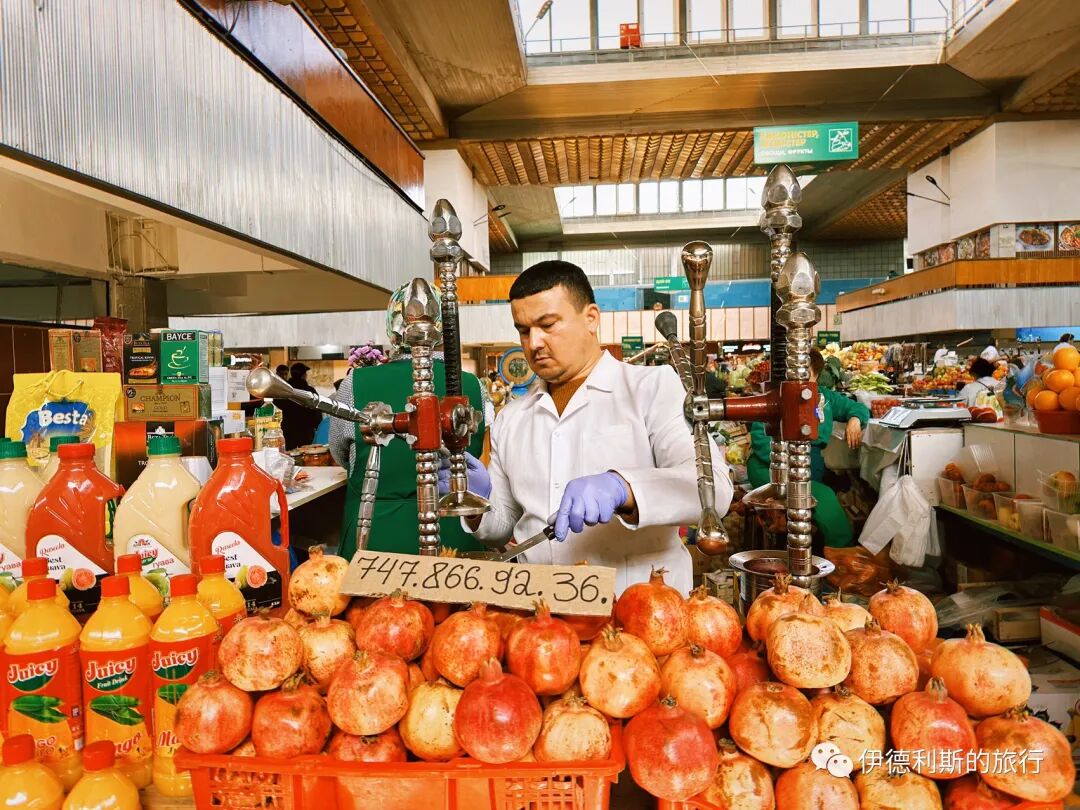
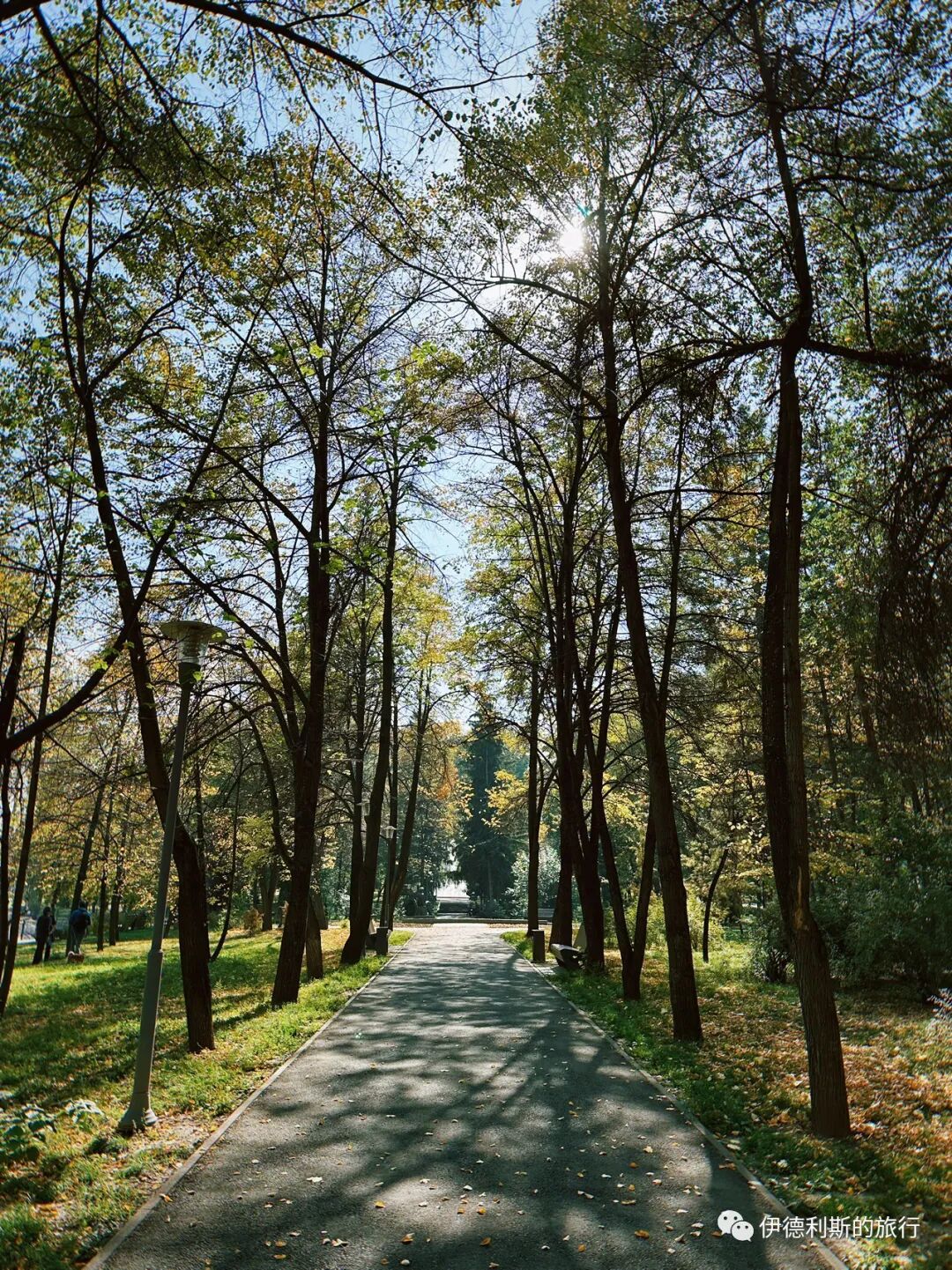
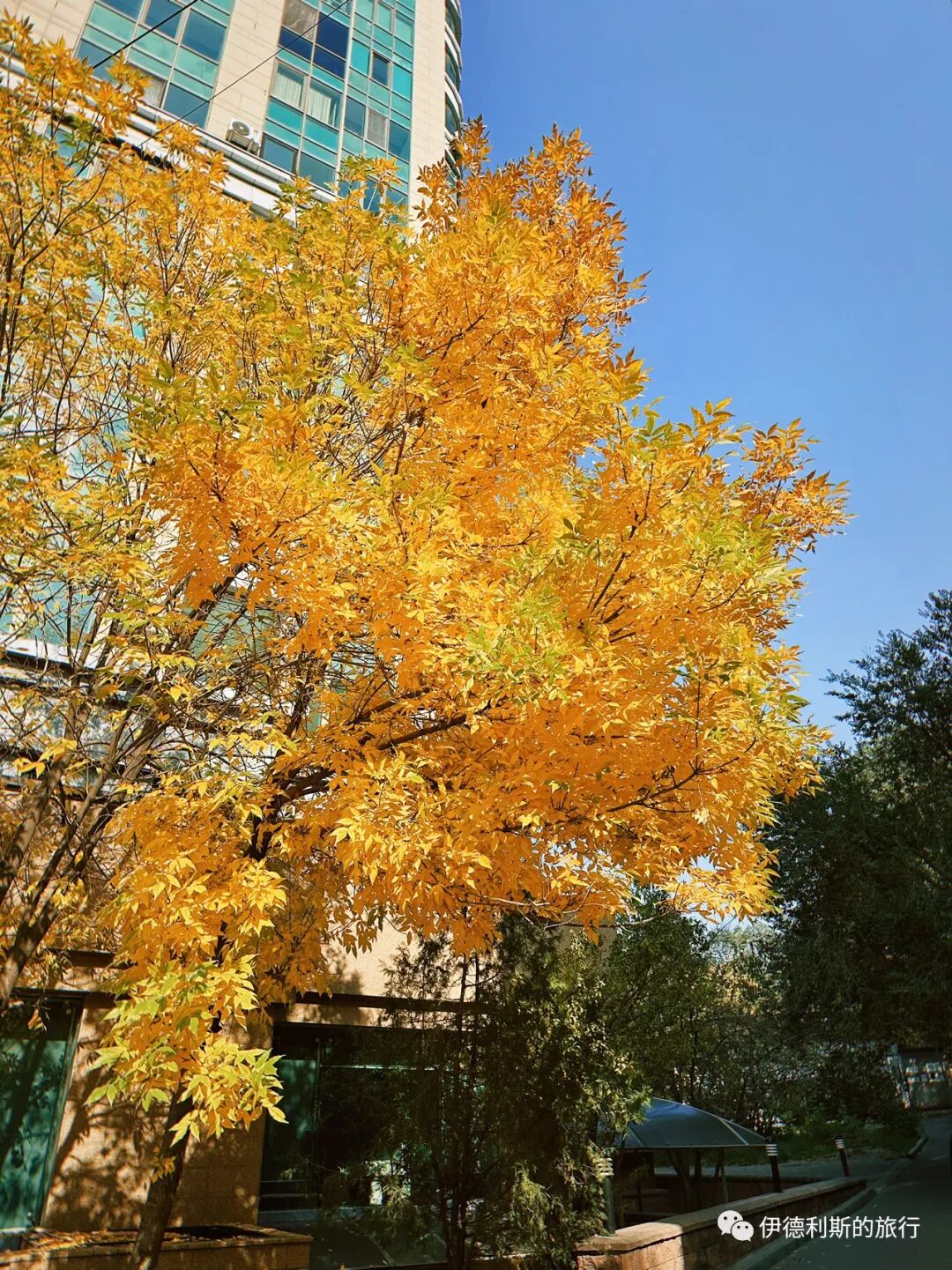
The streets of Almaty are very quiet and clean. There are almost no motorcycles or electric scooters, but you can see quite a few electric kick scooters. We tried Yandex Go, which you can ride just by scanning a code. Since the old town of Almaty is higher in the south and lower in the north, we didn't need to use the motor when riding from south to north. We just coasted all the way down, passing Soviet-era buildings, playgrounds, and tree-lined paths. It was very pleasant.
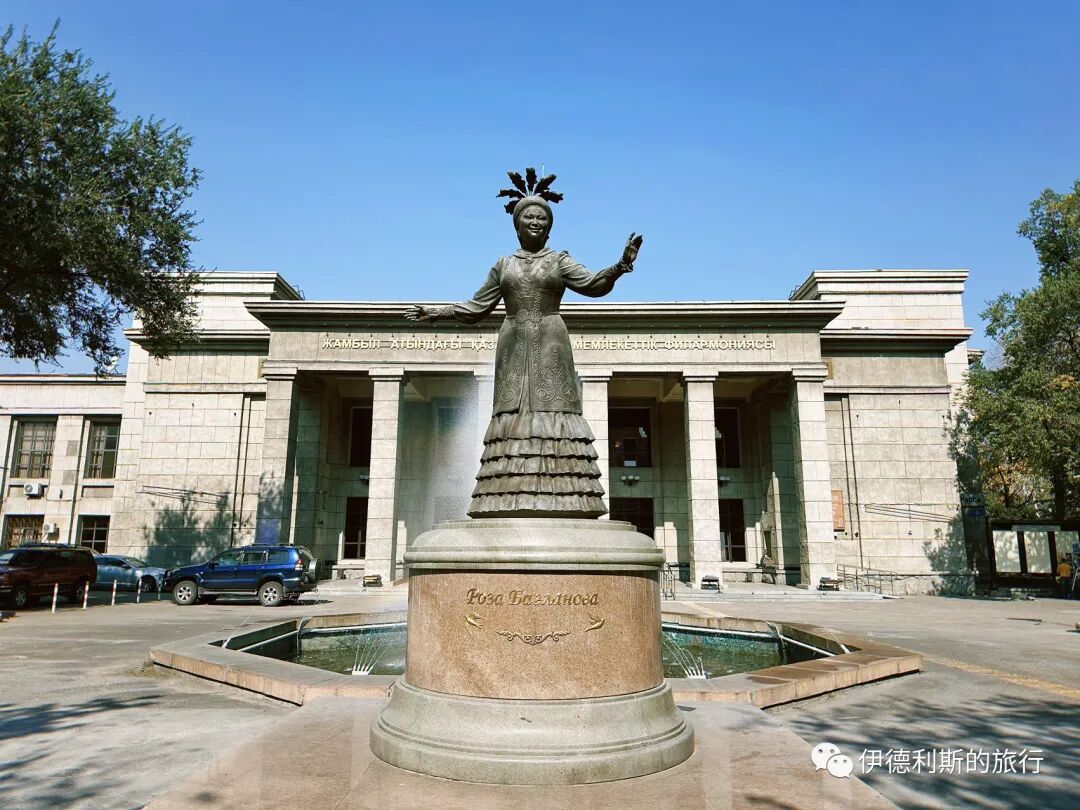
On the way, we passed the Jambyl Kazakh State Philharmonic Hall, built between 1933 and 1936. During the Soviet era, it was the largest concert hall in the Kazakh SSR.
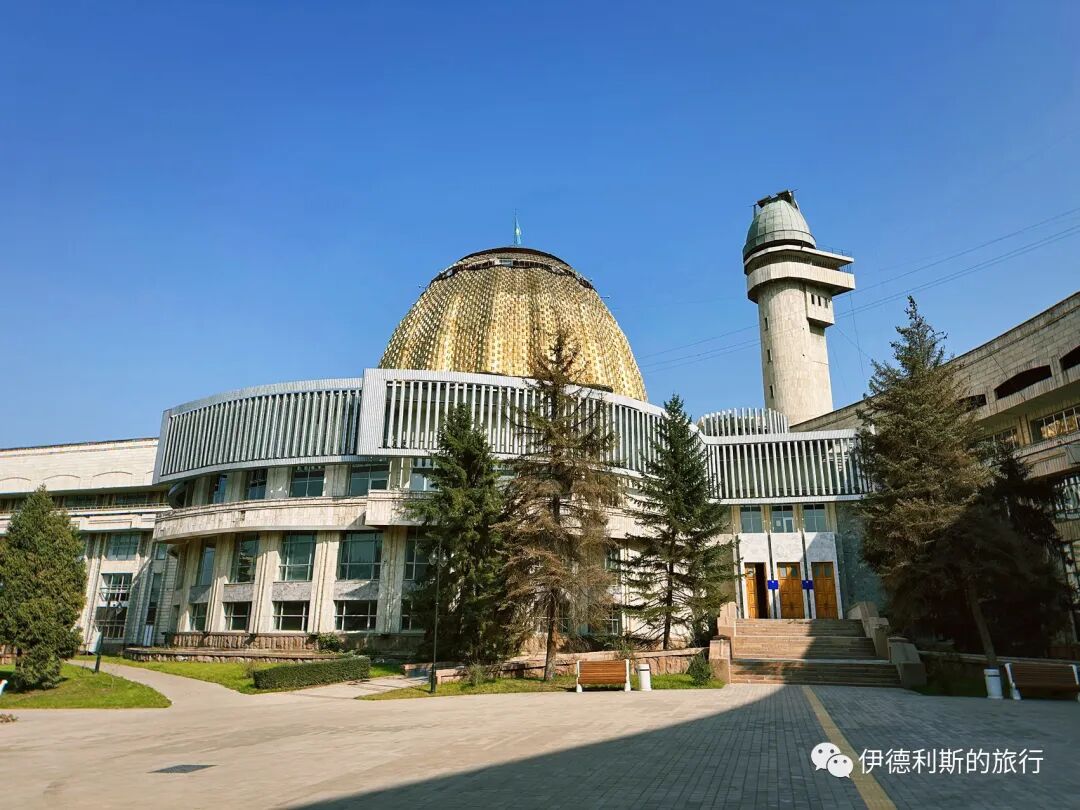
We also passed the Almaty Palace of Schoolchildren, built between 1978 and 1983. From a distance, it looks like a large mosque.
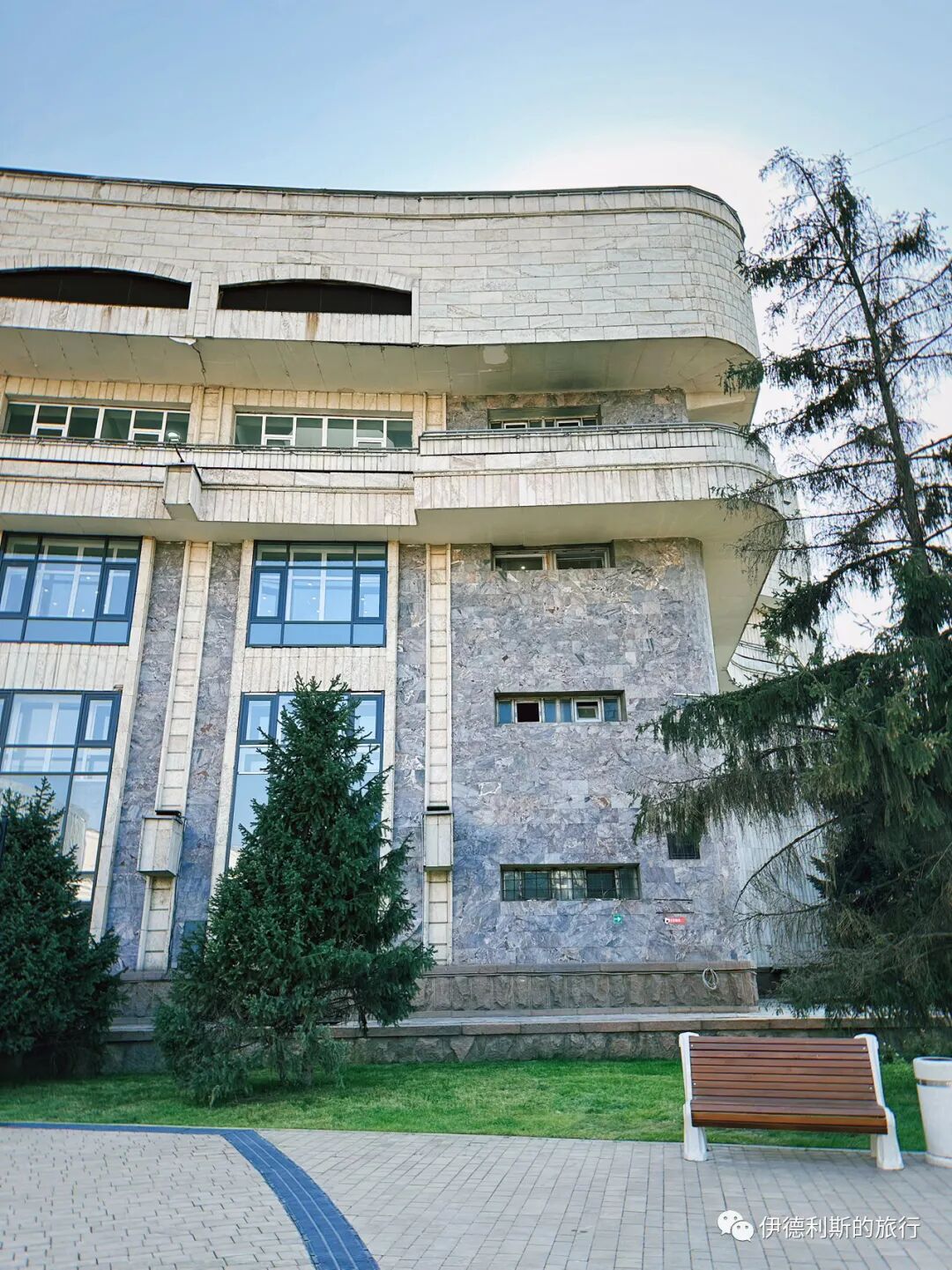
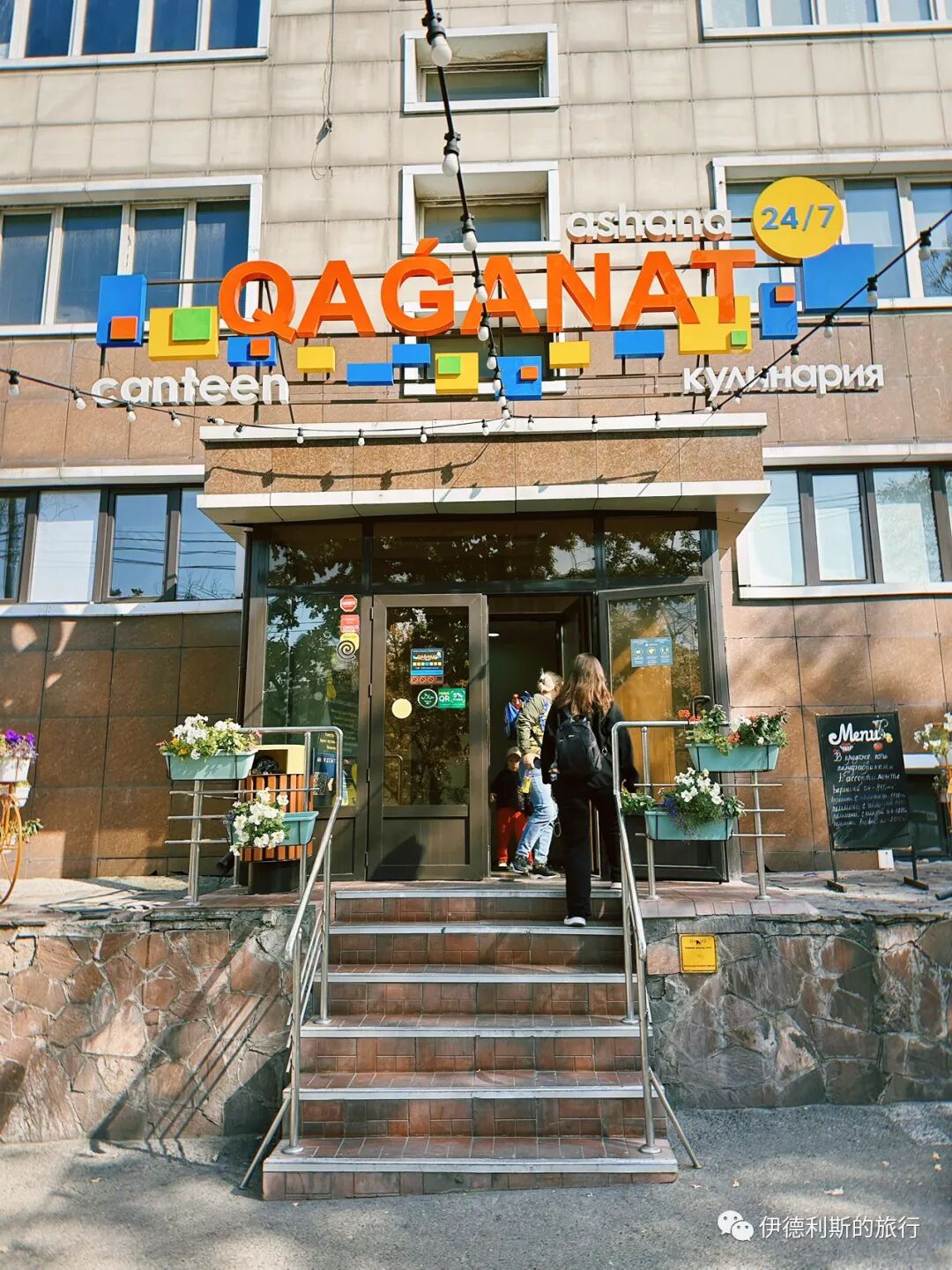
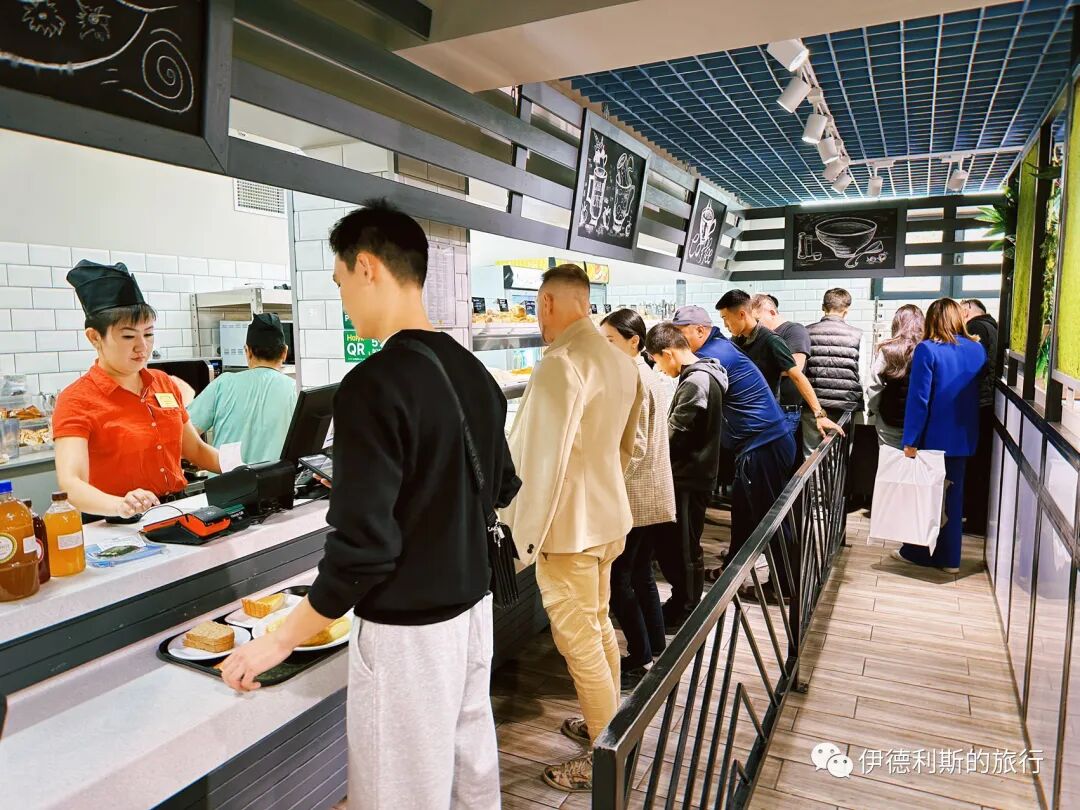
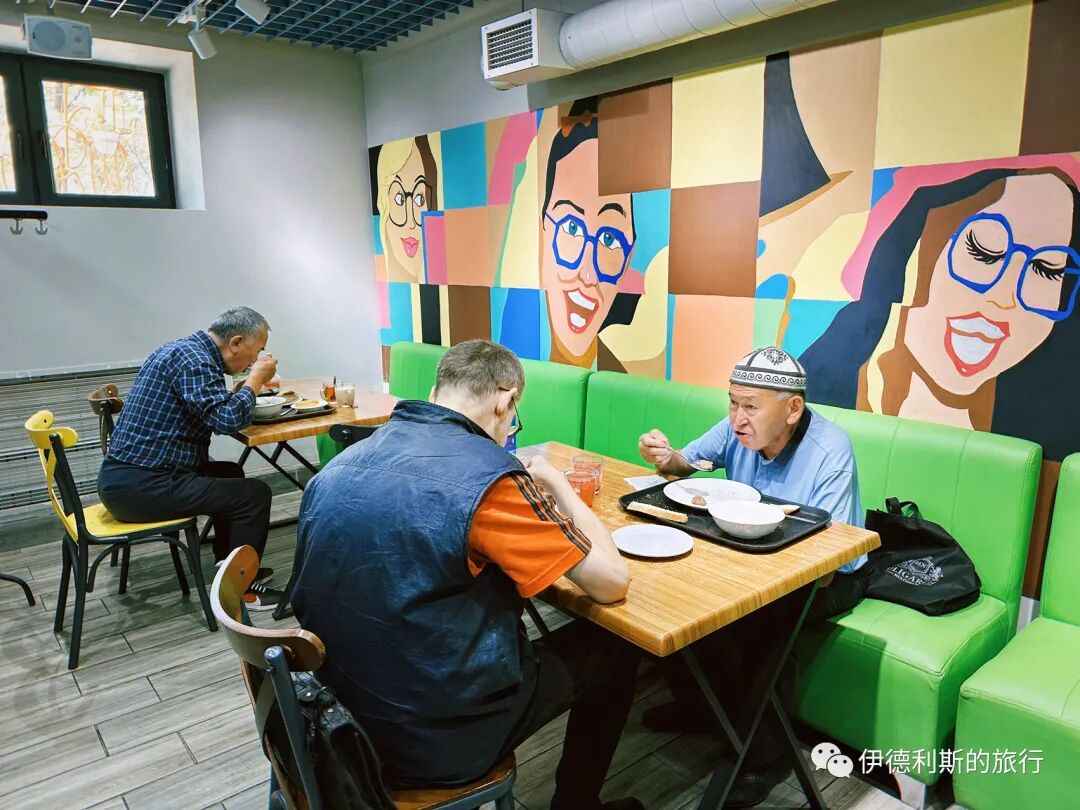
For lunch, we ate at Kaganat, which is popular with Almaty's working class and students. It works like a cafeteria where you point at what you want, and then pay at the end, so it is also great for tourists.
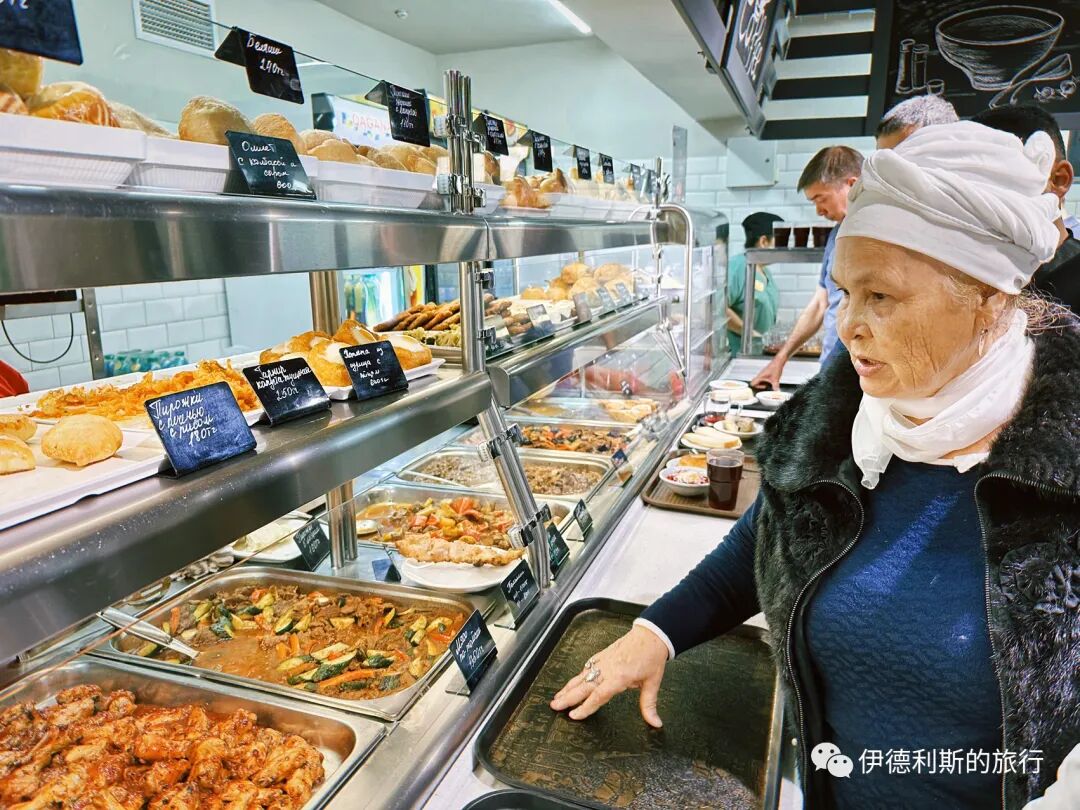
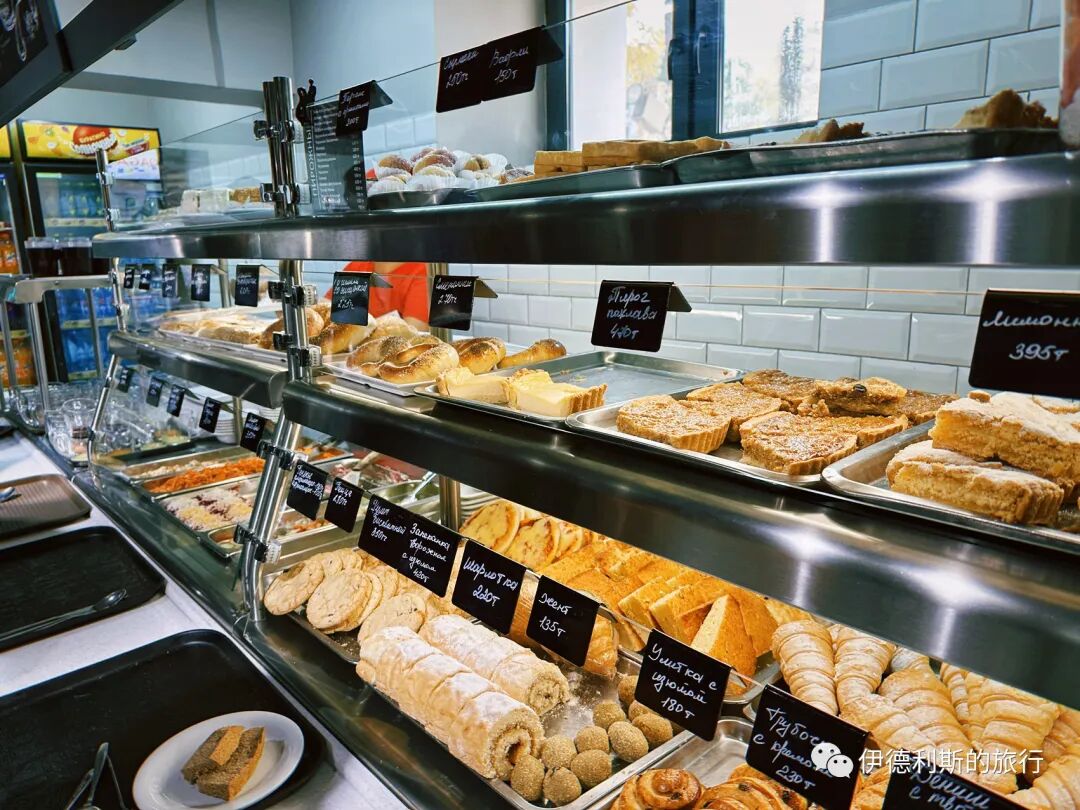
Kaganat serves both Russian and Kazakh food. Although the decor is modern, it still has the feel of a large Soviet canteen. The first section has various desserts and breads, including small oil naan (xiao you nang) and croissants. The second section is cold salads, where the Russian-style beetroot herring salad is very popular. The third section is various fruit teas. The jam is at the bottom of the glass, and you can pick up a tea bag at the checkout counter. The fourth section is the main course, with beef stew, lamb stew, chicken wings, and rice. Many people also drink borscht (hongcaitang). We ended up paying over 30 RMB per person, which is great value for money.
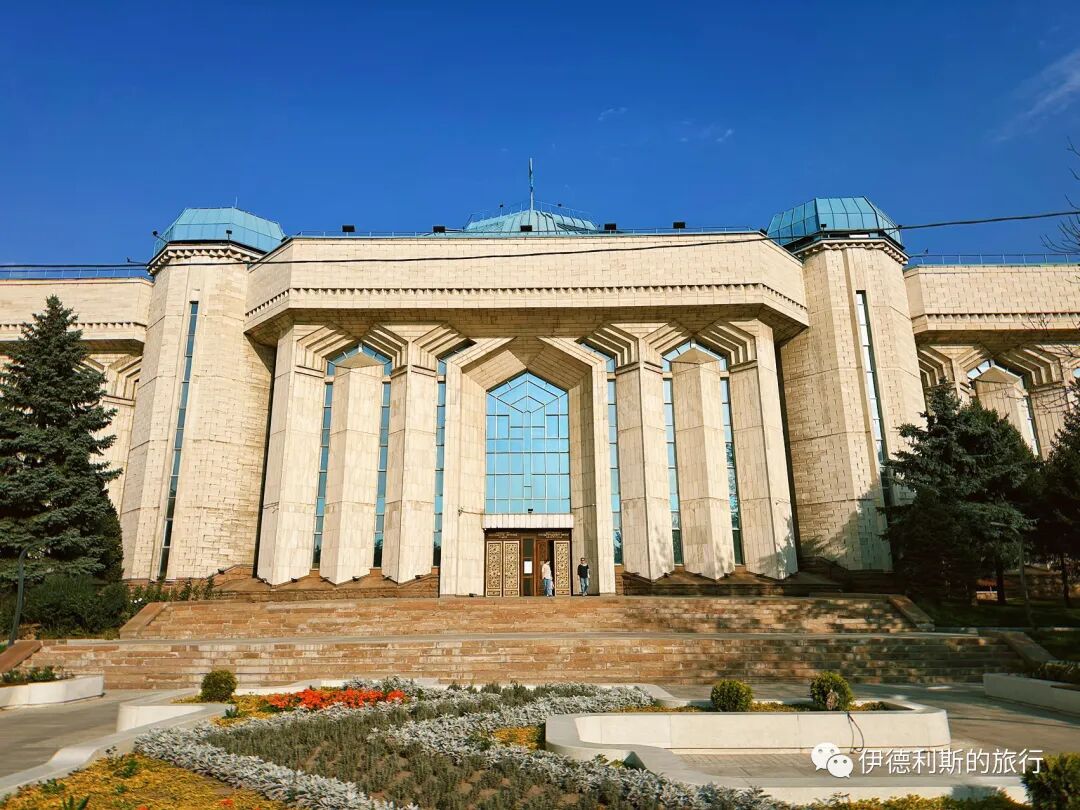
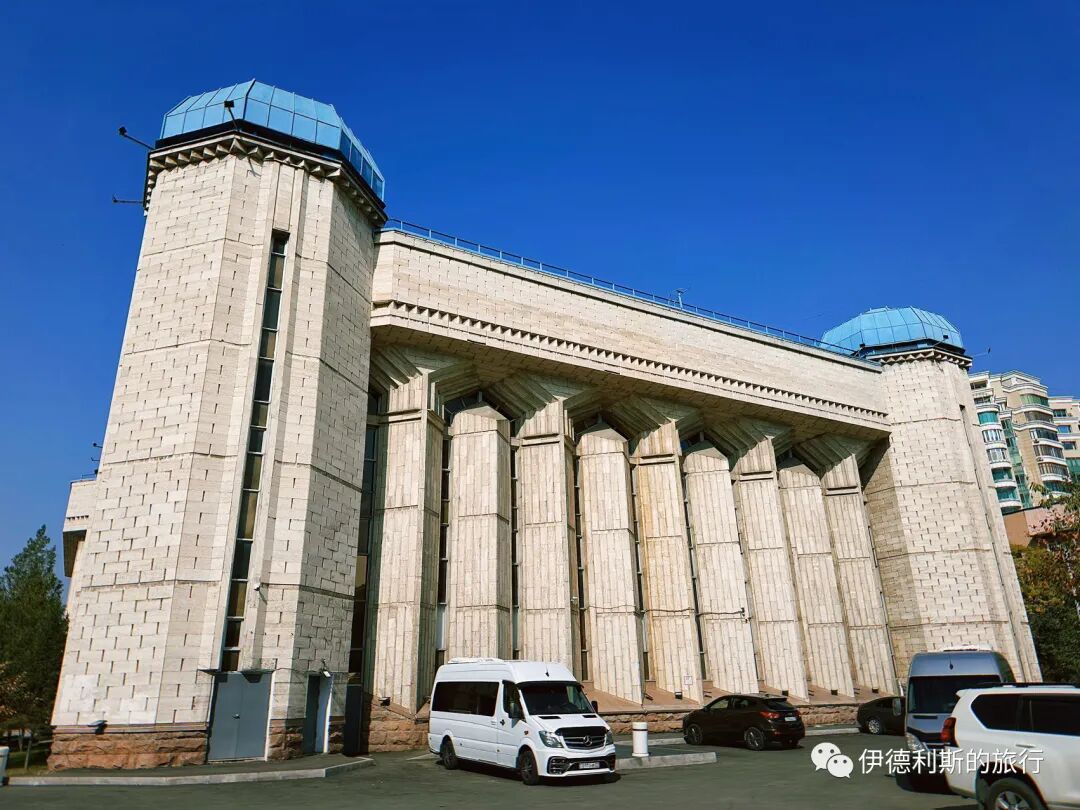
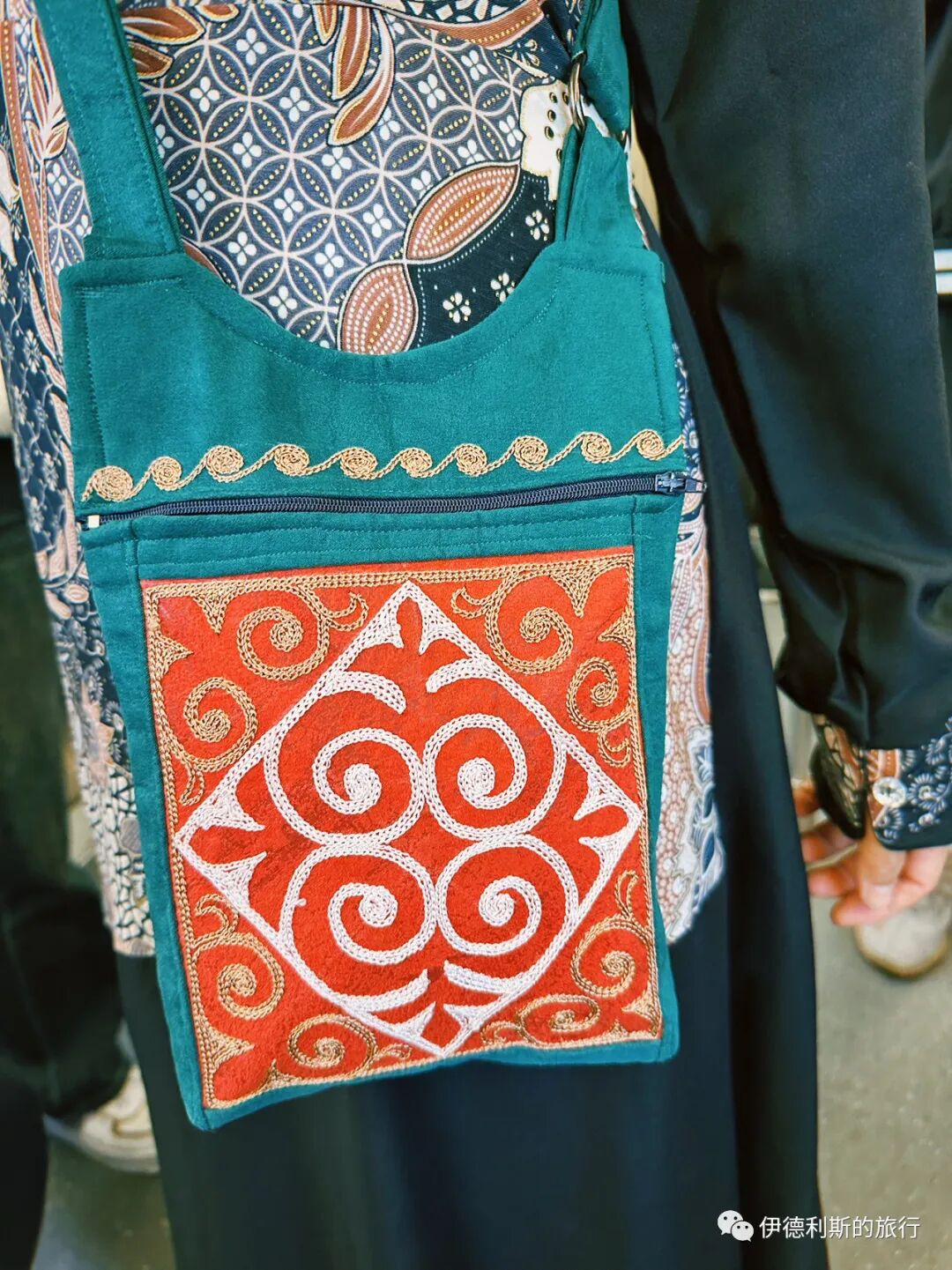
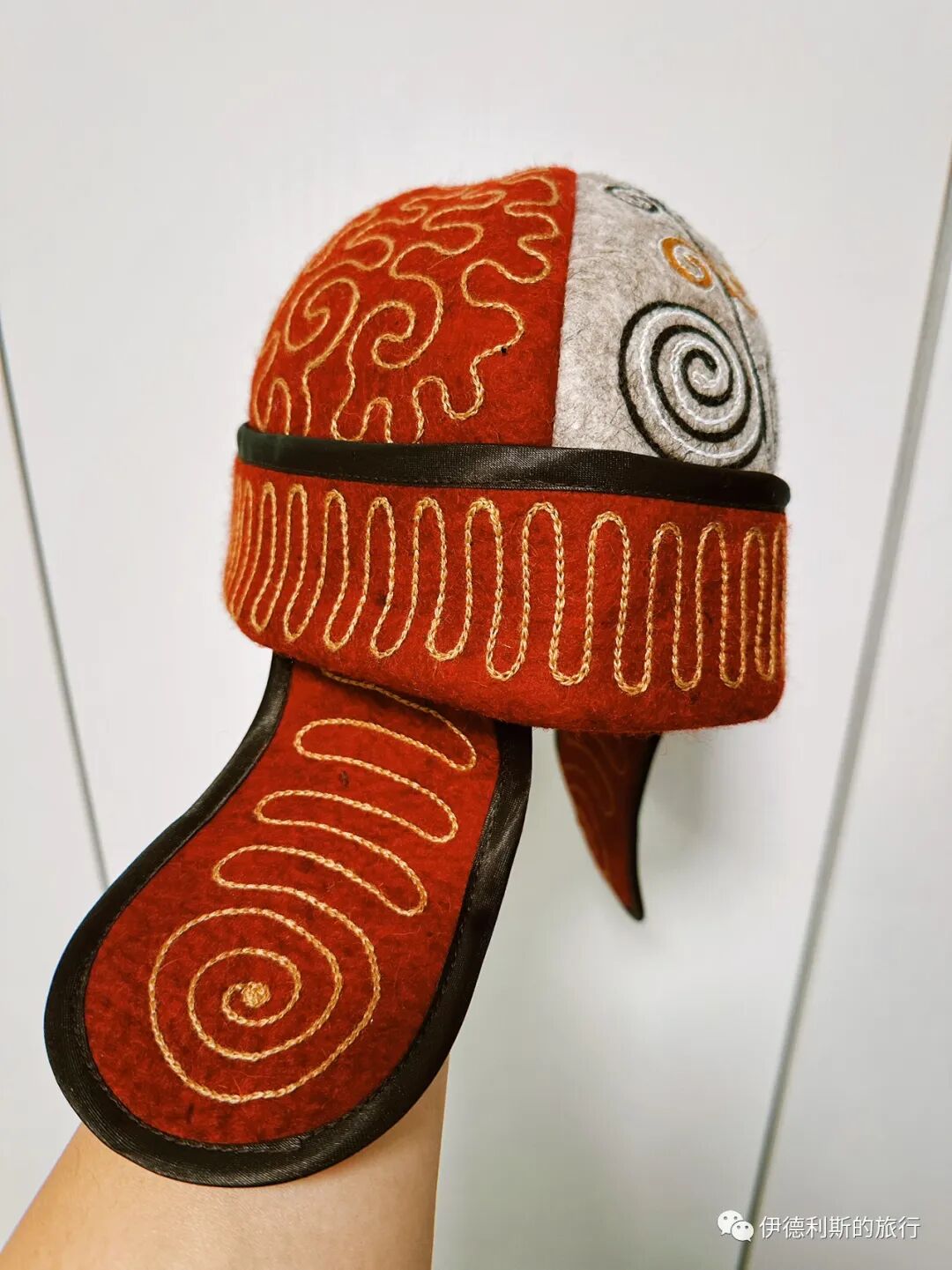
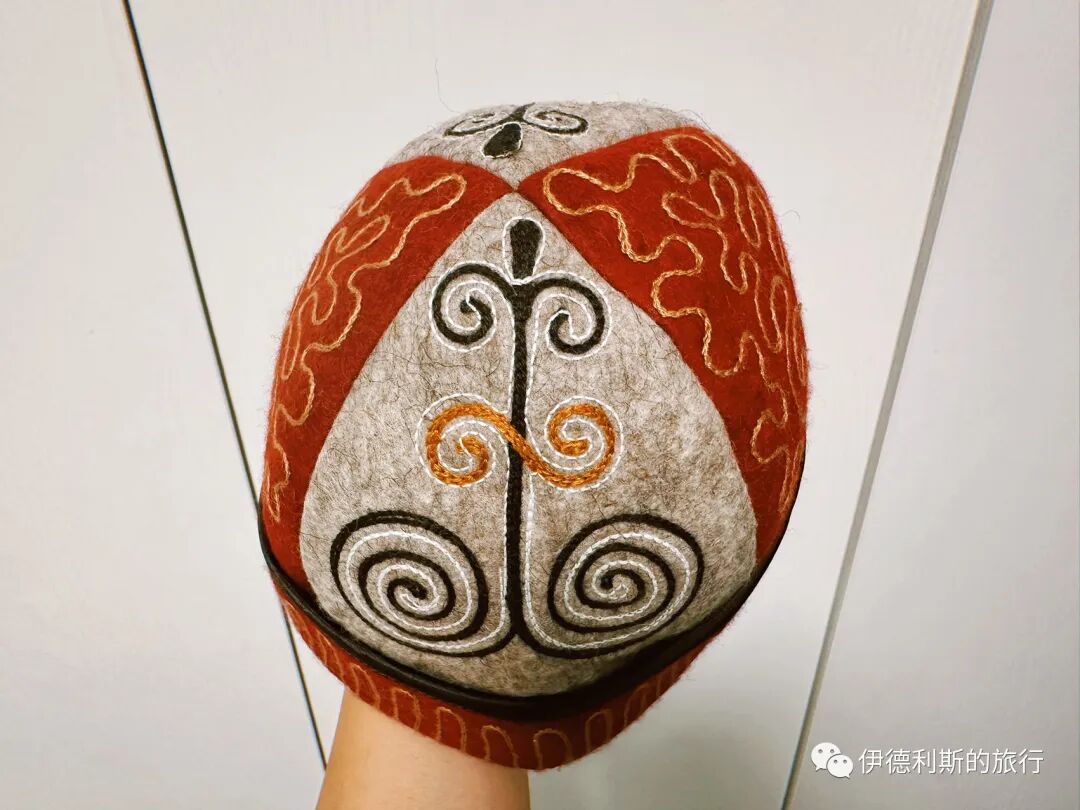
The National Museum of Kazakhstan was founded in 1931, and the current building was constructed in 1985. I highly recommend the shop right at the museum entrance. The various Kazakh handicrafts are beautiful. Zainab bought a felt shoulder bag with Kazakh patterns, and I bought a felt hat with earflaps. Both look very stylish.
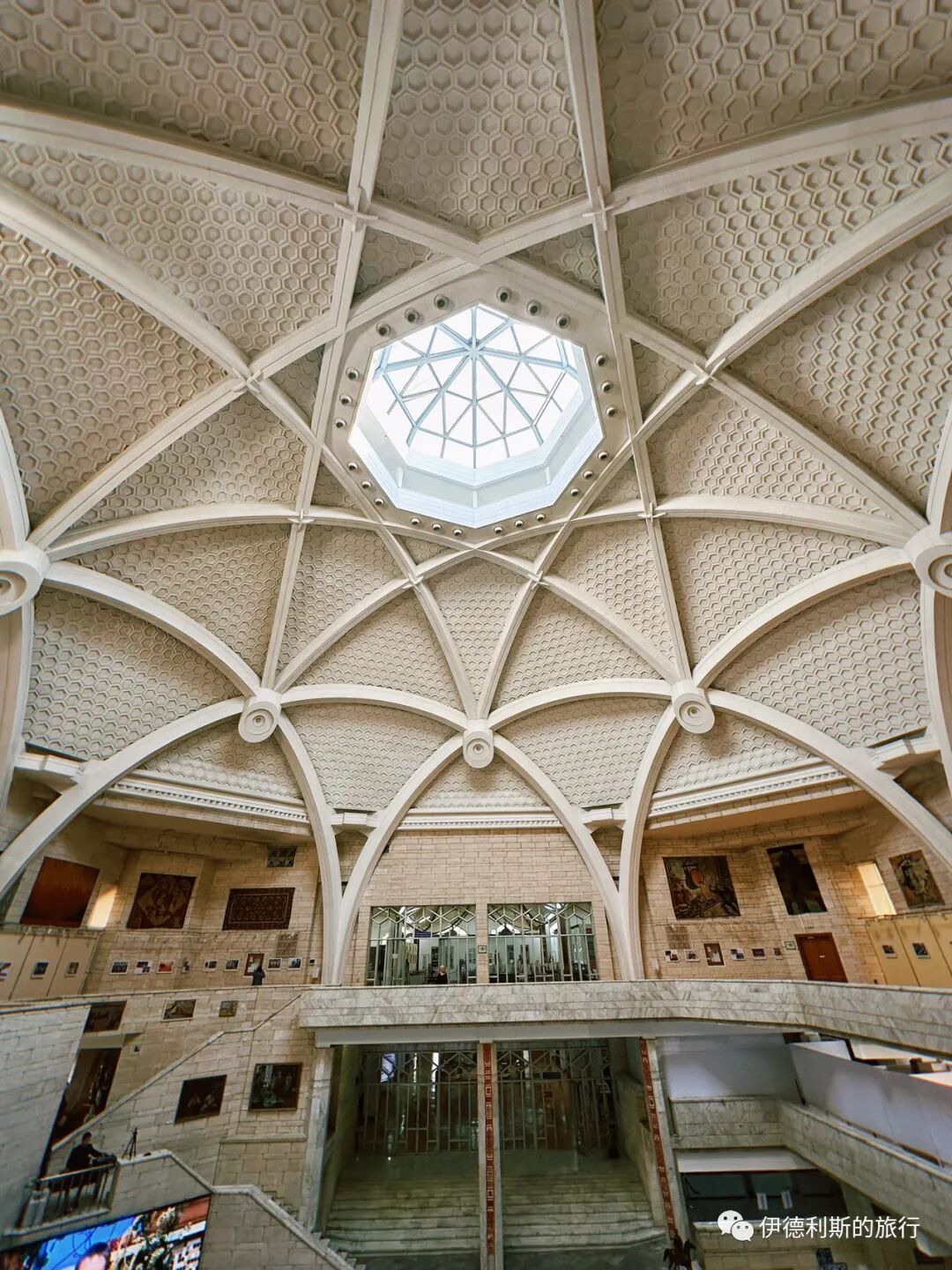
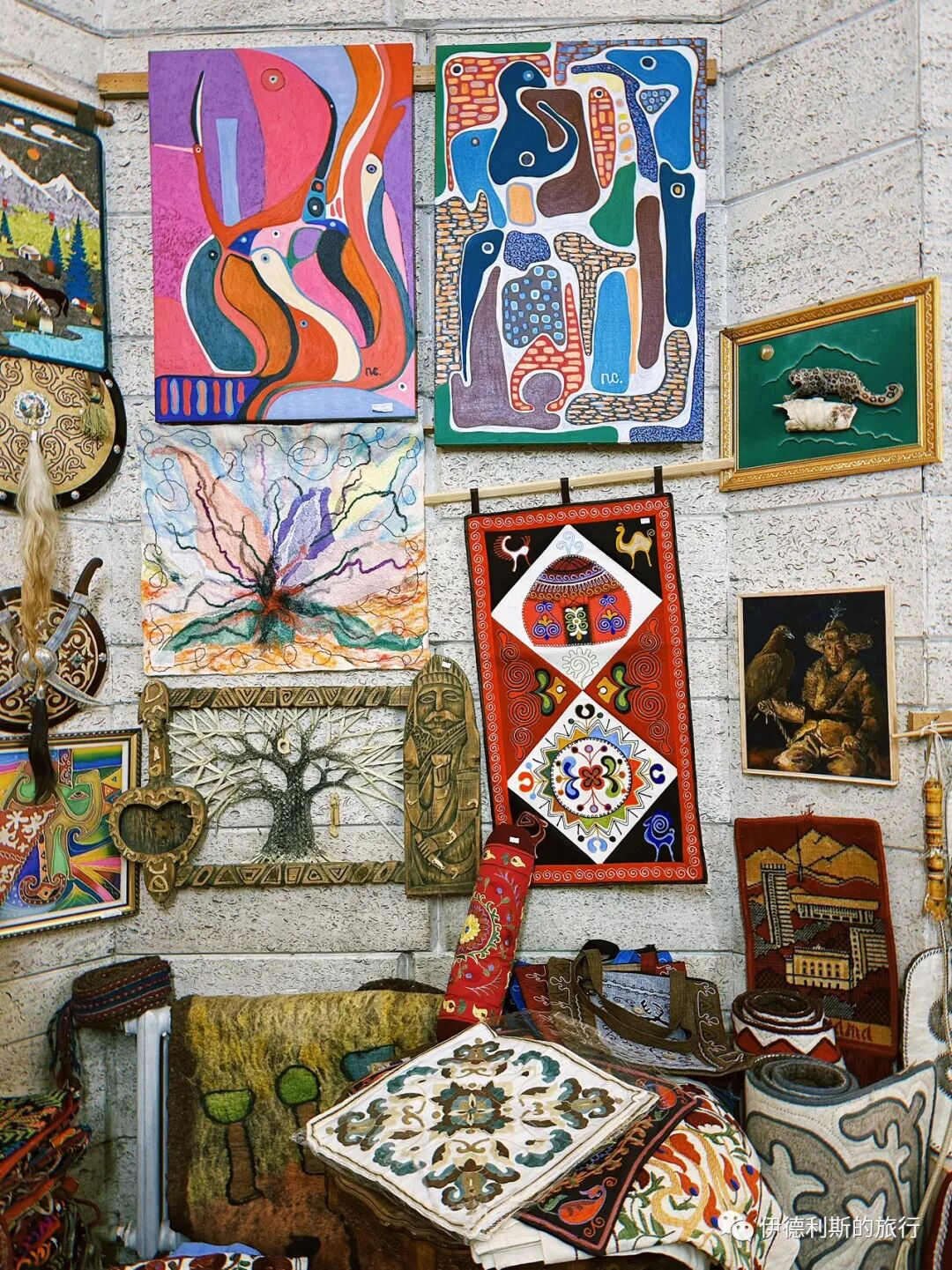
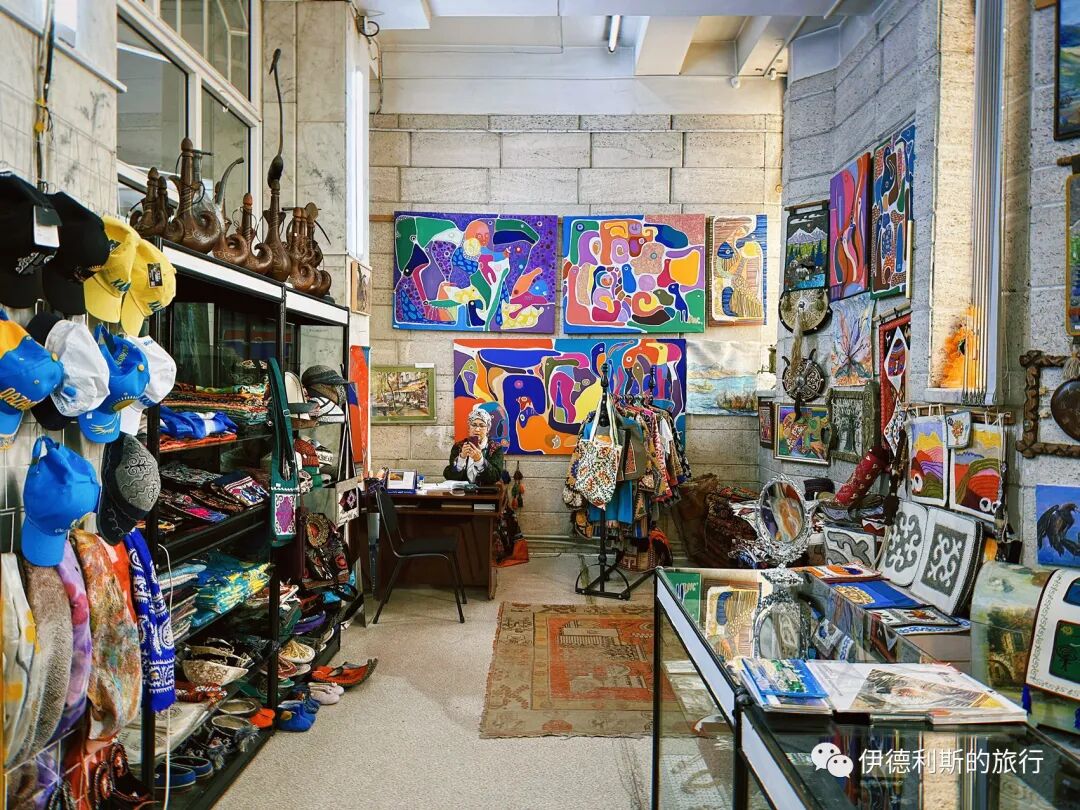
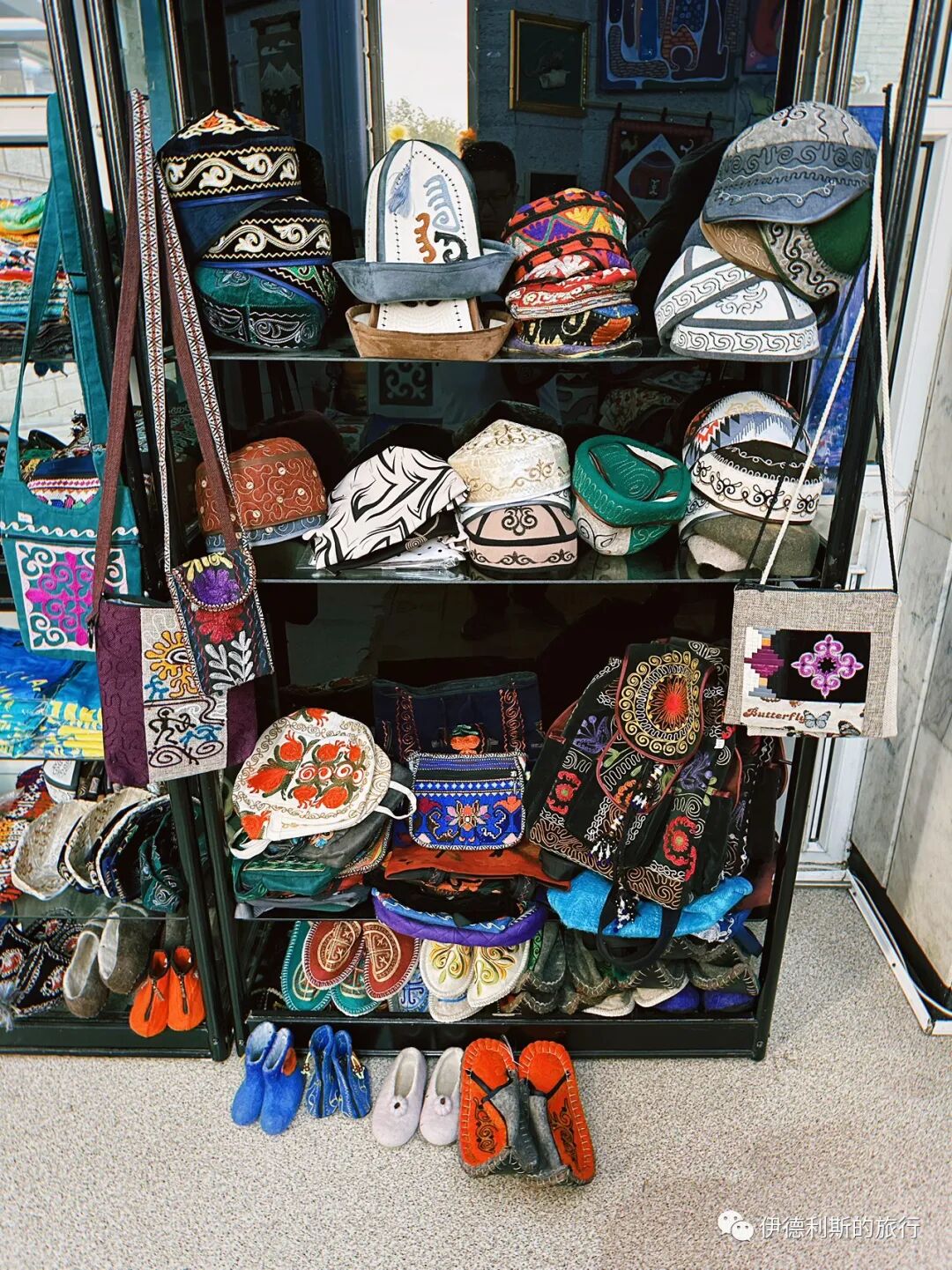
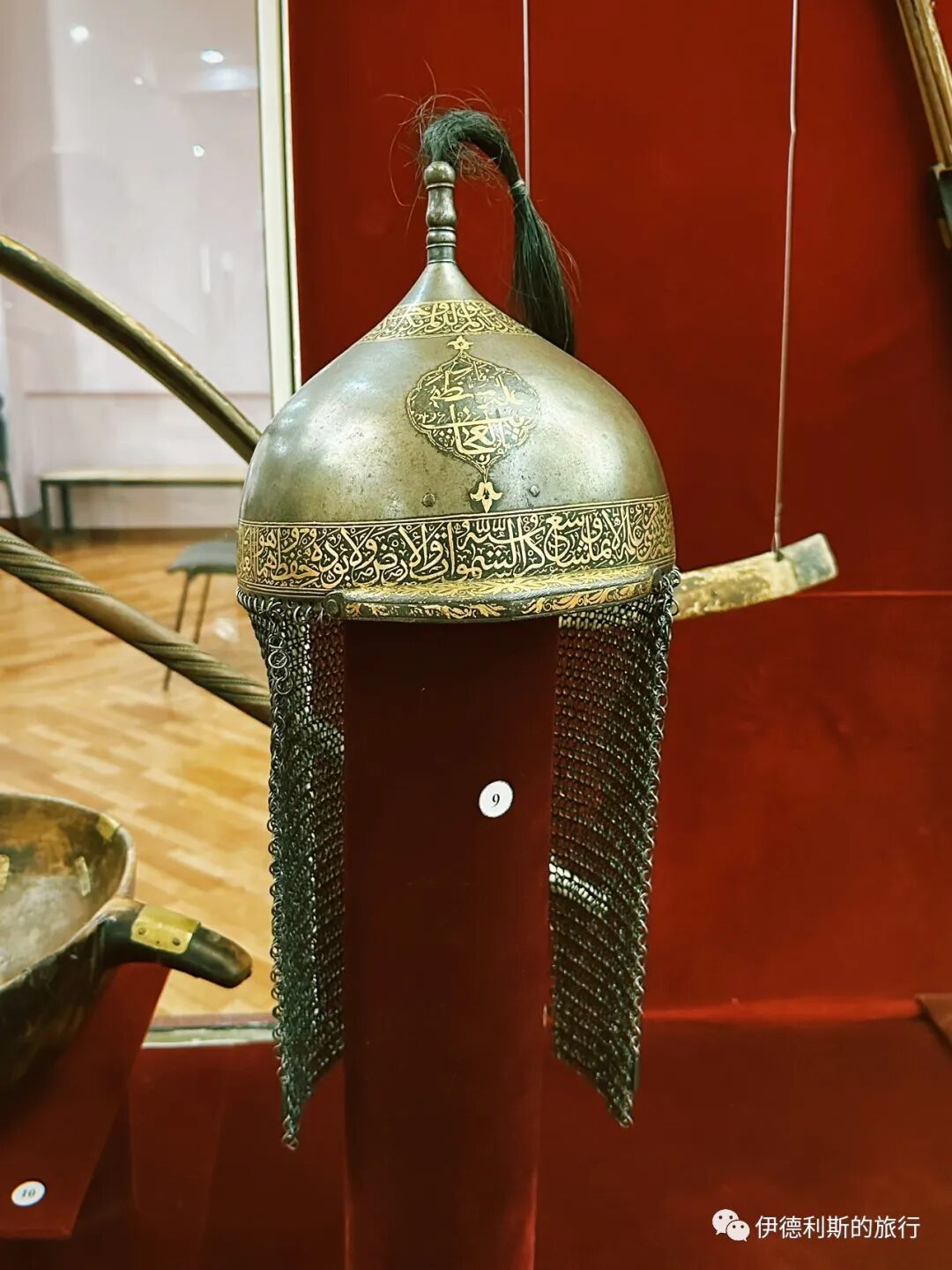
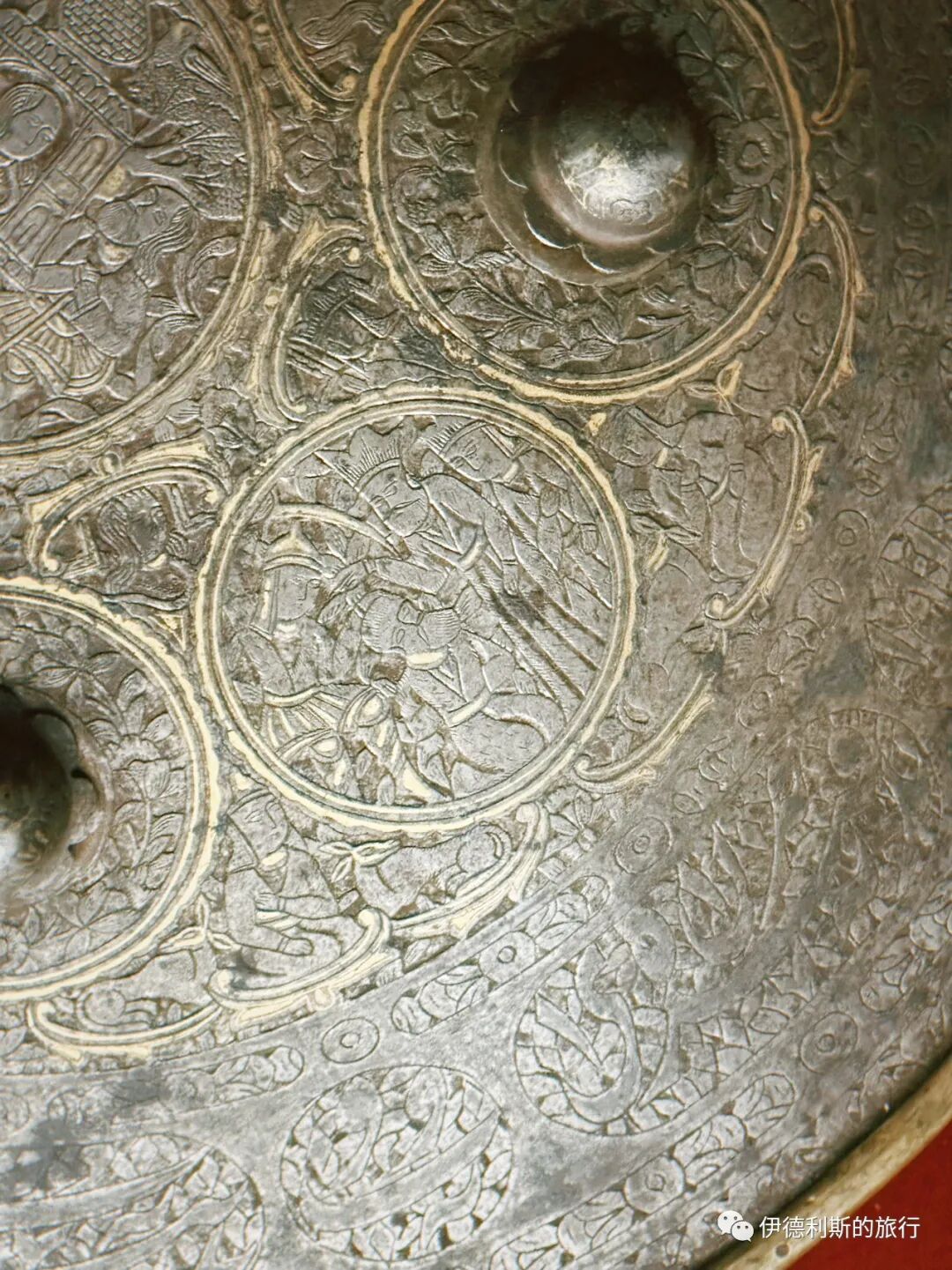
Helmets and shields collected by the National Museum of Kazakhstan.
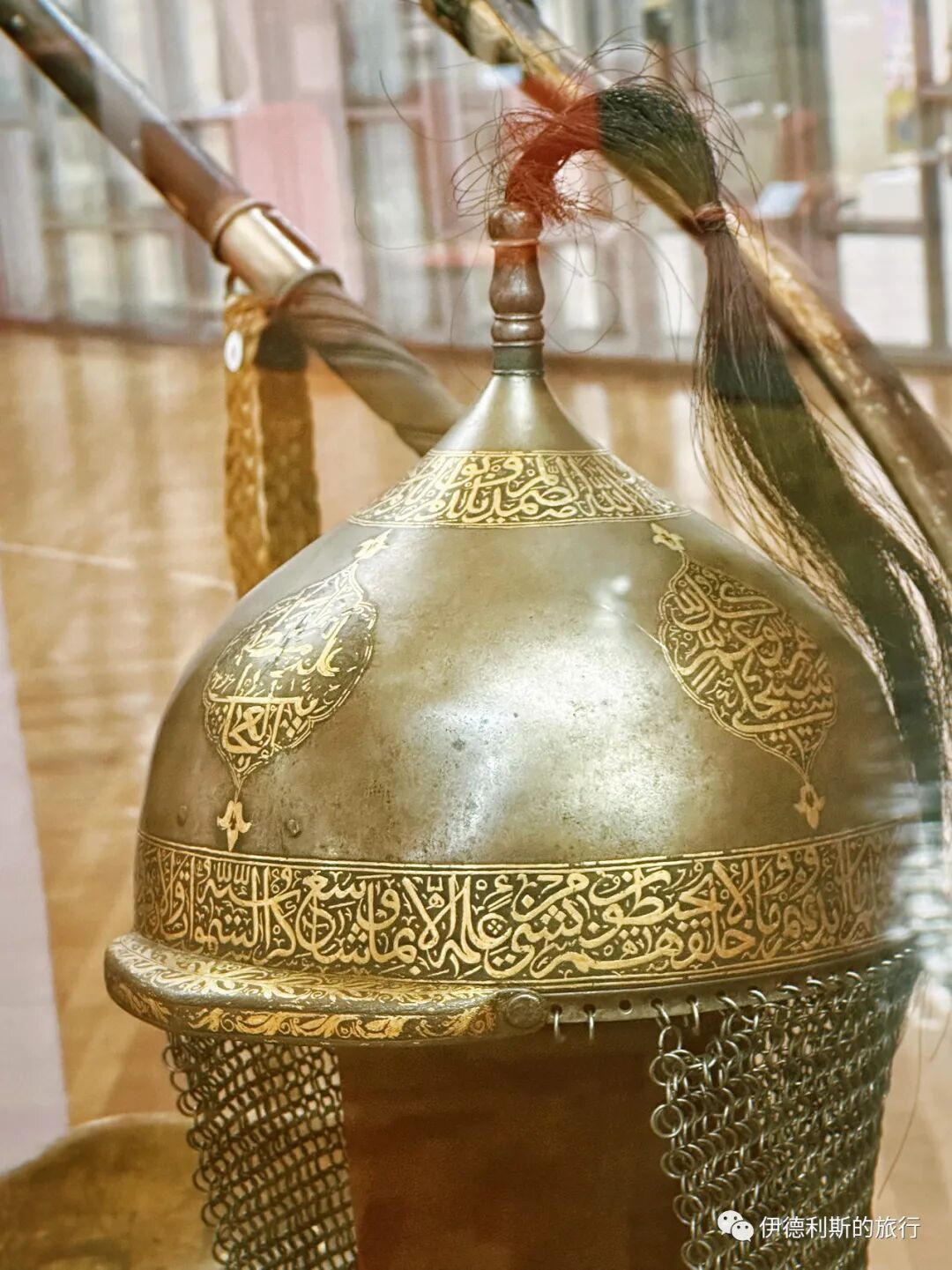
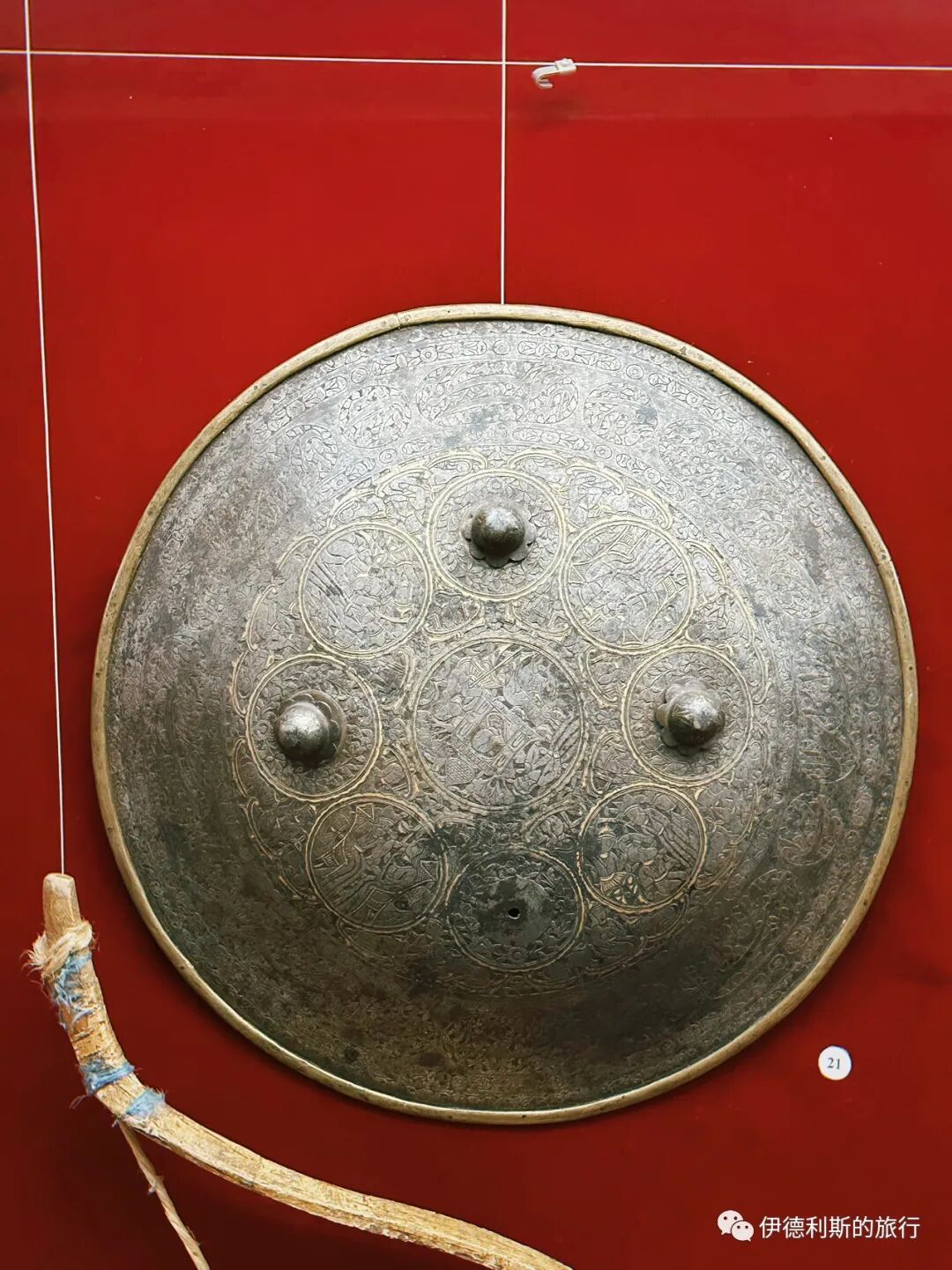
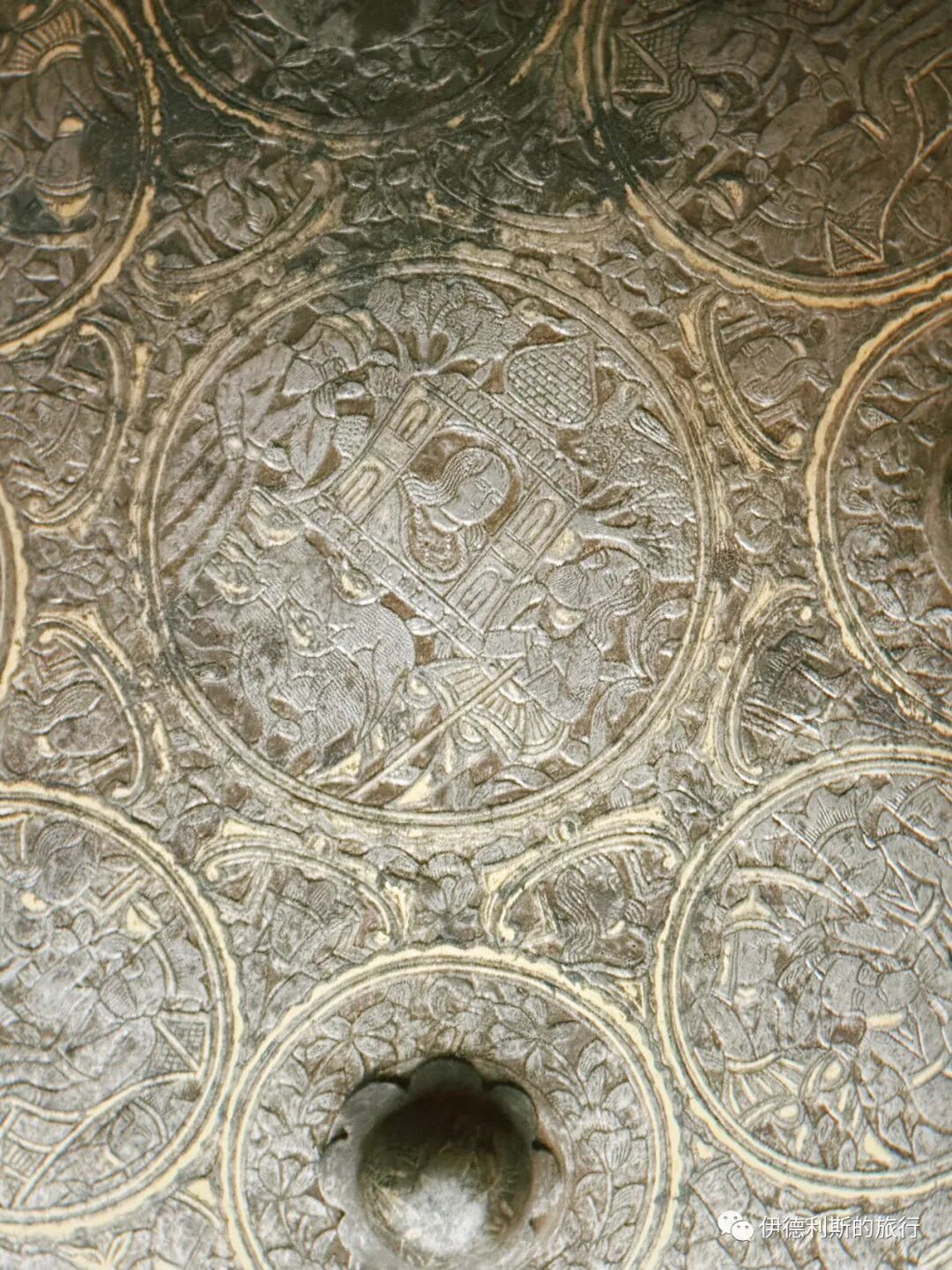
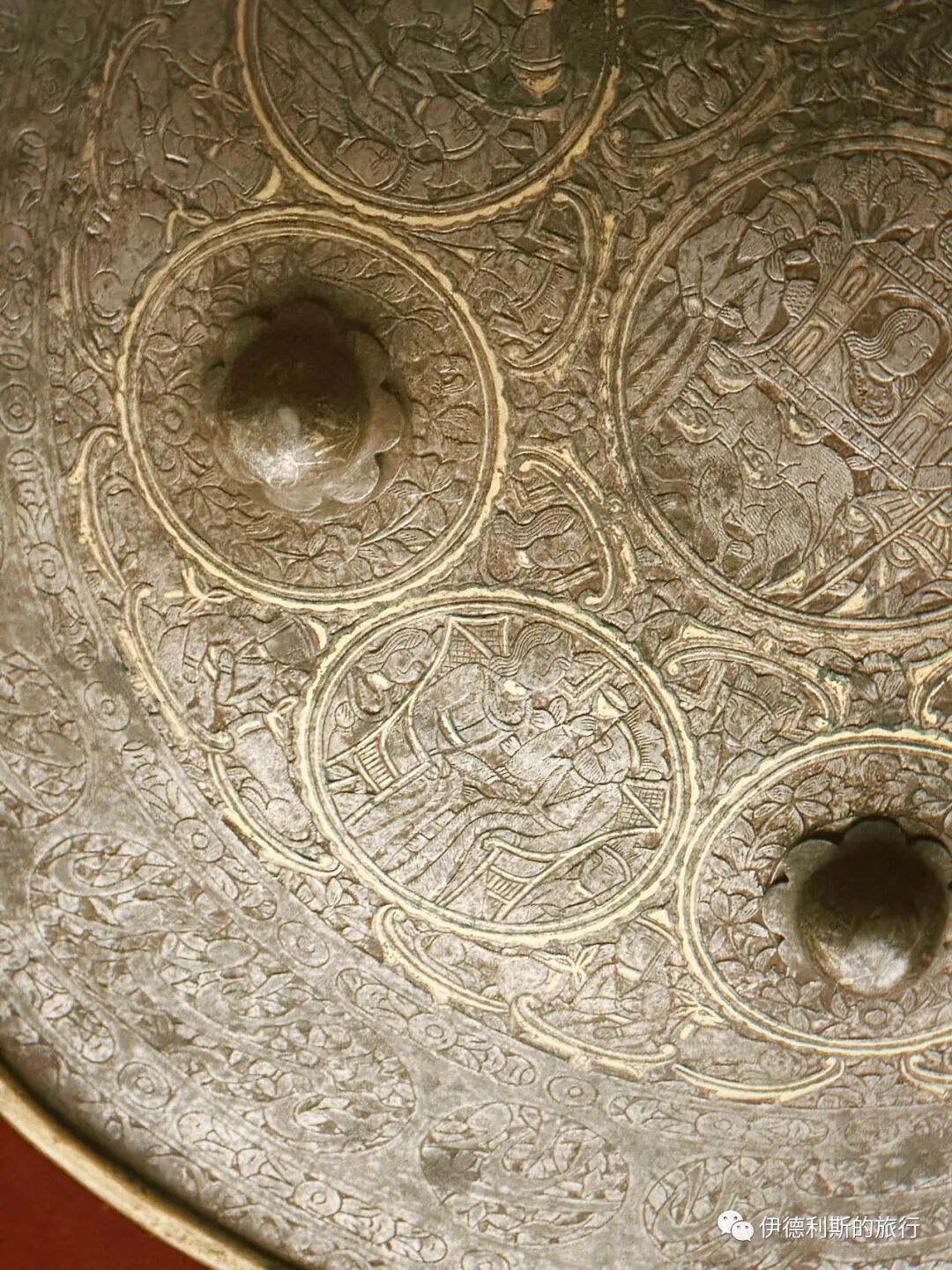
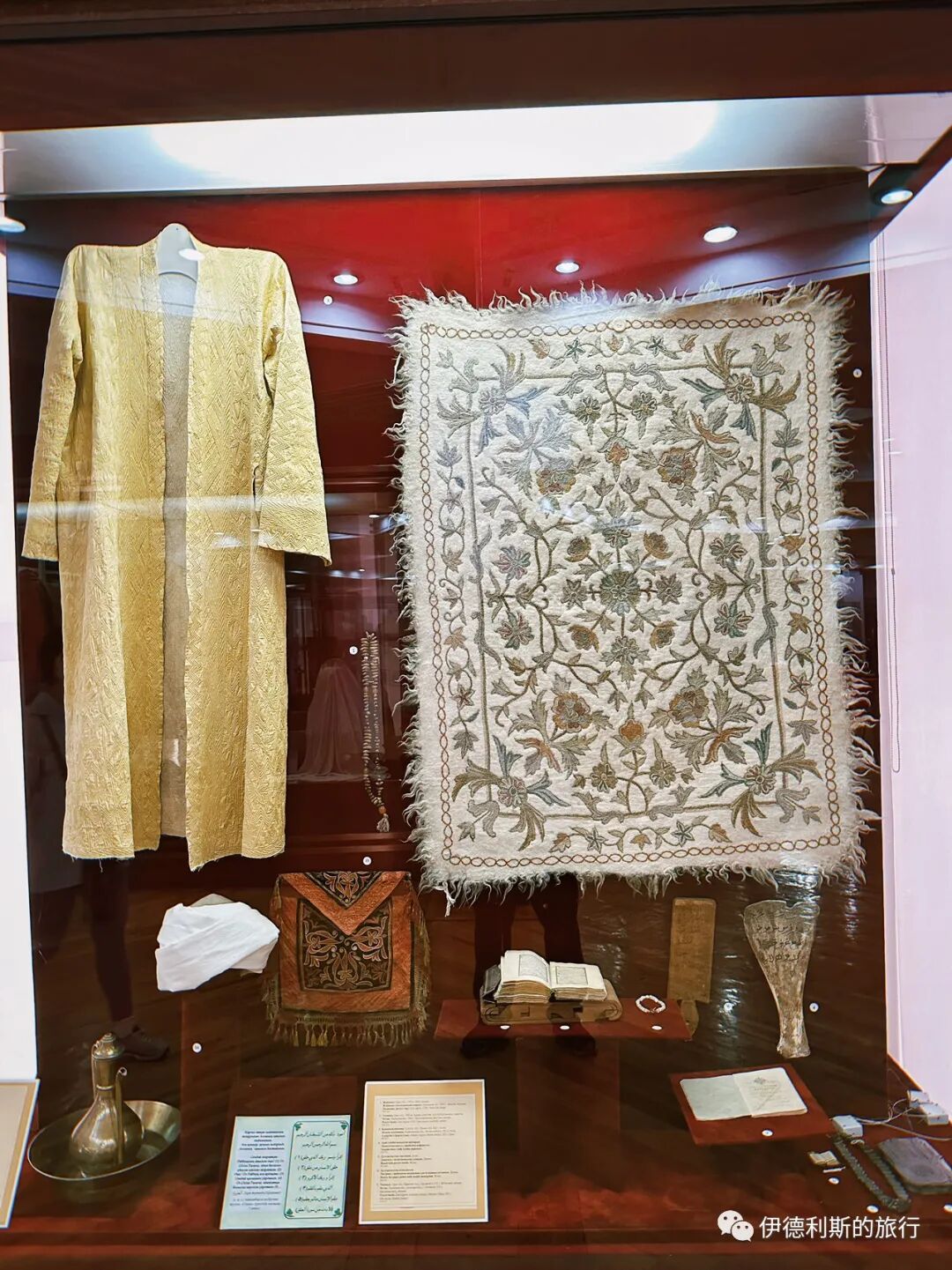
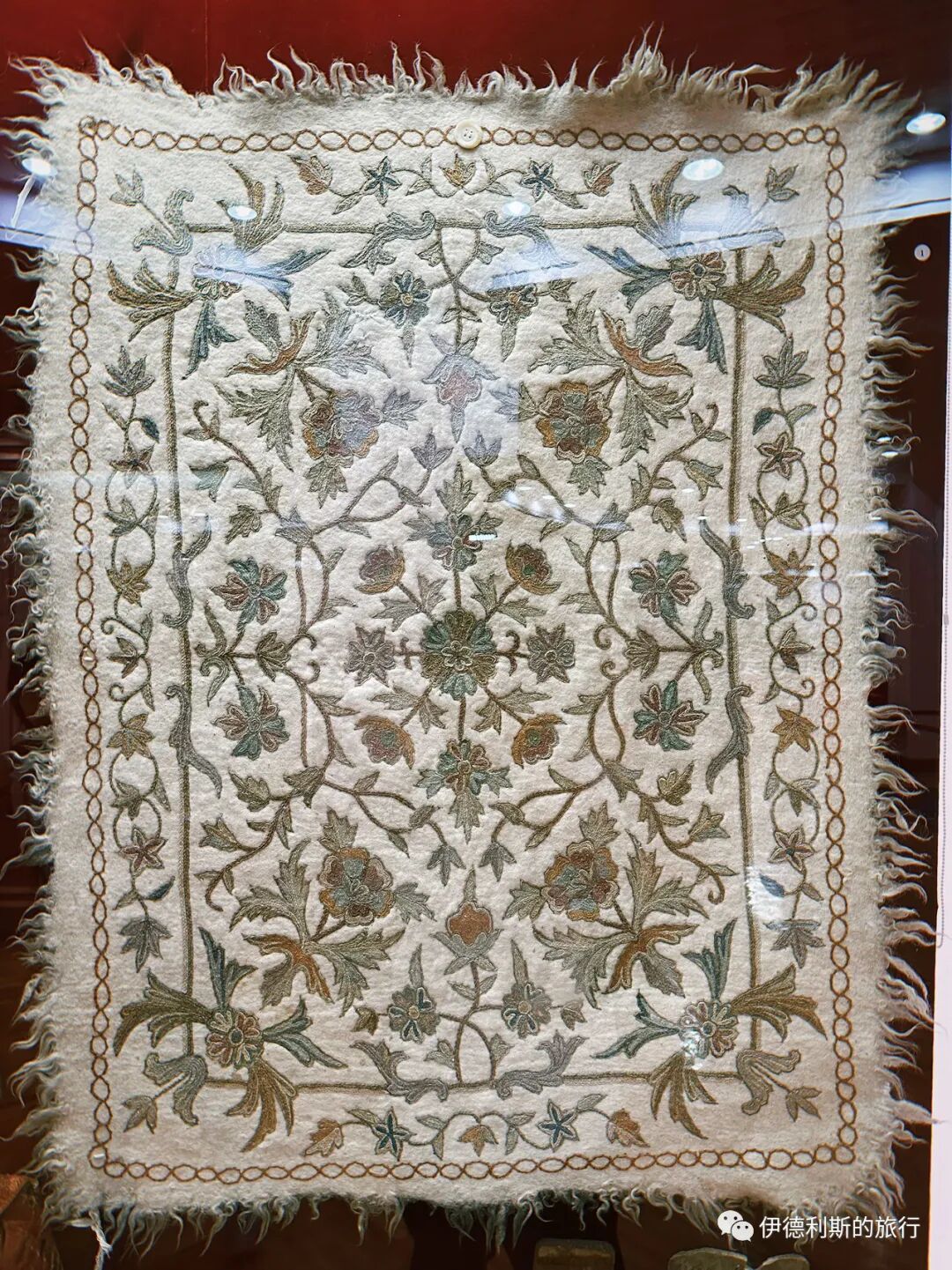
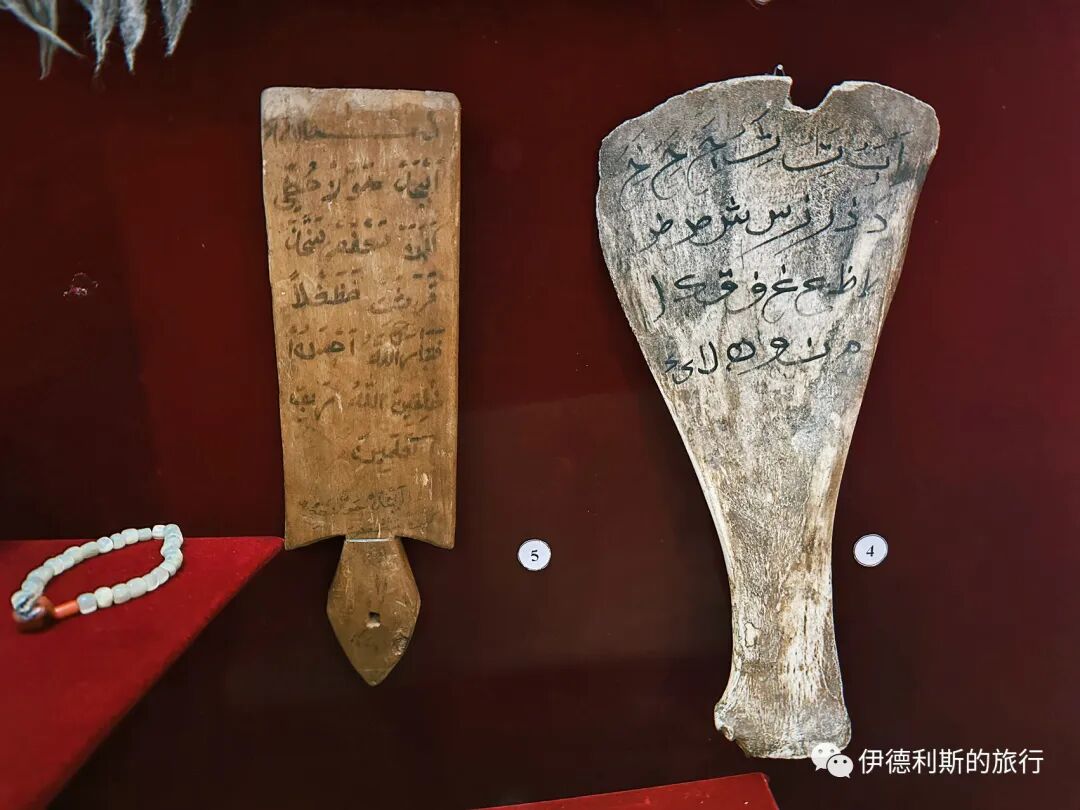
Religious items collected by the National Museum of Kazakhstan include an imam's robe and turban, prayer rugs, wooden and bone tablets for students (mulla) to study scriptures, pocket-sized Qurans for herdsmen, prayer beads, embroidered bags for scriptures, and passports used for Hajj.
In the evening, we went to a high-end Kazakh restaurant called SANDYQ near the pedestrian street. The interior features a nomadic style, and the waiters all wear traditional Kazakh clothing. They serve the most traditional Kazakh nomadic dishes, which have not been influenced by Russian cuisine. We ordered horse meat stew (Bal Kuyrdak), cold beef tongue, nomadic grain soup (Nomad Kozhe), and pan-baked bread (Taba nan) with homemade butter and mountain honey. We also ordered fermented camel milk (Shubat) and fermented mare's milk (Kumis). Kozhe soup is what Kazakhs drink when celebrating the Nowruz festival, and it contains milk and dried cheese balls (Qurut). Their fermented mare's milk (Kumis) has a stronger taste than what is sold in supermarkets. Zainab and I took turns drinking a small cup just to finish it. It was truly an unforgettable experience, and in the future, we will stick to drinking camel milk and cow's milk.
During the October holiday, I took a round-trip flight from Beijing to Istanbul via Almaty on Air Astana, which gave me two full days to spend in Almaty. On the way there, it happened to be Friday Jumu'ah, so we visited an old Hui mosque in the northern suburbs of Almaty. We were warmly welcomed by the elders there and even ate the pilaf (zhua fan) prepared by the mosque, which I wrote about in my post 'Visiting the Hui mosque in Almaty'. In this article, I will mainly introduce our experiences eating and exploring around downtown Almaty.
We flew from Beijing to Almaty in the early morning. After arriving, we took a taxi directly to Navat, a famous restaurant chain in Almaty. The main branch is actually in Bishkek, and they have branches in Kyrgyzstan, Kazakhstan, and Russia. The restaurant's decor features a distinct Central Asian style.
I originally wanted to go to the Navat on the pedestrian street, but I used Yandex Go to set the destination to a different branch. This location didn't have an English menu, so we had to order by looking at the pictures.
We ordered Uyghur milk tea (Atkan Chay) and Turkmen milk tea (Kirma Chay). Atkan Chay is made with brick tea, milk, and salt, while Kirma Chay is made with black tea, milk, oil, roasted wheat flour, and salt.
The classic pairing for milk tea is definitely fried dough (Bauyrsaq), which can be shaped into diamonds or balls. Turkic peoples and Mongols all love eating these fried snacks.
We also ordered a platter of various Kazakh dairy products. One of them, Irimshik, is a semi-cheese made from a mix of cow and sheep milk; it is light brown, sweet, and very chewy. Qurt is a very dry yogurt ball. The word itself comes from the Middle Persian word for 'dry,' so it has a very long shelf life and high nutritional value, making it perfect for winter and long journeys. Gent is a dessert made by mixing dry cheese, roasted wheat, sugar, honey, and raisins, which goes very well with tea.
For the main course, we ordered horse meat five-finger noodles (Beshbarmak). Beshbarmak is a classic delicacy for Kazakh and Kyrgyz herders and is a must-have dish for festivals. When preparing it, one person cuts the meat while another kneads the dough. The meat is sliced and spread over the noodle sheets, then served with potatoes. People usually eat mutton in the summer, and after the winter slaughter, they eat horse meat and horse sausage.
Almaty is truly the most park-like city I have ever visited. It is full of greenery and gardens, and there is a small park every few steps. The streets are quiet and everyone is very relaxed.
After leaving Navat, we walked through a small park across from the Almaty Museum, which features a statue commemorating the 1931-1933 Kazakhstan famine. This famine caused about 1.5 million deaths, and in the most desperate moments, there were even tragedies of cannibalism. The great famine caused the proportion of Kazakhs in the Kazakh ASSR at the time to drop from 60% to 38%, making them a minority. The sculpture is inscribed with words from Nazarbayev: 'This famine, which caused heavy casualties and brought great suffering to the people, will never be forgotten.'
The park also has a statue of the Kazakh poet Turmagambet Iztleuow (1882-1939). to writing a large amount of Kazakh poetry, he was also the translator of the Persian epic Shahnameh into Kazakh. In 1935, the poet was falsely accused and arrested as an 'enemy of the people,' and he died in a dungeon in 1937. In 2007, to commemorate the 70th anniversary of the poet's death, people erected this statue next to the former KGB building.
Buying fermented dairy drinks in the shops on the streets of Almaty. Here, camel milk is called Shubat, horse milk is called Kumuz, and cow milk is called Ayran. We bought a bottle of horse milk, which was much stronger than what we drank at a Kazakh shop in Urumqi before. It was fermented until very sour, with a kick like eating mustard that could send you to the sky after one sip. Interested friends (dosti) can buy a bottle to try.
We took a night flight from Istanbul back to Almaty, and after arriving at Almaty Airport in the morning, we took a Yandex Go directly to Arasan, the most famous Soviet-style public bathhouse in Almaty, for a bath and massage.
The establishment of Arasan dates back to the competition between the Kazakh SSR and the Uzbek SSR at the time. In 1974, the Uzbek SSR took the lead by building a large comprehensive bathhouse in Tashkent. The Kazakh SSR was not to be outdone, so in 1979, many architects participated in the design to rebuild a 1-million-cubic-meter large bathhouse on the original site of the Gogol Street bathhouse built in 1935. It was completed in 1982 and became the largest bathhouse in Central Asia.
Arasan opens at 7:00 AM. It is less crowded in the morning, so you can bathe more freely. It is also quite cool on autumn mornings, so it is the perfect time to go in and warm up. To the right of the main entrance is a shop selling bath supplies. The most unique items are the various felt hats and bath whisks made from birch, oak, or even pine leaves, which are used in Russian saunas (banya). I ended up buying a felt hat embroidered with 'Arasan' as a souvenir.
The Arasan building itself has a very 1980s Soviet feel, with a lobby that is spacious and imposing. The ticket office on the right has a price list in English, and there is a young Kazakh woman there who speaks fluent English. We bought a one-hour entry ticket plus a 45-minute classic massage. We also rented slippers and a bath towel, then took our wristbands and went inside.
Once inside, the men's and women's areas are completely separate. When I entered the men's side, I saw many sturdy Kazakh and Russian men. For someone like me entering a Soviet-style bathhouse for the first time, it was quite a visual shock. After showering, I went to the classic Russian sauna (banya) area. There are both traditional wood-fired saunas and electric saunas with heated stones. I tried the wood-fired sauna first. When I walked in, a big guy was splashing water onto the stove. The temperature rose with every splash, and I couldn't last long. Every time I exhaled, it felt like I was on fire. I truly admired how calm everyone else looked. Most people wear felt hats to keep their heads from getting burned. Many people also use bath whisks soaked in hot water to pat their bodies, which helps improve blood circulation.
After steaming for a while, everyone comes out to splash themselves with cold water. There is a huge wooden barrel you climb steps to reach before jumping straight into the cold water. There is also a small bucket hanging overhead; you pull a rope and all the cold water pours down on you. There is also a circular cold-water pool under a massive dome. Many of the older men just dive straight in, swim a few laps, and then get out. I swam a lap in the pool, too. The water felt much colder than in swimming pools back home. If I hadn't been warmed up by the sauna, I wouldn't have dared to go in. I think this dome is the most beautiful part of the entire bathhouse. It seems to be designed after a Kazakh yurt. Sunlight streams down from above, making it very bright. Around the pool are chairs with mosaic tiles that are heated from underneath, so you can sit and rest.
After the sauna, it was time for a massage. The Russian-style massage here happens on a hard marble bed, performed by a Kazakh guy who is twice my size and has a chest full of hair like a thicket. He started by splashing a few basins of water on me, lathered me up with soap, and then began the massage. His hands were very strong, and he hit every joint perfectly, which felt incredibly satisfying. There was a restaurant after the massage, but I left without eating, so I don't know how the food tastes.
After returning my slippers and towel, I just tapped my VISA card at the exit, which was very convenient. The sun was already out, and I started my city walk through Almaty feeling full of energy.
After bathing at Arasan, we bought some Turkic honey cake (shek-shek) and milk curd cakes (qurt) at a snack shop downstairs, and we also had some milk tea. Shek-shek is a dessert popular among many Turkic-speaking peoples, including Tatars, Kyrgyz, Uzbeks, Bashkirs, and Kazakhs. It is usually written as Chak-chak in English, is most famous in Tatarstan, and is a must-have dessert at weddings. The way shek-shek is made is basically the same as Manchu honey cake (saqima). Kazan Tatars usually make it into small balls, while Kazakhs usually make it into strips.
A short walk north from Arasan Bathhouse, you can see the Kyzyl-Tan store, built by Kazan Tatar merchant Iskhak Gabdulvaliev in 1896. It is one of the few remaining Muslim buildings in Almaty that survived the 1911 earthquake.
This building was designed and built by French architect Paul Gourdet in the New Russian style, featuring beautiful lace-like wooden eaves and fish-scale-shaped roofing. After the October Revolution, the Kyzyl-Tan store was nationalized, and after 1981, it became a fabric store under the Soviet Central Department Store. The Kyzyl-Tan store was severely damaged by a fire in 2009, but it was later restored. Today, it is still a fabric store, and you can see all kinds of beautiful materials inside.
The Almaty Museum was also built by French architect Paul Gourdet in 1892. It was originally an orphanage, and the Almaty Museum only moved here after 2016. The museum is not very big, but it gives a complete overview of Almaty through different eras. The collection from the 19th to 20th centuries is especially interesting, as you can see the various daily items used by Almaty residents back then.
A highlight of the Almaty Museum is a suit of armor from the 17th-century Kazakh Khanate, with very fine carvings on the helmet and shield. There are also 19th-century saddles and water jugs.
Green Bazaar (Zelyony Bazar) is the oldest and most famous market in Almaty. It was designed and built by architect Jan Kozell-Poklevsky in 1875. At that time, it hosted merchants from all over Central Asia and helped the city of Almaty grow. The current Green Bazaar was built in 1975 by architect Mark Pavlov in the Brutalism architectural style. This architectural style appeared in the UK in the 1950s and was widely used in post-war socialist countries. It focuses on using raw reinforced concrete structures without decoration, emphasizing practicality.
Today, the Green Bazaar is a lively market where different ethnic groups gather. There are Kazakhs selling horse meat, Russians selling pork, Koreans selling kimchi, Dungan people selling small goods, Uyghurs selling fruit, and more. People live in this city for all sorts of reasons, which creates Almaty's unique character.
We bought flaky baked buns (samsa) at the market entrance and met a Dungan uncle who offered to translate for us. Then, we bought fresh-pressed pomegranate and guava juice at a fruit stall inside, and bought long apples downstairs. The market downstairs at the Green Bazaar is more crowded. There is a very popular naan bread shop with a long line of people.
The streets of Almaty are very quiet and clean. There are almost no motorcycles or electric scooters, but you can see quite a few electric kick scooters. We tried Yandex Go, which you can ride just by scanning a code. Since the old town of Almaty is higher in the south and lower in the north, we didn't need to use the motor when riding from south to north. We just coasted all the way down, passing Soviet-era buildings, playgrounds, and tree-lined paths. It was very pleasant.
On the way, we passed the Jambyl Kazakh State Philharmonic Hall, built between 1933 and 1936. During the Soviet era, it was the largest concert hall in the Kazakh SSR.
We also passed the Almaty Palace of Schoolchildren, built between 1978 and 1983. From a distance, it looks like a large mosque.
For lunch, we ate at Kaganat, which is popular with Almaty's working class and students. It works like a cafeteria where you point at what you want, and then pay at the end, so it is also great for tourists.
Kaganat serves both Russian and Kazakh food. Although the decor is modern, it still has the feel of a large Soviet canteen. The first section has various desserts and breads, including small oil naan (xiao you nang) and croissants. The second section is cold salads, where the Russian-style beetroot herring salad is very popular. The third section is various fruit teas. The jam is at the bottom of the glass, and you can pick up a tea bag at the checkout counter. The fourth section is the main course, with beef stew, lamb stew, chicken wings, and rice. Many people also drink borscht (hongcaitang). We ended up paying over 30 RMB per person, which is great value for money.
The National Museum of Kazakhstan was founded in 1931, and the current building was constructed in 1985. I highly recommend the shop right at the museum entrance. The various Kazakh handicrafts are beautiful. Zainab bought a felt shoulder bag with Kazakh patterns, and I bought a felt hat with earflaps. Both look very stylish.
Helmets and shields collected by the National Museum of Kazakhstan.
Religious items collected by the National Museum of Kazakhstan include an imam's robe and turban, prayer rugs, wooden and bone tablets for students (mulla) to study scriptures, pocket-sized Qurans for herdsmen, prayer beads, embroidered bags for scriptures, and passports used for Hajj.
In the evening, we went to a high-end Kazakh restaurant called SANDYQ near the pedestrian street. The interior features a nomadic style, and the waiters all wear traditional Kazakh clothing. They serve the most traditional Kazakh nomadic dishes, which have not been influenced by Russian cuisine. We ordered horse meat stew (Bal Kuyrdak), cold beef tongue, nomadic grain soup (Nomad Kozhe), and pan-baked bread (Taba nan) with homemade butter and mountain honey. We also ordered fermented camel milk (Shubat) and fermented mare's milk (Kumis). Kozhe soup is what Kazakhs drink when celebrating the Nowruz festival, and it contains milk and dried cheese balls (Qurut). Their fermented mare's milk (Kumis) has a stronger taste than what is sold in supermarkets. Zainab and I took turns drinking a small cup just to finish it. It was truly an unforgettable experience, and in the future, we will stick to drinking camel milk and cow's milk.
Halal Travel Guide: Almaty - City Walk, Food and Muslim Travel (Part 2)
Articles • ali2007fr posted the article • 0 comments • 140 views • 2026-05-19 06:54
Reposted from the web
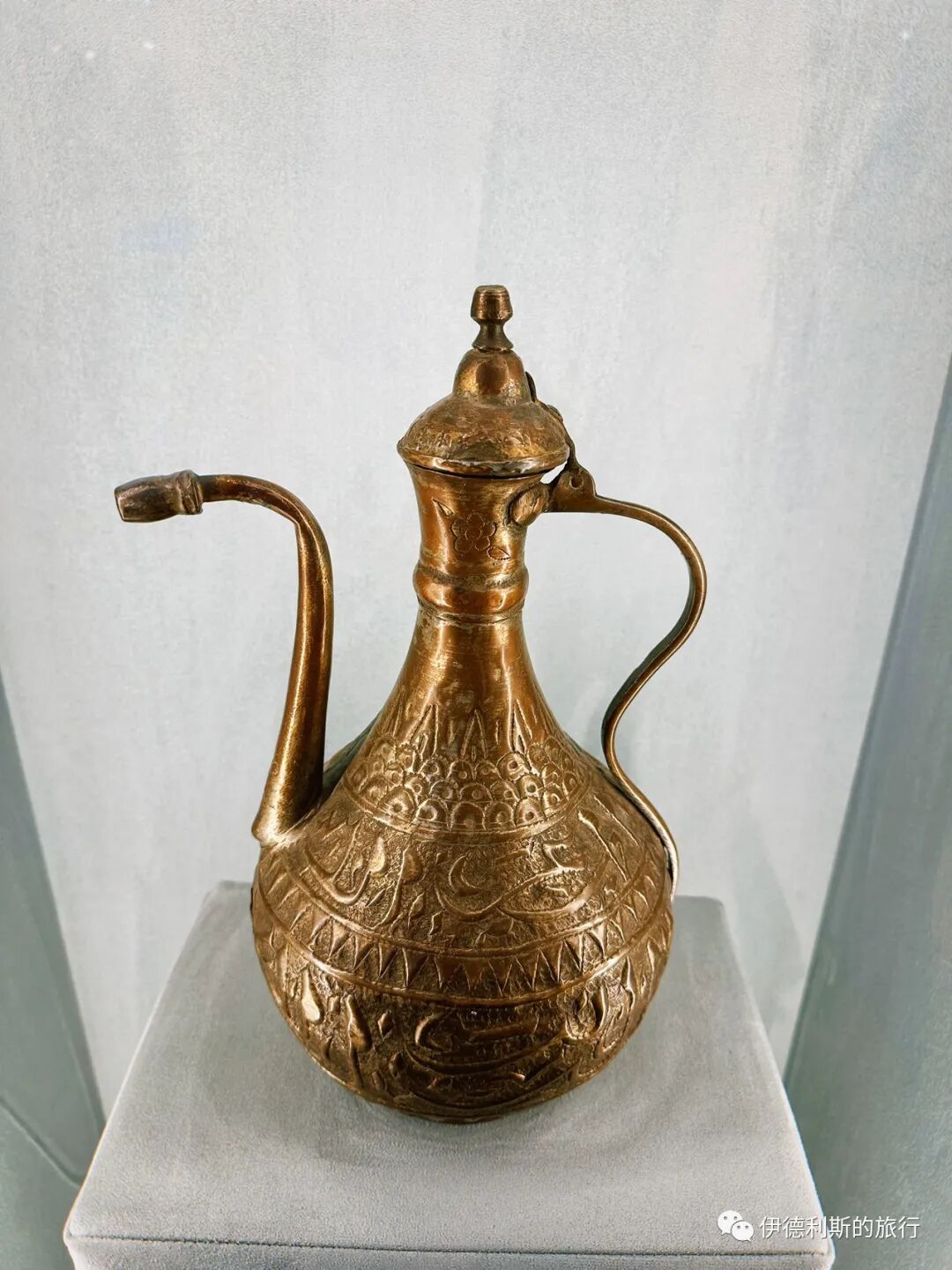
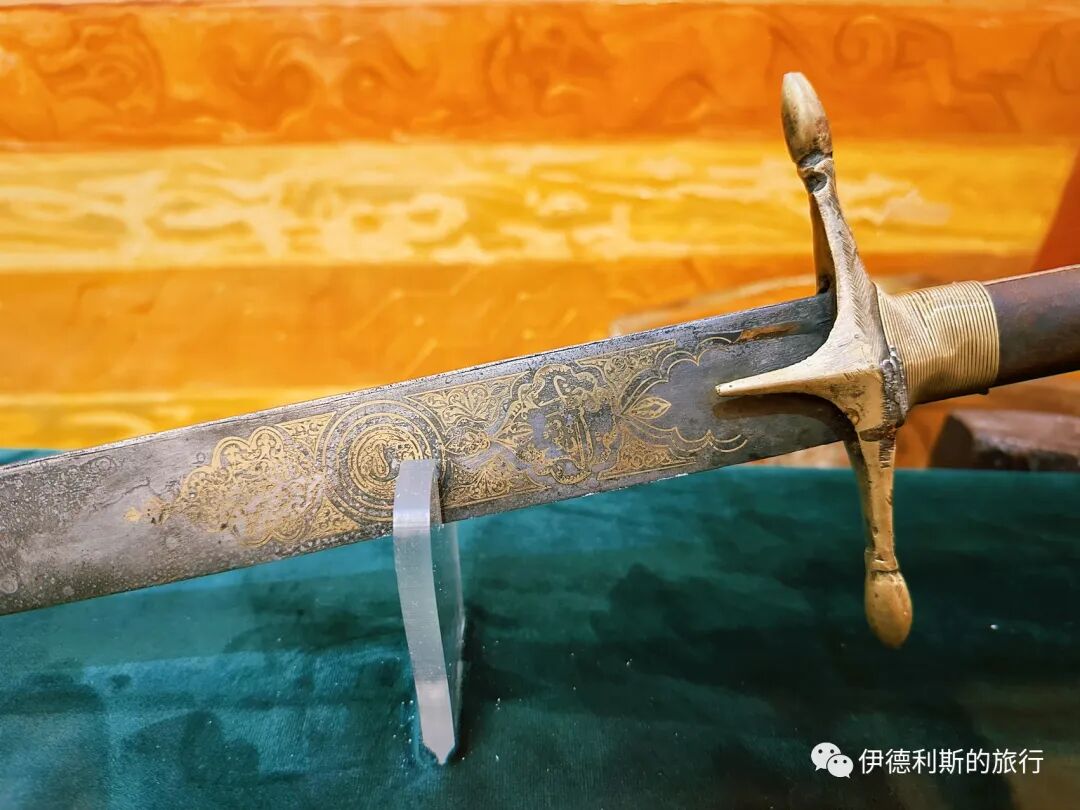
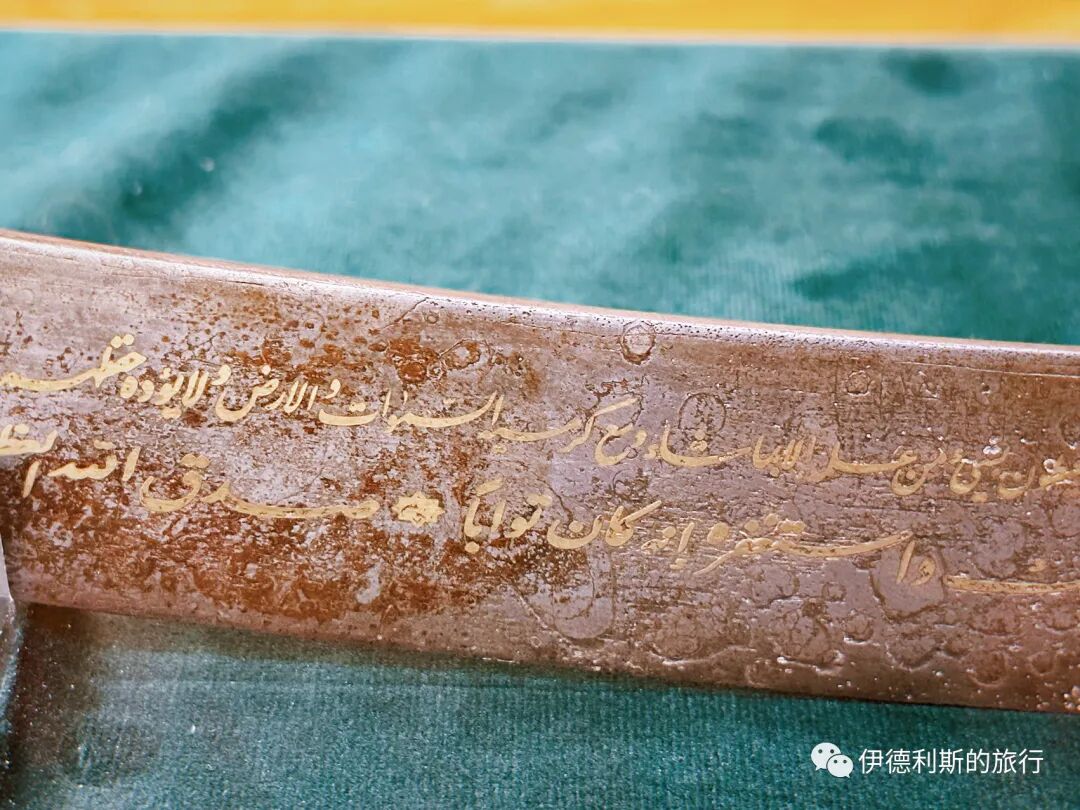
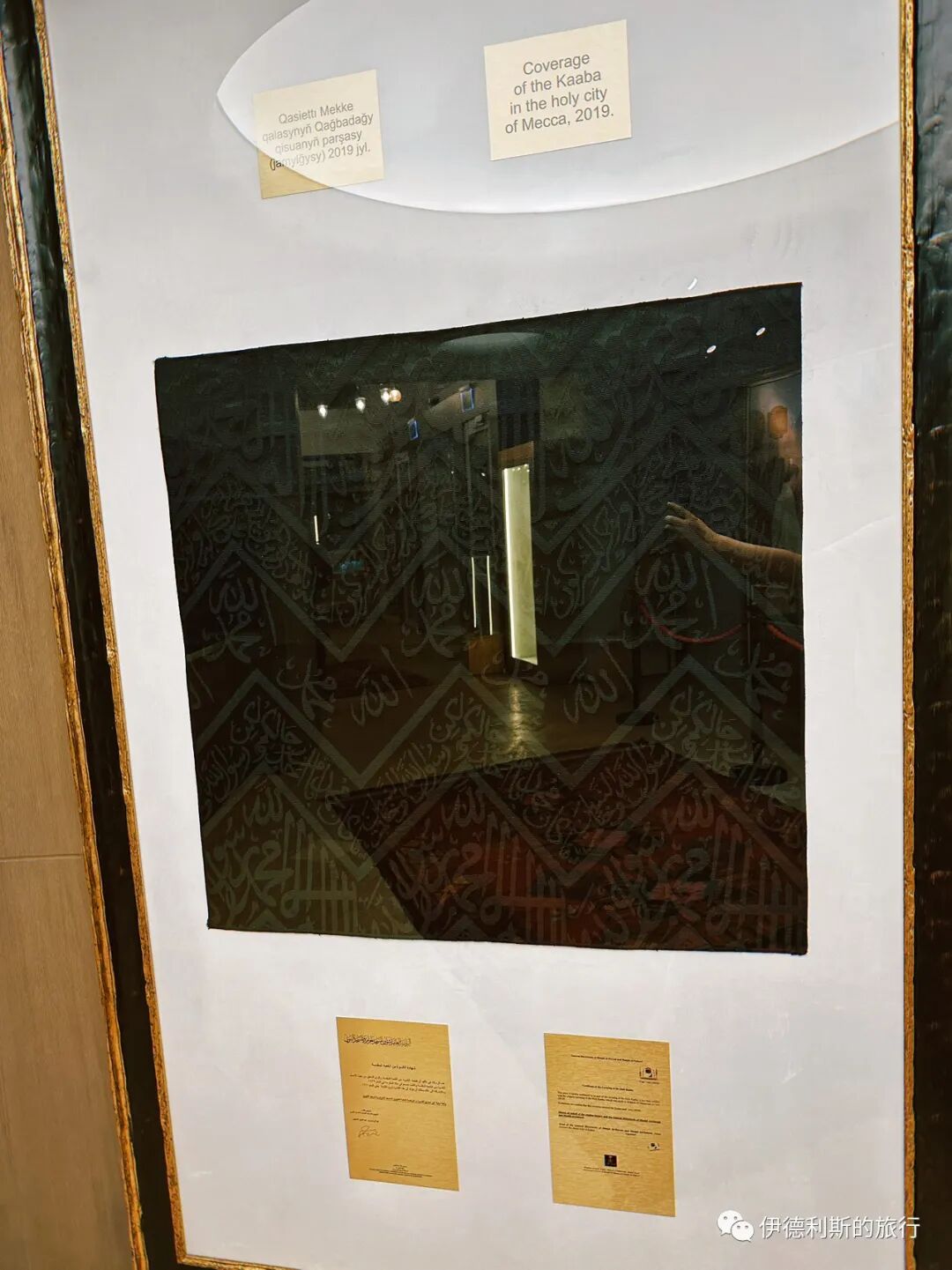
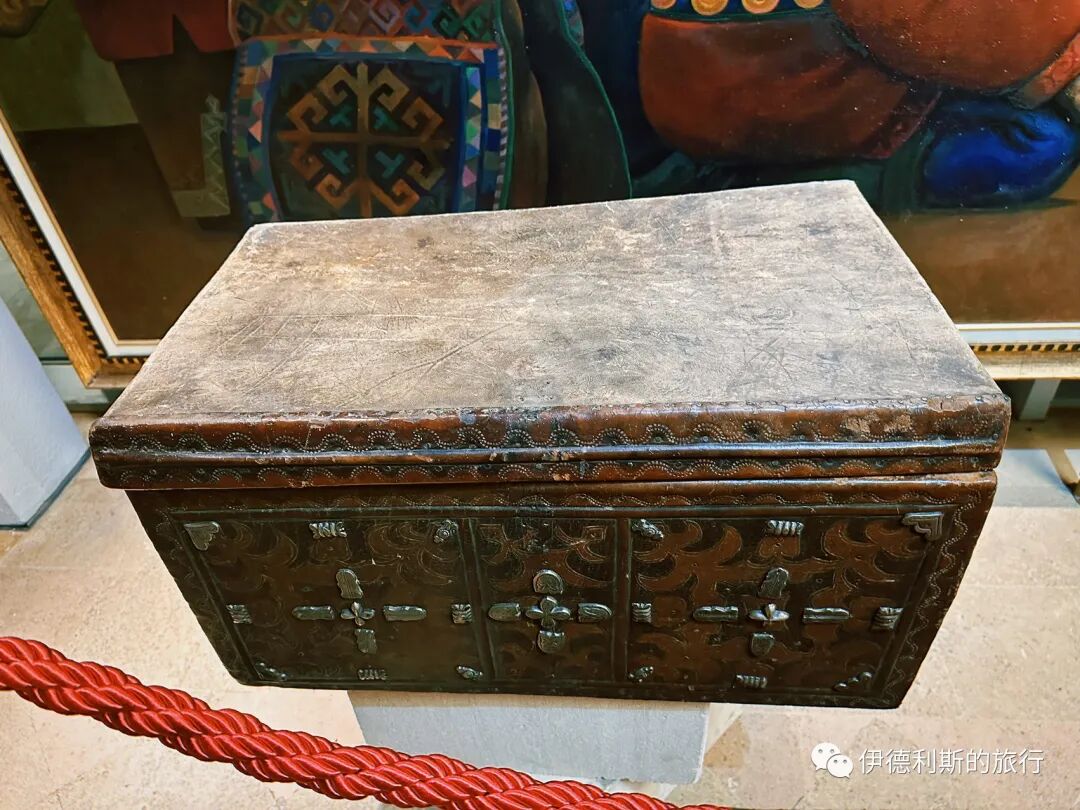
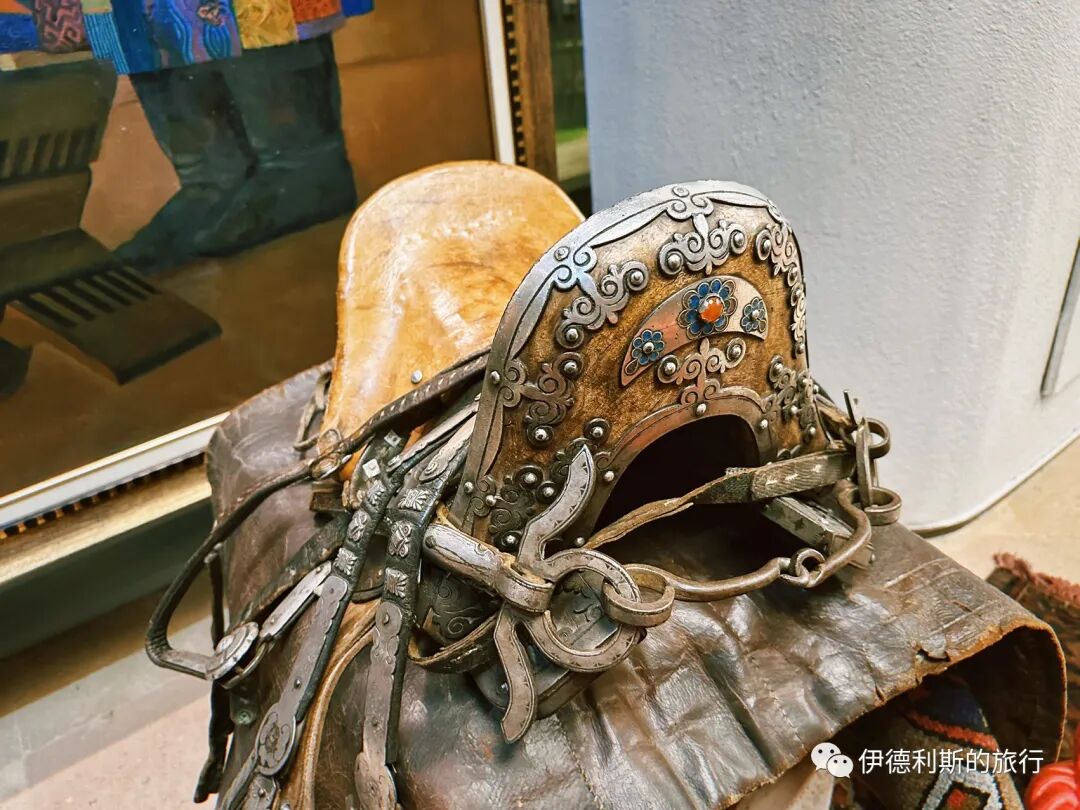
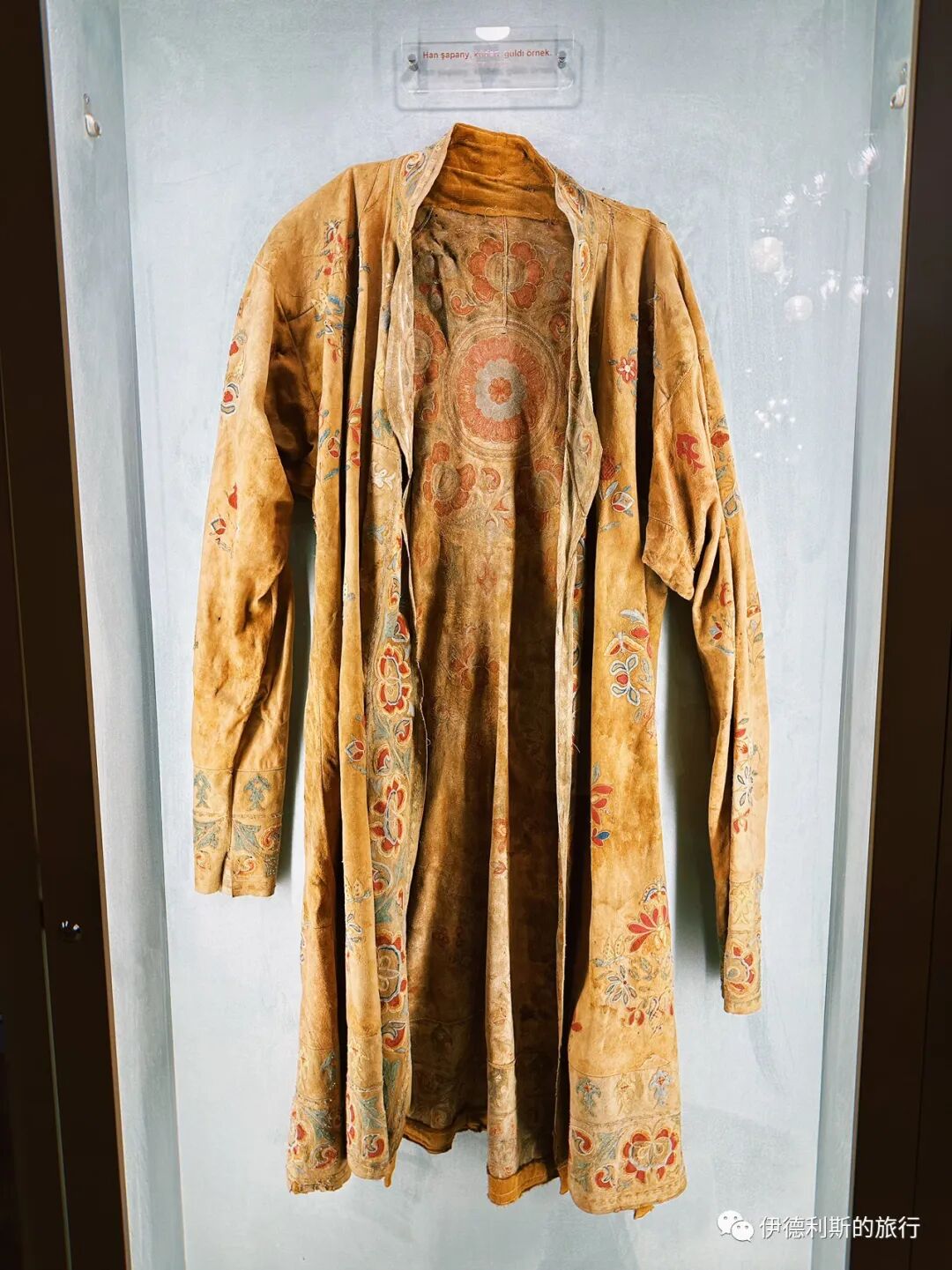
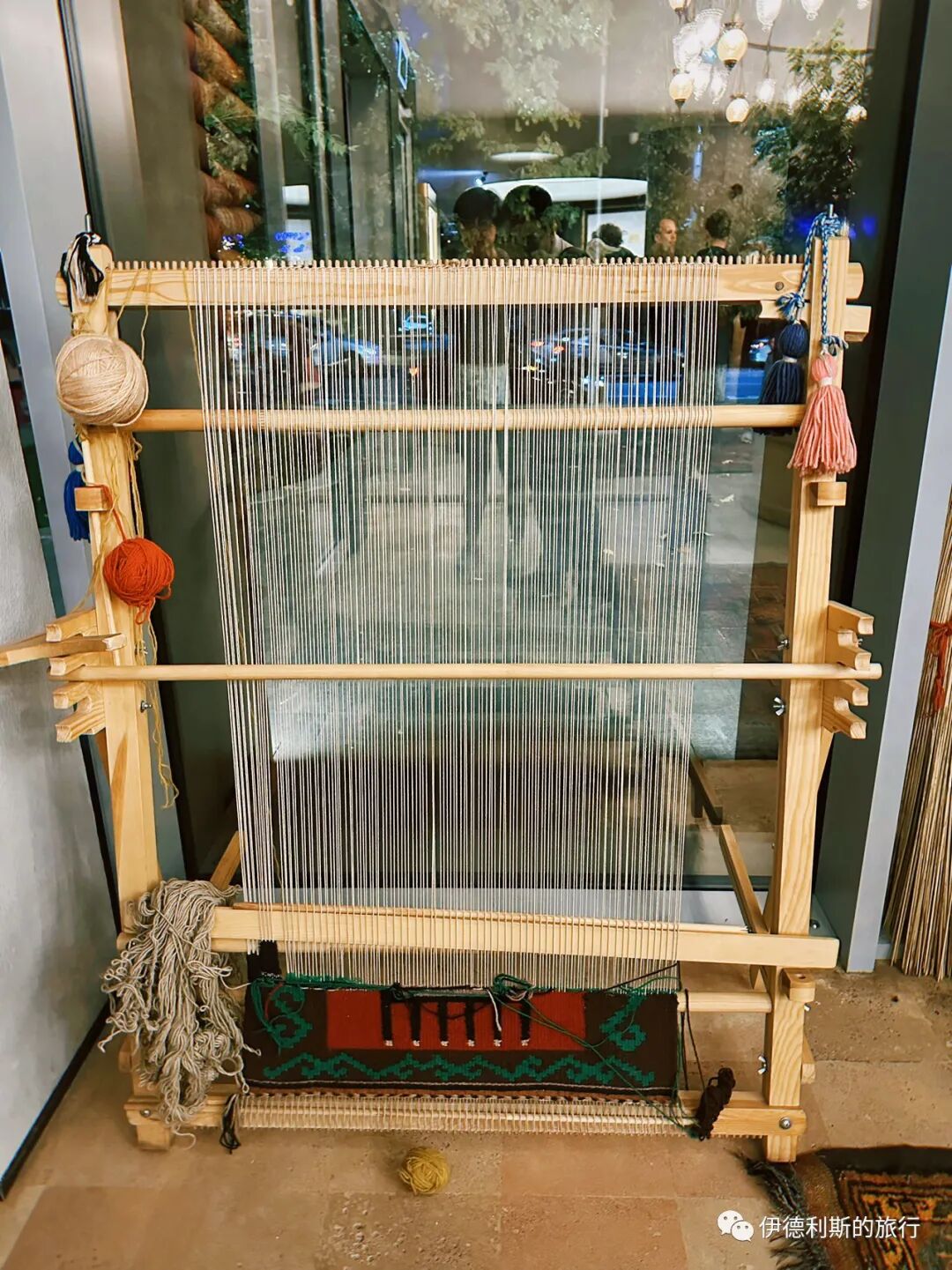
SANDYQ restaurant displays a variety of collections, including beautiful water pitchers (tangping), a sword used by a sultan during the Kazakh Khanate in the 17th-18th centuries, a robe worn by a khan, a Kaaba cover (kiswa) replaced in 2019, chests used in felt tents (yurts), and spinning wheels used for traditional weaving.
The Arbat pedestrian street in Almaty and the halal signs found here. view all
SANDYQ restaurant displays a variety of collections, including beautiful water pitchers (tangping), a sword used by a sultan during the Kazakh Khanate in the 17th-18th centuries, a robe worn by a khan, a Kaaba cover (kiswa) replaced in 2019, chests used in felt tents (yurts), and spinning wheels used for traditional weaving.
The Arbat pedestrian street in Almaty and the halal signs found here. view all
Reposted from the web
SANDYQ restaurant displays a variety of collections, including beautiful water pitchers (tangping), a sword used by a sultan during the Kazakh Khanate in the 17th-18th centuries, a robe worn by a khan, a Kaaba cover (kiswa) replaced in 2019, chests used in felt tents (yurts), and spinning wheels used for traditional weaving.
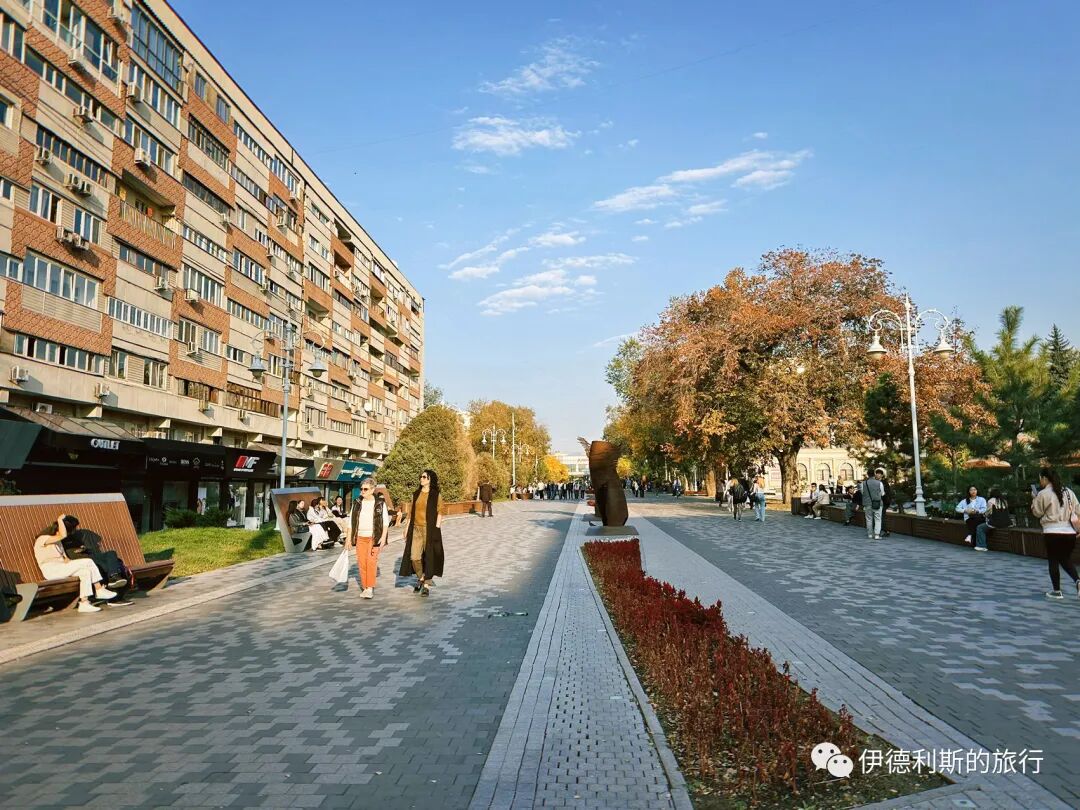
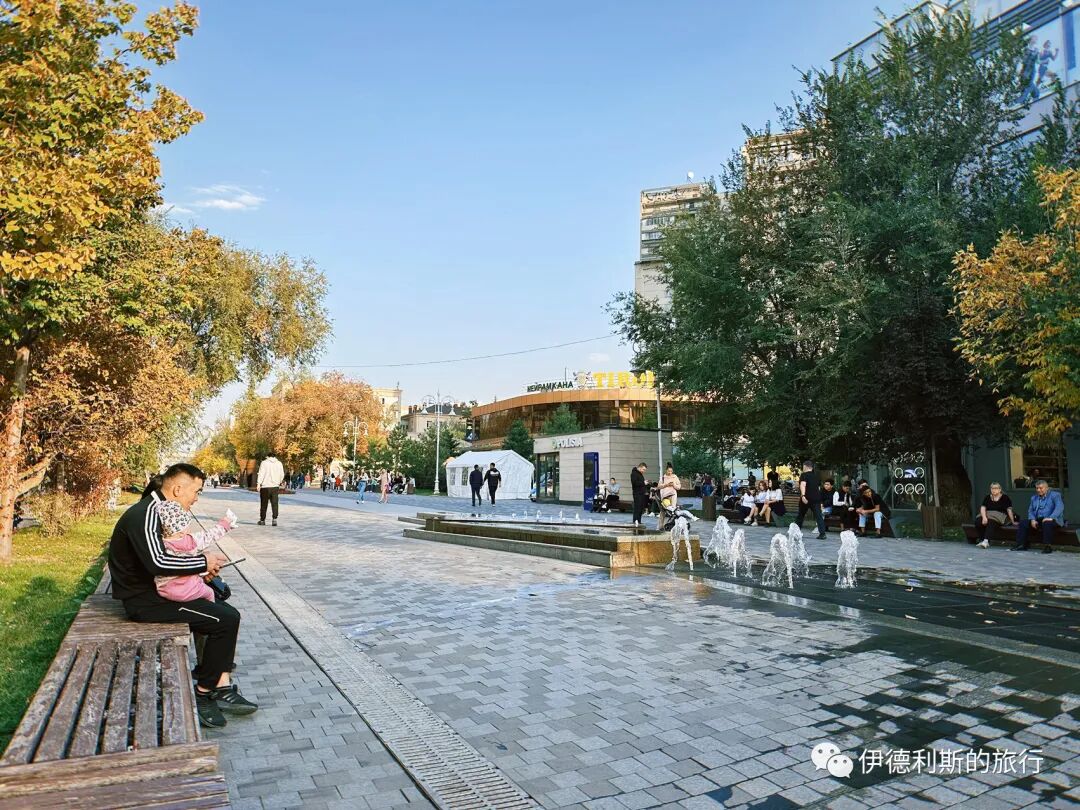
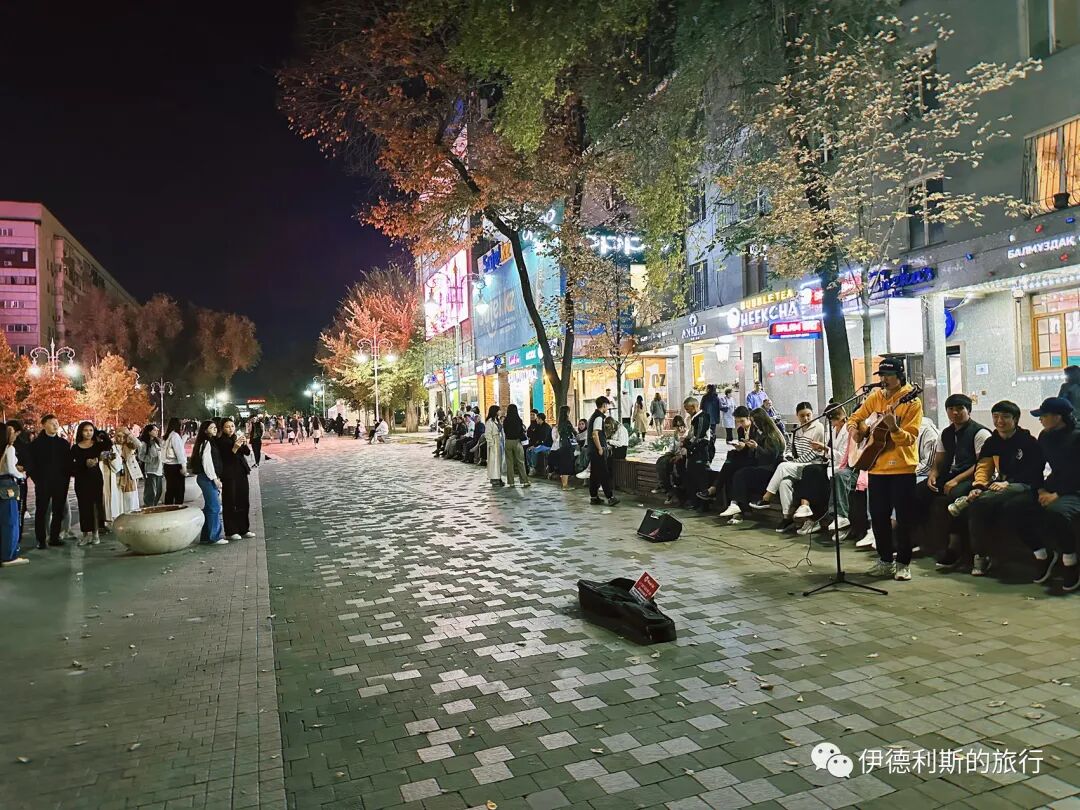
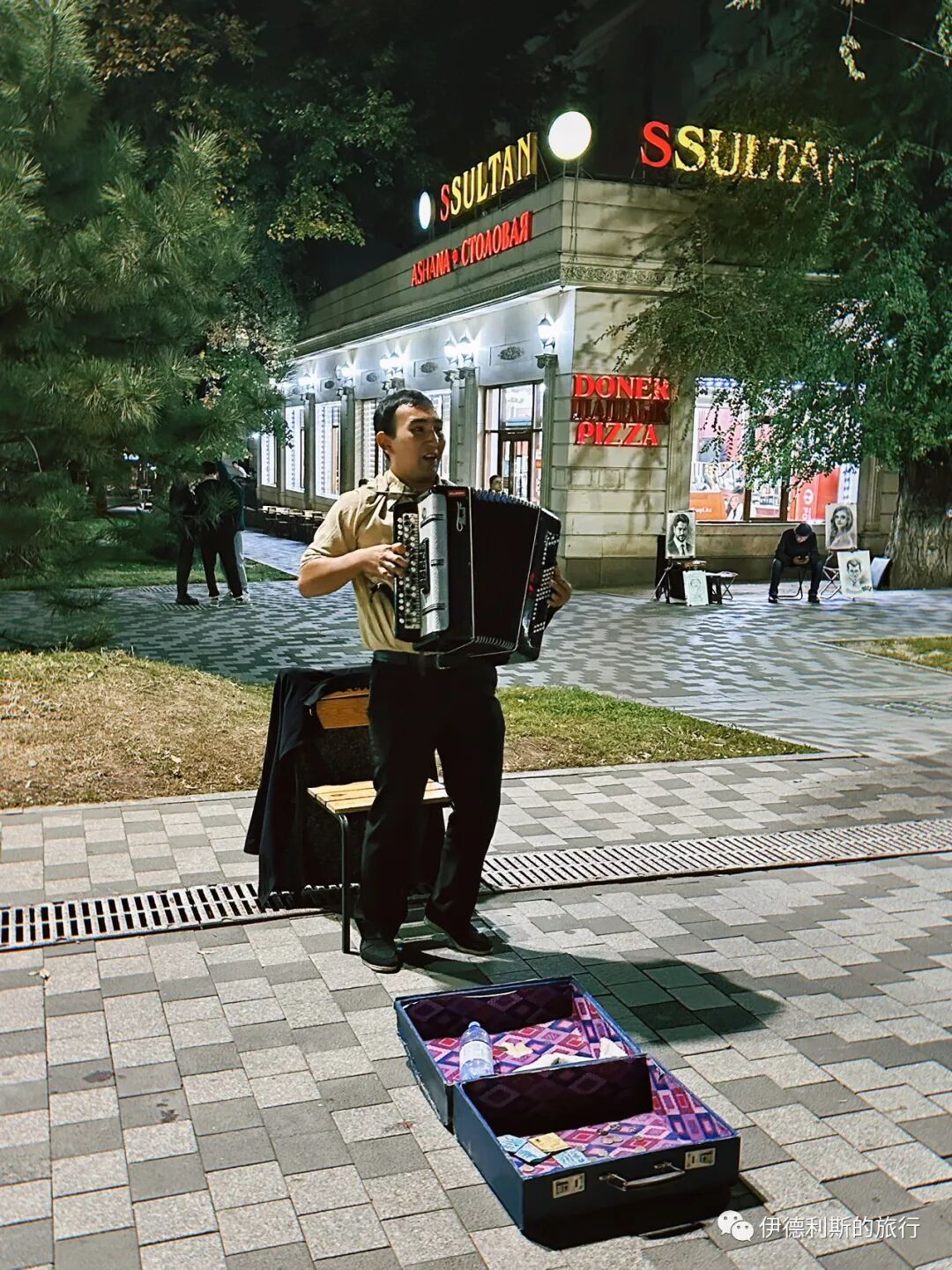
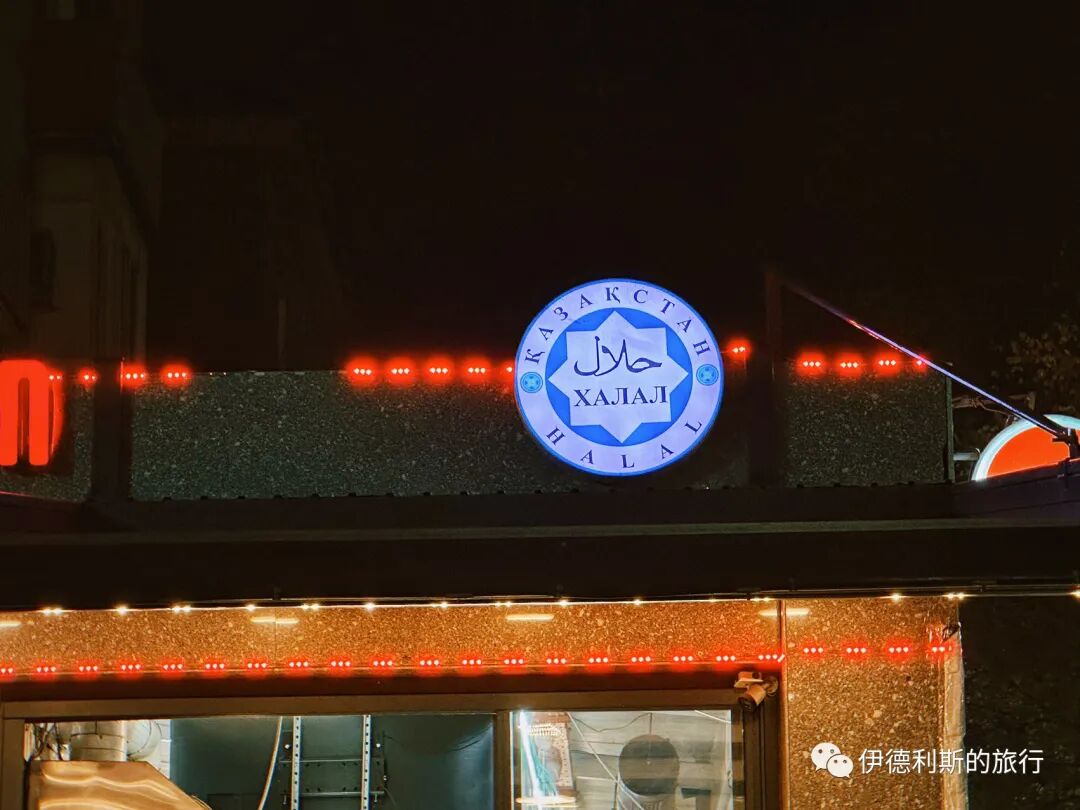
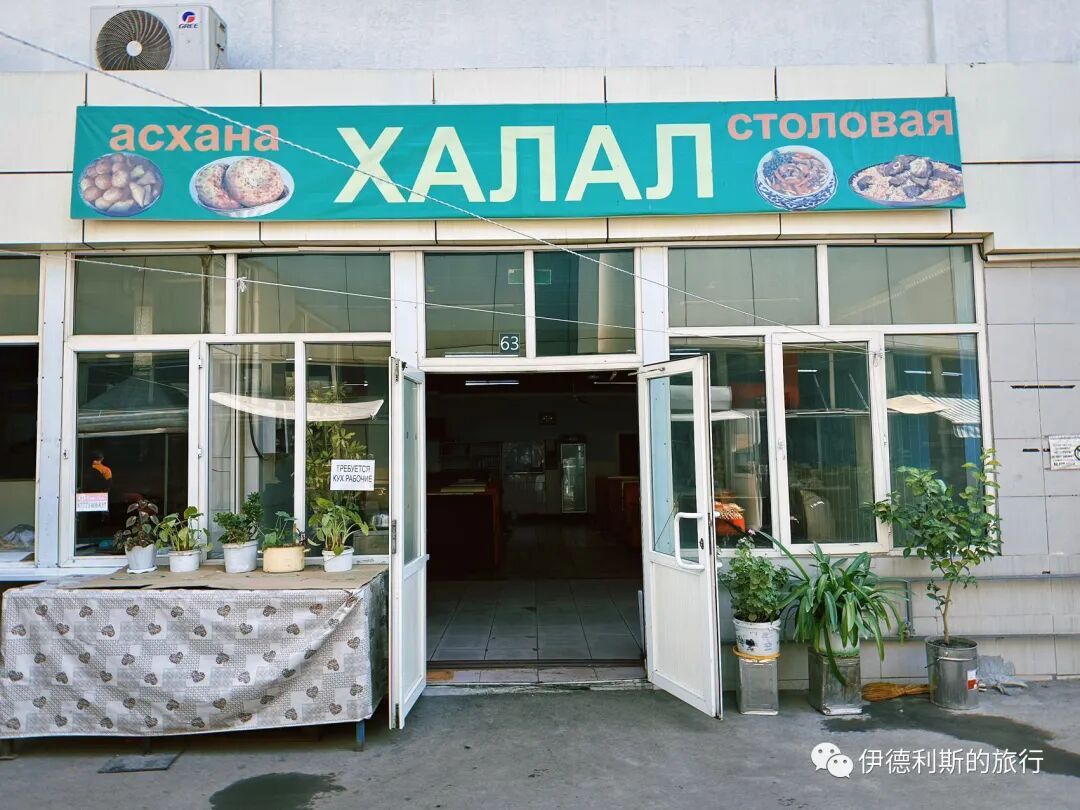
The Arbat pedestrian street in Almaty and the halal signs found here.
SANDYQ restaurant displays a variety of collections, including beautiful water pitchers (tangping), a sword used by a sultan during the Kazakh Khanate in the 17th-18th centuries, a robe worn by a khan, a Kaaba cover (kiswa) replaced in 2019, chests used in felt tents (yurts), and spinning wheels used for traditional weaving.
The Arbat pedestrian street in Almaty and the halal signs found here.
Halal Travel Guide: Almaty — Hui Muslim Mosque and Community Visit
Articles • ali2007fr posted the article • 0 comments • 160 views • 2026-05-19 03:44
Reposted from the web
Summary: Almaty has a Hui Muslim mosque community connected to migration, faith, and Chinese-speaking Muslim heritage in Kazakhstan. This travel note follows the mosque visit and community details while keeping all original facts and images.
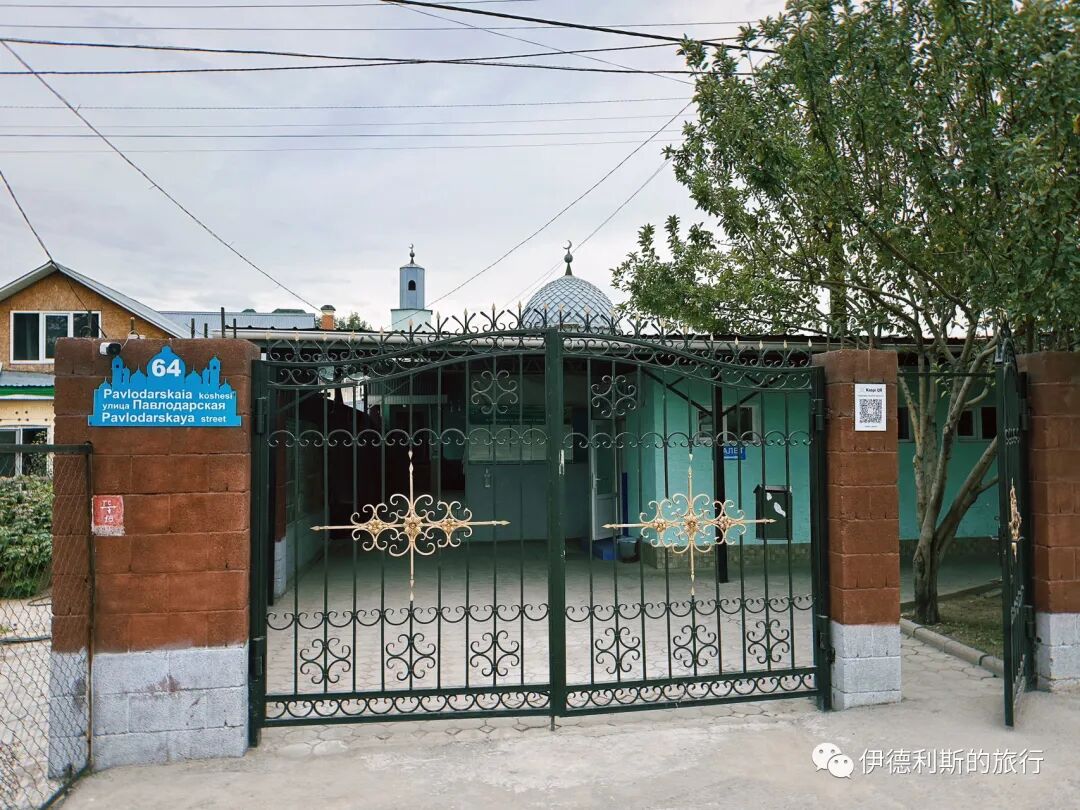
On September 29, I flew from Beijing Capital Airport on Air Astana to Almaty, then headed to a Hui mosque on Pavlodarskaya Street in the northern suburbs of Almaty for Jumu'ah.
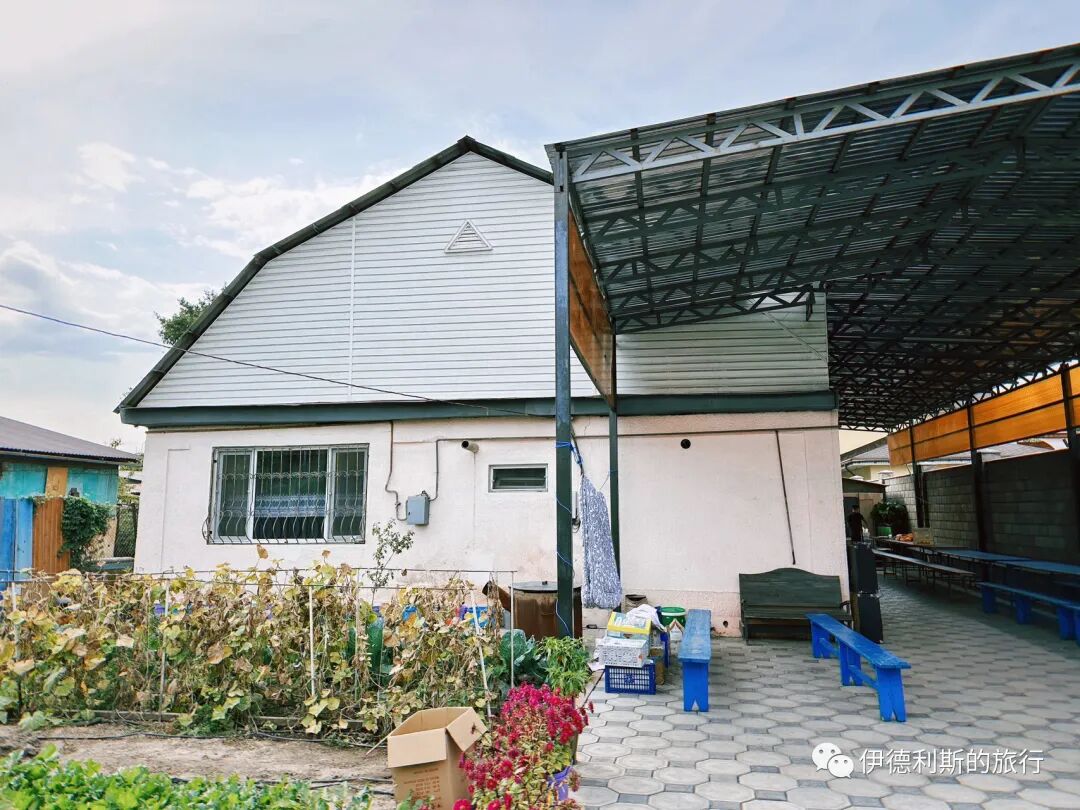
The mosque is not very big, but it was packed with people from many different ethnic groups during Jumu'ah. The courtyard, the upstairs, and the downstairs were all full, and there were many young people. The imam is a local Hui Muslim from Shaanxi. He speaks excellent Shaanxi dialect, Russian, and Arabic, but he gave the sermon (wa'z) in Russian so that everyone from different ethnic groups could understand. The Jumu'ah process is the same as the traditional practice back home in China. After the prayer, the way they performed the repentance (tawbah), raised their fingers, and finally walked in a circle to shake hands felt so familiar.
Imam
The mosque was preparing to hold a religious gathering in the evening, but unfortunately, I had to catch a connecting flight and could not make it. I am grateful that I met community leaders who had come from various Hui Muslim mosques in Kazakhstan and Kyrgyzstan for the gathering. Chatting with them in the Shaanxi dialect felt so warm; it was exactly the same as the Urumqi Shaanxi dialect my parents-in-law speak.
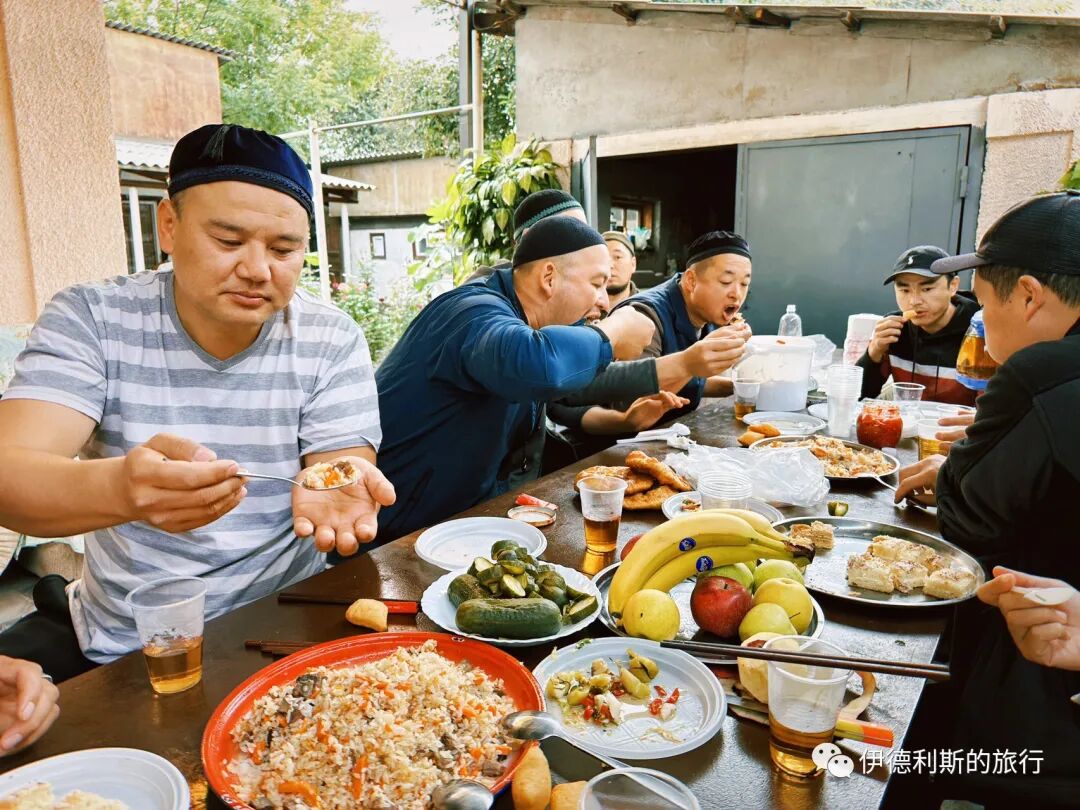
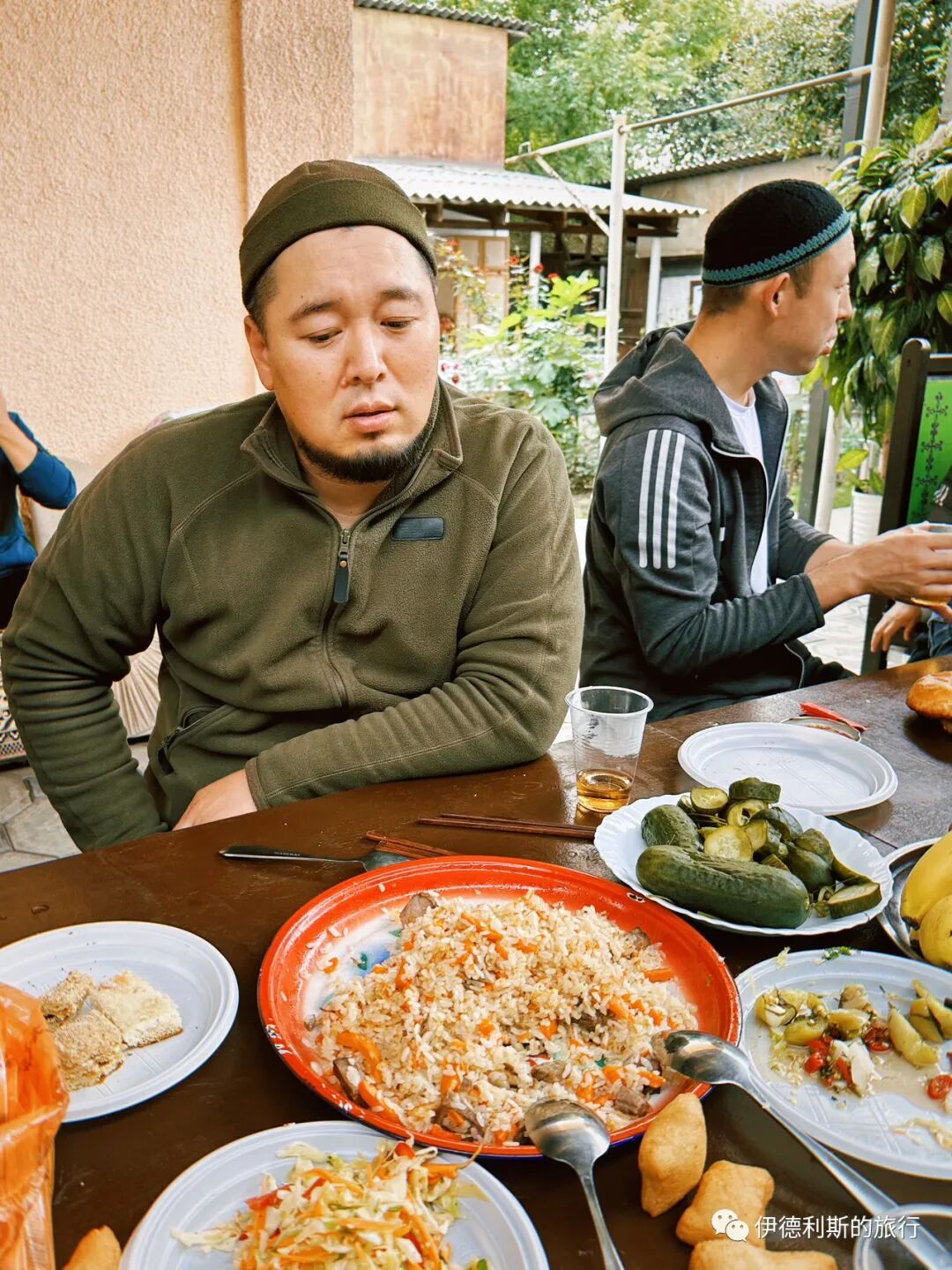
After Jumu'ah, the mosque elders invited me to eat pilaf (zhuafan). The small-batch pilaf was very similar to the home-cooked style of Urumqi Hui Muslims, and it was not as oily as Uyghur pilaf.
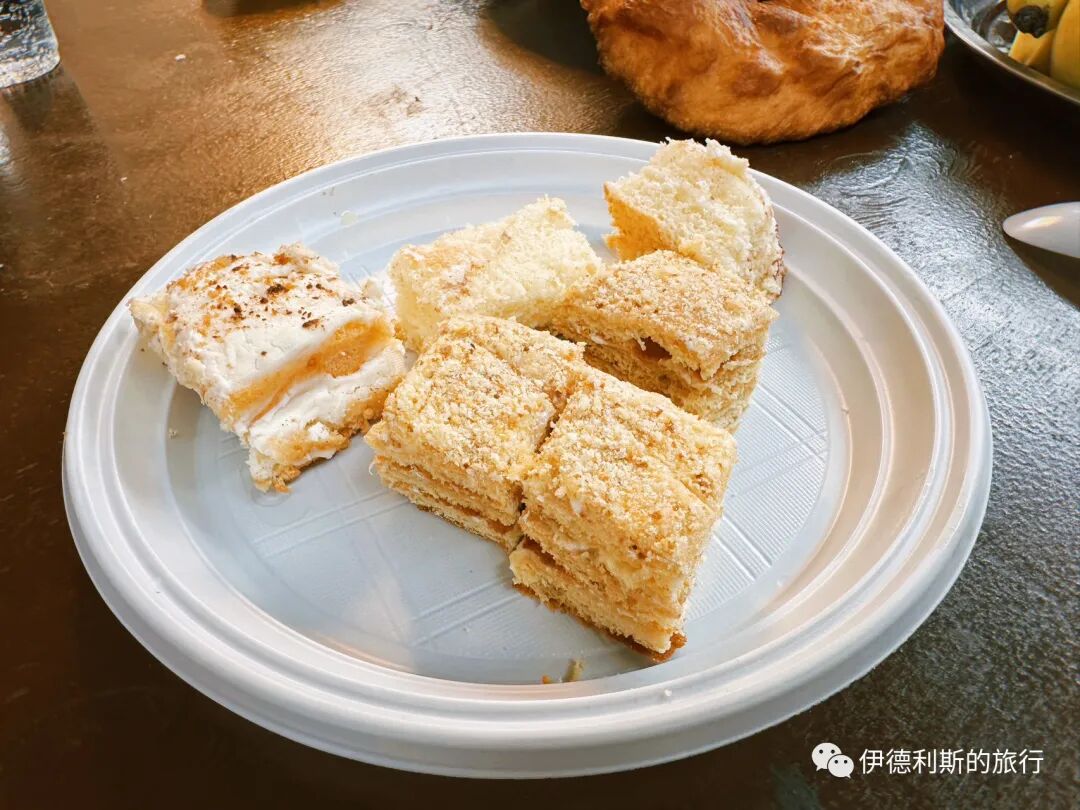
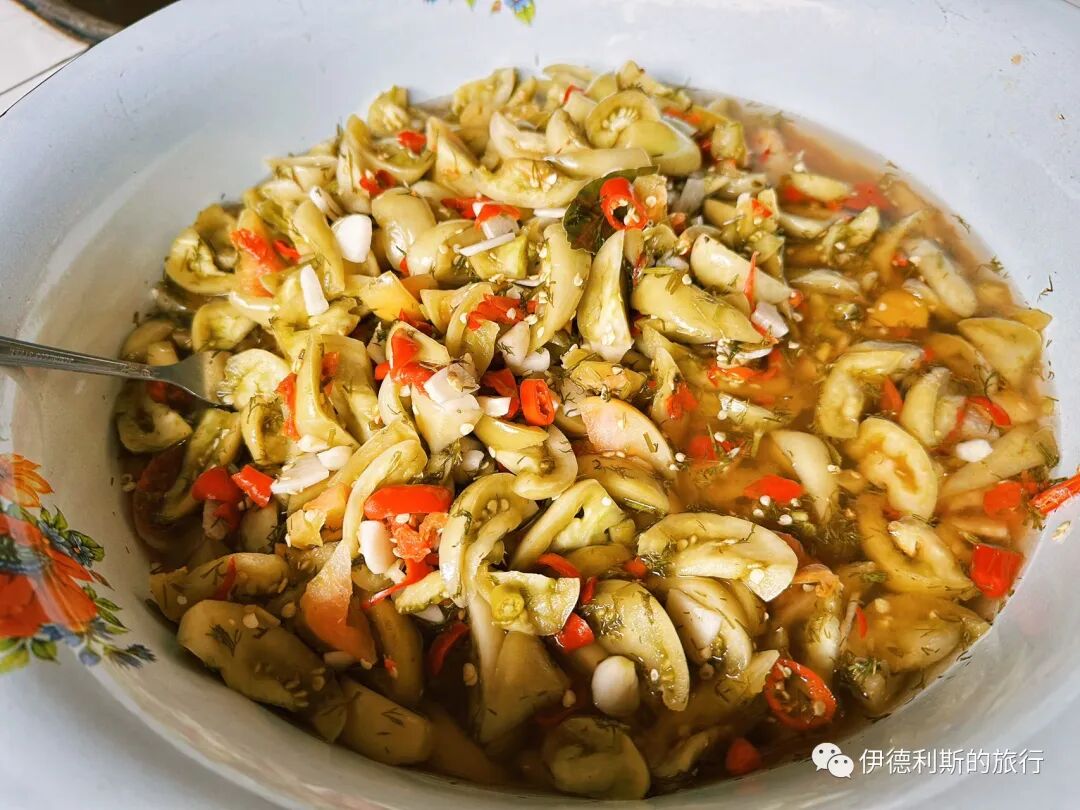
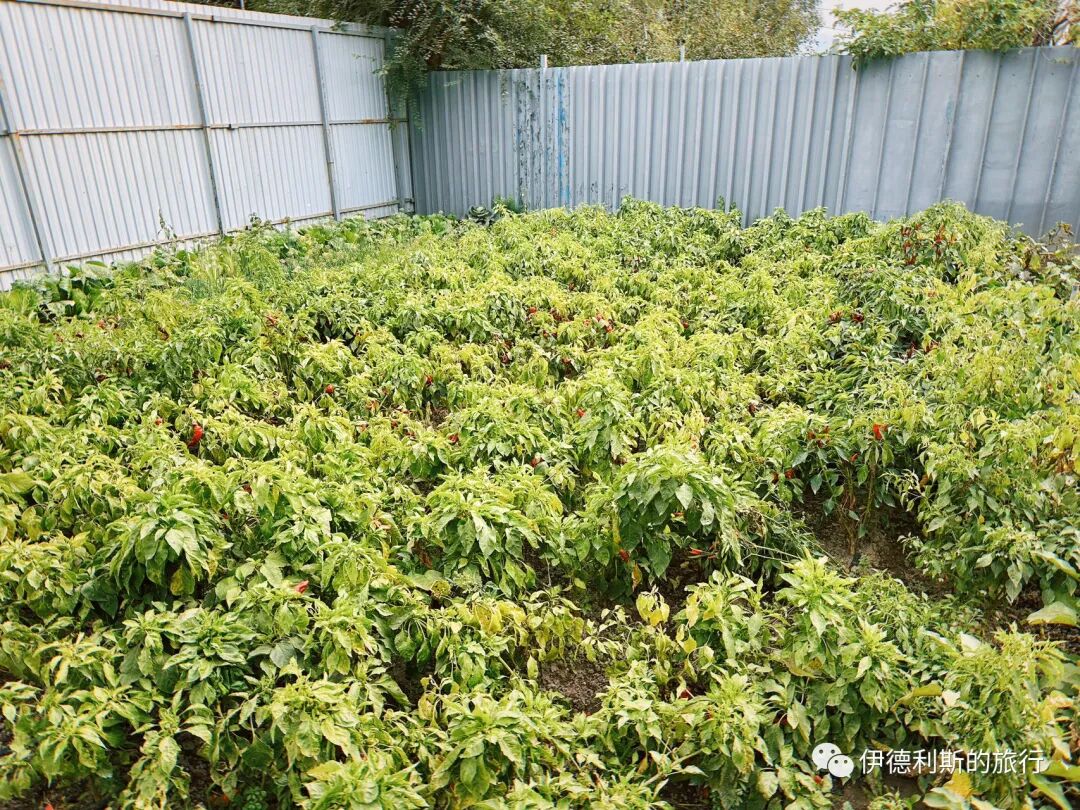
Besides side dishes, the pilaf here was served with pickled cucumbers made by the mosque. They were not as salty as the ones bought in supermarkets back home, and they felt very Soviet. I also ate spicy green tomatoes made by the mosque. They were spicy, fragrant, and went perfectly with the pilaf. I don't think I have ever eaten unripe green tomatoes like this back in China. There was also cake made by the mosque, which was very delicious.
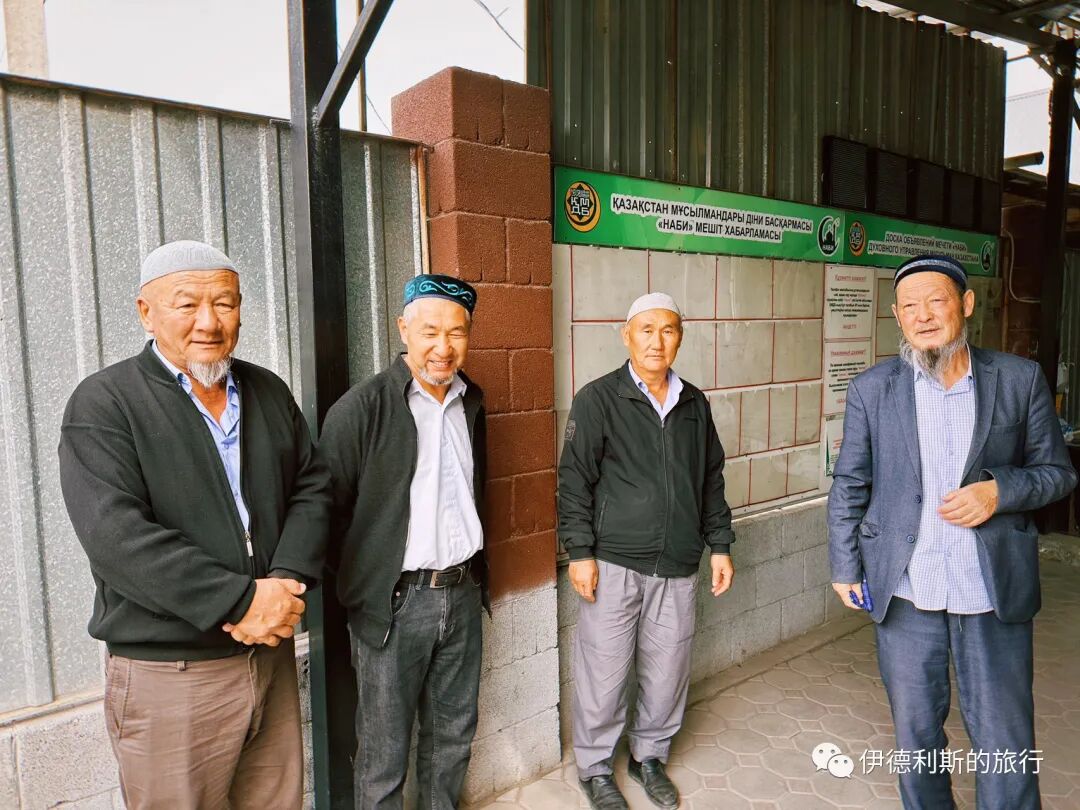
Many young and middle-aged people here are enthusiastic about community affairs, and I felt very happy chatting with everyone. Several of the elders used to work in foreign trade in China, so they speak good Mandarin. I chatted for a long time with a man named Brother Wang. He did business in Horgos a few years ago and spent some time in Yiwu this year. He told me there are three Hui Muslim mosques in Almaty, two of which are Shaanxi mosques and one is a Gansu mosque. The one I visited is a Shaanxi mosque, and even the young people here can speak fluent Shaanxi dialect at home.
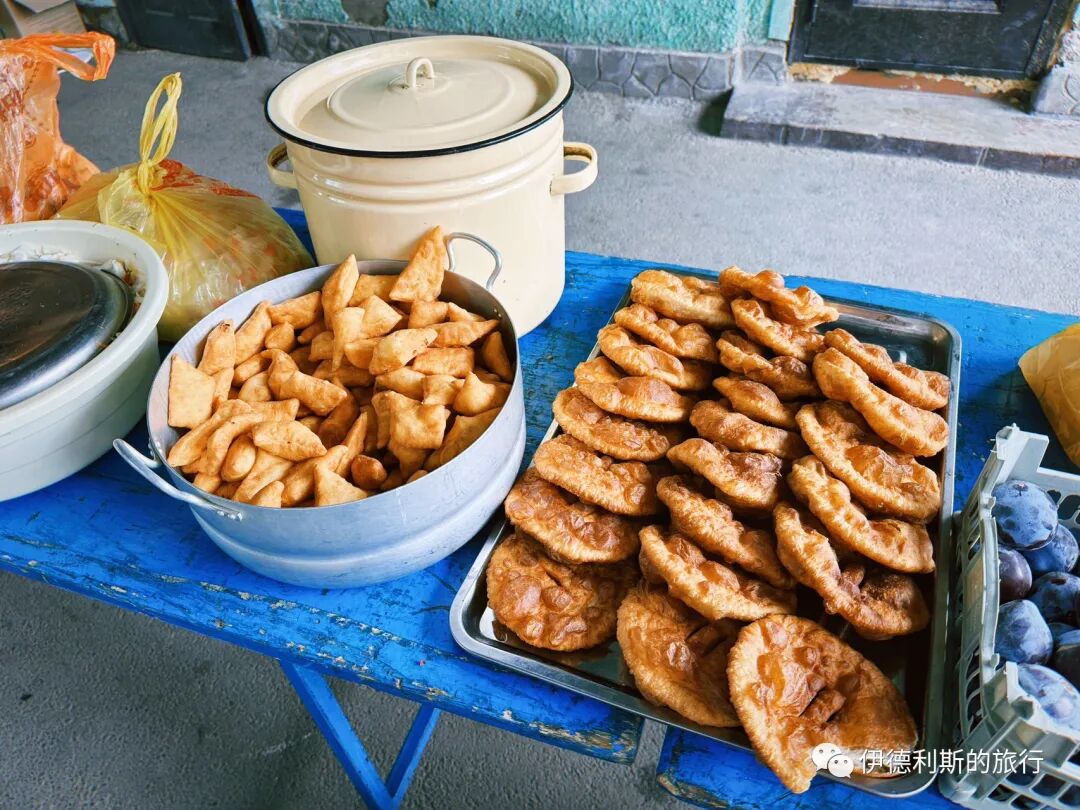
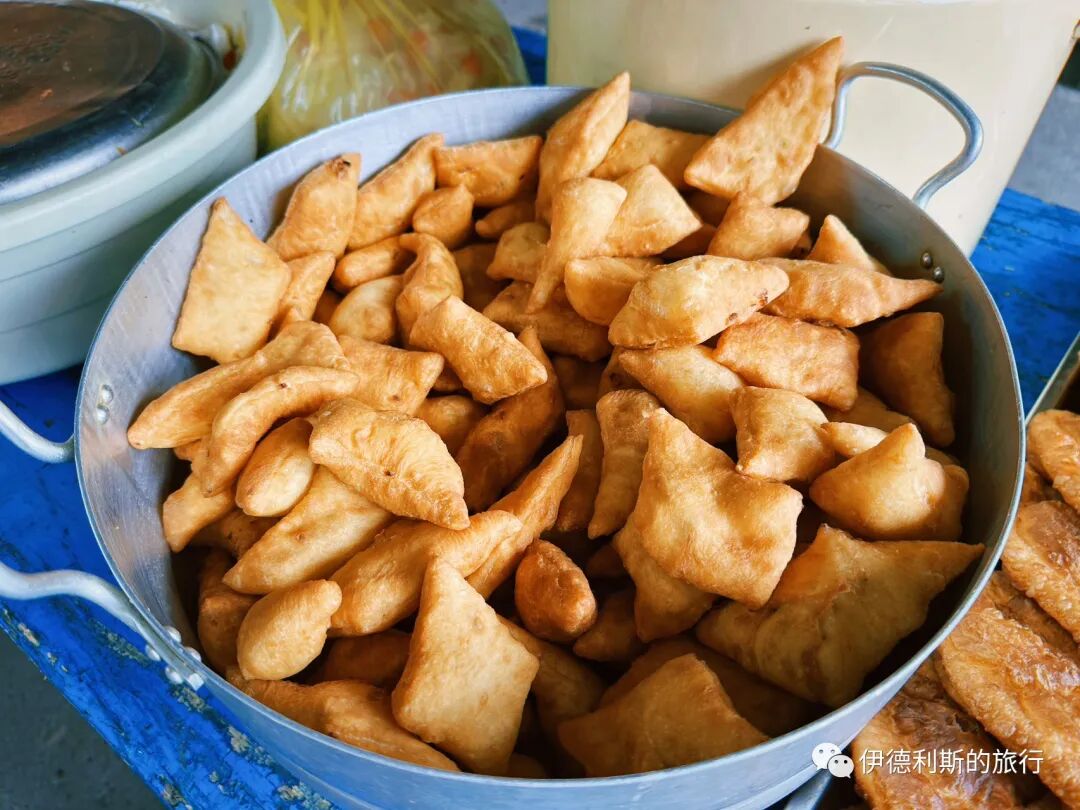
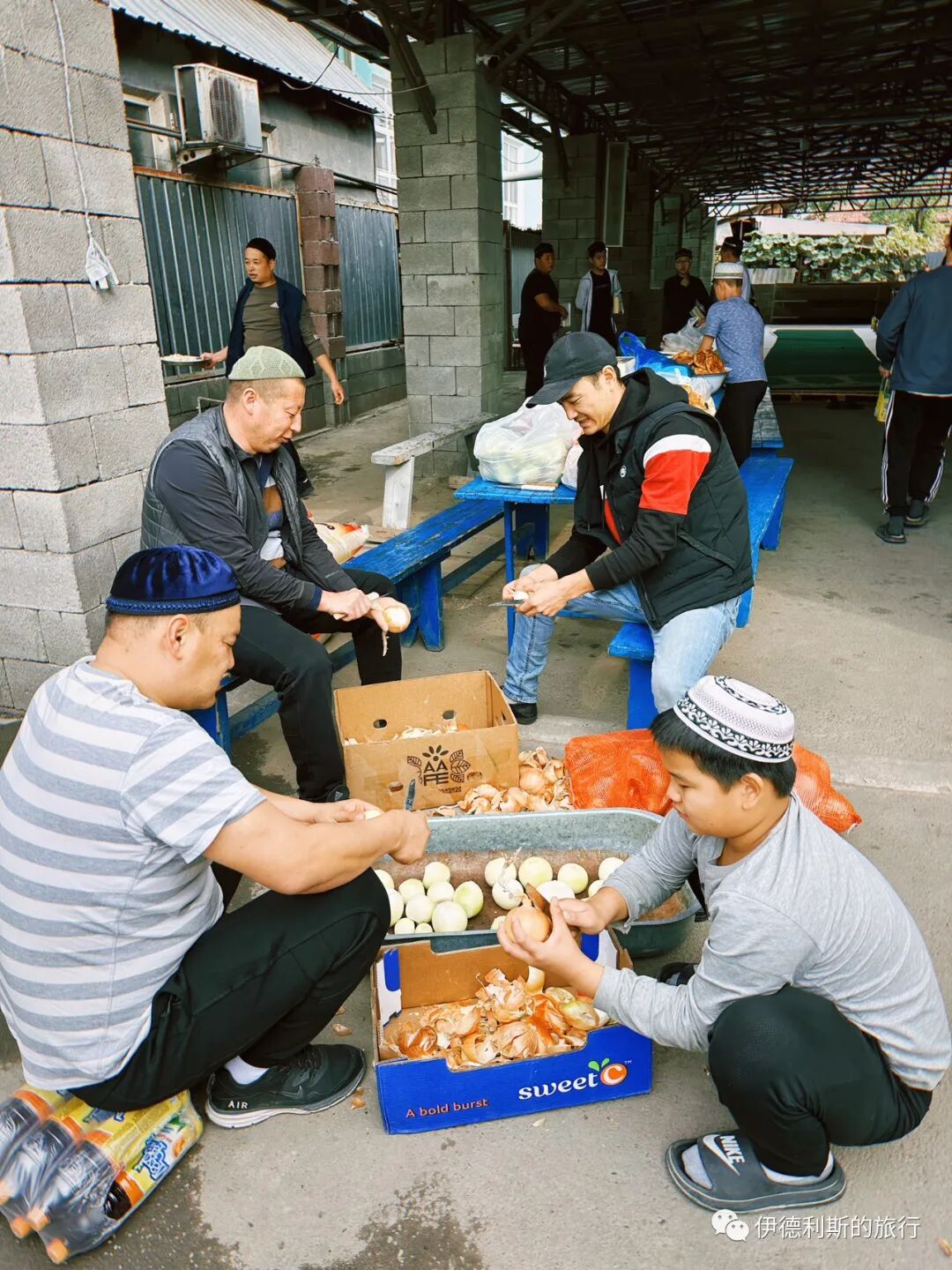
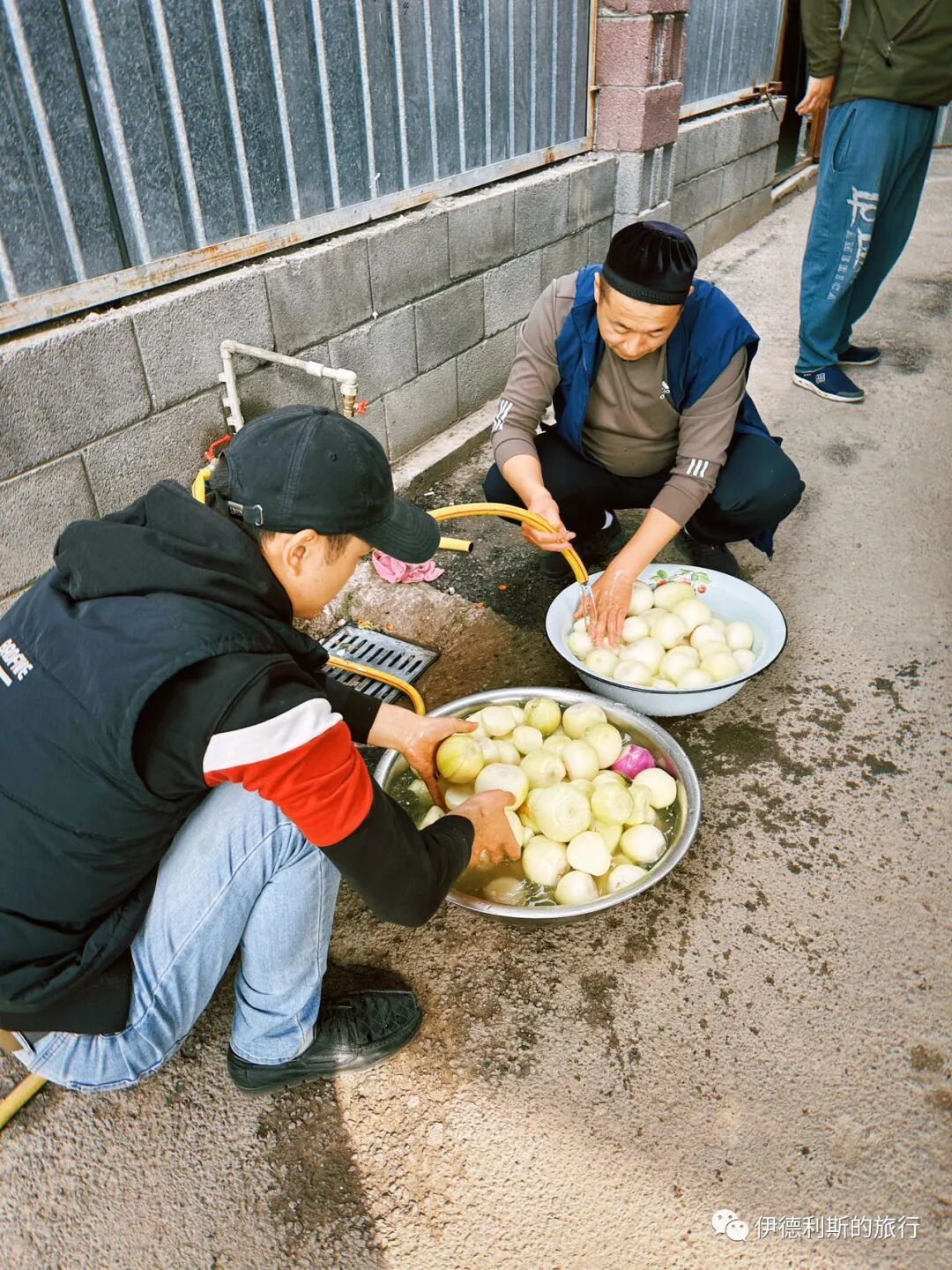
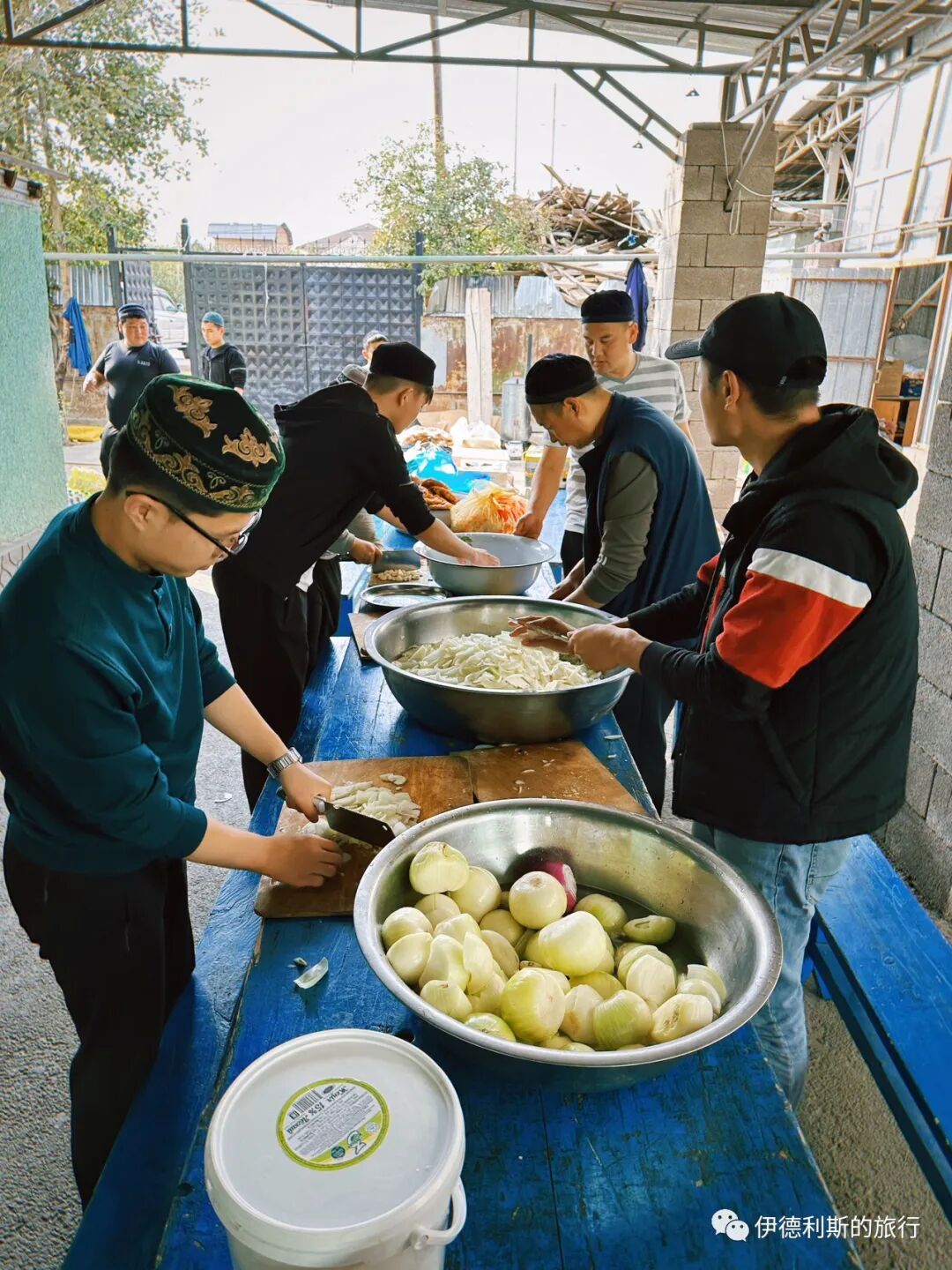
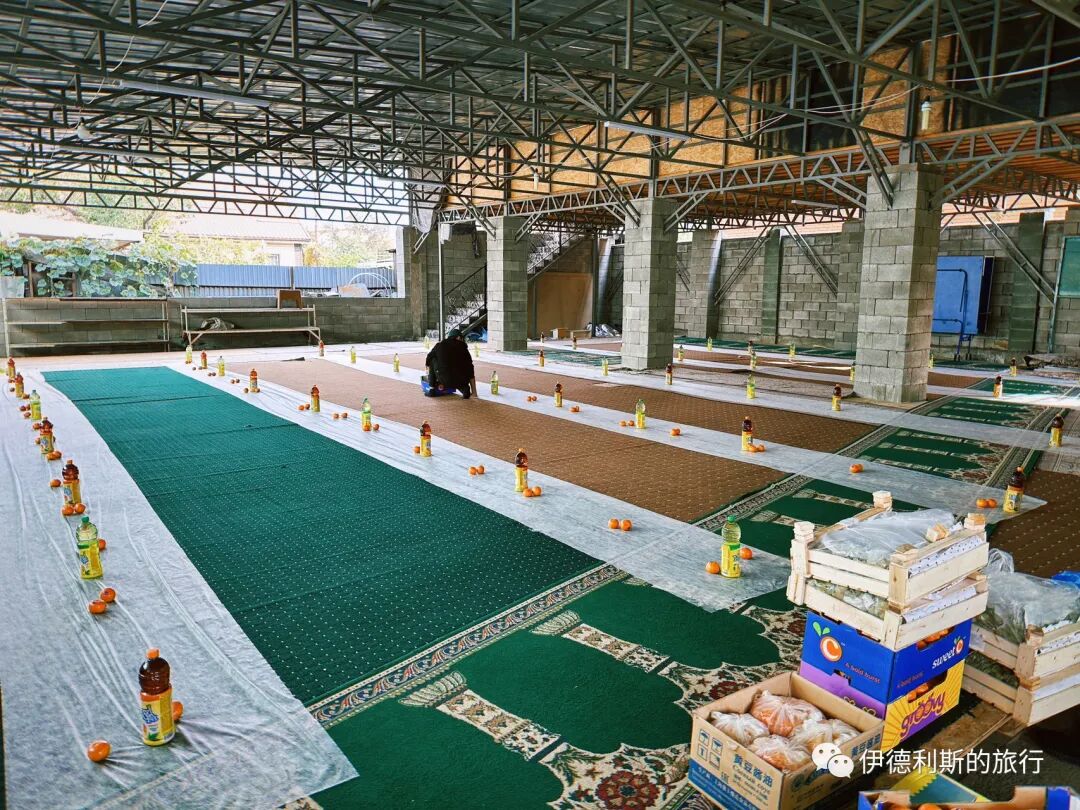
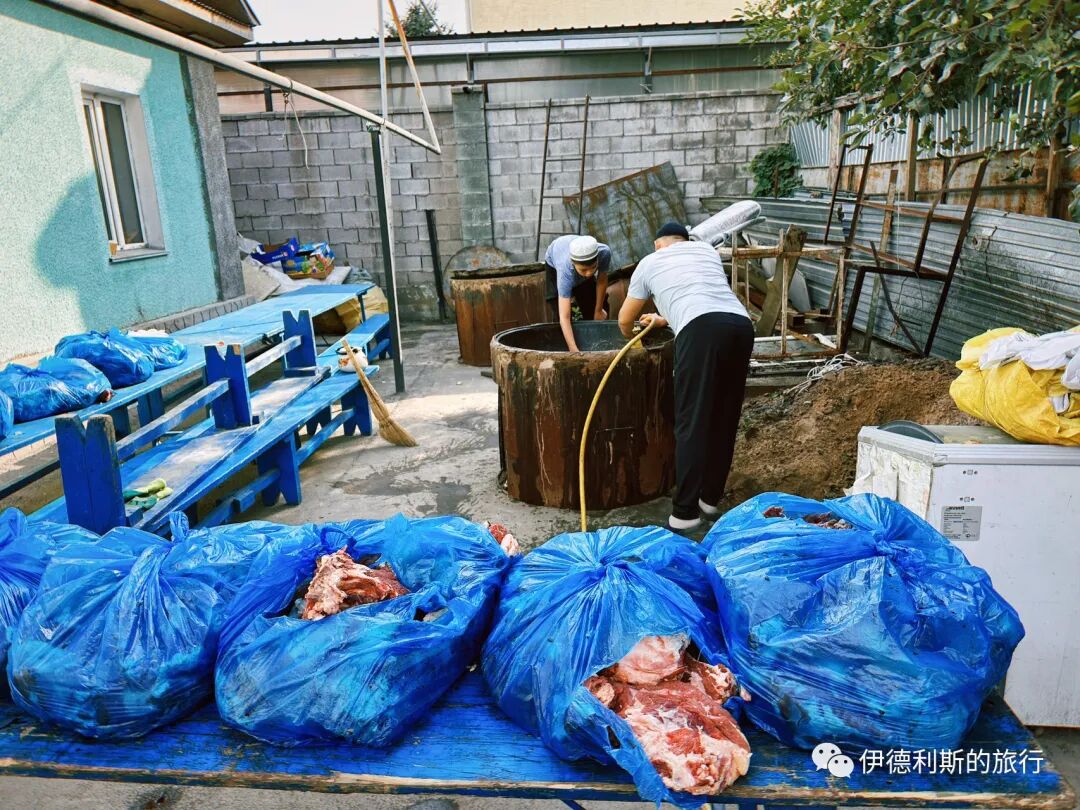
After Friday namaz, everyone started getting busy preparing for the Mawlid celebration that evening. The fried dough (youxiang) and fried dough cubes (baorsak) were already fried, but the main task was to cook two large wood-fired pots of pilaf (zhuafan). The students (mulla) and village elders at the mosque worked together, making the atmosphere busy and blessed. They say the mosque is even livelier during Ramadan, when they cook three large wood-fired pots of pilaf every day.
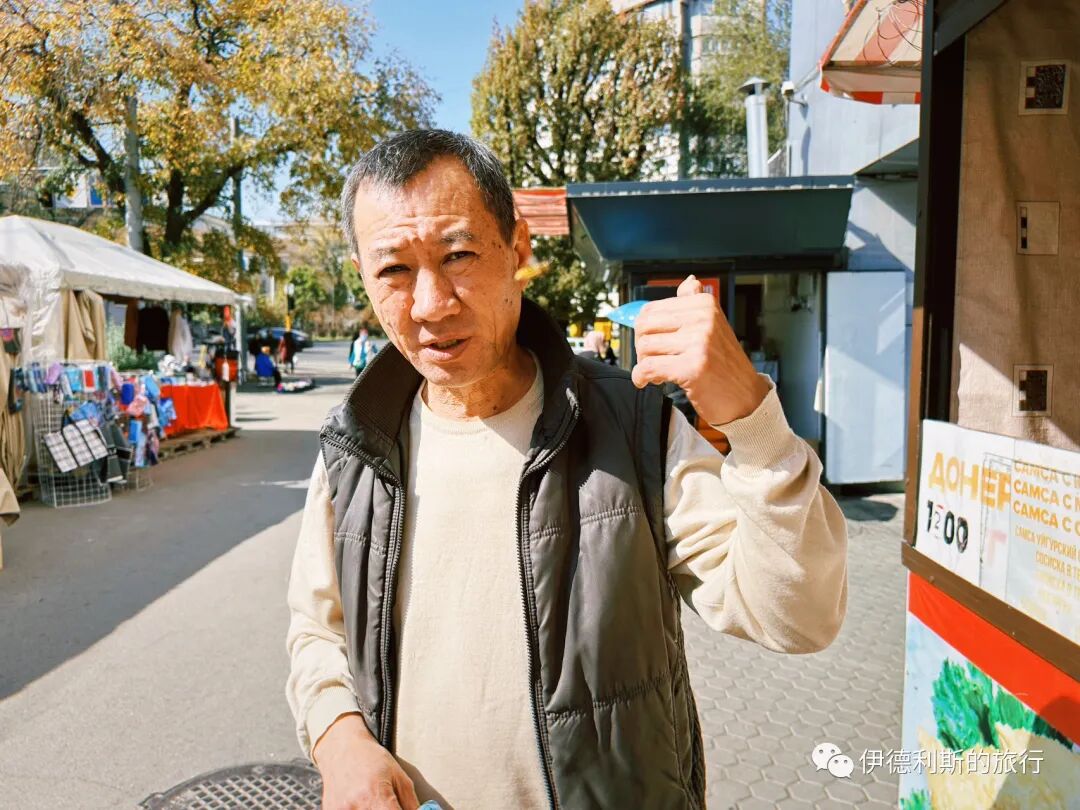
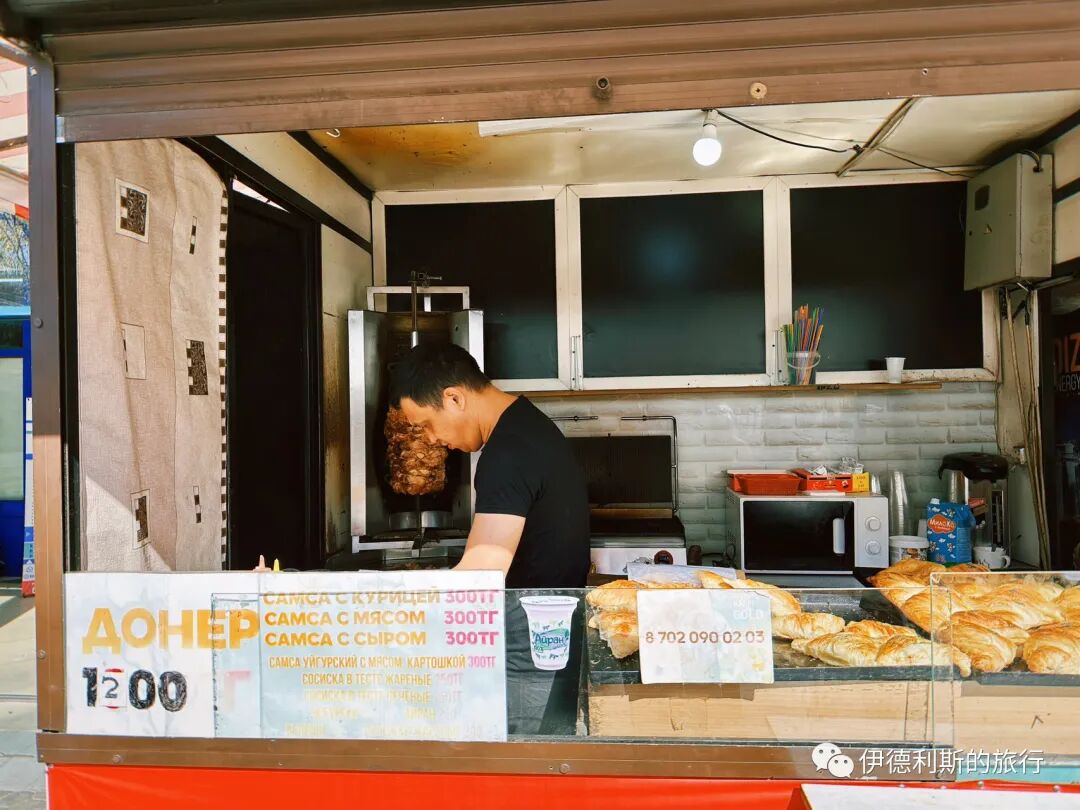
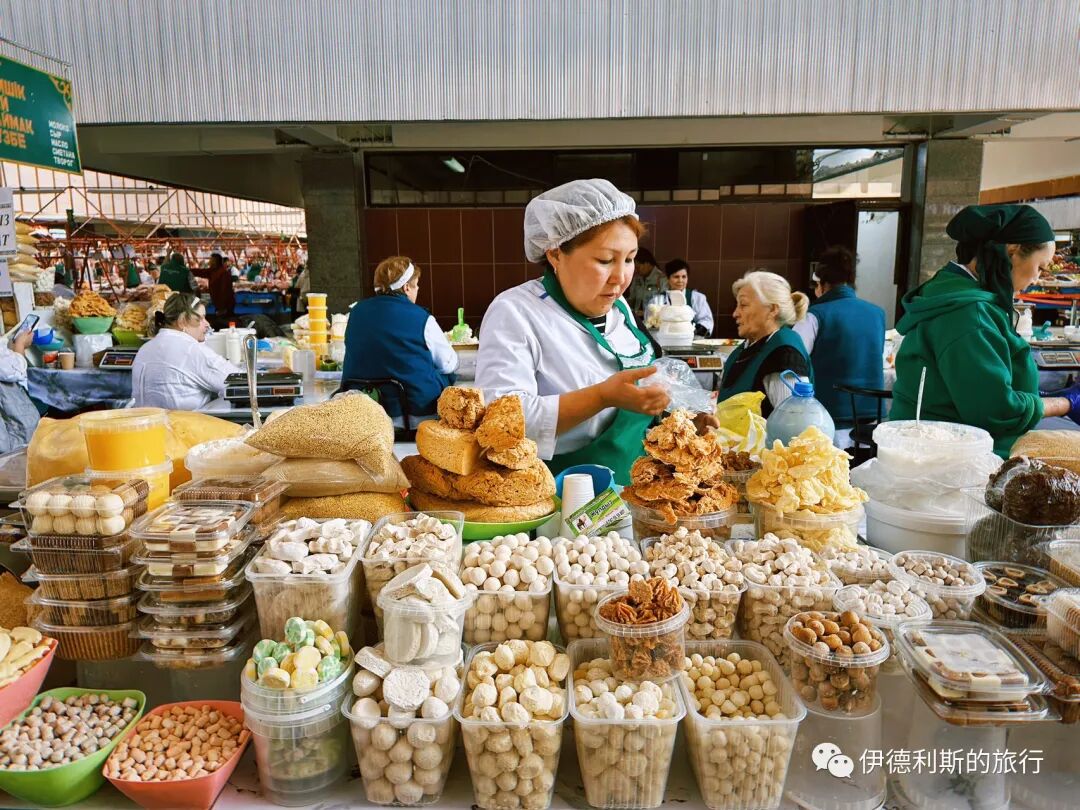
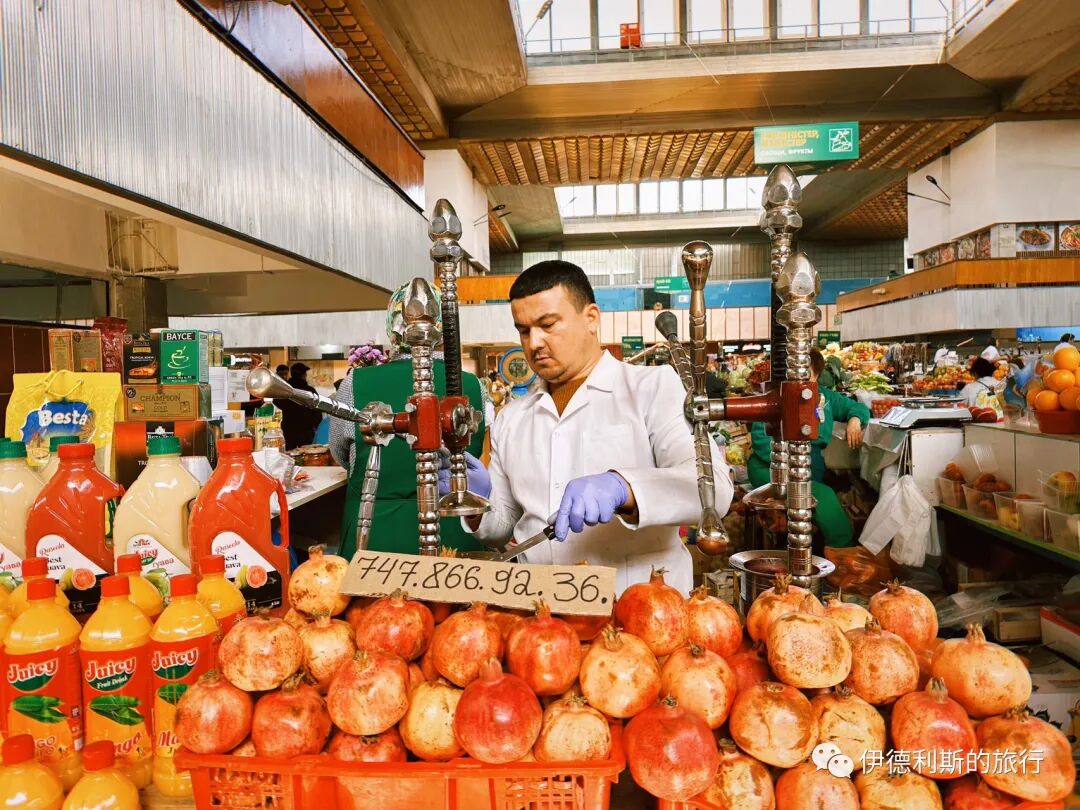
I bought a large flaky baked bun (samsa) at the entrance of the Green Bazaar in Almaty; this is a classic street snack in Almaty. I happened to meet a Dungan man who offered to translate for us. His ancestors were from Shaanxi, and he spoke with a very authentic Shaanxi accent; he said he still has many relatives in Yili.
The Green Bazaar in Almaty is a place where many ethnic groups gather. There are Kazakhs selling horse meat, Russians selling pork, Koreans selling kimchi, Dungans selling small goods, and Uyghurs selling fruit. People live in this city for all sorts of reasons, which gives Almaty its unique character.
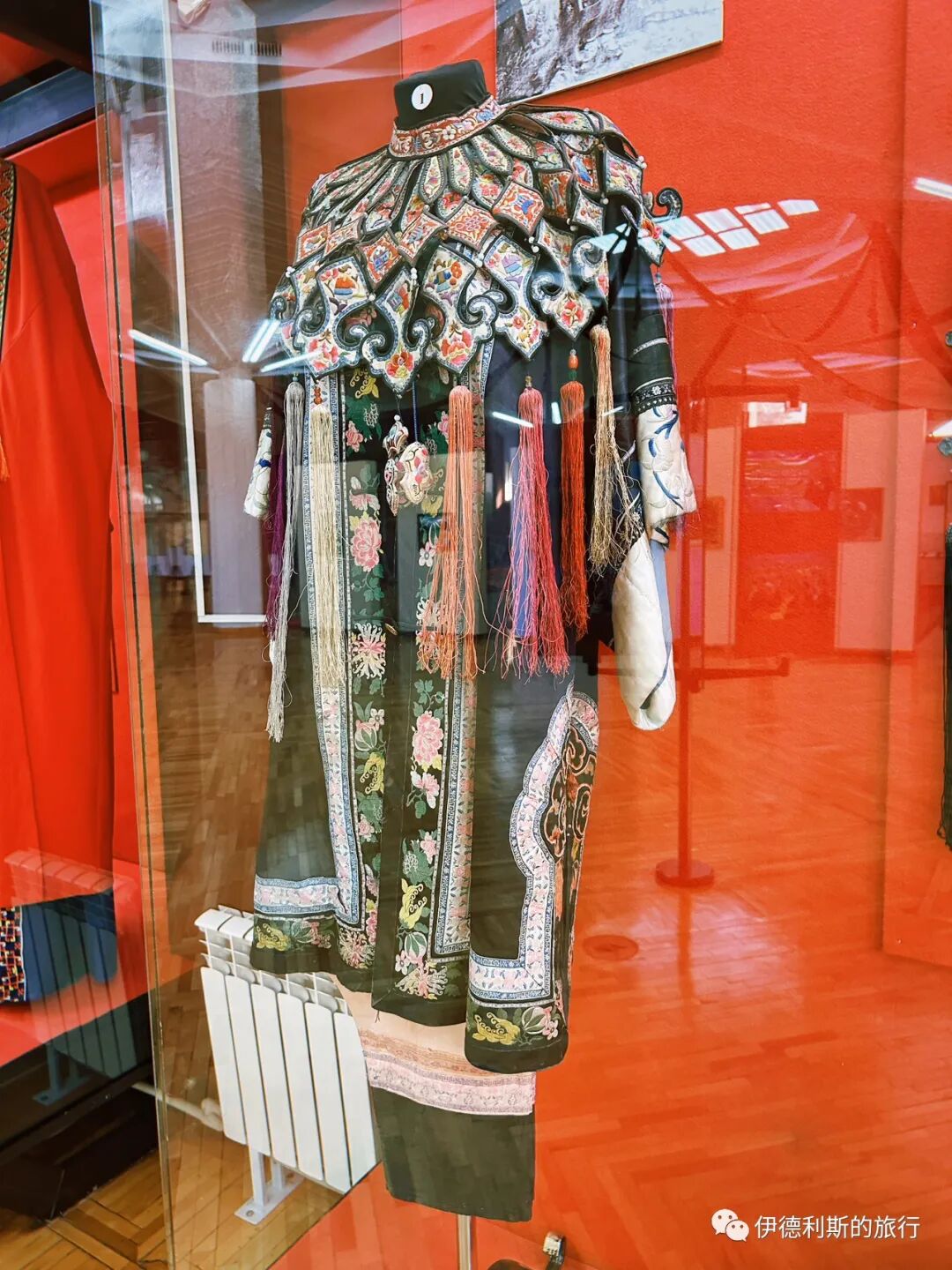
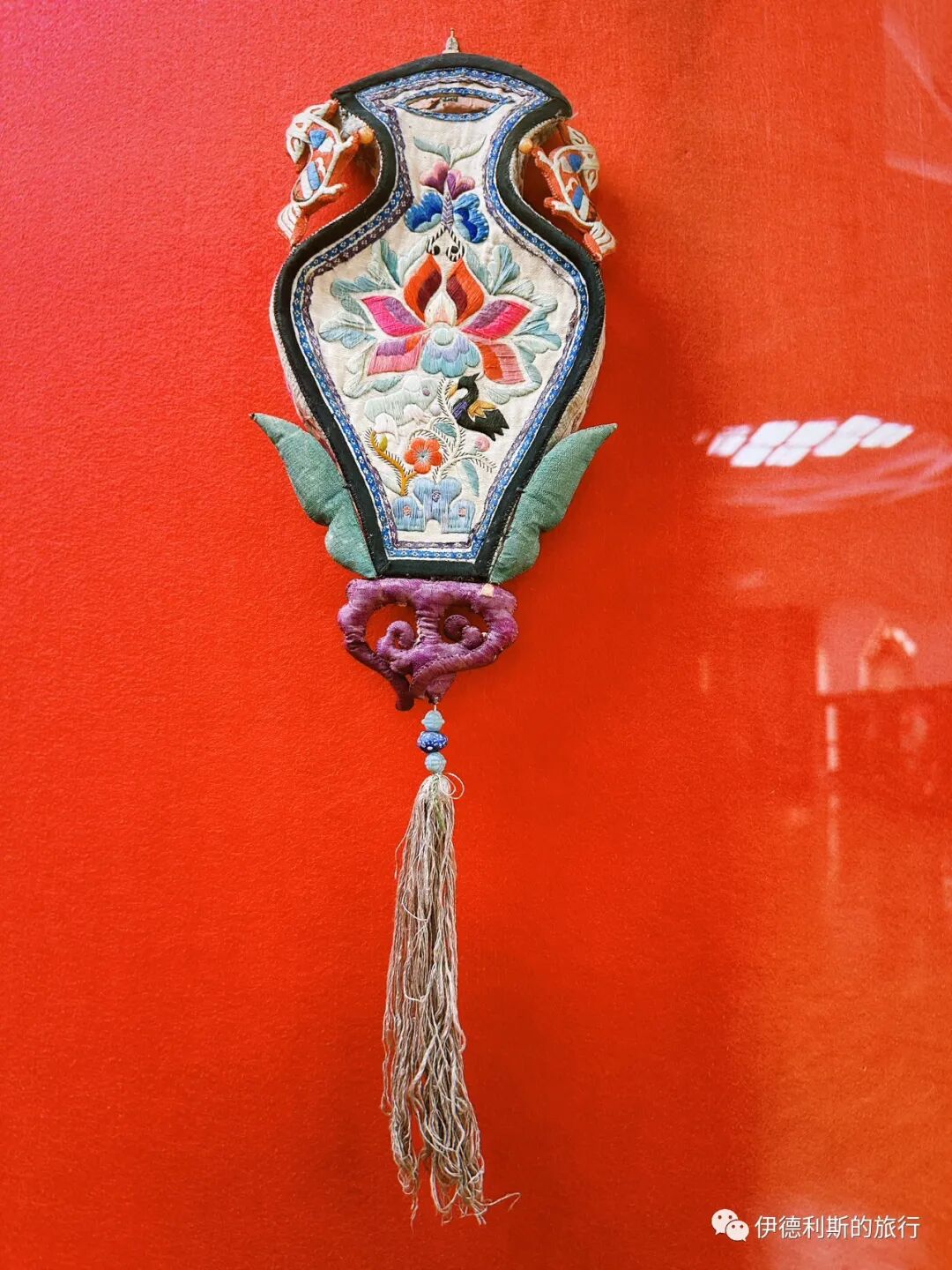
The Central State Museum of Kazakhstan displays a Dungan bridal gown made in 1918. I have seen Dungan bridal gowns many times online and in books, but this was my first time seeing the real thing, and the cloud-shaped collar (yunjian) on it was beautiful. Even though it was already the 20th century, the Dungan people still kept the traditional clothing styles of Qing Dynasty women. I hope to have the chance to attend a Dungan wedding in the future.
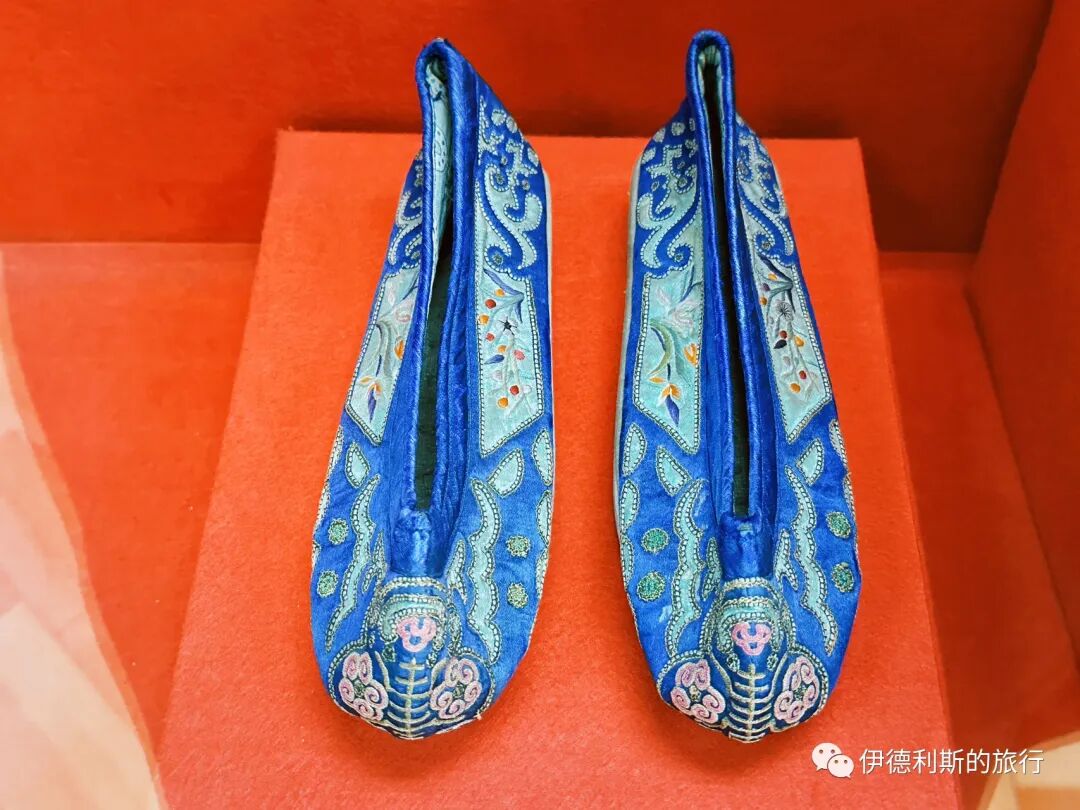
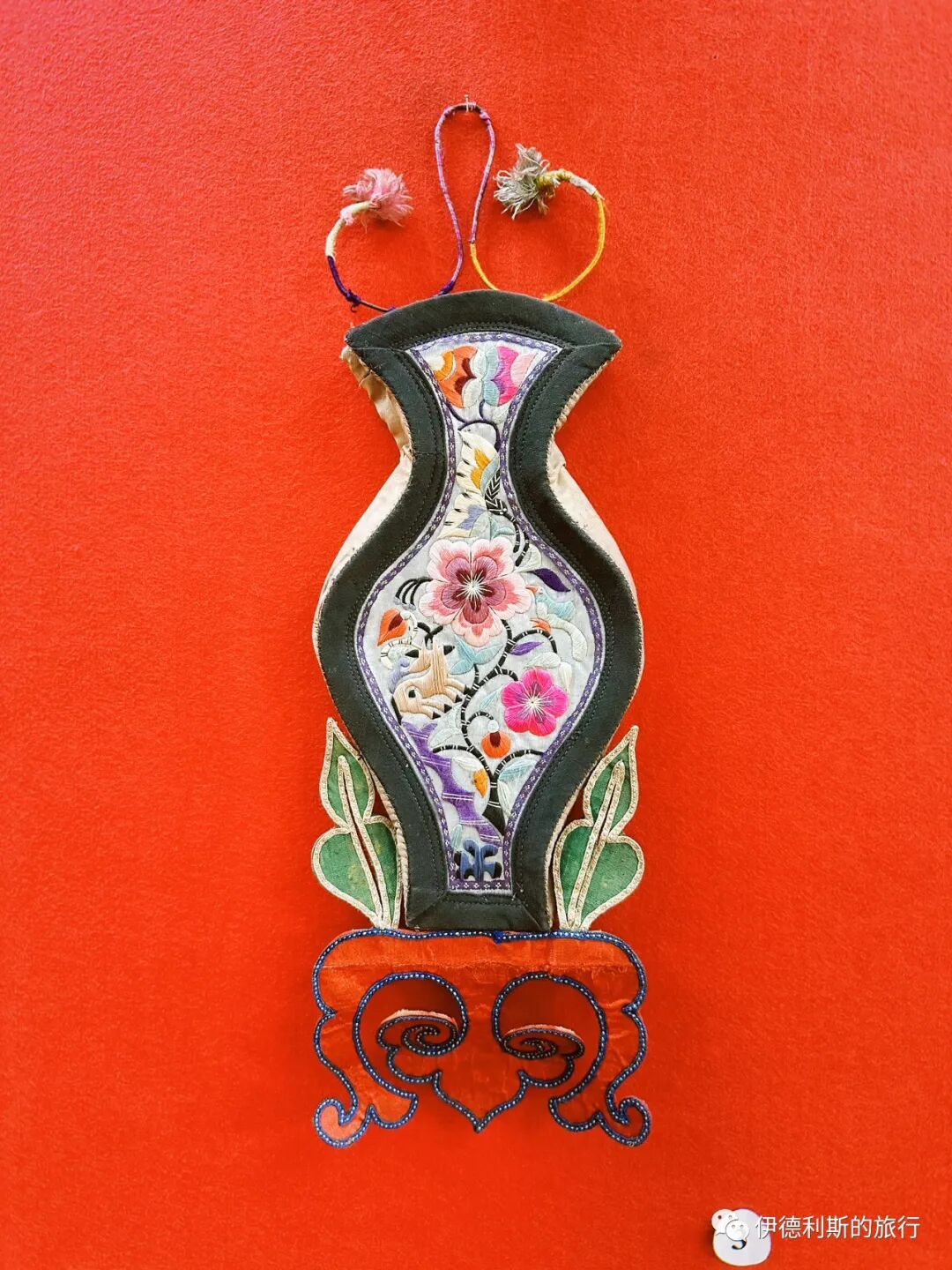
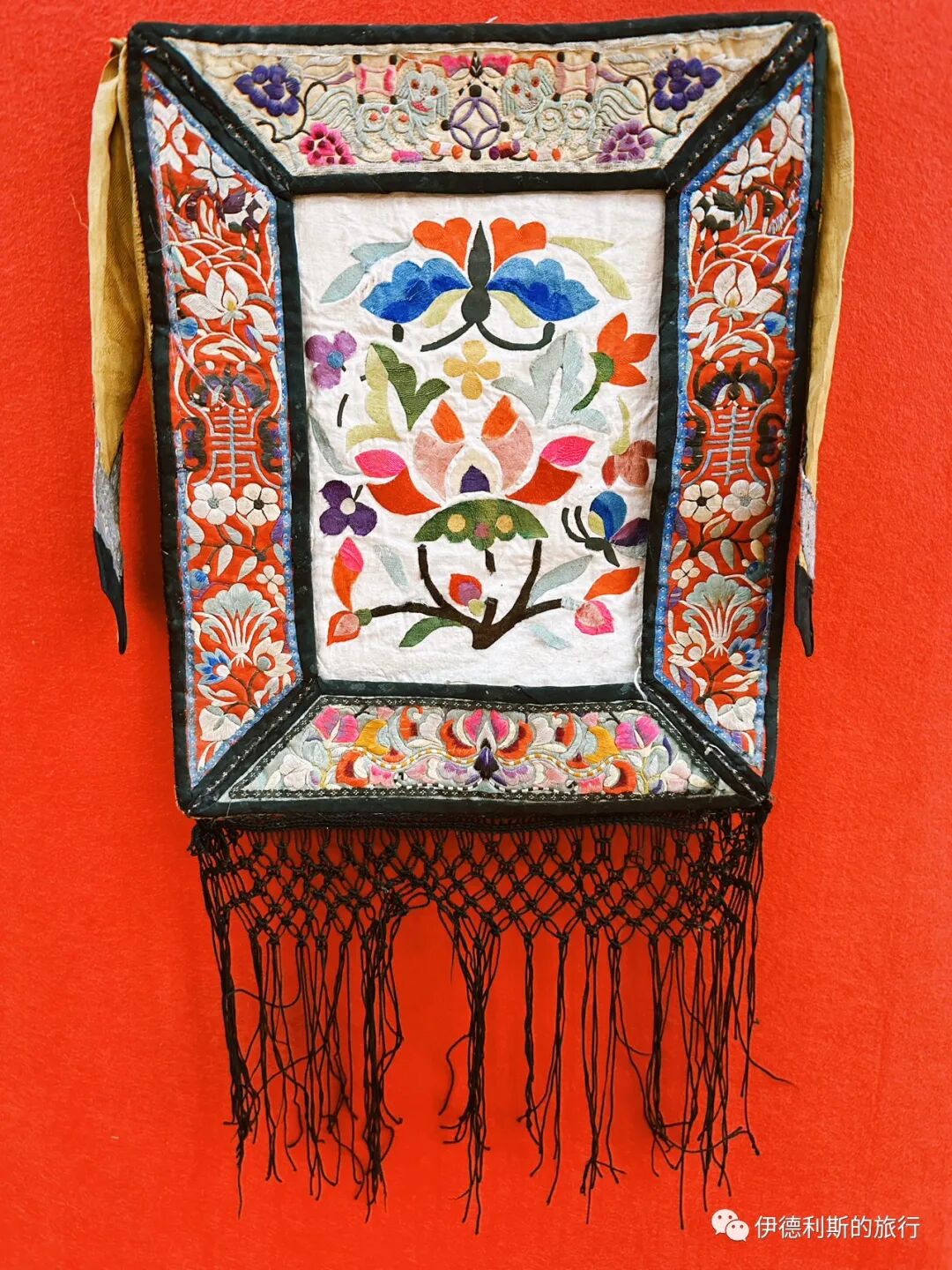
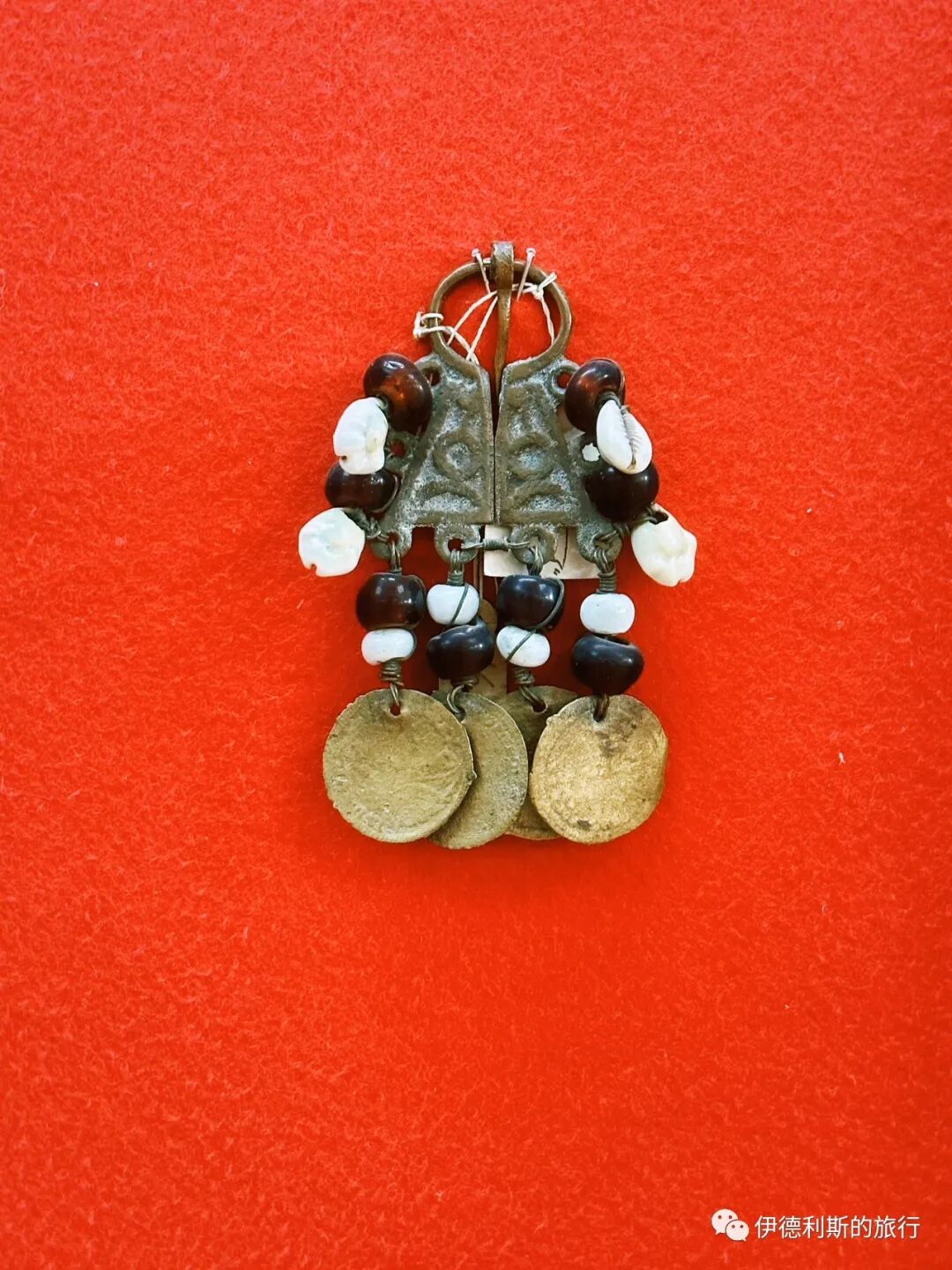
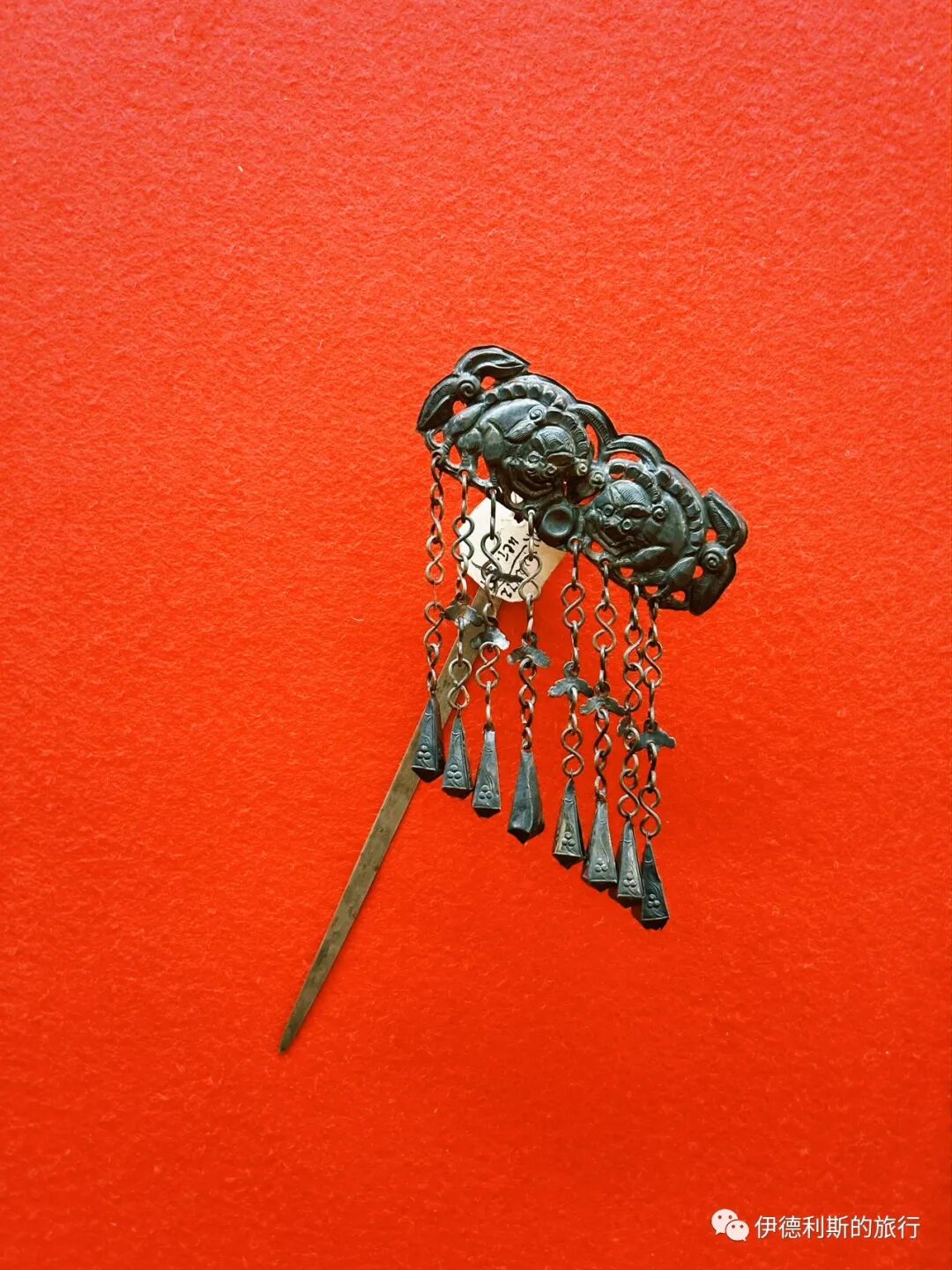
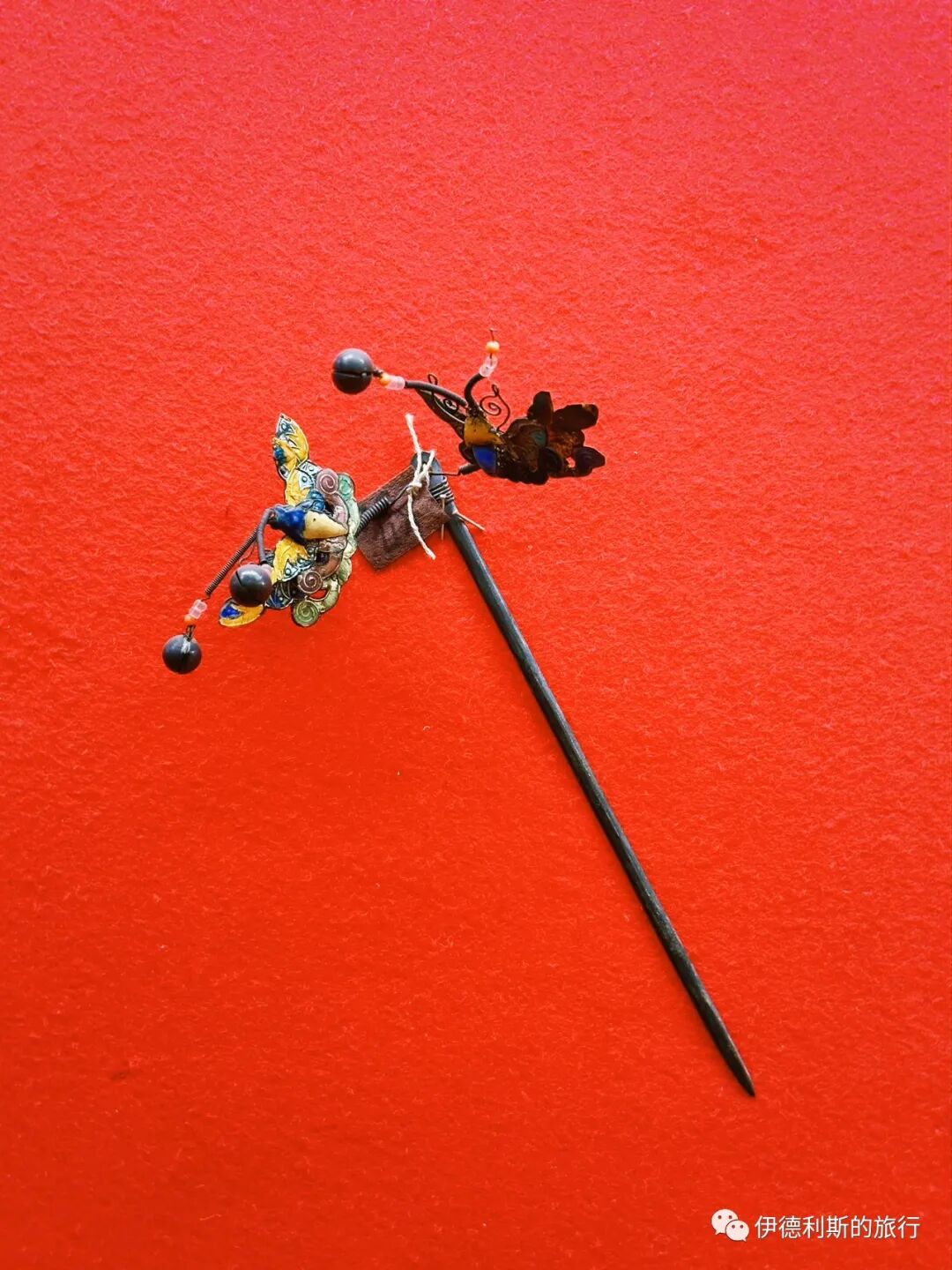
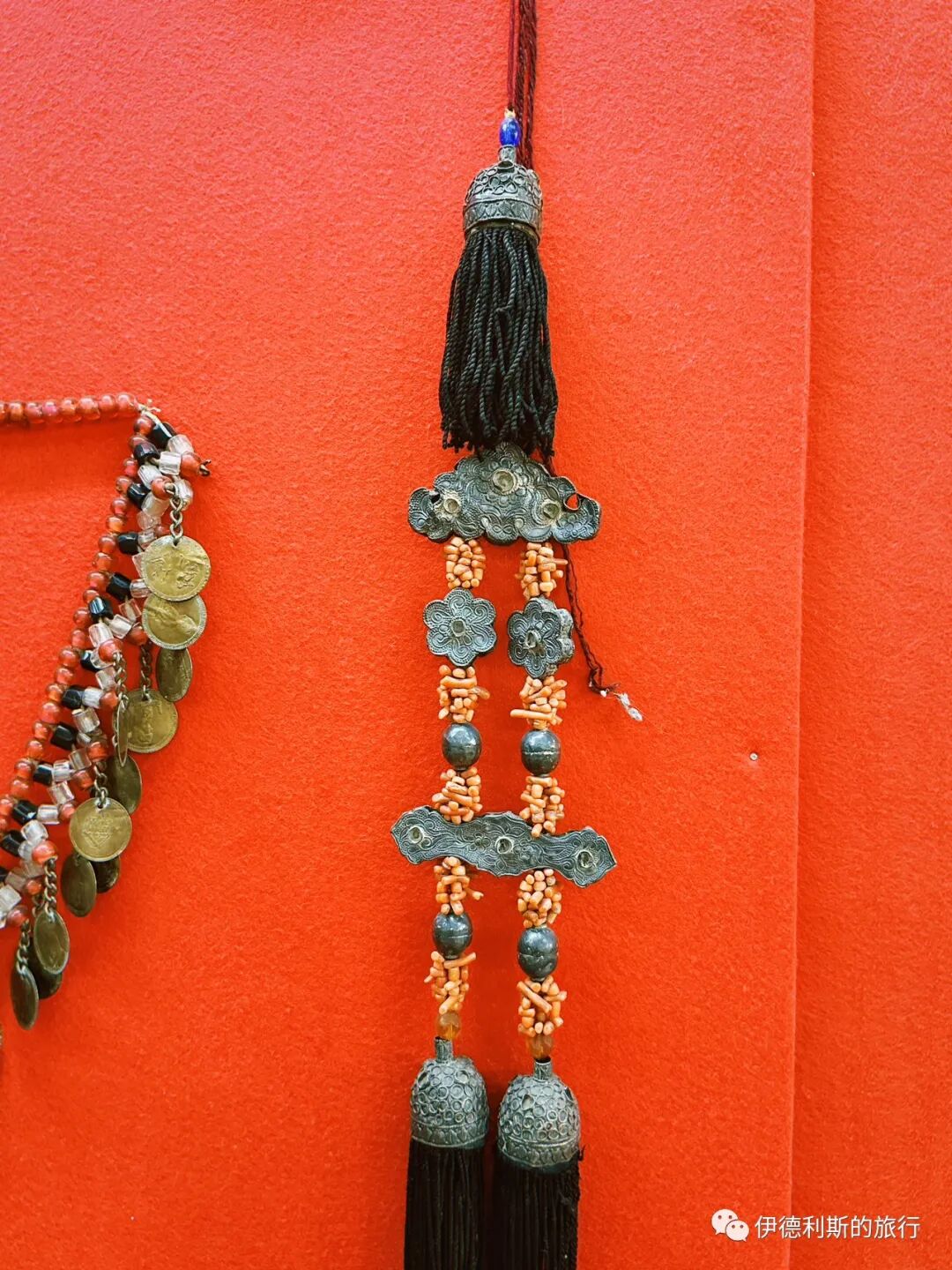
Various traditional Dungan textiles and jewelry are on display at the Central State Museum of Kazakhstan. view all
Summary: Almaty has a Hui Muslim mosque community connected to migration, faith, and Chinese-speaking Muslim heritage in Kazakhstan. This travel note follows the mosque visit and community details while keeping all original facts and images.
On September 29, I flew from Beijing Capital Airport on Air Astana to Almaty, then headed to a Hui mosque on Pavlodarskaya Street in the northern suburbs of Almaty for Jumu'ah.
The mosque is not very big, but it was packed with people from many different ethnic groups during Jumu'ah. The courtyard, the upstairs, and the downstairs were all full, and there were many young people. The imam is a local Hui Muslim from Shaanxi. He speaks excellent Shaanxi dialect, Russian, and Arabic, but he gave the sermon (wa'z) in Russian so that everyone from different ethnic groups could understand. The Jumu'ah process is the same as the traditional practice back home in China. After the prayer, the way they performed the repentance (tawbah), raised their fingers, and finally walked in a circle to shake hands felt so familiar.
Imam
The mosque was preparing to hold a religious gathering in the evening, but unfortunately, I had to catch a connecting flight and could not make it. I am grateful that I met community leaders who had come from various Hui Muslim mosques in Kazakhstan and Kyrgyzstan for the gathering. Chatting with them in the Shaanxi dialect felt so warm; it was exactly the same as the Urumqi Shaanxi dialect my parents-in-law speak.
After Jumu'ah, the mosque elders invited me to eat pilaf (zhuafan). The small-batch pilaf was very similar to the home-cooked style of Urumqi Hui Muslims, and it was not as oily as Uyghur pilaf.
Besides side dishes, the pilaf here was served with pickled cucumbers made by the mosque. They were not as salty as the ones bought in supermarkets back home, and they felt very Soviet. I also ate spicy green tomatoes made by the mosque. They were spicy, fragrant, and went perfectly with the pilaf. I don't think I have ever eaten unripe green tomatoes like this back in China. There was also cake made by the mosque, which was very delicious.
Many young and middle-aged people here are enthusiastic about community affairs, and I felt very happy chatting with everyone. Several of the elders used to work in foreign trade in China, so they speak good Mandarin. I chatted for a long time with a man named Brother Wang. He did business in Horgos a few years ago and spent some time in Yiwu this year. He told me there are three Hui Muslim mosques in Almaty, two of which are Shaanxi mosques and one is a Gansu mosque. The one I visited is a Shaanxi mosque, and even the young people here can speak fluent Shaanxi dialect at home.
After Friday namaz, everyone started getting busy preparing for the Mawlid celebration that evening. The fried dough (youxiang) and fried dough cubes (baorsak) were already fried, but the main task was to cook two large wood-fired pots of pilaf (zhuafan). The students (mulla) and village elders at the mosque worked together, making the atmosphere busy and blessed. They say the mosque is even livelier during Ramadan, when they cook three large wood-fired pots of pilaf every day.
I bought a large flaky baked bun (samsa) at the entrance of the Green Bazaar in Almaty; this is a classic street snack in Almaty. I happened to meet a Dungan man who offered to translate for us. His ancestors were from Shaanxi, and he spoke with a very authentic Shaanxi accent; he said he still has many relatives in Yili.
The Green Bazaar in Almaty is a place where many ethnic groups gather. There are Kazakhs selling horse meat, Russians selling pork, Koreans selling kimchi, Dungans selling small goods, and Uyghurs selling fruit. People live in this city for all sorts of reasons, which gives Almaty its unique character.
The Central State Museum of Kazakhstan displays a Dungan bridal gown made in 1918. I have seen Dungan bridal gowns many times online and in books, but this was my first time seeing the real thing, and the cloud-shaped collar (yunjian) on it was beautiful. Even though it was already the 20th century, the Dungan people still kept the traditional clothing styles of Qing Dynasty women. I hope to have the chance to attend a Dungan wedding in the future.
Various traditional Dungan textiles and jewelry are on display at the Central State Museum of Kazakhstan. view all
Reposted from the web
Summary: Almaty has a Hui Muslim mosque community connected to migration, faith, and Chinese-speaking Muslim heritage in Kazakhstan. This travel note follows the mosque visit and community details while keeping all original facts and images.
On September 29, I flew from Beijing Capital Airport on Air Astana to Almaty, then headed to a Hui mosque on Pavlodarskaya Street in the northern suburbs of Almaty for Jumu'ah.
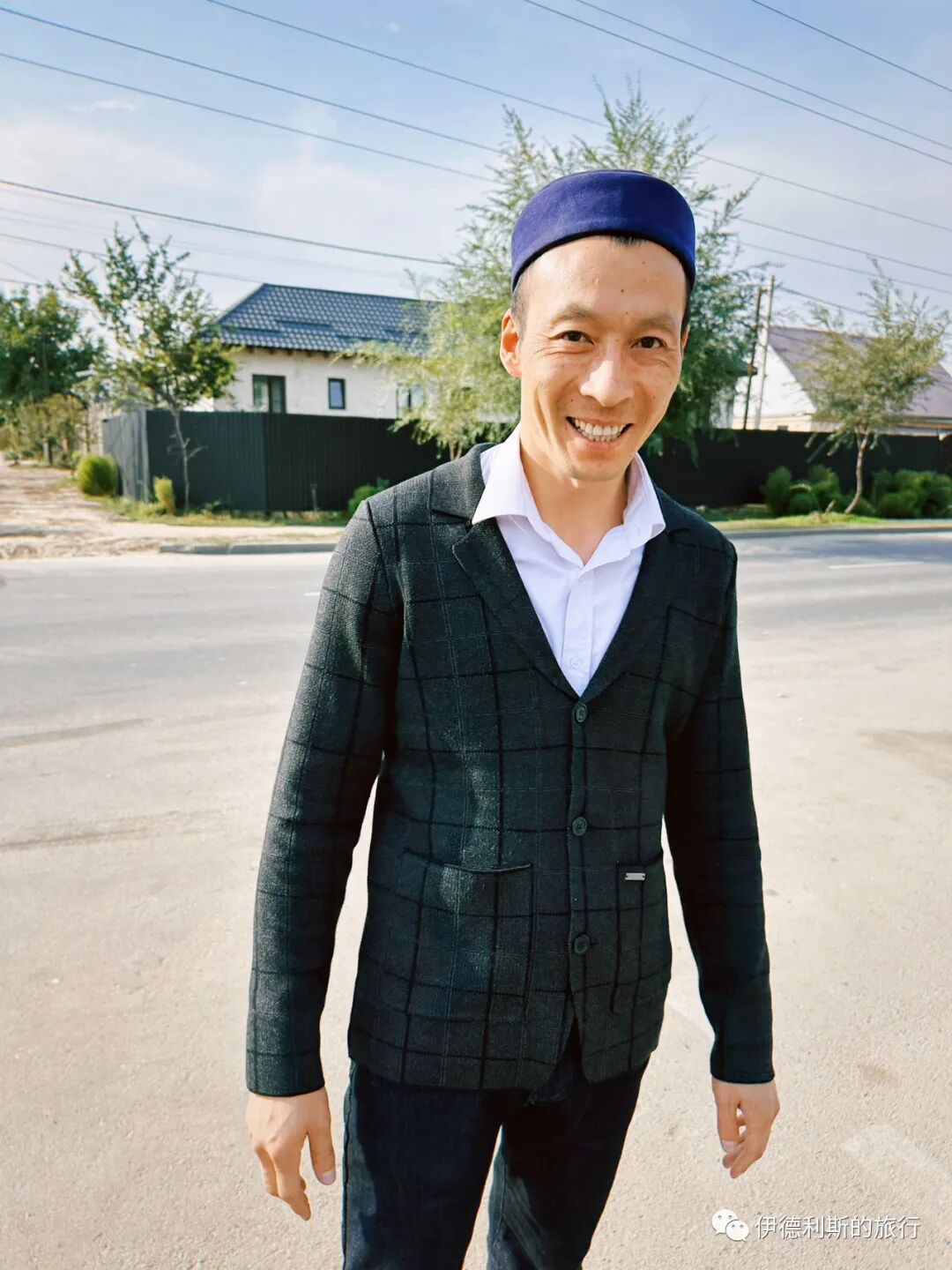
The mosque is not very big, but it was packed with people from many different ethnic groups during Jumu'ah. The courtyard, the upstairs, and the downstairs were all full, and there were many young people. The imam is a local Hui Muslim from Shaanxi. He speaks excellent Shaanxi dialect, Russian, and Arabic, but he gave the sermon (wa'z) in Russian so that everyone from different ethnic groups could understand. The Jumu'ah process is the same as the traditional practice back home in China. After the prayer, the way they performed the repentance (tawbah), raised their fingers, and finally walked in a circle to shake hands felt so familiar.
Imam
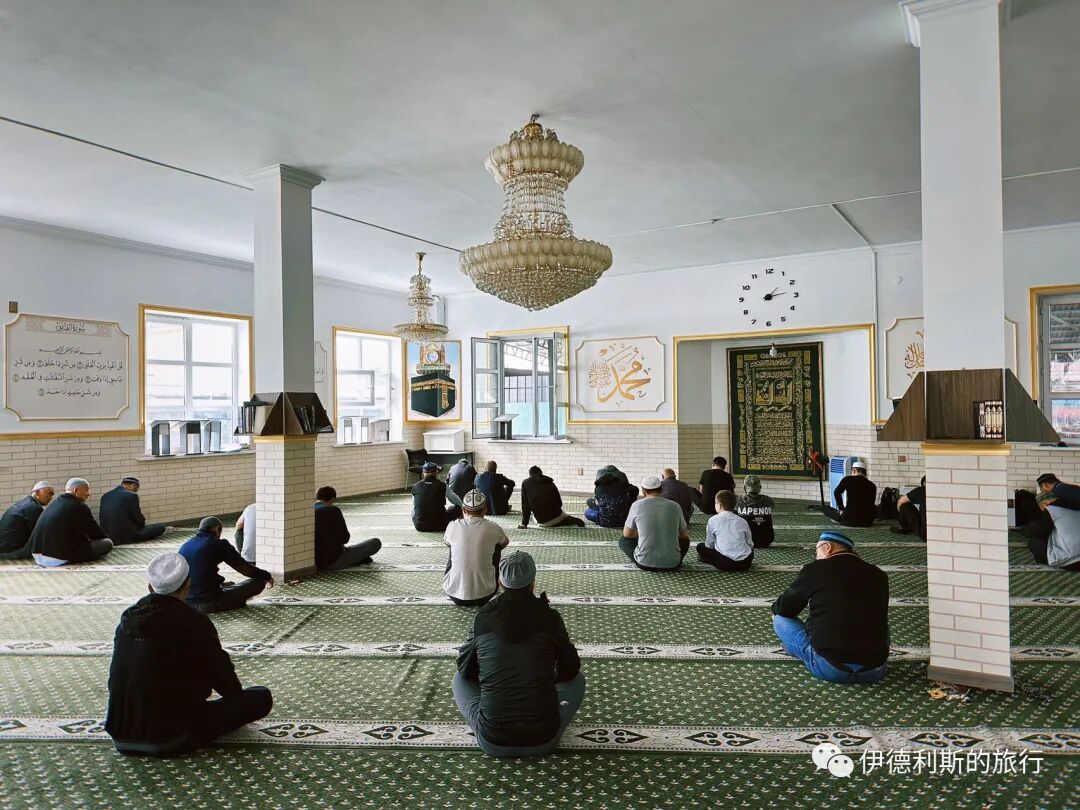
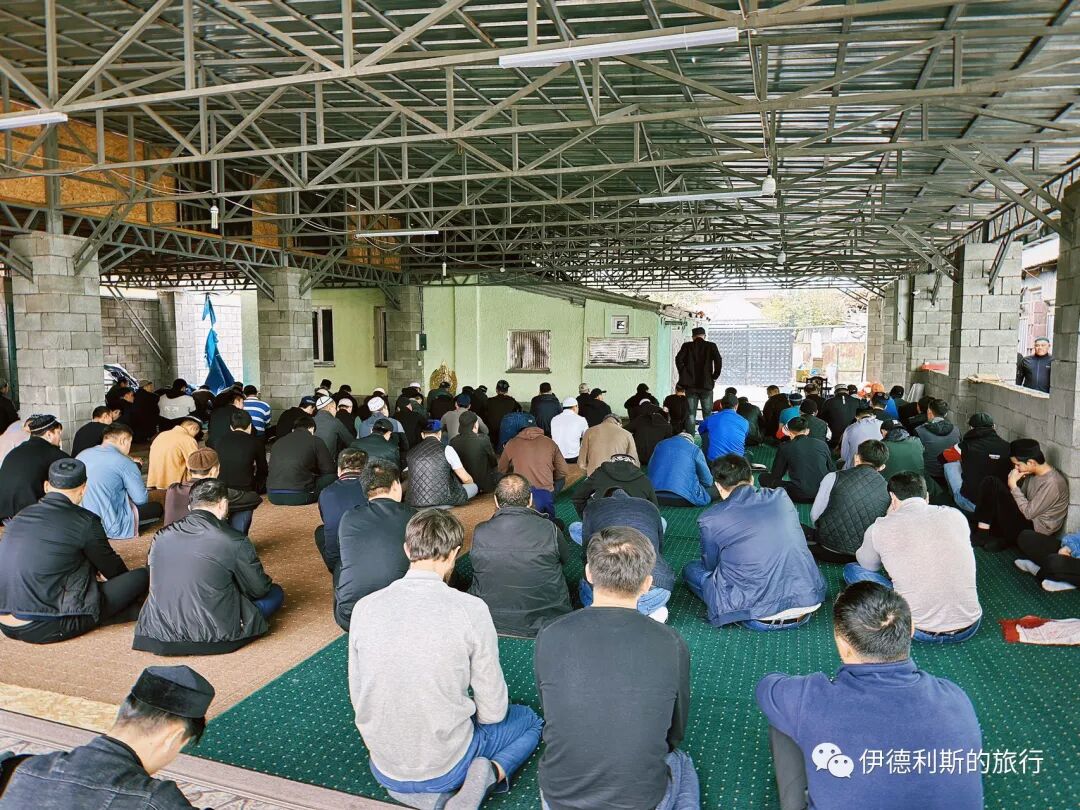
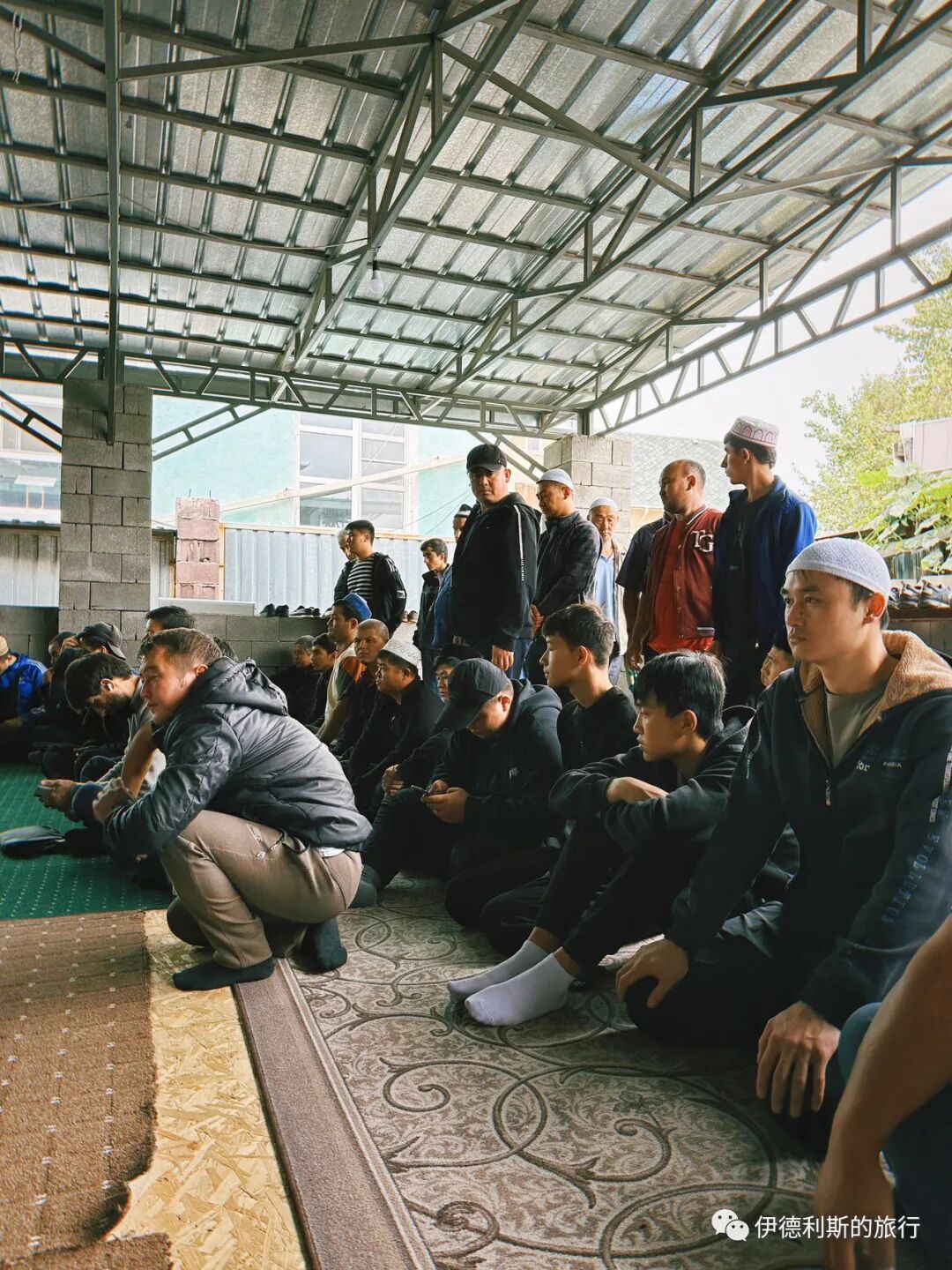
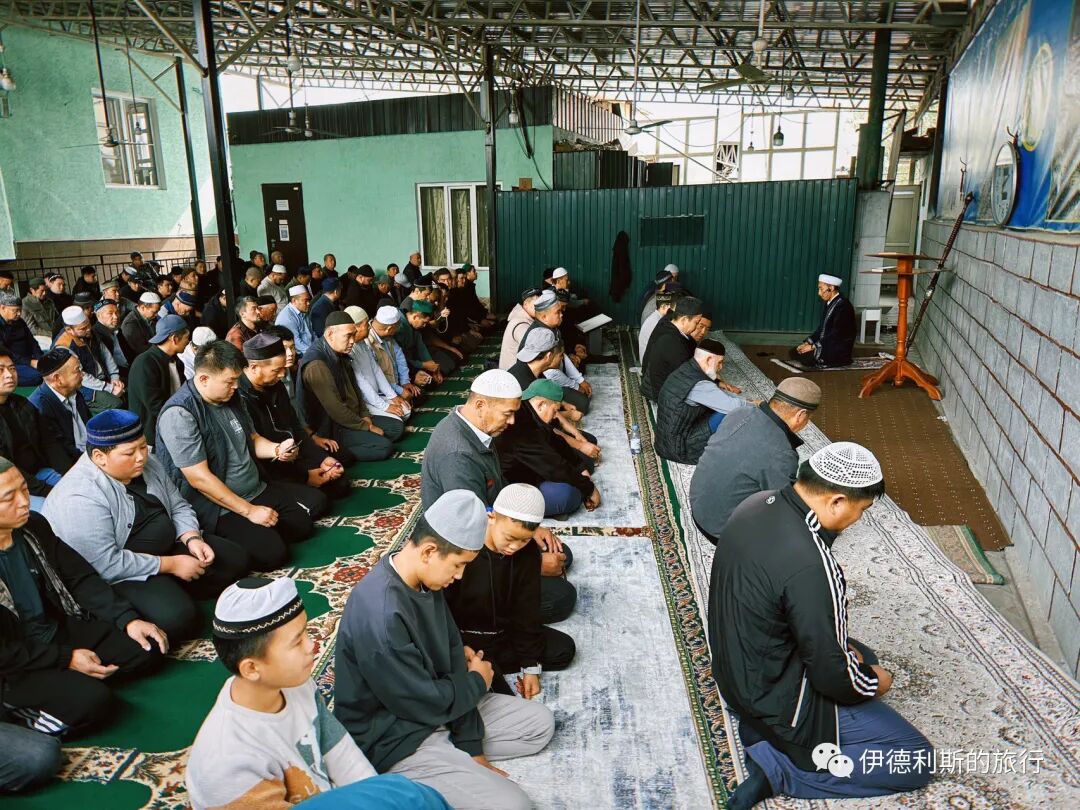
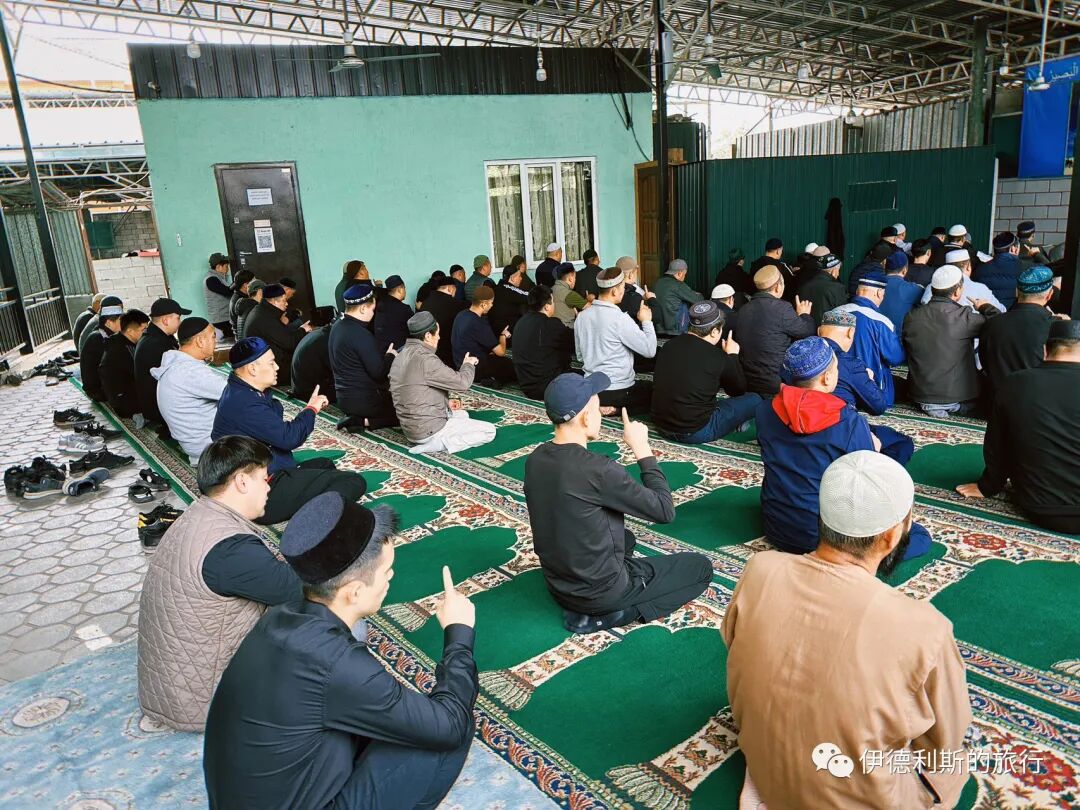
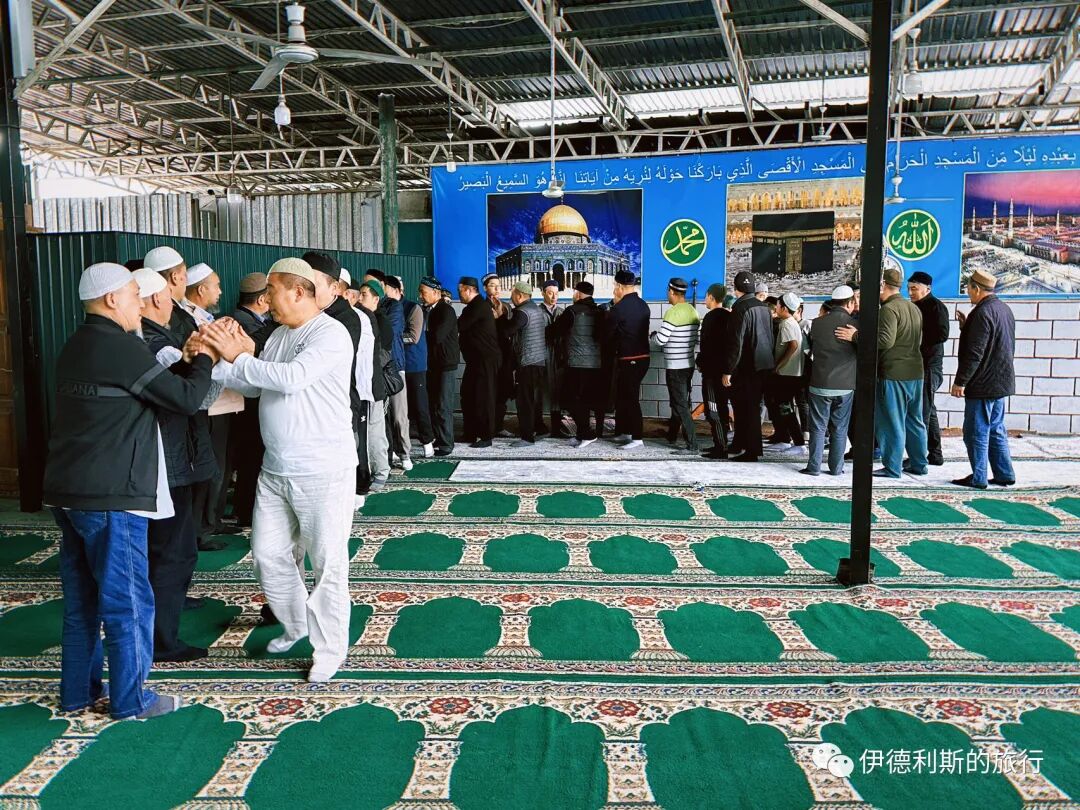
The mosque was preparing to hold a religious gathering in the evening, but unfortunately, I had to catch a connecting flight and could not make it. I am grateful that I met community leaders who had come from various Hui Muslim mosques in Kazakhstan and Kyrgyzstan for the gathering. Chatting with them in the Shaanxi dialect felt so warm; it was exactly the same as the Urumqi Shaanxi dialect my parents-in-law speak.
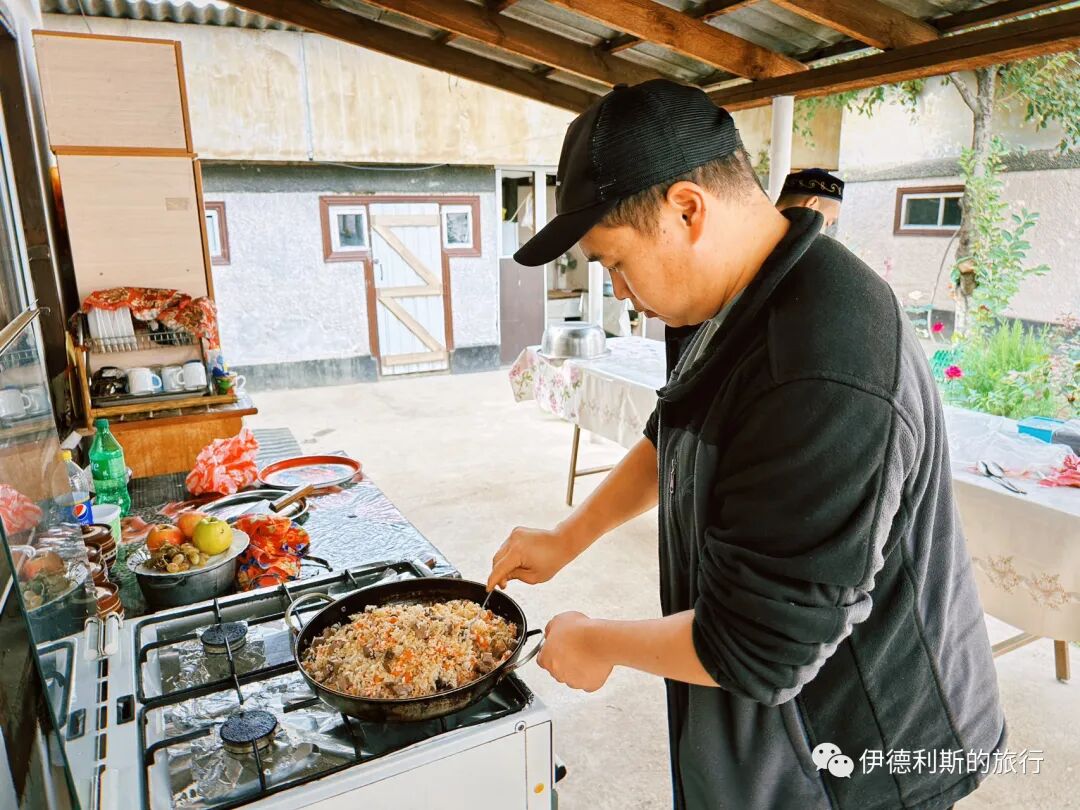
After Jumu'ah, the mosque elders invited me to eat pilaf (zhuafan). The small-batch pilaf was very similar to the home-cooked style of Urumqi Hui Muslims, and it was not as oily as Uyghur pilaf.
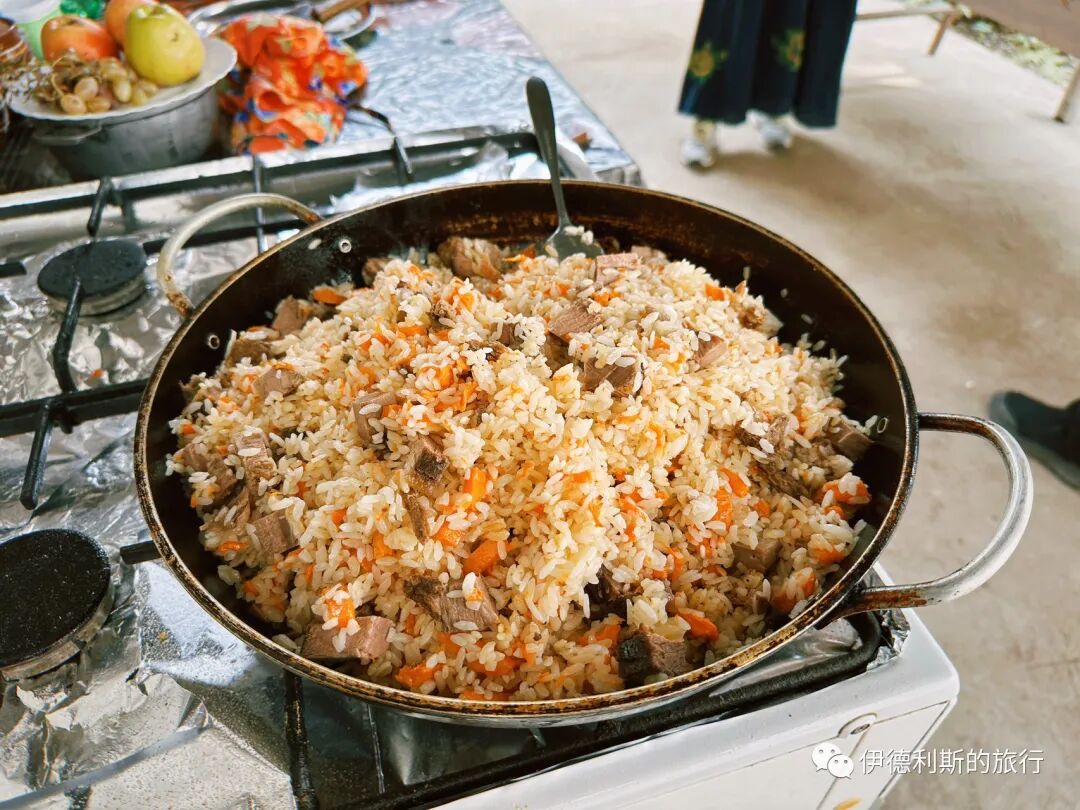
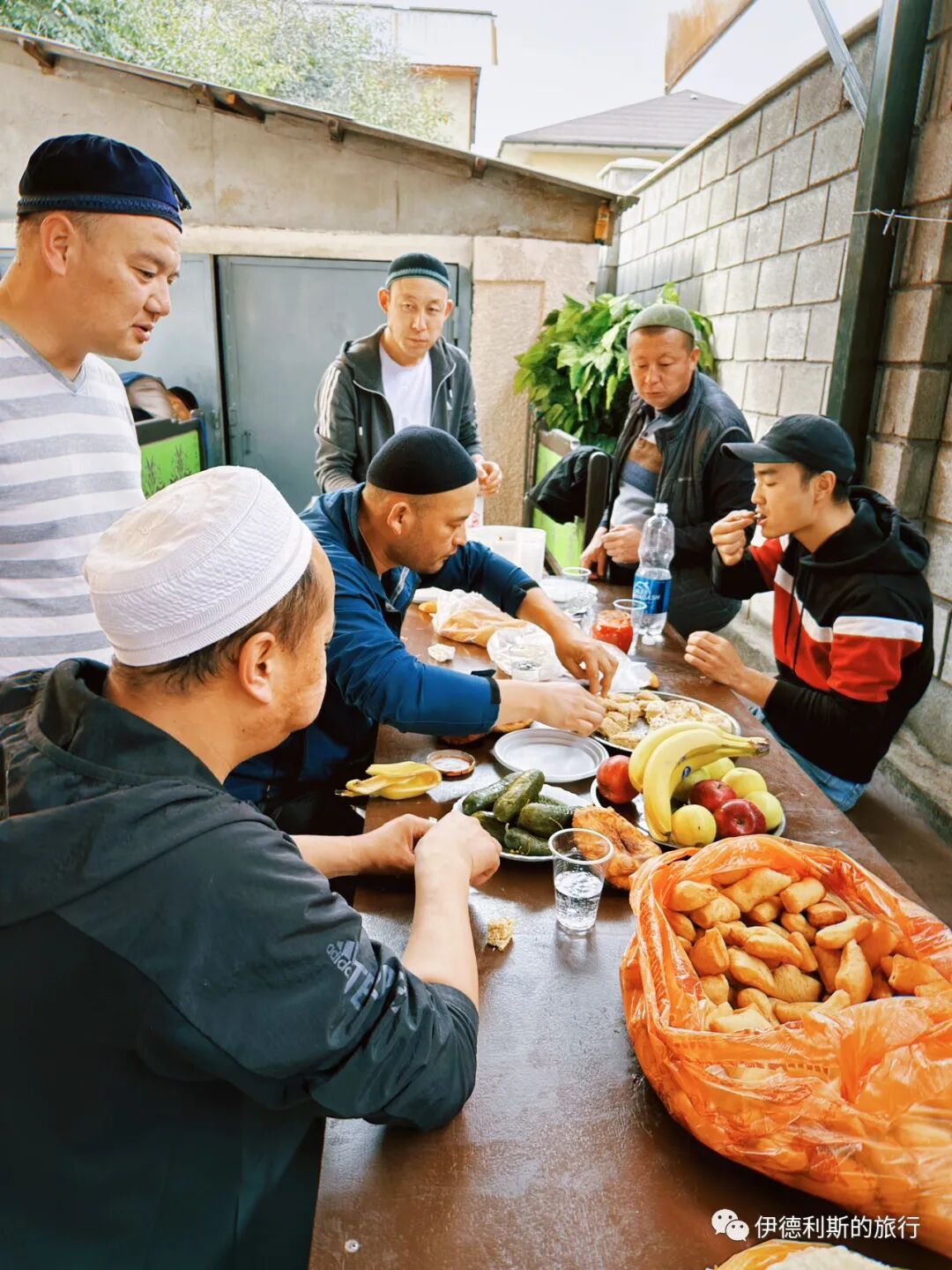
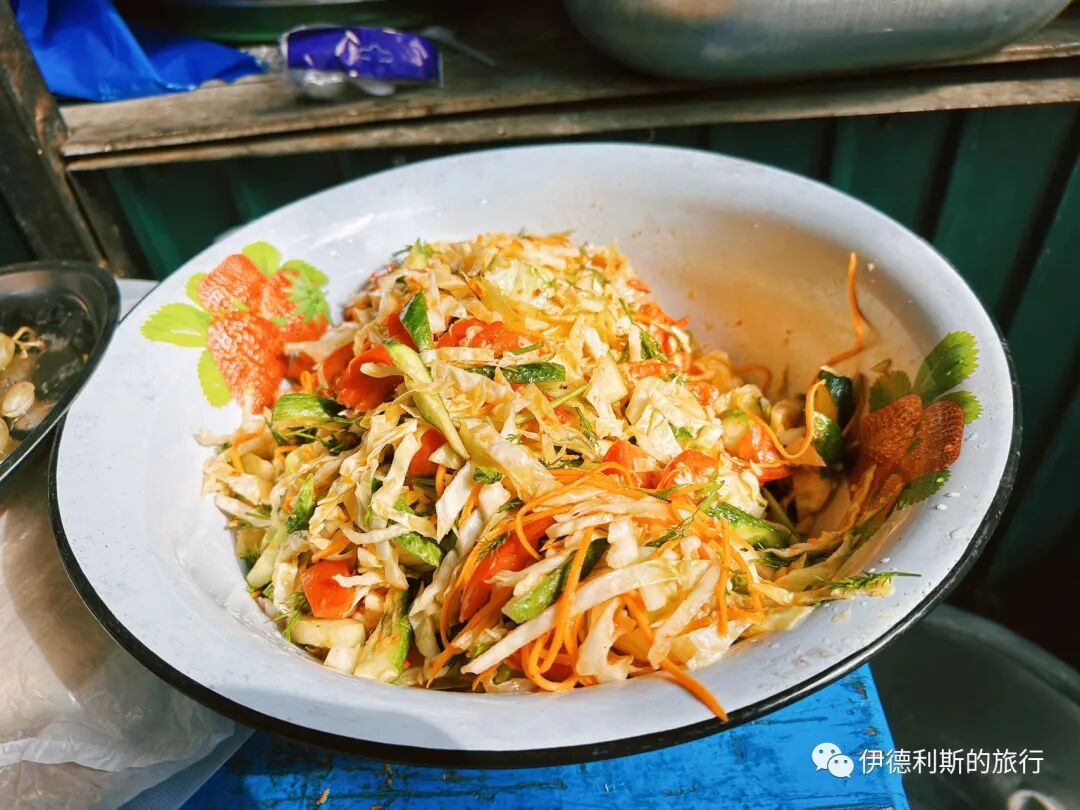
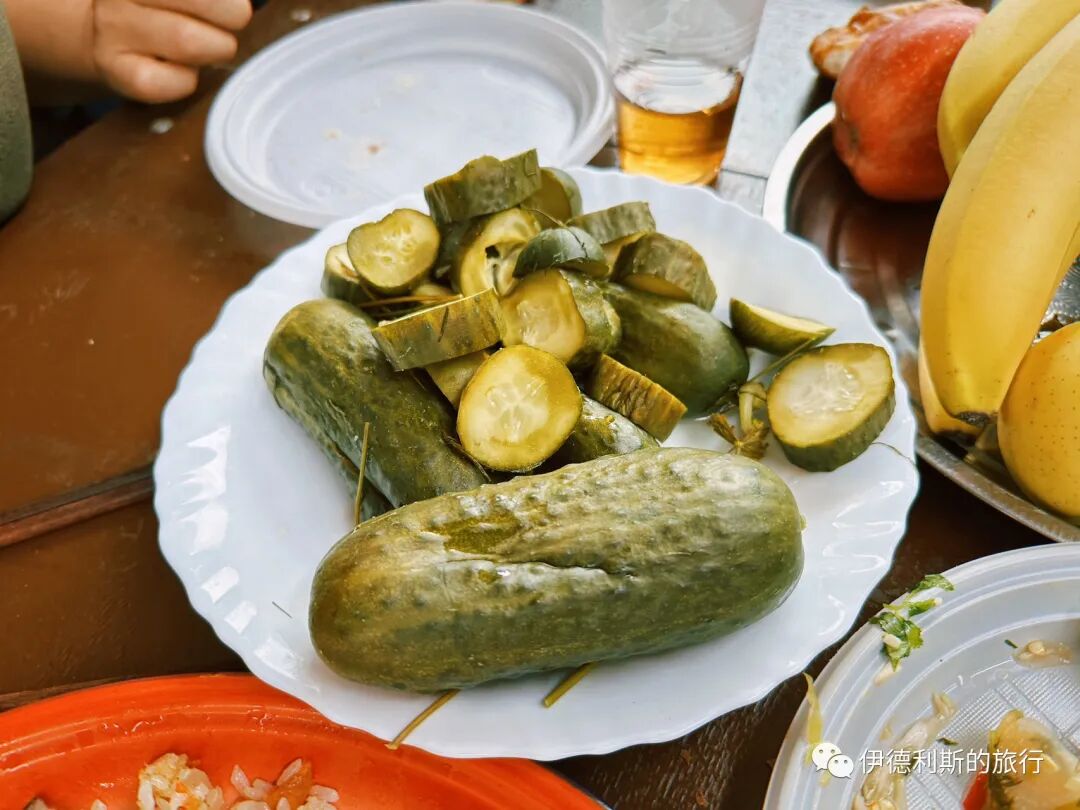
Besides side dishes, the pilaf here was served with pickled cucumbers made by the mosque. They were not as salty as the ones bought in supermarkets back home, and they felt very Soviet. I also ate spicy green tomatoes made by the mosque. They were spicy, fragrant, and went perfectly with the pilaf. I don't think I have ever eaten unripe green tomatoes like this back in China. There was also cake made by the mosque, which was very delicious.
Many young and middle-aged people here are enthusiastic about community affairs, and I felt very happy chatting with everyone. Several of the elders used to work in foreign trade in China, so they speak good Mandarin. I chatted for a long time with a man named Brother Wang. He did business in Horgos a few years ago and spent some time in Yiwu this year. He told me there are three Hui Muslim mosques in Almaty, two of which are Shaanxi mosques and one is a Gansu mosque. The one I visited is a Shaanxi mosque, and even the young people here can speak fluent Shaanxi dialect at home.
After Friday namaz, everyone started getting busy preparing for the Mawlid celebration that evening. The fried dough (youxiang) and fried dough cubes (baorsak) were already fried, but the main task was to cook two large wood-fired pots of pilaf (zhuafan). The students (mulla) and village elders at the mosque worked together, making the atmosphere busy and blessed. They say the mosque is even livelier during Ramadan, when they cook three large wood-fired pots of pilaf every day.
I bought a large flaky baked bun (samsa) at the entrance of the Green Bazaar in Almaty; this is a classic street snack in Almaty. I happened to meet a Dungan man who offered to translate for us. His ancestors were from Shaanxi, and he spoke with a very authentic Shaanxi accent; he said he still has many relatives in Yili.
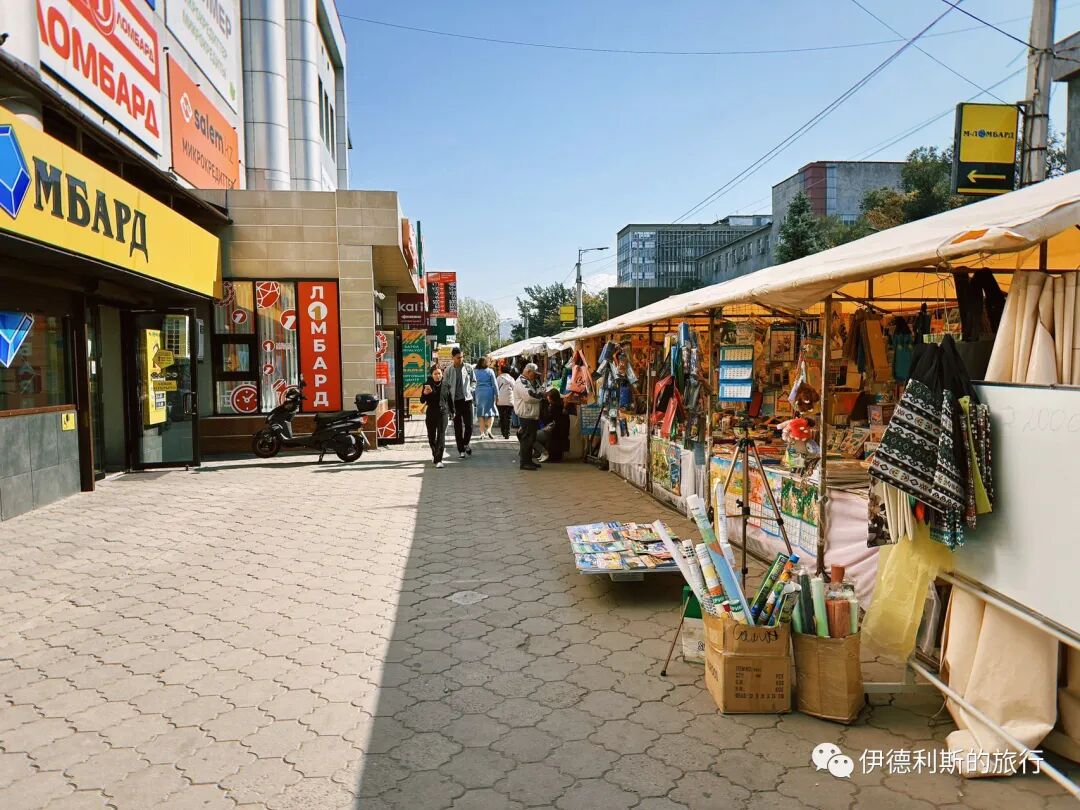
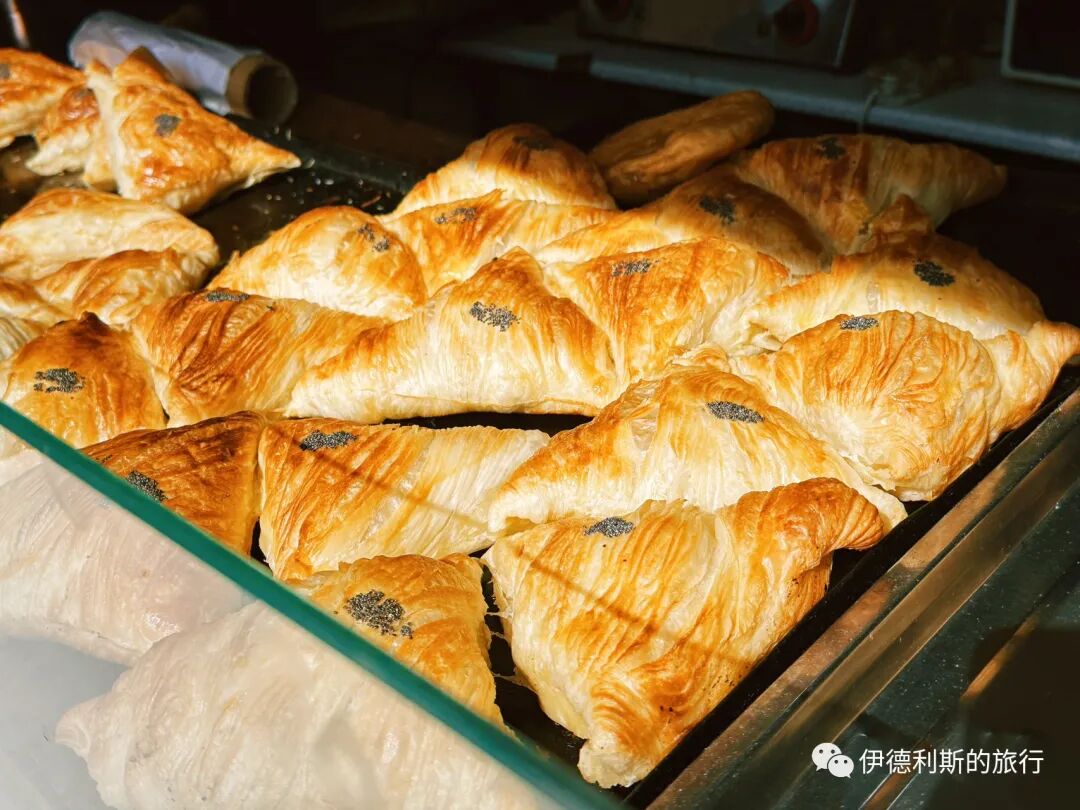
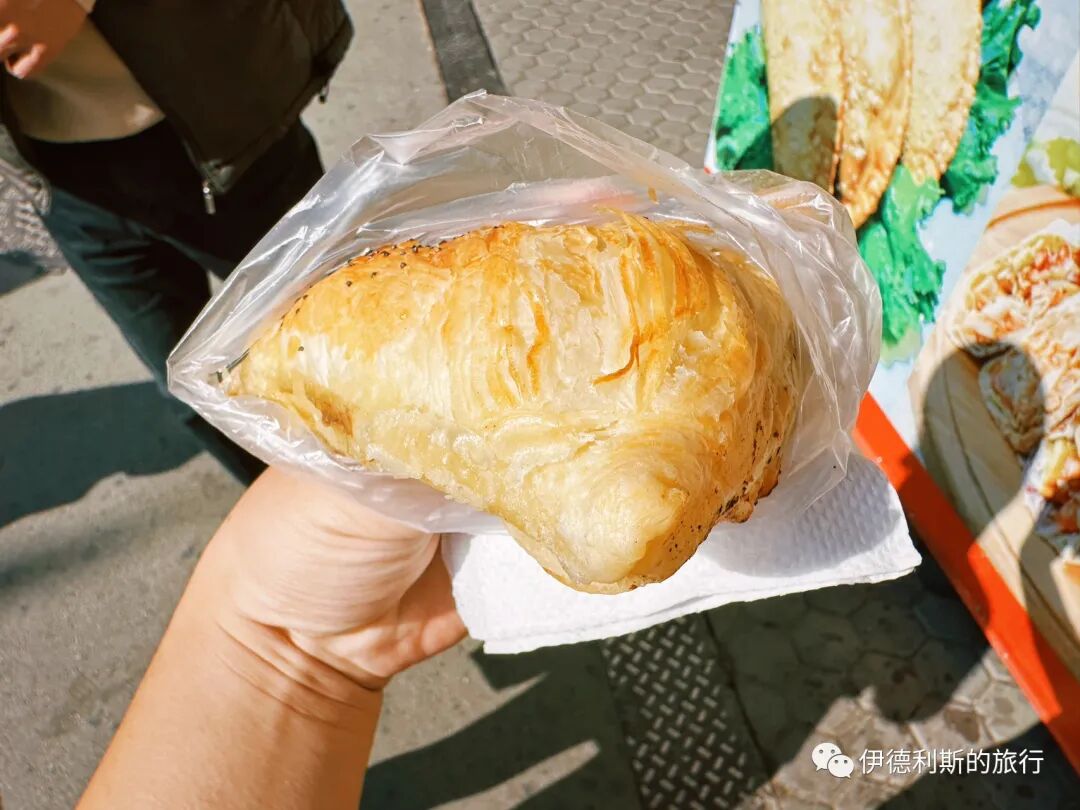
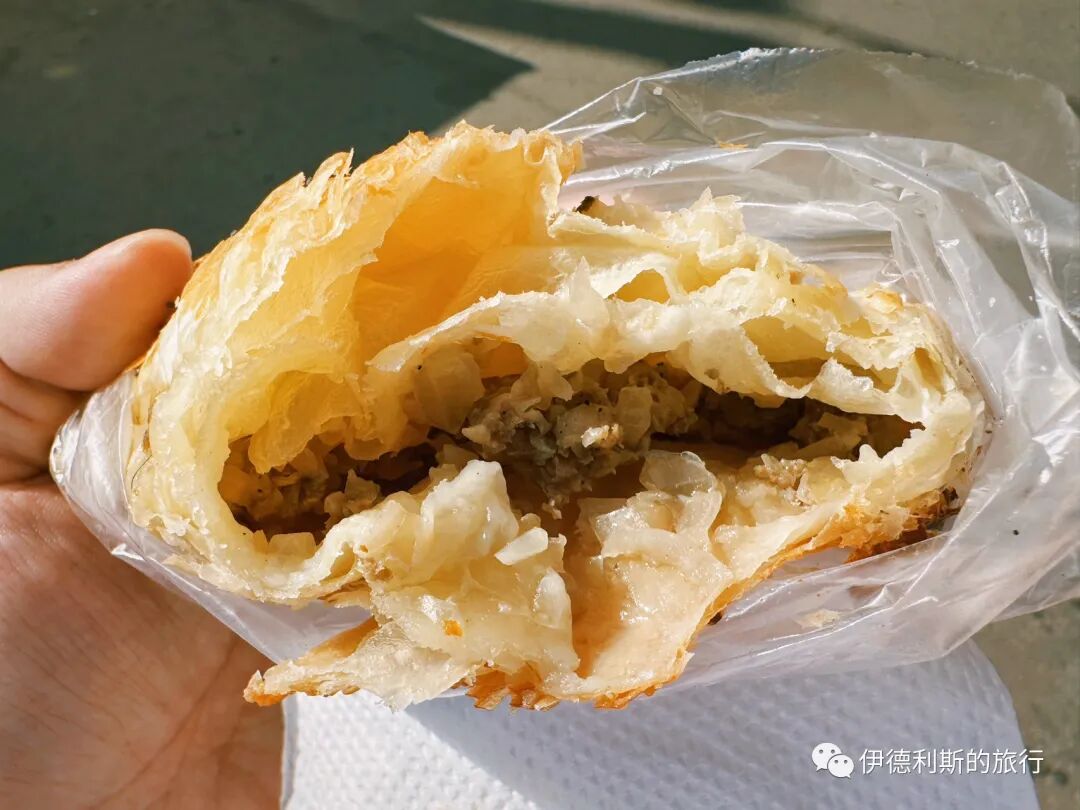
The Green Bazaar in Almaty is a place where many ethnic groups gather. There are Kazakhs selling horse meat, Russians selling pork, Koreans selling kimchi, Dungans selling small goods, and Uyghurs selling fruit. People live in this city for all sorts of reasons, which gives Almaty its unique character.
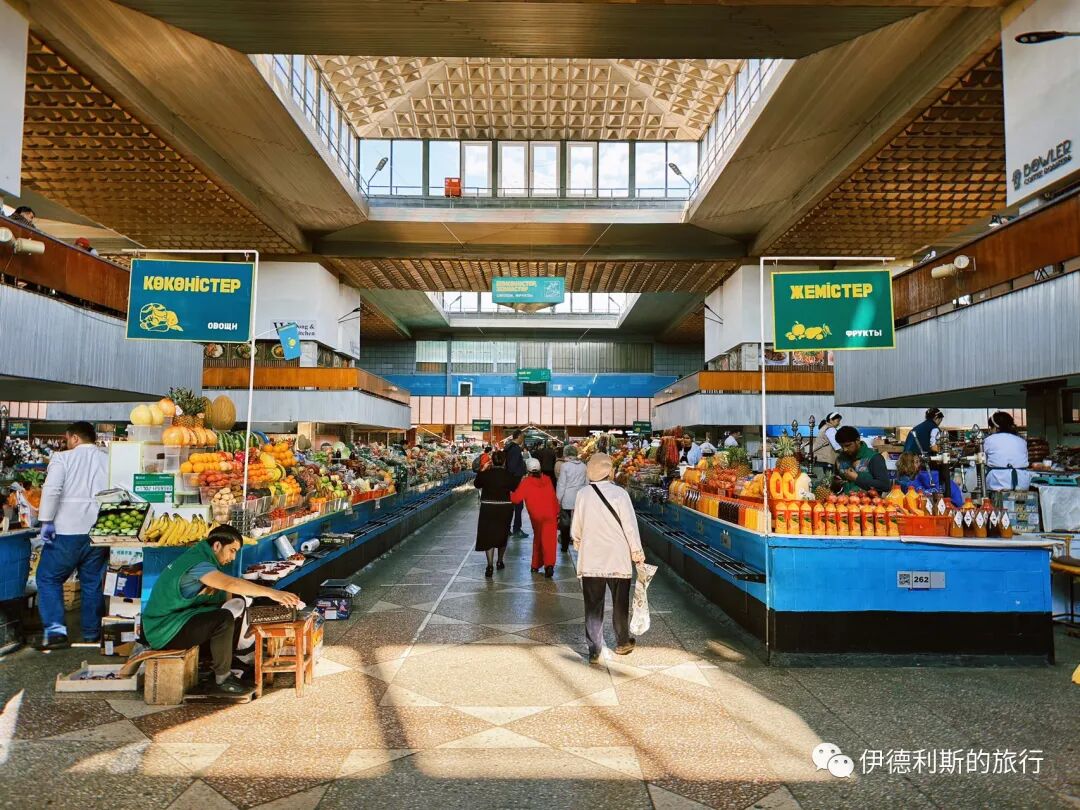
The Central State Museum of Kazakhstan displays a Dungan bridal gown made in 1918. I have seen Dungan bridal gowns many times online and in books, but this was my first time seeing the real thing, and the cloud-shaped collar (yunjian) on it was beautiful. Even though it was already the 20th century, the Dungan people still kept the traditional clothing styles of Qing Dynasty women. I hope to have the chance to attend a Dungan wedding in the future.
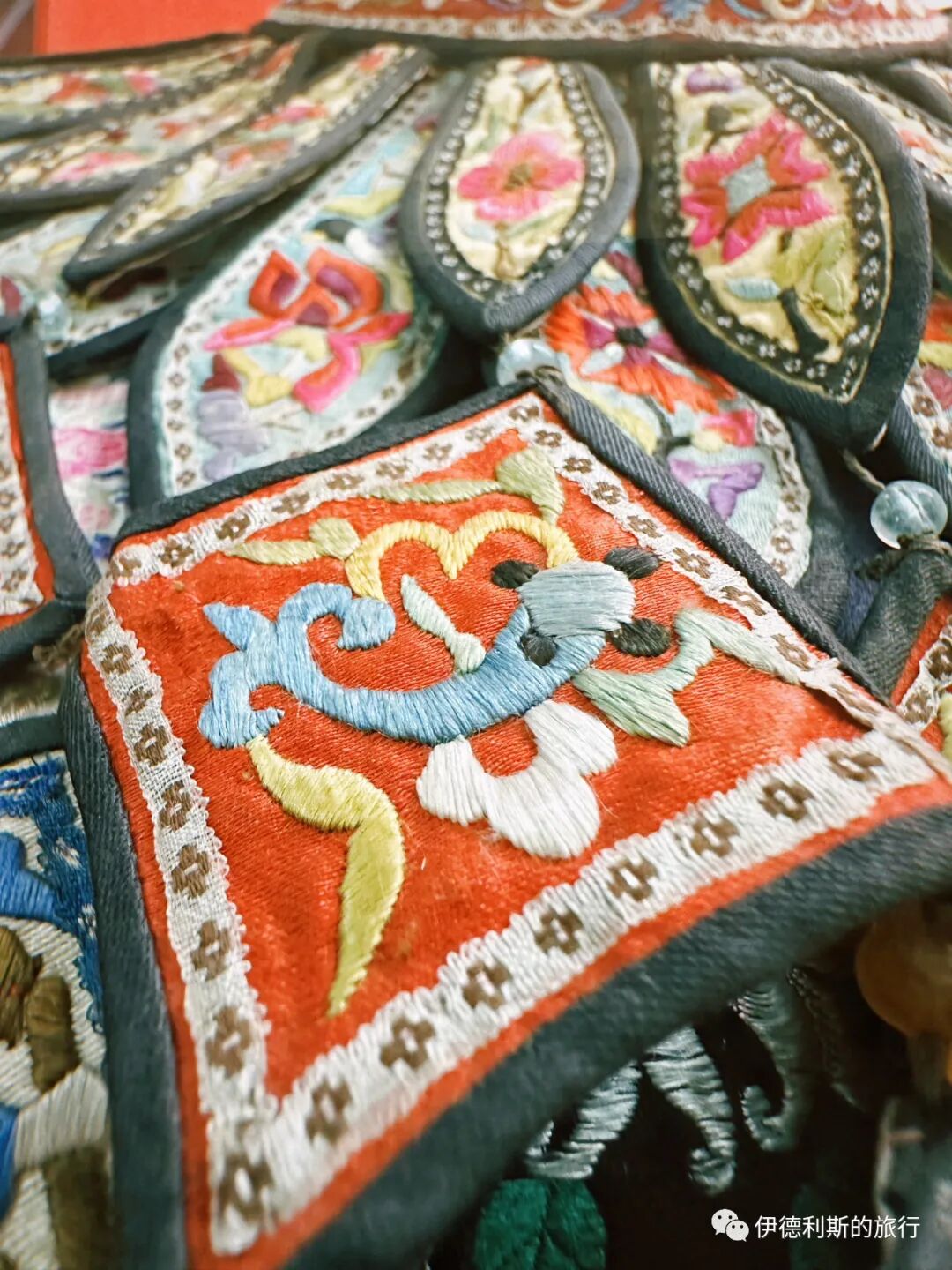
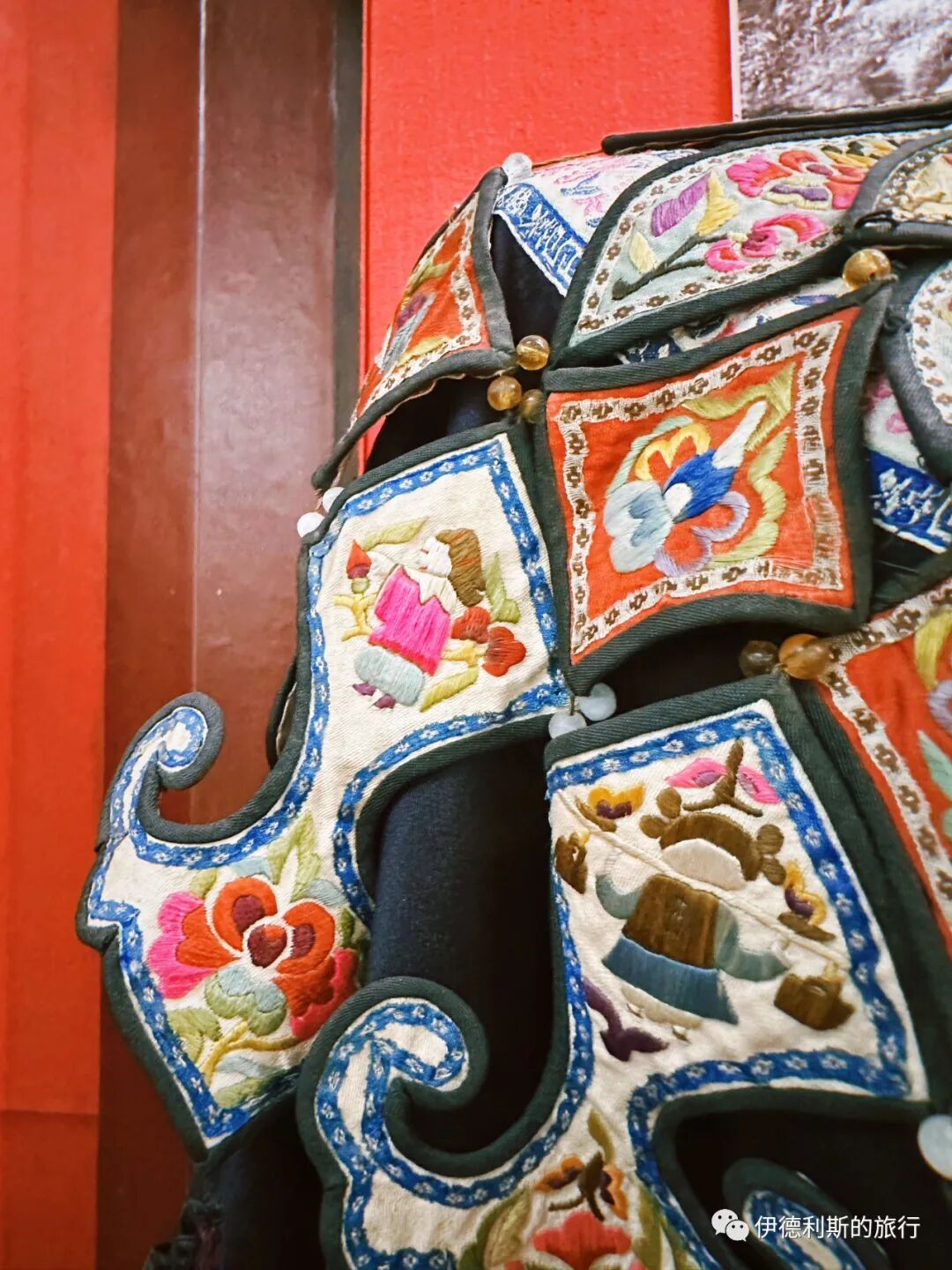
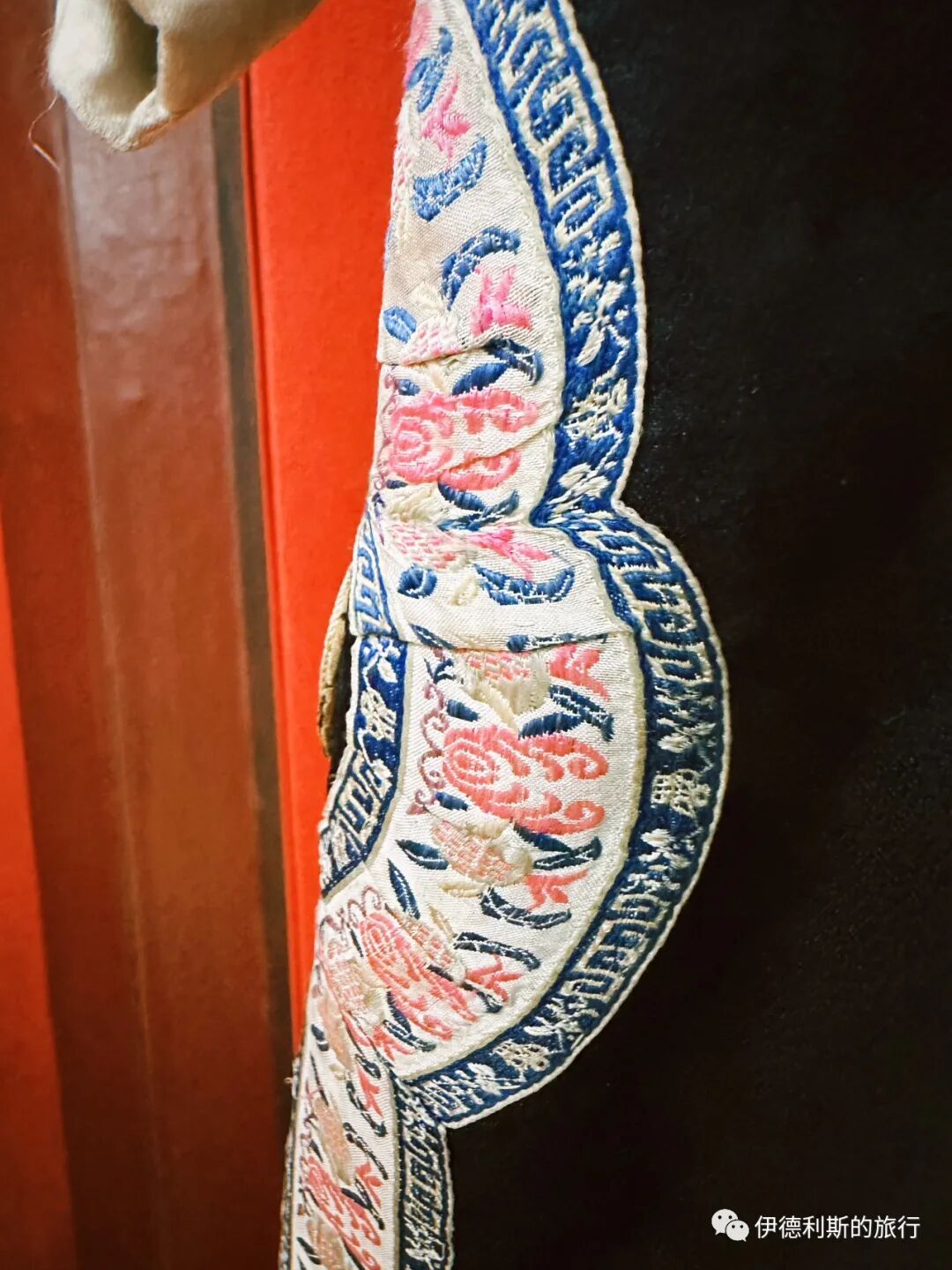
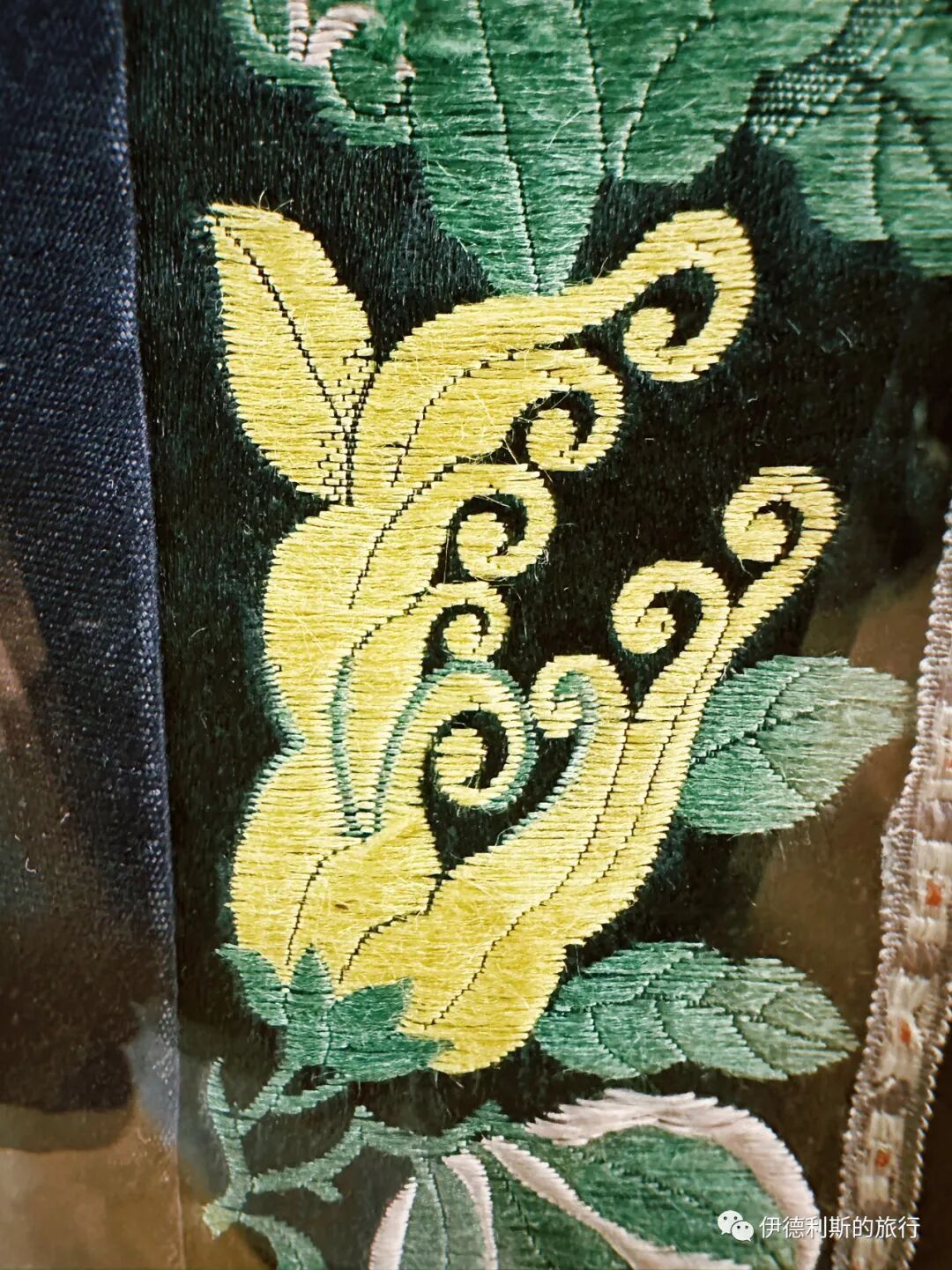
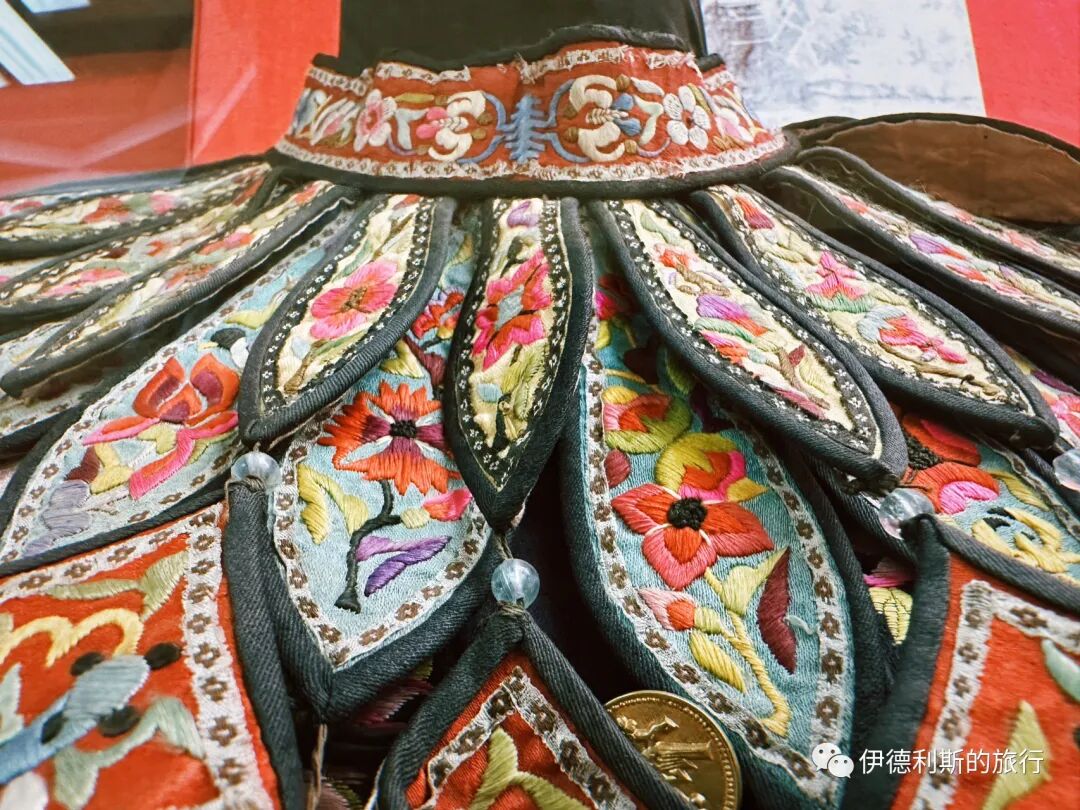
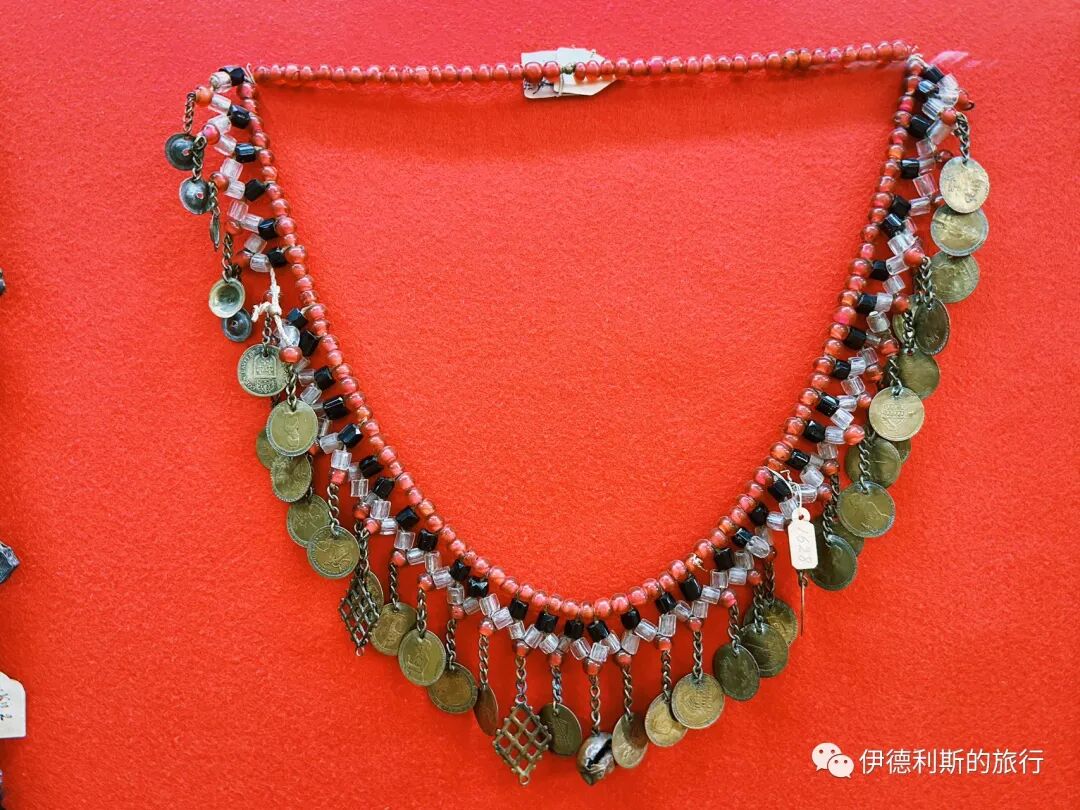
Various traditional Dungan textiles and jewelry are on display at the Central State Museum of Kazakhstan.
Summary: Almaty has a Hui Muslim mosque community connected to migration, faith, and Chinese-speaking Muslim heritage in Kazakhstan. This travel note follows the mosque visit and community details while keeping all original facts and images.
On September 29, I flew from Beijing Capital Airport on Air Astana to Almaty, then headed to a Hui mosque on Pavlodarskaya Street in the northern suburbs of Almaty for Jumu'ah.
The mosque is not very big, but it was packed with people from many different ethnic groups during Jumu'ah. The courtyard, the upstairs, and the downstairs were all full, and there were many young people. The imam is a local Hui Muslim from Shaanxi. He speaks excellent Shaanxi dialect, Russian, and Arabic, but he gave the sermon (wa'z) in Russian so that everyone from different ethnic groups could understand. The Jumu'ah process is the same as the traditional practice back home in China. After the prayer, the way they performed the repentance (tawbah), raised their fingers, and finally walked in a circle to shake hands felt so familiar.
Imam
The mosque was preparing to hold a religious gathering in the evening, but unfortunately, I had to catch a connecting flight and could not make it. I am grateful that I met community leaders who had come from various Hui Muslim mosques in Kazakhstan and Kyrgyzstan for the gathering. Chatting with them in the Shaanxi dialect felt so warm; it was exactly the same as the Urumqi Shaanxi dialect my parents-in-law speak.
After Jumu'ah, the mosque elders invited me to eat pilaf (zhuafan). The small-batch pilaf was very similar to the home-cooked style of Urumqi Hui Muslims, and it was not as oily as Uyghur pilaf.
Besides side dishes, the pilaf here was served with pickled cucumbers made by the mosque. They were not as salty as the ones bought in supermarkets back home, and they felt very Soviet. I also ate spicy green tomatoes made by the mosque. They were spicy, fragrant, and went perfectly with the pilaf. I don't think I have ever eaten unripe green tomatoes like this back in China. There was also cake made by the mosque, which was very delicious.
Many young and middle-aged people here are enthusiastic about community affairs, and I felt very happy chatting with everyone. Several of the elders used to work in foreign trade in China, so they speak good Mandarin. I chatted for a long time with a man named Brother Wang. He did business in Horgos a few years ago and spent some time in Yiwu this year. He told me there are three Hui Muslim mosques in Almaty, two of which are Shaanxi mosques and one is a Gansu mosque. The one I visited is a Shaanxi mosque, and even the young people here can speak fluent Shaanxi dialect at home.
After Friday namaz, everyone started getting busy preparing for the Mawlid celebration that evening. The fried dough (youxiang) and fried dough cubes (baorsak) were already fried, but the main task was to cook two large wood-fired pots of pilaf (zhuafan). The students (mulla) and village elders at the mosque worked together, making the atmosphere busy and blessed. They say the mosque is even livelier during Ramadan, when they cook three large wood-fired pots of pilaf every day.
I bought a large flaky baked bun (samsa) at the entrance of the Green Bazaar in Almaty; this is a classic street snack in Almaty. I happened to meet a Dungan man who offered to translate for us. His ancestors were from Shaanxi, and he spoke with a very authentic Shaanxi accent; he said he still has many relatives in Yili.
The Green Bazaar in Almaty is a place where many ethnic groups gather. There are Kazakhs selling horse meat, Russians selling pork, Koreans selling kimchi, Dungans selling small goods, and Uyghurs selling fruit. People live in this city for all sorts of reasons, which gives Almaty its unique character.
The Central State Museum of Kazakhstan displays a Dungan bridal gown made in 1918. I have seen Dungan bridal gowns many times online and in books, but this was my first time seeing the real thing, and the cloud-shaped collar (yunjian) on it was beautiful. Even though it was already the 20th century, the Dungan people still kept the traditional clothing styles of Qing Dynasty women. I hope to have the chance to attend a Dungan wedding in the future.
Various traditional Dungan textiles and jewelry are on display at the Central State Museum of Kazakhstan.
Halal Travel Guide: Almaty - Mosques, City Walks and Kazakh Culture (Part 1)
Articles • ali2007fr posted the article • 0 comments • 176 views • 2026-05-19 06:56
Reposted from the web
During the October holiday, I took a round-trip flight from Beijing to Istanbul via Almaty on Air Astana, which gave me two full days to spend in Almaty. On the way there, it happened to be Friday Jumu'ah, so we visited an old Hui mosque in the northern suburbs of Almaty. We were warmly welcomed by the elders there and even ate the pilaf (zhua fan) prepared by the mosque, which I wrote about in my post 'Visiting the Hui mosque in Almaty'. In this article, I will mainly introduce our experiences eating and exploring around downtown Almaty.
We flew from Beijing to Almaty in the early morning. After arriving, we took a taxi directly to Navat, a famous restaurant chain in Almaty. The main branch is actually in Bishkek, and they have branches in Kyrgyzstan, Kazakhstan, and Russia. The restaurant's decor features a distinct Central Asian style.
I originally wanted to go to the Navat on the pedestrian street, but I used Yandex Go to set the destination to a different branch. This location didn't have an English menu, so we had to order by looking at the pictures.
We ordered Uyghur milk tea (Atkan Chay) and Turkmen milk tea (Kirma Chay). Atkan Chay is made with brick tea, milk, and salt, while Kirma Chay is made with black tea, milk, oil, roasted wheat flour, and salt.
The classic pairing for milk tea is definitely fried dough (Bauyrsaq), which can be shaped into diamonds or balls. Turkic peoples and Mongols all love eating these fried snacks.
We also ordered a platter of various Kazakh dairy products. One of them, Irimshik, is a semi-cheese made from a mix of cow and sheep milk; it is light brown, sweet, and very chewy. Qurt is a very dry yogurt ball. The word itself comes from the Middle Persian word for 'dry,' so it has a very long shelf life and high nutritional value, making it perfect for winter and long journeys. Gent is a dessert made by mixing dry cheese, roasted wheat, sugar, honey, and raisins, which goes very well with tea.
For the main course, we ordered horse meat five-finger noodles (Beshbarmak). Beshbarmak is a classic delicacy for Kazakh and Kyrgyz herders and is a must-have dish for festivals. When preparing it, one person cuts the meat while another kneads the dough. The meat is sliced and spread over the noodle sheets, then served with potatoes. People usually eat mutton in the summer, and after the winter slaughter, they eat horse meat and horse sausage.
Almaty is truly the most park-like city I have ever visited. It is full of greenery and gardens, and there is a small park every few steps. The streets are quiet and everyone is very relaxed.
After leaving Navat, we walked through a small park across from the Almaty Museum, which features a statue commemorating the 1931-1933 Kazakhstan famine. This famine caused about 1.5 million deaths, and in the most desperate moments, there were even tragedies of cannibalism. The great famine caused the proportion of Kazakhs in the Kazakh ASSR at the time to drop from 60% to 38%, making them a minority. The sculpture is inscribed with words from Nazarbayev: 'This famine, which caused heavy casualties and brought great suffering to the people, will never be forgotten.'
The park also has a statue of the Kazakh poet Turmagambet Iztleuow (1882-1939). to writing a large amount of Kazakh poetry, he was also the translator of the Persian epic Shahnameh into Kazakh. In 1935, the poet was falsely accused and arrested as an 'enemy of the people,' and he died in a dungeon in 1937. In 2007, to commemorate the 70th anniversary of the poet's death, people erected this statue next to the former KGB building.
Buying fermented dairy drinks in the shops on the streets of Almaty. Here, camel milk is called Shubat, horse milk is called Kumuz, and cow milk is called Ayran. We bought a bottle of horse milk, which was much stronger than what we drank at a Kazakh shop in Urumqi before. It was fermented until very sour, with a kick like eating mustard that could send you to the sky after one sip. Interested friends (dosti) can buy a bottle to try.
We took a night flight from Istanbul back to Almaty, and after arriving at Almaty Airport in the morning, we took a Yandex Go directly to Arasan, the most famous Soviet-style public bathhouse in Almaty, for a bath and massage.
The establishment of Arasan dates back to the competition between the Kazakh SSR and the Uzbek SSR at the time. In 1974, the Uzbek SSR took the lead by building a large comprehensive bathhouse in Tashkent. The Kazakh SSR was not to be outdone, so in 1979, many architects participated in the design to rebuild a 1-million-cubic-meter large bathhouse on the original site of the Gogol Street bathhouse built in 1935. It was completed in 1982 and became the largest bathhouse in Central Asia.
Arasan opens at 7:00 AM. It is less crowded in the morning, so you can bathe more freely. It is also quite cool on autumn mornings, so it is the perfect time to go in and warm up. To the right of the main entrance is a shop selling bath supplies. The most unique items are the various felt hats and bath whisks made from birch, oak, or even pine leaves, which are used in Russian saunas (banya). I ended up buying a felt hat embroidered with 'Arasan' as a souvenir.
The Arasan building itself has a very 1980s Soviet feel, with a lobby that is spacious and imposing. The ticket office on the right has a price list in English, and there is a young Kazakh woman there who speaks fluent English. We bought a one-hour entry ticket plus a 45-minute classic massage. We also rented slippers and a bath towel, then took our wristbands and went inside.
Once inside, the men's and women's areas are completely separate. When I entered the men's side, I saw many sturdy Kazakh and Russian men. For someone like me entering a Soviet-style bathhouse for the first time, it was quite a visual shock. After showering, I went to the classic Russian sauna (banya) area. There are both traditional wood-fired saunas and electric saunas with heated stones. I tried the wood-fired sauna first. When I walked in, a big guy was splashing water onto the stove. The temperature rose with every splash, and I couldn't last long. Every time I exhaled, it felt like I was on fire. I truly admired how calm everyone else looked. Most people wear felt hats to keep their heads from getting burned. Many people also use bath whisks soaked in hot water to pat their bodies, which helps improve blood circulation.
After steaming for a while, everyone comes out to splash themselves with cold water. There is a huge wooden barrel you climb steps to reach before jumping straight into the cold water. There is also a small bucket hanging overhead; you pull a rope and all the cold water pours down on you. There is also a circular cold-water pool under a massive dome. Many of the older men just dive straight in, swim a few laps, and then get out. I swam a lap in the pool, too. The water felt much colder than in swimming pools back home. If I hadn't been warmed up by the sauna, I wouldn't have dared to go in. I think this dome is the most beautiful part of the entire bathhouse. It seems to be designed after a Kazakh yurt. Sunlight streams down from above, making it very bright. Around the pool are chairs with mosaic tiles that are heated from underneath, so you can sit and rest.
After the sauna, it was time for a massage. The Russian-style massage here happens on a hard marble bed, performed by a Kazakh guy who is twice my size and has a chest full of hair like a thicket. He started by splashing a few basins of water on me, lathered me up with soap, and then began the massage. His hands were very strong, and he hit every joint perfectly, which felt incredibly satisfying. There was a restaurant after the massage, but I left without eating, so I don't know how the food tastes.
After returning my slippers and towel, I just tapped my VISA card at the exit, which was very convenient. The sun was already out, and I started my city walk through Almaty feeling full of energy.
After bathing at Arasan, we bought some Turkic honey cake (shek-shek) and milk curd cakes (qurt) at a snack shop downstairs, and we also had some milk tea. Shek-shek is a dessert popular among many Turkic-speaking peoples, including Tatars, Kyrgyz, Uzbeks, Bashkirs, and Kazakhs. It is usually written as Chak-chak in English, is most famous in Tatarstan, and is a must-have dessert at weddings. The way shek-shek is made is basically the same as Manchu honey cake (saqima). Kazan Tatars usually make it into small balls, while Kazakhs usually make it into strips.
A short walk north from Arasan Bathhouse, you can see the Kyzyl-Tan store, built by Kazan Tatar merchant Iskhak Gabdulvaliev in 1896. It is one of the few remaining Muslim buildings in Almaty that survived the 1911 earthquake.
This building was designed and built by French architect Paul Gourdet in the New Russian style, featuring beautiful lace-like wooden eaves and fish-scale-shaped roofing. After the October Revolution, the Kyzyl-Tan store was nationalized, and after 1981, it became a fabric store under the Soviet Central Department Store. The Kyzyl-Tan store was severely damaged by a fire in 2009, but it was later restored. Today, it is still a fabric store, and you can see all kinds of beautiful materials inside.
The Almaty Museum was also built by French architect Paul Gourdet in 1892. It was originally an orphanage, and the Almaty Museum only moved here after 2016. The museum is not very big, but it gives a complete overview of Almaty through different eras. The collection from the 19th to 20th centuries is especially interesting, as you can see the various daily items used by Almaty residents back then.
A highlight of the Almaty Museum is a suit of armor from the 17th-century Kazakh Khanate, with very fine carvings on the helmet and shield. There are also 19th-century saddles and water jugs.
Green Bazaar (Zelyony Bazar) is the oldest and most famous market in Almaty. It was designed and built by architect Jan Kozell-Poklevsky in 1875. At that time, it hosted merchants from all over Central Asia and helped the city of Almaty grow. The current Green Bazaar was built in 1975 by architect Mark Pavlov in the Brutalism architectural style. This architectural style appeared in the UK in the 1950s and was widely used in post-war socialist countries. It focuses on using raw reinforced concrete structures without decoration, emphasizing practicality.
Today, the Green Bazaar is a lively market where different ethnic groups gather. There are Kazakhs selling horse meat, Russians selling pork, Koreans selling kimchi, Dungan people selling small goods, Uyghurs selling fruit, and more. People live in this city for all sorts of reasons, which creates Almaty's unique character.
We bought flaky baked buns (samsa) at the market entrance and met a Dungan uncle who offered to translate for us. Then, we bought fresh-pressed pomegranate and guava juice at a fruit stall inside, and bought long apples downstairs. The market downstairs at the Green Bazaar is more crowded. There is a very popular naan bread shop with a long line of people.
The streets of Almaty are very quiet and clean. There are almost no motorcycles or electric scooters, but you can see quite a few electric kick scooters. We tried Yandex Go, which you can ride just by scanning a code. Since the old town of Almaty is higher in the south and lower in the north, we didn't need to use the motor when riding from south to north. We just coasted all the way down, passing Soviet-era buildings, playgrounds, and tree-lined paths. It was very pleasant.
On the way, we passed the Jambyl Kazakh State Philharmonic Hall, built between 1933 and 1936. During the Soviet era, it was the largest concert hall in the Kazakh SSR.
We also passed the Almaty Palace of Schoolchildren, built between 1978 and 1983. From a distance, it looks like a large mosque.
For lunch, we ate at Kaganat, which is popular with Almaty's working class and students. It works like a cafeteria where you point at what you want, and then pay at the end, so it is also great for tourists.
Kaganat serves both Russian and Kazakh food. Although the decor is modern, it still has the feel of a large Soviet canteen. The first section has various desserts and breads, including small oil naan (xiao you nang) and croissants. The second section is cold salads, where the Russian-style beetroot herring salad is very popular. The third section is various fruit teas. The jam is at the bottom of the glass, and you can pick up a tea bag at the checkout counter. The fourth section is the main course, with beef stew, lamb stew, chicken wings, and rice. Many people also drink borscht (hongcaitang). We ended up paying over 30 RMB per person, which is great value for money.
The National Museum of Kazakhstan was founded in 1931, and the current building was constructed in 1985. I highly recommend the shop right at the museum entrance. The various Kazakh handicrafts are beautiful. Zainab bought a felt shoulder bag with Kazakh patterns, and I bought a felt hat with earflaps. Both look very stylish.
Helmets and shields collected by the National Museum of Kazakhstan.
Religious items collected by the National Museum of Kazakhstan include an imam's robe and turban, prayer rugs, wooden and bone tablets for students (mulla) to study scriptures, pocket-sized Qurans for herdsmen, prayer beads, embroidered bags for scriptures, and passports used for Hajj.
In the evening, we went to a high-end Kazakh restaurant called SANDYQ near the pedestrian street. The interior features a nomadic style, and the waiters all wear traditional Kazakh clothing. They serve the most traditional Kazakh nomadic dishes, which have not been influenced by Russian cuisine. We ordered horse meat stew (Bal Kuyrdak), cold beef tongue, nomadic grain soup (Nomad Kozhe), and pan-baked bread (Taba nan) with homemade butter and mountain honey. We also ordered fermented camel milk (Shubat) and fermented mare's milk (Kumis). Kozhe soup is what Kazakhs drink when celebrating the Nowruz festival, and it contains milk and dried cheese balls (Qurut). Their fermented mare's milk (Kumis) has a stronger taste than what is sold in supermarkets. Zainab and I took turns drinking a small cup just to finish it. It was truly an unforgettable experience, and in the future, we will stick to drinking camel milk and cow's milk. view all
During the October holiday, I took a round-trip flight from Beijing to Istanbul via Almaty on Air Astana, which gave me two full days to spend in Almaty. On the way there, it happened to be Friday Jumu'ah, so we visited an old Hui mosque in the northern suburbs of Almaty. We were warmly welcomed by the elders there and even ate the pilaf (zhua fan) prepared by the mosque, which I wrote about in my post 'Visiting the Hui mosque in Almaty'. In this article, I will mainly introduce our experiences eating and exploring around downtown Almaty.
We flew from Beijing to Almaty in the early morning. After arriving, we took a taxi directly to Navat, a famous restaurant chain in Almaty. The main branch is actually in Bishkek, and they have branches in Kyrgyzstan, Kazakhstan, and Russia. The restaurant's decor features a distinct Central Asian style.
I originally wanted to go to the Navat on the pedestrian street, but I used Yandex Go to set the destination to a different branch. This location didn't have an English menu, so we had to order by looking at the pictures.
We ordered Uyghur milk tea (Atkan Chay) and Turkmen milk tea (Kirma Chay). Atkan Chay is made with brick tea, milk, and salt, while Kirma Chay is made with black tea, milk, oil, roasted wheat flour, and salt.
The classic pairing for milk tea is definitely fried dough (Bauyrsaq), which can be shaped into diamonds or balls. Turkic peoples and Mongols all love eating these fried snacks.
We also ordered a platter of various Kazakh dairy products. One of them, Irimshik, is a semi-cheese made from a mix of cow and sheep milk; it is light brown, sweet, and very chewy. Qurt is a very dry yogurt ball. The word itself comes from the Middle Persian word for 'dry,' so it has a very long shelf life and high nutritional value, making it perfect for winter and long journeys. Gent is a dessert made by mixing dry cheese, roasted wheat, sugar, honey, and raisins, which goes very well with tea.
For the main course, we ordered horse meat five-finger noodles (Beshbarmak). Beshbarmak is a classic delicacy for Kazakh and Kyrgyz herders and is a must-have dish for festivals. When preparing it, one person cuts the meat while another kneads the dough. The meat is sliced and spread over the noodle sheets, then served with potatoes. People usually eat mutton in the summer, and after the winter slaughter, they eat horse meat and horse sausage.
Almaty is truly the most park-like city I have ever visited. It is full of greenery and gardens, and there is a small park every few steps. The streets are quiet and everyone is very relaxed.
After leaving Navat, we walked through a small park across from the Almaty Museum, which features a statue commemorating the 1931-1933 Kazakhstan famine. This famine caused about 1.5 million deaths, and in the most desperate moments, there were even tragedies of cannibalism. The great famine caused the proportion of Kazakhs in the Kazakh ASSR at the time to drop from 60% to 38%, making them a minority. The sculpture is inscribed with words from Nazarbayev: 'This famine, which caused heavy casualties and brought great suffering to the people, will never be forgotten.'
The park also has a statue of the Kazakh poet Turmagambet Iztleuow (1882-1939). to writing a large amount of Kazakh poetry, he was also the translator of the Persian epic Shahnameh into Kazakh. In 1935, the poet was falsely accused and arrested as an 'enemy of the people,' and he died in a dungeon in 1937. In 2007, to commemorate the 70th anniversary of the poet's death, people erected this statue next to the former KGB building.
Buying fermented dairy drinks in the shops on the streets of Almaty. Here, camel milk is called Shubat, horse milk is called Kumuz, and cow milk is called Ayran. We bought a bottle of horse milk, which was much stronger than what we drank at a Kazakh shop in Urumqi before. It was fermented until very sour, with a kick like eating mustard that could send you to the sky after one sip. Interested friends (dosti) can buy a bottle to try.
We took a night flight from Istanbul back to Almaty, and after arriving at Almaty Airport in the morning, we took a Yandex Go directly to Arasan, the most famous Soviet-style public bathhouse in Almaty, for a bath and massage.
The establishment of Arasan dates back to the competition between the Kazakh SSR and the Uzbek SSR at the time. In 1974, the Uzbek SSR took the lead by building a large comprehensive bathhouse in Tashkent. The Kazakh SSR was not to be outdone, so in 1979, many architects participated in the design to rebuild a 1-million-cubic-meter large bathhouse on the original site of the Gogol Street bathhouse built in 1935. It was completed in 1982 and became the largest bathhouse in Central Asia.
Arasan opens at 7:00 AM. It is less crowded in the morning, so you can bathe more freely. It is also quite cool on autumn mornings, so it is the perfect time to go in and warm up. To the right of the main entrance is a shop selling bath supplies. The most unique items are the various felt hats and bath whisks made from birch, oak, or even pine leaves, which are used in Russian saunas (banya). I ended up buying a felt hat embroidered with 'Arasan' as a souvenir.
The Arasan building itself has a very 1980s Soviet feel, with a lobby that is spacious and imposing. The ticket office on the right has a price list in English, and there is a young Kazakh woman there who speaks fluent English. We bought a one-hour entry ticket plus a 45-minute classic massage. We also rented slippers and a bath towel, then took our wristbands and went inside.
Once inside, the men's and women's areas are completely separate. When I entered the men's side, I saw many sturdy Kazakh and Russian men. For someone like me entering a Soviet-style bathhouse for the first time, it was quite a visual shock. After showering, I went to the classic Russian sauna (banya) area. There are both traditional wood-fired saunas and electric saunas with heated stones. I tried the wood-fired sauna first. When I walked in, a big guy was splashing water onto the stove. The temperature rose with every splash, and I couldn't last long. Every time I exhaled, it felt like I was on fire. I truly admired how calm everyone else looked. Most people wear felt hats to keep their heads from getting burned. Many people also use bath whisks soaked in hot water to pat their bodies, which helps improve blood circulation.
After steaming for a while, everyone comes out to splash themselves with cold water. There is a huge wooden barrel you climb steps to reach before jumping straight into the cold water. There is also a small bucket hanging overhead; you pull a rope and all the cold water pours down on you. There is also a circular cold-water pool under a massive dome. Many of the older men just dive straight in, swim a few laps, and then get out. I swam a lap in the pool, too. The water felt much colder than in swimming pools back home. If I hadn't been warmed up by the sauna, I wouldn't have dared to go in. I think this dome is the most beautiful part of the entire bathhouse. It seems to be designed after a Kazakh yurt. Sunlight streams down from above, making it very bright. Around the pool are chairs with mosaic tiles that are heated from underneath, so you can sit and rest.
After the sauna, it was time for a massage. The Russian-style massage here happens on a hard marble bed, performed by a Kazakh guy who is twice my size and has a chest full of hair like a thicket. He started by splashing a few basins of water on me, lathered me up with soap, and then began the massage. His hands were very strong, and he hit every joint perfectly, which felt incredibly satisfying. There was a restaurant after the massage, but I left without eating, so I don't know how the food tastes.
After returning my slippers and towel, I just tapped my VISA card at the exit, which was very convenient. The sun was already out, and I started my city walk through Almaty feeling full of energy.
After bathing at Arasan, we bought some Turkic honey cake (shek-shek) and milk curd cakes (qurt) at a snack shop downstairs, and we also had some milk tea. Shek-shek is a dessert popular among many Turkic-speaking peoples, including Tatars, Kyrgyz, Uzbeks, Bashkirs, and Kazakhs. It is usually written as Chak-chak in English, is most famous in Tatarstan, and is a must-have dessert at weddings. The way shek-shek is made is basically the same as Manchu honey cake (saqima). Kazan Tatars usually make it into small balls, while Kazakhs usually make it into strips.
A short walk north from Arasan Bathhouse, you can see the Kyzyl-Tan store, built by Kazan Tatar merchant Iskhak Gabdulvaliev in 1896. It is one of the few remaining Muslim buildings in Almaty that survived the 1911 earthquake.
This building was designed and built by French architect Paul Gourdet in the New Russian style, featuring beautiful lace-like wooden eaves and fish-scale-shaped roofing. After the October Revolution, the Kyzyl-Tan store was nationalized, and after 1981, it became a fabric store under the Soviet Central Department Store. The Kyzyl-Tan store was severely damaged by a fire in 2009, but it was later restored. Today, it is still a fabric store, and you can see all kinds of beautiful materials inside.
The Almaty Museum was also built by French architect Paul Gourdet in 1892. It was originally an orphanage, and the Almaty Museum only moved here after 2016. The museum is not very big, but it gives a complete overview of Almaty through different eras. The collection from the 19th to 20th centuries is especially interesting, as you can see the various daily items used by Almaty residents back then.
A highlight of the Almaty Museum is a suit of armor from the 17th-century Kazakh Khanate, with very fine carvings on the helmet and shield. There are also 19th-century saddles and water jugs.
Green Bazaar (Zelyony Bazar) is the oldest and most famous market in Almaty. It was designed and built by architect Jan Kozell-Poklevsky in 1875. At that time, it hosted merchants from all over Central Asia and helped the city of Almaty grow. The current Green Bazaar was built in 1975 by architect Mark Pavlov in the Brutalism architectural style. This architectural style appeared in the UK in the 1950s and was widely used in post-war socialist countries. It focuses on using raw reinforced concrete structures without decoration, emphasizing practicality.
Today, the Green Bazaar is a lively market where different ethnic groups gather. There are Kazakhs selling horse meat, Russians selling pork, Koreans selling kimchi, Dungan people selling small goods, Uyghurs selling fruit, and more. People live in this city for all sorts of reasons, which creates Almaty's unique character.
We bought flaky baked buns (samsa) at the market entrance and met a Dungan uncle who offered to translate for us. Then, we bought fresh-pressed pomegranate and guava juice at a fruit stall inside, and bought long apples downstairs. The market downstairs at the Green Bazaar is more crowded. There is a very popular naan bread shop with a long line of people.
The streets of Almaty are very quiet and clean. There are almost no motorcycles or electric scooters, but you can see quite a few electric kick scooters. We tried Yandex Go, which you can ride just by scanning a code. Since the old town of Almaty is higher in the south and lower in the north, we didn't need to use the motor when riding from south to north. We just coasted all the way down, passing Soviet-era buildings, playgrounds, and tree-lined paths. It was very pleasant.
On the way, we passed the Jambyl Kazakh State Philharmonic Hall, built between 1933 and 1936. During the Soviet era, it was the largest concert hall in the Kazakh SSR.
We also passed the Almaty Palace of Schoolchildren, built between 1978 and 1983. From a distance, it looks like a large mosque.
For lunch, we ate at Kaganat, which is popular with Almaty's working class and students. It works like a cafeteria where you point at what you want, and then pay at the end, so it is also great for tourists.
Kaganat serves both Russian and Kazakh food. Although the decor is modern, it still has the feel of a large Soviet canteen. The first section has various desserts and breads, including small oil naan (xiao you nang) and croissants. The second section is cold salads, where the Russian-style beetroot herring salad is very popular. The third section is various fruit teas. The jam is at the bottom of the glass, and you can pick up a tea bag at the checkout counter. The fourth section is the main course, with beef stew, lamb stew, chicken wings, and rice. Many people also drink borscht (hongcaitang). We ended up paying over 30 RMB per person, which is great value for money.
The National Museum of Kazakhstan was founded in 1931, and the current building was constructed in 1985. I highly recommend the shop right at the museum entrance. The various Kazakh handicrafts are beautiful. Zainab bought a felt shoulder bag with Kazakh patterns, and I bought a felt hat with earflaps. Both look very stylish.
Helmets and shields collected by the National Museum of Kazakhstan.
Religious items collected by the National Museum of Kazakhstan include an imam's robe and turban, prayer rugs, wooden and bone tablets for students (mulla) to study scriptures, pocket-sized Qurans for herdsmen, prayer beads, embroidered bags for scriptures, and passports used for Hajj.
In the evening, we went to a high-end Kazakh restaurant called SANDYQ near the pedestrian street. The interior features a nomadic style, and the waiters all wear traditional Kazakh clothing. They serve the most traditional Kazakh nomadic dishes, which have not been influenced by Russian cuisine. We ordered horse meat stew (Bal Kuyrdak), cold beef tongue, nomadic grain soup (Nomad Kozhe), and pan-baked bread (Taba nan) with homemade butter and mountain honey. We also ordered fermented camel milk (Shubat) and fermented mare's milk (Kumis). Kozhe soup is what Kazakhs drink when celebrating the Nowruz festival, and it contains milk and dried cheese balls (Qurut). Their fermented mare's milk (Kumis) has a stronger taste than what is sold in supermarkets. Zainab and I took turns drinking a small cup just to finish it. It was truly an unforgettable experience, and in the future, we will stick to drinking camel milk and cow's milk. view all
Reposted from the web
During the October holiday, I took a round-trip flight from Beijing to Istanbul via Almaty on Air Astana, which gave me two full days to spend in Almaty. On the way there, it happened to be Friday Jumu'ah, so we visited an old Hui mosque in the northern suburbs of Almaty. We were warmly welcomed by the elders there and even ate the pilaf (zhua fan) prepared by the mosque, which I wrote about in my post 'Visiting the Hui mosque in Almaty'. In this article, I will mainly introduce our experiences eating and exploring around downtown Almaty.
We flew from Beijing to Almaty in the early morning. After arriving, we took a taxi directly to Navat, a famous restaurant chain in Almaty. The main branch is actually in Bishkek, and they have branches in Kyrgyzstan, Kazakhstan, and Russia. The restaurant's decor features a distinct Central Asian style.
I originally wanted to go to the Navat on the pedestrian street, but I used Yandex Go to set the destination to a different branch. This location didn't have an English menu, so we had to order by looking at the pictures.
We ordered Uyghur milk tea (Atkan Chay) and Turkmen milk tea (Kirma Chay). Atkan Chay is made with brick tea, milk, and salt, while Kirma Chay is made with black tea, milk, oil, roasted wheat flour, and salt.
The classic pairing for milk tea is definitely fried dough (Bauyrsaq), which can be shaped into diamonds or balls. Turkic peoples and Mongols all love eating these fried snacks.
We also ordered a platter of various Kazakh dairy products. One of them, Irimshik, is a semi-cheese made from a mix of cow and sheep milk; it is light brown, sweet, and very chewy. Qurt is a very dry yogurt ball. The word itself comes from the Middle Persian word for 'dry,' so it has a very long shelf life and high nutritional value, making it perfect for winter and long journeys. Gent is a dessert made by mixing dry cheese, roasted wheat, sugar, honey, and raisins, which goes very well with tea.
For the main course, we ordered horse meat five-finger noodles (Beshbarmak). Beshbarmak is a classic delicacy for Kazakh and Kyrgyz herders and is a must-have dish for festivals. When preparing it, one person cuts the meat while another kneads the dough. The meat is sliced and spread over the noodle sheets, then served with potatoes. People usually eat mutton in the summer, and after the winter slaughter, they eat horse meat and horse sausage.
Almaty is truly the most park-like city I have ever visited. It is full of greenery and gardens, and there is a small park every few steps. The streets are quiet and everyone is very relaxed.
After leaving Navat, we walked through a small park across from the Almaty Museum, which features a statue commemorating the 1931-1933 Kazakhstan famine. This famine caused about 1.5 million deaths, and in the most desperate moments, there were even tragedies of cannibalism. The great famine caused the proportion of Kazakhs in the Kazakh ASSR at the time to drop from 60% to 38%, making them a minority. The sculpture is inscribed with words from Nazarbayev: 'This famine, which caused heavy casualties and brought great suffering to the people, will never be forgotten.'
The park also has a statue of the Kazakh poet Turmagambet Iztleuow (1882-1939). to writing a large amount of Kazakh poetry, he was also the translator of the Persian epic Shahnameh into Kazakh. In 1935, the poet was falsely accused and arrested as an 'enemy of the people,' and he died in a dungeon in 1937. In 2007, to commemorate the 70th anniversary of the poet's death, people erected this statue next to the former KGB building.
Buying fermented dairy drinks in the shops on the streets of Almaty. Here, camel milk is called Shubat, horse milk is called Kumuz, and cow milk is called Ayran. We bought a bottle of horse milk, which was much stronger than what we drank at a Kazakh shop in Urumqi before. It was fermented until very sour, with a kick like eating mustard that could send you to the sky after one sip. Interested friends (dosti) can buy a bottle to try.
We took a night flight from Istanbul back to Almaty, and after arriving at Almaty Airport in the morning, we took a Yandex Go directly to Arasan, the most famous Soviet-style public bathhouse in Almaty, for a bath and massage.
The establishment of Arasan dates back to the competition between the Kazakh SSR and the Uzbek SSR at the time. In 1974, the Uzbek SSR took the lead by building a large comprehensive bathhouse in Tashkent. The Kazakh SSR was not to be outdone, so in 1979, many architects participated in the design to rebuild a 1-million-cubic-meter large bathhouse on the original site of the Gogol Street bathhouse built in 1935. It was completed in 1982 and became the largest bathhouse in Central Asia.
Arasan opens at 7:00 AM. It is less crowded in the morning, so you can bathe more freely. It is also quite cool on autumn mornings, so it is the perfect time to go in and warm up. To the right of the main entrance is a shop selling bath supplies. The most unique items are the various felt hats and bath whisks made from birch, oak, or even pine leaves, which are used in Russian saunas (banya). I ended up buying a felt hat embroidered with 'Arasan' as a souvenir.
The Arasan building itself has a very 1980s Soviet feel, with a lobby that is spacious and imposing. The ticket office on the right has a price list in English, and there is a young Kazakh woman there who speaks fluent English. We bought a one-hour entry ticket plus a 45-minute classic massage. We also rented slippers and a bath towel, then took our wristbands and went inside.
Once inside, the men's and women's areas are completely separate. When I entered the men's side, I saw many sturdy Kazakh and Russian men. For someone like me entering a Soviet-style bathhouse for the first time, it was quite a visual shock. After showering, I went to the classic Russian sauna (banya) area. There are both traditional wood-fired saunas and electric saunas with heated stones. I tried the wood-fired sauna first. When I walked in, a big guy was splashing water onto the stove. The temperature rose with every splash, and I couldn't last long. Every time I exhaled, it felt like I was on fire. I truly admired how calm everyone else looked. Most people wear felt hats to keep their heads from getting burned. Many people also use bath whisks soaked in hot water to pat their bodies, which helps improve blood circulation.
After steaming for a while, everyone comes out to splash themselves with cold water. There is a huge wooden barrel you climb steps to reach before jumping straight into the cold water. There is also a small bucket hanging overhead; you pull a rope and all the cold water pours down on you. There is also a circular cold-water pool under a massive dome. Many of the older men just dive straight in, swim a few laps, and then get out. I swam a lap in the pool, too. The water felt much colder than in swimming pools back home. If I hadn't been warmed up by the sauna, I wouldn't have dared to go in. I think this dome is the most beautiful part of the entire bathhouse. It seems to be designed after a Kazakh yurt. Sunlight streams down from above, making it very bright. Around the pool are chairs with mosaic tiles that are heated from underneath, so you can sit and rest.
After the sauna, it was time for a massage. The Russian-style massage here happens on a hard marble bed, performed by a Kazakh guy who is twice my size and has a chest full of hair like a thicket. He started by splashing a few basins of water on me, lathered me up with soap, and then began the massage. His hands were very strong, and he hit every joint perfectly, which felt incredibly satisfying. There was a restaurant after the massage, but I left without eating, so I don't know how the food tastes.
After returning my slippers and towel, I just tapped my VISA card at the exit, which was very convenient. The sun was already out, and I started my city walk through Almaty feeling full of energy.
After bathing at Arasan, we bought some Turkic honey cake (shek-shek) and milk curd cakes (qurt) at a snack shop downstairs, and we also had some milk tea. Shek-shek is a dessert popular among many Turkic-speaking peoples, including Tatars, Kyrgyz, Uzbeks, Bashkirs, and Kazakhs. It is usually written as Chak-chak in English, is most famous in Tatarstan, and is a must-have dessert at weddings. The way shek-shek is made is basically the same as Manchu honey cake (saqima). Kazan Tatars usually make it into small balls, while Kazakhs usually make it into strips.
A short walk north from Arasan Bathhouse, you can see the Kyzyl-Tan store, built by Kazan Tatar merchant Iskhak Gabdulvaliev in 1896. It is one of the few remaining Muslim buildings in Almaty that survived the 1911 earthquake.
This building was designed and built by French architect Paul Gourdet in the New Russian style, featuring beautiful lace-like wooden eaves and fish-scale-shaped roofing. After the October Revolution, the Kyzyl-Tan store was nationalized, and after 1981, it became a fabric store under the Soviet Central Department Store. The Kyzyl-Tan store was severely damaged by a fire in 2009, but it was later restored. Today, it is still a fabric store, and you can see all kinds of beautiful materials inside.
The Almaty Museum was also built by French architect Paul Gourdet in 1892. It was originally an orphanage, and the Almaty Museum only moved here after 2016. The museum is not very big, but it gives a complete overview of Almaty through different eras. The collection from the 19th to 20th centuries is especially interesting, as you can see the various daily items used by Almaty residents back then.
A highlight of the Almaty Museum is a suit of armor from the 17th-century Kazakh Khanate, with very fine carvings on the helmet and shield. There are also 19th-century saddles and water jugs.
Green Bazaar (Zelyony Bazar) is the oldest and most famous market in Almaty. It was designed and built by architect Jan Kozell-Poklevsky in 1875. At that time, it hosted merchants from all over Central Asia and helped the city of Almaty grow. The current Green Bazaar was built in 1975 by architect Mark Pavlov in the Brutalism architectural style. This architectural style appeared in the UK in the 1950s and was widely used in post-war socialist countries. It focuses on using raw reinforced concrete structures without decoration, emphasizing practicality.
Today, the Green Bazaar is a lively market where different ethnic groups gather. There are Kazakhs selling horse meat, Russians selling pork, Koreans selling kimchi, Dungan people selling small goods, Uyghurs selling fruit, and more. People live in this city for all sorts of reasons, which creates Almaty's unique character.
We bought flaky baked buns (samsa) at the market entrance and met a Dungan uncle who offered to translate for us. Then, we bought fresh-pressed pomegranate and guava juice at a fruit stall inside, and bought long apples downstairs. The market downstairs at the Green Bazaar is more crowded. There is a very popular naan bread shop with a long line of people.
The streets of Almaty are very quiet and clean. There are almost no motorcycles or electric scooters, but you can see quite a few electric kick scooters. We tried Yandex Go, which you can ride just by scanning a code. Since the old town of Almaty is higher in the south and lower in the north, we didn't need to use the motor when riding from south to north. We just coasted all the way down, passing Soviet-era buildings, playgrounds, and tree-lined paths. It was very pleasant.
On the way, we passed the Jambyl Kazakh State Philharmonic Hall, built between 1933 and 1936. During the Soviet era, it was the largest concert hall in the Kazakh SSR.
We also passed the Almaty Palace of Schoolchildren, built between 1978 and 1983. From a distance, it looks like a large mosque.
For lunch, we ate at Kaganat, which is popular with Almaty's working class and students. It works like a cafeteria where you point at what you want, and then pay at the end, so it is also great for tourists.
Kaganat serves both Russian and Kazakh food. Although the decor is modern, it still has the feel of a large Soviet canteen. The first section has various desserts and breads, including small oil naan (xiao you nang) and croissants. The second section is cold salads, where the Russian-style beetroot herring salad is very popular. The third section is various fruit teas. The jam is at the bottom of the glass, and you can pick up a tea bag at the checkout counter. The fourth section is the main course, with beef stew, lamb stew, chicken wings, and rice. Many people also drink borscht (hongcaitang). We ended up paying over 30 RMB per person, which is great value for money.
The National Museum of Kazakhstan was founded in 1931, and the current building was constructed in 1985. I highly recommend the shop right at the museum entrance. The various Kazakh handicrafts are beautiful. Zainab bought a felt shoulder bag with Kazakh patterns, and I bought a felt hat with earflaps. Both look very stylish.
Helmets and shields collected by the National Museum of Kazakhstan.
Religious items collected by the National Museum of Kazakhstan include an imam's robe and turban, prayer rugs, wooden and bone tablets for students (mulla) to study scriptures, pocket-sized Qurans for herdsmen, prayer beads, embroidered bags for scriptures, and passports used for Hajj.
In the evening, we went to a high-end Kazakh restaurant called SANDYQ near the pedestrian street. The interior features a nomadic style, and the waiters all wear traditional Kazakh clothing. They serve the most traditional Kazakh nomadic dishes, which have not been influenced by Russian cuisine. We ordered horse meat stew (Bal Kuyrdak), cold beef tongue, nomadic grain soup (Nomad Kozhe), and pan-baked bread (Taba nan) with homemade butter and mountain honey. We also ordered fermented camel milk (Shubat) and fermented mare's milk (Kumis). Kozhe soup is what Kazakhs drink when celebrating the Nowruz festival, and it contains milk and dried cheese balls (Qurut). Their fermented mare's milk (Kumis) has a stronger taste than what is sold in supermarkets. Zainab and I took turns drinking a small cup just to finish it. It was truly an unforgettable experience, and in the future, we will stick to drinking camel milk and cow's milk.
During the October holiday, I took a round-trip flight from Beijing to Istanbul via Almaty on Air Astana, which gave me two full days to spend in Almaty. On the way there, it happened to be Friday Jumu'ah, so we visited an old Hui mosque in the northern suburbs of Almaty. We were warmly welcomed by the elders there and even ate the pilaf (zhua fan) prepared by the mosque, which I wrote about in my post 'Visiting the Hui mosque in Almaty'. In this article, I will mainly introduce our experiences eating and exploring around downtown Almaty.
We flew from Beijing to Almaty in the early morning. After arriving, we took a taxi directly to Navat, a famous restaurant chain in Almaty. The main branch is actually in Bishkek, and they have branches in Kyrgyzstan, Kazakhstan, and Russia. The restaurant's decor features a distinct Central Asian style.
I originally wanted to go to the Navat on the pedestrian street, but I used Yandex Go to set the destination to a different branch. This location didn't have an English menu, so we had to order by looking at the pictures.
We ordered Uyghur milk tea (Atkan Chay) and Turkmen milk tea (Kirma Chay). Atkan Chay is made with brick tea, milk, and salt, while Kirma Chay is made with black tea, milk, oil, roasted wheat flour, and salt.
The classic pairing for milk tea is definitely fried dough (Bauyrsaq), which can be shaped into diamonds or balls. Turkic peoples and Mongols all love eating these fried snacks.
We also ordered a platter of various Kazakh dairy products. One of them, Irimshik, is a semi-cheese made from a mix of cow and sheep milk; it is light brown, sweet, and very chewy. Qurt is a very dry yogurt ball. The word itself comes from the Middle Persian word for 'dry,' so it has a very long shelf life and high nutritional value, making it perfect for winter and long journeys. Gent is a dessert made by mixing dry cheese, roasted wheat, sugar, honey, and raisins, which goes very well with tea.
For the main course, we ordered horse meat five-finger noodles (Beshbarmak). Beshbarmak is a classic delicacy for Kazakh and Kyrgyz herders and is a must-have dish for festivals. When preparing it, one person cuts the meat while another kneads the dough. The meat is sliced and spread over the noodle sheets, then served with potatoes. People usually eat mutton in the summer, and after the winter slaughter, they eat horse meat and horse sausage.
Almaty is truly the most park-like city I have ever visited. It is full of greenery and gardens, and there is a small park every few steps. The streets are quiet and everyone is very relaxed.
After leaving Navat, we walked through a small park across from the Almaty Museum, which features a statue commemorating the 1931-1933 Kazakhstan famine. This famine caused about 1.5 million deaths, and in the most desperate moments, there were even tragedies of cannibalism. The great famine caused the proportion of Kazakhs in the Kazakh ASSR at the time to drop from 60% to 38%, making them a minority. The sculpture is inscribed with words from Nazarbayev: 'This famine, which caused heavy casualties and brought great suffering to the people, will never be forgotten.'
The park also has a statue of the Kazakh poet Turmagambet Iztleuow (1882-1939). to writing a large amount of Kazakh poetry, he was also the translator of the Persian epic Shahnameh into Kazakh. In 1935, the poet was falsely accused and arrested as an 'enemy of the people,' and he died in a dungeon in 1937. In 2007, to commemorate the 70th anniversary of the poet's death, people erected this statue next to the former KGB building.
Buying fermented dairy drinks in the shops on the streets of Almaty. Here, camel milk is called Shubat, horse milk is called Kumuz, and cow milk is called Ayran. We bought a bottle of horse milk, which was much stronger than what we drank at a Kazakh shop in Urumqi before. It was fermented until very sour, with a kick like eating mustard that could send you to the sky after one sip. Interested friends (dosti) can buy a bottle to try.
We took a night flight from Istanbul back to Almaty, and after arriving at Almaty Airport in the morning, we took a Yandex Go directly to Arasan, the most famous Soviet-style public bathhouse in Almaty, for a bath and massage.
The establishment of Arasan dates back to the competition between the Kazakh SSR and the Uzbek SSR at the time. In 1974, the Uzbek SSR took the lead by building a large comprehensive bathhouse in Tashkent. The Kazakh SSR was not to be outdone, so in 1979, many architects participated in the design to rebuild a 1-million-cubic-meter large bathhouse on the original site of the Gogol Street bathhouse built in 1935. It was completed in 1982 and became the largest bathhouse in Central Asia.
Arasan opens at 7:00 AM. It is less crowded in the morning, so you can bathe more freely. It is also quite cool on autumn mornings, so it is the perfect time to go in and warm up. To the right of the main entrance is a shop selling bath supplies. The most unique items are the various felt hats and bath whisks made from birch, oak, or even pine leaves, which are used in Russian saunas (banya). I ended up buying a felt hat embroidered with 'Arasan' as a souvenir.
The Arasan building itself has a very 1980s Soviet feel, with a lobby that is spacious and imposing. The ticket office on the right has a price list in English, and there is a young Kazakh woman there who speaks fluent English. We bought a one-hour entry ticket plus a 45-minute classic massage. We also rented slippers and a bath towel, then took our wristbands and went inside.
Once inside, the men's and women's areas are completely separate. When I entered the men's side, I saw many sturdy Kazakh and Russian men. For someone like me entering a Soviet-style bathhouse for the first time, it was quite a visual shock. After showering, I went to the classic Russian sauna (banya) area. There are both traditional wood-fired saunas and electric saunas with heated stones. I tried the wood-fired sauna first. When I walked in, a big guy was splashing water onto the stove. The temperature rose with every splash, and I couldn't last long. Every time I exhaled, it felt like I was on fire. I truly admired how calm everyone else looked. Most people wear felt hats to keep their heads from getting burned. Many people also use bath whisks soaked in hot water to pat their bodies, which helps improve blood circulation.
After steaming for a while, everyone comes out to splash themselves with cold water. There is a huge wooden barrel you climb steps to reach before jumping straight into the cold water. There is also a small bucket hanging overhead; you pull a rope and all the cold water pours down on you. There is also a circular cold-water pool under a massive dome. Many of the older men just dive straight in, swim a few laps, and then get out. I swam a lap in the pool, too. The water felt much colder than in swimming pools back home. If I hadn't been warmed up by the sauna, I wouldn't have dared to go in. I think this dome is the most beautiful part of the entire bathhouse. It seems to be designed after a Kazakh yurt. Sunlight streams down from above, making it very bright. Around the pool are chairs with mosaic tiles that are heated from underneath, so you can sit and rest.
After the sauna, it was time for a massage. The Russian-style massage here happens on a hard marble bed, performed by a Kazakh guy who is twice my size and has a chest full of hair like a thicket. He started by splashing a few basins of water on me, lathered me up with soap, and then began the massage. His hands were very strong, and he hit every joint perfectly, which felt incredibly satisfying. There was a restaurant after the massage, but I left without eating, so I don't know how the food tastes.
After returning my slippers and towel, I just tapped my VISA card at the exit, which was very convenient. The sun was already out, and I started my city walk through Almaty feeling full of energy.
After bathing at Arasan, we bought some Turkic honey cake (shek-shek) and milk curd cakes (qurt) at a snack shop downstairs, and we also had some milk tea. Shek-shek is a dessert popular among many Turkic-speaking peoples, including Tatars, Kyrgyz, Uzbeks, Bashkirs, and Kazakhs. It is usually written as Chak-chak in English, is most famous in Tatarstan, and is a must-have dessert at weddings. The way shek-shek is made is basically the same as Manchu honey cake (saqima). Kazan Tatars usually make it into small balls, while Kazakhs usually make it into strips.
A short walk north from Arasan Bathhouse, you can see the Kyzyl-Tan store, built by Kazan Tatar merchant Iskhak Gabdulvaliev in 1896. It is one of the few remaining Muslim buildings in Almaty that survived the 1911 earthquake.
This building was designed and built by French architect Paul Gourdet in the New Russian style, featuring beautiful lace-like wooden eaves and fish-scale-shaped roofing. After the October Revolution, the Kyzyl-Tan store was nationalized, and after 1981, it became a fabric store under the Soviet Central Department Store. The Kyzyl-Tan store was severely damaged by a fire in 2009, but it was later restored. Today, it is still a fabric store, and you can see all kinds of beautiful materials inside.
The Almaty Museum was also built by French architect Paul Gourdet in 1892. It was originally an orphanage, and the Almaty Museum only moved here after 2016. The museum is not very big, but it gives a complete overview of Almaty through different eras. The collection from the 19th to 20th centuries is especially interesting, as you can see the various daily items used by Almaty residents back then.
A highlight of the Almaty Museum is a suit of armor from the 17th-century Kazakh Khanate, with very fine carvings on the helmet and shield. There are also 19th-century saddles and water jugs.
Green Bazaar (Zelyony Bazar) is the oldest and most famous market in Almaty. It was designed and built by architect Jan Kozell-Poklevsky in 1875. At that time, it hosted merchants from all over Central Asia and helped the city of Almaty grow. The current Green Bazaar was built in 1975 by architect Mark Pavlov in the Brutalism architectural style. This architectural style appeared in the UK in the 1950s and was widely used in post-war socialist countries. It focuses on using raw reinforced concrete structures without decoration, emphasizing practicality.
Today, the Green Bazaar is a lively market where different ethnic groups gather. There are Kazakhs selling horse meat, Russians selling pork, Koreans selling kimchi, Dungan people selling small goods, Uyghurs selling fruit, and more. People live in this city for all sorts of reasons, which creates Almaty's unique character.
We bought flaky baked buns (samsa) at the market entrance and met a Dungan uncle who offered to translate for us. Then, we bought fresh-pressed pomegranate and guava juice at a fruit stall inside, and bought long apples downstairs. The market downstairs at the Green Bazaar is more crowded. There is a very popular naan bread shop with a long line of people.
The streets of Almaty are very quiet and clean. There are almost no motorcycles or electric scooters, but you can see quite a few electric kick scooters. We tried Yandex Go, which you can ride just by scanning a code. Since the old town of Almaty is higher in the south and lower in the north, we didn't need to use the motor when riding from south to north. We just coasted all the way down, passing Soviet-era buildings, playgrounds, and tree-lined paths. It was very pleasant.
On the way, we passed the Jambyl Kazakh State Philharmonic Hall, built between 1933 and 1936. During the Soviet era, it was the largest concert hall in the Kazakh SSR.
We also passed the Almaty Palace of Schoolchildren, built between 1978 and 1983. From a distance, it looks like a large mosque.
For lunch, we ate at Kaganat, which is popular with Almaty's working class and students. It works like a cafeteria where you point at what you want, and then pay at the end, so it is also great for tourists.
Kaganat serves both Russian and Kazakh food. Although the decor is modern, it still has the feel of a large Soviet canteen. The first section has various desserts and breads, including small oil naan (xiao you nang) and croissants. The second section is cold salads, where the Russian-style beetroot herring salad is very popular. The third section is various fruit teas. The jam is at the bottom of the glass, and you can pick up a tea bag at the checkout counter. The fourth section is the main course, with beef stew, lamb stew, chicken wings, and rice. Many people also drink borscht (hongcaitang). We ended up paying over 30 RMB per person, which is great value for money.
The National Museum of Kazakhstan was founded in 1931, and the current building was constructed in 1985. I highly recommend the shop right at the museum entrance. The various Kazakh handicrafts are beautiful. Zainab bought a felt shoulder bag with Kazakh patterns, and I bought a felt hat with earflaps. Both look very stylish.
Helmets and shields collected by the National Museum of Kazakhstan.
Religious items collected by the National Museum of Kazakhstan include an imam's robe and turban, prayer rugs, wooden and bone tablets for students (mulla) to study scriptures, pocket-sized Qurans for herdsmen, prayer beads, embroidered bags for scriptures, and passports used for Hajj.
In the evening, we went to a high-end Kazakh restaurant called SANDYQ near the pedestrian street. The interior features a nomadic style, and the waiters all wear traditional Kazakh clothing. They serve the most traditional Kazakh nomadic dishes, which have not been influenced by Russian cuisine. We ordered horse meat stew (Bal Kuyrdak), cold beef tongue, nomadic grain soup (Nomad Kozhe), and pan-baked bread (Taba nan) with homemade butter and mountain honey. We also ordered fermented camel milk (Shubat) and fermented mare's milk (Kumis). Kozhe soup is what Kazakhs drink when celebrating the Nowruz festival, and it contains milk and dried cheese balls (Qurut). Their fermented mare's milk (Kumis) has a stronger taste than what is sold in supermarkets. Zainab and I took turns drinking a small cup just to finish it. It was truly an unforgettable experience, and in the future, we will stick to drinking camel milk and cow's milk.
Halal Travel Guide: Almaty - City Walk, Food and Muslim Travel (Part 2)
Articles • ali2007fr posted the article • 0 comments • 140 views • 2026-05-19 06:54
Reposted from the web
SANDYQ restaurant displays a variety of collections, including beautiful water pitchers (tangping), a sword used by a sultan during the Kazakh Khanate in the 17th-18th centuries, a robe worn by a khan, a Kaaba cover (kiswa) replaced in 2019, chests used in felt tents (yurts), and spinning wheels used for traditional weaving.
The Arbat pedestrian street in Almaty and the halal signs found here. view all
SANDYQ restaurant displays a variety of collections, including beautiful water pitchers (tangping), a sword used by a sultan during the Kazakh Khanate in the 17th-18th centuries, a robe worn by a khan, a Kaaba cover (kiswa) replaced in 2019, chests used in felt tents (yurts), and spinning wheels used for traditional weaving.
The Arbat pedestrian street in Almaty and the halal signs found here. view all
Reposted from the web
SANDYQ restaurant displays a variety of collections, including beautiful water pitchers (tangping), a sword used by a sultan during the Kazakh Khanate in the 17th-18th centuries, a robe worn by a khan, a Kaaba cover (kiswa) replaced in 2019, chests used in felt tents (yurts), and spinning wheels used for traditional weaving.
The Arbat pedestrian street in Almaty and the halal signs found here.
SANDYQ restaurant displays a variety of collections, including beautiful water pitchers (tangping), a sword used by a sultan during the Kazakh Khanate in the 17th-18th centuries, a robe worn by a khan, a Kaaba cover (kiswa) replaced in 2019, chests used in felt tents (yurts), and spinning wheels used for traditional weaving.
The Arbat pedestrian street in Almaty and the halal signs found here.
Halal Travel Guide: Almaty — Hui Muslim Mosque and Community Visit
Articles • ali2007fr posted the article • 0 comments • 160 views • 2026-05-19 03:44
Reposted from the web
Summary: Almaty has a Hui Muslim mosque community connected to migration, faith, and Chinese-speaking Muslim heritage in Kazakhstan. This travel note follows the mosque visit and community details while keeping all original facts and images.
On September 29, I flew from Beijing Capital Airport on Air Astana to Almaty, then headed to a Hui mosque on Pavlodarskaya Street in the northern suburbs of Almaty for Jumu'ah.
The mosque is not very big, but it was packed with people from many different ethnic groups during Jumu'ah. The courtyard, the upstairs, and the downstairs were all full, and there were many young people. The imam is a local Hui Muslim from Shaanxi. He speaks excellent Shaanxi dialect, Russian, and Arabic, but he gave the sermon (wa'z) in Russian so that everyone from different ethnic groups could understand. The Jumu'ah process is the same as the traditional practice back home in China. After the prayer, the way they performed the repentance (tawbah), raised their fingers, and finally walked in a circle to shake hands felt so familiar.
Imam
The mosque was preparing to hold a religious gathering in the evening, but unfortunately, I had to catch a connecting flight and could not make it. I am grateful that I met community leaders who had come from various Hui Muslim mosques in Kazakhstan and Kyrgyzstan for the gathering. Chatting with them in the Shaanxi dialect felt so warm; it was exactly the same as the Urumqi Shaanxi dialect my parents-in-law speak.
After Jumu'ah, the mosque elders invited me to eat pilaf (zhuafan). The small-batch pilaf was very similar to the home-cooked style of Urumqi Hui Muslims, and it was not as oily as Uyghur pilaf.
Besides side dishes, the pilaf here was served with pickled cucumbers made by the mosque. They were not as salty as the ones bought in supermarkets back home, and they felt very Soviet. I also ate spicy green tomatoes made by the mosque. They were spicy, fragrant, and went perfectly with the pilaf. I don't think I have ever eaten unripe green tomatoes like this back in China. There was also cake made by the mosque, which was very delicious.
Many young and middle-aged people here are enthusiastic about community affairs, and I felt very happy chatting with everyone. Several of the elders used to work in foreign trade in China, so they speak good Mandarin. I chatted for a long time with a man named Brother Wang. He did business in Horgos a few years ago and spent some time in Yiwu this year. He told me there are three Hui Muslim mosques in Almaty, two of which are Shaanxi mosques and one is a Gansu mosque. The one I visited is a Shaanxi mosque, and even the young people here can speak fluent Shaanxi dialect at home.
After Friday namaz, everyone started getting busy preparing for the Mawlid celebration that evening. The fried dough (youxiang) and fried dough cubes (baorsak) were already fried, but the main task was to cook two large wood-fired pots of pilaf (zhuafan). The students (mulla) and village elders at the mosque worked together, making the atmosphere busy and blessed. They say the mosque is even livelier during Ramadan, when they cook three large wood-fired pots of pilaf every day.
I bought a large flaky baked bun (samsa) at the entrance of the Green Bazaar in Almaty; this is a classic street snack in Almaty. I happened to meet a Dungan man who offered to translate for us. His ancestors were from Shaanxi, and he spoke with a very authentic Shaanxi accent; he said he still has many relatives in Yili.
The Green Bazaar in Almaty is a place where many ethnic groups gather. There are Kazakhs selling horse meat, Russians selling pork, Koreans selling kimchi, Dungans selling small goods, and Uyghurs selling fruit. People live in this city for all sorts of reasons, which gives Almaty its unique character.
The Central State Museum of Kazakhstan displays a Dungan bridal gown made in 1918. I have seen Dungan bridal gowns many times online and in books, but this was my first time seeing the real thing, and the cloud-shaped collar (yunjian) on it was beautiful. Even though it was already the 20th century, the Dungan people still kept the traditional clothing styles of Qing Dynasty women. I hope to have the chance to attend a Dungan wedding in the future.
Various traditional Dungan textiles and jewelry are on display at the Central State Museum of Kazakhstan. view all
Summary: Almaty has a Hui Muslim mosque community connected to migration, faith, and Chinese-speaking Muslim heritage in Kazakhstan. This travel note follows the mosque visit and community details while keeping all original facts and images.
On September 29, I flew from Beijing Capital Airport on Air Astana to Almaty, then headed to a Hui mosque on Pavlodarskaya Street in the northern suburbs of Almaty for Jumu'ah.
The mosque is not very big, but it was packed with people from many different ethnic groups during Jumu'ah. The courtyard, the upstairs, and the downstairs were all full, and there were many young people. The imam is a local Hui Muslim from Shaanxi. He speaks excellent Shaanxi dialect, Russian, and Arabic, but he gave the sermon (wa'z) in Russian so that everyone from different ethnic groups could understand. The Jumu'ah process is the same as the traditional practice back home in China. After the prayer, the way they performed the repentance (tawbah), raised their fingers, and finally walked in a circle to shake hands felt so familiar.
Imam
The mosque was preparing to hold a religious gathering in the evening, but unfortunately, I had to catch a connecting flight and could not make it. I am grateful that I met community leaders who had come from various Hui Muslim mosques in Kazakhstan and Kyrgyzstan for the gathering. Chatting with them in the Shaanxi dialect felt so warm; it was exactly the same as the Urumqi Shaanxi dialect my parents-in-law speak.
After Jumu'ah, the mosque elders invited me to eat pilaf (zhuafan). The small-batch pilaf was very similar to the home-cooked style of Urumqi Hui Muslims, and it was not as oily as Uyghur pilaf.
Besides side dishes, the pilaf here was served with pickled cucumbers made by the mosque. They were not as salty as the ones bought in supermarkets back home, and they felt very Soviet. I also ate spicy green tomatoes made by the mosque. They were spicy, fragrant, and went perfectly with the pilaf. I don't think I have ever eaten unripe green tomatoes like this back in China. There was also cake made by the mosque, which was very delicious.
Many young and middle-aged people here are enthusiastic about community affairs, and I felt very happy chatting with everyone. Several of the elders used to work in foreign trade in China, so they speak good Mandarin. I chatted for a long time with a man named Brother Wang. He did business in Horgos a few years ago and spent some time in Yiwu this year. He told me there are three Hui Muslim mosques in Almaty, two of which are Shaanxi mosques and one is a Gansu mosque. The one I visited is a Shaanxi mosque, and even the young people here can speak fluent Shaanxi dialect at home.
After Friday namaz, everyone started getting busy preparing for the Mawlid celebration that evening. The fried dough (youxiang) and fried dough cubes (baorsak) were already fried, but the main task was to cook two large wood-fired pots of pilaf (zhuafan). The students (mulla) and village elders at the mosque worked together, making the atmosphere busy and blessed. They say the mosque is even livelier during Ramadan, when they cook three large wood-fired pots of pilaf every day.
I bought a large flaky baked bun (samsa) at the entrance of the Green Bazaar in Almaty; this is a classic street snack in Almaty. I happened to meet a Dungan man who offered to translate for us. His ancestors were from Shaanxi, and he spoke with a very authentic Shaanxi accent; he said he still has many relatives in Yili.
The Green Bazaar in Almaty is a place where many ethnic groups gather. There are Kazakhs selling horse meat, Russians selling pork, Koreans selling kimchi, Dungans selling small goods, and Uyghurs selling fruit. People live in this city for all sorts of reasons, which gives Almaty its unique character.
The Central State Museum of Kazakhstan displays a Dungan bridal gown made in 1918. I have seen Dungan bridal gowns many times online and in books, but this was my first time seeing the real thing, and the cloud-shaped collar (yunjian) on it was beautiful. Even though it was already the 20th century, the Dungan people still kept the traditional clothing styles of Qing Dynasty women. I hope to have the chance to attend a Dungan wedding in the future.
Various traditional Dungan textiles and jewelry are on display at the Central State Museum of Kazakhstan. view all
Reposted from the web
Summary: Almaty has a Hui Muslim mosque community connected to migration, faith, and Chinese-speaking Muslim heritage in Kazakhstan. This travel note follows the mosque visit and community details while keeping all original facts and images.
On September 29, I flew from Beijing Capital Airport on Air Astana to Almaty, then headed to a Hui mosque on Pavlodarskaya Street in the northern suburbs of Almaty for Jumu'ah.
The mosque is not very big, but it was packed with people from many different ethnic groups during Jumu'ah. The courtyard, the upstairs, and the downstairs were all full, and there were many young people. The imam is a local Hui Muslim from Shaanxi. He speaks excellent Shaanxi dialect, Russian, and Arabic, but he gave the sermon (wa'z) in Russian so that everyone from different ethnic groups could understand. The Jumu'ah process is the same as the traditional practice back home in China. After the prayer, the way they performed the repentance (tawbah), raised their fingers, and finally walked in a circle to shake hands felt so familiar.
Imam
The mosque was preparing to hold a religious gathering in the evening, but unfortunately, I had to catch a connecting flight and could not make it. I am grateful that I met community leaders who had come from various Hui Muslim mosques in Kazakhstan and Kyrgyzstan for the gathering. Chatting with them in the Shaanxi dialect felt so warm; it was exactly the same as the Urumqi Shaanxi dialect my parents-in-law speak.
After Jumu'ah, the mosque elders invited me to eat pilaf (zhuafan). The small-batch pilaf was very similar to the home-cooked style of Urumqi Hui Muslims, and it was not as oily as Uyghur pilaf.
Besides side dishes, the pilaf here was served with pickled cucumbers made by the mosque. They were not as salty as the ones bought in supermarkets back home, and they felt very Soviet. I also ate spicy green tomatoes made by the mosque. They were spicy, fragrant, and went perfectly with the pilaf. I don't think I have ever eaten unripe green tomatoes like this back in China. There was also cake made by the mosque, which was very delicious.
Many young and middle-aged people here are enthusiastic about community affairs, and I felt very happy chatting with everyone. Several of the elders used to work in foreign trade in China, so they speak good Mandarin. I chatted for a long time with a man named Brother Wang. He did business in Horgos a few years ago and spent some time in Yiwu this year. He told me there are three Hui Muslim mosques in Almaty, two of which are Shaanxi mosques and one is a Gansu mosque. The one I visited is a Shaanxi mosque, and even the young people here can speak fluent Shaanxi dialect at home.
After Friday namaz, everyone started getting busy preparing for the Mawlid celebration that evening. The fried dough (youxiang) and fried dough cubes (baorsak) were already fried, but the main task was to cook two large wood-fired pots of pilaf (zhuafan). The students (mulla) and village elders at the mosque worked together, making the atmosphere busy and blessed. They say the mosque is even livelier during Ramadan, when they cook three large wood-fired pots of pilaf every day.
I bought a large flaky baked bun (samsa) at the entrance of the Green Bazaar in Almaty; this is a classic street snack in Almaty. I happened to meet a Dungan man who offered to translate for us. His ancestors were from Shaanxi, and he spoke with a very authentic Shaanxi accent; he said he still has many relatives in Yili.
The Green Bazaar in Almaty is a place where many ethnic groups gather. There are Kazakhs selling horse meat, Russians selling pork, Koreans selling kimchi, Dungans selling small goods, and Uyghurs selling fruit. People live in this city for all sorts of reasons, which gives Almaty its unique character.
The Central State Museum of Kazakhstan displays a Dungan bridal gown made in 1918. I have seen Dungan bridal gowns many times online and in books, but this was my first time seeing the real thing, and the cloud-shaped collar (yunjian) on it was beautiful. Even though it was already the 20th century, the Dungan people still kept the traditional clothing styles of Qing Dynasty women. I hope to have the chance to attend a Dungan wedding in the future.
Various traditional Dungan textiles and jewelry are on display at the Central State Museum of Kazakhstan.
Summary: Almaty has a Hui Muslim mosque community connected to migration, faith, and Chinese-speaking Muslim heritage in Kazakhstan. This travel note follows the mosque visit and community details while keeping all original facts and images.
On September 29, I flew from Beijing Capital Airport on Air Astana to Almaty, then headed to a Hui mosque on Pavlodarskaya Street in the northern suburbs of Almaty for Jumu'ah.
The mosque is not very big, but it was packed with people from many different ethnic groups during Jumu'ah. The courtyard, the upstairs, and the downstairs were all full, and there were many young people. The imam is a local Hui Muslim from Shaanxi. He speaks excellent Shaanxi dialect, Russian, and Arabic, but he gave the sermon (wa'z) in Russian so that everyone from different ethnic groups could understand. The Jumu'ah process is the same as the traditional practice back home in China. After the prayer, the way they performed the repentance (tawbah), raised their fingers, and finally walked in a circle to shake hands felt so familiar.
Imam
The mosque was preparing to hold a religious gathering in the evening, but unfortunately, I had to catch a connecting flight and could not make it. I am grateful that I met community leaders who had come from various Hui Muslim mosques in Kazakhstan and Kyrgyzstan for the gathering. Chatting with them in the Shaanxi dialect felt so warm; it was exactly the same as the Urumqi Shaanxi dialect my parents-in-law speak.
After Jumu'ah, the mosque elders invited me to eat pilaf (zhuafan). The small-batch pilaf was very similar to the home-cooked style of Urumqi Hui Muslims, and it was not as oily as Uyghur pilaf.
Besides side dishes, the pilaf here was served with pickled cucumbers made by the mosque. They were not as salty as the ones bought in supermarkets back home, and they felt very Soviet. I also ate spicy green tomatoes made by the mosque. They were spicy, fragrant, and went perfectly with the pilaf. I don't think I have ever eaten unripe green tomatoes like this back in China. There was also cake made by the mosque, which was very delicious.
Many young and middle-aged people here are enthusiastic about community affairs, and I felt very happy chatting with everyone. Several of the elders used to work in foreign trade in China, so they speak good Mandarin. I chatted for a long time with a man named Brother Wang. He did business in Horgos a few years ago and spent some time in Yiwu this year. He told me there are three Hui Muslim mosques in Almaty, two of which are Shaanxi mosques and one is a Gansu mosque. The one I visited is a Shaanxi mosque, and even the young people here can speak fluent Shaanxi dialect at home.
After Friday namaz, everyone started getting busy preparing for the Mawlid celebration that evening. The fried dough (youxiang) and fried dough cubes (baorsak) were already fried, but the main task was to cook two large wood-fired pots of pilaf (zhuafan). The students (mulla) and village elders at the mosque worked together, making the atmosphere busy and blessed. They say the mosque is even livelier during Ramadan, when they cook three large wood-fired pots of pilaf every day.
I bought a large flaky baked bun (samsa) at the entrance of the Green Bazaar in Almaty; this is a classic street snack in Almaty. I happened to meet a Dungan man who offered to translate for us. His ancestors were from Shaanxi, and he spoke with a very authentic Shaanxi accent; he said he still has many relatives in Yili.
The Green Bazaar in Almaty is a place where many ethnic groups gather. There are Kazakhs selling horse meat, Russians selling pork, Koreans selling kimchi, Dungans selling small goods, and Uyghurs selling fruit. People live in this city for all sorts of reasons, which gives Almaty its unique character.
The Central State Museum of Kazakhstan displays a Dungan bridal gown made in 1918. I have seen Dungan bridal gowns many times online and in books, but this was my first time seeing the real thing, and the cloud-shaped collar (yunjian) on it was beautiful. Even though it was already the 20th century, the Dungan people still kept the traditional clothing styles of Qing Dynasty women. I hope to have the chance to attend a Dungan wedding in the future.
Various traditional Dungan textiles and jewelry are on display at the Central State Museum of Kazakhstan.