
Halal Travel Guide: Almaty — Hui Muslim Mosque and Community Visit
Reposted from the web
Summary: Almaty has a Hui Muslim mosque community connected to migration, faith, and Chinese-speaking Muslim heritage in Kazakhstan. This travel note follows the mosque visit and community details while keeping all original facts and images.
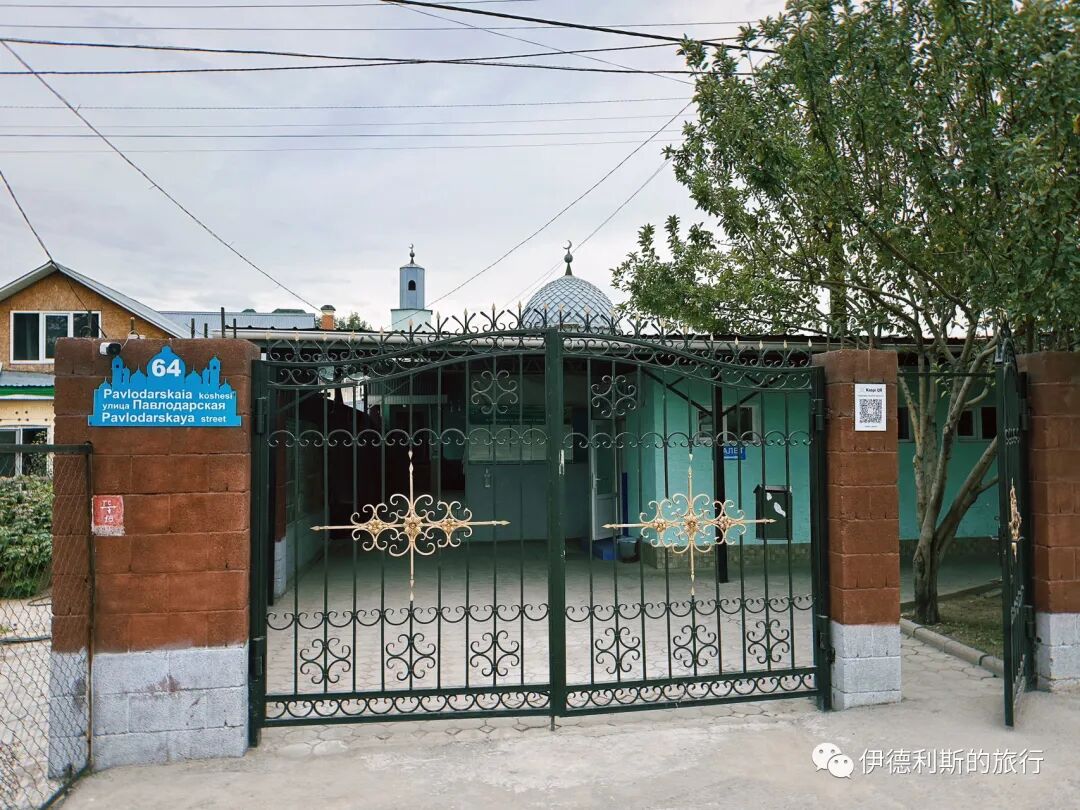
On September 29, I flew from Beijing Capital Airport on Air Astana to Almaty, then headed to a Hui mosque on Pavlodarskaya Street in the northern suburbs of Almaty for Jumu'ah.
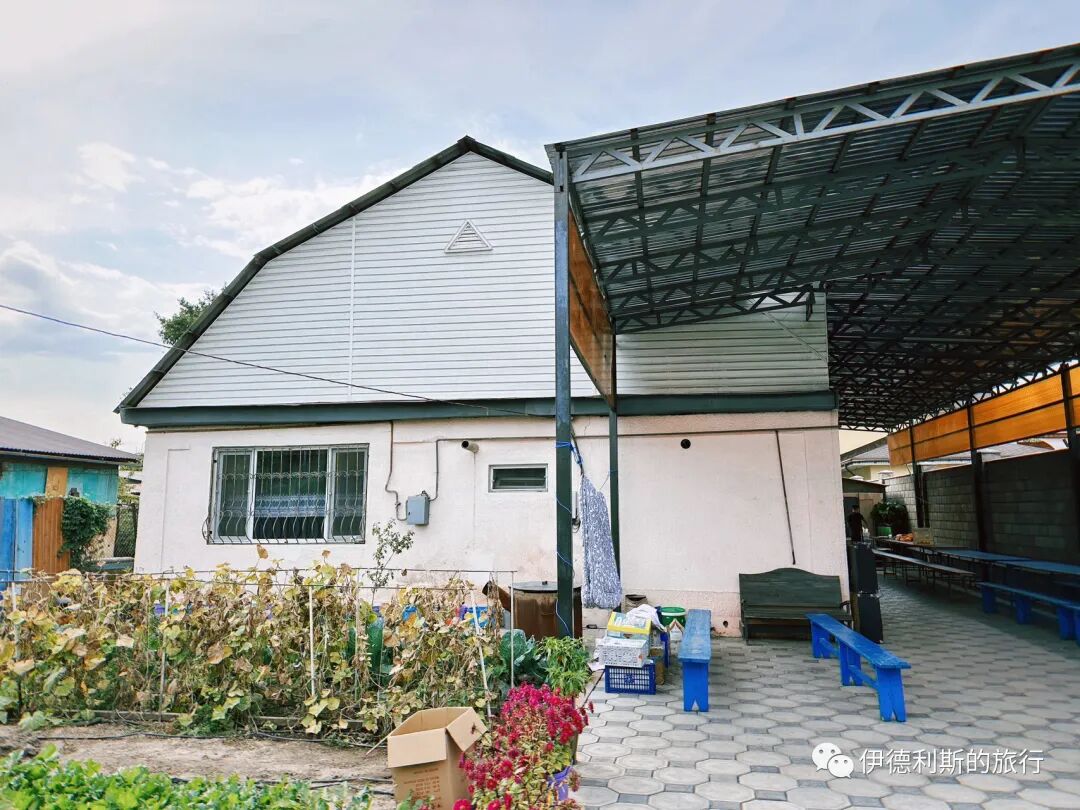
The mosque is not very big, but it was packed with people from many different ethnic groups during Jumu'ah. The courtyard, the upstairs, and the downstairs were all full, and there were many young people. The imam is a local Hui Muslim from Shaanxi. He speaks excellent Shaanxi dialect, Russian, and Arabic, but he gave the sermon (wa'z) in Russian so that everyone from different ethnic groups could understand. The Jumu'ah process is the same as the traditional practice back home in China. After the prayer, the way they performed the repentance (tawbah), raised their fingers, and finally walked in a circle to shake hands felt so familiar.
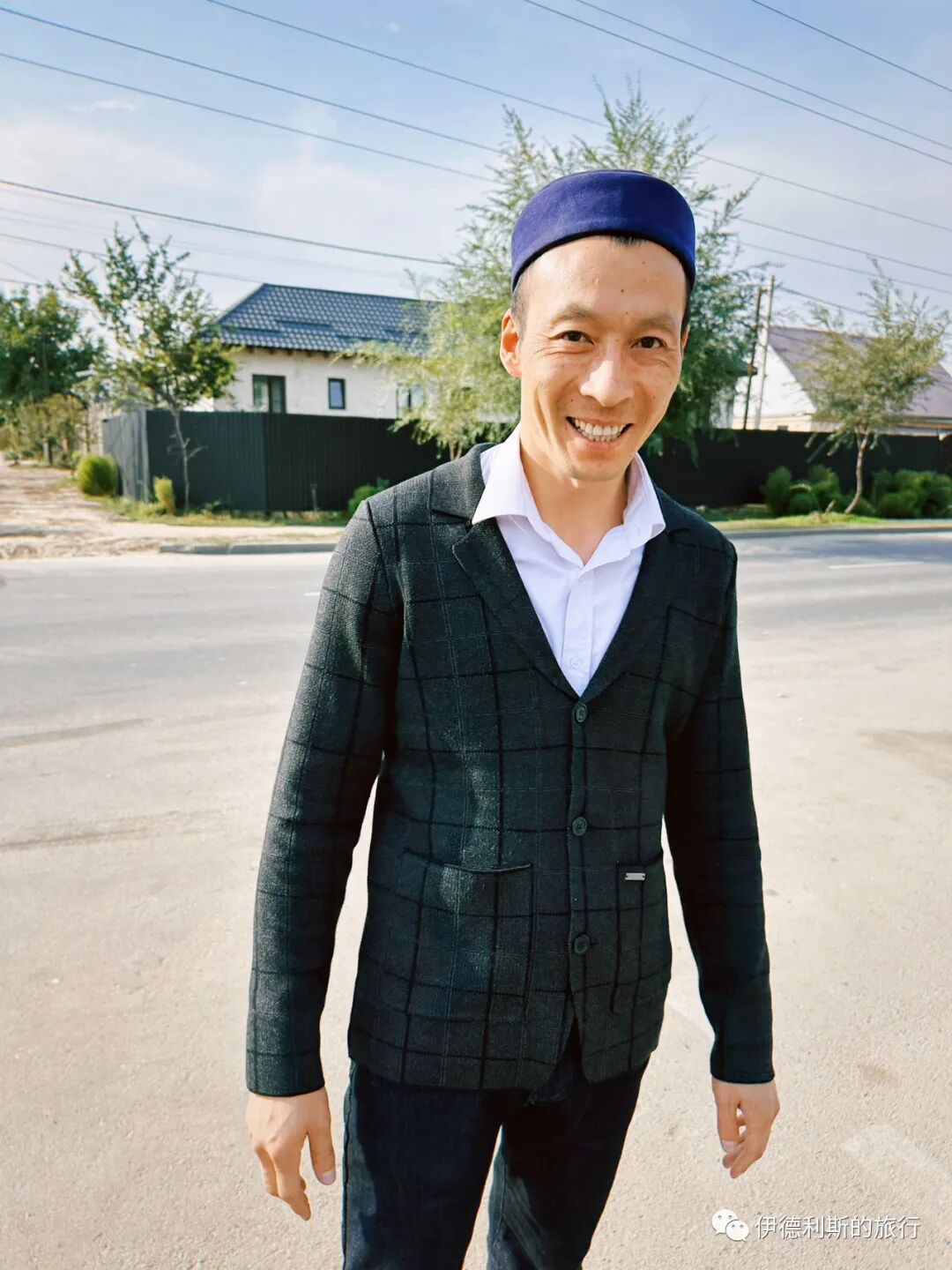
Imam
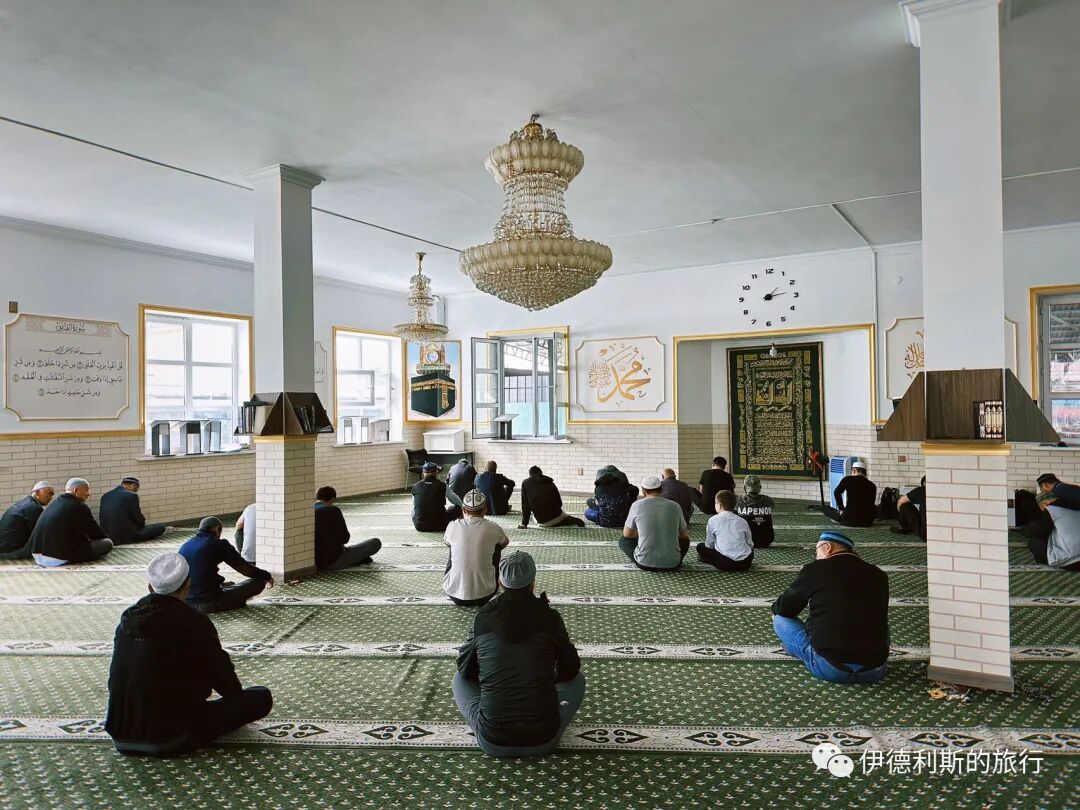
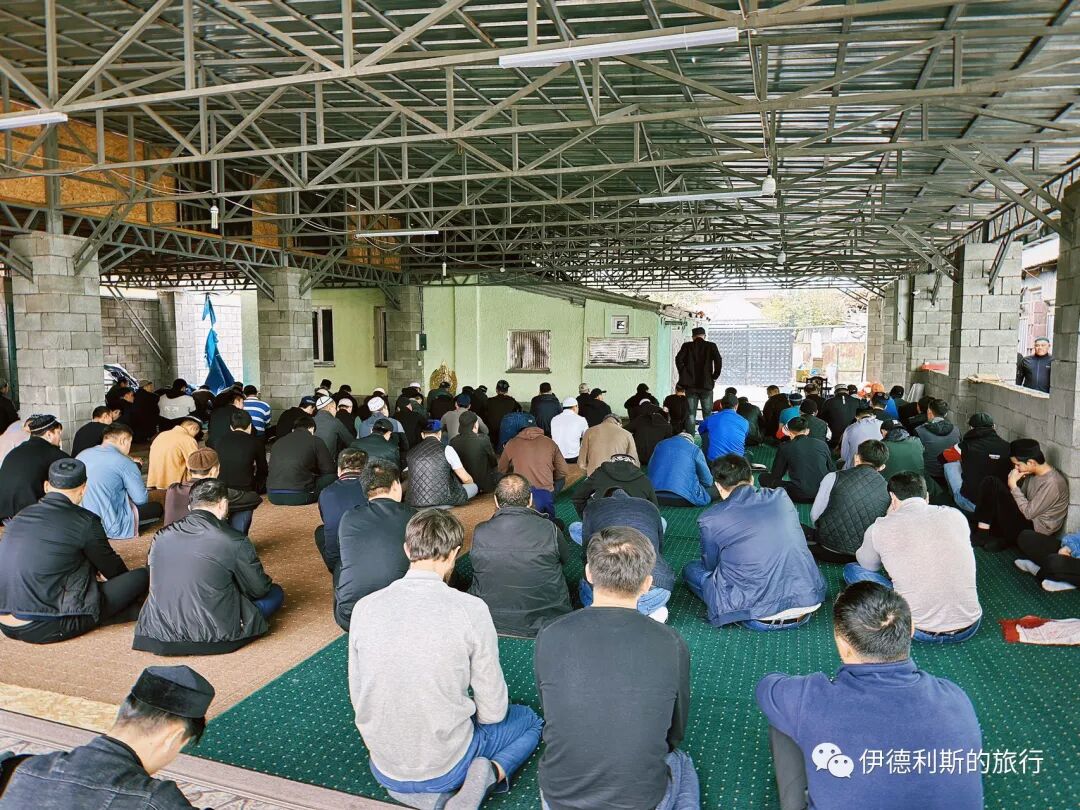
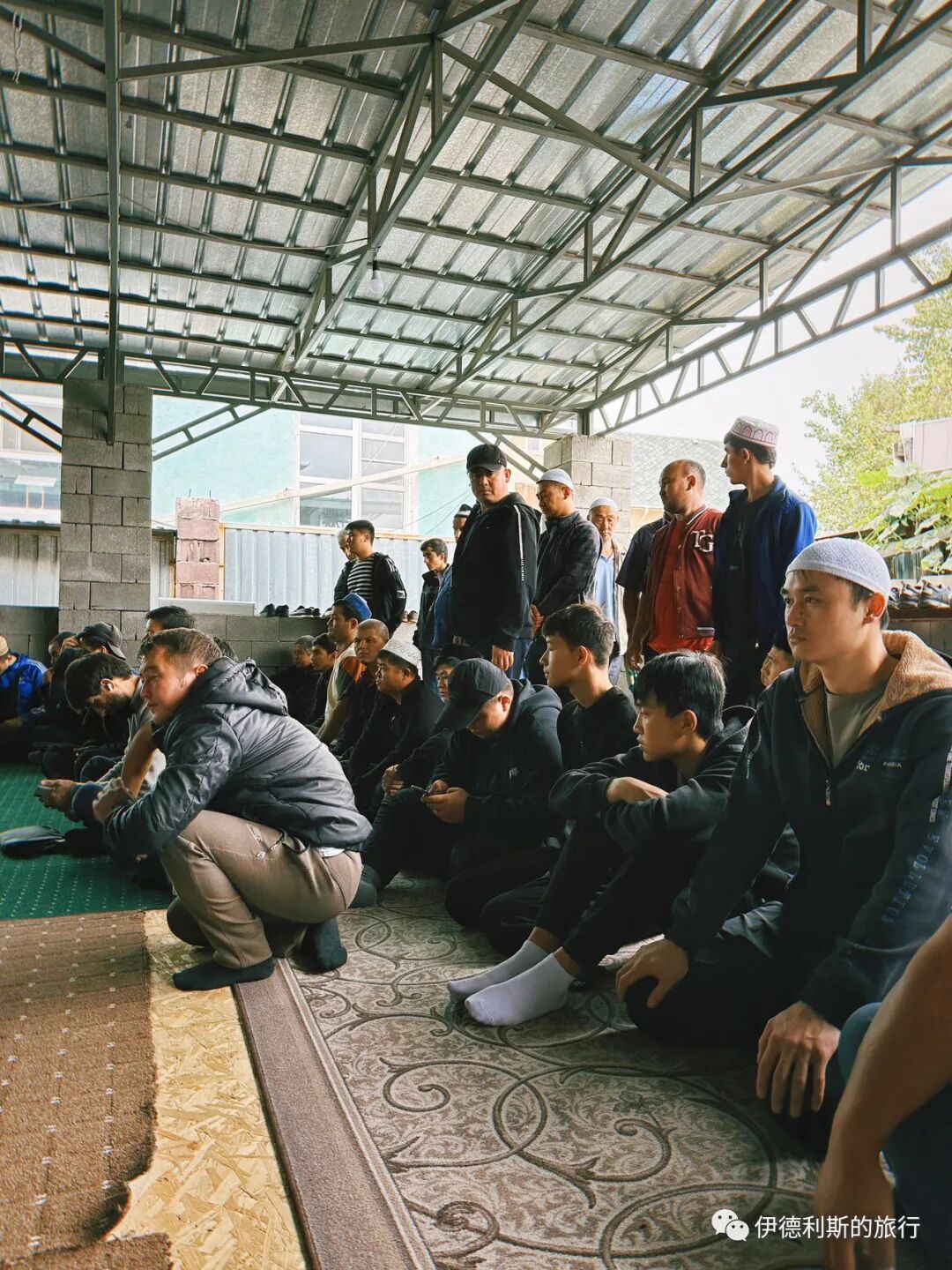
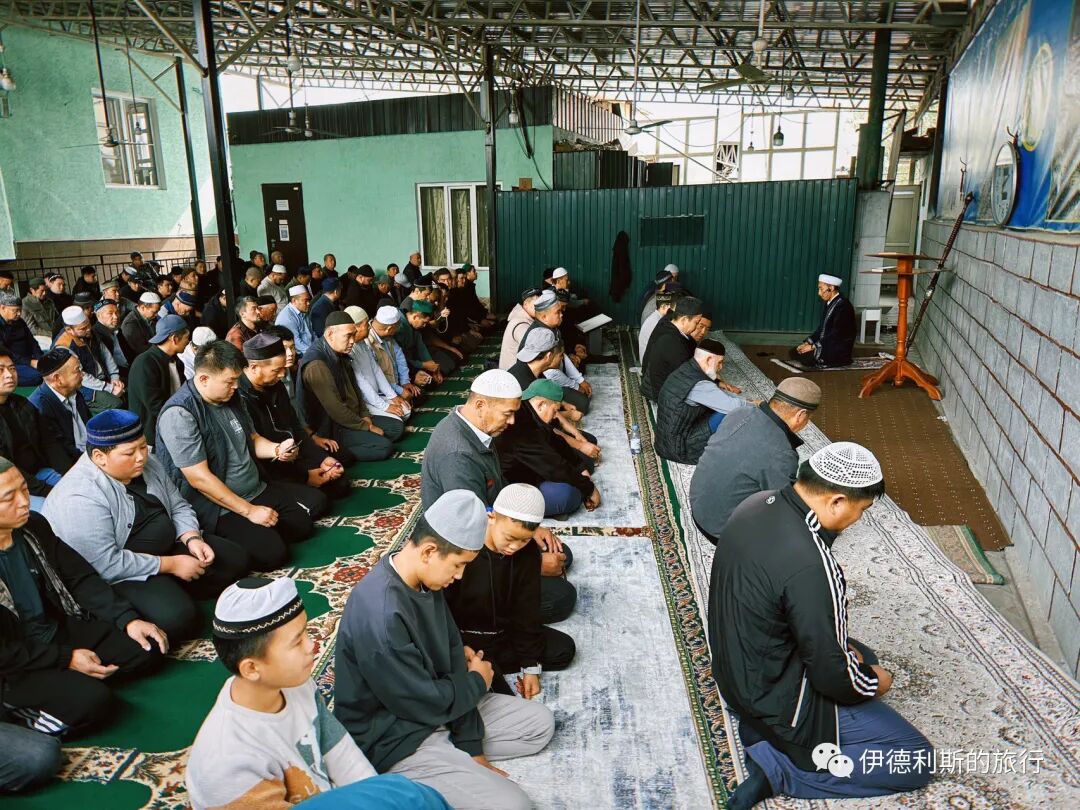
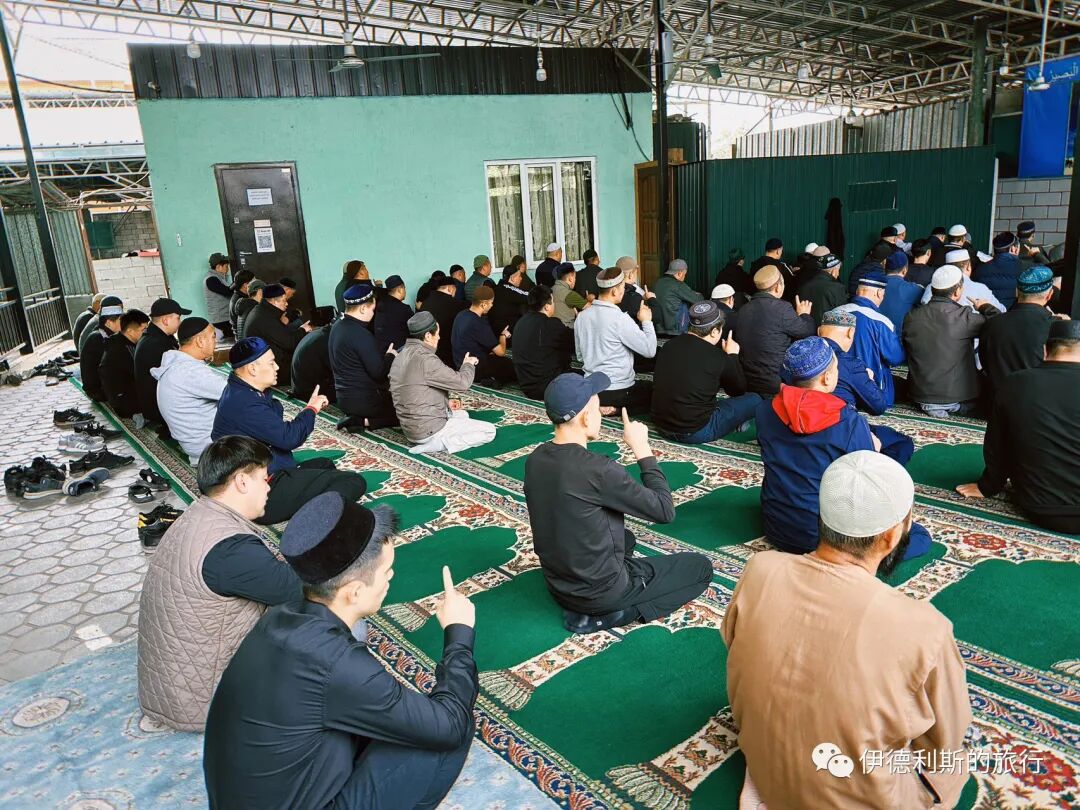
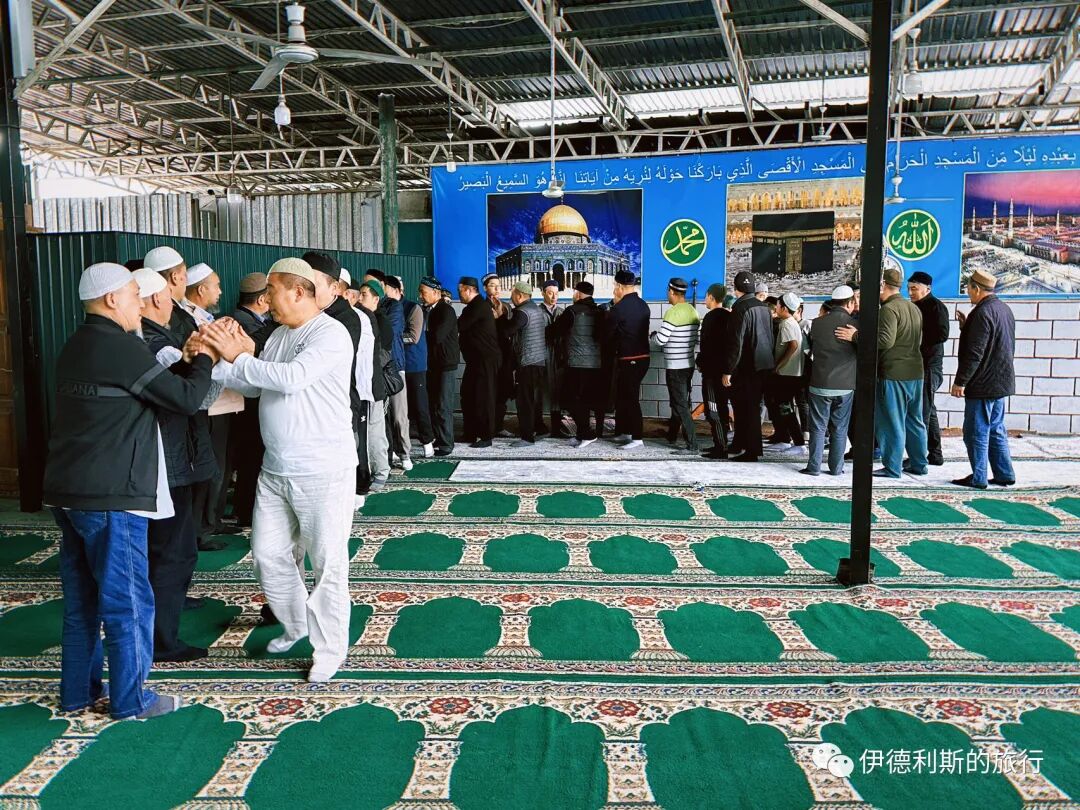
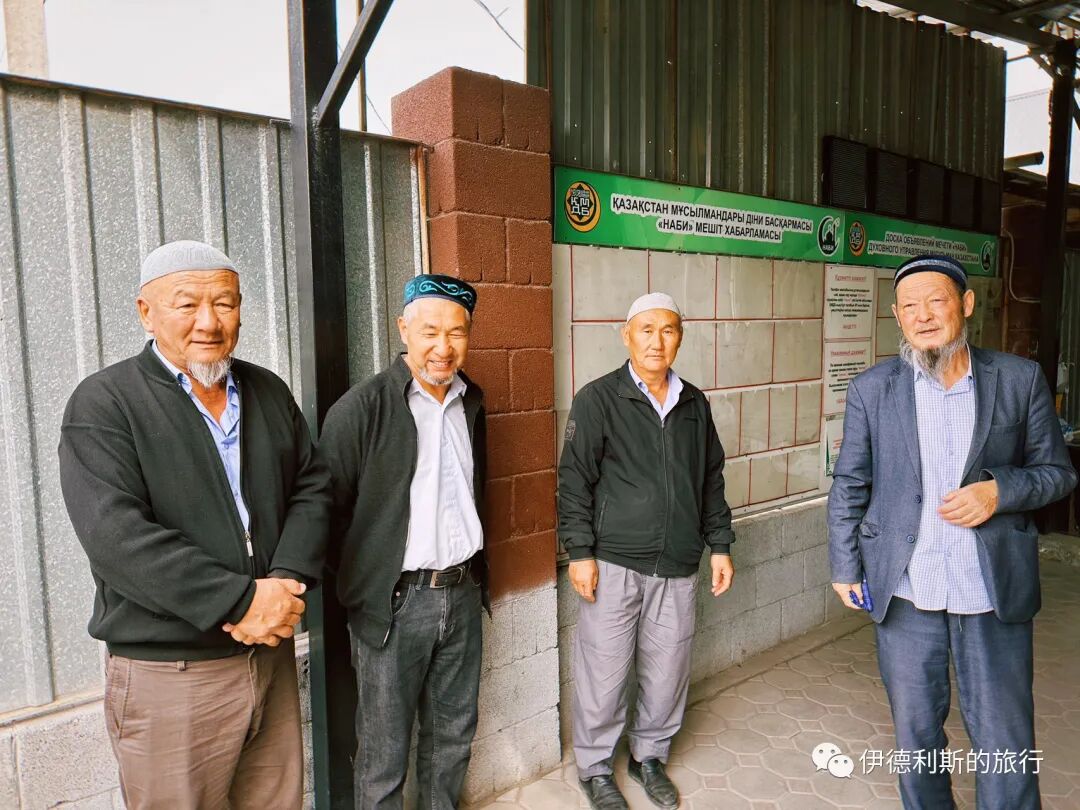
The mosque was preparing to hold a religious gathering in the evening, but unfortunately, I had to catch a connecting flight and could not make it. I am grateful that I met community leaders who had come from various Hui Muslim mosques in Kazakhstan and Kyrgyzstan for the gathering. Chatting with them in the Shaanxi dialect felt so warm; it was exactly the same as the Urumqi Shaanxi dialect my parents-in-law speak.
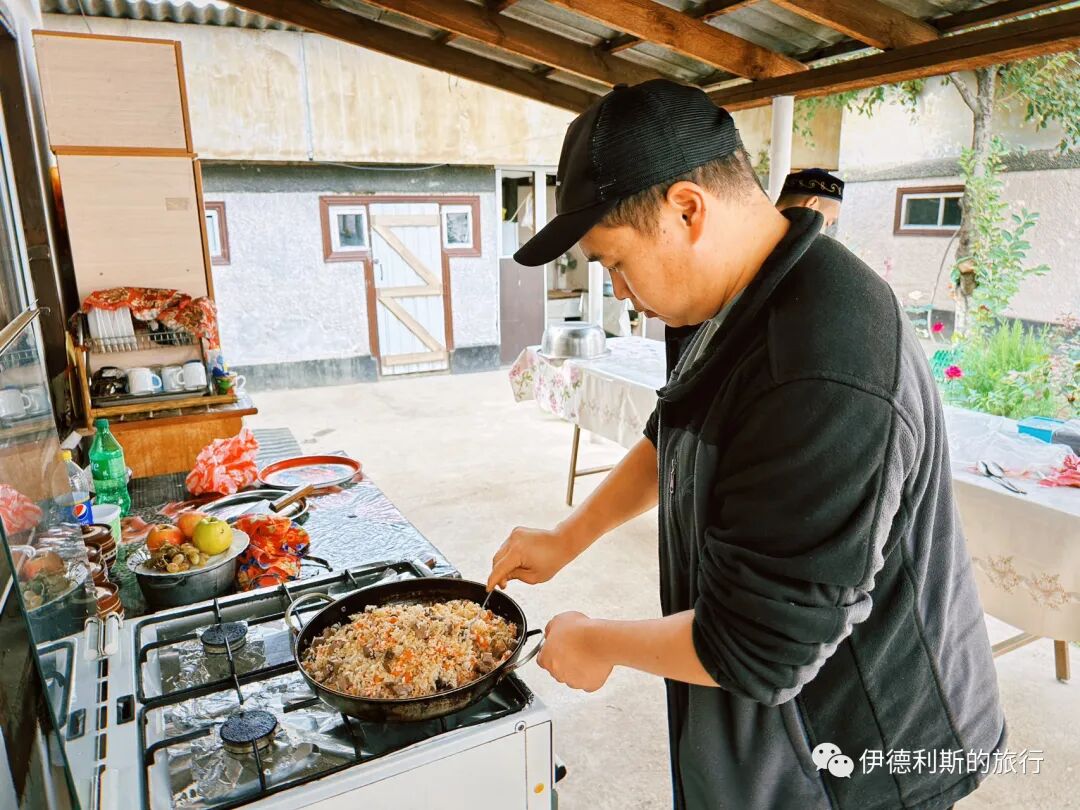
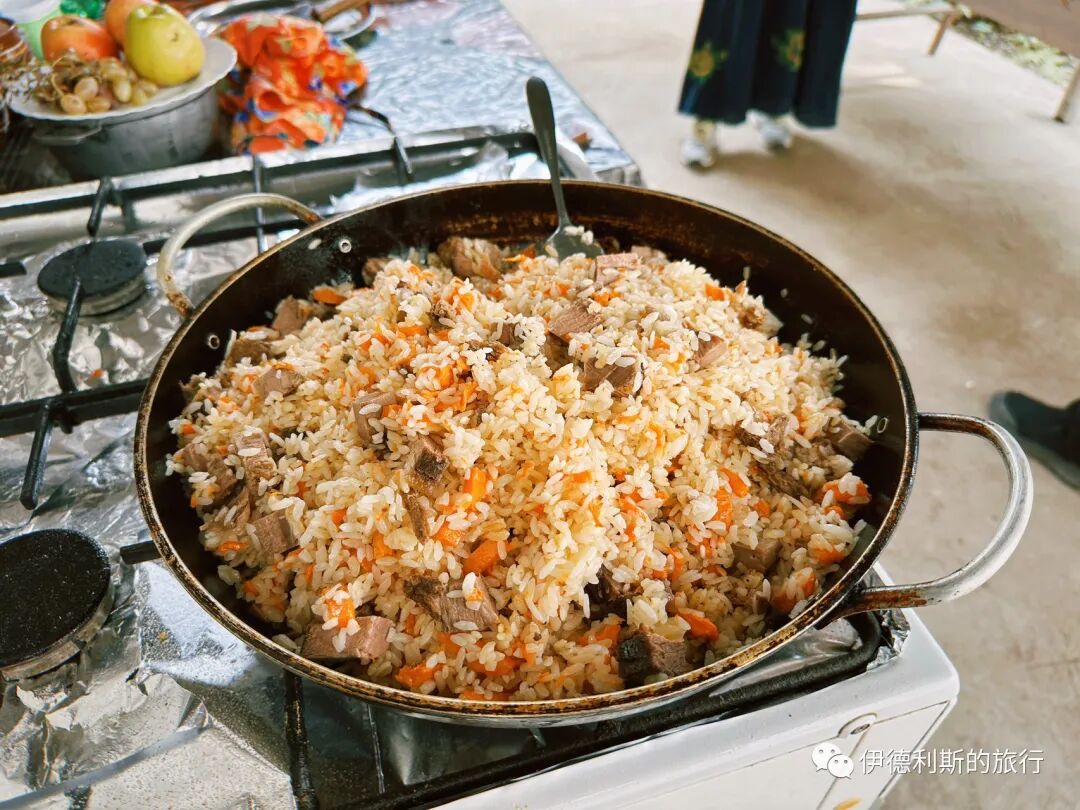
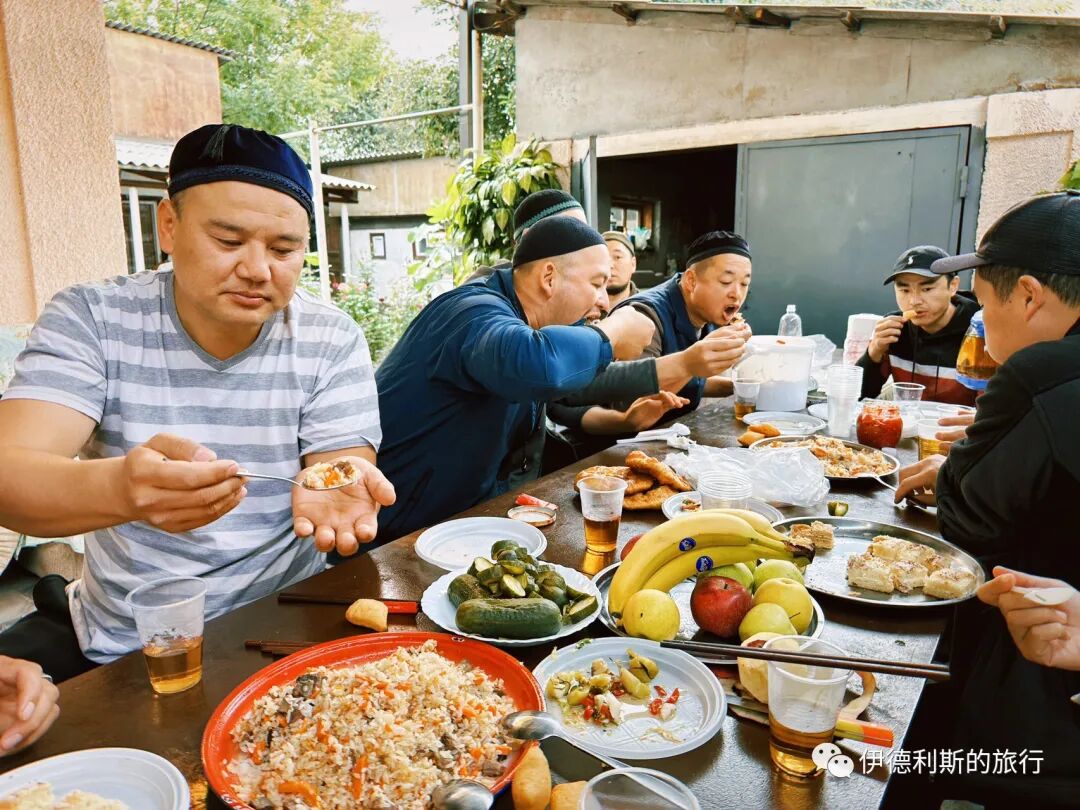
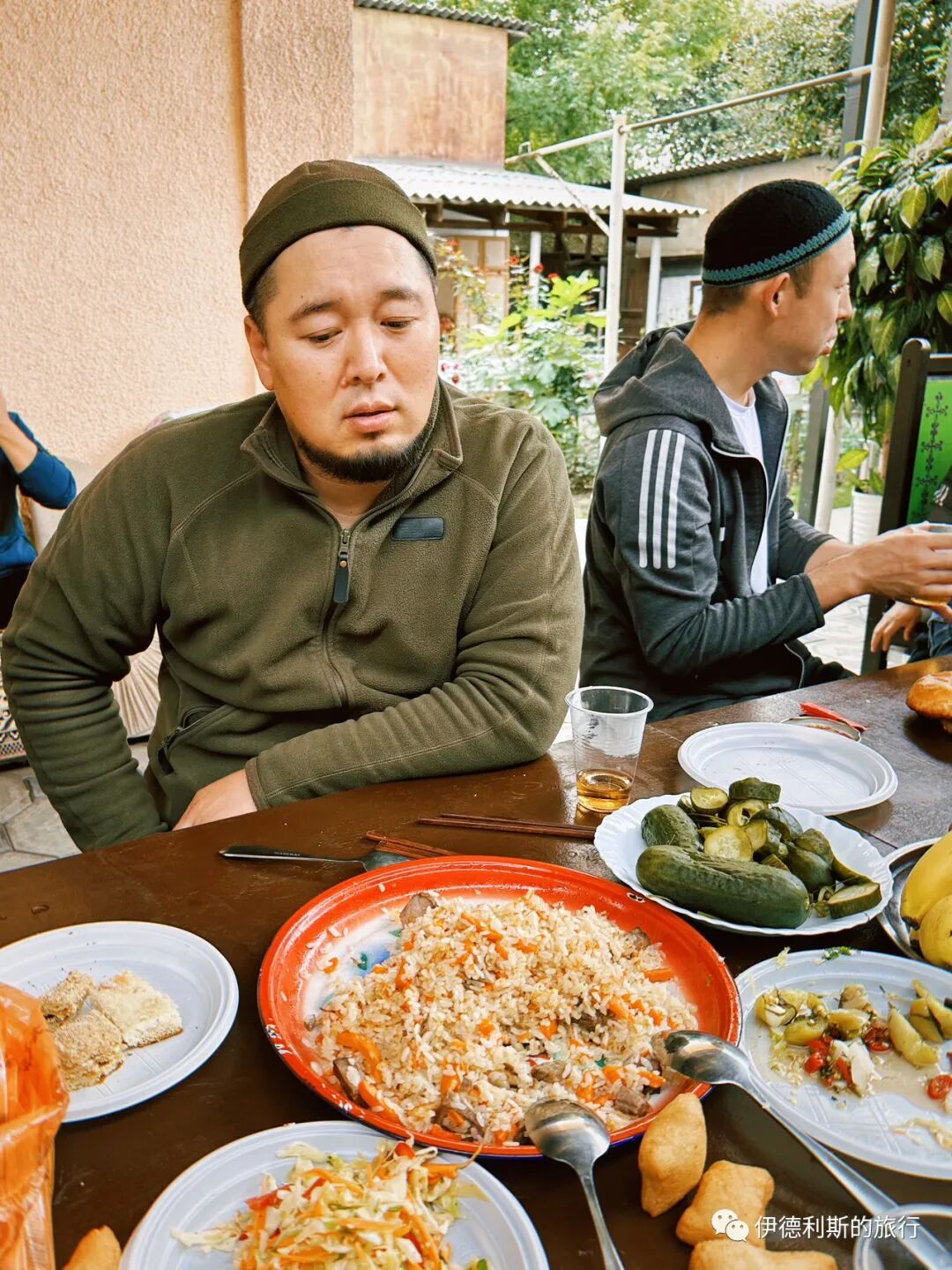
After Jumu'ah, the mosque elders invited me to eat pilaf (zhuafan). The small-batch pilaf was very similar to the home-cooked style of Urumqi Hui Muslims, and it was not as oily as Uyghur pilaf.
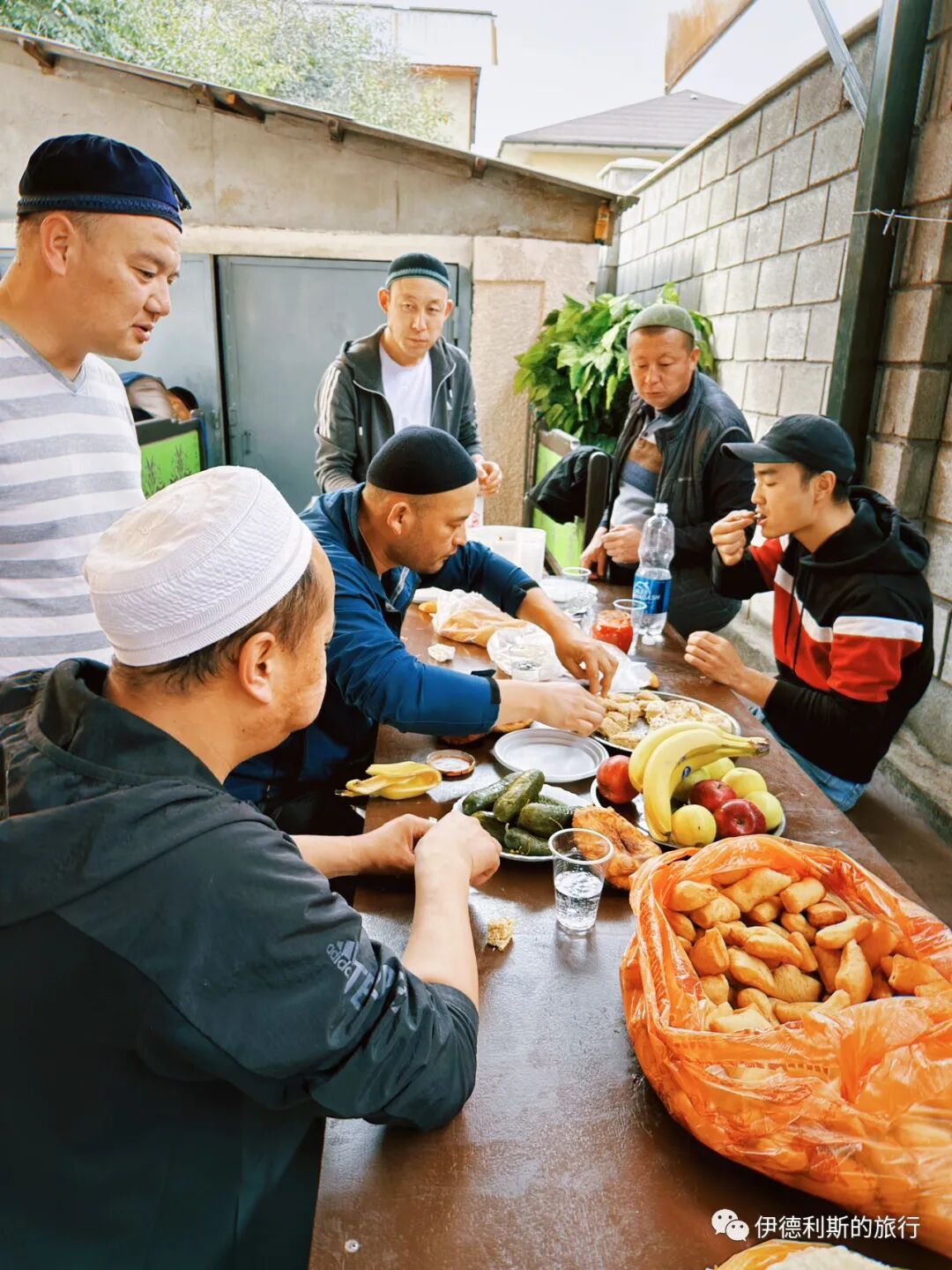
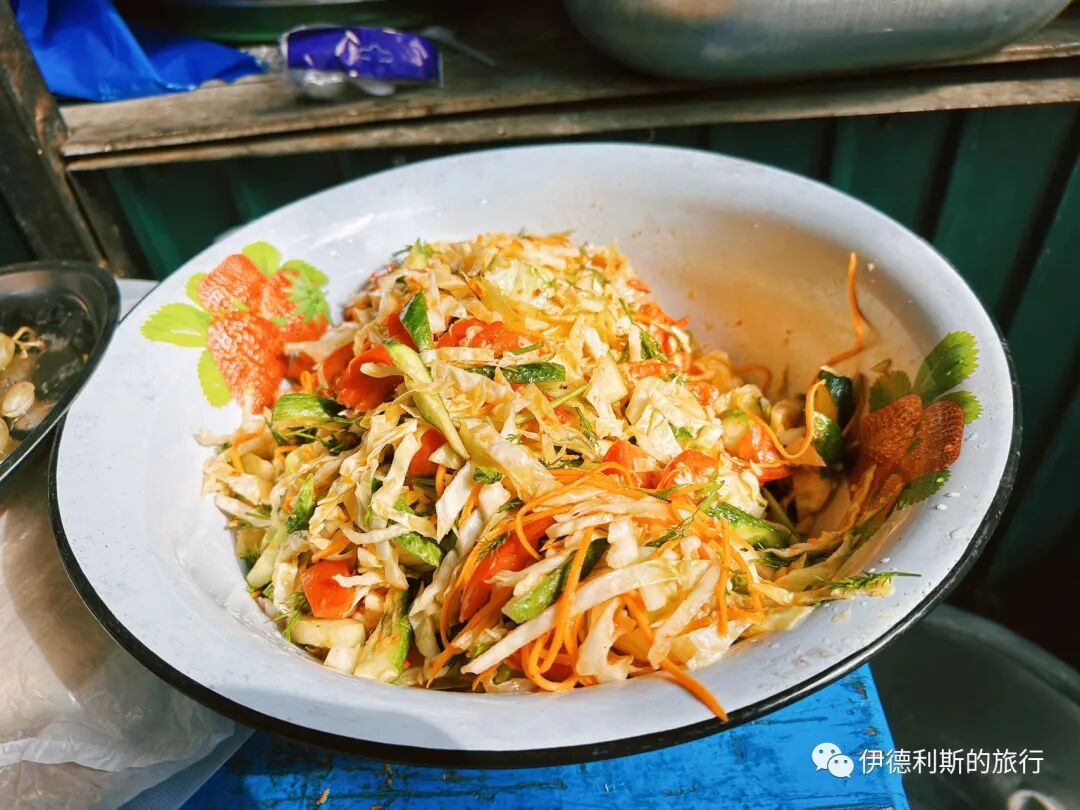
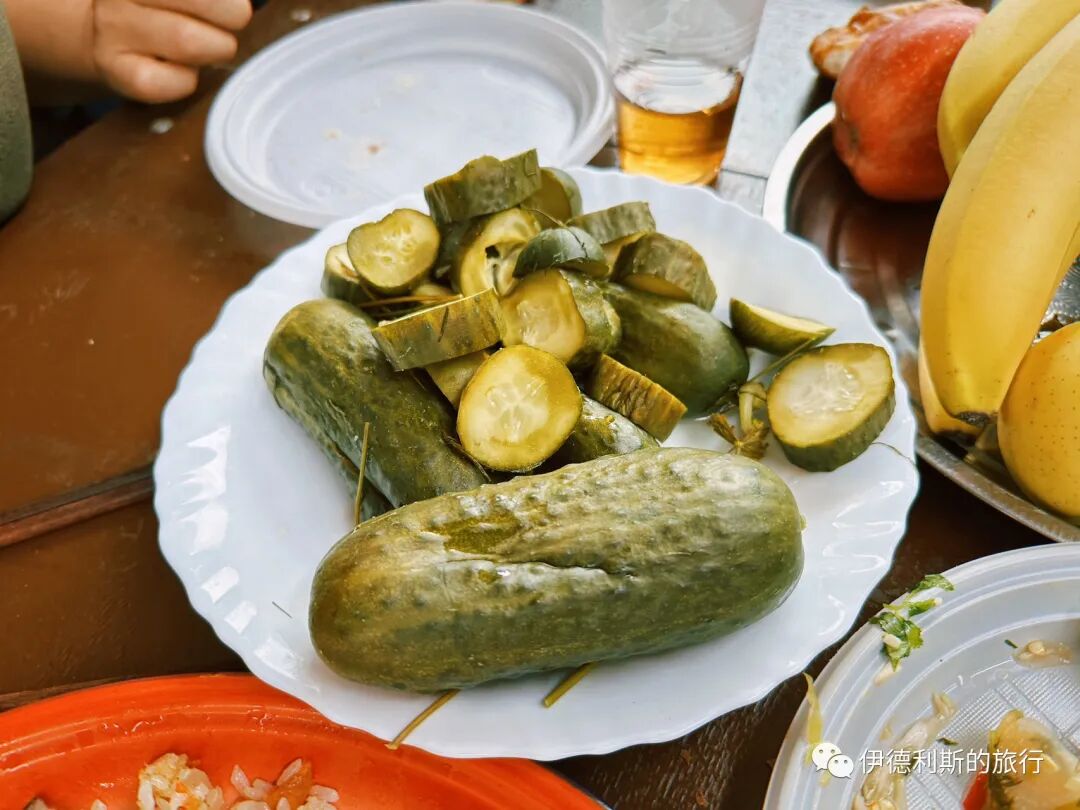
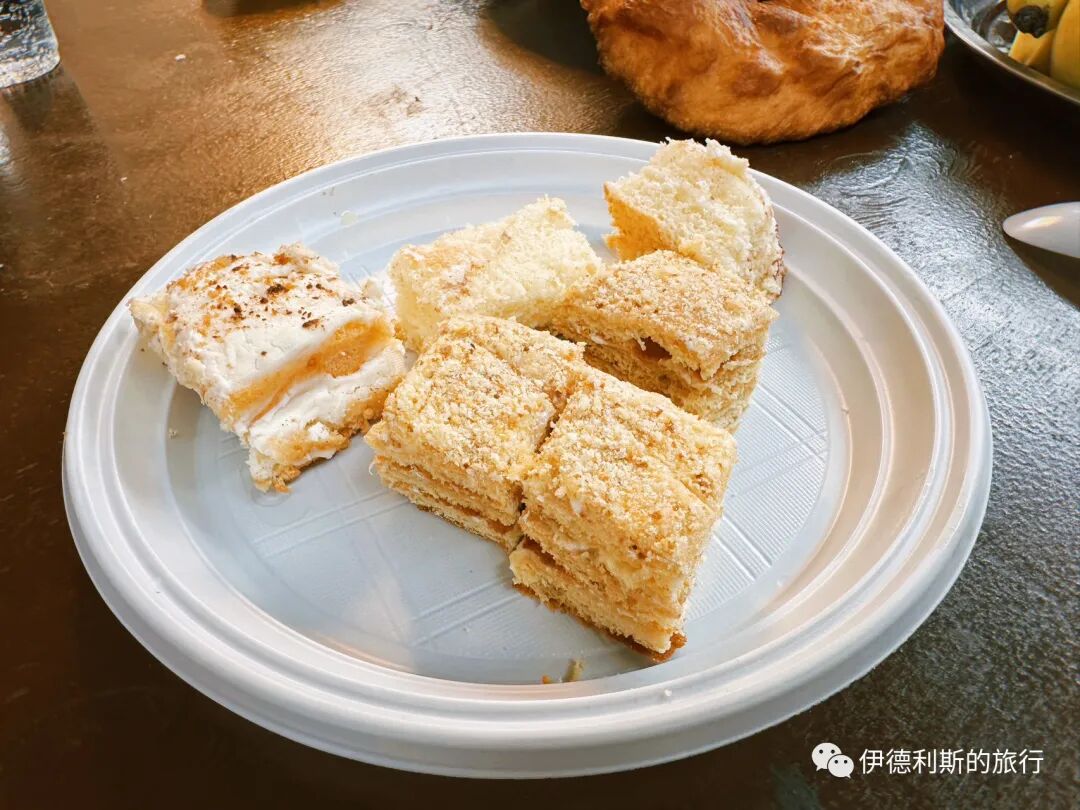
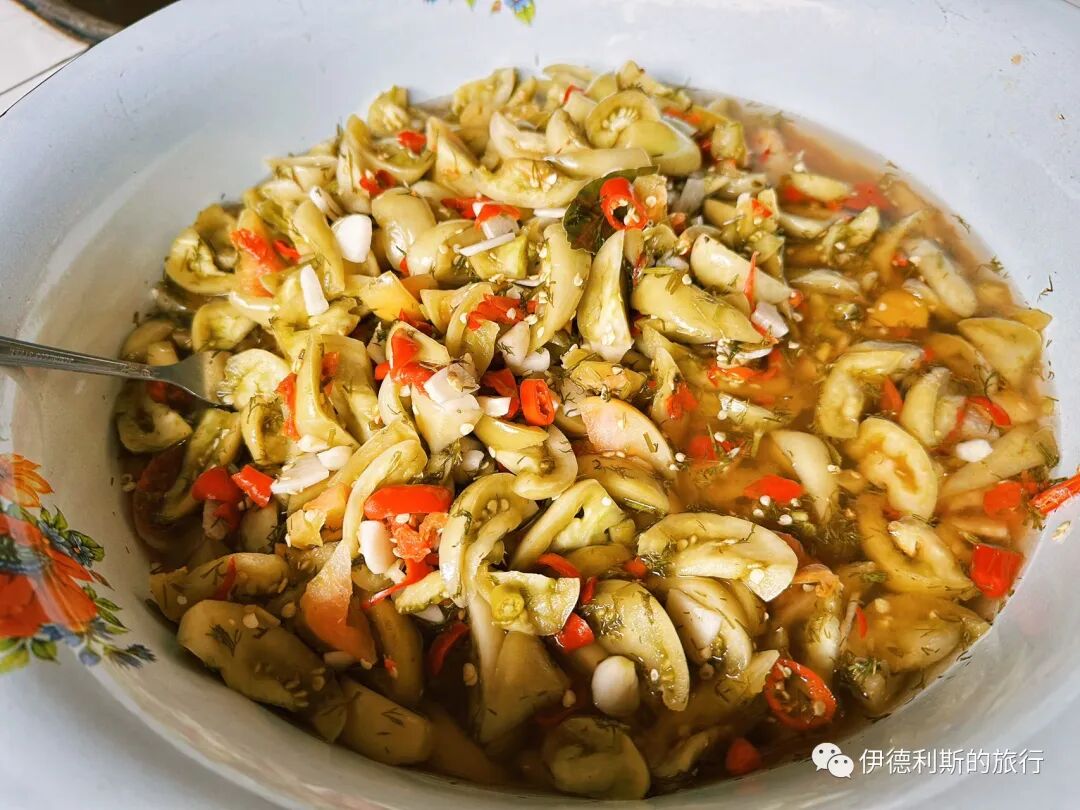
Besides side dishes, the pilaf here was served with pickled cucumbers made by the mosque. They were not as salty as the ones bought in supermarkets back home, and they felt very Soviet. I also ate spicy green tomatoes made by the mosque. They were spicy, fragrant, and went perfectly with the pilaf. I don't think I have ever eaten unripe green tomatoes like this back in China. There was also cake made by the mosque, which was very delicious.
Many young and middle-aged people here are enthusiastic about community affairs, and I felt very happy chatting with everyone. Several of the elders used to work in foreign trade in China, so they speak good Mandarin. I chatted for a long time with a man named Brother Wang. He did business in Horgos a few years ago and spent some time in Yiwu this year. He told me there are three Hui Muslim mosques in Almaty, two of which are Shaanxi mosques and one is a Gansu mosque. The one I visited is a Shaanxi mosque, and even the young people here can speak fluent Shaanxi dialect at home.
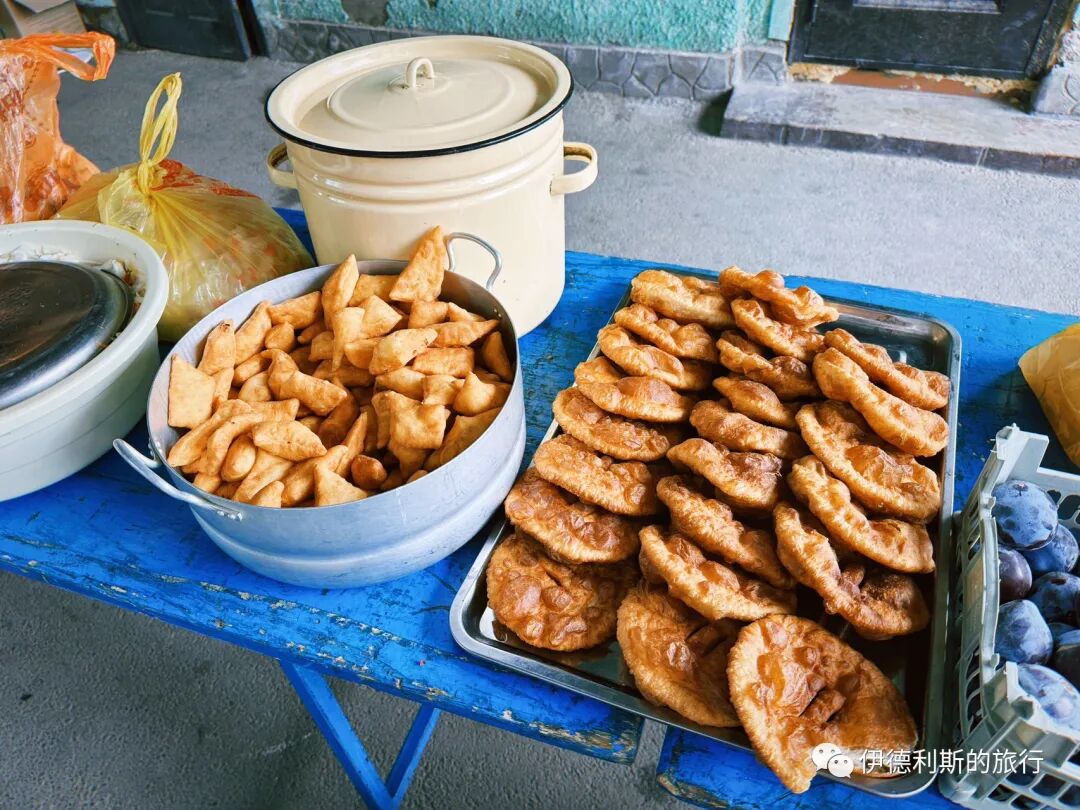
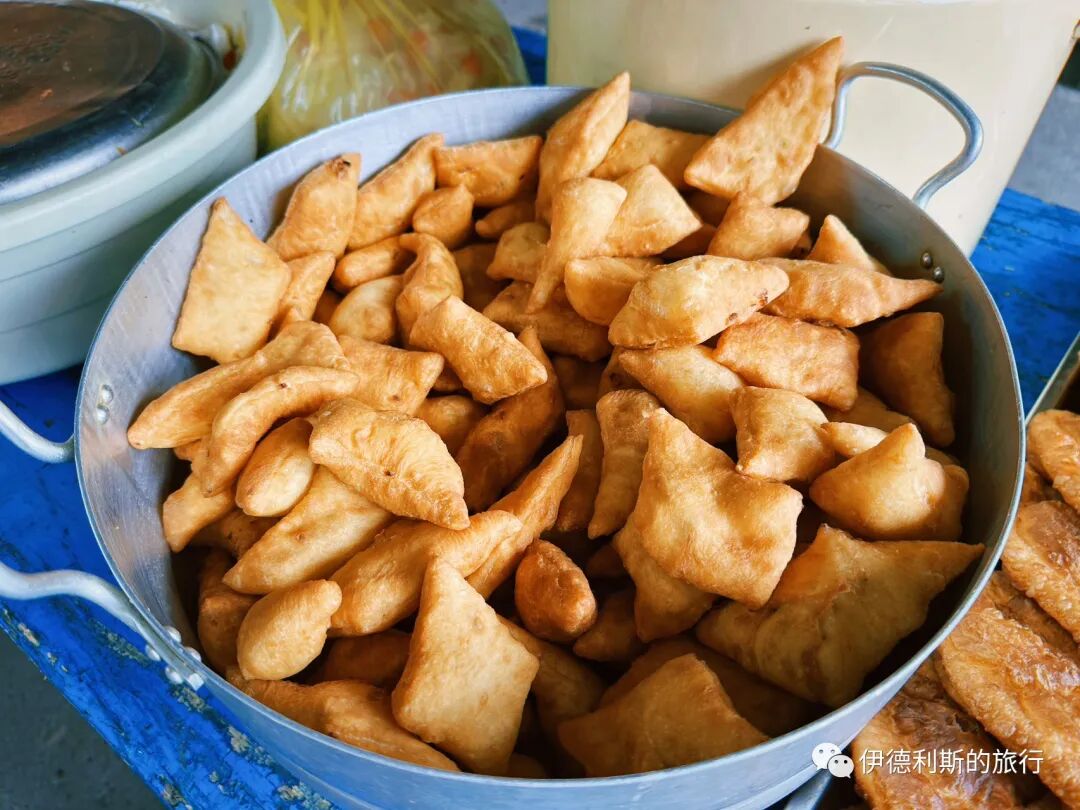
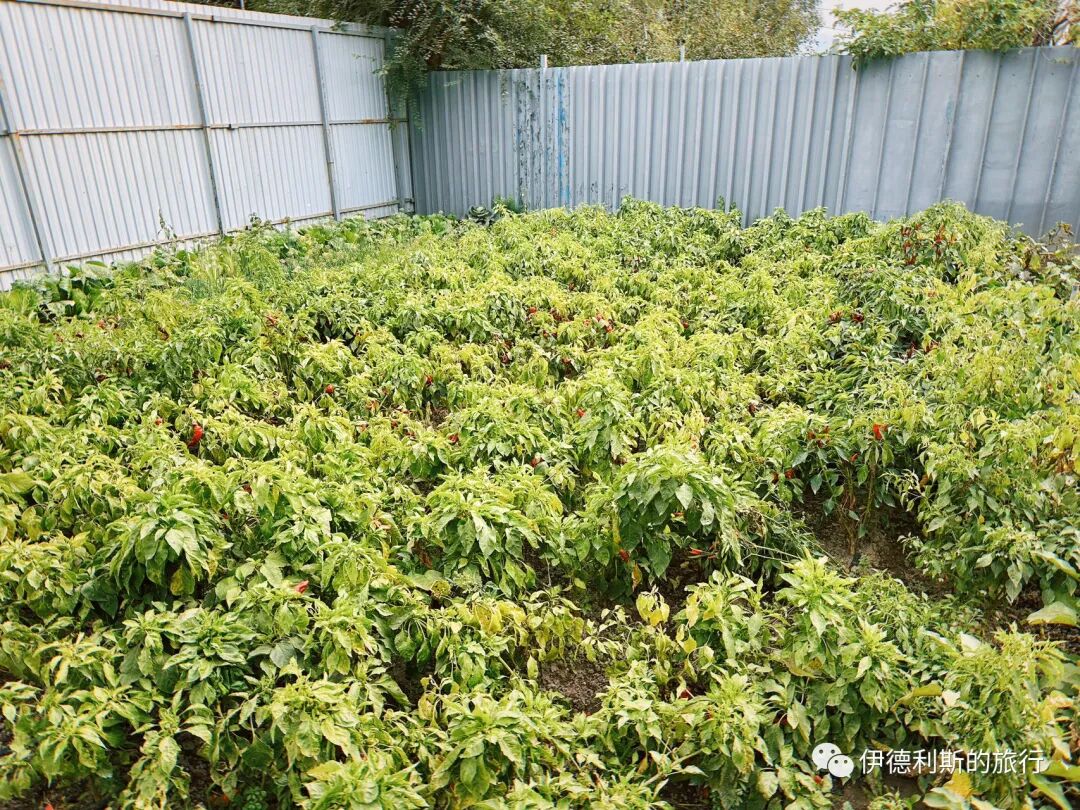
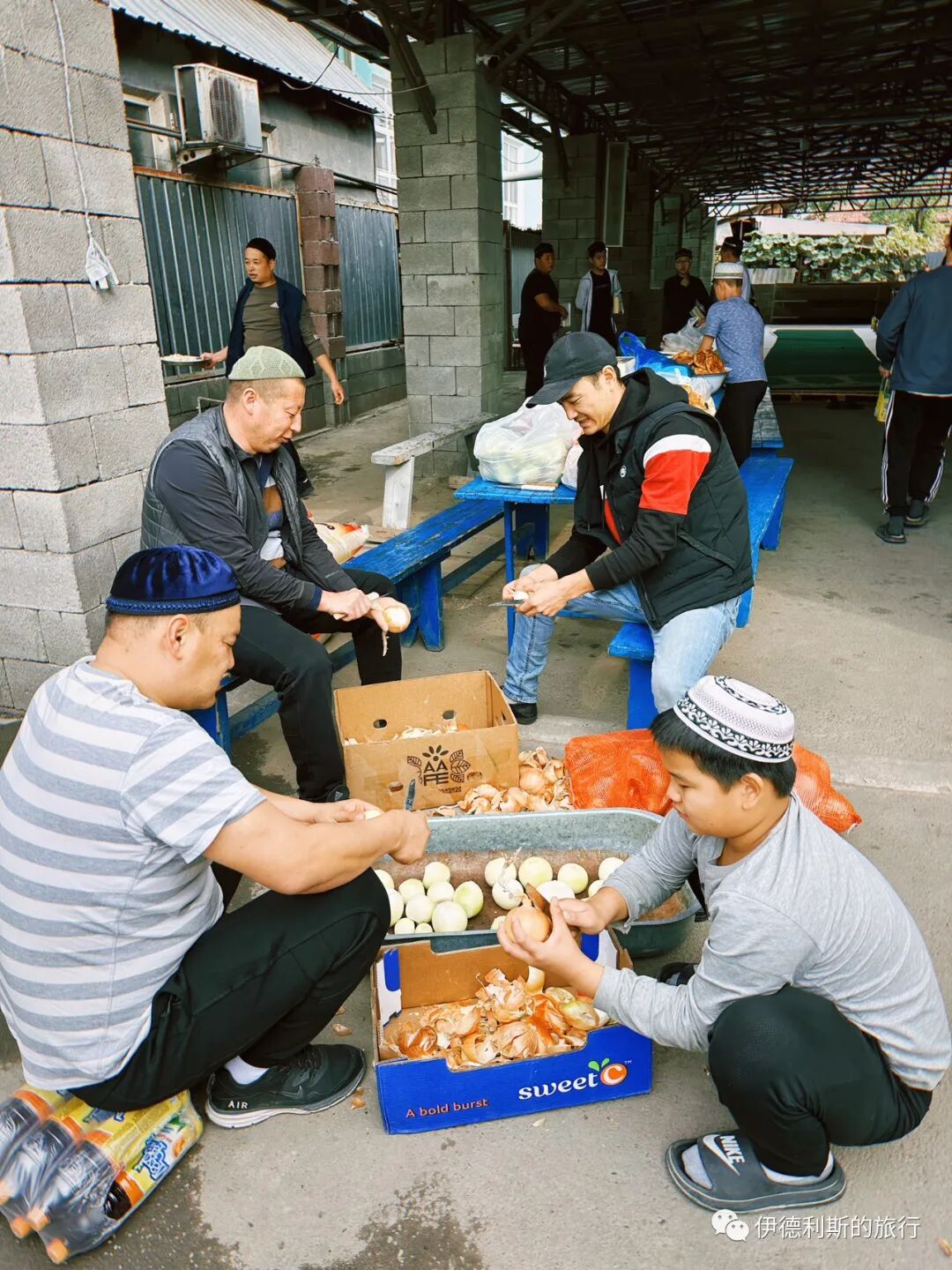
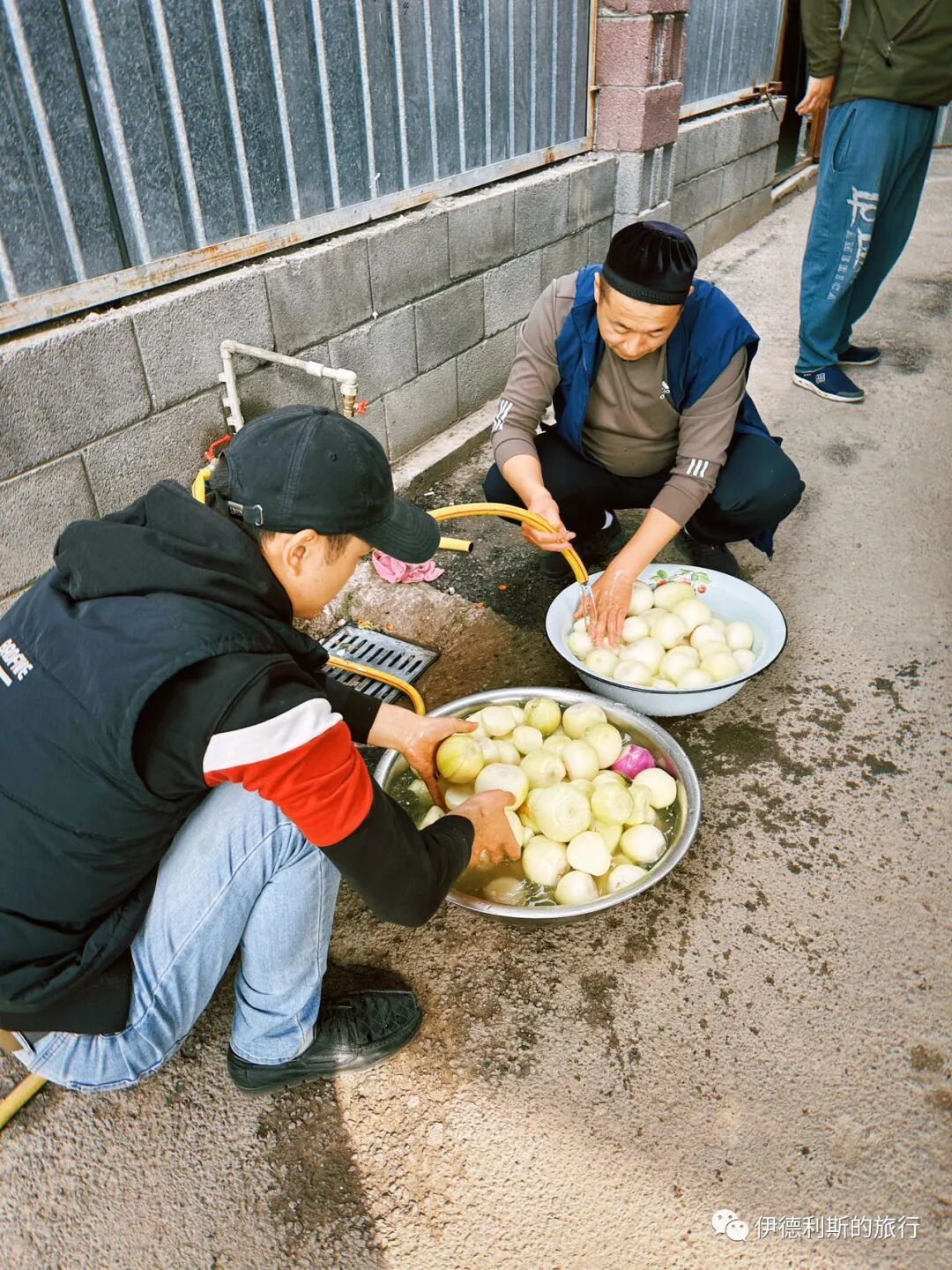
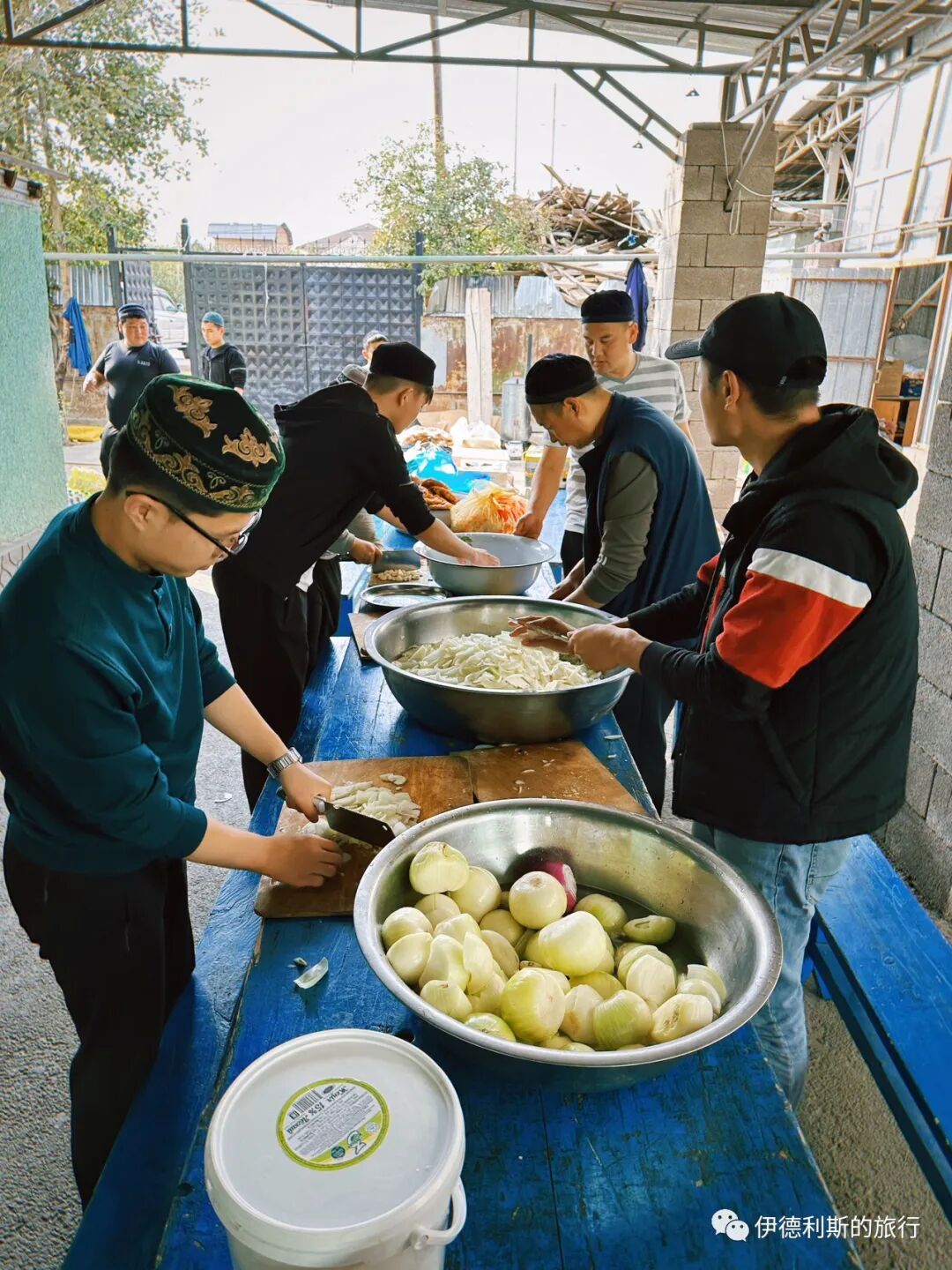
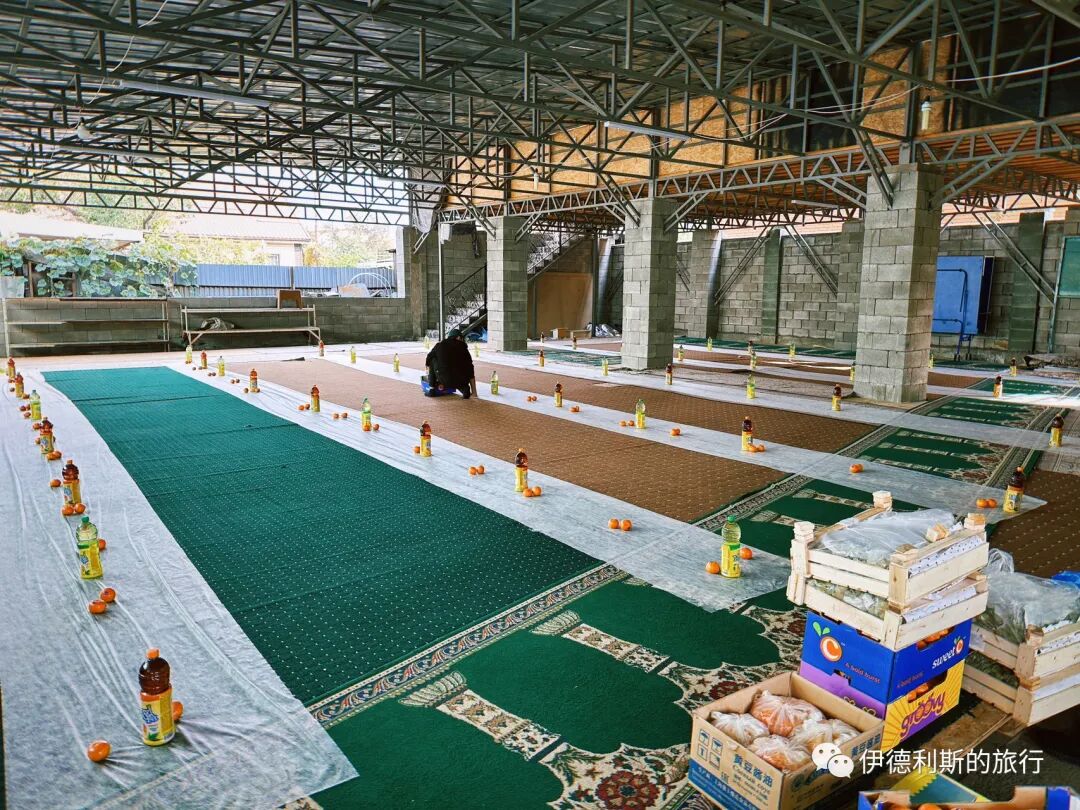
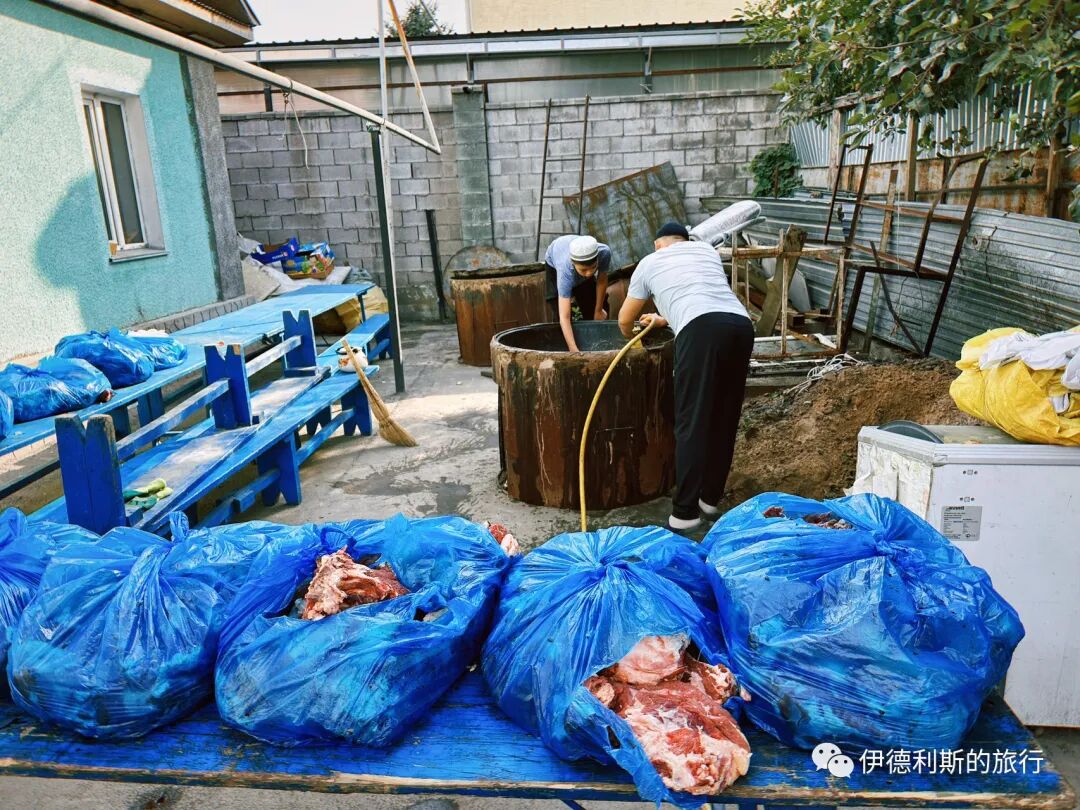
After Friday namaz, everyone started getting busy preparing for the Mawlid celebration that evening. The fried dough (youxiang) and fried dough cubes (baorsak) were already fried, but the main task was to cook two large wood-fired pots of pilaf (zhuafan). The students (mulla) and village elders at the mosque worked together, making the atmosphere busy and blessed. They say the mosque is even livelier during Ramadan, when they cook three large wood-fired pots of pilaf every day.
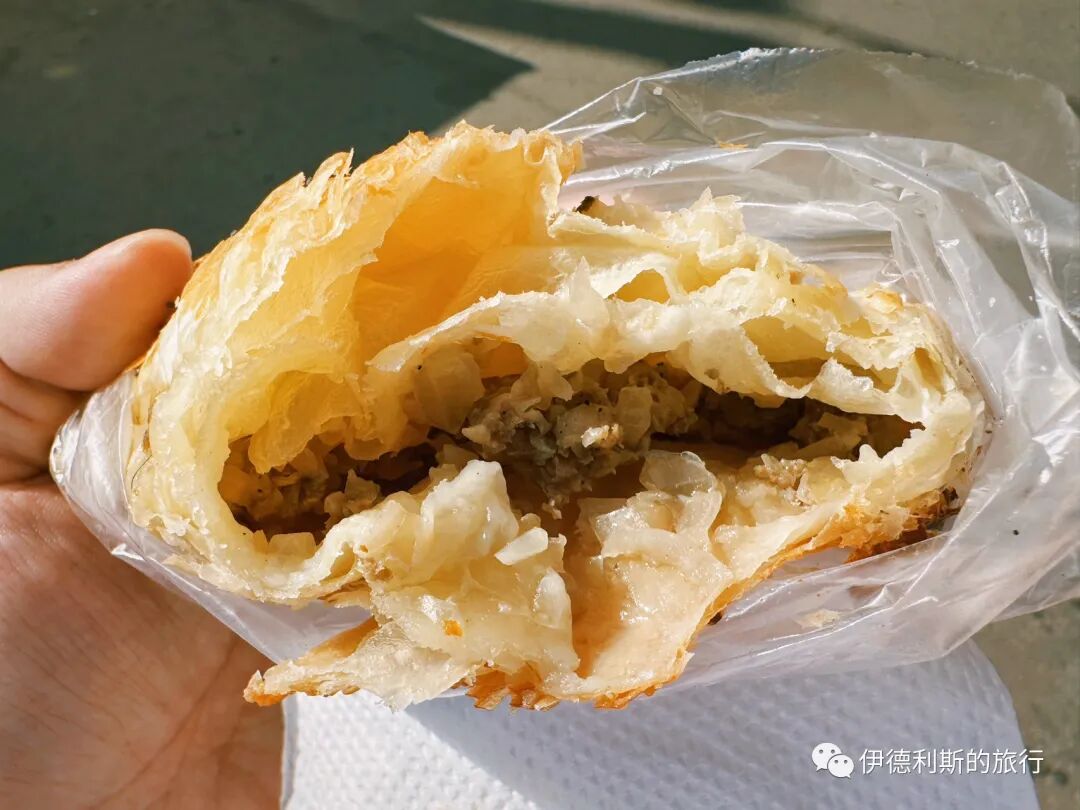
I bought a large flaky baked bun (samsa) at the entrance of the Green Bazaar in Almaty; this is a classic street snack in Almaty. I happened to meet a Dungan man who offered to translate for us. His ancestors were from Shaanxi, and he spoke with a very authentic Shaanxi accent; he said he still has many relatives in Yili.
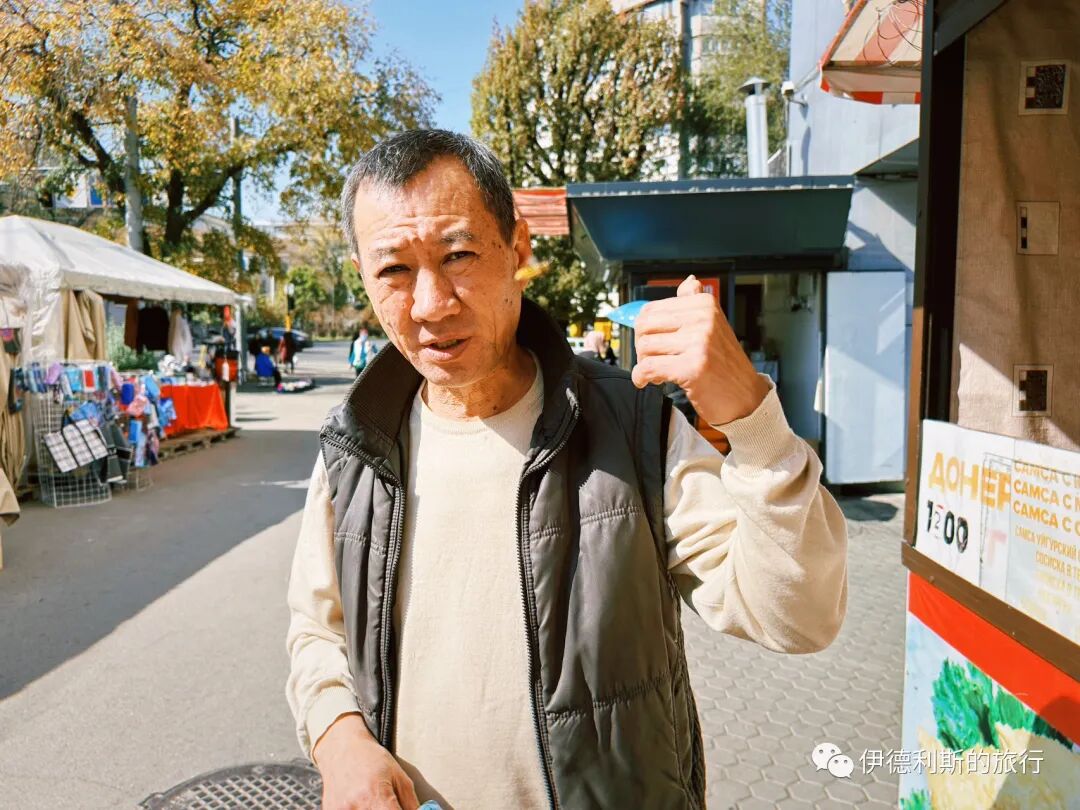
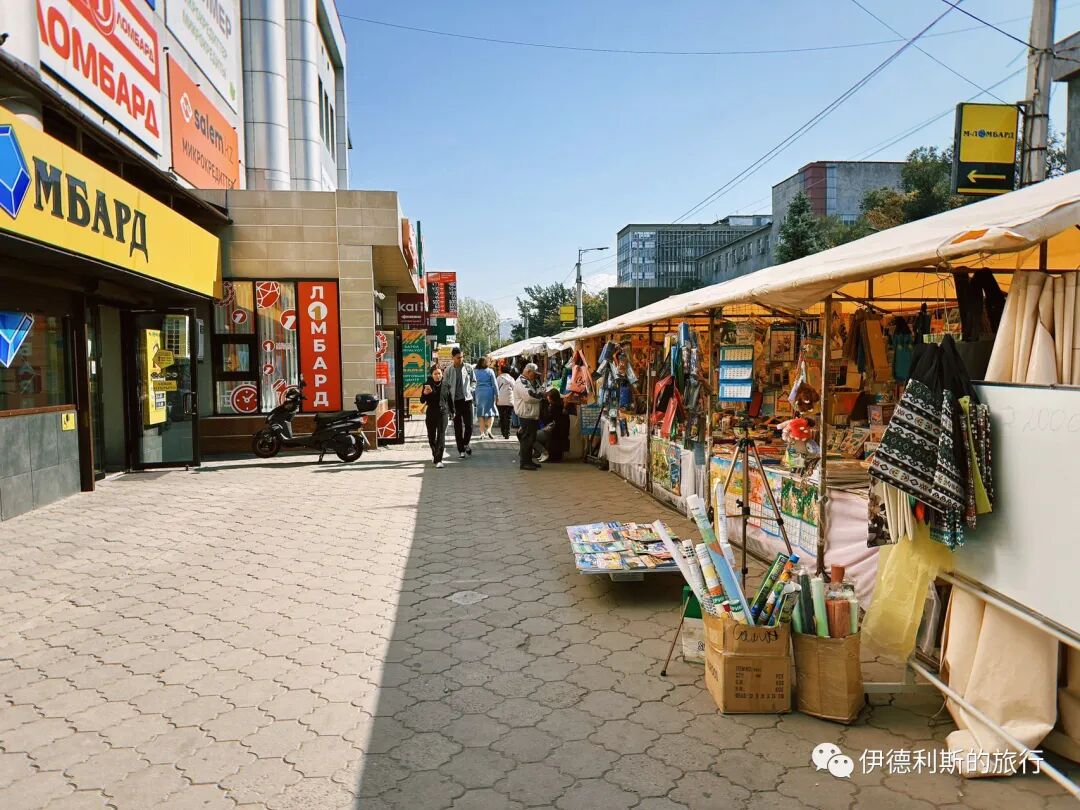
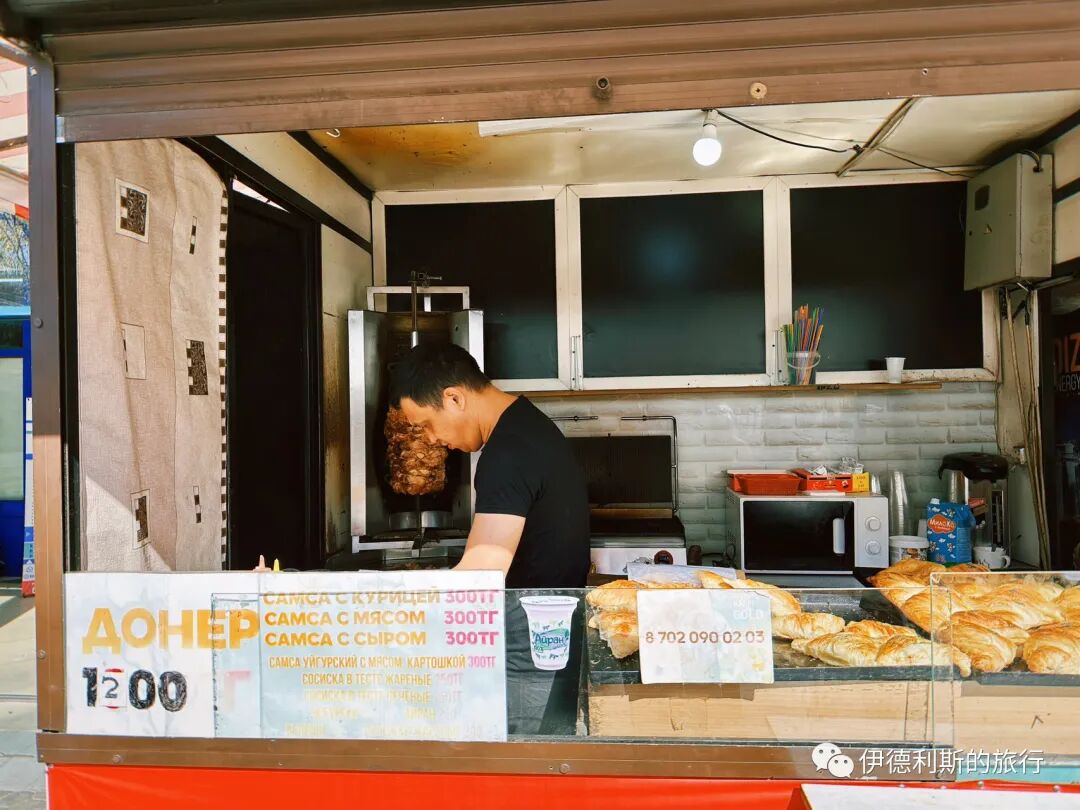
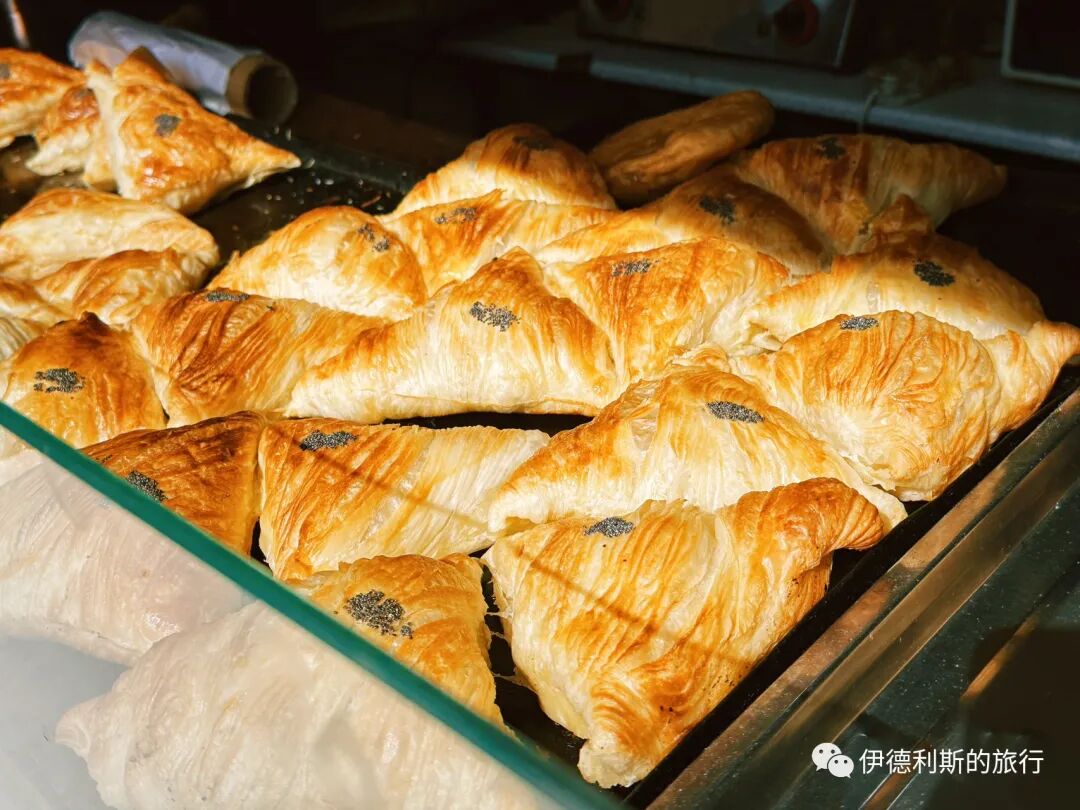
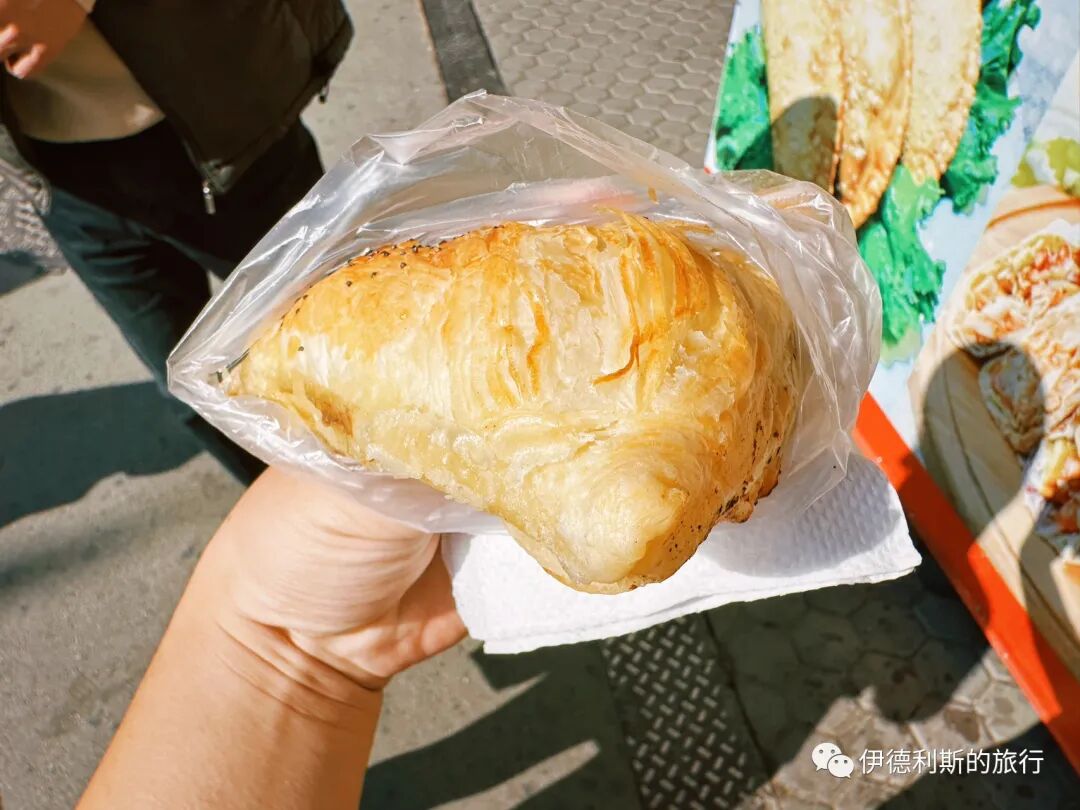
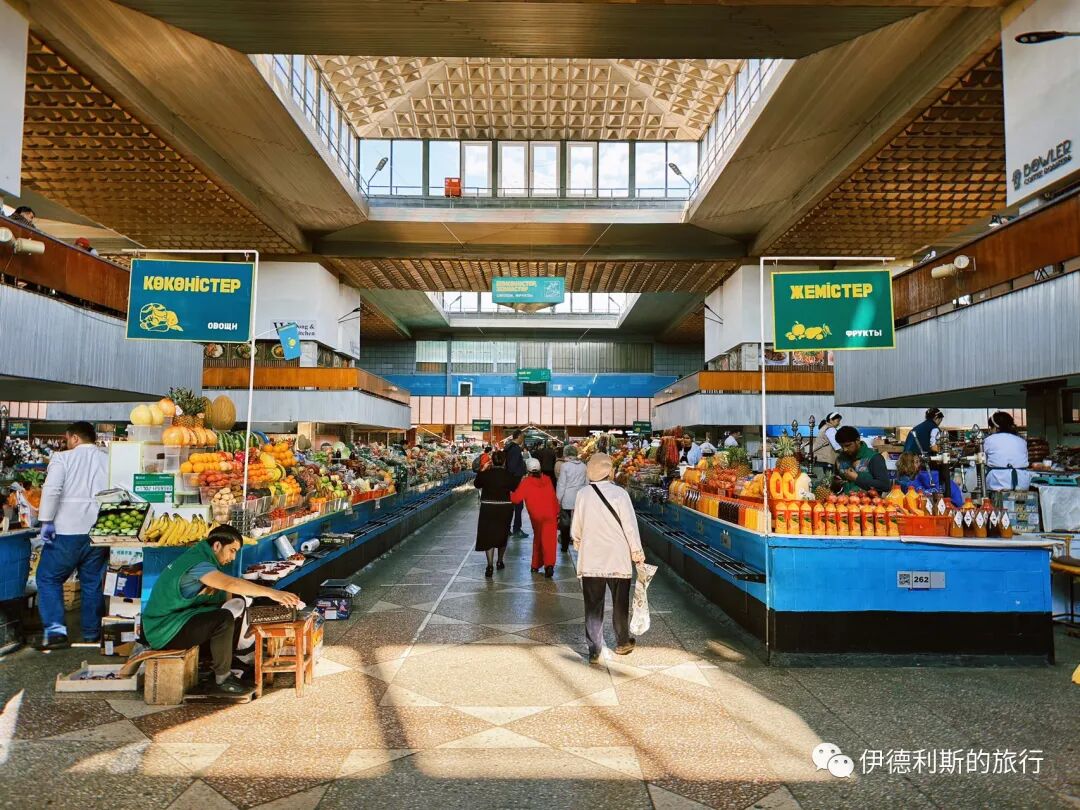
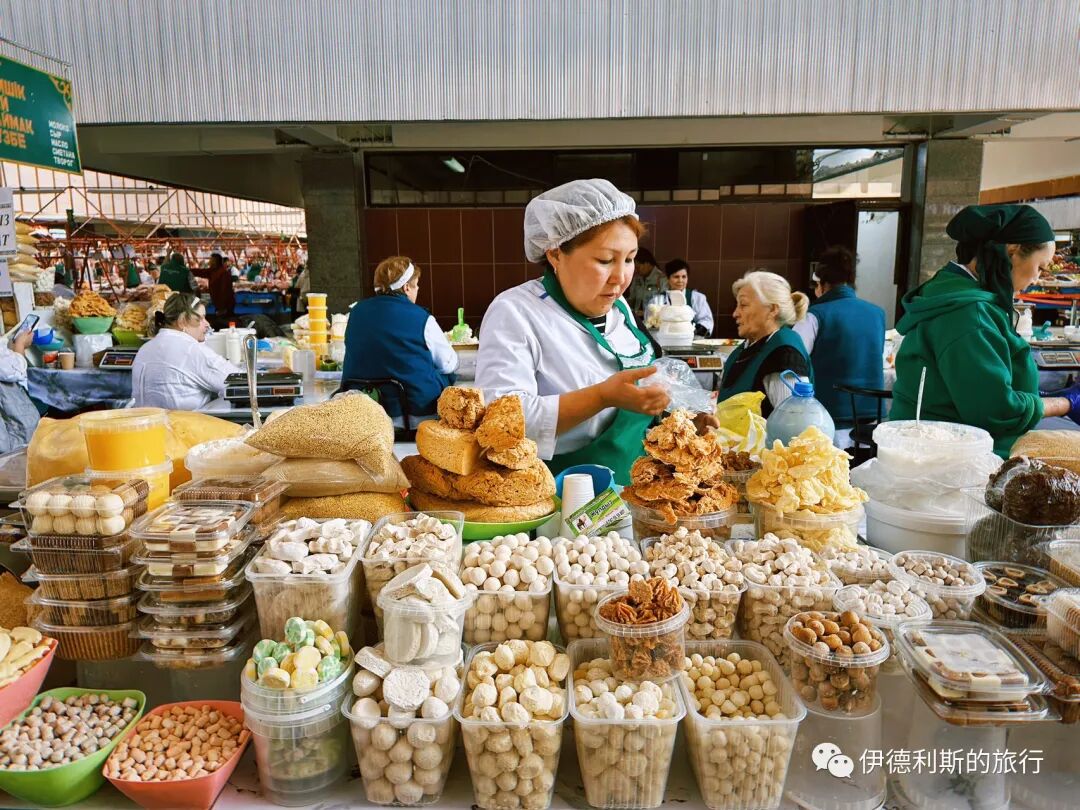
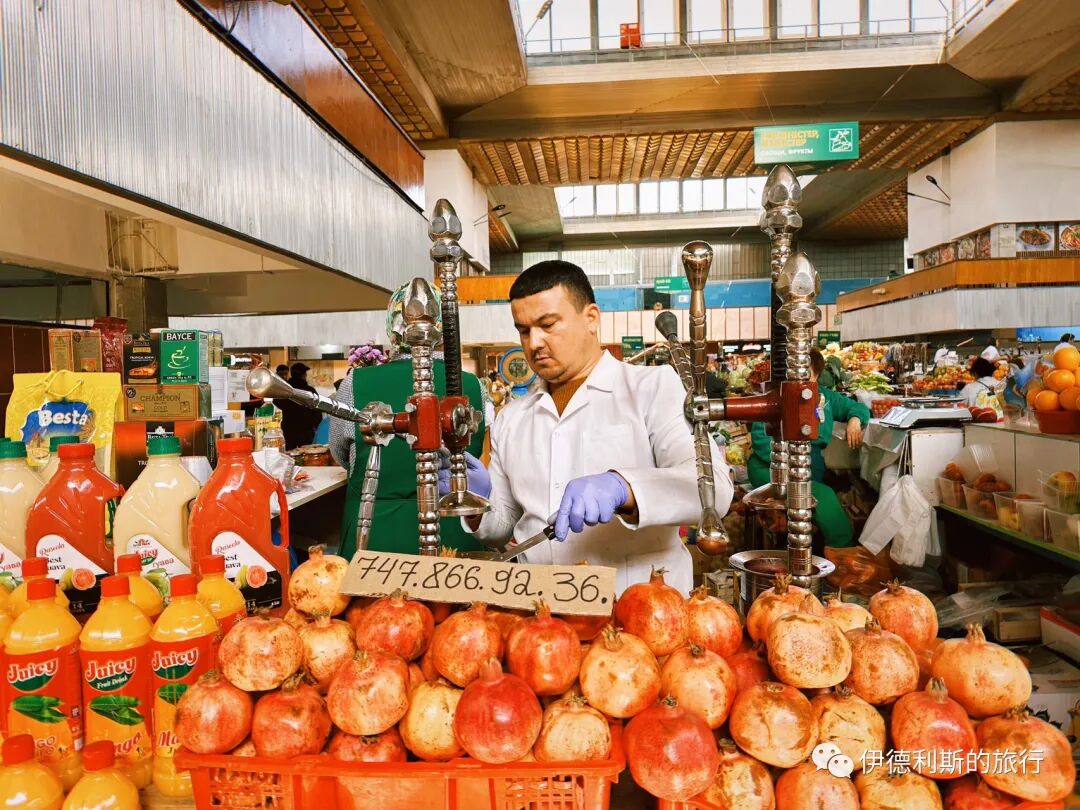
The Green Bazaar in Almaty is a place where many ethnic groups gather. There are Kazakhs selling horse meat, Russians selling pork, Koreans selling kimchi, Dungans selling small goods, and Uyghurs selling fruit. People live in this city for all sorts of reasons, which gives Almaty its unique character.
The Central State Museum of Kazakhstan displays a Dungan bridal gown made in 1918. I have seen Dungan bridal gowns many times online and in books, but this was my first time seeing the real thing, and the cloud-shaped collar (yunjian) on it was beautiful. Even though it was already the 20th century, the Dungan people still kept the traditional clothing styles of Qing Dynasty women. I hope to have the chance to attend a Dungan wedding in the future.
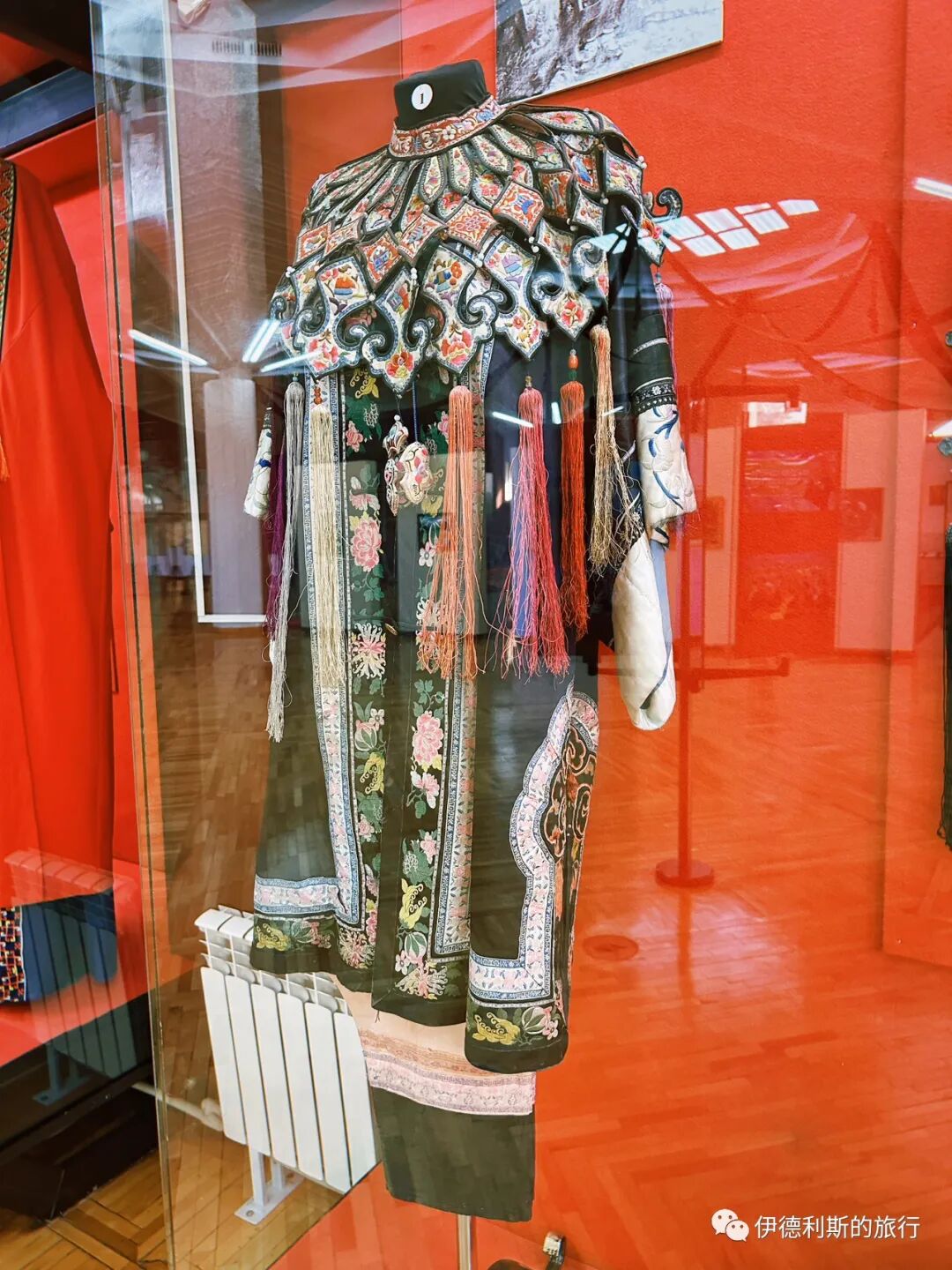
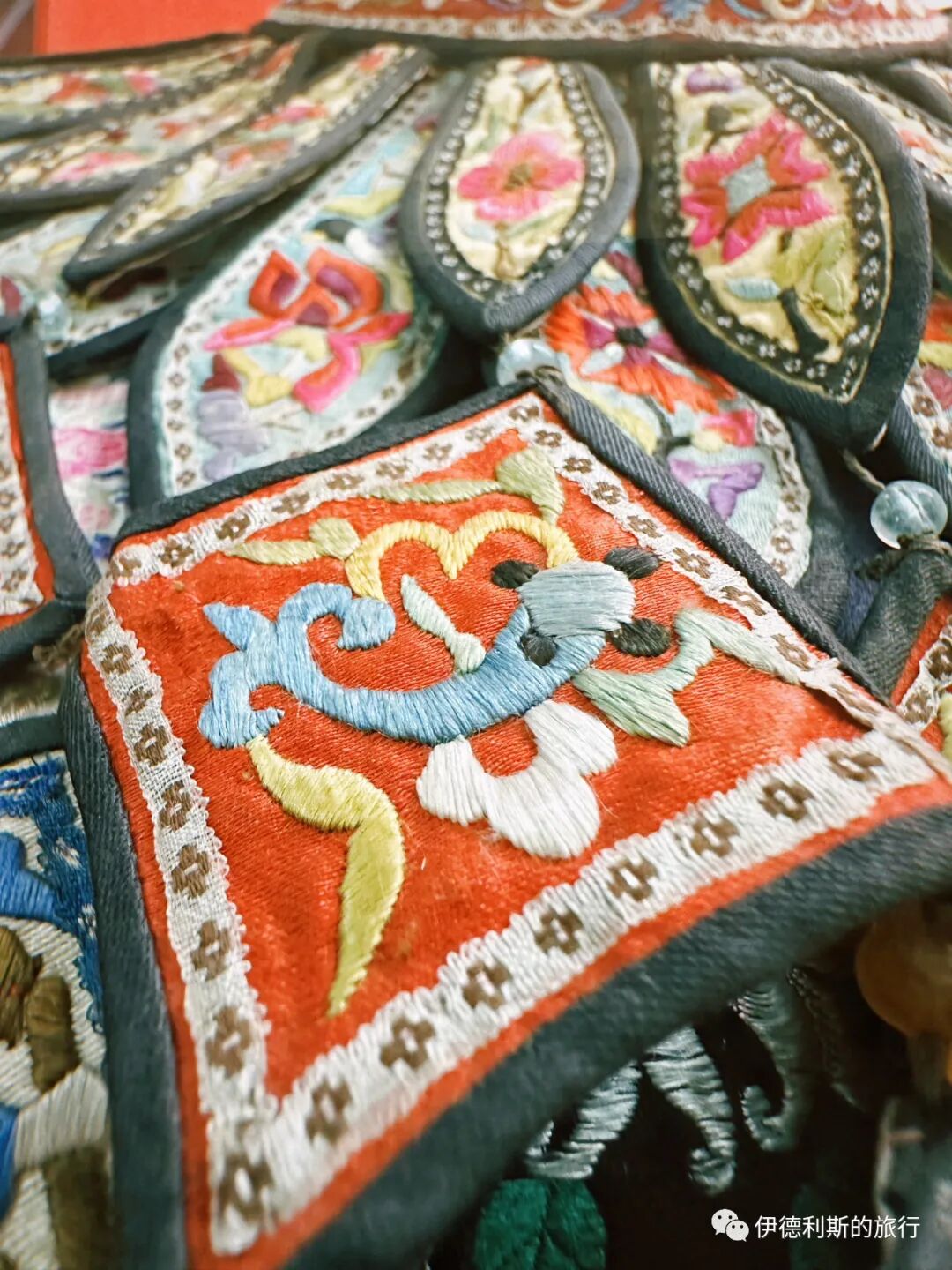
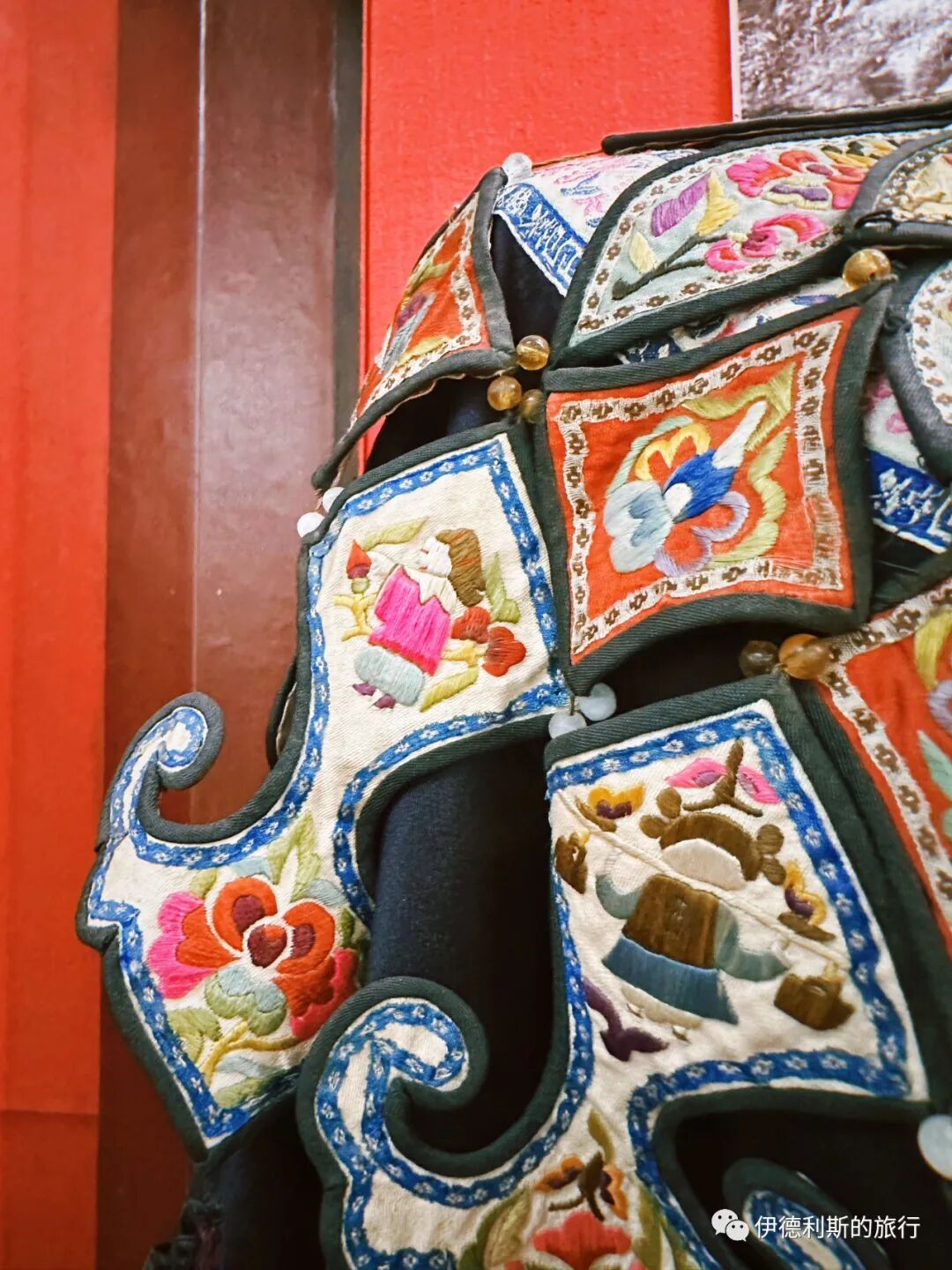
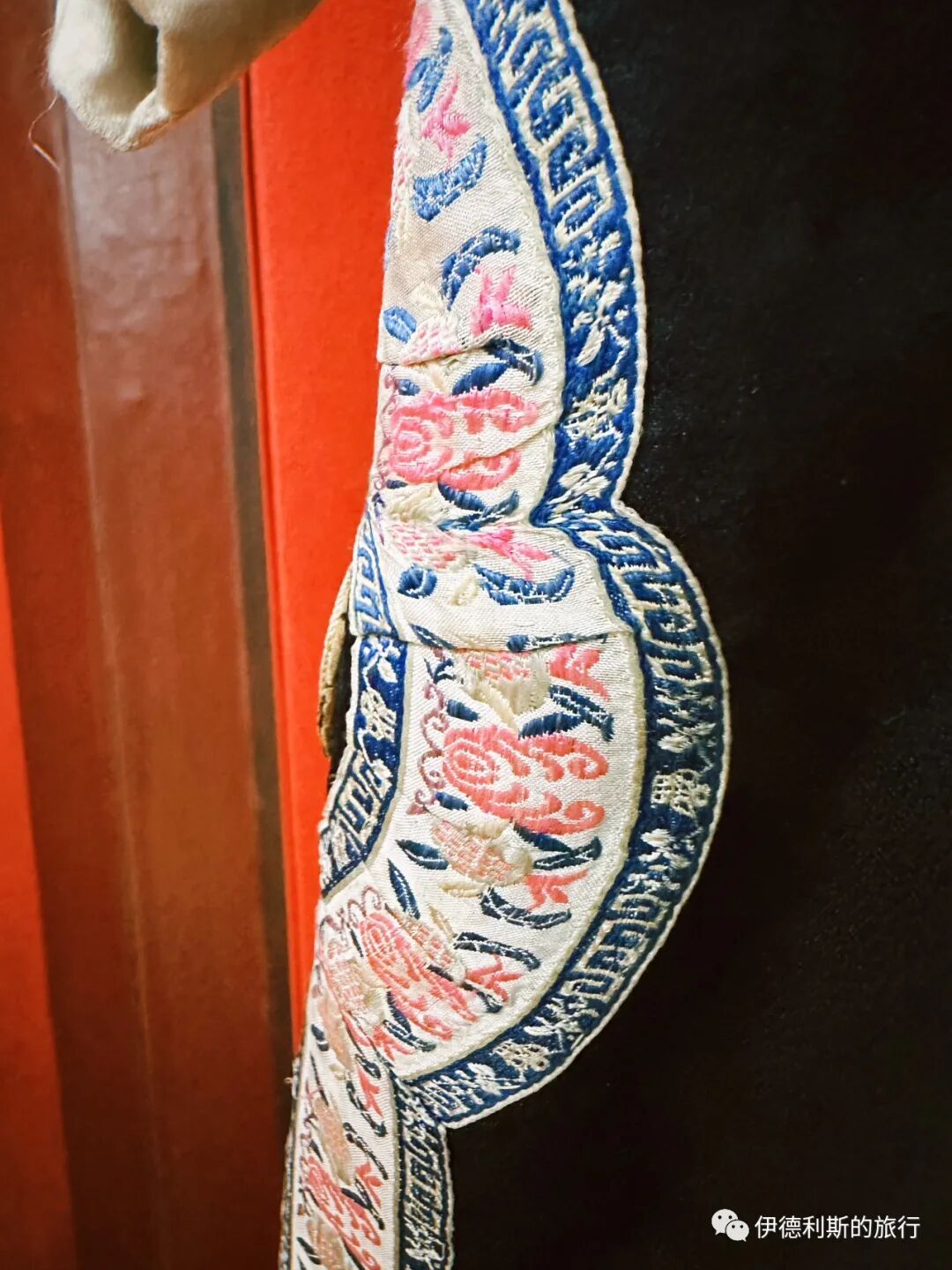
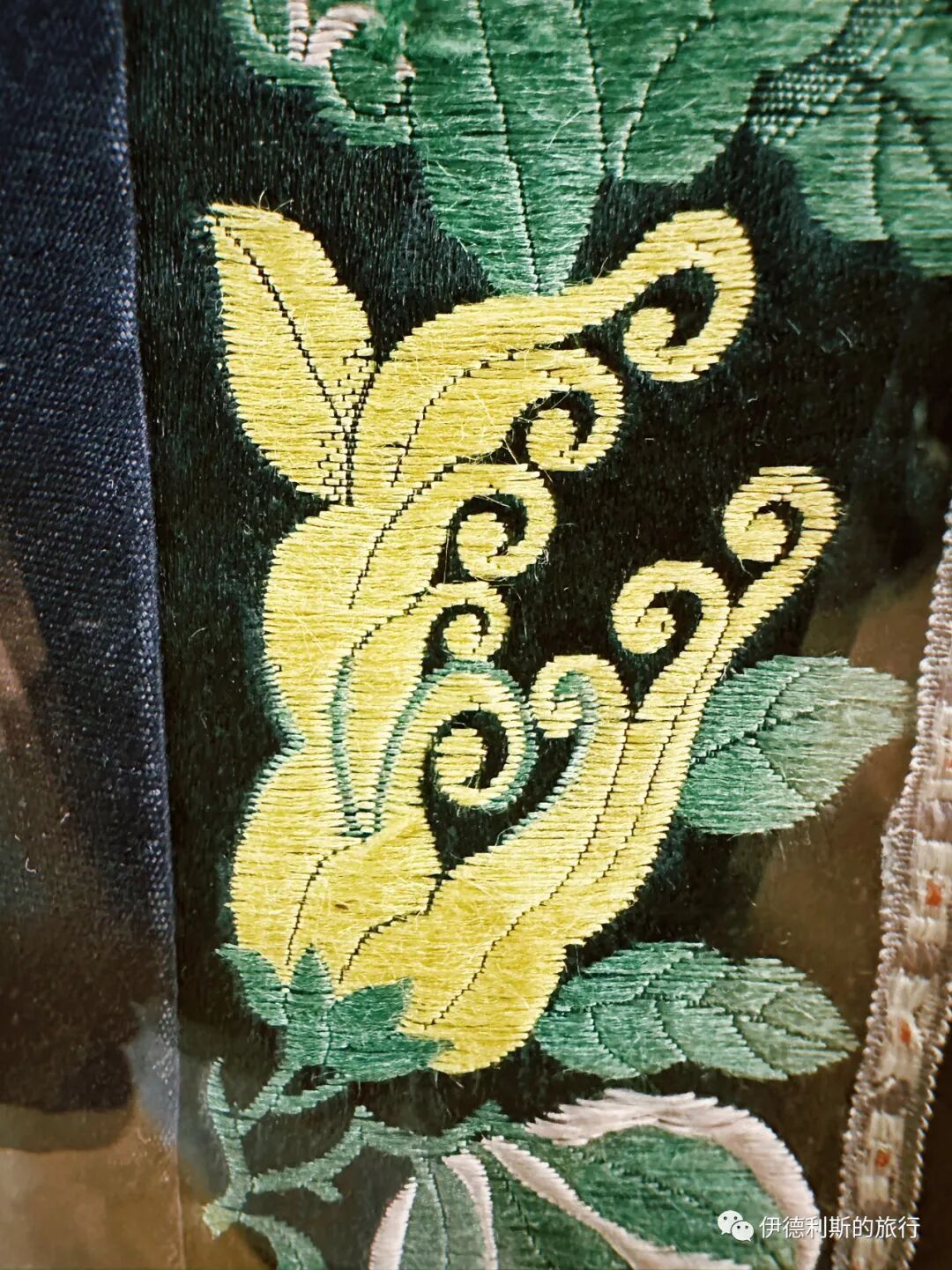
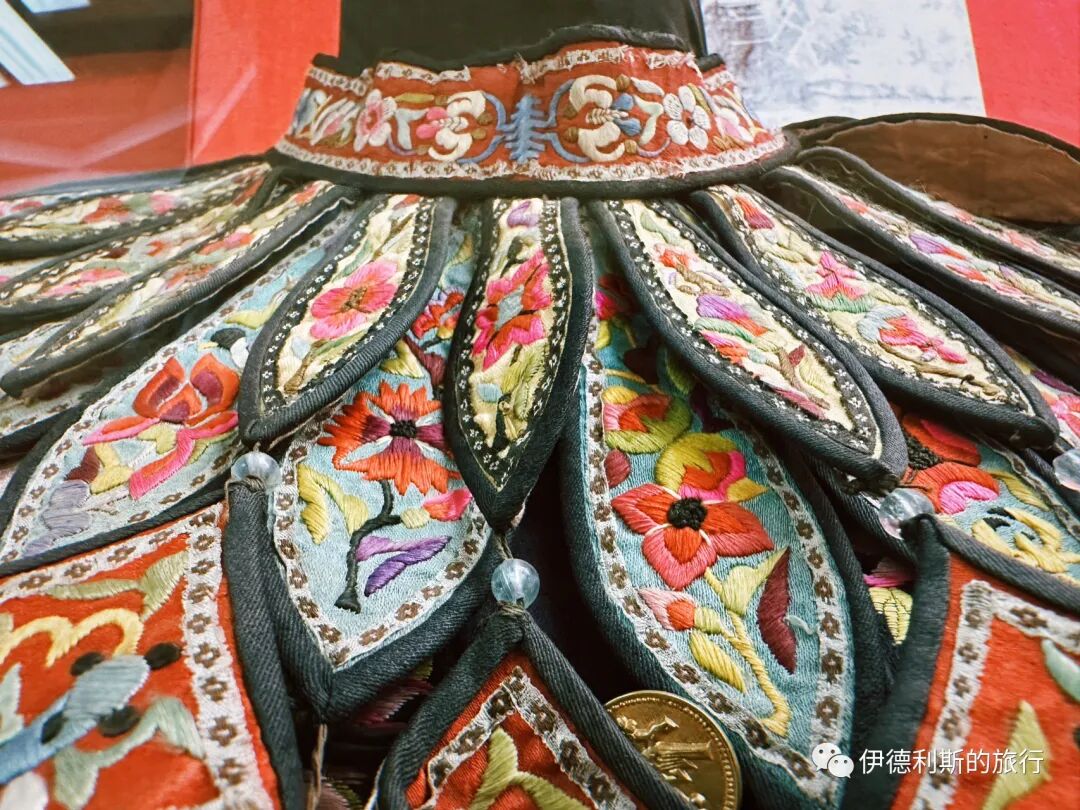
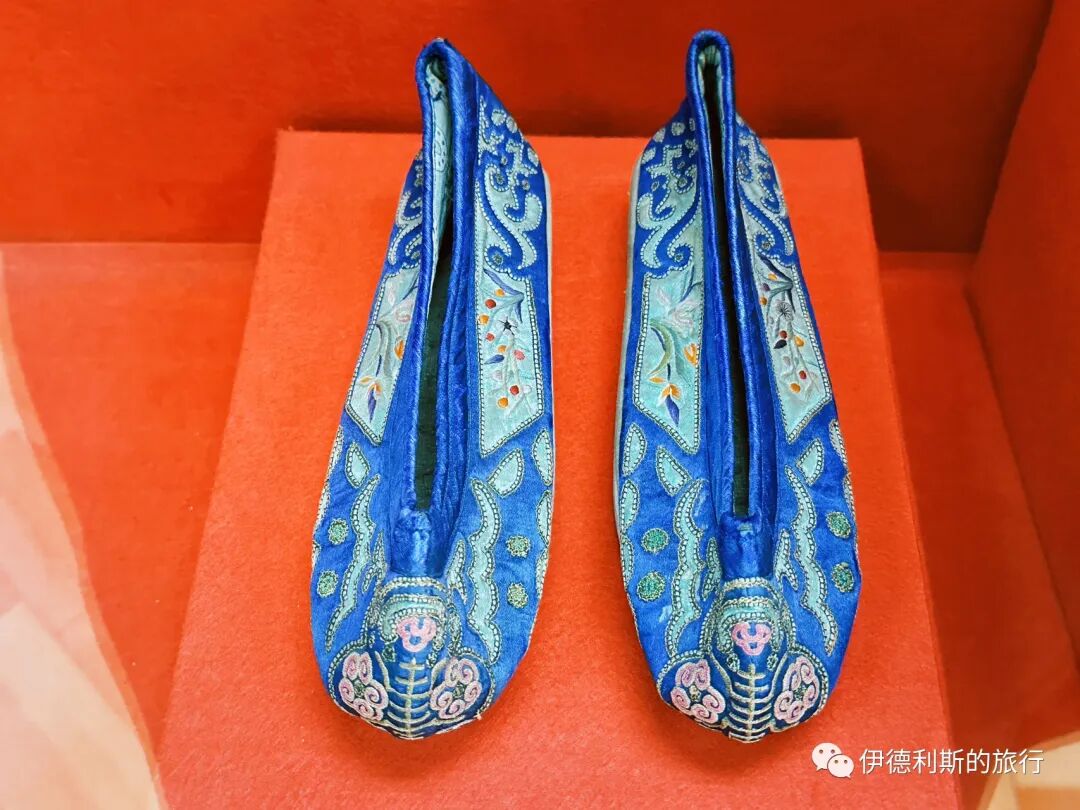
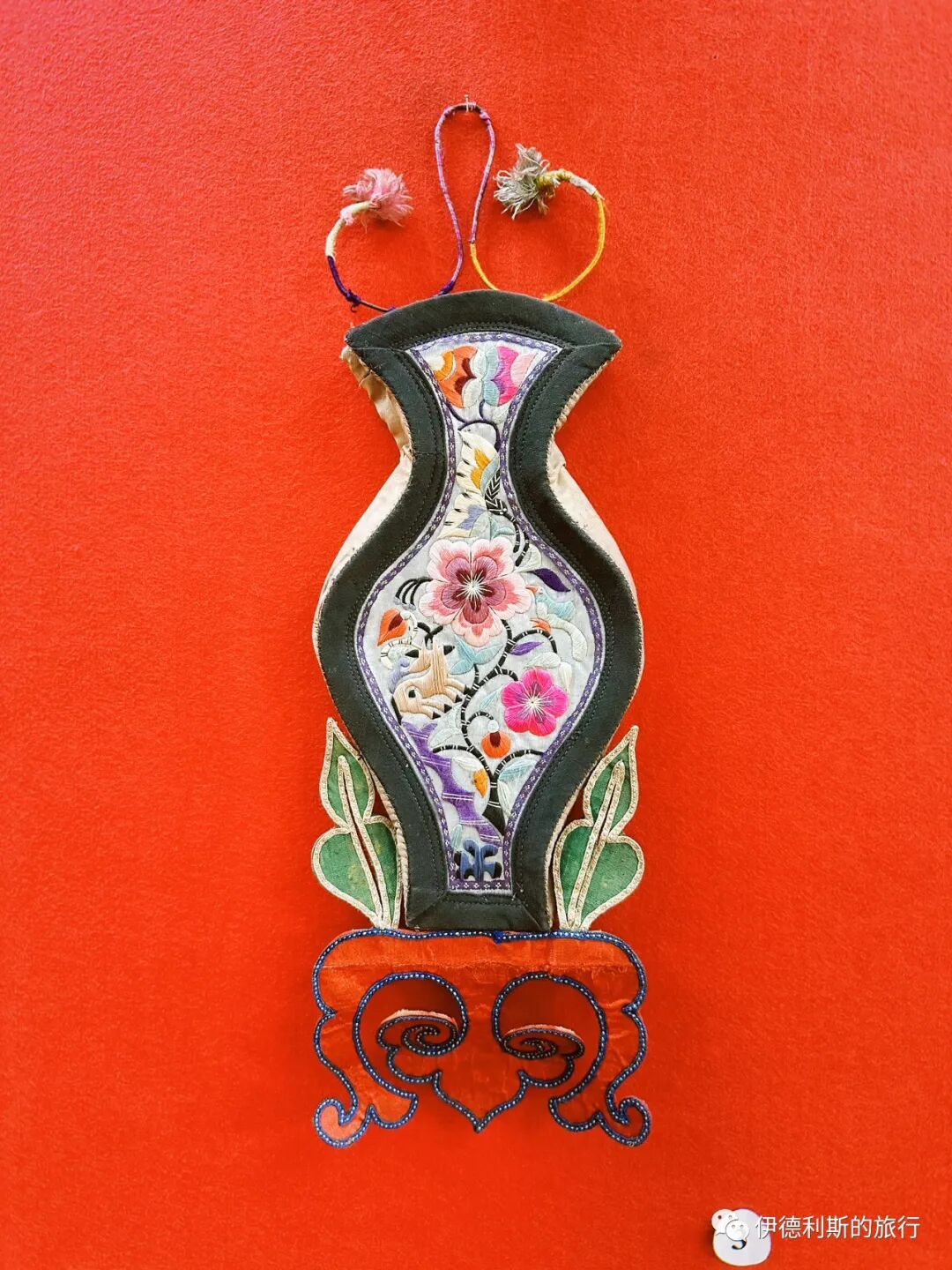
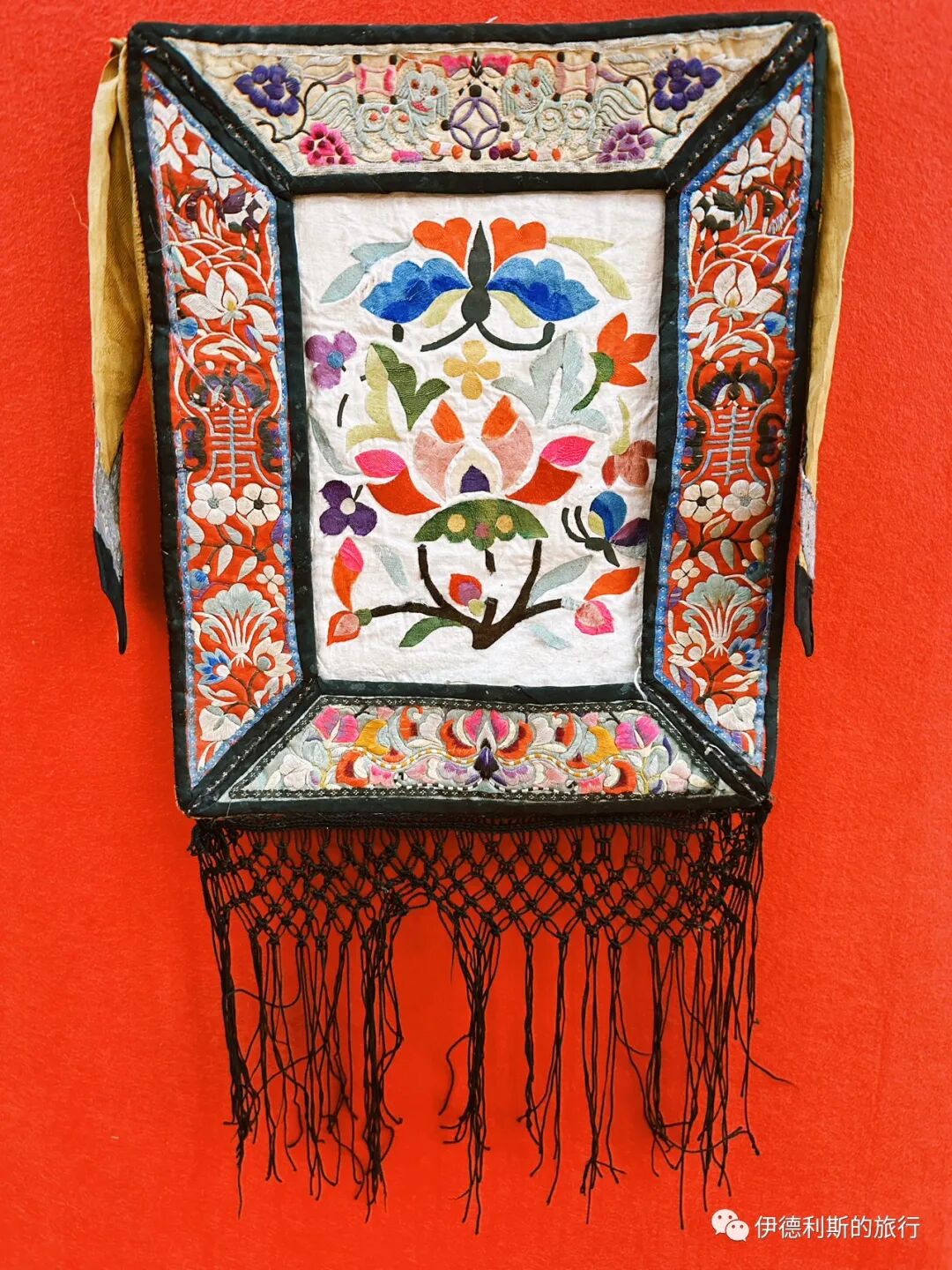
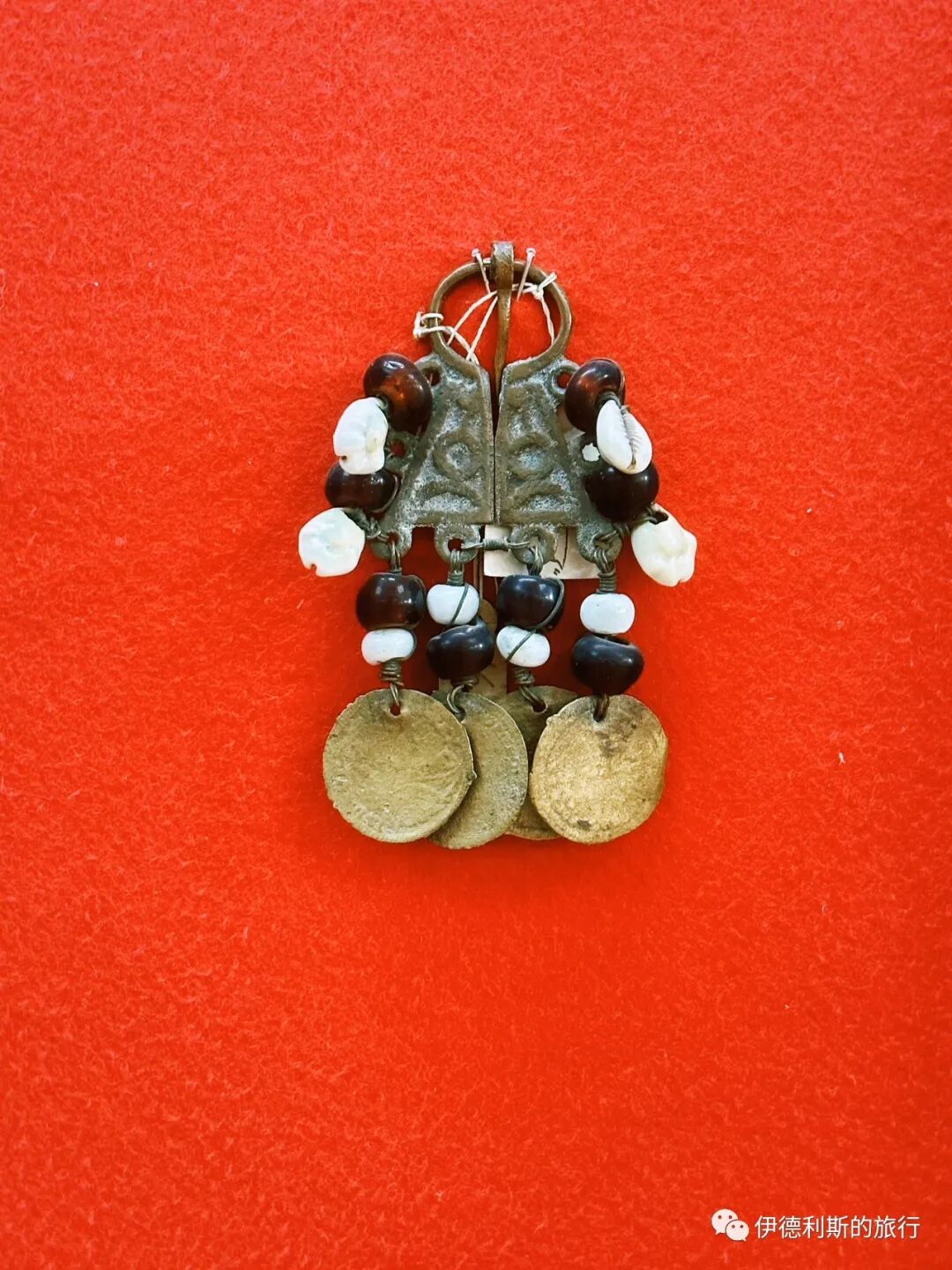
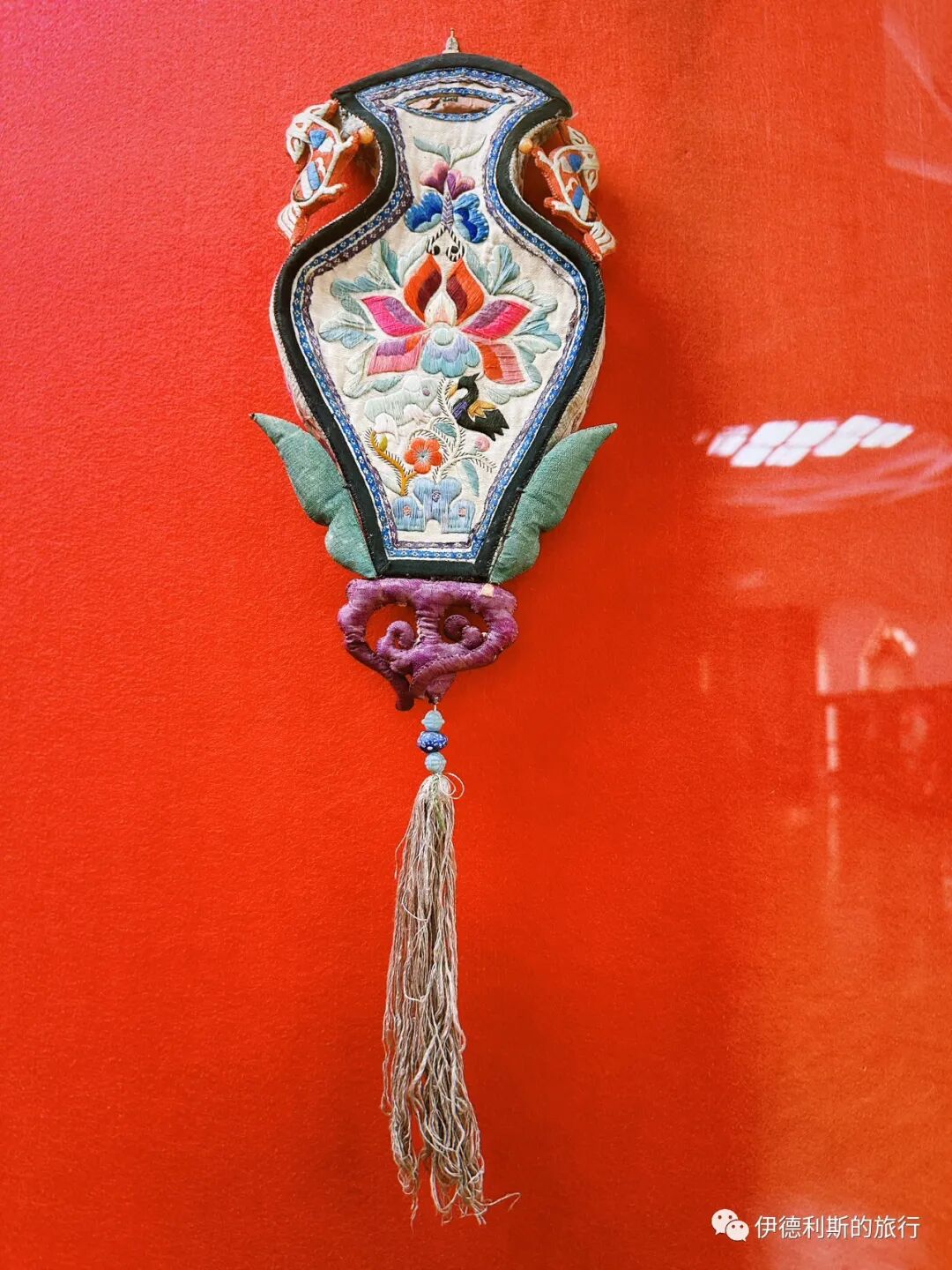
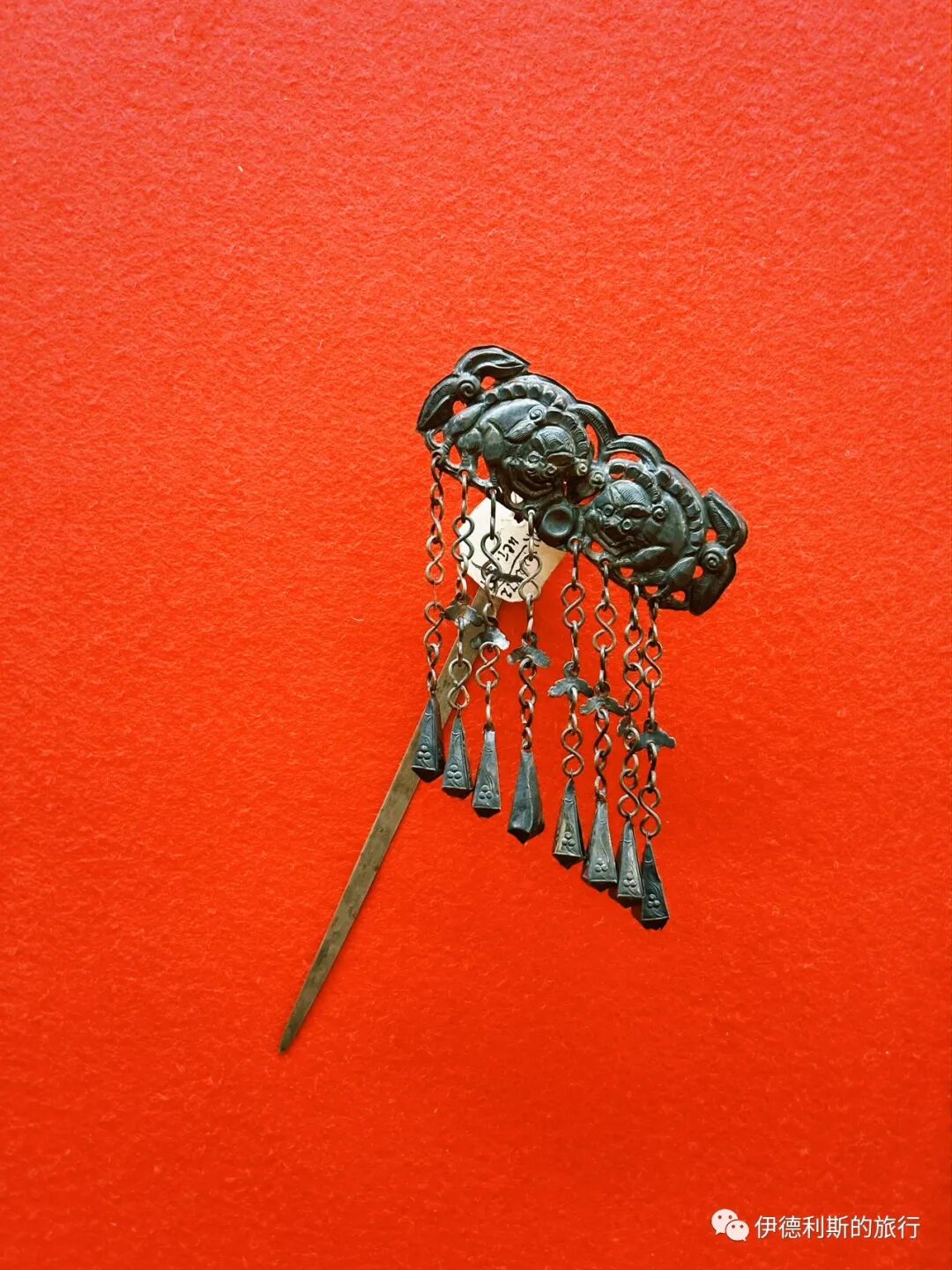
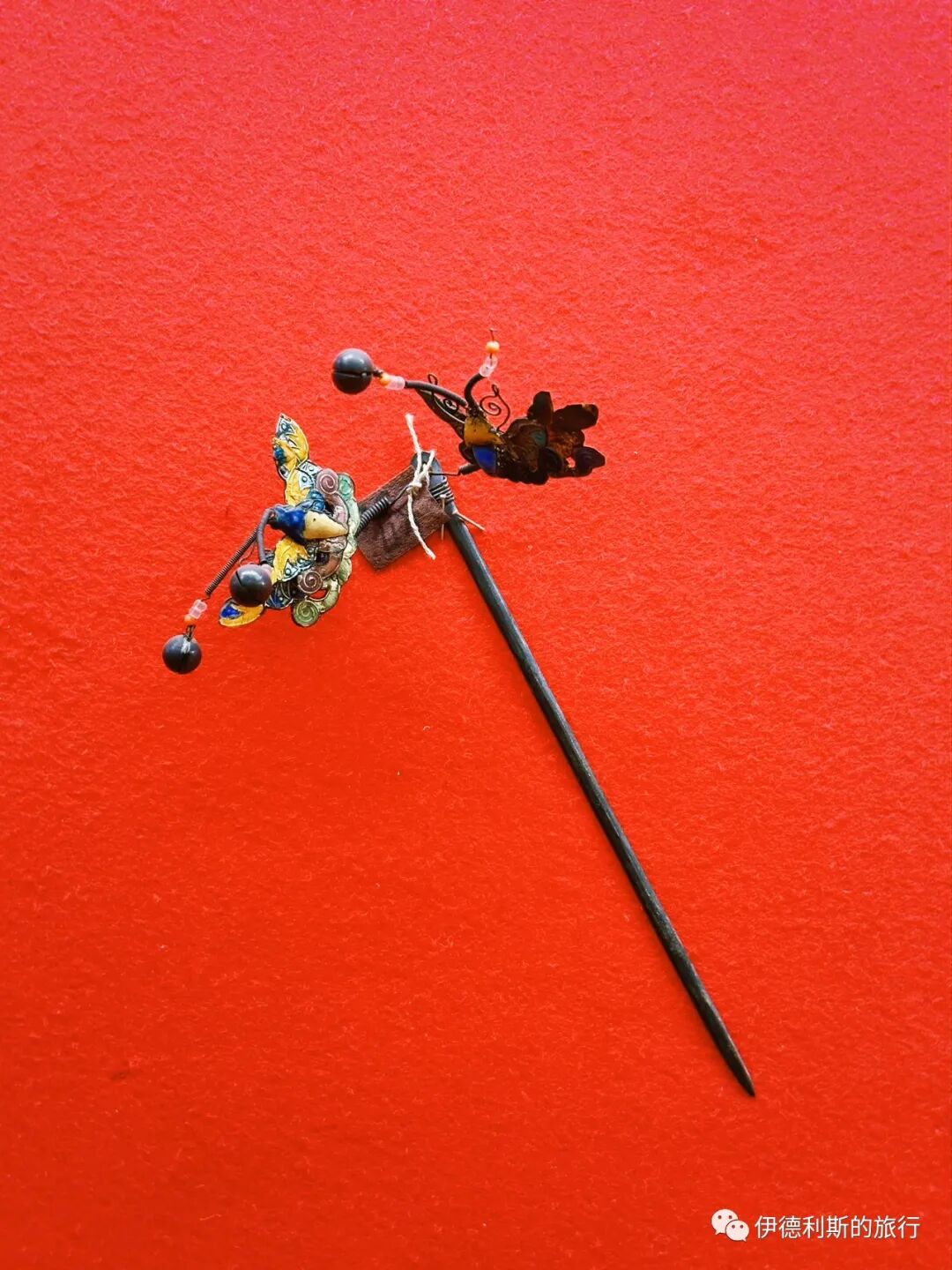
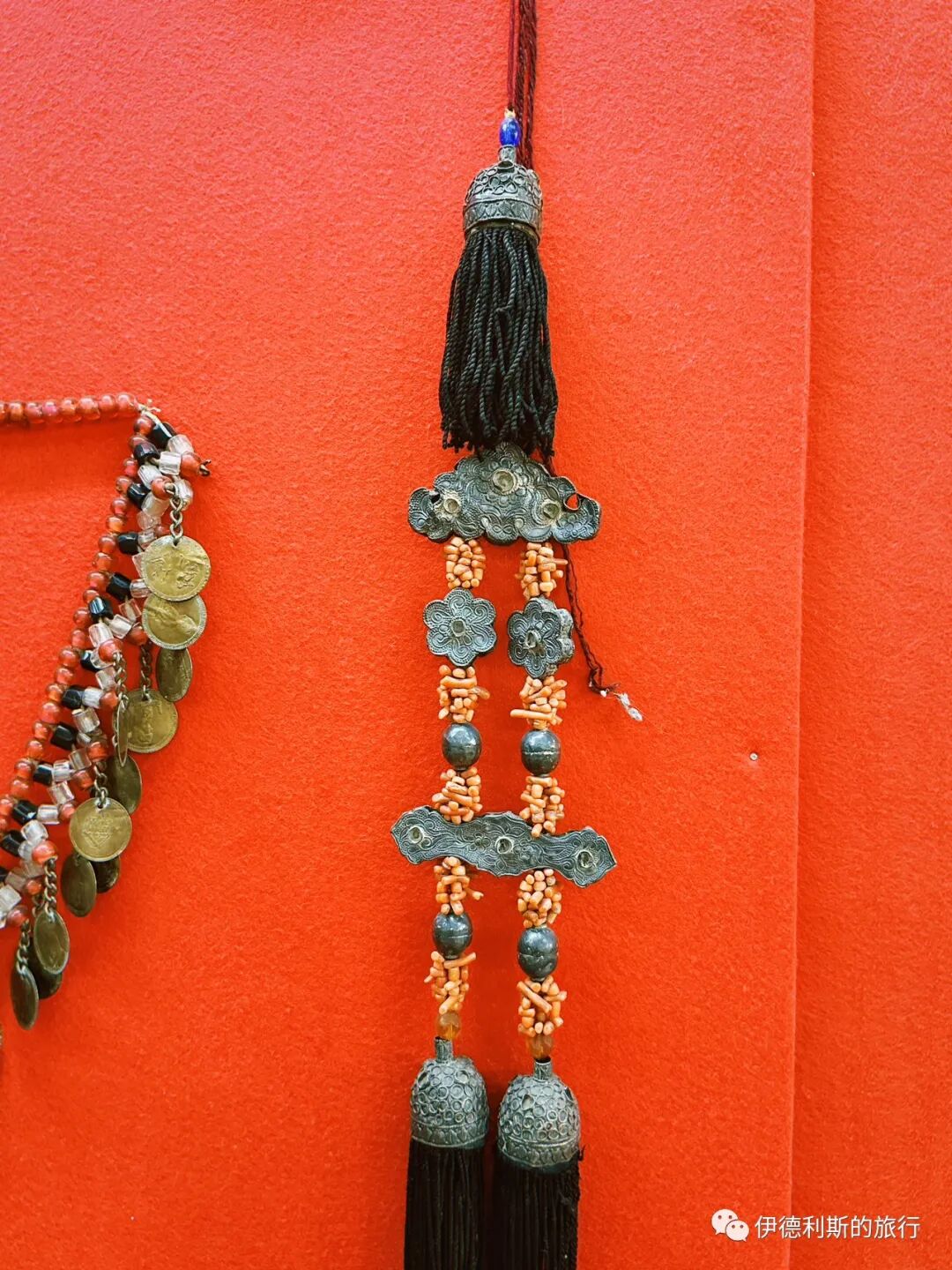
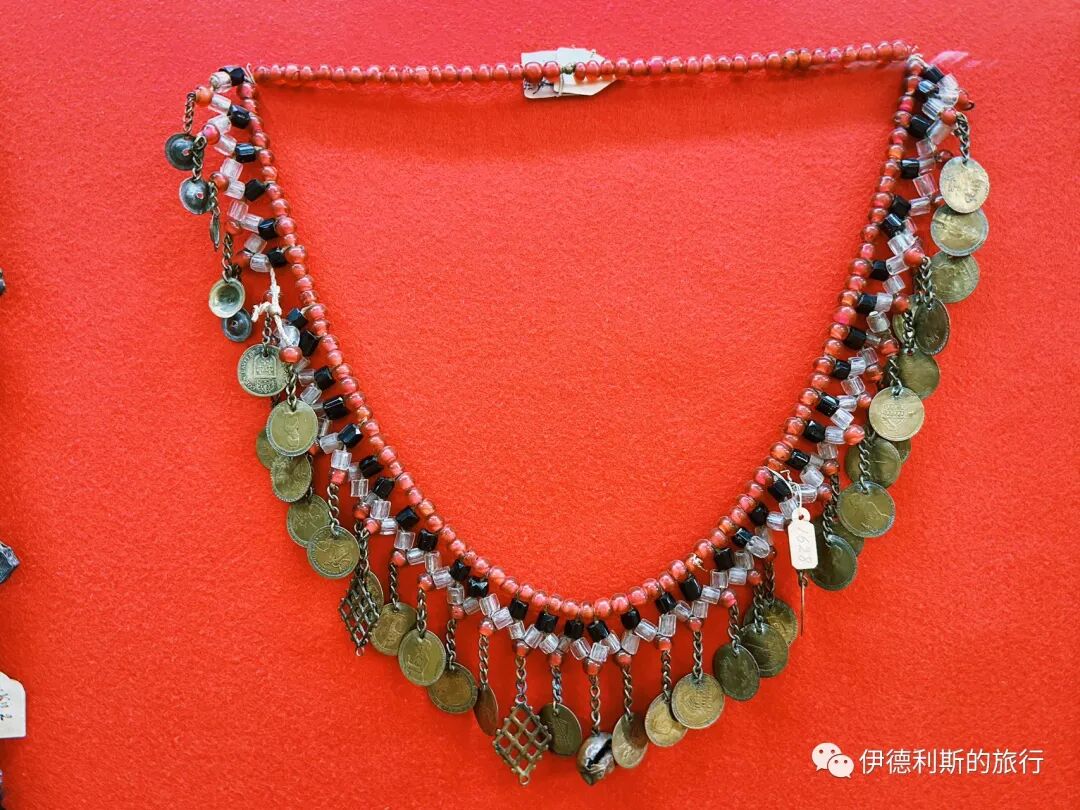
Various traditional Dungan textiles and jewelry are on display at the Central State Museum of Kazakhstan.
Summary: Almaty has a Hui Muslim mosque community connected to migration, faith, and Chinese-speaking Muslim heritage in Kazakhstan. This travel note follows the mosque visit and community details while keeping all original facts and images.
On September 29, I flew from Beijing Capital Airport on Air Astana to Almaty, then headed to a Hui mosque on Pavlodarskaya Street in the northern suburbs of Almaty for Jumu'ah.
The mosque is not very big, but it was packed with people from many different ethnic groups during Jumu'ah. The courtyard, the upstairs, and the downstairs were all full, and there were many young people. The imam is a local Hui Muslim from Shaanxi. He speaks excellent Shaanxi dialect, Russian, and Arabic, but he gave the sermon (wa'z) in Russian so that everyone from different ethnic groups could understand. The Jumu'ah process is the same as the traditional practice back home in China. After the prayer, the way they performed the repentance (tawbah), raised their fingers, and finally walked in a circle to shake hands felt so familiar.
Imam
The mosque was preparing to hold a religious gathering in the evening, but unfortunately, I had to catch a connecting flight and could not make it. I am grateful that I met community leaders who had come from various Hui Muslim mosques in Kazakhstan and Kyrgyzstan for the gathering. Chatting with them in the Shaanxi dialect felt so warm; it was exactly the same as the Urumqi Shaanxi dialect my parents-in-law speak.
After Jumu'ah, the mosque elders invited me to eat pilaf (zhuafan). The small-batch pilaf was very similar to the home-cooked style of Urumqi Hui Muslims, and it was not as oily as Uyghur pilaf.
Besides side dishes, the pilaf here was served with pickled cucumbers made by the mosque. They were not as salty as the ones bought in supermarkets back home, and they felt very Soviet. I also ate spicy green tomatoes made by the mosque. They were spicy, fragrant, and went perfectly with the pilaf. I don't think I have ever eaten unripe green tomatoes like this back in China. There was also cake made by the mosque, which was very delicious.
Many young and middle-aged people here are enthusiastic about community affairs, and I felt very happy chatting with everyone. Several of the elders used to work in foreign trade in China, so they speak good Mandarin. I chatted for a long time with a man named Brother Wang. He did business in Horgos a few years ago and spent some time in Yiwu this year. He told me there are three Hui Muslim mosques in Almaty, two of which are Shaanxi mosques and one is a Gansu mosque. The one I visited is a Shaanxi mosque, and even the young people here can speak fluent Shaanxi dialect at home.
After Friday namaz, everyone started getting busy preparing for the Mawlid celebration that evening. The fried dough (youxiang) and fried dough cubes (baorsak) were already fried, but the main task was to cook two large wood-fired pots of pilaf (zhuafan). The students (mulla) and village elders at the mosque worked together, making the atmosphere busy and blessed. They say the mosque is even livelier during Ramadan, when they cook three large wood-fired pots of pilaf every day.
I bought a large flaky baked bun (samsa) at the entrance of the Green Bazaar in Almaty; this is a classic street snack in Almaty. I happened to meet a Dungan man who offered to translate for us. His ancestors were from Shaanxi, and he spoke with a very authentic Shaanxi accent; he said he still has many relatives in Yili.
The Green Bazaar in Almaty is a place where many ethnic groups gather. There are Kazakhs selling horse meat, Russians selling pork, Koreans selling kimchi, Dungans selling small goods, and Uyghurs selling fruit. People live in this city for all sorts of reasons, which gives Almaty its unique character.
The Central State Museum of Kazakhstan displays a Dungan bridal gown made in 1918. I have seen Dungan bridal gowns many times online and in books, but this was my first time seeing the real thing, and the cloud-shaped collar (yunjian) on it was beautiful. Even though it was already the 20th century, the Dungan people still kept the traditional clothing styles of Qing Dynasty women. I hope to have the chance to attend a Dungan wedding in the future.
Various traditional Dungan textiles and jewelry are on display at the Central State Museum of Kazakhstan.
