

Brunei Muslim Travel
Muslim Travel Guide Brunei: Visa on Arrival, Sultanate History, Mosques and Halal Food
Articles • yusuf908 posted the article • 0 comments • 226 views • 2026-05-23 02:38
Reposted from the web
Summary: This Brunei Muslim travel guide part 1 explains visa on arrival, SIM cards, Dart ride-hailing, cash needs, hotel choices, Brunei's history and monarchy, mosque visits, airport prayer access, Japanese halal food, and practical notes for Muslim travelers.
Chinese citizens can get a visa on arrival in Brunei. You just need to fill out an electronic arrival card on the computer at the immigration office, show your round-trip flight tickets and hotel booking to customs, and pay a 20 USD visa fee. You can pay with a VISA card, and you can also fill out the arrival card online. Website: https://www.imm.gov.bn
After clearing customs, buy a SIM card at the airport lobby for 10 Brunei dollars, which gives you 8GB of data. This was enough for our three-day, two-night trip. A SIM card is very necessary because you need to download the local ride-hailing app, Dart. You cannot register for this app with a Chinese phone number. Public transport in Brunei is basically non-existent; locals drive themselves, and tourists have to use taxis. Dart is the only ride-hailing app available in Brunei.
Remember to withdraw some cash because the ride-hailing app cannot be linked to Chinese credit cards and only accepts cash payments. Dart drivers pick up passengers quickly, usually within 5 minutes. There are over 600 cars running on Dart across Brunei's four districts, so you might run into the same driver more than once.
The exchange rate in Brunei is the same as in Singapore, and Singapore dollars can be used directly in Brunei. However, the cost of living is lower than in Singapore and slightly higher than in Malaysia. I recommend two hotels. One is the Radisson Hotel Brunei Darussalam, which is the best in the city and the second best in the country. Brunei does not have many international hotel chains, but this Radisson has a great location. Many must-visit attractions, restaurants, and shops are within walking distance. The other is the Empire Hotel, the most luxurious in Brunei. It is near the beach and has amazing sunset views. If you want a luxury hotel stay, choose this one. The only downside is that it is far from the city center.
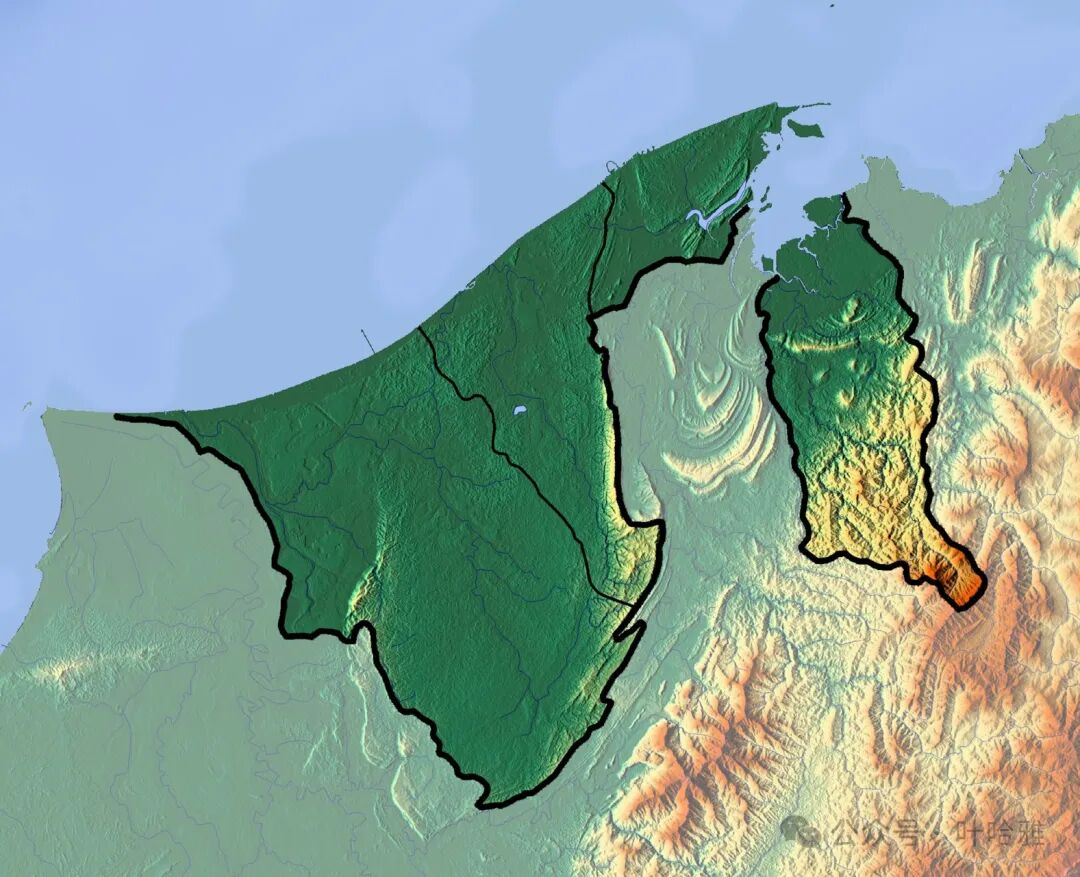
Map of Brunei
Brunei is truly tiny, so small it is almost invisible on a world map. Its territory is split into two parts that do not touch, and both are almost entirely surrounded by Malaysia. Historically, Brunei was a regional power, and its territory once included most of East Malaysia. It later declined and almost joined Malaysia. At that time, a group of people in Brunei wanted to join Malaysia and abolish the monarchy. They started a revolution, but the Brunei royal family worked with the British Empire to suppress them, and the Sultan eventually gave up on joining the Malaysian Federation.
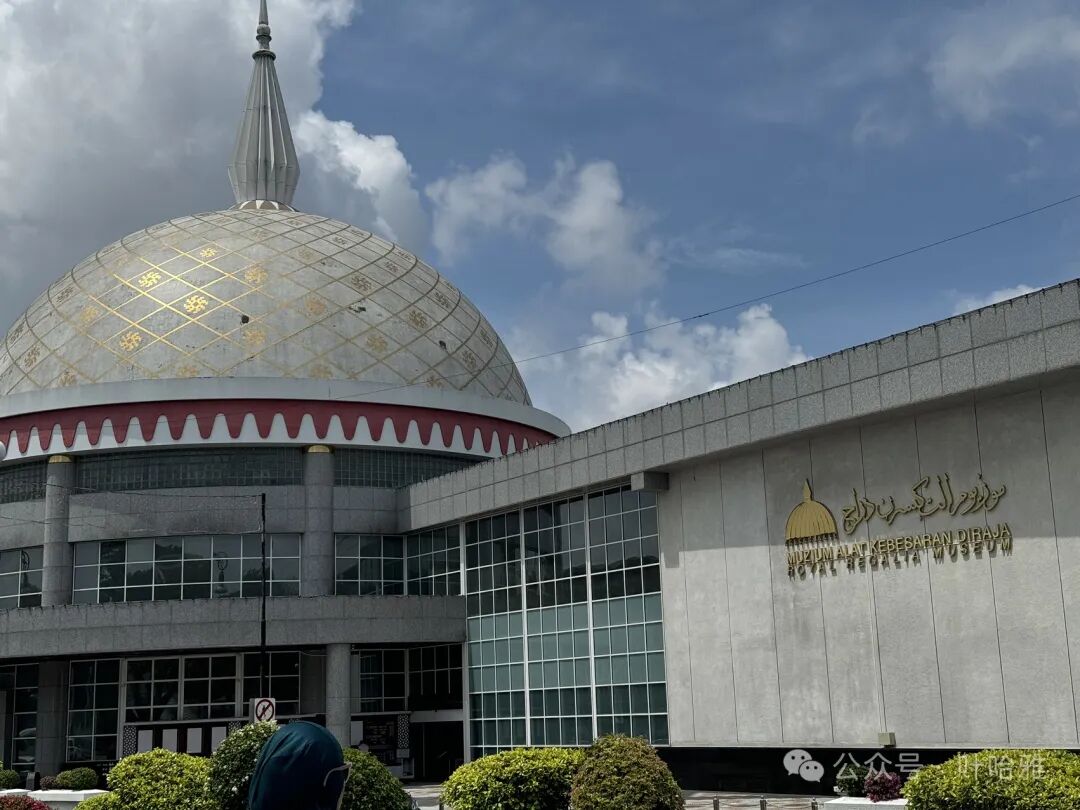
Brunei Museum
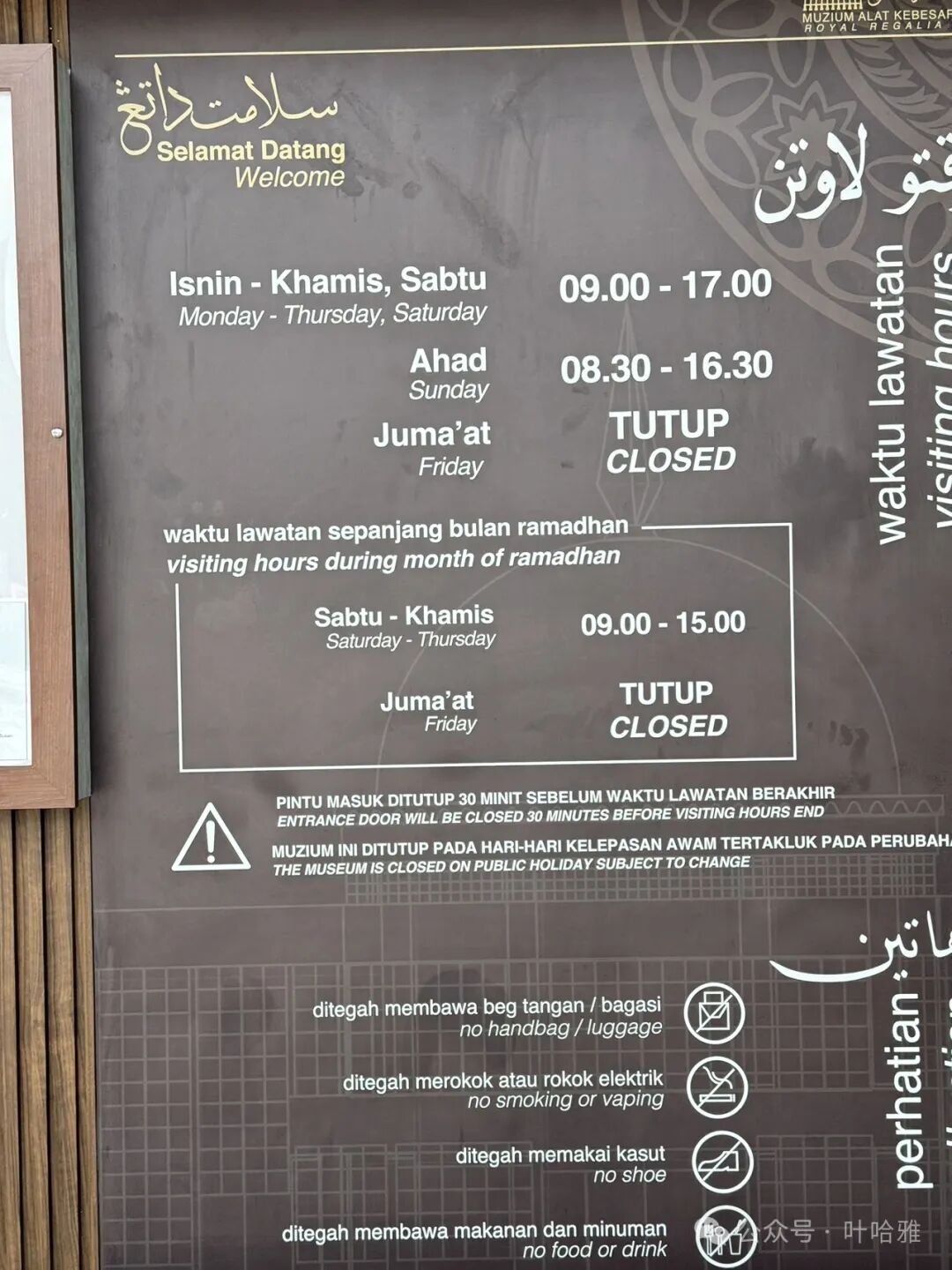
The entry fee is 5 Brunei dollars per person. Note that it is closed on Friday for Jumu'ah. Muslim men in Brunei must attend Jumu'ah on Fridays, or it is against the law and they will be punished. Therefore, most shops are closed on Jumu'ah.
The Sultan of Brunei is a descendant of the Prophet. The fourth Sultan in Brunei's history, Sharif Ali, was a direct descendant of Imam Hasan. Hasan was the eldest son of Caliph Ali and the grandson of the Prophet. After marrying the daughter of the previous Sultan, Puteri Ratna Kesuma, he legally inherited the throne, which has been passed down to this day.
The English name for Brunei is Brunei, which is phonetically translated as "Boni." Ancient China referred to Brunei as Boni. The Tomb of the King of Boni in Nanjing is the burial site of the ancient Boni King, Mana'nana'nai. It is located at Wugui Mountain, Huacun, east of Shizigang, outside Andemen, Yuhuatai District, Nanjing. The person buried in the "Tomb of the King of Boni" was the second Sultan of Brunei. He was the older brother of the third Sultan and the uncle of the fourth Sultan.
In the sixth year of the Yongle reign, the King of Boni, Maharaja Karna, brought his wife, nieces, children, and over 150 officials to China for a friendly visit. The Yongle Emperor welcomed them with grand ceremonies. The King of Boni spent several months touring Nanjing, but he unfortunately fell ill and passed away there. The Yongle Emperor followed the king's final wishes and buried him with the honors due to a monarch. Maharaja Karna's son, Xiawang Huangkesun, inherited the throne of Boni. In the ninth month of the tenth year of the Yongle reign, Xiawang Huangkesun and his mother visited Nanjing again to pay their respects at his father's grave.
The Brunei Empire began to decline in the 19th century. Brunei became a British protectorate in 1888. After being occupied by Japan during World War II, it established a new constitution in 1959. In 1962, a small armed rebellion against the monarchy, indirectly linked to the Indonesia-Malaysia confrontation, was ended with British help. This led to the banning of the pro-independence Brunei People's Party. This rebellion also influenced the Sultan's decision not to join the Federation of Malaysia when it was formed. British protection of Brunei finally ended on January 1, 1984, when it became a fully sovereign nation.
Between May and December 1969, Hassanal Bolkiah traveled to London three times to try to build ties with the British government. However, these trips were unsuccessful, as the British government insisted on withdrawing its troops stationed in Brunei.
In April 1970, Hassanal Bolkiah visited London again to try to break the negotiation deadlock, but the British government refused to compromise because it believed Brunei could defend itself without British aid. Given that the defense agreement was set to expire in November 1970, he expressed great concern, stating that even if half the male population joined the armed forces, Brunei could not defend itself.
With the election of the Conservative Party, Hassanal Bolkiah found new hope. The British government agreed to keep a limited number of British troops in Southeast Asia, including keeping Gurkha units stationed in Brunei, and decided not to abandon the 1959 agreement that was originally set to expire on June 30, 1970. These talks led to the signing of the Brunei-UK Friendship Agreement on November 23, 1971. This agreement gave Brunei full internal independence and limited the British High Commissioner's power to foreign affairs only.
Hassanal Bolkiah (Hassanal Bolkiah Muiz'zaddin Wad'daulah bin Omar Ali Saifuddien III; born on July 15, 1946) has served as the Sultan of Brunei since 1967 and as the Prime Minister of Brunei since the country gained independence from Britain in 1984.
In 1978, Hassanal Bolkiah led another delegation to London to negotiate with the British government about Brunei's status as an independent sovereign nation. In the end, Brunei and the UK signed a Treaty of Friendship and Cooperation. The treaty took effect on January 1, 1984. The British government was no longer responsible for managing Brunei's foreign affairs and defense. This was the day Brunei became independent from Britain after being under British protection for nearly 20 years. As head of government and Prime Minister, Bolkiah took over Brunei and turned it into an independent monarchy.
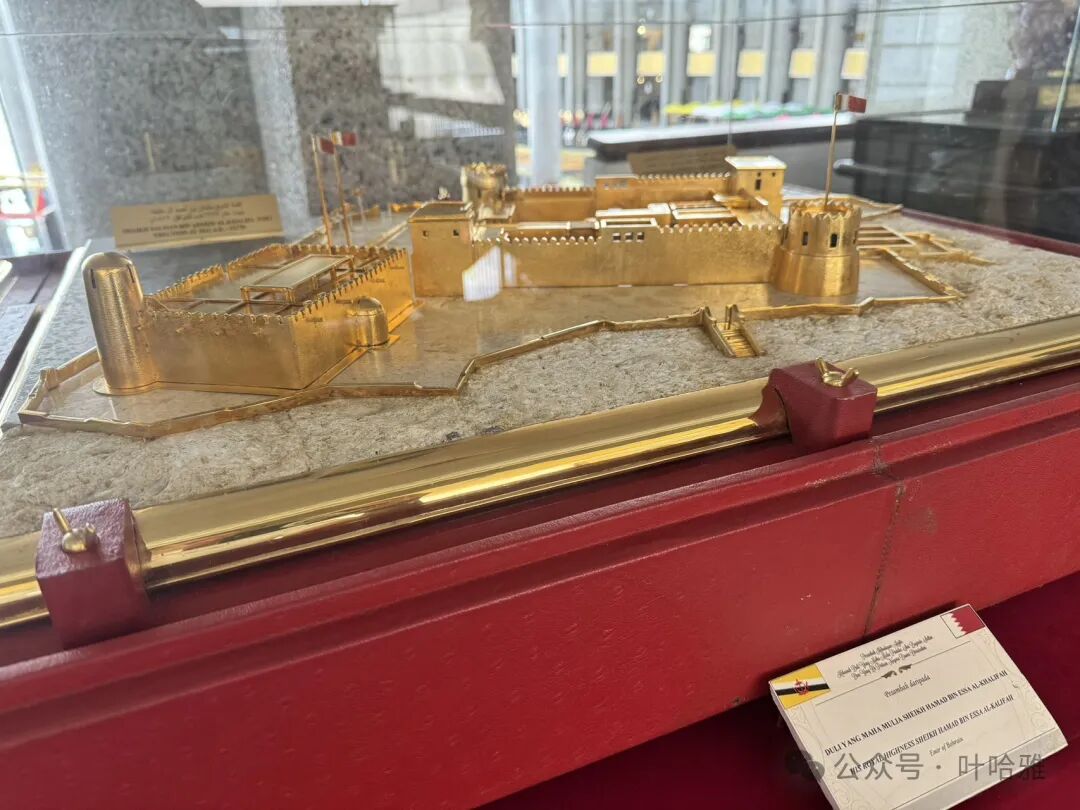
I saw a familiar signature.
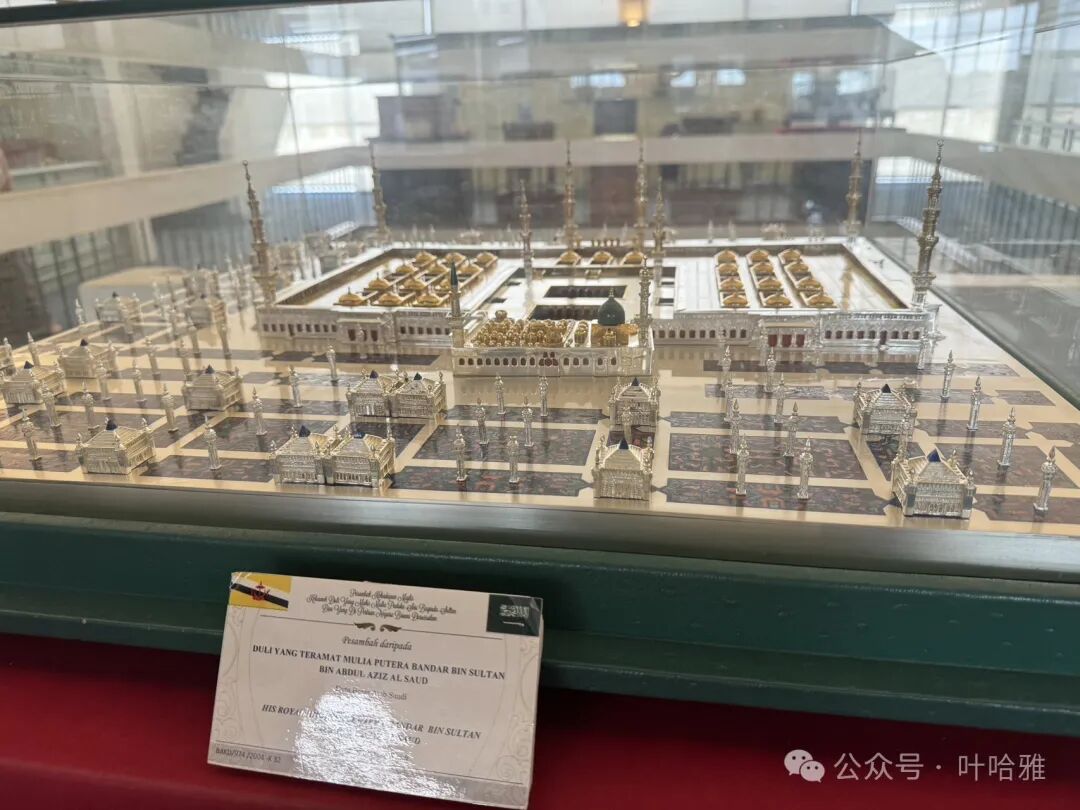
A model of the Prophet's Mosque (Al-Masjid an-Nabawi) in Medina gifted by Saudi Arabia.
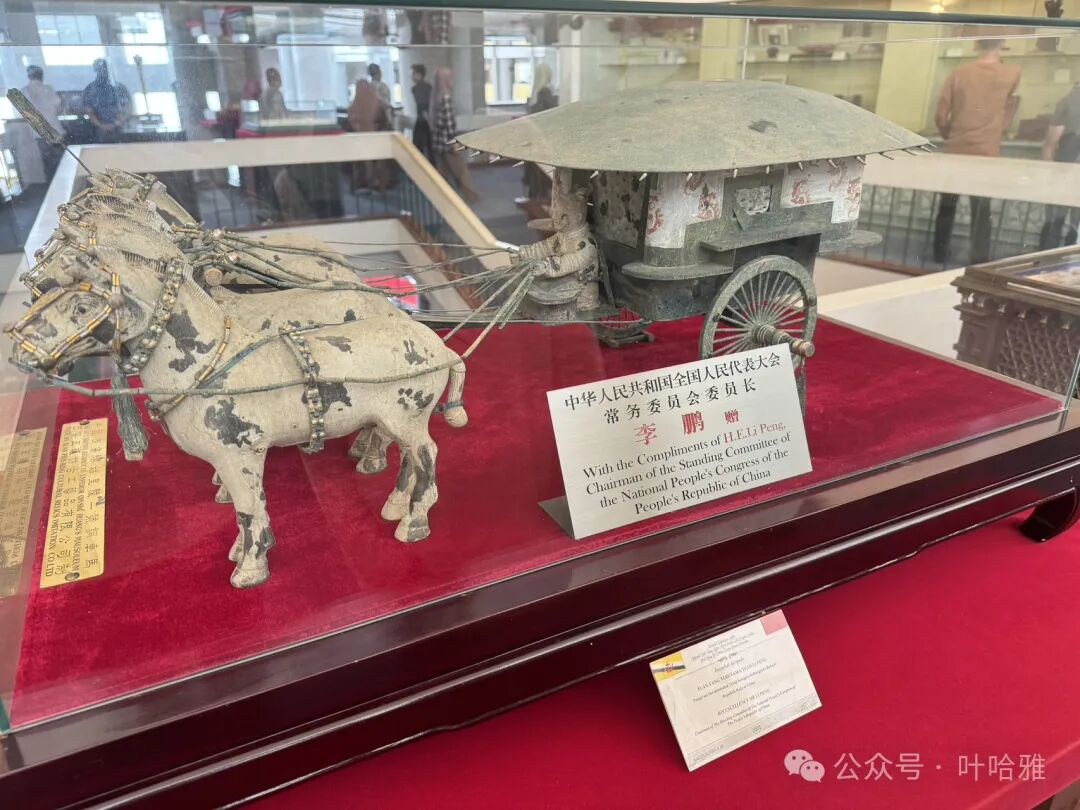
A model of the bronze chariot from Pit No. 2 of the Terracotta Army gifted by our country.
A model of the Sacred Mosque (Masjid al-Haram) in Mecca gifted by Saudi Arabia.
The Sultan Omar Ali Saifuddien Mosque (Masjid Omar 'Ali Saifuddien) was named after the 28th Sultan of Brunei, Omar Ali Saifuddien III, and was completed in 1958. As of 2019, a total of 102 mosques have been built across Brunei.
The mosque's architectural style is influenced by both Islamic and Italian designs, as it was created by an Italian architect.
Like Malaysia, Brunei officially follows the Shafi'i school of thought. However, the imam I met at this mosque follows the Hanafi school. This is because only the Hanafi school advocates raising the hands once, while the other three schools raise them three times.
Regardless of which school the imam belongs to, imams in Brunei perform dua during namaz rather than after. Some believe that during namaz, you are closest to Allah, making it the best time for your dua to be answered.
During the Sultan's reign, some of Brunei's older wooden mosques were rebuilt with brick and stone. These newer buildings use stronger materials and offer more space.
Brunei has no historic wooden mosques left because they were destroyed or torn down during the Japanese occupation. The Antiquities and Treasure Trove Act of 1967 created a legal framework to protect Brunei's architectural history, defining monuments as structures built before January 1, 1894.
As of 2018, Brunei has only designated 27 buildings and sites as historical monuments, and none of them are mosques.
During the Sultan's reign, Arabic architecture became more popular, likely due to the Sultan's own Arabic heritage.
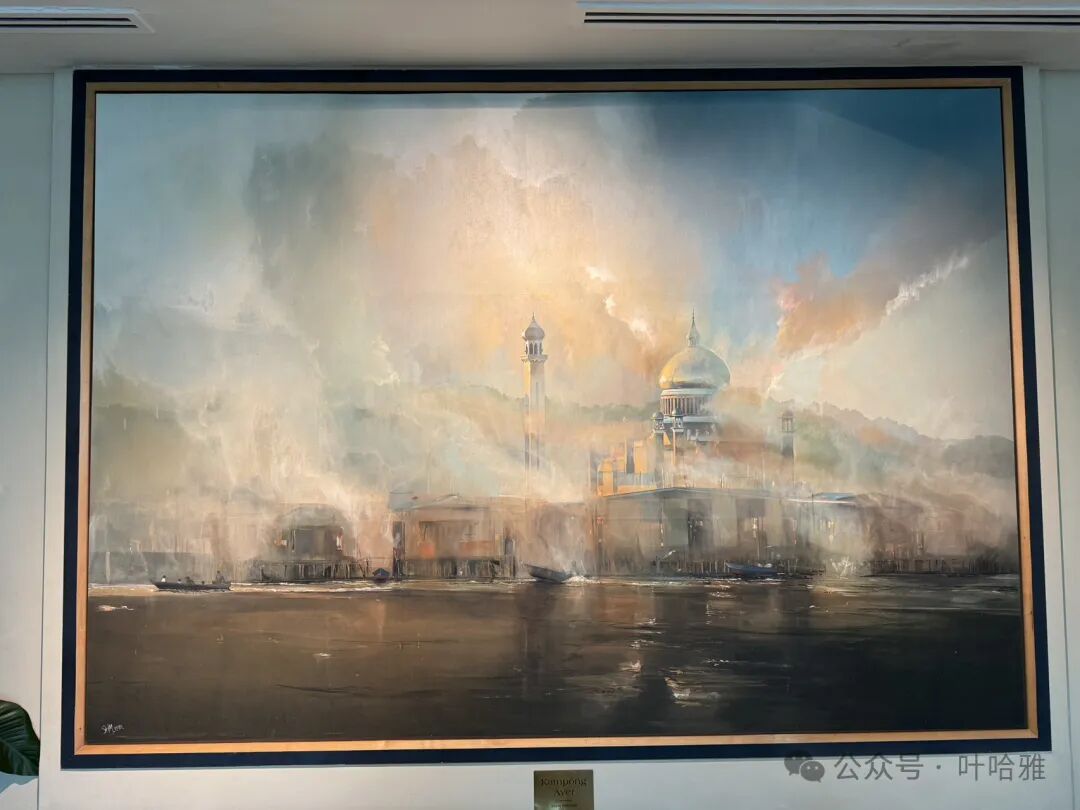
There is a giant picture frame in the mosque square that serves as a landmark in Brunei.
People walking toward the mosque at sunset (sham).
In the evening, residents sit on the lawn for picnics, and the water village is right across from the square.
Water village.
There is a new, small night market in the shopping mall across from the mosque, with about twenty or thirty stalls selling various snacks.
From what I saw, this Chinese dumpling (jiaozi) shop is the most popular snack spot at the night market.
This night market is cleaner and tidier than the Gadong Night Market, the largest in Brunei. Dining tables are set up behind the two rows of stalls, and there are even sinks for washing up on both sides.
Bruneians also add various flavorings and food coloring to their fruit drinks.
I had a Southeast Asian-style fried fish set meal at this stall.
There is a food court on the basement level of the shopping mall, but it is not very crowded. You rarely see many people anywhere in Brunei on a normal day.
I bought a non-spicy fried rice for Fahim at the food court.
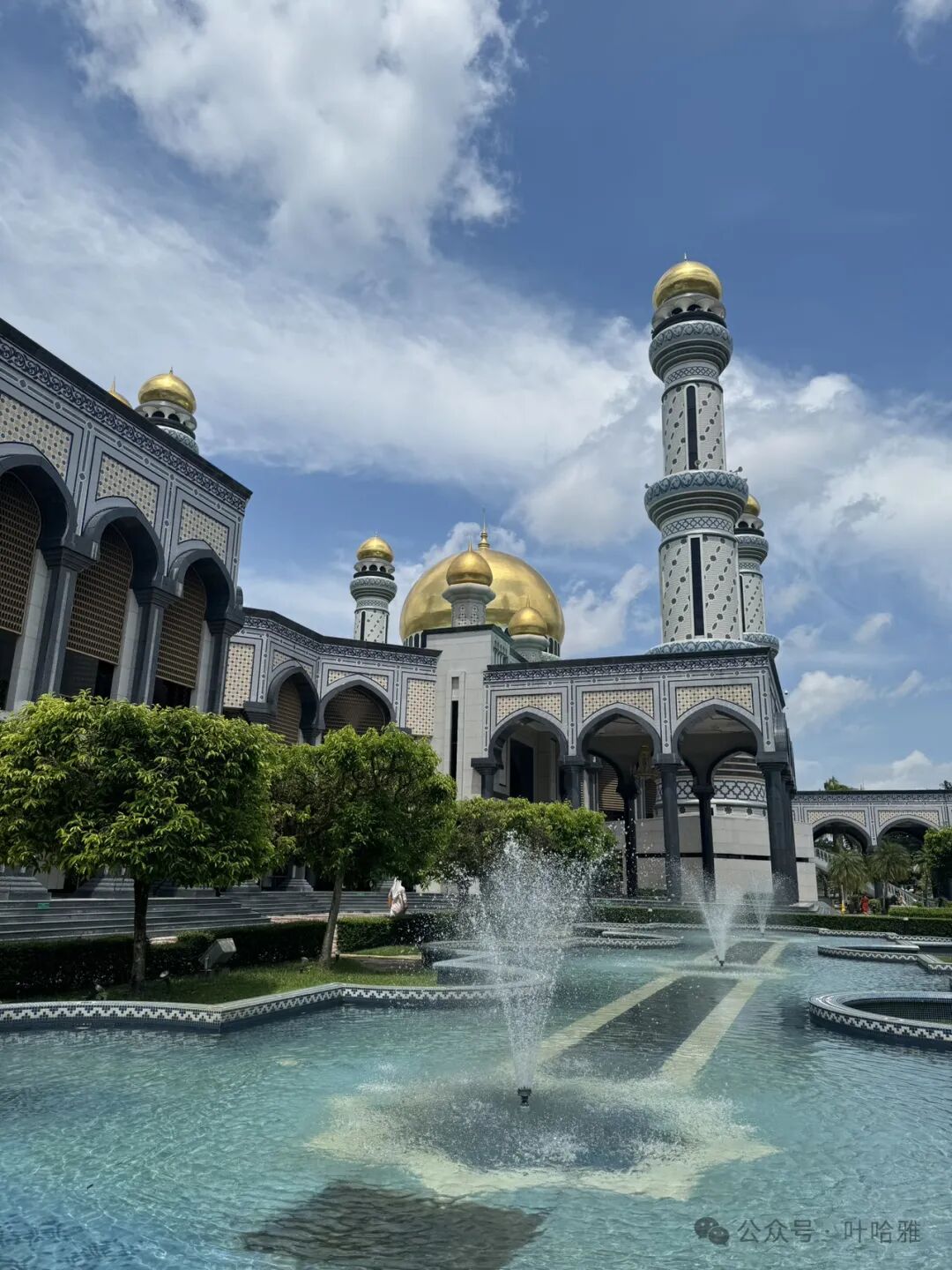
Brunei's second iconic national mosque, the Jame' Asr Hassanil Bolkiah Mosque, is named after the 29th Sultan, Hassanal Bolkiah.
This mosque was built as a charitable endowment (nieti) by Sultan Bolkiah, cost 350 million US dollars, and was completed in 1994.
The mosque has 29 domes, representing the 29 sultans.
The minaret features a suspended design.
Fahim likes to perform namaz by prostrating himself.
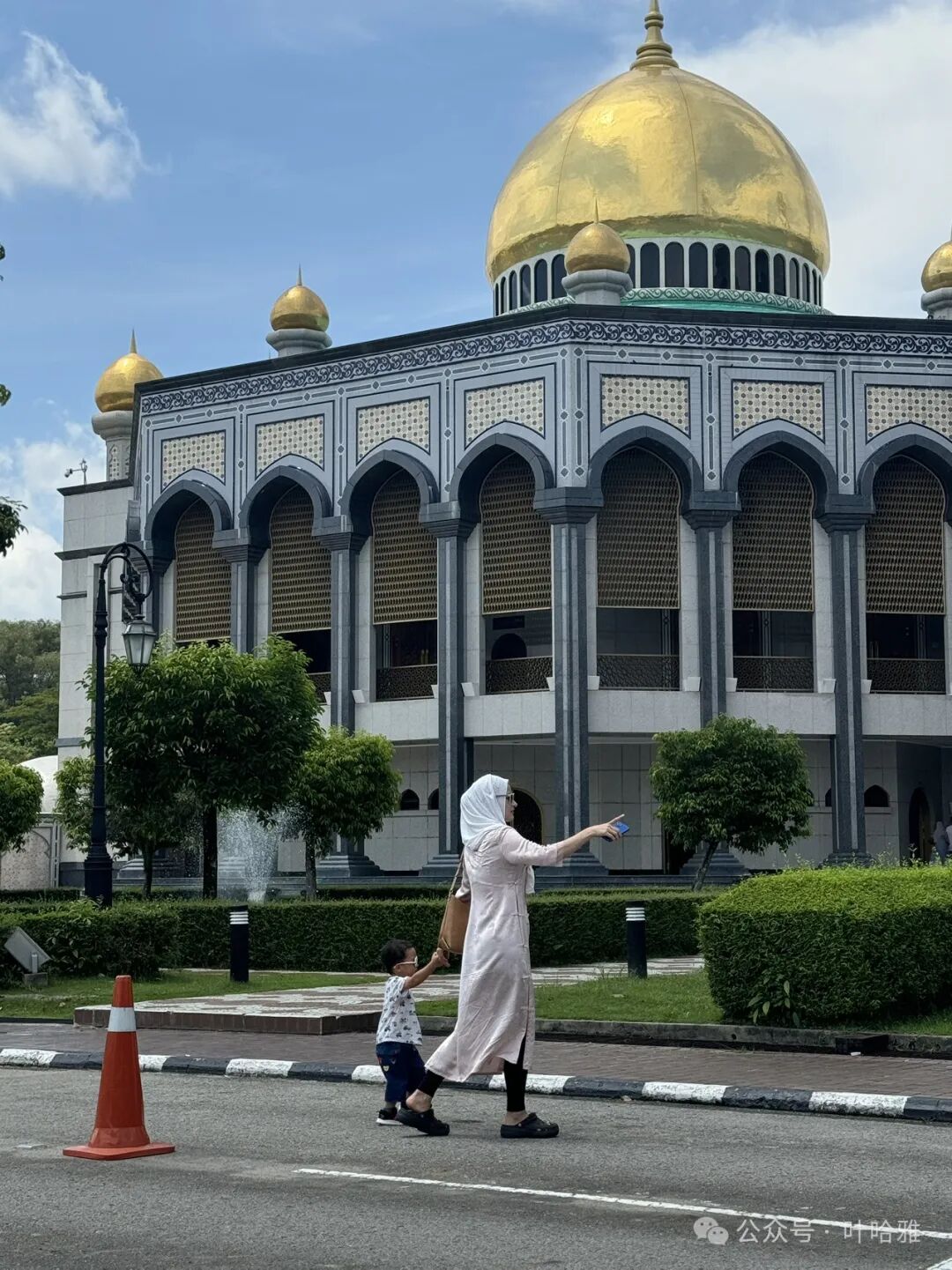
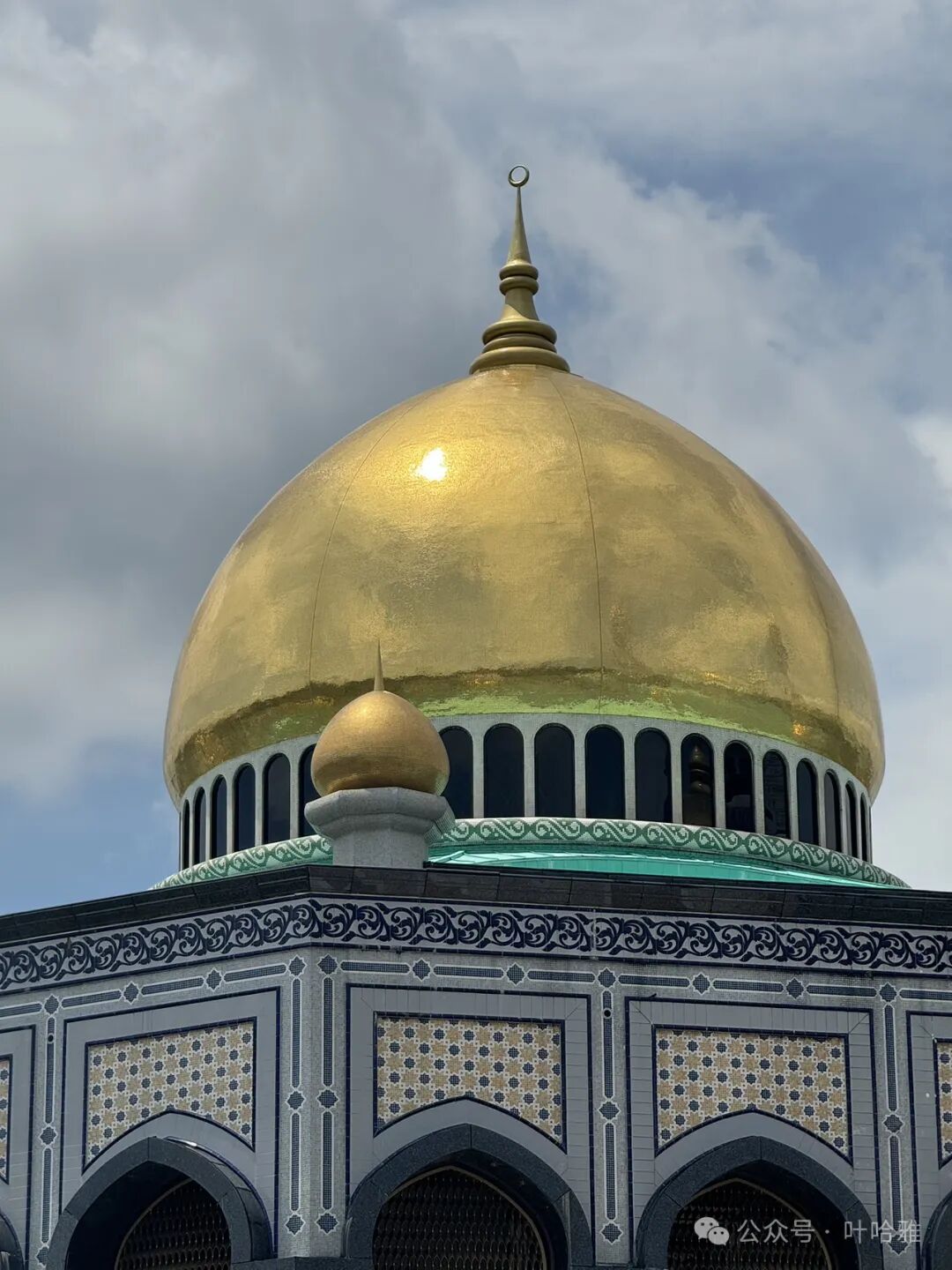
The domes of the mosques in Brunei look cute and rounded.
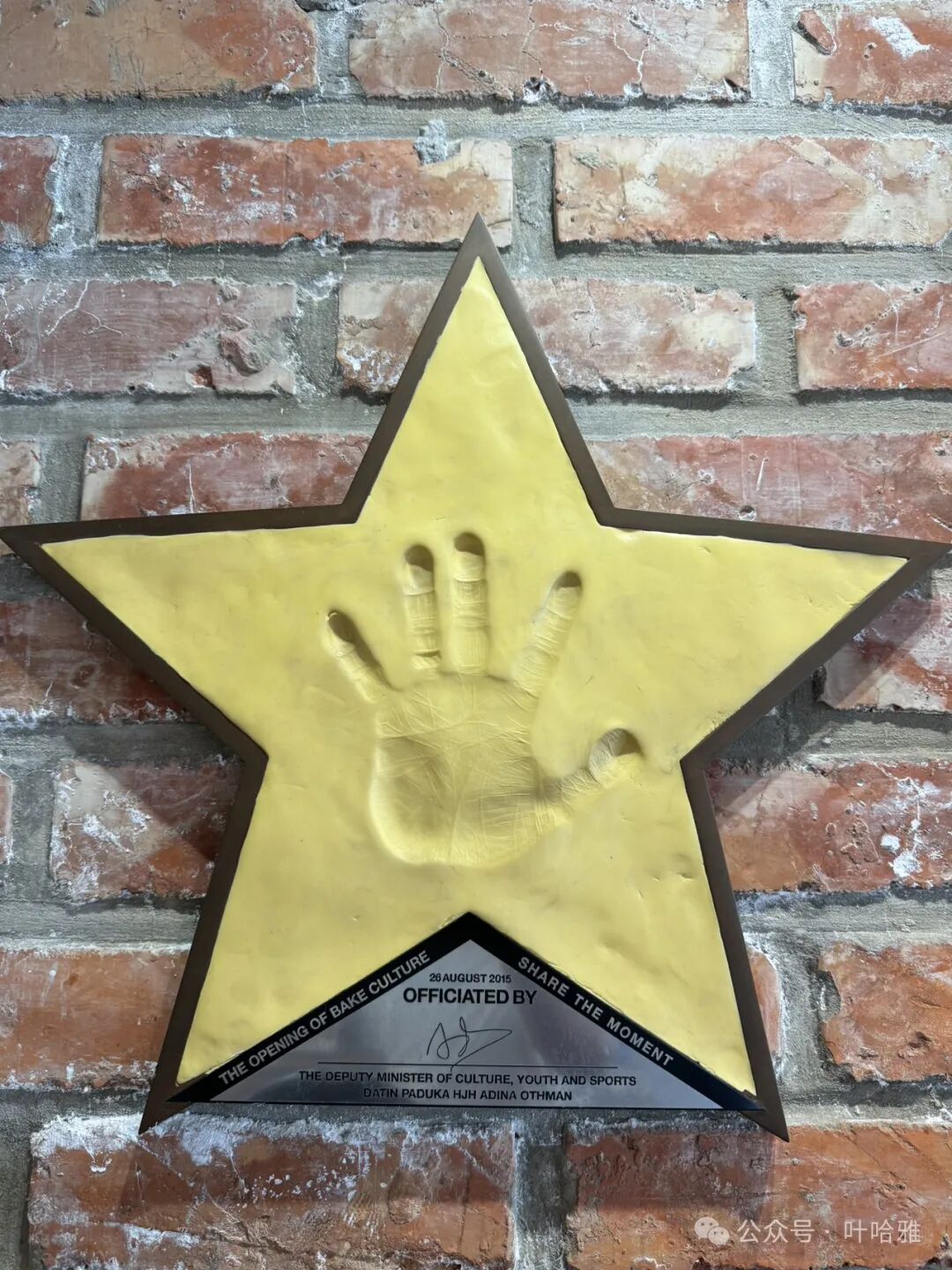
Besides the two iconic mosques, another place in Brunei worth visiting is the bakery opened by Wu Chun, called BAKE CULTURE.
This is a chain store, and there is one located just one kilometer away from the Jame' Asr Hassanil Bolkiah Mosque.
Wu Chun is a Brunei-born Chinese. Ethnic Chinese make up about 9.5% of Brunei's population, but most of them do not have Brunei citizenship. Before Brunei's independence, they held British passports. After Brunei left the UK, these Chinese became stateless. They hold a special identity card in Brunei that allows for long-term residency, but they do not receive the same benefits as citizens.
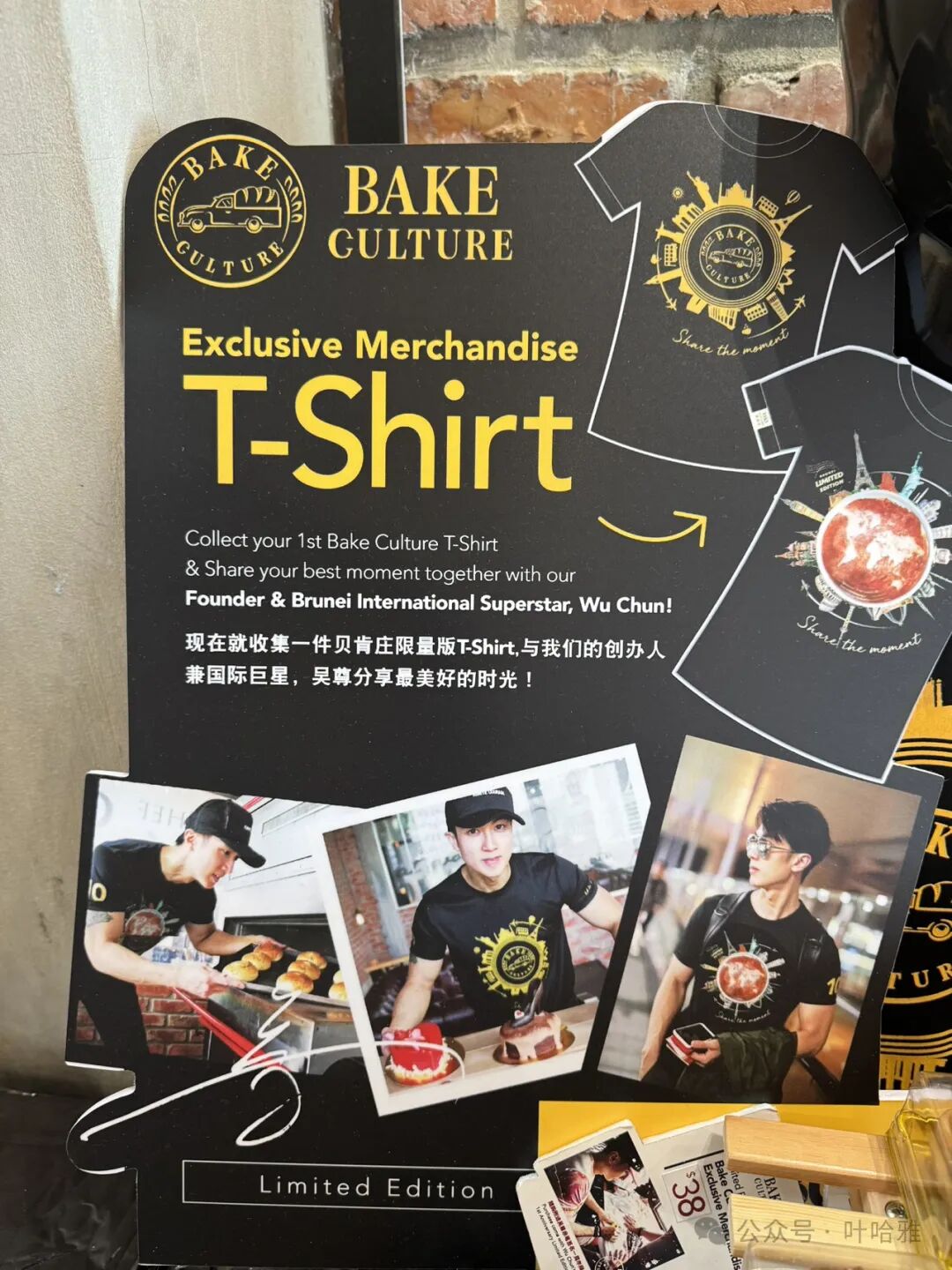
It is unclear if Wu Chun holds Brunei citizenship, but given his family's close relationship with the royal family, they may have been granted citizenship by special royal decree. However, Wu Chun now lives in Shanghai, and his bakery and gym in Brunei are managed by others. Wu Chun's bakery has halal certification.
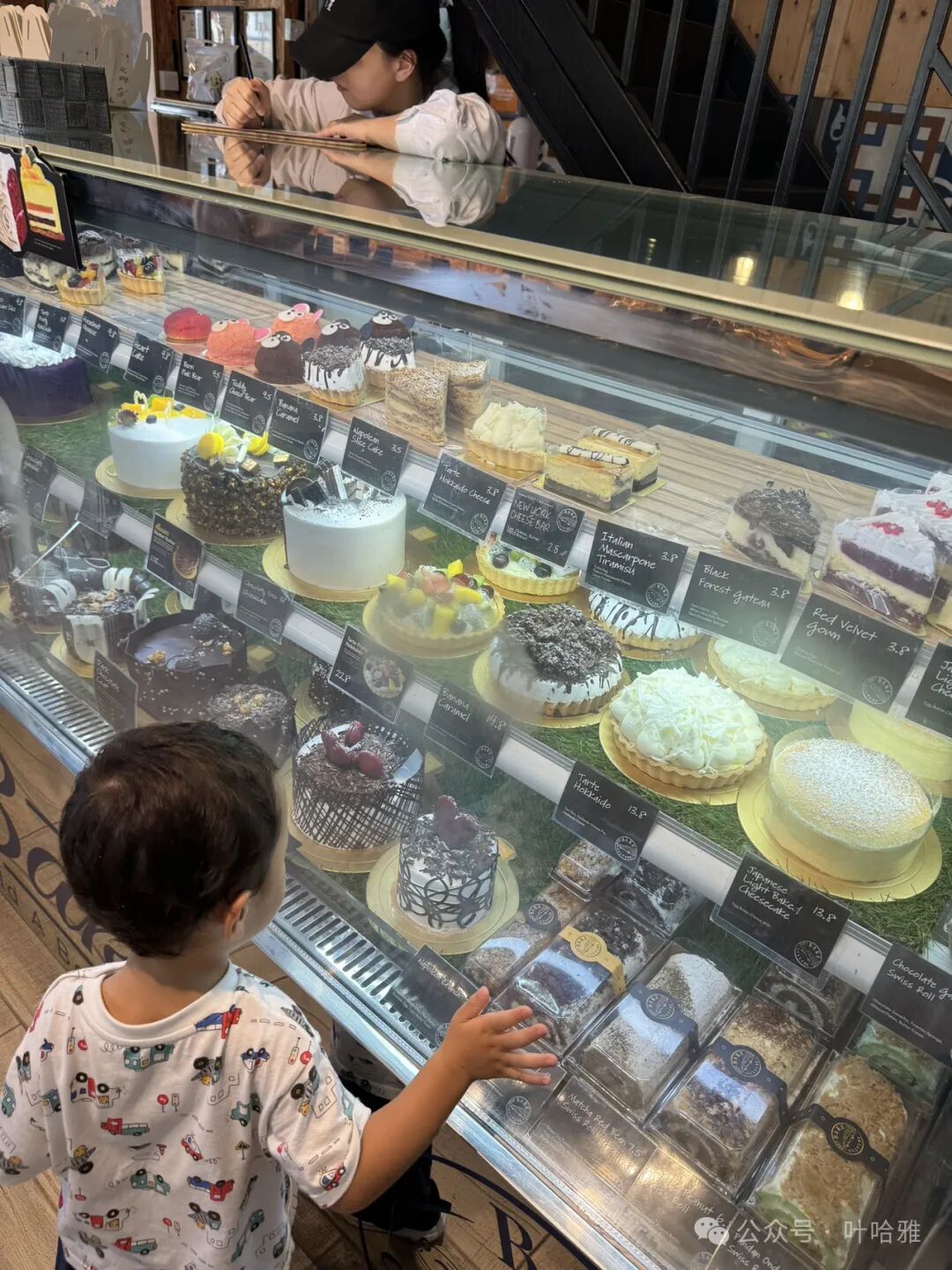
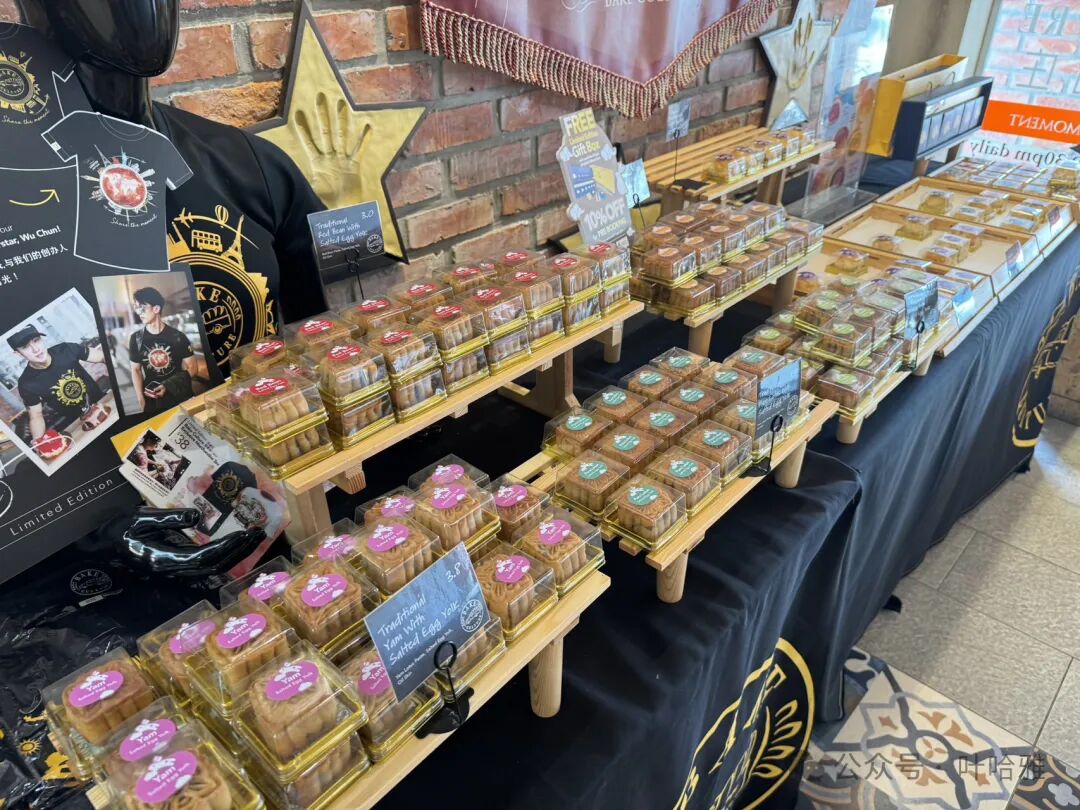
The food at the bakery tastes pretty good, and it is an affordable little shop.
It is very difficult for Chinese people in Brunei to obtain citizenship. First, you must qualify for the naturalization exam, which is hard to get. Second, you must pass a Malay language test. Locals say that even some Malay people cannot pass this Brunei Malay exam, so very few people become citizens through this process.
Once you get Brunei citizenship, there are many benefits. Not only are medical care and education free, but there are also housing subsidies. Brunei has no personal income tax, so the officially announced per capita income is the actual take-home pay for citizens. This is even better than the welfare in so-called high-welfare Nordic countries, as their welfare is built on high taxes.
The taxi drivers I met in Brunei were all local ethnic Chinese without citizenship. Life in Brunei is indeed a bit boring for them. There are no entertainment venues like bars because alcohol is banned nationwide, and you cannot even buy cigarettes.
The Sultan of Brunei once planned to implement Sharia law in Brunei. The first few years went smoothly, but in the final stage, when they were ready to implement Islamic criminal penalties, they faced strong protests from overseas public opinion.
In 2014, Hassanal Bolkiah announced the implementation of Islamic criminal penalties, where acts including homosexuality would violate criminal law. This proposal sparked outrage on international social media. The planned penalties included whipping, amputation, and stoning. It was originally scheduled to be implemented on April 22, 2014, but was later delayed for no reason.
The bakery also sells some Wu Chun merchandise, and his popularity attracts many Chinese visitors.
Less than 800 meters from the bakery, I found a Lanzhou beef noodle shop.
This shop is run by a partnership between a Brunei Chinese person and a Lanzhou person. The decor inside is a perfect copy of the Lanzhou beef noodle (lanzhou lamian) style back home.
The menu is just like the ones in China, with all kinds of noodle dishes available. The prices are not expensive either; a bowl of beef noodles costs 5 Brunei dollars, which is about 25 Chinese yuan.
Shops here all hang portraits of the Brunei royal family.
Many people come here to eat at noon, and every table is full.
We ordered the traditional beef noodles and mixed noodles (banmian). Honestly, they were both very authentic and tasted just like a typical Lanzhou beef noodle shop in China. It is no wonder their business is so good.
According to Google Maps, there is another Lanzhou beef noodle shop in Brunei, and it is said to be doing well too.
Sultan's Palace
The palace is not usually open to the public, but local friends say the Sultan is very approachable. If you stand at the palace gate and happen to see the Sultan's motorcade coming or going, he will wave back if you wave at him.
Gadong Night Market
This is the largest night market in Brunei. It has a very lively atmosphere, which means as soon as you walk in, you can smell a lot of cooking smoke. I am not very interested in local Southeast Asian food because I feel it is not healthy enough, as it is often heavy on oil, salt, and spice. It is fine to try it once in a while.
However, the durian at the night market is worth a try.
These small durians only cost 3 Brunei dollars for a pile, which is about 15 Chinese yuan. We bought one, and this is what it looked like when we opened it.
Durians in Malaysia are never cheap, but I found I could eat as many as I wanted in Brunei. Just remember that you cannot bring durians, mangosteens, or dragon fruit into your hotel. They can leave behind strong smells or stains, and you will be fined if you break this rule.
The fine for breaking this rule is 250 dollars.
The mosque next to the Gadong Night Market.
Another place in Brunei worth visiting is the beach at the Empire Hotel.
The Empire Hotel is the most luxurious hotel in Brunei and is said to meet a six-star standard, though it actually looks quite flashy. Brunei does not have many international hotel chains, so accommodation here is relatively expensive for what you get.
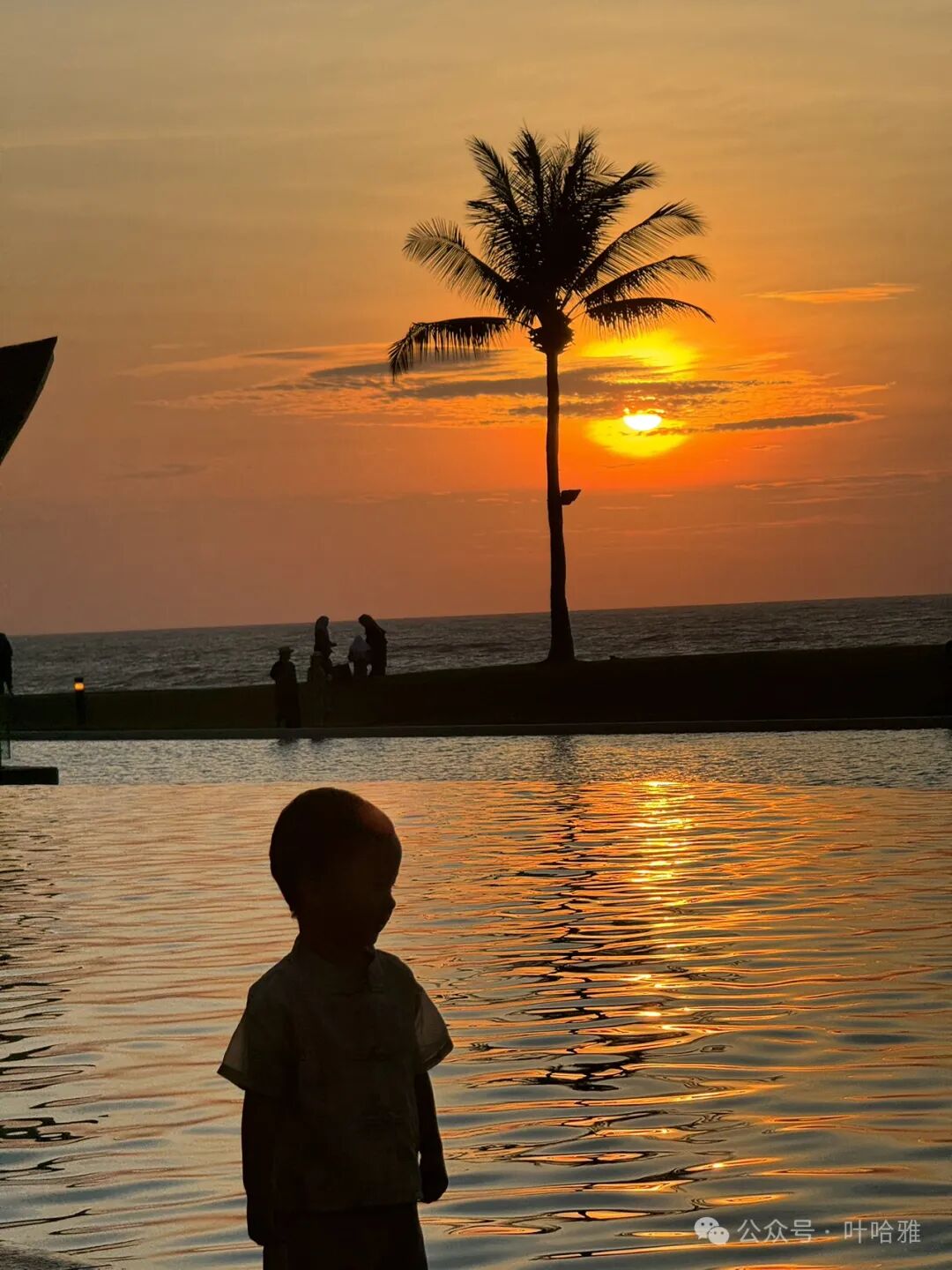
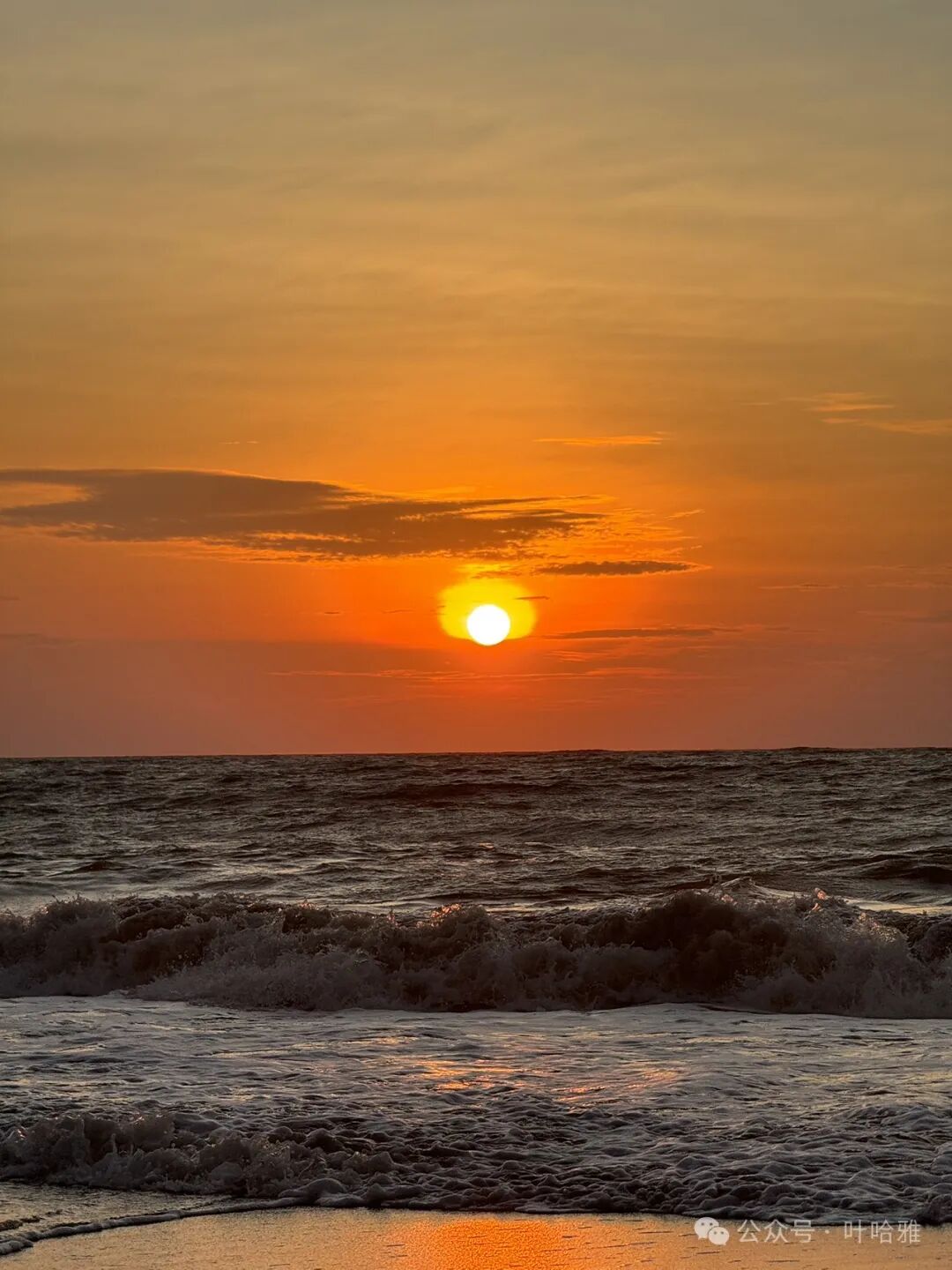
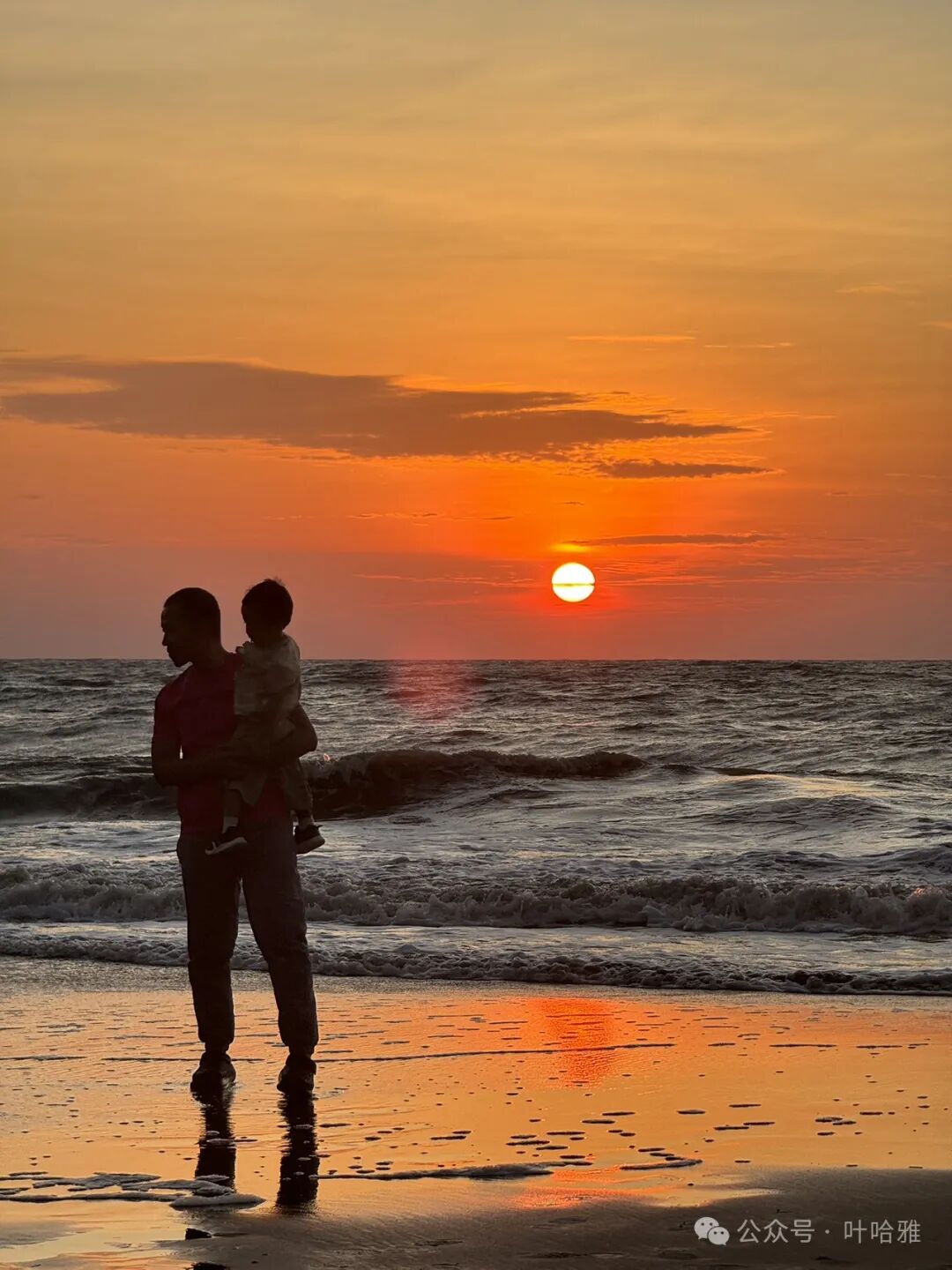
A night at the Empire Hotel costs over 4,000 RMB. I think the best part is the sunset at the hotel beach, which is arguably the most beautiful view in Brunei. The beach is open to the public, so anyone can watch the sunset for free. There is no need to pay a high price to stay there.
Also, the Empire Hotel is over ten kilometers from the city center, and there is nothing to do in the surrounding area. Most of Brunei's attractions are in the city, and taking a taxi is not cheap.
Still, it is very worth coming here just to see a beautiful sunset.
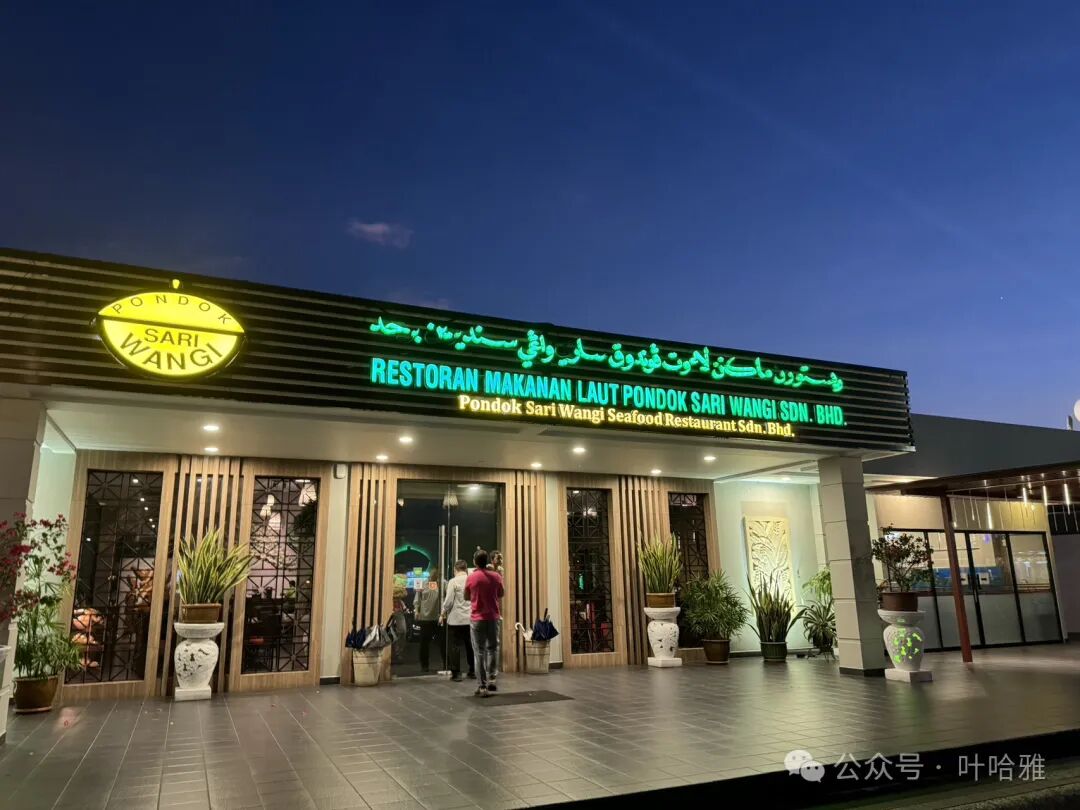
A friend in Brunei took us to an Indonesian restaurant called Pondok Sari Wangi Seafood Restaurant. The Arabic letters on the sign are actually Malay, which just uses the Arabic script. This is a unique feature of Brunei, and they have even created a few of their own letters.
I think this is a very popular local restaurant in Brunei, and the flavors are easy for Chinese people to enjoy.
Over dinner, my friend told me about local Islamic banking in Brunei. I learned that if you deposit money in a Brunei Islamic bank, you get a fixed return, but they do not call it interest. They call it Murabahah. Even with private loans between people in Brunei, they ask for a return, and everyone is used to it.
This confirms one of the issues I mentioned in my recent series of articles criticizing Islamic finance: the way interest is legalized by using specific contracts or changing terms. In reality, promising a fixed return on a deposit is essentially interest, regardless of how that money is earned.
Many traditional international financial institutions have started offering halal financial services to cater to the official pursuit of so-called Islamic purity. However, these institutions do not separate the money they collect; they mix it with their traditional financial business. This is different from a non-Muslim opening a halal restaurant, because a restaurant can keep ingredients separate. Traditional financial institutions cannot keep money from mixing, so this nominal halal certification is just for show.
Ash-Shaliheen Mosque
Located next to the Prime Minister's Office in Bandar Seri Begawan, Brunei, this Moroccan-style mosque was built in 2012. I think it is one of the more unique mosques in Brunei.
More Arabs pray in this mosque, and the designer is Egyptian.
The glass dome of the mosque can retract.
After namaz, people hand out bottled water at the door, and it is even chilled.
There is a shopping center about a 1.5-kilometer walk from Brunei Airport, and inside is a Japanese restaurant.
Japanese food is very common in Brunei due to Japan's colonial history in Southeast Asia, and this restaurant also has halal certification.
Radisson Hotel
If you are staying in the city, I recommend the Radisson Hotel. It is the second-best hotel in Brunei, right after the Empire Hotel. I recommend the Radisson not because it is amazing, but because there really are no better options in Brunei. Although it is ranked second in the country and costs a thousand yuan a night, it is really only at the level of a four-star hotel in China. The rooms are small, but the location is convenient.
The hotel restaurant is quite good. You can eat healthy Western food, which is easier for children to accept. view all
Summary: This Brunei Muslim travel guide part 1 explains visa on arrival, SIM cards, Dart ride-hailing, cash needs, hotel choices, Brunei's history and monarchy, mosque visits, airport prayer access, Japanese halal food, and practical notes for Muslim travelers.
Chinese citizens can get a visa on arrival in Brunei. You just need to fill out an electronic arrival card on the computer at the immigration office, show your round-trip flight tickets and hotel booking to customs, and pay a 20 USD visa fee. You can pay with a VISA card, and you can also fill out the arrival card online. Website: https://www.imm.gov.bn
After clearing customs, buy a SIM card at the airport lobby for 10 Brunei dollars, which gives you 8GB of data. This was enough for our three-day, two-night trip. A SIM card is very necessary because you need to download the local ride-hailing app, Dart. You cannot register for this app with a Chinese phone number. Public transport in Brunei is basically non-existent; locals drive themselves, and tourists have to use taxis. Dart is the only ride-hailing app available in Brunei.
Remember to withdraw some cash because the ride-hailing app cannot be linked to Chinese credit cards and only accepts cash payments. Dart drivers pick up passengers quickly, usually within 5 minutes. There are over 600 cars running on Dart across Brunei's four districts, so you might run into the same driver more than once.
The exchange rate in Brunei is the same as in Singapore, and Singapore dollars can be used directly in Brunei. However, the cost of living is lower than in Singapore and slightly higher than in Malaysia. I recommend two hotels. One is the Radisson Hotel Brunei Darussalam, which is the best in the city and the second best in the country. Brunei does not have many international hotel chains, but this Radisson has a great location. Many must-visit attractions, restaurants, and shops are within walking distance. The other is the Empire Hotel, the most luxurious in Brunei. It is near the beach and has amazing sunset views. If you want a luxury hotel stay, choose this one. The only downside is that it is far from the city center.
Map of Brunei
Brunei is truly tiny, so small it is almost invisible on a world map. Its territory is split into two parts that do not touch, and both are almost entirely surrounded by Malaysia. Historically, Brunei was a regional power, and its territory once included most of East Malaysia. It later declined and almost joined Malaysia. At that time, a group of people in Brunei wanted to join Malaysia and abolish the monarchy. They started a revolution, but the Brunei royal family worked with the British Empire to suppress them, and the Sultan eventually gave up on joining the Malaysian Federation.
Brunei Museum
The entry fee is 5 Brunei dollars per person. Note that it is closed on Friday for Jumu'ah. Muslim men in Brunei must attend Jumu'ah on Fridays, or it is against the law and they will be punished. Therefore, most shops are closed on Jumu'ah.
The Sultan of Brunei is a descendant of the Prophet. The fourth Sultan in Brunei's history, Sharif Ali, was a direct descendant of Imam Hasan. Hasan was the eldest son of Caliph Ali and the grandson of the Prophet. After marrying the daughter of the previous Sultan, Puteri Ratna Kesuma, he legally inherited the throne, which has been passed down to this day.
The English name for Brunei is Brunei, which is phonetically translated as "Boni." Ancient China referred to Brunei as Boni. The Tomb of the King of Boni in Nanjing is the burial site of the ancient Boni King, Mana'nana'nai. It is located at Wugui Mountain, Huacun, east of Shizigang, outside Andemen, Yuhuatai District, Nanjing. The person buried in the "Tomb of the King of Boni" was the second Sultan of Brunei. He was the older brother of the third Sultan and the uncle of the fourth Sultan.
In the sixth year of the Yongle reign, the King of Boni, Maharaja Karna, brought his wife, nieces, children, and over 150 officials to China for a friendly visit. The Yongle Emperor welcomed them with grand ceremonies. The King of Boni spent several months touring Nanjing, but he unfortunately fell ill and passed away there. The Yongle Emperor followed the king's final wishes and buried him with the honors due to a monarch. Maharaja Karna's son, Xiawang Huangkesun, inherited the throne of Boni. In the ninth month of the tenth year of the Yongle reign, Xiawang Huangkesun and his mother visited Nanjing again to pay their respects at his father's grave.
The Brunei Empire began to decline in the 19th century. Brunei became a British protectorate in 1888. After being occupied by Japan during World War II, it established a new constitution in 1959. In 1962, a small armed rebellion against the monarchy, indirectly linked to the Indonesia-Malaysia confrontation, was ended with British help. This led to the banning of the pro-independence Brunei People's Party. This rebellion also influenced the Sultan's decision not to join the Federation of Malaysia when it was formed. British protection of Brunei finally ended on January 1, 1984, when it became a fully sovereign nation.
Between May and December 1969, Hassanal Bolkiah traveled to London three times to try to build ties with the British government. However, these trips were unsuccessful, as the British government insisted on withdrawing its troops stationed in Brunei.
In April 1970, Hassanal Bolkiah visited London again to try to break the negotiation deadlock, but the British government refused to compromise because it believed Brunei could defend itself without British aid. Given that the defense agreement was set to expire in November 1970, he expressed great concern, stating that even if half the male population joined the armed forces, Brunei could not defend itself.
With the election of the Conservative Party, Hassanal Bolkiah found new hope. The British government agreed to keep a limited number of British troops in Southeast Asia, including keeping Gurkha units stationed in Brunei, and decided not to abandon the 1959 agreement that was originally set to expire on June 30, 1970. These talks led to the signing of the Brunei-UK Friendship Agreement on November 23, 1971. This agreement gave Brunei full internal independence and limited the British High Commissioner's power to foreign affairs only.
Hassanal Bolkiah (Hassanal Bolkiah Muiz'zaddin Wad'daulah bin Omar Ali Saifuddien III; born on July 15, 1946) has served as the Sultan of Brunei since 1967 and as the Prime Minister of Brunei since the country gained independence from Britain in 1984.
In 1978, Hassanal Bolkiah led another delegation to London to negotiate with the British government about Brunei's status as an independent sovereign nation. In the end, Brunei and the UK signed a Treaty of Friendship and Cooperation. The treaty took effect on January 1, 1984. The British government was no longer responsible for managing Brunei's foreign affairs and defense. This was the day Brunei became independent from Britain after being under British protection for nearly 20 years. As head of government and Prime Minister, Bolkiah took over Brunei and turned it into an independent monarchy.
I saw a familiar signature.
A model of the Prophet's Mosque (Al-Masjid an-Nabawi) in Medina gifted by Saudi Arabia.
A model of the bronze chariot from Pit No. 2 of the Terracotta Army gifted by our country.
A model of the Sacred Mosque (Masjid al-Haram) in Mecca gifted by Saudi Arabia.
The Sultan Omar Ali Saifuddien Mosque (Masjid Omar 'Ali Saifuddien) was named after the 28th Sultan of Brunei, Omar Ali Saifuddien III, and was completed in 1958. As of 2019, a total of 102 mosques have been built across Brunei.
The mosque's architectural style is influenced by both Islamic and Italian designs, as it was created by an Italian architect.
Like Malaysia, Brunei officially follows the Shafi'i school of thought. However, the imam I met at this mosque follows the Hanafi school. This is because only the Hanafi school advocates raising the hands once, while the other three schools raise them three times.
Regardless of which school the imam belongs to, imams in Brunei perform dua during namaz rather than after. Some believe that during namaz, you are closest to Allah, making it the best time for your dua to be answered.
During the Sultan's reign, some of Brunei's older wooden mosques were rebuilt with brick and stone. These newer buildings use stronger materials and offer more space.
Brunei has no historic wooden mosques left because they were destroyed or torn down during the Japanese occupation. The Antiquities and Treasure Trove Act of 1967 created a legal framework to protect Brunei's architectural history, defining monuments as structures built before January 1, 1894.
As of 2018, Brunei has only designated 27 buildings and sites as historical monuments, and none of them are mosques.
During the Sultan's reign, Arabic architecture became more popular, likely due to the Sultan's own Arabic heritage.
There is a giant picture frame in the mosque square that serves as a landmark in Brunei.
People walking toward the mosque at sunset (sham).
In the evening, residents sit on the lawn for picnics, and the water village is right across from the square.
Water village.
There is a new, small night market in the shopping mall across from the mosque, with about twenty or thirty stalls selling various snacks.
From what I saw, this Chinese dumpling (jiaozi) shop is the most popular snack spot at the night market.
This night market is cleaner and tidier than the Gadong Night Market, the largest in Brunei. Dining tables are set up behind the two rows of stalls, and there are even sinks for washing up on both sides.
Bruneians also add various flavorings and food coloring to their fruit drinks.
I had a Southeast Asian-style fried fish set meal at this stall.
There is a food court on the basement level of the shopping mall, but it is not very crowded. You rarely see many people anywhere in Brunei on a normal day.
I bought a non-spicy fried rice for Fahim at the food court.
Brunei's second iconic national mosque, the Jame' Asr Hassanil Bolkiah Mosque, is named after the 29th Sultan, Hassanal Bolkiah.
This mosque was built as a charitable endowment (nieti) by Sultan Bolkiah, cost 350 million US dollars, and was completed in 1994.
The mosque has 29 domes, representing the 29 sultans.
The minaret features a suspended design.
Fahim likes to perform namaz by prostrating himself.
The domes of the mosques in Brunei look cute and rounded.
Besides the two iconic mosques, another place in Brunei worth visiting is the bakery opened by Wu Chun, called BAKE CULTURE.
This is a chain store, and there is one located just one kilometer away from the Jame' Asr Hassanil Bolkiah Mosque.
Wu Chun is a Brunei-born Chinese. Ethnic Chinese make up about 9.5% of Brunei's population, but most of them do not have Brunei citizenship. Before Brunei's independence, they held British passports. After Brunei left the UK, these Chinese became stateless. They hold a special identity card in Brunei that allows for long-term residency, but they do not receive the same benefits as citizens.
It is unclear if Wu Chun holds Brunei citizenship, but given his family's close relationship with the royal family, they may have been granted citizenship by special royal decree. However, Wu Chun now lives in Shanghai, and his bakery and gym in Brunei are managed by others. Wu Chun's bakery has halal certification.
The food at the bakery tastes pretty good, and it is an affordable little shop.
It is very difficult for Chinese people in Brunei to obtain citizenship. First, you must qualify for the naturalization exam, which is hard to get. Second, you must pass a Malay language test. Locals say that even some Malay people cannot pass this Brunei Malay exam, so very few people become citizens through this process.
Once you get Brunei citizenship, there are many benefits. Not only are medical care and education free, but there are also housing subsidies. Brunei has no personal income tax, so the officially announced per capita income is the actual take-home pay for citizens. This is even better than the welfare in so-called high-welfare Nordic countries, as their welfare is built on high taxes.
The taxi drivers I met in Brunei were all local ethnic Chinese without citizenship. Life in Brunei is indeed a bit boring for them. There are no entertainment venues like bars because alcohol is banned nationwide, and you cannot even buy cigarettes.
The Sultan of Brunei once planned to implement Sharia law in Brunei. The first few years went smoothly, but in the final stage, when they were ready to implement Islamic criminal penalties, they faced strong protests from overseas public opinion.
In 2014, Hassanal Bolkiah announced the implementation of Islamic criminal penalties, where acts including homosexuality would violate criminal law. This proposal sparked outrage on international social media. The planned penalties included whipping, amputation, and stoning. It was originally scheduled to be implemented on April 22, 2014, but was later delayed for no reason.
The bakery also sells some Wu Chun merchandise, and his popularity attracts many Chinese visitors.
Less than 800 meters from the bakery, I found a Lanzhou beef noodle shop.
This shop is run by a partnership between a Brunei Chinese person and a Lanzhou person. The decor inside is a perfect copy of the Lanzhou beef noodle (lanzhou lamian) style back home.
The menu is just like the ones in China, with all kinds of noodle dishes available. The prices are not expensive either; a bowl of beef noodles costs 5 Brunei dollars, which is about 25 Chinese yuan.
Shops here all hang portraits of the Brunei royal family.
Many people come here to eat at noon, and every table is full.
We ordered the traditional beef noodles and mixed noodles (banmian). Honestly, they were both very authentic and tasted just like a typical Lanzhou beef noodle shop in China. It is no wonder their business is so good.
According to Google Maps, there is another Lanzhou beef noodle shop in Brunei, and it is said to be doing well too.
Sultan's Palace
The palace is not usually open to the public, but local friends say the Sultan is very approachable. If you stand at the palace gate and happen to see the Sultan's motorcade coming or going, he will wave back if you wave at him.
Gadong Night Market
This is the largest night market in Brunei. It has a very lively atmosphere, which means as soon as you walk in, you can smell a lot of cooking smoke. I am not very interested in local Southeast Asian food because I feel it is not healthy enough, as it is often heavy on oil, salt, and spice. It is fine to try it once in a while.
However, the durian at the night market is worth a try.
These small durians only cost 3 Brunei dollars for a pile, which is about 15 Chinese yuan. We bought one, and this is what it looked like when we opened it.
Durians in Malaysia are never cheap, but I found I could eat as many as I wanted in Brunei. Just remember that you cannot bring durians, mangosteens, or dragon fruit into your hotel. They can leave behind strong smells or stains, and you will be fined if you break this rule.
The fine for breaking this rule is 250 dollars.
The mosque next to the Gadong Night Market.
Another place in Brunei worth visiting is the beach at the Empire Hotel.
The Empire Hotel is the most luxurious hotel in Brunei and is said to meet a six-star standard, though it actually looks quite flashy. Brunei does not have many international hotel chains, so accommodation here is relatively expensive for what you get.
A night at the Empire Hotel costs over 4,000 RMB. I think the best part is the sunset at the hotel beach, which is arguably the most beautiful view in Brunei. The beach is open to the public, so anyone can watch the sunset for free. There is no need to pay a high price to stay there.
Also, the Empire Hotel is over ten kilometers from the city center, and there is nothing to do in the surrounding area. Most of Brunei's attractions are in the city, and taking a taxi is not cheap.
Still, it is very worth coming here just to see a beautiful sunset.
A friend in Brunei took us to an Indonesian restaurant called Pondok Sari Wangi Seafood Restaurant. The Arabic letters on the sign are actually Malay, which just uses the Arabic script. This is a unique feature of Brunei, and they have even created a few of their own letters.
I think this is a very popular local restaurant in Brunei, and the flavors are easy for Chinese people to enjoy.
Over dinner, my friend told me about local Islamic banking in Brunei. I learned that if you deposit money in a Brunei Islamic bank, you get a fixed return, but they do not call it interest. They call it Murabahah. Even with private loans between people in Brunei, they ask for a return, and everyone is used to it.
This confirms one of the issues I mentioned in my recent series of articles criticizing Islamic finance: the way interest is legalized by using specific contracts or changing terms. In reality, promising a fixed return on a deposit is essentially interest, regardless of how that money is earned.
Many traditional international financial institutions have started offering halal financial services to cater to the official pursuit of so-called Islamic purity. However, these institutions do not separate the money they collect; they mix it with their traditional financial business. This is different from a non-Muslim opening a halal restaurant, because a restaurant can keep ingredients separate. Traditional financial institutions cannot keep money from mixing, so this nominal halal certification is just for show.
Ash-Shaliheen Mosque
Located next to the Prime Minister's Office in Bandar Seri Begawan, Brunei, this Moroccan-style mosque was built in 2012. I think it is one of the more unique mosques in Brunei.
More Arabs pray in this mosque, and the designer is Egyptian.
The glass dome of the mosque can retract.
After namaz, people hand out bottled water at the door, and it is even chilled.
There is a shopping center about a 1.5-kilometer walk from Brunei Airport, and inside is a Japanese restaurant.
Japanese food is very common in Brunei due to Japan's colonial history in Southeast Asia, and this restaurant also has halal certification.
Radisson Hotel
If you are staying in the city, I recommend the Radisson Hotel. It is the second-best hotel in Brunei, right after the Empire Hotel. I recommend the Radisson not because it is amazing, but because there really are no better options in Brunei. Although it is ranked second in the country and costs a thousand yuan a night, it is really only at the level of a four-star hotel in China. The rooms are small, but the location is convenient.
The hotel restaurant is quite good. You can eat healthy Western food, which is easier for children to accept. view all
Reposted from the web
Summary: This Brunei Muslim travel guide part 1 explains visa on arrival, SIM cards, Dart ride-hailing, cash needs, hotel choices, Brunei's history and monarchy, mosque visits, airport prayer access, Japanese halal food, and practical notes for Muslim travelers.
Chinese citizens can get a visa on arrival in Brunei. You just need to fill out an electronic arrival card on the computer at the immigration office, show your round-trip flight tickets and hotel booking to customs, and pay a 20 USD visa fee. You can pay with a VISA card, and you can also fill out the arrival card online. Website: https://www.imm.gov.bn
After clearing customs, buy a SIM card at the airport lobby for 10 Brunei dollars, which gives you 8GB of data. This was enough for our three-day, two-night trip. A SIM card is very necessary because you need to download the local ride-hailing app, Dart. You cannot register for this app with a Chinese phone number. Public transport in Brunei is basically non-existent; locals drive themselves, and tourists have to use taxis. Dart is the only ride-hailing app available in Brunei.
Remember to withdraw some cash because the ride-hailing app cannot be linked to Chinese credit cards and only accepts cash payments. Dart drivers pick up passengers quickly, usually within 5 minutes. There are over 600 cars running on Dart across Brunei's four districts, so you might run into the same driver more than once.
The exchange rate in Brunei is the same as in Singapore, and Singapore dollars can be used directly in Brunei. However, the cost of living is lower than in Singapore and slightly higher than in Malaysia. I recommend two hotels. One is the Radisson Hotel Brunei Darussalam, which is the best in the city and the second best in the country. Brunei does not have many international hotel chains, but this Radisson has a great location. Many must-visit attractions, restaurants, and shops are within walking distance. The other is the Empire Hotel, the most luxurious in Brunei. It is near the beach and has amazing sunset views. If you want a luxury hotel stay, choose this one. The only downside is that it is far from the city center.
Map of Brunei
Brunei is truly tiny, so small it is almost invisible on a world map. Its territory is split into two parts that do not touch, and both are almost entirely surrounded by Malaysia. Historically, Brunei was a regional power, and its territory once included most of East Malaysia. It later declined and almost joined Malaysia. At that time, a group of people in Brunei wanted to join Malaysia and abolish the monarchy. They started a revolution, but the Brunei royal family worked with the British Empire to suppress them, and the Sultan eventually gave up on joining the Malaysian Federation.
Brunei Museum
The entry fee is 5 Brunei dollars per person. Note that it is closed on Friday for Jumu'ah. Muslim men in Brunei must attend Jumu'ah on Fridays, or it is against the law and they will be punished. Therefore, most shops are closed on Jumu'ah.
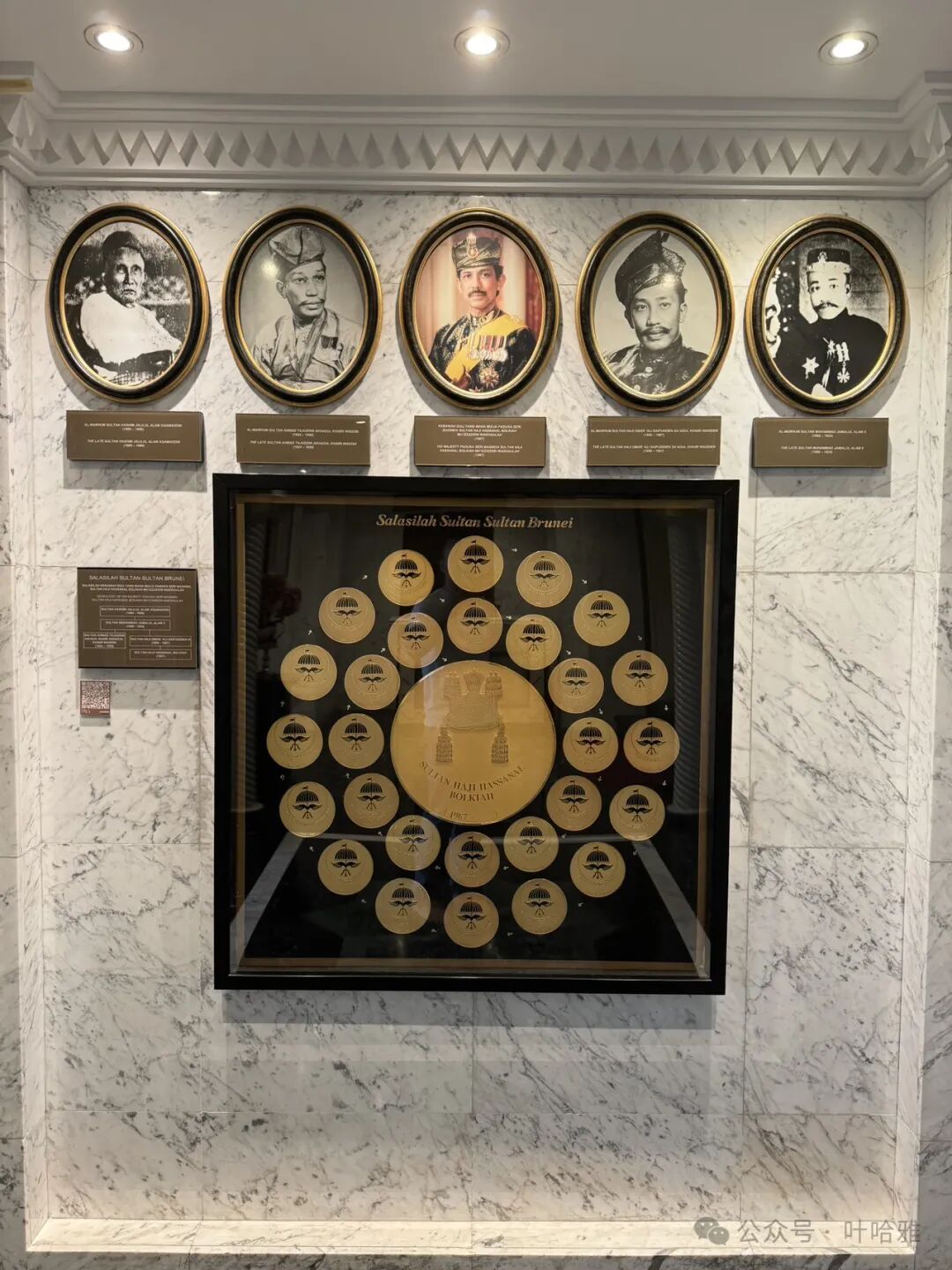
The Sultan of Brunei is a descendant of the Prophet. The fourth Sultan in Brunei's history, Sharif Ali, was a direct descendant of Imam Hasan. Hasan was the eldest son of Caliph Ali and the grandson of the Prophet. After marrying the daughter of the previous Sultan, Puteri Ratna Kesuma, he legally inherited the throne, which has been passed down to this day.
The English name for Brunei is Brunei, which is phonetically translated as "Boni." Ancient China referred to Brunei as Boni. The Tomb of the King of Boni in Nanjing is the burial site of the ancient Boni King, Mana'nana'nai. It is located at Wugui Mountain, Huacun, east of Shizigang, outside Andemen, Yuhuatai District, Nanjing. The person buried in the "Tomb of the King of Boni" was the second Sultan of Brunei. He was the older brother of the third Sultan and the uncle of the fourth Sultan.
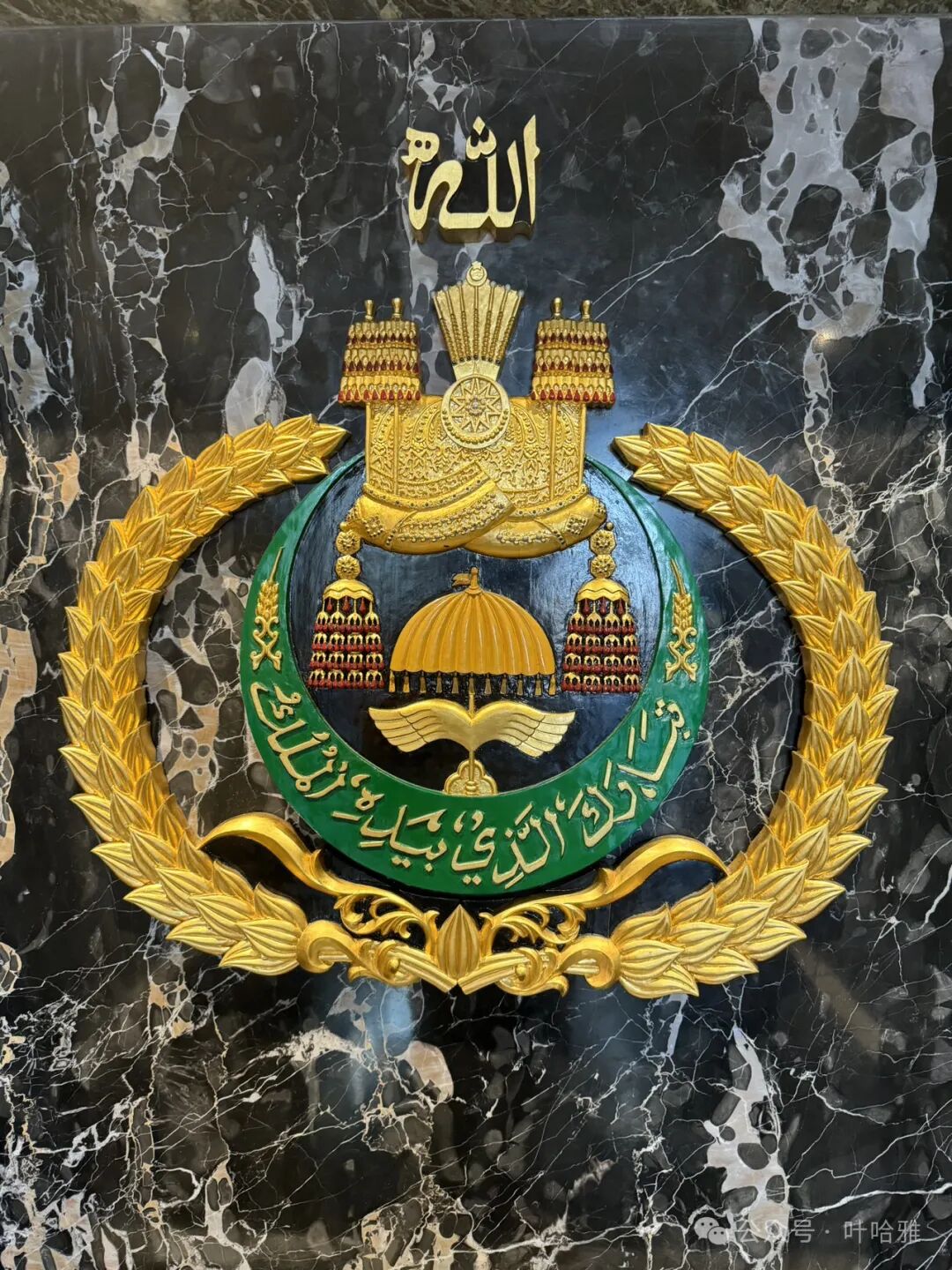
In the sixth year of the Yongle reign, the King of Boni, Maharaja Karna, brought his wife, nieces, children, and over 150 officials to China for a friendly visit. The Yongle Emperor welcomed them with grand ceremonies. The King of Boni spent several months touring Nanjing, but he unfortunately fell ill and passed away there. The Yongle Emperor followed the king's final wishes and buried him with the honors due to a monarch. Maharaja Karna's son, Xiawang Huangkesun, inherited the throne of Boni. In the ninth month of the tenth year of the Yongle reign, Xiawang Huangkesun and his mother visited Nanjing again to pay their respects at his father's grave.
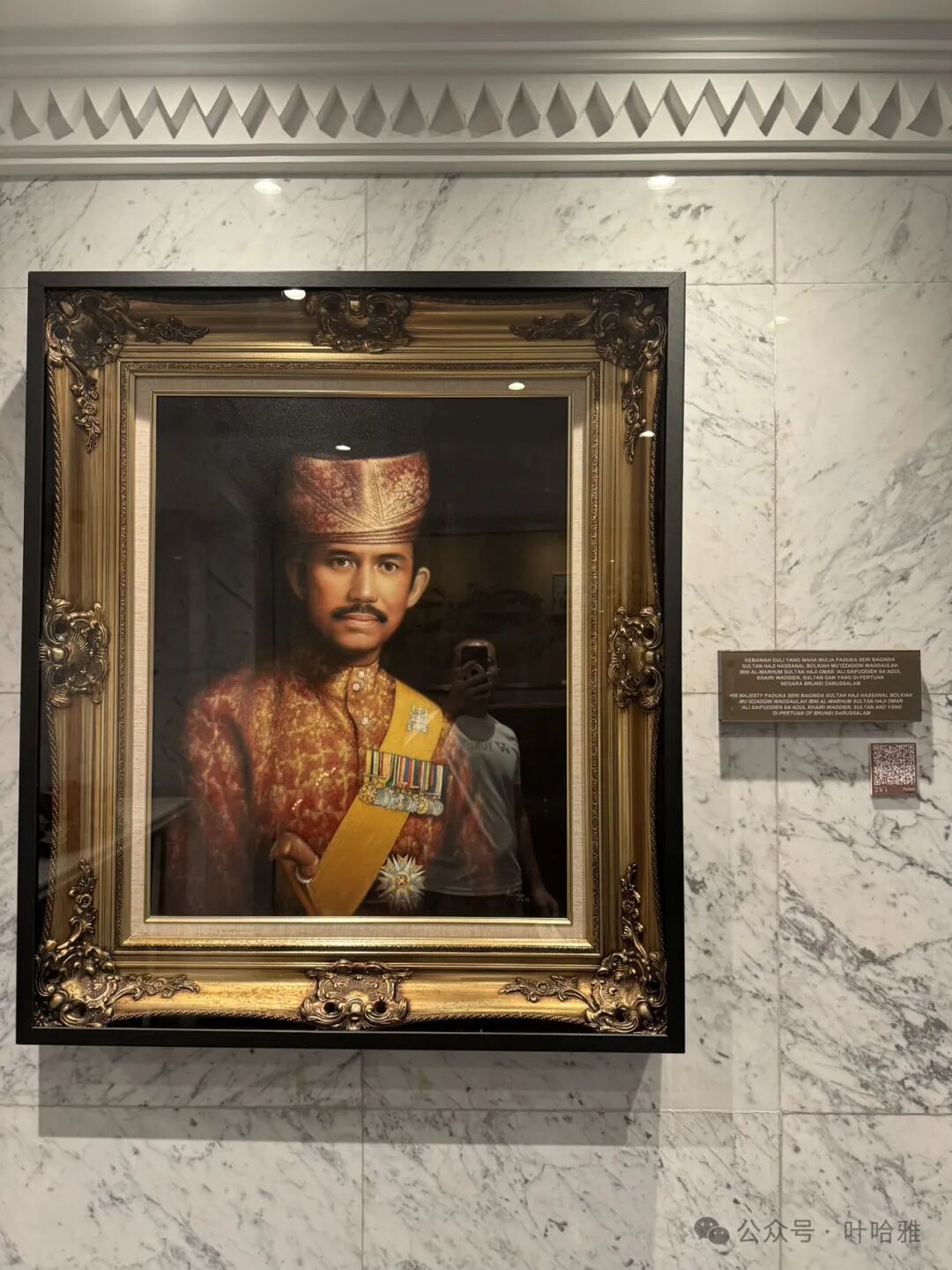
The Brunei Empire began to decline in the 19th century. Brunei became a British protectorate in 1888. After being occupied by Japan during World War II, it established a new constitution in 1959. In 1962, a small armed rebellion against the monarchy, indirectly linked to the Indonesia-Malaysia confrontation, was ended with British help. This led to the banning of the pro-independence Brunei People's Party. This rebellion also influenced the Sultan's decision not to join the Federation of Malaysia when it was formed. British protection of Brunei finally ended on January 1, 1984, when it became a fully sovereign nation.
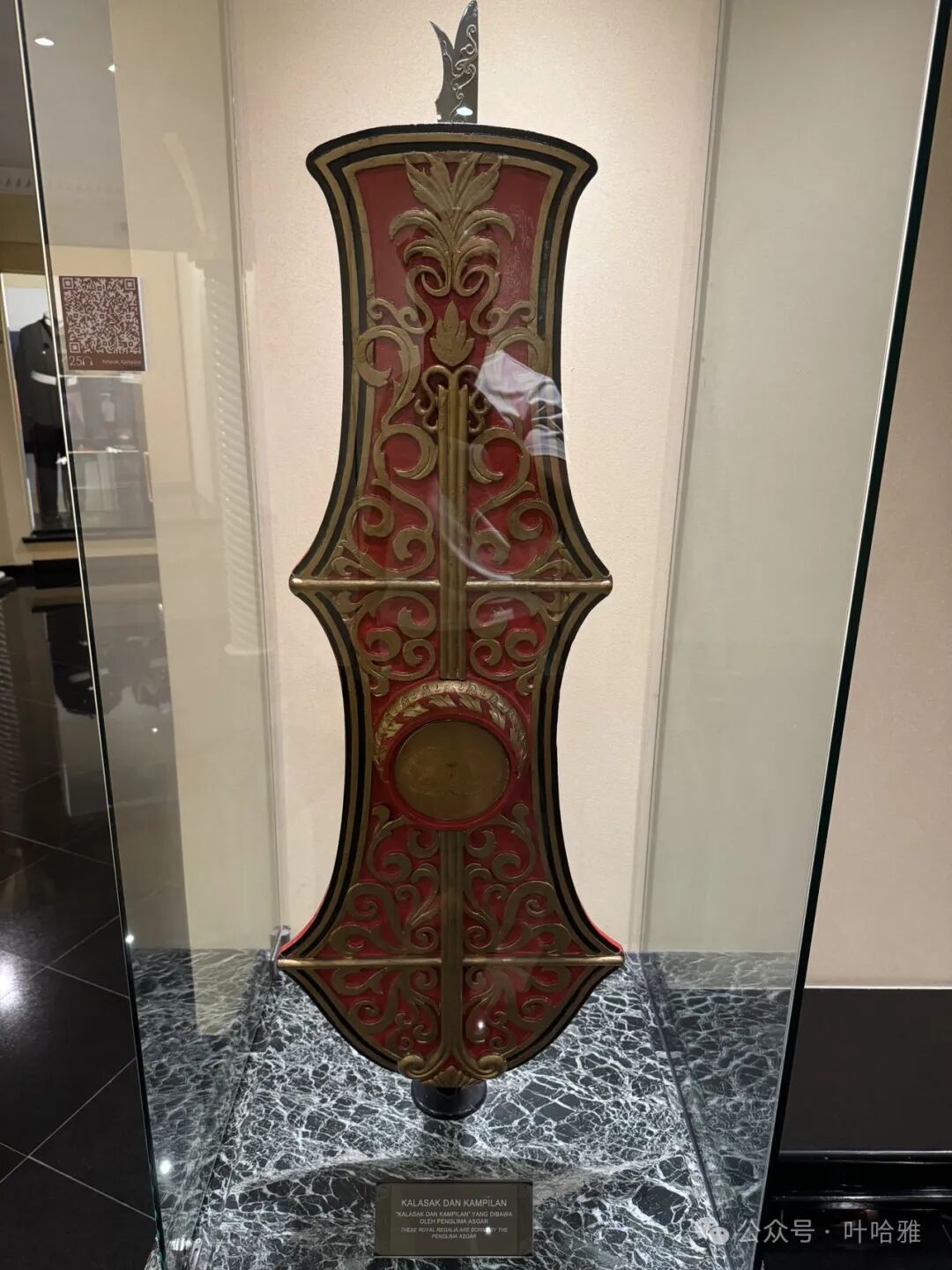
Between May and December 1969, Hassanal Bolkiah traveled to London three times to try to build ties with the British government. However, these trips were unsuccessful, as the British government insisted on withdrawing its troops stationed in Brunei.
In April 1970, Hassanal Bolkiah visited London again to try to break the negotiation deadlock, but the British government refused to compromise because it believed Brunei could defend itself without British aid. Given that the defense agreement was set to expire in November 1970, he expressed great concern, stating that even if half the male population joined the armed forces, Brunei could not defend itself.
With the election of the Conservative Party, Hassanal Bolkiah found new hope. The British government agreed to keep a limited number of British troops in Southeast Asia, including keeping Gurkha units stationed in Brunei, and decided not to abandon the 1959 agreement that was originally set to expire on June 30, 1970. These talks led to the signing of the Brunei-UK Friendship Agreement on November 23, 1971. This agreement gave Brunei full internal independence and limited the British High Commissioner's power to foreign affairs only.
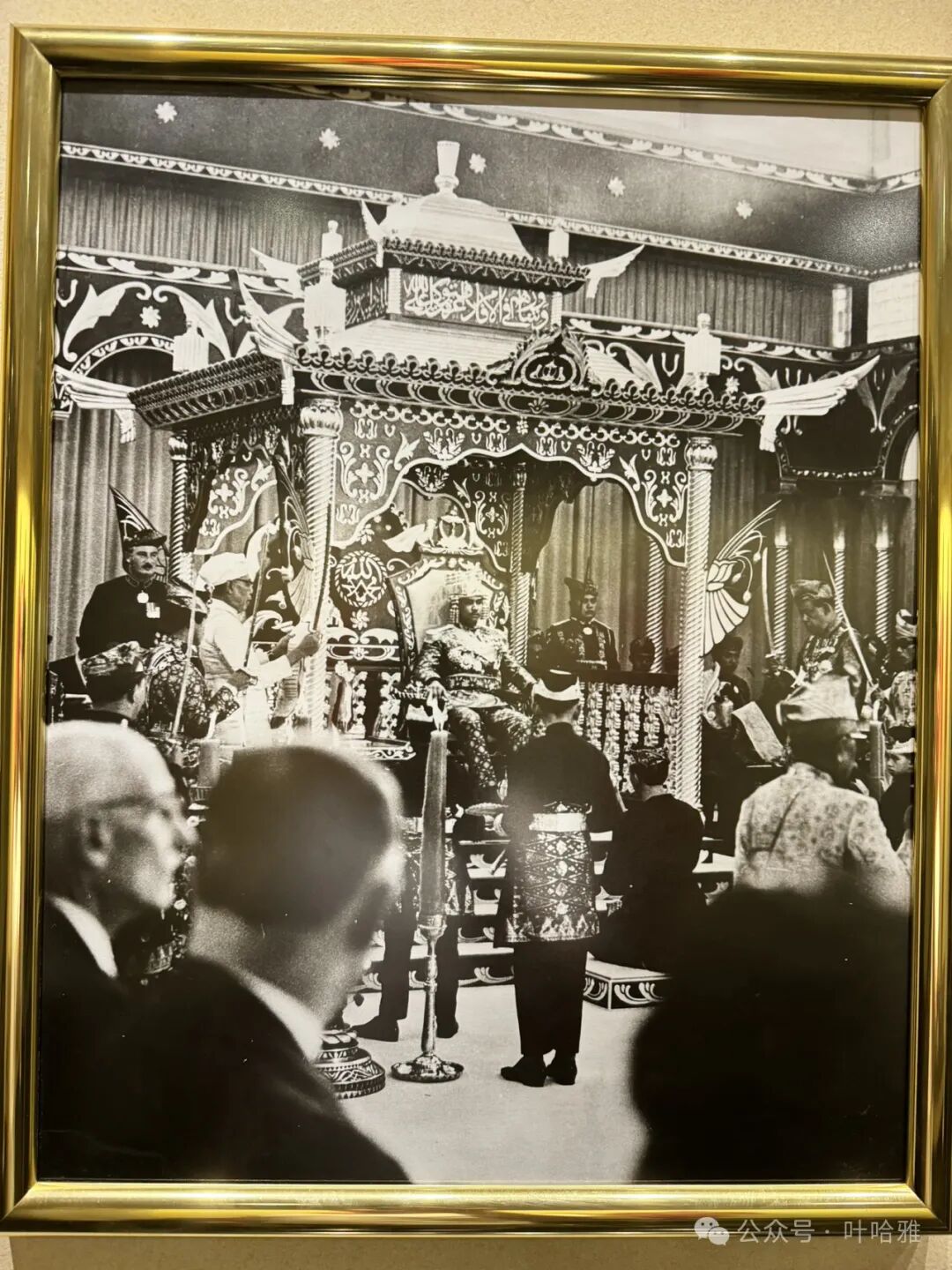
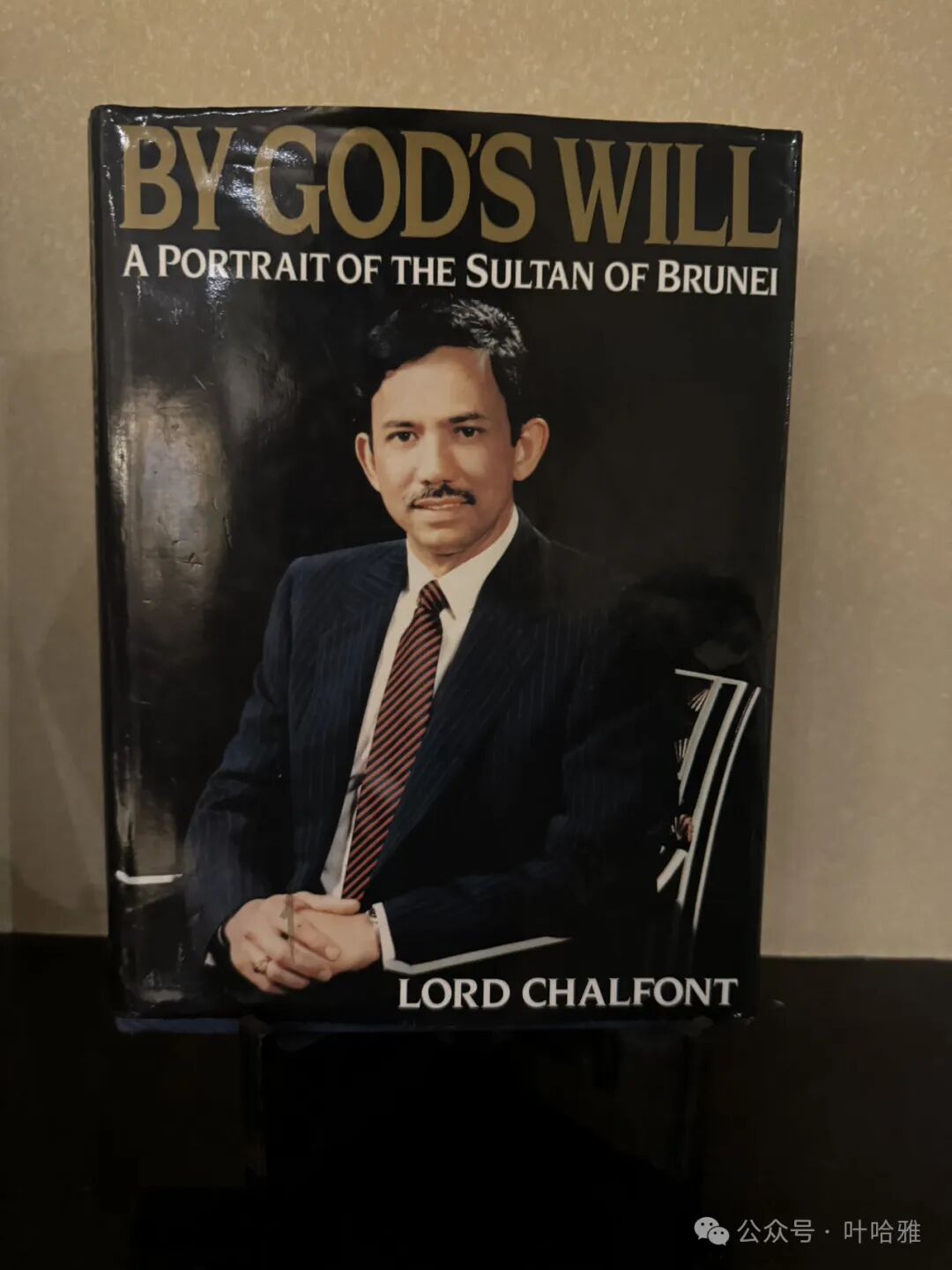
Hassanal Bolkiah (Hassanal Bolkiah Muiz'zaddin Wad'daulah bin Omar Ali Saifuddien III; born on July 15, 1946) has served as the Sultan of Brunei since 1967 and as the Prime Minister of Brunei since the country gained independence from Britain in 1984.
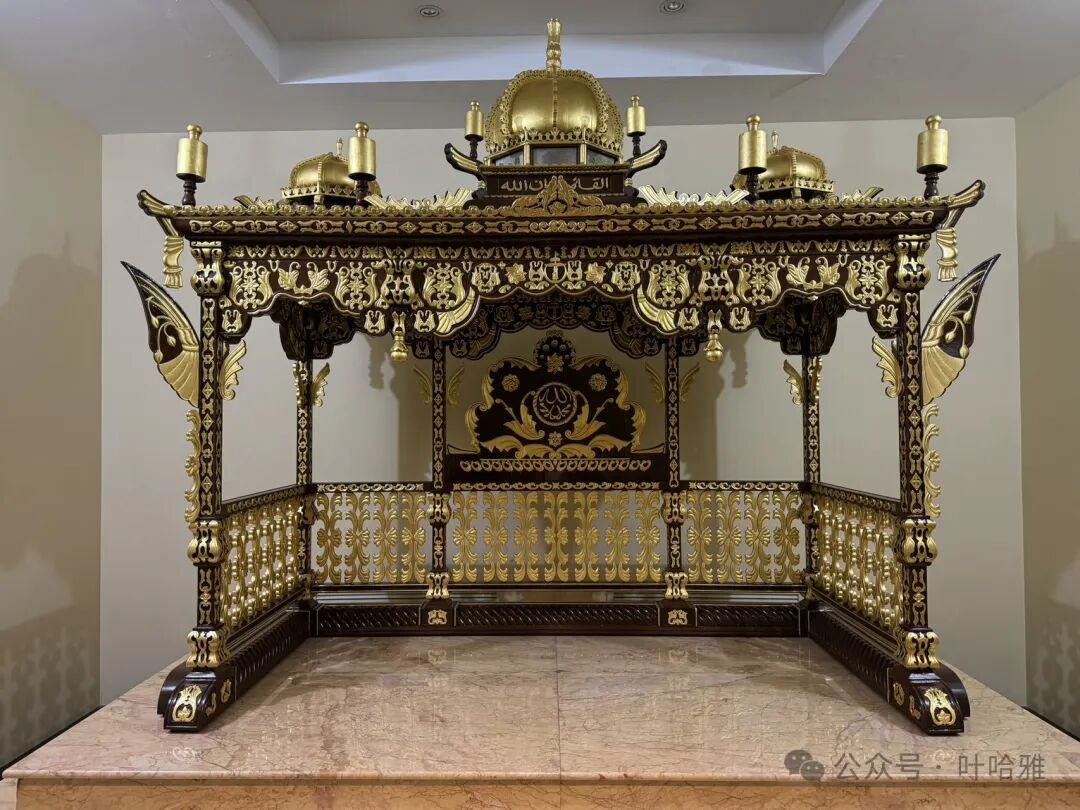
In 1978, Hassanal Bolkiah led another delegation to London to negotiate with the British government about Brunei's status as an independent sovereign nation. In the end, Brunei and the UK signed a Treaty of Friendship and Cooperation. The treaty took effect on January 1, 1984. The British government was no longer responsible for managing Brunei's foreign affairs and defense. This was the day Brunei became independent from Britain after being under British protection for nearly 20 years. As head of government and Prime Minister, Bolkiah took over Brunei and turned it into an independent monarchy.
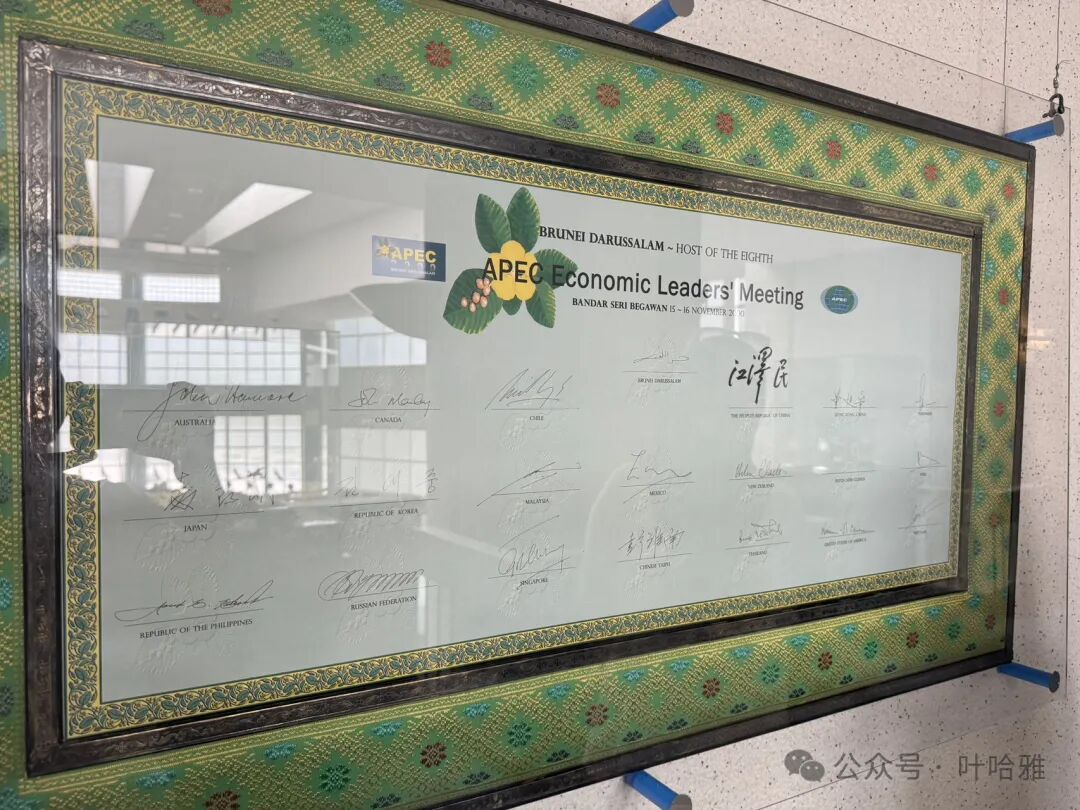
I saw a familiar signature.
A model of the Prophet's Mosque (Al-Masjid an-Nabawi) in Medina gifted by Saudi Arabia.
A model of the bronze chariot from Pit No. 2 of the Terracotta Army gifted by our country.
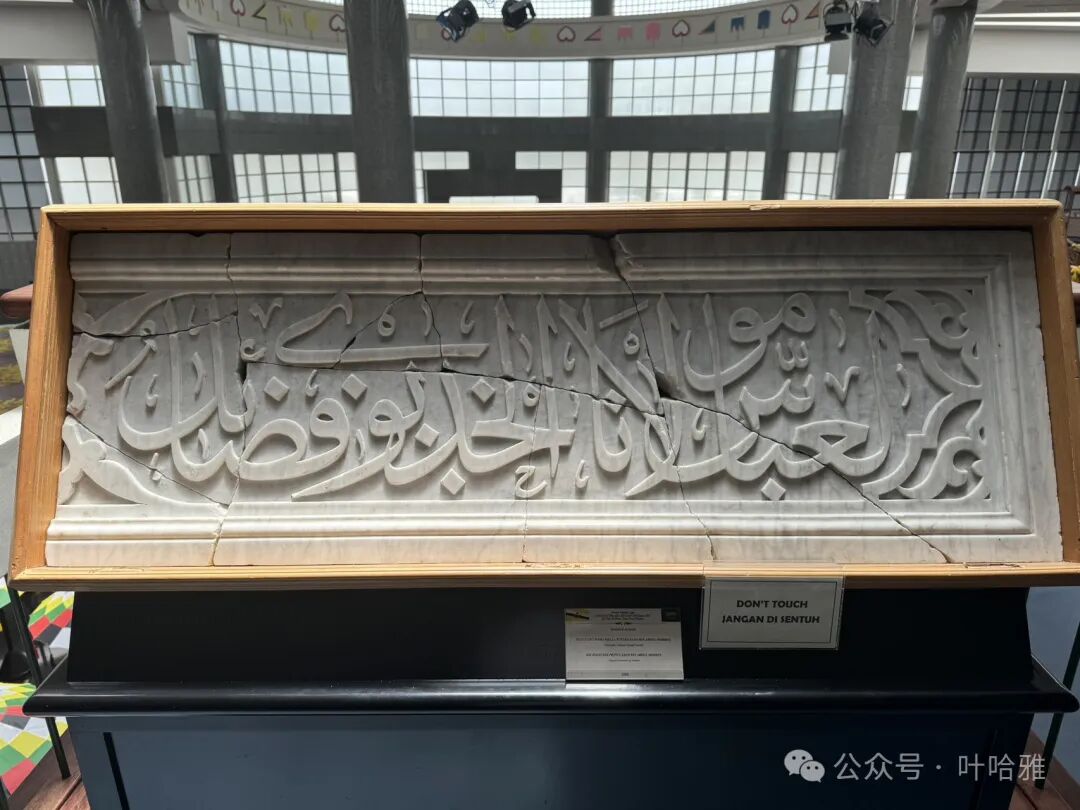
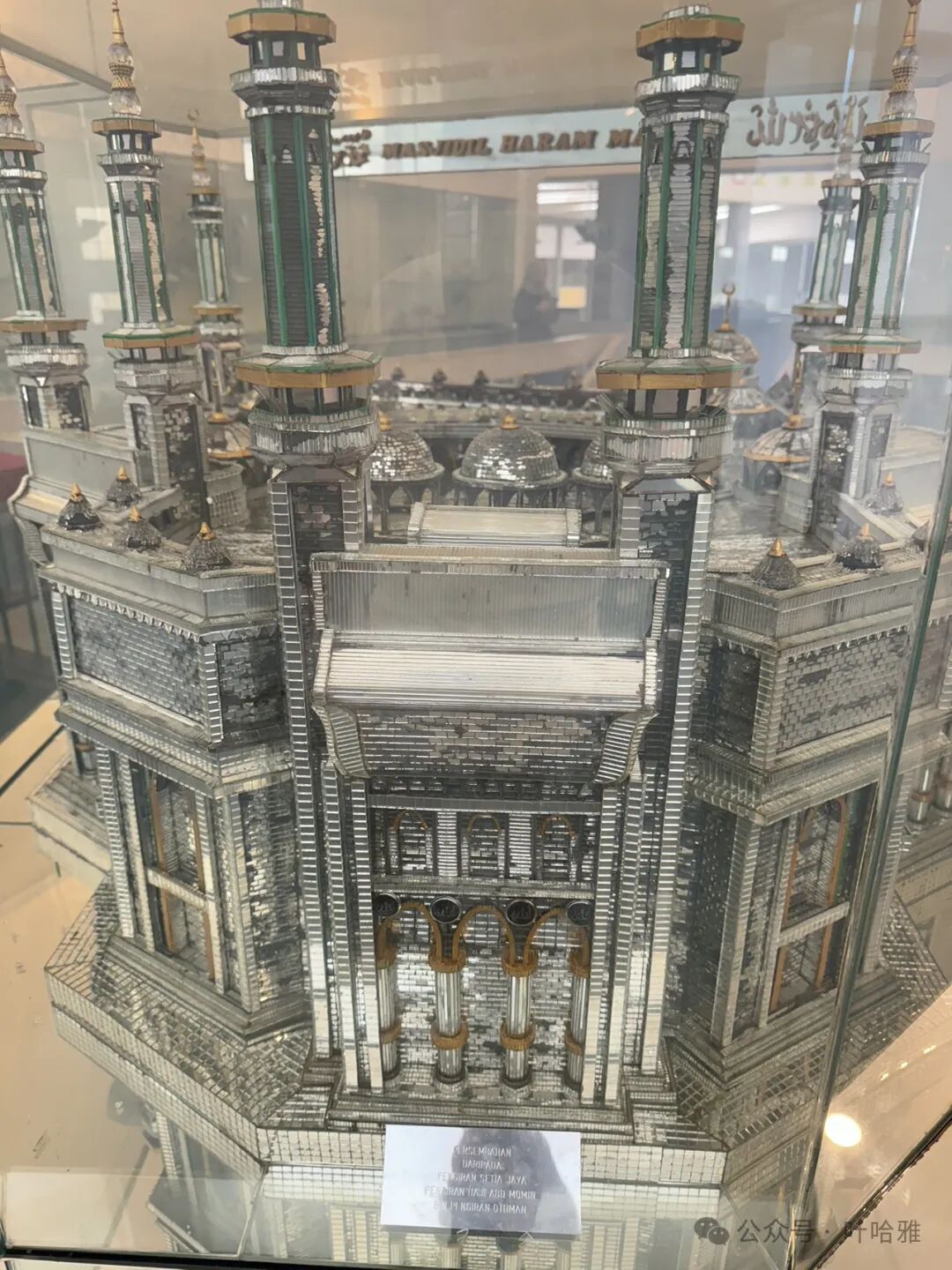
A model of the Sacred Mosque (Masjid al-Haram) in Mecca gifted by Saudi Arabia.
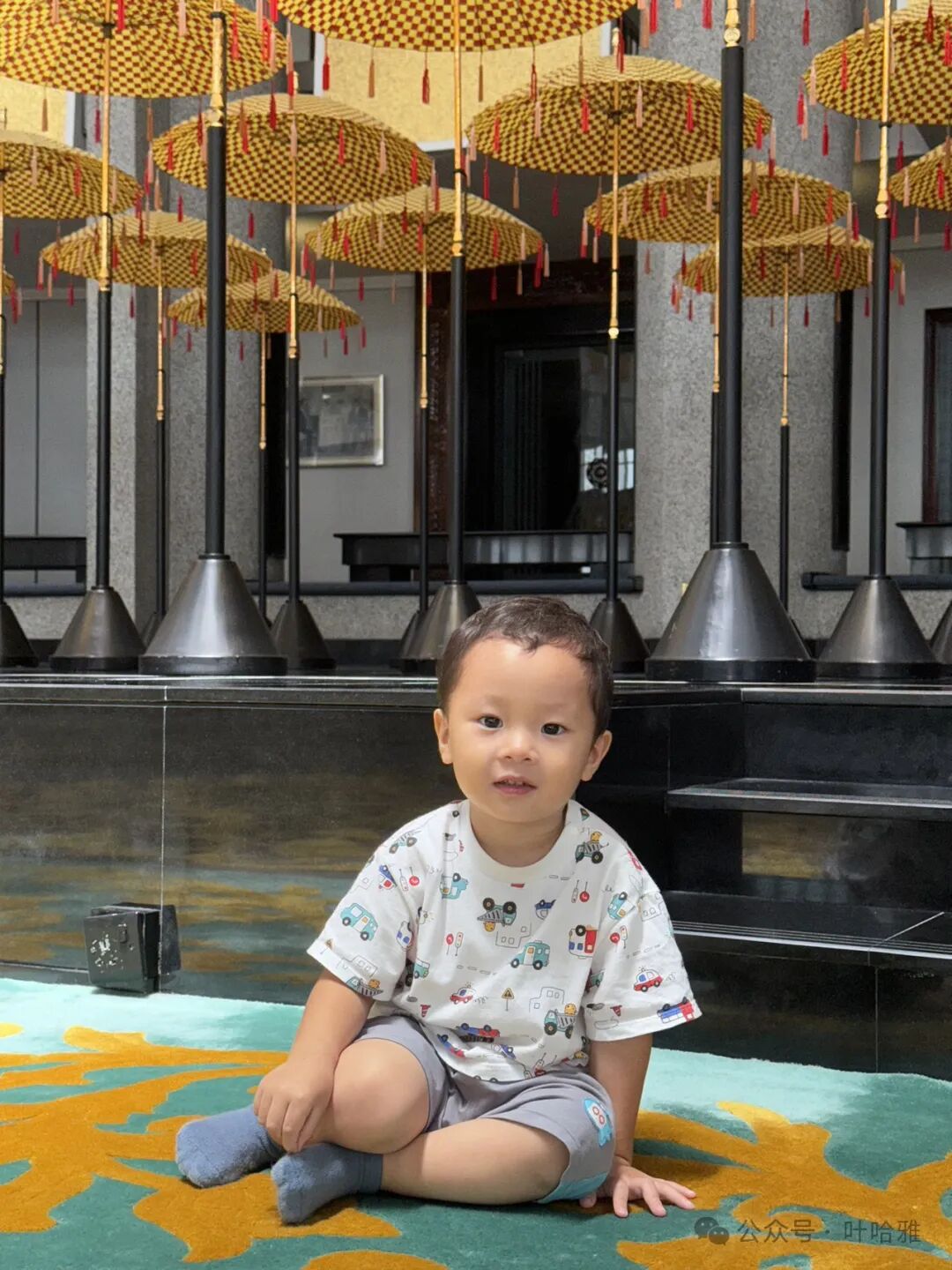
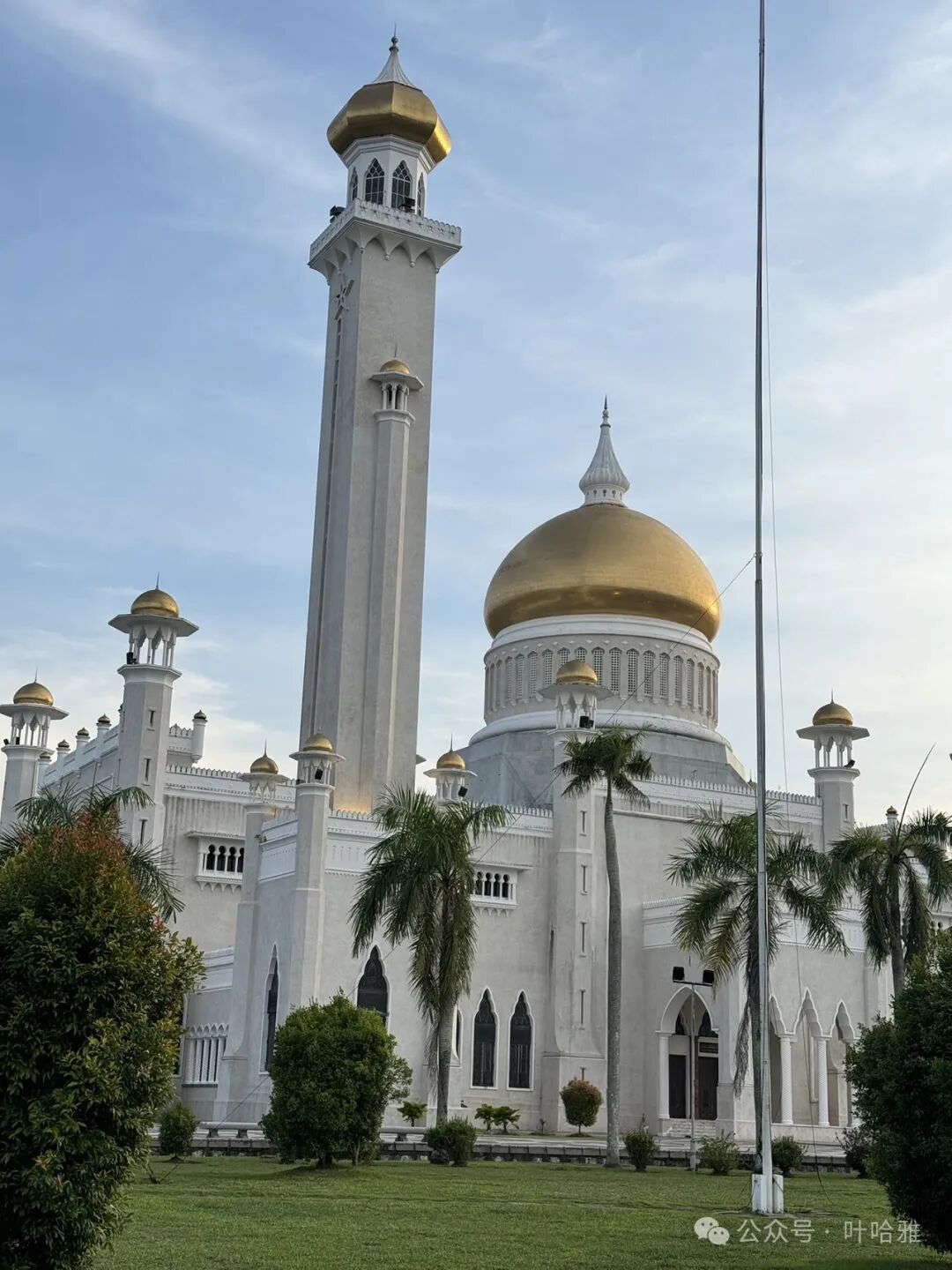
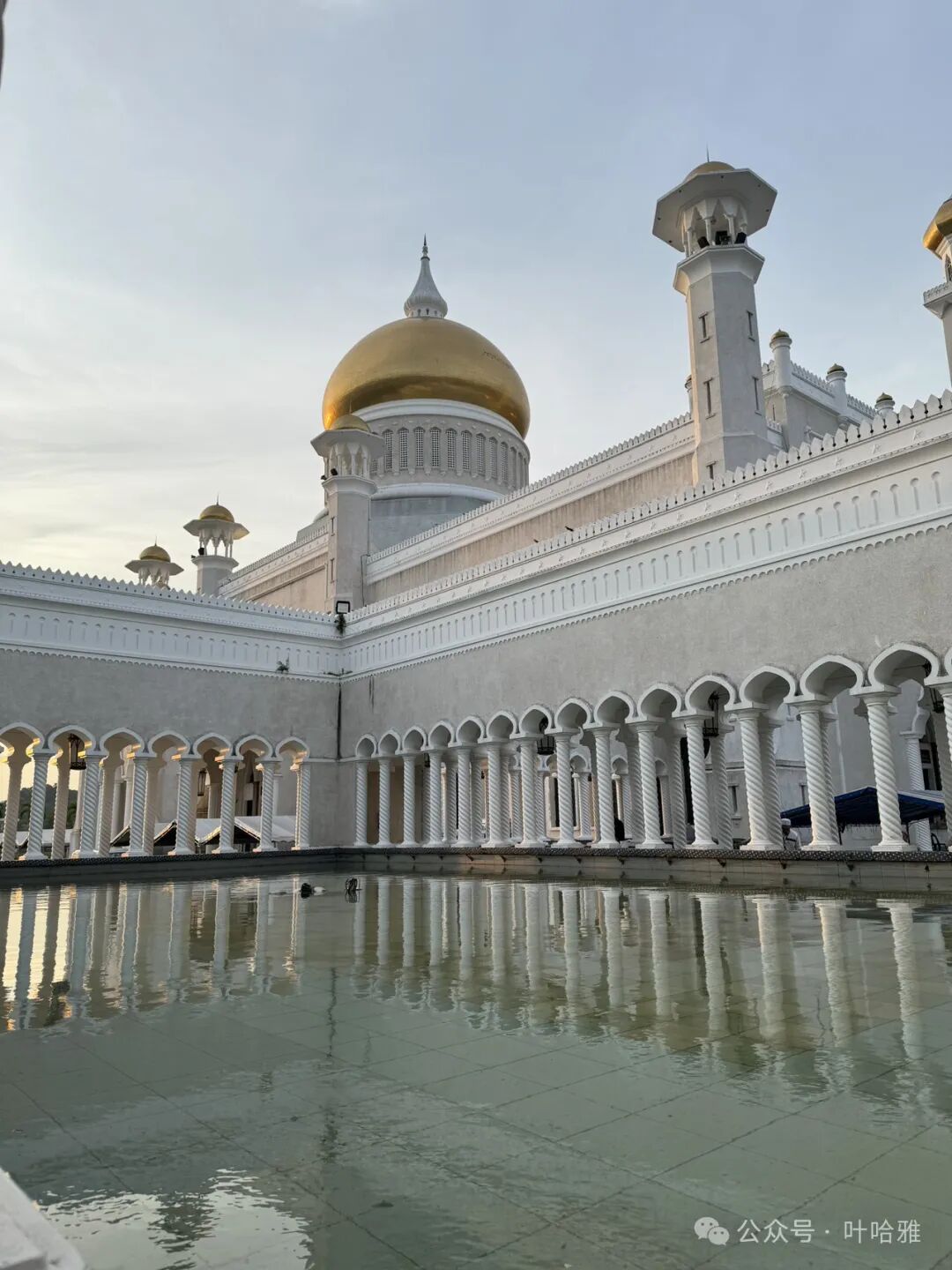
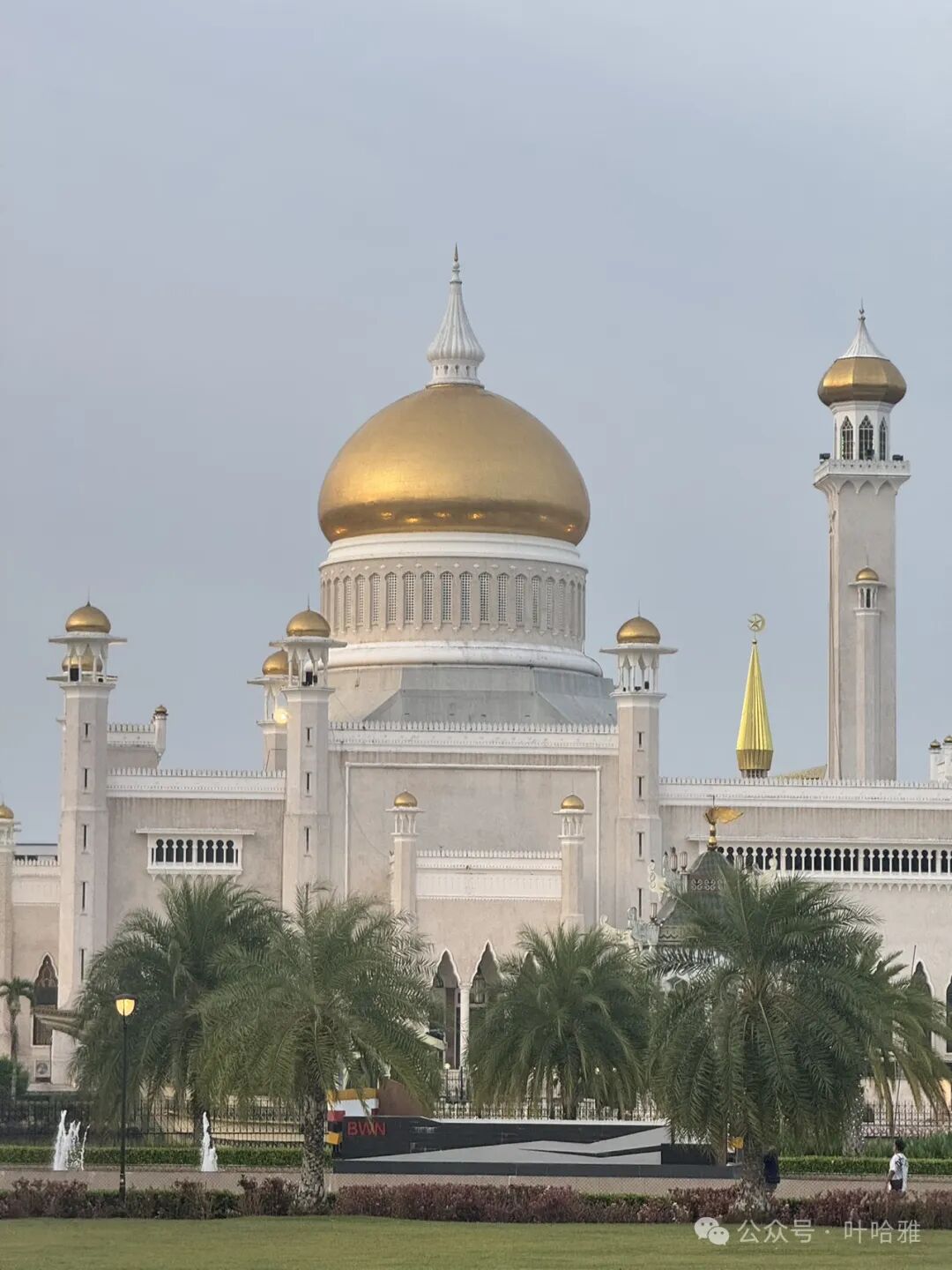
The Sultan Omar Ali Saifuddien Mosque (Masjid Omar 'Ali Saifuddien) was named after the 28th Sultan of Brunei, Omar Ali Saifuddien III, and was completed in 1958. As of 2019, a total of 102 mosques have been built across Brunei.
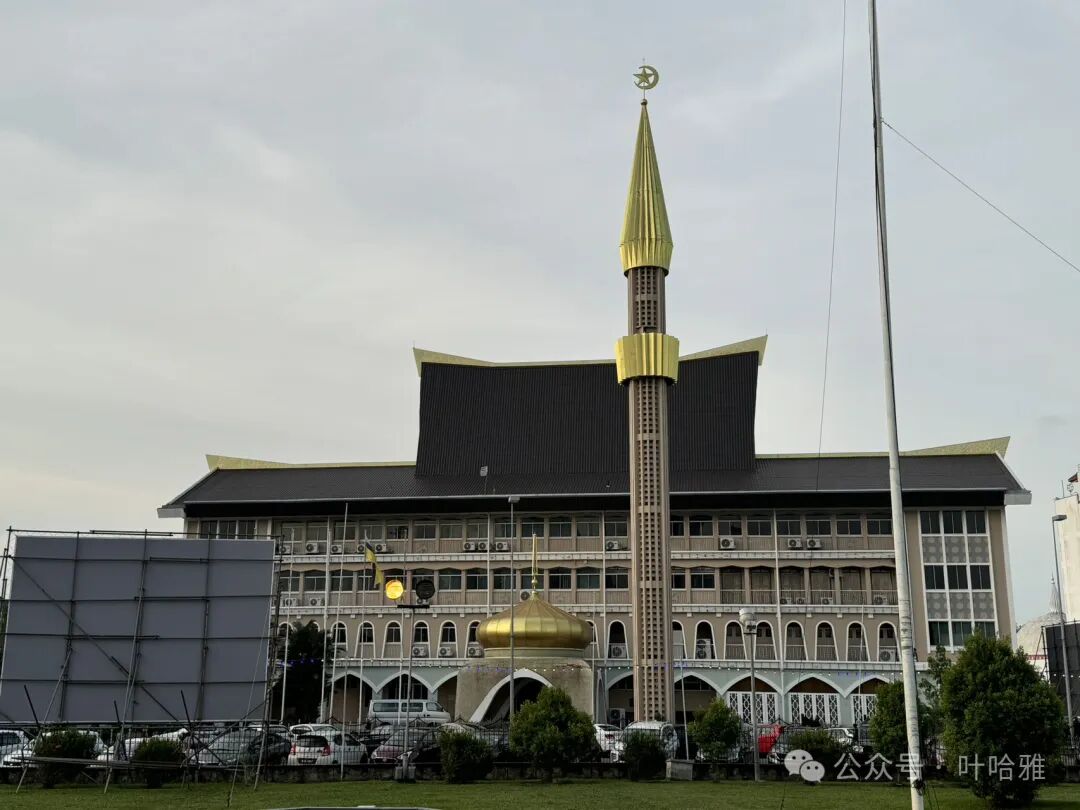
The mosque's architectural style is influenced by both Islamic and Italian designs, as it was created by an Italian architect.
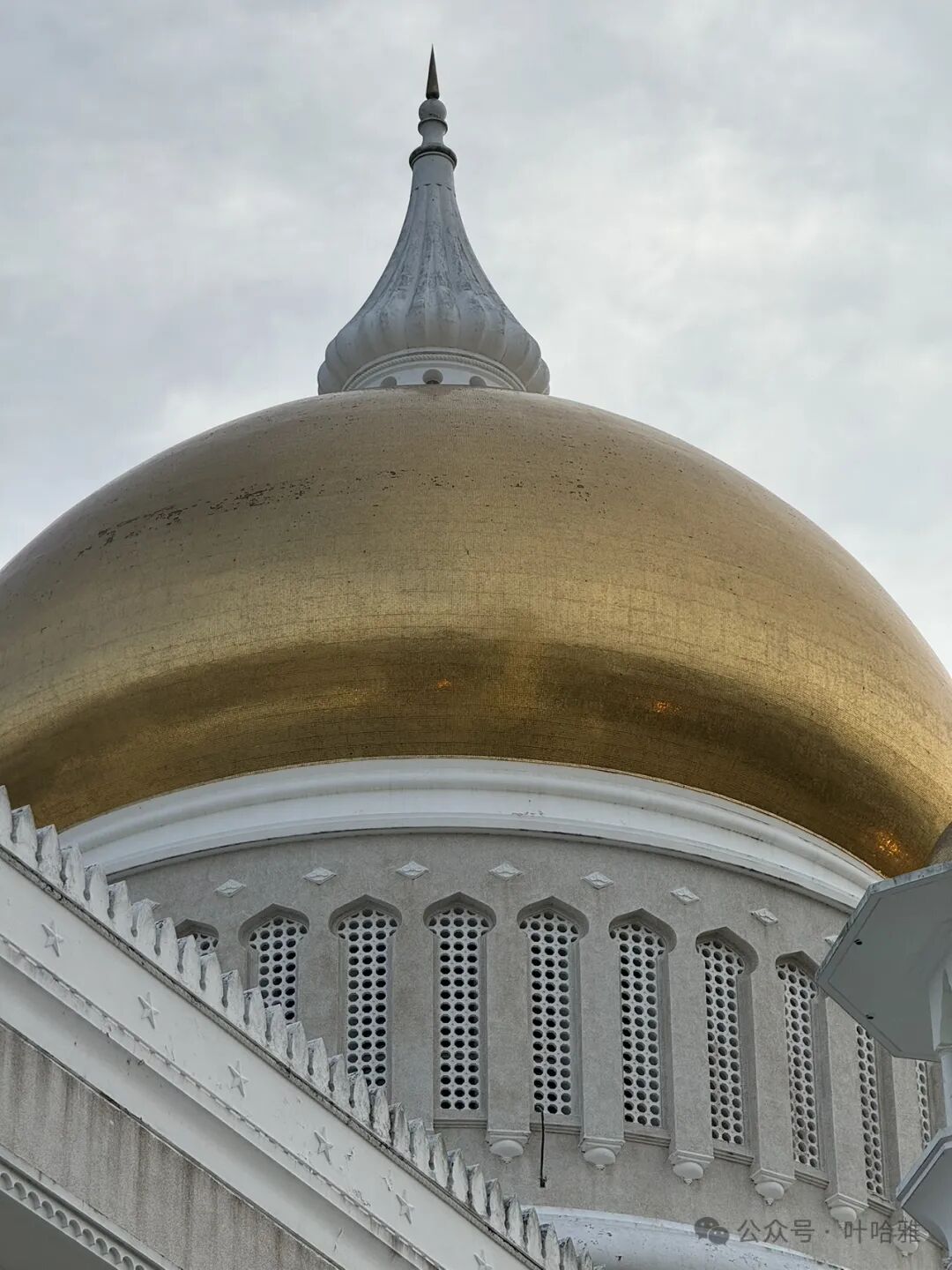
Like Malaysia, Brunei officially follows the Shafi'i school of thought. However, the imam I met at this mosque follows the Hanafi school. This is because only the Hanafi school advocates raising the hands once, while the other three schools raise them three times.
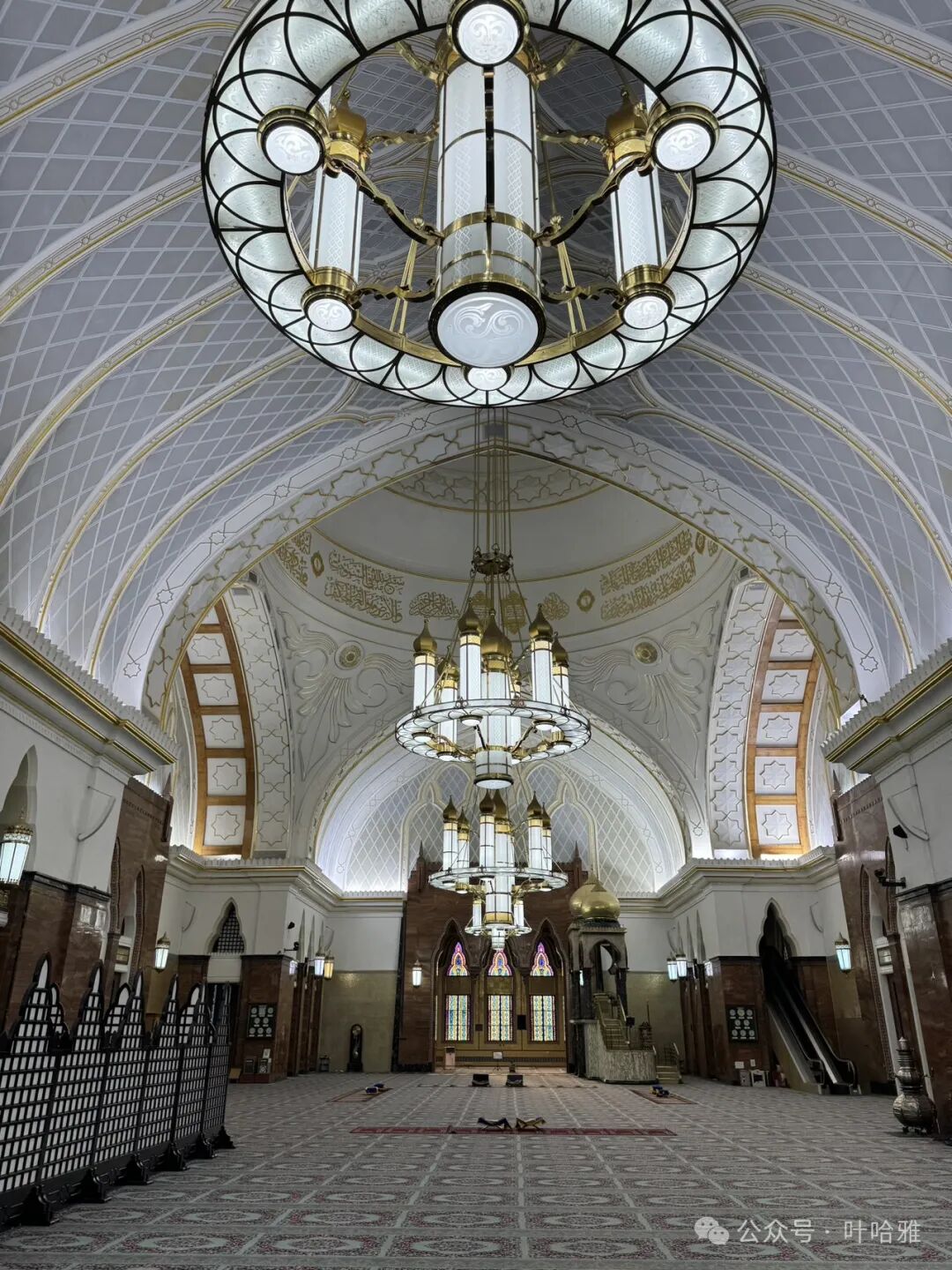
Regardless of which school the imam belongs to, imams in Brunei perform dua during namaz rather than after. Some believe that during namaz, you are closest to Allah, making it the best time for your dua to be answered.
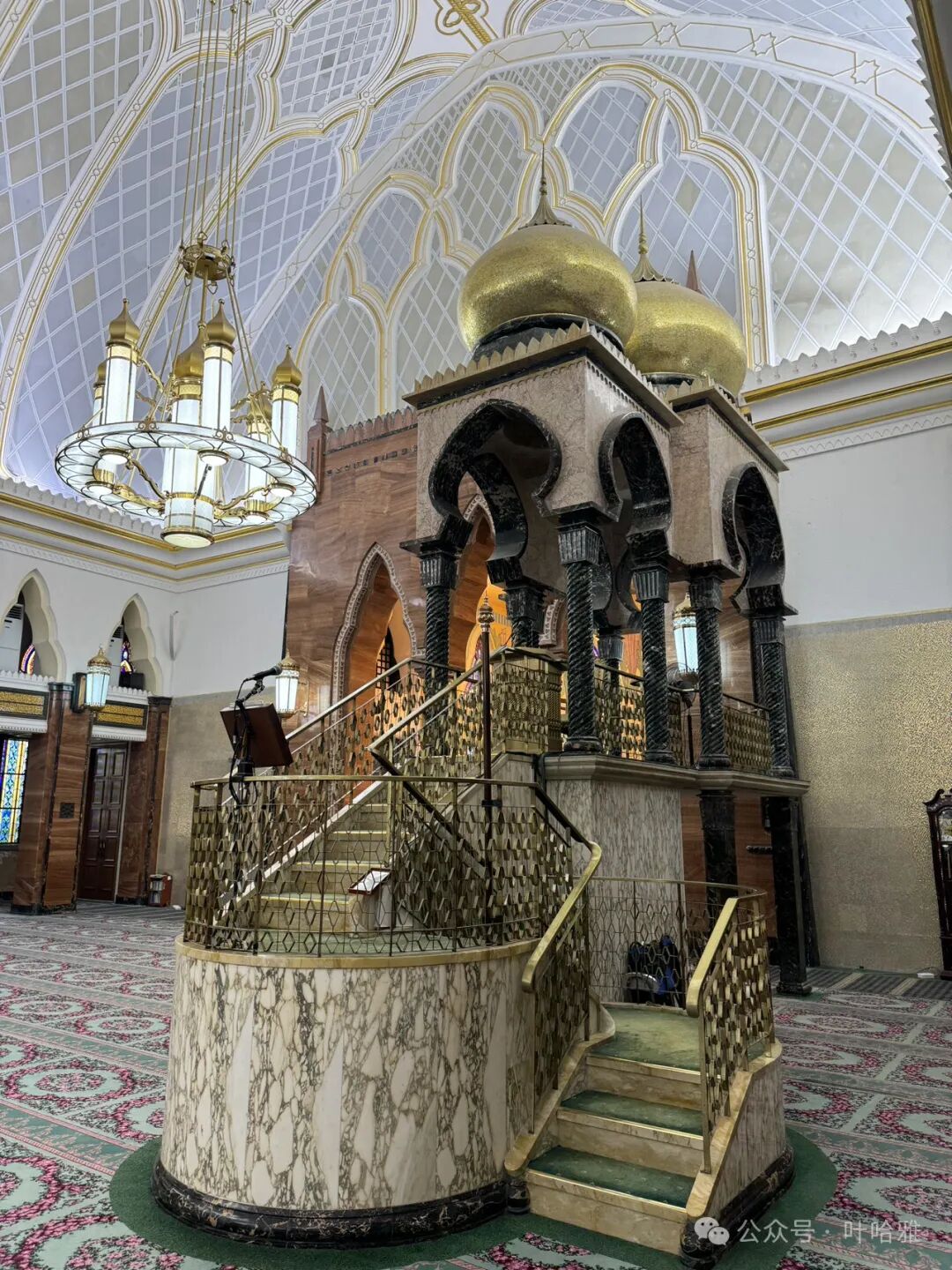
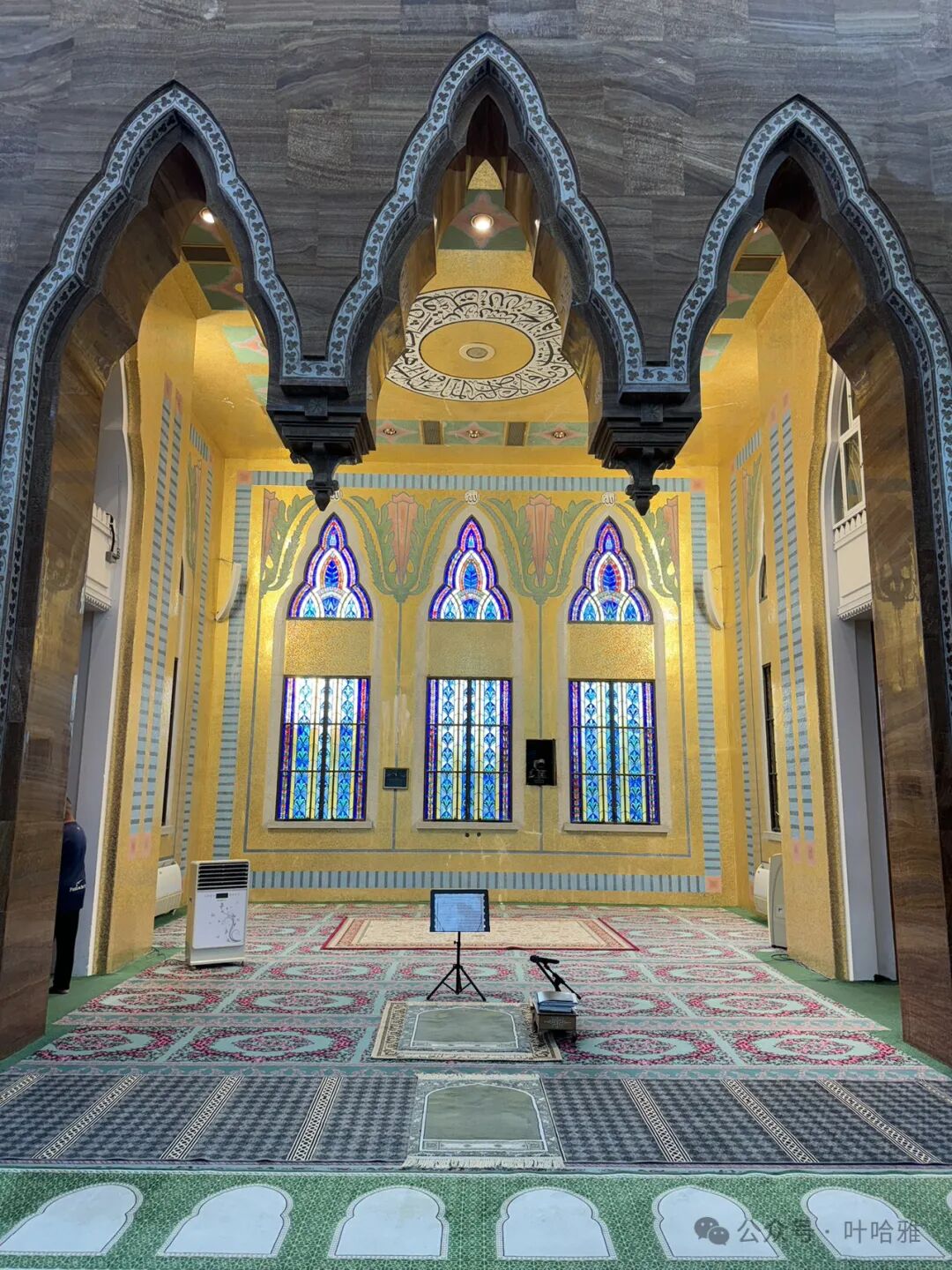
During the Sultan's reign, some of Brunei's older wooden mosques were rebuilt with brick and stone. These newer buildings use stronger materials and offer more space.
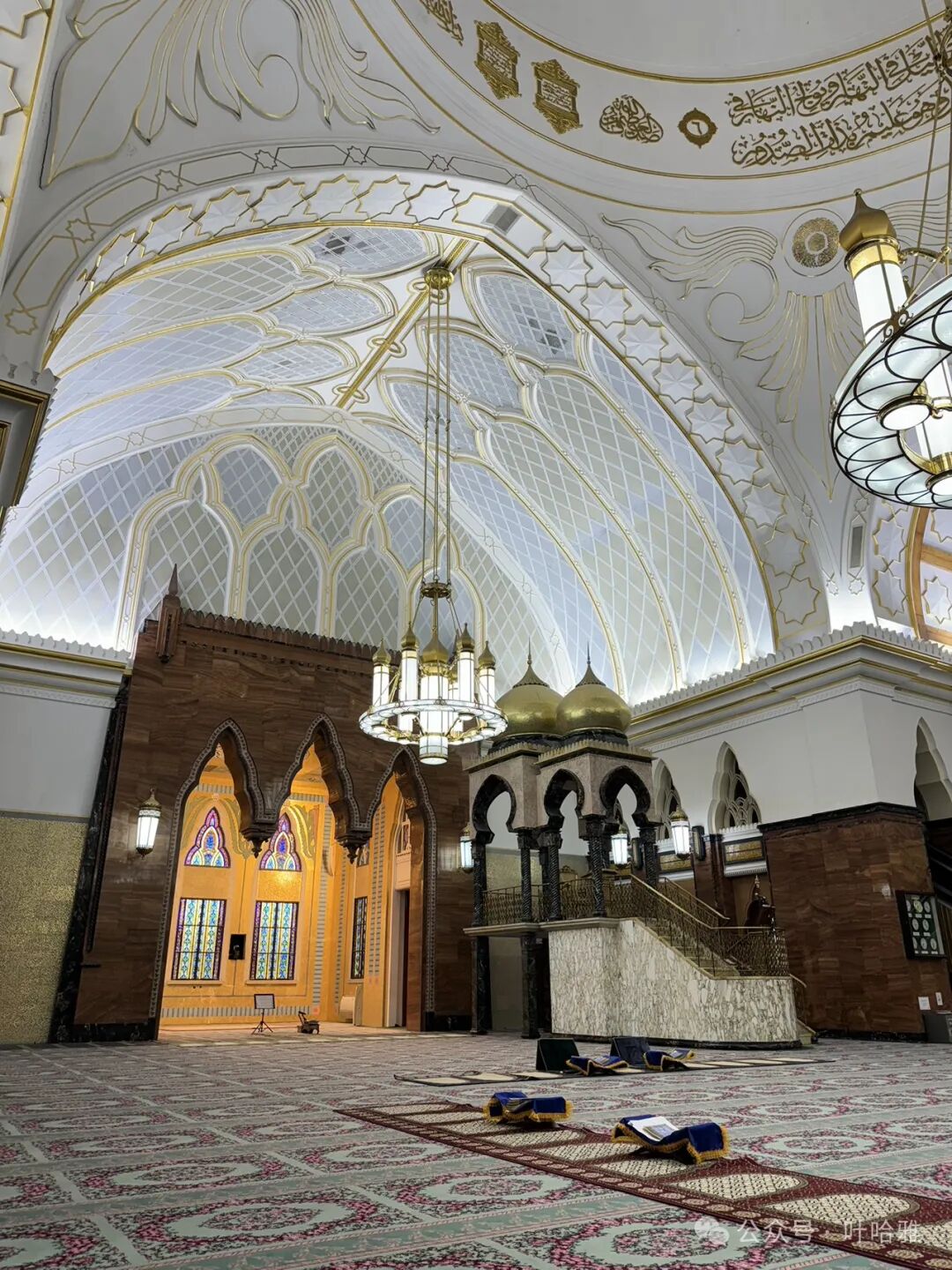
Brunei has no historic wooden mosques left because they were destroyed or torn down during the Japanese occupation. The Antiquities and Treasure Trove Act of 1967 created a legal framework to protect Brunei's architectural history, defining monuments as structures built before January 1, 1894.
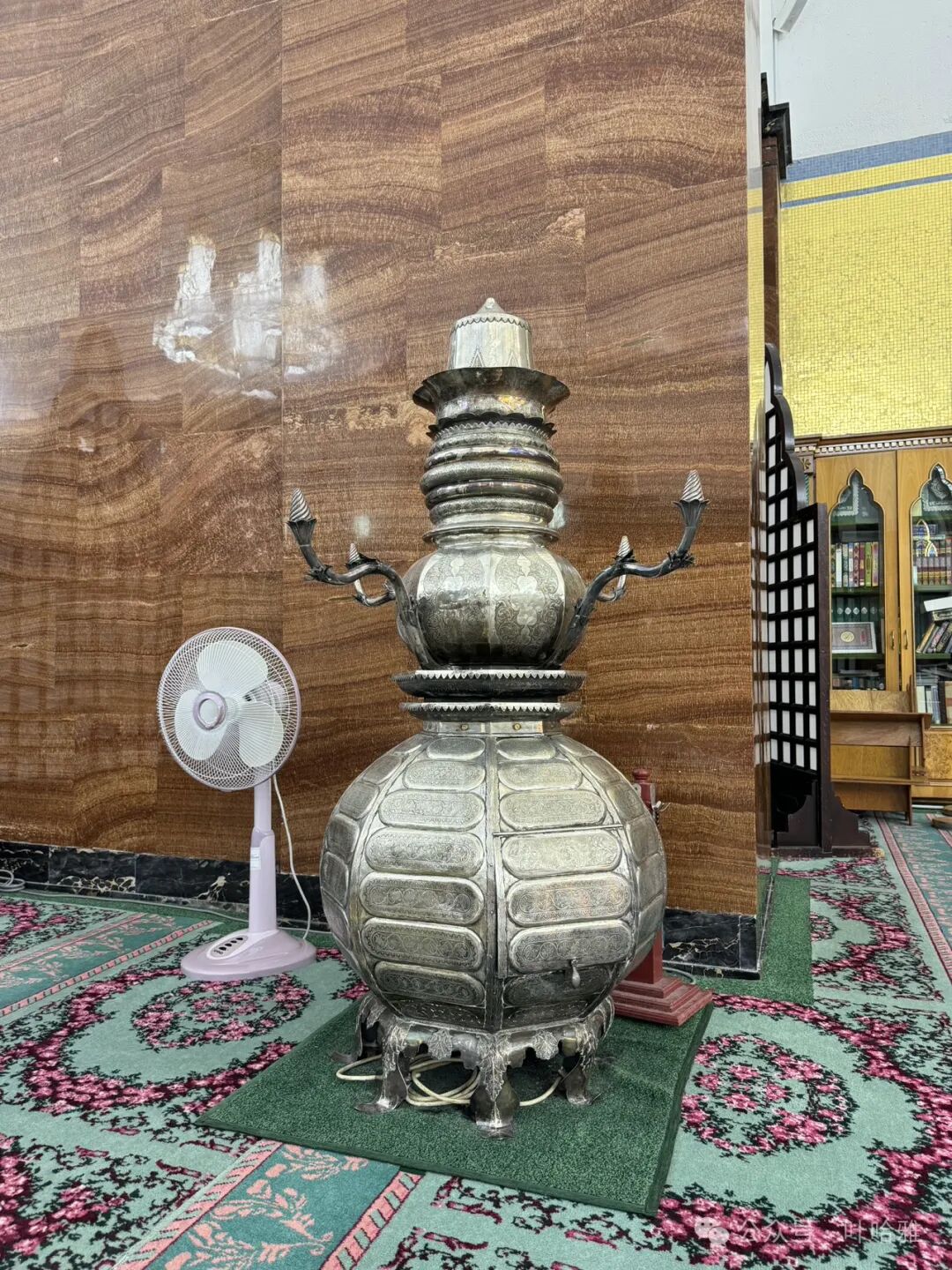
As of 2018, Brunei has only designated 27 buildings and sites as historical monuments, and none of them are mosques.
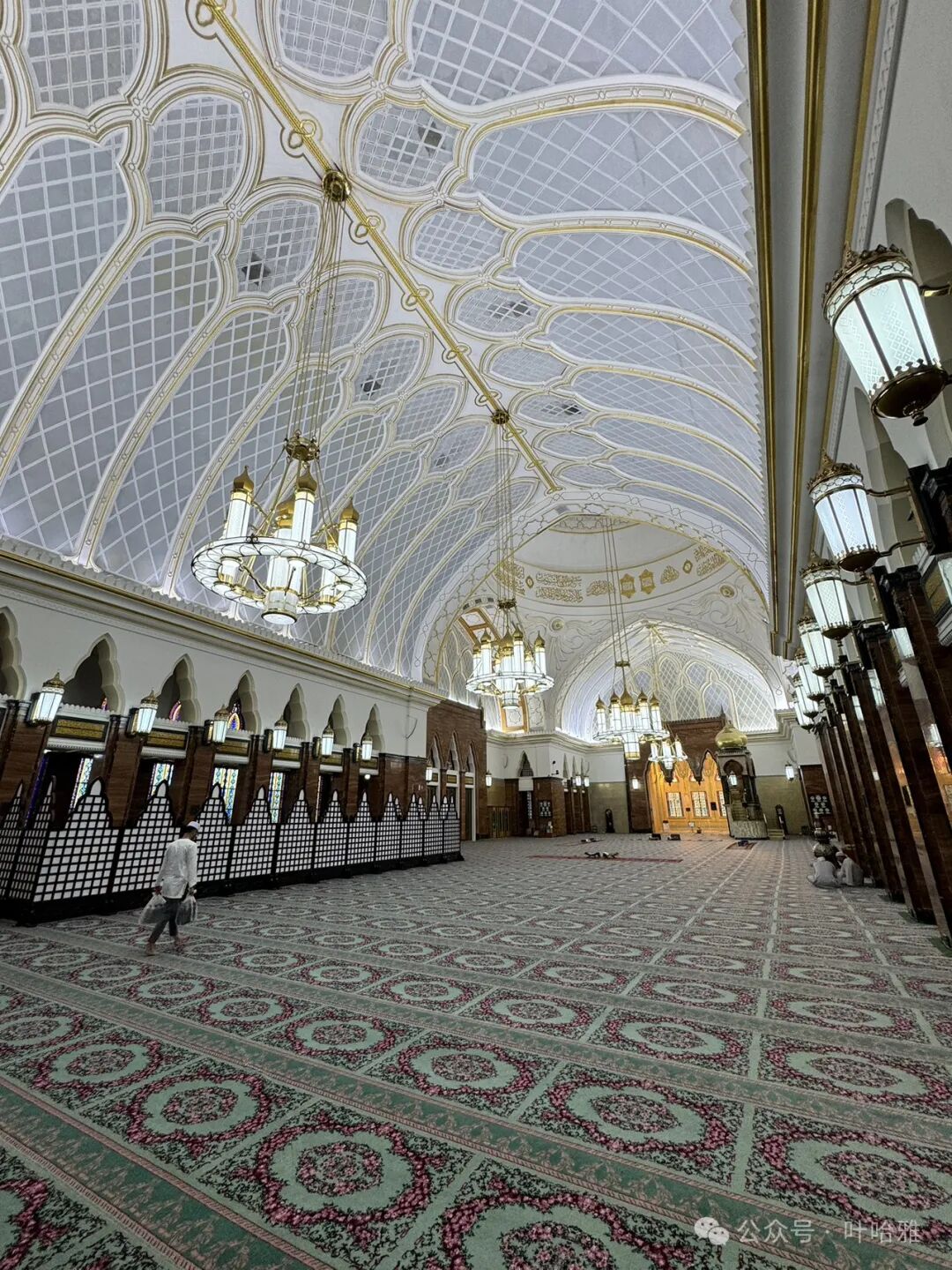
During the Sultan's reign, Arabic architecture became more popular, likely due to the Sultan's own Arabic heritage.
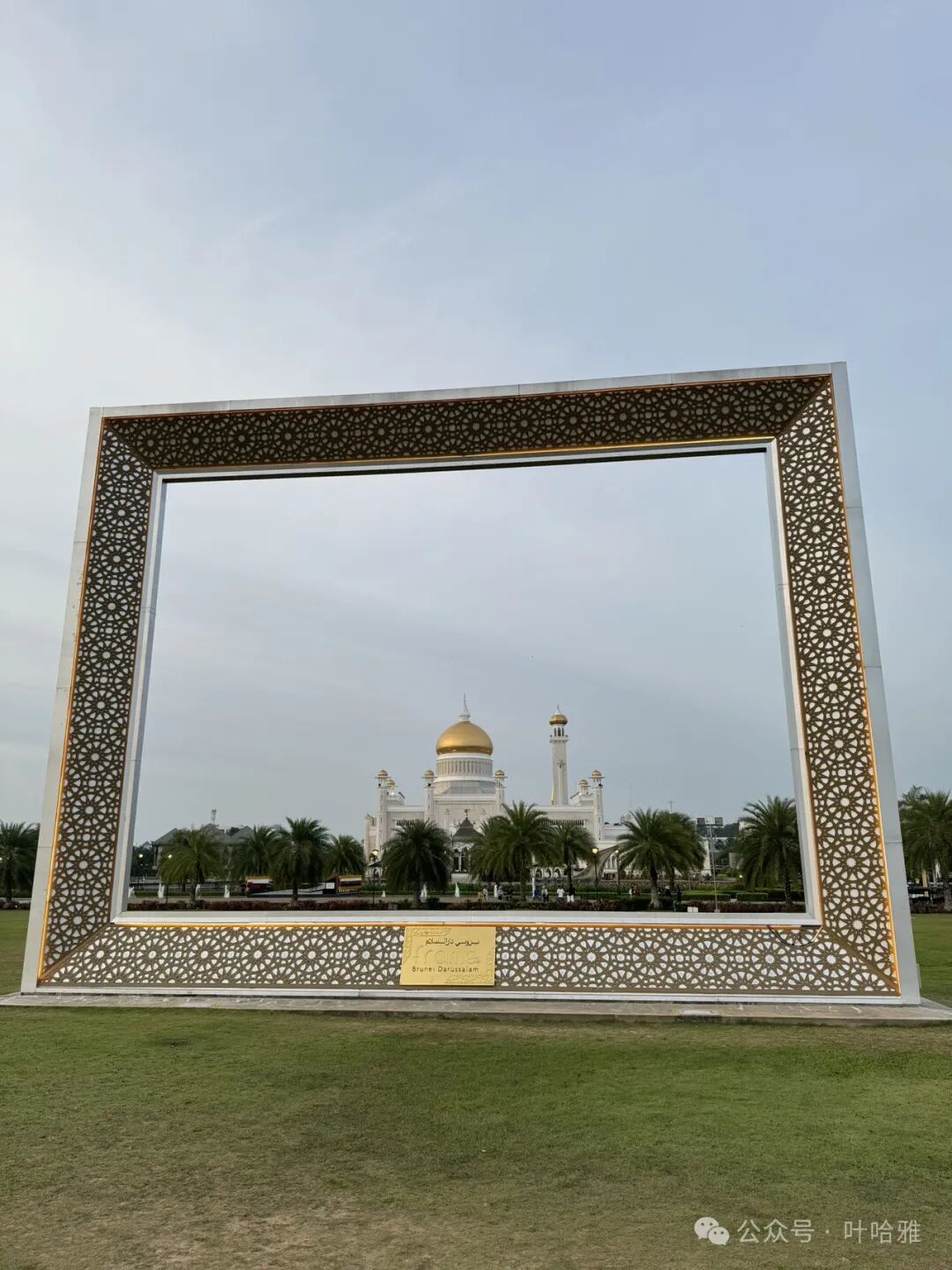
There is a giant picture frame in the mosque square that serves as a landmark in Brunei.
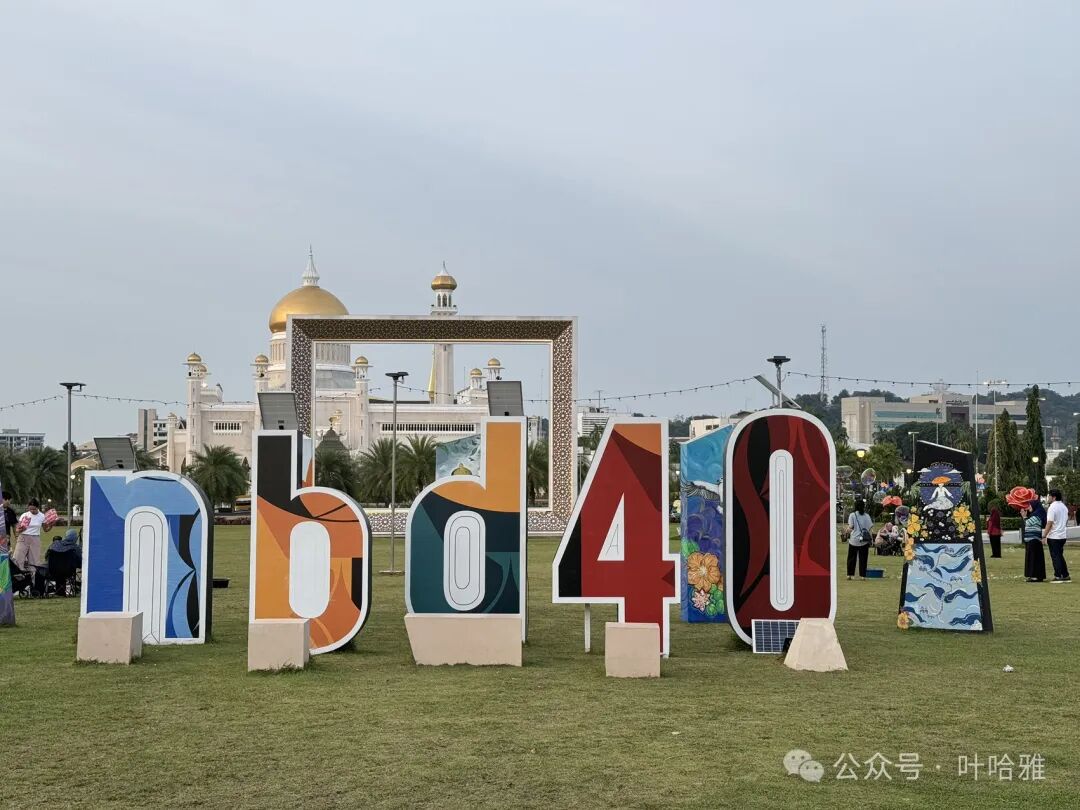
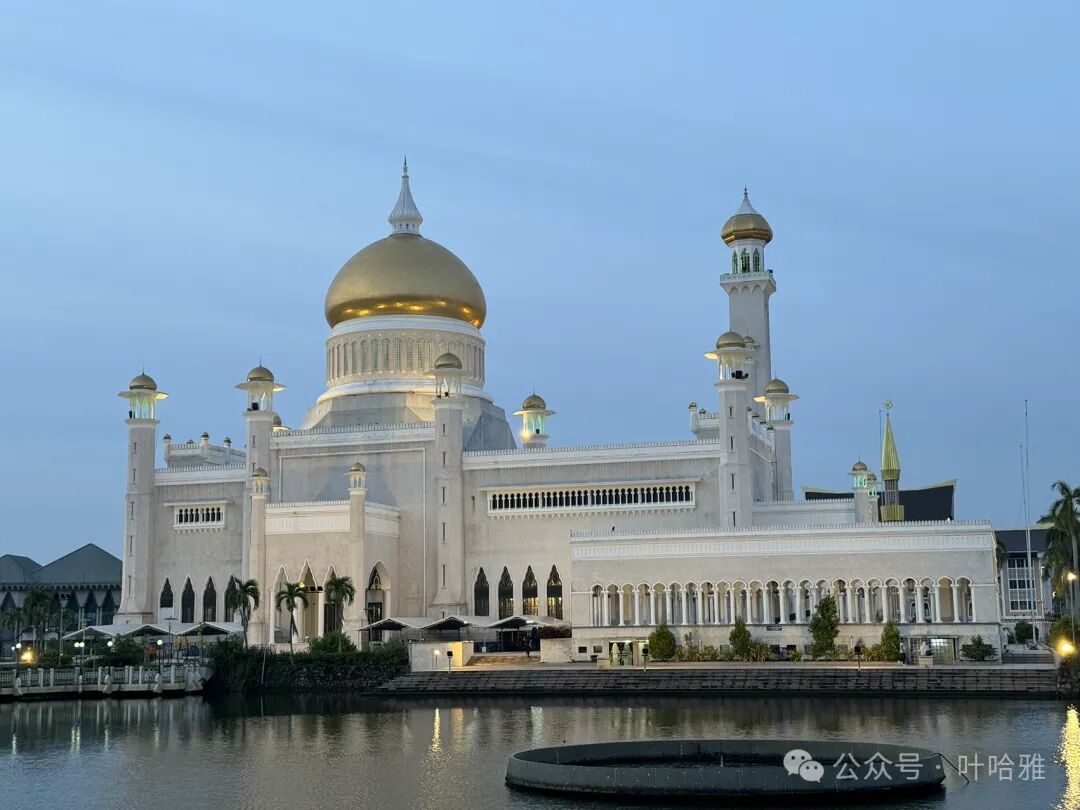
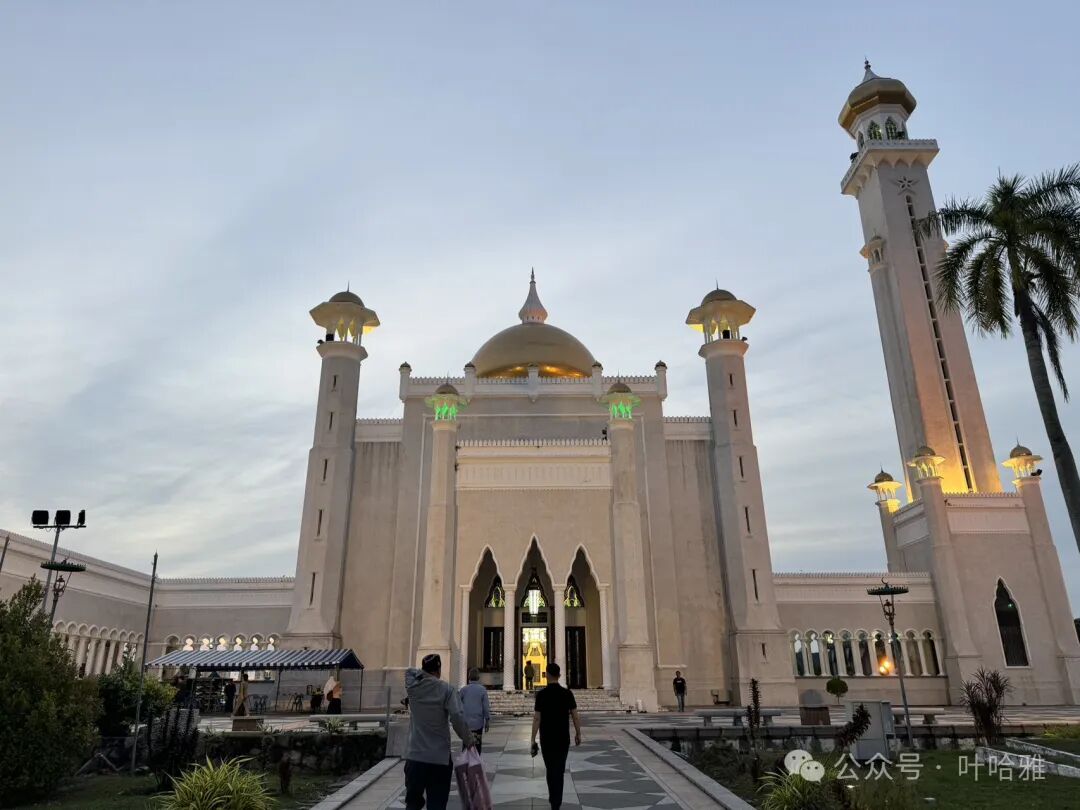
People walking toward the mosque at sunset (sham).
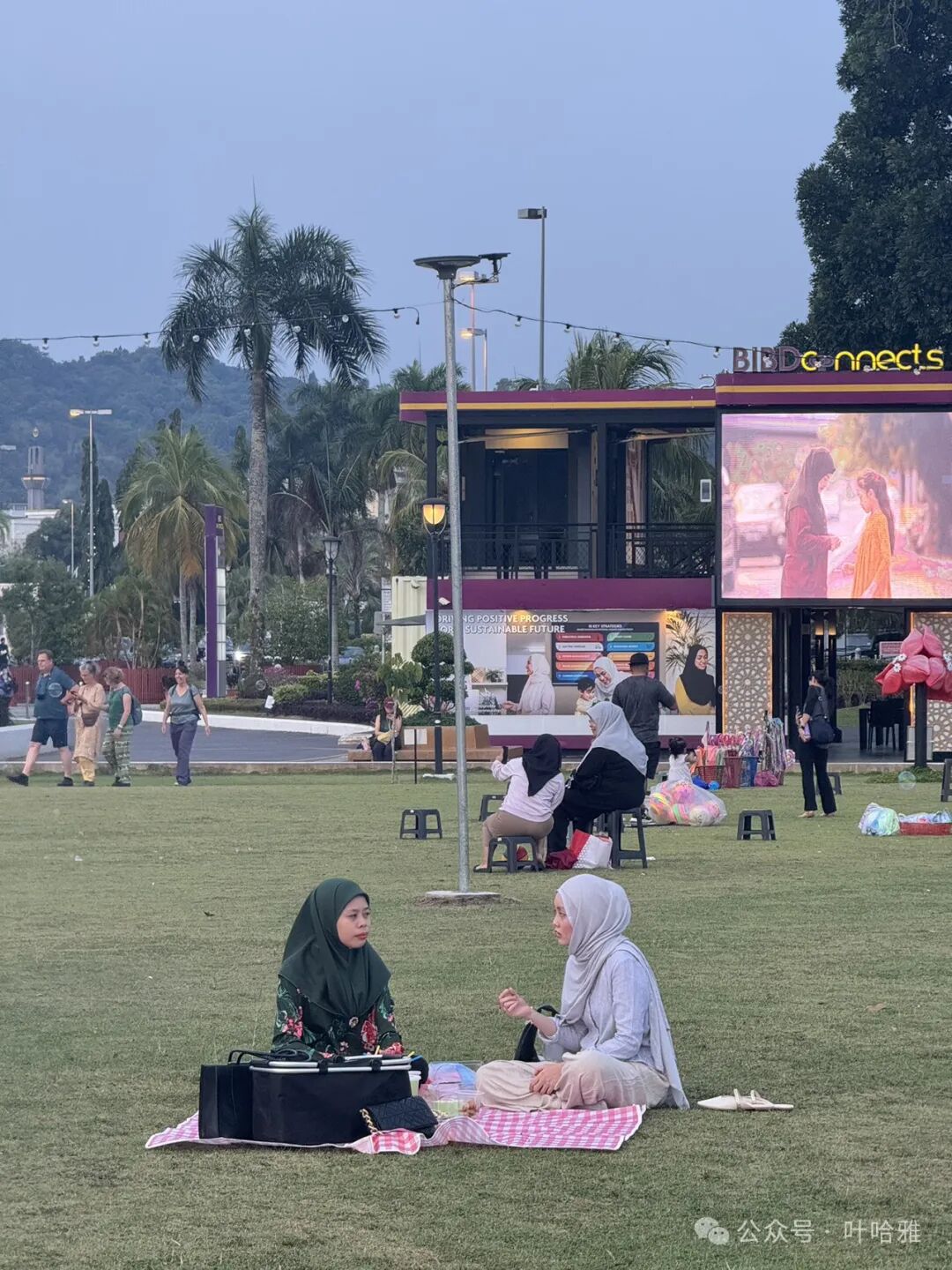
In the evening, residents sit on the lawn for picnics, and the water village is right across from the square.
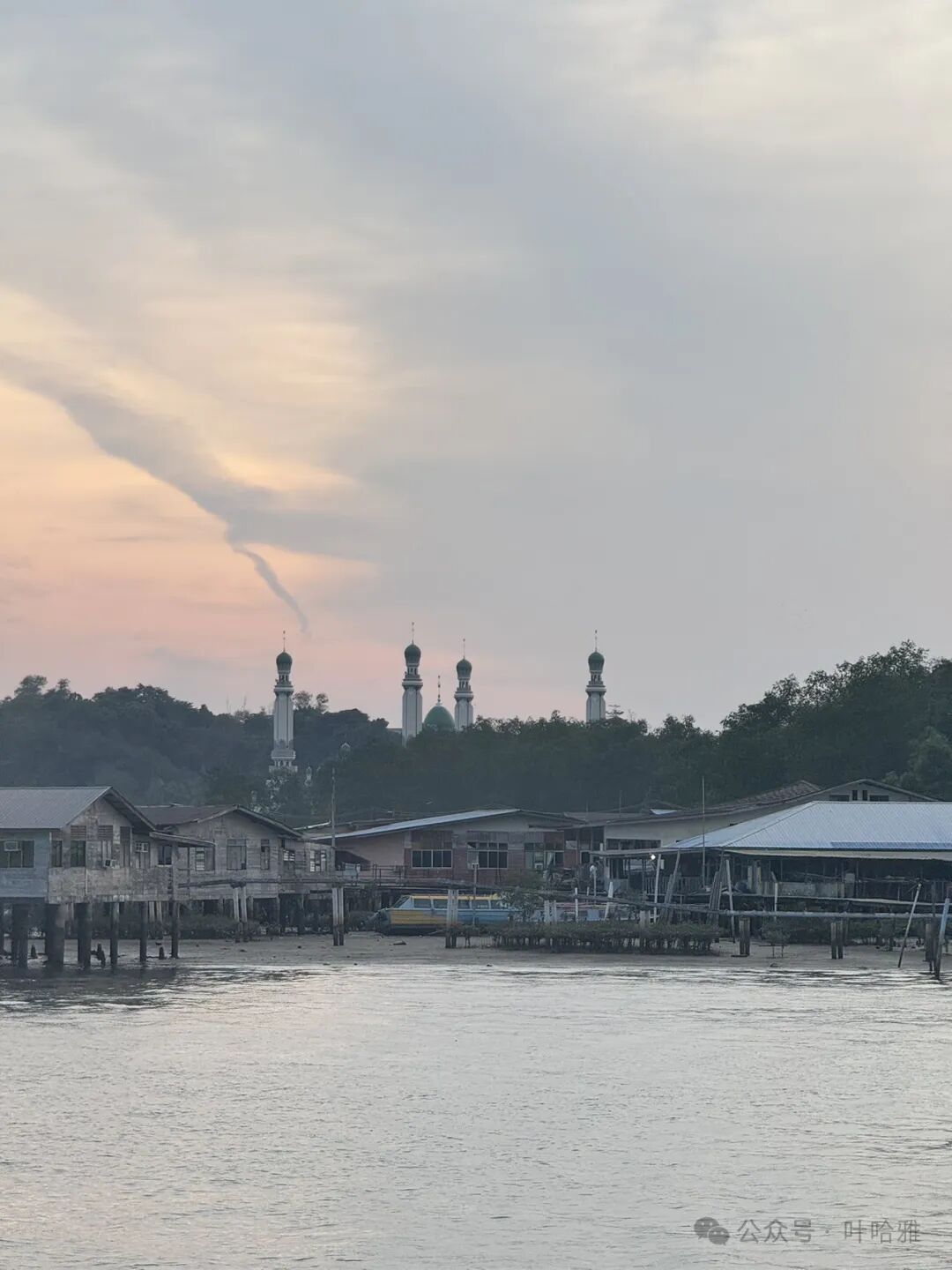
Water village.
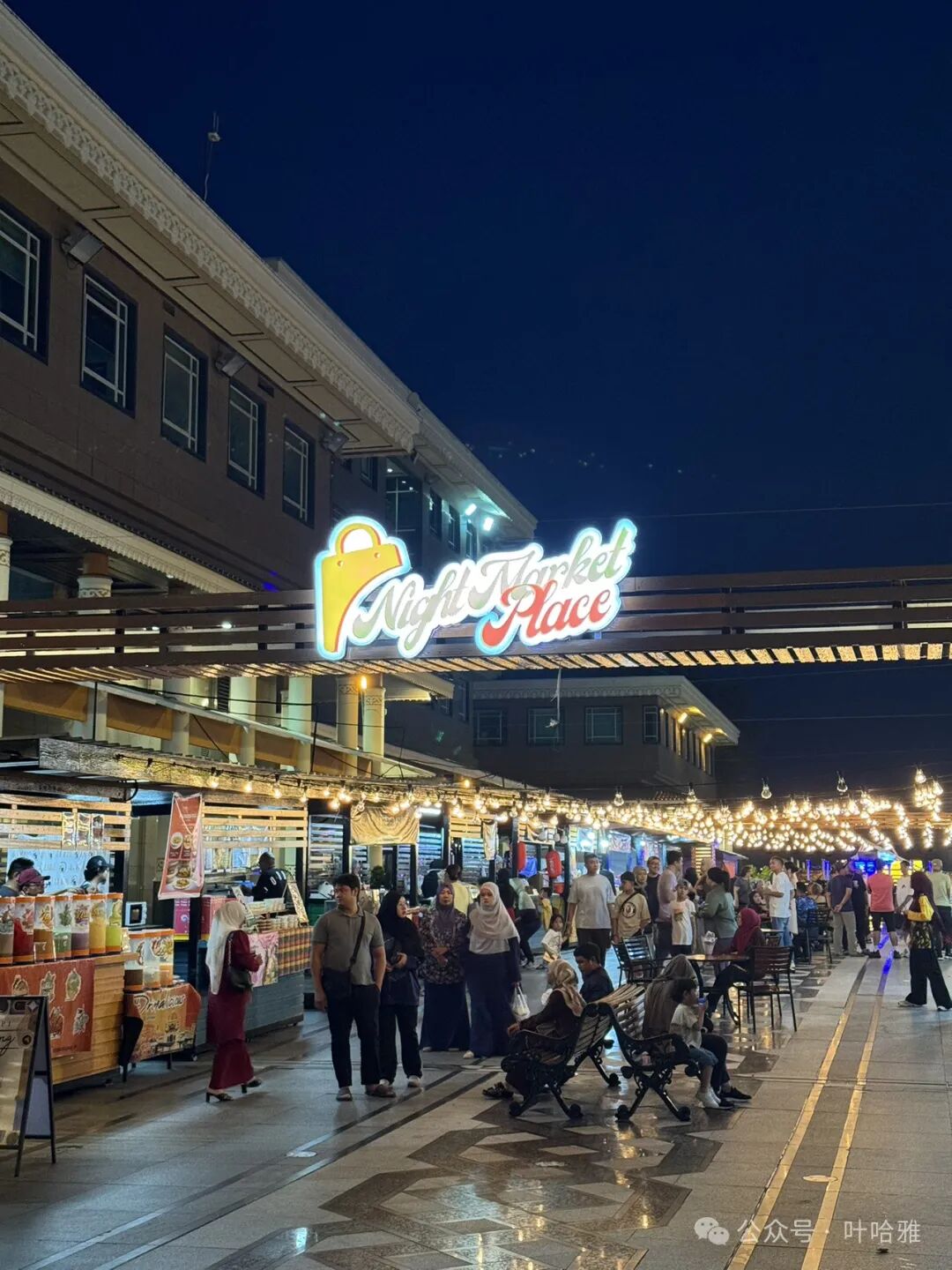
There is a new, small night market in the shopping mall across from the mosque, with about twenty or thirty stalls selling various snacks.
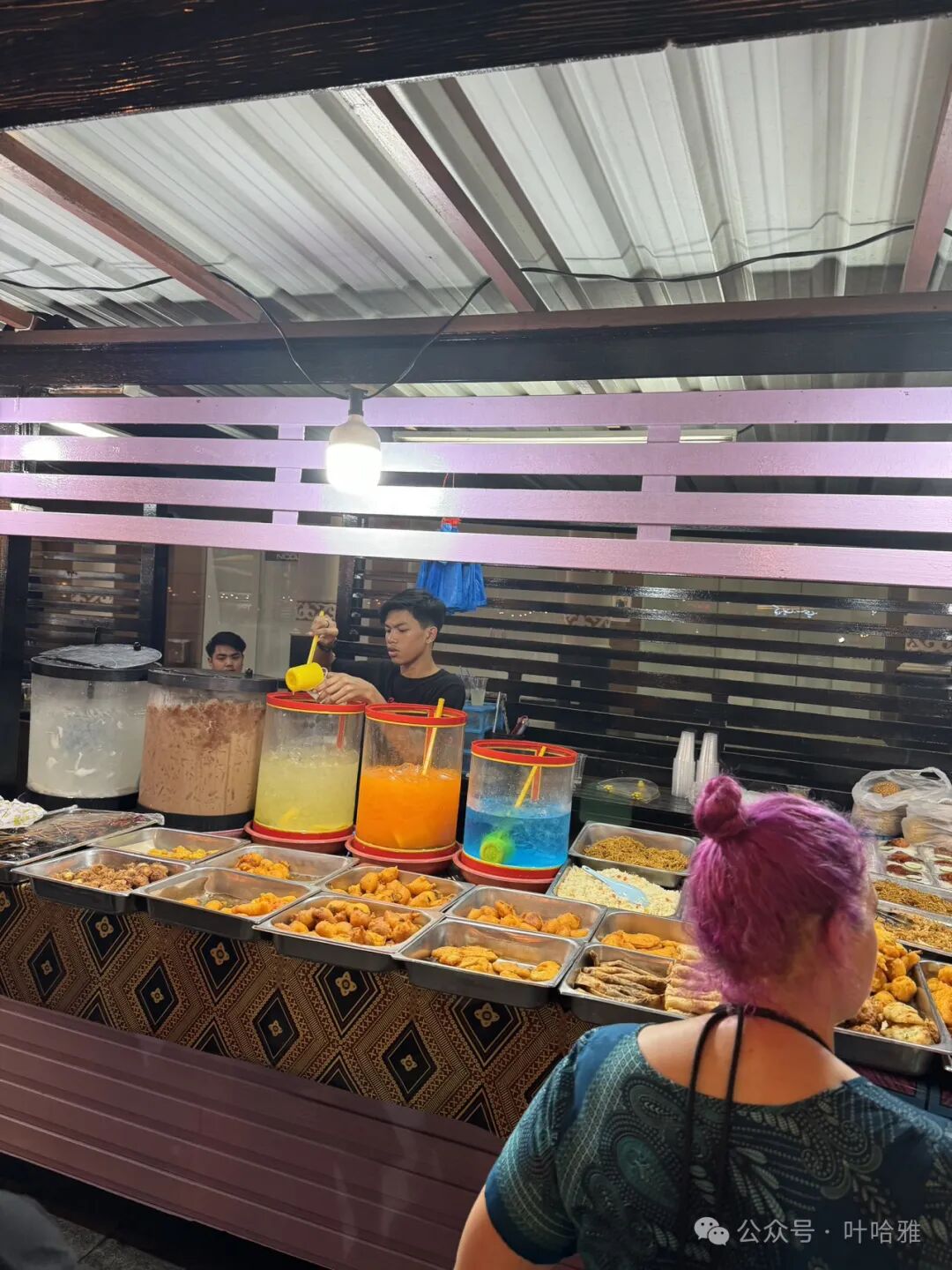
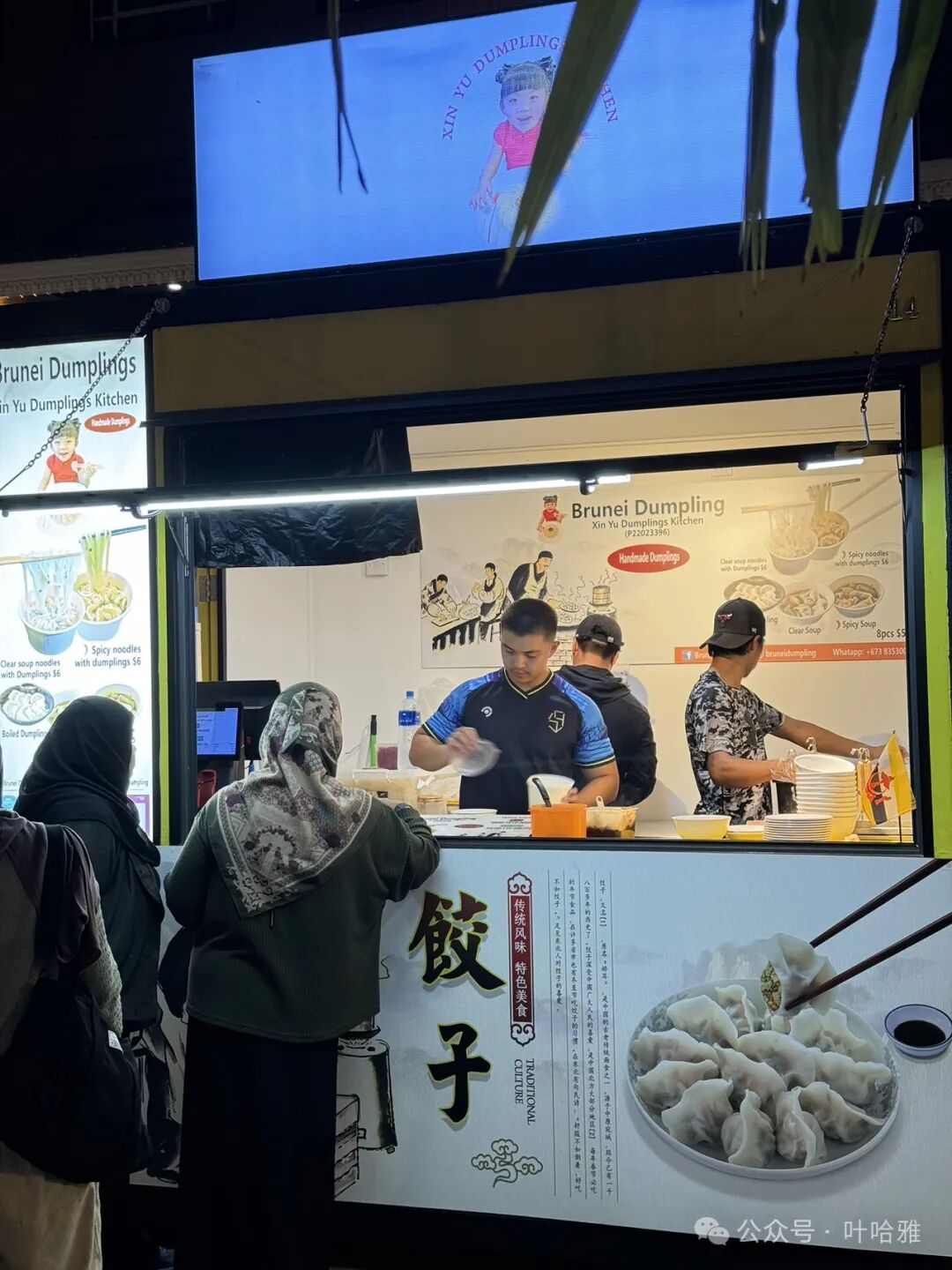
From what I saw, this Chinese dumpling (jiaozi) shop is the most popular snack spot at the night market.
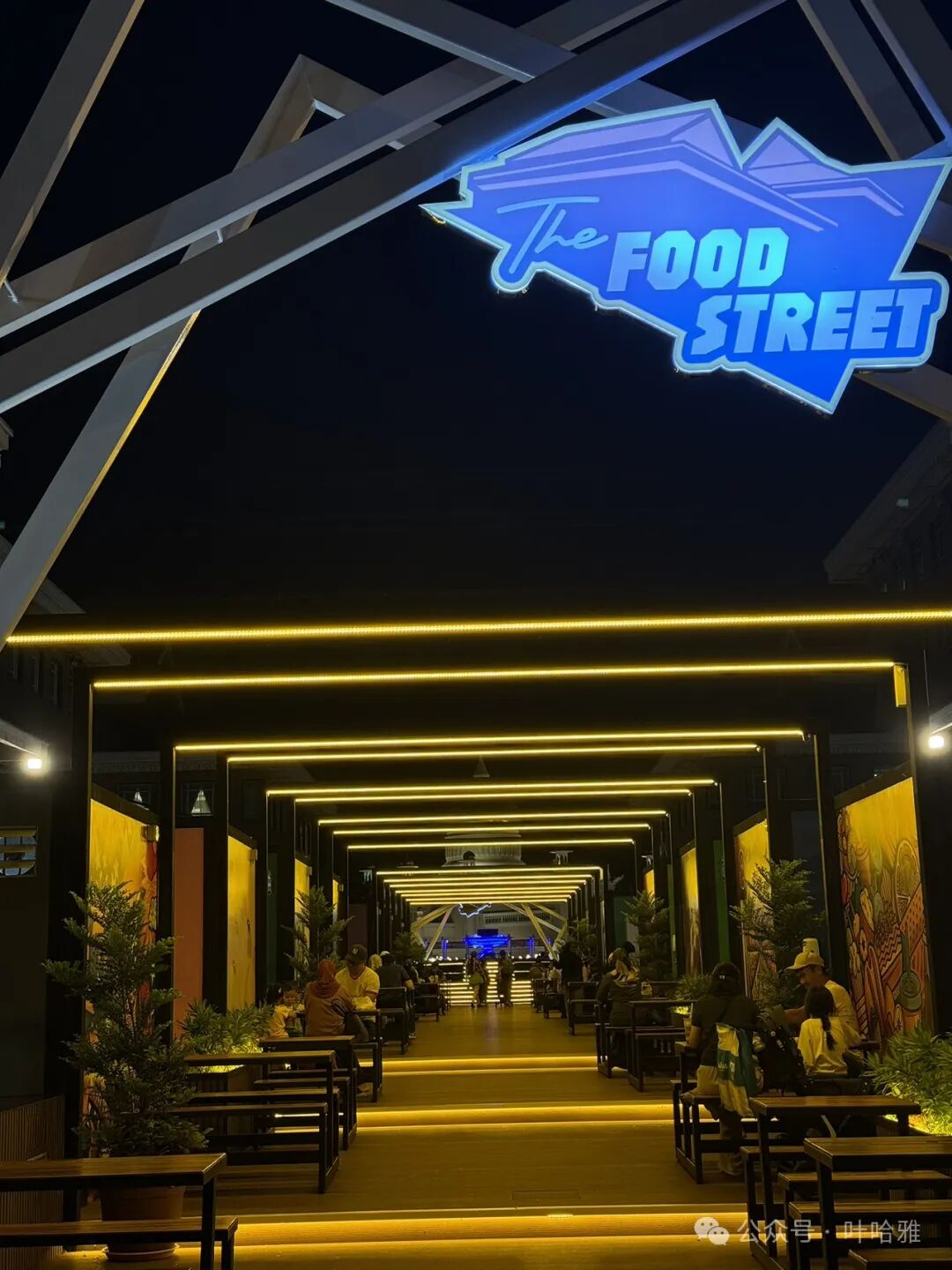
This night market is cleaner and tidier than the Gadong Night Market, the largest in Brunei. Dining tables are set up behind the two rows of stalls, and there are even sinks for washing up on both sides.
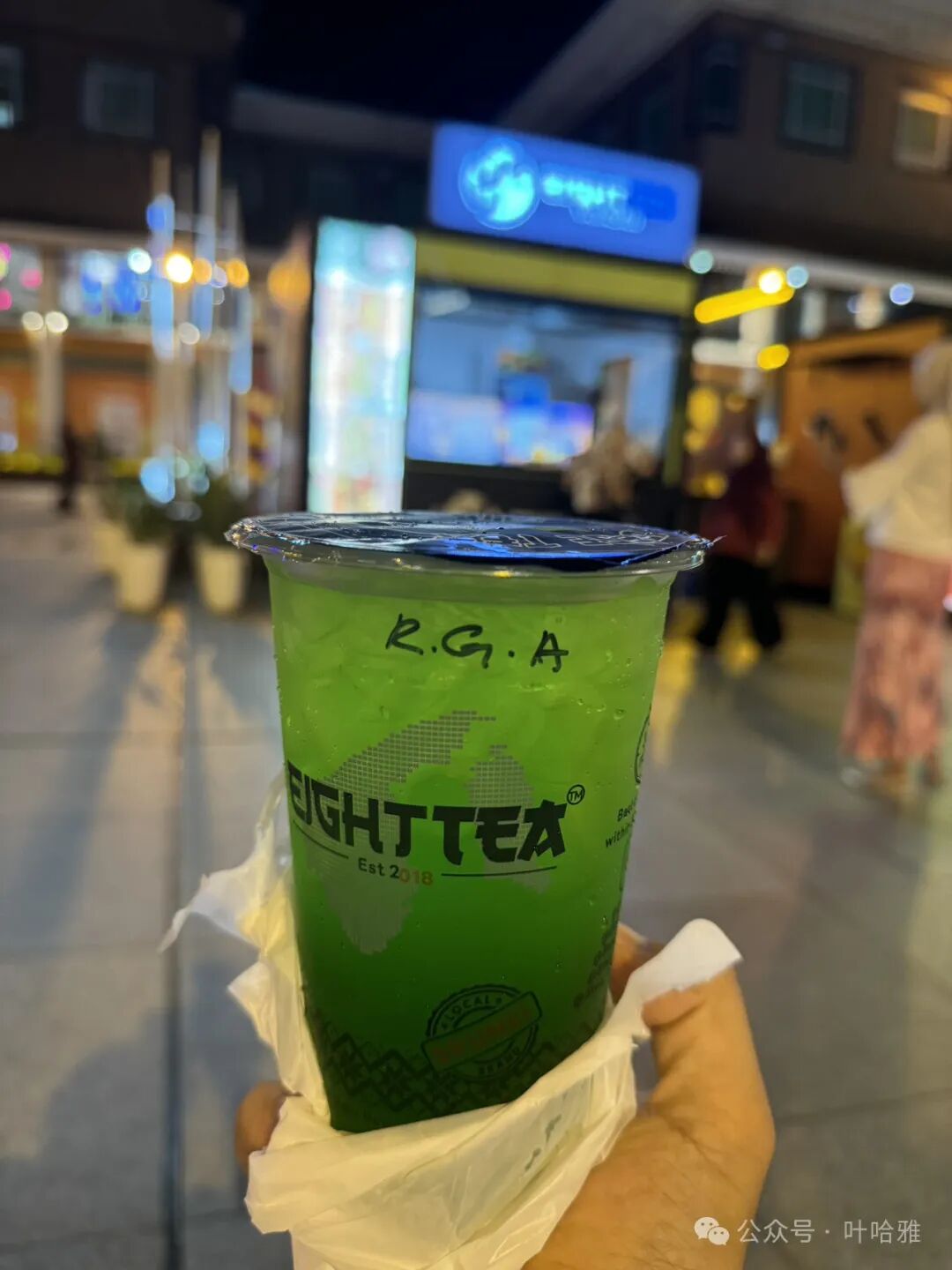
Bruneians also add various flavorings and food coloring to their fruit drinks.
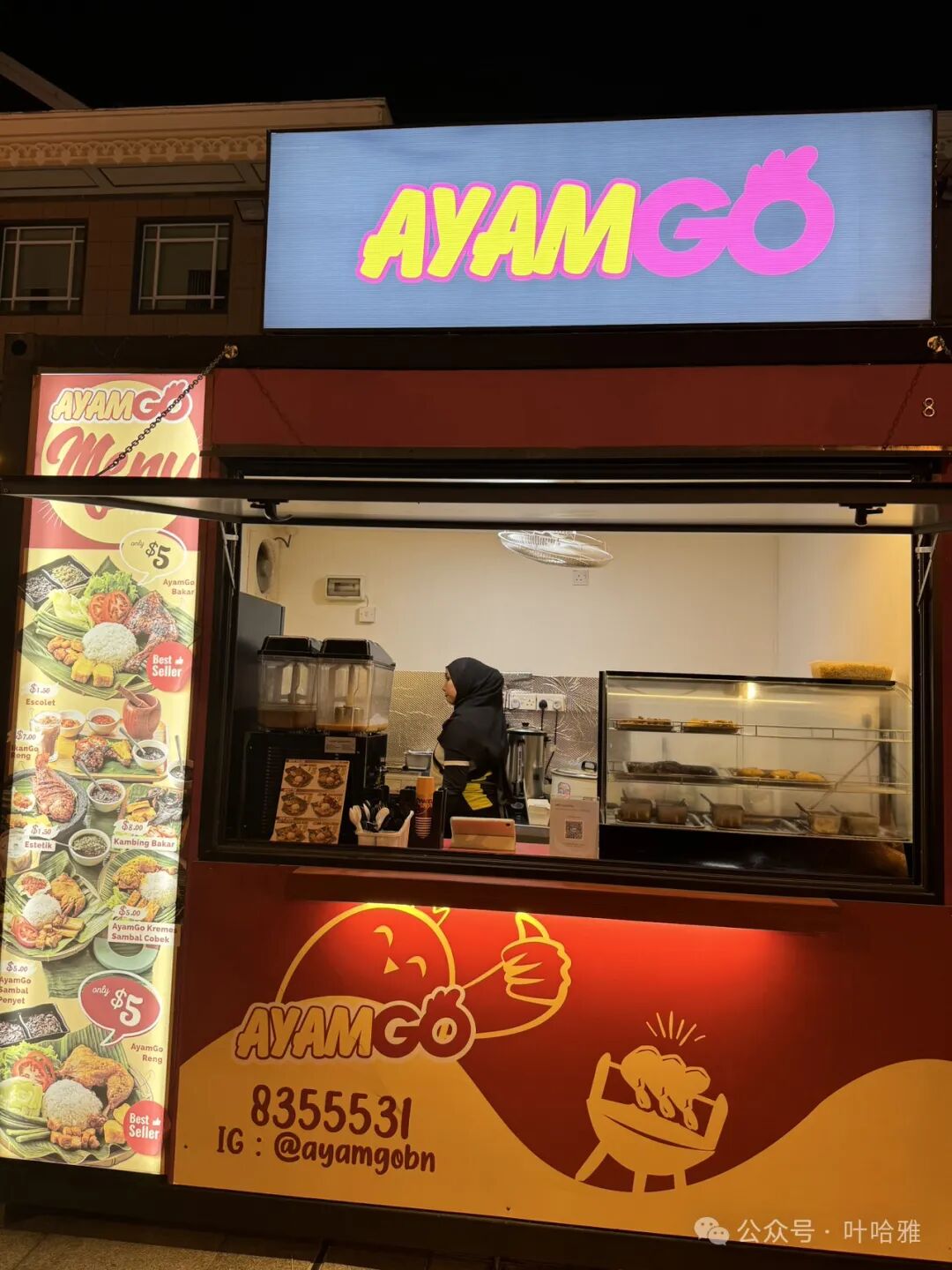
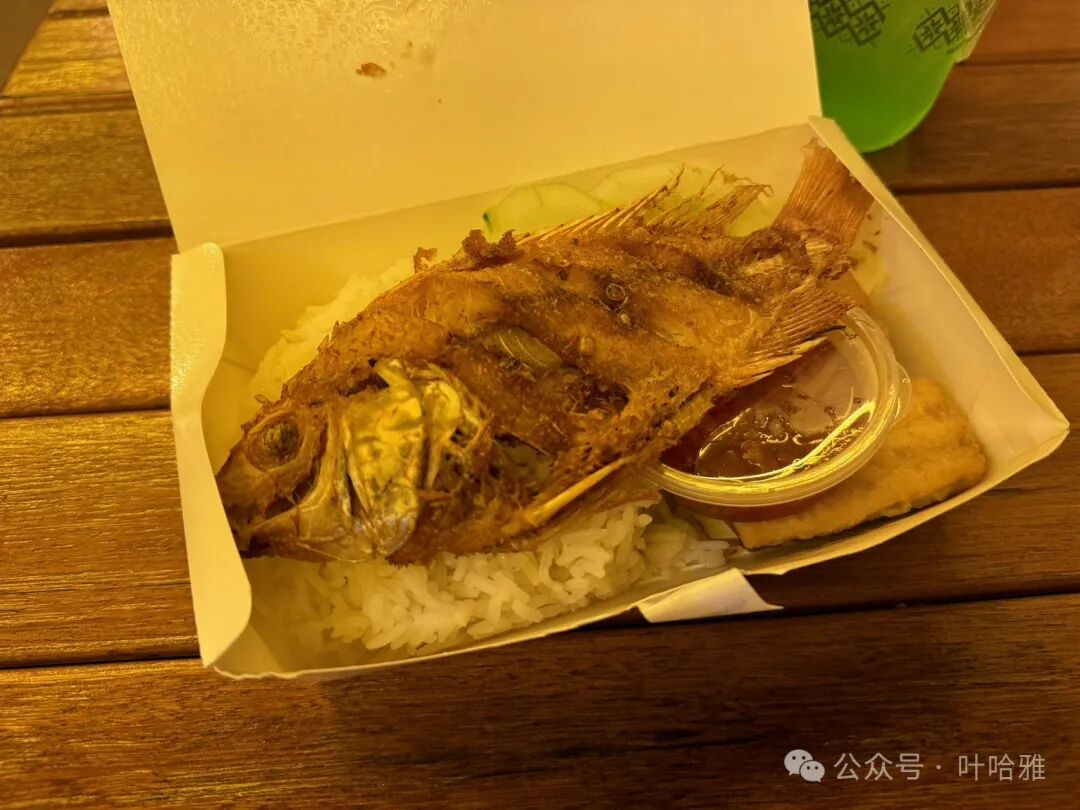
I had a Southeast Asian-style fried fish set meal at this stall.
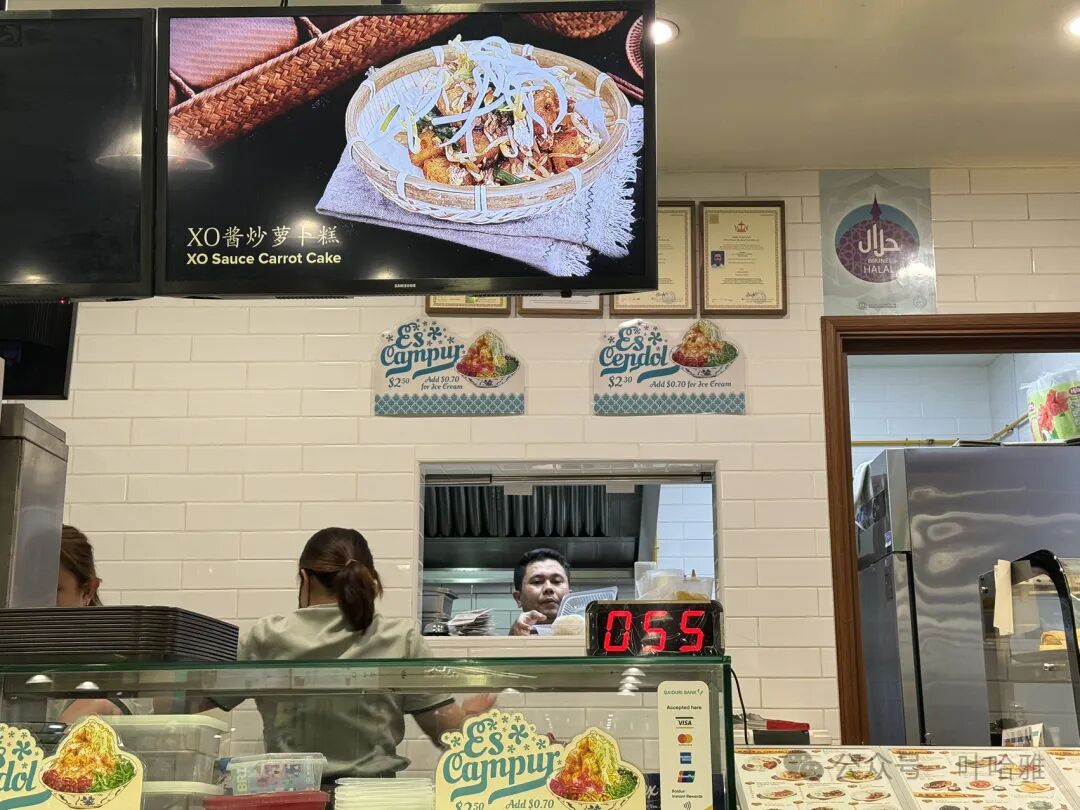
There is a food court on the basement level of the shopping mall, but it is not very crowded. You rarely see many people anywhere in Brunei on a normal day.
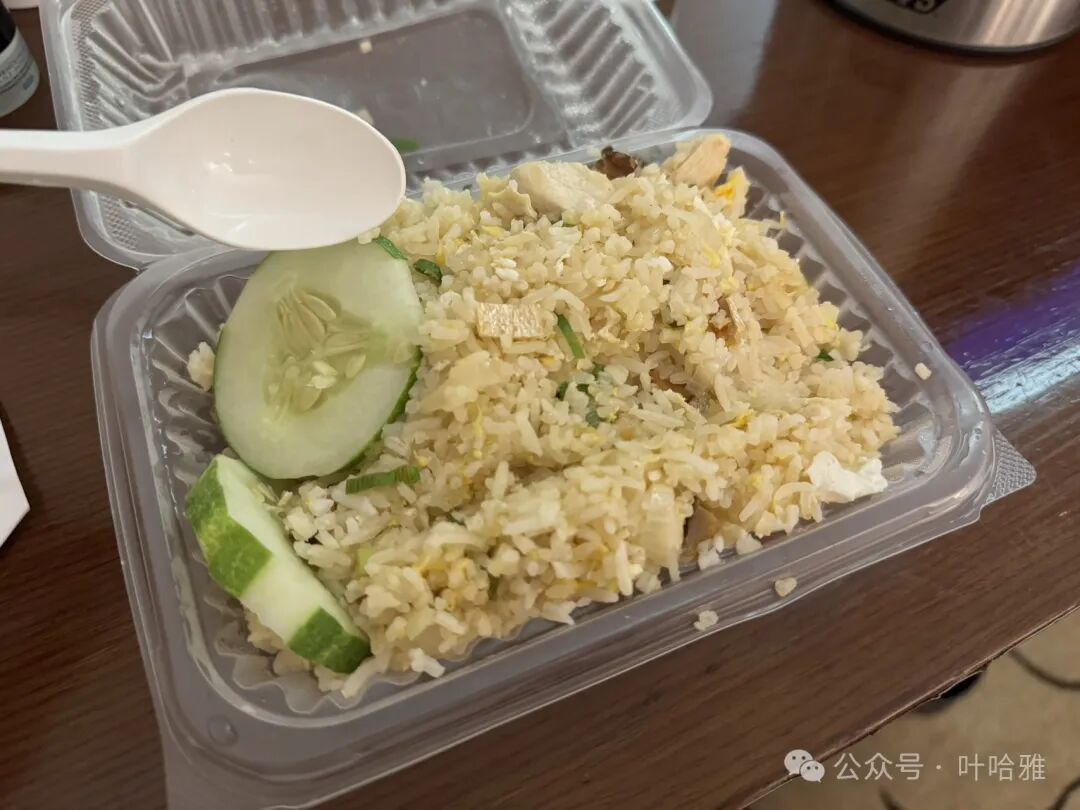
I bought a non-spicy fried rice for Fahim at the food court.
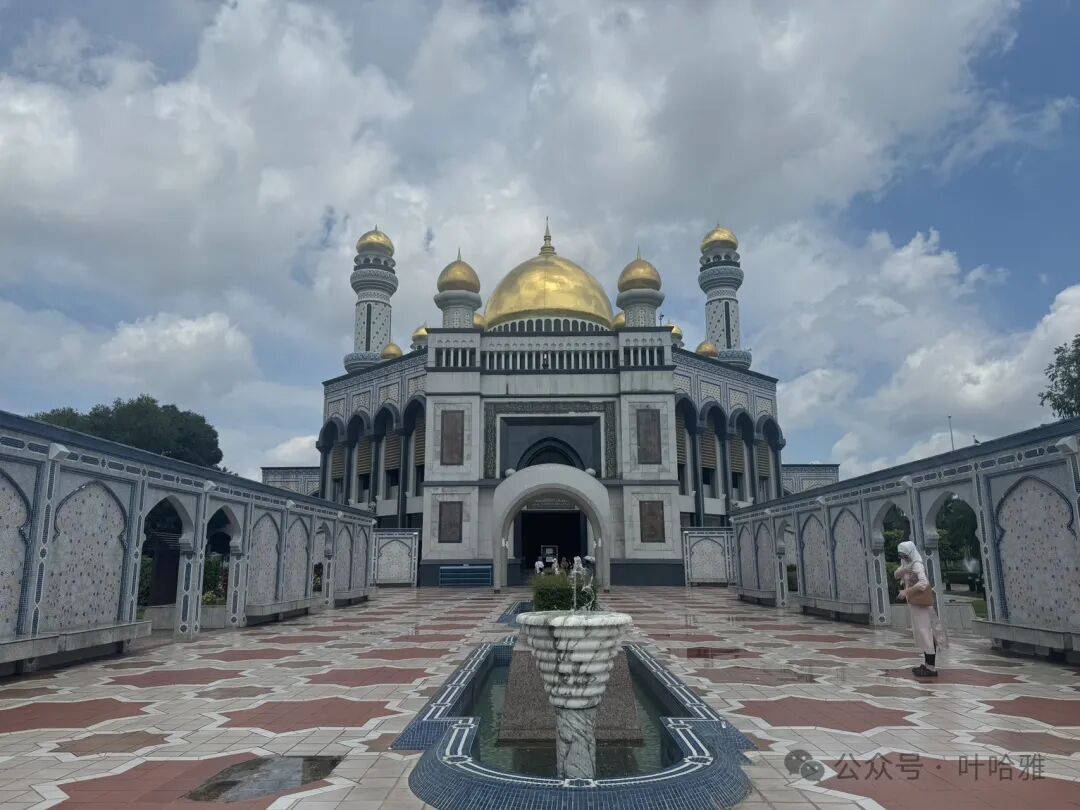
Brunei's second iconic national mosque, the Jame' Asr Hassanil Bolkiah Mosque, is named after the 29th Sultan, Hassanal Bolkiah.
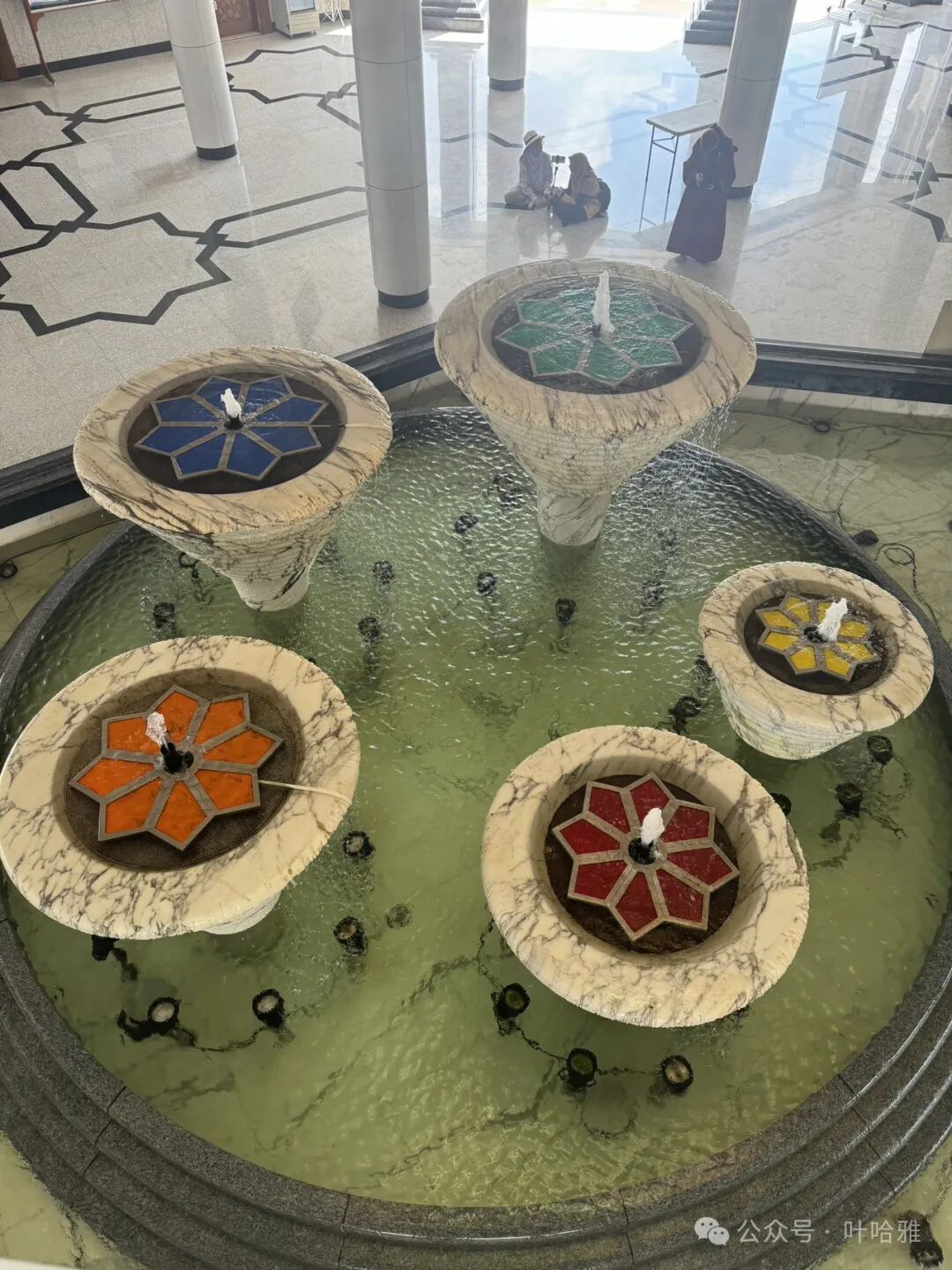
This mosque was built as a charitable endowment (nieti) by Sultan Bolkiah, cost 350 million US dollars, and was completed in 1994.
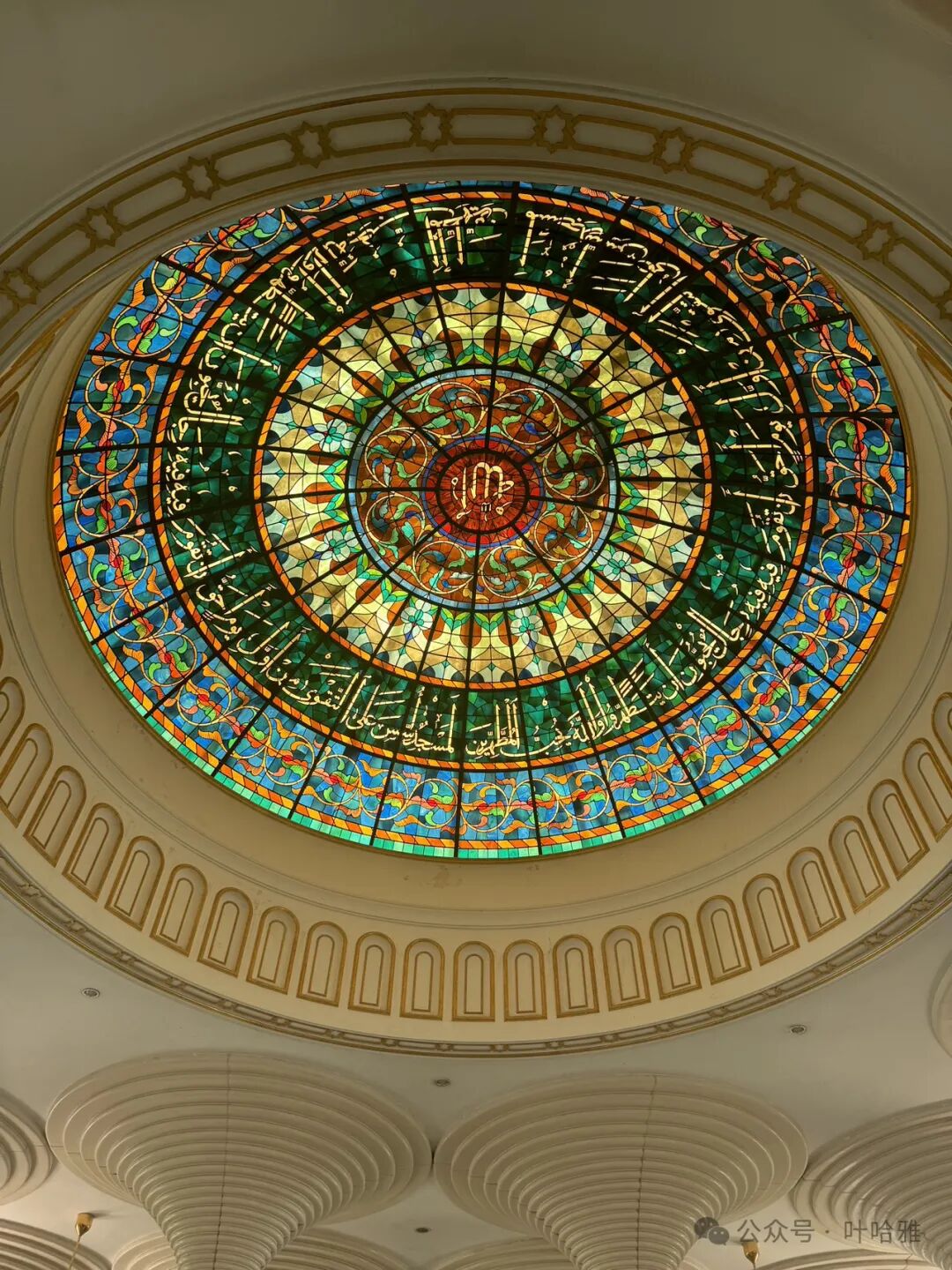
The mosque has 29 domes, representing the 29 sultans.
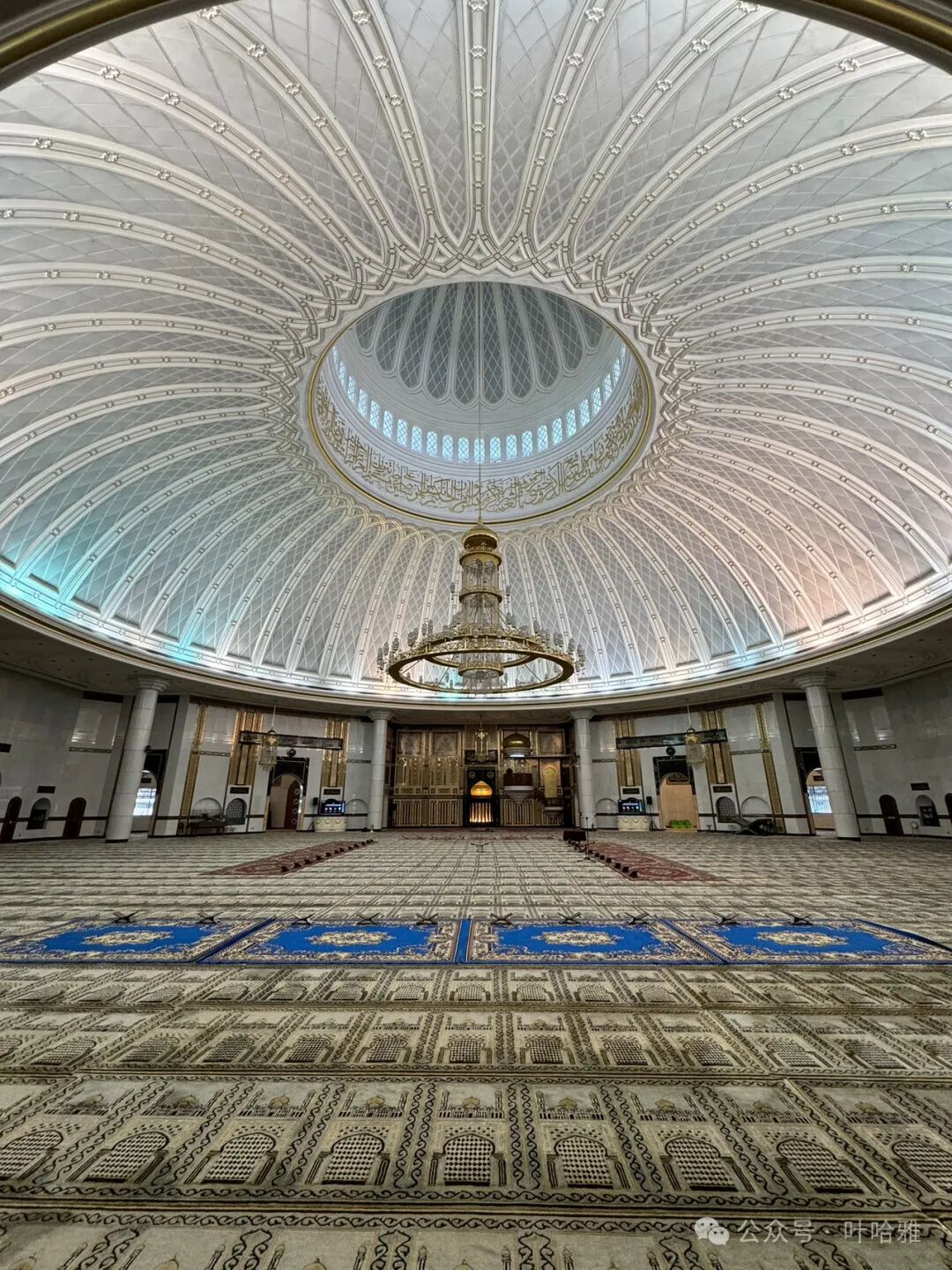
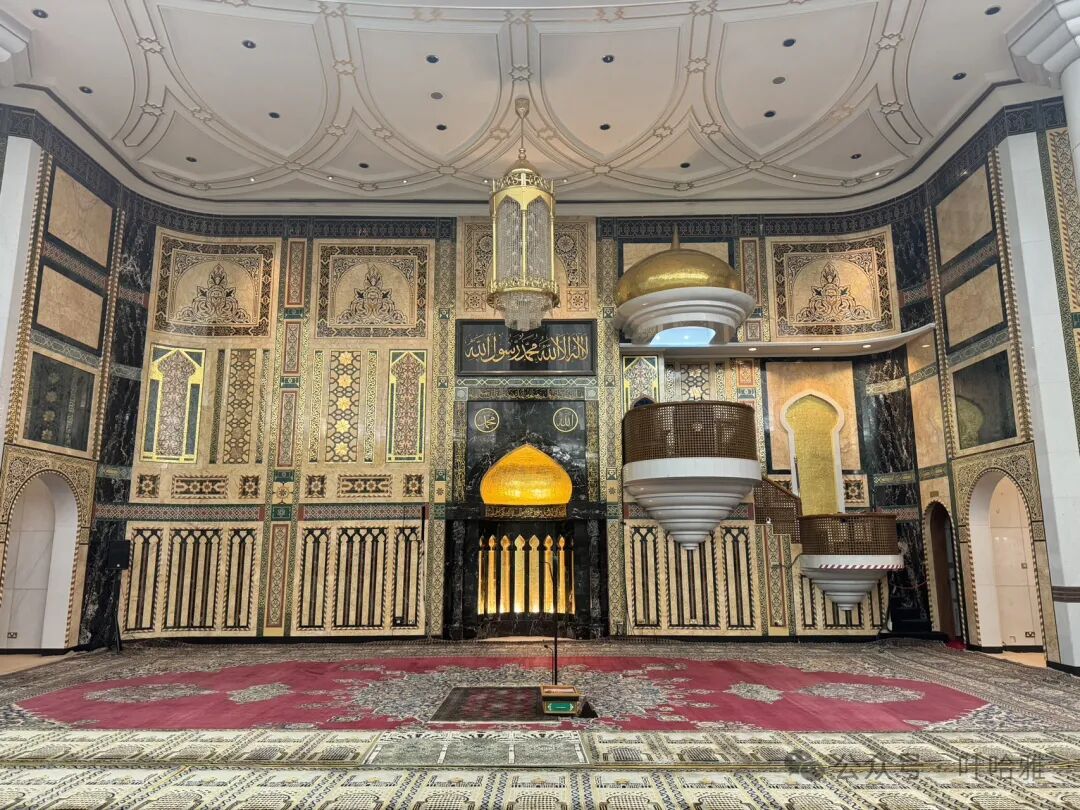
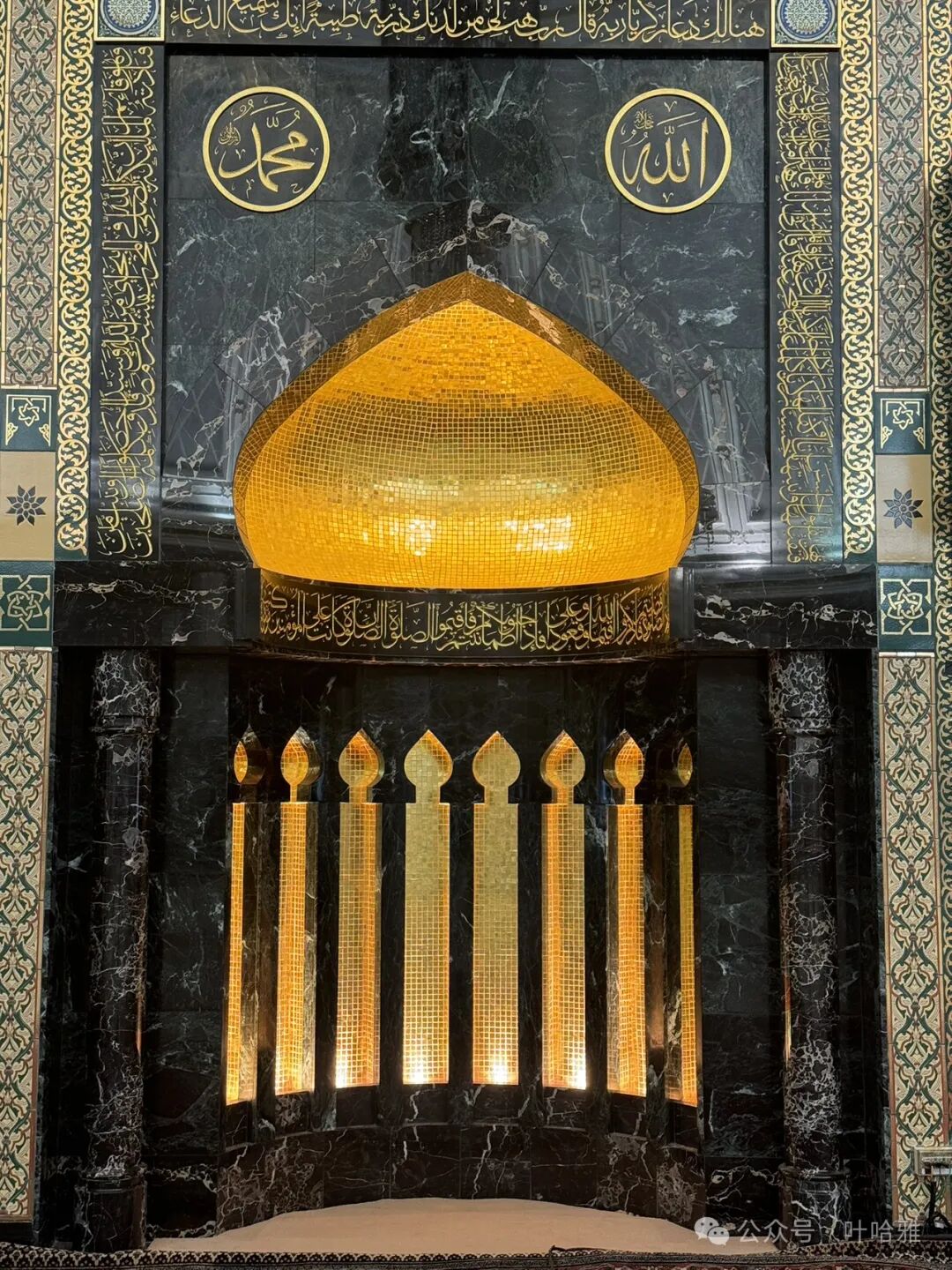
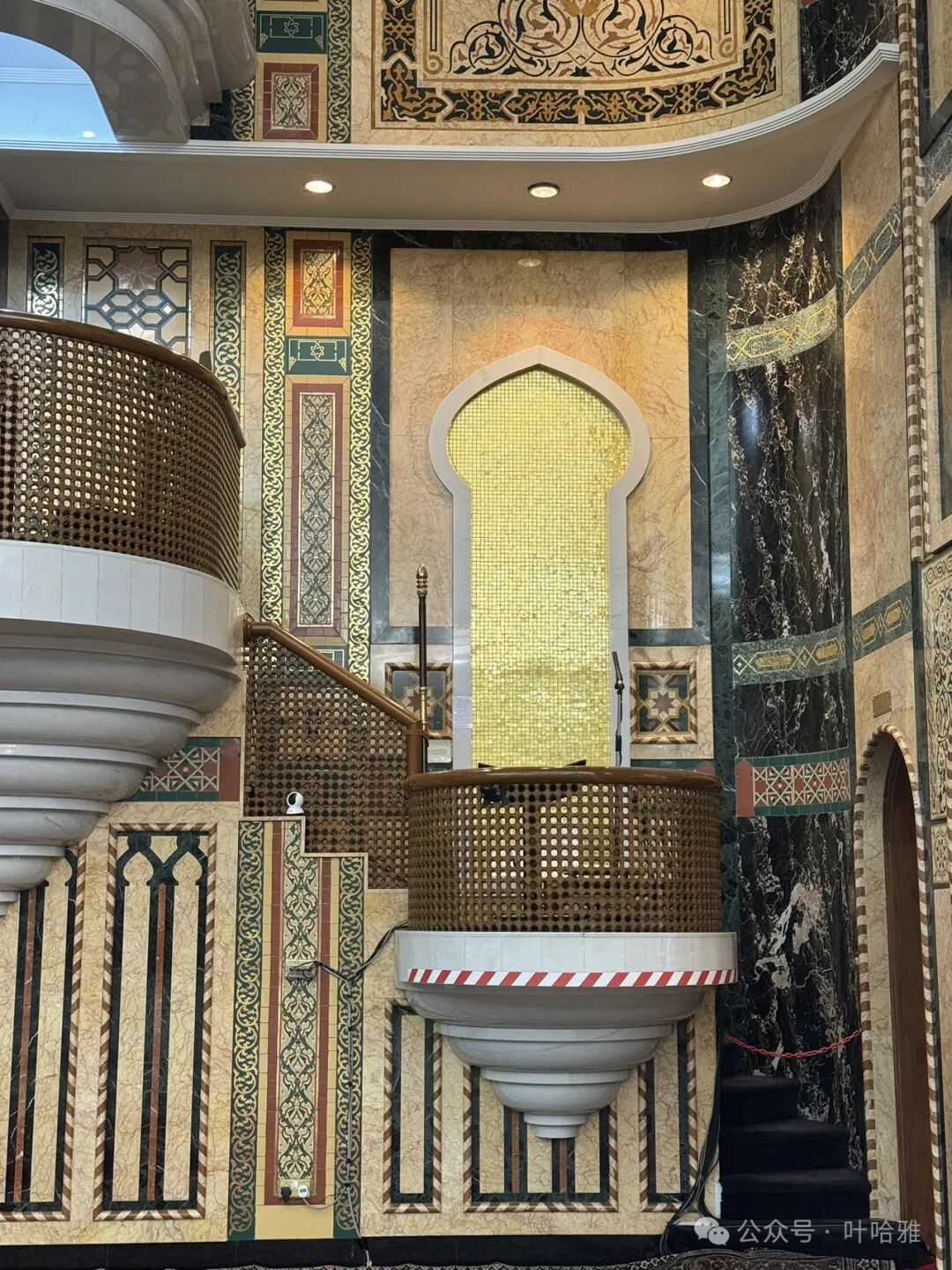
The minaret features a suspended design.
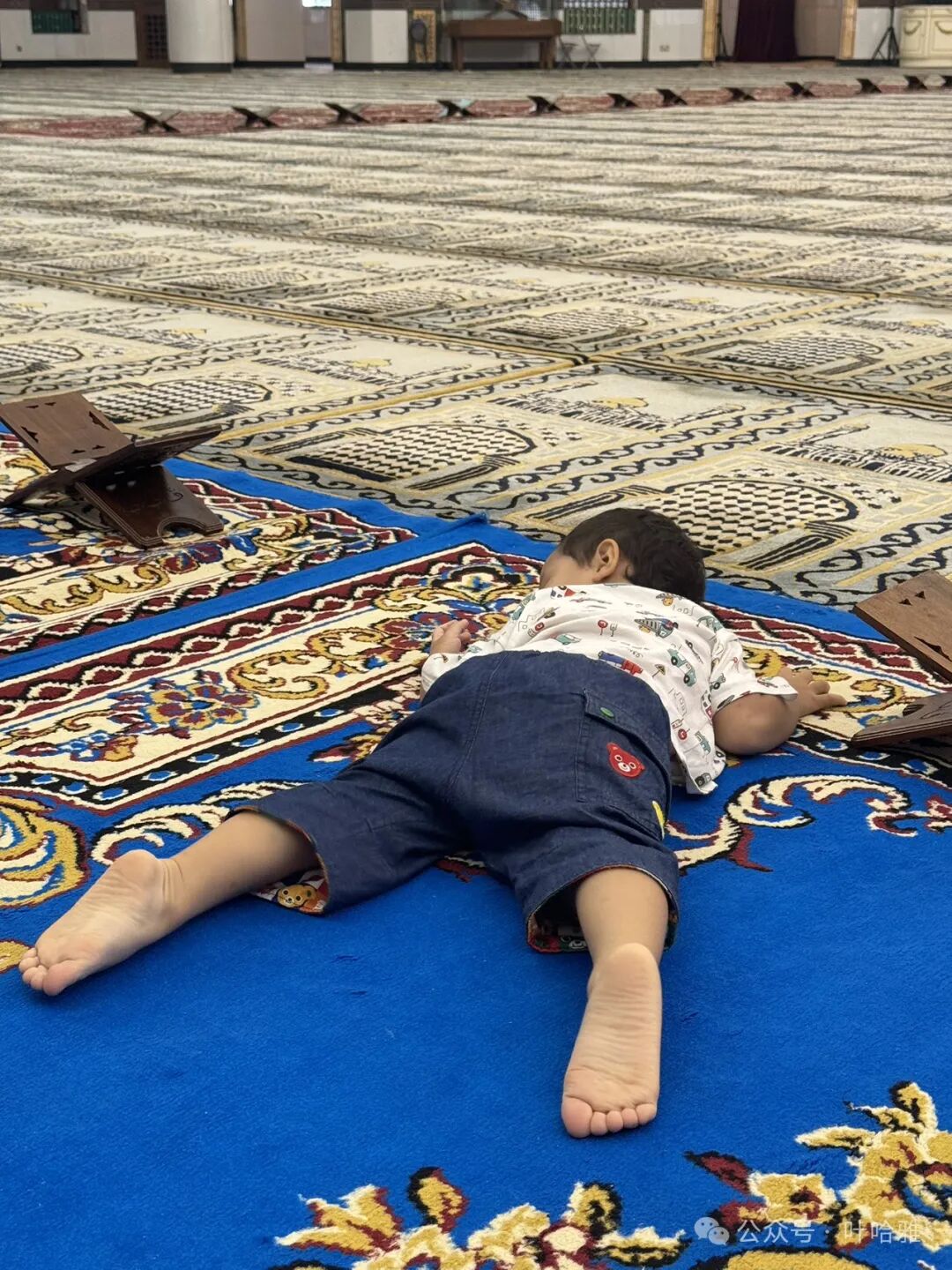
Fahim likes to perform namaz by prostrating himself.
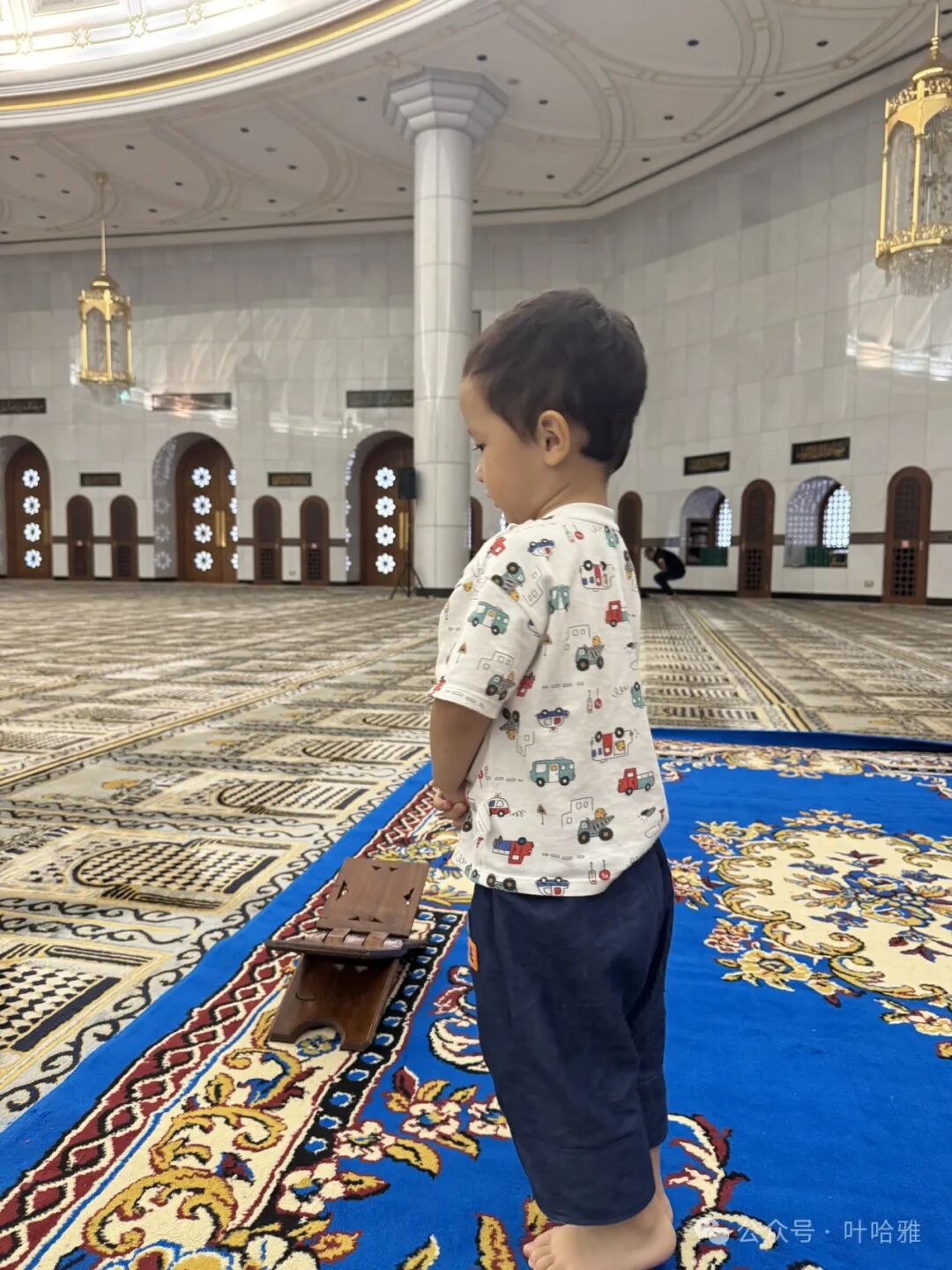
The domes of the mosques in Brunei look cute and rounded.
Besides the two iconic mosques, another place in Brunei worth visiting is the bakery opened by Wu Chun, called BAKE CULTURE.
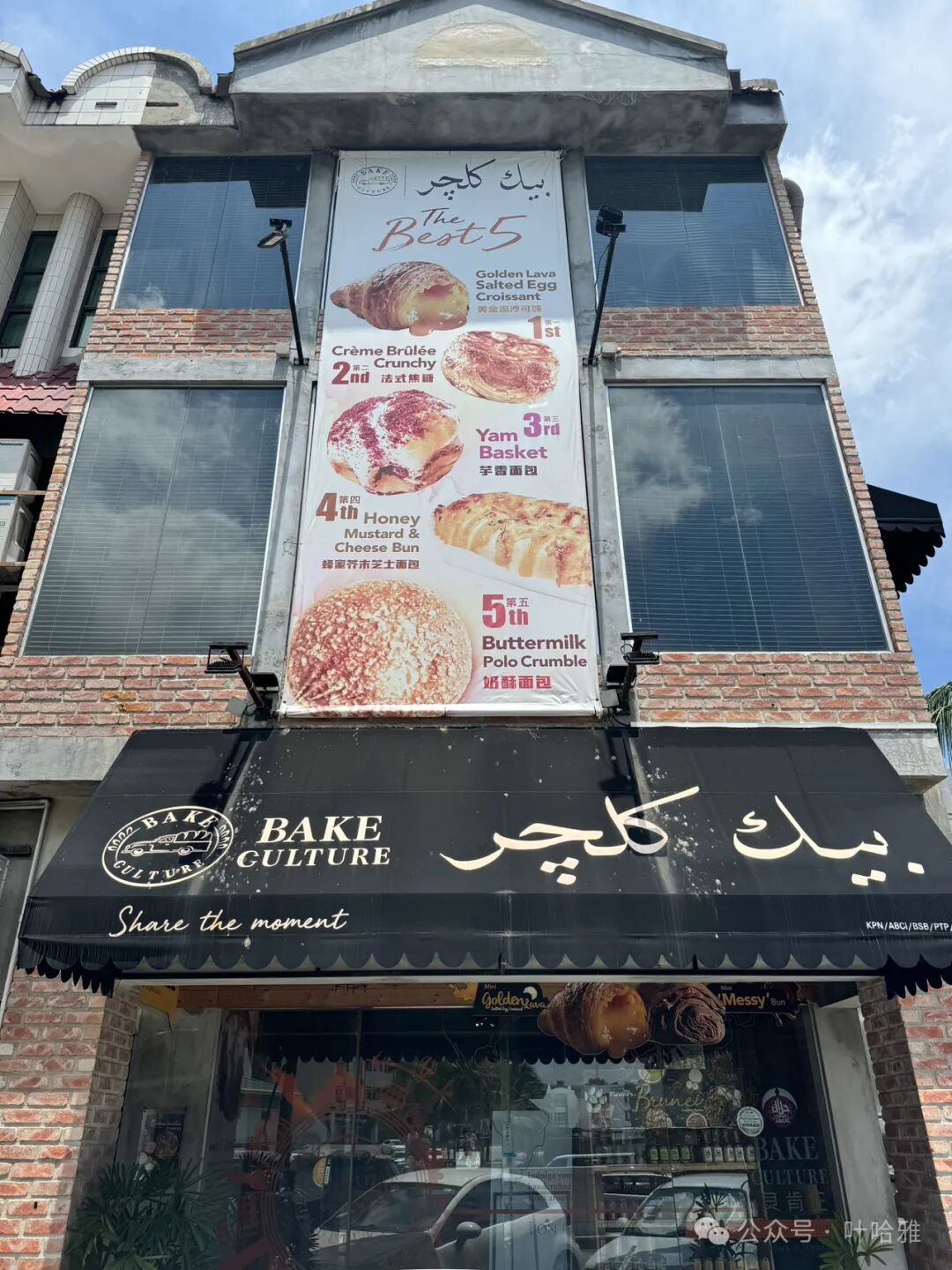
This is a chain store, and there is one located just one kilometer away from the Jame' Asr Hassanil Bolkiah Mosque.
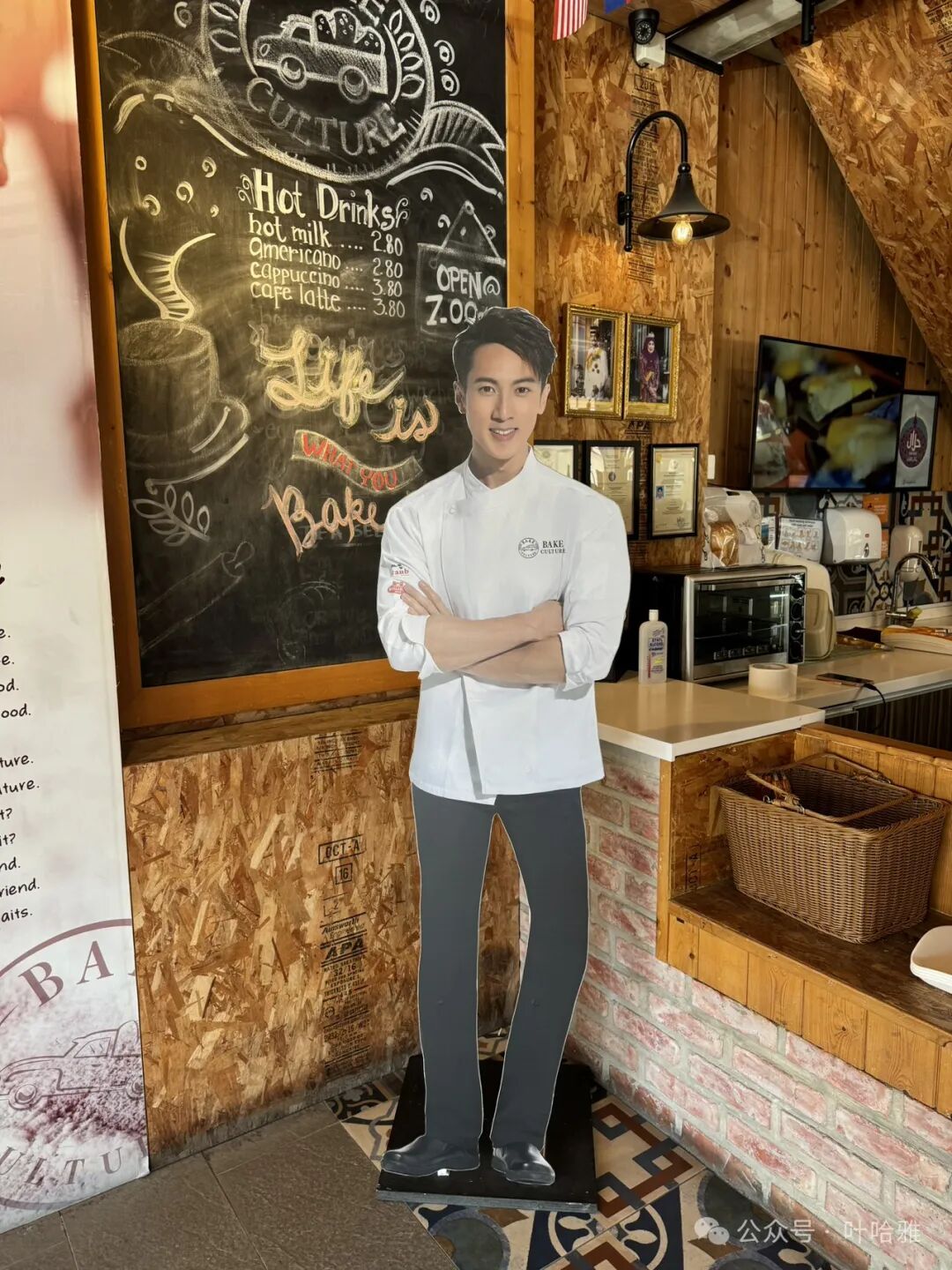
Wu Chun is a Brunei-born Chinese. Ethnic Chinese make up about 9.5% of Brunei's population, but most of them do not have Brunei citizenship. Before Brunei's independence, they held British passports. After Brunei left the UK, these Chinese became stateless. They hold a special identity card in Brunei that allows for long-term residency, but they do not receive the same benefits as citizens.
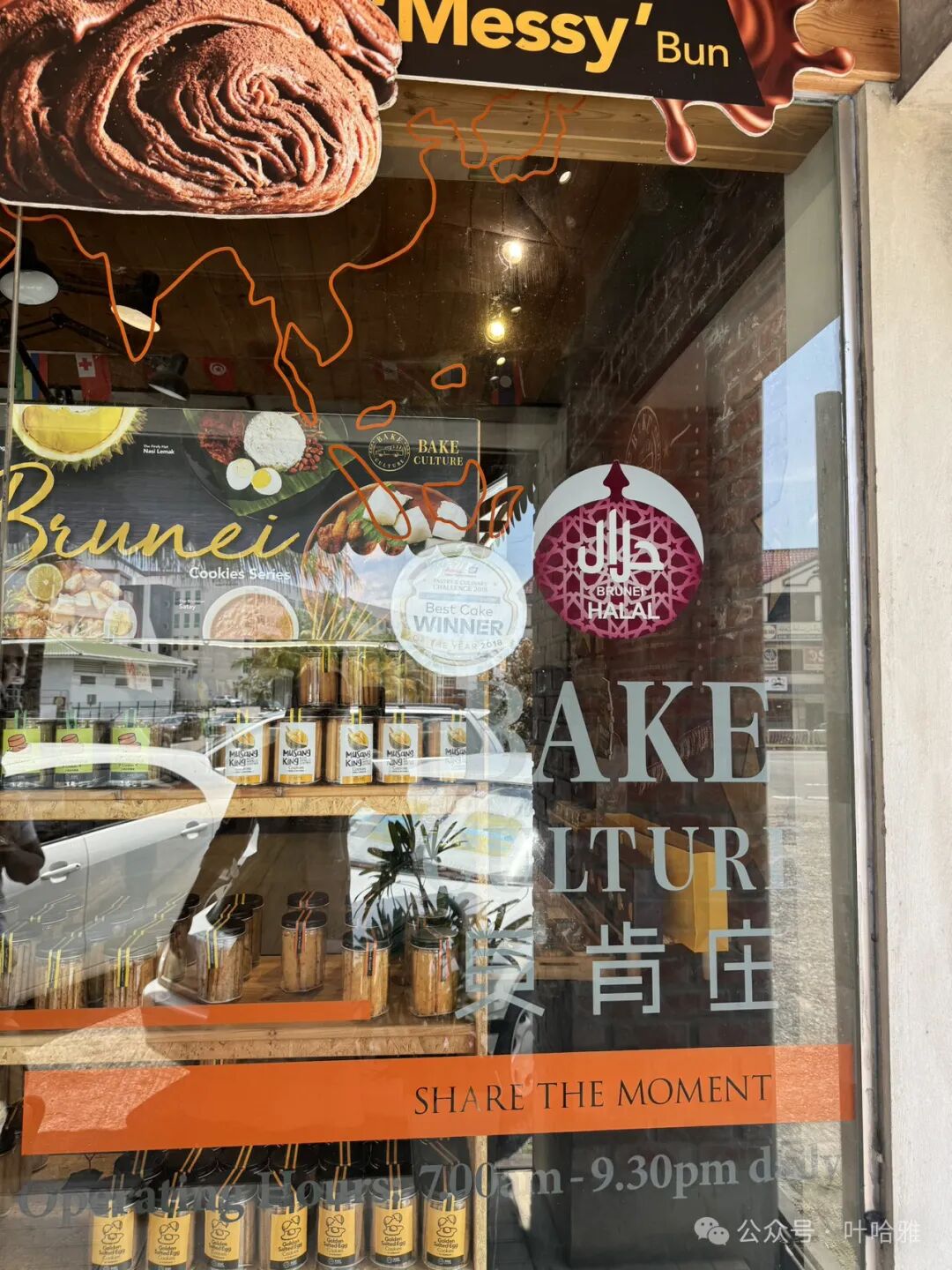
It is unclear if Wu Chun holds Brunei citizenship, but given his family's close relationship with the royal family, they may have been granted citizenship by special royal decree. However, Wu Chun now lives in Shanghai, and his bakery and gym in Brunei are managed by others. Wu Chun's bakery has halal certification.
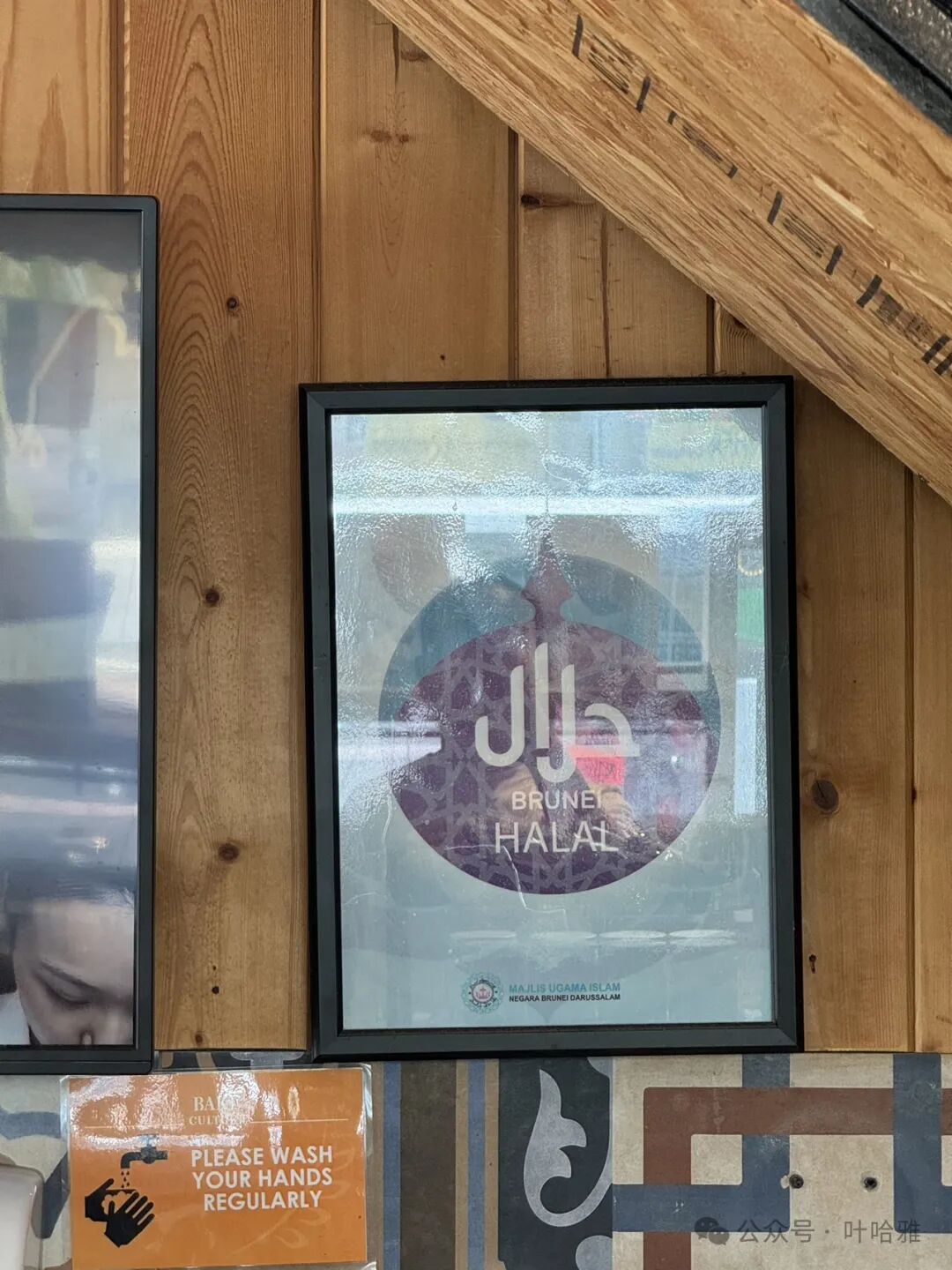
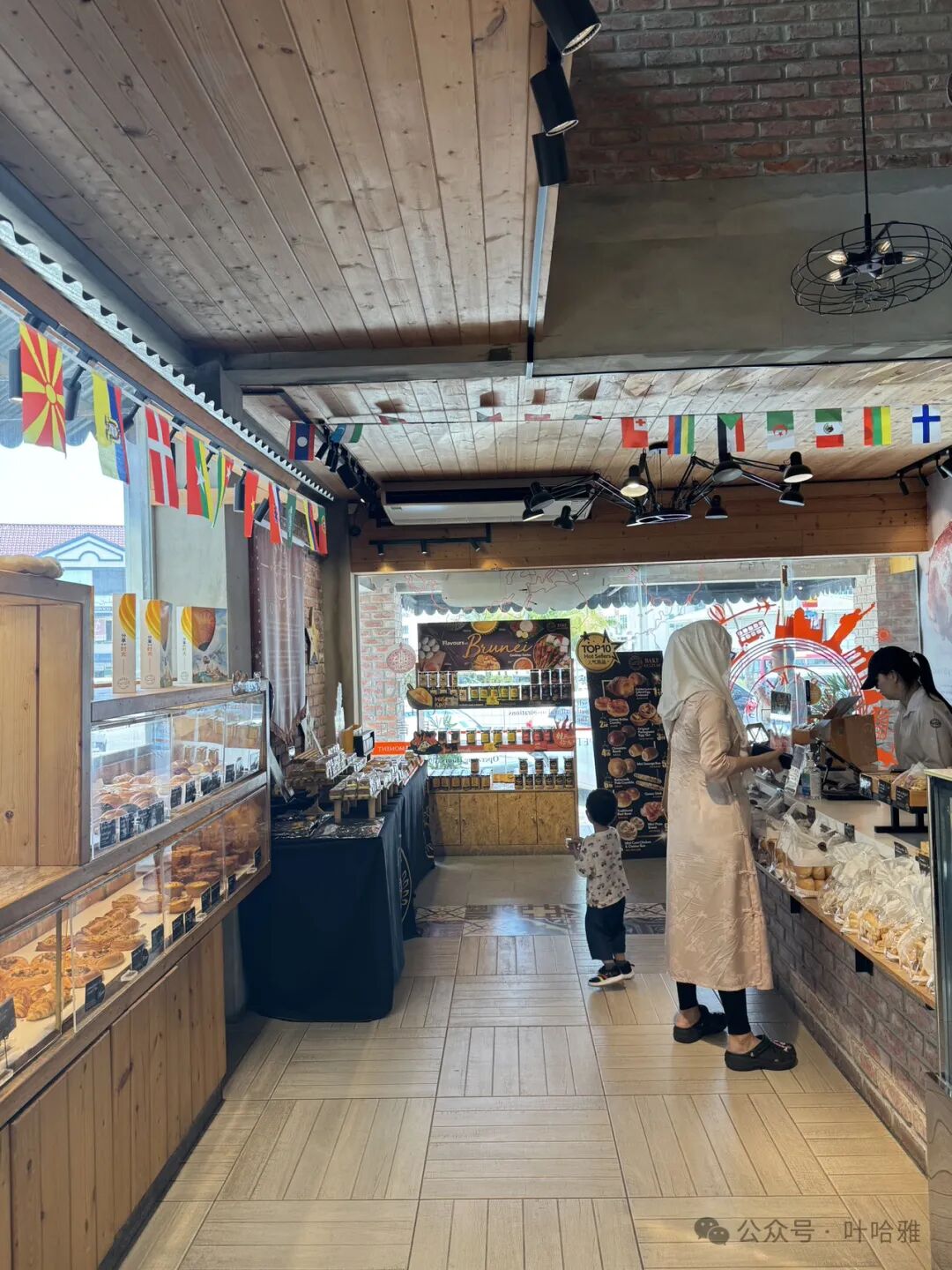
The food at the bakery tastes pretty good, and it is an affordable little shop.
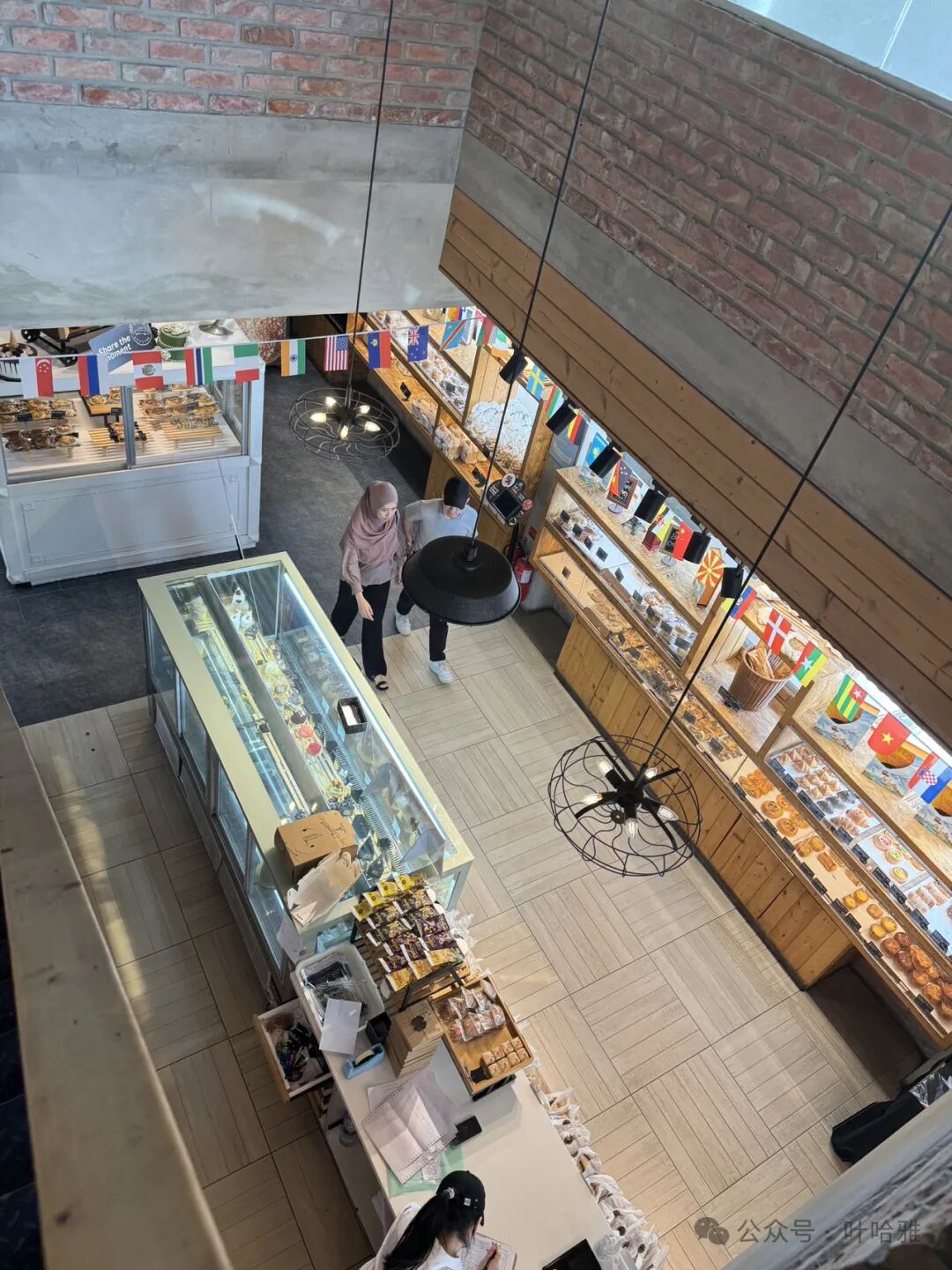
It is very difficult for Chinese people in Brunei to obtain citizenship. First, you must qualify for the naturalization exam, which is hard to get. Second, you must pass a Malay language test. Locals say that even some Malay people cannot pass this Brunei Malay exam, so very few people become citizens through this process.
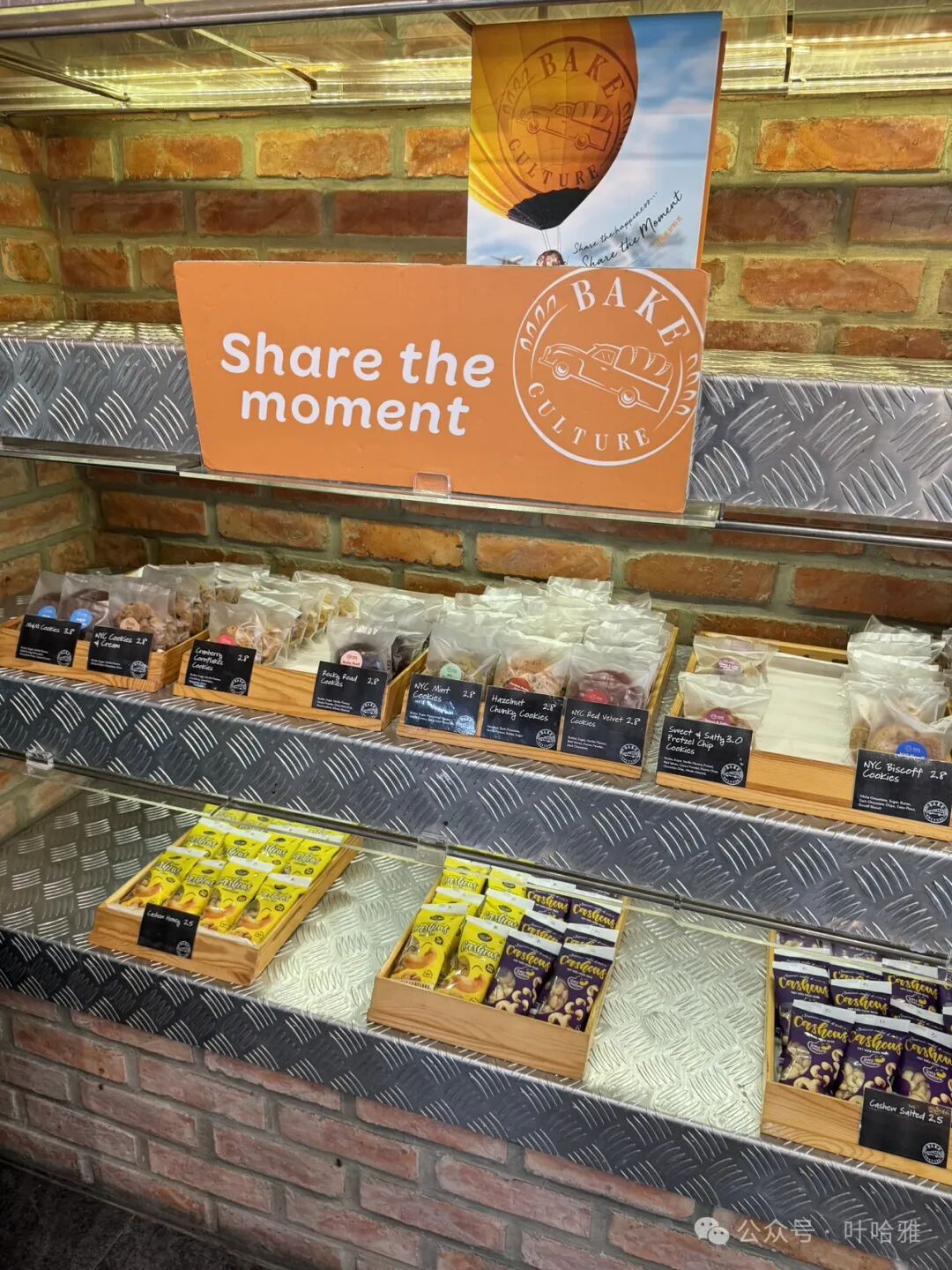
Once you get Brunei citizenship, there are many benefits. Not only are medical care and education free, but there are also housing subsidies. Brunei has no personal income tax, so the officially announced per capita income is the actual take-home pay for citizens. This is even better than the welfare in so-called high-welfare Nordic countries, as their welfare is built on high taxes.
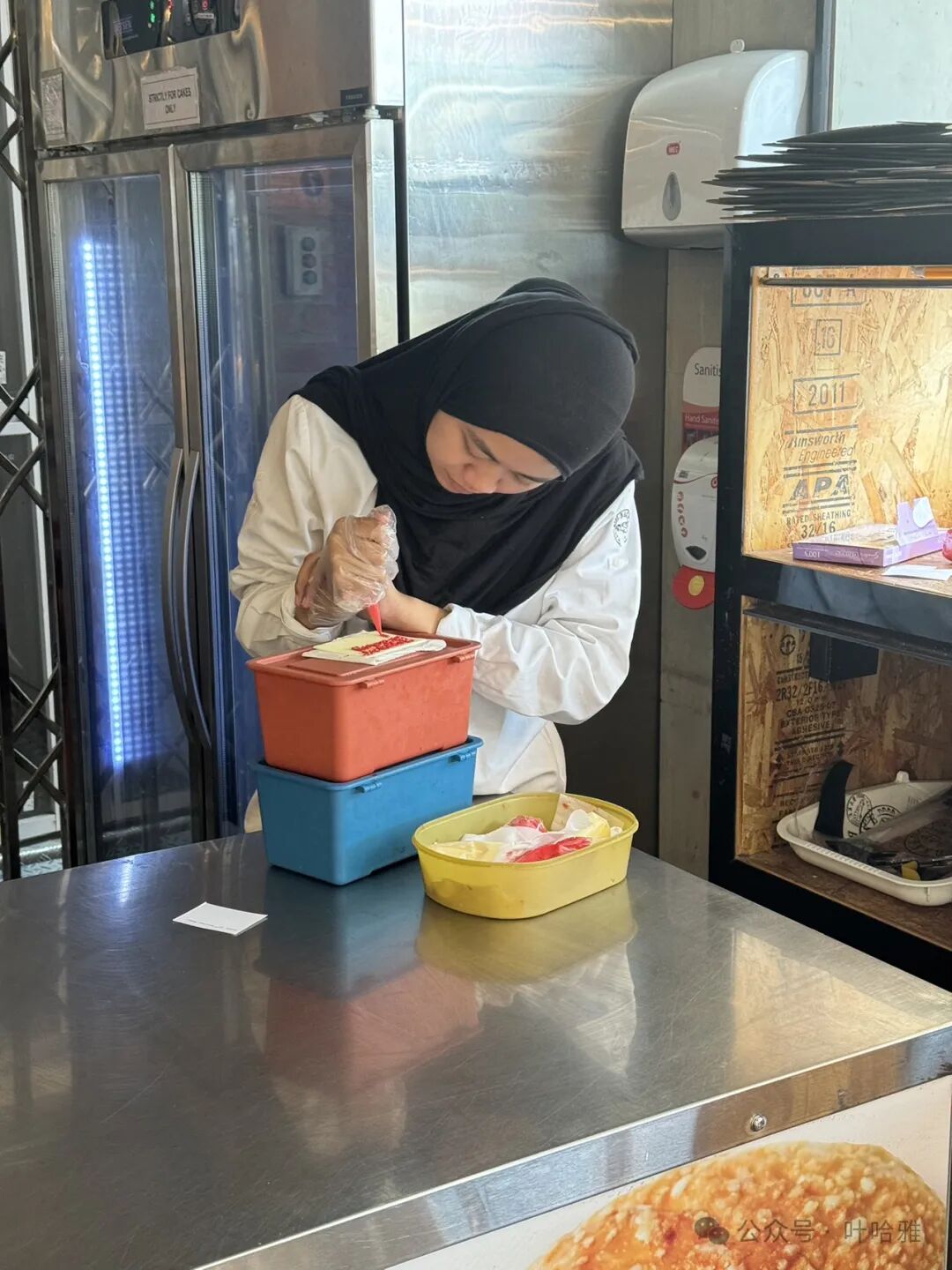
The taxi drivers I met in Brunei were all local ethnic Chinese without citizenship. Life in Brunei is indeed a bit boring for them. There are no entertainment venues like bars because alcohol is banned nationwide, and you cannot even buy cigarettes.
The Sultan of Brunei once planned to implement Sharia law in Brunei. The first few years went smoothly, but in the final stage, when they were ready to implement Islamic criminal penalties, they faced strong protests from overseas public opinion.
In 2014, Hassanal Bolkiah announced the implementation of Islamic criminal penalties, where acts including homosexuality would violate criminal law. This proposal sparked outrage on international social media. The planned penalties included whipping, amputation, and stoning. It was originally scheduled to be implemented on April 22, 2014, but was later delayed for no reason.
The bakery also sells some Wu Chun merchandise, and his popularity attracts many Chinese visitors.
Less than 800 meters from the bakery, I found a Lanzhou beef noodle shop.
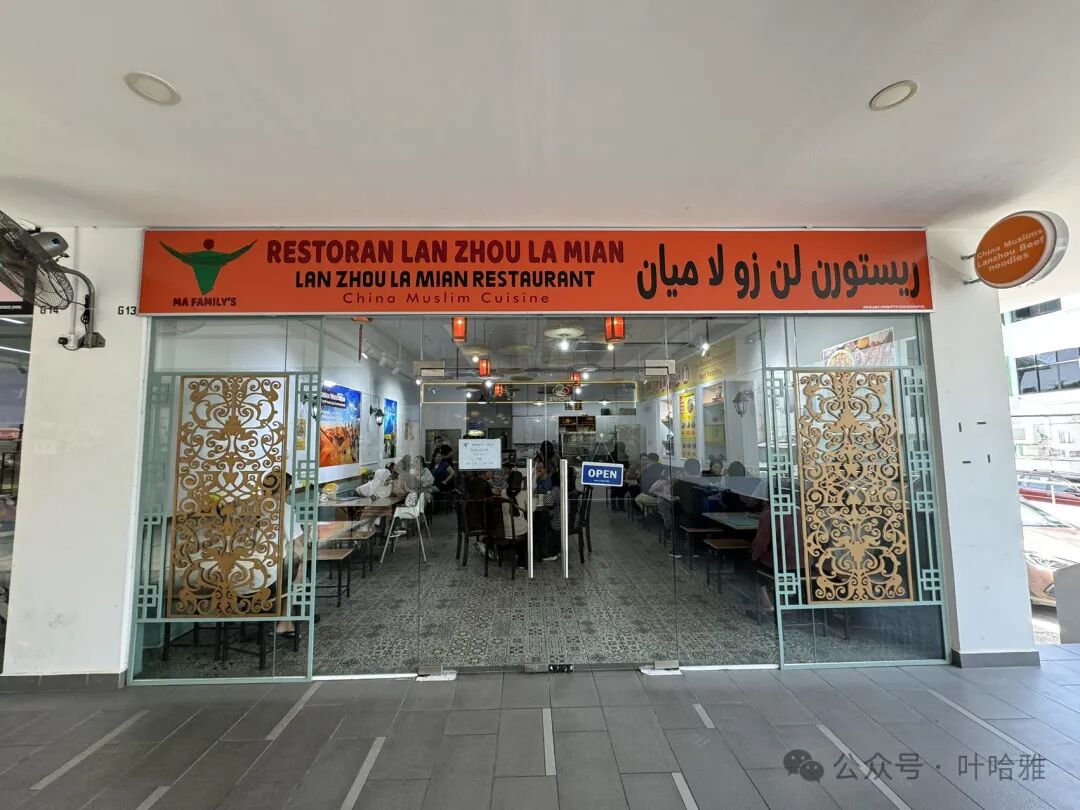
This shop is run by a partnership between a Brunei Chinese person and a Lanzhou person. The decor inside is a perfect copy of the Lanzhou beef noodle (lanzhou lamian) style back home.
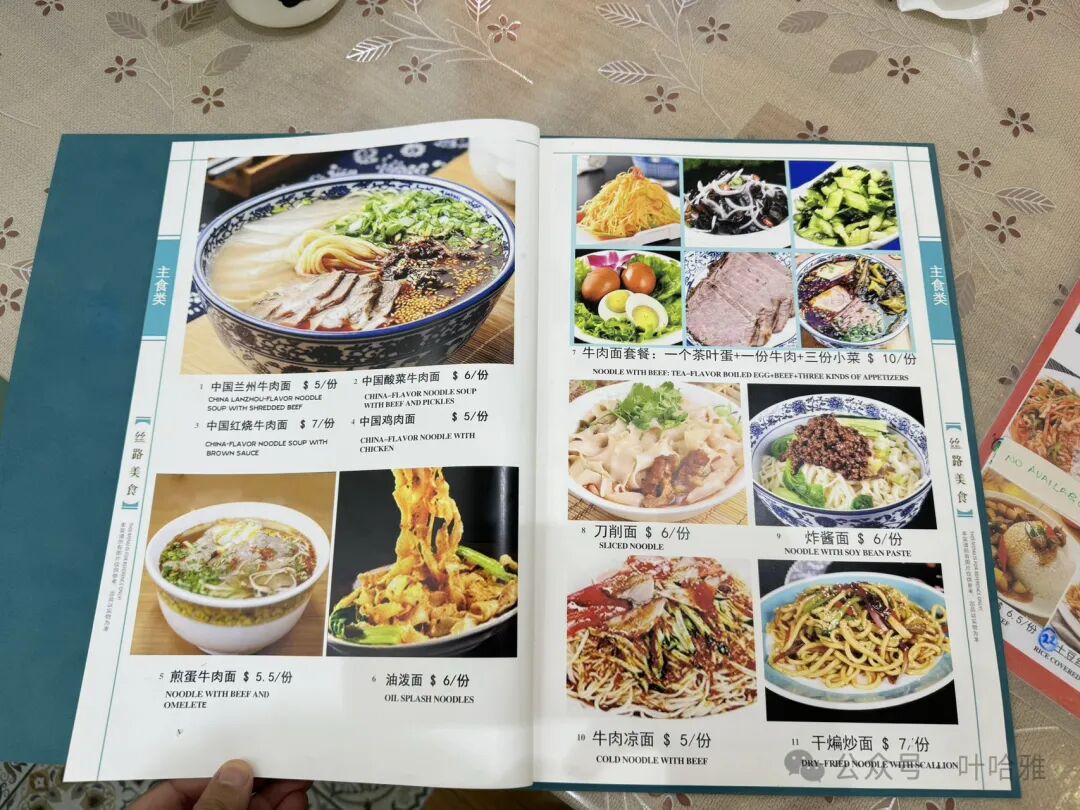
The menu is just like the ones in China, with all kinds of noodle dishes available. The prices are not expensive either; a bowl of beef noodles costs 5 Brunei dollars, which is about 25 Chinese yuan.
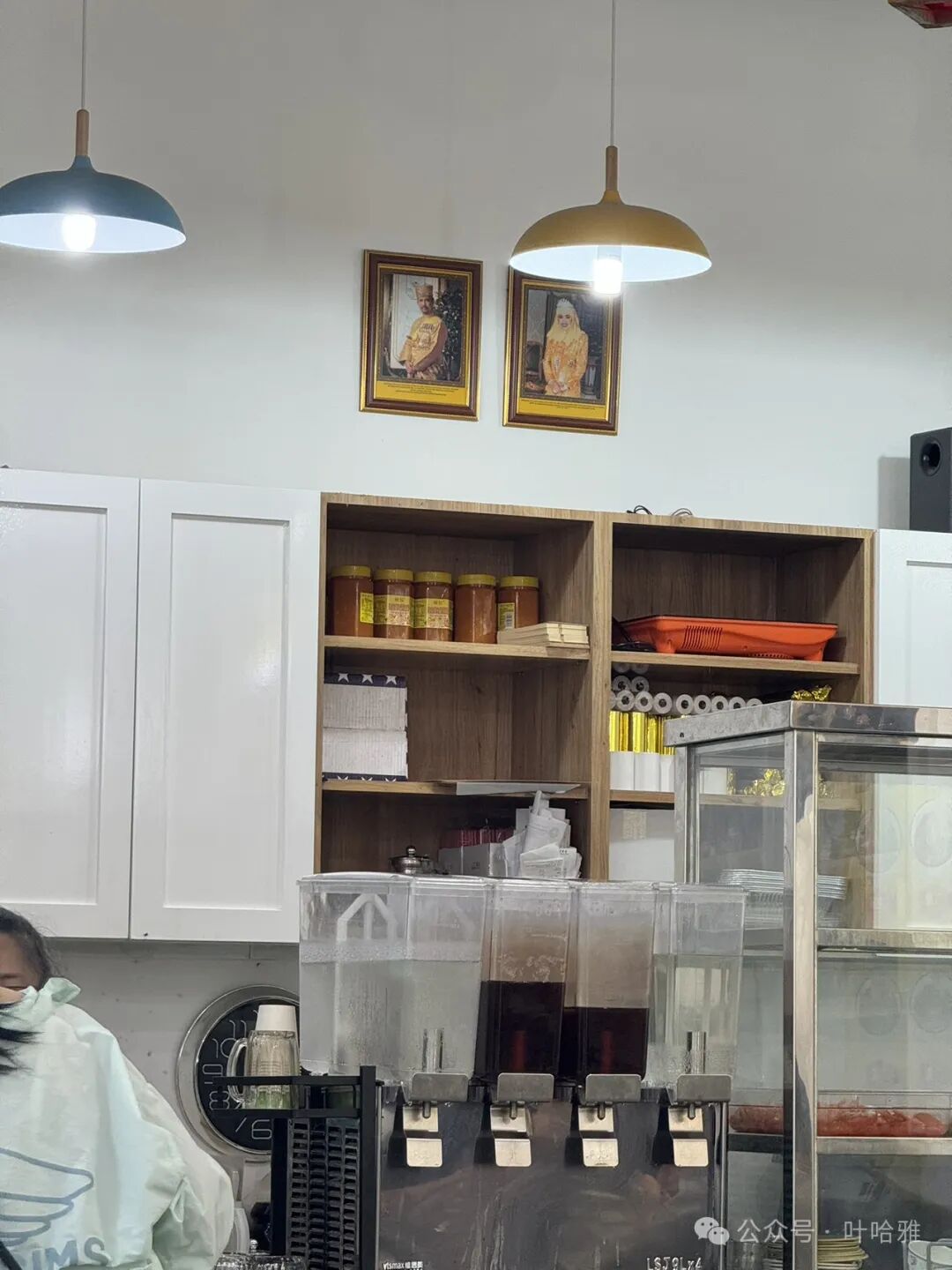
Shops here all hang portraits of the Brunei royal family.
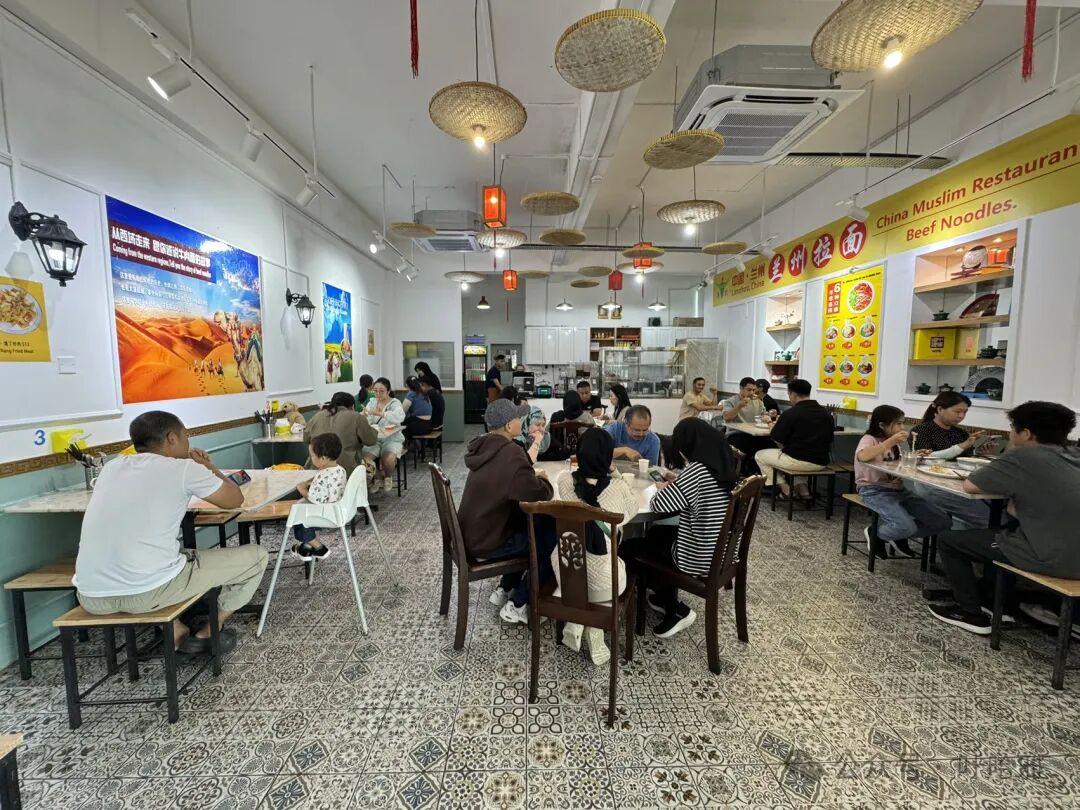
Many people come here to eat at noon, and every table is full.
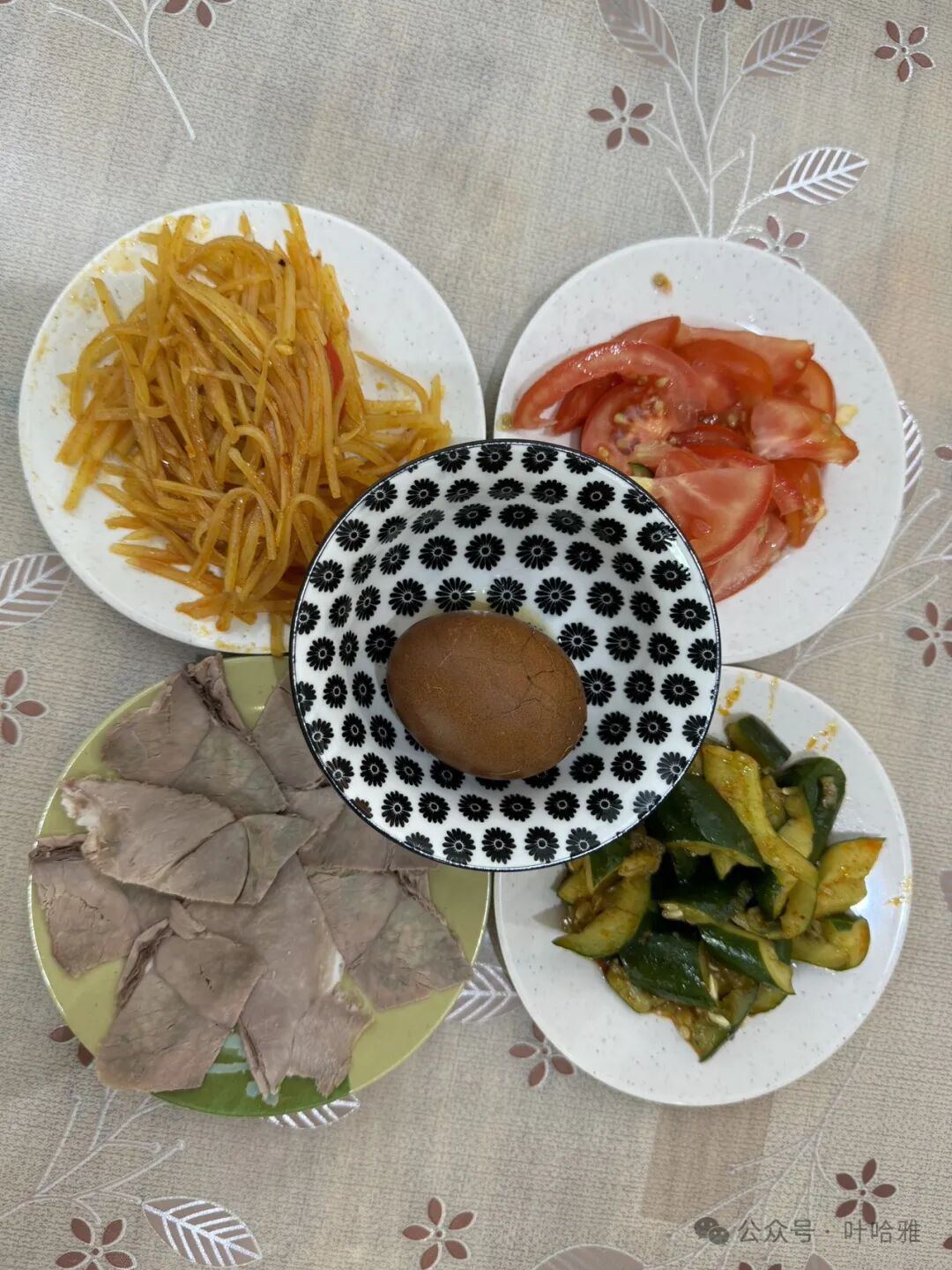
We ordered the traditional beef noodles and mixed noodles (banmian). Honestly, they were both very authentic and tasted just like a typical Lanzhou beef noodle shop in China. It is no wonder their business is so good.
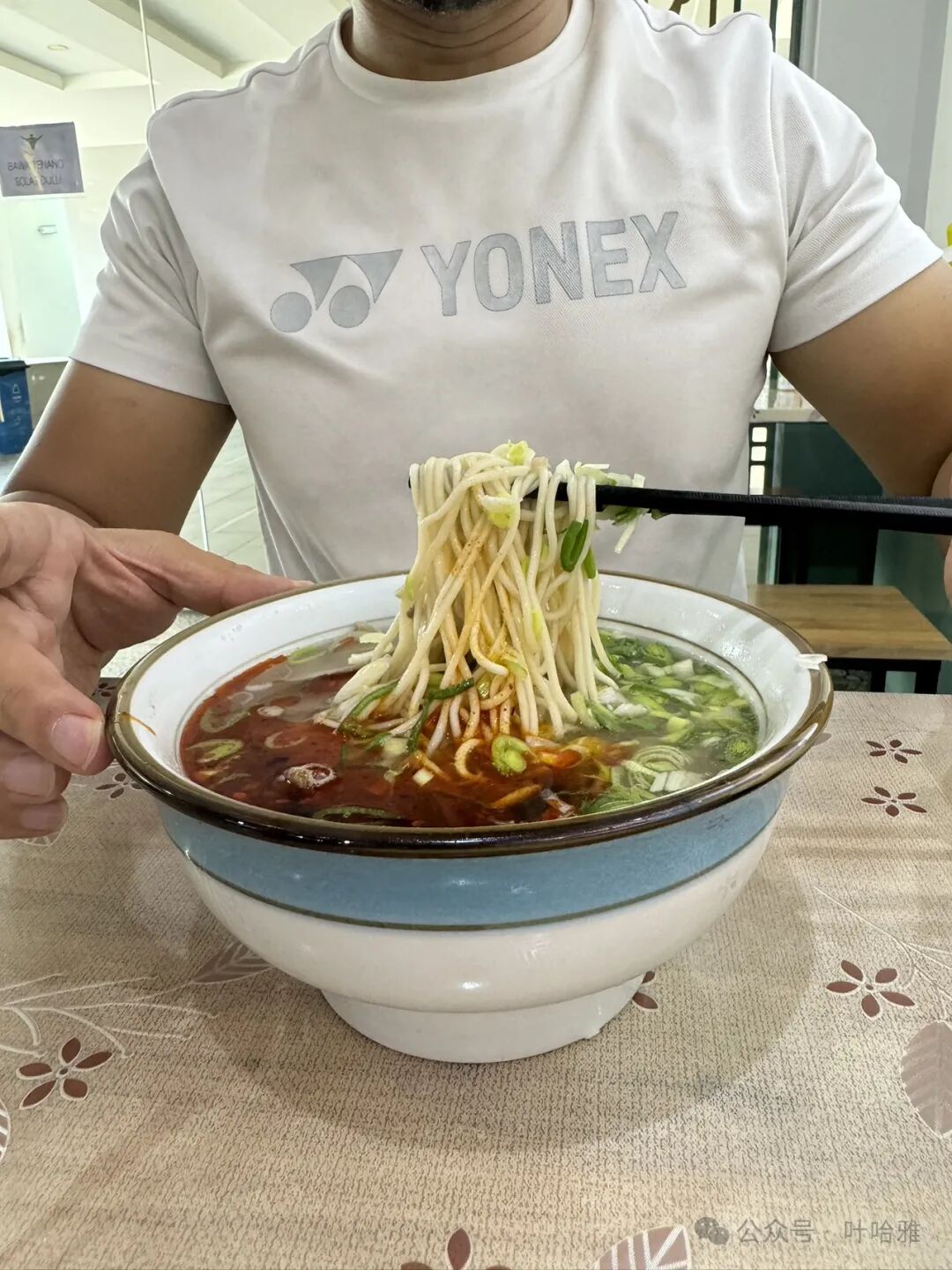
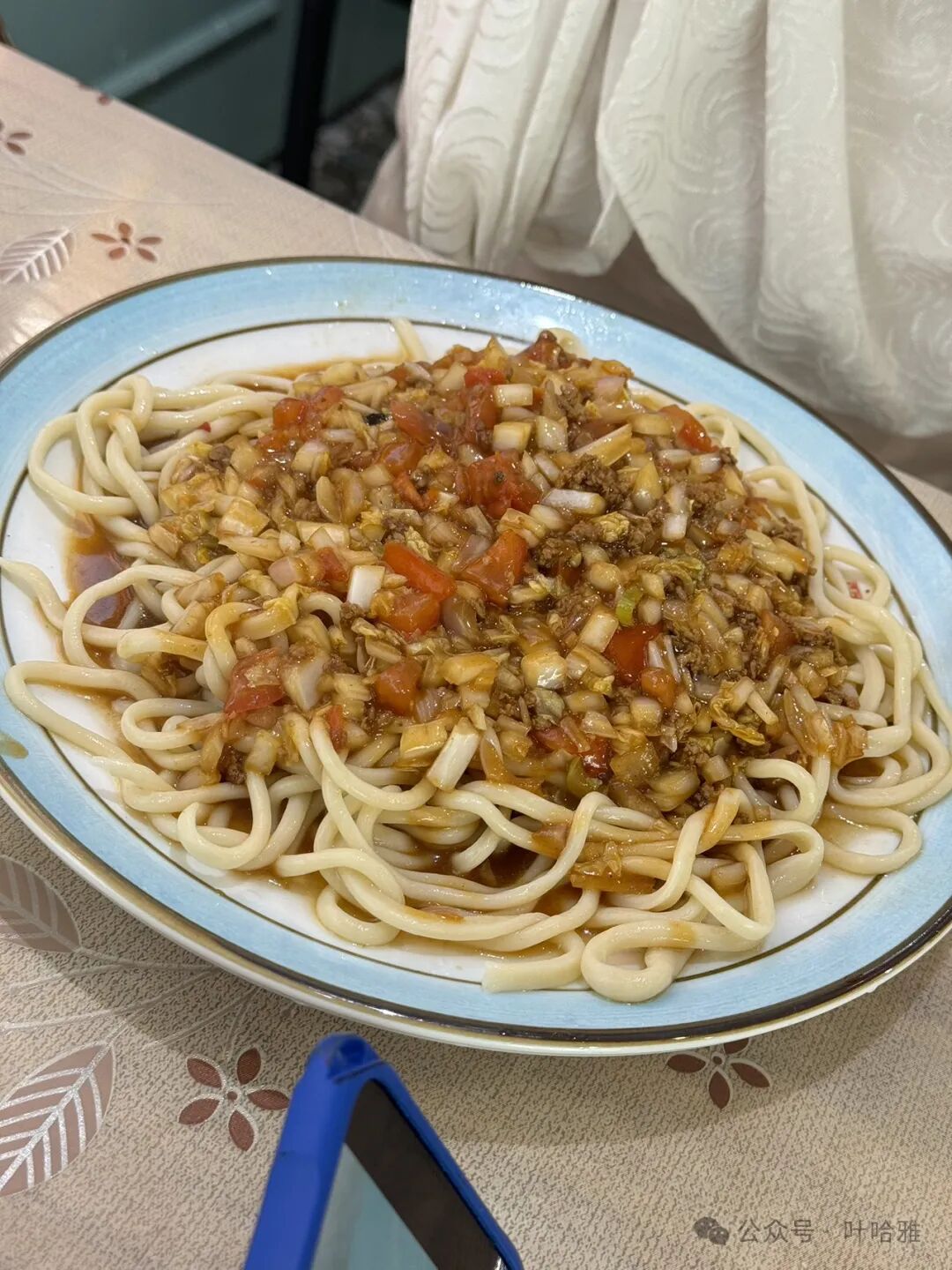
According to Google Maps, there is another Lanzhou beef noodle shop in Brunei, and it is said to be doing well too.
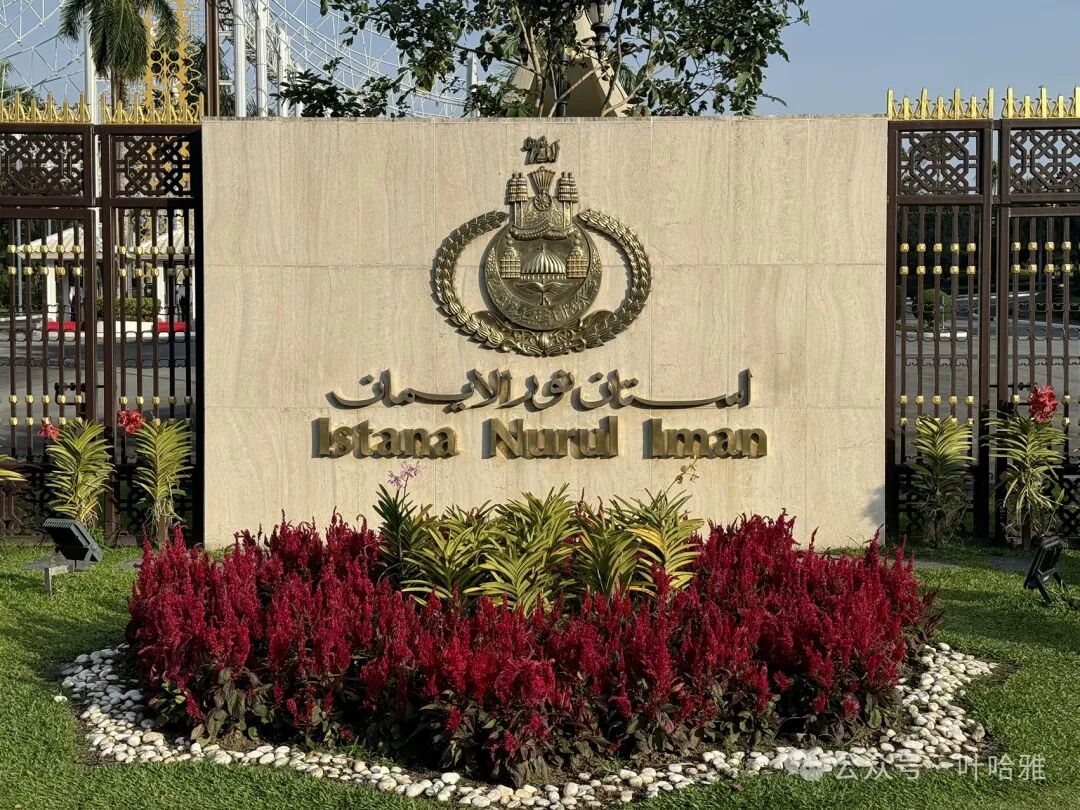
Sultan's Palace
The palace is not usually open to the public, but local friends say the Sultan is very approachable. If you stand at the palace gate and happen to see the Sultan's motorcade coming or going, he will wave back if you wave at him.
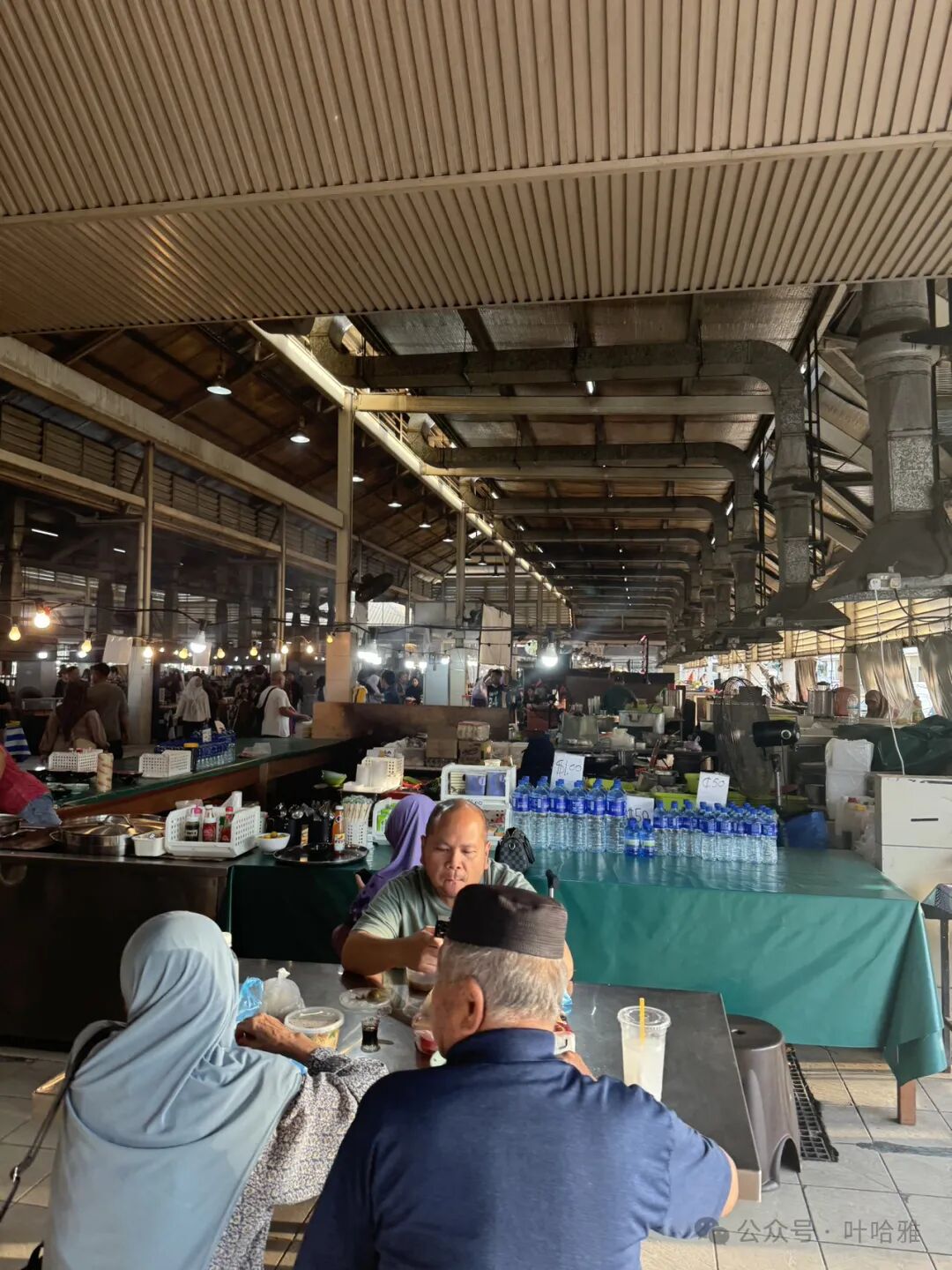
Gadong Night Market
This is the largest night market in Brunei. It has a very lively atmosphere, which means as soon as you walk in, you can smell a lot of cooking smoke. I am not very interested in local Southeast Asian food because I feel it is not healthy enough, as it is often heavy on oil, salt, and spice. It is fine to try it once in a while.
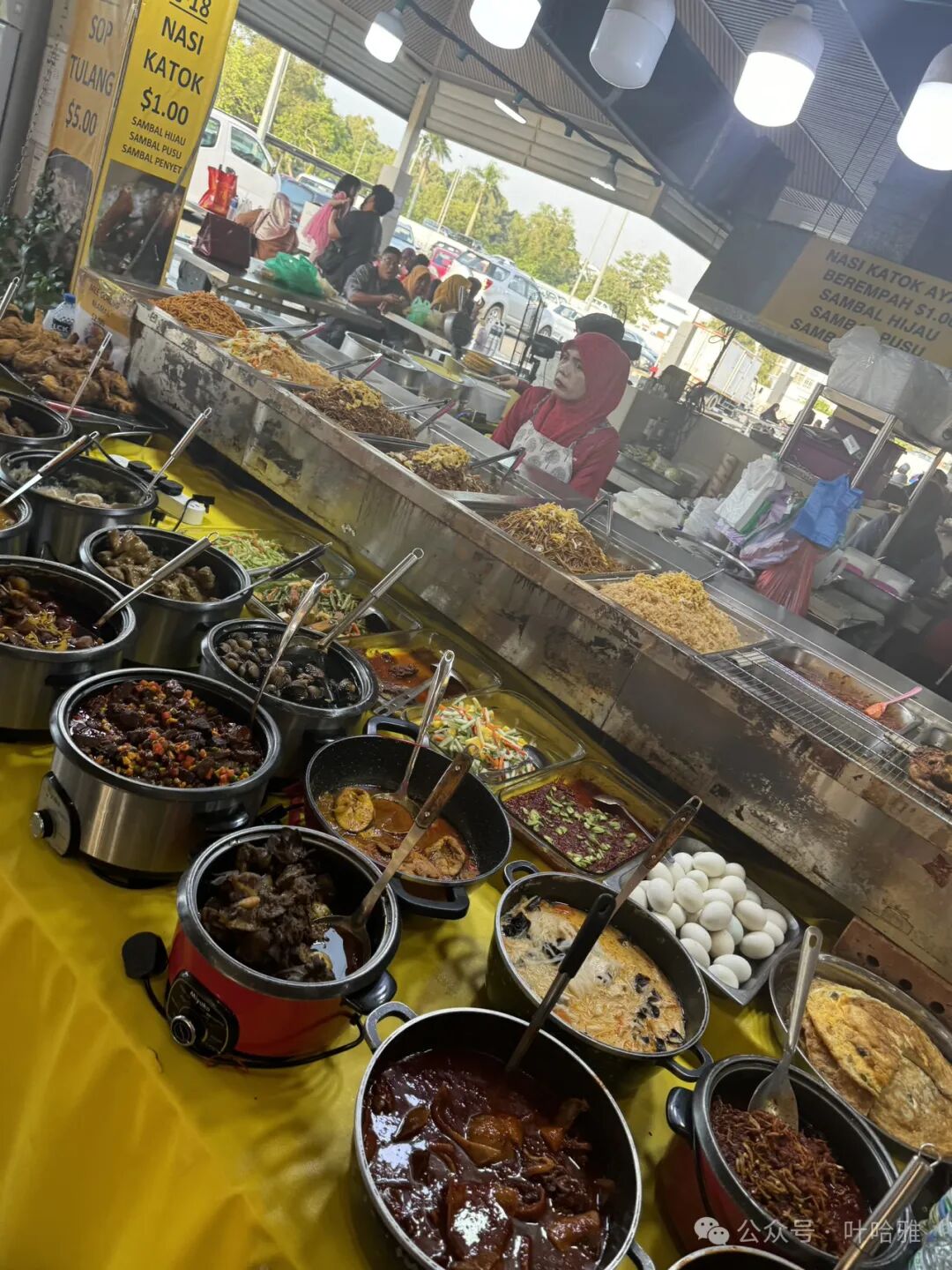
However, the durian at the night market is worth a try.
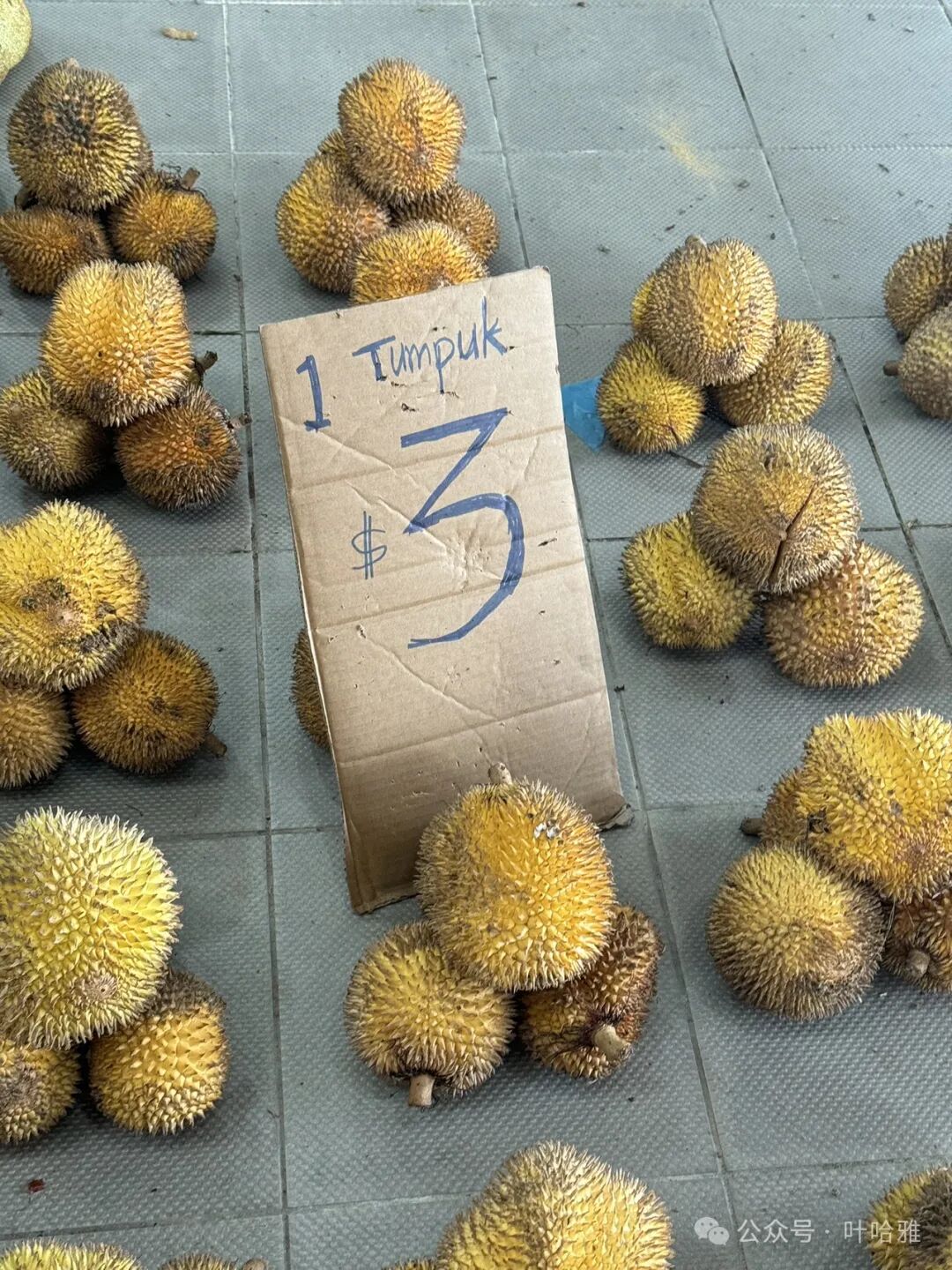
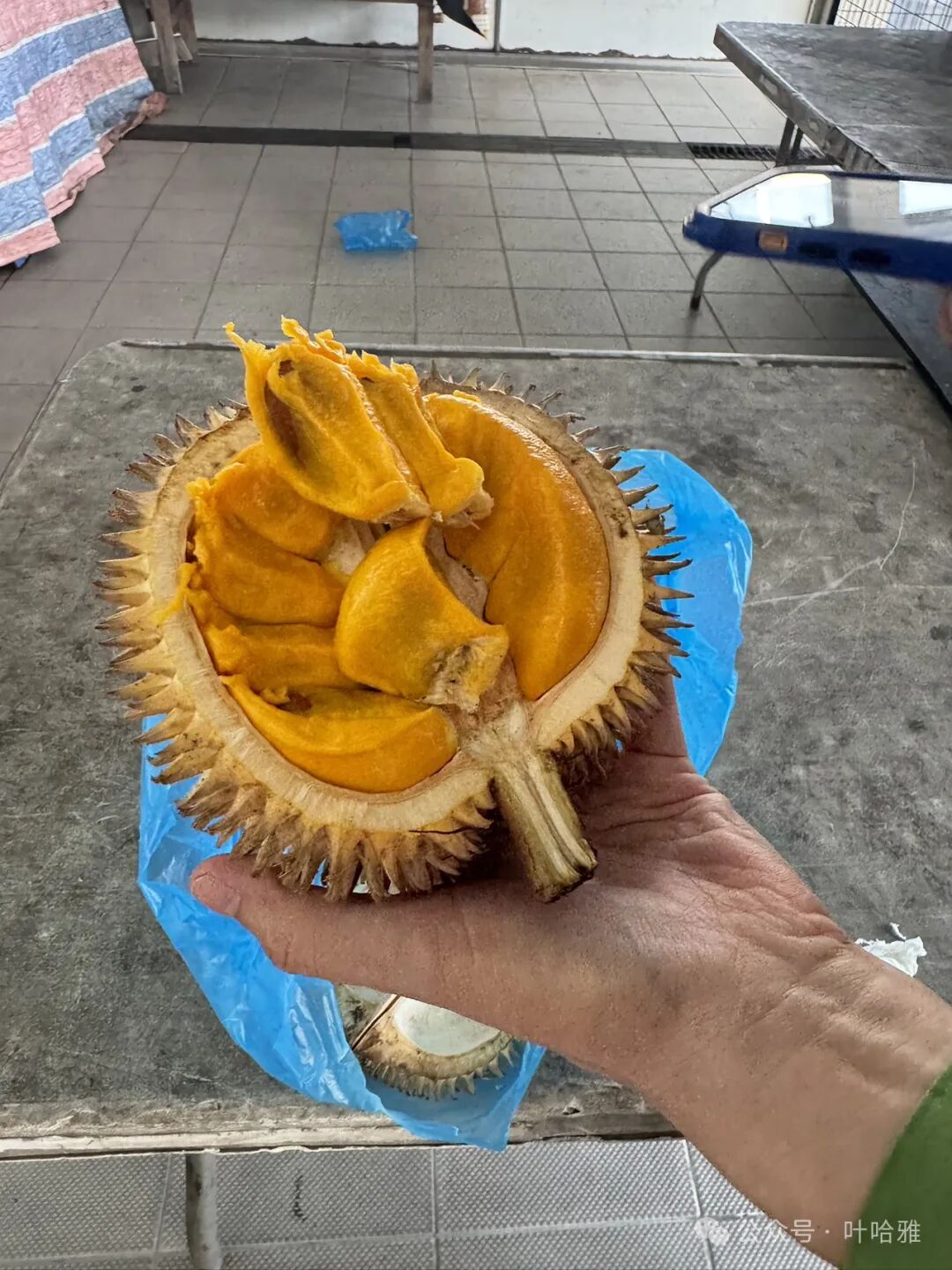
These small durians only cost 3 Brunei dollars for a pile, which is about 15 Chinese yuan. We bought one, and this is what it looked like when we opened it.
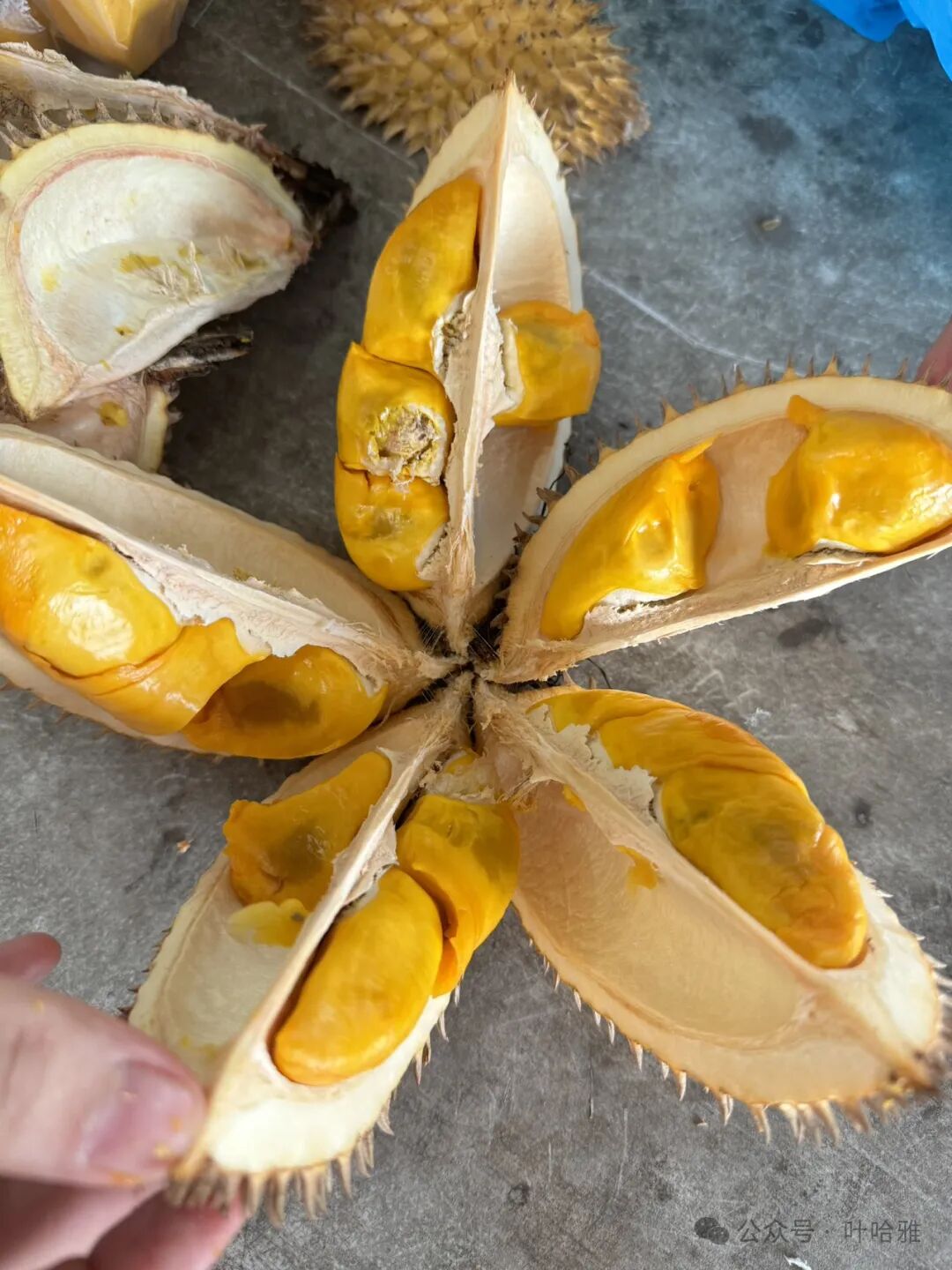
Durians in Malaysia are never cheap, but I found I could eat as many as I wanted in Brunei. Just remember that you cannot bring durians, mangosteens, or dragon fruit into your hotel. They can leave behind strong smells or stains, and you will be fined if you break this rule.
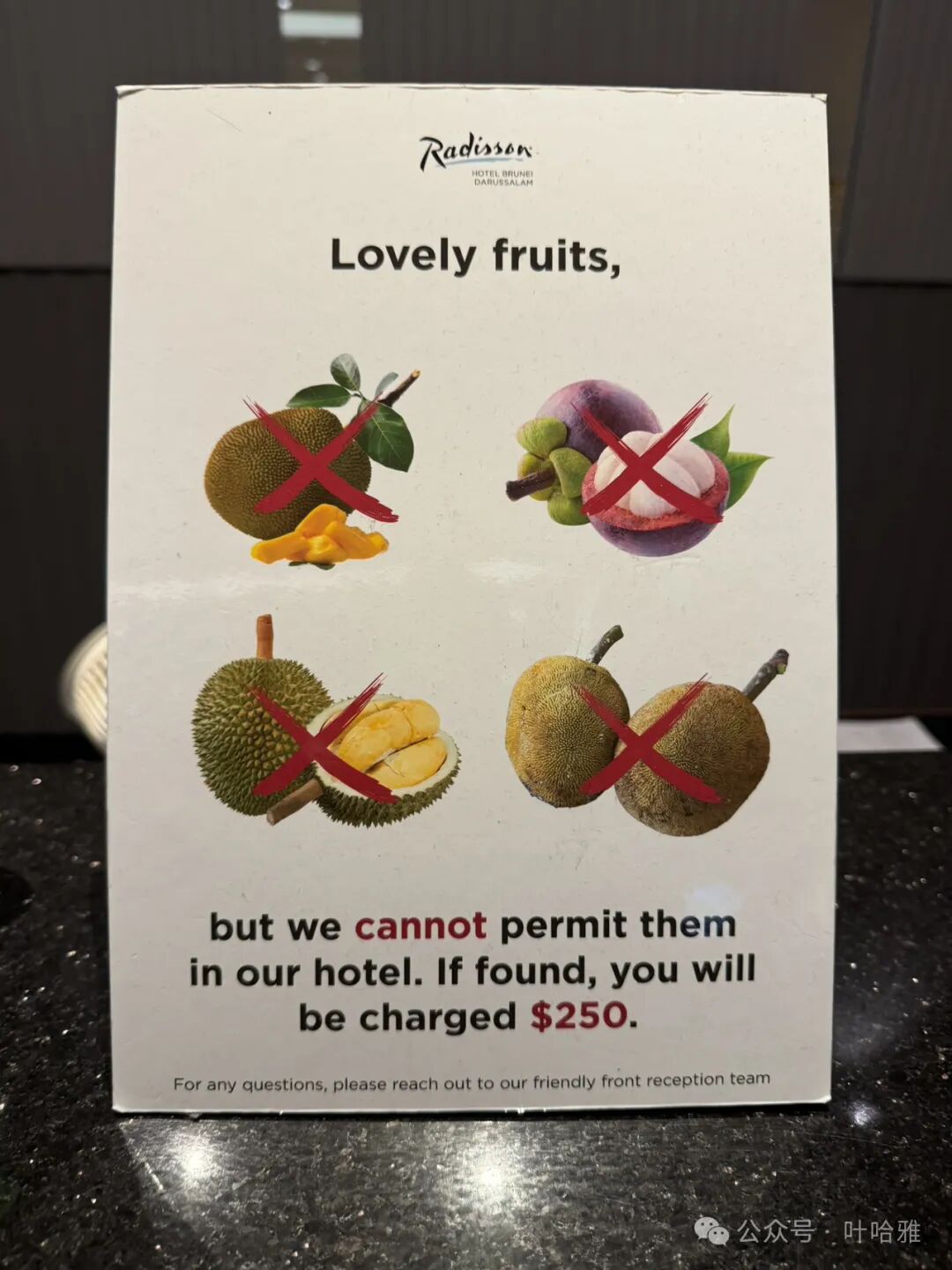
The fine for breaking this rule is 250 dollars.
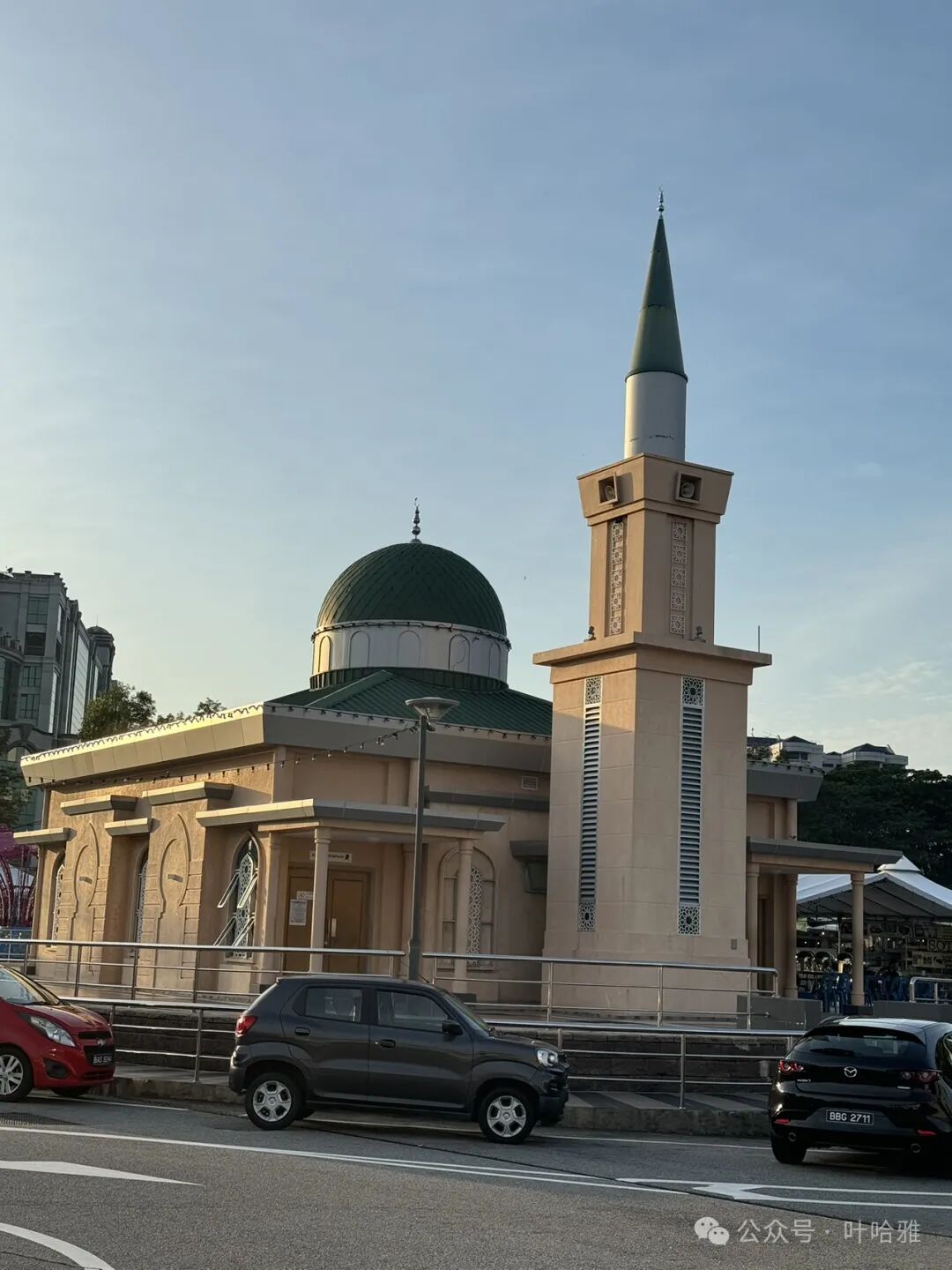
The mosque next to the Gadong Night Market.
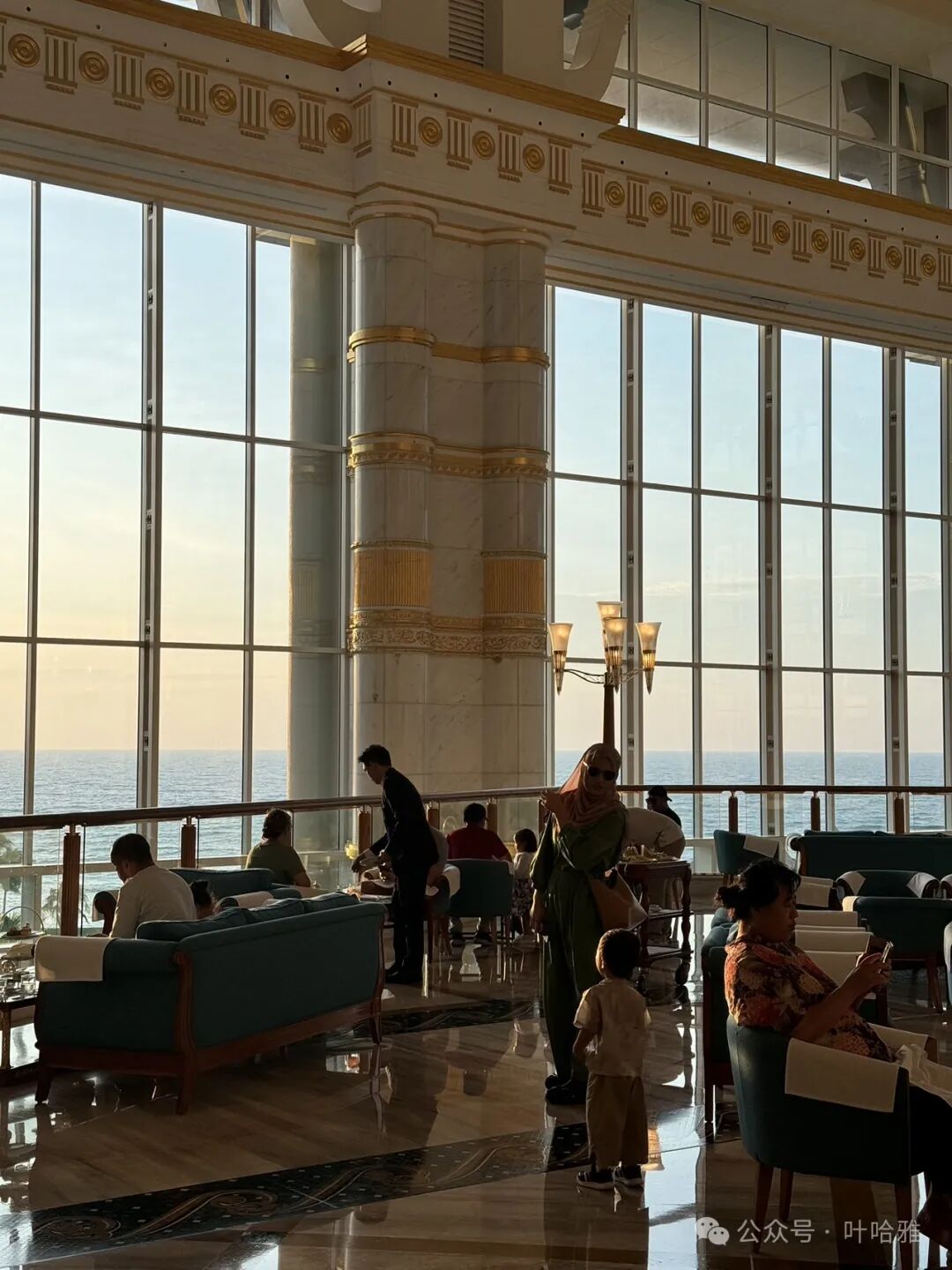
Another place in Brunei worth visiting is the beach at the Empire Hotel.
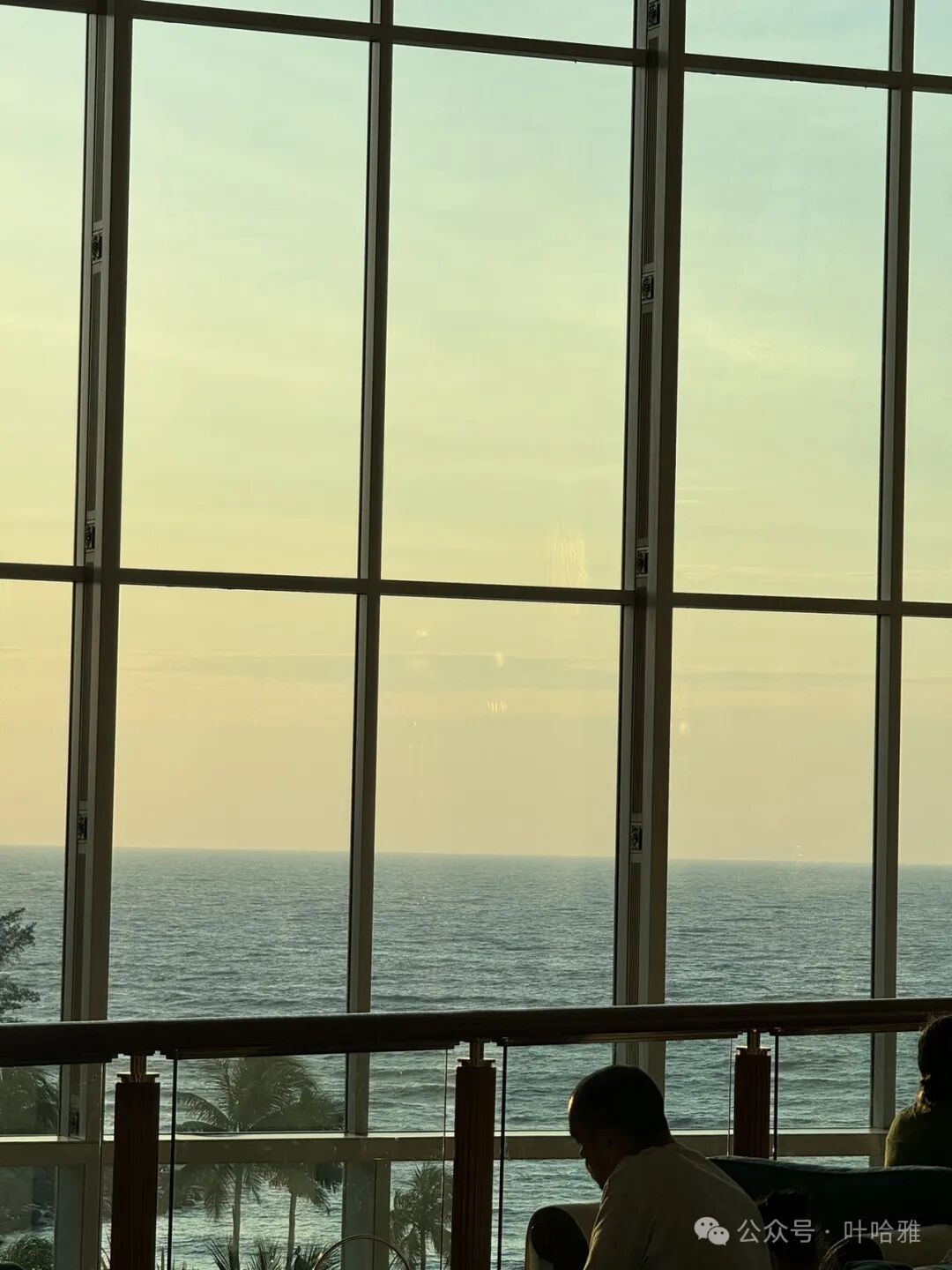
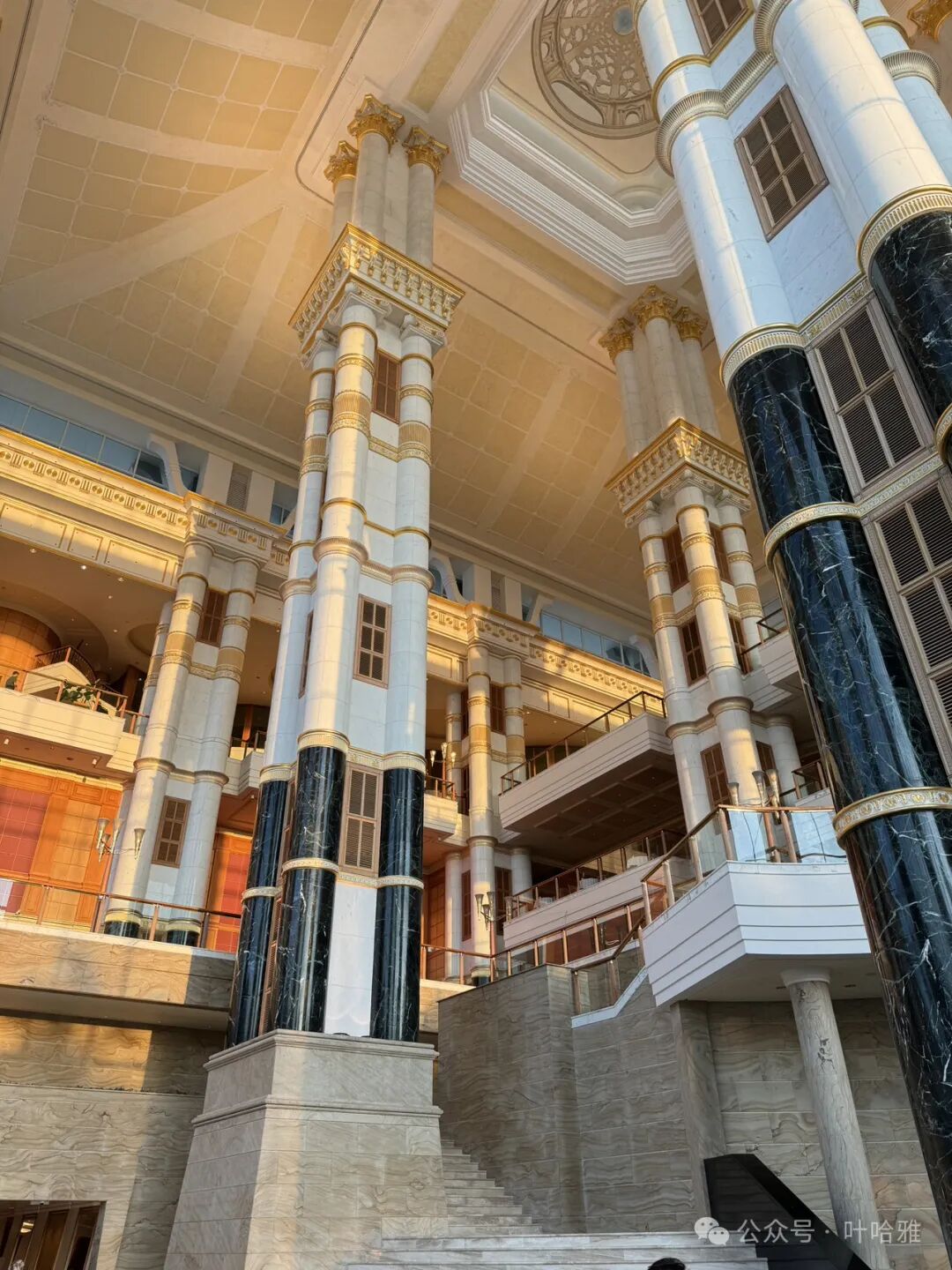
The Empire Hotel is the most luxurious hotel in Brunei and is said to meet a six-star standard, though it actually looks quite flashy. Brunei does not have many international hotel chains, so accommodation here is relatively expensive for what you get.
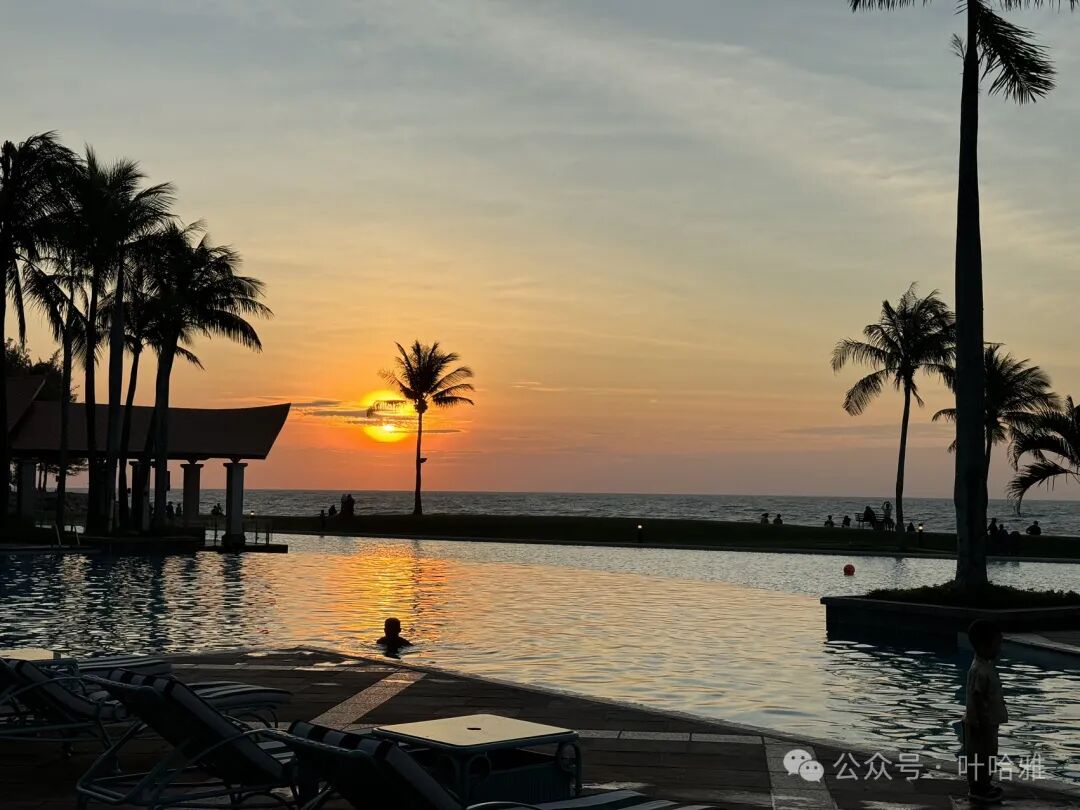
A night at the Empire Hotel costs over 4,000 RMB. I think the best part is the sunset at the hotel beach, which is arguably the most beautiful view in Brunei. The beach is open to the public, so anyone can watch the sunset for free. There is no need to pay a high price to stay there.
Also, the Empire Hotel is over ten kilometers from the city center, and there is nothing to do in the surrounding area. Most of Brunei's attractions are in the city, and taking a taxi is not cheap.
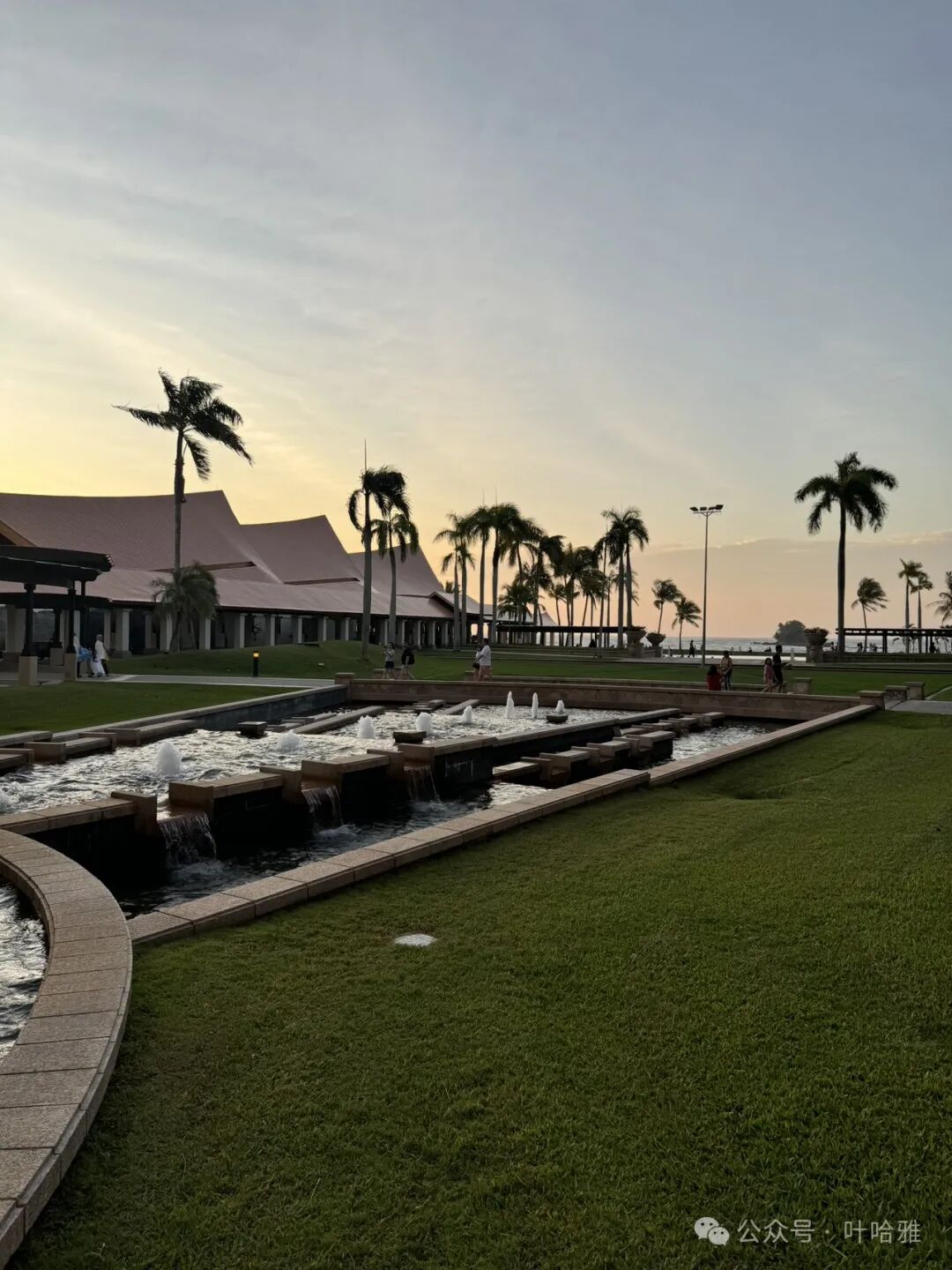
Still, it is very worth coming here just to see a beautiful sunset.
A friend in Brunei took us to an Indonesian restaurant called Pondok Sari Wangi Seafood Restaurant. The Arabic letters on the sign are actually Malay, which just uses the Arabic script. This is a unique feature of Brunei, and they have even created a few of their own letters.
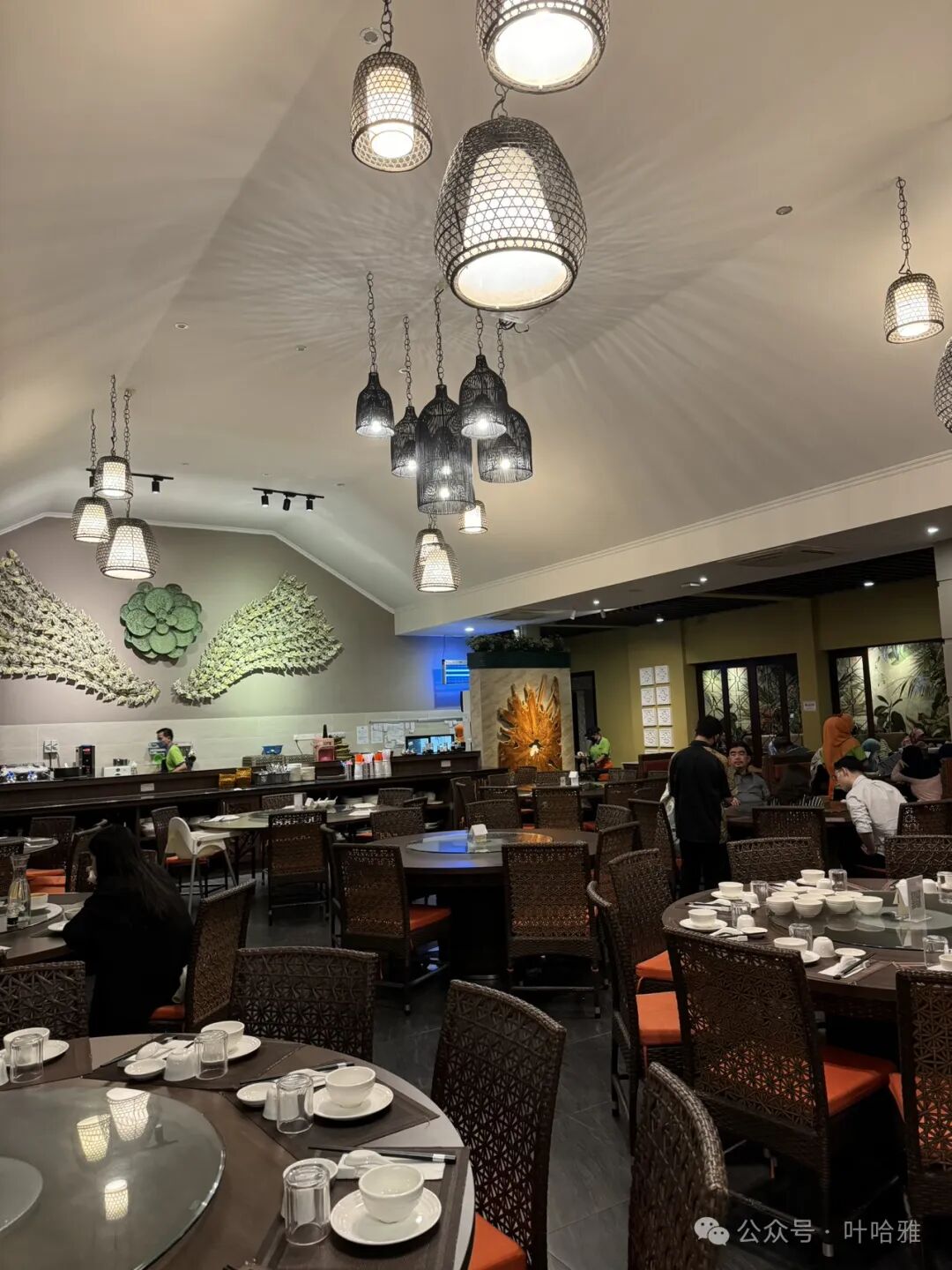
I think this is a very popular local restaurant in Brunei, and the flavors are easy for Chinese people to enjoy.
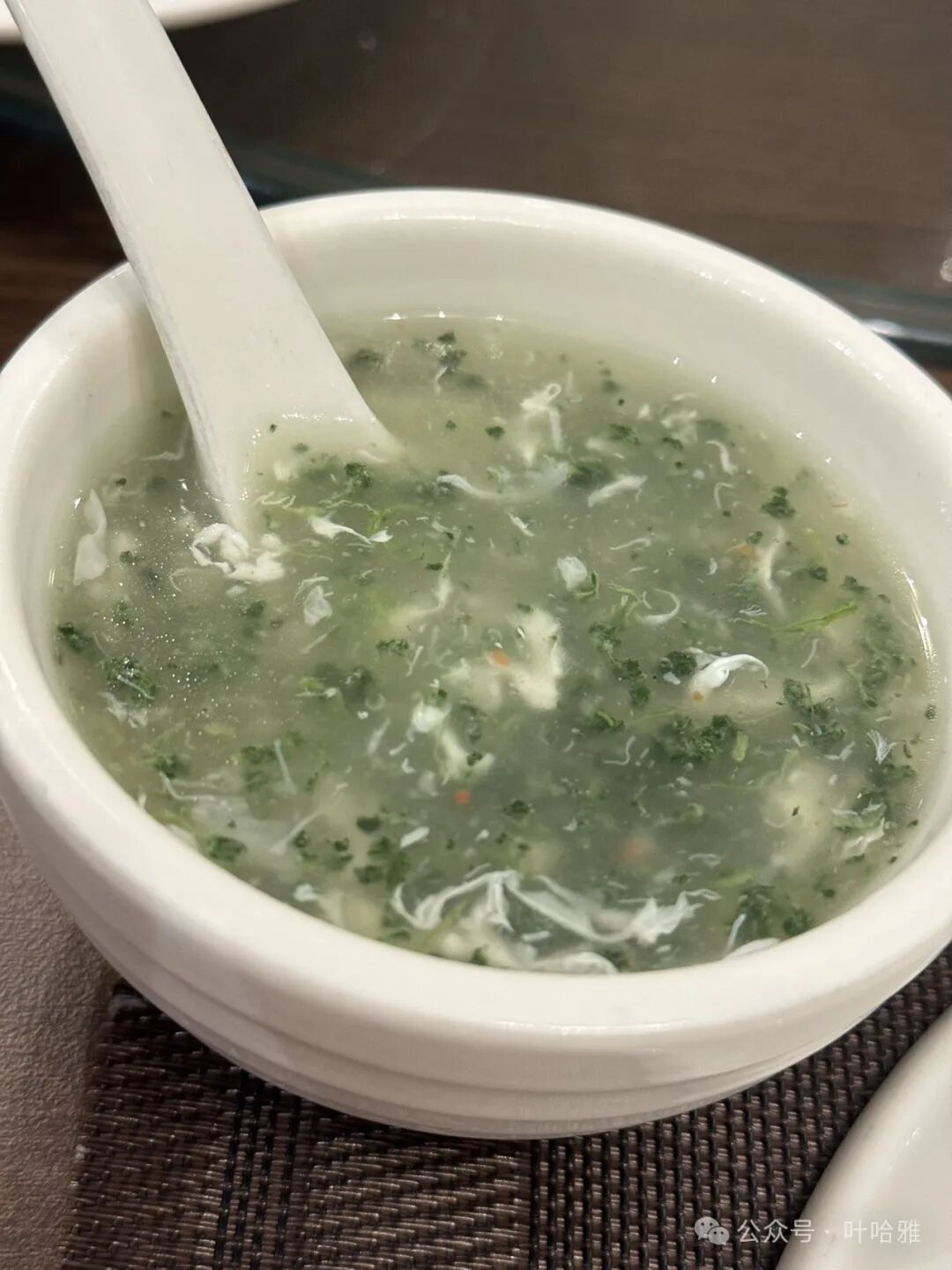
Over dinner, my friend told me about local Islamic banking in Brunei. I learned that if you deposit money in a Brunei Islamic bank, you get a fixed return, but they do not call it interest. They call it Murabahah. Even with private loans between people in Brunei, they ask for a return, and everyone is used to it.
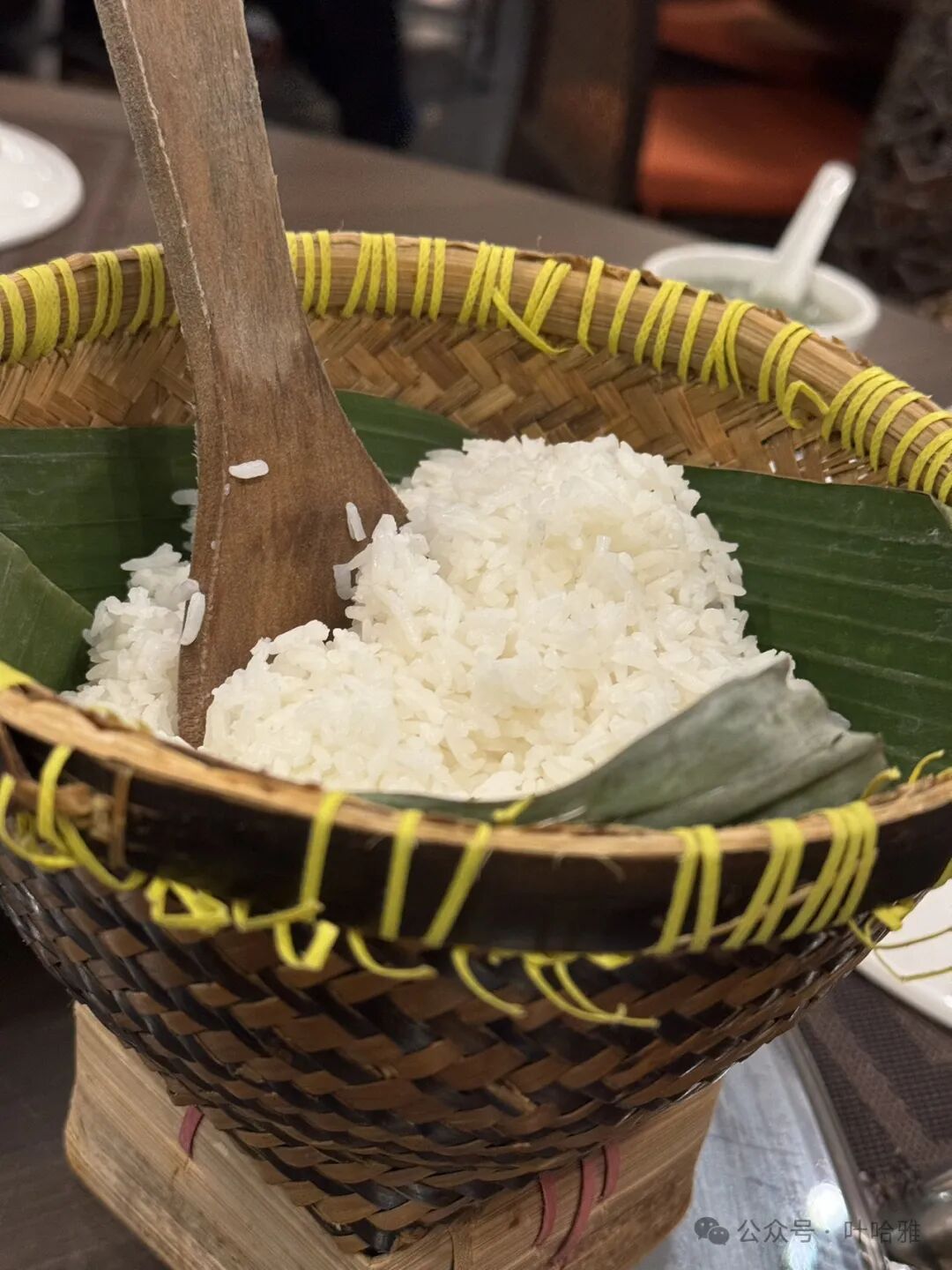
This confirms one of the issues I mentioned in my recent series of articles criticizing Islamic finance: the way interest is legalized by using specific contracts or changing terms. In reality, promising a fixed return on a deposit is essentially interest, regardless of how that money is earned.
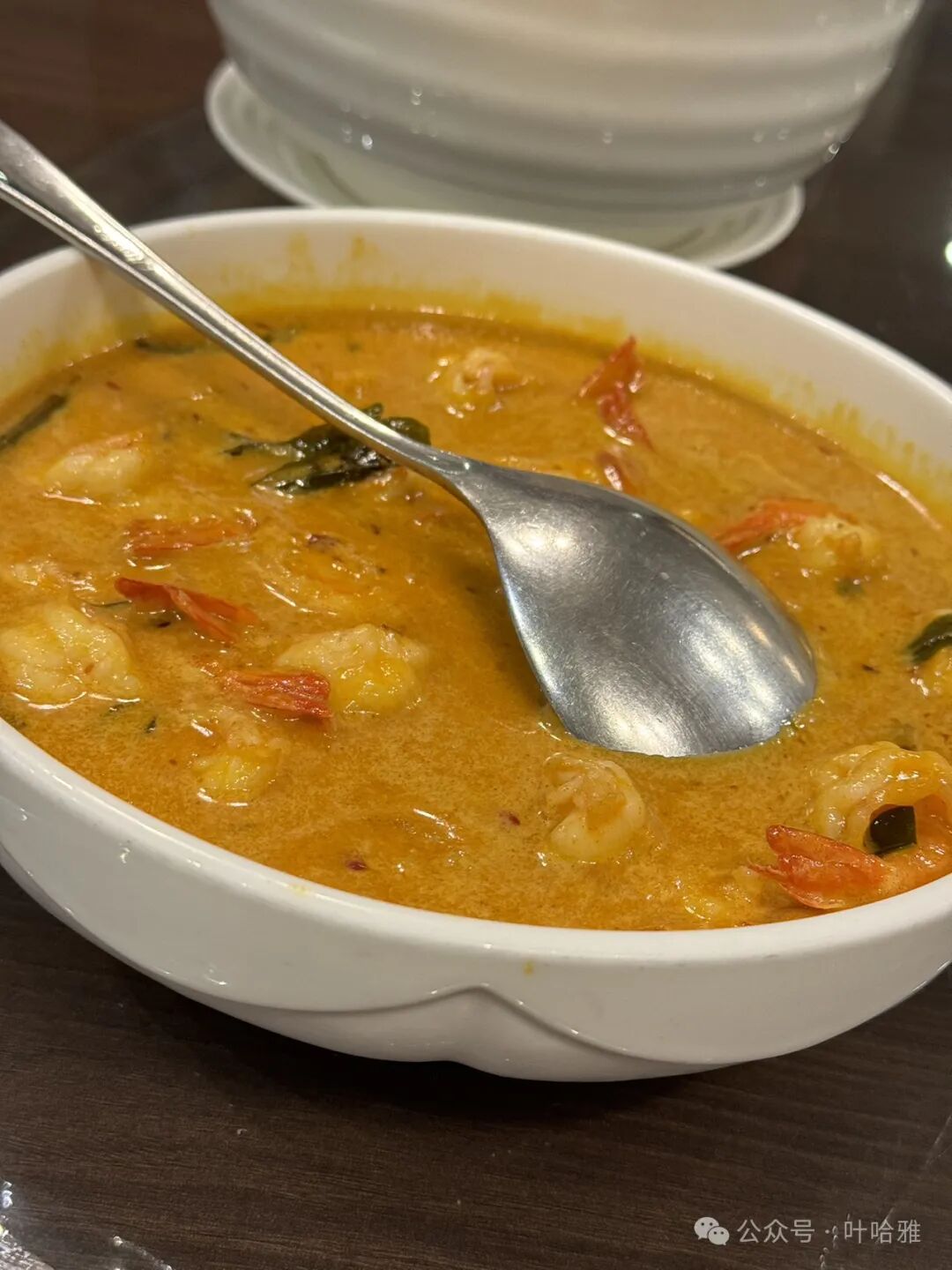
Many traditional international financial institutions have started offering halal financial services to cater to the official pursuit of so-called Islamic purity. However, these institutions do not separate the money they collect; they mix it with their traditional financial business. This is different from a non-Muslim opening a halal restaurant, because a restaurant can keep ingredients separate. Traditional financial institutions cannot keep money from mixing, so this nominal halal certification is just for show.
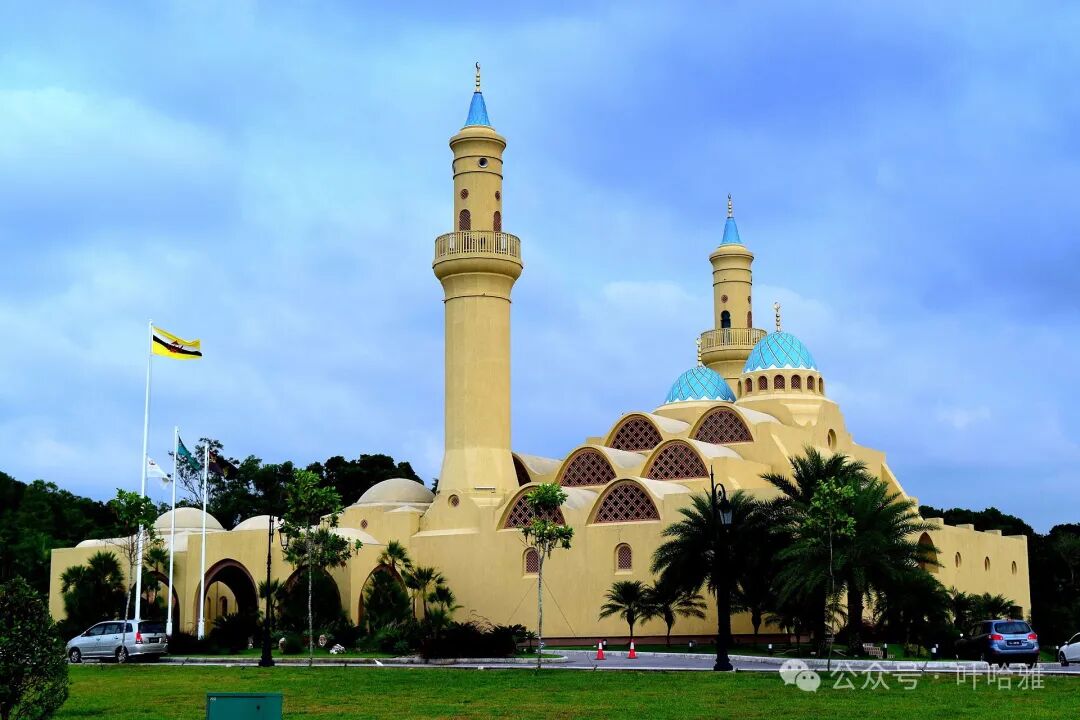
Ash-Shaliheen Mosque
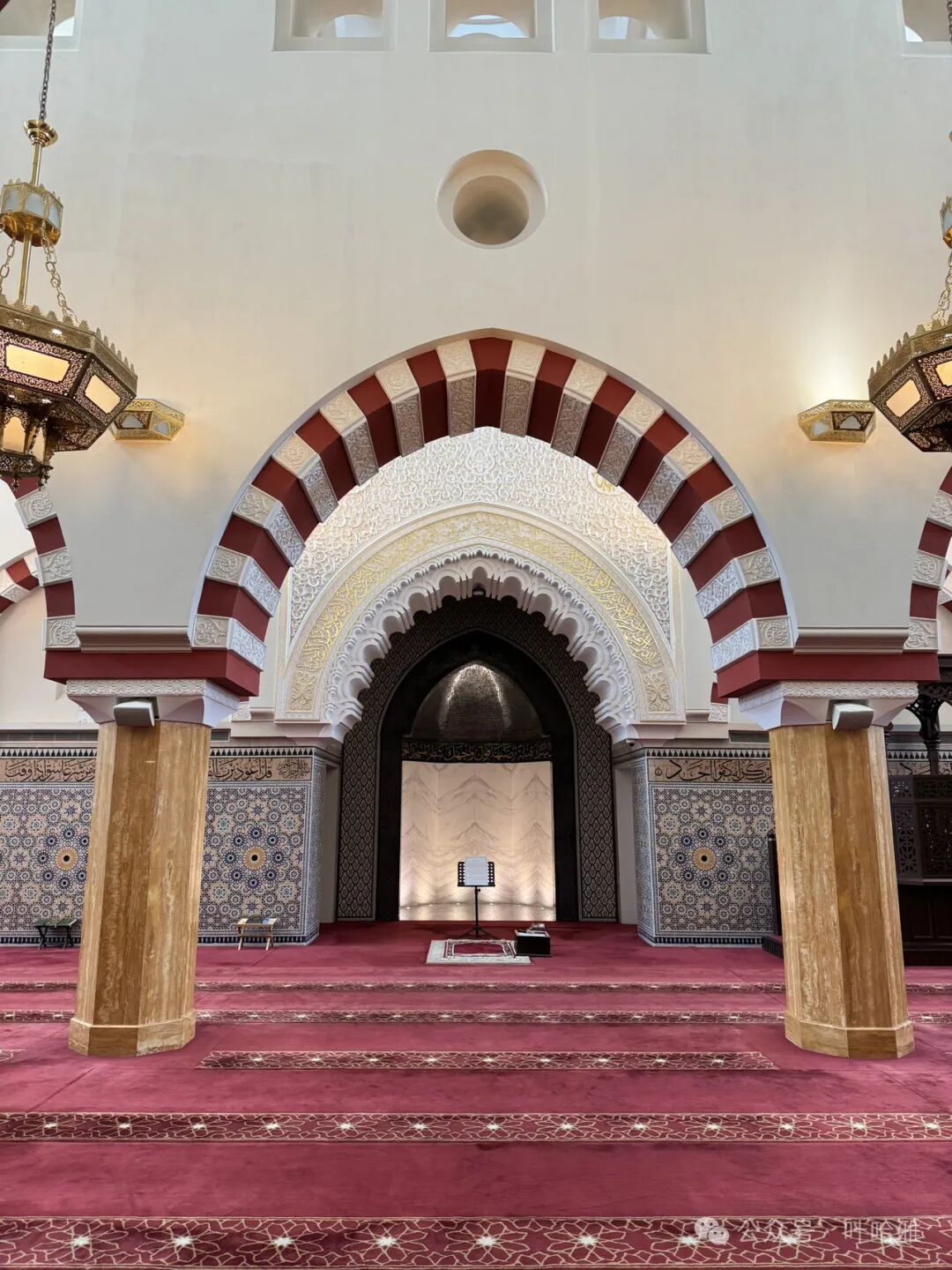
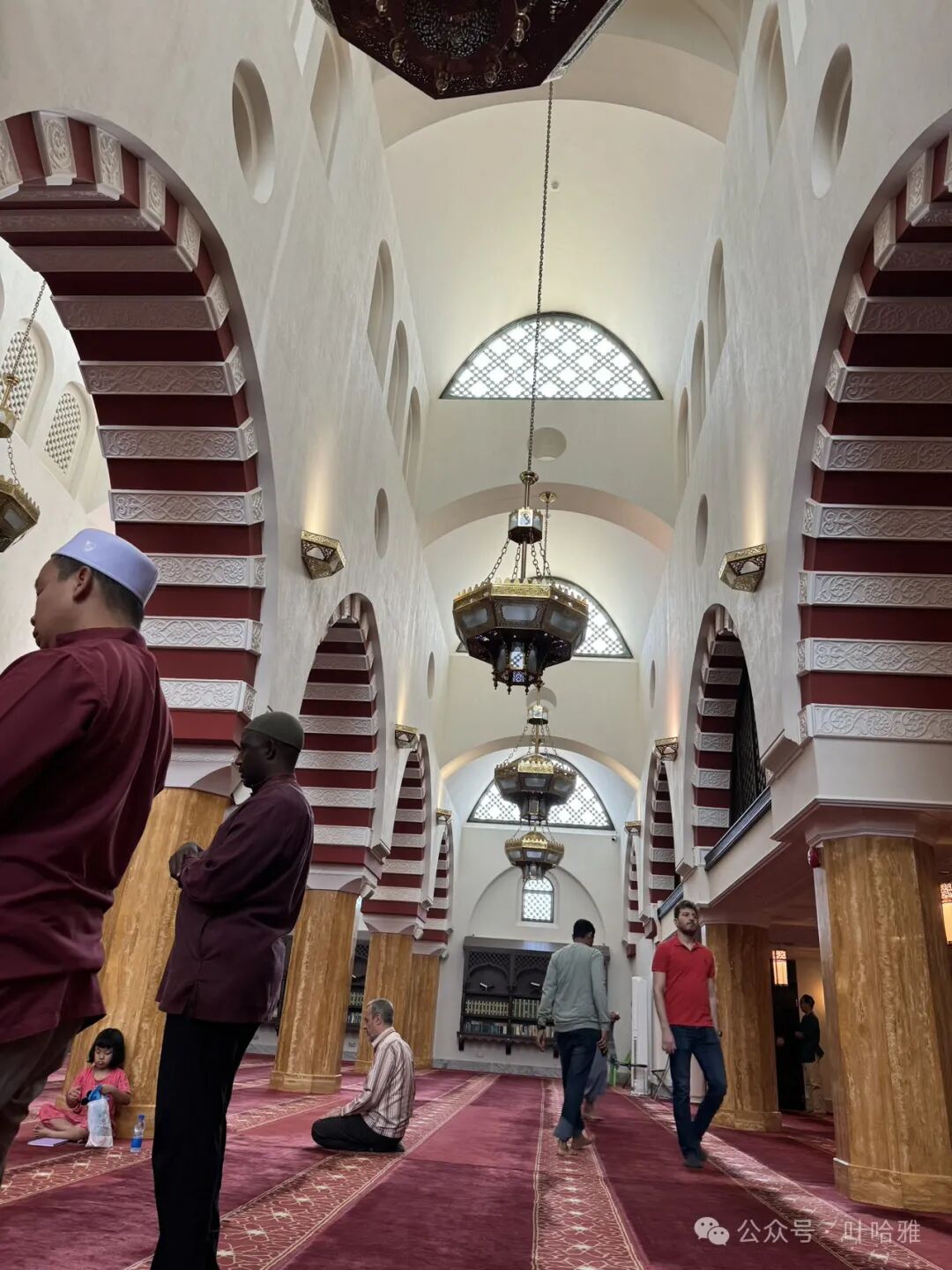
Located next to the Prime Minister's Office in Bandar Seri Begawan, Brunei, this Moroccan-style mosque was built in 2012. I think it is one of the more unique mosques in Brunei.
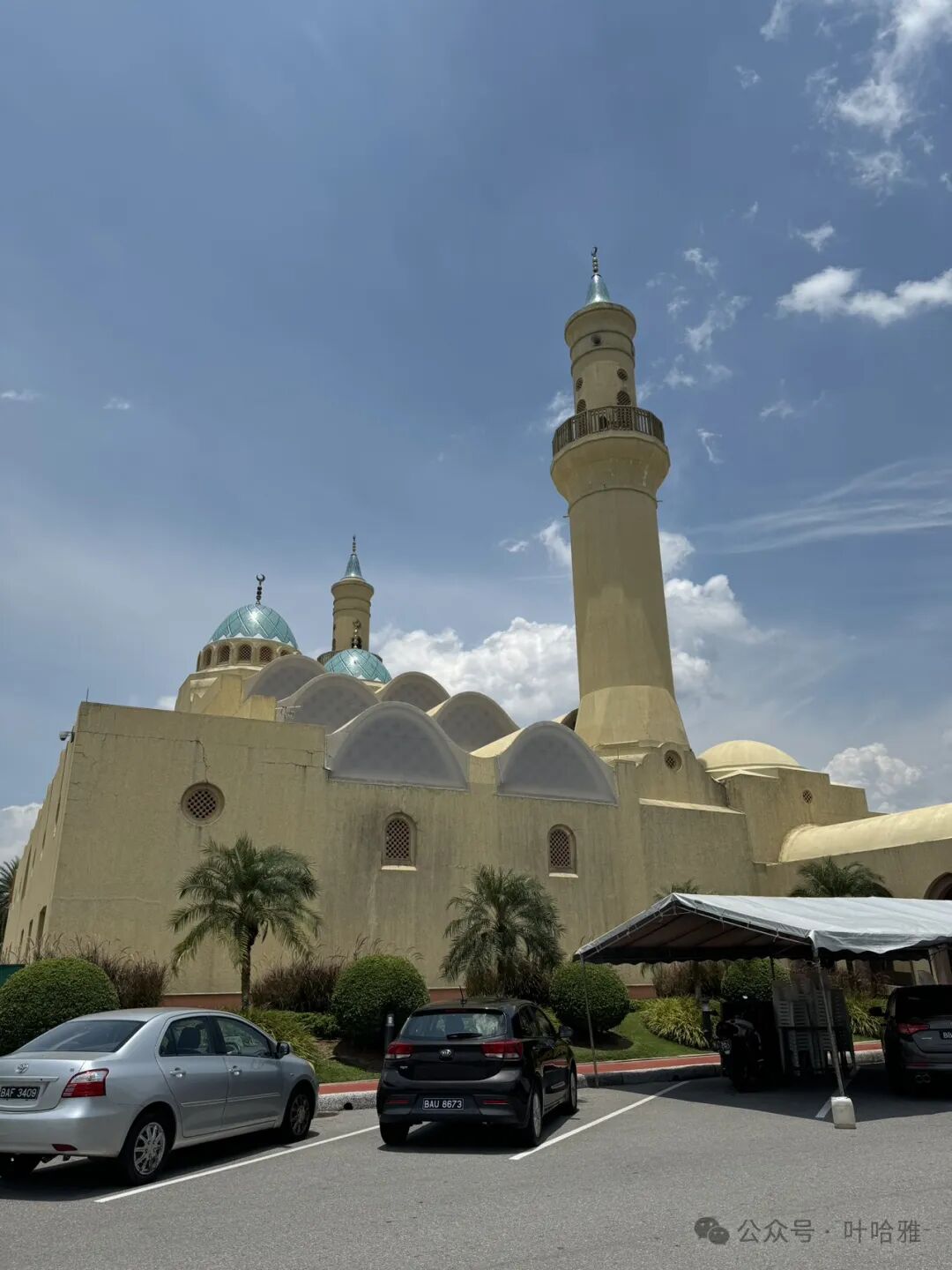
More Arabs pray in this mosque, and the designer is Egyptian.
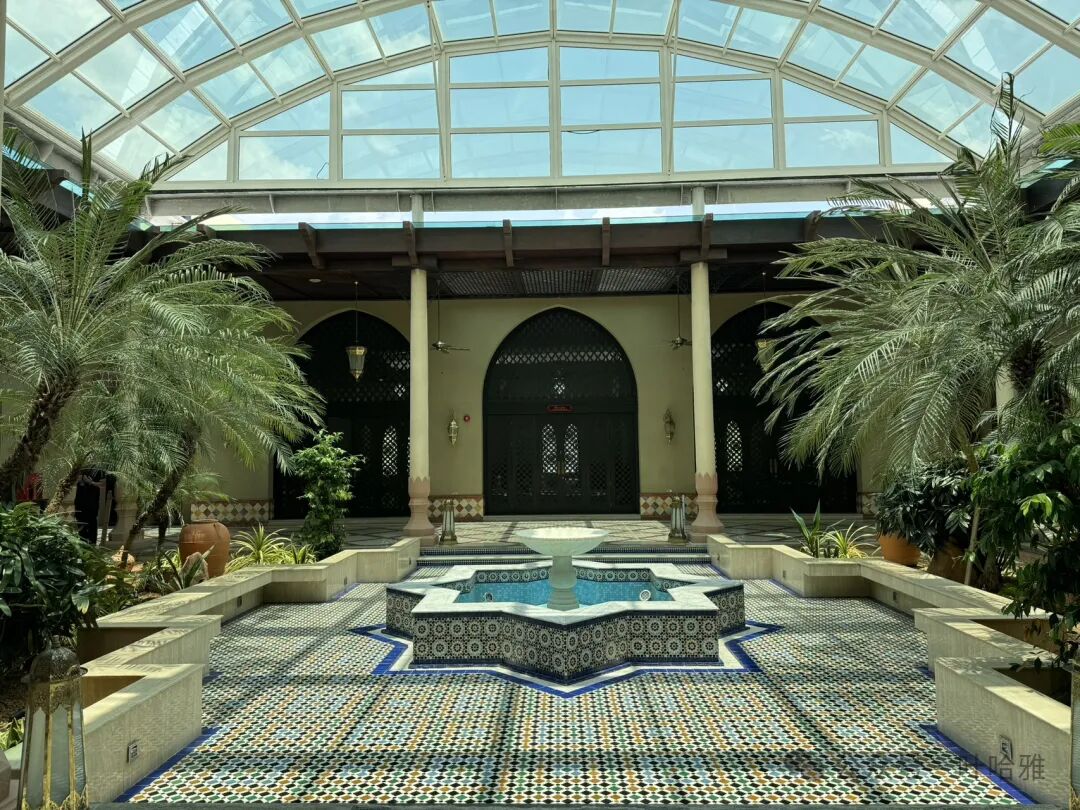
The glass dome of the mosque can retract.
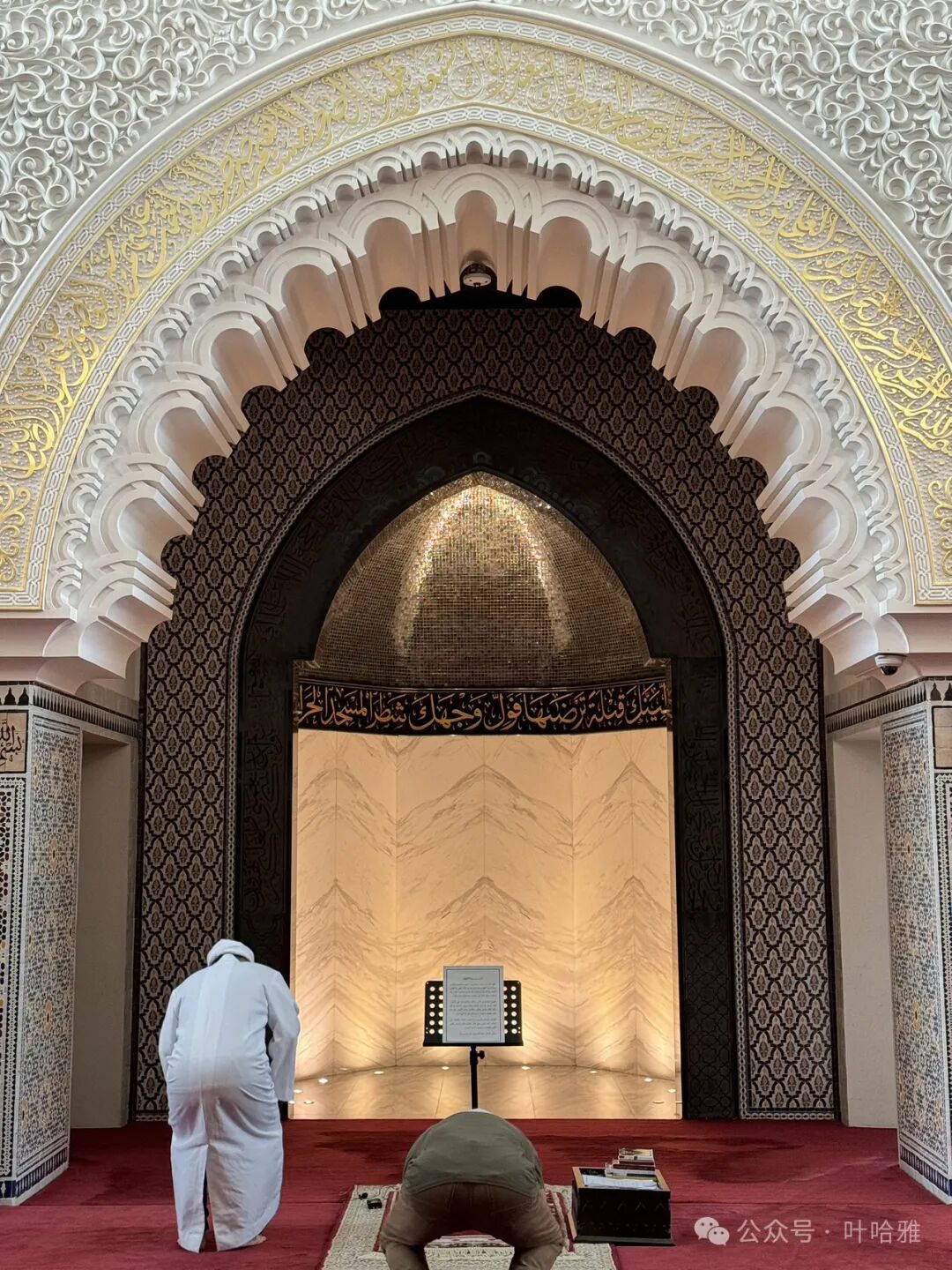
After namaz, people hand out bottled water at the door, and it is even chilled.
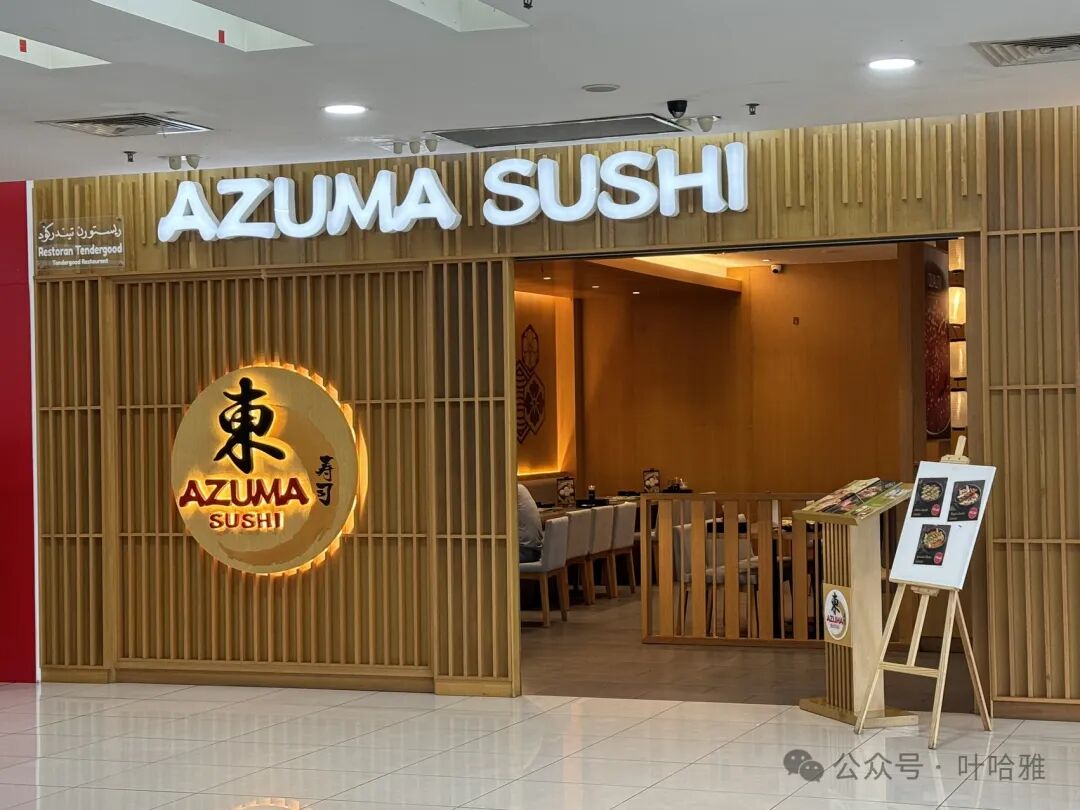
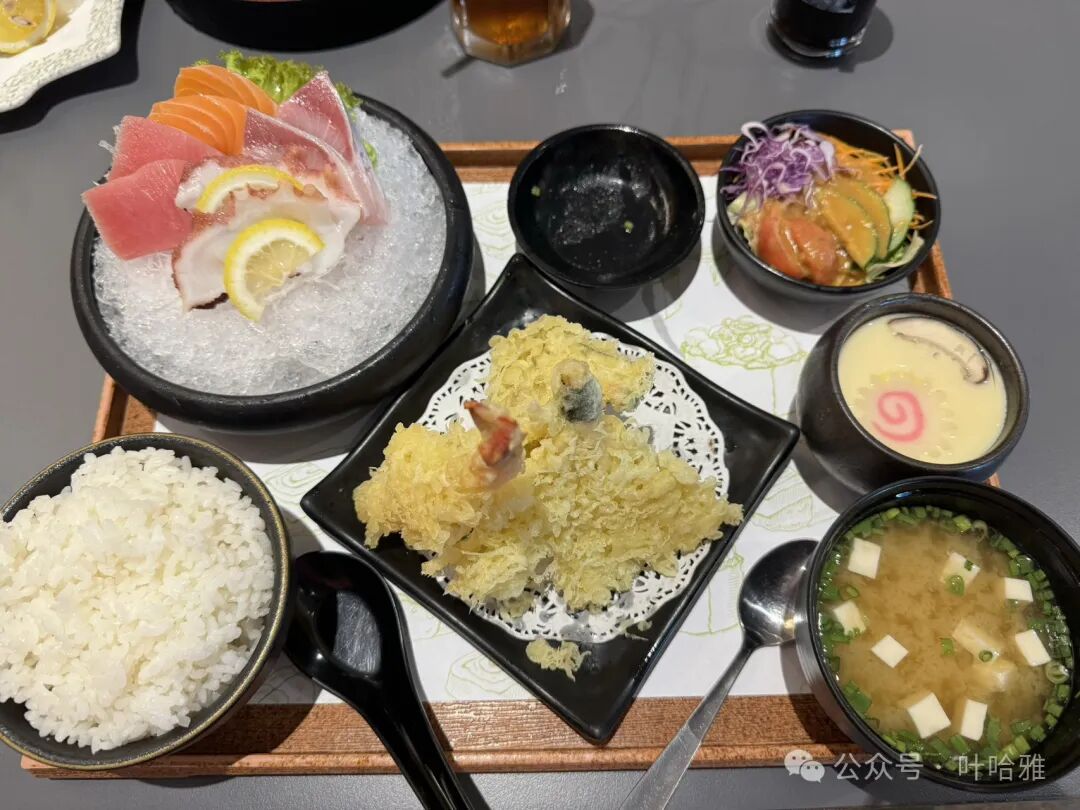
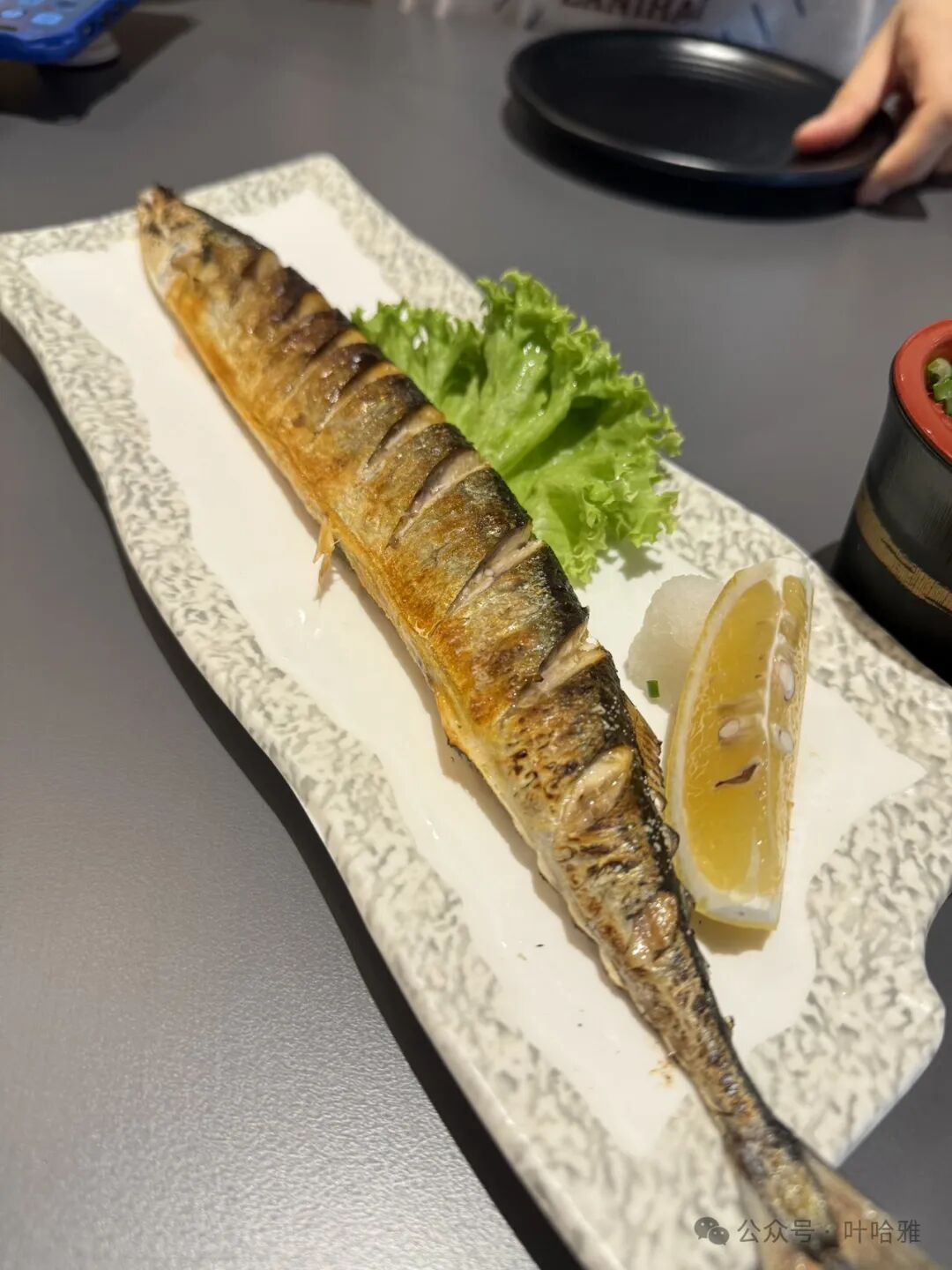
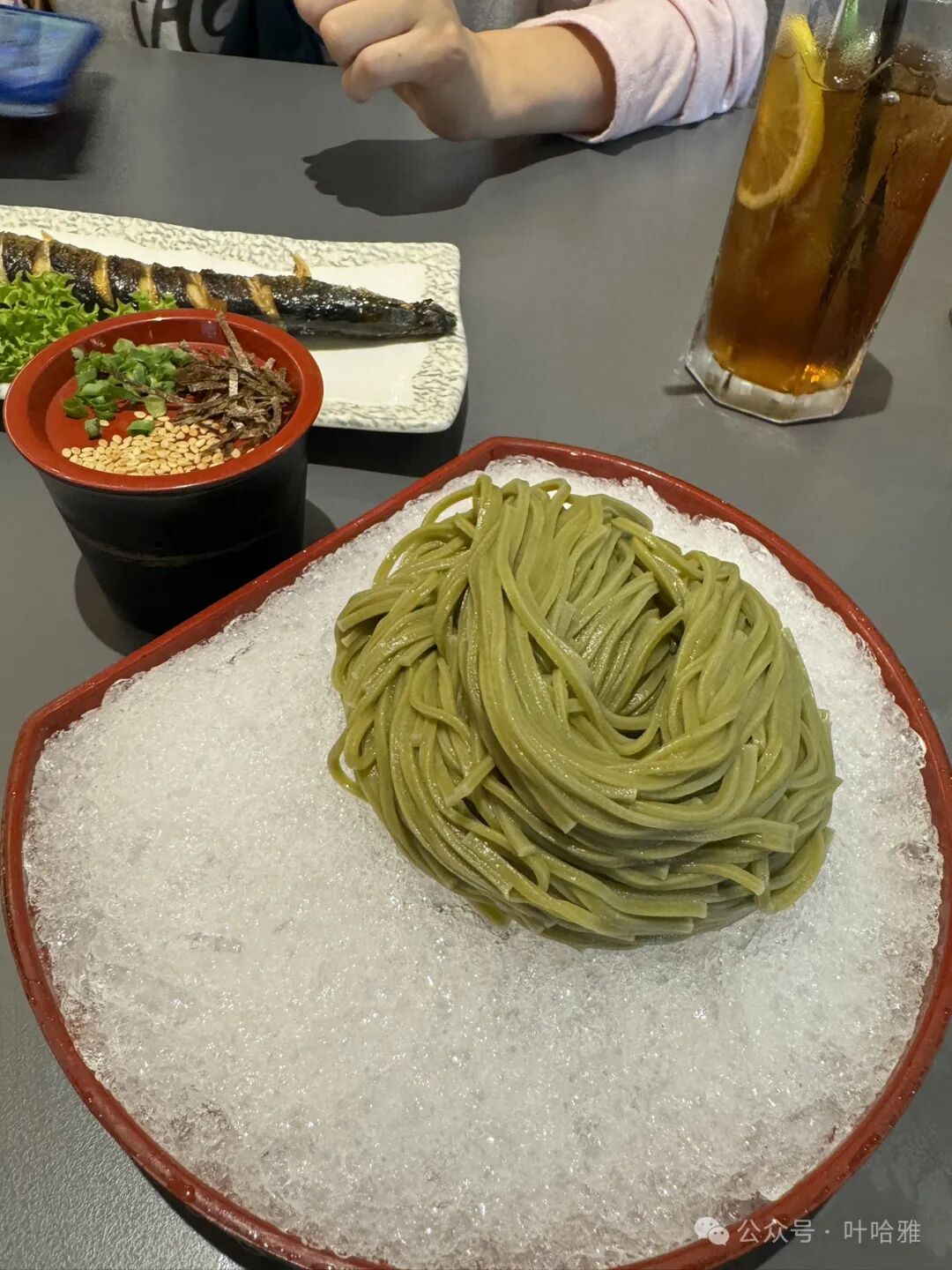
There is a shopping center about a 1.5-kilometer walk from Brunei Airport, and inside is a Japanese restaurant.
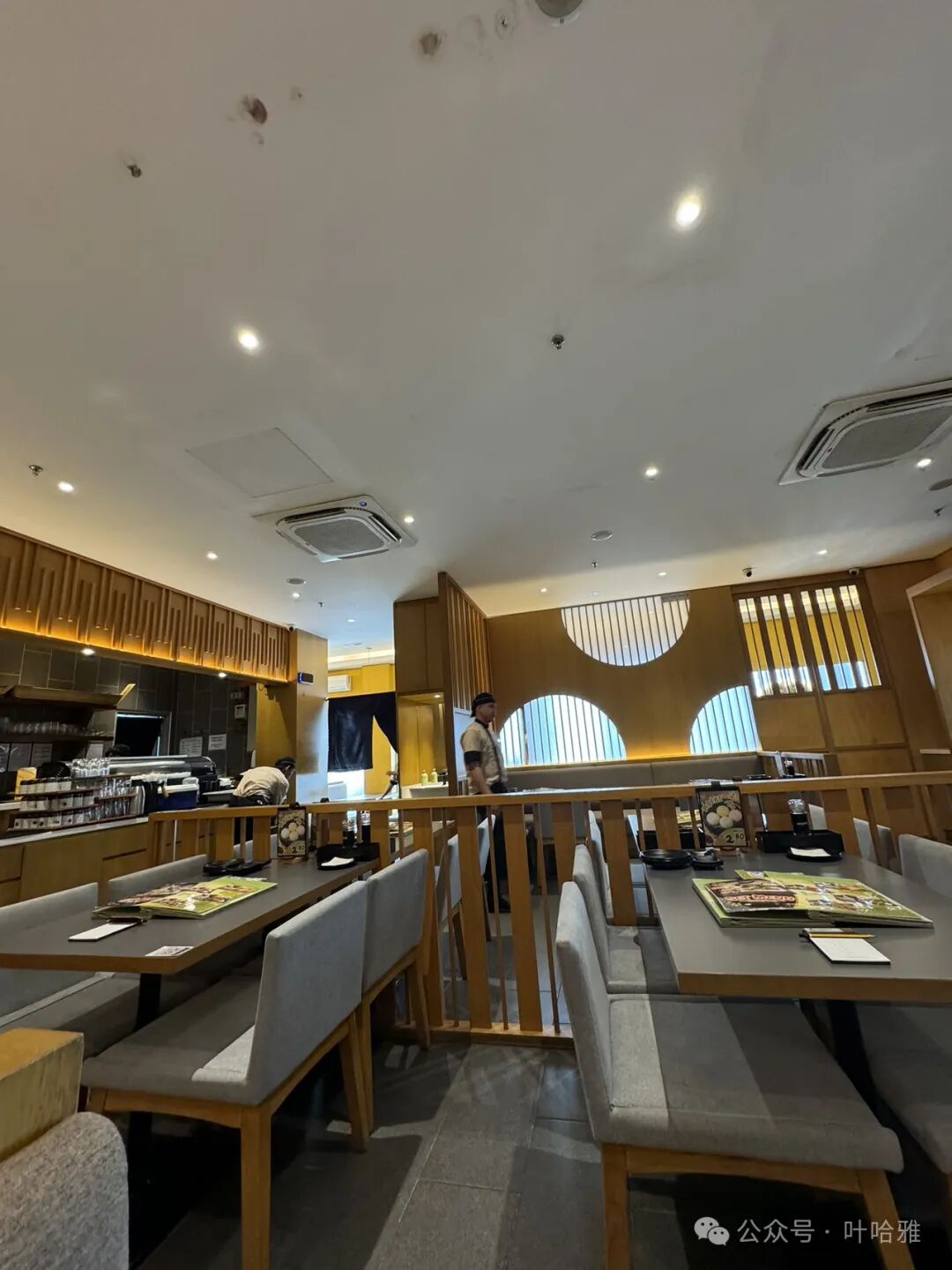
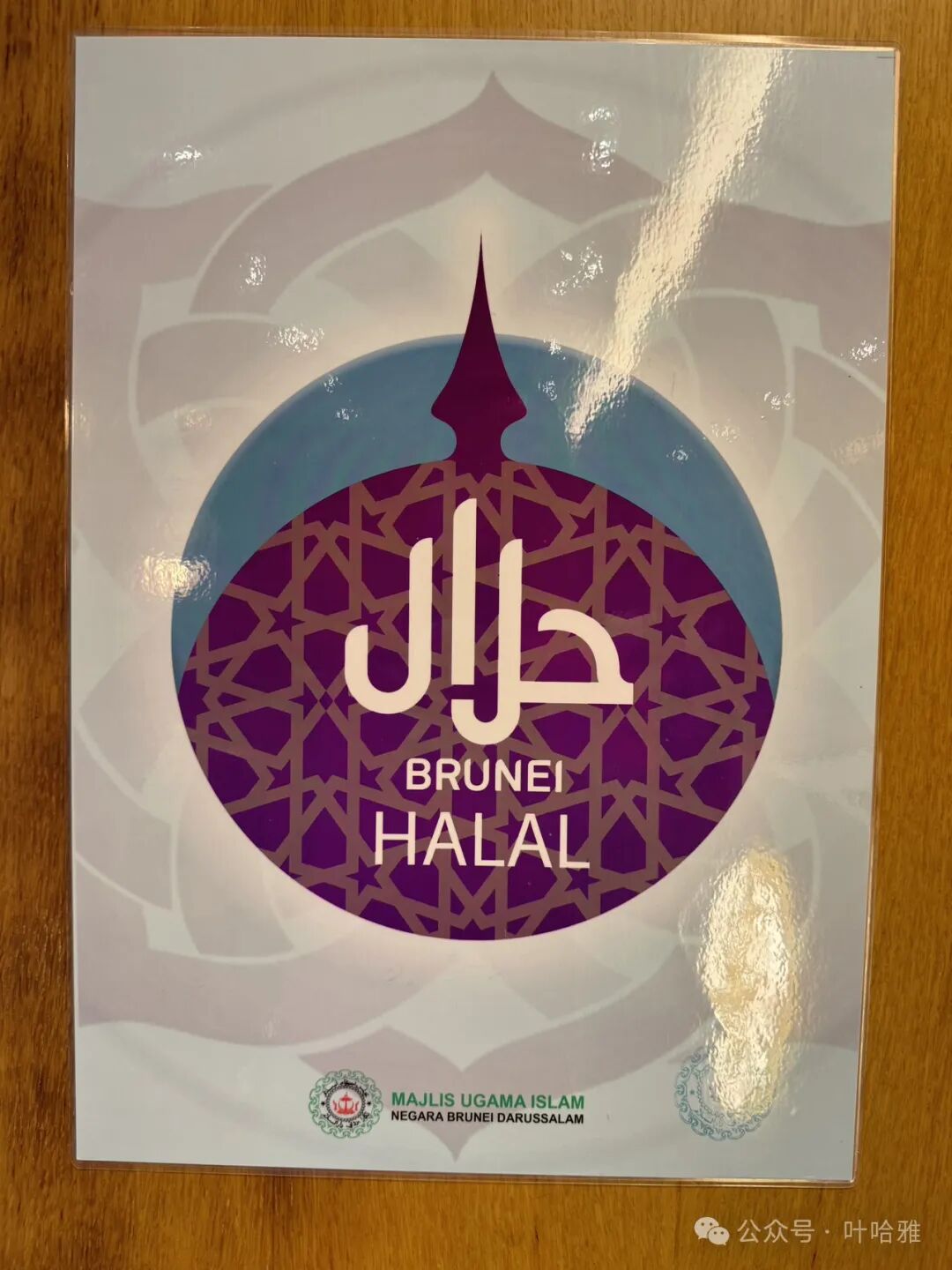
Japanese food is very common in Brunei due to Japan's colonial history in Southeast Asia, and this restaurant also has halal certification.
Radisson Hotel
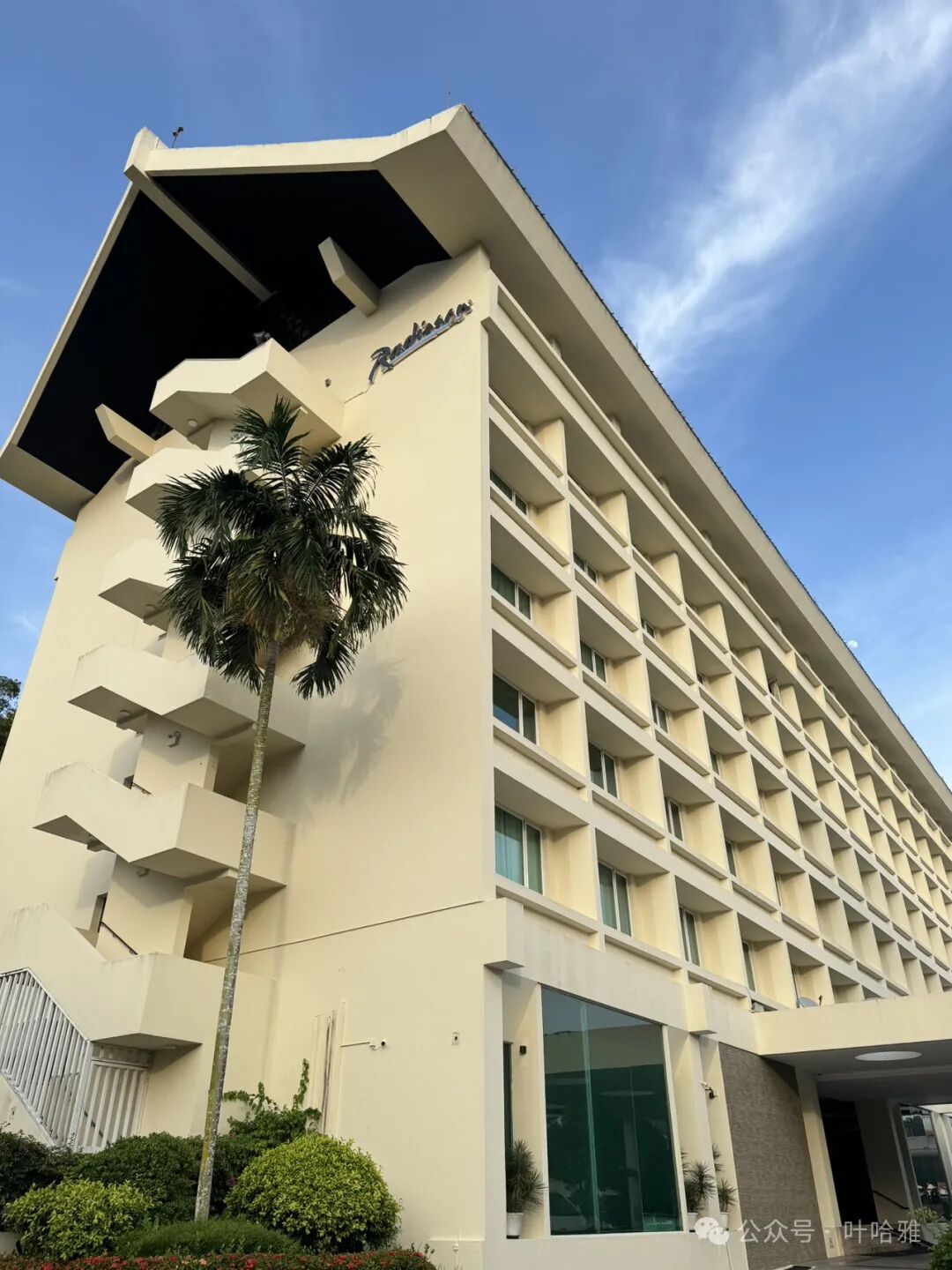
If you are staying in the city, I recommend the Radisson Hotel. It is the second-best hotel in Brunei, right after the Empire Hotel. I recommend the Radisson not because it is amazing, but because there really are no better options in Brunei. Although it is ranked second in the country and costs a thousand yuan a night, it is really only at the level of a four-star hotel in China. The rooms are small, but the location is convenient.
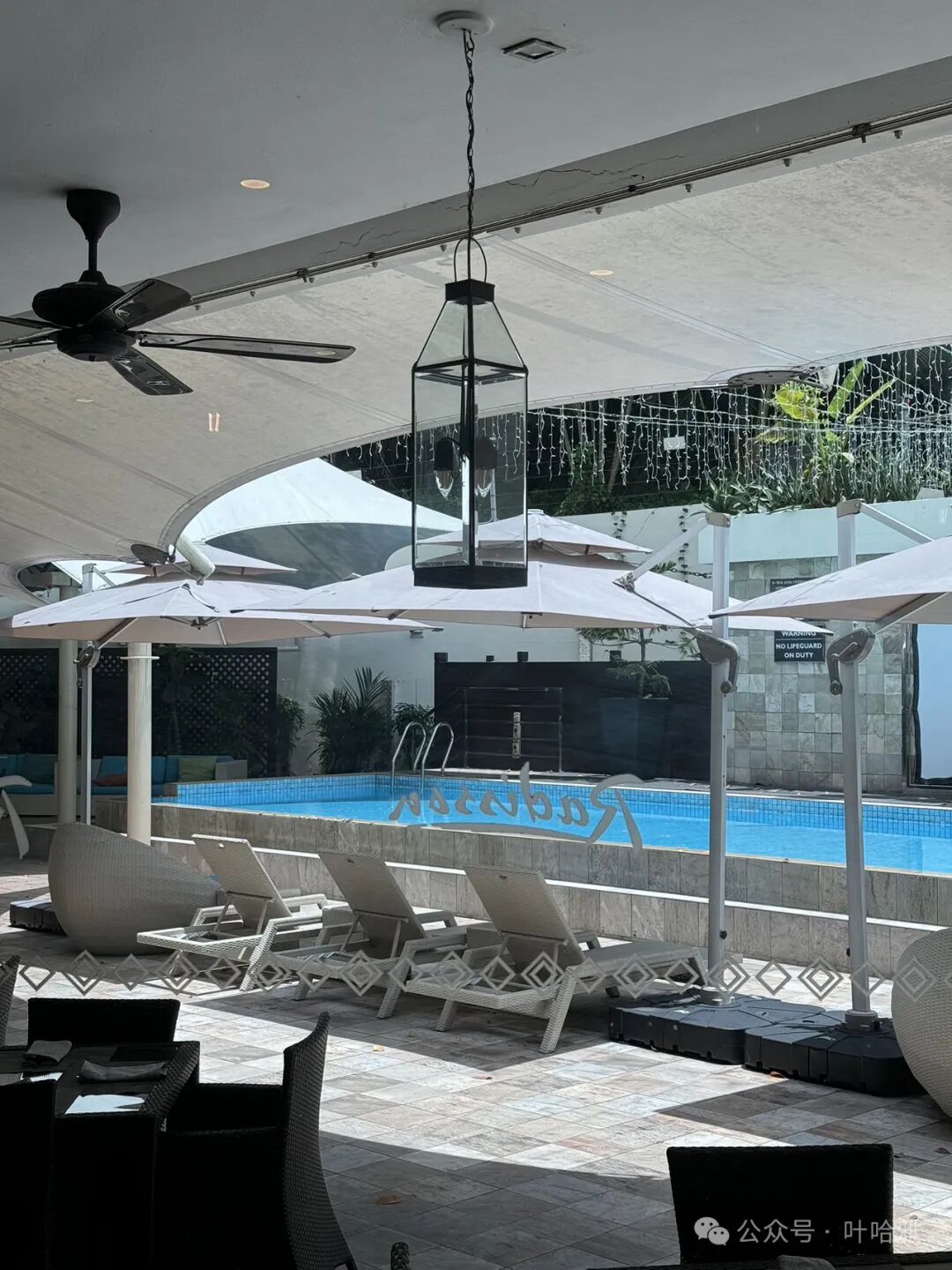
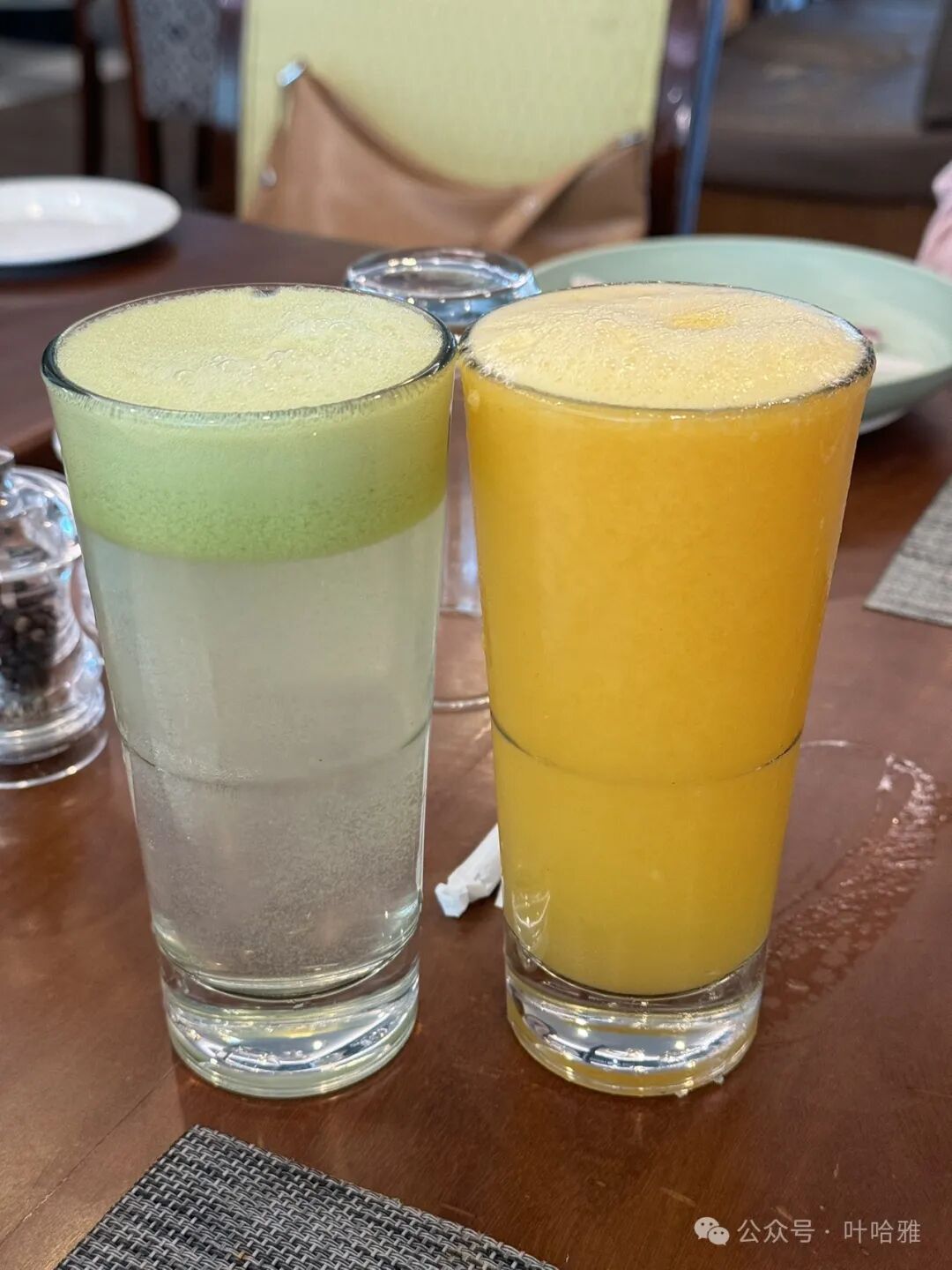
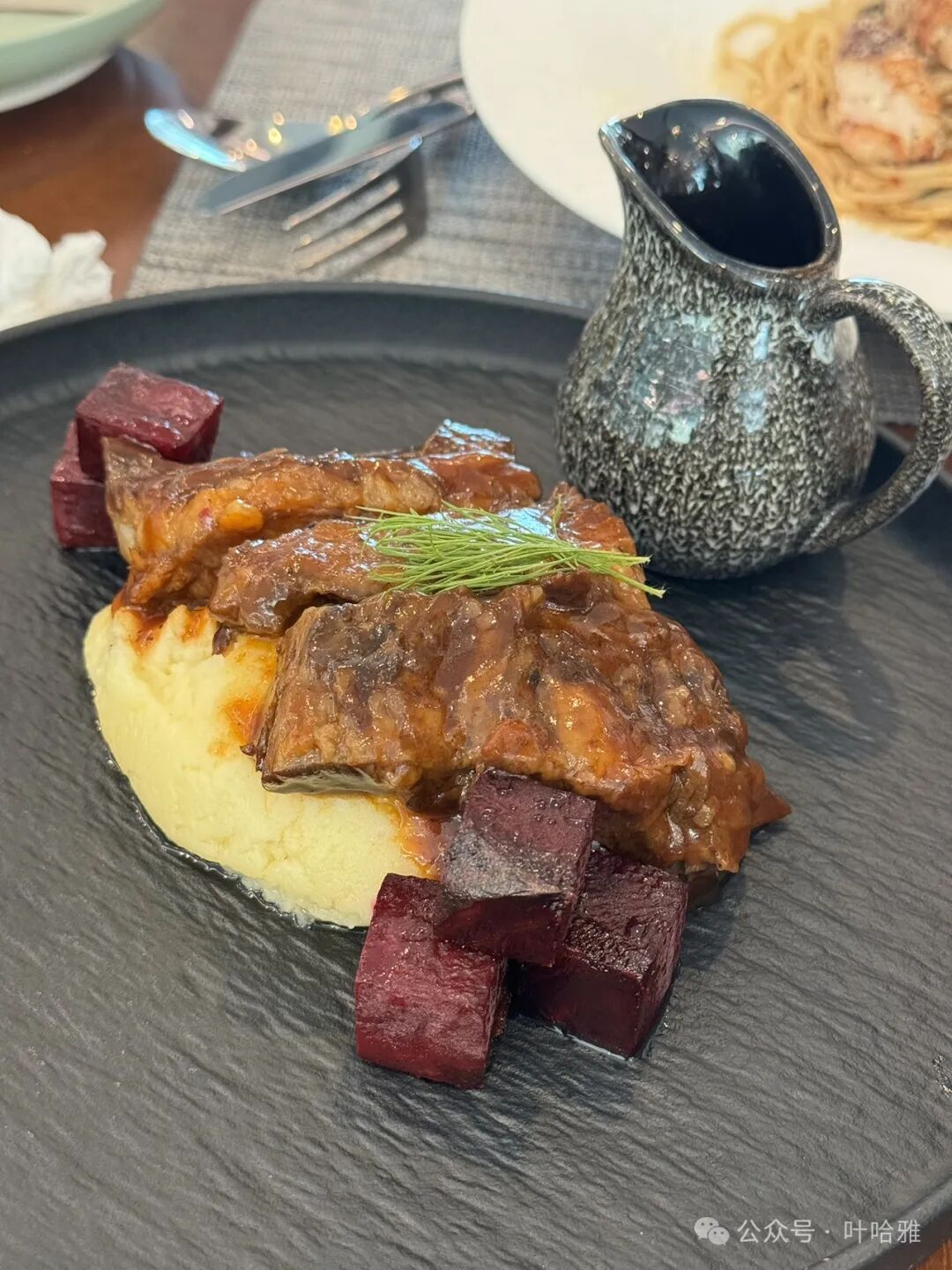
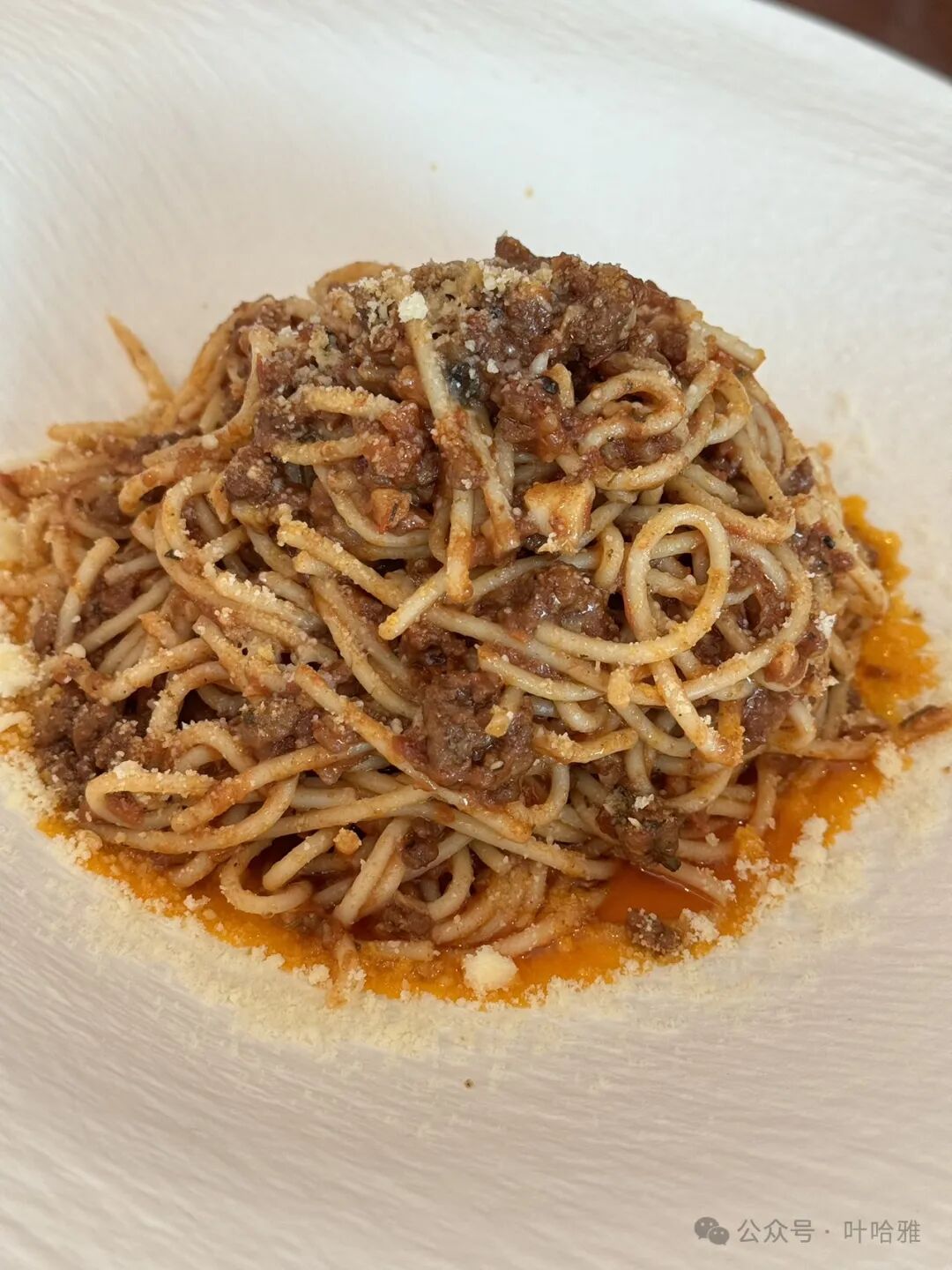
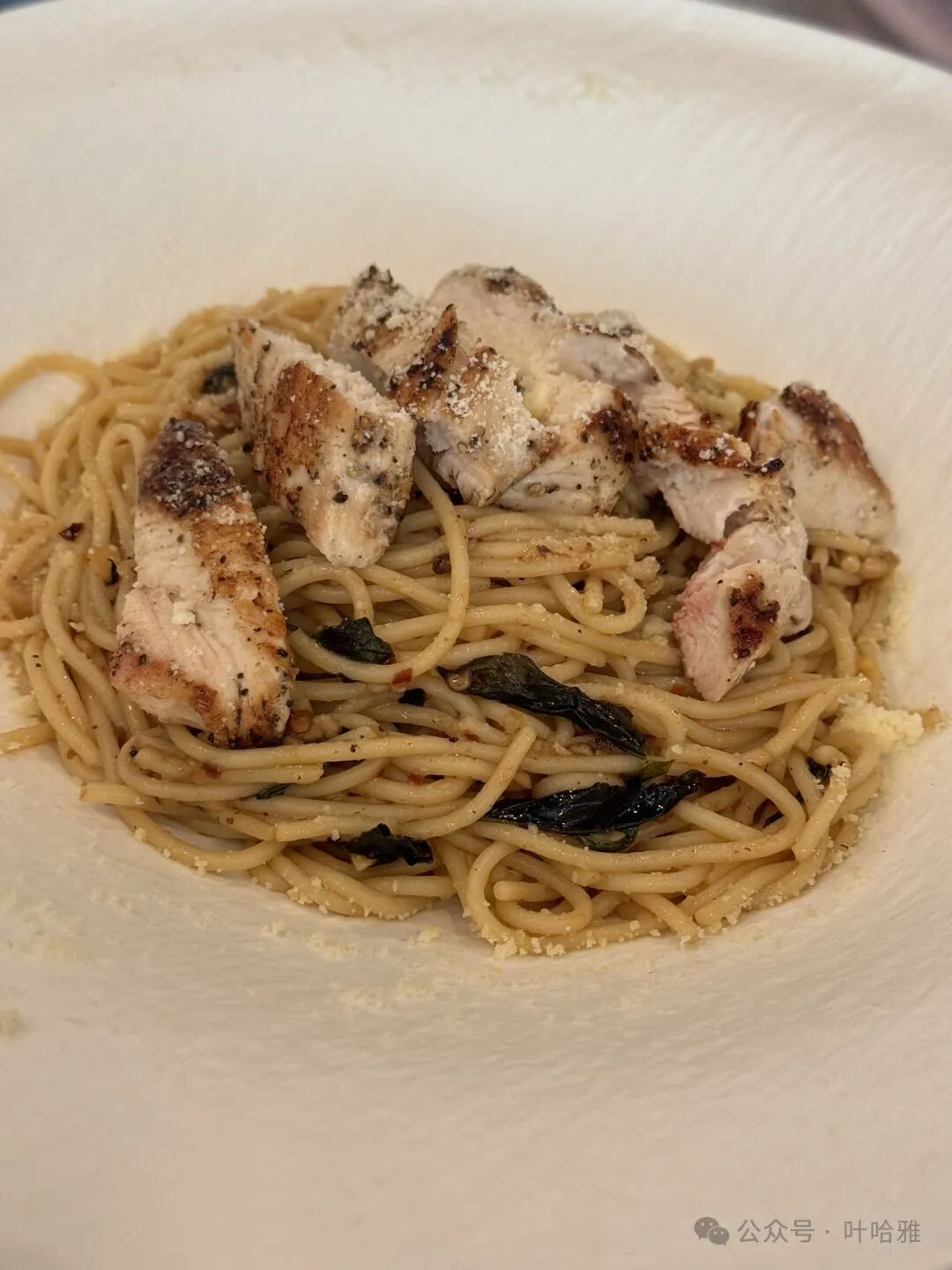
The hotel restaurant is quite good. You can eat healthy Western food, which is easier for children to accept.
Summary: This Brunei Muslim travel guide part 1 explains visa on arrival, SIM cards, Dart ride-hailing, cash needs, hotel choices, Brunei's history and monarchy, mosque visits, airport prayer access, Japanese halal food, and practical notes for Muslim travelers.
Chinese citizens can get a visa on arrival in Brunei. You just need to fill out an electronic arrival card on the computer at the immigration office, show your round-trip flight tickets and hotel booking to customs, and pay a 20 USD visa fee. You can pay with a VISA card, and you can also fill out the arrival card online. Website: https://www.imm.gov.bn
After clearing customs, buy a SIM card at the airport lobby for 10 Brunei dollars, which gives you 8GB of data. This was enough for our three-day, two-night trip. A SIM card is very necessary because you need to download the local ride-hailing app, Dart. You cannot register for this app with a Chinese phone number. Public transport in Brunei is basically non-existent; locals drive themselves, and tourists have to use taxis. Dart is the only ride-hailing app available in Brunei.
Remember to withdraw some cash because the ride-hailing app cannot be linked to Chinese credit cards and only accepts cash payments. Dart drivers pick up passengers quickly, usually within 5 minutes. There are over 600 cars running on Dart across Brunei's four districts, so you might run into the same driver more than once.
The exchange rate in Brunei is the same as in Singapore, and Singapore dollars can be used directly in Brunei. However, the cost of living is lower than in Singapore and slightly higher than in Malaysia. I recommend two hotels. One is the Radisson Hotel Brunei Darussalam, which is the best in the city and the second best in the country. Brunei does not have many international hotel chains, but this Radisson has a great location. Many must-visit attractions, restaurants, and shops are within walking distance. The other is the Empire Hotel, the most luxurious in Brunei. It is near the beach and has amazing sunset views. If you want a luxury hotel stay, choose this one. The only downside is that it is far from the city center.
Map of Brunei
Brunei is truly tiny, so small it is almost invisible on a world map. Its territory is split into two parts that do not touch, and both are almost entirely surrounded by Malaysia. Historically, Brunei was a regional power, and its territory once included most of East Malaysia. It later declined and almost joined Malaysia. At that time, a group of people in Brunei wanted to join Malaysia and abolish the monarchy. They started a revolution, but the Brunei royal family worked with the British Empire to suppress them, and the Sultan eventually gave up on joining the Malaysian Federation.
Brunei Museum
The entry fee is 5 Brunei dollars per person. Note that it is closed on Friday for Jumu'ah. Muslim men in Brunei must attend Jumu'ah on Fridays, or it is against the law and they will be punished. Therefore, most shops are closed on Jumu'ah.
The Sultan of Brunei is a descendant of the Prophet. The fourth Sultan in Brunei's history, Sharif Ali, was a direct descendant of Imam Hasan. Hasan was the eldest son of Caliph Ali and the grandson of the Prophet. After marrying the daughter of the previous Sultan, Puteri Ratna Kesuma, he legally inherited the throne, which has been passed down to this day.
The English name for Brunei is Brunei, which is phonetically translated as "Boni." Ancient China referred to Brunei as Boni. The Tomb of the King of Boni in Nanjing is the burial site of the ancient Boni King, Mana'nana'nai. It is located at Wugui Mountain, Huacun, east of Shizigang, outside Andemen, Yuhuatai District, Nanjing. The person buried in the "Tomb of the King of Boni" was the second Sultan of Brunei. He was the older brother of the third Sultan and the uncle of the fourth Sultan.
In the sixth year of the Yongle reign, the King of Boni, Maharaja Karna, brought his wife, nieces, children, and over 150 officials to China for a friendly visit. The Yongle Emperor welcomed them with grand ceremonies. The King of Boni spent several months touring Nanjing, but he unfortunately fell ill and passed away there. The Yongle Emperor followed the king's final wishes and buried him with the honors due to a monarch. Maharaja Karna's son, Xiawang Huangkesun, inherited the throne of Boni. In the ninth month of the tenth year of the Yongle reign, Xiawang Huangkesun and his mother visited Nanjing again to pay their respects at his father's grave.
The Brunei Empire began to decline in the 19th century. Brunei became a British protectorate in 1888. After being occupied by Japan during World War II, it established a new constitution in 1959. In 1962, a small armed rebellion against the monarchy, indirectly linked to the Indonesia-Malaysia confrontation, was ended with British help. This led to the banning of the pro-independence Brunei People's Party. This rebellion also influenced the Sultan's decision not to join the Federation of Malaysia when it was formed. British protection of Brunei finally ended on January 1, 1984, when it became a fully sovereign nation.
Between May and December 1969, Hassanal Bolkiah traveled to London three times to try to build ties with the British government. However, these trips were unsuccessful, as the British government insisted on withdrawing its troops stationed in Brunei.
In April 1970, Hassanal Bolkiah visited London again to try to break the negotiation deadlock, but the British government refused to compromise because it believed Brunei could defend itself without British aid. Given that the defense agreement was set to expire in November 1970, he expressed great concern, stating that even if half the male population joined the armed forces, Brunei could not defend itself.
With the election of the Conservative Party, Hassanal Bolkiah found new hope. The British government agreed to keep a limited number of British troops in Southeast Asia, including keeping Gurkha units stationed in Brunei, and decided not to abandon the 1959 agreement that was originally set to expire on June 30, 1970. These talks led to the signing of the Brunei-UK Friendship Agreement on November 23, 1971. This agreement gave Brunei full internal independence and limited the British High Commissioner's power to foreign affairs only.
Hassanal Bolkiah (Hassanal Bolkiah Muiz'zaddin Wad'daulah bin Omar Ali Saifuddien III; born on July 15, 1946) has served as the Sultan of Brunei since 1967 and as the Prime Minister of Brunei since the country gained independence from Britain in 1984.
In 1978, Hassanal Bolkiah led another delegation to London to negotiate with the British government about Brunei's status as an independent sovereign nation. In the end, Brunei and the UK signed a Treaty of Friendship and Cooperation. The treaty took effect on January 1, 1984. The British government was no longer responsible for managing Brunei's foreign affairs and defense. This was the day Brunei became independent from Britain after being under British protection for nearly 20 years. As head of government and Prime Minister, Bolkiah took over Brunei and turned it into an independent monarchy.
I saw a familiar signature.
A model of the Prophet's Mosque (Al-Masjid an-Nabawi) in Medina gifted by Saudi Arabia.
A model of the bronze chariot from Pit No. 2 of the Terracotta Army gifted by our country.
A model of the Sacred Mosque (Masjid al-Haram) in Mecca gifted by Saudi Arabia.
The Sultan Omar Ali Saifuddien Mosque (Masjid Omar 'Ali Saifuddien) was named after the 28th Sultan of Brunei, Omar Ali Saifuddien III, and was completed in 1958. As of 2019, a total of 102 mosques have been built across Brunei.
The mosque's architectural style is influenced by both Islamic and Italian designs, as it was created by an Italian architect.
Like Malaysia, Brunei officially follows the Shafi'i school of thought. However, the imam I met at this mosque follows the Hanafi school. This is because only the Hanafi school advocates raising the hands once, while the other three schools raise them three times.
Regardless of which school the imam belongs to, imams in Brunei perform dua during namaz rather than after. Some believe that during namaz, you are closest to Allah, making it the best time for your dua to be answered.
During the Sultan's reign, some of Brunei's older wooden mosques were rebuilt with brick and stone. These newer buildings use stronger materials and offer more space.
Brunei has no historic wooden mosques left because they were destroyed or torn down during the Japanese occupation. The Antiquities and Treasure Trove Act of 1967 created a legal framework to protect Brunei's architectural history, defining monuments as structures built before January 1, 1894.
As of 2018, Brunei has only designated 27 buildings and sites as historical monuments, and none of them are mosques.
During the Sultan's reign, Arabic architecture became more popular, likely due to the Sultan's own Arabic heritage.
There is a giant picture frame in the mosque square that serves as a landmark in Brunei.
People walking toward the mosque at sunset (sham).
In the evening, residents sit on the lawn for picnics, and the water village is right across from the square.
Water village.
There is a new, small night market in the shopping mall across from the mosque, with about twenty or thirty stalls selling various snacks.
From what I saw, this Chinese dumpling (jiaozi) shop is the most popular snack spot at the night market.
This night market is cleaner and tidier than the Gadong Night Market, the largest in Brunei. Dining tables are set up behind the two rows of stalls, and there are even sinks for washing up on both sides.
Bruneians also add various flavorings and food coloring to their fruit drinks.
I had a Southeast Asian-style fried fish set meal at this stall.
There is a food court on the basement level of the shopping mall, but it is not very crowded. You rarely see many people anywhere in Brunei on a normal day.
I bought a non-spicy fried rice for Fahim at the food court.
Brunei's second iconic national mosque, the Jame' Asr Hassanil Bolkiah Mosque, is named after the 29th Sultan, Hassanal Bolkiah.
This mosque was built as a charitable endowment (nieti) by Sultan Bolkiah, cost 350 million US dollars, and was completed in 1994.
The mosque has 29 domes, representing the 29 sultans.
The minaret features a suspended design.
Fahim likes to perform namaz by prostrating himself.
The domes of the mosques in Brunei look cute and rounded.
Besides the two iconic mosques, another place in Brunei worth visiting is the bakery opened by Wu Chun, called BAKE CULTURE.
This is a chain store, and there is one located just one kilometer away from the Jame' Asr Hassanil Bolkiah Mosque.
Wu Chun is a Brunei-born Chinese. Ethnic Chinese make up about 9.5% of Brunei's population, but most of them do not have Brunei citizenship. Before Brunei's independence, they held British passports. After Brunei left the UK, these Chinese became stateless. They hold a special identity card in Brunei that allows for long-term residency, but they do not receive the same benefits as citizens.
It is unclear if Wu Chun holds Brunei citizenship, but given his family's close relationship with the royal family, they may have been granted citizenship by special royal decree. However, Wu Chun now lives in Shanghai, and his bakery and gym in Brunei are managed by others. Wu Chun's bakery has halal certification.
The food at the bakery tastes pretty good, and it is an affordable little shop.
It is very difficult for Chinese people in Brunei to obtain citizenship. First, you must qualify for the naturalization exam, which is hard to get. Second, you must pass a Malay language test. Locals say that even some Malay people cannot pass this Brunei Malay exam, so very few people become citizens through this process.
Once you get Brunei citizenship, there are many benefits. Not only are medical care and education free, but there are also housing subsidies. Brunei has no personal income tax, so the officially announced per capita income is the actual take-home pay for citizens. This is even better than the welfare in so-called high-welfare Nordic countries, as their welfare is built on high taxes.
The taxi drivers I met in Brunei were all local ethnic Chinese without citizenship. Life in Brunei is indeed a bit boring for them. There are no entertainment venues like bars because alcohol is banned nationwide, and you cannot even buy cigarettes.
The Sultan of Brunei once planned to implement Sharia law in Brunei. The first few years went smoothly, but in the final stage, when they were ready to implement Islamic criminal penalties, they faced strong protests from overseas public opinion.
In 2014, Hassanal Bolkiah announced the implementation of Islamic criminal penalties, where acts including homosexuality would violate criminal law. This proposal sparked outrage on international social media. The planned penalties included whipping, amputation, and stoning. It was originally scheduled to be implemented on April 22, 2014, but was later delayed for no reason.
The bakery also sells some Wu Chun merchandise, and his popularity attracts many Chinese visitors.
Less than 800 meters from the bakery, I found a Lanzhou beef noodle shop.
This shop is run by a partnership between a Brunei Chinese person and a Lanzhou person. The decor inside is a perfect copy of the Lanzhou beef noodle (lanzhou lamian) style back home.
The menu is just like the ones in China, with all kinds of noodle dishes available. The prices are not expensive either; a bowl of beef noodles costs 5 Brunei dollars, which is about 25 Chinese yuan.
Shops here all hang portraits of the Brunei royal family.
Many people come here to eat at noon, and every table is full.
We ordered the traditional beef noodles and mixed noodles (banmian). Honestly, they were both very authentic and tasted just like a typical Lanzhou beef noodle shop in China. It is no wonder their business is so good.
According to Google Maps, there is another Lanzhou beef noodle shop in Brunei, and it is said to be doing well too.
Sultan's Palace
The palace is not usually open to the public, but local friends say the Sultan is very approachable. If you stand at the palace gate and happen to see the Sultan's motorcade coming or going, he will wave back if you wave at him.
Gadong Night Market
This is the largest night market in Brunei. It has a very lively atmosphere, which means as soon as you walk in, you can smell a lot of cooking smoke. I am not very interested in local Southeast Asian food because I feel it is not healthy enough, as it is often heavy on oil, salt, and spice. It is fine to try it once in a while.
However, the durian at the night market is worth a try.
These small durians only cost 3 Brunei dollars for a pile, which is about 15 Chinese yuan. We bought one, and this is what it looked like when we opened it.
Durians in Malaysia are never cheap, but I found I could eat as many as I wanted in Brunei. Just remember that you cannot bring durians, mangosteens, or dragon fruit into your hotel. They can leave behind strong smells or stains, and you will be fined if you break this rule.
The fine for breaking this rule is 250 dollars.
The mosque next to the Gadong Night Market.
Another place in Brunei worth visiting is the beach at the Empire Hotel.
The Empire Hotel is the most luxurious hotel in Brunei and is said to meet a six-star standard, though it actually looks quite flashy. Brunei does not have many international hotel chains, so accommodation here is relatively expensive for what you get.
A night at the Empire Hotel costs over 4,000 RMB. I think the best part is the sunset at the hotel beach, which is arguably the most beautiful view in Brunei. The beach is open to the public, so anyone can watch the sunset for free. There is no need to pay a high price to stay there.
Also, the Empire Hotel is over ten kilometers from the city center, and there is nothing to do in the surrounding area. Most of Brunei's attractions are in the city, and taking a taxi is not cheap.
Still, it is very worth coming here just to see a beautiful sunset.
A friend in Brunei took us to an Indonesian restaurant called Pondok Sari Wangi Seafood Restaurant. The Arabic letters on the sign are actually Malay, which just uses the Arabic script. This is a unique feature of Brunei, and they have even created a few of their own letters.
I think this is a very popular local restaurant in Brunei, and the flavors are easy for Chinese people to enjoy.
Over dinner, my friend told me about local Islamic banking in Brunei. I learned that if you deposit money in a Brunei Islamic bank, you get a fixed return, but they do not call it interest. They call it Murabahah. Even with private loans between people in Brunei, they ask for a return, and everyone is used to it.
This confirms one of the issues I mentioned in my recent series of articles criticizing Islamic finance: the way interest is legalized by using specific contracts or changing terms. In reality, promising a fixed return on a deposit is essentially interest, regardless of how that money is earned.
Many traditional international financial institutions have started offering halal financial services to cater to the official pursuit of so-called Islamic purity. However, these institutions do not separate the money they collect; they mix it with their traditional financial business. This is different from a non-Muslim opening a halal restaurant, because a restaurant can keep ingredients separate. Traditional financial institutions cannot keep money from mixing, so this nominal halal certification is just for show.
Ash-Shaliheen Mosque
Located next to the Prime Minister's Office in Bandar Seri Begawan, Brunei, this Moroccan-style mosque was built in 2012. I think it is one of the more unique mosques in Brunei.
More Arabs pray in this mosque, and the designer is Egyptian.
The glass dome of the mosque can retract.
After namaz, people hand out bottled water at the door, and it is even chilled.
There is a shopping center about a 1.5-kilometer walk from Brunei Airport, and inside is a Japanese restaurant.
Japanese food is very common in Brunei due to Japan's colonial history in Southeast Asia, and this restaurant also has halal certification.
Radisson Hotel
If you are staying in the city, I recommend the Radisson Hotel. It is the second-best hotel in Brunei, right after the Empire Hotel. I recommend the Radisson not because it is amazing, but because there really are no better options in Brunei. Although it is ranked second in the country and costs a thousand yuan a night, it is really only at the level of a four-star hotel in China. The rooms are small, but the location is convenient.
The hotel restaurant is quite good. You can eat healthy Western food, which is easier for children to accept.
Muslim Travel Guide Brunei: Mawlid Parade, Sultan Bolkiah, Airport Mosque and Islamic Life
Articles • yusuf908 posted the article • 0 comments • 201 views • 2026-05-23 02:37
Reposted from the web
Summary: This Brunei Muslim travel guide part 2 follows hotel life, Mawlid celebrations, Sultan Bolkiah walking with the crowd, local history, royal sites, religious tolerance, the airport mosque, and reflections on Chinese and Malay communities in Brunei and Malaysia.
Hotels in Brunei do not provide bottled water. Instead, they place a water dispenser in the hallway and leave bottles in the rooms for you to fill up yourself.
Breakfast offers three buffet options: Malay, Chinese, and Western.
On our second night, the hotel sent a notice saying that tomorrow is the Prophet's Birthday (Mawlid). Roads around the hotel would have temporary traffic controls, and we might even see Sultan Bolkiah.
I read in the newspaper that at least 20,000 people gathered on the streets of Bandar Seri Begawan for the Mawlid event. This is a huge deal in Brunei, as I rarely see pedestrians on the road. Brunei has one private car for every 2.09 people, thanks to a lack of public transport, low import taxes, and unleaded gasoline prices as low as 0.53 Brunei dollars per liter.
As the crowd stirred, I saw the Sultan appear in the distance, surrounded by people.
This was my first time seeing the Sultan in person. Bolkiah is small in stature but has an extraordinary presence. Even at 70, he walks very quickly. Remarkably, he is very approachable. Ordinary people can get close to him to take photos or shake his hand. Even as a foreigner, I could get close to the Sultan without any security screening.
The Sultan holds absolute power in Brunei, and no one can challenge his position. According to the 1959 Constitution of Brunei, the Sultan is the head of state with full executive authority, including emergency powers held since the 1962 Brunei Revolt.
Hassanal Bolkiah attended the Sultan Omar Ali Saifuddien College (Darul Hana Surau) for over four years before moving to Kuala Lumpur for further studies. He became the first Sultan of Brunei to complete his education both at home and abroad. While studying at Victoria Institution, he joined the cadet corps and was named best recruit in 1961. Principal G. E. D. Lewis said he was not the only royal or noble in the school, so the award was based entirely on merit.
The Sultan walked quickly around the main road outside the square for about 2 kilometers. People followed him, singing praises to the Prophet as they walked. Along the road, citizens spontaneously provided free drinks and food to passersby.
The entire event lasted about two hours. After it ended, I walked around the area near the square.
I found a royal cemetery next to the square. According to the inscription, two royals, a man and a woman, were buried here. They were sentenced to death by stoning for adultery, but no one had the heart to throw stones at them. Since they still had to be punished, the Sultan compromised and locked them in a cave. The cave had a vent and food inside. Outsiders could see smoke coming from the cave, which meant they were still alive, until one day when no more smoke appeared, signaling they had died.
Some records say this event happened in 1452. The woman in this tomb was likely royalty with an Arab father and was related to the third Sultan. The tombstone says that every crime must be punished and no one can escape it. This shows that the influence of Islam had already spread throughout Brunei at that time.
At the other end of the square, I saw a mosque built by Chinese people.
Inside, various deities are worshipped. This shows that the Sultan of Brunei is tolerant of other religions, as Buddhism, Christianity, and Catholicism are all present in Brunei.
Brunei only has one small airport, but there is a large mosque built right next to it. You can walk directly from the airport terminal to the prayer hall.
The mosque at Brunei airport.
After finishing our three-day, two-night trip to Brunei, we took a two-and-a-half-hour flight back to Kuala Lumpur. Every time we enter Kuala Lumpur, we have to fill out the Malaysia Digital Arrival Card at the departure airport.
Chinese people in Brunei and Malaysia are both local-born, but they do not know much about the Islamic faith of the Malays. For example, a local Chinese driver in Brunei whose family has lived there for at least three generations did not even know that the Arabic-looking signs everywhere in Brunei are actually Malay. If you look at the social media accounts of Chinese and Malay people in Malaysia, you will feel like they live in two different worlds. Malays do not go to the bars, nightclubs, casinos, or some restaurants that Chinese people visit. So, if you only learn about Malaysia and the Malay people from Malaysian Chinese, you might get a biased view. view all
Summary: This Brunei Muslim travel guide part 2 follows hotel life, Mawlid celebrations, Sultan Bolkiah walking with the crowd, local history, royal sites, religious tolerance, the airport mosque, and reflections on Chinese and Malay communities in Brunei and Malaysia.
Hotels in Brunei do not provide bottled water. Instead, they place a water dispenser in the hallway and leave bottles in the rooms for you to fill up yourself.
Breakfast offers three buffet options: Malay, Chinese, and Western.
On our second night, the hotel sent a notice saying that tomorrow is the Prophet's Birthday (Mawlid). Roads around the hotel would have temporary traffic controls, and we might even see Sultan Bolkiah.
I read in the newspaper that at least 20,000 people gathered on the streets of Bandar Seri Begawan for the Mawlid event. This is a huge deal in Brunei, as I rarely see pedestrians on the road. Brunei has one private car for every 2.09 people, thanks to a lack of public transport, low import taxes, and unleaded gasoline prices as low as 0.53 Brunei dollars per liter.
As the crowd stirred, I saw the Sultan appear in the distance, surrounded by people.
This was my first time seeing the Sultan in person. Bolkiah is small in stature but has an extraordinary presence. Even at 70, he walks very quickly. Remarkably, he is very approachable. Ordinary people can get close to him to take photos or shake his hand. Even as a foreigner, I could get close to the Sultan without any security screening.
The Sultan holds absolute power in Brunei, and no one can challenge his position. According to the 1959 Constitution of Brunei, the Sultan is the head of state with full executive authority, including emergency powers held since the 1962 Brunei Revolt.
Hassanal Bolkiah attended the Sultan Omar Ali Saifuddien College (Darul Hana Surau) for over four years before moving to Kuala Lumpur for further studies. He became the first Sultan of Brunei to complete his education both at home and abroad. While studying at Victoria Institution, he joined the cadet corps and was named best recruit in 1961. Principal G. E. D. Lewis said he was not the only royal or noble in the school, so the award was based entirely on merit.
The Sultan walked quickly around the main road outside the square for about 2 kilometers. People followed him, singing praises to the Prophet as they walked. Along the road, citizens spontaneously provided free drinks and food to passersby.
The entire event lasted about two hours. After it ended, I walked around the area near the square.
I found a royal cemetery next to the square. According to the inscription, two royals, a man and a woman, were buried here. They were sentenced to death by stoning for adultery, but no one had the heart to throw stones at them. Since they still had to be punished, the Sultan compromised and locked them in a cave. The cave had a vent and food inside. Outsiders could see smoke coming from the cave, which meant they were still alive, until one day when no more smoke appeared, signaling they had died.
Some records say this event happened in 1452. The woman in this tomb was likely royalty with an Arab father and was related to the third Sultan. The tombstone says that every crime must be punished and no one can escape it. This shows that the influence of Islam had already spread throughout Brunei at that time.
At the other end of the square, I saw a mosque built by Chinese people.
Inside, various deities are worshipped. This shows that the Sultan of Brunei is tolerant of other religions, as Buddhism, Christianity, and Catholicism are all present in Brunei.
Brunei only has one small airport, but there is a large mosque built right next to it. You can walk directly from the airport terminal to the prayer hall.
The mosque at Brunei airport.
After finishing our three-day, two-night trip to Brunei, we took a two-and-a-half-hour flight back to Kuala Lumpur. Every time we enter Kuala Lumpur, we have to fill out the Malaysia Digital Arrival Card at the departure airport.
Chinese people in Brunei and Malaysia are both local-born, but they do not know much about the Islamic faith of the Malays. For example, a local Chinese driver in Brunei whose family has lived there for at least three generations did not even know that the Arabic-looking signs everywhere in Brunei are actually Malay. If you look at the social media accounts of Chinese and Malay people in Malaysia, you will feel like they live in two different worlds. Malays do not go to the bars, nightclubs, casinos, or some restaurants that Chinese people visit. So, if you only learn about Malaysia and the Malay people from Malaysian Chinese, you might get a biased view. view all
Reposted from the web
Summary: This Brunei Muslim travel guide part 2 follows hotel life, Mawlid celebrations, Sultan Bolkiah walking with the crowd, local history, royal sites, religious tolerance, the airport mosque, and reflections on Chinese and Malay communities in Brunei and Malaysia.
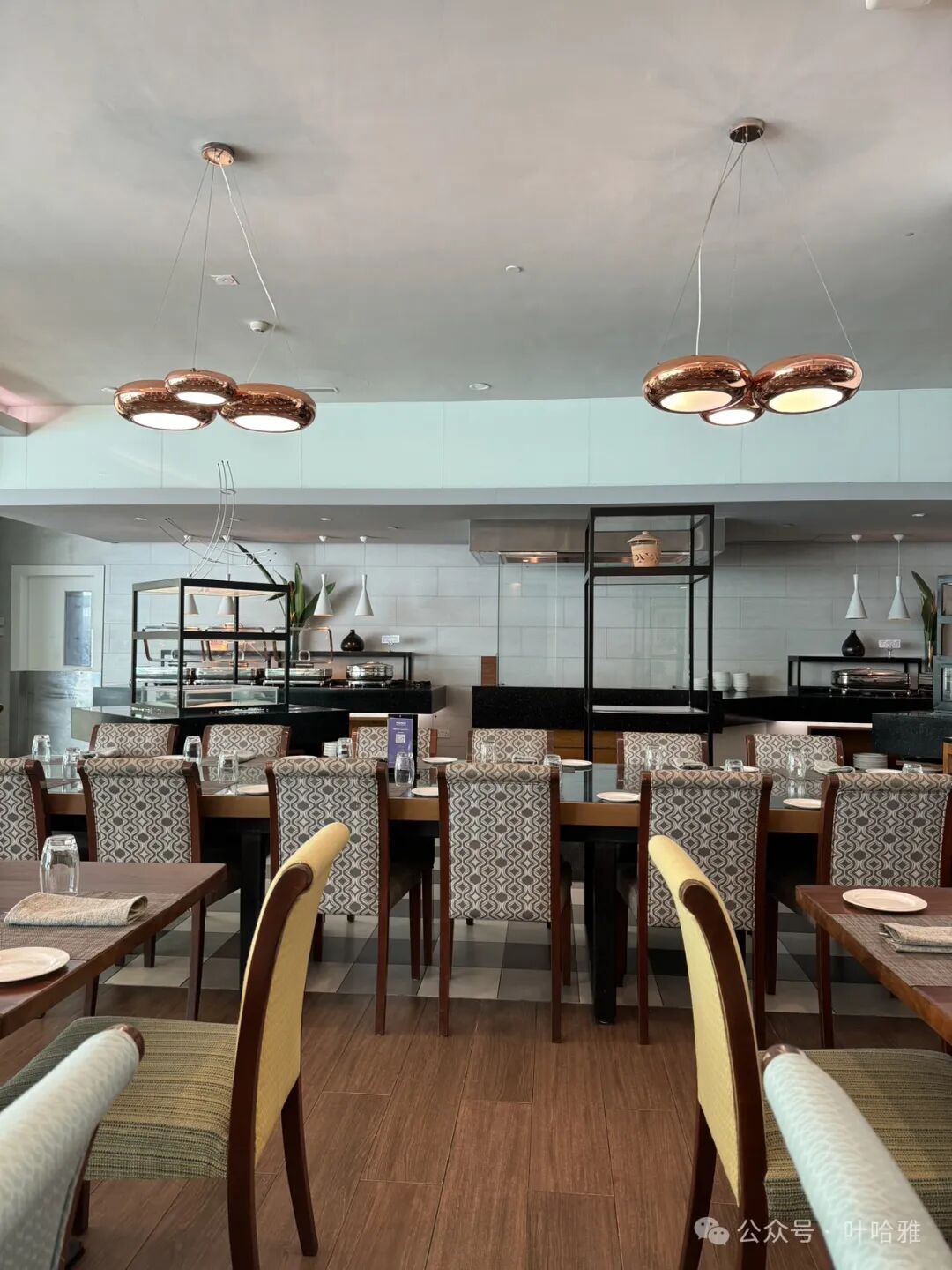
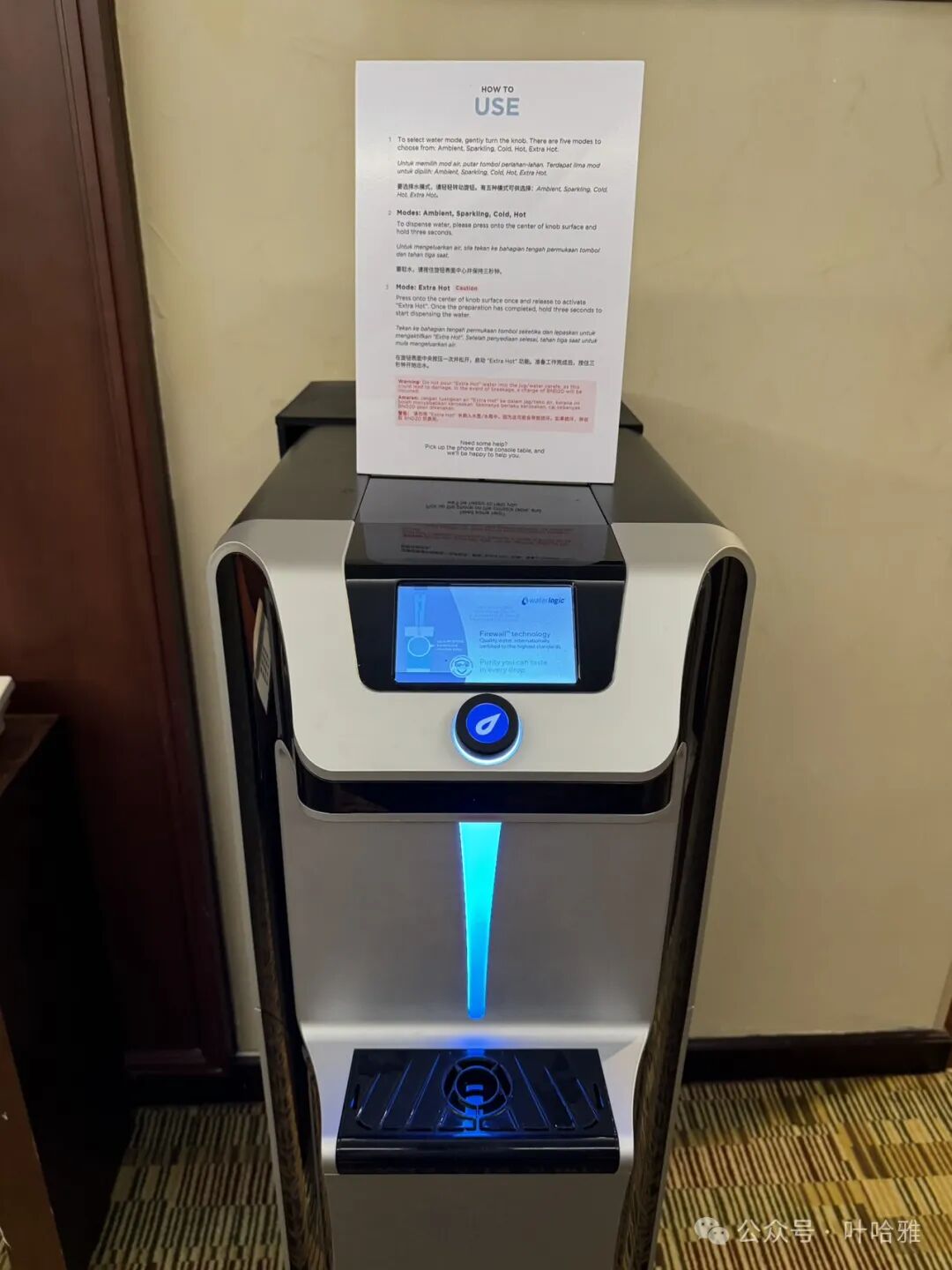
Hotels in Brunei do not provide bottled water. Instead, they place a water dispenser in the hallway and leave bottles in the rooms for you to fill up yourself.
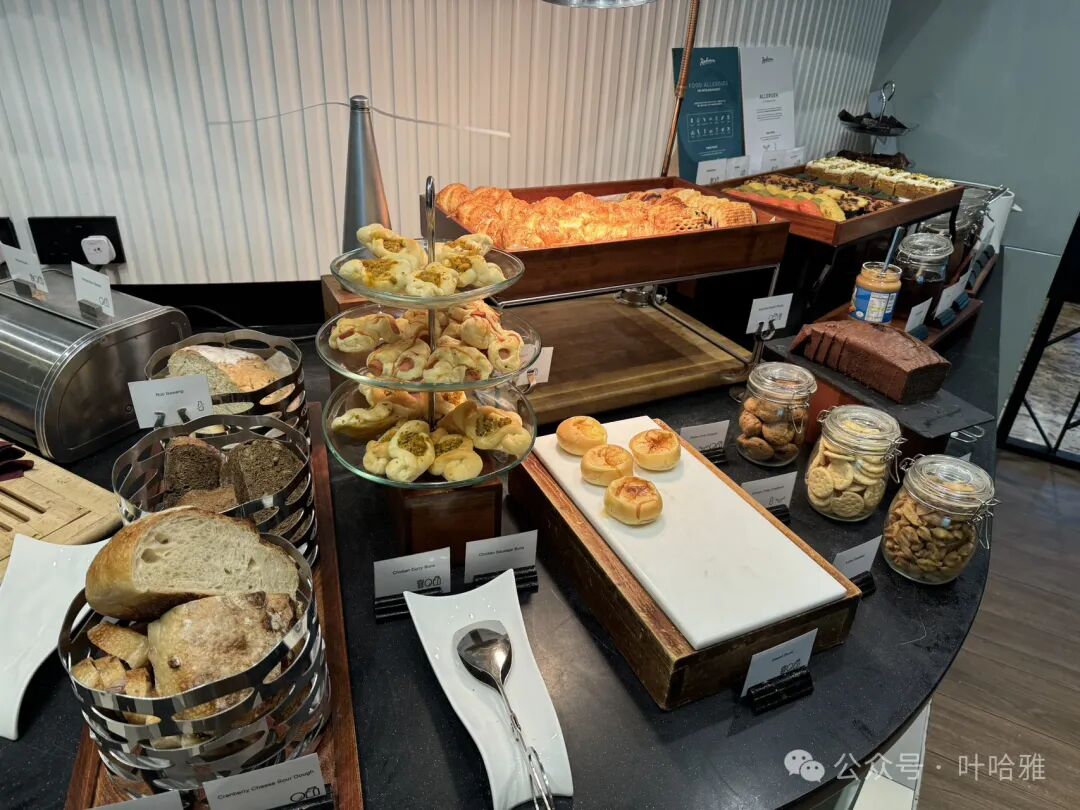
Breakfast offers three buffet options: Malay, Chinese, and Western.
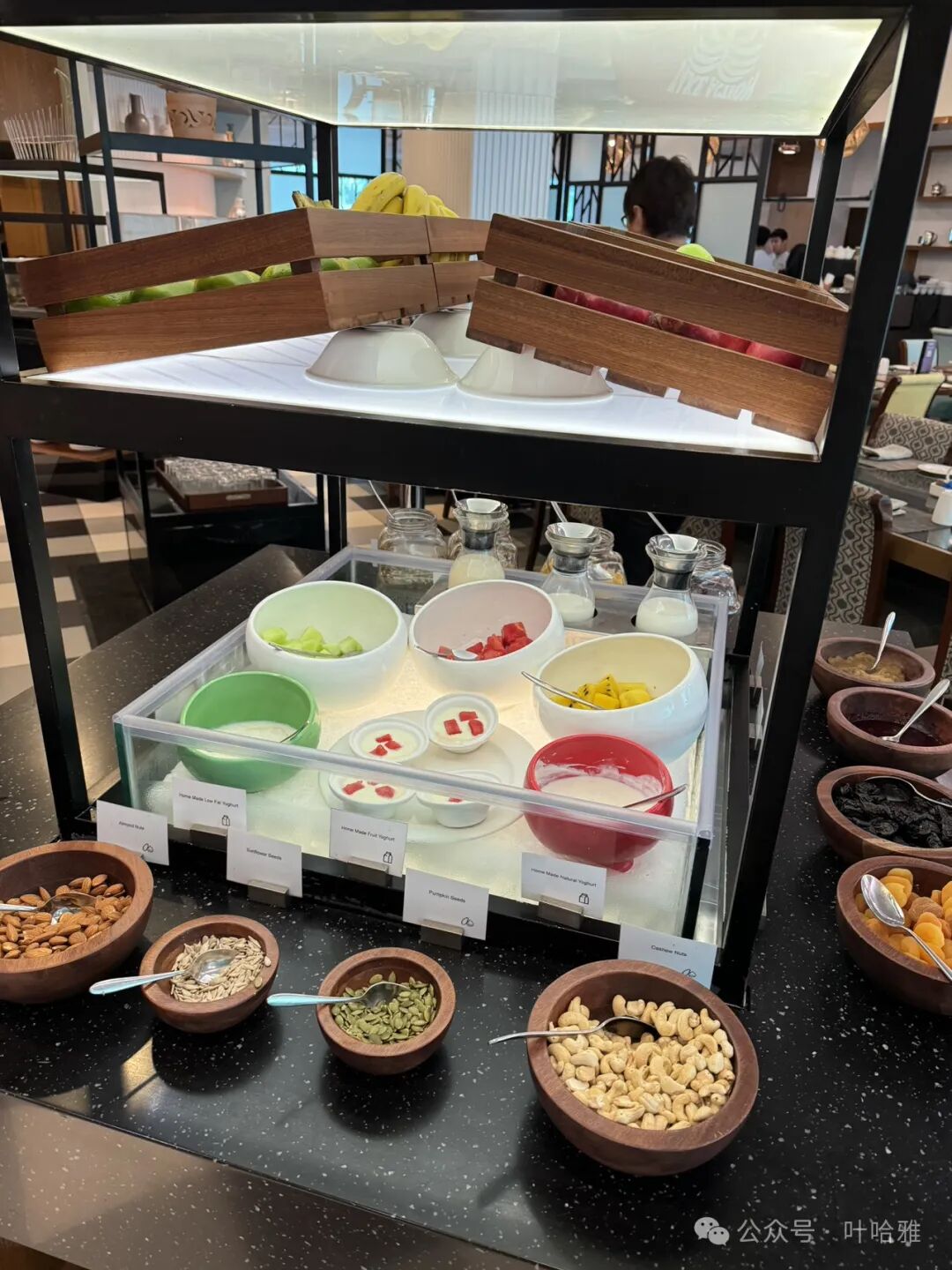
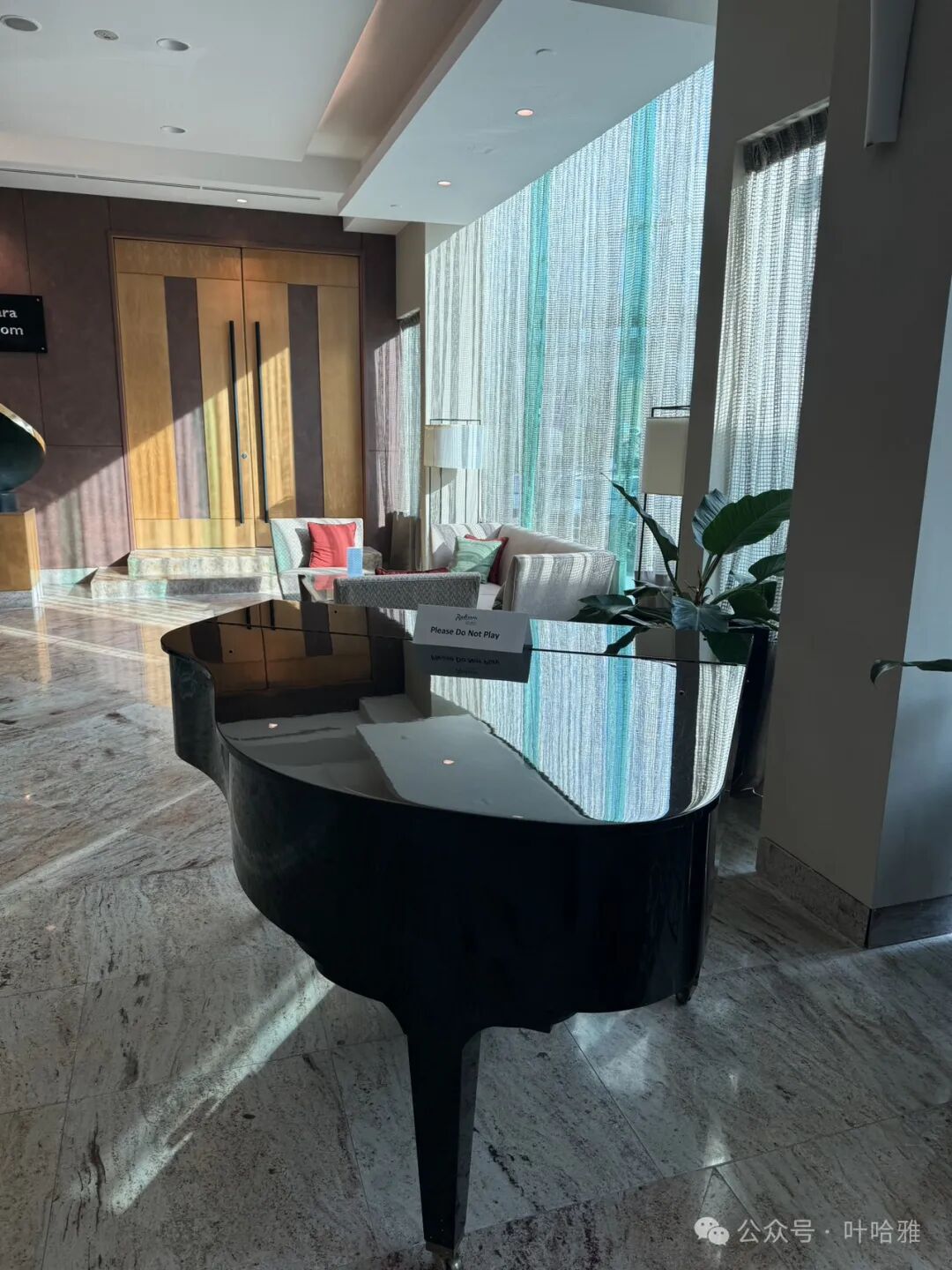
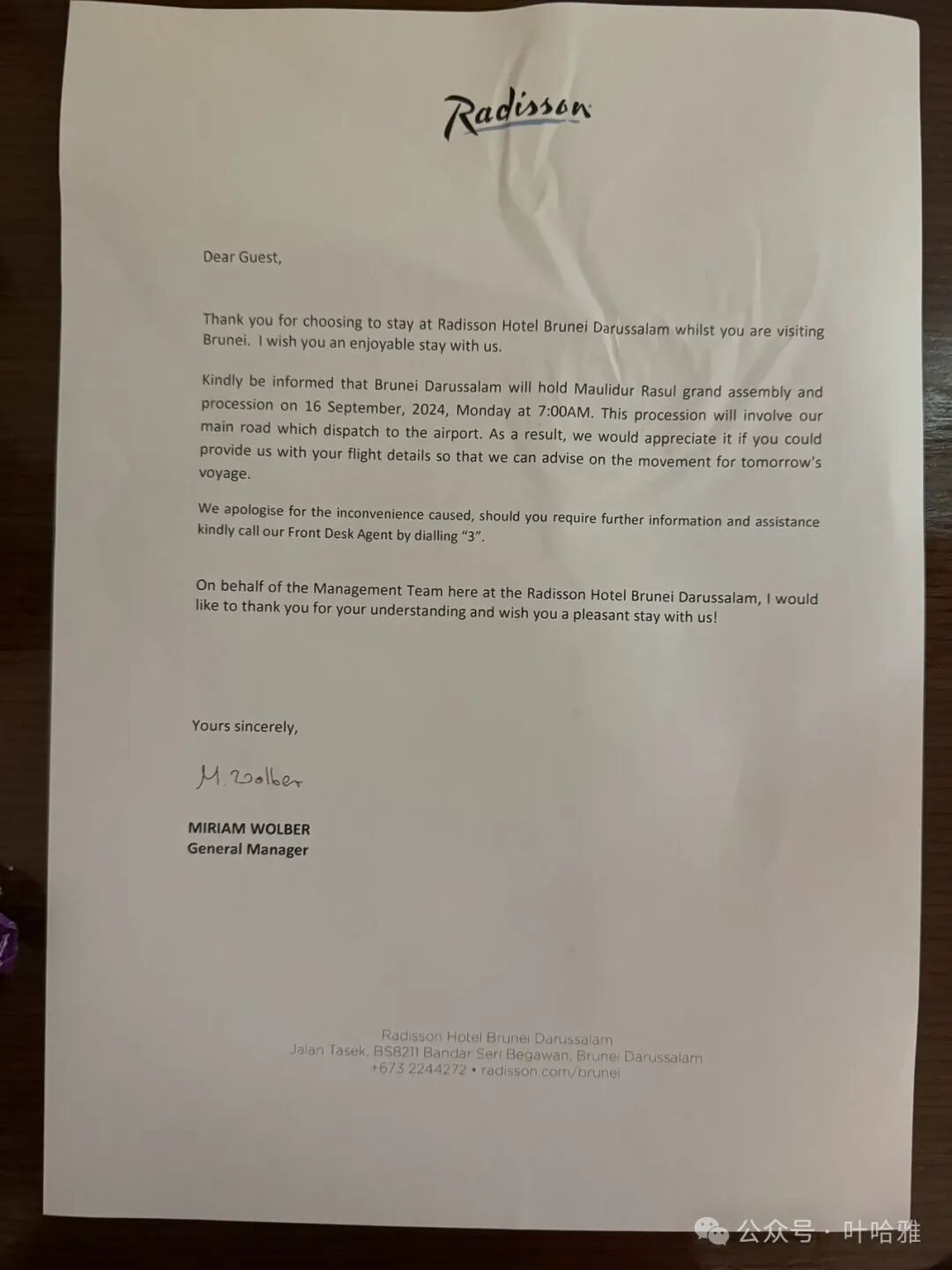
On our second night, the hotel sent a notice saying that tomorrow is the Prophet's Birthday (Mawlid). Roads around the hotel would have temporary traffic controls, and we might even see Sultan Bolkiah.
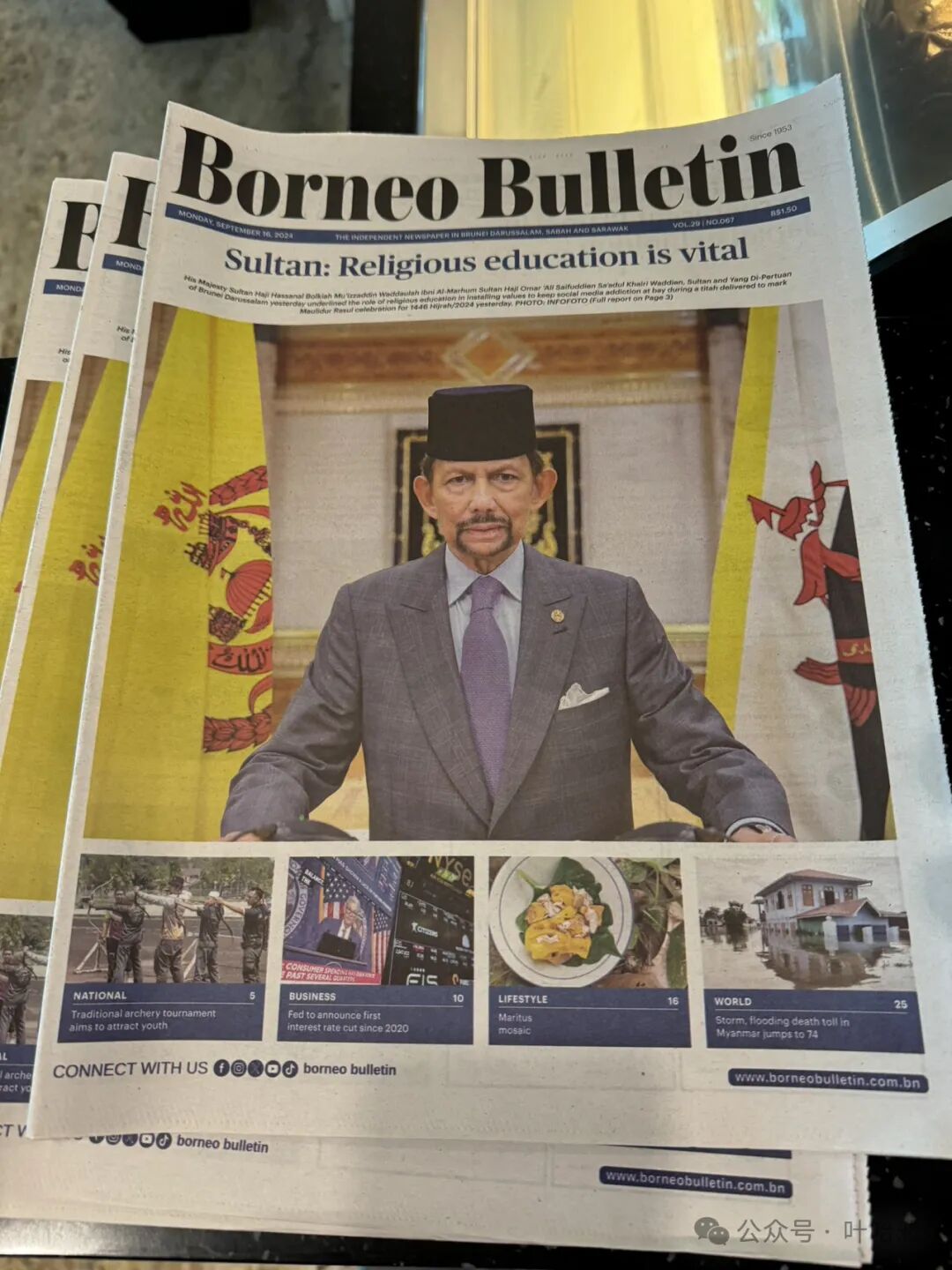
I read in the newspaper that at least 20,000 people gathered on the streets of Bandar Seri Begawan for the Mawlid event. This is a huge deal in Brunei, as I rarely see pedestrians on the road. Brunei has one private car for every 2.09 people, thanks to a lack of public transport, low import taxes, and unleaded gasoline prices as low as 0.53 Brunei dollars per liter.
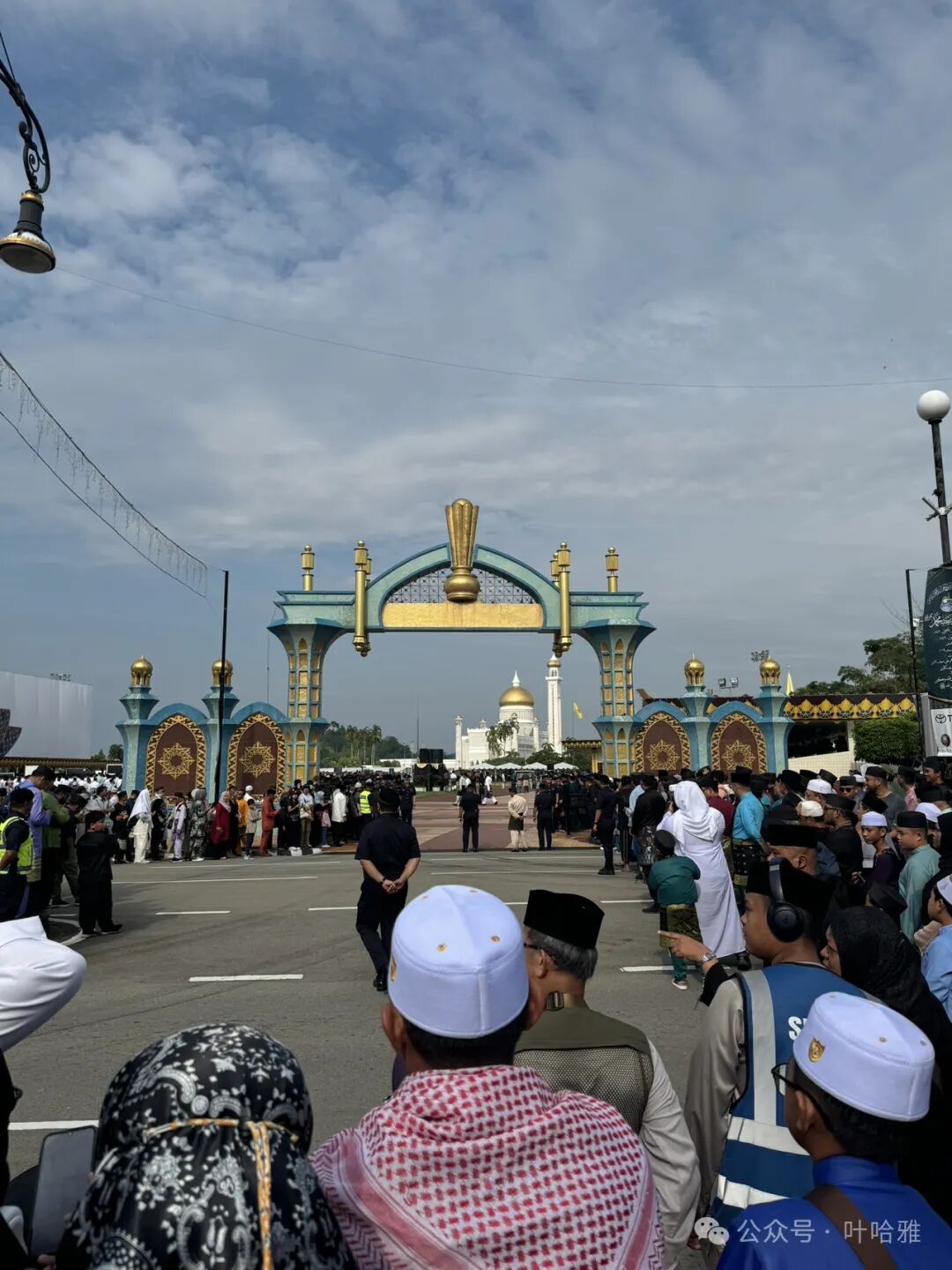
As the crowd stirred, I saw the Sultan appear in the distance, surrounded by people.
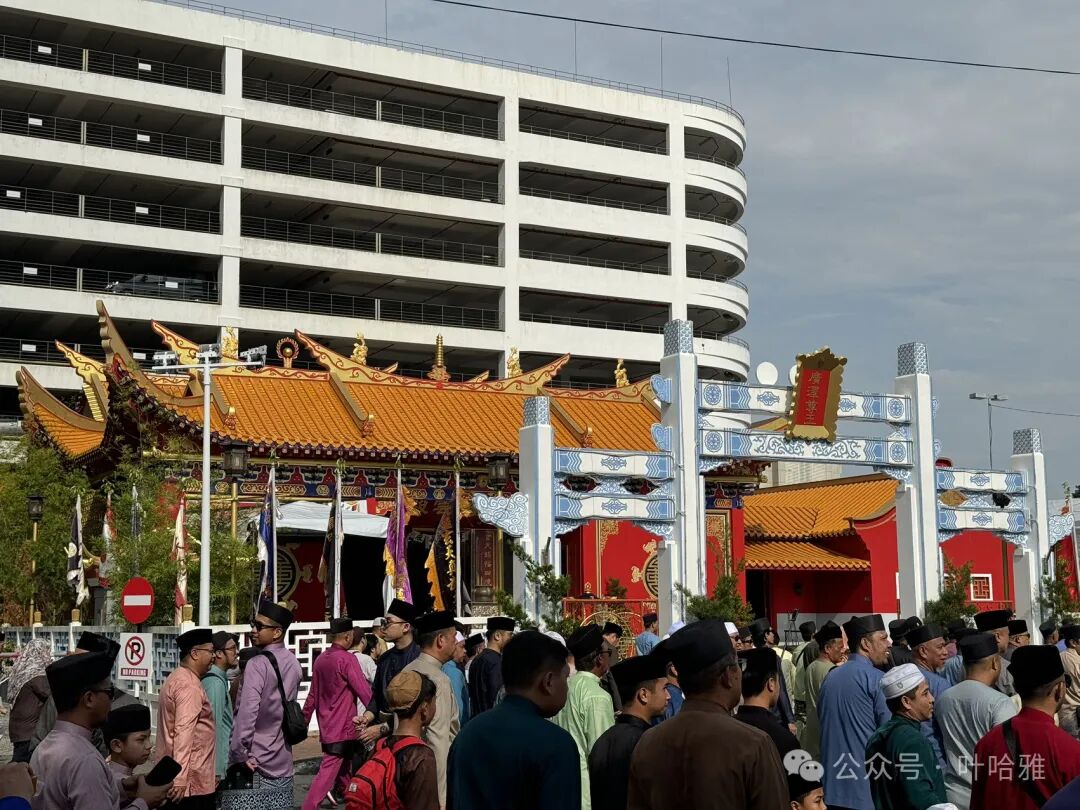
This was my first time seeing the Sultan in person. Bolkiah is small in stature but has an extraordinary presence. Even at 70, he walks very quickly. Remarkably, he is very approachable. Ordinary people can get close to him to take photos or shake his hand. Even as a foreigner, I could get close to the Sultan without any security screening.
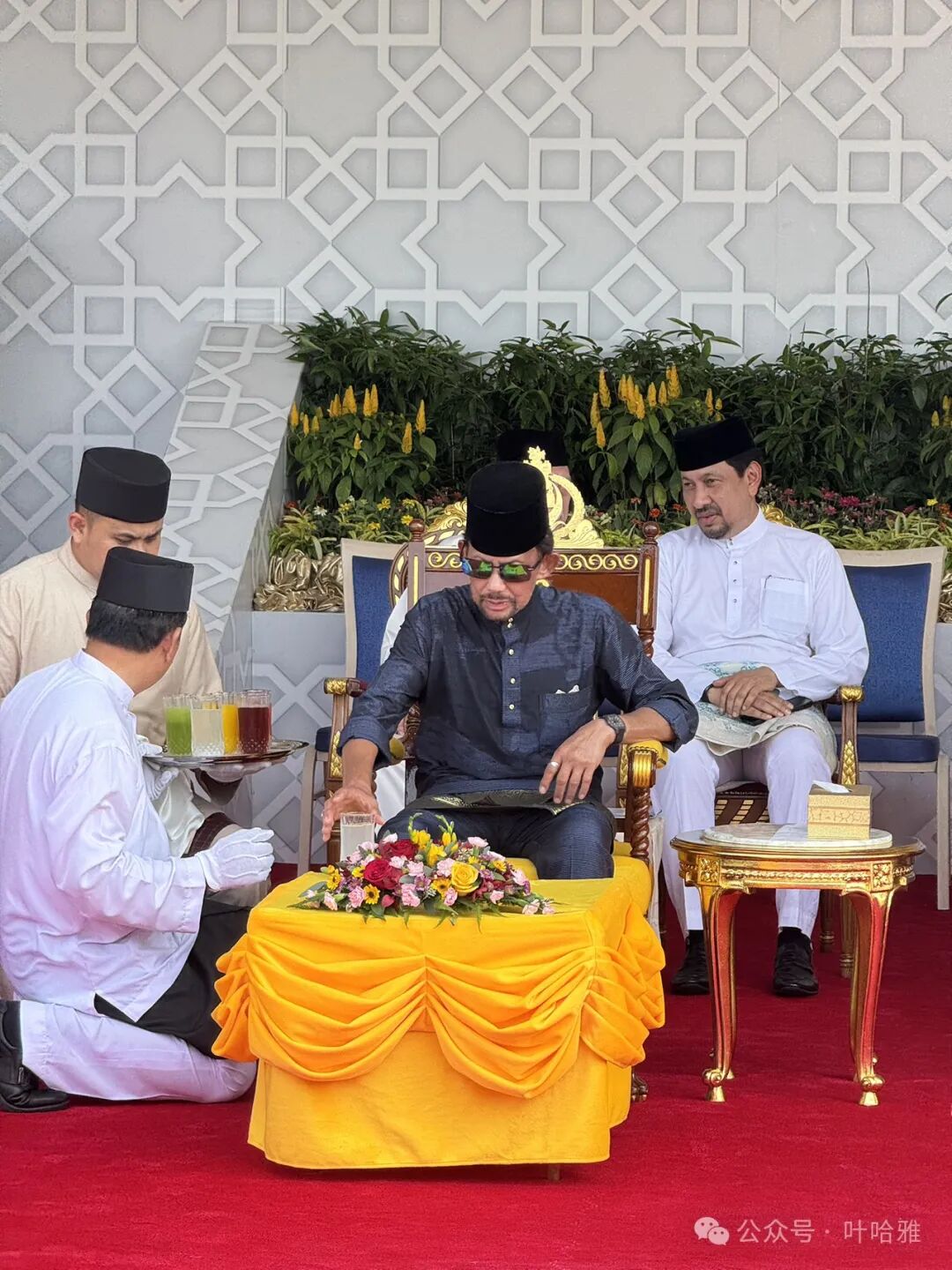
The Sultan holds absolute power in Brunei, and no one can challenge his position. According to the 1959 Constitution of Brunei, the Sultan is the head of state with full executive authority, including emergency powers held since the 1962 Brunei Revolt.
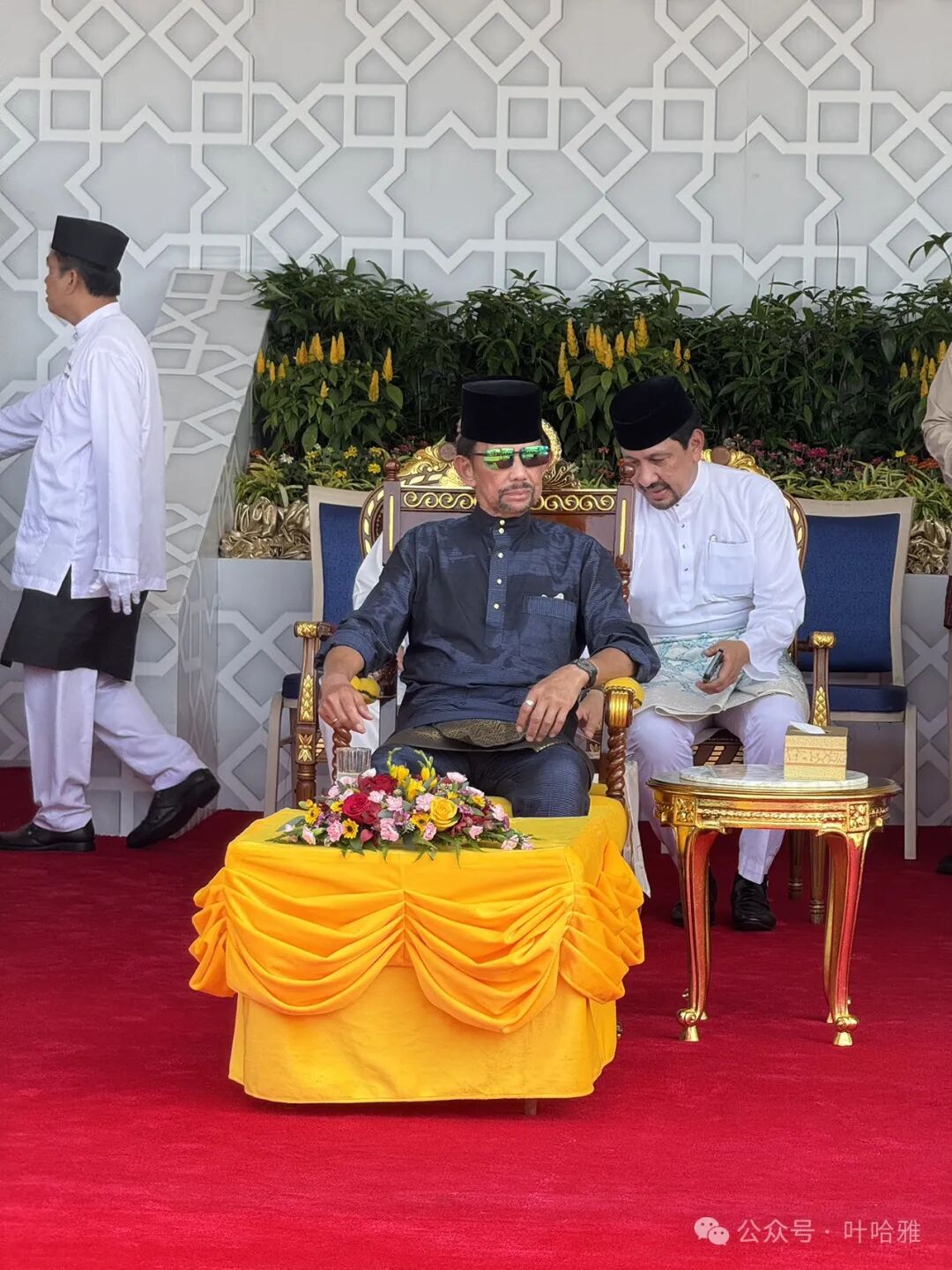
Hassanal Bolkiah attended the Sultan Omar Ali Saifuddien College (Darul Hana Surau) for over four years before moving to Kuala Lumpur for further studies. He became the first Sultan of Brunei to complete his education both at home and abroad. While studying at Victoria Institution, he joined the cadet corps and was named best recruit in 1961. Principal G. E. D. Lewis said he was not the only royal or noble in the school, so the award was based entirely on merit.
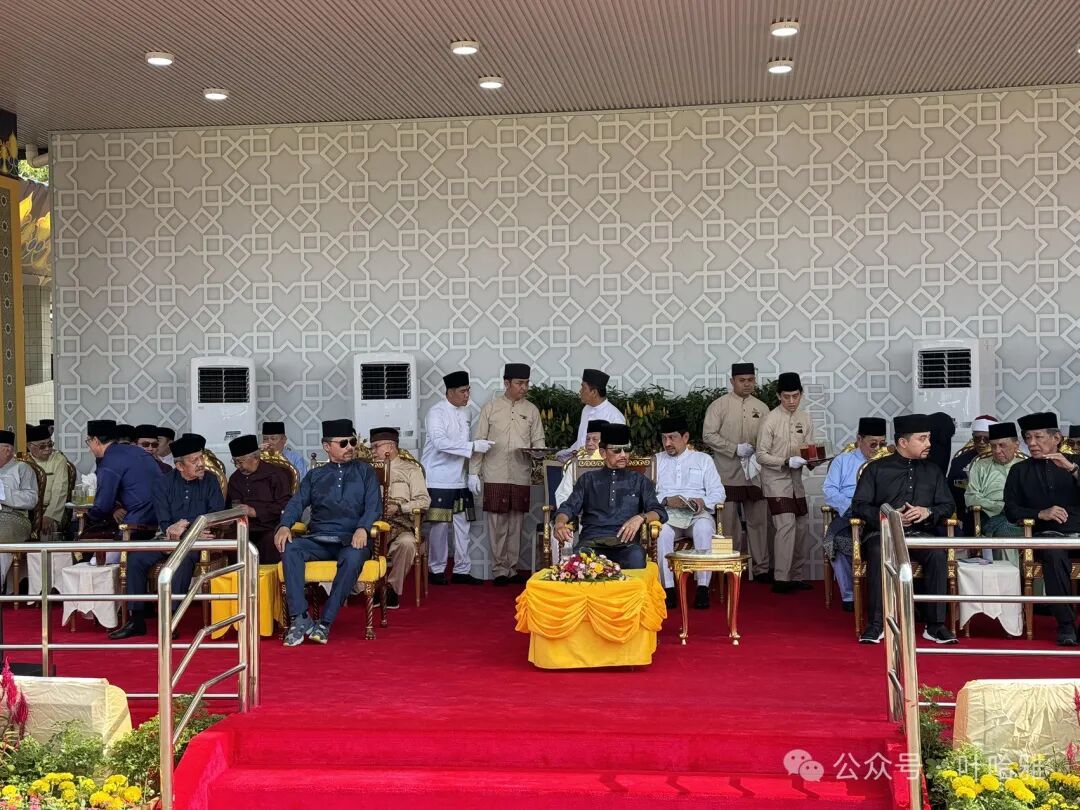
The Sultan walked quickly around the main road outside the square for about 2 kilometers. People followed him, singing praises to the Prophet as they walked. Along the road, citizens spontaneously provided free drinks and food to passersby.
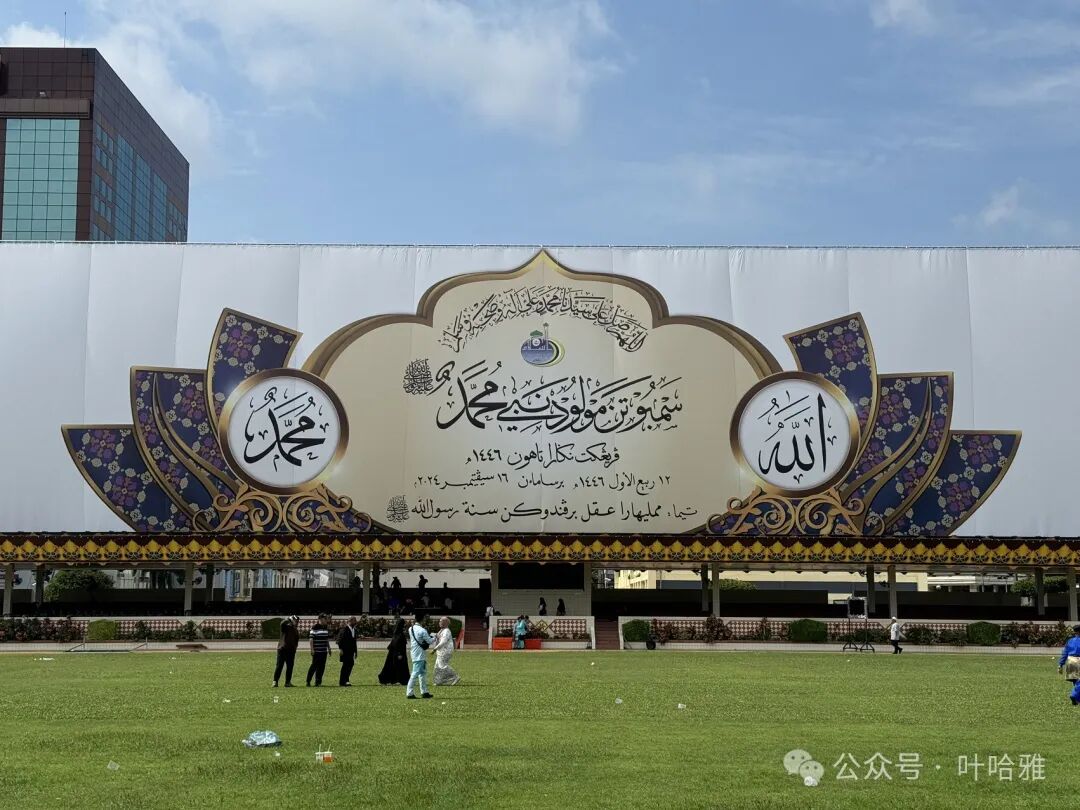
The entire event lasted about two hours. After it ended, I walked around the area near the square.
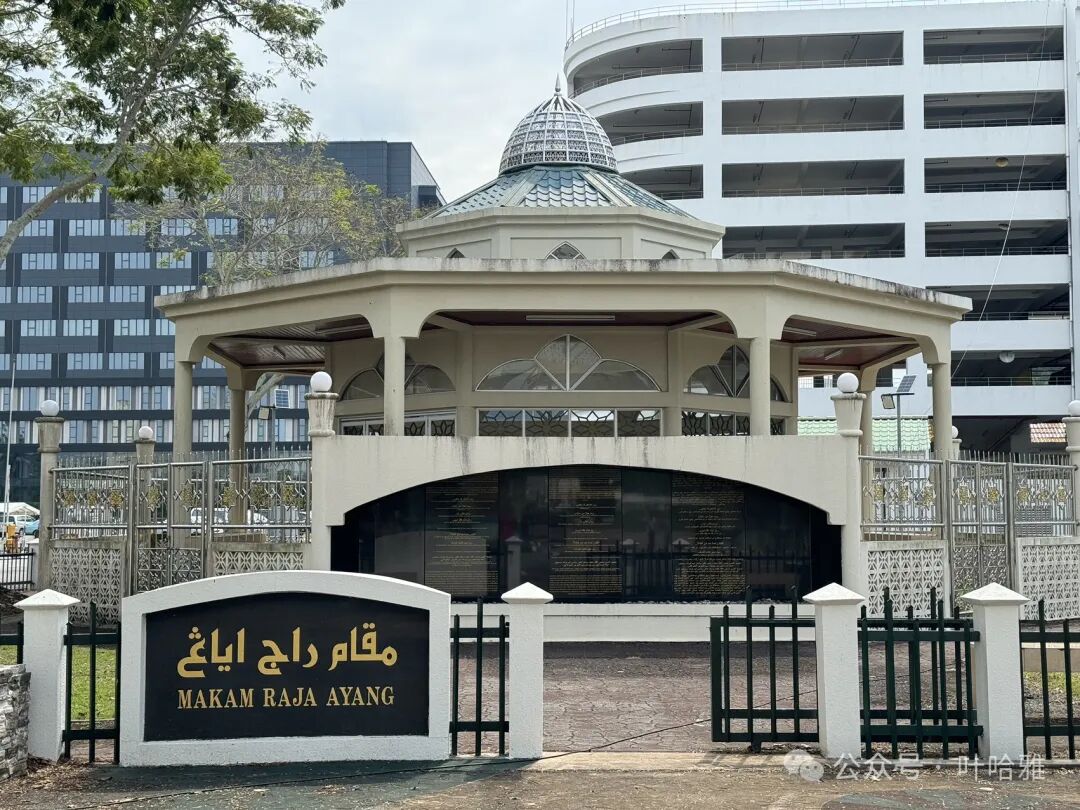
I found a royal cemetery next to the square. According to the inscription, two royals, a man and a woman, were buried here. They were sentenced to death by stoning for adultery, but no one had the heart to throw stones at them. Since they still had to be punished, the Sultan compromised and locked them in a cave. The cave had a vent and food inside. Outsiders could see smoke coming from the cave, which meant they were still alive, until one day when no more smoke appeared, signaling they had died.
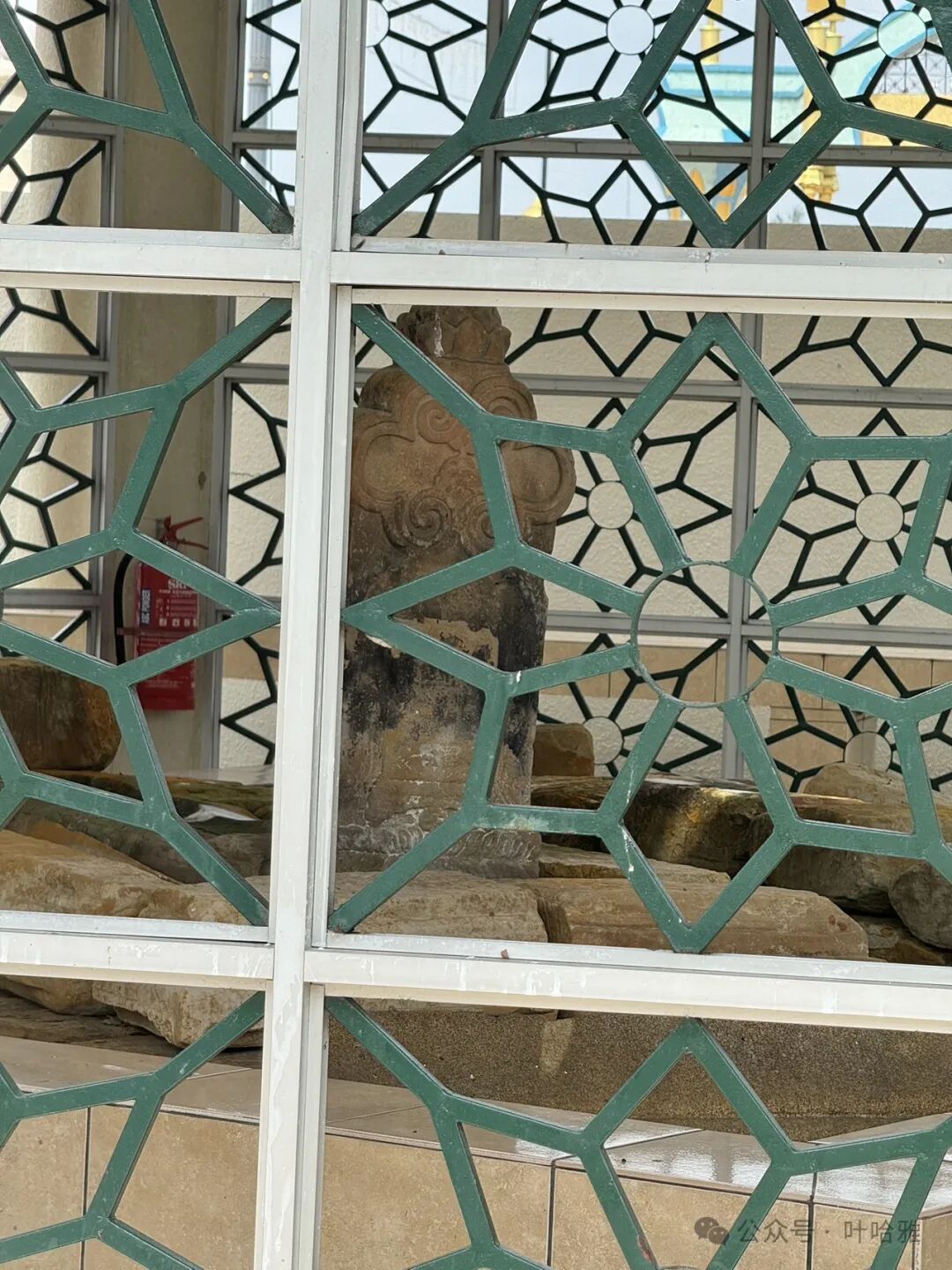
Some records say this event happened in 1452. The woman in this tomb was likely royalty with an Arab father and was related to the third Sultan. The tombstone says that every crime must be punished and no one can escape it. This shows that the influence of Islam had already spread throughout Brunei at that time.
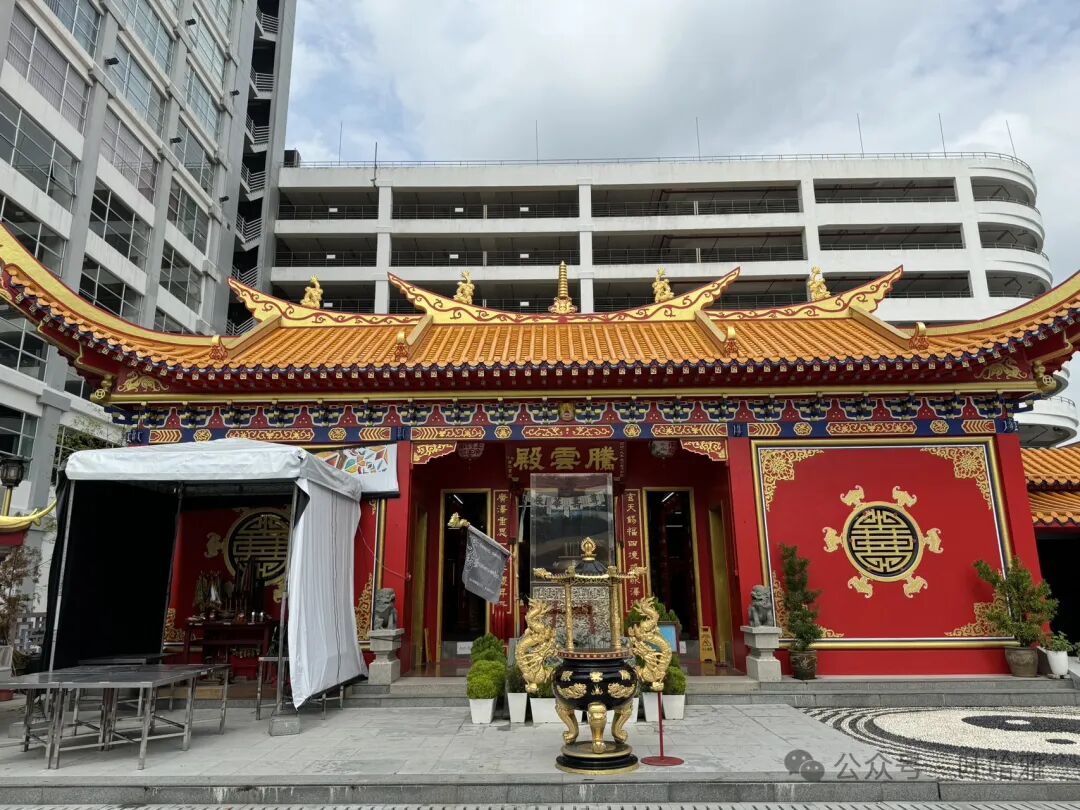
At the other end of the square, I saw a mosque built by Chinese people.
Inside, various deities are worshipped. This shows that the Sultan of Brunei is tolerant of other religions, as Buddhism, Christianity, and Catholicism are all present in Brunei.
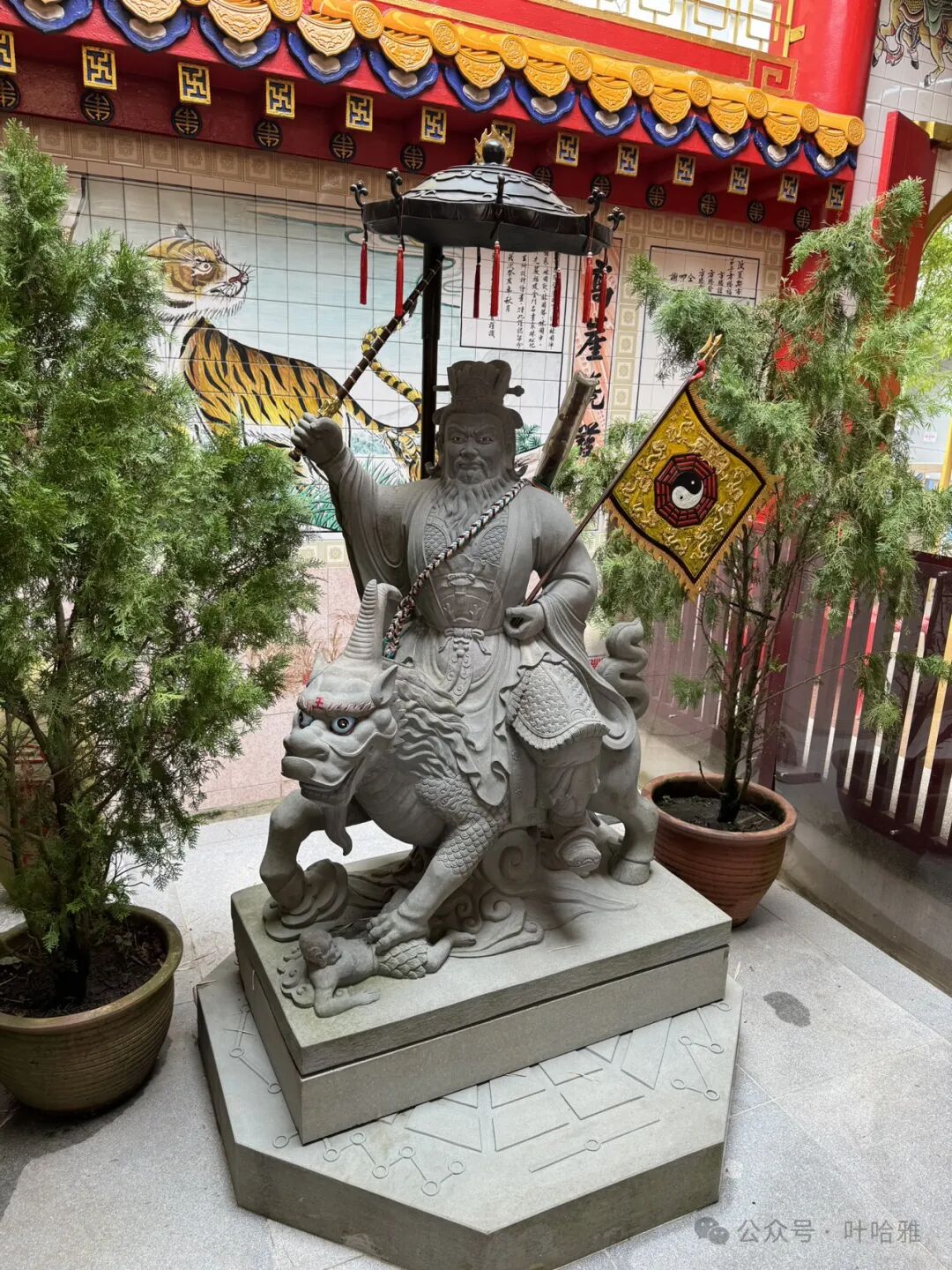
Brunei only has one small airport, but there is a large mosque built right next to it. You can walk directly from the airport terminal to the prayer hall.
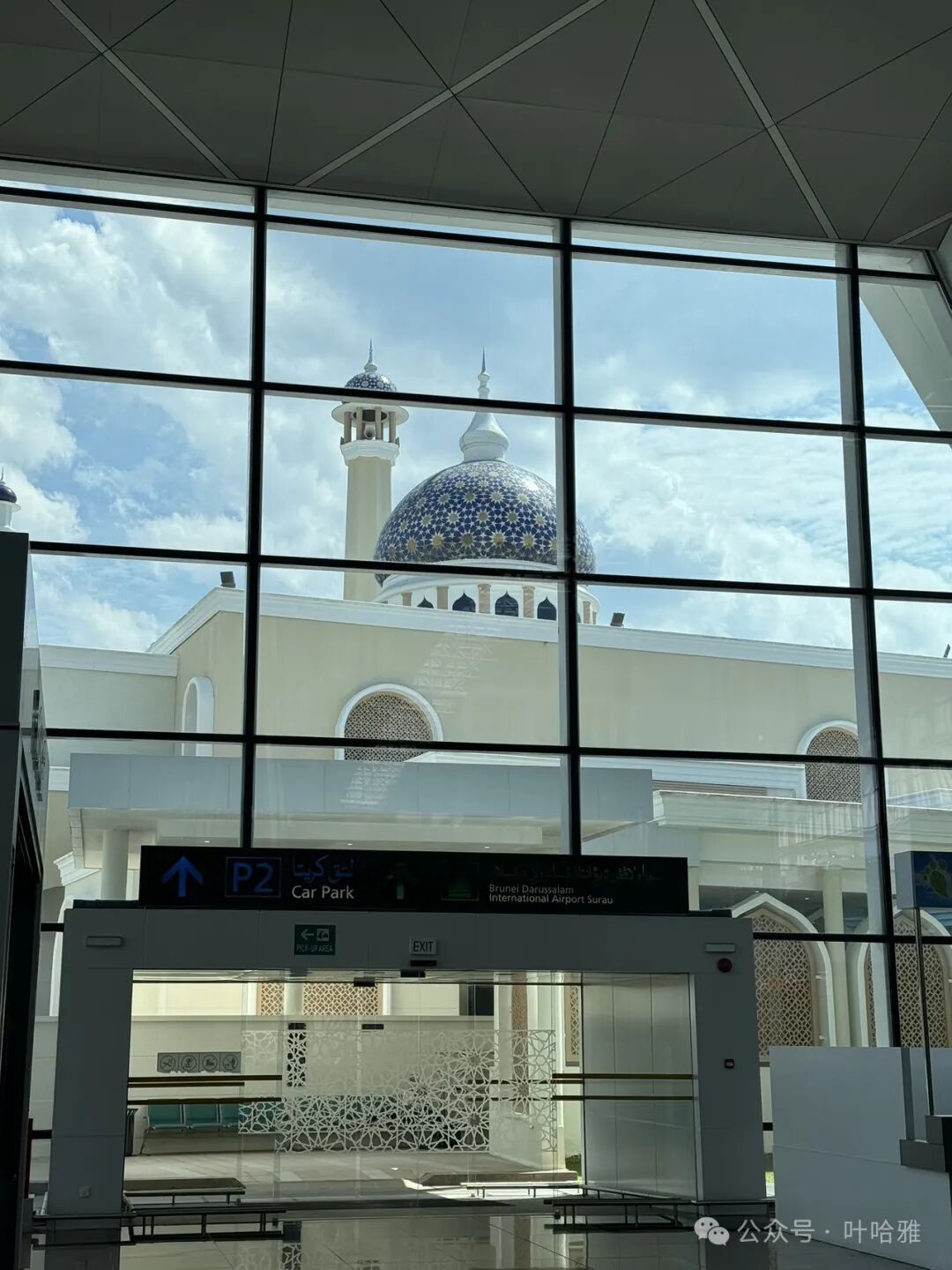
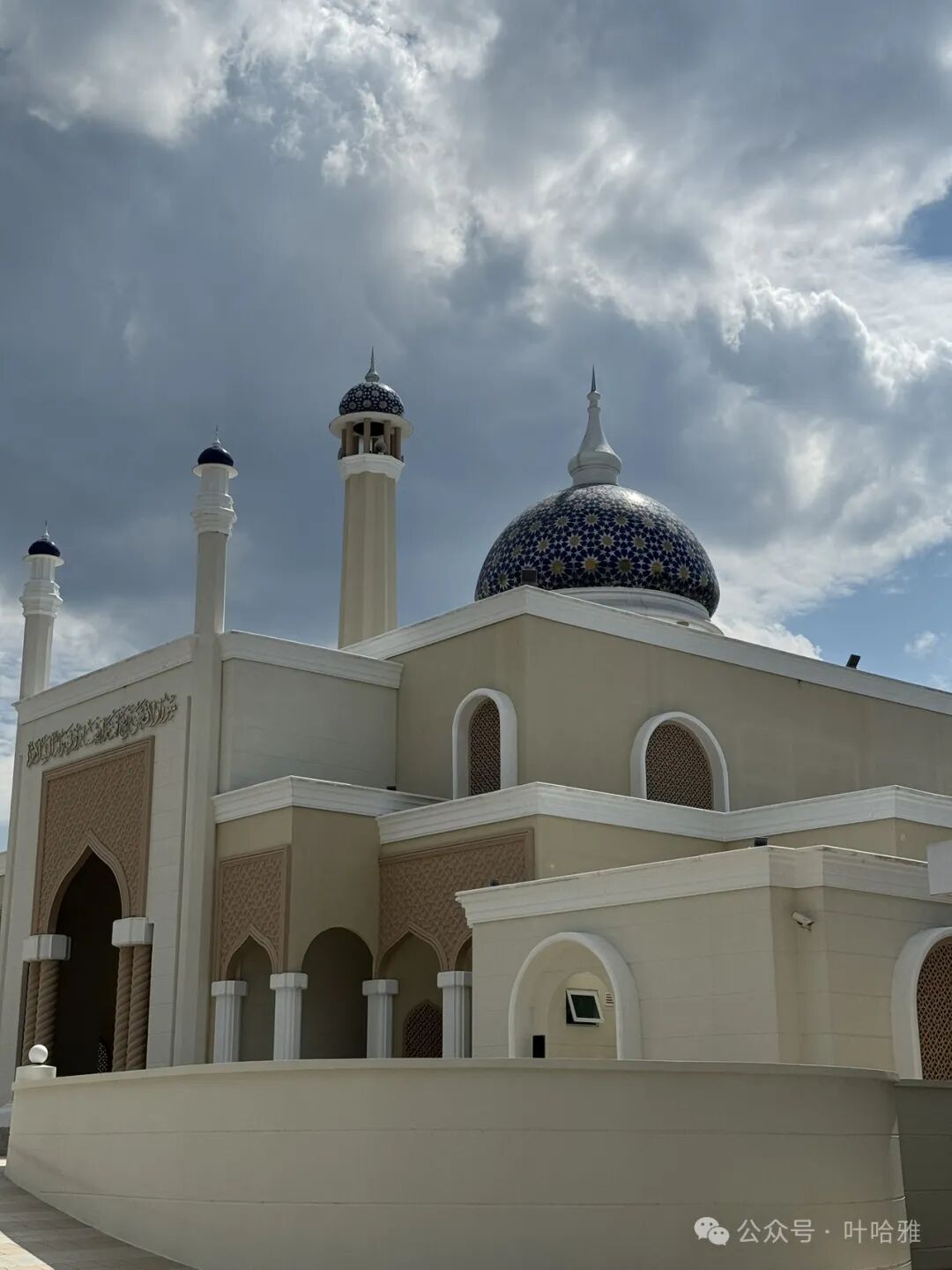
The mosque at Brunei airport.
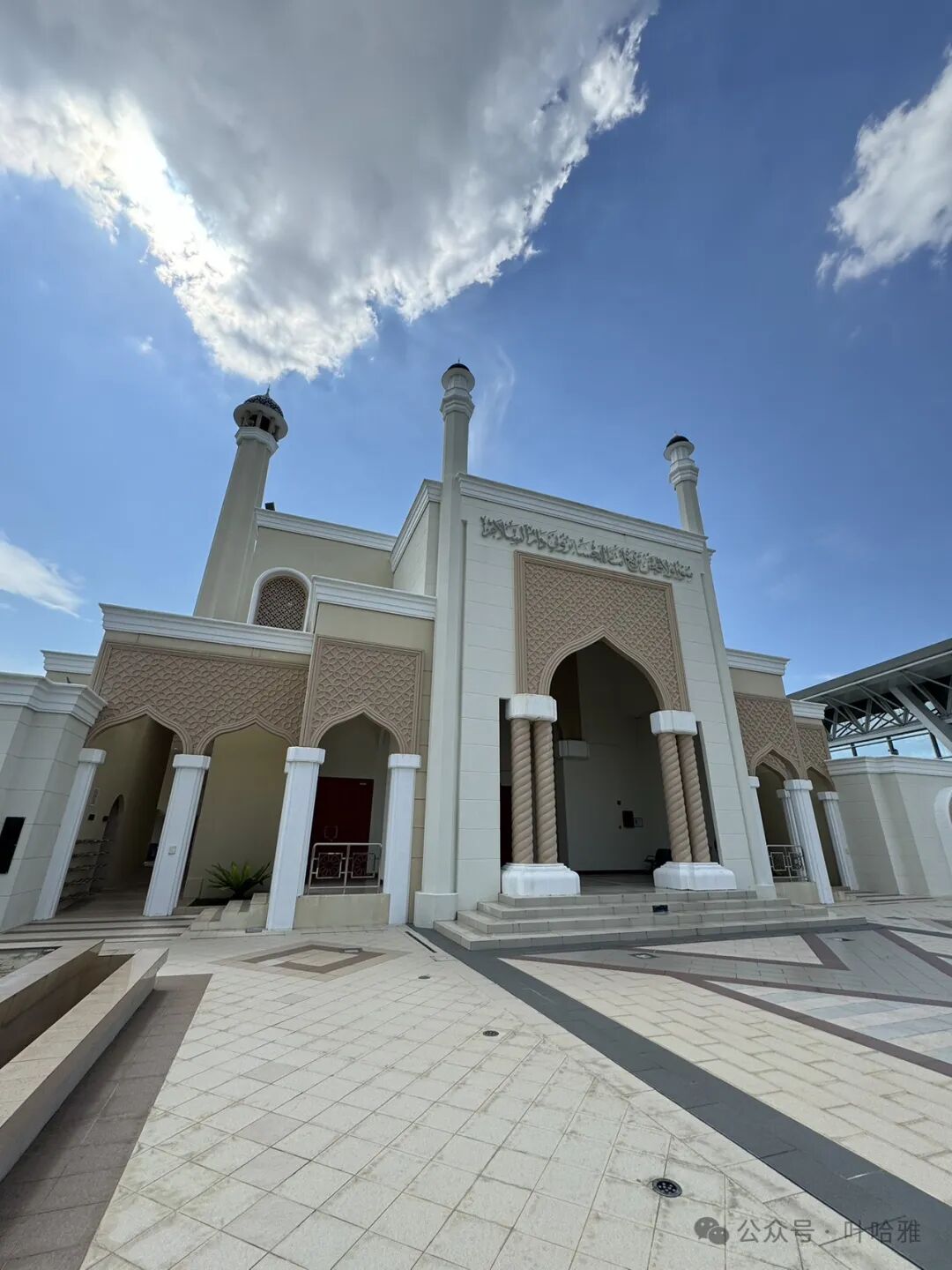
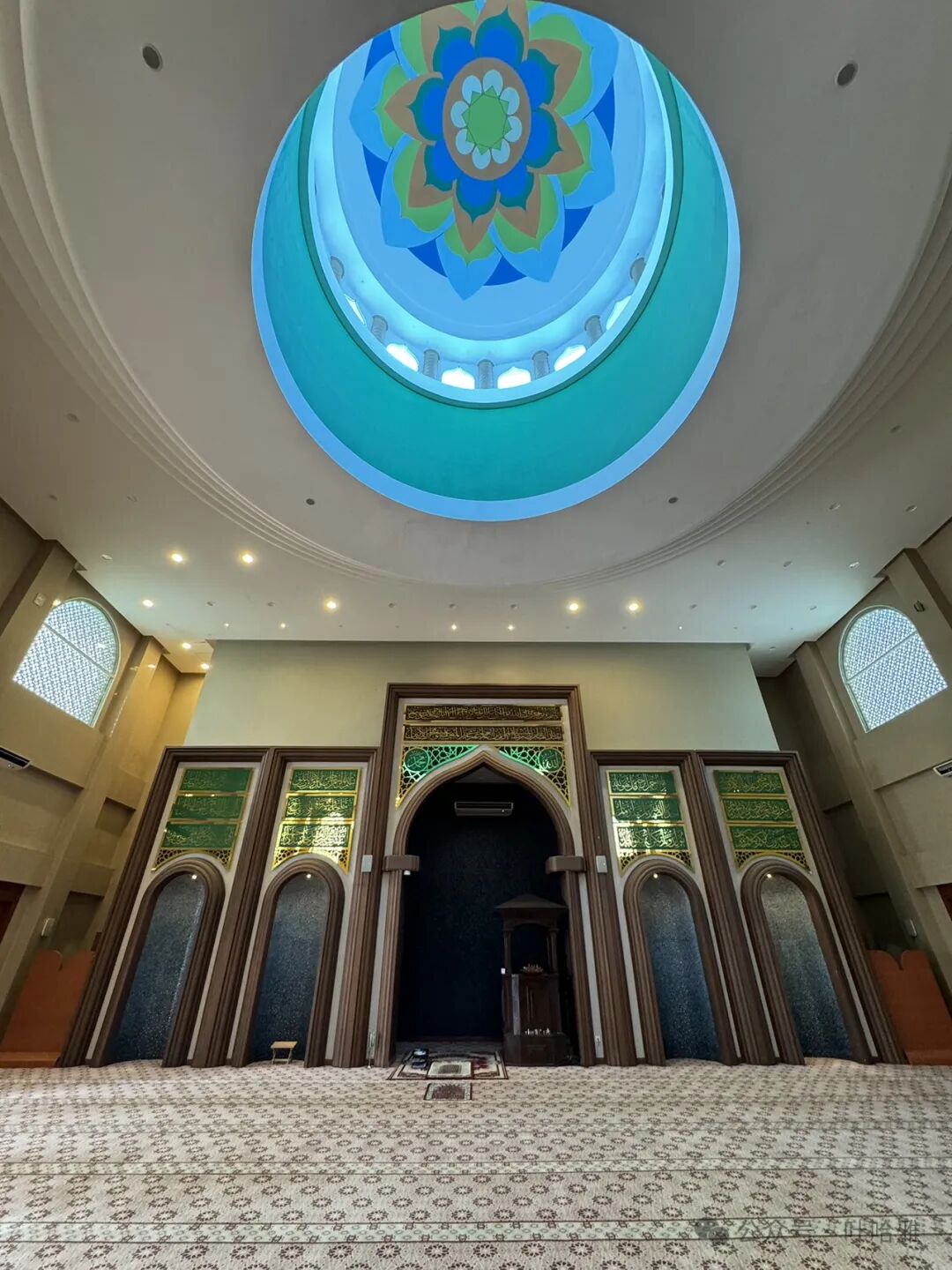
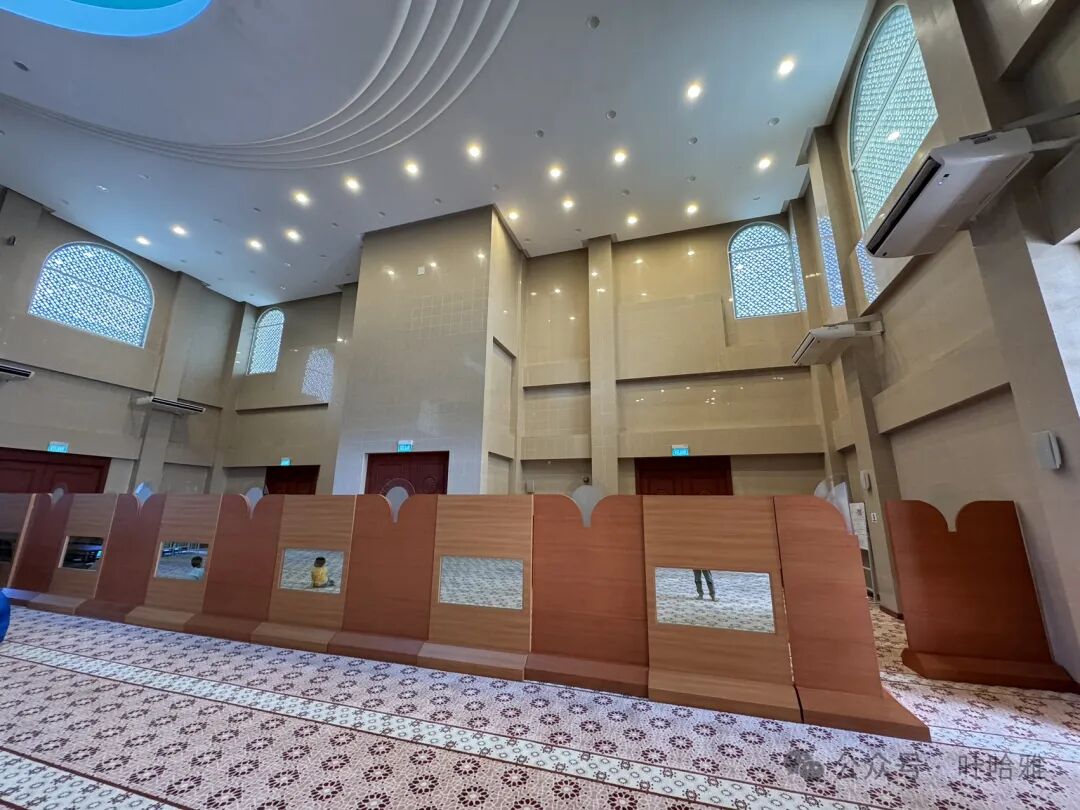
After finishing our three-day, two-night trip to Brunei, we took a two-and-a-half-hour flight back to Kuala Lumpur. Every time we enter Kuala Lumpur, we have to fill out the Malaysia Digital Arrival Card at the departure airport.
Chinese people in Brunei and Malaysia are both local-born, but they do not know much about the Islamic faith of the Malays. For example, a local Chinese driver in Brunei whose family has lived there for at least three generations did not even know that the Arabic-looking signs everywhere in Brunei are actually Malay. If you look at the social media accounts of Chinese and Malay people in Malaysia, you will feel like they live in two different worlds. Malays do not go to the bars, nightclubs, casinos, or some restaurants that Chinese people visit. So, if you only learn about Malaysia and the Malay people from Malaysian Chinese, you might get a biased view.
Summary: This Brunei Muslim travel guide part 2 follows hotel life, Mawlid celebrations, Sultan Bolkiah walking with the crowd, local history, royal sites, religious tolerance, the airport mosque, and reflections on Chinese and Malay communities in Brunei and Malaysia.
Hotels in Brunei do not provide bottled water. Instead, they place a water dispenser in the hallway and leave bottles in the rooms for you to fill up yourself.
Breakfast offers three buffet options: Malay, Chinese, and Western.
On our second night, the hotel sent a notice saying that tomorrow is the Prophet's Birthday (Mawlid). Roads around the hotel would have temporary traffic controls, and we might even see Sultan Bolkiah.
I read in the newspaper that at least 20,000 people gathered on the streets of Bandar Seri Begawan for the Mawlid event. This is a huge deal in Brunei, as I rarely see pedestrians on the road. Brunei has one private car for every 2.09 people, thanks to a lack of public transport, low import taxes, and unleaded gasoline prices as low as 0.53 Brunei dollars per liter.
As the crowd stirred, I saw the Sultan appear in the distance, surrounded by people.
This was my first time seeing the Sultan in person. Bolkiah is small in stature but has an extraordinary presence. Even at 70, he walks very quickly. Remarkably, he is very approachable. Ordinary people can get close to him to take photos or shake his hand. Even as a foreigner, I could get close to the Sultan without any security screening.
The Sultan holds absolute power in Brunei, and no one can challenge his position. According to the 1959 Constitution of Brunei, the Sultan is the head of state with full executive authority, including emergency powers held since the 1962 Brunei Revolt.
Hassanal Bolkiah attended the Sultan Omar Ali Saifuddien College (Darul Hana Surau) for over four years before moving to Kuala Lumpur for further studies. He became the first Sultan of Brunei to complete his education both at home and abroad. While studying at Victoria Institution, he joined the cadet corps and was named best recruit in 1961. Principal G. E. D. Lewis said he was not the only royal or noble in the school, so the award was based entirely on merit.
The Sultan walked quickly around the main road outside the square for about 2 kilometers. People followed him, singing praises to the Prophet as they walked. Along the road, citizens spontaneously provided free drinks and food to passersby.
The entire event lasted about two hours. After it ended, I walked around the area near the square.
I found a royal cemetery next to the square. According to the inscription, two royals, a man and a woman, were buried here. They were sentenced to death by stoning for adultery, but no one had the heart to throw stones at them. Since they still had to be punished, the Sultan compromised and locked them in a cave. The cave had a vent and food inside. Outsiders could see smoke coming from the cave, which meant they were still alive, until one day when no more smoke appeared, signaling they had died.
Some records say this event happened in 1452. The woman in this tomb was likely royalty with an Arab father and was related to the third Sultan. The tombstone says that every crime must be punished and no one can escape it. This shows that the influence of Islam had already spread throughout Brunei at that time.
At the other end of the square, I saw a mosque built by Chinese people.
Inside, various deities are worshipped. This shows that the Sultan of Brunei is tolerant of other religions, as Buddhism, Christianity, and Catholicism are all present in Brunei.
Brunei only has one small airport, but there is a large mosque built right next to it. You can walk directly from the airport terminal to the prayer hall.
The mosque at Brunei airport.
After finishing our three-day, two-night trip to Brunei, we took a two-and-a-half-hour flight back to Kuala Lumpur. Every time we enter Kuala Lumpur, we have to fill out the Malaysia Digital Arrival Card at the departure airport.
Chinese people in Brunei and Malaysia are both local-born, but they do not know much about the Islamic faith of the Malays. For example, a local Chinese driver in Brunei whose family has lived there for at least three generations did not even know that the Arabic-looking signs everywhere in Brunei are actually Malay. If you look at the social media accounts of Chinese and Malay people in Malaysia, you will feel like they live in two different worlds. Malays do not go to the bars, nightclubs, casinos, or some restaurants that Chinese people visit. So, if you only learn about Malaysia and the Malay people from Malaysian Chinese, you might get a biased view.
Muslim Travel Guide Brunei: Visa on Arrival, Sultanate History, Mosques and Halal Food
Articles • yusuf908 posted the article • 0 comments • 226 views • 2026-05-23 02:38
Reposted from the web
Summary: This Brunei Muslim travel guide part 1 explains visa on arrival, SIM cards, Dart ride-hailing, cash needs, hotel choices, Brunei's history and monarchy, mosque visits, airport prayer access, Japanese halal food, and practical notes for Muslim travelers.
Chinese citizens can get a visa on arrival in Brunei. You just need to fill out an electronic arrival card on the computer at the immigration office, show your round-trip flight tickets and hotel booking to customs, and pay a 20 USD visa fee. You can pay with a VISA card, and you can also fill out the arrival card online. Website: https://www.imm.gov.bn
After clearing customs, buy a SIM card at the airport lobby for 10 Brunei dollars, which gives you 8GB of data. This was enough for our three-day, two-night trip. A SIM card is very necessary because you need to download the local ride-hailing app, Dart. You cannot register for this app with a Chinese phone number. Public transport in Brunei is basically non-existent; locals drive themselves, and tourists have to use taxis. Dart is the only ride-hailing app available in Brunei.
Remember to withdraw some cash because the ride-hailing app cannot be linked to Chinese credit cards and only accepts cash payments. Dart drivers pick up passengers quickly, usually within 5 minutes. There are over 600 cars running on Dart across Brunei's four districts, so you might run into the same driver more than once.
The exchange rate in Brunei is the same as in Singapore, and Singapore dollars can be used directly in Brunei. However, the cost of living is lower than in Singapore and slightly higher than in Malaysia. I recommend two hotels. One is the Radisson Hotel Brunei Darussalam, which is the best in the city and the second best in the country. Brunei does not have many international hotel chains, but this Radisson has a great location. Many must-visit attractions, restaurants, and shops are within walking distance. The other is the Empire Hotel, the most luxurious in Brunei. It is near the beach and has amazing sunset views. If you want a luxury hotel stay, choose this one. The only downside is that it is far from the city center.
Map of Brunei
Brunei is truly tiny, so small it is almost invisible on a world map. Its territory is split into two parts that do not touch, and both are almost entirely surrounded by Malaysia. Historically, Brunei was a regional power, and its territory once included most of East Malaysia. It later declined and almost joined Malaysia. At that time, a group of people in Brunei wanted to join Malaysia and abolish the monarchy. They started a revolution, but the Brunei royal family worked with the British Empire to suppress them, and the Sultan eventually gave up on joining the Malaysian Federation.
Brunei Museum
The entry fee is 5 Brunei dollars per person. Note that it is closed on Friday for Jumu'ah. Muslim men in Brunei must attend Jumu'ah on Fridays, or it is against the law and they will be punished. Therefore, most shops are closed on Jumu'ah.
The Sultan of Brunei is a descendant of the Prophet. The fourth Sultan in Brunei's history, Sharif Ali, was a direct descendant of Imam Hasan. Hasan was the eldest son of Caliph Ali and the grandson of the Prophet. After marrying the daughter of the previous Sultan, Puteri Ratna Kesuma, he legally inherited the throne, which has been passed down to this day.
The English name for Brunei is Brunei, which is phonetically translated as "Boni." Ancient China referred to Brunei as Boni. The Tomb of the King of Boni in Nanjing is the burial site of the ancient Boni King, Mana'nana'nai. It is located at Wugui Mountain, Huacun, east of Shizigang, outside Andemen, Yuhuatai District, Nanjing. The person buried in the "Tomb of the King of Boni" was the second Sultan of Brunei. He was the older brother of the third Sultan and the uncle of the fourth Sultan.
In the sixth year of the Yongle reign, the King of Boni, Maharaja Karna, brought his wife, nieces, children, and over 150 officials to China for a friendly visit. The Yongle Emperor welcomed them with grand ceremonies. The King of Boni spent several months touring Nanjing, but he unfortunately fell ill and passed away there. The Yongle Emperor followed the king's final wishes and buried him with the honors due to a monarch. Maharaja Karna's son, Xiawang Huangkesun, inherited the throne of Boni. In the ninth month of the tenth year of the Yongle reign, Xiawang Huangkesun and his mother visited Nanjing again to pay their respects at his father's grave.
The Brunei Empire began to decline in the 19th century. Brunei became a British protectorate in 1888. After being occupied by Japan during World War II, it established a new constitution in 1959. In 1962, a small armed rebellion against the monarchy, indirectly linked to the Indonesia-Malaysia confrontation, was ended with British help. This led to the banning of the pro-independence Brunei People's Party. This rebellion also influenced the Sultan's decision not to join the Federation of Malaysia when it was formed. British protection of Brunei finally ended on January 1, 1984, when it became a fully sovereign nation.
Between May and December 1969, Hassanal Bolkiah traveled to London three times to try to build ties with the British government. However, these trips were unsuccessful, as the British government insisted on withdrawing its troops stationed in Brunei.
In April 1970, Hassanal Bolkiah visited London again to try to break the negotiation deadlock, but the British government refused to compromise because it believed Brunei could defend itself without British aid. Given that the defense agreement was set to expire in November 1970, he expressed great concern, stating that even if half the male population joined the armed forces, Brunei could not defend itself.
With the election of the Conservative Party, Hassanal Bolkiah found new hope. The British government agreed to keep a limited number of British troops in Southeast Asia, including keeping Gurkha units stationed in Brunei, and decided not to abandon the 1959 agreement that was originally set to expire on June 30, 1970. These talks led to the signing of the Brunei-UK Friendship Agreement on November 23, 1971. This agreement gave Brunei full internal independence and limited the British High Commissioner's power to foreign affairs only.
Hassanal Bolkiah (Hassanal Bolkiah Muiz'zaddin Wad'daulah bin Omar Ali Saifuddien III; born on July 15, 1946) has served as the Sultan of Brunei since 1967 and as the Prime Minister of Brunei since the country gained independence from Britain in 1984.
In 1978, Hassanal Bolkiah led another delegation to London to negotiate with the British government about Brunei's status as an independent sovereign nation. In the end, Brunei and the UK signed a Treaty of Friendship and Cooperation. The treaty took effect on January 1, 1984. The British government was no longer responsible for managing Brunei's foreign affairs and defense. This was the day Brunei became independent from Britain after being under British protection for nearly 20 years. As head of government and Prime Minister, Bolkiah took over Brunei and turned it into an independent monarchy.
I saw a familiar signature.
A model of the Prophet's Mosque (Al-Masjid an-Nabawi) in Medina gifted by Saudi Arabia.
A model of the bronze chariot from Pit No. 2 of the Terracotta Army gifted by our country.
A model of the Sacred Mosque (Masjid al-Haram) in Mecca gifted by Saudi Arabia.
The Sultan Omar Ali Saifuddien Mosque (Masjid Omar 'Ali Saifuddien) was named after the 28th Sultan of Brunei, Omar Ali Saifuddien III, and was completed in 1958. As of 2019, a total of 102 mosques have been built across Brunei.
The mosque's architectural style is influenced by both Islamic and Italian designs, as it was created by an Italian architect.
Like Malaysia, Brunei officially follows the Shafi'i school of thought. However, the imam I met at this mosque follows the Hanafi school. This is because only the Hanafi school advocates raising the hands once, while the other three schools raise them three times.
Regardless of which school the imam belongs to, imams in Brunei perform dua during namaz rather than after. Some believe that during namaz, you are closest to Allah, making it the best time for your dua to be answered.
During the Sultan's reign, some of Brunei's older wooden mosques were rebuilt with brick and stone. These newer buildings use stronger materials and offer more space.
Brunei has no historic wooden mosques left because they were destroyed or torn down during the Japanese occupation. The Antiquities and Treasure Trove Act of 1967 created a legal framework to protect Brunei's architectural history, defining monuments as structures built before January 1, 1894.
As of 2018, Brunei has only designated 27 buildings and sites as historical monuments, and none of them are mosques.
During the Sultan's reign, Arabic architecture became more popular, likely due to the Sultan's own Arabic heritage.
There is a giant picture frame in the mosque square that serves as a landmark in Brunei.
People walking toward the mosque at sunset (sham).
In the evening, residents sit on the lawn for picnics, and the water village is right across from the square.
Water village.
There is a new, small night market in the shopping mall across from the mosque, with about twenty or thirty stalls selling various snacks.
From what I saw, this Chinese dumpling (jiaozi) shop is the most popular snack spot at the night market.
This night market is cleaner and tidier than the Gadong Night Market, the largest in Brunei. Dining tables are set up behind the two rows of stalls, and there are even sinks for washing up on both sides.
Bruneians also add various flavorings and food coloring to their fruit drinks.
I had a Southeast Asian-style fried fish set meal at this stall.
There is a food court on the basement level of the shopping mall, but it is not very crowded. You rarely see many people anywhere in Brunei on a normal day.
I bought a non-spicy fried rice for Fahim at the food court.
Brunei's second iconic national mosque, the Jame' Asr Hassanil Bolkiah Mosque, is named after the 29th Sultan, Hassanal Bolkiah.
This mosque was built as a charitable endowment (nieti) by Sultan Bolkiah, cost 350 million US dollars, and was completed in 1994.
The mosque has 29 domes, representing the 29 sultans.
The minaret features a suspended design.
Fahim likes to perform namaz by prostrating himself.
The domes of the mosques in Brunei look cute and rounded.
Besides the two iconic mosques, another place in Brunei worth visiting is the bakery opened by Wu Chun, called BAKE CULTURE.
This is a chain store, and there is one located just one kilometer away from the Jame' Asr Hassanil Bolkiah Mosque.
Wu Chun is a Brunei-born Chinese. Ethnic Chinese make up about 9.5% of Brunei's population, but most of them do not have Brunei citizenship. Before Brunei's independence, they held British passports. After Brunei left the UK, these Chinese became stateless. They hold a special identity card in Brunei that allows for long-term residency, but they do not receive the same benefits as citizens.
It is unclear if Wu Chun holds Brunei citizenship, but given his family's close relationship with the royal family, they may have been granted citizenship by special royal decree. However, Wu Chun now lives in Shanghai, and his bakery and gym in Brunei are managed by others. Wu Chun's bakery has halal certification.
The food at the bakery tastes pretty good, and it is an affordable little shop.
It is very difficult for Chinese people in Brunei to obtain citizenship. First, you must qualify for the naturalization exam, which is hard to get. Second, you must pass a Malay language test. Locals say that even some Malay people cannot pass this Brunei Malay exam, so very few people become citizens through this process.
Once you get Brunei citizenship, there are many benefits. Not only are medical care and education free, but there are also housing subsidies. Brunei has no personal income tax, so the officially announced per capita income is the actual take-home pay for citizens. This is even better than the welfare in so-called high-welfare Nordic countries, as their welfare is built on high taxes.
The taxi drivers I met in Brunei were all local ethnic Chinese without citizenship. Life in Brunei is indeed a bit boring for them. There are no entertainment venues like bars because alcohol is banned nationwide, and you cannot even buy cigarettes.
The Sultan of Brunei once planned to implement Sharia law in Brunei. The first few years went smoothly, but in the final stage, when they were ready to implement Islamic criminal penalties, they faced strong protests from overseas public opinion.
In 2014, Hassanal Bolkiah announced the implementation of Islamic criminal penalties, where acts including homosexuality would violate criminal law. This proposal sparked outrage on international social media. The planned penalties included whipping, amputation, and stoning. It was originally scheduled to be implemented on April 22, 2014, but was later delayed for no reason.
The bakery also sells some Wu Chun merchandise, and his popularity attracts many Chinese visitors.
Less than 800 meters from the bakery, I found a Lanzhou beef noodle shop.
This shop is run by a partnership between a Brunei Chinese person and a Lanzhou person. The decor inside is a perfect copy of the Lanzhou beef noodle (lanzhou lamian) style back home.
The menu is just like the ones in China, with all kinds of noodle dishes available. The prices are not expensive either; a bowl of beef noodles costs 5 Brunei dollars, which is about 25 Chinese yuan.
Shops here all hang portraits of the Brunei royal family.
Many people come here to eat at noon, and every table is full.
We ordered the traditional beef noodles and mixed noodles (banmian). Honestly, they were both very authentic and tasted just like a typical Lanzhou beef noodle shop in China. It is no wonder their business is so good.
According to Google Maps, there is another Lanzhou beef noodle shop in Brunei, and it is said to be doing well too.
Sultan's Palace
The palace is not usually open to the public, but local friends say the Sultan is very approachable. If you stand at the palace gate and happen to see the Sultan's motorcade coming or going, he will wave back if you wave at him.
Gadong Night Market
This is the largest night market in Brunei. It has a very lively atmosphere, which means as soon as you walk in, you can smell a lot of cooking smoke. I am not very interested in local Southeast Asian food because I feel it is not healthy enough, as it is often heavy on oil, salt, and spice. It is fine to try it once in a while.
However, the durian at the night market is worth a try.
These small durians only cost 3 Brunei dollars for a pile, which is about 15 Chinese yuan. We bought one, and this is what it looked like when we opened it.
Durians in Malaysia are never cheap, but I found I could eat as many as I wanted in Brunei. Just remember that you cannot bring durians, mangosteens, or dragon fruit into your hotel. They can leave behind strong smells or stains, and you will be fined if you break this rule.
The fine for breaking this rule is 250 dollars.
The mosque next to the Gadong Night Market.
Another place in Brunei worth visiting is the beach at the Empire Hotel.
The Empire Hotel is the most luxurious hotel in Brunei and is said to meet a six-star standard, though it actually looks quite flashy. Brunei does not have many international hotel chains, so accommodation here is relatively expensive for what you get.
A night at the Empire Hotel costs over 4,000 RMB. I think the best part is the sunset at the hotel beach, which is arguably the most beautiful view in Brunei. The beach is open to the public, so anyone can watch the sunset for free. There is no need to pay a high price to stay there.
Also, the Empire Hotel is over ten kilometers from the city center, and there is nothing to do in the surrounding area. Most of Brunei's attractions are in the city, and taking a taxi is not cheap.
Still, it is very worth coming here just to see a beautiful sunset.
A friend in Brunei took us to an Indonesian restaurant called Pondok Sari Wangi Seafood Restaurant. The Arabic letters on the sign are actually Malay, which just uses the Arabic script. This is a unique feature of Brunei, and they have even created a few of their own letters.
I think this is a very popular local restaurant in Brunei, and the flavors are easy for Chinese people to enjoy.
Over dinner, my friend told me about local Islamic banking in Brunei. I learned that if you deposit money in a Brunei Islamic bank, you get a fixed return, but they do not call it interest. They call it Murabahah. Even with private loans between people in Brunei, they ask for a return, and everyone is used to it.
This confirms one of the issues I mentioned in my recent series of articles criticizing Islamic finance: the way interest is legalized by using specific contracts or changing terms. In reality, promising a fixed return on a deposit is essentially interest, regardless of how that money is earned.
Many traditional international financial institutions have started offering halal financial services to cater to the official pursuit of so-called Islamic purity. However, these institutions do not separate the money they collect; they mix it with their traditional financial business. This is different from a non-Muslim opening a halal restaurant, because a restaurant can keep ingredients separate. Traditional financial institutions cannot keep money from mixing, so this nominal halal certification is just for show.
Ash-Shaliheen Mosque
Located next to the Prime Minister's Office in Bandar Seri Begawan, Brunei, this Moroccan-style mosque was built in 2012. I think it is one of the more unique mosques in Brunei.
More Arabs pray in this mosque, and the designer is Egyptian.
The glass dome of the mosque can retract.
After namaz, people hand out bottled water at the door, and it is even chilled.
There is a shopping center about a 1.5-kilometer walk from Brunei Airport, and inside is a Japanese restaurant.
Japanese food is very common in Brunei due to Japan's colonial history in Southeast Asia, and this restaurant also has halal certification.
Radisson Hotel
If you are staying in the city, I recommend the Radisson Hotel. It is the second-best hotel in Brunei, right after the Empire Hotel. I recommend the Radisson not because it is amazing, but because there really are no better options in Brunei. Although it is ranked second in the country and costs a thousand yuan a night, it is really only at the level of a four-star hotel in China. The rooms are small, but the location is convenient.
The hotel restaurant is quite good. You can eat healthy Western food, which is easier for children to accept. view all
Summary: This Brunei Muslim travel guide part 1 explains visa on arrival, SIM cards, Dart ride-hailing, cash needs, hotel choices, Brunei's history and monarchy, mosque visits, airport prayer access, Japanese halal food, and practical notes for Muslim travelers.
Chinese citizens can get a visa on arrival in Brunei. You just need to fill out an electronic arrival card on the computer at the immigration office, show your round-trip flight tickets and hotel booking to customs, and pay a 20 USD visa fee. You can pay with a VISA card, and you can also fill out the arrival card online. Website: https://www.imm.gov.bn
After clearing customs, buy a SIM card at the airport lobby for 10 Brunei dollars, which gives you 8GB of data. This was enough for our three-day, two-night trip. A SIM card is very necessary because you need to download the local ride-hailing app, Dart. You cannot register for this app with a Chinese phone number. Public transport in Brunei is basically non-existent; locals drive themselves, and tourists have to use taxis. Dart is the only ride-hailing app available in Brunei.
Remember to withdraw some cash because the ride-hailing app cannot be linked to Chinese credit cards and only accepts cash payments. Dart drivers pick up passengers quickly, usually within 5 minutes. There are over 600 cars running on Dart across Brunei's four districts, so you might run into the same driver more than once.
The exchange rate in Brunei is the same as in Singapore, and Singapore dollars can be used directly in Brunei. However, the cost of living is lower than in Singapore and slightly higher than in Malaysia. I recommend two hotels. One is the Radisson Hotel Brunei Darussalam, which is the best in the city and the second best in the country. Brunei does not have many international hotel chains, but this Radisson has a great location. Many must-visit attractions, restaurants, and shops are within walking distance. The other is the Empire Hotel, the most luxurious in Brunei. It is near the beach and has amazing sunset views. If you want a luxury hotel stay, choose this one. The only downside is that it is far from the city center.
Map of Brunei
Brunei is truly tiny, so small it is almost invisible on a world map. Its territory is split into two parts that do not touch, and both are almost entirely surrounded by Malaysia. Historically, Brunei was a regional power, and its territory once included most of East Malaysia. It later declined and almost joined Malaysia. At that time, a group of people in Brunei wanted to join Malaysia and abolish the monarchy. They started a revolution, but the Brunei royal family worked with the British Empire to suppress them, and the Sultan eventually gave up on joining the Malaysian Federation.
Brunei Museum
The entry fee is 5 Brunei dollars per person. Note that it is closed on Friday for Jumu'ah. Muslim men in Brunei must attend Jumu'ah on Fridays, or it is against the law and they will be punished. Therefore, most shops are closed on Jumu'ah.
The Sultan of Brunei is a descendant of the Prophet. The fourth Sultan in Brunei's history, Sharif Ali, was a direct descendant of Imam Hasan. Hasan was the eldest son of Caliph Ali and the grandson of the Prophet. After marrying the daughter of the previous Sultan, Puteri Ratna Kesuma, he legally inherited the throne, which has been passed down to this day.
The English name for Brunei is Brunei, which is phonetically translated as "Boni." Ancient China referred to Brunei as Boni. The Tomb of the King of Boni in Nanjing is the burial site of the ancient Boni King, Mana'nana'nai. It is located at Wugui Mountain, Huacun, east of Shizigang, outside Andemen, Yuhuatai District, Nanjing. The person buried in the "Tomb of the King of Boni" was the second Sultan of Brunei. He was the older brother of the third Sultan and the uncle of the fourth Sultan.
In the sixth year of the Yongle reign, the King of Boni, Maharaja Karna, brought his wife, nieces, children, and over 150 officials to China for a friendly visit. The Yongle Emperor welcomed them with grand ceremonies. The King of Boni spent several months touring Nanjing, but he unfortunately fell ill and passed away there. The Yongle Emperor followed the king's final wishes and buried him with the honors due to a monarch. Maharaja Karna's son, Xiawang Huangkesun, inherited the throne of Boni. In the ninth month of the tenth year of the Yongle reign, Xiawang Huangkesun and his mother visited Nanjing again to pay their respects at his father's grave.
The Brunei Empire began to decline in the 19th century. Brunei became a British protectorate in 1888. After being occupied by Japan during World War II, it established a new constitution in 1959. In 1962, a small armed rebellion against the monarchy, indirectly linked to the Indonesia-Malaysia confrontation, was ended with British help. This led to the banning of the pro-independence Brunei People's Party. This rebellion also influenced the Sultan's decision not to join the Federation of Malaysia when it was formed. British protection of Brunei finally ended on January 1, 1984, when it became a fully sovereign nation.
Between May and December 1969, Hassanal Bolkiah traveled to London three times to try to build ties with the British government. However, these trips were unsuccessful, as the British government insisted on withdrawing its troops stationed in Brunei.
In April 1970, Hassanal Bolkiah visited London again to try to break the negotiation deadlock, but the British government refused to compromise because it believed Brunei could defend itself without British aid. Given that the defense agreement was set to expire in November 1970, he expressed great concern, stating that even if half the male population joined the armed forces, Brunei could not defend itself.
With the election of the Conservative Party, Hassanal Bolkiah found new hope. The British government agreed to keep a limited number of British troops in Southeast Asia, including keeping Gurkha units stationed in Brunei, and decided not to abandon the 1959 agreement that was originally set to expire on June 30, 1970. These talks led to the signing of the Brunei-UK Friendship Agreement on November 23, 1971. This agreement gave Brunei full internal independence and limited the British High Commissioner's power to foreign affairs only.
Hassanal Bolkiah (Hassanal Bolkiah Muiz'zaddin Wad'daulah bin Omar Ali Saifuddien III; born on July 15, 1946) has served as the Sultan of Brunei since 1967 and as the Prime Minister of Brunei since the country gained independence from Britain in 1984.
In 1978, Hassanal Bolkiah led another delegation to London to negotiate with the British government about Brunei's status as an independent sovereign nation. In the end, Brunei and the UK signed a Treaty of Friendship and Cooperation. The treaty took effect on January 1, 1984. The British government was no longer responsible for managing Brunei's foreign affairs and defense. This was the day Brunei became independent from Britain after being under British protection for nearly 20 years. As head of government and Prime Minister, Bolkiah took over Brunei and turned it into an independent monarchy.
I saw a familiar signature.
A model of the Prophet's Mosque (Al-Masjid an-Nabawi) in Medina gifted by Saudi Arabia.
A model of the bronze chariot from Pit No. 2 of the Terracotta Army gifted by our country.
A model of the Sacred Mosque (Masjid al-Haram) in Mecca gifted by Saudi Arabia.
The Sultan Omar Ali Saifuddien Mosque (Masjid Omar 'Ali Saifuddien) was named after the 28th Sultan of Brunei, Omar Ali Saifuddien III, and was completed in 1958. As of 2019, a total of 102 mosques have been built across Brunei.
The mosque's architectural style is influenced by both Islamic and Italian designs, as it was created by an Italian architect.
Like Malaysia, Brunei officially follows the Shafi'i school of thought. However, the imam I met at this mosque follows the Hanafi school. This is because only the Hanafi school advocates raising the hands once, while the other three schools raise them three times.
Regardless of which school the imam belongs to, imams in Brunei perform dua during namaz rather than after. Some believe that during namaz, you are closest to Allah, making it the best time for your dua to be answered.
During the Sultan's reign, some of Brunei's older wooden mosques were rebuilt with brick and stone. These newer buildings use stronger materials and offer more space.
Brunei has no historic wooden mosques left because they were destroyed or torn down during the Japanese occupation. The Antiquities and Treasure Trove Act of 1967 created a legal framework to protect Brunei's architectural history, defining monuments as structures built before January 1, 1894.
As of 2018, Brunei has only designated 27 buildings and sites as historical monuments, and none of them are mosques.
During the Sultan's reign, Arabic architecture became more popular, likely due to the Sultan's own Arabic heritage.
There is a giant picture frame in the mosque square that serves as a landmark in Brunei.
People walking toward the mosque at sunset (sham).
In the evening, residents sit on the lawn for picnics, and the water village is right across from the square.
Water village.
There is a new, small night market in the shopping mall across from the mosque, with about twenty or thirty stalls selling various snacks.
From what I saw, this Chinese dumpling (jiaozi) shop is the most popular snack spot at the night market.
This night market is cleaner and tidier than the Gadong Night Market, the largest in Brunei. Dining tables are set up behind the two rows of stalls, and there are even sinks for washing up on both sides.
Bruneians also add various flavorings and food coloring to their fruit drinks.
I had a Southeast Asian-style fried fish set meal at this stall.
There is a food court on the basement level of the shopping mall, but it is not very crowded. You rarely see many people anywhere in Brunei on a normal day.
I bought a non-spicy fried rice for Fahim at the food court.
Brunei's second iconic national mosque, the Jame' Asr Hassanil Bolkiah Mosque, is named after the 29th Sultan, Hassanal Bolkiah.
This mosque was built as a charitable endowment (nieti) by Sultan Bolkiah, cost 350 million US dollars, and was completed in 1994.
The mosque has 29 domes, representing the 29 sultans.
The minaret features a suspended design.
Fahim likes to perform namaz by prostrating himself.
The domes of the mosques in Brunei look cute and rounded.
Besides the two iconic mosques, another place in Brunei worth visiting is the bakery opened by Wu Chun, called BAKE CULTURE.
This is a chain store, and there is one located just one kilometer away from the Jame' Asr Hassanil Bolkiah Mosque.
Wu Chun is a Brunei-born Chinese. Ethnic Chinese make up about 9.5% of Brunei's population, but most of them do not have Brunei citizenship. Before Brunei's independence, they held British passports. After Brunei left the UK, these Chinese became stateless. They hold a special identity card in Brunei that allows for long-term residency, but they do not receive the same benefits as citizens.
It is unclear if Wu Chun holds Brunei citizenship, but given his family's close relationship with the royal family, they may have been granted citizenship by special royal decree. However, Wu Chun now lives in Shanghai, and his bakery and gym in Brunei are managed by others. Wu Chun's bakery has halal certification.
The food at the bakery tastes pretty good, and it is an affordable little shop.
It is very difficult for Chinese people in Brunei to obtain citizenship. First, you must qualify for the naturalization exam, which is hard to get. Second, you must pass a Malay language test. Locals say that even some Malay people cannot pass this Brunei Malay exam, so very few people become citizens through this process.
Once you get Brunei citizenship, there are many benefits. Not only are medical care and education free, but there are also housing subsidies. Brunei has no personal income tax, so the officially announced per capita income is the actual take-home pay for citizens. This is even better than the welfare in so-called high-welfare Nordic countries, as their welfare is built on high taxes.
The taxi drivers I met in Brunei were all local ethnic Chinese without citizenship. Life in Brunei is indeed a bit boring for them. There are no entertainment venues like bars because alcohol is banned nationwide, and you cannot even buy cigarettes.
The Sultan of Brunei once planned to implement Sharia law in Brunei. The first few years went smoothly, but in the final stage, when they were ready to implement Islamic criminal penalties, they faced strong protests from overseas public opinion.
In 2014, Hassanal Bolkiah announced the implementation of Islamic criminal penalties, where acts including homosexuality would violate criminal law. This proposal sparked outrage on international social media. The planned penalties included whipping, amputation, and stoning. It was originally scheduled to be implemented on April 22, 2014, but was later delayed for no reason.
The bakery also sells some Wu Chun merchandise, and his popularity attracts many Chinese visitors.
Less than 800 meters from the bakery, I found a Lanzhou beef noodle shop.
This shop is run by a partnership between a Brunei Chinese person and a Lanzhou person. The decor inside is a perfect copy of the Lanzhou beef noodle (lanzhou lamian) style back home.
The menu is just like the ones in China, with all kinds of noodle dishes available. The prices are not expensive either; a bowl of beef noodles costs 5 Brunei dollars, which is about 25 Chinese yuan.
Shops here all hang portraits of the Brunei royal family.
Many people come here to eat at noon, and every table is full.
We ordered the traditional beef noodles and mixed noodles (banmian). Honestly, they were both very authentic and tasted just like a typical Lanzhou beef noodle shop in China. It is no wonder their business is so good.
According to Google Maps, there is another Lanzhou beef noodle shop in Brunei, and it is said to be doing well too.
Sultan's Palace
The palace is not usually open to the public, but local friends say the Sultan is very approachable. If you stand at the palace gate and happen to see the Sultan's motorcade coming or going, he will wave back if you wave at him.
Gadong Night Market
This is the largest night market in Brunei. It has a very lively atmosphere, which means as soon as you walk in, you can smell a lot of cooking smoke. I am not very interested in local Southeast Asian food because I feel it is not healthy enough, as it is often heavy on oil, salt, and spice. It is fine to try it once in a while.
However, the durian at the night market is worth a try.
These small durians only cost 3 Brunei dollars for a pile, which is about 15 Chinese yuan. We bought one, and this is what it looked like when we opened it.
Durians in Malaysia are never cheap, but I found I could eat as many as I wanted in Brunei. Just remember that you cannot bring durians, mangosteens, or dragon fruit into your hotel. They can leave behind strong smells or stains, and you will be fined if you break this rule.
The fine for breaking this rule is 250 dollars.
The mosque next to the Gadong Night Market.
Another place in Brunei worth visiting is the beach at the Empire Hotel.
The Empire Hotel is the most luxurious hotel in Brunei and is said to meet a six-star standard, though it actually looks quite flashy. Brunei does not have many international hotel chains, so accommodation here is relatively expensive for what you get.
A night at the Empire Hotel costs over 4,000 RMB. I think the best part is the sunset at the hotel beach, which is arguably the most beautiful view in Brunei. The beach is open to the public, so anyone can watch the sunset for free. There is no need to pay a high price to stay there.
Also, the Empire Hotel is over ten kilometers from the city center, and there is nothing to do in the surrounding area. Most of Brunei's attractions are in the city, and taking a taxi is not cheap.
Still, it is very worth coming here just to see a beautiful sunset.
A friend in Brunei took us to an Indonesian restaurant called Pondok Sari Wangi Seafood Restaurant. The Arabic letters on the sign are actually Malay, which just uses the Arabic script. This is a unique feature of Brunei, and they have even created a few of their own letters.
I think this is a very popular local restaurant in Brunei, and the flavors are easy for Chinese people to enjoy.
Over dinner, my friend told me about local Islamic banking in Brunei. I learned that if you deposit money in a Brunei Islamic bank, you get a fixed return, but they do not call it interest. They call it Murabahah. Even with private loans between people in Brunei, they ask for a return, and everyone is used to it.
This confirms one of the issues I mentioned in my recent series of articles criticizing Islamic finance: the way interest is legalized by using specific contracts or changing terms. In reality, promising a fixed return on a deposit is essentially interest, regardless of how that money is earned.
Many traditional international financial institutions have started offering halal financial services to cater to the official pursuit of so-called Islamic purity. However, these institutions do not separate the money they collect; they mix it with their traditional financial business. This is different from a non-Muslim opening a halal restaurant, because a restaurant can keep ingredients separate. Traditional financial institutions cannot keep money from mixing, so this nominal halal certification is just for show.
Ash-Shaliheen Mosque
Located next to the Prime Minister's Office in Bandar Seri Begawan, Brunei, this Moroccan-style mosque was built in 2012. I think it is one of the more unique mosques in Brunei.
More Arabs pray in this mosque, and the designer is Egyptian.
The glass dome of the mosque can retract.
After namaz, people hand out bottled water at the door, and it is even chilled.
There is a shopping center about a 1.5-kilometer walk from Brunei Airport, and inside is a Japanese restaurant.
Japanese food is very common in Brunei due to Japan's colonial history in Southeast Asia, and this restaurant also has halal certification.
Radisson Hotel
If you are staying in the city, I recommend the Radisson Hotel. It is the second-best hotel in Brunei, right after the Empire Hotel. I recommend the Radisson not because it is amazing, but because there really are no better options in Brunei. Although it is ranked second in the country and costs a thousand yuan a night, it is really only at the level of a four-star hotel in China. The rooms are small, but the location is convenient.
The hotel restaurant is quite good. You can eat healthy Western food, which is easier for children to accept. view all
Reposted from the web
Summary: This Brunei Muslim travel guide part 1 explains visa on arrival, SIM cards, Dart ride-hailing, cash needs, hotel choices, Brunei's history and monarchy, mosque visits, airport prayer access, Japanese halal food, and practical notes for Muslim travelers.
Chinese citizens can get a visa on arrival in Brunei. You just need to fill out an electronic arrival card on the computer at the immigration office, show your round-trip flight tickets and hotel booking to customs, and pay a 20 USD visa fee. You can pay with a VISA card, and you can also fill out the arrival card online. Website: https://www.imm.gov.bn
After clearing customs, buy a SIM card at the airport lobby for 10 Brunei dollars, which gives you 8GB of data. This was enough for our three-day, two-night trip. A SIM card is very necessary because you need to download the local ride-hailing app, Dart. You cannot register for this app with a Chinese phone number. Public transport in Brunei is basically non-existent; locals drive themselves, and tourists have to use taxis. Dart is the only ride-hailing app available in Brunei.
Remember to withdraw some cash because the ride-hailing app cannot be linked to Chinese credit cards and only accepts cash payments. Dart drivers pick up passengers quickly, usually within 5 minutes. There are over 600 cars running on Dart across Brunei's four districts, so you might run into the same driver more than once.
The exchange rate in Brunei is the same as in Singapore, and Singapore dollars can be used directly in Brunei. However, the cost of living is lower than in Singapore and slightly higher than in Malaysia. I recommend two hotels. One is the Radisson Hotel Brunei Darussalam, which is the best in the city and the second best in the country. Brunei does not have many international hotel chains, but this Radisson has a great location. Many must-visit attractions, restaurants, and shops are within walking distance. The other is the Empire Hotel, the most luxurious in Brunei. It is near the beach and has amazing sunset views. If you want a luxury hotel stay, choose this one. The only downside is that it is far from the city center.
Map of Brunei
Brunei is truly tiny, so small it is almost invisible on a world map. Its territory is split into two parts that do not touch, and both are almost entirely surrounded by Malaysia. Historically, Brunei was a regional power, and its territory once included most of East Malaysia. It later declined and almost joined Malaysia. At that time, a group of people in Brunei wanted to join Malaysia and abolish the monarchy. They started a revolution, but the Brunei royal family worked with the British Empire to suppress them, and the Sultan eventually gave up on joining the Malaysian Federation.
Brunei Museum
The entry fee is 5 Brunei dollars per person. Note that it is closed on Friday for Jumu'ah. Muslim men in Brunei must attend Jumu'ah on Fridays, or it is against the law and they will be punished. Therefore, most shops are closed on Jumu'ah.
The Sultan of Brunei is a descendant of the Prophet. The fourth Sultan in Brunei's history, Sharif Ali, was a direct descendant of Imam Hasan. Hasan was the eldest son of Caliph Ali and the grandson of the Prophet. After marrying the daughter of the previous Sultan, Puteri Ratna Kesuma, he legally inherited the throne, which has been passed down to this day.
The English name for Brunei is Brunei, which is phonetically translated as "Boni." Ancient China referred to Brunei as Boni. The Tomb of the King of Boni in Nanjing is the burial site of the ancient Boni King, Mana'nana'nai. It is located at Wugui Mountain, Huacun, east of Shizigang, outside Andemen, Yuhuatai District, Nanjing. The person buried in the "Tomb of the King of Boni" was the second Sultan of Brunei. He was the older brother of the third Sultan and the uncle of the fourth Sultan.
In the sixth year of the Yongle reign, the King of Boni, Maharaja Karna, brought his wife, nieces, children, and over 150 officials to China for a friendly visit. The Yongle Emperor welcomed them with grand ceremonies. The King of Boni spent several months touring Nanjing, but he unfortunately fell ill and passed away there. The Yongle Emperor followed the king's final wishes and buried him with the honors due to a monarch. Maharaja Karna's son, Xiawang Huangkesun, inherited the throne of Boni. In the ninth month of the tenth year of the Yongle reign, Xiawang Huangkesun and his mother visited Nanjing again to pay their respects at his father's grave.
The Brunei Empire began to decline in the 19th century. Brunei became a British protectorate in 1888. After being occupied by Japan during World War II, it established a new constitution in 1959. In 1962, a small armed rebellion against the monarchy, indirectly linked to the Indonesia-Malaysia confrontation, was ended with British help. This led to the banning of the pro-independence Brunei People's Party. This rebellion also influenced the Sultan's decision not to join the Federation of Malaysia when it was formed. British protection of Brunei finally ended on January 1, 1984, when it became a fully sovereign nation.
Between May and December 1969, Hassanal Bolkiah traveled to London three times to try to build ties with the British government. However, these trips were unsuccessful, as the British government insisted on withdrawing its troops stationed in Brunei.
In April 1970, Hassanal Bolkiah visited London again to try to break the negotiation deadlock, but the British government refused to compromise because it believed Brunei could defend itself without British aid. Given that the defense agreement was set to expire in November 1970, he expressed great concern, stating that even if half the male population joined the armed forces, Brunei could not defend itself.
With the election of the Conservative Party, Hassanal Bolkiah found new hope. The British government agreed to keep a limited number of British troops in Southeast Asia, including keeping Gurkha units stationed in Brunei, and decided not to abandon the 1959 agreement that was originally set to expire on June 30, 1970. These talks led to the signing of the Brunei-UK Friendship Agreement on November 23, 1971. This agreement gave Brunei full internal independence and limited the British High Commissioner's power to foreign affairs only.
Hassanal Bolkiah (Hassanal Bolkiah Muiz'zaddin Wad'daulah bin Omar Ali Saifuddien III; born on July 15, 1946) has served as the Sultan of Brunei since 1967 and as the Prime Minister of Brunei since the country gained independence from Britain in 1984.
In 1978, Hassanal Bolkiah led another delegation to London to negotiate with the British government about Brunei's status as an independent sovereign nation. In the end, Brunei and the UK signed a Treaty of Friendship and Cooperation. The treaty took effect on January 1, 1984. The British government was no longer responsible for managing Brunei's foreign affairs and defense. This was the day Brunei became independent from Britain after being under British protection for nearly 20 years. As head of government and Prime Minister, Bolkiah took over Brunei and turned it into an independent monarchy.
I saw a familiar signature.
A model of the Prophet's Mosque (Al-Masjid an-Nabawi) in Medina gifted by Saudi Arabia.
A model of the bronze chariot from Pit No. 2 of the Terracotta Army gifted by our country.
A model of the Sacred Mosque (Masjid al-Haram) in Mecca gifted by Saudi Arabia.
The Sultan Omar Ali Saifuddien Mosque (Masjid Omar 'Ali Saifuddien) was named after the 28th Sultan of Brunei, Omar Ali Saifuddien III, and was completed in 1958. As of 2019, a total of 102 mosques have been built across Brunei.
The mosque's architectural style is influenced by both Islamic and Italian designs, as it was created by an Italian architect.
Like Malaysia, Brunei officially follows the Shafi'i school of thought. However, the imam I met at this mosque follows the Hanafi school. This is because only the Hanafi school advocates raising the hands once, while the other three schools raise them three times.
Regardless of which school the imam belongs to, imams in Brunei perform dua during namaz rather than after. Some believe that during namaz, you are closest to Allah, making it the best time for your dua to be answered.
During the Sultan's reign, some of Brunei's older wooden mosques were rebuilt with brick and stone. These newer buildings use stronger materials and offer more space.
Brunei has no historic wooden mosques left because they were destroyed or torn down during the Japanese occupation. The Antiquities and Treasure Trove Act of 1967 created a legal framework to protect Brunei's architectural history, defining monuments as structures built before January 1, 1894.
As of 2018, Brunei has only designated 27 buildings and sites as historical monuments, and none of them are mosques.
During the Sultan's reign, Arabic architecture became more popular, likely due to the Sultan's own Arabic heritage.
There is a giant picture frame in the mosque square that serves as a landmark in Brunei.
People walking toward the mosque at sunset (sham).
In the evening, residents sit on the lawn for picnics, and the water village is right across from the square.
Water village.
There is a new, small night market in the shopping mall across from the mosque, with about twenty or thirty stalls selling various snacks.
From what I saw, this Chinese dumpling (jiaozi) shop is the most popular snack spot at the night market.
This night market is cleaner and tidier than the Gadong Night Market, the largest in Brunei. Dining tables are set up behind the two rows of stalls, and there are even sinks for washing up on both sides.
Bruneians also add various flavorings and food coloring to their fruit drinks.
I had a Southeast Asian-style fried fish set meal at this stall.
There is a food court on the basement level of the shopping mall, but it is not very crowded. You rarely see many people anywhere in Brunei on a normal day.
I bought a non-spicy fried rice for Fahim at the food court.
Brunei's second iconic national mosque, the Jame' Asr Hassanil Bolkiah Mosque, is named after the 29th Sultan, Hassanal Bolkiah.
This mosque was built as a charitable endowment (nieti) by Sultan Bolkiah, cost 350 million US dollars, and was completed in 1994.
The mosque has 29 domes, representing the 29 sultans.
The minaret features a suspended design.
Fahim likes to perform namaz by prostrating himself.
The domes of the mosques in Brunei look cute and rounded.
Besides the two iconic mosques, another place in Brunei worth visiting is the bakery opened by Wu Chun, called BAKE CULTURE.
This is a chain store, and there is one located just one kilometer away from the Jame' Asr Hassanil Bolkiah Mosque.
Wu Chun is a Brunei-born Chinese. Ethnic Chinese make up about 9.5% of Brunei's population, but most of them do not have Brunei citizenship. Before Brunei's independence, they held British passports. After Brunei left the UK, these Chinese became stateless. They hold a special identity card in Brunei that allows for long-term residency, but they do not receive the same benefits as citizens.
It is unclear if Wu Chun holds Brunei citizenship, but given his family's close relationship with the royal family, they may have been granted citizenship by special royal decree. However, Wu Chun now lives in Shanghai, and his bakery and gym in Brunei are managed by others. Wu Chun's bakery has halal certification.
The food at the bakery tastes pretty good, and it is an affordable little shop.
It is very difficult for Chinese people in Brunei to obtain citizenship. First, you must qualify for the naturalization exam, which is hard to get. Second, you must pass a Malay language test. Locals say that even some Malay people cannot pass this Brunei Malay exam, so very few people become citizens through this process.
Once you get Brunei citizenship, there are many benefits. Not only are medical care and education free, but there are also housing subsidies. Brunei has no personal income tax, so the officially announced per capita income is the actual take-home pay for citizens. This is even better than the welfare in so-called high-welfare Nordic countries, as their welfare is built on high taxes.
The taxi drivers I met in Brunei were all local ethnic Chinese without citizenship. Life in Brunei is indeed a bit boring for them. There are no entertainment venues like bars because alcohol is banned nationwide, and you cannot even buy cigarettes.
The Sultan of Brunei once planned to implement Sharia law in Brunei. The first few years went smoothly, but in the final stage, when they were ready to implement Islamic criminal penalties, they faced strong protests from overseas public opinion.
In 2014, Hassanal Bolkiah announced the implementation of Islamic criminal penalties, where acts including homosexuality would violate criminal law. This proposal sparked outrage on international social media. The planned penalties included whipping, amputation, and stoning. It was originally scheduled to be implemented on April 22, 2014, but was later delayed for no reason.
The bakery also sells some Wu Chun merchandise, and his popularity attracts many Chinese visitors.
Less than 800 meters from the bakery, I found a Lanzhou beef noodle shop.
This shop is run by a partnership between a Brunei Chinese person and a Lanzhou person. The decor inside is a perfect copy of the Lanzhou beef noodle (lanzhou lamian) style back home.
The menu is just like the ones in China, with all kinds of noodle dishes available. The prices are not expensive either; a bowl of beef noodles costs 5 Brunei dollars, which is about 25 Chinese yuan.
Shops here all hang portraits of the Brunei royal family.
Many people come here to eat at noon, and every table is full.
We ordered the traditional beef noodles and mixed noodles (banmian). Honestly, they were both very authentic and tasted just like a typical Lanzhou beef noodle shop in China. It is no wonder their business is so good.
According to Google Maps, there is another Lanzhou beef noodle shop in Brunei, and it is said to be doing well too.
Sultan's Palace
The palace is not usually open to the public, but local friends say the Sultan is very approachable. If you stand at the palace gate and happen to see the Sultan's motorcade coming or going, he will wave back if you wave at him.
Gadong Night Market
This is the largest night market in Brunei. It has a very lively atmosphere, which means as soon as you walk in, you can smell a lot of cooking smoke. I am not very interested in local Southeast Asian food because I feel it is not healthy enough, as it is often heavy on oil, salt, and spice. It is fine to try it once in a while.
However, the durian at the night market is worth a try.
These small durians only cost 3 Brunei dollars for a pile, which is about 15 Chinese yuan. We bought one, and this is what it looked like when we opened it.
Durians in Malaysia are never cheap, but I found I could eat as many as I wanted in Brunei. Just remember that you cannot bring durians, mangosteens, or dragon fruit into your hotel. They can leave behind strong smells or stains, and you will be fined if you break this rule.
The fine for breaking this rule is 250 dollars.
The mosque next to the Gadong Night Market.
Another place in Brunei worth visiting is the beach at the Empire Hotel.
The Empire Hotel is the most luxurious hotel in Brunei and is said to meet a six-star standard, though it actually looks quite flashy. Brunei does not have many international hotel chains, so accommodation here is relatively expensive for what you get.
A night at the Empire Hotel costs over 4,000 RMB. I think the best part is the sunset at the hotel beach, which is arguably the most beautiful view in Brunei. The beach is open to the public, so anyone can watch the sunset for free. There is no need to pay a high price to stay there.
Also, the Empire Hotel is over ten kilometers from the city center, and there is nothing to do in the surrounding area. Most of Brunei's attractions are in the city, and taking a taxi is not cheap.
Still, it is very worth coming here just to see a beautiful sunset.
A friend in Brunei took us to an Indonesian restaurant called Pondok Sari Wangi Seafood Restaurant. The Arabic letters on the sign are actually Malay, which just uses the Arabic script. This is a unique feature of Brunei, and they have even created a few of their own letters.
I think this is a very popular local restaurant in Brunei, and the flavors are easy for Chinese people to enjoy.
Over dinner, my friend told me about local Islamic banking in Brunei. I learned that if you deposit money in a Brunei Islamic bank, you get a fixed return, but they do not call it interest. They call it Murabahah. Even with private loans between people in Brunei, they ask for a return, and everyone is used to it.
This confirms one of the issues I mentioned in my recent series of articles criticizing Islamic finance: the way interest is legalized by using specific contracts or changing terms. In reality, promising a fixed return on a deposit is essentially interest, regardless of how that money is earned.
Many traditional international financial institutions have started offering halal financial services to cater to the official pursuit of so-called Islamic purity. However, these institutions do not separate the money they collect; they mix it with their traditional financial business. This is different from a non-Muslim opening a halal restaurant, because a restaurant can keep ingredients separate. Traditional financial institutions cannot keep money from mixing, so this nominal halal certification is just for show.
Ash-Shaliheen Mosque
Located next to the Prime Minister's Office in Bandar Seri Begawan, Brunei, this Moroccan-style mosque was built in 2012. I think it is one of the more unique mosques in Brunei.
More Arabs pray in this mosque, and the designer is Egyptian.
The glass dome of the mosque can retract.
After namaz, people hand out bottled water at the door, and it is even chilled.
There is a shopping center about a 1.5-kilometer walk from Brunei Airport, and inside is a Japanese restaurant.
Japanese food is very common in Brunei due to Japan's colonial history in Southeast Asia, and this restaurant also has halal certification.
Radisson Hotel
If you are staying in the city, I recommend the Radisson Hotel. It is the second-best hotel in Brunei, right after the Empire Hotel. I recommend the Radisson not because it is amazing, but because there really are no better options in Brunei. Although it is ranked second in the country and costs a thousand yuan a night, it is really only at the level of a four-star hotel in China. The rooms are small, but the location is convenient.
The hotel restaurant is quite good. You can eat healthy Western food, which is easier for children to accept.
Summary: This Brunei Muslim travel guide part 1 explains visa on arrival, SIM cards, Dart ride-hailing, cash needs, hotel choices, Brunei's history and monarchy, mosque visits, airport prayer access, Japanese halal food, and practical notes for Muslim travelers.
Chinese citizens can get a visa on arrival in Brunei. You just need to fill out an electronic arrival card on the computer at the immigration office, show your round-trip flight tickets and hotel booking to customs, and pay a 20 USD visa fee. You can pay with a VISA card, and you can also fill out the arrival card online. Website: https://www.imm.gov.bn
After clearing customs, buy a SIM card at the airport lobby for 10 Brunei dollars, which gives you 8GB of data. This was enough for our three-day, two-night trip. A SIM card is very necessary because you need to download the local ride-hailing app, Dart. You cannot register for this app with a Chinese phone number. Public transport in Brunei is basically non-existent; locals drive themselves, and tourists have to use taxis. Dart is the only ride-hailing app available in Brunei.
Remember to withdraw some cash because the ride-hailing app cannot be linked to Chinese credit cards and only accepts cash payments. Dart drivers pick up passengers quickly, usually within 5 minutes. There are over 600 cars running on Dart across Brunei's four districts, so you might run into the same driver more than once.
The exchange rate in Brunei is the same as in Singapore, and Singapore dollars can be used directly in Brunei. However, the cost of living is lower than in Singapore and slightly higher than in Malaysia. I recommend two hotels. One is the Radisson Hotel Brunei Darussalam, which is the best in the city and the second best in the country. Brunei does not have many international hotel chains, but this Radisson has a great location. Many must-visit attractions, restaurants, and shops are within walking distance. The other is the Empire Hotel, the most luxurious in Brunei. It is near the beach and has amazing sunset views. If you want a luxury hotel stay, choose this one. The only downside is that it is far from the city center.
Map of Brunei
Brunei is truly tiny, so small it is almost invisible on a world map. Its territory is split into two parts that do not touch, and both are almost entirely surrounded by Malaysia. Historically, Brunei was a regional power, and its territory once included most of East Malaysia. It later declined and almost joined Malaysia. At that time, a group of people in Brunei wanted to join Malaysia and abolish the monarchy. They started a revolution, but the Brunei royal family worked with the British Empire to suppress them, and the Sultan eventually gave up on joining the Malaysian Federation.
Brunei Museum
The entry fee is 5 Brunei dollars per person. Note that it is closed on Friday for Jumu'ah. Muslim men in Brunei must attend Jumu'ah on Fridays, or it is against the law and they will be punished. Therefore, most shops are closed on Jumu'ah.
The Sultan of Brunei is a descendant of the Prophet. The fourth Sultan in Brunei's history, Sharif Ali, was a direct descendant of Imam Hasan. Hasan was the eldest son of Caliph Ali and the grandson of the Prophet. After marrying the daughter of the previous Sultan, Puteri Ratna Kesuma, he legally inherited the throne, which has been passed down to this day.
The English name for Brunei is Brunei, which is phonetically translated as "Boni." Ancient China referred to Brunei as Boni. The Tomb of the King of Boni in Nanjing is the burial site of the ancient Boni King, Mana'nana'nai. It is located at Wugui Mountain, Huacun, east of Shizigang, outside Andemen, Yuhuatai District, Nanjing. The person buried in the "Tomb of the King of Boni" was the second Sultan of Brunei. He was the older brother of the third Sultan and the uncle of the fourth Sultan.
In the sixth year of the Yongle reign, the King of Boni, Maharaja Karna, brought his wife, nieces, children, and over 150 officials to China for a friendly visit. The Yongle Emperor welcomed them with grand ceremonies. The King of Boni spent several months touring Nanjing, but he unfortunately fell ill and passed away there. The Yongle Emperor followed the king's final wishes and buried him with the honors due to a monarch. Maharaja Karna's son, Xiawang Huangkesun, inherited the throne of Boni. In the ninth month of the tenth year of the Yongle reign, Xiawang Huangkesun and his mother visited Nanjing again to pay their respects at his father's grave.
The Brunei Empire began to decline in the 19th century. Brunei became a British protectorate in 1888. After being occupied by Japan during World War II, it established a new constitution in 1959. In 1962, a small armed rebellion against the monarchy, indirectly linked to the Indonesia-Malaysia confrontation, was ended with British help. This led to the banning of the pro-independence Brunei People's Party. This rebellion also influenced the Sultan's decision not to join the Federation of Malaysia when it was formed. British protection of Brunei finally ended on January 1, 1984, when it became a fully sovereign nation.
Between May and December 1969, Hassanal Bolkiah traveled to London three times to try to build ties with the British government. However, these trips were unsuccessful, as the British government insisted on withdrawing its troops stationed in Brunei.
In April 1970, Hassanal Bolkiah visited London again to try to break the negotiation deadlock, but the British government refused to compromise because it believed Brunei could defend itself without British aid. Given that the defense agreement was set to expire in November 1970, he expressed great concern, stating that even if half the male population joined the armed forces, Brunei could not defend itself.
With the election of the Conservative Party, Hassanal Bolkiah found new hope. The British government agreed to keep a limited number of British troops in Southeast Asia, including keeping Gurkha units stationed in Brunei, and decided not to abandon the 1959 agreement that was originally set to expire on June 30, 1970. These talks led to the signing of the Brunei-UK Friendship Agreement on November 23, 1971. This agreement gave Brunei full internal independence and limited the British High Commissioner's power to foreign affairs only.
Hassanal Bolkiah (Hassanal Bolkiah Muiz'zaddin Wad'daulah bin Omar Ali Saifuddien III; born on July 15, 1946) has served as the Sultan of Brunei since 1967 and as the Prime Minister of Brunei since the country gained independence from Britain in 1984.
In 1978, Hassanal Bolkiah led another delegation to London to negotiate with the British government about Brunei's status as an independent sovereign nation. In the end, Brunei and the UK signed a Treaty of Friendship and Cooperation. The treaty took effect on January 1, 1984. The British government was no longer responsible for managing Brunei's foreign affairs and defense. This was the day Brunei became independent from Britain after being under British protection for nearly 20 years. As head of government and Prime Minister, Bolkiah took over Brunei and turned it into an independent monarchy.
I saw a familiar signature.
A model of the Prophet's Mosque (Al-Masjid an-Nabawi) in Medina gifted by Saudi Arabia.
A model of the bronze chariot from Pit No. 2 of the Terracotta Army gifted by our country.
A model of the Sacred Mosque (Masjid al-Haram) in Mecca gifted by Saudi Arabia.
The Sultan Omar Ali Saifuddien Mosque (Masjid Omar 'Ali Saifuddien) was named after the 28th Sultan of Brunei, Omar Ali Saifuddien III, and was completed in 1958. As of 2019, a total of 102 mosques have been built across Brunei.
The mosque's architectural style is influenced by both Islamic and Italian designs, as it was created by an Italian architect.
Like Malaysia, Brunei officially follows the Shafi'i school of thought. However, the imam I met at this mosque follows the Hanafi school. This is because only the Hanafi school advocates raising the hands once, while the other three schools raise them three times.
Regardless of which school the imam belongs to, imams in Brunei perform dua during namaz rather than after. Some believe that during namaz, you are closest to Allah, making it the best time for your dua to be answered.
During the Sultan's reign, some of Brunei's older wooden mosques were rebuilt with brick and stone. These newer buildings use stronger materials and offer more space.
Brunei has no historic wooden mosques left because they were destroyed or torn down during the Japanese occupation. The Antiquities and Treasure Trove Act of 1967 created a legal framework to protect Brunei's architectural history, defining monuments as structures built before January 1, 1894.
As of 2018, Brunei has only designated 27 buildings and sites as historical monuments, and none of them are mosques.
During the Sultan's reign, Arabic architecture became more popular, likely due to the Sultan's own Arabic heritage.
There is a giant picture frame in the mosque square that serves as a landmark in Brunei.
People walking toward the mosque at sunset (sham).
In the evening, residents sit on the lawn for picnics, and the water village is right across from the square.
Water village.
There is a new, small night market in the shopping mall across from the mosque, with about twenty or thirty stalls selling various snacks.
From what I saw, this Chinese dumpling (jiaozi) shop is the most popular snack spot at the night market.
This night market is cleaner and tidier than the Gadong Night Market, the largest in Brunei. Dining tables are set up behind the two rows of stalls, and there are even sinks for washing up on both sides.
Bruneians also add various flavorings and food coloring to their fruit drinks.
I had a Southeast Asian-style fried fish set meal at this stall.
There is a food court on the basement level of the shopping mall, but it is not very crowded. You rarely see many people anywhere in Brunei on a normal day.
I bought a non-spicy fried rice for Fahim at the food court.
Brunei's second iconic national mosque, the Jame' Asr Hassanil Bolkiah Mosque, is named after the 29th Sultan, Hassanal Bolkiah.
This mosque was built as a charitable endowment (nieti) by Sultan Bolkiah, cost 350 million US dollars, and was completed in 1994.
The mosque has 29 domes, representing the 29 sultans.
The minaret features a suspended design.
Fahim likes to perform namaz by prostrating himself.
The domes of the mosques in Brunei look cute and rounded.
Besides the two iconic mosques, another place in Brunei worth visiting is the bakery opened by Wu Chun, called BAKE CULTURE.
This is a chain store, and there is one located just one kilometer away from the Jame' Asr Hassanil Bolkiah Mosque.
Wu Chun is a Brunei-born Chinese. Ethnic Chinese make up about 9.5% of Brunei's population, but most of them do not have Brunei citizenship. Before Brunei's independence, they held British passports. After Brunei left the UK, these Chinese became stateless. They hold a special identity card in Brunei that allows for long-term residency, but they do not receive the same benefits as citizens.
It is unclear if Wu Chun holds Brunei citizenship, but given his family's close relationship with the royal family, they may have been granted citizenship by special royal decree. However, Wu Chun now lives in Shanghai, and his bakery and gym in Brunei are managed by others. Wu Chun's bakery has halal certification.
The food at the bakery tastes pretty good, and it is an affordable little shop.
It is very difficult for Chinese people in Brunei to obtain citizenship. First, you must qualify for the naturalization exam, which is hard to get. Second, you must pass a Malay language test. Locals say that even some Malay people cannot pass this Brunei Malay exam, so very few people become citizens through this process.
Once you get Brunei citizenship, there are many benefits. Not only are medical care and education free, but there are also housing subsidies. Brunei has no personal income tax, so the officially announced per capita income is the actual take-home pay for citizens. This is even better than the welfare in so-called high-welfare Nordic countries, as their welfare is built on high taxes.
The taxi drivers I met in Brunei were all local ethnic Chinese without citizenship. Life in Brunei is indeed a bit boring for them. There are no entertainment venues like bars because alcohol is banned nationwide, and you cannot even buy cigarettes.
The Sultan of Brunei once planned to implement Sharia law in Brunei. The first few years went smoothly, but in the final stage, when they were ready to implement Islamic criminal penalties, they faced strong protests from overseas public opinion.
In 2014, Hassanal Bolkiah announced the implementation of Islamic criminal penalties, where acts including homosexuality would violate criminal law. This proposal sparked outrage on international social media. The planned penalties included whipping, amputation, and stoning. It was originally scheduled to be implemented on April 22, 2014, but was later delayed for no reason.
The bakery also sells some Wu Chun merchandise, and his popularity attracts many Chinese visitors.
Less than 800 meters from the bakery, I found a Lanzhou beef noodle shop.
This shop is run by a partnership between a Brunei Chinese person and a Lanzhou person. The decor inside is a perfect copy of the Lanzhou beef noodle (lanzhou lamian) style back home.
The menu is just like the ones in China, with all kinds of noodle dishes available. The prices are not expensive either; a bowl of beef noodles costs 5 Brunei dollars, which is about 25 Chinese yuan.
Shops here all hang portraits of the Brunei royal family.
Many people come here to eat at noon, and every table is full.
We ordered the traditional beef noodles and mixed noodles (banmian). Honestly, they were both very authentic and tasted just like a typical Lanzhou beef noodle shop in China. It is no wonder their business is so good.
According to Google Maps, there is another Lanzhou beef noodle shop in Brunei, and it is said to be doing well too.
Sultan's Palace
The palace is not usually open to the public, but local friends say the Sultan is very approachable. If you stand at the palace gate and happen to see the Sultan's motorcade coming or going, he will wave back if you wave at him.
Gadong Night Market
This is the largest night market in Brunei. It has a very lively atmosphere, which means as soon as you walk in, you can smell a lot of cooking smoke. I am not very interested in local Southeast Asian food because I feel it is not healthy enough, as it is often heavy on oil, salt, and spice. It is fine to try it once in a while.
However, the durian at the night market is worth a try.
These small durians only cost 3 Brunei dollars for a pile, which is about 15 Chinese yuan. We bought one, and this is what it looked like when we opened it.
Durians in Malaysia are never cheap, but I found I could eat as many as I wanted in Brunei. Just remember that you cannot bring durians, mangosteens, or dragon fruit into your hotel. They can leave behind strong smells or stains, and you will be fined if you break this rule.
The fine for breaking this rule is 250 dollars.
The mosque next to the Gadong Night Market.
Another place in Brunei worth visiting is the beach at the Empire Hotel.
The Empire Hotel is the most luxurious hotel in Brunei and is said to meet a six-star standard, though it actually looks quite flashy. Brunei does not have many international hotel chains, so accommodation here is relatively expensive for what you get.
A night at the Empire Hotel costs over 4,000 RMB. I think the best part is the sunset at the hotel beach, which is arguably the most beautiful view in Brunei. The beach is open to the public, so anyone can watch the sunset for free. There is no need to pay a high price to stay there.
Also, the Empire Hotel is over ten kilometers from the city center, and there is nothing to do in the surrounding area. Most of Brunei's attractions are in the city, and taking a taxi is not cheap.
Still, it is very worth coming here just to see a beautiful sunset.
A friend in Brunei took us to an Indonesian restaurant called Pondok Sari Wangi Seafood Restaurant. The Arabic letters on the sign are actually Malay, which just uses the Arabic script. This is a unique feature of Brunei, and they have even created a few of their own letters.
I think this is a very popular local restaurant in Brunei, and the flavors are easy for Chinese people to enjoy.
Over dinner, my friend told me about local Islamic banking in Brunei. I learned that if you deposit money in a Brunei Islamic bank, you get a fixed return, but they do not call it interest. They call it Murabahah. Even with private loans between people in Brunei, they ask for a return, and everyone is used to it.
This confirms one of the issues I mentioned in my recent series of articles criticizing Islamic finance: the way interest is legalized by using specific contracts or changing terms. In reality, promising a fixed return on a deposit is essentially interest, regardless of how that money is earned.
Many traditional international financial institutions have started offering halal financial services to cater to the official pursuit of so-called Islamic purity. However, these institutions do not separate the money they collect; they mix it with their traditional financial business. This is different from a non-Muslim opening a halal restaurant, because a restaurant can keep ingredients separate. Traditional financial institutions cannot keep money from mixing, so this nominal halal certification is just for show.
Ash-Shaliheen Mosque
Located next to the Prime Minister's Office in Bandar Seri Begawan, Brunei, this Moroccan-style mosque was built in 2012. I think it is one of the more unique mosques in Brunei.
More Arabs pray in this mosque, and the designer is Egyptian.
The glass dome of the mosque can retract.
After namaz, people hand out bottled water at the door, and it is even chilled.
There is a shopping center about a 1.5-kilometer walk from Brunei Airport, and inside is a Japanese restaurant.
Japanese food is very common in Brunei due to Japan's colonial history in Southeast Asia, and this restaurant also has halal certification.
Radisson Hotel
If you are staying in the city, I recommend the Radisson Hotel. It is the second-best hotel in Brunei, right after the Empire Hotel. I recommend the Radisson not because it is amazing, but because there really are no better options in Brunei. Although it is ranked second in the country and costs a thousand yuan a night, it is really only at the level of a four-star hotel in China. The rooms are small, but the location is convenient.
The hotel restaurant is quite good. You can eat healthy Western food, which is easier for children to accept.
Muslim Travel Guide Brunei: Mawlid Parade, Sultan Bolkiah, Airport Mosque and Islamic Life
Articles • yusuf908 posted the article • 0 comments • 201 views • 2026-05-23 02:37
Reposted from the web
Summary: This Brunei Muslim travel guide part 2 follows hotel life, Mawlid celebrations, Sultan Bolkiah walking with the crowd, local history, royal sites, religious tolerance, the airport mosque, and reflections on Chinese and Malay communities in Brunei and Malaysia.
Hotels in Brunei do not provide bottled water. Instead, they place a water dispenser in the hallway and leave bottles in the rooms for you to fill up yourself.
Breakfast offers three buffet options: Malay, Chinese, and Western.
On our second night, the hotel sent a notice saying that tomorrow is the Prophet's Birthday (Mawlid). Roads around the hotel would have temporary traffic controls, and we might even see Sultan Bolkiah.
I read in the newspaper that at least 20,000 people gathered on the streets of Bandar Seri Begawan for the Mawlid event. This is a huge deal in Brunei, as I rarely see pedestrians on the road. Brunei has one private car for every 2.09 people, thanks to a lack of public transport, low import taxes, and unleaded gasoline prices as low as 0.53 Brunei dollars per liter.
As the crowd stirred, I saw the Sultan appear in the distance, surrounded by people.
This was my first time seeing the Sultan in person. Bolkiah is small in stature but has an extraordinary presence. Even at 70, he walks very quickly. Remarkably, he is very approachable. Ordinary people can get close to him to take photos or shake his hand. Even as a foreigner, I could get close to the Sultan without any security screening.
The Sultan holds absolute power in Brunei, and no one can challenge his position. According to the 1959 Constitution of Brunei, the Sultan is the head of state with full executive authority, including emergency powers held since the 1962 Brunei Revolt.
Hassanal Bolkiah attended the Sultan Omar Ali Saifuddien College (Darul Hana Surau) for over four years before moving to Kuala Lumpur for further studies. He became the first Sultan of Brunei to complete his education both at home and abroad. While studying at Victoria Institution, he joined the cadet corps and was named best recruit in 1961. Principal G. E. D. Lewis said he was not the only royal or noble in the school, so the award was based entirely on merit.
The Sultan walked quickly around the main road outside the square for about 2 kilometers. People followed him, singing praises to the Prophet as they walked. Along the road, citizens spontaneously provided free drinks and food to passersby.
The entire event lasted about two hours. After it ended, I walked around the area near the square.
I found a royal cemetery next to the square. According to the inscription, two royals, a man and a woman, were buried here. They were sentenced to death by stoning for adultery, but no one had the heart to throw stones at them. Since they still had to be punished, the Sultan compromised and locked them in a cave. The cave had a vent and food inside. Outsiders could see smoke coming from the cave, which meant they were still alive, until one day when no more smoke appeared, signaling they had died.
Some records say this event happened in 1452. The woman in this tomb was likely royalty with an Arab father and was related to the third Sultan. The tombstone says that every crime must be punished and no one can escape it. This shows that the influence of Islam had already spread throughout Brunei at that time.
At the other end of the square, I saw a mosque built by Chinese people.
Inside, various deities are worshipped. This shows that the Sultan of Brunei is tolerant of other religions, as Buddhism, Christianity, and Catholicism are all present in Brunei.
Brunei only has one small airport, but there is a large mosque built right next to it. You can walk directly from the airport terminal to the prayer hall.
The mosque at Brunei airport.
After finishing our three-day, two-night trip to Brunei, we took a two-and-a-half-hour flight back to Kuala Lumpur. Every time we enter Kuala Lumpur, we have to fill out the Malaysia Digital Arrival Card at the departure airport.
Chinese people in Brunei and Malaysia are both local-born, but they do not know much about the Islamic faith of the Malays. For example, a local Chinese driver in Brunei whose family has lived there for at least three generations did not even know that the Arabic-looking signs everywhere in Brunei are actually Malay. If you look at the social media accounts of Chinese and Malay people in Malaysia, you will feel like they live in two different worlds. Malays do not go to the bars, nightclubs, casinos, or some restaurants that Chinese people visit. So, if you only learn about Malaysia and the Malay people from Malaysian Chinese, you might get a biased view. view all
Summary: This Brunei Muslim travel guide part 2 follows hotel life, Mawlid celebrations, Sultan Bolkiah walking with the crowd, local history, royal sites, religious tolerance, the airport mosque, and reflections on Chinese and Malay communities in Brunei and Malaysia.
Hotels in Brunei do not provide bottled water. Instead, they place a water dispenser in the hallway and leave bottles in the rooms for you to fill up yourself.
Breakfast offers three buffet options: Malay, Chinese, and Western.
On our second night, the hotel sent a notice saying that tomorrow is the Prophet's Birthday (Mawlid). Roads around the hotel would have temporary traffic controls, and we might even see Sultan Bolkiah.
I read in the newspaper that at least 20,000 people gathered on the streets of Bandar Seri Begawan for the Mawlid event. This is a huge deal in Brunei, as I rarely see pedestrians on the road. Brunei has one private car for every 2.09 people, thanks to a lack of public transport, low import taxes, and unleaded gasoline prices as low as 0.53 Brunei dollars per liter.
As the crowd stirred, I saw the Sultan appear in the distance, surrounded by people.
This was my first time seeing the Sultan in person. Bolkiah is small in stature but has an extraordinary presence. Even at 70, he walks very quickly. Remarkably, he is very approachable. Ordinary people can get close to him to take photos or shake his hand. Even as a foreigner, I could get close to the Sultan without any security screening.
The Sultan holds absolute power in Brunei, and no one can challenge his position. According to the 1959 Constitution of Brunei, the Sultan is the head of state with full executive authority, including emergency powers held since the 1962 Brunei Revolt.
Hassanal Bolkiah attended the Sultan Omar Ali Saifuddien College (Darul Hana Surau) for over four years before moving to Kuala Lumpur for further studies. He became the first Sultan of Brunei to complete his education both at home and abroad. While studying at Victoria Institution, he joined the cadet corps and was named best recruit in 1961. Principal G. E. D. Lewis said he was not the only royal or noble in the school, so the award was based entirely on merit.
The Sultan walked quickly around the main road outside the square for about 2 kilometers. People followed him, singing praises to the Prophet as they walked. Along the road, citizens spontaneously provided free drinks and food to passersby.
The entire event lasted about two hours. After it ended, I walked around the area near the square.
I found a royal cemetery next to the square. According to the inscription, two royals, a man and a woman, were buried here. They were sentenced to death by stoning for adultery, but no one had the heart to throw stones at them. Since they still had to be punished, the Sultan compromised and locked them in a cave. The cave had a vent and food inside. Outsiders could see smoke coming from the cave, which meant they were still alive, until one day when no more smoke appeared, signaling they had died.
Some records say this event happened in 1452. The woman in this tomb was likely royalty with an Arab father and was related to the third Sultan. The tombstone says that every crime must be punished and no one can escape it. This shows that the influence of Islam had already spread throughout Brunei at that time.
At the other end of the square, I saw a mosque built by Chinese people.
Inside, various deities are worshipped. This shows that the Sultan of Brunei is tolerant of other religions, as Buddhism, Christianity, and Catholicism are all present in Brunei.
Brunei only has one small airport, but there is a large mosque built right next to it. You can walk directly from the airport terminal to the prayer hall.
The mosque at Brunei airport.
After finishing our three-day, two-night trip to Brunei, we took a two-and-a-half-hour flight back to Kuala Lumpur. Every time we enter Kuala Lumpur, we have to fill out the Malaysia Digital Arrival Card at the departure airport.
Chinese people in Brunei and Malaysia are both local-born, but they do not know much about the Islamic faith of the Malays. For example, a local Chinese driver in Brunei whose family has lived there for at least three generations did not even know that the Arabic-looking signs everywhere in Brunei are actually Malay. If you look at the social media accounts of Chinese and Malay people in Malaysia, you will feel like they live in two different worlds. Malays do not go to the bars, nightclubs, casinos, or some restaurants that Chinese people visit. So, if you only learn about Malaysia and the Malay people from Malaysian Chinese, you might get a biased view. view all
Reposted from the web
Summary: This Brunei Muslim travel guide part 2 follows hotel life, Mawlid celebrations, Sultan Bolkiah walking with the crowd, local history, royal sites, religious tolerance, the airport mosque, and reflections on Chinese and Malay communities in Brunei and Malaysia.
Hotels in Brunei do not provide bottled water. Instead, they place a water dispenser in the hallway and leave bottles in the rooms for you to fill up yourself.
Breakfast offers three buffet options: Malay, Chinese, and Western.
On our second night, the hotel sent a notice saying that tomorrow is the Prophet's Birthday (Mawlid). Roads around the hotel would have temporary traffic controls, and we might even see Sultan Bolkiah.
I read in the newspaper that at least 20,000 people gathered on the streets of Bandar Seri Begawan for the Mawlid event. This is a huge deal in Brunei, as I rarely see pedestrians on the road. Brunei has one private car for every 2.09 people, thanks to a lack of public transport, low import taxes, and unleaded gasoline prices as low as 0.53 Brunei dollars per liter.
As the crowd stirred, I saw the Sultan appear in the distance, surrounded by people.
This was my first time seeing the Sultan in person. Bolkiah is small in stature but has an extraordinary presence. Even at 70, he walks very quickly. Remarkably, he is very approachable. Ordinary people can get close to him to take photos or shake his hand. Even as a foreigner, I could get close to the Sultan without any security screening.
The Sultan holds absolute power in Brunei, and no one can challenge his position. According to the 1959 Constitution of Brunei, the Sultan is the head of state with full executive authority, including emergency powers held since the 1962 Brunei Revolt.
Hassanal Bolkiah attended the Sultan Omar Ali Saifuddien College (Darul Hana Surau) for over four years before moving to Kuala Lumpur for further studies. He became the first Sultan of Brunei to complete his education both at home and abroad. While studying at Victoria Institution, he joined the cadet corps and was named best recruit in 1961. Principal G. E. D. Lewis said he was not the only royal or noble in the school, so the award was based entirely on merit.
The Sultan walked quickly around the main road outside the square for about 2 kilometers. People followed him, singing praises to the Prophet as they walked. Along the road, citizens spontaneously provided free drinks and food to passersby.
The entire event lasted about two hours. After it ended, I walked around the area near the square.
I found a royal cemetery next to the square. According to the inscription, two royals, a man and a woman, were buried here. They were sentenced to death by stoning for adultery, but no one had the heart to throw stones at them. Since they still had to be punished, the Sultan compromised and locked them in a cave. The cave had a vent and food inside. Outsiders could see smoke coming from the cave, which meant they were still alive, until one day when no more smoke appeared, signaling they had died.
Some records say this event happened in 1452. The woman in this tomb was likely royalty with an Arab father and was related to the third Sultan. The tombstone says that every crime must be punished and no one can escape it. This shows that the influence of Islam had already spread throughout Brunei at that time.
At the other end of the square, I saw a mosque built by Chinese people.
Inside, various deities are worshipped. This shows that the Sultan of Brunei is tolerant of other religions, as Buddhism, Christianity, and Catholicism are all present in Brunei.
Brunei only has one small airport, but there is a large mosque built right next to it. You can walk directly from the airport terminal to the prayer hall.
The mosque at Brunei airport.
After finishing our three-day, two-night trip to Brunei, we took a two-and-a-half-hour flight back to Kuala Lumpur. Every time we enter Kuala Lumpur, we have to fill out the Malaysia Digital Arrival Card at the departure airport.
Chinese people in Brunei and Malaysia are both local-born, but they do not know much about the Islamic faith of the Malays. For example, a local Chinese driver in Brunei whose family has lived there for at least three generations did not even know that the Arabic-looking signs everywhere in Brunei are actually Malay. If you look at the social media accounts of Chinese and Malay people in Malaysia, you will feel like they live in two different worlds. Malays do not go to the bars, nightclubs, casinos, or some restaurants that Chinese people visit. So, if you only learn about Malaysia and the Malay people from Malaysian Chinese, you might get a biased view.
Summary: This Brunei Muslim travel guide part 2 follows hotel life, Mawlid celebrations, Sultan Bolkiah walking with the crowd, local history, royal sites, religious tolerance, the airport mosque, and reflections on Chinese and Malay communities in Brunei and Malaysia.
Hotels in Brunei do not provide bottled water. Instead, they place a water dispenser in the hallway and leave bottles in the rooms for you to fill up yourself.
Breakfast offers three buffet options: Malay, Chinese, and Western.
On our second night, the hotel sent a notice saying that tomorrow is the Prophet's Birthday (Mawlid). Roads around the hotel would have temporary traffic controls, and we might even see Sultan Bolkiah.
I read in the newspaper that at least 20,000 people gathered on the streets of Bandar Seri Begawan for the Mawlid event. This is a huge deal in Brunei, as I rarely see pedestrians on the road. Brunei has one private car for every 2.09 people, thanks to a lack of public transport, low import taxes, and unleaded gasoline prices as low as 0.53 Brunei dollars per liter.
As the crowd stirred, I saw the Sultan appear in the distance, surrounded by people.
This was my first time seeing the Sultan in person. Bolkiah is small in stature but has an extraordinary presence. Even at 70, he walks very quickly. Remarkably, he is very approachable. Ordinary people can get close to him to take photos or shake his hand. Even as a foreigner, I could get close to the Sultan without any security screening.
The Sultan holds absolute power in Brunei, and no one can challenge his position. According to the 1959 Constitution of Brunei, the Sultan is the head of state with full executive authority, including emergency powers held since the 1962 Brunei Revolt.
Hassanal Bolkiah attended the Sultan Omar Ali Saifuddien College (Darul Hana Surau) for over four years before moving to Kuala Lumpur for further studies. He became the first Sultan of Brunei to complete his education both at home and abroad. While studying at Victoria Institution, he joined the cadet corps and was named best recruit in 1961. Principal G. E. D. Lewis said he was not the only royal or noble in the school, so the award was based entirely on merit.
The Sultan walked quickly around the main road outside the square for about 2 kilometers. People followed him, singing praises to the Prophet as they walked. Along the road, citizens spontaneously provided free drinks and food to passersby.
The entire event lasted about two hours. After it ended, I walked around the area near the square.
I found a royal cemetery next to the square. According to the inscription, two royals, a man and a woman, were buried here. They were sentenced to death by stoning for adultery, but no one had the heart to throw stones at them. Since they still had to be punished, the Sultan compromised and locked them in a cave. The cave had a vent and food inside. Outsiders could see smoke coming from the cave, which meant they were still alive, until one day when no more smoke appeared, signaling they had died.
Some records say this event happened in 1452. The woman in this tomb was likely royalty with an Arab father and was related to the third Sultan. The tombstone says that every crime must be punished and no one can escape it. This shows that the influence of Islam had already spread throughout Brunei at that time.
At the other end of the square, I saw a mosque built by Chinese people.
Inside, various deities are worshipped. This shows that the Sultan of Brunei is tolerant of other religions, as Buddhism, Christianity, and Catholicism are all present in Brunei.
Brunei only has one small airport, but there is a large mosque built right next to it. You can walk directly from the airport terminal to the prayer hall.
The mosque at Brunei airport.
After finishing our three-day, two-night trip to Brunei, we took a two-and-a-half-hour flight back to Kuala Lumpur. Every time we enter Kuala Lumpur, we have to fill out the Malaysia Digital Arrival Card at the departure airport.
Chinese people in Brunei and Malaysia are both local-born, but they do not know much about the Islamic faith of the Malays. For example, a local Chinese driver in Brunei whose family has lived there for at least three generations did not even know that the Arabic-looking signs everywhere in Brunei are actually Malay. If you look at the social media accounts of Chinese and Malay people in Malaysia, you will feel like they live in two different worlds. Malays do not go to the bars, nightclubs, casinos, or some restaurants that Chinese people visit. So, if you only learn about Malaysia and the Malay people from Malaysian Chinese, you might get a biased view.