
Muslim Travel Guide Brunei: Mawlid Parade, Sultan Bolkiah, Airport Mosque and Islamic Life
Reposted from the web
Summary: This Brunei Muslim travel guide part 2 follows hotel life, Mawlid celebrations, Sultan Bolkiah walking with the crowd, local history, royal sites, religious tolerance, the airport mosque, and reflections on Chinese and Malay communities in Brunei and Malaysia.
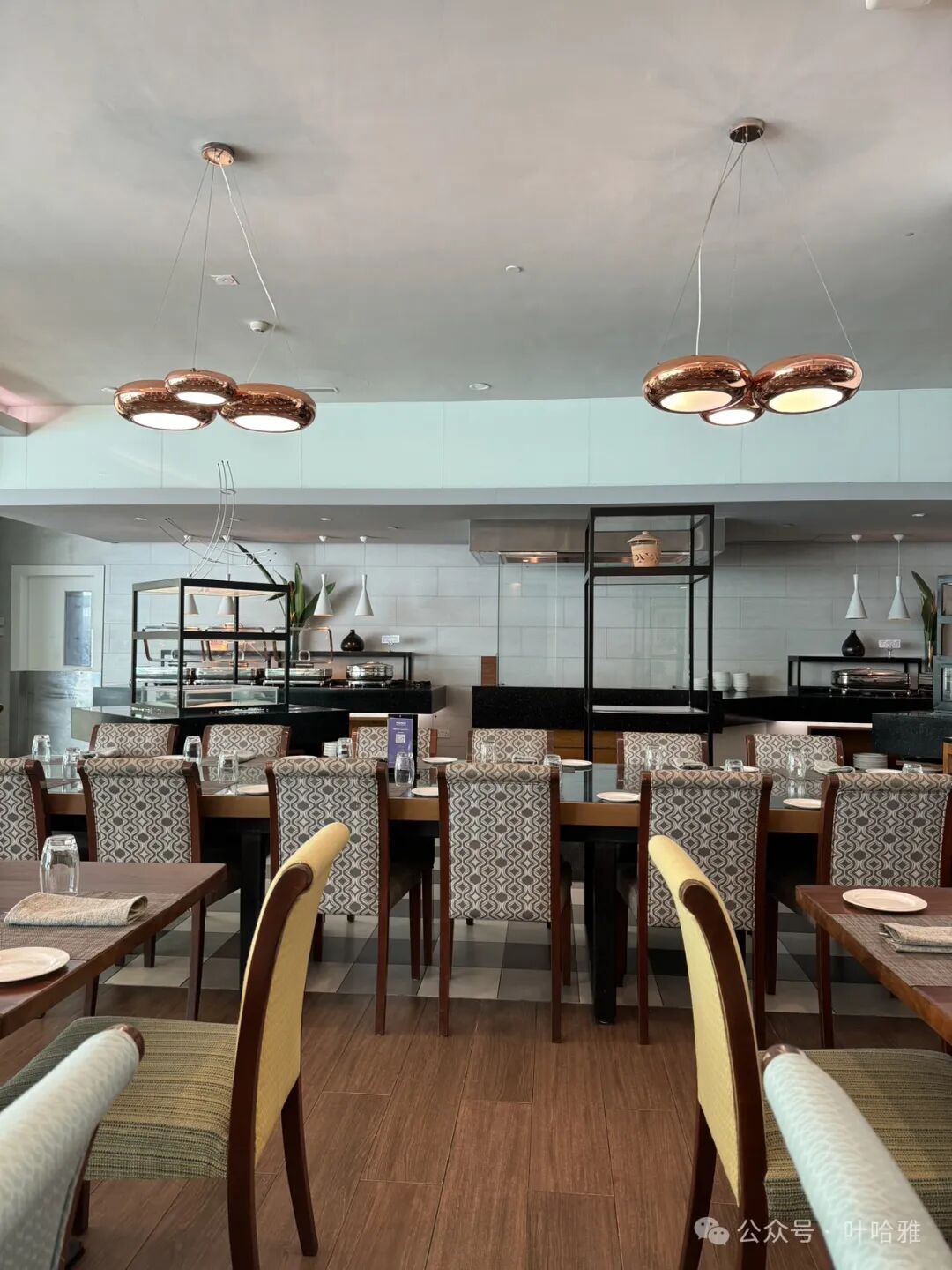
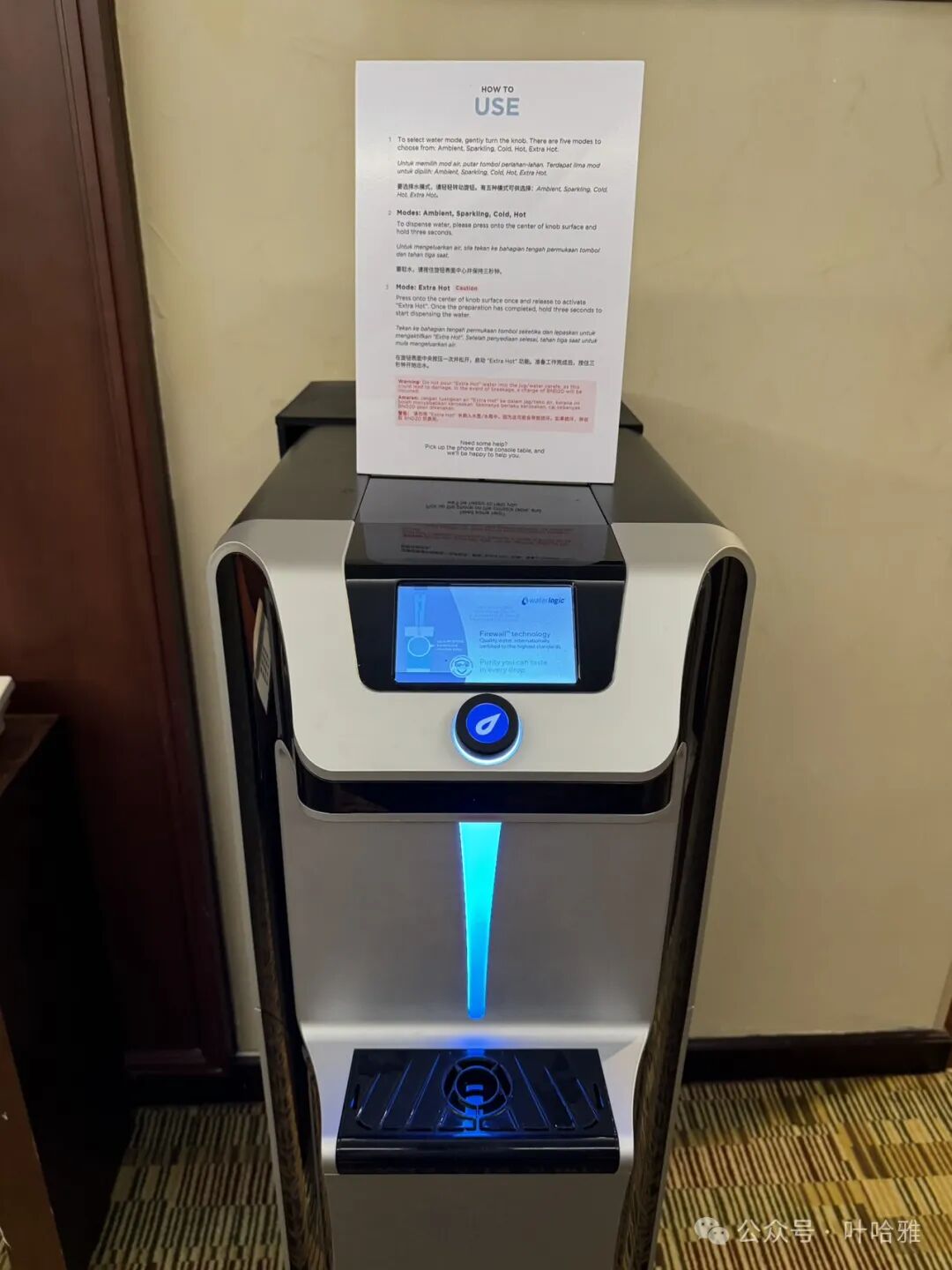
Hotels in Brunei do not provide bottled water. Instead, they place a water dispenser in the hallway and leave bottles in the rooms for you to fill up yourself.
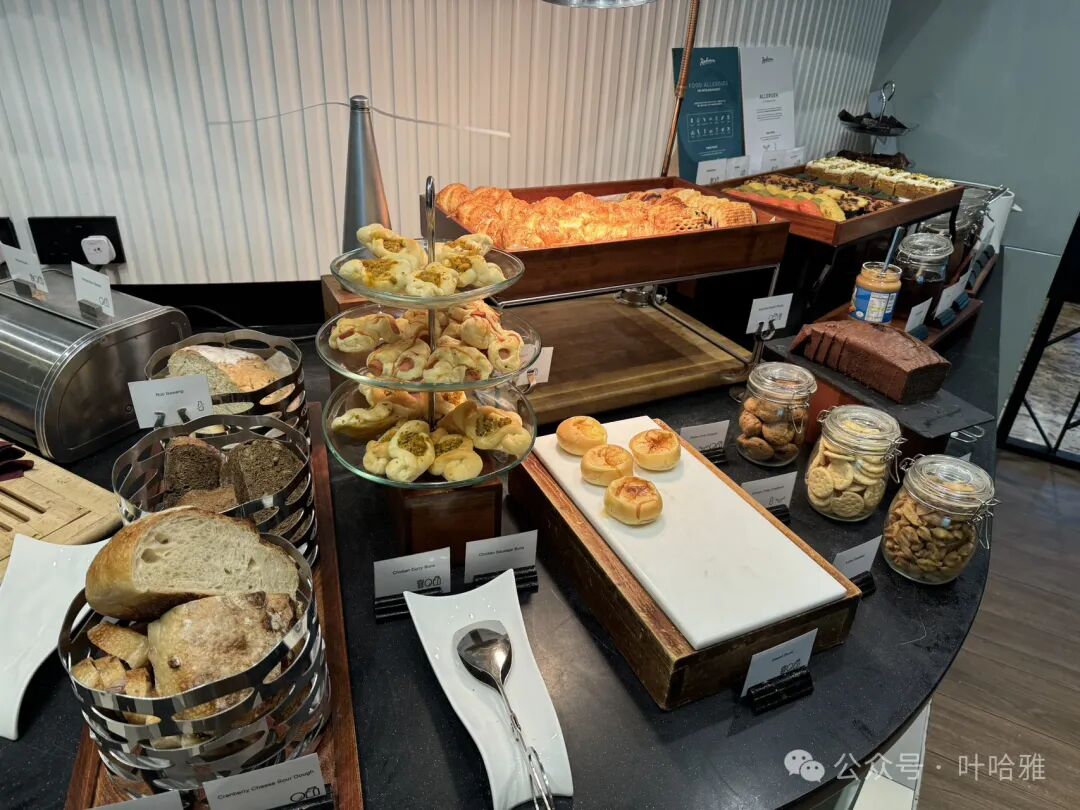
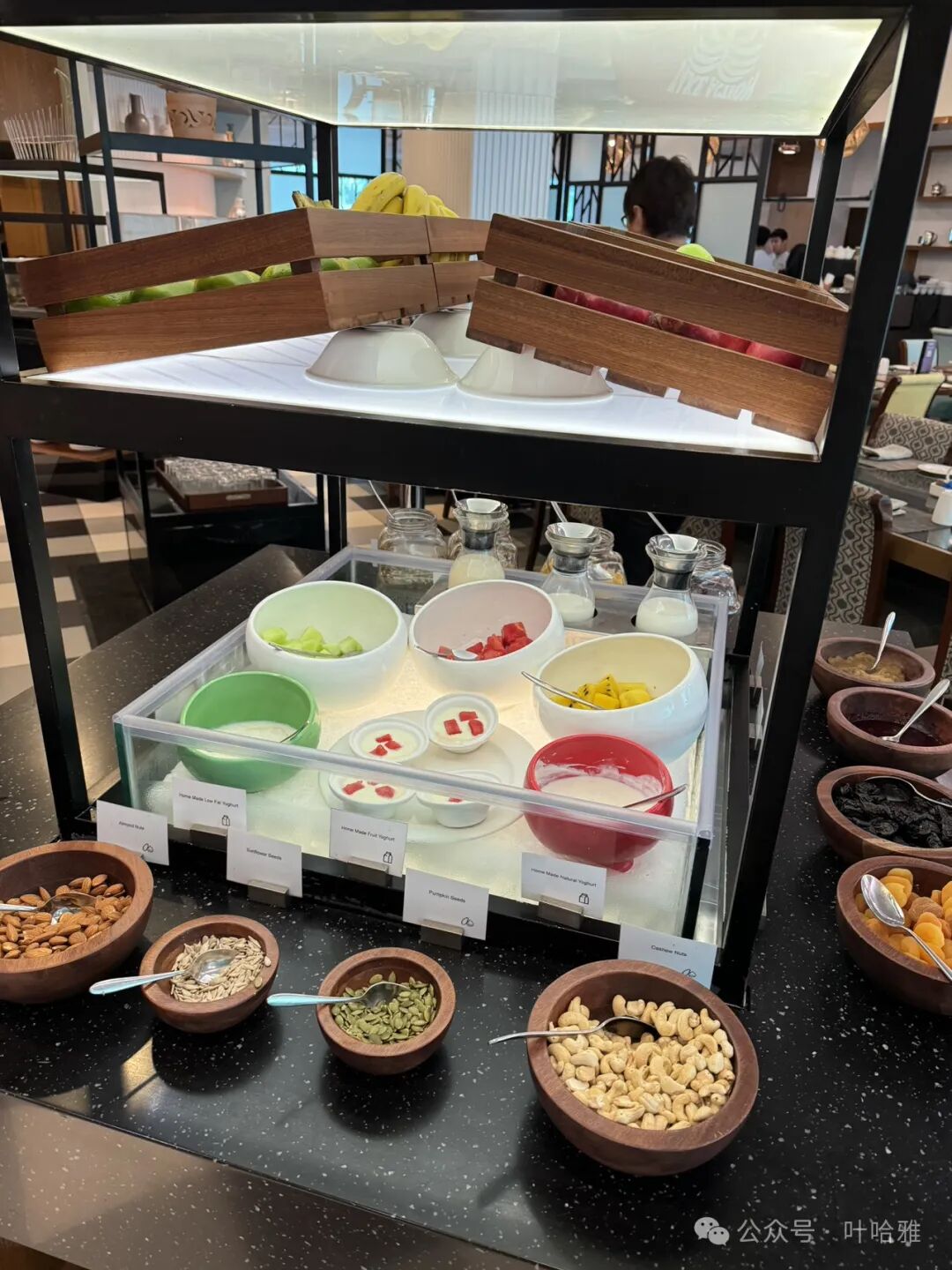
Breakfast offers three buffet options: Malay, Chinese, and Western.
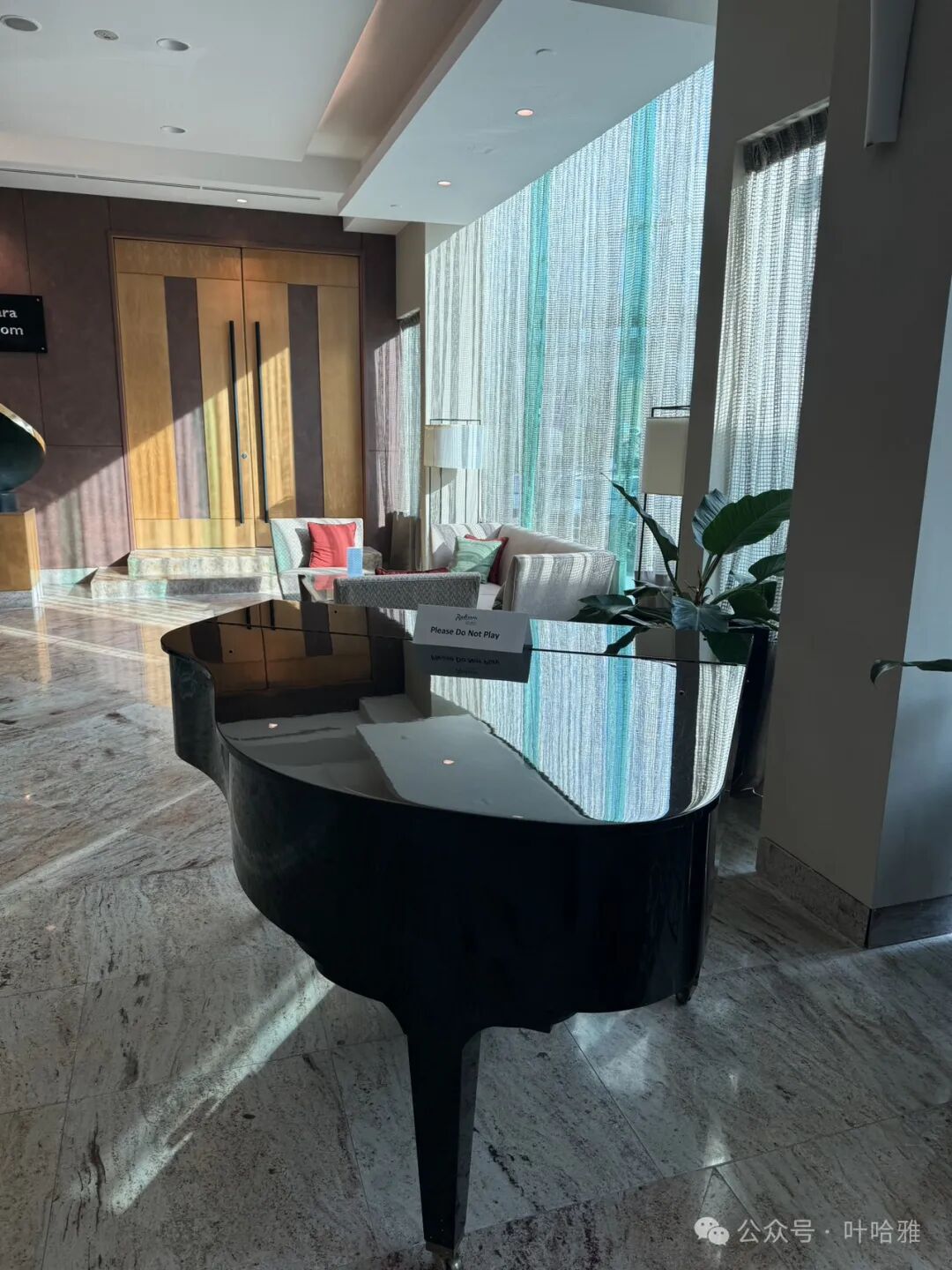
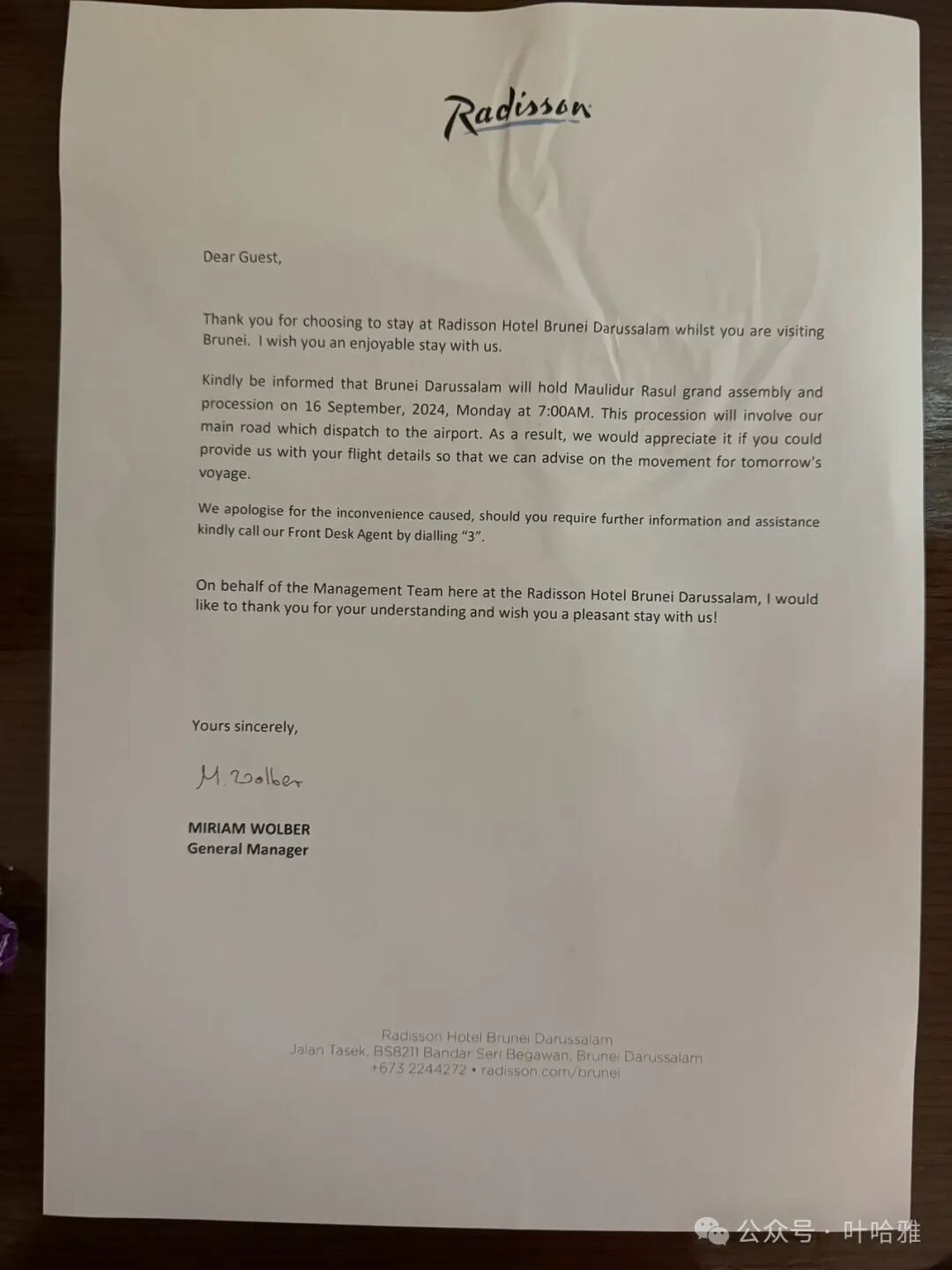
On our second night, the hotel sent a notice saying that tomorrow is the Prophet's Birthday (Mawlid). Roads around the hotel would have temporary traffic controls, and we might even see Sultan Bolkiah.
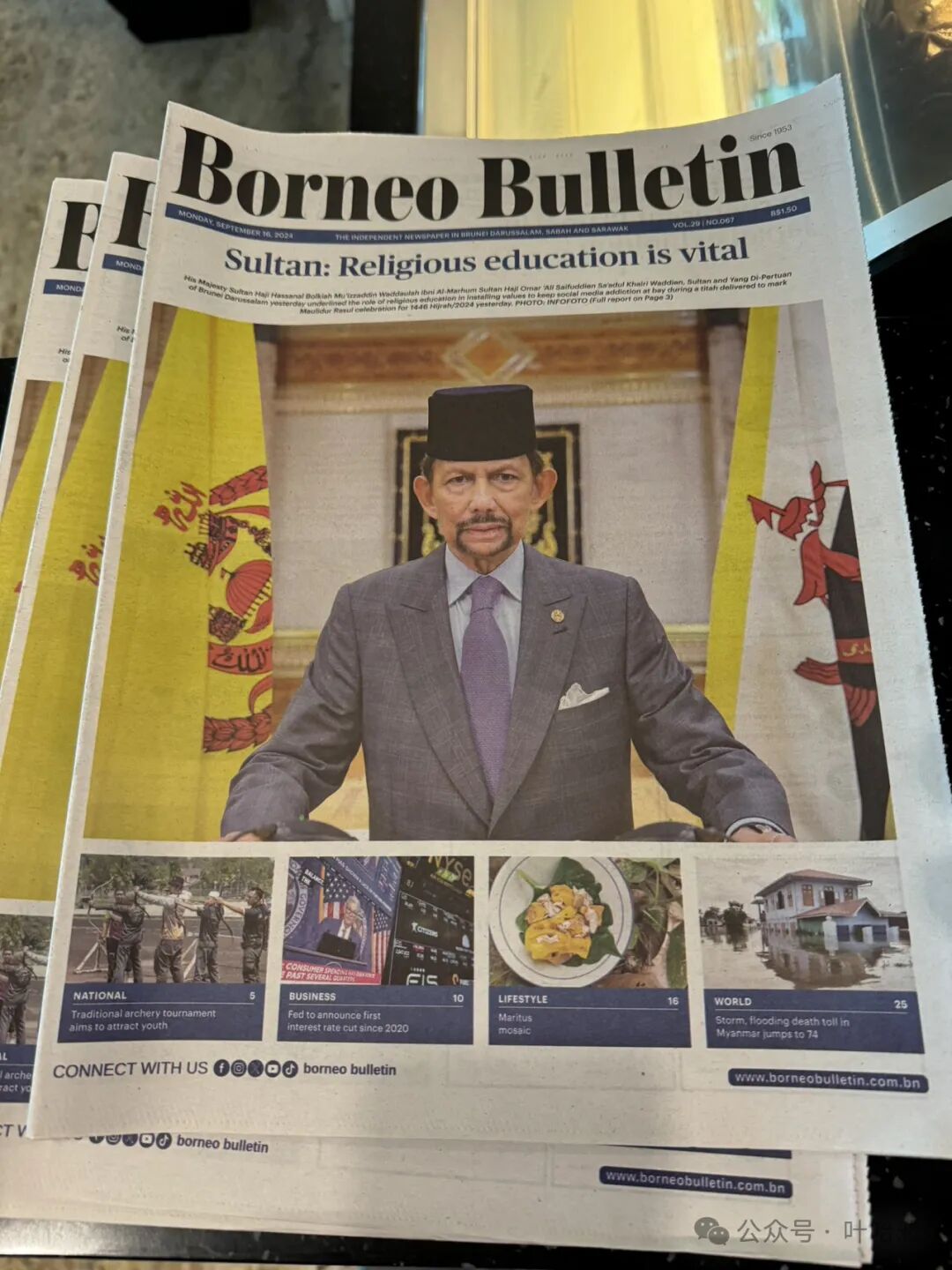
I read in the newspaper that at least 20,000 people gathered on the streets of Bandar Seri Begawan for the Mawlid event. This is a huge deal in Brunei, as I rarely see pedestrians on the road. Brunei has one private car for every 2.09 people, thanks to a lack of public transport, low import taxes, and unleaded gasoline prices as low as 0.53 Brunei dollars per liter.
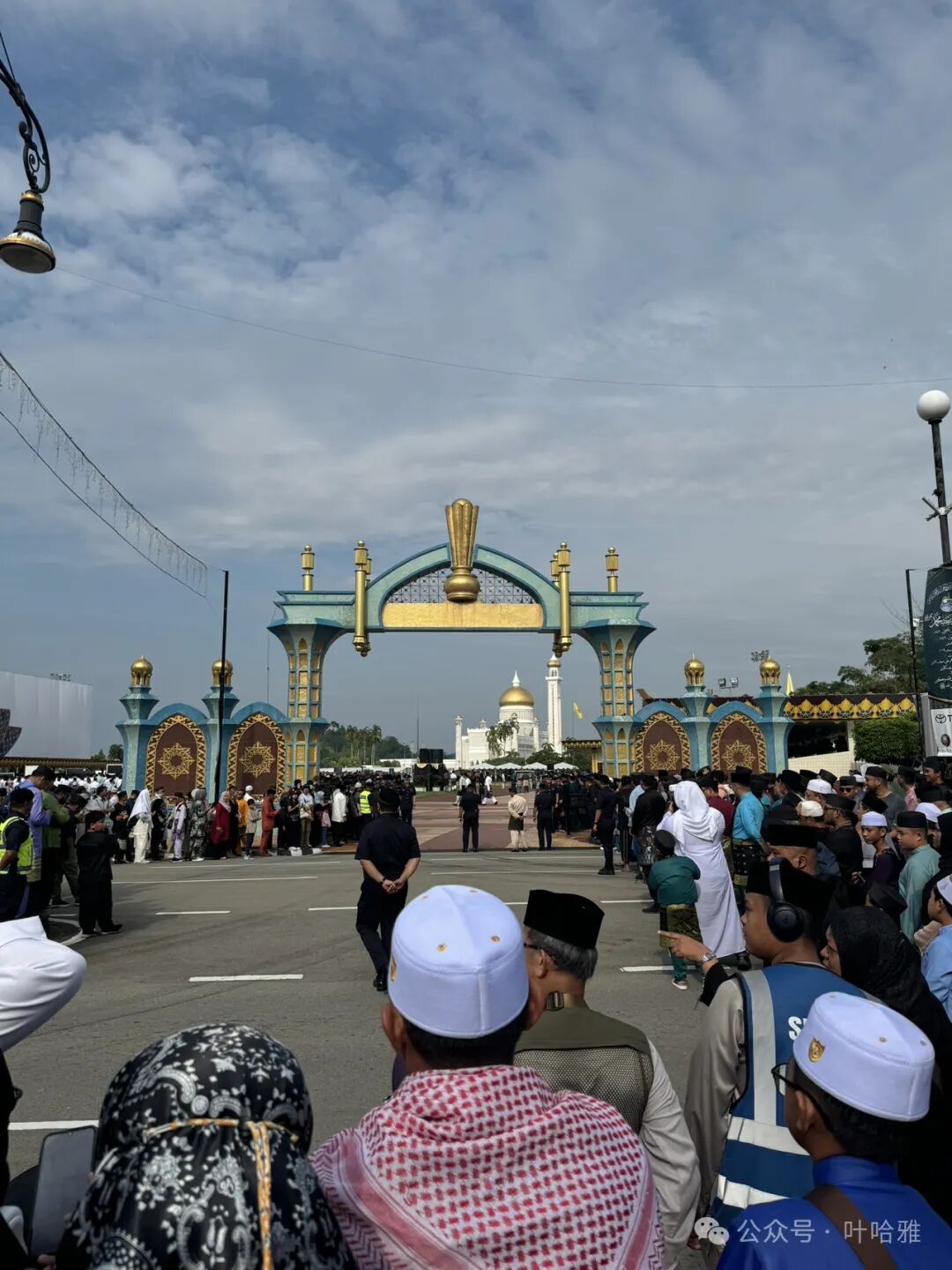
As the crowd stirred, I saw the Sultan appear in the distance, surrounded by people.
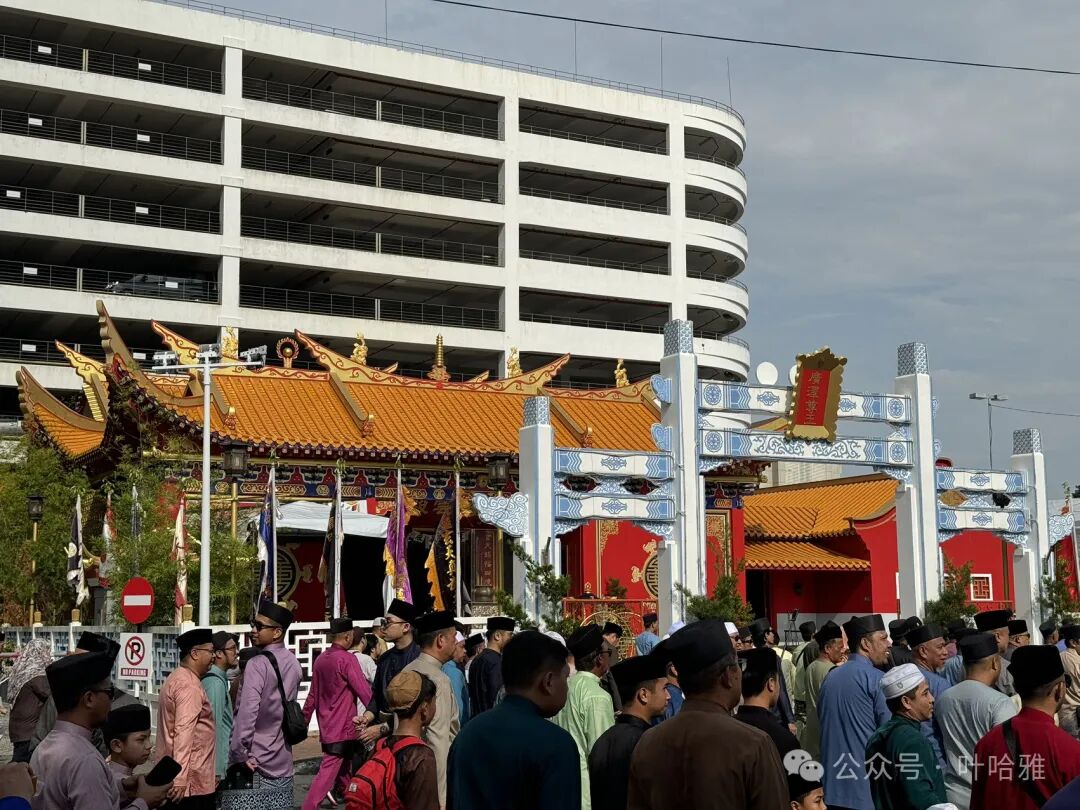
This was my first time seeing the Sultan in person. Bolkiah is small in stature but has an extraordinary presence. Even at 70, he walks very quickly. Remarkably, he is very approachable. Ordinary people can get close to him to take photos or shake his hand. Even as a foreigner, I could get close to the Sultan without any security screening.
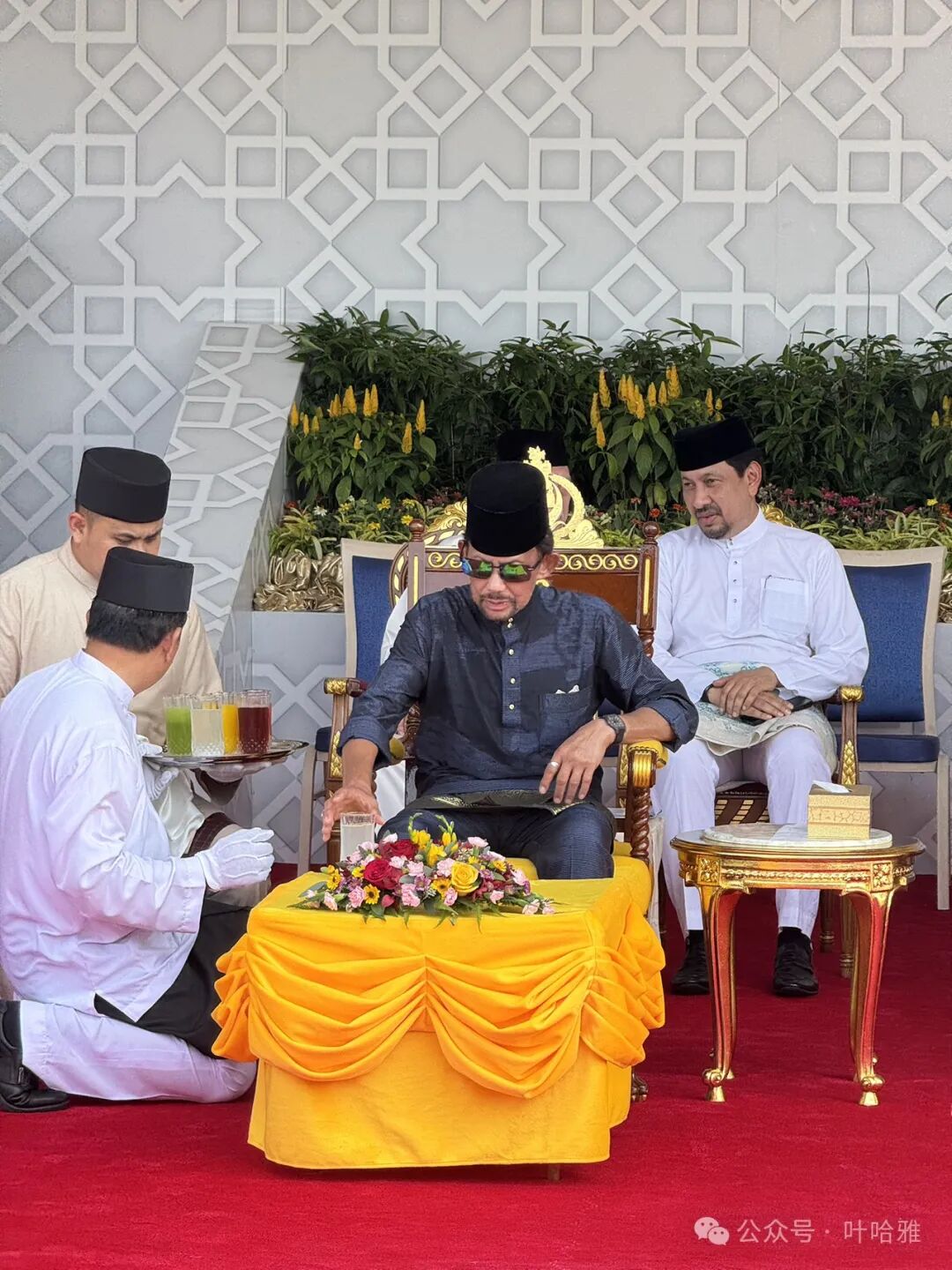
The Sultan holds absolute power in Brunei, and no one can challenge his position. According to the 1959 Constitution of Brunei, the Sultan is the head of state with full executive authority, including emergency powers held since the 1962 Brunei Revolt.
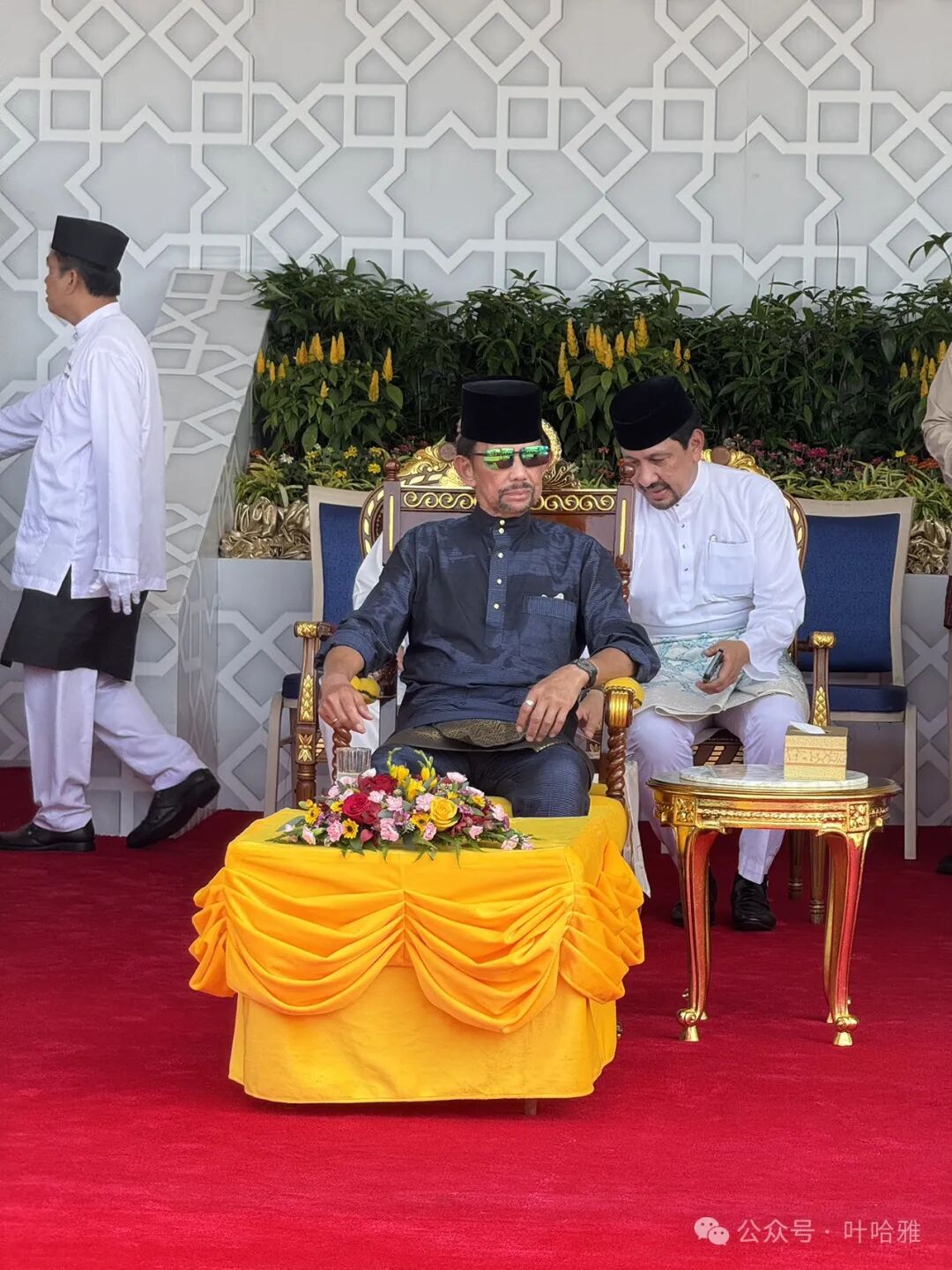
Hassanal Bolkiah attended the Sultan Omar Ali Saifuddien College (Darul Hana Surau) for over four years before moving to Kuala Lumpur for further studies. He became the first Sultan of Brunei to complete his education both at home and abroad. While studying at Victoria Institution, he joined the cadet corps and was named best recruit in 1961. Principal G. E. D. Lewis said he was not the only royal or noble in the school, so the award was based entirely on merit.
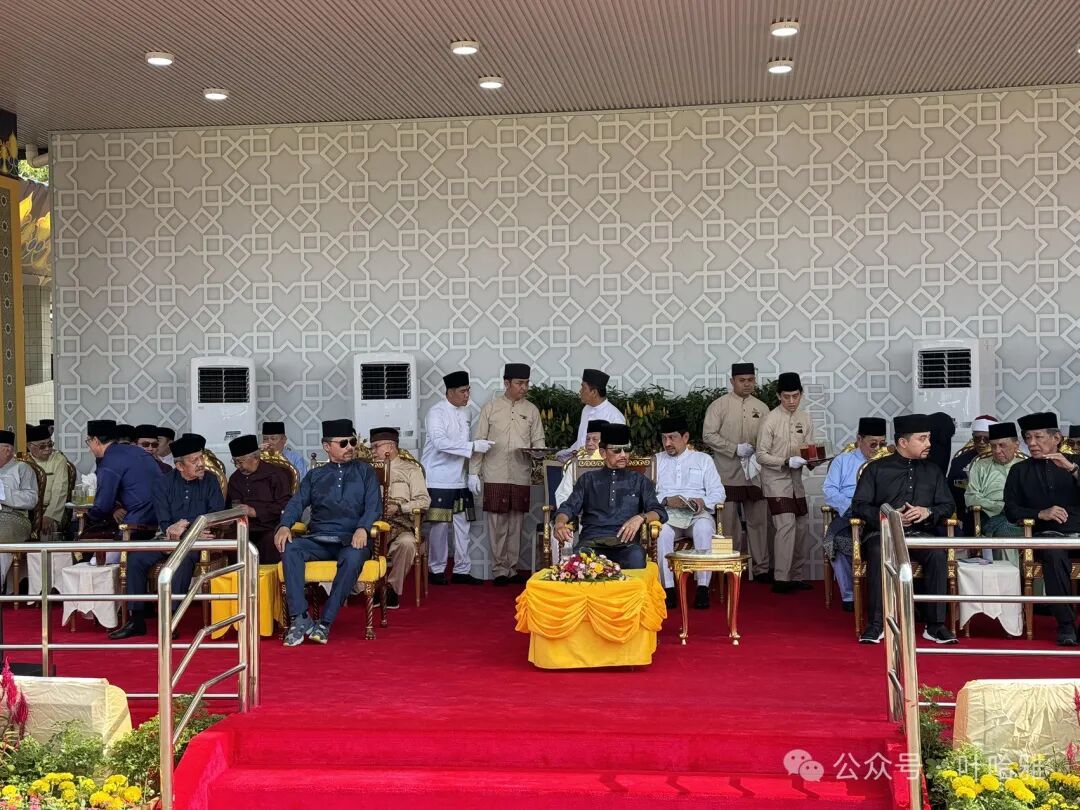
The Sultan walked quickly around the main road outside the square for about 2 kilometers. People followed him, singing praises to the Prophet as they walked. Along the road, citizens spontaneously provided free drinks and food to passersby.
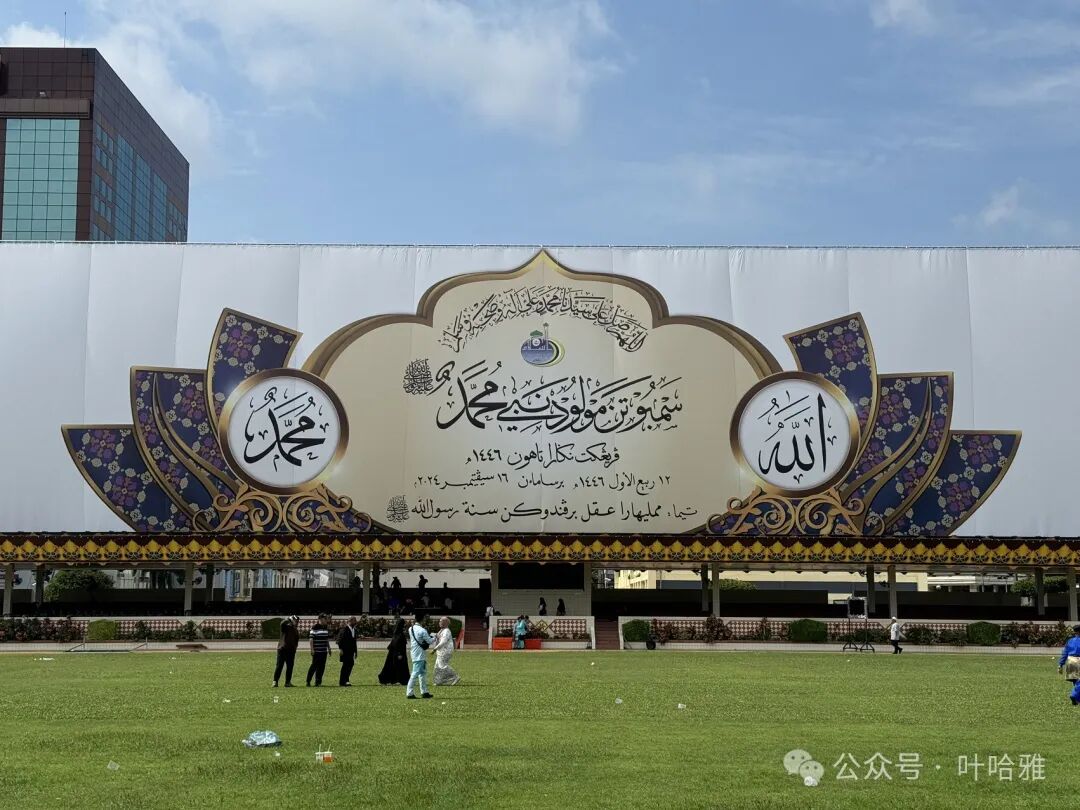
The entire event lasted about two hours. After it ended, I walked around the area near the square.
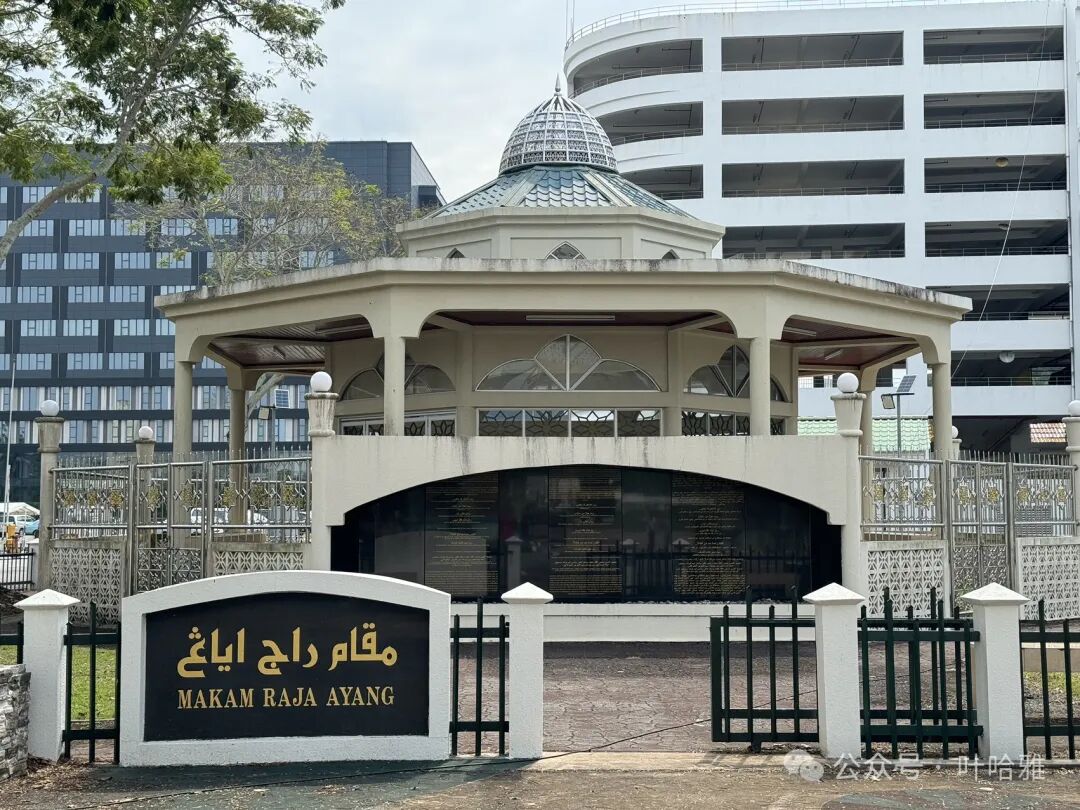
I found a royal cemetery next to the square. According to the inscription, two royals, a man and a woman, were buried here. They were sentenced to death by stoning for adultery, but no one had the heart to throw stones at them. Since they still had to be punished, the Sultan compromised and locked them in a cave. The cave had a vent and food inside. Outsiders could see smoke coming from the cave, which meant they were still alive, until one day when no more smoke appeared, signaling they had died.
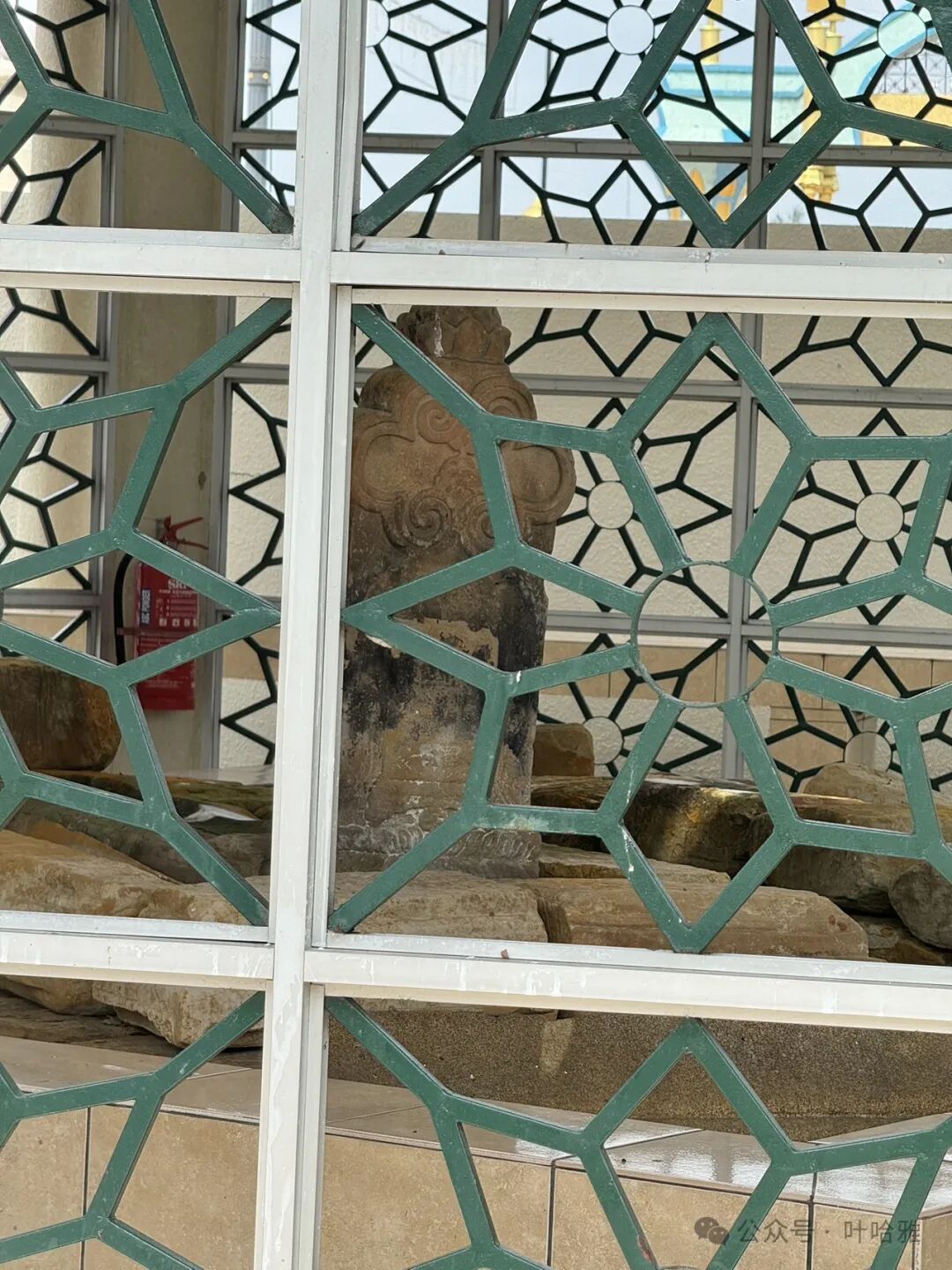
Some records say this event happened in 1452. The woman in this tomb was likely royalty with an Arab father and was related to the third Sultan. The tombstone says that every crime must be punished and no one can escape it. This shows that the influence of Islam had already spread throughout Brunei at that time.
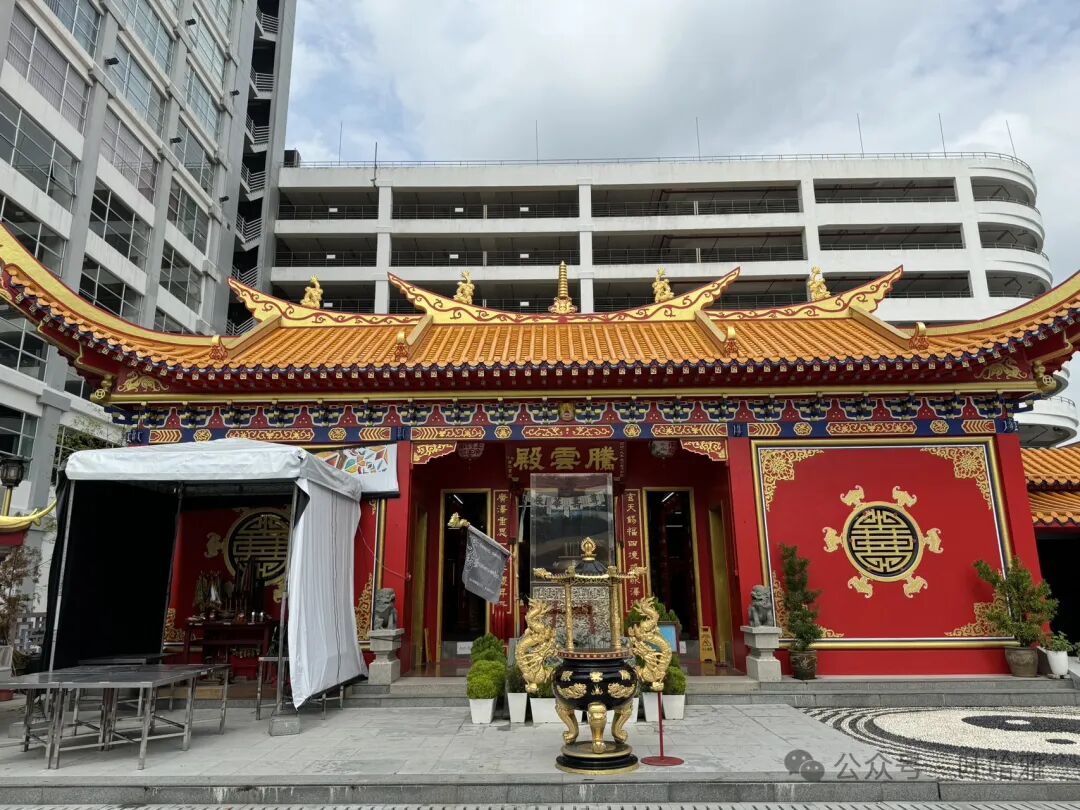
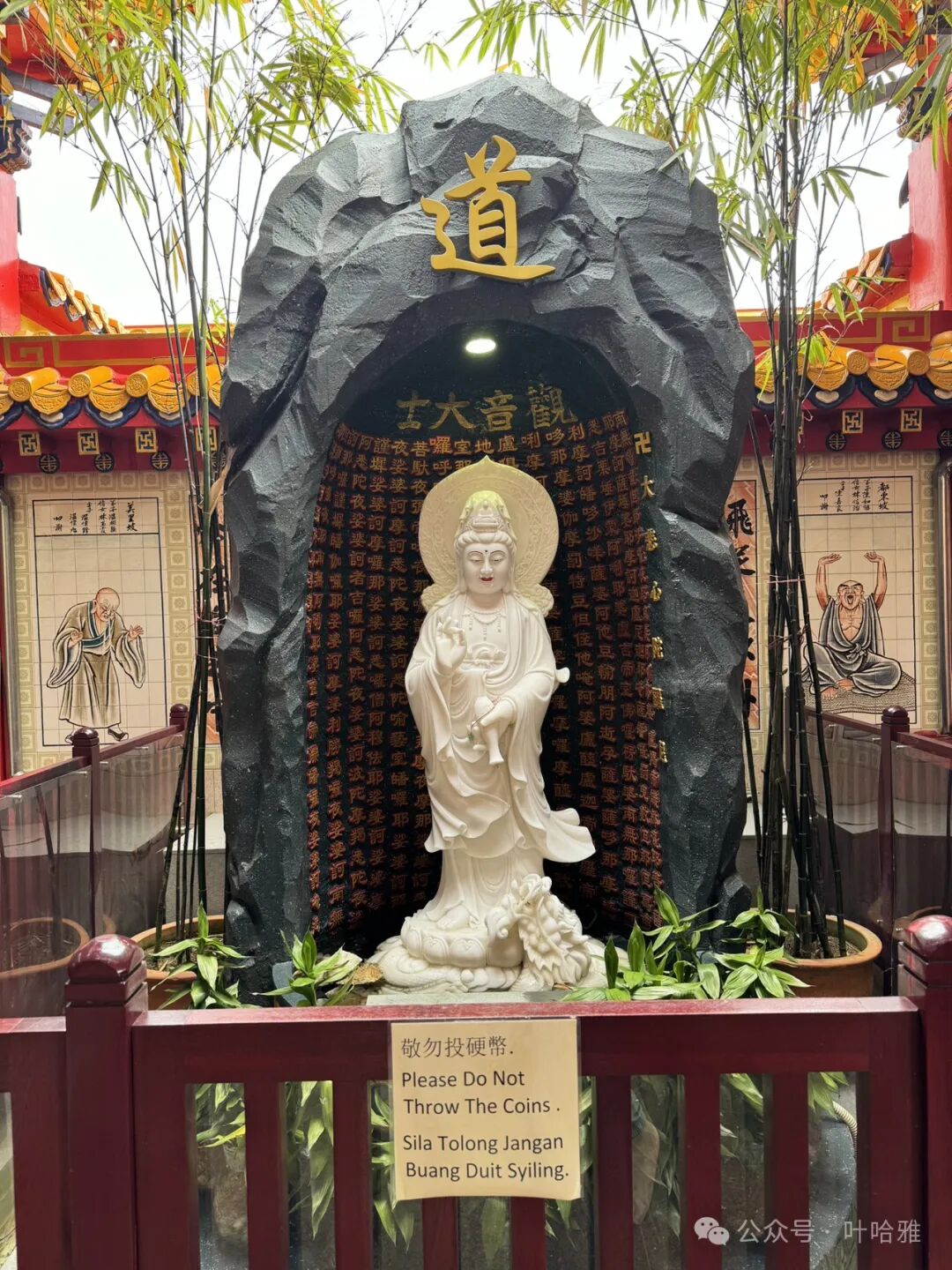
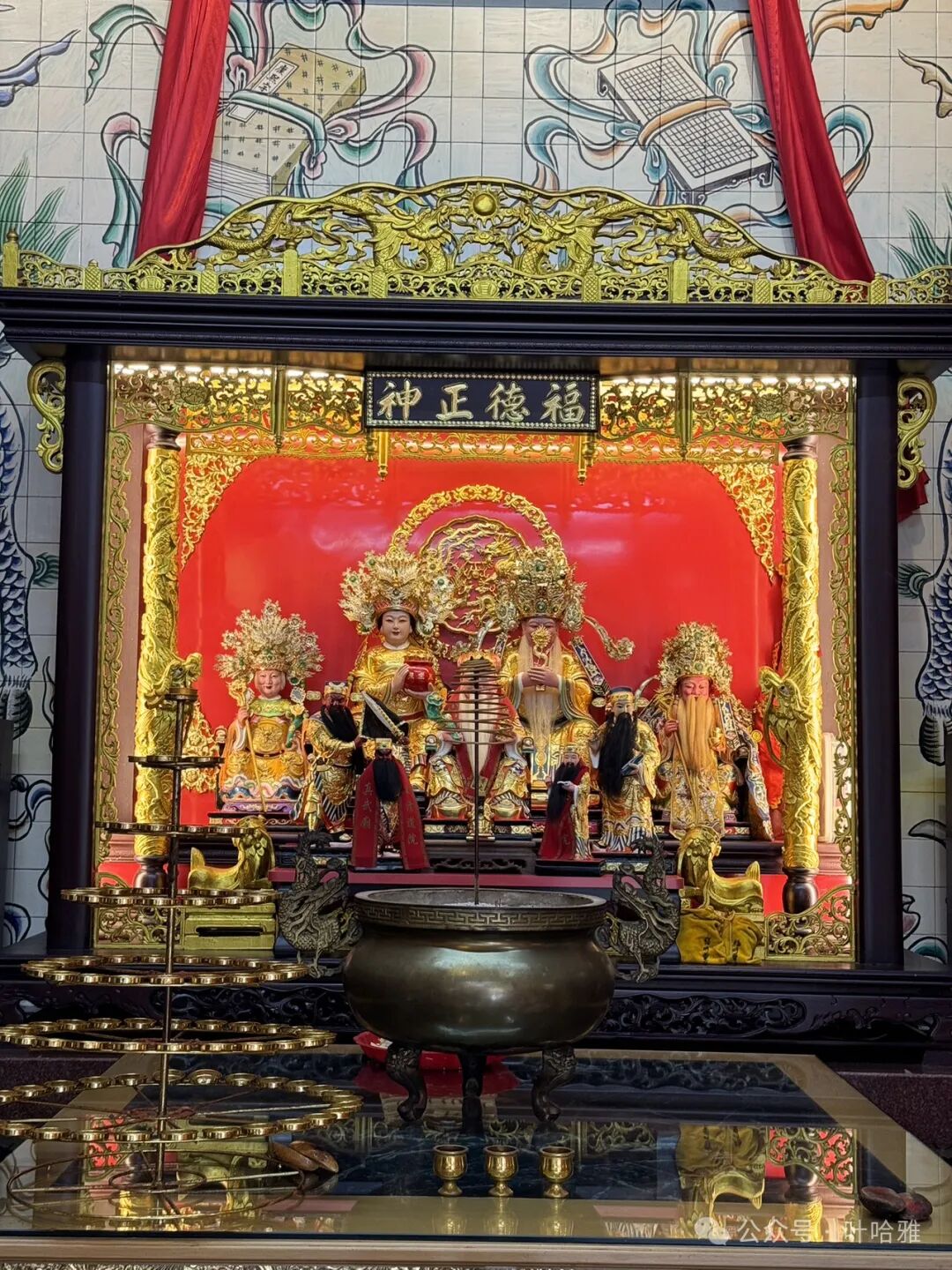
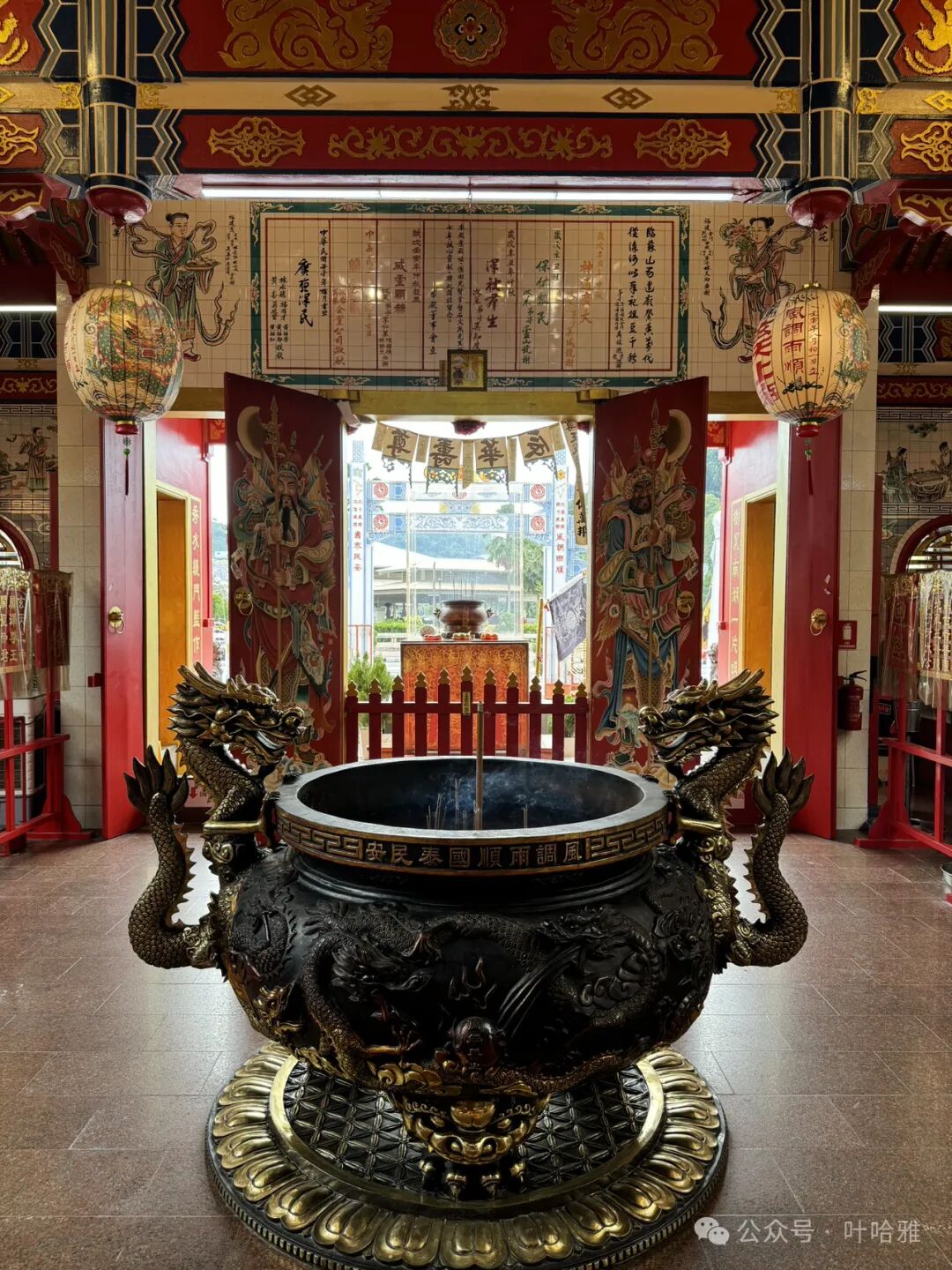
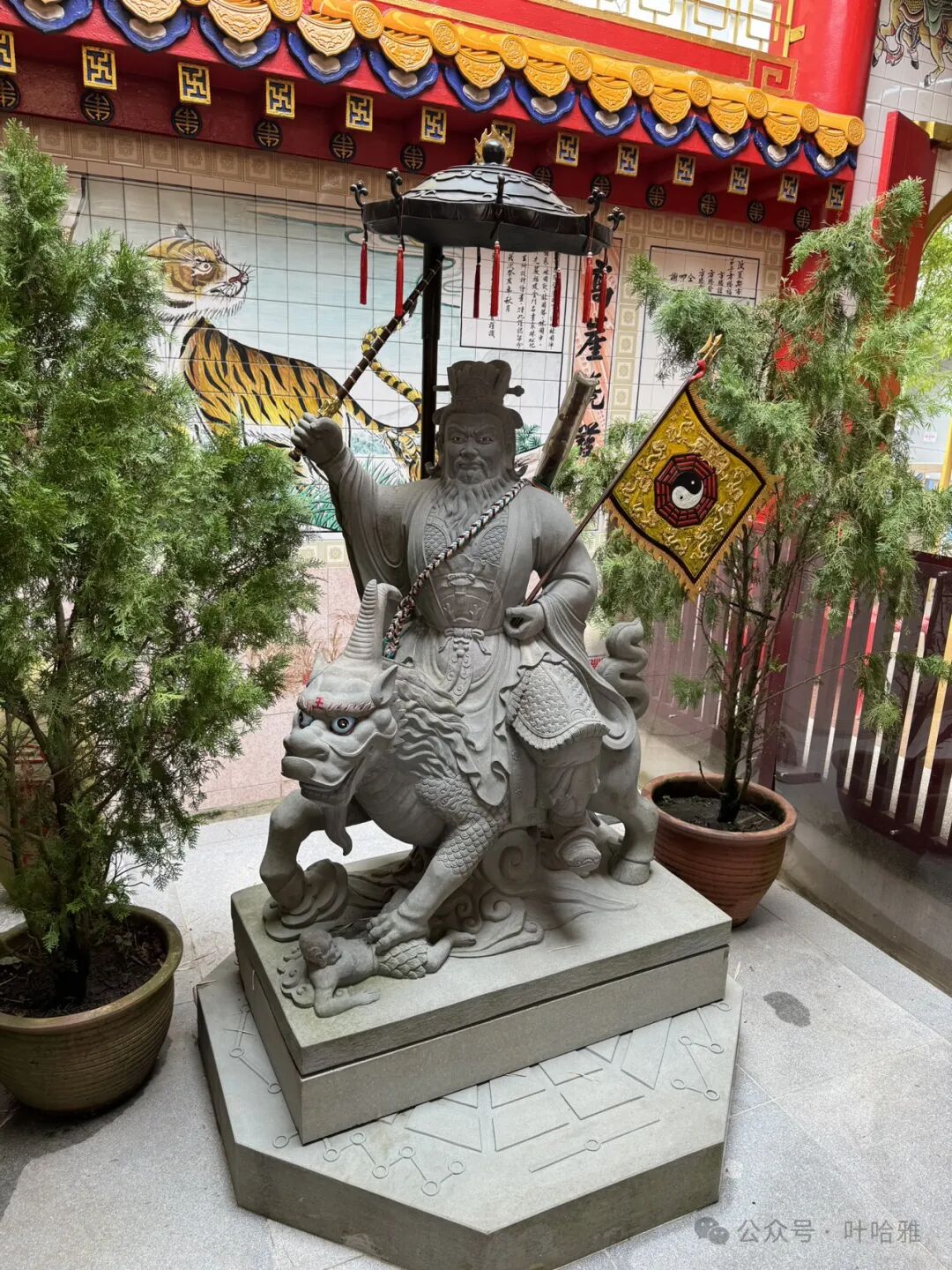
At the other end of the square, I saw a mosque built by Chinese people.
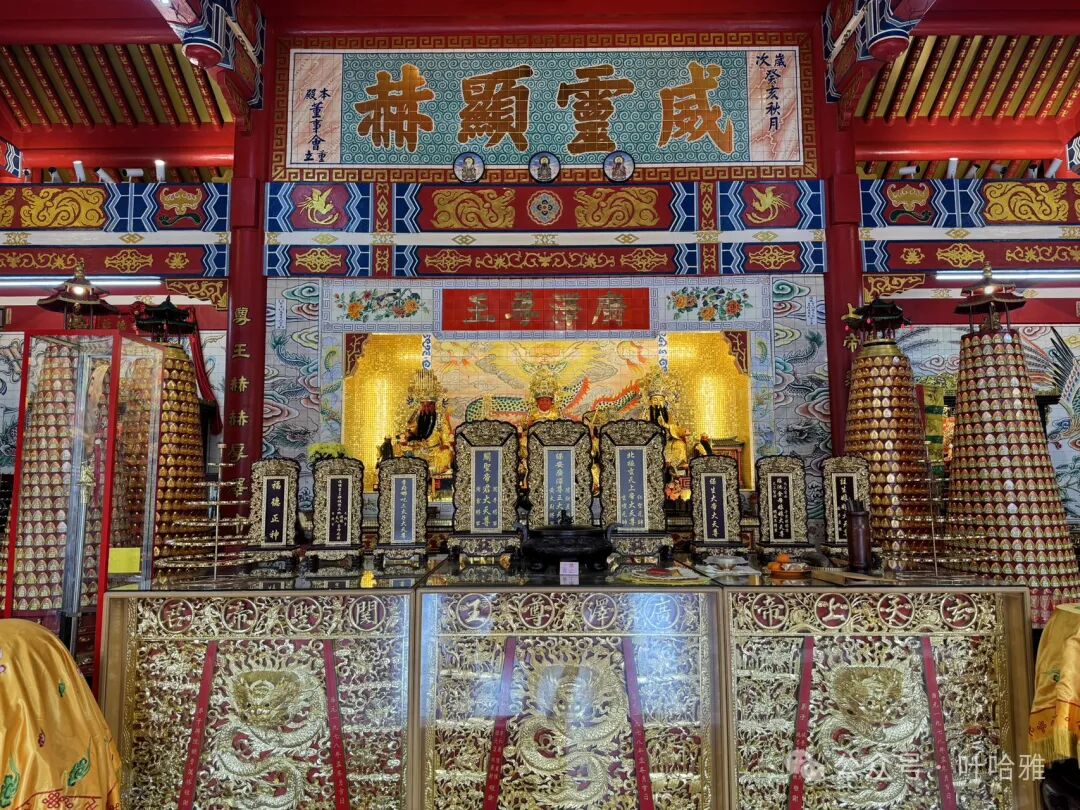
Inside, various deities are worshipped. This shows that the Sultan of Brunei is tolerant of other religions, as Buddhism, Christianity, and Catholicism are all present in Brunei.
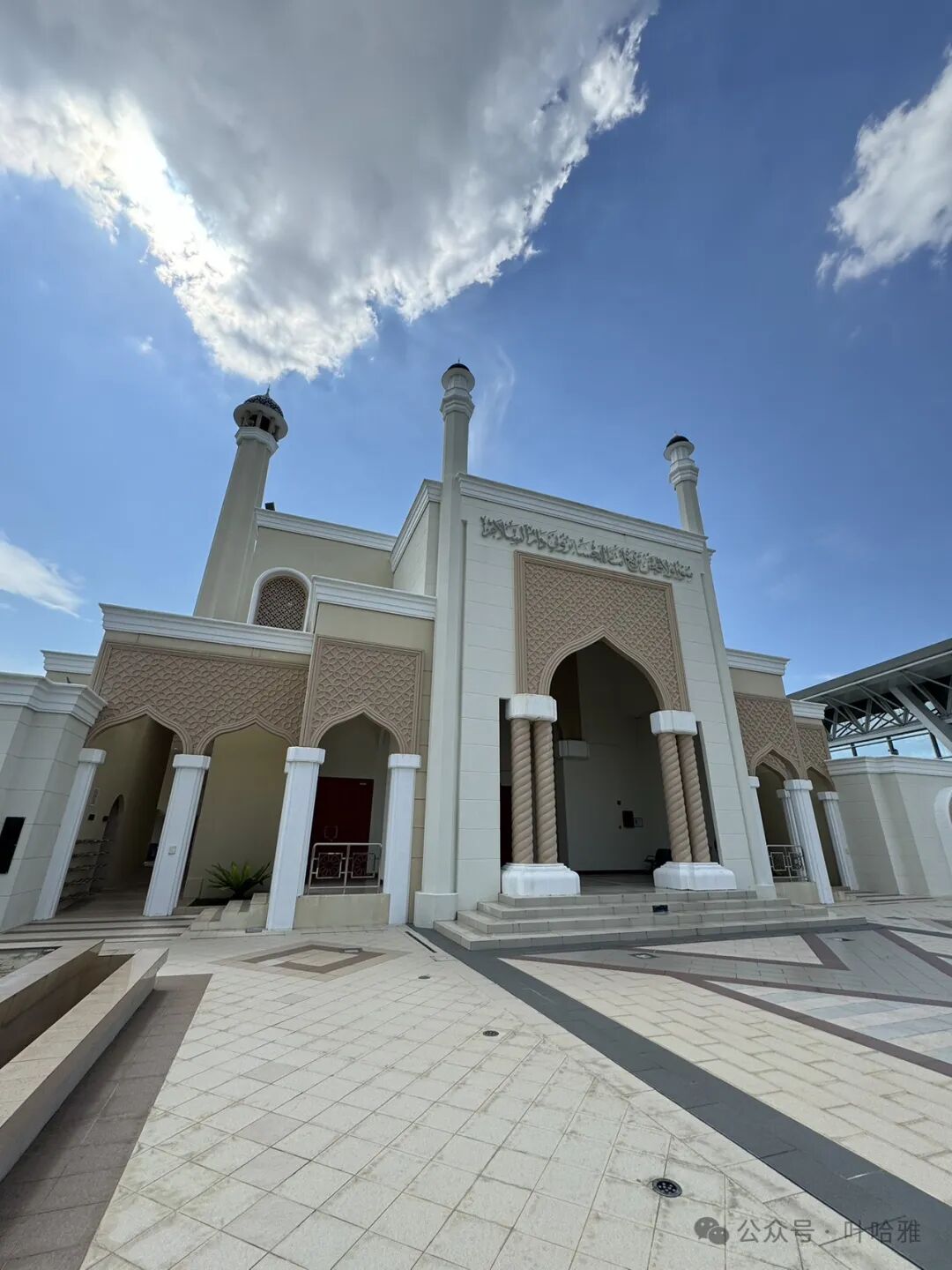
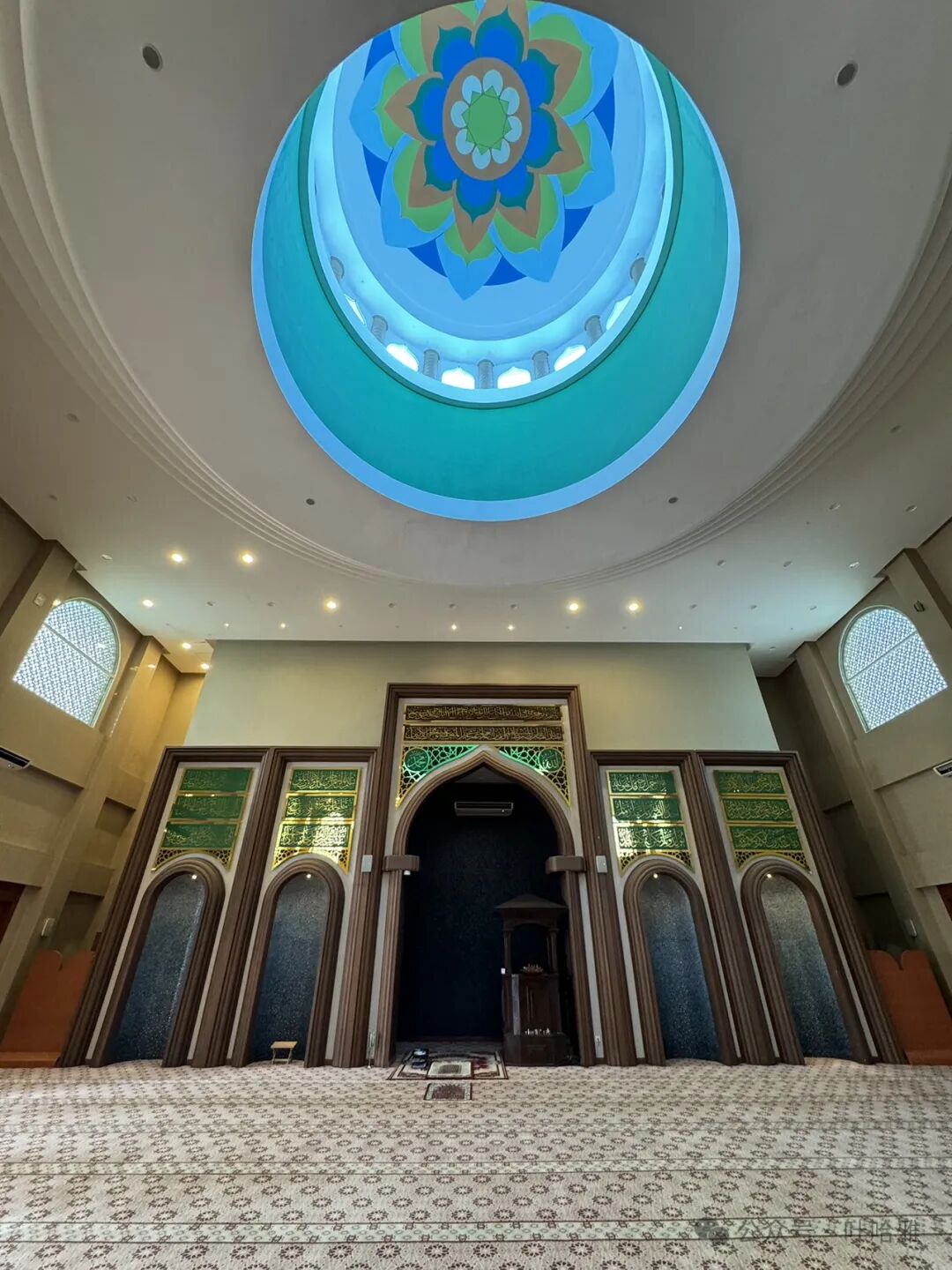
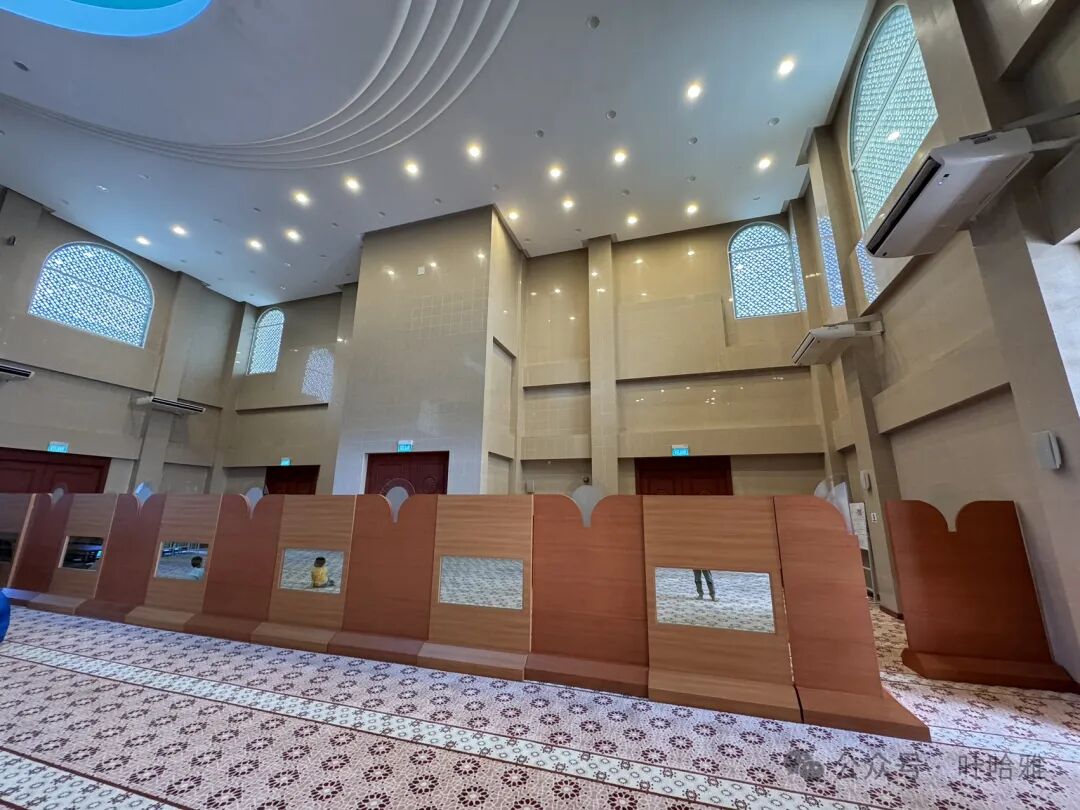
Brunei only has one small airport, but there is a large mosque built right next to it. You can walk directly from the airport terminal to the prayer hall.
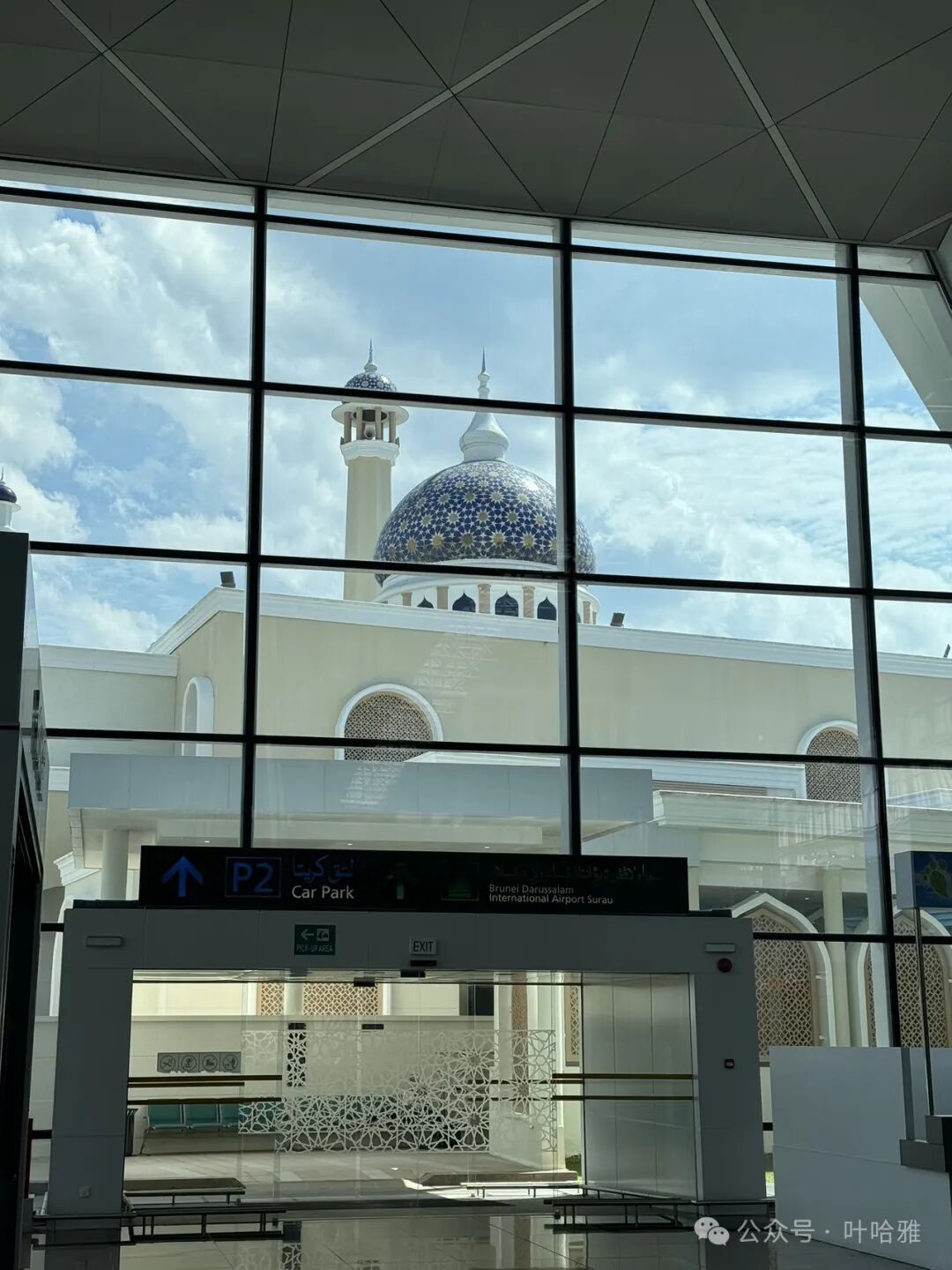
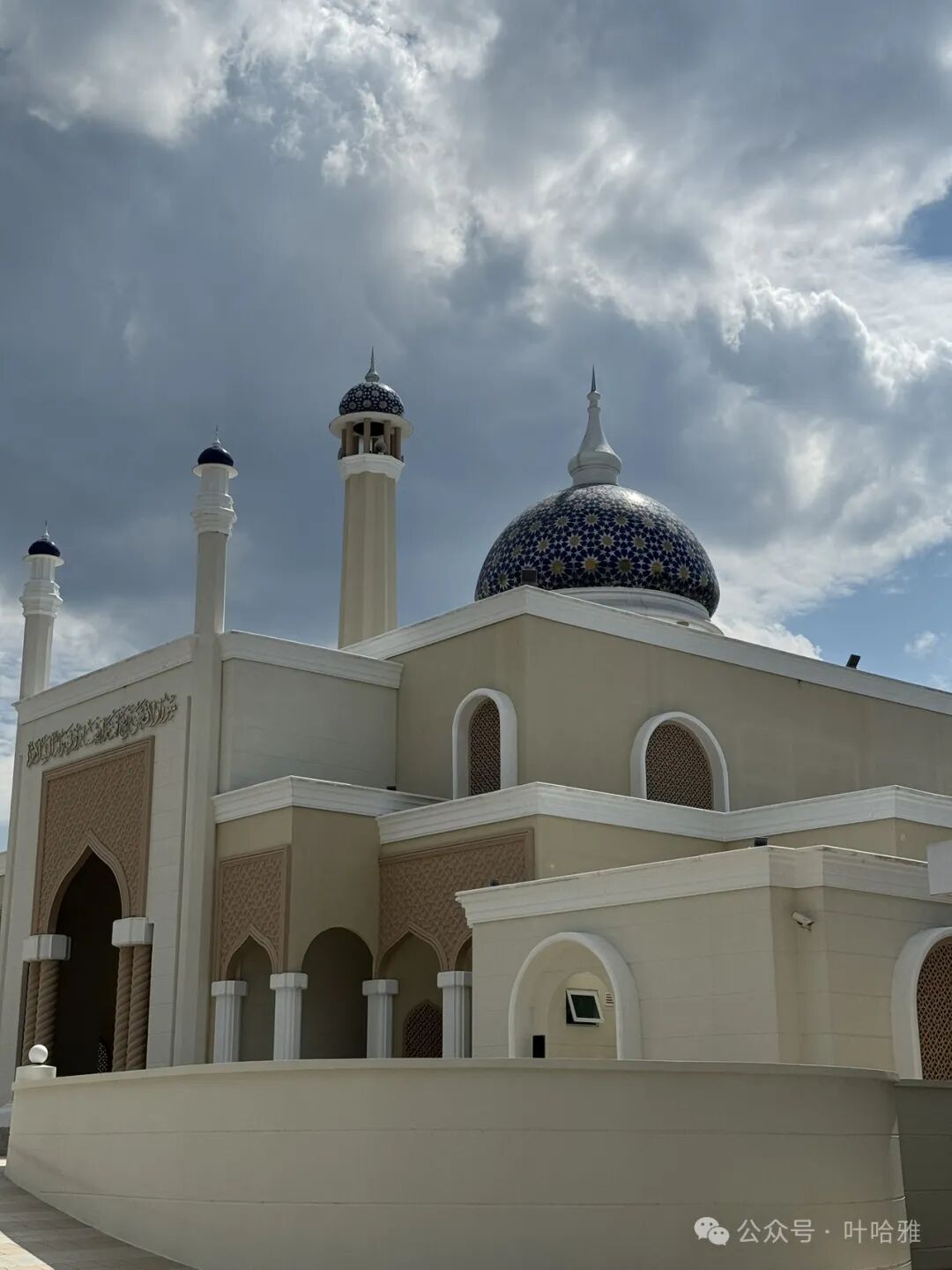
The mosque at Brunei airport.
After finishing our three-day, two-night trip to Brunei, we took a two-and-a-half-hour flight back to Kuala Lumpur. Every time we enter Kuala Lumpur, we have to fill out the Malaysia Digital Arrival Card at the departure airport.
Chinese people in Brunei and Malaysia are both local-born, but they do not know much about the Islamic faith of the Malays. For example, a local Chinese driver in Brunei whose family has lived there for at least three generations did not even know that the Arabic-looking signs everywhere in Brunei are actually Malay. If you look at the social media accounts of Chinese and Malay people in Malaysia, you will feel like they live in two different worlds. Malays do not go to the bars, nightclubs, casinos, or some restaurants that Chinese people visit. So, if you only learn about Malaysia and the Malay people from Malaysian Chinese, you might get a biased view.
Summary: This Brunei Muslim travel guide part 2 follows hotel life, Mawlid celebrations, Sultan Bolkiah walking with the crowd, local history, royal sites, religious tolerance, the airport mosque, and reflections on Chinese and Malay communities in Brunei and Malaysia.
Hotels in Brunei do not provide bottled water. Instead, they place a water dispenser in the hallway and leave bottles in the rooms for you to fill up yourself.
Breakfast offers three buffet options: Malay, Chinese, and Western.
On our second night, the hotel sent a notice saying that tomorrow is the Prophet's Birthday (Mawlid). Roads around the hotel would have temporary traffic controls, and we might even see Sultan Bolkiah.
I read in the newspaper that at least 20,000 people gathered on the streets of Bandar Seri Begawan for the Mawlid event. This is a huge deal in Brunei, as I rarely see pedestrians on the road. Brunei has one private car for every 2.09 people, thanks to a lack of public transport, low import taxes, and unleaded gasoline prices as low as 0.53 Brunei dollars per liter.
As the crowd stirred, I saw the Sultan appear in the distance, surrounded by people.
This was my first time seeing the Sultan in person. Bolkiah is small in stature but has an extraordinary presence. Even at 70, he walks very quickly. Remarkably, he is very approachable. Ordinary people can get close to him to take photos or shake his hand. Even as a foreigner, I could get close to the Sultan without any security screening.
The Sultan holds absolute power in Brunei, and no one can challenge his position. According to the 1959 Constitution of Brunei, the Sultan is the head of state with full executive authority, including emergency powers held since the 1962 Brunei Revolt.
Hassanal Bolkiah attended the Sultan Omar Ali Saifuddien College (Darul Hana Surau) for over four years before moving to Kuala Lumpur for further studies. He became the first Sultan of Brunei to complete his education both at home and abroad. While studying at Victoria Institution, he joined the cadet corps and was named best recruit in 1961. Principal G. E. D. Lewis said he was not the only royal or noble in the school, so the award was based entirely on merit.
The Sultan walked quickly around the main road outside the square for about 2 kilometers. People followed him, singing praises to the Prophet as they walked. Along the road, citizens spontaneously provided free drinks and food to passersby.
The entire event lasted about two hours. After it ended, I walked around the area near the square.
I found a royal cemetery next to the square. According to the inscription, two royals, a man and a woman, were buried here. They were sentenced to death by stoning for adultery, but no one had the heart to throw stones at them. Since they still had to be punished, the Sultan compromised and locked them in a cave. The cave had a vent and food inside. Outsiders could see smoke coming from the cave, which meant they were still alive, until one day when no more smoke appeared, signaling they had died.
Some records say this event happened in 1452. The woman in this tomb was likely royalty with an Arab father and was related to the third Sultan. The tombstone says that every crime must be punished and no one can escape it. This shows that the influence of Islam had already spread throughout Brunei at that time.
At the other end of the square, I saw a mosque built by Chinese people.
Inside, various deities are worshipped. This shows that the Sultan of Brunei is tolerant of other religions, as Buddhism, Christianity, and Catholicism are all present in Brunei.
Brunei only has one small airport, but there is a large mosque built right next to it. You can walk directly from the airport terminal to the prayer hall.
The mosque at Brunei airport.
After finishing our three-day, two-night trip to Brunei, we took a two-and-a-half-hour flight back to Kuala Lumpur. Every time we enter Kuala Lumpur, we have to fill out the Malaysia Digital Arrival Card at the departure airport.
Chinese people in Brunei and Malaysia are both local-born, but they do not know much about the Islamic faith of the Malays. For example, a local Chinese driver in Brunei whose family has lived there for at least three generations did not even know that the Arabic-looking signs everywhere in Brunei are actually Malay. If you look at the social media accounts of Chinese and Malay people in Malaysia, you will feel like they live in two different worlds. Malays do not go to the bars, nightclubs, casinos, or some restaurants that Chinese people visit. So, if you only learn about Malaysia and the Malay people from Malaysian Chinese, you might get a biased view.
