

Islamic Culture
Muslim Travel Guide Brunei: Mawlid Parade, Sultan Bolkiah, Airport Mosque and Islamic Life
Articles • yusuf908 posted the article • 0 comments • 200 views • 2026-05-23 02:37
Reposted from the web
Summary: This Brunei Muslim travel guide part 2 follows hotel life, Mawlid celebrations, Sultan Bolkiah walking with the crowd, local history, royal sites, religious tolerance, the airport mosque, and reflections on Chinese and Malay communities in Brunei and Malaysia.
Hotels in Brunei do not provide bottled water. Instead, they place a water dispenser in the hallway and leave bottles in the rooms for you to fill up yourself.
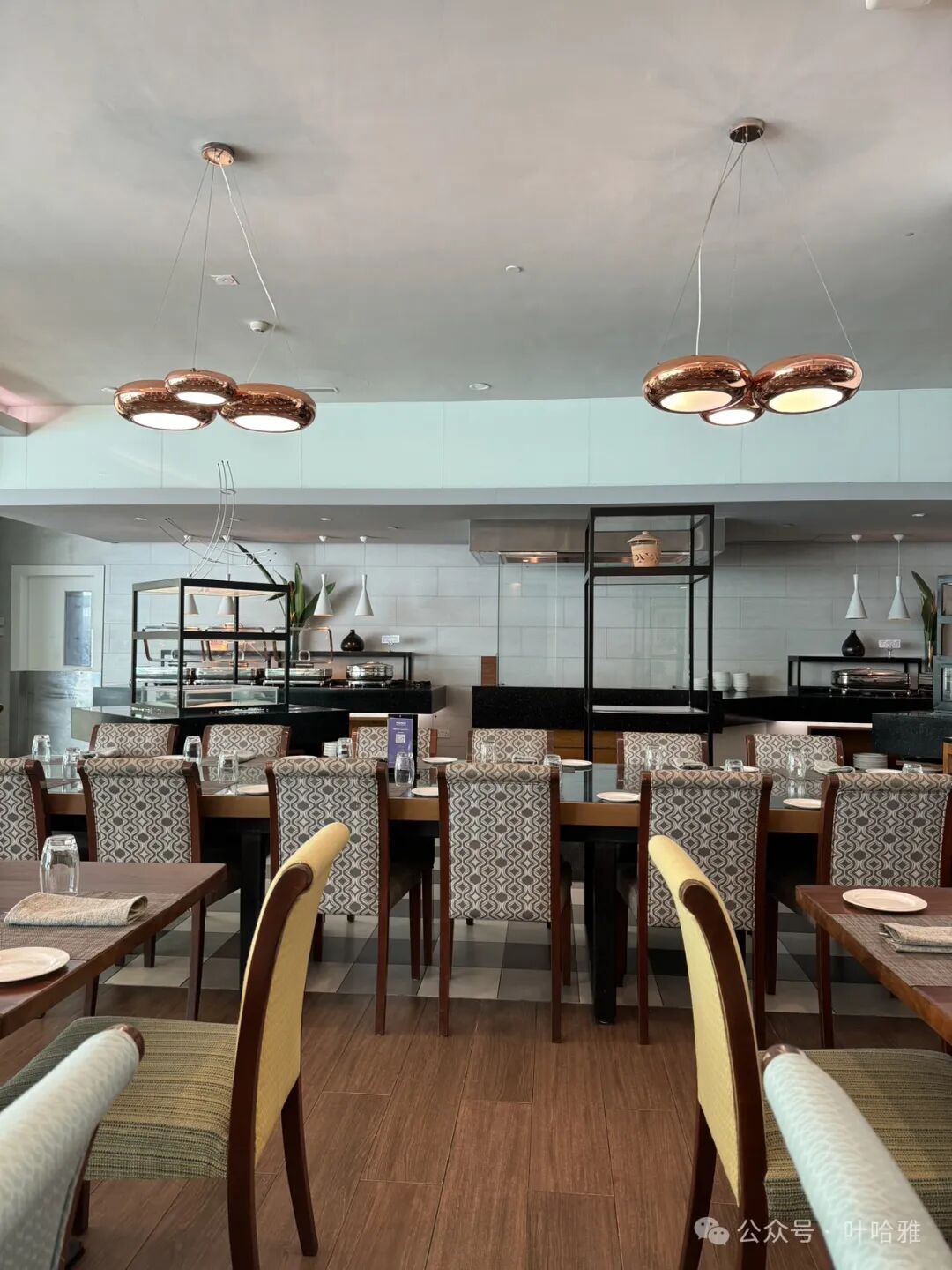
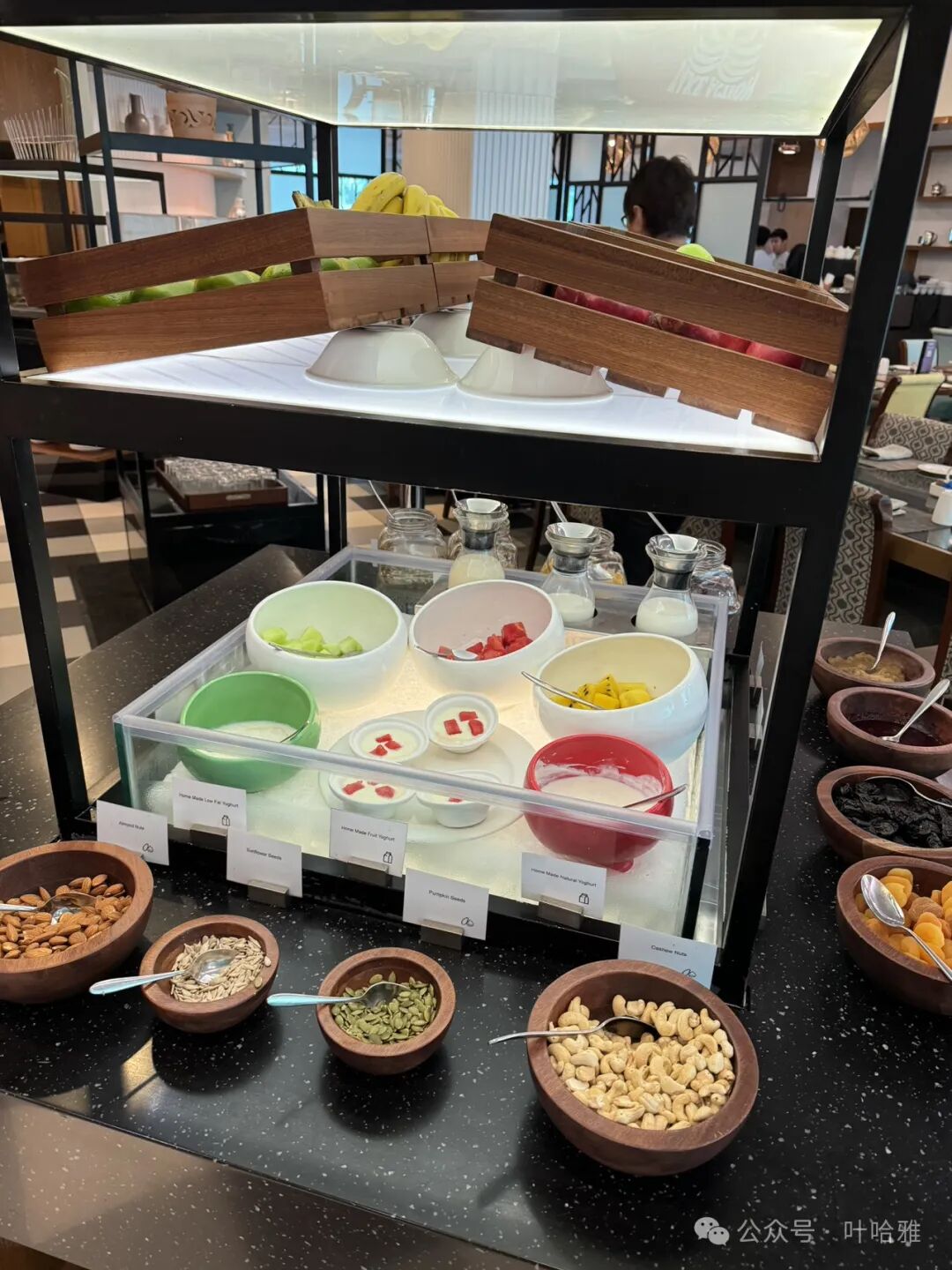
Breakfast offers three buffet options: Malay, Chinese, and Western.
On our second night, the hotel sent a notice saying that tomorrow is the Prophet's Birthday (Mawlid). Roads around the hotel would have temporary traffic controls, and we might even see Sultan Bolkiah.
I read in the newspaper that at least 20,000 people gathered on the streets of Bandar Seri Begawan for the Mawlid event. This is a huge deal in Brunei, as I rarely see pedestrians on the road. Brunei has one private car for every 2.09 people, thanks to a lack of public transport, low import taxes, and unleaded gasoline prices as low as 0.53 Brunei dollars per liter.
As the crowd stirred, I saw the Sultan appear in the distance, surrounded by people.
This was my first time seeing the Sultan in person. Bolkiah is small in stature but has an extraordinary presence. Even at 70, he walks very quickly. Remarkably, he is very approachable. Ordinary people can get close to him to take photos or shake his hand. Even as a foreigner, I could get close to the Sultan without any security screening.
The Sultan holds absolute power in Brunei, and no one can challenge his position. According to the 1959 Constitution of Brunei, the Sultan is the head of state with full executive authority, including emergency powers held since the 1962 Brunei Revolt.
Hassanal Bolkiah attended the Sultan Omar Ali Saifuddien College (Darul Hana Surau) for over four years before moving to Kuala Lumpur for further studies. He became the first Sultan of Brunei to complete his education both at home and abroad. While studying at Victoria Institution, he joined the cadet corps and was named best recruit in 1961. Principal G. E. D. Lewis said he was not the only royal or noble in the school, so the award was based entirely on merit.
The Sultan walked quickly around the main road outside the square for about 2 kilometers. People followed him, singing praises to the Prophet as they walked. Along the road, citizens spontaneously provided free drinks and food to passersby.
The entire event lasted about two hours. After it ended, I walked around the area near the square.
I found a royal cemetery next to the square. According to the inscription, two royals, a man and a woman, were buried here. They were sentenced to death by stoning for adultery, but no one had the heart to throw stones at them. Since they still had to be punished, the Sultan compromised and locked them in a cave. The cave had a vent and food inside. Outsiders could see smoke coming from the cave, which meant they were still alive, until one day when no more smoke appeared, signaling they had died.
Some records say this event happened in 1452. The woman in this tomb was likely royalty with an Arab father and was related to the third Sultan. The tombstone says that every crime must be punished and no one can escape it. This shows that the influence of Islam had already spread throughout Brunei at that time.
At the other end of the square, I saw a mosque built by Chinese people.
Inside, various deities are worshipped. This shows that the Sultan of Brunei is tolerant of other religions, as Buddhism, Christianity, and Catholicism are all present in Brunei.
Brunei only has one small airport, but there is a large mosque built right next to it. You can walk directly from the airport terminal to the prayer hall.
The mosque at Brunei airport.
After finishing our three-day, two-night trip to Brunei, we took a two-and-a-half-hour flight back to Kuala Lumpur. Every time we enter Kuala Lumpur, we have to fill out the Malaysia Digital Arrival Card at the departure airport.
Chinese people in Brunei and Malaysia are both local-born, but they do not know much about the Islamic faith of the Malays. For example, a local Chinese driver in Brunei whose family has lived there for at least three generations did not even know that the Arabic-looking signs everywhere in Brunei are actually Malay. If you look at the social media accounts of Chinese and Malay people in Malaysia, you will feel like they live in two different worlds. Malays do not go to the bars, nightclubs, casinos, or some restaurants that Chinese people visit. So, if you only learn about Malaysia and the Malay people from Malaysian Chinese, you might get a biased view. view all
Summary: This Brunei Muslim travel guide part 2 follows hotel life, Mawlid celebrations, Sultan Bolkiah walking with the crowd, local history, royal sites, religious tolerance, the airport mosque, and reflections on Chinese and Malay communities in Brunei and Malaysia.
Hotels in Brunei do not provide bottled water. Instead, they place a water dispenser in the hallway and leave bottles in the rooms for you to fill up yourself.
Breakfast offers three buffet options: Malay, Chinese, and Western.
On our second night, the hotel sent a notice saying that tomorrow is the Prophet's Birthday (Mawlid). Roads around the hotel would have temporary traffic controls, and we might even see Sultan Bolkiah.
I read in the newspaper that at least 20,000 people gathered on the streets of Bandar Seri Begawan for the Mawlid event. This is a huge deal in Brunei, as I rarely see pedestrians on the road. Brunei has one private car for every 2.09 people, thanks to a lack of public transport, low import taxes, and unleaded gasoline prices as low as 0.53 Brunei dollars per liter.
As the crowd stirred, I saw the Sultan appear in the distance, surrounded by people.
This was my first time seeing the Sultan in person. Bolkiah is small in stature but has an extraordinary presence. Even at 70, he walks very quickly. Remarkably, he is very approachable. Ordinary people can get close to him to take photos or shake his hand. Even as a foreigner, I could get close to the Sultan without any security screening.
The Sultan holds absolute power in Brunei, and no one can challenge his position. According to the 1959 Constitution of Brunei, the Sultan is the head of state with full executive authority, including emergency powers held since the 1962 Brunei Revolt.
Hassanal Bolkiah attended the Sultan Omar Ali Saifuddien College (Darul Hana Surau) for over four years before moving to Kuala Lumpur for further studies. He became the first Sultan of Brunei to complete his education both at home and abroad. While studying at Victoria Institution, he joined the cadet corps and was named best recruit in 1961. Principal G. E. D. Lewis said he was not the only royal or noble in the school, so the award was based entirely on merit.
The Sultan walked quickly around the main road outside the square for about 2 kilometers. People followed him, singing praises to the Prophet as they walked. Along the road, citizens spontaneously provided free drinks and food to passersby.
The entire event lasted about two hours. After it ended, I walked around the area near the square.
I found a royal cemetery next to the square. According to the inscription, two royals, a man and a woman, were buried here. They were sentenced to death by stoning for adultery, but no one had the heart to throw stones at them. Since they still had to be punished, the Sultan compromised and locked them in a cave. The cave had a vent and food inside. Outsiders could see smoke coming from the cave, which meant they were still alive, until one day when no more smoke appeared, signaling they had died.
Some records say this event happened in 1452. The woman in this tomb was likely royalty with an Arab father and was related to the third Sultan. The tombstone says that every crime must be punished and no one can escape it. This shows that the influence of Islam had already spread throughout Brunei at that time.
At the other end of the square, I saw a mosque built by Chinese people.
Inside, various deities are worshipped. This shows that the Sultan of Brunei is tolerant of other religions, as Buddhism, Christianity, and Catholicism are all present in Brunei.
Brunei only has one small airport, but there is a large mosque built right next to it. You can walk directly from the airport terminal to the prayer hall.
The mosque at Brunei airport.
After finishing our three-day, two-night trip to Brunei, we took a two-and-a-half-hour flight back to Kuala Lumpur. Every time we enter Kuala Lumpur, we have to fill out the Malaysia Digital Arrival Card at the departure airport.
Chinese people in Brunei and Malaysia are both local-born, but they do not know much about the Islamic faith of the Malays. For example, a local Chinese driver in Brunei whose family has lived there for at least three generations did not even know that the Arabic-looking signs everywhere in Brunei are actually Malay. If you look at the social media accounts of Chinese and Malay people in Malaysia, you will feel like they live in two different worlds. Malays do not go to the bars, nightclubs, casinos, or some restaurants that Chinese people visit. So, if you only learn about Malaysia and the Malay people from Malaysian Chinese, you might get a biased view. view all
Reposted from the web
Summary: This Brunei Muslim travel guide part 2 follows hotel life, Mawlid celebrations, Sultan Bolkiah walking with the crowd, local history, royal sites, religious tolerance, the airport mosque, and reflections on Chinese and Malay communities in Brunei and Malaysia.
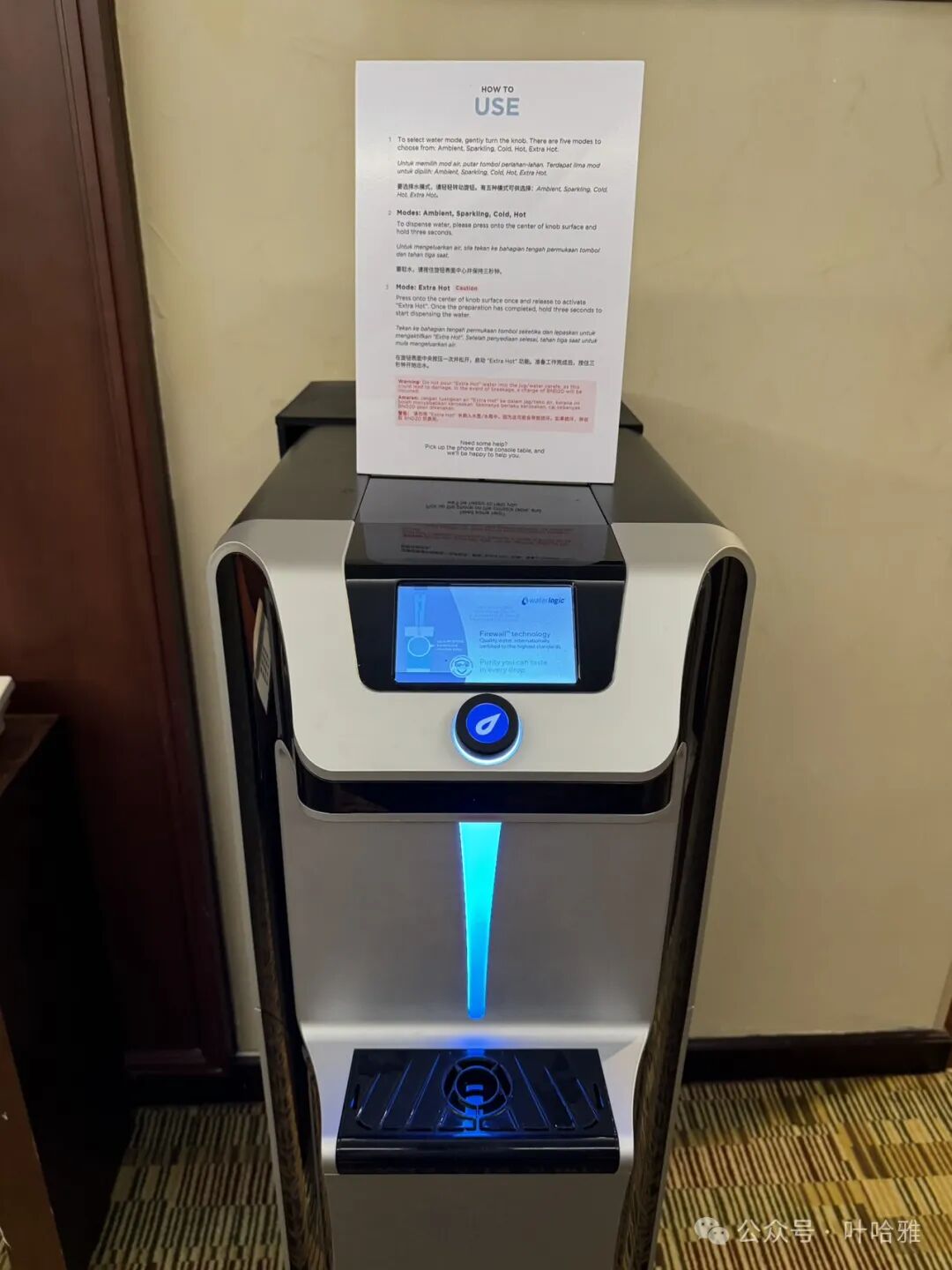
Hotels in Brunei do not provide bottled water. Instead, they place a water dispenser in the hallway and leave bottles in the rooms for you to fill up yourself.
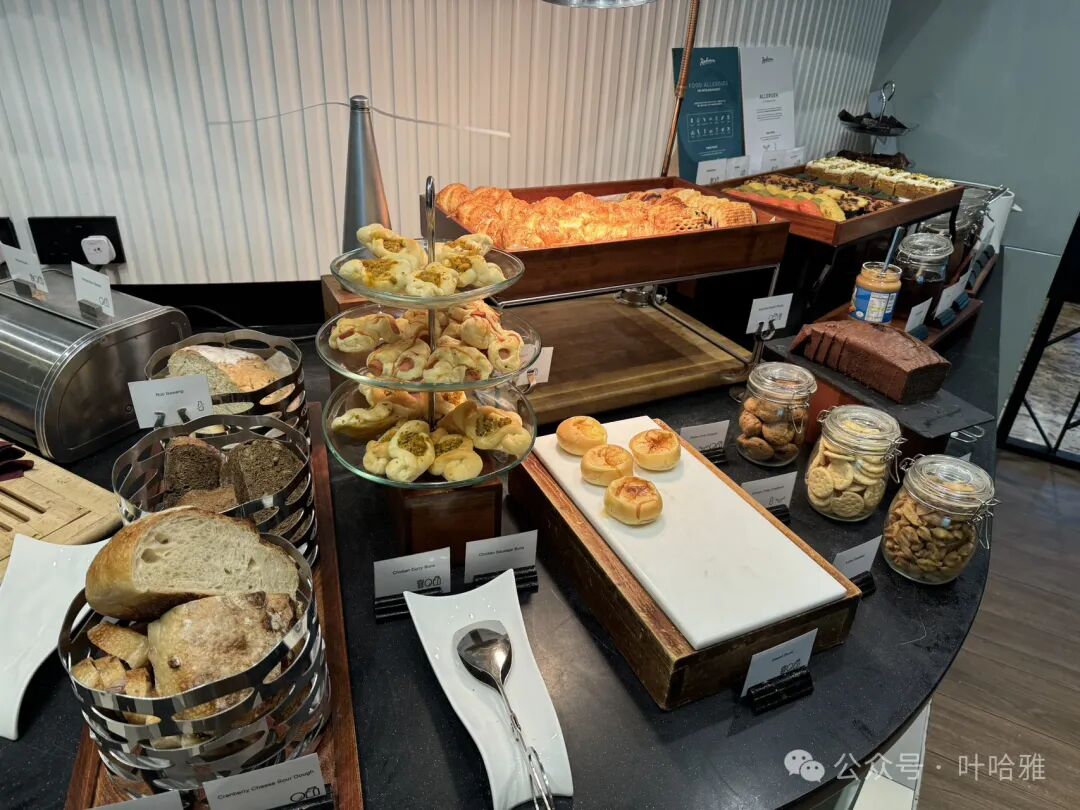
Breakfast offers three buffet options: Malay, Chinese, and Western.
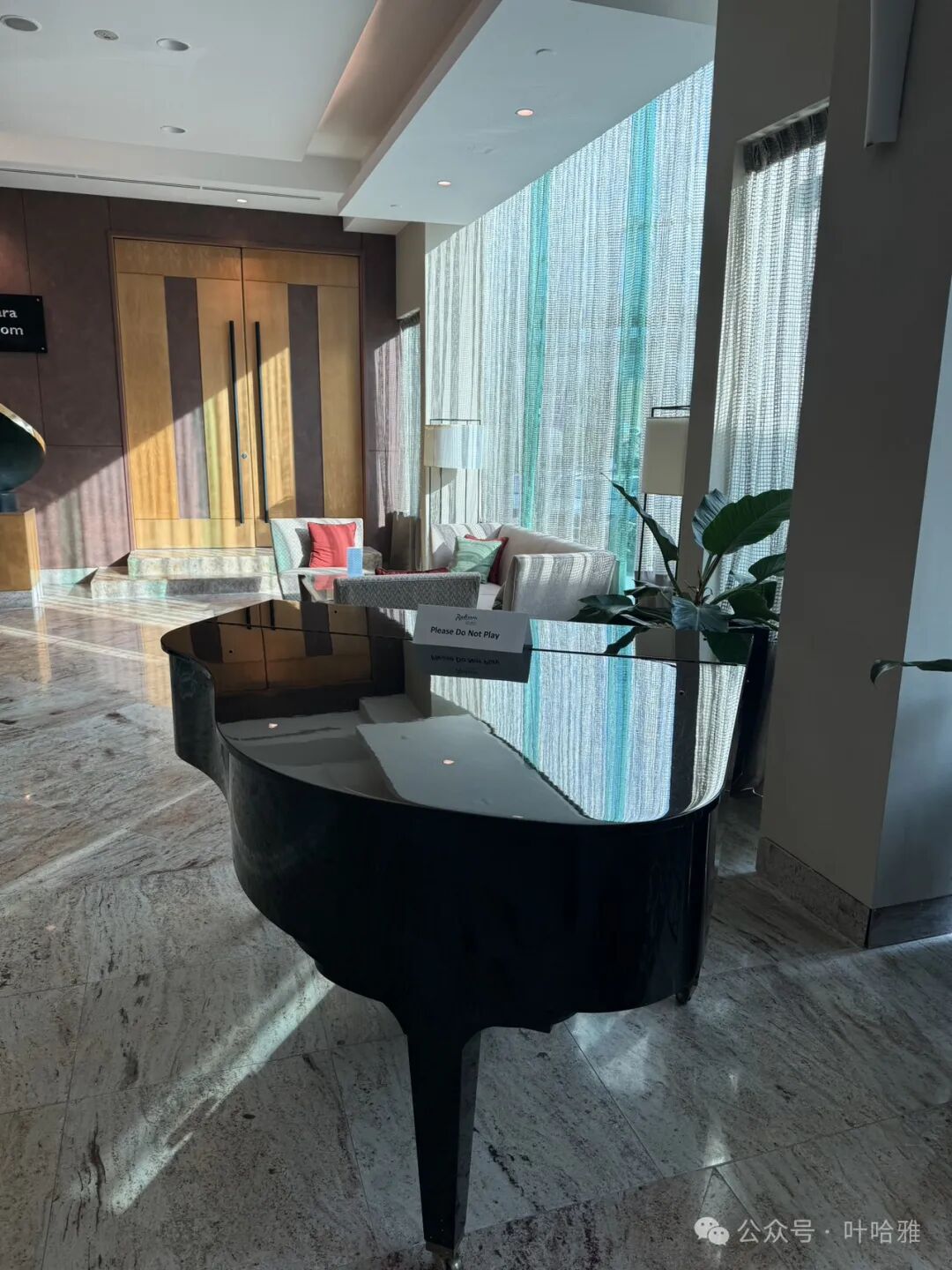
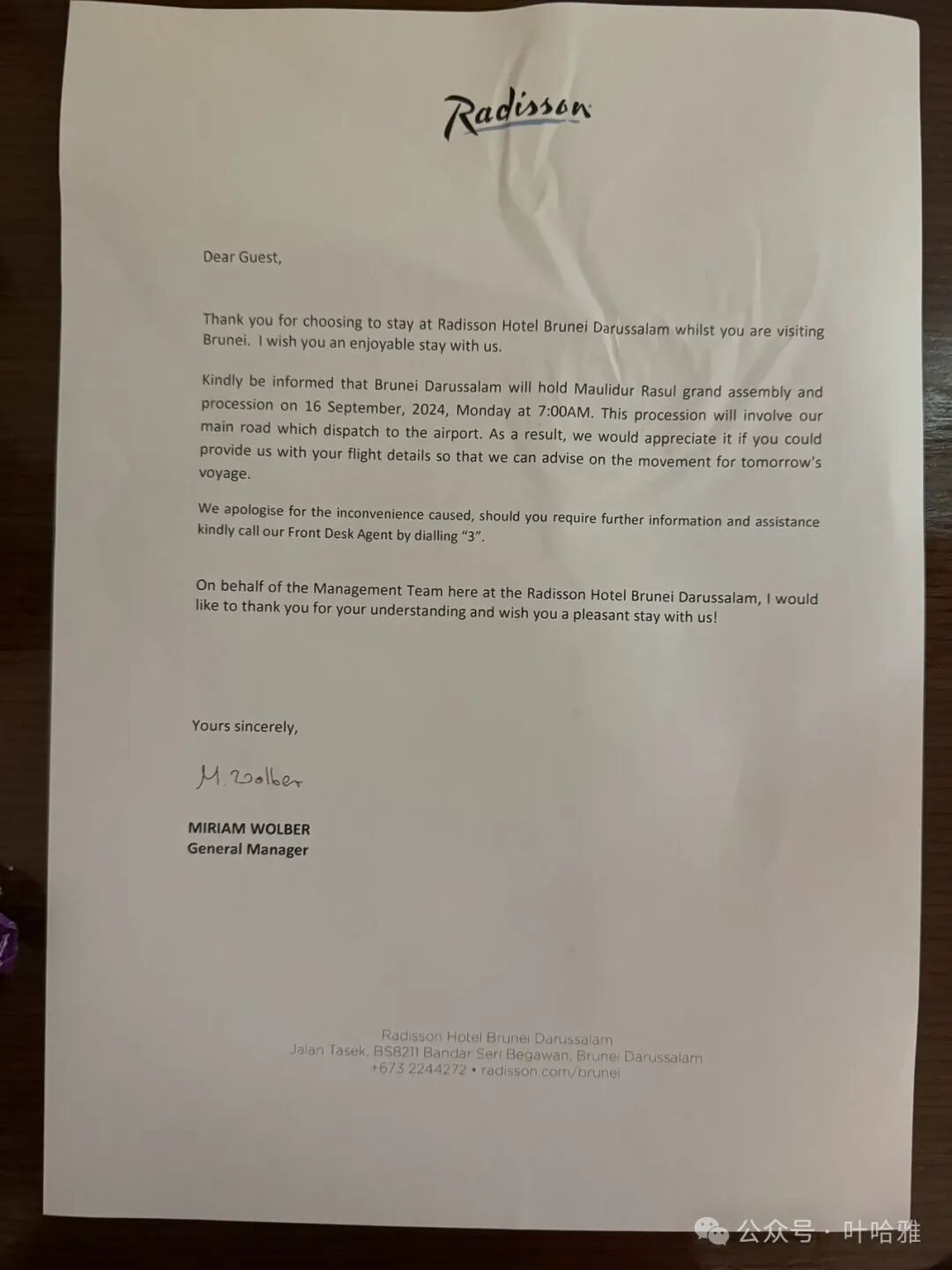
On our second night, the hotel sent a notice saying that tomorrow is the Prophet's Birthday (Mawlid). Roads around the hotel would have temporary traffic controls, and we might even see Sultan Bolkiah.
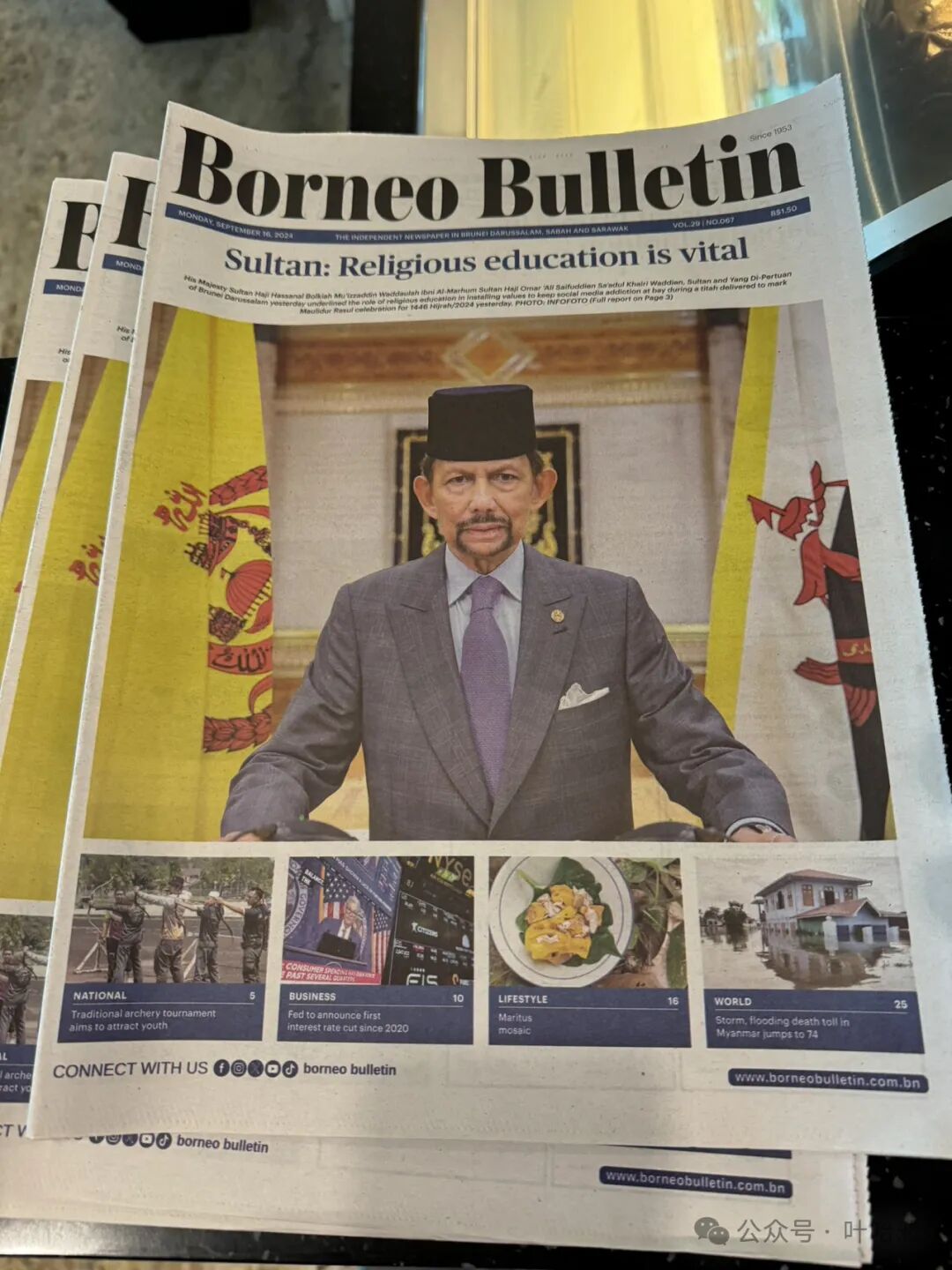
I read in the newspaper that at least 20,000 people gathered on the streets of Bandar Seri Begawan for the Mawlid event. This is a huge deal in Brunei, as I rarely see pedestrians on the road. Brunei has one private car for every 2.09 people, thanks to a lack of public transport, low import taxes, and unleaded gasoline prices as low as 0.53 Brunei dollars per liter.
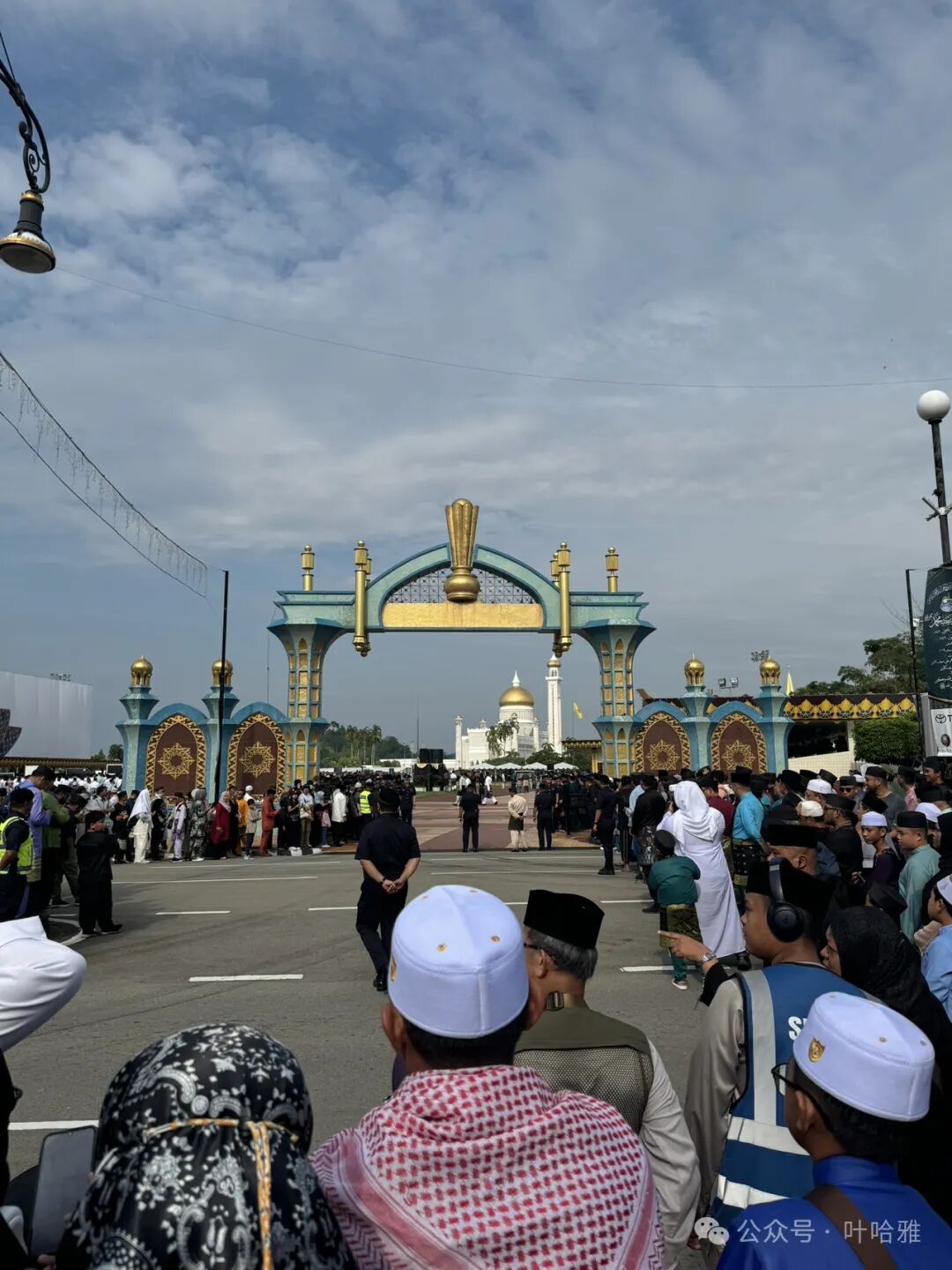
As the crowd stirred, I saw the Sultan appear in the distance, surrounded by people.
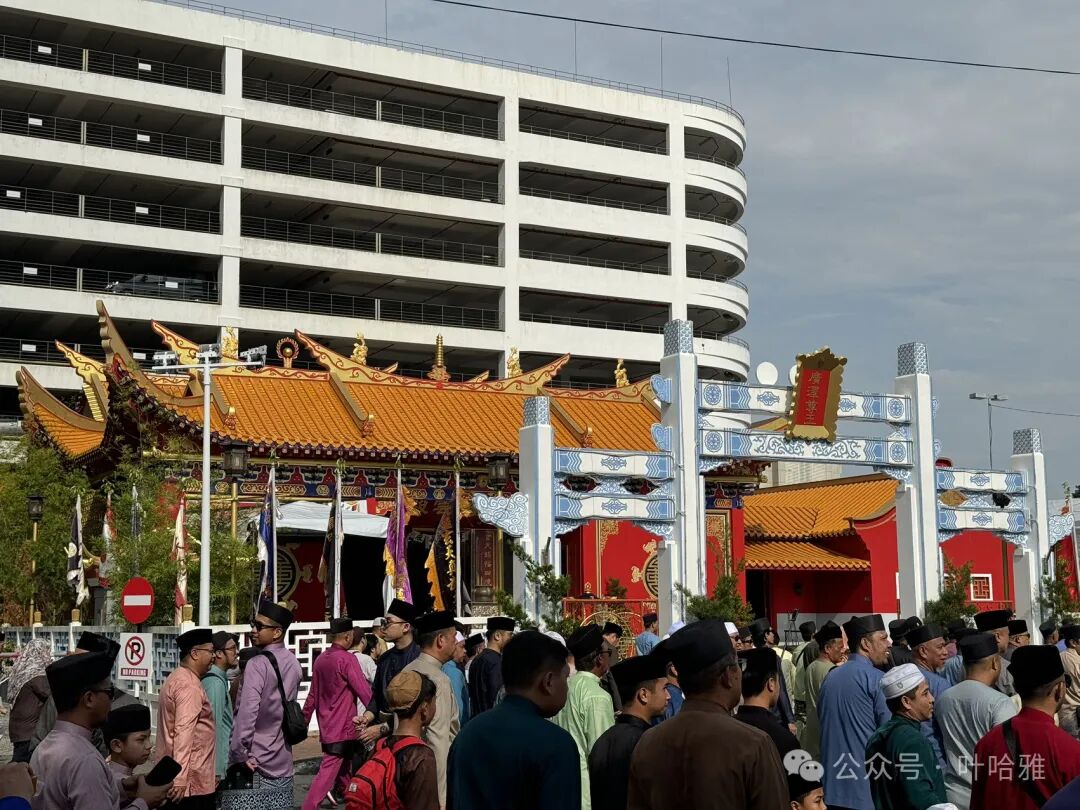
This was my first time seeing the Sultan in person. Bolkiah is small in stature but has an extraordinary presence. Even at 70, he walks very quickly. Remarkably, he is very approachable. Ordinary people can get close to him to take photos or shake his hand. Even as a foreigner, I could get close to the Sultan without any security screening.
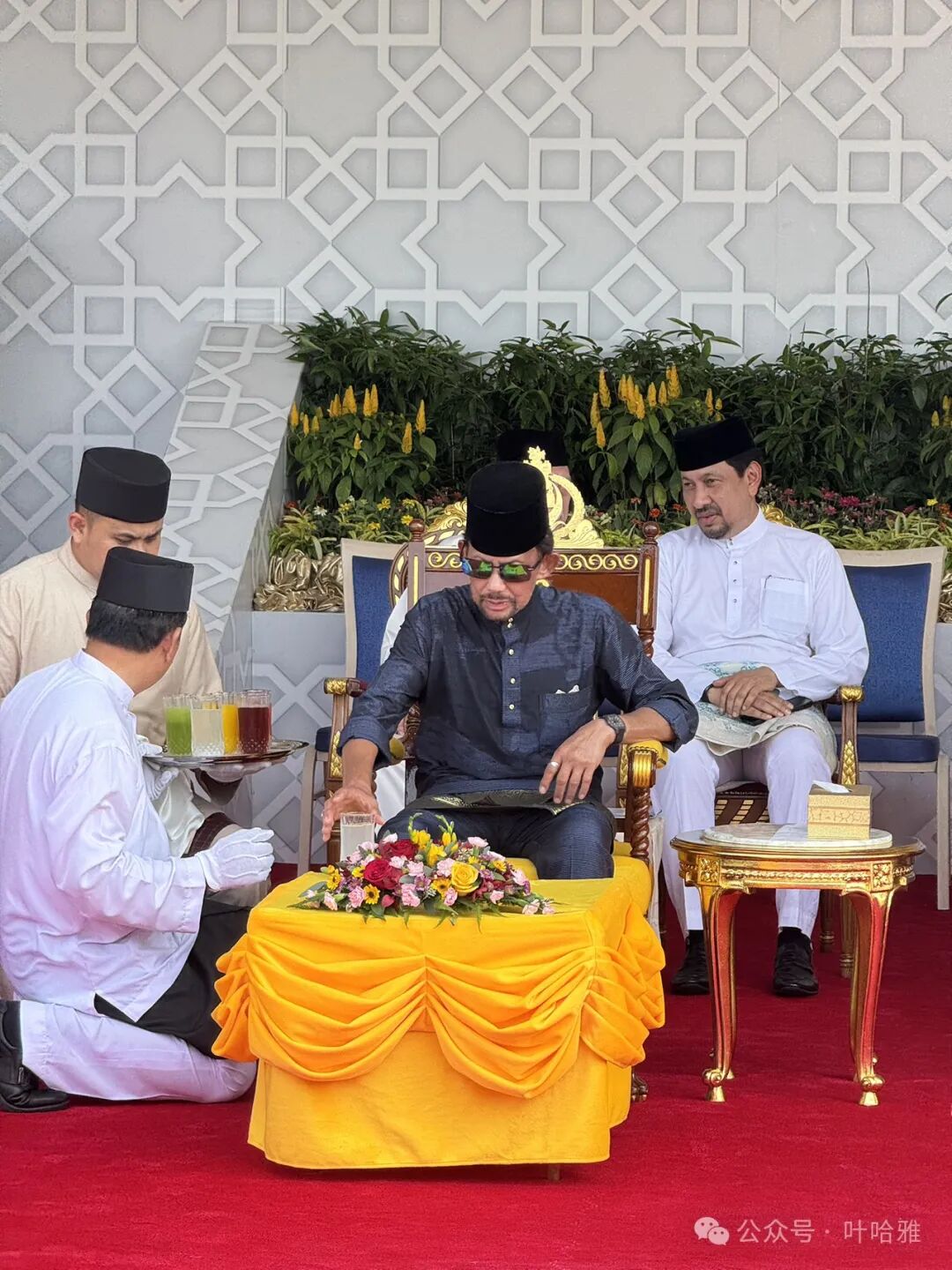
The Sultan holds absolute power in Brunei, and no one can challenge his position. According to the 1959 Constitution of Brunei, the Sultan is the head of state with full executive authority, including emergency powers held since the 1962 Brunei Revolt.
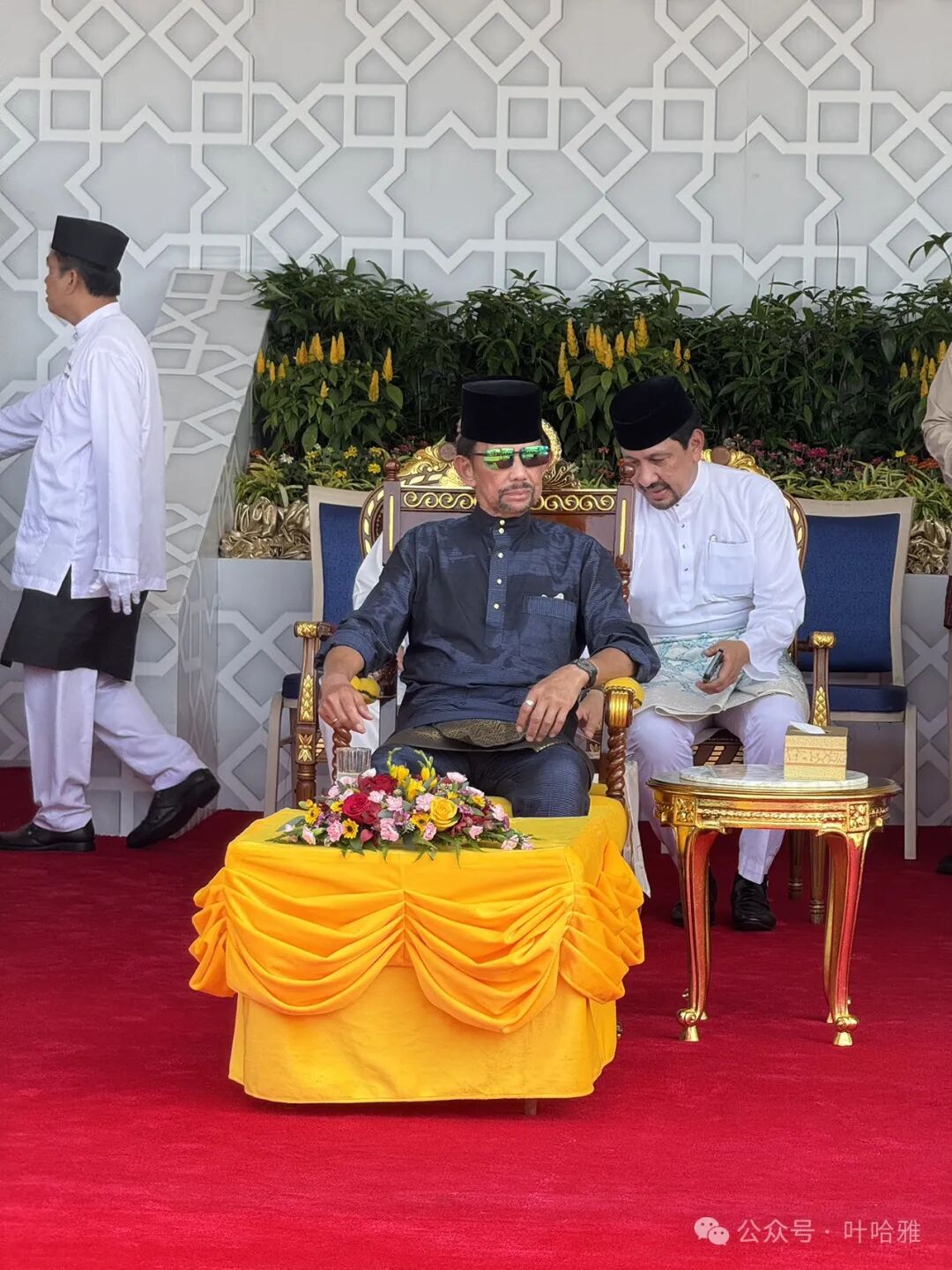
Hassanal Bolkiah attended the Sultan Omar Ali Saifuddien College (Darul Hana Surau) for over four years before moving to Kuala Lumpur for further studies. He became the first Sultan of Brunei to complete his education both at home and abroad. While studying at Victoria Institution, he joined the cadet corps and was named best recruit in 1961. Principal G. E. D. Lewis said he was not the only royal or noble in the school, so the award was based entirely on merit.
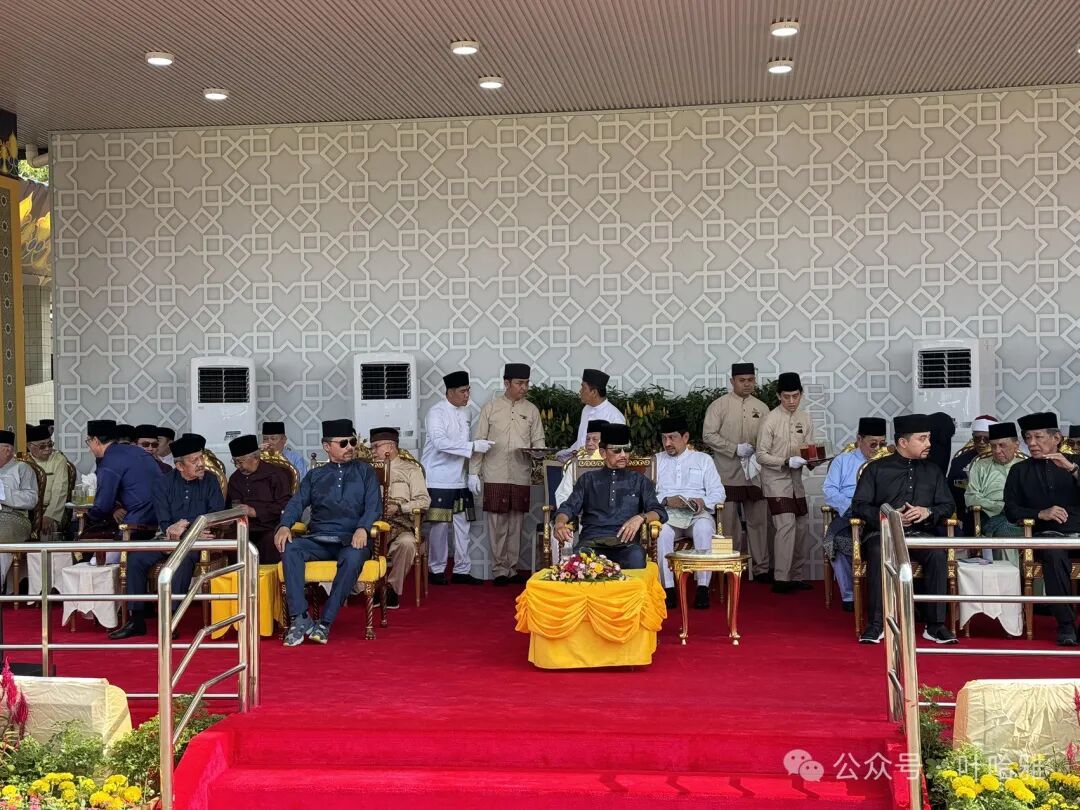
The Sultan walked quickly around the main road outside the square for about 2 kilometers. People followed him, singing praises to the Prophet as they walked. Along the road, citizens spontaneously provided free drinks and food to passersby.
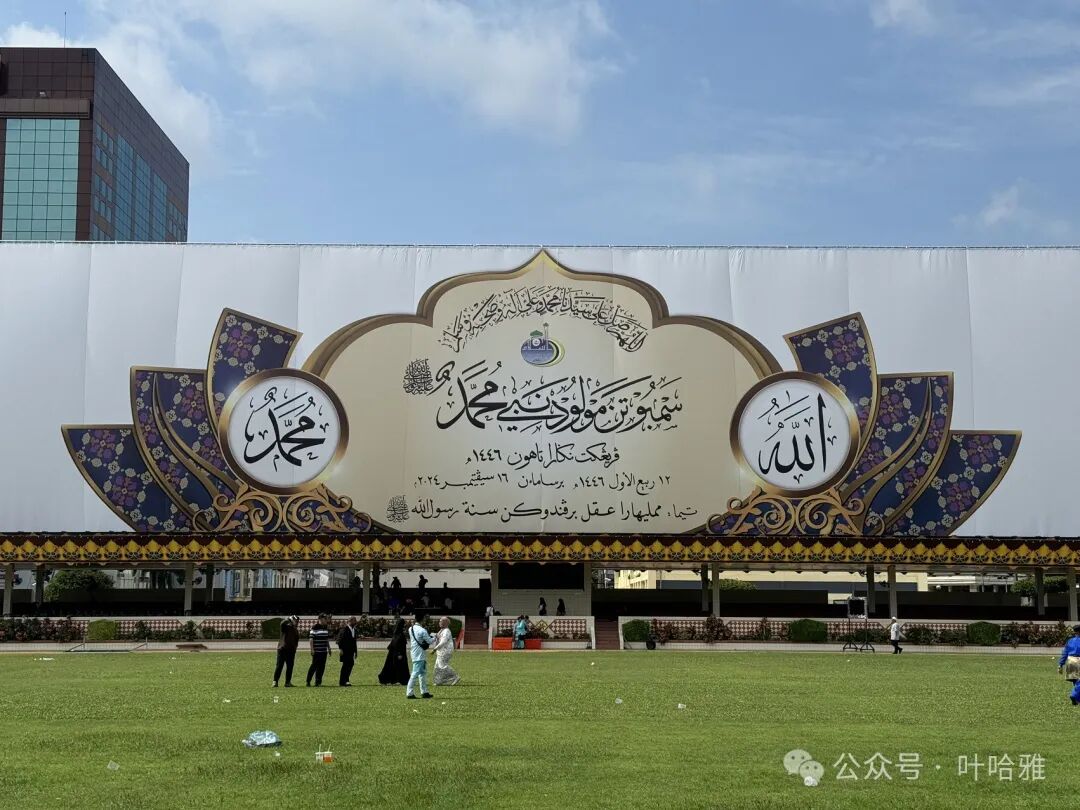
The entire event lasted about two hours. After it ended, I walked around the area near the square.
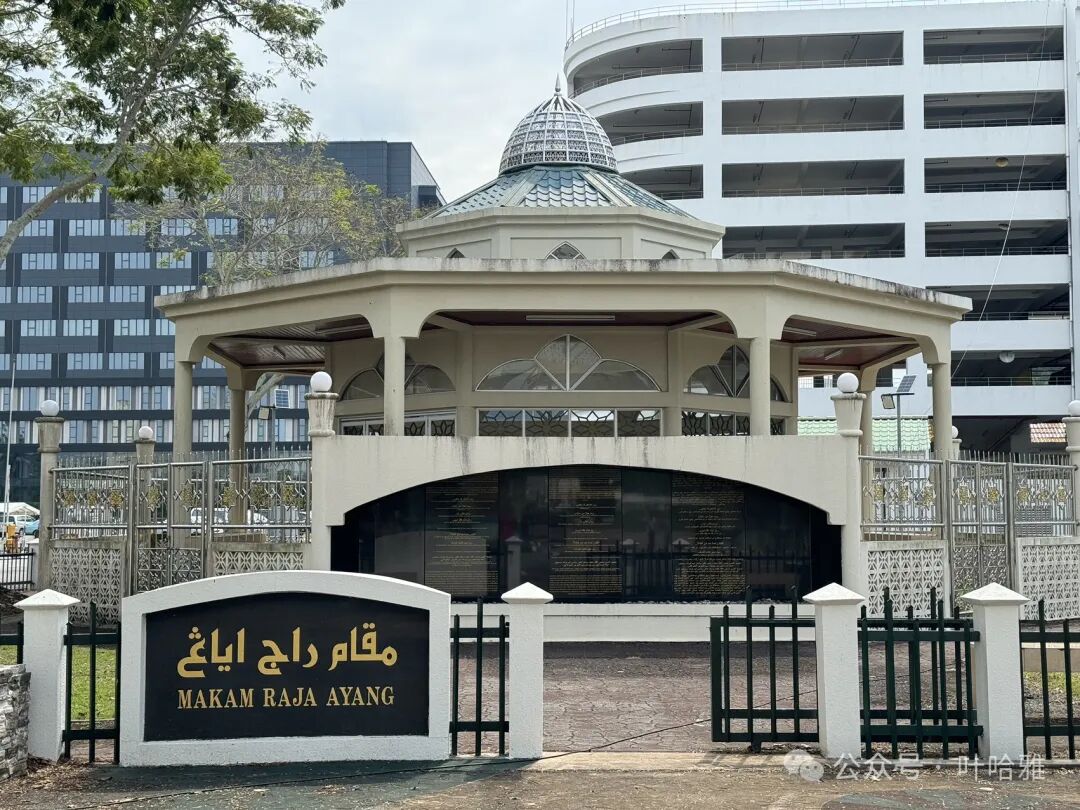
I found a royal cemetery next to the square. According to the inscription, two royals, a man and a woman, were buried here. They were sentenced to death by stoning for adultery, but no one had the heart to throw stones at them. Since they still had to be punished, the Sultan compromised and locked them in a cave. The cave had a vent and food inside. Outsiders could see smoke coming from the cave, which meant they were still alive, until one day when no more smoke appeared, signaling they had died.
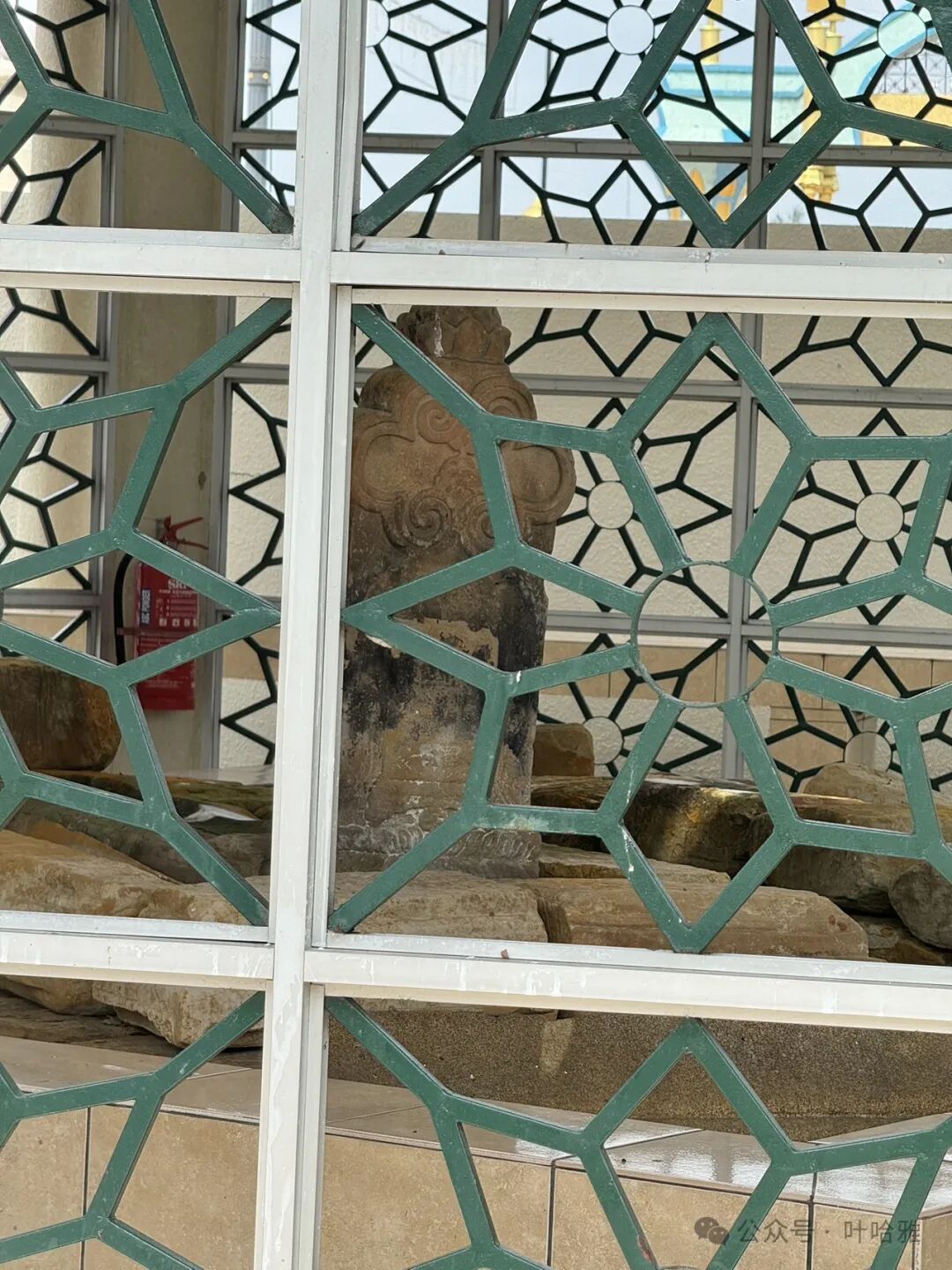
Some records say this event happened in 1452. The woman in this tomb was likely royalty with an Arab father and was related to the third Sultan. The tombstone says that every crime must be punished and no one can escape it. This shows that the influence of Islam had already spread throughout Brunei at that time.
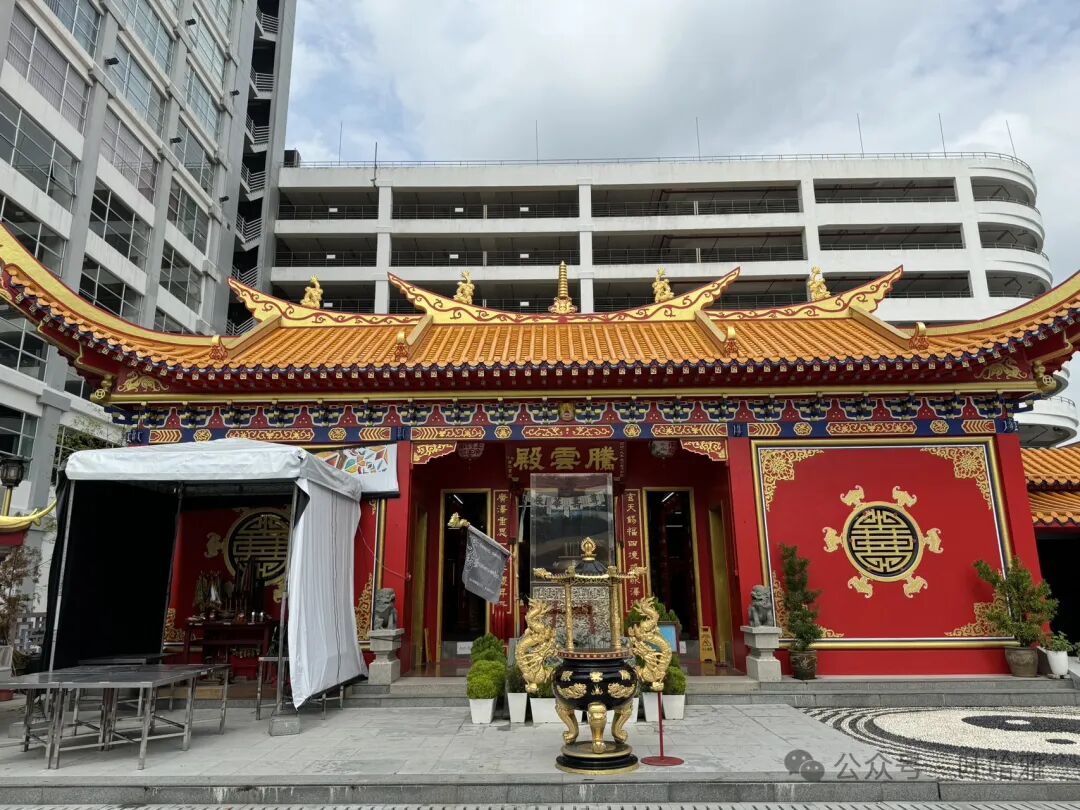
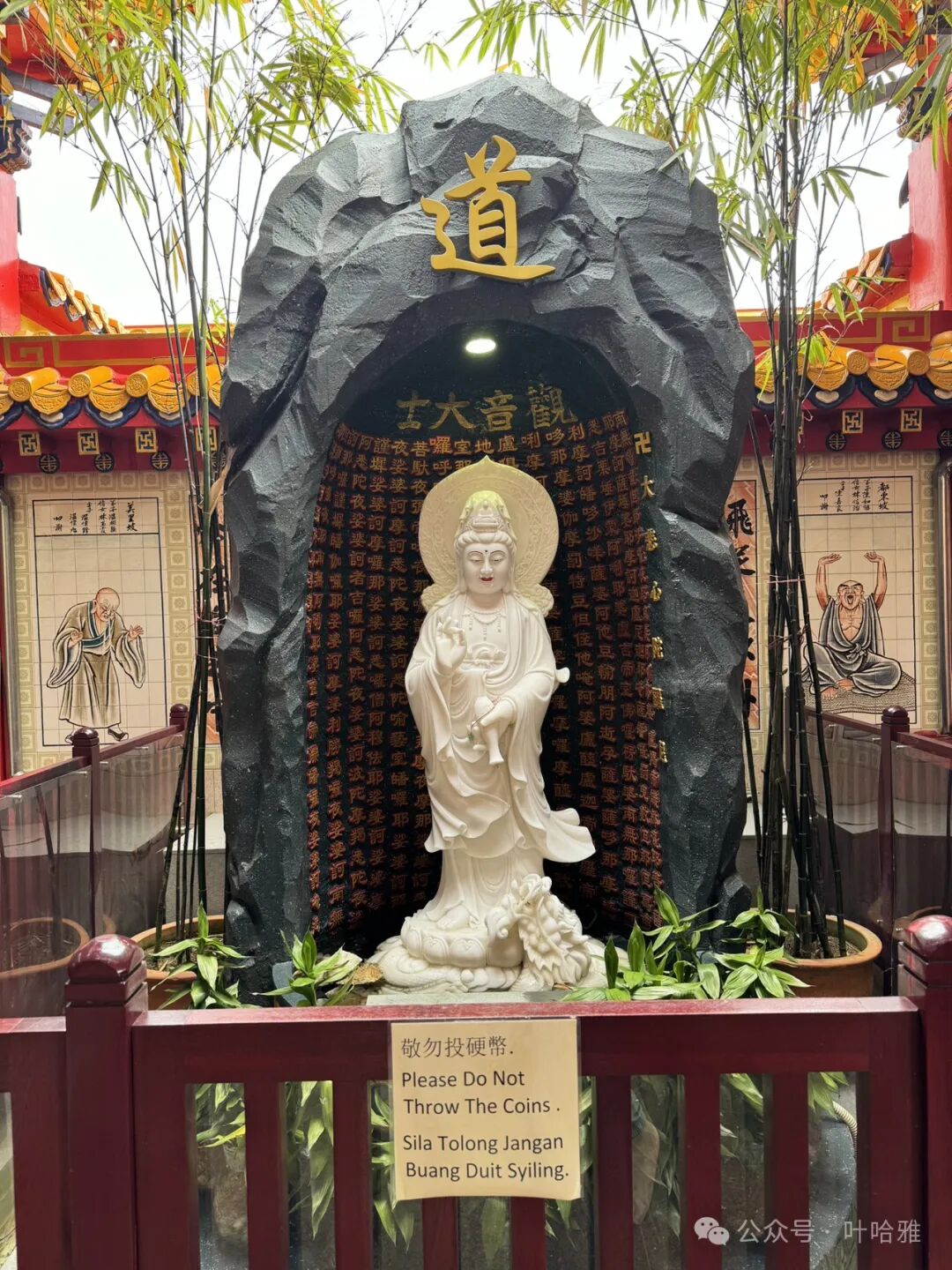
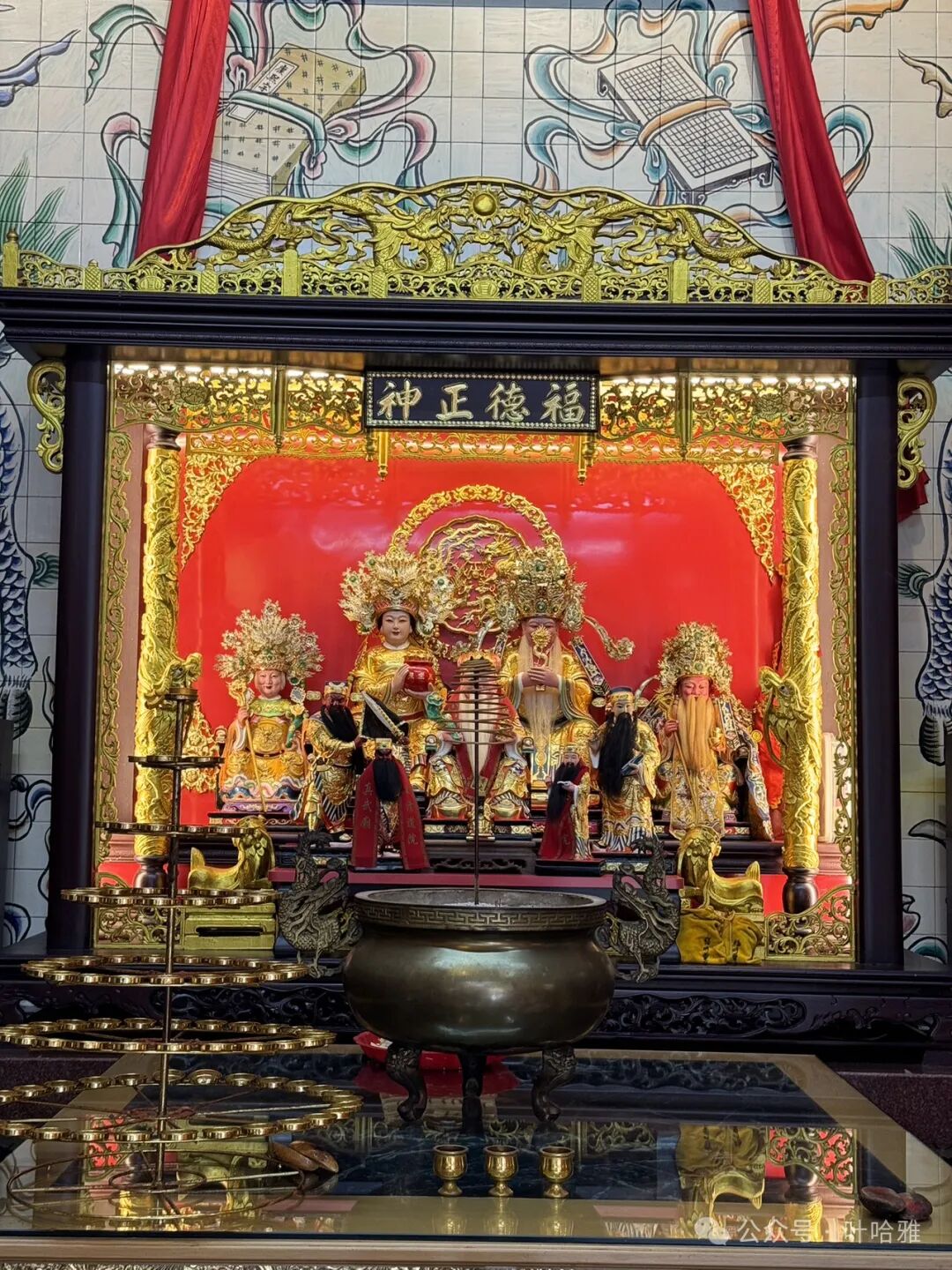
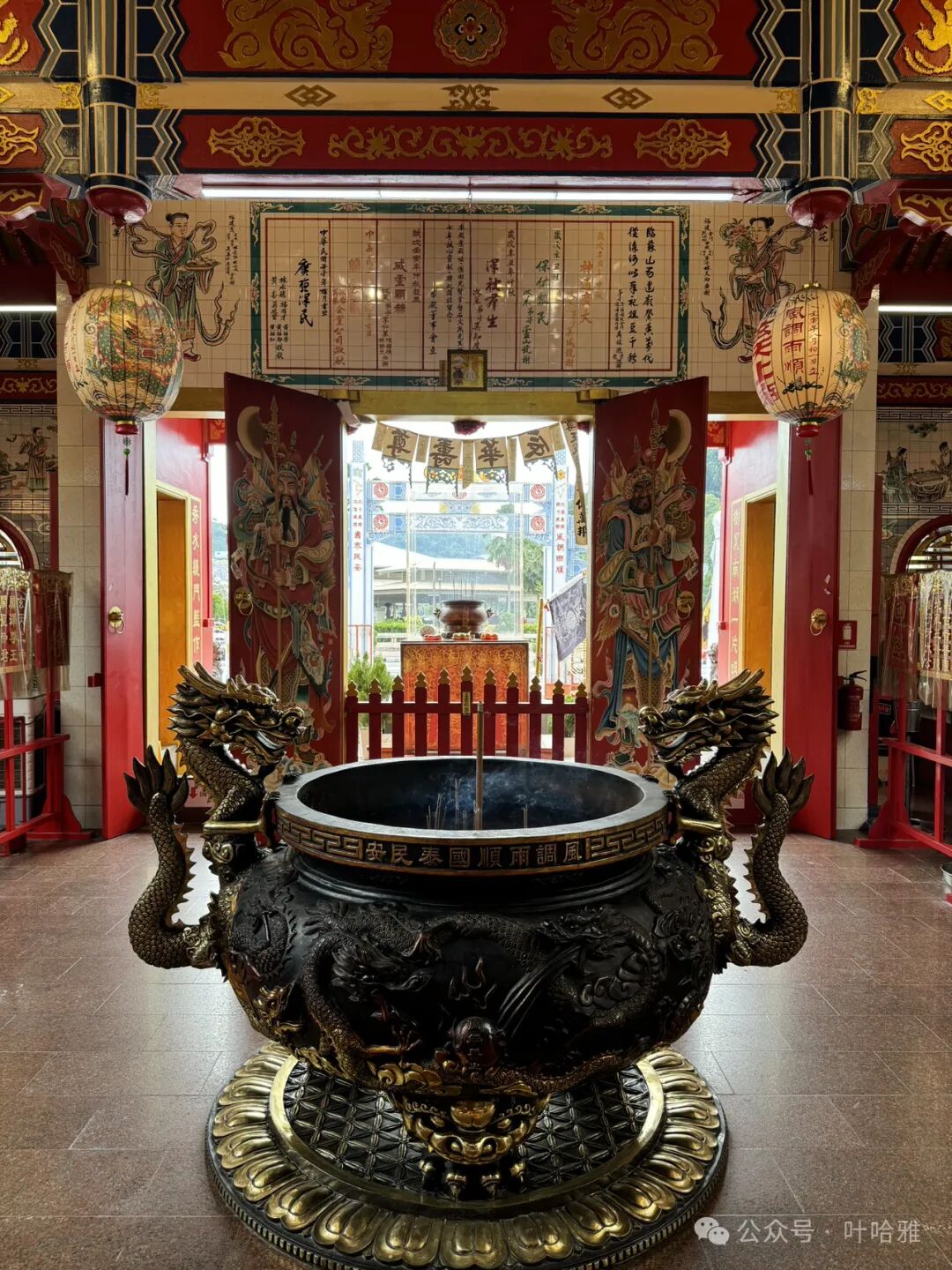
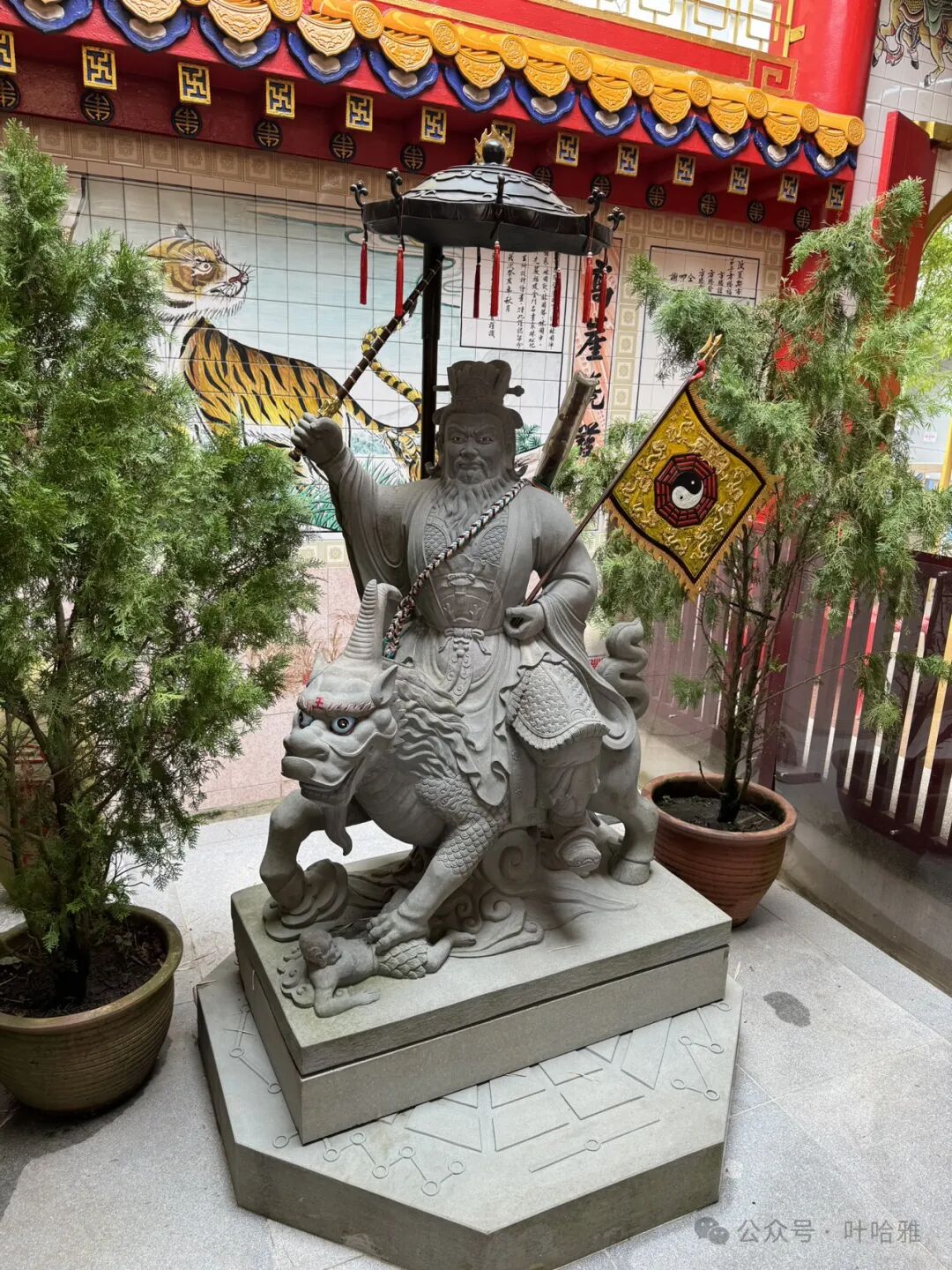
At the other end of the square, I saw a mosque built by Chinese people.
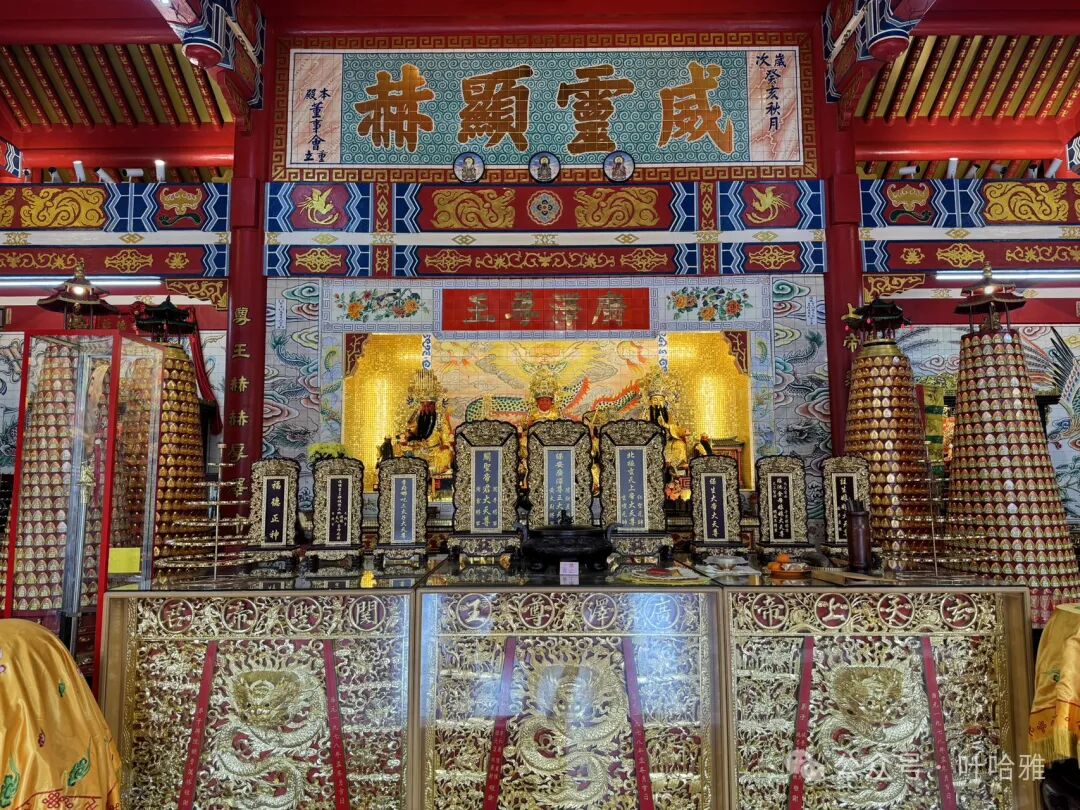
Inside, various deities are worshipped. This shows that the Sultan of Brunei is tolerant of other religions, as Buddhism, Christianity, and Catholicism are all present in Brunei.
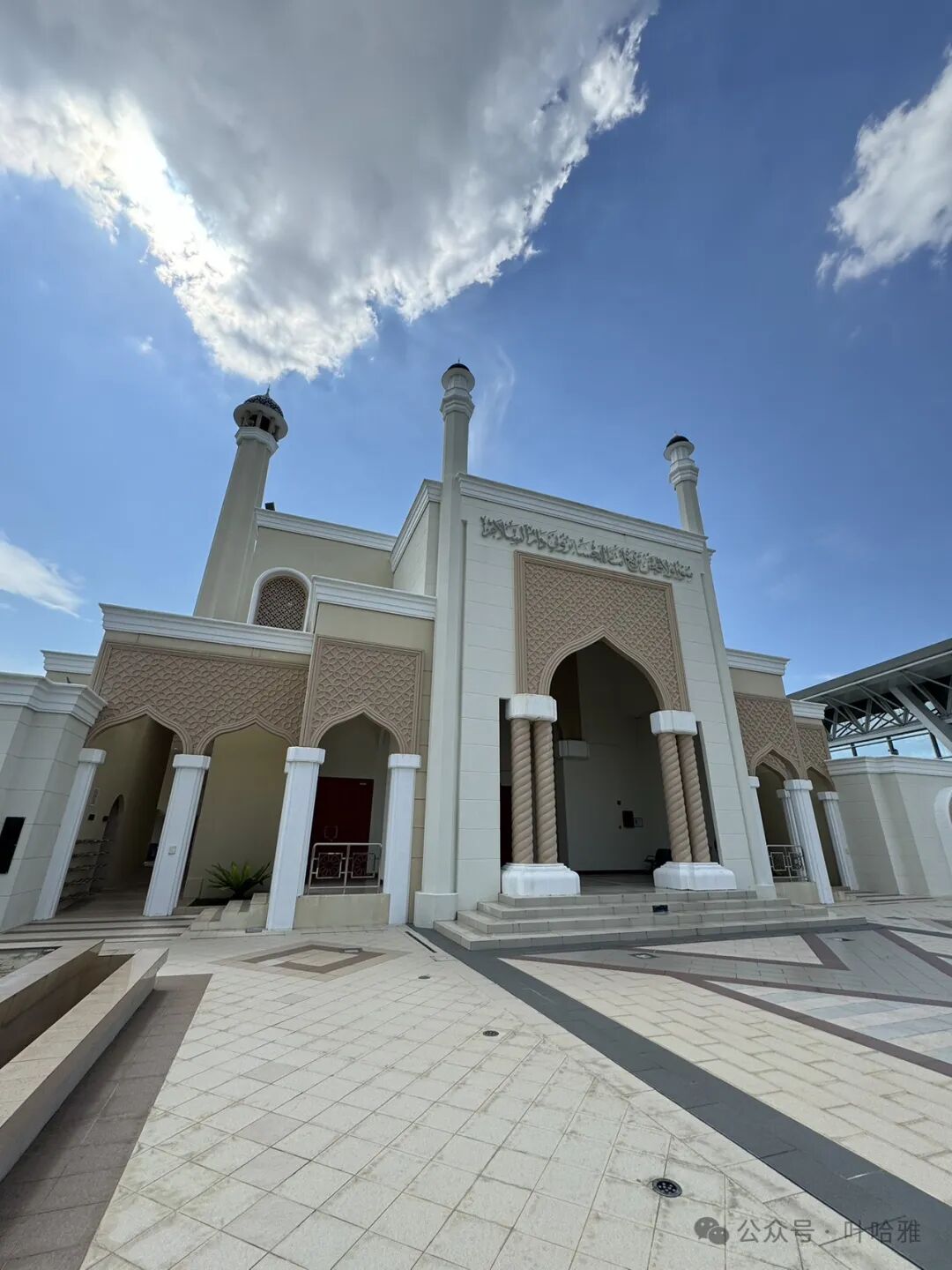
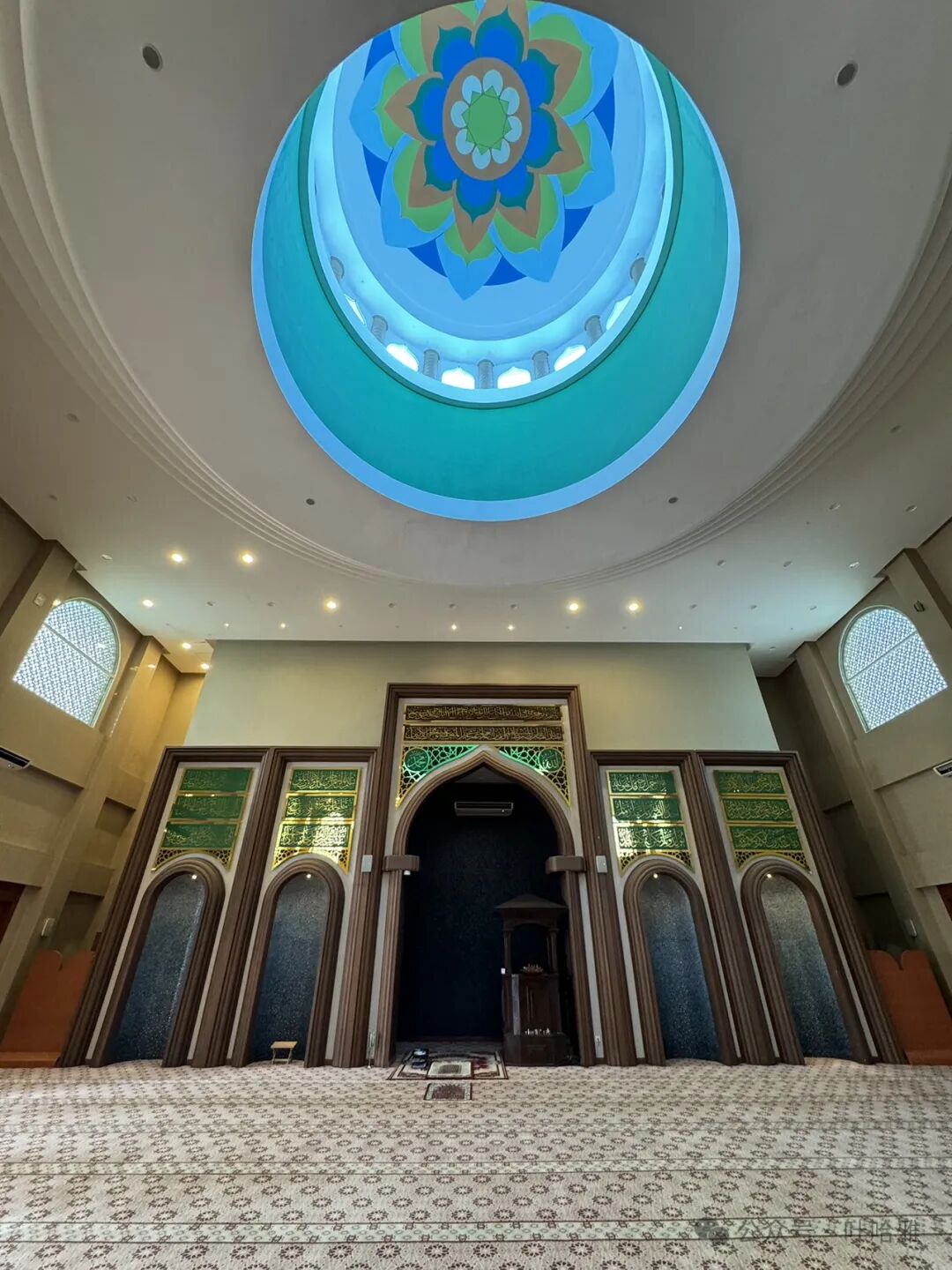
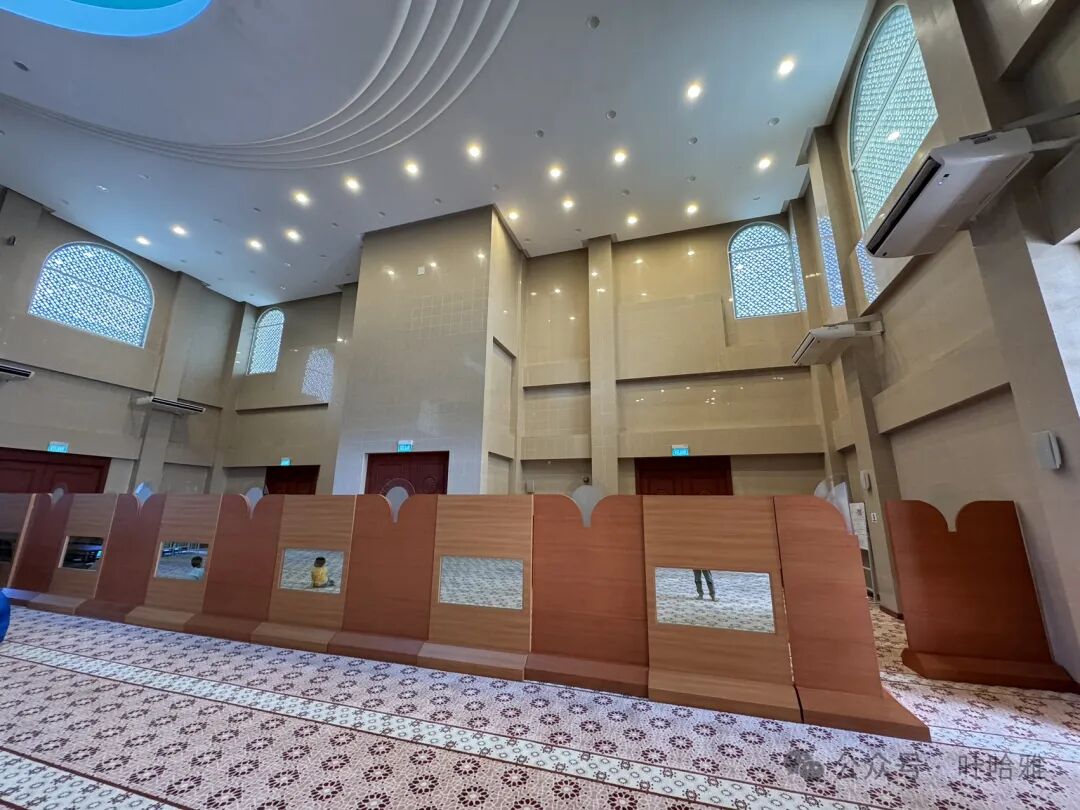
Brunei only has one small airport, but there is a large mosque built right next to it. You can walk directly from the airport terminal to the prayer hall.
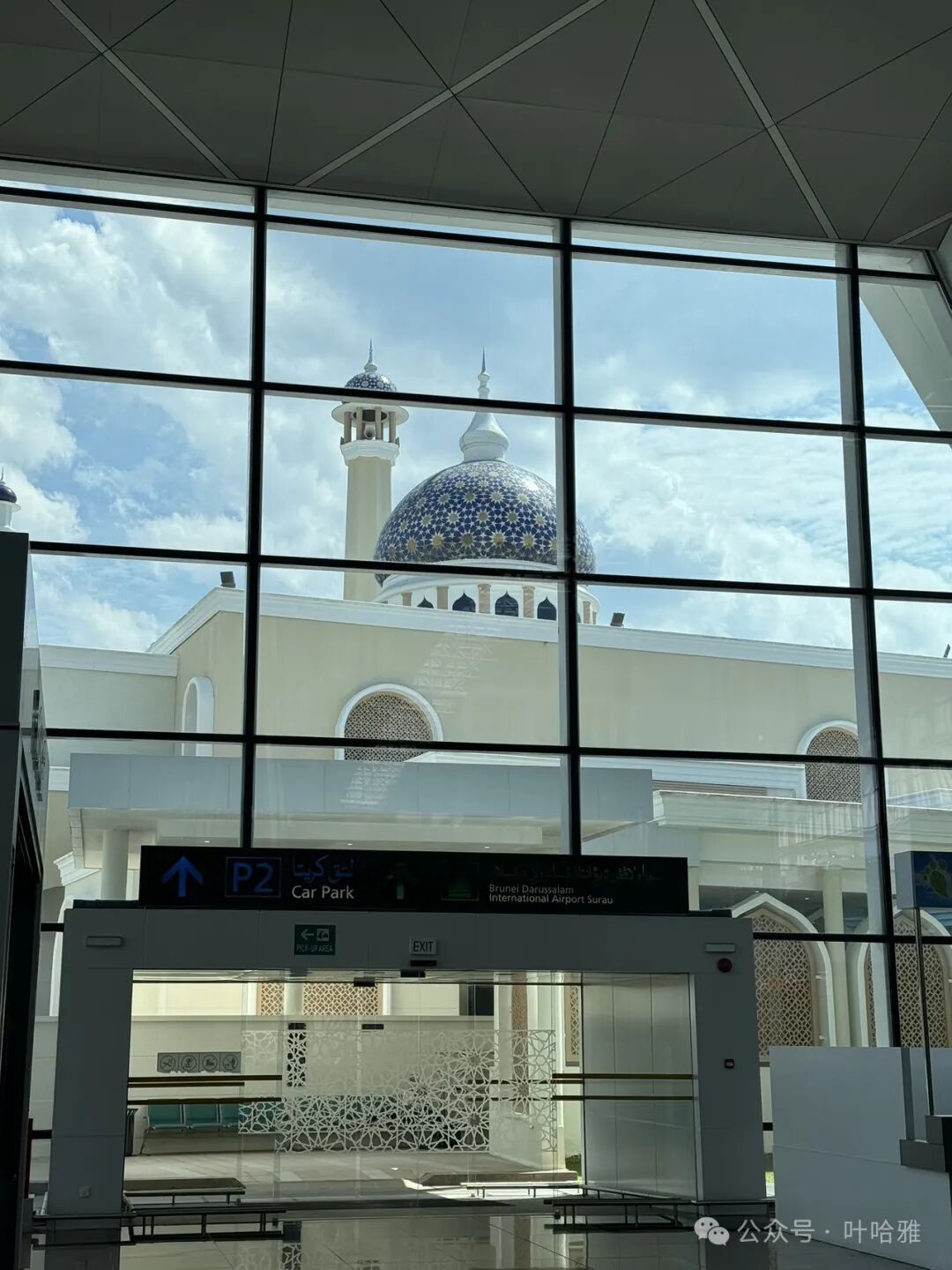
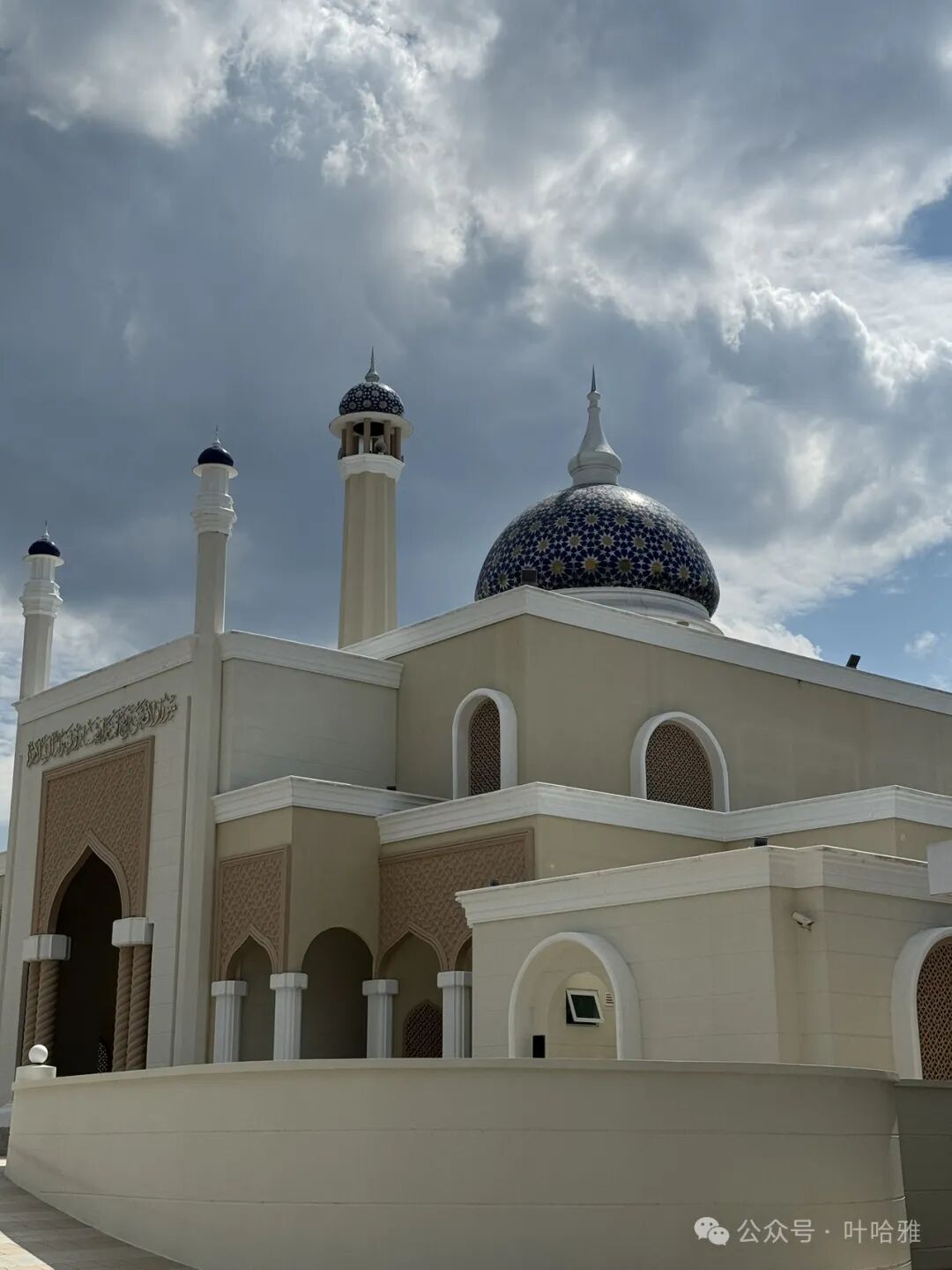
The mosque at Brunei airport.
After finishing our three-day, two-night trip to Brunei, we took a two-and-a-half-hour flight back to Kuala Lumpur. Every time we enter Kuala Lumpur, we have to fill out the Malaysia Digital Arrival Card at the departure airport.
Chinese people in Brunei and Malaysia are both local-born, but they do not know much about the Islamic faith of the Malays. For example, a local Chinese driver in Brunei whose family has lived there for at least three generations did not even know that the Arabic-looking signs everywhere in Brunei are actually Malay. If you look at the social media accounts of Chinese and Malay people in Malaysia, you will feel like they live in two different worlds. Malays do not go to the bars, nightclubs, casinos, or some restaurants that Chinese people visit. So, if you only learn about Malaysia and the Malay people from Malaysian Chinese, you might get a biased view.
Summary: This Brunei Muslim travel guide part 2 follows hotel life, Mawlid celebrations, Sultan Bolkiah walking with the crowd, local history, royal sites, religious tolerance, the airport mosque, and reflections on Chinese and Malay communities in Brunei and Malaysia.
Hotels in Brunei do not provide bottled water. Instead, they place a water dispenser in the hallway and leave bottles in the rooms for you to fill up yourself.
Breakfast offers three buffet options: Malay, Chinese, and Western.
On our second night, the hotel sent a notice saying that tomorrow is the Prophet's Birthday (Mawlid). Roads around the hotel would have temporary traffic controls, and we might even see Sultan Bolkiah.
I read in the newspaper that at least 20,000 people gathered on the streets of Bandar Seri Begawan for the Mawlid event. This is a huge deal in Brunei, as I rarely see pedestrians on the road. Brunei has one private car for every 2.09 people, thanks to a lack of public transport, low import taxes, and unleaded gasoline prices as low as 0.53 Brunei dollars per liter.
As the crowd stirred, I saw the Sultan appear in the distance, surrounded by people.
This was my first time seeing the Sultan in person. Bolkiah is small in stature but has an extraordinary presence. Even at 70, he walks very quickly. Remarkably, he is very approachable. Ordinary people can get close to him to take photos or shake his hand. Even as a foreigner, I could get close to the Sultan without any security screening.
The Sultan holds absolute power in Brunei, and no one can challenge his position. According to the 1959 Constitution of Brunei, the Sultan is the head of state with full executive authority, including emergency powers held since the 1962 Brunei Revolt.
Hassanal Bolkiah attended the Sultan Omar Ali Saifuddien College (Darul Hana Surau) for over four years before moving to Kuala Lumpur for further studies. He became the first Sultan of Brunei to complete his education both at home and abroad. While studying at Victoria Institution, he joined the cadet corps and was named best recruit in 1961. Principal G. E. D. Lewis said he was not the only royal or noble in the school, so the award was based entirely on merit.
The Sultan walked quickly around the main road outside the square for about 2 kilometers. People followed him, singing praises to the Prophet as they walked. Along the road, citizens spontaneously provided free drinks and food to passersby.
The entire event lasted about two hours. After it ended, I walked around the area near the square.
I found a royal cemetery next to the square. According to the inscription, two royals, a man and a woman, were buried here. They were sentenced to death by stoning for adultery, but no one had the heart to throw stones at them. Since they still had to be punished, the Sultan compromised and locked them in a cave. The cave had a vent and food inside. Outsiders could see smoke coming from the cave, which meant they were still alive, until one day when no more smoke appeared, signaling they had died.
Some records say this event happened in 1452. The woman in this tomb was likely royalty with an Arab father and was related to the third Sultan. The tombstone says that every crime must be punished and no one can escape it. This shows that the influence of Islam had already spread throughout Brunei at that time.
At the other end of the square, I saw a mosque built by Chinese people.
Inside, various deities are worshipped. This shows that the Sultan of Brunei is tolerant of other religions, as Buddhism, Christianity, and Catholicism are all present in Brunei.
Brunei only has one small airport, but there is a large mosque built right next to it. You can walk directly from the airport terminal to the prayer hall.
The mosque at Brunei airport.
After finishing our three-day, two-night trip to Brunei, we took a two-and-a-half-hour flight back to Kuala Lumpur. Every time we enter Kuala Lumpur, we have to fill out the Malaysia Digital Arrival Card at the departure airport.
Chinese people in Brunei and Malaysia are both local-born, but they do not know much about the Islamic faith of the Malays. For example, a local Chinese driver in Brunei whose family has lived there for at least three generations did not even know that the Arabic-looking signs everywhere in Brunei are actually Malay. If you look at the social media accounts of Chinese and Malay people in Malaysia, you will feel like they live in two different worlds. Malays do not go to the bars, nightclubs, casinos, or some restaurants that Chinese people visit. So, if you only learn about Malaysia and the Malay people from Malaysian Chinese, you might get a biased view.
Halal Travel Guide: Beijing - Embassy Prayer Halls of Iran, Sudan and Pakistan
Articles • ali2007fr posted the article • 0 comments • 244 views • 2026-05-20 09:38
Reposted from the web
Summary: This Beijing embassy district account visits the prayer halls of the Iranian Embassy, Sudanese Embassy, and Pakistan Embassy College. It records diplomatic history, Shia turbah practice, Sudanese Taraweeh traditions, Maliki prayer customs, Pakistani community schooling, and mosque spaces inside the embassy area.
Embassy of Iran in China
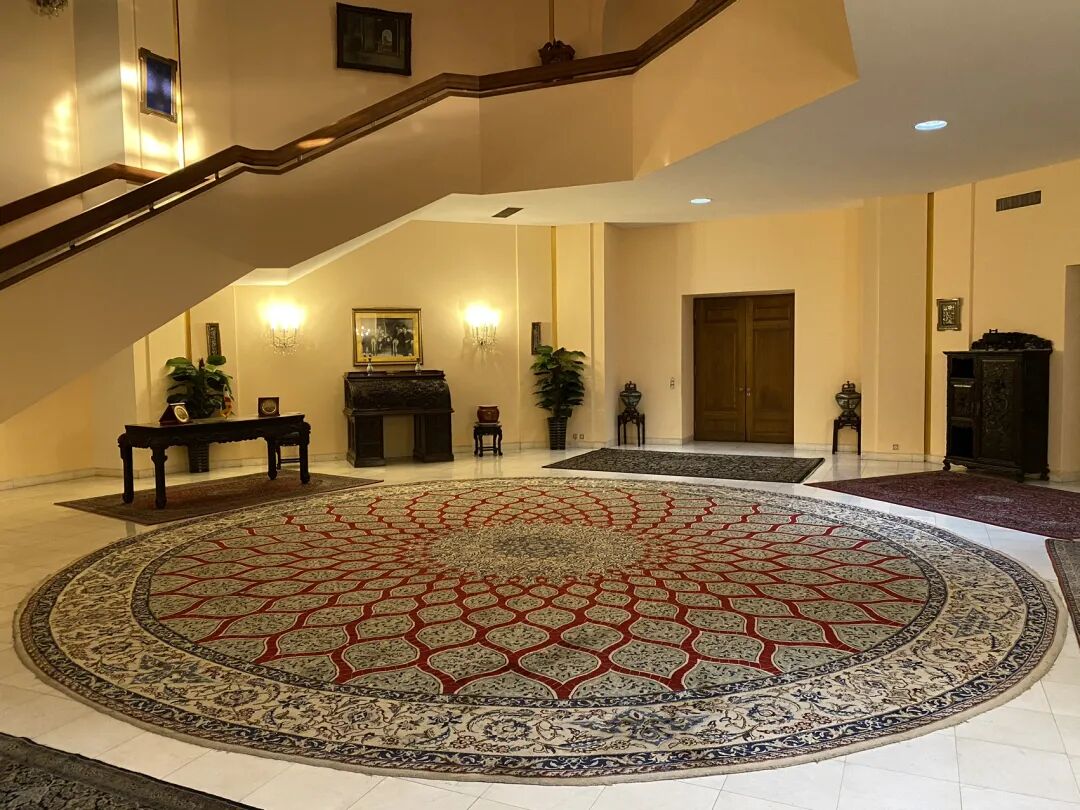
The Embassy of Iran in China is located on East 6th Street in Sanlitun, Beijing, and was built in 1972. In 1971, Princess Ashraf and Princess Fatemeh of the Pahlavi dynasty of Iran visited China. The two countries officially established diplomatic relations on August 16 of that year, and the Iranian embassy was completed in 1972.
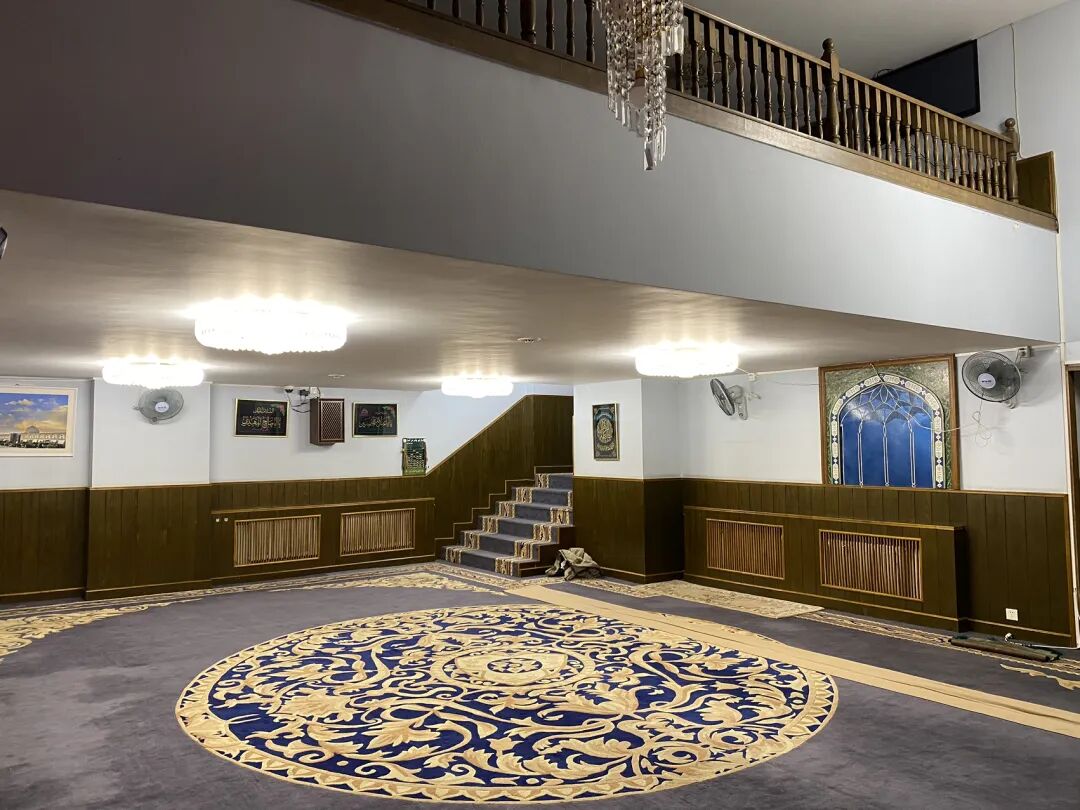
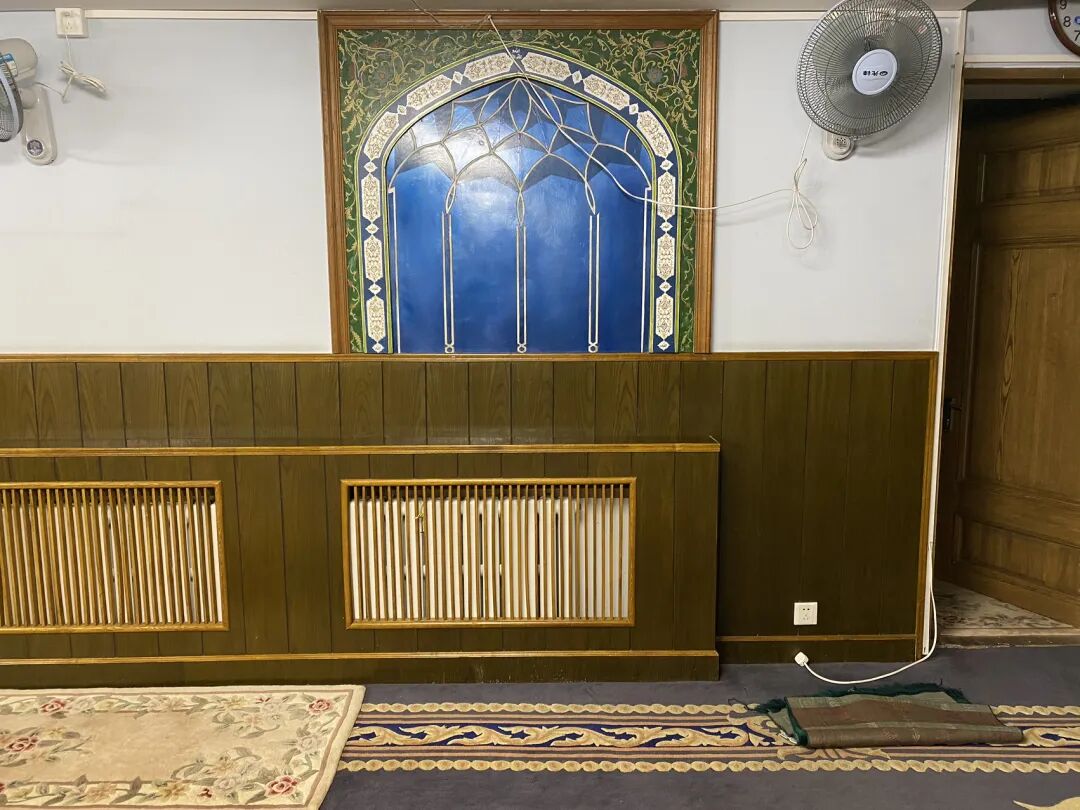
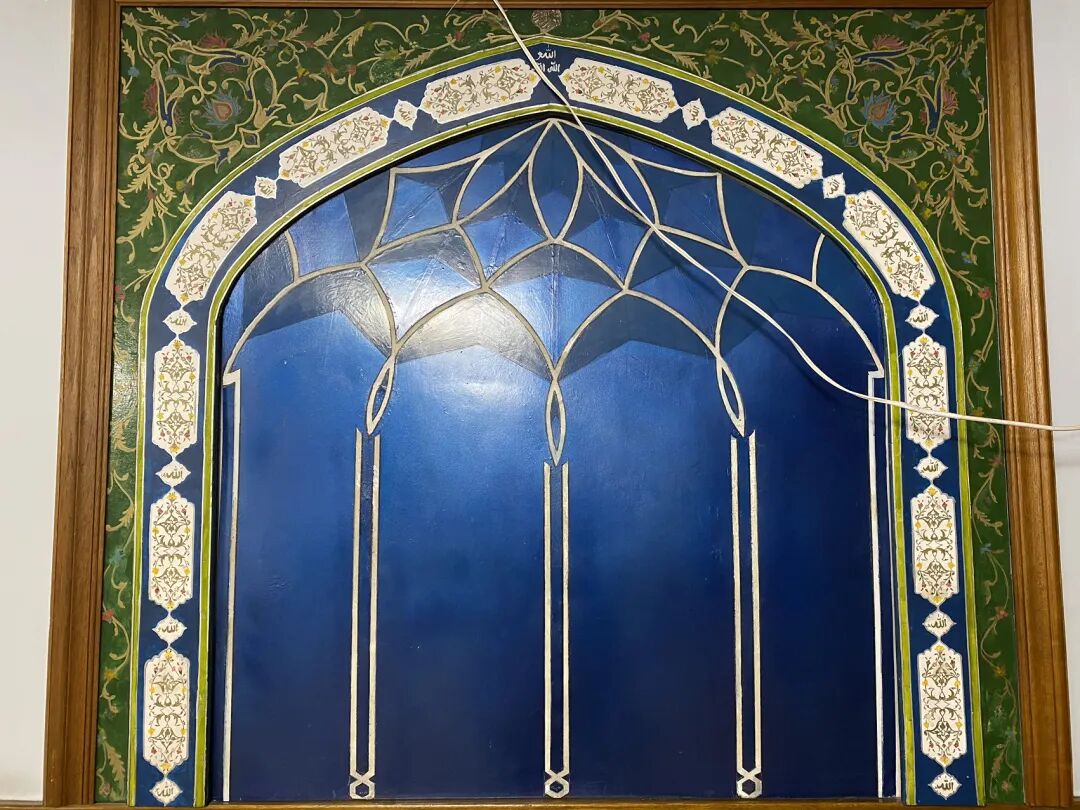
In the prayer hall of the Iranian embassy, you can see the clay tablets (turbah) that are characteristic of the Shia tradition. The turbah is also called a mohr. Because Shia jurisprudence requires prostration to be performed on soil or natural materials, a turbah is usually used indoors. The most revered turbah is made from the soil of Karbala.
Embassy of Sudan in China
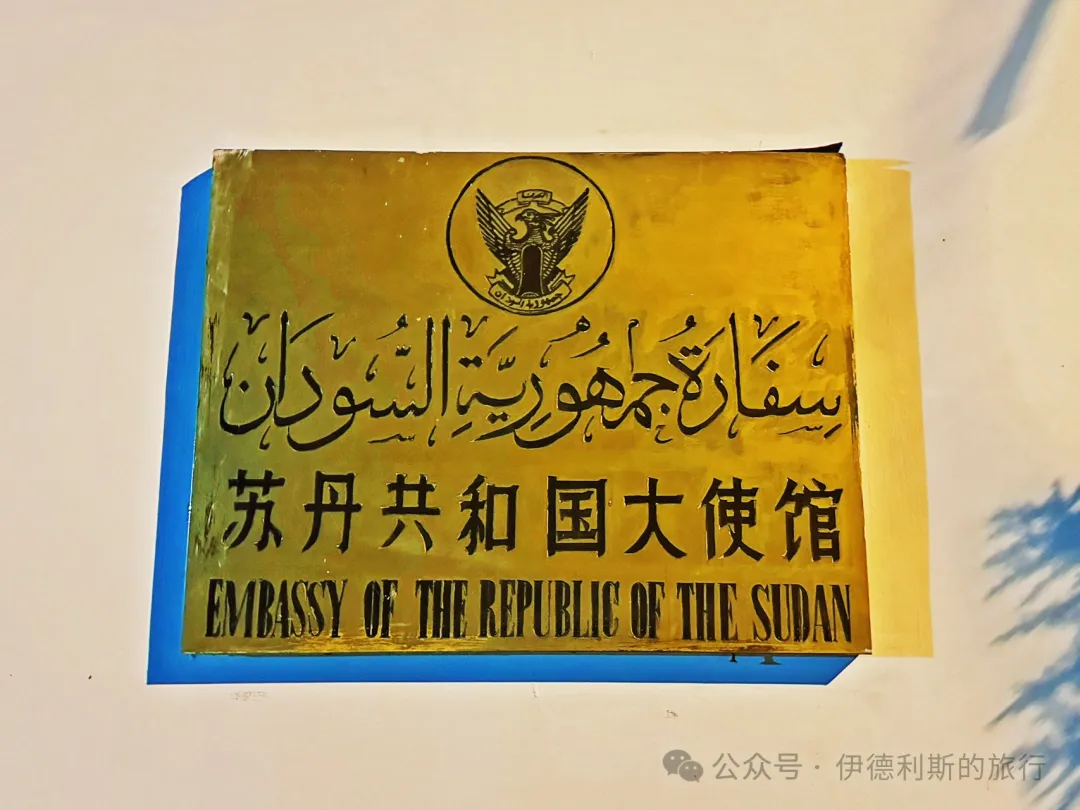
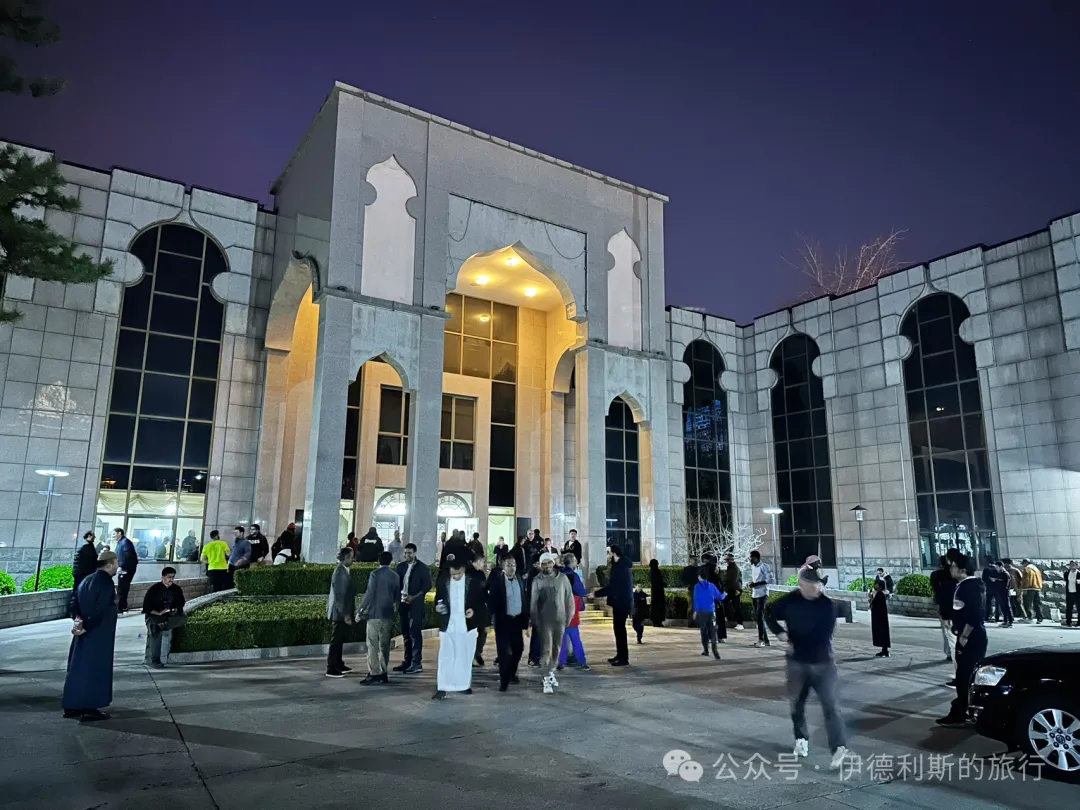
The Embassy of Sudan in China is located on East 2nd Street in Sanlitun, Beijing. Sudan and China established diplomatic relations in 1959. The embassy was built in 1971 and rebuilt into its current structure in 2006.
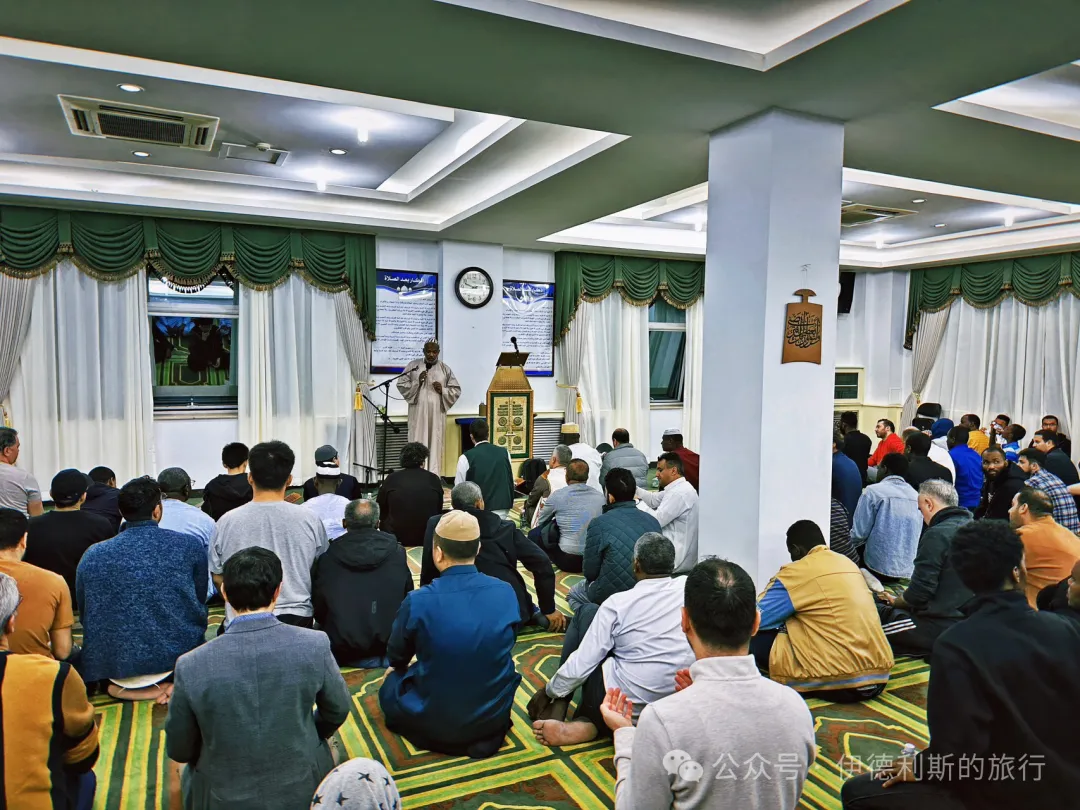
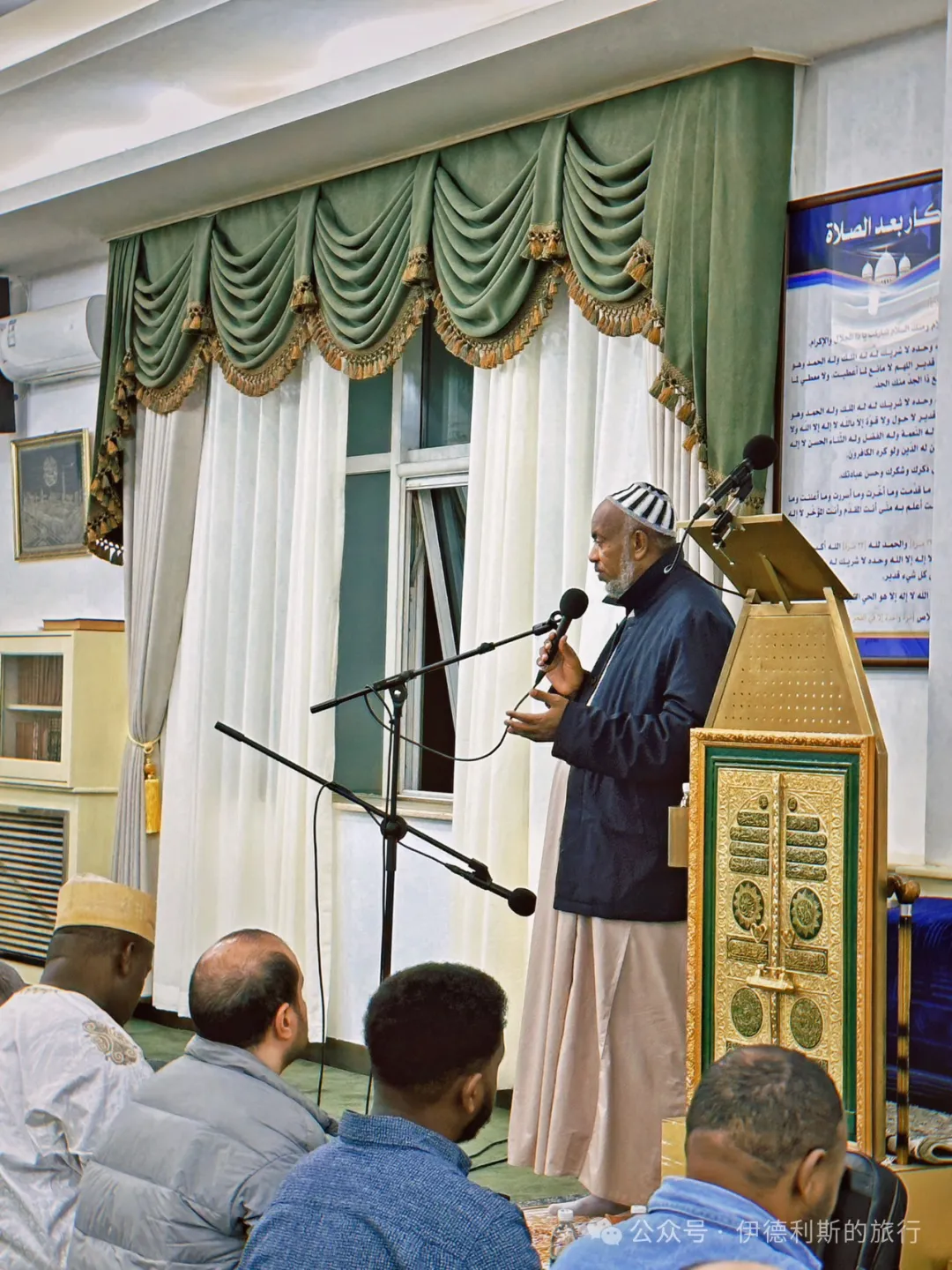
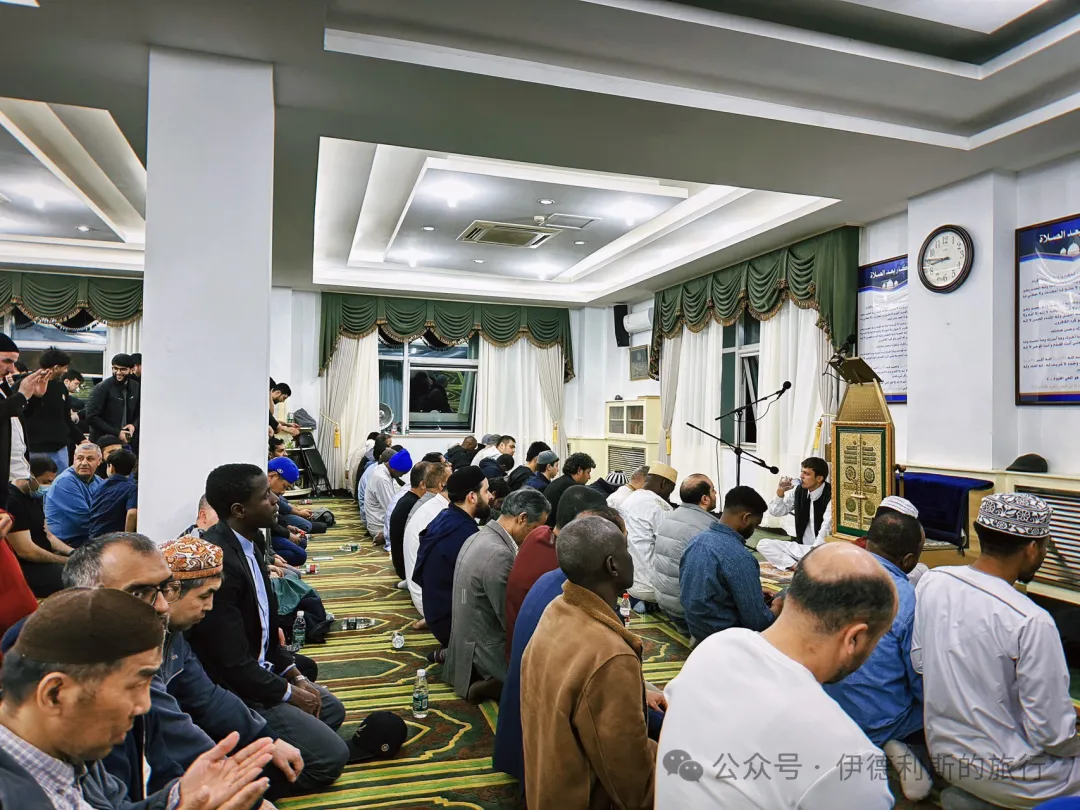
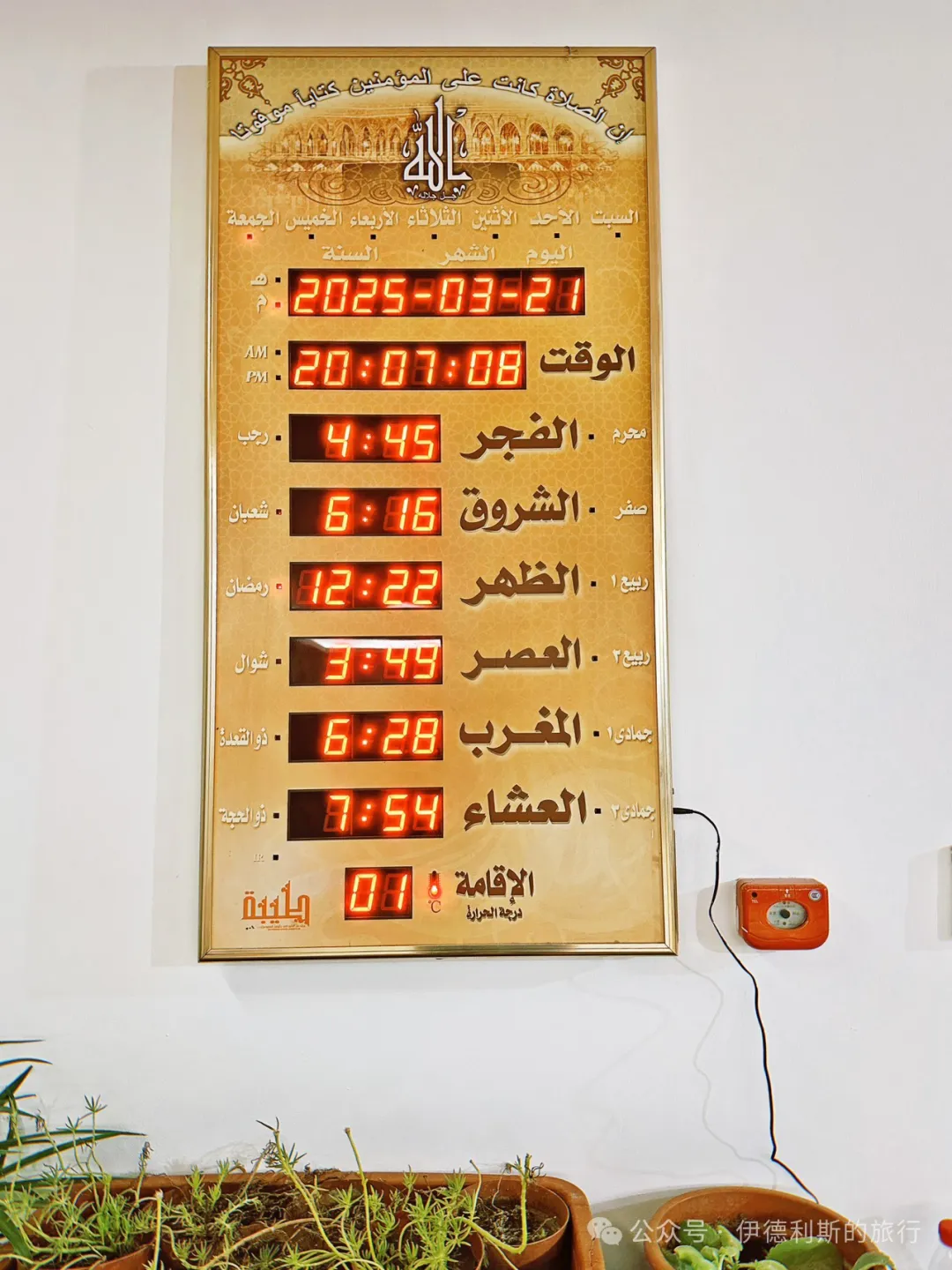
Every Ramadan, the prayer hall of the Sudanese embassy opens for foreign friends (dost) to perform Taraweeh prayers. I went in both 2024 and 2025.
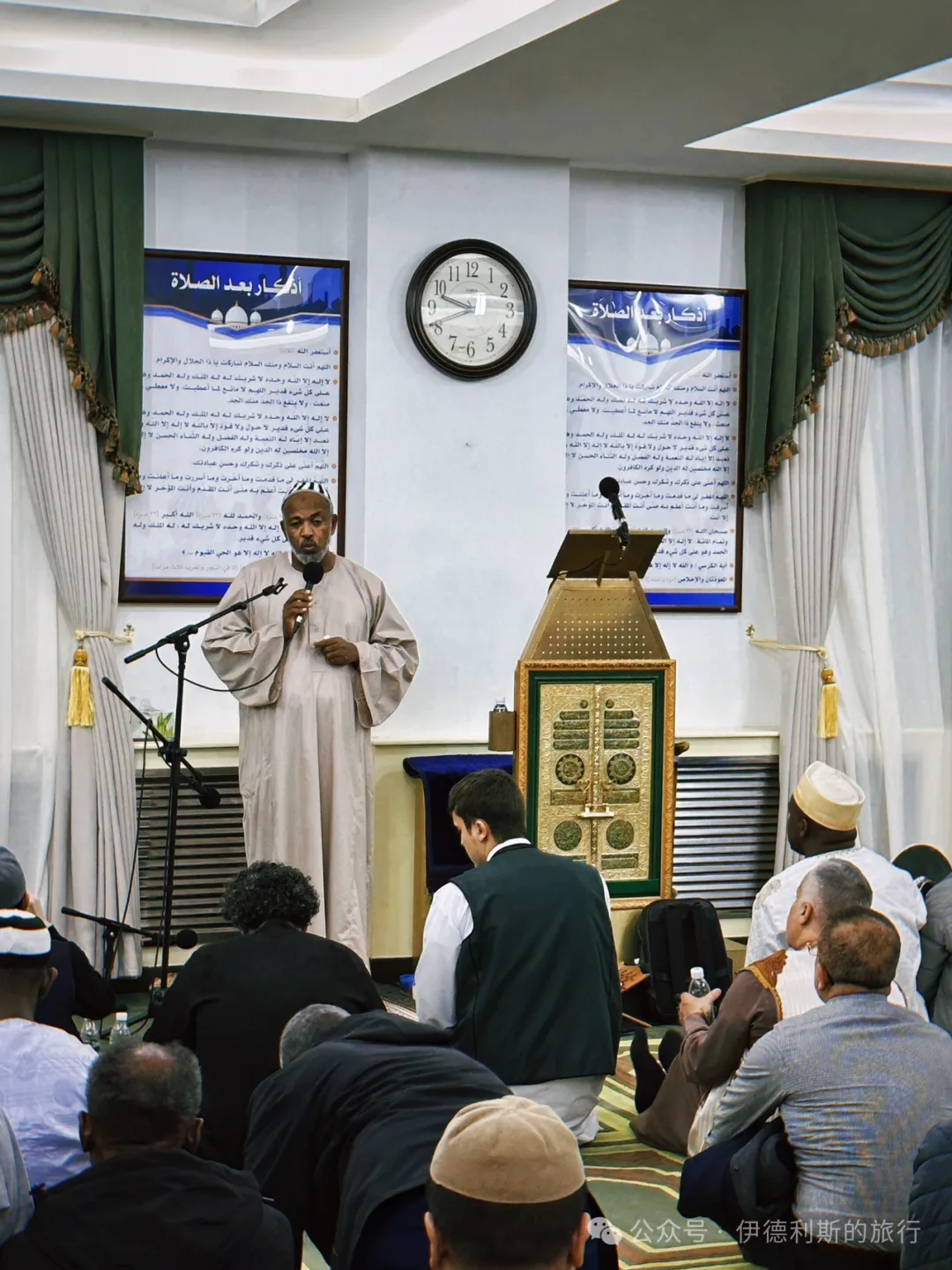
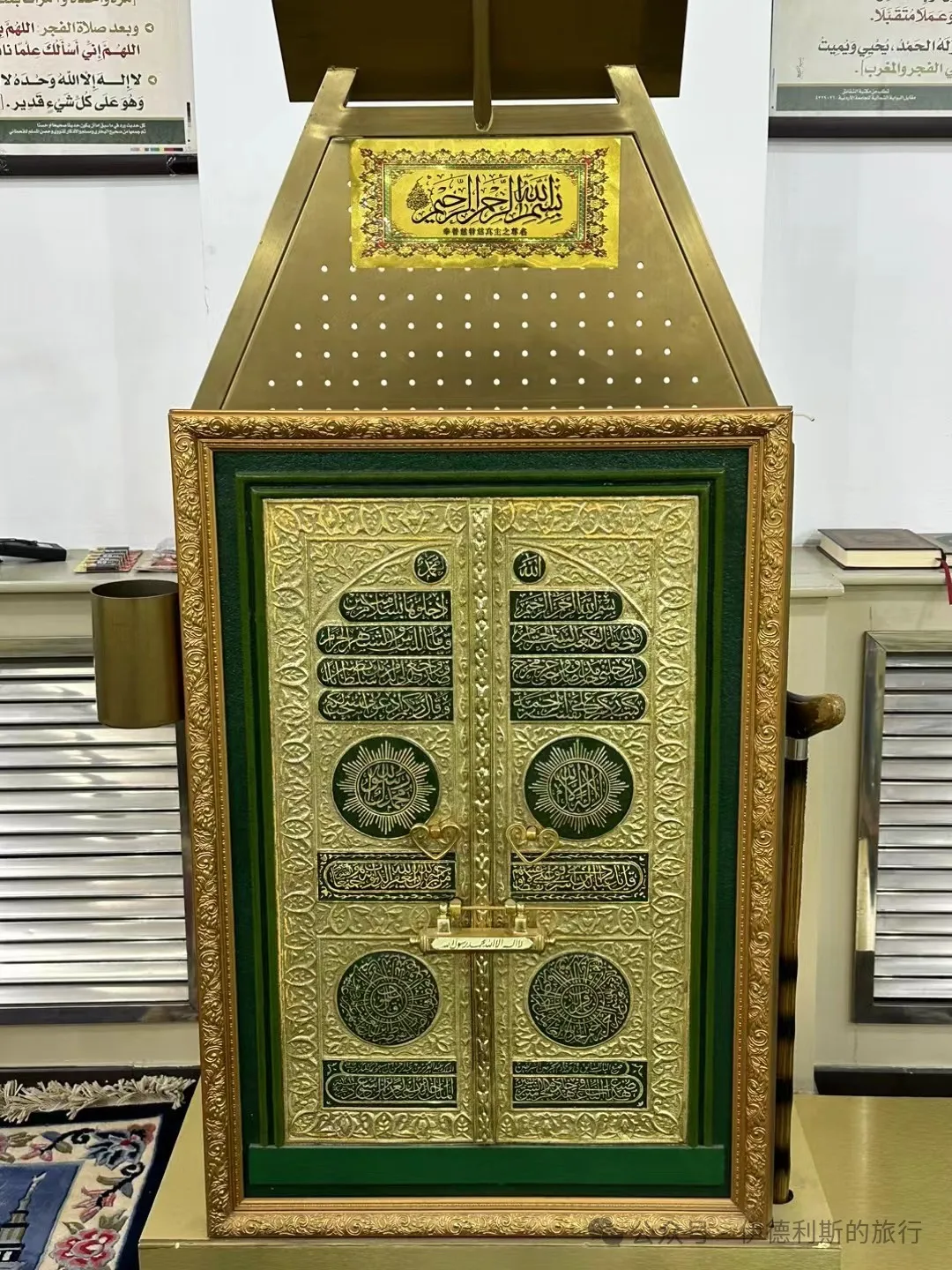
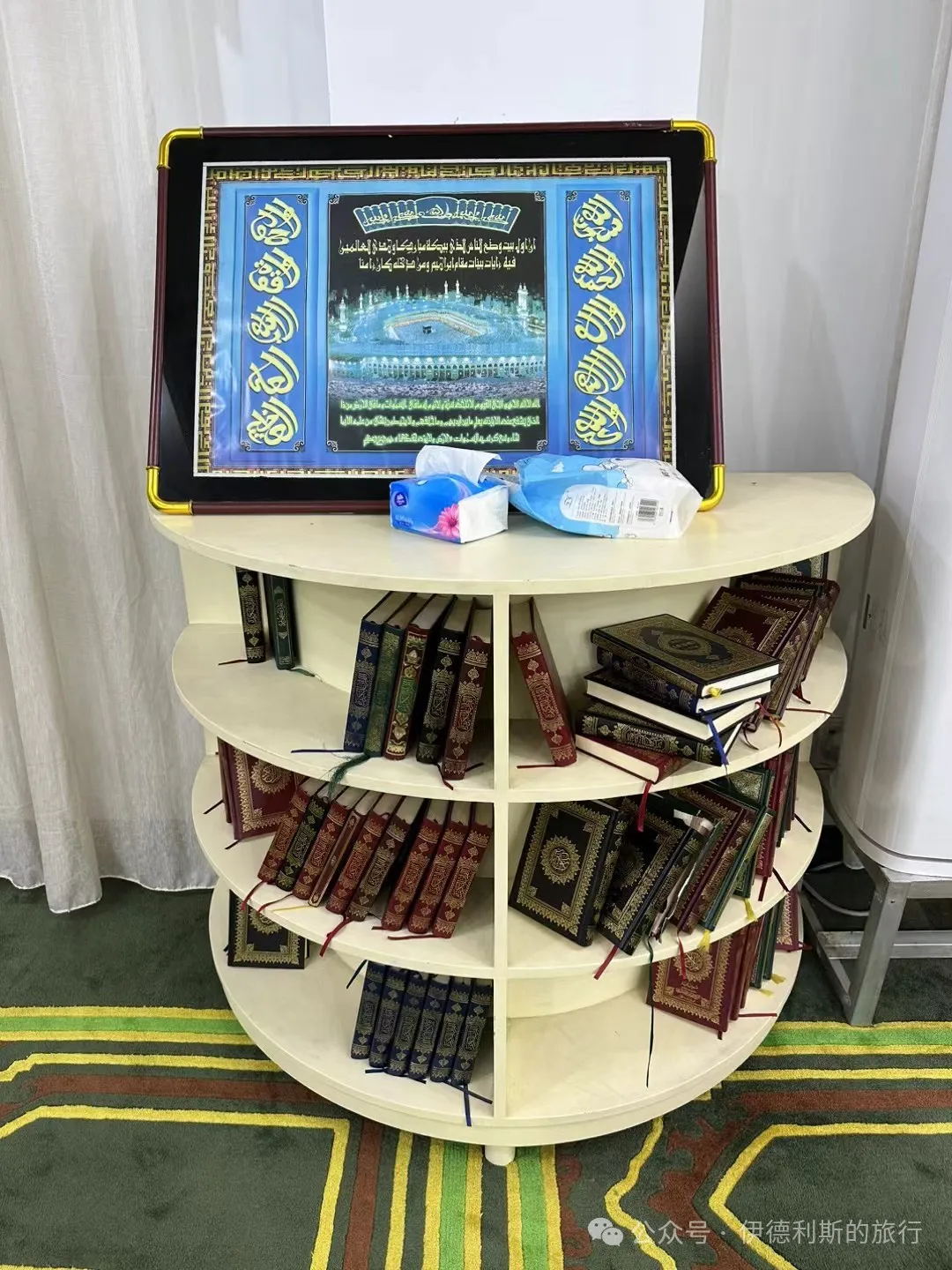
Sudan follows the Maliki school of thought, which is common across most of North and West Africa. It has many differences from the Hanafi school followed by Hui Muslims in China. The Taraweeh prayer at the Sudanese embassy consists of eight rak'ahs. A young Libyan hafiz specifically hired by the embassy leads the first four rak'ahs, followed by a sermon (wa'z) from the Sudanese imam, and then the Sudanese imam leads the final four rak'ahs. During the third rak'ah of the Witr dua, people raise their hands to recite a long dua, and there is another sermon (wa'z) after the dua. I think it is a rare opportunity to come here every year to experience a different religious and cultural atmosphere.
In the 15th and 16th centuries, Sufi sages began spreading the faith along the upper reaches of the Nile River toward the Sudan region. In the early 16th century, the Funj Sultanate, which ruled Sudan, had nominally converted to the faith but still retained traditions of witchcraft and sacrifice. In 1718, the Funj Sultanate underwent a change of dynasty, which led to a pursuit of more orthodox religious practices and the beginning of Arabization. By the 19th century, Sudan had become a region that practiced orthodox Sunni Islam and began using Arabic as a common language. Today, the vast majority of Sudanese people follow the Sunni Maliki school and are deeply influenced by Sufism.
Pakistan Embassy College Beijing
The Embassy of Pakistan in China is located on Dongzhimen Outer Street in Beijing and was built in 1951. The founder of the Pakistani embassy in China was the famous Pakistani writer and scholar Ahmed Ali, who gained international fame for his masterpiece, Twilight in Delhi. This book uses rich symbolic imagery to describe the changes in the Indian Muslim community under British colonial rule in the early 20th century.
Pakistan Embassy College Beijing is located inside the Pakistani embassy. It was opened in 1969 by Premier Zhou Enlai at the request of Pakistani Prime Minister Ayub Khan and was the first international school in Beijing. The college offers a full curriculum from kindergarten to high school. to the children of Pakistani expatriates and diplomats, the college enrolls international students from over 60 different countries and holds an International Cultural Day event every year.
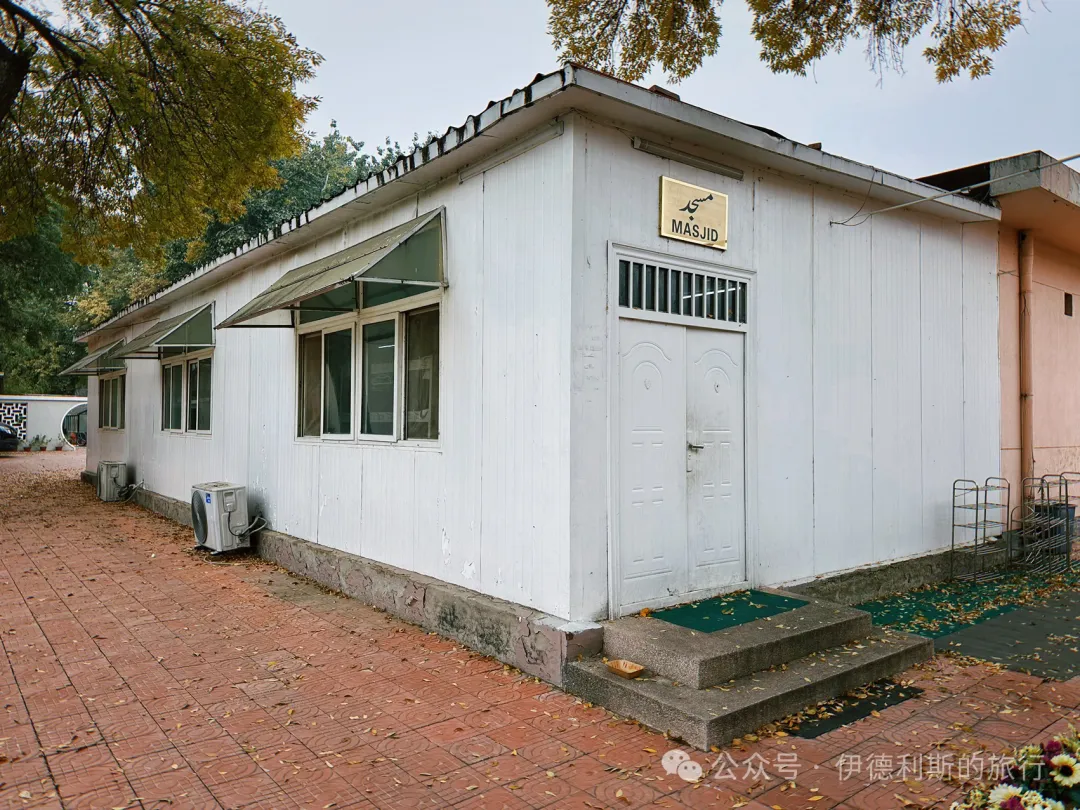
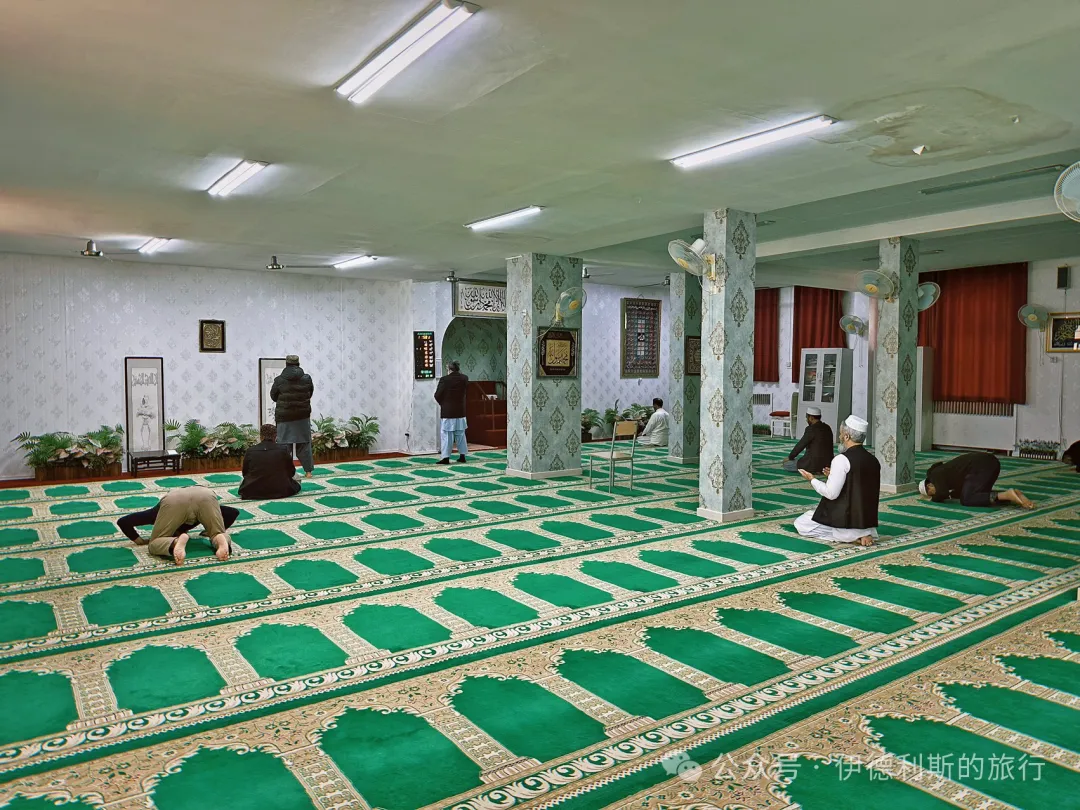
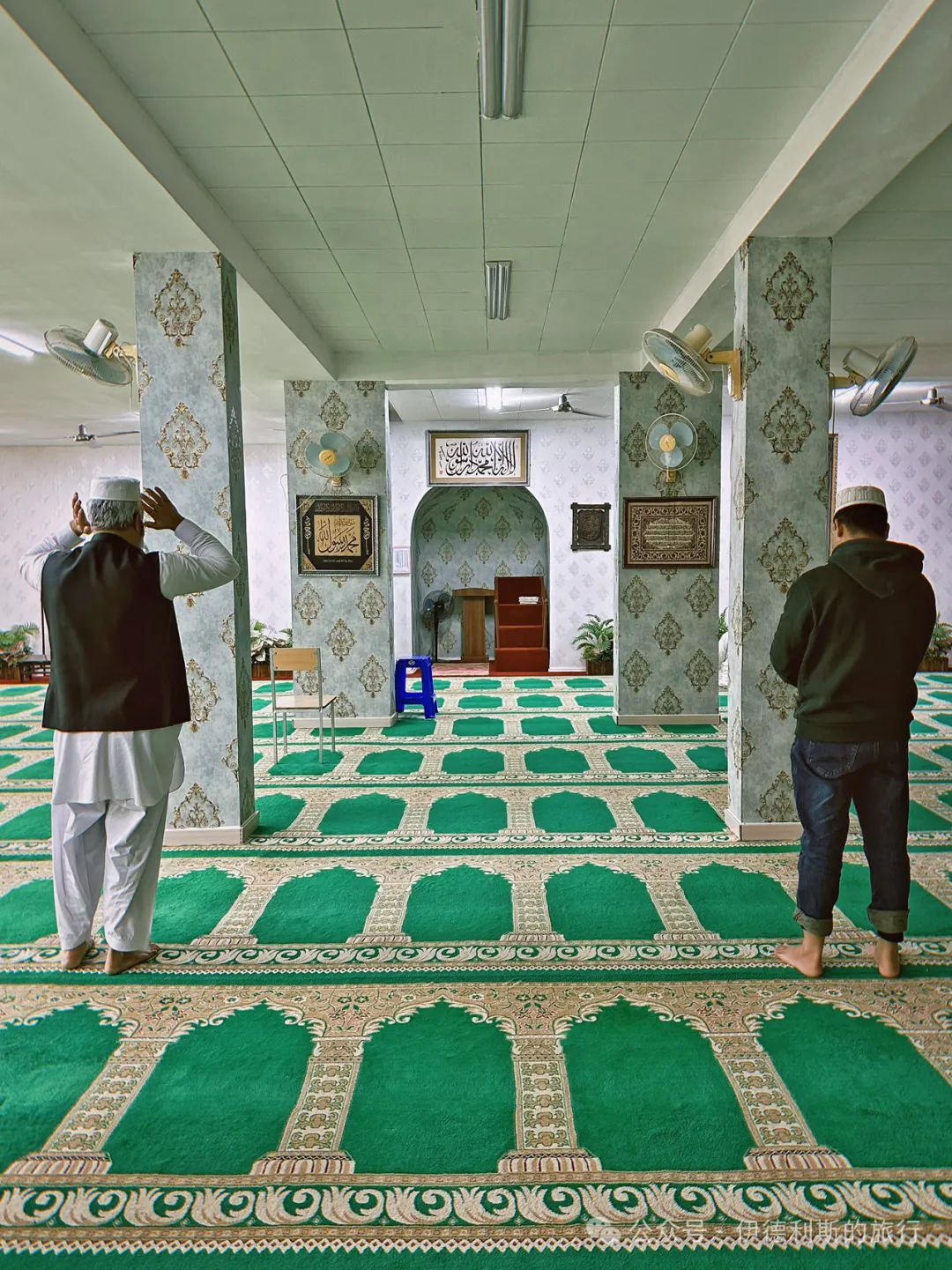
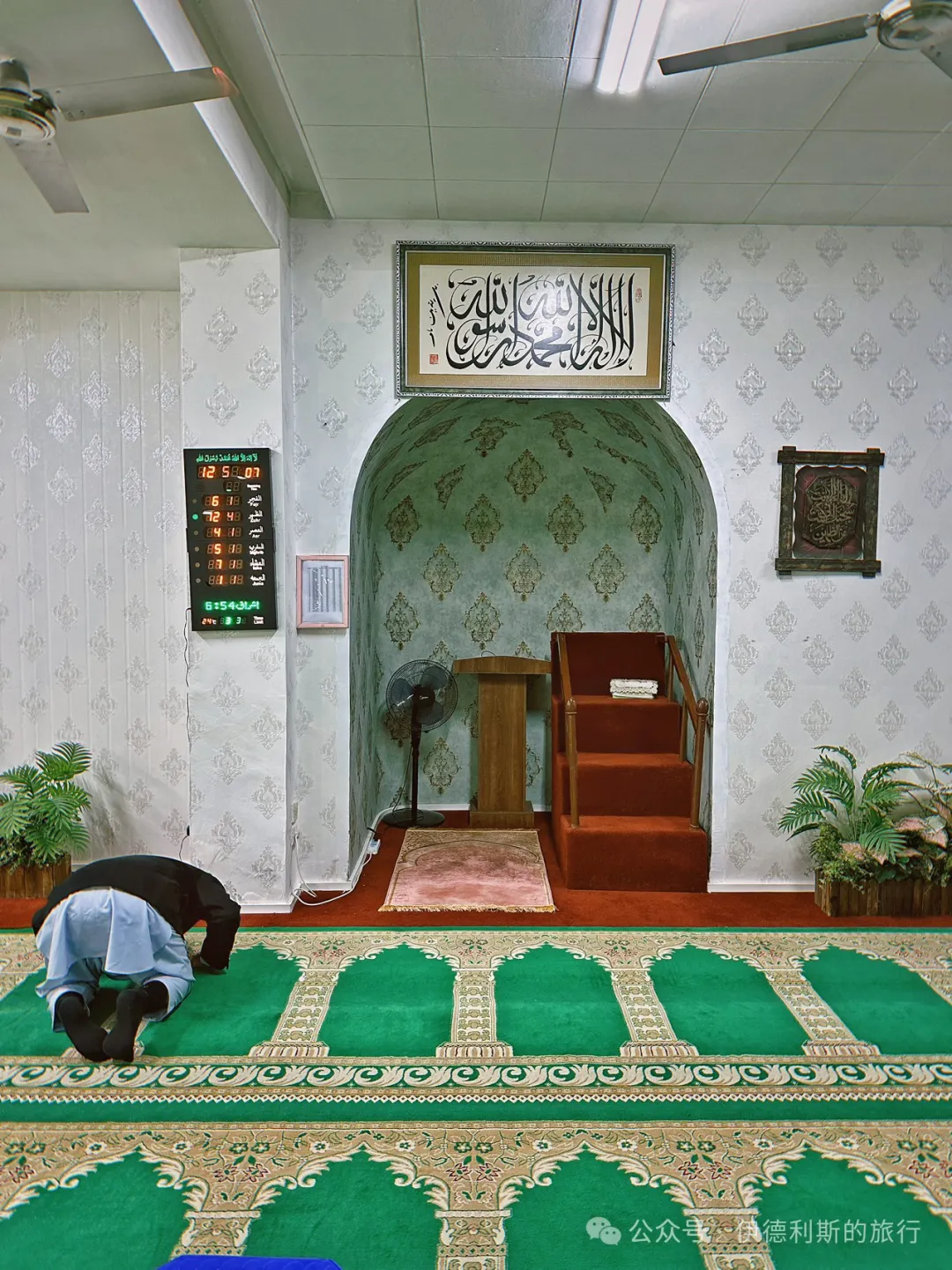
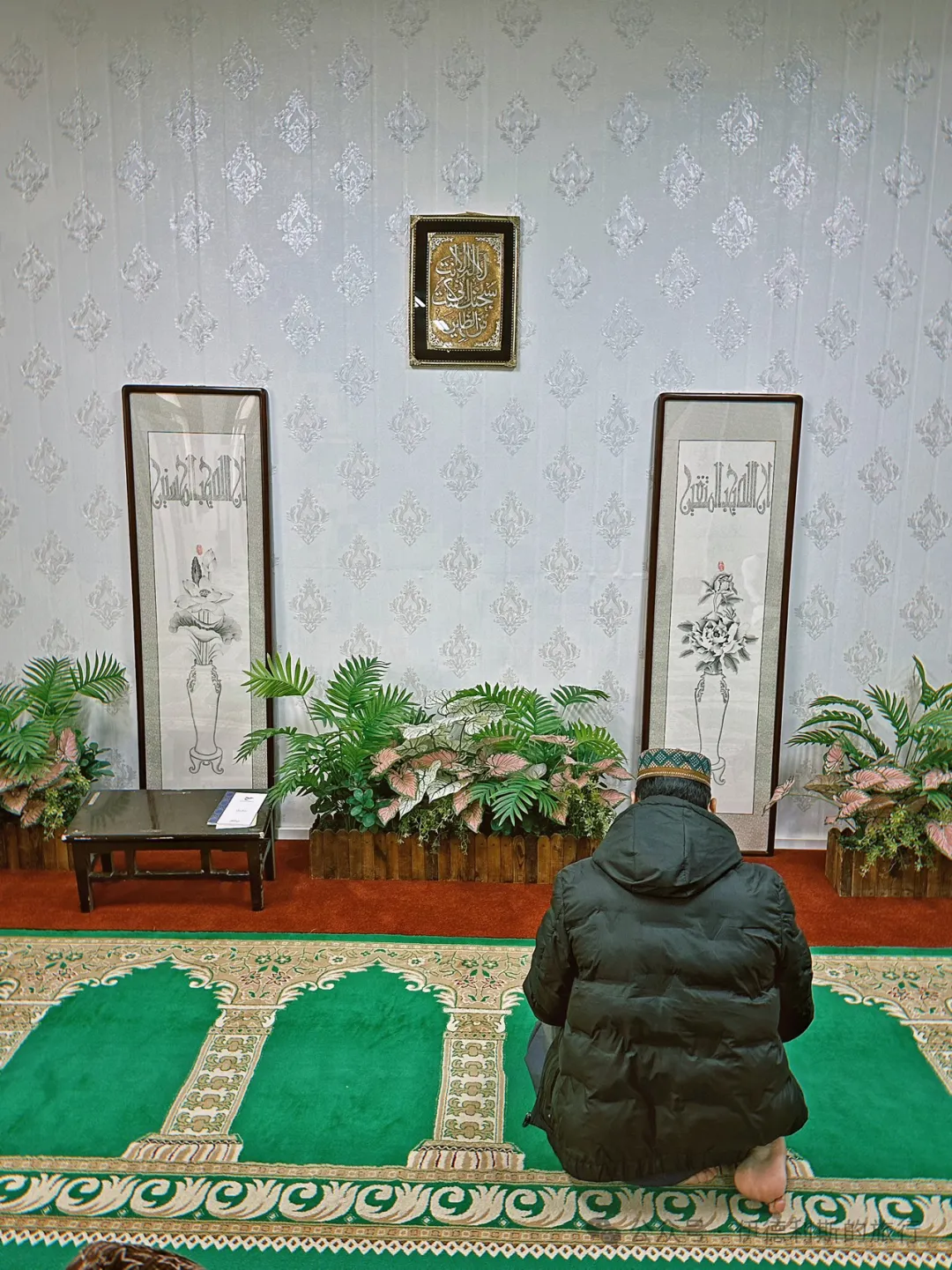
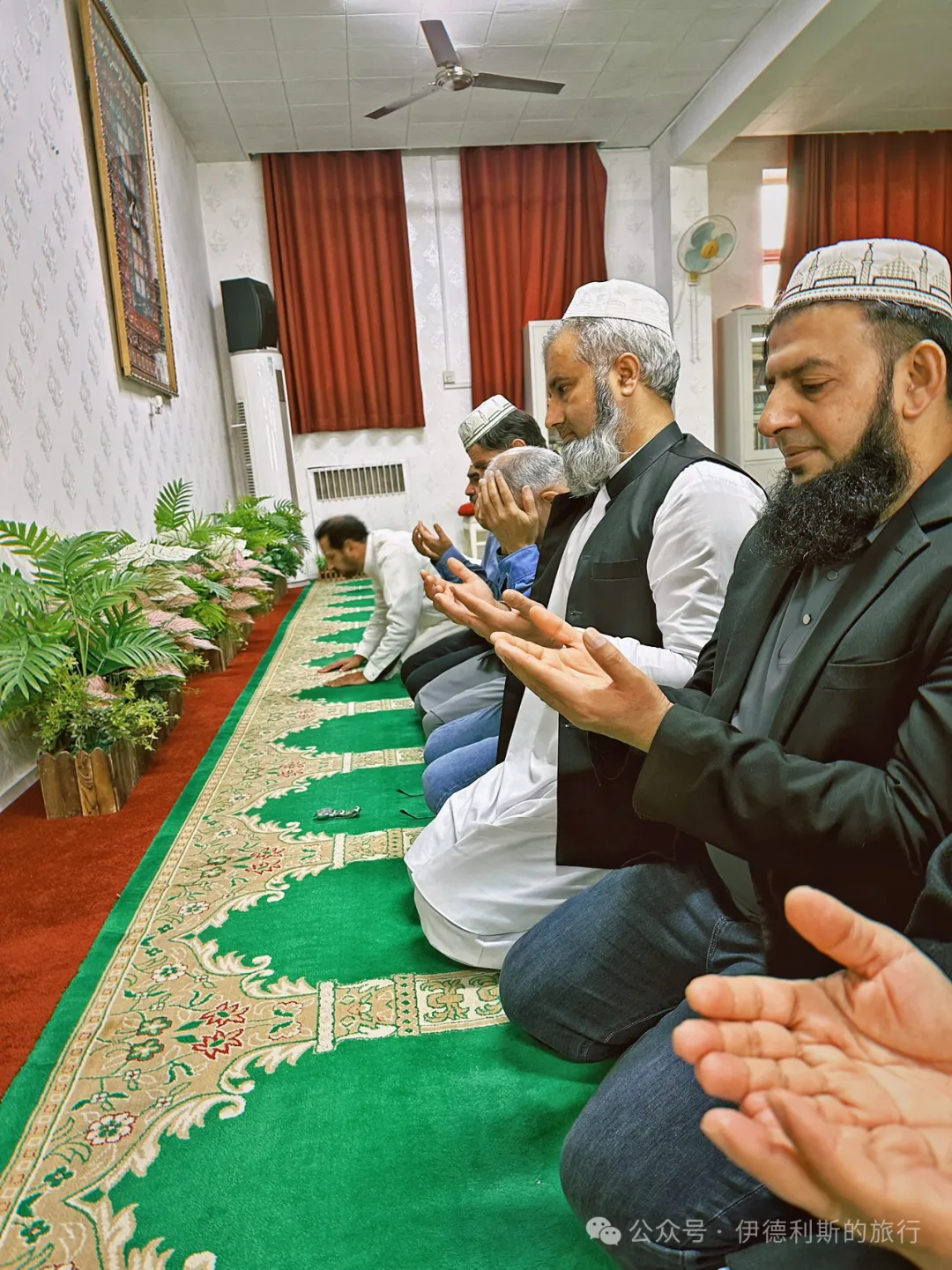
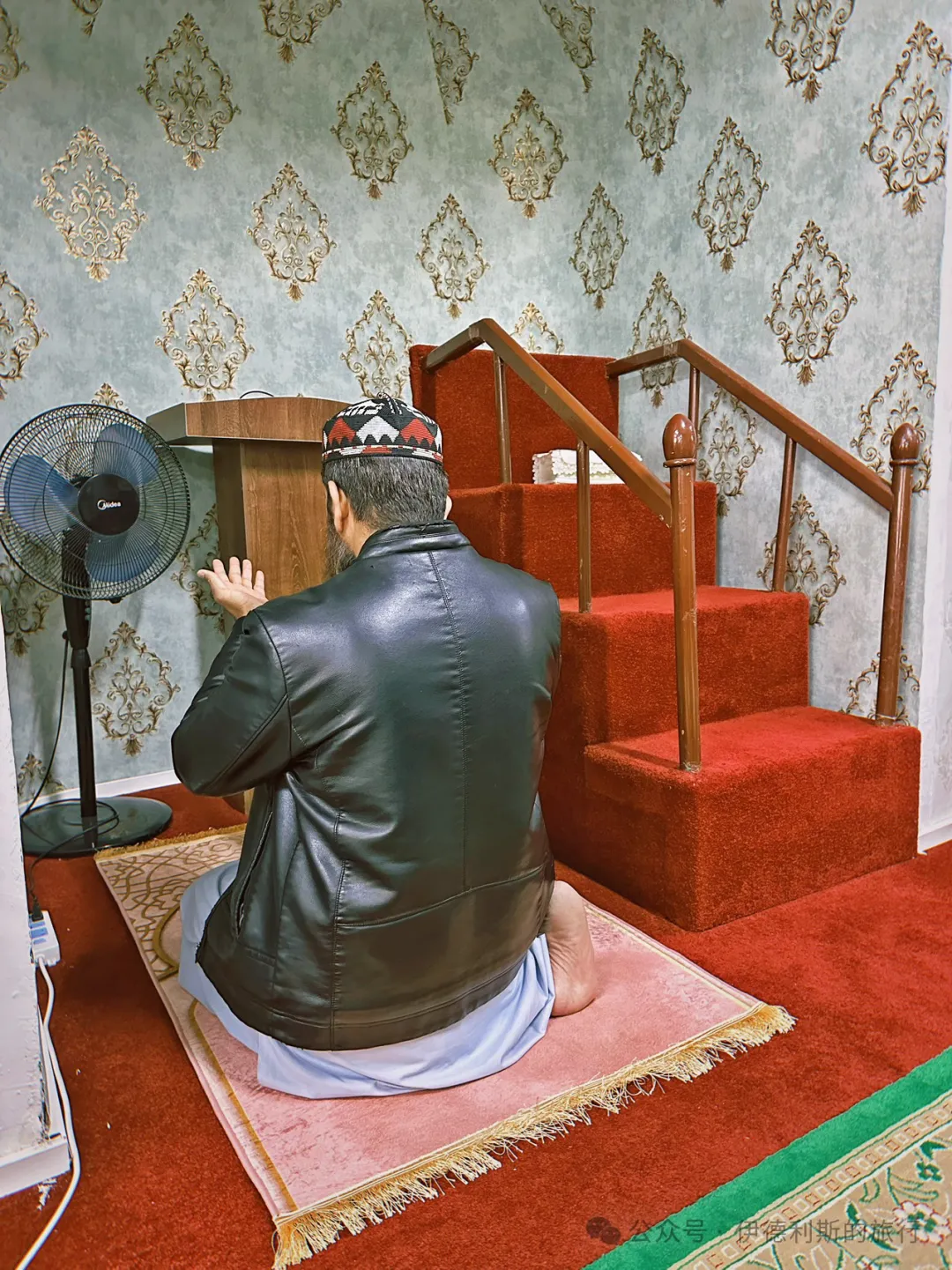
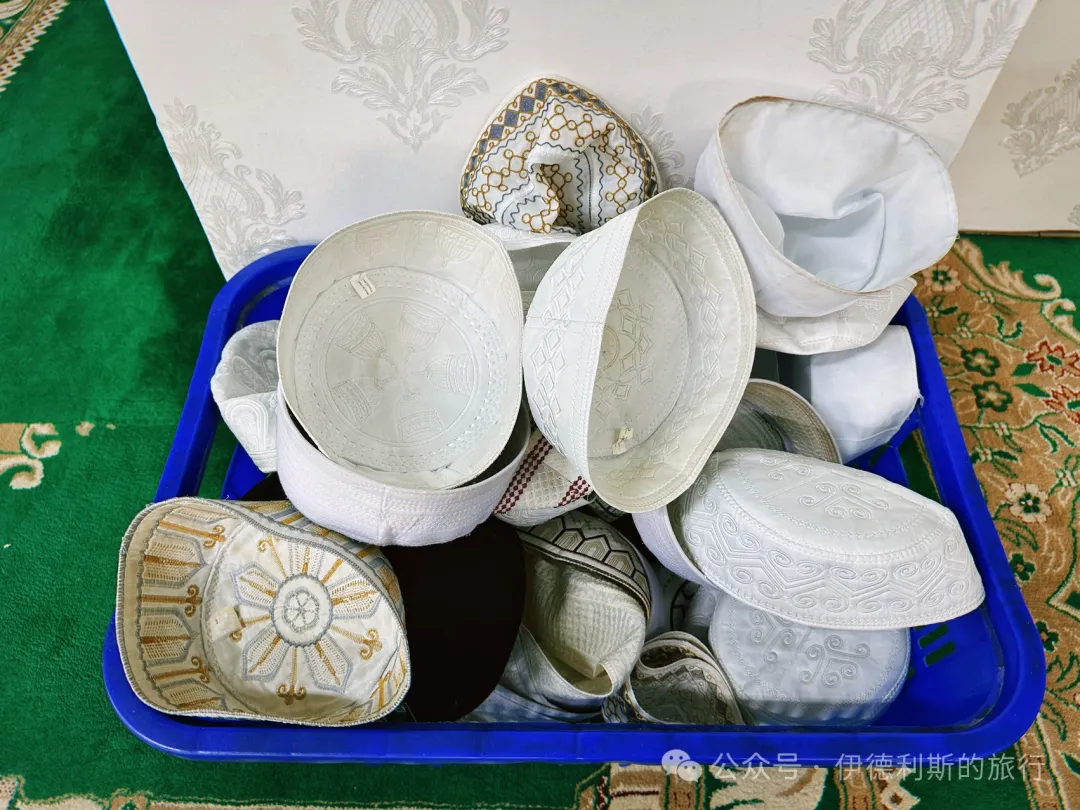
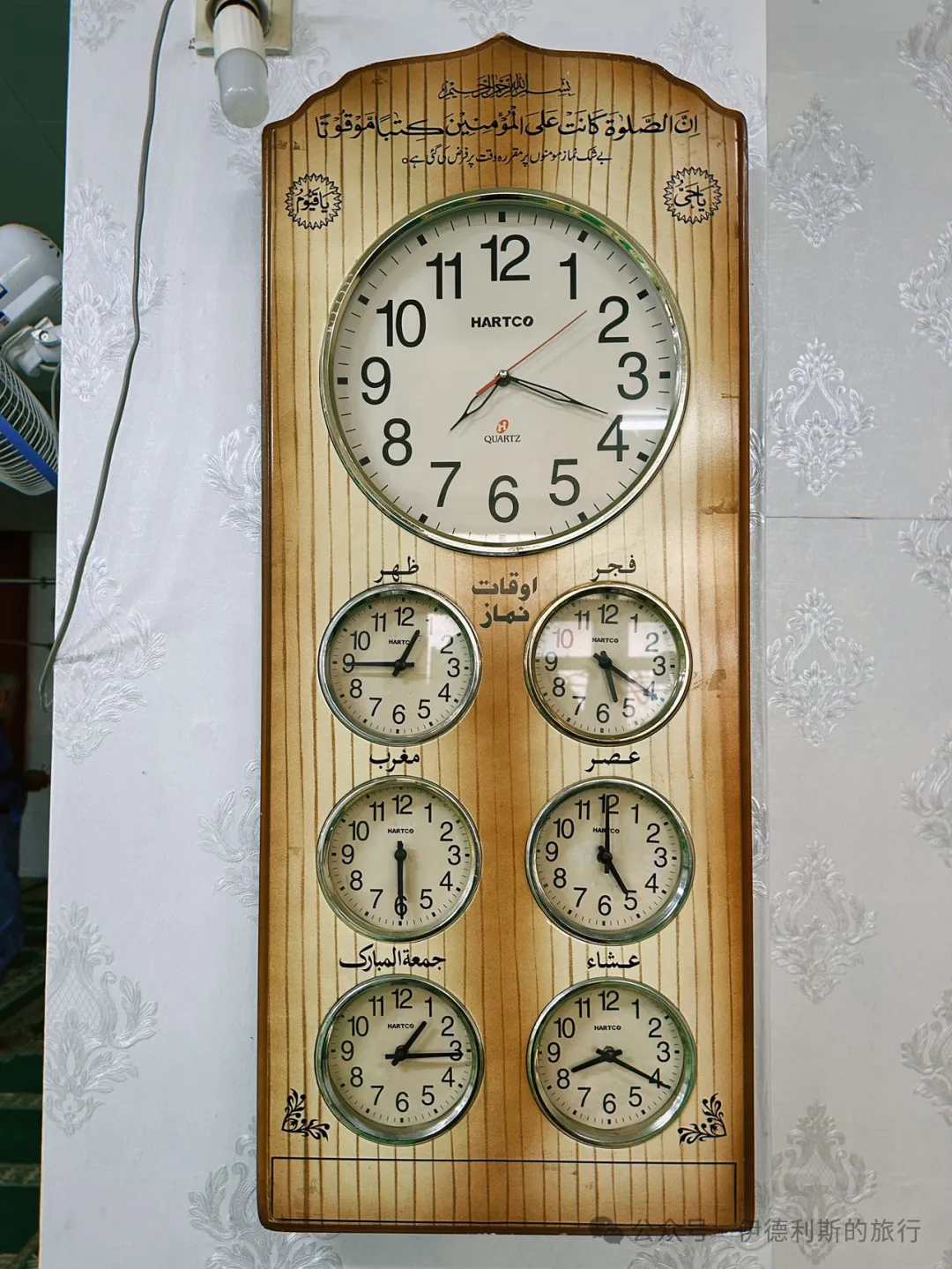
In 2024, I attended the International Culture Day at the Pakistan Embassy College and performed namaz in the school's prayer hall. Pakistanis also mostly follow the Hanafi school of thought, so their movements are basically the same as ours. There was even a basket of prayer caps at the door, which matches our custom of wearing caps, unlike the Arabs or Iranians who do not have this practice. view all
Summary: This Beijing embassy district account visits the prayer halls of the Iranian Embassy, Sudanese Embassy, and Pakistan Embassy College. It records diplomatic history, Shia turbah practice, Sudanese Taraweeh traditions, Maliki prayer customs, Pakistani community schooling, and mosque spaces inside the embassy area.
Embassy of Iran in China
The Embassy of Iran in China is located on East 6th Street in Sanlitun, Beijing, and was built in 1972. In 1971, Princess Ashraf and Princess Fatemeh of the Pahlavi dynasty of Iran visited China. The two countries officially established diplomatic relations on August 16 of that year, and the Iranian embassy was completed in 1972.
In the prayer hall of the Iranian embassy, you can see the clay tablets (turbah) that are characteristic of the Shia tradition. The turbah is also called a mohr. Because Shia jurisprudence requires prostration to be performed on soil or natural materials, a turbah is usually used indoors. The most revered turbah is made from the soil of Karbala.
Embassy of Sudan in China
The Embassy of Sudan in China is located on East 2nd Street in Sanlitun, Beijing. Sudan and China established diplomatic relations in 1959. The embassy was built in 1971 and rebuilt into its current structure in 2006.
Every Ramadan, the prayer hall of the Sudanese embassy opens for foreign friends (dost) to perform Taraweeh prayers. I went in both 2024 and 2025.
Sudan follows the Maliki school of thought, which is common across most of North and West Africa. It has many differences from the Hanafi school followed by Hui Muslims in China. The Taraweeh prayer at the Sudanese embassy consists of eight rak'ahs. A young Libyan hafiz specifically hired by the embassy leads the first four rak'ahs, followed by a sermon (wa'z) from the Sudanese imam, and then the Sudanese imam leads the final four rak'ahs. During the third rak'ah of the Witr dua, people raise their hands to recite a long dua, and there is another sermon (wa'z) after the dua. I think it is a rare opportunity to come here every year to experience a different religious and cultural atmosphere.
In the 15th and 16th centuries, Sufi sages began spreading the faith along the upper reaches of the Nile River toward the Sudan region. In the early 16th century, the Funj Sultanate, which ruled Sudan, had nominally converted to the faith but still retained traditions of witchcraft and sacrifice. In 1718, the Funj Sultanate underwent a change of dynasty, which led to a pursuit of more orthodox religious practices and the beginning of Arabization. By the 19th century, Sudan had become a region that practiced orthodox Sunni Islam and began using Arabic as a common language. Today, the vast majority of Sudanese people follow the Sunni Maliki school and are deeply influenced by Sufism.
Pakistan Embassy College Beijing
The Embassy of Pakistan in China is located on Dongzhimen Outer Street in Beijing and was built in 1951. The founder of the Pakistani embassy in China was the famous Pakistani writer and scholar Ahmed Ali, who gained international fame for his masterpiece, Twilight in Delhi. This book uses rich symbolic imagery to describe the changes in the Indian Muslim community under British colonial rule in the early 20th century.
Pakistan Embassy College Beijing is located inside the Pakistani embassy. It was opened in 1969 by Premier Zhou Enlai at the request of Pakistani Prime Minister Ayub Khan and was the first international school in Beijing. The college offers a full curriculum from kindergarten to high school. to the children of Pakistani expatriates and diplomats, the college enrolls international students from over 60 different countries and holds an International Cultural Day event every year.
In 2024, I attended the International Culture Day at the Pakistan Embassy College and performed namaz in the school's prayer hall. Pakistanis also mostly follow the Hanafi school of thought, so their movements are basically the same as ours. There was even a basket of prayer caps at the door, which matches our custom of wearing caps, unlike the Arabs or Iranians who do not have this practice. view all
Reposted from the web
Summary: This Beijing embassy district account visits the prayer halls of the Iranian Embassy, Sudanese Embassy, and Pakistan Embassy College. It records diplomatic history, Shia turbah practice, Sudanese Taraweeh traditions, Maliki prayer customs, Pakistani community schooling, and mosque spaces inside the embassy area.
Embassy of Iran in China
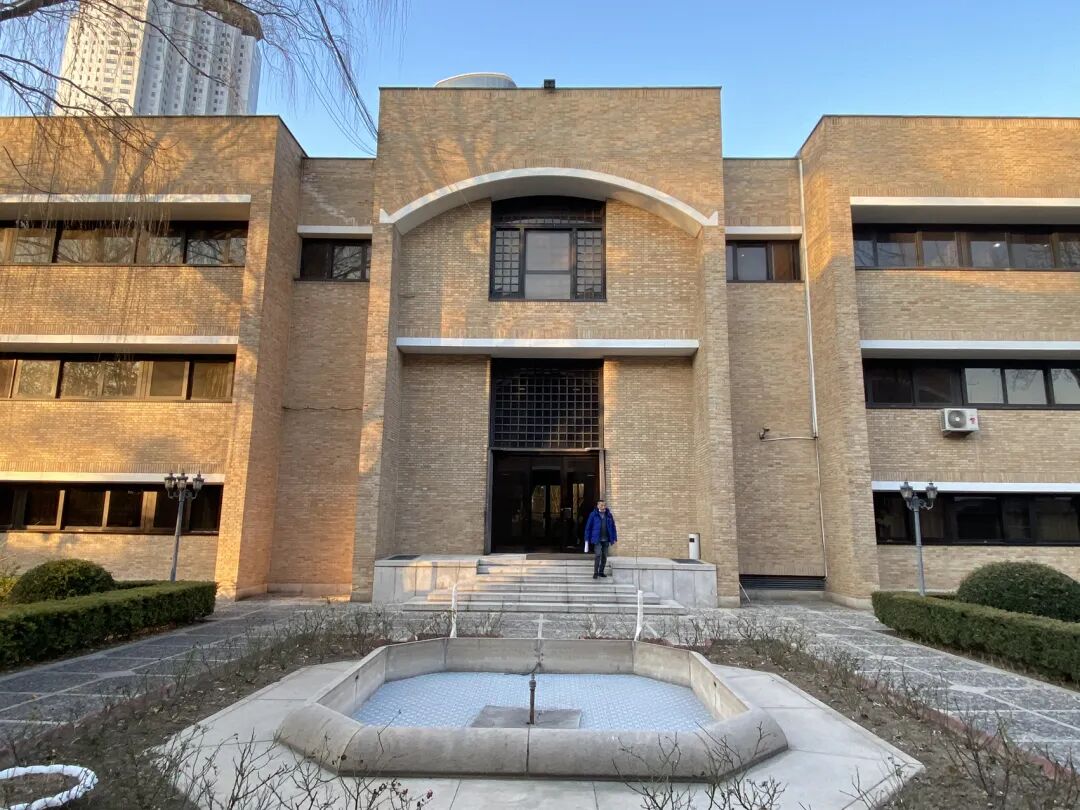
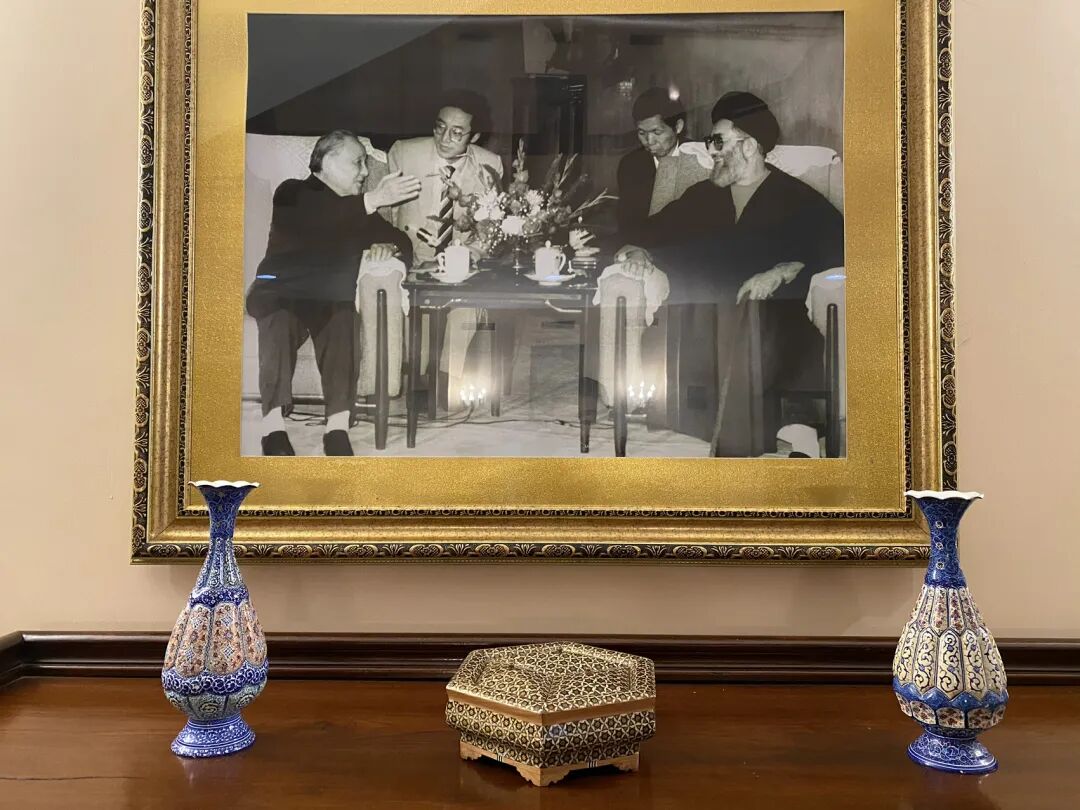
The Embassy of Iran in China is located on East 6th Street in Sanlitun, Beijing, and was built in 1972. In 1971, Princess Ashraf and Princess Fatemeh of the Pahlavi dynasty of Iran visited China. The two countries officially established diplomatic relations on August 16 of that year, and the Iranian embassy was completed in 1972.
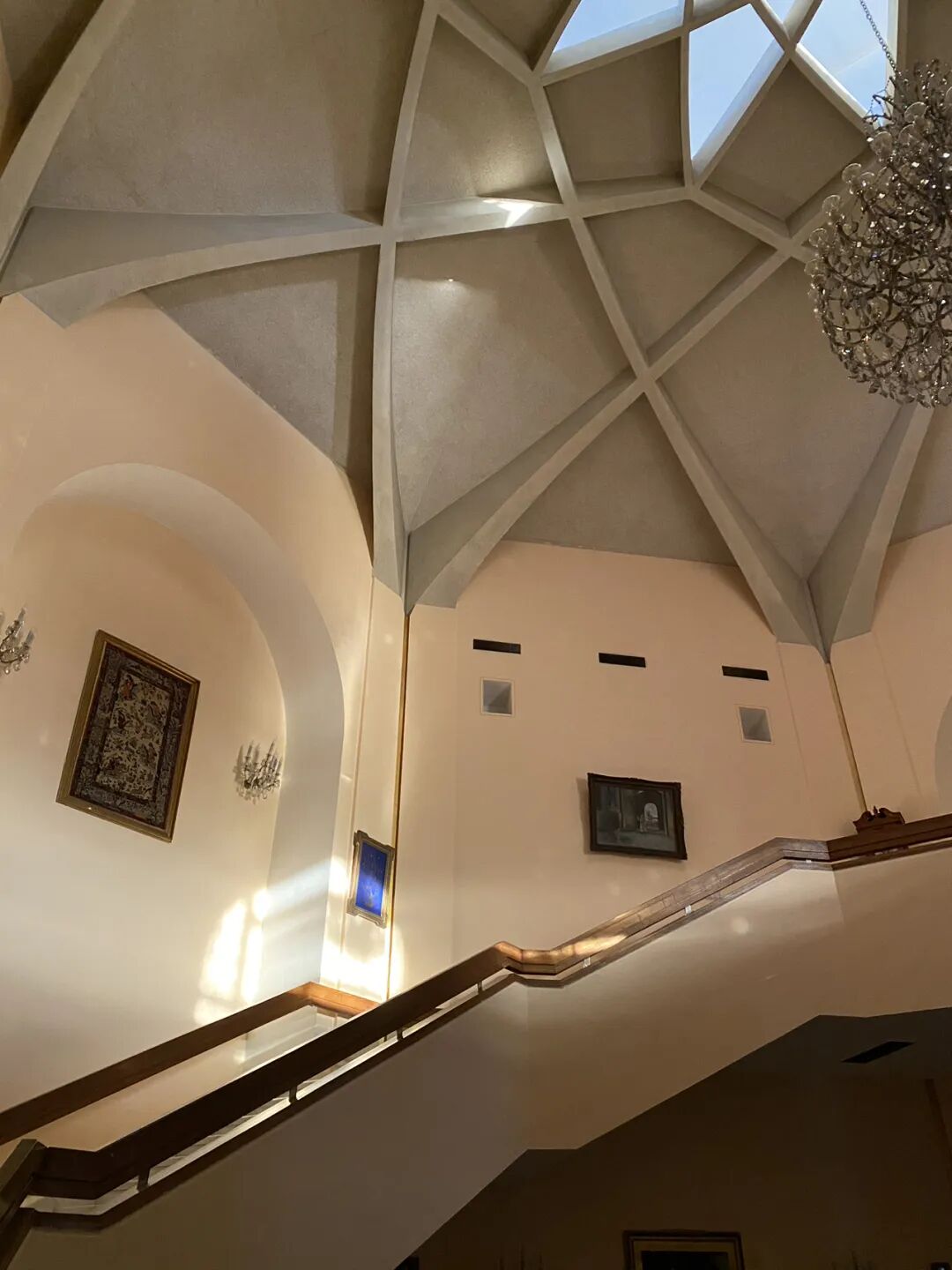
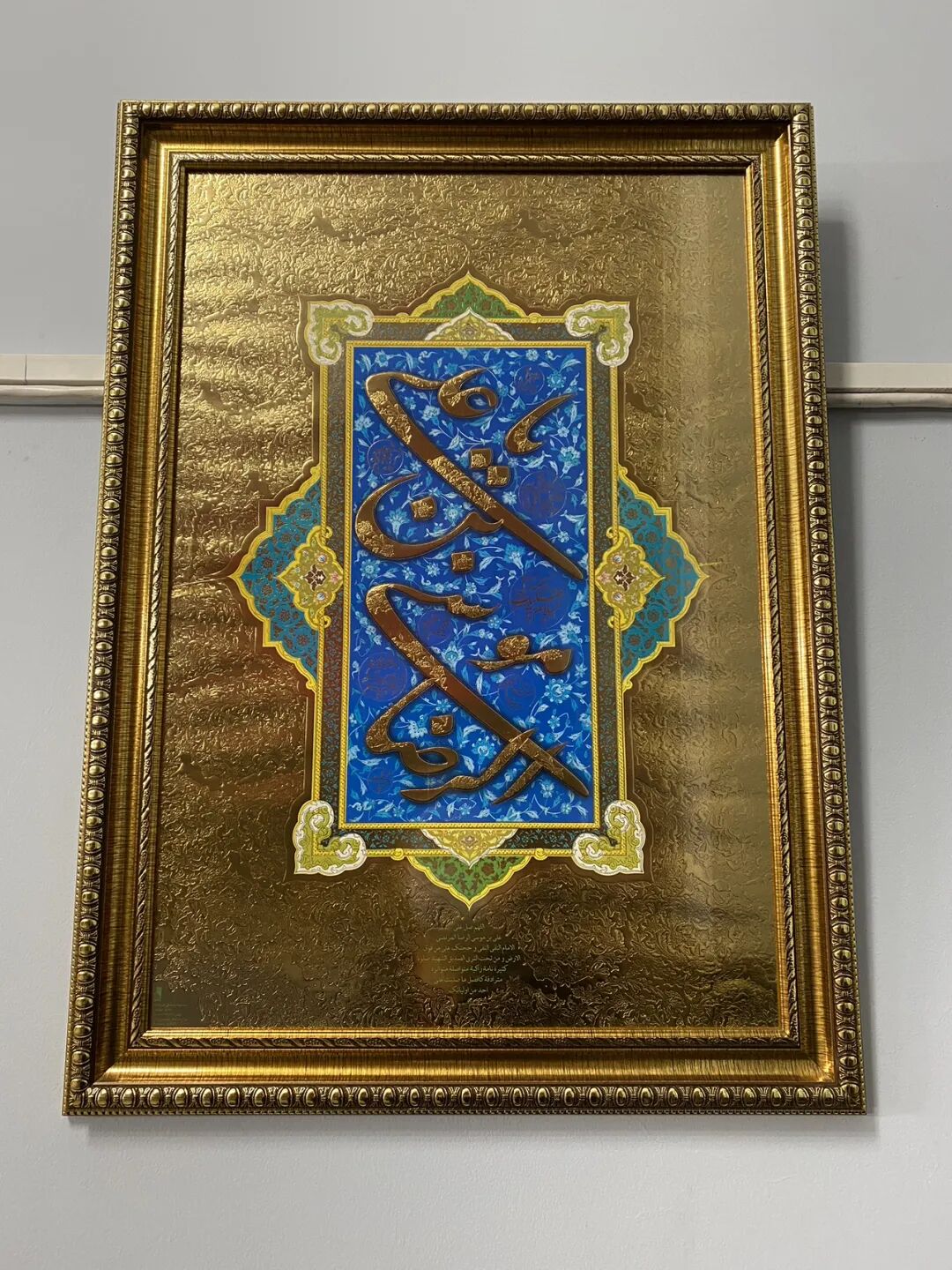
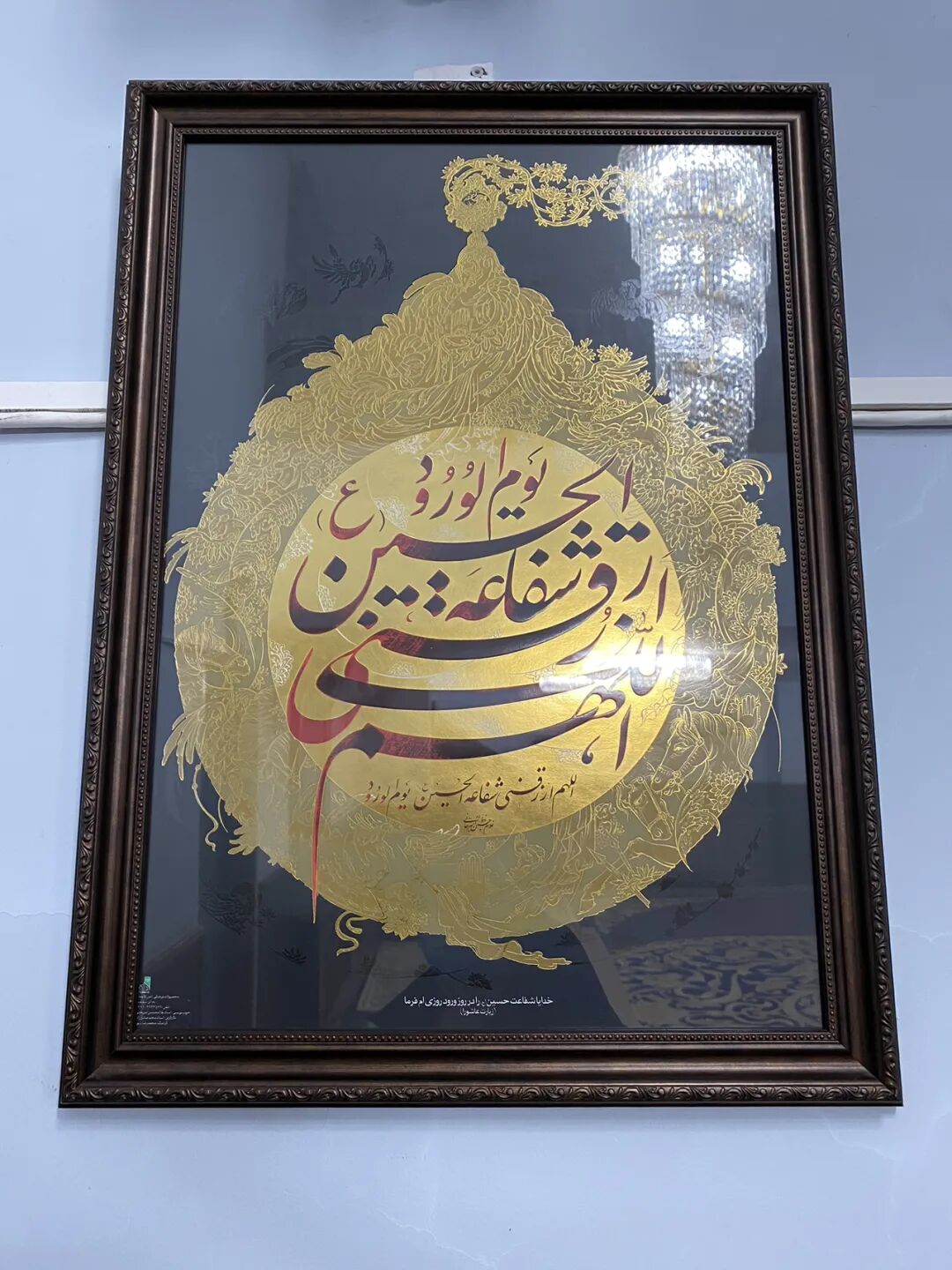
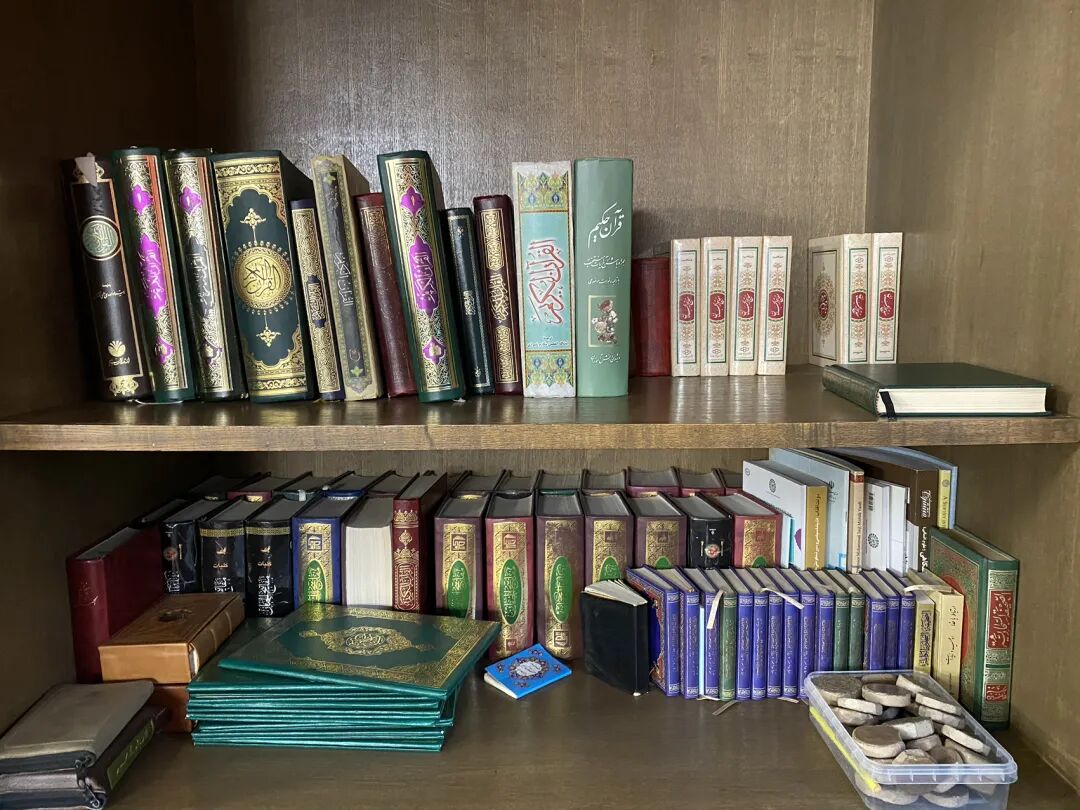
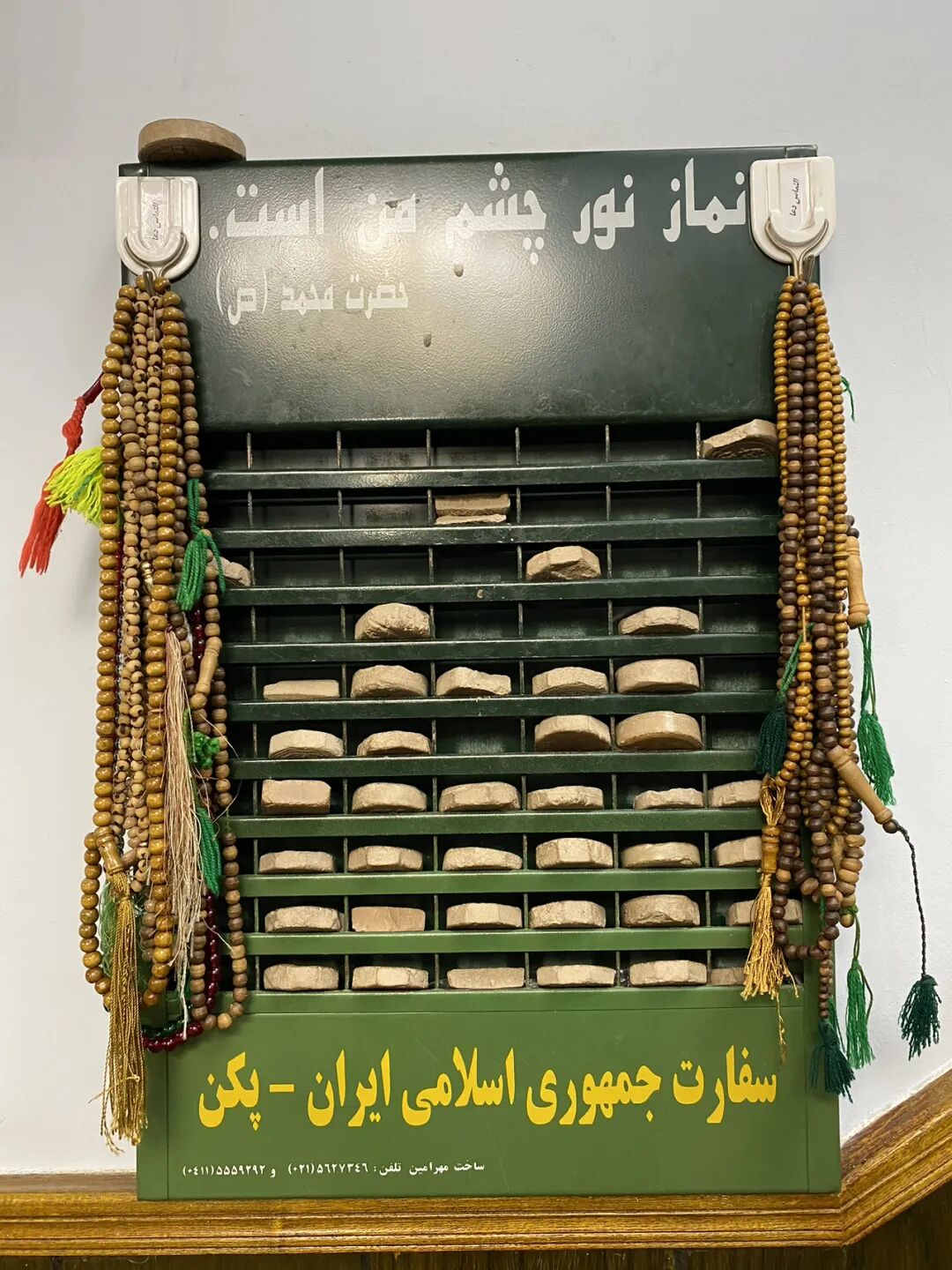
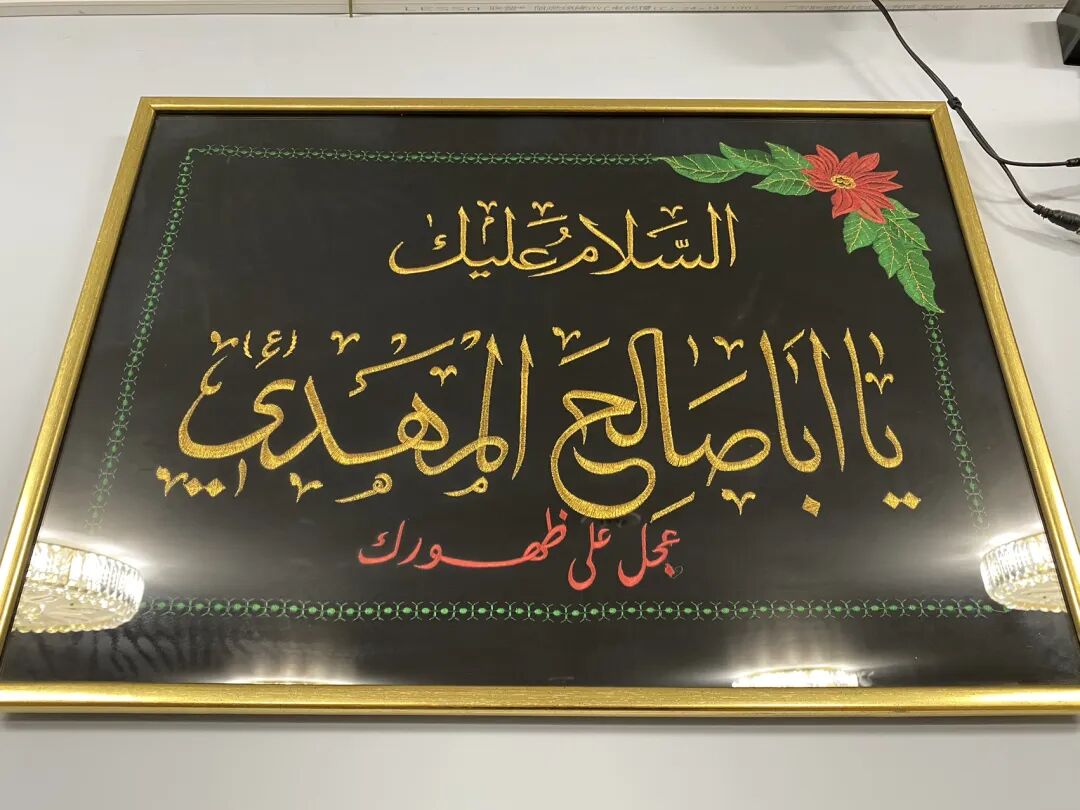
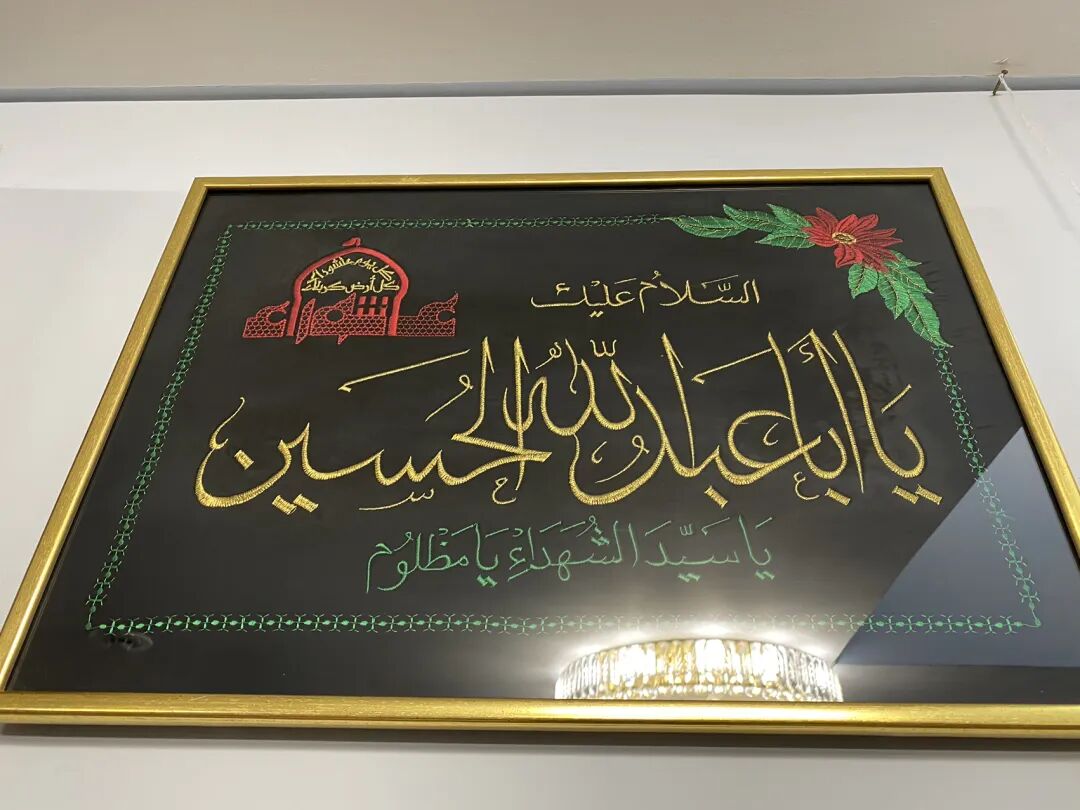
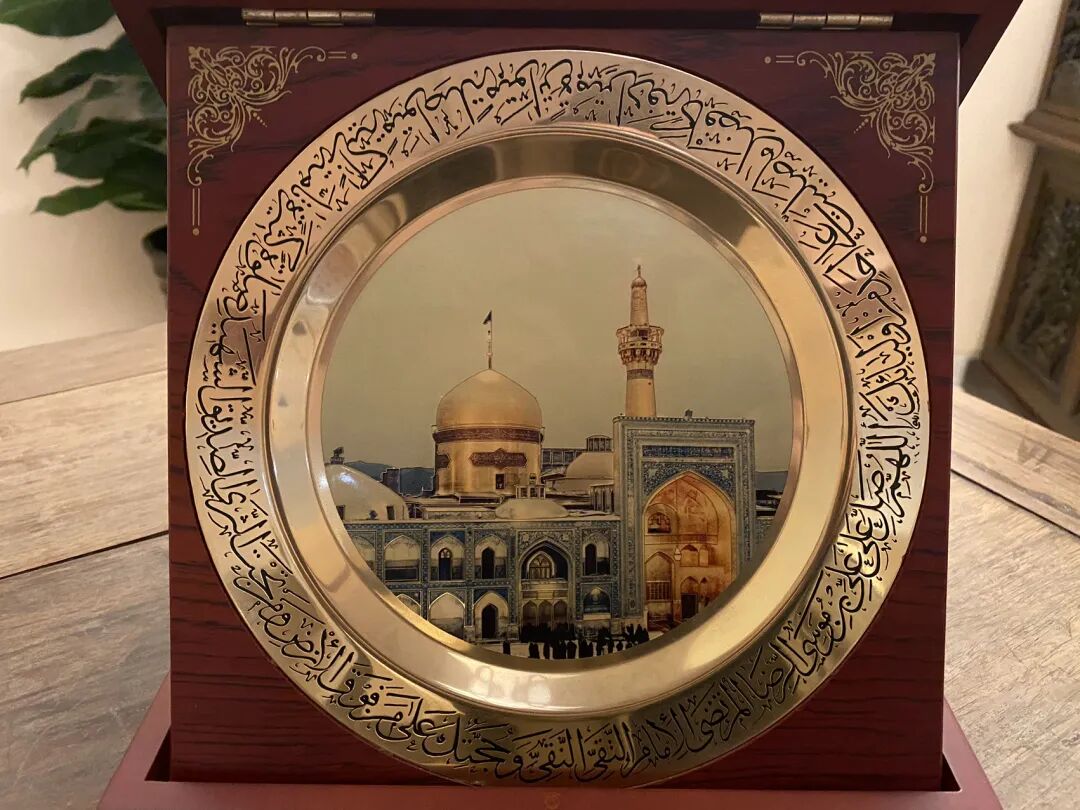
In the prayer hall of the Iranian embassy, you can see the clay tablets (turbah) that are characteristic of the Shia tradition. The turbah is also called a mohr. Because Shia jurisprudence requires prostration to be performed on soil or natural materials, a turbah is usually used indoors. The most revered turbah is made from the soil of Karbala.
Embassy of Sudan in China
The Embassy of Sudan in China is located on East 2nd Street in Sanlitun, Beijing. Sudan and China established diplomatic relations in 1959. The embassy was built in 1971 and rebuilt into its current structure in 2006.
Every Ramadan, the prayer hall of the Sudanese embassy opens for foreign friends (dost) to perform Taraweeh prayers. I went in both 2024 and 2025.
Sudan follows the Maliki school of thought, which is common across most of North and West Africa. It has many differences from the Hanafi school followed by Hui Muslims in China. The Taraweeh prayer at the Sudanese embassy consists of eight rak'ahs. A young Libyan hafiz specifically hired by the embassy leads the first four rak'ahs, followed by a sermon (wa'z) from the Sudanese imam, and then the Sudanese imam leads the final four rak'ahs. During the third rak'ah of the Witr dua, people raise their hands to recite a long dua, and there is another sermon (wa'z) after the dua. I think it is a rare opportunity to come here every year to experience a different religious and cultural atmosphere.
In the 15th and 16th centuries, Sufi sages began spreading the faith along the upper reaches of the Nile River toward the Sudan region. In the early 16th century, the Funj Sultanate, which ruled Sudan, had nominally converted to the faith but still retained traditions of witchcraft and sacrifice. In 1718, the Funj Sultanate underwent a change of dynasty, which led to a pursuit of more orthodox religious practices and the beginning of Arabization. By the 19th century, Sudan had become a region that practiced orthodox Sunni Islam and began using Arabic as a common language. Today, the vast majority of Sudanese people follow the Sunni Maliki school and are deeply influenced by Sufism.
Pakistan Embassy College Beijing
The Embassy of Pakistan in China is located on Dongzhimen Outer Street in Beijing and was built in 1951. The founder of the Pakistani embassy in China was the famous Pakistani writer and scholar Ahmed Ali, who gained international fame for his masterpiece, Twilight in Delhi. This book uses rich symbolic imagery to describe the changes in the Indian Muslim community under British colonial rule in the early 20th century.
Pakistan Embassy College Beijing is located inside the Pakistani embassy. It was opened in 1969 by Premier Zhou Enlai at the request of Pakistani Prime Minister Ayub Khan and was the first international school in Beijing. The college offers a full curriculum from kindergarten to high school. to the children of Pakistani expatriates and diplomats, the college enrolls international students from over 60 different countries and holds an International Cultural Day event every year.
In 2024, I attended the International Culture Day at the Pakistan Embassy College and performed namaz in the school's prayer hall. Pakistanis also mostly follow the Hanafi school of thought, so their movements are basically the same as ours. There was even a basket of prayer caps at the door, which matches our custom of wearing caps, unlike the Arabs or Iranians who do not have this practice.
Summary: This Beijing embassy district account visits the prayer halls of the Iranian Embassy, Sudanese Embassy, and Pakistan Embassy College. It records diplomatic history, Shia turbah practice, Sudanese Taraweeh traditions, Maliki prayer customs, Pakistani community schooling, and mosque spaces inside the embassy area.
Embassy of Iran in China
The Embassy of Iran in China is located on East 6th Street in Sanlitun, Beijing, and was built in 1972. In 1971, Princess Ashraf and Princess Fatemeh of the Pahlavi dynasty of Iran visited China. The two countries officially established diplomatic relations on August 16 of that year, and the Iranian embassy was completed in 1972.
In the prayer hall of the Iranian embassy, you can see the clay tablets (turbah) that are characteristic of the Shia tradition. The turbah is also called a mohr. Because Shia jurisprudence requires prostration to be performed on soil or natural materials, a turbah is usually used indoors. The most revered turbah is made from the soil of Karbala.
Embassy of Sudan in China
The Embassy of Sudan in China is located on East 2nd Street in Sanlitun, Beijing. Sudan and China established diplomatic relations in 1959. The embassy was built in 1971 and rebuilt into its current structure in 2006.
Every Ramadan, the prayer hall of the Sudanese embassy opens for foreign friends (dost) to perform Taraweeh prayers. I went in both 2024 and 2025.
Sudan follows the Maliki school of thought, which is common across most of North and West Africa. It has many differences from the Hanafi school followed by Hui Muslims in China. The Taraweeh prayer at the Sudanese embassy consists of eight rak'ahs. A young Libyan hafiz specifically hired by the embassy leads the first four rak'ahs, followed by a sermon (wa'z) from the Sudanese imam, and then the Sudanese imam leads the final four rak'ahs. During the third rak'ah of the Witr dua, people raise their hands to recite a long dua, and there is another sermon (wa'z) after the dua. I think it is a rare opportunity to come here every year to experience a different religious and cultural atmosphere.
In the 15th and 16th centuries, Sufi sages began spreading the faith along the upper reaches of the Nile River toward the Sudan region. In the early 16th century, the Funj Sultanate, which ruled Sudan, had nominally converted to the faith but still retained traditions of witchcraft and sacrifice. In 1718, the Funj Sultanate underwent a change of dynasty, which led to a pursuit of more orthodox religious practices and the beginning of Arabization. By the 19th century, Sudan had become a region that practiced orthodox Sunni Islam and began using Arabic as a common language. Today, the vast majority of Sudanese people follow the Sunni Maliki school and are deeply influenced by Sufism.
Pakistan Embassy College Beijing
The Embassy of Pakistan in China is located on Dongzhimen Outer Street in Beijing and was built in 1951. The founder of the Pakistani embassy in China was the famous Pakistani writer and scholar Ahmed Ali, who gained international fame for his masterpiece, Twilight in Delhi. This book uses rich symbolic imagery to describe the changes in the Indian Muslim community under British colonial rule in the early 20th century.
Pakistan Embassy College Beijing is located inside the Pakistani embassy. It was opened in 1969 by Premier Zhou Enlai at the request of Pakistani Prime Minister Ayub Khan and was the first international school in Beijing. The college offers a full curriculum from kindergarten to high school. to the children of Pakistani expatriates and diplomats, the college enrolls international students from over 60 different countries and holds an International Cultural Day event every year.
In 2024, I attended the International Culture Day at the Pakistan Embassy College and performed namaz in the school's prayer hall. Pakistanis also mostly follow the Hanafi school of thought, so their movements are basically the same as ours. There was even a basket of prayer caps at the door, which matches our custom of wearing caps, unlike the Arabs or Iranians who do not have this practice.
Halal Food Guide: Ashura Bean Porridge — Muslim Food Culture Across Eurasia
Articles • ali2007fr posted the article • 0 comments • 160 views • 2026-05-19 02:59
Reposted from the web
Summary: Ashura bean porridge is a Muslim food tradition that has traveled across Eurasia through faith, family memory, and local kitchens. This article explains the dish, its cultural setting, and its ingredients in natural English while preserving the original details.
The 10th day of the first month of the Islamic calendar is the honorable Day of Ashura. Besides fasting, Hui Muslims also have a tradition of making Ashura bean porridge to commemorate the day the Ark of Nuh (Noah's Ark) reached land. People say when the Prophet Nuh and his followers stepped off the boat, they had almost no food left. Everyone pooled together seeds of various foods to make the first meal for humanity after the Great Flood receded.
We came home from work yesterday and started making the Urumqi version of Ashura bean rice.
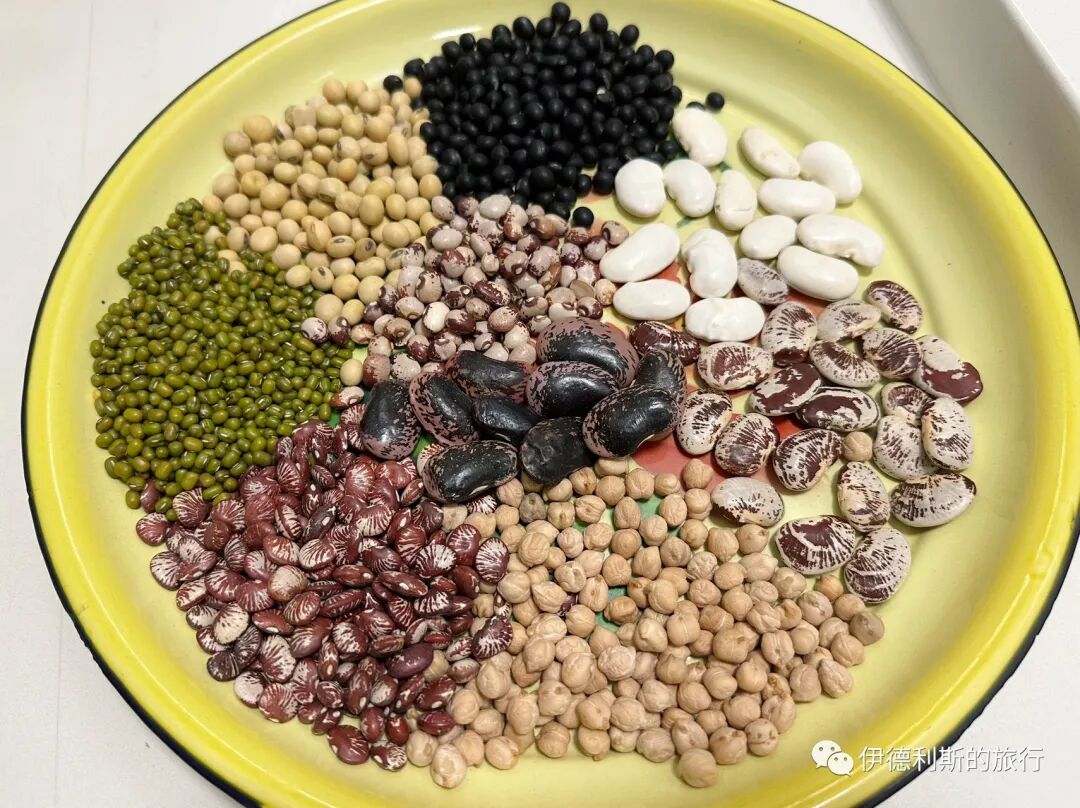
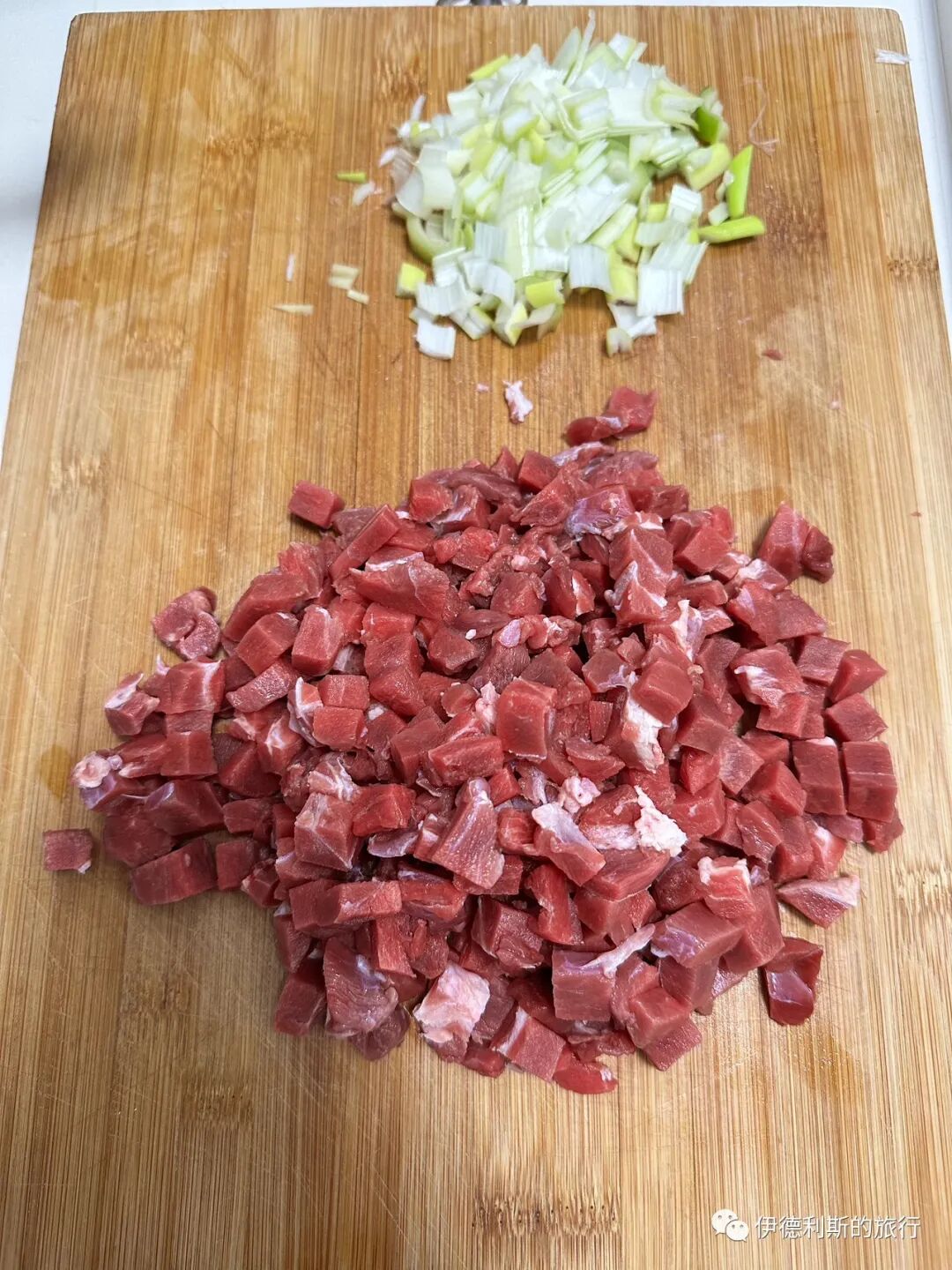
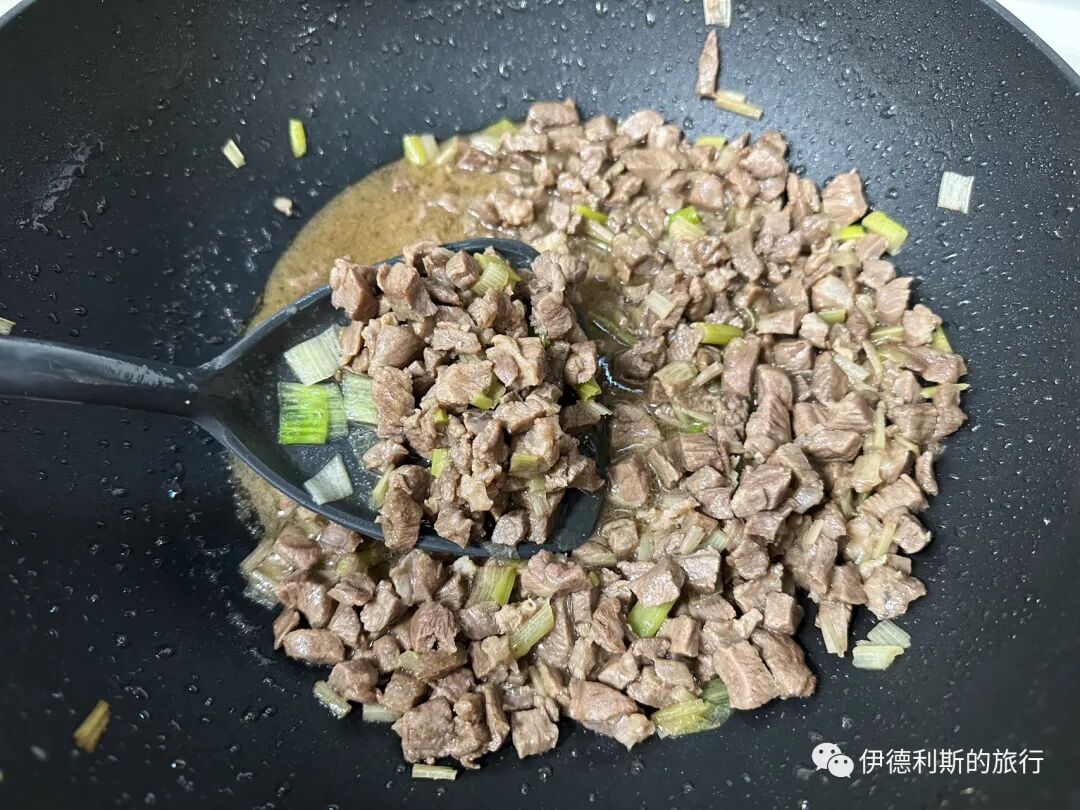
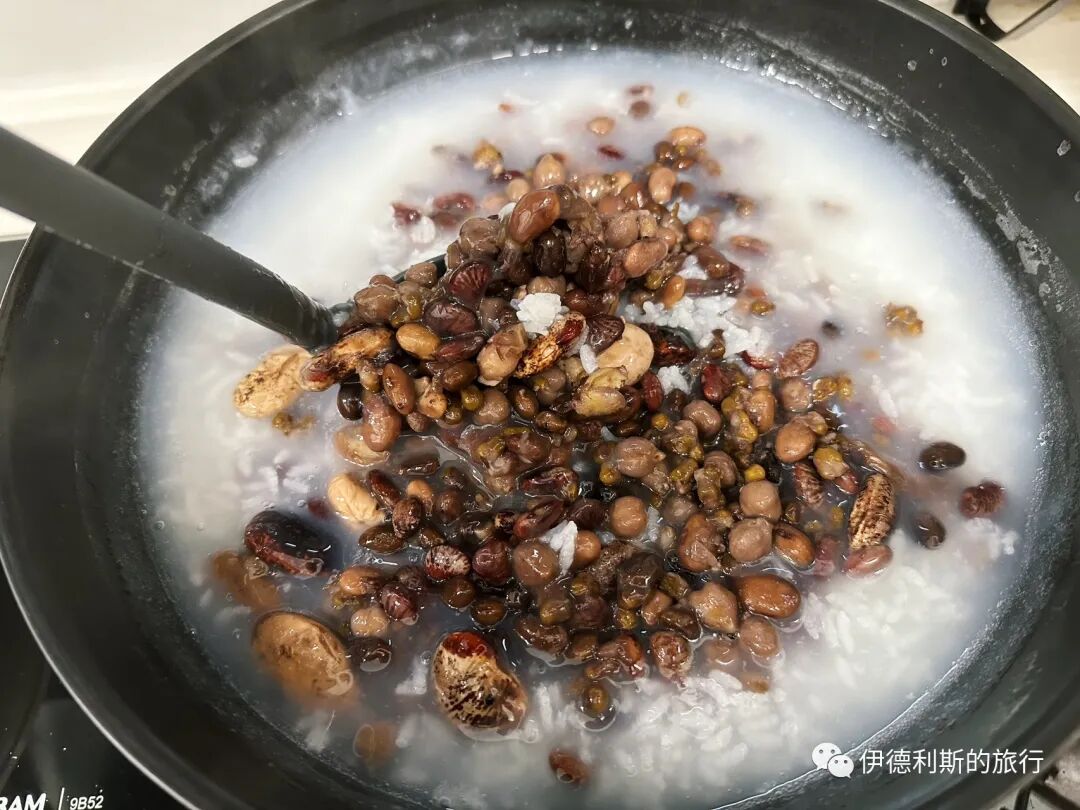
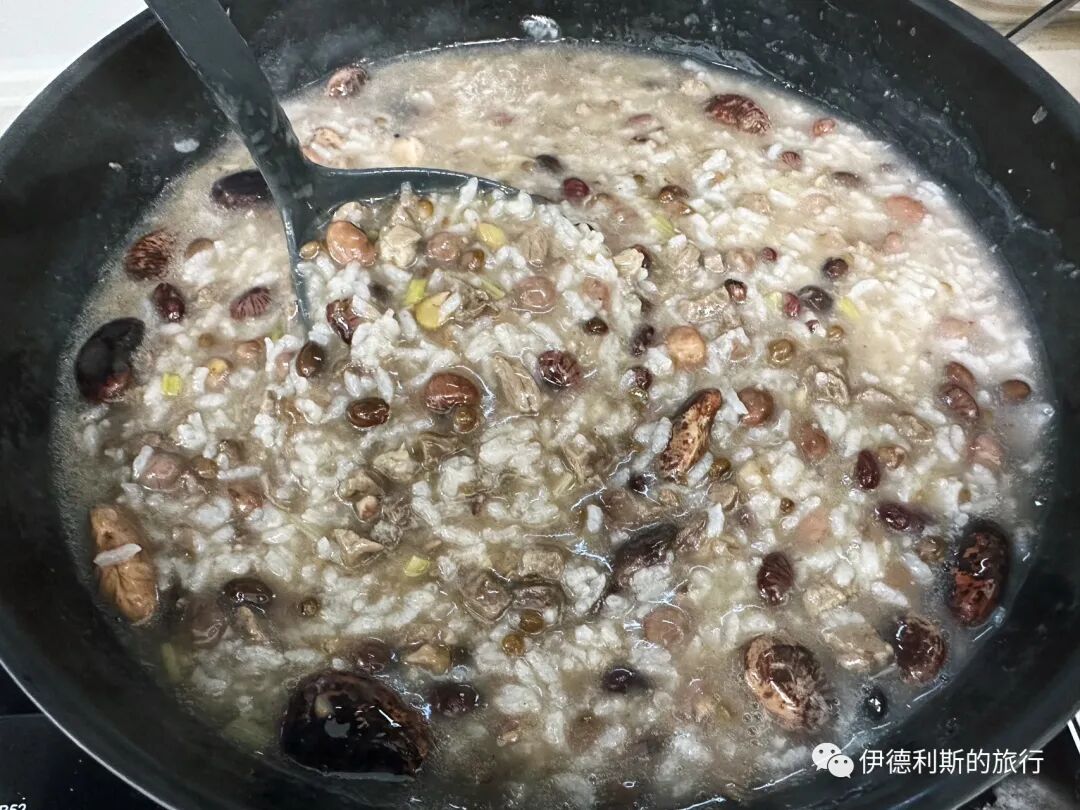
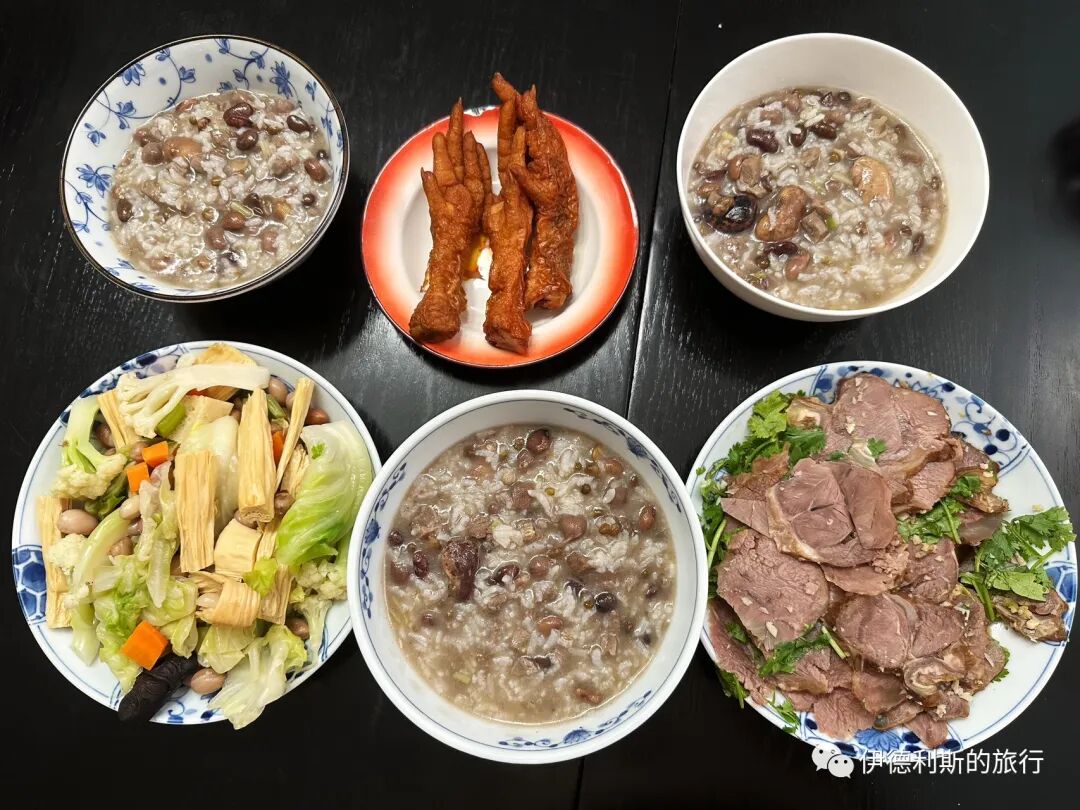
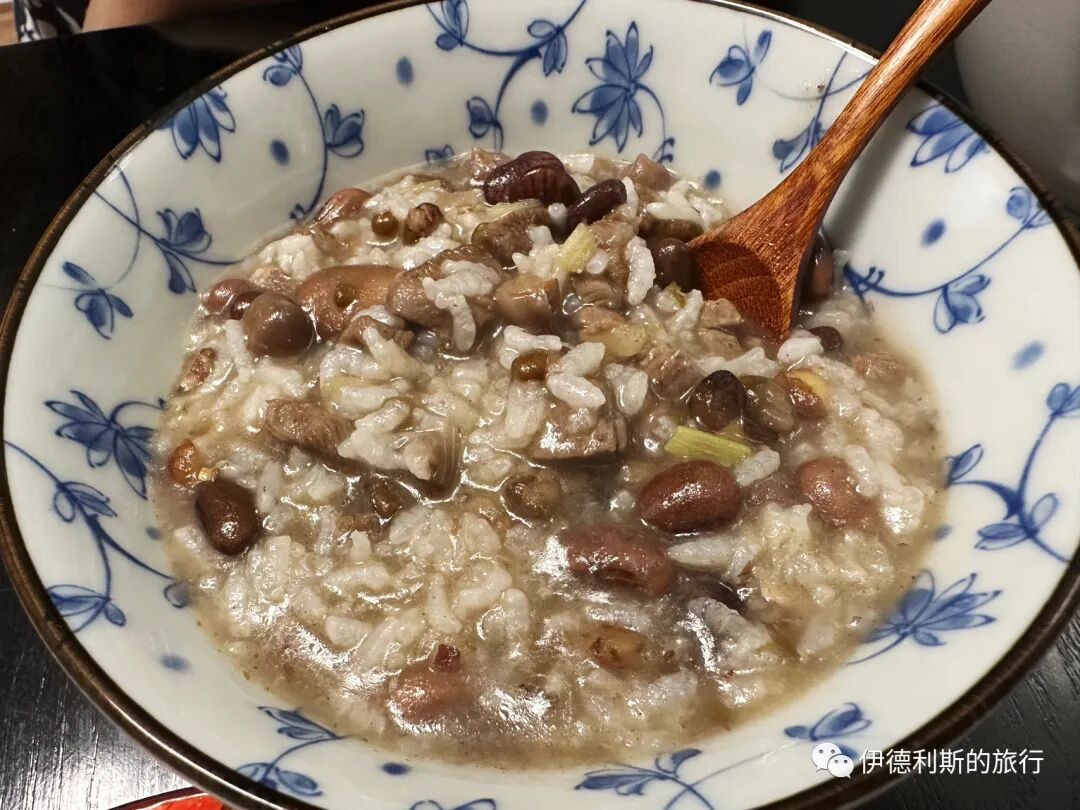
First, cut the Qurban lamb into small cubes and stir-fry them with chopped green onions. Make sure the Sichuan peppercorns (huajiao) and salt stand out in the flavor. Then, put a handful of glutinous rice and half a bowl of rice into half a pot of water. After it is cooked, add the nine types of beans that were boiled the day before, stir well, and then add the stir-fried lamb. The finished dish has both the fragrance of beans and the aroma of meat, and it is very meaningful.
Besides Hui Muslims, many Sunni Muslims in other regions also make Ashura bean porridge, with the most famous being the Ashure of the Ottoman Empire. In his 17th-century work, The Book of Travels (Seyahatname), the Ottoman traveler Evliya Celebi mentioned that Ashure is a type of porridge that should be cooked on the tenth day of the month of Muharram.
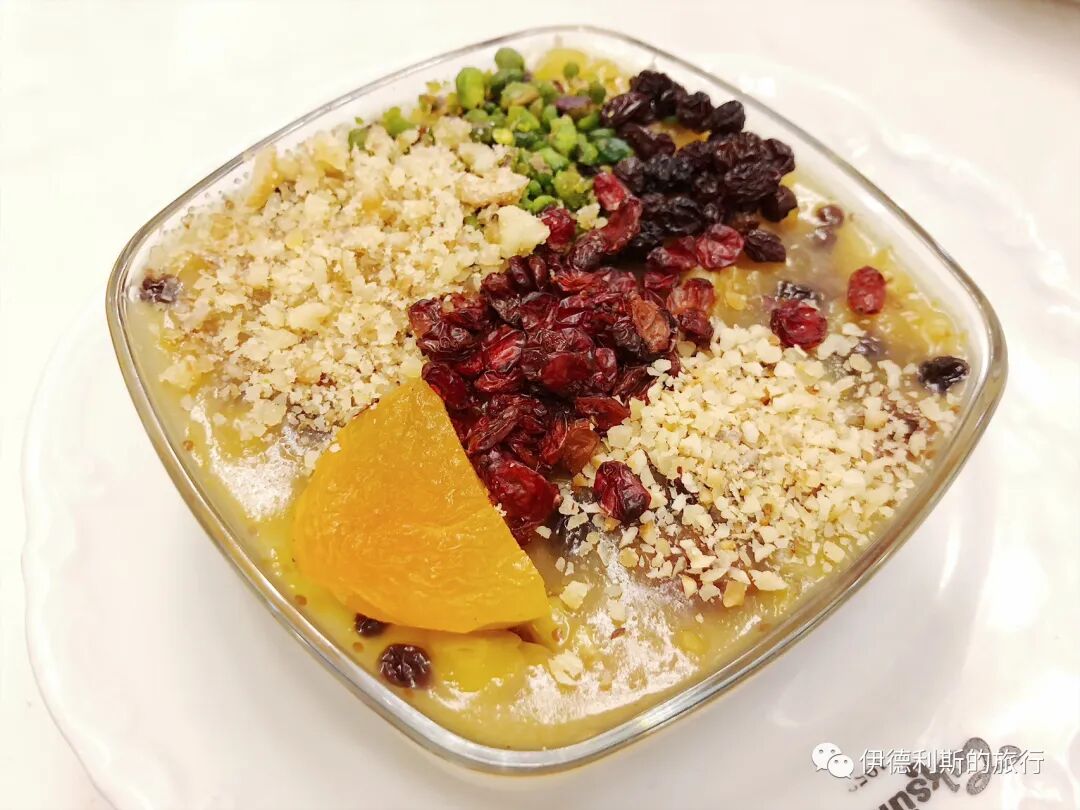
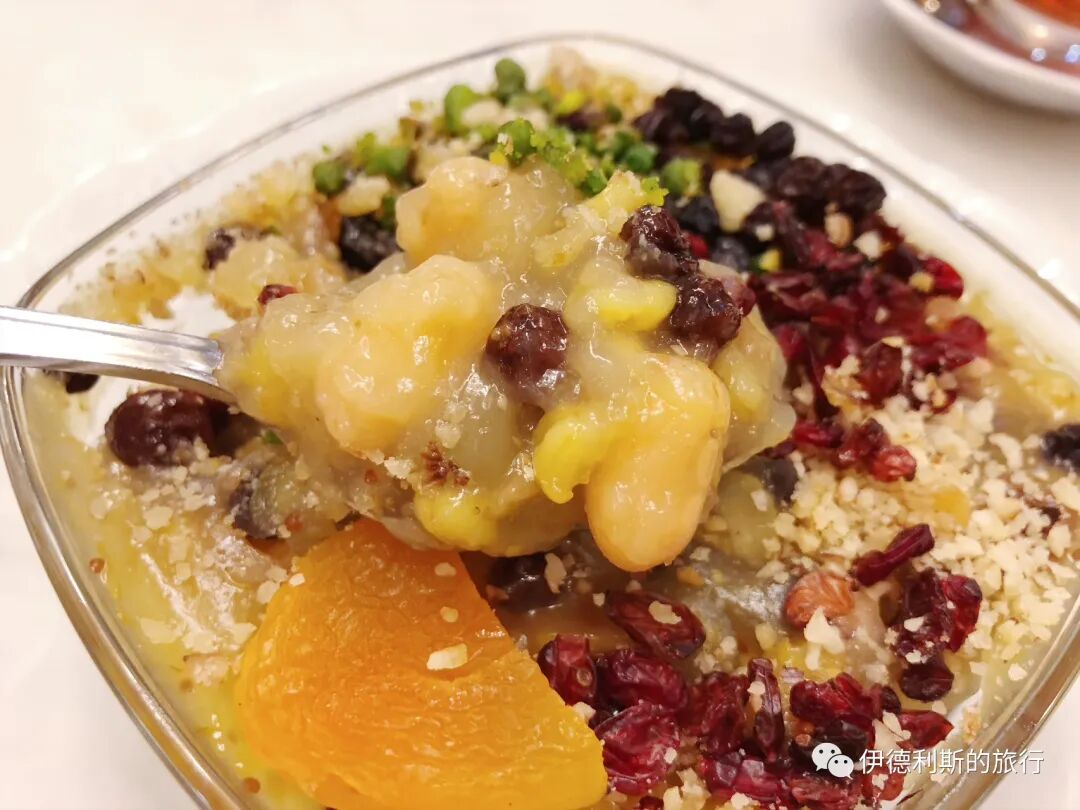
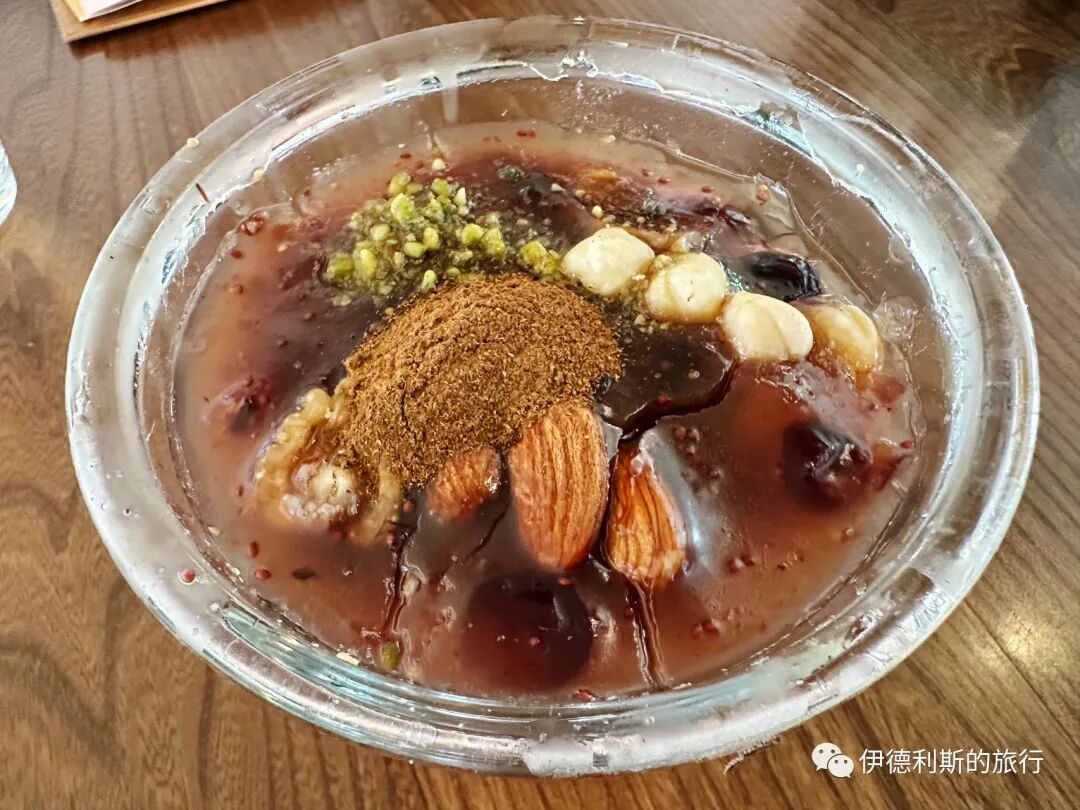
Ottoman Ashure does not have a fixed recipe, as it varies by region and the habits of each family. Traditionally, People say at least seven ingredients should be used, while others believe it should contain ten ingredients to match the theme of the tenth day. The Alevis always use twelve ingredients. Commonly used ingredients include wheat, barley, rice, white kidney beans, chickpeas, grape molasses (pekmez), pomegranate molasses, beet juice, dates, raisins, currants, apricots, figs, apples, pistachios, almonds, hazelnuts, walnuts, pine nuts, and sesame seeds. The finished Ashure can also be decorated with fennel seeds, black cumin seeds, plums, pomegranates, cardamom, cinnamon, cloves, and nutmeg.
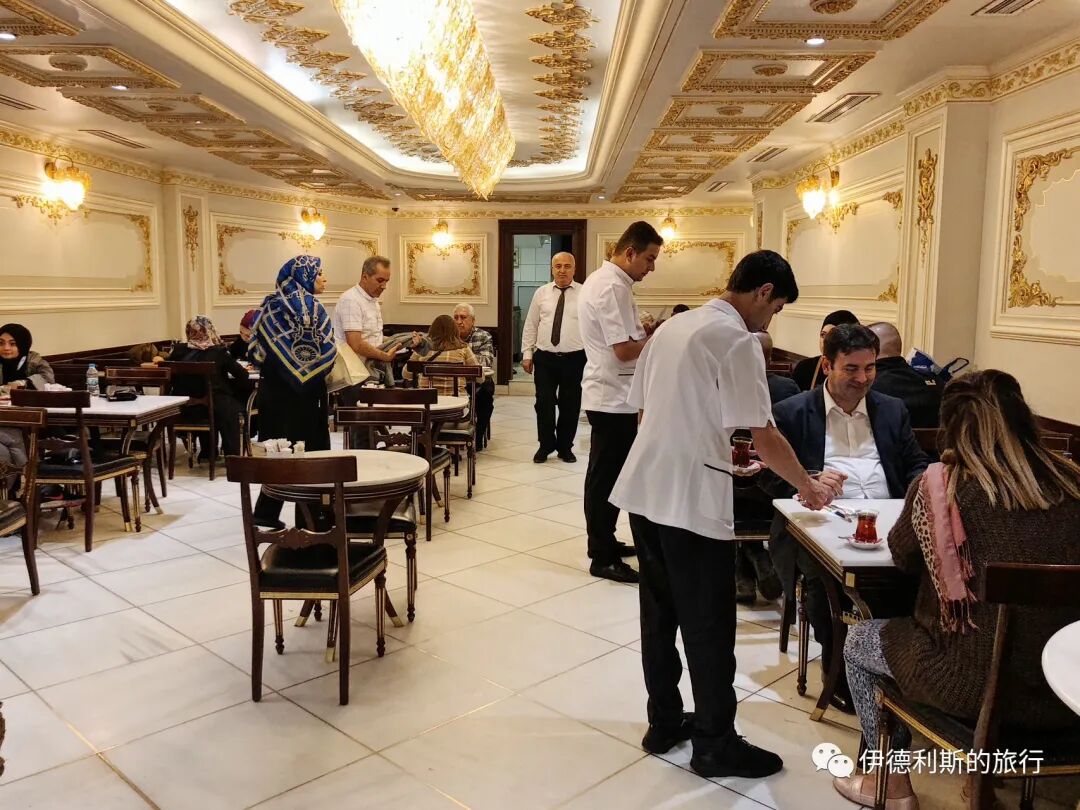
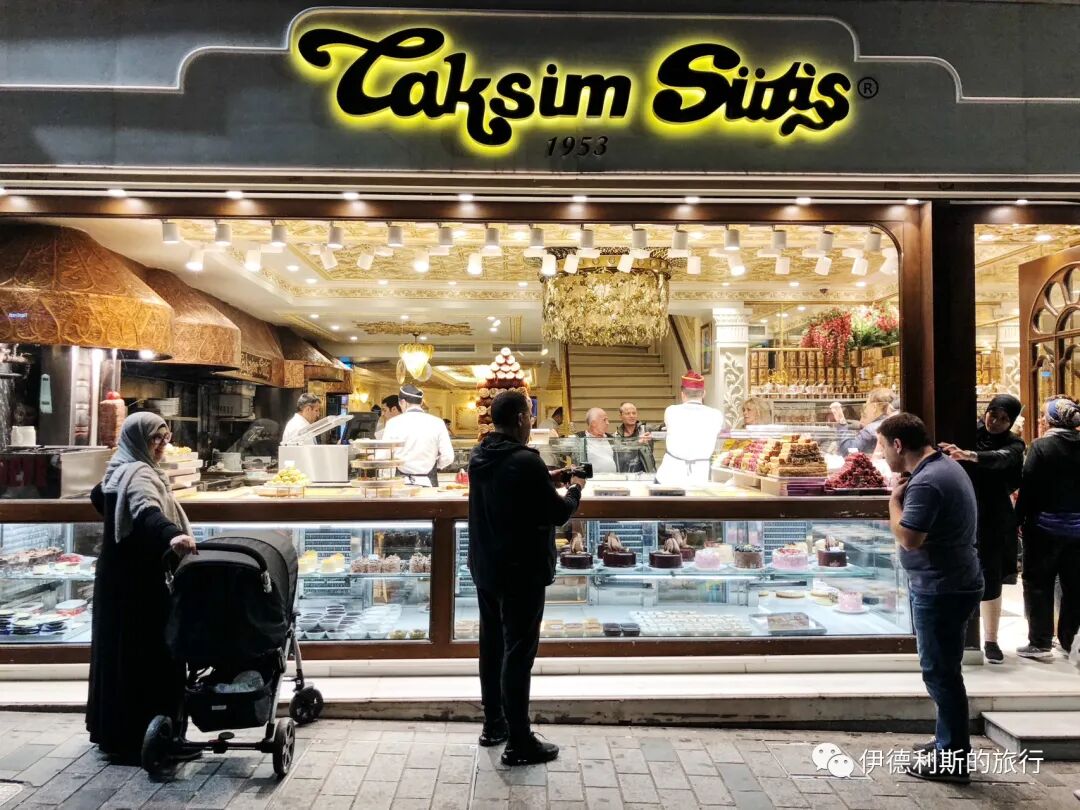
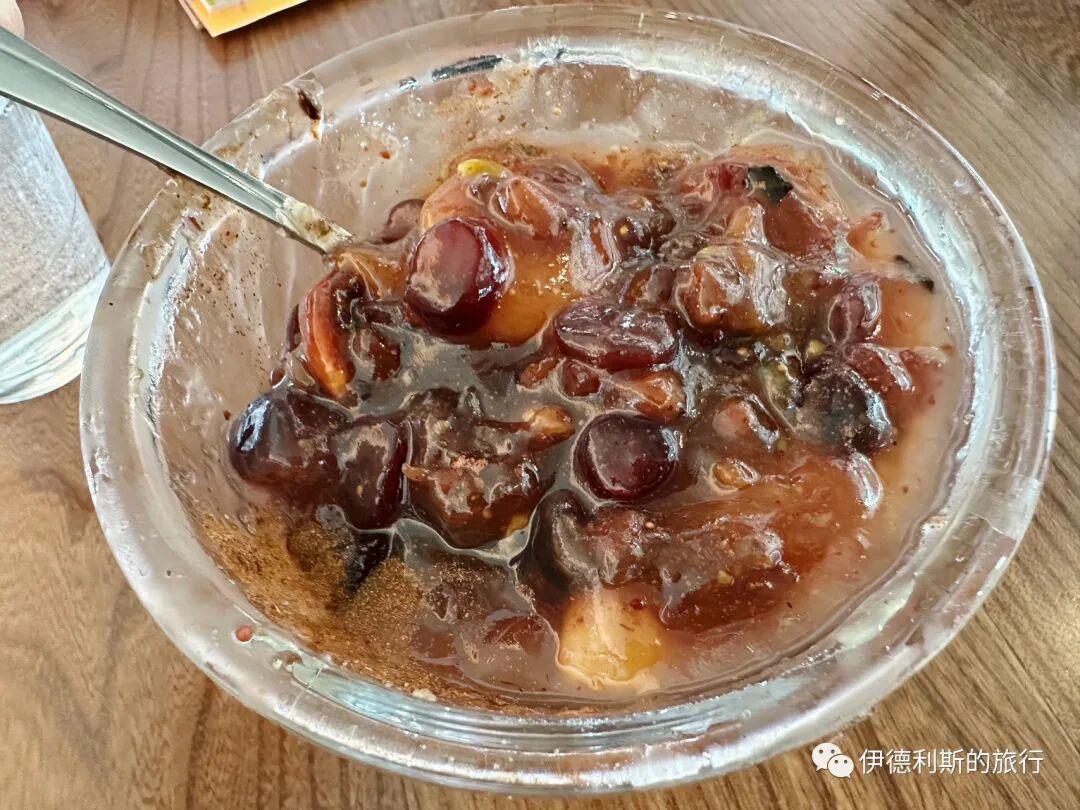
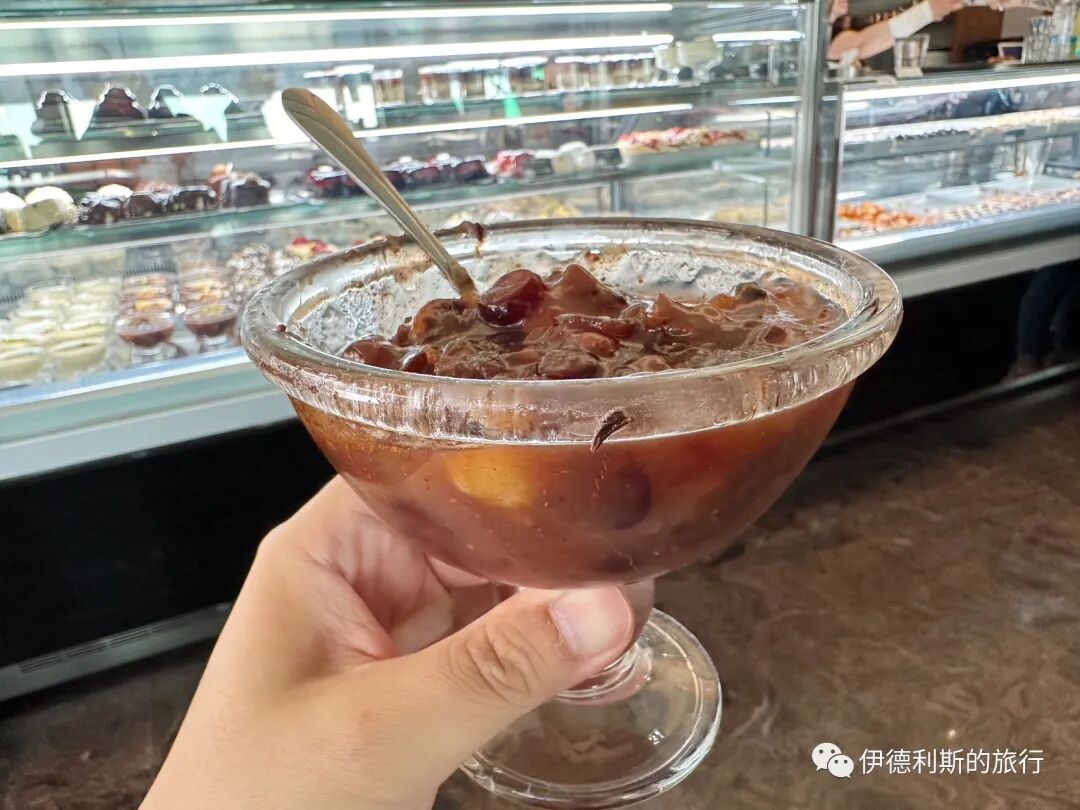
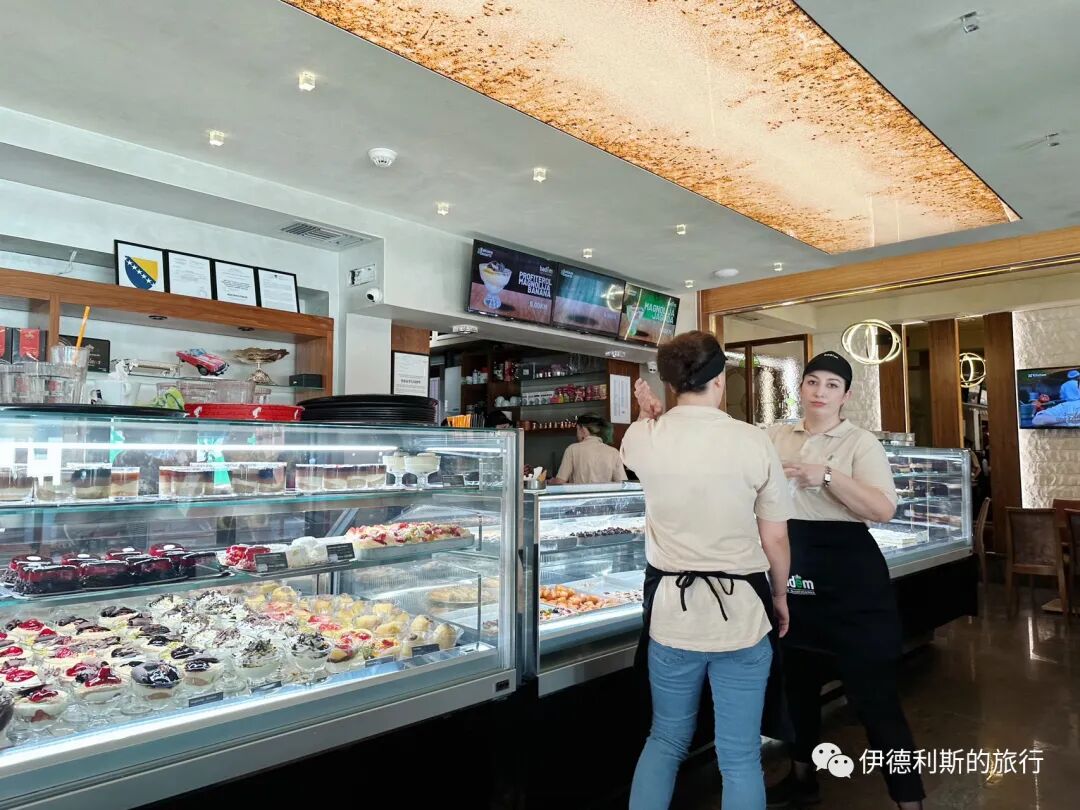
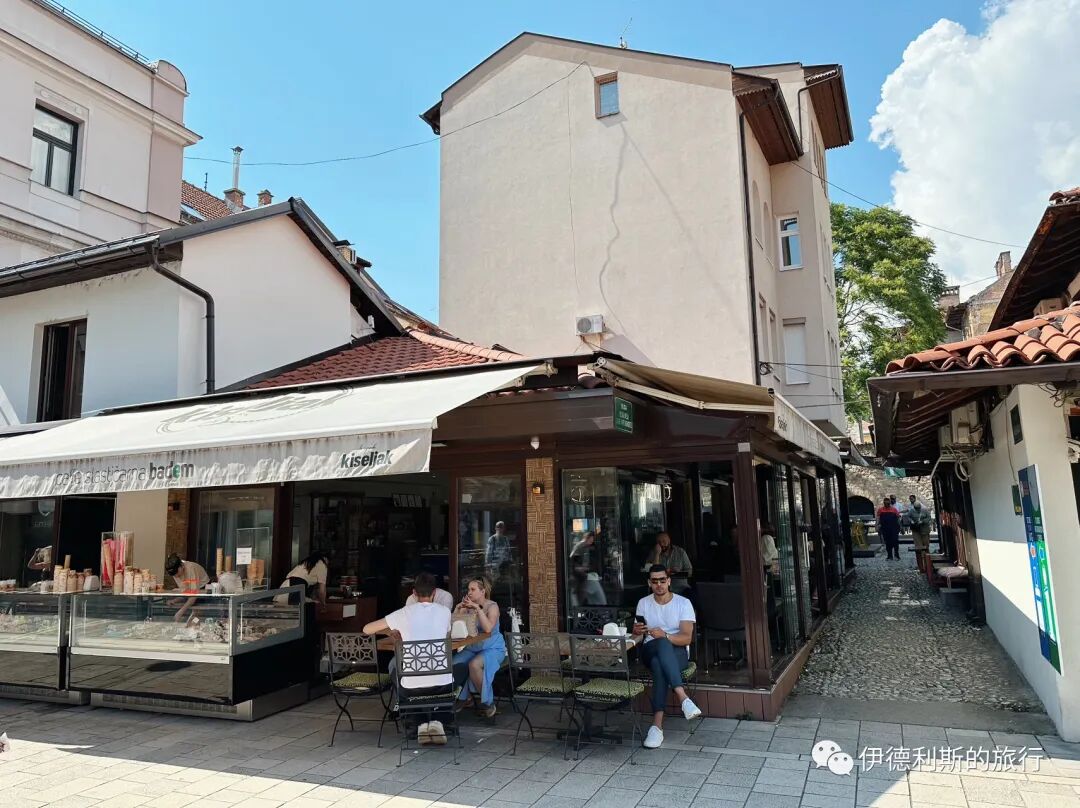
I first ate Ashure in Istanbul, and I had it again this year in Sarajevo. Today, you can buy Ashure in dessert shops all year round in Turkey and the Balkan region. However, on the Day of Ashura, people still prefer to make Ashure themselves and share it with the poor, relatives, neighbors, and friends. view all
Summary: Ashura bean porridge is a Muslim food tradition that has traveled across Eurasia through faith, family memory, and local kitchens. This article explains the dish, its cultural setting, and its ingredients in natural English while preserving the original details.
The 10th day of the first month of the Islamic calendar is the honorable Day of Ashura. Besides fasting, Hui Muslims also have a tradition of making Ashura bean porridge to commemorate the day the Ark of Nuh (Noah's Ark) reached land. People say when the Prophet Nuh and his followers stepped off the boat, they had almost no food left. Everyone pooled together seeds of various foods to make the first meal for humanity after the Great Flood receded.
We came home from work yesterday and started making the Urumqi version of Ashura bean rice.
First, cut the Qurban lamb into small cubes and stir-fry them with chopped green onions. Make sure the Sichuan peppercorns (huajiao) and salt stand out in the flavor. Then, put a handful of glutinous rice and half a bowl of rice into half a pot of water. After it is cooked, add the nine types of beans that were boiled the day before, stir well, and then add the stir-fried lamb. The finished dish has both the fragrance of beans and the aroma of meat, and it is very meaningful.
Besides Hui Muslims, many Sunni Muslims in other regions also make Ashura bean porridge, with the most famous being the Ashure of the Ottoman Empire. In his 17th-century work, The Book of Travels (Seyahatname), the Ottoman traveler Evliya Celebi mentioned that Ashure is a type of porridge that should be cooked on the tenth day of the month of Muharram.
Ottoman Ashure does not have a fixed recipe, as it varies by region and the habits of each family. Traditionally, People say at least seven ingredients should be used, while others believe it should contain ten ingredients to match the theme of the tenth day. The Alevis always use twelve ingredients. Commonly used ingredients include wheat, barley, rice, white kidney beans, chickpeas, grape molasses (pekmez), pomegranate molasses, beet juice, dates, raisins, currants, apricots, figs, apples, pistachios, almonds, hazelnuts, walnuts, pine nuts, and sesame seeds. The finished Ashure can also be decorated with fennel seeds, black cumin seeds, plums, pomegranates, cardamom, cinnamon, cloves, and nutmeg.
I first ate Ashure in Istanbul, and I had it again this year in Sarajevo. Today, you can buy Ashure in dessert shops all year round in Turkey and the Balkan region. However, on the Day of Ashura, people still prefer to make Ashure themselves and share it with the poor, relatives, neighbors, and friends. view all
Reposted from the web
Summary: Ashura bean porridge is a Muslim food tradition that has traveled across Eurasia through faith, family memory, and local kitchens. This article explains the dish, its cultural setting, and its ingredients in natural English while preserving the original details.
The 10th day of the first month of the Islamic calendar is the honorable Day of Ashura. Besides fasting, Hui Muslims also have a tradition of making Ashura bean porridge to commemorate the day the Ark of Nuh (Noah's Ark) reached land. People say when the Prophet Nuh and his followers stepped off the boat, they had almost no food left. Everyone pooled together seeds of various foods to make the first meal for humanity after the Great Flood receded.
We came home from work yesterday and started making the Urumqi version of Ashura bean rice.
First, cut the Qurban lamb into small cubes and stir-fry them with chopped green onions. Make sure the Sichuan peppercorns (huajiao) and salt stand out in the flavor. Then, put a handful of glutinous rice and half a bowl of rice into half a pot of water. After it is cooked, add the nine types of beans that were boiled the day before, stir well, and then add the stir-fried lamb. The finished dish has both the fragrance of beans and the aroma of meat, and it is very meaningful.
Besides Hui Muslims, many Sunni Muslims in other regions also make Ashura bean porridge, with the most famous being the Ashure of the Ottoman Empire. In his 17th-century work, The Book of Travels (Seyahatname), the Ottoman traveler Evliya Celebi mentioned that Ashure is a type of porridge that should be cooked on the tenth day of the month of Muharram.
Ottoman Ashure does not have a fixed recipe, as it varies by region and the habits of each family. Traditionally, People say at least seven ingredients should be used, while others believe it should contain ten ingredients to match the theme of the tenth day. The Alevis always use twelve ingredients. Commonly used ingredients include wheat, barley, rice, white kidney beans, chickpeas, grape molasses (pekmez), pomegranate molasses, beet juice, dates, raisins, currants, apricots, figs, apples, pistachios, almonds, hazelnuts, walnuts, pine nuts, and sesame seeds. The finished Ashure can also be decorated with fennel seeds, black cumin seeds, plums, pomegranates, cardamom, cinnamon, cloves, and nutmeg.
I first ate Ashure in Istanbul, and I had it again this year in Sarajevo. Today, you can buy Ashure in dessert shops all year round in Turkey and the Balkan region. However, on the Day of Ashura, people still prefer to make Ashure themselves and share it with the poor, relatives, neighbors, and friends.
Summary: Ashura bean porridge is a Muslim food tradition that has traveled across Eurasia through faith, family memory, and local kitchens. This article explains the dish, its cultural setting, and its ingredients in natural English while preserving the original details.
The 10th day of the first month of the Islamic calendar is the honorable Day of Ashura. Besides fasting, Hui Muslims also have a tradition of making Ashura bean porridge to commemorate the day the Ark of Nuh (Noah's Ark) reached land. People say when the Prophet Nuh and his followers stepped off the boat, they had almost no food left. Everyone pooled together seeds of various foods to make the first meal for humanity after the Great Flood receded.
We came home from work yesterday and started making the Urumqi version of Ashura bean rice.
First, cut the Qurban lamb into small cubes and stir-fry them with chopped green onions. Make sure the Sichuan peppercorns (huajiao) and salt stand out in the flavor. Then, put a handful of glutinous rice and half a bowl of rice into half a pot of water. After it is cooked, add the nine types of beans that were boiled the day before, stir well, and then add the stir-fried lamb. The finished dish has both the fragrance of beans and the aroma of meat, and it is very meaningful.
Besides Hui Muslims, many Sunni Muslims in other regions also make Ashura bean porridge, with the most famous being the Ashure of the Ottoman Empire. In his 17th-century work, The Book of Travels (Seyahatname), the Ottoman traveler Evliya Celebi mentioned that Ashure is a type of porridge that should be cooked on the tenth day of the month of Muharram.
Ottoman Ashure does not have a fixed recipe, as it varies by region and the habits of each family. Traditionally, People say at least seven ingredients should be used, while others believe it should contain ten ingredients to match the theme of the tenth day. The Alevis always use twelve ingredients. Commonly used ingredients include wheat, barley, rice, white kidney beans, chickpeas, grape molasses (pekmez), pomegranate molasses, beet juice, dates, raisins, currants, apricots, figs, apples, pistachios, almonds, hazelnuts, walnuts, pine nuts, and sesame seeds. The finished Ashure can also be decorated with fennel seeds, black cumin seeds, plums, pomegranates, cardamom, cinnamon, cloves, and nutmeg.
I first ate Ashure in Istanbul, and I had it again this year in Sarajevo. Today, you can buy Ashure in dessert shops all year round in Turkey and the Balkan region. However, on the Day of Ashura, people still prefer to make Ashure themselves and share it with the poor, relatives, neighbors, and friends.
Muslim Travel Guide Brunei: Mawlid Parade, Sultan Bolkiah, Airport Mosque and Islamic Life
Articles • yusuf908 posted the article • 0 comments • 200 views • 2026-05-23 02:37
Reposted from the web
Summary: This Brunei Muslim travel guide part 2 follows hotel life, Mawlid celebrations, Sultan Bolkiah walking with the crowd, local history, royal sites, religious tolerance, the airport mosque, and reflections on Chinese and Malay communities in Brunei and Malaysia.
Hotels in Brunei do not provide bottled water. Instead, they place a water dispenser in the hallway and leave bottles in the rooms for you to fill up yourself.
Breakfast offers three buffet options: Malay, Chinese, and Western.
On our second night, the hotel sent a notice saying that tomorrow is the Prophet's Birthday (Mawlid). Roads around the hotel would have temporary traffic controls, and we might even see Sultan Bolkiah.
I read in the newspaper that at least 20,000 people gathered on the streets of Bandar Seri Begawan for the Mawlid event. This is a huge deal in Brunei, as I rarely see pedestrians on the road. Brunei has one private car for every 2.09 people, thanks to a lack of public transport, low import taxes, and unleaded gasoline prices as low as 0.53 Brunei dollars per liter.
As the crowd stirred, I saw the Sultan appear in the distance, surrounded by people.
This was my first time seeing the Sultan in person. Bolkiah is small in stature but has an extraordinary presence. Even at 70, he walks very quickly. Remarkably, he is very approachable. Ordinary people can get close to him to take photos or shake his hand. Even as a foreigner, I could get close to the Sultan without any security screening.
The Sultan holds absolute power in Brunei, and no one can challenge his position. According to the 1959 Constitution of Brunei, the Sultan is the head of state with full executive authority, including emergency powers held since the 1962 Brunei Revolt.
Hassanal Bolkiah attended the Sultan Omar Ali Saifuddien College (Darul Hana Surau) for over four years before moving to Kuala Lumpur for further studies. He became the first Sultan of Brunei to complete his education both at home and abroad. While studying at Victoria Institution, he joined the cadet corps and was named best recruit in 1961. Principal G. E. D. Lewis said he was not the only royal or noble in the school, so the award was based entirely on merit.
The Sultan walked quickly around the main road outside the square for about 2 kilometers. People followed him, singing praises to the Prophet as they walked. Along the road, citizens spontaneously provided free drinks and food to passersby.
The entire event lasted about two hours. After it ended, I walked around the area near the square.
I found a royal cemetery next to the square. According to the inscription, two royals, a man and a woman, were buried here. They were sentenced to death by stoning for adultery, but no one had the heart to throw stones at them. Since they still had to be punished, the Sultan compromised and locked them in a cave. The cave had a vent and food inside. Outsiders could see smoke coming from the cave, which meant they were still alive, until one day when no more smoke appeared, signaling they had died.
Some records say this event happened in 1452. The woman in this tomb was likely royalty with an Arab father and was related to the third Sultan. The tombstone says that every crime must be punished and no one can escape it. This shows that the influence of Islam had already spread throughout Brunei at that time.
At the other end of the square, I saw a mosque built by Chinese people.
Inside, various deities are worshipped. This shows that the Sultan of Brunei is tolerant of other religions, as Buddhism, Christianity, and Catholicism are all present in Brunei.
Brunei only has one small airport, but there is a large mosque built right next to it. You can walk directly from the airport terminal to the prayer hall.
The mosque at Brunei airport.
After finishing our three-day, two-night trip to Brunei, we took a two-and-a-half-hour flight back to Kuala Lumpur. Every time we enter Kuala Lumpur, we have to fill out the Malaysia Digital Arrival Card at the departure airport.
Chinese people in Brunei and Malaysia are both local-born, but they do not know much about the Islamic faith of the Malays. For example, a local Chinese driver in Brunei whose family has lived there for at least three generations did not even know that the Arabic-looking signs everywhere in Brunei are actually Malay. If you look at the social media accounts of Chinese and Malay people in Malaysia, you will feel like they live in two different worlds. Malays do not go to the bars, nightclubs, casinos, or some restaurants that Chinese people visit. So, if you only learn about Malaysia and the Malay people from Malaysian Chinese, you might get a biased view. view all
Summary: This Brunei Muslim travel guide part 2 follows hotel life, Mawlid celebrations, Sultan Bolkiah walking with the crowd, local history, royal sites, religious tolerance, the airport mosque, and reflections on Chinese and Malay communities in Brunei and Malaysia.
Hotels in Brunei do not provide bottled water. Instead, they place a water dispenser in the hallway and leave bottles in the rooms for you to fill up yourself.
Breakfast offers three buffet options: Malay, Chinese, and Western.
On our second night, the hotel sent a notice saying that tomorrow is the Prophet's Birthday (Mawlid). Roads around the hotel would have temporary traffic controls, and we might even see Sultan Bolkiah.
I read in the newspaper that at least 20,000 people gathered on the streets of Bandar Seri Begawan for the Mawlid event. This is a huge deal in Brunei, as I rarely see pedestrians on the road. Brunei has one private car for every 2.09 people, thanks to a lack of public transport, low import taxes, and unleaded gasoline prices as low as 0.53 Brunei dollars per liter.
As the crowd stirred, I saw the Sultan appear in the distance, surrounded by people.
This was my first time seeing the Sultan in person. Bolkiah is small in stature but has an extraordinary presence. Even at 70, he walks very quickly. Remarkably, he is very approachable. Ordinary people can get close to him to take photos or shake his hand. Even as a foreigner, I could get close to the Sultan without any security screening.
The Sultan holds absolute power in Brunei, and no one can challenge his position. According to the 1959 Constitution of Brunei, the Sultan is the head of state with full executive authority, including emergency powers held since the 1962 Brunei Revolt.
Hassanal Bolkiah attended the Sultan Omar Ali Saifuddien College (Darul Hana Surau) for over four years before moving to Kuala Lumpur for further studies. He became the first Sultan of Brunei to complete his education both at home and abroad. While studying at Victoria Institution, he joined the cadet corps and was named best recruit in 1961. Principal G. E. D. Lewis said he was not the only royal or noble in the school, so the award was based entirely on merit.
The Sultan walked quickly around the main road outside the square for about 2 kilometers. People followed him, singing praises to the Prophet as they walked. Along the road, citizens spontaneously provided free drinks and food to passersby.
The entire event lasted about two hours. After it ended, I walked around the area near the square.
I found a royal cemetery next to the square. According to the inscription, two royals, a man and a woman, were buried here. They were sentenced to death by stoning for adultery, but no one had the heart to throw stones at them. Since they still had to be punished, the Sultan compromised and locked them in a cave. The cave had a vent and food inside. Outsiders could see smoke coming from the cave, which meant they were still alive, until one day when no more smoke appeared, signaling they had died.
Some records say this event happened in 1452. The woman in this tomb was likely royalty with an Arab father and was related to the third Sultan. The tombstone says that every crime must be punished and no one can escape it. This shows that the influence of Islam had already spread throughout Brunei at that time.
At the other end of the square, I saw a mosque built by Chinese people.
Inside, various deities are worshipped. This shows that the Sultan of Brunei is tolerant of other religions, as Buddhism, Christianity, and Catholicism are all present in Brunei.
Brunei only has one small airport, but there is a large mosque built right next to it. You can walk directly from the airport terminal to the prayer hall.
The mosque at Brunei airport.
After finishing our three-day, two-night trip to Brunei, we took a two-and-a-half-hour flight back to Kuala Lumpur. Every time we enter Kuala Lumpur, we have to fill out the Malaysia Digital Arrival Card at the departure airport.
Chinese people in Brunei and Malaysia are both local-born, but they do not know much about the Islamic faith of the Malays. For example, a local Chinese driver in Brunei whose family has lived there for at least three generations did not even know that the Arabic-looking signs everywhere in Brunei are actually Malay. If you look at the social media accounts of Chinese and Malay people in Malaysia, you will feel like they live in two different worlds. Malays do not go to the bars, nightclubs, casinos, or some restaurants that Chinese people visit. So, if you only learn about Malaysia and the Malay people from Malaysian Chinese, you might get a biased view. view all
Reposted from the web
Summary: This Brunei Muslim travel guide part 2 follows hotel life, Mawlid celebrations, Sultan Bolkiah walking with the crowd, local history, royal sites, religious tolerance, the airport mosque, and reflections on Chinese and Malay communities in Brunei and Malaysia.
Hotels in Brunei do not provide bottled water. Instead, they place a water dispenser in the hallway and leave bottles in the rooms for you to fill up yourself.
Breakfast offers three buffet options: Malay, Chinese, and Western.
On our second night, the hotel sent a notice saying that tomorrow is the Prophet's Birthday (Mawlid). Roads around the hotel would have temporary traffic controls, and we might even see Sultan Bolkiah.
I read in the newspaper that at least 20,000 people gathered on the streets of Bandar Seri Begawan for the Mawlid event. This is a huge deal in Brunei, as I rarely see pedestrians on the road. Brunei has one private car for every 2.09 people, thanks to a lack of public transport, low import taxes, and unleaded gasoline prices as low as 0.53 Brunei dollars per liter.
As the crowd stirred, I saw the Sultan appear in the distance, surrounded by people.
This was my first time seeing the Sultan in person. Bolkiah is small in stature but has an extraordinary presence. Even at 70, he walks very quickly. Remarkably, he is very approachable. Ordinary people can get close to him to take photos or shake his hand. Even as a foreigner, I could get close to the Sultan without any security screening.
The Sultan holds absolute power in Brunei, and no one can challenge his position. According to the 1959 Constitution of Brunei, the Sultan is the head of state with full executive authority, including emergency powers held since the 1962 Brunei Revolt.
Hassanal Bolkiah attended the Sultan Omar Ali Saifuddien College (Darul Hana Surau) for over four years before moving to Kuala Lumpur for further studies. He became the first Sultan of Brunei to complete his education both at home and abroad. While studying at Victoria Institution, he joined the cadet corps and was named best recruit in 1961. Principal G. E. D. Lewis said he was not the only royal or noble in the school, so the award was based entirely on merit.
The Sultan walked quickly around the main road outside the square for about 2 kilometers. People followed him, singing praises to the Prophet as they walked. Along the road, citizens spontaneously provided free drinks and food to passersby.
The entire event lasted about two hours. After it ended, I walked around the area near the square.
I found a royal cemetery next to the square. According to the inscription, two royals, a man and a woman, were buried here. They were sentenced to death by stoning for adultery, but no one had the heart to throw stones at them. Since they still had to be punished, the Sultan compromised and locked them in a cave. The cave had a vent and food inside. Outsiders could see smoke coming from the cave, which meant they were still alive, until one day when no more smoke appeared, signaling they had died.
Some records say this event happened in 1452. The woman in this tomb was likely royalty with an Arab father and was related to the third Sultan. The tombstone says that every crime must be punished and no one can escape it. This shows that the influence of Islam had already spread throughout Brunei at that time.
At the other end of the square, I saw a mosque built by Chinese people.
Inside, various deities are worshipped. This shows that the Sultan of Brunei is tolerant of other religions, as Buddhism, Christianity, and Catholicism are all present in Brunei.
Brunei only has one small airport, but there is a large mosque built right next to it. You can walk directly from the airport terminal to the prayer hall.
The mosque at Brunei airport.
After finishing our three-day, two-night trip to Brunei, we took a two-and-a-half-hour flight back to Kuala Lumpur. Every time we enter Kuala Lumpur, we have to fill out the Malaysia Digital Arrival Card at the departure airport.
Chinese people in Brunei and Malaysia are both local-born, but they do not know much about the Islamic faith of the Malays. For example, a local Chinese driver in Brunei whose family has lived there for at least three generations did not even know that the Arabic-looking signs everywhere in Brunei are actually Malay. If you look at the social media accounts of Chinese and Malay people in Malaysia, you will feel like they live in two different worlds. Malays do not go to the bars, nightclubs, casinos, or some restaurants that Chinese people visit. So, if you only learn about Malaysia and the Malay people from Malaysian Chinese, you might get a biased view.
Summary: This Brunei Muslim travel guide part 2 follows hotel life, Mawlid celebrations, Sultan Bolkiah walking with the crowd, local history, royal sites, religious tolerance, the airport mosque, and reflections on Chinese and Malay communities in Brunei and Malaysia.
Hotels in Brunei do not provide bottled water. Instead, they place a water dispenser in the hallway and leave bottles in the rooms for you to fill up yourself.
Breakfast offers three buffet options: Malay, Chinese, and Western.
On our second night, the hotel sent a notice saying that tomorrow is the Prophet's Birthday (Mawlid). Roads around the hotel would have temporary traffic controls, and we might even see Sultan Bolkiah.
I read in the newspaper that at least 20,000 people gathered on the streets of Bandar Seri Begawan for the Mawlid event. This is a huge deal in Brunei, as I rarely see pedestrians on the road. Brunei has one private car for every 2.09 people, thanks to a lack of public transport, low import taxes, and unleaded gasoline prices as low as 0.53 Brunei dollars per liter.
As the crowd stirred, I saw the Sultan appear in the distance, surrounded by people.
This was my first time seeing the Sultan in person. Bolkiah is small in stature but has an extraordinary presence. Even at 70, he walks very quickly. Remarkably, he is very approachable. Ordinary people can get close to him to take photos or shake his hand. Even as a foreigner, I could get close to the Sultan without any security screening.
The Sultan holds absolute power in Brunei, and no one can challenge his position. According to the 1959 Constitution of Brunei, the Sultan is the head of state with full executive authority, including emergency powers held since the 1962 Brunei Revolt.
Hassanal Bolkiah attended the Sultan Omar Ali Saifuddien College (Darul Hana Surau) for over four years before moving to Kuala Lumpur for further studies. He became the first Sultan of Brunei to complete his education both at home and abroad. While studying at Victoria Institution, he joined the cadet corps and was named best recruit in 1961. Principal G. E. D. Lewis said he was not the only royal or noble in the school, so the award was based entirely on merit.
The Sultan walked quickly around the main road outside the square for about 2 kilometers. People followed him, singing praises to the Prophet as they walked. Along the road, citizens spontaneously provided free drinks and food to passersby.
The entire event lasted about two hours. After it ended, I walked around the area near the square.
I found a royal cemetery next to the square. According to the inscription, two royals, a man and a woman, were buried here. They were sentenced to death by stoning for adultery, but no one had the heart to throw stones at them. Since they still had to be punished, the Sultan compromised and locked them in a cave. The cave had a vent and food inside. Outsiders could see smoke coming from the cave, which meant they were still alive, until one day when no more smoke appeared, signaling they had died.
Some records say this event happened in 1452. The woman in this tomb was likely royalty with an Arab father and was related to the third Sultan. The tombstone says that every crime must be punished and no one can escape it. This shows that the influence of Islam had already spread throughout Brunei at that time.
At the other end of the square, I saw a mosque built by Chinese people.
Inside, various deities are worshipped. This shows that the Sultan of Brunei is tolerant of other religions, as Buddhism, Christianity, and Catholicism are all present in Brunei.
Brunei only has one small airport, but there is a large mosque built right next to it. You can walk directly from the airport terminal to the prayer hall.
The mosque at Brunei airport.
After finishing our three-day, two-night trip to Brunei, we took a two-and-a-half-hour flight back to Kuala Lumpur. Every time we enter Kuala Lumpur, we have to fill out the Malaysia Digital Arrival Card at the departure airport.
Chinese people in Brunei and Malaysia are both local-born, but they do not know much about the Islamic faith of the Malays. For example, a local Chinese driver in Brunei whose family has lived there for at least three generations did not even know that the Arabic-looking signs everywhere in Brunei are actually Malay. If you look at the social media accounts of Chinese and Malay people in Malaysia, you will feel like they live in two different worlds. Malays do not go to the bars, nightclubs, casinos, or some restaurants that Chinese people visit. So, if you only learn about Malaysia and the Malay people from Malaysian Chinese, you might get a biased view.
Halal Travel Guide: Beijing - Embassy Prayer Halls of Iran, Sudan and Pakistan
Articles • ali2007fr posted the article • 0 comments • 244 views • 2026-05-20 09:38
Reposted from the web
Summary: This Beijing embassy district account visits the prayer halls of the Iranian Embassy, Sudanese Embassy, and Pakistan Embassy College. It records diplomatic history, Shia turbah practice, Sudanese Taraweeh traditions, Maliki prayer customs, Pakistani community schooling, and mosque spaces inside the embassy area.
Embassy of Iran in China
The Embassy of Iran in China is located on East 6th Street in Sanlitun, Beijing, and was built in 1972. In 1971, Princess Ashraf and Princess Fatemeh of the Pahlavi dynasty of Iran visited China. The two countries officially established diplomatic relations on August 16 of that year, and the Iranian embassy was completed in 1972.
In the prayer hall of the Iranian embassy, you can see the clay tablets (turbah) that are characteristic of the Shia tradition. The turbah is also called a mohr. Because Shia jurisprudence requires prostration to be performed on soil or natural materials, a turbah is usually used indoors. The most revered turbah is made from the soil of Karbala.
Embassy of Sudan in China
The Embassy of Sudan in China is located on East 2nd Street in Sanlitun, Beijing. Sudan and China established diplomatic relations in 1959. The embassy was built in 1971 and rebuilt into its current structure in 2006.
Every Ramadan, the prayer hall of the Sudanese embassy opens for foreign friends (dost) to perform Taraweeh prayers. I went in both 2024 and 2025.
Sudan follows the Maliki school of thought, which is common across most of North and West Africa. It has many differences from the Hanafi school followed by Hui Muslims in China. The Taraweeh prayer at the Sudanese embassy consists of eight rak'ahs. A young Libyan hafiz specifically hired by the embassy leads the first four rak'ahs, followed by a sermon (wa'z) from the Sudanese imam, and then the Sudanese imam leads the final four rak'ahs. During the third rak'ah of the Witr dua, people raise their hands to recite a long dua, and there is another sermon (wa'z) after the dua. I think it is a rare opportunity to come here every year to experience a different religious and cultural atmosphere.
In the 15th and 16th centuries, Sufi sages began spreading the faith along the upper reaches of the Nile River toward the Sudan region. In the early 16th century, the Funj Sultanate, which ruled Sudan, had nominally converted to the faith but still retained traditions of witchcraft and sacrifice. In 1718, the Funj Sultanate underwent a change of dynasty, which led to a pursuit of more orthodox religious practices and the beginning of Arabization. By the 19th century, Sudan had become a region that practiced orthodox Sunni Islam and began using Arabic as a common language. Today, the vast majority of Sudanese people follow the Sunni Maliki school and are deeply influenced by Sufism.
Pakistan Embassy College Beijing
The Embassy of Pakistan in China is located on Dongzhimen Outer Street in Beijing and was built in 1951. The founder of the Pakistani embassy in China was the famous Pakistani writer and scholar Ahmed Ali, who gained international fame for his masterpiece, Twilight in Delhi. This book uses rich symbolic imagery to describe the changes in the Indian Muslim community under British colonial rule in the early 20th century.
Pakistan Embassy College Beijing is located inside the Pakistani embassy. It was opened in 1969 by Premier Zhou Enlai at the request of Pakistani Prime Minister Ayub Khan and was the first international school in Beijing. The college offers a full curriculum from kindergarten to high school. to the children of Pakistani expatriates and diplomats, the college enrolls international students from over 60 different countries and holds an International Cultural Day event every year.
In 2024, I attended the International Culture Day at the Pakistan Embassy College and performed namaz in the school's prayer hall. Pakistanis also mostly follow the Hanafi school of thought, so their movements are basically the same as ours. There was even a basket of prayer caps at the door, which matches our custom of wearing caps, unlike the Arabs or Iranians who do not have this practice. view all
Summary: This Beijing embassy district account visits the prayer halls of the Iranian Embassy, Sudanese Embassy, and Pakistan Embassy College. It records diplomatic history, Shia turbah practice, Sudanese Taraweeh traditions, Maliki prayer customs, Pakistani community schooling, and mosque spaces inside the embassy area.
Embassy of Iran in China
The Embassy of Iran in China is located on East 6th Street in Sanlitun, Beijing, and was built in 1972. In 1971, Princess Ashraf and Princess Fatemeh of the Pahlavi dynasty of Iran visited China. The two countries officially established diplomatic relations on August 16 of that year, and the Iranian embassy was completed in 1972.
In the prayer hall of the Iranian embassy, you can see the clay tablets (turbah) that are characteristic of the Shia tradition. The turbah is also called a mohr. Because Shia jurisprudence requires prostration to be performed on soil or natural materials, a turbah is usually used indoors. The most revered turbah is made from the soil of Karbala.
Embassy of Sudan in China
The Embassy of Sudan in China is located on East 2nd Street in Sanlitun, Beijing. Sudan and China established diplomatic relations in 1959. The embassy was built in 1971 and rebuilt into its current structure in 2006.
Every Ramadan, the prayer hall of the Sudanese embassy opens for foreign friends (dost) to perform Taraweeh prayers. I went in both 2024 and 2025.
Sudan follows the Maliki school of thought, which is common across most of North and West Africa. It has many differences from the Hanafi school followed by Hui Muslims in China. The Taraweeh prayer at the Sudanese embassy consists of eight rak'ahs. A young Libyan hafiz specifically hired by the embassy leads the first four rak'ahs, followed by a sermon (wa'z) from the Sudanese imam, and then the Sudanese imam leads the final four rak'ahs. During the third rak'ah of the Witr dua, people raise their hands to recite a long dua, and there is another sermon (wa'z) after the dua. I think it is a rare opportunity to come here every year to experience a different religious and cultural atmosphere.
In the 15th and 16th centuries, Sufi sages began spreading the faith along the upper reaches of the Nile River toward the Sudan region. In the early 16th century, the Funj Sultanate, which ruled Sudan, had nominally converted to the faith but still retained traditions of witchcraft and sacrifice. In 1718, the Funj Sultanate underwent a change of dynasty, which led to a pursuit of more orthodox religious practices and the beginning of Arabization. By the 19th century, Sudan had become a region that practiced orthodox Sunni Islam and began using Arabic as a common language. Today, the vast majority of Sudanese people follow the Sunni Maliki school and are deeply influenced by Sufism.
Pakistan Embassy College Beijing
The Embassy of Pakistan in China is located on Dongzhimen Outer Street in Beijing and was built in 1951. The founder of the Pakistani embassy in China was the famous Pakistani writer and scholar Ahmed Ali, who gained international fame for his masterpiece, Twilight in Delhi. This book uses rich symbolic imagery to describe the changes in the Indian Muslim community under British colonial rule in the early 20th century.
Pakistan Embassy College Beijing is located inside the Pakistani embassy. It was opened in 1969 by Premier Zhou Enlai at the request of Pakistani Prime Minister Ayub Khan and was the first international school in Beijing. The college offers a full curriculum from kindergarten to high school. to the children of Pakistani expatriates and diplomats, the college enrolls international students from over 60 different countries and holds an International Cultural Day event every year.
In 2024, I attended the International Culture Day at the Pakistan Embassy College and performed namaz in the school's prayer hall. Pakistanis also mostly follow the Hanafi school of thought, so their movements are basically the same as ours. There was even a basket of prayer caps at the door, which matches our custom of wearing caps, unlike the Arabs or Iranians who do not have this practice. view all
Reposted from the web
Summary: This Beijing embassy district account visits the prayer halls of the Iranian Embassy, Sudanese Embassy, and Pakistan Embassy College. It records diplomatic history, Shia turbah practice, Sudanese Taraweeh traditions, Maliki prayer customs, Pakistani community schooling, and mosque spaces inside the embassy area.
Embassy of Iran in China
The Embassy of Iran in China is located on East 6th Street in Sanlitun, Beijing, and was built in 1972. In 1971, Princess Ashraf and Princess Fatemeh of the Pahlavi dynasty of Iran visited China. The two countries officially established diplomatic relations on August 16 of that year, and the Iranian embassy was completed in 1972.
In the prayer hall of the Iranian embassy, you can see the clay tablets (turbah) that are characteristic of the Shia tradition. The turbah is also called a mohr. Because Shia jurisprudence requires prostration to be performed on soil or natural materials, a turbah is usually used indoors. The most revered turbah is made from the soil of Karbala.
Embassy of Sudan in China
The Embassy of Sudan in China is located on East 2nd Street in Sanlitun, Beijing. Sudan and China established diplomatic relations in 1959. The embassy was built in 1971 and rebuilt into its current structure in 2006.
Every Ramadan, the prayer hall of the Sudanese embassy opens for foreign friends (dost) to perform Taraweeh prayers. I went in both 2024 and 2025.
Sudan follows the Maliki school of thought, which is common across most of North and West Africa. It has many differences from the Hanafi school followed by Hui Muslims in China. The Taraweeh prayer at the Sudanese embassy consists of eight rak'ahs. A young Libyan hafiz specifically hired by the embassy leads the first four rak'ahs, followed by a sermon (wa'z) from the Sudanese imam, and then the Sudanese imam leads the final four rak'ahs. During the third rak'ah of the Witr dua, people raise their hands to recite a long dua, and there is another sermon (wa'z) after the dua. I think it is a rare opportunity to come here every year to experience a different religious and cultural atmosphere.
In the 15th and 16th centuries, Sufi sages began spreading the faith along the upper reaches of the Nile River toward the Sudan region. In the early 16th century, the Funj Sultanate, which ruled Sudan, had nominally converted to the faith but still retained traditions of witchcraft and sacrifice. In 1718, the Funj Sultanate underwent a change of dynasty, which led to a pursuit of more orthodox religious practices and the beginning of Arabization. By the 19th century, Sudan had become a region that practiced orthodox Sunni Islam and began using Arabic as a common language. Today, the vast majority of Sudanese people follow the Sunni Maliki school and are deeply influenced by Sufism.
Pakistan Embassy College Beijing
The Embassy of Pakistan in China is located on Dongzhimen Outer Street in Beijing and was built in 1951. The founder of the Pakistani embassy in China was the famous Pakistani writer and scholar Ahmed Ali, who gained international fame for his masterpiece, Twilight in Delhi. This book uses rich symbolic imagery to describe the changes in the Indian Muslim community under British colonial rule in the early 20th century.
Pakistan Embassy College Beijing is located inside the Pakistani embassy. It was opened in 1969 by Premier Zhou Enlai at the request of Pakistani Prime Minister Ayub Khan and was the first international school in Beijing. The college offers a full curriculum from kindergarten to high school. to the children of Pakistani expatriates and diplomats, the college enrolls international students from over 60 different countries and holds an International Cultural Day event every year.
In 2024, I attended the International Culture Day at the Pakistan Embassy College and performed namaz in the school's prayer hall. Pakistanis also mostly follow the Hanafi school of thought, so their movements are basically the same as ours. There was even a basket of prayer caps at the door, which matches our custom of wearing caps, unlike the Arabs or Iranians who do not have this practice.
Summary: This Beijing embassy district account visits the prayer halls of the Iranian Embassy, Sudanese Embassy, and Pakistan Embassy College. It records diplomatic history, Shia turbah practice, Sudanese Taraweeh traditions, Maliki prayer customs, Pakistani community schooling, and mosque spaces inside the embassy area.
Embassy of Iran in China
The Embassy of Iran in China is located on East 6th Street in Sanlitun, Beijing, and was built in 1972. In 1971, Princess Ashraf and Princess Fatemeh of the Pahlavi dynasty of Iran visited China. The two countries officially established diplomatic relations on August 16 of that year, and the Iranian embassy was completed in 1972.
In the prayer hall of the Iranian embassy, you can see the clay tablets (turbah) that are characteristic of the Shia tradition. The turbah is also called a mohr. Because Shia jurisprudence requires prostration to be performed on soil or natural materials, a turbah is usually used indoors. The most revered turbah is made from the soil of Karbala.
Embassy of Sudan in China
The Embassy of Sudan in China is located on East 2nd Street in Sanlitun, Beijing. Sudan and China established diplomatic relations in 1959. The embassy was built in 1971 and rebuilt into its current structure in 2006.
Every Ramadan, the prayer hall of the Sudanese embassy opens for foreign friends (dost) to perform Taraweeh prayers. I went in both 2024 and 2025.
Sudan follows the Maliki school of thought, which is common across most of North and West Africa. It has many differences from the Hanafi school followed by Hui Muslims in China. The Taraweeh prayer at the Sudanese embassy consists of eight rak'ahs. A young Libyan hafiz specifically hired by the embassy leads the first four rak'ahs, followed by a sermon (wa'z) from the Sudanese imam, and then the Sudanese imam leads the final four rak'ahs. During the third rak'ah of the Witr dua, people raise their hands to recite a long dua, and there is another sermon (wa'z) after the dua. I think it is a rare opportunity to come here every year to experience a different religious and cultural atmosphere.
In the 15th and 16th centuries, Sufi sages began spreading the faith along the upper reaches of the Nile River toward the Sudan region. In the early 16th century, the Funj Sultanate, which ruled Sudan, had nominally converted to the faith but still retained traditions of witchcraft and sacrifice. In 1718, the Funj Sultanate underwent a change of dynasty, which led to a pursuit of more orthodox religious practices and the beginning of Arabization. By the 19th century, Sudan had become a region that practiced orthodox Sunni Islam and began using Arabic as a common language. Today, the vast majority of Sudanese people follow the Sunni Maliki school and are deeply influenced by Sufism.
Pakistan Embassy College Beijing
The Embassy of Pakistan in China is located on Dongzhimen Outer Street in Beijing and was built in 1951. The founder of the Pakistani embassy in China was the famous Pakistani writer and scholar Ahmed Ali, who gained international fame for his masterpiece, Twilight in Delhi. This book uses rich symbolic imagery to describe the changes in the Indian Muslim community under British colonial rule in the early 20th century.
Pakistan Embassy College Beijing is located inside the Pakistani embassy. It was opened in 1969 by Premier Zhou Enlai at the request of Pakistani Prime Minister Ayub Khan and was the first international school in Beijing. The college offers a full curriculum from kindergarten to high school. to the children of Pakistani expatriates and diplomats, the college enrolls international students from over 60 different countries and holds an International Cultural Day event every year.
In 2024, I attended the International Culture Day at the Pakistan Embassy College and performed namaz in the school's prayer hall. Pakistanis also mostly follow the Hanafi school of thought, so their movements are basically the same as ours. There was even a basket of prayer caps at the door, which matches our custom of wearing caps, unlike the Arabs or Iranians who do not have this practice.
Halal Food Guide: Ashura Bean Porridge — Muslim Food Culture Across Eurasia
Articles • ali2007fr posted the article • 0 comments • 160 views • 2026-05-19 02:59
Reposted from the web
Summary: Ashura bean porridge is a Muslim food tradition that has traveled across Eurasia through faith, family memory, and local kitchens. This article explains the dish, its cultural setting, and its ingredients in natural English while preserving the original details.
The 10th day of the first month of the Islamic calendar is the honorable Day of Ashura. Besides fasting, Hui Muslims also have a tradition of making Ashura bean porridge to commemorate the day the Ark of Nuh (Noah's Ark) reached land. People say when the Prophet Nuh and his followers stepped off the boat, they had almost no food left. Everyone pooled together seeds of various foods to make the first meal for humanity after the Great Flood receded.
We came home from work yesterday and started making the Urumqi version of Ashura bean rice.
First, cut the Qurban lamb into small cubes and stir-fry them with chopped green onions. Make sure the Sichuan peppercorns (huajiao) and salt stand out in the flavor. Then, put a handful of glutinous rice and half a bowl of rice into half a pot of water. After it is cooked, add the nine types of beans that were boiled the day before, stir well, and then add the stir-fried lamb. The finished dish has both the fragrance of beans and the aroma of meat, and it is very meaningful.
Besides Hui Muslims, many Sunni Muslims in other regions also make Ashura bean porridge, with the most famous being the Ashure of the Ottoman Empire. In his 17th-century work, The Book of Travels (Seyahatname), the Ottoman traveler Evliya Celebi mentioned that Ashure is a type of porridge that should be cooked on the tenth day of the month of Muharram.
Ottoman Ashure does not have a fixed recipe, as it varies by region and the habits of each family. Traditionally, People say at least seven ingredients should be used, while others believe it should contain ten ingredients to match the theme of the tenth day. The Alevis always use twelve ingredients. Commonly used ingredients include wheat, barley, rice, white kidney beans, chickpeas, grape molasses (pekmez), pomegranate molasses, beet juice, dates, raisins, currants, apricots, figs, apples, pistachios, almonds, hazelnuts, walnuts, pine nuts, and sesame seeds. The finished Ashure can also be decorated with fennel seeds, black cumin seeds, plums, pomegranates, cardamom, cinnamon, cloves, and nutmeg.
I first ate Ashure in Istanbul, and I had it again this year in Sarajevo. Today, you can buy Ashure in dessert shops all year round in Turkey and the Balkan region. However, on the Day of Ashura, people still prefer to make Ashure themselves and share it with the poor, relatives, neighbors, and friends. view all
Summary: Ashura bean porridge is a Muslim food tradition that has traveled across Eurasia through faith, family memory, and local kitchens. This article explains the dish, its cultural setting, and its ingredients in natural English while preserving the original details.
The 10th day of the first month of the Islamic calendar is the honorable Day of Ashura. Besides fasting, Hui Muslims also have a tradition of making Ashura bean porridge to commemorate the day the Ark of Nuh (Noah's Ark) reached land. People say when the Prophet Nuh and his followers stepped off the boat, they had almost no food left. Everyone pooled together seeds of various foods to make the first meal for humanity after the Great Flood receded.
We came home from work yesterday and started making the Urumqi version of Ashura bean rice.
First, cut the Qurban lamb into small cubes and stir-fry them with chopped green onions. Make sure the Sichuan peppercorns (huajiao) and salt stand out in the flavor. Then, put a handful of glutinous rice and half a bowl of rice into half a pot of water. After it is cooked, add the nine types of beans that were boiled the day before, stir well, and then add the stir-fried lamb. The finished dish has both the fragrance of beans and the aroma of meat, and it is very meaningful.
Besides Hui Muslims, many Sunni Muslims in other regions also make Ashura bean porridge, with the most famous being the Ashure of the Ottoman Empire. In his 17th-century work, The Book of Travels (Seyahatname), the Ottoman traveler Evliya Celebi mentioned that Ashure is a type of porridge that should be cooked on the tenth day of the month of Muharram.
Ottoman Ashure does not have a fixed recipe, as it varies by region and the habits of each family. Traditionally, People say at least seven ingredients should be used, while others believe it should contain ten ingredients to match the theme of the tenth day. The Alevis always use twelve ingredients. Commonly used ingredients include wheat, barley, rice, white kidney beans, chickpeas, grape molasses (pekmez), pomegranate molasses, beet juice, dates, raisins, currants, apricots, figs, apples, pistachios, almonds, hazelnuts, walnuts, pine nuts, and sesame seeds. The finished Ashure can also be decorated with fennel seeds, black cumin seeds, plums, pomegranates, cardamom, cinnamon, cloves, and nutmeg.
I first ate Ashure in Istanbul, and I had it again this year in Sarajevo. Today, you can buy Ashure in dessert shops all year round in Turkey and the Balkan region. However, on the Day of Ashura, people still prefer to make Ashure themselves and share it with the poor, relatives, neighbors, and friends. view all
Reposted from the web
Summary: Ashura bean porridge is a Muslim food tradition that has traveled across Eurasia through faith, family memory, and local kitchens. This article explains the dish, its cultural setting, and its ingredients in natural English while preserving the original details.
The 10th day of the first month of the Islamic calendar is the honorable Day of Ashura. Besides fasting, Hui Muslims also have a tradition of making Ashura bean porridge to commemorate the day the Ark of Nuh (Noah's Ark) reached land. People say when the Prophet Nuh and his followers stepped off the boat, they had almost no food left. Everyone pooled together seeds of various foods to make the first meal for humanity after the Great Flood receded.
We came home from work yesterday and started making the Urumqi version of Ashura bean rice.
First, cut the Qurban lamb into small cubes and stir-fry them with chopped green onions. Make sure the Sichuan peppercorns (huajiao) and salt stand out in the flavor. Then, put a handful of glutinous rice and half a bowl of rice into half a pot of water. After it is cooked, add the nine types of beans that were boiled the day before, stir well, and then add the stir-fried lamb. The finished dish has both the fragrance of beans and the aroma of meat, and it is very meaningful.
Besides Hui Muslims, many Sunni Muslims in other regions also make Ashura bean porridge, with the most famous being the Ashure of the Ottoman Empire. In his 17th-century work, The Book of Travels (Seyahatname), the Ottoman traveler Evliya Celebi mentioned that Ashure is a type of porridge that should be cooked on the tenth day of the month of Muharram.
Ottoman Ashure does not have a fixed recipe, as it varies by region and the habits of each family. Traditionally, People say at least seven ingredients should be used, while others believe it should contain ten ingredients to match the theme of the tenth day. The Alevis always use twelve ingredients. Commonly used ingredients include wheat, barley, rice, white kidney beans, chickpeas, grape molasses (pekmez), pomegranate molasses, beet juice, dates, raisins, currants, apricots, figs, apples, pistachios, almonds, hazelnuts, walnuts, pine nuts, and sesame seeds. The finished Ashure can also be decorated with fennel seeds, black cumin seeds, plums, pomegranates, cardamom, cinnamon, cloves, and nutmeg.
I first ate Ashure in Istanbul, and I had it again this year in Sarajevo. Today, you can buy Ashure in dessert shops all year round in Turkey and the Balkan region. However, on the Day of Ashura, people still prefer to make Ashure themselves and share it with the poor, relatives, neighbors, and friends.
Summary: Ashura bean porridge is a Muslim food tradition that has traveled across Eurasia through faith, family memory, and local kitchens. This article explains the dish, its cultural setting, and its ingredients in natural English while preserving the original details.
The 10th day of the first month of the Islamic calendar is the honorable Day of Ashura. Besides fasting, Hui Muslims also have a tradition of making Ashura bean porridge to commemorate the day the Ark of Nuh (Noah's Ark) reached land. People say when the Prophet Nuh and his followers stepped off the boat, they had almost no food left. Everyone pooled together seeds of various foods to make the first meal for humanity after the Great Flood receded.
We came home from work yesterday and started making the Urumqi version of Ashura bean rice.
First, cut the Qurban lamb into small cubes and stir-fry them with chopped green onions. Make sure the Sichuan peppercorns (huajiao) and salt stand out in the flavor. Then, put a handful of glutinous rice and half a bowl of rice into half a pot of water. After it is cooked, add the nine types of beans that were boiled the day before, stir well, and then add the stir-fried lamb. The finished dish has both the fragrance of beans and the aroma of meat, and it is very meaningful.
Besides Hui Muslims, many Sunni Muslims in other regions also make Ashura bean porridge, with the most famous being the Ashure of the Ottoman Empire. In his 17th-century work, The Book of Travels (Seyahatname), the Ottoman traveler Evliya Celebi mentioned that Ashure is a type of porridge that should be cooked on the tenth day of the month of Muharram.
Ottoman Ashure does not have a fixed recipe, as it varies by region and the habits of each family. Traditionally, People say at least seven ingredients should be used, while others believe it should contain ten ingredients to match the theme of the tenth day. The Alevis always use twelve ingredients. Commonly used ingredients include wheat, barley, rice, white kidney beans, chickpeas, grape molasses (pekmez), pomegranate molasses, beet juice, dates, raisins, currants, apricots, figs, apples, pistachios, almonds, hazelnuts, walnuts, pine nuts, and sesame seeds. The finished Ashure can also be decorated with fennel seeds, black cumin seeds, plums, pomegranates, cardamom, cinnamon, cloves, and nutmeg.
I first ate Ashure in Istanbul, and I had it again this year in Sarajevo. Today, you can buy Ashure in dessert shops all year round in Turkey and the Balkan region. However, on the Day of Ashura, people still prefer to make Ashure themselves and share it with the poor, relatives, neighbors, and friends.