
Halal Food Guide: Ashura Bean Porridge — Muslim Food Culture Across Eurasia
Reposted from the web
Summary: Ashura bean porridge is a Muslim food tradition that has traveled across Eurasia through faith, family memory, and local kitchens. This article explains the dish, its cultural setting, and its ingredients in natural English while preserving the original details.
The 10th day of the first month of the Islamic calendar is the honorable Day of Ashura. Besides fasting, Hui Muslims also have a tradition of making Ashura bean porridge to commemorate the day the Ark of Nuh (Noah's Ark) reached land. People say when the Prophet Nuh and his followers stepped off the boat, they had almost no food left. Everyone pooled together seeds of various foods to make the first meal for humanity after the Great Flood receded.
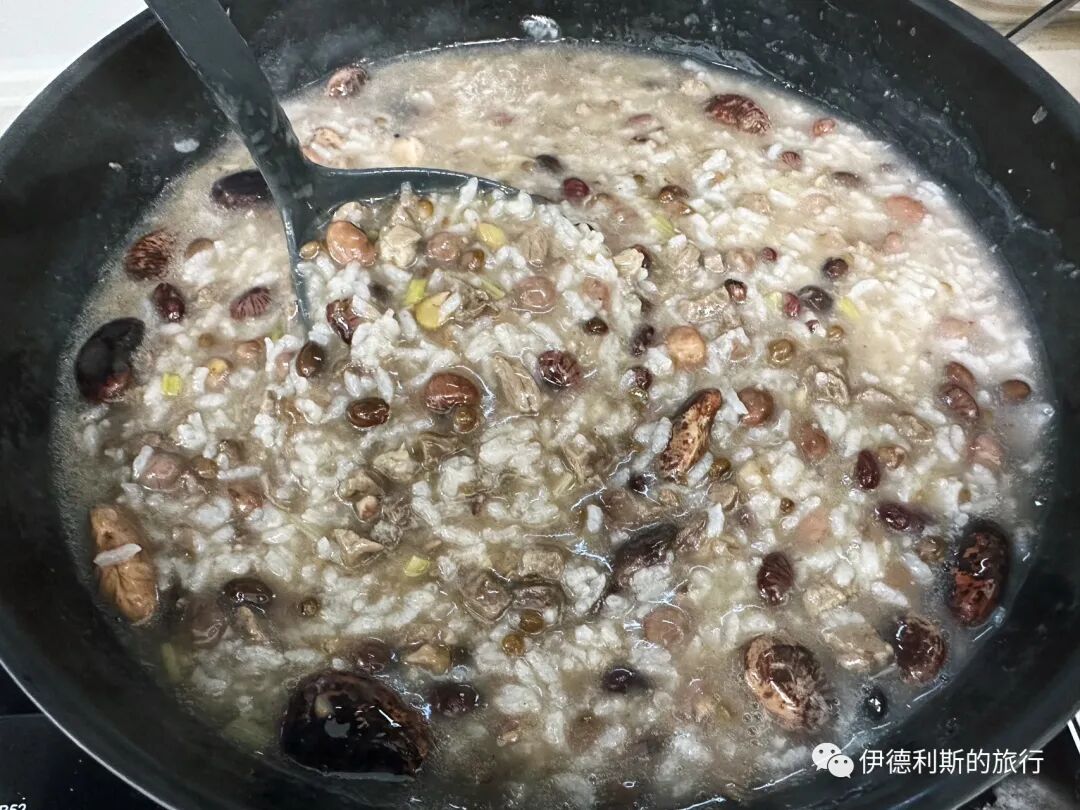
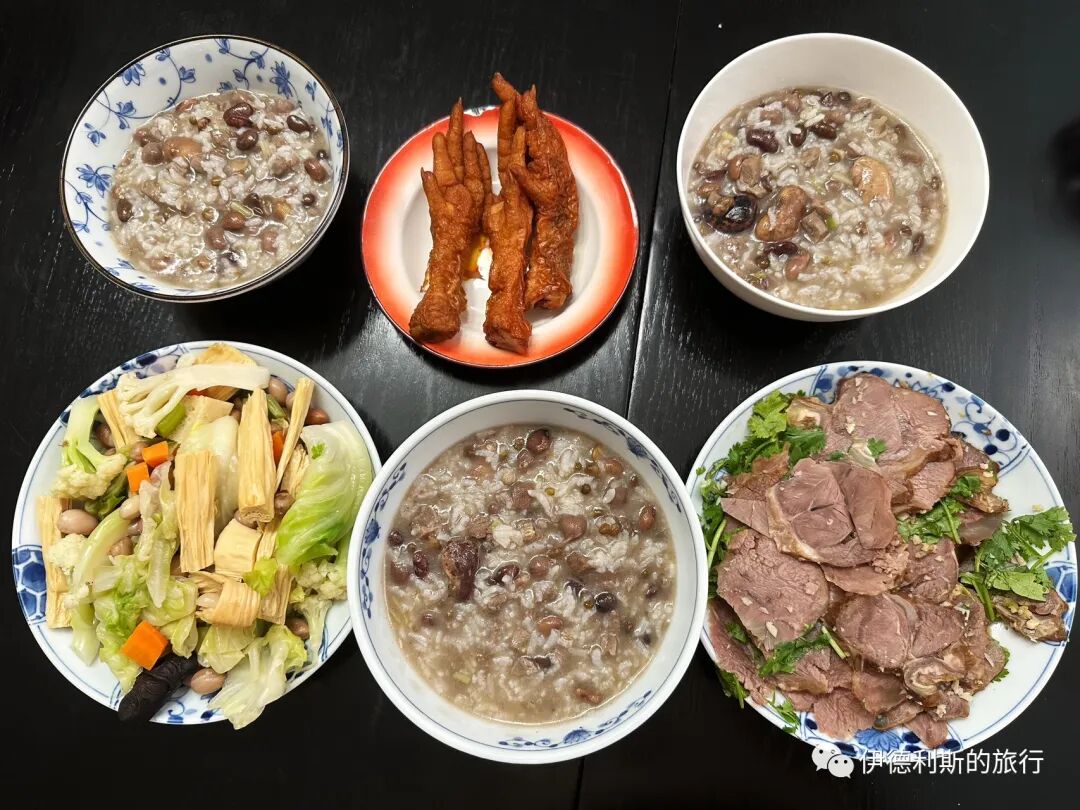
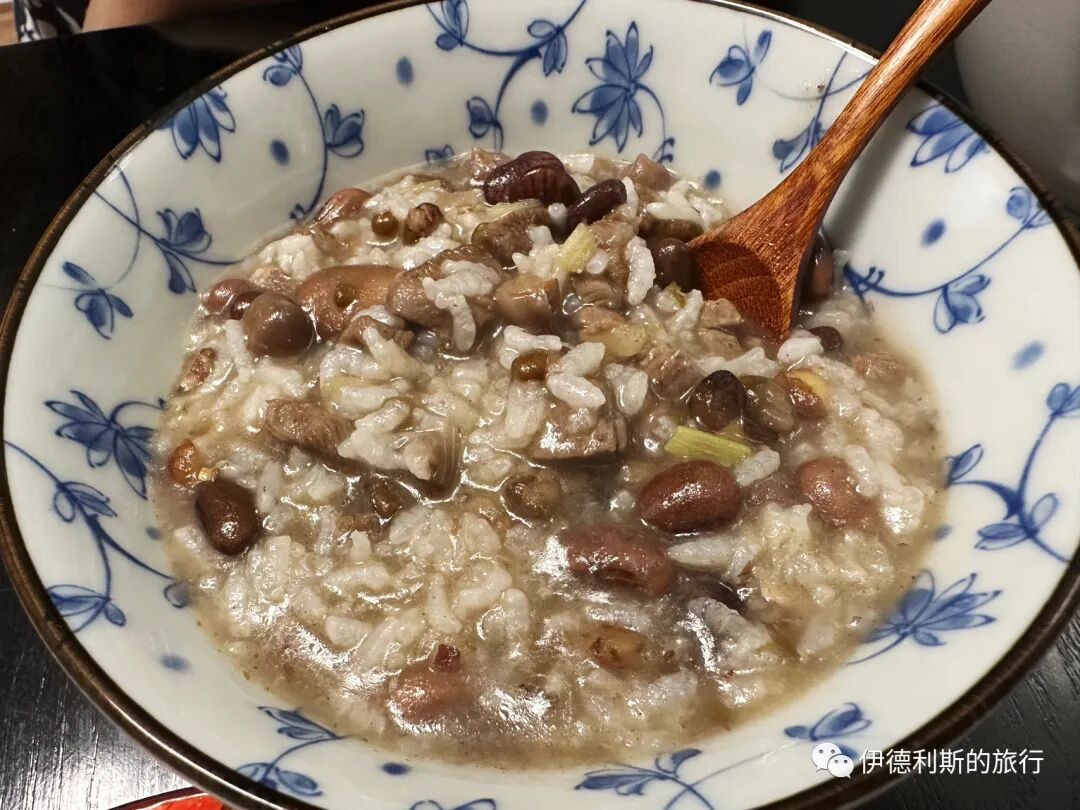
We came home from work yesterday and started making the Urumqi version of Ashura bean rice.
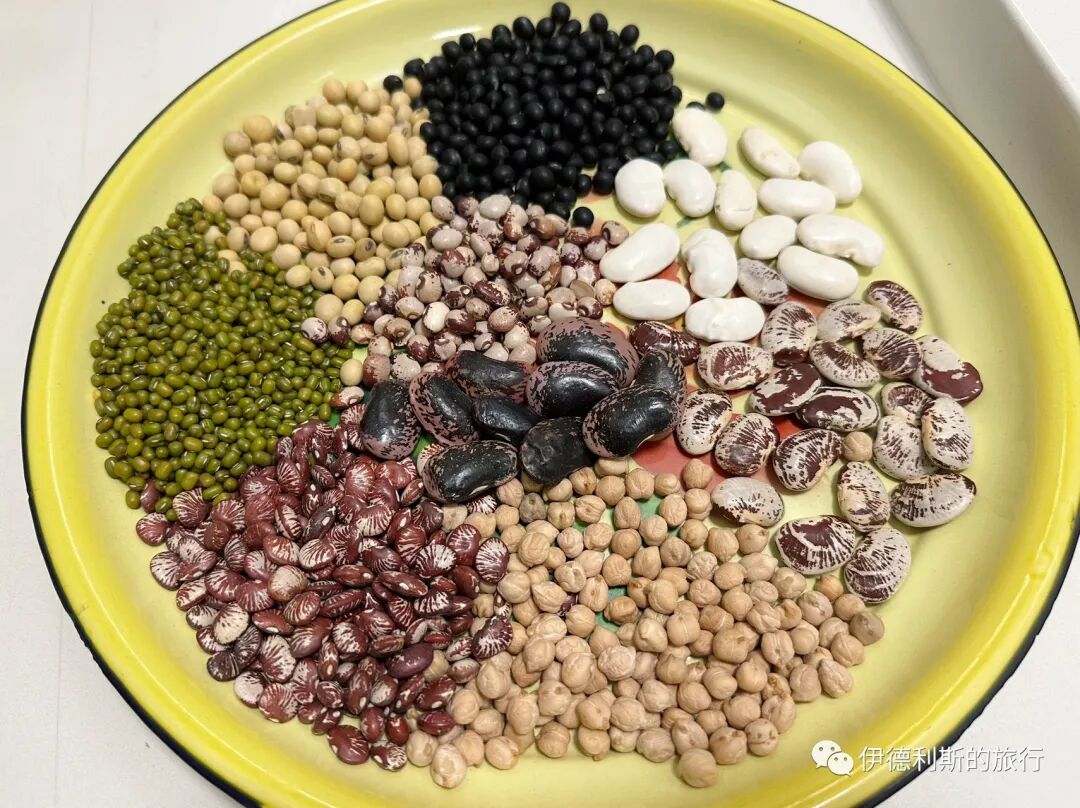
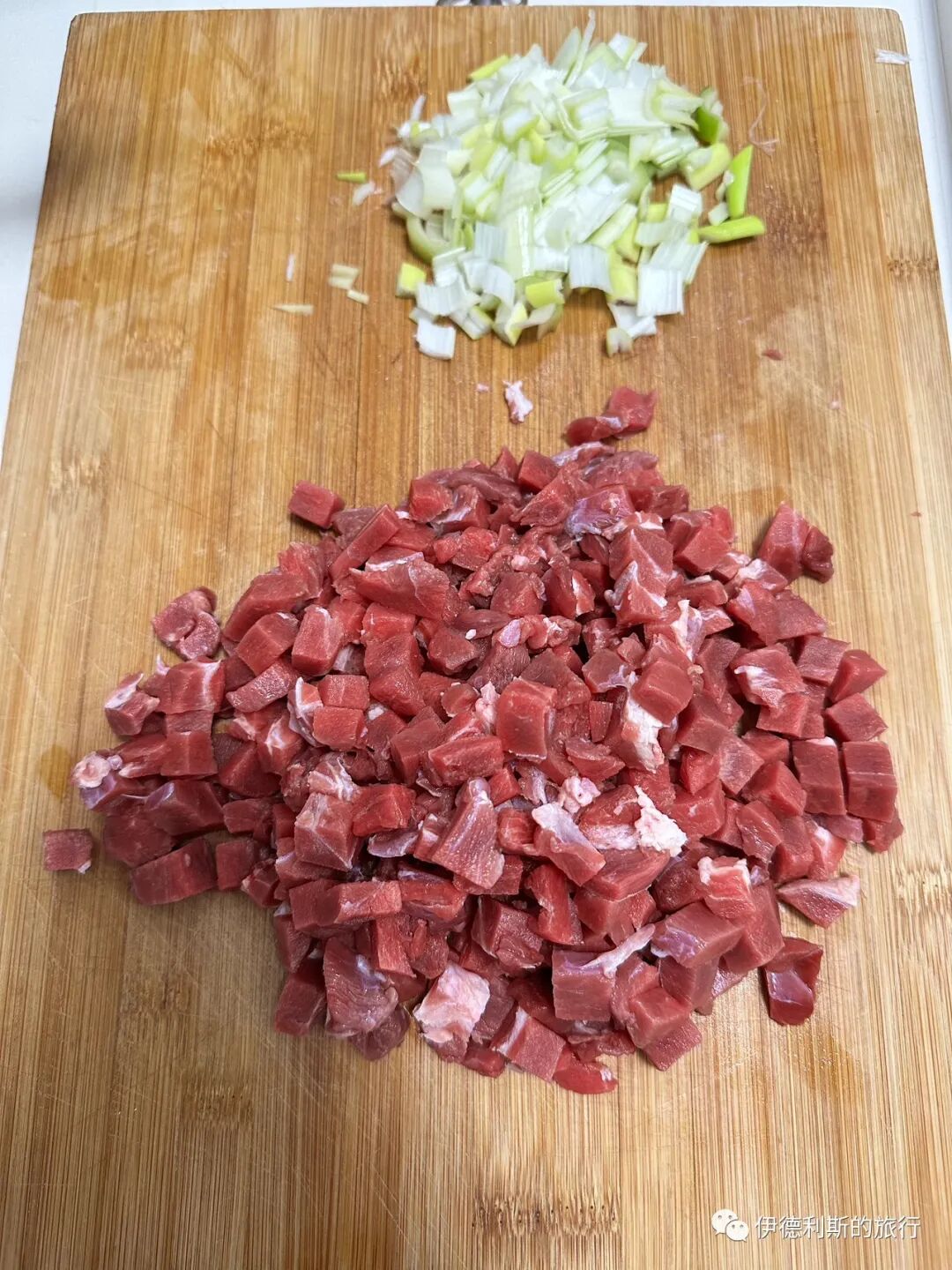
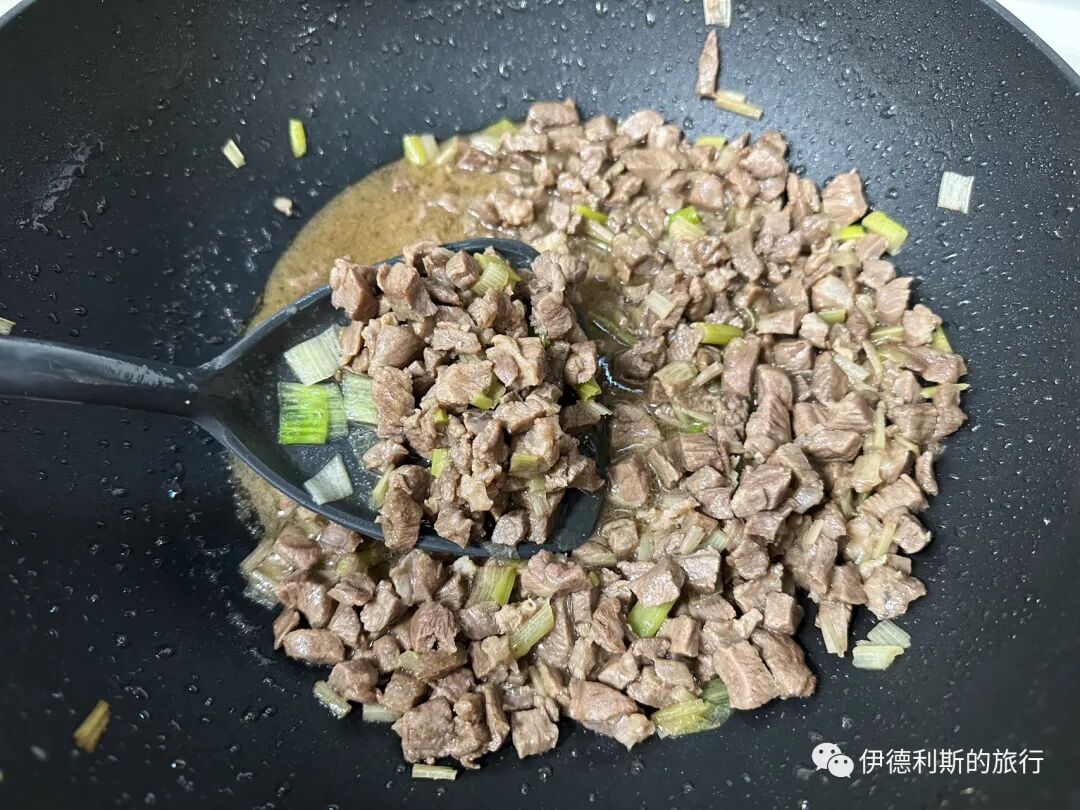
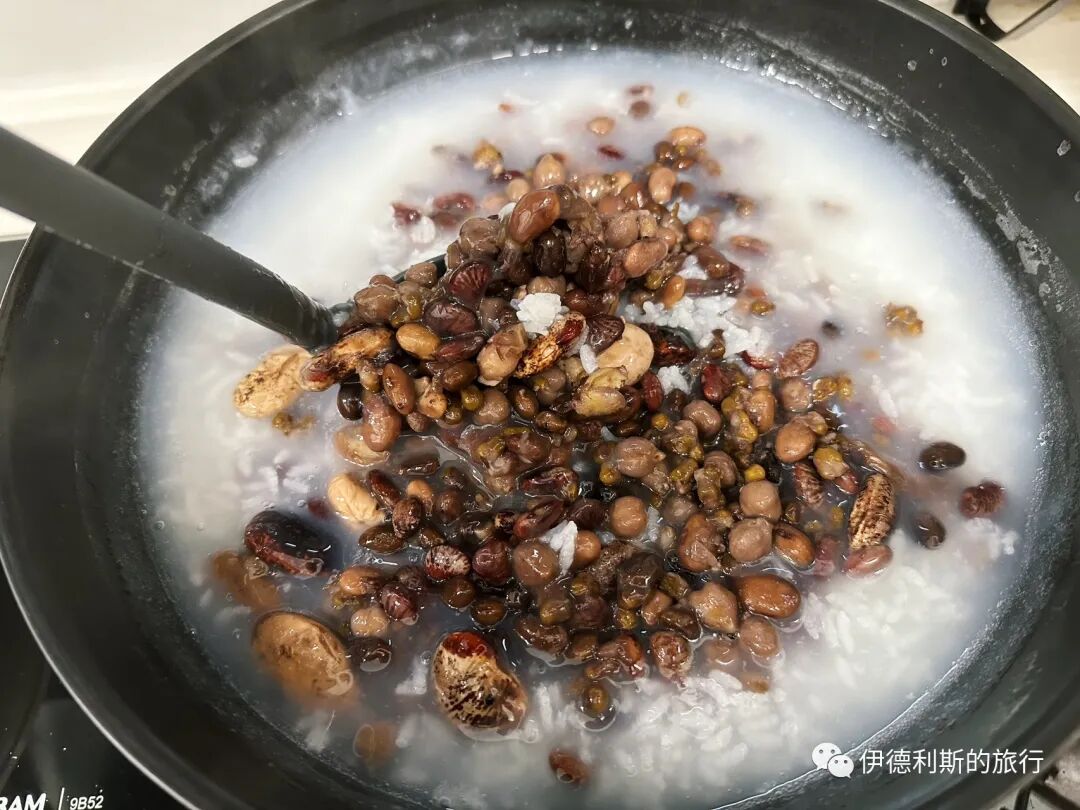
First, cut the Qurban lamb into small cubes and stir-fry them with chopped green onions. Make sure the Sichuan peppercorns (huajiao) and salt stand out in the flavor. Then, put a handful of glutinous rice and half a bowl of rice into half a pot of water. After it is cooked, add the nine types of beans that were boiled the day before, stir well, and then add the stir-fried lamb. The finished dish has both the fragrance of beans and the aroma of meat, and it is very meaningful.

Besides Hui Muslims, many Sunni Muslims in other regions also make Ashura bean porridge, with the most famous being the Ashure of the Ottoman Empire. In his 17th-century work, The Book of Travels (Seyahatname), the Ottoman traveler Evliya Celebi mentioned that Ashure is a type of porridge that should be cooked on the tenth day of the month of Muharram.
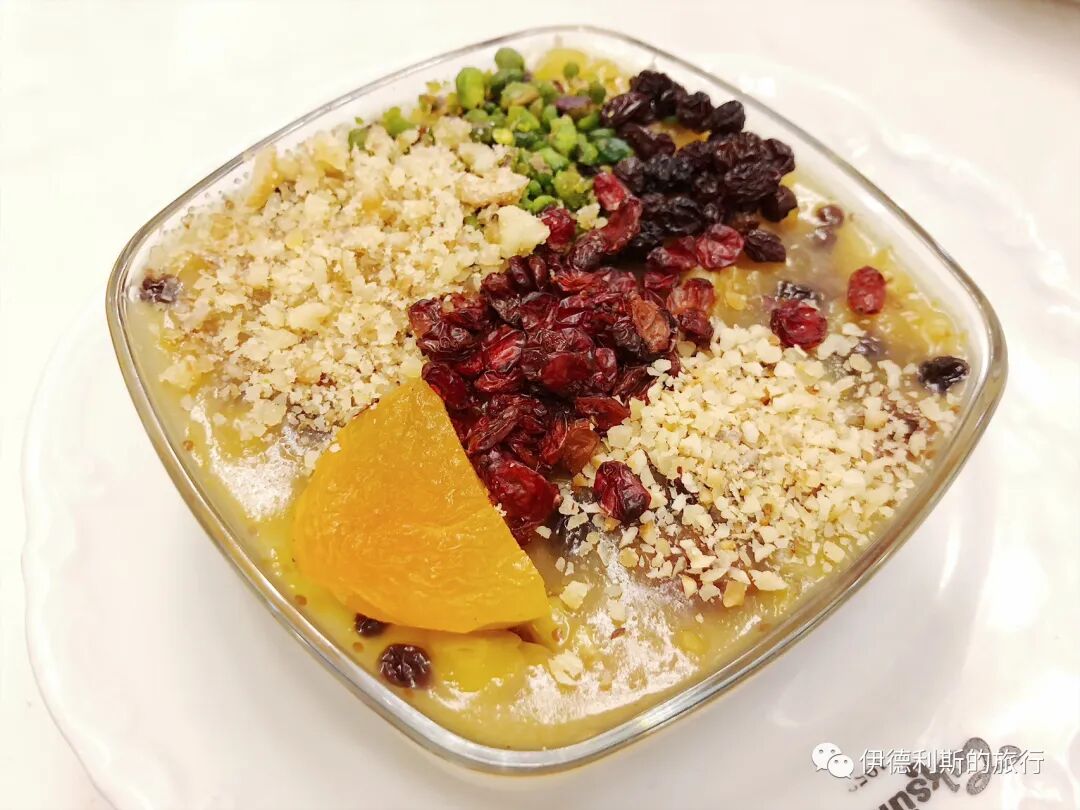
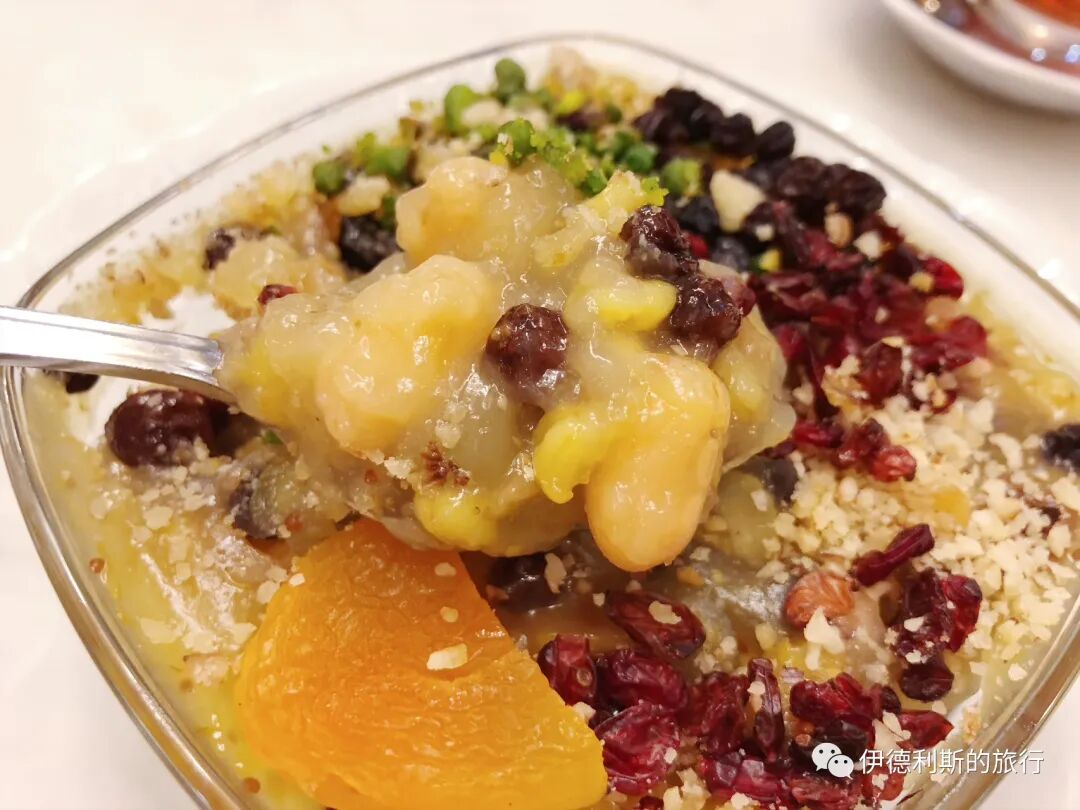
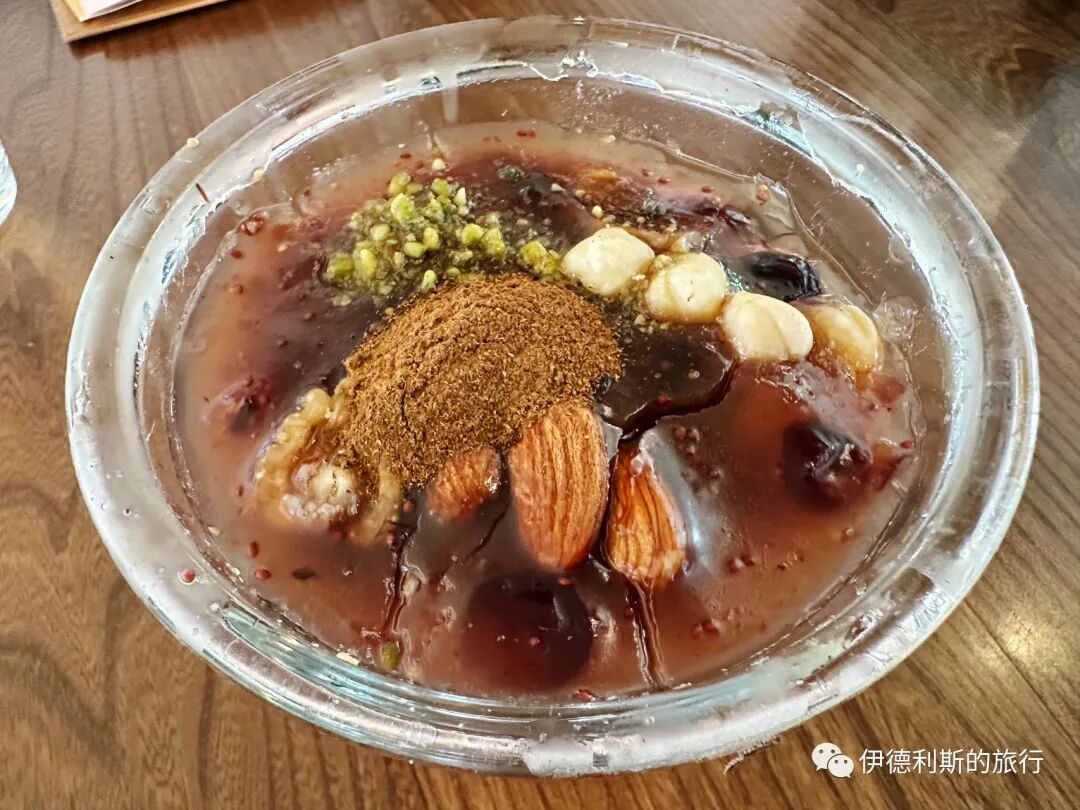
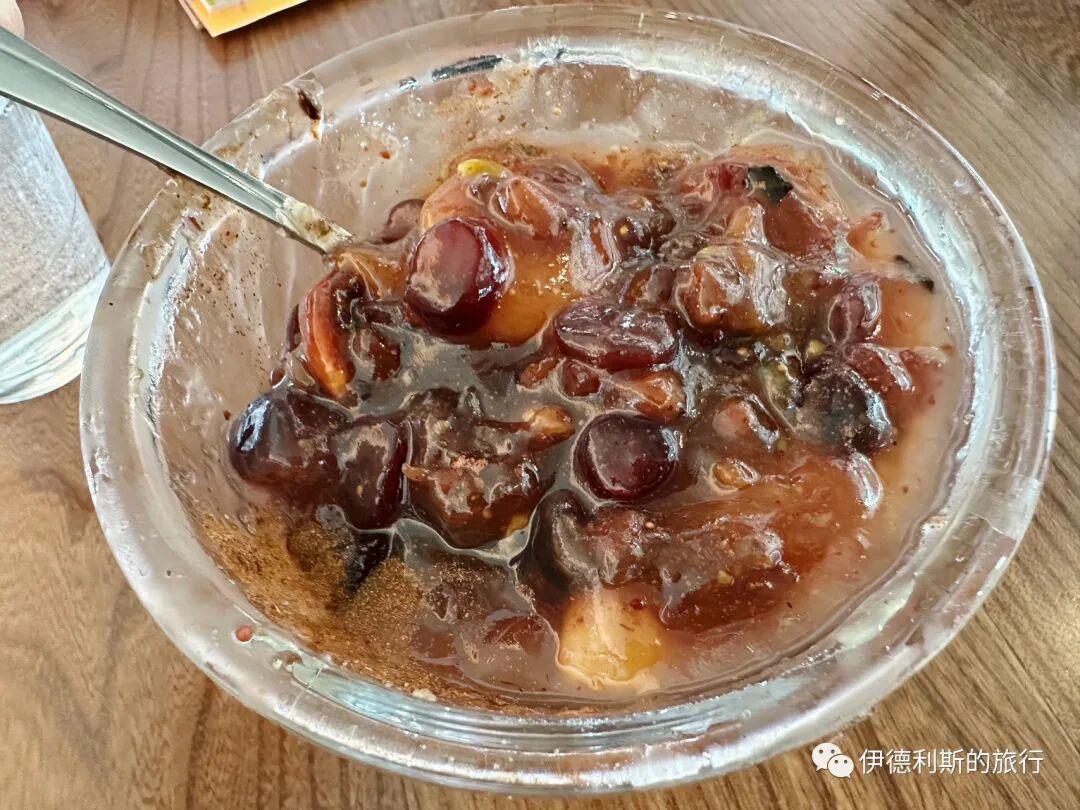
Ottoman Ashure does not have a fixed recipe, as it varies by region and the habits of each family. Traditionally, People say at least seven ingredients should be used, while others believe it should contain ten ingredients to match the theme of the tenth day. The Alevis always use twelve ingredients. Commonly used ingredients include wheat, barley, rice, white kidney beans, chickpeas, grape molasses (pekmez), pomegranate molasses, beet juice, dates, raisins, currants, apricots, figs, apples, pistachios, almonds, hazelnuts, walnuts, pine nuts, and sesame seeds. The finished Ashure can also be decorated with fennel seeds, black cumin seeds, plums, pomegranates, cardamom, cinnamon, cloves, and nutmeg.
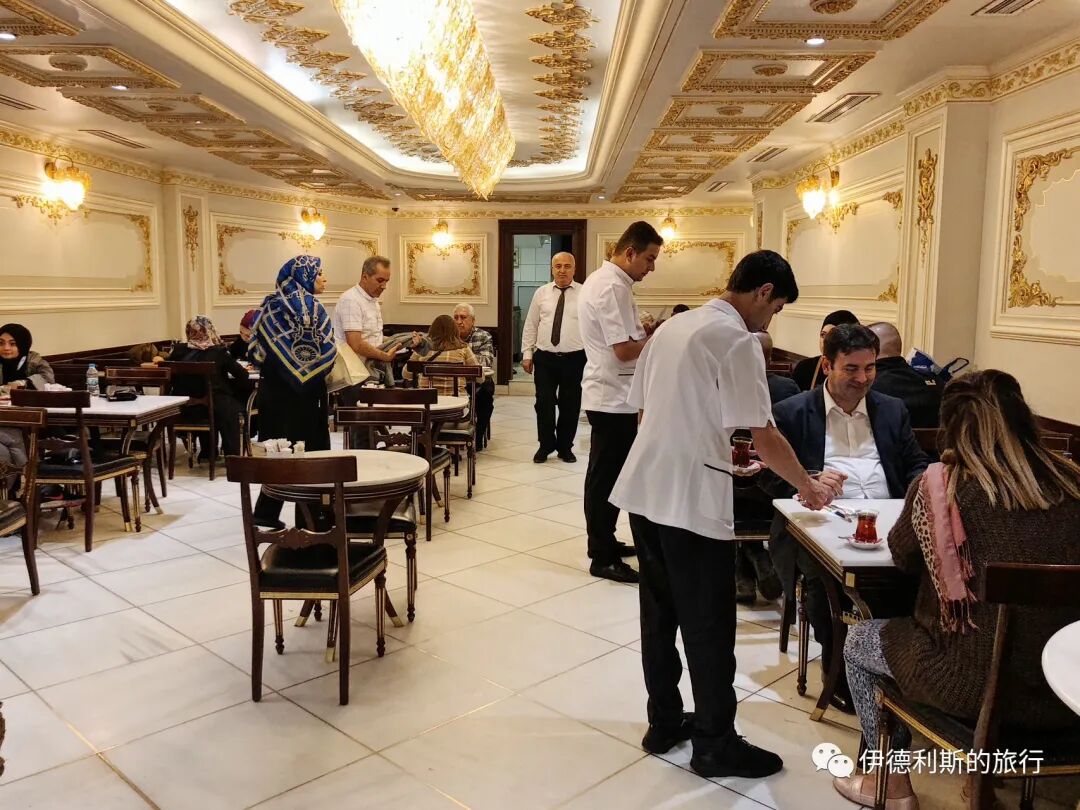
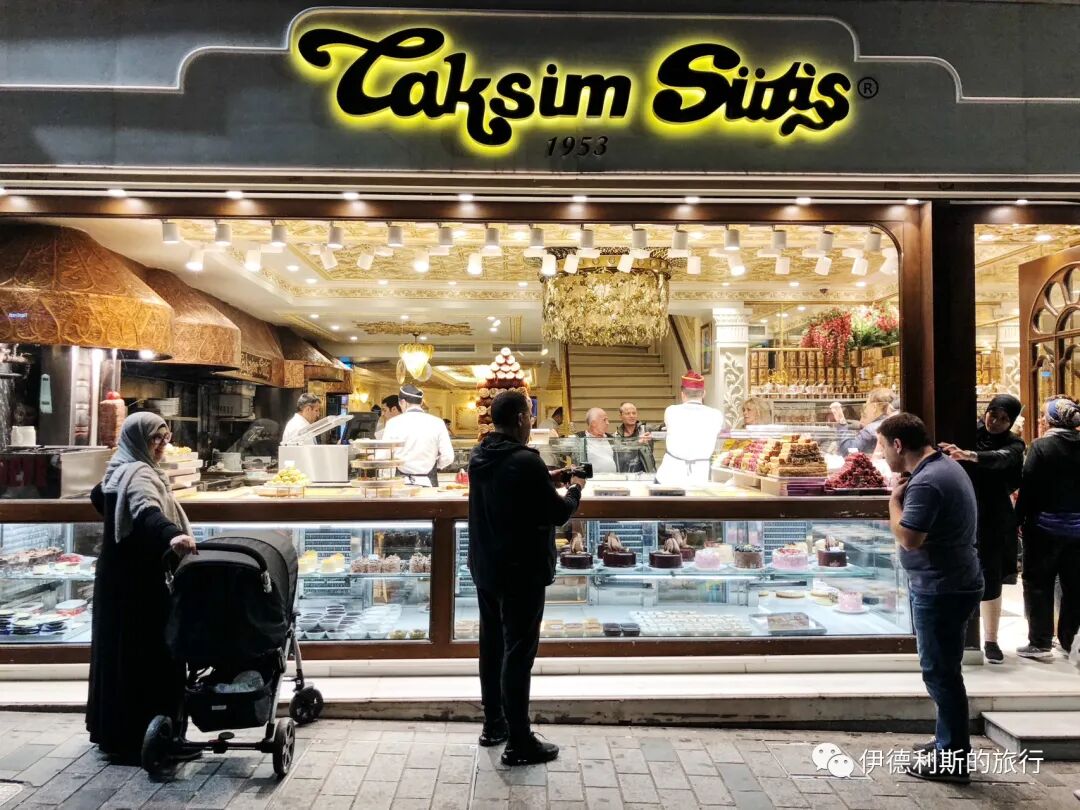
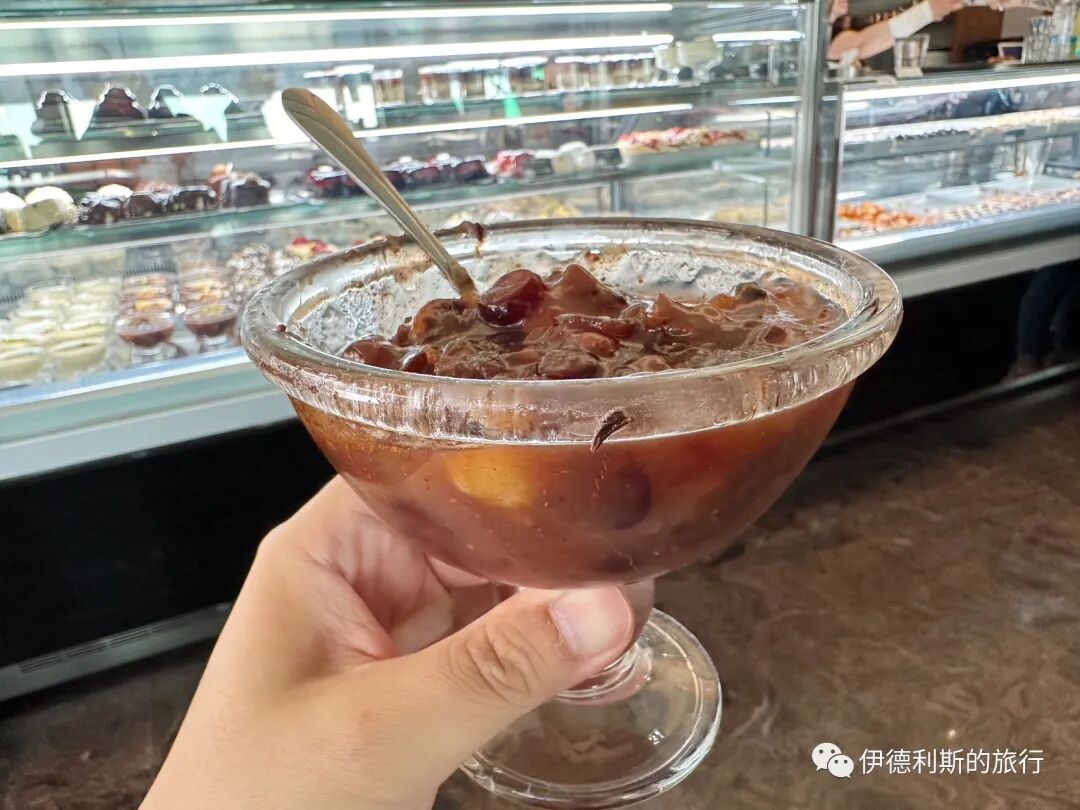
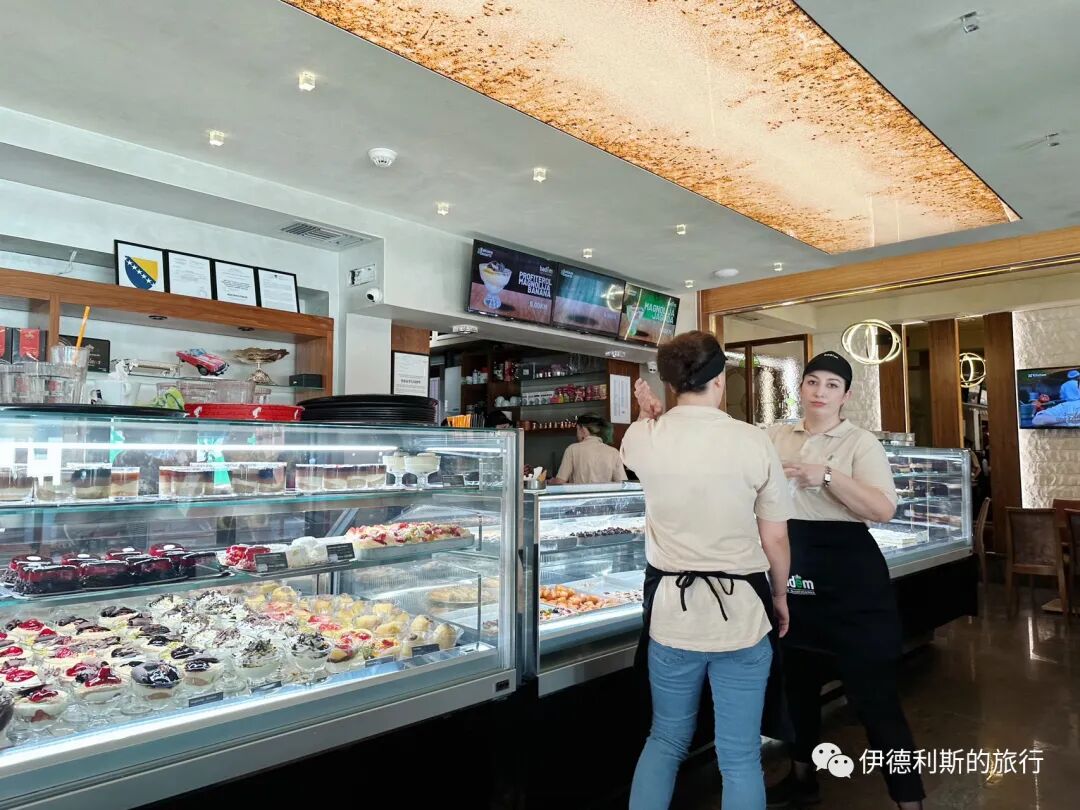
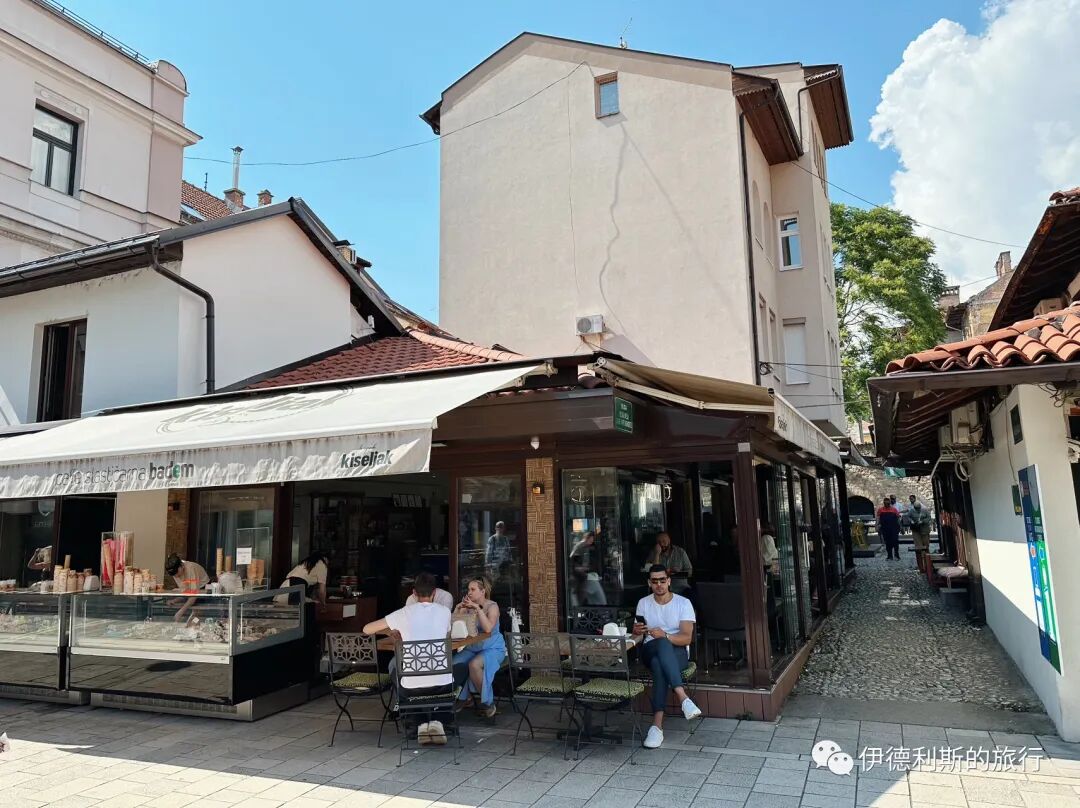
I first ate Ashure in Istanbul, and I had it again this year in Sarajevo. Today, you can buy Ashure in dessert shops all year round in Turkey and the Balkan region. However, on the Day of Ashura, people still prefer to make Ashure themselves and share it with the poor, relatives, neighbors, and friends.
Summary: Ashura bean porridge is a Muslim food tradition that has traveled across Eurasia through faith, family memory, and local kitchens. This article explains the dish, its cultural setting, and its ingredients in natural English while preserving the original details.
The 10th day of the first month of the Islamic calendar is the honorable Day of Ashura. Besides fasting, Hui Muslims also have a tradition of making Ashura bean porridge to commemorate the day the Ark of Nuh (Noah's Ark) reached land. People say when the Prophet Nuh and his followers stepped off the boat, they had almost no food left. Everyone pooled together seeds of various foods to make the first meal for humanity after the Great Flood receded.
We came home from work yesterday and started making the Urumqi version of Ashura bean rice.
First, cut the Qurban lamb into small cubes and stir-fry them with chopped green onions. Make sure the Sichuan peppercorns (huajiao) and salt stand out in the flavor. Then, put a handful of glutinous rice and half a bowl of rice into half a pot of water. After it is cooked, add the nine types of beans that were boiled the day before, stir well, and then add the stir-fried lamb. The finished dish has both the fragrance of beans and the aroma of meat, and it is very meaningful.
Besides Hui Muslims, many Sunni Muslims in other regions also make Ashura bean porridge, with the most famous being the Ashure of the Ottoman Empire. In his 17th-century work, The Book of Travels (Seyahatname), the Ottoman traveler Evliya Celebi mentioned that Ashure is a type of porridge that should be cooked on the tenth day of the month of Muharram.
Ottoman Ashure does not have a fixed recipe, as it varies by region and the habits of each family. Traditionally, People say at least seven ingredients should be used, while others believe it should contain ten ingredients to match the theme of the tenth day. The Alevis always use twelve ingredients. Commonly used ingredients include wheat, barley, rice, white kidney beans, chickpeas, grape molasses (pekmez), pomegranate molasses, beet juice, dates, raisins, currants, apricots, figs, apples, pistachios, almonds, hazelnuts, walnuts, pine nuts, and sesame seeds. The finished Ashure can also be decorated with fennel seeds, black cumin seeds, plums, pomegranates, cardamom, cinnamon, cloves, and nutmeg.
I first ate Ashure in Istanbul, and I had it again this year in Sarajevo. Today, you can buy Ashure in dessert shops all year round in Turkey and the Balkan region. However, on the Day of Ashura, people still prefer to make Ashure themselves and share it with the poor, relatives, neighbors, and friends.
