

Chinese Islamic Education
The Early 20th-Century Cultural Movement of Yunnan's Hui Muslims: Education, Print, and Modern Transformation (Part 1)
Articles • Hasan09 posted the article • 0 comments • 1 views • 1 hours ago
[Internet Repost]
The Early 20th-Century Cultural Movement of Yunnan's Hui Muslims: Education, Print, and Modern Transformation
Abstract: This article compiles the key points of the original text regarding "The Cultural Movement of Yunnan's Hui Muslims in the First Half of the 20th Century: Education, Publications, and the Modern Transformation of Chinese Muslims," preserving the original paragraph and image sequence. It is suitable for readers and researchers interested in long-tail keywords such as Yunnan Hui Muslims, the New Culture Movement, and Muslim education.
Mr. Ma Yunliang
Ma Yunliang
Abstract: In the first half of the 20th century, influenced by the May Fourth New Culture Movement, pioneering figures among Yunnan's Hui Muslims launched their own cultural movement. Championed by these leaders, the cultural self-awareness of the province's Muslim community was fully brought to light. This paper provides a preliminary review of this cultural movement and its historical role across six aspects, including the formation of associations and the reform of traditional mosque education (Jingtang Jiaoyu). Its purpose is to ground ourselves in reality while reviewing history, inspiring future generations to carry on the fine traditions of the predecessors—who loved their country and their faith, and enthusiastically supported ethnic culture and education—and to strive to make new contributions to promoting Islamic culture and advancing Hui education.
Keywords: First half of the 20th century; Yunnan Hui Muslims; New Culture Movement
In the first half of the 20th century, driven by the wave of the May Fourth Movement, a group of intellectuals and social elites among our province's Hui ancestors took up the burden of national crisis, harbored a profound sense of anxiety for the country, and went with the flow of history by tirelessly launching a new cultural movement. This movement took self-strengthening and self-salvation as its ultimate purpose, with awakening the public and invigorating the national spirit as its primary themes. Spanning half a century, it possessed a uniquely robust vitality. The movement's core activities included establishing Islamic associations, reforming traditional mosque education, founding new religious schools as well as regular primary and secondary schools, publishing religious and academic journals, organizing religious and academic cultural events, publishing and distributing scriptures, and selecting outstanding students to study abroad for advanced degrees. These initiatives laid a solid foundation for raising the overall quality of the ethnic group and promoted the development of Islamic cultural education. As Gu Jiegang noted, this was "the first cultural movement consciously initiated by Muslims in modern China" ("The Cultural Movement of Islam"). Spanning religion, culture, and education, this movement profoundly demonstrated the great spirit of keeping pace with the times shared by the vast majority of our province's Muslims. Its significance is profound, far-reaching, and its achievements will go down in history. Today, history has entered the 21st century. Rooted in the present and looking back at history, every single Hui person should seriously ponder the current circumstances and challenges facing Hui cultural education, and consider how to inherit our predecessors' precious spirit of daring to be the first in the world, actively seeking the development of our ethnic cultural and educational endeavors, and preserving the roots of our ethnic culture so as to achieve true ethnic cultural self-awareness. Bearing this consideration in mind, and despite my own limitations, I have organized this article after extensive reading of historical materials, careful verification, and meticulous selection. I intend to offer a preliminary perspective on the New Culture Movement of our province's Hui Muslims and its historical role in the first half of the 20th century, providing a modest reference for those enthusiastic about ethnic culture and education, while welcoming correction from experts in the field.
The content of the New Culture Movement among Yunnan Hui Muslims in the first half of the 20th century is as follows.
I. Establishment of Islamic Associations
In 1911, following the conclusion of the Xinhai Revolution and the dawn of the Republic of China, the principle of the Republic of Five Nationalities was established, and the Provisional Constitution was promulgated. It stipulated that people of all ethnic groups enjoyed the rights of freedom of belief, freedom of speech, and freedom of association and assembly, embedding the ideology of democratic republicanism deeply in the public consciousness. Consequently, in July 1912, championed by the pioneer of Hui new-style education, Grand Imam Wang Haoran, China's first national religious organization—the China Islamic Progress Association (Zhongguo Huijiao Jujinhui)—was established in Beijing. The headquarters of the Progress Association was located inside the Xidan Mosque (Xidan Qingzhensi). Ma Linyi was elected as the inaugural president, and Wang Haoran served as vice president. With the guiding mission of "promoting education, consolidating organizations, and fostering close harmony between Hui and Han people," the Progress Association widely connected prominent figures from all walks of Hui society, jointly committing to promoting new-style education and revitalizing various Hui community endeavors. The association's headquarters issued circular telegrams nationwide urging all provinces to establish branch chapters, with county and district chapters to follow. Yunnan's Hui Muslims responded enthusiastically, establishing the Yunnan Branch of the China Islamic Progress Association in October of the same year. The headquarters of the branch was set up at the Nancheng Mosque (Nancheng Qingzhensi) in Kunming. Ma Qixiang, general manager of the Yuxi Xinghunhe firm, was elected as the first branch president. Parts of the province where Hui communities were concentrated successively established branch chapters as well, totaling over 50 branch chapters across the province. In 1915, the Yunnan branch was reorganized, and second-term leadership was elected: Wang Tingzhi (from Kunming) was chosen as president, with Sai Fuchu (from Shiping) and Sun Guoxi (from Kunming) as vice presidents, alongside 83 other departmental staff members. In the 1917 re-election, Ma Dianxuan (from Yiling) became the third-term president, with He Tingdong (from Kunming) and Ma Xinpei serving as vice presidents. In April 1928, Ma Dianxuan passed away (guiyin). In May, Ma Cong (style name Bo'an, from Kunming) was elected as the fourth-term president, with He Tingdong and Zhao Zhongqi (style name Yuheng, from Dali) as vice presidents, alongside 42 departmental staff members. Until the outbreak of the War of Resistance Against Japanese Aggression, the Yunnan Branch of the Progress Association was renamed the Yunnan Provincial Branch of the China Islamic National Salvation Association, with Ma Cong continuing to serve as president.
The Yunnan Branch of the Progress Association was an important organization during the Republican period that enhanced internal ethnic unity and revitalized the community, playing a tremendous driving force in the political, economic, and cultural-educational endeavors of Yunnan's Hui people at that time.
In April 1915, initiated by Sha Pingan, Ma Xitang, Bai Yaoming, Zi Liangcheng, and others under the leadership of Ma Qixiang, the Zhenxue Society (Zhenxueshe)—the first cultural and educational organization in the history of Yunnan's Hui Muslims—was established at the Nancheng Mosque in Kunming. Initially, Sha Pingan served as president, followed later by Ma Guanzheng as president and Ma Shengfeng as vice president. The Zhenxue Society started as an independent organization, but was later incorporated by the Yunnan Branch of the Progress Association, becoming its specialized organ overseeing culture and education. It was tasked with "the establishment and management of schools, the popularization of education, the study of doctrines, the translation of classics, and the publication and distribution of scriptures. Due to the heavy workload, it was divided into four divisions: Education, Translation, and Publication." ("Yunnan Branch Regulations")
The establishment of the Yunnan Branch of the Progress Association and the Zhenxue Society laid massive groundwork for the rapid development of cultural education among Yunnan's Hui Muslims. Their efforts included founding publications such as the *Qingzhen Monthly* (*Qingzhen Yuebao*) and the *Qingzhen Duo Bao* (*Qingzhen Duo Bao*), publishing and distributing scriptures, running new-style religious schools—such as the Yunnan Higher Islamic Scriptural and Secular Combined School—as well as regular primary and secondary schools, and sending students to study in Egypt. These endeavors held profound significance and far-reaching influence. Mr. Bai Shouyi once commented: "The beginning of China's modern Islamic cultural movement has two prominent hallmarks: one is the publication of journals, and the other is the founding of schools. The earliest Islamic publication in our country was *Xinghuipian*, initiated by Hui students studying in Japan. Aside from Mr. Huang Zhenpan and Mr. Ma Zongsui, the contributors to the inaugural issue were Mr. Bao Tingdong, Mr. Wang Tingzhi, and Mr. Zhao Zhongqi from Yunnan. Aside from the Niujie Primary School advocated by Imam Wang Haoran in Beijing, our earliest new-style religious school was the Yunnan Higher Islamic Scriptural and Secular Combined School in Kunming. Therefore, in the modern Islamic cultural movement, Yunnan still occupies a very important position." ("The Historical Contributions of Yunnan's Muslim Compatriots") Looking back at the history of Yunnan's Hui Muslims, we can say that the brilliant achievements forged by the Yunnan Branch and the Zhenxue Society not only opened the prelude to the New Culture Movement of Yunnan's Hui Muslims, but also propelled the movement toward its climax.
II. Founding New-Style Religious Schools and Regular Primary and Secondary Schools
In 1921, our province's first new-style religious school, the Yunnan Higher Islamic Scriptural and Secular Combined School, was established at the provincial capital's Nancheng Mosque. This was a major initiative by the Yunnan Branch and the Zhenxue Society to reform traditional mosque education (Jingtang Jiaoyu). The years 1921 to 1922 marked the trial phase of the school. The renowned scriptural scholar Master Ma Jianzhi (Sanwu) was invited as the primary lecturer, with his son, Master Ma Ruitu, serving as teaching assistant. Students included Na Ruzhang, Ma Yuanqing, Xu Zibin, Ma Huiting, and Ma Lanting. In 1923, after officially enrolling students, the school invited Masters Tian Jiapei, Sha Pingan, and Na Ming'an as full-time instructors for Arabic and Persian scriptural courses, while inviting four scholars—Ma Pinan (a provincial graduate (bagong) of the late Qing Dynasty who once served as the Guangdong Circuit Intendant), Bai Yaoming (style name Liangcheng), Li Fangbo, and Yang Wenbo—to respectively teach the Four Books, classical Chinese annotations, national literature, the Three Principles of the People (Sanmin Zhuyi), and civics courses. History, geography, physics, and chemistry were taught by visiting teachers from the private Chengde Middle School. The curriculum comprised a total of 14 courses, including 5 Arabic and Persian scriptural courses and 9 Chinese courses. Scriptural classes were scheduled in the morning, while Chinese courses took place in the afternoon.
The first class enrolled five students: He Liancheng, Li Shoufu, Lin Yaoxi, Lin Xinghua, and Lin Zhongshu. These students studied for a full five years, graduating in May 1928. Rigorous examinations were held prior to graduation. All five students achieved outstanding, remarkable results. Five years of bitter winter and cold summer studies laid a profound foundation in both Chinese and Arabic literature, winning widespread praise from the Muslim community. Upon the graduation of the first cohort, the Zhenxue Society specially edited and published a *Graduation Commemorative Special Issue*, featuring the principal's address, branch congratulatory remarks, teachers' admonitions, students' graduation exam questions, answers, and evaluations. This special issue was distributed to mosques across the country. After reading the *Graduation Special Issue* published by the Higher Scriptural and Secular Combined School, Grand Imam Wang Jingzhai of Tianjin sent a letter offering high praise: "Upon reading the several translated questions in the *Graduation Special Issue* published by your esteemed school, I could not help but slam the table in admiration, deeply celebrating that Yunnan has capable, studious people. Their future attainments are truly boundless."
In 1926, the second cohort of students enrolled, admitting six individuals: Zhang Yunkui, Sai Antai, Ma Zhongming, Ma Jingbo, Ma Junyou, and Ma Pingxi. This cohort graduated in 1930. Immediately following that, a third cohort was recruited that same year. This class had an ample enrollment of 44 students, including Na Zhong, Na Xun, Ma Junwu, Ma Zhiguang, Ma Xinsan, Ma Shizhen, and Yang Tinghou. Shortly after admission, some students from this class transferred into the middle school division of the Mingde Middle School, which was publicly run by the Progress Association, becoming the inaugural class of the middle school division. The Higher Scriptural and Secular Combined School of the Yunnan Branch and Zhenxue Society operated for a total of nine years—one trial year and three officially enrolled cohorts, with two cohorts (totaling 11 individuals) graduating. It wrote a brilliant page in the history of Yunnan Hui education.
Reviewing the history of the new-style religious schools founded by the Yunnan Branch and the Zhenxue Society, the author believes there are two successful experiences worth summarizing and learning from.
First, by conforming to the needs of social development and implementing a teaching model that combined scriptural and secular studies, the schools cultivated a batch of talents proficient in both Chinese and Arabic. While traditional mosque schools had relatively singular teaching contents, the new-style religious schools emphasized both Arabic and Chinese equally, going hand in hand. The students they cultivated understood both Arabic and Chinese, possessed writing and translation skills, and made outstanding contributions to the exchange and dissemination of Sino-Arabic culture and the propagation of sacred truths.
Second, the schools pooled the human and financial resources of various mosque communities (fang) in the Kunming area, breaking away from the past pattern of decentralized operation among individual mosques. By integrating and optimizing teaching resources and reversing the old single-teacher, single-school system in favor of a multi-teacher system, students were able to learn from multiple masters and draw upon the strengths of various schools. Kunming, as the provincial capital of Yunnan, was the province's cultural center, gathering exceptional talents and enjoying unique advantages where teaching resources could be shared and local talent recruited. Figures like Ma Pinan, Bai Yaoming, Li Fangbo, and Yang Wenbo were seasoned scholars and erudite men. Scriptural masters like Ma Jianzhi, Tian Jiapei, Sha Pingan, and Na Ming'an were all renowned modern grand imams of Yunnan. Teachers from the private Chengde Middle School could also be invited to teach. All of these were vital conditions for running a successful school.
In 1929, the private Yunnan Mingde Middle School was established. The Yunnan Branch merged the Higher Scriptural and Secular Combined School into "Mingzhong," converting it into the Arabic Department of Mingde Middle School, which continued to hold classes at the Yongning Mosque. The middle school campus of Mingde Middle School was located in the back courtyard of the Nancheng Mosque, while its primary school division was set up inside the Shuncheng Street Mosque (Shuncheng Street Mosque) located in the Hui residential area. The middle school division later attached a simplified normal school class and a teacher training class. The inaugural principal of Mingde Middle School was Mr. Yang Wenbo.
In April 1940, yet another new-style religious school was born: the Shadian Yangzheng School in Shadian, a Hui-concentrated area in southern Yunnan. The full name of the Yangzheng School was the Shadian Private Yangzheng School of the Loyal and Frutiful Duke's Estate. The Loyal and Fruitful Duke's Estate was the mansion of the Shadian Hui Military General Bai. General Bai referred to Bai Jinzhu, a Qing Dynasty military commander in Yunnan who rose through the ranks to become the Military Intendant of Kaihua Town and was conferred the title of General of Mighty Vows. Having rendered distinguished military service, he was posthumously granted the title of Loyal and Fruitful Duke, and Shadian Hui residents generally referred to him as General Bai. The Yangzheng School was initiated by his third son, Bai Yaoming (style name Liangcheng). The school was set up right inside General Bai's mansion. The meaning of the two characters "Yangzheng" (Nurturing Uprightness) was "to nurture outstanding talents to revitalize the sacred path, and to properly cultivate virtuous capabilities to illuminate the divine light." To reform traditional mosque education to meet the needs of the times, Mr. Bai Liangcheng founded this new-style religious school characterized by "combined Chinese and Arabic instruction with graded progression." He personally served as principal and specially invited Professor Bai Shouyi to the school to convene a meeting with relevant personnel to jointly determine the educational goals and formulate the curriculum. The school system was provisionally set for eight years, with four years each for intermediate and advanced levels. Through eight years of study, students were required to master the Arabic language and script, be able to read Islamic classics, and possess self-study capabilities. Upon graduation, students were sponsored by the school to study abroad in Egypt. The school facilities were arranged in the side hall inside the left main gate of the Loyal and Fruitful Duke's Estate. The prayer hall, classrooms, offices, teachers' dormitories, and bathing facilities were all located within this side hall. Student dormitories were arranged in the floral parlor of the second courtyard. The cafeteria was located in the right wing room of the fifth courtyard. Once all preparations were completed, the private Kunming Mingde Middle School was asked to assist with student recruitment. Over 80 applicants registered for the entrance exams, and 7 were admitted based on qualification: Ma Enrong (Luxixi), Yan Zhonggui (Panxi), Jin Shuquan (Shadian), Ma Qin (Panxi), Ma Yuncai (Panxi), Ma Lianfang (Xinzhai), and Lin Zhengxiong (Shadian). Four years later—actually four months later—another group of 7 students was recruited: Ma Yuncong (Yuxi), Ma Chunwen (Dabaiyi), Ma Yunliang (Yuxi), Lin Song (Shadian), Ma Weiyi (Yuxi), Ma Chonghua (Yuxi), and Yang Dunhua (Xichang). These students were provided with meals and uniforms by the school. Later, more than 20 self-funded students were recruited. These students were younger and entirely local to Shadian, including both boys and girls. Their Chinese classes were taught by Ms. Ma Cunzhen, wife of teacher Ma Jian, using regular upper-primary textbooks. In addition, doctrinal readers (compiled by Mr. Ma Yuanqing) and Arabic were taught. These two courses were taught by advanced class students Ma Yuncong and Ma Chunwen respectively.
The school successively employed several full-time and part-time teachers. Because the school's founder, Principal Bai Liangcheng, was serving as the manager of the Yunnan Sipu Enterprise Bureau and could not attend to school affairs full-time, he specially appointed Teacher Zhang Ziyin as acting principal, alongside Teacher Ma Yuanqing as director of studies, Imam Na Xiangting as director of general affairs, the late-Qing provincial graduate (bagong) Mr. Gao Boli for Chinese literature, and Mr. Wu Shiqi for teaching methods. Imam Wang Chengqi, Teacher Bai Kunzhi, along with Professor Zheng Xin, Professor Cao Liwu from Southwest Associated University (Xinan Lianada) who were then teaching at Shadian's Yufeng Middle School, and three students from Associated University, were hired as part-time teachers. At the end of 1941, Mr. Ma Jian returned from Shanghai to his hometown of Shadian to continue translating the Quran. Every day after breakfast, he spent two precious hours teaching at the Yangzheng School. By the end of the following year, Grand Imam Ha Dacheng also traveled thousands of miles from Japanese-occupied Shanghai through various hardships to arrive in Shadian, staying at Principal Bai's home. Aside from discussing and reviewing Mr. Ma Jian's Quran translation manuscript daily with Teacher Ma Yuanqing, Imam Ha taught two Quranic recitation (Tajweed) classes per week to the students of Yangzheng School. For a period, the renowned historian Mr. Bai Shouyi came to Shadian for historical investigations. The school authorities seized the opportunity to invite Mr. Bai to lecture at the school. Mr. Bai's lectures were profound yet accessible, and his amiable attitude left a deep impression on the students.
The Yangzheng School gathered a constellation of renowned teachers and abundant talent back then. Nourished by so many teachers, the students felt as if they were sitting in a gentle spring breeze, studying diligently with remarkable academic achievements. The school arranged its curriculum according to a teaching plan and provided tailored instruction based on students' aptitudes. In the initial stage, Arabic courses were taught in two classes, Class A and Class B. The two Class A students, Ma Yuncong and Ma Chunwen, had studied in traditional mosque schools for several years and possessed a certain foundation in Arabic, so their Arabic classes were taught separately, while their Chinese and Quranic recitation classes were combined with Class B. Teacher Zhang Ziyin taught Class A a book titled *Islam*, authored by Hassan Mansour (vice president of Cairo University) and others. This book had been translated into Chinese by Mr. Na Zhong and published by the Beiping Chengdac Normal School. Teacher Zhang also taught Class A the literary masterpiece *Kalila wa Dimna*, translated and adapted by the 8th-century Arab literary figure Ibn al-Muqaffa. This book had been translated into Chinese by Mr. Lin Xinghua and introduced to readers in our country. For Class B, Teacher Zhang Ziyin taught the Quran and Hadith. Mr. Ma Jian taught Class A *Outlines of Dogmatics* (Al-Aqa'id), Egyptian middle school Arabic readers, and concise grammar. To cultivate students' Arabic reading comprehension and interest, Mr. Ma also assigned extracurricular reading such as youth publications published in Egypt, an Arabic edition of a French romantic novel *Maztouri*, and an Arabic edition of *The Analects of Confucius*. Mr. Ma Jian taught Class B Egyptian upper-primary Arabic readers and concise grammar. Teacher Ma Yuanqing taught Class A *Admonitions for Believers* (Mawa'iz al-Mu'minin). This text was chosen as a textbook upon the suggestion of Mr. Ma Jian. Teacher Yuanqing taught Class B *Mutual Love of Ritual Laws* (Mustaq). Imam Wang Chengqi taught Class B *Muntai Grammar*. When the two classes combined for Chinese courses, they studied *The Book of Songs* (*Shijing*), Tang poetry and Song lyrics, *Ancient Prose Anthology* (*Guwen Guanzhi*), middle school national literature, history, mathematics, and music.
Several teachers at the Yangzheng School possessed teaching methods with unique characteristics that are worth summarizing and promoting. They are briefly summarized and introduced below:
1. Emphasizing the cultivation of students' self-learning ability and interest in learning. There is an old Chinese saying: "Give a man a fish, and you feed him for a day; teach a man to fish, and you feed him for a lifetime." Applied to teaching, this means that imparting knowledge to students is inferior to teaching them the methods of self-learning. Mr. Ma Jian taught Arabic classes precisely in this manner. In the initial stage, lasting about a year or so, he personally explained the lessons. During class, he would first write Arabic vocabulary definitions on the blackboard for students to copy into their vocabulary notebooks. Then he would meticulously explain the text, striving for profound and thorough explanations of word meanings, distinctions, and grammar. Later, when the students had acquired a basic foundation, he had everyone prepare their lessons in advance before class. He distributed Wang Jingzhai's *Sino-Arabic New Dictionary* to the students; any unfamiliar words encountered while previewing the text had to be looked up in the dictionary and copied into a vocabulary notebook. During Arabic class, students took turns reading aloud line by line while everyone listened attentively. Where there were errors, Mr. Ma pointed them out on the spot, offering appropriate praise and encouragement for good performances.
2. Face-to-face grading of assignments. Mr. Ma Jian's *Concise Grammar* exercises and homework were corrected line by line. Before returning them to the students, the students were called to the teacher's desk where he provided one-on-one reviews for each question before handing them back. Such personal, direct guidance benefited the students immensely.
3. Combining theory with practice. While in Shanghai, Grand Imam Ha Dacheng served as the Imam of the Zhejiang Road Mosque. He was well-versed in Quranic phonology and phonetics (Tajweed), routinely praying alongside teachers and students in the school's small prayer hall, and attending Friday congregational prayers at the Shadian Grand Mosque together on Fridays. At the school and the mosque, he was frequently invited to serve as Imam, leading everyone in prayer. Not only were his prayer postures serious and standardized, but his melodic rhythm in reciting the Quran strictly adhered to the requirements of the scriptural text, rising and falling with inflection that fully manifested the acoustic beauty of the Quran. When he taught recitation classes to our students, his teaching method was highly distinctive. In class, he would first explain a few recitation rules, then provide a demonstration reading, and finally have students imitate the reading one by one. Everyone found this theory-combined-with-practice teaching method deeply engaging.
4. Principal Bai's affectionate exhortations. Principal Bai Liangcheng returned home once every year. During each return, he would convene teachers and students to deliver speeches. He encouraged students to study diligently and strive to become successors to the sacred path. A poem he composed, titled *Song of Joyful Learning*, played a major role in boosting students' interest in learning. The full text of the *Song of Joyful Learning* is: "Study is studying this joy, joy is enjoying this study; without joy it is not study, without study it is not joy. Joy is study, study is joy—alas, what learning in the world is like this joy, what joy in the world is like this study."
The advanced class of the Yangzheng School was later relocated to Kunming for a period of time. According to the original educational system, it should have taken eight years to graduate. Later, due to the political situation, it graduated two years early at the end of 1946. Although the advanced class students only studied for six years, they achieved tremendous results, cultivating a batch of talents for the ethnic group and the sacred path. For example, contemporary internationally renowned Quranic translator and Muslim scholar Professor Lin Song, and Grand Imam Ma Yuncong—who served as a delegate to the sixth and seventh National People's Congresses—were both elites who walked out of the Yangzheng School.
The intermediate class continued to hold classes in Shadian even after the advanced class relocated to Kunming, operating until the liberation in 1950.
In the spring of 1943, the private Xingjian Middle School Arabic Department was established in Menghua County, western Yunnan (now Weishan Yi and Hui Autonomous County). The campus was located inside the Yanqichang Mosque. As enrollment and the scale of the school grew year by year, the original site could no longer accommodate everyone, so in the autumn of 1948, it relocated to the Daiweigen Mosque. From its founding in 1943 until the liberation of Yunnan at the end of 1949—a period of about six and a half years—the Arabic Department had five classes (from Arabic Class 1 to Arabic Class 5) and over 90 students, all of whom were young Hui Muslim men from across the province and the local county.
The name of Xingjian Middle School, 'Xingjian', carries the meaning of 'reviving education to build the nation.' These two words embody the school's founding mission: to cultivate Muslim talent capable of revitalizing the religion and serving national construction. Ma Yaotang, chairman of the Menghua Hui Educational Salvation Association, served as chairman of the board, and Na Runzhang, a prominent grand imam, was invited to serve as principal. With extraordinary courage and talent, Principal Na cast a wide net for talent, inviting scholars from both inside and outside the Islamic faith to teach at the school. Emphasizing reform in education, the school centered its curriculum on religious studies while also offering courses in Chinese language and literature, history, geography, music, and physical education. Principal Na personally taught advanced courses in Quranic exegesis (Tafsir), Islamic jurisprudence (Fiqh), and theology (Aqidah). Other veteran imams taught alongside him, including Ma Haocheng, Ma Shizhen, Yang Tinghou, Na Guangyun, Ma Hanqing, Ma Guoliang, and Ma Fuchen from Guangxi. The Chinese literature classes were taught by Gao Kemin, He Guangwen, and Ma Shaoxiong; music was taught by Na Wenbo; art by Na Guangheng; mathematics by Ma Shangzhou; and military physical education by Mai Zhusan and Zhang Quanli. Truly, it was a gathering of brilliant minds.
In addition to their core studies, the students at the Xingjian Middle School Arabic Department placed great importance on cultural and athletic activities. During their free time every day, they played basketball, volleyball, and table tennis, holding inter-class and inter-school competitions to build friendships. Weekend events—such as 'One Thousand and One Nights' storytelling sessions, current affairs briefings, cultural performances, speech contests, and educational activities during Ramadan—made the students' school life rich and vibrant, perfectly blending academics with extracurricular pursuits for well-rounded development. The establishment of Xingjian Middle School cultivated a batch of dual-talented individuals needed for both religious life and national development in the Weishan region and various counties across Yunnan. It won the recognition and warm welcome of the broader Muslim community, earning praise as 'a glowing beacon of Hui culture ignited in western Yunnan' (History of Yunnan Hui Muslims).
Building upon the development of mosque education (Jingtang Jiaoyu) and new-style religious schooling, Muslims across Yunnan also actively promoted regular primary and secondary education. Private Hui middle and primary schools sprang up like bamboo shoots after a spring rain. In addition to Mingde Middle School and Mingde Primary School in the provincial capital, there were Shadian Yufeng Primary and Middle School, Dazhuang Xinmin Middle School, Tonghai Yuanwu Primary School, Yuxi Yucai Primary School, Yongping Hui Minjian Normal School, Dali Kelizhuang Primary School, Menghua Chongshi and Chongde Primary Schools, as well as various branch campuses of Mingde Primary Schools across different counties and cities. The establishment of these regular primary and secondary schools nurtured a large number of talented individuals, laid a solid foundation for the economic and cultural development of the province's Hui Muslims, and made an undeniable contribution to the advancement of ethnic education in Yunnan.
3. Publishing Religious and Academic Periodicals
Press and media serve as crucial frontlines for education and outreach, and religious academic periodicals published by Hui Muslims acted as the mouthpiece of Islam. The flourishing or stagnation of Islamic culture was intimately tied to them. Media publications played a massive role in awakening the public, enlightening minds, and promoting social progress. Therefore, as early as the late Guangxu period of the Qing dynasty (1908), Chinese Hui students studying in Japan—including Zhao Zhongqi (from Yunnan), Huang Zhenpan (from Hubei), Wang Tingzhi (from Yunnan), and Bao Tingliang—founded the publication 'Xinghui Pian' (Awaken the Hui Writings) in Tokyo, Japan, setting a precedent for Chinese Muslim periodicals. Although this publication only ran for a single issue, it carried a strong enlightenment ethos and was praised by contemporaries as 'sounding the horn of modern Hui intellectual and cultural thought.' Afterward, in 1915, 1917, 1922, and 1929, Yunnan Muslims successively launched four more periodicals: 'Qingzhen Yuebao' (Islamic Monthly, edited by Sha Ping'an, Xie Jikang, and Ma Degui, running for five issues); 'Qingzhen Huibao' (Islamic Report, edited by Bao Tingliang and others, running for one issue); 'Qingzhen Xunkan' (Islamic Decadal, edited by Ma Pin-san, Ma Zhenbang, and Sha Ping'an, running for over 50 issues); and 'Qingzhen Duobao' (Islamic Bell, edited by Bai Mengyu, Ma Shiqing, Ma Muqing, Ma Jian, Na Zhong, Na Xun, and others, which ran for several issues). During and after the War of Resistance Against Japanese Aggression, our province also saw the publication of several other periodicals, such as 'Xin Mumin' (The New Muslims, edited by Southwest Associated University students Wang Pei and Wang Hao, running for three issues); 'Qingzhen Duobao Fukan' (Islamic Bell Supplement, edited by Sha Dezhen and Na Zhongming); and 'Dimeimen' (Sisters and Brothers, edited by Lin Song, running for one issue). Among these publications, 'Qingzhen Duobao' had the longest run and the deepest impact. It can be said that 'Qingzhen Duobao' stood shoulder-to-shoulder with other academically rigorous contemporary journals such as 'Yuhua', 'The Chinese Islamic Association Monthly', and 'Yiguang'.
In 1929, the Yunnan branch of the Islamic Progressive Association established a propaganda department, and Bai Mengyu and others initiated the founding of 'Qingzhen Duobao'. Ma Shiqing and Ma Muqing served as editors-in-chief, while Na Zhong took charge of actual editorial operations. After publishing about 15 or 16 issues, the publication was suspended for many years because the editors and editorial staff left Kunming for official duties or traveled overseas for their studies. It wasn't until 1940, as the staff of 'Duobao' returned one after another, that the Islamic Association decided to resume publication. Ma Jian, Na Zhong, Na Xun, Sha Dezhen, and Na Zhongming served as editors-in-chief. During the War of Resistance, the wartime safe haven of Kunming gathered numerous Hui university professors, scholars, and Muslim university students who became contributors to 'Duobao', including esteemed figures like Mr. Bai Shouyi, Mr. Yang Zhijiu, and Ma Shouxian. Thanks to an abundant supply of submissions, 'Qingzhen Duobao' thrived remarkably during this period, and its circulation surged dramatically.
Regarding the name and guiding mission of 'Qingzhen Duobao', Mr. Ma Pin-san wrote in the inaugural issue: '...Our pure religion originated with Adam, with the purpose of recognizing Allah, worshiping Him, and aiding humanity and the world. The prophets succeeded one another in an unbroken lineage until the Most Exalted Prophet Muhammad appeared, gathering the perfections of all prophets, serving as the ultimate guide for mankind, and receiving thirty divisions of heavenly scriptures. He elucidated the profound mysteries of the seen and unseen, established the moral laws governing heaven and earth, awakened the deaf and enlightened the blind, and guided people toward goodness while deterring evil—truly standing as a great warning bell [duobao] for all ages past and present.' Mr. Na Zhong summarized the publication's mission into three points: 1. Promote the religious consciousness of believers; 2. Improve Islamic education; and 3. Foster a sense of national consciousness among believers. In his 'Editorial on Resuming Publication', Mr. Ma Bo'an pointed out in accordance with the needs of the War of Resistance that 'Duobao' must hold high the banner of patriotism, calling upon Hui and Han compatriots to 'truly unite and face the national crisis together,' and 'exhaust their utmost efforts to strive for the independence, freedom, and equality of our nation and people.'
Each issue of 'Qingzhen Duobao' featured editorials, Islamic news, dispatches, academic and cultural essays, and historical materials, among other contents. A brief overview includes: 1. Islamic doctrine and ethics; 2. The truths of Islam; 3. Historical research on the Hui community; 4. Reports supporting the War of Resistance and the patriotic democratic movement; 5. Coverage of friendly Sino-Arabic relations and support for the anti-imperialist struggles of Arab peoples; 6. Biographies of prophets, virtuous predecessors, and prominent Muslim visitors; 7. News and updates on Muslims from various regions; and 8. Reports on the affairs of the Progressive Association and the Islamic Association, to name just a few.
4. Engaging in Religious, Academic, and Cultural Activities
Along with the vigorous development of Hui education and the robust growth of a specialized generation of religious scholars, Islamic academic and cultural activities in Yunnan during the Republican era presented a remarkably bright prospect, with academic research proceeding smoothly and yielding impressive results. These are summarized and briefly described below.
1. Translations of the Quran and Hadith. view all
The Early 20th-Century Cultural Movement of Yunnan's Hui Muslims: Education, Print, and Modern Transformation
Abstract: This article compiles the key points of the original text regarding "The Cultural Movement of Yunnan's Hui Muslims in the First Half of the 20th Century: Education, Publications, and the Modern Transformation of Chinese Muslims," preserving the original paragraph and image sequence. It is suitable for readers and researchers interested in long-tail keywords such as Yunnan Hui Muslims, the New Culture Movement, and Muslim education.
Mr. Ma Yunliang
Ma Yunliang
Abstract: In the first half of the 20th century, influenced by the May Fourth New Culture Movement, pioneering figures among Yunnan's Hui Muslims launched their own cultural movement. Championed by these leaders, the cultural self-awareness of the province's Muslim community was fully brought to light. This paper provides a preliminary review of this cultural movement and its historical role across six aspects, including the formation of associations and the reform of traditional mosque education (Jingtang Jiaoyu). Its purpose is to ground ourselves in reality while reviewing history, inspiring future generations to carry on the fine traditions of the predecessors—who loved their country and their faith, and enthusiastically supported ethnic culture and education—and to strive to make new contributions to promoting Islamic culture and advancing Hui education.
Keywords: First half of the 20th century; Yunnan Hui Muslims; New Culture Movement
In the first half of the 20th century, driven by the wave of the May Fourth Movement, a group of intellectuals and social elites among our province's Hui ancestors took up the burden of national crisis, harbored a profound sense of anxiety for the country, and went with the flow of history by tirelessly launching a new cultural movement. This movement took self-strengthening and self-salvation as its ultimate purpose, with awakening the public and invigorating the national spirit as its primary themes. Spanning half a century, it possessed a uniquely robust vitality. The movement's core activities included establishing Islamic associations, reforming traditional mosque education, founding new religious schools as well as regular primary and secondary schools, publishing religious and academic journals, organizing religious and academic cultural events, publishing and distributing scriptures, and selecting outstanding students to study abroad for advanced degrees. These initiatives laid a solid foundation for raising the overall quality of the ethnic group and promoted the development of Islamic cultural education. As Gu Jiegang noted, this was "the first cultural movement consciously initiated by Muslims in modern China" ("The Cultural Movement of Islam"). Spanning religion, culture, and education, this movement profoundly demonstrated the great spirit of keeping pace with the times shared by the vast majority of our province's Muslims. Its significance is profound, far-reaching, and its achievements will go down in history. Today, history has entered the 21st century. Rooted in the present and looking back at history, every single Hui person should seriously ponder the current circumstances and challenges facing Hui cultural education, and consider how to inherit our predecessors' precious spirit of daring to be the first in the world, actively seeking the development of our ethnic cultural and educational endeavors, and preserving the roots of our ethnic culture so as to achieve true ethnic cultural self-awareness. Bearing this consideration in mind, and despite my own limitations, I have organized this article after extensive reading of historical materials, careful verification, and meticulous selection. I intend to offer a preliminary perspective on the New Culture Movement of our province's Hui Muslims and its historical role in the first half of the 20th century, providing a modest reference for those enthusiastic about ethnic culture and education, while welcoming correction from experts in the field.
The content of the New Culture Movement among Yunnan Hui Muslims in the first half of the 20th century is as follows.
I. Establishment of Islamic Associations
In 1911, following the conclusion of the Xinhai Revolution and the dawn of the Republic of China, the principle of the Republic of Five Nationalities was established, and the Provisional Constitution was promulgated. It stipulated that people of all ethnic groups enjoyed the rights of freedom of belief, freedom of speech, and freedom of association and assembly, embedding the ideology of democratic republicanism deeply in the public consciousness. Consequently, in July 1912, championed by the pioneer of Hui new-style education, Grand Imam Wang Haoran, China's first national religious organization—the China Islamic Progress Association (Zhongguo Huijiao Jujinhui)—was established in Beijing. The headquarters of the Progress Association was located inside the Xidan Mosque (Xidan Qingzhensi). Ma Linyi was elected as the inaugural president, and Wang Haoran served as vice president. With the guiding mission of "promoting education, consolidating organizations, and fostering close harmony between Hui and Han people," the Progress Association widely connected prominent figures from all walks of Hui society, jointly committing to promoting new-style education and revitalizing various Hui community endeavors. The association's headquarters issued circular telegrams nationwide urging all provinces to establish branch chapters, with county and district chapters to follow. Yunnan's Hui Muslims responded enthusiastically, establishing the Yunnan Branch of the China Islamic Progress Association in October of the same year. The headquarters of the branch was set up at the Nancheng Mosque (Nancheng Qingzhensi) in Kunming. Ma Qixiang, general manager of the Yuxi Xinghunhe firm, was elected as the first branch president. Parts of the province where Hui communities were concentrated successively established branch chapters as well, totaling over 50 branch chapters across the province. In 1915, the Yunnan branch was reorganized, and second-term leadership was elected: Wang Tingzhi (from Kunming) was chosen as president, with Sai Fuchu (from Shiping) and Sun Guoxi (from Kunming) as vice presidents, alongside 83 other departmental staff members. In the 1917 re-election, Ma Dianxuan (from Yiling) became the third-term president, with He Tingdong (from Kunming) and Ma Xinpei serving as vice presidents. In April 1928, Ma Dianxuan passed away (guiyin). In May, Ma Cong (style name Bo'an, from Kunming) was elected as the fourth-term president, with He Tingdong and Zhao Zhongqi (style name Yuheng, from Dali) as vice presidents, alongside 42 departmental staff members. Until the outbreak of the War of Resistance Against Japanese Aggression, the Yunnan Branch of the Progress Association was renamed the Yunnan Provincial Branch of the China Islamic National Salvation Association, with Ma Cong continuing to serve as president.
The Yunnan Branch of the Progress Association was an important organization during the Republican period that enhanced internal ethnic unity and revitalized the community, playing a tremendous driving force in the political, economic, and cultural-educational endeavors of Yunnan's Hui people at that time.
In April 1915, initiated by Sha Pingan, Ma Xitang, Bai Yaoming, Zi Liangcheng, and others under the leadership of Ma Qixiang, the Zhenxue Society (Zhenxueshe)—the first cultural and educational organization in the history of Yunnan's Hui Muslims—was established at the Nancheng Mosque in Kunming. Initially, Sha Pingan served as president, followed later by Ma Guanzheng as president and Ma Shengfeng as vice president. The Zhenxue Society started as an independent organization, but was later incorporated by the Yunnan Branch of the Progress Association, becoming its specialized organ overseeing culture and education. It was tasked with "the establishment and management of schools, the popularization of education, the study of doctrines, the translation of classics, and the publication and distribution of scriptures. Due to the heavy workload, it was divided into four divisions: Education, Translation, and Publication." ("Yunnan Branch Regulations")
The establishment of the Yunnan Branch of the Progress Association and the Zhenxue Society laid massive groundwork for the rapid development of cultural education among Yunnan's Hui Muslims. Their efforts included founding publications such as the *Qingzhen Monthly* (*Qingzhen Yuebao*) and the *Qingzhen Duo Bao* (*Qingzhen Duo Bao*), publishing and distributing scriptures, running new-style religious schools—such as the Yunnan Higher Islamic Scriptural and Secular Combined School—as well as regular primary and secondary schools, and sending students to study in Egypt. These endeavors held profound significance and far-reaching influence. Mr. Bai Shouyi once commented: "The beginning of China's modern Islamic cultural movement has two prominent hallmarks: one is the publication of journals, and the other is the founding of schools. The earliest Islamic publication in our country was *Xinghuipian*, initiated by Hui students studying in Japan. Aside from Mr. Huang Zhenpan and Mr. Ma Zongsui, the contributors to the inaugural issue were Mr. Bao Tingdong, Mr. Wang Tingzhi, and Mr. Zhao Zhongqi from Yunnan. Aside from the Niujie Primary School advocated by Imam Wang Haoran in Beijing, our earliest new-style religious school was the Yunnan Higher Islamic Scriptural and Secular Combined School in Kunming. Therefore, in the modern Islamic cultural movement, Yunnan still occupies a very important position." ("The Historical Contributions of Yunnan's Muslim Compatriots") Looking back at the history of Yunnan's Hui Muslims, we can say that the brilliant achievements forged by the Yunnan Branch and the Zhenxue Society not only opened the prelude to the New Culture Movement of Yunnan's Hui Muslims, but also propelled the movement toward its climax.
II. Founding New-Style Religious Schools and Regular Primary and Secondary Schools
In 1921, our province's first new-style religious school, the Yunnan Higher Islamic Scriptural and Secular Combined School, was established at the provincial capital's Nancheng Mosque. This was a major initiative by the Yunnan Branch and the Zhenxue Society to reform traditional mosque education (Jingtang Jiaoyu). The years 1921 to 1922 marked the trial phase of the school. The renowned scriptural scholar Master Ma Jianzhi (Sanwu) was invited as the primary lecturer, with his son, Master Ma Ruitu, serving as teaching assistant. Students included Na Ruzhang, Ma Yuanqing, Xu Zibin, Ma Huiting, and Ma Lanting. In 1923, after officially enrolling students, the school invited Masters Tian Jiapei, Sha Pingan, and Na Ming'an as full-time instructors for Arabic and Persian scriptural courses, while inviting four scholars—Ma Pinan (a provincial graduate (bagong) of the late Qing Dynasty who once served as the Guangdong Circuit Intendant), Bai Yaoming (style name Liangcheng), Li Fangbo, and Yang Wenbo—to respectively teach the Four Books, classical Chinese annotations, national literature, the Three Principles of the People (Sanmin Zhuyi), and civics courses. History, geography, physics, and chemistry were taught by visiting teachers from the private Chengde Middle School. The curriculum comprised a total of 14 courses, including 5 Arabic and Persian scriptural courses and 9 Chinese courses. Scriptural classes were scheduled in the morning, while Chinese courses took place in the afternoon.
The first class enrolled five students: He Liancheng, Li Shoufu, Lin Yaoxi, Lin Xinghua, and Lin Zhongshu. These students studied for a full five years, graduating in May 1928. Rigorous examinations were held prior to graduation. All five students achieved outstanding, remarkable results. Five years of bitter winter and cold summer studies laid a profound foundation in both Chinese and Arabic literature, winning widespread praise from the Muslim community. Upon the graduation of the first cohort, the Zhenxue Society specially edited and published a *Graduation Commemorative Special Issue*, featuring the principal's address, branch congratulatory remarks, teachers' admonitions, students' graduation exam questions, answers, and evaluations. This special issue was distributed to mosques across the country. After reading the *Graduation Special Issue* published by the Higher Scriptural and Secular Combined School, Grand Imam Wang Jingzhai of Tianjin sent a letter offering high praise: "Upon reading the several translated questions in the *Graduation Special Issue* published by your esteemed school, I could not help but slam the table in admiration, deeply celebrating that Yunnan has capable, studious people. Their future attainments are truly boundless."
In 1926, the second cohort of students enrolled, admitting six individuals: Zhang Yunkui, Sai Antai, Ma Zhongming, Ma Jingbo, Ma Junyou, and Ma Pingxi. This cohort graduated in 1930. Immediately following that, a third cohort was recruited that same year. This class had an ample enrollment of 44 students, including Na Zhong, Na Xun, Ma Junwu, Ma Zhiguang, Ma Xinsan, Ma Shizhen, and Yang Tinghou. Shortly after admission, some students from this class transferred into the middle school division of the Mingde Middle School, which was publicly run by the Progress Association, becoming the inaugural class of the middle school division. The Higher Scriptural and Secular Combined School of the Yunnan Branch and Zhenxue Society operated for a total of nine years—one trial year and three officially enrolled cohorts, with two cohorts (totaling 11 individuals) graduating. It wrote a brilliant page in the history of Yunnan Hui education.
Reviewing the history of the new-style religious schools founded by the Yunnan Branch and the Zhenxue Society, the author believes there are two successful experiences worth summarizing and learning from.
First, by conforming to the needs of social development and implementing a teaching model that combined scriptural and secular studies, the schools cultivated a batch of talents proficient in both Chinese and Arabic. While traditional mosque schools had relatively singular teaching contents, the new-style religious schools emphasized both Arabic and Chinese equally, going hand in hand. The students they cultivated understood both Arabic and Chinese, possessed writing and translation skills, and made outstanding contributions to the exchange and dissemination of Sino-Arabic culture and the propagation of sacred truths.
Second, the schools pooled the human and financial resources of various mosque communities (fang) in the Kunming area, breaking away from the past pattern of decentralized operation among individual mosques. By integrating and optimizing teaching resources and reversing the old single-teacher, single-school system in favor of a multi-teacher system, students were able to learn from multiple masters and draw upon the strengths of various schools. Kunming, as the provincial capital of Yunnan, was the province's cultural center, gathering exceptional talents and enjoying unique advantages where teaching resources could be shared and local talent recruited. Figures like Ma Pinan, Bai Yaoming, Li Fangbo, and Yang Wenbo were seasoned scholars and erudite men. Scriptural masters like Ma Jianzhi, Tian Jiapei, Sha Pingan, and Na Ming'an were all renowned modern grand imams of Yunnan. Teachers from the private Chengde Middle School could also be invited to teach. All of these were vital conditions for running a successful school.
In 1929, the private Yunnan Mingde Middle School was established. The Yunnan Branch merged the Higher Scriptural and Secular Combined School into "Mingzhong," converting it into the Arabic Department of Mingde Middle School, which continued to hold classes at the Yongning Mosque. The middle school campus of Mingde Middle School was located in the back courtyard of the Nancheng Mosque, while its primary school division was set up inside the Shuncheng Street Mosque (Shuncheng Street Mosque) located in the Hui residential area. The middle school division later attached a simplified normal school class and a teacher training class. The inaugural principal of Mingde Middle School was Mr. Yang Wenbo.
In April 1940, yet another new-style religious school was born: the Shadian Yangzheng School in Shadian, a Hui-concentrated area in southern Yunnan. The full name of the Yangzheng School was the Shadian Private Yangzheng School of the Loyal and Frutiful Duke's Estate. The Loyal and Fruitful Duke's Estate was the mansion of the Shadian Hui Military General Bai. General Bai referred to Bai Jinzhu, a Qing Dynasty military commander in Yunnan who rose through the ranks to become the Military Intendant of Kaihua Town and was conferred the title of General of Mighty Vows. Having rendered distinguished military service, he was posthumously granted the title of Loyal and Fruitful Duke, and Shadian Hui residents generally referred to him as General Bai. The Yangzheng School was initiated by his third son, Bai Yaoming (style name Liangcheng). The school was set up right inside General Bai's mansion. The meaning of the two characters "Yangzheng" (Nurturing Uprightness) was "to nurture outstanding talents to revitalize the sacred path, and to properly cultivate virtuous capabilities to illuminate the divine light." To reform traditional mosque education to meet the needs of the times, Mr. Bai Liangcheng founded this new-style religious school characterized by "combined Chinese and Arabic instruction with graded progression." He personally served as principal and specially invited Professor Bai Shouyi to the school to convene a meeting with relevant personnel to jointly determine the educational goals and formulate the curriculum. The school system was provisionally set for eight years, with four years each for intermediate and advanced levels. Through eight years of study, students were required to master the Arabic language and script, be able to read Islamic classics, and possess self-study capabilities. Upon graduation, students were sponsored by the school to study abroad in Egypt. The school facilities were arranged in the side hall inside the left main gate of the Loyal and Fruitful Duke's Estate. The prayer hall, classrooms, offices, teachers' dormitories, and bathing facilities were all located within this side hall. Student dormitories were arranged in the floral parlor of the second courtyard. The cafeteria was located in the right wing room of the fifth courtyard. Once all preparations were completed, the private Kunming Mingde Middle School was asked to assist with student recruitment. Over 80 applicants registered for the entrance exams, and 7 were admitted based on qualification: Ma Enrong (Luxixi), Yan Zhonggui (Panxi), Jin Shuquan (Shadian), Ma Qin (Panxi), Ma Yuncai (Panxi), Ma Lianfang (Xinzhai), and Lin Zhengxiong (Shadian). Four years later—actually four months later—another group of 7 students was recruited: Ma Yuncong (Yuxi), Ma Chunwen (Dabaiyi), Ma Yunliang (Yuxi), Lin Song (Shadian), Ma Weiyi (Yuxi), Ma Chonghua (Yuxi), and Yang Dunhua (Xichang). These students were provided with meals and uniforms by the school. Later, more than 20 self-funded students were recruited. These students were younger and entirely local to Shadian, including both boys and girls. Their Chinese classes were taught by Ms. Ma Cunzhen, wife of teacher Ma Jian, using regular upper-primary textbooks. In addition, doctrinal readers (compiled by Mr. Ma Yuanqing) and Arabic were taught. These two courses were taught by advanced class students Ma Yuncong and Ma Chunwen respectively.
The school successively employed several full-time and part-time teachers. Because the school's founder, Principal Bai Liangcheng, was serving as the manager of the Yunnan Sipu Enterprise Bureau and could not attend to school affairs full-time, he specially appointed Teacher Zhang Ziyin as acting principal, alongside Teacher Ma Yuanqing as director of studies, Imam Na Xiangting as director of general affairs, the late-Qing provincial graduate (bagong) Mr. Gao Boli for Chinese literature, and Mr. Wu Shiqi for teaching methods. Imam Wang Chengqi, Teacher Bai Kunzhi, along with Professor Zheng Xin, Professor Cao Liwu from Southwest Associated University (Xinan Lianada) who were then teaching at Shadian's Yufeng Middle School, and three students from Associated University, were hired as part-time teachers. At the end of 1941, Mr. Ma Jian returned from Shanghai to his hometown of Shadian to continue translating the Quran. Every day after breakfast, he spent two precious hours teaching at the Yangzheng School. By the end of the following year, Grand Imam Ha Dacheng also traveled thousands of miles from Japanese-occupied Shanghai through various hardships to arrive in Shadian, staying at Principal Bai's home. Aside from discussing and reviewing Mr. Ma Jian's Quran translation manuscript daily with Teacher Ma Yuanqing, Imam Ha taught two Quranic recitation (Tajweed) classes per week to the students of Yangzheng School. For a period, the renowned historian Mr. Bai Shouyi came to Shadian for historical investigations. The school authorities seized the opportunity to invite Mr. Bai to lecture at the school. Mr. Bai's lectures were profound yet accessible, and his amiable attitude left a deep impression on the students.
The Yangzheng School gathered a constellation of renowned teachers and abundant talent back then. Nourished by so many teachers, the students felt as if they were sitting in a gentle spring breeze, studying diligently with remarkable academic achievements. The school arranged its curriculum according to a teaching plan and provided tailored instruction based on students' aptitudes. In the initial stage, Arabic courses were taught in two classes, Class A and Class B. The two Class A students, Ma Yuncong and Ma Chunwen, had studied in traditional mosque schools for several years and possessed a certain foundation in Arabic, so their Arabic classes were taught separately, while their Chinese and Quranic recitation classes were combined with Class B. Teacher Zhang Ziyin taught Class A a book titled *Islam*, authored by Hassan Mansour (vice president of Cairo University) and others. This book had been translated into Chinese by Mr. Na Zhong and published by the Beiping Chengdac Normal School. Teacher Zhang also taught Class A the literary masterpiece *Kalila wa Dimna*, translated and adapted by the 8th-century Arab literary figure Ibn al-Muqaffa. This book had been translated into Chinese by Mr. Lin Xinghua and introduced to readers in our country. For Class B, Teacher Zhang Ziyin taught the Quran and Hadith. Mr. Ma Jian taught Class A *Outlines of Dogmatics* (Al-Aqa'id), Egyptian middle school Arabic readers, and concise grammar. To cultivate students' Arabic reading comprehension and interest, Mr. Ma also assigned extracurricular reading such as youth publications published in Egypt, an Arabic edition of a French romantic novel *Maztouri*, and an Arabic edition of *The Analects of Confucius*. Mr. Ma Jian taught Class B Egyptian upper-primary Arabic readers and concise grammar. Teacher Ma Yuanqing taught Class A *Admonitions for Believers* (Mawa'iz al-Mu'minin). This text was chosen as a textbook upon the suggestion of Mr. Ma Jian. Teacher Yuanqing taught Class B *Mutual Love of Ritual Laws* (Mustaq). Imam Wang Chengqi taught Class B *Muntai Grammar*. When the two classes combined for Chinese courses, they studied *The Book of Songs* (*Shijing*), Tang poetry and Song lyrics, *Ancient Prose Anthology* (*Guwen Guanzhi*), middle school national literature, history, mathematics, and music.
Several teachers at the Yangzheng School possessed teaching methods with unique characteristics that are worth summarizing and promoting. They are briefly summarized and introduced below:
1. Emphasizing the cultivation of students' self-learning ability and interest in learning. There is an old Chinese saying: "Give a man a fish, and you feed him for a day; teach a man to fish, and you feed him for a lifetime." Applied to teaching, this means that imparting knowledge to students is inferior to teaching them the methods of self-learning. Mr. Ma Jian taught Arabic classes precisely in this manner. In the initial stage, lasting about a year or so, he personally explained the lessons. During class, he would first write Arabic vocabulary definitions on the blackboard for students to copy into their vocabulary notebooks. Then he would meticulously explain the text, striving for profound and thorough explanations of word meanings, distinctions, and grammar. Later, when the students had acquired a basic foundation, he had everyone prepare their lessons in advance before class. He distributed Wang Jingzhai's *Sino-Arabic New Dictionary* to the students; any unfamiliar words encountered while previewing the text had to be looked up in the dictionary and copied into a vocabulary notebook. During Arabic class, students took turns reading aloud line by line while everyone listened attentively. Where there were errors, Mr. Ma pointed them out on the spot, offering appropriate praise and encouragement for good performances.
2. Face-to-face grading of assignments. Mr. Ma Jian's *Concise Grammar* exercises and homework were corrected line by line. Before returning them to the students, the students were called to the teacher's desk where he provided one-on-one reviews for each question before handing them back. Such personal, direct guidance benefited the students immensely.
3. Combining theory with practice. While in Shanghai, Grand Imam Ha Dacheng served as the Imam of the Zhejiang Road Mosque. He was well-versed in Quranic phonology and phonetics (Tajweed), routinely praying alongside teachers and students in the school's small prayer hall, and attending Friday congregational prayers at the Shadian Grand Mosque together on Fridays. At the school and the mosque, he was frequently invited to serve as Imam, leading everyone in prayer. Not only were his prayer postures serious and standardized, but his melodic rhythm in reciting the Quran strictly adhered to the requirements of the scriptural text, rising and falling with inflection that fully manifested the acoustic beauty of the Quran. When he taught recitation classes to our students, his teaching method was highly distinctive. In class, he would first explain a few recitation rules, then provide a demonstration reading, and finally have students imitate the reading one by one. Everyone found this theory-combined-with-practice teaching method deeply engaging.
4. Principal Bai's affectionate exhortations. Principal Bai Liangcheng returned home once every year. During each return, he would convene teachers and students to deliver speeches. He encouraged students to study diligently and strive to become successors to the sacred path. A poem he composed, titled *Song of Joyful Learning*, played a major role in boosting students' interest in learning. The full text of the *Song of Joyful Learning* is: "Study is studying this joy, joy is enjoying this study; without joy it is not study, without study it is not joy. Joy is study, study is joy—alas, what learning in the world is like this joy, what joy in the world is like this study."
The advanced class of the Yangzheng School was later relocated to Kunming for a period of time. According to the original educational system, it should have taken eight years to graduate. Later, due to the political situation, it graduated two years early at the end of 1946. Although the advanced class students only studied for six years, they achieved tremendous results, cultivating a batch of talents for the ethnic group and the sacred path. For example, contemporary internationally renowned Quranic translator and Muslim scholar Professor Lin Song, and Grand Imam Ma Yuncong—who served as a delegate to the sixth and seventh National People's Congresses—were both elites who walked out of the Yangzheng School.
The intermediate class continued to hold classes in Shadian even after the advanced class relocated to Kunming, operating until the liberation in 1950.
In the spring of 1943, the private Xingjian Middle School Arabic Department was established in Menghua County, western Yunnan (now Weishan Yi and Hui Autonomous County). The campus was located inside the Yanqichang Mosque. As enrollment and the scale of the school grew year by year, the original site could no longer accommodate everyone, so in the autumn of 1948, it relocated to the Daiweigen Mosque. From its founding in 1943 until the liberation of Yunnan at the end of 1949—a period of about six and a half years—the Arabic Department had five classes (from Arabic Class 1 to Arabic Class 5) and over 90 students, all of whom were young Hui Muslim men from across the province and the local county.
The name of Xingjian Middle School, 'Xingjian', carries the meaning of 'reviving education to build the nation.' These two words embody the school's founding mission: to cultivate Muslim talent capable of revitalizing the religion and serving national construction. Ma Yaotang, chairman of the Menghua Hui Educational Salvation Association, served as chairman of the board, and Na Runzhang, a prominent grand imam, was invited to serve as principal. With extraordinary courage and talent, Principal Na cast a wide net for talent, inviting scholars from both inside and outside the Islamic faith to teach at the school. Emphasizing reform in education, the school centered its curriculum on religious studies while also offering courses in Chinese language and literature, history, geography, music, and physical education. Principal Na personally taught advanced courses in Quranic exegesis (Tafsir), Islamic jurisprudence (Fiqh), and theology (Aqidah). Other veteran imams taught alongside him, including Ma Haocheng, Ma Shizhen, Yang Tinghou, Na Guangyun, Ma Hanqing, Ma Guoliang, and Ma Fuchen from Guangxi. The Chinese literature classes were taught by Gao Kemin, He Guangwen, and Ma Shaoxiong; music was taught by Na Wenbo; art by Na Guangheng; mathematics by Ma Shangzhou; and military physical education by Mai Zhusan and Zhang Quanli. Truly, it was a gathering of brilliant minds.
In addition to their core studies, the students at the Xingjian Middle School Arabic Department placed great importance on cultural and athletic activities. During their free time every day, they played basketball, volleyball, and table tennis, holding inter-class and inter-school competitions to build friendships. Weekend events—such as 'One Thousand and One Nights' storytelling sessions, current affairs briefings, cultural performances, speech contests, and educational activities during Ramadan—made the students' school life rich and vibrant, perfectly blending academics with extracurricular pursuits for well-rounded development. The establishment of Xingjian Middle School cultivated a batch of dual-talented individuals needed for both religious life and national development in the Weishan region and various counties across Yunnan. It won the recognition and warm welcome of the broader Muslim community, earning praise as 'a glowing beacon of Hui culture ignited in western Yunnan' (History of Yunnan Hui Muslims).
Building upon the development of mosque education (Jingtang Jiaoyu) and new-style religious schooling, Muslims across Yunnan also actively promoted regular primary and secondary education. Private Hui middle and primary schools sprang up like bamboo shoots after a spring rain. In addition to Mingde Middle School and Mingde Primary School in the provincial capital, there were Shadian Yufeng Primary and Middle School, Dazhuang Xinmin Middle School, Tonghai Yuanwu Primary School, Yuxi Yucai Primary School, Yongping Hui Minjian Normal School, Dali Kelizhuang Primary School, Menghua Chongshi and Chongde Primary Schools, as well as various branch campuses of Mingde Primary Schools across different counties and cities. The establishment of these regular primary and secondary schools nurtured a large number of talented individuals, laid a solid foundation for the economic and cultural development of the province's Hui Muslims, and made an undeniable contribution to the advancement of ethnic education in Yunnan.
3. Publishing Religious and Academic Periodicals
Press and media serve as crucial frontlines for education and outreach, and religious academic periodicals published by Hui Muslims acted as the mouthpiece of Islam. The flourishing or stagnation of Islamic culture was intimately tied to them. Media publications played a massive role in awakening the public, enlightening minds, and promoting social progress. Therefore, as early as the late Guangxu period of the Qing dynasty (1908), Chinese Hui students studying in Japan—including Zhao Zhongqi (from Yunnan), Huang Zhenpan (from Hubei), Wang Tingzhi (from Yunnan), and Bao Tingliang—founded the publication 'Xinghui Pian' (Awaken the Hui Writings) in Tokyo, Japan, setting a precedent for Chinese Muslim periodicals. Although this publication only ran for a single issue, it carried a strong enlightenment ethos and was praised by contemporaries as 'sounding the horn of modern Hui intellectual and cultural thought.' Afterward, in 1915, 1917, 1922, and 1929, Yunnan Muslims successively launched four more periodicals: 'Qingzhen Yuebao' (Islamic Monthly, edited by Sha Ping'an, Xie Jikang, and Ma Degui, running for five issues); 'Qingzhen Huibao' (Islamic Report, edited by Bao Tingliang and others, running for one issue); 'Qingzhen Xunkan' (Islamic Decadal, edited by Ma Pin-san, Ma Zhenbang, and Sha Ping'an, running for over 50 issues); and 'Qingzhen Duobao' (Islamic Bell, edited by Bai Mengyu, Ma Shiqing, Ma Muqing, Ma Jian, Na Zhong, Na Xun, and others, which ran for several issues). During and after the War of Resistance Against Japanese Aggression, our province also saw the publication of several other periodicals, such as 'Xin Mumin' (The New Muslims, edited by Southwest Associated University students Wang Pei and Wang Hao, running for three issues); 'Qingzhen Duobao Fukan' (Islamic Bell Supplement, edited by Sha Dezhen and Na Zhongming); and 'Dimeimen' (Sisters and Brothers, edited by Lin Song, running for one issue). Among these publications, 'Qingzhen Duobao' had the longest run and the deepest impact. It can be said that 'Qingzhen Duobao' stood shoulder-to-shoulder with other academically rigorous contemporary journals such as 'Yuhua', 'The Chinese Islamic Association Monthly', and 'Yiguang'.
In 1929, the Yunnan branch of the Islamic Progressive Association established a propaganda department, and Bai Mengyu and others initiated the founding of 'Qingzhen Duobao'. Ma Shiqing and Ma Muqing served as editors-in-chief, while Na Zhong took charge of actual editorial operations. After publishing about 15 or 16 issues, the publication was suspended for many years because the editors and editorial staff left Kunming for official duties or traveled overseas for their studies. It wasn't until 1940, as the staff of 'Duobao' returned one after another, that the Islamic Association decided to resume publication. Ma Jian, Na Zhong, Na Xun, Sha Dezhen, and Na Zhongming served as editors-in-chief. During the War of Resistance, the wartime safe haven of Kunming gathered numerous Hui university professors, scholars, and Muslim university students who became contributors to 'Duobao', including esteemed figures like Mr. Bai Shouyi, Mr. Yang Zhijiu, and Ma Shouxian. Thanks to an abundant supply of submissions, 'Qingzhen Duobao' thrived remarkably during this period, and its circulation surged dramatically.
Regarding the name and guiding mission of 'Qingzhen Duobao', Mr. Ma Pin-san wrote in the inaugural issue: '...Our pure religion originated with Adam, with the purpose of recognizing Allah, worshiping Him, and aiding humanity and the world. The prophets succeeded one another in an unbroken lineage until the Most Exalted Prophet Muhammad appeared, gathering the perfections of all prophets, serving as the ultimate guide for mankind, and receiving thirty divisions of heavenly scriptures. He elucidated the profound mysteries of the seen and unseen, established the moral laws governing heaven and earth, awakened the deaf and enlightened the blind, and guided people toward goodness while deterring evil—truly standing as a great warning bell [duobao] for all ages past and present.' Mr. Na Zhong summarized the publication's mission into three points: 1. Promote the religious consciousness of believers; 2. Improve Islamic education; and 3. Foster a sense of national consciousness among believers. In his 'Editorial on Resuming Publication', Mr. Ma Bo'an pointed out in accordance with the needs of the War of Resistance that 'Duobao' must hold high the banner of patriotism, calling upon Hui and Han compatriots to 'truly unite and face the national crisis together,' and 'exhaust their utmost efforts to strive for the independence, freedom, and equality of our nation and people.'
Each issue of 'Qingzhen Duobao' featured editorials, Islamic news, dispatches, academic and cultural essays, and historical materials, among other contents. A brief overview includes: 1. Islamic doctrine and ethics; 2. The truths of Islam; 3. Historical research on the Hui community; 4. Reports supporting the War of Resistance and the patriotic democratic movement; 5. Coverage of friendly Sino-Arabic relations and support for the anti-imperialist struggles of Arab peoples; 6. Biographies of prophets, virtuous predecessors, and prominent Muslim visitors; 7. News and updates on Muslims from various regions; and 8. Reports on the affairs of the Progressive Association and the Islamic Association, to name just a few.
4. Engaging in Religious, Academic, and Cultural Activities
Along with the vigorous development of Hui education and the robust growth of a specialized generation of religious scholars, Islamic academic and cultural activities in Yunnan during the Republican era presented a remarkably bright prospect, with academic research proceeding smoothly and yielding impressive results. These are summarized and briefly described below.
1. Translations of the Quran and Hadith. view all
[Internet Repost]
The Early 20th-Century Cultural Movement of Yunnan's Hui Muslims: Education, Print, and Modern Transformation
Abstract: This article compiles the key points of the original text regarding "The Cultural Movement of Yunnan's Hui Muslims in the First Half of the 20th Century: Education, Publications, and the Modern Transformation of Chinese Muslims," preserving the original paragraph and image sequence. It is suitable for readers and researchers interested in long-tail keywords such as Yunnan Hui Muslims, the New Culture Movement, and Muslim education.
Mr. Ma Yunliang
Ma Yunliang
Abstract: In the first half of the 20th century, influenced by the May Fourth New Culture Movement, pioneering figures among Yunnan's Hui Muslims launched their own cultural movement. Championed by these leaders, the cultural self-awareness of the province's Muslim community was fully brought to light. This paper provides a preliminary review of this cultural movement and its historical role across six aspects, including the formation of associations and the reform of traditional mosque education (Jingtang Jiaoyu). Its purpose is to ground ourselves in reality while reviewing history, inspiring future generations to carry on the fine traditions of the predecessors—who loved their country and their faith, and enthusiastically supported ethnic culture and education—and to strive to make new contributions to promoting Islamic culture and advancing Hui education.
Keywords: First half of the 20th century; Yunnan Hui Muslims; New Culture Movement
In the first half of the 20th century, driven by the wave of the May Fourth Movement, a group of intellectuals and social elites among our province's Hui ancestors took up the burden of national crisis, harbored a profound sense of anxiety for the country, and went with the flow of history by tirelessly launching a new cultural movement. This movement took self-strengthening and self-salvation as its ultimate purpose, with awakening the public and invigorating the national spirit as its primary themes. Spanning half a century, it possessed a uniquely robust vitality. The movement's core activities included establishing Islamic associations, reforming traditional mosque education, founding new religious schools as well as regular primary and secondary schools, publishing religious and academic journals, organizing religious and academic cultural events, publishing and distributing scriptures, and selecting outstanding students to study abroad for advanced degrees. These initiatives laid a solid foundation for raising the overall quality of the ethnic group and promoted the development of Islamic cultural education. As Gu Jiegang noted, this was "the first cultural movement consciously initiated by Muslims in modern China" ("The Cultural Movement of Islam"). Spanning religion, culture, and education, this movement profoundly demonstrated the great spirit of keeping pace with the times shared by the vast majority of our province's Muslims. Its significance is profound, far-reaching, and its achievements will go down in history. Today, history has entered the 21st century. Rooted in the present and looking back at history, every single Hui person should seriously ponder the current circumstances and challenges facing Hui cultural education, and consider how to inherit our predecessors' precious spirit of daring to be the first in the world, actively seeking the development of our ethnic cultural and educational endeavors, and preserving the roots of our ethnic culture so as to achieve true ethnic cultural self-awareness. Bearing this consideration in mind, and despite my own limitations, I have organized this article after extensive reading of historical materials, careful verification, and meticulous selection. I intend to offer a preliminary perspective on the New Culture Movement of our province's Hui Muslims and its historical role in the first half of the 20th century, providing a modest reference for those enthusiastic about ethnic culture and education, while welcoming correction from experts in the field.
The content of the New Culture Movement among Yunnan Hui Muslims in the first half of the 20th century is as follows.
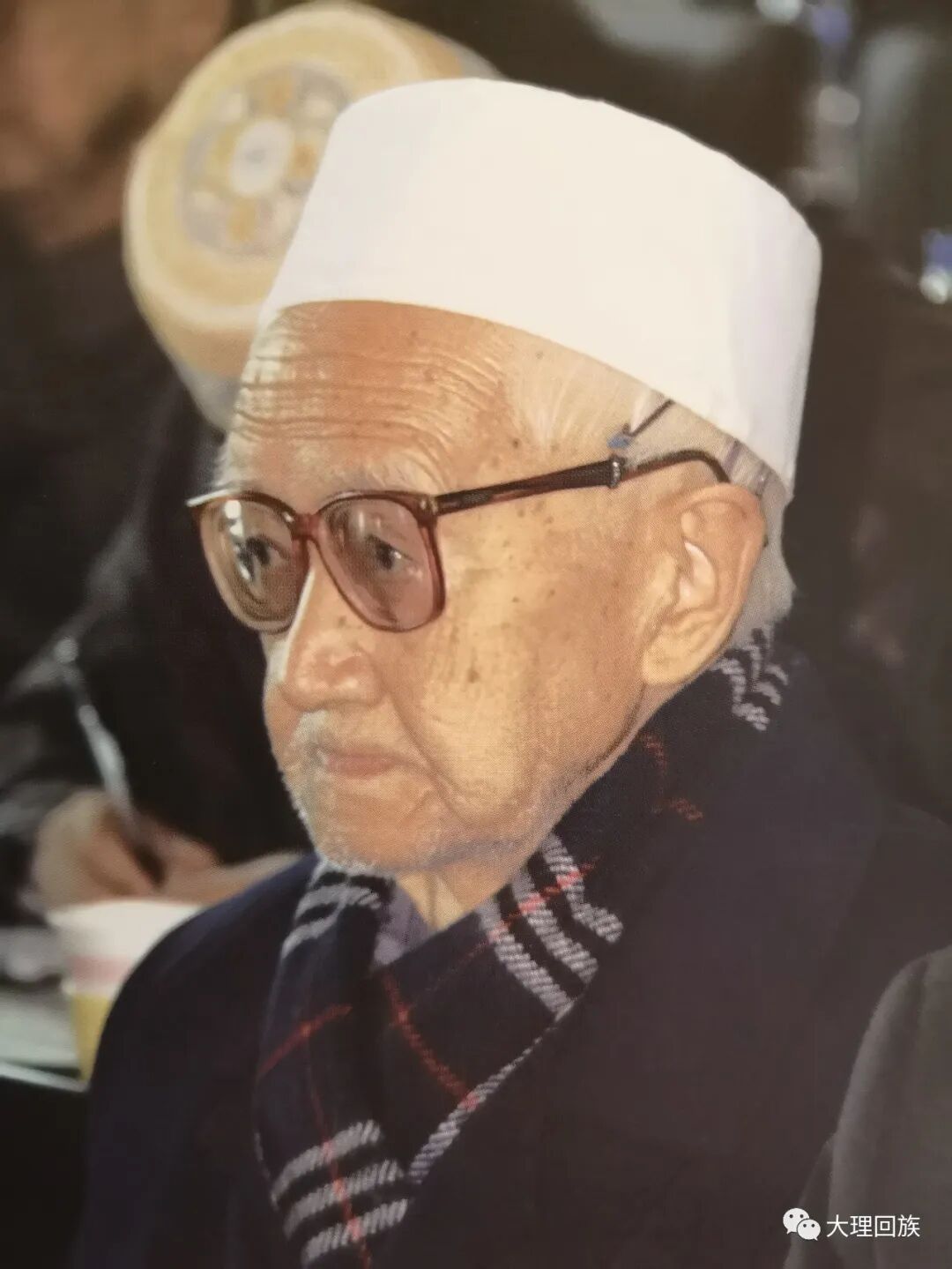
I. Establishment of Islamic Associations
In 1911, following the conclusion of the Xinhai Revolution and the dawn of the Republic of China, the principle of the Republic of Five Nationalities was established, and the Provisional Constitution was promulgated. It stipulated that people of all ethnic groups enjoyed the rights of freedom of belief, freedom of speech, and freedom of association and assembly, embedding the ideology of democratic republicanism deeply in the public consciousness. Consequently, in July 1912, championed by the pioneer of Hui new-style education, Grand Imam Wang Haoran, China's first national religious organization—the China Islamic Progress Association (Zhongguo Huijiao Jujinhui)—was established in Beijing. The headquarters of the Progress Association was located inside the Xidan Mosque (Xidan Qingzhensi). Ma Linyi was elected as the inaugural president, and Wang Haoran served as vice president. With the guiding mission of "promoting education, consolidating organizations, and fostering close harmony between Hui and Han people," the Progress Association widely connected prominent figures from all walks of Hui society, jointly committing to promoting new-style education and revitalizing various Hui community endeavors. The association's headquarters issued circular telegrams nationwide urging all provinces to establish branch chapters, with county and district chapters to follow. Yunnan's Hui Muslims responded enthusiastically, establishing the Yunnan Branch of the China Islamic Progress Association in October of the same year. The headquarters of the branch was set up at the Nancheng Mosque (Nancheng Qingzhensi) in Kunming. Ma Qixiang, general manager of the Yuxi Xinghunhe firm, was elected as the first branch president. Parts of the province where Hui communities were concentrated successively established branch chapters as well, totaling over 50 branch chapters across the province. In 1915, the Yunnan branch was reorganized, and second-term leadership was elected: Wang Tingzhi (from Kunming) was chosen as president, with Sai Fuchu (from Shiping) and Sun Guoxi (from Kunming) as vice presidents, alongside 83 other departmental staff members. In the 1917 re-election, Ma Dianxuan (from Yiling) became the third-term president, with He Tingdong (from Kunming) and Ma Xinpei serving as vice presidents. In April 1928, Ma Dianxuan passed away (guiyin). In May, Ma Cong (style name Bo'an, from Kunming) was elected as the fourth-term president, with He Tingdong and Zhao Zhongqi (style name Yuheng, from Dali) as vice presidents, alongside 42 departmental staff members. Until the outbreak of the War of Resistance Against Japanese Aggression, the Yunnan Branch of the Progress Association was renamed the Yunnan Provincial Branch of the China Islamic National Salvation Association, with Ma Cong continuing to serve as president.
The Yunnan Branch of the Progress Association was an important organization during the Republican period that enhanced internal ethnic unity and revitalized the community, playing a tremendous driving force in the political, economic, and cultural-educational endeavors of Yunnan's Hui people at that time.
In April 1915, initiated by Sha Pingan, Ma Xitang, Bai Yaoming, Zi Liangcheng, and others under the leadership of Ma Qixiang, the Zhenxue Society (Zhenxueshe)—the first cultural and educational organization in the history of Yunnan's Hui Muslims—was established at the Nancheng Mosque in Kunming. Initially, Sha Pingan served as president, followed later by Ma Guanzheng as president and Ma Shengfeng as vice president. The Zhenxue Society started as an independent organization, but was later incorporated by the Yunnan Branch of the Progress Association, becoming its specialized organ overseeing culture and education. It was tasked with "the establishment and management of schools, the popularization of education, the study of doctrines, the translation of classics, and the publication and distribution of scriptures. Due to the heavy workload, it was divided into four divisions: Education, Translation, and Publication." ("Yunnan Branch Regulations")
The establishment of the Yunnan Branch of the Progress Association and the Zhenxue Society laid massive groundwork for the rapid development of cultural education among Yunnan's Hui Muslims. Their efforts included founding publications such as the *Qingzhen Monthly* (*Qingzhen Yuebao*) and the *Qingzhen Duo Bao* (*Qingzhen Duo Bao*), publishing and distributing scriptures, running new-style religious schools—such as the Yunnan Higher Islamic Scriptural and Secular Combined School—as well as regular primary and secondary schools, and sending students to study in Egypt. These endeavors held profound significance and far-reaching influence. Mr. Bai Shouyi once commented: "The beginning of China's modern Islamic cultural movement has two prominent hallmarks: one is the publication of journals, and the other is the founding of schools. The earliest Islamic publication in our country was *Xinghuipian*, initiated by Hui students studying in Japan. Aside from Mr. Huang Zhenpan and Mr. Ma Zongsui, the contributors to the inaugural issue were Mr. Bao Tingdong, Mr. Wang Tingzhi, and Mr. Zhao Zhongqi from Yunnan. Aside from the Niujie Primary School advocated by Imam Wang Haoran in Beijing, our earliest new-style religious school was the Yunnan Higher Islamic Scriptural and Secular Combined School in Kunming. Therefore, in the modern Islamic cultural movement, Yunnan still occupies a very important position." ("The Historical Contributions of Yunnan's Muslim Compatriots") Looking back at the history of Yunnan's Hui Muslims, we can say that the brilliant achievements forged by the Yunnan Branch and the Zhenxue Society not only opened the prelude to the New Culture Movement of Yunnan's Hui Muslims, but also propelled the movement toward its climax.
II. Founding New-Style Religious Schools and Regular Primary and Secondary Schools
In 1921, our province's first new-style religious school, the Yunnan Higher Islamic Scriptural and Secular Combined School, was established at the provincial capital's Nancheng Mosque. This was a major initiative by the Yunnan Branch and the Zhenxue Society to reform traditional mosque education (Jingtang Jiaoyu). The years 1921 to 1922 marked the trial phase of the school. The renowned scriptural scholar Master Ma Jianzhi (Sanwu) was invited as the primary lecturer, with his son, Master Ma Ruitu, serving as teaching assistant. Students included Na Ruzhang, Ma Yuanqing, Xu Zibin, Ma Huiting, and Ma Lanting. In 1923, after officially enrolling students, the school invited Masters Tian Jiapei, Sha Pingan, and Na Ming'an as full-time instructors for Arabic and Persian scriptural courses, while inviting four scholars—Ma Pinan (a provincial graduate (bagong) of the late Qing Dynasty who once served as the Guangdong Circuit Intendant), Bai Yaoming (style name Liangcheng), Li Fangbo, and Yang Wenbo—to respectively teach the Four Books, classical Chinese annotations, national literature, the Three Principles of the People (Sanmin Zhuyi), and civics courses. History, geography, physics, and chemistry were taught by visiting teachers from the private Chengde Middle School. The curriculum comprised a total of 14 courses, including 5 Arabic and Persian scriptural courses and 9 Chinese courses. Scriptural classes were scheduled in the morning, while Chinese courses took place in the afternoon.
The first class enrolled five students: He Liancheng, Li Shoufu, Lin Yaoxi, Lin Xinghua, and Lin Zhongshu. These students studied for a full five years, graduating in May 1928. Rigorous examinations were held prior to graduation. All five students achieved outstanding, remarkable results. Five years of bitter winter and cold summer studies laid a profound foundation in both Chinese and Arabic literature, winning widespread praise from the Muslim community. Upon the graduation of the first cohort, the Zhenxue Society specially edited and published a *Graduation Commemorative Special Issue*, featuring the principal's address, branch congratulatory remarks, teachers' admonitions, students' graduation exam questions, answers, and evaluations. This special issue was distributed to mosques across the country. After reading the *Graduation Special Issue* published by the Higher Scriptural and Secular Combined School, Grand Imam Wang Jingzhai of Tianjin sent a letter offering high praise: "Upon reading the several translated questions in the *Graduation Special Issue* published by your esteemed school, I could not help but slam the table in admiration, deeply celebrating that Yunnan has capable, studious people. Their future attainments are truly boundless."
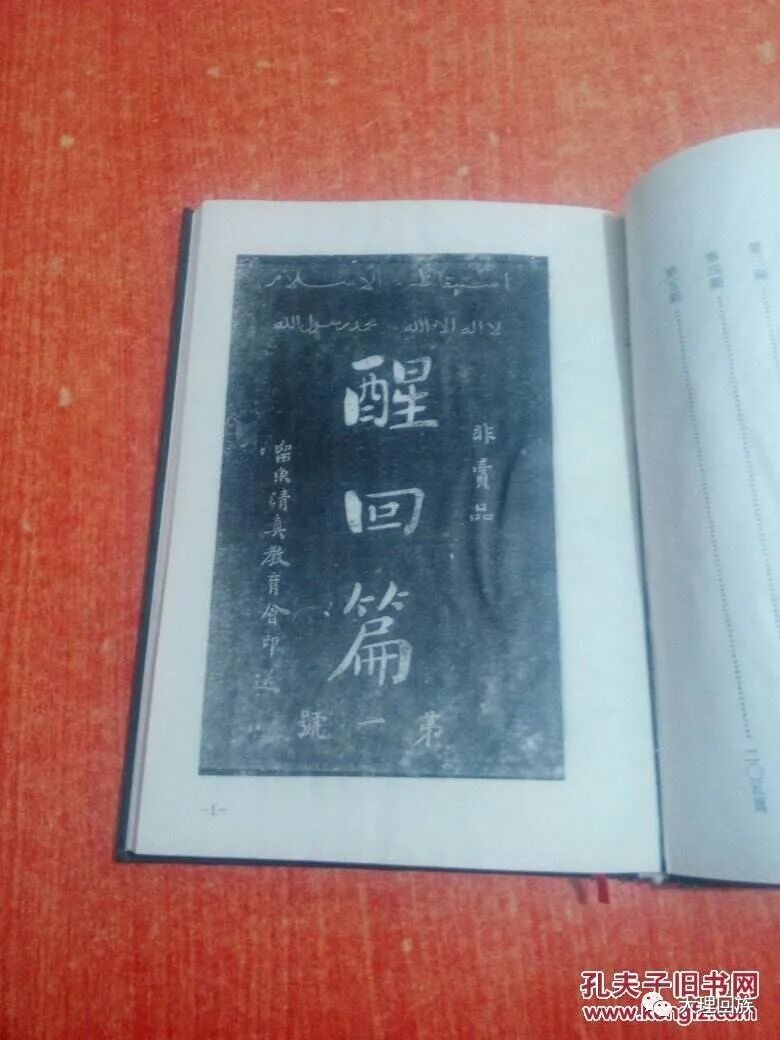
In 1926, the second cohort of students enrolled, admitting six individuals: Zhang Yunkui, Sai Antai, Ma Zhongming, Ma Jingbo, Ma Junyou, and Ma Pingxi. This cohort graduated in 1930. Immediately following that, a third cohort was recruited that same year. This class had an ample enrollment of 44 students, including Na Zhong, Na Xun, Ma Junwu, Ma Zhiguang, Ma Xinsan, Ma Shizhen, and Yang Tinghou. Shortly after admission, some students from this class transferred into the middle school division of the Mingde Middle School, which was publicly run by the Progress Association, becoming the inaugural class of the middle school division. The Higher Scriptural and Secular Combined School of the Yunnan Branch and Zhenxue Society operated for a total of nine years—one trial year and three officially enrolled cohorts, with two cohorts (totaling 11 individuals) graduating. It wrote a brilliant page in the history of Yunnan Hui education.
Reviewing the history of the new-style religious schools founded by the Yunnan Branch and the Zhenxue Society, the author believes there are two successful experiences worth summarizing and learning from.
First, by conforming to the needs of social development and implementing a teaching model that combined scriptural and secular studies, the schools cultivated a batch of talents proficient in both Chinese and Arabic. While traditional mosque schools had relatively singular teaching contents, the new-style religious schools emphasized both Arabic and Chinese equally, going hand in hand. The students they cultivated understood both Arabic and Chinese, possessed writing and translation skills, and made outstanding contributions to the exchange and dissemination of Sino-Arabic culture and the propagation of sacred truths.
Second, the schools pooled the human and financial resources of various mosque communities (fang) in the Kunming area, breaking away from the past pattern of decentralized operation among individual mosques. By integrating and optimizing teaching resources and reversing the old single-teacher, single-school system in favor of a multi-teacher system, students were able to learn from multiple masters and draw upon the strengths of various schools. Kunming, as the provincial capital of Yunnan, was the province's cultural center, gathering exceptional talents and enjoying unique advantages where teaching resources could be shared and local talent recruited. Figures like Ma Pinan, Bai Yaoming, Li Fangbo, and Yang Wenbo were seasoned scholars and erudite men. Scriptural masters like Ma Jianzhi, Tian Jiapei, Sha Pingan, and Na Ming'an were all renowned modern grand imams of Yunnan. Teachers from the private Chengde Middle School could also be invited to teach. All of these were vital conditions for running a successful school.
In 1929, the private Yunnan Mingde Middle School was established. The Yunnan Branch merged the Higher Scriptural and Secular Combined School into "Mingzhong," converting it into the Arabic Department of Mingde Middle School, which continued to hold classes at the Yongning Mosque. The middle school campus of Mingde Middle School was located in the back courtyard of the Nancheng Mosque, while its primary school division was set up inside the Shuncheng Street Mosque (Shuncheng Street Mosque) located in the Hui residential area. The middle school division later attached a simplified normal school class and a teacher training class. The inaugural principal of Mingde Middle School was Mr. Yang Wenbo.
In April 1940, yet another new-style religious school was born: the Shadian Yangzheng School in Shadian, a Hui-concentrated area in southern Yunnan. The full name of the Yangzheng School was the Shadian Private Yangzheng School of the Loyal and Frutiful Duke's Estate. The Loyal and Fruitful Duke's Estate was the mansion of the Shadian Hui Military General Bai. General Bai referred to Bai Jinzhu, a Qing Dynasty military commander in Yunnan who rose through the ranks to become the Military Intendant of Kaihua Town and was conferred the title of General of Mighty Vows. Having rendered distinguished military service, he was posthumously granted the title of Loyal and Fruitful Duke, and Shadian Hui residents generally referred to him as General Bai. The Yangzheng School was initiated by his third son, Bai Yaoming (style name Liangcheng). The school was set up right inside General Bai's mansion. The meaning of the two characters "Yangzheng" (Nurturing Uprightness) was "to nurture outstanding talents to revitalize the sacred path, and to properly cultivate virtuous capabilities to illuminate the divine light." To reform traditional mosque education to meet the needs of the times, Mr. Bai Liangcheng founded this new-style religious school characterized by "combined Chinese and Arabic instruction with graded progression." He personally served as principal and specially invited Professor Bai Shouyi to the school to convene a meeting with relevant personnel to jointly determine the educational goals and formulate the curriculum. The school system was provisionally set for eight years, with four years each for intermediate and advanced levels. Through eight years of study, students were required to master the Arabic language and script, be able to read Islamic classics, and possess self-study capabilities. Upon graduation, students were sponsored by the school to study abroad in Egypt. The school facilities were arranged in the side hall inside the left main gate of the Loyal and Fruitful Duke's Estate. The prayer hall, classrooms, offices, teachers' dormitories, and bathing facilities were all located within this side hall. Student dormitories were arranged in the floral parlor of the second courtyard. The cafeteria was located in the right wing room of the fifth courtyard. Once all preparations were completed, the private Kunming Mingde Middle School was asked to assist with student recruitment. Over 80 applicants registered for the entrance exams, and 7 were admitted based on qualification: Ma Enrong (Luxixi), Yan Zhonggui (Panxi), Jin Shuquan (Shadian), Ma Qin (Panxi), Ma Yuncai (Panxi), Ma Lianfang (Xinzhai), and Lin Zhengxiong (Shadian). Four years later—actually four months later—another group of 7 students was recruited: Ma Yuncong (Yuxi), Ma Chunwen (Dabaiyi), Ma Yunliang (Yuxi), Lin Song (Shadian), Ma Weiyi (Yuxi), Ma Chonghua (Yuxi), and Yang Dunhua (Xichang). These students were provided with meals and uniforms by the school. Later, more than 20 self-funded students were recruited. These students were younger and entirely local to Shadian, including both boys and girls. Their Chinese classes were taught by Ms. Ma Cunzhen, wife of teacher Ma Jian, using regular upper-primary textbooks. In addition, doctrinal readers (compiled by Mr. Ma Yuanqing) and Arabic were taught. These two courses were taught by advanced class students Ma Yuncong and Ma Chunwen respectively.
The school successively employed several full-time and part-time teachers. Because the school's founder, Principal Bai Liangcheng, was serving as the manager of the Yunnan Sipu Enterprise Bureau and could not attend to school affairs full-time, he specially appointed Teacher Zhang Ziyin as acting principal, alongside Teacher Ma Yuanqing as director of studies, Imam Na Xiangting as director of general affairs, the late-Qing provincial graduate (bagong) Mr. Gao Boli for Chinese literature, and Mr. Wu Shiqi for teaching methods. Imam Wang Chengqi, Teacher Bai Kunzhi, along with Professor Zheng Xin, Professor Cao Liwu from Southwest Associated University (Xinan Lianada) who were then teaching at Shadian's Yufeng Middle School, and three students from Associated University, were hired as part-time teachers. At the end of 1941, Mr. Ma Jian returned from Shanghai to his hometown of Shadian to continue translating the Quran. Every day after breakfast, he spent two precious hours teaching at the Yangzheng School. By the end of the following year, Grand Imam Ha Dacheng also traveled thousands of miles from Japanese-occupied Shanghai through various hardships to arrive in Shadian, staying at Principal Bai's home. Aside from discussing and reviewing Mr. Ma Jian's Quran translation manuscript daily with Teacher Ma Yuanqing, Imam Ha taught two Quranic recitation (Tajweed) classes per week to the students of Yangzheng School. For a period, the renowned historian Mr. Bai Shouyi came to Shadian for historical investigations. The school authorities seized the opportunity to invite Mr. Bai to lecture at the school. Mr. Bai's lectures were profound yet accessible, and his amiable attitude left a deep impression on the students.
The Yangzheng School gathered a constellation of renowned teachers and abundant talent back then. Nourished by so many teachers, the students felt as if they were sitting in a gentle spring breeze, studying diligently with remarkable academic achievements. The school arranged its curriculum according to a teaching plan and provided tailored instruction based on students' aptitudes. In the initial stage, Arabic courses were taught in two classes, Class A and Class B. The two Class A students, Ma Yuncong and Ma Chunwen, had studied in traditional mosque schools for several years and possessed a certain foundation in Arabic, so their Arabic classes were taught separately, while their Chinese and Quranic recitation classes were combined with Class B. Teacher Zhang Ziyin taught Class A a book titled *Islam*, authored by Hassan Mansour (vice president of Cairo University) and others. This book had been translated into Chinese by Mr. Na Zhong and published by the Beiping Chengdac Normal School. Teacher Zhang also taught Class A the literary masterpiece *Kalila wa Dimna*, translated and adapted by the 8th-century Arab literary figure Ibn al-Muqaffa. This book had been translated into Chinese by Mr. Lin Xinghua and introduced to readers in our country. For Class B, Teacher Zhang Ziyin taught the Quran and Hadith. Mr. Ma Jian taught Class A *Outlines of Dogmatics* (Al-Aqa'id), Egyptian middle school Arabic readers, and concise grammar. To cultivate students' Arabic reading comprehension and interest, Mr. Ma also assigned extracurricular reading such as youth publications published in Egypt, an Arabic edition of a French romantic novel *Maztouri*, and an Arabic edition of *The Analects of Confucius*. Mr. Ma Jian taught Class B Egyptian upper-primary Arabic readers and concise grammar. Teacher Ma Yuanqing taught Class A *Admonitions for Believers* (Mawa'iz al-Mu'minin). This text was chosen as a textbook upon the suggestion of Mr. Ma Jian. Teacher Yuanqing taught Class B *Mutual Love of Ritual Laws* (Mustaq). Imam Wang Chengqi taught Class B *Muntai Grammar*. When the two classes combined for Chinese courses, they studied *The Book of Songs* (*Shijing*), Tang poetry and Song lyrics, *Ancient Prose Anthology* (*Guwen Guanzhi*), middle school national literature, history, mathematics, and music.
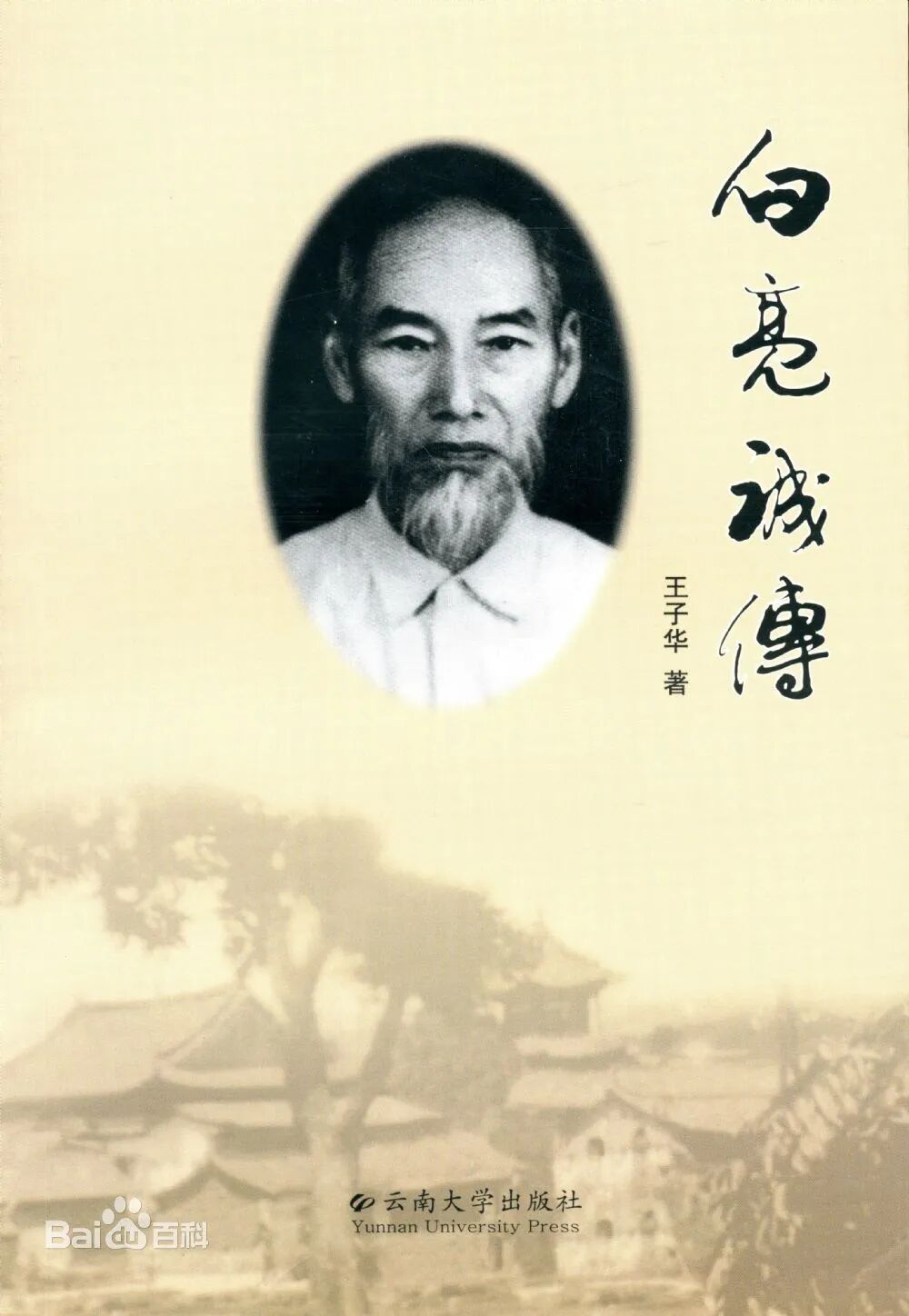
Several teachers at the Yangzheng School possessed teaching methods with unique characteristics that are worth summarizing and promoting. They are briefly summarized and introduced below:
1. Emphasizing the cultivation of students' self-learning ability and interest in learning. There is an old Chinese saying: "Give a man a fish, and you feed him for a day; teach a man to fish, and you feed him for a lifetime." Applied to teaching, this means that imparting knowledge to students is inferior to teaching them the methods of self-learning. Mr. Ma Jian taught Arabic classes precisely in this manner. In the initial stage, lasting about a year or so, he personally explained the lessons. During class, he would first write Arabic vocabulary definitions on the blackboard for students to copy into their vocabulary notebooks. Then he would meticulously explain the text, striving for profound and thorough explanations of word meanings, distinctions, and grammar. Later, when the students had acquired a basic foundation, he had everyone prepare their lessons in advance before class. He distributed Wang Jingzhai's *Sino-Arabic New Dictionary* to the students; any unfamiliar words encountered while previewing the text had to be looked up in the dictionary and copied into a vocabulary notebook. During Arabic class, students took turns reading aloud line by line while everyone listened attentively. Where there were errors, Mr. Ma pointed them out on the spot, offering appropriate praise and encouragement for good performances.
2. Face-to-face grading of assignments. Mr. Ma Jian's *Concise Grammar* exercises and homework were corrected line by line. Before returning them to the students, the students were called to the teacher's desk where he provided one-on-one reviews for each question before handing them back. Such personal, direct guidance benefited the students immensely.
3. Combining theory with practice. While in Shanghai, Grand Imam Ha Dacheng served as the Imam of the Zhejiang Road Mosque. He was well-versed in Quranic phonology and phonetics (Tajweed), routinely praying alongside teachers and students in the school's small prayer hall, and attending Friday congregational prayers at the Shadian Grand Mosque together on Fridays. At the school and the mosque, he was frequently invited to serve as Imam, leading everyone in prayer. Not only were his prayer postures serious and standardized, but his melodic rhythm in reciting the Quran strictly adhered to the requirements of the scriptural text, rising and falling with inflection that fully manifested the acoustic beauty of the Quran. When he taught recitation classes to our students, his teaching method was highly distinctive. In class, he would first explain a few recitation rules, then provide a demonstration reading, and finally have students imitate the reading one by one. Everyone found this theory-combined-with-practice teaching method deeply engaging.
4. Principal Bai's affectionate exhortations. Principal Bai Liangcheng returned home once every year. During each return, he would convene teachers and students to deliver speeches. He encouraged students to study diligently and strive to become successors to the sacred path. A poem he composed, titled *Song of Joyful Learning*, played a major role in boosting students' interest in learning. The full text of the *Song of Joyful Learning* is: "Study is studying this joy, joy is enjoying this study; without joy it is not study, without study it is not joy. Joy is study, study is joy—alas, what learning in the world is like this joy, what joy in the world is like this study."
The advanced class of the Yangzheng School was later relocated to Kunming for a period of time. According to the original educational system, it should have taken eight years to graduate. Later, due to the political situation, it graduated two years early at the end of 1946. Although the advanced class students only studied for six years, they achieved tremendous results, cultivating a batch of talents for the ethnic group and the sacred path. For example, contemporary internationally renowned Quranic translator and Muslim scholar Professor Lin Song, and Grand Imam Ma Yuncong—who served as a delegate to the sixth and seventh National People's Congresses—were both elites who walked out of the Yangzheng School.
The intermediate class continued to hold classes in Shadian even after the advanced class relocated to Kunming, operating until the liberation in 1950.
In the spring of 1943, the private Xingjian Middle School Arabic Department was established in Menghua County, western Yunnan (now Weishan Yi and Hui Autonomous County). The campus was located inside the Yanqichang Mosque. As enrollment and the scale of the school grew year by year, the original site could no longer accommodate everyone, so in the autumn of 1948, it relocated to the Daiweigen Mosque. From its founding in 1943 until the liberation of Yunnan at the end of 1949—a period of about six and a half years—the Arabic Department had five classes (from Arabic Class 1 to Arabic Class 5) and over 90 students, all of whom were young Hui Muslim men from across the province and the local county.
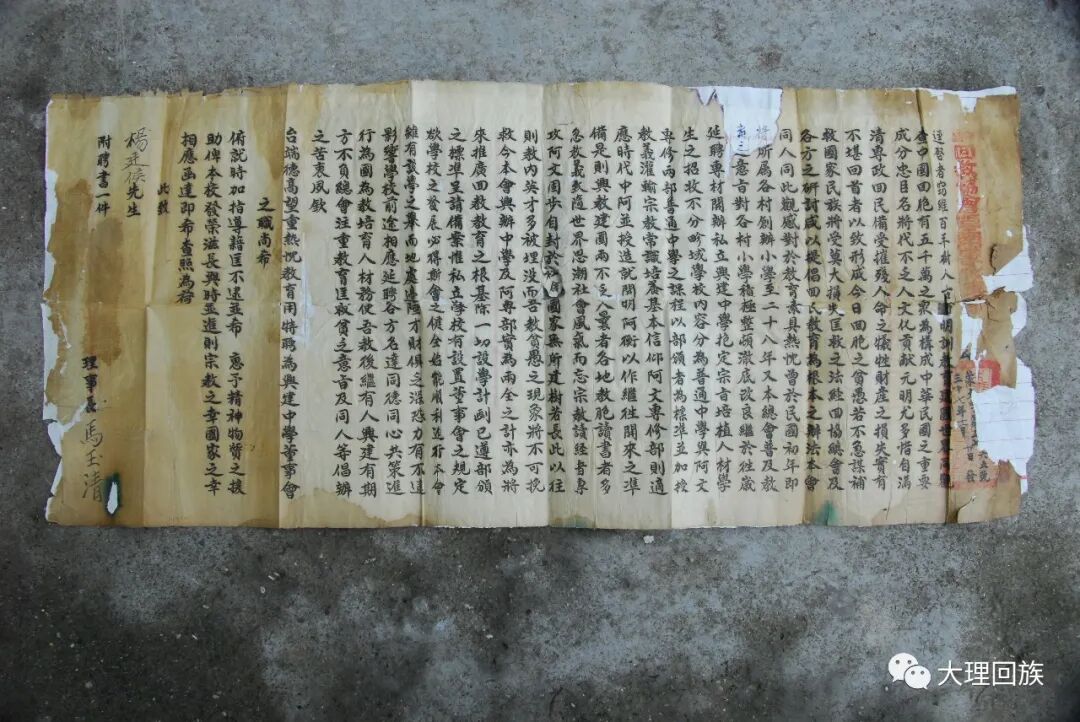
The name of Xingjian Middle School, 'Xingjian', carries the meaning of 'reviving education to build the nation.' These two words embody the school's founding mission: to cultivate Muslim talent capable of revitalizing the religion and serving national construction. Ma Yaotang, chairman of the Menghua Hui Educational Salvation Association, served as chairman of the board, and Na Runzhang, a prominent grand imam, was invited to serve as principal. With extraordinary courage and talent, Principal Na cast a wide net for talent, inviting scholars from both inside and outside the Islamic faith to teach at the school. Emphasizing reform in education, the school centered its curriculum on religious studies while also offering courses in Chinese language and literature, history, geography, music, and physical education. Principal Na personally taught advanced courses in Quranic exegesis (Tafsir), Islamic jurisprudence (Fiqh), and theology (Aqidah). Other veteran imams taught alongside him, including Ma Haocheng, Ma Shizhen, Yang Tinghou, Na Guangyun, Ma Hanqing, Ma Guoliang, and Ma Fuchen from Guangxi. The Chinese literature classes were taught by Gao Kemin, He Guangwen, and Ma Shaoxiong; music was taught by Na Wenbo; art by Na Guangheng; mathematics by Ma Shangzhou; and military physical education by Mai Zhusan and Zhang Quanli. Truly, it was a gathering of brilliant minds.
In addition to their core studies, the students at the Xingjian Middle School Arabic Department placed great importance on cultural and athletic activities. During their free time every day, they played basketball, volleyball, and table tennis, holding inter-class and inter-school competitions to build friendships. Weekend events—such as 'One Thousand and One Nights' storytelling sessions, current affairs briefings, cultural performances, speech contests, and educational activities during Ramadan—made the students' school life rich and vibrant, perfectly blending academics with extracurricular pursuits for well-rounded development. The establishment of Xingjian Middle School cultivated a batch of dual-talented individuals needed for both religious life and national development in the Weishan region and various counties across Yunnan. It won the recognition and warm welcome of the broader Muslim community, earning praise as 'a glowing beacon of Hui culture ignited in western Yunnan' (History of Yunnan Hui Muslims).
Building upon the development of mosque education (Jingtang Jiaoyu) and new-style religious schooling, Muslims across Yunnan also actively promoted regular primary and secondary education. Private Hui middle and primary schools sprang up like bamboo shoots after a spring rain. In addition to Mingde Middle School and Mingde Primary School in the provincial capital, there were Shadian Yufeng Primary and Middle School, Dazhuang Xinmin Middle School, Tonghai Yuanwu Primary School, Yuxi Yucai Primary School, Yongping Hui Minjian Normal School, Dali Kelizhuang Primary School, Menghua Chongshi and Chongde Primary Schools, as well as various branch campuses of Mingde Primary Schools across different counties and cities. The establishment of these regular primary and secondary schools nurtured a large number of talented individuals, laid a solid foundation for the economic and cultural development of the province's Hui Muslims, and made an undeniable contribution to the advancement of ethnic education in Yunnan.
3. Publishing Religious and Academic Periodicals
Press and media serve as crucial frontlines for education and outreach, and religious academic periodicals published by Hui Muslims acted as the mouthpiece of Islam. The flourishing or stagnation of Islamic culture was intimately tied to them. Media publications played a massive role in awakening the public, enlightening minds, and promoting social progress. Therefore, as early as the late Guangxu period of the Qing dynasty (1908), Chinese Hui students studying in Japan—including Zhao Zhongqi (from Yunnan), Huang Zhenpan (from Hubei), Wang Tingzhi (from Yunnan), and Bao Tingliang—founded the publication 'Xinghui Pian' (Awaken the Hui Writings) in Tokyo, Japan, setting a precedent for Chinese Muslim periodicals. Although this publication only ran for a single issue, it carried a strong enlightenment ethos and was praised by contemporaries as 'sounding the horn of modern Hui intellectual and cultural thought.' Afterward, in 1915, 1917, 1922, and 1929, Yunnan Muslims successively launched four more periodicals: 'Qingzhen Yuebao' (Islamic Monthly, edited by Sha Ping'an, Xie Jikang, and Ma Degui, running for five issues); 'Qingzhen Huibao' (Islamic Report, edited by Bao Tingliang and others, running for one issue); 'Qingzhen Xunkan' (Islamic Decadal, edited by Ma Pin-san, Ma Zhenbang, and Sha Ping'an, running for over 50 issues); and 'Qingzhen Duobao' (Islamic Bell, edited by Bai Mengyu, Ma Shiqing, Ma Muqing, Ma Jian, Na Zhong, Na Xun, and others, which ran for several issues). During and after the War of Resistance Against Japanese Aggression, our province also saw the publication of several other periodicals, such as 'Xin Mumin' (The New Muslims, edited by Southwest Associated University students Wang Pei and Wang Hao, running for three issues); 'Qingzhen Duobao Fukan' (Islamic Bell Supplement, edited by Sha Dezhen and Na Zhongming); and 'Dimeimen' (Sisters and Brothers, edited by Lin Song, running for one issue). Among these publications, 'Qingzhen Duobao' had the longest run and the deepest impact. It can be said that 'Qingzhen Duobao' stood shoulder-to-shoulder with other academically rigorous contemporary journals such as 'Yuhua', 'The Chinese Islamic Association Monthly', and 'Yiguang'.
In 1929, the Yunnan branch of the Islamic Progressive Association established a propaganda department, and Bai Mengyu and others initiated the founding of 'Qingzhen Duobao'. Ma Shiqing and Ma Muqing served as editors-in-chief, while Na Zhong took charge of actual editorial operations. After publishing about 15 or 16 issues, the publication was suspended for many years because the editors and editorial staff left Kunming for official duties or traveled overseas for their studies. It wasn't until 1940, as the staff of 'Duobao' returned one after another, that the Islamic Association decided to resume publication. Ma Jian, Na Zhong, Na Xun, Sha Dezhen, and Na Zhongming served as editors-in-chief. During the War of Resistance, the wartime safe haven of Kunming gathered numerous Hui university professors, scholars, and Muslim university students who became contributors to 'Duobao', including esteemed figures like Mr. Bai Shouyi, Mr. Yang Zhijiu, and Ma Shouxian. Thanks to an abundant supply of submissions, 'Qingzhen Duobao' thrived remarkably during this period, and its circulation surged dramatically.
Regarding the name and guiding mission of 'Qingzhen Duobao', Mr. Ma Pin-san wrote in the inaugural issue: '...Our pure religion originated with Adam, with the purpose of recognizing Allah, worshiping Him, and aiding humanity and the world. The prophets succeeded one another in an unbroken lineage until the Most Exalted Prophet Muhammad appeared, gathering the perfections of all prophets, serving as the ultimate guide for mankind, and receiving thirty divisions of heavenly scriptures. He elucidated the profound mysteries of the seen and unseen, established the moral laws governing heaven and earth, awakened the deaf and enlightened the blind, and guided people toward goodness while deterring evil—truly standing as a great warning bell [duobao] for all ages past and present.' Mr. Na Zhong summarized the publication's mission into three points: 1. Promote the religious consciousness of believers; 2. Improve Islamic education; and 3. Foster a sense of national consciousness among believers. In his 'Editorial on Resuming Publication', Mr. Ma Bo'an pointed out in accordance with the needs of the War of Resistance that 'Duobao' must hold high the banner of patriotism, calling upon Hui and Han compatriots to 'truly unite and face the national crisis together,' and 'exhaust their utmost efforts to strive for the independence, freedom, and equality of our nation and people.'
Each issue of 'Qingzhen Duobao' featured editorials, Islamic news, dispatches, academic and cultural essays, and historical materials, among other contents. A brief overview includes: 1. Islamic doctrine and ethics; 2. The truths of Islam; 3. Historical research on the Hui community; 4. Reports supporting the War of Resistance and the patriotic democratic movement; 5. Coverage of friendly Sino-Arabic relations and support for the anti-imperialist struggles of Arab peoples; 6. Biographies of prophets, virtuous predecessors, and prominent Muslim visitors; 7. News and updates on Muslims from various regions; and 8. Reports on the affairs of the Progressive Association and the Islamic Association, to name just a few.
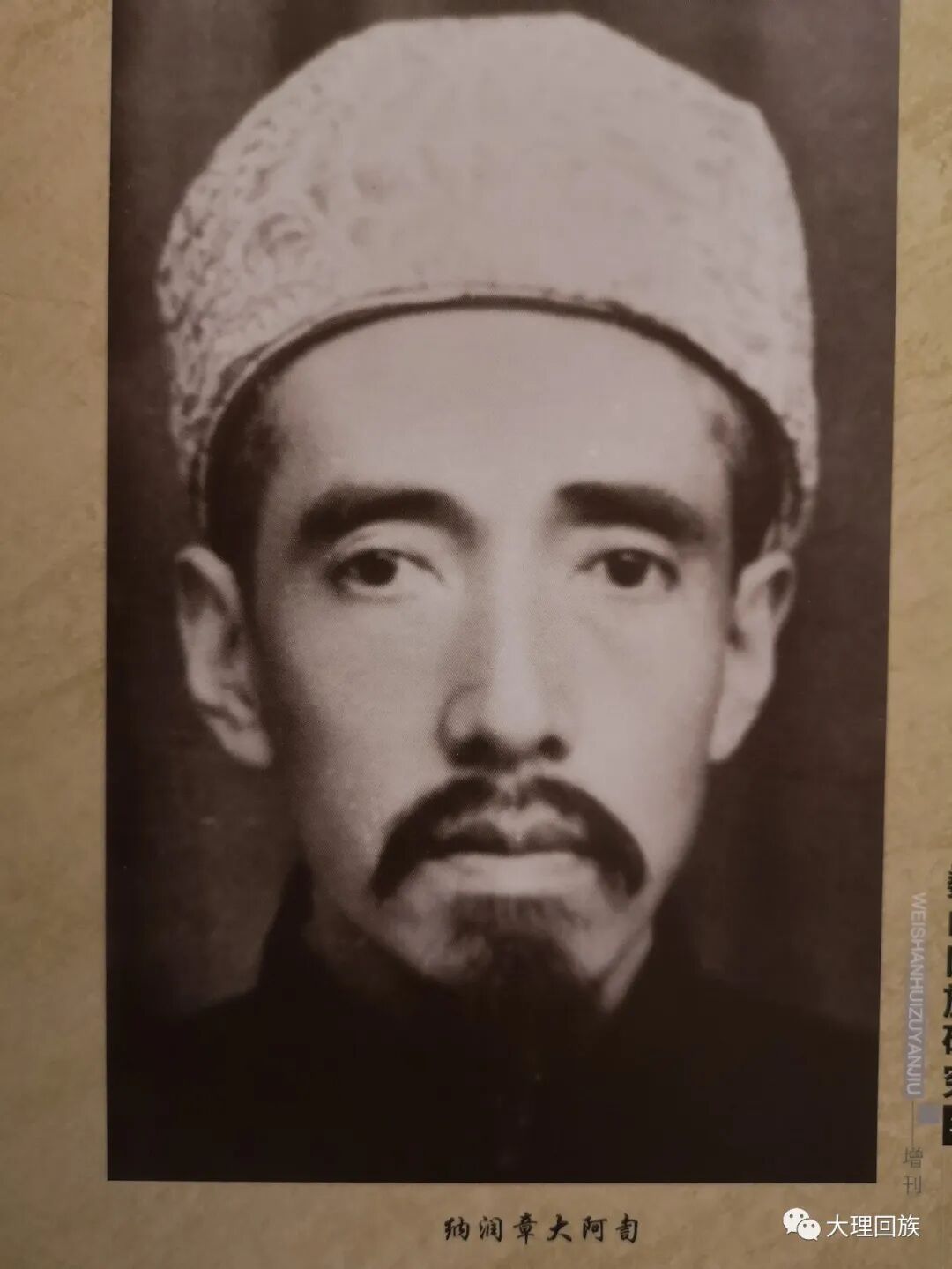
4. Engaging in Religious, Academic, and Cultural Activities
Along with the vigorous development of Hui education and the robust growth of a specialized generation of religious scholars, Islamic academic and cultural activities in Yunnan during the Republican era presented a remarkably bright prospect, with academic research proceeding smoothly and yielding impressive results. These are summarized and briefly described below.
1. Translations of the Quran and Hadith.
The Early 20th-Century Cultural Movement of Yunnan's Hui Muslims: Education, Print, and Modern Transformation
Abstract: This article compiles the key points of the original text regarding "The Cultural Movement of Yunnan's Hui Muslims in the First Half of the 20th Century: Education, Publications, and the Modern Transformation of Chinese Muslims," preserving the original paragraph and image sequence. It is suitable for readers and researchers interested in long-tail keywords such as Yunnan Hui Muslims, the New Culture Movement, and Muslim education.
Mr. Ma Yunliang
Ma Yunliang
Abstract: In the first half of the 20th century, influenced by the May Fourth New Culture Movement, pioneering figures among Yunnan's Hui Muslims launched their own cultural movement. Championed by these leaders, the cultural self-awareness of the province's Muslim community was fully brought to light. This paper provides a preliminary review of this cultural movement and its historical role across six aspects, including the formation of associations and the reform of traditional mosque education (Jingtang Jiaoyu). Its purpose is to ground ourselves in reality while reviewing history, inspiring future generations to carry on the fine traditions of the predecessors—who loved their country and their faith, and enthusiastically supported ethnic culture and education—and to strive to make new contributions to promoting Islamic culture and advancing Hui education.
Keywords: First half of the 20th century; Yunnan Hui Muslims; New Culture Movement
In the first half of the 20th century, driven by the wave of the May Fourth Movement, a group of intellectuals and social elites among our province's Hui ancestors took up the burden of national crisis, harbored a profound sense of anxiety for the country, and went with the flow of history by tirelessly launching a new cultural movement. This movement took self-strengthening and self-salvation as its ultimate purpose, with awakening the public and invigorating the national spirit as its primary themes. Spanning half a century, it possessed a uniquely robust vitality. The movement's core activities included establishing Islamic associations, reforming traditional mosque education, founding new religious schools as well as regular primary and secondary schools, publishing religious and academic journals, organizing religious and academic cultural events, publishing and distributing scriptures, and selecting outstanding students to study abroad for advanced degrees. These initiatives laid a solid foundation for raising the overall quality of the ethnic group and promoted the development of Islamic cultural education. As Gu Jiegang noted, this was "the first cultural movement consciously initiated by Muslims in modern China" ("The Cultural Movement of Islam"). Spanning religion, culture, and education, this movement profoundly demonstrated the great spirit of keeping pace with the times shared by the vast majority of our province's Muslims. Its significance is profound, far-reaching, and its achievements will go down in history. Today, history has entered the 21st century. Rooted in the present and looking back at history, every single Hui person should seriously ponder the current circumstances and challenges facing Hui cultural education, and consider how to inherit our predecessors' precious spirit of daring to be the first in the world, actively seeking the development of our ethnic cultural and educational endeavors, and preserving the roots of our ethnic culture so as to achieve true ethnic cultural self-awareness. Bearing this consideration in mind, and despite my own limitations, I have organized this article after extensive reading of historical materials, careful verification, and meticulous selection. I intend to offer a preliminary perspective on the New Culture Movement of our province's Hui Muslims and its historical role in the first half of the 20th century, providing a modest reference for those enthusiastic about ethnic culture and education, while welcoming correction from experts in the field.
The content of the New Culture Movement among Yunnan Hui Muslims in the first half of the 20th century is as follows.
I. Establishment of Islamic Associations
In 1911, following the conclusion of the Xinhai Revolution and the dawn of the Republic of China, the principle of the Republic of Five Nationalities was established, and the Provisional Constitution was promulgated. It stipulated that people of all ethnic groups enjoyed the rights of freedom of belief, freedom of speech, and freedom of association and assembly, embedding the ideology of democratic republicanism deeply in the public consciousness. Consequently, in July 1912, championed by the pioneer of Hui new-style education, Grand Imam Wang Haoran, China's first national religious organization—the China Islamic Progress Association (Zhongguo Huijiao Jujinhui)—was established in Beijing. The headquarters of the Progress Association was located inside the Xidan Mosque (Xidan Qingzhensi). Ma Linyi was elected as the inaugural president, and Wang Haoran served as vice president. With the guiding mission of "promoting education, consolidating organizations, and fostering close harmony between Hui and Han people," the Progress Association widely connected prominent figures from all walks of Hui society, jointly committing to promoting new-style education and revitalizing various Hui community endeavors. The association's headquarters issued circular telegrams nationwide urging all provinces to establish branch chapters, with county and district chapters to follow. Yunnan's Hui Muslims responded enthusiastically, establishing the Yunnan Branch of the China Islamic Progress Association in October of the same year. The headquarters of the branch was set up at the Nancheng Mosque (Nancheng Qingzhensi) in Kunming. Ma Qixiang, general manager of the Yuxi Xinghunhe firm, was elected as the first branch president. Parts of the province where Hui communities were concentrated successively established branch chapters as well, totaling over 50 branch chapters across the province. In 1915, the Yunnan branch was reorganized, and second-term leadership was elected: Wang Tingzhi (from Kunming) was chosen as president, with Sai Fuchu (from Shiping) and Sun Guoxi (from Kunming) as vice presidents, alongside 83 other departmental staff members. In the 1917 re-election, Ma Dianxuan (from Yiling) became the third-term president, with He Tingdong (from Kunming) and Ma Xinpei serving as vice presidents. In April 1928, Ma Dianxuan passed away (guiyin). In May, Ma Cong (style name Bo'an, from Kunming) was elected as the fourth-term president, with He Tingdong and Zhao Zhongqi (style name Yuheng, from Dali) as vice presidents, alongside 42 departmental staff members. Until the outbreak of the War of Resistance Against Japanese Aggression, the Yunnan Branch of the Progress Association was renamed the Yunnan Provincial Branch of the China Islamic National Salvation Association, with Ma Cong continuing to serve as president.
The Yunnan Branch of the Progress Association was an important organization during the Republican period that enhanced internal ethnic unity and revitalized the community, playing a tremendous driving force in the political, economic, and cultural-educational endeavors of Yunnan's Hui people at that time.
In April 1915, initiated by Sha Pingan, Ma Xitang, Bai Yaoming, Zi Liangcheng, and others under the leadership of Ma Qixiang, the Zhenxue Society (Zhenxueshe)—the first cultural and educational organization in the history of Yunnan's Hui Muslims—was established at the Nancheng Mosque in Kunming. Initially, Sha Pingan served as president, followed later by Ma Guanzheng as president and Ma Shengfeng as vice president. The Zhenxue Society started as an independent organization, but was later incorporated by the Yunnan Branch of the Progress Association, becoming its specialized organ overseeing culture and education. It was tasked with "the establishment and management of schools, the popularization of education, the study of doctrines, the translation of classics, and the publication and distribution of scriptures. Due to the heavy workload, it was divided into four divisions: Education, Translation, and Publication." ("Yunnan Branch Regulations")
The establishment of the Yunnan Branch of the Progress Association and the Zhenxue Society laid massive groundwork for the rapid development of cultural education among Yunnan's Hui Muslims. Their efforts included founding publications such as the *Qingzhen Monthly* (*Qingzhen Yuebao*) and the *Qingzhen Duo Bao* (*Qingzhen Duo Bao*), publishing and distributing scriptures, running new-style religious schools—such as the Yunnan Higher Islamic Scriptural and Secular Combined School—as well as regular primary and secondary schools, and sending students to study in Egypt. These endeavors held profound significance and far-reaching influence. Mr. Bai Shouyi once commented: "The beginning of China's modern Islamic cultural movement has two prominent hallmarks: one is the publication of journals, and the other is the founding of schools. The earliest Islamic publication in our country was *Xinghuipian*, initiated by Hui students studying in Japan. Aside from Mr. Huang Zhenpan and Mr. Ma Zongsui, the contributors to the inaugural issue were Mr. Bao Tingdong, Mr. Wang Tingzhi, and Mr. Zhao Zhongqi from Yunnan. Aside from the Niujie Primary School advocated by Imam Wang Haoran in Beijing, our earliest new-style religious school was the Yunnan Higher Islamic Scriptural and Secular Combined School in Kunming. Therefore, in the modern Islamic cultural movement, Yunnan still occupies a very important position." ("The Historical Contributions of Yunnan's Muslim Compatriots") Looking back at the history of Yunnan's Hui Muslims, we can say that the brilliant achievements forged by the Yunnan Branch and the Zhenxue Society not only opened the prelude to the New Culture Movement of Yunnan's Hui Muslims, but also propelled the movement toward its climax.
II. Founding New-Style Religious Schools and Regular Primary and Secondary Schools
In 1921, our province's first new-style religious school, the Yunnan Higher Islamic Scriptural and Secular Combined School, was established at the provincial capital's Nancheng Mosque. This was a major initiative by the Yunnan Branch and the Zhenxue Society to reform traditional mosque education (Jingtang Jiaoyu). The years 1921 to 1922 marked the trial phase of the school. The renowned scriptural scholar Master Ma Jianzhi (Sanwu) was invited as the primary lecturer, with his son, Master Ma Ruitu, serving as teaching assistant. Students included Na Ruzhang, Ma Yuanqing, Xu Zibin, Ma Huiting, and Ma Lanting. In 1923, after officially enrolling students, the school invited Masters Tian Jiapei, Sha Pingan, and Na Ming'an as full-time instructors for Arabic and Persian scriptural courses, while inviting four scholars—Ma Pinan (a provincial graduate (bagong) of the late Qing Dynasty who once served as the Guangdong Circuit Intendant), Bai Yaoming (style name Liangcheng), Li Fangbo, and Yang Wenbo—to respectively teach the Four Books, classical Chinese annotations, national literature, the Three Principles of the People (Sanmin Zhuyi), and civics courses. History, geography, physics, and chemistry were taught by visiting teachers from the private Chengde Middle School. The curriculum comprised a total of 14 courses, including 5 Arabic and Persian scriptural courses and 9 Chinese courses. Scriptural classes were scheduled in the morning, while Chinese courses took place in the afternoon.
The first class enrolled five students: He Liancheng, Li Shoufu, Lin Yaoxi, Lin Xinghua, and Lin Zhongshu. These students studied for a full five years, graduating in May 1928. Rigorous examinations were held prior to graduation. All five students achieved outstanding, remarkable results. Five years of bitter winter and cold summer studies laid a profound foundation in both Chinese and Arabic literature, winning widespread praise from the Muslim community. Upon the graduation of the first cohort, the Zhenxue Society specially edited and published a *Graduation Commemorative Special Issue*, featuring the principal's address, branch congratulatory remarks, teachers' admonitions, students' graduation exam questions, answers, and evaluations. This special issue was distributed to mosques across the country. After reading the *Graduation Special Issue* published by the Higher Scriptural and Secular Combined School, Grand Imam Wang Jingzhai of Tianjin sent a letter offering high praise: "Upon reading the several translated questions in the *Graduation Special Issue* published by your esteemed school, I could not help but slam the table in admiration, deeply celebrating that Yunnan has capable, studious people. Their future attainments are truly boundless."
In 1926, the second cohort of students enrolled, admitting six individuals: Zhang Yunkui, Sai Antai, Ma Zhongming, Ma Jingbo, Ma Junyou, and Ma Pingxi. This cohort graduated in 1930. Immediately following that, a third cohort was recruited that same year. This class had an ample enrollment of 44 students, including Na Zhong, Na Xun, Ma Junwu, Ma Zhiguang, Ma Xinsan, Ma Shizhen, and Yang Tinghou. Shortly after admission, some students from this class transferred into the middle school division of the Mingde Middle School, which was publicly run by the Progress Association, becoming the inaugural class of the middle school division. The Higher Scriptural and Secular Combined School of the Yunnan Branch and Zhenxue Society operated for a total of nine years—one trial year and three officially enrolled cohorts, with two cohorts (totaling 11 individuals) graduating. It wrote a brilliant page in the history of Yunnan Hui education.
Reviewing the history of the new-style religious schools founded by the Yunnan Branch and the Zhenxue Society, the author believes there are two successful experiences worth summarizing and learning from.
First, by conforming to the needs of social development and implementing a teaching model that combined scriptural and secular studies, the schools cultivated a batch of talents proficient in both Chinese and Arabic. While traditional mosque schools had relatively singular teaching contents, the new-style religious schools emphasized both Arabic and Chinese equally, going hand in hand. The students they cultivated understood both Arabic and Chinese, possessed writing and translation skills, and made outstanding contributions to the exchange and dissemination of Sino-Arabic culture and the propagation of sacred truths.
Second, the schools pooled the human and financial resources of various mosque communities (fang) in the Kunming area, breaking away from the past pattern of decentralized operation among individual mosques. By integrating and optimizing teaching resources and reversing the old single-teacher, single-school system in favor of a multi-teacher system, students were able to learn from multiple masters and draw upon the strengths of various schools. Kunming, as the provincial capital of Yunnan, was the province's cultural center, gathering exceptional talents and enjoying unique advantages where teaching resources could be shared and local talent recruited. Figures like Ma Pinan, Bai Yaoming, Li Fangbo, and Yang Wenbo were seasoned scholars and erudite men. Scriptural masters like Ma Jianzhi, Tian Jiapei, Sha Pingan, and Na Ming'an were all renowned modern grand imams of Yunnan. Teachers from the private Chengde Middle School could also be invited to teach. All of these were vital conditions for running a successful school.
In 1929, the private Yunnan Mingde Middle School was established. The Yunnan Branch merged the Higher Scriptural and Secular Combined School into "Mingzhong," converting it into the Arabic Department of Mingde Middle School, which continued to hold classes at the Yongning Mosque. The middle school campus of Mingde Middle School was located in the back courtyard of the Nancheng Mosque, while its primary school division was set up inside the Shuncheng Street Mosque (Shuncheng Street Mosque) located in the Hui residential area. The middle school division later attached a simplified normal school class and a teacher training class. The inaugural principal of Mingde Middle School was Mr. Yang Wenbo.
In April 1940, yet another new-style religious school was born: the Shadian Yangzheng School in Shadian, a Hui-concentrated area in southern Yunnan. The full name of the Yangzheng School was the Shadian Private Yangzheng School of the Loyal and Frutiful Duke's Estate. The Loyal and Fruitful Duke's Estate was the mansion of the Shadian Hui Military General Bai. General Bai referred to Bai Jinzhu, a Qing Dynasty military commander in Yunnan who rose through the ranks to become the Military Intendant of Kaihua Town and was conferred the title of General of Mighty Vows. Having rendered distinguished military service, he was posthumously granted the title of Loyal and Fruitful Duke, and Shadian Hui residents generally referred to him as General Bai. The Yangzheng School was initiated by his third son, Bai Yaoming (style name Liangcheng). The school was set up right inside General Bai's mansion. The meaning of the two characters "Yangzheng" (Nurturing Uprightness) was "to nurture outstanding talents to revitalize the sacred path, and to properly cultivate virtuous capabilities to illuminate the divine light." To reform traditional mosque education to meet the needs of the times, Mr. Bai Liangcheng founded this new-style religious school characterized by "combined Chinese and Arabic instruction with graded progression." He personally served as principal and specially invited Professor Bai Shouyi to the school to convene a meeting with relevant personnel to jointly determine the educational goals and formulate the curriculum. The school system was provisionally set for eight years, with four years each for intermediate and advanced levels. Through eight years of study, students were required to master the Arabic language and script, be able to read Islamic classics, and possess self-study capabilities. Upon graduation, students were sponsored by the school to study abroad in Egypt. The school facilities were arranged in the side hall inside the left main gate of the Loyal and Fruitful Duke's Estate. The prayer hall, classrooms, offices, teachers' dormitories, and bathing facilities were all located within this side hall. Student dormitories were arranged in the floral parlor of the second courtyard. The cafeteria was located in the right wing room of the fifth courtyard. Once all preparations were completed, the private Kunming Mingde Middle School was asked to assist with student recruitment. Over 80 applicants registered for the entrance exams, and 7 were admitted based on qualification: Ma Enrong (Luxixi), Yan Zhonggui (Panxi), Jin Shuquan (Shadian), Ma Qin (Panxi), Ma Yuncai (Panxi), Ma Lianfang (Xinzhai), and Lin Zhengxiong (Shadian). Four years later—actually four months later—another group of 7 students was recruited: Ma Yuncong (Yuxi), Ma Chunwen (Dabaiyi), Ma Yunliang (Yuxi), Lin Song (Shadian), Ma Weiyi (Yuxi), Ma Chonghua (Yuxi), and Yang Dunhua (Xichang). These students were provided with meals and uniforms by the school. Later, more than 20 self-funded students were recruited. These students were younger and entirely local to Shadian, including both boys and girls. Their Chinese classes were taught by Ms. Ma Cunzhen, wife of teacher Ma Jian, using regular upper-primary textbooks. In addition, doctrinal readers (compiled by Mr. Ma Yuanqing) and Arabic were taught. These two courses were taught by advanced class students Ma Yuncong and Ma Chunwen respectively.
The school successively employed several full-time and part-time teachers. Because the school's founder, Principal Bai Liangcheng, was serving as the manager of the Yunnan Sipu Enterprise Bureau and could not attend to school affairs full-time, he specially appointed Teacher Zhang Ziyin as acting principal, alongside Teacher Ma Yuanqing as director of studies, Imam Na Xiangting as director of general affairs, the late-Qing provincial graduate (bagong) Mr. Gao Boli for Chinese literature, and Mr. Wu Shiqi for teaching methods. Imam Wang Chengqi, Teacher Bai Kunzhi, along with Professor Zheng Xin, Professor Cao Liwu from Southwest Associated University (Xinan Lianada) who were then teaching at Shadian's Yufeng Middle School, and three students from Associated University, were hired as part-time teachers. At the end of 1941, Mr. Ma Jian returned from Shanghai to his hometown of Shadian to continue translating the Quran. Every day after breakfast, he spent two precious hours teaching at the Yangzheng School. By the end of the following year, Grand Imam Ha Dacheng also traveled thousands of miles from Japanese-occupied Shanghai through various hardships to arrive in Shadian, staying at Principal Bai's home. Aside from discussing and reviewing Mr. Ma Jian's Quran translation manuscript daily with Teacher Ma Yuanqing, Imam Ha taught two Quranic recitation (Tajweed) classes per week to the students of Yangzheng School. For a period, the renowned historian Mr. Bai Shouyi came to Shadian for historical investigations. The school authorities seized the opportunity to invite Mr. Bai to lecture at the school. Mr. Bai's lectures were profound yet accessible, and his amiable attitude left a deep impression on the students.
The Yangzheng School gathered a constellation of renowned teachers and abundant talent back then. Nourished by so many teachers, the students felt as if they were sitting in a gentle spring breeze, studying diligently with remarkable academic achievements. The school arranged its curriculum according to a teaching plan and provided tailored instruction based on students' aptitudes. In the initial stage, Arabic courses were taught in two classes, Class A and Class B. The two Class A students, Ma Yuncong and Ma Chunwen, had studied in traditional mosque schools for several years and possessed a certain foundation in Arabic, so their Arabic classes were taught separately, while their Chinese and Quranic recitation classes were combined with Class B. Teacher Zhang Ziyin taught Class A a book titled *Islam*, authored by Hassan Mansour (vice president of Cairo University) and others. This book had been translated into Chinese by Mr. Na Zhong and published by the Beiping Chengdac Normal School. Teacher Zhang also taught Class A the literary masterpiece *Kalila wa Dimna*, translated and adapted by the 8th-century Arab literary figure Ibn al-Muqaffa. This book had been translated into Chinese by Mr. Lin Xinghua and introduced to readers in our country. For Class B, Teacher Zhang Ziyin taught the Quran and Hadith. Mr. Ma Jian taught Class A *Outlines of Dogmatics* (Al-Aqa'id), Egyptian middle school Arabic readers, and concise grammar. To cultivate students' Arabic reading comprehension and interest, Mr. Ma also assigned extracurricular reading such as youth publications published in Egypt, an Arabic edition of a French romantic novel *Maztouri*, and an Arabic edition of *The Analects of Confucius*. Mr. Ma Jian taught Class B Egyptian upper-primary Arabic readers and concise grammar. Teacher Ma Yuanqing taught Class A *Admonitions for Believers* (Mawa'iz al-Mu'minin). This text was chosen as a textbook upon the suggestion of Mr. Ma Jian. Teacher Yuanqing taught Class B *Mutual Love of Ritual Laws* (Mustaq). Imam Wang Chengqi taught Class B *Muntai Grammar*. When the two classes combined for Chinese courses, they studied *The Book of Songs* (*Shijing*), Tang poetry and Song lyrics, *Ancient Prose Anthology* (*Guwen Guanzhi*), middle school national literature, history, mathematics, and music.
Several teachers at the Yangzheng School possessed teaching methods with unique characteristics that are worth summarizing and promoting. They are briefly summarized and introduced below:
1. Emphasizing the cultivation of students' self-learning ability and interest in learning. There is an old Chinese saying: "Give a man a fish, and you feed him for a day; teach a man to fish, and you feed him for a lifetime." Applied to teaching, this means that imparting knowledge to students is inferior to teaching them the methods of self-learning. Mr. Ma Jian taught Arabic classes precisely in this manner. In the initial stage, lasting about a year or so, he personally explained the lessons. During class, he would first write Arabic vocabulary definitions on the blackboard for students to copy into their vocabulary notebooks. Then he would meticulously explain the text, striving for profound and thorough explanations of word meanings, distinctions, and grammar. Later, when the students had acquired a basic foundation, he had everyone prepare their lessons in advance before class. He distributed Wang Jingzhai's *Sino-Arabic New Dictionary* to the students; any unfamiliar words encountered while previewing the text had to be looked up in the dictionary and copied into a vocabulary notebook. During Arabic class, students took turns reading aloud line by line while everyone listened attentively. Where there were errors, Mr. Ma pointed them out on the spot, offering appropriate praise and encouragement for good performances.
2. Face-to-face grading of assignments. Mr. Ma Jian's *Concise Grammar* exercises and homework were corrected line by line. Before returning them to the students, the students were called to the teacher's desk where he provided one-on-one reviews for each question before handing them back. Such personal, direct guidance benefited the students immensely.
3. Combining theory with practice. While in Shanghai, Grand Imam Ha Dacheng served as the Imam of the Zhejiang Road Mosque. He was well-versed in Quranic phonology and phonetics (Tajweed), routinely praying alongside teachers and students in the school's small prayer hall, and attending Friday congregational prayers at the Shadian Grand Mosque together on Fridays. At the school and the mosque, he was frequently invited to serve as Imam, leading everyone in prayer. Not only were his prayer postures serious and standardized, but his melodic rhythm in reciting the Quran strictly adhered to the requirements of the scriptural text, rising and falling with inflection that fully manifested the acoustic beauty of the Quran. When he taught recitation classes to our students, his teaching method was highly distinctive. In class, he would first explain a few recitation rules, then provide a demonstration reading, and finally have students imitate the reading one by one. Everyone found this theory-combined-with-practice teaching method deeply engaging.
4. Principal Bai's affectionate exhortations. Principal Bai Liangcheng returned home once every year. During each return, he would convene teachers and students to deliver speeches. He encouraged students to study diligently and strive to become successors to the sacred path. A poem he composed, titled *Song of Joyful Learning*, played a major role in boosting students' interest in learning. The full text of the *Song of Joyful Learning* is: "Study is studying this joy, joy is enjoying this study; without joy it is not study, without study it is not joy. Joy is study, study is joy—alas, what learning in the world is like this joy, what joy in the world is like this study."
The advanced class of the Yangzheng School was later relocated to Kunming for a period of time. According to the original educational system, it should have taken eight years to graduate. Later, due to the political situation, it graduated two years early at the end of 1946. Although the advanced class students only studied for six years, they achieved tremendous results, cultivating a batch of talents for the ethnic group and the sacred path. For example, contemporary internationally renowned Quranic translator and Muslim scholar Professor Lin Song, and Grand Imam Ma Yuncong—who served as a delegate to the sixth and seventh National People's Congresses—were both elites who walked out of the Yangzheng School.
The intermediate class continued to hold classes in Shadian even after the advanced class relocated to Kunming, operating until the liberation in 1950.
In the spring of 1943, the private Xingjian Middle School Arabic Department was established in Menghua County, western Yunnan (now Weishan Yi and Hui Autonomous County). The campus was located inside the Yanqichang Mosque. As enrollment and the scale of the school grew year by year, the original site could no longer accommodate everyone, so in the autumn of 1948, it relocated to the Daiweigen Mosque. From its founding in 1943 until the liberation of Yunnan at the end of 1949—a period of about six and a half years—the Arabic Department had five classes (from Arabic Class 1 to Arabic Class 5) and over 90 students, all of whom were young Hui Muslim men from across the province and the local county.
The name of Xingjian Middle School, 'Xingjian', carries the meaning of 'reviving education to build the nation.' These two words embody the school's founding mission: to cultivate Muslim talent capable of revitalizing the religion and serving national construction. Ma Yaotang, chairman of the Menghua Hui Educational Salvation Association, served as chairman of the board, and Na Runzhang, a prominent grand imam, was invited to serve as principal. With extraordinary courage and talent, Principal Na cast a wide net for talent, inviting scholars from both inside and outside the Islamic faith to teach at the school. Emphasizing reform in education, the school centered its curriculum on religious studies while also offering courses in Chinese language and literature, history, geography, music, and physical education. Principal Na personally taught advanced courses in Quranic exegesis (Tafsir), Islamic jurisprudence (Fiqh), and theology (Aqidah). Other veteran imams taught alongside him, including Ma Haocheng, Ma Shizhen, Yang Tinghou, Na Guangyun, Ma Hanqing, Ma Guoliang, and Ma Fuchen from Guangxi. The Chinese literature classes were taught by Gao Kemin, He Guangwen, and Ma Shaoxiong; music was taught by Na Wenbo; art by Na Guangheng; mathematics by Ma Shangzhou; and military physical education by Mai Zhusan and Zhang Quanli. Truly, it was a gathering of brilliant minds.
In addition to their core studies, the students at the Xingjian Middle School Arabic Department placed great importance on cultural and athletic activities. During their free time every day, they played basketball, volleyball, and table tennis, holding inter-class and inter-school competitions to build friendships. Weekend events—such as 'One Thousand and One Nights' storytelling sessions, current affairs briefings, cultural performances, speech contests, and educational activities during Ramadan—made the students' school life rich and vibrant, perfectly blending academics with extracurricular pursuits for well-rounded development. The establishment of Xingjian Middle School cultivated a batch of dual-talented individuals needed for both religious life and national development in the Weishan region and various counties across Yunnan. It won the recognition and warm welcome of the broader Muslim community, earning praise as 'a glowing beacon of Hui culture ignited in western Yunnan' (History of Yunnan Hui Muslims).
Building upon the development of mosque education (Jingtang Jiaoyu) and new-style religious schooling, Muslims across Yunnan also actively promoted regular primary and secondary education. Private Hui middle and primary schools sprang up like bamboo shoots after a spring rain. In addition to Mingde Middle School and Mingde Primary School in the provincial capital, there were Shadian Yufeng Primary and Middle School, Dazhuang Xinmin Middle School, Tonghai Yuanwu Primary School, Yuxi Yucai Primary School, Yongping Hui Minjian Normal School, Dali Kelizhuang Primary School, Menghua Chongshi and Chongde Primary Schools, as well as various branch campuses of Mingde Primary Schools across different counties and cities. The establishment of these regular primary and secondary schools nurtured a large number of talented individuals, laid a solid foundation for the economic and cultural development of the province's Hui Muslims, and made an undeniable contribution to the advancement of ethnic education in Yunnan.
3. Publishing Religious and Academic Periodicals
Press and media serve as crucial frontlines for education and outreach, and religious academic periodicals published by Hui Muslims acted as the mouthpiece of Islam. The flourishing or stagnation of Islamic culture was intimately tied to them. Media publications played a massive role in awakening the public, enlightening minds, and promoting social progress. Therefore, as early as the late Guangxu period of the Qing dynasty (1908), Chinese Hui students studying in Japan—including Zhao Zhongqi (from Yunnan), Huang Zhenpan (from Hubei), Wang Tingzhi (from Yunnan), and Bao Tingliang—founded the publication 'Xinghui Pian' (Awaken the Hui Writings) in Tokyo, Japan, setting a precedent for Chinese Muslim periodicals. Although this publication only ran for a single issue, it carried a strong enlightenment ethos and was praised by contemporaries as 'sounding the horn of modern Hui intellectual and cultural thought.' Afterward, in 1915, 1917, 1922, and 1929, Yunnan Muslims successively launched four more periodicals: 'Qingzhen Yuebao' (Islamic Monthly, edited by Sha Ping'an, Xie Jikang, and Ma Degui, running for five issues); 'Qingzhen Huibao' (Islamic Report, edited by Bao Tingliang and others, running for one issue); 'Qingzhen Xunkan' (Islamic Decadal, edited by Ma Pin-san, Ma Zhenbang, and Sha Ping'an, running for over 50 issues); and 'Qingzhen Duobao' (Islamic Bell, edited by Bai Mengyu, Ma Shiqing, Ma Muqing, Ma Jian, Na Zhong, Na Xun, and others, which ran for several issues). During and after the War of Resistance Against Japanese Aggression, our province also saw the publication of several other periodicals, such as 'Xin Mumin' (The New Muslims, edited by Southwest Associated University students Wang Pei and Wang Hao, running for three issues); 'Qingzhen Duobao Fukan' (Islamic Bell Supplement, edited by Sha Dezhen and Na Zhongming); and 'Dimeimen' (Sisters and Brothers, edited by Lin Song, running for one issue). Among these publications, 'Qingzhen Duobao' had the longest run and the deepest impact. It can be said that 'Qingzhen Duobao' stood shoulder-to-shoulder with other academically rigorous contemporary journals such as 'Yuhua', 'The Chinese Islamic Association Monthly', and 'Yiguang'.
In 1929, the Yunnan branch of the Islamic Progressive Association established a propaganda department, and Bai Mengyu and others initiated the founding of 'Qingzhen Duobao'. Ma Shiqing and Ma Muqing served as editors-in-chief, while Na Zhong took charge of actual editorial operations. After publishing about 15 or 16 issues, the publication was suspended for many years because the editors and editorial staff left Kunming for official duties or traveled overseas for their studies. It wasn't until 1940, as the staff of 'Duobao' returned one after another, that the Islamic Association decided to resume publication. Ma Jian, Na Zhong, Na Xun, Sha Dezhen, and Na Zhongming served as editors-in-chief. During the War of Resistance, the wartime safe haven of Kunming gathered numerous Hui university professors, scholars, and Muslim university students who became contributors to 'Duobao', including esteemed figures like Mr. Bai Shouyi, Mr. Yang Zhijiu, and Ma Shouxian. Thanks to an abundant supply of submissions, 'Qingzhen Duobao' thrived remarkably during this period, and its circulation surged dramatically.
Regarding the name and guiding mission of 'Qingzhen Duobao', Mr. Ma Pin-san wrote in the inaugural issue: '...Our pure religion originated with Adam, with the purpose of recognizing Allah, worshiping Him, and aiding humanity and the world. The prophets succeeded one another in an unbroken lineage until the Most Exalted Prophet Muhammad appeared, gathering the perfections of all prophets, serving as the ultimate guide for mankind, and receiving thirty divisions of heavenly scriptures. He elucidated the profound mysteries of the seen and unseen, established the moral laws governing heaven and earth, awakened the deaf and enlightened the blind, and guided people toward goodness while deterring evil—truly standing as a great warning bell [duobao] for all ages past and present.' Mr. Na Zhong summarized the publication's mission into three points: 1. Promote the religious consciousness of believers; 2. Improve Islamic education; and 3. Foster a sense of national consciousness among believers. In his 'Editorial on Resuming Publication', Mr. Ma Bo'an pointed out in accordance with the needs of the War of Resistance that 'Duobao' must hold high the banner of patriotism, calling upon Hui and Han compatriots to 'truly unite and face the national crisis together,' and 'exhaust their utmost efforts to strive for the independence, freedom, and equality of our nation and people.'
Each issue of 'Qingzhen Duobao' featured editorials, Islamic news, dispatches, academic and cultural essays, and historical materials, among other contents. A brief overview includes: 1. Islamic doctrine and ethics; 2. The truths of Islam; 3. Historical research on the Hui community; 4. Reports supporting the War of Resistance and the patriotic democratic movement; 5. Coverage of friendly Sino-Arabic relations and support for the anti-imperialist struggles of Arab peoples; 6. Biographies of prophets, virtuous predecessors, and prominent Muslim visitors; 7. News and updates on Muslims from various regions; and 8. Reports on the affairs of the Progressive Association and the Islamic Association, to name just a few.
4. Engaging in Religious, Academic, and Cultural Activities
Along with the vigorous development of Hui education and the robust growth of a specialized generation of religious scholars, Islamic academic and cultural activities in Yunnan during the Republican era presented a remarkably bright prospect, with academic research proceeding smoothly and yielding impressive results. These are summarized and briefly described below.
1. Translations of the Quran and Hadith.
The Early 20th-Century Cultural Movement of Yunnan's Hui Muslims: Education, Print, and Modern Transformation (Part 2)
Articles • Hasan09 posted the article • 0 comments • 1 views • 1 hours ago
The translation of the Quran in Yunnan can be traced back as early as the mid-19th century. The famous Qing-dynasty Hui scholar Ma Fuchou and his student Ma Anli jointly translated 'Baoming Zhenjing Zhijie' (Direct Explanation of the Precious Decree Quran). Tradition has it that 20 volumes were translated, but only 5 volumes of the manuscript have survived. These five installments were serialized in 'Qingzhen Duobao' and also published as standalone volumes. In the late 19th century, the renowned Islamic scholar Ma Lianyuan translated a selection of Quranic verses titled 'Haiting Yijie' (Exegesis of Quranic Selections), which was published in Kunming. Entering the 1930s, Mr. Ma Jian, then studying in Shanghai, began experimenting with translating the Quran. The inaugural issue of Shanghai's 'Islamic Student Magazine' published his translation of the first volume, titled 'Guoyu Quran' (Mandarin Quran). After studying in Egypt for eight years and completing his education, Mr. Ma Jian was specially welcomed from Hong Kong to Shanghai by his revered teacher, Grand Imam Ha Decheng, to begin the monumental project of translating the entire Quran. Working in modern Chinese, he translated nine volumes over the course of 14 months. Just then, the Pacific War broke out, and the isolated territory (the Shanghai Foreign Concessions) fell. Mr. Ma Jian was forced to flee Shanghai and return to his hometown of Shadian, where he continued his translation work while teaching. Before long, Grand Imam Ha Decheng also traveled thousands of miles to Shadian specifically for the translation project. During his stay in Shadian, Imam Ha worked alongside teacher Ma Yuanqing every day, with the three of them discussing, deliberating, and refining the Quranic manuscript together. The meticulous scene of their repeated pondering and strict attention to detail remained vivid in the memories of Yangzheng students, becoming a cherished piece of history. By the time Imam Ha passed away (returned to Allah), Mr. Ma Jian had translated 20 volumes. However, the formal publication of Ma's Quran translation by the China Social Sciences Press did not take place until the 1980s. During those intervening years, Mr. Ma Jian poured his heart and soul into the work, expending an immeasurable amount of energy. 'Ten years of arduous and extraordinary labor'—it can be said that among Chinese translations of the Quran, Ma's translation is the one that took the longest to complete, achieved the highest circulation, and exerted the widest influence.
As for the translation of Hadith literature, during the 1920s and 1930s, the Niujie Mosque Bookstore in Beiping published a book titled 'Shengxun Sizhang' (Forty Hadiths). The Capital Ethnic Culture Museum still preserves and exhibits this translation. The translator was Grand Imam Ma Ruitu.
2. Translations of Classical Arabic Masterworks and Religious Texts
During this period, a vast number of classic Arabic masterworks and religious scriptures were continuously translated, published, and introduced to Muslims nationwide through the diligent writing of students who studied in Egypt and prominent imams, with people eagerly competing to buy and read them. At this time, Yunnan's entire translation scene blossomed like spring, bearing abundant fruit. The works of various translators are introduced below.
Mr. Ma Jian translated: 'Huiqiao Zhexue' (Islamic Philosophy, Commercial Press, 1934), 'Huiqiao Zhenxiang' (The Truth of Islam, Commercial Press, 1937), 'Huiqiao Jiduojiao yu Xueshu Wenhua' (Islam, Christianity, and Academic Culture, Shanghai Islamic Bookstore, 1936), 'Huizu Jiaoyushi' (History of Hui Education, Commercial Press, 1941), 'Huizu Zhexueshi' (History of Hui Philosophy, Commercial Press, 1944), 'Quran', Volume 1 (Peking University Press, 1949), and 'Jiaoyixue Dagang' (Outline of Dogmatics, published in Kunming, 1945).
Mr. Na Zhong translated: 'Yisilanjiao' (Islam, Chengda Normal School Publishing Department, 1934), 'Yisilan yu Alatbo Wenming' (Islam and Arab Civilization, Commercial Press, 1937), 'Huiqiao Xueshu Sixiangshi' (History of Islamic Academic Thought, Commercial Press, 1948), 'Alabo Wenmingshi' (History of Arab Civilization, Commercial Press, 1948), and 'Huiqiao Zhuguo Wenhuashi' (Cultural History of Islamic Nations, Kunming Minyi Daily Press, 1948).
Mr. Na Xun translated: 'Tianfang Yetan' (One Thousand and One Nights, Commercial Press, 1947).
Mr. Lin Zhongming translated: 'Huiqiao Lishi Jiaoketu' (Islamic History Textbook, Shanghai China Islamic Bookstore, 1935).
Mr. Ma Junwu translated: 'Alabo Ertong Gushi' (Arab Children's Stories, Shanghai World Book Company).
Mr. Lin Xingzhi translated: 'Huiqiao Jichengfa yu Qita Jichengfa zhi Bijiao' (Comparison of Islamic Inheritance Law with Other Inheritance Laws, Commercial Press, 1946).
The 'Number One Horse of Southern Yunnan' — Grand Imam Ma Ruitu
Grand Imam Ma Ruitu translated: 'Huiqiao Renyilun' (Islamic Monotheism, Zhonghua Book Company, 1931) and 'Muhammede de Moxi' (The Revelations of Muhammad, Zhonghua Book Company, 1934).
3. Research and Publications on Chinese Hui History
During the War of Resistance, the renowned historian and specialist in Hui and Islamic history, Mr. Bai Shouyi, evacuated to Yunnan. In addition to teaching in middle schools and universities, Mr. Bai devoted all his energy to investigating and researching the history of Yunnan's Hui Muslims, achieving remarkable results. He authored 'Zhongguo Huiqiao Xiaoshi' (A Brief History of Chinese Islam, Chongqing Commercial Press, 1944) and 'Zhongguo Yisilanshi Gangyao' (Outline of Chinese Islamic History, Wentong Book Company, 1946).
Additionally, Professor Fu Tongxian from Chengjie, who studied in the United States, authored the book 'Zhongguo Huiqiao Shi' (History of Chinese Islam), published by the Commercial Press in 1940.
Grand Imam Sha Ping'an, along with elderly gentleman Ma Guanzheng and Mr. Ma Shengfeng, collected and organized source materials on the Qing-dynasty Muslim uprisings, providing foundational materials later utilized by Professor Bai Shouyi during the War of Resistance when compiling 'Xiantong Dianbian Jianwenlu' (Records of Seen and Heard Events during the Xianfeng and Tongzhi Eras in Yunnan).
4. Collecting and organizing Chinese Islamic translations and commentaries dating from the Ming and Qing dynasties onwards, such as works by Ma Zhu and Ma Fuchou, including 'Qingzhen Zhinan' (Guide to Purity), 'Sidian Yaohui' (Essential Assemblies of the Four Canons), 'Dahua Zonggui' (The Ultimate Return to the Great Transformation), and 'Zhutian Dazuang' (Grand Praises to the Heavens).
5. Publishing and Distributing Islamic Texts
One of the main missions of the Yunnan Branch of the Zhenxue Society (Islamic Progress Society) was publishing and distributing various Chinese translations and religious texts, with specific sales handled by the Lihechang Leather Shop on Shuncheng Street. Grand Imam Sha Ping'an self-funded the establishment of the Tianfang Bookstore, which published works like *Qianfeiye* (Arabic Grammar), *Mentai Xige* (Islamic jurisprudence), and *Heewayi Tubiao* (Islamic tables and charts), making massive contributions to the educational and cultural development of Hui Muslims.
6. Sending Outstanding Students Abroad to Study
In the early 1930s, an Iranian scholar named Dazhang came to Yunnan and stayed at the Nancheng Mosque in Kunming. This scholar was said to have memorized *Qianfeiye* (Arabic Grammar) and was extremely knowledgeable. After examining the state of traditional *jingtang jiaoyu* (mosque-based education) in Yunnan at the time and finding it lacking, he suggested to the Yunnan Branch of the Zhenxue Society that students be dispatched to the Arab world's highest seat of learning, Al-Azhar University, to cultivate high-level specialized talent. Dazhang also enthusiastically helped write to Al-Azhar to apply for the admission of Chinese students. The university authorities replied promptly, agreeing to admit ten students sent from Yunnan. In November 1931, the Yunnan Branch of the Zhenxue Society selected Na Zhong (style name: Zijizhi), Zhang Youcheng (style name: Ziren), and Lin Zhongming (style name: Zimin), along with Ma Jian (style name: Zishi) from the Shanghai Islamic Normal School. Led by Mr. Sha Rucheng, the disciplinary director of Kunming's Mingde Middle School, these four formed the student delegation to Egypt, traveling via Haiphong in Annam (now Vietnam) and crossing the ocean to study in Egypt. This was China's first batch of students studying in Egypt. Since the Qing Dynasty, Islamic scholars in our province had a tradition of combining the Hajj pilgrimage with studying abroad, such as the elder masters Ma Fuchu and Ma Lianyuan. Following in their footsteps, Chinese students in Egypt formed the Chinese Egyptian Student Hajj Delegation in 1938 to travel to Saudi Arabia and actively carry out anti-Japanese propaganda activities, shattering Japanese imperialist international propaganda and conspiracies. The entire group of students in Egypt thus fulfilled their dual aspirations of studying abroad and performing the Hajj.
The third batch of students sent to Egypt was organized by Yunnan and consisted of three individuals: Na Xun (style name: Heng, in 1934), Lin Xinghua (style name: Gengyu), and Ma Junwu (style name: Xingzhou). That same year, the fifth batch sent by the Shanghai Islamic Normal School included two Yunnan natives among its five members: Lin Xingzhi (Lin Xinghua's younger brother, style name: Fengwu) and Ma Youlian (style name: Jiqing).
In May 1933, the Al-Azhar Chinese Student Department was established, and Sha Rucheng was appointed as its director, taking full charge of administrative affairs concerning Chinese Hui Muslim students studying in Egypt. While in Egypt, Director Sha was admitted to the Department of Education at the American University in Cairo for advanced studies, earning his master's degree in 1938.
From 1931 to 1940, the number of Chinese Hui Muslim students studying in Egypt reached 48. Together with the two directors, Sha Rucheng and Pang Shiqian, the total reached 50. Yunnan accounted for 10 of these students, making up 20%. During their time abroad, Yunnan's students already had translation works published, and upon returning home after completing their studies, they made monumental contributions to the nation and their ethnic community. For instance, while in Egypt, Mr. Ma Jian translated the Confucian classic *The Analects* into Arabic, which was published by the Fugu Bookstore in Cairo, spreading ancient Chinese culture to the Arab world for the first time. Similarly, Mr. Na Xun introduced ancient and modern Chinese literary masterpieces such as *The Collector of Poisonous Snakes*, *The Kite*, and *Thunderstorm* to the Arab people, playing a vital role in bridging Chinese and Arab cultures.
In 1946, Mr. Ma Jian accepted an invitation from Peking University to teach in the Department of Oriental Languages, where he established the Arabic language major. Later on, Mr. Na Zhong, Mr. Lin Zhongming, and Mr. Lin Xinghua joined forces to teach at Beijing Foreign Studies University, where they founded the Arabic Department. They poured their hearts and efforts into establishing Arabic language majors in contemporary Chinese universities, blazing a trail through hardship and becoming the pioneers of new China's Arabic education.
Through the hard work and dedication of Muslims across the province, and by overcoming various challenges, the New Culture Movement among Yunnan's Hui Muslims played a positive role in cultivating talent, spreading ideas, raising cultural standards, promoting Sino-Arab cultural exchange, and enhancing the general public's understanding of Islam.
References
"History of Islam", edited by Jin Yijiu, Jiangsu People's Publishing House
"History of the Hui Muslims in Yunnan", edited by Yang Zhaojun, Yunnan Nationalities Publishing House
"History of the Hui Muslims in Dali", compiled by the Dali Prefecture Hui Muslim Association, Yunnan Nationalities Publishing House
"Islamic Duobao (Islamic Bell Newspaper)"
"Encyclopedia of Islam in China", Sichuan Lexicographical Publishing House
"Dictionary of Chinese Hui Muslims", edited by Qiu Shusen, Jiangsu Ancient Books Publishing House view all
As for the translation of Hadith literature, during the 1920s and 1930s, the Niujie Mosque Bookstore in Beiping published a book titled 'Shengxun Sizhang' (Forty Hadiths). The Capital Ethnic Culture Museum still preserves and exhibits this translation. The translator was Grand Imam Ma Ruitu.
2. Translations of Classical Arabic Masterworks and Religious Texts
During this period, a vast number of classic Arabic masterworks and religious scriptures were continuously translated, published, and introduced to Muslims nationwide through the diligent writing of students who studied in Egypt and prominent imams, with people eagerly competing to buy and read them. At this time, Yunnan's entire translation scene blossomed like spring, bearing abundant fruit. The works of various translators are introduced below.
Mr. Ma Jian translated: 'Huiqiao Zhexue' (Islamic Philosophy, Commercial Press, 1934), 'Huiqiao Zhenxiang' (The Truth of Islam, Commercial Press, 1937), 'Huiqiao Jiduojiao yu Xueshu Wenhua' (Islam, Christianity, and Academic Culture, Shanghai Islamic Bookstore, 1936), 'Huizu Jiaoyushi' (History of Hui Education, Commercial Press, 1941), 'Huizu Zhexueshi' (History of Hui Philosophy, Commercial Press, 1944), 'Quran', Volume 1 (Peking University Press, 1949), and 'Jiaoyixue Dagang' (Outline of Dogmatics, published in Kunming, 1945).
Mr. Na Zhong translated: 'Yisilanjiao' (Islam, Chengda Normal School Publishing Department, 1934), 'Yisilan yu Alatbo Wenming' (Islam and Arab Civilization, Commercial Press, 1937), 'Huiqiao Xueshu Sixiangshi' (History of Islamic Academic Thought, Commercial Press, 1948), 'Alabo Wenmingshi' (History of Arab Civilization, Commercial Press, 1948), and 'Huiqiao Zhuguo Wenhuashi' (Cultural History of Islamic Nations, Kunming Minyi Daily Press, 1948).
Mr. Na Xun translated: 'Tianfang Yetan' (One Thousand and One Nights, Commercial Press, 1947).
Mr. Lin Zhongming translated: 'Huiqiao Lishi Jiaoketu' (Islamic History Textbook, Shanghai China Islamic Bookstore, 1935).
Mr. Ma Junwu translated: 'Alabo Ertong Gushi' (Arab Children's Stories, Shanghai World Book Company).
Mr. Lin Xingzhi translated: 'Huiqiao Jichengfa yu Qita Jichengfa zhi Bijiao' (Comparison of Islamic Inheritance Law with Other Inheritance Laws, Commercial Press, 1946).
The 'Number One Horse of Southern Yunnan' — Grand Imam Ma Ruitu
Grand Imam Ma Ruitu translated: 'Huiqiao Renyilun' (Islamic Monotheism, Zhonghua Book Company, 1931) and 'Muhammede de Moxi' (The Revelations of Muhammad, Zhonghua Book Company, 1934).
3. Research and Publications on Chinese Hui History
During the War of Resistance, the renowned historian and specialist in Hui and Islamic history, Mr. Bai Shouyi, evacuated to Yunnan. In addition to teaching in middle schools and universities, Mr. Bai devoted all his energy to investigating and researching the history of Yunnan's Hui Muslims, achieving remarkable results. He authored 'Zhongguo Huiqiao Xiaoshi' (A Brief History of Chinese Islam, Chongqing Commercial Press, 1944) and 'Zhongguo Yisilanshi Gangyao' (Outline of Chinese Islamic History, Wentong Book Company, 1946).
Additionally, Professor Fu Tongxian from Chengjie, who studied in the United States, authored the book 'Zhongguo Huiqiao Shi' (History of Chinese Islam), published by the Commercial Press in 1940.
Grand Imam Sha Ping'an, along with elderly gentleman Ma Guanzheng and Mr. Ma Shengfeng, collected and organized source materials on the Qing-dynasty Muslim uprisings, providing foundational materials later utilized by Professor Bai Shouyi during the War of Resistance when compiling 'Xiantong Dianbian Jianwenlu' (Records of Seen and Heard Events during the Xianfeng and Tongzhi Eras in Yunnan).
4. Collecting and organizing Chinese Islamic translations and commentaries dating from the Ming and Qing dynasties onwards, such as works by Ma Zhu and Ma Fuchou, including 'Qingzhen Zhinan' (Guide to Purity), 'Sidian Yaohui' (Essential Assemblies of the Four Canons), 'Dahua Zonggui' (The Ultimate Return to the Great Transformation), and 'Zhutian Dazuang' (Grand Praises to the Heavens).
5. Publishing and Distributing Islamic Texts
One of the main missions of the Yunnan Branch of the Zhenxue Society (Islamic Progress Society) was publishing and distributing various Chinese translations and religious texts, with specific sales handled by the Lihechang Leather Shop on Shuncheng Street. Grand Imam Sha Ping'an self-funded the establishment of the Tianfang Bookstore, which published works like *Qianfeiye* (Arabic Grammar), *Mentai Xige* (Islamic jurisprudence), and *Heewayi Tubiao* (Islamic tables and charts), making massive contributions to the educational and cultural development of Hui Muslims.
6. Sending Outstanding Students Abroad to Study
In the early 1930s, an Iranian scholar named Dazhang came to Yunnan and stayed at the Nancheng Mosque in Kunming. This scholar was said to have memorized *Qianfeiye* (Arabic Grammar) and was extremely knowledgeable. After examining the state of traditional *jingtang jiaoyu* (mosque-based education) in Yunnan at the time and finding it lacking, he suggested to the Yunnan Branch of the Zhenxue Society that students be dispatched to the Arab world's highest seat of learning, Al-Azhar University, to cultivate high-level specialized talent. Dazhang also enthusiastically helped write to Al-Azhar to apply for the admission of Chinese students. The university authorities replied promptly, agreeing to admit ten students sent from Yunnan. In November 1931, the Yunnan Branch of the Zhenxue Society selected Na Zhong (style name: Zijizhi), Zhang Youcheng (style name: Ziren), and Lin Zhongming (style name: Zimin), along with Ma Jian (style name: Zishi) from the Shanghai Islamic Normal School. Led by Mr. Sha Rucheng, the disciplinary director of Kunming's Mingde Middle School, these four formed the student delegation to Egypt, traveling via Haiphong in Annam (now Vietnam) and crossing the ocean to study in Egypt. This was China's first batch of students studying in Egypt. Since the Qing Dynasty, Islamic scholars in our province had a tradition of combining the Hajj pilgrimage with studying abroad, such as the elder masters Ma Fuchu and Ma Lianyuan. Following in their footsteps, Chinese students in Egypt formed the Chinese Egyptian Student Hajj Delegation in 1938 to travel to Saudi Arabia and actively carry out anti-Japanese propaganda activities, shattering Japanese imperialist international propaganda and conspiracies. The entire group of students in Egypt thus fulfilled their dual aspirations of studying abroad and performing the Hajj.
The third batch of students sent to Egypt was organized by Yunnan and consisted of three individuals: Na Xun (style name: Heng, in 1934), Lin Xinghua (style name: Gengyu), and Ma Junwu (style name: Xingzhou). That same year, the fifth batch sent by the Shanghai Islamic Normal School included two Yunnan natives among its five members: Lin Xingzhi (Lin Xinghua's younger brother, style name: Fengwu) and Ma Youlian (style name: Jiqing).
In May 1933, the Al-Azhar Chinese Student Department was established, and Sha Rucheng was appointed as its director, taking full charge of administrative affairs concerning Chinese Hui Muslim students studying in Egypt. While in Egypt, Director Sha was admitted to the Department of Education at the American University in Cairo for advanced studies, earning his master's degree in 1938.
From 1931 to 1940, the number of Chinese Hui Muslim students studying in Egypt reached 48. Together with the two directors, Sha Rucheng and Pang Shiqian, the total reached 50. Yunnan accounted for 10 of these students, making up 20%. During their time abroad, Yunnan's students already had translation works published, and upon returning home after completing their studies, they made monumental contributions to the nation and their ethnic community. For instance, while in Egypt, Mr. Ma Jian translated the Confucian classic *The Analects* into Arabic, which was published by the Fugu Bookstore in Cairo, spreading ancient Chinese culture to the Arab world for the first time. Similarly, Mr. Na Xun introduced ancient and modern Chinese literary masterpieces such as *The Collector of Poisonous Snakes*, *The Kite*, and *Thunderstorm* to the Arab people, playing a vital role in bridging Chinese and Arab cultures.
In 1946, Mr. Ma Jian accepted an invitation from Peking University to teach in the Department of Oriental Languages, where he established the Arabic language major. Later on, Mr. Na Zhong, Mr. Lin Zhongming, and Mr. Lin Xinghua joined forces to teach at Beijing Foreign Studies University, where they founded the Arabic Department. They poured their hearts and efforts into establishing Arabic language majors in contemporary Chinese universities, blazing a trail through hardship and becoming the pioneers of new China's Arabic education.
Through the hard work and dedication of Muslims across the province, and by overcoming various challenges, the New Culture Movement among Yunnan's Hui Muslims played a positive role in cultivating talent, spreading ideas, raising cultural standards, promoting Sino-Arab cultural exchange, and enhancing the general public's understanding of Islam.
References
"History of Islam", edited by Jin Yijiu, Jiangsu People's Publishing House
"History of the Hui Muslims in Yunnan", edited by Yang Zhaojun, Yunnan Nationalities Publishing House
"History of the Hui Muslims in Dali", compiled by the Dali Prefecture Hui Muslim Association, Yunnan Nationalities Publishing House
"Islamic Duobao (Islamic Bell Newspaper)"
"Encyclopedia of Islam in China", Sichuan Lexicographical Publishing House
"Dictionary of Chinese Hui Muslims", edited by Qiu Shusen, Jiangsu Ancient Books Publishing House view all
The translation of the Quran in Yunnan can be traced back as early as the mid-19th century. The famous Qing-dynasty Hui scholar Ma Fuchou and his student Ma Anli jointly translated 'Baoming Zhenjing Zhijie' (Direct Explanation of the Precious Decree Quran). Tradition has it that 20 volumes were translated, but only 5 volumes of the manuscript have survived. These five installments were serialized in 'Qingzhen Duobao' and also published as standalone volumes. In the late 19th century, the renowned Islamic scholar Ma Lianyuan translated a selection of Quranic verses titled 'Haiting Yijie' (Exegesis of Quranic Selections), which was published in Kunming. Entering the 1930s, Mr. Ma Jian, then studying in Shanghai, began experimenting with translating the Quran. The inaugural issue of Shanghai's 'Islamic Student Magazine' published his translation of the first volume, titled 'Guoyu Quran' (Mandarin Quran). After studying in Egypt for eight years and completing his education, Mr. Ma Jian was specially welcomed from Hong Kong to Shanghai by his revered teacher, Grand Imam Ha Decheng, to begin the monumental project of translating the entire Quran. Working in modern Chinese, he translated nine volumes over the course of 14 months. Just then, the Pacific War broke out, and the isolated territory (the Shanghai Foreign Concessions) fell. Mr. Ma Jian was forced to flee Shanghai and return to his hometown of Shadian, where he continued his translation work while teaching. Before long, Grand Imam Ha Decheng also traveled thousands of miles to Shadian specifically for the translation project. During his stay in Shadian, Imam Ha worked alongside teacher Ma Yuanqing every day, with the three of them discussing, deliberating, and refining the Quranic manuscript together. The meticulous scene of their repeated pondering and strict attention to detail remained vivid in the memories of Yangzheng students, becoming a cherished piece of history. By the time Imam Ha passed away (returned to Allah), Mr. Ma Jian had translated 20 volumes. However, the formal publication of Ma's Quran translation by the China Social Sciences Press did not take place until the 1980s. During those intervening years, Mr. Ma Jian poured his heart and soul into the work, expending an immeasurable amount of energy. 'Ten years of arduous and extraordinary labor'—it can be said that among Chinese translations of the Quran, Ma's translation is the one that took the longest to complete, achieved the highest circulation, and exerted the widest influence.
As for the translation of Hadith literature, during the 1920s and 1930s, the Niujie Mosque Bookstore in Beiping published a book titled 'Shengxun Sizhang' (Forty Hadiths). The Capital Ethnic Culture Museum still preserves and exhibits this translation. The translator was Grand Imam Ma Ruitu.
2. Translations of Classical Arabic Masterworks and Religious Texts
During this period, a vast number of classic Arabic masterworks and religious scriptures were continuously translated, published, and introduced to Muslims nationwide through the diligent writing of students who studied in Egypt and prominent imams, with people eagerly competing to buy and read them. At this time, Yunnan's entire translation scene blossomed like spring, bearing abundant fruit. The works of various translators are introduced below.
Mr. Ma Jian translated: 'Huiqiao Zhexue' (Islamic Philosophy, Commercial Press, 1934), 'Huiqiao Zhenxiang' (The Truth of Islam, Commercial Press, 1937), 'Huiqiao Jiduojiao yu Xueshu Wenhua' (Islam, Christianity, and Academic Culture, Shanghai Islamic Bookstore, 1936), 'Huizu Jiaoyushi' (History of Hui Education, Commercial Press, 1941), 'Huizu Zhexueshi' (History of Hui Philosophy, Commercial Press, 1944), 'Quran', Volume 1 (Peking University Press, 1949), and 'Jiaoyixue Dagang' (Outline of Dogmatics, published in Kunming, 1945).
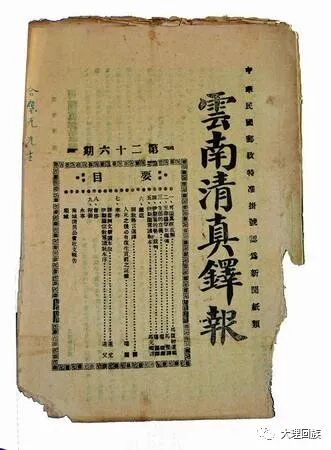
Mr. Na Zhong translated: 'Yisilanjiao' (Islam, Chengda Normal School Publishing Department, 1934), 'Yisilan yu Alatbo Wenming' (Islam and Arab Civilization, Commercial Press, 1937), 'Huiqiao Xueshu Sixiangshi' (History of Islamic Academic Thought, Commercial Press, 1948), 'Alabo Wenmingshi' (History of Arab Civilization, Commercial Press, 1948), and 'Huiqiao Zhuguo Wenhuashi' (Cultural History of Islamic Nations, Kunming Minyi Daily Press, 1948).
Mr. Na Xun translated: 'Tianfang Yetan' (One Thousand and One Nights, Commercial Press, 1947).
Mr. Lin Zhongming translated: 'Huiqiao Lishi Jiaoketu' (Islamic History Textbook, Shanghai China Islamic Bookstore, 1935).
Mr. Ma Junwu translated: 'Alabo Ertong Gushi' (Arab Children's Stories, Shanghai World Book Company).
Mr. Lin Xingzhi translated: 'Huiqiao Jichengfa yu Qita Jichengfa zhi Bijiao' (Comparison of Islamic Inheritance Law with Other Inheritance Laws, Commercial Press, 1946).
The 'Number One Horse of Southern Yunnan' — Grand Imam Ma Ruitu
Grand Imam Ma Ruitu translated: 'Huiqiao Renyilun' (Islamic Monotheism, Zhonghua Book Company, 1931) and 'Muhammede de Moxi' (The Revelations of Muhammad, Zhonghua Book Company, 1934).
3. Research and Publications on Chinese Hui History
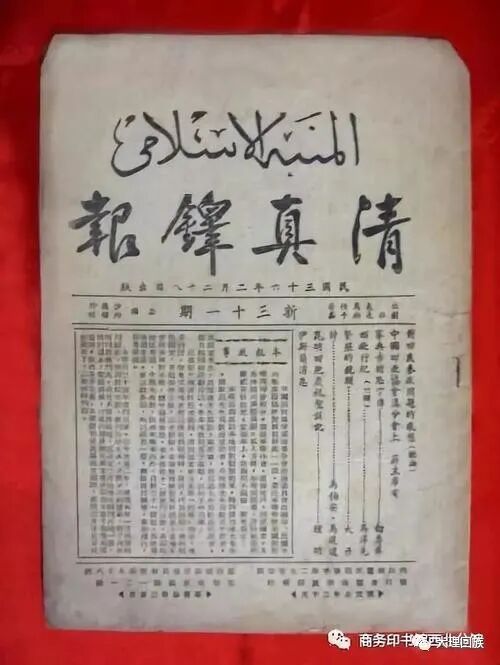
During the War of Resistance, the renowned historian and specialist in Hui and Islamic history, Mr. Bai Shouyi, evacuated to Yunnan. In addition to teaching in middle schools and universities, Mr. Bai devoted all his energy to investigating and researching the history of Yunnan's Hui Muslims, achieving remarkable results. He authored 'Zhongguo Huiqiao Xiaoshi' (A Brief History of Chinese Islam, Chongqing Commercial Press, 1944) and 'Zhongguo Yisilanshi Gangyao' (Outline of Chinese Islamic History, Wentong Book Company, 1946).
Additionally, Professor Fu Tongxian from Chengjie, who studied in the United States, authored the book 'Zhongguo Huiqiao Shi' (History of Chinese Islam), published by the Commercial Press in 1940.
Grand Imam Sha Ping'an, along with elderly gentleman Ma Guanzheng and Mr. Ma Shengfeng, collected and organized source materials on the Qing-dynasty Muslim uprisings, providing foundational materials later utilized by Professor Bai Shouyi during the War of Resistance when compiling 'Xiantong Dianbian Jianwenlu' (Records of Seen and Heard Events during the Xianfeng and Tongzhi Eras in Yunnan).
4. Collecting and organizing Chinese Islamic translations and commentaries dating from the Ming and Qing dynasties onwards, such as works by Ma Zhu and Ma Fuchou, including 'Qingzhen Zhinan' (Guide to Purity), 'Sidian Yaohui' (Essential Assemblies of the Four Canons), 'Dahua Zonggui' (The Ultimate Return to the Great Transformation), and 'Zhutian Dazuang' (Grand Praises to the Heavens).
5. Publishing and Distributing Islamic Texts
One of the main missions of the Yunnan Branch of the Zhenxue Society (Islamic Progress Society) was publishing and distributing various Chinese translations and religious texts, with specific sales handled by the Lihechang Leather Shop on Shuncheng Street. Grand Imam Sha Ping'an self-funded the establishment of the Tianfang Bookstore, which published works like *Qianfeiye* (Arabic Grammar), *Mentai Xige* (Islamic jurisprudence), and *Heewayi Tubiao* (Islamic tables and charts), making massive contributions to the educational and cultural development of Hui Muslims.
6. Sending Outstanding Students Abroad to Study
In the early 1930s, an Iranian scholar named Dazhang came to Yunnan and stayed at the Nancheng Mosque in Kunming. This scholar was said to have memorized *Qianfeiye* (Arabic Grammar) and was extremely knowledgeable. After examining the state of traditional *jingtang jiaoyu* (mosque-based education) in Yunnan at the time and finding it lacking, he suggested to the Yunnan Branch of the Zhenxue Society that students be dispatched to the Arab world's highest seat of learning, Al-Azhar University, to cultivate high-level specialized talent. Dazhang also enthusiastically helped write to Al-Azhar to apply for the admission of Chinese students. The university authorities replied promptly, agreeing to admit ten students sent from Yunnan. In November 1931, the Yunnan Branch of the Zhenxue Society selected Na Zhong (style name: Zijizhi), Zhang Youcheng (style name: Ziren), and Lin Zhongming (style name: Zimin), along with Ma Jian (style name: Zishi) from the Shanghai Islamic Normal School. Led by Mr. Sha Rucheng, the disciplinary director of Kunming's Mingde Middle School, these four formed the student delegation to Egypt, traveling via Haiphong in Annam (now Vietnam) and crossing the ocean to study in Egypt. This was China's first batch of students studying in Egypt. Since the Qing Dynasty, Islamic scholars in our province had a tradition of combining the Hajj pilgrimage with studying abroad, such as the elder masters Ma Fuchu and Ma Lianyuan. Following in their footsteps, Chinese students in Egypt formed the Chinese Egyptian Student Hajj Delegation in 1938 to travel to Saudi Arabia and actively carry out anti-Japanese propaganda activities, shattering Japanese imperialist international propaganda and conspiracies. The entire group of students in Egypt thus fulfilled their dual aspirations of studying abroad and performing the Hajj.
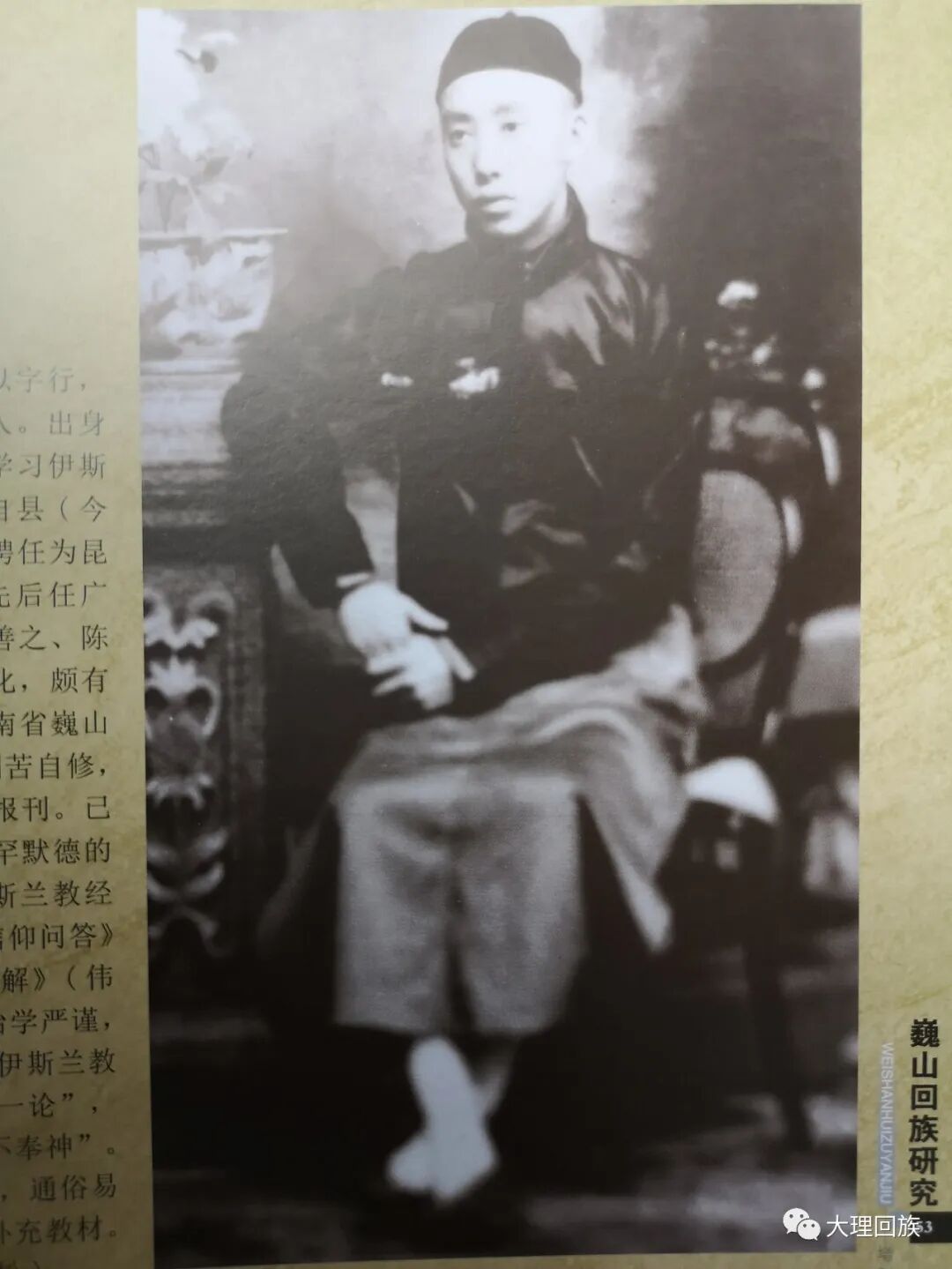
The third batch of students sent to Egypt was organized by Yunnan and consisted of three individuals: Na Xun (style name: Heng, in 1934), Lin Xinghua (style name: Gengyu), and Ma Junwu (style name: Xingzhou). That same year, the fifth batch sent by the Shanghai Islamic Normal School included two Yunnan natives among its five members: Lin Xingzhi (Lin Xinghua's younger brother, style name: Fengwu) and Ma Youlian (style name: Jiqing).
In May 1933, the Al-Azhar Chinese Student Department was established, and Sha Rucheng was appointed as its director, taking full charge of administrative affairs concerning Chinese Hui Muslim students studying in Egypt. While in Egypt, Director Sha was admitted to the Department of Education at the American University in Cairo for advanced studies, earning his master's degree in 1938.
From 1931 to 1940, the number of Chinese Hui Muslim students studying in Egypt reached 48. Together with the two directors, Sha Rucheng and Pang Shiqian, the total reached 50. Yunnan accounted for 10 of these students, making up 20%. During their time abroad, Yunnan's students already had translation works published, and upon returning home after completing their studies, they made monumental contributions to the nation and their ethnic community. For instance, while in Egypt, Mr. Ma Jian translated the Confucian classic *The Analects* into Arabic, which was published by the Fugu Bookstore in Cairo, spreading ancient Chinese culture to the Arab world for the first time. Similarly, Mr. Na Xun introduced ancient and modern Chinese literary masterpieces such as *The Collector of Poisonous Snakes*, *The Kite*, and *Thunderstorm* to the Arab people, playing a vital role in bridging Chinese and Arab cultures.
In 1946, Mr. Ma Jian accepted an invitation from Peking University to teach in the Department of Oriental Languages, where he established the Arabic language major. Later on, Mr. Na Zhong, Mr. Lin Zhongming, and Mr. Lin Xinghua joined forces to teach at Beijing Foreign Studies University, where they founded the Arabic Department. They poured their hearts and efforts into establishing Arabic language majors in contemporary Chinese universities, blazing a trail through hardship and becoming the pioneers of new China's Arabic education.
Through the hard work and dedication of Muslims across the province, and by overcoming various challenges, the New Culture Movement among Yunnan's Hui Muslims played a positive role in cultivating talent, spreading ideas, raising cultural standards, promoting Sino-Arab cultural exchange, and enhancing the general public's understanding of Islam.
References
"History of Islam", edited by Jin Yijiu, Jiangsu People's Publishing House
"History of the Hui Muslims in Yunnan", edited by Yang Zhaojun, Yunnan Nationalities Publishing House
"History of the Hui Muslims in Dali", compiled by the Dali Prefecture Hui Muslim Association, Yunnan Nationalities Publishing House
"Islamic Duobao (Islamic Bell Newspaper)"
"Encyclopedia of Islam in China", Sichuan Lexicographical Publishing House
"Dictionary of Chinese Hui Muslims", edited by Qiu Shusen, Jiangsu Ancient Books Publishing House
As for the translation of Hadith literature, during the 1920s and 1930s, the Niujie Mosque Bookstore in Beiping published a book titled 'Shengxun Sizhang' (Forty Hadiths). The Capital Ethnic Culture Museum still preserves and exhibits this translation. The translator was Grand Imam Ma Ruitu.
2. Translations of Classical Arabic Masterworks and Religious Texts
During this period, a vast number of classic Arabic masterworks and religious scriptures were continuously translated, published, and introduced to Muslims nationwide through the diligent writing of students who studied in Egypt and prominent imams, with people eagerly competing to buy and read them. At this time, Yunnan's entire translation scene blossomed like spring, bearing abundant fruit. The works of various translators are introduced below.
Mr. Ma Jian translated: 'Huiqiao Zhexue' (Islamic Philosophy, Commercial Press, 1934), 'Huiqiao Zhenxiang' (The Truth of Islam, Commercial Press, 1937), 'Huiqiao Jiduojiao yu Xueshu Wenhua' (Islam, Christianity, and Academic Culture, Shanghai Islamic Bookstore, 1936), 'Huizu Jiaoyushi' (History of Hui Education, Commercial Press, 1941), 'Huizu Zhexueshi' (History of Hui Philosophy, Commercial Press, 1944), 'Quran', Volume 1 (Peking University Press, 1949), and 'Jiaoyixue Dagang' (Outline of Dogmatics, published in Kunming, 1945).
Mr. Na Zhong translated: 'Yisilanjiao' (Islam, Chengda Normal School Publishing Department, 1934), 'Yisilan yu Alatbo Wenming' (Islam and Arab Civilization, Commercial Press, 1937), 'Huiqiao Xueshu Sixiangshi' (History of Islamic Academic Thought, Commercial Press, 1948), 'Alabo Wenmingshi' (History of Arab Civilization, Commercial Press, 1948), and 'Huiqiao Zhuguo Wenhuashi' (Cultural History of Islamic Nations, Kunming Minyi Daily Press, 1948).
Mr. Na Xun translated: 'Tianfang Yetan' (One Thousand and One Nights, Commercial Press, 1947).
Mr. Lin Zhongming translated: 'Huiqiao Lishi Jiaoketu' (Islamic History Textbook, Shanghai China Islamic Bookstore, 1935).
Mr. Ma Junwu translated: 'Alabo Ertong Gushi' (Arab Children's Stories, Shanghai World Book Company).
Mr. Lin Xingzhi translated: 'Huiqiao Jichengfa yu Qita Jichengfa zhi Bijiao' (Comparison of Islamic Inheritance Law with Other Inheritance Laws, Commercial Press, 1946).
The 'Number One Horse of Southern Yunnan' — Grand Imam Ma Ruitu
Grand Imam Ma Ruitu translated: 'Huiqiao Renyilun' (Islamic Monotheism, Zhonghua Book Company, 1931) and 'Muhammede de Moxi' (The Revelations of Muhammad, Zhonghua Book Company, 1934).
3. Research and Publications on Chinese Hui History
During the War of Resistance, the renowned historian and specialist in Hui and Islamic history, Mr. Bai Shouyi, evacuated to Yunnan. In addition to teaching in middle schools and universities, Mr. Bai devoted all his energy to investigating and researching the history of Yunnan's Hui Muslims, achieving remarkable results. He authored 'Zhongguo Huiqiao Xiaoshi' (A Brief History of Chinese Islam, Chongqing Commercial Press, 1944) and 'Zhongguo Yisilanshi Gangyao' (Outline of Chinese Islamic History, Wentong Book Company, 1946).
Additionally, Professor Fu Tongxian from Chengjie, who studied in the United States, authored the book 'Zhongguo Huiqiao Shi' (History of Chinese Islam), published by the Commercial Press in 1940.
Grand Imam Sha Ping'an, along with elderly gentleman Ma Guanzheng and Mr. Ma Shengfeng, collected and organized source materials on the Qing-dynasty Muslim uprisings, providing foundational materials later utilized by Professor Bai Shouyi during the War of Resistance when compiling 'Xiantong Dianbian Jianwenlu' (Records of Seen and Heard Events during the Xianfeng and Tongzhi Eras in Yunnan).
4. Collecting and organizing Chinese Islamic translations and commentaries dating from the Ming and Qing dynasties onwards, such as works by Ma Zhu and Ma Fuchou, including 'Qingzhen Zhinan' (Guide to Purity), 'Sidian Yaohui' (Essential Assemblies of the Four Canons), 'Dahua Zonggui' (The Ultimate Return to the Great Transformation), and 'Zhutian Dazuang' (Grand Praises to the Heavens).
5. Publishing and Distributing Islamic Texts
One of the main missions of the Yunnan Branch of the Zhenxue Society (Islamic Progress Society) was publishing and distributing various Chinese translations and religious texts, with specific sales handled by the Lihechang Leather Shop on Shuncheng Street. Grand Imam Sha Ping'an self-funded the establishment of the Tianfang Bookstore, which published works like *Qianfeiye* (Arabic Grammar), *Mentai Xige* (Islamic jurisprudence), and *Heewayi Tubiao* (Islamic tables and charts), making massive contributions to the educational and cultural development of Hui Muslims.
6. Sending Outstanding Students Abroad to Study
In the early 1930s, an Iranian scholar named Dazhang came to Yunnan and stayed at the Nancheng Mosque in Kunming. This scholar was said to have memorized *Qianfeiye* (Arabic Grammar) and was extremely knowledgeable. After examining the state of traditional *jingtang jiaoyu* (mosque-based education) in Yunnan at the time and finding it lacking, he suggested to the Yunnan Branch of the Zhenxue Society that students be dispatched to the Arab world's highest seat of learning, Al-Azhar University, to cultivate high-level specialized talent. Dazhang also enthusiastically helped write to Al-Azhar to apply for the admission of Chinese students. The university authorities replied promptly, agreeing to admit ten students sent from Yunnan. In November 1931, the Yunnan Branch of the Zhenxue Society selected Na Zhong (style name: Zijizhi), Zhang Youcheng (style name: Ziren), and Lin Zhongming (style name: Zimin), along with Ma Jian (style name: Zishi) from the Shanghai Islamic Normal School. Led by Mr. Sha Rucheng, the disciplinary director of Kunming's Mingde Middle School, these four formed the student delegation to Egypt, traveling via Haiphong in Annam (now Vietnam) and crossing the ocean to study in Egypt. This was China's first batch of students studying in Egypt. Since the Qing Dynasty, Islamic scholars in our province had a tradition of combining the Hajj pilgrimage with studying abroad, such as the elder masters Ma Fuchu and Ma Lianyuan. Following in their footsteps, Chinese students in Egypt formed the Chinese Egyptian Student Hajj Delegation in 1938 to travel to Saudi Arabia and actively carry out anti-Japanese propaganda activities, shattering Japanese imperialist international propaganda and conspiracies. The entire group of students in Egypt thus fulfilled their dual aspirations of studying abroad and performing the Hajj.
The third batch of students sent to Egypt was organized by Yunnan and consisted of three individuals: Na Xun (style name: Heng, in 1934), Lin Xinghua (style name: Gengyu), and Ma Junwu (style name: Xingzhou). That same year, the fifth batch sent by the Shanghai Islamic Normal School included two Yunnan natives among its five members: Lin Xingzhi (Lin Xinghua's younger brother, style name: Fengwu) and Ma Youlian (style name: Jiqing).
In May 1933, the Al-Azhar Chinese Student Department was established, and Sha Rucheng was appointed as its director, taking full charge of administrative affairs concerning Chinese Hui Muslim students studying in Egypt. While in Egypt, Director Sha was admitted to the Department of Education at the American University in Cairo for advanced studies, earning his master's degree in 1938.
From 1931 to 1940, the number of Chinese Hui Muslim students studying in Egypt reached 48. Together with the two directors, Sha Rucheng and Pang Shiqian, the total reached 50. Yunnan accounted for 10 of these students, making up 20%. During their time abroad, Yunnan's students already had translation works published, and upon returning home after completing their studies, they made monumental contributions to the nation and their ethnic community. For instance, while in Egypt, Mr. Ma Jian translated the Confucian classic *The Analects* into Arabic, which was published by the Fugu Bookstore in Cairo, spreading ancient Chinese culture to the Arab world for the first time. Similarly, Mr. Na Xun introduced ancient and modern Chinese literary masterpieces such as *The Collector of Poisonous Snakes*, *The Kite*, and *Thunderstorm* to the Arab people, playing a vital role in bridging Chinese and Arab cultures.
In 1946, Mr. Ma Jian accepted an invitation from Peking University to teach in the Department of Oriental Languages, where he established the Arabic language major. Later on, Mr. Na Zhong, Mr. Lin Zhongming, and Mr. Lin Xinghua joined forces to teach at Beijing Foreign Studies University, where they founded the Arabic Department. They poured their hearts and efforts into establishing Arabic language majors in contemporary Chinese universities, blazing a trail through hardship and becoming the pioneers of new China's Arabic education.
Through the hard work and dedication of Muslims across the province, and by overcoming various challenges, the New Culture Movement among Yunnan's Hui Muslims played a positive role in cultivating talent, spreading ideas, raising cultural standards, promoting Sino-Arab cultural exchange, and enhancing the general public's understanding of Islam.
References
"History of Islam", edited by Jin Yijiu, Jiangsu People's Publishing House
"History of the Hui Muslims in Yunnan", edited by Yang Zhaojun, Yunnan Nationalities Publishing House
"History of the Hui Muslims in Dali", compiled by the Dali Prefecture Hui Muslim Association, Yunnan Nationalities Publishing House
"Islamic Duobao (Islamic Bell Newspaper)"
"Encyclopedia of Islam in China", Sichuan Lexicographical Publishing House
"Dictionary of Chinese Hui Muslims", edited by Qiu Shusen, Jiangsu Ancient Books Publishing House
The Early 20th-Century Cultural Movement of Yunnan's Hui Muslims: Education, Print, and Modern Transformation (Part 1)
Articles • Hasan09 posted the article • 0 comments • 1 views • 1 hours ago
[Internet Repost]
The Early 20th-Century Cultural Movement of Yunnan's Hui Muslims: Education, Print, and Modern Transformation
Abstract: This article compiles the key points of the original text regarding "The Cultural Movement of Yunnan's Hui Muslims in the First Half of the 20th Century: Education, Publications, and the Modern Transformation of Chinese Muslims," preserving the original paragraph and image sequence. It is suitable for readers and researchers interested in long-tail keywords such as Yunnan Hui Muslims, the New Culture Movement, and Muslim education.
Mr. Ma Yunliang
Ma Yunliang
Abstract: In the first half of the 20th century, influenced by the May Fourth New Culture Movement, pioneering figures among Yunnan's Hui Muslims launched their own cultural movement. Championed by these leaders, the cultural self-awareness of the province's Muslim community was fully brought to light. This paper provides a preliminary review of this cultural movement and its historical role across six aspects, including the formation of associations and the reform of traditional mosque education (Jingtang Jiaoyu). Its purpose is to ground ourselves in reality while reviewing history, inspiring future generations to carry on the fine traditions of the predecessors—who loved their country and their faith, and enthusiastically supported ethnic culture and education—and to strive to make new contributions to promoting Islamic culture and advancing Hui education.
Keywords: First half of the 20th century; Yunnan Hui Muslims; New Culture Movement
In the first half of the 20th century, driven by the wave of the May Fourth Movement, a group of intellectuals and social elites among our province's Hui ancestors took up the burden of national crisis, harbored a profound sense of anxiety for the country, and went with the flow of history by tirelessly launching a new cultural movement. This movement took self-strengthening and self-salvation as its ultimate purpose, with awakening the public and invigorating the national spirit as its primary themes. Spanning half a century, it possessed a uniquely robust vitality. The movement's core activities included establishing Islamic associations, reforming traditional mosque education, founding new religious schools as well as regular primary and secondary schools, publishing religious and academic journals, organizing religious and academic cultural events, publishing and distributing scriptures, and selecting outstanding students to study abroad for advanced degrees. These initiatives laid a solid foundation for raising the overall quality of the ethnic group and promoted the development of Islamic cultural education. As Gu Jiegang noted, this was "the first cultural movement consciously initiated by Muslims in modern China" ("The Cultural Movement of Islam"). Spanning religion, culture, and education, this movement profoundly demonstrated the great spirit of keeping pace with the times shared by the vast majority of our province's Muslims. Its significance is profound, far-reaching, and its achievements will go down in history. Today, history has entered the 21st century. Rooted in the present and looking back at history, every single Hui person should seriously ponder the current circumstances and challenges facing Hui cultural education, and consider how to inherit our predecessors' precious spirit of daring to be the first in the world, actively seeking the development of our ethnic cultural and educational endeavors, and preserving the roots of our ethnic culture so as to achieve true ethnic cultural self-awareness. Bearing this consideration in mind, and despite my own limitations, I have organized this article after extensive reading of historical materials, careful verification, and meticulous selection. I intend to offer a preliminary perspective on the New Culture Movement of our province's Hui Muslims and its historical role in the first half of the 20th century, providing a modest reference for those enthusiastic about ethnic culture and education, while welcoming correction from experts in the field.
The content of the New Culture Movement among Yunnan Hui Muslims in the first half of the 20th century is as follows.
I. Establishment of Islamic Associations
In 1911, following the conclusion of the Xinhai Revolution and the dawn of the Republic of China, the principle of the Republic of Five Nationalities was established, and the Provisional Constitution was promulgated. It stipulated that people of all ethnic groups enjoyed the rights of freedom of belief, freedom of speech, and freedom of association and assembly, embedding the ideology of democratic republicanism deeply in the public consciousness. Consequently, in July 1912, championed by the pioneer of Hui new-style education, Grand Imam Wang Haoran, China's first national religious organization—the China Islamic Progress Association (Zhongguo Huijiao Jujinhui)—was established in Beijing. The headquarters of the Progress Association was located inside the Xidan Mosque (Xidan Qingzhensi). Ma Linyi was elected as the inaugural president, and Wang Haoran served as vice president. With the guiding mission of "promoting education, consolidating organizations, and fostering close harmony between Hui and Han people," the Progress Association widely connected prominent figures from all walks of Hui society, jointly committing to promoting new-style education and revitalizing various Hui community endeavors. The association's headquarters issued circular telegrams nationwide urging all provinces to establish branch chapters, with county and district chapters to follow. Yunnan's Hui Muslims responded enthusiastically, establishing the Yunnan Branch of the China Islamic Progress Association in October of the same year. The headquarters of the branch was set up at the Nancheng Mosque (Nancheng Qingzhensi) in Kunming. Ma Qixiang, general manager of the Yuxi Xinghunhe firm, was elected as the first branch president. Parts of the province where Hui communities were concentrated successively established branch chapters as well, totaling over 50 branch chapters across the province. In 1915, the Yunnan branch was reorganized, and second-term leadership was elected: Wang Tingzhi (from Kunming) was chosen as president, with Sai Fuchu (from Shiping) and Sun Guoxi (from Kunming) as vice presidents, alongside 83 other departmental staff members. In the 1917 re-election, Ma Dianxuan (from Yiling) became the third-term president, with He Tingdong (from Kunming) and Ma Xinpei serving as vice presidents. In April 1928, Ma Dianxuan passed away (guiyin). In May, Ma Cong (style name Bo'an, from Kunming) was elected as the fourth-term president, with He Tingdong and Zhao Zhongqi (style name Yuheng, from Dali) as vice presidents, alongside 42 departmental staff members. Until the outbreak of the War of Resistance Against Japanese Aggression, the Yunnan Branch of the Progress Association was renamed the Yunnan Provincial Branch of the China Islamic National Salvation Association, with Ma Cong continuing to serve as president.
The Yunnan Branch of the Progress Association was an important organization during the Republican period that enhanced internal ethnic unity and revitalized the community, playing a tremendous driving force in the political, economic, and cultural-educational endeavors of Yunnan's Hui people at that time.
In April 1915, initiated by Sha Pingan, Ma Xitang, Bai Yaoming, Zi Liangcheng, and others under the leadership of Ma Qixiang, the Zhenxue Society (Zhenxueshe)—the first cultural and educational organization in the history of Yunnan's Hui Muslims—was established at the Nancheng Mosque in Kunming. Initially, Sha Pingan served as president, followed later by Ma Guanzheng as president and Ma Shengfeng as vice president. The Zhenxue Society started as an independent organization, but was later incorporated by the Yunnan Branch of the Progress Association, becoming its specialized organ overseeing culture and education. It was tasked with "the establishment and management of schools, the popularization of education, the study of doctrines, the translation of classics, and the publication and distribution of scriptures. Due to the heavy workload, it was divided into four divisions: Education, Translation, and Publication." ("Yunnan Branch Regulations")
The establishment of the Yunnan Branch of the Progress Association and the Zhenxue Society laid massive groundwork for the rapid development of cultural education among Yunnan's Hui Muslims. Their efforts included founding publications such as the *Qingzhen Monthly* (*Qingzhen Yuebao*) and the *Qingzhen Duo Bao* (*Qingzhen Duo Bao*), publishing and distributing scriptures, running new-style religious schools—such as the Yunnan Higher Islamic Scriptural and Secular Combined School—as well as regular primary and secondary schools, and sending students to study in Egypt. These endeavors held profound significance and far-reaching influence. Mr. Bai Shouyi once commented: "The beginning of China's modern Islamic cultural movement has two prominent hallmarks: one is the publication of journals, and the other is the founding of schools. The earliest Islamic publication in our country was *Xinghuipian*, initiated by Hui students studying in Japan. Aside from Mr. Huang Zhenpan and Mr. Ma Zongsui, the contributors to the inaugural issue were Mr. Bao Tingdong, Mr. Wang Tingzhi, and Mr. Zhao Zhongqi from Yunnan. Aside from the Niujie Primary School advocated by Imam Wang Haoran in Beijing, our earliest new-style religious school was the Yunnan Higher Islamic Scriptural and Secular Combined School in Kunming. Therefore, in the modern Islamic cultural movement, Yunnan still occupies a very important position." ("The Historical Contributions of Yunnan's Muslim Compatriots") Looking back at the history of Yunnan's Hui Muslims, we can say that the brilliant achievements forged by the Yunnan Branch and the Zhenxue Society not only opened the prelude to the New Culture Movement of Yunnan's Hui Muslims, but also propelled the movement toward its climax.
II. Founding New-Style Religious Schools and Regular Primary and Secondary Schools
In 1921, our province's first new-style religious school, the Yunnan Higher Islamic Scriptural and Secular Combined School, was established at the provincial capital's Nancheng Mosque. This was a major initiative by the Yunnan Branch and the Zhenxue Society to reform traditional mosque education (Jingtang Jiaoyu). The years 1921 to 1922 marked the trial phase of the school. The renowned scriptural scholar Master Ma Jianzhi (Sanwu) was invited as the primary lecturer, with his son, Master Ma Ruitu, serving as teaching assistant. Students included Na Ruzhang, Ma Yuanqing, Xu Zibin, Ma Huiting, and Ma Lanting. In 1923, after officially enrolling students, the school invited Masters Tian Jiapei, Sha Pingan, and Na Ming'an as full-time instructors for Arabic and Persian scriptural courses, while inviting four scholars—Ma Pinan (a provincial graduate (bagong) of the late Qing Dynasty who once served as the Guangdong Circuit Intendant), Bai Yaoming (style name Liangcheng), Li Fangbo, and Yang Wenbo—to respectively teach the Four Books, classical Chinese annotations, national literature, the Three Principles of the People (Sanmin Zhuyi), and civics courses. History, geography, physics, and chemistry were taught by visiting teachers from the private Chengde Middle School. The curriculum comprised a total of 14 courses, including 5 Arabic and Persian scriptural courses and 9 Chinese courses. Scriptural classes were scheduled in the morning, while Chinese courses took place in the afternoon.
The first class enrolled five students: He Liancheng, Li Shoufu, Lin Yaoxi, Lin Xinghua, and Lin Zhongshu. These students studied for a full five years, graduating in May 1928. Rigorous examinations were held prior to graduation. All five students achieved outstanding, remarkable results. Five years of bitter winter and cold summer studies laid a profound foundation in both Chinese and Arabic literature, winning widespread praise from the Muslim community. Upon the graduation of the first cohort, the Zhenxue Society specially edited and published a *Graduation Commemorative Special Issue*, featuring the principal's address, branch congratulatory remarks, teachers' admonitions, students' graduation exam questions, answers, and evaluations. This special issue was distributed to mosques across the country. After reading the *Graduation Special Issue* published by the Higher Scriptural and Secular Combined School, Grand Imam Wang Jingzhai of Tianjin sent a letter offering high praise: "Upon reading the several translated questions in the *Graduation Special Issue* published by your esteemed school, I could not help but slam the table in admiration, deeply celebrating that Yunnan has capable, studious people. Their future attainments are truly boundless."
In 1926, the second cohort of students enrolled, admitting six individuals: Zhang Yunkui, Sai Antai, Ma Zhongming, Ma Jingbo, Ma Junyou, and Ma Pingxi. This cohort graduated in 1930. Immediately following that, a third cohort was recruited that same year. This class had an ample enrollment of 44 students, including Na Zhong, Na Xun, Ma Junwu, Ma Zhiguang, Ma Xinsan, Ma Shizhen, and Yang Tinghou. Shortly after admission, some students from this class transferred into the middle school division of the Mingde Middle School, which was publicly run by the Progress Association, becoming the inaugural class of the middle school division. The Higher Scriptural and Secular Combined School of the Yunnan Branch and Zhenxue Society operated for a total of nine years—one trial year and three officially enrolled cohorts, with two cohorts (totaling 11 individuals) graduating. It wrote a brilliant page in the history of Yunnan Hui education.
Reviewing the history of the new-style religious schools founded by the Yunnan Branch and the Zhenxue Society, the author believes there are two successful experiences worth summarizing and learning from.
First, by conforming to the needs of social development and implementing a teaching model that combined scriptural and secular studies, the schools cultivated a batch of talents proficient in both Chinese and Arabic. While traditional mosque schools had relatively singular teaching contents, the new-style religious schools emphasized both Arabic and Chinese equally, going hand in hand. The students they cultivated understood both Arabic and Chinese, possessed writing and translation skills, and made outstanding contributions to the exchange and dissemination of Sino-Arabic culture and the propagation of sacred truths.
Second, the schools pooled the human and financial resources of various mosque communities (fang) in the Kunming area, breaking away from the past pattern of decentralized operation among individual mosques. By integrating and optimizing teaching resources and reversing the old single-teacher, single-school system in favor of a multi-teacher system, students were able to learn from multiple masters and draw upon the strengths of various schools. Kunming, as the provincial capital of Yunnan, was the province's cultural center, gathering exceptional talents and enjoying unique advantages where teaching resources could be shared and local talent recruited. Figures like Ma Pinan, Bai Yaoming, Li Fangbo, and Yang Wenbo were seasoned scholars and erudite men. Scriptural masters like Ma Jianzhi, Tian Jiapei, Sha Pingan, and Na Ming'an were all renowned modern grand imams of Yunnan. Teachers from the private Chengde Middle School could also be invited to teach. All of these were vital conditions for running a successful school.
In 1929, the private Yunnan Mingde Middle School was established. The Yunnan Branch merged the Higher Scriptural and Secular Combined School into "Mingzhong," converting it into the Arabic Department of Mingde Middle School, which continued to hold classes at the Yongning Mosque. The middle school campus of Mingde Middle School was located in the back courtyard of the Nancheng Mosque, while its primary school division was set up inside the Shuncheng Street Mosque (Shuncheng Street Mosque) located in the Hui residential area. The middle school division later attached a simplified normal school class and a teacher training class. The inaugural principal of Mingde Middle School was Mr. Yang Wenbo.
In April 1940, yet another new-style religious school was born: the Shadian Yangzheng School in Shadian, a Hui-concentrated area in southern Yunnan. The full name of the Yangzheng School was the Shadian Private Yangzheng School of the Loyal and Frutiful Duke's Estate. The Loyal and Fruitful Duke's Estate was the mansion of the Shadian Hui Military General Bai. General Bai referred to Bai Jinzhu, a Qing Dynasty military commander in Yunnan who rose through the ranks to become the Military Intendant of Kaihua Town and was conferred the title of General of Mighty Vows. Having rendered distinguished military service, he was posthumously granted the title of Loyal and Fruitful Duke, and Shadian Hui residents generally referred to him as General Bai. The Yangzheng School was initiated by his third son, Bai Yaoming (style name Liangcheng). The school was set up right inside General Bai's mansion. The meaning of the two characters "Yangzheng" (Nurturing Uprightness) was "to nurture outstanding talents to revitalize the sacred path, and to properly cultivate virtuous capabilities to illuminate the divine light." To reform traditional mosque education to meet the needs of the times, Mr. Bai Liangcheng founded this new-style religious school characterized by "combined Chinese and Arabic instruction with graded progression." He personally served as principal and specially invited Professor Bai Shouyi to the school to convene a meeting with relevant personnel to jointly determine the educational goals and formulate the curriculum. The school system was provisionally set for eight years, with four years each for intermediate and advanced levels. Through eight years of study, students were required to master the Arabic language and script, be able to read Islamic classics, and possess self-study capabilities. Upon graduation, students were sponsored by the school to study abroad in Egypt. The school facilities were arranged in the side hall inside the left main gate of the Loyal and Fruitful Duke's Estate. The prayer hall, classrooms, offices, teachers' dormitories, and bathing facilities were all located within this side hall. Student dormitories were arranged in the floral parlor of the second courtyard. The cafeteria was located in the right wing room of the fifth courtyard. Once all preparations were completed, the private Kunming Mingde Middle School was asked to assist with student recruitment. Over 80 applicants registered for the entrance exams, and 7 were admitted based on qualification: Ma Enrong (Luxixi), Yan Zhonggui (Panxi), Jin Shuquan (Shadian), Ma Qin (Panxi), Ma Yuncai (Panxi), Ma Lianfang (Xinzhai), and Lin Zhengxiong (Shadian). Four years later—actually four months later—another group of 7 students was recruited: Ma Yuncong (Yuxi), Ma Chunwen (Dabaiyi), Ma Yunliang (Yuxi), Lin Song (Shadian), Ma Weiyi (Yuxi), Ma Chonghua (Yuxi), and Yang Dunhua (Xichang). These students were provided with meals and uniforms by the school. Later, more than 20 self-funded students were recruited. These students were younger and entirely local to Shadian, including both boys and girls. Their Chinese classes were taught by Ms. Ma Cunzhen, wife of teacher Ma Jian, using regular upper-primary textbooks. In addition, doctrinal readers (compiled by Mr. Ma Yuanqing) and Arabic were taught. These two courses were taught by advanced class students Ma Yuncong and Ma Chunwen respectively.
The school successively employed several full-time and part-time teachers. Because the school's founder, Principal Bai Liangcheng, was serving as the manager of the Yunnan Sipu Enterprise Bureau and could not attend to school affairs full-time, he specially appointed Teacher Zhang Ziyin as acting principal, alongside Teacher Ma Yuanqing as director of studies, Imam Na Xiangting as director of general affairs, the late-Qing provincial graduate (bagong) Mr. Gao Boli for Chinese literature, and Mr. Wu Shiqi for teaching methods. Imam Wang Chengqi, Teacher Bai Kunzhi, along with Professor Zheng Xin, Professor Cao Liwu from Southwest Associated University (Xinan Lianada) who were then teaching at Shadian's Yufeng Middle School, and three students from Associated University, were hired as part-time teachers. At the end of 1941, Mr. Ma Jian returned from Shanghai to his hometown of Shadian to continue translating the Quran. Every day after breakfast, he spent two precious hours teaching at the Yangzheng School. By the end of the following year, Grand Imam Ha Dacheng also traveled thousands of miles from Japanese-occupied Shanghai through various hardships to arrive in Shadian, staying at Principal Bai's home. Aside from discussing and reviewing Mr. Ma Jian's Quran translation manuscript daily with Teacher Ma Yuanqing, Imam Ha taught two Quranic recitation (Tajweed) classes per week to the students of Yangzheng School. For a period, the renowned historian Mr. Bai Shouyi came to Shadian for historical investigations. The school authorities seized the opportunity to invite Mr. Bai to lecture at the school. Mr. Bai's lectures were profound yet accessible, and his amiable attitude left a deep impression on the students.
The Yangzheng School gathered a constellation of renowned teachers and abundant talent back then. Nourished by so many teachers, the students felt as if they were sitting in a gentle spring breeze, studying diligently with remarkable academic achievements. The school arranged its curriculum according to a teaching plan and provided tailored instruction based on students' aptitudes. In the initial stage, Arabic courses were taught in two classes, Class A and Class B. The two Class A students, Ma Yuncong and Ma Chunwen, had studied in traditional mosque schools for several years and possessed a certain foundation in Arabic, so their Arabic classes were taught separately, while their Chinese and Quranic recitation classes were combined with Class B. Teacher Zhang Ziyin taught Class A a book titled *Islam*, authored by Hassan Mansour (vice president of Cairo University) and others. This book had been translated into Chinese by Mr. Na Zhong and published by the Beiping Chengdac Normal School. Teacher Zhang also taught Class A the literary masterpiece *Kalila wa Dimna*, translated and adapted by the 8th-century Arab literary figure Ibn al-Muqaffa. This book had been translated into Chinese by Mr. Lin Xinghua and introduced to readers in our country. For Class B, Teacher Zhang Ziyin taught the Quran and Hadith. Mr. Ma Jian taught Class A *Outlines of Dogmatics* (Al-Aqa'id), Egyptian middle school Arabic readers, and concise grammar. To cultivate students' Arabic reading comprehension and interest, Mr. Ma also assigned extracurricular reading such as youth publications published in Egypt, an Arabic edition of a French romantic novel *Maztouri*, and an Arabic edition of *The Analects of Confucius*. Mr. Ma Jian taught Class B Egyptian upper-primary Arabic readers and concise grammar. Teacher Ma Yuanqing taught Class A *Admonitions for Believers* (Mawa'iz al-Mu'minin). This text was chosen as a textbook upon the suggestion of Mr. Ma Jian. Teacher Yuanqing taught Class B *Mutual Love of Ritual Laws* (Mustaq). Imam Wang Chengqi taught Class B *Muntai Grammar*. When the two classes combined for Chinese courses, they studied *The Book of Songs* (*Shijing*), Tang poetry and Song lyrics, *Ancient Prose Anthology* (*Guwen Guanzhi*), middle school national literature, history, mathematics, and music.
Several teachers at the Yangzheng School possessed teaching methods with unique characteristics that are worth summarizing and promoting. They are briefly summarized and introduced below:
1. Emphasizing the cultivation of students' self-learning ability and interest in learning. There is an old Chinese saying: "Give a man a fish, and you feed him for a day; teach a man to fish, and you feed him for a lifetime." Applied to teaching, this means that imparting knowledge to students is inferior to teaching them the methods of self-learning. Mr. Ma Jian taught Arabic classes precisely in this manner. In the initial stage, lasting about a year or so, he personally explained the lessons. During class, he would first write Arabic vocabulary definitions on the blackboard for students to copy into their vocabulary notebooks. Then he would meticulously explain the text, striving for profound and thorough explanations of word meanings, distinctions, and grammar. Later, when the students had acquired a basic foundation, he had everyone prepare their lessons in advance before class. He distributed Wang Jingzhai's *Sino-Arabic New Dictionary* to the students; any unfamiliar words encountered while previewing the text had to be looked up in the dictionary and copied into a vocabulary notebook. During Arabic class, students took turns reading aloud line by line while everyone listened attentively. Where there were errors, Mr. Ma pointed them out on the spot, offering appropriate praise and encouragement for good performances.
2. Face-to-face grading of assignments. Mr. Ma Jian's *Concise Grammar* exercises and homework were corrected line by line. Before returning them to the students, the students were called to the teacher's desk where he provided one-on-one reviews for each question before handing them back. Such personal, direct guidance benefited the students immensely.
3. Combining theory with practice. While in Shanghai, Grand Imam Ha Dacheng served as the Imam of the Zhejiang Road Mosque. He was well-versed in Quranic phonology and phonetics (Tajweed), routinely praying alongside teachers and students in the school's small prayer hall, and attending Friday congregational prayers at the Shadian Grand Mosque together on Fridays. At the school and the mosque, he was frequently invited to serve as Imam, leading everyone in prayer. Not only were his prayer postures serious and standardized, but his melodic rhythm in reciting the Quran strictly adhered to the requirements of the scriptural text, rising and falling with inflection that fully manifested the acoustic beauty of the Quran. When he taught recitation classes to our students, his teaching method was highly distinctive. In class, he would first explain a few recitation rules, then provide a demonstration reading, and finally have students imitate the reading one by one. Everyone found this theory-combined-with-practice teaching method deeply engaging.
4. Principal Bai's affectionate exhortations. Principal Bai Liangcheng returned home once every year. During each return, he would convene teachers and students to deliver speeches. He encouraged students to study diligently and strive to become successors to the sacred path. A poem he composed, titled *Song of Joyful Learning*, played a major role in boosting students' interest in learning. The full text of the *Song of Joyful Learning* is: "Study is studying this joy, joy is enjoying this study; without joy it is not study, without study it is not joy. Joy is study, study is joy—alas, what learning in the world is like this joy, what joy in the world is like this study."
The advanced class of the Yangzheng School was later relocated to Kunming for a period of time. According to the original educational system, it should have taken eight years to graduate. Later, due to the political situation, it graduated two years early at the end of 1946. Although the advanced class students only studied for six years, they achieved tremendous results, cultivating a batch of talents for the ethnic group and the sacred path. For example, contemporary internationally renowned Quranic translator and Muslim scholar Professor Lin Song, and Grand Imam Ma Yuncong—who served as a delegate to the sixth and seventh National People's Congresses—were both elites who walked out of the Yangzheng School.
The intermediate class continued to hold classes in Shadian even after the advanced class relocated to Kunming, operating until the liberation in 1950.
In the spring of 1943, the private Xingjian Middle School Arabic Department was established in Menghua County, western Yunnan (now Weishan Yi and Hui Autonomous County). The campus was located inside the Yanqichang Mosque. As enrollment and the scale of the school grew year by year, the original site could no longer accommodate everyone, so in the autumn of 1948, it relocated to the Daiweigen Mosque. From its founding in 1943 until the liberation of Yunnan at the end of 1949—a period of about six and a half years—the Arabic Department had five classes (from Arabic Class 1 to Arabic Class 5) and over 90 students, all of whom were young Hui Muslim men from across the province and the local county.
The name of Xingjian Middle School, 'Xingjian', carries the meaning of 'reviving education to build the nation.' These two words embody the school's founding mission: to cultivate Muslim talent capable of revitalizing the religion and serving national construction. Ma Yaotang, chairman of the Menghua Hui Educational Salvation Association, served as chairman of the board, and Na Runzhang, a prominent grand imam, was invited to serve as principal. With extraordinary courage and talent, Principal Na cast a wide net for talent, inviting scholars from both inside and outside the Islamic faith to teach at the school. Emphasizing reform in education, the school centered its curriculum on religious studies while also offering courses in Chinese language and literature, history, geography, music, and physical education. Principal Na personally taught advanced courses in Quranic exegesis (Tafsir), Islamic jurisprudence (Fiqh), and theology (Aqidah). Other veteran imams taught alongside him, including Ma Haocheng, Ma Shizhen, Yang Tinghou, Na Guangyun, Ma Hanqing, Ma Guoliang, and Ma Fuchen from Guangxi. The Chinese literature classes were taught by Gao Kemin, He Guangwen, and Ma Shaoxiong; music was taught by Na Wenbo; art by Na Guangheng; mathematics by Ma Shangzhou; and military physical education by Mai Zhusan and Zhang Quanli. Truly, it was a gathering of brilliant minds.
In addition to their core studies, the students at the Xingjian Middle School Arabic Department placed great importance on cultural and athletic activities. During their free time every day, they played basketball, volleyball, and table tennis, holding inter-class and inter-school competitions to build friendships. Weekend events—such as 'One Thousand and One Nights' storytelling sessions, current affairs briefings, cultural performances, speech contests, and educational activities during Ramadan—made the students' school life rich and vibrant, perfectly blending academics with extracurricular pursuits for well-rounded development. The establishment of Xingjian Middle School cultivated a batch of dual-talented individuals needed for both religious life and national development in the Weishan region and various counties across Yunnan. It won the recognition and warm welcome of the broader Muslim community, earning praise as 'a glowing beacon of Hui culture ignited in western Yunnan' (History of Yunnan Hui Muslims).
Building upon the development of mosque education (Jingtang Jiaoyu) and new-style religious schooling, Muslims across Yunnan also actively promoted regular primary and secondary education. Private Hui middle and primary schools sprang up like bamboo shoots after a spring rain. In addition to Mingde Middle School and Mingde Primary School in the provincial capital, there were Shadian Yufeng Primary and Middle School, Dazhuang Xinmin Middle School, Tonghai Yuanwu Primary School, Yuxi Yucai Primary School, Yongping Hui Minjian Normal School, Dali Kelizhuang Primary School, Menghua Chongshi and Chongde Primary Schools, as well as various branch campuses of Mingde Primary Schools across different counties and cities. The establishment of these regular primary and secondary schools nurtured a large number of talented individuals, laid a solid foundation for the economic and cultural development of the province's Hui Muslims, and made an undeniable contribution to the advancement of ethnic education in Yunnan.
3. Publishing Religious and Academic Periodicals
Press and media serve as crucial frontlines for education and outreach, and religious academic periodicals published by Hui Muslims acted as the mouthpiece of Islam. The flourishing or stagnation of Islamic culture was intimately tied to them. Media publications played a massive role in awakening the public, enlightening minds, and promoting social progress. Therefore, as early as the late Guangxu period of the Qing dynasty (1908), Chinese Hui students studying in Japan—including Zhao Zhongqi (from Yunnan), Huang Zhenpan (from Hubei), Wang Tingzhi (from Yunnan), and Bao Tingliang—founded the publication 'Xinghui Pian' (Awaken the Hui Writings) in Tokyo, Japan, setting a precedent for Chinese Muslim periodicals. Although this publication only ran for a single issue, it carried a strong enlightenment ethos and was praised by contemporaries as 'sounding the horn of modern Hui intellectual and cultural thought.' Afterward, in 1915, 1917, 1922, and 1929, Yunnan Muslims successively launched four more periodicals: 'Qingzhen Yuebao' (Islamic Monthly, edited by Sha Ping'an, Xie Jikang, and Ma Degui, running for five issues); 'Qingzhen Huibao' (Islamic Report, edited by Bao Tingliang and others, running for one issue); 'Qingzhen Xunkan' (Islamic Decadal, edited by Ma Pin-san, Ma Zhenbang, and Sha Ping'an, running for over 50 issues); and 'Qingzhen Duobao' (Islamic Bell, edited by Bai Mengyu, Ma Shiqing, Ma Muqing, Ma Jian, Na Zhong, Na Xun, and others, which ran for several issues). During and after the War of Resistance Against Japanese Aggression, our province also saw the publication of several other periodicals, such as 'Xin Mumin' (The New Muslims, edited by Southwest Associated University students Wang Pei and Wang Hao, running for three issues); 'Qingzhen Duobao Fukan' (Islamic Bell Supplement, edited by Sha Dezhen and Na Zhongming); and 'Dimeimen' (Sisters and Brothers, edited by Lin Song, running for one issue). Among these publications, 'Qingzhen Duobao' had the longest run and the deepest impact. It can be said that 'Qingzhen Duobao' stood shoulder-to-shoulder with other academically rigorous contemporary journals such as 'Yuhua', 'The Chinese Islamic Association Monthly', and 'Yiguang'.
In 1929, the Yunnan branch of the Islamic Progressive Association established a propaganda department, and Bai Mengyu and others initiated the founding of 'Qingzhen Duobao'. Ma Shiqing and Ma Muqing served as editors-in-chief, while Na Zhong took charge of actual editorial operations. After publishing about 15 or 16 issues, the publication was suspended for many years because the editors and editorial staff left Kunming for official duties or traveled overseas for their studies. It wasn't until 1940, as the staff of 'Duobao' returned one after another, that the Islamic Association decided to resume publication. Ma Jian, Na Zhong, Na Xun, Sha Dezhen, and Na Zhongming served as editors-in-chief. During the War of Resistance, the wartime safe haven of Kunming gathered numerous Hui university professors, scholars, and Muslim university students who became contributors to 'Duobao', including esteemed figures like Mr. Bai Shouyi, Mr. Yang Zhijiu, and Ma Shouxian. Thanks to an abundant supply of submissions, 'Qingzhen Duobao' thrived remarkably during this period, and its circulation surged dramatically.
Regarding the name and guiding mission of 'Qingzhen Duobao', Mr. Ma Pin-san wrote in the inaugural issue: '...Our pure religion originated with Adam, with the purpose of recognizing Allah, worshiping Him, and aiding humanity and the world. The prophets succeeded one another in an unbroken lineage until the Most Exalted Prophet Muhammad appeared, gathering the perfections of all prophets, serving as the ultimate guide for mankind, and receiving thirty divisions of heavenly scriptures. He elucidated the profound mysteries of the seen and unseen, established the moral laws governing heaven and earth, awakened the deaf and enlightened the blind, and guided people toward goodness while deterring evil—truly standing as a great warning bell [duobao] for all ages past and present.' Mr. Na Zhong summarized the publication's mission into three points: 1. Promote the religious consciousness of believers; 2. Improve Islamic education; and 3. Foster a sense of national consciousness among believers. In his 'Editorial on Resuming Publication', Mr. Ma Bo'an pointed out in accordance with the needs of the War of Resistance that 'Duobao' must hold high the banner of patriotism, calling upon Hui and Han compatriots to 'truly unite and face the national crisis together,' and 'exhaust their utmost efforts to strive for the independence, freedom, and equality of our nation and people.'
Each issue of 'Qingzhen Duobao' featured editorials, Islamic news, dispatches, academic and cultural essays, and historical materials, among other contents. A brief overview includes: 1. Islamic doctrine and ethics; 2. The truths of Islam; 3. Historical research on the Hui community; 4. Reports supporting the War of Resistance and the patriotic democratic movement; 5. Coverage of friendly Sino-Arabic relations and support for the anti-imperialist struggles of Arab peoples; 6. Biographies of prophets, virtuous predecessors, and prominent Muslim visitors; 7. News and updates on Muslims from various regions; and 8. Reports on the affairs of the Progressive Association and the Islamic Association, to name just a few.
4. Engaging in Religious, Academic, and Cultural Activities
Along with the vigorous development of Hui education and the robust growth of a specialized generation of religious scholars, Islamic academic and cultural activities in Yunnan during the Republican era presented a remarkably bright prospect, with academic research proceeding smoothly and yielding impressive results. These are summarized and briefly described below.
1. Translations of the Quran and Hadith. view all
The Early 20th-Century Cultural Movement of Yunnan's Hui Muslims: Education, Print, and Modern Transformation
Abstract: This article compiles the key points of the original text regarding "The Cultural Movement of Yunnan's Hui Muslims in the First Half of the 20th Century: Education, Publications, and the Modern Transformation of Chinese Muslims," preserving the original paragraph and image sequence. It is suitable for readers and researchers interested in long-tail keywords such as Yunnan Hui Muslims, the New Culture Movement, and Muslim education.
Mr. Ma Yunliang
Ma Yunliang
Abstract: In the first half of the 20th century, influenced by the May Fourth New Culture Movement, pioneering figures among Yunnan's Hui Muslims launched their own cultural movement. Championed by these leaders, the cultural self-awareness of the province's Muslim community was fully brought to light. This paper provides a preliminary review of this cultural movement and its historical role across six aspects, including the formation of associations and the reform of traditional mosque education (Jingtang Jiaoyu). Its purpose is to ground ourselves in reality while reviewing history, inspiring future generations to carry on the fine traditions of the predecessors—who loved their country and their faith, and enthusiastically supported ethnic culture and education—and to strive to make new contributions to promoting Islamic culture and advancing Hui education.
Keywords: First half of the 20th century; Yunnan Hui Muslims; New Culture Movement
In the first half of the 20th century, driven by the wave of the May Fourth Movement, a group of intellectuals and social elites among our province's Hui ancestors took up the burden of national crisis, harbored a profound sense of anxiety for the country, and went with the flow of history by tirelessly launching a new cultural movement. This movement took self-strengthening and self-salvation as its ultimate purpose, with awakening the public and invigorating the national spirit as its primary themes. Spanning half a century, it possessed a uniquely robust vitality. The movement's core activities included establishing Islamic associations, reforming traditional mosque education, founding new religious schools as well as regular primary and secondary schools, publishing religious and academic journals, organizing religious and academic cultural events, publishing and distributing scriptures, and selecting outstanding students to study abroad for advanced degrees. These initiatives laid a solid foundation for raising the overall quality of the ethnic group and promoted the development of Islamic cultural education. As Gu Jiegang noted, this was "the first cultural movement consciously initiated by Muslims in modern China" ("The Cultural Movement of Islam"). Spanning religion, culture, and education, this movement profoundly demonstrated the great spirit of keeping pace with the times shared by the vast majority of our province's Muslims. Its significance is profound, far-reaching, and its achievements will go down in history. Today, history has entered the 21st century. Rooted in the present and looking back at history, every single Hui person should seriously ponder the current circumstances and challenges facing Hui cultural education, and consider how to inherit our predecessors' precious spirit of daring to be the first in the world, actively seeking the development of our ethnic cultural and educational endeavors, and preserving the roots of our ethnic culture so as to achieve true ethnic cultural self-awareness. Bearing this consideration in mind, and despite my own limitations, I have organized this article after extensive reading of historical materials, careful verification, and meticulous selection. I intend to offer a preliminary perspective on the New Culture Movement of our province's Hui Muslims and its historical role in the first half of the 20th century, providing a modest reference for those enthusiastic about ethnic culture and education, while welcoming correction from experts in the field.
The content of the New Culture Movement among Yunnan Hui Muslims in the first half of the 20th century is as follows.
I. Establishment of Islamic Associations
In 1911, following the conclusion of the Xinhai Revolution and the dawn of the Republic of China, the principle of the Republic of Five Nationalities was established, and the Provisional Constitution was promulgated. It stipulated that people of all ethnic groups enjoyed the rights of freedom of belief, freedom of speech, and freedom of association and assembly, embedding the ideology of democratic republicanism deeply in the public consciousness. Consequently, in July 1912, championed by the pioneer of Hui new-style education, Grand Imam Wang Haoran, China's first national religious organization—the China Islamic Progress Association (Zhongguo Huijiao Jujinhui)—was established in Beijing. The headquarters of the Progress Association was located inside the Xidan Mosque (Xidan Qingzhensi). Ma Linyi was elected as the inaugural president, and Wang Haoran served as vice president. With the guiding mission of "promoting education, consolidating organizations, and fostering close harmony between Hui and Han people," the Progress Association widely connected prominent figures from all walks of Hui society, jointly committing to promoting new-style education and revitalizing various Hui community endeavors. The association's headquarters issued circular telegrams nationwide urging all provinces to establish branch chapters, with county and district chapters to follow. Yunnan's Hui Muslims responded enthusiastically, establishing the Yunnan Branch of the China Islamic Progress Association in October of the same year. The headquarters of the branch was set up at the Nancheng Mosque (Nancheng Qingzhensi) in Kunming. Ma Qixiang, general manager of the Yuxi Xinghunhe firm, was elected as the first branch president. Parts of the province where Hui communities were concentrated successively established branch chapters as well, totaling over 50 branch chapters across the province. In 1915, the Yunnan branch was reorganized, and second-term leadership was elected: Wang Tingzhi (from Kunming) was chosen as president, with Sai Fuchu (from Shiping) and Sun Guoxi (from Kunming) as vice presidents, alongside 83 other departmental staff members. In the 1917 re-election, Ma Dianxuan (from Yiling) became the third-term president, with He Tingdong (from Kunming) and Ma Xinpei serving as vice presidents. In April 1928, Ma Dianxuan passed away (guiyin). In May, Ma Cong (style name Bo'an, from Kunming) was elected as the fourth-term president, with He Tingdong and Zhao Zhongqi (style name Yuheng, from Dali) as vice presidents, alongside 42 departmental staff members. Until the outbreak of the War of Resistance Against Japanese Aggression, the Yunnan Branch of the Progress Association was renamed the Yunnan Provincial Branch of the China Islamic National Salvation Association, with Ma Cong continuing to serve as president.
The Yunnan Branch of the Progress Association was an important organization during the Republican period that enhanced internal ethnic unity and revitalized the community, playing a tremendous driving force in the political, economic, and cultural-educational endeavors of Yunnan's Hui people at that time.
In April 1915, initiated by Sha Pingan, Ma Xitang, Bai Yaoming, Zi Liangcheng, and others under the leadership of Ma Qixiang, the Zhenxue Society (Zhenxueshe)—the first cultural and educational organization in the history of Yunnan's Hui Muslims—was established at the Nancheng Mosque in Kunming. Initially, Sha Pingan served as president, followed later by Ma Guanzheng as president and Ma Shengfeng as vice president. The Zhenxue Society started as an independent organization, but was later incorporated by the Yunnan Branch of the Progress Association, becoming its specialized organ overseeing culture and education. It was tasked with "the establishment and management of schools, the popularization of education, the study of doctrines, the translation of classics, and the publication and distribution of scriptures. Due to the heavy workload, it was divided into four divisions: Education, Translation, and Publication." ("Yunnan Branch Regulations")
The establishment of the Yunnan Branch of the Progress Association and the Zhenxue Society laid massive groundwork for the rapid development of cultural education among Yunnan's Hui Muslims. Their efforts included founding publications such as the *Qingzhen Monthly* (*Qingzhen Yuebao*) and the *Qingzhen Duo Bao* (*Qingzhen Duo Bao*), publishing and distributing scriptures, running new-style religious schools—such as the Yunnan Higher Islamic Scriptural and Secular Combined School—as well as regular primary and secondary schools, and sending students to study in Egypt. These endeavors held profound significance and far-reaching influence. Mr. Bai Shouyi once commented: "The beginning of China's modern Islamic cultural movement has two prominent hallmarks: one is the publication of journals, and the other is the founding of schools. The earliest Islamic publication in our country was *Xinghuipian*, initiated by Hui students studying in Japan. Aside from Mr. Huang Zhenpan and Mr. Ma Zongsui, the contributors to the inaugural issue were Mr. Bao Tingdong, Mr. Wang Tingzhi, and Mr. Zhao Zhongqi from Yunnan. Aside from the Niujie Primary School advocated by Imam Wang Haoran in Beijing, our earliest new-style religious school was the Yunnan Higher Islamic Scriptural and Secular Combined School in Kunming. Therefore, in the modern Islamic cultural movement, Yunnan still occupies a very important position." ("The Historical Contributions of Yunnan's Muslim Compatriots") Looking back at the history of Yunnan's Hui Muslims, we can say that the brilliant achievements forged by the Yunnan Branch and the Zhenxue Society not only opened the prelude to the New Culture Movement of Yunnan's Hui Muslims, but also propelled the movement toward its climax.
II. Founding New-Style Religious Schools and Regular Primary and Secondary Schools
In 1921, our province's first new-style religious school, the Yunnan Higher Islamic Scriptural and Secular Combined School, was established at the provincial capital's Nancheng Mosque. This was a major initiative by the Yunnan Branch and the Zhenxue Society to reform traditional mosque education (Jingtang Jiaoyu). The years 1921 to 1922 marked the trial phase of the school. The renowned scriptural scholar Master Ma Jianzhi (Sanwu) was invited as the primary lecturer, with his son, Master Ma Ruitu, serving as teaching assistant. Students included Na Ruzhang, Ma Yuanqing, Xu Zibin, Ma Huiting, and Ma Lanting. In 1923, after officially enrolling students, the school invited Masters Tian Jiapei, Sha Pingan, and Na Ming'an as full-time instructors for Arabic and Persian scriptural courses, while inviting four scholars—Ma Pinan (a provincial graduate (bagong) of the late Qing Dynasty who once served as the Guangdong Circuit Intendant), Bai Yaoming (style name Liangcheng), Li Fangbo, and Yang Wenbo—to respectively teach the Four Books, classical Chinese annotations, national literature, the Three Principles of the People (Sanmin Zhuyi), and civics courses. History, geography, physics, and chemistry were taught by visiting teachers from the private Chengde Middle School. The curriculum comprised a total of 14 courses, including 5 Arabic and Persian scriptural courses and 9 Chinese courses. Scriptural classes were scheduled in the morning, while Chinese courses took place in the afternoon.
The first class enrolled five students: He Liancheng, Li Shoufu, Lin Yaoxi, Lin Xinghua, and Lin Zhongshu. These students studied for a full five years, graduating in May 1928. Rigorous examinations were held prior to graduation. All five students achieved outstanding, remarkable results. Five years of bitter winter and cold summer studies laid a profound foundation in both Chinese and Arabic literature, winning widespread praise from the Muslim community. Upon the graduation of the first cohort, the Zhenxue Society specially edited and published a *Graduation Commemorative Special Issue*, featuring the principal's address, branch congratulatory remarks, teachers' admonitions, students' graduation exam questions, answers, and evaluations. This special issue was distributed to mosques across the country. After reading the *Graduation Special Issue* published by the Higher Scriptural and Secular Combined School, Grand Imam Wang Jingzhai of Tianjin sent a letter offering high praise: "Upon reading the several translated questions in the *Graduation Special Issue* published by your esteemed school, I could not help but slam the table in admiration, deeply celebrating that Yunnan has capable, studious people. Their future attainments are truly boundless."
In 1926, the second cohort of students enrolled, admitting six individuals: Zhang Yunkui, Sai Antai, Ma Zhongming, Ma Jingbo, Ma Junyou, and Ma Pingxi. This cohort graduated in 1930. Immediately following that, a third cohort was recruited that same year. This class had an ample enrollment of 44 students, including Na Zhong, Na Xun, Ma Junwu, Ma Zhiguang, Ma Xinsan, Ma Shizhen, and Yang Tinghou. Shortly after admission, some students from this class transferred into the middle school division of the Mingde Middle School, which was publicly run by the Progress Association, becoming the inaugural class of the middle school division. The Higher Scriptural and Secular Combined School of the Yunnan Branch and Zhenxue Society operated for a total of nine years—one trial year and three officially enrolled cohorts, with two cohorts (totaling 11 individuals) graduating. It wrote a brilliant page in the history of Yunnan Hui education.
Reviewing the history of the new-style religious schools founded by the Yunnan Branch and the Zhenxue Society, the author believes there are two successful experiences worth summarizing and learning from.
First, by conforming to the needs of social development and implementing a teaching model that combined scriptural and secular studies, the schools cultivated a batch of talents proficient in both Chinese and Arabic. While traditional mosque schools had relatively singular teaching contents, the new-style religious schools emphasized both Arabic and Chinese equally, going hand in hand. The students they cultivated understood both Arabic and Chinese, possessed writing and translation skills, and made outstanding contributions to the exchange and dissemination of Sino-Arabic culture and the propagation of sacred truths.
Second, the schools pooled the human and financial resources of various mosque communities (fang) in the Kunming area, breaking away from the past pattern of decentralized operation among individual mosques. By integrating and optimizing teaching resources and reversing the old single-teacher, single-school system in favor of a multi-teacher system, students were able to learn from multiple masters and draw upon the strengths of various schools. Kunming, as the provincial capital of Yunnan, was the province's cultural center, gathering exceptional talents and enjoying unique advantages where teaching resources could be shared and local talent recruited. Figures like Ma Pinan, Bai Yaoming, Li Fangbo, and Yang Wenbo were seasoned scholars and erudite men. Scriptural masters like Ma Jianzhi, Tian Jiapei, Sha Pingan, and Na Ming'an were all renowned modern grand imams of Yunnan. Teachers from the private Chengde Middle School could also be invited to teach. All of these were vital conditions for running a successful school.
In 1929, the private Yunnan Mingde Middle School was established. The Yunnan Branch merged the Higher Scriptural and Secular Combined School into "Mingzhong," converting it into the Arabic Department of Mingde Middle School, which continued to hold classes at the Yongning Mosque. The middle school campus of Mingde Middle School was located in the back courtyard of the Nancheng Mosque, while its primary school division was set up inside the Shuncheng Street Mosque (Shuncheng Street Mosque) located in the Hui residential area. The middle school division later attached a simplified normal school class and a teacher training class. The inaugural principal of Mingde Middle School was Mr. Yang Wenbo.
In April 1940, yet another new-style religious school was born: the Shadian Yangzheng School in Shadian, a Hui-concentrated area in southern Yunnan. The full name of the Yangzheng School was the Shadian Private Yangzheng School of the Loyal and Frutiful Duke's Estate. The Loyal and Fruitful Duke's Estate was the mansion of the Shadian Hui Military General Bai. General Bai referred to Bai Jinzhu, a Qing Dynasty military commander in Yunnan who rose through the ranks to become the Military Intendant of Kaihua Town and was conferred the title of General of Mighty Vows. Having rendered distinguished military service, he was posthumously granted the title of Loyal and Fruitful Duke, and Shadian Hui residents generally referred to him as General Bai. The Yangzheng School was initiated by his third son, Bai Yaoming (style name Liangcheng). The school was set up right inside General Bai's mansion. The meaning of the two characters "Yangzheng" (Nurturing Uprightness) was "to nurture outstanding talents to revitalize the sacred path, and to properly cultivate virtuous capabilities to illuminate the divine light." To reform traditional mosque education to meet the needs of the times, Mr. Bai Liangcheng founded this new-style religious school characterized by "combined Chinese and Arabic instruction with graded progression." He personally served as principal and specially invited Professor Bai Shouyi to the school to convene a meeting with relevant personnel to jointly determine the educational goals and formulate the curriculum. The school system was provisionally set for eight years, with four years each for intermediate and advanced levels. Through eight years of study, students were required to master the Arabic language and script, be able to read Islamic classics, and possess self-study capabilities. Upon graduation, students were sponsored by the school to study abroad in Egypt. The school facilities were arranged in the side hall inside the left main gate of the Loyal and Fruitful Duke's Estate. The prayer hall, classrooms, offices, teachers' dormitories, and bathing facilities were all located within this side hall. Student dormitories were arranged in the floral parlor of the second courtyard. The cafeteria was located in the right wing room of the fifth courtyard. Once all preparations were completed, the private Kunming Mingde Middle School was asked to assist with student recruitment. Over 80 applicants registered for the entrance exams, and 7 were admitted based on qualification: Ma Enrong (Luxixi), Yan Zhonggui (Panxi), Jin Shuquan (Shadian), Ma Qin (Panxi), Ma Yuncai (Panxi), Ma Lianfang (Xinzhai), and Lin Zhengxiong (Shadian). Four years later—actually four months later—another group of 7 students was recruited: Ma Yuncong (Yuxi), Ma Chunwen (Dabaiyi), Ma Yunliang (Yuxi), Lin Song (Shadian), Ma Weiyi (Yuxi), Ma Chonghua (Yuxi), and Yang Dunhua (Xichang). These students were provided with meals and uniforms by the school. Later, more than 20 self-funded students were recruited. These students were younger and entirely local to Shadian, including both boys and girls. Their Chinese classes were taught by Ms. Ma Cunzhen, wife of teacher Ma Jian, using regular upper-primary textbooks. In addition, doctrinal readers (compiled by Mr. Ma Yuanqing) and Arabic were taught. These two courses were taught by advanced class students Ma Yuncong and Ma Chunwen respectively.
The school successively employed several full-time and part-time teachers. Because the school's founder, Principal Bai Liangcheng, was serving as the manager of the Yunnan Sipu Enterprise Bureau and could not attend to school affairs full-time, he specially appointed Teacher Zhang Ziyin as acting principal, alongside Teacher Ma Yuanqing as director of studies, Imam Na Xiangting as director of general affairs, the late-Qing provincial graduate (bagong) Mr. Gao Boli for Chinese literature, and Mr. Wu Shiqi for teaching methods. Imam Wang Chengqi, Teacher Bai Kunzhi, along with Professor Zheng Xin, Professor Cao Liwu from Southwest Associated University (Xinan Lianada) who were then teaching at Shadian's Yufeng Middle School, and three students from Associated University, were hired as part-time teachers. At the end of 1941, Mr. Ma Jian returned from Shanghai to his hometown of Shadian to continue translating the Quran. Every day after breakfast, he spent two precious hours teaching at the Yangzheng School. By the end of the following year, Grand Imam Ha Dacheng also traveled thousands of miles from Japanese-occupied Shanghai through various hardships to arrive in Shadian, staying at Principal Bai's home. Aside from discussing and reviewing Mr. Ma Jian's Quran translation manuscript daily with Teacher Ma Yuanqing, Imam Ha taught two Quranic recitation (Tajweed) classes per week to the students of Yangzheng School. For a period, the renowned historian Mr. Bai Shouyi came to Shadian for historical investigations. The school authorities seized the opportunity to invite Mr. Bai to lecture at the school. Mr. Bai's lectures were profound yet accessible, and his amiable attitude left a deep impression on the students.
The Yangzheng School gathered a constellation of renowned teachers and abundant talent back then. Nourished by so many teachers, the students felt as if they were sitting in a gentle spring breeze, studying diligently with remarkable academic achievements. The school arranged its curriculum according to a teaching plan and provided tailored instruction based on students' aptitudes. In the initial stage, Arabic courses were taught in two classes, Class A and Class B. The two Class A students, Ma Yuncong and Ma Chunwen, had studied in traditional mosque schools for several years and possessed a certain foundation in Arabic, so their Arabic classes were taught separately, while their Chinese and Quranic recitation classes were combined with Class B. Teacher Zhang Ziyin taught Class A a book titled *Islam*, authored by Hassan Mansour (vice president of Cairo University) and others. This book had been translated into Chinese by Mr. Na Zhong and published by the Beiping Chengdac Normal School. Teacher Zhang also taught Class A the literary masterpiece *Kalila wa Dimna*, translated and adapted by the 8th-century Arab literary figure Ibn al-Muqaffa. This book had been translated into Chinese by Mr. Lin Xinghua and introduced to readers in our country. For Class B, Teacher Zhang Ziyin taught the Quran and Hadith. Mr. Ma Jian taught Class A *Outlines of Dogmatics* (Al-Aqa'id), Egyptian middle school Arabic readers, and concise grammar. To cultivate students' Arabic reading comprehension and interest, Mr. Ma also assigned extracurricular reading such as youth publications published in Egypt, an Arabic edition of a French romantic novel *Maztouri*, and an Arabic edition of *The Analects of Confucius*. Mr. Ma Jian taught Class B Egyptian upper-primary Arabic readers and concise grammar. Teacher Ma Yuanqing taught Class A *Admonitions for Believers* (Mawa'iz al-Mu'minin). This text was chosen as a textbook upon the suggestion of Mr. Ma Jian. Teacher Yuanqing taught Class B *Mutual Love of Ritual Laws* (Mustaq). Imam Wang Chengqi taught Class B *Muntai Grammar*. When the two classes combined for Chinese courses, they studied *The Book of Songs* (*Shijing*), Tang poetry and Song lyrics, *Ancient Prose Anthology* (*Guwen Guanzhi*), middle school national literature, history, mathematics, and music.
Several teachers at the Yangzheng School possessed teaching methods with unique characteristics that are worth summarizing and promoting. They are briefly summarized and introduced below:
1. Emphasizing the cultivation of students' self-learning ability and interest in learning. There is an old Chinese saying: "Give a man a fish, and you feed him for a day; teach a man to fish, and you feed him for a lifetime." Applied to teaching, this means that imparting knowledge to students is inferior to teaching them the methods of self-learning. Mr. Ma Jian taught Arabic classes precisely in this manner. In the initial stage, lasting about a year or so, he personally explained the lessons. During class, he would first write Arabic vocabulary definitions on the blackboard for students to copy into their vocabulary notebooks. Then he would meticulously explain the text, striving for profound and thorough explanations of word meanings, distinctions, and grammar. Later, when the students had acquired a basic foundation, he had everyone prepare their lessons in advance before class. He distributed Wang Jingzhai's *Sino-Arabic New Dictionary* to the students; any unfamiliar words encountered while previewing the text had to be looked up in the dictionary and copied into a vocabulary notebook. During Arabic class, students took turns reading aloud line by line while everyone listened attentively. Where there were errors, Mr. Ma pointed them out on the spot, offering appropriate praise and encouragement for good performances.
2. Face-to-face grading of assignments. Mr. Ma Jian's *Concise Grammar* exercises and homework were corrected line by line. Before returning them to the students, the students were called to the teacher's desk where he provided one-on-one reviews for each question before handing them back. Such personal, direct guidance benefited the students immensely.
3. Combining theory with practice. While in Shanghai, Grand Imam Ha Dacheng served as the Imam of the Zhejiang Road Mosque. He was well-versed in Quranic phonology and phonetics (Tajweed), routinely praying alongside teachers and students in the school's small prayer hall, and attending Friday congregational prayers at the Shadian Grand Mosque together on Fridays. At the school and the mosque, he was frequently invited to serve as Imam, leading everyone in prayer. Not only were his prayer postures serious and standardized, but his melodic rhythm in reciting the Quran strictly adhered to the requirements of the scriptural text, rising and falling with inflection that fully manifested the acoustic beauty of the Quran. When he taught recitation classes to our students, his teaching method was highly distinctive. In class, he would first explain a few recitation rules, then provide a demonstration reading, and finally have students imitate the reading one by one. Everyone found this theory-combined-with-practice teaching method deeply engaging.
4. Principal Bai's affectionate exhortations. Principal Bai Liangcheng returned home once every year. During each return, he would convene teachers and students to deliver speeches. He encouraged students to study diligently and strive to become successors to the sacred path. A poem he composed, titled *Song of Joyful Learning*, played a major role in boosting students' interest in learning. The full text of the *Song of Joyful Learning* is: "Study is studying this joy, joy is enjoying this study; without joy it is not study, without study it is not joy. Joy is study, study is joy—alas, what learning in the world is like this joy, what joy in the world is like this study."
The advanced class of the Yangzheng School was later relocated to Kunming for a period of time. According to the original educational system, it should have taken eight years to graduate. Later, due to the political situation, it graduated two years early at the end of 1946. Although the advanced class students only studied for six years, they achieved tremendous results, cultivating a batch of talents for the ethnic group and the sacred path. For example, contemporary internationally renowned Quranic translator and Muslim scholar Professor Lin Song, and Grand Imam Ma Yuncong—who served as a delegate to the sixth and seventh National People's Congresses—were both elites who walked out of the Yangzheng School.
The intermediate class continued to hold classes in Shadian even after the advanced class relocated to Kunming, operating until the liberation in 1950.
In the spring of 1943, the private Xingjian Middle School Arabic Department was established in Menghua County, western Yunnan (now Weishan Yi and Hui Autonomous County). The campus was located inside the Yanqichang Mosque. As enrollment and the scale of the school grew year by year, the original site could no longer accommodate everyone, so in the autumn of 1948, it relocated to the Daiweigen Mosque. From its founding in 1943 until the liberation of Yunnan at the end of 1949—a period of about six and a half years—the Arabic Department had five classes (from Arabic Class 1 to Arabic Class 5) and over 90 students, all of whom were young Hui Muslim men from across the province and the local county.
The name of Xingjian Middle School, 'Xingjian', carries the meaning of 'reviving education to build the nation.' These two words embody the school's founding mission: to cultivate Muslim talent capable of revitalizing the religion and serving national construction. Ma Yaotang, chairman of the Menghua Hui Educational Salvation Association, served as chairman of the board, and Na Runzhang, a prominent grand imam, was invited to serve as principal. With extraordinary courage and talent, Principal Na cast a wide net for talent, inviting scholars from both inside and outside the Islamic faith to teach at the school. Emphasizing reform in education, the school centered its curriculum on religious studies while also offering courses in Chinese language and literature, history, geography, music, and physical education. Principal Na personally taught advanced courses in Quranic exegesis (Tafsir), Islamic jurisprudence (Fiqh), and theology (Aqidah). Other veteran imams taught alongside him, including Ma Haocheng, Ma Shizhen, Yang Tinghou, Na Guangyun, Ma Hanqing, Ma Guoliang, and Ma Fuchen from Guangxi. The Chinese literature classes were taught by Gao Kemin, He Guangwen, and Ma Shaoxiong; music was taught by Na Wenbo; art by Na Guangheng; mathematics by Ma Shangzhou; and military physical education by Mai Zhusan and Zhang Quanli. Truly, it was a gathering of brilliant minds.
In addition to their core studies, the students at the Xingjian Middle School Arabic Department placed great importance on cultural and athletic activities. During their free time every day, they played basketball, volleyball, and table tennis, holding inter-class and inter-school competitions to build friendships. Weekend events—such as 'One Thousand and One Nights' storytelling sessions, current affairs briefings, cultural performances, speech contests, and educational activities during Ramadan—made the students' school life rich and vibrant, perfectly blending academics with extracurricular pursuits for well-rounded development. The establishment of Xingjian Middle School cultivated a batch of dual-talented individuals needed for both religious life and national development in the Weishan region and various counties across Yunnan. It won the recognition and warm welcome of the broader Muslim community, earning praise as 'a glowing beacon of Hui culture ignited in western Yunnan' (History of Yunnan Hui Muslims).
Building upon the development of mosque education (Jingtang Jiaoyu) and new-style religious schooling, Muslims across Yunnan also actively promoted regular primary and secondary education. Private Hui middle and primary schools sprang up like bamboo shoots after a spring rain. In addition to Mingde Middle School and Mingde Primary School in the provincial capital, there were Shadian Yufeng Primary and Middle School, Dazhuang Xinmin Middle School, Tonghai Yuanwu Primary School, Yuxi Yucai Primary School, Yongping Hui Minjian Normal School, Dali Kelizhuang Primary School, Menghua Chongshi and Chongde Primary Schools, as well as various branch campuses of Mingde Primary Schools across different counties and cities. The establishment of these regular primary and secondary schools nurtured a large number of talented individuals, laid a solid foundation for the economic and cultural development of the province's Hui Muslims, and made an undeniable contribution to the advancement of ethnic education in Yunnan.
3. Publishing Religious and Academic Periodicals
Press and media serve as crucial frontlines for education and outreach, and religious academic periodicals published by Hui Muslims acted as the mouthpiece of Islam. The flourishing or stagnation of Islamic culture was intimately tied to them. Media publications played a massive role in awakening the public, enlightening minds, and promoting social progress. Therefore, as early as the late Guangxu period of the Qing dynasty (1908), Chinese Hui students studying in Japan—including Zhao Zhongqi (from Yunnan), Huang Zhenpan (from Hubei), Wang Tingzhi (from Yunnan), and Bao Tingliang—founded the publication 'Xinghui Pian' (Awaken the Hui Writings) in Tokyo, Japan, setting a precedent for Chinese Muslim periodicals. Although this publication only ran for a single issue, it carried a strong enlightenment ethos and was praised by contemporaries as 'sounding the horn of modern Hui intellectual and cultural thought.' Afterward, in 1915, 1917, 1922, and 1929, Yunnan Muslims successively launched four more periodicals: 'Qingzhen Yuebao' (Islamic Monthly, edited by Sha Ping'an, Xie Jikang, and Ma Degui, running for five issues); 'Qingzhen Huibao' (Islamic Report, edited by Bao Tingliang and others, running for one issue); 'Qingzhen Xunkan' (Islamic Decadal, edited by Ma Pin-san, Ma Zhenbang, and Sha Ping'an, running for over 50 issues); and 'Qingzhen Duobao' (Islamic Bell, edited by Bai Mengyu, Ma Shiqing, Ma Muqing, Ma Jian, Na Zhong, Na Xun, and others, which ran for several issues). During and after the War of Resistance Against Japanese Aggression, our province also saw the publication of several other periodicals, such as 'Xin Mumin' (The New Muslims, edited by Southwest Associated University students Wang Pei and Wang Hao, running for three issues); 'Qingzhen Duobao Fukan' (Islamic Bell Supplement, edited by Sha Dezhen and Na Zhongming); and 'Dimeimen' (Sisters and Brothers, edited by Lin Song, running for one issue). Among these publications, 'Qingzhen Duobao' had the longest run and the deepest impact. It can be said that 'Qingzhen Duobao' stood shoulder-to-shoulder with other academically rigorous contemporary journals such as 'Yuhua', 'The Chinese Islamic Association Monthly', and 'Yiguang'.
In 1929, the Yunnan branch of the Islamic Progressive Association established a propaganda department, and Bai Mengyu and others initiated the founding of 'Qingzhen Duobao'. Ma Shiqing and Ma Muqing served as editors-in-chief, while Na Zhong took charge of actual editorial operations. After publishing about 15 or 16 issues, the publication was suspended for many years because the editors and editorial staff left Kunming for official duties or traveled overseas for their studies. It wasn't until 1940, as the staff of 'Duobao' returned one after another, that the Islamic Association decided to resume publication. Ma Jian, Na Zhong, Na Xun, Sha Dezhen, and Na Zhongming served as editors-in-chief. During the War of Resistance, the wartime safe haven of Kunming gathered numerous Hui university professors, scholars, and Muslim university students who became contributors to 'Duobao', including esteemed figures like Mr. Bai Shouyi, Mr. Yang Zhijiu, and Ma Shouxian. Thanks to an abundant supply of submissions, 'Qingzhen Duobao' thrived remarkably during this period, and its circulation surged dramatically.
Regarding the name and guiding mission of 'Qingzhen Duobao', Mr. Ma Pin-san wrote in the inaugural issue: '...Our pure religion originated with Adam, with the purpose of recognizing Allah, worshiping Him, and aiding humanity and the world. The prophets succeeded one another in an unbroken lineage until the Most Exalted Prophet Muhammad appeared, gathering the perfections of all prophets, serving as the ultimate guide for mankind, and receiving thirty divisions of heavenly scriptures. He elucidated the profound mysteries of the seen and unseen, established the moral laws governing heaven and earth, awakened the deaf and enlightened the blind, and guided people toward goodness while deterring evil—truly standing as a great warning bell [duobao] for all ages past and present.' Mr. Na Zhong summarized the publication's mission into three points: 1. Promote the religious consciousness of believers; 2. Improve Islamic education; and 3. Foster a sense of national consciousness among believers. In his 'Editorial on Resuming Publication', Mr. Ma Bo'an pointed out in accordance with the needs of the War of Resistance that 'Duobao' must hold high the banner of patriotism, calling upon Hui and Han compatriots to 'truly unite and face the national crisis together,' and 'exhaust their utmost efforts to strive for the independence, freedom, and equality of our nation and people.'
Each issue of 'Qingzhen Duobao' featured editorials, Islamic news, dispatches, academic and cultural essays, and historical materials, among other contents. A brief overview includes: 1. Islamic doctrine and ethics; 2. The truths of Islam; 3. Historical research on the Hui community; 4. Reports supporting the War of Resistance and the patriotic democratic movement; 5. Coverage of friendly Sino-Arabic relations and support for the anti-imperialist struggles of Arab peoples; 6. Biographies of prophets, virtuous predecessors, and prominent Muslim visitors; 7. News and updates on Muslims from various regions; and 8. Reports on the affairs of the Progressive Association and the Islamic Association, to name just a few.
4. Engaging in Religious, Academic, and Cultural Activities
Along with the vigorous development of Hui education and the robust growth of a specialized generation of religious scholars, Islamic academic and cultural activities in Yunnan during the Republican era presented a remarkably bright prospect, with academic research proceeding smoothly and yielding impressive results. These are summarized and briefly described below.
1. Translations of the Quran and Hadith. view all
[Internet Repost]
The Early 20th-Century Cultural Movement of Yunnan's Hui Muslims: Education, Print, and Modern Transformation
Abstract: This article compiles the key points of the original text regarding "The Cultural Movement of Yunnan's Hui Muslims in the First Half of the 20th Century: Education, Publications, and the Modern Transformation of Chinese Muslims," preserving the original paragraph and image sequence. It is suitable for readers and researchers interested in long-tail keywords such as Yunnan Hui Muslims, the New Culture Movement, and Muslim education.
Mr. Ma Yunliang
Ma Yunliang
Abstract: In the first half of the 20th century, influenced by the May Fourth New Culture Movement, pioneering figures among Yunnan's Hui Muslims launched their own cultural movement. Championed by these leaders, the cultural self-awareness of the province's Muslim community was fully brought to light. This paper provides a preliminary review of this cultural movement and its historical role across six aspects, including the formation of associations and the reform of traditional mosque education (Jingtang Jiaoyu). Its purpose is to ground ourselves in reality while reviewing history, inspiring future generations to carry on the fine traditions of the predecessors—who loved their country and their faith, and enthusiastically supported ethnic culture and education—and to strive to make new contributions to promoting Islamic culture and advancing Hui education.
Keywords: First half of the 20th century; Yunnan Hui Muslims; New Culture Movement
In the first half of the 20th century, driven by the wave of the May Fourth Movement, a group of intellectuals and social elites among our province's Hui ancestors took up the burden of national crisis, harbored a profound sense of anxiety for the country, and went with the flow of history by tirelessly launching a new cultural movement. This movement took self-strengthening and self-salvation as its ultimate purpose, with awakening the public and invigorating the national spirit as its primary themes. Spanning half a century, it possessed a uniquely robust vitality. The movement's core activities included establishing Islamic associations, reforming traditional mosque education, founding new religious schools as well as regular primary and secondary schools, publishing religious and academic journals, organizing religious and academic cultural events, publishing and distributing scriptures, and selecting outstanding students to study abroad for advanced degrees. These initiatives laid a solid foundation for raising the overall quality of the ethnic group and promoted the development of Islamic cultural education. As Gu Jiegang noted, this was "the first cultural movement consciously initiated by Muslims in modern China" ("The Cultural Movement of Islam"). Spanning religion, culture, and education, this movement profoundly demonstrated the great spirit of keeping pace with the times shared by the vast majority of our province's Muslims. Its significance is profound, far-reaching, and its achievements will go down in history. Today, history has entered the 21st century. Rooted in the present and looking back at history, every single Hui person should seriously ponder the current circumstances and challenges facing Hui cultural education, and consider how to inherit our predecessors' precious spirit of daring to be the first in the world, actively seeking the development of our ethnic cultural and educational endeavors, and preserving the roots of our ethnic culture so as to achieve true ethnic cultural self-awareness. Bearing this consideration in mind, and despite my own limitations, I have organized this article after extensive reading of historical materials, careful verification, and meticulous selection. I intend to offer a preliminary perspective on the New Culture Movement of our province's Hui Muslims and its historical role in the first half of the 20th century, providing a modest reference for those enthusiastic about ethnic culture and education, while welcoming correction from experts in the field.
The content of the New Culture Movement among Yunnan Hui Muslims in the first half of the 20th century is as follows.
I. Establishment of Islamic Associations
In 1911, following the conclusion of the Xinhai Revolution and the dawn of the Republic of China, the principle of the Republic of Five Nationalities was established, and the Provisional Constitution was promulgated. It stipulated that people of all ethnic groups enjoyed the rights of freedom of belief, freedom of speech, and freedom of association and assembly, embedding the ideology of democratic republicanism deeply in the public consciousness. Consequently, in July 1912, championed by the pioneer of Hui new-style education, Grand Imam Wang Haoran, China's first national religious organization—the China Islamic Progress Association (Zhongguo Huijiao Jujinhui)—was established in Beijing. The headquarters of the Progress Association was located inside the Xidan Mosque (Xidan Qingzhensi). Ma Linyi was elected as the inaugural president, and Wang Haoran served as vice president. With the guiding mission of "promoting education, consolidating organizations, and fostering close harmony between Hui and Han people," the Progress Association widely connected prominent figures from all walks of Hui society, jointly committing to promoting new-style education and revitalizing various Hui community endeavors. The association's headquarters issued circular telegrams nationwide urging all provinces to establish branch chapters, with county and district chapters to follow. Yunnan's Hui Muslims responded enthusiastically, establishing the Yunnan Branch of the China Islamic Progress Association in October of the same year. The headquarters of the branch was set up at the Nancheng Mosque (Nancheng Qingzhensi) in Kunming. Ma Qixiang, general manager of the Yuxi Xinghunhe firm, was elected as the first branch president. Parts of the province where Hui communities were concentrated successively established branch chapters as well, totaling over 50 branch chapters across the province. In 1915, the Yunnan branch was reorganized, and second-term leadership was elected: Wang Tingzhi (from Kunming) was chosen as president, with Sai Fuchu (from Shiping) and Sun Guoxi (from Kunming) as vice presidents, alongside 83 other departmental staff members. In the 1917 re-election, Ma Dianxuan (from Yiling) became the third-term president, with He Tingdong (from Kunming) and Ma Xinpei serving as vice presidents. In April 1928, Ma Dianxuan passed away (guiyin). In May, Ma Cong (style name Bo'an, from Kunming) was elected as the fourth-term president, with He Tingdong and Zhao Zhongqi (style name Yuheng, from Dali) as vice presidents, alongside 42 departmental staff members. Until the outbreak of the War of Resistance Against Japanese Aggression, the Yunnan Branch of the Progress Association was renamed the Yunnan Provincial Branch of the China Islamic National Salvation Association, with Ma Cong continuing to serve as president.
The Yunnan Branch of the Progress Association was an important organization during the Republican period that enhanced internal ethnic unity and revitalized the community, playing a tremendous driving force in the political, economic, and cultural-educational endeavors of Yunnan's Hui people at that time.
In April 1915, initiated by Sha Pingan, Ma Xitang, Bai Yaoming, Zi Liangcheng, and others under the leadership of Ma Qixiang, the Zhenxue Society (Zhenxueshe)—the first cultural and educational organization in the history of Yunnan's Hui Muslims—was established at the Nancheng Mosque in Kunming. Initially, Sha Pingan served as president, followed later by Ma Guanzheng as president and Ma Shengfeng as vice president. The Zhenxue Society started as an independent organization, but was later incorporated by the Yunnan Branch of the Progress Association, becoming its specialized organ overseeing culture and education. It was tasked with "the establishment and management of schools, the popularization of education, the study of doctrines, the translation of classics, and the publication and distribution of scriptures. Due to the heavy workload, it was divided into four divisions: Education, Translation, and Publication." ("Yunnan Branch Regulations")
The establishment of the Yunnan Branch of the Progress Association and the Zhenxue Society laid massive groundwork for the rapid development of cultural education among Yunnan's Hui Muslims. Their efforts included founding publications such as the *Qingzhen Monthly* (*Qingzhen Yuebao*) and the *Qingzhen Duo Bao* (*Qingzhen Duo Bao*), publishing and distributing scriptures, running new-style religious schools—such as the Yunnan Higher Islamic Scriptural and Secular Combined School—as well as regular primary and secondary schools, and sending students to study in Egypt. These endeavors held profound significance and far-reaching influence. Mr. Bai Shouyi once commented: "The beginning of China's modern Islamic cultural movement has two prominent hallmarks: one is the publication of journals, and the other is the founding of schools. The earliest Islamic publication in our country was *Xinghuipian*, initiated by Hui students studying in Japan. Aside from Mr. Huang Zhenpan and Mr. Ma Zongsui, the contributors to the inaugural issue were Mr. Bao Tingdong, Mr. Wang Tingzhi, and Mr. Zhao Zhongqi from Yunnan. Aside from the Niujie Primary School advocated by Imam Wang Haoran in Beijing, our earliest new-style religious school was the Yunnan Higher Islamic Scriptural and Secular Combined School in Kunming. Therefore, in the modern Islamic cultural movement, Yunnan still occupies a very important position." ("The Historical Contributions of Yunnan's Muslim Compatriots") Looking back at the history of Yunnan's Hui Muslims, we can say that the brilliant achievements forged by the Yunnan Branch and the Zhenxue Society not only opened the prelude to the New Culture Movement of Yunnan's Hui Muslims, but also propelled the movement toward its climax.
II. Founding New-Style Religious Schools and Regular Primary and Secondary Schools
In 1921, our province's first new-style religious school, the Yunnan Higher Islamic Scriptural and Secular Combined School, was established at the provincial capital's Nancheng Mosque. This was a major initiative by the Yunnan Branch and the Zhenxue Society to reform traditional mosque education (Jingtang Jiaoyu). The years 1921 to 1922 marked the trial phase of the school. The renowned scriptural scholar Master Ma Jianzhi (Sanwu) was invited as the primary lecturer, with his son, Master Ma Ruitu, serving as teaching assistant. Students included Na Ruzhang, Ma Yuanqing, Xu Zibin, Ma Huiting, and Ma Lanting. In 1923, after officially enrolling students, the school invited Masters Tian Jiapei, Sha Pingan, and Na Ming'an as full-time instructors for Arabic and Persian scriptural courses, while inviting four scholars—Ma Pinan (a provincial graduate (bagong) of the late Qing Dynasty who once served as the Guangdong Circuit Intendant), Bai Yaoming (style name Liangcheng), Li Fangbo, and Yang Wenbo—to respectively teach the Four Books, classical Chinese annotations, national literature, the Three Principles of the People (Sanmin Zhuyi), and civics courses. History, geography, physics, and chemistry were taught by visiting teachers from the private Chengde Middle School. The curriculum comprised a total of 14 courses, including 5 Arabic and Persian scriptural courses and 9 Chinese courses. Scriptural classes were scheduled in the morning, while Chinese courses took place in the afternoon.
The first class enrolled five students: He Liancheng, Li Shoufu, Lin Yaoxi, Lin Xinghua, and Lin Zhongshu. These students studied for a full five years, graduating in May 1928. Rigorous examinations were held prior to graduation. All five students achieved outstanding, remarkable results. Five years of bitter winter and cold summer studies laid a profound foundation in both Chinese and Arabic literature, winning widespread praise from the Muslim community. Upon the graduation of the first cohort, the Zhenxue Society specially edited and published a *Graduation Commemorative Special Issue*, featuring the principal's address, branch congratulatory remarks, teachers' admonitions, students' graduation exam questions, answers, and evaluations. This special issue was distributed to mosques across the country. After reading the *Graduation Special Issue* published by the Higher Scriptural and Secular Combined School, Grand Imam Wang Jingzhai of Tianjin sent a letter offering high praise: "Upon reading the several translated questions in the *Graduation Special Issue* published by your esteemed school, I could not help but slam the table in admiration, deeply celebrating that Yunnan has capable, studious people. Their future attainments are truly boundless."
In 1926, the second cohort of students enrolled, admitting six individuals: Zhang Yunkui, Sai Antai, Ma Zhongming, Ma Jingbo, Ma Junyou, and Ma Pingxi. This cohort graduated in 1930. Immediately following that, a third cohort was recruited that same year. This class had an ample enrollment of 44 students, including Na Zhong, Na Xun, Ma Junwu, Ma Zhiguang, Ma Xinsan, Ma Shizhen, and Yang Tinghou. Shortly after admission, some students from this class transferred into the middle school division of the Mingde Middle School, which was publicly run by the Progress Association, becoming the inaugural class of the middle school division. The Higher Scriptural and Secular Combined School of the Yunnan Branch and Zhenxue Society operated for a total of nine years—one trial year and three officially enrolled cohorts, with two cohorts (totaling 11 individuals) graduating. It wrote a brilliant page in the history of Yunnan Hui education.
Reviewing the history of the new-style religious schools founded by the Yunnan Branch and the Zhenxue Society, the author believes there are two successful experiences worth summarizing and learning from.
First, by conforming to the needs of social development and implementing a teaching model that combined scriptural and secular studies, the schools cultivated a batch of talents proficient in both Chinese and Arabic. While traditional mosque schools had relatively singular teaching contents, the new-style religious schools emphasized both Arabic and Chinese equally, going hand in hand. The students they cultivated understood both Arabic and Chinese, possessed writing and translation skills, and made outstanding contributions to the exchange and dissemination of Sino-Arabic culture and the propagation of sacred truths.
Second, the schools pooled the human and financial resources of various mosque communities (fang) in the Kunming area, breaking away from the past pattern of decentralized operation among individual mosques. By integrating and optimizing teaching resources and reversing the old single-teacher, single-school system in favor of a multi-teacher system, students were able to learn from multiple masters and draw upon the strengths of various schools. Kunming, as the provincial capital of Yunnan, was the province's cultural center, gathering exceptional talents and enjoying unique advantages where teaching resources could be shared and local talent recruited. Figures like Ma Pinan, Bai Yaoming, Li Fangbo, and Yang Wenbo were seasoned scholars and erudite men. Scriptural masters like Ma Jianzhi, Tian Jiapei, Sha Pingan, and Na Ming'an were all renowned modern grand imams of Yunnan. Teachers from the private Chengde Middle School could also be invited to teach. All of these were vital conditions for running a successful school.
In 1929, the private Yunnan Mingde Middle School was established. The Yunnan Branch merged the Higher Scriptural and Secular Combined School into "Mingzhong," converting it into the Arabic Department of Mingde Middle School, which continued to hold classes at the Yongning Mosque. The middle school campus of Mingde Middle School was located in the back courtyard of the Nancheng Mosque, while its primary school division was set up inside the Shuncheng Street Mosque (Shuncheng Street Mosque) located in the Hui residential area. The middle school division later attached a simplified normal school class and a teacher training class. The inaugural principal of Mingde Middle School was Mr. Yang Wenbo.
In April 1940, yet another new-style religious school was born: the Shadian Yangzheng School in Shadian, a Hui-concentrated area in southern Yunnan. The full name of the Yangzheng School was the Shadian Private Yangzheng School of the Loyal and Frutiful Duke's Estate. The Loyal and Fruitful Duke's Estate was the mansion of the Shadian Hui Military General Bai. General Bai referred to Bai Jinzhu, a Qing Dynasty military commander in Yunnan who rose through the ranks to become the Military Intendant of Kaihua Town and was conferred the title of General of Mighty Vows. Having rendered distinguished military service, he was posthumously granted the title of Loyal and Fruitful Duke, and Shadian Hui residents generally referred to him as General Bai. The Yangzheng School was initiated by his third son, Bai Yaoming (style name Liangcheng). The school was set up right inside General Bai's mansion. The meaning of the two characters "Yangzheng" (Nurturing Uprightness) was "to nurture outstanding talents to revitalize the sacred path, and to properly cultivate virtuous capabilities to illuminate the divine light." To reform traditional mosque education to meet the needs of the times, Mr. Bai Liangcheng founded this new-style religious school characterized by "combined Chinese and Arabic instruction with graded progression." He personally served as principal and specially invited Professor Bai Shouyi to the school to convene a meeting with relevant personnel to jointly determine the educational goals and formulate the curriculum. The school system was provisionally set for eight years, with four years each for intermediate and advanced levels. Through eight years of study, students were required to master the Arabic language and script, be able to read Islamic classics, and possess self-study capabilities. Upon graduation, students were sponsored by the school to study abroad in Egypt. The school facilities were arranged in the side hall inside the left main gate of the Loyal and Fruitful Duke's Estate. The prayer hall, classrooms, offices, teachers' dormitories, and bathing facilities were all located within this side hall. Student dormitories were arranged in the floral parlor of the second courtyard. The cafeteria was located in the right wing room of the fifth courtyard. Once all preparations were completed, the private Kunming Mingde Middle School was asked to assist with student recruitment. Over 80 applicants registered for the entrance exams, and 7 were admitted based on qualification: Ma Enrong (Luxixi), Yan Zhonggui (Panxi), Jin Shuquan (Shadian), Ma Qin (Panxi), Ma Yuncai (Panxi), Ma Lianfang (Xinzhai), and Lin Zhengxiong (Shadian). Four years later—actually four months later—another group of 7 students was recruited: Ma Yuncong (Yuxi), Ma Chunwen (Dabaiyi), Ma Yunliang (Yuxi), Lin Song (Shadian), Ma Weiyi (Yuxi), Ma Chonghua (Yuxi), and Yang Dunhua (Xichang). These students were provided with meals and uniforms by the school. Later, more than 20 self-funded students were recruited. These students were younger and entirely local to Shadian, including both boys and girls. Their Chinese classes were taught by Ms. Ma Cunzhen, wife of teacher Ma Jian, using regular upper-primary textbooks. In addition, doctrinal readers (compiled by Mr. Ma Yuanqing) and Arabic were taught. These two courses were taught by advanced class students Ma Yuncong and Ma Chunwen respectively.
The school successively employed several full-time and part-time teachers. Because the school's founder, Principal Bai Liangcheng, was serving as the manager of the Yunnan Sipu Enterprise Bureau and could not attend to school affairs full-time, he specially appointed Teacher Zhang Ziyin as acting principal, alongside Teacher Ma Yuanqing as director of studies, Imam Na Xiangting as director of general affairs, the late-Qing provincial graduate (bagong) Mr. Gao Boli for Chinese literature, and Mr. Wu Shiqi for teaching methods. Imam Wang Chengqi, Teacher Bai Kunzhi, along with Professor Zheng Xin, Professor Cao Liwu from Southwest Associated University (Xinan Lianada) who were then teaching at Shadian's Yufeng Middle School, and three students from Associated University, were hired as part-time teachers. At the end of 1941, Mr. Ma Jian returned from Shanghai to his hometown of Shadian to continue translating the Quran. Every day after breakfast, he spent two precious hours teaching at the Yangzheng School. By the end of the following year, Grand Imam Ha Dacheng also traveled thousands of miles from Japanese-occupied Shanghai through various hardships to arrive in Shadian, staying at Principal Bai's home. Aside from discussing and reviewing Mr. Ma Jian's Quran translation manuscript daily with Teacher Ma Yuanqing, Imam Ha taught two Quranic recitation (Tajweed) classes per week to the students of Yangzheng School. For a period, the renowned historian Mr. Bai Shouyi came to Shadian for historical investigations. The school authorities seized the opportunity to invite Mr. Bai to lecture at the school. Mr. Bai's lectures were profound yet accessible, and his amiable attitude left a deep impression on the students.
The Yangzheng School gathered a constellation of renowned teachers and abundant talent back then. Nourished by so many teachers, the students felt as if they were sitting in a gentle spring breeze, studying diligently with remarkable academic achievements. The school arranged its curriculum according to a teaching plan and provided tailored instruction based on students' aptitudes. In the initial stage, Arabic courses were taught in two classes, Class A and Class B. The two Class A students, Ma Yuncong and Ma Chunwen, had studied in traditional mosque schools for several years and possessed a certain foundation in Arabic, so their Arabic classes were taught separately, while their Chinese and Quranic recitation classes were combined with Class B. Teacher Zhang Ziyin taught Class A a book titled *Islam*, authored by Hassan Mansour (vice president of Cairo University) and others. This book had been translated into Chinese by Mr. Na Zhong and published by the Beiping Chengdac Normal School. Teacher Zhang also taught Class A the literary masterpiece *Kalila wa Dimna*, translated and adapted by the 8th-century Arab literary figure Ibn al-Muqaffa. This book had been translated into Chinese by Mr. Lin Xinghua and introduced to readers in our country. For Class B, Teacher Zhang Ziyin taught the Quran and Hadith. Mr. Ma Jian taught Class A *Outlines of Dogmatics* (Al-Aqa'id), Egyptian middle school Arabic readers, and concise grammar. To cultivate students' Arabic reading comprehension and interest, Mr. Ma also assigned extracurricular reading such as youth publications published in Egypt, an Arabic edition of a French romantic novel *Maztouri*, and an Arabic edition of *The Analects of Confucius*. Mr. Ma Jian taught Class B Egyptian upper-primary Arabic readers and concise grammar. Teacher Ma Yuanqing taught Class A *Admonitions for Believers* (Mawa'iz al-Mu'minin). This text was chosen as a textbook upon the suggestion of Mr. Ma Jian. Teacher Yuanqing taught Class B *Mutual Love of Ritual Laws* (Mustaq). Imam Wang Chengqi taught Class B *Muntai Grammar*. When the two classes combined for Chinese courses, they studied *The Book of Songs* (*Shijing*), Tang poetry and Song lyrics, *Ancient Prose Anthology* (*Guwen Guanzhi*), middle school national literature, history, mathematics, and music.
Several teachers at the Yangzheng School possessed teaching methods with unique characteristics that are worth summarizing and promoting. They are briefly summarized and introduced below:
1. Emphasizing the cultivation of students' self-learning ability and interest in learning. There is an old Chinese saying: "Give a man a fish, and you feed him for a day; teach a man to fish, and you feed him for a lifetime." Applied to teaching, this means that imparting knowledge to students is inferior to teaching them the methods of self-learning. Mr. Ma Jian taught Arabic classes precisely in this manner. In the initial stage, lasting about a year or so, he personally explained the lessons. During class, he would first write Arabic vocabulary definitions on the blackboard for students to copy into their vocabulary notebooks. Then he would meticulously explain the text, striving for profound and thorough explanations of word meanings, distinctions, and grammar. Later, when the students had acquired a basic foundation, he had everyone prepare their lessons in advance before class. He distributed Wang Jingzhai's *Sino-Arabic New Dictionary* to the students; any unfamiliar words encountered while previewing the text had to be looked up in the dictionary and copied into a vocabulary notebook. During Arabic class, students took turns reading aloud line by line while everyone listened attentively. Where there were errors, Mr. Ma pointed them out on the spot, offering appropriate praise and encouragement for good performances.
2. Face-to-face grading of assignments. Mr. Ma Jian's *Concise Grammar* exercises and homework were corrected line by line. Before returning them to the students, the students were called to the teacher's desk where he provided one-on-one reviews for each question before handing them back. Such personal, direct guidance benefited the students immensely.
3. Combining theory with practice. While in Shanghai, Grand Imam Ha Dacheng served as the Imam of the Zhejiang Road Mosque. He was well-versed in Quranic phonology and phonetics (Tajweed), routinely praying alongside teachers and students in the school's small prayer hall, and attending Friday congregational prayers at the Shadian Grand Mosque together on Fridays. At the school and the mosque, he was frequently invited to serve as Imam, leading everyone in prayer. Not only were his prayer postures serious and standardized, but his melodic rhythm in reciting the Quran strictly adhered to the requirements of the scriptural text, rising and falling with inflection that fully manifested the acoustic beauty of the Quran. When he taught recitation classes to our students, his teaching method was highly distinctive. In class, he would first explain a few recitation rules, then provide a demonstration reading, and finally have students imitate the reading one by one. Everyone found this theory-combined-with-practice teaching method deeply engaging.
4. Principal Bai's affectionate exhortations. Principal Bai Liangcheng returned home once every year. During each return, he would convene teachers and students to deliver speeches. He encouraged students to study diligently and strive to become successors to the sacred path. A poem he composed, titled *Song of Joyful Learning*, played a major role in boosting students' interest in learning. The full text of the *Song of Joyful Learning* is: "Study is studying this joy, joy is enjoying this study; without joy it is not study, without study it is not joy. Joy is study, study is joy—alas, what learning in the world is like this joy, what joy in the world is like this study."
The advanced class of the Yangzheng School was later relocated to Kunming for a period of time. According to the original educational system, it should have taken eight years to graduate. Later, due to the political situation, it graduated two years early at the end of 1946. Although the advanced class students only studied for six years, they achieved tremendous results, cultivating a batch of talents for the ethnic group and the sacred path. For example, contemporary internationally renowned Quranic translator and Muslim scholar Professor Lin Song, and Grand Imam Ma Yuncong—who served as a delegate to the sixth and seventh National People's Congresses—were both elites who walked out of the Yangzheng School.
The intermediate class continued to hold classes in Shadian even after the advanced class relocated to Kunming, operating until the liberation in 1950.
In the spring of 1943, the private Xingjian Middle School Arabic Department was established in Menghua County, western Yunnan (now Weishan Yi and Hui Autonomous County). The campus was located inside the Yanqichang Mosque. As enrollment and the scale of the school grew year by year, the original site could no longer accommodate everyone, so in the autumn of 1948, it relocated to the Daiweigen Mosque. From its founding in 1943 until the liberation of Yunnan at the end of 1949—a period of about six and a half years—the Arabic Department had five classes (from Arabic Class 1 to Arabic Class 5) and over 90 students, all of whom were young Hui Muslim men from across the province and the local county.
The name of Xingjian Middle School, 'Xingjian', carries the meaning of 'reviving education to build the nation.' These two words embody the school's founding mission: to cultivate Muslim talent capable of revitalizing the religion and serving national construction. Ma Yaotang, chairman of the Menghua Hui Educational Salvation Association, served as chairman of the board, and Na Runzhang, a prominent grand imam, was invited to serve as principal. With extraordinary courage and talent, Principal Na cast a wide net for talent, inviting scholars from both inside and outside the Islamic faith to teach at the school. Emphasizing reform in education, the school centered its curriculum on religious studies while also offering courses in Chinese language and literature, history, geography, music, and physical education. Principal Na personally taught advanced courses in Quranic exegesis (Tafsir), Islamic jurisprudence (Fiqh), and theology (Aqidah). Other veteran imams taught alongside him, including Ma Haocheng, Ma Shizhen, Yang Tinghou, Na Guangyun, Ma Hanqing, Ma Guoliang, and Ma Fuchen from Guangxi. The Chinese literature classes were taught by Gao Kemin, He Guangwen, and Ma Shaoxiong; music was taught by Na Wenbo; art by Na Guangheng; mathematics by Ma Shangzhou; and military physical education by Mai Zhusan and Zhang Quanli. Truly, it was a gathering of brilliant minds.
In addition to their core studies, the students at the Xingjian Middle School Arabic Department placed great importance on cultural and athletic activities. During their free time every day, they played basketball, volleyball, and table tennis, holding inter-class and inter-school competitions to build friendships. Weekend events—such as 'One Thousand and One Nights' storytelling sessions, current affairs briefings, cultural performances, speech contests, and educational activities during Ramadan—made the students' school life rich and vibrant, perfectly blending academics with extracurricular pursuits for well-rounded development. The establishment of Xingjian Middle School cultivated a batch of dual-talented individuals needed for both religious life and national development in the Weishan region and various counties across Yunnan. It won the recognition and warm welcome of the broader Muslim community, earning praise as 'a glowing beacon of Hui culture ignited in western Yunnan' (History of Yunnan Hui Muslims).
Building upon the development of mosque education (Jingtang Jiaoyu) and new-style religious schooling, Muslims across Yunnan also actively promoted regular primary and secondary education. Private Hui middle and primary schools sprang up like bamboo shoots after a spring rain. In addition to Mingde Middle School and Mingde Primary School in the provincial capital, there were Shadian Yufeng Primary and Middle School, Dazhuang Xinmin Middle School, Tonghai Yuanwu Primary School, Yuxi Yucai Primary School, Yongping Hui Minjian Normal School, Dali Kelizhuang Primary School, Menghua Chongshi and Chongde Primary Schools, as well as various branch campuses of Mingde Primary Schools across different counties and cities. The establishment of these regular primary and secondary schools nurtured a large number of talented individuals, laid a solid foundation for the economic and cultural development of the province's Hui Muslims, and made an undeniable contribution to the advancement of ethnic education in Yunnan.
3. Publishing Religious and Academic Periodicals
Press and media serve as crucial frontlines for education and outreach, and religious academic periodicals published by Hui Muslims acted as the mouthpiece of Islam. The flourishing or stagnation of Islamic culture was intimately tied to them. Media publications played a massive role in awakening the public, enlightening minds, and promoting social progress. Therefore, as early as the late Guangxu period of the Qing dynasty (1908), Chinese Hui students studying in Japan—including Zhao Zhongqi (from Yunnan), Huang Zhenpan (from Hubei), Wang Tingzhi (from Yunnan), and Bao Tingliang—founded the publication 'Xinghui Pian' (Awaken the Hui Writings) in Tokyo, Japan, setting a precedent for Chinese Muslim periodicals. Although this publication only ran for a single issue, it carried a strong enlightenment ethos and was praised by contemporaries as 'sounding the horn of modern Hui intellectual and cultural thought.' Afterward, in 1915, 1917, 1922, and 1929, Yunnan Muslims successively launched four more periodicals: 'Qingzhen Yuebao' (Islamic Monthly, edited by Sha Ping'an, Xie Jikang, and Ma Degui, running for five issues); 'Qingzhen Huibao' (Islamic Report, edited by Bao Tingliang and others, running for one issue); 'Qingzhen Xunkan' (Islamic Decadal, edited by Ma Pin-san, Ma Zhenbang, and Sha Ping'an, running for over 50 issues); and 'Qingzhen Duobao' (Islamic Bell, edited by Bai Mengyu, Ma Shiqing, Ma Muqing, Ma Jian, Na Zhong, Na Xun, and others, which ran for several issues). During and after the War of Resistance Against Japanese Aggression, our province also saw the publication of several other periodicals, such as 'Xin Mumin' (The New Muslims, edited by Southwest Associated University students Wang Pei and Wang Hao, running for three issues); 'Qingzhen Duobao Fukan' (Islamic Bell Supplement, edited by Sha Dezhen and Na Zhongming); and 'Dimeimen' (Sisters and Brothers, edited by Lin Song, running for one issue). Among these publications, 'Qingzhen Duobao' had the longest run and the deepest impact. It can be said that 'Qingzhen Duobao' stood shoulder-to-shoulder with other academically rigorous contemporary journals such as 'Yuhua', 'The Chinese Islamic Association Monthly', and 'Yiguang'.
In 1929, the Yunnan branch of the Islamic Progressive Association established a propaganda department, and Bai Mengyu and others initiated the founding of 'Qingzhen Duobao'. Ma Shiqing and Ma Muqing served as editors-in-chief, while Na Zhong took charge of actual editorial operations. After publishing about 15 or 16 issues, the publication was suspended for many years because the editors and editorial staff left Kunming for official duties or traveled overseas for their studies. It wasn't until 1940, as the staff of 'Duobao' returned one after another, that the Islamic Association decided to resume publication. Ma Jian, Na Zhong, Na Xun, Sha Dezhen, and Na Zhongming served as editors-in-chief. During the War of Resistance, the wartime safe haven of Kunming gathered numerous Hui university professors, scholars, and Muslim university students who became contributors to 'Duobao', including esteemed figures like Mr. Bai Shouyi, Mr. Yang Zhijiu, and Ma Shouxian. Thanks to an abundant supply of submissions, 'Qingzhen Duobao' thrived remarkably during this period, and its circulation surged dramatically.
Regarding the name and guiding mission of 'Qingzhen Duobao', Mr. Ma Pin-san wrote in the inaugural issue: '...Our pure religion originated with Adam, with the purpose of recognizing Allah, worshiping Him, and aiding humanity and the world. The prophets succeeded one another in an unbroken lineage until the Most Exalted Prophet Muhammad appeared, gathering the perfections of all prophets, serving as the ultimate guide for mankind, and receiving thirty divisions of heavenly scriptures. He elucidated the profound mysteries of the seen and unseen, established the moral laws governing heaven and earth, awakened the deaf and enlightened the blind, and guided people toward goodness while deterring evil—truly standing as a great warning bell [duobao] for all ages past and present.' Mr. Na Zhong summarized the publication's mission into three points: 1. Promote the religious consciousness of believers; 2. Improve Islamic education; and 3. Foster a sense of national consciousness among believers. In his 'Editorial on Resuming Publication', Mr. Ma Bo'an pointed out in accordance with the needs of the War of Resistance that 'Duobao' must hold high the banner of patriotism, calling upon Hui and Han compatriots to 'truly unite and face the national crisis together,' and 'exhaust their utmost efforts to strive for the independence, freedom, and equality of our nation and people.'
Each issue of 'Qingzhen Duobao' featured editorials, Islamic news, dispatches, academic and cultural essays, and historical materials, among other contents. A brief overview includes: 1. Islamic doctrine and ethics; 2. The truths of Islam; 3. Historical research on the Hui community; 4. Reports supporting the War of Resistance and the patriotic democratic movement; 5. Coverage of friendly Sino-Arabic relations and support for the anti-imperialist struggles of Arab peoples; 6. Biographies of prophets, virtuous predecessors, and prominent Muslim visitors; 7. News and updates on Muslims from various regions; and 8. Reports on the affairs of the Progressive Association and the Islamic Association, to name just a few.
4. Engaging in Religious, Academic, and Cultural Activities
Along with the vigorous development of Hui education and the robust growth of a specialized generation of religious scholars, Islamic academic and cultural activities in Yunnan during the Republican era presented a remarkably bright prospect, with academic research proceeding smoothly and yielding impressive results. These are summarized and briefly described below.
1. Translations of the Quran and Hadith.
The Early 20th-Century Cultural Movement of Yunnan's Hui Muslims: Education, Print, and Modern Transformation
Abstract: This article compiles the key points of the original text regarding "The Cultural Movement of Yunnan's Hui Muslims in the First Half of the 20th Century: Education, Publications, and the Modern Transformation of Chinese Muslims," preserving the original paragraph and image sequence. It is suitable for readers and researchers interested in long-tail keywords such as Yunnan Hui Muslims, the New Culture Movement, and Muslim education.
Mr. Ma Yunliang
Ma Yunliang
Abstract: In the first half of the 20th century, influenced by the May Fourth New Culture Movement, pioneering figures among Yunnan's Hui Muslims launched their own cultural movement. Championed by these leaders, the cultural self-awareness of the province's Muslim community was fully brought to light. This paper provides a preliminary review of this cultural movement and its historical role across six aspects, including the formation of associations and the reform of traditional mosque education (Jingtang Jiaoyu). Its purpose is to ground ourselves in reality while reviewing history, inspiring future generations to carry on the fine traditions of the predecessors—who loved their country and their faith, and enthusiastically supported ethnic culture and education—and to strive to make new contributions to promoting Islamic culture and advancing Hui education.
Keywords: First half of the 20th century; Yunnan Hui Muslims; New Culture Movement
In the first half of the 20th century, driven by the wave of the May Fourth Movement, a group of intellectuals and social elites among our province's Hui ancestors took up the burden of national crisis, harbored a profound sense of anxiety for the country, and went with the flow of history by tirelessly launching a new cultural movement. This movement took self-strengthening and self-salvation as its ultimate purpose, with awakening the public and invigorating the national spirit as its primary themes. Spanning half a century, it possessed a uniquely robust vitality. The movement's core activities included establishing Islamic associations, reforming traditional mosque education, founding new religious schools as well as regular primary and secondary schools, publishing religious and academic journals, organizing religious and academic cultural events, publishing and distributing scriptures, and selecting outstanding students to study abroad for advanced degrees. These initiatives laid a solid foundation for raising the overall quality of the ethnic group and promoted the development of Islamic cultural education. As Gu Jiegang noted, this was "the first cultural movement consciously initiated by Muslims in modern China" ("The Cultural Movement of Islam"). Spanning religion, culture, and education, this movement profoundly demonstrated the great spirit of keeping pace with the times shared by the vast majority of our province's Muslims. Its significance is profound, far-reaching, and its achievements will go down in history. Today, history has entered the 21st century. Rooted in the present and looking back at history, every single Hui person should seriously ponder the current circumstances and challenges facing Hui cultural education, and consider how to inherit our predecessors' precious spirit of daring to be the first in the world, actively seeking the development of our ethnic cultural and educational endeavors, and preserving the roots of our ethnic culture so as to achieve true ethnic cultural self-awareness. Bearing this consideration in mind, and despite my own limitations, I have organized this article after extensive reading of historical materials, careful verification, and meticulous selection. I intend to offer a preliminary perspective on the New Culture Movement of our province's Hui Muslims and its historical role in the first half of the 20th century, providing a modest reference for those enthusiastic about ethnic culture and education, while welcoming correction from experts in the field.
The content of the New Culture Movement among Yunnan Hui Muslims in the first half of the 20th century is as follows.
I. Establishment of Islamic Associations
In 1911, following the conclusion of the Xinhai Revolution and the dawn of the Republic of China, the principle of the Republic of Five Nationalities was established, and the Provisional Constitution was promulgated. It stipulated that people of all ethnic groups enjoyed the rights of freedom of belief, freedom of speech, and freedom of association and assembly, embedding the ideology of democratic republicanism deeply in the public consciousness. Consequently, in July 1912, championed by the pioneer of Hui new-style education, Grand Imam Wang Haoran, China's first national religious organization—the China Islamic Progress Association (Zhongguo Huijiao Jujinhui)—was established in Beijing. The headquarters of the Progress Association was located inside the Xidan Mosque (Xidan Qingzhensi). Ma Linyi was elected as the inaugural president, and Wang Haoran served as vice president. With the guiding mission of "promoting education, consolidating organizations, and fostering close harmony between Hui and Han people," the Progress Association widely connected prominent figures from all walks of Hui society, jointly committing to promoting new-style education and revitalizing various Hui community endeavors. The association's headquarters issued circular telegrams nationwide urging all provinces to establish branch chapters, with county and district chapters to follow. Yunnan's Hui Muslims responded enthusiastically, establishing the Yunnan Branch of the China Islamic Progress Association in October of the same year. The headquarters of the branch was set up at the Nancheng Mosque (Nancheng Qingzhensi) in Kunming. Ma Qixiang, general manager of the Yuxi Xinghunhe firm, was elected as the first branch president. Parts of the province where Hui communities were concentrated successively established branch chapters as well, totaling over 50 branch chapters across the province. In 1915, the Yunnan branch was reorganized, and second-term leadership was elected: Wang Tingzhi (from Kunming) was chosen as president, with Sai Fuchu (from Shiping) and Sun Guoxi (from Kunming) as vice presidents, alongside 83 other departmental staff members. In the 1917 re-election, Ma Dianxuan (from Yiling) became the third-term president, with He Tingdong (from Kunming) and Ma Xinpei serving as vice presidents. In April 1928, Ma Dianxuan passed away (guiyin). In May, Ma Cong (style name Bo'an, from Kunming) was elected as the fourth-term president, with He Tingdong and Zhao Zhongqi (style name Yuheng, from Dali) as vice presidents, alongside 42 departmental staff members. Until the outbreak of the War of Resistance Against Japanese Aggression, the Yunnan Branch of the Progress Association was renamed the Yunnan Provincial Branch of the China Islamic National Salvation Association, with Ma Cong continuing to serve as president.
The Yunnan Branch of the Progress Association was an important organization during the Republican period that enhanced internal ethnic unity and revitalized the community, playing a tremendous driving force in the political, economic, and cultural-educational endeavors of Yunnan's Hui people at that time.
In April 1915, initiated by Sha Pingan, Ma Xitang, Bai Yaoming, Zi Liangcheng, and others under the leadership of Ma Qixiang, the Zhenxue Society (Zhenxueshe)—the first cultural and educational organization in the history of Yunnan's Hui Muslims—was established at the Nancheng Mosque in Kunming. Initially, Sha Pingan served as president, followed later by Ma Guanzheng as president and Ma Shengfeng as vice president. The Zhenxue Society started as an independent organization, but was later incorporated by the Yunnan Branch of the Progress Association, becoming its specialized organ overseeing culture and education. It was tasked with "the establishment and management of schools, the popularization of education, the study of doctrines, the translation of classics, and the publication and distribution of scriptures. Due to the heavy workload, it was divided into four divisions: Education, Translation, and Publication." ("Yunnan Branch Regulations")
The establishment of the Yunnan Branch of the Progress Association and the Zhenxue Society laid massive groundwork for the rapid development of cultural education among Yunnan's Hui Muslims. Their efforts included founding publications such as the *Qingzhen Monthly* (*Qingzhen Yuebao*) and the *Qingzhen Duo Bao* (*Qingzhen Duo Bao*), publishing and distributing scriptures, running new-style religious schools—such as the Yunnan Higher Islamic Scriptural and Secular Combined School—as well as regular primary and secondary schools, and sending students to study in Egypt. These endeavors held profound significance and far-reaching influence. Mr. Bai Shouyi once commented: "The beginning of China's modern Islamic cultural movement has two prominent hallmarks: one is the publication of journals, and the other is the founding of schools. The earliest Islamic publication in our country was *Xinghuipian*, initiated by Hui students studying in Japan. Aside from Mr. Huang Zhenpan and Mr. Ma Zongsui, the contributors to the inaugural issue were Mr. Bao Tingdong, Mr. Wang Tingzhi, and Mr. Zhao Zhongqi from Yunnan. Aside from the Niujie Primary School advocated by Imam Wang Haoran in Beijing, our earliest new-style religious school was the Yunnan Higher Islamic Scriptural and Secular Combined School in Kunming. Therefore, in the modern Islamic cultural movement, Yunnan still occupies a very important position." ("The Historical Contributions of Yunnan's Muslim Compatriots") Looking back at the history of Yunnan's Hui Muslims, we can say that the brilliant achievements forged by the Yunnan Branch and the Zhenxue Society not only opened the prelude to the New Culture Movement of Yunnan's Hui Muslims, but also propelled the movement toward its climax.
II. Founding New-Style Religious Schools and Regular Primary and Secondary Schools
In 1921, our province's first new-style religious school, the Yunnan Higher Islamic Scriptural and Secular Combined School, was established at the provincial capital's Nancheng Mosque. This was a major initiative by the Yunnan Branch and the Zhenxue Society to reform traditional mosque education (Jingtang Jiaoyu). The years 1921 to 1922 marked the trial phase of the school. The renowned scriptural scholar Master Ma Jianzhi (Sanwu) was invited as the primary lecturer, with his son, Master Ma Ruitu, serving as teaching assistant. Students included Na Ruzhang, Ma Yuanqing, Xu Zibin, Ma Huiting, and Ma Lanting. In 1923, after officially enrolling students, the school invited Masters Tian Jiapei, Sha Pingan, and Na Ming'an as full-time instructors for Arabic and Persian scriptural courses, while inviting four scholars—Ma Pinan (a provincial graduate (bagong) of the late Qing Dynasty who once served as the Guangdong Circuit Intendant), Bai Yaoming (style name Liangcheng), Li Fangbo, and Yang Wenbo—to respectively teach the Four Books, classical Chinese annotations, national literature, the Three Principles of the People (Sanmin Zhuyi), and civics courses. History, geography, physics, and chemistry were taught by visiting teachers from the private Chengde Middle School. The curriculum comprised a total of 14 courses, including 5 Arabic and Persian scriptural courses and 9 Chinese courses. Scriptural classes were scheduled in the morning, while Chinese courses took place in the afternoon.
The first class enrolled five students: He Liancheng, Li Shoufu, Lin Yaoxi, Lin Xinghua, and Lin Zhongshu. These students studied for a full five years, graduating in May 1928. Rigorous examinations were held prior to graduation. All five students achieved outstanding, remarkable results. Five years of bitter winter and cold summer studies laid a profound foundation in both Chinese and Arabic literature, winning widespread praise from the Muslim community. Upon the graduation of the first cohort, the Zhenxue Society specially edited and published a *Graduation Commemorative Special Issue*, featuring the principal's address, branch congratulatory remarks, teachers' admonitions, students' graduation exam questions, answers, and evaluations. This special issue was distributed to mosques across the country. After reading the *Graduation Special Issue* published by the Higher Scriptural and Secular Combined School, Grand Imam Wang Jingzhai of Tianjin sent a letter offering high praise: "Upon reading the several translated questions in the *Graduation Special Issue* published by your esteemed school, I could not help but slam the table in admiration, deeply celebrating that Yunnan has capable, studious people. Their future attainments are truly boundless."
In 1926, the second cohort of students enrolled, admitting six individuals: Zhang Yunkui, Sai Antai, Ma Zhongming, Ma Jingbo, Ma Junyou, and Ma Pingxi. This cohort graduated in 1930. Immediately following that, a third cohort was recruited that same year. This class had an ample enrollment of 44 students, including Na Zhong, Na Xun, Ma Junwu, Ma Zhiguang, Ma Xinsan, Ma Shizhen, and Yang Tinghou. Shortly after admission, some students from this class transferred into the middle school division of the Mingde Middle School, which was publicly run by the Progress Association, becoming the inaugural class of the middle school division. The Higher Scriptural and Secular Combined School of the Yunnan Branch and Zhenxue Society operated for a total of nine years—one trial year and three officially enrolled cohorts, with two cohorts (totaling 11 individuals) graduating. It wrote a brilliant page in the history of Yunnan Hui education.
Reviewing the history of the new-style religious schools founded by the Yunnan Branch and the Zhenxue Society, the author believes there are two successful experiences worth summarizing and learning from.
First, by conforming to the needs of social development and implementing a teaching model that combined scriptural and secular studies, the schools cultivated a batch of talents proficient in both Chinese and Arabic. While traditional mosque schools had relatively singular teaching contents, the new-style religious schools emphasized both Arabic and Chinese equally, going hand in hand. The students they cultivated understood both Arabic and Chinese, possessed writing and translation skills, and made outstanding contributions to the exchange and dissemination of Sino-Arabic culture and the propagation of sacred truths.
Second, the schools pooled the human and financial resources of various mosque communities (fang) in the Kunming area, breaking away from the past pattern of decentralized operation among individual mosques. By integrating and optimizing teaching resources and reversing the old single-teacher, single-school system in favor of a multi-teacher system, students were able to learn from multiple masters and draw upon the strengths of various schools. Kunming, as the provincial capital of Yunnan, was the province's cultural center, gathering exceptional talents and enjoying unique advantages where teaching resources could be shared and local talent recruited. Figures like Ma Pinan, Bai Yaoming, Li Fangbo, and Yang Wenbo were seasoned scholars and erudite men. Scriptural masters like Ma Jianzhi, Tian Jiapei, Sha Pingan, and Na Ming'an were all renowned modern grand imams of Yunnan. Teachers from the private Chengde Middle School could also be invited to teach. All of these were vital conditions for running a successful school.
In 1929, the private Yunnan Mingde Middle School was established. The Yunnan Branch merged the Higher Scriptural and Secular Combined School into "Mingzhong," converting it into the Arabic Department of Mingde Middle School, which continued to hold classes at the Yongning Mosque. The middle school campus of Mingde Middle School was located in the back courtyard of the Nancheng Mosque, while its primary school division was set up inside the Shuncheng Street Mosque (Shuncheng Street Mosque) located in the Hui residential area. The middle school division later attached a simplified normal school class and a teacher training class. The inaugural principal of Mingde Middle School was Mr. Yang Wenbo.
In April 1940, yet another new-style religious school was born: the Shadian Yangzheng School in Shadian, a Hui-concentrated area in southern Yunnan. The full name of the Yangzheng School was the Shadian Private Yangzheng School of the Loyal and Frutiful Duke's Estate. The Loyal and Fruitful Duke's Estate was the mansion of the Shadian Hui Military General Bai. General Bai referred to Bai Jinzhu, a Qing Dynasty military commander in Yunnan who rose through the ranks to become the Military Intendant of Kaihua Town and was conferred the title of General of Mighty Vows. Having rendered distinguished military service, he was posthumously granted the title of Loyal and Fruitful Duke, and Shadian Hui residents generally referred to him as General Bai. The Yangzheng School was initiated by his third son, Bai Yaoming (style name Liangcheng). The school was set up right inside General Bai's mansion. The meaning of the two characters "Yangzheng" (Nurturing Uprightness) was "to nurture outstanding talents to revitalize the sacred path, and to properly cultivate virtuous capabilities to illuminate the divine light." To reform traditional mosque education to meet the needs of the times, Mr. Bai Liangcheng founded this new-style religious school characterized by "combined Chinese and Arabic instruction with graded progression." He personally served as principal and specially invited Professor Bai Shouyi to the school to convene a meeting with relevant personnel to jointly determine the educational goals and formulate the curriculum. The school system was provisionally set for eight years, with four years each for intermediate and advanced levels. Through eight years of study, students were required to master the Arabic language and script, be able to read Islamic classics, and possess self-study capabilities. Upon graduation, students were sponsored by the school to study abroad in Egypt. The school facilities were arranged in the side hall inside the left main gate of the Loyal and Fruitful Duke's Estate. The prayer hall, classrooms, offices, teachers' dormitories, and bathing facilities were all located within this side hall. Student dormitories were arranged in the floral parlor of the second courtyard. The cafeteria was located in the right wing room of the fifth courtyard. Once all preparations were completed, the private Kunming Mingde Middle School was asked to assist with student recruitment. Over 80 applicants registered for the entrance exams, and 7 were admitted based on qualification: Ma Enrong (Luxixi), Yan Zhonggui (Panxi), Jin Shuquan (Shadian), Ma Qin (Panxi), Ma Yuncai (Panxi), Ma Lianfang (Xinzhai), and Lin Zhengxiong (Shadian). Four years later—actually four months later—another group of 7 students was recruited: Ma Yuncong (Yuxi), Ma Chunwen (Dabaiyi), Ma Yunliang (Yuxi), Lin Song (Shadian), Ma Weiyi (Yuxi), Ma Chonghua (Yuxi), and Yang Dunhua (Xichang). These students were provided with meals and uniforms by the school. Later, more than 20 self-funded students were recruited. These students were younger and entirely local to Shadian, including both boys and girls. Their Chinese classes were taught by Ms. Ma Cunzhen, wife of teacher Ma Jian, using regular upper-primary textbooks. In addition, doctrinal readers (compiled by Mr. Ma Yuanqing) and Arabic were taught. These two courses were taught by advanced class students Ma Yuncong and Ma Chunwen respectively.
The school successively employed several full-time and part-time teachers. Because the school's founder, Principal Bai Liangcheng, was serving as the manager of the Yunnan Sipu Enterprise Bureau and could not attend to school affairs full-time, he specially appointed Teacher Zhang Ziyin as acting principal, alongside Teacher Ma Yuanqing as director of studies, Imam Na Xiangting as director of general affairs, the late-Qing provincial graduate (bagong) Mr. Gao Boli for Chinese literature, and Mr. Wu Shiqi for teaching methods. Imam Wang Chengqi, Teacher Bai Kunzhi, along with Professor Zheng Xin, Professor Cao Liwu from Southwest Associated University (Xinan Lianada) who were then teaching at Shadian's Yufeng Middle School, and three students from Associated University, were hired as part-time teachers. At the end of 1941, Mr. Ma Jian returned from Shanghai to his hometown of Shadian to continue translating the Quran. Every day after breakfast, he spent two precious hours teaching at the Yangzheng School. By the end of the following year, Grand Imam Ha Dacheng also traveled thousands of miles from Japanese-occupied Shanghai through various hardships to arrive in Shadian, staying at Principal Bai's home. Aside from discussing and reviewing Mr. Ma Jian's Quran translation manuscript daily with Teacher Ma Yuanqing, Imam Ha taught two Quranic recitation (Tajweed) classes per week to the students of Yangzheng School. For a period, the renowned historian Mr. Bai Shouyi came to Shadian for historical investigations. The school authorities seized the opportunity to invite Mr. Bai to lecture at the school. Mr. Bai's lectures were profound yet accessible, and his amiable attitude left a deep impression on the students.
The Yangzheng School gathered a constellation of renowned teachers and abundant talent back then. Nourished by so many teachers, the students felt as if they were sitting in a gentle spring breeze, studying diligently with remarkable academic achievements. The school arranged its curriculum according to a teaching plan and provided tailored instruction based on students' aptitudes. In the initial stage, Arabic courses were taught in two classes, Class A and Class B. The two Class A students, Ma Yuncong and Ma Chunwen, had studied in traditional mosque schools for several years and possessed a certain foundation in Arabic, so their Arabic classes were taught separately, while their Chinese and Quranic recitation classes were combined with Class B. Teacher Zhang Ziyin taught Class A a book titled *Islam*, authored by Hassan Mansour (vice president of Cairo University) and others. This book had been translated into Chinese by Mr. Na Zhong and published by the Beiping Chengdac Normal School. Teacher Zhang also taught Class A the literary masterpiece *Kalila wa Dimna*, translated and adapted by the 8th-century Arab literary figure Ibn al-Muqaffa. This book had been translated into Chinese by Mr. Lin Xinghua and introduced to readers in our country. For Class B, Teacher Zhang Ziyin taught the Quran and Hadith. Mr. Ma Jian taught Class A *Outlines of Dogmatics* (Al-Aqa'id), Egyptian middle school Arabic readers, and concise grammar. To cultivate students' Arabic reading comprehension and interest, Mr. Ma also assigned extracurricular reading such as youth publications published in Egypt, an Arabic edition of a French romantic novel *Maztouri*, and an Arabic edition of *The Analects of Confucius*. Mr. Ma Jian taught Class B Egyptian upper-primary Arabic readers and concise grammar. Teacher Ma Yuanqing taught Class A *Admonitions for Believers* (Mawa'iz al-Mu'minin). This text was chosen as a textbook upon the suggestion of Mr. Ma Jian. Teacher Yuanqing taught Class B *Mutual Love of Ritual Laws* (Mustaq). Imam Wang Chengqi taught Class B *Muntai Grammar*. When the two classes combined for Chinese courses, they studied *The Book of Songs* (*Shijing*), Tang poetry and Song lyrics, *Ancient Prose Anthology* (*Guwen Guanzhi*), middle school national literature, history, mathematics, and music.
Several teachers at the Yangzheng School possessed teaching methods with unique characteristics that are worth summarizing and promoting. They are briefly summarized and introduced below:
1. Emphasizing the cultivation of students' self-learning ability and interest in learning. There is an old Chinese saying: "Give a man a fish, and you feed him for a day; teach a man to fish, and you feed him for a lifetime." Applied to teaching, this means that imparting knowledge to students is inferior to teaching them the methods of self-learning. Mr. Ma Jian taught Arabic classes precisely in this manner. In the initial stage, lasting about a year or so, he personally explained the lessons. During class, he would first write Arabic vocabulary definitions on the blackboard for students to copy into their vocabulary notebooks. Then he would meticulously explain the text, striving for profound and thorough explanations of word meanings, distinctions, and grammar. Later, when the students had acquired a basic foundation, he had everyone prepare their lessons in advance before class. He distributed Wang Jingzhai's *Sino-Arabic New Dictionary* to the students; any unfamiliar words encountered while previewing the text had to be looked up in the dictionary and copied into a vocabulary notebook. During Arabic class, students took turns reading aloud line by line while everyone listened attentively. Where there were errors, Mr. Ma pointed them out on the spot, offering appropriate praise and encouragement for good performances.
2. Face-to-face grading of assignments. Mr. Ma Jian's *Concise Grammar* exercises and homework were corrected line by line. Before returning them to the students, the students were called to the teacher's desk where he provided one-on-one reviews for each question before handing them back. Such personal, direct guidance benefited the students immensely.
3. Combining theory with practice. While in Shanghai, Grand Imam Ha Dacheng served as the Imam of the Zhejiang Road Mosque. He was well-versed in Quranic phonology and phonetics (Tajweed), routinely praying alongside teachers and students in the school's small prayer hall, and attending Friday congregational prayers at the Shadian Grand Mosque together on Fridays. At the school and the mosque, he was frequently invited to serve as Imam, leading everyone in prayer. Not only were his prayer postures serious and standardized, but his melodic rhythm in reciting the Quran strictly adhered to the requirements of the scriptural text, rising and falling with inflection that fully manifested the acoustic beauty of the Quran. When he taught recitation classes to our students, his teaching method was highly distinctive. In class, he would first explain a few recitation rules, then provide a demonstration reading, and finally have students imitate the reading one by one. Everyone found this theory-combined-with-practice teaching method deeply engaging.
4. Principal Bai's affectionate exhortations. Principal Bai Liangcheng returned home once every year. During each return, he would convene teachers and students to deliver speeches. He encouraged students to study diligently and strive to become successors to the sacred path. A poem he composed, titled *Song of Joyful Learning*, played a major role in boosting students' interest in learning. The full text of the *Song of Joyful Learning* is: "Study is studying this joy, joy is enjoying this study; without joy it is not study, without study it is not joy. Joy is study, study is joy—alas, what learning in the world is like this joy, what joy in the world is like this study."
The advanced class of the Yangzheng School was later relocated to Kunming for a period of time. According to the original educational system, it should have taken eight years to graduate. Later, due to the political situation, it graduated two years early at the end of 1946. Although the advanced class students only studied for six years, they achieved tremendous results, cultivating a batch of talents for the ethnic group and the sacred path. For example, contemporary internationally renowned Quranic translator and Muslim scholar Professor Lin Song, and Grand Imam Ma Yuncong—who served as a delegate to the sixth and seventh National People's Congresses—were both elites who walked out of the Yangzheng School.
The intermediate class continued to hold classes in Shadian even after the advanced class relocated to Kunming, operating until the liberation in 1950.
In the spring of 1943, the private Xingjian Middle School Arabic Department was established in Menghua County, western Yunnan (now Weishan Yi and Hui Autonomous County). The campus was located inside the Yanqichang Mosque. As enrollment and the scale of the school grew year by year, the original site could no longer accommodate everyone, so in the autumn of 1948, it relocated to the Daiweigen Mosque. From its founding in 1943 until the liberation of Yunnan at the end of 1949—a period of about six and a half years—the Arabic Department had five classes (from Arabic Class 1 to Arabic Class 5) and over 90 students, all of whom were young Hui Muslim men from across the province and the local county.
The name of Xingjian Middle School, 'Xingjian', carries the meaning of 'reviving education to build the nation.' These two words embody the school's founding mission: to cultivate Muslim talent capable of revitalizing the religion and serving national construction. Ma Yaotang, chairman of the Menghua Hui Educational Salvation Association, served as chairman of the board, and Na Runzhang, a prominent grand imam, was invited to serve as principal. With extraordinary courage and talent, Principal Na cast a wide net for talent, inviting scholars from both inside and outside the Islamic faith to teach at the school. Emphasizing reform in education, the school centered its curriculum on religious studies while also offering courses in Chinese language and literature, history, geography, music, and physical education. Principal Na personally taught advanced courses in Quranic exegesis (Tafsir), Islamic jurisprudence (Fiqh), and theology (Aqidah). Other veteran imams taught alongside him, including Ma Haocheng, Ma Shizhen, Yang Tinghou, Na Guangyun, Ma Hanqing, Ma Guoliang, and Ma Fuchen from Guangxi. The Chinese literature classes were taught by Gao Kemin, He Guangwen, and Ma Shaoxiong; music was taught by Na Wenbo; art by Na Guangheng; mathematics by Ma Shangzhou; and military physical education by Mai Zhusan and Zhang Quanli. Truly, it was a gathering of brilliant minds.
In addition to their core studies, the students at the Xingjian Middle School Arabic Department placed great importance on cultural and athletic activities. During their free time every day, they played basketball, volleyball, and table tennis, holding inter-class and inter-school competitions to build friendships. Weekend events—such as 'One Thousand and One Nights' storytelling sessions, current affairs briefings, cultural performances, speech contests, and educational activities during Ramadan—made the students' school life rich and vibrant, perfectly blending academics with extracurricular pursuits for well-rounded development. The establishment of Xingjian Middle School cultivated a batch of dual-talented individuals needed for both religious life and national development in the Weishan region and various counties across Yunnan. It won the recognition and warm welcome of the broader Muslim community, earning praise as 'a glowing beacon of Hui culture ignited in western Yunnan' (History of Yunnan Hui Muslims).
Building upon the development of mosque education (Jingtang Jiaoyu) and new-style religious schooling, Muslims across Yunnan also actively promoted regular primary and secondary education. Private Hui middle and primary schools sprang up like bamboo shoots after a spring rain. In addition to Mingde Middle School and Mingde Primary School in the provincial capital, there were Shadian Yufeng Primary and Middle School, Dazhuang Xinmin Middle School, Tonghai Yuanwu Primary School, Yuxi Yucai Primary School, Yongping Hui Minjian Normal School, Dali Kelizhuang Primary School, Menghua Chongshi and Chongde Primary Schools, as well as various branch campuses of Mingde Primary Schools across different counties and cities. The establishment of these regular primary and secondary schools nurtured a large number of talented individuals, laid a solid foundation for the economic and cultural development of the province's Hui Muslims, and made an undeniable contribution to the advancement of ethnic education in Yunnan.
3. Publishing Religious and Academic Periodicals
Press and media serve as crucial frontlines for education and outreach, and religious academic periodicals published by Hui Muslims acted as the mouthpiece of Islam. The flourishing or stagnation of Islamic culture was intimately tied to them. Media publications played a massive role in awakening the public, enlightening minds, and promoting social progress. Therefore, as early as the late Guangxu period of the Qing dynasty (1908), Chinese Hui students studying in Japan—including Zhao Zhongqi (from Yunnan), Huang Zhenpan (from Hubei), Wang Tingzhi (from Yunnan), and Bao Tingliang—founded the publication 'Xinghui Pian' (Awaken the Hui Writings) in Tokyo, Japan, setting a precedent for Chinese Muslim periodicals. Although this publication only ran for a single issue, it carried a strong enlightenment ethos and was praised by contemporaries as 'sounding the horn of modern Hui intellectual and cultural thought.' Afterward, in 1915, 1917, 1922, and 1929, Yunnan Muslims successively launched four more periodicals: 'Qingzhen Yuebao' (Islamic Monthly, edited by Sha Ping'an, Xie Jikang, and Ma Degui, running for five issues); 'Qingzhen Huibao' (Islamic Report, edited by Bao Tingliang and others, running for one issue); 'Qingzhen Xunkan' (Islamic Decadal, edited by Ma Pin-san, Ma Zhenbang, and Sha Ping'an, running for over 50 issues); and 'Qingzhen Duobao' (Islamic Bell, edited by Bai Mengyu, Ma Shiqing, Ma Muqing, Ma Jian, Na Zhong, Na Xun, and others, which ran for several issues). During and after the War of Resistance Against Japanese Aggression, our province also saw the publication of several other periodicals, such as 'Xin Mumin' (The New Muslims, edited by Southwest Associated University students Wang Pei and Wang Hao, running for three issues); 'Qingzhen Duobao Fukan' (Islamic Bell Supplement, edited by Sha Dezhen and Na Zhongming); and 'Dimeimen' (Sisters and Brothers, edited by Lin Song, running for one issue). Among these publications, 'Qingzhen Duobao' had the longest run and the deepest impact. It can be said that 'Qingzhen Duobao' stood shoulder-to-shoulder with other academically rigorous contemporary journals such as 'Yuhua', 'The Chinese Islamic Association Monthly', and 'Yiguang'.
In 1929, the Yunnan branch of the Islamic Progressive Association established a propaganda department, and Bai Mengyu and others initiated the founding of 'Qingzhen Duobao'. Ma Shiqing and Ma Muqing served as editors-in-chief, while Na Zhong took charge of actual editorial operations. After publishing about 15 or 16 issues, the publication was suspended for many years because the editors and editorial staff left Kunming for official duties or traveled overseas for their studies. It wasn't until 1940, as the staff of 'Duobao' returned one after another, that the Islamic Association decided to resume publication. Ma Jian, Na Zhong, Na Xun, Sha Dezhen, and Na Zhongming served as editors-in-chief. During the War of Resistance, the wartime safe haven of Kunming gathered numerous Hui university professors, scholars, and Muslim university students who became contributors to 'Duobao', including esteemed figures like Mr. Bai Shouyi, Mr. Yang Zhijiu, and Ma Shouxian. Thanks to an abundant supply of submissions, 'Qingzhen Duobao' thrived remarkably during this period, and its circulation surged dramatically.
Regarding the name and guiding mission of 'Qingzhen Duobao', Mr. Ma Pin-san wrote in the inaugural issue: '...Our pure religion originated with Adam, with the purpose of recognizing Allah, worshiping Him, and aiding humanity and the world. The prophets succeeded one another in an unbroken lineage until the Most Exalted Prophet Muhammad appeared, gathering the perfections of all prophets, serving as the ultimate guide for mankind, and receiving thirty divisions of heavenly scriptures. He elucidated the profound mysteries of the seen and unseen, established the moral laws governing heaven and earth, awakened the deaf and enlightened the blind, and guided people toward goodness while deterring evil—truly standing as a great warning bell [duobao] for all ages past and present.' Mr. Na Zhong summarized the publication's mission into three points: 1. Promote the religious consciousness of believers; 2. Improve Islamic education; and 3. Foster a sense of national consciousness among believers. In his 'Editorial on Resuming Publication', Mr. Ma Bo'an pointed out in accordance with the needs of the War of Resistance that 'Duobao' must hold high the banner of patriotism, calling upon Hui and Han compatriots to 'truly unite and face the national crisis together,' and 'exhaust their utmost efforts to strive for the independence, freedom, and equality of our nation and people.'
Each issue of 'Qingzhen Duobao' featured editorials, Islamic news, dispatches, academic and cultural essays, and historical materials, among other contents. A brief overview includes: 1. Islamic doctrine and ethics; 2. The truths of Islam; 3. Historical research on the Hui community; 4. Reports supporting the War of Resistance and the patriotic democratic movement; 5. Coverage of friendly Sino-Arabic relations and support for the anti-imperialist struggles of Arab peoples; 6. Biographies of prophets, virtuous predecessors, and prominent Muslim visitors; 7. News and updates on Muslims from various regions; and 8. Reports on the affairs of the Progressive Association and the Islamic Association, to name just a few.
4. Engaging in Religious, Academic, and Cultural Activities
Along with the vigorous development of Hui education and the robust growth of a specialized generation of religious scholars, Islamic academic and cultural activities in Yunnan during the Republican era presented a remarkably bright prospect, with academic research proceeding smoothly and yielding impressive results. These are summarized and briefly described below.
1. Translations of the Quran and Hadith.
The Early 20th-Century Cultural Movement of Yunnan's Hui Muslims: Education, Print, and Modern Transformation (Part 2)
Articles • Hasan09 posted the article • 0 comments • 1 views • 1 hours ago
The translation of the Quran in Yunnan can be traced back as early as the mid-19th century. The famous Qing-dynasty Hui scholar Ma Fuchou and his student Ma Anli jointly translated 'Baoming Zhenjing Zhijie' (Direct Explanation of the Precious Decree Quran). Tradition has it that 20 volumes were translated, but only 5 volumes of the manuscript have survived. These five installments were serialized in 'Qingzhen Duobao' and also published as standalone volumes. In the late 19th century, the renowned Islamic scholar Ma Lianyuan translated a selection of Quranic verses titled 'Haiting Yijie' (Exegesis of Quranic Selections), which was published in Kunming. Entering the 1930s, Mr. Ma Jian, then studying in Shanghai, began experimenting with translating the Quran. The inaugural issue of Shanghai's 'Islamic Student Magazine' published his translation of the first volume, titled 'Guoyu Quran' (Mandarin Quran). After studying in Egypt for eight years and completing his education, Mr. Ma Jian was specially welcomed from Hong Kong to Shanghai by his revered teacher, Grand Imam Ha Decheng, to begin the monumental project of translating the entire Quran. Working in modern Chinese, he translated nine volumes over the course of 14 months. Just then, the Pacific War broke out, and the isolated territory (the Shanghai Foreign Concessions) fell. Mr. Ma Jian was forced to flee Shanghai and return to his hometown of Shadian, where he continued his translation work while teaching. Before long, Grand Imam Ha Decheng also traveled thousands of miles to Shadian specifically for the translation project. During his stay in Shadian, Imam Ha worked alongside teacher Ma Yuanqing every day, with the three of them discussing, deliberating, and refining the Quranic manuscript together. The meticulous scene of their repeated pondering and strict attention to detail remained vivid in the memories of Yangzheng students, becoming a cherished piece of history. By the time Imam Ha passed away (returned to Allah), Mr. Ma Jian had translated 20 volumes. However, the formal publication of Ma's Quran translation by the China Social Sciences Press did not take place until the 1980s. During those intervening years, Mr. Ma Jian poured his heart and soul into the work, expending an immeasurable amount of energy. 'Ten years of arduous and extraordinary labor'—it can be said that among Chinese translations of the Quran, Ma's translation is the one that took the longest to complete, achieved the highest circulation, and exerted the widest influence.
As for the translation of Hadith literature, during the 1920s and 1930s, the Niujie Mosque Bookstore in Beiping published a book titled 'Shengxun Sizhang' (Forty Hadiths). The Capital Ethnic Culture Museum still preserves and exhibits this translation. The translator was Grand Imam Ma Ruitu.
2. Translations of Classical Arabic Masterworks and Religious Texts
During this period, a vast number of classic Arabic masterworks and religious scriptures were continuously translated, published, and introduced to Muslims nationwide through the diligent writing of students who studied in Egypt and prominent imams, with people eagerly competing to buy and read them. At this time, Yunnan's entire translation scene blossomed like spring, bearing abundant fruit. The works of various translators are introduced below.
Mr. Ma Jian translated: 'Huiqiao Zhexue' (Islamic Philosophy, Commercial Press, 1934), 'Huiqiao Zhenxiang' (The Truth of Islam, Commercial Press, 1937), 'Huiqiao Jiduojiao yu Xueshu Wenhua' (Islam, Christianity, and Academic Culture, Shanghai Islamic Bookstore, 1936), 'Huizu Jiaoyushi' (History of Hui Education, Commercial Press, 1941), 'Huizu Zhexueshi' (History of Hui Philosophy, Commercial Press, 1944), 'Quran', Volume 1 (Peking University Press, 1949), and 'Jiaoyixue Dagang' (Outline of Dogmatics, published in Kunming, 1945).
Mr. Na Zhong translated: 'Yisilanjiao' (Islam, Chengda Normal School Publishing Department, 1934), 'Yisilan yu Alatbo Wenming' (Islam and Arab Civilization, Commercial Press, 1937), 'Huiqiao Xueshu Sixiangshi' (History of Islamic Academic Thought, Commercial Press, 1948), 'Alabo Wenmingshi' (History of Arab Civilization, Commercial Press, 1948), and 'Huiqiao Zhuguo Wenhuashi' (Cultural History of Islamic Nations, Kunming Minyi Daily Press, 1948).
Mr. Na Xun translated: 'Tianfang Yetan' (One Thousand and One Nights, Commercial Press, 1947).
Mr. Lin Zhongming translated: 'Huiqiao Lishi Jiaoketu' (Islamic History Textbook, Shanghai China Islamic Bookstore, 1935).
Mr. Ma Junwu translated: 'Alabo Ertong Gushi' (Arab Children's Stories, Shanghai World Book Company).
Mr. Lin Xingzhi translated: 'Huiqiao Jichengfa yu Qita Jichengfa zhi Bijiao' (Comparison of Islamic Inheritance Law with Other Inheritance Laws, Commercial Press, 1946).
The 'Number One Horse of Southern Yunnan' — Grand Imam Ma Ruitu
Grand Imam Ma Ruitu translated: 'Huiqiao Renyilun' (Islamic Monotheism, Zhonghua Book Company, 1931) and 'Muhammede de Moxi' (The Revelations of Muhammad, Zhonghua Book Company, 1934).
3. Research and Publications on Chinese Hui History
During the War of Resistance, the renowned historian and specialist in Hui and Islamic history, Mr. Bai Shouyi, evacuated to Yunnan. In addition to teaching in middle schools and universities, Mr. Bai devoted all his energy to investigating and researching the history of Yunnan's Hui Muslims, achieving remarkable results. He authored 'Zhongguo Huiqiao Xiaoshi' (A Brief History of Chinese Islam, Chongqing Commercial Press, 1944) and 'Zhongguo Yisilanshi Gangyao' (Outline of Chinese Islamic History, Wentong Book Company, 1946).
Additionally, Professor Fu Tongxian from Chengjie, who studied in the United States, authored the book 'Zhongguo Huiqiao Shi' (History of Chinese Islam), published by the Commercial Press in 1940.
Grand Imam Sha Ping'an, along with elderly gentleman Ma Guanzheng and Mr. Ma Shengfeng, collected and organized source materials on the Qing-dynasty Muslim uprisings, providing foundational materials later utilized by Professor Bai Shouyi during the War of Resistance when compiling 'Xiantong Dianbian Jianwenlu' (Records of Seen and Heard Events during the Xianfeng and Tongzhi Eras in Yunnan).
4. Collecting and organizing Chinese Islamic translations and commentaries dating from the Ming and Qing dynasties onwards, such as works by Ma Zhu and Ma Fuchou, including 'Qingzhen Zhinan' (Guide to Purity), 'Sidian Yaohui' (Essential Assemblies of the Four Canons), 'Dahua Zonggui' (The Ultimate Return to the Great Transformation), and 'Zhutian Dazuang' (Grand Praises to the Heavens).
5. Publishing and Distributing Islamic Texts
One of the main missions of the Yunnan Branch of the Zhenxue Society (Islamic Progress Society) was publishing and distributing various Chinese translations and religious texts, with specific sales handled by the Lihechang Leather Shop on Shuncheng Street. Grand Imam Sha Ping'an self-funded the establishment of the Tianfang Bookstore, which published works like *Qianfeiye* (Arabic Grammar), *Mentai Xige* (Islamic jurisprudence), and *Heewayi Tubiao* (Islamic tables and charts), making massive contributions to the educational and cultural development of Hui Muslims.
6. Sending Outstanding Students Abroad to Study
In the early 1930s, an Iranian scholar named Dazhang came to Yunnan and stayed at the Nancheng Mosque in Kunming. This scholar was said to have memorized *Qianfeiye* (Arabic Grammar) and was extremely knowledgeable. After examining the state of traditional *jingtang jiaoyu* (mosque-based education) in Yunnan at the time and finding it lacking, he suggested to the Yunnan Branch of the Zhenxue Society that students be dispatched to the Arab world's highest seat of learning, Al-Azhar University, to cultivate high-level specialized talent. Dazhang also enthusiastically helped write to Al-Azhar to apply for the admission of Chinese students. The university authorities replied promptly, agreeing to admit ten students sent from Yunnan. In November 1931, the Yunnan Branch of the Zhenxue Society selected Na Zhong (style name: Zijizhi), Zhang Youcheng (style name: Ziren), and Lin Zhongming (style name: Zimin), along with Ma Jian (style name: Zishi) from the Shanghai Islamic Normal School. Led by Mr. Sha Rucheng, the disciplinary director of Kunming's Mingde Middle School, these four formed the student delegation to Egypt, traveling via Haiphong in Annam (now Vietnam) and crossing the ocean to study in Egypt. This was China's first batch of students studying in Egypt. Since the Qing Dynasty, Islamic scholars in our province had a tradition of combining the Hajj pilgrimage with studying abroad, such as the elder masters Ma Fuchu and Ma Lianyuan. Following in their footsteps, Chinese students in Egypt formed the Chinese Egyptian Student Hajj Delegation in 1938 to travel to Saudi Arabia and actively carry out anti-Japanese propaganda activities, shattering Japanese imperialist international propaganda and conspiracies. The entire group of students in Egypt thus fulfilled their dual aspirations of studying abroad and performing the Hajj.
The third batch of students sent to Egypt was organized by Yunnan and consisted of three individuals: Na Xun (style name: Heng, in 1934), Lin Xinghua (style name: Gengyu), and Ma Junwu (style name: Xingzhou). That same year, the fifth batch sent by the Shanghai Islamic Normal School included two Yunnan natives among its five members: Lin Xingzhi (Lin Xinghua's younger brother, style name: Fengwu) and Ma Youlian (style name: Jiqing).
In May 1933, the Al-Azhar Chinese Student Department was established, and Sha Rucheng was appointed as its director, taking full charge of administrative affairs concerning Chinese Hui Muslim students studying in Egypt. While in Egypt, Director Sha was admitted to the Department of Education at the American University in Cairo for advanced studies, earning his master's degree in 1938.
From 1931 to 1940, the number of Chinese Hui Muslim students studying in Egypt reached 48. Together with the two directors, Sha Rucheng and Pang Shiqian, the total reached 50. Yunnan accounted for 10 of these students, making up 20%. During their time abroad, Yunnan's students already had translation works published, and upon returning home after completing their studies, they made monumental contributions to the nation and their ethnic community. For instance, while in Egypt, Mr. Ma Jian translated the Confucian classic *The Analects* into Arabic, which was published by the Fugu Bookstore in Cairo, spreading ancient Chinese culture to the Arab world for the first time. Similarly, Mr. Na Xun introduced ancient and modern Chinese literary masterpieces such as *The Collector of Poisonous Snakes*, *The Kite*, and *Thunderstorm* to the Arab people, playing a vital role in bridging Chinese and Arab cultures.
In 1946, Mr. Ma Jian accepted an invitation from Peking University to teach in the Department of Oriental Languages, where he established the Arabic language major. Later on, Mr. Na Zhong, Mr. Lin Zhongming, and Mr. Lin Xinghua joined forces to teach at Beijing Foreign Studies University, where they founded the Arabic Department. They poured their hearts and efforts into establishing Arabic language majors in contemporary Chinese universities, blazing a trail through hardship and becoming the pioneers of new China's Arabic education.
Through the hard work and dedication of Muslims across the province, and by overcoming various challenges, the New Culture Movement among Yunnan's Hui Muslims played a positive role in cultivating talent, spreading ideas, raising cultural standards, promoting Sino-Arab cultural exchange, and enhancing the general public's understanding of Islam.
References
"History of Islam", edited by Jin Yijiu, Jiangsu People's Publishing House
"History of the Hui Muslims in Yunnan", edited by Yang Zhaojun, Yunnan Nationalities Publishing House
"History of the Hui Muslims in Dali", compiled by the Dali Prefecture Hui Muslim Association, Yunnan Nationalities Publishing House
"Islamic Duobao (Islamic Bell Newspaper)"
"Encyclopedia of Islam in China", Sichuan Lexicographical Publishing House
"Dictionary of Chinese Hui Muslims", edited by Qiu Shusen, Jiangsu Ancient Books Publishing House view all
As for the translation of Hadith literature, during the 1920s and 1930s, the Niujie Mosque Bookstore in Beiping published a book titled 'Shengxun Sizhang' (Forty Hadiths). The Capital Ethnic Culture Museum still preserves and exhibits this translation. The translator was Grand Imam Ma Ruitu.
2. Translations of Classical Arabic Masterworks and Religious Texts
During this period, a vast number of classic Arabic masterworks and religious scriptures were continuously translated, published, and introduced to Muslims nationwide through the diligent writing of students who studied in Egypt and prominent imams, with people eagerly competing to buy and read them. At this time, Yunnan's entire translation scene blossomed like spring, bearing abundant fruit. The works of various translators are introduced below.
Mr. Ma Jian translated: 'Huiqiao Zhexue' (Islamic Philosophy, Commercial Press, 1934), 'Huiqiao Zhenxiang' (The Truth of Islam, Commercial Press, 1937), 'Huiqiao Jiduojiao yu Xueshu Wenhua' (Islam, Christianity, and Academic Culture, Shanghai Islamic Bookstore, 1936), 'Huizu Jiaoyushi' (History of Hui Education, Commercial Press, 1941), 'Huizu Zhexueshi' (History of Hui Philosophy, Commercial Press, 1944), 'Quran', Volume 1 (Peking University Press, 1949), and 'Jiaoyixue Dagang' (Outline of Dogmatics, published in Kunming, 1945).
Mr. Na Zhong translated: 'Yisilanjiao' (Islam, Chengda Normal School Publishing Department, 1934), 'Yisilan yu Alatbo Wenming' (Islam and Arab Civilization, Commercial Press, 1937), 'Huiqiao Xueshu Sixiangshi' (History of Islamic Academic Thought, Commercial Press, 1948), 'Alabo Wenmingshi' (History of Arab Civilization, Commercial Press, 1948), and 'Huiqiao Zhuguo Wenhuashi' (Cultural History of Islamic Nations, Kunming Minyi Daily Press, 1948).
Mr. Na Xun translated: 'Tianfang Yetan' (One Thousand and One Nights, Commercial Press, 1947).
Mr. Lin Zhongming translated: 'Huiqiao Lishi Jiaoketu' (Islamic History Textbook, Shanghai China Islamic Bookstore, 1935).
Mr. Ma Junwu translated: 'Alabo Ertong Gushi' (Arab Children's Stories, Shanghai World Book Company).
Mr. Lin Xingzhi translated: 'Huiqiao Jichengfa yu Qita Jichengfa zhi Bijiao' (Comparison of Islamic Inheritance Law with Other Inheritance Laws, Commercial Press, 1946).
The 'Number One Horse of Southern Yunnan' — Grand Imam Ma Ruitu
Grand Imam Ma Ruitu translated: 'Huiqiao Renyilun' (Islamic Monotheism, Zhonghua Book Company, 1931) and 'Muhammede de Moxi' (The Revelations of Muhammad, Zhonghua Book Company, 1934).
3. Research and Publications on Chinese Hui History
During the War of Resistance, the renowned historian and specialist in Hui and Islamic history, Mr. Bai Shouyi, evacuated to Yunnan. In addition to teaching in middle schools and universities, Mr. Bai devoted all his energy to investigating and researching the history of Yunnan's Hui Muslims, achieving remarkable results. He authored 'Zhongguo Huiqiao Xiaoshi' (A Brief History of Chinese Islam, Chongqing Commercial Press, 1944) and 'Zhongguo Yisilanshi Gangyao' (Outline of Chinese Islamic History, Wentong Book Company, 1946).
Additionally, Professor Fu Tongxian from Chengjie, who studied in the United States, authored the book 'Zhongguo Huiqiao Shi' (History of Chinese Islam), published by the Commercial Press in 1940.
Grand Imam Sha Ping'an, along with elderly gentleman Ma Guanzheng and Mr. Ma Shengfeng, collected and organized source materials on the Qing-dynasty Muslim uprisings, providing foundational materials later utilized by Professor Bai Shouyi during the War of Resistance when compiling 'Xiantong Dianbian Jianwenlu' (Records of Seen and Heard Events during the Xianfeng and Tongzhi Eras in Yunnan).
4. Collecting and organizing Chinese Islamic translations and commentaries dating from the Ming and Qing dynasties onwards, such as works by Ma Zhu and Ma Fuchou, including 'Qingzhen Zhinan' (Guide to Purity), 'Sidian Yaohui' (Essential Assemblies of the Four Canons), 'Dahua Zonggui' (The Ultimate Return to the Great Transformation), and 'Zhutian Dazuang' (Grand Praises to the Heavens).
5. Publishing and Distributing Islamic Texts
One of the main missions of the Yunnan Branch of the Zhenxue Society (Islamic Progress Society) was publishing and distributing various Chinese translations and religious texts, with specific sales handled by the Lihechang Leather Shop on Shuncheng Street. Grand Imam Sha Ping'an self-funded the establishment of the Tianfang Bookstore, which published works like *Qianfeiye* (Arabic Grammar), *Mentai Xige* (Islamic jurisprudence), and *Heewayi Tubiao* (Islamic tables and charts), making massive contributions to the educational and cultural development of Hui Muslims.
6. Sending Outstanding Students Abroad to Study
In the early 1930s, an Iranian scholar named Dazhang came to Yunnan and stayed at the Nancheng Mosque in Kunming. This scholar was said to have memorized *Qianfeiye* (Arabic Grammar) and was extremely knowledgeable. After examining the state of traditional *jingtang jiaoyu* (mosque-based education) in Yunnan at the time and finding it lacking, he suggested to the Yunnan Branch of the Zhenxue Society that students be dispatched to the Arab world's highest seat of learning, Al-Azhar University, to cultivate high-level specialized talent. Dazhang also enthusiastically helped write to Al-Azhar to apply for the admission of Chinese students. The university authorities replied promptly, agreeing to admit ten students sent from Yunnan. In November 1931, the Yunnan Branch of the Zhenxue Society selected Na Zhong (style name: Zijizhi), Zhang Youcheng (style name: Ziren), and Lin Zhongming (style name: Zimin), along with Ma Jian (style name: Zishi) from the Shanghai Islamic Normal School. Led by Mr. Sha Rucheng, the disciplinary director of Kunming's Mingde Middle School, these four formed the student delegation to Egypt, traveling via Haiphong in Annam (now Vietnam) and crossing the ocean to study in Egypt. This was China's first batch of students studying in Egypt. Since the Qing Dynasty, Islamic scholars in our province had a tradition of combining the Hajj pilgrimage with studying abroad, such as the elder masters Ma Fuchu and Ma Lianyuan. Following in their footsteps, Chinese students in Egypt formed the Chinese Egyptian Student Hajj Delegation in 1938 to travel to Saudi Arabia and actively carry out anti-Japanese propaganda activities, shattering Japanese imperialist international propaganda and conspiracies. The entire group of students in Egypt thus fulfilled their dual aspirations of studying abroad and performing the Hajj.
The third batch of students sent to Egypt was organized by Yunnan and consisted of three individuals: Na Xun (style name: Heng, in 1934), Lin Xinghua (style name: Gengyu), and Ma Junwu (style name: Xingzhou). That same year, the fifth batch sent by the Shanghai Islamic Normal School included two Yunnan natives among its five members: Lin Xingzhi (Lin Xinghua's younger brother, style name: Fengwu) and Ma Youlian (style name: Jiqing).
In May 1933, the Al-Azhar Chinese Student Department was established, and Sha Rucheng was appointed as its director, taking full charge of administrative affairs concerning Chinese Hui Muslim students studying in Egypt. While in Egypt, Director Sha was admitted to the Department of Education at the American University in Cairo for advanced studies, earning his master's degree in 1938.
From 1931 to 1940, the number of Chinese Hui Muslim students studying in Egypt reached 48. Together with the two directors, Sha Rucheng and Pang Shiqian, the total reached 50. Yunnan accounted for 10 of these students, making up 20%. During their time abroad, Yunnan's students already had translation works published, and upon returning home after completing their studies, they made monumental contributions to the nation and their ethnic community. For instance, while in Egypt, Mr. Ma Jian translated the Confucian classic *The Analects* into Arabic, which was published by the Fugu Bookstore in Cairo, spreading ancient Chinese culture to the Arab world for the first time. Similarly, Mr. Na Xun introduced ancient and modern Chinese literary masterpieces such as *The Collector of Poisonous Snakes*, *The Kite*, and *Thunderstorm* to the Arab people, playing a vital role in bridging Chinese and Arab cultures.
In 1946, Mr. Ma Jian accepted an invitation from Peking University to teach in the Department of Oriental Languages, where he established the Arabic language major. Later on, Mr. Na Zhong, Mr. Lin Zhongming, and Mr. Lin Xinghua joined forces to teach at Beijing Foreign Studies University, where they founded the Arabic Department. They poured their hearts and efforts into establishing Arabic language majors in contemporary Chinese universities, blazing a trail through hardship and becoming the pioneers of new China's Arabic education.
Through the hard work and dedication of Muslims across the province, and by overcoming various challenges, the New Culture Movement among Yunnan's Hui Muslims played a positive role in cultivating talent, spreading ideas, raising cultural standards, promoting Sino-Arab cultural exchange, and enhancing the general public's understanding of Islam.
References
"History of Islam", edited by Jin Yijiu, Jiangsu People's Publishing House
"History of the Hui Muslims in Yunnan", edited by Yang Zhaojun, Yunnan Nationalities Publishing House
"History of the Hui Muslims in Dali", compiled by the Dali Prefecture Hui Muslim Association, Yunnan Nationalities Publishing House
"Islamic Duobao (Islamic Bell Newspaper)"
"Encyclopedia of Islam in China", Sichuan Lexicographical Publishing House
"Dictionary of Chinese Hui Muslims", edited by Qiu Shusen, Jiangsu Ancient Books Publishing House view all
The translation of the Quran in Yunnan can be traced back as early as the mid-19th century. The famous Qing-dynasty Hui scholar Ma Fuchou and his student Ma Anli jointly translated 'Baoming Zhenjing Zhijie' (Direct Explanation of the Precious Decree Quran). Tradition has it that 20 volumes were translated, but only 5 volumes of the manuscript have survived. These five installments were serialized in 'Qingzhen Duobao' and also published as standalone volumes. In the late 19th century, the renowned Islamic scholar Ma Lianyuan translated a selection of Quranic verses titled 'Haiting Yijie' (Exegesis of Quranic Selections), which was published in Kunming. Entering the 1930s, Mr. Ma Jian, then studying in Shanghai, began experimenting with translating the Quran. The inaugural issue of Shanghai's 'Islamic Student Magazine' published his translation of the first volume, titled 'Guoyu Quran' (Mandarin Quran). After studying in Egypt for eight years and completing his education, Mr. Ma Jian was specially welcomed from Hong Kong to Shanghai by his revered teacher, Grand Imam Ha Decheng, to begin the monumental project of translating the entire Quran. Working in modern Chinese, he translated nine volumes over the course of 14 months. Just then, the Pacific War broke out, and the isolated territory (the Shanghai Foreign Concessions) fell. Mr. Ma Jian was forced to flee Shanghai and return to his hometown of Shadian, where he continued his translation work while teaching. Before long, Grand Imam Ha Decheng also traveled thousands of miles to Shadian specifically for the translation project. During his stay in Shadian, Imam Ha worked alongside teacher Ma Yuanqing every day, with the three of them discussing, deliberating, and refining the Quranic manuscript together. The meticulous scene of their repeated pondering and strict attention to detail remained vivid in the memories of Yangzheng students, becoming a cherished piece of history. By the time Imam Ha passed away (returned to Allah), Mr. Ma Jian had translated 20 volumes. However, the formal publication of Ma's Quran translation by the China Social Sciences Press did not take place until the 1980s. During those intervening years, Mr. Ma Jian poured his heart and soul into the work, expending an immeasurable amount of energy. 'Ten years of arduous and extraordinary labor'—it can be said that among Chinese translations of the Quran, Ma's translation is the one that took the longest to complete, achieved the highest circulation, and exerted the widest influence.
As for the translation of Hadith literature, during the 1920s and 1930s, the Niujie Mosque Bookstore in Beiping published a book titled 'Shengxun Sizhang' (Forty Hadiths). The Capital Ethnic Culture Museum still preserves and exhibits this translation. The translator was Grand Imam Ma Ruitu.
2. Translations of Classical Arabic Masterworks and Religious Texts
During this period, a vast number of classic Arabic masterworks and religious scriptures were continuously translated, published, and introduced to Muslims nationwide through the diligent writing of students who studied in Egypt and prominent imams, with people eagerly competing to buy and read them. At this time, Yunnan's entire translation scene blossomed like spring, bearing abundant fruit. The works of various translators are introduced below.
Mr. Ma Jian translated: 'Huiqiao Zhexue' (Islamic Philosophy, Commercial Press, 1934), 'Huiqiao Zhenxiang' (The Truth of Islam, Commercial Press, 1937), 'Huiqiao Jiduojiao yu Xueshu Wenhua' (Islam, Christianity, and Academic Culture, Shanghai Islamic Bookstore, 1936), 'Huizu Jiaoyushi' (History of Hui Education, Commercial Press, 1941), 'Huizu Zhexueshi' (History of Hui Philosophy, Commercial Press, 1944), 'Quran', Volume 1 (Peking University Press, 1949), and 'Jiaoyixue Dagang' (Outline of Dogmatics, published in Kunming, 1945).
Mr. Na Zhong translated: 'Yisilanjiao' (Islam, Chengda Normal School Publishing Department, 1934), 'Yisilan yu Alatbo Wenming' (Islam and Arab Civilization, Commercial Press, 1937), 'Huiqiao Xueshu Sixiangshi' (History of Islamic Academic Thought, Commercial Press, 1948), 'Alabo Wenmingshi' (History of Arab Civilization, Commercial Press, 1948), and 'Huiqiao Zhuguo Wenhuashi' (Cultural History of Islamic Nations, Kunming Minyi Daily Press, 1948).
Mr. Na Xun translated: 'Tianfang Yetan' (One Thousand and One Nights, Commercial Press, 1947).
Mr. Lin Zhongming translated: 'Huiqiao Lishi Jiaoketu' (Islamic History Textbook, Shanghai China Islamic Bookstore, 1935).
Mr. Ma Junwu translated: 'Alabo Ertong Gushi' (Arab Children's Stories, Shanghai World Book Company).
Mr. Lin Xingzhi translated: 'Huiqiao Jichengfa yu Qita Jichengfa zhi Bijiao' (Comparison of Islamic Inheritance Law with Other Inheritance Laws, Commercial Press, 1946).
The 'Number One Horse of Southern Yunnan' — Grand Imam Ma Ruitu
Grand Imam Ma Ruitu translated: 'Huiqiao Renyilun' (Islamic Monotheism, Zhonghua Book Company, 1931) and 'Muhammede de Moxi' (The Revelations of Muhammad, Zhonghua Book Company, 1934).
3. Research and Publications on Chinese Hui History
During the War of Resistance, the renowned historian and specialist in Hui and Islamic history, Mr. Bai Shouyi, evacuated to Yunnan. In addition to teaching in middle schools and universities, Mr. Bai devoted all his energy to investigating and researching the history of Yunnan's Hui Muslims, achieving remarkable results. He authored 'Zhongguo Huiqiao Xiaoshi' (A Brief History of Chinese Islam, Chongqing Commercial Press, 1944) and 'Zhongguo Yisilanshi Gangyao' (Outline of Chinese Islamic History, Wentong Book Company, 1946).
Additionally, Professor Fu Tongxian from Chengjie, who studied in the United States, authored the book 'Zhongguo Huiqiao Shi' (History of Chinese Islam), published by the Commercial Press in 1940.
Grand Imam Sha Ping'an, along with elderly gentleman Ma Guanzheng and Mr. Ma Shengfeng, collected and organized source materials on the Qing-dynasty Muslim uprisings, providing foundational materials later utilized by Professor Bai Shouyi during the War of Resistance when compiling 'Xiantong Dianbian Jianwenlu' (Records of Seen and Heard Events during the Xianfeng and Tongzhi Eras in Yunnan).
4. Collecting and organizing Chinese Islamic translations and commentaries dating from the Ming and Qing dynasties onwards, such as works by Ma Zhu and Ma Fuchou, including 'Qingzhen Zhinan' (Guide to Purity), 'Sidian Yaohui' (Essential Assemblies of the Four Canons), 'Dahua Zonggui' (The Ultimate Return to the Great Transformation), and 'Zhutian Dazuang' (Grand Praises to the Heavens).
5. Publishing and Distributing Islamic Texts
One of the main missions of the Yunnan Branch of the Zhenxue Society (Islamic Progress Society) was publishing and distributing various Chinese translations and religious texts, with specific sales handled by the Lihechang Leather Shop on Shuncheng Street. Grand Imam Sha Ping'an self-funded the establishment of the Tianfang Bookstore, which published works like *Qianfeiye* (Arabic Grammar), *Mentai Xige* (Islamic jurisprudence), and *Heewayi Tubiao* (Islamic tables and charts), making massive contributions to the educational and cultural development of Hui Muslims.
6. Sending Outstanding Students Abroad to Study
In the early 1930s, an Iranian scholar named Dazhang came to Yunnan and stayed at the Nancheng Mosque in Kunming. This scholar was said to have memorized *Qianfeiye* (Arabic Grammar) and was extremely knowledgeable. After examining the state of traditional *jingtang jiaoyu* (mosque-based education) in Yunnan at the time and finding it lacking, he suggested to the Yunnan Branch of the Zhenxue Society that students be dispatched to the Arab world's highest seat of learning, Al-Azhar University, to cultivate high-level specialized talent. Dazhang also enthusiastically helped write to Al-Azhar to apply for the admission of Chinese students. The university authorities replied promptly, agreeing to admit ten students sent from Yunnan. In November 1931, the Yunnan Branch of the Zhenxue Society selected Na Zhong (style name: Zijizhi), Zhang Youcheng (style name: Ziren), and Lin Zhongming (style name: Zimin), along with Ma Jian (style name: Zishi) from the Shanghai Islamic Normal School. Led by Mr. Sha Rucheng, the disciplinary director of Kunming's Mingde Middle School, these four formed the student delegation to Egypt, traveling via Haiphong in Annam (now Vietnam) and crossing the ocean to study in Egypt. This was China's first batch of students studying in Egypt. Since the Qing Dynasty, Islamic scholars in our province had a tradition of combining the Hajj pilgrimage with studying abroad, such as the elder masters Ma Fuchu and Ma Lianyuan. Following in their footsteps, Chinese students in Egypt formed the Chinese Egyptian Student Hajj Delegation in 1938 to travel to Saudi Arabia and actively carry out anti-Japanese propaganda activities, shattering Japanese imperialist international propaganda and conspiracies. The entire group of students in Egypt thus fulfilled their dual aspirations of studying abroad and performing the Hajj.
The third batch of students sent to Egypt was organized by Yunnan and consisted of three individuals: Na Xun (style name: Heng, in 1934), Lin Xinghua (style name: Gengyu), and Ma Junwu (style name: Xingzhou). That same year, the fifth batch sent by the Shanghai Islamic Normal School included two Yunnan natives among its five members: Lin Xingzhi (Lin Xinghua's younger brother, style name: Fengwu) and Ma Youlian (style name: Jiqing).
In May 1933, the Al-Azhar Chinese Student Department was established, and Sha Rucheng was appointed as its director, taking full charge of administrative affairs concerning Chinese Hui Muslim students studying in Egypt. While in Egypt, Director Sha was admitted to the Department of Education at the American University in Cairo for advanced studies, earning his master's degree in 1938.
From 1931 to 1940, the number of Chinese Hui Muslim students studying in Egypt reached 48. Together with the two directors, Sha Rucheng and Pang Shiqian, the total reached 50. Yunnan accounted for 10 of these students, making up 20%. During their time abroad, Yunnan's students already had translation works published, and upon returning home after completing their studies, they made monumental contributions to the nation and their ethnic community. For instance, while in Egypt, Mr. Ma Jian translated the Confucian classic *The Analects* into Arabic, which was published by the Fugu Bookstore in Cairo, spreading ancient Chinese culture to the Arab world for the first time. Similarly, Mr. Na Xun introduced ancient and modern Chinese literary masterpieces such as *The Collector of Poisonous Snakes*, *The Kite*, and *Thunderstorm* to the Arab people, playing a vital role in bridging Chinese and Arab cultures.
In 1946, Mr. Ma Jian accepted an invitation from Peking University to teach in the Department of Oriental Languages, where he established the Arabic language major. Later on, Mr. Na Zhong, Mr. Lin Zhongming, and Mr. Lin Xinghua joined forces to teach at Beijing Foreign Studies University, where they founded the Arabic Department. They poured their hearts and efforts into establishing Arabic language majors in contemporary Chinese universities, blazing a trail through hardship and becoming the pioneers of new China's Arabic education.
Through the hard work and dedication of Muslims across the province, and by overcoming various challenges, the New Culture Movement among Yunnan's Hui Muslims played a positive role in cultivating talent, spreading ideas, raising cultural standards, promoting Sino-Arab cultural exchange, and enhancing the general public's understanding of Islam.
References
"History of Islam", edited by Jin Yijiu, Jiangsu People's Publishing House
"History of the Hui Muslims in Yunnan", edited by Yang Zhaojun, Yunnan Nationalities Publishing House
"History of the Hui Muslims in Dali", compiled by the Dali Prefecture Hui Muslim Association, Yunnan Nationalities Publishing House
"Islamic Duobao (Islamic Bell Newspaper)"
"Encyclopedia of Islam in China", Sichuan Lexicographical Publishing House
"Dictionary of Chinese Hui Muslims", edited by Qiu Shusen, Jiangsu Ancient Books Publishing House
As for the translation of Hadith literature, during the 1920s and 1930s, the Niujie Mosque Bookstore in Beiping published a book titled 'Shengxun Sizhang' (Forty Hadiths). The Capital Ethnic Culture Museum still preserves and exhibits this translation. The translator was Grand Imam Ma Ruitu.
2. Translations of Classical Arabic Masterworks and Religious Texts
During this period, a vast number of classic Arabic masterworks and religious scriptures were continuously translated, published, and introduced to Muslims nationwide through the diligent writing of students who studied in Egypt and prominent imams, with people eagerly competing to buy and read them. At this time, Yunnan's entire translation scene blossomed like spring, bearing abundant fruit. The works of various translators are introduced below.
Mr. Ma Jian translated: 'Huiqiao Zhexue' (Islamic Philosophy, Commercial Press, 1934), 'Huiqiao Zhenxiang' (The Truth of Islam, Commercial Press, 1937), 'Huiqiao Jiduojiao yu Xueshu Wenhua' (Islam, Christianity, and Academic Culture, Shanghai Islamic Bookstore, 1936), 'Huizu Jiaoyushi' (History of Hui Education, Commercial Press, 1941), 'Huizu Zhexueshi' (History of Hui Philosophy, Commercial Press, 1944), 'Quran', Volume 1 (Peking University Press, 1949), and 'Jiaoyixue Dagang' (Outline of Dogmatics, published in Kunming, 1945).
Mr. Na Zhong translated: 'Yisilanjiao' (Islam, Chengda Normal School Publishing Department, 1934), 'Yisilan yu Alatbo Wenming' (Islam and Arab Civilization, Commercial Press, 1937), 'Huiqiao Xueshu Sixiangshi' (History of Islamic Academic Thought, Commercial Press, 1948), 'Alabo Wenmingshi' (History of Arab Civilization, Commercial Press, 1948), and 'Huiqiao Zhuguo Wenhuashi' (Cultural History of Islamic Nations, Kunming Minyi Daily Press, 1948).
Mr. Na Xun translated: 'Tianfang Yetan' (One Thousand and One Nights, Commercial Press, 1947).
Mr. Lin Zhongming translated: 'Huiqiao Lishi Jiaoketu' (Islamic History Textbook, Shanghai China Islamic Bookstore, 1935).
Mr. Ma Junwu translated: 'Alabo Ertong Gushi' (Arab Children's Stories, Shanghai World Book Company).
Mr. Lin Xingzhi translated: 'Huiqiao Jichengfa yu Qita Jichengfa zhi Bijiao' (Comparison of Islamic Inheritance Law with Other Inheritance Laws, Commercial Press, 1946).
The 'Number One Horse of Southern Yunnan' — Grand Imam Ma Ruitu
Grand Imam Ma Ruitu translated: 'Huiqiao Renyilun' (Islamic Monotheism, Zhonghua Book Company, 1931) and 'Muhammede de Moxi' (The Revelations of Muhammad, Zhonghua Book Company, 1934).
3. Research and Publications on Chinese Hui History
During the War of Resistance, the renowned historian and specialist in Hui and Islamic history, Mr. Bai Shouyi, evacuated to Yunnan. In addition to teaching in middle schools and universities, Mr. Bai devoted all his energy to investigating and researching the history of Yunnan's Hui Muslims, achieving remarkable results. He authored 'Zhongguo Huiqiao Xiaoshi' (A Brief History of Chinese Islam, Chongqing Commercial Press, 1944) and 'Zhongguo Yisilanshi Gangyao' (Outline of Chinese Islamic History, Wentong Book Company, 1946).
Additionally, Professor Fu Tongxian from Chengjie, who studied in the United States, authored the book 'Zhongguo Huiqiao Shi' (History of Chinese Islam), published by the Commercial Press in 1940.
Grand Imam Sha Ping'an, along with elderly gentleman Ma Guanzheng and Mr. Ma Shengfeng, collected and organized source materials on the Qing-dynasty Muslim uprisings, providing foundational materials later utilized by Professor Bai Shouyi during the War of Resistance when compiling 'Xiantong Dianbian Jianwenlu' (Records of Seen and Heard Events during the Xianfeng and Tongzhi Eras in Yunnan).
4. Collecting and organizing Chinese Islamic translations and commentaries dating from the Ming and Qing dynasties onwards, such as works by Ma Zhu and Ma Fuchou, including 'Qingzhen Zhinan' (Guide to Purity), 'Sidian Yaohui' (Essential Assemblies of the Four Canons), 'Dahua Zonggui' (The Ultimate Return to the Great Transformation), and 'Zhutian Dazuang' (Grand Praises to the Heavens).
5. Publishing and Distributing Islamic Texts
One of the main missions of the Yunnan Branch of the Zhenxue Society (Islamic Progress Society) was publishing and distributing various Chinese translations and religious texts, with specific sales handled by the Lihechang Leather Shop on Shuncheng Street. Grand Imam Sha Ping'an self-funded the establishment of the Tianfang Bookstore, which published works like *Qianfeiye* (Arabic Grammar), *Mentai Xige* (Islamic jurisprudence), and *Heewayi Tubiao* (Islamic tables and charts), making massive contributions to the educational and cultural development of Hui Muslims.
6. Sending Outstanding Students Abroad to Study
In the early 1930s, an Iranian scholar named Dazhang came to Yunnan and stayed at the Nancheng Mosque in Kunming. This scholar was said to have memorized *Qianfeiye* (Arabic Grammar) and was extremely knowledgeable. After examining the state of traditional *jingtang jiaoyu* (mosque-based education) in Yunnan at the time and finding it lacking, he suggested to the Yunnan Branch of the Zhenxue Society that students be dispatched to the Arab world's highest seat of learning, Al-Azhar University, to cultivate high-level specialized talent. Dazhang also enthusiastically helped write to Al-Azhar to apply for the admission of Chinese students. The university authorities replied promptly, agreeing to admit ten students sent from Yunnan. In November 1931, the Yunnan Branch of the Zhenxue Society selected Na Zhong (style name: Zijizhi), Zhang Youcheng (style name: Ziren), and Lin Zhongming (style name: Zimin), along with Ma Jian (style name: Zishi) from the Shanghai Islamic Normal School. Led by Mr. Sha Rucheng, the disciplinary director of Kunming's Mingde Middle School, these four formed the student delegation to Egypt, traveling via Haiphong in Annam (now Vietnam) and crossing the ocean to study in Egypt. This was China's first batch of students studying in Egypt. Since the Qing Dynasty, Islamic scholars in our province had a tradition of combining the Hajj pilgrimage with studying abroad, such as the elder masters Ma Fuchu and Ma Lianyuan. Following in their footsteps, Chinese students in Egypt formed the Chinese Egyptian Student Hajj Delegation in 1938 to travel to Saudi Arabia and actively carry out anti-Japanese propaganda activities, shattering Japanese imperialist international propaganda and conspiracies. The entire group of students in Egypt thus fulfilled their dual aspirations of studying abroad and performing the Hajj.
The third batch of students sent to Egypt was organized by Yunnan and consisted of three individuals: Na Xun (style name: Heng, in 1934), Lin Xinghua (style name: Gengyu), and Ma Junwu (style name: Xingzhou). That same year, the fifth batch sent by the Shanghai Islamic Normal School included two Yunnan natives among its five members: Lin Xingzhi (Lin Xinghua's younger brother, style name: Fengwu) and Ma Youlian (style name: Jiqing).
In May 1933, the Al-Azhar Chinese Student Department was established, and Sha Rucheng was appointed as its director, taking full charge of administrative affairs concerning Chinese Hui Muslim students studying in Egypt. While in Egypt, Director Sha was admitted to the Department of Education at the American University in Cairo for advanced studies, earning his master's degree in 1938.
From 1931 to 1940, the number of Chinese Hui Muslim students studying in Egypt reached 48. Together with the two directors, Sha Rucheng and Pang Shiqian, the total reached 50. Yunnan accounted for 10 of these students, making up 20%. During their time abroad, Yunnan's students already had translation works published, and upon returning home after completing their studies, they made monumental contributions to the nation and their ethnic community. For instance, while in Egypt, Mr. Ma Jian translated the Confucian classic *The Analects* into Arabic, which was published by the Fugu Bookstore in Cairo, spreading ancient Chinese culture to the Arab world for the first time. Similarly, Mr. Na Xun introduced ancient and modern Chinese literary masterpieces such as *The Collector of Poisonous Snakes*, *The Kite*, and *Thunderstorm* to the Arab people, playing a vital role in bridging Chinese and Arab cultures.
In 1946, Mr. Ma Jian accepted an invitation from Peking University to teach in the Department of Oriental Languages, where he established the Arabic language major. Later on, Mr. Na Zhong, Mr. Lin Zhongming, and Mr. Lin Xinghua joined forces to teach at Beijing Foreign Studies University, where they founded the Arabic Department. They poured their hearts and efforts into establishing Arabic language majors in contemporary Chinese universities, blazing a trail through hardship and becoming the pioneers of new China's Arabic education.
Through the hard work and dedication of Muslims across the province, and by overcoming various challenges, the New Culture Movement among Yunnan's Hui Muslims played a positive role in cultivating talent, spreading ideas, raising cultural standards, promoting Sino-Arab cultural exchange, and enhancing the general public's understanding of Islam.
References
"History of Islam", edited by Jin Yijiu, Jiangsu People's Publishing House
"History of the Hui Muslims in Yunnan", edited by Yang Zhaojun, Yunnan Nationalities Publishing House
"History of the Hui Muslims in Dali", compiled by the Dali Prefecture Hui Muslim Association, Yunnan Nationalities Publishing House
"Islamic Duobao (Islamic Bell Newspaper)"
"Encyclopedia of Islam in China", Sichuan Lexicographical Publishing House
"Dictionary of Chinese Hui Muslims", edited by Qiu Shusen, Jiangsu Ancient Books Publishing House