

Halal Breakfast
Best Halal Street Food in Beijing: Authentic Beef Pies and Hui Muslim Breakfast in Qinghe, Haidian
Articles • Hasan09 posted the article • 0 comments • 90 views • 2026-10-30 01:22
[Internet Repost]
Come check out this hidden gem of a halal food spot located on the ground floor of Building 30, Yongtai Xili in Beijing’s Haidian District. I’ve put together an 11-photo review of their signature made-to-order beef pies that are crispy on the outside and juicy on the inside, along with their traditional halal breakfast items—perfect for discovering some authentic, local flavors right under a residential building.
The Qinghe area is usually a total food desert. I’ve searched everywhere for a decent spot, but nothing has ever lived up to the dumplings we had over twenty years ago, so I’d pretty much given up. To my surprise, this little shop popped up right in my neighborhood, and it’s been a total game-changer. Lately, I’ve been eating two meals a day here—fueling up for work in the morning and grabbing a filling meal before heading home to sleep. It looks like this is going to be my new routine for a while.
The place doesn't even have a sign, which just shows how confident they are in their food. It’s been open for two months now, and while it might not be a viral sensation, it has definitely established itself. It’s positioned as a neighborhood canteen for the locals. Compared to all those trendy 'Haidian-style' spots, the neighborhood seniors actually prefer eating here. It’s not about who’s cheaper or more expensive; it’s about feeling comfortable and familiar. People just feel out of place in those flashy, over-the-top restaurants.
I’ve been in and out of this shop so many times now that I’ve basically tried everything on the menu. There’s a lot to love, no real duds, and you can easily find your personal go-to dish.
The beef baozi (steamed buns) and tangyoubing (sugar-coated fried dough) are both 3 yuan each. The beef baozi are just as good as the ones in Niujie—the size and the filling are both solid. If you’re looking for baozi in the Qinghe area, don’t overthink it; these are the best you’re going to get.
You’ve got to eat the tangyoubing right when it comes out of the fryer; it’s pointless once it goes soggy. Pairing it with a cup of soy milk (2 yuan) is the standard move. A 5-yuan breakfast like this can keep you full until dinner.
I had a tangyoubing yesterday and noticed it didn't have sesame seeds! Was I just getting used to it and they changed the recipe, or did they just forget? The version with sesame is way more fragrant—it’s a great touch that really makes it unique, so they should definitely keep it.
Both the beef pie and the doupao tang (tofu puff soup) are 5 yuan. The soup comes with a generous serving of tofu puffs, and you can help yourself to the seasonings. The lamb offal soup is 15 yuan, and millet porridge is 2 yuan—something for every budget. A bowl of lamb offal soup is definitely too much for breakfast and not great to eat every single day, but a bowl of millet porridge with some baozi is another solid 5-yuan combo.
The miancha (savory flour tea) is 5 yuan. It’s not mind-blowing—it’s a mix of broomcorn millet and foxtail millet—but it hits the spot, and you can add as much sesame paste as you want. The zhagao (fried rice cake) is also 3 yuan and nothing special, mainly because I’m comparing it to the one at Jing San Pang. If you want the real deal, go to Xisanqi, though I heard they’re moving. They’re expanding too fast after just getting started—it’s risky, and you can’t always hit the mark every time.
The doufunao (soft tofu pudding) is 4 yuan and comes in a huge portion with a rich meat-based broth. It’s good, but it’s hard to finish if you’re also having a tangyoubing. Better to just get the bowl by itself or pair it with a sesame shaobing (sesame flatbread) for 1.5 yuan. Plus, the pickled vegetables are free.
Half of the storefront is actually occupied by the original Li’s Shaobing, which has been here for over 20 years. It’s one of the last remaining culinary legends of Yongtai.
Aside from breakfast, they serve proper meals too. You’ll have no problem getting full on their baozi, dumplings, or noodles. The zhajiangmian (noodles with soybean paste) is 16 yuan a bowl, and the dumplings are 25 yuan—standard market prices.
They also have deli meats if you’re interested. The sheep head meat is 36 yuan per jin (500g). Get half a jin, dip it in some peppercorn salt, and it’s as good as any boiled mutton you’ll find anywhere. It’s the perfect snack with a beer in the summer or tucked into a sesame shaobing when it’s chilly out.
The suwanzi (vegetarian fried meatballs) are 12 yuan a jin—a great side for a drink. I’ve been dying to try the zha songrou (deep-fried crispy pork slices), but they’re never available when I’m there. Honestly, dishes like that are better left to the pros; making them at home is way too much of a hassle.
It’s a great place for a casual meal when you’re with a group and want something to chat over.
The Jingdong roubing (Jingdong-style meat pie) is 26 yuan.
It’s a solid deal, enough for two people, though a bit heavy for just one. It’s made to order, and while it’s the most expensive main dish on the menu, it’s perfect for sharing with two or three friends. Each person gets a few slices, and you’re good to go.
The taste is top-notch, right up there with the baozi filling.
The beef meat pie is 5 yuan.
The beef pie is my absolute favorite. During dinner hours, they’re constantly cooking them fresh to order. The crust is just right, and the filling is generous. The meat is tender and firm, not dry at all—it’s pretty much the ideal meat pie. The only minor downside is that the crust from the electric griddle looks a bit too 'clean' for my taste.
The reason it looks so clean is that it doesn't leak. It’s packed with so much juice that it wouldn't survive a thinner crust. You get almost half a plate of broth when you cut into it; if you’re not careful, it’ll spill everywhere. Honestly, these 'soup-filled' pies are even better than xiaolongbao (soup dumplings).
The amount of juice and the tenderness of the meat are on par with the famous Mending meat pies, just in a different shape. You get more dough than a Mending pie, just as much meat, and it’s cheaper, too. I can’t believe this kind of value is right at my doorstep. No need to hunt for pies all over the city anymore—two meat pies for 10 yuan makes for a pretty great dinner, don’t you think?
They have a self-serve condiment station with garlic sauce, chili oil, and vinegar. Perfection.
I haven’t tried their zhajiangmian or dalumian (noodles with gravy) yet. I’m sure they’re decent, but I didn't want to overdo it since the portions are huge. I’ll give them a shot eventually when I’m feeling up to it. view all
[Internet Repost]
Come check out this hidden gem of a halal food spot located on the ground floor of Building 30, Yongtai Xili in Beijing’s Haidian District. I’ve put together an 11-photo review of their signature made-to-order beef pies that are crispy on the outside and juicy on the inside, along with their traditional halal breakfast items—perfect for discovering some authentic, local flavors right under a residential building.
The Qinghe area is usually a total food desert. I’ve searched everywhere for a decent spot, but nothing has ever lived up to the dumplings we had over twenty years ago, so I’d pretty much given up. To my surprise, this little shop popped up right in my neighborhood, and it’s been a total game-changer. Lately, I’ve been eating two meals a day here—fueling up for work in the morning and grabbing a filling meal before heading home to sleep. It looks like this is going to be my new routine for a while.
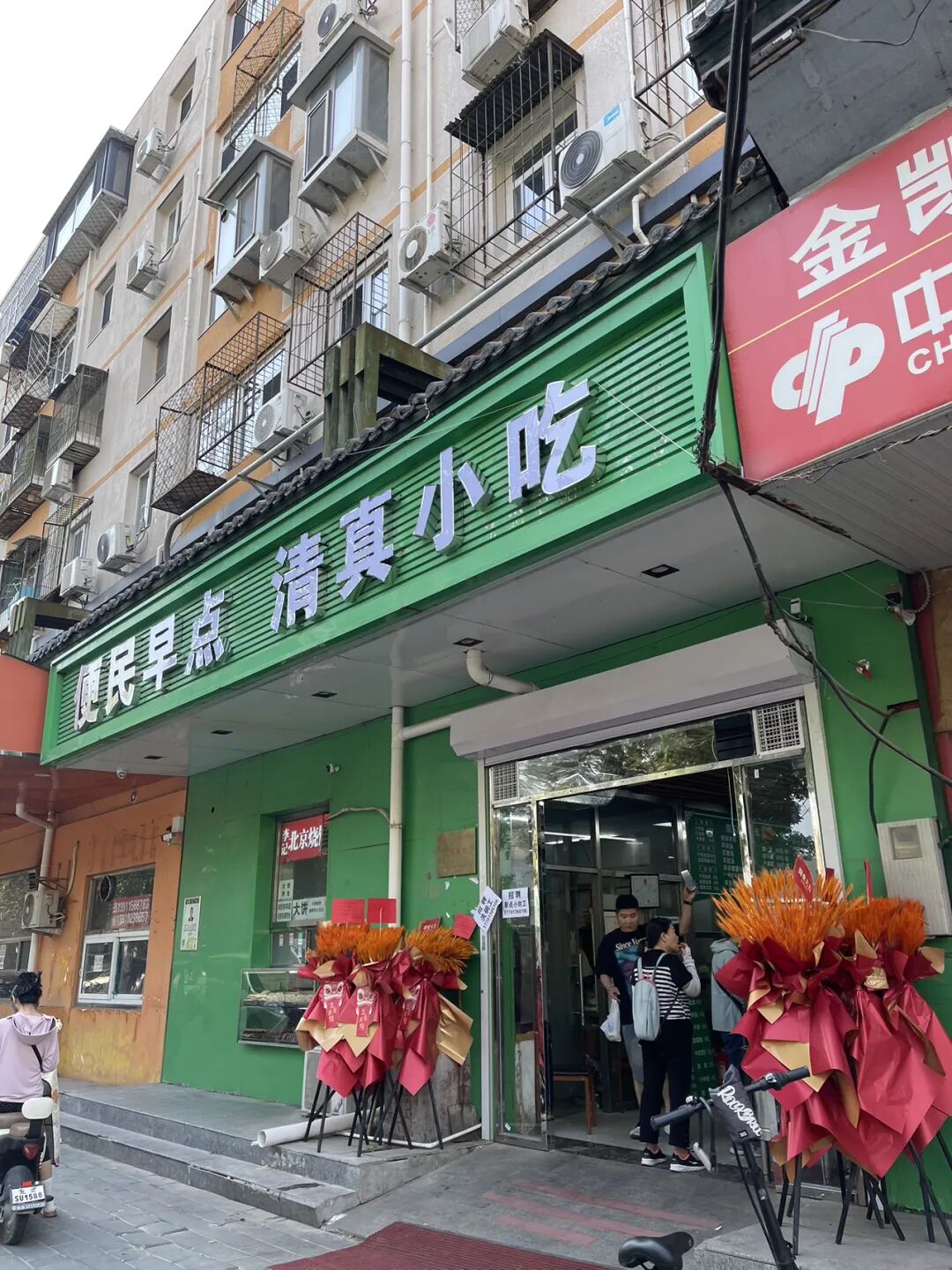
The place doesn't even have a sign, which just shows how confident they are in their food. It’s been open for two months now, and while it might not be a viral sensation, it has definitely established itself. It’s positioned as a neighborhood canteen for the locals. Compared to all those trendy 'Haidian-style' spots, the neighborhood seniors actually prefer eating here. It’s not about who’s cheaper or more expensive; it’s about feeling comfortable and familiar. People just feel out of place in those flashy, over-the-top restaurants.
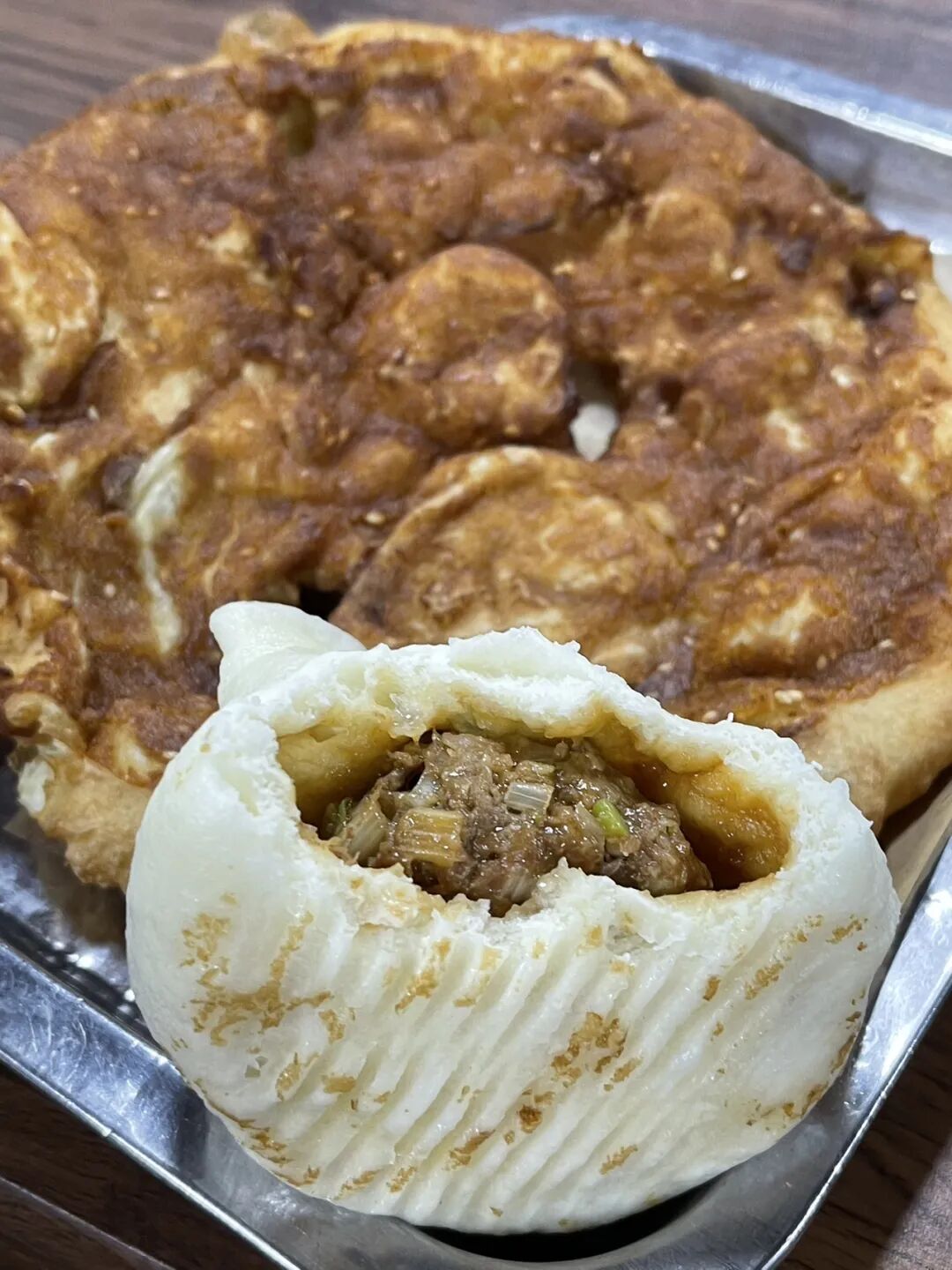
I’ve been in and out of this shop so many times now that I’ve basically tried everything on the menu. There’s a lot to love, no real duds, and you can easily find your personal go-to dish.
The beef baozi (steamed buns) and tangyoubing (sugar-coated fried dough) are both 3 yuan each. The beef baozi are just as good as the ones in Niujie—the size and the filling are both solid. If you’re looking for baozi in the Qinghe area, don’t overthink it; these are the best you’re going to get.
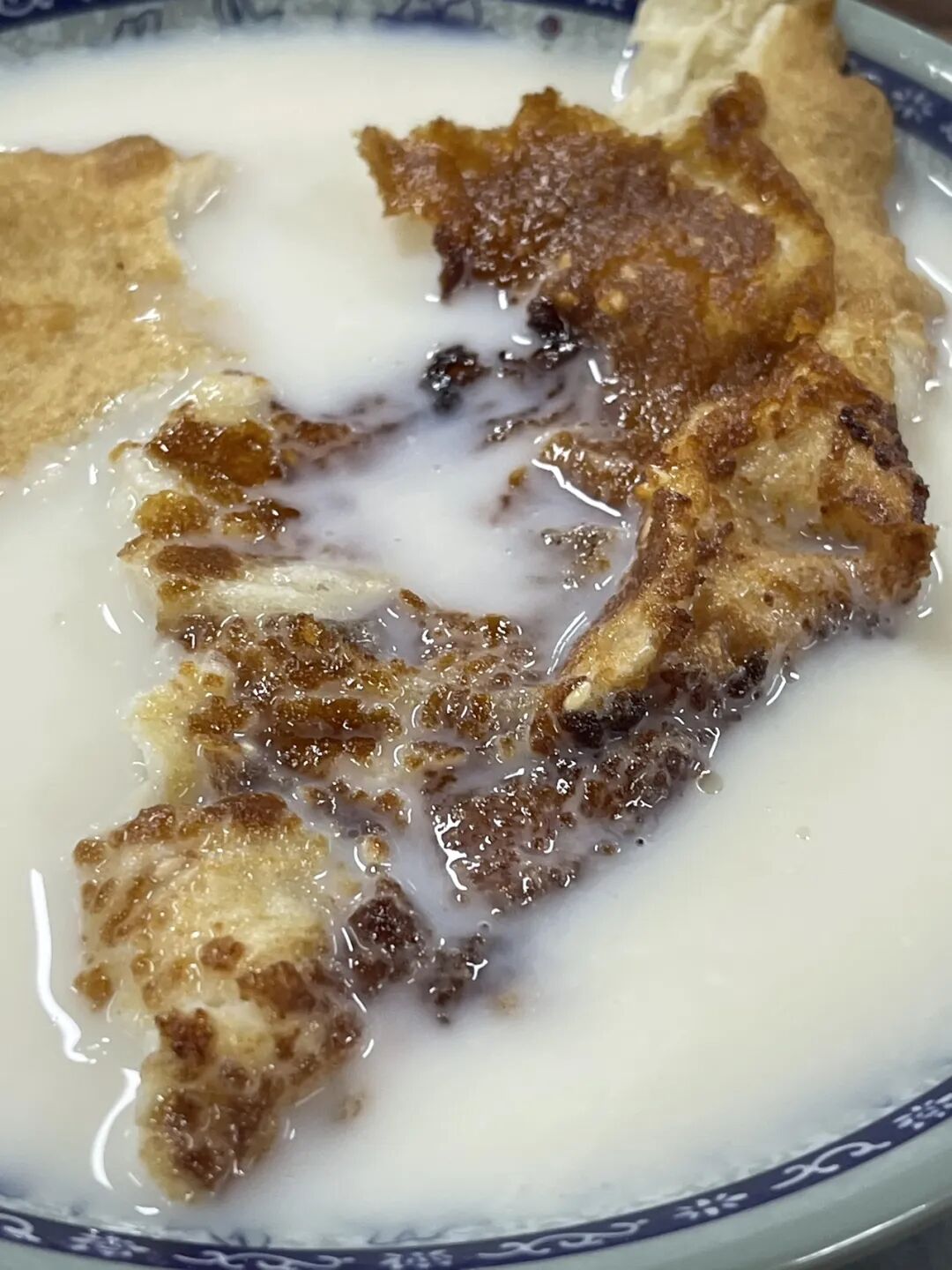
You’ve got to eat the tangyoubing right when it comes out of the fryer; it’s pointless once it goes soggy. Pairing it with a cup of soy milk (2 yuan) is the standard move. A 5-yuan breakfast like this can keep you full until dinner.
I had a tangyoubing yesterday and noticed it didn't have sesame seeds! Was I just getting used to it and they changed the recipe, or did they just forget? The version with sesame is way more fragrant—it’s a great touch that really makes it unique, so they should definitely keep it.
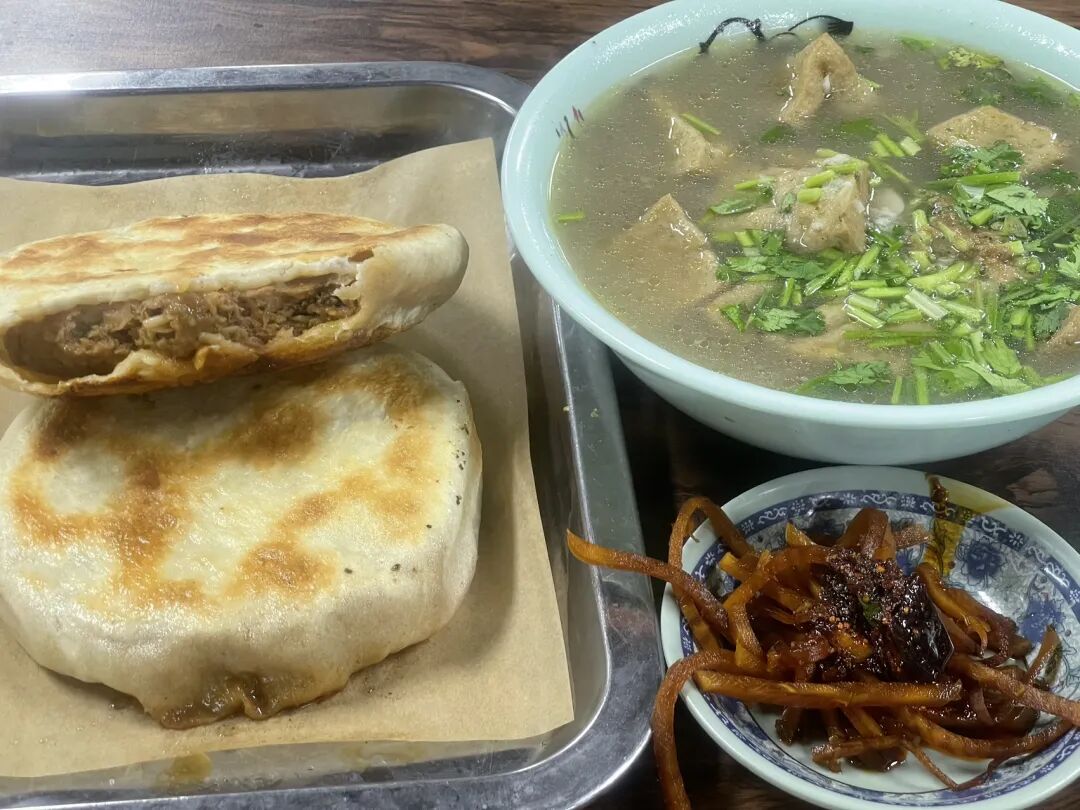
Both the beef pie and the doupao tang (tofu puff soup) are 5 yuan. The soup comes with a generous serving of tofu puffs, and you can help yourself to the seasonings. The lamb offal soup is 15 yuan, and millet porridge is 2 yuan—something for every budget. A bowl of lamb offal soup is definitely too much for breakfast and not great to eat every single day, but a bowl of millet porridge with some baozi is another solid 5-yuan combo.
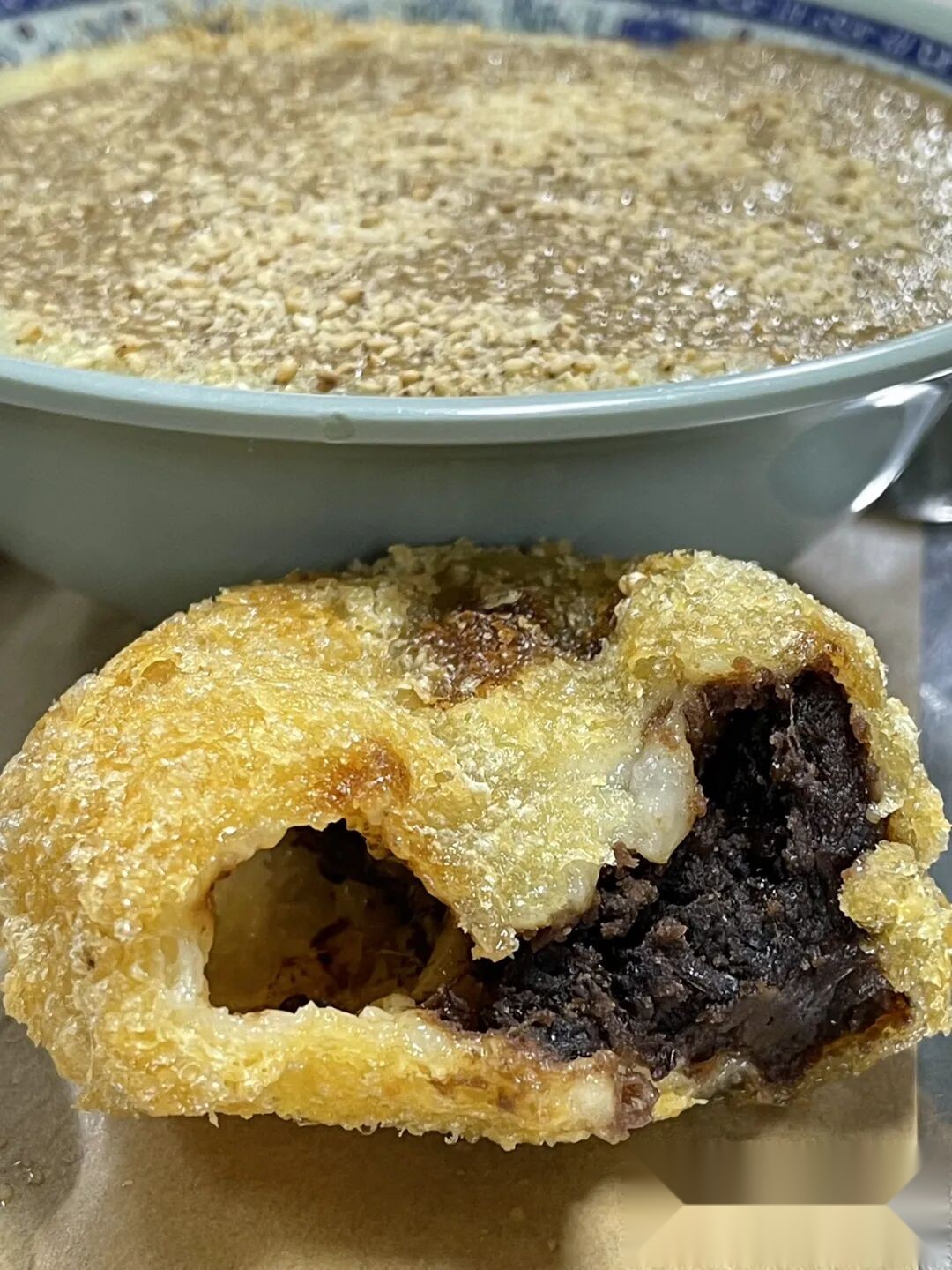
The miancha (savory flour tea) is 5 yuan. It’s not mind-blowing—it’s a mix of broomcorn millet and foxtail millet—but it hits the spot, and you can add as much sesame paste as you want. The zhagao (fried rice cake) is also 3 yuan and nothing special, mainly because I’m comparing it to the one at Jing San Pang. If you want the real deal, go to Xisanqi, though I heard they’re moving. They’re expanding too fast after just getting started—it’s risky, and you can’t always hit the mark every time.
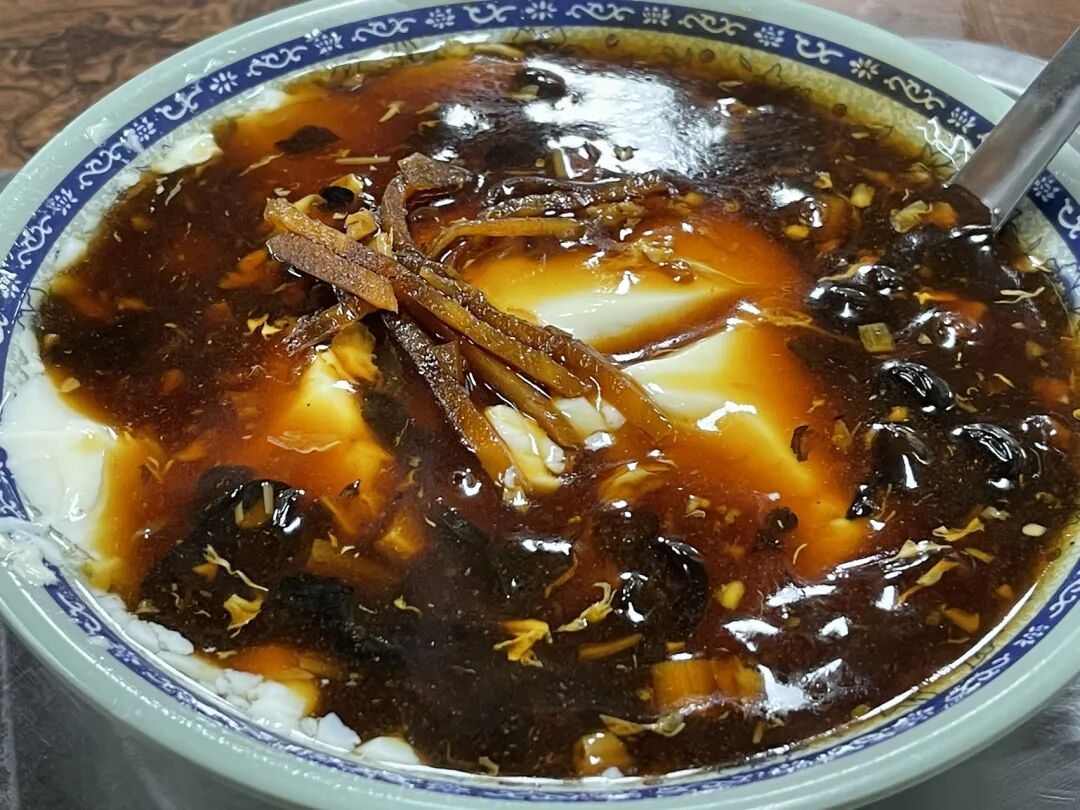
The doufunao (soft tofu pudding) is 4 yuan and comes in a huge portion with a rich meat-based broth. It’s good, but it’s hard to finish if you’re also having a tangyoubing. Better to just get the bowl by itself or pair it with a sesame shaobing (sesame flatbread) for 1.5 yuan. Plus, the pickled vegetables are free.
Half of the storefront is actually occupied by the original Li’s Shaobing, which has been here for over 20 years. It’s one of the last remaining culinary legends of Yongtai.
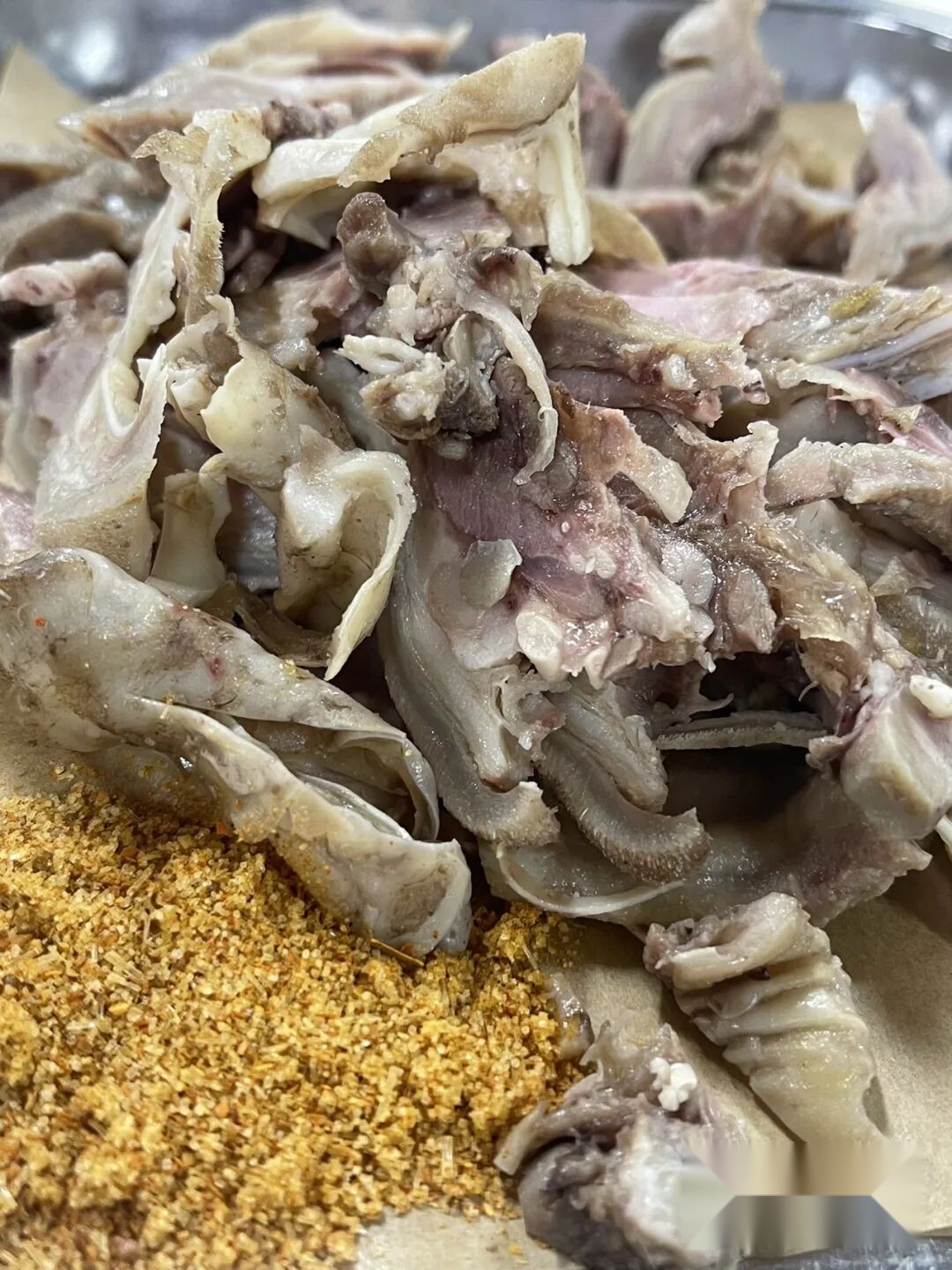
Aside from breakfast, they serve proper meals too. You’ll have no problem getting full on their baozi, dumplings, or noodles. The zhajiangmian (noodles with soybean paste) is 16 yuan a bowl, and the dumplings are 25 yuan—standard market prices.
They also have deli meats if you’re interested. The sheep head meat is 36 yuan per jin (500g). Get half a jin, dip it in some peppercorn salt, and it’s as good as any boiled mutton you’ll find anywhere. It’s the perfect snack with a beer in the summer or tucked into a sesame shaobing when it’s chilly out.
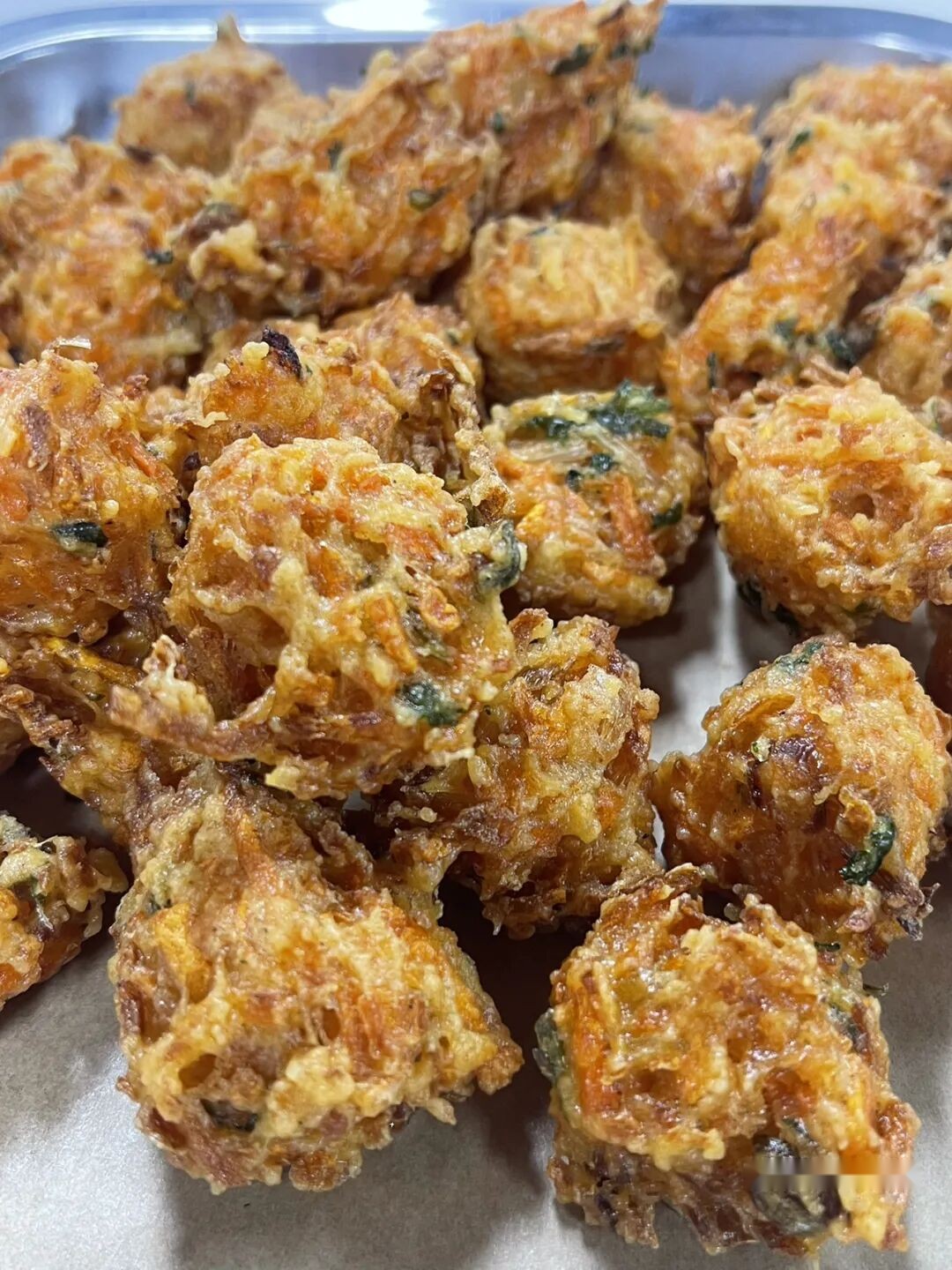
The suwanzi (vegetarian fried meatballs) are 12 yuan a jin—a great side for a drink. I’ve been dying to try the zha songrou (deep-fried crispy pork slices), but they’re never available when I’m there. Honestly, dishes like that are better left to the pros; making them at home is way too much of a hassle.
It’s a great place for a casual meal when you’re with a group and want something to chat over.
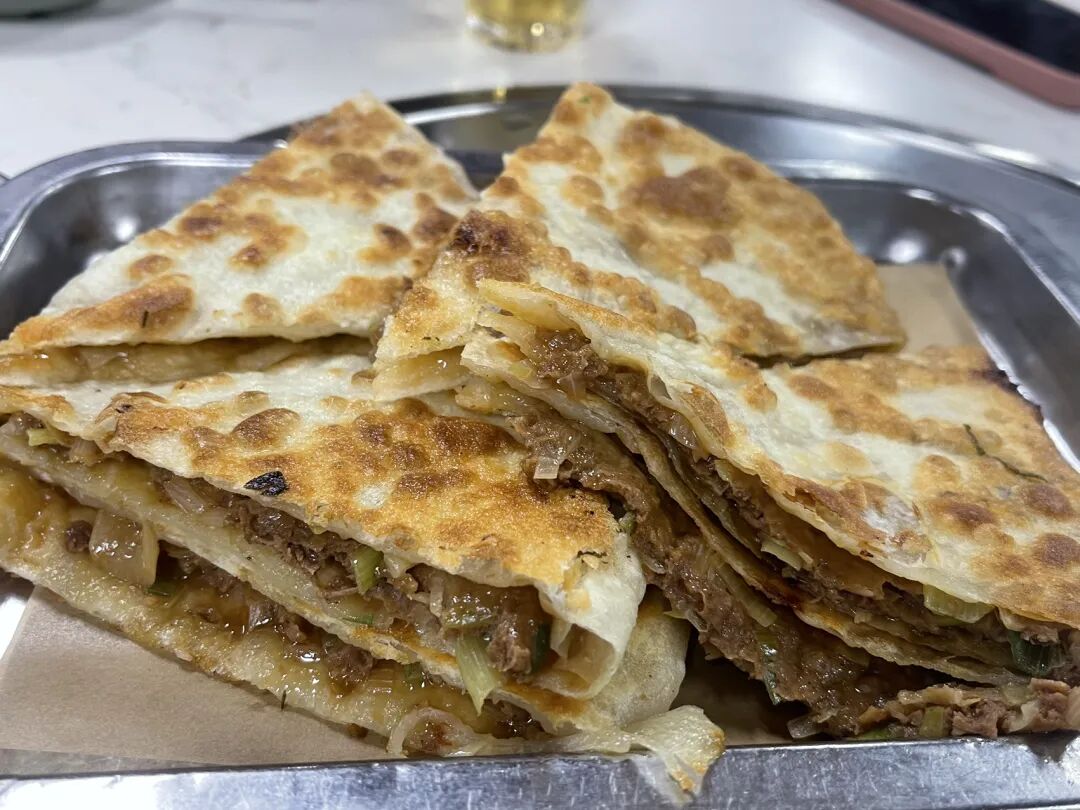
The Jingdong roubing (Jingdong-style meat pie) is 26 yuan.
It’s a solid deal, enough for two people, though a bit heavy for just one. It’s made to order, and while it’s the most expensive main dish on the menu, it’s perfect for sharing with two or three friends. Each person gets a few slices, and you’re good to go.
The taste is top-notch, right up there with the baozi filling.
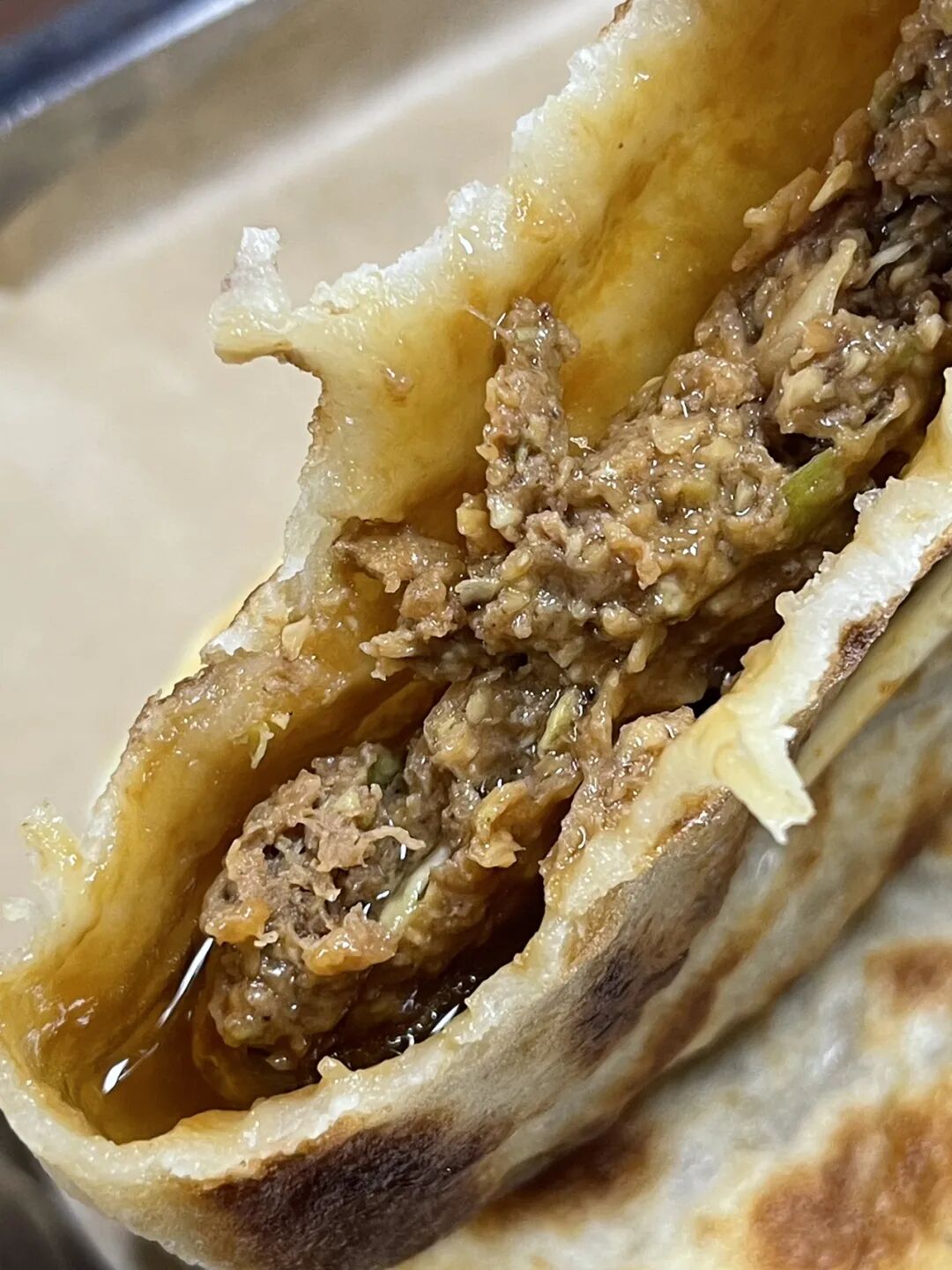
The beef meat pie is 5 yuan.
The beef pie is my absolute favorite. During dinner hours, they’re constantly cooking them fresh to order. The crust is just right, and the filling is generous. The meat is tender and firm, not dry at all—it’s pretty much the ideal meat pie. The only minor downside is that the crust from the electric griddle looks a bit too 'clean' for my taste.
The reason it looks so clean is that it doesn't leak. It’s packed with so much juice that it wouldn't survive a thinner crust. You get almost half a plate of broth when you cut into it; if you’re not careful, it’ll spill everywhere. Honestly, these 'soup-filled' pies are even better than xiaolongbao (soup dumplings).
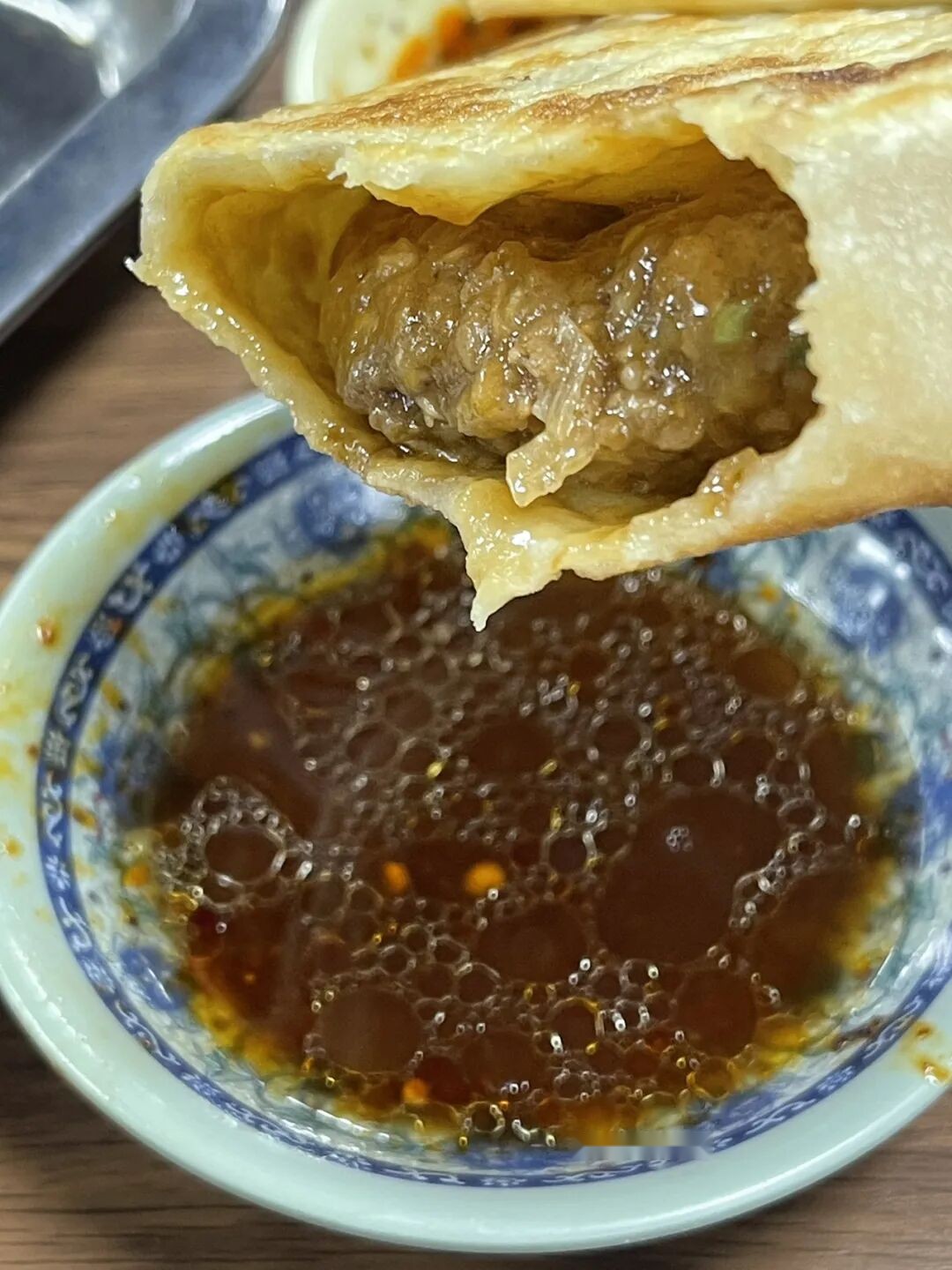
The amount of juice and the tenderness of the meat are on par with the famous Mending meat pies, just in a different shape. You get more dough than a Mending pie, just as much meat, and it’s cheaper, too. I can’t believe this kind of value is right at my doorstep. No need to hunt for pies all over the city anymore—two meat pies for 10 yuan makes for a pretty great dinner, don’t you think?
They have a self-serve condiment station with garlic sauce, chili oil, and vinegar. Perfection.
I haven’t tried their zhajiangmian or dalumian (noodles with gravy) yet. I’m sure they’re decent, but I didn't want to overdo it since the portions are huge. I’ll give them a shot eventually when I’m feeling up to it.
Come check out this hidden gem of a halal food spot located on the ground floor of Building 30, Yongtai Xili in Beijing’s Haidian District. I’ve put together an 11-photo review of their signature made-to-order beef pies that are crispy on the outside and juicy on the inside, along with their traditional halal breakfast items—perfect for discovering some authentic, local flavors right under a residential building.
The Qinghe area is usually a total food desert. I’ve searched everywhere for a decent spot, but nothing has ever lived up to the dumplings we had over twenty years ago, so I’d pretty much given up. To my surprise, this little shop popped up right in my neighborhood, and it’s been a total game-changer. Lately, I’ve been eating two meals a day here—fueling up for work in the morning and grabbing a filling meal before heading home to sleep. It looks like this is going to be my new routine for a while.
The place doesn't even have a sign, which just shows how confident they are in their food. It’s been open for two months now, and while it might not be a viral sensation, it has definitely established itself. It’s positioned as a neighborhood canteen for the locals. Compared to all those trendy 'Haidian-style' spots, the neighborhood seniors actually prefer eating here. It’s not about who’s cheaper or more expensive; it’s about feeling comfortable and familiar. People just feel out of place in those flashy, over-the-top restaurants.
I’ve been in and out of this shop so many times now that I’ve basically tried everything on the menu. There’s a lot to love, no real duds, and you can easily find your personal go-to dish.
The beef baozi (steamed buns) and tangyoubing (sugar-coated fried dough) are both 3 yuan each. The beef baozi are just as good as the ones in Niujie—the size and the filling are both solid. If you’re looking for baozi in the Qinghe area, don’t overthink it; these are the best you’re going to get.
You’ve got to eat the tangyoubing right when it comes out of the fryer; it’s pointless once it goes soggy. Pairing it with a cup of soy milk (2 yuan) is the standard move. A 5-yuan breakfast like this can keep you full until dinner.
I had a tangyoubing yesterday and noticed it didn't have sesame seeds! Was I just getting used to it and they changed the recipe, or did they just forget? The version with sesame is way more fragrant—it’s a great touch that really makes it unique, so they should definitely keep it.
Both the beef pie and the doupao tang (tofu puff soup) are 5 yuan. The soup comes with a generous serving of tofu puffs, and you can help yourself to the seasonings. The lamb offal soup is 15 yuan, and millet porridge is 2 yuan—something for every budget. A bowl of lamb offal soup is definitely too much for breakfast and not great to eat every single day, but a bowl of millet porridge with some baozi is another solid 5-yuan combo.
The miancha (savory flour tea) is 5 yuan. It’s not mind-blowing—it’s a mix of broomcorn millet and foxtail millet—but it hits the spot, and you can add as much sesame paste as you want. The zhagao (fried rice cake) is also 3 yuan and nothing special, mainly because I’m comparing it to the one at Jing San Pang. If you want the real deal, go to Xisanqi, though I heard they’re moving. They’re expanding too fast after just getting started—it’s risky, and you can’t always hit the mark every time.
The doufunao (soft tofu pudding) is 4 yuan and comes in a huge portion with a rich meat-based broth. It’s good, but it’s hard to finish if you’re also having a tangyoubing. Better to just get the bowl by itself or pair it with a sesame shaobing (sesame flatbread) for 1.5 yuan. Plus, the pickled vegetables are free.
Half of the storefront is actually occupied by the original Li’s Shaobing, which has been here for over 20 years. It’s one of the last remaining culinary legends of Yongtai.
Aside from breakfast, they serve proper meals too. You’ll have no problem getting full on their baozi, dumplings, or noodles. The zhajiangmian (noodles with soybean paste) is 16 yuan a bowl, and the dumplings are 25 yuan—standard market prices.
They also have deli meats if you’re interested. The sheep head meat is 36 yuan per jin (500g). Get half a jin, dip it in some peppercorn salt, and it’s as good as any boiled mutton you’ll find anywhere. It’s the perfect snack with a beer in the summer or tucked into a sesame shaobing when it’s chilly out.
The suwanzi (vegetarian fried meatballs) are 12 yuan a jin—a great side for a drink. I’ve been dying to try the zha songrou (deep-fried crispy pork slices), but they’re never available when I’m there. Honestly, dishes like that are better left to the pros; making them at home is way too much of a hassle.
It’s a great place for a casual meal when you’re with a group and want something to chat over.
The Jingdong roubing (Jingdong-style meat pie) is 26 yuan.
It’s a solid deal, enough for two people, though a bit heavy for just one. It’s made to order, and while it’s the most expensive main dish on the menu, it’s perfect for sharing with two or three friends. Each person gets a few slices, and you’re good to go.
The taste is top-notch, right up there with the baozi filling.
The beef meat pie is 5 yuan.
The beef pie is my absolute favorite. During dinner hours, they’re constantly cooking them fresh to order. The crust is just right, and the filling is generous. The meat is tender and firm, not dry at all—it’s pretty much the ideal meat pie. The only minor downside is that the crust from the electric griddle looks a bit too 'clean' for my taste.
The reason it looks so clean is that it doesn't leak. It’s packed with so much juice that it wouldn't survive a thinner crust. You get almost half a plate of broth when you cut into it; if you’re not careful, it’ll spill everywhere. Honestly, these 'soup-filled' pies are even better than xiaolongbao (soup dumplings).
The amount of juice and the tenderness of the meat are on par with the famous Mending meat pies, just in a different shape. You get more dough than a Mending pie, just as much meat, and it’s cheaper, too. I can’t believe this kind of value is right at my doorstep. No need to hunt for pies all over the city anymore—two meat pies for 10 yuan makes for a pretty great dinner, don’t you think?
They have a self-serve condiment station with garlic sauce, chili oil, and vinegar. Perfection.
I haven’t tried their zhajiangmian or dalumian (noodles with gravy) yet. I’m sure they’re decent, but I didn't want to overdo it since the portions are huge. I’ll give them a shot eventually when I’m feeling up to it.
Halal Food Guide: Beijing Breakfast — Pakistani, Turkish, Inner Mongolian & Henan Food
Articles • ali2007fr posted the article • 0 comments • 334 views • 2026-05-19 23:57
Reposted from the web
Summary: This Beijing breakfast guide introduces four distinctive places connected with Pakistani, Turkish, Inner Mongolian, and Henan food. The article keeps the original shop details, dishes, photos, and personal notes while presenting them as a practical English food account.
Pakistani breakfast: flatbread (naan) and curry.
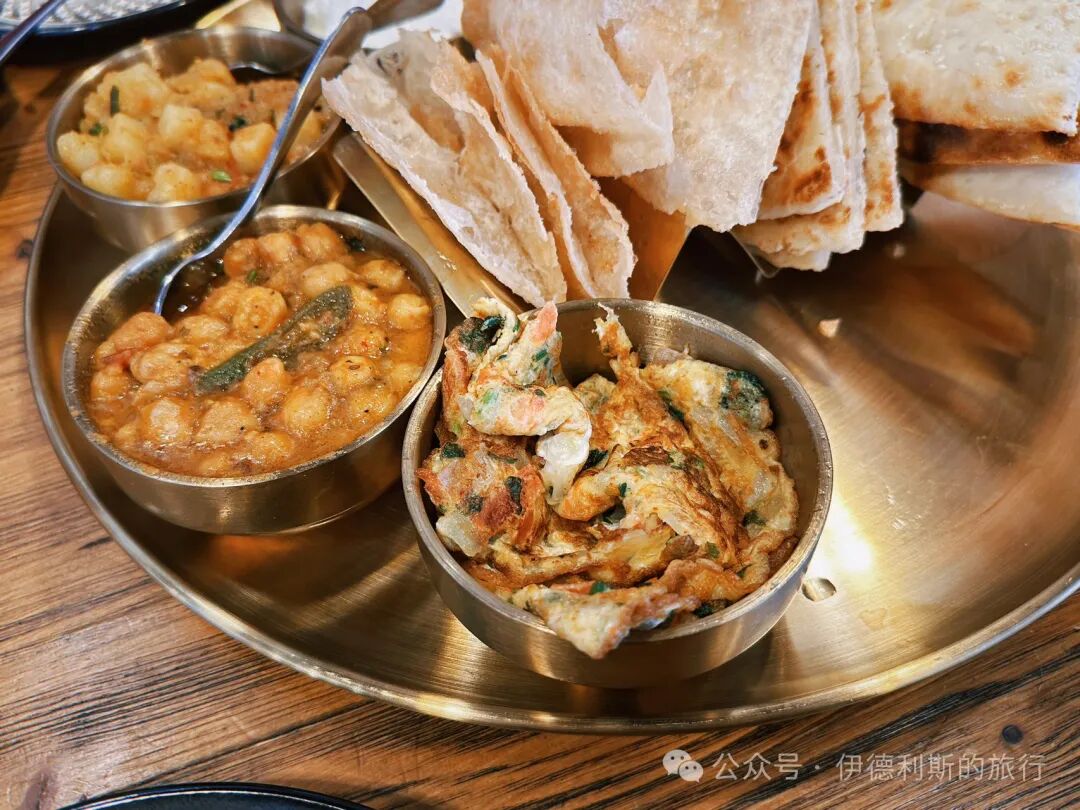
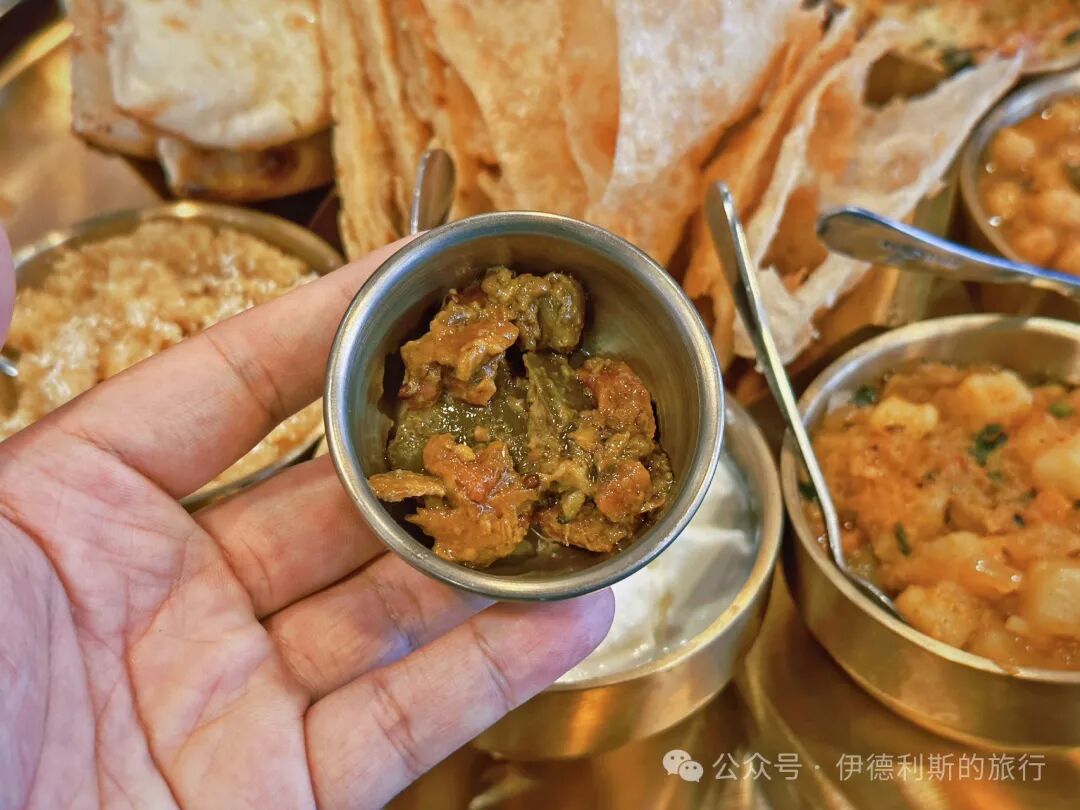
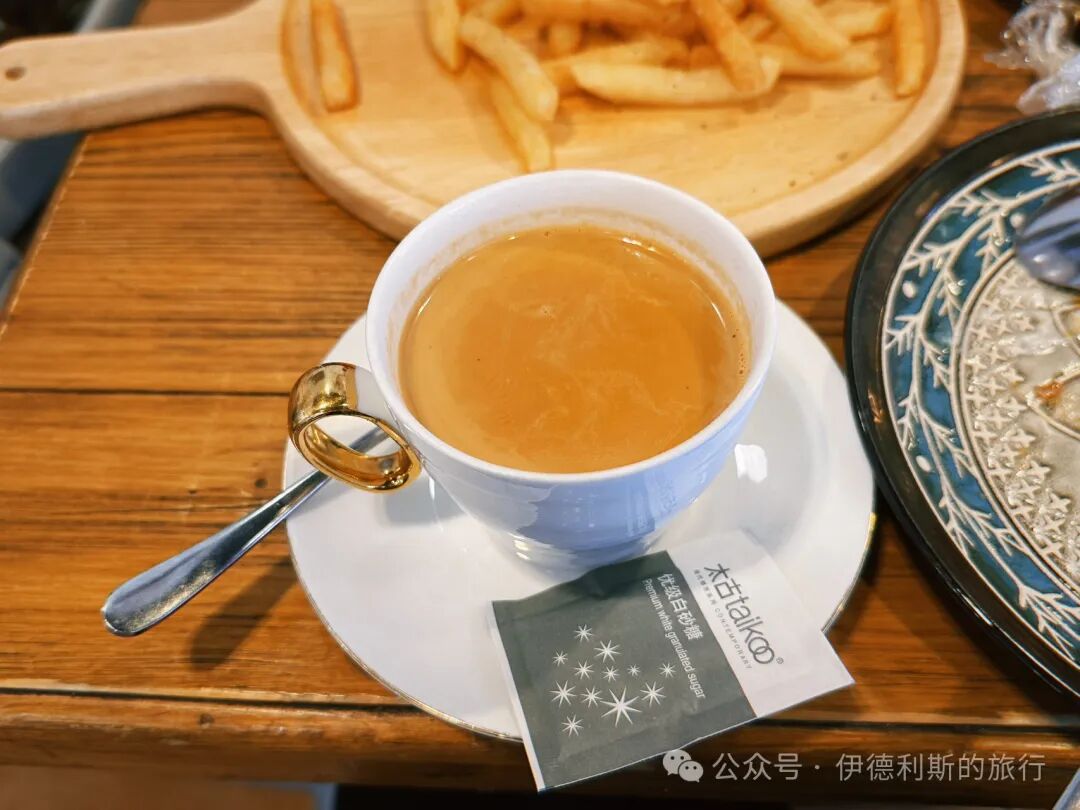
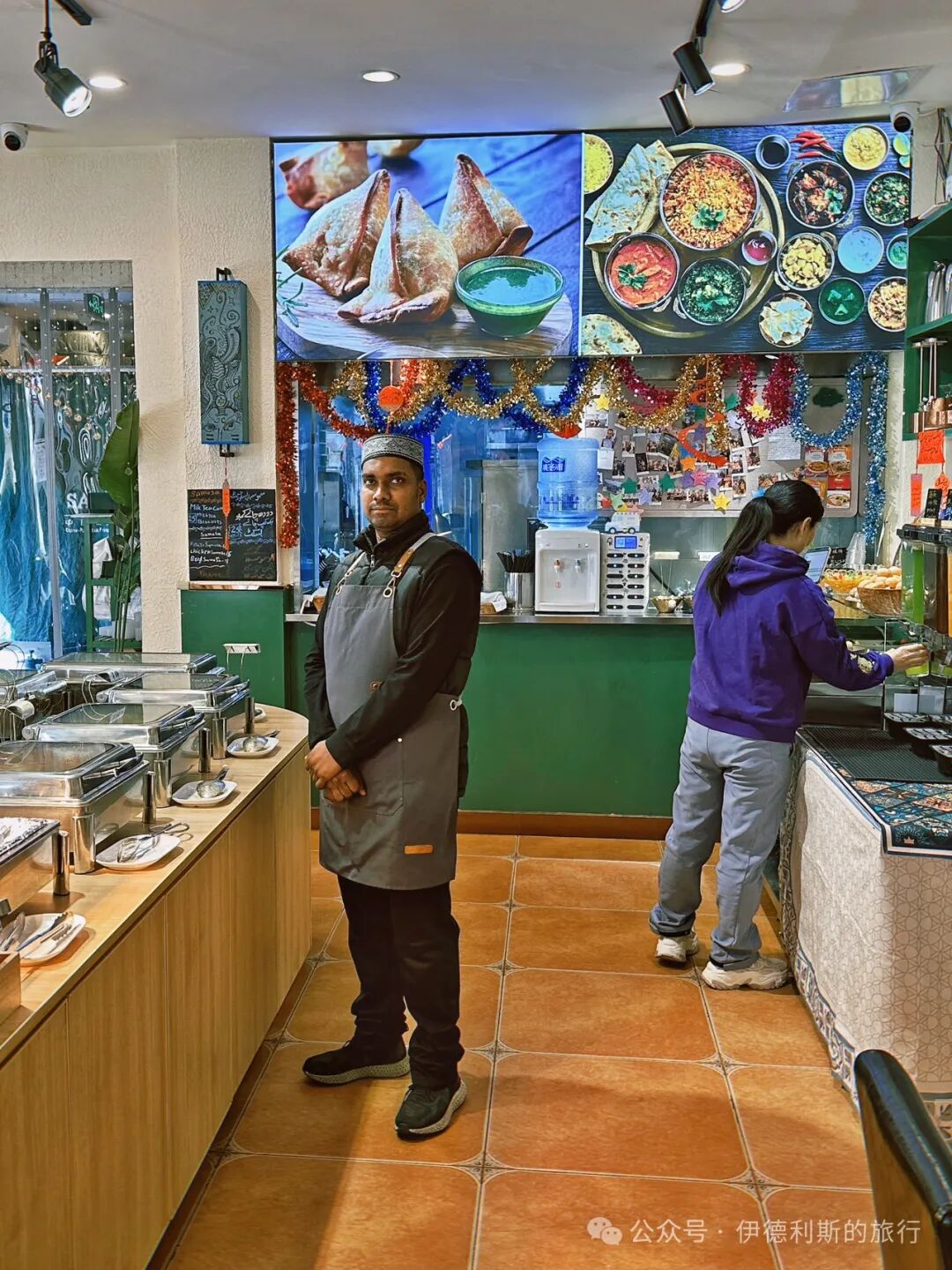
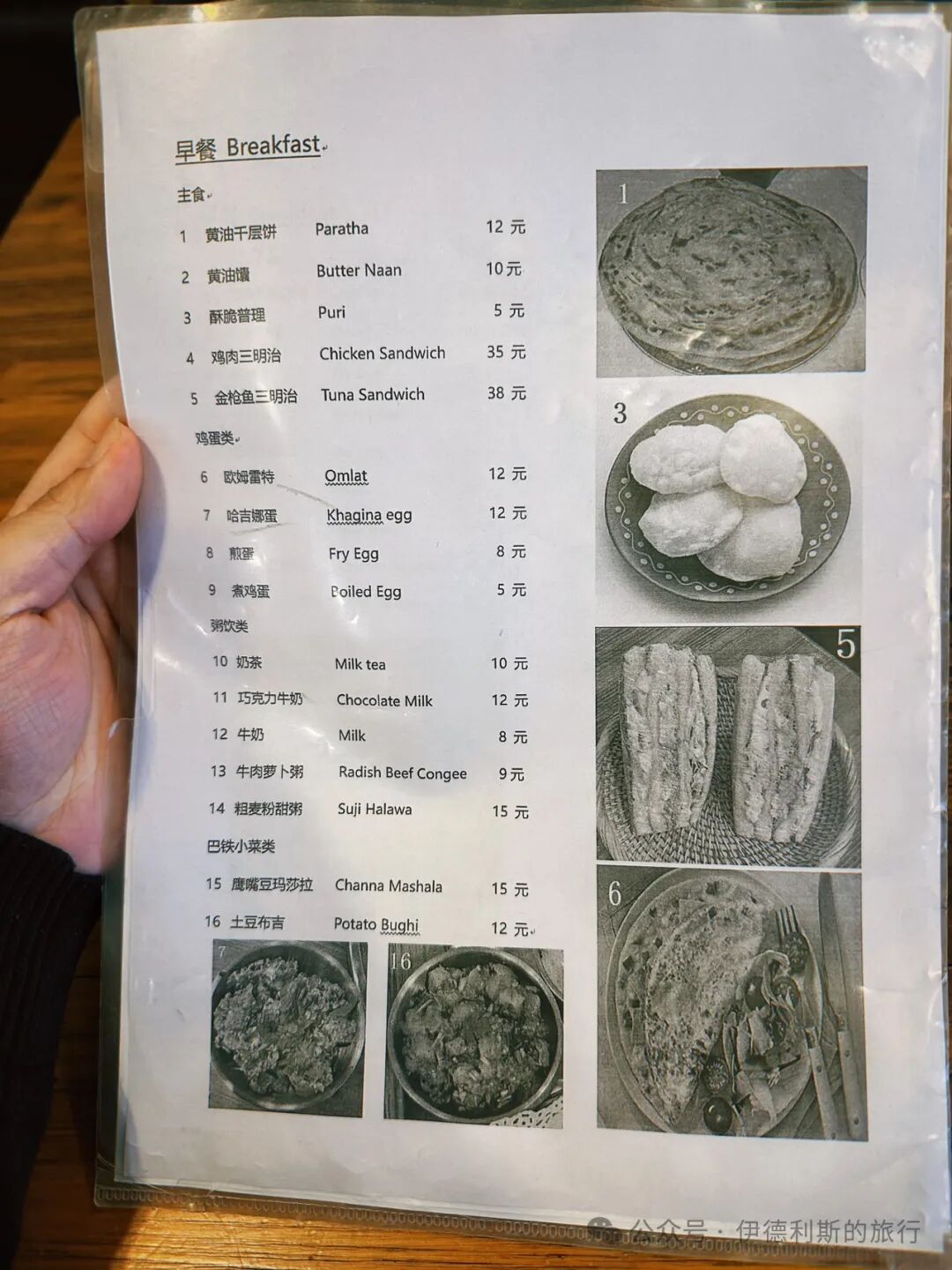
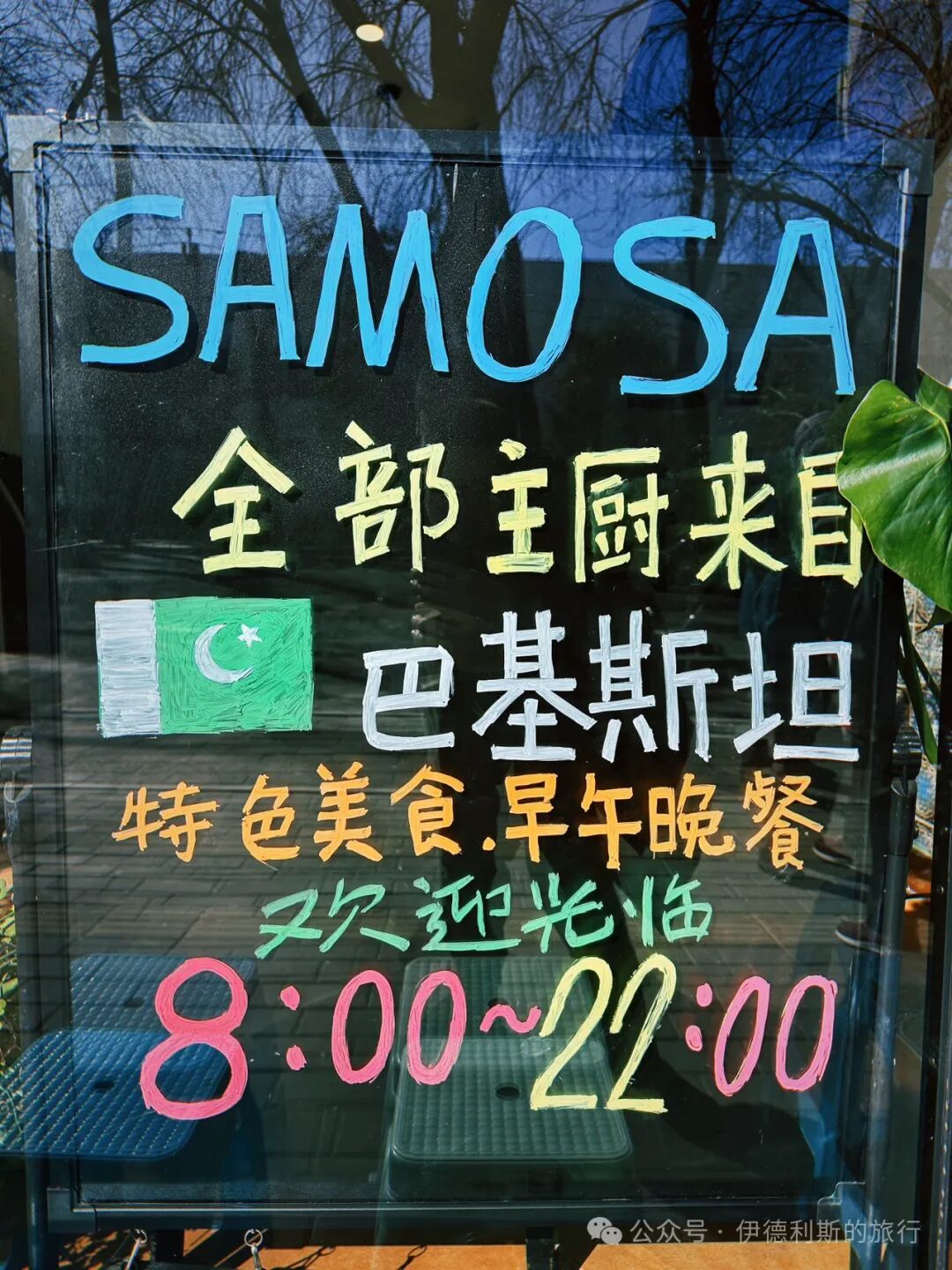
The Pakistani restaurant Samosa in Xibahe just started serving breakfast! You can order a la carte or choose a set meal from 7:30 to 11:00 in the morning. The three-person set includes three staples: butter naan, layered flatbread (paratha), and thin crispy bread (puri). It also comes with three dishes: chickpea masala curry, potato bhaji curry, and a Pakistani-style spicy scrambled egg (khagina). For dessert, there is homemade yogurt and semolina pudding (halawa), plus a unique mango pickle. For hot drinks, you can choose milk tea, milk, or coffee. This three-person set has a huge variety, making it perfect for a family to eat and chat on a weekend morning. Their naan is softer than the kind in Xinjiang, which makes it perfect for dipping in curry. The paratha is similar to northern Chinese griddle cakes, but it is made with butter and is very fragrant. The puri is very popular with kids, and it tastes great paired with the halawa dessert. Their yogurt is homemade, unsweetened, and has a very rich milky flavor. The halawa is not too sweet, so it feels light to eat.
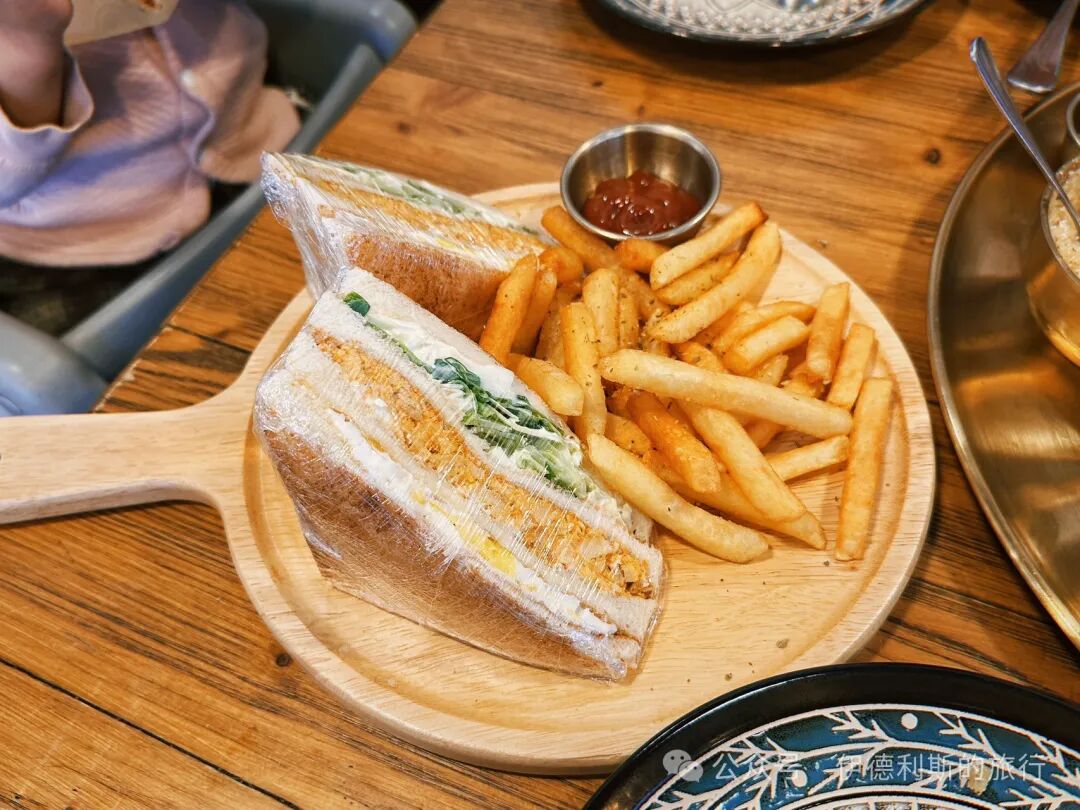
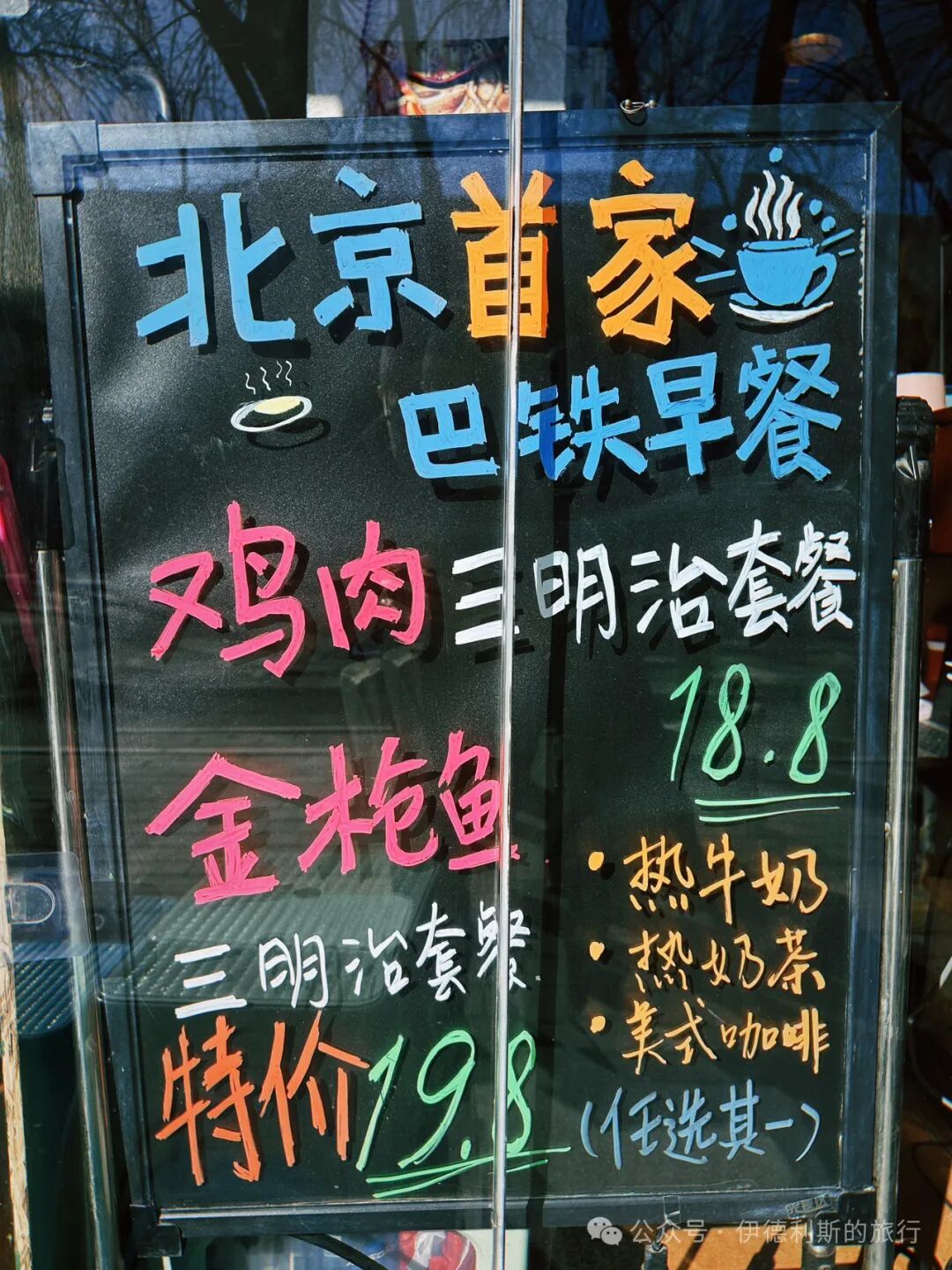
You can also choose a simple meal of a sandwich and a hot drink. Their sandwiches are delicious, with chicken breast or tuna options, plus vegetables and eggs. They are very healthy and great for when you are in a rush for work.
Since subway lines 12 and 17 opened, it is very convenient to get to Samosa. After eating, you can take the subway directly to Sanlitun for shopping and enjoy a wonderful weekend.
Turkish breakfast: bread and...
cheese.
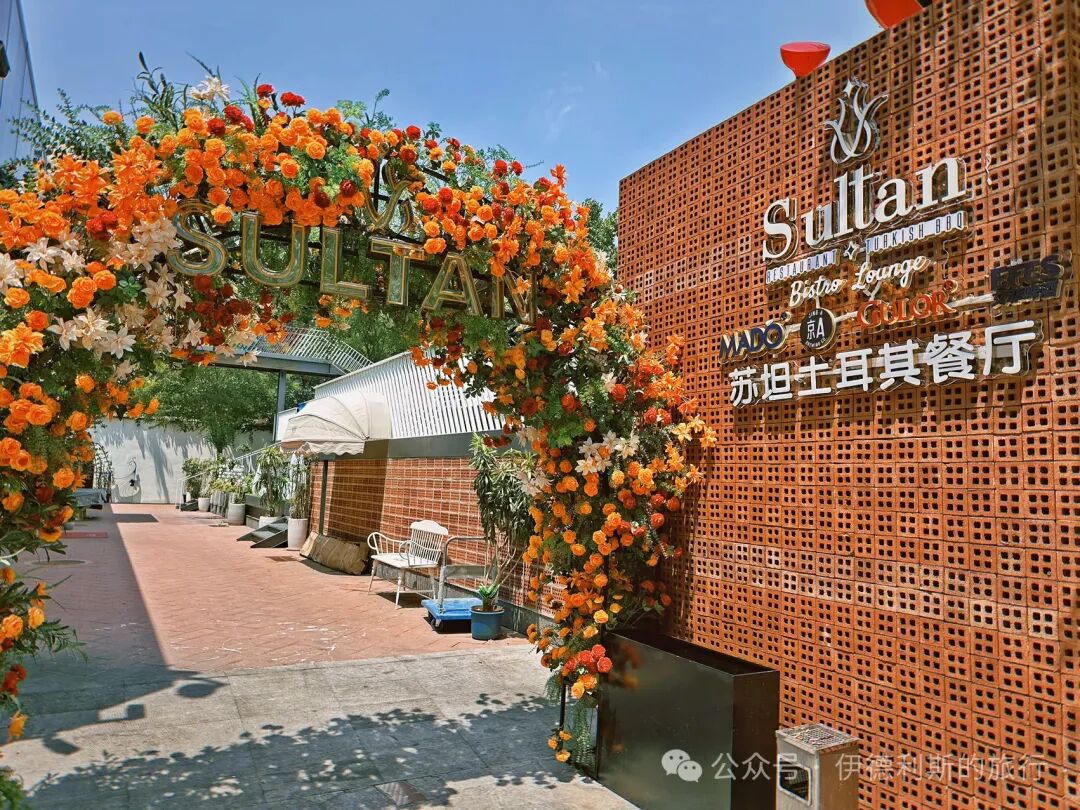
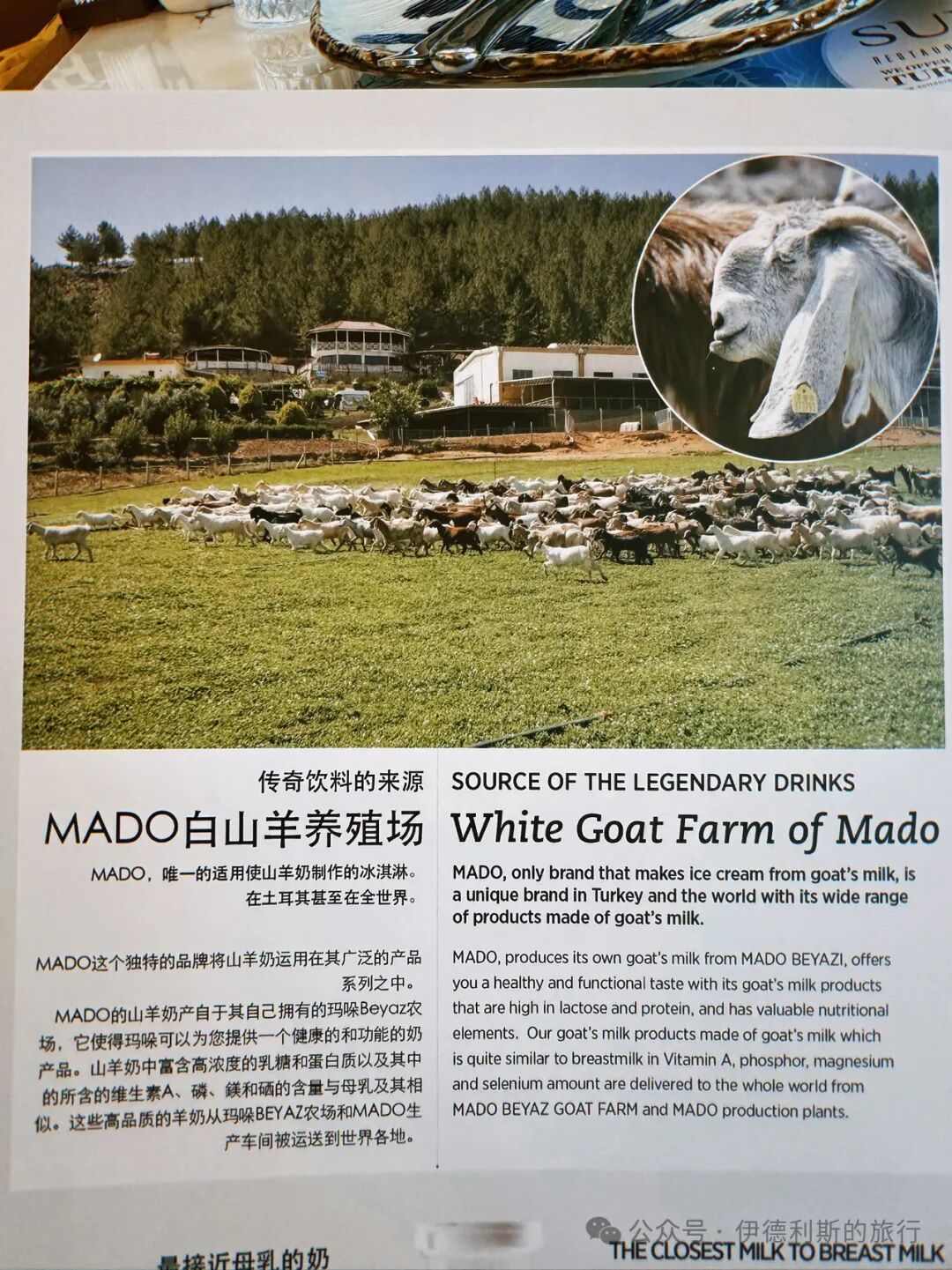
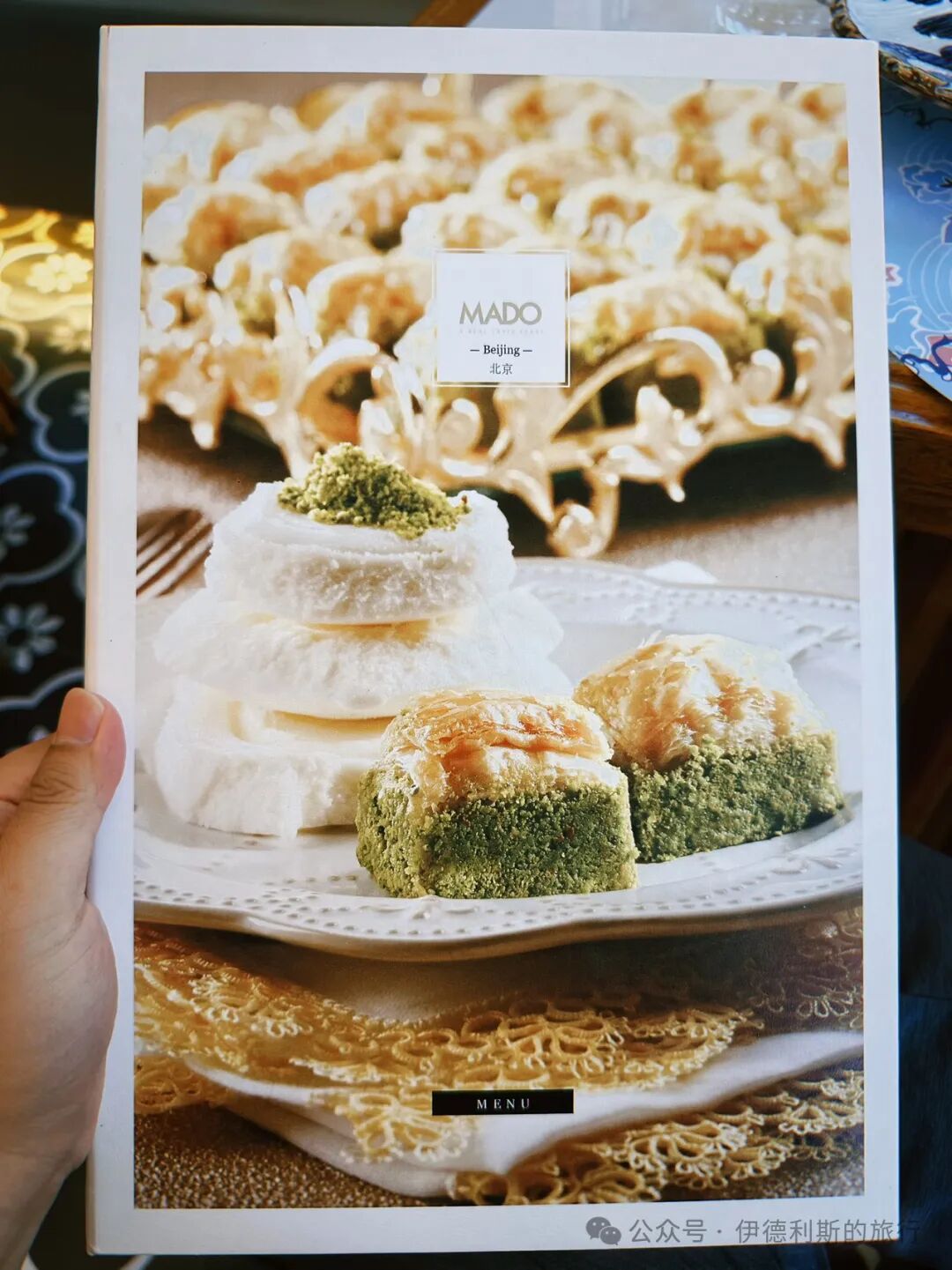
Mado is a famous Turkish snack chain from the city of Kahramanmarash in southeastern Turkey. Its biggest feature is that it uses goat milk from its hometown to make all its signature dairy products and ice cream. Their breakfast is also very rich.
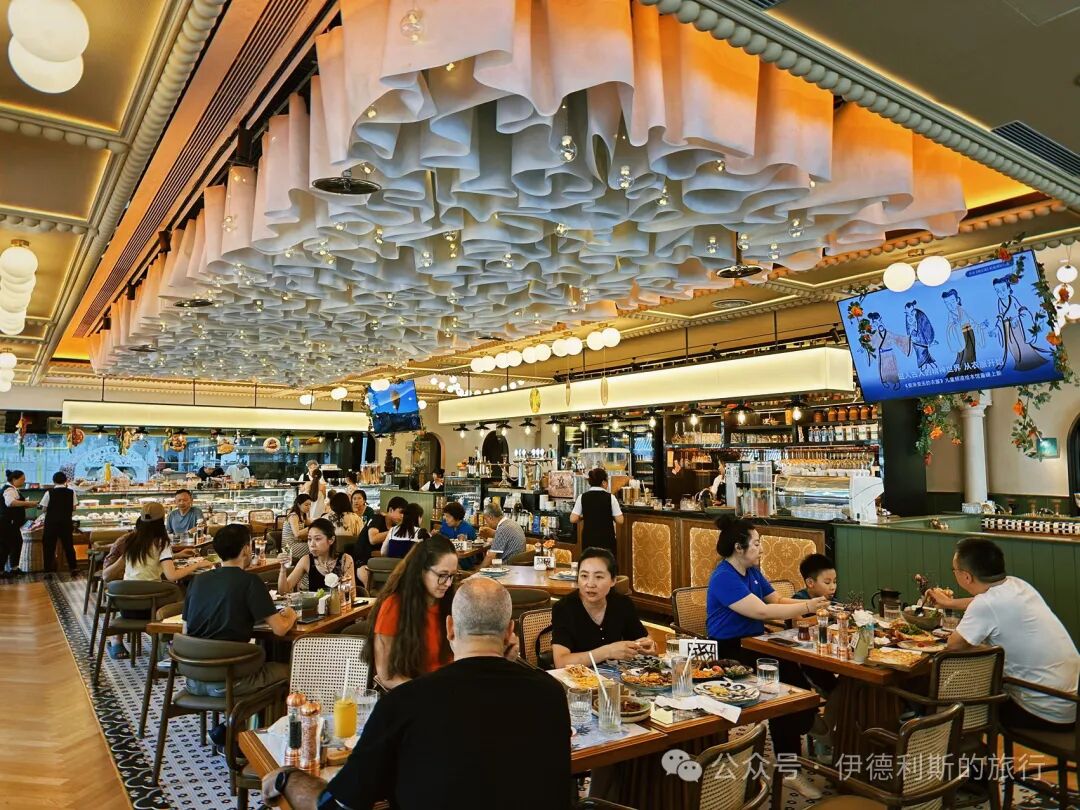
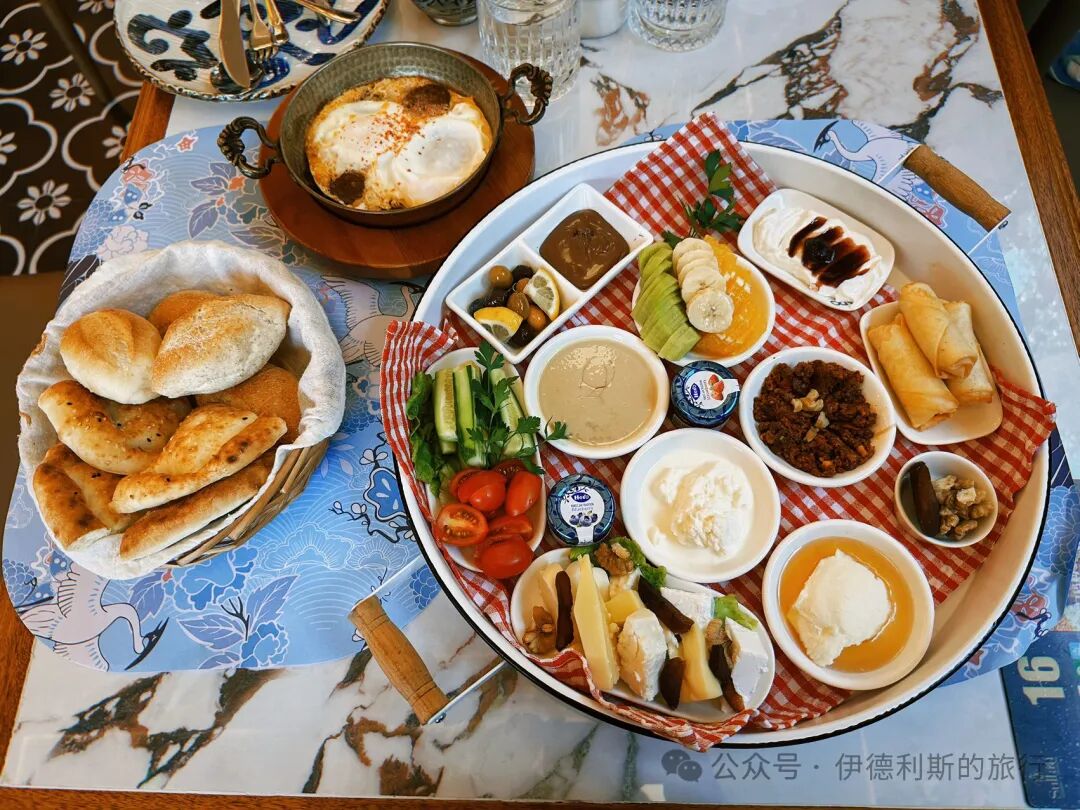
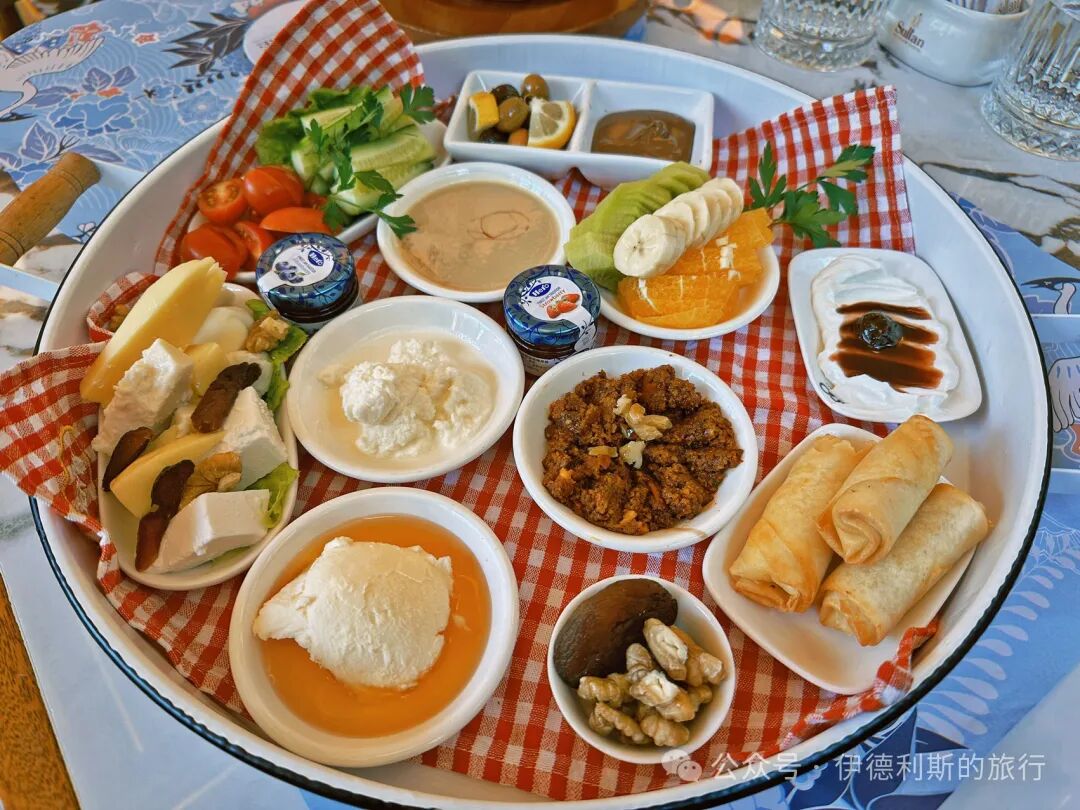
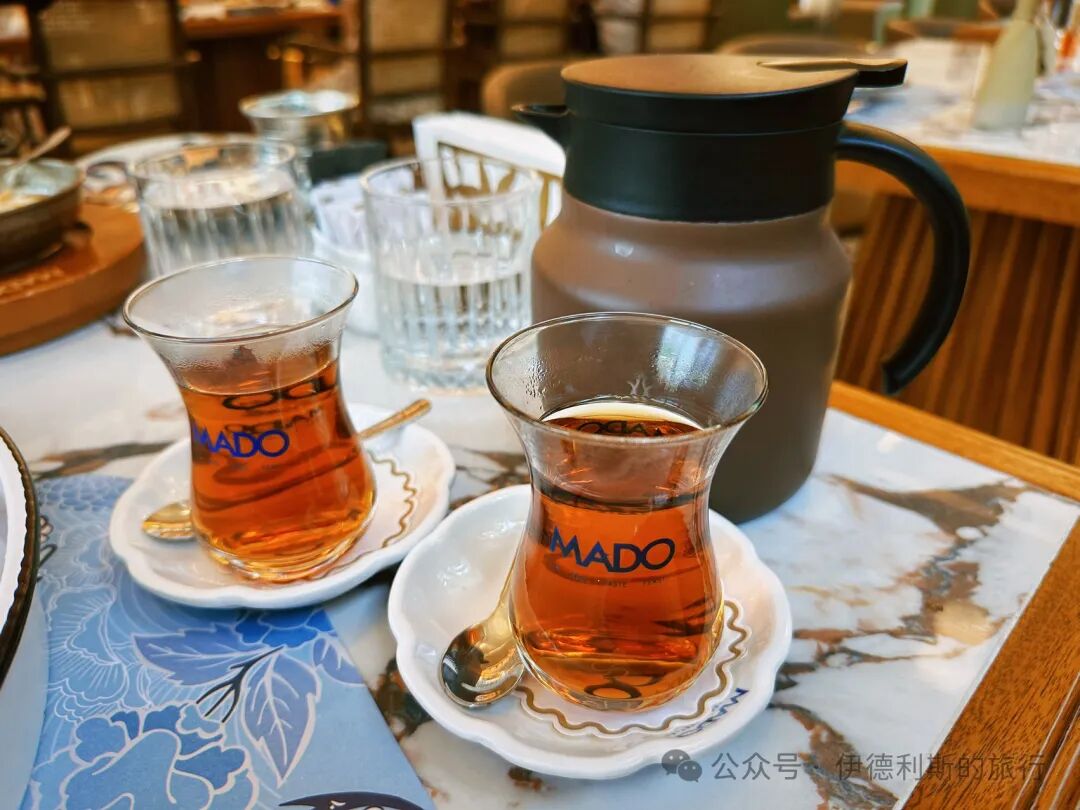
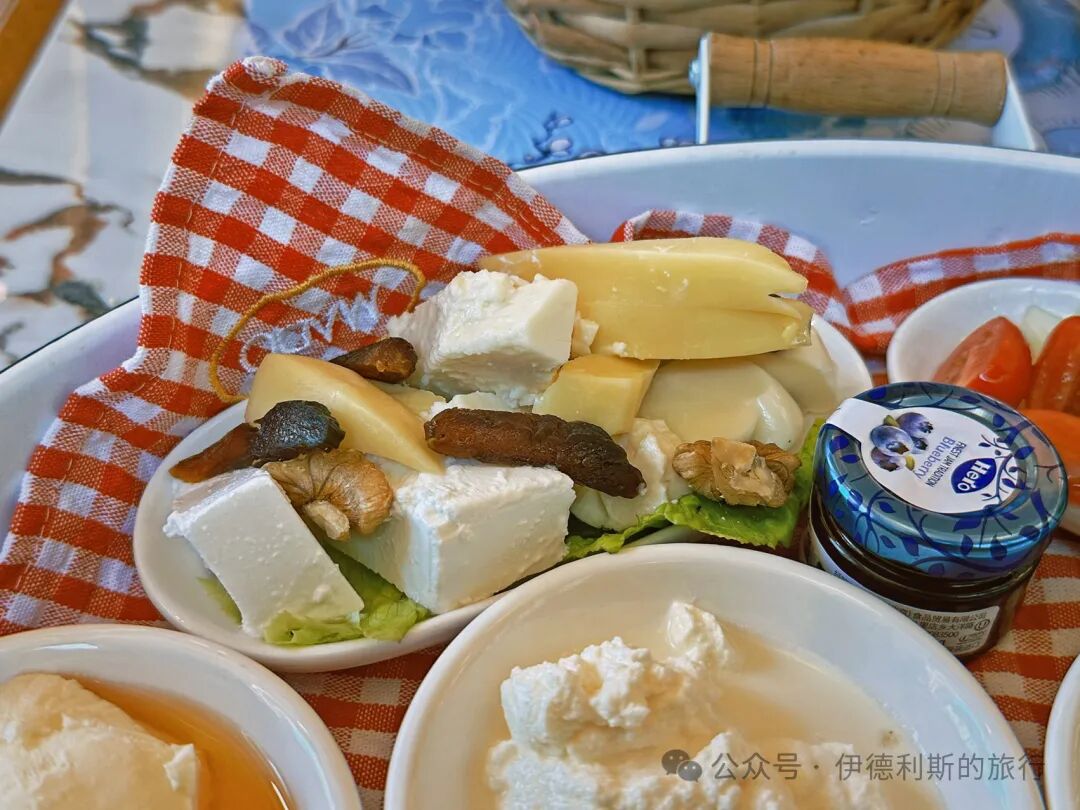
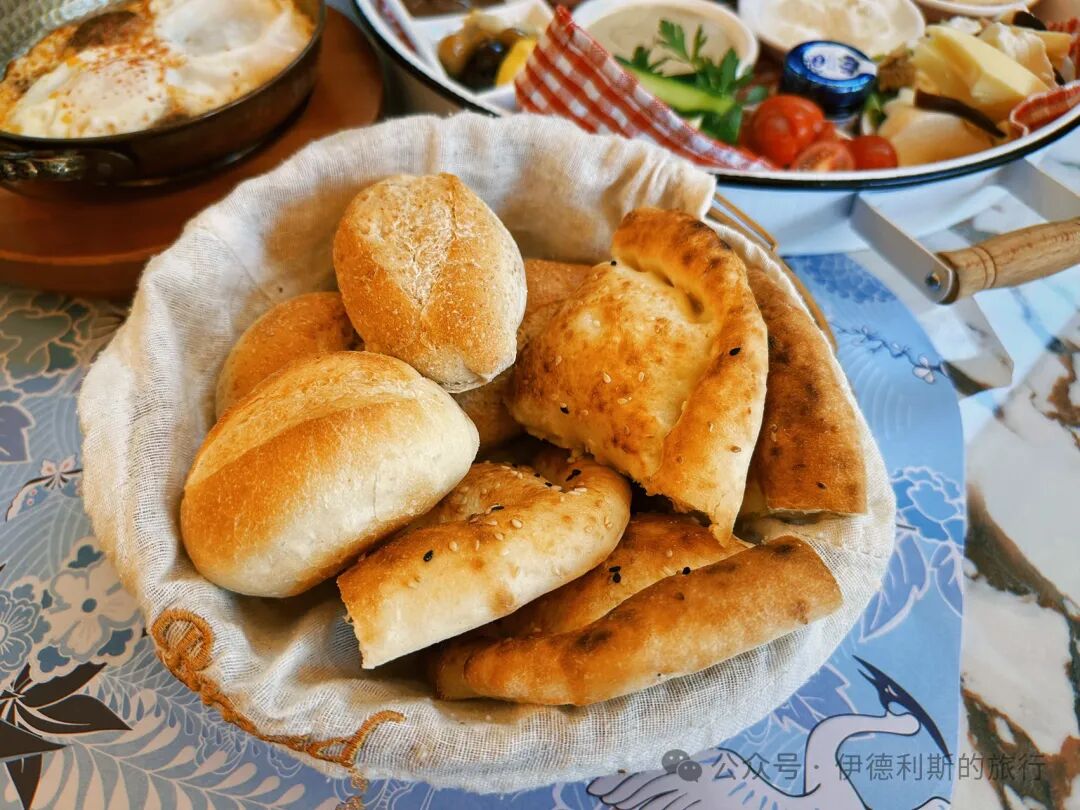
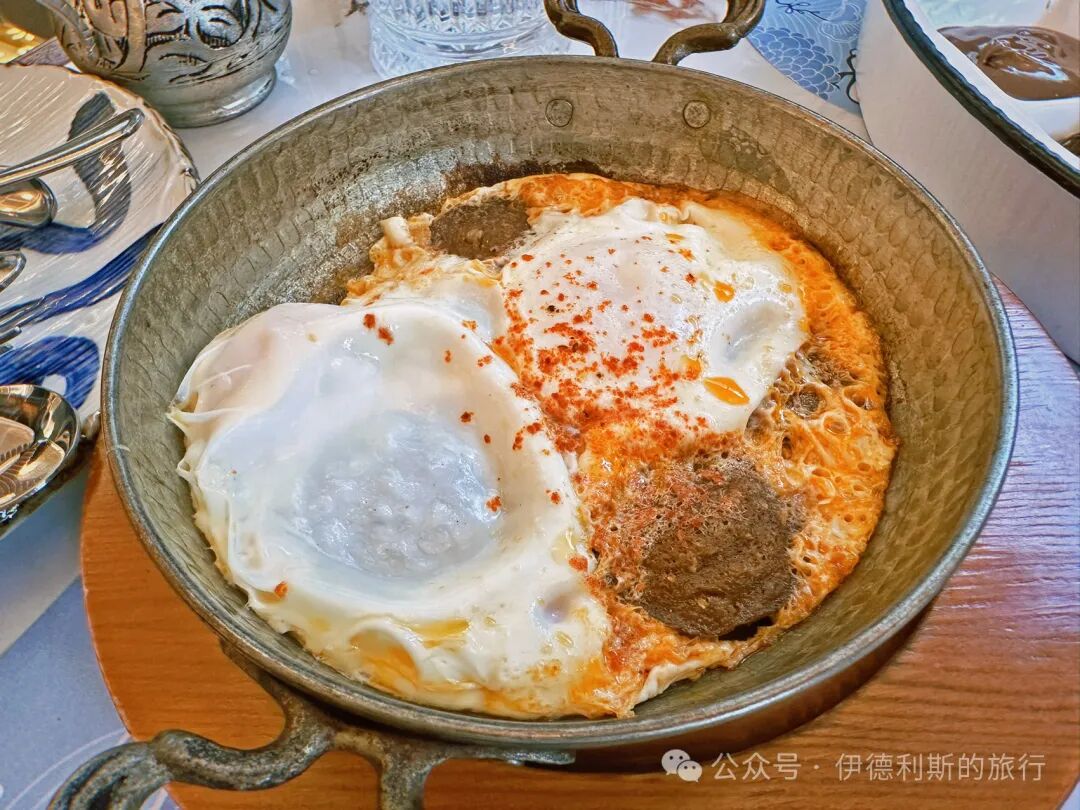
I have eaten Mado breakfast at their Yiwu and Guangzhou locations before, and in 2024, it became available at the Sultan Turkish Restaurant in Beijing. Mado has many breakfast options. We ordered the two-person set, which is served starting at 10:30 and is available all day. The two-person set includes Turkish-style fried eggs with sausage, Marash cheese, feta cheese, a yellow cheese platter, honey with Turkish cream, green olives, black olives, tomato chili paste, tahini syrup, cherry jam, dried apricots, walnuts, feta cheese spring rolls, a kiwi-orange-banana platter, a cucumber-tomato platter, plus bread, flatbread (naan), and Turkish black tea. It is a very rich variety. Their naan is very fluffy, and it tastes great when you tear it open and spread different jams on it.
Inner Mongolian breakfast: steamed dumplings (shaomai) and pot tea (guocha).
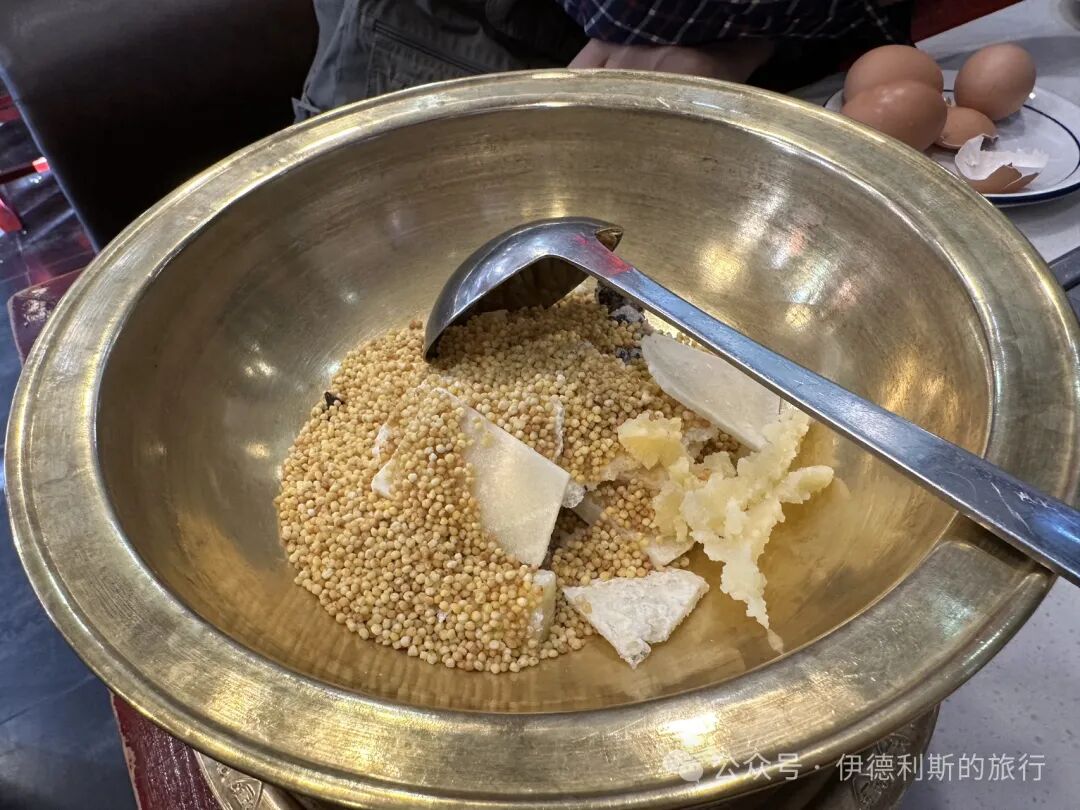
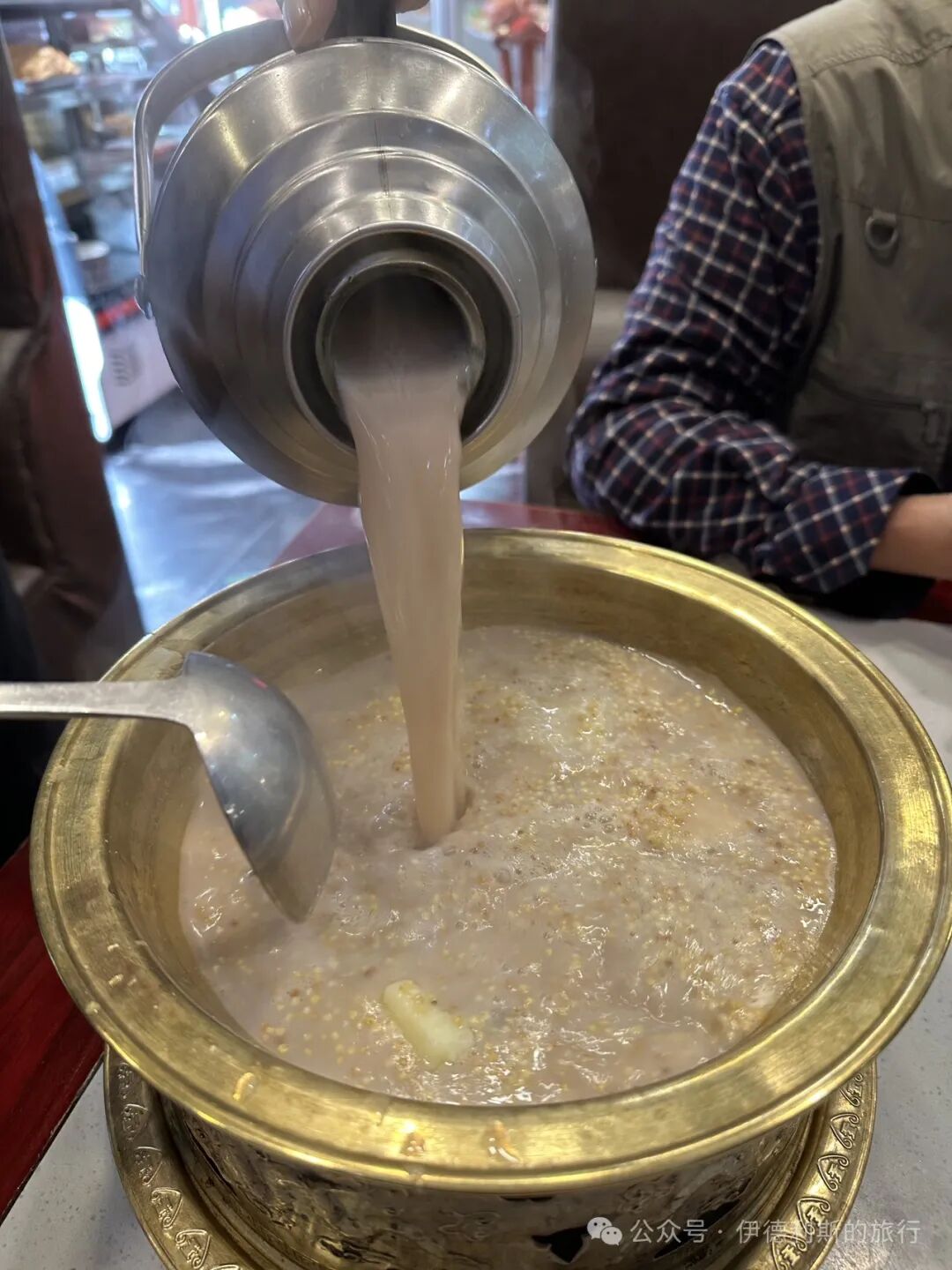
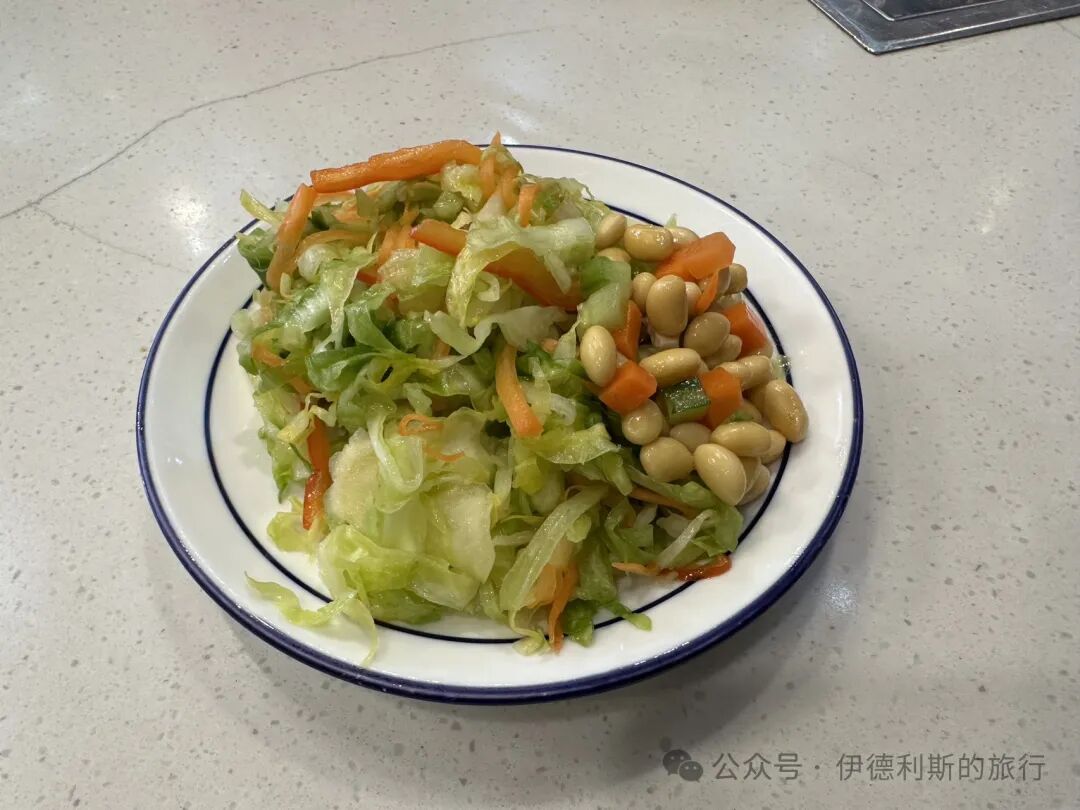
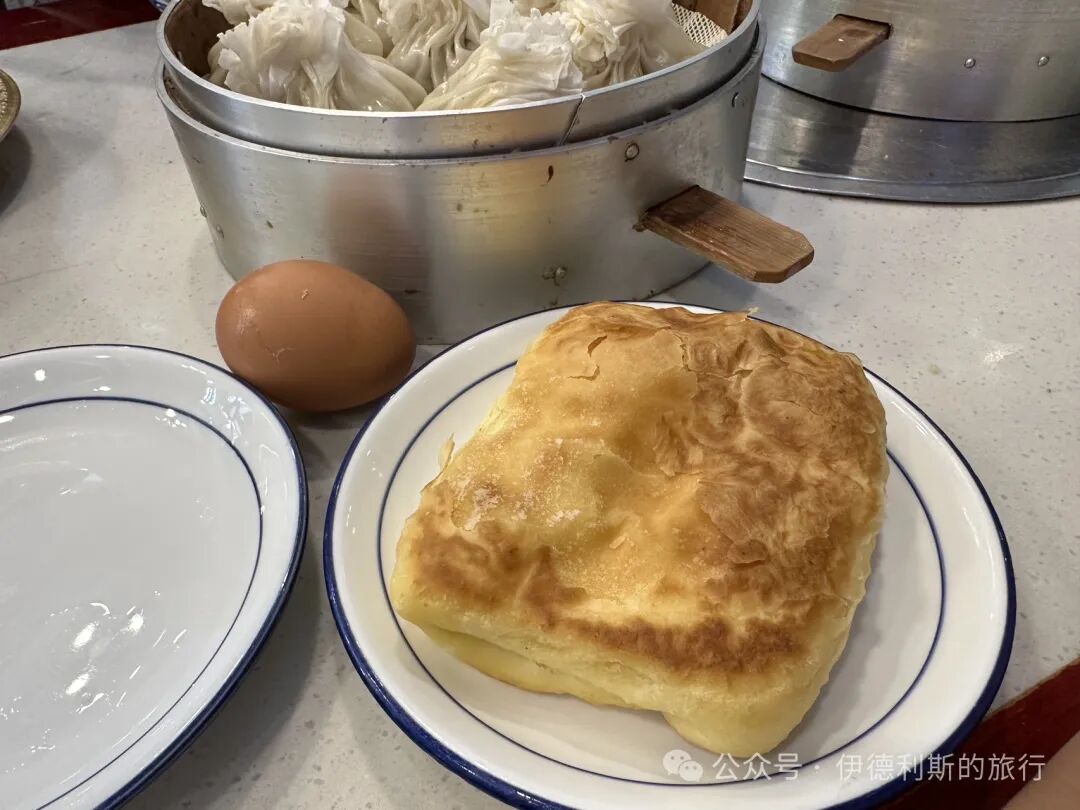
Lianying Shaomai is a time-honored brand from Jining, Inner Mongolia, and they also have a branch on Huguosi Street in Beijing. You can have an Inner Mongolian breakfast there in the morning. The pot tea contains milk skin, milk tofu, beef jerky, and roasted millet. It has a very rich milky flavor, and our whole family loves it. We ordered the mutton filling and the mutton with wild onion (shacong) filling for the shaomai. Both are made with chunks of meat and have very thin skins. The wild onion flavor is between green onion and chives; it is very pungent and suits the taste of people from Xinjiang. You can get free refills on their cold dishes and corn grit porridge (bangzazhou). They also serve salty baked flatbread (beizi) with Inner Mongolian lamb offal. We ordered the flatbread this time, and it was quite good.
Henan breakfast: bean flour soup (doumo) and vegetable snake-shaped rolls (caimang).
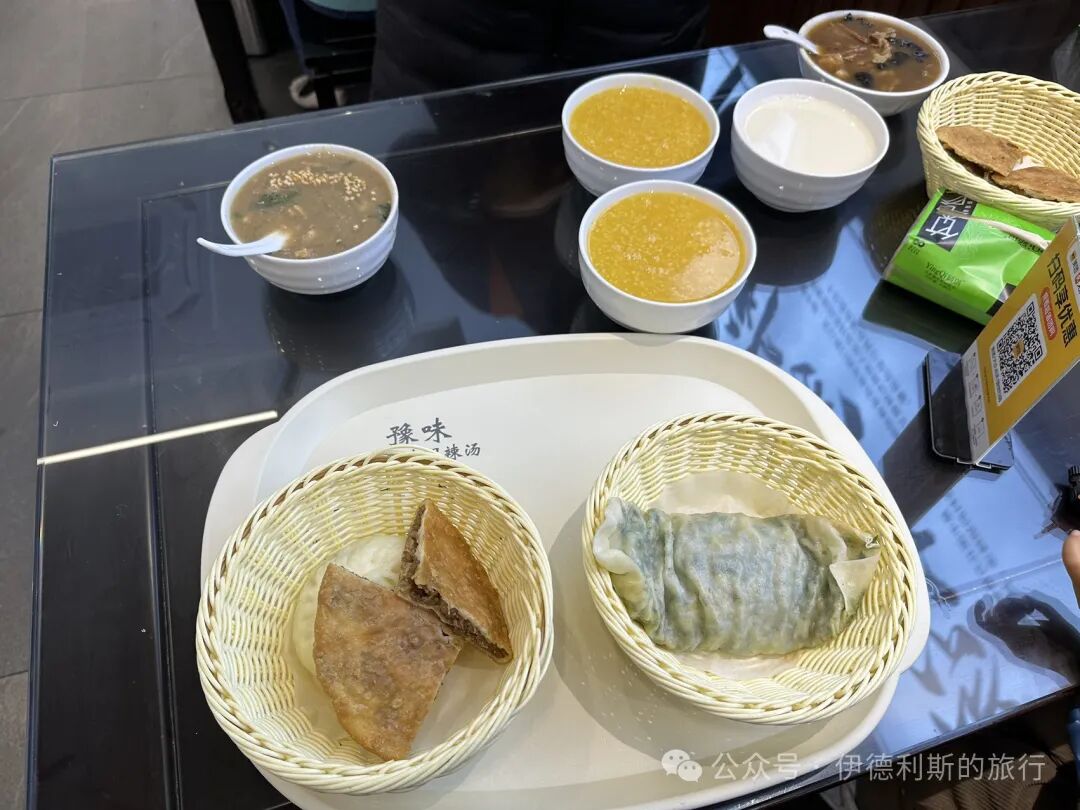
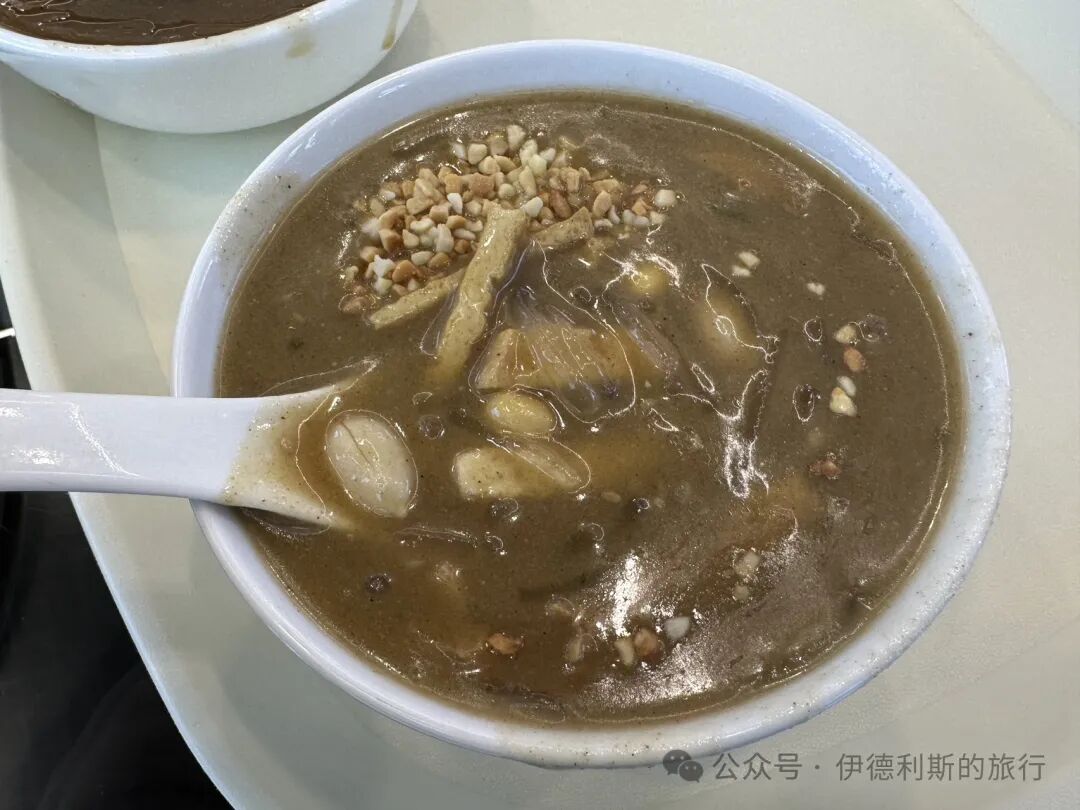
The Yuwei Xiaoyao Town spicy soup (hulatang) shop on Dongsi North Street opened in 2024. When we don't want to cook breakfast at home on weekends, we go there to eat. We often order the fennel and egg or chive and egg vegetable snake-shaped rolls (caimang), spicy soup (hulatang), bean flour soup (doumo), and millet and pumpkin porridge. The skin of the vegetable snake-shaped roll (caimang) is very thin, and I think it tastes better than steamed buns (baozi).
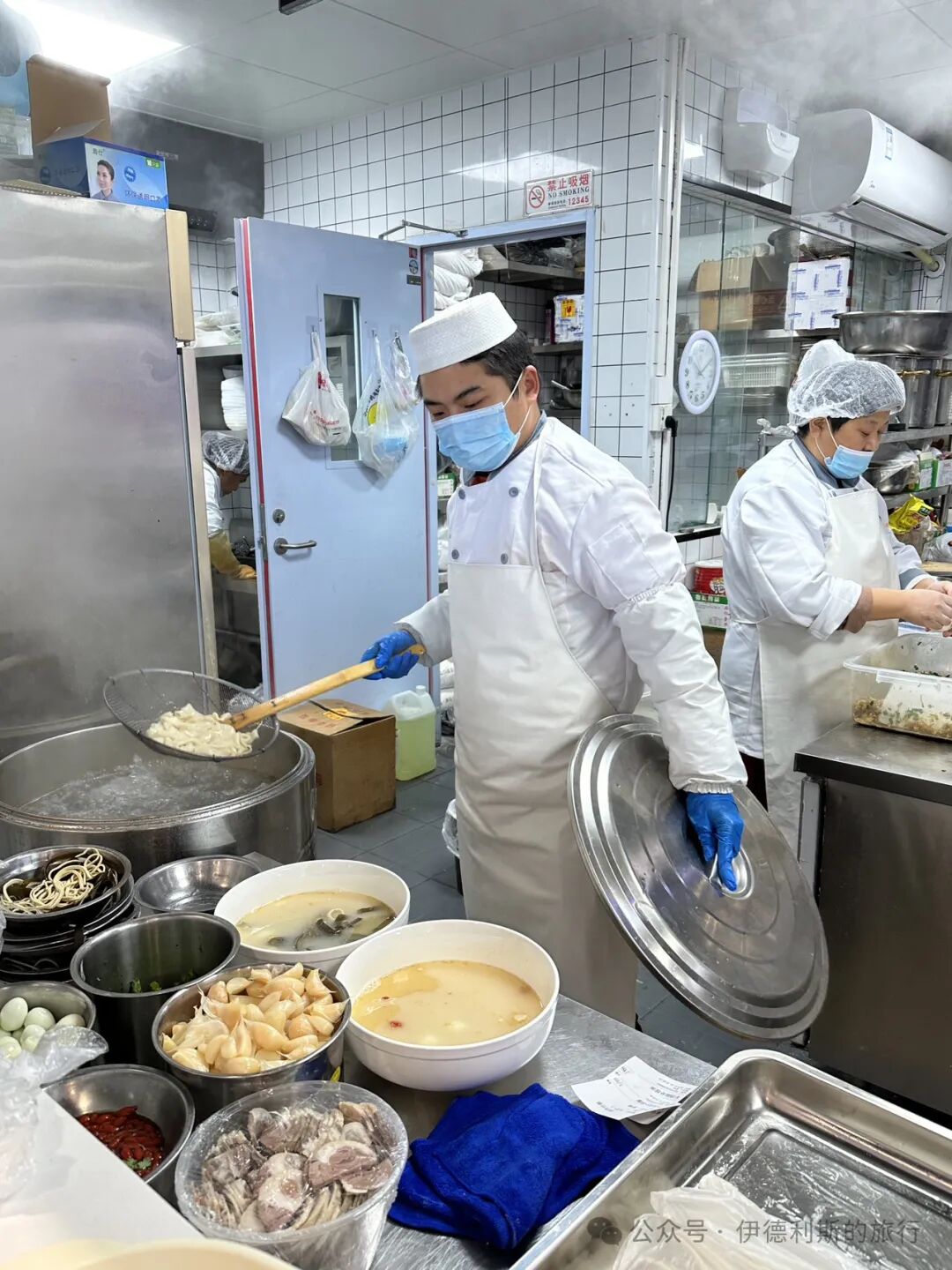
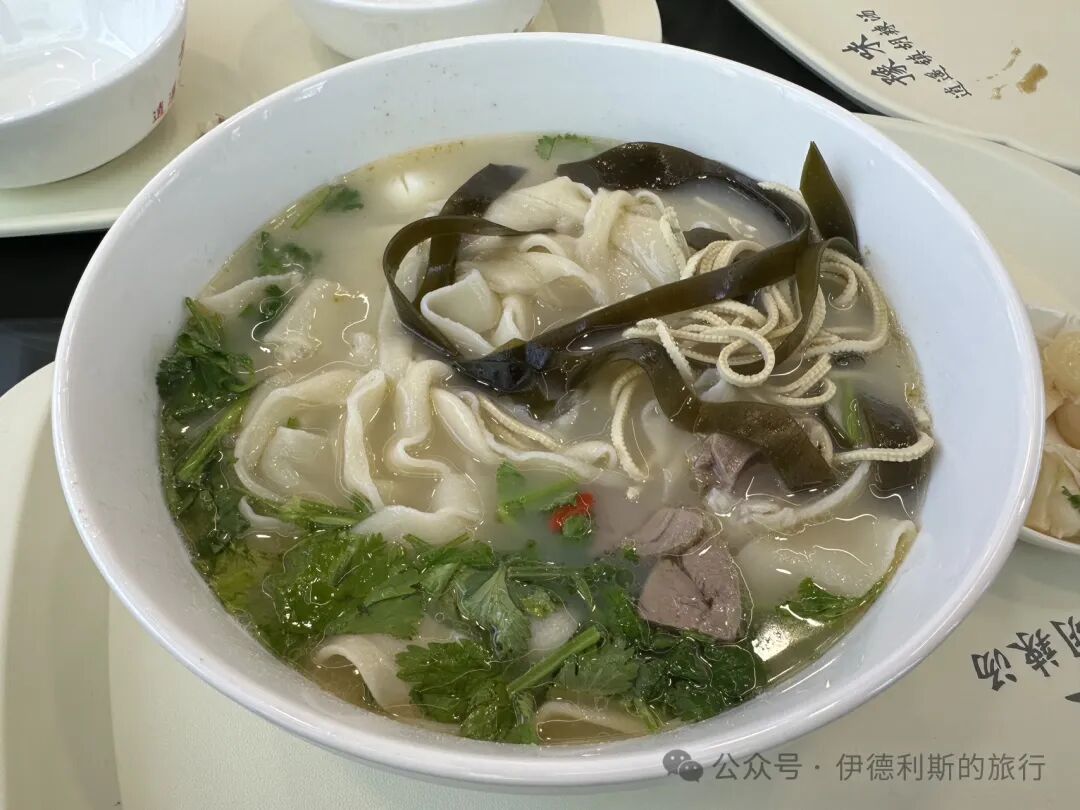
They serve braised noodles (huimian) in the morning, made in the Zhengzhou style with kelp, shredded tofu, vermicelli, quail eggs, and sliced meat. The white broth is light, so you can add chili and pickled garlic yourself. view all
Reposted from the web
Summary: This Beijing breakfast guide introduces four distinctive places connected with Pakistani, Turkish, Inner Mongolian, and Henan food. The article keeps the original shop details, dishes, photos, and personal notes while presenting them as a practical English food account.
Pakistani breakfast: flatbread (naan) and curry.
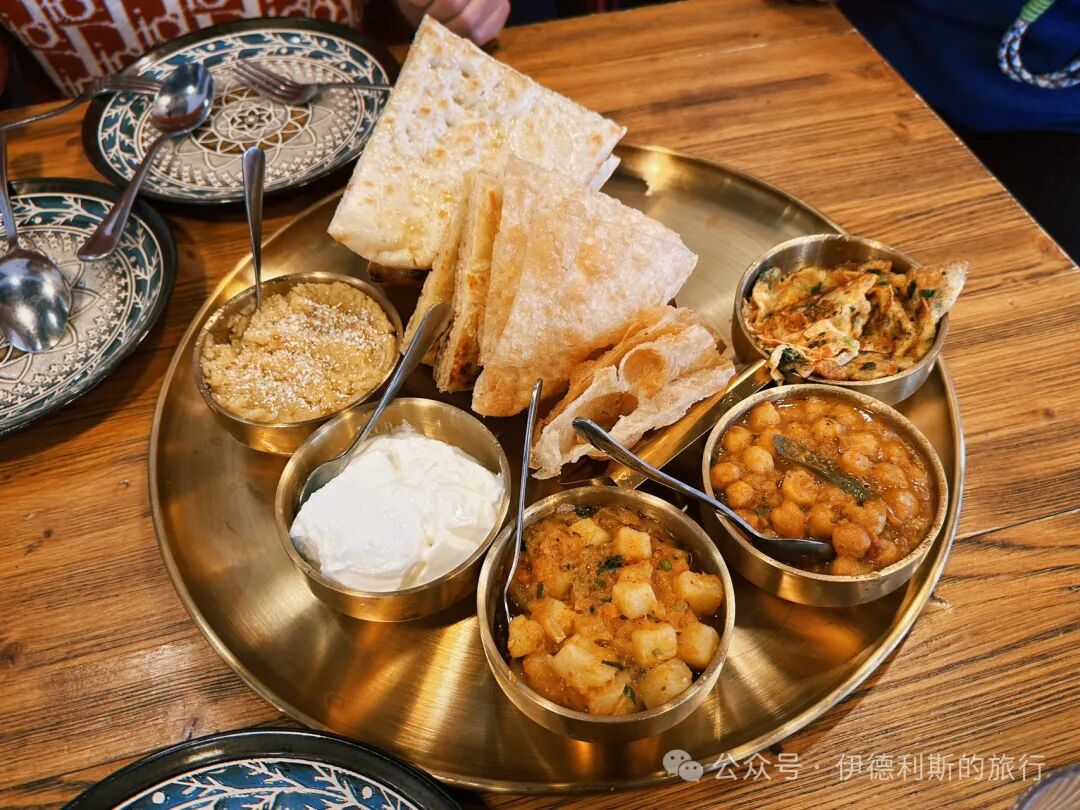
The Pakistani restaurant Samosa in Xibahe just started serving breakfast! You can order a la carte or choose a set meal from 7:30 to 11:00 in the morning. The three-person set includes three staples: butter naan, layered flatbread (paratha), and thin crispy bread (puri). It also comes with three dishes: chickpea masala curry, potato bhaji curry, and a Pakistani-style spicy scrambled egg (khagina). For dessert, there is homemade yogurt and semolina pudding (halawa), plus a unique mango pickle. For hot drinks, you can choose milk tea, milk, or coffee. This three-person set has a huge variety, making it perfect for a family to eat and chat on a weekend morning. Their naan is softer than the kind in Xinjiang, which makes it perfect for dipping in curry. The paratha is similar to northern Chinese griddle cakes, but it is made with butter and is very fragrant. The puri is very popular with kids, and it tastes great paired with the halawa dessert. Their yogurt is homemade, unsweetened, and has a very rich milky flavor. The halawa is not too sweet, so it feels light to eat.
You can also choose a simple meal of a sandwich and a hot drink. Their sandwiches are delicious, with chicken breast or tuna options, plus vegetables and eggs. They are very healthy and great for when you are in a rush for work.
Since subway lines 12 and 17 opened, it is very convenient to get to Samosa. After eating, you can take the subway directly to Sanlitun for shopping and enjoy a wonderful weekend.
Turkish breakfast: bread and...
cheese.
Mado is a famous Turkish snack chain from the city of Kahramanmarash in southeastern Turkey. Its biggest feature is that it uses goat milk from its hometown to make all its signature dairy products and ice cream. Their breakfast is also very rich.
I have eaten Mado breakfast at their Yiwu and Guangzhou locations before, and in 2024, it became available at the Sultan Turkish Restaurant in Beijing. Mado has many breakfast options. We ordered the two-person set, which is served starting at 10:30 and is available all day. The two-person set includes Turkish-style fried eggs with sausage, Marash cheese, feta cheese, a yellow cheese platter, honey with Turkish cream, green olives, black olives, tomato chili paste, tahini syrup, cherry jam, dried apricots, walnuts, feta cheese spring rolls, a kiwi-orange-banana platter, a cucumber-tomato platter, plus bread, flatbread (naan), and Turkish black tea. It is a very rich variety. Their naan is very fluffy, and it tastes great when you tear it open and spread different jams on it.
Inner Mongolian breakfast: steamed dumplings (shaomai) and pot tea (guocha).
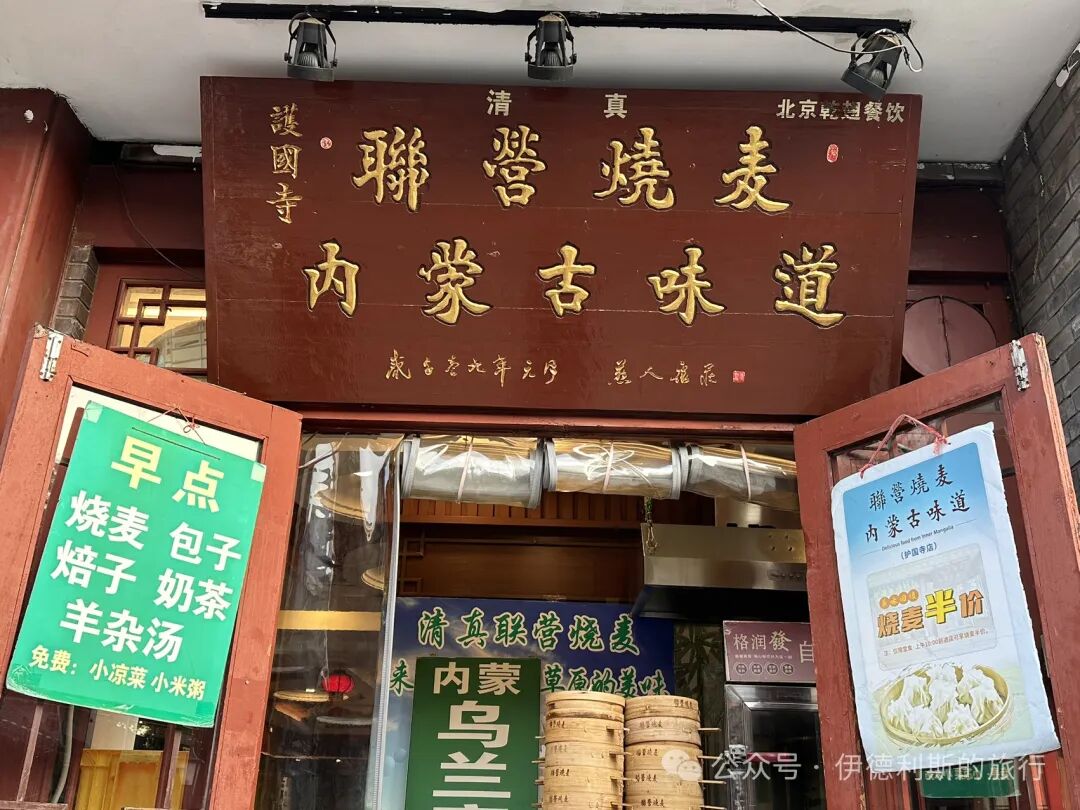
Lianying Shaomai is a time-honored brand from Jining, Inner Mongolia, and they also have a branch on Huguosi Street in Beijing. You can have an Inner Mongolian breakfast there in the morning. The pot tea contains milk skin, milk tofu, beef jerky, and roasted millet. It has a very rich milky flavor, and our whole family loves it. We ordered the mutton filling and the mutton with wild onion (shacong) filling for the shaomai. Both are made with chunks of meat and have very thin skins. The wild onion flavor is between green onion and chives; it is very pungent and suits the taste of people from Xinjiang. You can get free refills on their cold dishes and corn grit porridge (bangzazhou). They also serve salty baked flatbread (beizi) with Inner Mongolian lamb offal. We ordered the flatbread this time, and it was quite good.
Henan breakfast: bean flour soup (doumo) and vegetable snake-shaped rolls (caimang).
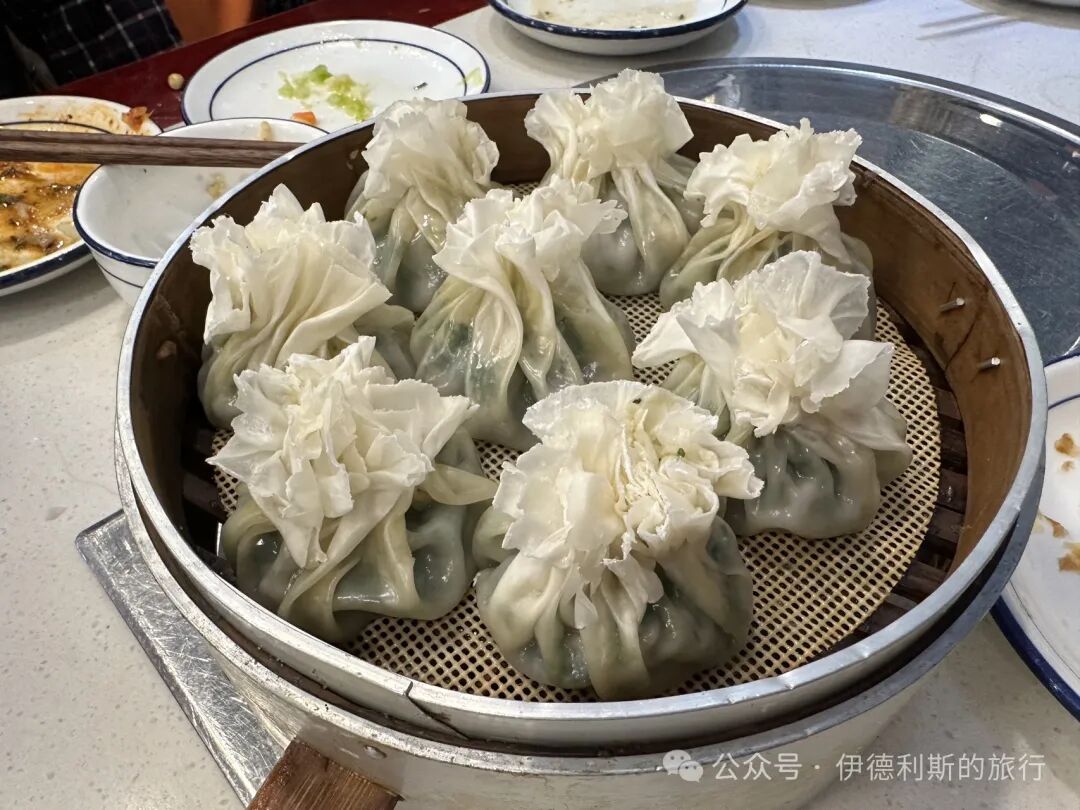
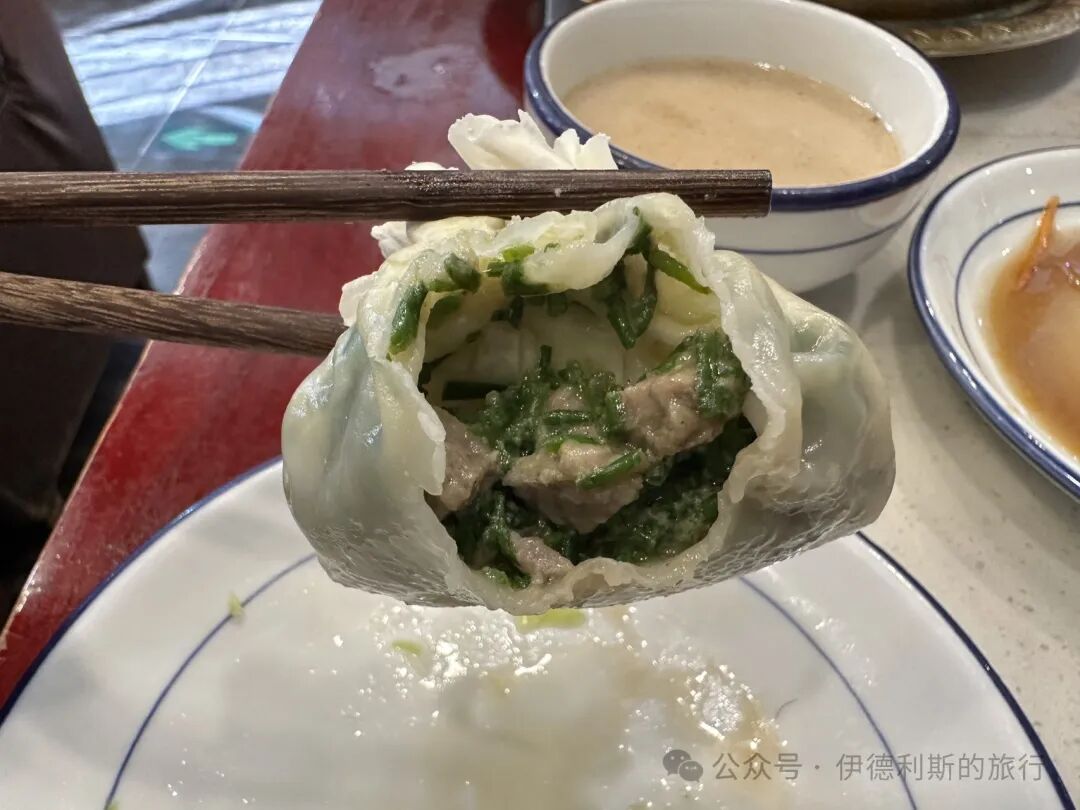
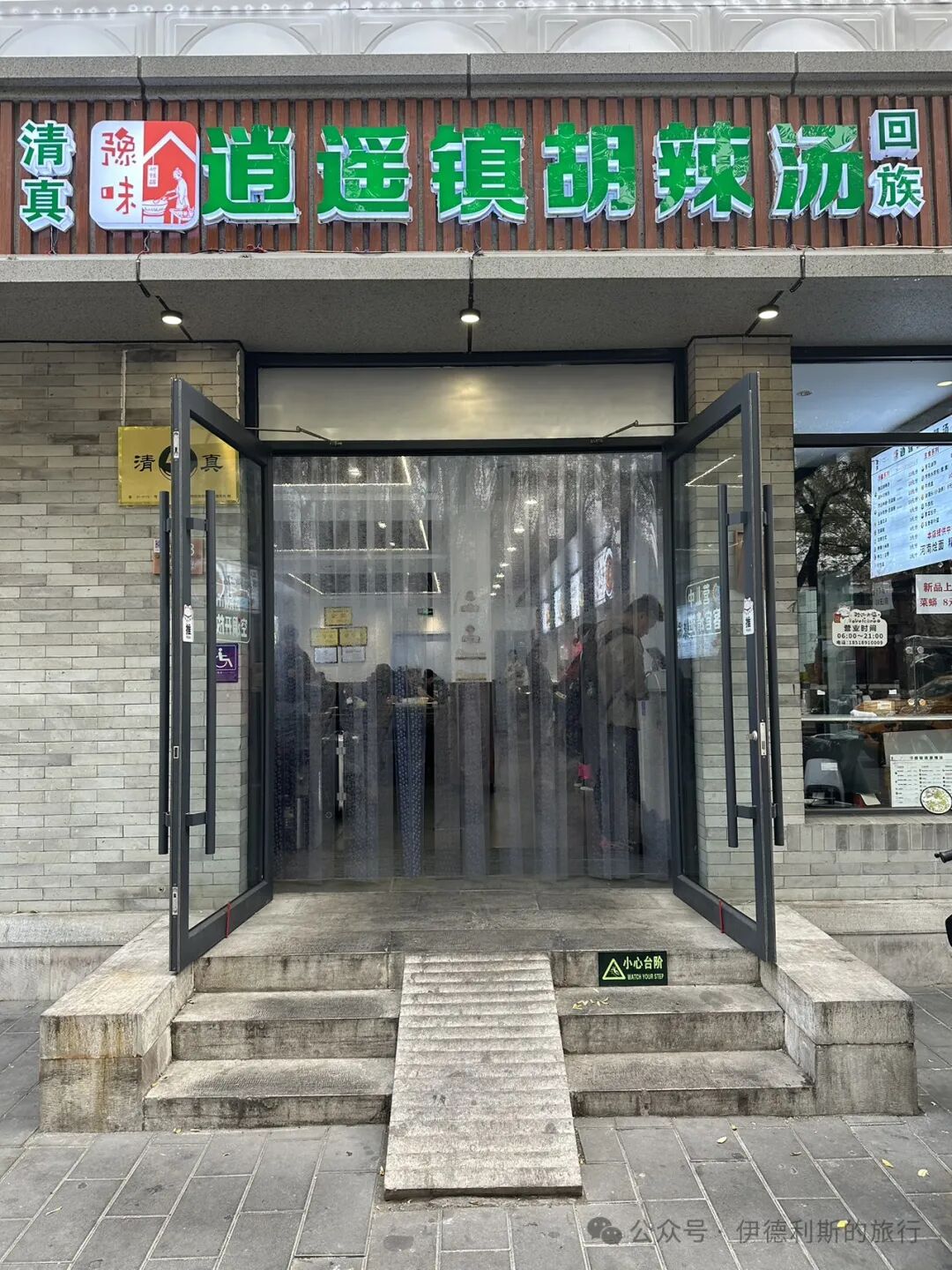
The Yuwei Xiaoyao Town spicy soup (hulatang) shop on Dongsi North Street opened in 2024. When we don't want to cook breakfast at home on weekends, we go there to eat. We often order the fennel and egg or chive and egg vegetable snake-shaped rolls (caimang), spicy soup (hulatang), bean flour soup (doumo), and millet and pumpkin porridge. The skin of the vegetable snake-shaped roll (caimang) is very thin, and I think it tastes better than steamed buns (baozi).
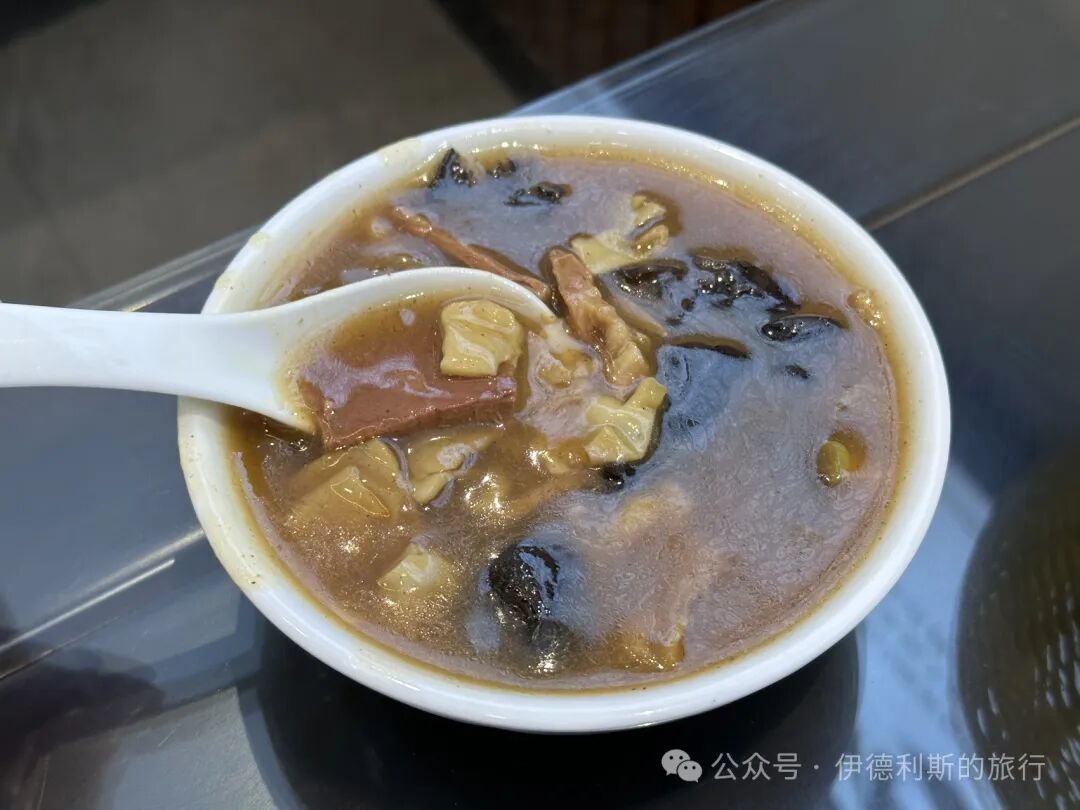
They serve braised noodles (huimian) in the morning, made in the Zhengzhou style with kelp, shredded tofu, vermicelli, quail eggs, and sliced meat. The white broth is light, so you can add chili and pickled garlic yourself.
Summary: This Beijing breakfast guide introduces four distinctive places connected with Pakistani, Turkish, Inner Mongolian, and Henan food. The article keeps the original shop details, dishes, photos, and personal notes while presenting them as a practical English food account.
Pakistani breakfast: flatbread (naan) and curry.
The Pakistani restaurant Samosa in Xibahe just started serving breakfast! You can order a la carte or choose a set meal from 7:30 to 11:00 in the morning. The three-person set includes three staples: butter naan, layered flatbread (paratha), and thin crispy bread (puri). It also comes with three dishes: chickpea masala curry, potato bhaji curry, and a Pakistani-style spicy scrambled egg (khagina). For dessert, there is homemade yogurt and semolina pudding (halawa), plus a unique mango pickle. For hot drinks, you can choose milk tea, milk, or coffee. This three-person set has a huge variety, making it perfect for a family to eat and chat on a weekend morning. Their naan is softer than the kind in Xinjiang, which makes it perfect for dipping in curry. The paratha is similar to northern Chinese griddle cakes, but it is made with butter and is very fragrant. The puri is very popular with kids, and it tastes great paired with the halawa dessert. Their yogurt is homemade, unsweetened, and has a very rich milky flavor. The halawa is not too sweet, so it feels light to eat.
You can also choose a simple meal of a sandwich and a hot drink. Their sandwiches are delicious, with chicken breast or tuna options, plus vegetables and eggs. They are very healthy and great for when you are in a rush for work.
Since subway lines 12 and 17 opened, it is very convenient to get to Samosa. After eating, you can take the subway directly to Sanlitun for shopping and enjoy a wonderful weekend.
Turkish breakfast: bread and...
cheese.
Mado is a famous Turkish snack chain from the city of Kahramanmarash in southeastern Turkey. Its biggest feature is that it uses goat milk from its hometown to make all its signature dairy products and ice cream. Their breakfast is also very rich.
I have eaten Mado breakfast at their Yiwu and Guangzhou locations before, and in 2024, it became available at the Sultan Turkish Restaurant in Beijing. Mado has many breakfast options. We ordered the two-person set, which is served starting at 10:30 and is available all day. The two-person set includes Turkish-style fried eggs with sausage, Marash cheese, feta cheese, a yellow cheese platter, honey with Turkish cream, green olives, black olives, tomato chili paste, tahini syrup, cherry jam, dried apricots, walnuts, feta cheese spring rolls, a kiwi-orange-banana platter, a cucumber-tomato platter, plus bread, flatbread (naan), and Turkish black tea. It is a very rich variety. Their naan is very fluffy, and it tastes great when you tear it open and spread different jams on it.
Inner Mongolian breakfast: steamed dumplings (shaomai) and pot tea (guocha).
Lianying Shaomai is a time-honored brand from Jining, Inner Mongolia, and they also have a branch on Huguosi Street in Beijing. You can have an Inner Mongolian breakfast there in the morning. The pot tea contains milk skin, milk tofu, beef jerky, and roasted millet. It has a very rich milky flavor, and our whole family loves it. We ordered the mutton filling and the mutton with wild onion (shacong) filling for the shaomai. Both are made with chunks of meat and have very thin skins. The wild onion flavor is between green onion and chives; it is very pungent and suits the taste of people from Xinjiang. You can get free refills on their cold dishes and corn grit porridge (bangzazhou). They also serve salty baked flatbread (beizi) with Inner Mongolian lamb offal. We ordered the flatbread this time, and it was quite good.
Henan breakfast: bean flour soup (doumo) and vegetable snake-shaped rolls (caimang).
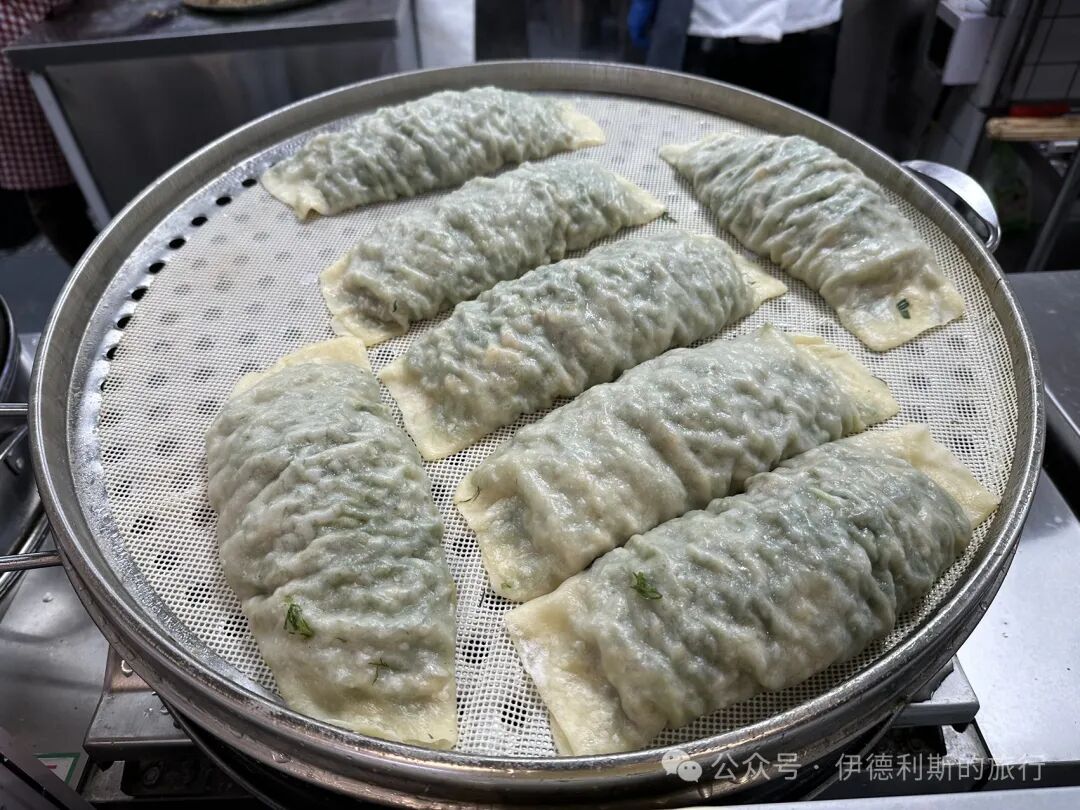
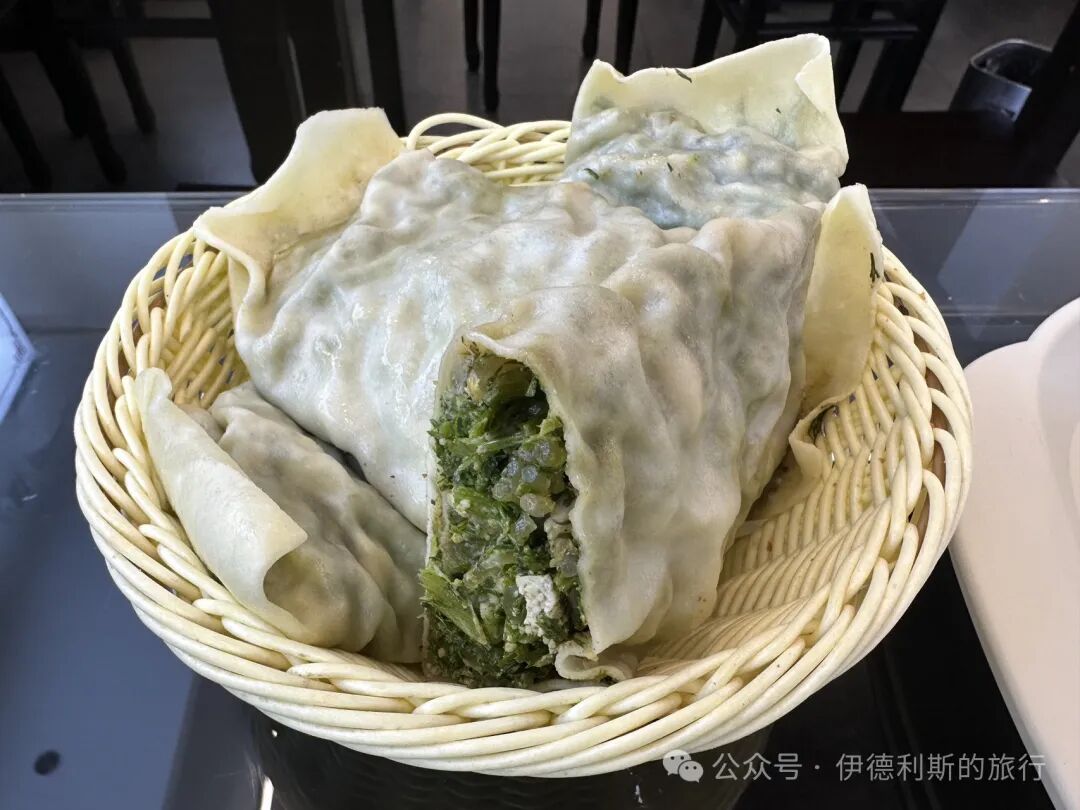
The Yuwei Xiaoyao Town spicy soup (hulatang) shop on Dongsi North Street opened in 2024. When we don't want to cook breakfast at home on weekends, we go there to eat. We often order the fennel and egg or chive and egg vegetable snake-shaped rolls (caimang), spicy soup (hulatang), bean flour soup (doumo), and millet and pumpkin porridge. The skin of the vegetable snake-shaped roll (caimang) is very thin, and I think it tastes better than steamed buns (baozi).
They serve braised noodles (huimian) in the morning, made in the Zhengzhou style with kelp, shredded tofu, vermicelli, quail eggs, and sliced meat. The white broth is light, so you can add chili and pickled garlic yourself.
Best Halal Street Food in Beijing: Authentic Beef Pies and Hui Muslim Breakfast in Qinghe, Haidian
Articles • Hasan09 posted the article • 0 comments • 90 views • 2026-10-30 01:22
[Internet Repost]
Come check out this hidden gem of a halal food spot located on the ground floor of Building 30, Yongtai Xili in Beijing’s Haidian District. I’ve put together an 11-photo review of their signature made-to-order beef pies that are crispy on the outside and juicy on the inside, along with their traditional halal breakfast items—perfect for discovering some authentic, local flavors right under a residential building.
The Qinghe area is usually a total food desert. I’ve searched everywhere for a decent spot, but nothing has ever lived up to the dumplings we had over twenty years ago, so I’d pretty much given up. To my surprise, this little shop popped up right in my neighborhood, and it’s been a total game-changer. Lately, I’ve been eating two meals a day here—fueling up for work in the morning and grabbing a filling meal before heading home to sleep. It looks like this is going to be my new routine for a while.
The place doesn't even have a sign, which just shows how confident they are in their food. It’s been open for two months now, and while it might not be a viral sensation, it has definitely established itself. It’s positioned as a neighborhood canteen for the locals. Compared to all those trendy 'Haidian-style' spots, the neighborhood seniors actually prefer eating here. It’s not about who’s cheaper or more expensive; it’s about feeling comfortable and familiar. People just feel out of place in those flashy, over-the-top restaurants.
I’ve been in and out of this shop so many times now that I’ve basically tried everything on the menu. There’s a lot to love, no real duds, and you can easily find your personal go-to dish.
The beef baozi (steamed buns) and tangyoubing (sugar-coated fried dough) are both 3 yuan each. The beef baozi are just as good as the ones in Niujie—the size and the filling are both solid. If you’re looking for baozi in the Qinghe area, don’t overthink it; these are the best you’re going to get.
You’ve got to eat the tangyoubing right when it comes out of the fryer; it’s pointless once it goes soggy. Pairing it with a cup of soy milk (2 yuan) is the standard move. A 5-yuan breakfast like this can keep you full until dinner.
I had a tangyoubing yesterday and noticed it didn't have sesame seeds! Was I just getting used to it and they changed the recipe, or did they just forget? The version with sesame is way more fragrant—it’s a great touch that really makes it unique, so they should definitely keep it.
Both the beef pie and the doupao tang (tofu puff soup) are 5 yuan. The soup comes with a generous serving of tofu puffs, and you can help yourself to the seasonings. The lamb offal soup is 15 yuan, and millet porridge is 2 yuan—something for every budget. A bowl of lamb offal soup is definitely too much for breakfast and not great to eat every single day, but a bowl of millet porridge with some baozi is another solid 5-yuan combo.
The miancha (savory flour tea) is 5 yuan. It’s not mind-blowing—it’s a mix of broomcorn millet and foxtail millet—but it hits the spot, and you can add as much sesame paste as you want. The zhagao (fried rice cake) is also 3 yuan and nothing special, mainly because I’m comparing it to the one at Jing San Pang. If you want the real deal, go to Xisanqi, though I heard they’re moving. They’re expanding too fast after just getting started—it’s risky, and you can’t always hit the mark every time.
The doufunao (soft tofu pudding) is 4 yuan and comes in a huge portion with a rich meat-based broth. It’s good, but it’s hard to finish if you’re also having a tangyoubing. Better to just get the bowl by itself or pair it with a sesame shaobing (sesame flatbread) for 1.5 yuan. Plus, the pickled vegetables are free.
Half of the storefront is actually occupied by the original Li’s Shaobing, which has been here for over 20 years. It’s one of the last remaining culinary legends of Yongtai.
Aside from breakfast, they serve proper meals too. You’ll have no problem getting full on their baozi, dumplings, or noodles. The zhajiangmian (noodles with soybean paste) is 16 yuan a bowl, and the dumplings are 25 yuan—standard market prices.
They also have deli meats if you’re interested. The sheep head meat is 36 yuan per jin (500g). Get half a jin, dip it in some peppercorn salt, and it’s as good as any boiled mutton you’ll find anywhere. It’s the perfect snack with a beer in the summer or tucked into a sesame shaobing when it’s chilly out.
The suwanzi (vegetarian fried meatballs) are 12 yuan a jin—a great side for a drink. I’ve been dying to try the zha songrou (deep-fried crispy pork slices), but they’re never available when I’m there. Honestly, dishes like that are better left to the pros; making them at home is way too much of a hassle.
It’s a great place for a casual meal when you’re with a group and want something to chat over.
The Jingdong roubing (Jingdong-style meat pie) is 26 yuan.
It’s a solid deal, enough for two people, though a bit heavy for just one. It’s made to order, and while it’s the most expensive main dish on the menu, it’s perfect for sharing with two or three friends. Each person gets a few slices, and you’re good to go.
The taste is top-notch, right up there with the baozi filling.
The beef meat pie is 5 yuan.
The beef pie is my absolute favorite. During dinner hours, they’re constantly cooking them fresh to order. The crust is just right, and the filling is generous. The meat is tender and firm, not dry at all—it’s pretty much the ideal meat pie. The only minor downside is that the crust from the electric griddle looks a bit too 'clean' for my taste.
The reason it looks so clean is that it doesn't leak. It’s packed with so much juice that it wouldn't survive a thinner crust. You get almost half a plate of broth when you cut into it; if you’re not careful, it’ll spill everywhere. Honestly, these 'soup-filled' pies are even better than xiaolongbao (soup dumplings).
The amount of juice and the tenderness of the meat are on par with the famous Mending meat pies, just in a different shape. You get more dough than a Mending pie, just as much meat, and it’s cheaper, too. I can’t believe this kind of value is right at my doorstep. No need to hunt for pies all over the city anymore—two meat pies for 10 yuan makes for a pretty great dinner, don’t you think?
They have a self-serve condiment station with garlic sauce, chili oil, and vinegar. Perfection.
I haven’t tried their zhajiangmian or dalumian (noodles with gravy) yet. I’m sure they’re decent, but I didn't want to overdo it since the portions are huge. I’ll give them a shot eventually when I’m feeling up to it. view all
Come check out this hidden gem of a halal food spot located on the ground floor of Building 30, Yongtai Xili in Beijing’s Haidian District. I’ve put together an 11-photo review of their signature made-to-order beef pies that are crispy on the outside and juicy on the inside, along with their traditional halal breakfast items—perfect for discovering some authentic, local flavors right under a residential building.
The Qinghe area is usually a total food desert. I’ve searched everywhere for a decent spot, but nothing has ever lived up to the dumplings we had over twenty years ago, so I’d pretty much given up. To my surprise, this little shop popped up right in my neighborhood, and it’s been a total game-changer. Lately, I’ve been eating two meals a day here—fueling up for work in the morning and grabbing a filling meal before heading home to sleep. It looks like this is going to be my new routine for a while.
The place doesn't even have a sign, which just shows how confident they are in their food. It’s been open for two months now, and while it might not be a viral sensation, it has definitely established itself. It’s positioned as a neighborhood canteen for the locals. Compared to all those trendy 'Haidian-style' spots, the neighborhood seniors actually prefer eating here. It’s not about who’s cheaper or more expensive; it’s about feeling comfortable and familiar. People just feel out of place in those flashy, over-the-top restaurants.
I’ve been in and out of this shop so many times now that I’ve basically tried everything on the menu. There’s a lot to love, no real duds, and you can easily find your personal go-to dish.
The beef baozi (steamed buns) and tangyoubing (sugar-coated fried dough) are both 3 yuan each. The beef baozi are just as good as the ones in Niujie—the size and the filling are both solid. If you’re looking for baozi in the Qinghe area, don’t overthink it; these are the best you’re going to get.
You’ve got to eat the tangyoubing right when it comes out of the fryer; it’s pointless once it goes soggy. Pairing it with a cup of soy milk (2 yuan) is the standard move. A 5-yuan breakfast like this can keep you full until dinner.
I had a tangyoubing yesterday and noticed it didn't have sesame seeds! Was I just getting used to it and they changed the recipe, or did they just forget? The version with sesame is way more fragrant—it’s a great touch that really makes it unique, so they should definitely keep it.
Both the beef pie and the doupao tang (tofu puff soup) are 5 yuan. The soup comes with a generous serving of tofu puffs, and you can help yourself to the seasonings. The lamb offal soup is 15 yuan, and millet porridge is 2 yuan—something for every budget. A bowl of lamb offal soup is definitely too much for breakfast and not great to eat every single day, but a bowl of millet porridge with some baozi is another solid 5-yuan combo.
The miancha (savory flour tea) is 5 yuan. It’s not mind-blowing—it’s a mix of broomcorn millet and foxtail millet—but it hits the spot, and you can add as much sesame paste as you want. The zhagao (fried rice cake) is also 3 yuan and nothing special, mainly because I’m comparing it to the one at Jing San Pang. If you want the real deal, go to Xisanqi, though I heard they’re moving. They’re expanding too fast after just getting started—it’s risky, and you can’t always hit the mark every time.
The doufunao (soft tofu pudding) is 4 yuan and comes in a huge portion with a rich meat-based broth. It’s good, but it’s hard to finish if you’re also having a tangyoubing. Better to just get the bowl by itself or pair it with a sesame shaobing (sesame flatbread) for 1.5 yuan. Plus, the pickled vegetables are free.
Half of the storefront is actually occupied by the original Li’s Shaobing, which has been here for over 20 years. It’s one of the last remaining culinary legends of Yongtai.
Aside from breakfast, they serve proper meals too. You’ll have no problem getting full on their baozi, dumplings, or noodles. The zhajiangmian (noodles with soybean paste) is 16 yuan a bowl, and the dumplings are 25 yuan—standard market prices.
They also have deli meats if you’re interested. The sheep head meat is 36 yuan per jin (500g). Get half a jin, dip it in some peppercorn salt, and it’s as good as any boiled mutton you’ll find anywhere. It’s the perfect snack with a beer in the summer or tucked into a sesame shaobing when it’s chilly out.
The suwanzi (vegetarian fried meatballs) are 12 yuan a jin—a great side for a drink. I’ve been dying to try the zha songrou (deep-fried crispy pork slices), but they’re never available when I’m there. Honestly, dishes like that are better left to the pros; making them at home is way too much of a hassle.
It’s a great place for a casual meal when you’re with a group and want something to chat over.
The Jingdong roubing (Jingdong-style meat pie) is 26 yuan.
It’s a solid deal, enough for two people, though a bit heavy for just one. It’s made to order, and while it’s the most expensive main dish on the menu, it’s perfect for sharing with two or three friends. Each person gets a few slices, and you’re good to go.
The taste is top-notch, right up there with the baozi filling.
The beef meat pie is 5 yuan.
The beef pie is my absolute favorite. During dinner hours, they’re constantly cooking them fresh to order. The crust is just right, and the filling is generous. The meat is tender and firm, not dry at all—it’s pretty much the ideal meat pie. The only minor downside is that the crust from the electric griddle looks a bit too 'clean' for my taste.
The reason it looks so clean is that it doesn't leak. It’s packed with so much juice that it wouldn't survive a thinner crust. You get almost half a plate of broth when you cut into it; if you’re not careful, it’ll spill everywhere. Honestly, these 'soup-filled' pies are even better than xiaolongbao (soup dumplings).
The amount of juice and the tenderness of the meat are on par with the famous Mending meat pies, just in a different shape. You get more dough than a Mending pie, just as much meat, and it’s cheaper, too. I can’t believe this kind of value is right at my doorstep. No need to hunt for pies all over the city anymore—two meat pies for 10 yuan makes for a pretty great dinner, don’t you think?
They have a self-serve condiment station with garlic sauce, chili oil, and vinegar. Perfection.
I haven’t tried their zhajiangmian or dalumian (noodles with gravy) yet. I’m sure they’re decent, but I didn't want to overdo it since the portions are huge. I’ll give them a shot eventually when I’m feeling up to it. view all
[Internet Repost]
Come check out this hidden gem of a halal food spot located on the ground floor of Building 30, Yongtai Xili in Beijing’s Haidian District. I’ve put together an 11-photo review of their signature made-to-order beef pies that are crispy on the outside and juicy on the inside, along with their traditional halal breakfast items—perfect for discovering some authentic, local flavors right under a residential building.
The Qinghe area is usually a total food desert. I’ve searched everywhere for a decent spot, but nothing has ever lived up to the dumplings we had over twenty years ago, so I’d pretty much given up. To my surprise, this little shop popped up right in my neighborhood, and it’s been a total game-changer. Lately, I’ve been eating two meals a day here—fueling up for work in the morning and grabbing a filling meal before heading home to sleep. It looks like this is going to be my new routine for a while.
The place doesn't even have a sign, which just shows how confident they are in their food. It’s been open for two months now, and while it might not be a viral sensation, it has definitely established itself. It’s positioned as a neighborhood canteen for the locals. Compared to all those trendy 'Haidian-style' spots, the neighborhood seniors actually prefer eating here. It’s not about who’s cheaper or more expensive; it’s about feeling comfortable and familiar. People just feel out of place in those flashy, over-the-top restaurants.
I’ve been in and out of this shop so many times now that I’ve basically tried everything on the menu. There’s a lot to love, no real duds, and you can easily find your personal go-to dish.
The beef baozi (steamed buns) and tangyoubing (sugar-coated fried dough) are both 3 yuan each. The beef baozi are just as good as the ones in Niujie—the size and the filling are both solid. If you’re looking for baozi in the Qinghe area, don’t overthink it; these are the best you’re going to get.
You’ve got to eat the tangyoubing right when it comes out of the fryer; it’s pointless once it goes soggy. Pairing it with a cup of soy milk (2 yuan) is the standard move. A 5-yuan breakfast like this can keep you full until dinner.
I had a tangyoubing yesterday and noticed it didn't have sesame seeds! Was I just getting used to it and they changed the recipe, or did they just forget? The version with sesame is way more fragrant—it’s a great touch that really makes it unique, so they should definitely keep it.
Both the beef pie and the doupao tang (tofu puff soup) are 5 yuan. The soup comes with a generous serving of tofu puffs, and you can help yourself to the seasonings. The lamb offal soup is 15 yuan, and millet porridge is 2 yuan—something for every budget. A bowl of lamb offal soup is definitely too much for breakfast and not great to eat every single day, but a bowl of millet porridge with some baozi is another solid 5-yuan combo.
The miancha (savory flour tea) is 5 yuan. It’s not mind-blowing—it’s a mix of broomcorn millet and foxtail millet—but it hits the spot, and you can add as much sesame paste as you want. The zhagao (fried rice cake) is also 3 yuan and nothing special, mainly because I’m comparing it to the one at Jing San Pang. If you want the real deal, go to Xisanqi, though I heard they’re moving. They’re expanding too fast after just getting started—it’s risky, and you can’t always hit the mark every time.
The doufunao (soft tofu pudding) is 4 yuan and comes in a huge portion with a rich meat-based broth. It’s good, but it’s hard to finish if you’re also having a tangyoubing. Better to just get the bowl by itself or pair it with a sesame shaobing (sesame flatbread) for 1.5 yuan. Plus, the pickled vegetables are free.
Half of the storefront is actually occupied by the original Li’s Shaobing, which has been here for over 20 years. It’s one of the last remaining culinary legends of Yongtai.
Aside from breakfast, they serve proper meals too. You’ll have no problem getting full on their baozi, dumplings, or noodles. The zhajiangmian (noodles with soybean paste) is 16 yuan a bowl, and the dumplings are 25 yuan—standard market prices.
They also have deli meats if you’re interested. The sheep head meat is 36 yuan per jin (500g). Get half a jin, dip it in some peppercorn salt, and it’s as good as any boiled mutton you’ll find anywhere. It’s the perfect snack with a beer in the summer or tucked into a sesame shaobing when it’s chilly out.
The suwanzi (vegetarian fried meatballs) are 12 yuan a jin—a great side for a drink. I’ve been dying to try the zha songrou (deep-fried crispy pork slices), but they’re never available when I’m there. Honestly, dishes like that are better left to the pros; making them at home is way too much of a hassle.
It’s a great place for a casual meal when you’re with a group and want something to chat over.
The Jingdong roubing (Jingdong-style meat pie) is 26 yuan.
It’s a solid deal, enough for two people, though a bit heavy for just one. It’s made to order, and while it’s the most expensive main dish on the menu, it’s perfect for sharing with two or three friends. Each person gets a few slices, and you’re good to go.
The taste is top-notch, right up there with the baozi filling.
The beef meat pie is 5 yuan.
The beef pie is my absolute favorite. During dinner hours, they’re constantly cooking them fresh to order. The crust is just right, and the filling is generous. The meat is tender and firm, not dry at all—it’s pretty much the ideal meat pie. The only minor downside is that the crust from the electric griddle looks a bit too 'clean' for my taste.
The reason it looks so clean is that it doesn't leak. It’s packed with so much juice that it wouldn't survive a thinner crust. You get almost half a plate of broth when you cut into it; if you’re not careful, it’ll spill everywhere. Honestly, these 'soup-filled' pies are even better than xiaolongbao (soup dumplings).
The amount of juice and the tenderness of the meat are on par with the famous Mending meat pies, just in a different shape. You get more dough than a Mending pie, just as much meat, and it’s cheaper, too. I can’t believe this kind of value is right at my doorstep. No need to hunt for pies all over the city anymore—two meat pies for 10 yuan makes for a pretty great dinner, don’t you think?
They have a self-serve condiment station with garlic sauce, chili oil, and vinegar. Perfection.
I haven’t tried their zhajiangmian or dalumian (noodles with gravy) yet. I’m sure they’re decent, but I didn't want to overdo it since the portions are huge. I’ll give them a shot eventually when I’m feeling up to it.
Halal Food Guide: Beijing Breakfast — Pakistani, Turkish, Inner Mongolian & Henan Food
Articles • ali2007fr posted the article • 0 comments • 334 views • 2026-05-19 23:57
Reposted from the web
Summary: This Beijing breakfast guide introduces four distinctive places connected with Pakistani, Turkish, Inner Mongolian, and Henan food. The article keeps the original shop details, dishes, photos, and personal notes while presenting them as a practical English food account.
Pakistani breakfast: flatbread (naan) and curry.
The Pakistani restaurant Samosa in Xibahe just started serving breakfast! You can order a la carte or choose a set meal from 7:30 to 11:00 in the morning. The three-person set includes three staples: butter naan, layered flatbread (paratha), and thin crispy bread (puri). It also comes with three dishes: chickpea masala curry, potato bhaji curry, and a Pakistani-style spicy scrambled egg (khagina). For dessert, there is homemade yogurt and semolina pudding (halawa), plus a unique mango pickle. For hot drinks, you can choose milk tea, milk, or coffee. This three-person set has a huge variety, making it perfect for a family to eat and chat on a weekend morning. Their naan is softer than the kind in Xinjiang, which makes it perfect for dipping in curry. The paratha is similar to northern Chinese griddle cakes, but it is made with butter and is very fragrant. The puri is very popular with kids, and it tastes great paired with the halawa dessert. Their yogurt is homemade, unsweetened, and has a very rich milky flavor. The halawa is not too sweet, so it feels light to eat.
You can also choose a simple meal of a sandwich and a hot drink. Their sandwiches are delicious, with chicken breast or tuna options, plus vegetables and eggs. They are very healthy and great for when you are in a rush for work.
Since subway lines 12 and 17 opened, it is very convenient to get to Samosa. After eating, you can take the subway directly to Sanlitun for shopping and enjoy a wonderful weekend.
Turkish breakfast: bread and...
cheese.
Mado is a famous Turkish snack chain from the city of Kahramanmarash in southeastern Turkey. Its biggest feature is that it uses goat milk from its hometown to make all its signature dairy products and ice cream. Their breakfast is also very rich.
I have eaten Mado breakfast at their Yiwu and Guangzhou locations before, and in 2024, it became available at the Sultan Turkish Restaurant in Beijing. Mado has many breakfast options. We ordered the two-person set, which is served starting at 10:30 and is available all day. The two-person set includes Turkish-style fried eggs with sausage, Marash cheese, feta cheese, a yellow cheese platter, honey with Turkish cream, green olives, black olives, tomato chili paste, tahini syrup, cherry jam, dried apricots, walnuts, feta cheese spring rolls, a kiwi-orange-banana platter, a cucumber-tomato platter, plus bread, flatbread (naan), and Turkish black tea. It is a very rich variety. Their naan is very fluffy, and it tastes great when you tear it open and spread different jams on it.
Inner Mongolian breakfast: steamed dumplings (shaomai) and pot tea (guocha).
Lianying Shaomai is a time-honored brand from Jining, Inner Mongolia, and they also have a branch on Huguosi Street in Beijing. You can have an Inner Mongolian breakfast there in the morning. The pot tea contains milk skin, milk tofu, beef jerky, and roasted millet. It has a very rich milky flavor, and our whole family loves it. We ordered the mutton filling and the mutton with wild onion (shacong) filling for the shaomai. Both are made with chunks of meat and have very thin skins. The wild onion flavor is between green onion and chives; it is very pungent and suits the taste of people from Xinjiang. You can get free refills on their cold dishes and corn grit porridge (bangzazhou). They also serve salty baked flatbread (beizi) with Inner Mongolian lamb offal. We ordered the flatbread this time, and it was quite good.
Henan breakfast: bean flour soup (doumo) and vegetable snake-shaped rolls (caimang).
The Yuwei Xiaoyao Town spicy soup (hulatang) shop on Dongsi North Street opened in 2024. When we don't want to cook breakfast at home on weekends, we go there to eat. We often order the fennel and egg or chive and egg vegetable snake-shaped rolls (caimang), spicy soup (hulatang), bean flour soup (doumo), and millet and pumpkin porridge. The skin of the vegetable snake-shaped roll (caimang) is very thin, and I think it tastes better than steamed buns (baozi).
They serve braised noodles (huimian) in the morning, made in the Zhengzhou style with kelp, shredded tofu, vermicelli, quail eggs, and sliced meat. The white broth is light, so you can add chili and pickled garlic yourself. view all
Summary: This Beijing breakfast guide introduces four distinctive places connected with Pakistani, Turkish, Inner Mongolian, and Henan food. The article keeps the original shop details, dishes, photos, and personal notes while presenting them as a practical English food account.
Pakistani breakfast: flatbread (naan) and curry.
The Pakistani restaurant Samosa in Xibahe just started serving breakfast! You can order a la carte or choose a set meal from 7:30 to 11:00 in the morning. The three-person set includes three staples: butter naan, layered flatbread (paratha), and thin crispy bread (puri). It also comes with three dishes: chickpea masala curry, potato bhaji curry, and a Pakistani-style spicy scrambled egg (khagina). For dessert, there is homemade yogurt and semolina pudding (halawa), plus a unique mango pickle. For hot drinks, you can choose milk tea, milk, or coffee. This three-person set has a huge variety, making it perfect for a family to eat and chat on a weekend morning. Their naan is softer than the kind in Xinjiang, which makes it perfect for dipping in curry. The paratha is similar to northern Chinese griddle cakes, but it is made with butter and is very fragrant. The puri is very popular with kids, and it tastes great paired with the halawa dessert. Their yogurt is homemade, unsweetened, and has a very rich milky flavor. The halawa is not too sweet, so it feels light to eat.
You can also choose a simple meal of a sandwich and a hot drink. Their sandwiches are delicious, with chicken breast or tuna options, plus vegetables and eggs. They are very healthy and great for when you are in a rush for work.
Since subway lines 12 and 17 opened, it is very convenient to get to Samosa. After eating, you can take the subway directly to Sanlitun for shopping and enjoy a wonderful weekend.
Turkish breakfast: bread and...
cheese.
Mado is a famous Turkish snack chain from the city of Kahramanmarash in southeastern Turkey. Its biggest feature is that it uses goat milk from its hometown to make all its signature dairy products and ice cream. Their breakfast is also very rich.
I have eaten Mado breakfast at their Yiwu and Guangzhou locations before, and in 2024, it became available at the Sultan Turkish Restaurant in Beijing. Mado has many breakfast options. We ordered the two-person set, which is served starting at 10:30 and is available all day. The two-person set includes Turkish-style fried eggs with sausage, Marash cheese, feta cheese, a yellow cheese platter, honey with Turkish cream, green olives, black olives, tomato chili paste, tahini syrup, cherry jam, dried apricots, walnuts, feta cheese spring rolls, a kiwi-orange-banana platter, a cucumber-tomato platter, plus bread, flatbread (naan), and Turkish black tea. It is a very rich variety. Their naan is very fluffy, and it tastes great when you tear it open and spread different jams on it.
Inner Mongolian breakfast: steamed dumplings (shaomai) and pot tea (guocha).
Lianying Shaomai is a time-honored brand from Jining, Inner Mongolia, and they also have a branch on Huguosi Street in Beijing. You can have an Inner Mongolian breakfast there in the morning. The pot tea contains milk skin, milk tofu, beef jerky, and roasted millet. It has a very rich milky flavor, and our whole family loves it. We ordered the mutton filling and the mutton with wild onion (shacong) filling for the shaomai. Both are made with chunks of meat and have very thin skins. The wild onion flavor is between green onion and chives; it is very pungent and suits the taste of people from Xinjiang. You can get free refills on their cold dishes and corn grit porridge (bangzazhou). They also serve salty baked flatbread (beizi) with Inner Mongolian lamb offal. We ordered the flatbread this time, and it was quite good.
Henan breakfast: bean flour soup (doumo) and vegetable snake-shaped rolls (caimang).
The Yuwei Xiaoyao Town spicy soup (hulatang) shop on Dongsi North Street opened in 2024. When we don't want to cook breakfast at home on weekends, we go there to eat. We often order the fennel and egg or chive and egg vegetable snake-shaped rolls (caimang), spicy soup (hulatang), bean flour soup (doumo), and millet and pumpkin porridge. The skin of the vegetable snake-shaped roll (caimang) is very thin, and I think it tastes better than steamed buns (baozi).
They serve braised noodles (huimian) in the morning, made in the Zhengzhou style with kelp, shredded tofu, vermicelli, quail eggs, and sliced meat. The white broth is light, so you can add chili and pickled garlic yourself. view all
Reposted from the web
Summary: This Beijing breakfast guide introduces four distinctive places connected with Pakistani, Turkish, Inner Mongolian, and Henan food. The article keeps the original shop details, dishes, photos, and personal notes while presenting them as a practical English food account.
Pakistani breakfast: flatbread (naan) and curry.
The Pakistani restaurant Samosa in Xibahe just started serving breakfast! You can order a la carte or choose a set meal from 7:30 to 11:00 in the morning. The three-person set includes three staples: butter naan, layered flatbread (paratha), and thin crispy bread (puri). It also comes with three dishes: chickpea masala curry, potato bhaji curry, and a Pakistani-style spicy scrambled egg (khagina). For dessert, there is homemade yogurt and semolina pudding (halawa), plus a unique mango pickle. For hot drinks, you can choose milk tea, milk, or coffee. This three-person set has a huge variety, making it perfect for a family to eat and chat on a weekend morning. Their naan is softer than the kind in Xinjiang, which makes it perfect for dipping in curry. The paratha is similar to northern Chinese griddle cakes, but it is made with butter and is very fragrant. The puri is very popular with kids, and it tastes great paired with the halawa dessert. Their yogurt is homemade, unsweetened, and has a very rich milky flavor. The halawa is not too sweet, so it feels light to eat.
You can also choose a simple meal of a sandwich and a hot drink. Their sandwiches are delicious, with chicken breast or tuna options, plus vegetables and eggs. They are very healthy and great for when you are in a rush for work.
Since subway lines 12 and 17 opened, it is very convenient to get to Samosa. After eating, you can take the subway directly to Sanlitun for shopping and enjoy a wonderful weekend.
Turkish breakfast: bread and...
cheese.
Mado is a famous Turkish snack chain from the city of Kahramanmarash in southeastern Turkey. Its biggest feature is that it uses goat milk from its hometown to make all its signature dairy products and ice cream. Their breakfast is also very rich.
I have eaten Mado breakfast at their Yiwu and Guangzhou locations before, and in 2024, it became available at the Sultan Turkish Restaurant in Beijing. Mado has many breakfast options. We ordered the two-person set, which is served starting at 10:30 and is available all day. The two-person set includes Turkish-style fried eggs with sausage, Marash cheese, feta cheese, a yellow cheese platter, honey with Turkish cream, green olives, black olives, tomato chili paste, tahini syrup, cherry jam, dried apricots, walnuts, feta cheese spring rolls, a kiwi-orange-banana platter, a cucumber-tomato platter, plus bread, flatbread (naan), and Turkish black tea. It is a very rich variety. Their naan is very fluffy, and it tastes great when you tear it open and spread different jams on it.
Inner Mongolian breakfast: steamed dumplings (shaomai) and pot tea (guocha).
Lianying Shaomai is a time-honored brand from Jining, Inner Mongolia, and they also have a branch on Huguosi Street in Beijing. You can have an Inner Mongolian breakfast there in the morning. The pot tea contains milk skin, milk tofu, beef jerky, and roasted millet. It has a very rich milky flavor, and our whole family loves it. We ordered the mutton filling and the mutton with wild onion (shacong) filling for the shaomai. Both are made with chunks of meat and have very thin skins. The wild onion flavor is between green onion and chives; it is very pungent and suits the taste of people from Xinjiang. You can get free refills on their cold dishes and corn grit porridge (bangzazhou). They also serve salty baked flatbread (beizi) with Inner Mongolian lamb offal. We ordered the flatbread this time, and it was quite good.
Henan breakfast: bean flour soup (doumo) and vegetable snake-shaped rolls (caimang).
The Yuwei Xiaoyao Town spicy soup (hulatang) shop on Dongsi North Street opened in 2024. When we don't want to cook breakfast at home on weekends, we go there to eat. We often order the fennel and egg or chive and egg vegetable snake-shaped rolls (caimang), spicy soup (hulatang), bean flour soup (doumo), and millet and pumpkin porridge. The skin of the vegetable snake-shaped roll (caimang) is very thin, and I think it tastes better than steamed buns (baozi).
They serve braised noodles (huimian) in the morning, made in the Zhengzhou style with kelp, shredded tofu, vermicelli, quail eggs, and sliced meat. The white broth is light, so you can add chili and pickled garlic yourself.